
Hidden Gongbei in Guangyuan: Jiujing Sufi Shrine, Mujiapo Hui Village and Sichuan Mosque Road Trip
Reposted from the web
Summary: This Guangyuan finale follows Jiujing gongbei (Sufi shrine), Mujiapo Hui Muslim village, rural mosque history, and the last stretch of the Sichuan Spring Festival road trip.
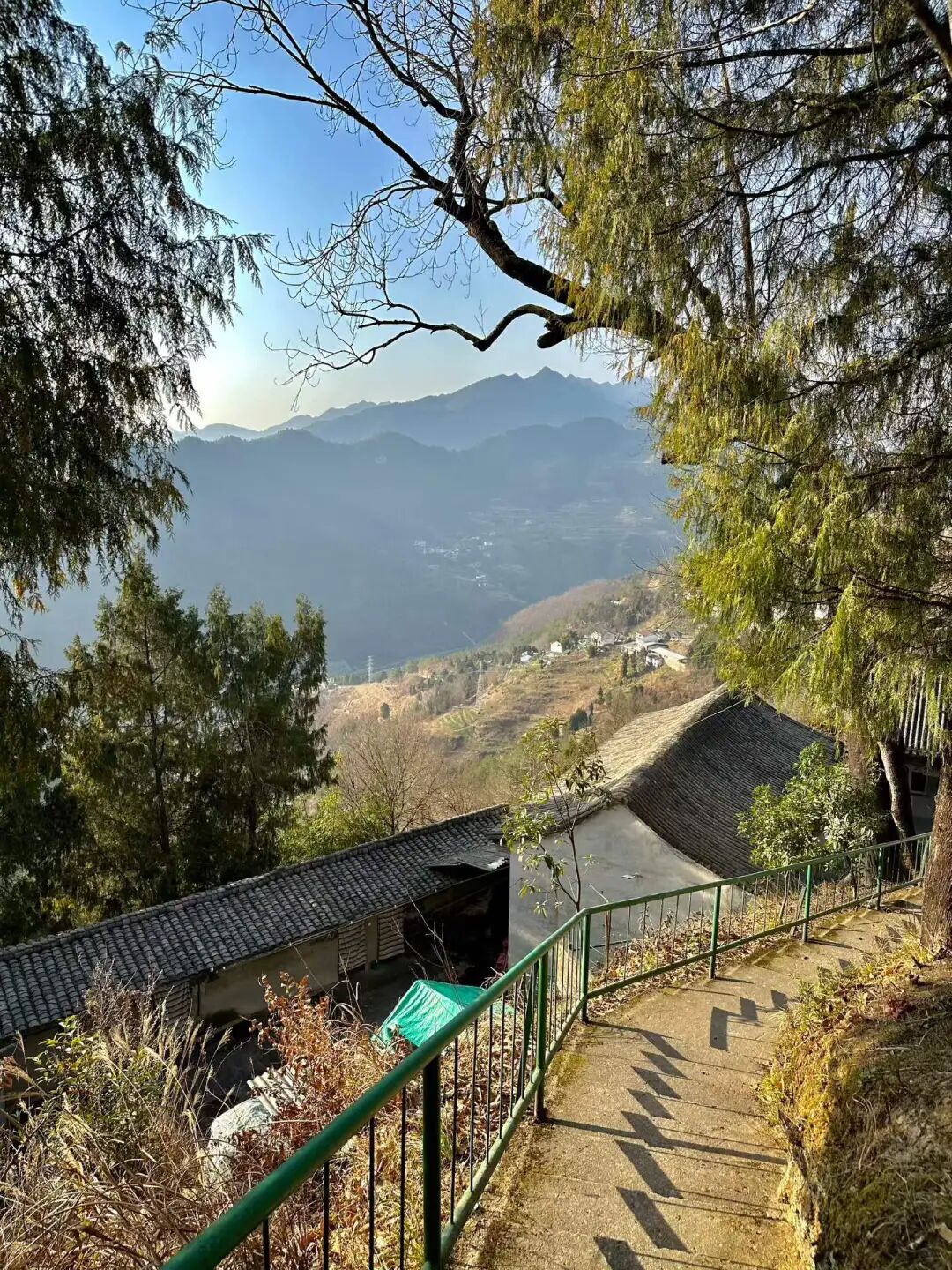
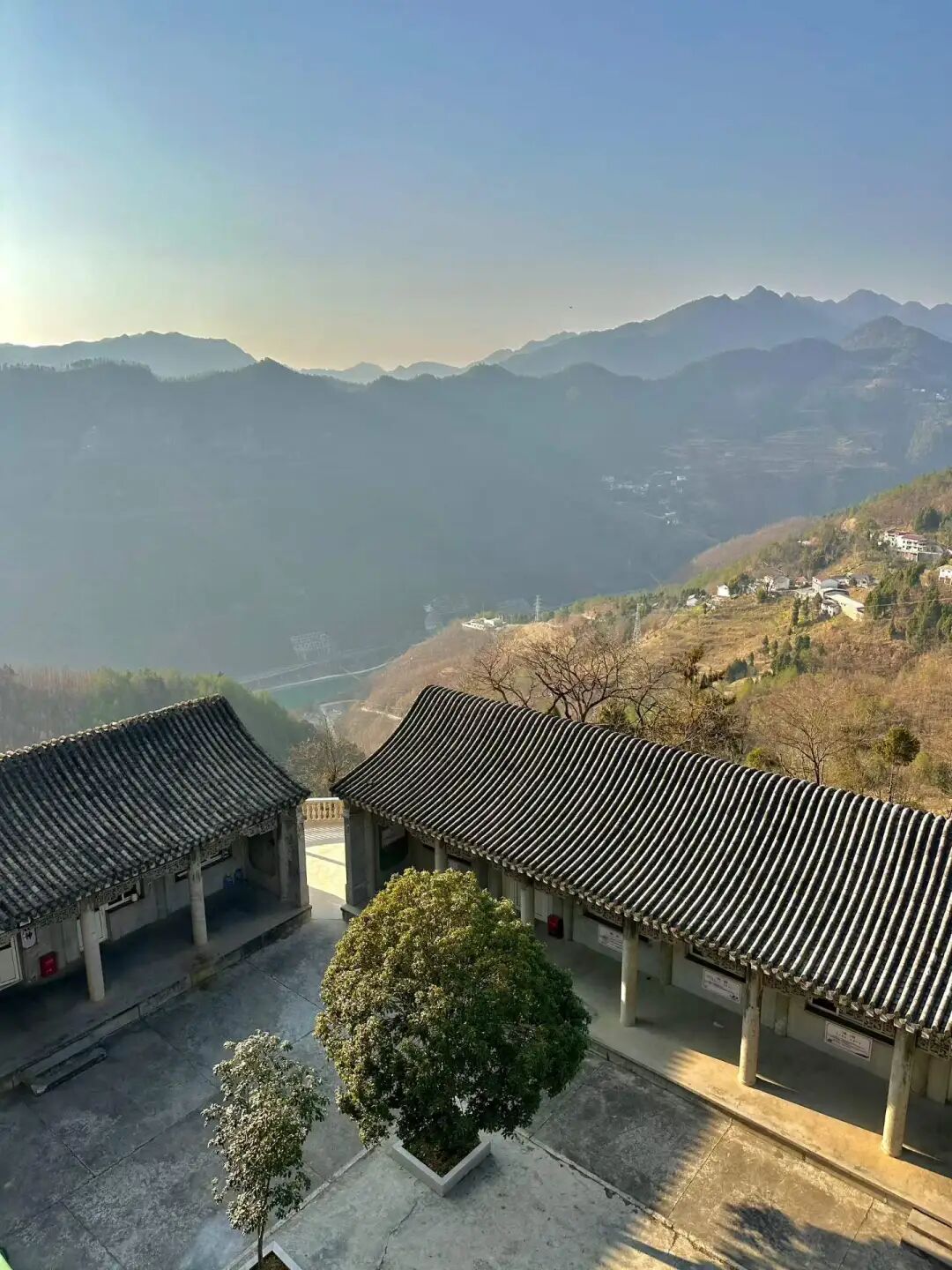
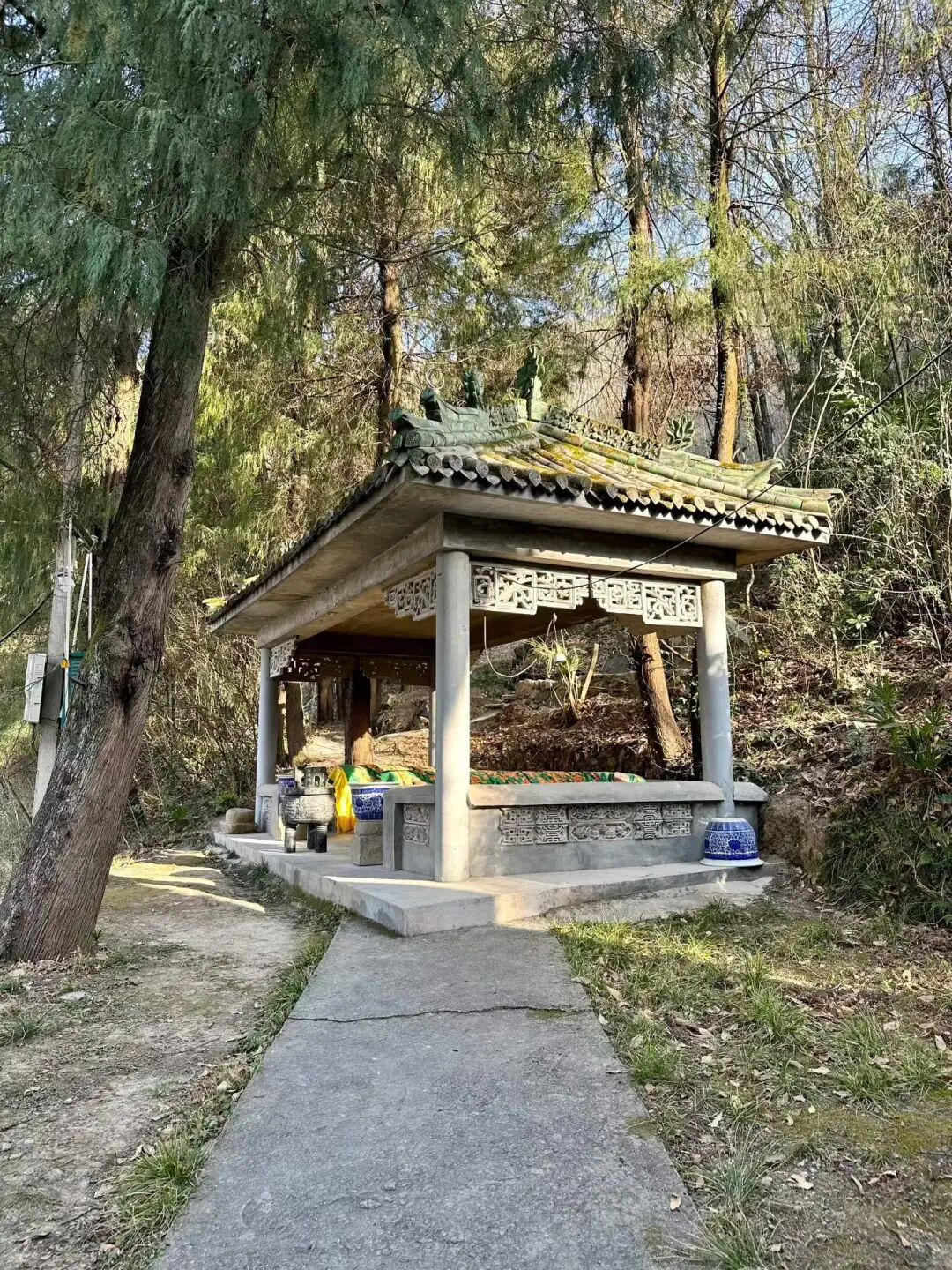
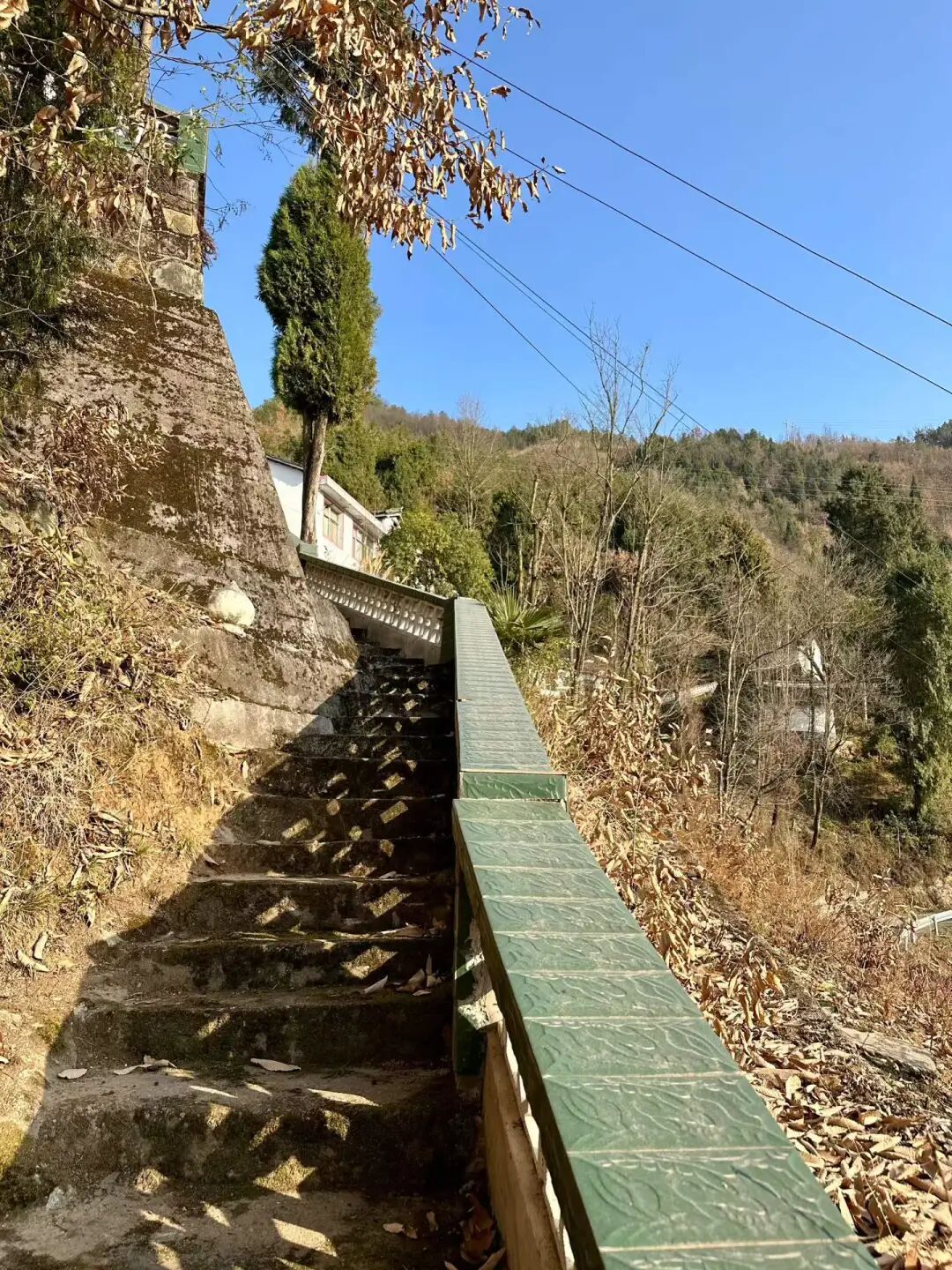
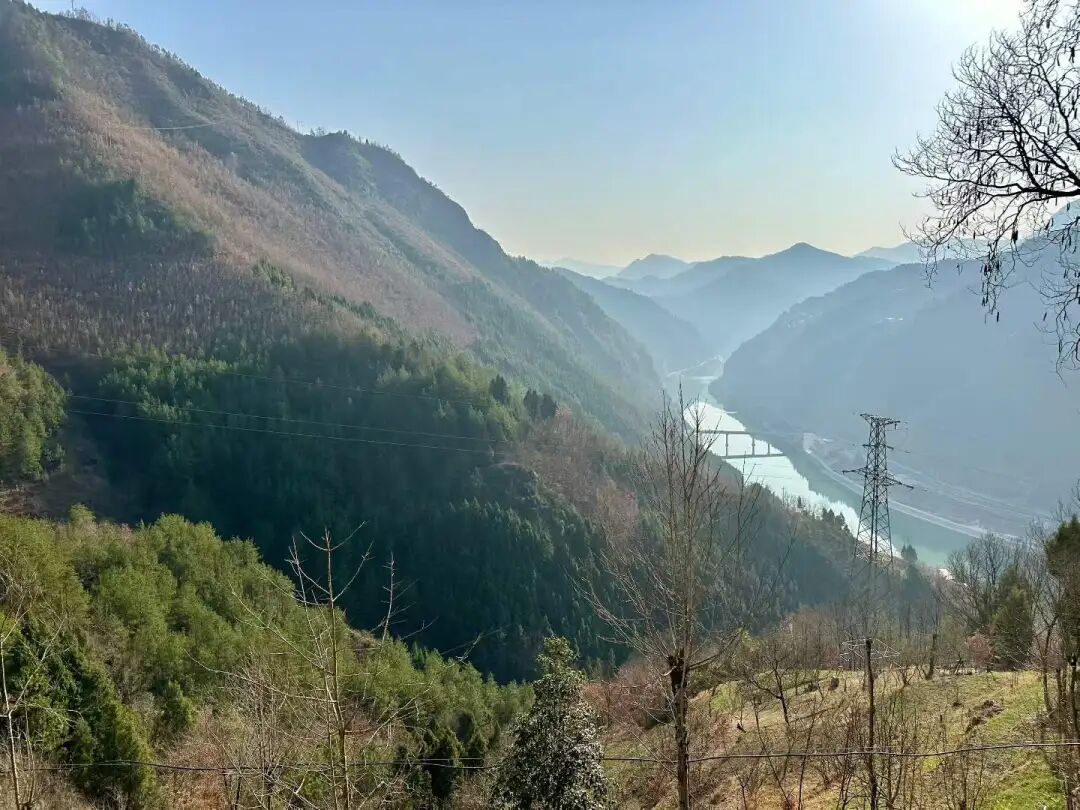
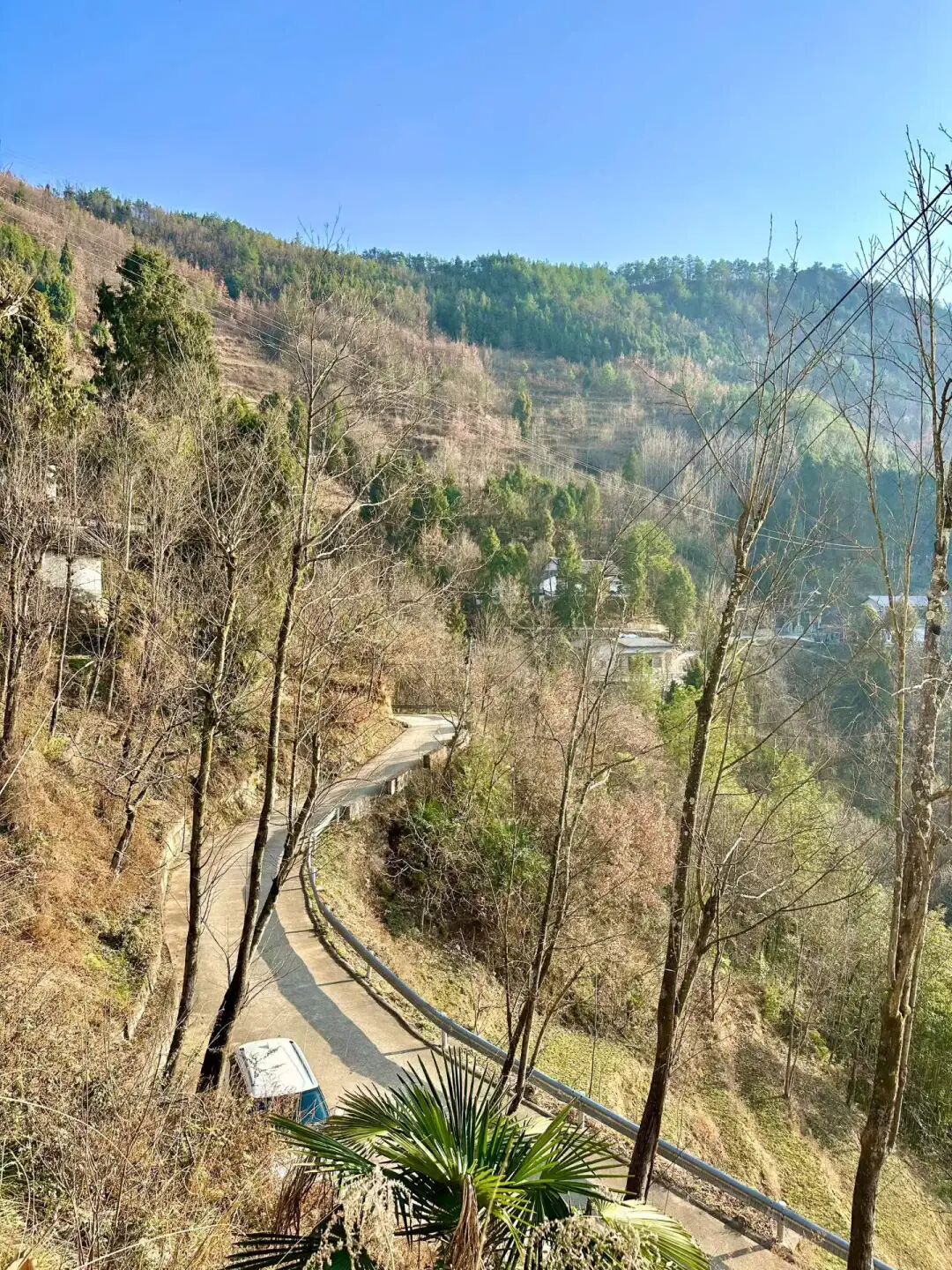
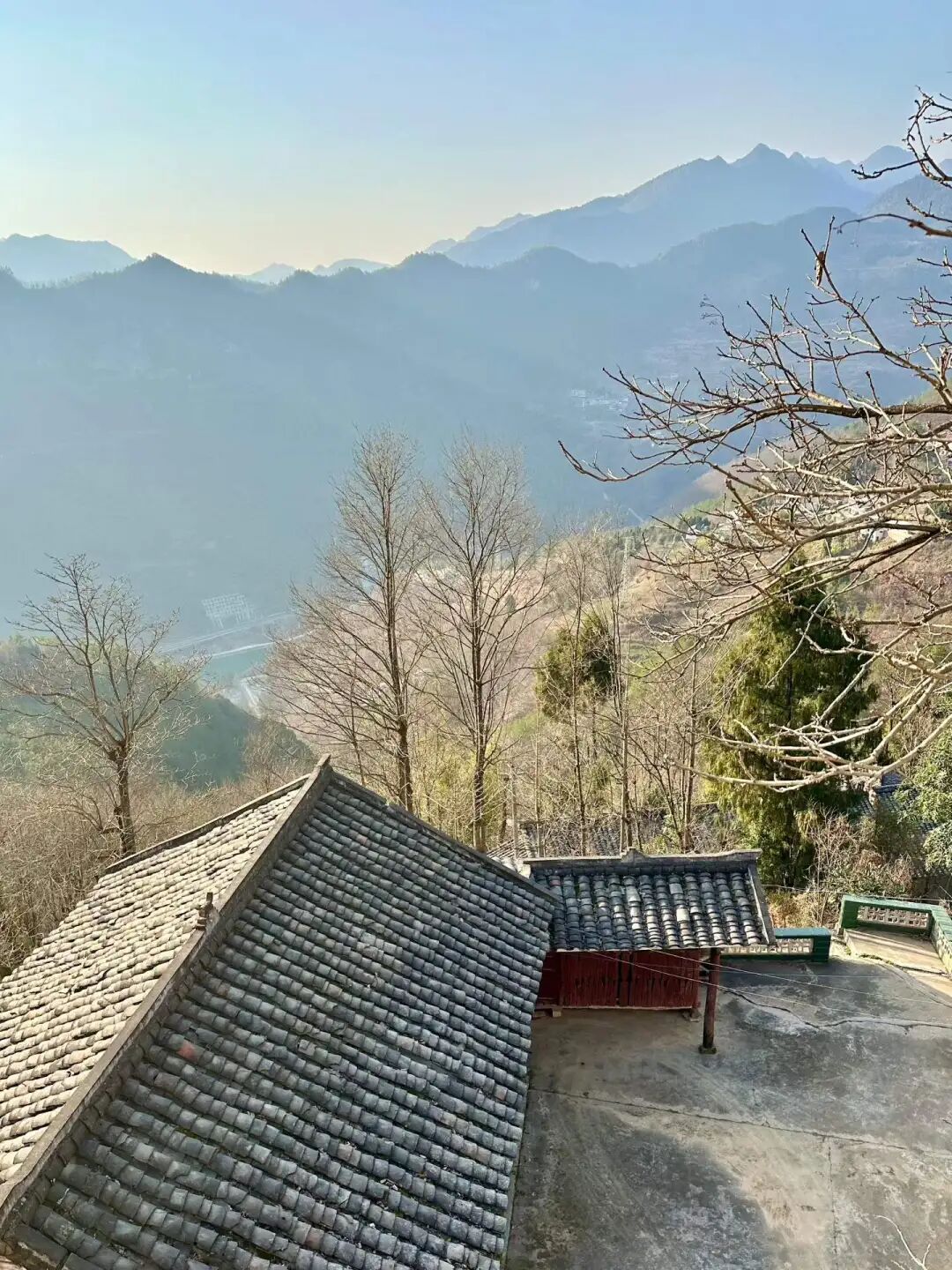
I traveled north from Nanshan in Guangyuan, crossed the city center, and followed the Jialing River Grand Canyon deep into the mountains until I reached the border of Sichuan and Shaanxi, where the Jiujing Gongbei sits on a hillside next to the canyon. I personally consider this the most remarkable Gongbei in all of Sichuan.
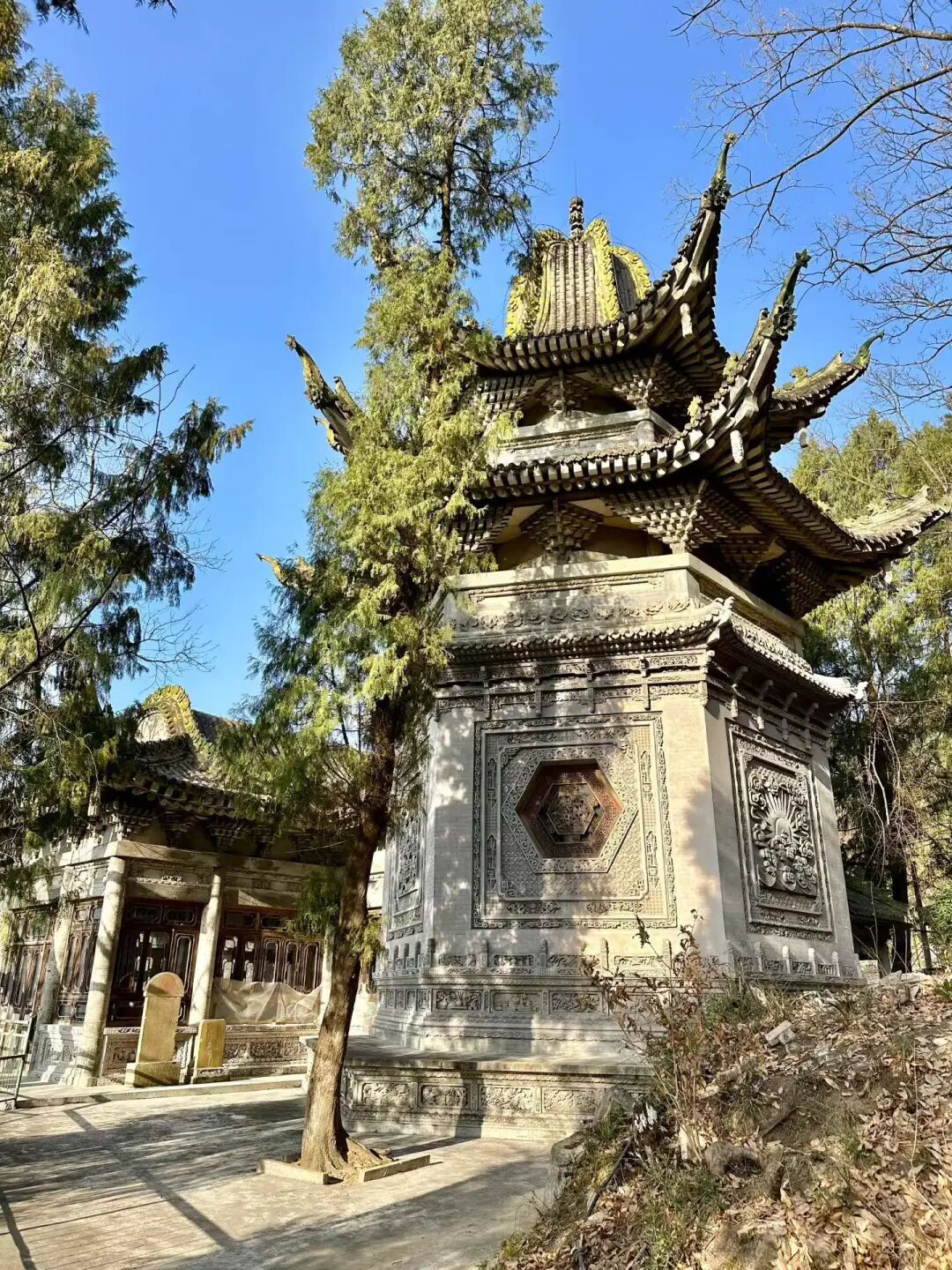
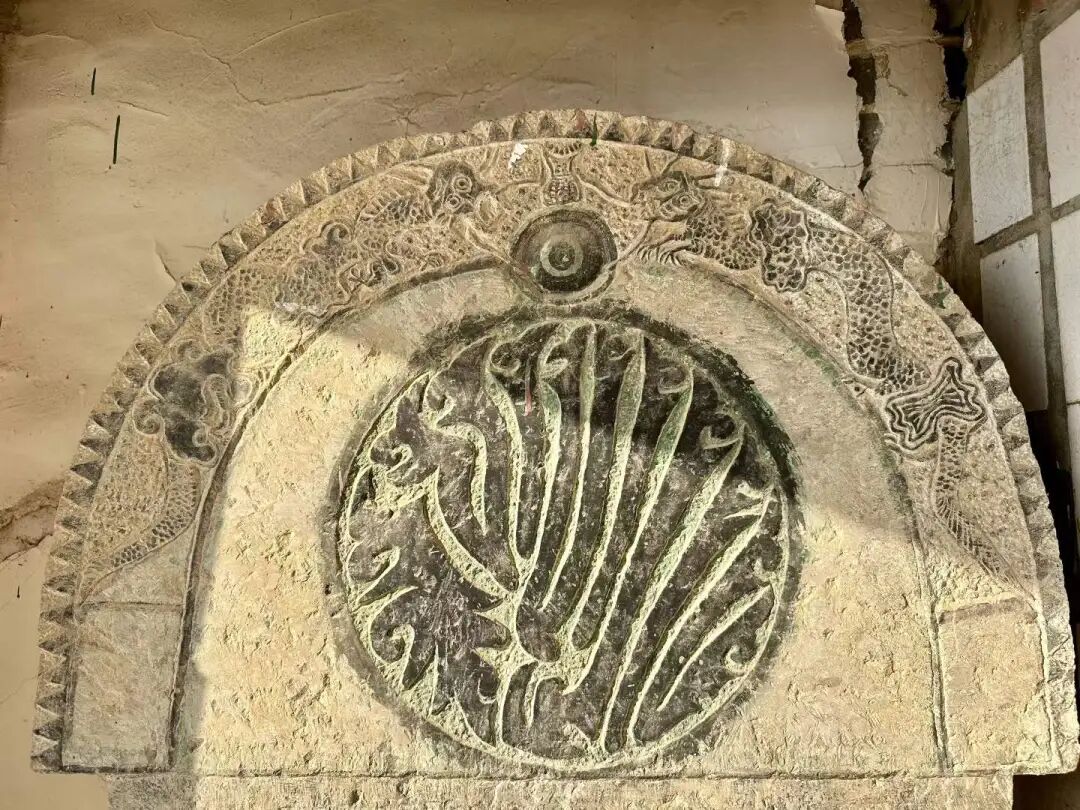
Jiujing Gongbei, also known as Jingjue Pavilion (Jingjue Ting), was first built in 1702 (the 41st year of the Kangxi reign). It holds the tomb of Ma Xunyi, a disciple of Huazhe Abudonglaxi, who was a leader of the Qadiriyya Sufi order (menhuan). In 1721 (the 60th year of the Kangxi reign), the tomb also became the final resting place for Ma Yongqing and Mu Zaiqing, who were disciples of Ma Xunyi's fellow student, Qi Jingyi.
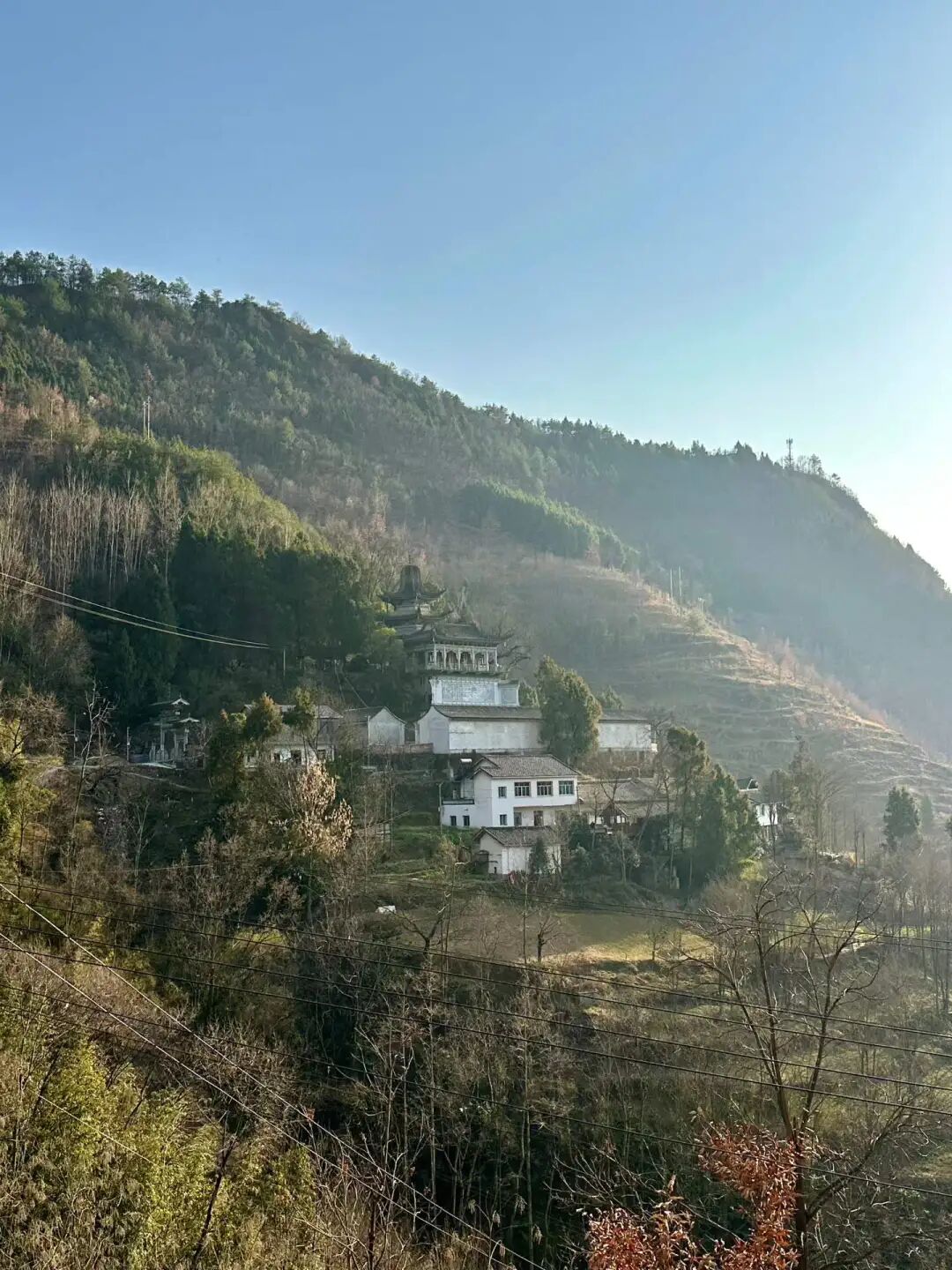
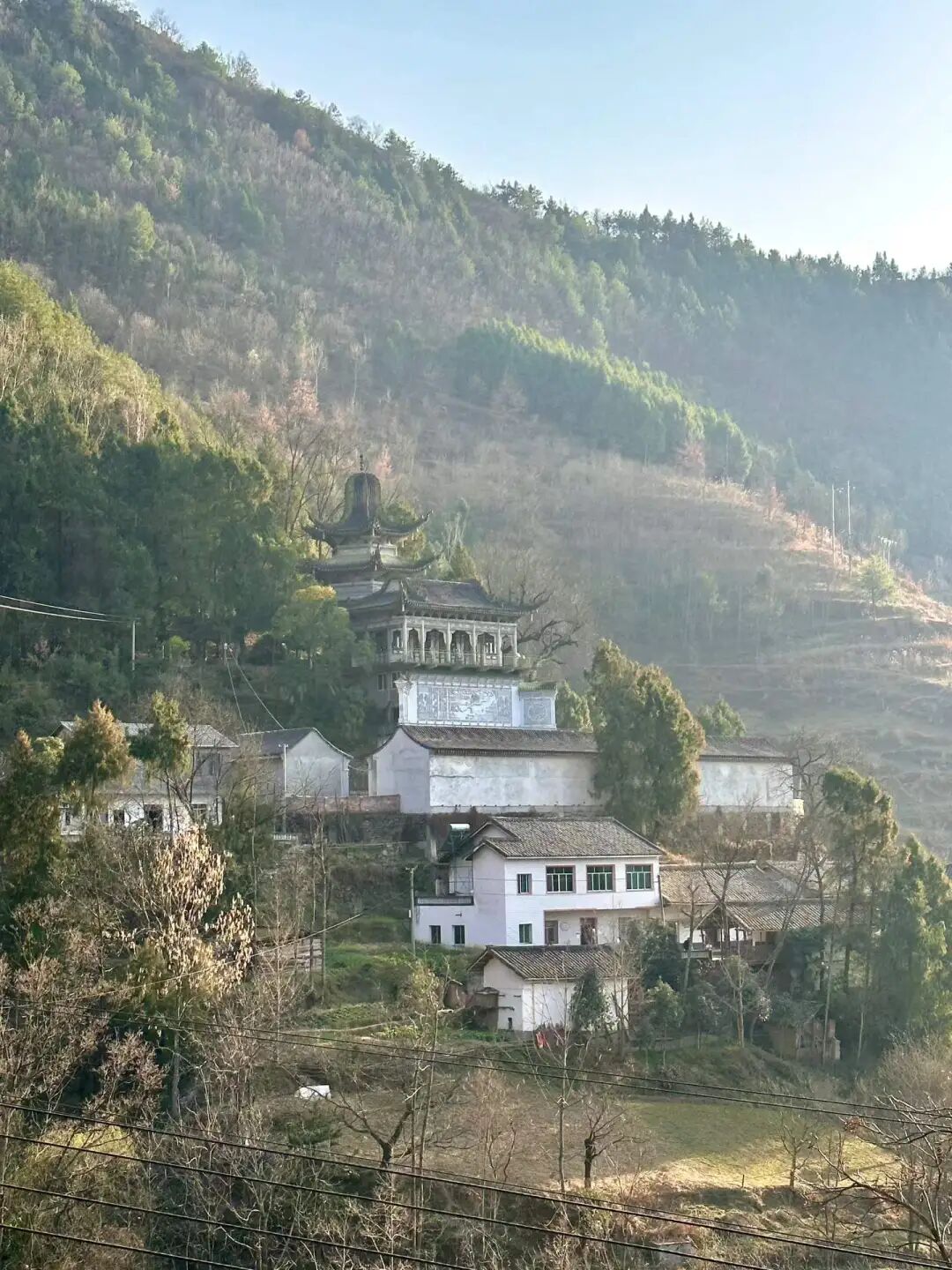
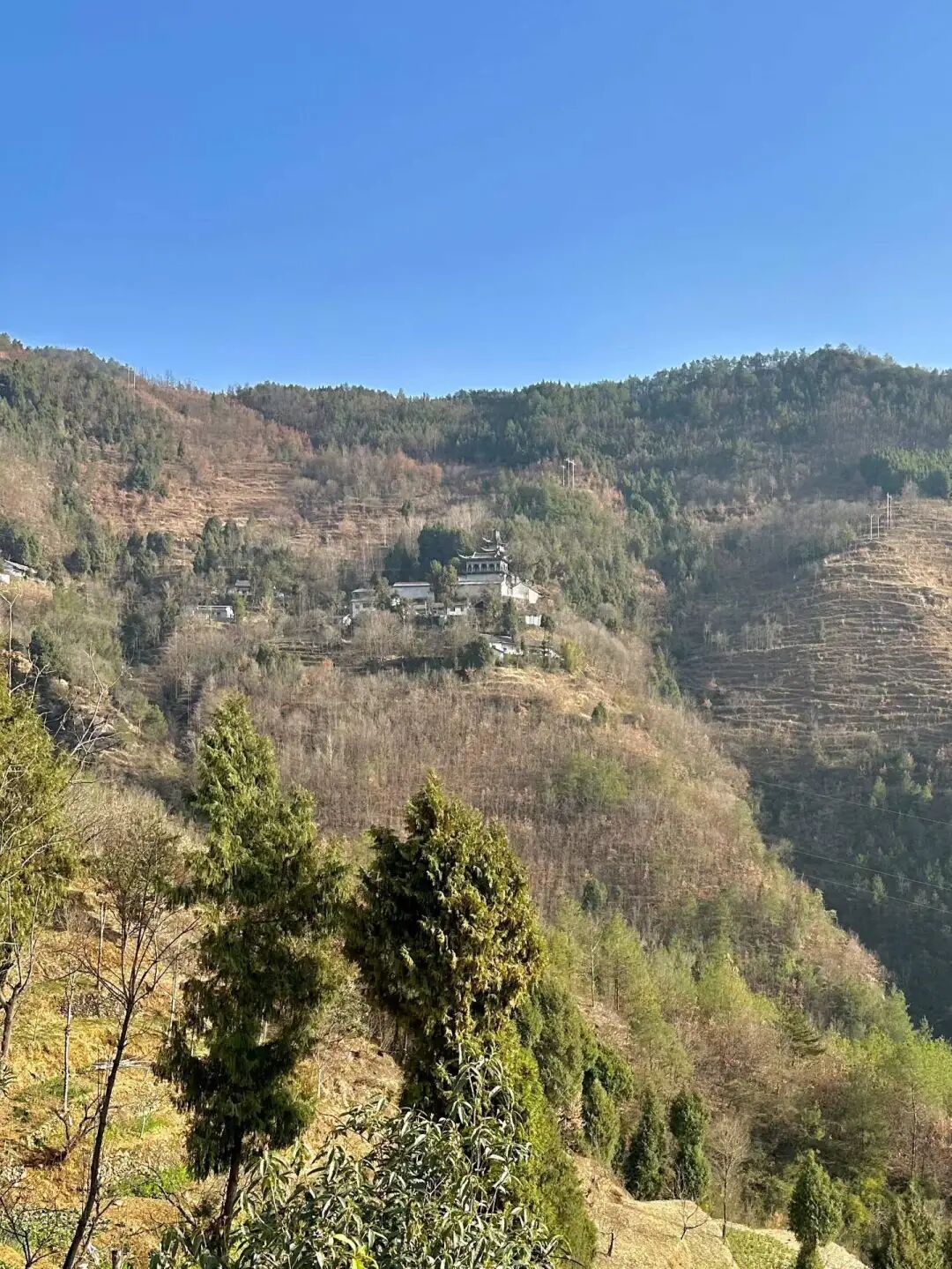
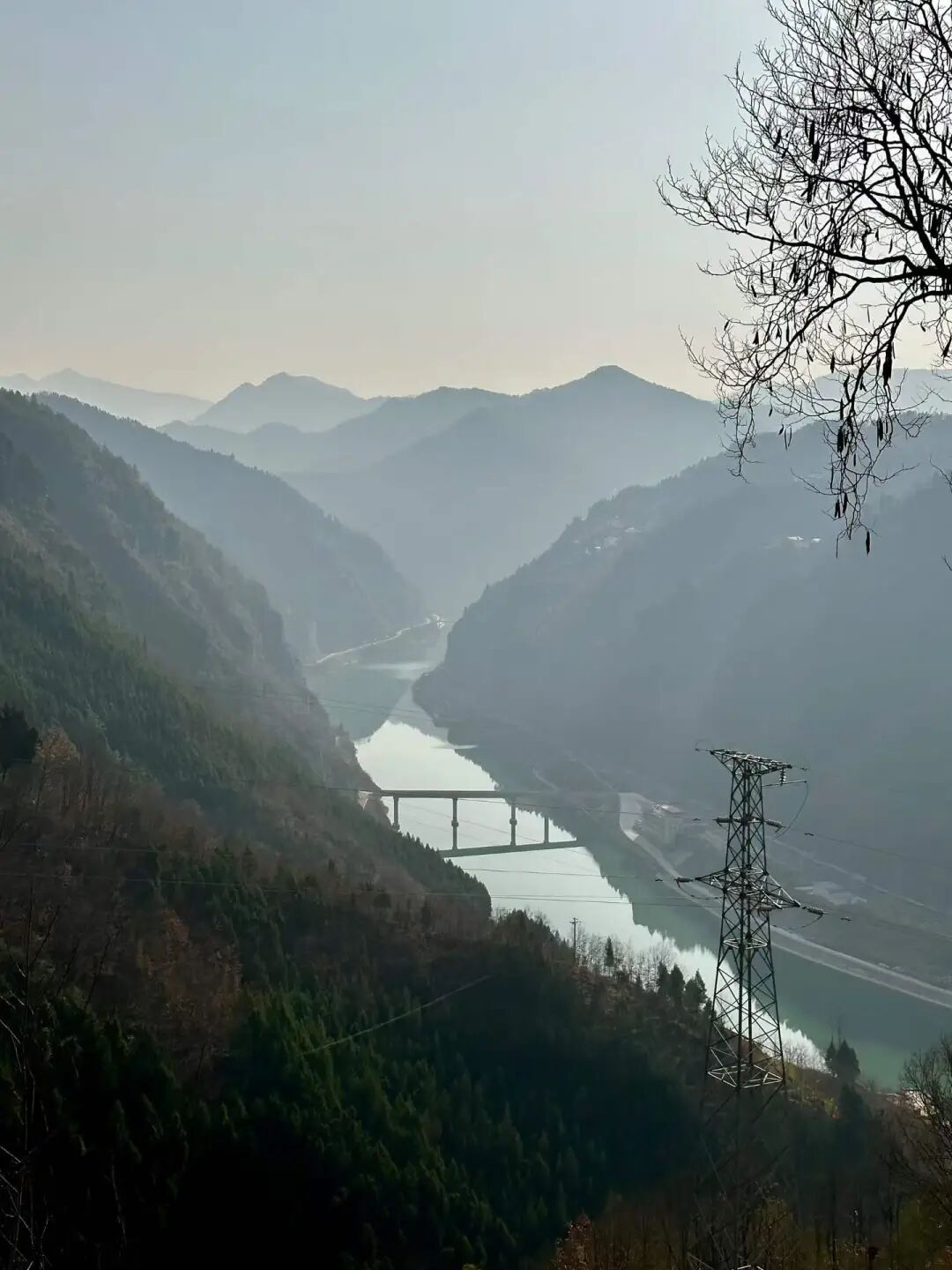
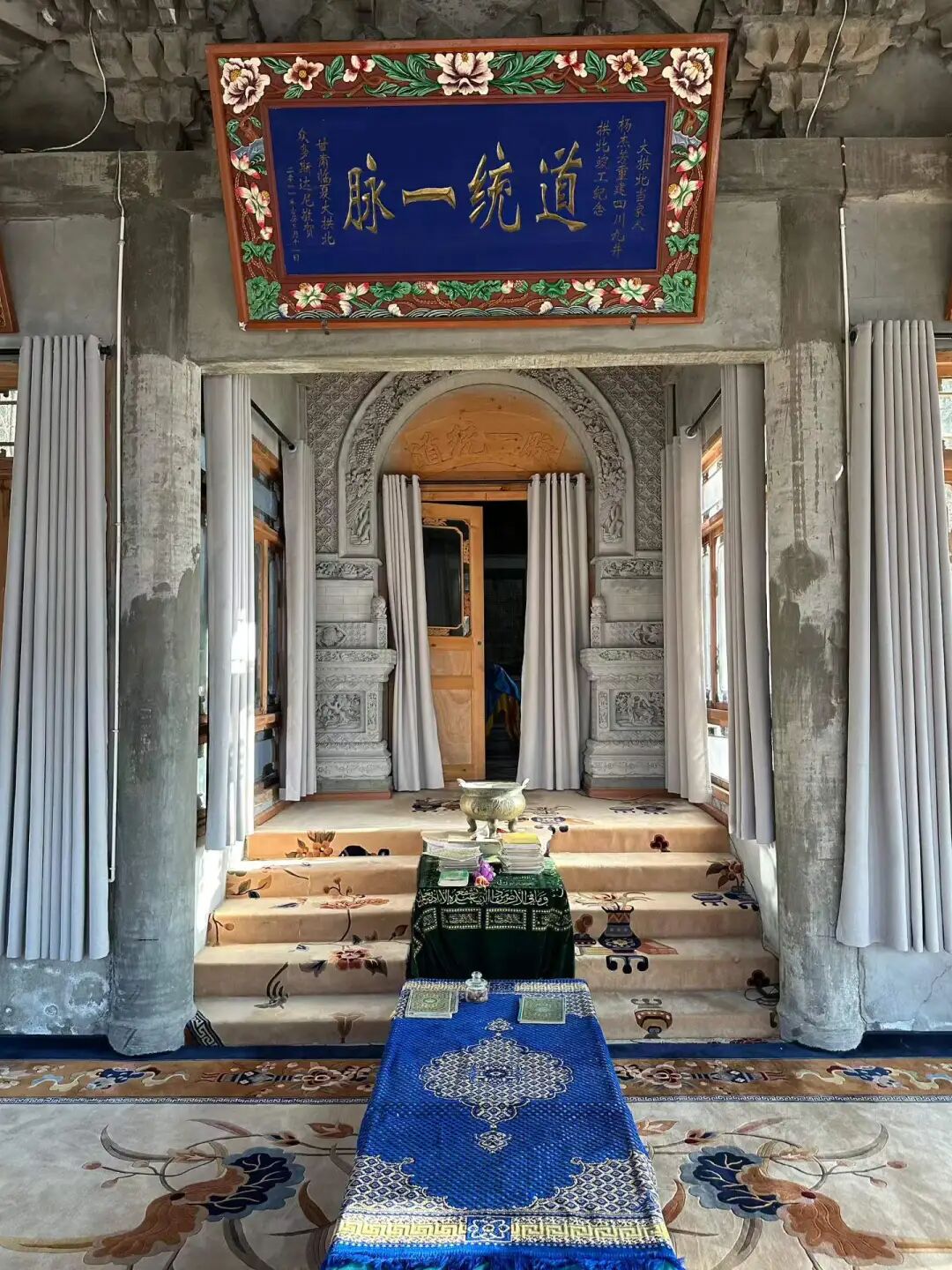
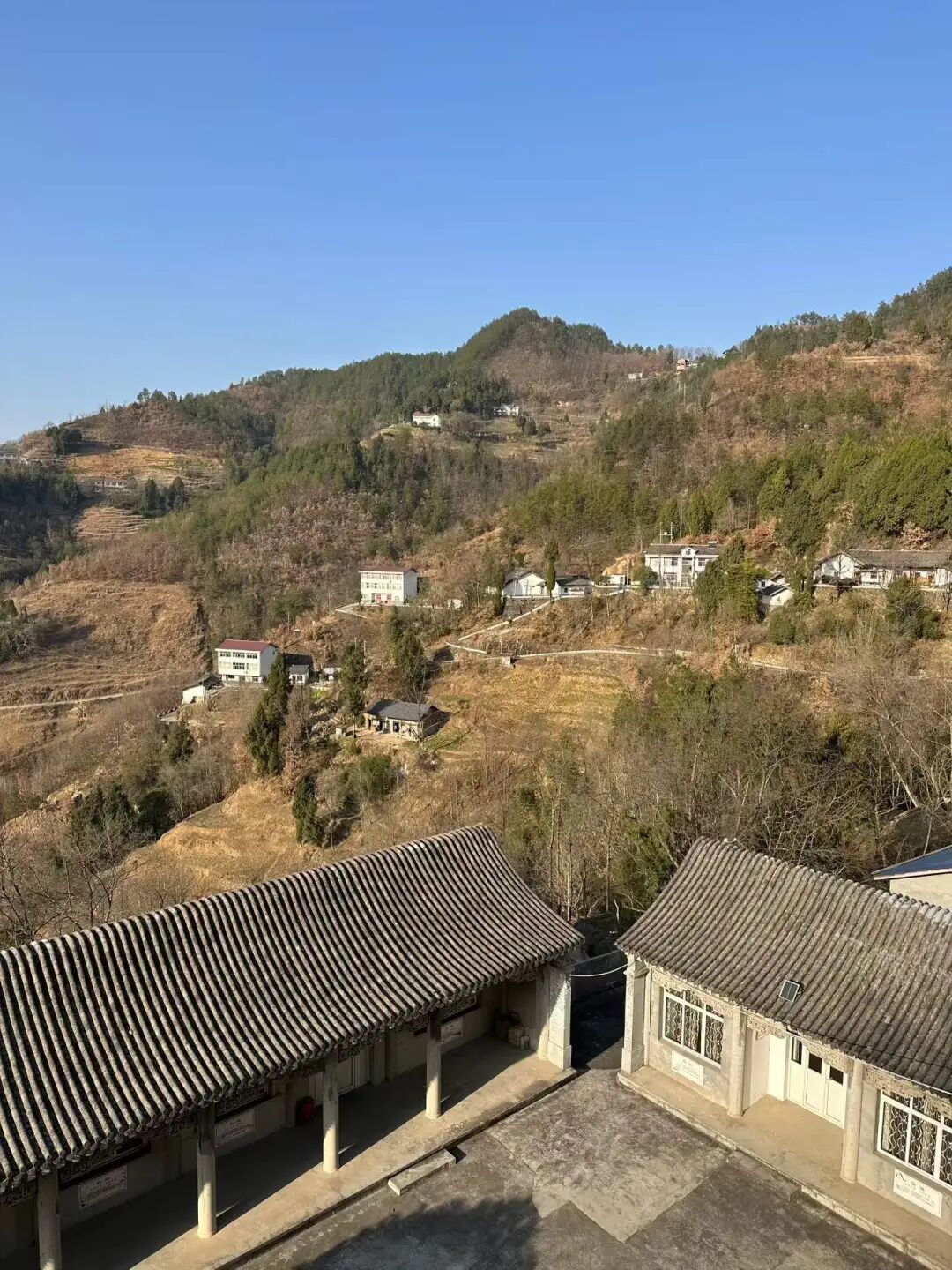
The 1702 tombstone for Ma Xunyi reads: 'Regarding the Ma family of the pure faith from Lintao, Hezhou, who traveled to teach in Jiujing, Guangyuan, and passed away here, this monument is erected.' The tomb of the late, respected Master Ma of the Qing dynasty. The landowners were Mu Zhixian and Mu Zhilin. Erected on an auspicious day, the 15th day of the ninth lunar month in the 41st year of the Kangxi reign, by his student Ha Chengyu.
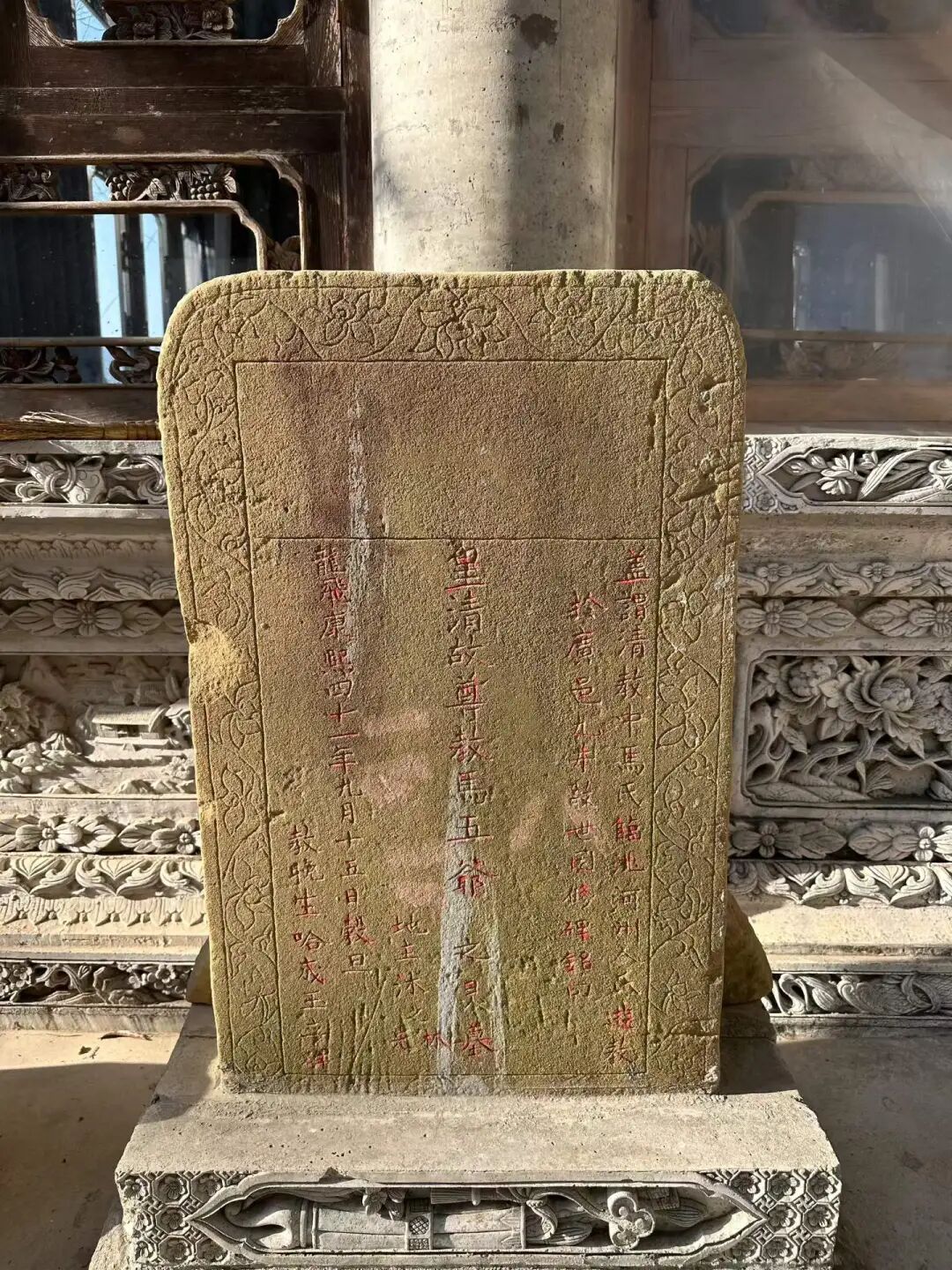
The 'Stele Record for the Reconstruction of Jingjue Pavilion' dates to the 55th year of the Qianlong reign. The inscription mentions that Ma Xunyi began studying under Huazhe Abudonglaxi in the 25th year of the Kangxi reign. The text was written by Ma Gui, the great-grandson of Ma Xunyi and the caretaker of Jiujing Gongbei.
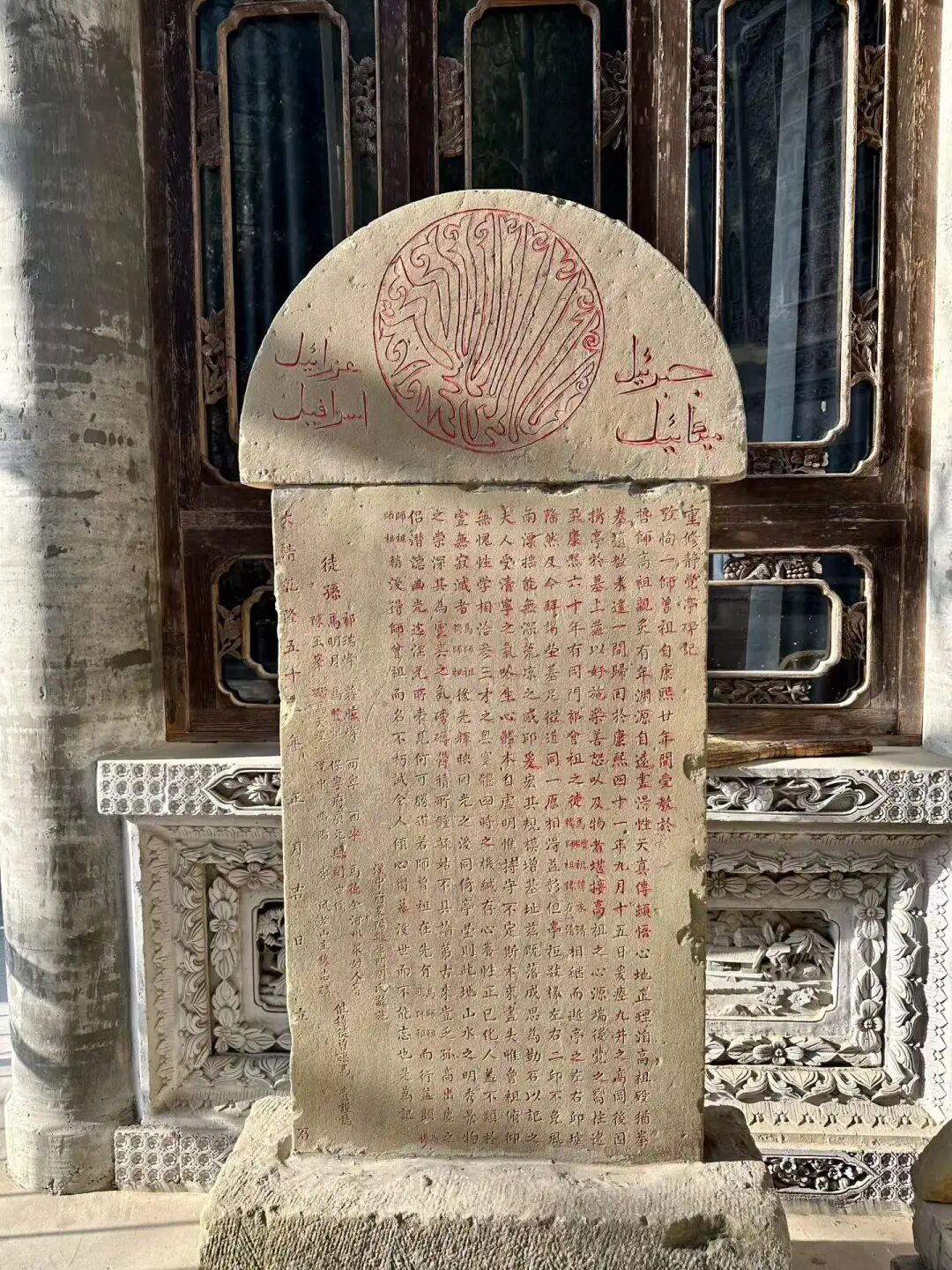
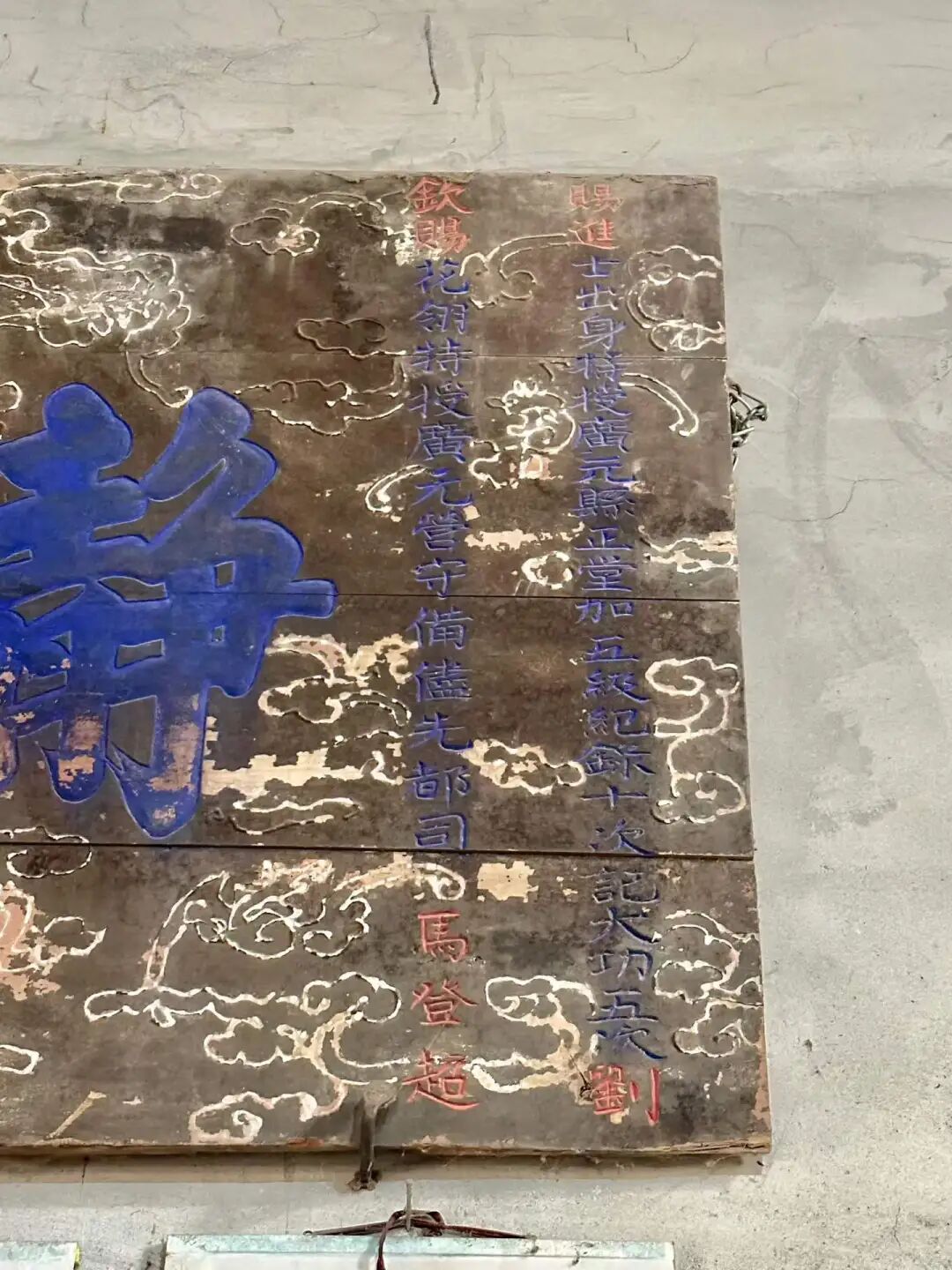
The 'Jingjue Pavilion' plaque from the 7th year of the Guangxu reign was gifted by Liu, a Jinshi degree holder specially appointed as the Magistrate of Guangyuan County, who received five promotions and ten commendations for his service. It was also erected by Ma Dengchao, who was specially appointed as the Garrison Commander of Guangyuan and granted the imperial peacock feather. These were Magistrate Liu of Guangyuan County and Garrison Commander Ma Dengchao.
Historical records confirm that the Guangyuan Magistrate in the 7th year of the Guangxu reign was Liu Xian. Liu Xian was from Qian County, Shaanxi. He was a diligent student from a young age. During his time as Magistrate of Guangyuan, he provided disaster relief, built bridges and roads, and improved irrigation, helping the people live comfortably. He was honest and upright, and people called him 'Blue Sky Liu' (Liu Qingtian).
Ma Dengchao was a local from Sichuan. During the Tongzhi and Guangxu reigns, he served as a fifth-rank military officer in the Green Standard Army, overseeing city defense, military affairs, and provisions in Guangyuan County. In the 12th year of the Tongzhi reign, he inscribed the words 'Only Pure, Only One' (Wei Jing Wei Yi) for the Shanghe Street Mosque in Guangyuan, which is still kept inside the mosque today.
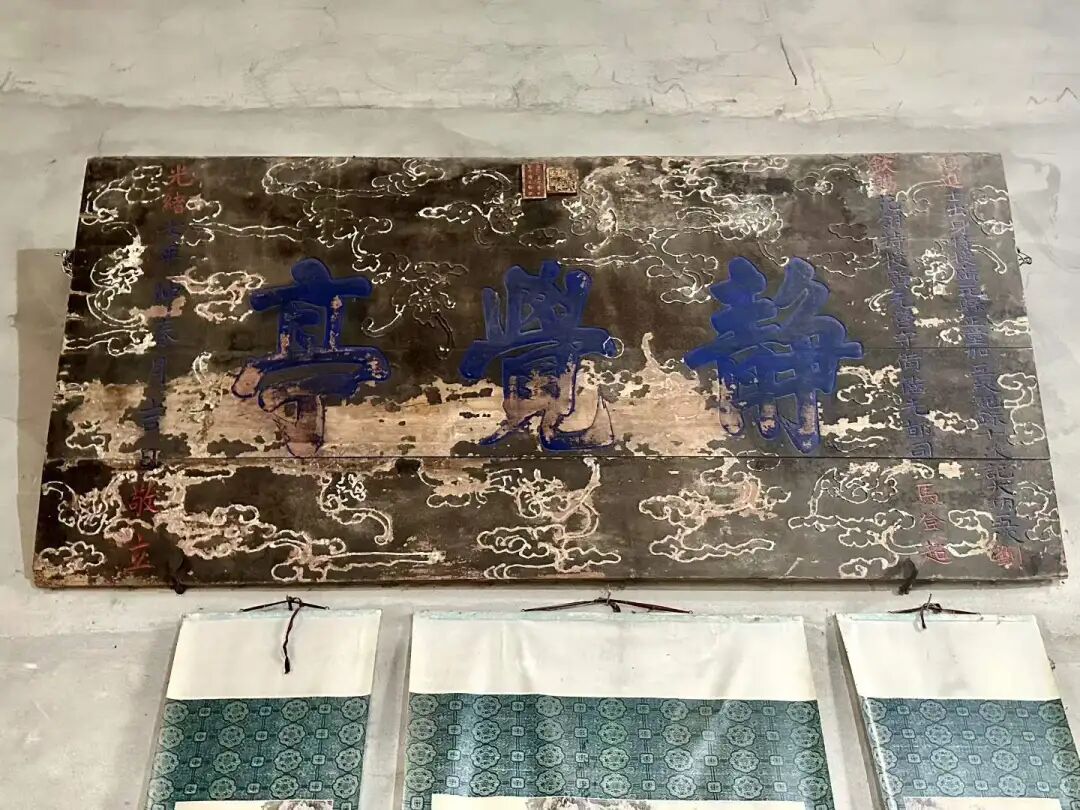
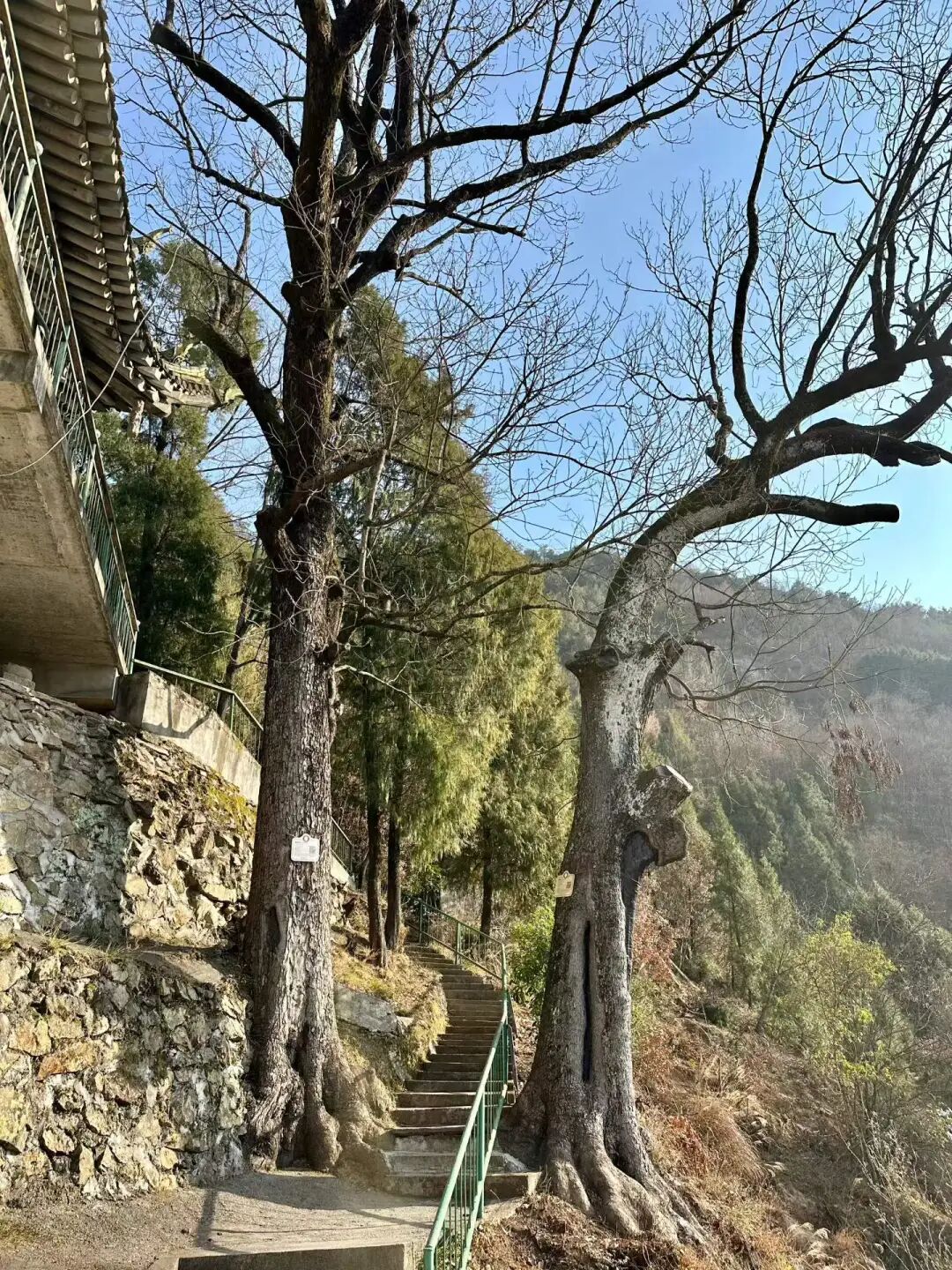
Inside the Gongbei, there are several Chinese pistache trees (huanglianmu) over 300 years old, planted when the site was first built.
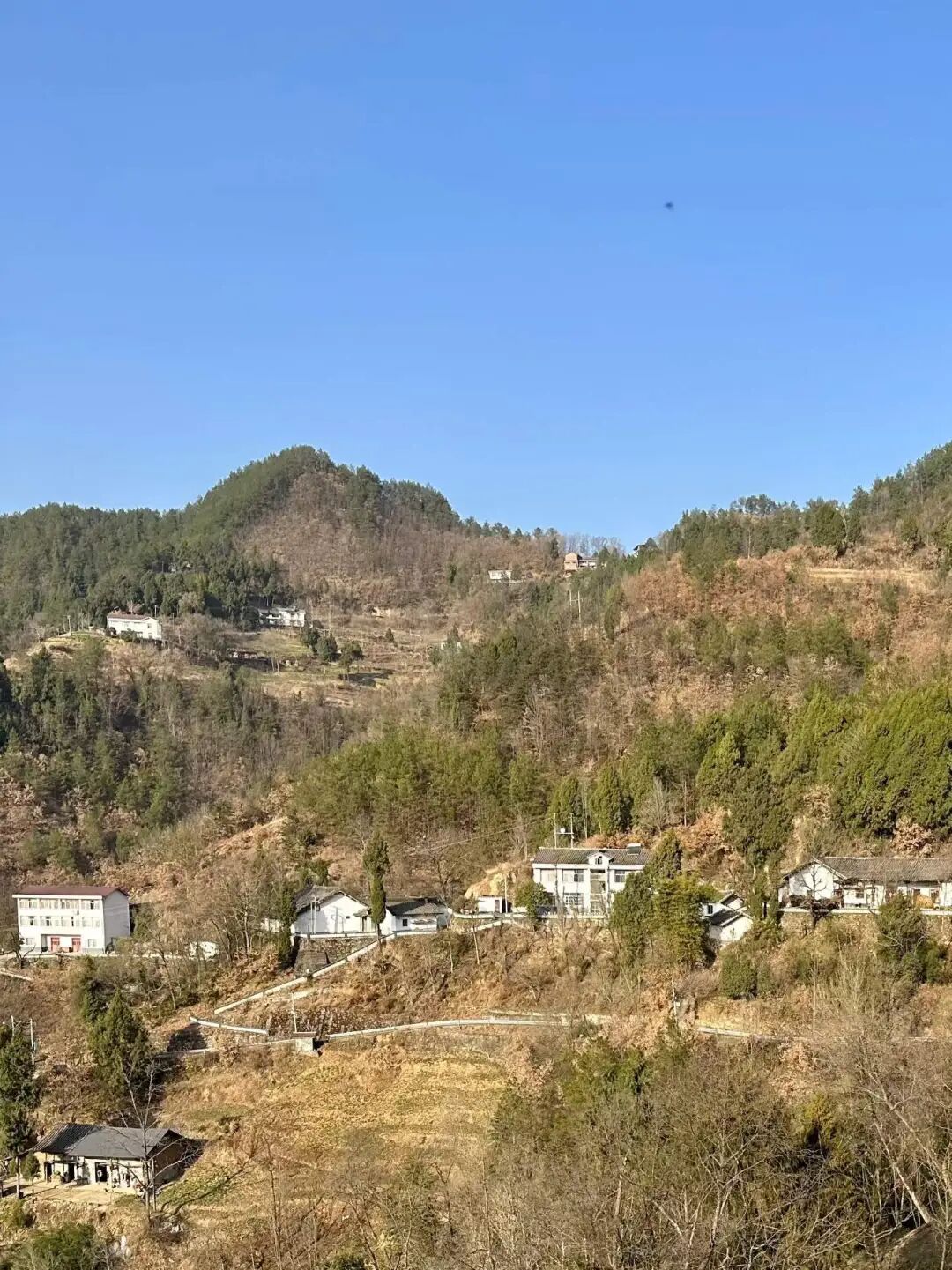
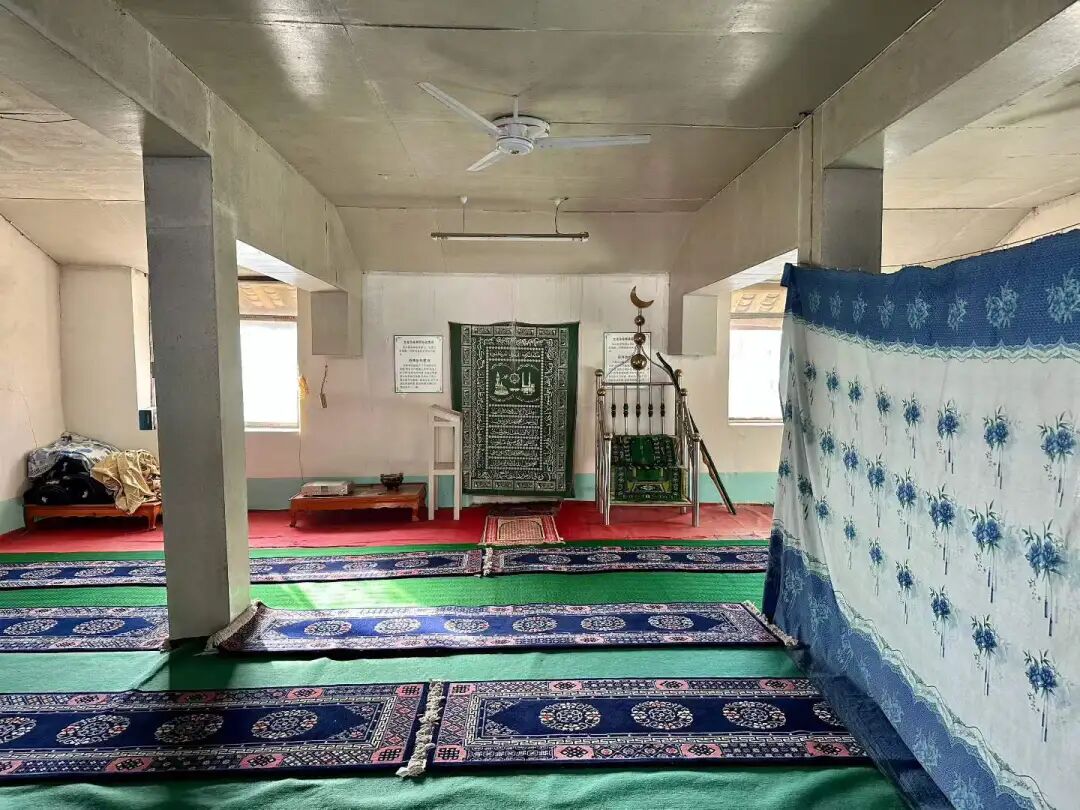
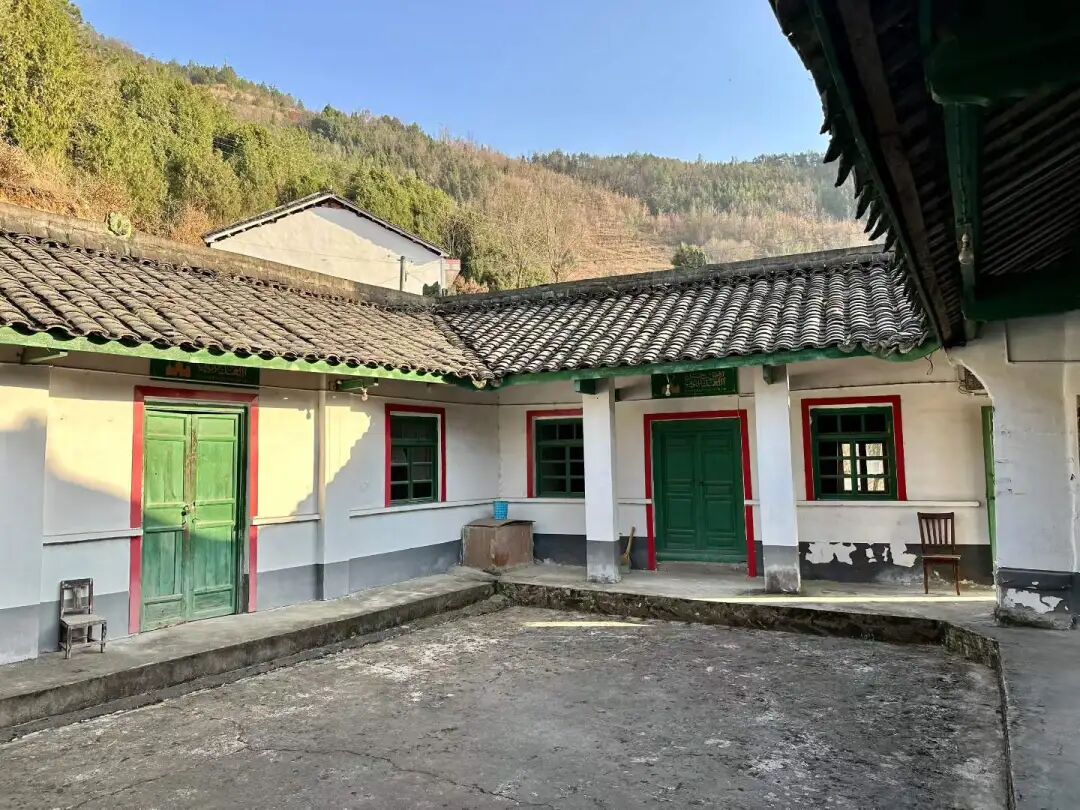
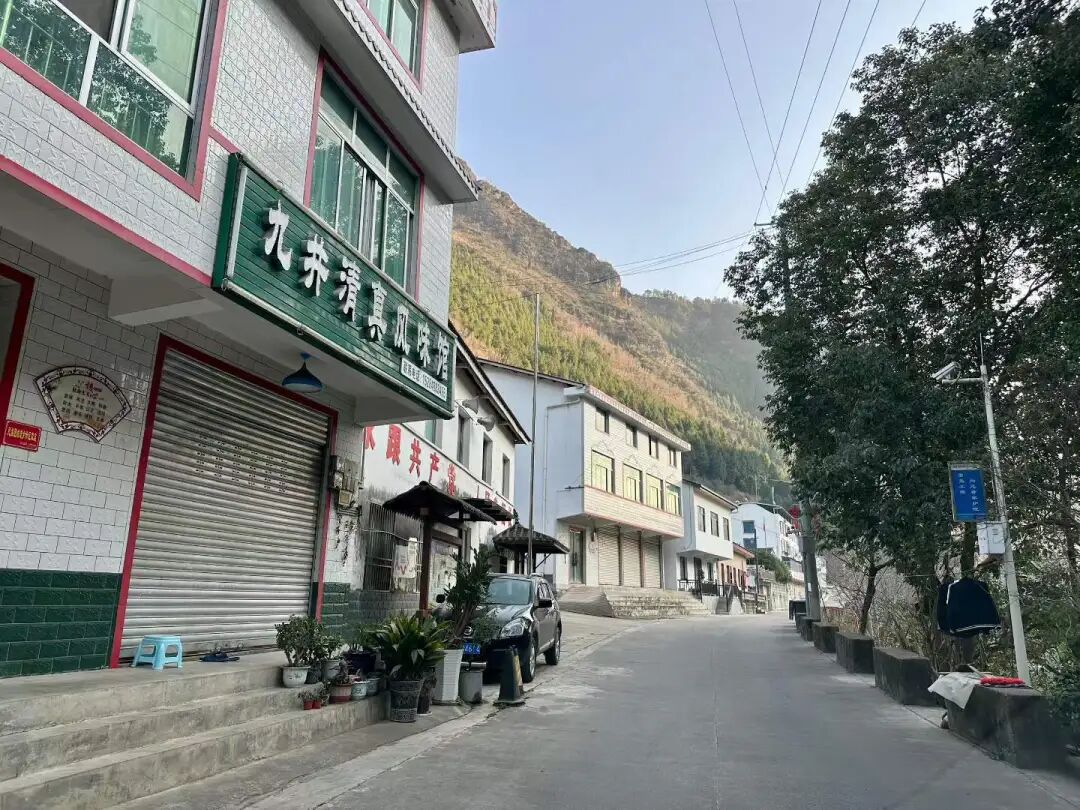
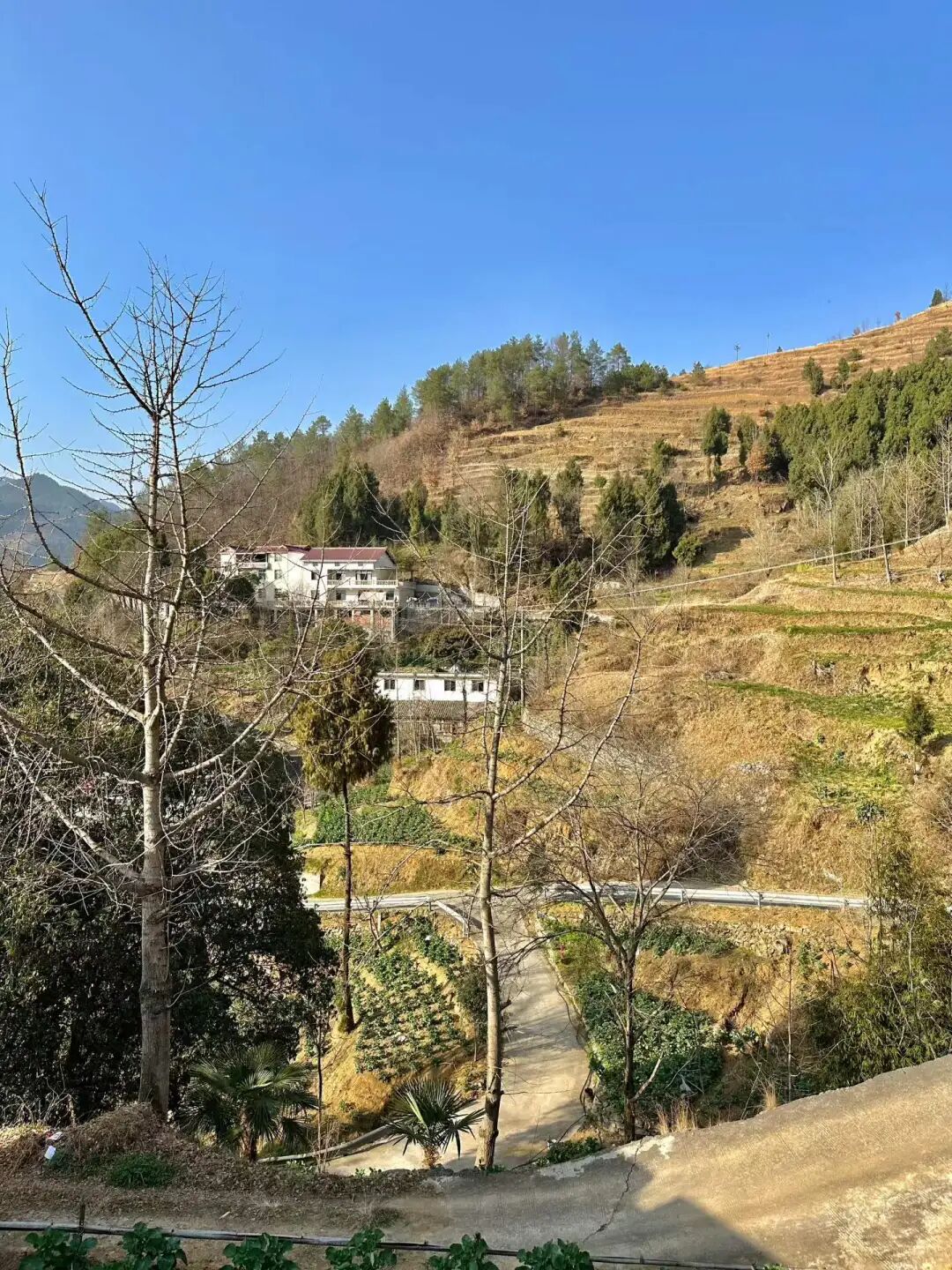
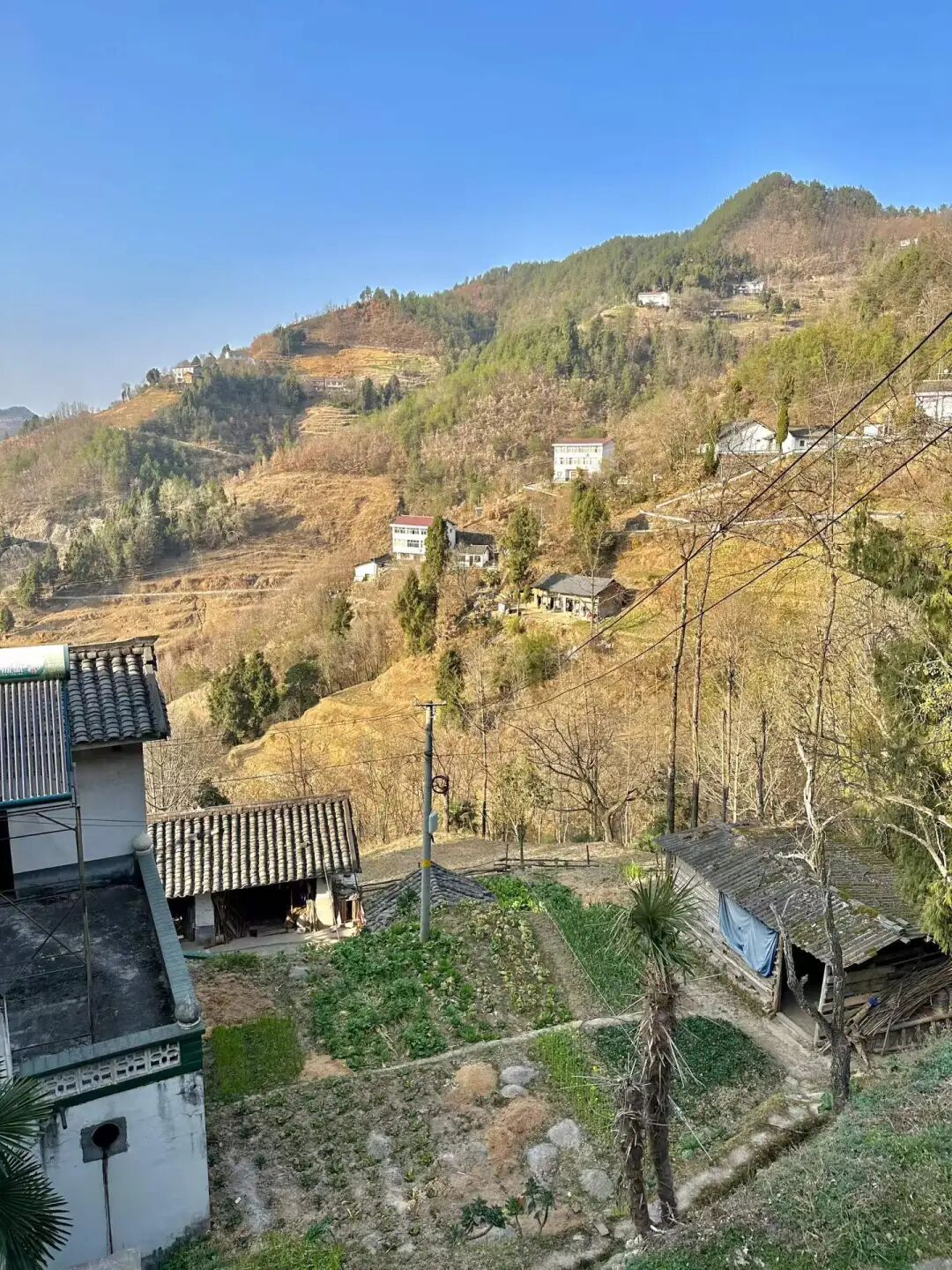
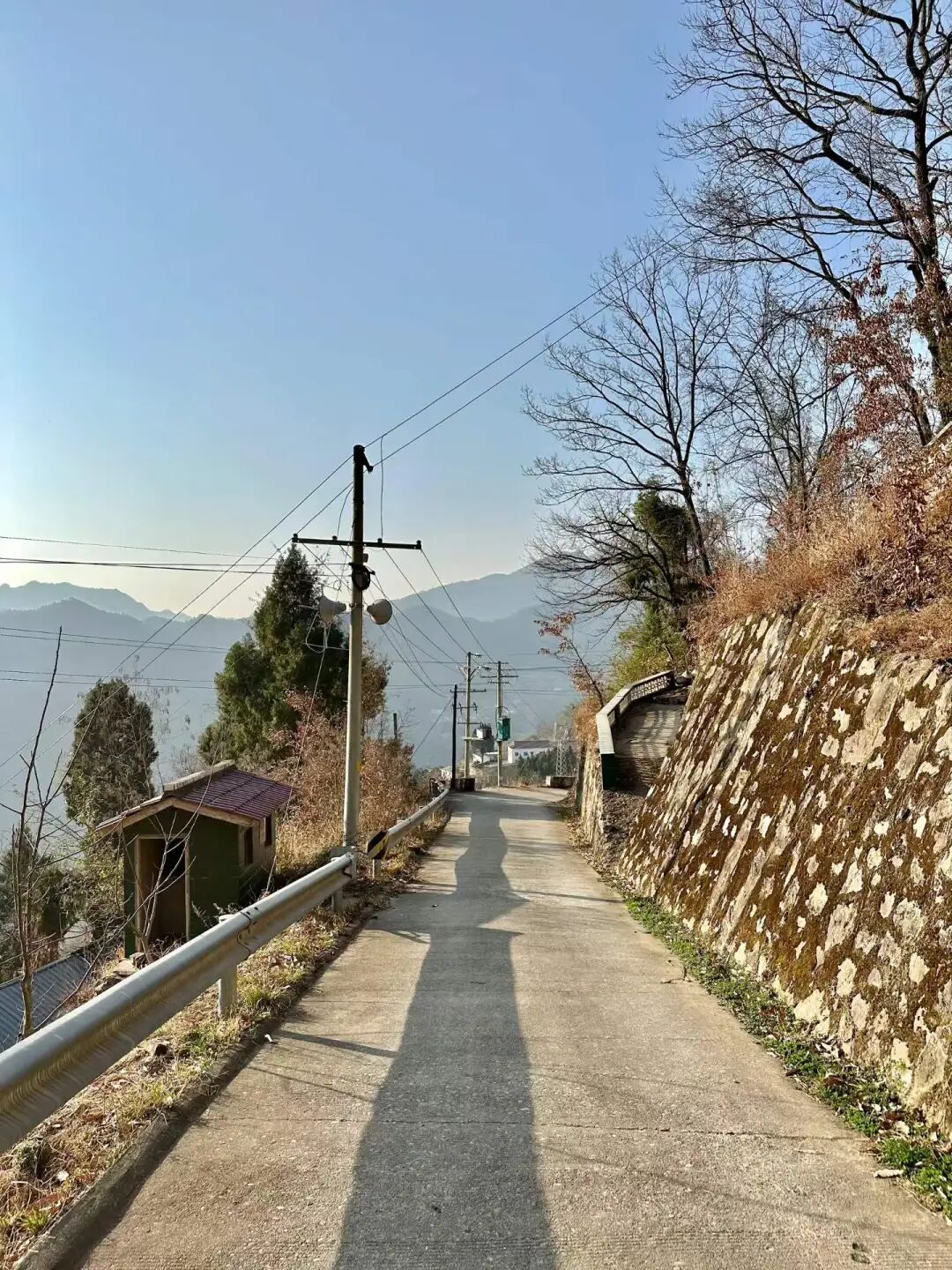
On the hillside near the Jiujing Gongbei is a Hui Muslim village called Mujiapo in Jiujingwan, and halfway up the mountain sits the Jiujing Mosque, which was first built during the Kangxi reign. The various Gongbei in Guangyuan are all built near Hui Muslim villages, where the Qadiriyya Sufi order and the Gedimu villagers live together in harmony.
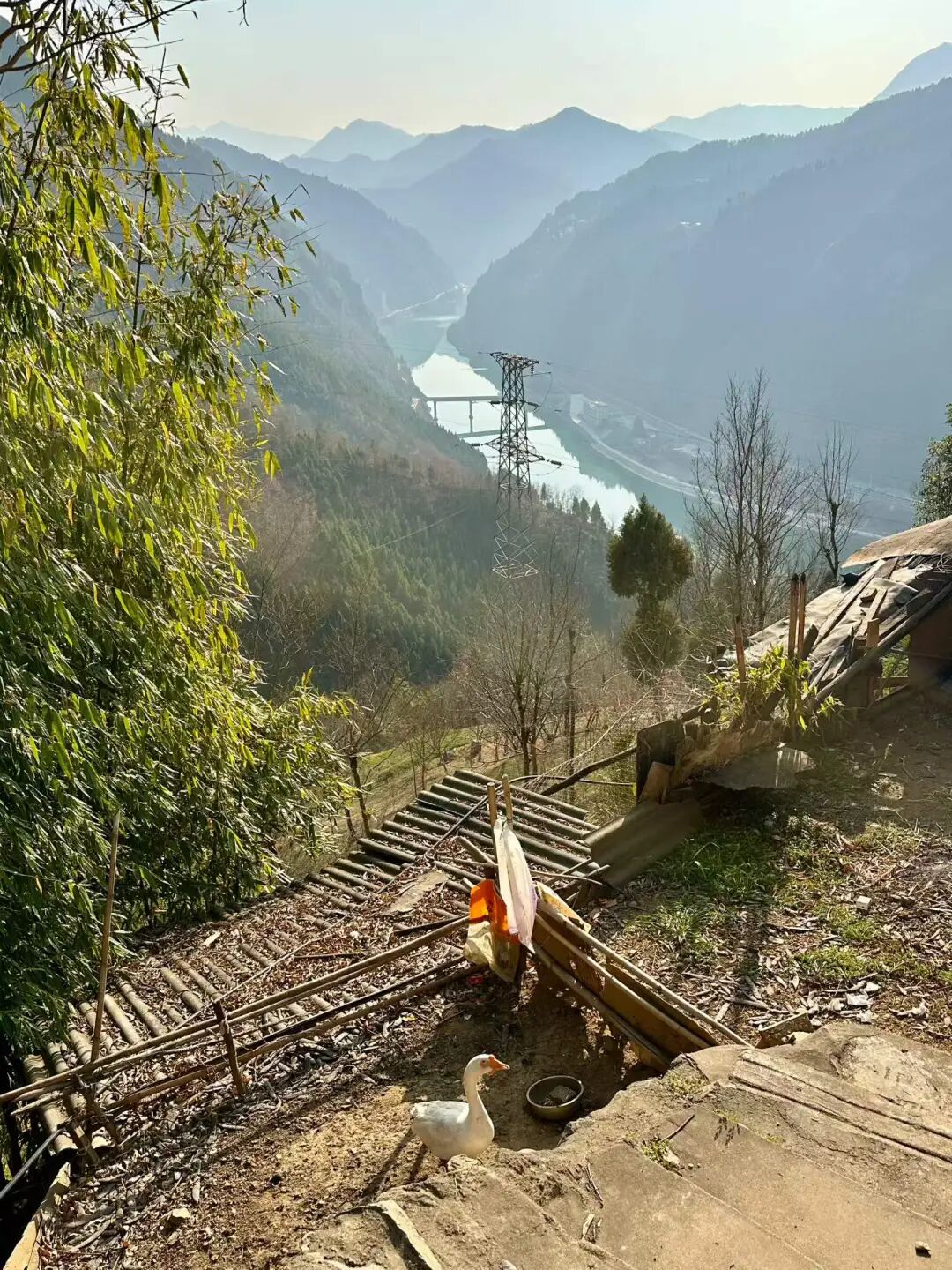
Since the Ming dynasty, Jiujingwan has been an important land and water station for travelers moving from Hanzhong, Shaanxi, along the Jialing River to Chongqing. In the early Qing dynasty, Hui Muslim families named Mu, Ha, Ma, and Li moved here from Gansu and Shaanxi. It was named Mujiapo because the Mu family was the largest group, and today there are over 400 Hui Muslims living there. Because Mujiapo is located entirely on the slopes of the Jialing River canyon, the Hui Muslims mainly raise cattle and sheep, grow forage grass, and farm walnuts. 'Mujiapo' beef and mutton have become a famous brand in the northern Sichuan meat market.
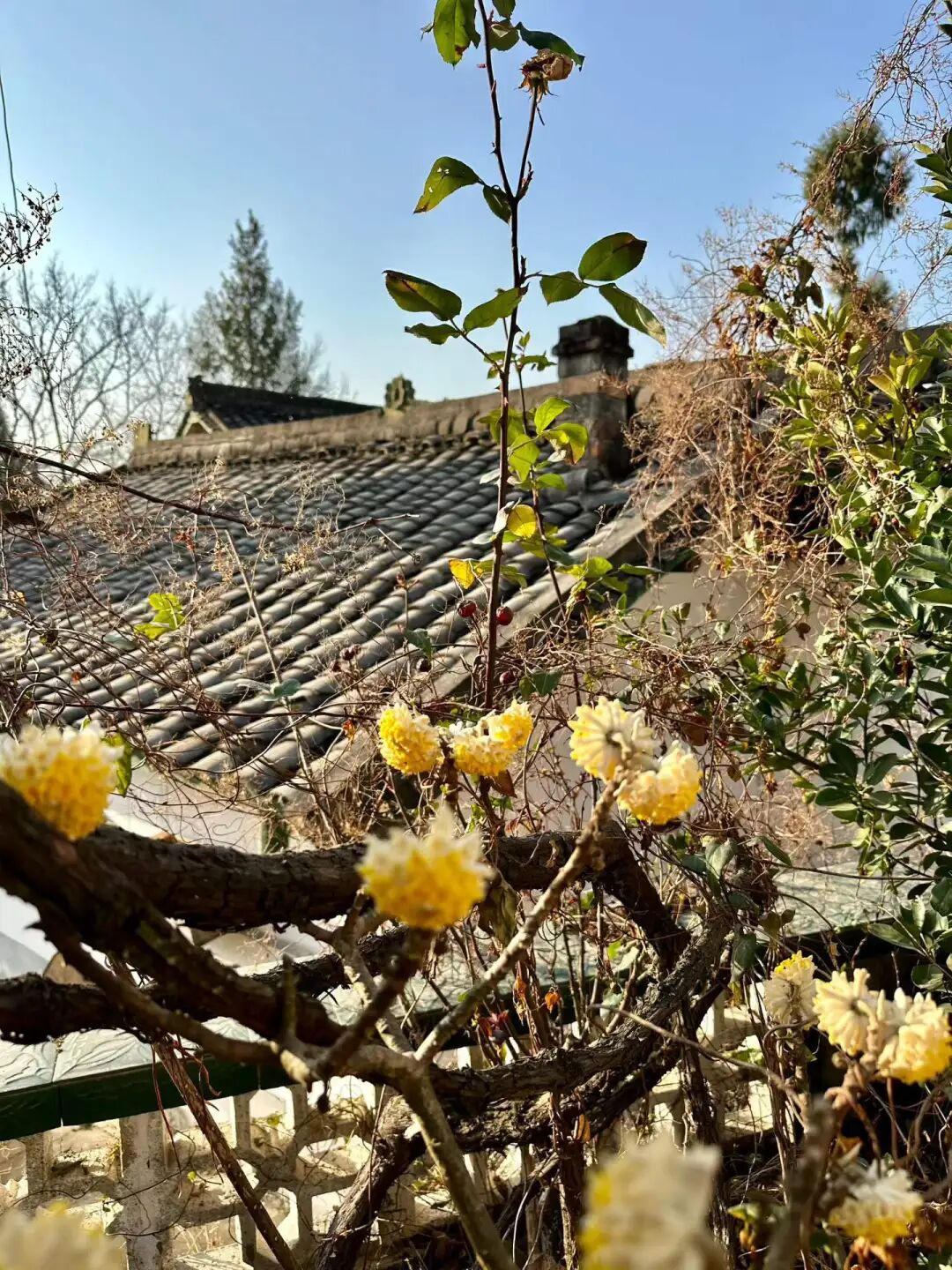
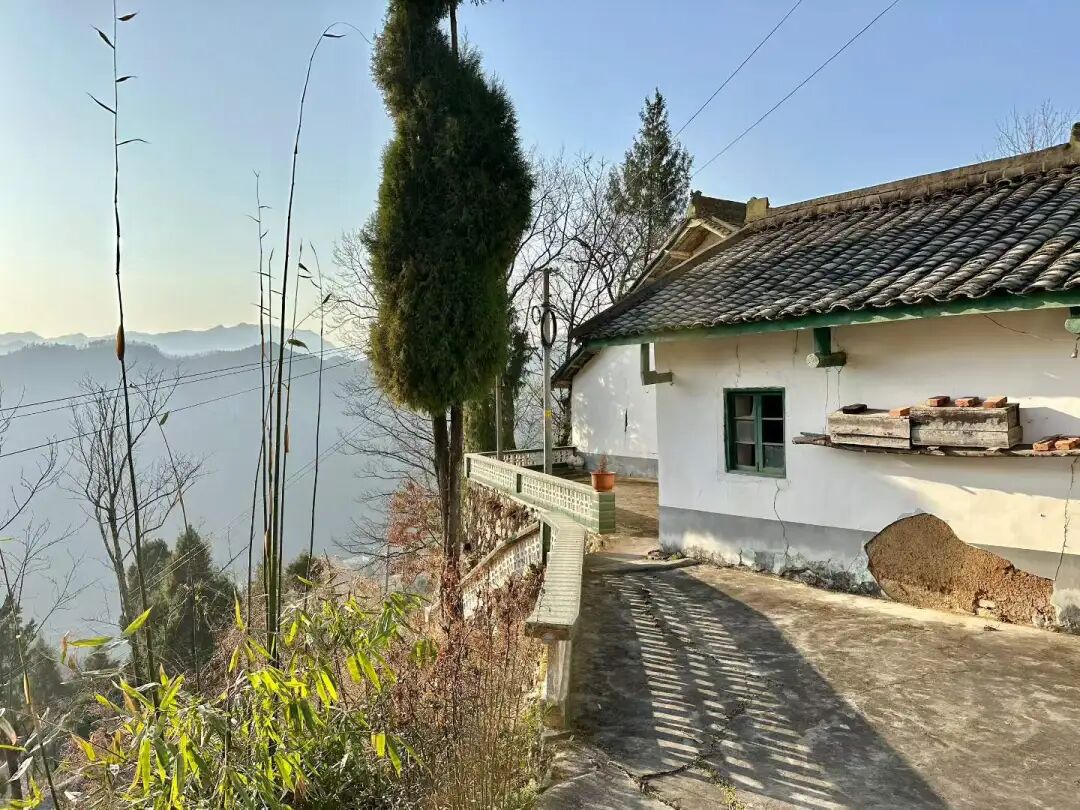
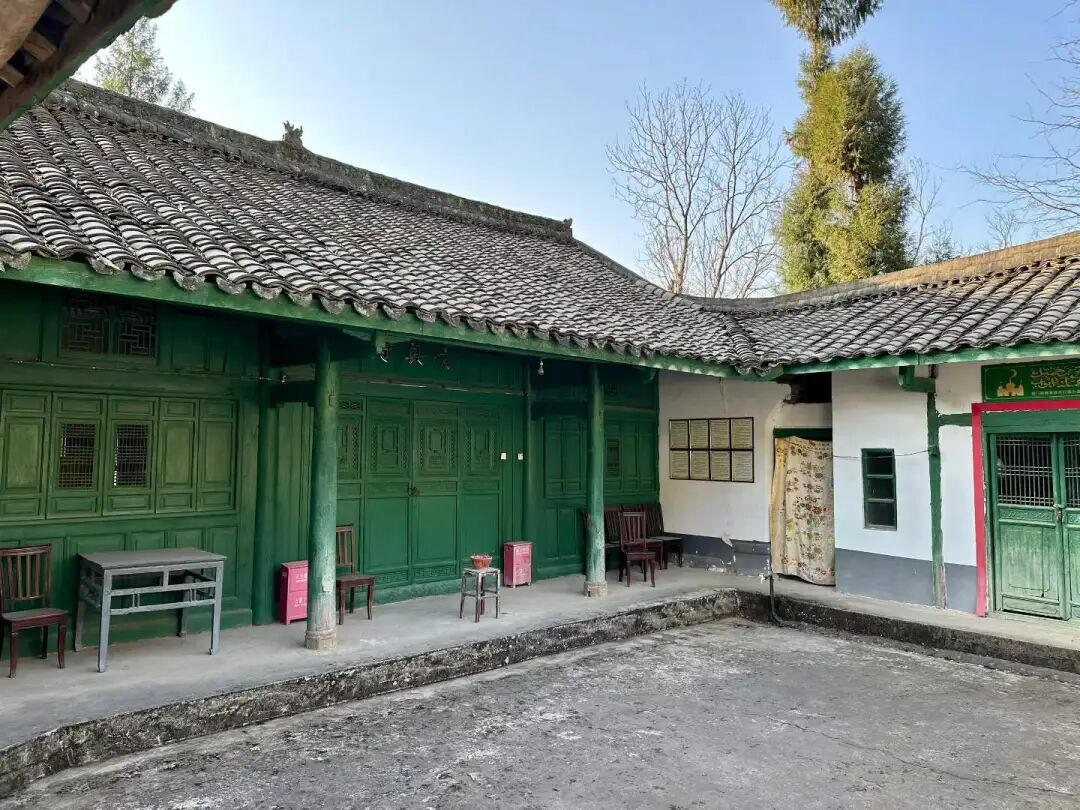
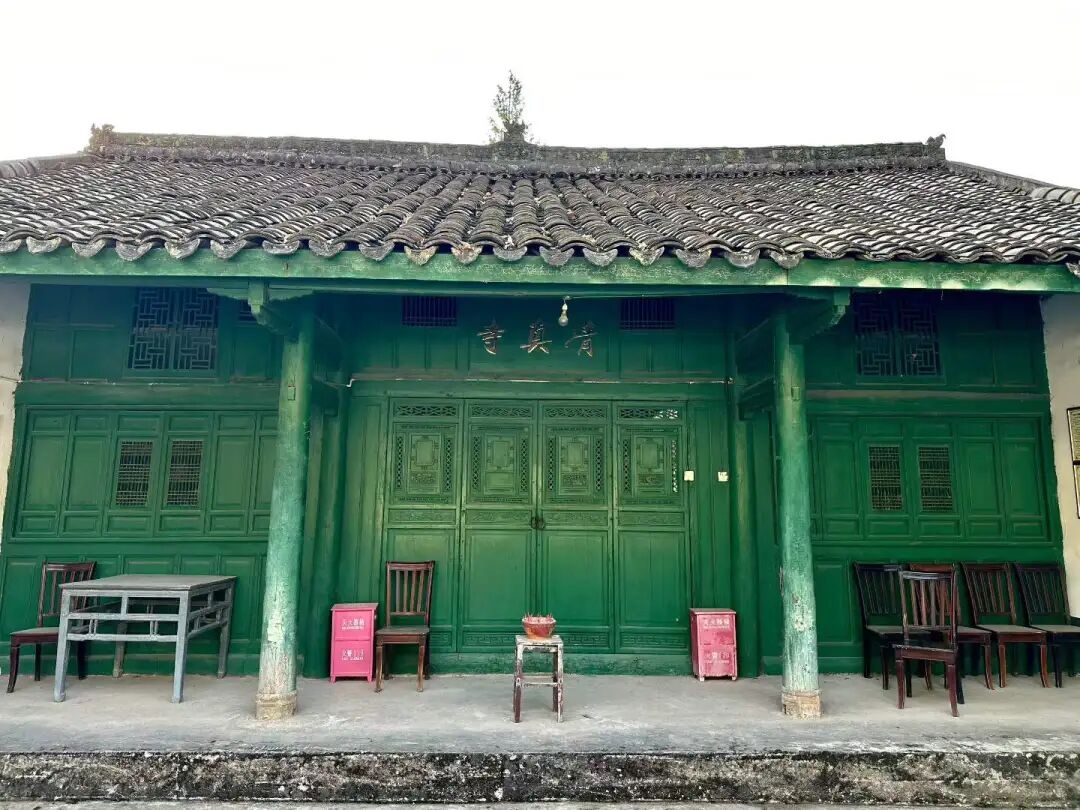
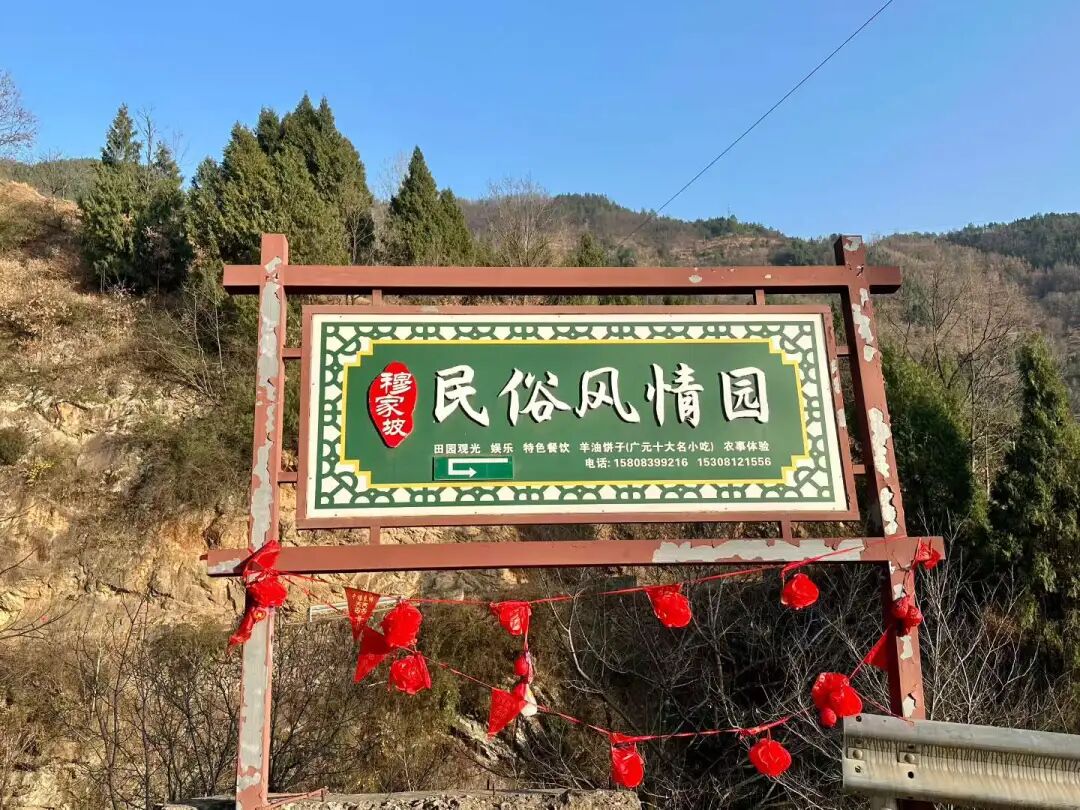
There is a folk culture park on the mountain at Jiujing Mujiapo, and a restaurant serving Hui Muslim food by the Jialing River at the foot of the mountain. I could not try the food because it was Ramadan, so I will have to wait for another chance.
Summary: This Guangyuan finale follows Jiujing gongbei (Sufi shrine), Mujiapo Hui Muslim village, rural mosque history, and the last stretch of the Sichuan Spring Festival road trip.
I traveled north from Nanshan in Guangyuan, crossed the city center, and followed the Jialing River Grand Canyon deep into the mountains until I reached the border of Sichuan and Shaanxi, where the Jiujing Gongbei sits on a hillside next to the canyon. I personally consider this the most remarkable Gongbei in all of Sichuan.
Jiujing Gongbei, also known as Jingjue Pavilion (Jingjue Ting), was first built in 1702 (the 41st year of the Kangxi reign). It holds the tomb of Ma Xunyi, a disciple of Huazhe Abudonglaxi, who was a leader of the Qadiriyya Sufi order (menhuan). In 1721 (the 60th year of the Kangxi reign), the tomb also became the final resting place for Ma Yongqing and Mu Zaiqing, who were disciples of Ma Xunyi's fellow student, Qi Jingyi.
The 1702 tombstone for Ma Xunyi reads: 'Regarding the Ma family of the pure faith from Lintao, Hezhou, who traveled to teach in Jiujing, Guangyuan, and passed away here, this monument is erected.' The tomb of the late, respected Master Ma of the Qing dynasty. The landowners were Mu Zhixian and Mu Zhilin. Erected on an auspicious day, the 15th day of the ninth lunar month in the 41st year of the Kangxi reign, by his student Ha Chengyu.
The 'Stele Record for the Reconstruction of Jingjue Pavilion' dates to the 55th year of the Qianlong reign. The inscription mentions that Ma Xunyi began studying under Huazhe Abudonglaxi in the 25th year of the Kangxi reign. The text was written by Ma Gui, the great-grandson of Ma Xunyi and the caretaker of Jiujing Gongbei.
The 'Jingjue Pavilion' plaque from the 7th year of the Guangxu reign was gifted by Liu, a Jinshi degree holder specially appointed as the Magistrate of Guangyuan County, who received five promotions and ten commendations for his service. It was also erected by Ma Dengchao, who was specially appointed as the Garrison Commander of Guangyuan and granted the imperial peacock feather. These were Magistrate Liu of Guangyuan County and Garrison Commander Ma Dengchao.
Historical records confirm that the Guangyuan Magistrate in the 7th year of the Guangxu reign was Liu Xian. Liu Xian was from Qian County, Shaanxi. He was a diligent student from a young age. During his time as Magistrate of Guangyuan, he provided disaster relief, built bridges and roads, and improved irrigation, helping the people live comfortably. He was honest and upright, and people called him 'Blue Sky Liu' (Liu Qingtian).
Ma Dengchao was a local from Sichuan. During the Tongzhi and Guangxu reigns, he served as a fifth-rank military officer in the Green Standard Army, overseeing city defense, military affairs, and provisions in Guangyuan County. In the 12th year of the Tongzhi reign, he inscribed the words 'Only Pure, Only One' (Wei Jing Wei Yi) for the Shanghe Street Mosque in Guangyuan, which is still kept inside the mosque today.
Inside the Gongbei, there are several Chinese pistache trees (huanglianmu) over 300 years old, planted when the site was first built.
On the hillside near the Jiujing Gongbei is a Hui Muslim village called Mujiapo in Jiujingwan, and halfway up the mountain sits the Jiujing Mosque, which was first built during the Kangxi reign. The various Gongbei in Guangyuan are all built near Hui Muslim villages, where the Qadiriyya Sufi order and the Gedimu villagers live together in harmony.
Since the Ming dynasty, Jiujingwan has been an important land and water station for travelers moving from Hanzhong, Shaanxi, along the Jialing River to Chongqing. In the early Qing dynasty, Hui Muslim families named Mu, Ha, Ma, and Li moved here from Gansu and Shaanxi. It was named Mujiapo because the Mu family was the largest group, and today there are over 400 Hui Muslims living there. Because Mujiapo is located entirely on the slopes of the Jialing River canyon, the Hui Muslims mainly raise cattle and sheep, grow forage grass, and farm walnuts. 'Mujiapo' beef and mutton have become a famous brand in the northern Sichuan meat market.
There is a folk culture park on the mountain at Jiujing Mujiapo, and a restaurant serving Hui Muslim food by the Jialing River at the foot of the mountain. I could not try the food because it was Ramadan, so I will have to wait for another chance.
