
Best Turkmen Halal Food in Beijing: Merv, Asian Food and An-Nur Restaurants
Reposted from the web
Summary: This Beijing halal food guide visits three Turkmen restaurants: Merv, Asian Food, and An-Nur. It keeps the dishes, prices, locations, and Central Asian food details from the original travel notes.
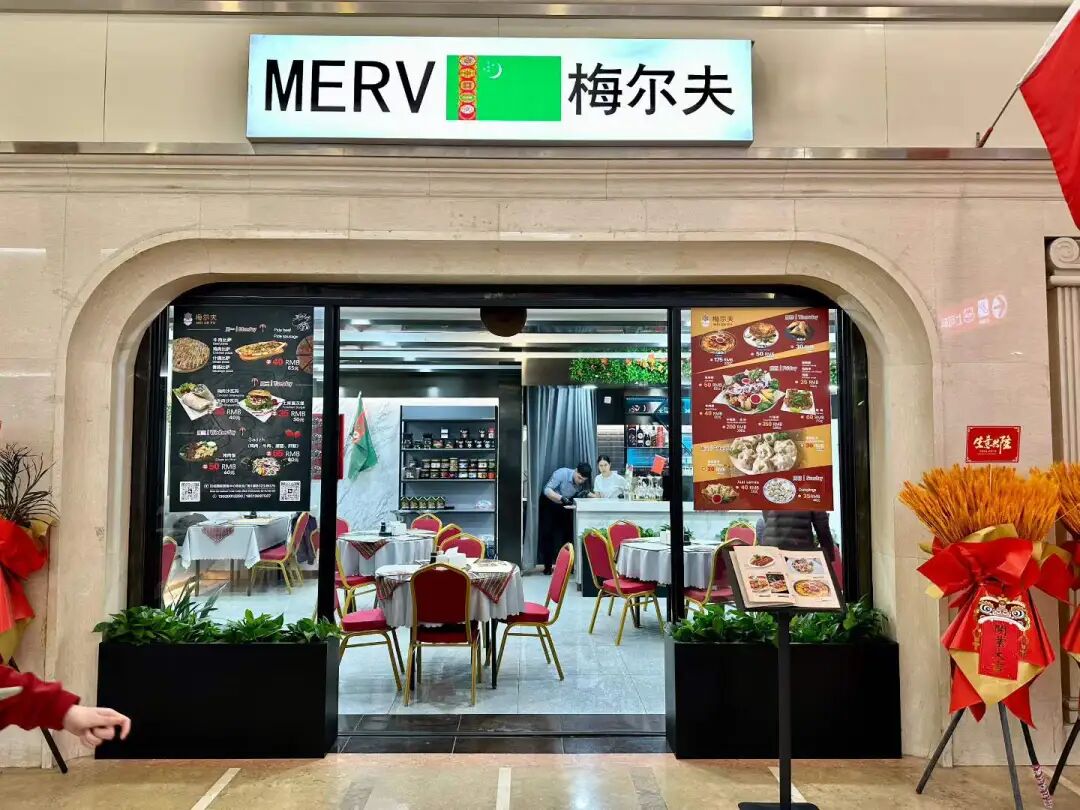
Over the past two years, three Turkmenistan restaurants have opened in Beijing: Merv, Asian Food, and An-Nur. While they all focus on Turkmen cuisine with some Russian and Turkish dishes, each has a different target audience. Merv started in Sanlitun and later moved to the Ritan International Trade Center. It mainly serves merchants from the former Soviet Union who come to Ritan for wholesale goods, and its prices are similar to the nearby Azerbaijani restaurant. The other two are near the China University of Petroleum in Changping. They cater mostly to Central Asian students at the university, offering affordable fast food.
Merv
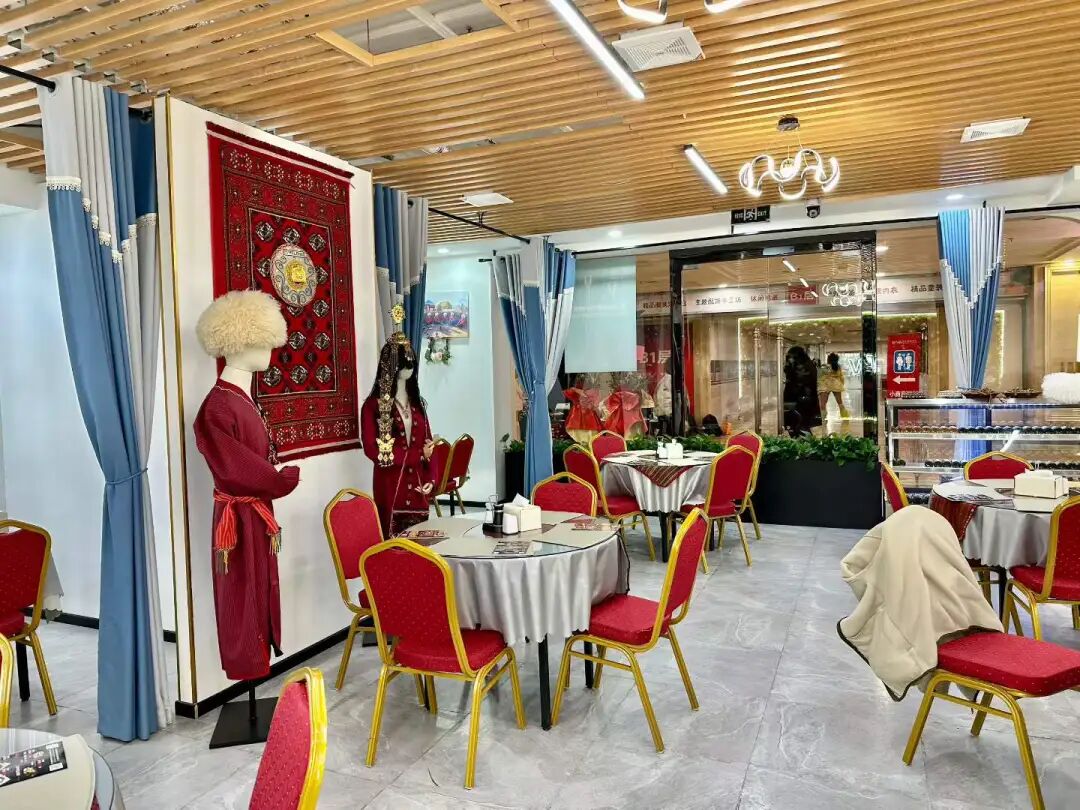
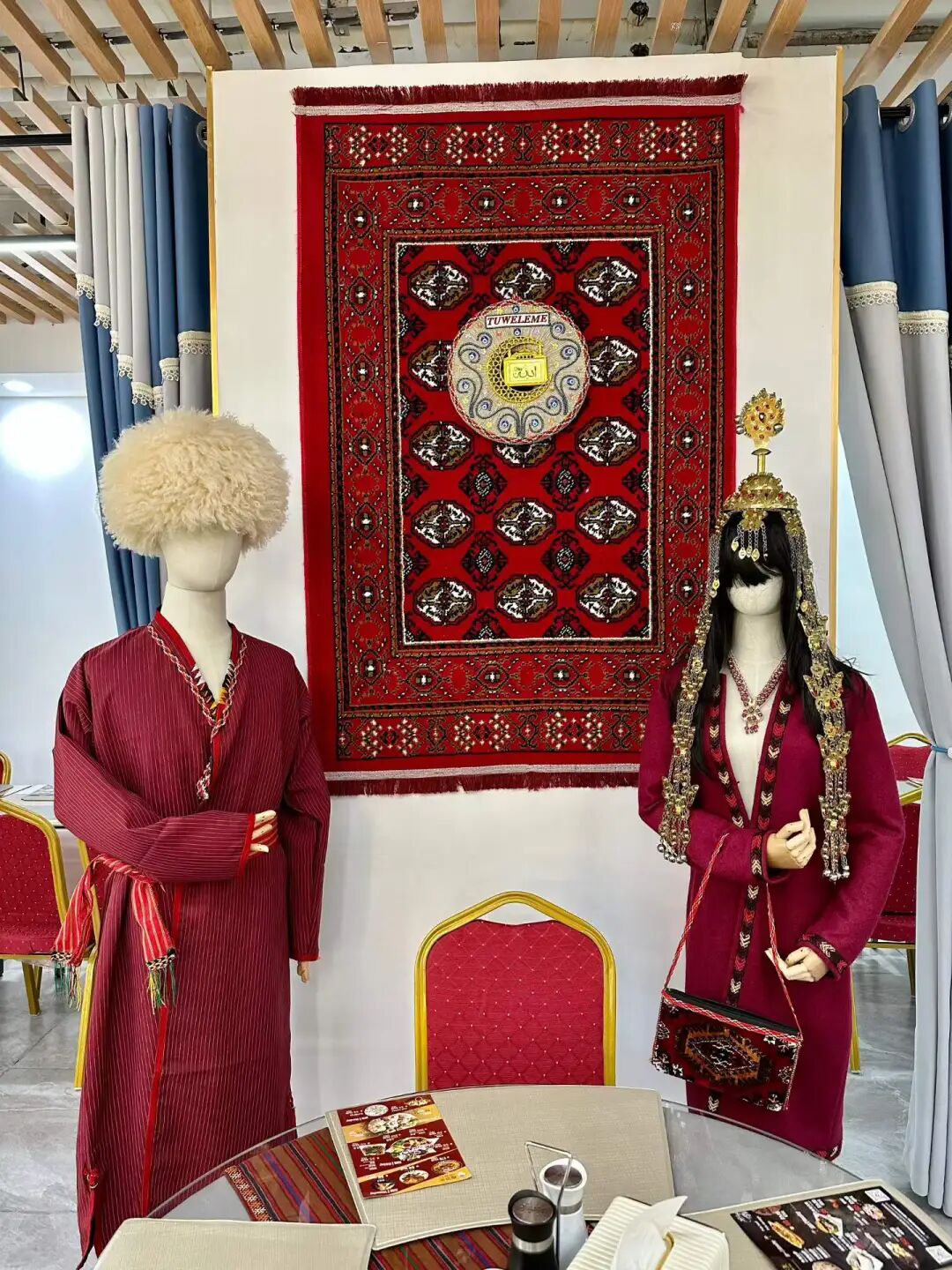
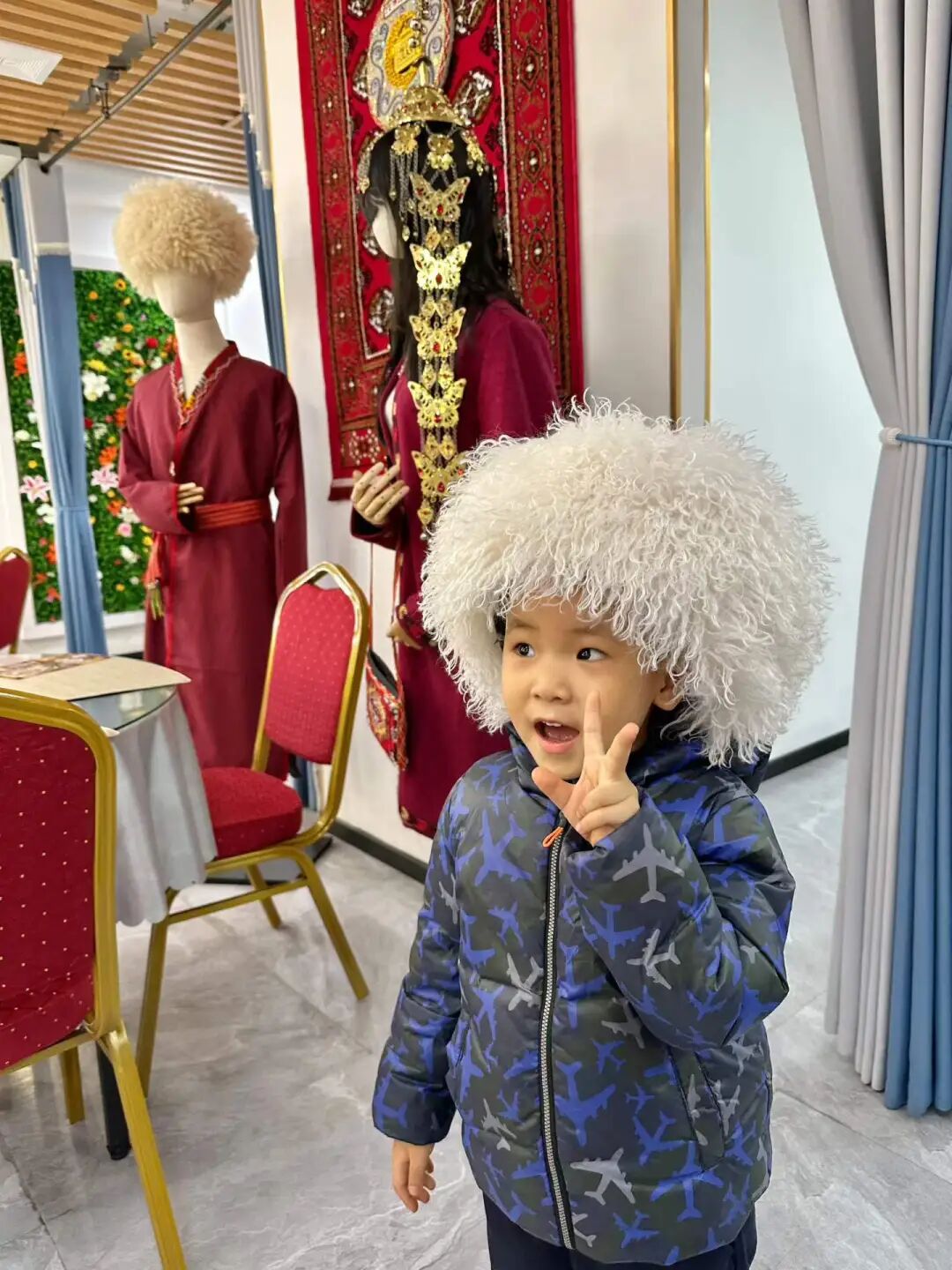
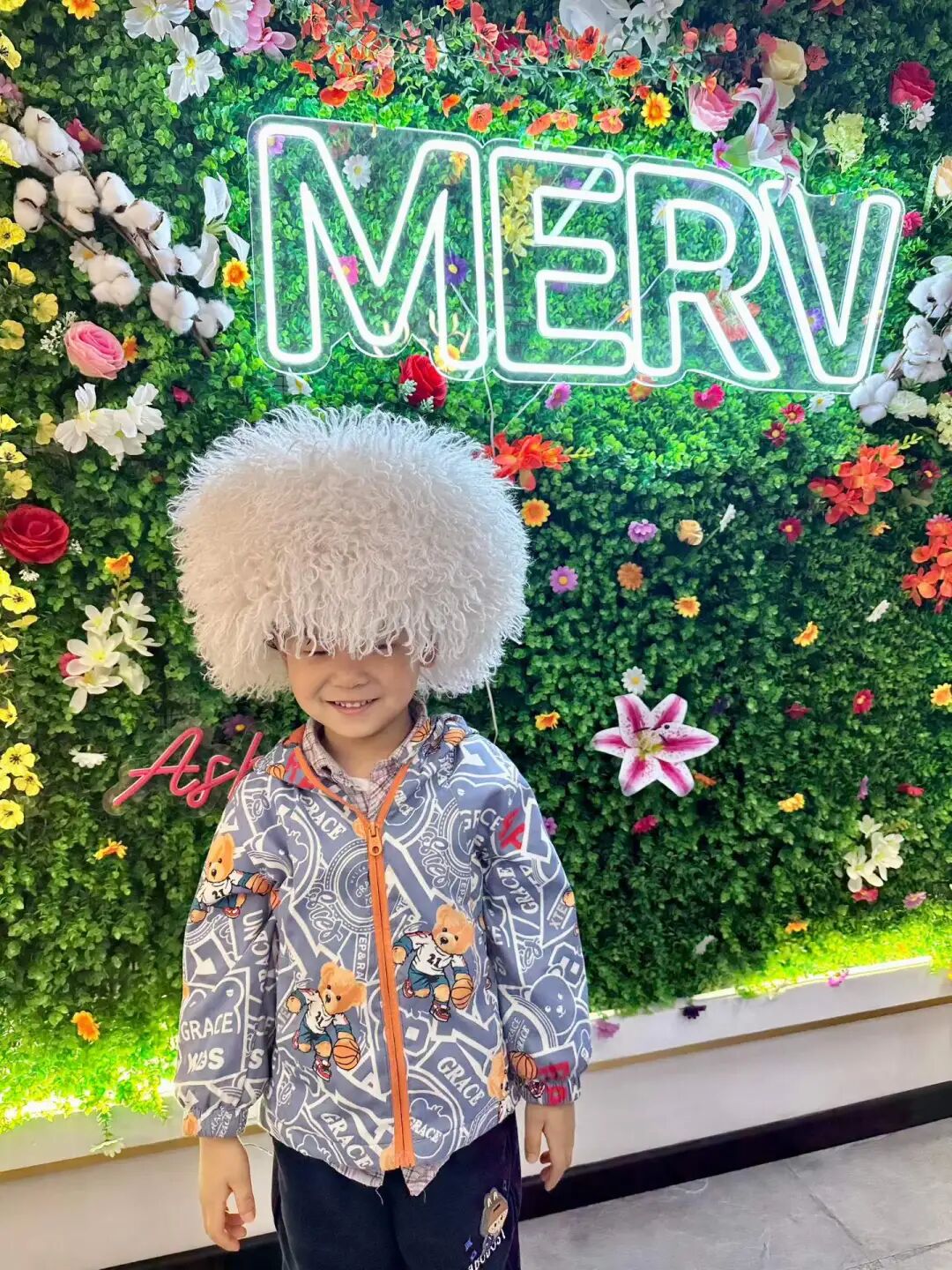
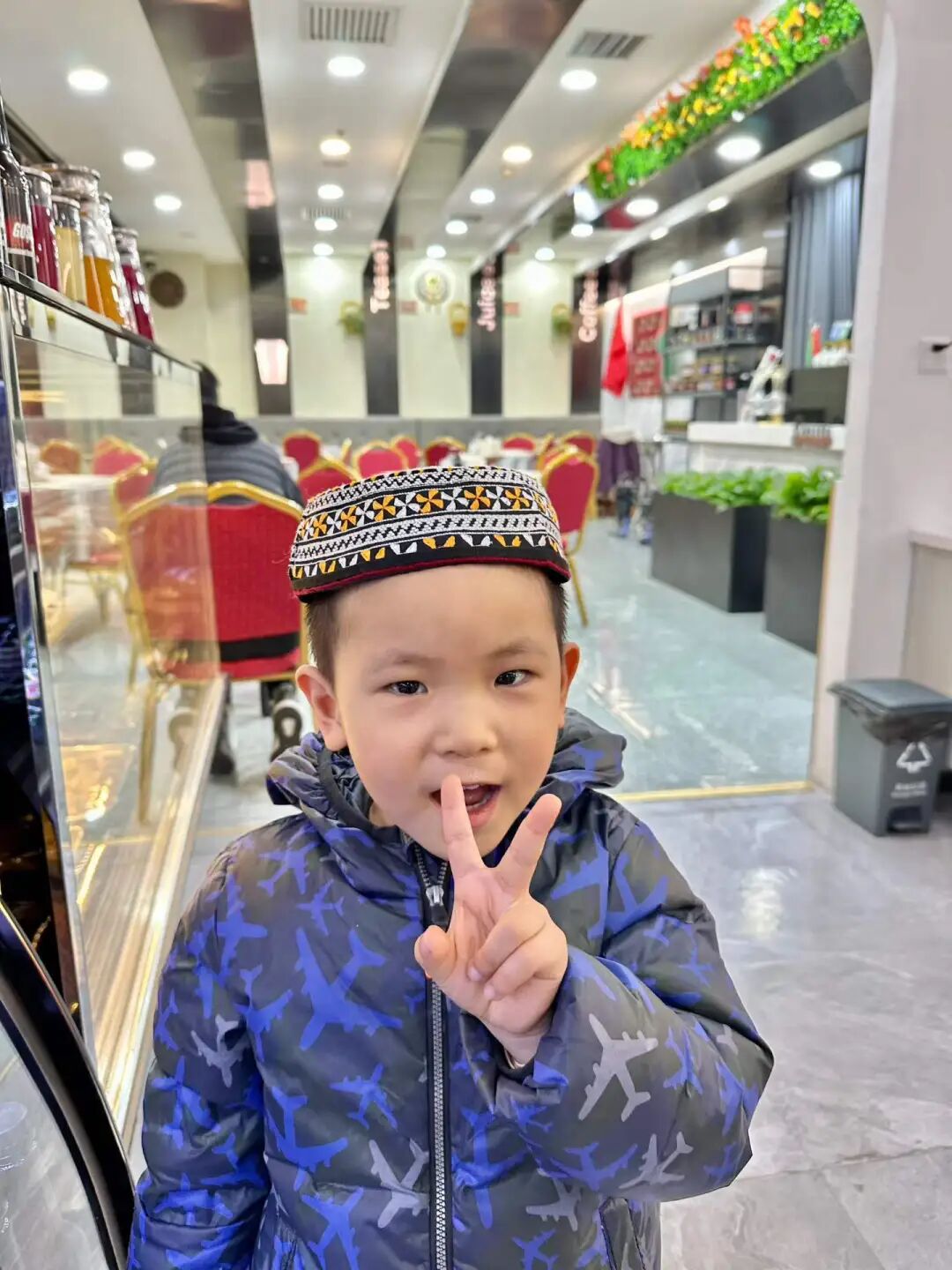
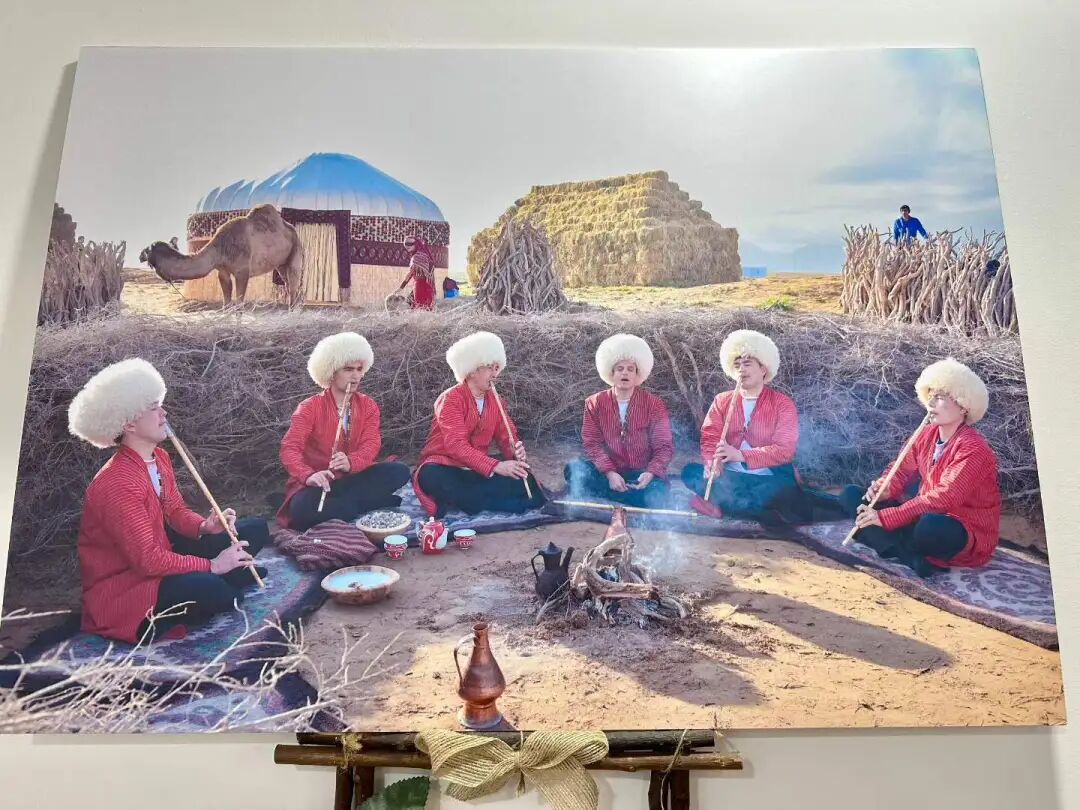
Let's start with Merv. We visited when they opened in Sanlitun SOHO last year. Back then, the place was quite small and the menu was simple. When we went back this year, they had moved to the basement of the Ritan International Trade Center. The shop is bigger, the environment is better, and you can even wear traditional Turkmen hats for photos. However, the new location is hidden and gets less foot traffic. It is mostly for merchants from former Soviet countries, so enjoy it while you can.
Merv is the most famous ancient oasis city in Turkmenistan. For thousands of years, it was a key transport hub connecting Baghdad and Samarkand, and it is a UNESCO World Heritage site. In 651, it became the capital of the Khorasan province of the Umayyad Caliphate. Later, it extended into the Abbasid Caliphate and was a famous center for Islamic scholarship in Central Asia. After 1037, Merv became a central city of the Seljuk Empire and served as its capital after the 12th century. By 1150, its population reached 2 million. Arab and Persian geographers called Merv the Mother of the World, the place where great and small meet, and the capital of the eastern Islamic world. It declined after the Mongol army sacked the city in 1221.
The restaurant focuses on local Turkmen food, but also serves Russian and Turkish dishes. We prioritize the Turkmen dishes. Russian food is hard to find outside of Ruilin near Ritan, so it is also worth a try. We ordered Turkmen soup, borscht (hongcaitang), capital salad (shoudu shala), buckwheat mash with gravy, Turkmen meat pie (fitchi), and Turkmen lamb soaked bread (dograma). Everything tasted great! Turkmen food is relatively light and focuses on natural flavors, making it suitable for both the elderly and children.
First, let's share the Turkmen dishes:
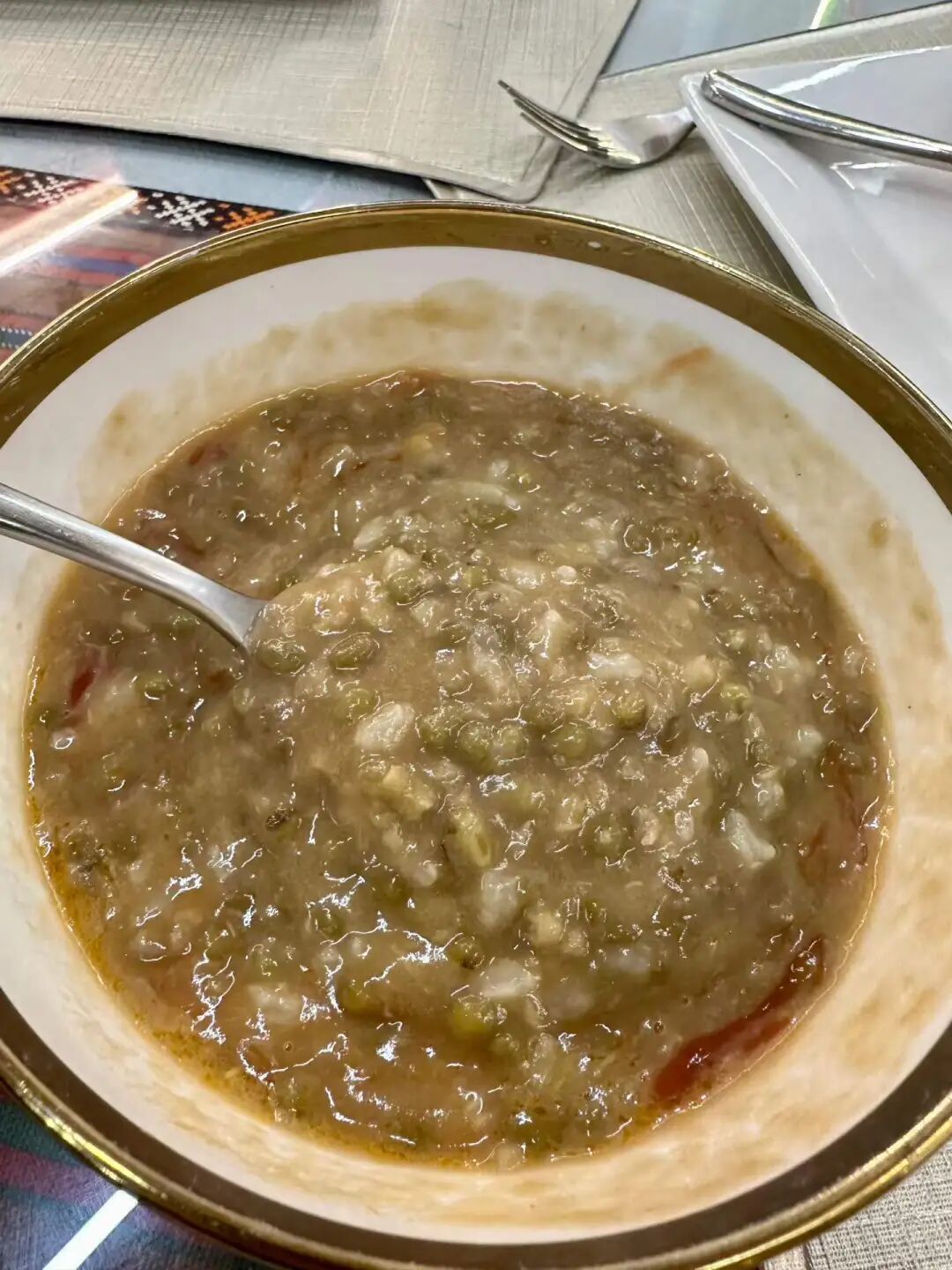
The Turkmen soup is actually a mung bean and meat porridge. It tastes excellent, made with beef broth, tomatoes, rice, and mung beans. It is very warming in winter.
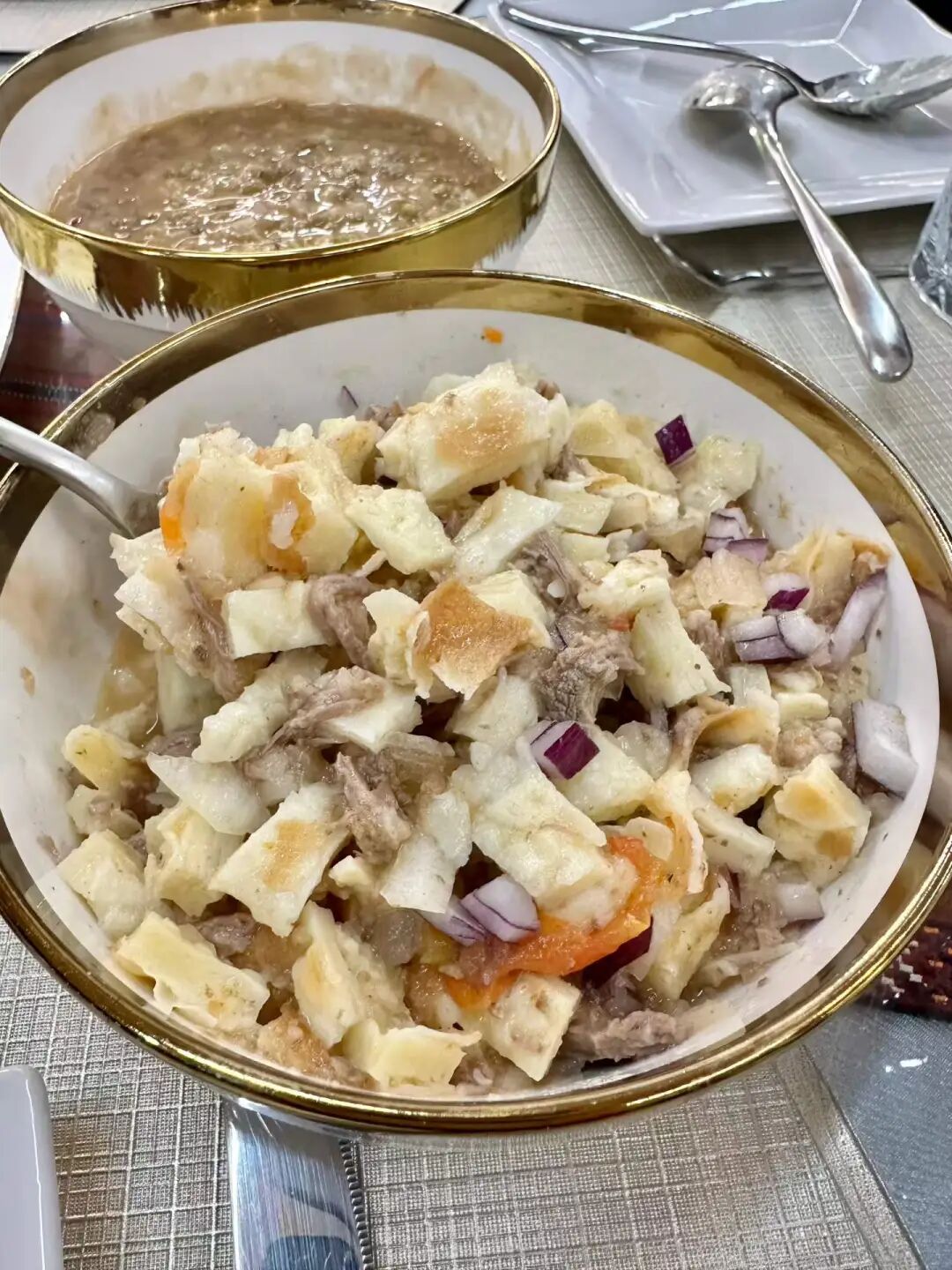
The lamb soaked bread (dograma) is a classic feast dish for Eid al-Adha. It uses lamb broth with meat cooked until it falls off the bone, soaked with torn pieces of bread, and topped with onions and minced meat. It is very filling.
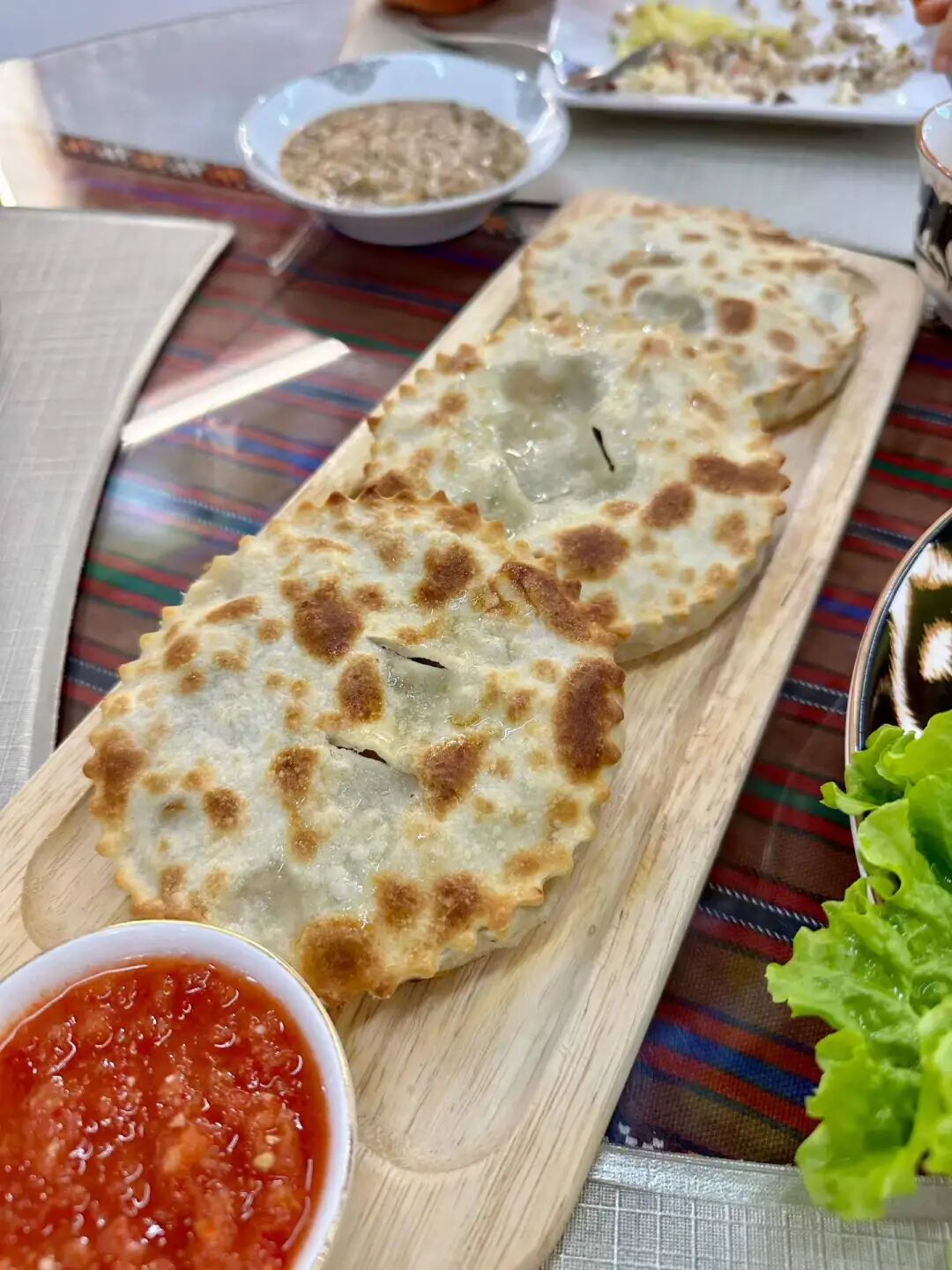
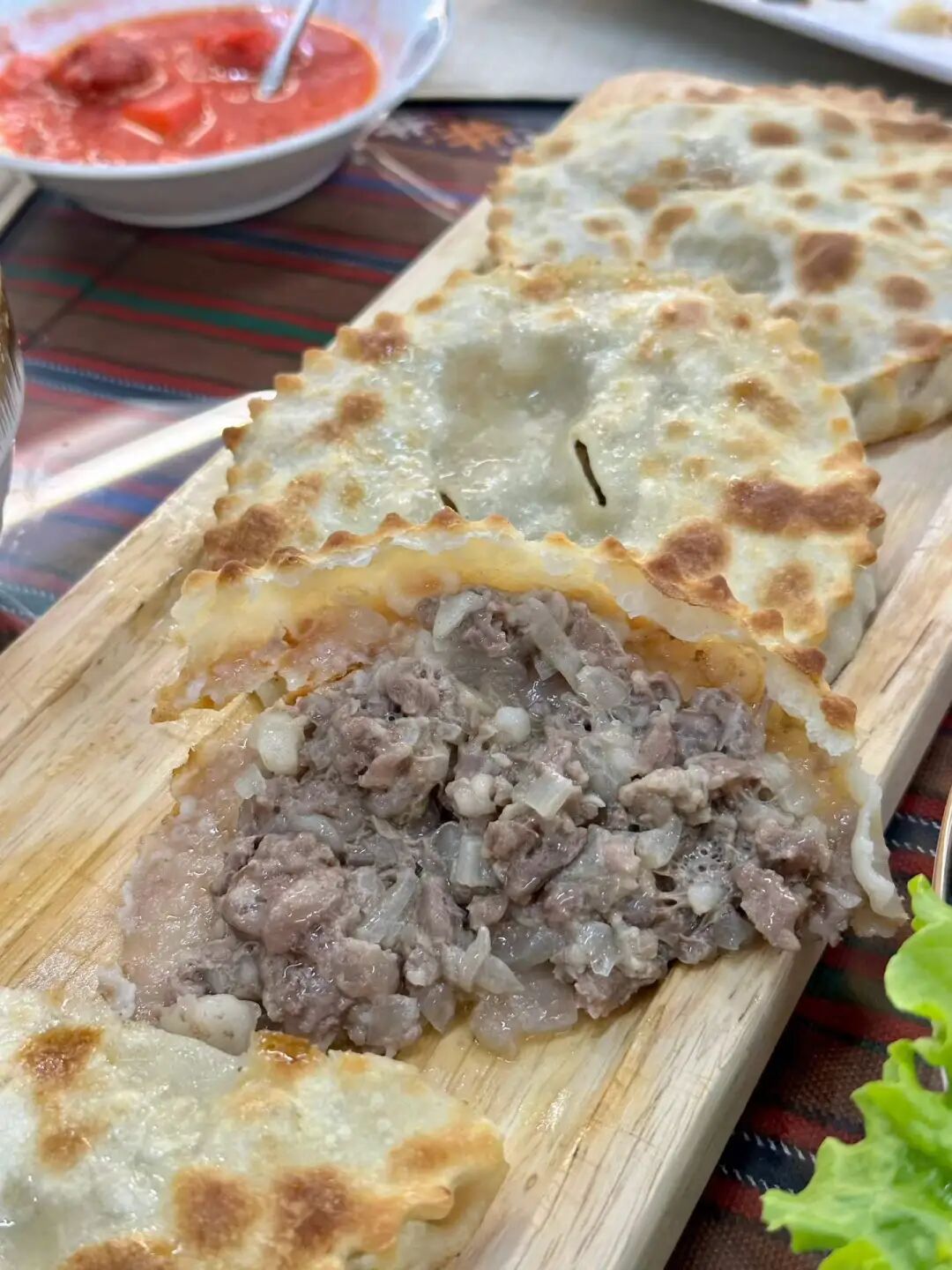
The meat pie (fitchi) is made with unleavened dough. The crust is thin, and it is filled with lamb and onions, seasoned with salt and black pepper. It is very similar to Xinjiang meat pies and tastes delicious.
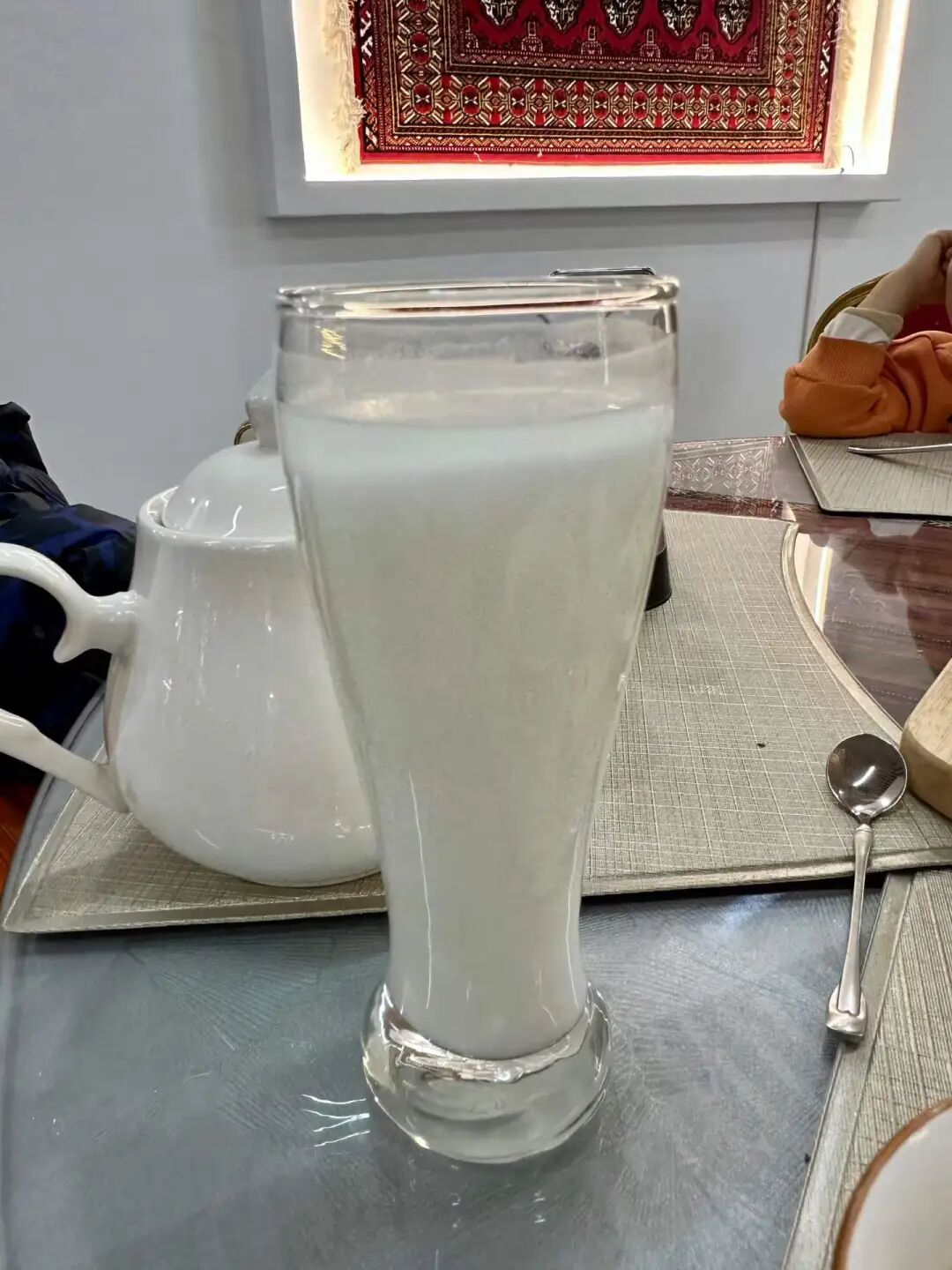
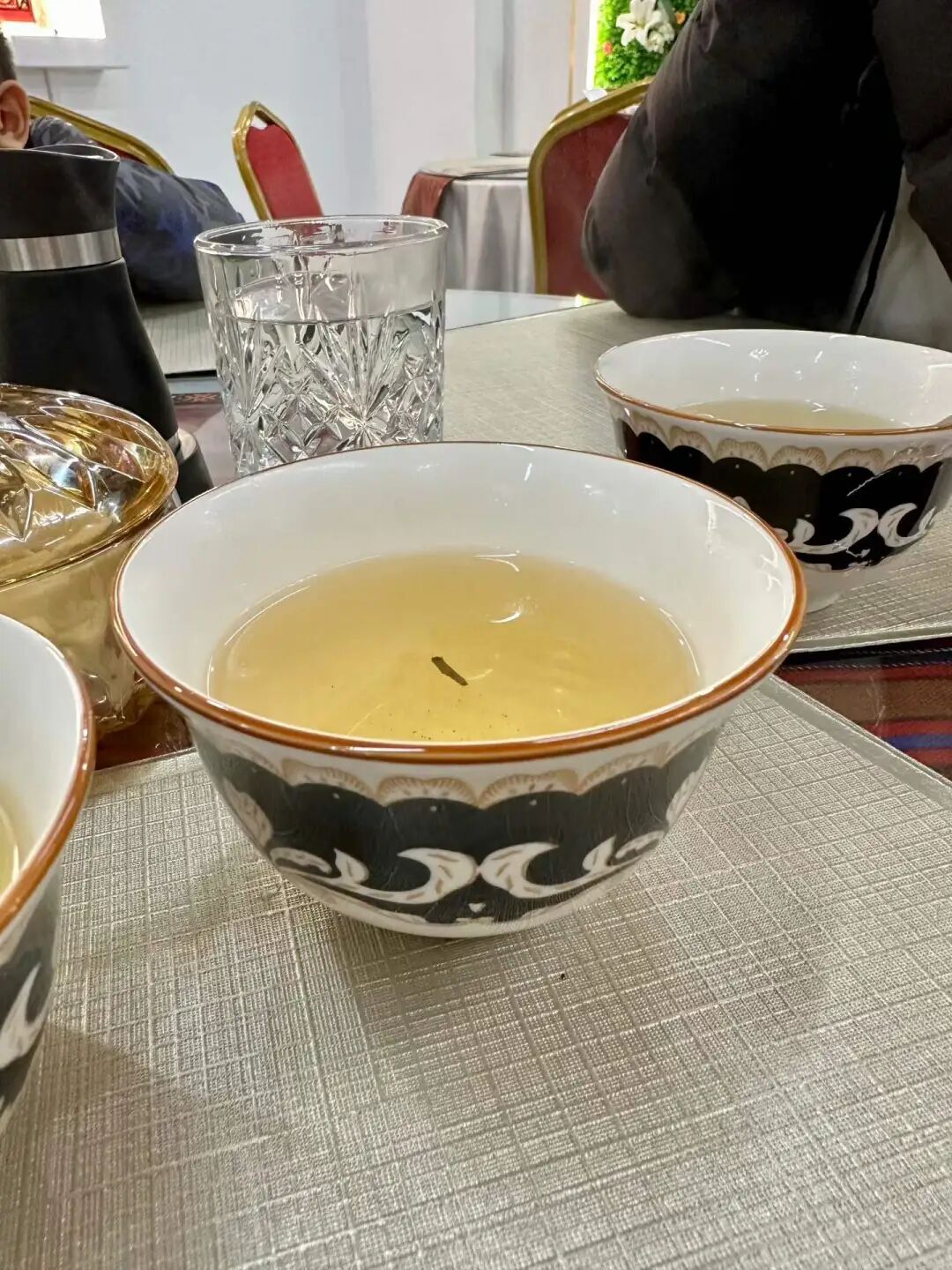
For drinks, we ordered green tea and yogurt drink (ayran). Unlike Xinjiang restaurants, you have to pay for tea at this Turkmen restaurant.
Continuing with their Russian/Soviet dishes:
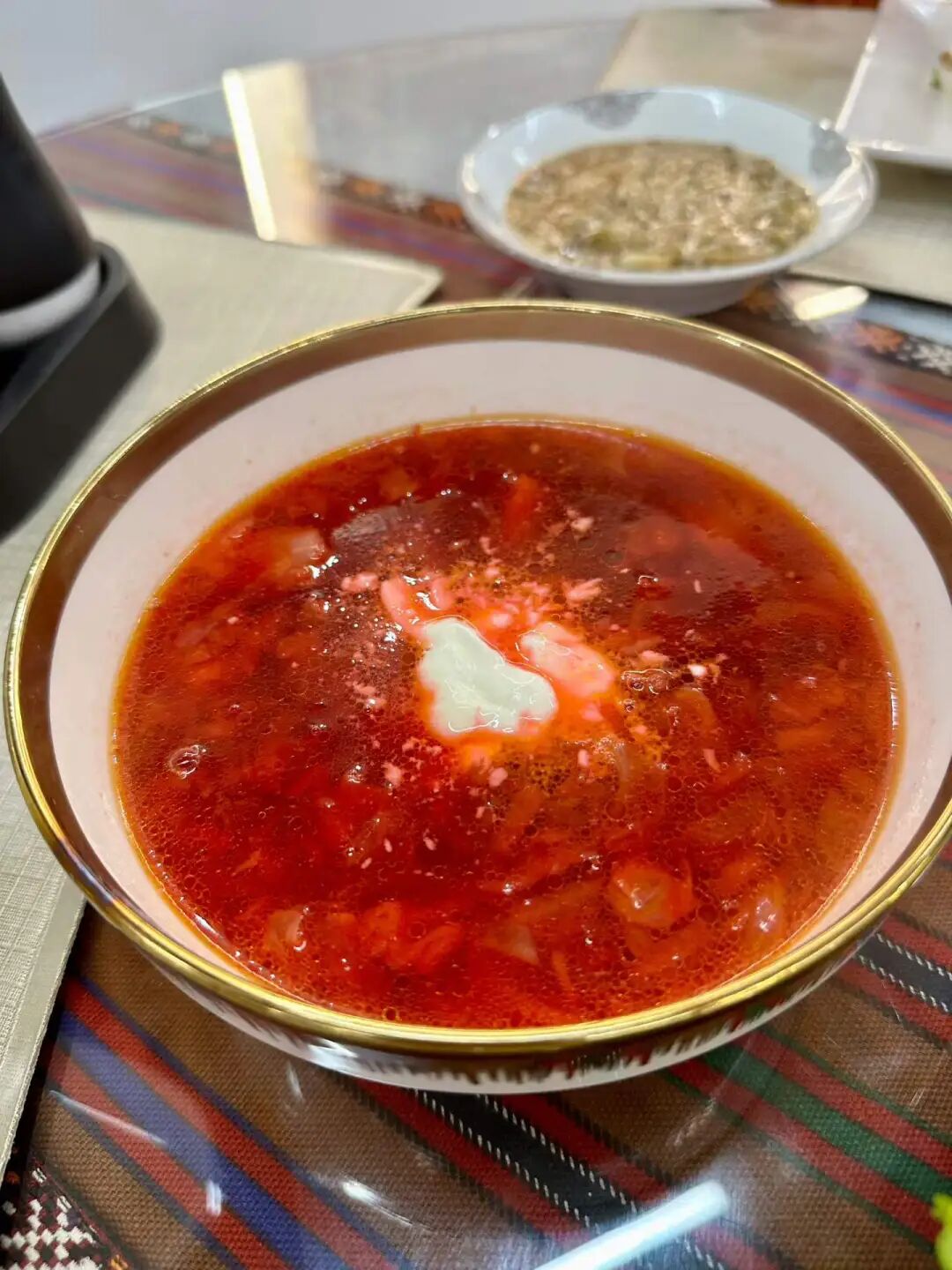
I really like their borscht (hongcaitang), which is a beef soup with beets and sour cream. The sweet, sour, and salty flavors are perfectly balanced, and it is not greasy.
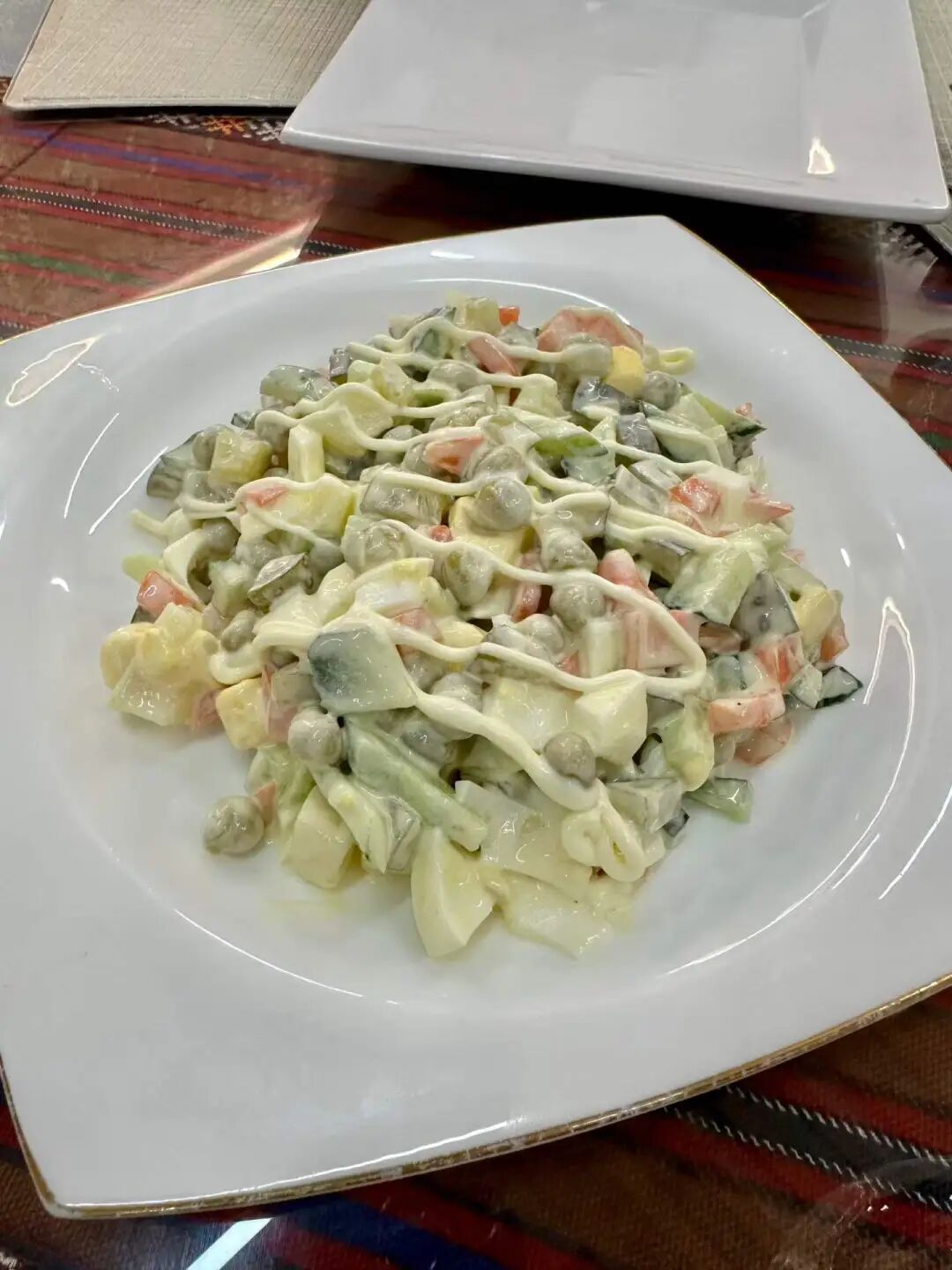
The capital salad (shoudu shala) refers to Moscow. It is a standard Soviet salad made with diced boiled potatoes, carrots, cucumbers, peas, onions, eggs, and chicken, mixed with mayonnaise, salt, pepper, and yellow mustard. I think the capital salad (stolichny salat) at Merv is delicious and I highly recommend it. Early versions of Russian salad actually included seafood and caviar. During the Soviet era, due to food shortages, people started replacing crayfish with boiled eggs and carrots, sausage with chicken, and olives and capers with cucumbers and peas, which eventually created the capital salad we have today.
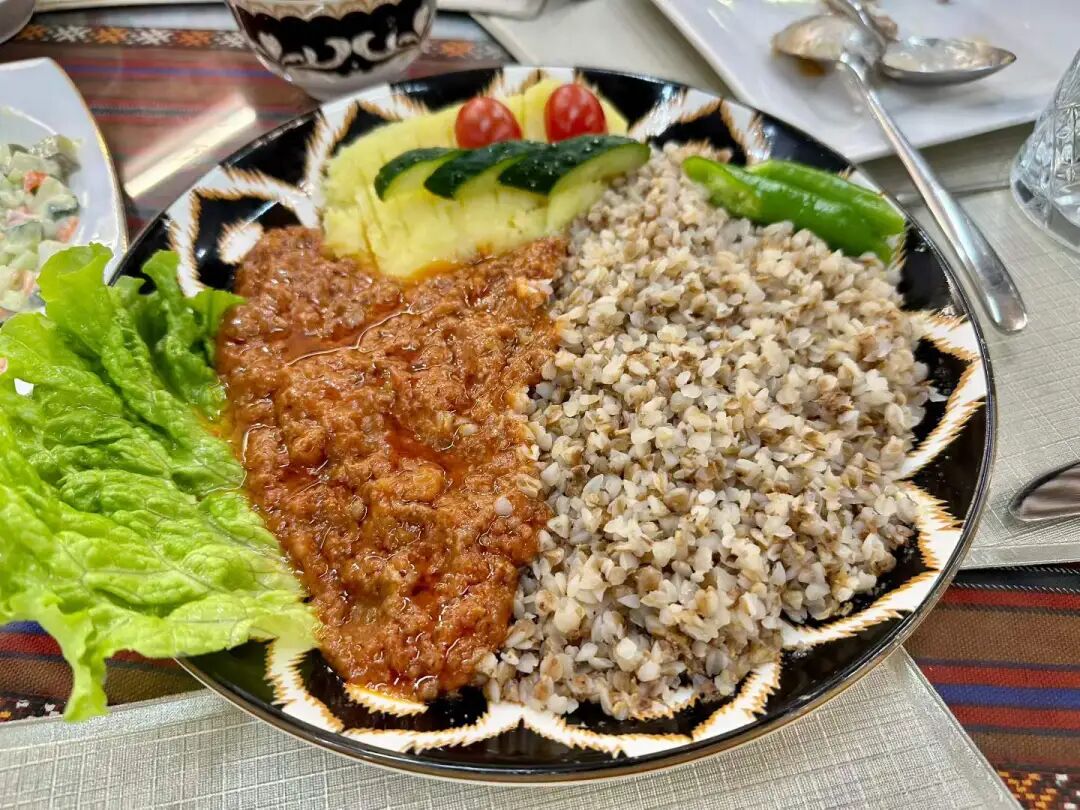
Buckwheat with minced meat is also a Soviet dish. Buckwheat porridge (kasha) has been a staple food in Russia for a thousand years and has been popular in East Slavic regions since the Middle Ages. Serving it with minced meat was a very classic home-cooked and cafeteria-style meal during the Soviet era. This was my first time eating buckwheat with minced meat, and it felt very healthy. The minced meat was salty and savory, perfect with rice, and the mashed potatoes served with it were very light. I originally thought the buckwheat would be quite dry, but they steamed it until it was very soft, with a texture like very chewy rice.
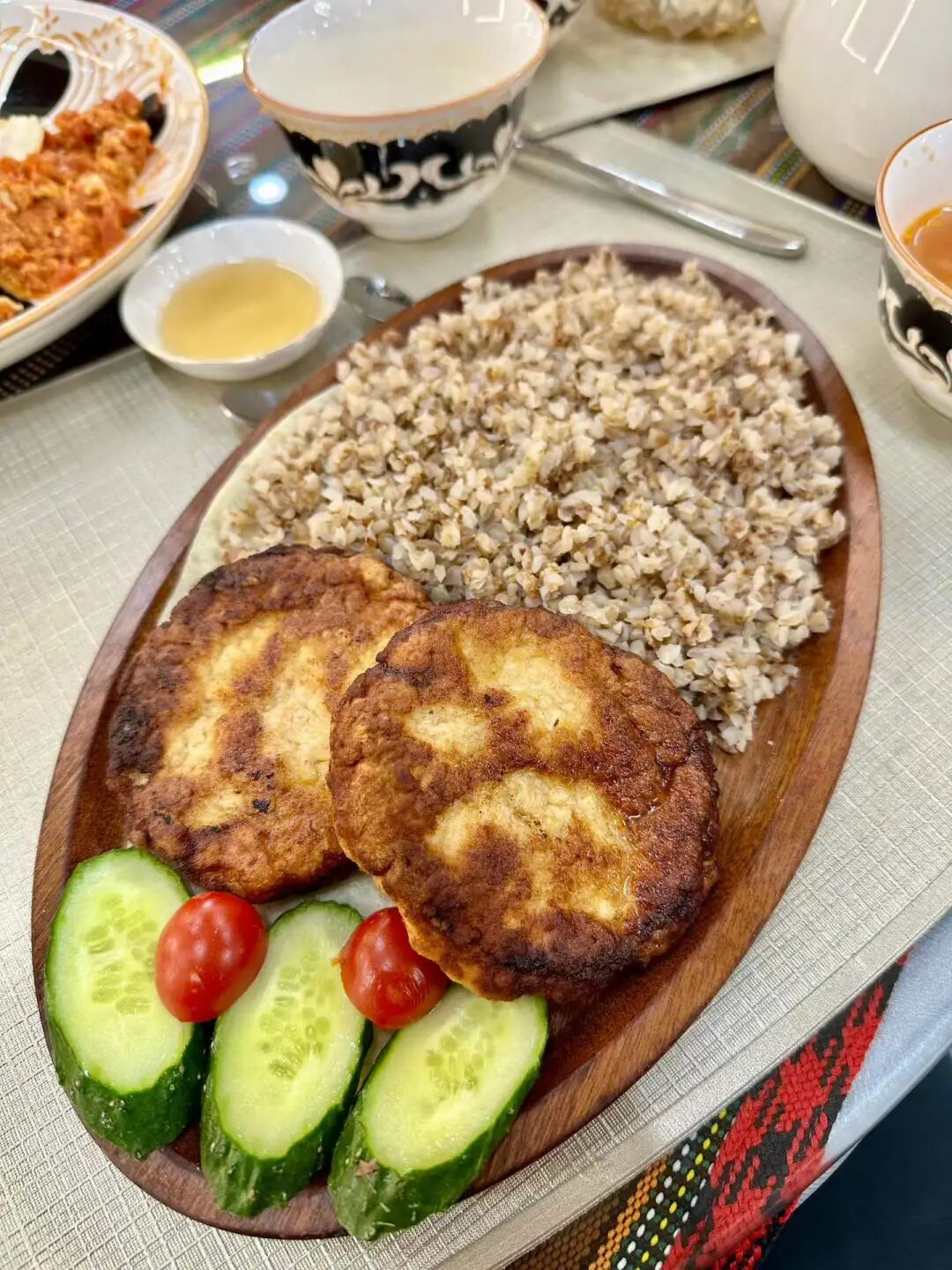
Later, I ordered the chicken buckwheat. The chicken was a pressed patty, not dry at all, very tender, and lighter than the minced meat version—a typical healthy meal by modern standards.
I have shared some special brunches in Beijing before, such as the Turkish breakfasts at Dardanelles and Sultan, or the pot tea and steamed dumplings (shaomai) at Lianying, and I recently discovered that Merv also has Turkmen breakfast! I made a special trip to eat it on a weekend morning.
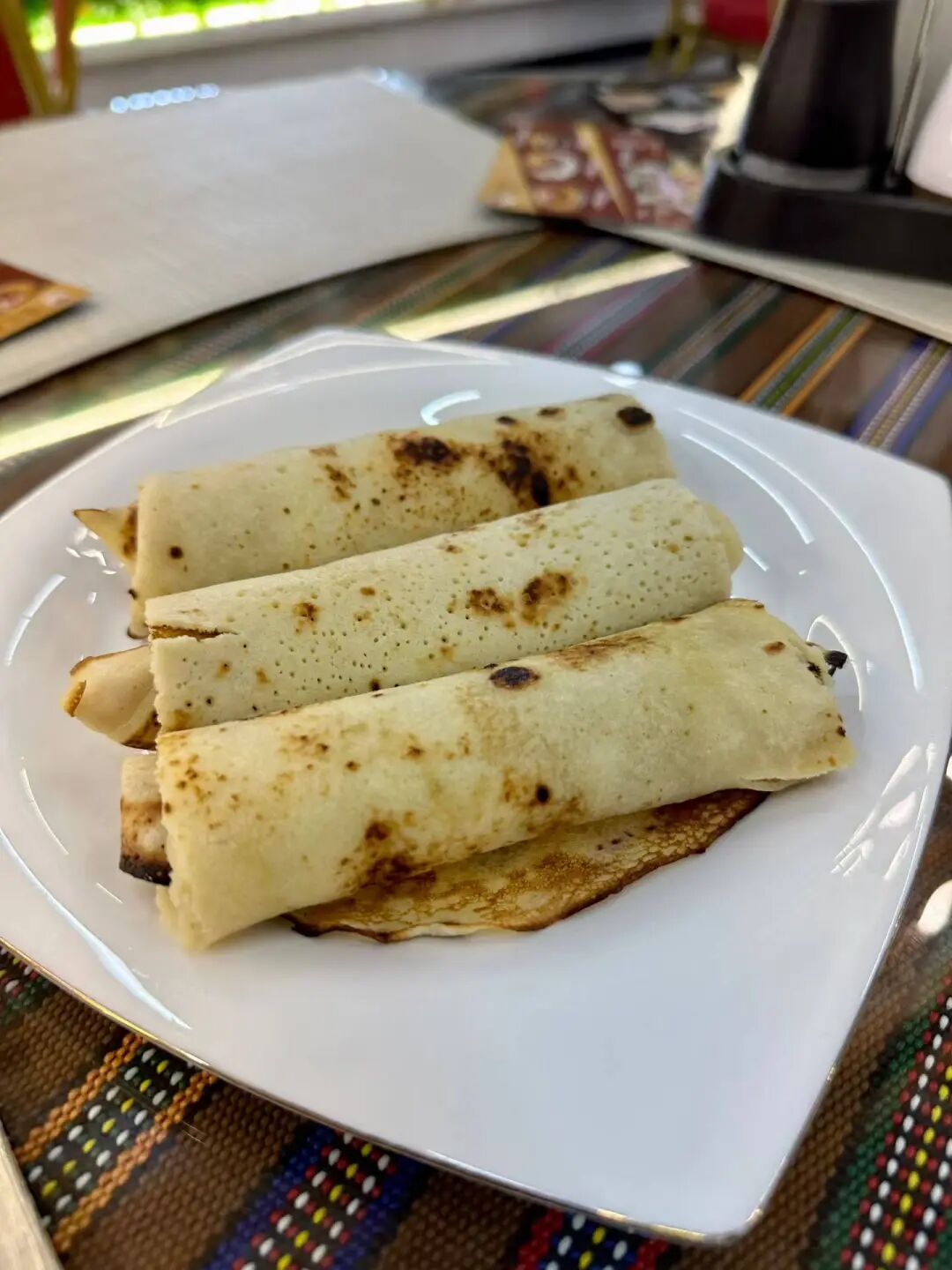
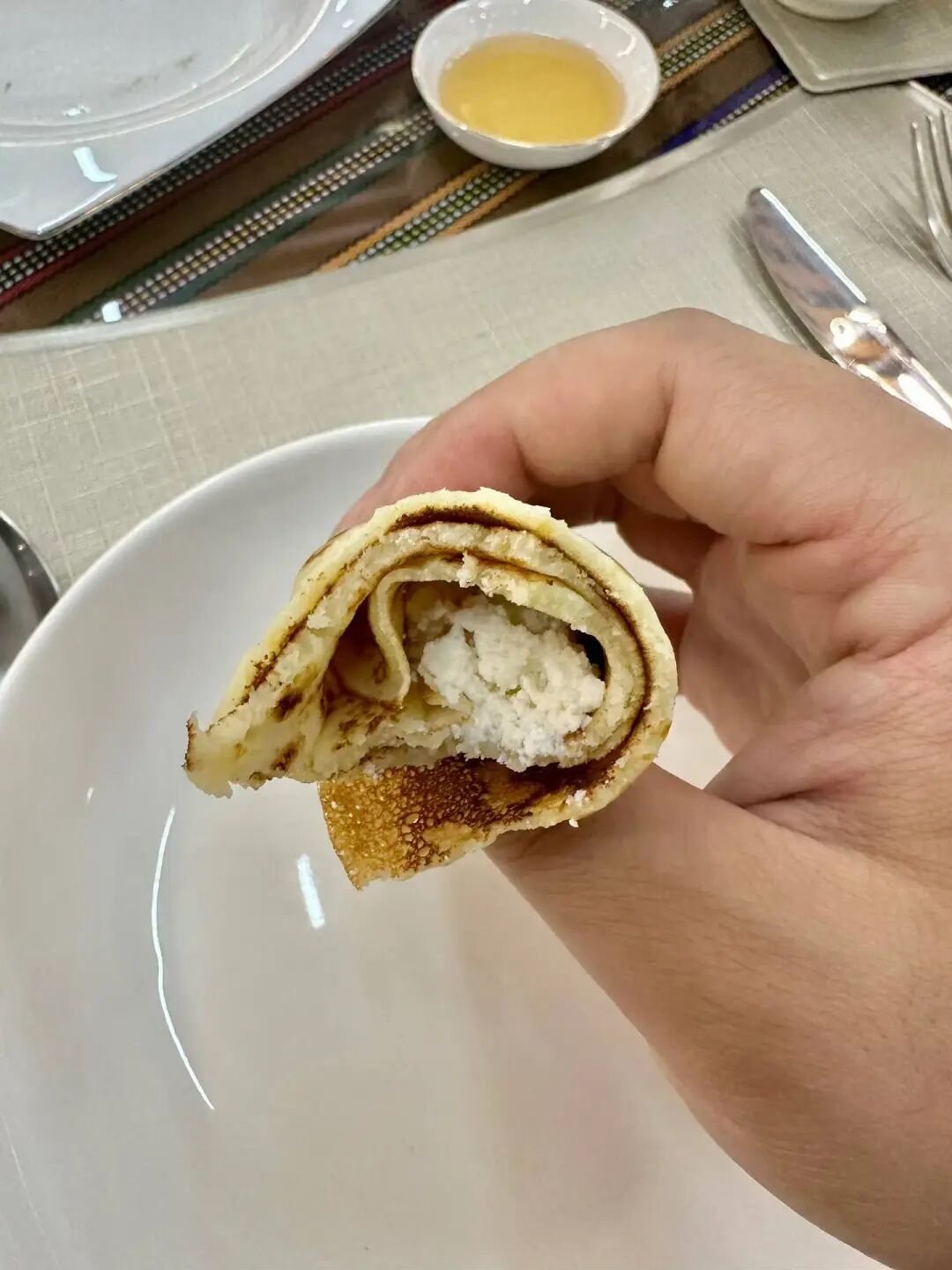
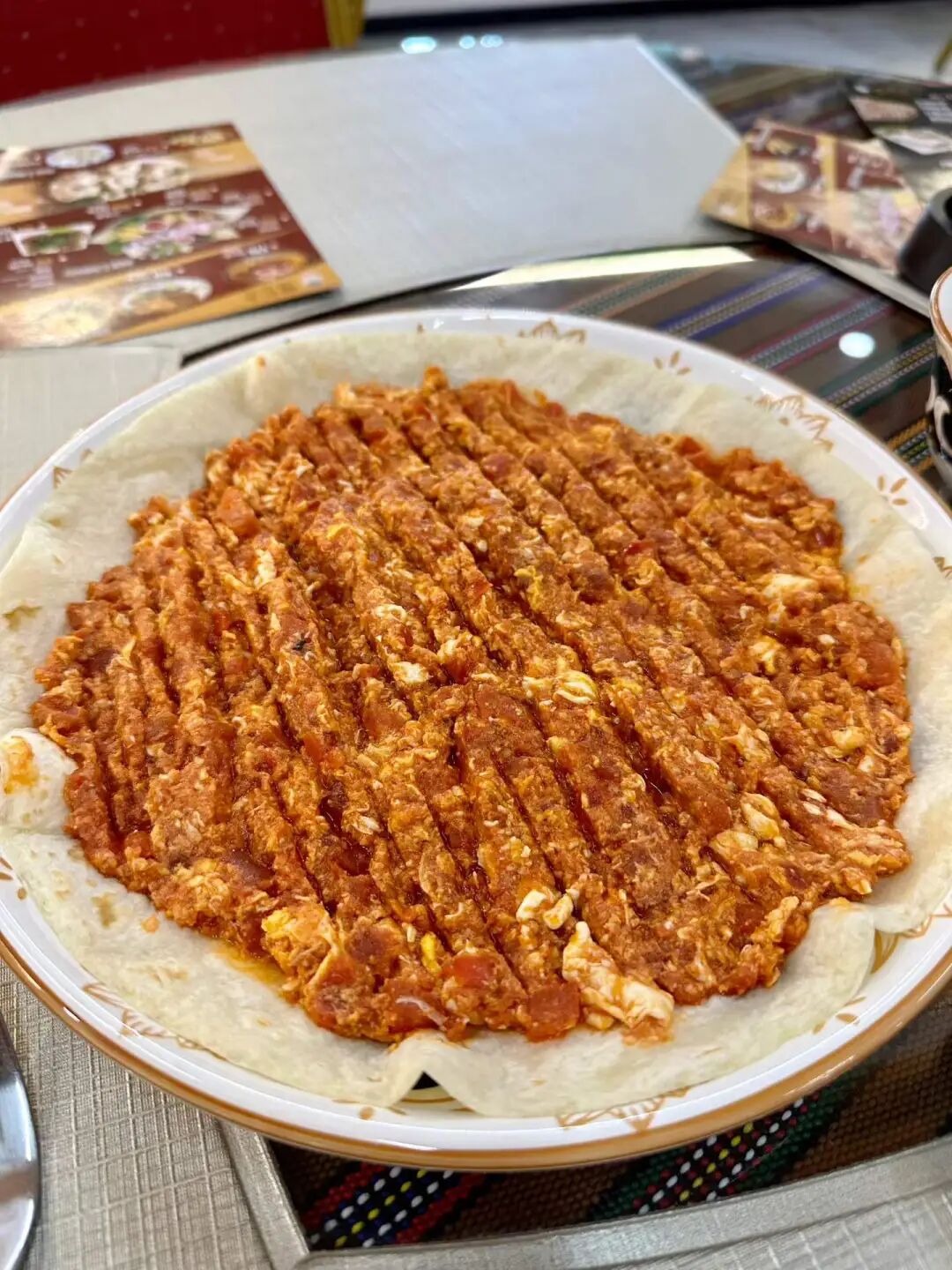
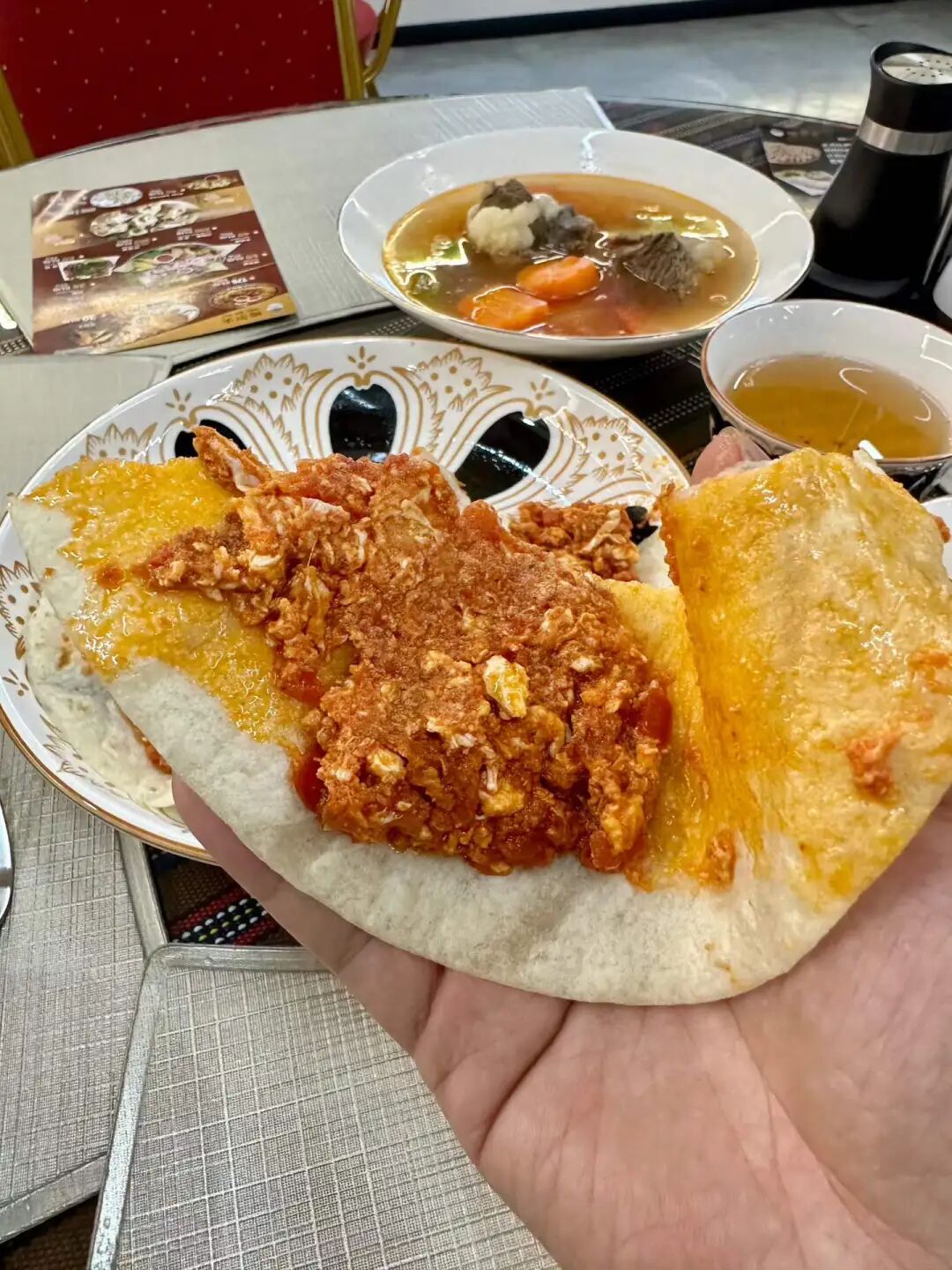
Actually, this isn't strictly a breakfast menu because they are open 24 hours a day, so you can eat it anytime. I feel the main morning crowd consists of traders from the former Soviet Union who are adjusting to the time difference. However, sometimes if they sell well the night before, some dishes might be out of stock the next morning. Although you can choose heavy dishes in the morning, the first page of their menu has some items that are more suitable for breakfast. For example, cheese rolls, tomato and eggs, bread, and cheese. For soup, we had beef soup and ordered a pot of tea, though you can also drink coffee.
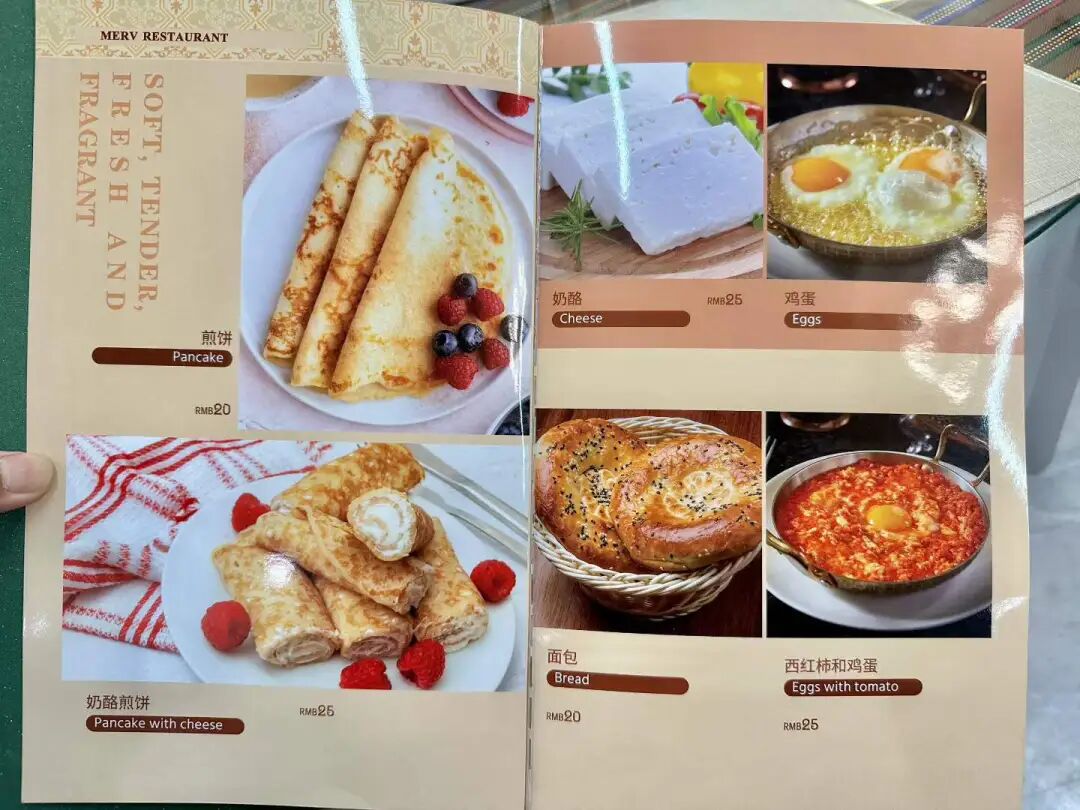
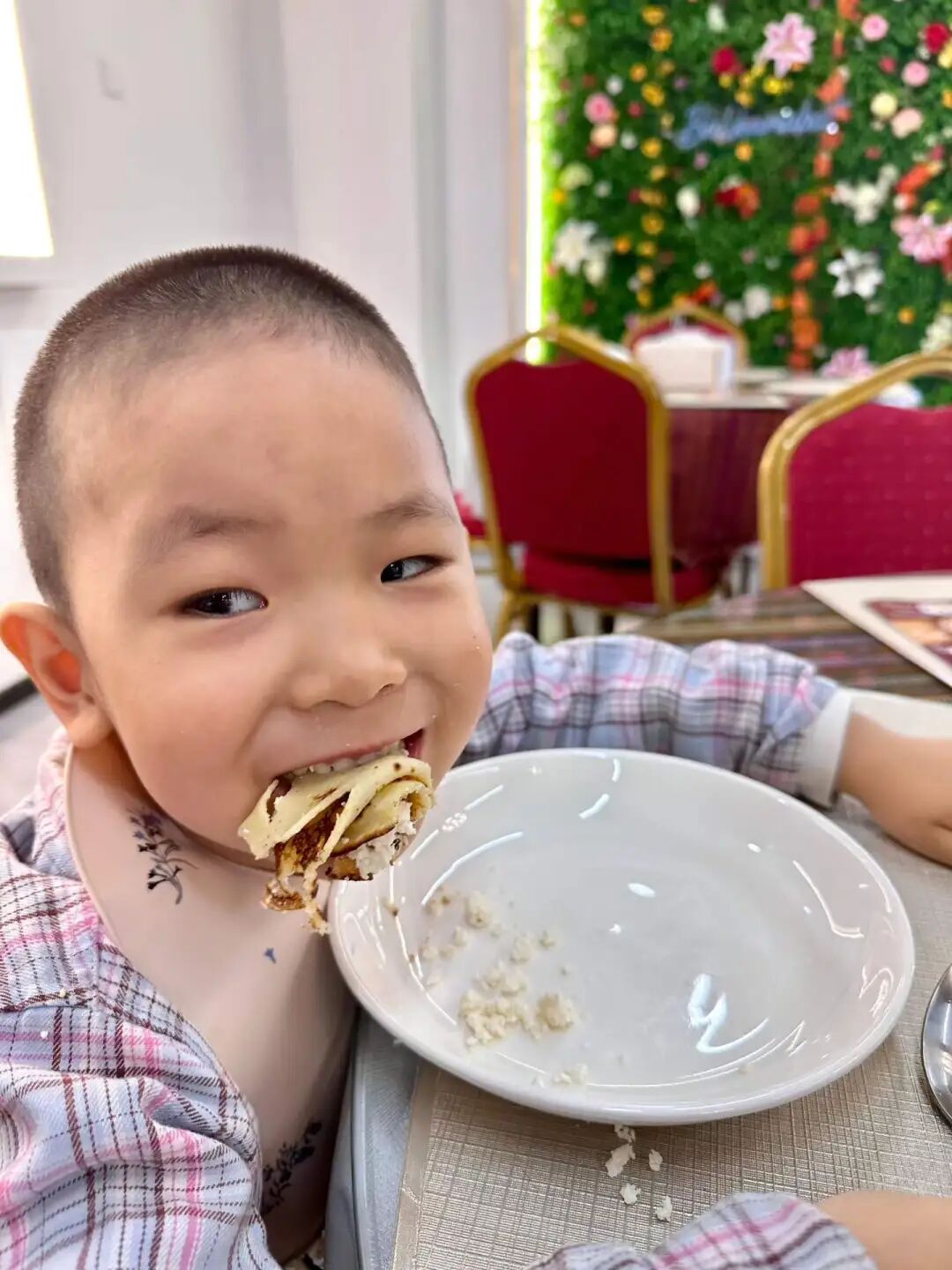
I recently discovered that my son really likes Merv; he eats the cheese rolls and tomato and eggs in big bites. Their tomato and eggs are very similar to the tomato omelet (omlet-e gojeh farangi) I ate in Iran before, where you stew the tomato sauce first, then beat the eggs into it, and finally dip bread into it. Their beef soup is stewed until very tender, but the soup is a little bit salty. Having borscht or lentil soup in the morning is also quite appropriate.
Asian Food
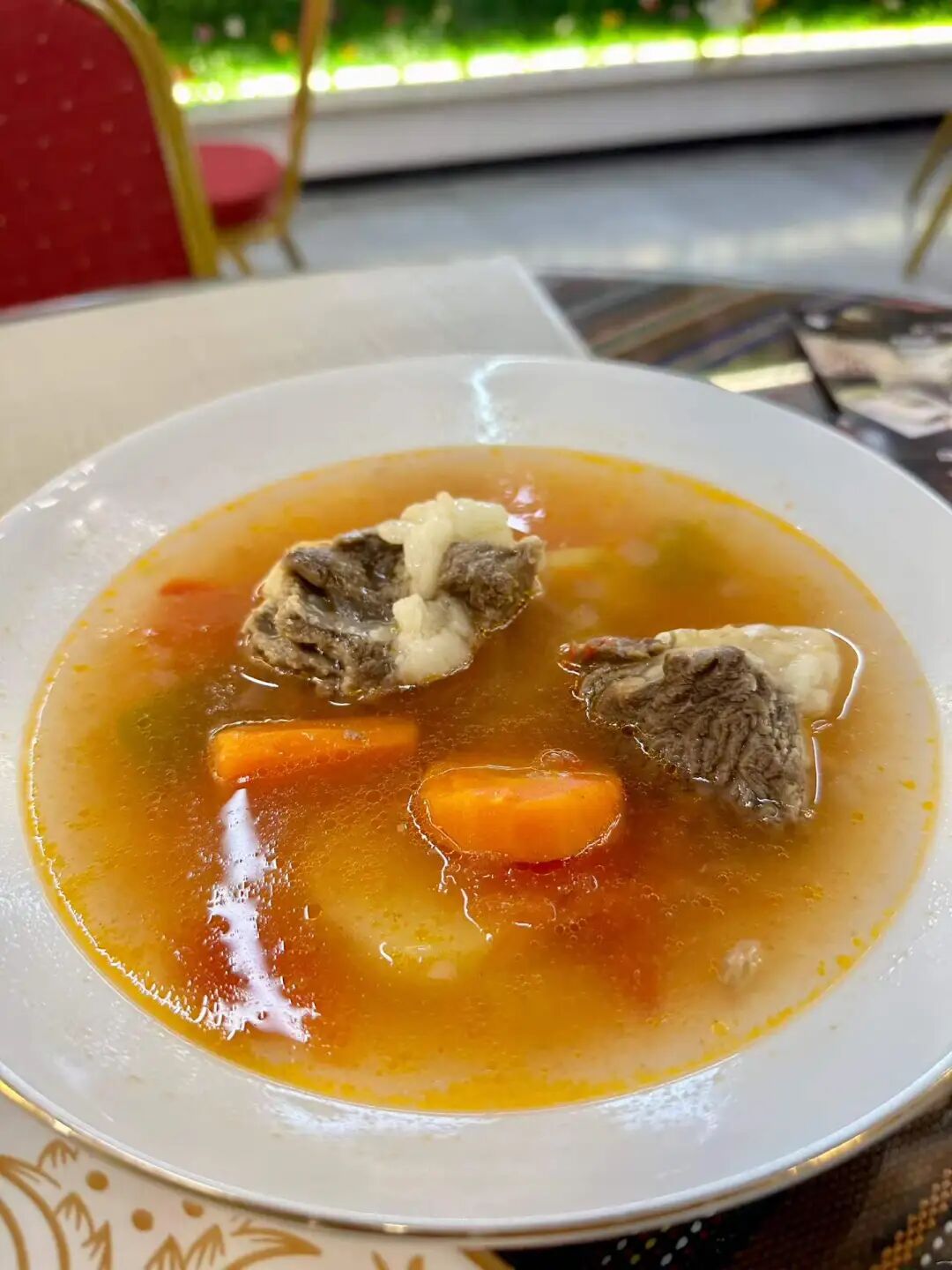
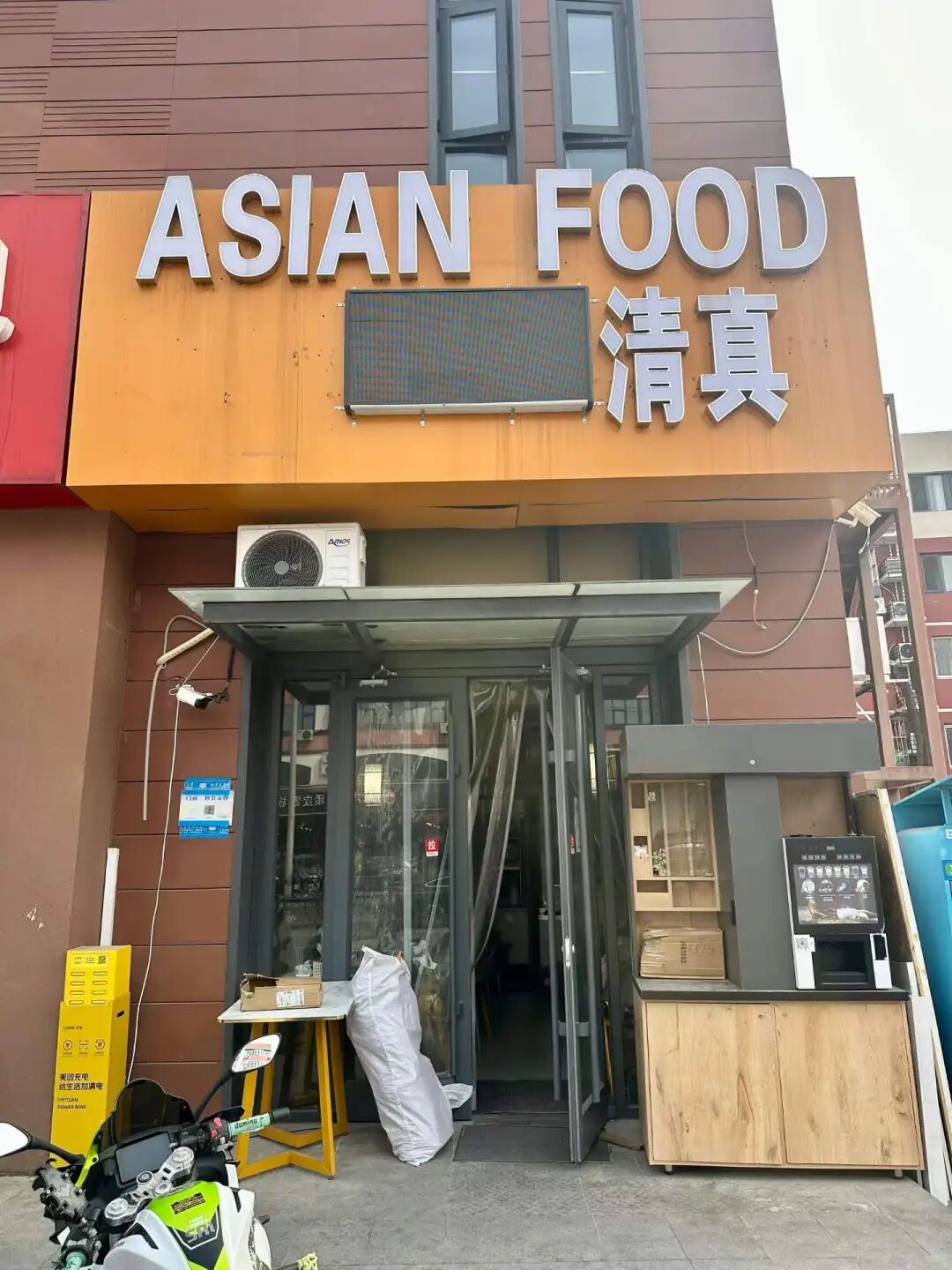
Besides Merv in Ritan, there are two other Turkmen restaurants in Changping, Beijing, called Asian Food and An-Noor, both near the China University of Political Science and Law and the China University of Petroleum. We went to Changping to hang out on Eid al-Fitr and happened to eat at Asian Food. Their shop is very small, and the people eating there are basically university students from the neighborhood. Both this place and An-Noor focus on being very affordable; they must be the cheapest Central Asian and Middle Eastern restaurants in Beijing!
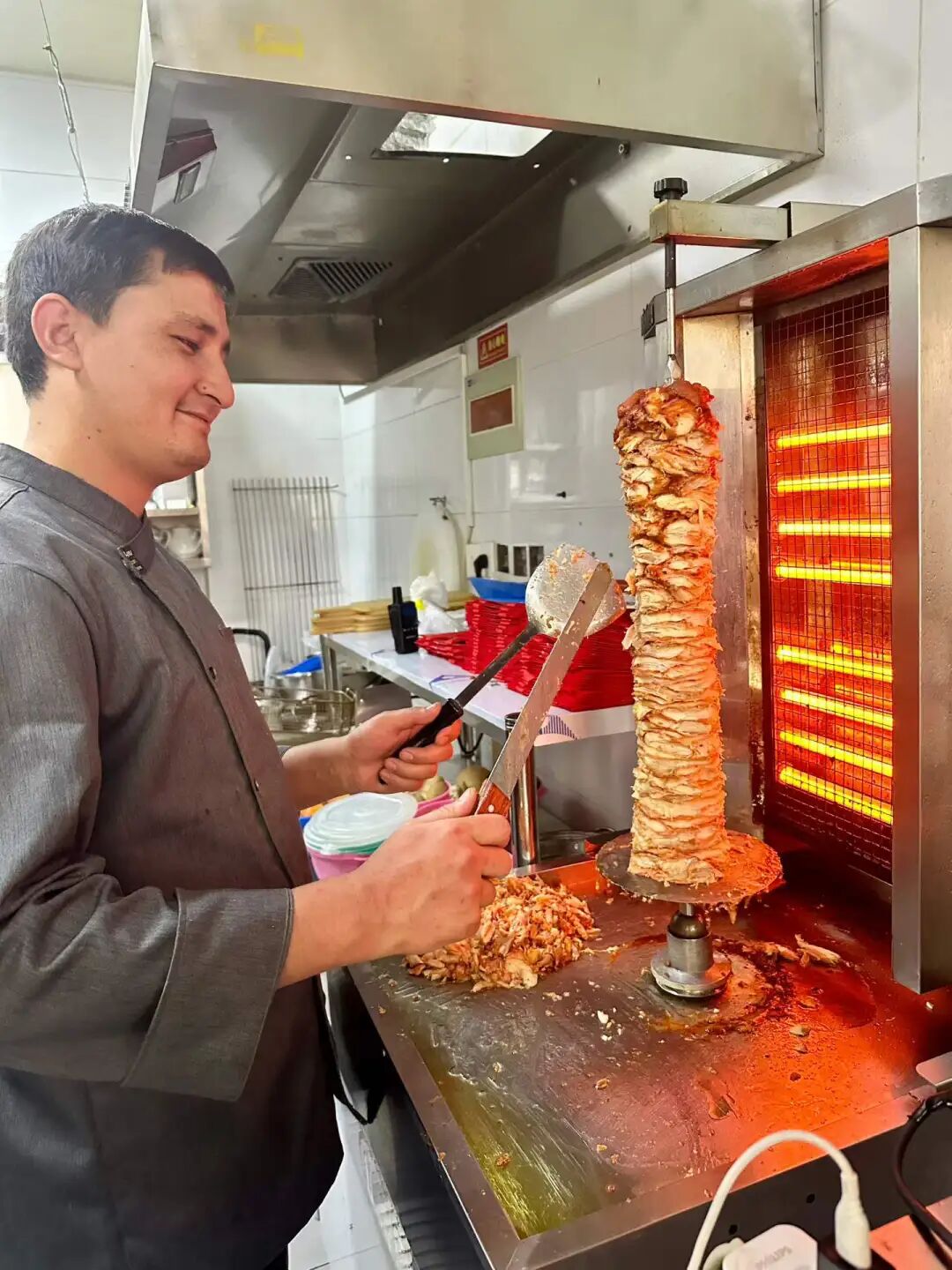
They also serve Turkmen, Russian, and Turkish food, which I feel is a characteristic of Turkmen restaurants. We ordered mimosa salad, beef noodle soup, meat pie (ishlekli), rotisserie chicken (doner), and yogurt. Unfortunately, maybe because of the holiday, many Turkmen specialties were unavailable, so we couldn't order them.
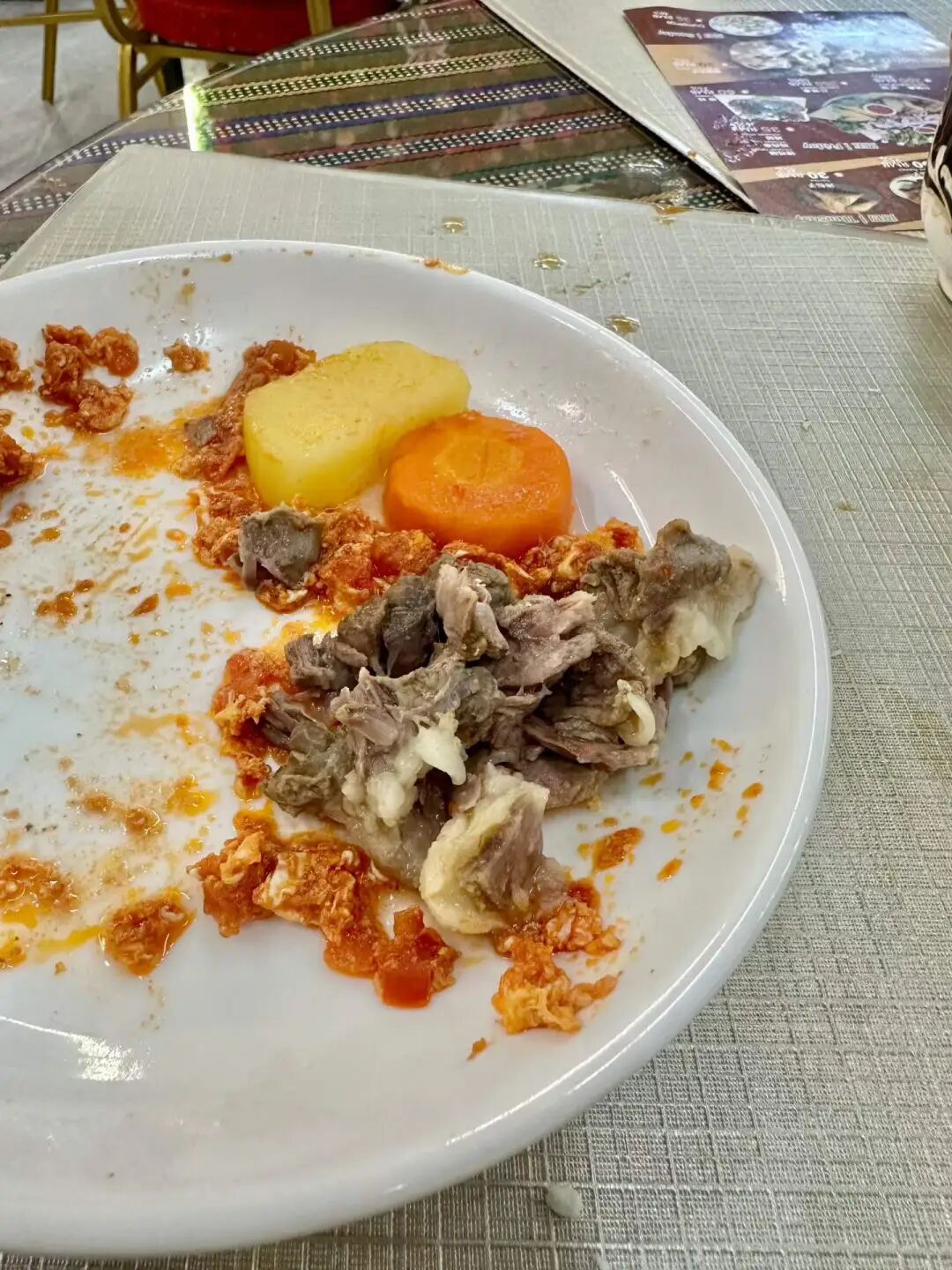
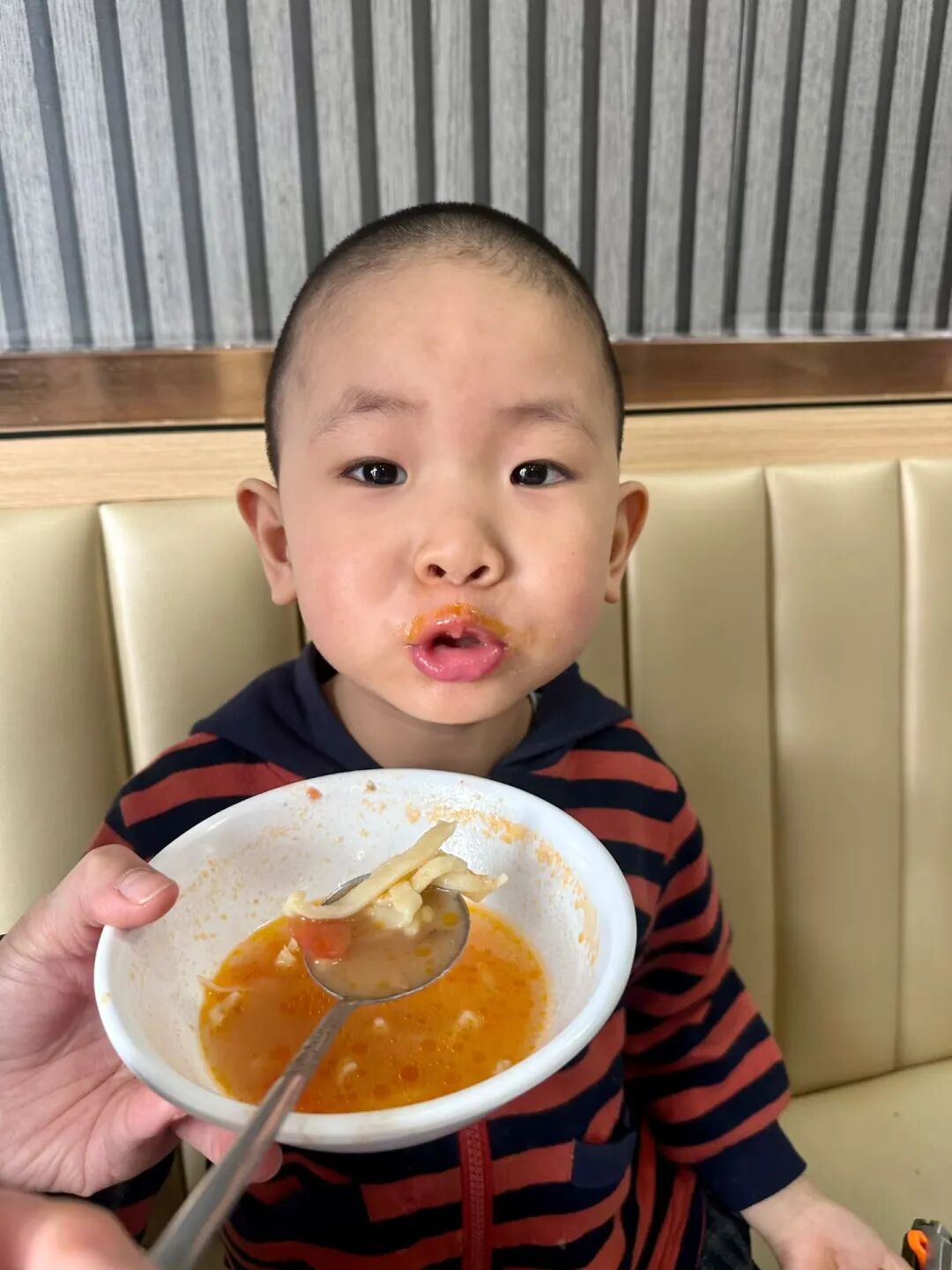
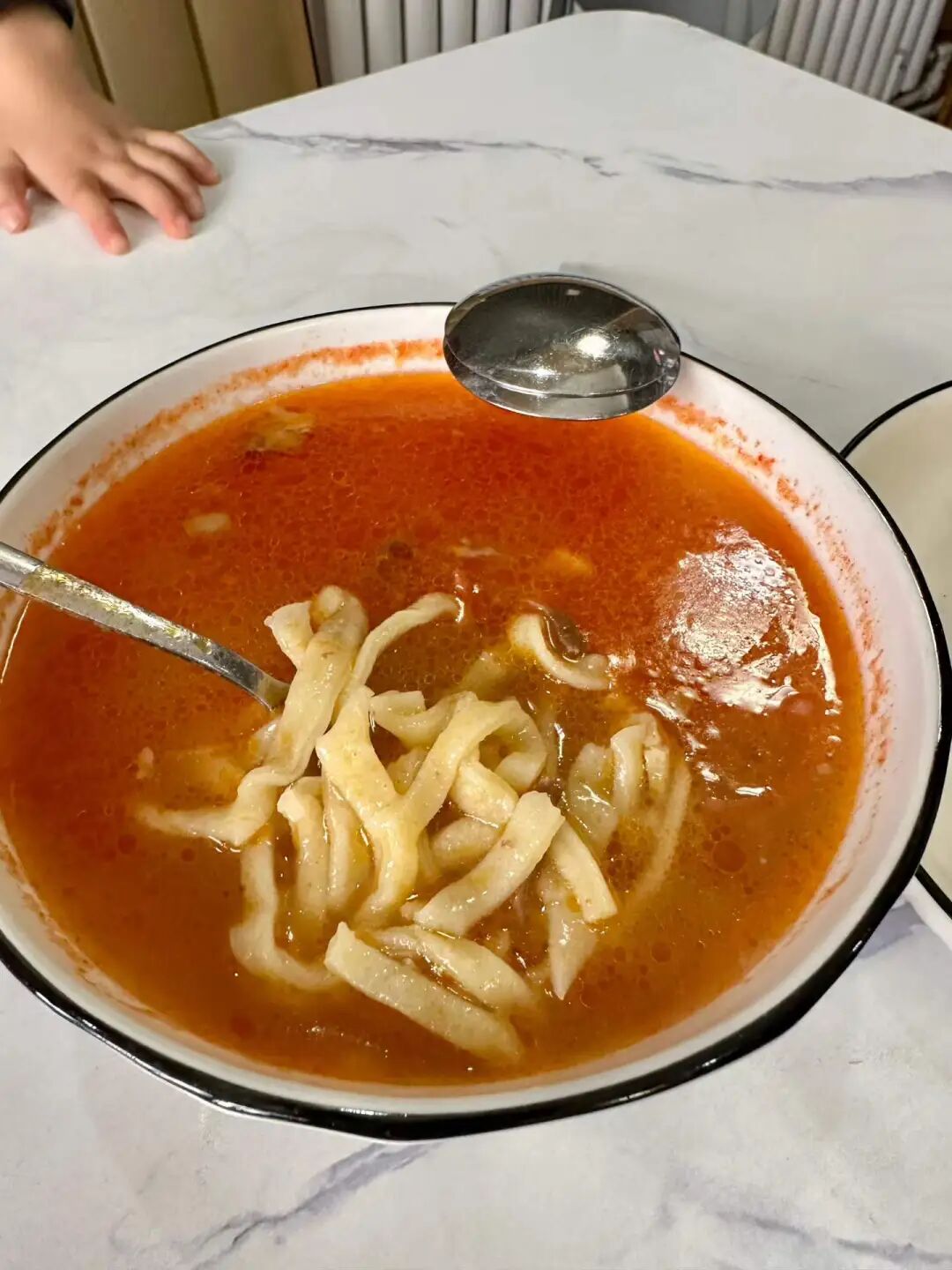
Turkmen noodle soup is called unash. It uses alkaline noodles. Turkmen people choose a bowl of this soup first when they have a cold or feel chilly. You can add beans or yogurt to Turkmen noodle soup. We had the version with beef broth and tomatoes, which was very warming.
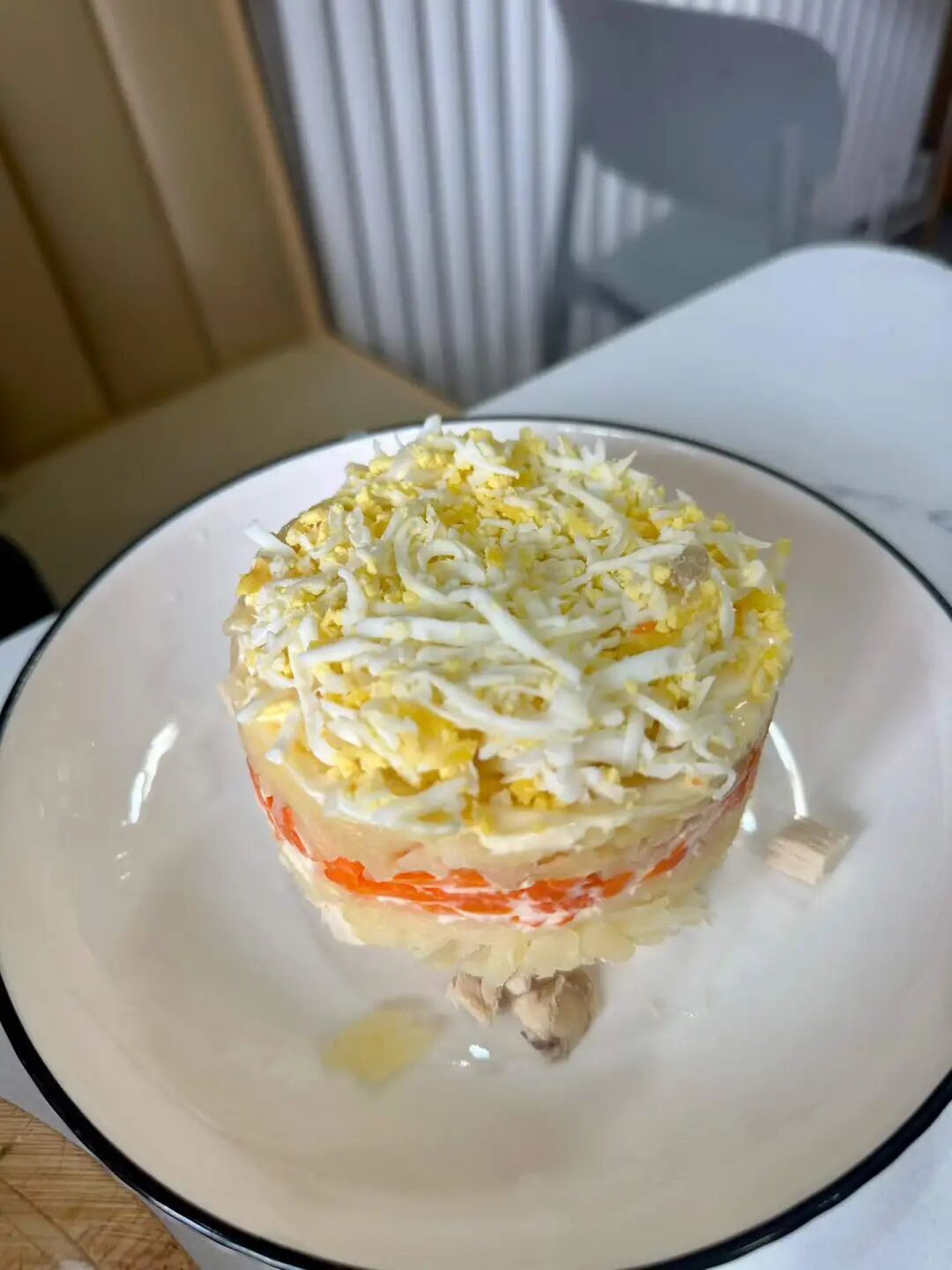
Mimosa salad is a classic Russian dish. It mainly contains cheese, eggs, canned fish, mashed potatoes, carrots, and mayonnaise. It is named for looking like mimosa flowers fallen on snow and became popular during the Soviet era.
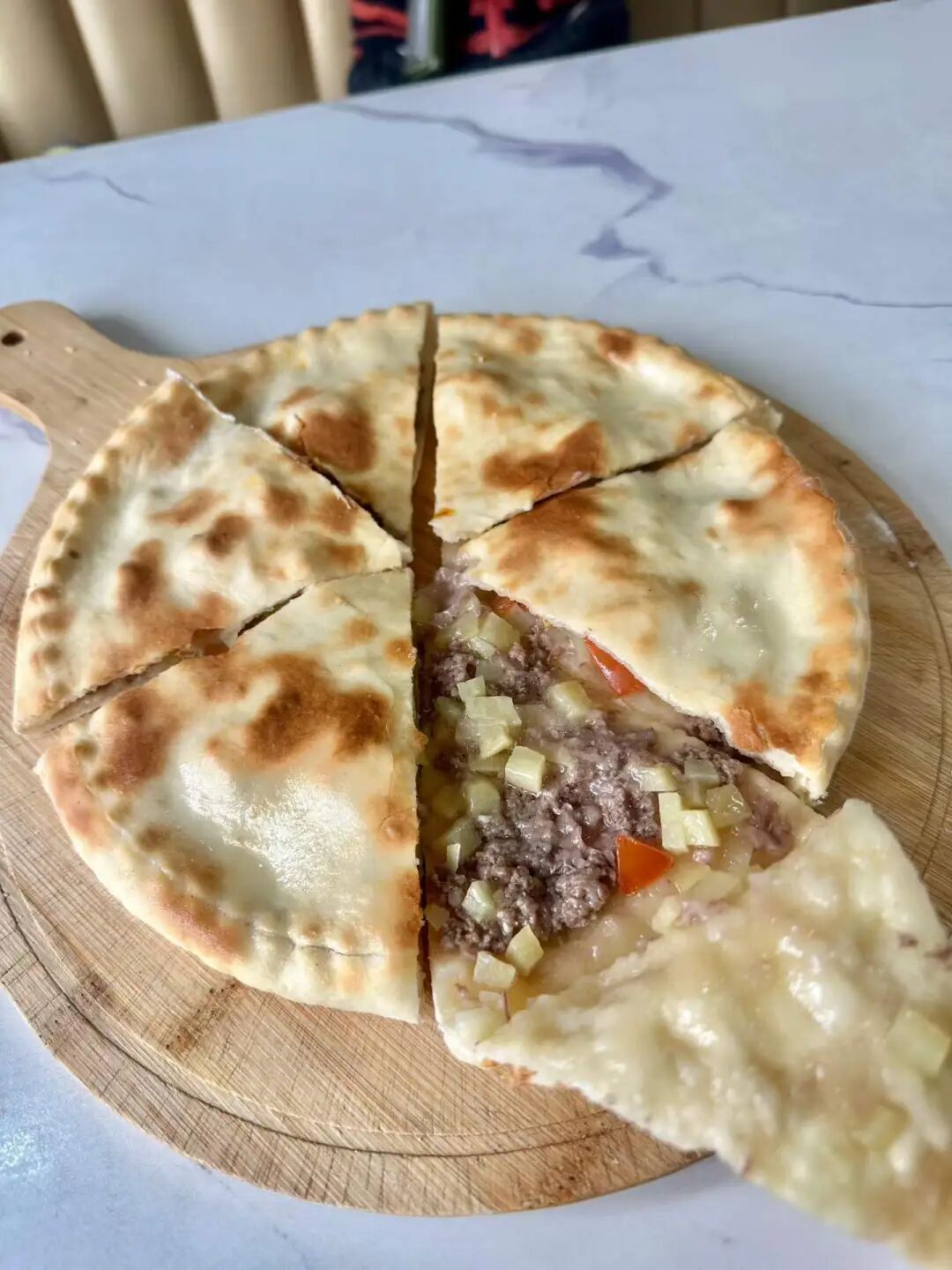
Meat pie (ishlekli) is a typical Turkmen nomadic dish. Traditionally, Turkmen shepherds buried the pie in the hot sand of the Turkmen desert to bake it over charcoal. Now, Turkmen people in cities make it in ovens. The meat pie (ishlekli) has a lamb and potato filling. It is light, and the crust has a perfect texture. My child loved it.
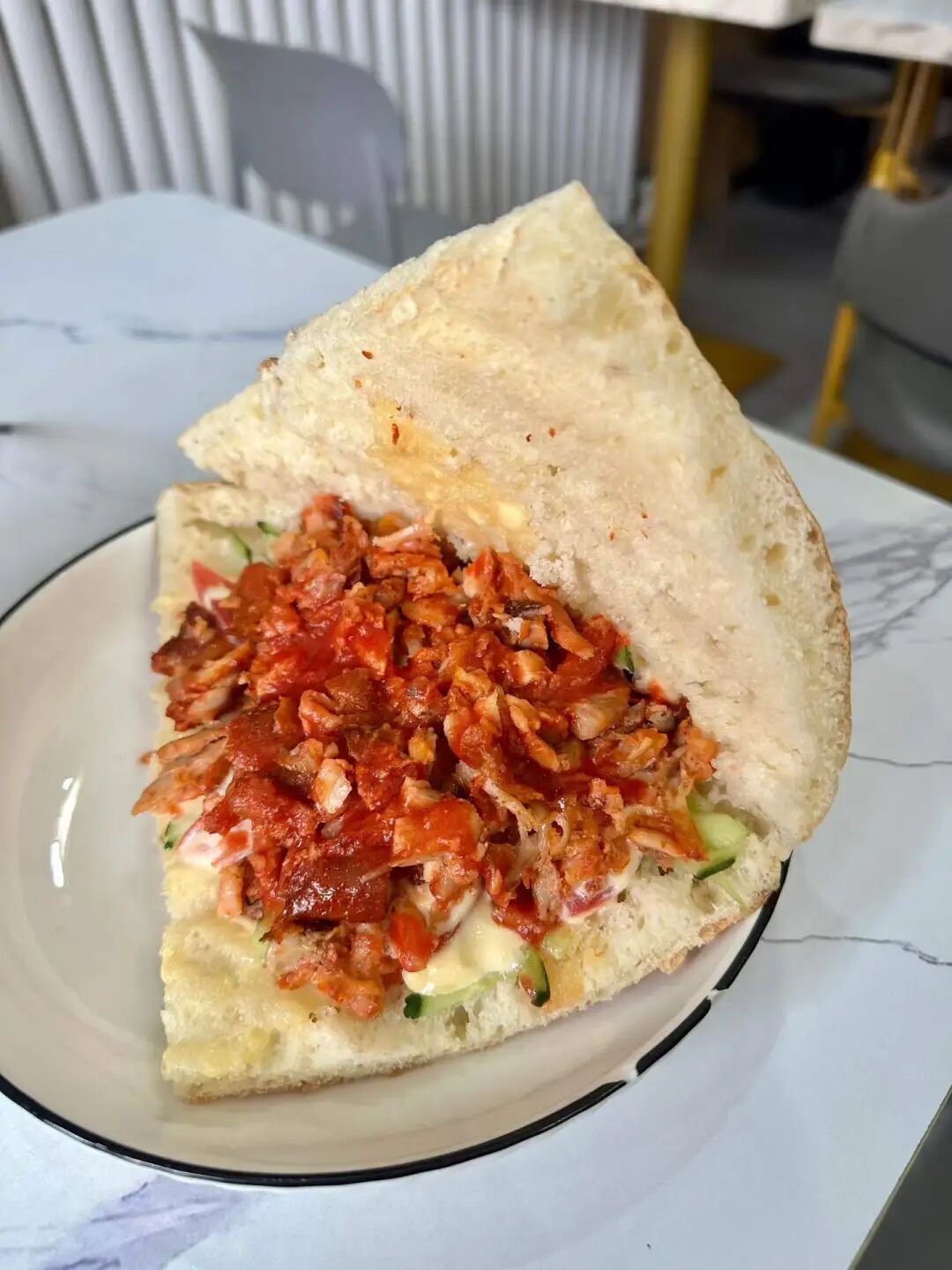
They have two types of rotisserie chicken (doner). One uses thin flatbread like in Turkey, and the other uses a Central Asian style leavened bread. I recommend the latter. I ate this in Uzbekistan before. This leavened bread stuffed with rotisserie meat is very satisfying.
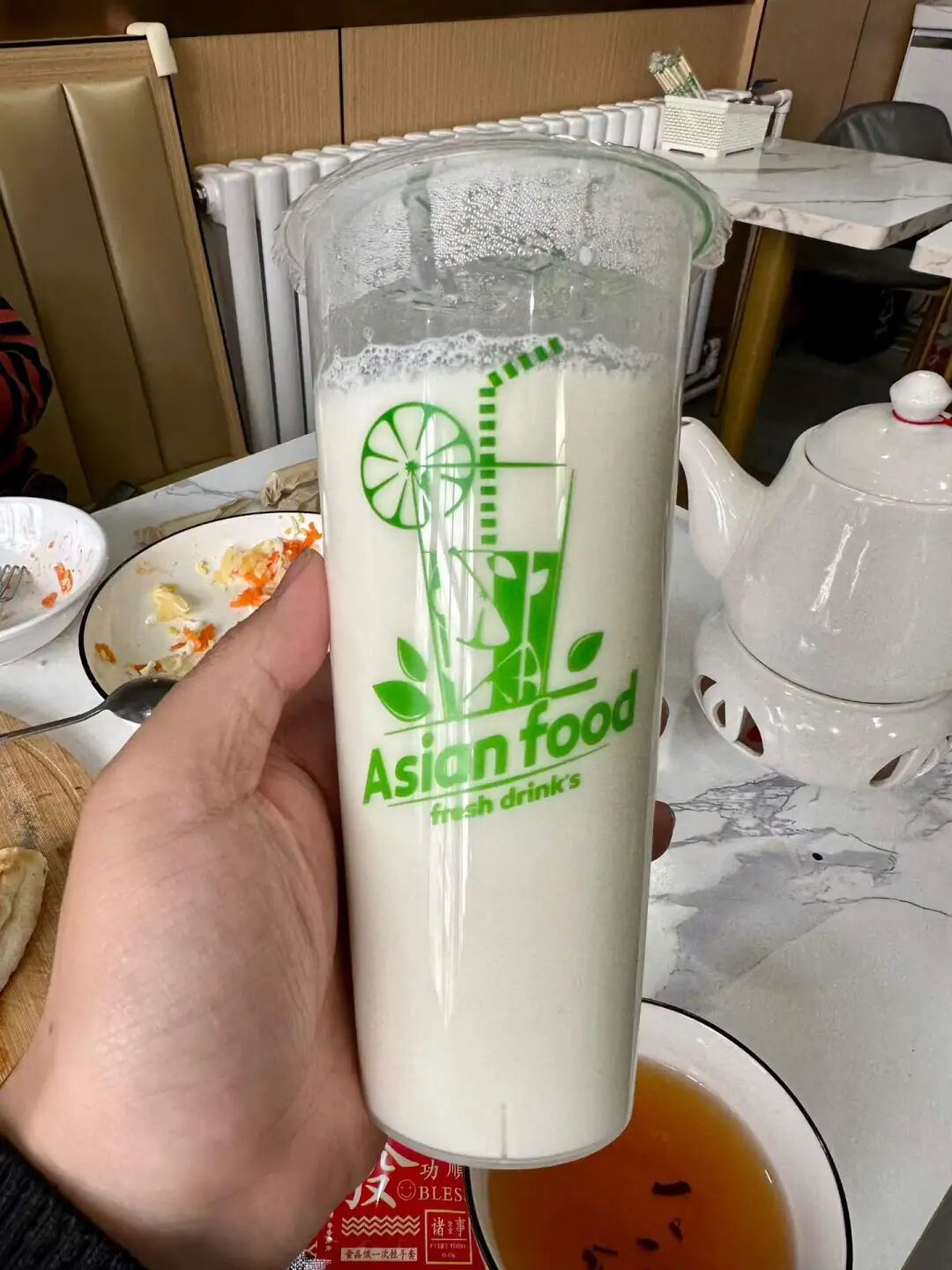
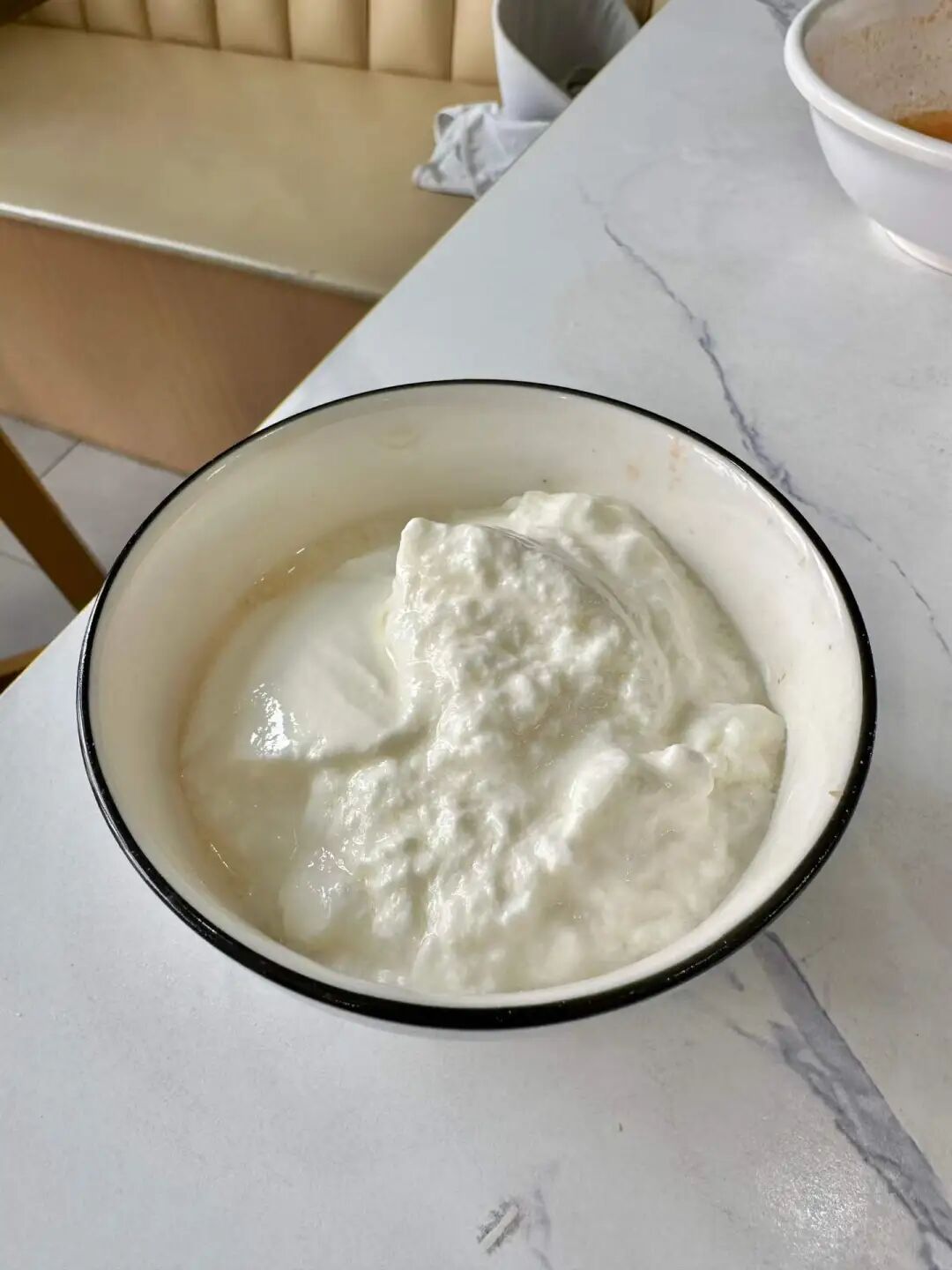
Finally, I highly recommend their yogurt. It was unexpectedly authentic, exactly like the homemade yogurt in Xinjiang! It might be one of the best yogurts in Beijing, and a big bottle only costs seven yuan! We finished it and bought another bottle to take home. I can't imagine how they make such pure yogurt using milk bought in Beijing. Only a few Uyghur restaurants in Beijing make yogurt that can compare to theirs.
An-Noor
I went to eat at another branch of An-Noor during the Qingming Festival. I specifically checked the China University of Petroleum website. In 2025, the university had 484 international students from the five Central Asian countries, many of whom are studying oil and gas engineering. Turkmenistan has very rich natural gas and oil reserves. It has the world's second-largest onshore gas field and is China's largest supplier of pipeline natural gas, so many students study at the China University of Petroleum.
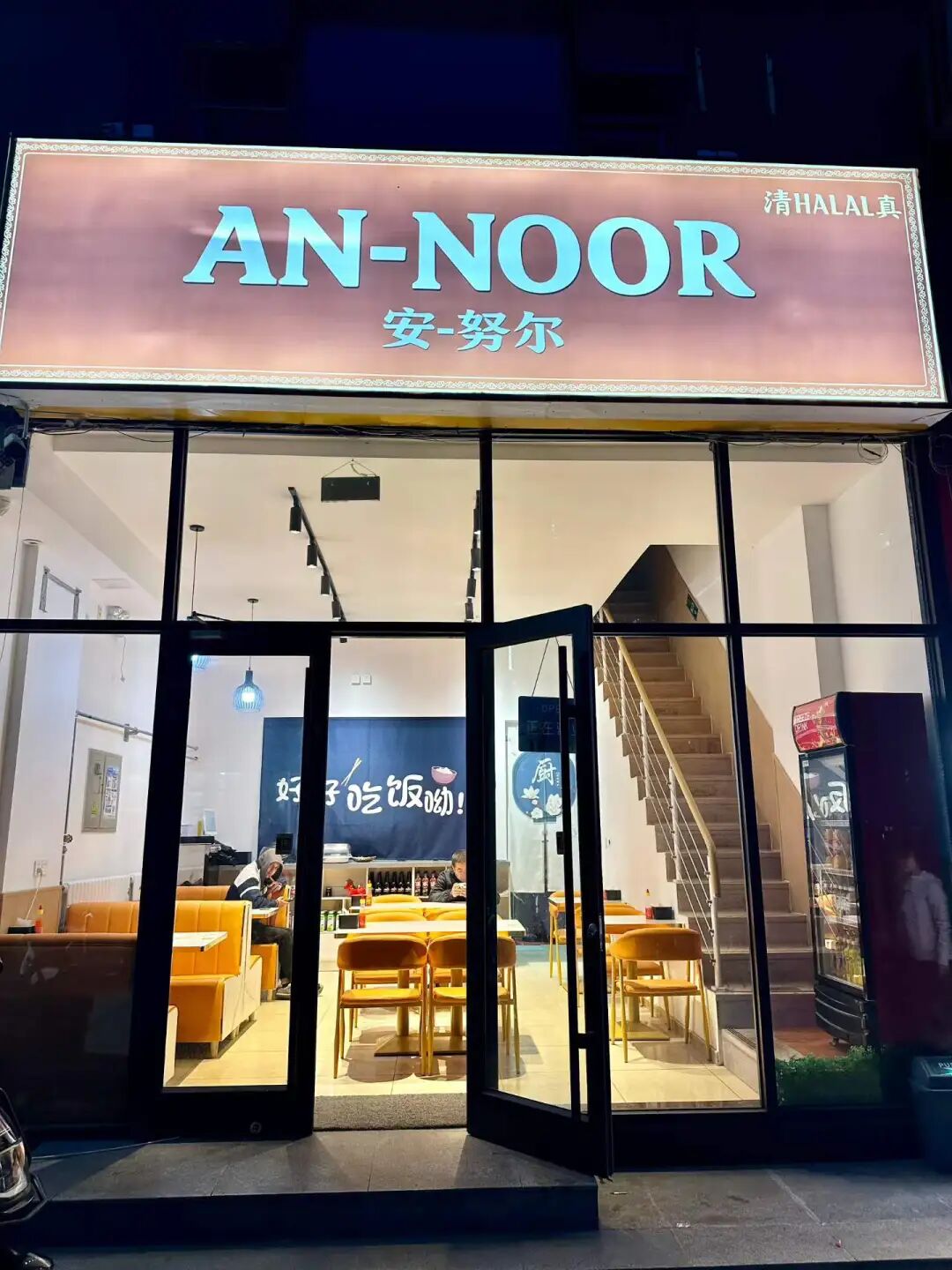
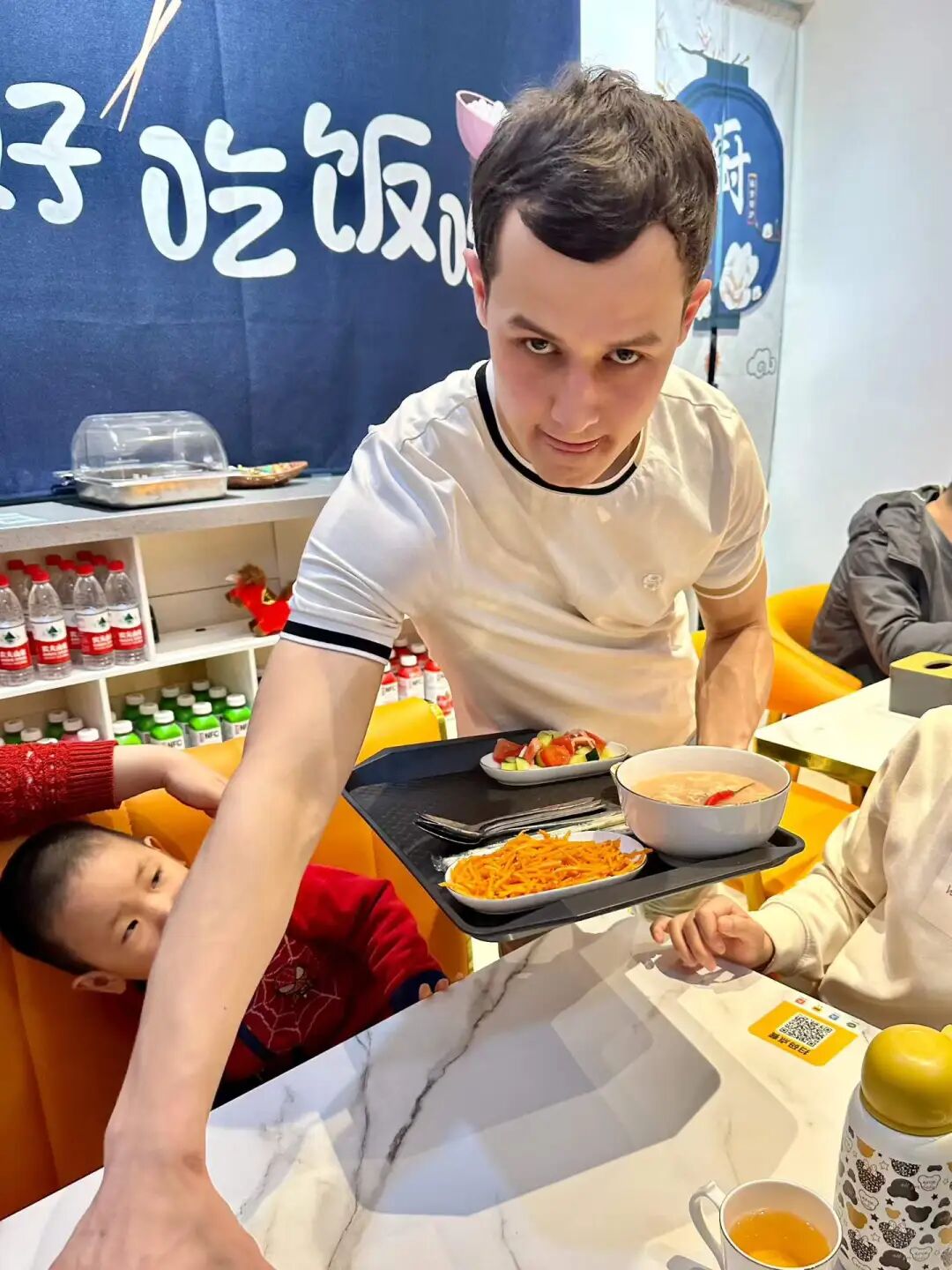
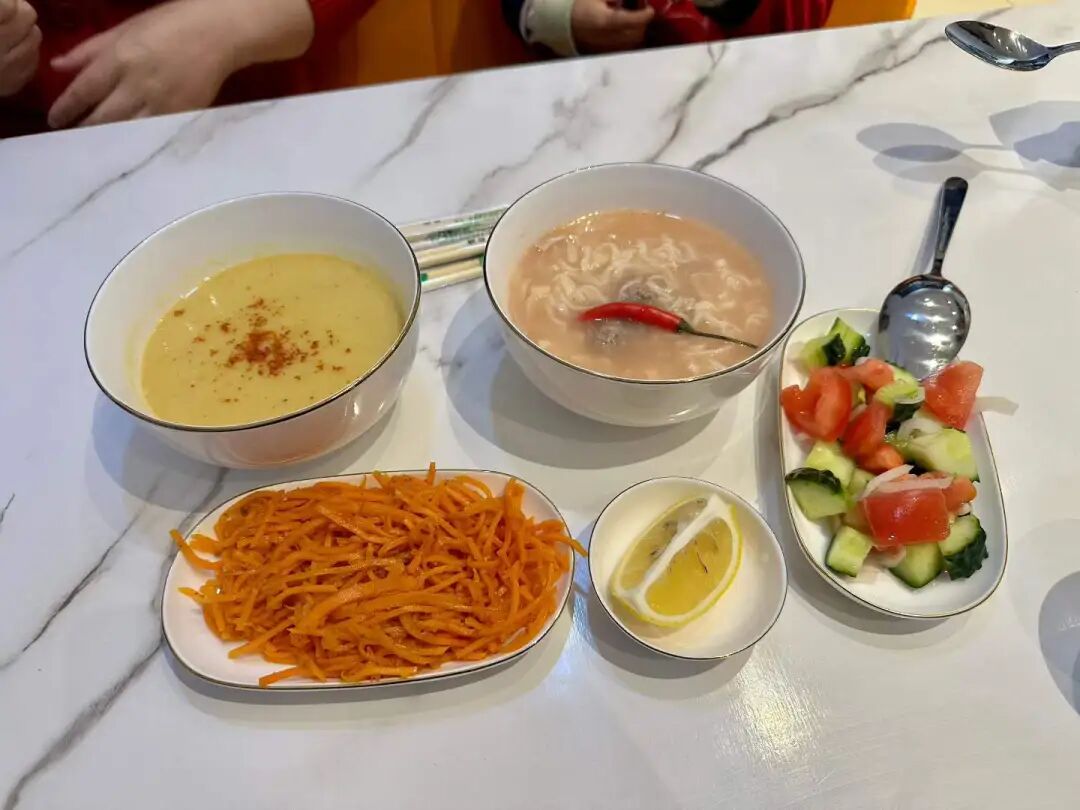
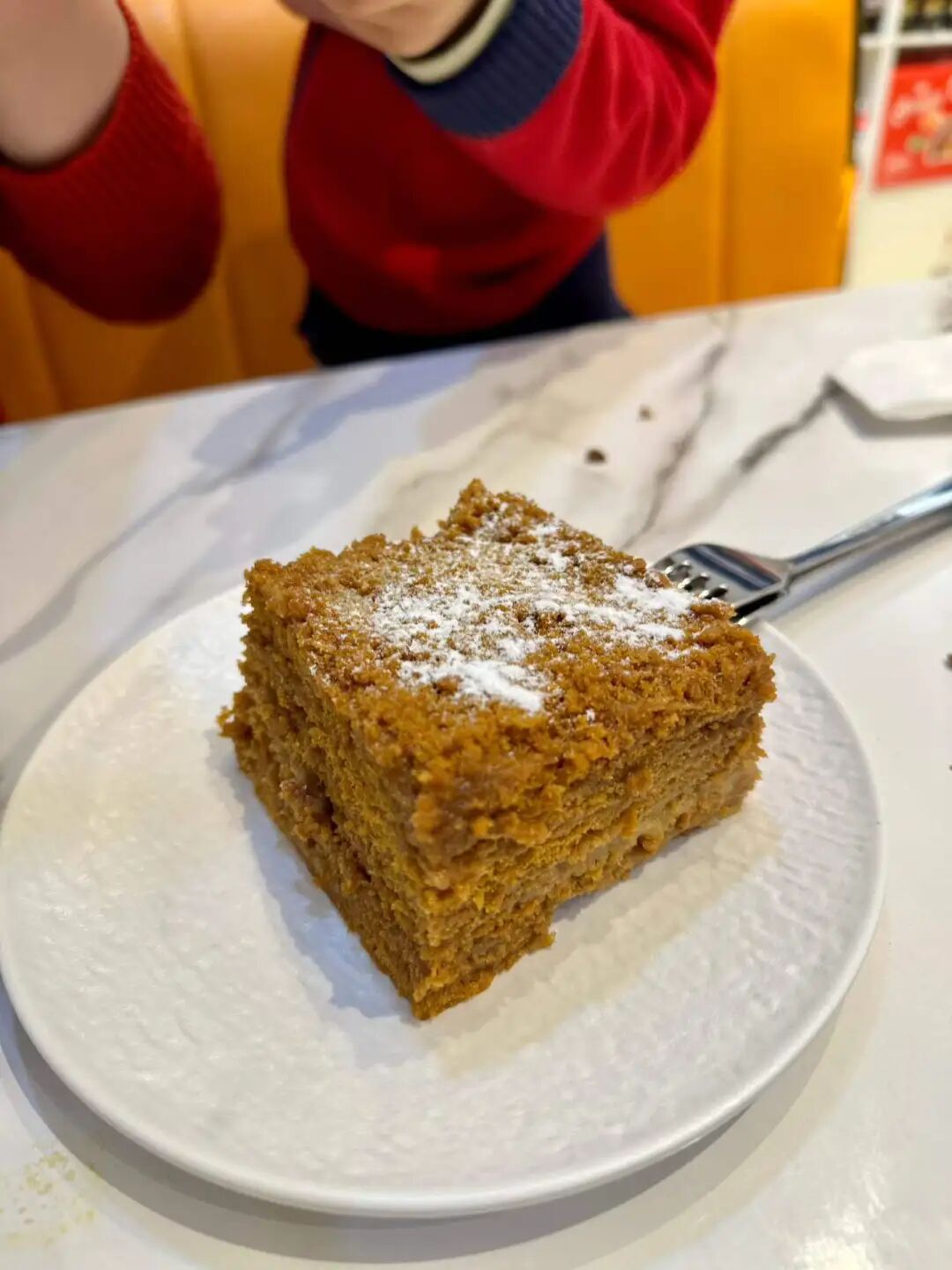
The prices at An-Noor are still very affordable and suitable for students. It is much cheaper than the places near Ritan Upper Street. We ordered buckwheat with mashed potatoes and gravy, roasted chicken leg, pumpkin steamed dumplings (manti), beef turnover (chebureki), meatball noodles, Russian honey cake, Korean-style shredded carrots, and Turkish lentil soup. It only cost a little over one hundred yuan in total. They use QR code ordering, so you don't need to talk much. However, the Turkmen guy there speaks good Chinese and was very enthusiastic, even giving Suleiman some Turkmenistan chocolate.
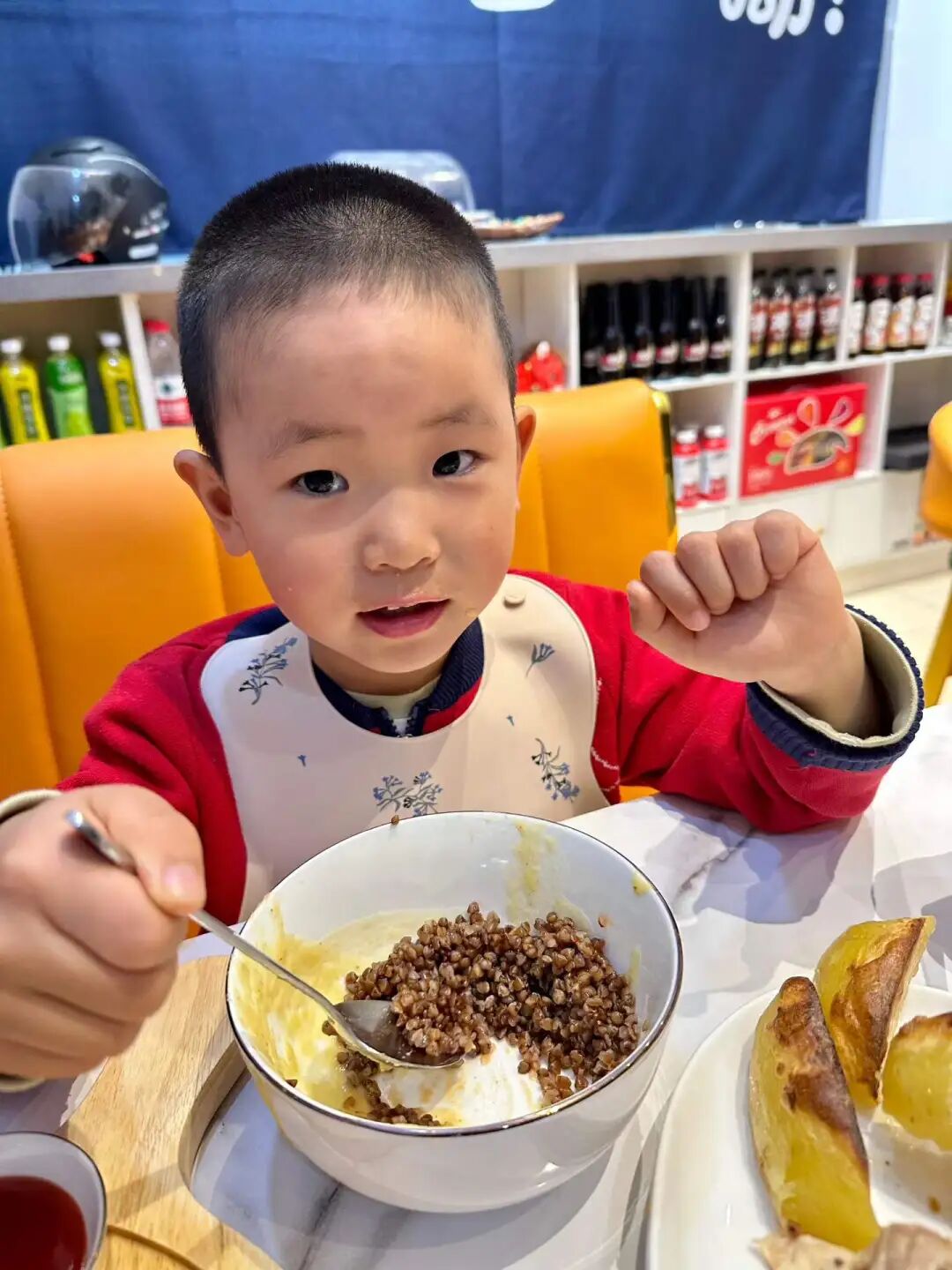
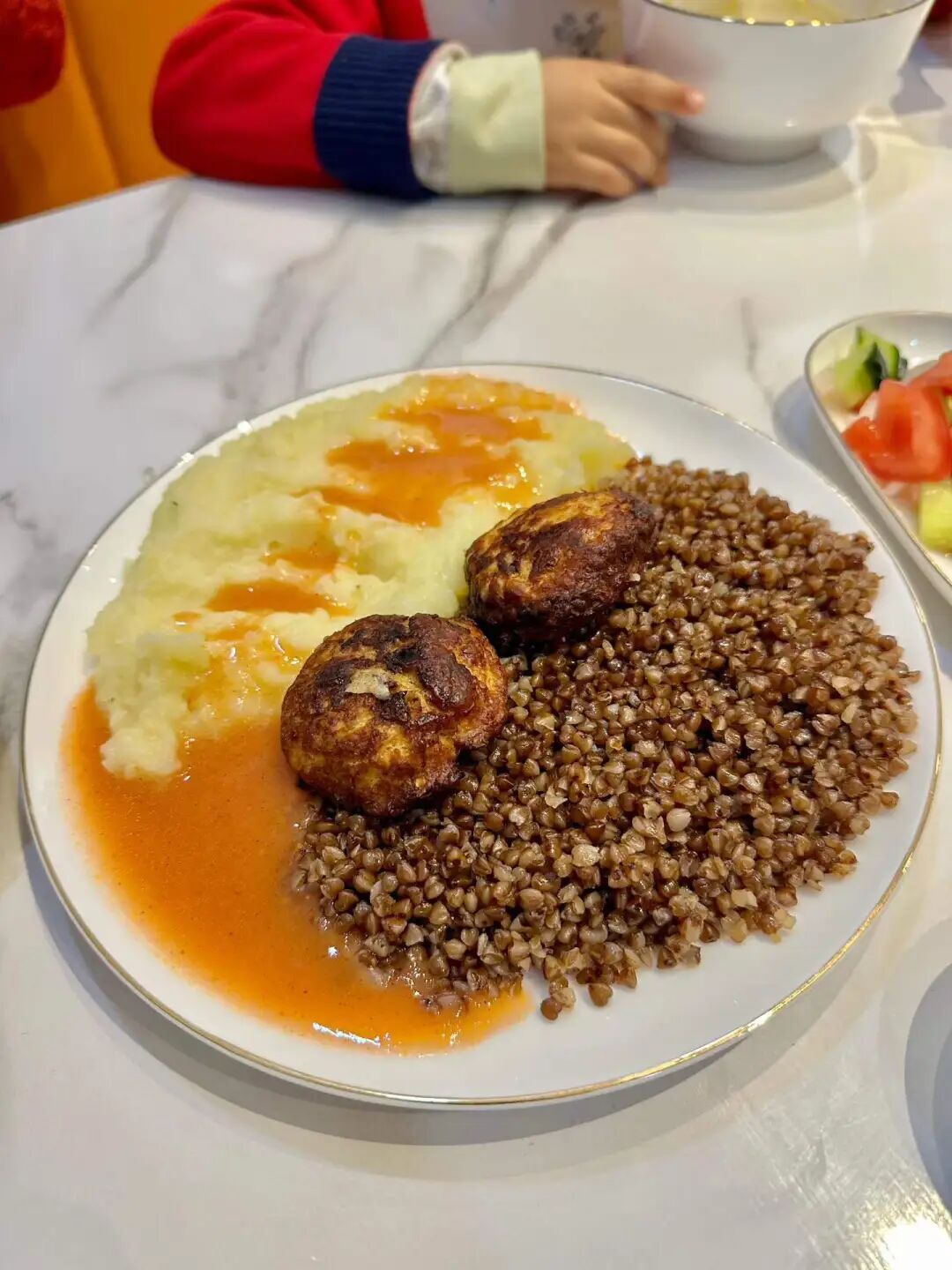
Their buckwheat has a stronger flavor than the one at Merv. The sauce doesn't have meat, but it comes with two chicken patties. It only costs 24 yuan, which is a great deal. Suleiman really loves Russian-style buckwheat.
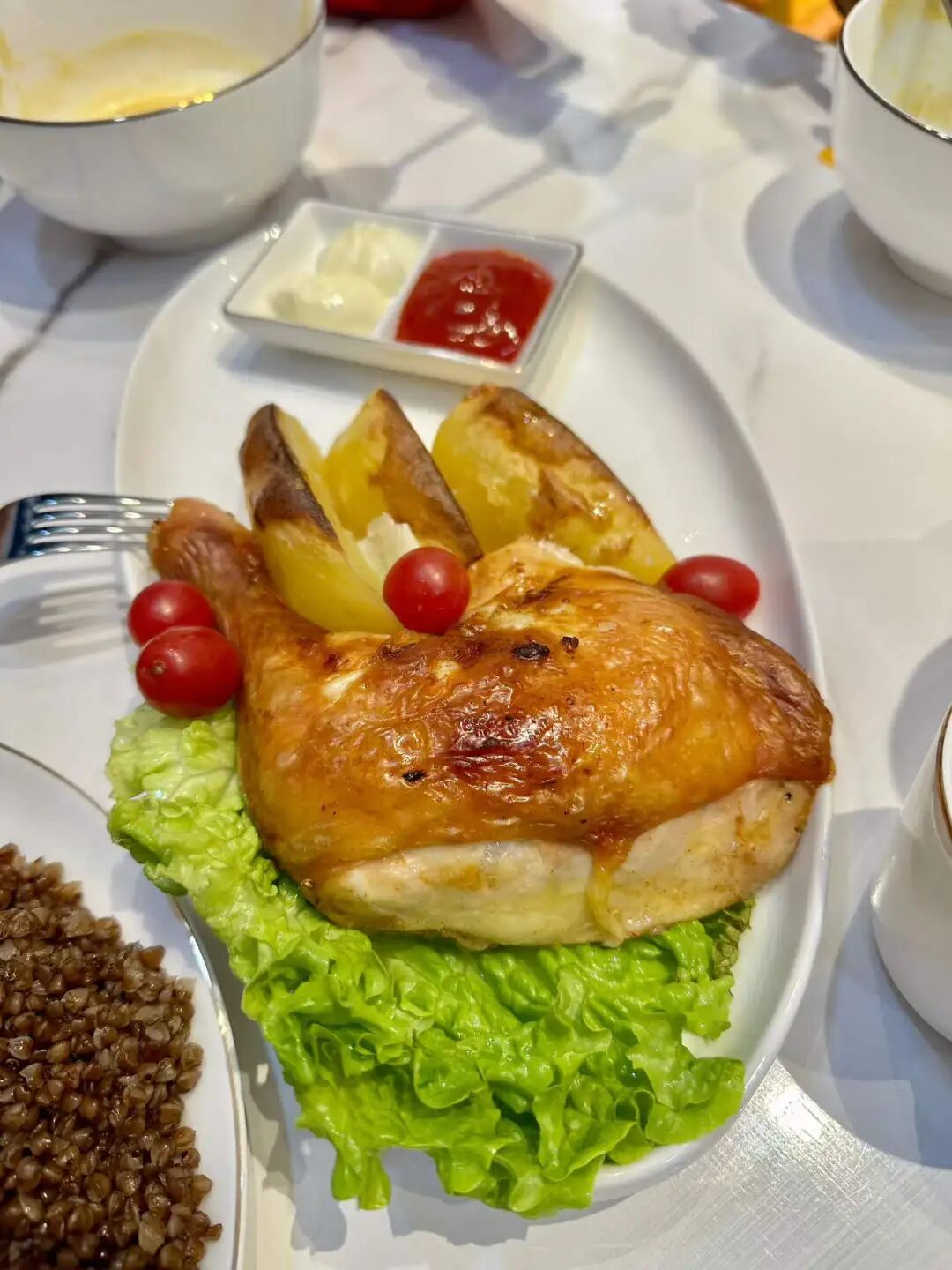
Their roasted chicken leg is also a great deal. A huge chicken leg is only 22 yuan. It is roasted until tender and fragrant, and it tastes great dipped in mayonnaise.
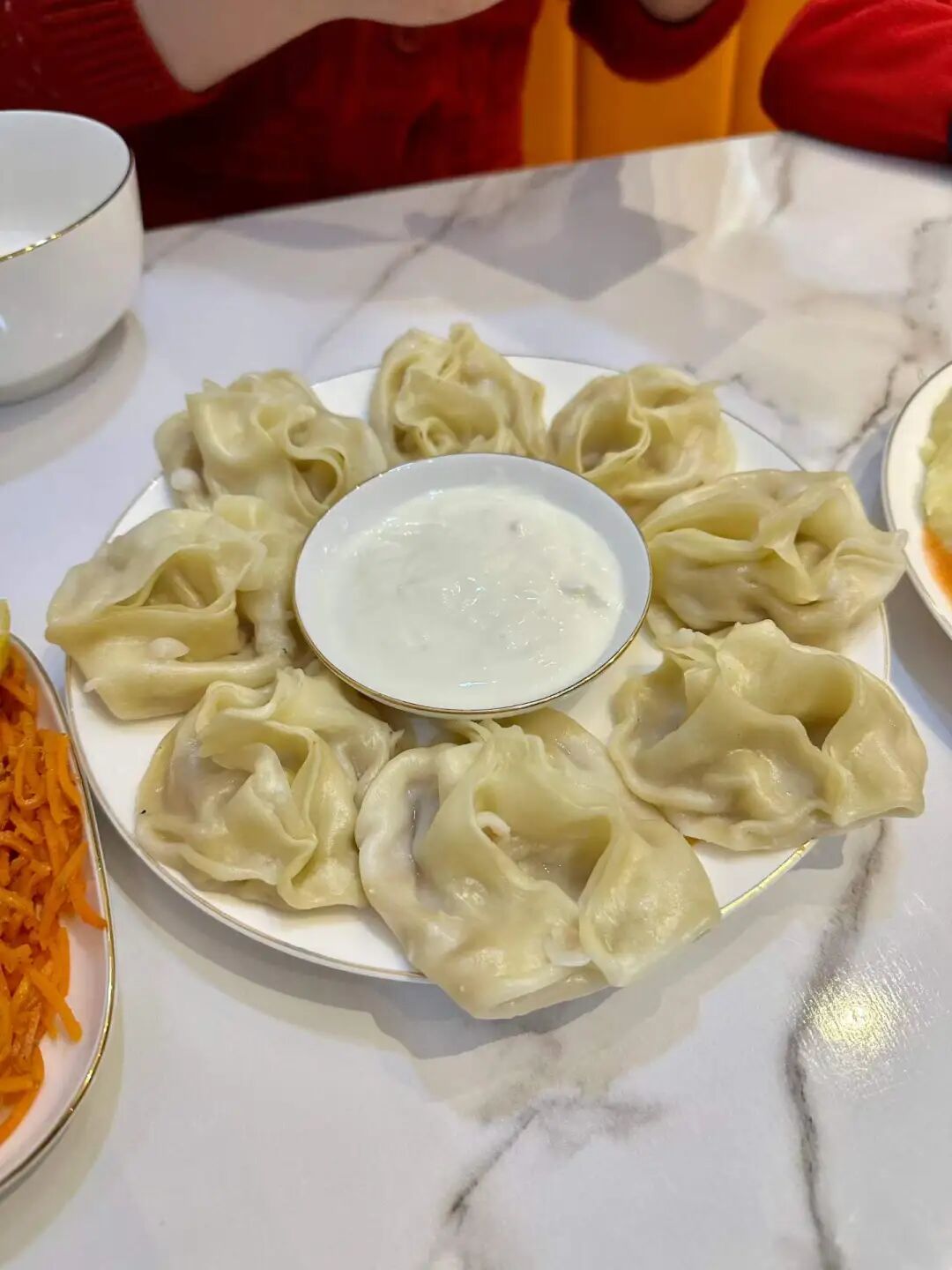
The Central Asian word manti comes from the Chinese word mantou. The earliest mantou actually had fillings, and the word still keeps this ancient meaning in the Wu dialect. Manti spread rapidly to Central Asia, West Asia, and as far as the Turkish Aegean coast during the Mongol Empire. It even reached the Balkans during the Ottoman period, but the preparation methods vary from place to place. Central Asian steamed dumplings (manti) are usually quite large, while the Turkish ones are smaller. Central Asian manti are basically the same as the thin-skinned steamed buns (baopi baozi) in Xinjiang. They also come with lamb or pumpkin fillings, and the pumpkin version is usually spicy. The difference is that Central Asian manti are dipped in yogurt, while the ones in Xinjiang are usually dipped in chili sauce. This place doesn't put much filling in their pumpkin manti, but getting 8 of them for 25 yuan is still a pretty good deal. Their yogurt is also very authentic and clearly homemade, but it seems they don't sell it separately, or we definitely would have bought some.
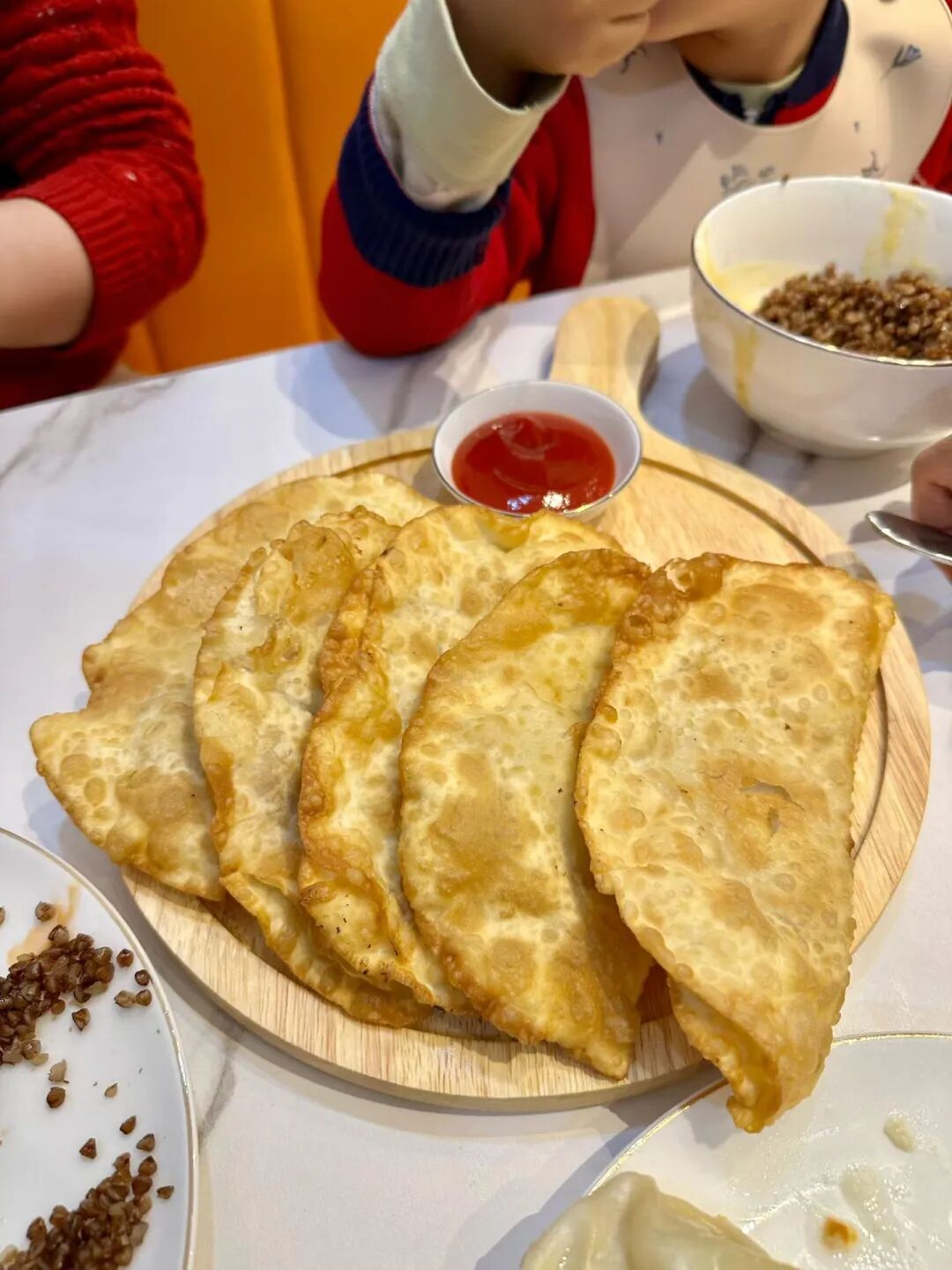
Fried meat pastry (cheburek) is a crispy meat-filled turnover. It was originally the national dish of the Crimean Tatars and later became very popular across the former Soviet Union and the former Ottoman regions. They sell 5 cheburek for 20 yuan, so at 4 yuan each, it is truly the cheapest I have ever eaten. The taste is great, too, and everyone really likes it.
Summary: This Beijing halal food guide visits three Turkmen restaurants: Merv, Asian Food, and An-Nur. It keeps the dishes, prices, locations, and Central Asian food details from the original travel notes.
Over the past two years, three Turkmenistan restaurants have opened in Beijing: Merv, Asian Food, and An-Nur. While they all focus on Turkmen cuisine with some Russian and Turkish dishes, each has a different target audience. Merv started in Sanlitun and later moved to the Ritan International Trade Center. It mainly serves merchants from the former Soviet Union who come to Ritan for wholesale goods, and its prices are similar to the nearby Azerbaijani restaurant. The other two are near the China University of Petroleum in Changping. They cater mostly to Central Asian students at the university, offering affordable fast food.
Merv
Let's start with Merv. We visited when they opened in Sanlitun SOHO last year. Back then, the place was quite small and the menu was simple. When we went back this year, they had moved to the basement of the Ritan International Trade Center. The shop is bigger, the environment is better, and you can even wear traditional Turkmen hats for photos. However, the new location is hidden and gets less foot traffic. It is mostly for merchants from former Soviet countries, so enjoy it while you can.
Merv is the most famous ancient oasis city in Turkmenistan. For thousands of years, it was a key transport hub connecting Baghdad and Samarkand, and it is a UNESCO World Heritage site. In 651, it became the capital of the Khorasan province of the Umayyad Caliphate. Later, it extended into the Abbasid Caliphate and was a famous center for Islamic scholarship in Central Asia. After 1037, Merv became a central city of the Seljuk Empire and served as its capital after the 12th century. By 1150, its population reached 2 million. Arab and Persian geographers called Merv the Mother of the World, the place where great and small meet, and the capital of the eastern Islamic world. It declined after the Mongol army sacked the city in 1221.
The restaurant focuses on local Turkmen food, but also serves Russian and Turkish dishes. We prioritize the Turkmen dishes. Russian food is hard to find outside of Ruilin near Ritan, so it is also worth a try. We ordered Turkmen soup, borscht (hongcaitang), capital salad (shoudu shala), buckwheat mash with gravy, Turkmen meat pie (fitchi), and Turkmen lamb soaked bread (dograma). Everything tasted great! Turkmen food is relatively light and focuses on natural flavors, making it suitable for both the elderly and children.
First, let's share the Turkmen dishes:
The Turkmen soup is actually a mung bean and meat porridge. It tastes excellent, made with beef broth, tomatoes, rice, and mung beans. It is very warming in winter.
The lamb soaked bread (dograma) is a classic feast dish for Eid al-Adha. It uses lamb broth with meat cooked until it falls off the bone, soaked with torn pieces of bread, and topped with onions and minced meat. It is very filling.
The meat pie (fitchi) is made with unleavened dough. The crust is thin, and it is filled with lamb and onions, seasoned with salt and black pepper. It is very similar to Xinjiang meat pies and tastes delicious.
For drinks, we ordered green tea and yogurt drink (ayran). Unlike Xinjiang restaurants, you have to pay for tea at this Turkmen restaurant.
Continuing with their Russian/Soviet dishes:
I really like their borscht (hongcaitang), which is a beef soup with beets and sour cream. The sweet, sour, and salty flavors are perfectly balanced, and it is not greasy.
The capital salad (shoudu shala) refers to Moscow. It is a standard Soviet salad made with diced boiled potatoes, carrots, cucumbers, peas, onions, eggs, and chicken, mixed with mayonnaise, salt, pepper, and yellow mustard. I think the capital salad (stolichny salat) at Merv is delicious and I highly recommend it. Early versions of Russian salad actually included seafood and caviar. During the Soviet era, due to food shortages, people started replacing crayfish with boiled eggs and carrots, sausage with chicken, and olives and capers with cucumbers and peas, which eventually created the capital salad we have today.
Buckwheat with minced meat is also a Soviet dish. Buckwheat porridge (kasha) has been a staple food in Russia for a thousand years and has been popular in East Slavic regions since the Middle Ages. Serving it with minced meat was a very classic home-cooked and cafeteria-style meal during the Soviet era. This was my first time eating buckwheat with minced meat, and it felt very healthy. The minced meat was salty and savory, perfect with rice, and the mashed potatoes served with it were very light. I originally thought the buckwheat would be quite dry, but they steamed it until it was very soft, with a texture like very chewy rice.
Later, I ordered the chicken buckwheat. The chicken was a pressed patty, not dry at all, very tender, and lighter than the minced meat version—a typical healthy meal by modern standards.
I have shared some special brunches in Beijing before, such as the Turkish breakfasts at Dardanelles and Sultan, or the pot tea and steamed dumplings (shaomai) at Lianying, and I recently discovered that Merv also has Turkmen breakfast! I made a special trip to eat it on a weekend morning.
Actually, this isn't strictly a breakfast menu because they are open 24 hours a day, so you can eat it anytime. I feel the main morning crowd consists of traders from the former Soviet Union who are adjusting to the time difference. However, sometimes if they sell well the night before, some dishes might be out of stock the next morning. Although you can choose heavy dishes in the morning, the first page of their menu has some items that are more suitable for breakfast. For example, cheese rolls, tomato and eggs, bread, and cheese. For soup, we had beef soup and ordered a pot of tea, though you can also drink coffee.
I recently discovered that my son really likes Merv; he eats the cheese rolls and tomato and eggs in big bites. Their tomato and eggs are very similar to the tomato omelet (omlet-e gojeh farangi) I ate in Iran before, where you stew the tomato sauce first, then beat the eggs into it, and finally dip bread into it. Their beef soup is stewed until very tender, but the soup is a little bit salty. Having borscht or lentil soup in the morning is also quite appropriate.
Asian Food
Besides Merv in Ritan, there are two other Turkmen restaurants in Changping, Beijing, called Asian Food and An-Noor, both near the China University of Political Science and Law and the China University of Petroleum. We went to Changping to hang out on Eid al-Fitr and happened to eat at Asian Food. Their shop is very small, and the people eating there are basically university students from the neighborhood. Both this place and An-Noor focus on being very affordable; they must be the cheapest Central Asian and Middle Eastern restaurants in Beijing!
They also serve Turkmen, Russian, and Turkish food, which I feel is a characteristic of Turkmen restaurants. We ordered mimosa salad, beef noodle soup, meat pie (ishlekli), rotisserie chicken (doner), and yogurt. Unfortunately, maybe because of the holiday, many Turkmen specialties were unavailable, so we couldn't order them.
Turkmen noodle soup is called unash. It uses alkaline noodles. Turkmen people choose a bowl of this soup first when they have a cold or feel chilly. You can add beans or yogurt to Turkmen noodle soup. We had the version with beef broth and tomatoes, which was very warming.
Mimosa salad is a classic Russian dish. It mainly contains cheese, eggs, canned fish, mashed potatoes, carrots, and mayonnaise. It is named for looking like mimosa flowers fallen on snow and became popular during the Soviet era.
Meat pie (ishlekli) is a typical Turkmen nomadic dish. Traditionally, Turkmen shepherds buried the pie in the hot sand of the Turkmen desert to bake it over charcoal. Now, Turkmen people in cities make it in ovens. The meat pie (ishlekli) has a lamb and potato filling. It is light, and the crust has a perfect texture. My child loved it.
They have two types of rotisserie chicken (doner). One uses thin flatbread like in Turkey, and the other uses a Central Asian style leavened bread. I recommend the latter. I ate this in Uzbekistan before. This leavened bread stuffed with rotisserie meat is very satisfying.
Finally, I highly recommend their yogurt. It was unexpectedly authentic, exactly like the homemade yogurt in Xinjiang! It might be one of the best yogurts in Beijing, and a big bottle only costs seven yuan! We finished it and bought another bottle to take home. I can't imagine how they make such pure yogurt using milk bought in Beijing. Only a few Uyghur restaurants in Beijing make yogurt that can compare to theirs.
An-Noor
I went to eat at another branch of An-Noor during the Qingming Festival. I specifically checked the China University of Petroleum website. In 2025, the university had 484 international students from the five Central Asian countries, many of whom are studying oil and gas engineering. Turkmenistan has very rich natural gas and oil reserves. It has the world's second-largest onshore gas field and is China's largest supplier of pipeline natural gas, so many students study at the China University of Petroleum.
The prices at An-Noor are still very affordable and suitable for students. It is much cheaper than the places near Ritan Upper Street. We ordered buckwheat with mashed potatoes and gravy, roasted chicken leg, pumpkin steamed dumplings (manti), beef turnover (chebureki), meatball noodles, Russian honey cake, Korean-style shredded carrots, and Turkish lentil soup. It only cost a little over one hundred yuan in total. They use QR code ordering, so you don't need to talk much. However, the Turkmen guy there speaks good Chinese and was very enthusiastic, even giving Suleiman some Turkmenistan chocolate.
Their buckwheat has a stronger flavor than the one at Merv. The sauce doesn't have meat, but it comes with two chicken patties. It only costs 24 yuan, which is a great deal. Suleiman really loves Russian-style buckwheat.
Their roasted chicken leg is also a great deal. A huge chicken leg is only 22 yuan. It is roasted until tender and fragrant, and it tastes great dipped in mayonnaise.
The Central Asian word manti comes from the Chinese word mantou. The earliest mantou actually had fillings, and the word still keeps this ancient meaning in the Wu dialect. Manti spread rapidly to Central Asia, West Asia, and as far as the Turkish Aegean coast during the Mongol Empire. It even reached the Balkans during the Ottoman period, but the preparation methods vary from place to place. Central Asian steamed dumplings (manti) are usually quite large, while the Turkish ones are smaller. Central Asian manti are basically the same as the thin-skinned steamed buns (baopi baozi) in Xinjiang. They also come with lamb or pumpkin fillings, and the pumpkin version is usually spicy. The difference is that Central Asian manti are dipped in yogurt, while the ones in Xinjiang are usually dipped in chili sauce. This place doesn't put much filling in their pumpkin manti, but getting 8 of them for 25 yuan is still a pretty good deal. Their yogurt is also very authentic and clearly homemade, but it seems they don't sell it separately, or we definitely would have bought some.
Fried meat pastry (cheburek) is a crispy meat-filled turnover. It was originally the national dish of the Crimean Tatars and later became very popular across the former Soviet Union and the former Ottoman regions. They sell 5 cheburek for 20 yuan, so at 4 yuan each, it is truly the cheapest I have ever eaten. The taste is great, too, and everyone really likes it.
