
Muslim Travel Guide China 2026: Langzhong Ancient City Mosques and Sichuan Muslim Heritage
Reposted from the web
Summary: This Langzhong Muslim travel guide keeps the original ancient-city route, including Baba Mosque, Langzhong Mosque, Hui Muslim food stops, streets, and photos. It is formatted for readers interested in Sichuan Muslim heritage and halal travel in China.
I traveled to Langzhong because of the famous Baba Mosque (Baba Si). The Qadiriyya menhuan of Chinese Islam has three holy sites: the first is the Great Gongbei in Linxia, the second is Luling Mosque in Xixiang, and the third is Baba Mosque in Langzhong, which is considered the head of the three.
Baba Mosque is not inside the ancient city of Langzhong, but at the southern foot of Panlong Mountain in the eastern suburbs. However, the ancient city itself is worth a visit. It has its own mosque, the Langzhong Mosque, which serves as the local Islamic Association office. You can also find several halal shops scattered throughout the ancient city.
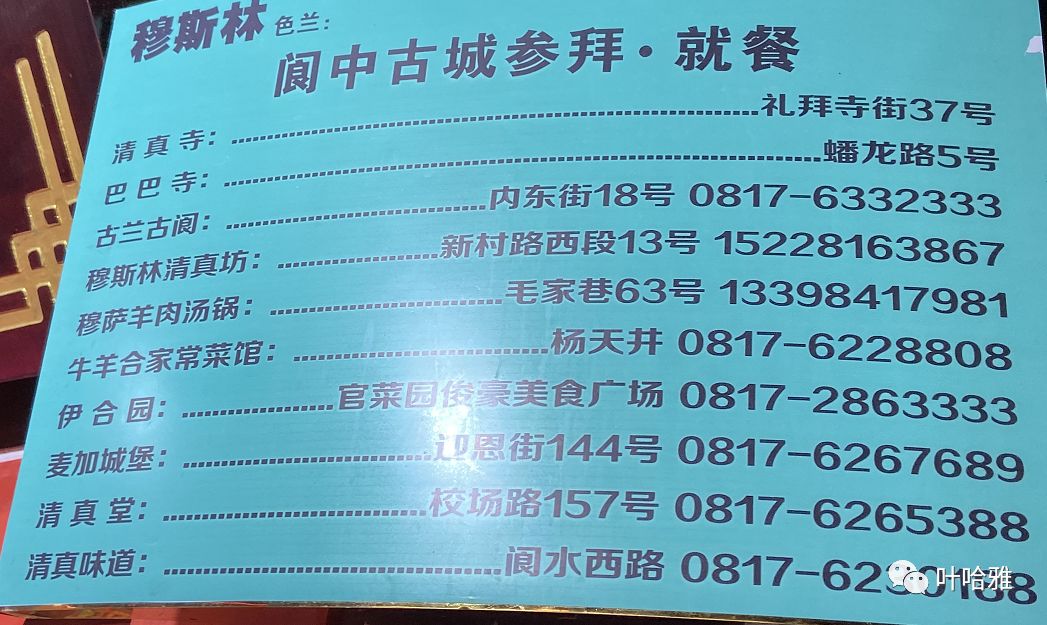
While wandering through the ancient city, I accidentally found this sign next to a halal butcher shop. It lists some of the halal restaurants in Langzhong. Some are inside the ancient city and some are in the city proper. There are far more halal restaurants in Langzhong than what is listed here, but the ones on this sign use reliable ingredients.
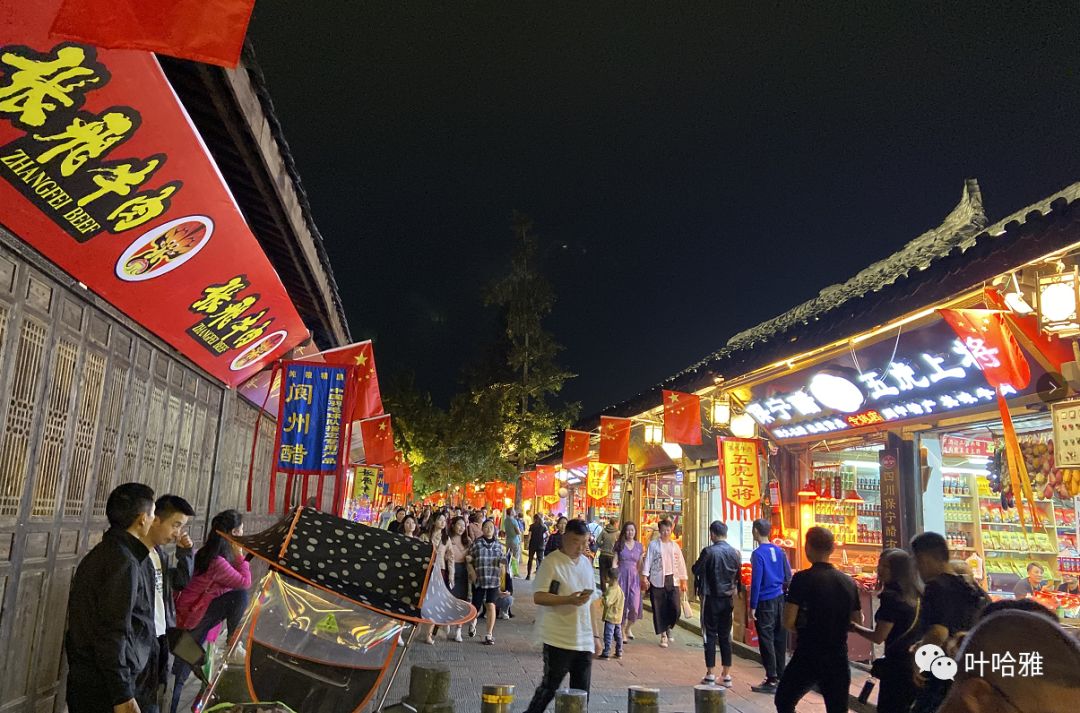
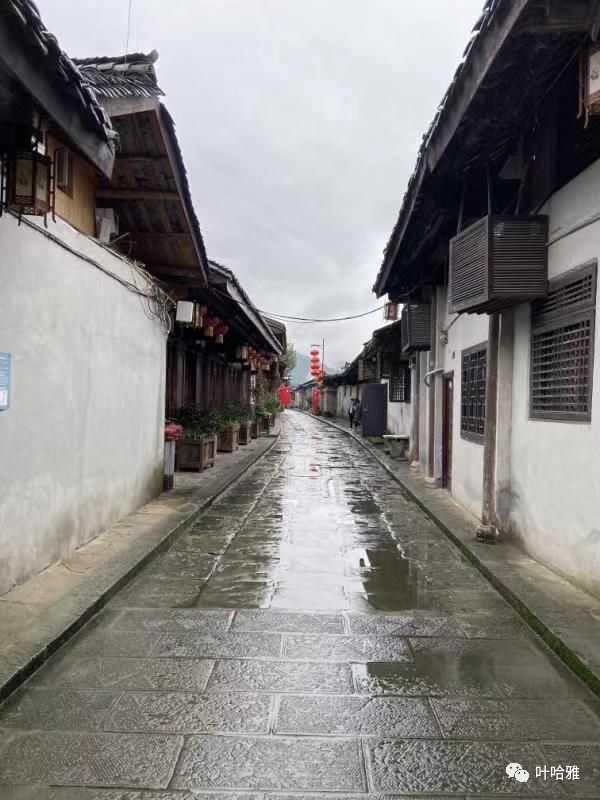
The ancient city has no entrance fee and is not very large, but there is plenty to see. My focus was on finding halal shops and old mosques.
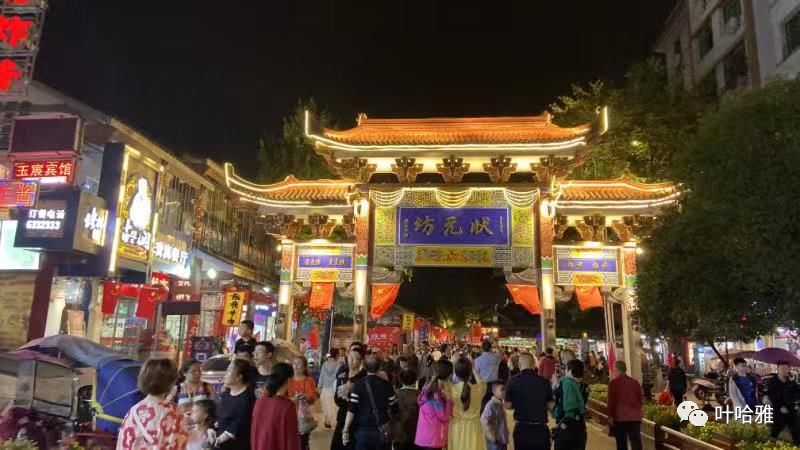
Zhuangyuan Archway (Zhuangyuan Fang)
Gulan Gulang
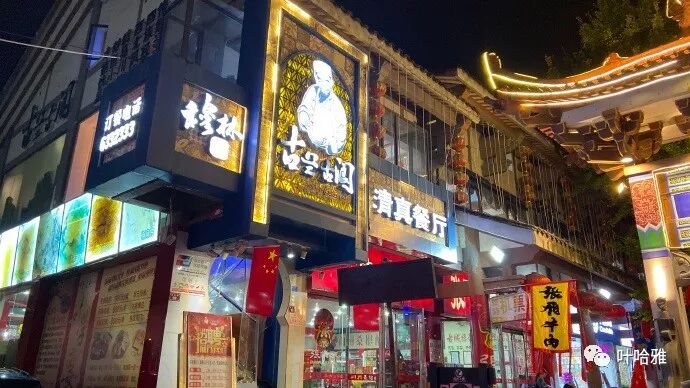
Before entering the ancient city from the Zhuangyuan Archway, you can find the Gulan Gulang halal restaurant on the left side of the front of the archway. It is a popular spot among locals and serves local specialties, which means halal Sichuan-style food.
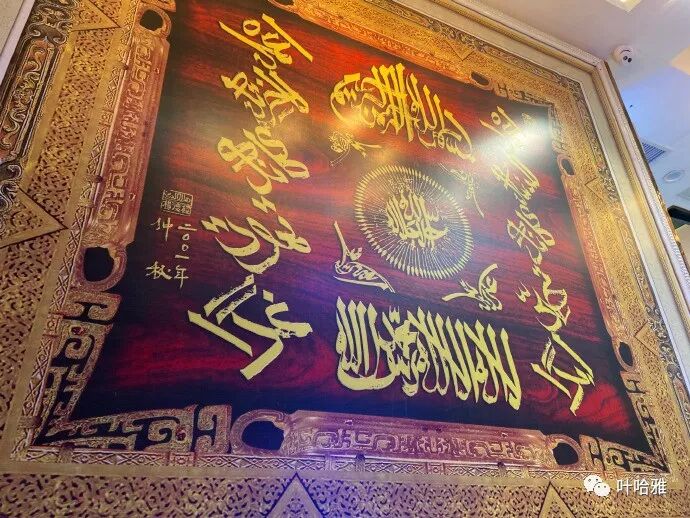
The restaurant is on the second floor. I saw this when I walked up the stairs, and a strong sense of halal culture hit me.
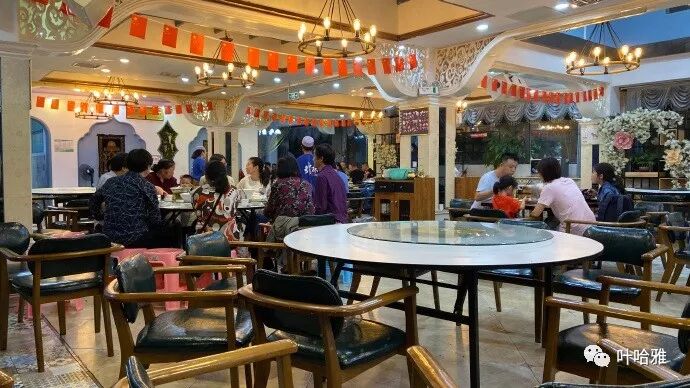
The waiters all wear prayer caps. Even though there were many customers, the service was still warm. I came alone this time, but the waiter still treated me with a smile.
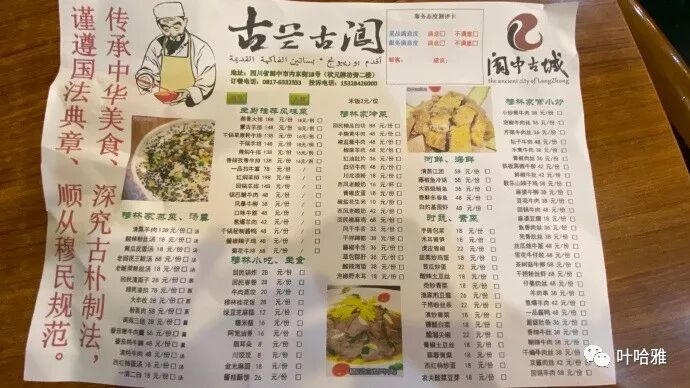
I looked at the menu and wanted to eat everything because it all looked special. Since I only have one stomach, I followed the waiter's suggestion and chose three signature dishes.
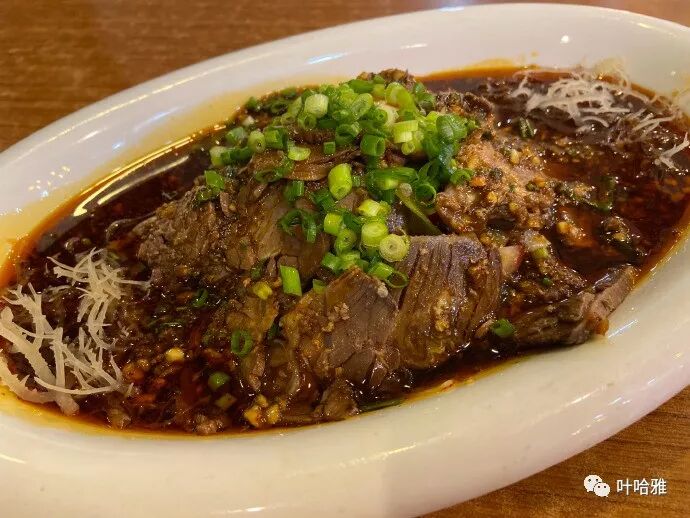
This is white-sliced beef (baiqie niurou). People in the Bashu region love beef, and I do too, so I had to eat my fill while in Langzhong. Because Sichuan spices are of such high quality, they make meat dishes very flavorful. It goes perfectly with the local rice.
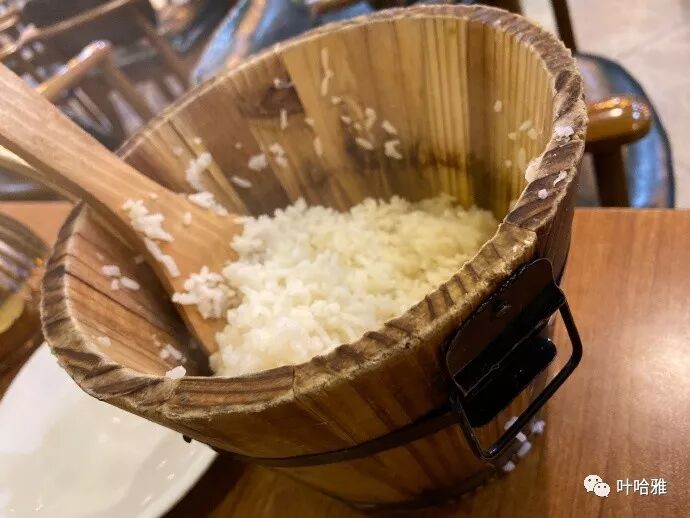
Anyone who has been to the Bashu region knows that rice is served by the head count. They bring you a whole bucket at once, and it is unlimited, so you will have plenty to eat.
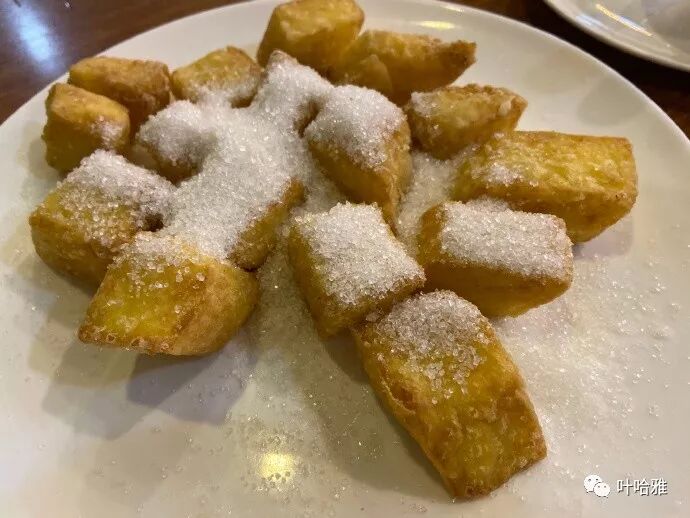
This is Hui Muslim fried pot snack (guozha), a specialty of the Hui Muslims in Langzhong. Its texture and ingredients are very similar to Beijing's fried milk, and it is topped with white sugar.
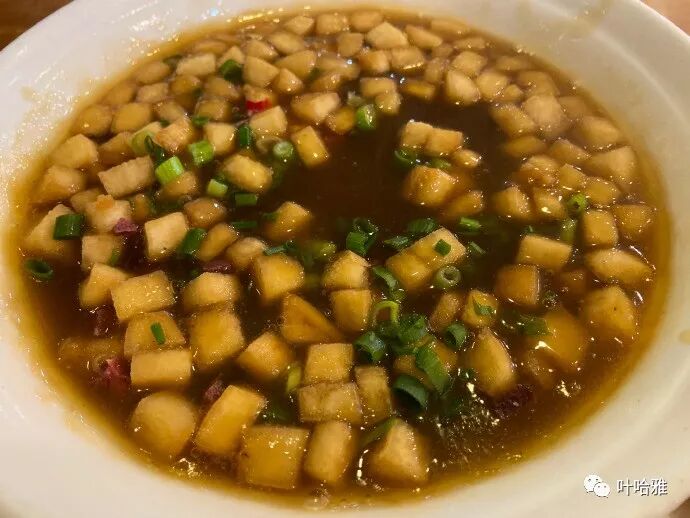
The Three Wonders of Langyuan (Langyuan sanjue) is a very famous local dish. It is like a cross between porridge and soup, containing diced beef, steamed buns with sugar (baitang zhengmo), and Baoning vinegar. Baoning is the old name for Langzhong, and these three ingredients make up the 'three wonders'.
Try Huiyuan.
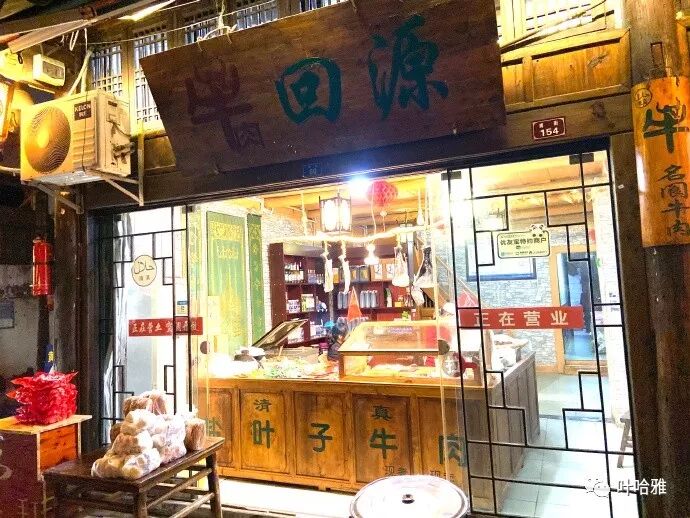
Huiyuan and Pinshangba are connected shops. On the left, Huiyuan sells beef, and on the right, Pinshangba sells jelly noodles (liangfen). The middle is opened up.
I noticed 'salt leaf beef' (yanyezi niurou) written under the counter. This salt leaf beef is the original name for the famous Zhangfei beef. Local people told me that Zhangfei beef was first created by Hui Muslims in Langzhong. Hui Muslims usually call it salt leaf beef, while Han Chinese call it Zhangfei beef. So, if you want to eat authentic Zhangfei beef, you should buy the halal salt leaf beef.
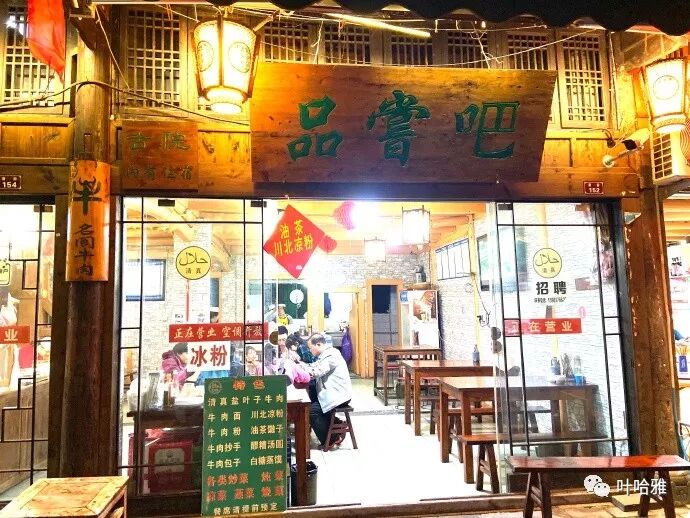
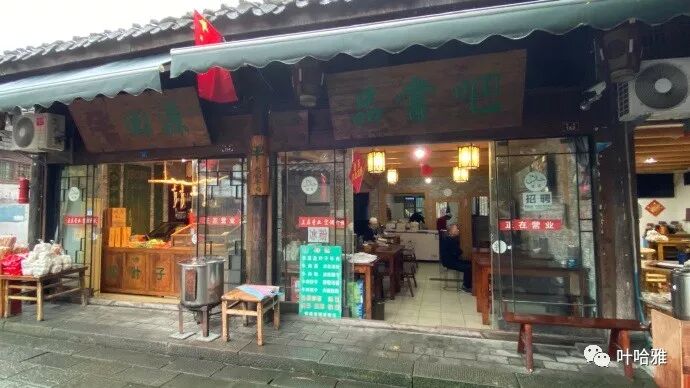
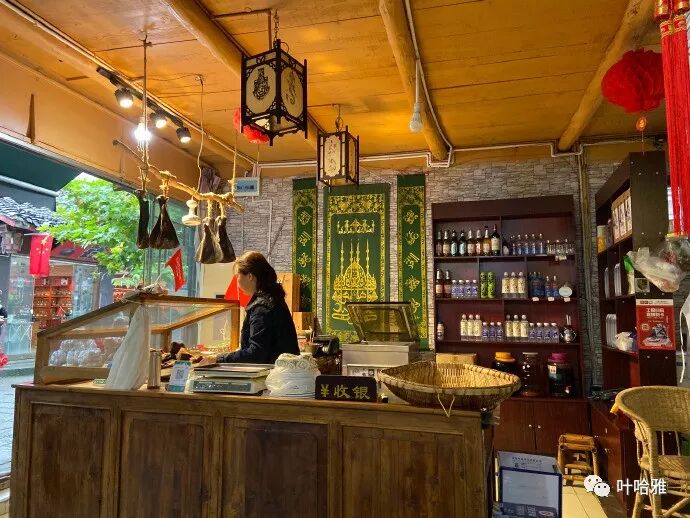
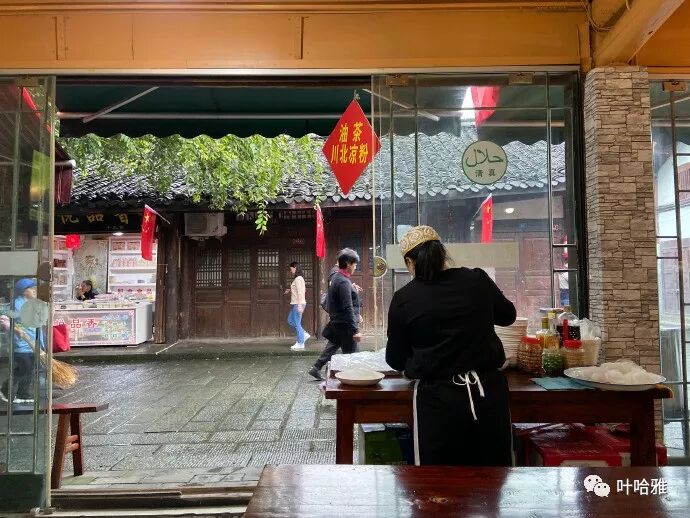
Chatting with the owner, she said her ancestors were Hui Muslims from Ningxia who settled in Langzhong over a hundred years ago. She speaks with a thick Sichuan accent. During our talk, she kept promoting her beef to customers at the next table, saying many tourists do not know that Hui Muslim beef is the most authentic in Langzhong because it is slaughtered by an imam. It is also more expensive than regular Zhangfei beef. I chimed in, saying that beef and mutton on Niujie Street in Beijing are also more expensive than elsewhere, but people still line up to buy them.
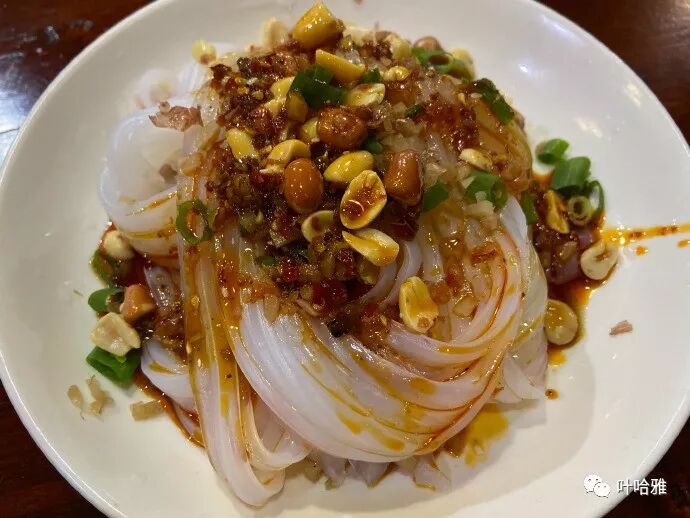
I ordered a portion of North Sichuan jelly noodles (chuanbei liangfen). Honestly, the texture was great, but it was too spicy. As a Beijinger, I cannot handle much spice. Seeing me struggle, the owner added a portion of plain jelly noodles for me to mix in and lower the heat, but it was still spicy. She laughed and said many guests from the Northwest add even more chili to their bowls while eating.
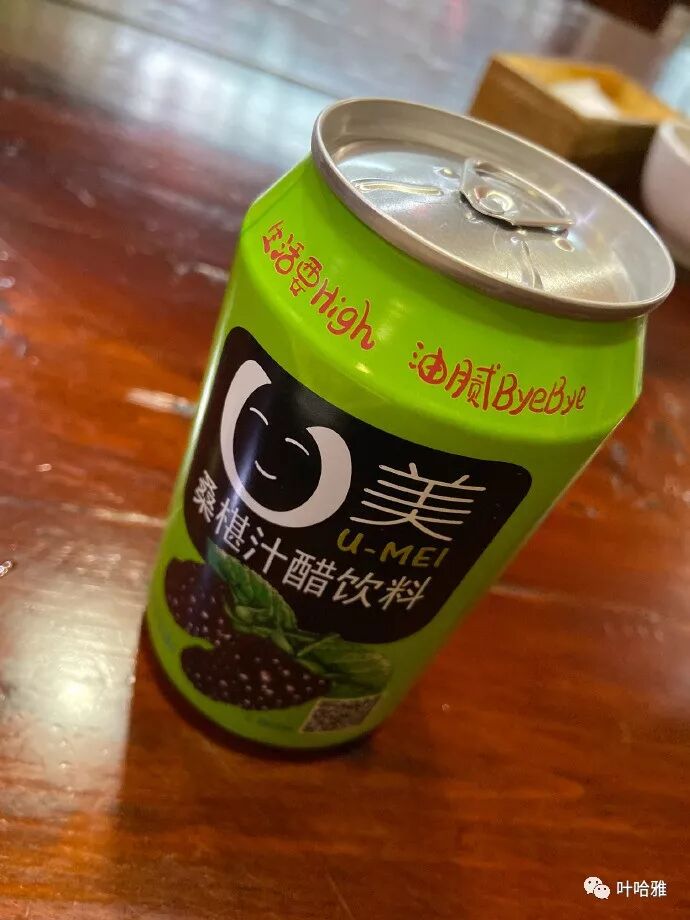
Unable to handle the spice, I ordered a bottle of vinegar drink.
Huihuixiang.
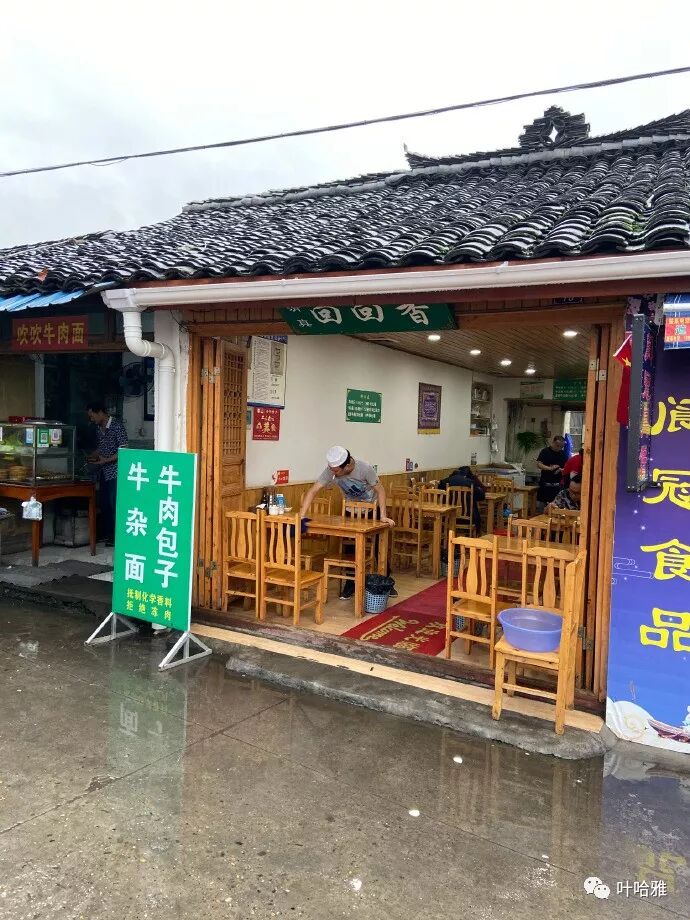
This is a halal breakfast shop at the entrance of the Langzhong mosque, selling beef offal noodles and small steamed buns (xiaolong baozi).
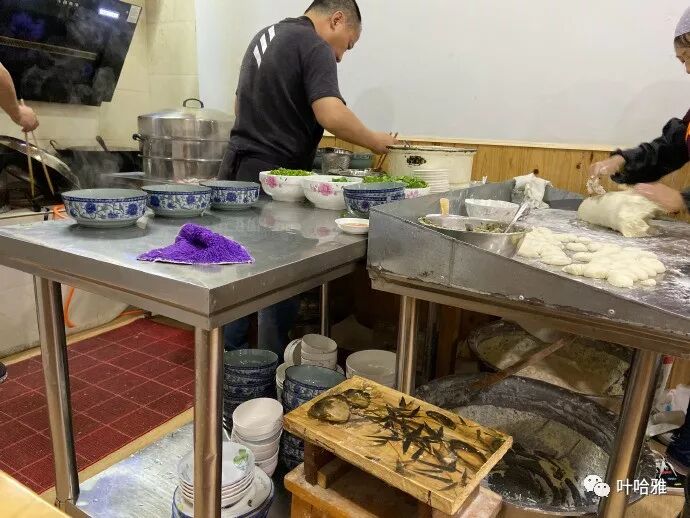
There are not many types of breakfast, but they are all local flavors.
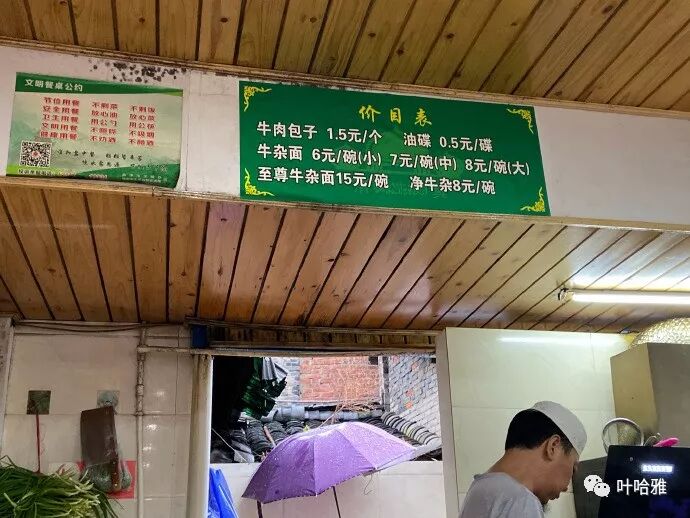
I noticed that the oil dipping sauce here costs 0.5 yuan per plate.
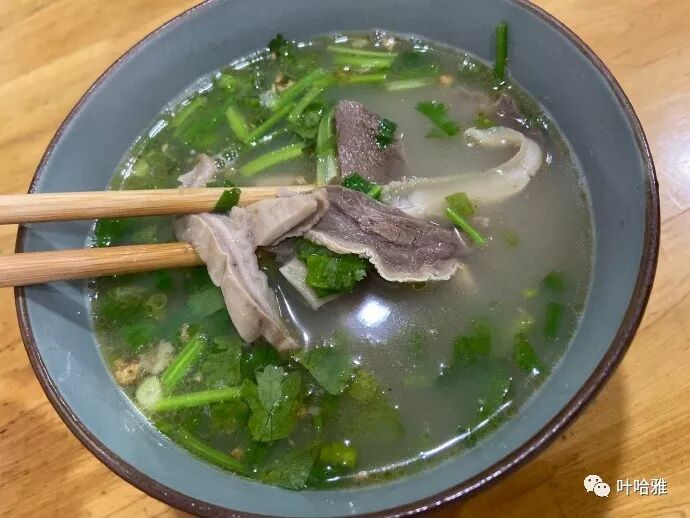
The beef offal (niuza) in Langzhong is served plain without any seasoning. You add salt to your own taste, just like how you eat beef soup in Henan.
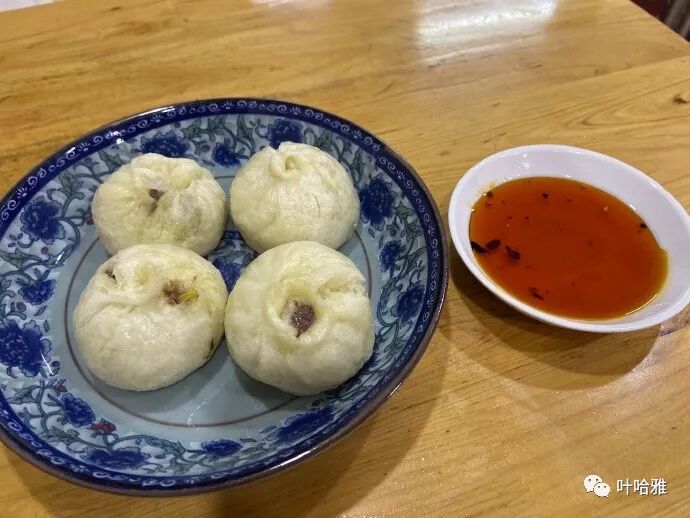
I dipped my beef bun in Baoning vinegar (Baoning cu). It is delicious and very sour. It reminds me of the aged vinegar (chencu) I had in Shanxi, but Baoning vinegar is not as dark in color.
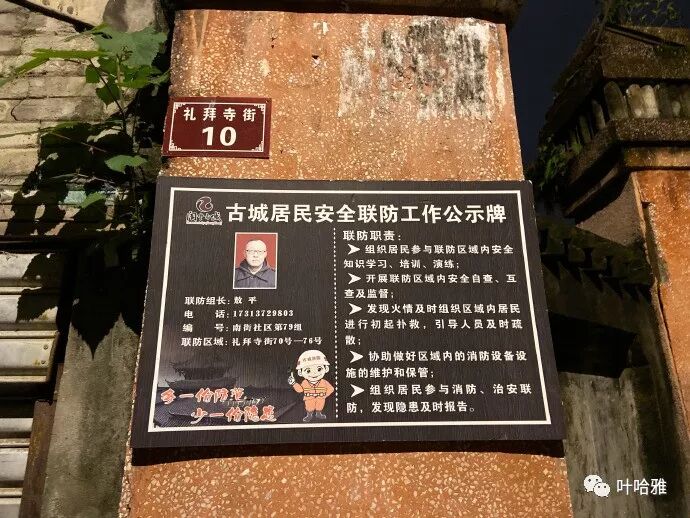
The person on the sign on Libaisi Street is a Hui Muslim with the surname Ao. The other major Hui Muslim surname in Langzhong is Pu, which belongs to the same branch as the Hui Muslims with the surname Pu in Fujian.
Muslim Halal Shop (Muslim Qingzhen Fang)
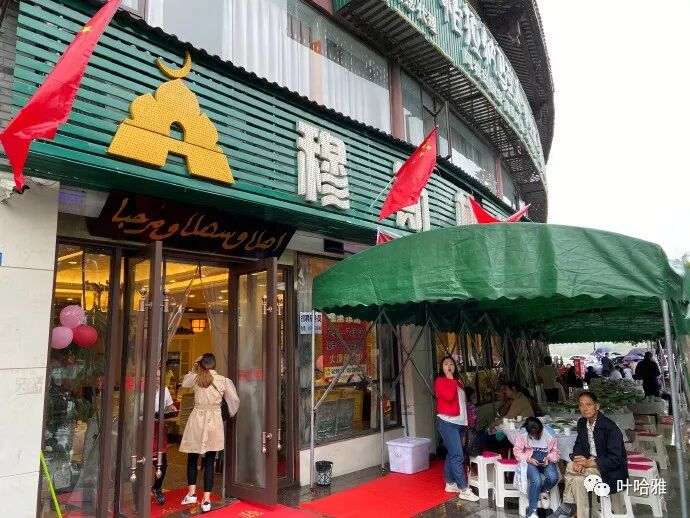
This shop has a very halal name and is one of my favorite local restaurants. It is located outside the ancient city, near the Jialing River.
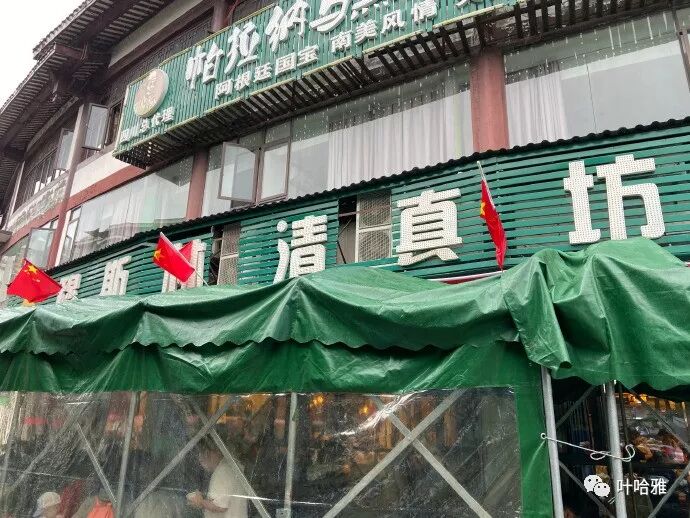
It was drizzling when I arrived, and many customers were eating under a canopy set up outside the door, which shows how busy the business is.
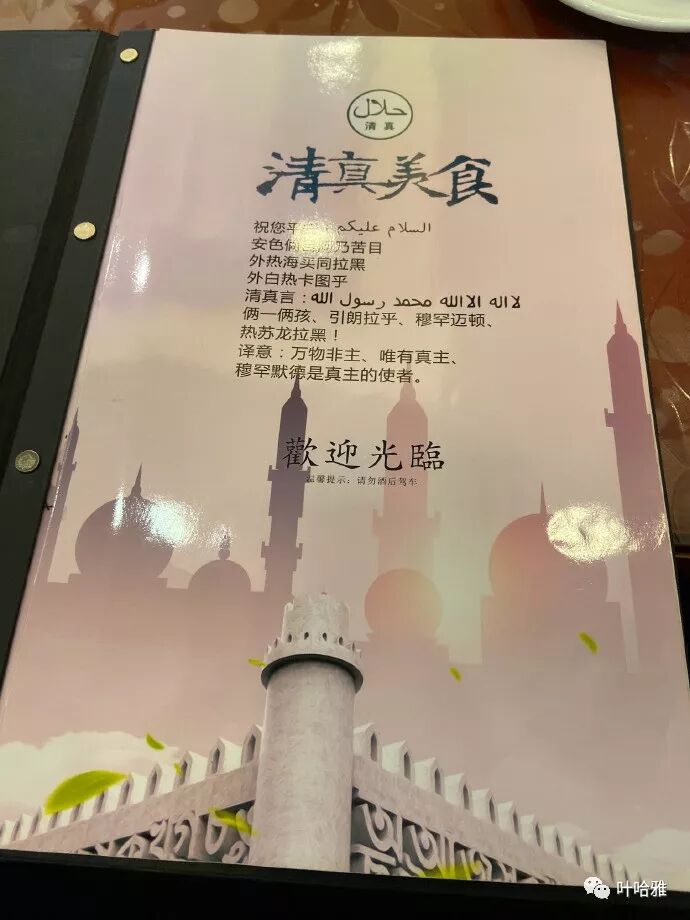
I am most satisfied with two things about this shop: the service and the taste of the dishes. When I first walked in, I asked for Zhangfei beef. After eating here, I learned the difference. The young waitress immediately corrected me, saying that Hui Muslims here call it salt leaf beef (yanyezi). Hui Muslims cannot eat Zhangfei beef; only salt leaf beef, which has been slaughtered by an imam (ahong), is permissible. That is how I learned the facts about salt leaf beef that I mentioned earlier.
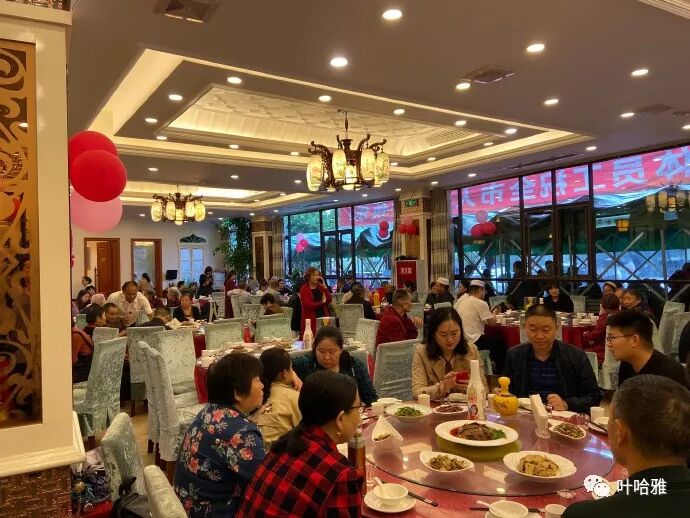
I saw a few families in the shop having a gathering (dost) for a religious event (nietie). They were wearing prayer caps and sounded like locals.
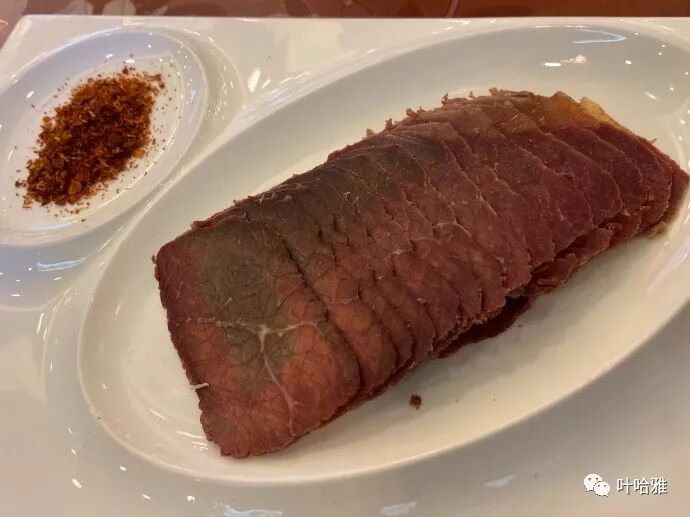
I finally got to eat authentic salt leaf beef. It looked very appetizing. On the way to the ancient city, the driver told me they have been eating Hui Muslim beef since they were kids, but they do not know how it is made because the recipe is kept secret.
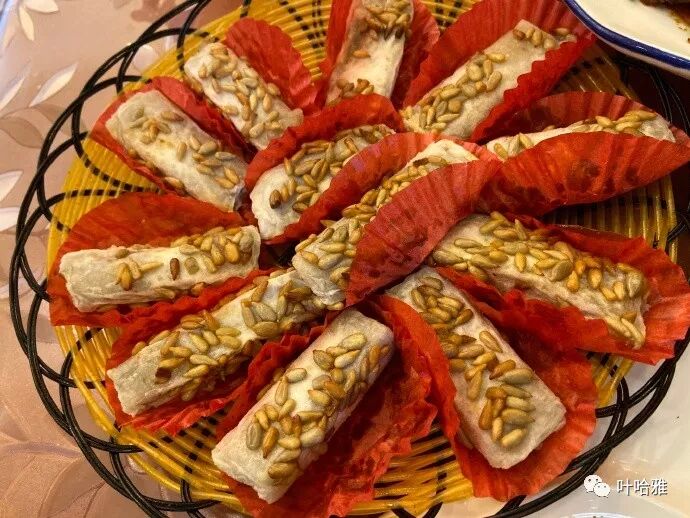
I had a snack made with sunflower seeds and yam. It was soft and fluffy, crispy on the outside and tender on the inside.
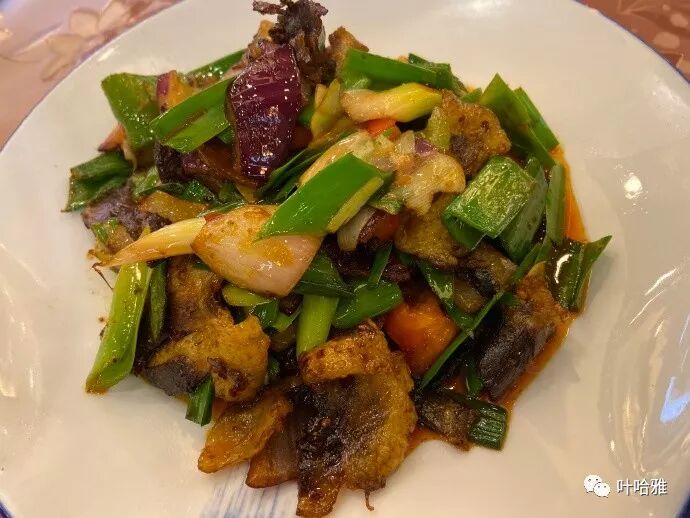
This is a famous Sichuan dish called twice-cooked pork (huiguorou). The Hui Muslim version is made with beef and is a common home-style dish.
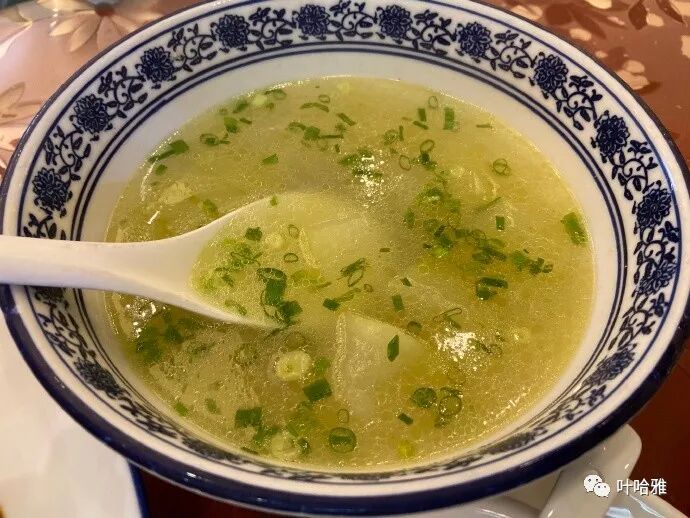
I wanted to order a soup, since soup is the best part of Sichuan cuisine, but the waitress said I was alone and offered to bring me a free bowl of winter melon soup instead. She was worried I would order too much to finish. Such thoughtful service really touched me. Prices inside and outside the ancient city are about the same, and my meal of three dishes and one soup only cost a little over 100 yuan.
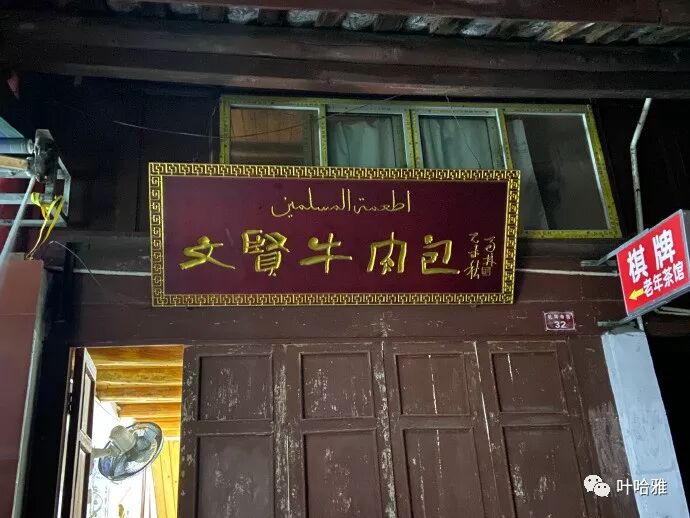
After eating my fill, I wandered around the ancient city and found many more things. These Wenxian beef buns (niuroubao) look very authentic.
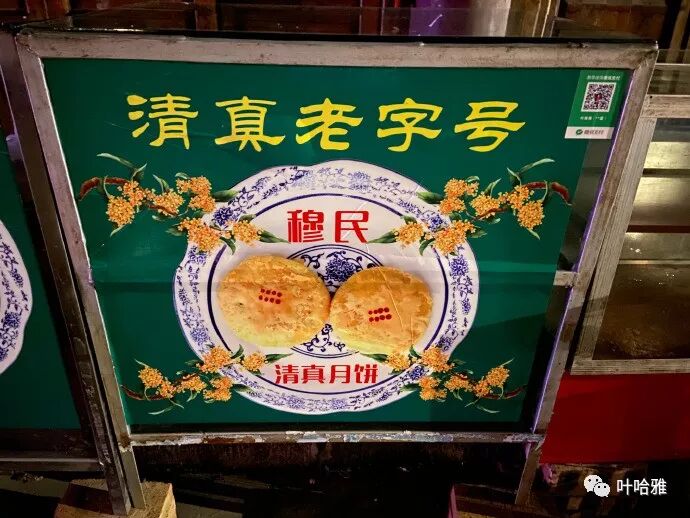
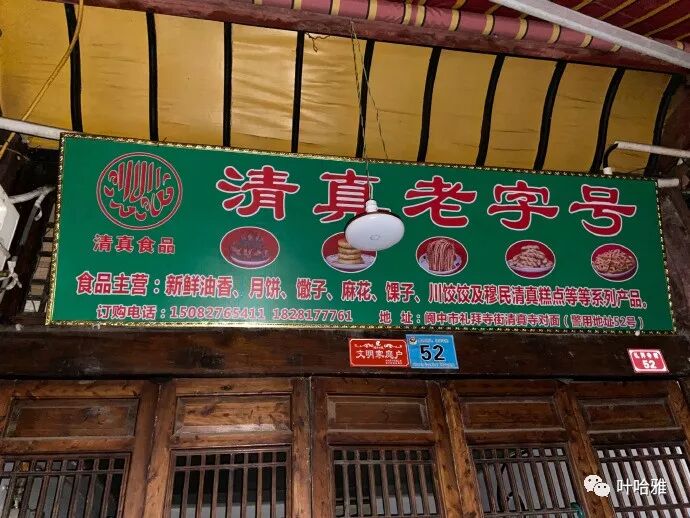
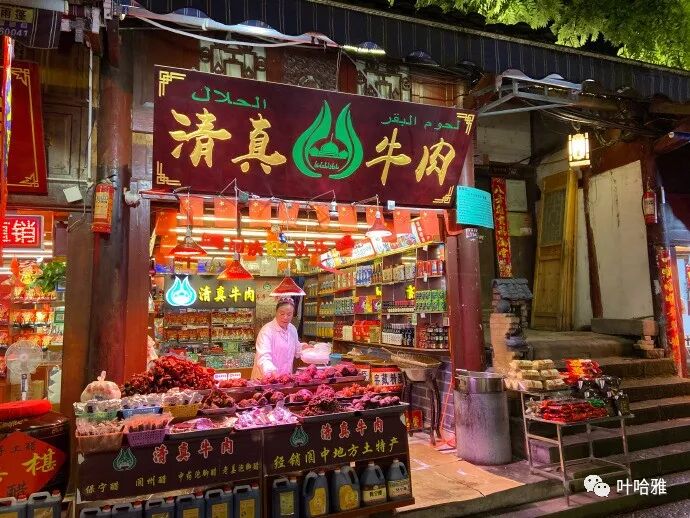
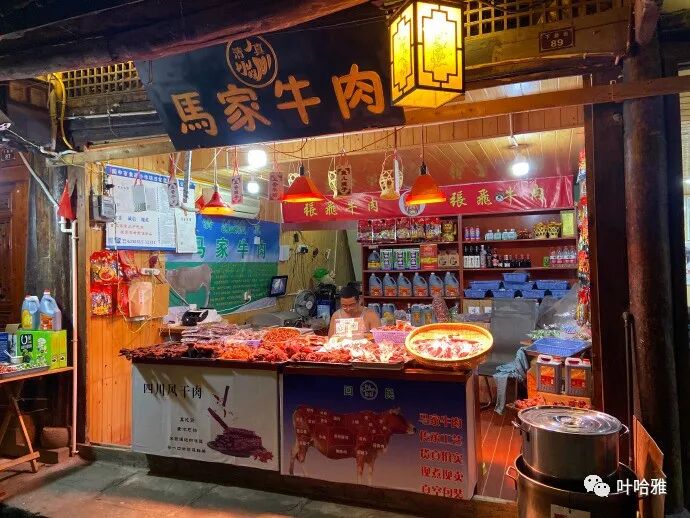
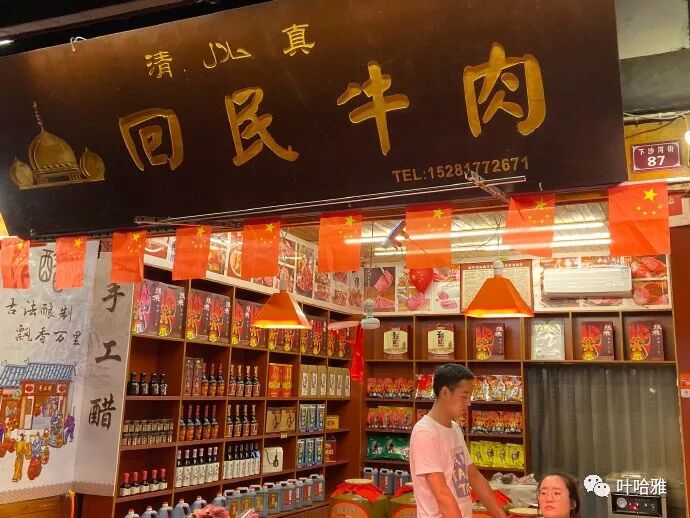
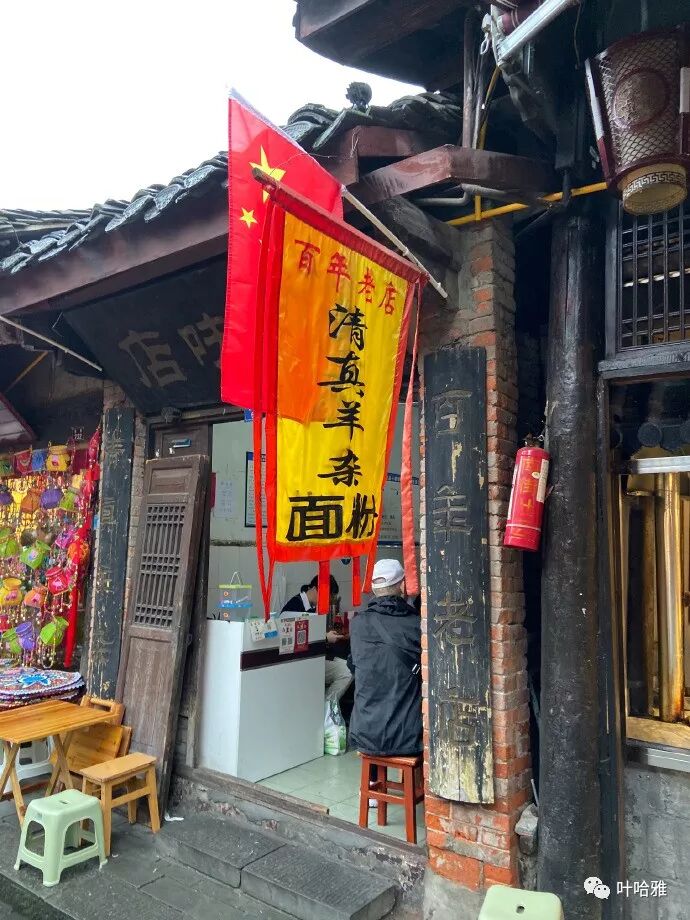
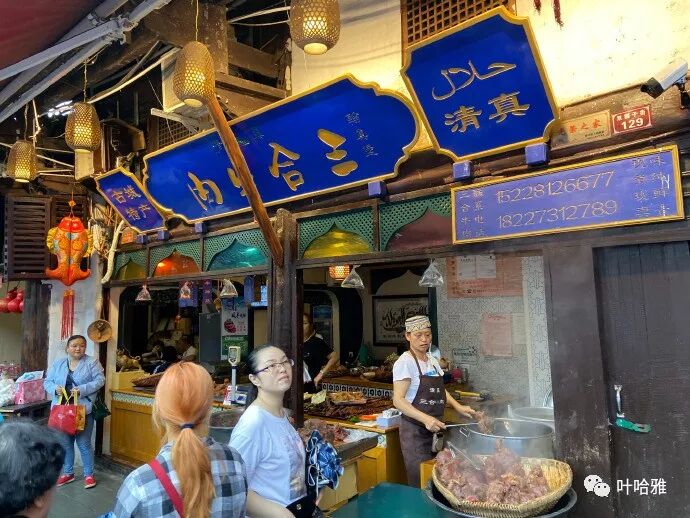
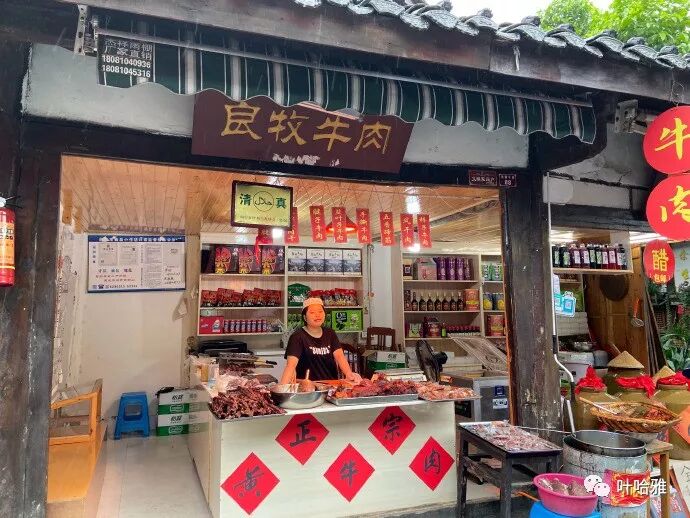
I won't introduce every single shop here. If you have the chance to visit Langzhong Ancient City, you can just walk along the main road and discover them yourself.
Baba Mosque (Baba Si) in Langzhong.
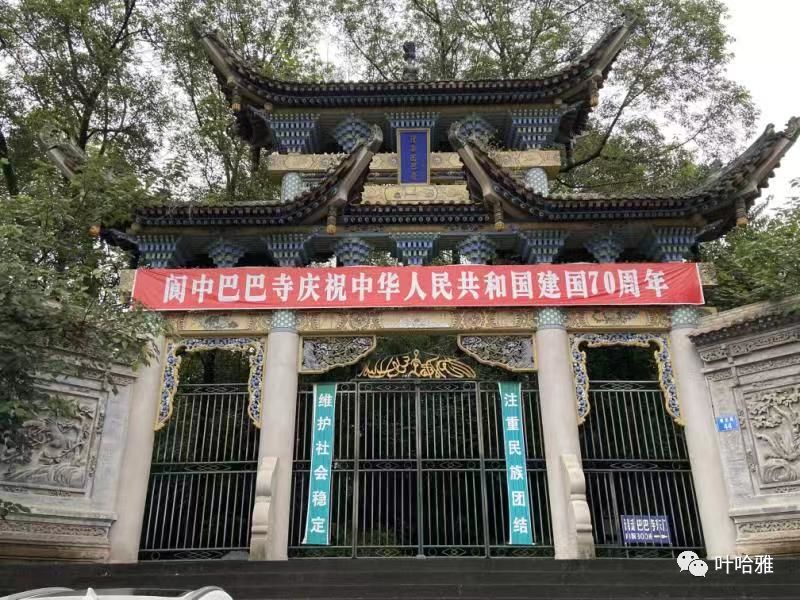
As the most important holy site of the Qadiriyya (Gaderenye) order, Baba Mosque was built during the Kangxi reign of the Qing Dynasty. It houses the gongbei of the order's founder, Khwaja Abdullah, who was the 29th-generation descendant of the Prophet Muhammad.
Qadiriyya, sometimes translated as Gaderenye, means 'The All-Powerful' in Arabic. This Sunni order follows the Hanafi school of law. It was founded in the 12th century by the Iranian scholar Abdul Qadir Gilani (1078–1166) and became popular in Baghdad.
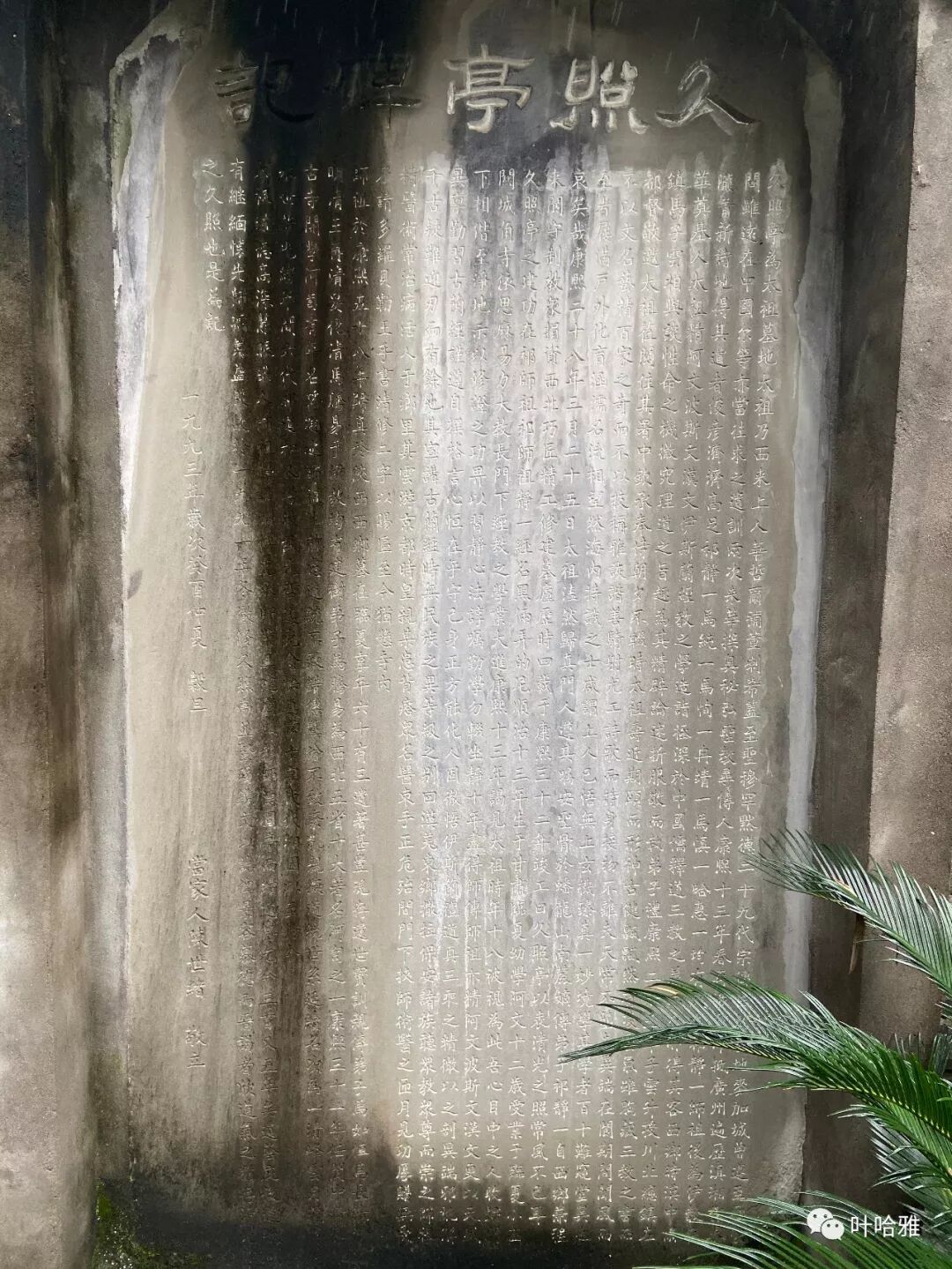
After the holy descendant Khwaja Abdullah passed away, his disciples Qi Jingyi and Ma Ziyun built a gongbei at the place where he used to meditate. They named it 'Jiuzhao Pavilion.' It covers 20 mu of land with a building area of 1,800 square meters.
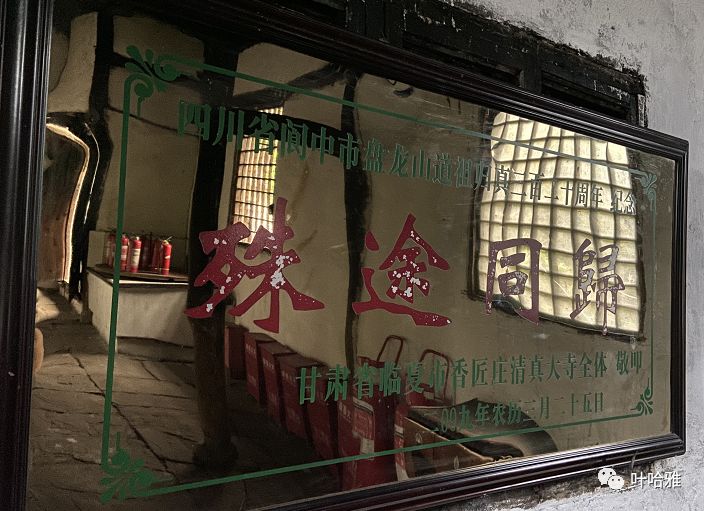
Qadiriyya is a unique Sufi order among the Hui Muslims in China. Its teachings incorporate many ideas from Confucianism and Taoism, especially Taoism. Khwaja Abdullah was once known as the Taoist Ancestor of Panlong Mountain.
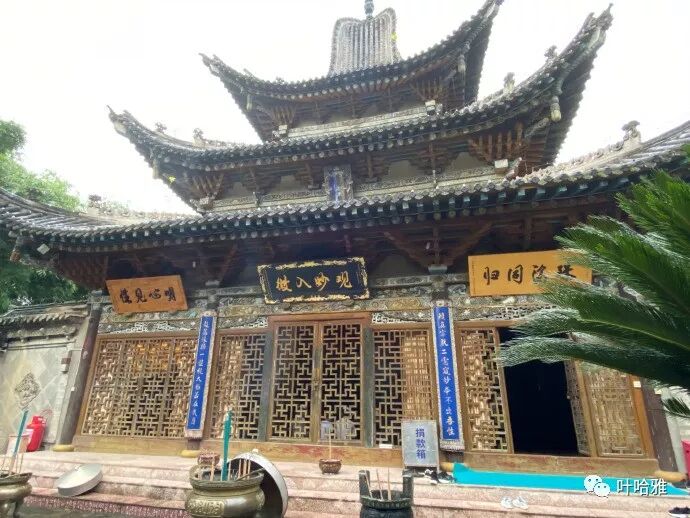
Other Qadiriyya gongbei sites in Sichuan include those at Jiangjun Bridge in Guangyuan, Suojia Gou in Qingchuan, Haoxi in Qingchuan, and the upper and lower gongbei in Songpan.
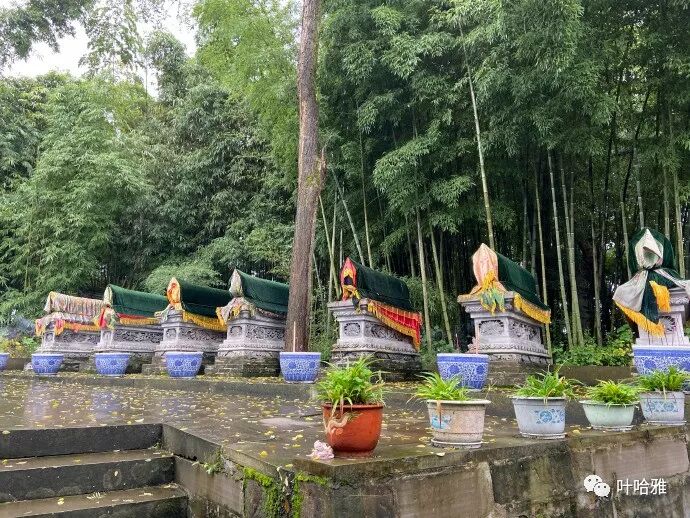
The Qadiriyya lineage is: Qi Jingyi -> Ma Changqing -> the Feng and Yun generations (unknown) -> Ma Guiyue of Hezhou Bafang -> Zhou Daoxian of Hezhou Jiezi -> Su Dongchuan of Hezhou Xiaoxiguan -> Chen Yongnan -> Chen Shixu.
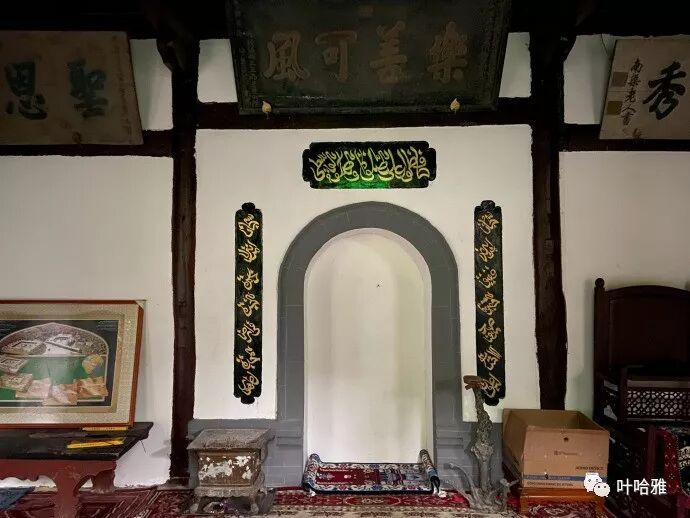
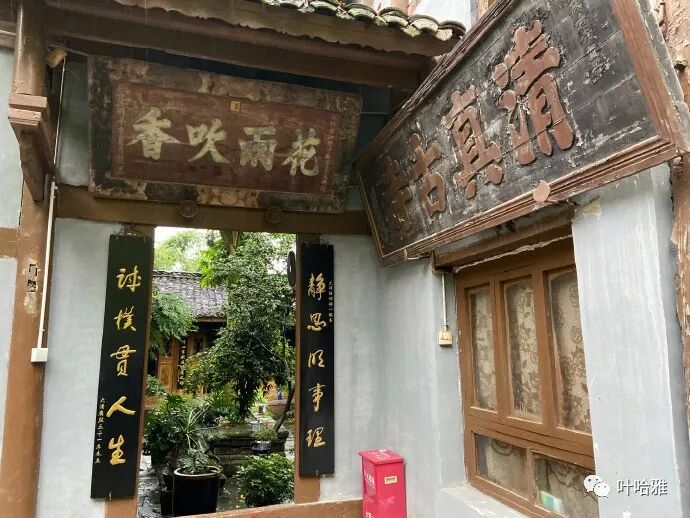
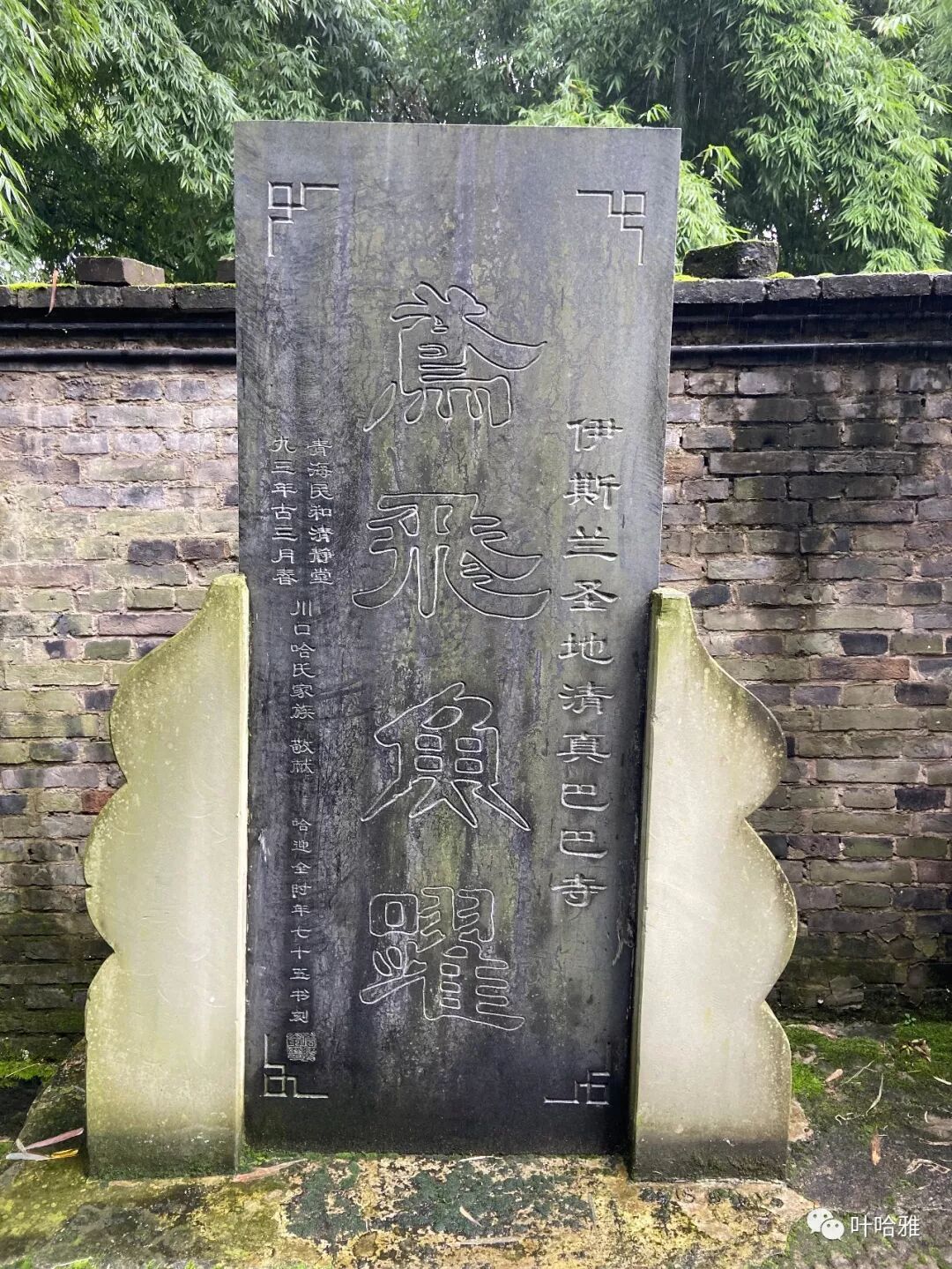
Baba Mosque preserves many stone tablets and plaques. The elder Chen Shixu once recounted: 'During the Cultural Revolution, I was the first person in Langzhong to stand up when the Red Guards from the normal school wanted to tear down Baba Mosque.' In the past, there was the Quotations from Chairman Mao, and I spent my days looking for those quotations. When the Red Guards arrived, I took down the plaque at the entrance, covered it in red mud, and wrote 'Long live Chairman Mao' on it. This way, they could not tear it down. I used a trick to 'borrow a knife to kill,' and that is how I saved dozens of old Qing Dynasty plaques inside the gongbei. There are two large jars in the gongbei; one is from the Shunzhi era and the other is from the Daoguang era. When ethnic and religious policies were first restored, the jar from the Shunzhi era was valued at one million, and the one from the Daoguang era was valued at seven hundred thousand. In the flower hall of the gongbei, there are two stone tablets: the Tablet of the Ancestral Master (Shizu Shangren Bei) and the Record of the First Master (Xianshi Beiji). Later, when they wanted to build a road through the gongbei courtyard and tear down these two tablets, they pointed their guns at me. I said, 'You can kill me, but you still cannot move them.' The history of Baba Mosque (Baba Si) today comes from these two tablets; without them, the history of Baba Mosque would be impossible to explain. —Excerpt from Ma Wenkui's 'Interviews with Chen Shixu During His Lifetime'
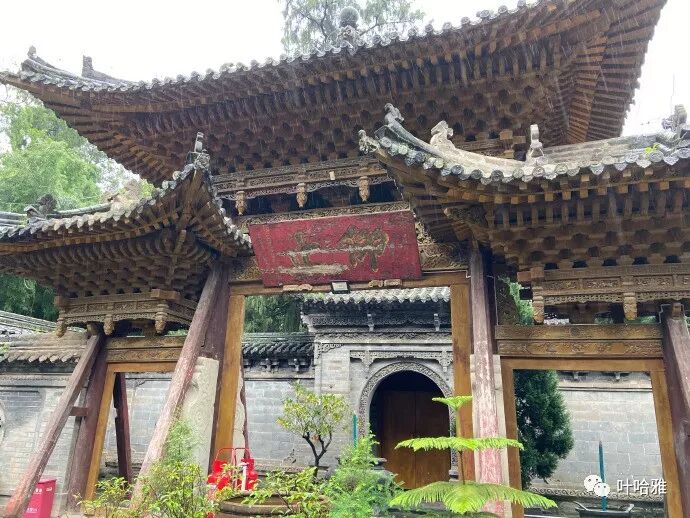
The teachings of the Qadiriyya menhuan cannot be summarized simply in words, and there are many internal branches, such as those who advocate for monastic life and those who advocate for marriage while practicing the faith. In recent years, I have visited the gongbei more often, which seems to have given me some understanding of the menhuan and corrected some of my own biases.
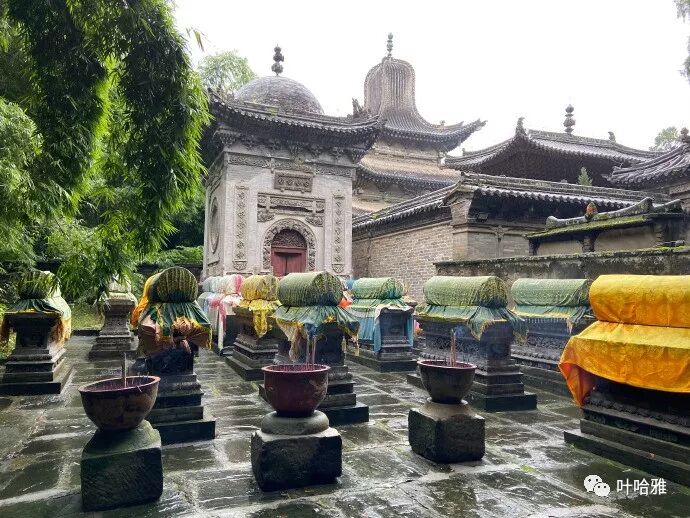
Take missionary work, for example. Sometimes just dryly preaching the law is hard to move people's hearts, but through the atmosphere created by Sufi rituals, an indescribable feeling can open people's hearts. The respect Sufis show for scholars is actually respect for knowledge, so while mourning the sages, they are also able to spread knowledge.
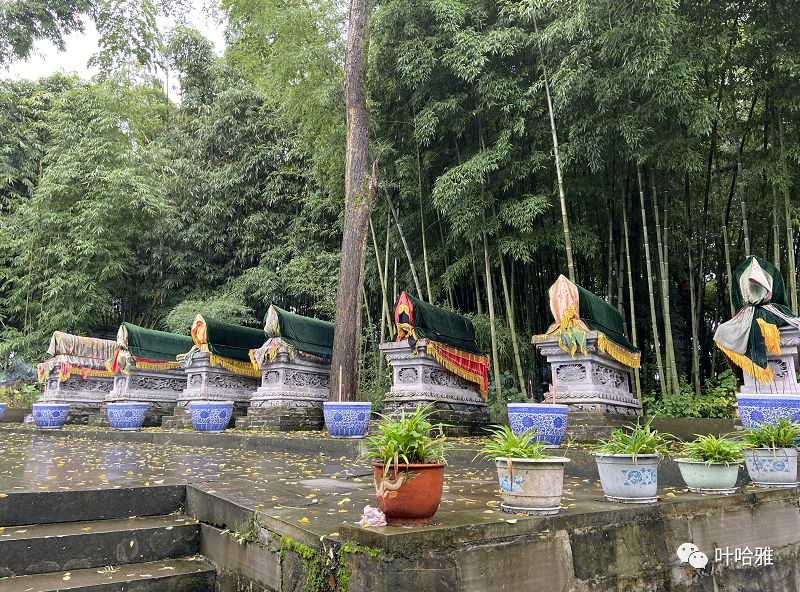
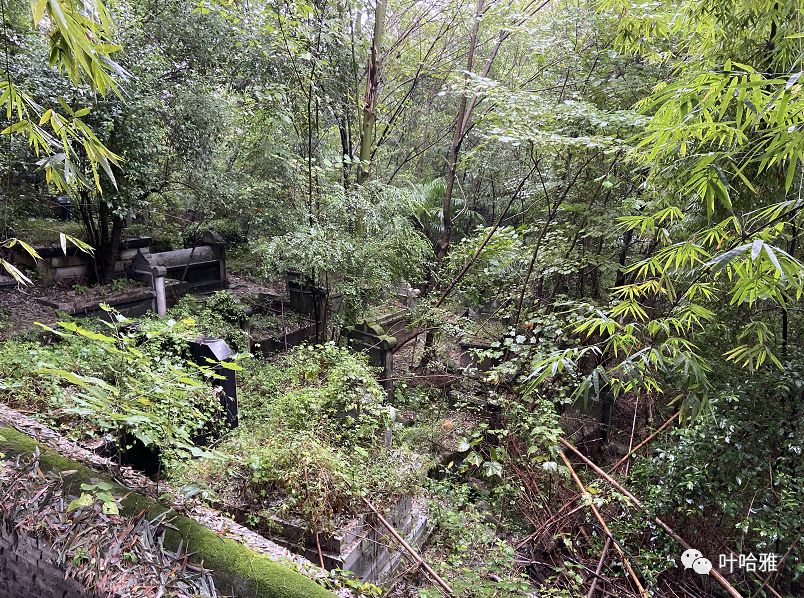
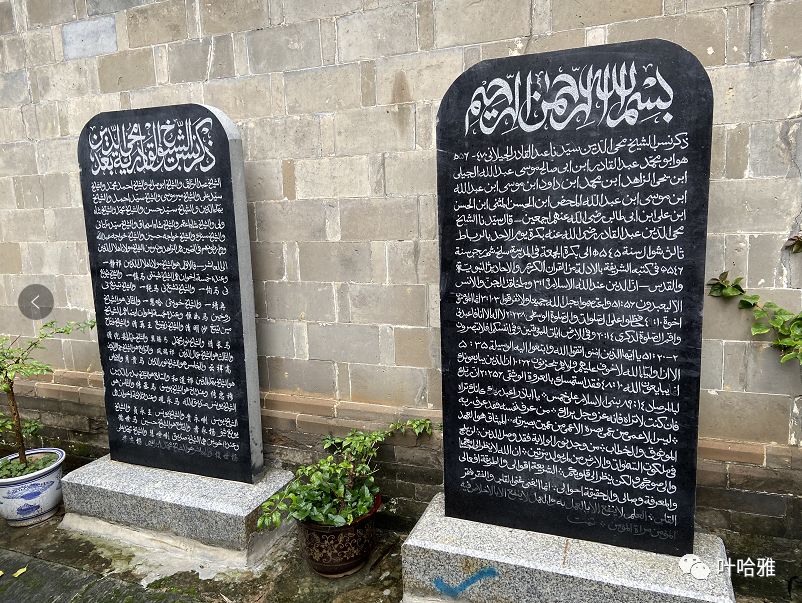
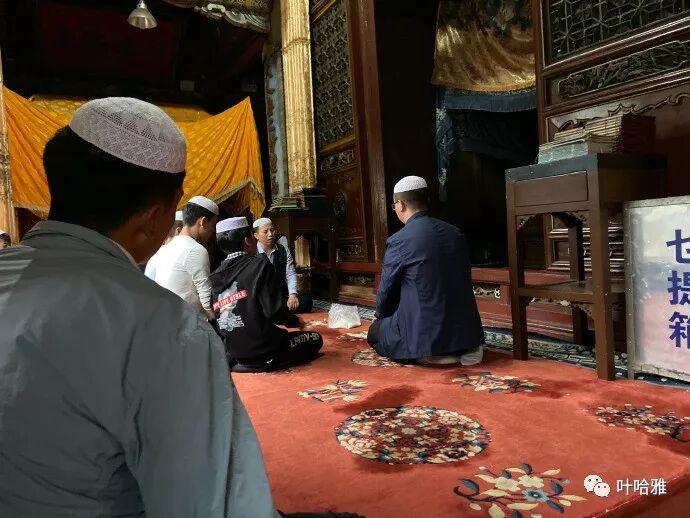
I happened to arrive when some friends (dosti) were holding a memorial service (ermali) for the Baba. I joined in to share the blessings. The whole ceremony lasted nearly an hour, and I saw them place a bag of white powder in front of them that looked like white sugar.
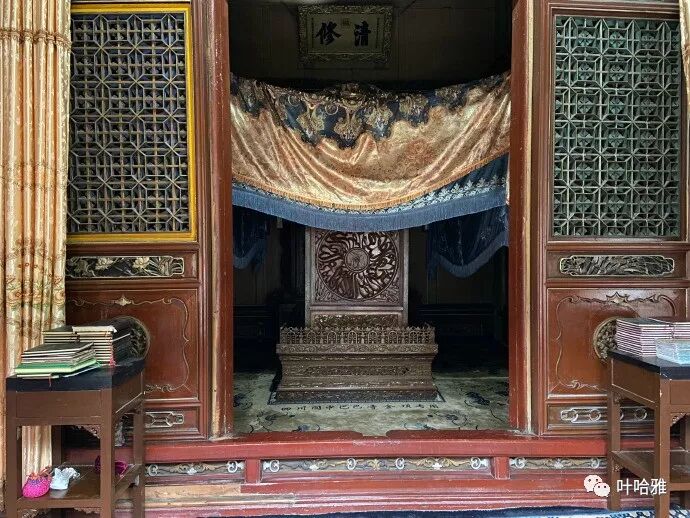
After the ceremony, the believers walked around the shrine (gongbei) several times.
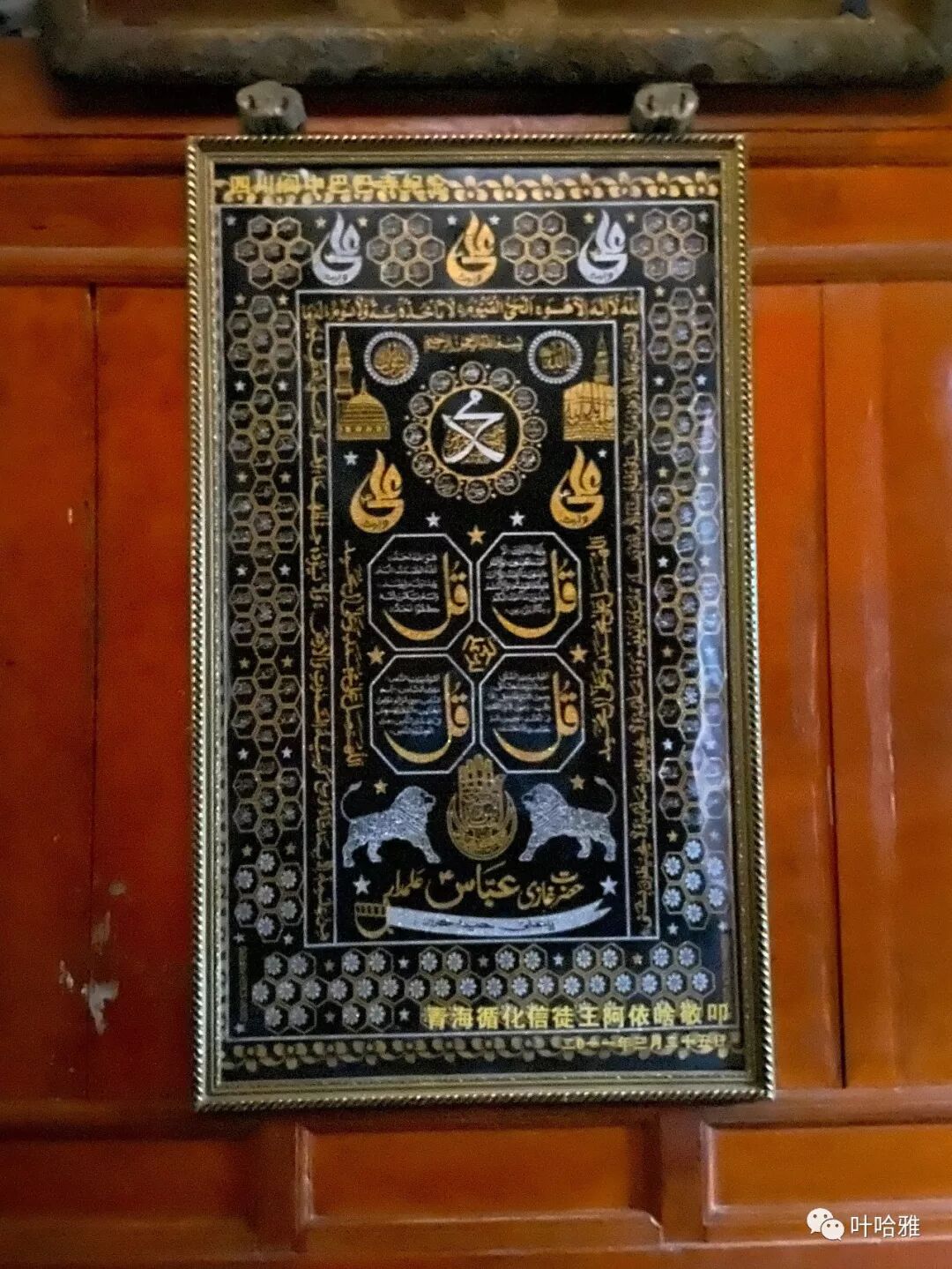
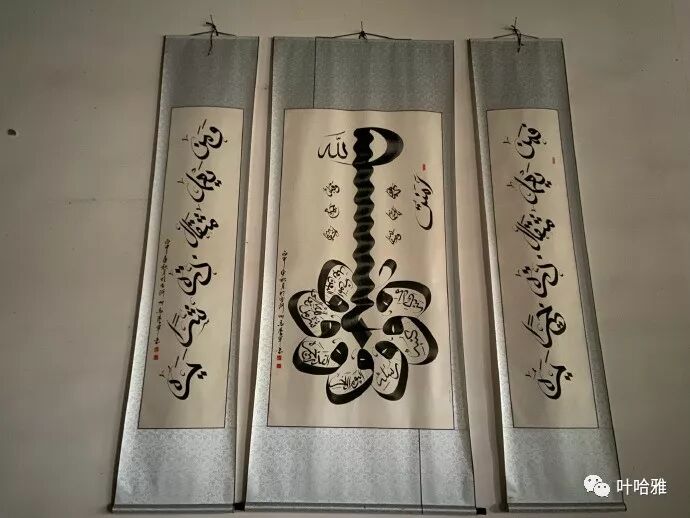
This plaque hangs inside the shrine (gongbei) and was respectfully presented by a believer named Wang Aishe from Xunhua, Qinghai.
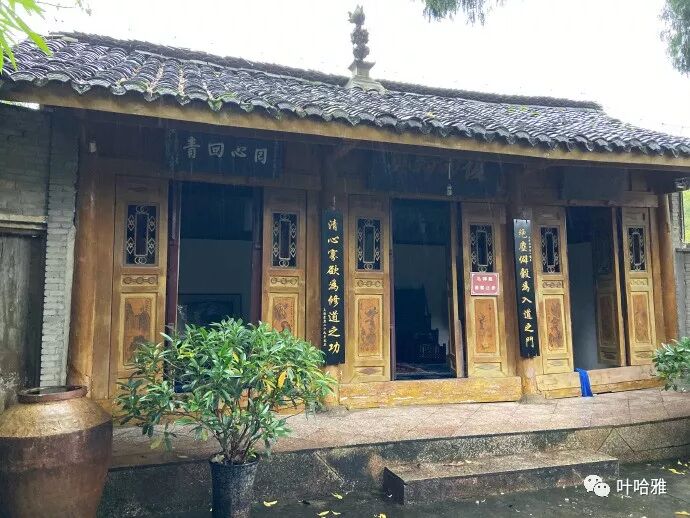
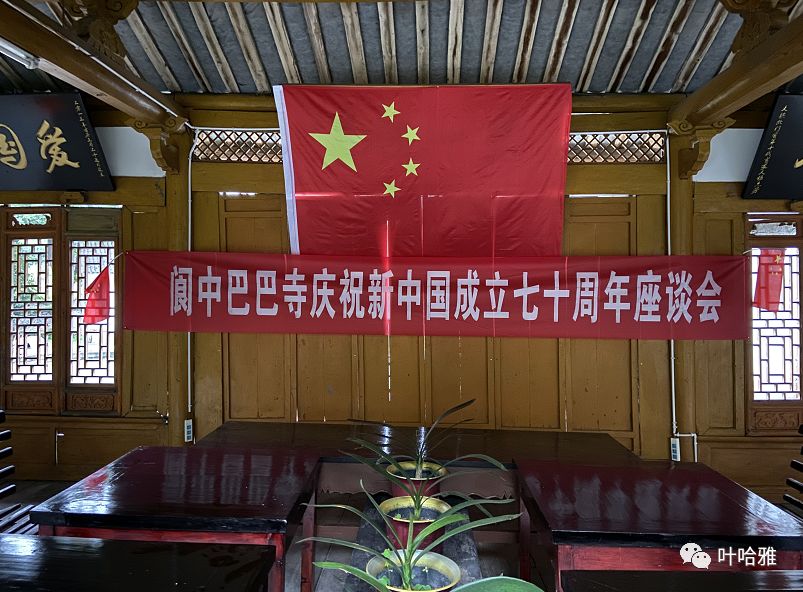
Holding a seminar on the Sinicization of Islam at the Baba Mosque in Langzhong is perfect, as the Qadiriyya order is a classic example of the fusion between Islam and Taoism.
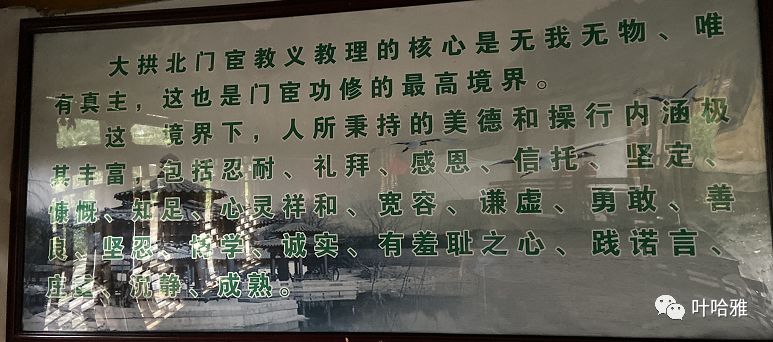
The Great Shrine (Da Gongbei) sect (menhuan) is the main successor and propagator of the Qadiriyya order in China. It is commonly known as the Qi Family Shrine (Qi Jia Gongbei) and was founded by Qi Jingyi.
In the 11th year of the Kangxi reign, the 25th-generation descendant of the Prophet, Khwaja Hidayatullah Afaq Manshur, came to Qinghai to preach. Qi Jingyi heard this and followed the founder of the Bijiachang sect (menhuan), Abd al-Rahmani, to Xining to seek guidance. The Prophet's descendant Hidayatullah only taught Abd al-Rahmani and told Qi Jingyi to continue waiting for his teacher to arrive. It was not until the 13th year of the Kangxi reign that Qi Jingyi was accepted as a student by the Prophet's descendant Khwaja Abdullah, and he began his life of religious devotion.
Langzhong Mosque
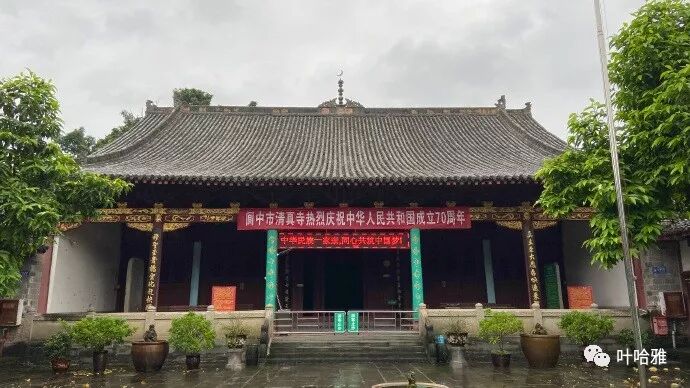
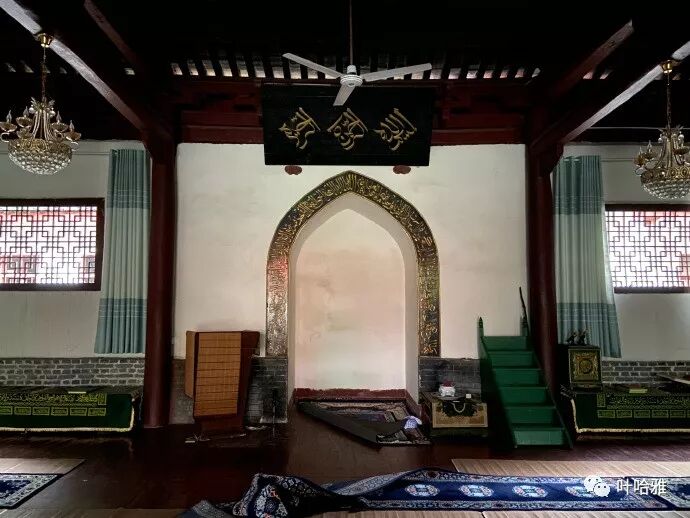
Langzhong Mosque was first built in the 8th year of the Kangxi reign (1669). It was managed by the Baoning garrison commander Ma Ziyun and others, and was designed and built by civil engineering experts from Shaanxi and Gansu who modeled it after the Huajue Lane Mosque in Xi'an.
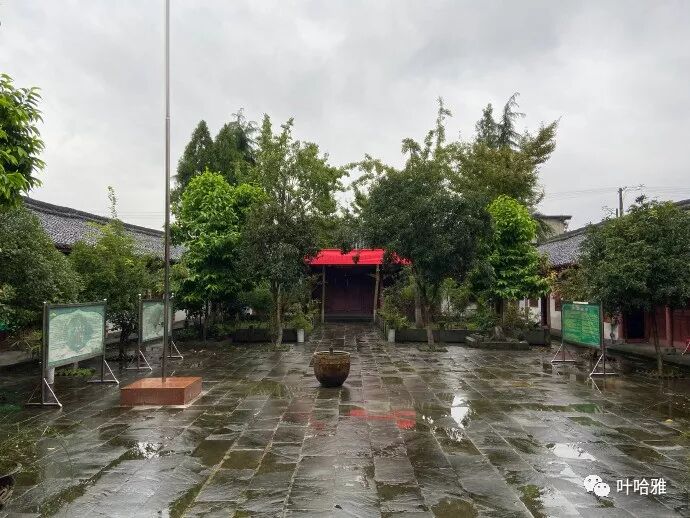
The most famous imam in the history of this mosque was Ma Tengyi, who later became a student of Qi Jingyi. The current imam, Halim, is a descendant of Ma Tengyi and the son of Imam Baifu from the Taizi Shrine (gongbei). It happened to be Friday (Jumu'ah) that day, and Imam Ma led the prayers. About 20 people attended. The imam spoke about the bitter history of the Langzhong religious community and lamented that social morals are declining and fewer people are coming to the mosque.
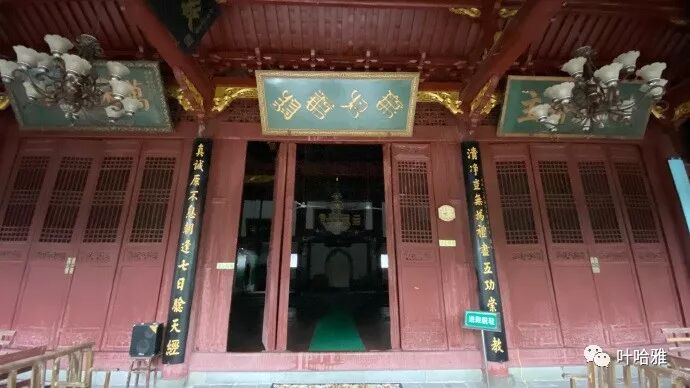
There is a couplet on the mosque gate written by the Northern Sichuan garrison commander Ma Ziyun.
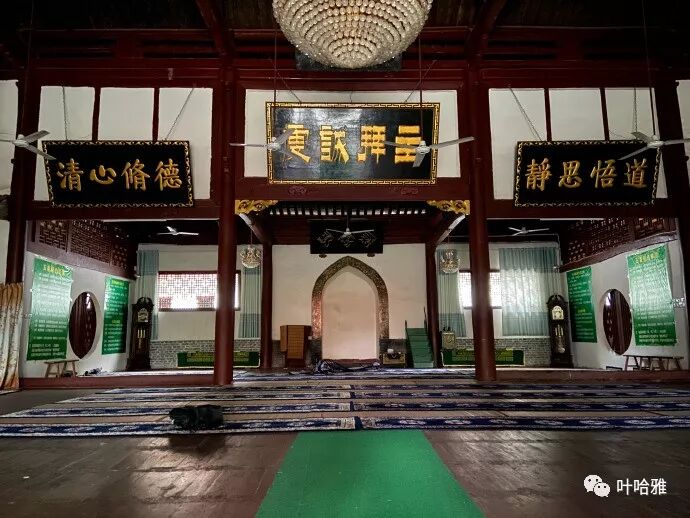
My Langzhong Islamic tour ends here. Next, I will introduce another holy site of the Qadiriyya order, Luling Mosque in Xixiang County, Shaanxi.
To be continued...
Previous posts
Halal food map for the Bashu region (Longnan, Guangyuan, Chengdu, and Chongqing)
Summary: This Langzhong Muslim travel guide keeps the original ancient-city route, including Baba Mosque, Langzhong Mosque, Hui Muslim food stops, streets, and photos. It is formatted for readers interested in Sichuan Muslim heritage and halal travel in China.
I traveled to Langzhong because of the famous Baba Mosque (Baba Si). The Qadiriyya menhuan of Chinese Islam has three holy sites: the first is the Great Gongbei in Linxia, the second is Luling Mosque in Xixiang, and the third is Baba Mosque in Langzhong, which is considered the head of the three.
Baba Mosque is not inside the ancient city of Langzhong, but at the southern foot of Panlong Mountain in the eastern suburbs. However, the ancient city itself is worth a visit. It has its own mosque, the Langzhong Mosque, which serves as the local Islamic Association office. You can also find several halal shops scattered throughout the ancient city.
While wandering through the ancient city, I accidentally found this sign next to a halal butcher shop. It lists some of the halal restaurants in Langzhong. Some are inside the ancient city and some are in the city proper. There are far more halal restaurants in Langzhong than what is listed here, but the ones on this sign use reliable ingredients.
The ancient city has no entrance fee and is not very large, but there is plenty to see. My focus was on finding halal shops and old mosques.
Zhuangyuan Archway (Zhuangyuan Fang)
Gulan Gulang
Before entering the ancient city from the Zhuangyuan Archway, you can find the Gulan Gulang halal restaurant on the left side of the front of the archway. It is a popular spot among locals and serves local specialties, which means halal Sichuan-style food.
The restaurant is on the second floor. I saw this when I walked up the stairs, and a strong sense of halal culture hit me.
The waiters all wear prayer caps. Even though there were many customers, the service was still warm. I came alone this time, but the waiter still treated me with a smile.
I looked at the menu and wanted to eat everything because it all looked special. Since I only have one stomach, I followed the waiter's suggestion and chose three signature dishes.
This is white-sliced beef (baiqie niurou). People in the Bashu region love beef, and I do too, so I had to eat my fill while in Langzhong. Because Sichuan spices are of such high quality, they make meat dishes very flavorful. It goes perfectly with the local rice.
Anyone who has been to the Bashu region knows that rice is served by the head count. They bring you a whole bucket at once, and it is unlimited, so you will have plenty to eat.
This is Hui Muslim fried pot snack (guozha), a specialty of the Hui Muslims in Langzhong. Its texture and ingredients are very similar to Beijing's fried milk, and it is topped with white sugar.
The Three Wonders of Langyuan (Langyuan sanjue) is a very famous local dish. It is like a cross between porridge and soup, containing diced beef, steamed buns with sugar (baitang zhengmo), and Baoning vinegar. Baoning is the old name for Langzhong, and these three ingredients make up the 'three wonders'.
Try Huiyuan.
Huiyuan and Pinshangba are connected shops. On the left, Huiyuan sells beef, and on the right, Pinshangba sells jelly noodles (liangfen). The middle is opened up.
I noticed 'salt leaf beef' (yanyezi niurou) written under the counter. This salt leaf beef is the original name for the famous Zhangfei beef. Local people told me that Zhangfei beef was first created by Hui Muslims in Langzhong. Hui Muslims usually call it salt leaf beef, while Han Chinese call it Zhangfei beef. So, if you want to eat authentic Zhangfei beef, you should buy the halal salt leaf beef.
Chatting with the owner, she said her ancestors were Hui Muslims from Ningxia who settled in Langzhong over a hundred years ago. She speaks with a thick Sichuan accent. During our talk, she kept promoting her beef to customers at the next table, saying many tourists do not know that Hui Muslim beef is the most authentic in Langzhong because it is slaughtered by an imam. It is also more expensive than regular Zhangfei beef. I chimed in, saying that beef and mutton on Niujie Street in Beijing are also more expensive than elsewhere, but people still line up to buy them.
I ordered a portion of North Sichuan jelly noodles (chuanbei liangfen). Honestly, the texture was great, but it was too spicy. As a Beijinger, I cannot handle much spice. Seeing me struggle, the owner added a portion of plain jelly noodles for me to mix in and lower the heat, but it was still spicy. She laughed and said many guests from the Northwest add even more chili to their bowls while eating.
Unable to handle the spice, I ordered a bottle of vinegar drink.
Huihuixiang.
This is a halal breakfast shop at the entrance of the Langzhong mosque, selling beef offal noodles and small steamed buns (xiaolong baozi).
There are not many types of breakfast, but they are all local flavors.
I noticed that the oil dipping sauce here costs 0.5 yuan per plate.
The beef offal (niuza) in Langzhong is served plain without any seasoning. You add salt to your own taste, just like how you eat beef soup in Henan.
I dipped my beef bun in Baoning vinegar (Baoning cu). It is delicious and very sour. It reminds me of the aged vinegar (chencu) I had in Shanxi, but Baoning vinegar is not as dark in color.
The person on the sign on Libaisi Street is a Hui Muslim with the surname Ao. The other major Hui Muslim surname in Langzhong is Pu, which belongs to the same branch as the Hui Muslims with the surname Pu in Fujian.
Muslim Halal Shop (Muslim Qingzhen Fang)
This shop has a very halal name and is one of my favorite local restaurants. It is located outside the ancient city, near the Jialing River.
It was drizzling when I arrived, and many customers were eating under a canopy set up outside the door, which shows how busy the business is.
I am most satisfied with two things about this shop: the service and the taste of the dishes. When I first walked in, I asked for Zhangfei beef. After eating here, I learned the difference. The young waitress immediately corrected me, saying that Hui Muslims here call it salt leaf beef (yanyezi). Hui Muslims cannot eat Zhangfei beef; only salt leaf beef, which has been slaughtered by an imam (ahong), is permissible. That is how I learned the facts about salt leaf beef that I mentioned earlier.
I saw a few families in the shop having a gathering (dost) for a religious event (nietie). They were wearing prayer caps and sounded like locals.
I finally got to eat authentic salt leaf beef. It looked very appetizing. On the way to the ancient city, the driver told me they have been eating Hui Muslim beef since they were kids, but they do not know how it is made because the recipe is kept secret.
I had a snack made with sunflower seeds and yam. It was soft and fluffy, crispy on the outside and tender on the inside.
This is a famous Sichuan dish called twice-cooked pork (huiguorou). The Hui Muslim version is made with beef and is a common home-style dish.
I wanted to order a soup, since soup is the best part of Sichuan cuisine, but the waitress said I was alone and offered to bring me a free bowl of winter melon soup instead. She was worried I would order too much to finish. Such thoughtful service really touched me. Prices inside and outside the ancient city are about the same, and my meal of three dishes and one soup only cost a little over 100 yuan.
After eating my fill, I wandered around the ancient city and found many more things. These Wenxian beef buns (niuroubao) look very authentic.
I won't introduce every single shop here. If you have the chance to visit Langzhong Ancient City, you can just walk along the main road and discover them yourself.
Baba Mosque (Baba Si) in Langzhong.
As the most important holy site of the Qadiriyya (Gaderenye) order, Baba Mosque was built during the Kangxi reign of the Qing Dynasty. It houses the gongbei of the order's founder, Khwaja Abdullah, who was the 29th-generation descendant of the Prophet Muhammad.
Qadiriyya, sometimes translated as Gaderenye, means 'The All-Powerful' in Arabic. This Sunni order follows the Hanafi school of law. It was founded in the 12th century by the Iranian scholar Abdul Qadir Gilani (1078–1166) and became popular in Baghdad.
After the holy descendant Khwaja Abdullah passed away, his disciples Qi Jingyi and Ma Ziyun built a gongbei at the place where he used to meditate. They named it 'Jiuzhao Pavilion.' It covers 20 mu of land with a building area of 1,800 square meters.
Qadiriyya is a unique Sufi order among the Hui Muslims in China. Its teachings incorporate many ideas from Confucianism and Taoism, especially Taoism. Khwaja Abdullah was once known as the Taoist Ancestor of Panlong Mountain.
Other Qadiriyya gongbei sites in Sichuan include those at Jiangjun Bridge in Guangyuan, Suojia Gou in Qingchuan, Haoxi in Qingchuan, and the upper and lower gongbei in Songpan.
The Qadiriyya lineage is: Qi Jingyi -> Ma Changqing -> the Feng and Yun generations (unknown) -> Ma Guiyue of Hezhou Bafang -> Zhou Daoxian of Hezhou Jiezi -> Su Dongchuan of Hezhou Xiaoxiguan -> Chen Yongnan -> Chen Shixu.
Baba Mosque preserves many stone tablets and plaques. The elder Chen Shixu once recounted: 'During the Cultural Revolution, I was the first person in Langzhong to stand up when the Red Guards from the normal school wanted to tear down Baba Mosque.' In the past, there was the Quotations from Chairman Mao, and I spent my days looking for those quotations. When the Red Guards arrived, I took down the plaque at the entrance, covered it in red mud, and wrote 'Long live Chairman Mao' on it. This way, they could not tear it down. I used a trick to 'borrow a knife to kill,' and that is how I saved dozens of old Qing Dynasty plaques inside the gongbei. There are two large jars in the gongbei; one is from the Shunzhi era and the other is from the Daoguang era. When ethnic and religious policies were first restored, the jar from the Shunzhi era was valued at one million, and the one from the Daoguang era was valued at seven hundred thousand. In the flower hall of the gongbei, there are two stone tablets: the Tablet of the Ancestral Master (Shizu Shangren Bei) and the Record of the First Master (Xianshi Beiji). Later, when they wanted to build a road through the gongbei courtyard and tear down these two tablets, they pointed their guns at me. I said, 'You can kill me, but you still cannot move them.' The history of Baba Mosque (Baba Si) today comes from these two tablets; without them, the history of Baba Mosque would be impossible to explain. —Excerpt from Ma Wenkui's 'Interviews with Chen Shixu During His Lifetime'
The teachings of the Qadiriyya menhuan cannot be summarized simply in words, and there are many internal branches, such as those who advocate for monastic life and those who advocate for marriage while practicing the faith. In recent years, I have visited the gongbei more often, which seems to have given me some understanding of the menhuan and corrected some of my own biases.
Take missionary work, for example. Sometimes just dryly preaching the law is hard to move people's hearts, but through the atmosphere created by Sufi rituals, an indescribable feeling can open people's hearts. The respect Sufis show for scholars is actually respect for knowledge, so while mourning the sages, they are also able to spread knowledge.
I happened to arrive when some friends (dosti) were holding a memorial service (ermali) for the Baba. I joined in to share the blessings. The whole ceremony lasted nearly an hour, and I saw them place a bag of white powder in front of them that looked like white sugar.
After the ceremony, the believers walked around the shrine (gongbei) several times.
This plaque hangs inside the shrine (gongbei) and was respectfully presented by a believer named Wang Aishe from Xunhua, Qinghai.
Holding a seminar on the Sinicization of Islam at the Baba Mosque in Langzhong is perfect, as the Qadiriyya order is a classic example of the fusion between Islam and Taoism.
The Great Shrine (Da Gongbei) sect (menhuan) is the main successor and propagator of the Qadiriyya order in China. It is commonly known as the Qi Family Shrine (Qi Jia Gongbei) and was founded by Qi Jingyi.
In the 11th year of the Kangxi reign, the 25th-generation descendant of the Prophet, Khwaja Hidayatullah Afaq Manshur, came to Qinghai to preach. Qi Jingyi heard this and followed the founder of the Bijiachang sect (menhuan), Abd al-Rahmani, to Xining to seek guidance. The Prophet's descendant Hidayatullah only taught Abd al-Rahmani and told Qi Jingyi to continue waiting for his teacher to arrive. It was not until the 13th year of the Kangxi reign that Qi Jingyi was accepted as a student by the Prophet's descendant Khwaja Abdullah, and he began his life of religious devotion.
Langzhong Mosque
Langzhong Mosque was first built in the 8th year of the Kangxi reign (1669). It was managed by the Baoning garrison commander Ma Ziyun and others, and was designed and built by civil engineering experts from Shaanxi and Gansu who modeled it after the Huajue Lane Mosque in Xi'an.
The most famous imam in the history of this mosque was Ma Tengyi, who later became a student of Qi Jingyi. The current imam, Halim, is a descendant of Ma Tengyi and the son of Imam Baifu from the Taizi Shrine (gongbei). It happened to be Friday (Jumu'ah) that day, and Imam Ma led the prayers. About 20 people attended. The imam spoke about the bitter history of the Langzhong religious community and lamented that social morals are declining and fewer people are coming to the mosque.
There is a couplet on the mosque gate written by the Northern Sichuan garrison commander Ma Ziyun.
My Langzhong Islamic tour ends here. Next, I will introduce another holy site of the Qadiriyya order, Luling Mosque in Xixiang County, Shaanxi.
To be continued...
Previous posts
Halal food map for the Bashu region (Longnan, Guangyuan, Chengdu, and Chongqing)
