
Local Muslim Life Guide in the Muslim World: Day of Arafah Dua, Dhikr and Worship Plan
Reposted from the web
Summary: Local Muslim Life Guide in the Muslim World: Day of Arafah dua, Dhikr and Worship Plan is presented here as a clear English Islamic knowledge article for Muslim readers, starting with this scene: Fatimah sat by the window, counting on her fingers as she whispered dhikr. Outside, the world was busy with honking cars and children walking home from school. It keeps the original names, Quran and hadith references, dua, photographs, and religious context while focusing on Day of Arafah, dua, Dhikr.
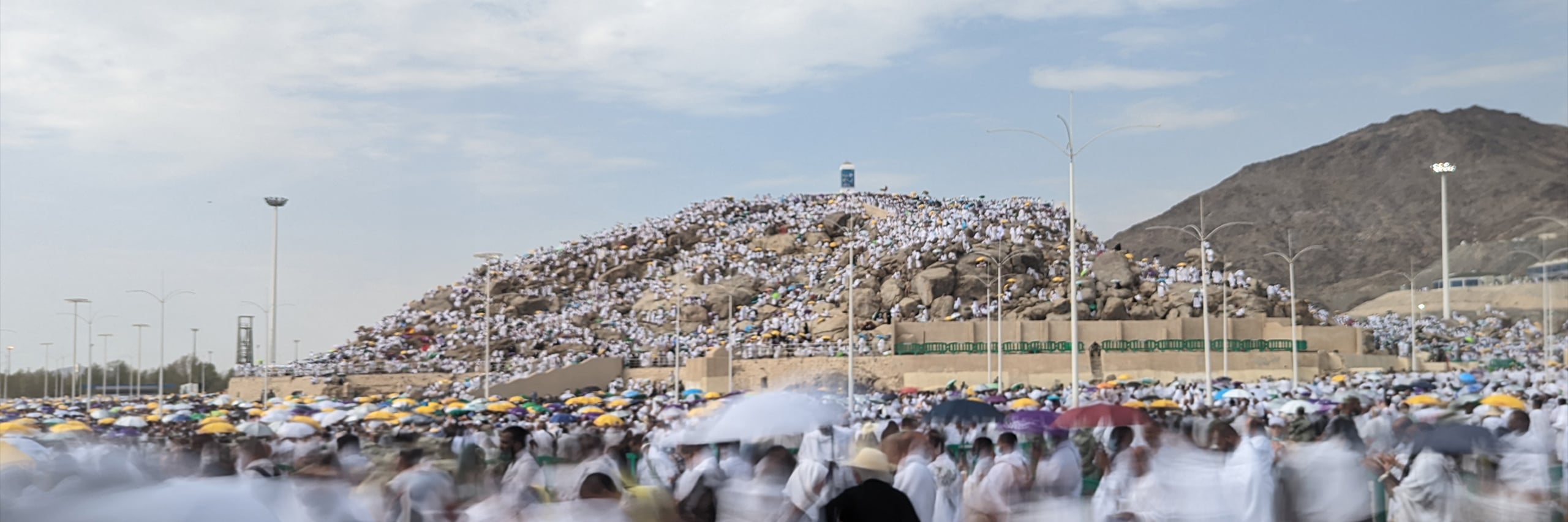
Fatimah sat by the window, counting on her fingers as she whispered dhikr. Outside, the world was busy with honking cars and children walking home from school. Inside, the TV showed a live stream of the sea of pilgrims in the sacred valley, calling out to Allah.
It was the Day of ʿArafah.
Fatimah was not on Hajj, but her heart ached to be there. Somehow, the Day of ʿArafah felt very far away from where she sat.
As a child, she once asked her grandfather why people cried so much on ʿArafah. He smiled gently and said, "Because it is the day we all come home to Allah."
She did not understand it then. But today, after months of feeling spiritually lost and with a heart heavy with guilt, it made sense.
ʿArafah: Not just for the pilgrims
The Prophet ﷺ said: "Hajj is ʿArafah, Hajj is ʿArafah, Hajj is ʿArafah."
The Day of ʿArafah is the peak of Hajj and the heart of the pilgrimage. Hajj is not complete without it. It falls on the 9th day of Dhul Hijjah and is one of the most virtuous days in the Islamic calendar. On this day, pilgrims stand or sit to remember Allah and pray to Him intensely from the Dhuhr prayer until after sunset.
For those of us not on the plains of ʿArafah, it offers something very personal: a chance to stand before Allah, repent, call out to Him in total need, and seek salvation. The Prophet ﷺ said: "There is no day on which Allah frees more people from the Fire than the Day of ʿArafah." This day is not just a ritual for pilgrims on Hajj, but a chance for salvation for the entire ummah.
The Day of ʿArafah is unique, offering a special chance for forgiveness, mercy, and spiritual renewal. It is important because it is the day Allah revealed the completion of the religion: "This day I have perfected for you your religion and completed My favor upon you and have approved for you Islam as your religion" (Qur'an 5:3). It is also the day the covenant between Allah and every soul took place: "And [mention] when your Lord took from the children of Adam-from their loins-their descendants and made them testify of themselves, [saying to them], 'Am I not your Lord?'" ' They said, 'Yes, we have testified.' [This]-lest you should say on the day of Resurrection, 'Indeed, we were of this unaware.'" (Qur'an 7:172)
Here are a few practical ways to make the most of this blessed day and its virtues:
1. Engage in continuous dua and dhikr
The Prophet ﷺ said, "The best supplication is the supplication on the Day of ʿArafah. The best of what I and the prophets before me have said is: 'There is no deity but Allah alone, He has no partner. To Him belongs all sovereignty and praise, and He has power over all things.'"
Take this chance to seek Allah's help with a heart full of longing. Spend the day in constant dua (supplication) and dhikr (remembrance), affirming Allah's oneness and thanking Him for His blessings.
2. Fast on the Day of ʿArafah
Fasting on the Day of ʿArafah is highly recommended for those not performing Hajj, as it offers rewards like no other day of the year. The Prophet ﷺ said that fasting on this day "expiates the sins of the previous year and the coming year." While fasting, be careful about what you watch and listen to, and how you treat others.
3. Honor the sunnah prayers
Plan your day to include all the sunnah prayers, and focus on your khushuʿ (presence of heart). Prepare yourself by learning about the power of prayer. The intention to gain more spiritual rewards on this special day is a form of worship itself.
4. Take heed of the Prophet ﷺ's final sermon
On this fateful day, as the ummah was spread out across ʿArafah, the Prophet ﷺ delivered his final sermon.
This moment marked the time Islam was perfected and completed, and it held a message for all of humanity. His last sermon was a summary of his message and guidance for the ummah. He ﷺ forbade usury, reminded us to treat women well, to uphold racial equality, and to hold firm to the Qur'an and Sunnah.
Reflecting on this sermon helps us reconnect with the core values of our faith.
5. Reflect on and renew your covenant with Allah
The Day of ʿArafah is a time to remember the covenant we made with Allah. As mentioned in the Qur'an, Allah asked, "Am I not your Lord? " and we all responded, "Yes, we bear witness" (Qur'an 7:172). Reflect on this moment and renew your commitment to Allah. Acknowledge your past shortcomings, seek His forgiveness, and aim to strengthen your relationship with your Creator.
Use this blessed day to make a personal commitment to improve your spiritual life. Identify one major change you can make to better follow Islamic teachings. Write it down as a personal promise to Allah, and ask Him for guidance and strength to see it through. As you renew your covenant with Allah, let this day mark a turning point in your spiritual journey.
The Day of ʿArafah is a gift from Allah—a chance to wipe away past sins, renew our faith, and draw closer to Him. May Allah grant us the ability to observe this day with sincerity and devotion, and may He accept our efforts and forgive our shortcomings. Ameen.
Summary: Local Muslim Life Guide in the Muslim World: Day of Arafah dua, Dhikr and Worship Plan is presented here as a clear English Islamic knowledge article for Muslim readers, starting with this scene: Fatimah sat by the window, counting on her fingers as she whispered dhikr. Outside, the world was busy with honking cars and children walking home from school. It keeps the original names, Quran and hadith references, dua, photographs, and religious context while focusing on Day of Arafah, dua, Dhikr.
Fatimah sat by the window, counting on her fingers as she whispered dhikr. Outside, the world was busy with honking cars and children walking home from school. Inside, the TV showed a live stream of the sea of pilgrims in the sacred valley, calling out to Allah.
It was the Day of ʿArafah.
Fatimah was not on Hajj, but her heart ached to be there. Somehow, the Day of ʿArafah felt very far away from where she sat.
As a child, she once asked her grandfather why people cried so much on ʿArafah. He smiled gently and said, "Because it is the day we all come home to Allah."
She did not understand it then. But today, after months of feeling spiritually lost and with a heart heavy with guilt, it made sense.
ʿArafah: Not just for the pilgrims
The Prophet ﷺ said: "Hajj is ʿArafah, Hajj is ʿArafah, Hajj is ʿArafah."
The Day of ʿArafah is the peak of Hajj and the heart of the pilgrimage. Hajj is not complete without it. It falls on the 9th day of Dhul Hijjah and is one of the most virtuous days in the Islamic calendar. On this day, pilgrims stand or sit to remember Allah and pray to Him intensely from the Dhuhr prayer until after sunset.
For those of us not on the plains of ʿArafah, it offers something very personal: a chance to stand before Allah, repent, call out to Him in total need, and seek salvation. The Prophet ﷺ said: "There is no day on which Allah frees more people from the Fire than the Day of ʿArafah." This day is not just a ritual for pilgrims on Hajj, but a chance for salvation for the entire ummah.
The Day of ʿArafah is unique, offering a special chance for forgiveness, mercy, and spiritual renewal. It is important because it is the day Allah revealed the completion of the religion: "This day I have perfected for you your religion and completed My favor upon you and have approved for you Islam as your religion" (Qur'an 5:3). It is also the day the covenant between Allah and every soul took place: "And [mention] when your Lord took from the children of Adam-from their loins-their descendants and made them testify of themselves, [saying to them], 'Am I not your Lord?'" ' They said, 'Yes, we have testified.' [This]-lest you should say on the day of Resurrection, 'Indeed, we were of this unaware.'" (Qur'an 7:172)
Here are a few practical ways to make the most of this blessed day and its virtues:
1. Engage in continuous dua and dhikr
The Prophet ﷺ said, "The best supplication is the supplication on the Day of ʿArafah. The best of what I and the prophets before me have said is: 'There is no deity but Allah alone, He has no partner. To Him belongs all sovereignty and praise, and He has power over all things.'"
Take this chance to seek Allah's help with a heart full of longing. Spend the day in constant dua (supplication) and dhikr (remembrance), affirming Allah's oneness and thanking Him for His blessings.
2. Fast on the Day of ʿArafah
Fasting on the Day of ʿArafah is highly recommended for those not performing Hajj, as it offers rewards like no other day of the year. The Prophet ﷺ said that fasting on this day "expiates the sins of the previous year and the coming year." While fasting, be careful about what you watch and listen to, and how you treat others.
3. Honor the sunnah prayers
Plan your day to include all the sunnah prayers, and focus on your khushuʿ (presence of heart). Prepare yourself by learning about the power of prayer. The intention to gain more spiritual rewards on this special day is a form of worship itself.
4. Take heed of the Prophet ﷺ's final sermon
On this fateful day, as the ummah was spread out across ʿArafah, the Prophet ﷺ delivered his final sermon.
This moment marked the time Islam was perfected and completed, and it held a message for all of humanity. His last sermon was a summary of his message and guidance for the ummah. He ﷺ forbade usury, reminded us to treat women well, to uphold racial equality, and to hold firm to the Qur'an and Sunnah.
Reflecting on this sermon helps us reconnect with the core values of our faith.
5. Reflect on and renew your covenant with Allah
The Day of ʿArafah is a time to remember the covenant we made with Allah. As mentioned in the Qur'an, Allah asked, "Am I not your Lord? " and we all responded, "Yes, we bear witness" (Qur'an 7:172). Reflect on this moment and renew your commitment to Allah. Acknowledge your past shortcomings, seek His forgiveness, and aim to strengthen your relationship with your Creator.
Use this blessed day to make a personal commitment to improve your spiritual life. Identify one major change you can make to better follow Islamic teachings. Write it down as a personal promise to Allah, and ask Him for guidance and strength to see it through. As you renew your covenant with Allah, let this day mark a turning point in your spiritual journey.
The Day of ʿArafah is a gift from Allah—a chance to wipe away past sins, renew our faith, and draw closer to Him. May Allah grant us the ability to observe this day with sincerity and devotion, and may He accept our efforts and forgive our shortcomings. Ameen.
