
Muslim Travel Guide Penang: George Town, Halal Hotel Breakfast, Malay-Chinese Heritage and Beaches
Reposted from the web
Summary: This Penang Muslim travel guide covers train travel from Kuala Lumpur, George Town heritage hotels, Nyonya culture, halal breakfast, mosque and city walks, beaches, seafood, Malay-Chinese history, and why Penang can feel more fun, beautiful, and affordable than Singapore.
Penang is a popular tourist city in Malaysia, especially among Chinese travelers. The local Chinese speak with an accent very similar to Taiwan, with a soft and pleasant Mandarin. There are two ways to travel from Kuala Lumpur to Penang. I recommend taking the train. A ticket costs about 90 Malaysian Ringgit, and children under 4 travel for free. Prices vary by train, and the trip takes between three and a half to four and a half hours, depending on the specific schedule, just like high-speed rail in China.
Flying to Penang takes one hour. Although tickets cost only one or two hundred RMB, when you add the time and cost of getting to and from the airport, it is not faster than the train. Flights are also often delayed. I have tried taking the train there and flying back, but my flight was delayed by two hours. If train tickets were not so hard to get, I would never fly. You must book train tickets to and from Penang at least three days in advance on the KTMB app. The departure station is KL Sentral and the destination is Butterworth.
After getting off the train, you take a 10-minute ferry ride across the sea. The ferry runs every half hour, costs 2 RM, and you can use your Kuala Lumpur transit card.
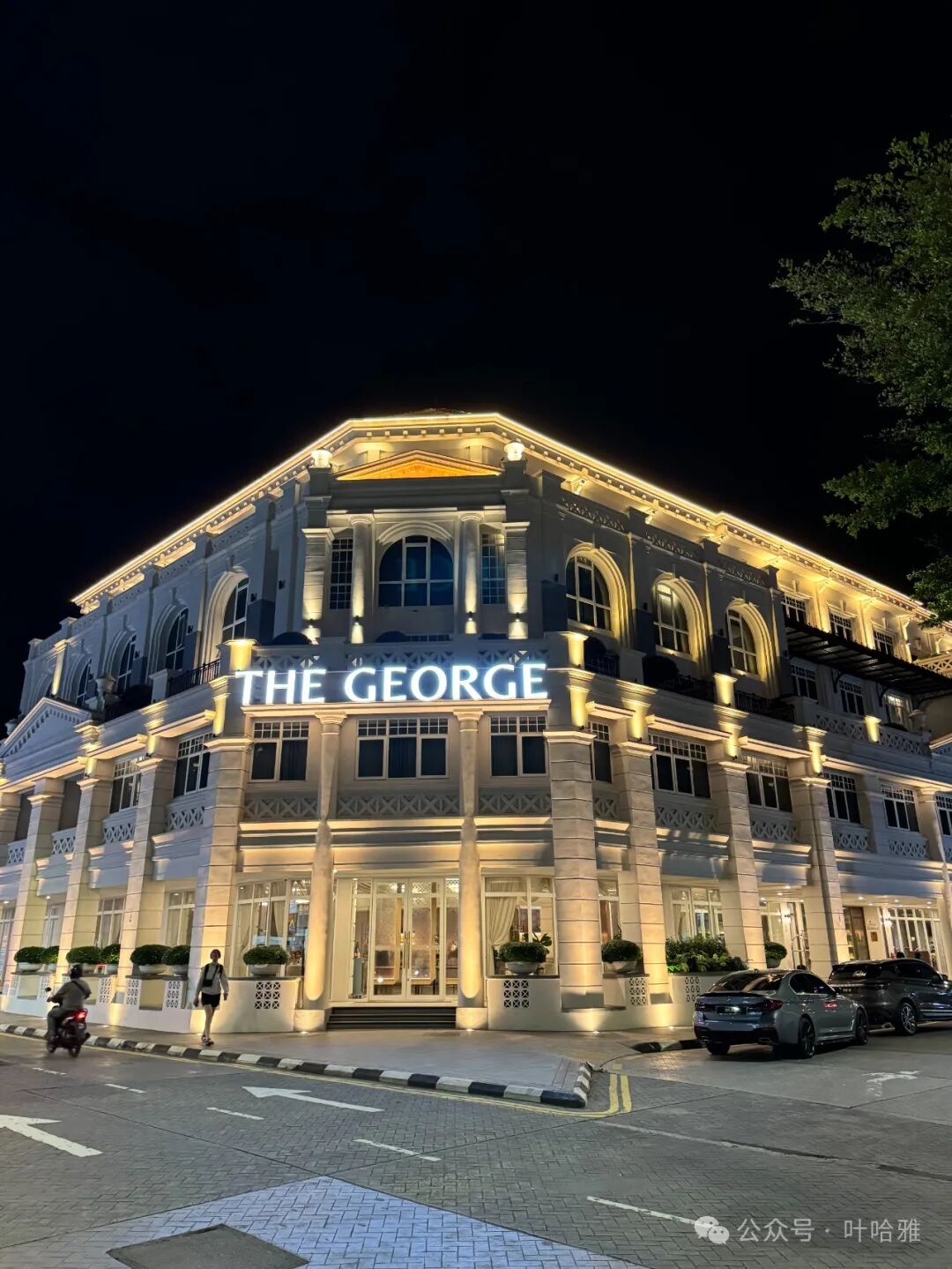
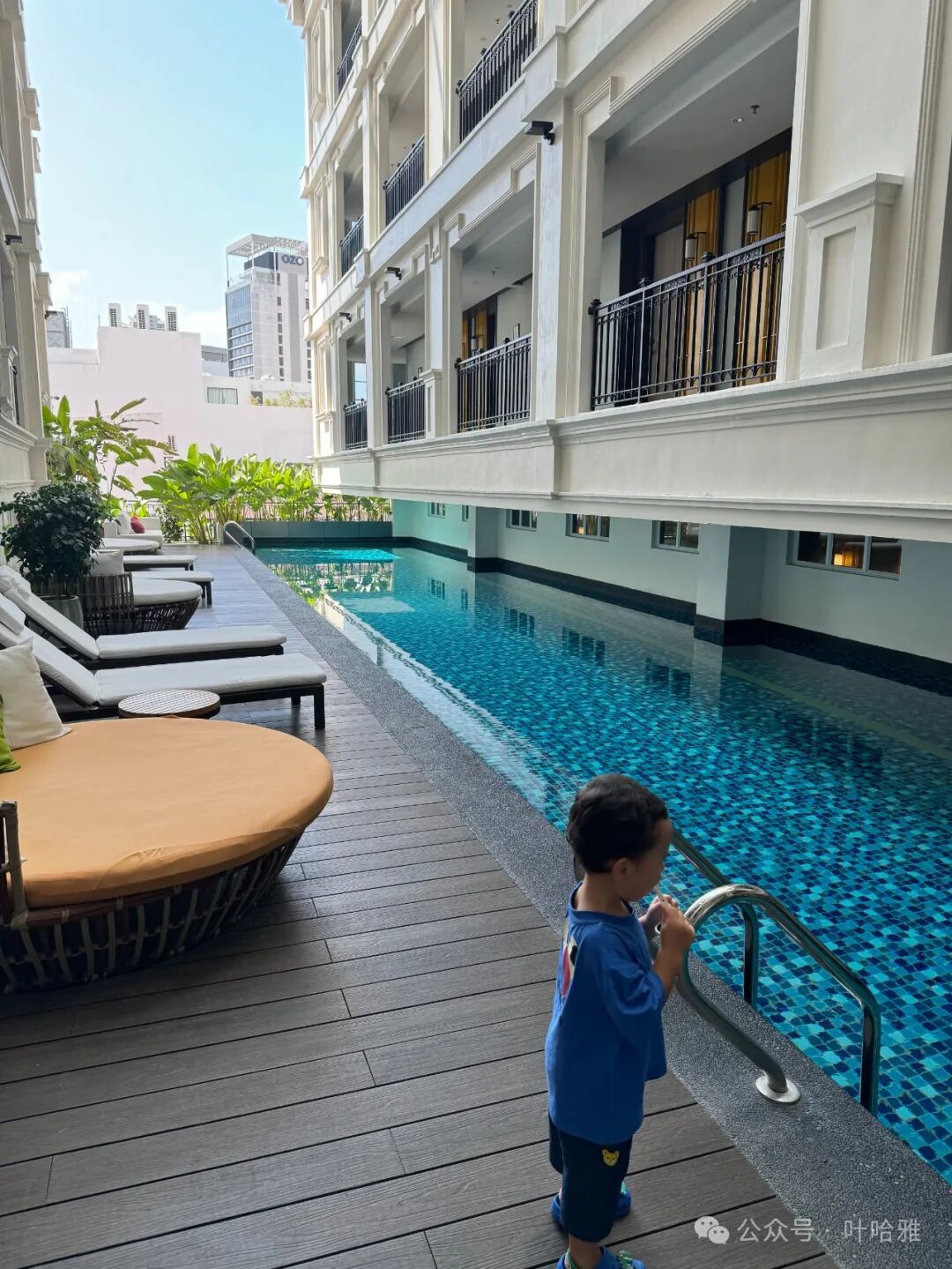
George Town in Penang is a World Heritage site. There are many heritage hotels here, meaning the buildings themselves are historical artifacts with distinct local character. We chose the George Hotel because it is a five-star hotel that reopened in 2022, so the rooms are quite new.
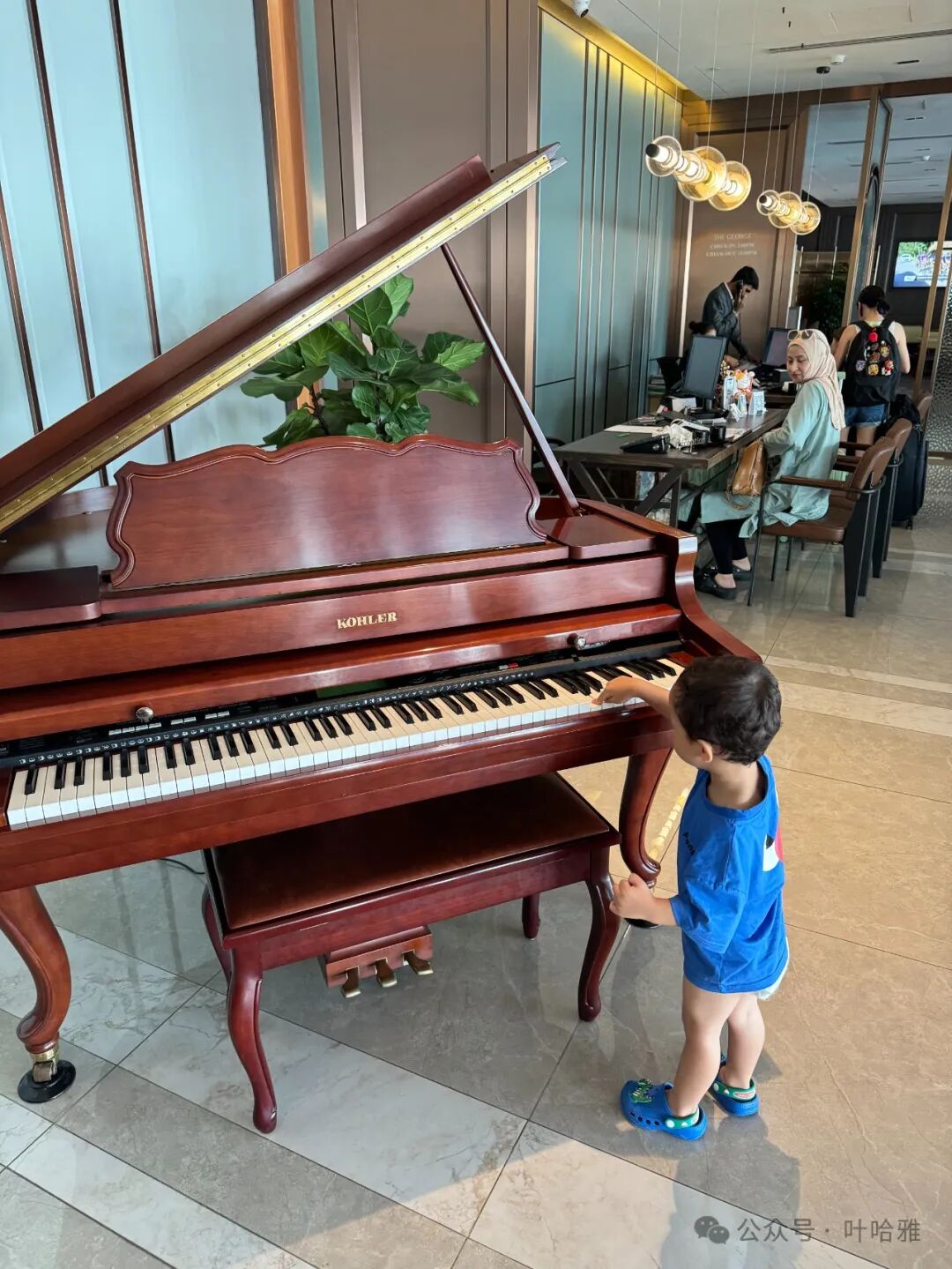
The piano in the lobby is free for anyone to play. The staff invited Fahim to play, unlike the piano at the Radisson Hotel in Brunei, which is just for decoration.
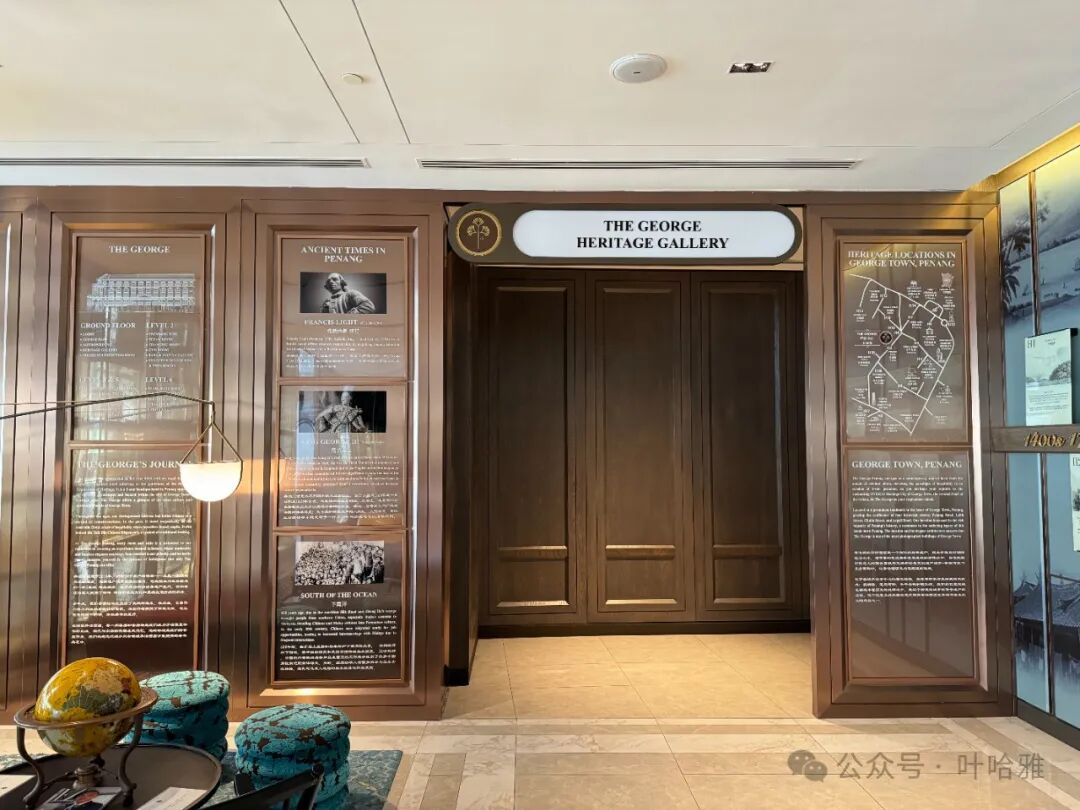
The hotel lobby displays history about King George III and George Town, with notes provided in Chinese. King George III was the third monarch of the House of Hanover and King of Great Britain and Ireland. He was the first monarch born in England to speak English as his first language. He reigned from 1760 to 1820. Under his rule, Penang Island was claimed by Britain and used as a naval base, governed by naval officer Francis Light.
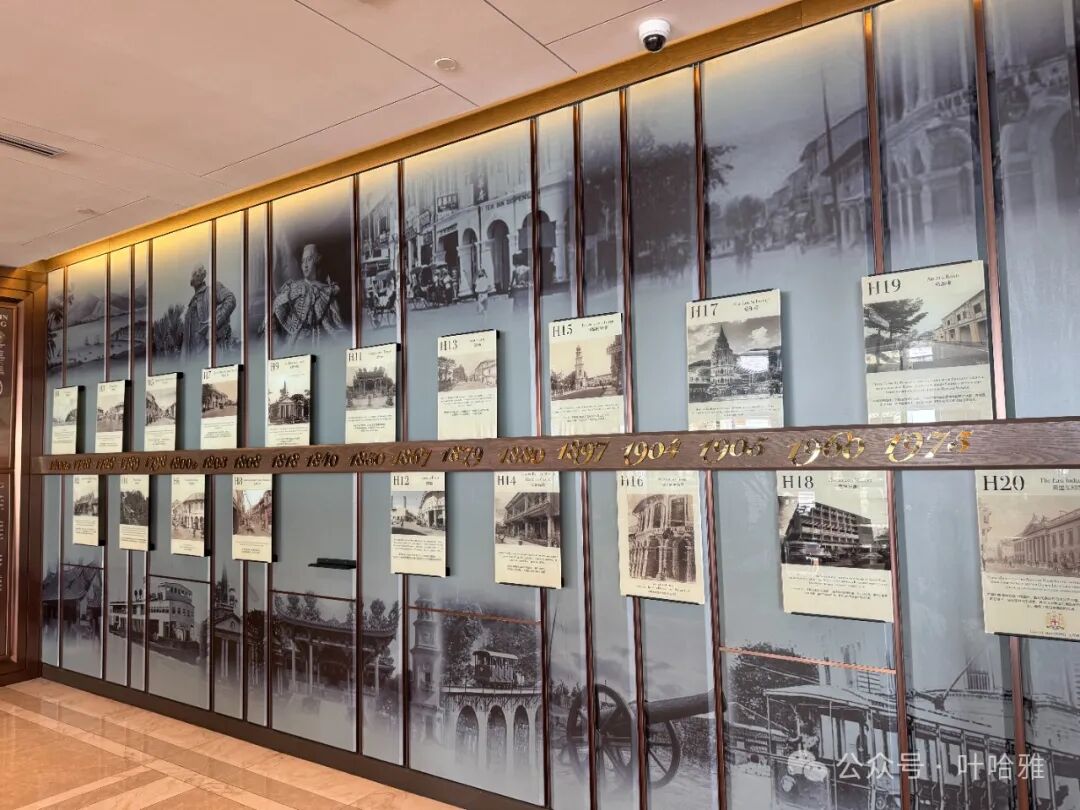
Two things about King George III are memorable: he lost the American colonies, and he had mental health issues. Rumors suggest he suffered from hereditary porphyria, which caused his mental instability.
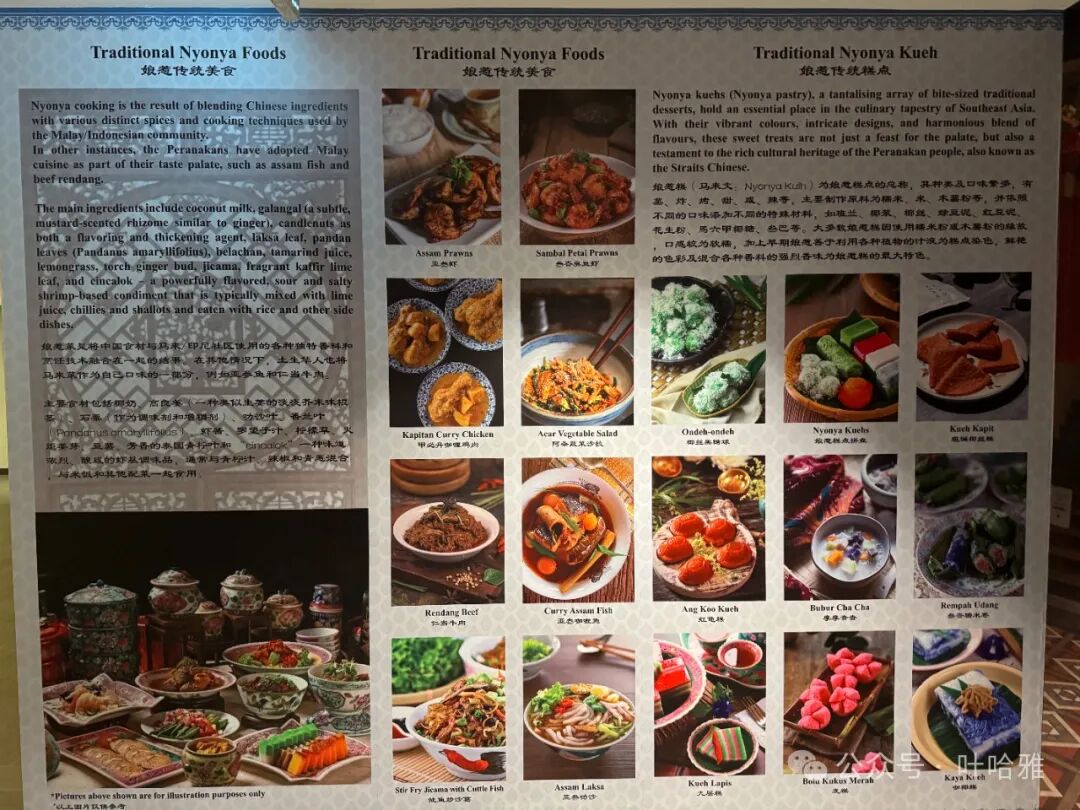
The hallway introduces local Nyonya traditional cuisine. Nyonya food is a fusion of Chinese and Malay cooking.
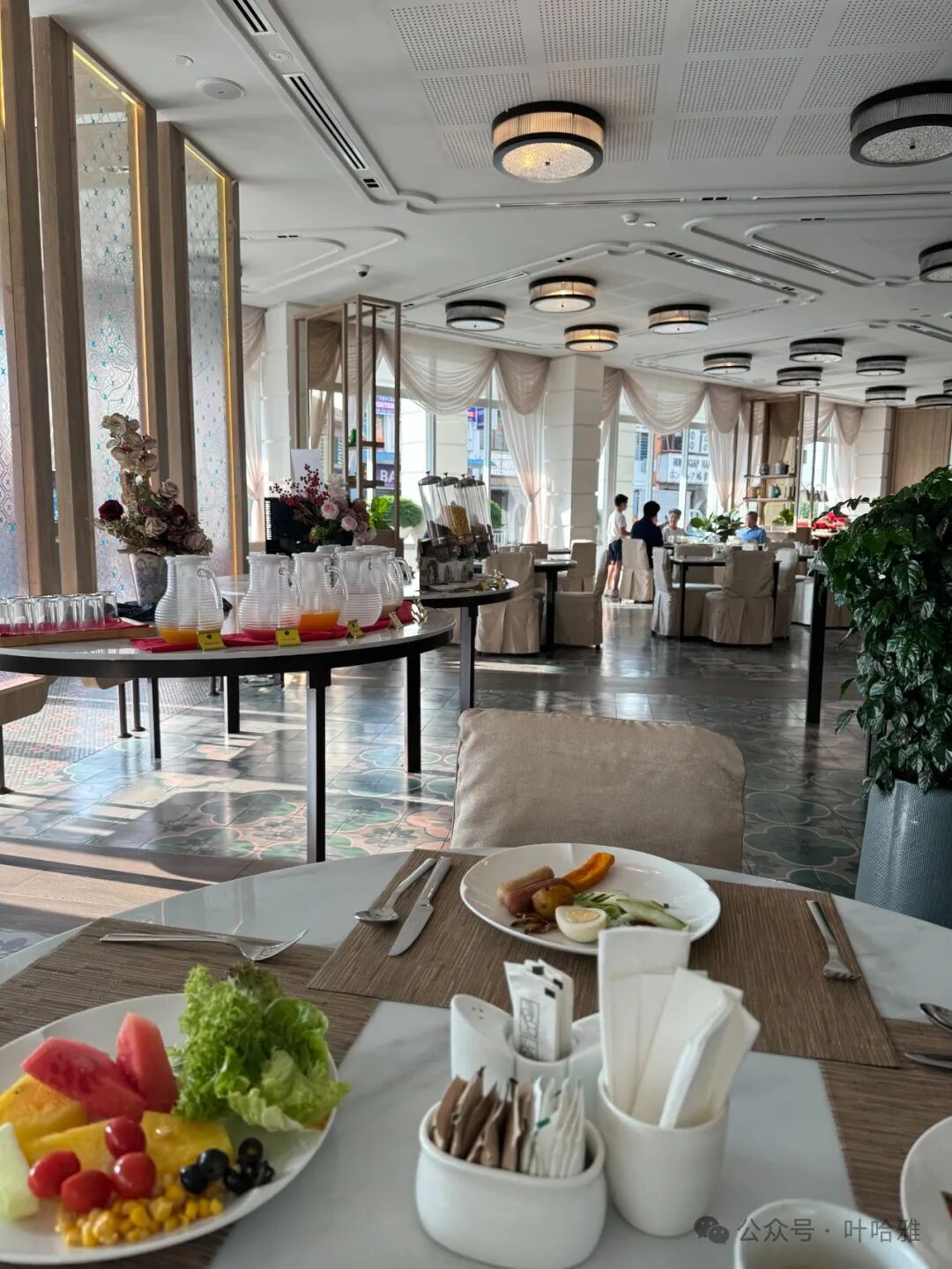
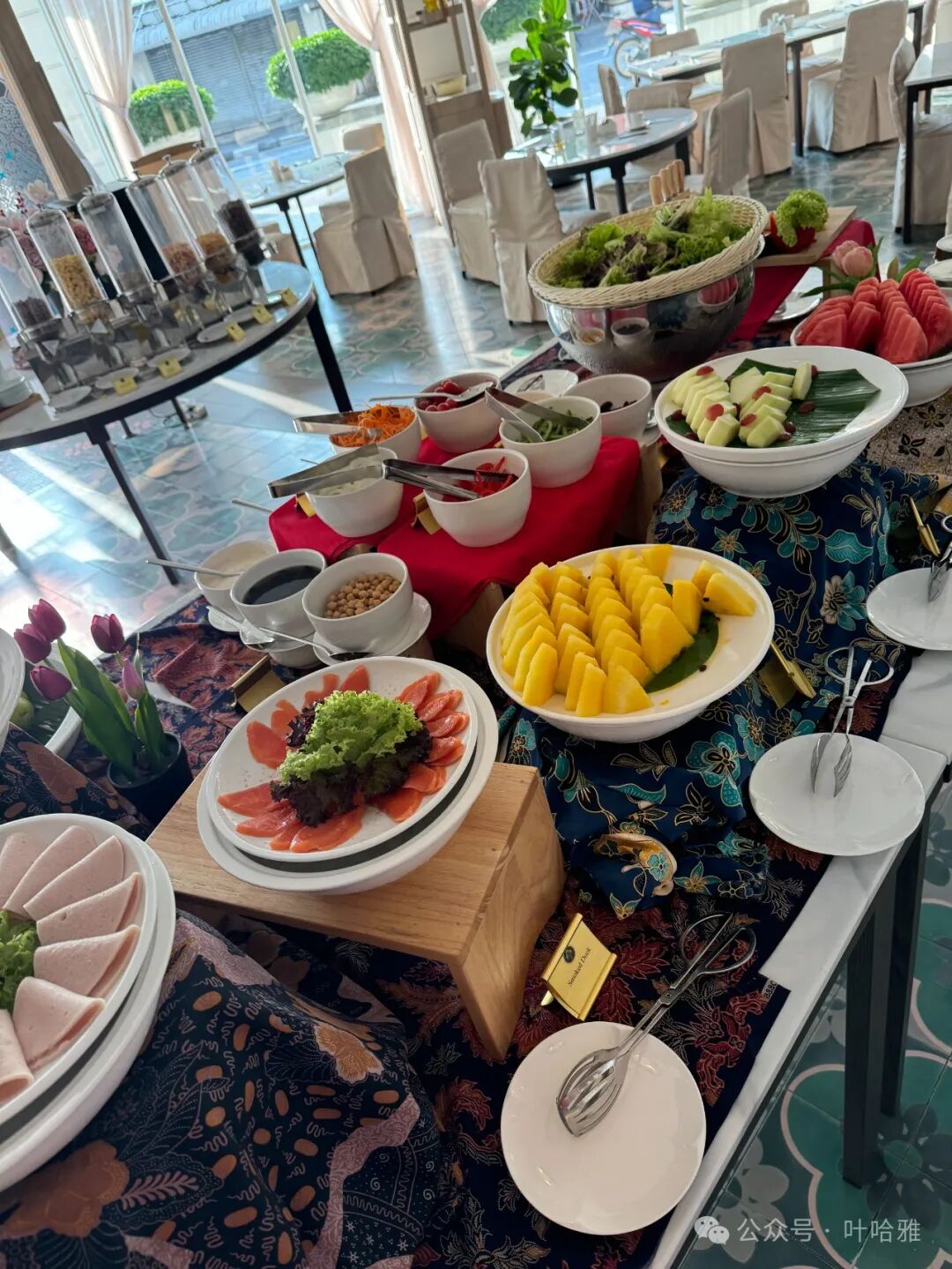
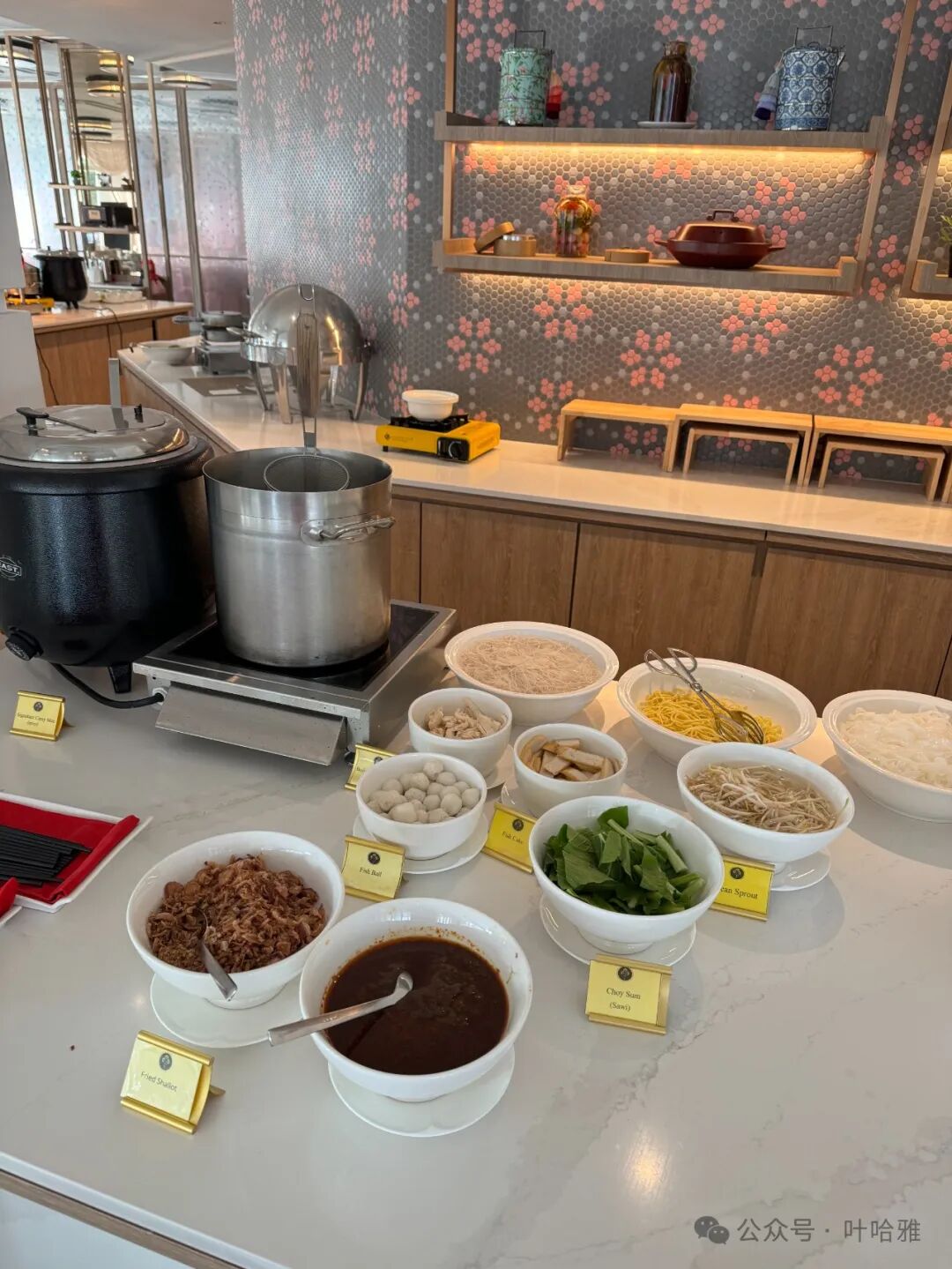
The best part of the hotel is the restaurant. The breakfast is especially rich, and you can eat all kinds of local specialties.
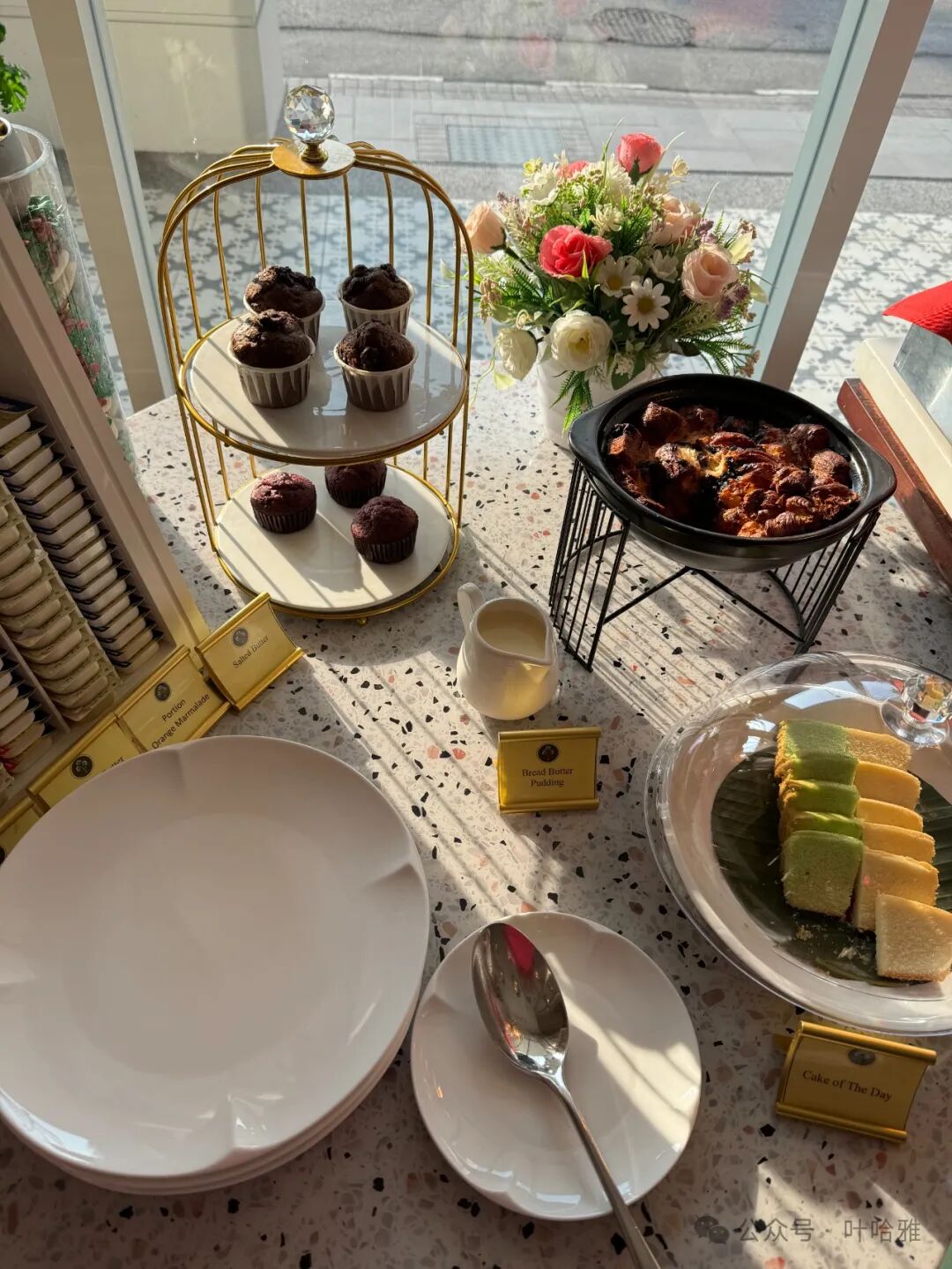
Penang is affordable, and the hotels offer great value. In a cultural town like this, the most relaxing way to spend your time is to find a comfortable hotel, sit by the window with a coffee during the day, and wait until the sun goes down to go out for a stroll, otherwise it is really hot during the day.
PENANG ROAD FAMOUS LAKSA
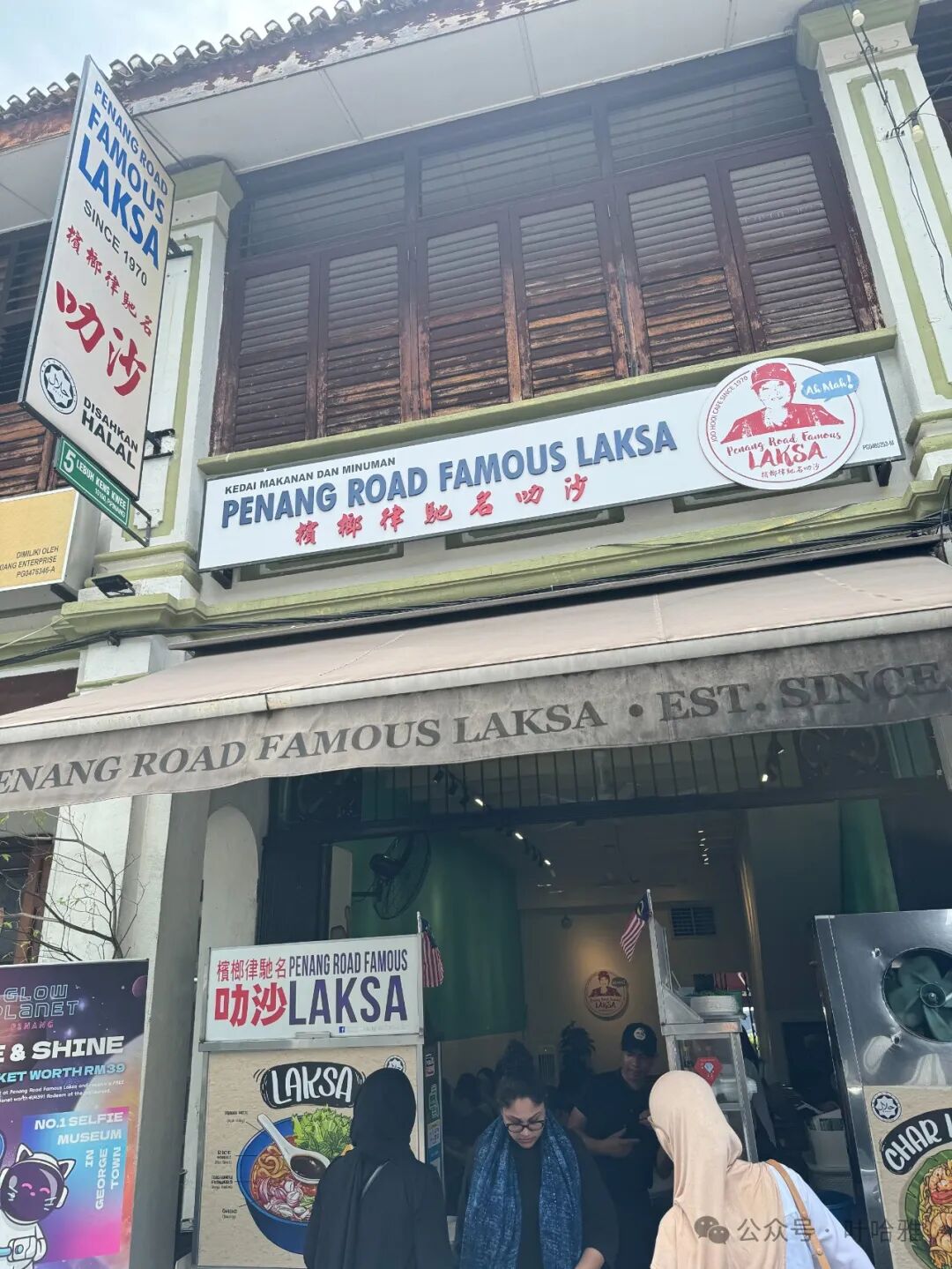
Less than 1 kilometer from the George Hotel, you can find this locally famous laksa. It has both halal certification and a Michelin recommendation. Since Penang is a Chinese-majority city with simplified Chinese signs everywhere and many restaurants selling pork, local snacks with halal certification are rare.
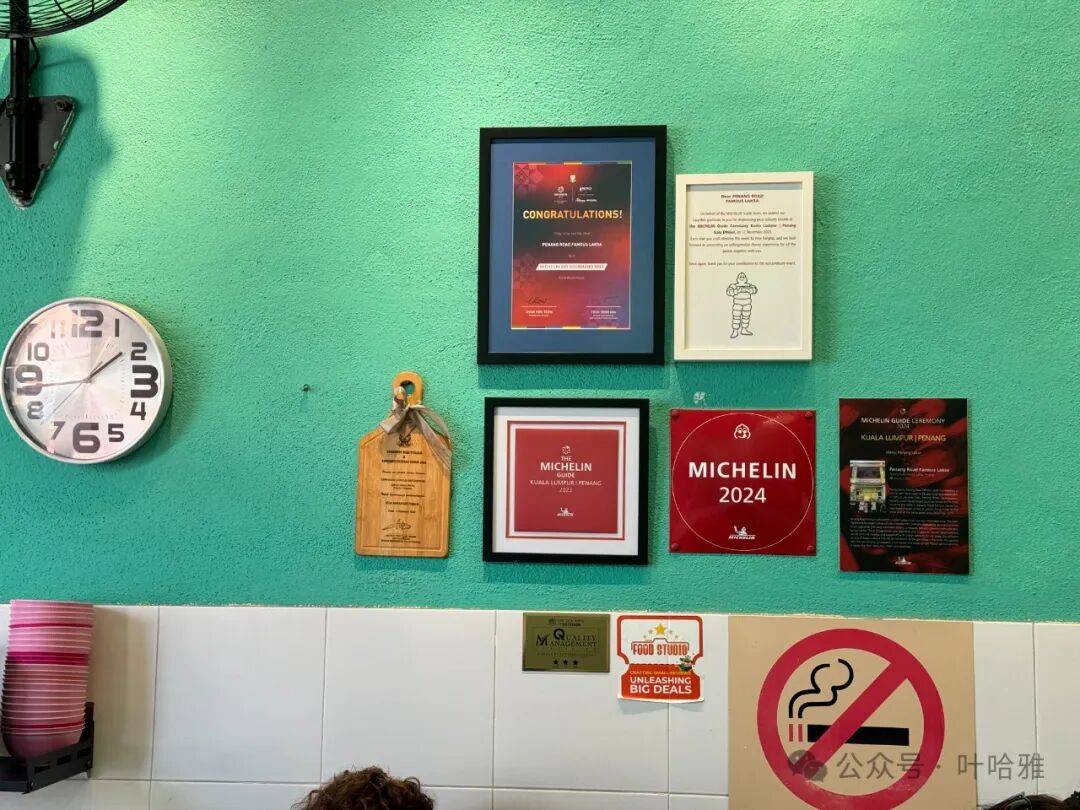
However, there is a catch. This shop only sells laksa, but you will meet two other servers inside holding different menus for you to choose from. These two other businesses do not share the same owner as the laksa shop, so you have to scan codes to pay different servers. Only the laksa is the signature dish here, and the other snacks are just riding on its popularity.
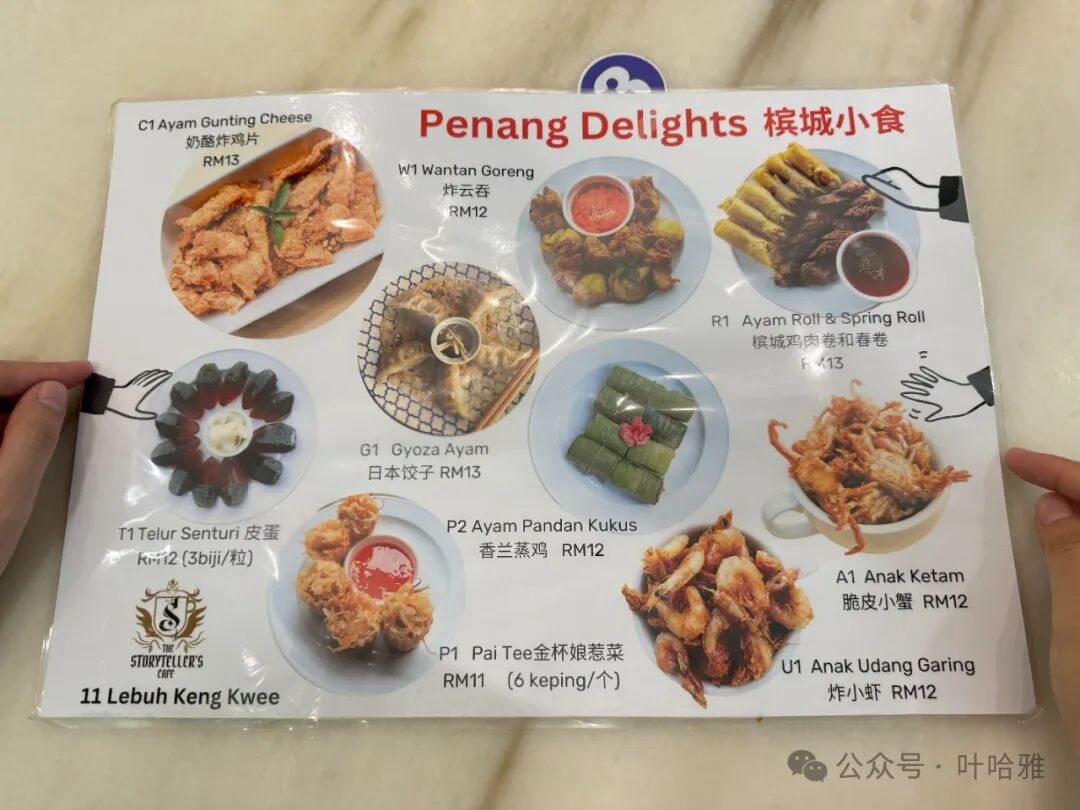
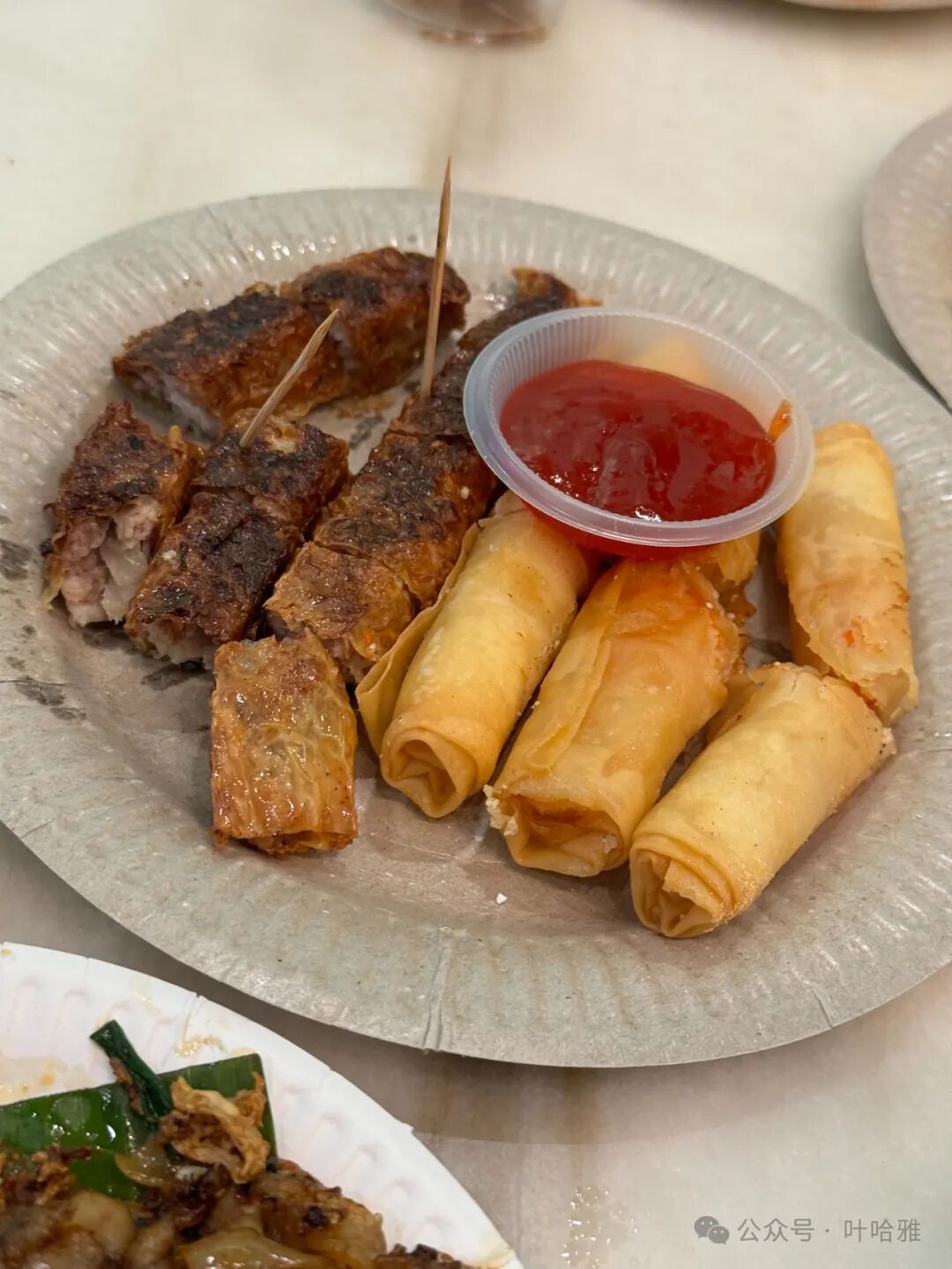
Since we wanted to try different snacks anyway, we did not mind much. It turned out my attempt was a failure, as these snacks were not good.
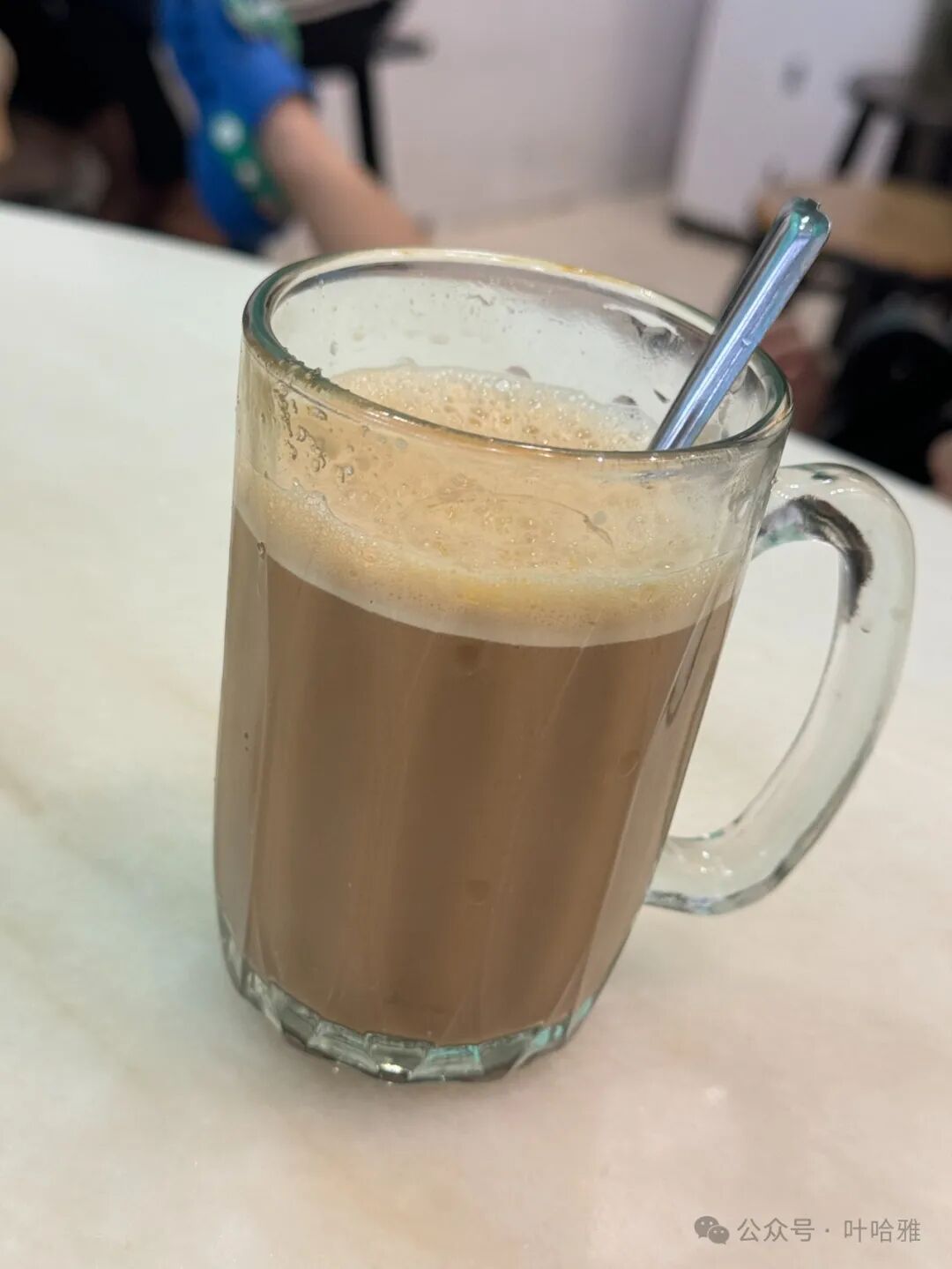
This is Penang-style white coffee. It actually tastes like instant coffee and is not worth recommending.
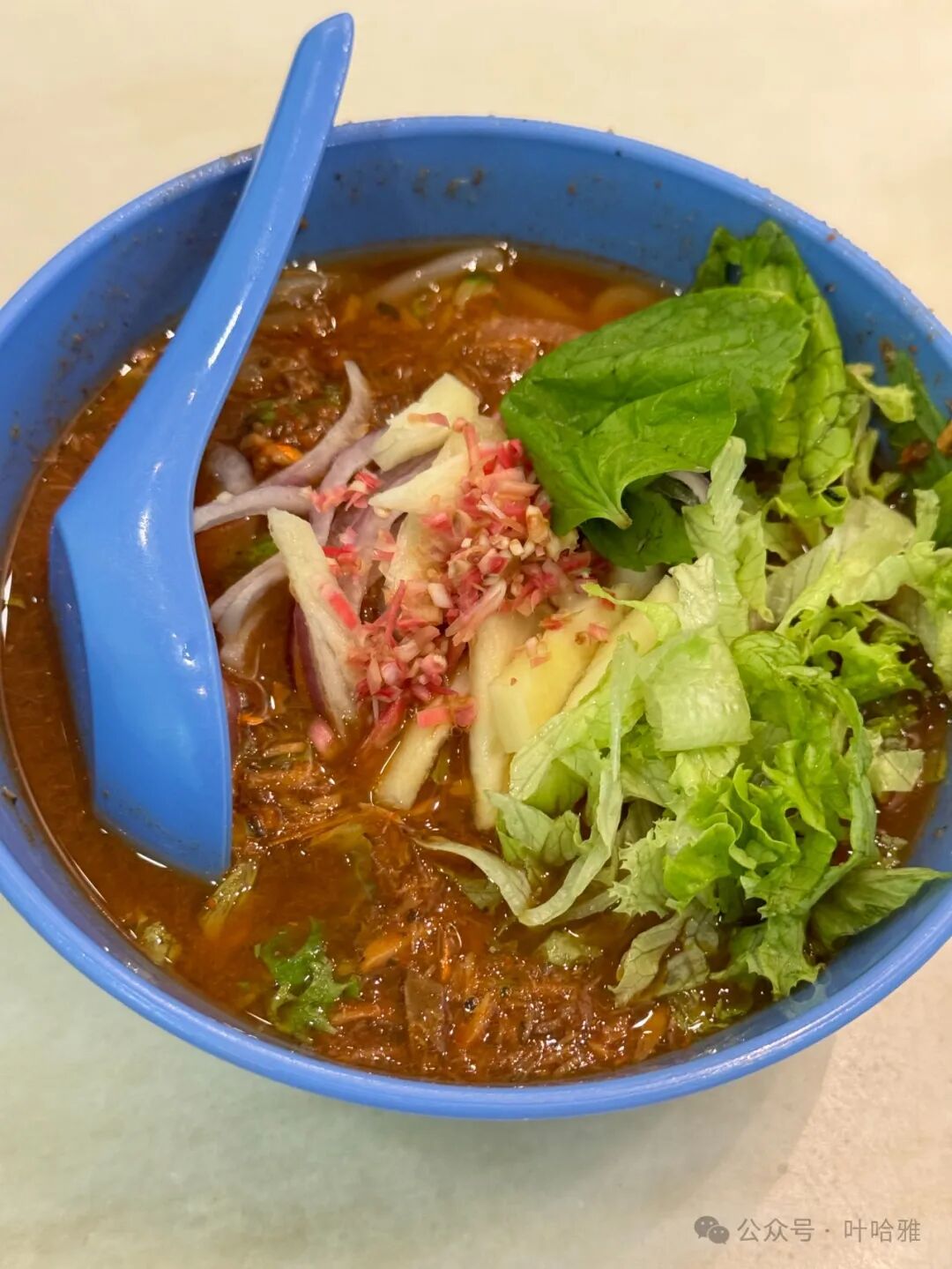
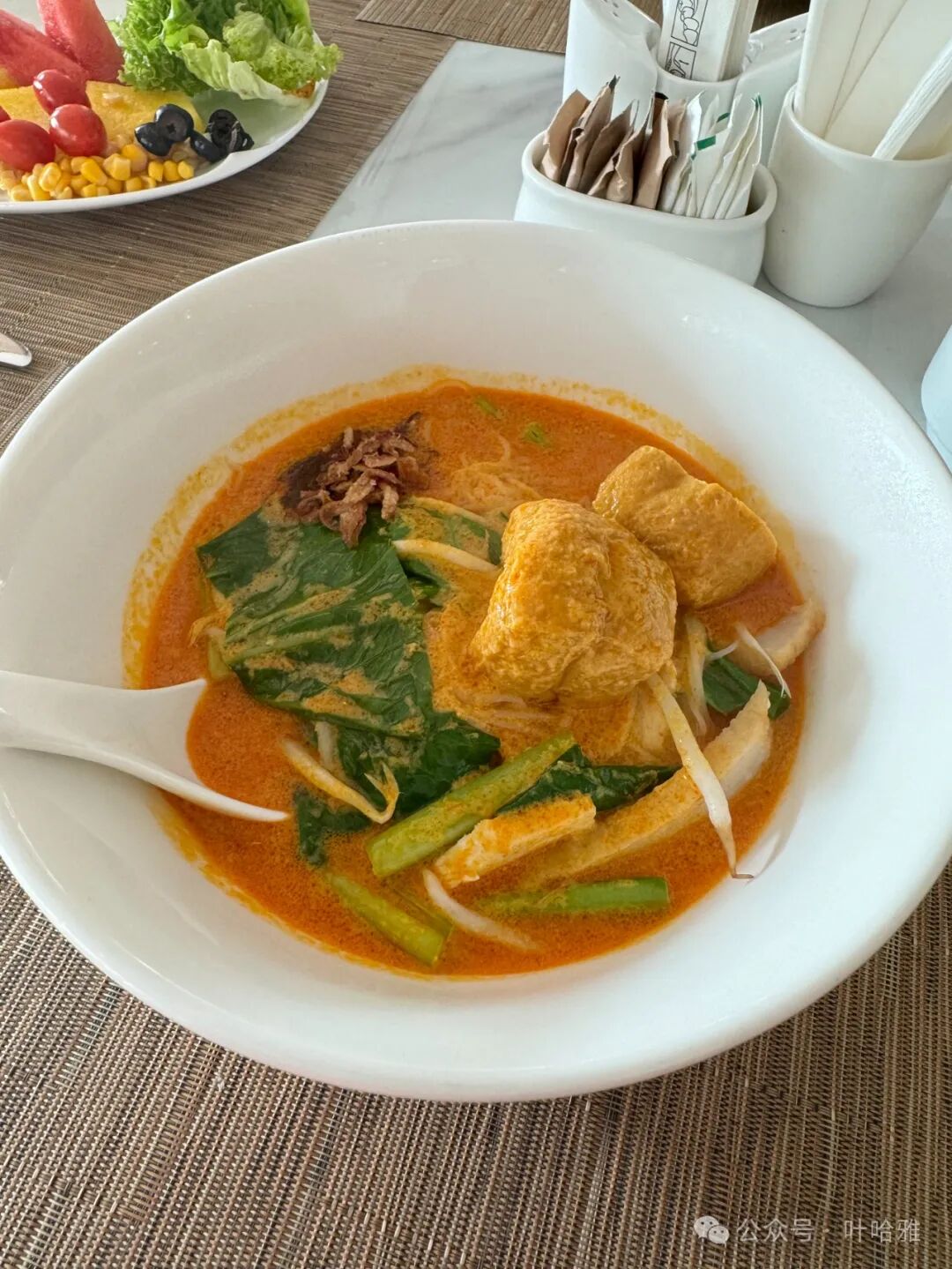
The taste of this Michelin-rated laksa is the same as the one I had at the AK mall in Kuala Lumpur. It looks like hot and sour noodles, but it is mixed with the flavors of lemongrass and mint. I tried it a few times but could not really get into it, though my wife thought it was quite tasty.
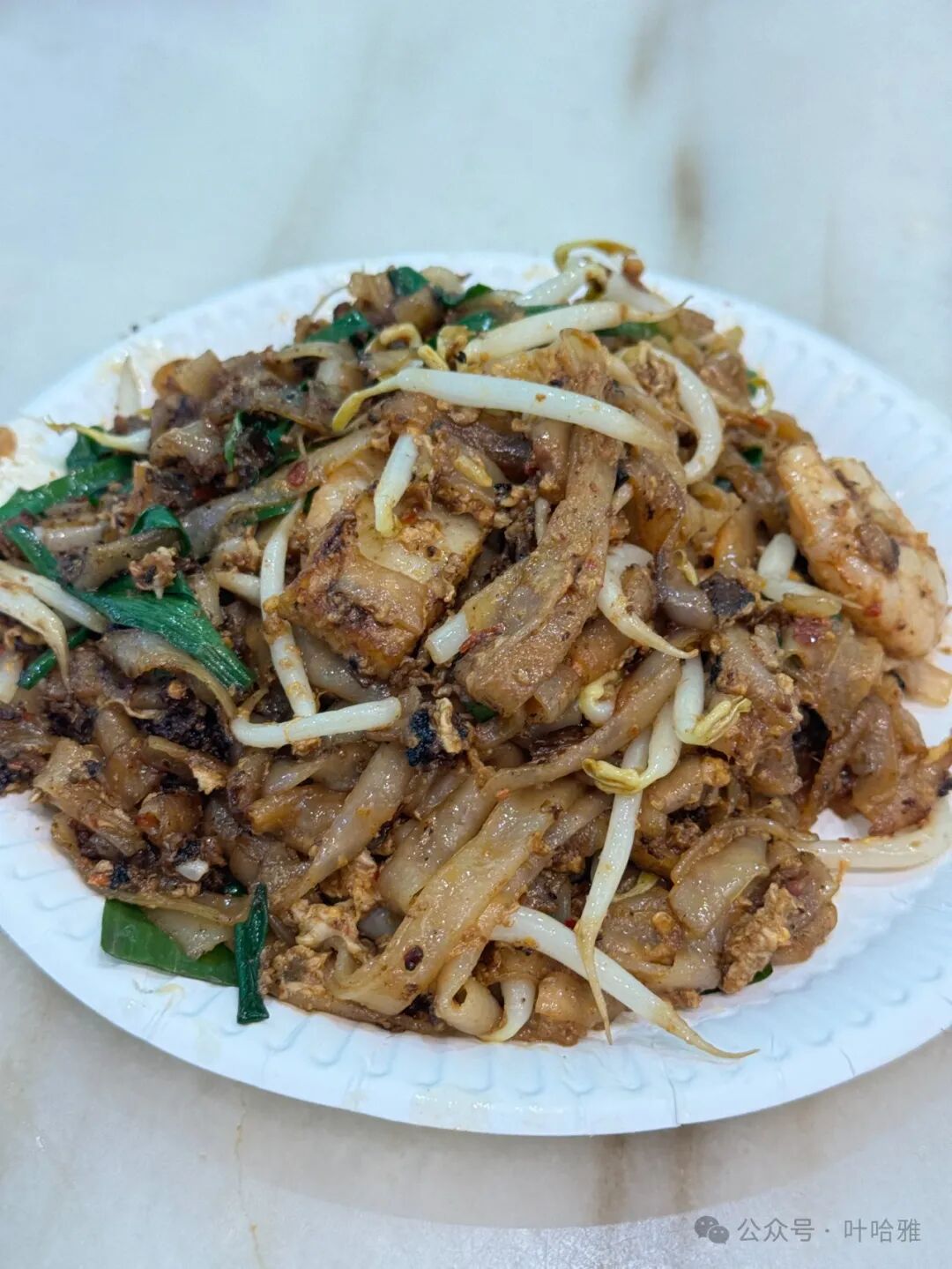
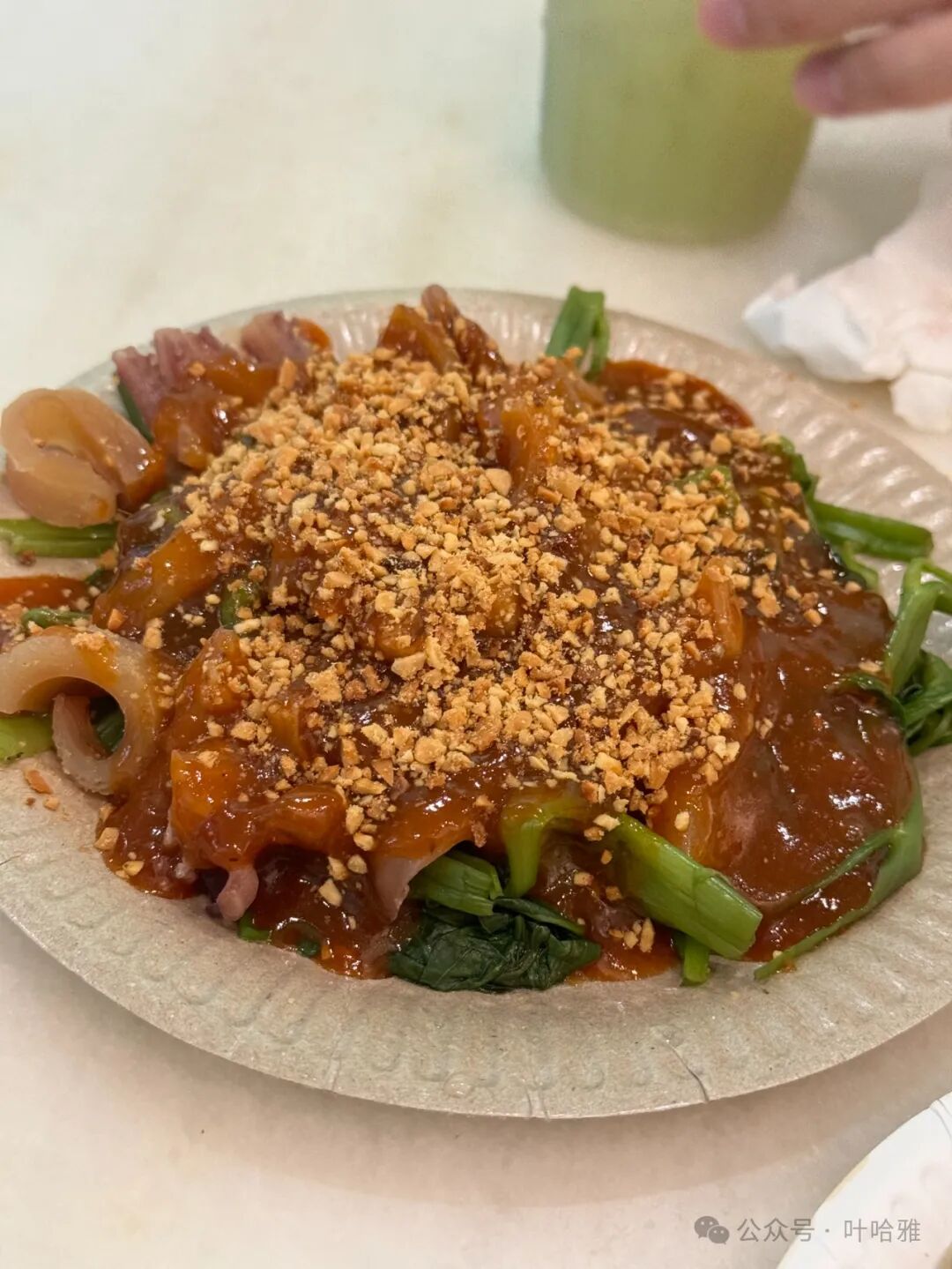
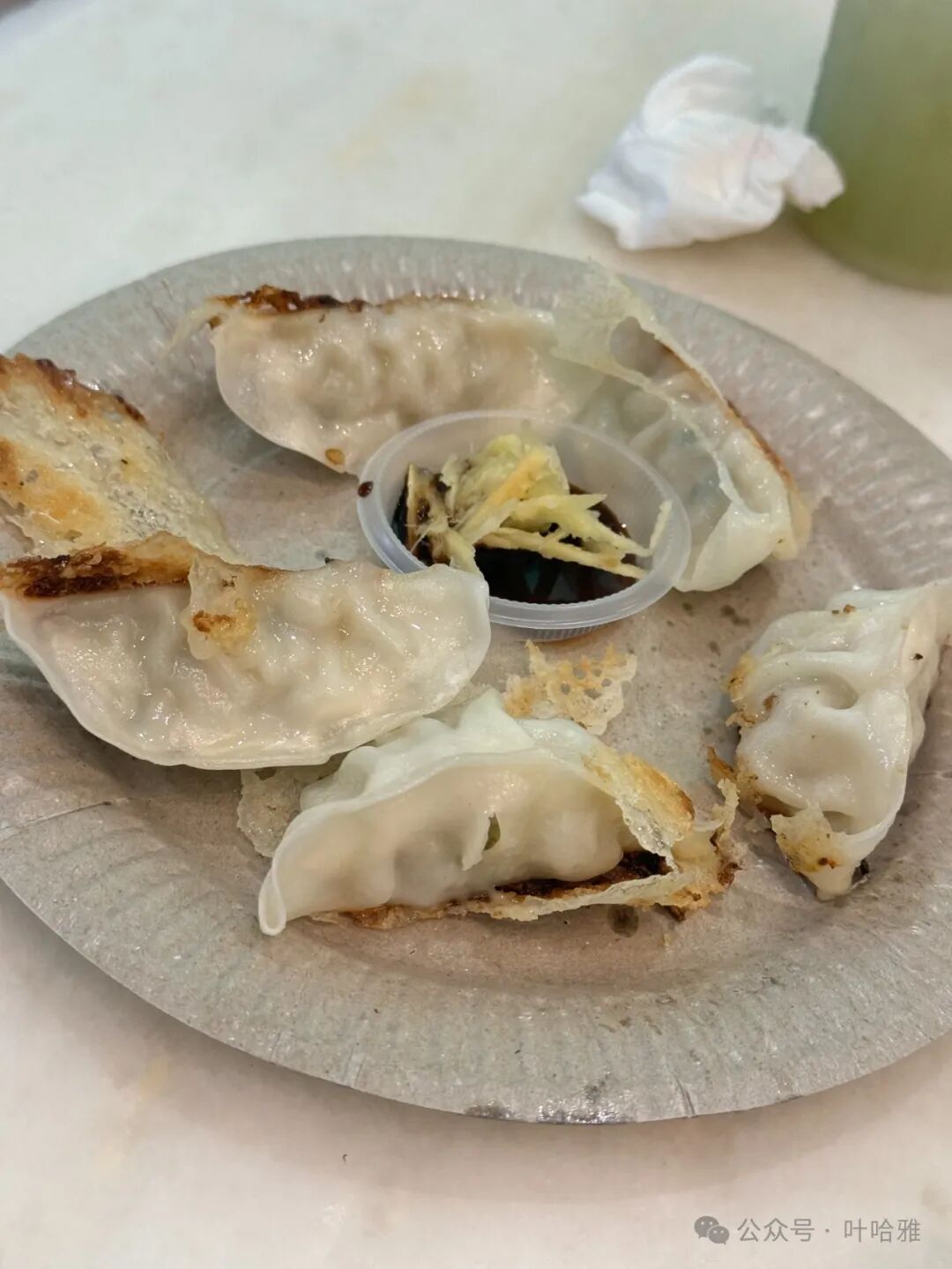
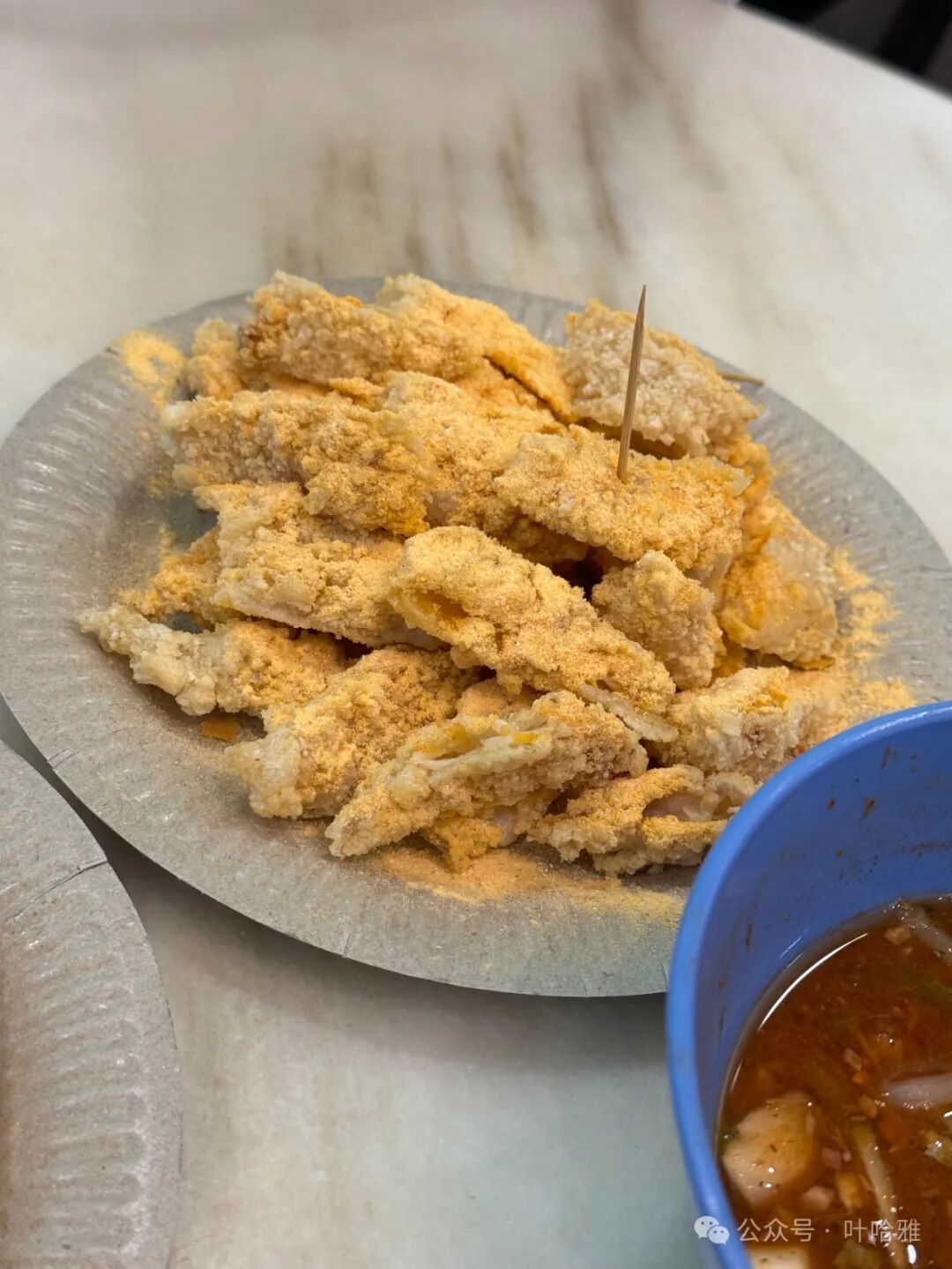
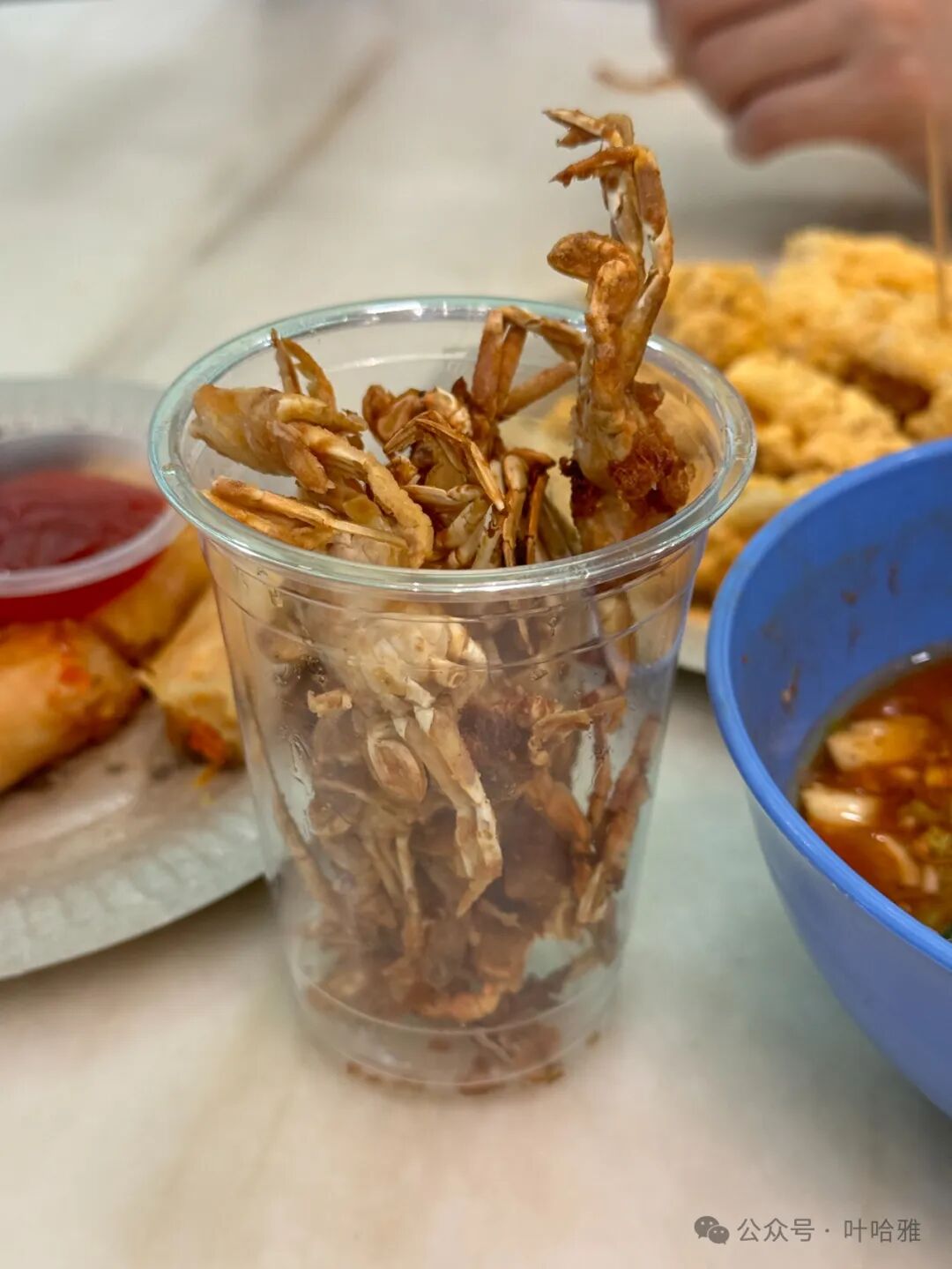
Among the items here, only the Japanese pan-fried dumplings (jiaozi) tasted okay. The others were not good, and I do not think you would like the salty and sweet flavors.
Not far from the laksa shop, you can find the oldest Chinese mosque in Penang.
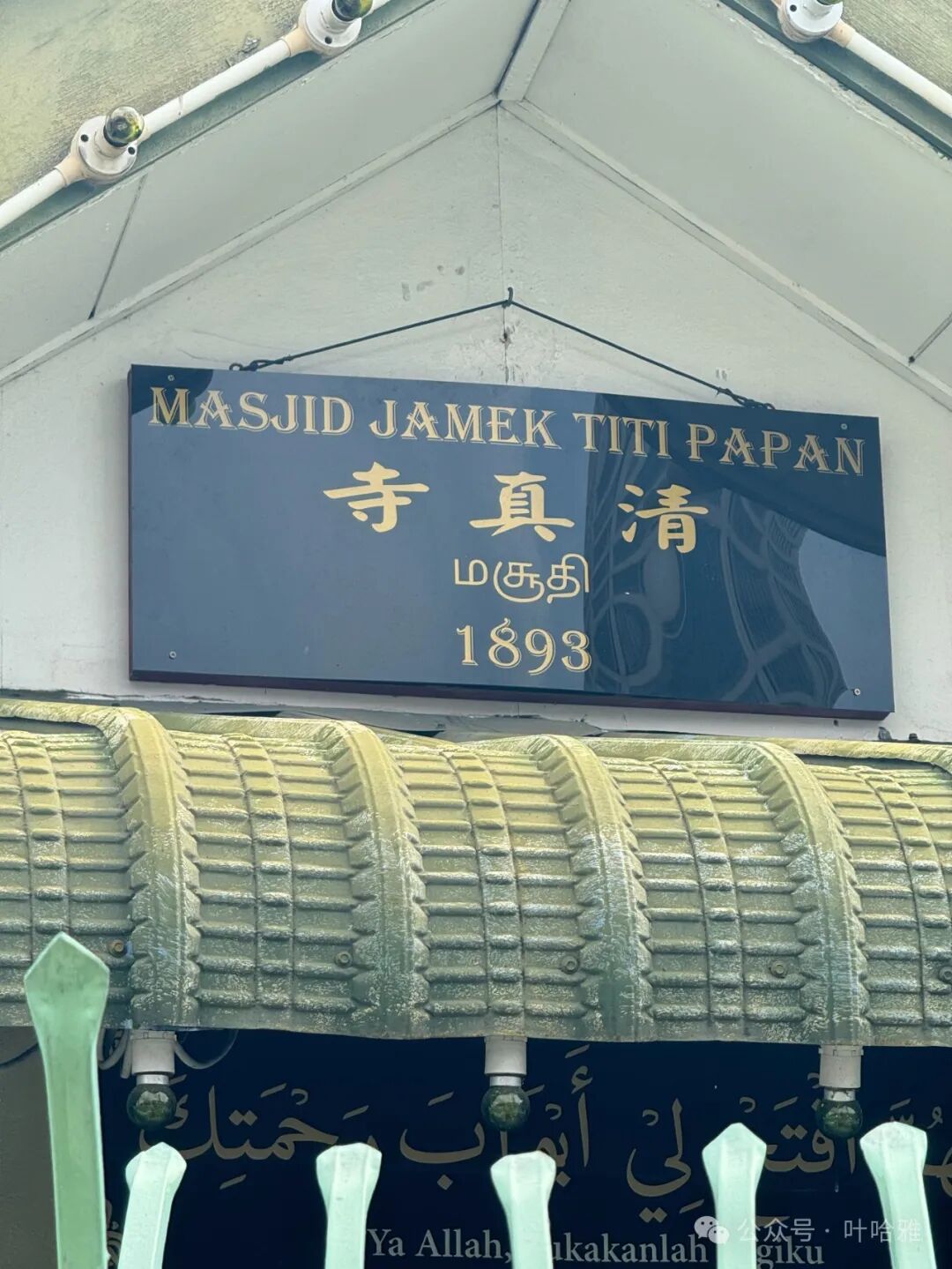
MASJID JAMEK TITI PAPAN
This mosque was first built in 1860. The surrounding area used to be a swamp, and people laid down wooden planks to walk to the mosque for namaz, which is how it got its Malay name, Titi Papan.
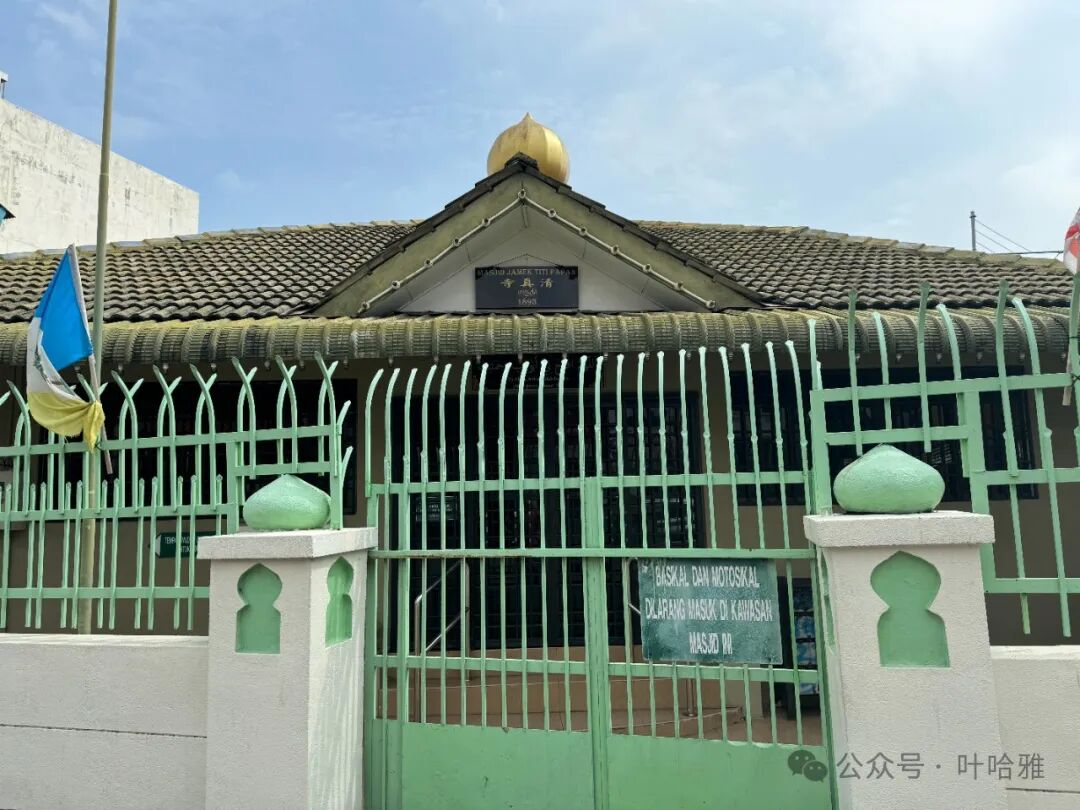
In 2014, the Penang state government and the Penang branch of the Malaysian Chinese Muslim Association held an inauguration ceremony for this mosque, marking the first mosque for Chinese people in Penang.
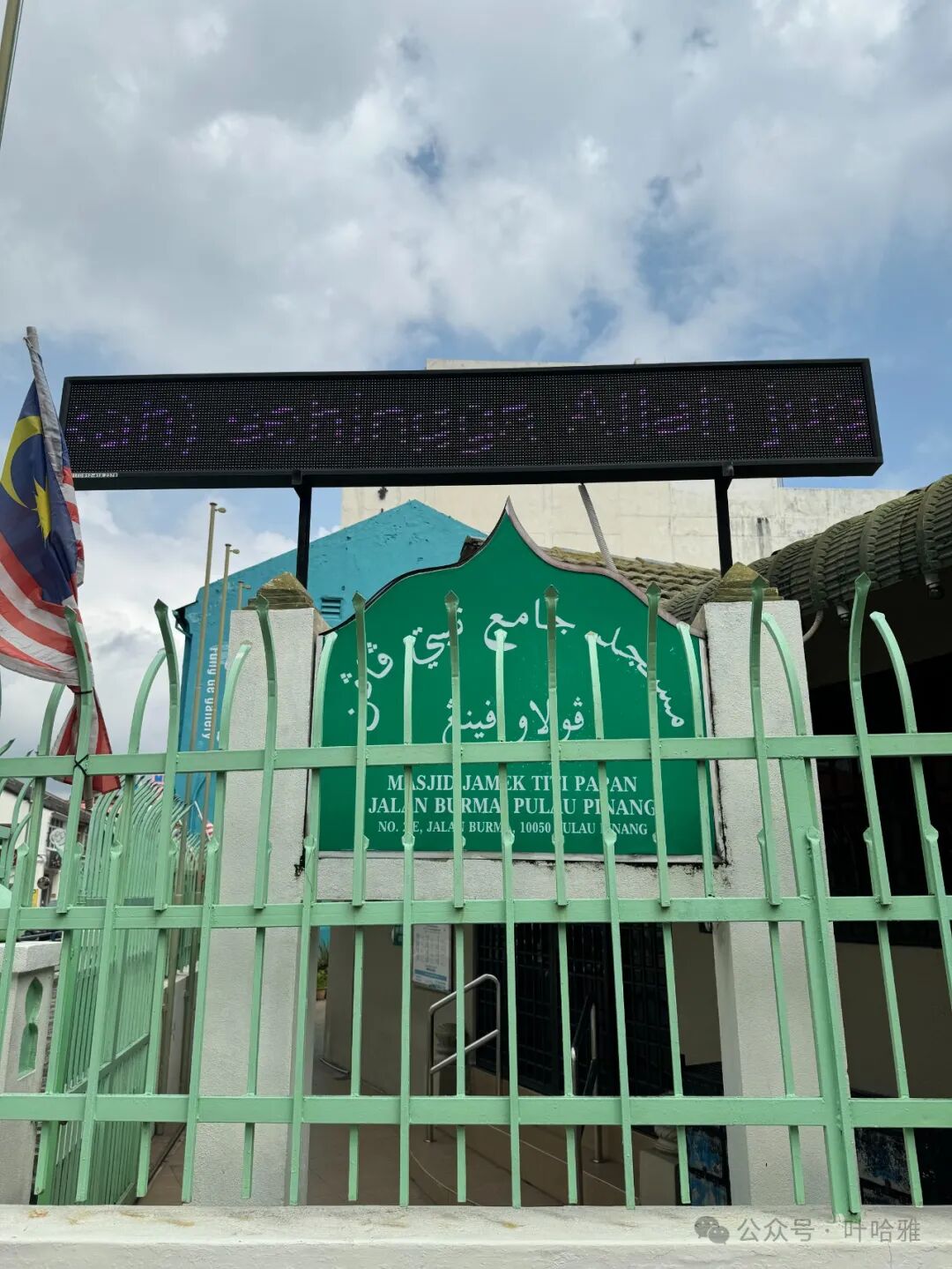
At first, it was a wooden structure with jewelry and diamond merchants Haji Mohamed Gumbong and Saiboo Merican as the main donors. The George Town World Heritage Incorporated set up an information plaque for it, and it was not rebuilt as a brick building until 1893.
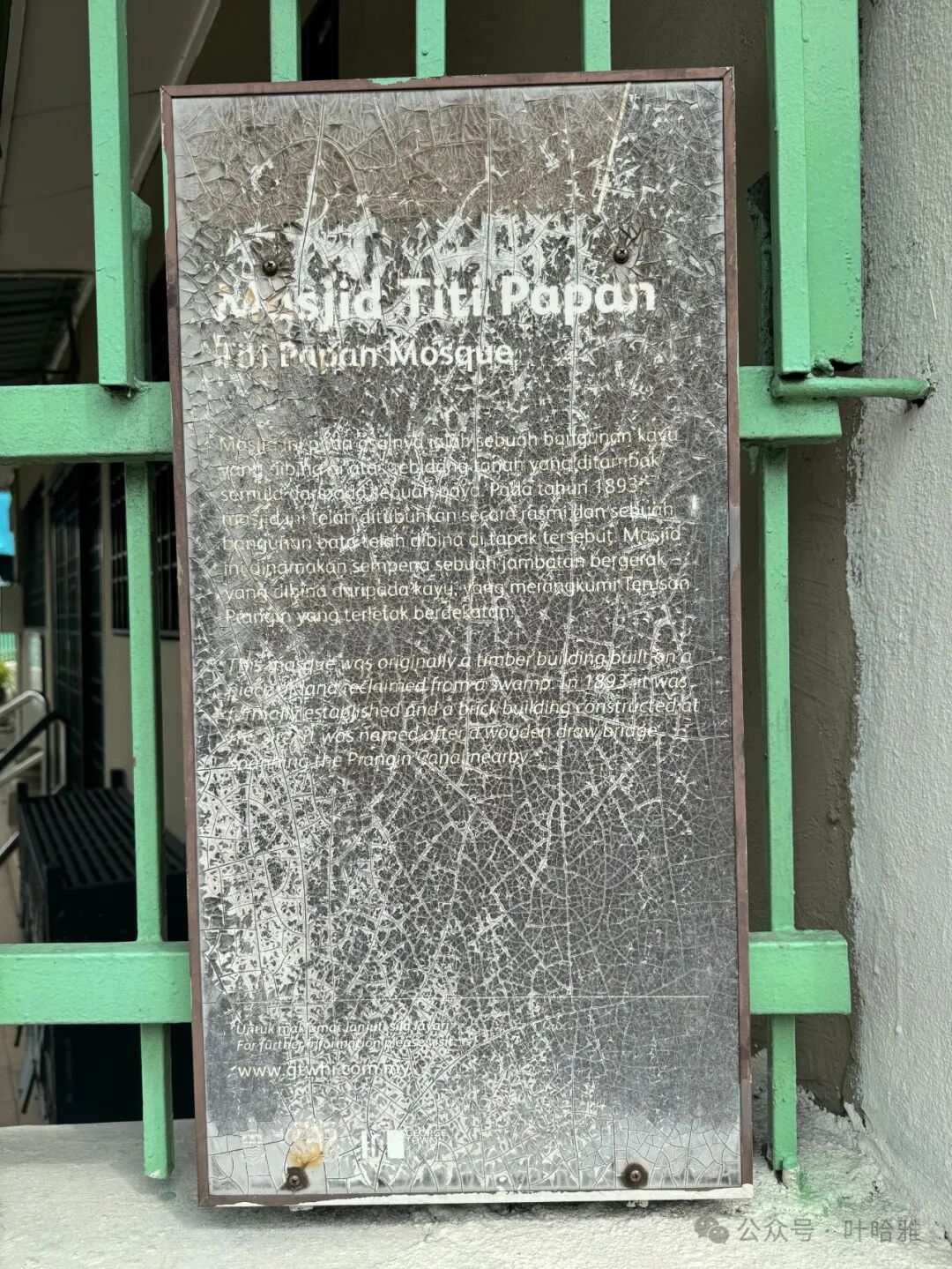
The two main donors later disagreed over who should manage the mosque. After decades of ups and downs, the mosque closed from time to time. In 1986, Yusof Latiff was appointed as the mosque's chairman. To make the mosque more popular, he asked the Penang government to approve Friday Jumu'ah prayers there, but the request was rejected because Penang already had too many Jumu'ah mosques.
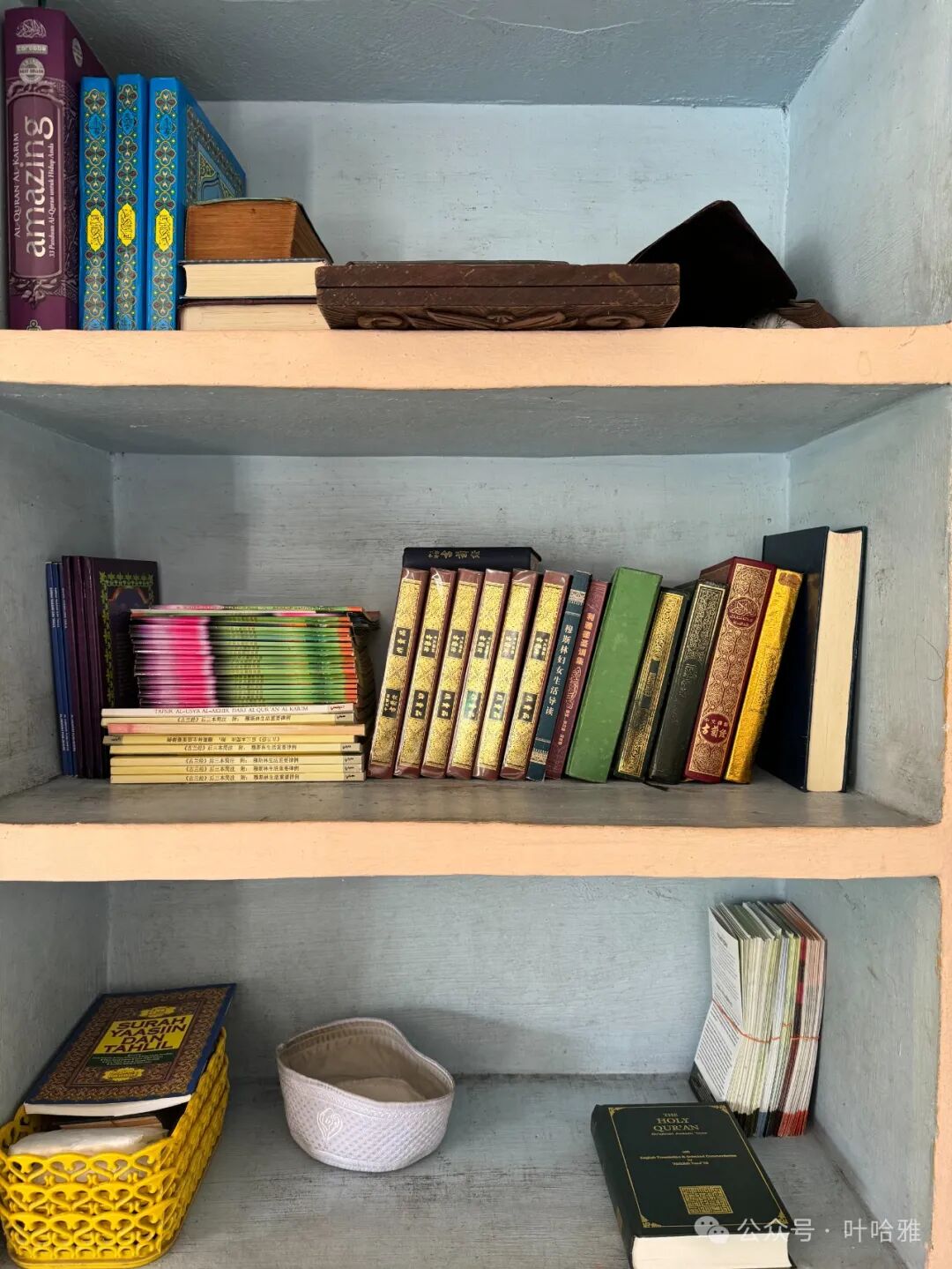
The mosque has copies of the Quran with Chinese translations.
The mosque was not approved as a Jumu'ah mosque until 1991. In 2001, the government expanded the mosque, and the regional office covered the costs.
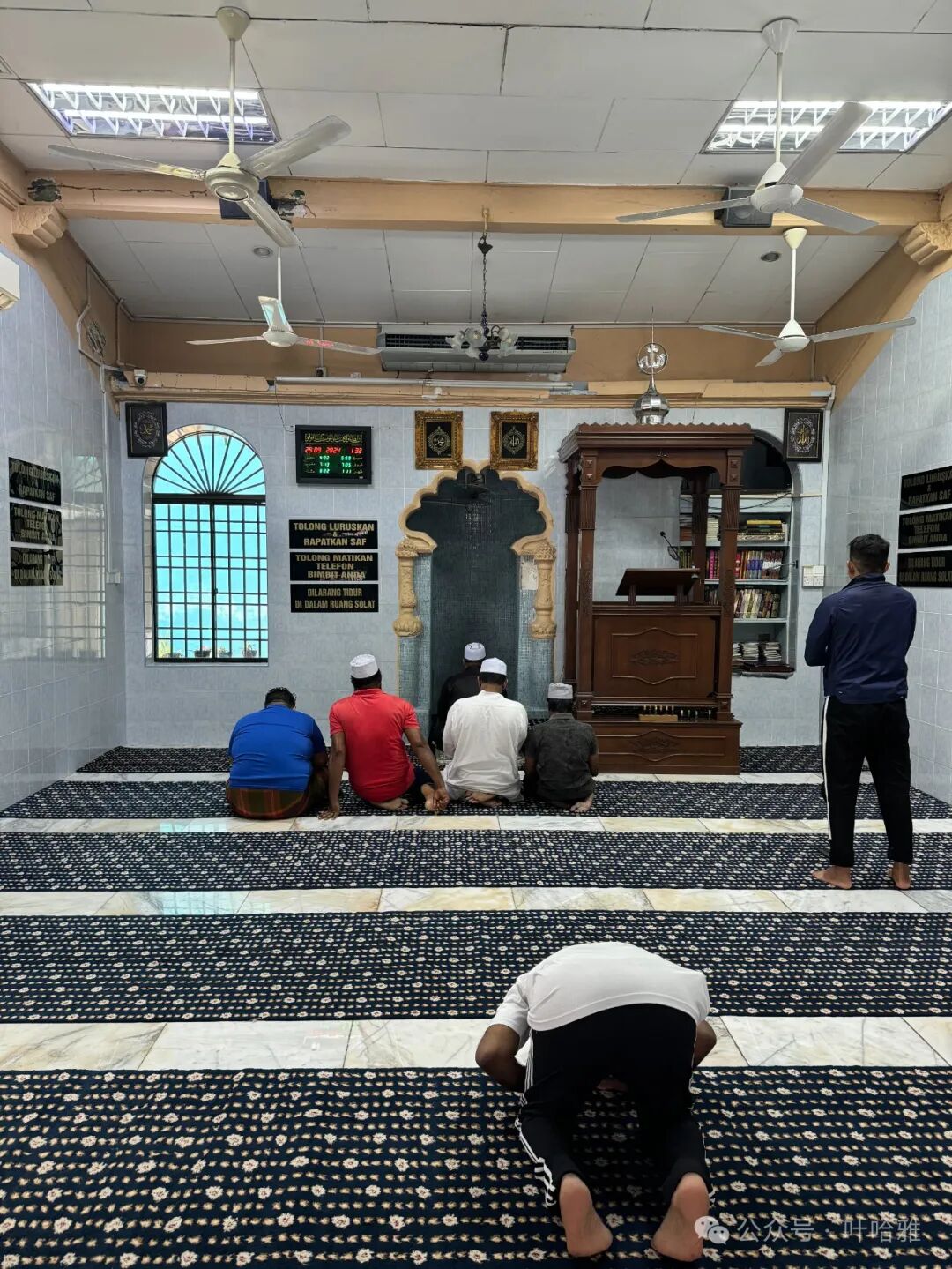
On August 16, 2014, the state government officially designated this mosque as the first Chinese mosque in Penang, naming it MASJID CINA TITI PAPAN.
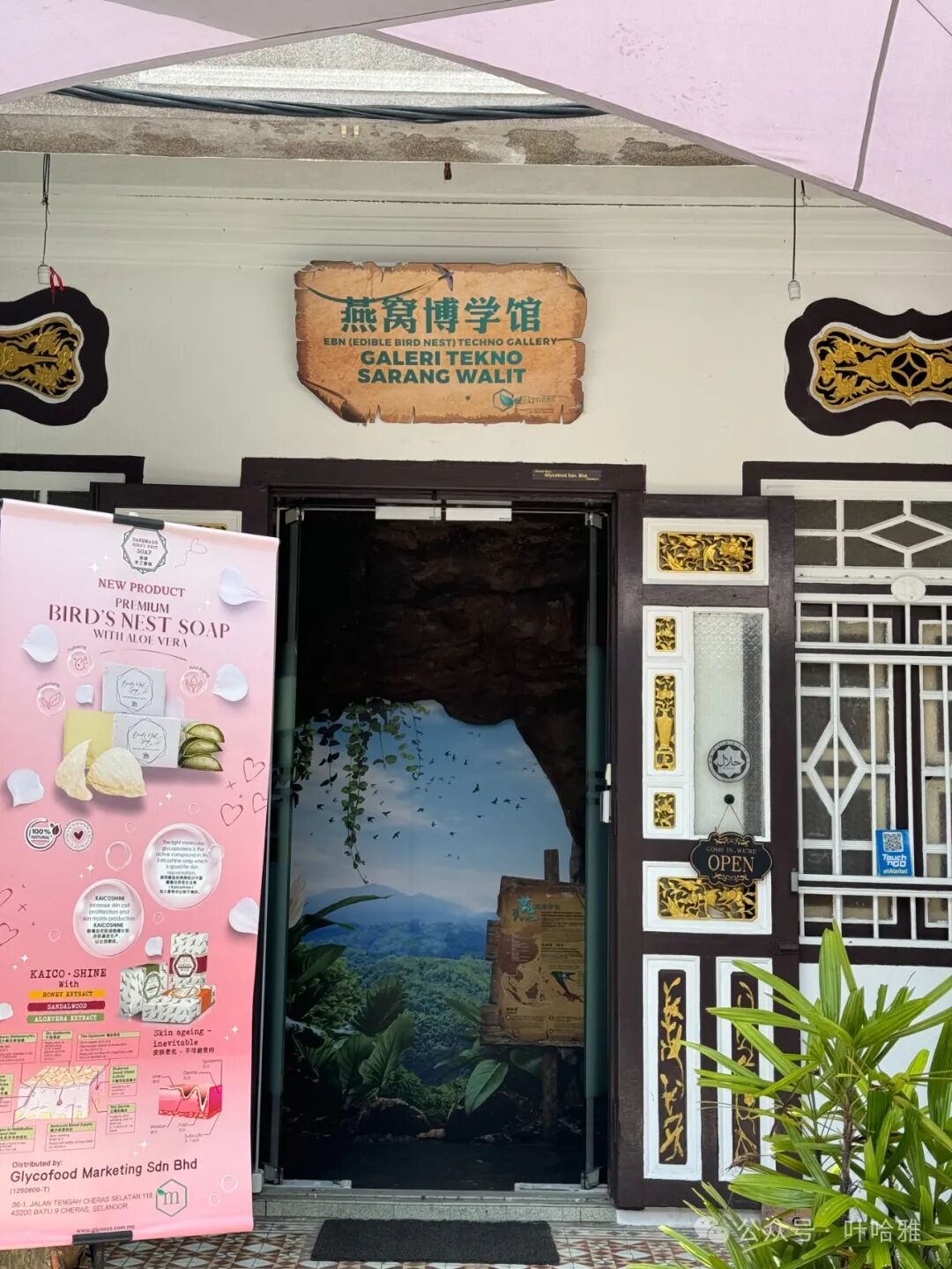
The halal bird's nest museum.
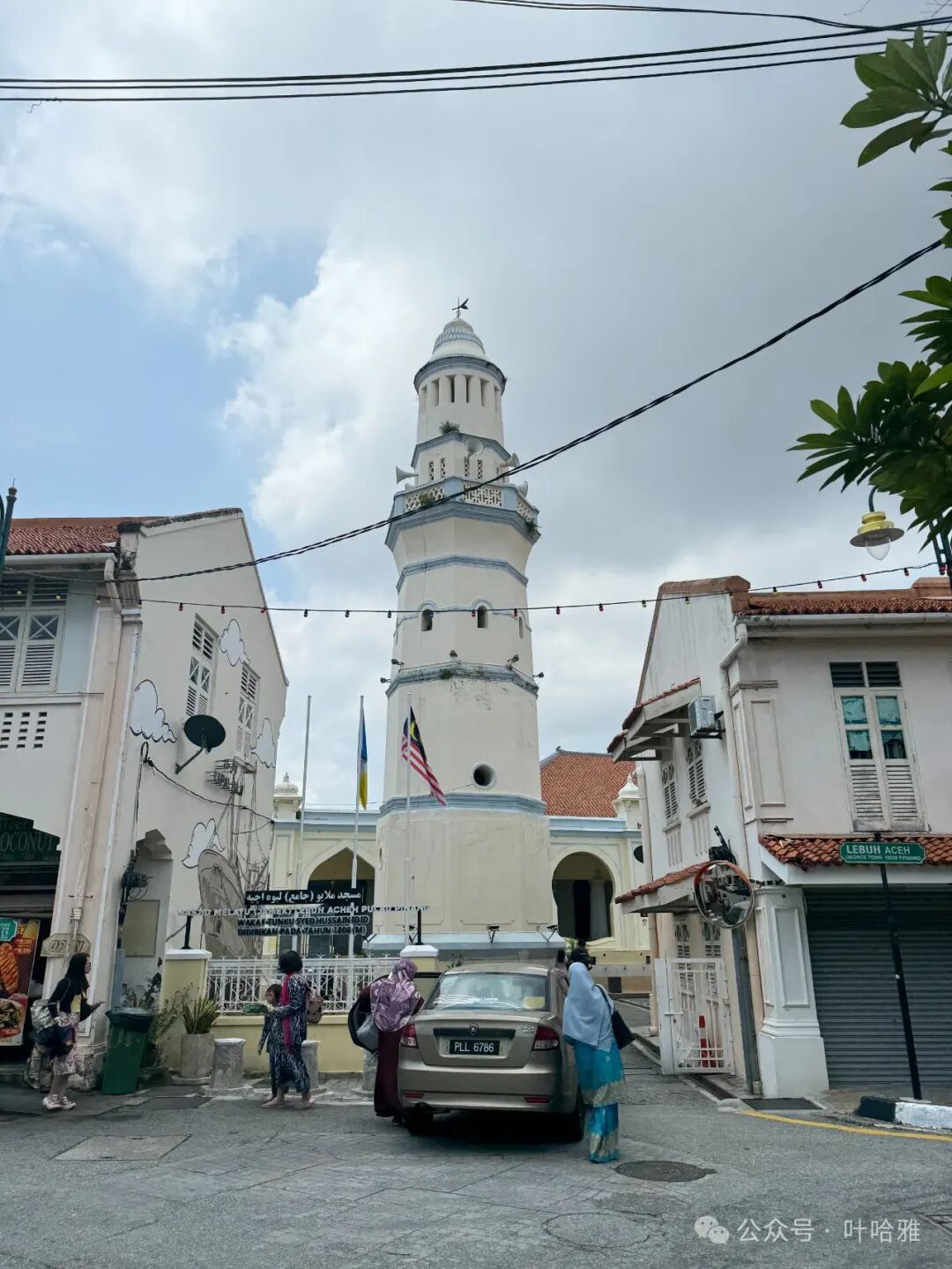
MASJID MELAYU LEBOH ACHEH
This mosque is called the Acheen Street Mosque (Masjid Melayu Leboh Acheh). It was built by the Acehnese in 1808. The graves of the donor and his family are right next to the mosque.
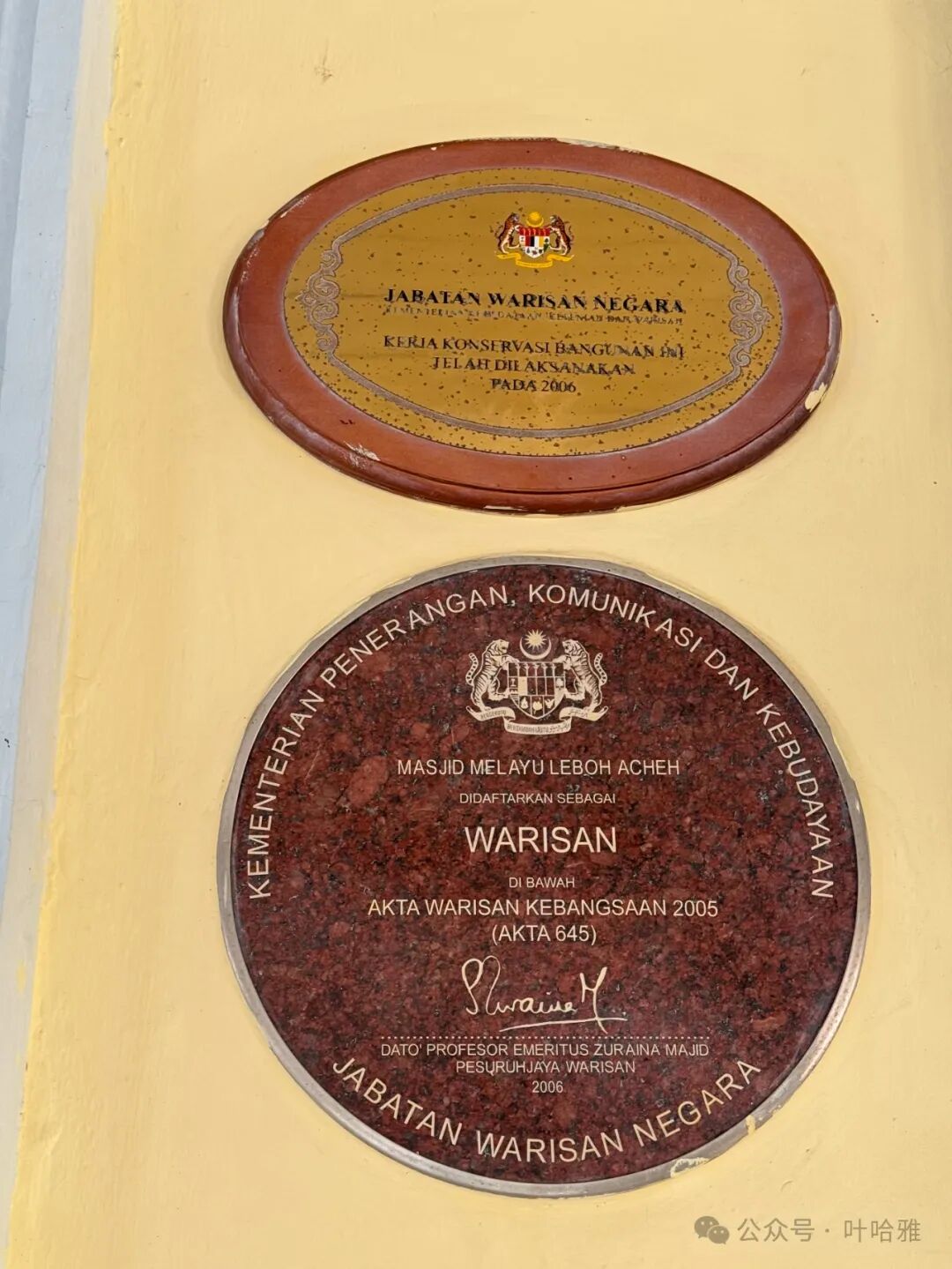
This mosque was once an Islamic academic center in Penang, bringing together merchants from the surrounding Malay Archipelago, Arabia, and India.
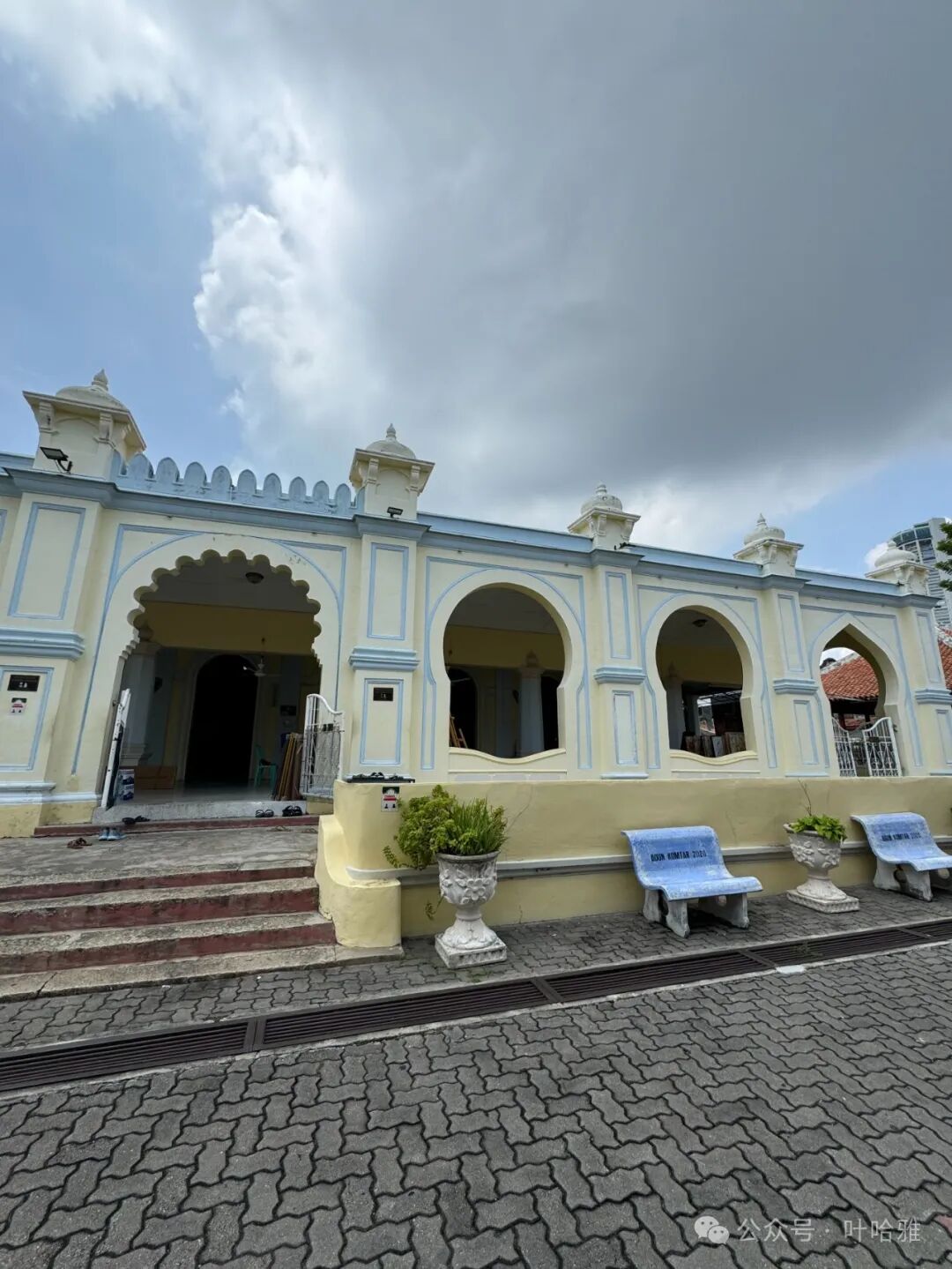
It was once a gathering place for pilgrims heading to Mecca, which is why it was called the Second Jeddah.
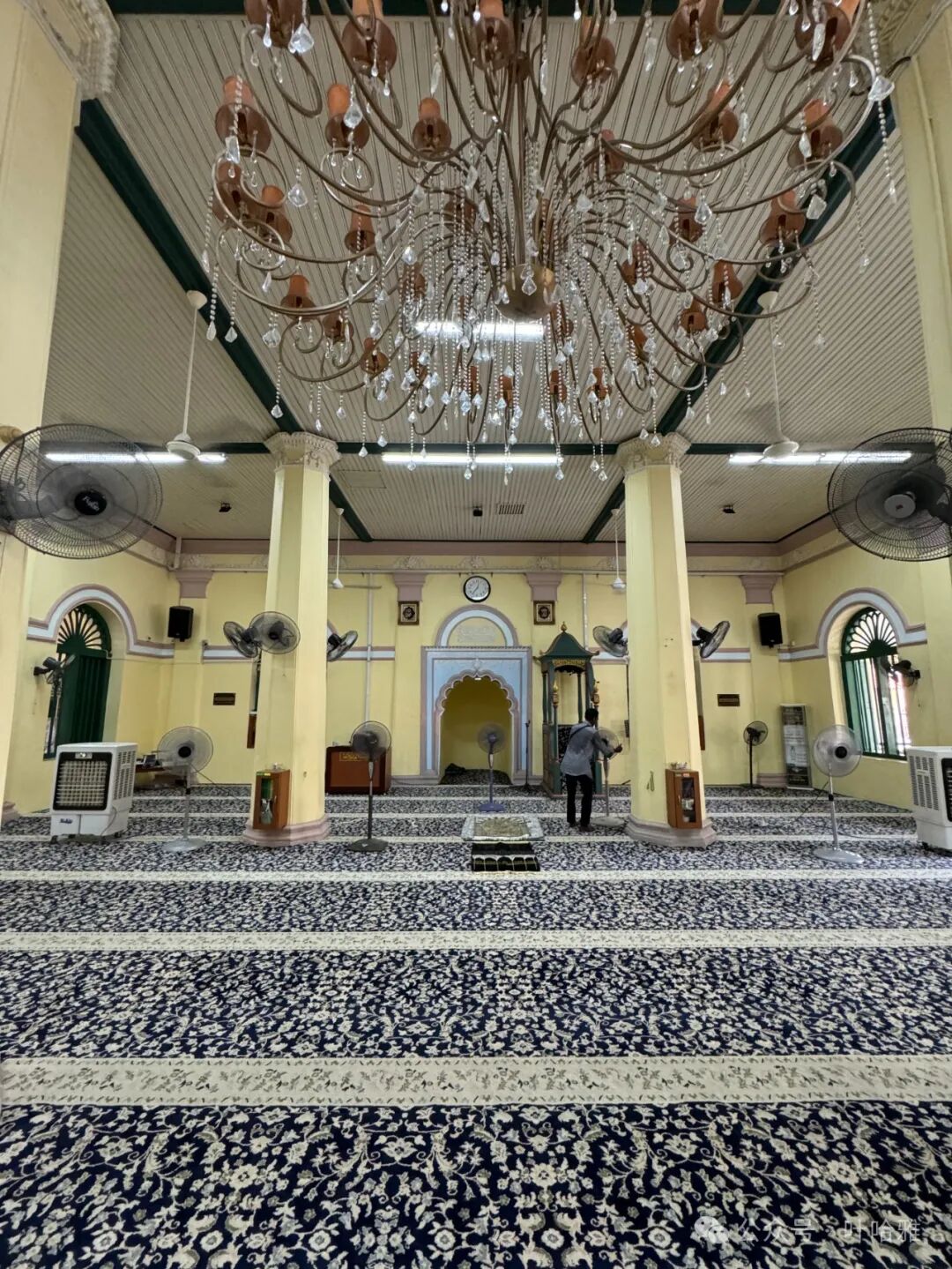
The area gradually became quiet after the Hajj Pilgrimage Fund Board was established in Kuala Lumpur in the 1970s.
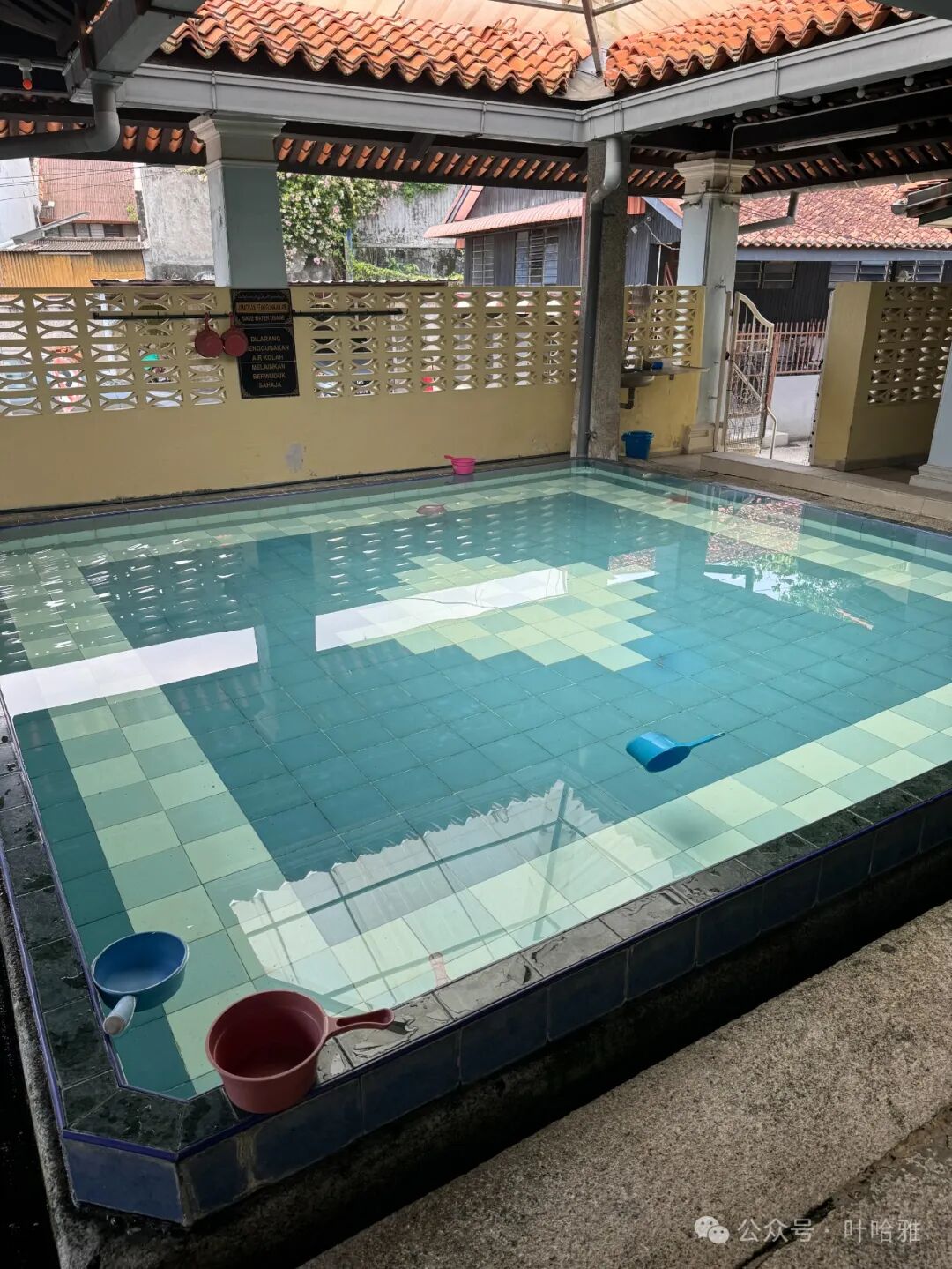
This is a wudu pool, which is common in Southeast Asian mosques.
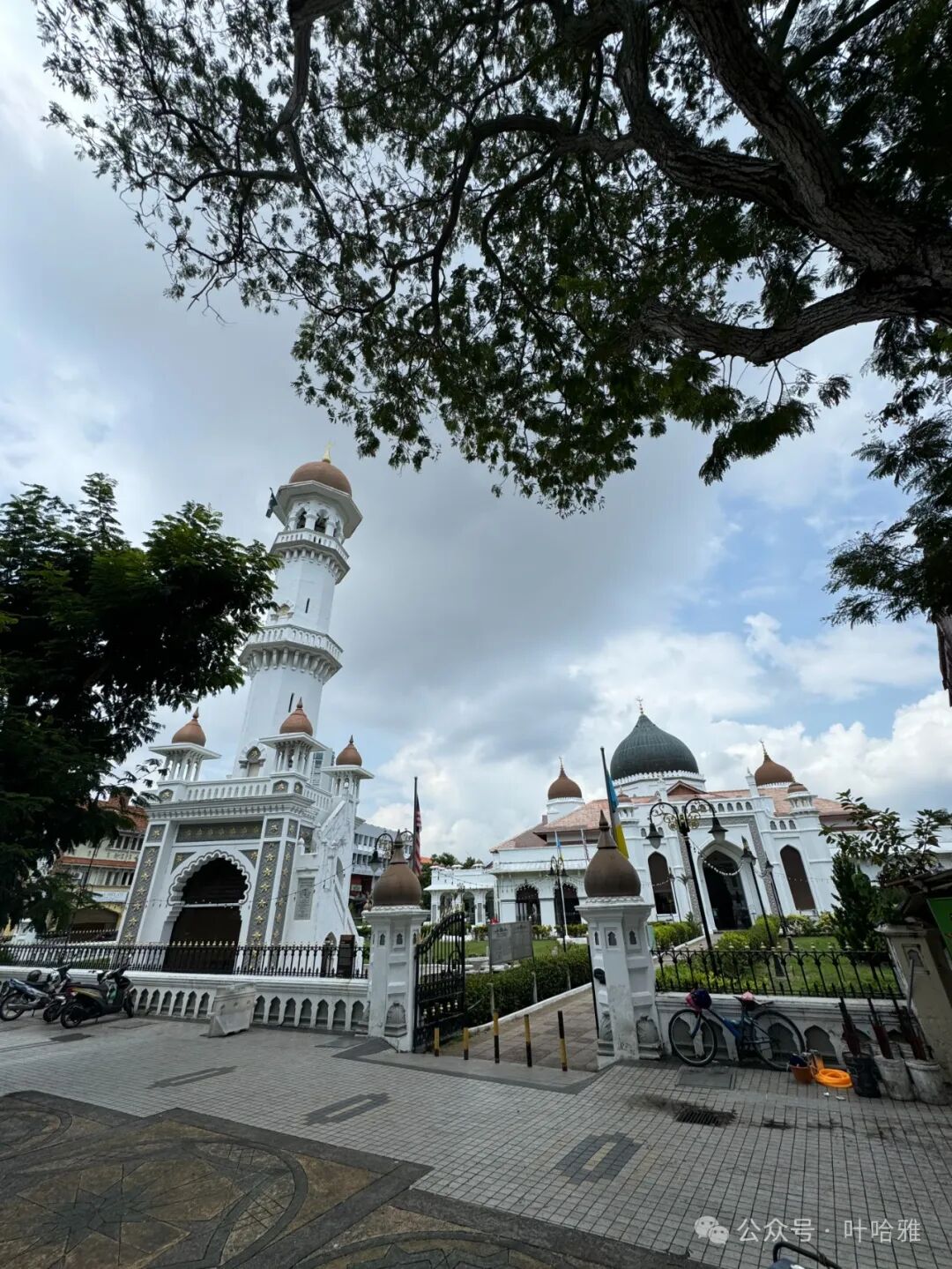
MASJID KAPITAN KELING
Kapitan Keling Mosque is a mosque built by Indians in Penang in 1801. It is located in the Tamil Muslim community of Penang and is part of the George Town World Heritage Site. George Leith, the then Lieutenant Governor of Penang, appointed an Indian man named Cauder Mohudeen as the captain of the South Indian Keling community. He received a piece of land and used it to build this mosque. People called this Indian captain 'Kapitan Kling,' so 'Kapitan' means captain, and 'Kling' is the Malay term for Indians, which now carries a derogatory meaning.
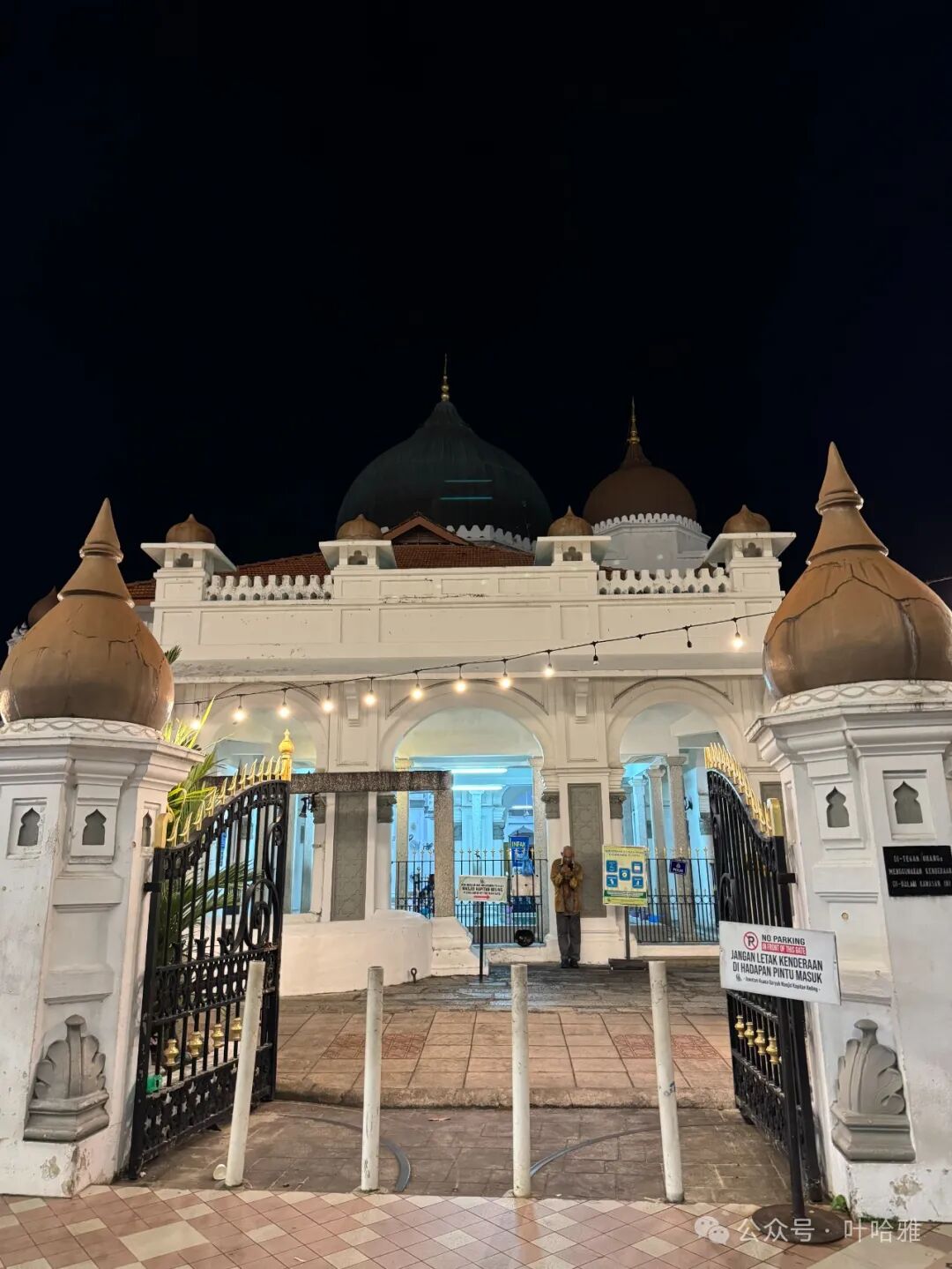
This mosque is also the largest mosque in Penang and a must-visit spot for tourists.
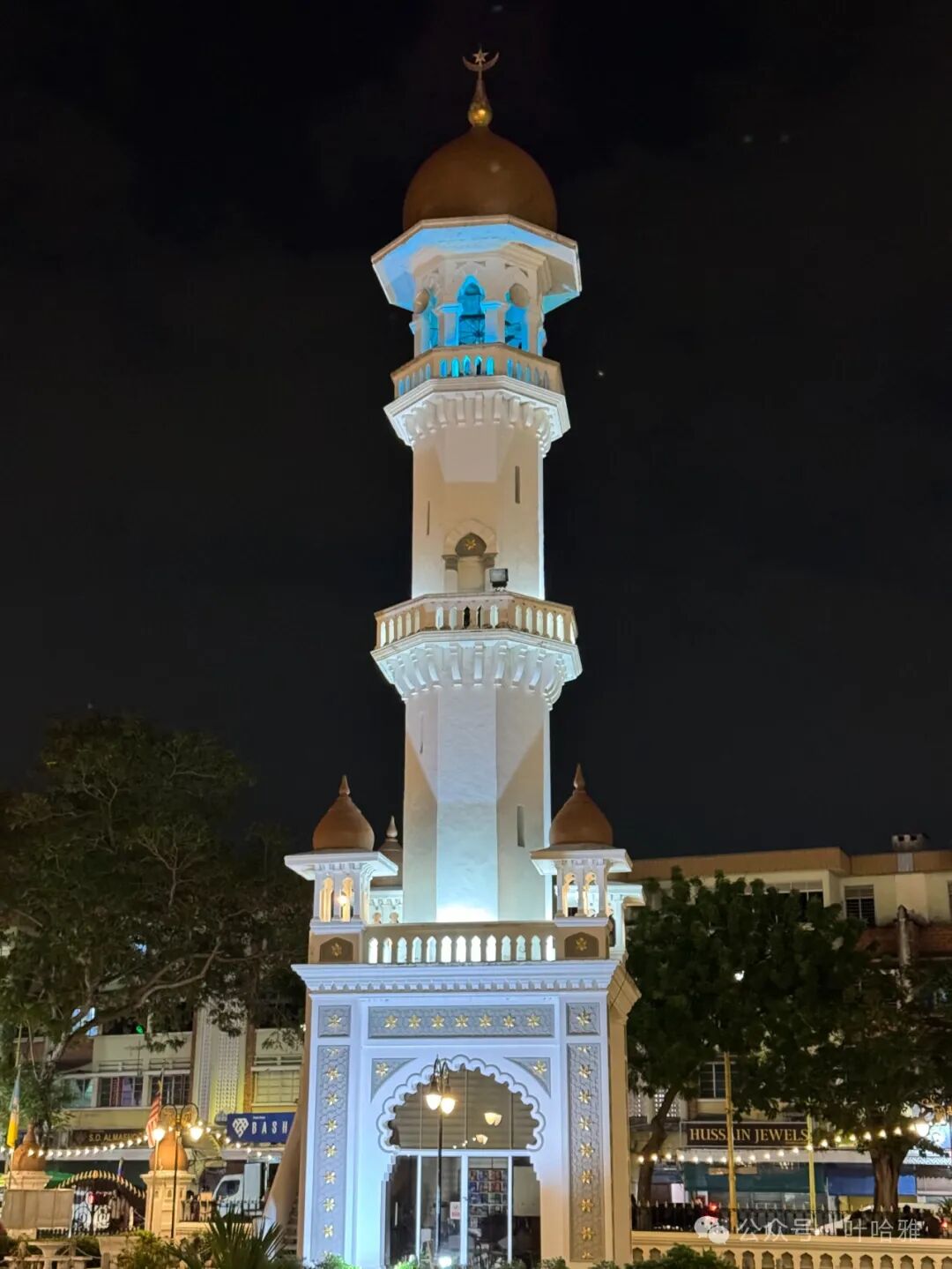
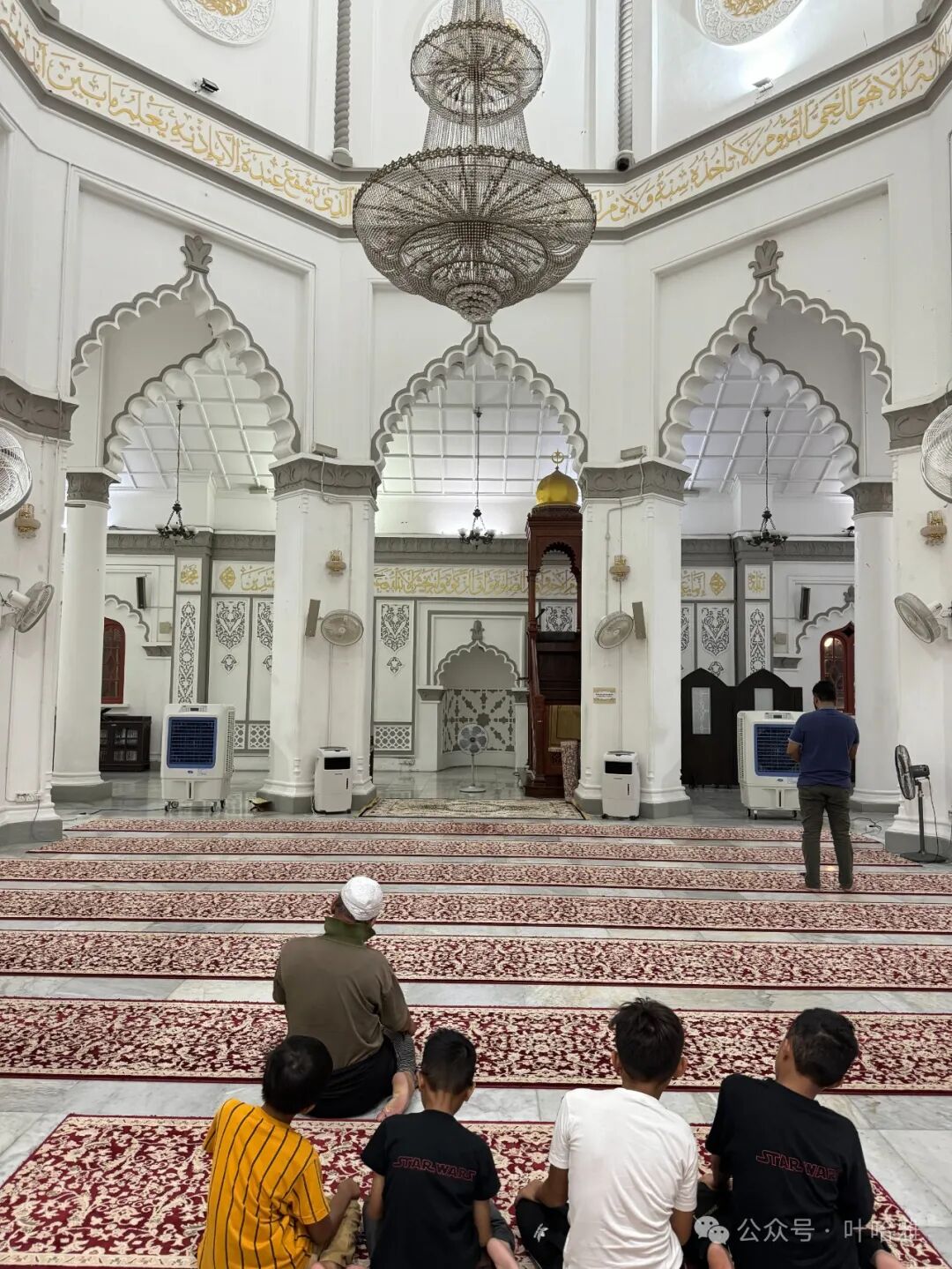
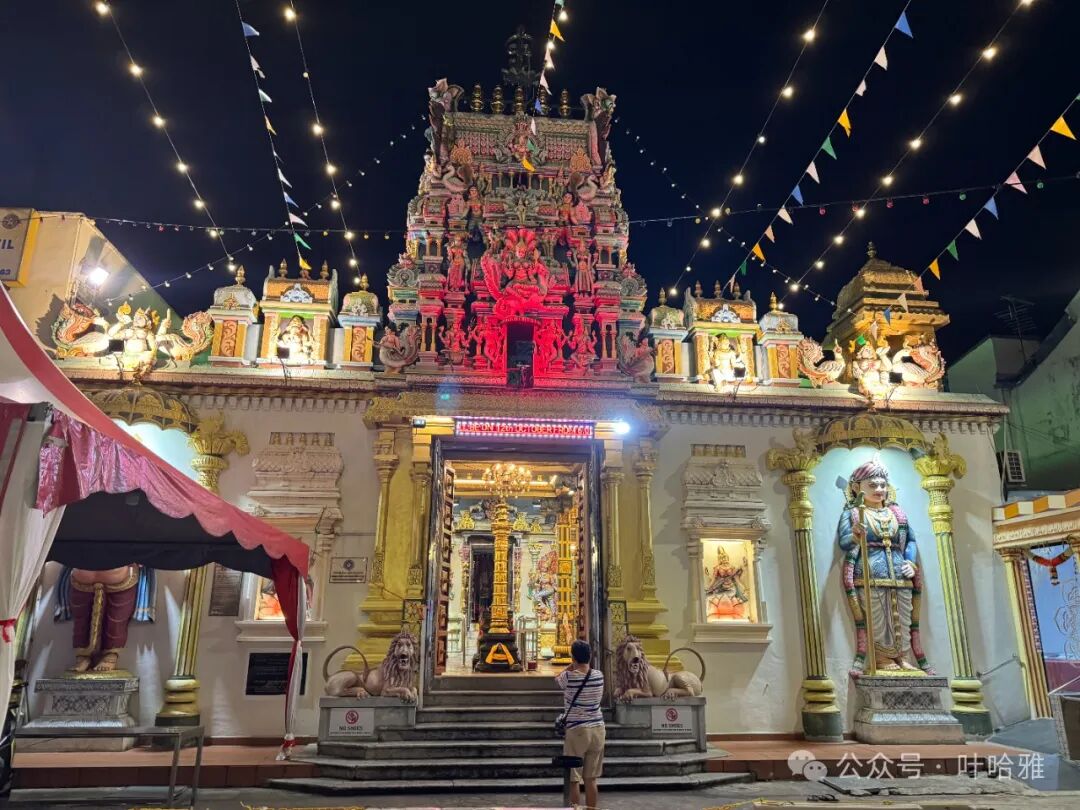
You can see various religions living in harmony in Penang. The picture below shows an Indian mosque not far from the mosque.
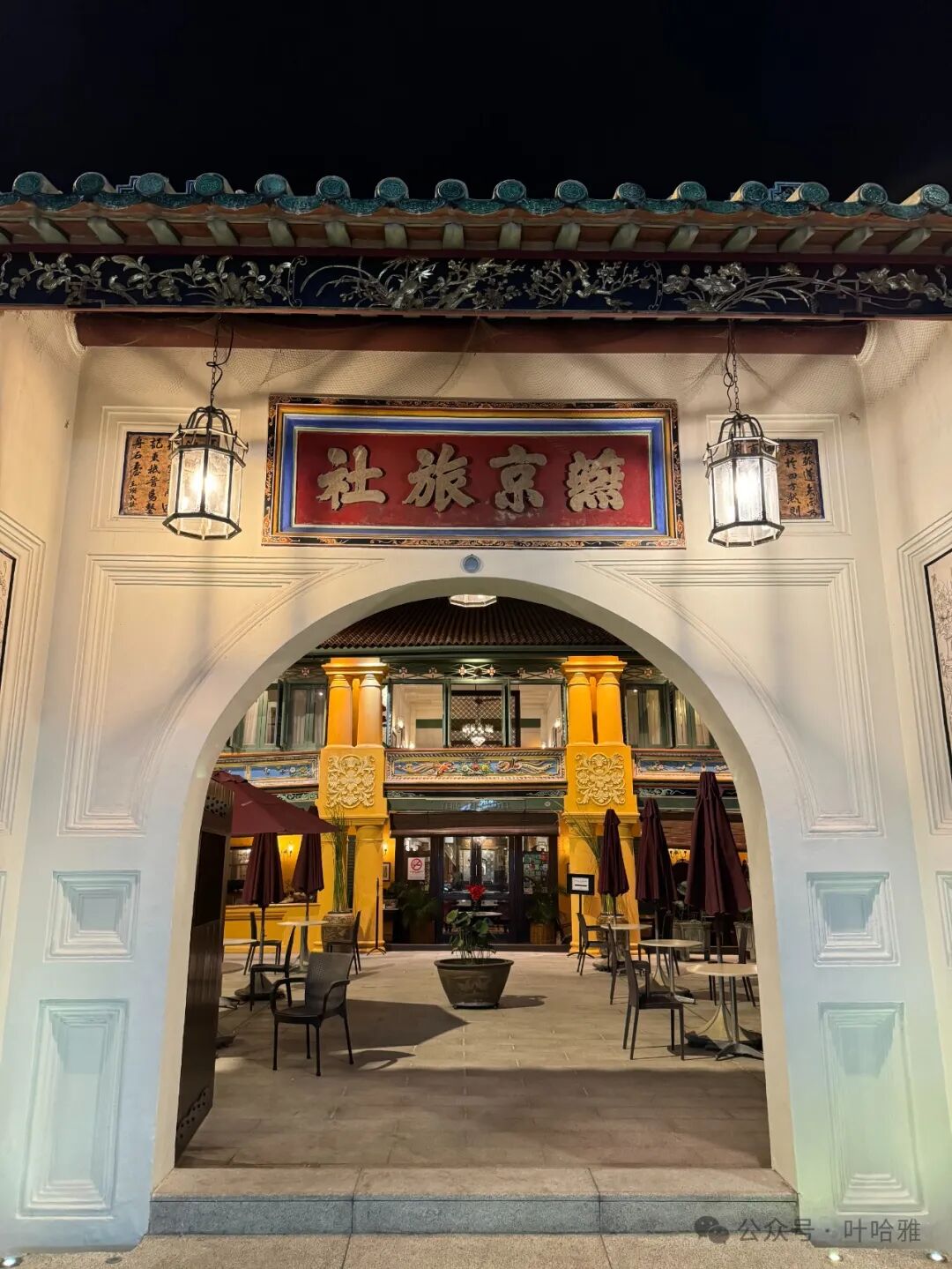
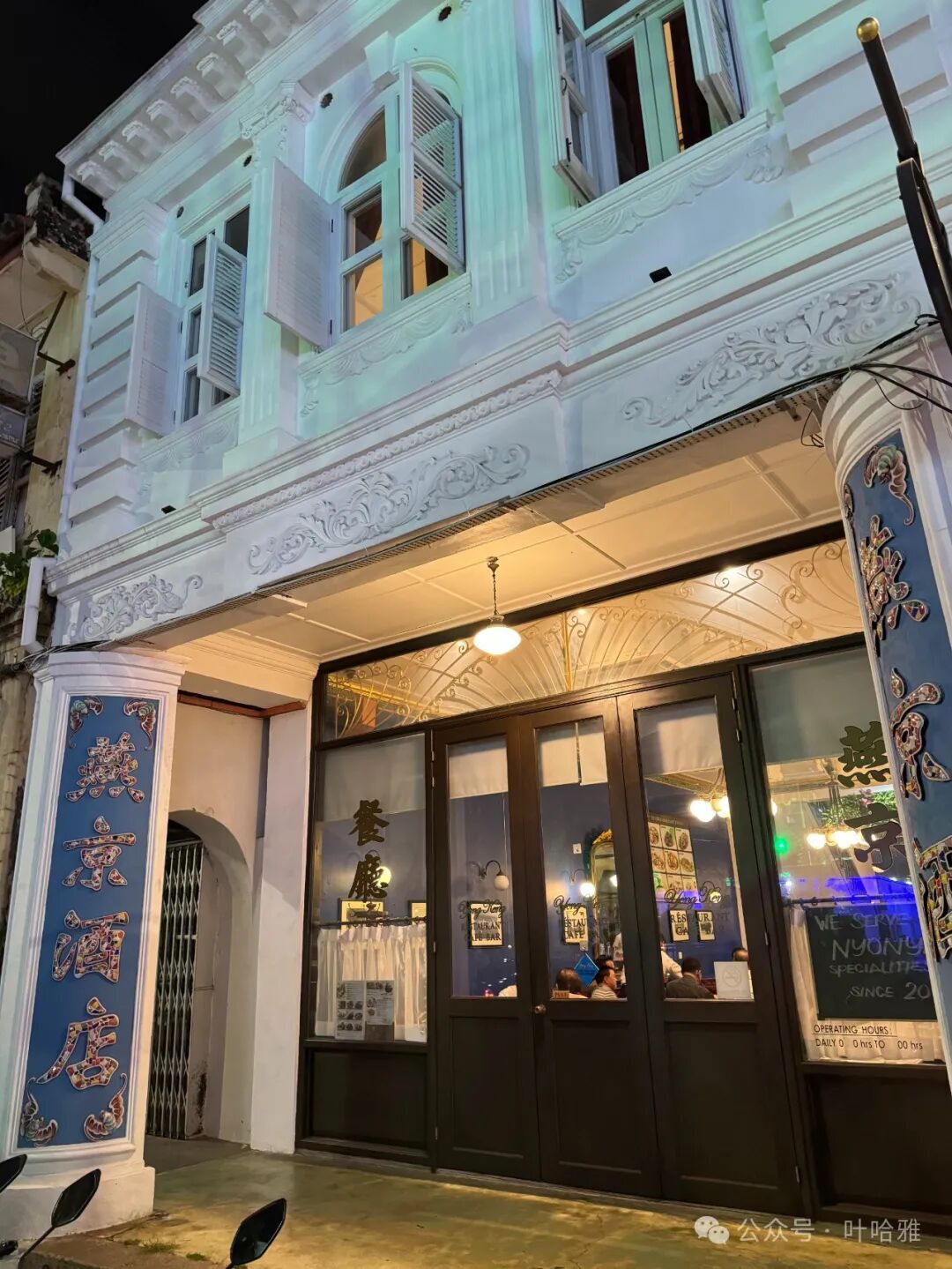
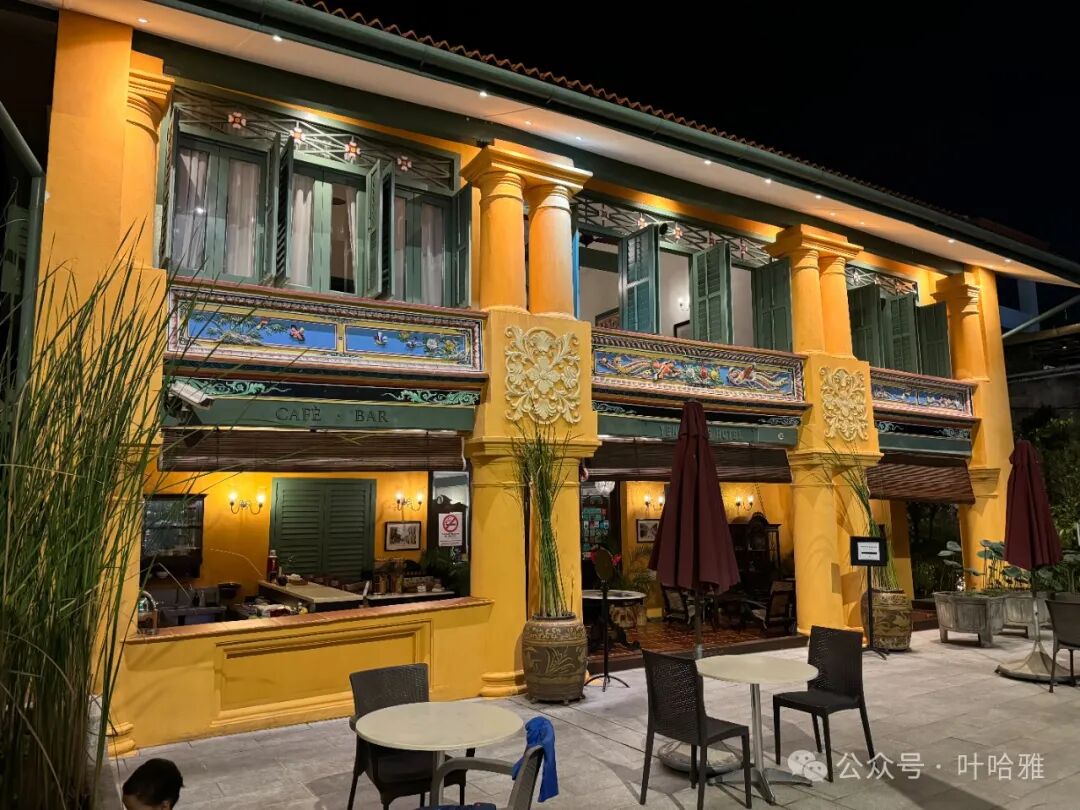
You can eat pork-free Nyonya cuisine at the Yeng Keng Hotel restaurant in George Town's old city. Yeng Keng Hotel is also a heritage hotel. Its price is similar to the George Hotel, around 1,000 yuan per night, but its facilities are clearly much older than those at the George Hotel.
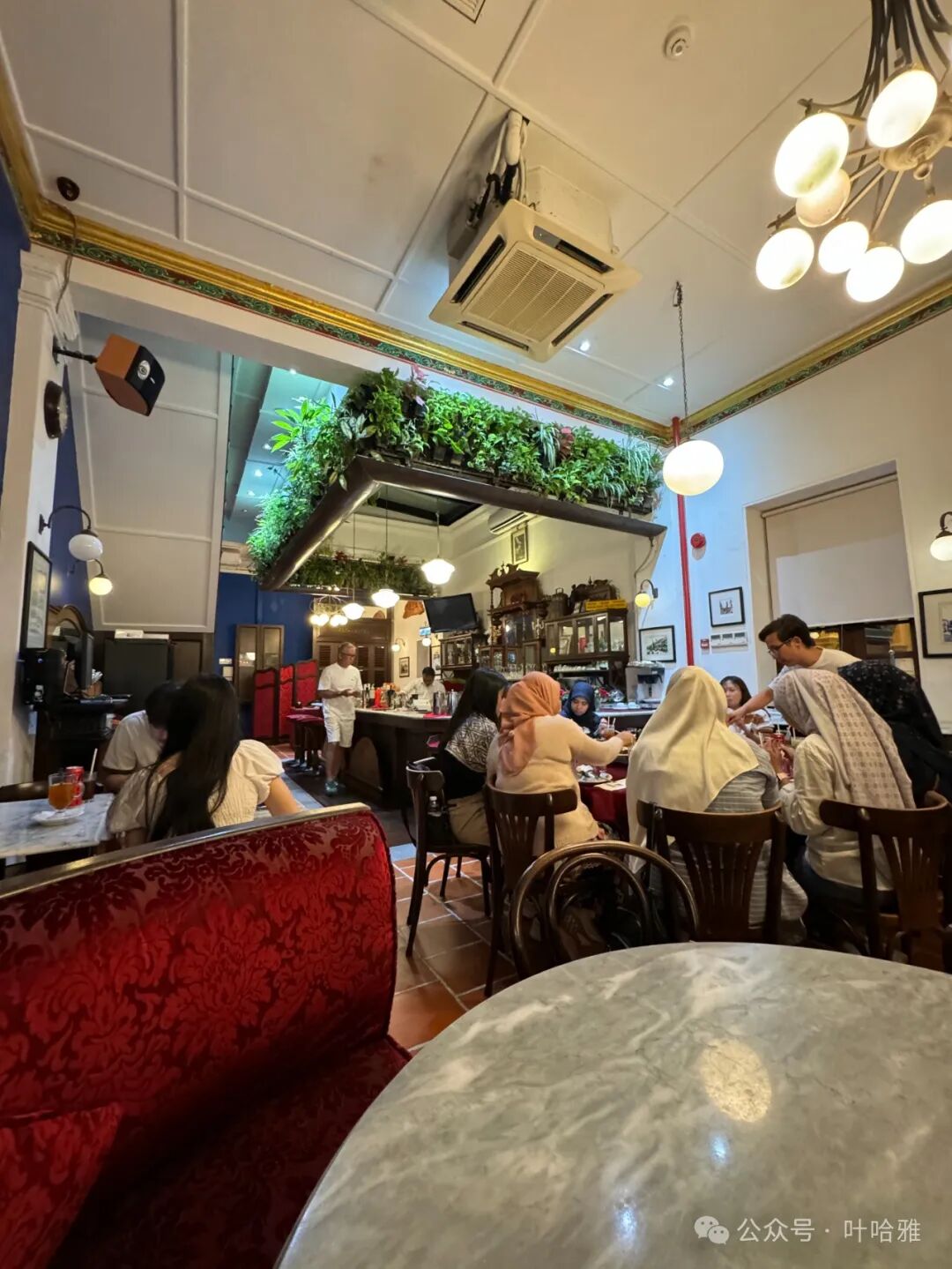
The menu prices are quite reasonable, and the restaurant is very busy. When we arrived for dinner, there was only one empty table left, and guests who came after us had to wait in line.
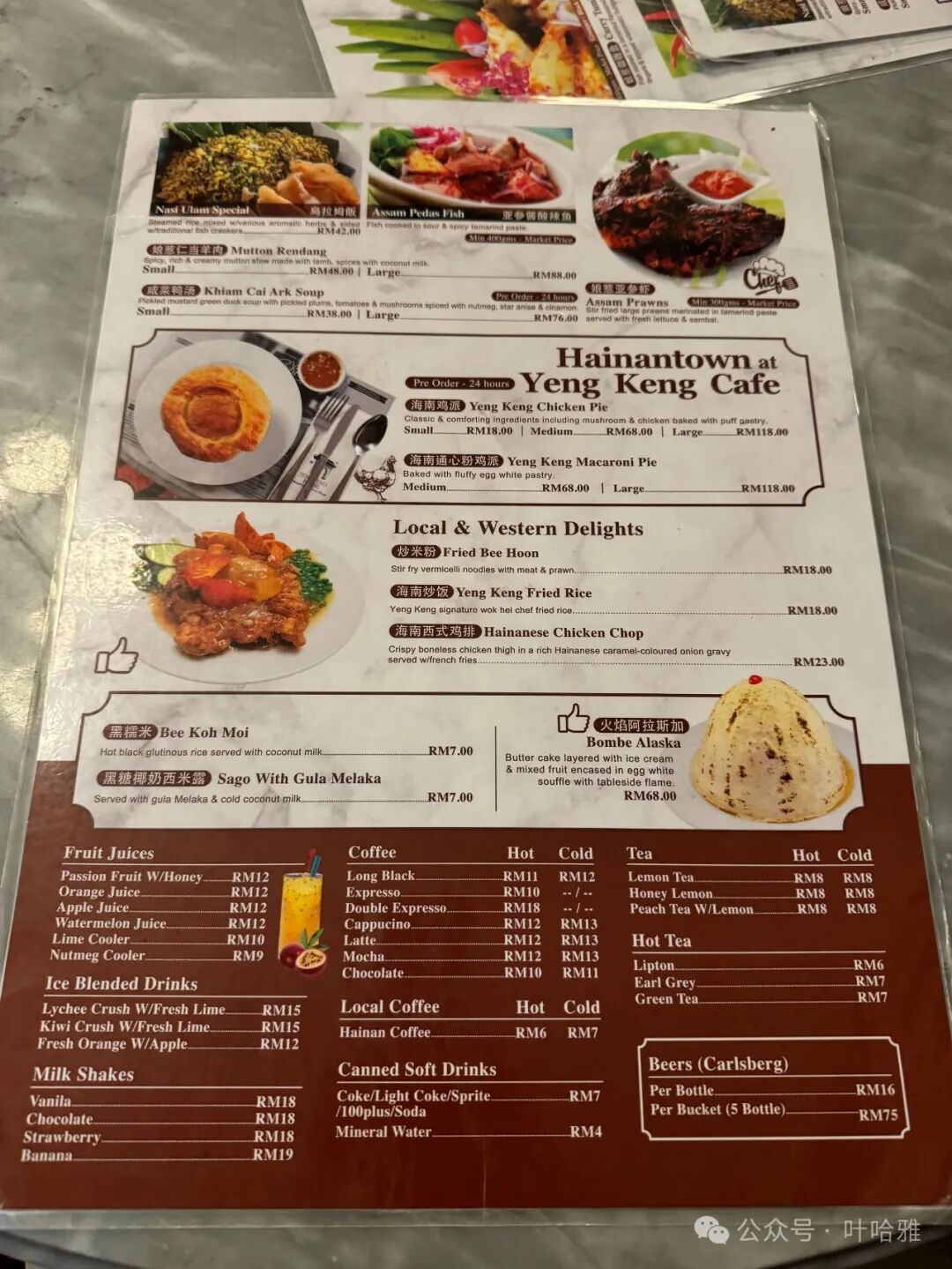
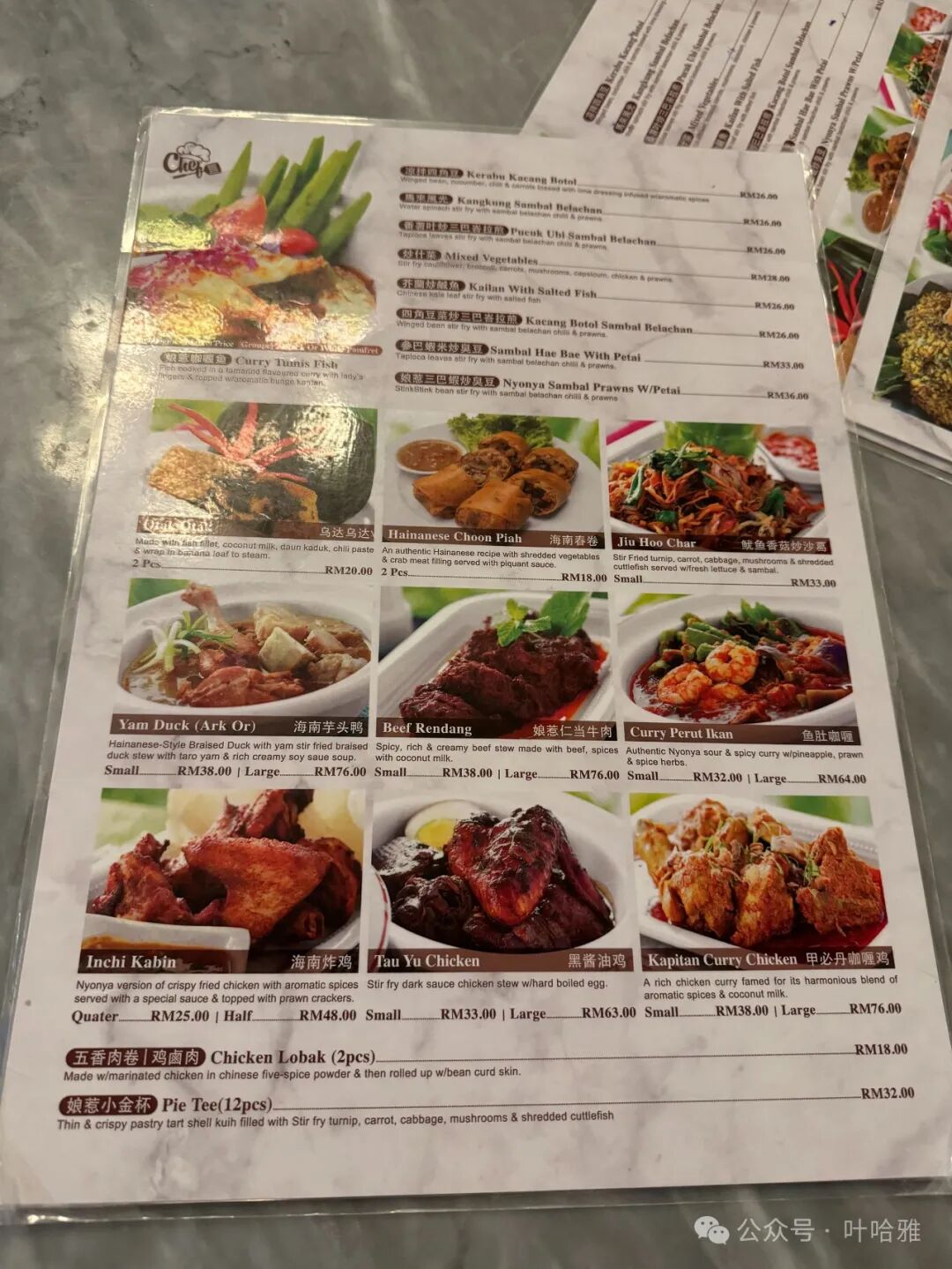
We ordered signature Nyonya dishes. The taste was very authentic and similar to the Nyonya food I had in Malacca.
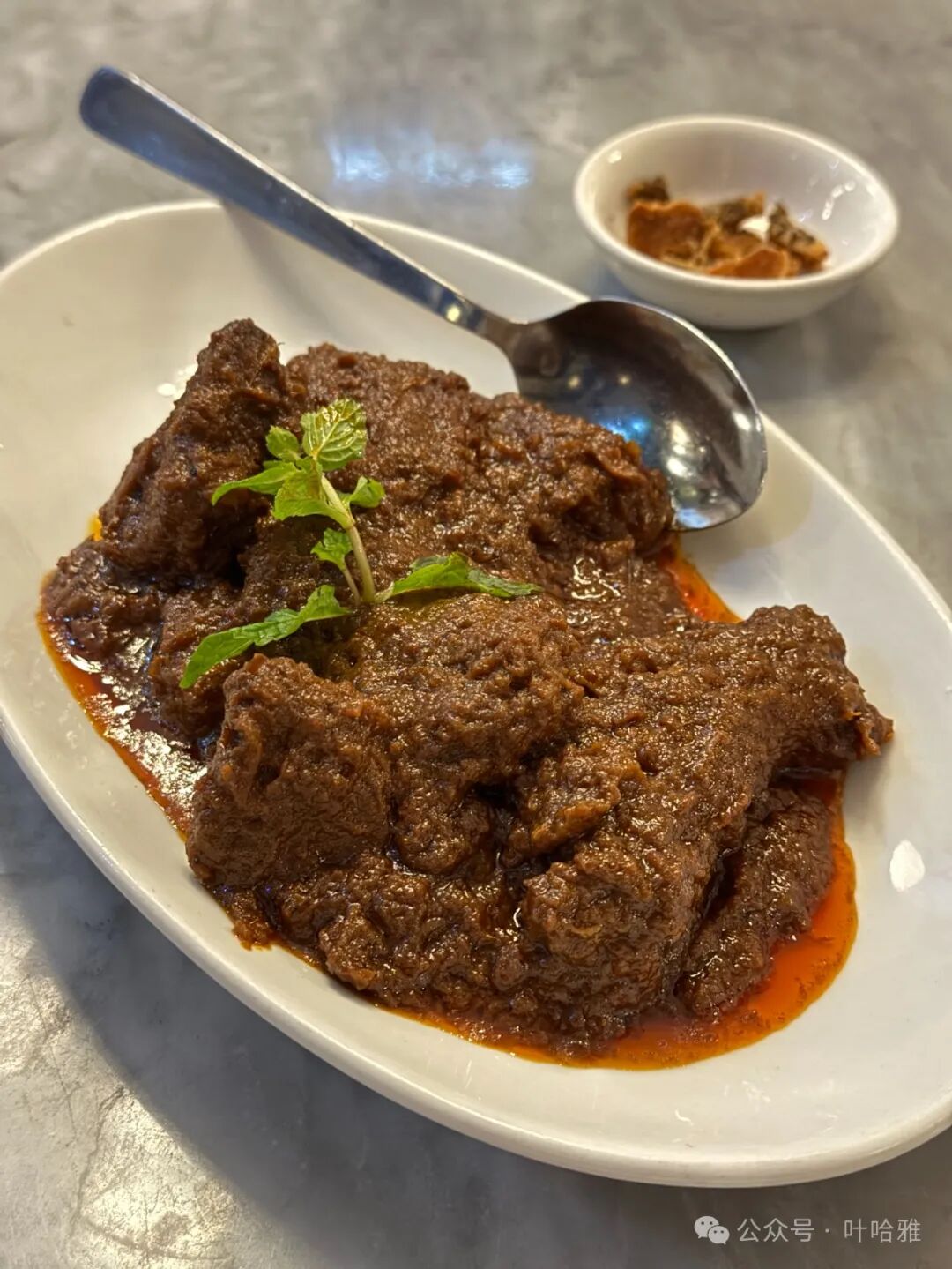
Beef rendang (rendang yangrou)
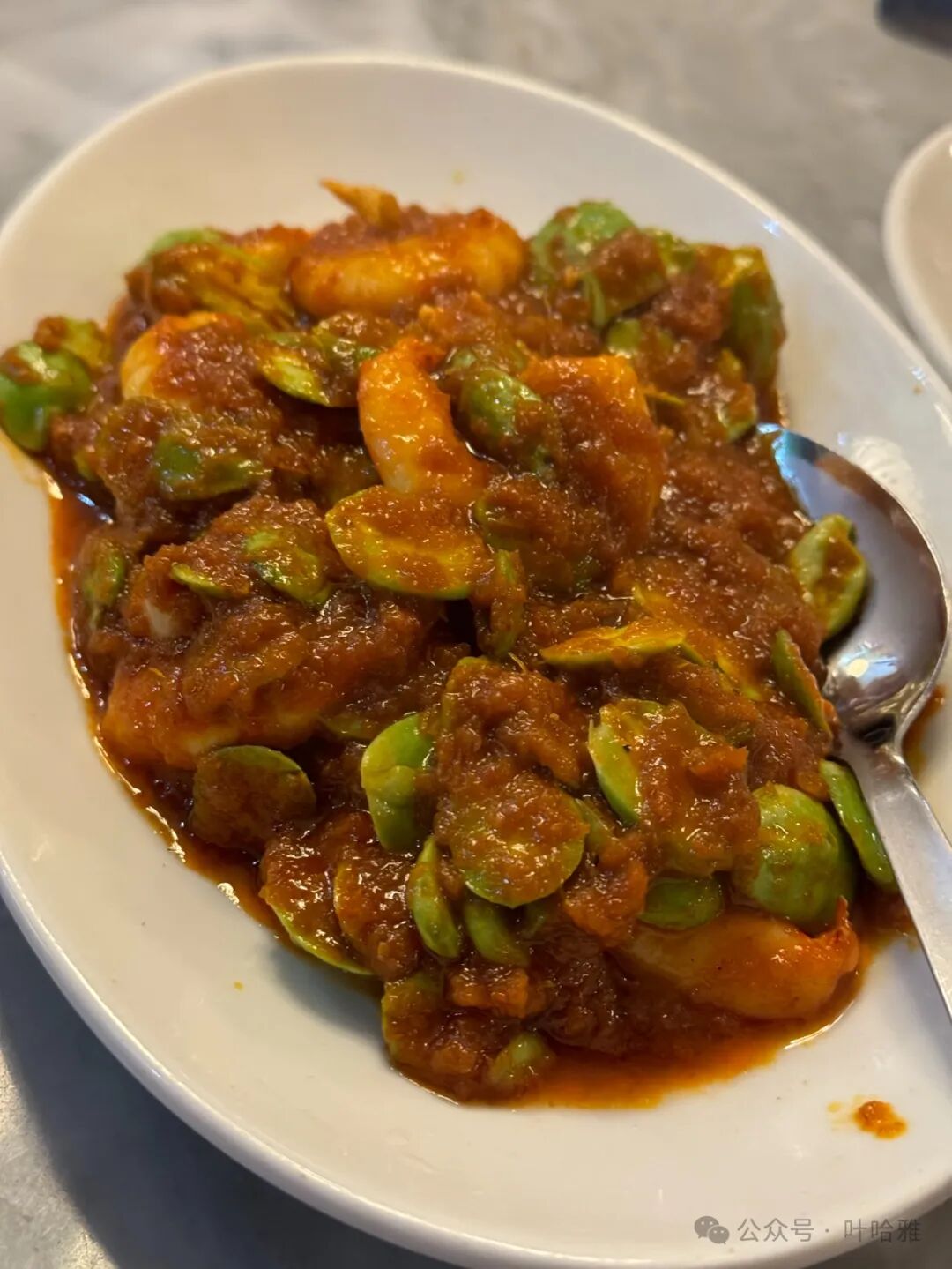
Nyonya sambal shrimp with stink beans (niangre sanba xia chao choudou)
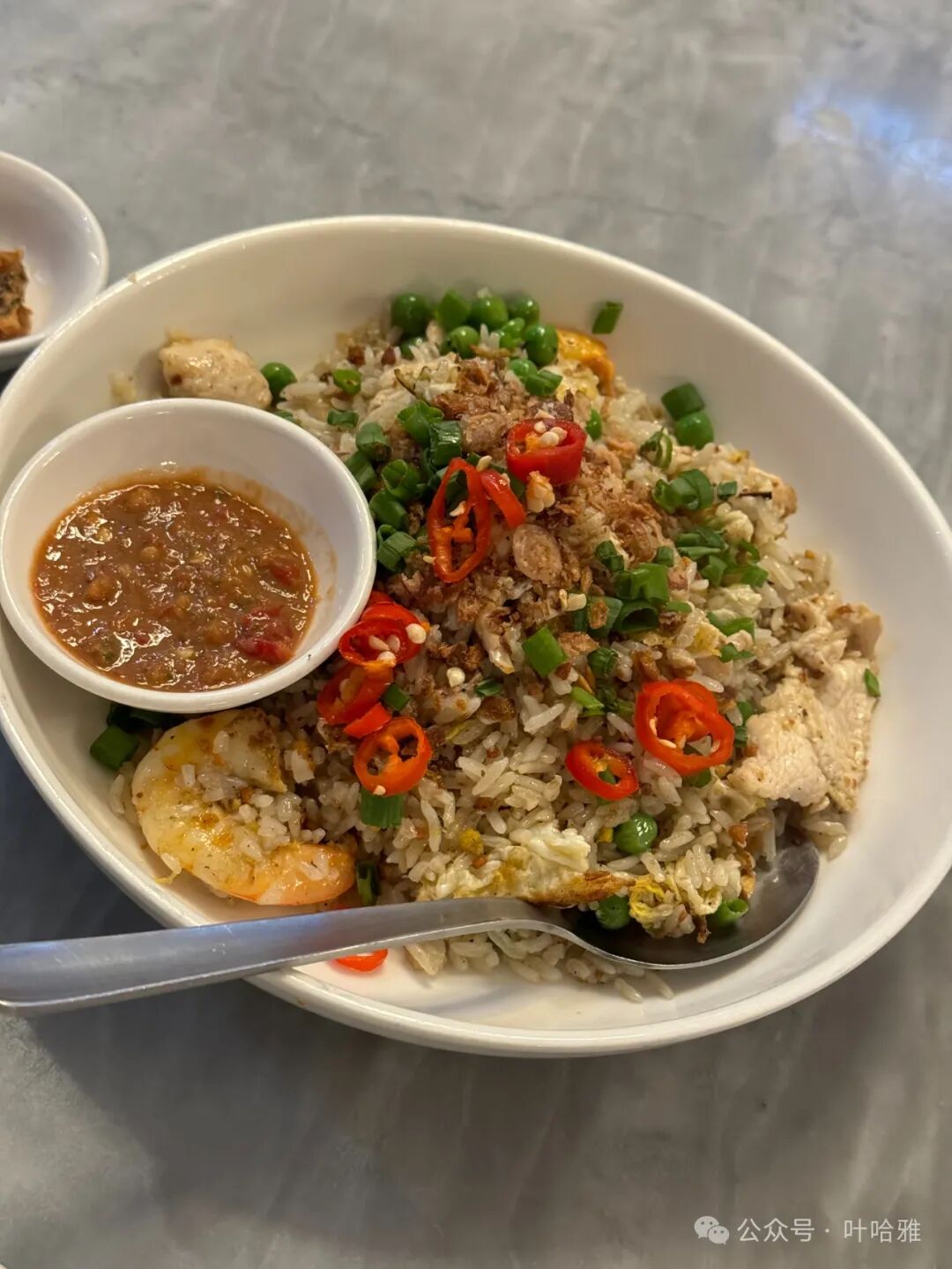
Hainan fried rice (hainan chaofan)
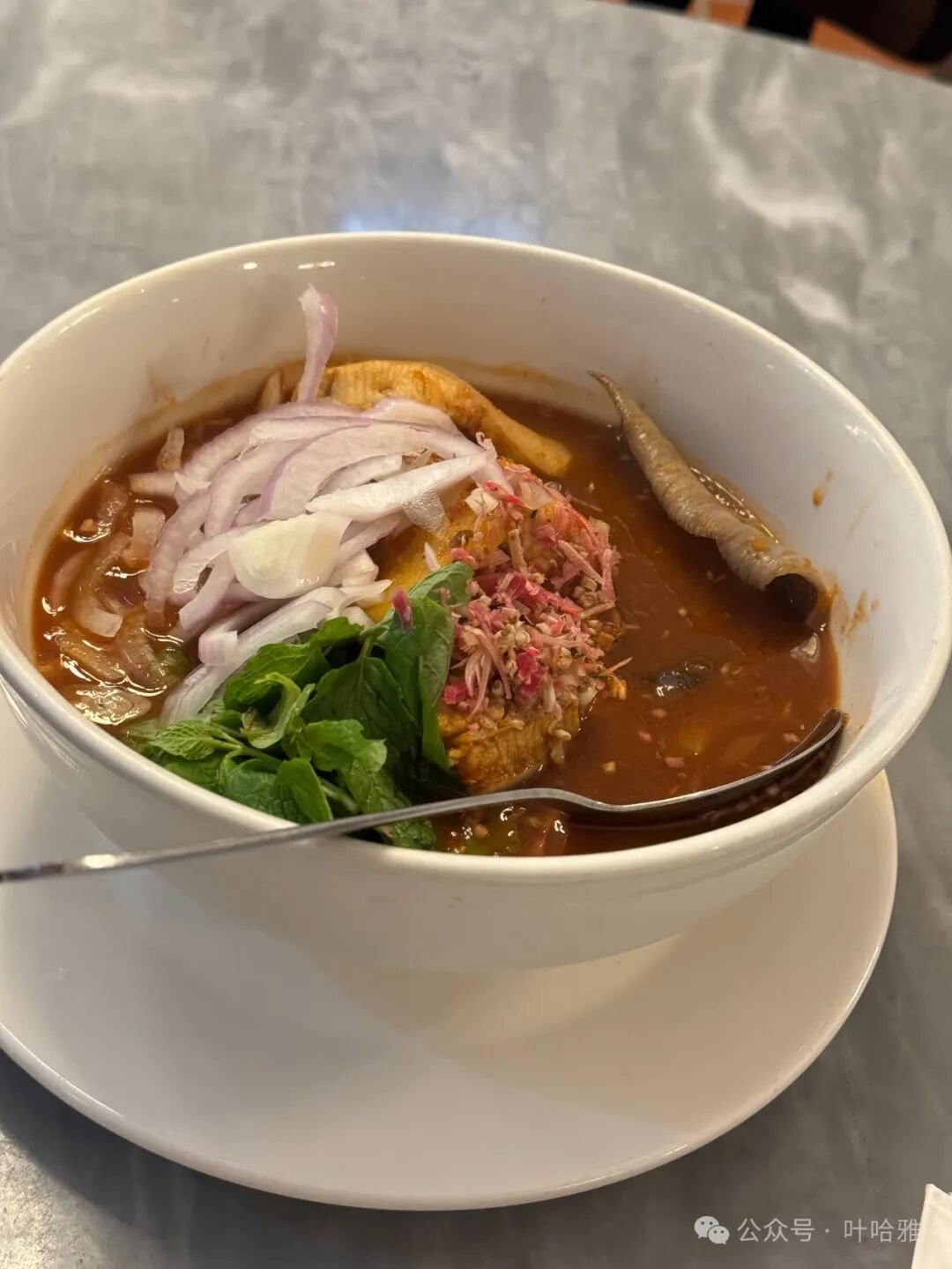
Fish maw curry (yudu gali)
The waiter was an Indian man. I wanted to order a few more dishes, but he suggested that we had already ordered enough.
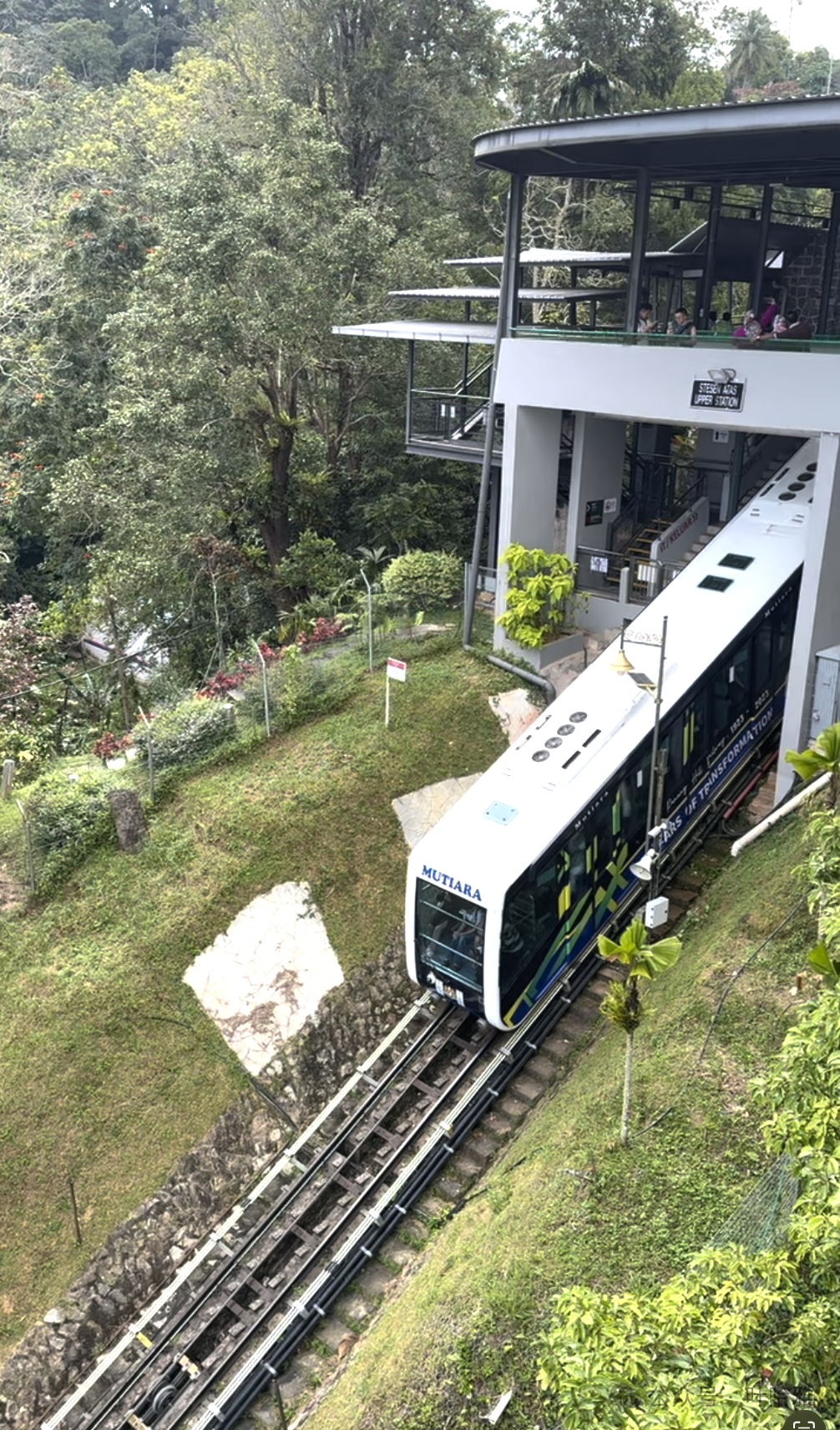
A must-visit place in George Town is Penang Hill to see the panoramic view of Penang. Take a taxi directly to the Penang Hill ticket office. Hiking up is free, but if you want to take the funicular train up the mountain, a round-trip ticket costs 30 RM, and a fast pass costs 80 RM. With a fast pass, you can skip the line for the train; otherwise, you have to wait for nearly an hour.
Try to sit in the front of the small train when going up the mountain, and in the back when coming down. This gives you the best views for photos.
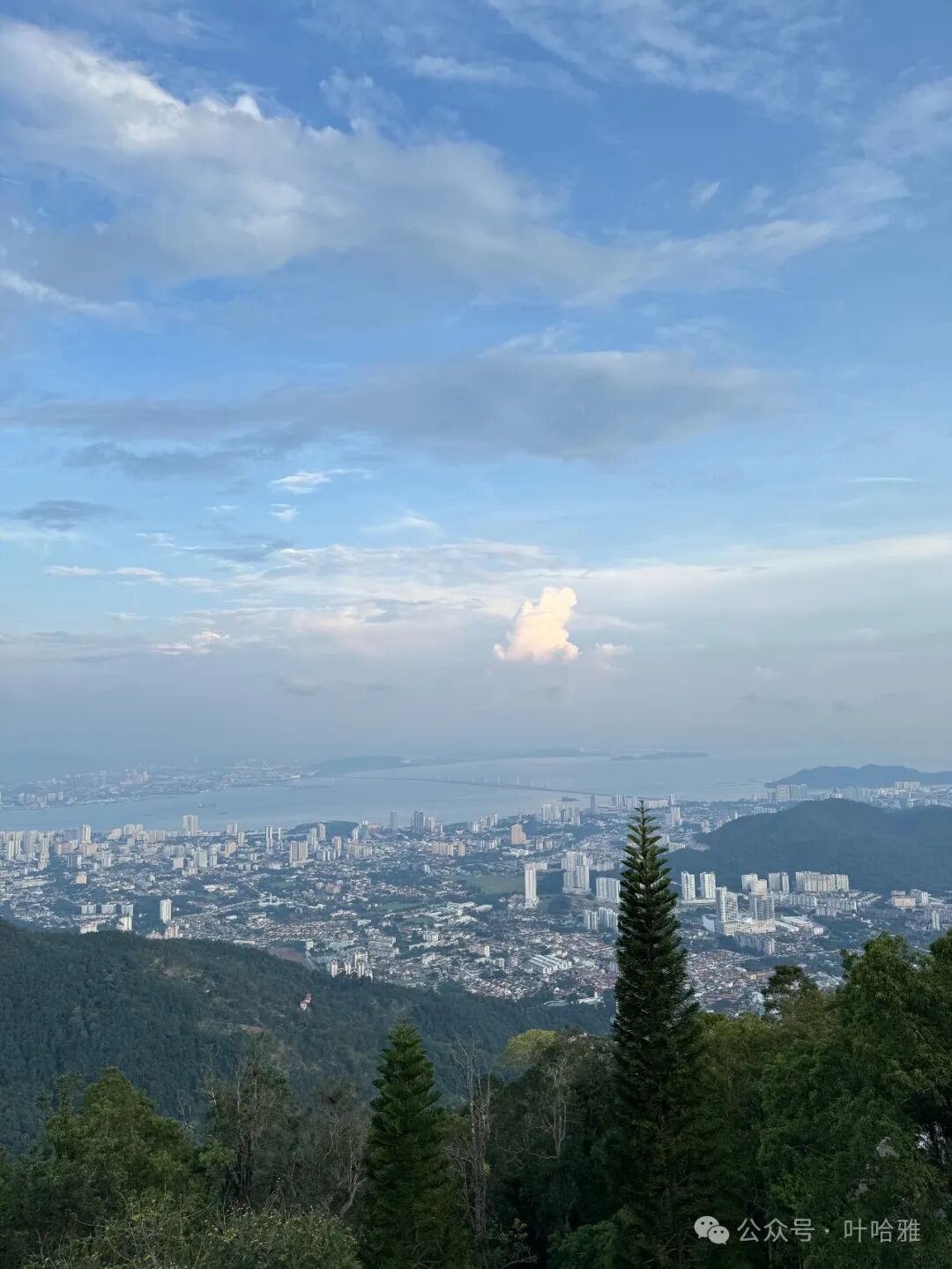
If the weather is good, you can wait for the sunset. The sun sets on the other side of the mountain, so you will see the fiery clouds from the peak, and the night view is also beautiful.
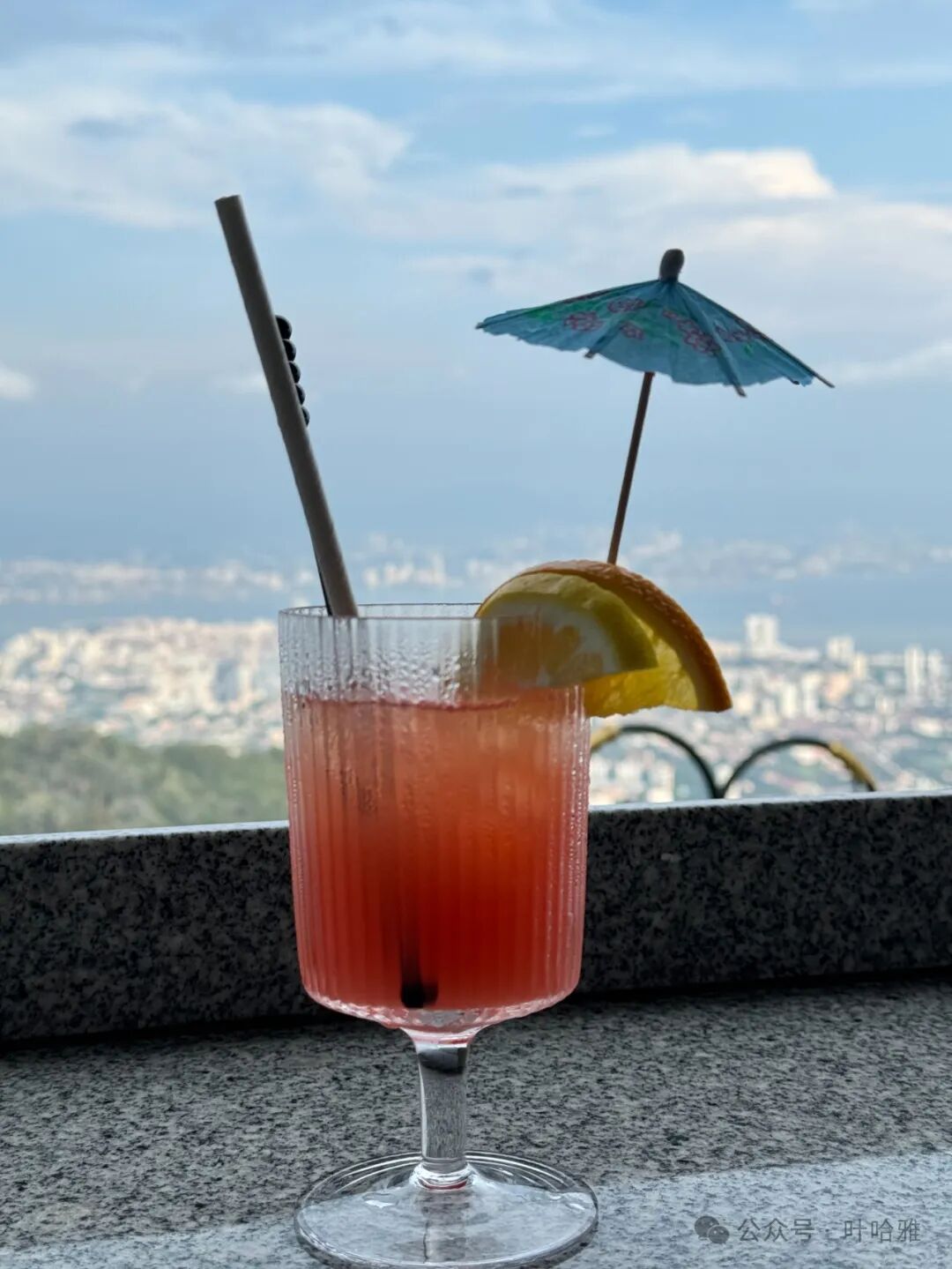
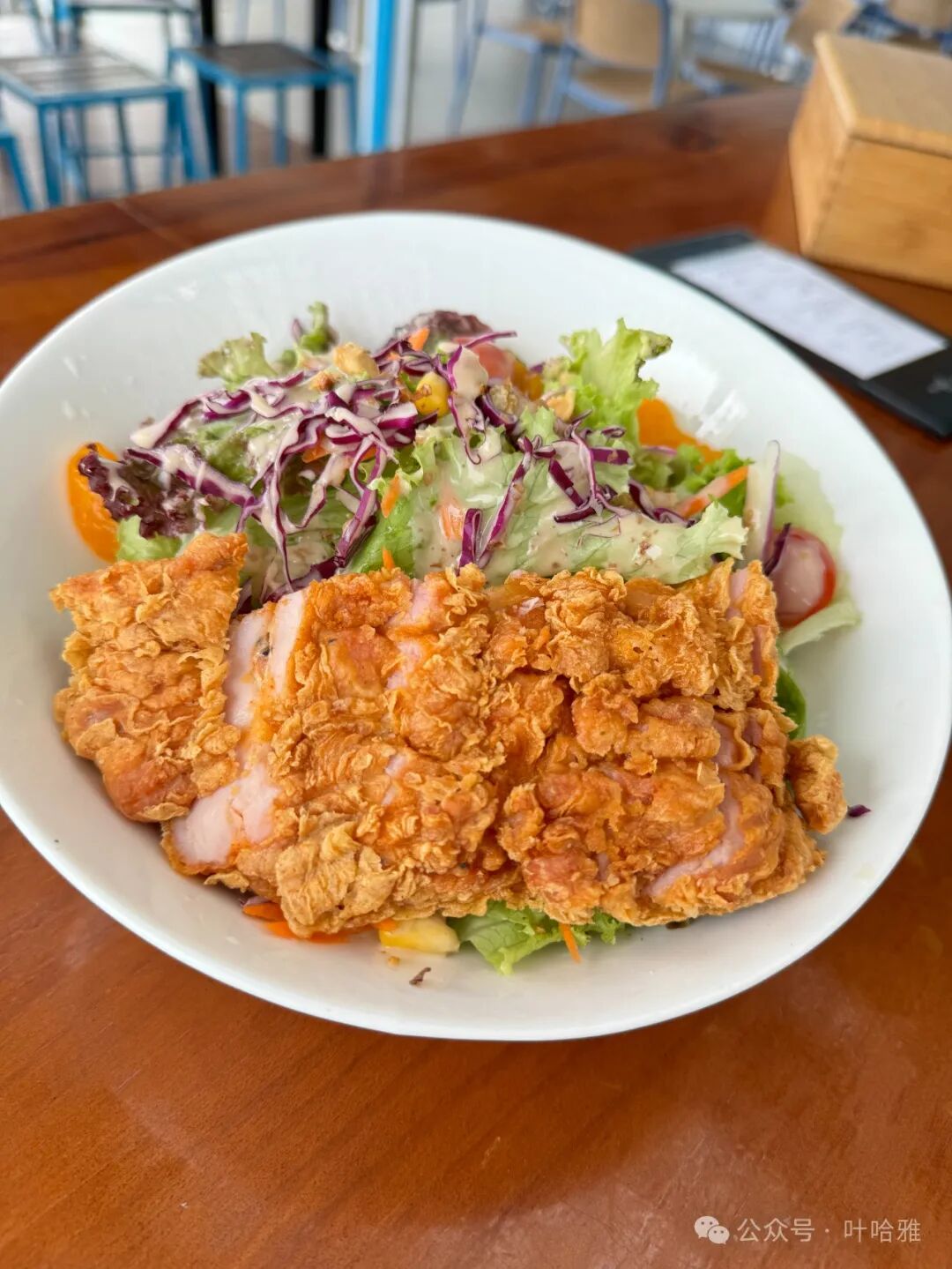
The temperature at the peak is cool, even a bit cold. You can sit in the cafe at the top and enjoy the panoramic view of Penang. The cafe serves simple Western-style meals that taste pretty good, though they are slightly more expensive than down in the city.
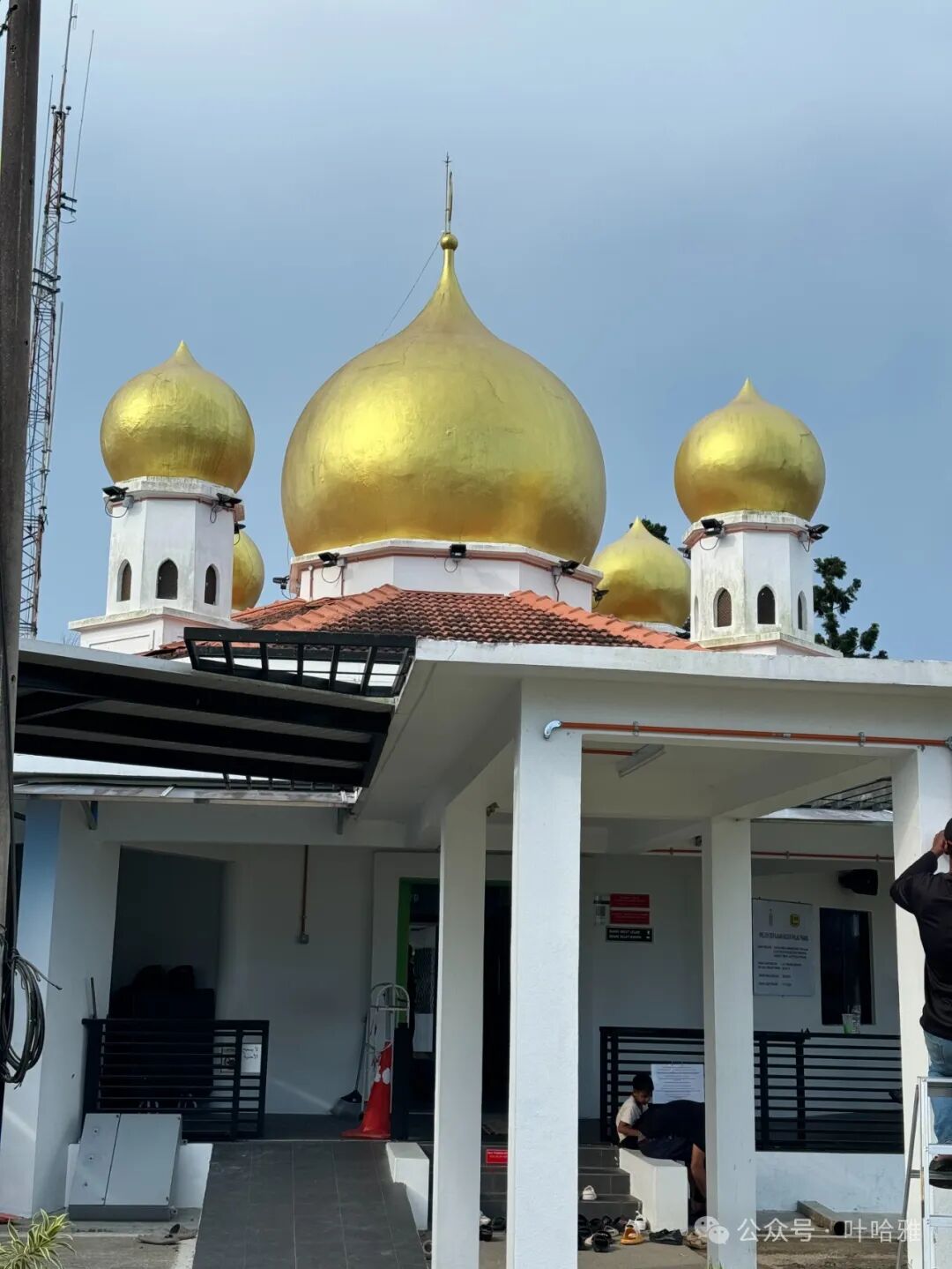
There is a small mosque at the top of Penang Hill, and there is also a church on the mountain.
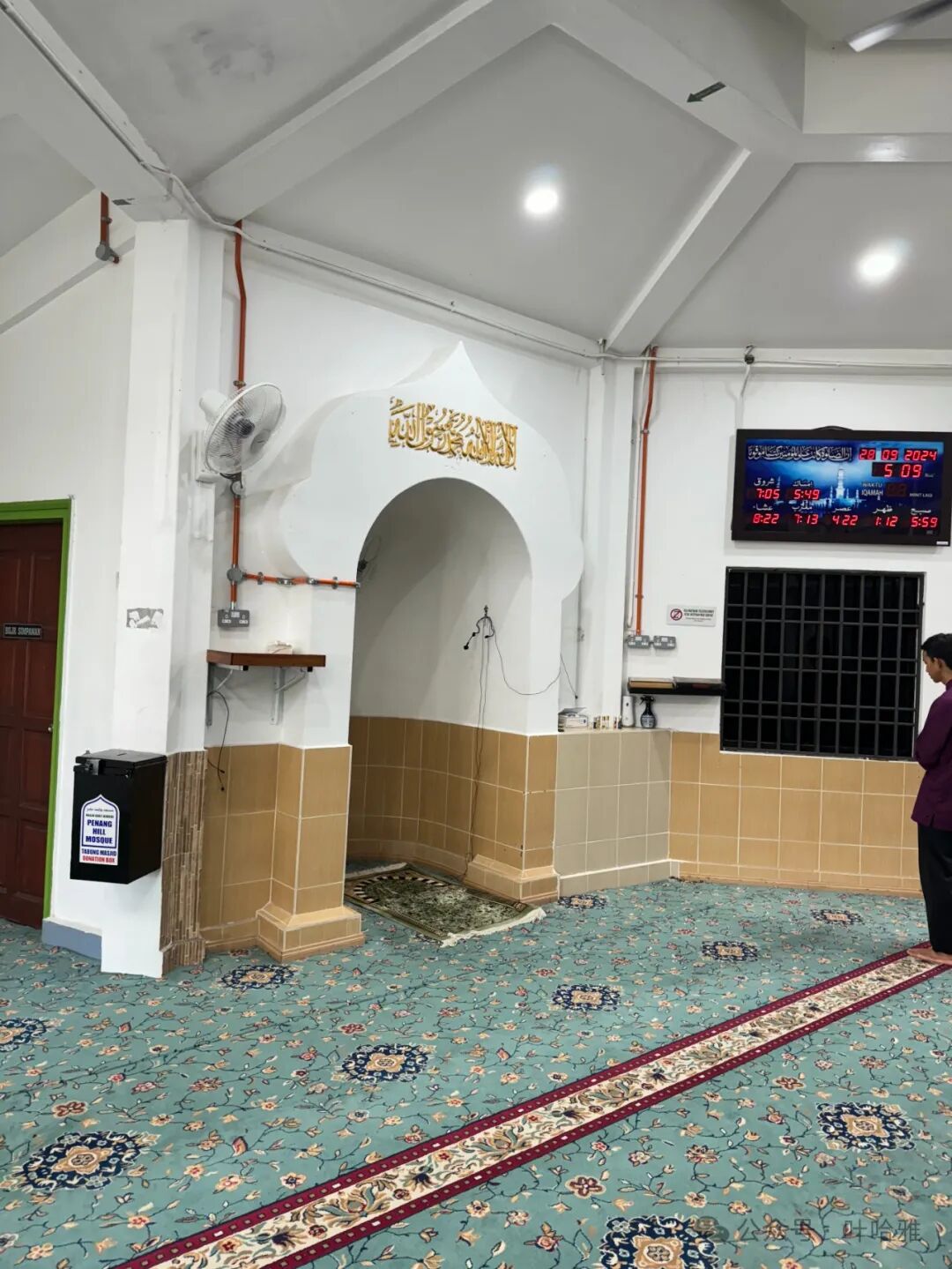
There is a hiking trail at the peak that goes through the tropical rainforest, where you can also see monkeys.
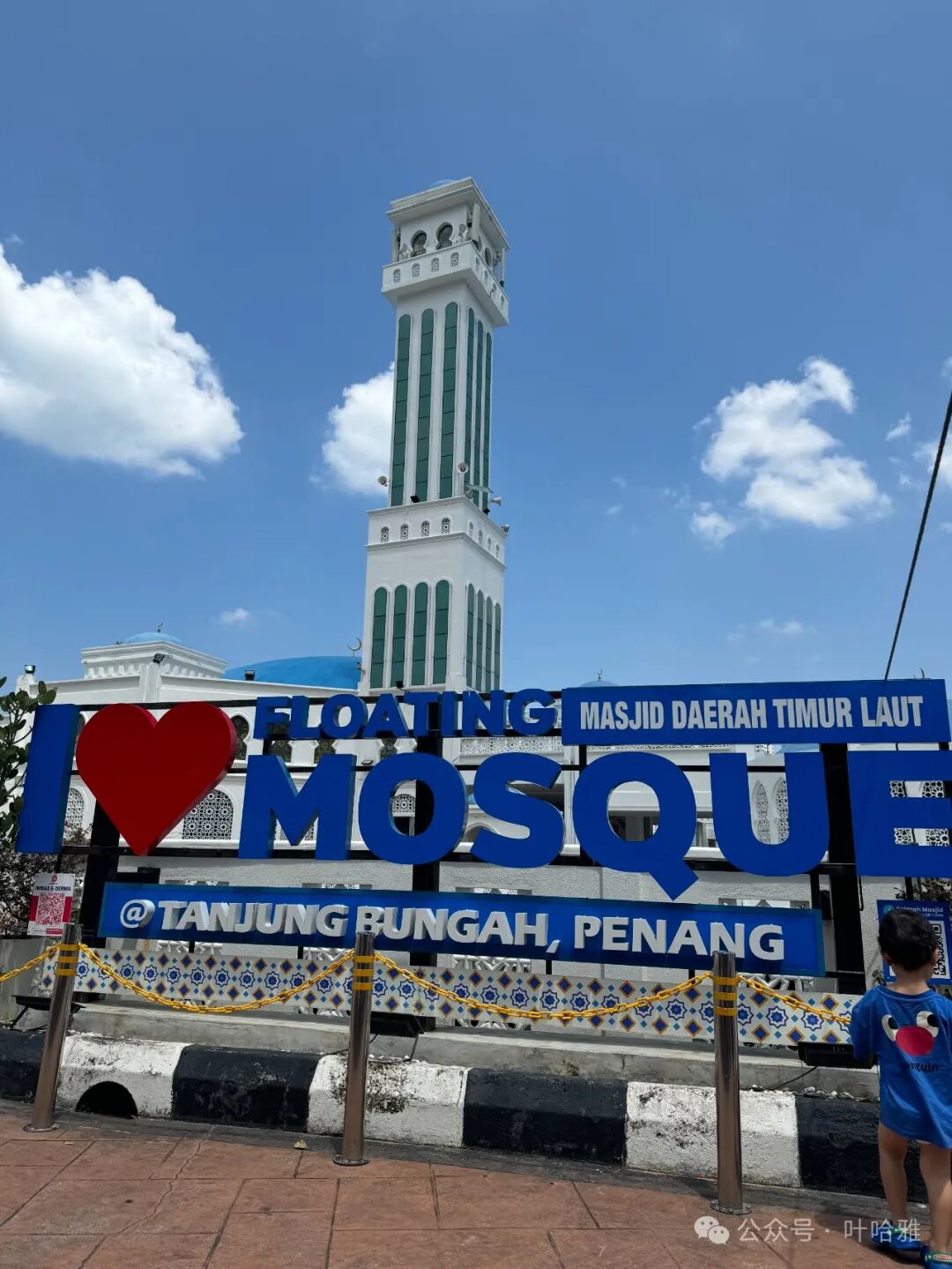
Penang Floating Mosque
It takes about 20 minutes by taxi from George Town to reach the Penang Floating Mosque. Built in 1967 on stilts, the mosque looks like it is floating on the water from a distance when the tide comes in.
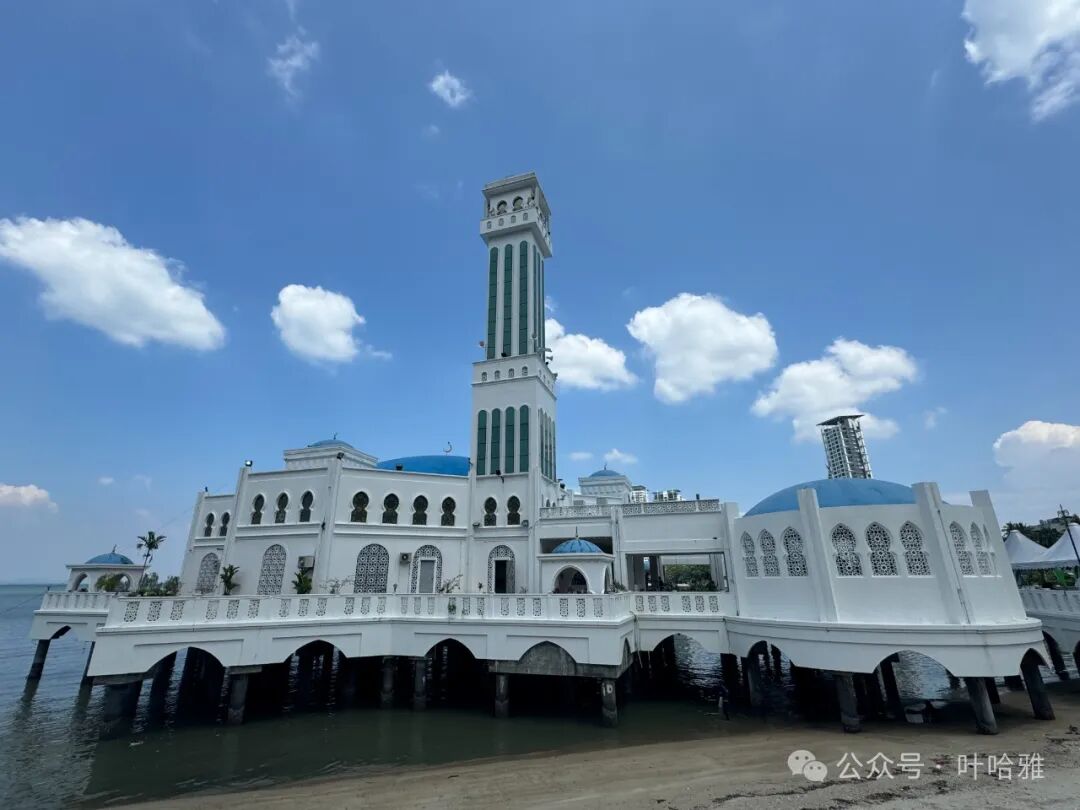
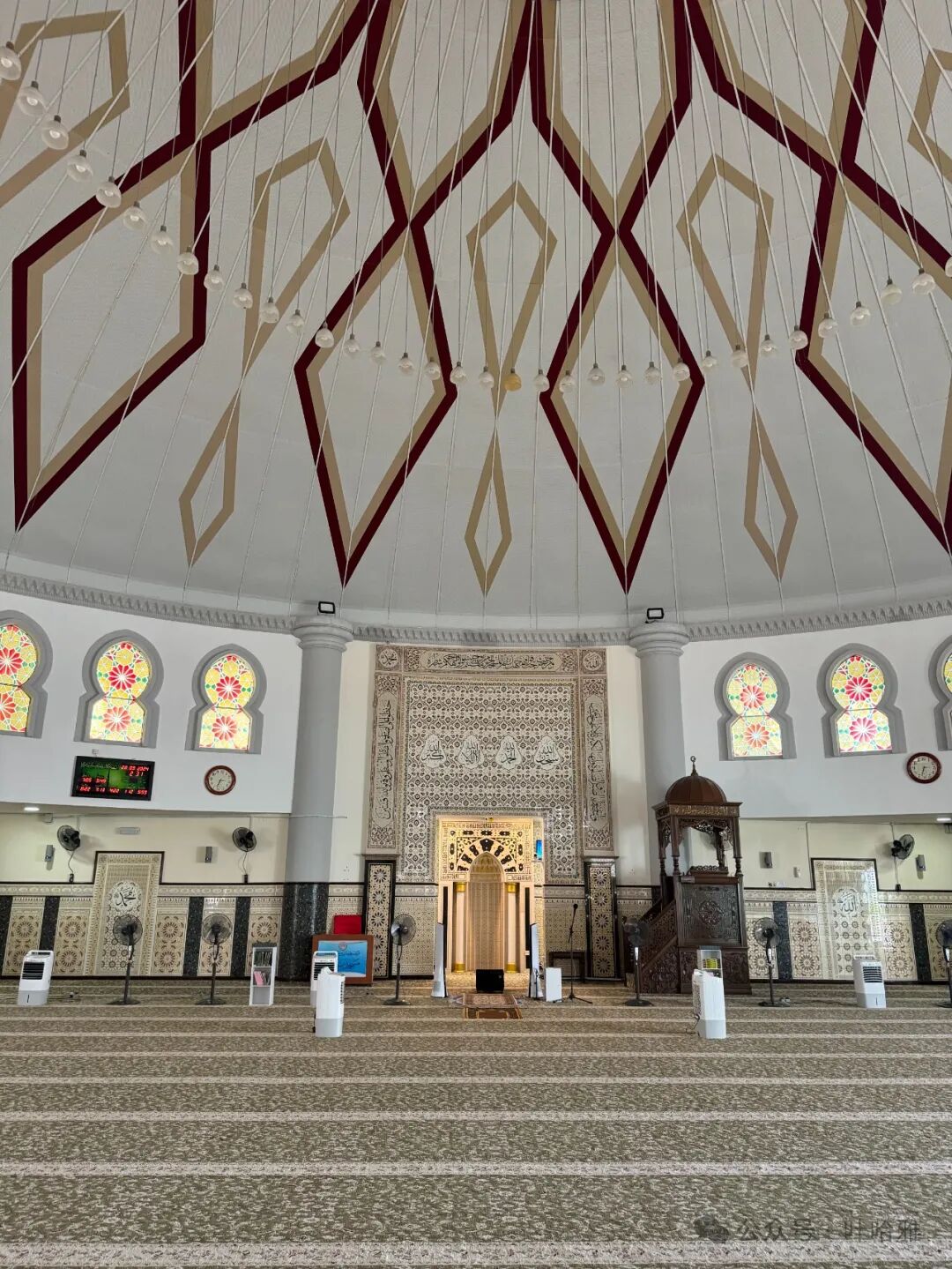
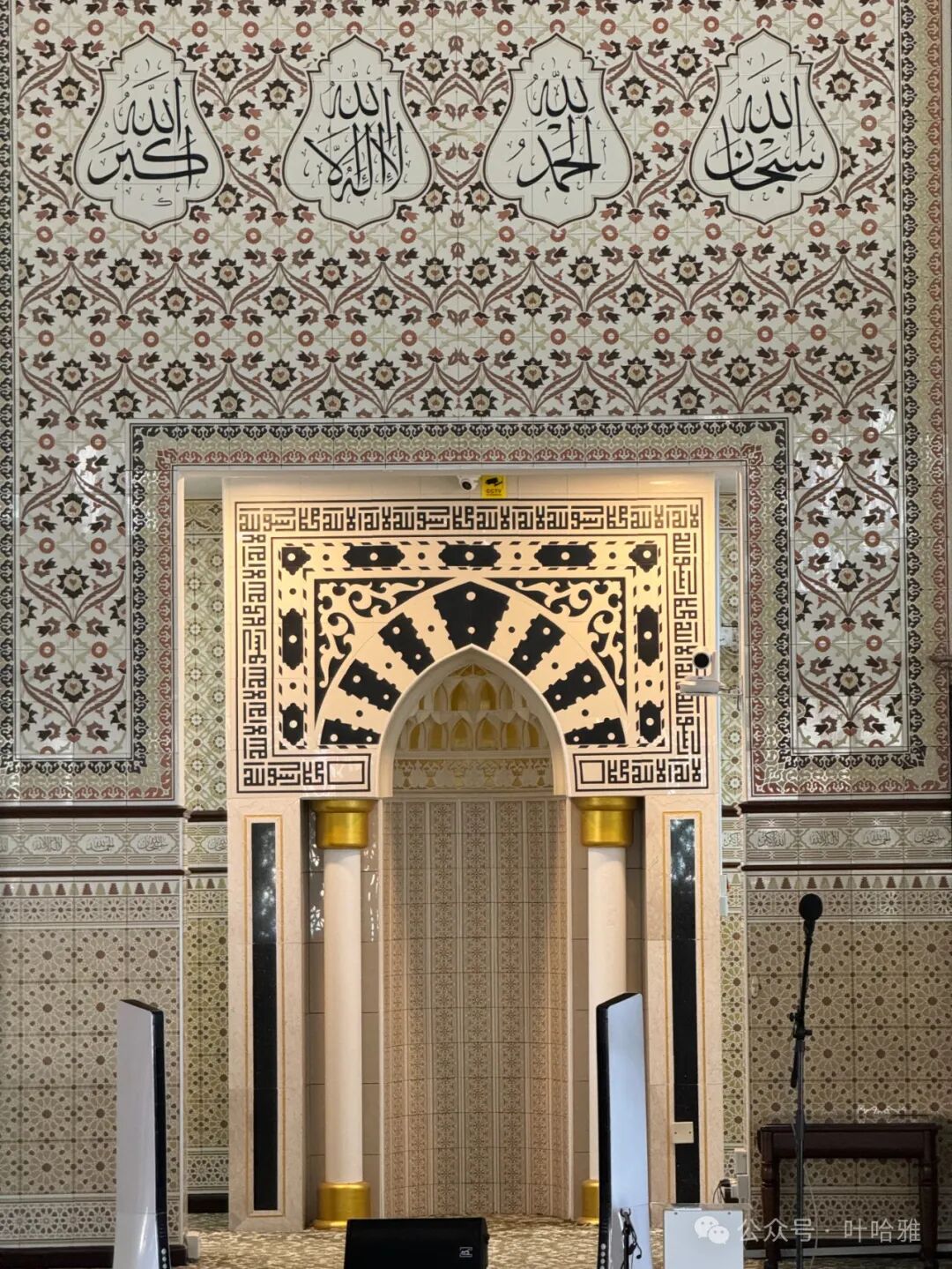
The Shangri-La Golden Sands resort in Penang is about 3 kilometers away from the floating mosque.
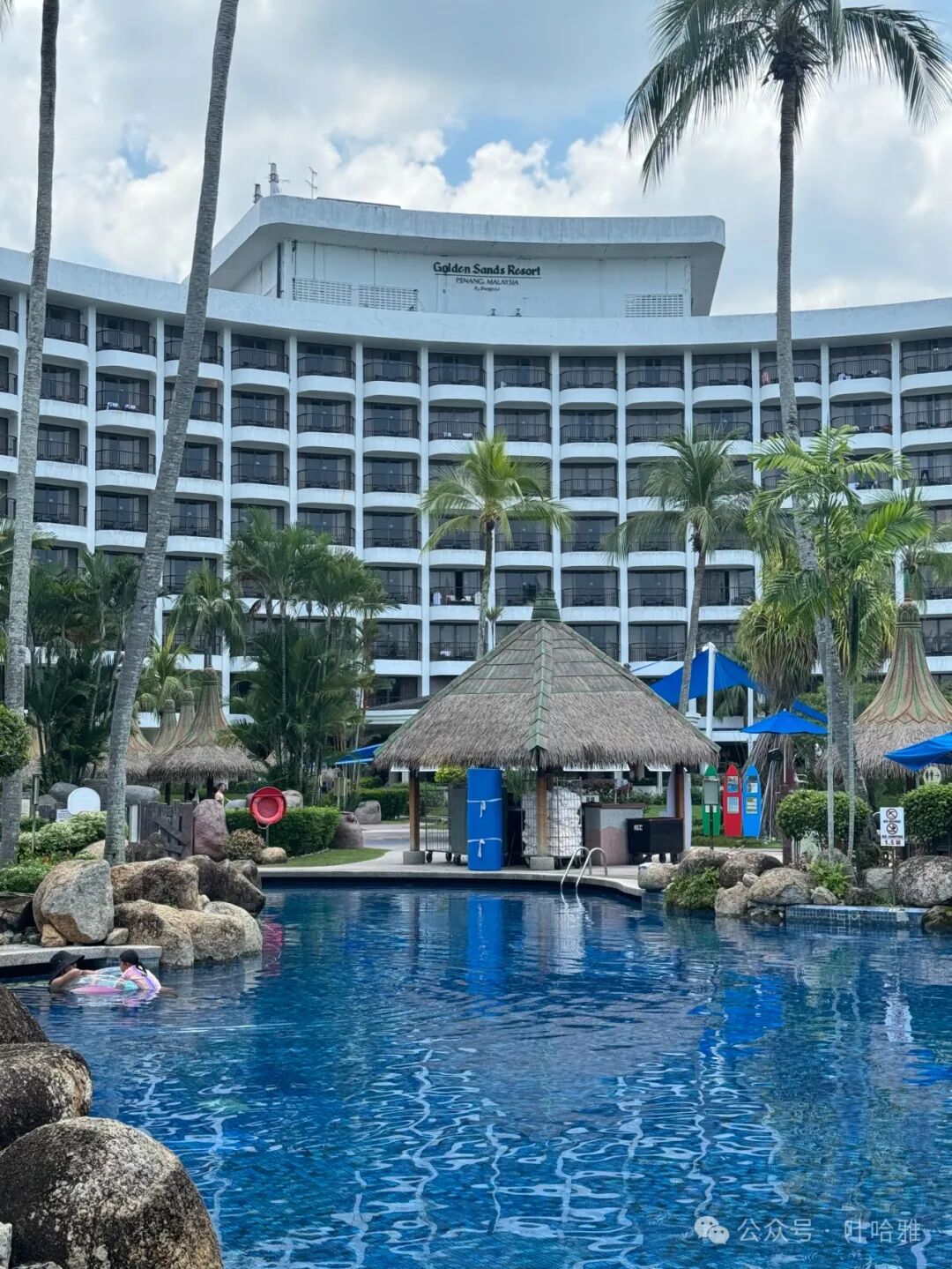
There are two Shangri-La hotels by the beach in Penang: one is Golden Sands and the other is Rasa Sayang. Both hotels share the same beach and swimming pools, but they have different lobbies. Rasa Sayang is slightly more expensive than Golden Sands, but the public facilities are the same, so Golden Sands is a better value.
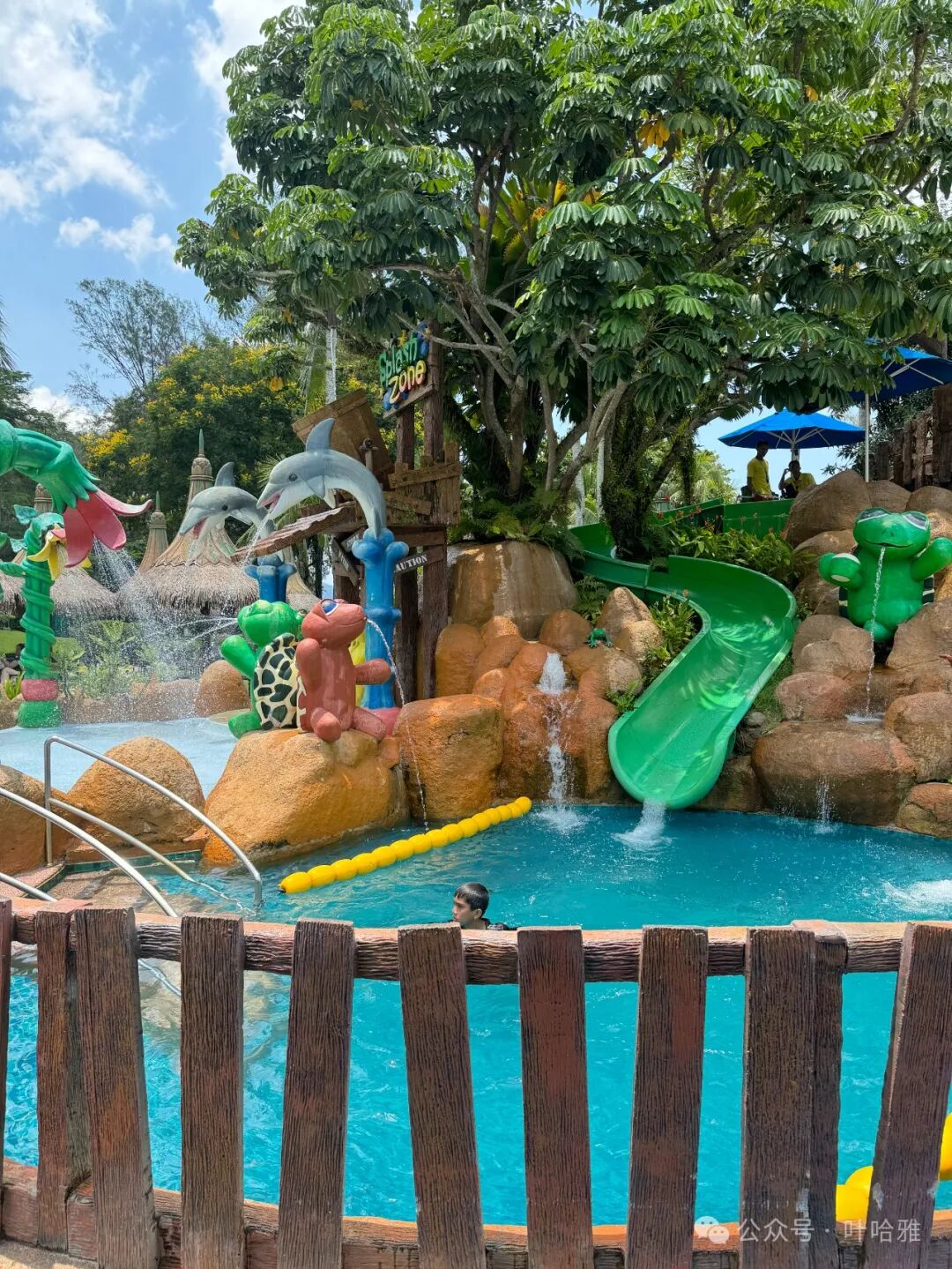
Shangri-La is the best hotel for families in Penang. The children's water park here is great for younger kids, and Fahim had a lot of fun playing there.
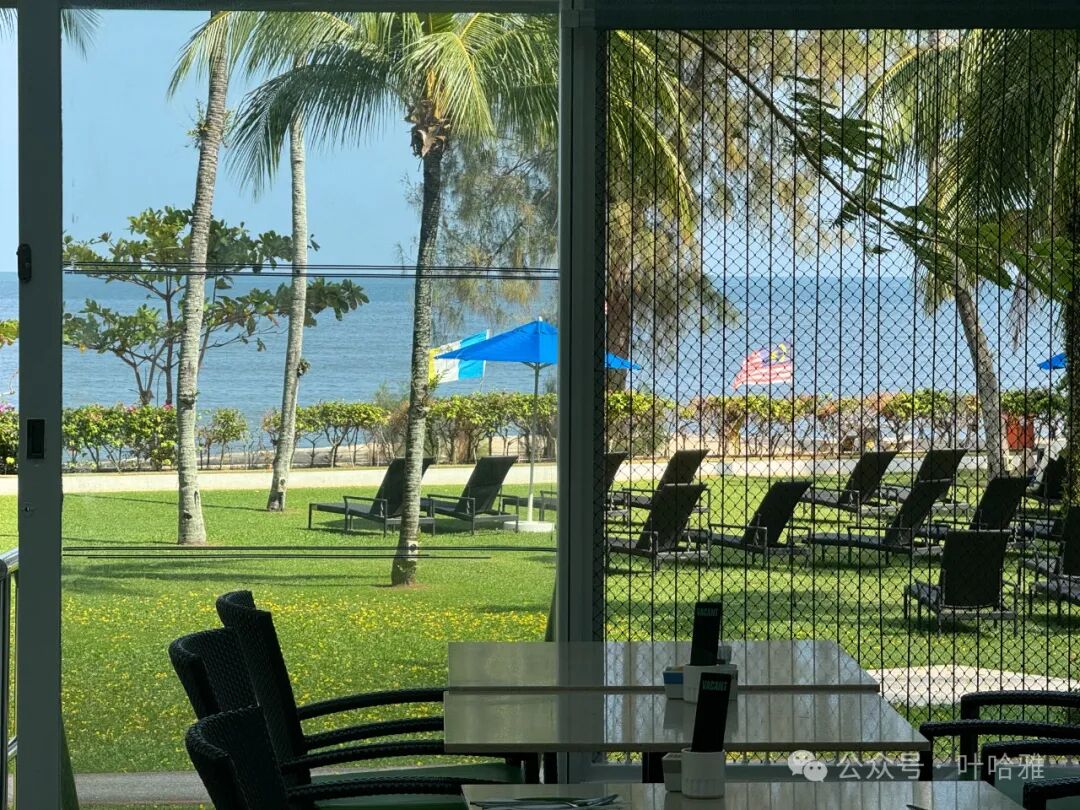
There are restaurants near the beach at the hotel where you can eat Western or Southeast Asian food at reasonable prices.
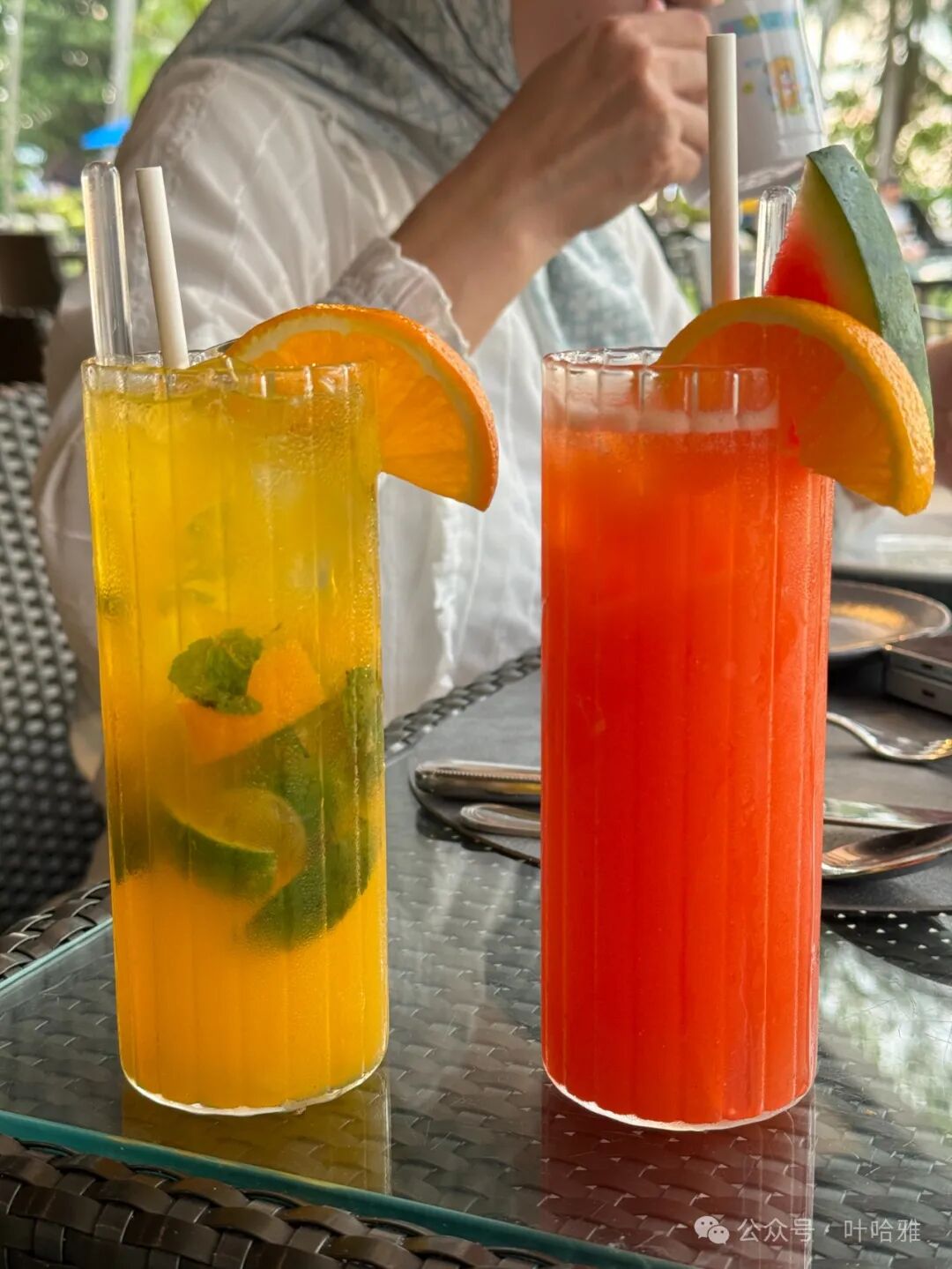
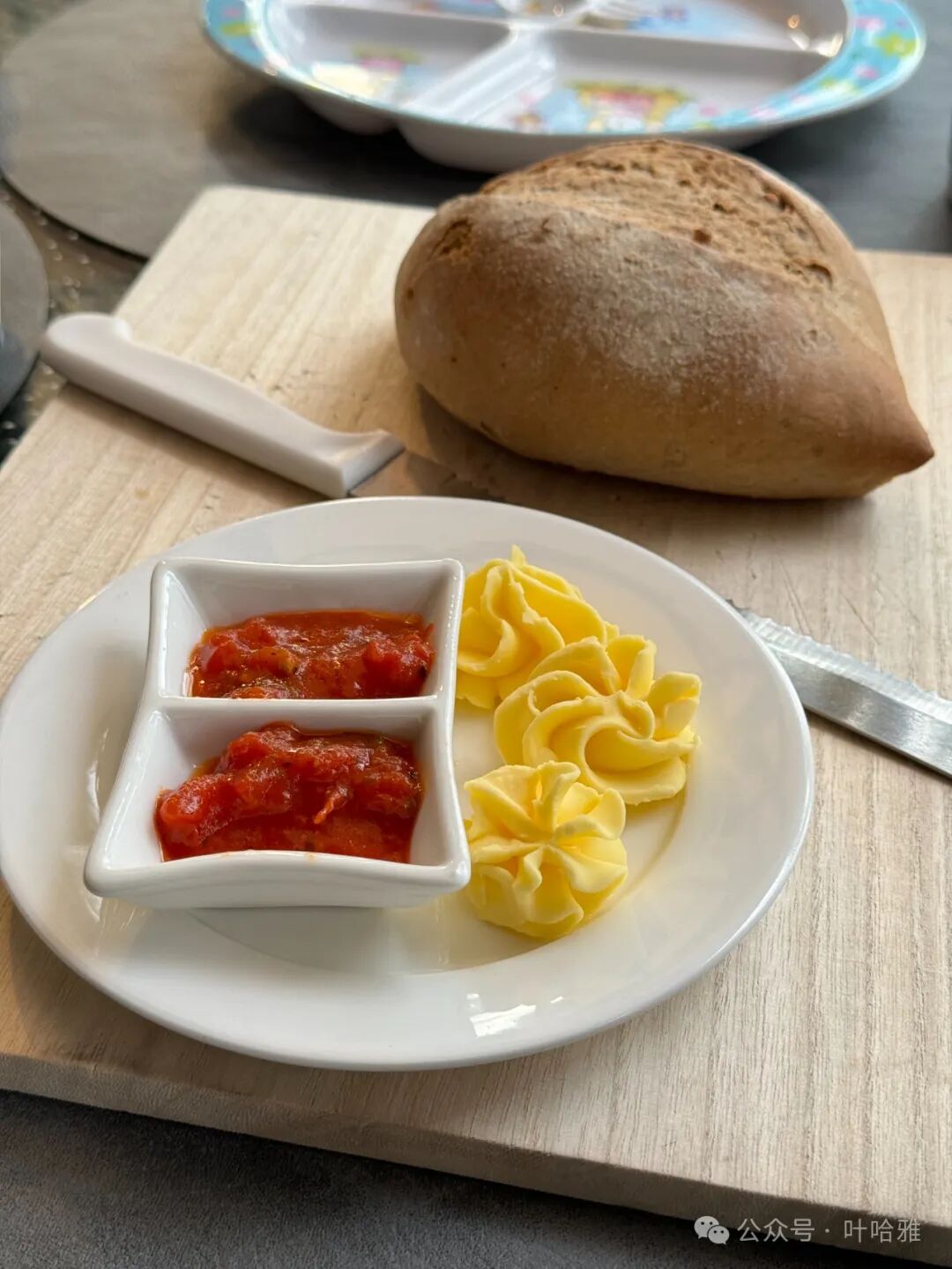
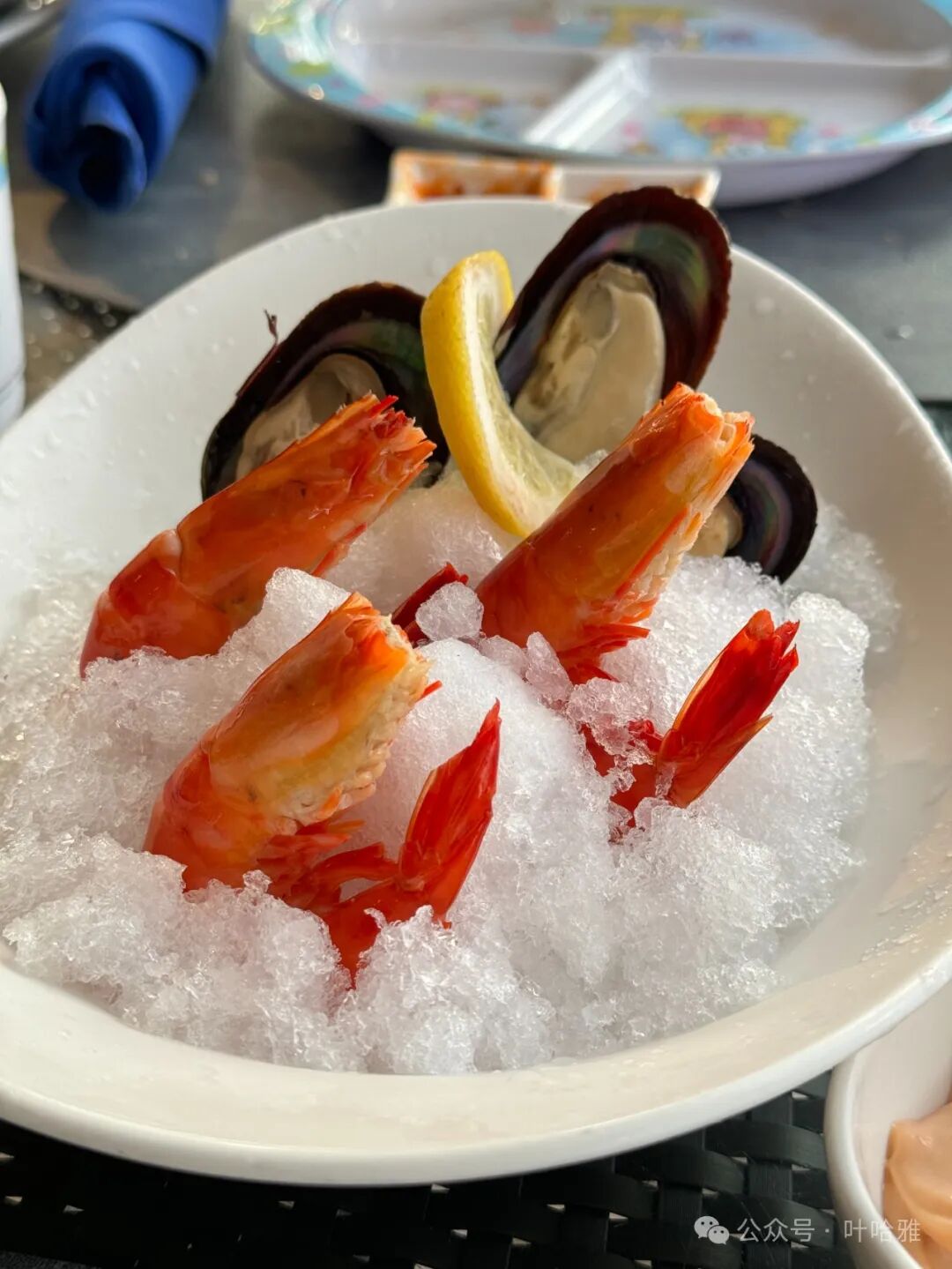
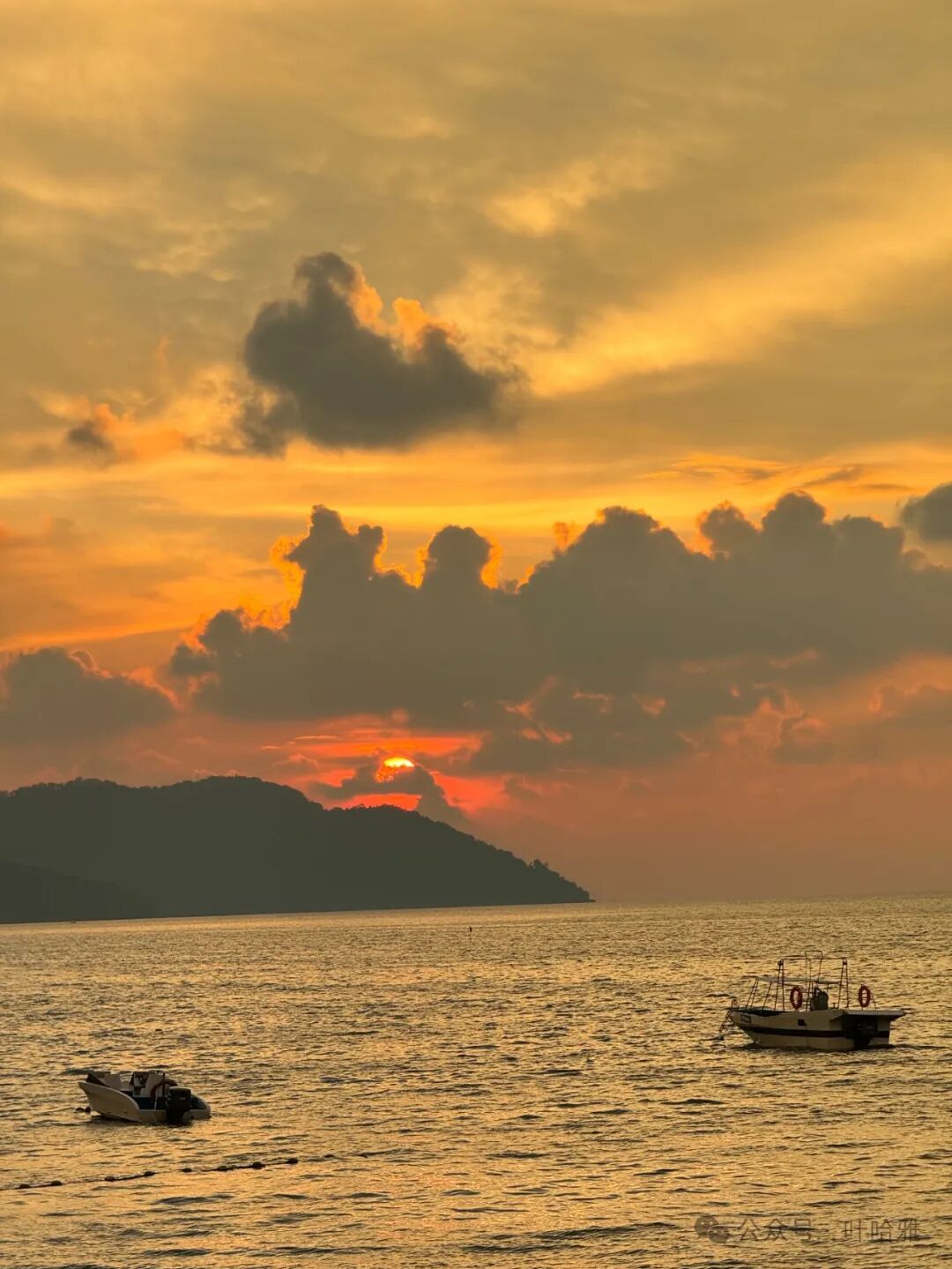
The sunset at Golden Sands beach is beautiful. It has the most stunning sunset views in all of Penang.
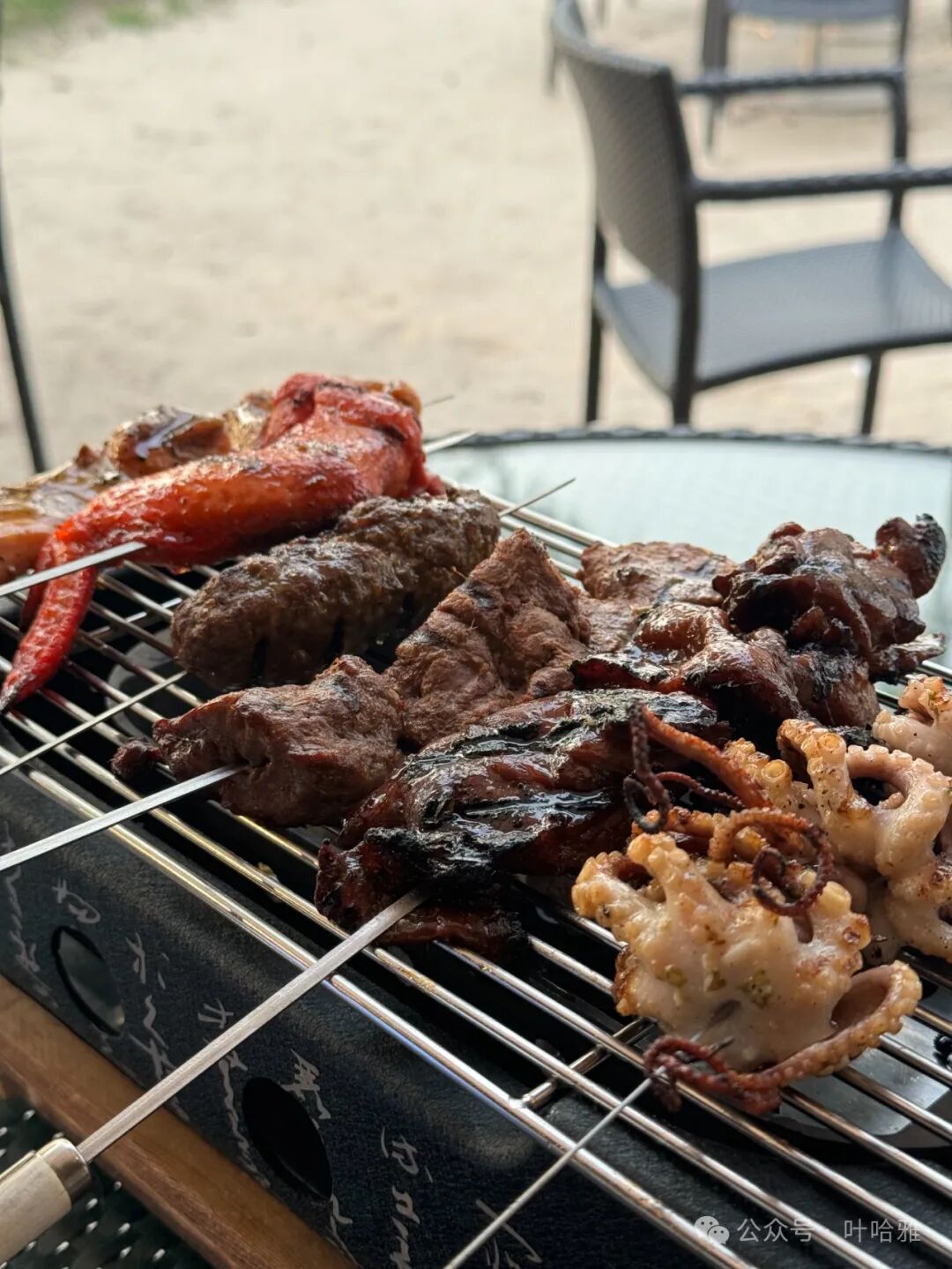
The server at the restaurant was a Chinese lady who kindly helped us look after our children.
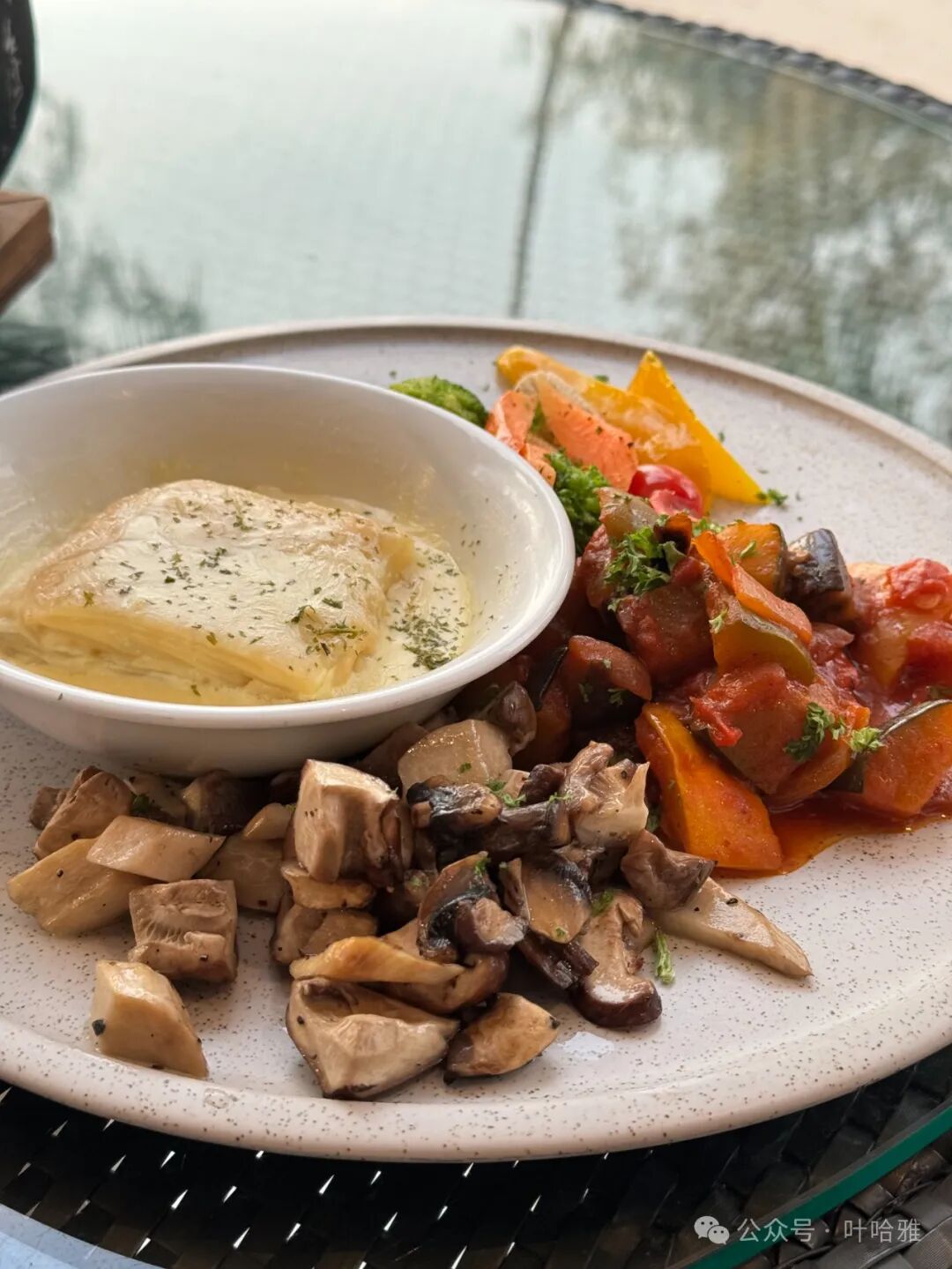
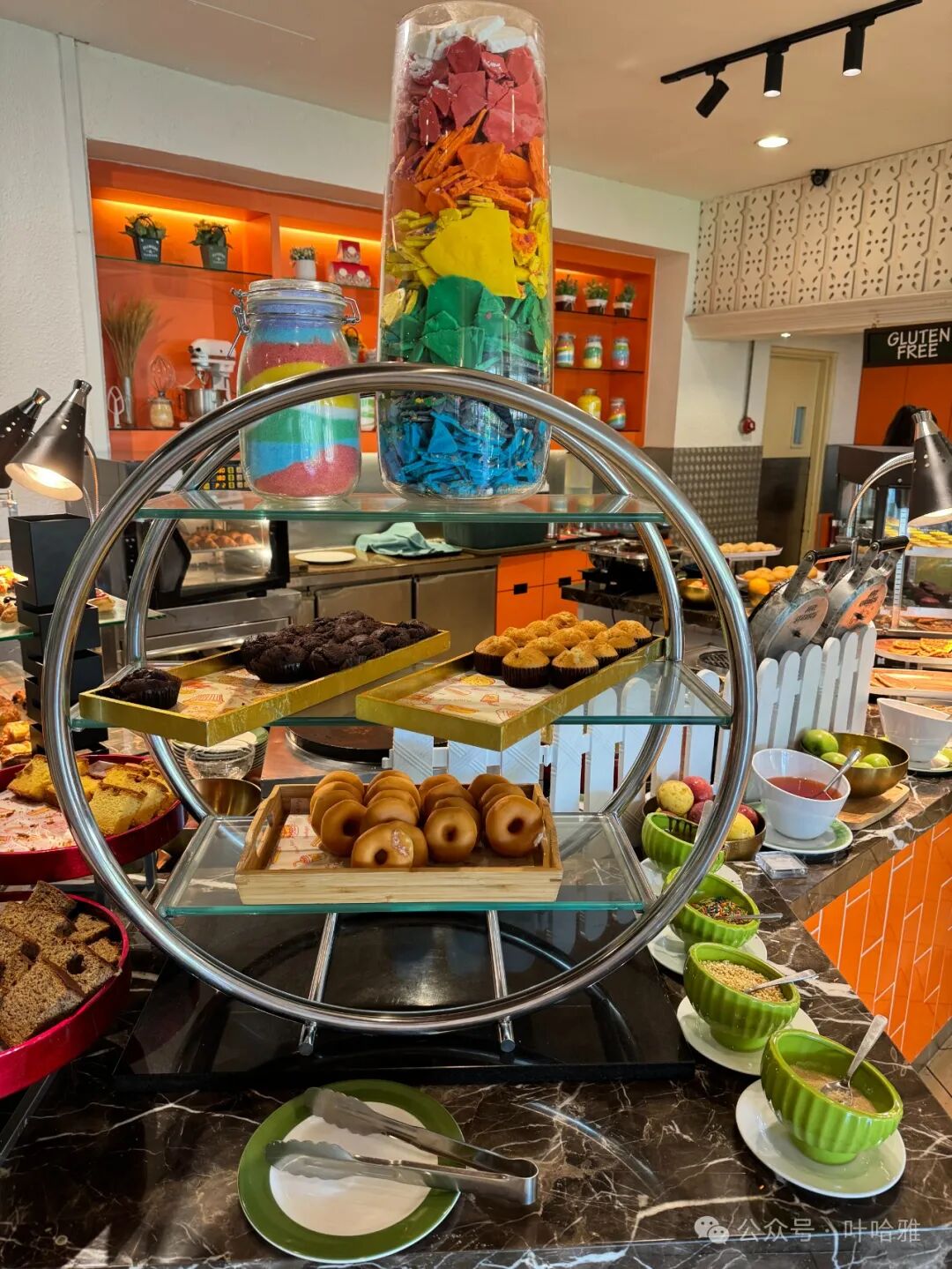
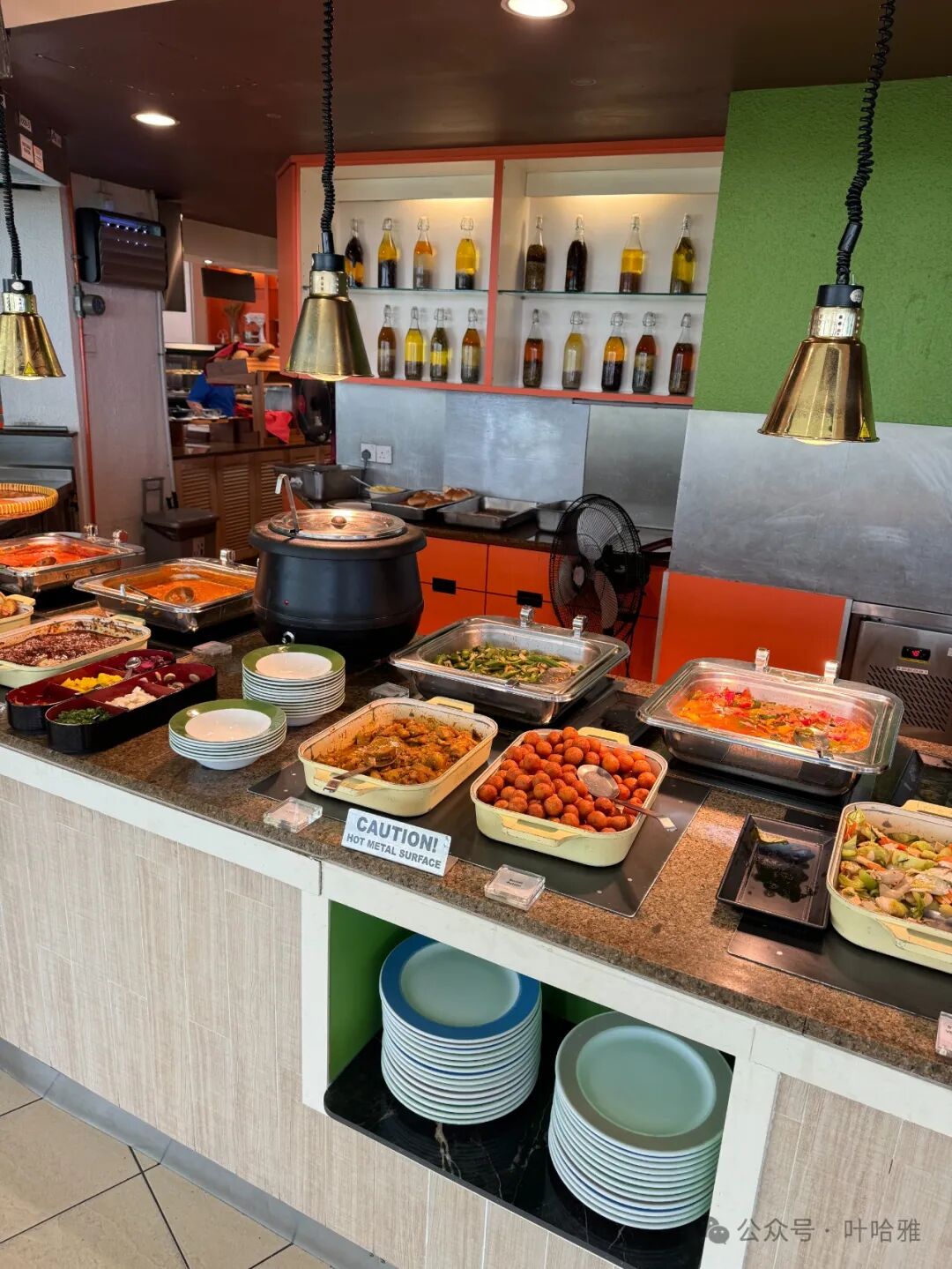
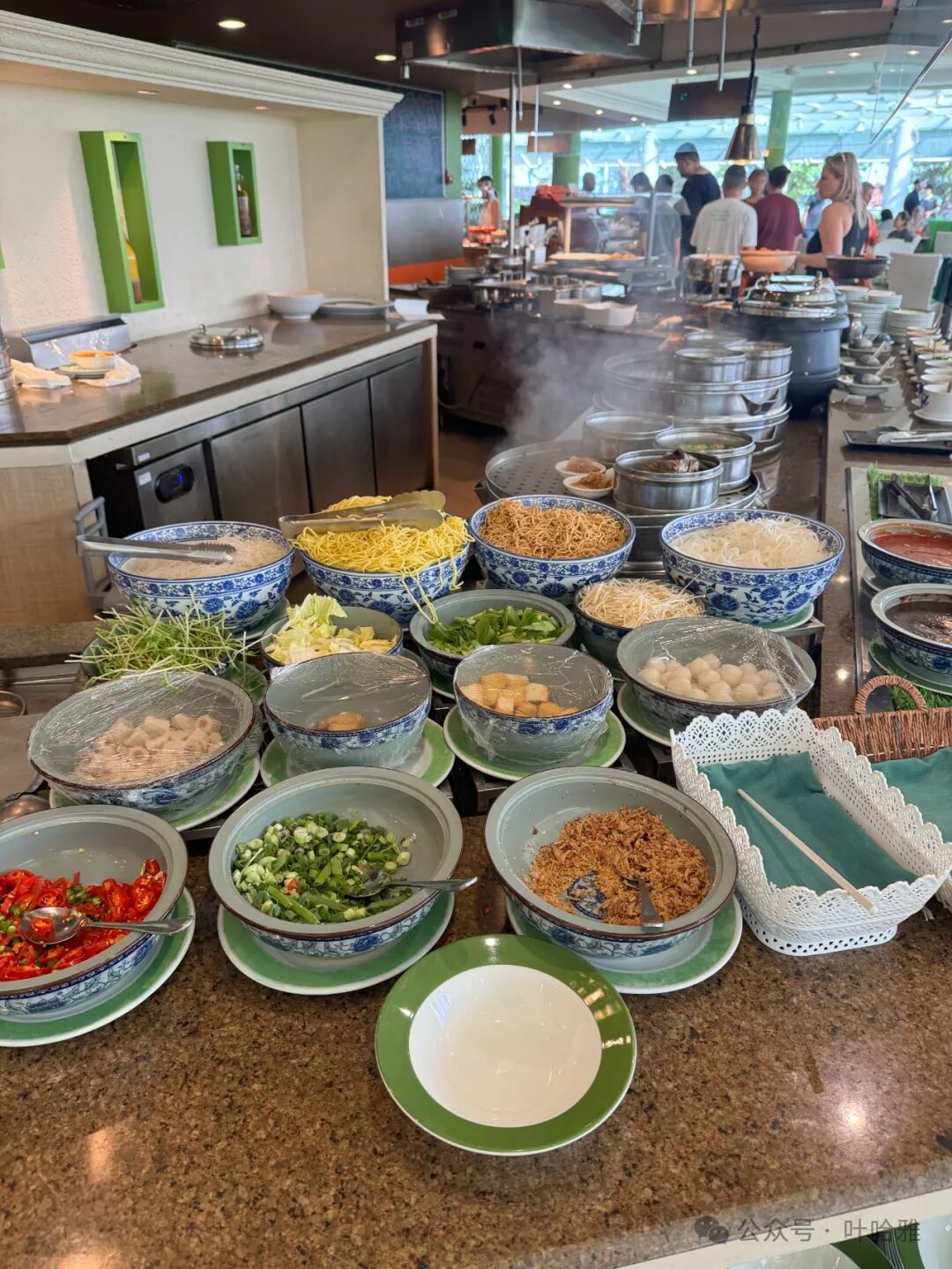
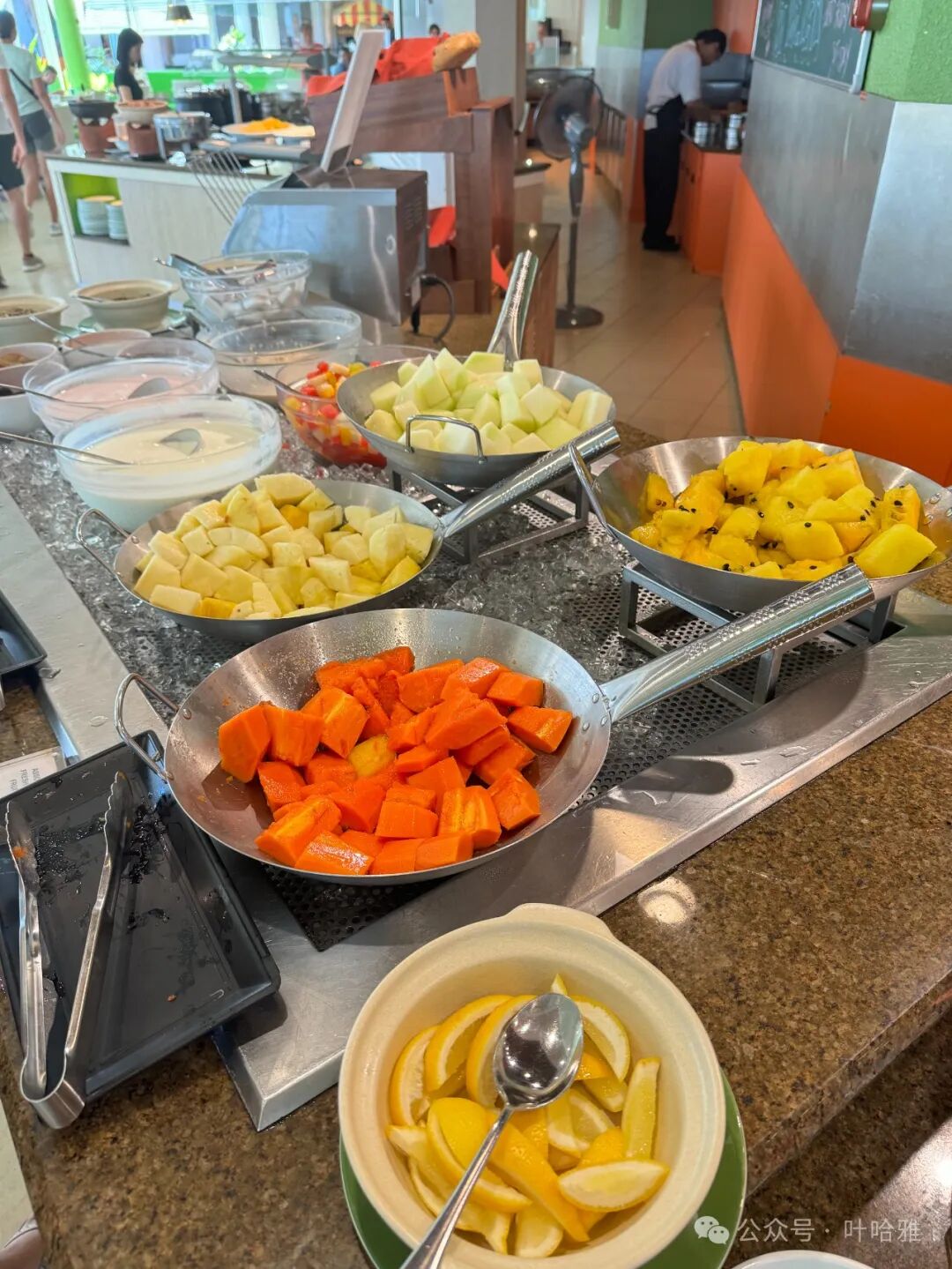
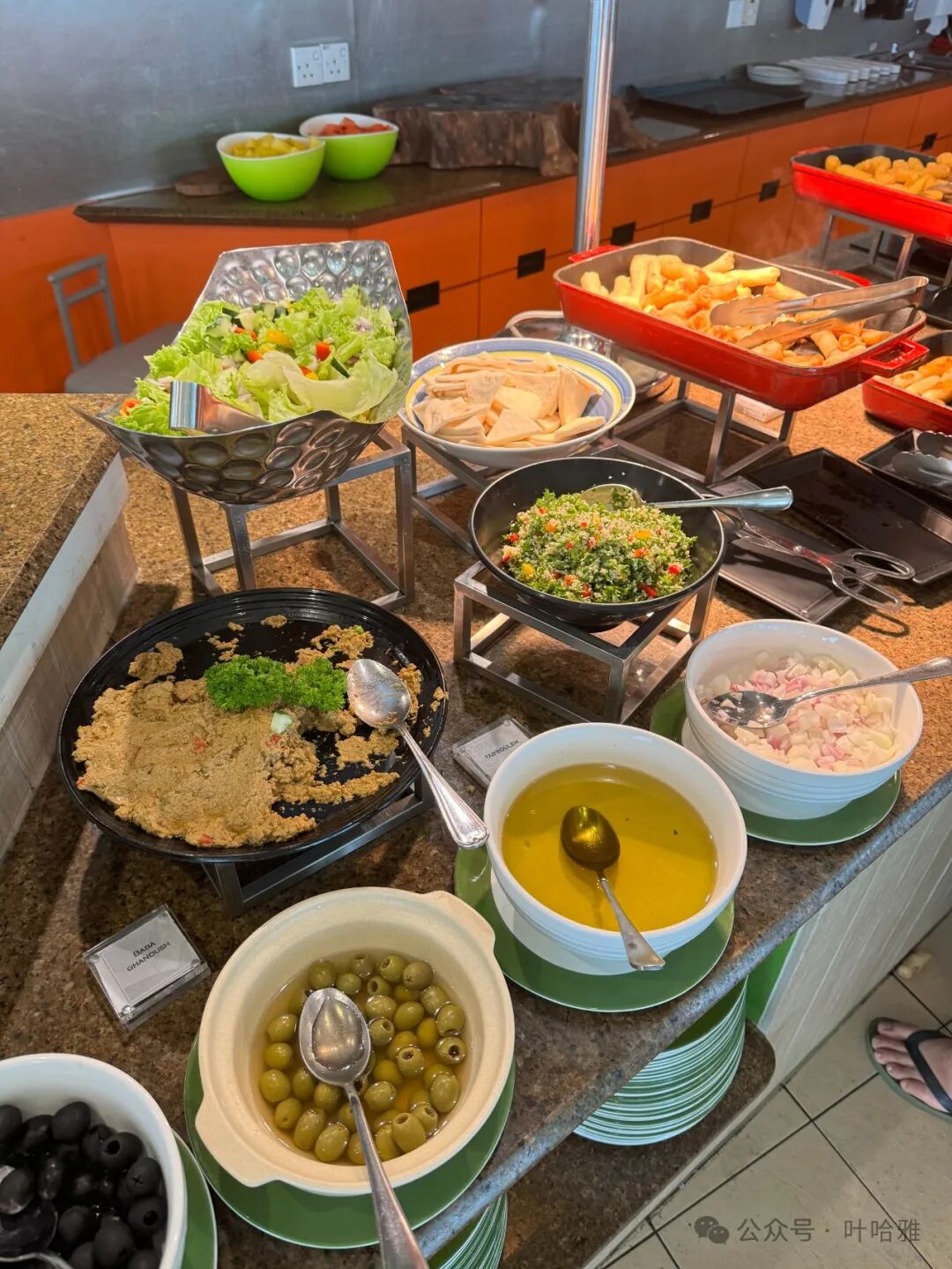
The breakfast buffet had so many choices that it reminded me of our trip to Atlantis in Dubai last year. However, the Shangri-La in Penang costs only one-third of the price. Being able to eat every halal food at a five-star hotel breakfast buffet makes for a wonderful start to the day.
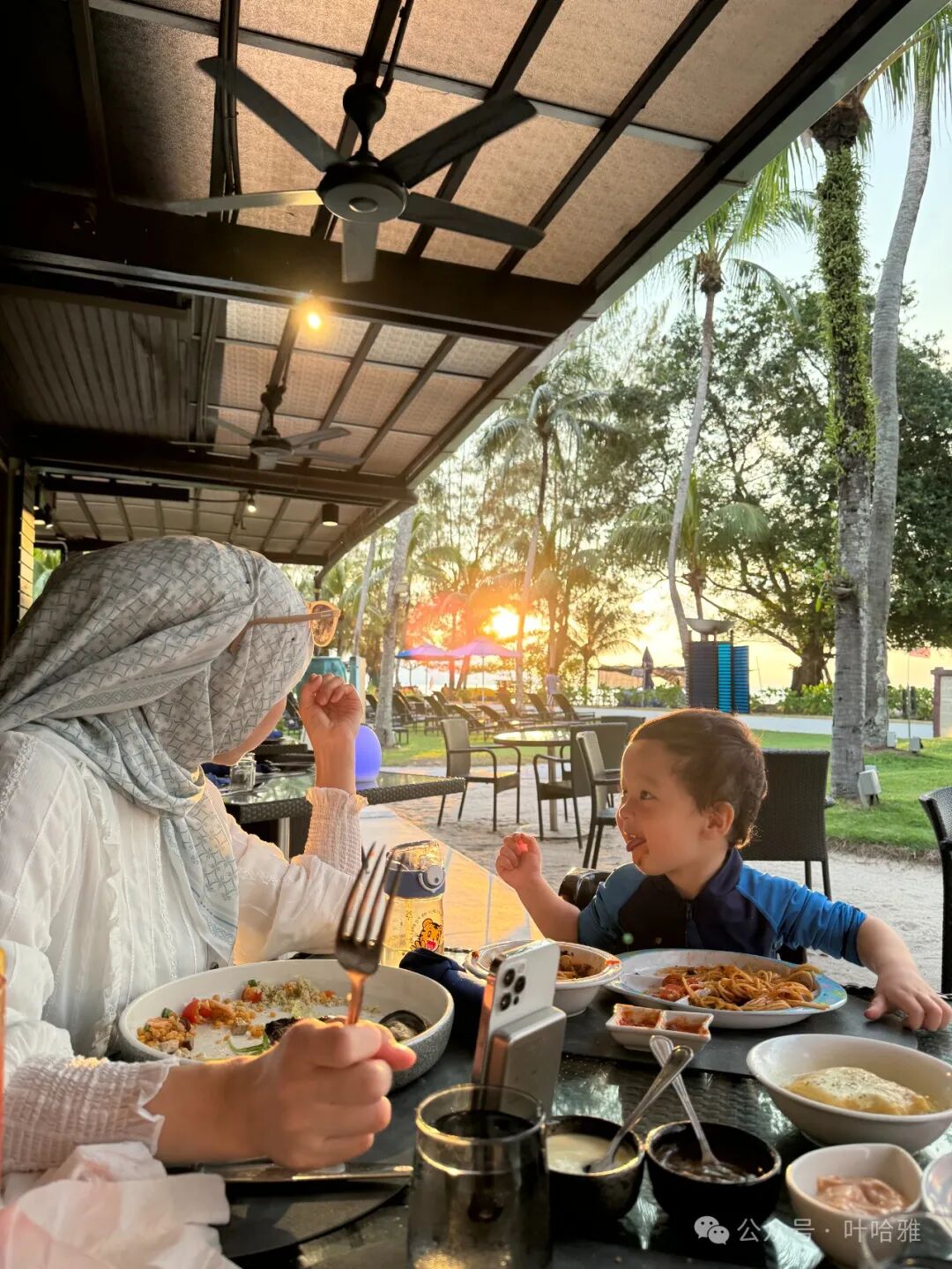
We ordered a seafood barbecue set for two at the seaside restaurant and waited quietly for the sunset. That made our trip to Penang complete.
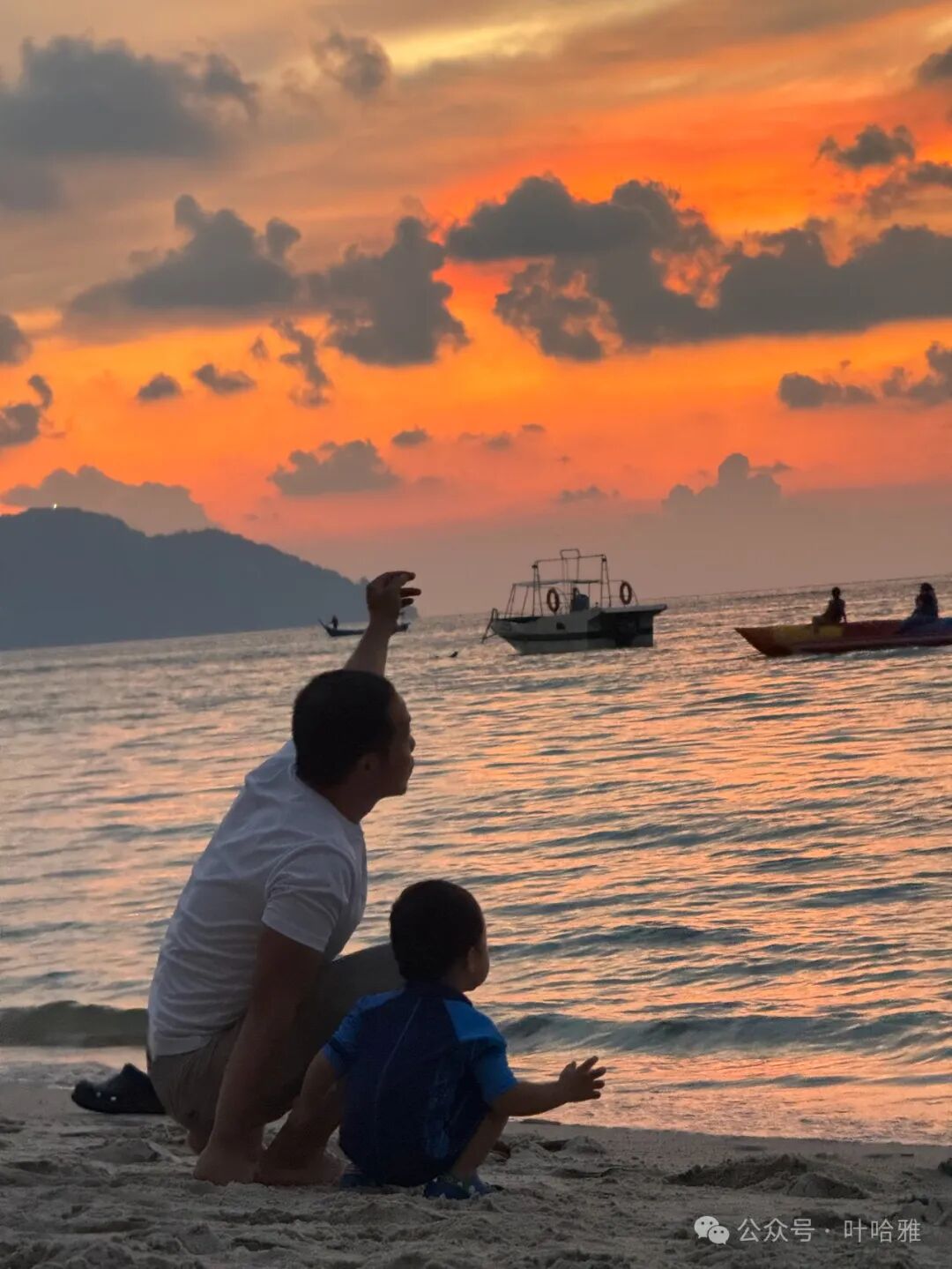
Fahim is not even three years old yet, but he has already been to five countries. He does not know how to appreciate this beautiful sunset yet. To him, it does not matter where we go; any place with sand, stones, and puddles is a paradise.
Summary: This Penang Muslim travel guide covers train travel from Kuala Lumpur, George Town heritage hotels, Nyonya culture, halal breakfast, mosque and city walks, beaches, seafood, Malay-Chinese history, and why Penang can feel more fun, beautiful, and affordable than Singapore.
Penang is a popular tourist city in Malaysia, especially among Chinese travelers. The local Chinese speak with an accent very similar to Taiwan, with a soft and pleasant Mandarin. There are two ways to travel from Kuala Lumpur to Penang. I recommend taking the train. A ticket costs about 90 Malaysian Ringgit, and children under 4 travel for free. Prices vary by train, and the trip takes between three and a half to four and a half hours, depending on the specific schedule, just like high-speed rail in China.
Flying to Penang takes one hour. Although tickets cost only one or two hundred RMB, when you add the time and cost of getting to and from the airport, it is not faster than the train. Flights are also often delayed. I have tried taking the train there and flying back, but my flight was delayed by two hours. If train tickets were not so hard to get, I would never fly. You must book train tickets to and from Penang at least three days in advance on the KTMB app. The departure station is KL Sentral and the destination is Butterworth.
After getting off the train, you take a 10-minute ferry ride across the sea. The ferry runs every half hour, costs 2 RM, and you can use your Kuala Lumpur transit card.
George Town in Penang is a World Heritage site. There are many heritage hotels here, meaning the buildings themselves are historical artifacts with distinct local character. We chose the George Hotel because it is a five-star hotel that reopened in 2022, so the rooms are quite new.
The piano in the lobby is free for anyone to play. The staff invited Fahim to play, unlike the piano at the Radisson Hotel in Brunei, which is just for decoration.
The hotel lobby displays history about King George III and George Town, with notes provided in Chinese. King George III was the third monarch of the House of Hanover and King of Great Britain and Ireland. He was the first monarch born in England to speak English as his first language. He reigned from 1760 to 1820. Under his rule, Penang Island was claimed by Britain and used as a naval base, governed by naval officer Francis Light.
Two things about King George III are memorable: he lost the American colonies, and he had mental health issues. Rumors suggest he suffered from hereditary porphyria, which caused his mental instability.
The hallway introduces local Nyonya traditional cuisine. Nyonya food is a fusion of Chinese and Malay cooking.
The best part of the hotel is the restaurant. The breakfast is especially rich, and you can eat all kinds of local specialties.
Penang is affordable, and the hotels offer great value. In a cultural town like this, the most relaxing way to spend your time is to find a comfortable hotel, sit by the window with a coffee during the day, and wait until the sun goes down to go out for a stroll, otherwise it is really hot during the day.
PENANG ROAD FAMOUS LAKSA
Less than 1 kilometer from the George Hotel, you can find this locally famous laksa. It has both halal certification and a Michelin recommendation. Since Penang is a Chinese-majority city with simplified Chinese signs everywhere and many restaurants selling pork, local snacks with halal certification are rare.
However, there is a catch. This shop only sells laksa, but you will meet two other servers inside holding different menus for you to choose from. These two other businesses do not share the same owner as the laksa shop, so you have to scan codes to pay different servers. Only the laksa is the signature dish here, and the other snacks are just riding on its popularity.
Since we wanted to try different snacks anyway, we did not mind much. It turned out my attempt was a failure, as these snacks were not good.
This is Penang-style white coffee. It actually tastes like instant coffee and is not worth recommending.
The taste of this Michelin-rated laksa is the same as the one I had at the AK mall in Kuala Lumpur. It looks like hot and sour noodles, but it is mixed with the flavors of lemongrass and mint. I tried it a few times but could not really get into it, though my wife thought it was quite tasty.
Among the items here, only the Japanese pan-fried dumplings (jiaozi) tasted okay. The others were not good, and I do not think you would like the salty and sweet flavors.
Not far from the laksa shop, you can find the oldest Chinese mosque in Penang.
MASJID JAMEK TITI PAPAN
This mosque was first built in 1860. The surrounding area used to be a swamp, and people laid down wooden planks to walk to the mosque for namaz, which is how it got its Malay name, Titi Papan.
In 2014, the Penang state government and the Penang branch of the Malaysian Chinese Muslim Association held an inauguration ceremony for this mosque, marking the first mosque for Chinese people in Penang.
At first, it was a wooden structure with jewelry and diamond merchants Haji Mohamed Gumbong and Saiboo Merican as the main donors. The George Town World Heritage Incorporated set up an information plaque for it, and it was not rebuilt as a brick building until 1893.
The two main donors later disagreed over who should manage the mosque. After decades of ups and downs, the mosque closed from time to time. In 1986, Yusof Latiff was appointed as the mosque's chairman. To make the mosque more popular, he asked the Penang government to approve Friday Jumu'ah prayers there, but the request was rejected because Penang already had too many Jumu'ah mosques.
The mosque has copies of the Quran with Chinese translations.
The mosque was not approved as a Jumu'ah mosque until 1991. In 2001, the government expanded the mosque, and the regional office covered the costs.
On August 16, 2014, the state government officially designated this mosque as the first Chinese mosque in Penang, naming it MASJID CINA TITI PAPAN.
The halal bird's nest museum.
MASJID MELAYU LEBOH ACHEH
This mosque is called the Acheen Street Mosque (Masjid Melayu Leboh Acheh). It was built by the Acehnese in 1808. The graves of the donor and his family are right next to the mosque.
This mosque was once an Islamic academic center in Penang, bringing together merchants from the surrounding Malay Archipelago, Arabia, and India.
It was once a gathering place for pilgrims heading to Mecca, which is why it was called the Second Jeddah.
The area gradually became quiet after the Hajj Pilgrimage Fund Board was established in Kuala Lumpur in the 1970s.
This is a wudu pool, which is common in Southeast Asian mosques.
MASJID KAPITAN KELING
Kapitan Keling Mosque is a mosque built by Indians in Penang in 1801. It is located in the Tamil Muslim community of Penang and is part of the George Town World Heritage Site. George Leith, the then Lieutenant Governor of Penang, appointed an Indian man named Cauder Mohudeen as the captain of the South Indian Keling community. He received a piece of land and used it to build this mosque. People called this Indian captain 'Kapitan Kling,' so 'Kapitan' means captain, and 'Kling' is the Malay term for Indians, which now carries a derogatory meaning.
This mosque is also the largest mosque in Penang and a must-visit spot for tourists.
You can see various religions living in harmony in Penang. The picture below shows an Indian mosque not far from the mosque.
You can eat pork-free Nyonya cuisine at the Yeng Keng Hotel restaurant in George Town's old city. Yeng Keng Hotel is also a heritage hotel. Its price is similar to the George Hotel, around 1,000 yuan per night, but its facilities are clearly much older than those at the George Hotel.
The menu prices are quite reasonable, and the restaurant is very busy. When we arrived for dinner, there was only one empty table left, and guests who came after us had to wait in line.
We ordered signature Nyonya dishes. The taste was very authentic and similar to the Nyonya food I had in Malacca.
Beef rendang (rendang yangrou)
Nyonya sambal shrimp with stink beans (niangre sanba xia chao choudou)
Hainan fried rice (hainan chaofan)
Fish maw curry (yudu gali)
The waiter was an Indian man. I wanted to order a few more dishes, but he suggested that we had already ordered enough.
A must-visit place in George Town is Penang Hill to see the panoramic view of Penang. Take a taxi directly to the Penang Hill ticket office. Hiking up is free, but if you want to take the funicular train up the mountain, a round-trip ticket costs 30 RM, and a fast pass costs 80 RM. With a fast pass, you can skip the line for the train; otherwise, you have to wait for nearly an hour.
Try to sit in the front of the small train when going up the mountain, and in the back when coming down. This gives you the best views for photos.
If the weather is good, you can wait for the sunset. The sun sets on the other side of the mountain, so you will see the fiery clouds from the peak, and the night view is also beautiful.
The temperature at the peak is cool, even a bit cold. You can sit in the cafe at the top and enjoy the panoramic view of Penang. The cafe serves simple Western-style meals that taste pretty good, though they are slightly more expensive than down in the city.
There is a small mosque at the top of Penang Hill, and there is also a church on the mountain.
There is a hiking trail at the peak that goes through the tropical rainforest, where you can also see monkeys.
Penang Floating Mosque
It takes about 20 minutes by taxi from George Town to reach the Penang Floating Mosque. Built in 1967 on stilts, the mosque looks like it is floating on the water from a distance when the tide comes in.
The Shangri-La Golden Sands resort in Penang is about 3 kilometers away from the floating mosque.
There are two Shangri-La hotels by the beach in Penang: one is Golden Sands and the other is Rasa Sayang. Both hotels share the same beach and swimming pools, but they have different lobbies. Rasa Sayang is slightly more expensive than Golden Sands, but the public facilities are the same, so Golden Sands is a better value.
Shangri-La is the best hotel for families in Penang. The children's water park here is great for younger kids, and Fahim had a lot of fun playing there.
There are restaurants near the beach at the hotel where you can eat Western or Southeast Asian food at reasonable prices.
The sunset at Golden Sands beach is beautiful. It has the most stunning sunset views in all of Penang.
The server at the restaurant was a Chinese lady who kindly helped us look after our children.
The breakfast buffet had so many choices that it reminded me of our trip to Atlantis in Dubai last year. However, the Shangri-La in Penang costs only one-third of the price. Being able to eat every halal food at a five-star hotel breakfast buffet makes for a wonderful start to the day.
We ordered a seafood barbecue set for two at the seaside restaurant and waited quietly for the sunset. That made our trip to Penang complete.
Fahim is not even three years old yet, but he has already been to five countries. He does not know how to appreciate this beautiful sunset yet. To him, it does not matter where we go; any place with sand, stones, and puddles is a paradise.
