
Muslim Travel Guide Singapore: Malabar Mosque, South Indian Muslim Community and Little India Heritage
Reposted from the web
Summary: This Singapore Muslim travel guide visits Malabar Mosque, the blue mosque built by South Indian Muslims from Kerala, with Malayalam on the wall, the women's prayer room, Indian-style architecture, graves, community history, and a nearby historic seminary.
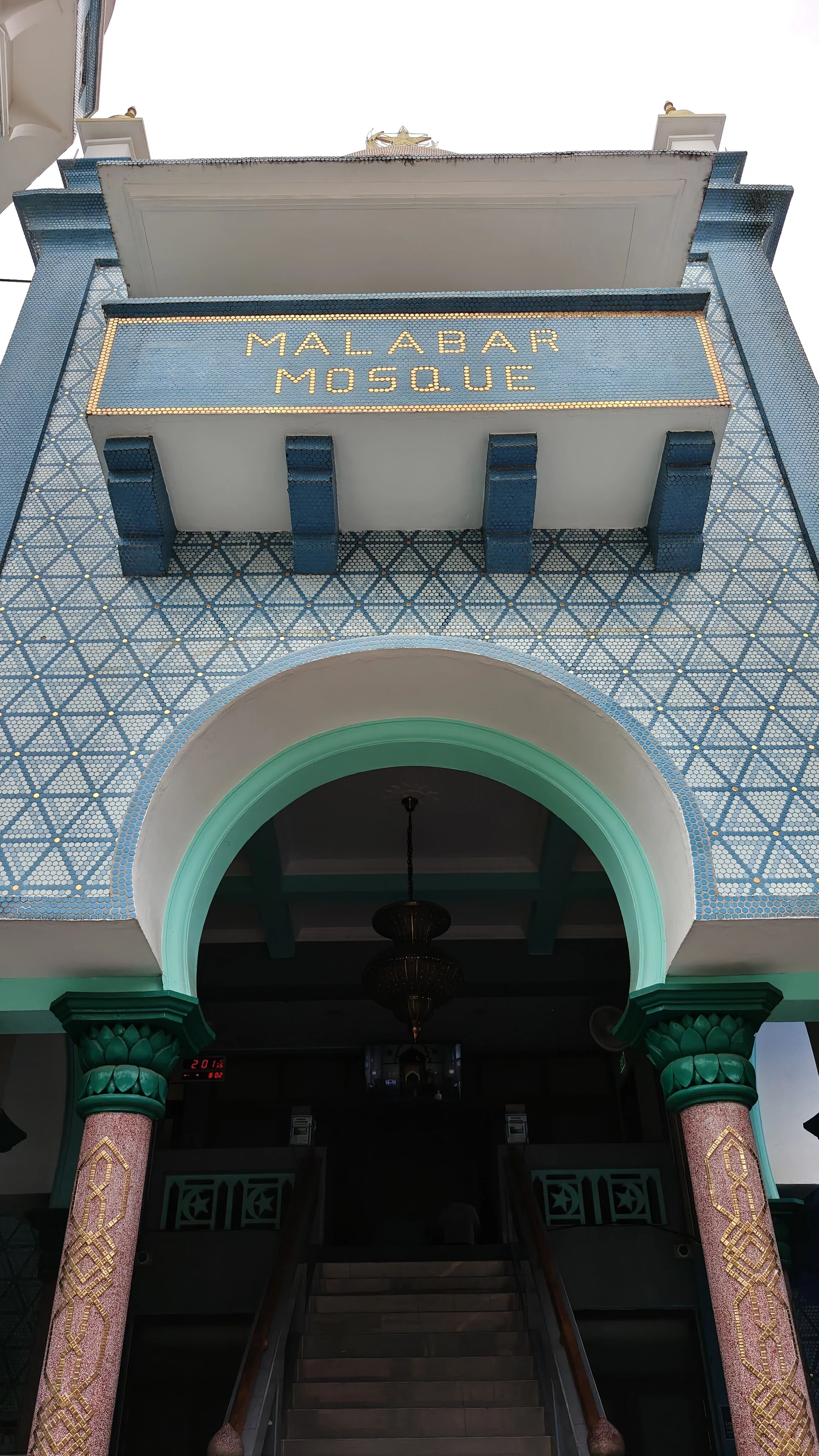
Not far from the Sultan Mosque, there is a small blue mosque called the Malabar Mosque. On its outer wall, beside Arabic, there is also a South Indian script called Malayalam (Picture 2).
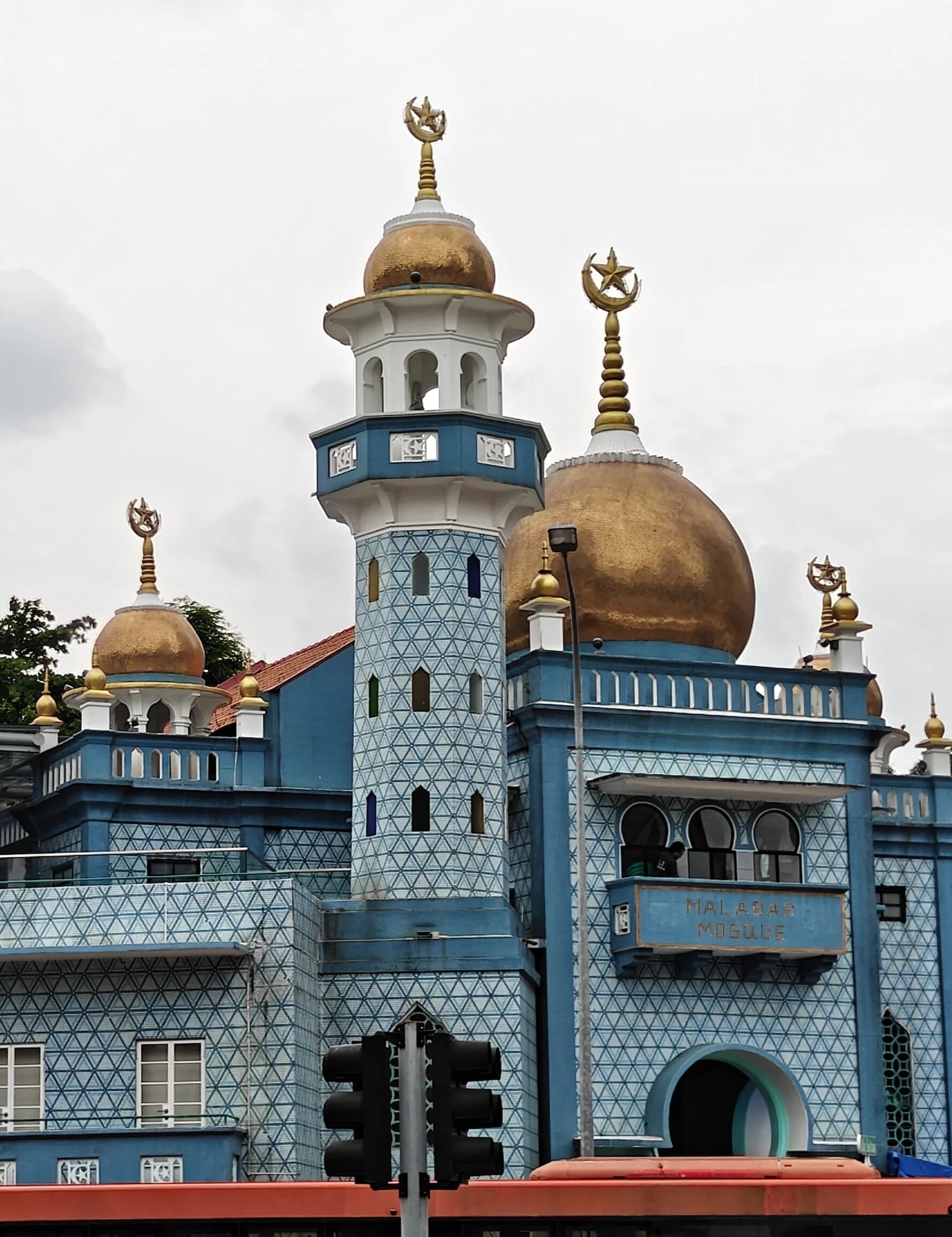
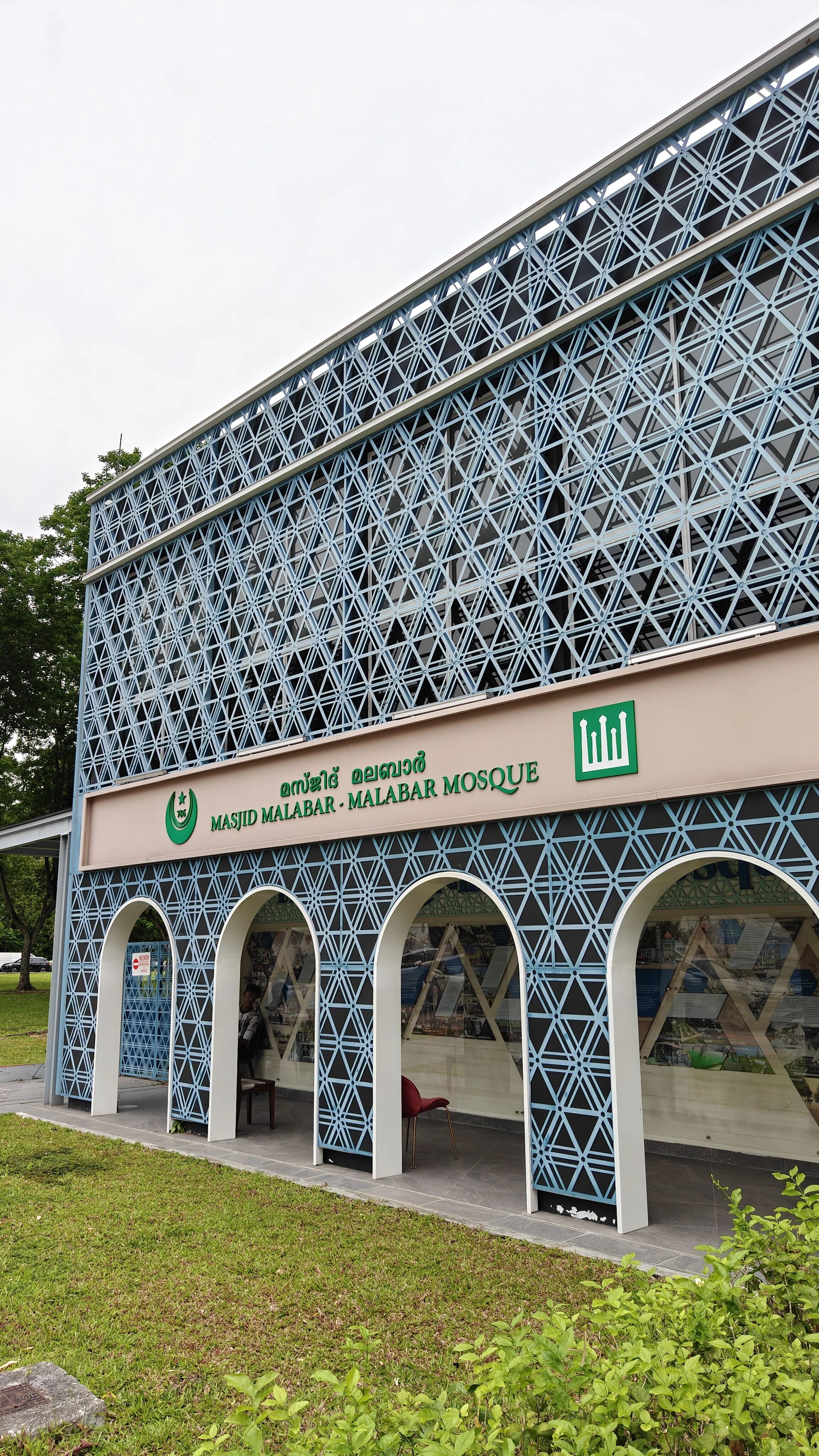
This is because the mosque itself was founded by the Malabar Muslim community in the South Indian state of Kerala.
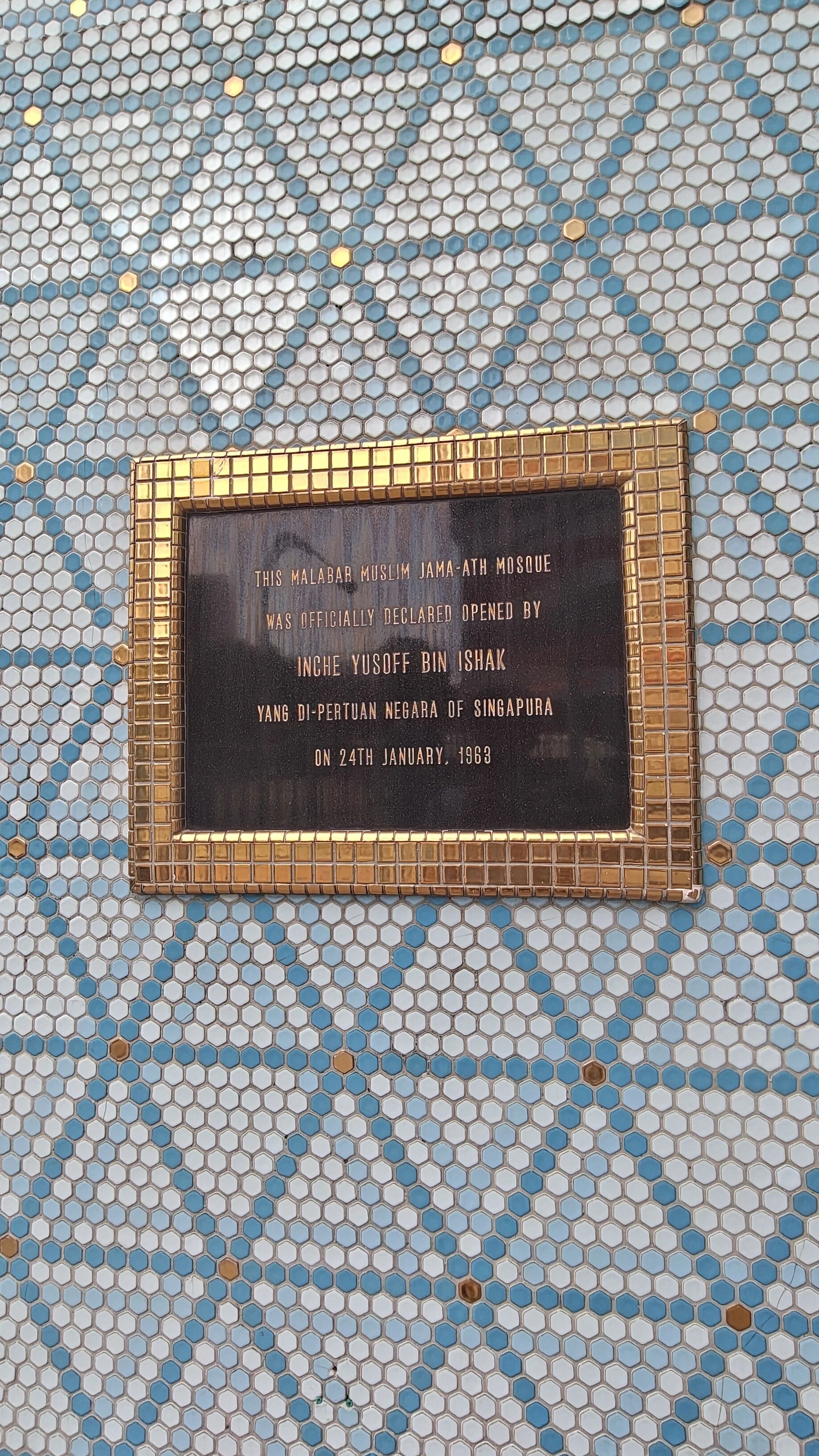
There is an explanation of the origin of this mosque at the door of the mosque (Picture 4). Here is a summary of the translation for you: "The Malabar Mosque on Victoria Street was built and managed by the Malabar Muslim Community. Malabar Muslims come from the southern Indian state of Kerala.
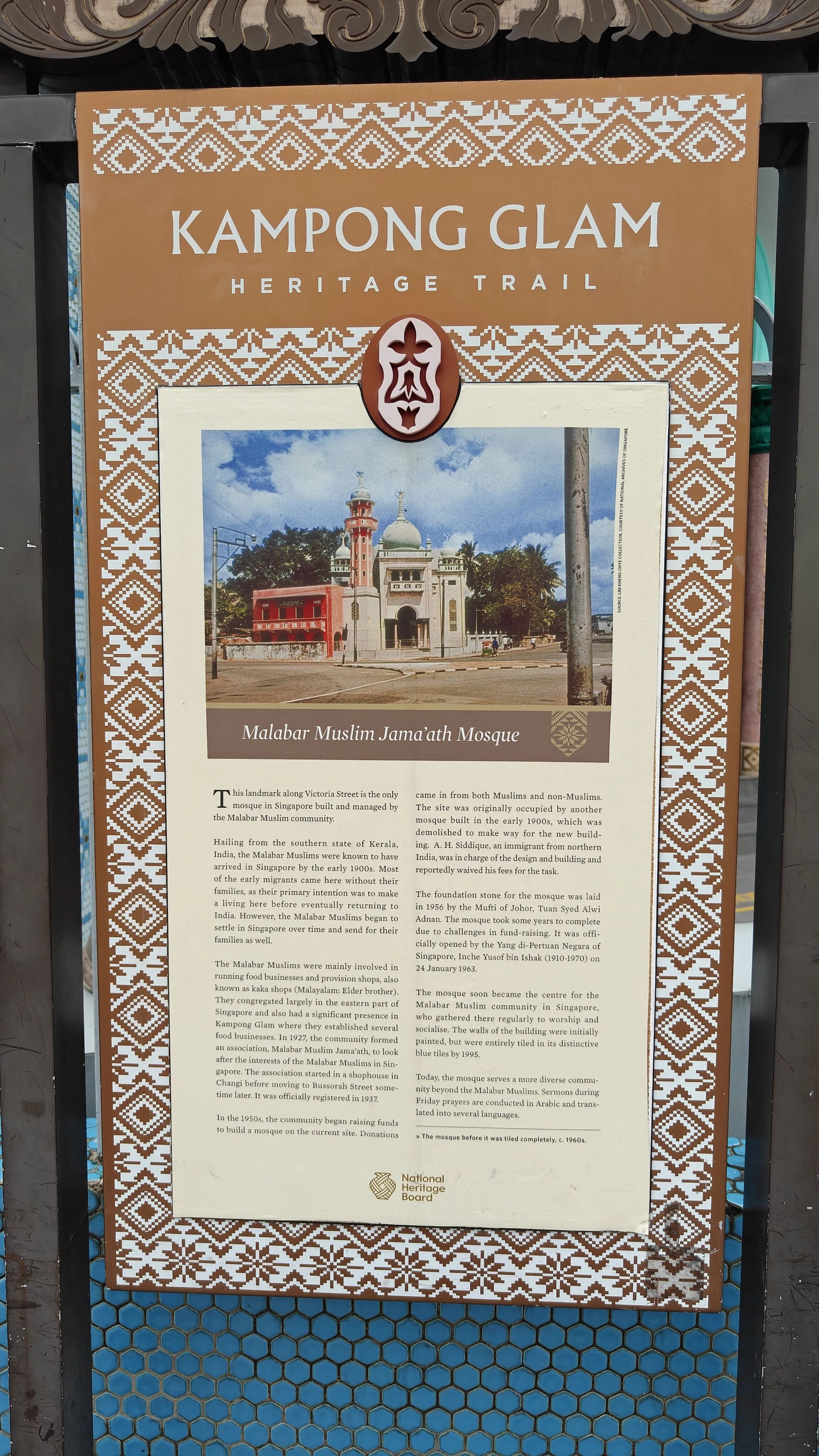
At the beginning of the 20th century, they came to Singapore to work and earn a living. Later, they started a catering business and sold food here. In 1927, in order to keep each other warm, they formed the Malabar Muslim Community Association. In 1950, they began to raise funds to build the mosque.
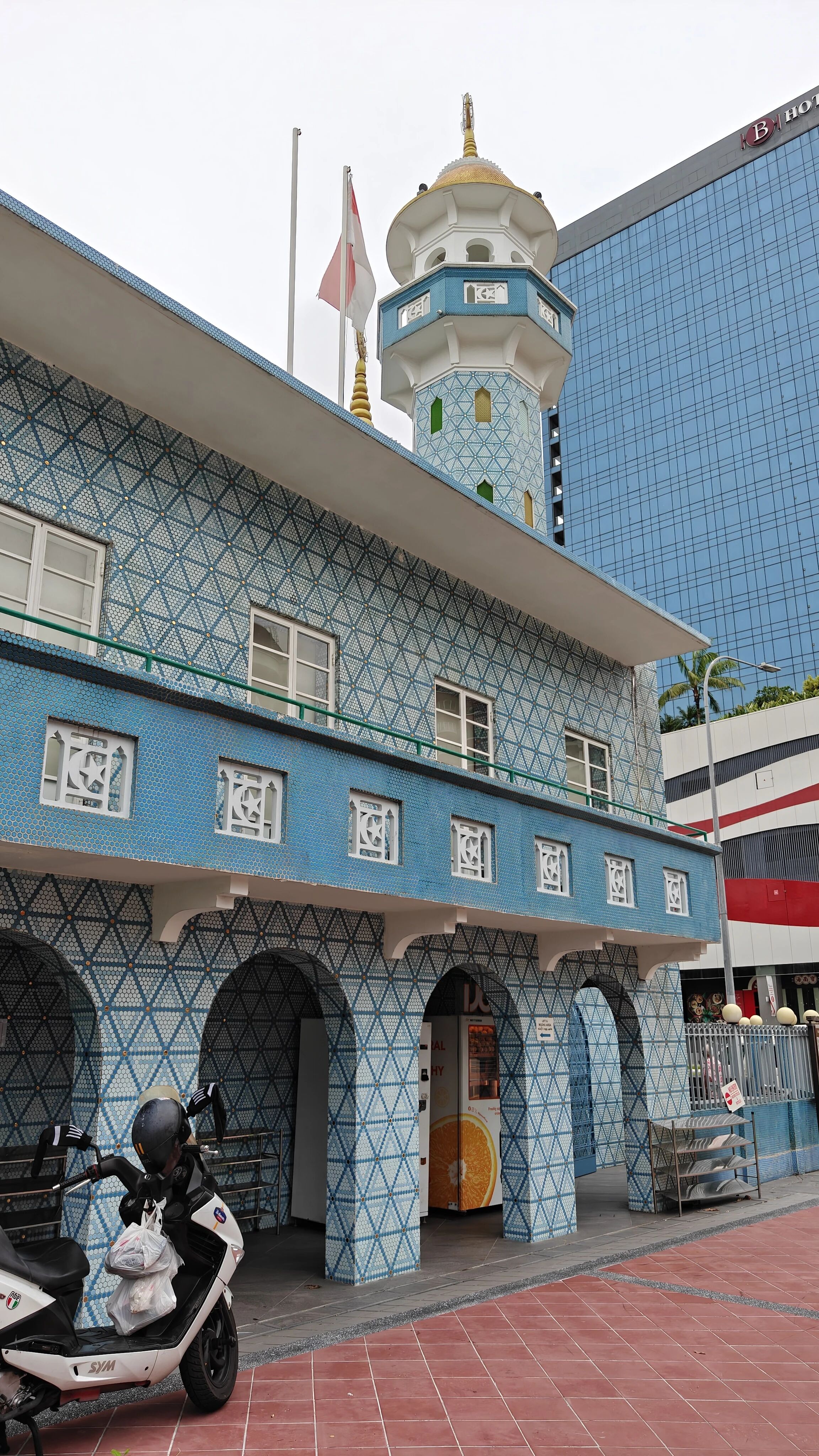
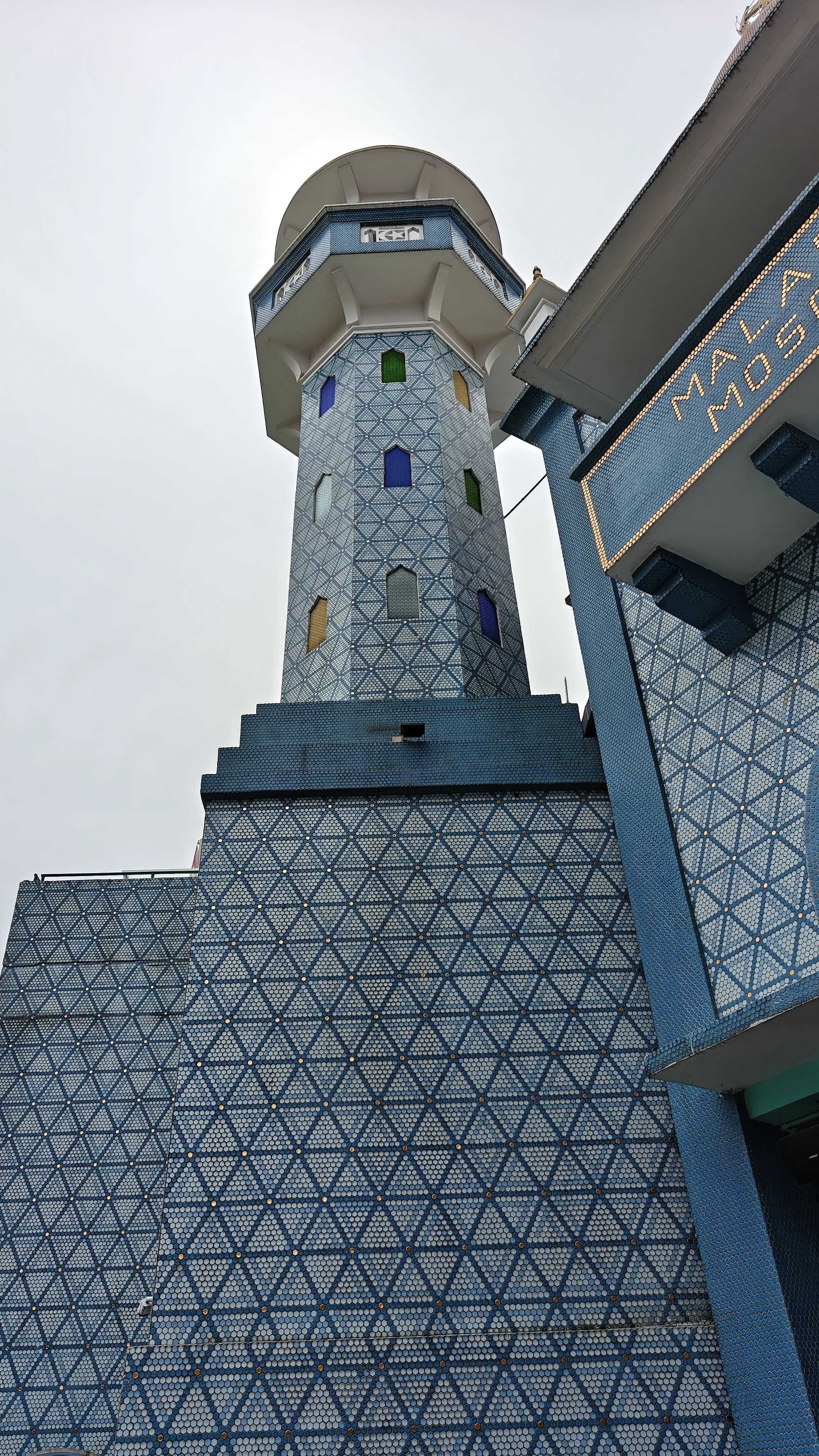
In 1963, Singapore's first president Yusuf bin Ishaq officially opened the mosque. In 1995, the facade of the mosque was paved with blue tiles, turning it into what we see today.
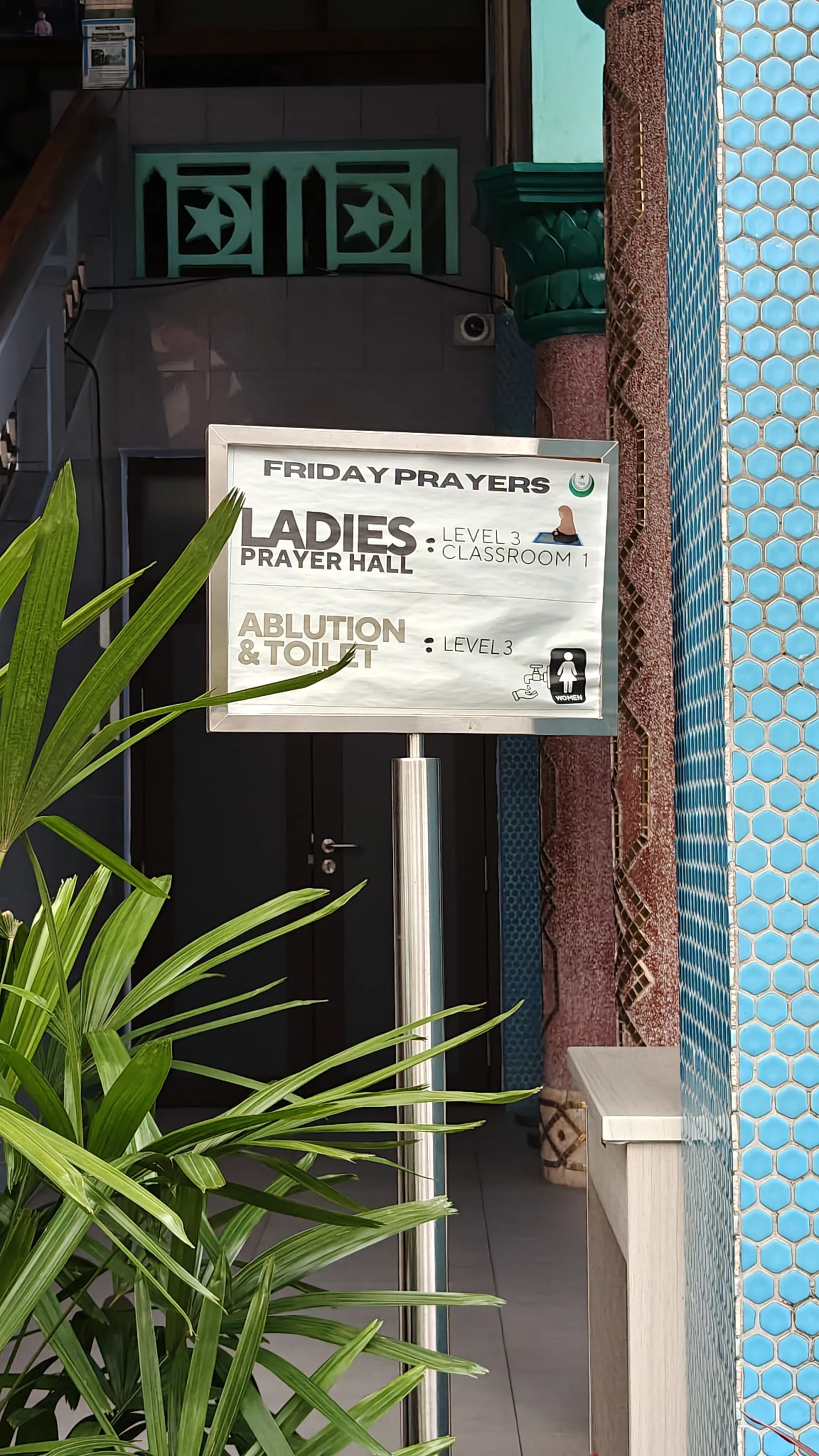
This mosque has a women's prayer room and a prayer room on the third floor of the mosque.
Although it is a mosque for South Indian Muslims, the designer is a North Indian, so the overall mosque is still in the North Indian style with a rounded onion dome + rain-shielding eaves. South Indian style mosques can also be found in Singapore, I will update this soon.
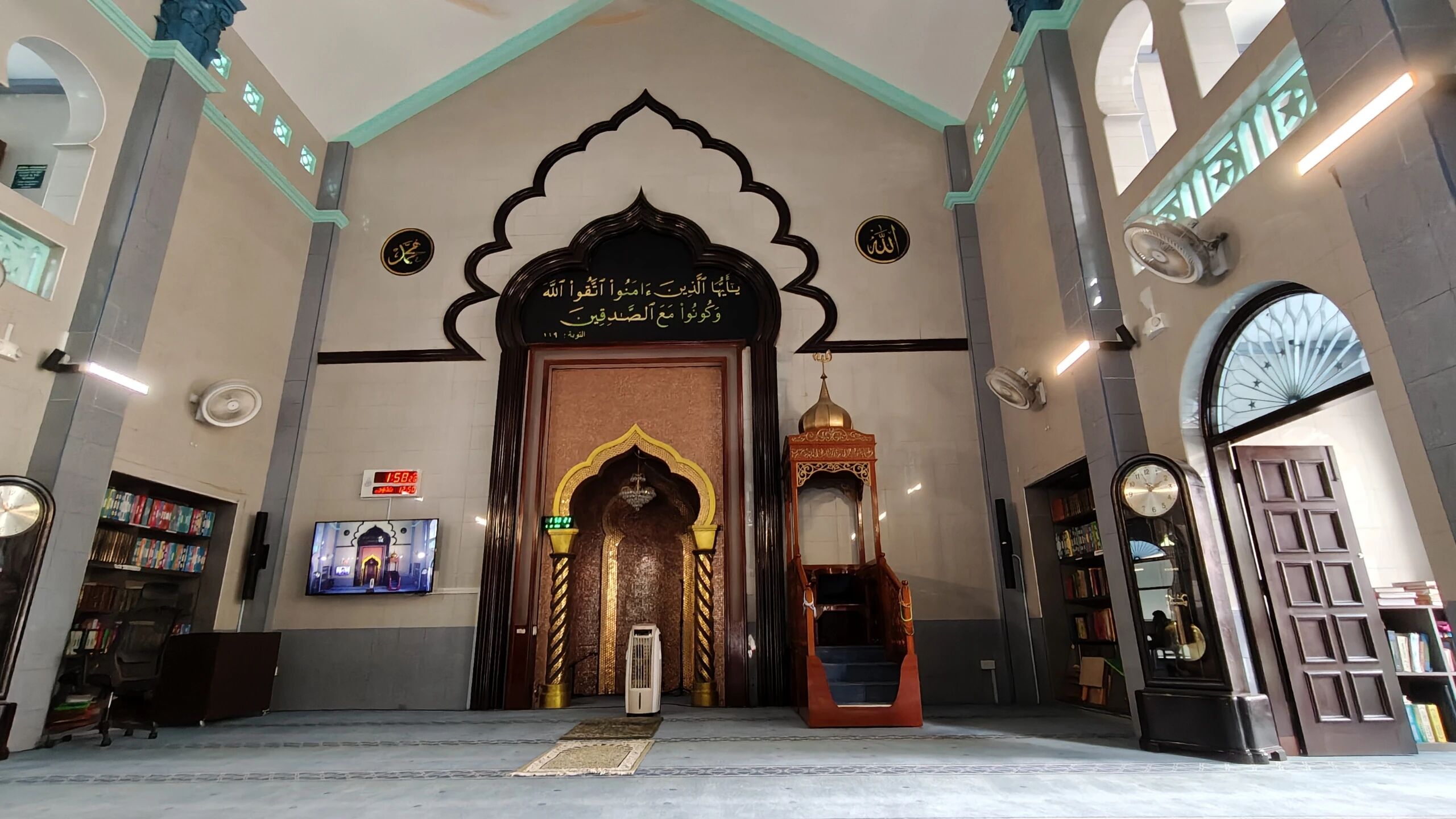
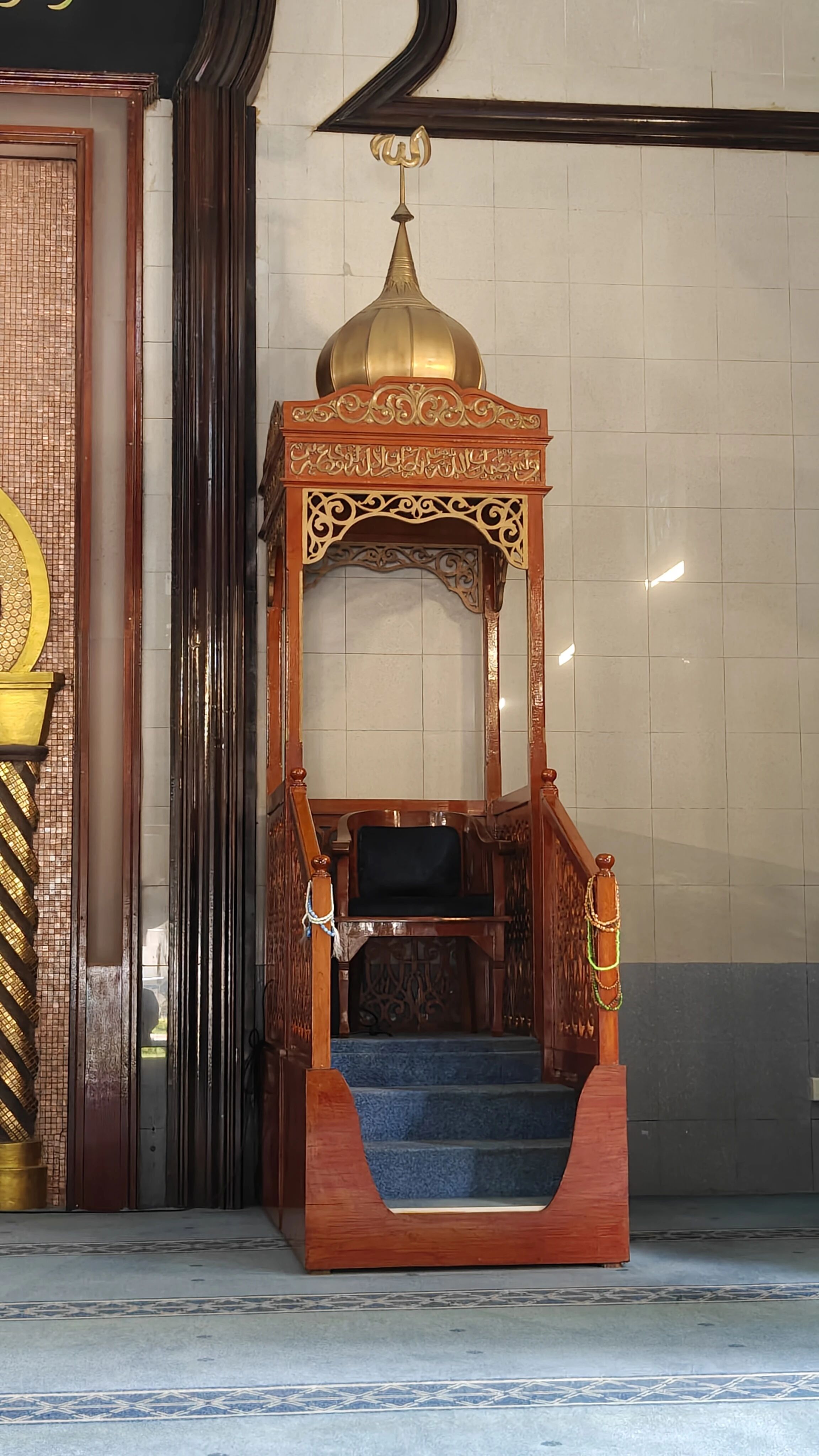
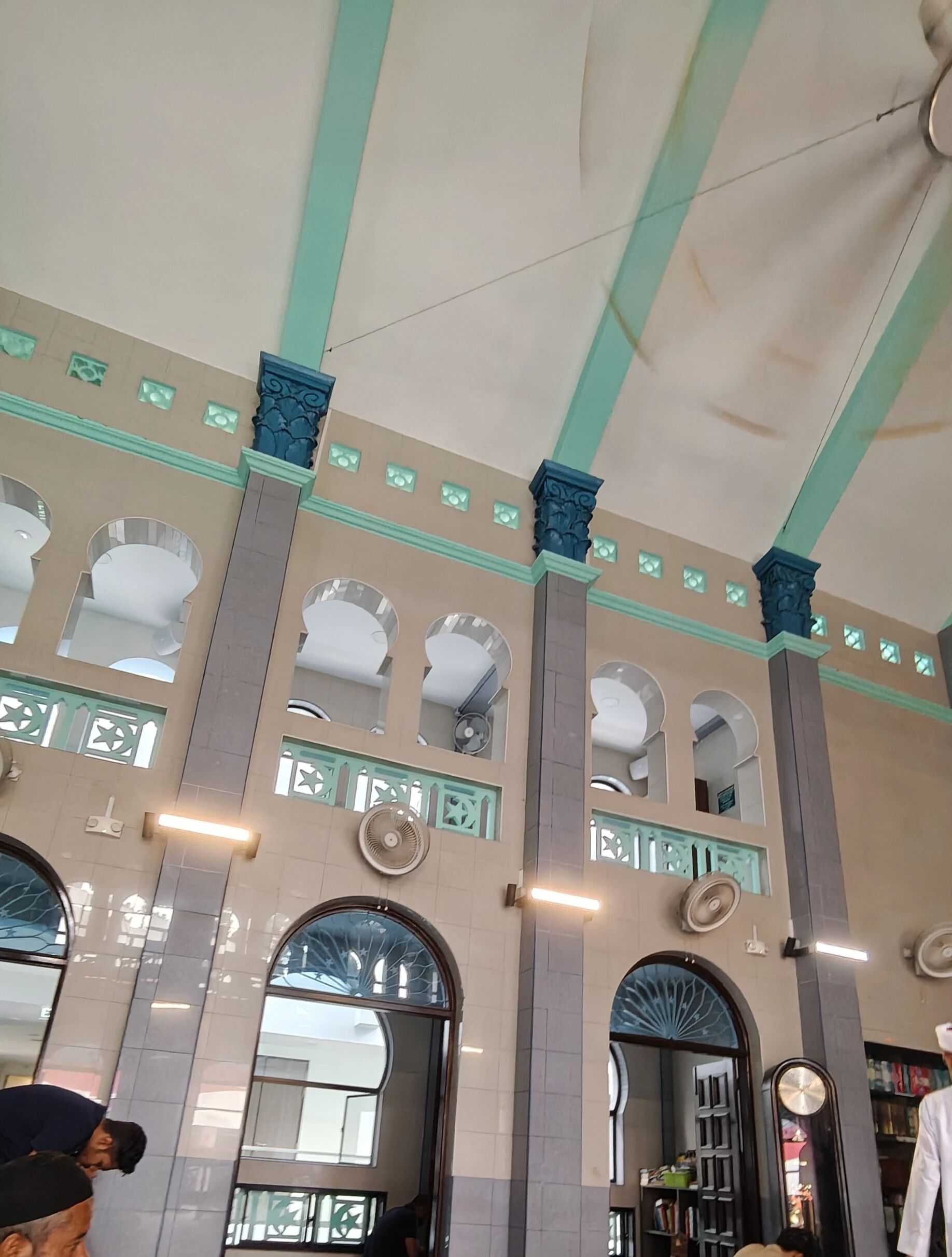
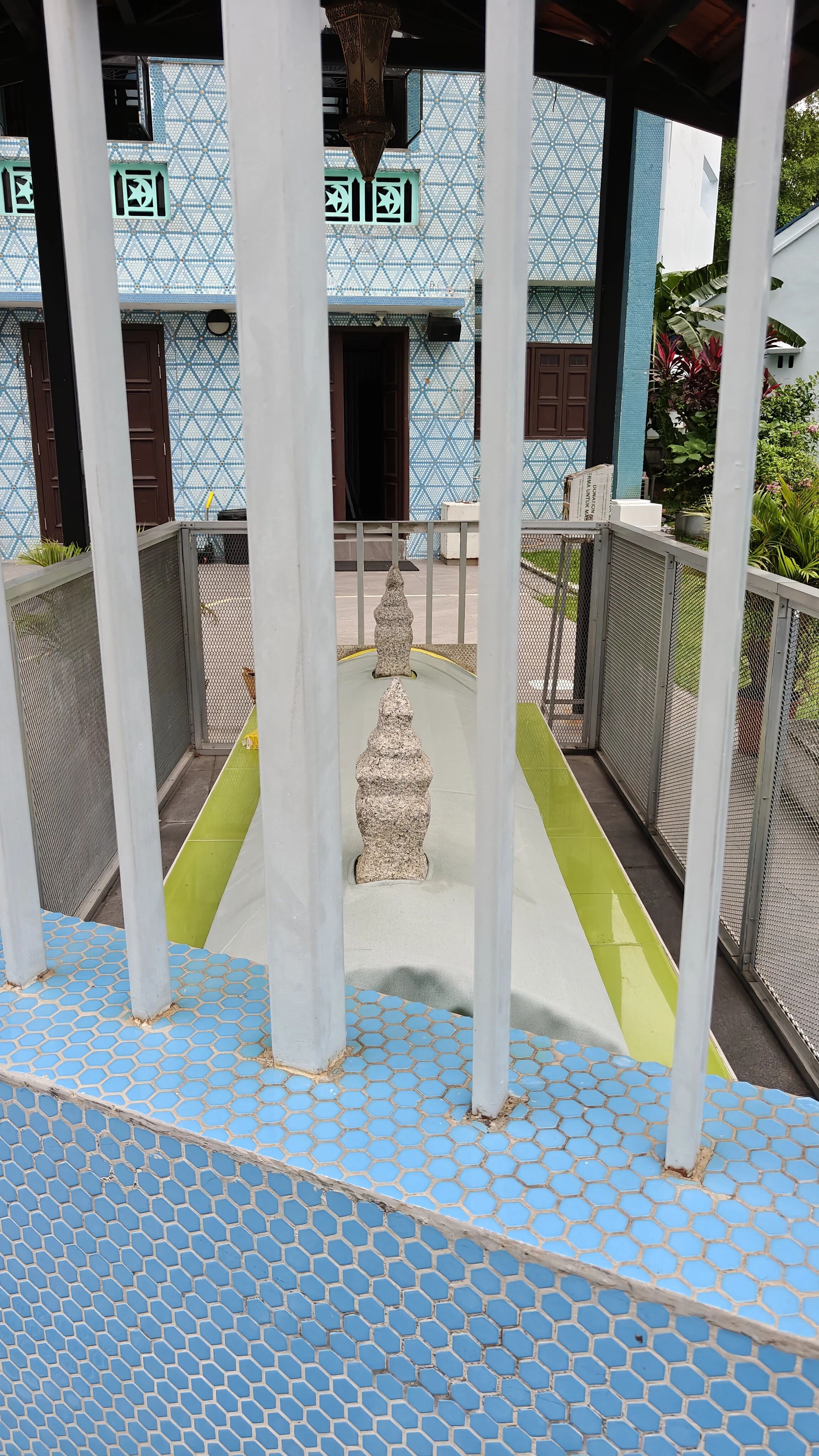
Let's take a look at the prayer hall. The interior area of the prayer hall is not small, and it is also high. Most of the worshippers in the mosque are of Indian origin, and there are also some Malays. There is a tomb pavilion next to the prayer hall, where their community leaders should be buried.
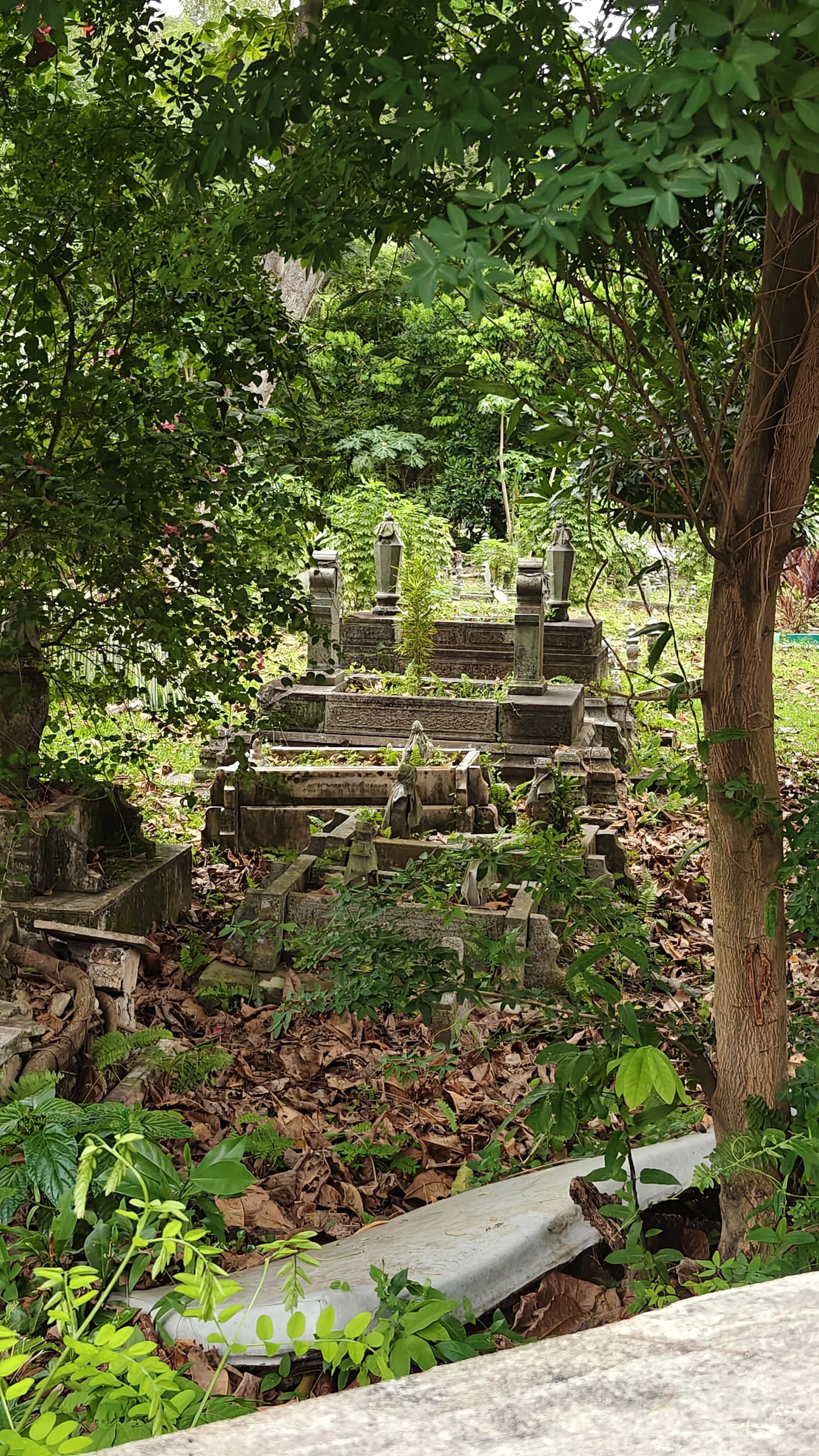
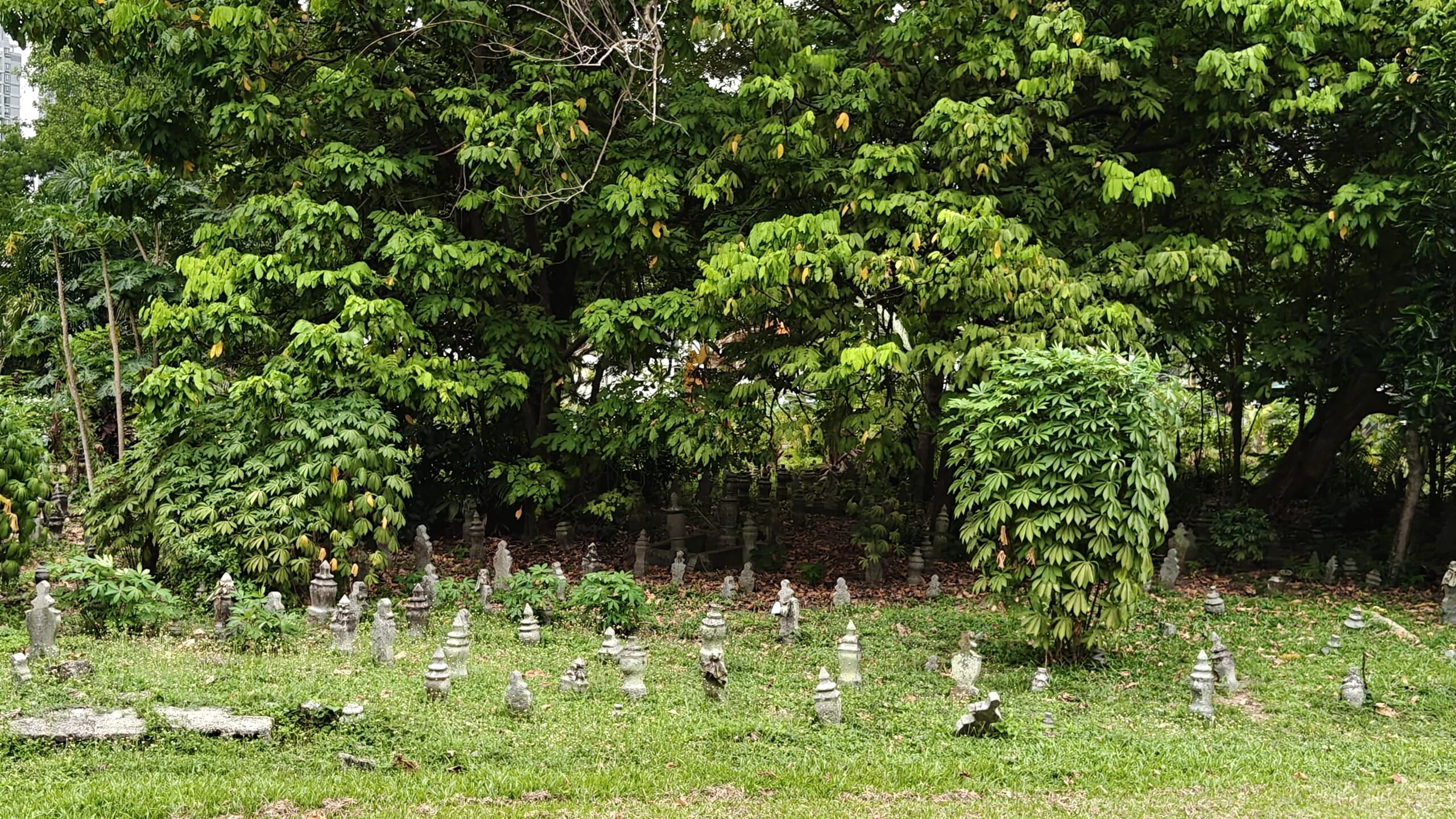
There is a large open space outside the mosque with many graves (Pictures 13 and 14), which are densely packed. The people buried here are probably the first people who came to Singapore to make a living.
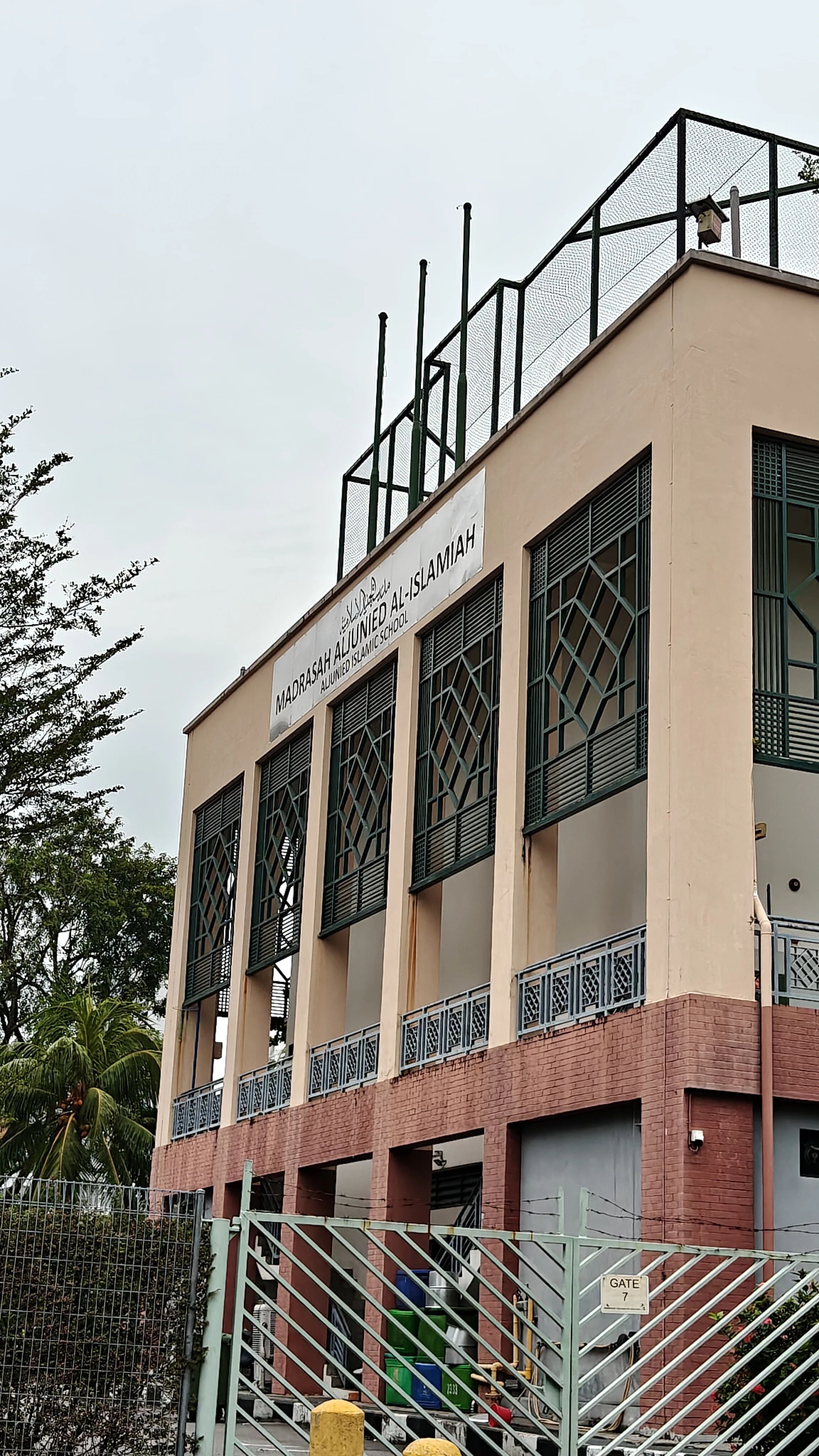
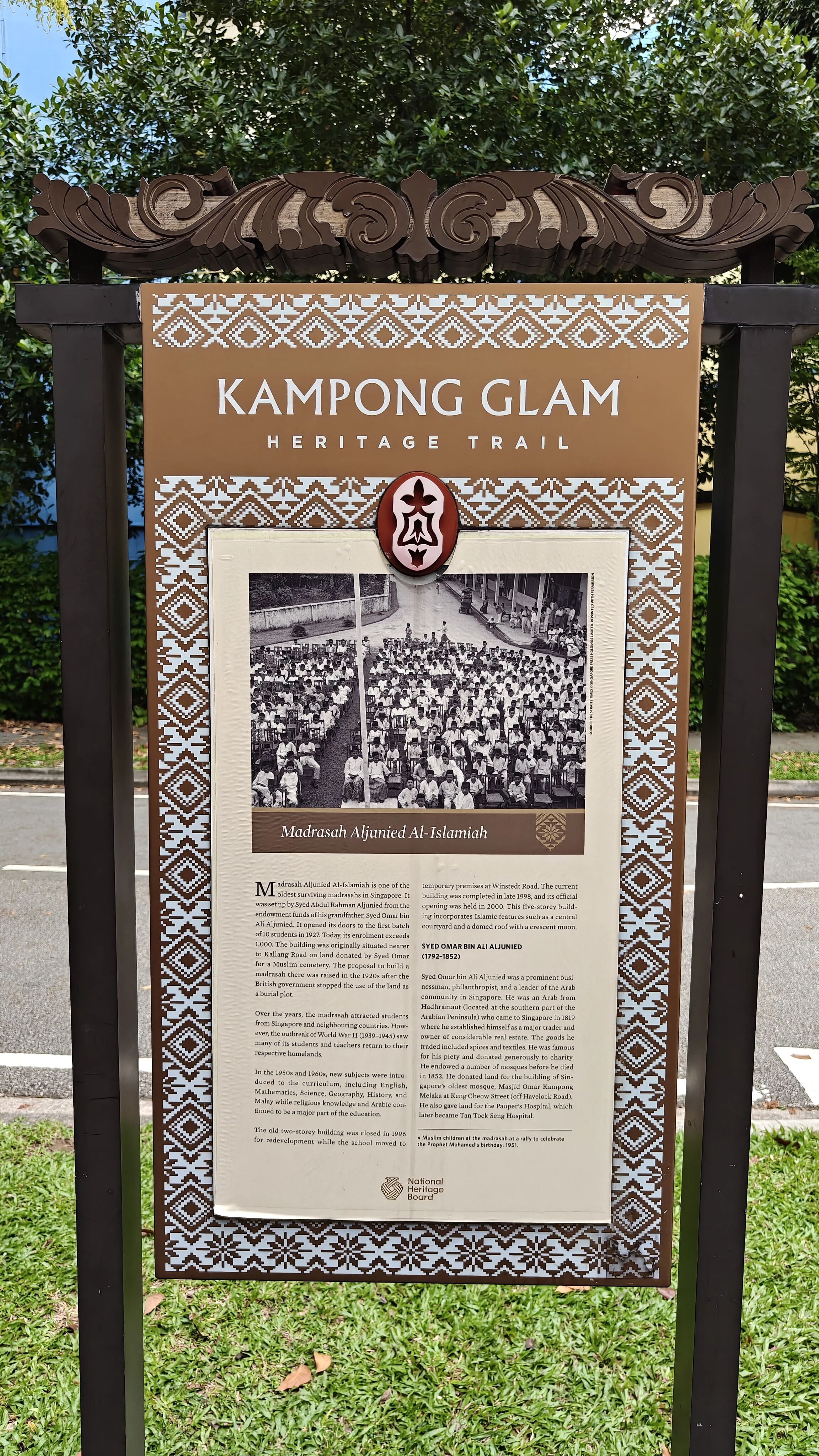
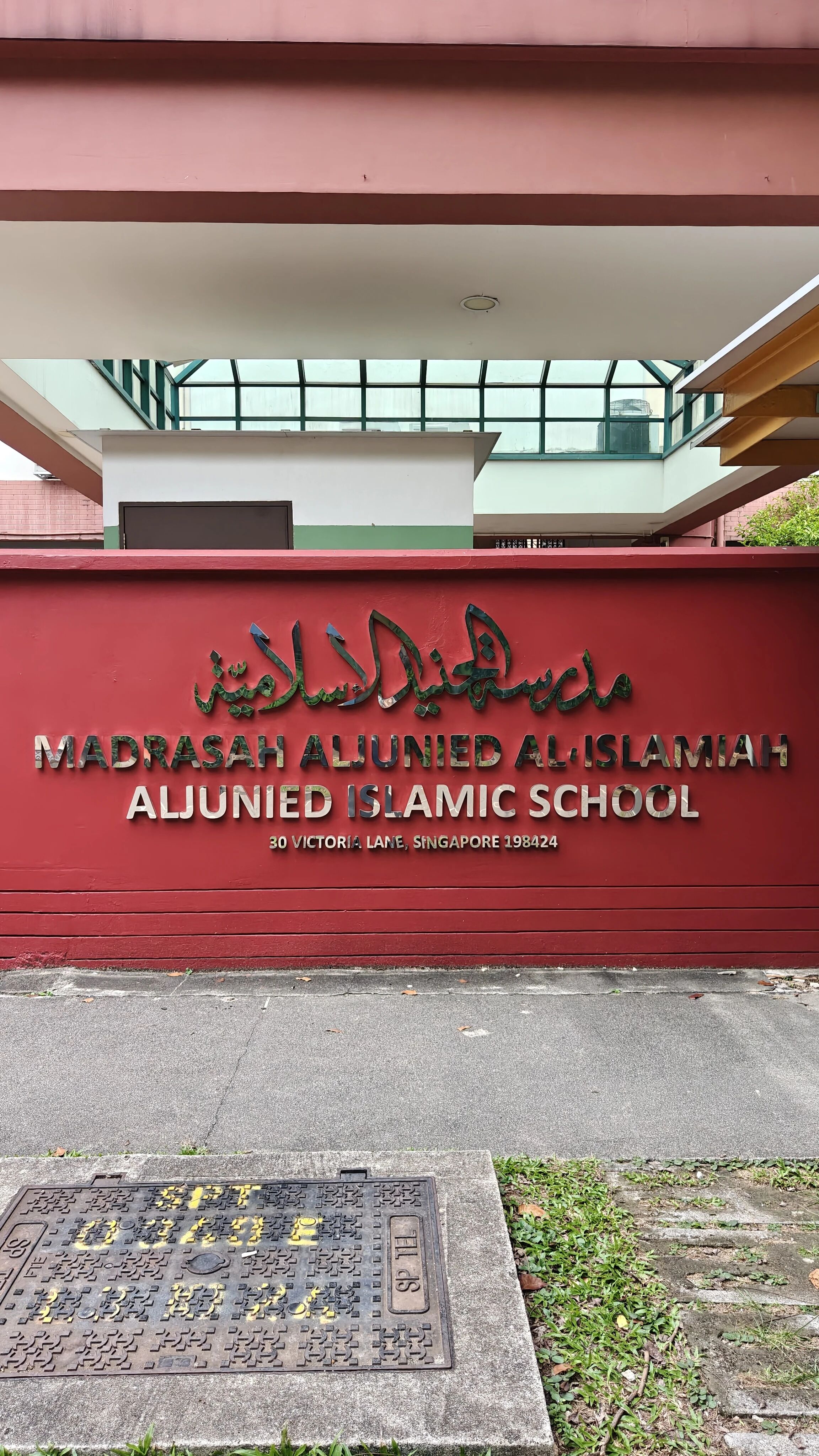
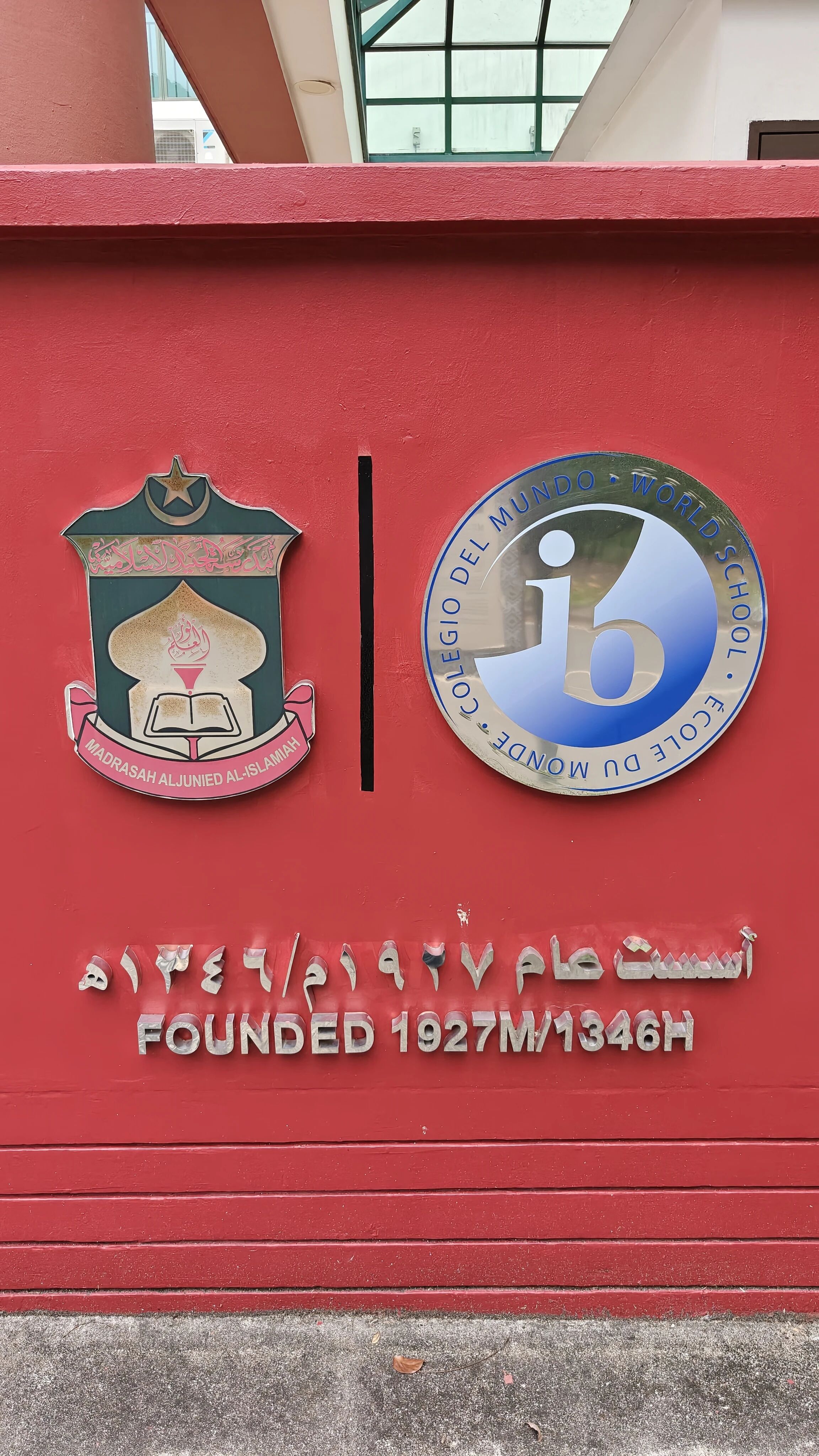
After walking a few steps, I came across an Islamic seminary with an English introduction at the door: This seminary was founded in 1927 and is one of the earliest Islamic seminaries in Singapore.
In the 1920s, after the British colonial government no longer used this land as a cemetery, some people began to propose the establishment of a seminary here, which mainly taught Malay, Arabic and religious knowledge.
In the 1950s, new subjects such as English, mathematics, science, history, and geography were added to the seminary. Today, the seminary can accommodate 1,000 students and attracts students from Singapore and surrounding countries.
Leaving here, I walked towards the Little India neighborhood, where there was another mosque built by Muslims from South India waiting for me.
Summary: This Singapore Muslim travel guide visits Malabar Mosque, the blue mosque built by South Indian Muslims from Kerala, with Malayalam on the wall, the women's prayer room, Indian-style architecture, graves, community history, and a nearby historic seminary.
Not far from the Sultan Mosque, there is a small blue mosque called the Malabar Mosque. On its outer wall, beside Arabic, there is also a South Indian script called Malayalam (Picture 2).
This is because the mosque itself was founded by the Malabar Muslim community in the South Indian state of Kerala.
There is an explanation of the origin of this mosque at the door of the mosque (Picture 4). Here is a summary of the translation for you: "The Malabar Mosque on Victoria Street was built and managed by the Malabar Muslim Community. Malabar Muslims come from the southern Indian state of Kerala.
At the beginning of the 20th century, they came to Singapore to work and earn a living. Later, they started a catering business and sold food here. In 1927, in order to keep each other warm, they formed the Malabar Muslim Community Association. In 1950, they began to raise funds to build the mosque.
In 1963, Singapore's first president Yusuf bin Ishaq officially opened the mosque. In 1995, the facade of the mosque was paved with blue tiles, turning it into what we see today.
This mosque has a women's prayer room and a prayer room on the third floor of the mosque.
Although it is a mosque for South Indian Muslims, the designer is a North Indian, so the overall mosque is still in the North Indian style with a rounded onion dome + rain-shielding eaves. South Indian style mosques can also be found in Singapore, I will update this soon.
Let's take a look at the prayer hall. The interior area of the prayer hall is not small, and it is also high. Most of the worshippers in the mosque are of Indian origin, and there are also some Malays. There is a tomb pavilion next to the prayer hall, where their community leaders should be buried.
There is a large open space outside the mosque with many graves (Pictures 13 and 14), which are densely packed. The people buried here are probably the first people who came to Singapore to make a living.
After walking a few steps, I came across an Islamic seminary with an English introduction at the door: This seminary was founded in 1927 and is one of the earliest Islamic seminaries in Singapore.
In the 1920s, after the British colonial government no longer used this land as a cemetery, some people began to propose the establishment of a seminary here, which mainly taught Malay, Arabic and religious knowledge.
In the 1950s, new subjects such as English, mathematics, science, history, and geography were added to the seminary. Today, the seminary can accommodate 1,000 students and attracts students from Singapore and surrounding countries.
Leaving here, I walked towards the Little India neighborhood, where there was another mosque built by Muslims from South India waiting for me.
