
Muslim Travel Guide Indonesia Banten: Sultanate Mosques, Coastal City and Islamic Heritage
Reposted from the web
Summary: Muslim Travel Guide Indonesia Banten: Sultanate Mosques, Coastal City and Islamic Heritage is presented here as a clear Muslim travel account, beginning with this scene: Banten is located at the westernmost tip of Java Island, facing Sumatra across the Sunda Strait. The account keeps its focus on Banten Mosques, Indonesia Muslim Travel, Sultanate History while preserving the names, places, food, and historical details from the Chinese source.
Banten is located at the westernmost tip of Java Island, facing Sumatra across the Sunda Strait. The local Bantenese people are a branch of the Sundanese. In the 16th century, the Banten Sultanate rose to become a powerful maritime trading nation in western Java, controlling the pepper trade in Southeast Asia. The Banten Sultanate reached its peak in the 17th century and had intense conflicts with the Dutch East India Company. After the 18th century, the Banten Sultanate gradually came under the control of the Dutch East India Company and was finally annexed into the Dutch East Indies in the 19th century.
Today, the ancient city of Banten still retains many ruins, and the Great Mosque of Banten (Masjid Agung Banten), built in the 16th century, remains a famous religious site. two palaces of the Banten Sultanate, a Dutch fortress, and several tombs of the Banten Sultans have been preserved. Due to time constraints, I could not visit all the historical sites this time, but I still hope to share the ruins of the Banten Sultanate that I saw with everyone.
Table of Contents
1. Traveling to the Ancient City of Banten
2. The Establishment of the Banten Sultanate
3. The Port City of Banten
4. Surosowan Palace—Sultan's Residence: 1552
5. Great Mosque of Banten: 1566
6. Banten Bazaar
7. Speelwijk Castle—Dutch Fortress: 1682
8. Kaibon Palace—Residence of the Last Queen Mother: Early 19th Century
1. Traveling to the Ancient City of Banten
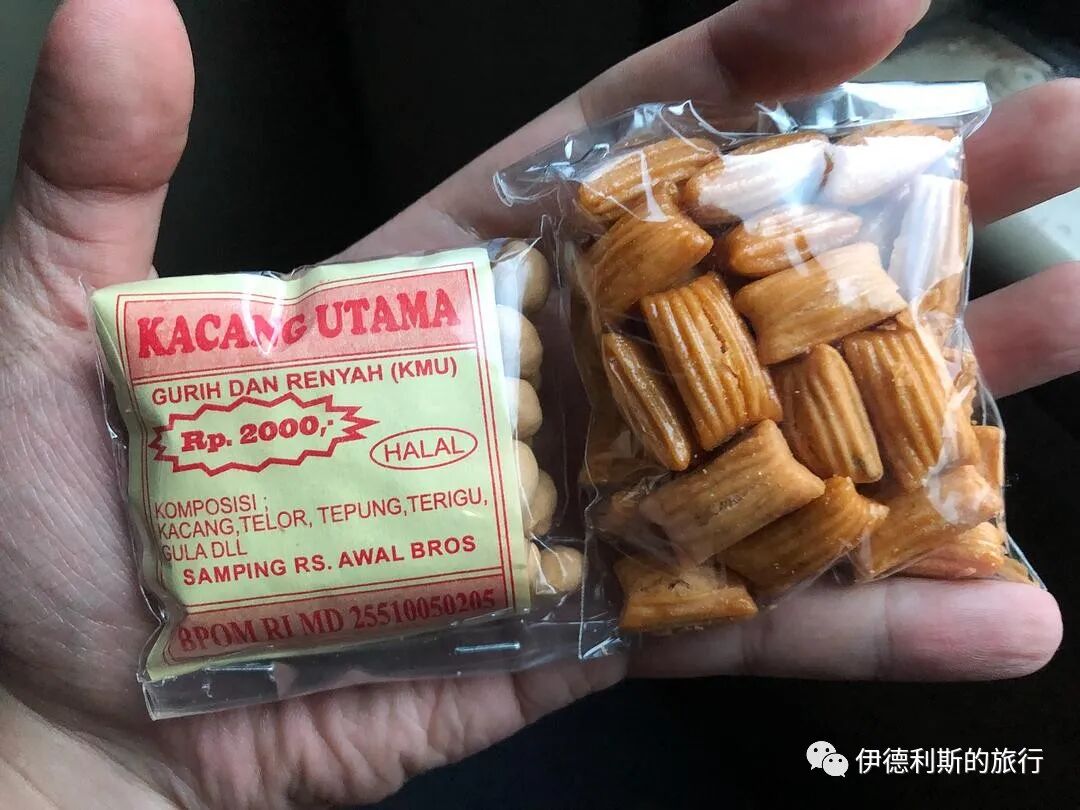
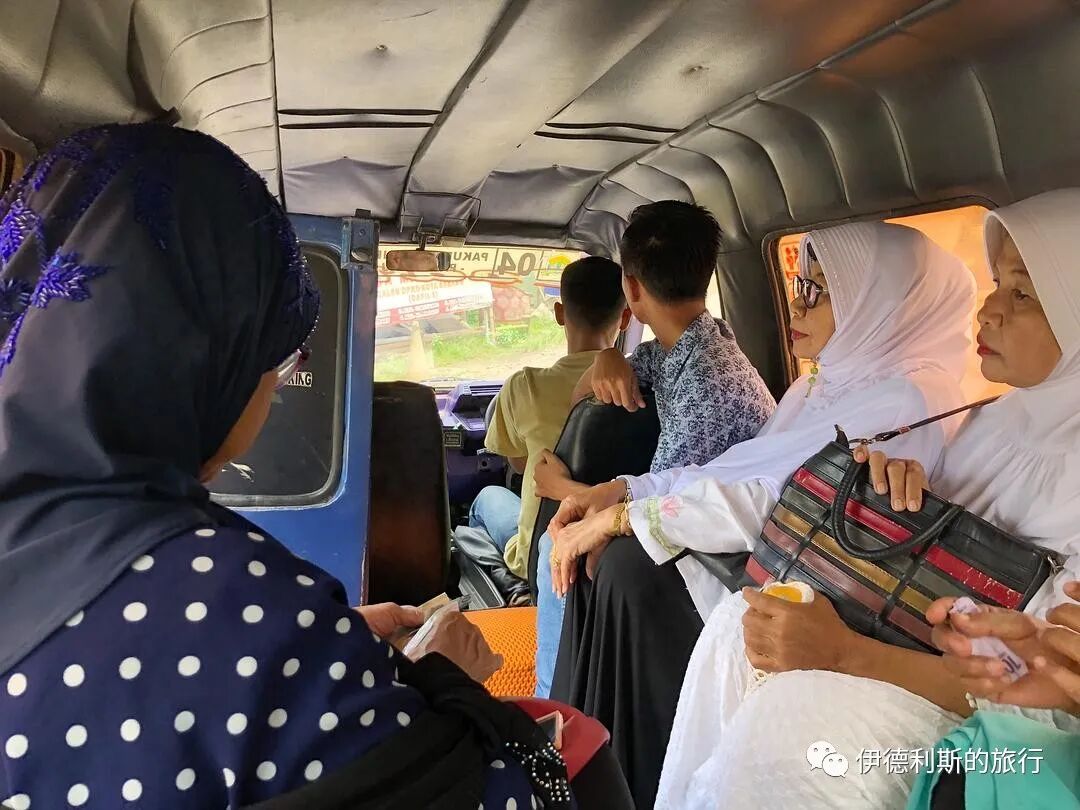
The ancient city of Banten is located west of Jakarta, and it takes an hour and a half to drive there under normal traffic conditions. There are buses from Kalideres bus station in western Jakarta to the city of Serang, where Banten is located. Once you arrive at the station, just ask people for "Serang" and they will point you in the right direction. The bus I took picked up passengers along the way before getting on the highway, so it took three hours to reach Serang. Friends who want to go, please make sure to allow extra time. It was very interesting that before getting on the highway, vendors kept getting on the bus to sell various things, including fruits, snacks, ballpoint pens, electronic watches, and so on. There were also several groups of singers, making it feel like a moving bazaar.
After getting on the bus, be sure to tell the driver or conductor that you are going to the Great Mosque of Banten, which is Masjid Agung Banten. Note that the pronunciation of Banten is "Banden." Then the driver will drop you off at the intersection before entering Serang city. From there, you can take a minibus or call a Grab to the ancient city of Banten.




2. The Establishment of the Banten Sultanate
After the 15th century, the Hindu-Buddhist Majapahit empire declined and the Islamic Malacca Sultanate rose. Many Muslim merchants from Arabia and India settled on the north coast of Java, marking a new chapter in Javanese history.
Between the 15th and 16th centuries, many Sufi Muslims arrived in Java to spread the faith, with the Nine Saints (Wali Songo) being the most famous. Among the Nine Saints, Sunan Gunung Jati was the only one who used military force to spread Islam.
Sunan Gunung Jati was born Syarif Hidayatullah. His father came from the Hashim family in Egypt, the same family as the Prophet Muhammad, and his mother was a princess from the Hindu Sunda Kingdom in western Java. Although his grandfather was a Hindu king, Sunan Gunung Jati's mother and his uncle, Prince Walangsungsang, both converted to Islam.
In 1470, after spending years studying Islamic knowledge in places like Mecca and Baghdad in the Middle East, Sunan Gunung Jati returned to Java to help his uncle rule the port town of Cirebon in West Java. In 1479, Sunan Gunung Jati took over from his uncle to rule Cirebon, established the Cirebon Sultanate, and officially declared independence from the Sunda Kingdom in 1482.
Shortly before Sunan Gunung Jati established the Cirebon Sultanate, the Muslim port town of Demak in Central Java had already gained independence from the Majapahit Kingdom in 1475. These two Javanese Muslim states, which relied on maritime trade, joined forces and posed a major threat to the existing Hindu Sunda Kingdom. The Sunda Kingdom then went to Malacca to seek help from the Portuguese. In 1522, the Portuguese officially formed an alliance with the Sunda Kingdom to control the local pepper trade.
However, after the alliance was formed, the Portuguese failed to send troops to help in time. The joint Cirebon-Demak forces took the opportunity to capture Sunda Kalapa, an important port of the Sunda Kingdom, and renamed it Jakarta. After that, the Sunda Kingdom fought a five-year war alone against the Cirebon-Demak coalition. In 1527, the Sultan of Cirebon, Sunan Gunung Jati, sent his son Hasanudin to join the Demak Sultanate and capture Banten, another important port of the Sunda Kingdom. Sunan Gunung Jati then appointed his son as the Sultan of Banten. In 1552, the Banten Sultanate broke away from the Cirebon Sultanate and became an independent state.
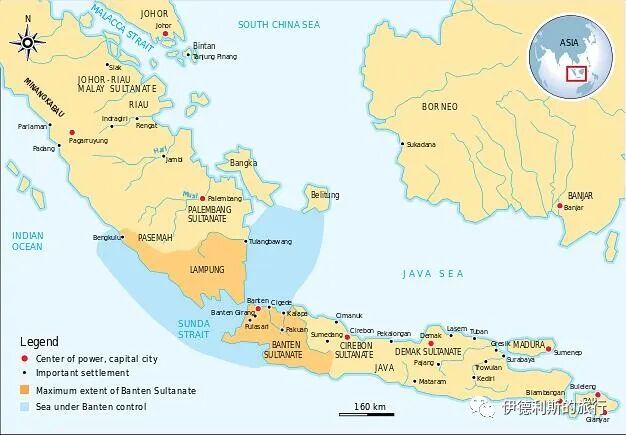
The territory of the Banten Sultanate, drawn by Gunawan Kartapranata.
3. The Port City of Banten
Shortly after becoming the Sultan of Banten, Hasanudin began building a new port city at the mouth of the Banten River. By the mid-16th century, Banten had become an important port that could rival Malacca.
According to the Portuguese historian João de Barros, the city of Banten was located in the middle of the harbor, and a clear river ran through the city, allowing ships to sail into the town center. Inside the city, there was a brick fortress with a two-story wooden defensive structure. The city center had a square that served as a market in the morning and was used for military or artistic activities at noon. On the south side of the square was the Sultan's palace, known as the Surosowan Palace, with a tall building next to it used by the Sultan to receive his subjects. On the west side of the square was the Great Mosque, which is today's Great Mosque of Banten.
At that time, only local residents were allowed to live in the city. Foreigners lived near the harbor in the north, with foreign Muslims in the northeast and non-Muslim foreigners in the northwest.
In the late 16th century, the Banten Sultanate controlled the pepper trade in the Lampung region at the southern tip of Sumatra. It traded closely with Portugal, the Netherlands, Britain, France, and Denmark, becoming a major international trade hub in Southeast Asia. With help from the British, the Danes, and the Chinese, the Banten Sultanate traded with Persia, India, Siam, Vietnam, the Philippines, China, and Japan.
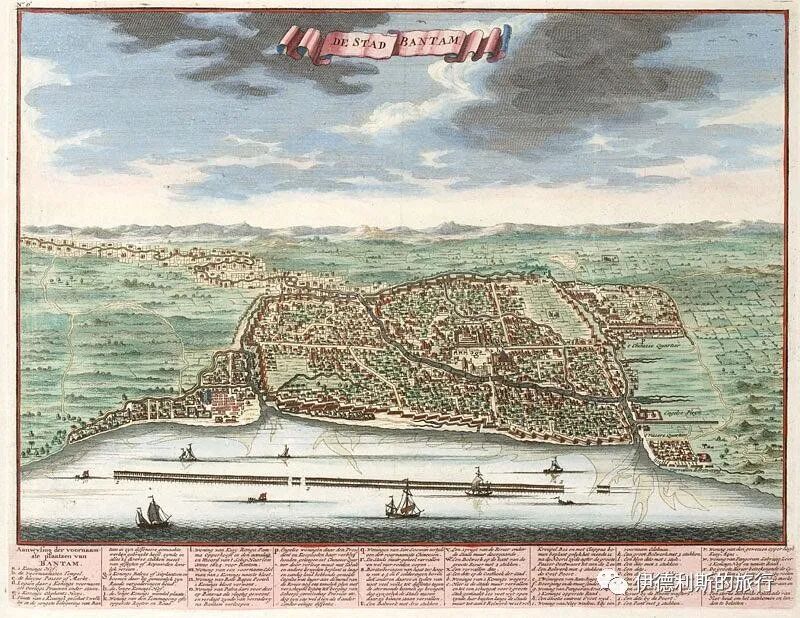
Banten City in 1724, drawn by François Valentijn.
4. Surosowan Palace—Sultan's Residence: 1552
Surosowan Palace was built in 1552 by the Banten Sultan Maulana Hasanuddin and later served as the residence for successive sultans. A Dutchman designed the palace, which is why it features the corner bastion structure of a Dutch fort.
In 1808, to defend against a British invasion of Java, the Dutch ordered the construction of the Great Post Road across the island. They also ordered the Banten Sultan to move his capital and provide labor to build a port for the Dutch fleet. The Sultan refused, so the Dutch destroyed Surosowan Palace and imprisoned the entire royal family. After the British invaded Java in 1813, they forced the last Sultan to abdicate, marking the end of the Banten Sultanate. After the Anglo-Dutch Treaty of 1814 was signed, Britain returned the Banten region to the Dutch, and Banten was officially incorporated into the Dutch East Indies.
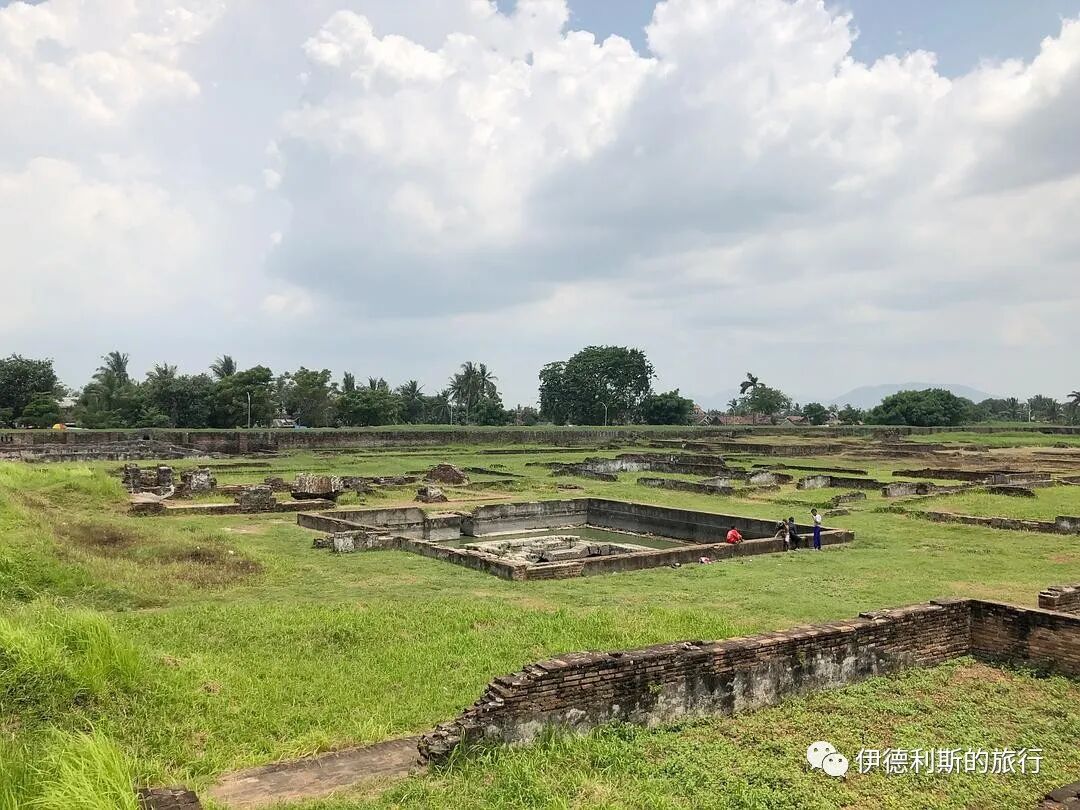
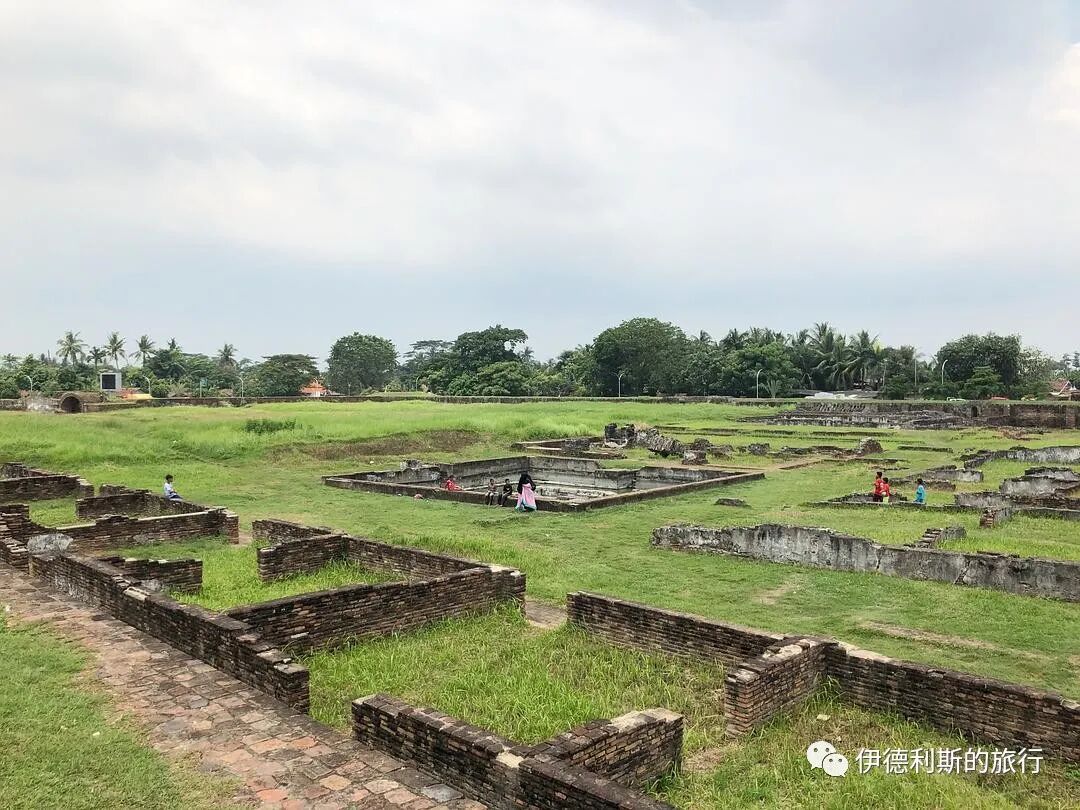
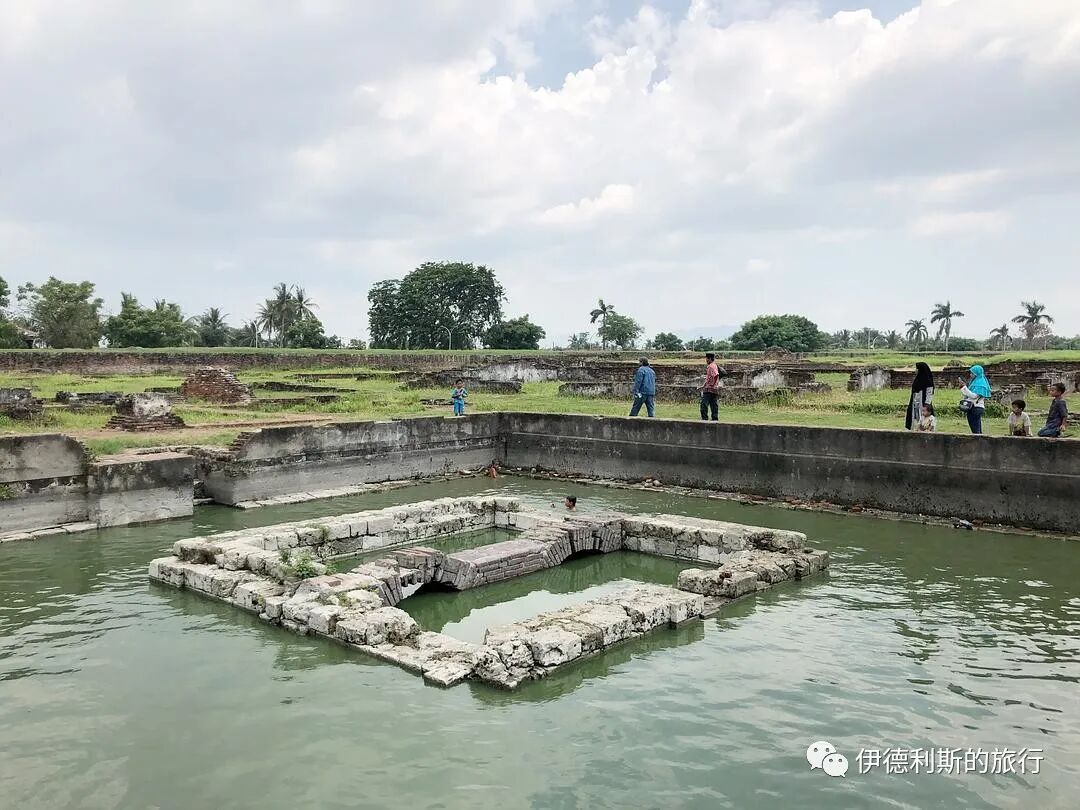
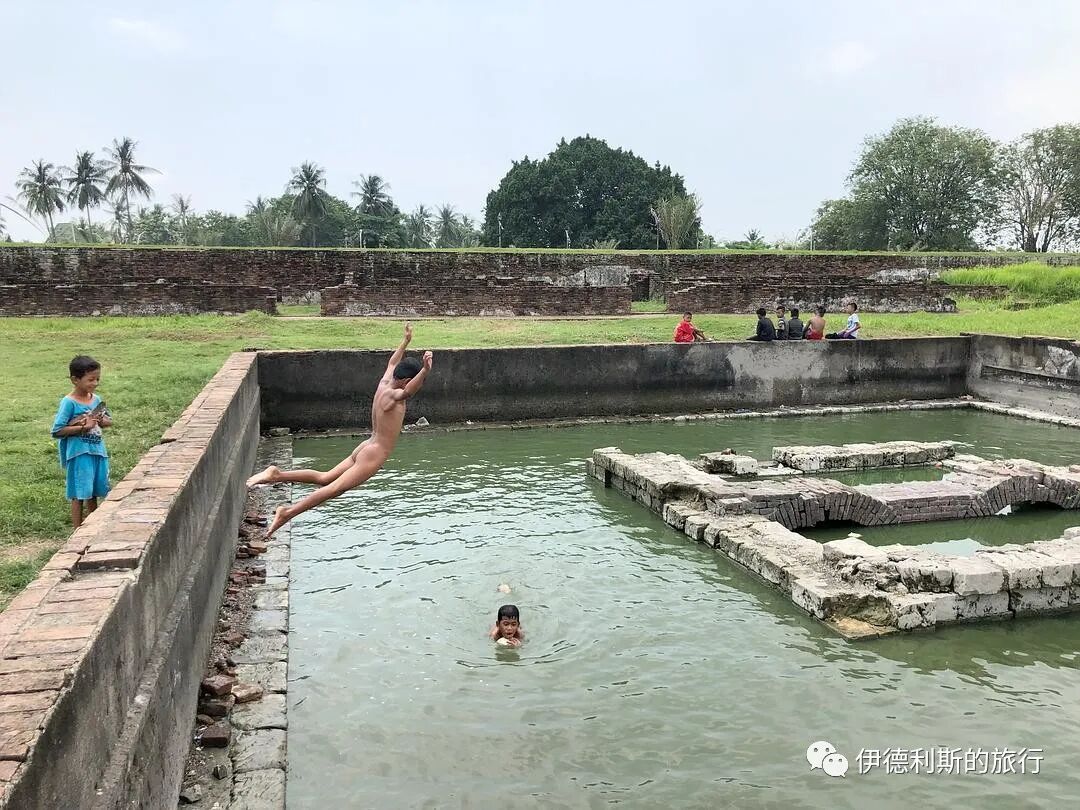
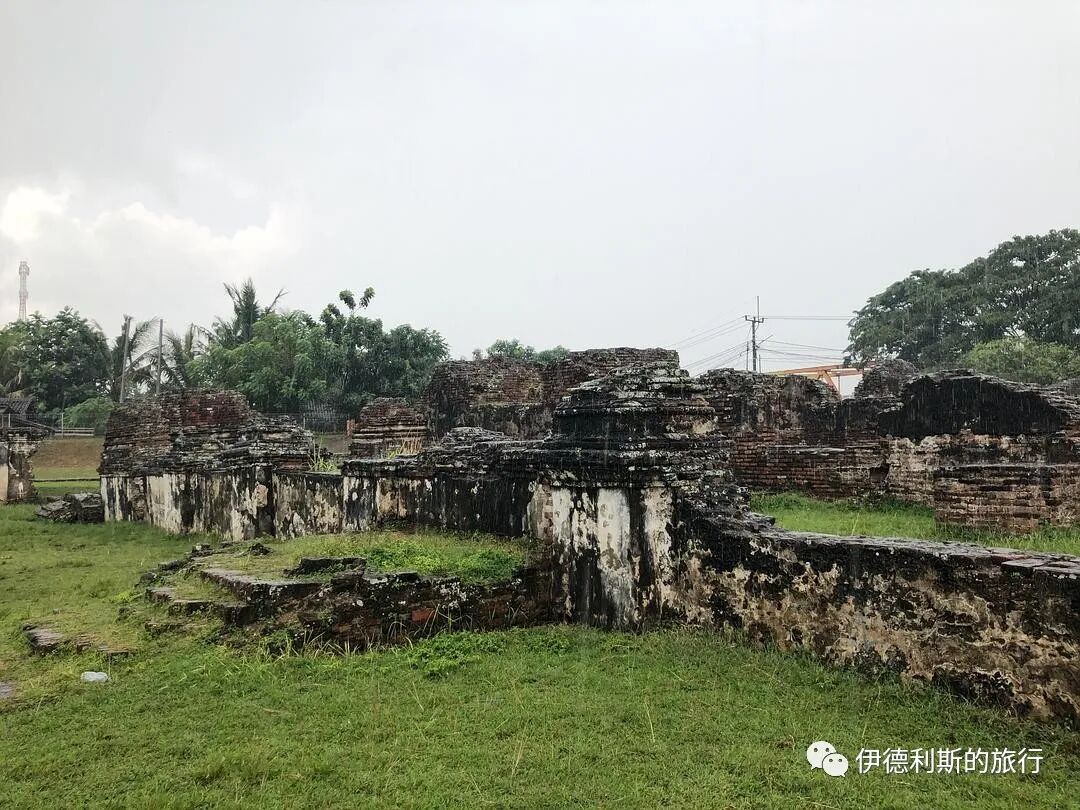
Today, the ruins of Surosowan Palace include two-meter-high walls made of red stone and coral. The most prominent site inside is the princess's bathing pool, which looks similar to the existing pools at the Sultan's palace in Yogyakarta.
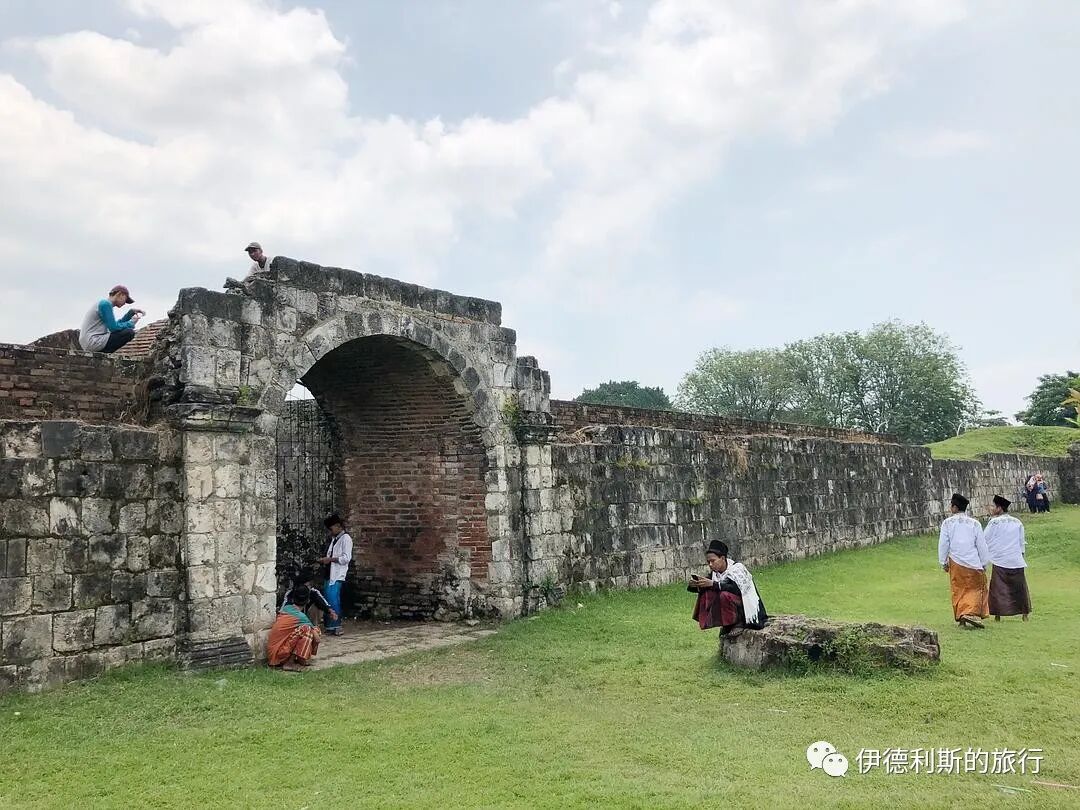
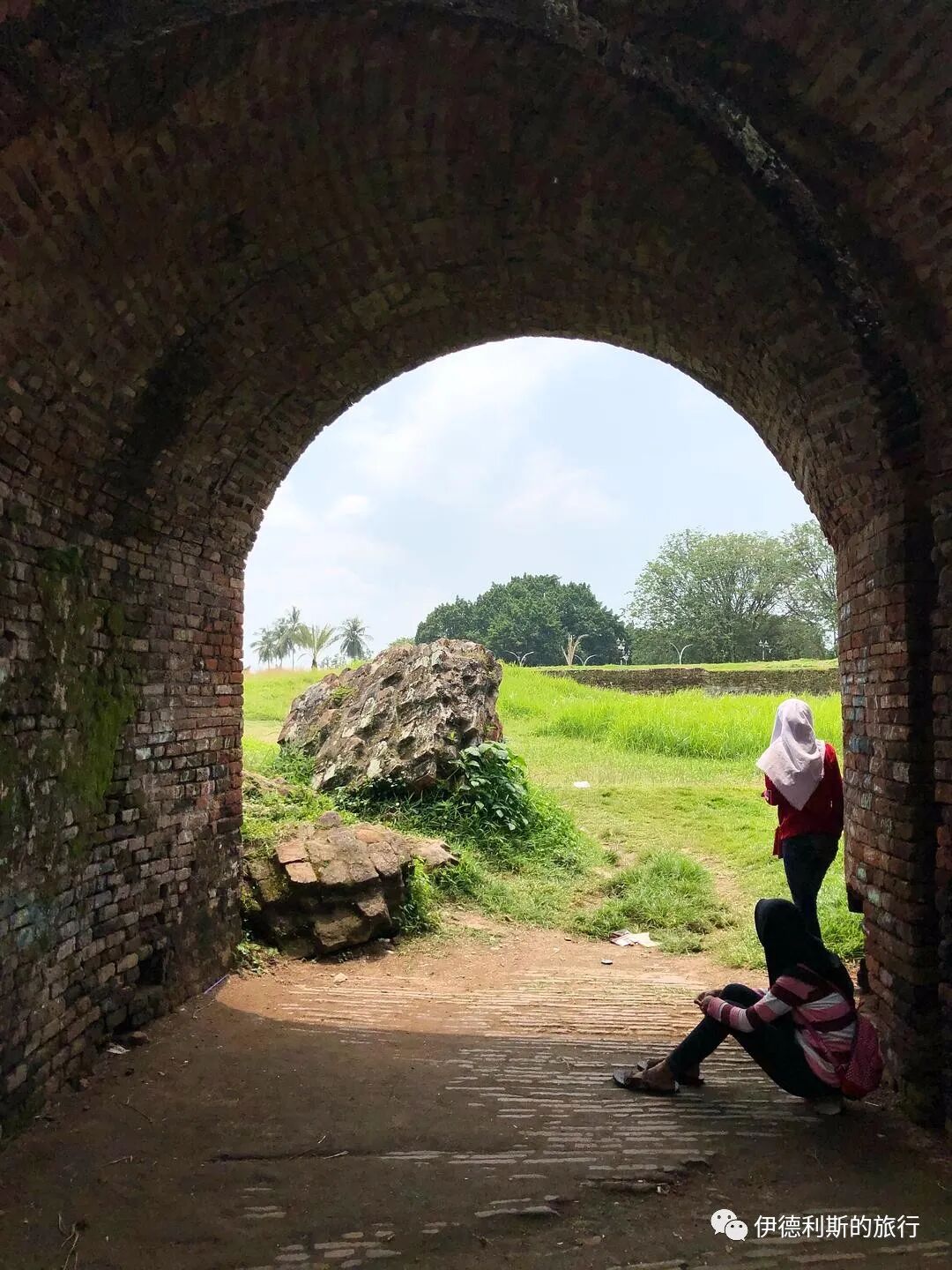
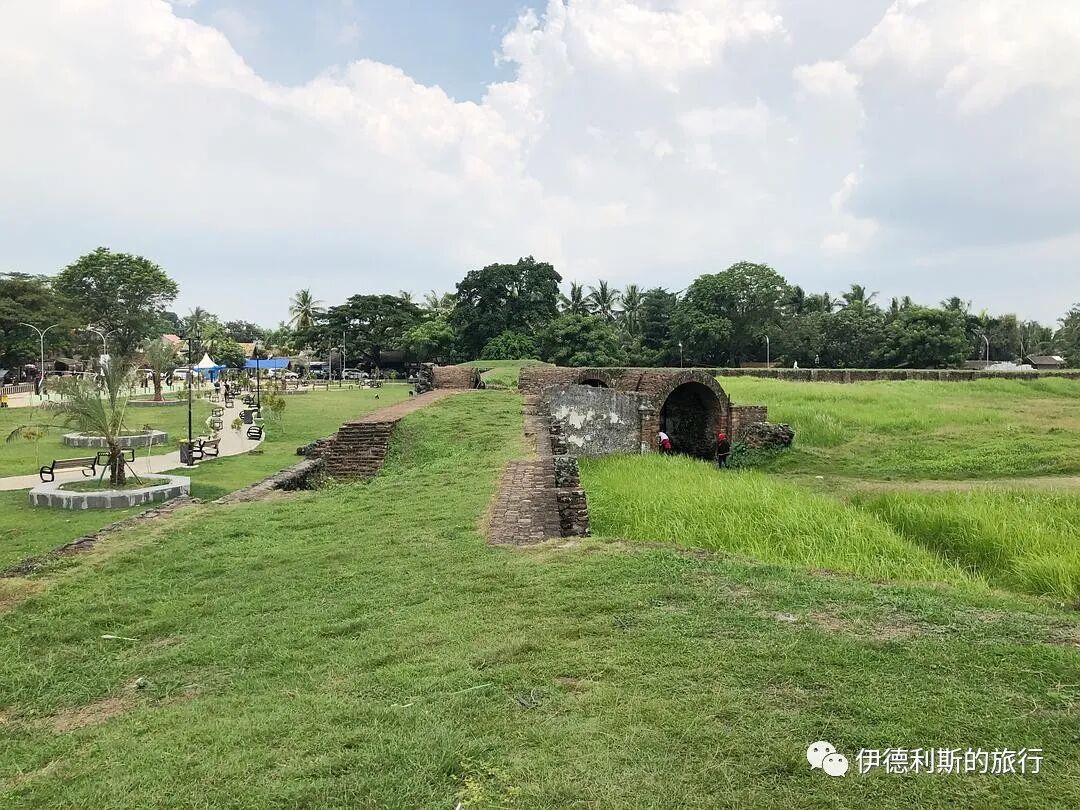
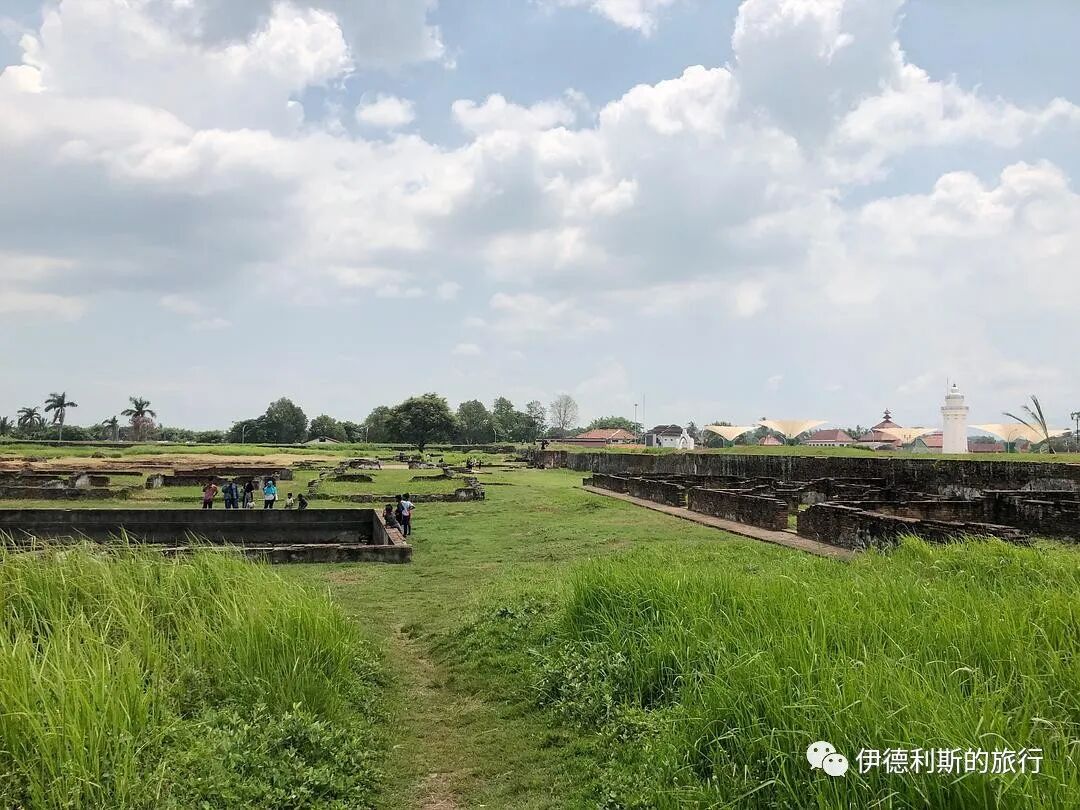
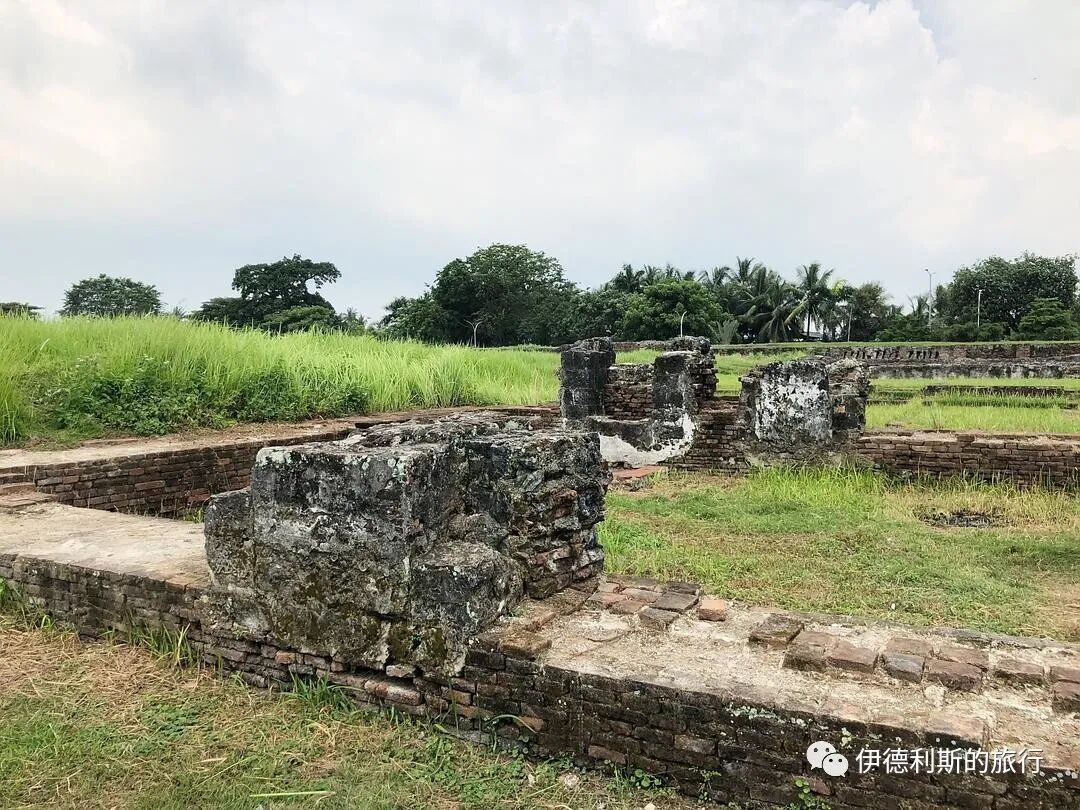
5. Great Mosque of Banten: 1566
The Great Mosque of Banten (Masjid Agung Banten) is a famous Javanese-style mosque, built in 1566 by order of Sultan Maulana Hasanuddin. The women's hall (Pawestren) was added in the 1580s. In 1632, a Chinese man named Cek-ban-cut designed and built the minaret (bangker), and in the 17th century, a Dutch convert to Islam named Hendrik Lucaasz Cardeel designed and built the religious school (tiyamah).
As a typical Javanese-style mosque, the Great Mosque of Banten has a large porch-style shelter (serambi) in front of the main prayer hall. Inside the main hall, four main wooden pillars (saka guru) support a five-tiered roof. The top three tiers look more like a Chinese Buddhist pagoda than a traditional Javanese roof. Historical records suggest the original roof only had three tiers, and the top two were likely added between the 18th and 19th centuries. The mosque's minaret is 24 meters high with a base diameter of 10 meters, blending Mughal style with the local Javanese Hindu/Buddhist mosque (Candi) style.
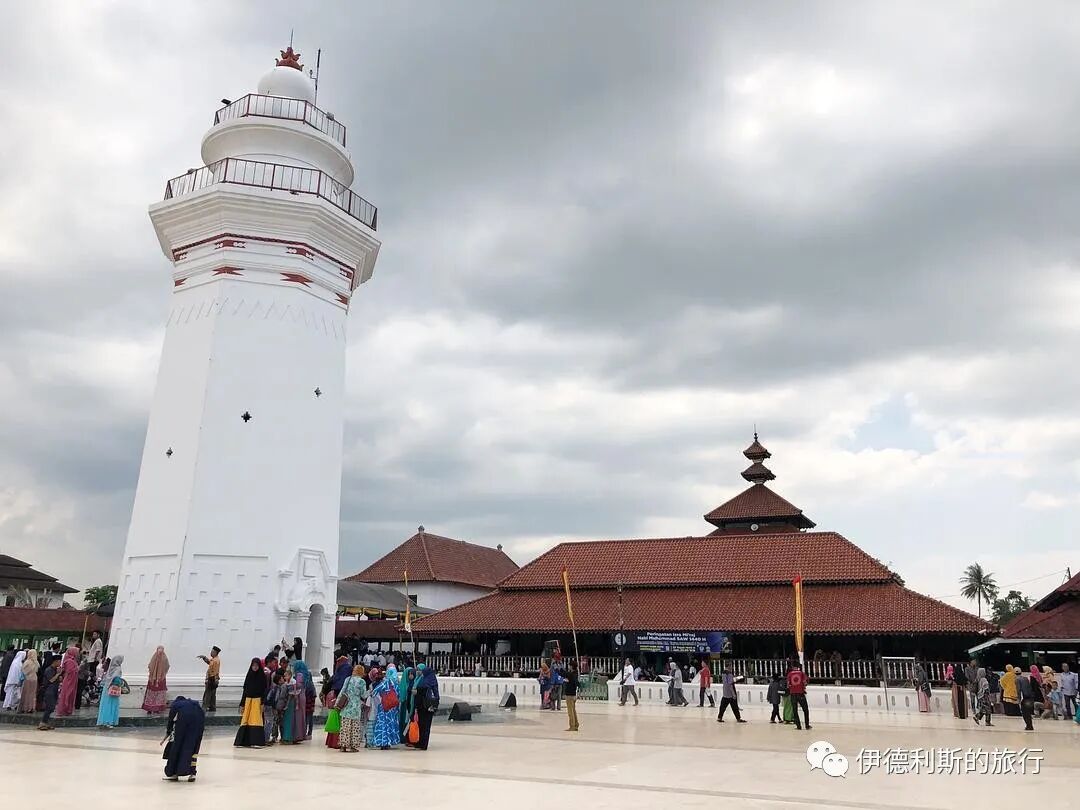
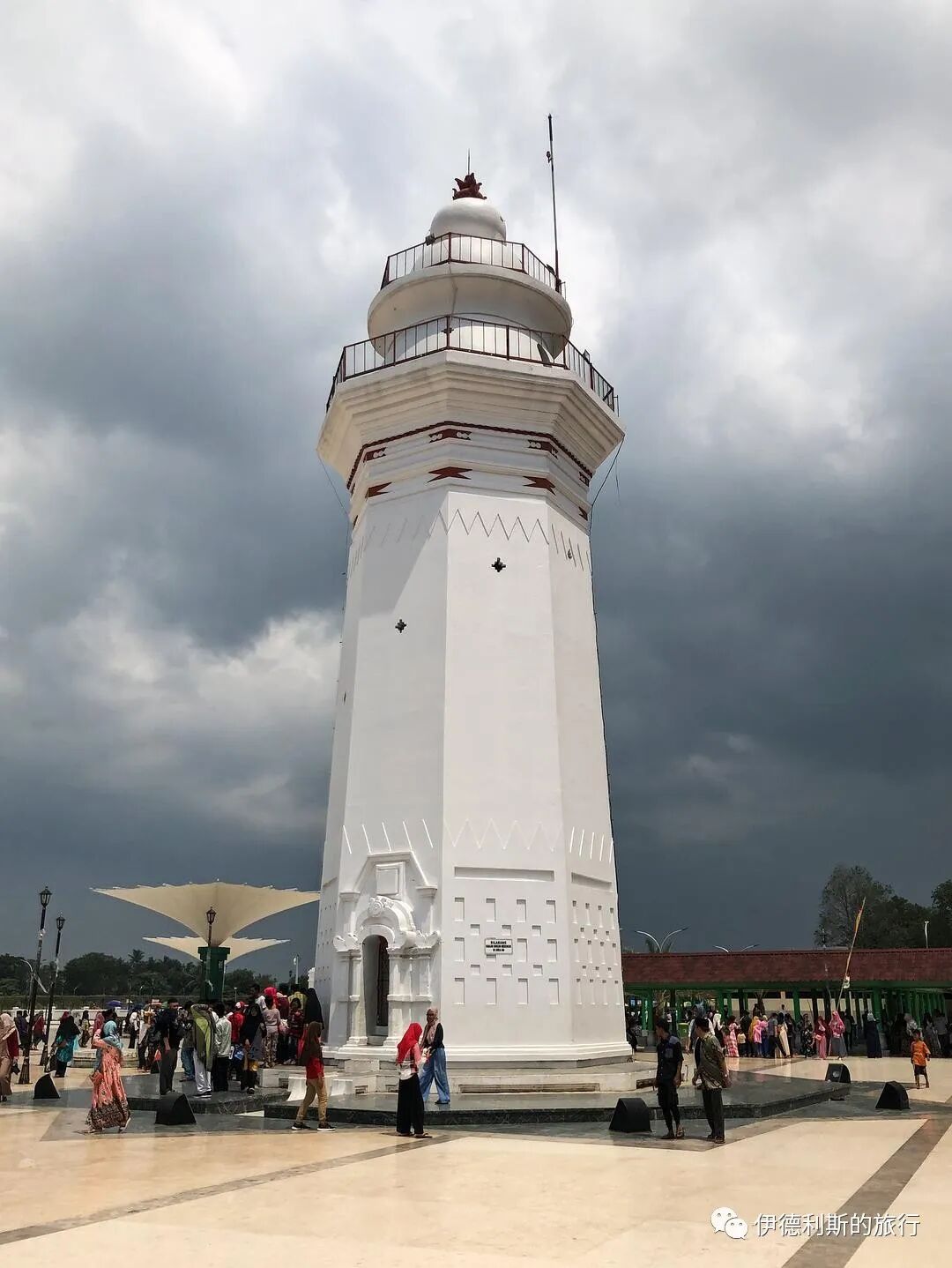
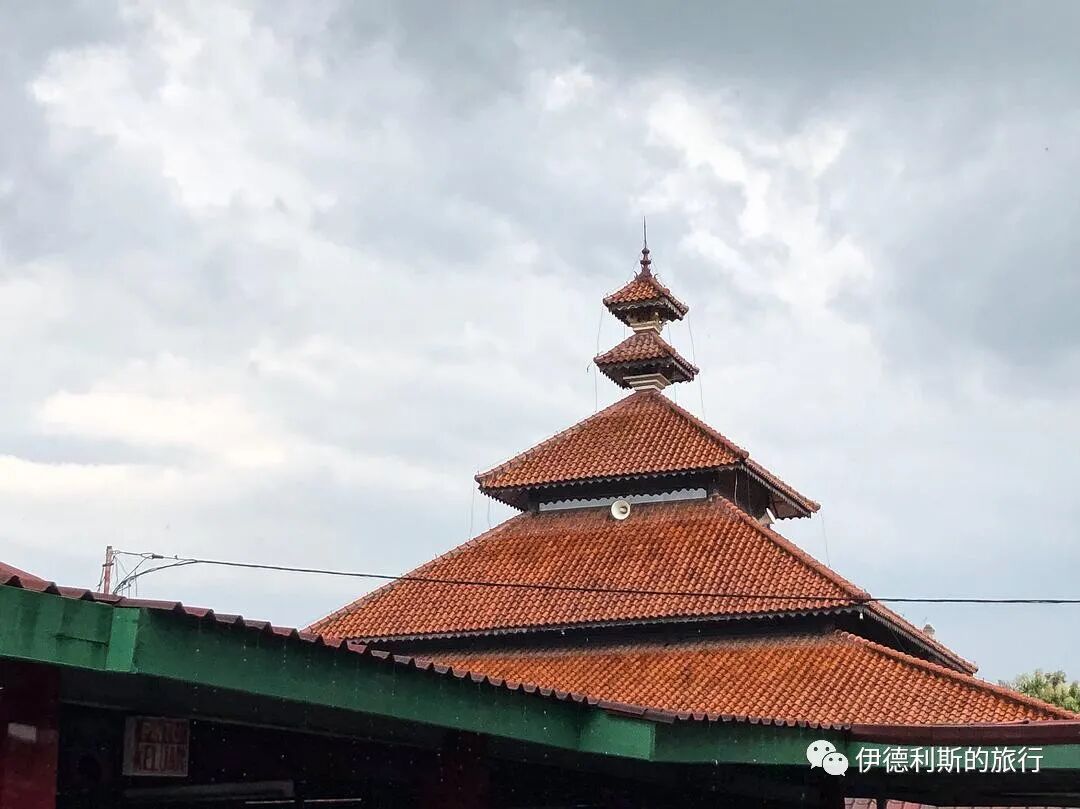
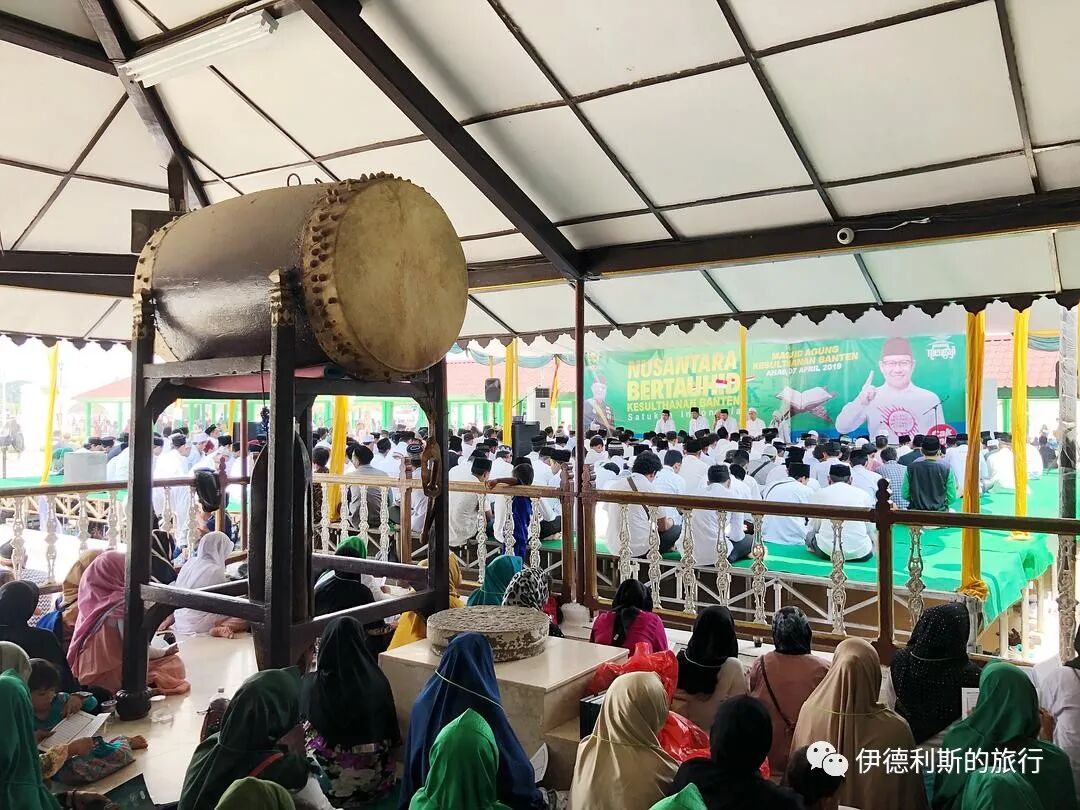
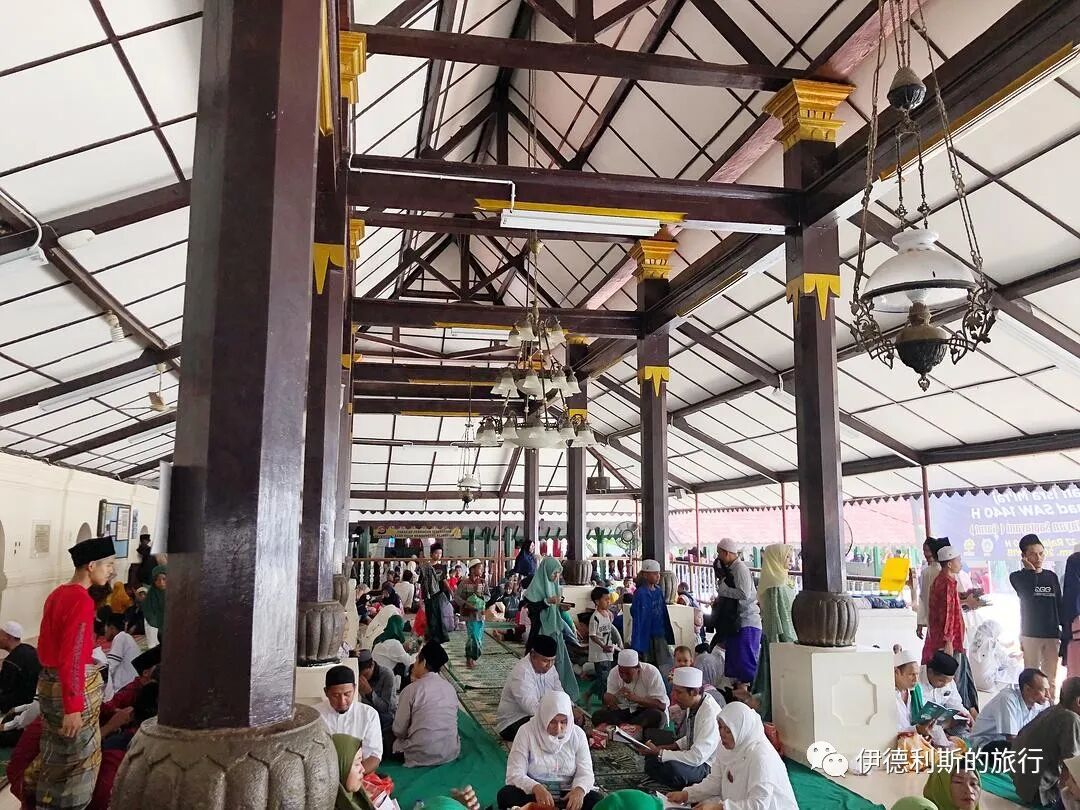
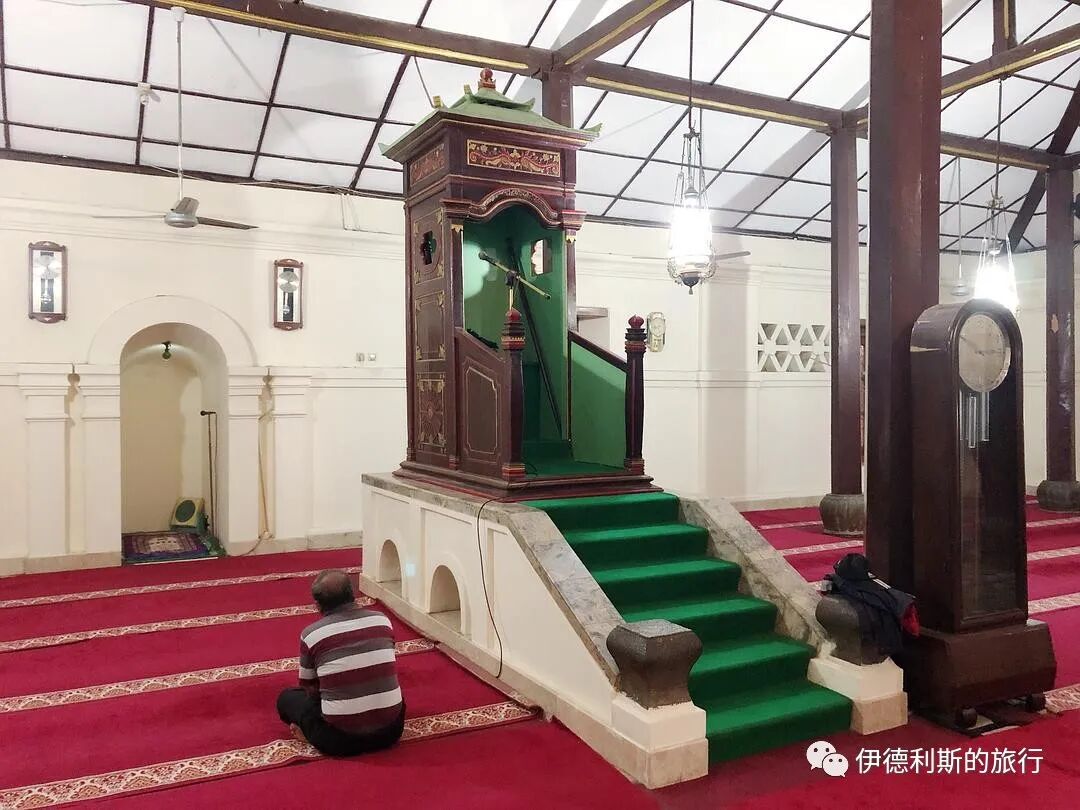
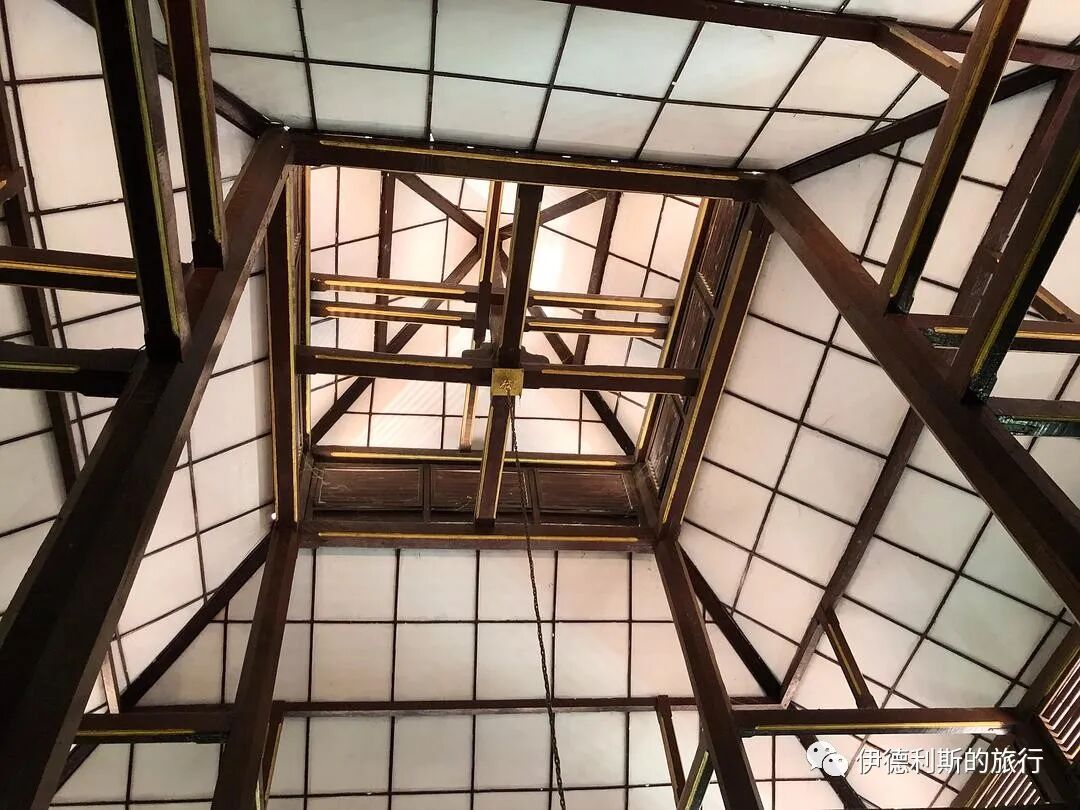
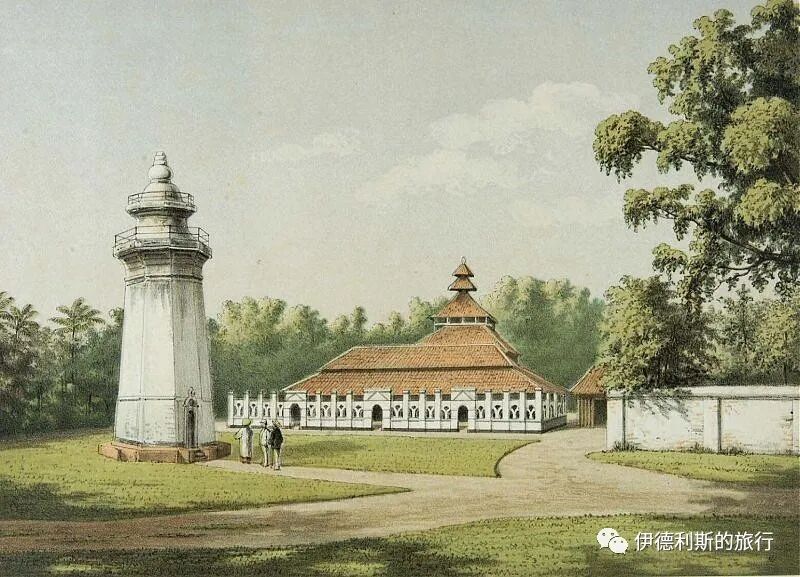
The Great Mosque of Banten, drawn by Josias Cornelis Rappard in the 1880s.
Right next to the mosque is the family cemetery of the Banten Sultanate. The first Sultan, Maulana Hasanuddin (reigned 1552–1570), the sixth Sultan, Ageng Tirtayasa (reigned 1651–1683), and the seventh Sultan, Abu Nashar Abdul Qahar (reigned 1683–1687), are all buried there.
The reign of the sixth Sultan, Ageng Tirtayasa, from 1651 to 1682, is known as the golden age of the Banten Sultanate. During this time, the Banten Sultanate built a powerful navy with the help of European shipyards and attracted many Europeans to work in Banten. To ensure safe travel, the Banten Sultanate sent a fleet in 1661 to conquer the Tanjungpura Kingdom in western Kalimantan, attempting to break the blockade by the Dutch East India Company (VOC).
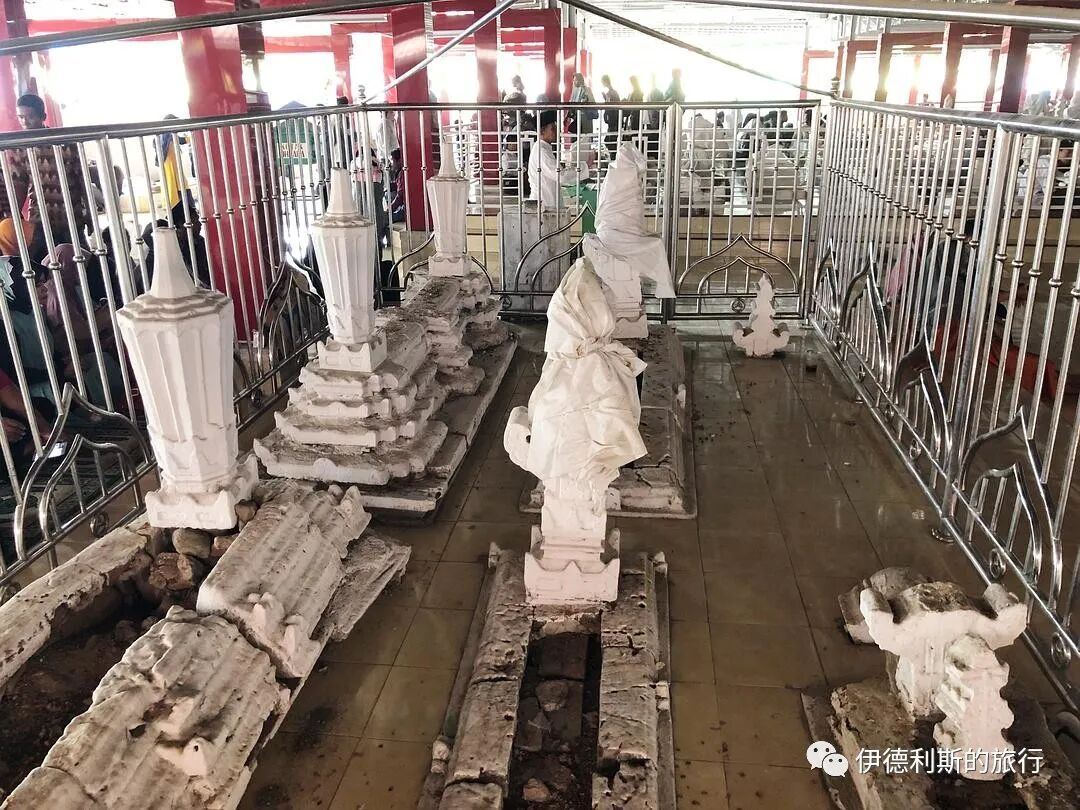
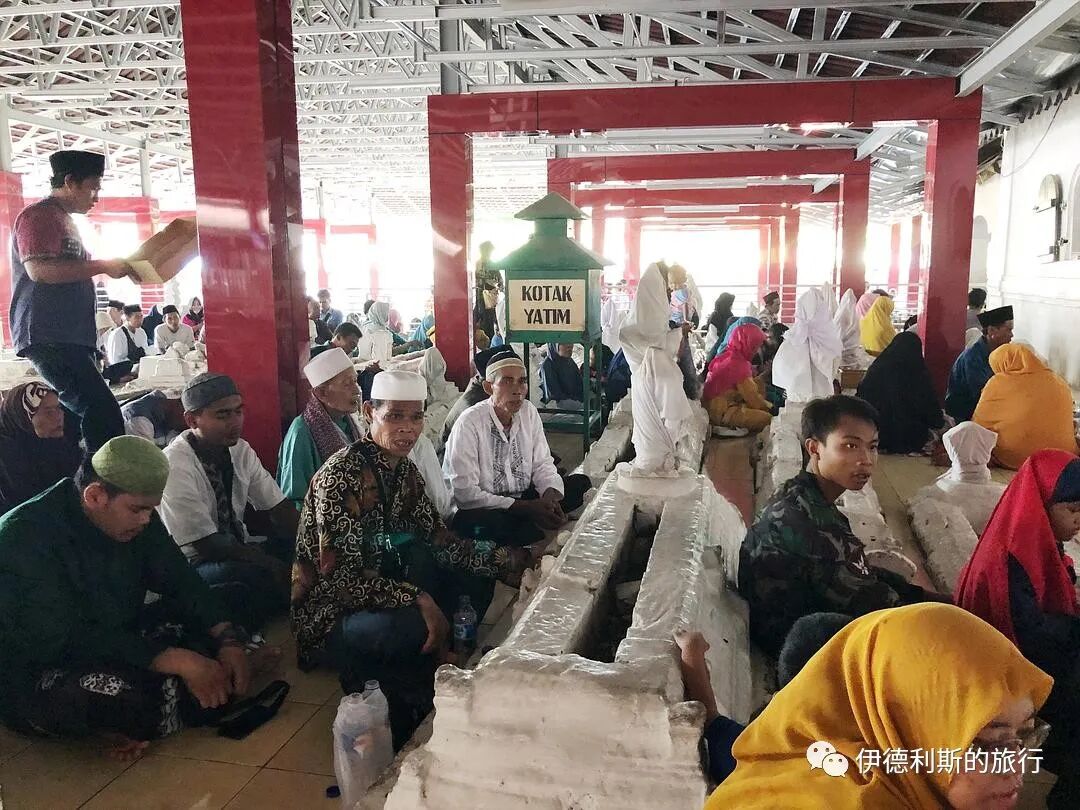
6. Banten Bazaar
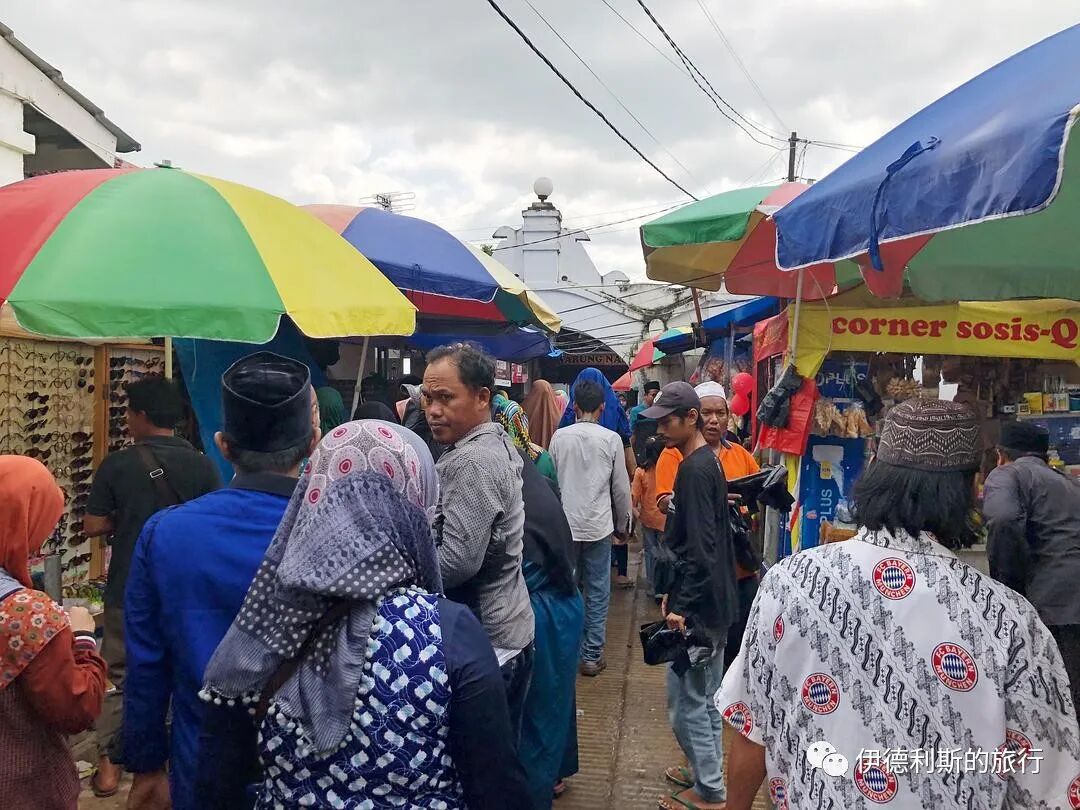
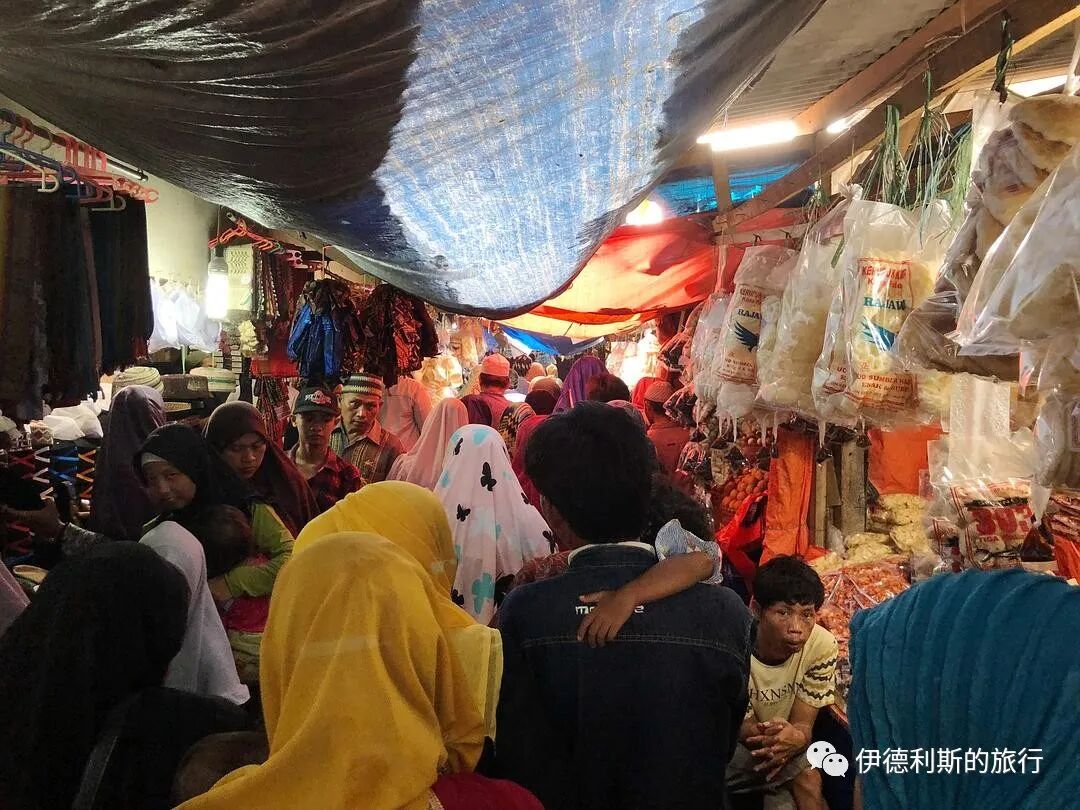
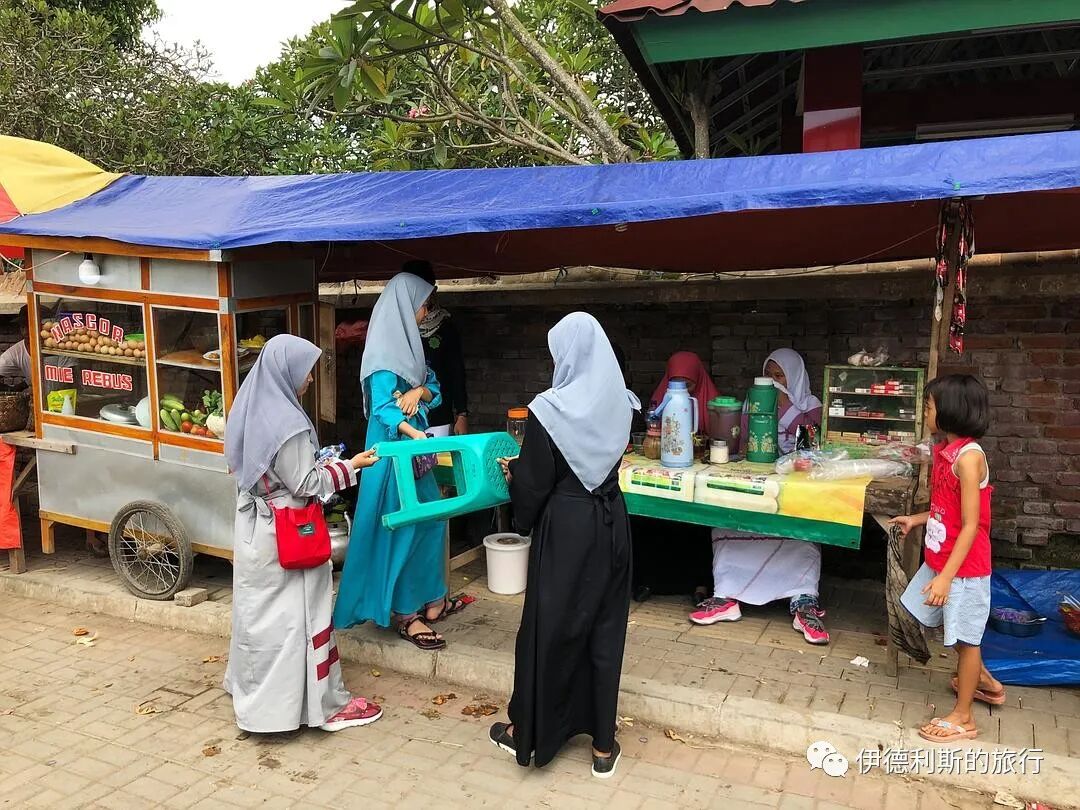
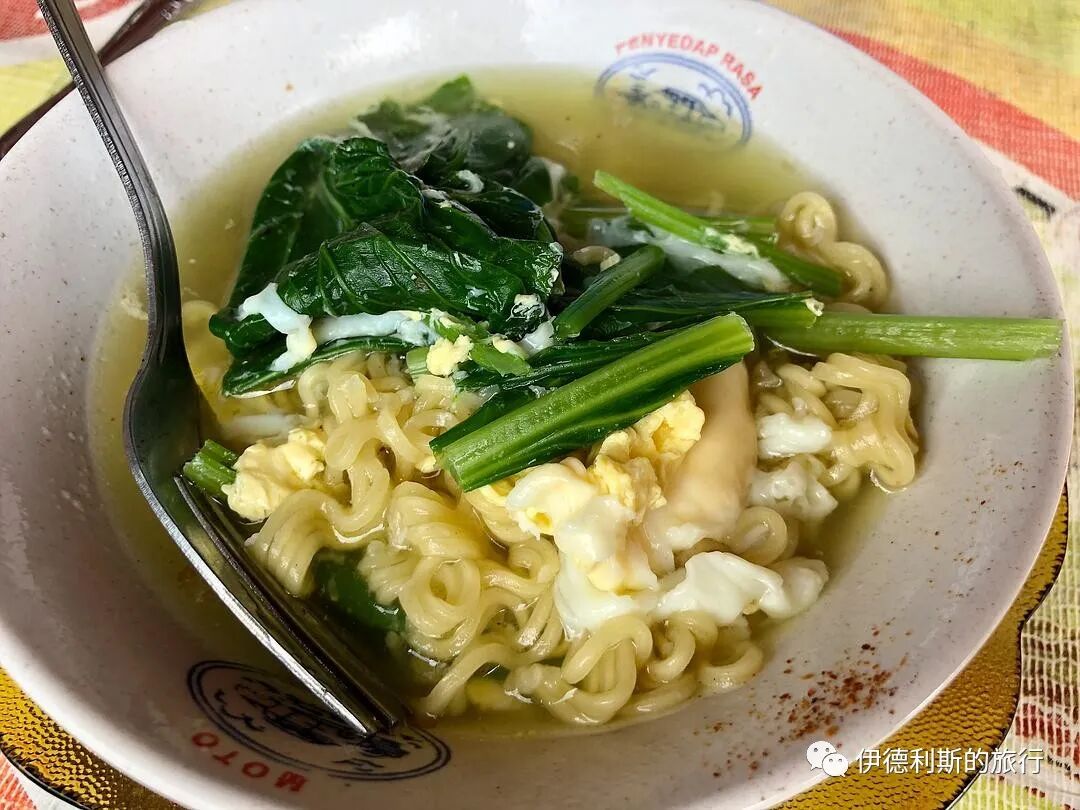
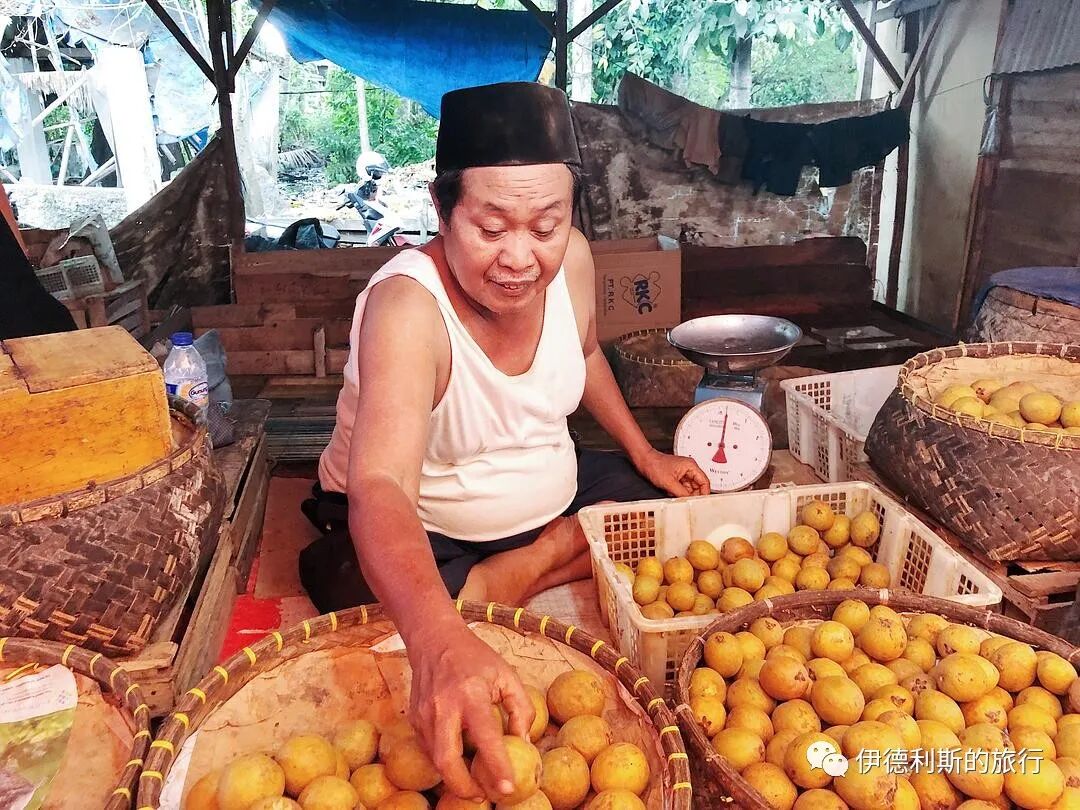
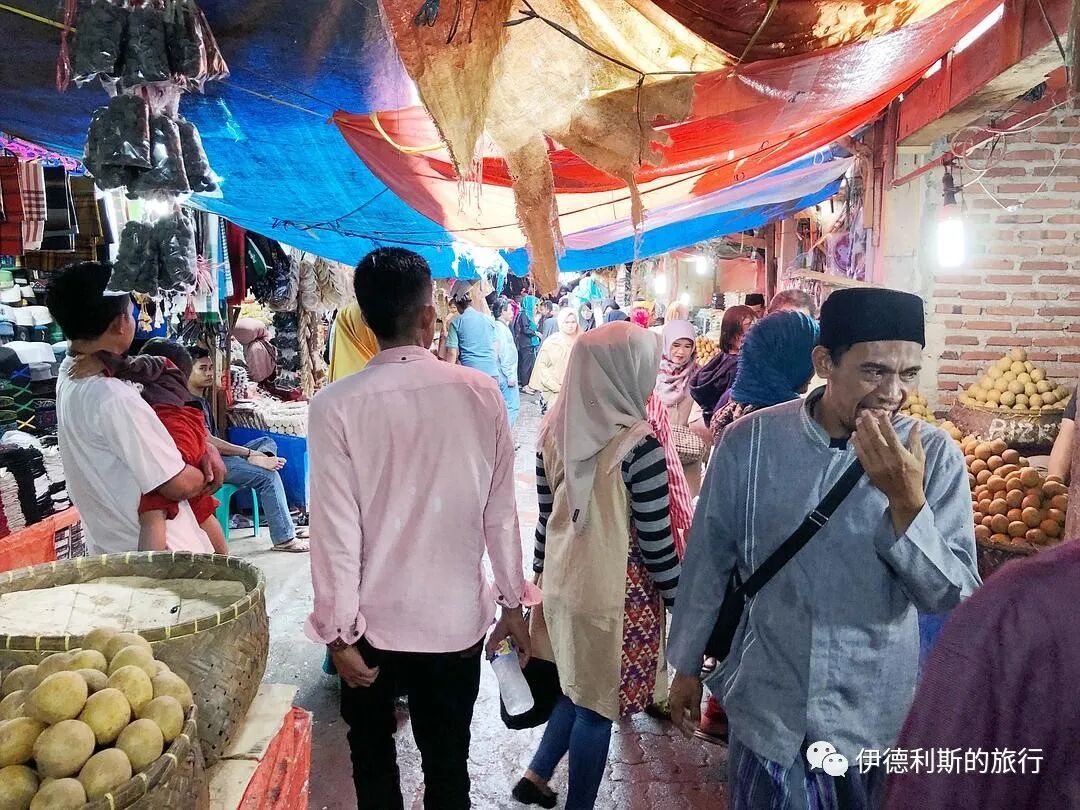
As a holy site, the Great Mosque of Banten attracts a constant stream of Muslims every day, and a very lively bazaar has formed around it. At the bazaar, I drank an iced beverage called Es Campur made with coconut milk, red sugar syrup, coconut meat, and fruit jelly, and I also had some simple street-style boiled noodles (Mie Rebus). The bazaar is full of people selling sapodilla (Manilkara zapota), which is sweet and delicious. Sapodilla is native to the Caribbean in Central America. It was brought to the Philippines by Spanish colonists and later widely planted across Southeast Asia, where it is called sawo in Indonesia.
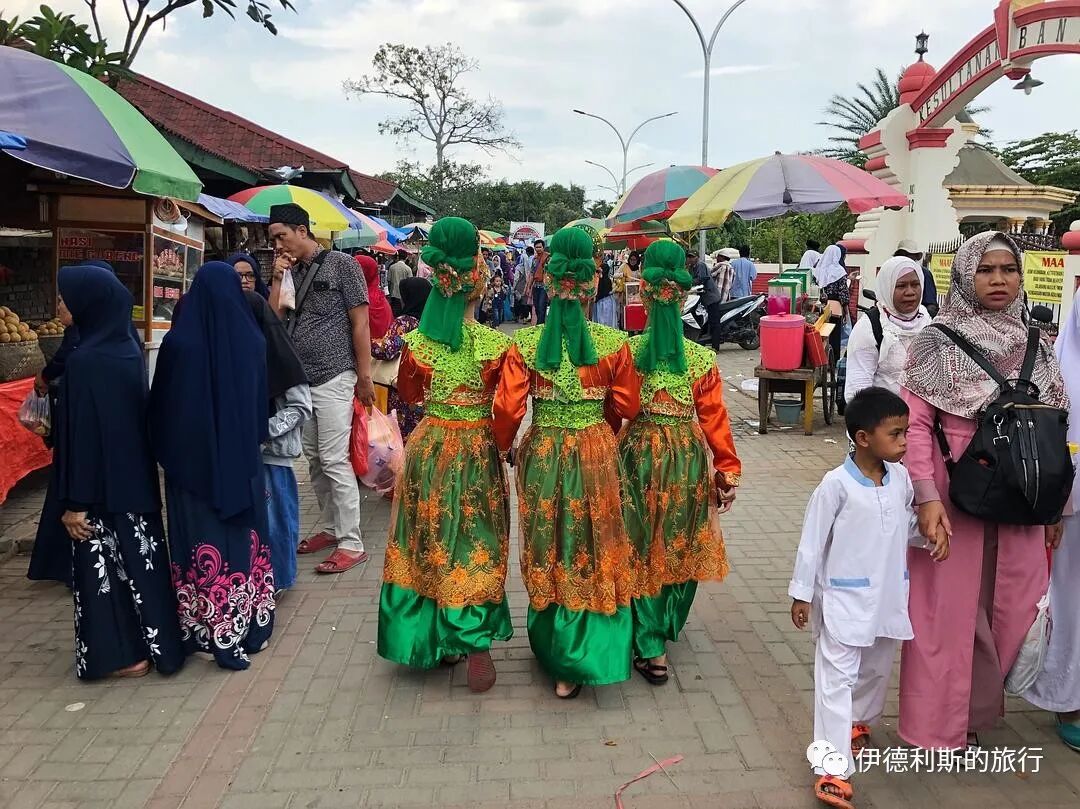



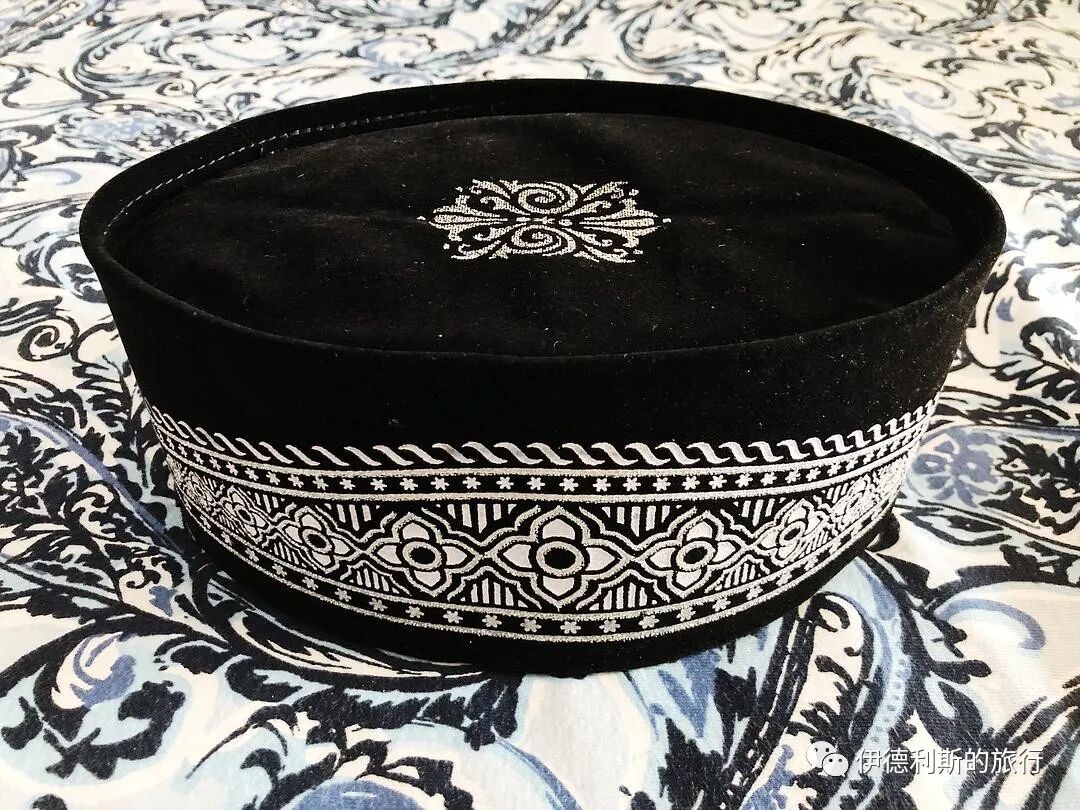
I bought two hats at the Banten bazaar. One of them is the black velvet cap (peci), which is the most common type in Indonesia. The peci is also called a songkok (Songkok). Indonesian and Malay Muslim men usually wear this hat for important ceremonies like weddings, funerals, or Eid al-Fitr. The word peci likely comes from the Dutch word petje, which means small hat.
The peci may have originated from the felt fez hat promoted by the Ottoman Empire starting in 1826. It soon spread to the Indonesian and Malay regions, gradually taking on the form of the modern songkok. Many Indonesian nationalist activists wore the songkok in the early 20th century, with Indonesia's first president, Sukarno, being the most famous among them. After Sukarno made the peci part of the official Indonesian presidential attire, black velvet became the most common style of peci in Indonesia.
The second hat is made of woven bamboo. Besides the round one I bought, there are also boat-shaped ones similar to the songkok, which feel perfect for summer.

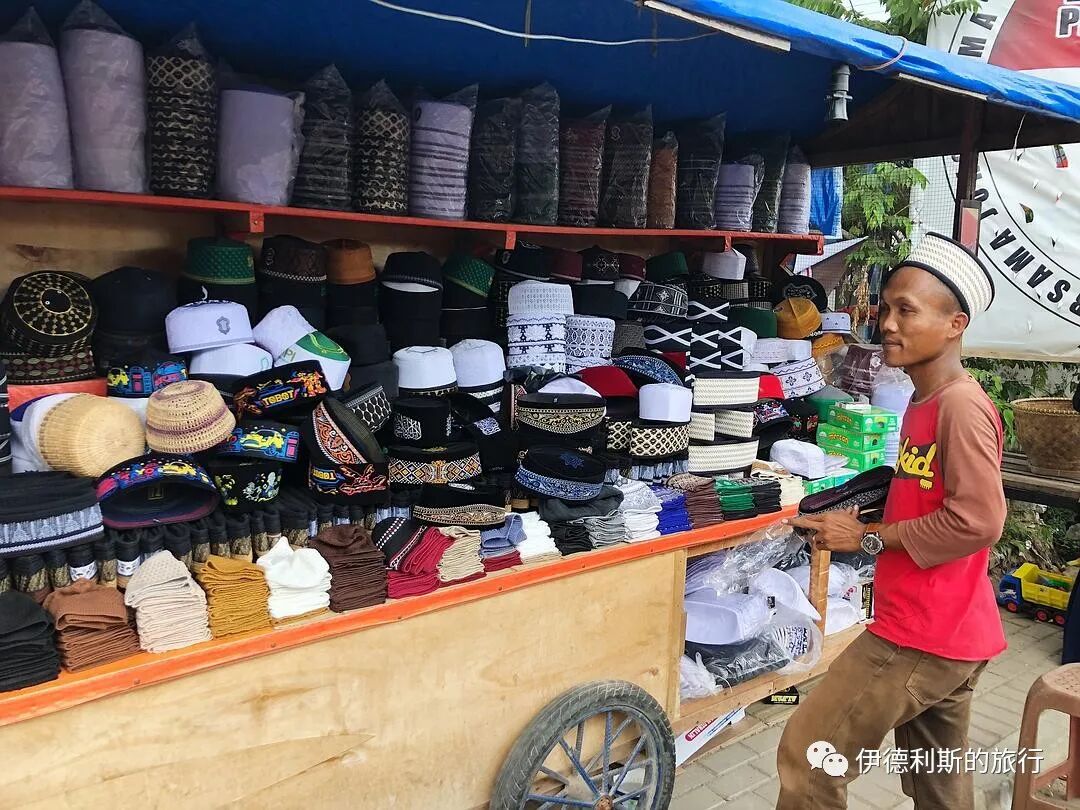

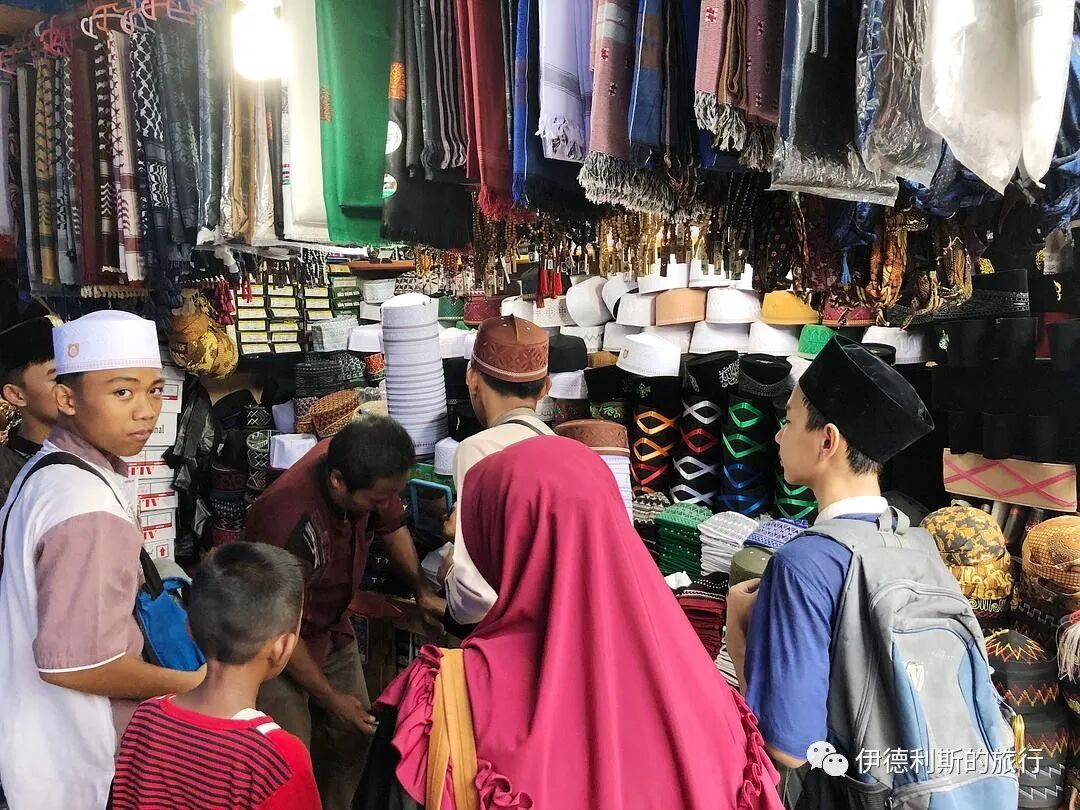
Another hat shop.
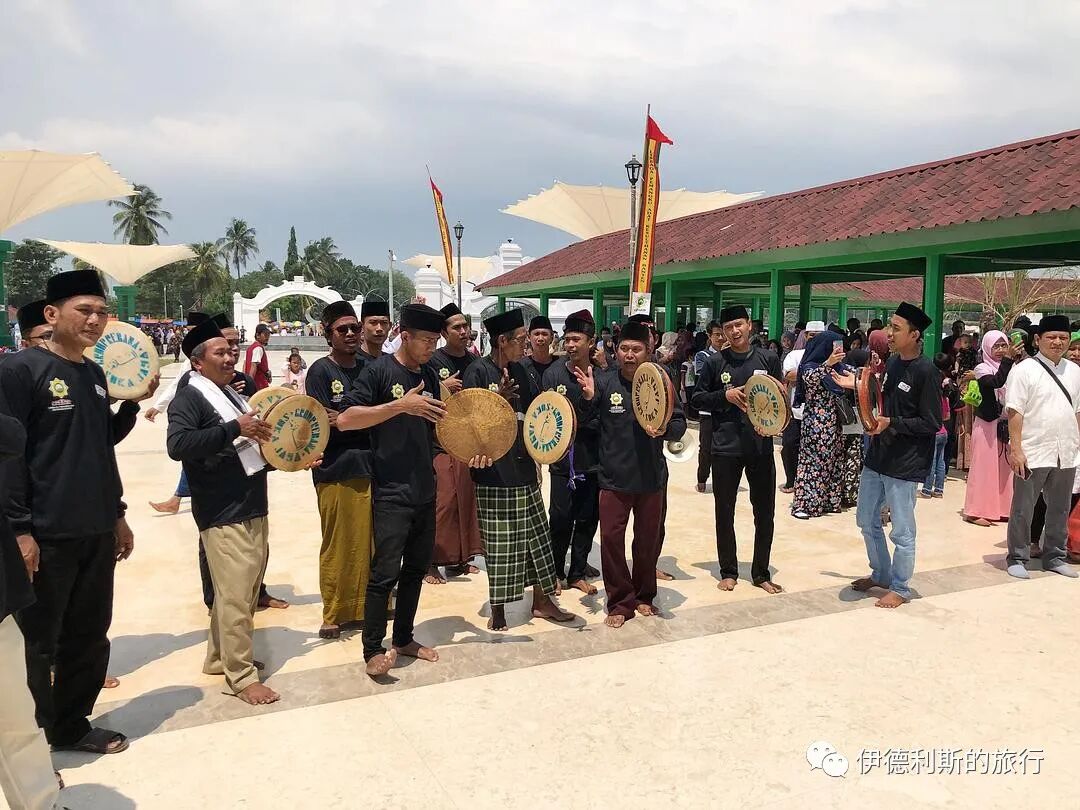
7. Speelwijk Castle—Dutch Fortress: 1682
Speelwijk Castle is a fortress built by the Dutch East India Company on the northwest coast of Banten. It was first built in 1682 and expanded twice, in 1685 and 1731. This castle was mainly used to control the activities of the Banten Sultanate and to protect Dutch merchant ships from pirate attacks.
Starting in the 16th century, the Dutch began competing with Portugal and England for the pepper trade in Java. In 1602, the Dutch established the famous Dutch East India Company, and the following year they set up a permanent trading post in Banten. In 1619, the Dutch East India Company captured Jakarta, which was controlled by the Banten Sultanate, and renamed it Batavia to serve as their headquarters. By the late 17th century, the Dutch East India Company had become the world's wealthiest private company and had completely defeated the Portuguese on Java.
In 1680, the Dutch East India Company incited a civil war within the Banten Sultanate, took the opportunity to drive British merchants out of Banten, and gained a monopoly on the surrounding pepper trade. After 1682, the Banten Sultanate gradually came under the control of the Dutch East India Company, and even the succession of the Sultan required approval from the company. Speelwijk Castle is the best witness to this historical period. After 1752, the Banten Sultanate officially became a vassal state of the Dutch East India Company.
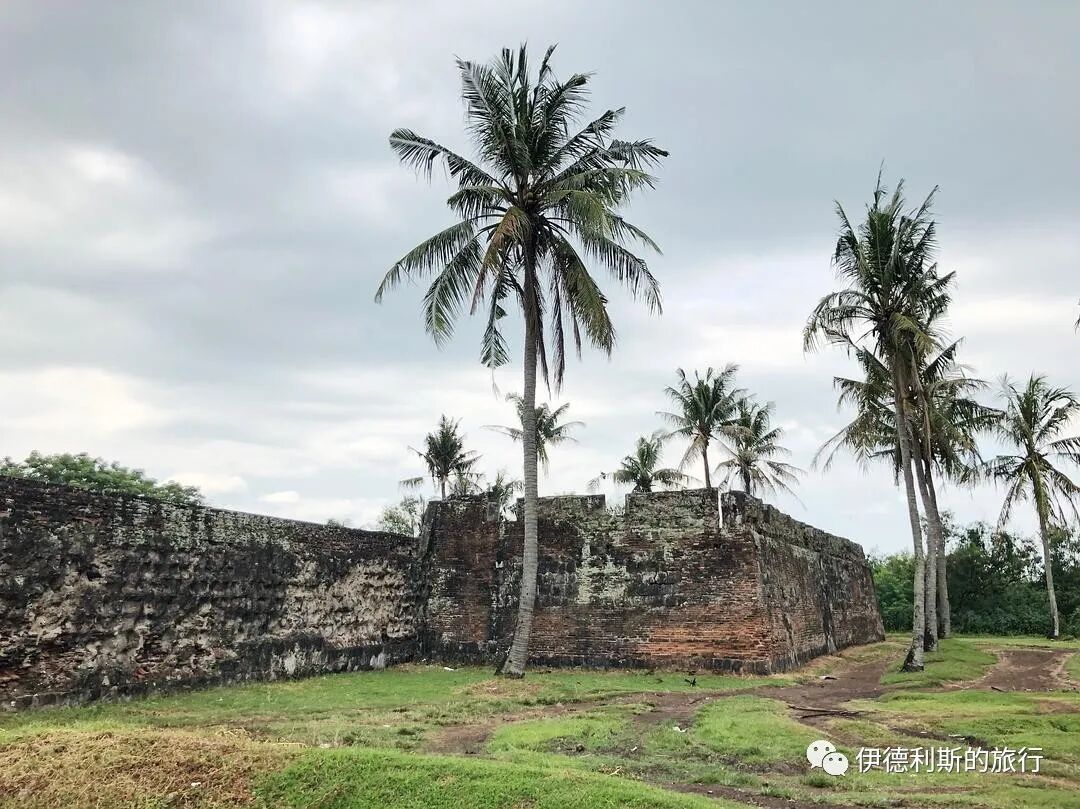
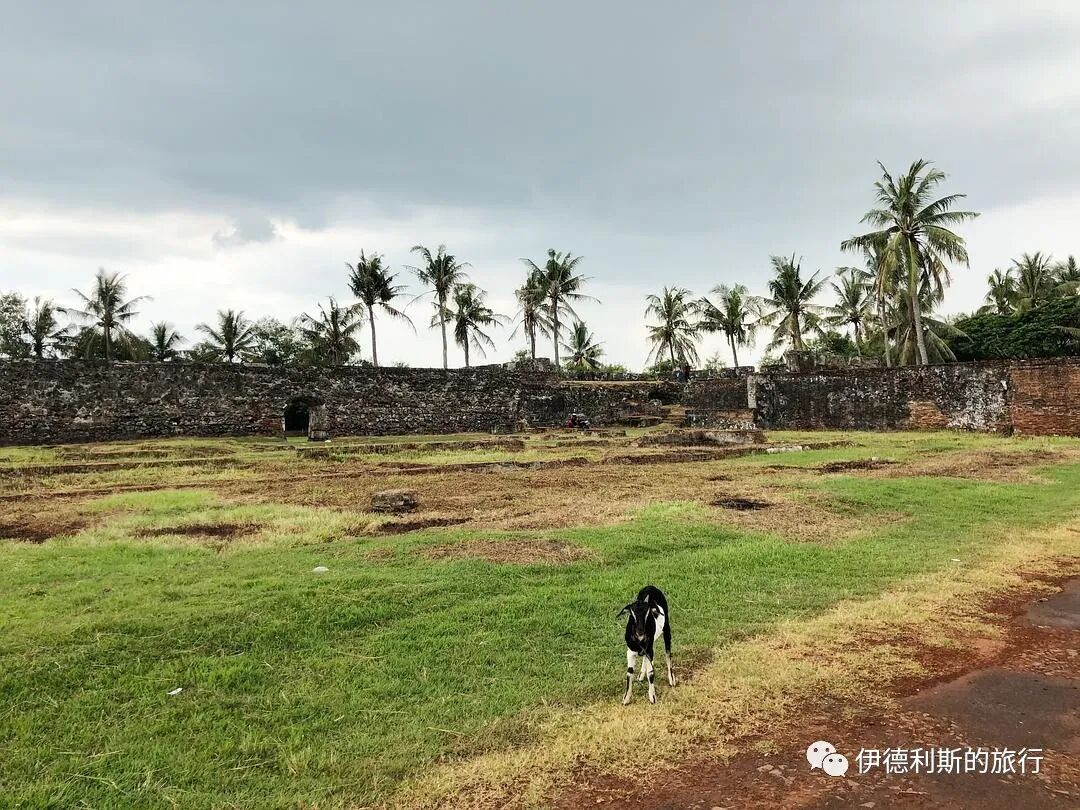
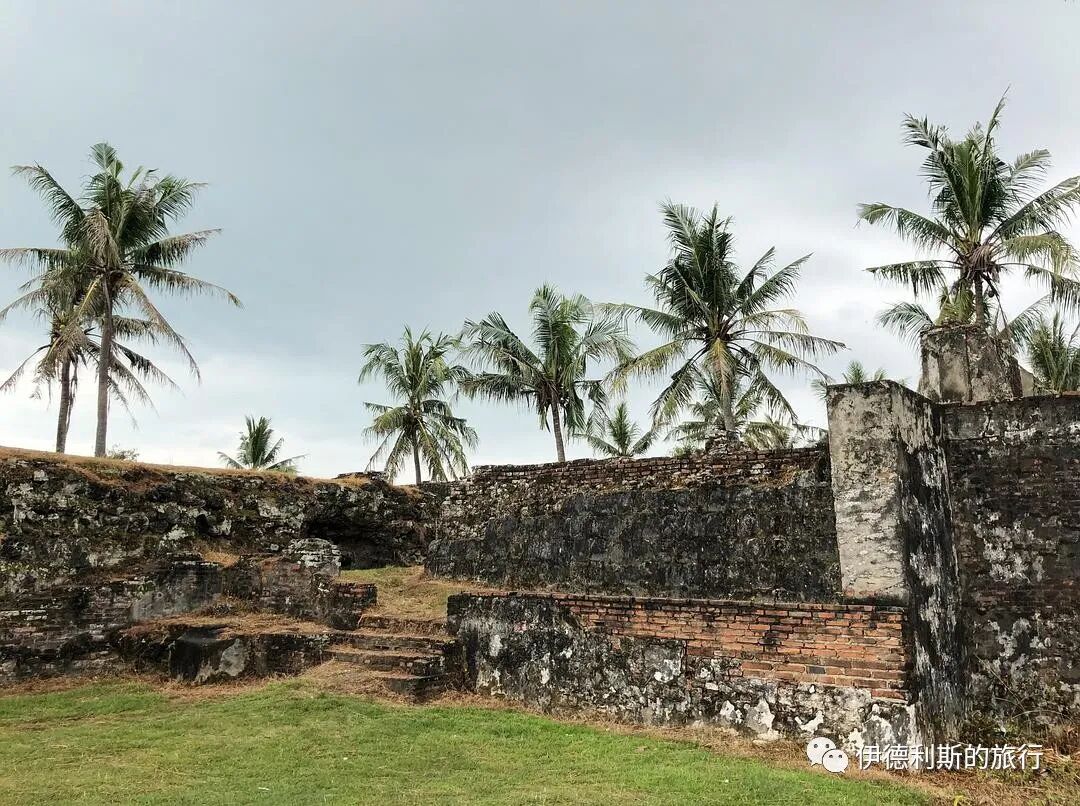
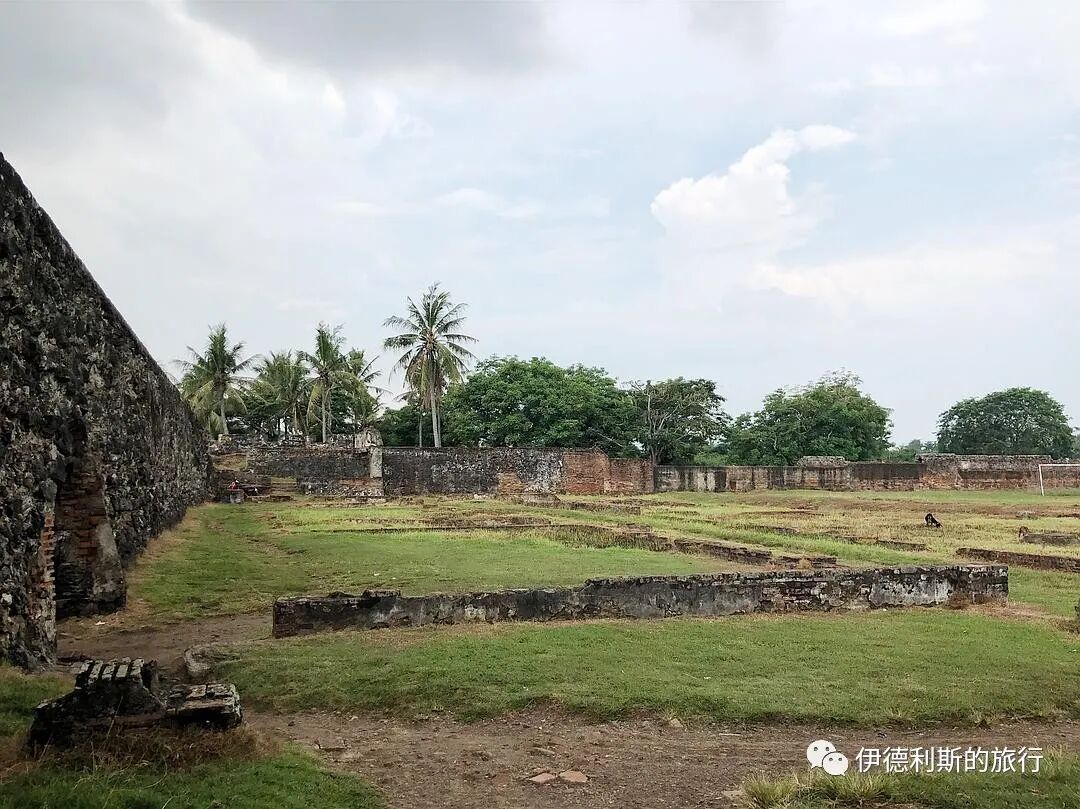
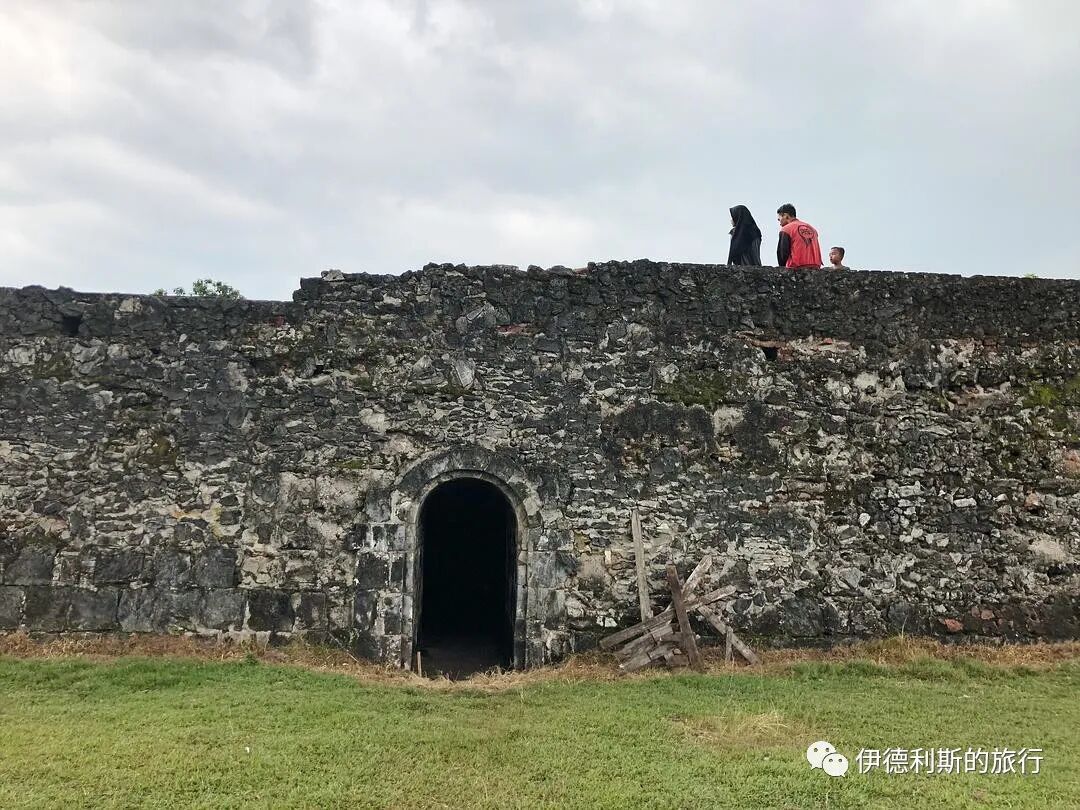
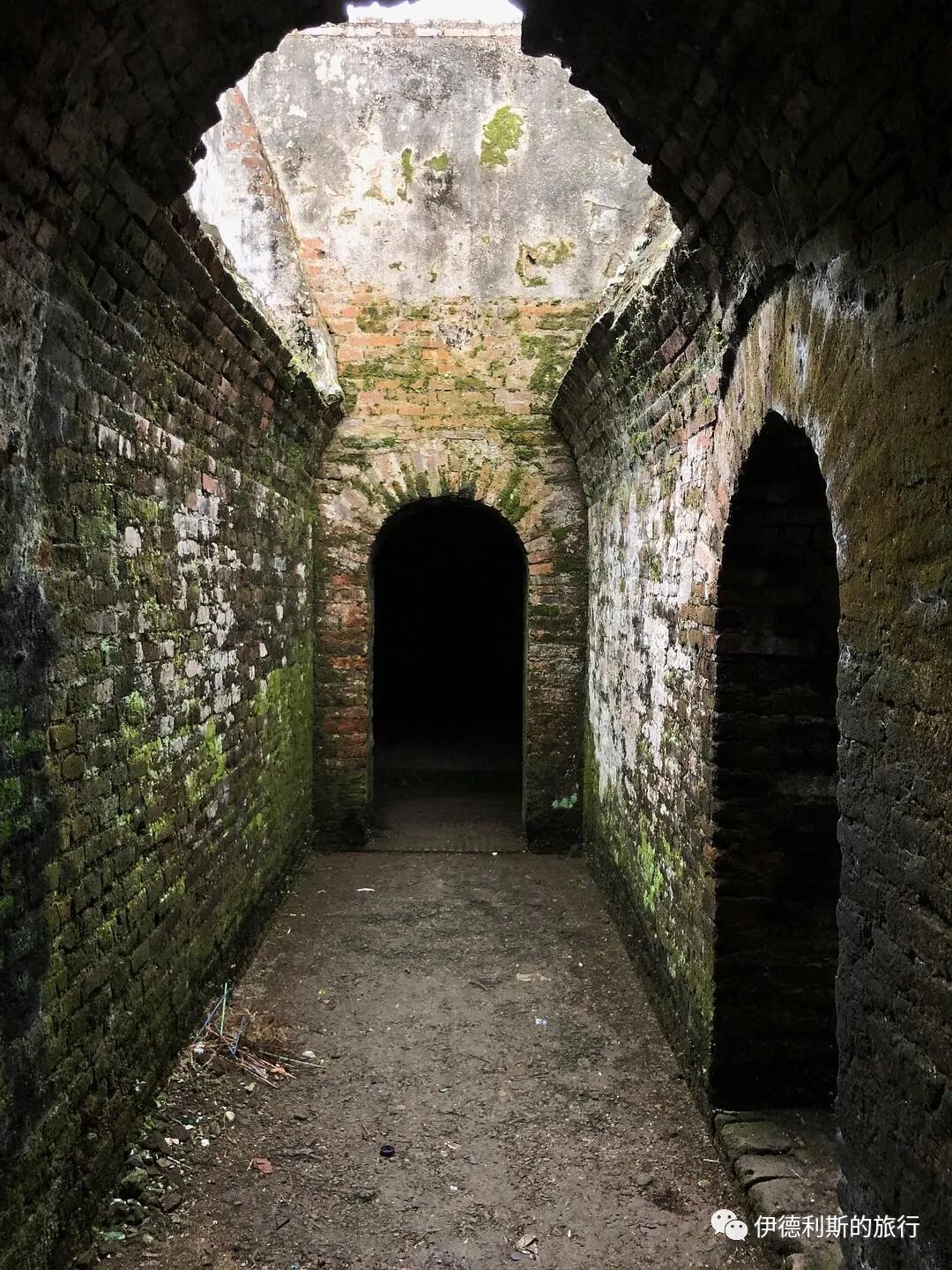
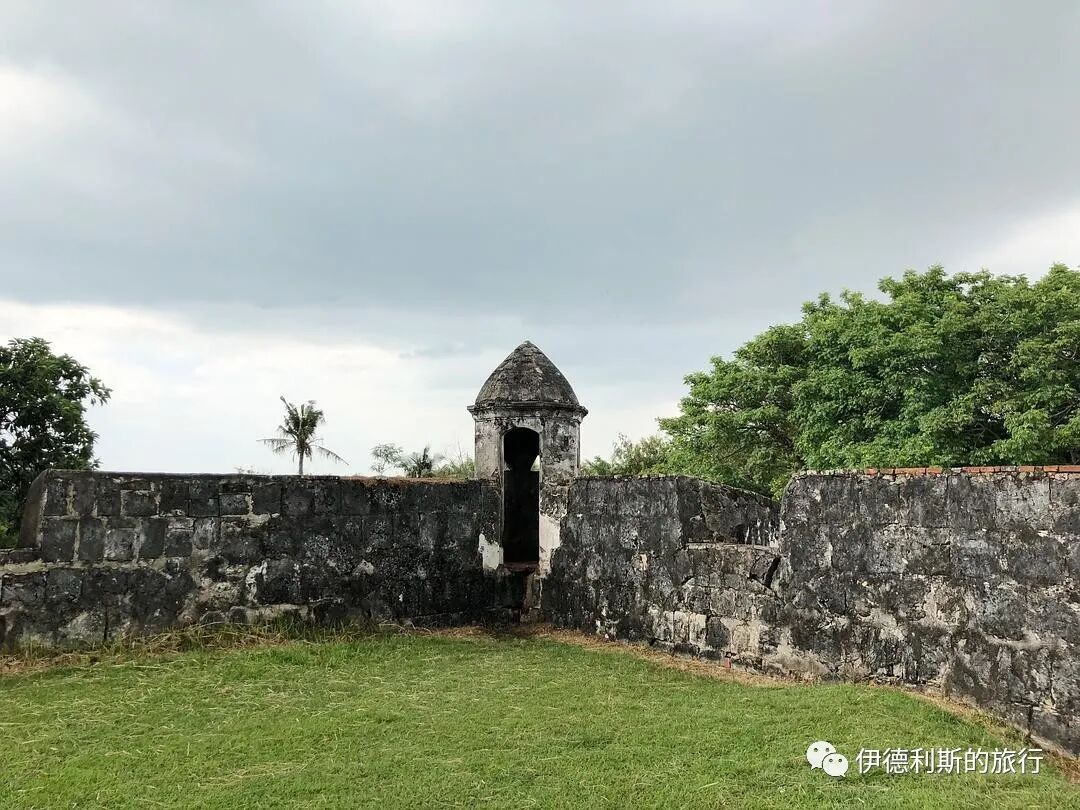
Speelwijk Castle was eventually abandoned due to a plague in 1811. Today, there are many Dutch graves in front of the castle, including those of castle officer Hugo Pieter Faure, who died in 1763, and the castle tax collector and purchaser Kopman en Fiscaal Deserbezeting, who died in 1769.
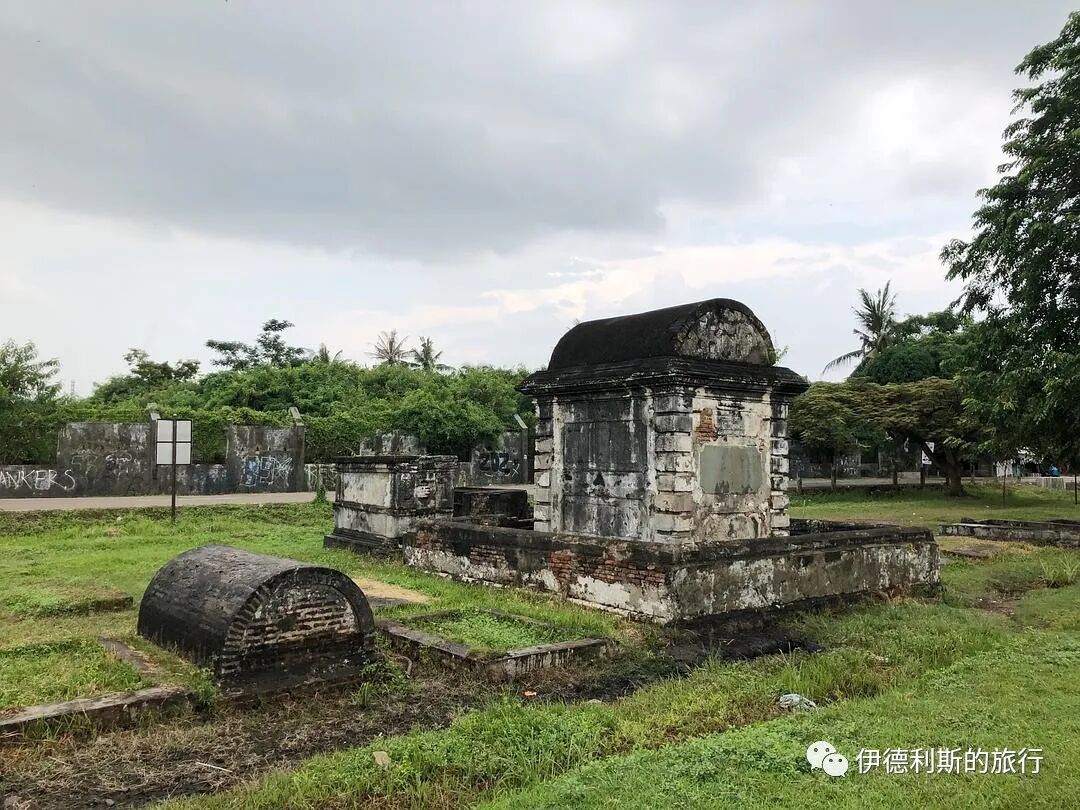
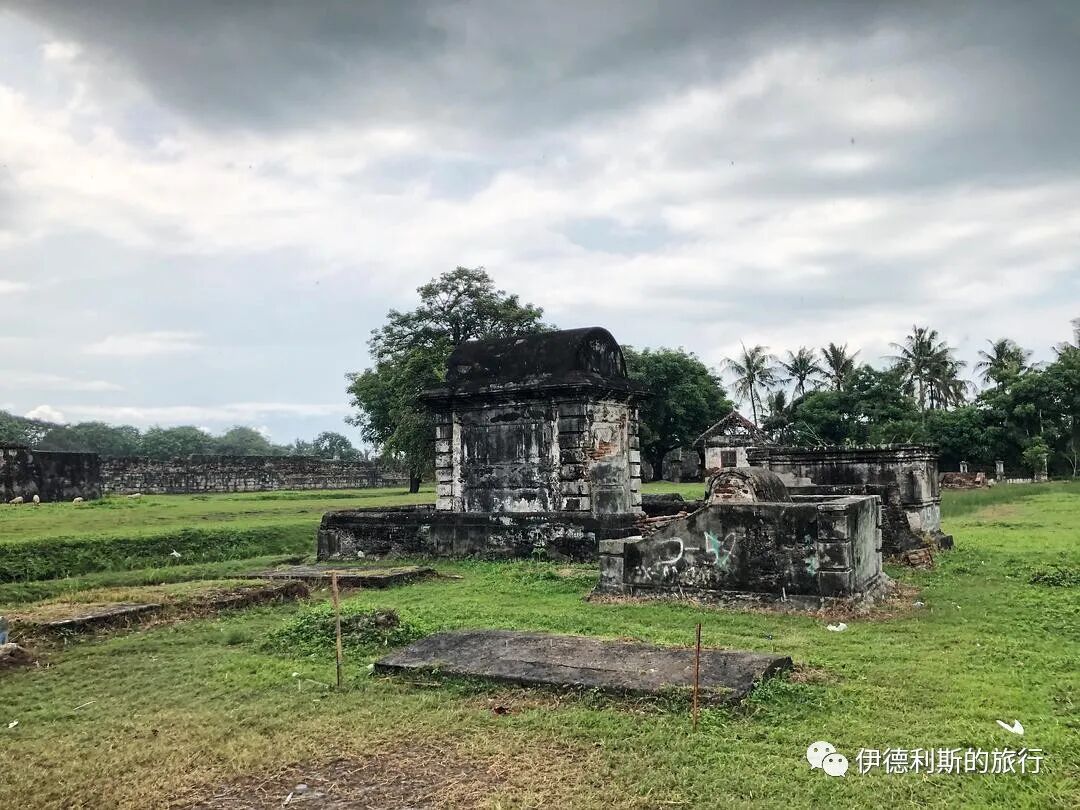
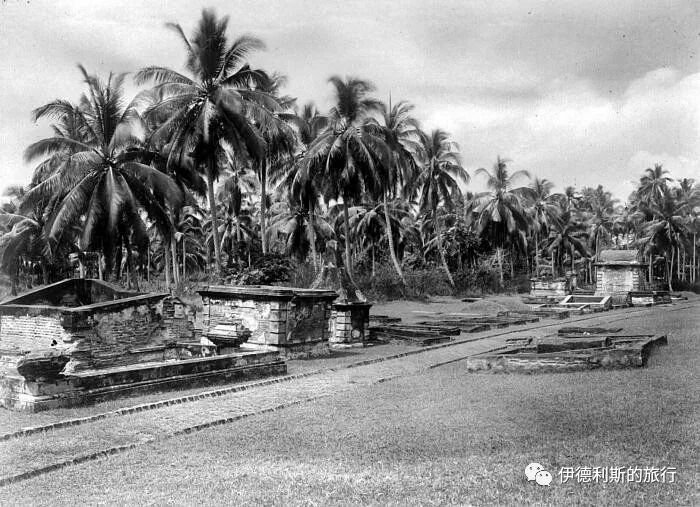
Old photo of the Dutch cemetery
8. Kaibon Palace—Residence of the Last Queen Mother: Early 19th Century
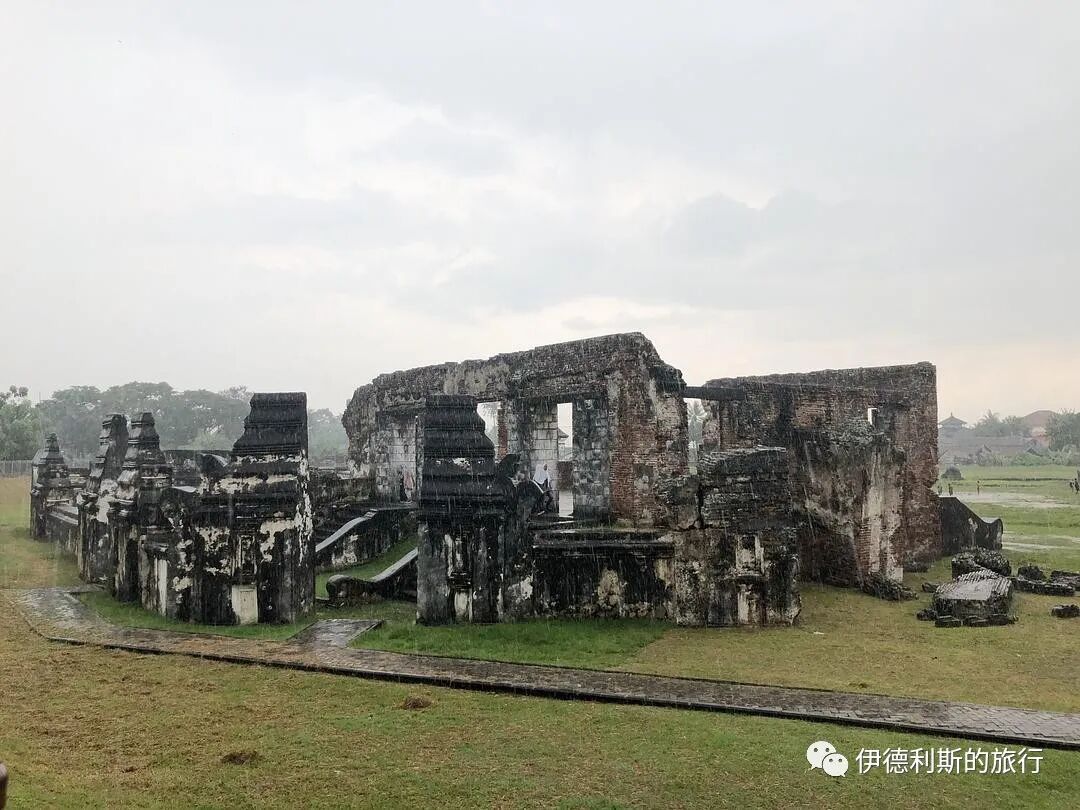
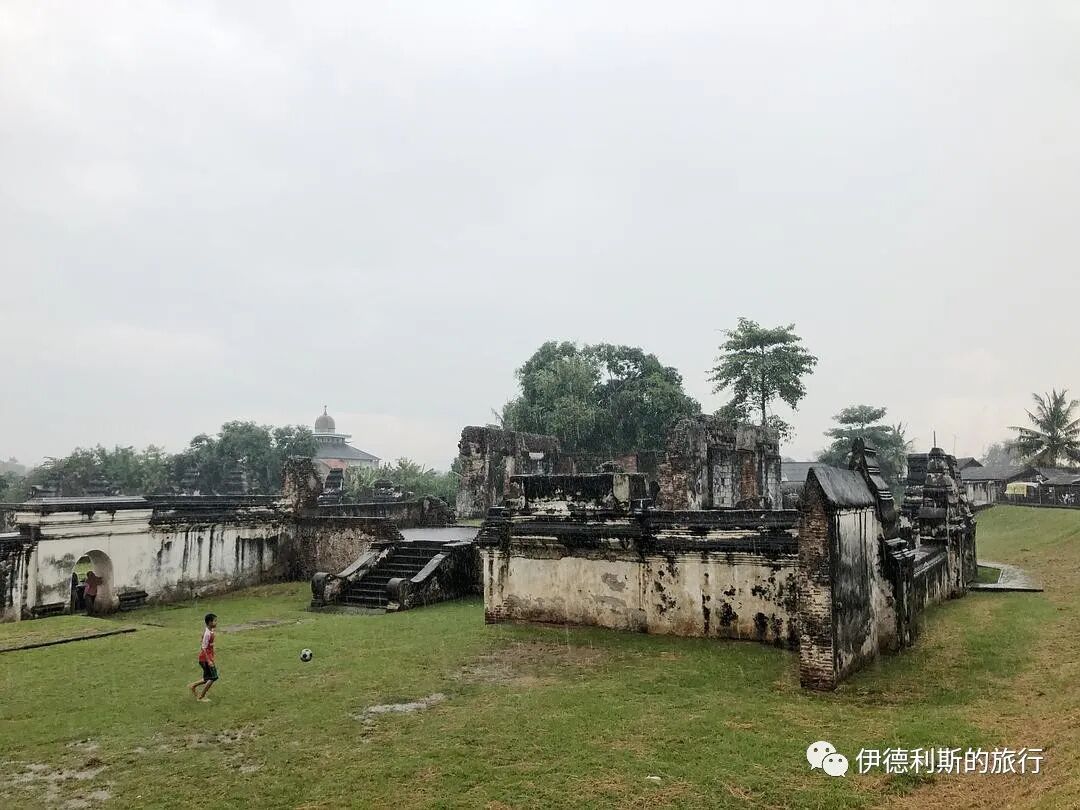
Kaibon Palace was the last building constructed by the Banten Sultanate. Built in the early 19th century, it served as the palace for Ratu Aisyah, the mother of the final sultan, Muhamad Syafiuddin.
After the British invaded Java in 1813, they ordered the final Banten sultan, Muhamad Syafiuddin, to abdicate, marking the end of the Banten Sultanate. After the Anglo-Dutch Treaty of 1814 was signed, Britain returned the Banten region to the Dutch, and Banten was officially incorporated into the Dutch East Indies. In 1832, the Dutch destroyed Kaibon Palace, leaving it in complete ruins.
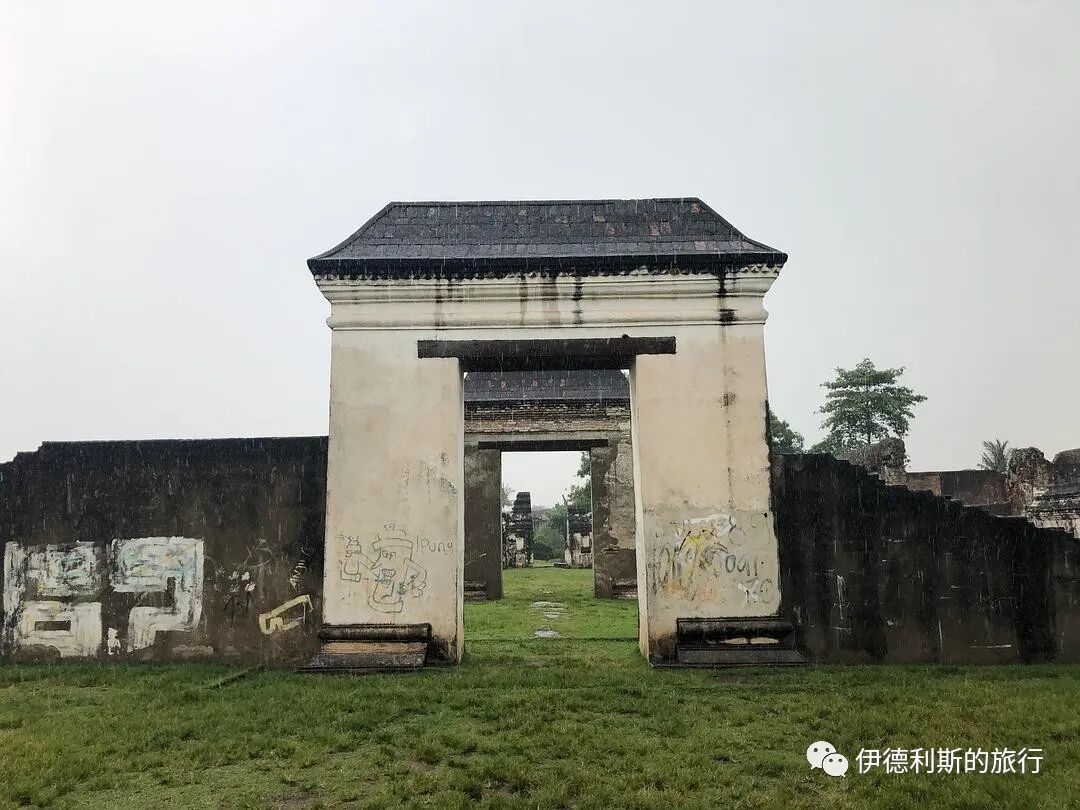
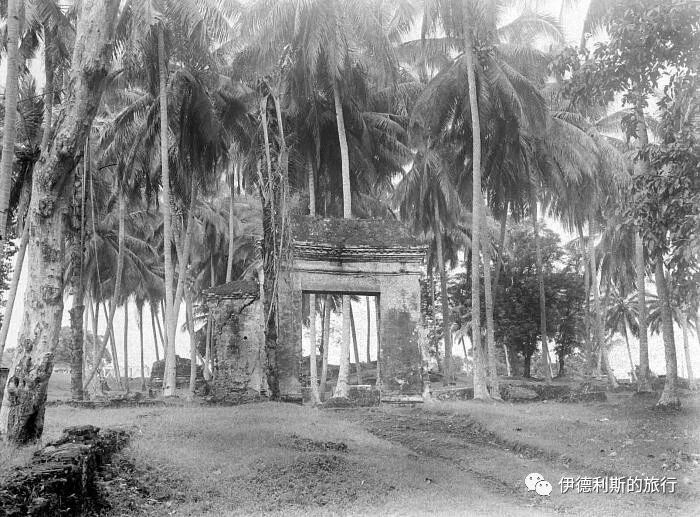
The palace still preserves its traditional Javanese Paduraksa-style gate. The Paduraksa gate originated from the ancient Hindu Gopuram gate. It was widely used in ancient Javanese Hindu and Buddhist temples from the 8th to 9th centuries and was later adopted by Islamic sultanates for their mosques, palaces, and cemeteries after the 15th century.
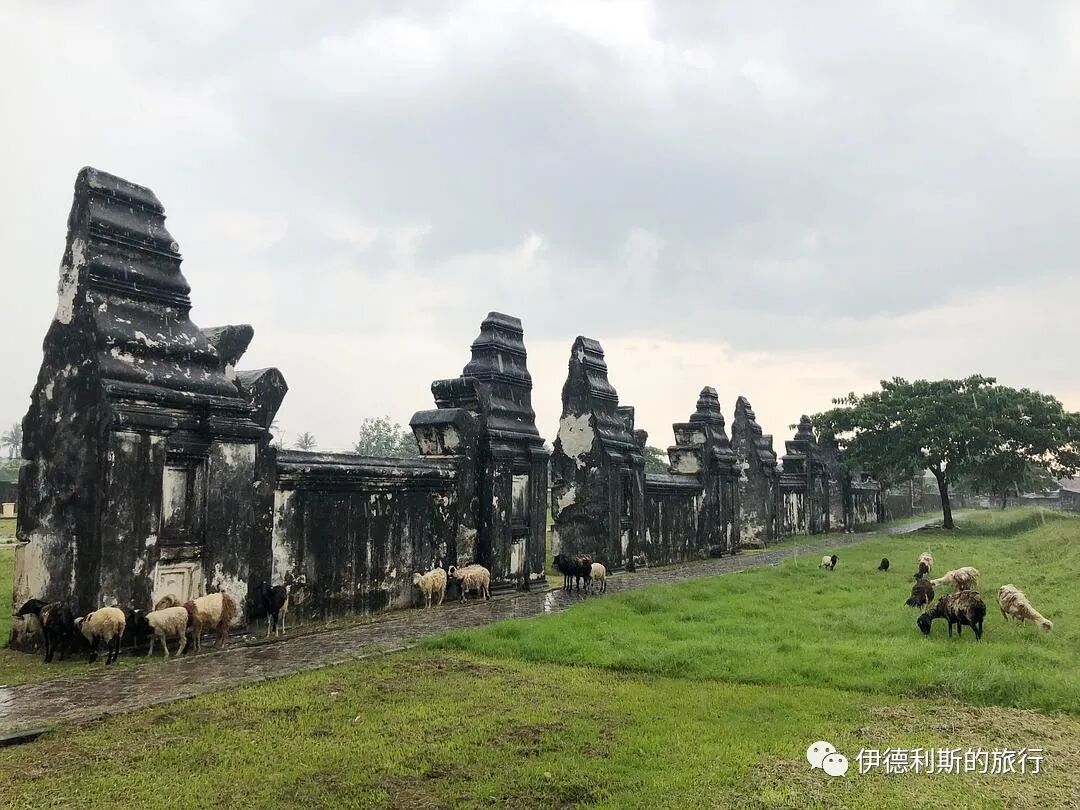
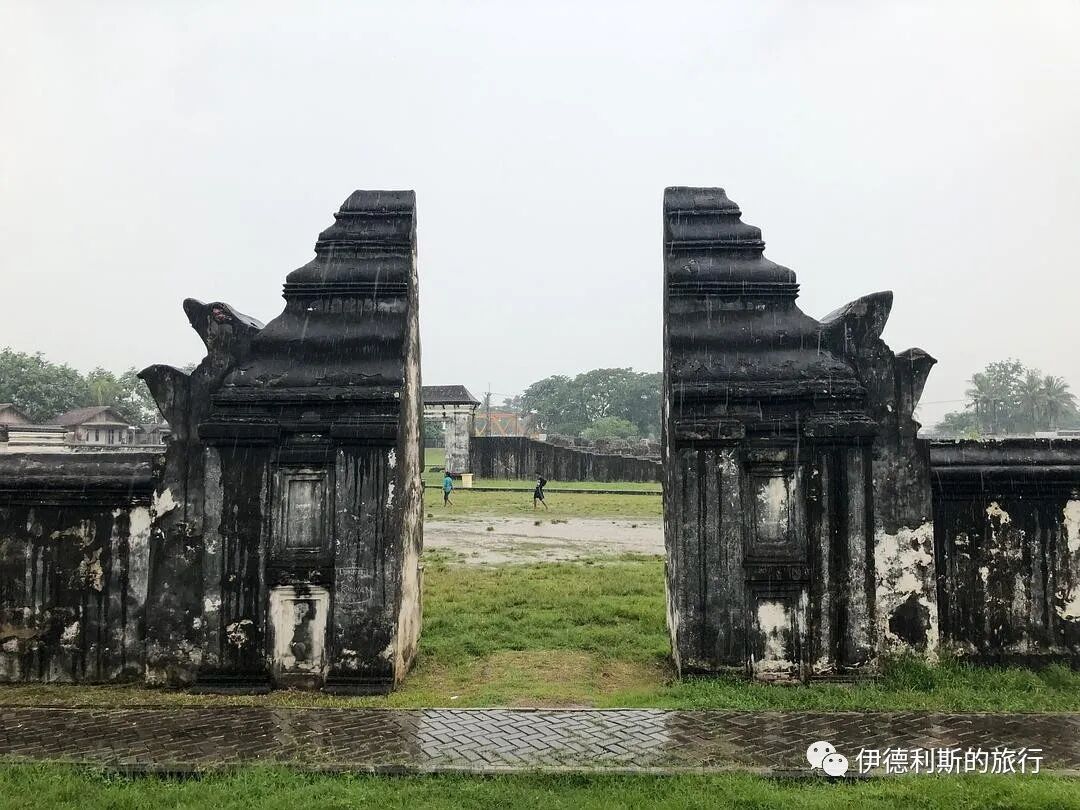
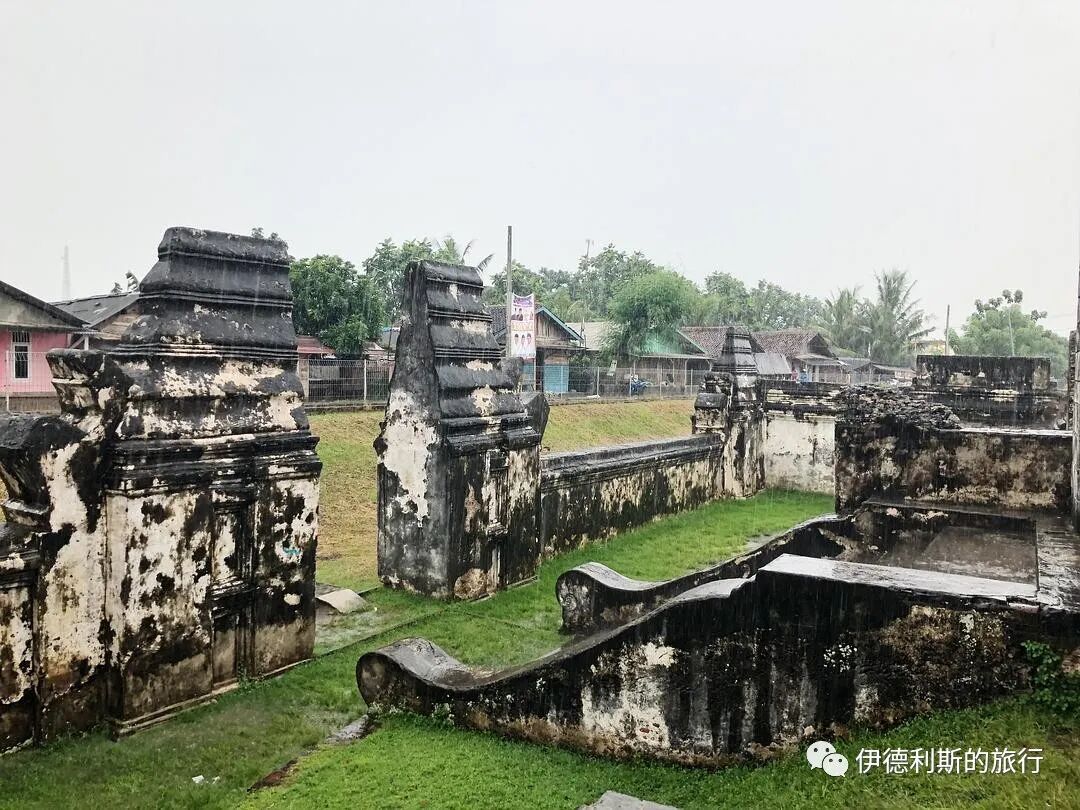
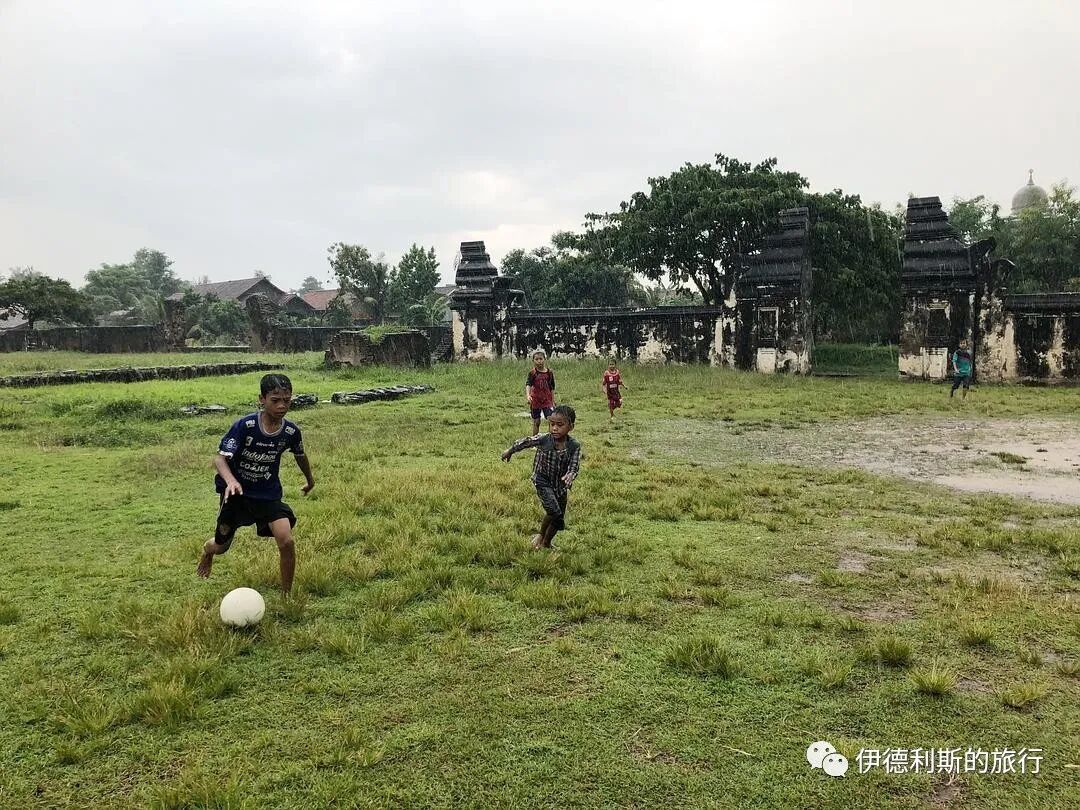
Part of the palace still retains the Queen Mother's bedroom, which featured a cooling system powered by flowing water.
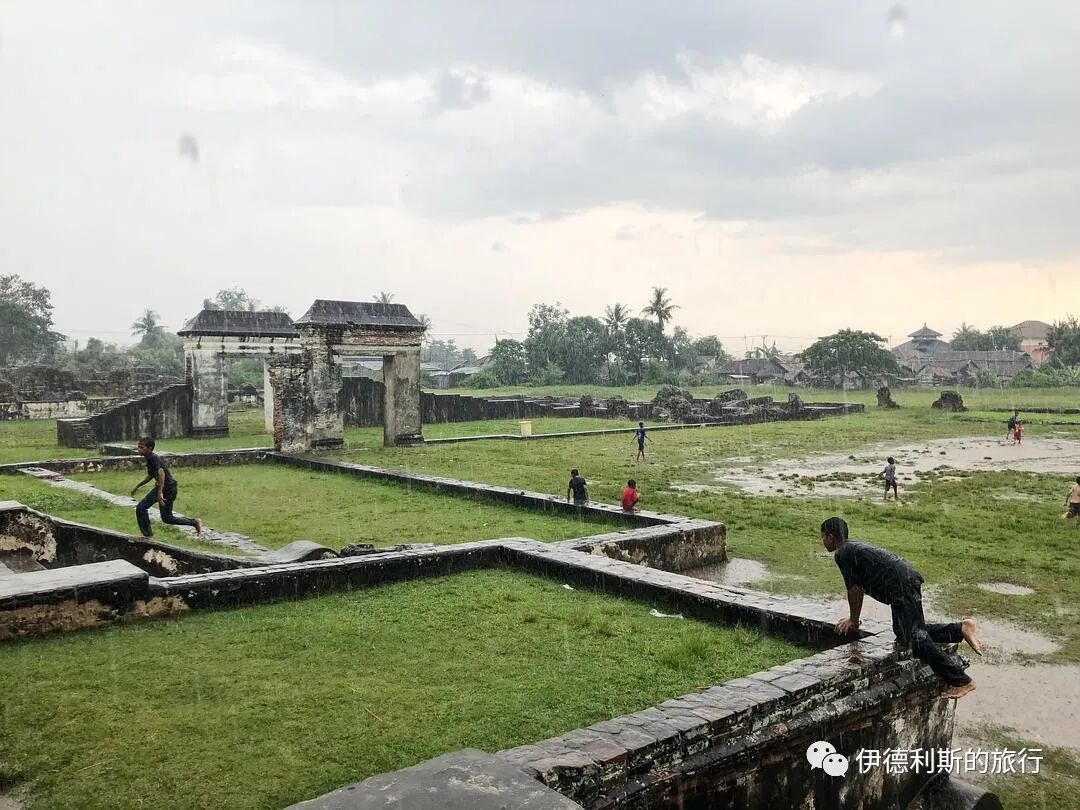
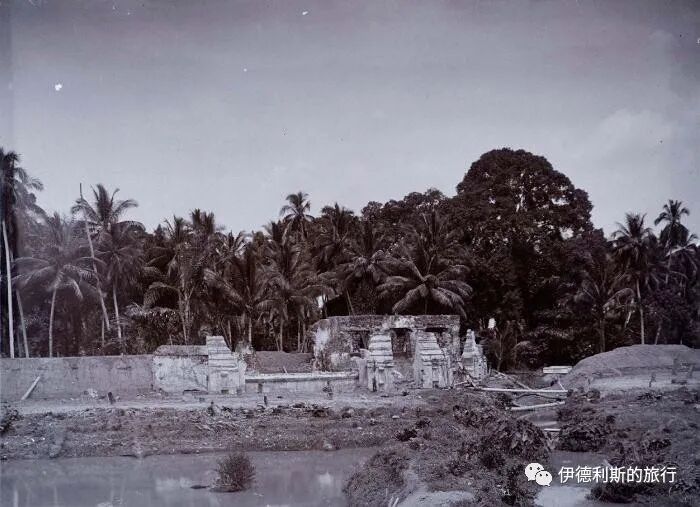
Photographed by Georg Friedrich Johannes between 1915 and 1926
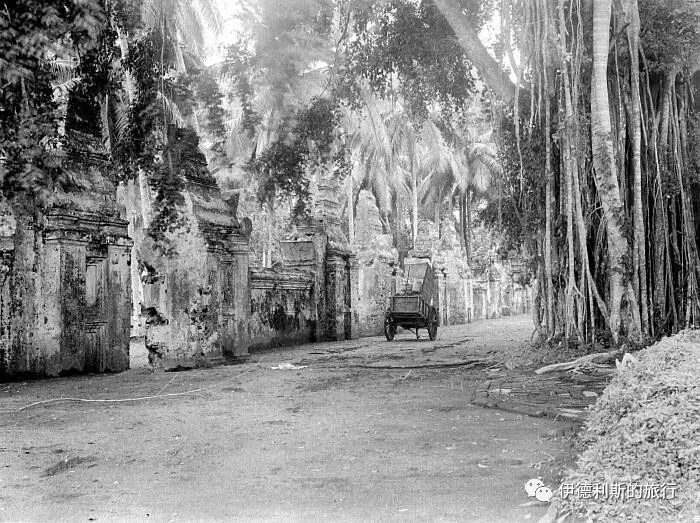
Photographed in 1933
Summary: Muslim Travel Guide Indonesia Banten: Sultanate Mosques, Coastal City and Islamic Heritage is presented here as a clear Muslim travel account, beginning with this scene: Banten is located at the westernmost tip of Java Island, facing Sumatra across the Sunda Strait. The account keeps its focus on Banten Mosques, Indonesia Muslim Travel, Sultanate History while preserving the names, places, food, and historical details from the Chinese source.
Banten is located at the westernmost tip of Java Island, facing Sumatra across the Sunda Strait. The local Bantenese people are a branch of the Sundanese. In the 16th century, the Banten Sultanate rose to become a powerful maritime trading nation in western Java, controlling the pepper trade in Southeast Asia. The Banten Sultanate reached its peak in the 17th century and had intense conflicts with the Dutch East India Company. After the 18th century, the Banten Sultanate gradually came under the control of the Dutch East India Company and was finally annexed into the Dutch East Indies in the 19th century.
Today, the ancient city of Banten still retains many ruins, and the Great Mosque of Banten (Masjid Agung Banten), built in the 16th century, remains a famous religious site. two palaces of the Banten Sultanate, a Dutch fortress, and several tombs of the Banten Sultans have been preserved. Due to time constraints, I could not visit all the historical sites this time, but I still hope to share the ruins of the Banten Sultanate that I saw with everyone.
Table of Contents
1. Traveling to the Ancient City of Banten
2. The Establishment of the Banten Sultanate
3. The Port City of Banten
4. Surosowan Palace—Sultan's Residence: 1552
5. Great Mosque of Banten: 1566
6. Banten Bazaar
7. Speelwijk Castle—Dutch Fortress: 1682
8. Kaibon Palace—Residence of the Last Queen Mother: Early 19th Century
1. Traveling to the Ancient City of Banten
The ancient city of Banten is located west of Jakarta, and it takes an hour and a half to drive there under normal traffic conditions. There are buses from Kalideres bus station in western Jakarta to the city of Serang, where Banten is located. Once you arrive at the station, just ask people for "Serang" and they will point you in the right direction. The bus I took picked up passengers along the way before getting on the highway, so it took three hours to reach Serang. Friends who want to go, please make sure to allow extra time. It was very interesting that before getting on the highway, vendors kept getting on the bus to sell various things, including fruits, snacks, ballpoint pens, electronic watches, and so on. There were also several groups of singers, making it feel like a moving bazaar.
After getting on the bus, be sure to tell the driver or conductor that you are going to the Great Mosque of Banten, which is Masjid Agung Banten. Note that the pronunciation of Banten is "Banden." Then the driver will drop you off at the intersection before entering Serang city. From there, you can take a minibus or call a Grab to the ancient city of Banten.
2. The Establishment of the Banten Sultanate
After the 15th century, the Hindu-Buddhist Majapahit empire declined and the Islamic Malacca Sultanate rose. Many Muslim merchants from Arabia and India settled on the north coast of Java, marking a new chapter in Javanese history.
Between the 15th and 16th centuries, many Sufi Muslims arrived in Java to spread the faith, with the Nine Saints (Wali Songo) being the most famous. Among the Nine Saints, Sunan Gunung Jati was the only one who used military force to spread Islam.
Sunan Gunung Jati was born Syarif Hidayatullah. His father came from the Hashim family in Egypt, the same family as the Prophet Muhammad, and his mother was a princess from the Hindu Sunda Kingdom in western Java. Although his grandfather was a Hindu king, Sunan Gunung Jati's mother and his uncle, Prince Walangsungsang, both converted to Islam.
In 1470, after spending years studying Islamic knowledge in places like Mecca and Baghdad in the Middle East, Sunan Gunung Jati returned to Java to help his uncle rule the port town of Cirebon in West Java. In 1479, Sunan Gunung Jati took over from his uncle to rule Cirebon, established the Cirebon Sultanate, and officially declared independence from the Sunda Kingdom in 1482.
Shortly before Sunan Gunung Jati established the Cirebon Sultanate, the Muslim port town of Demak in Central Java had already gained independence from the Majapahit Kingdom in 1475. These two Javanese Muslim states, which relied on maritime trade, joined forces and posed a major threat to the existing Hindu Sunda Kingdom. The Sunda Kingdom then went to Malacca to seek help from the Portuguese. In 1522, the Portuguese officially formed an alliance with the Sunda Kingdom to control the local pepper trade.
However, after the alliance was formed, the Portuguese failed to send troops to help in time. The joint Cirebon-Demak forces took the opportunity to capture Sunda Kalapa, an important port of the Sunda Kingdom, and renamed it Jakarta. After that, the Sunda Kingdom fought a five-year war alone against the Cirebon-Demak coalition. In 1527, the Sultan of Cirebon, Sunan Gunung Jati, sent his son Hasanudin to join the Demak Sultanate and capture Banten, another important port of the Sunda Kingdom. Sunan Gunung Jati then appointed his son as the Sultan of Banten. In 1552, the Banten Sultanate broke away from the Cirebon Sultanate and became an independent state.
The territory of the Banten Sultanate, drawn by Gunawan Kartapranata.
3. The Port City of Banten
Shortly after becoming the Sultan of Banten, Hasanudin began building a new port city at the mouth of the Banten River. By the mid-16th century, Banten had become an important port that could rival Malacca.
According to the Portuguese historian João de Barros, the city of Banten was located in the middle of the harbor, and a clear river ran through the city, allowing ships to sail into the town center. Inside the city, there was a brick fortress with a two-story wooden defensive structure. The city center had a square that served as a market in the morning and was used for military or artistic activities at noon. On the south side of the square was the Sultan's palace, known as the Surosowan Palace, with a tall building next to it used by the Sultan to receive his subjects. On the west side of the square was the Great Mosque, which is today's Great Mosque of Banten.
At that time, only local residents were allowed to live in the city. Foreigners lived near the harbor in the north, with foreign Muslims in the northeast and non-Muslim foreigners in the northwest.
In the late 16th century, the Banten Sultanate controlled the pepper trade in the Lampung region at the southern tip of Sumatra. It traded closely with Portugal, the Netherlands, Britain, France, and Denmark, becoming a major international trade hub in Southeast Asia. With help from the British, the Danes, and the Chinese, the Banten Sultanate traded with Persia, India, Siam, Vietnam, the Philippines, China, and Japan.
Banten City in 1724, drawn by François Valentijn.
4. Surosowan Palace—Sultan's Residence: 1552
Surosowan Palace was built in 1552 by the Banten Sultan Maulana Hasanuddin and later served as the residence for successive sultans. A Dutchman designed the palace, which is why it features the corner bastion structure of a Dutch fort.
In 1808, to defend against a British invasion of Java, the Dutch ordered the construction of the Great Post Road across the island. They also ordered the Banten Sultan to move his capital and provide labor to build a port for the Dutch fleet. The Sultan refused, so the Dutch destroyed Surosowan Palace and imprisoned the entire royal family. After the British invaded Java in 1813, they forced the last Sultan to abdicate, marking the end of the Banten Sultanate. After the Anglo-Dutch Treaty of 1814 was signed, Britain returned the Banten region to the Dutch, and Banten was officially incorporated into the Dutch East Indies.
Today, the ruins of Surosowan Palace include two-meter-high walls made of red stone and coral. The most prominent site inside is the princess's bathing pool, which looks similar to the existing pools at the Sultan's palace in Yogyakarta.
5. Great Mosque of Banten: 1566
The Great Mosque of Banten (Masjid Agung Banten) is a famous Javanese-style mosque, built in 1566 by order of Sultan Maulana Hasanuddin. The women's hall (Pawestren) was added in the 1580s. In 1632, a Chinese man named Cek-ban-cut designed and built the minaret (bangker), and in the 17th century, a Dutch convert to Islam named Hendrik Lucaasz Cardeel designed and built the religious school (tiyamah).
As a typical Javanese-style mosque, the Great Mosque of Banten has a large porch-style shelter (serambi) in front of the main prayer hall. Inside the main hall, four main wooden pillars (saka guru) support a five-tiered roof. The top three tiers look more like a Chinese Buddhist pagoda than a traditional Javanese roof. Historical records suggest the original roof only had three tiers, and the top two were likely added between the 18th and 19th centuries. The mosque's minaret is 24 meters high with a base diameter of 10 meters, blending Mughal style with the local Javanese Hindu/Buddhist mosque (Candi) style.
The Great Mosque of Banten, drawn by Josias Cornelis Rappard in the 1880s.
Right next to the mosque is the family cemetery of the Banten Sultanate. The first Sultan, Maulana Hasanuddin (reigned 1552–1570), the sixth Sultan, Ageng Tirtayasa (reigned 1651–1683), and the seventh Sultan, Abu Nashar Abdul Qahar (reigned 1683–1687), are all buried there.
The reign of the sixth Sultan, Ageng Tirtayasa, from 1651 to 1682, is known as the golden age of the Banten Sultanate. During this time, the Banten Sultanate built a powerful navy with the help of European shipyards and attracted many Europeans to work in Banten. To ensure safe travel, the Banten Sultanate sent a fleet in 1661 to conquer the Tanjungpura Kingdom in western Kalimantan, attempting to break the blockade by the Dutch East India Company (VOC).
6. Banten Bazaar
As a holy site, the Great Mosque of Banten attracts a constant stream of Muslims every day, and a very lively bazaar has formed around it. At the bazaar, I drank an iced beverage called Es Campur made with coconut milk, red sugar syrup, coconut meat, and fruit jelly, and I also had some simple street-style boiled noodles (Mie Rebus). The bazaar is full of people selling sapodilla (Manilkara zapota), which is sweet and delicious. Sapodilla is native to the Caribbean in Central America. It was brought to the Philippines by Spanish colonists and later widely planted across Southeast Asia, where it is called sawo in Indonesia.
I bought two hats at the Banten bazaar. One of them is the black velvet cap (peci), which is the most common type in Indonesia. The peci is also called a songkok (Songkok). Indonesian and Malay Muslim men usually wear this hat for important ceremonies like weddings, funerals, or Eid al-Fitr. The word peci likely comes from the Dutch word petje, which means small hat.
The peci may have originated from the felt fez hat promoted by the Ottoman Empire starting in 1826. It soon spread to the Indonesian and Malay regions, gradually taking on the form of the modern songkok. Many Indonesian nationalist activists wore the songkok in the early 20th century, with Indonesia's first president, Sukarno, being the most famous among them. After Sukarno made the peci part of the official Indonesian presidential attire, black velvet became the most common style of peci in Indonesia.
The second hat is made of woven bamboo. Besides the round one I bought, there are also boat-shaped ones similar to the songkok, which feel perfect for summer.
Another hat shop.
7. Speelwijk Castle—Dutch Fortress: 1682
Speelwijk Castle is a fortress built by the Dutch East India Company on the northwest coast of Banten. It was first built in 1682 and expanded twice, in 1685 and 1731. This castle was mainly used to control the activities of the Banten Sultanate and to protect Dutch merchant ships from pirate attacks.
Starting in the 16th century, the Dutch began competing with Portugal and England for the pepper trade in Java. In 1602, the Dutch established the famous Dutch East India Company, and the following year they set up a permanent trading post in Banten. In 1619, the Dutch East India Company captured Jakarta, which was controlled by the Banten Sultanate, and renamed it Batavia to serve as their headquarters. By the late 17th century, the Dutch East India Company had become the world's wealthiest private company and had completely defeated the Portuguese on Java.
In 1680, the Dutch East India Company incited a civil war within the Banten Sultanate, took the opportunity to drive British merchants out of Banten, and gained a monopoly on the surrounding pepper trade. After 1682, the Banten Sultanate gradually came under the control of the Dutch East India Company, and even the succession of the Sultan required approval from the company. Speelwijk Castle is the best witness to this historical period. After 1752, the Banten Sultanate officially became a vassal state of the Dutch East India Company.
Speelwijk Castle was eventually abandoned due to a plague in 1811. Today, there are many Dutch graves in front of the castle, including those of castle officer Hugo Pieter Faure, who died in 1763, and the castle tax collector and purchaser Kopman en Fiscaal Deserbezeting, who died in 1769.
Old photo of the Dutch cemetery
8. Kaibon Palace—Residence of the Last Queen Mother: Early 19th Century
Kaibon Palace was the last building constructed by the Banten Sultanate. Built in the early 19th century, it served as the palace for Ratu Aisyah, the mother of the final sultan, Muhamad Syafiuddin.
After the British invaded Java in 1813, they ordered the final Banten sultan, Muhamad Syafiuddin, to abdicate, marking the end of the Banten Sultanate. After the Anglo-Dutch Treaty of 1814 was signed, Britain returned the Banten region to the Dutch, and Banten was officially incorporated into the Dutch East Indies. In 1832, the Dutch destroyed Kaibon Palace, leaving it in complete ruins.
The palace still preserves its traditional Javanese Paduraksa-style gate. The Paduraksa gate originated from the ancient Hindu Gopuram gate. It was widely used in ancient Javanese Hindu and Buddhist temples from the 8th to 9th centuries and was later adopted by Islamic sultanates for their mosques, palaces, and cemeteries after the 15th century.
Part of the palace still retains the Queen Mother's bedroom, which featured a cooling system powered by flowing water.
Photographed by Georg Friedrich Johannes between 1915 and 1926
Photographed in 1933
