
China Mosque Travel Guide Hebei Cangzhou: Old Mosques, Hui Villages and Muslim Heritage
Reposted from the web
Summary: This China Mosque Travel Guide keeps the original 2016 Cangzhou travel notes intact while making the route clear for Muslim readers. It is useful for China Muslim travel tips, halal food in China, Chinese Muslim food, and old mosque heritage in Hebei.
I visited the Hui Muslim community in Cangzhou twice, on November 26, 2016, and March 25, 2017. I will share my experiences here. Some information in this article comes from the book Cangzhou Hui Muslims by Wu Piqing.
The high-speed train from Beijing South Station to Cangzhou West Station takes only 50 minutes. At Beijing South Station, there is a fast-track entrance for the Beijing-Shanghai high-speed railway right at the subway exit. You can swipe your card to leave the subway and head straight to the train, which is very convenient.
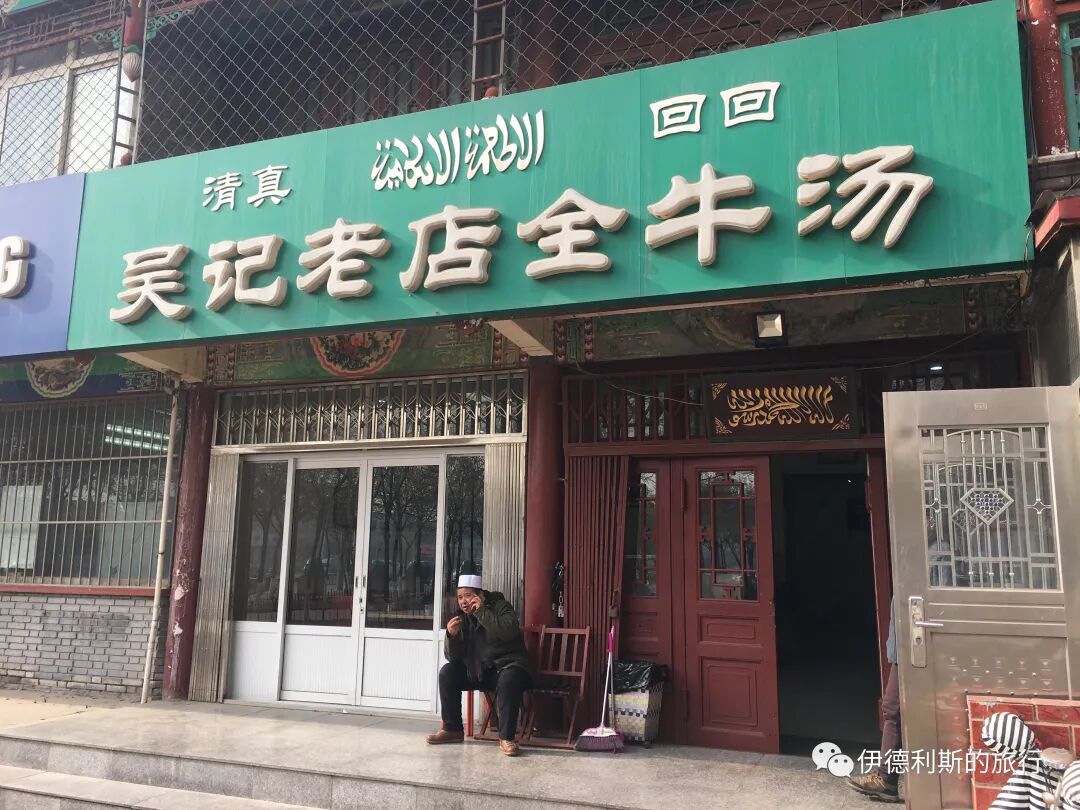
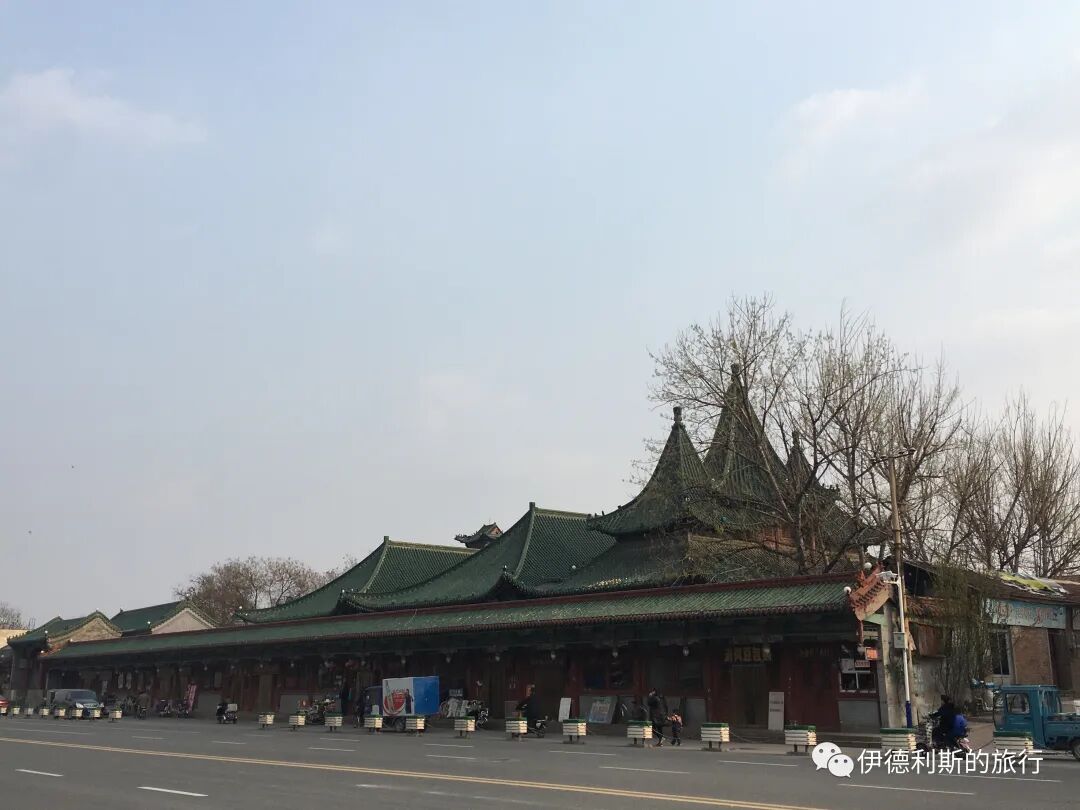
When you leave Cangzhou West Station, you can take a metered taxi. It costs about a dozen yuan and takes 20 minutes to reach the mosque. When Cangzhou locals talk about the mosque, they usually mean the North Great Mosque (Qingzhen Beidasi) on the main street. It is the most magnificent mosque in Cangzhou. Once at the mosque, I first went to eat the famous Wu's All-Beef Soup (Wu Ji Quan Niu Tang).
From Wu's All-Beef Soup to the Cangzhou Hui Muslim district.
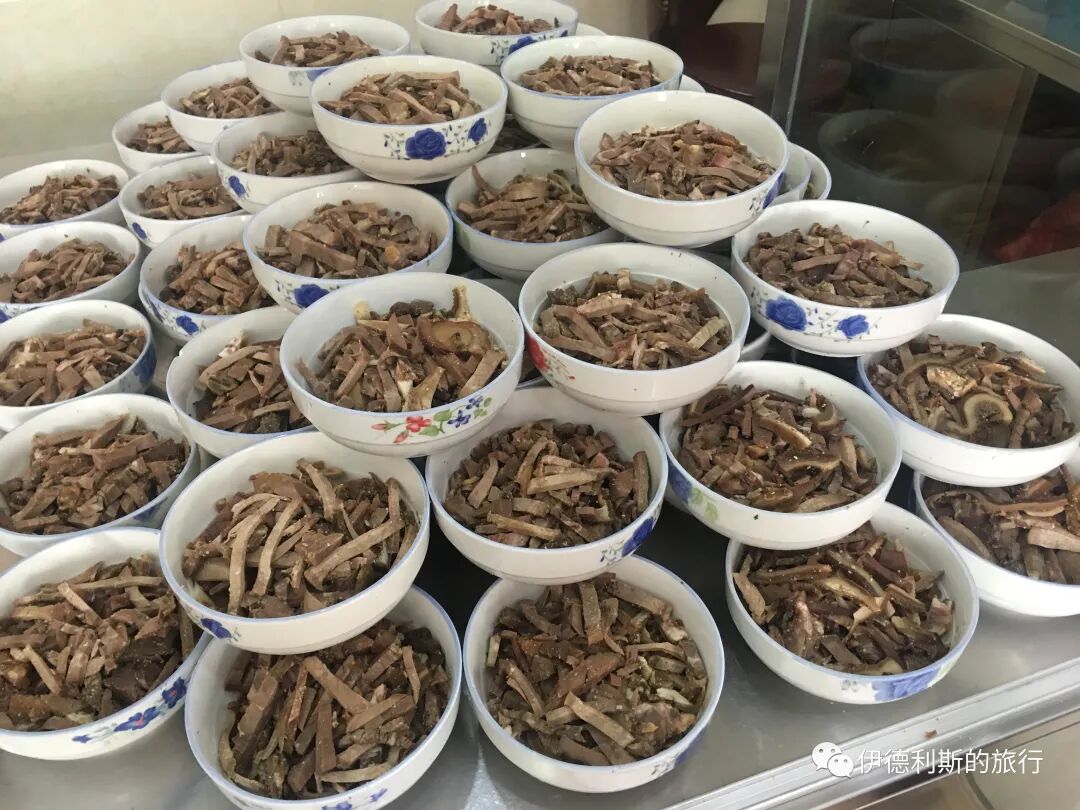
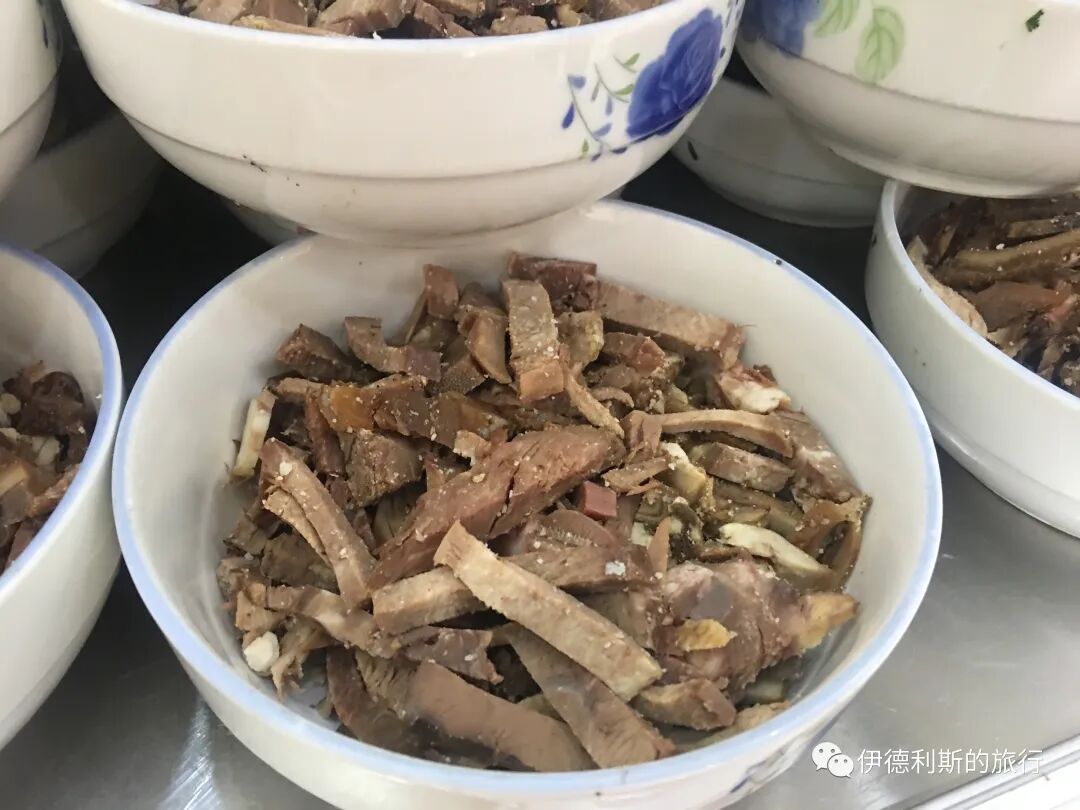
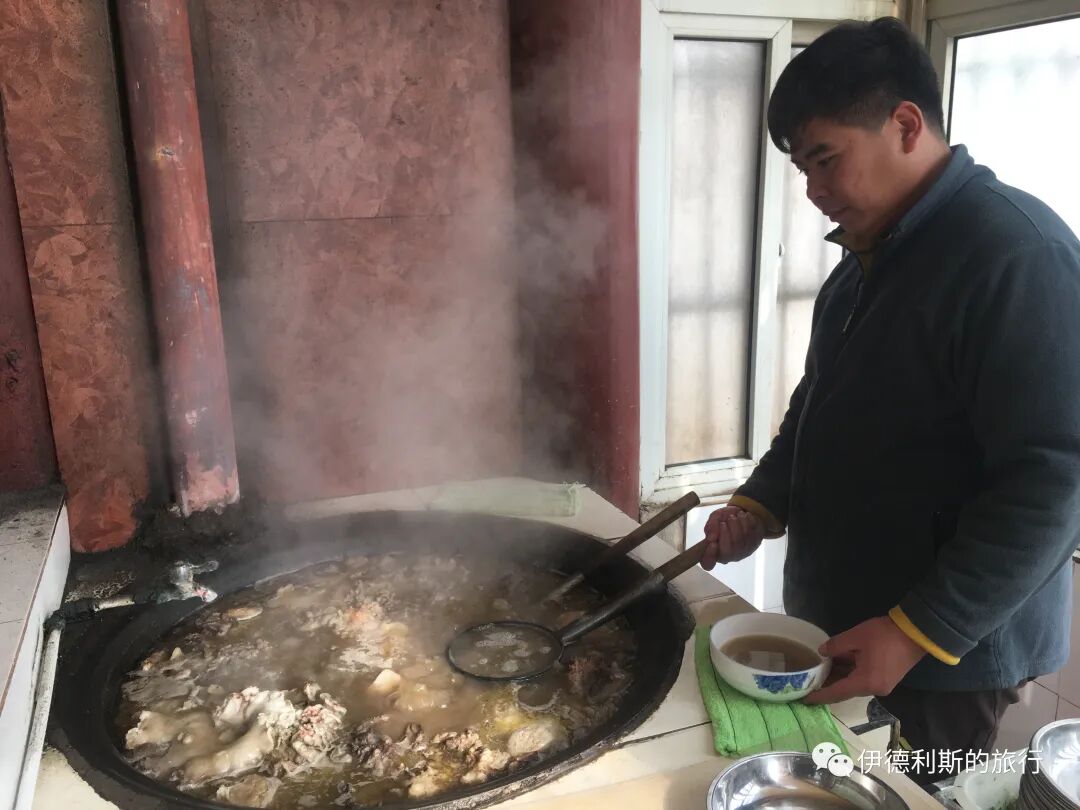
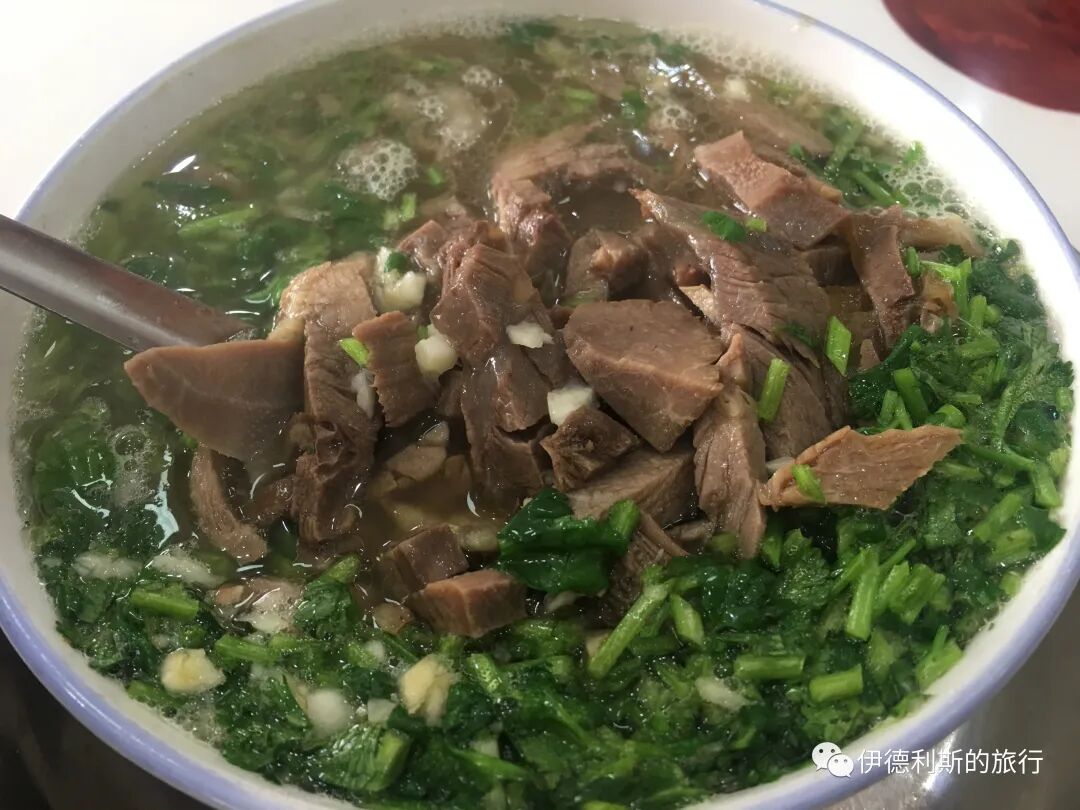
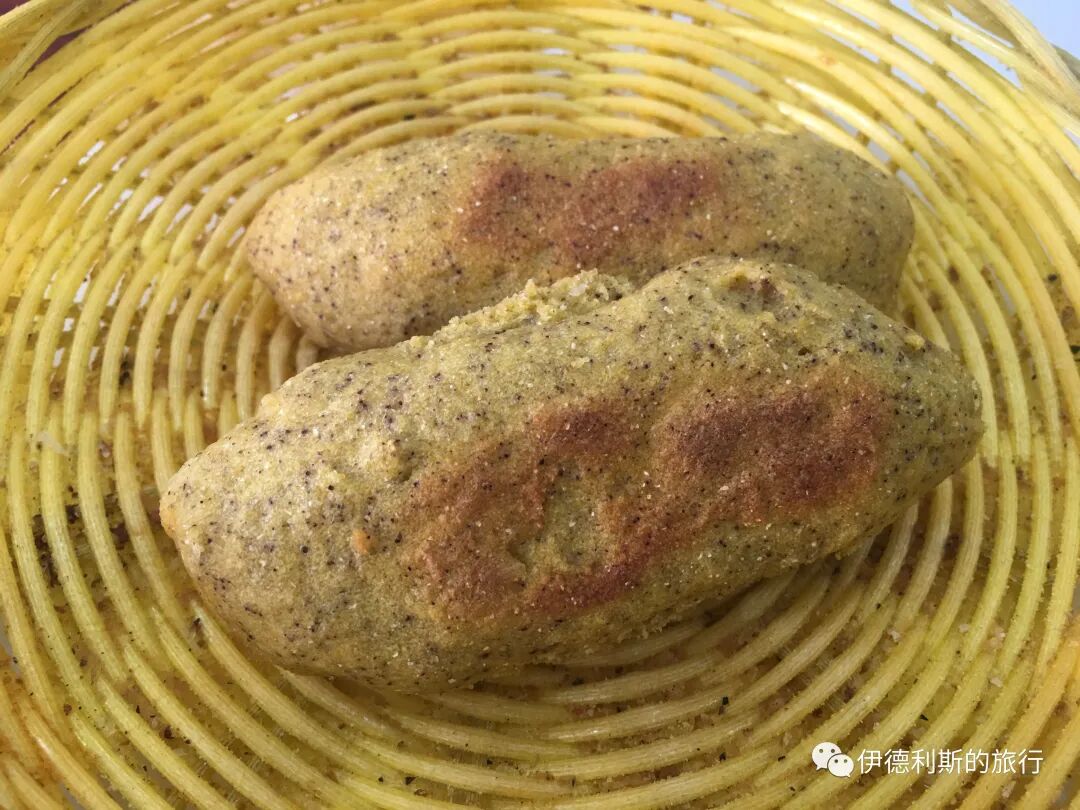
Wu's All-Beef Soup has cost fifty yuan a bowl for years. Don't let the price scare you; once you see the amount of beef, you will know it is worth it. You take dried beef from the counter and dip it in the boiling soup. The beef soup is incredibly delicious, and the beef is very fragrant. It keeps you full for a long time. You can eat all the flatbreads you want there. I chose this long, multi-grain flatbread, which goes perfectly with the soup.
After finishing the beef soup, I have to talk a bit about the Wu family of Cangzhou. The Wu family is an important branch of the Hui Muslims in Cangzhou, and they are closely linked to the city's history.
Like many canal cities, Cangzhou has had Hui Muslim merchants settling down with their families since the Yuan Dynasty. However, the Cangzhou city of that time was not the one we see today. It was located at the Old Prefecture City ruins, 20 kilometers southeast of the current city, where the famous Cangzhou Iron Lion stands.
In 1399, during the Jingnan Campaign, the Prince of Yan, Zhu Di, captured the old Cangzhou city. He killed thousands of surrendered soldiers and tens of thousands of residents, destroying the entire city. The Prince of Yan's sweep to the north became a major turning point in Cangzhou's history.
In 1404, after the war, Cangzhou began to rebuild. Zhu Di, who had gone from Prince of Yan to the Yongle Emperor, ordered the city moved to Changlu by the Grand Canal. He brought in residents from Shanxi, Shandong, and Anhui to settle there, forming the new Cangzhou city.
Just one year before the city was rebuilt, in 1403, the Wu family ancestor, Zuoyong, was appointed as the Assistant Prefect of the Cangzhou Salt Transport Commission in Hejian Prefecture, Zhili. He moved to Cangzhou from Shexian, Anhui. Cangzhou borders the Bohai Sea to the east and has had a thriving salt industry since ancient times. The Cangzhou Salt Transport Commission, established in the early Ming Dynasty, managed the local salt trade. The salt fields were located by the Grand Canal west of Cangzhou city. Transport was very convenient and cost-effective, making the salt popular along the canal.
a descendant of the Wu family, Wu Zhong, founded the famous Wu-style Baji martial arts during the reigns of the Yongzheng and Qianlong emperors, becoming the pride of Cangzhou's Hui Muslims.
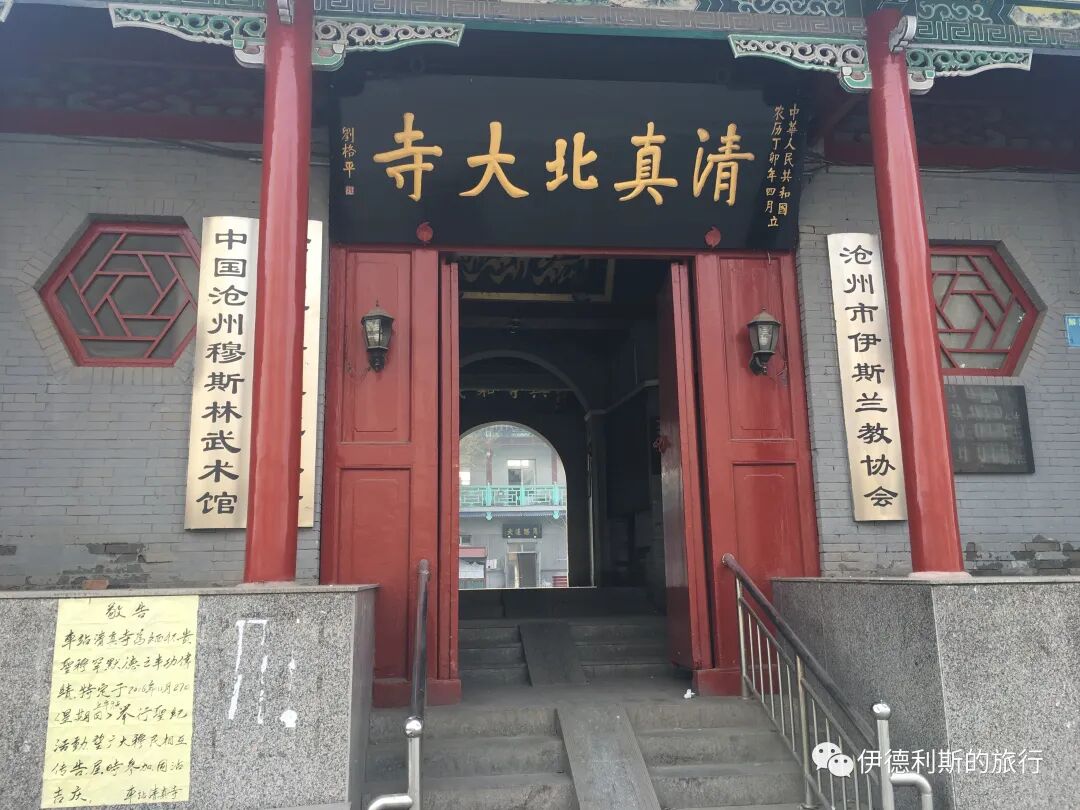
Cangzhou North Great Mosque.
The area south of the city gate was an important passage to the canal. Most Hui Muslim artisans and small vendors chose to live there. In 1420, the Cangzhou North Great Mosque was built in the south of the city on land donated by the Wu family ancestor Yongzuo, marking the formal establishment of the Cangzhou Hui Muslim community.
The Fatimah Auntie Festival (Fatumei Gutai Hui), one of the two major festivals and two major gatherings in North China.
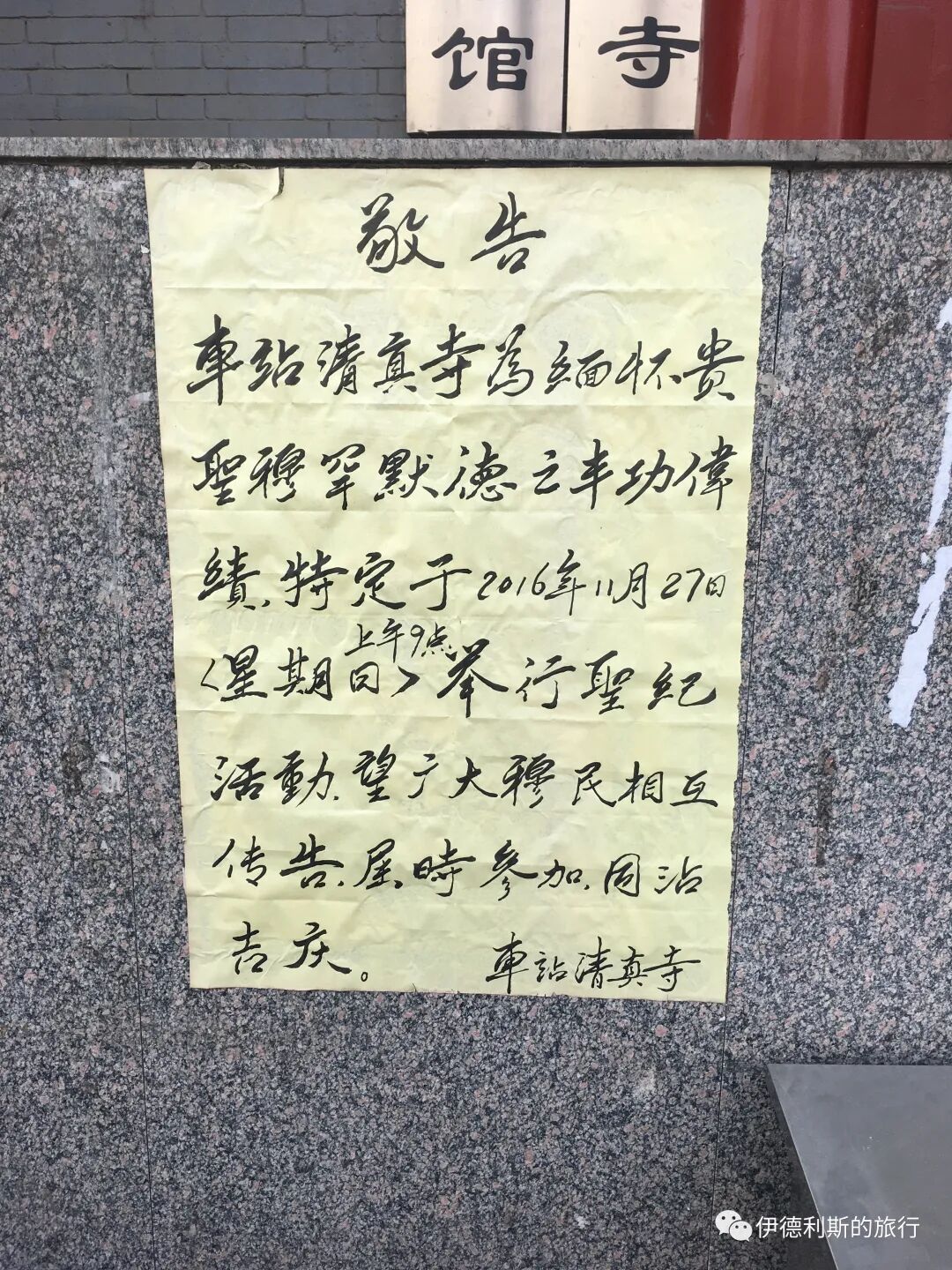
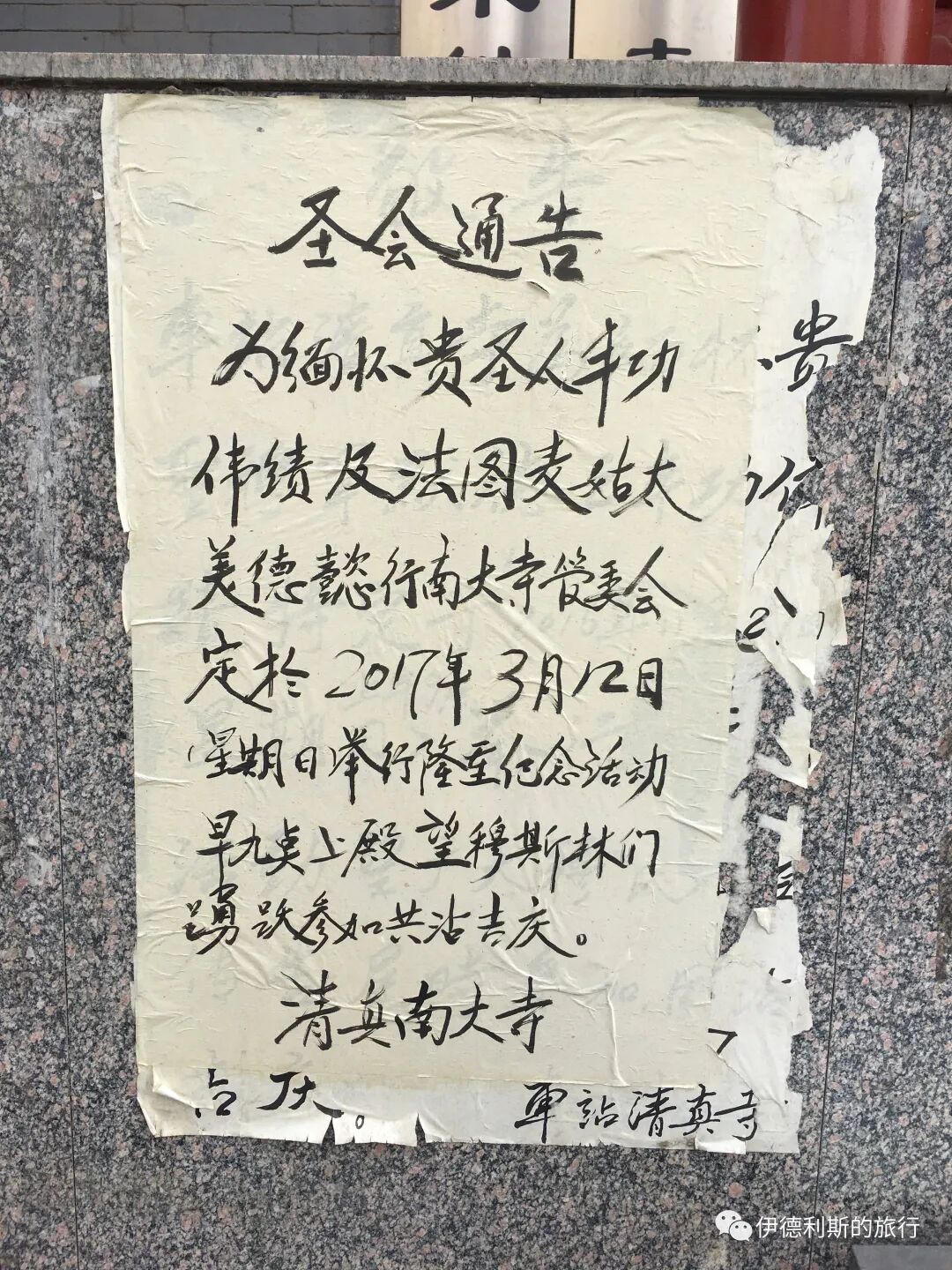
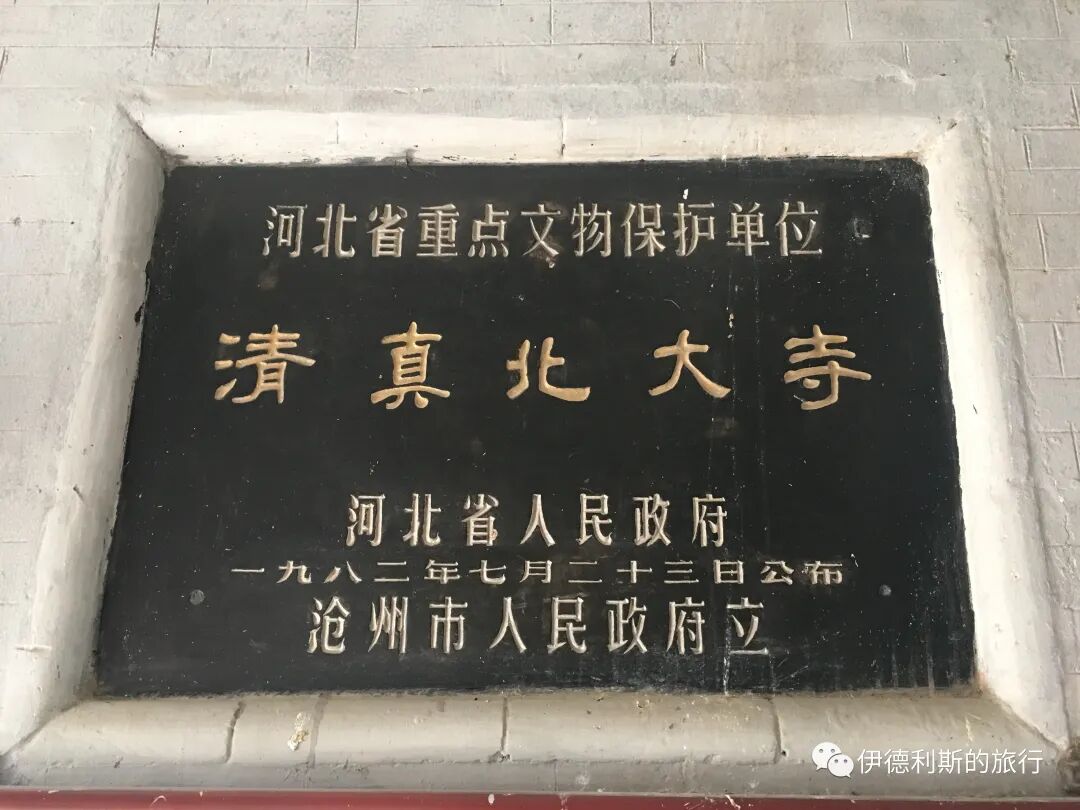
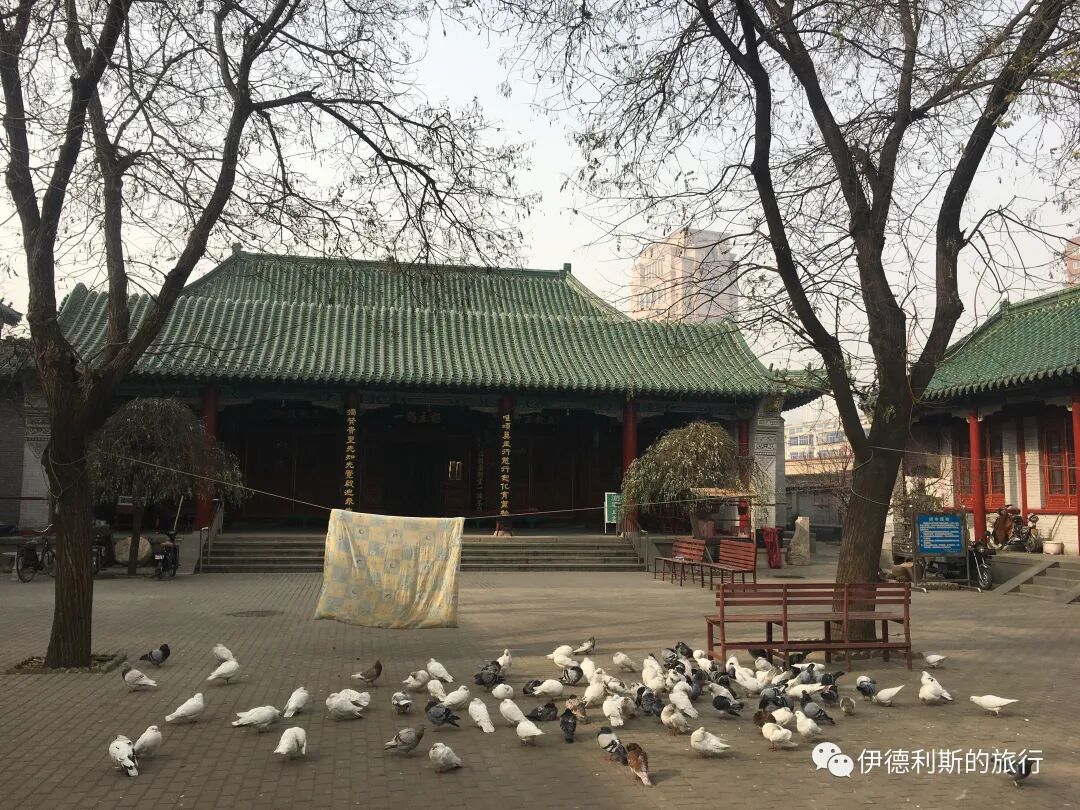
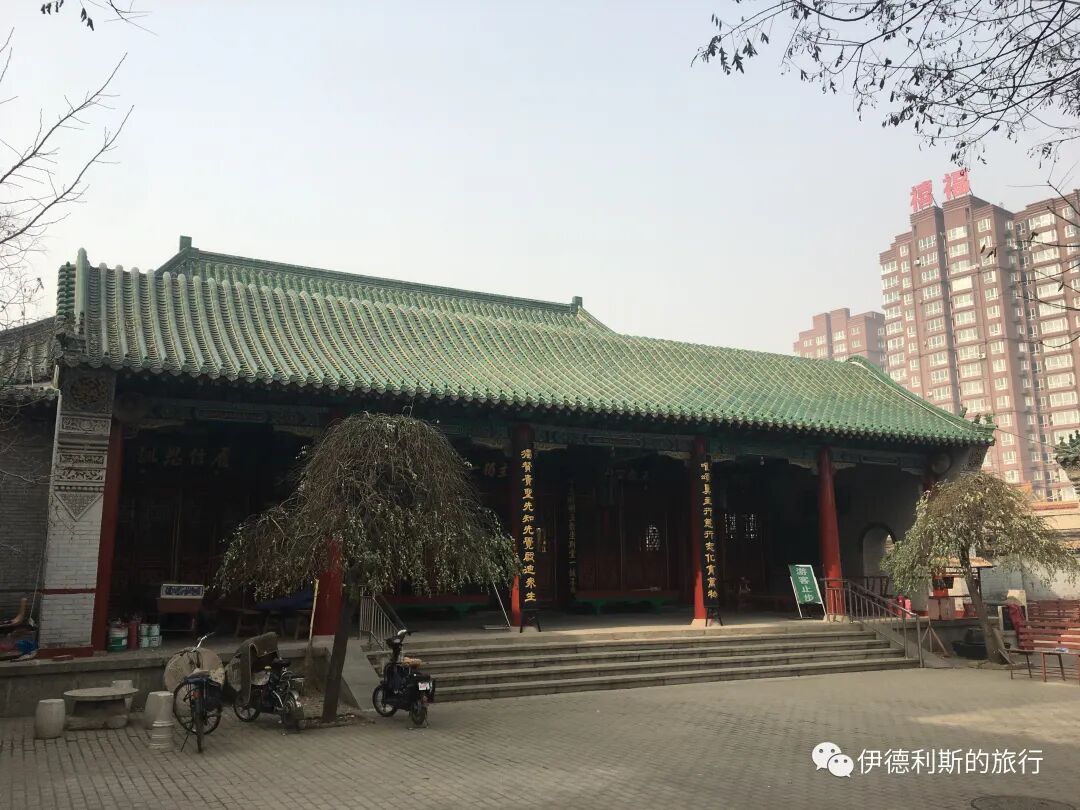
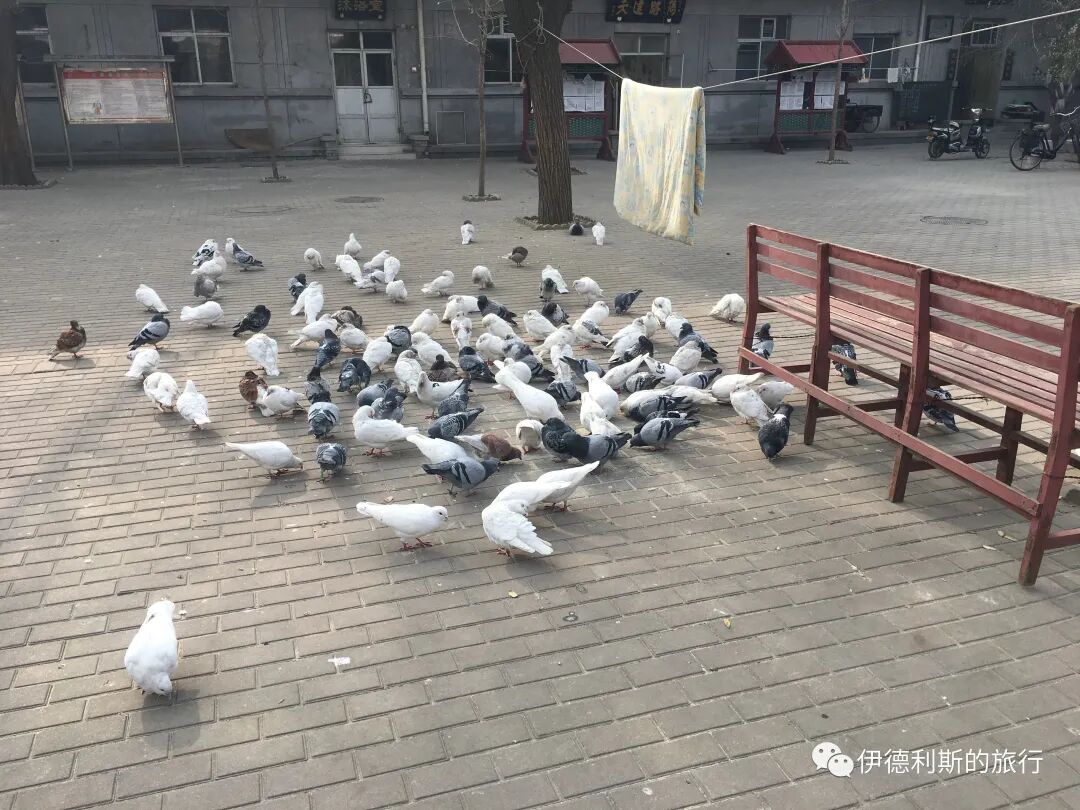
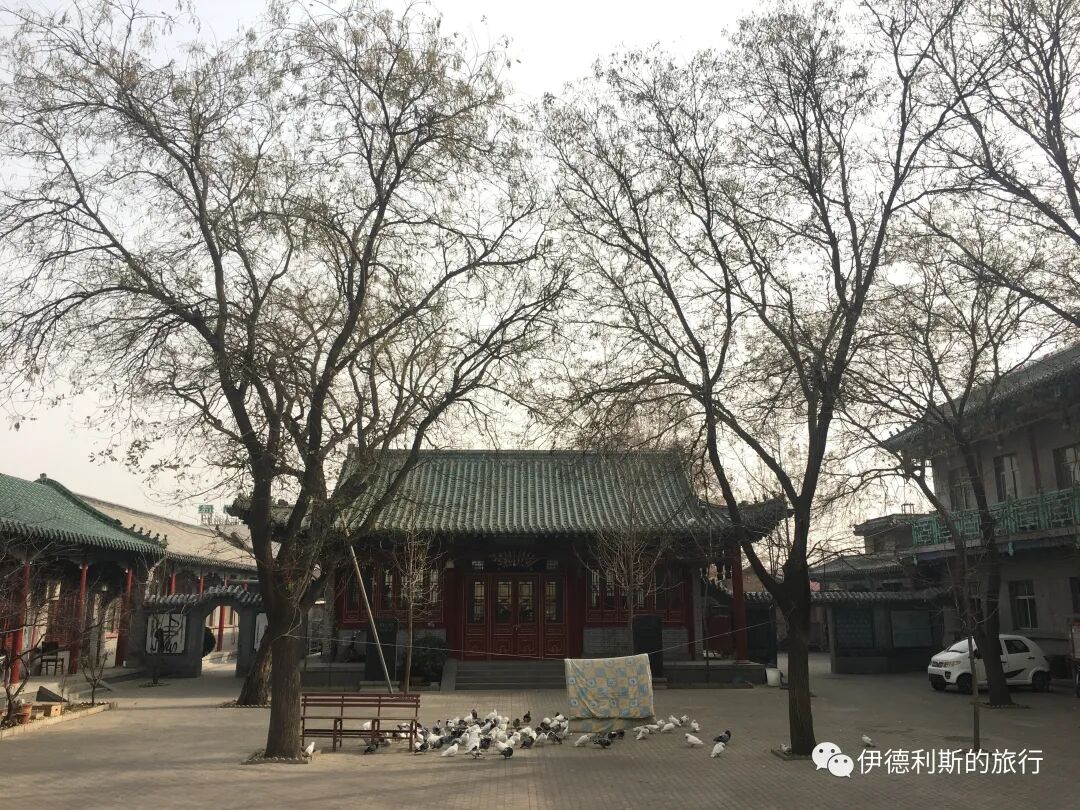
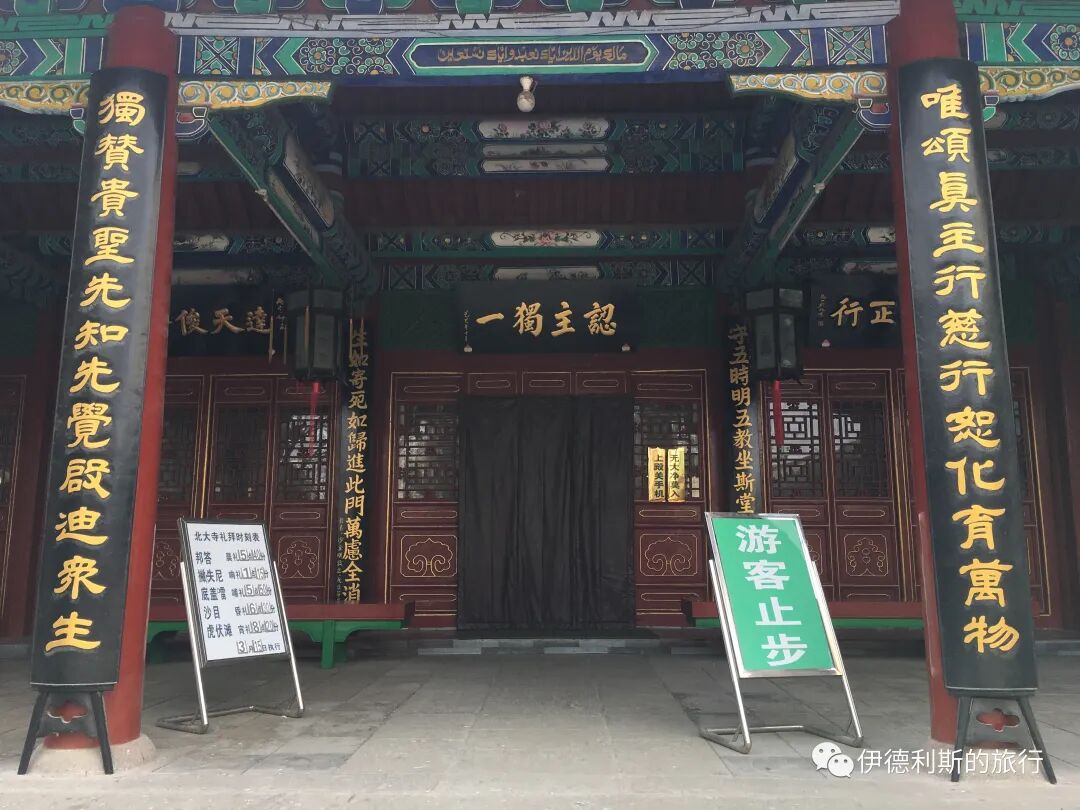
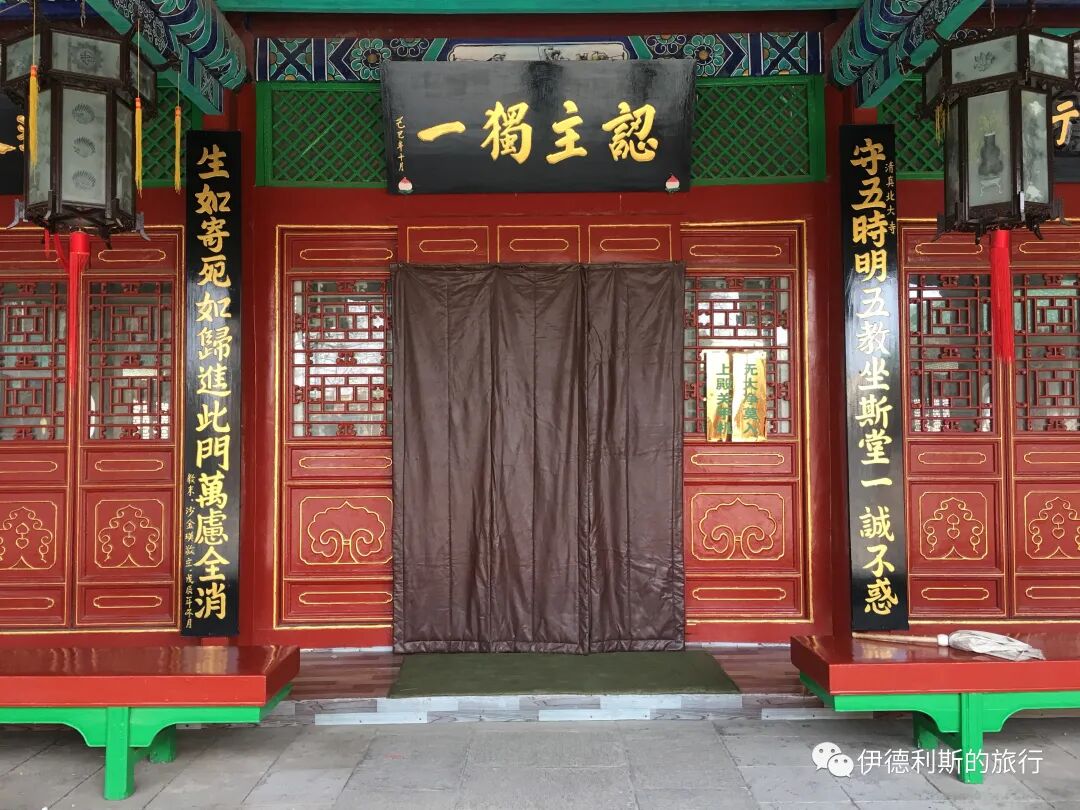
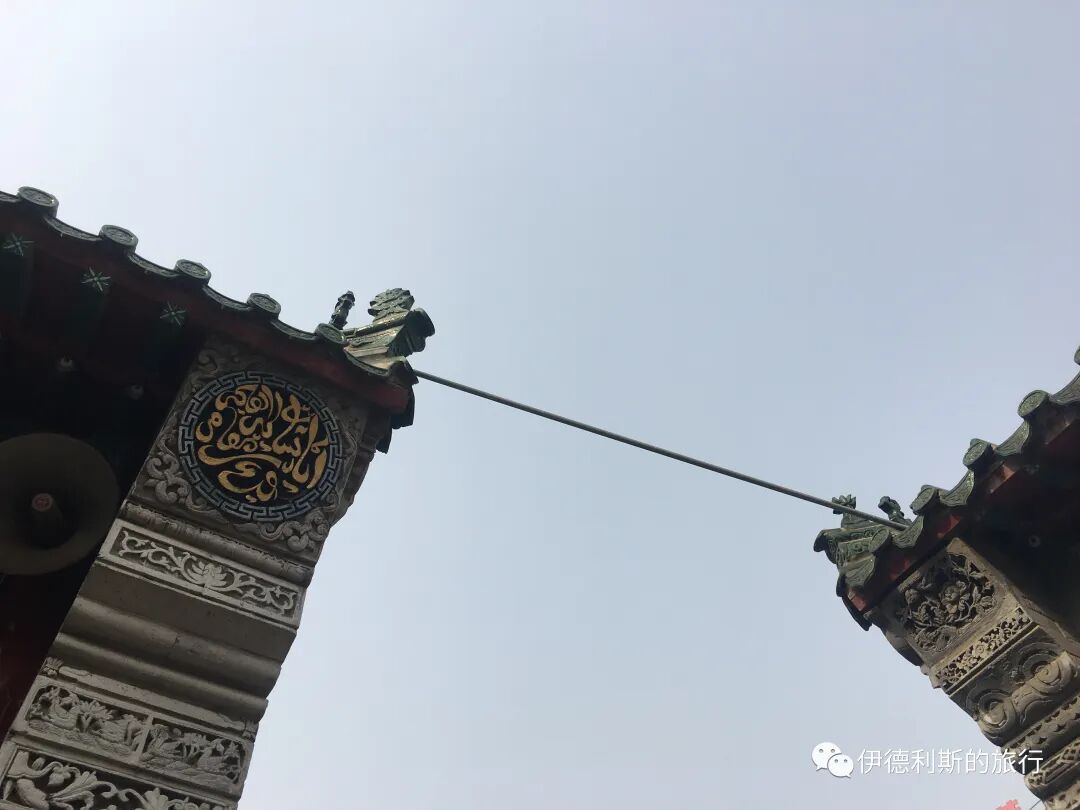
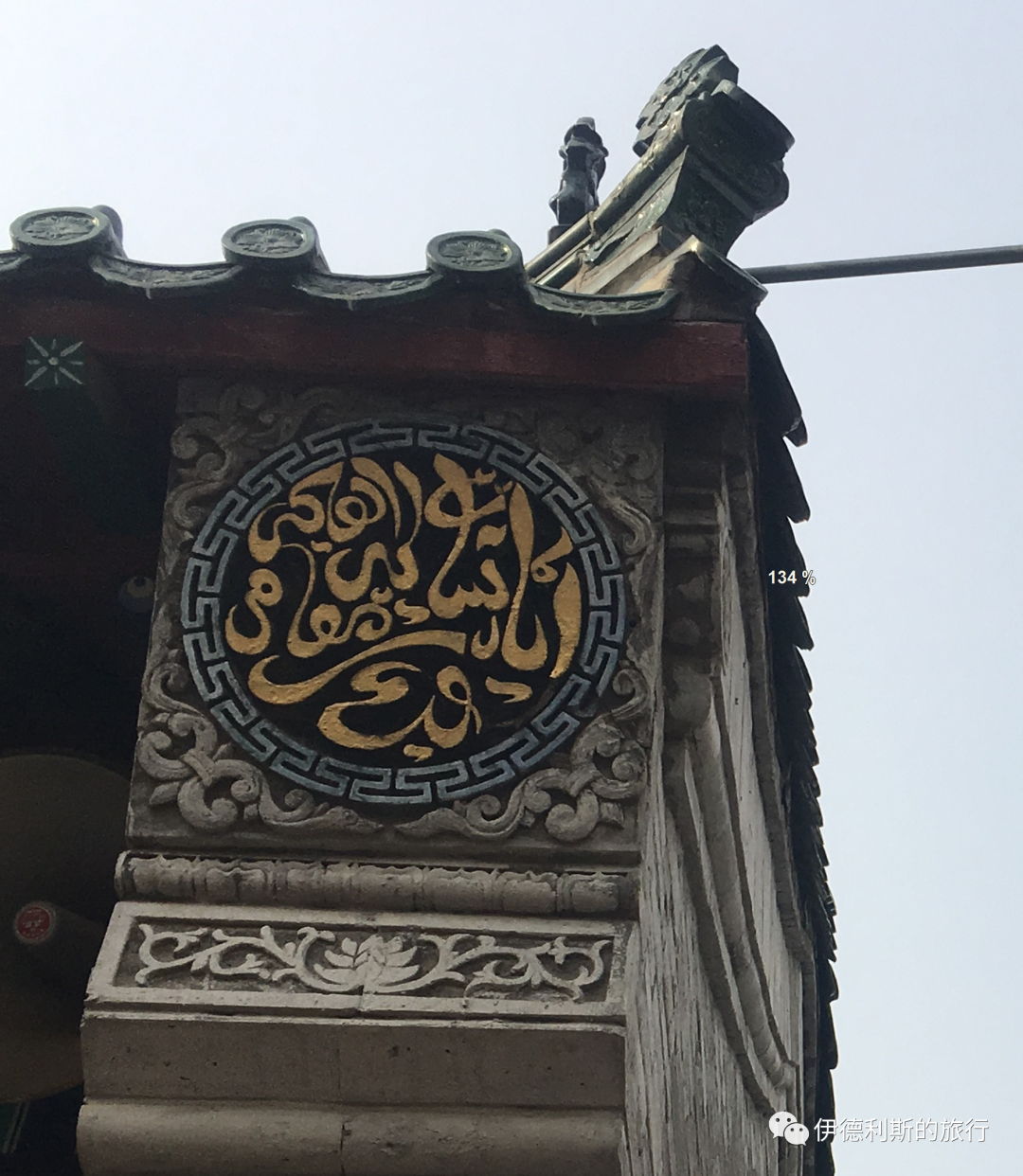
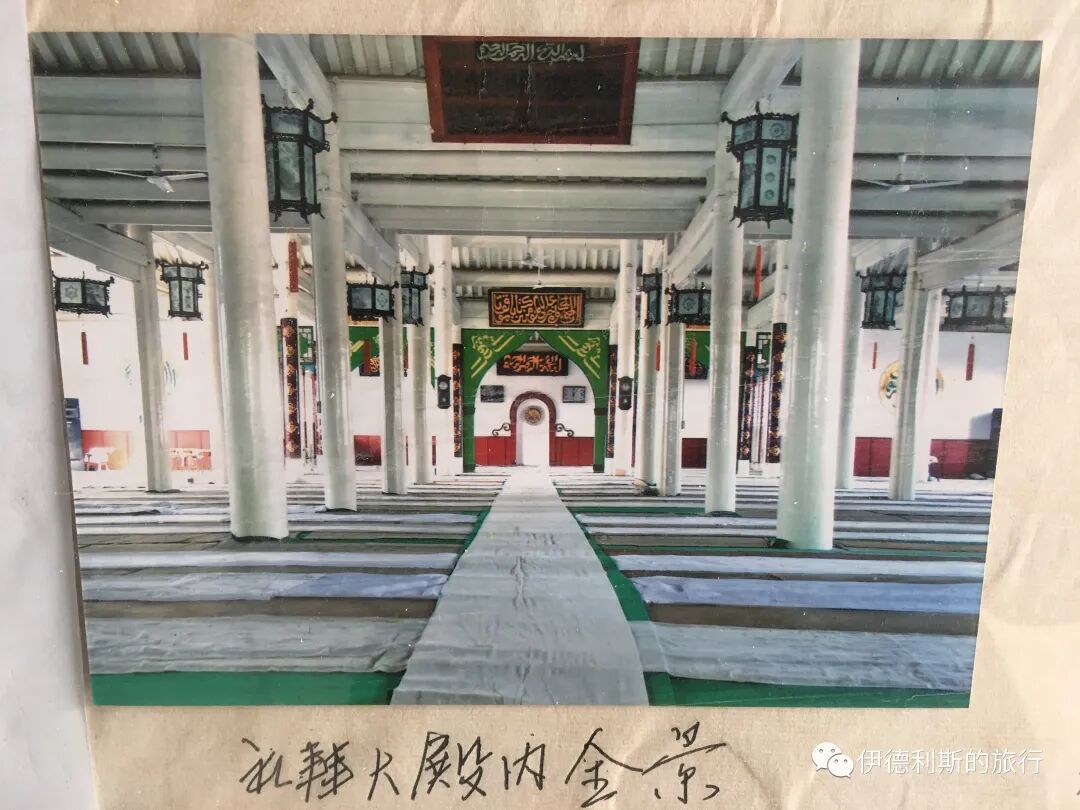
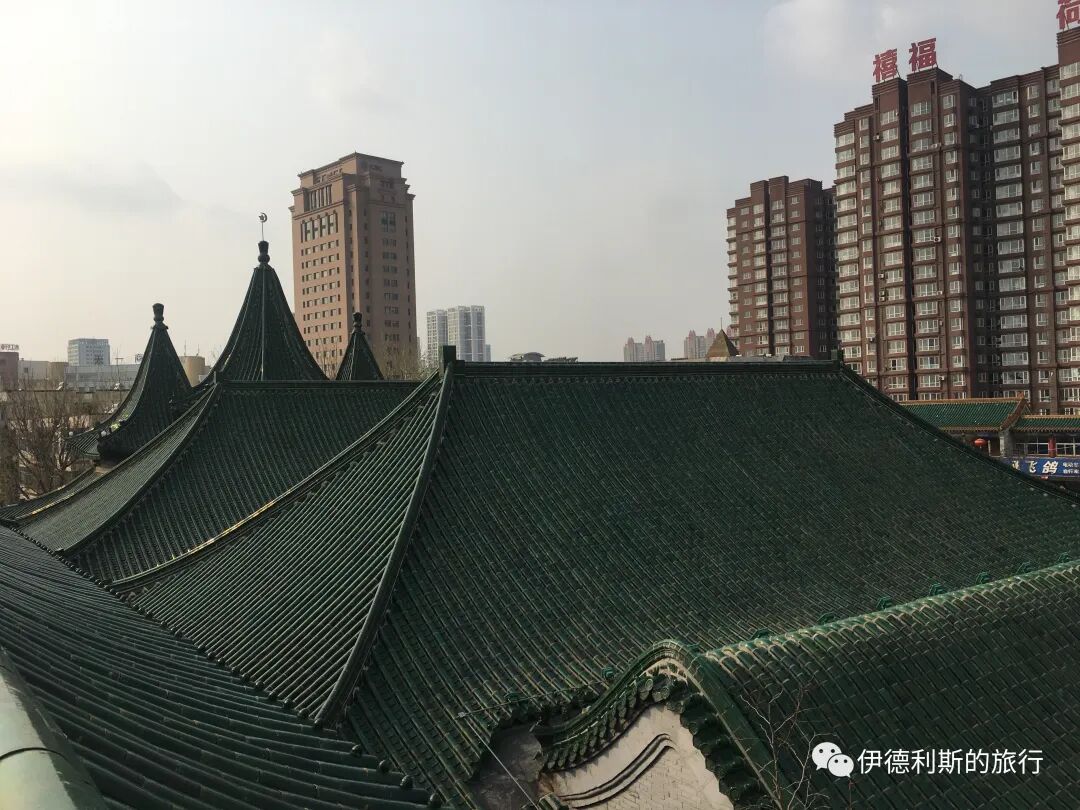
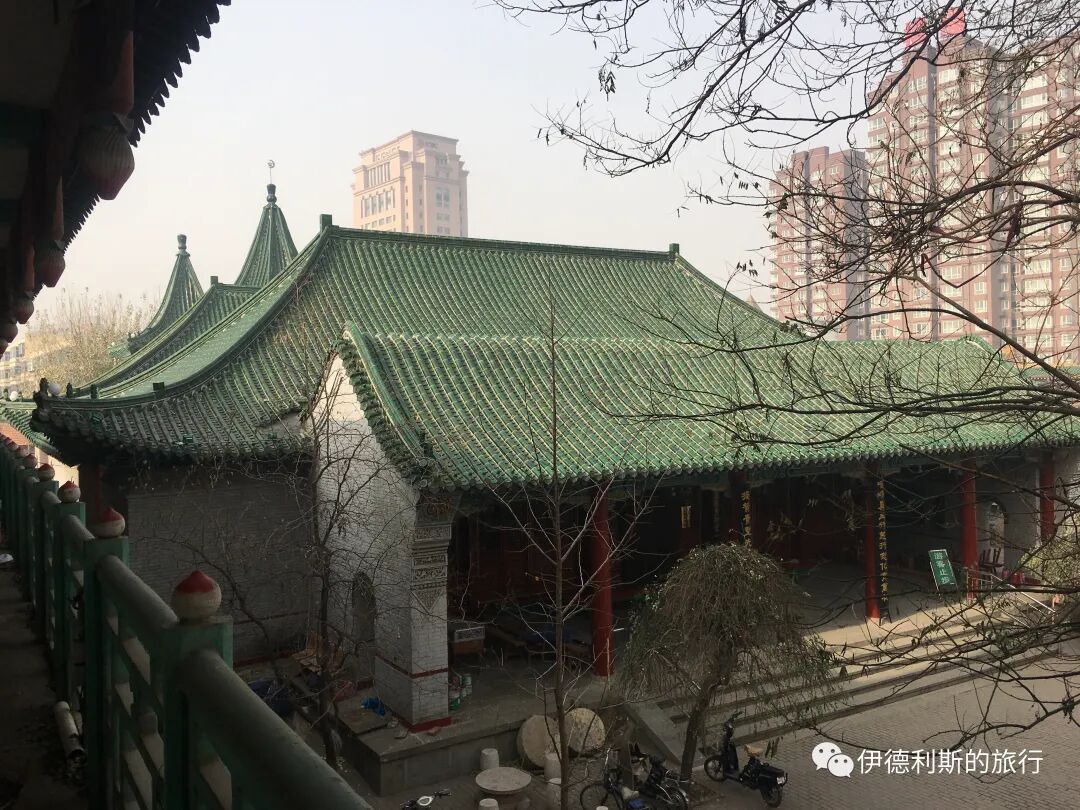
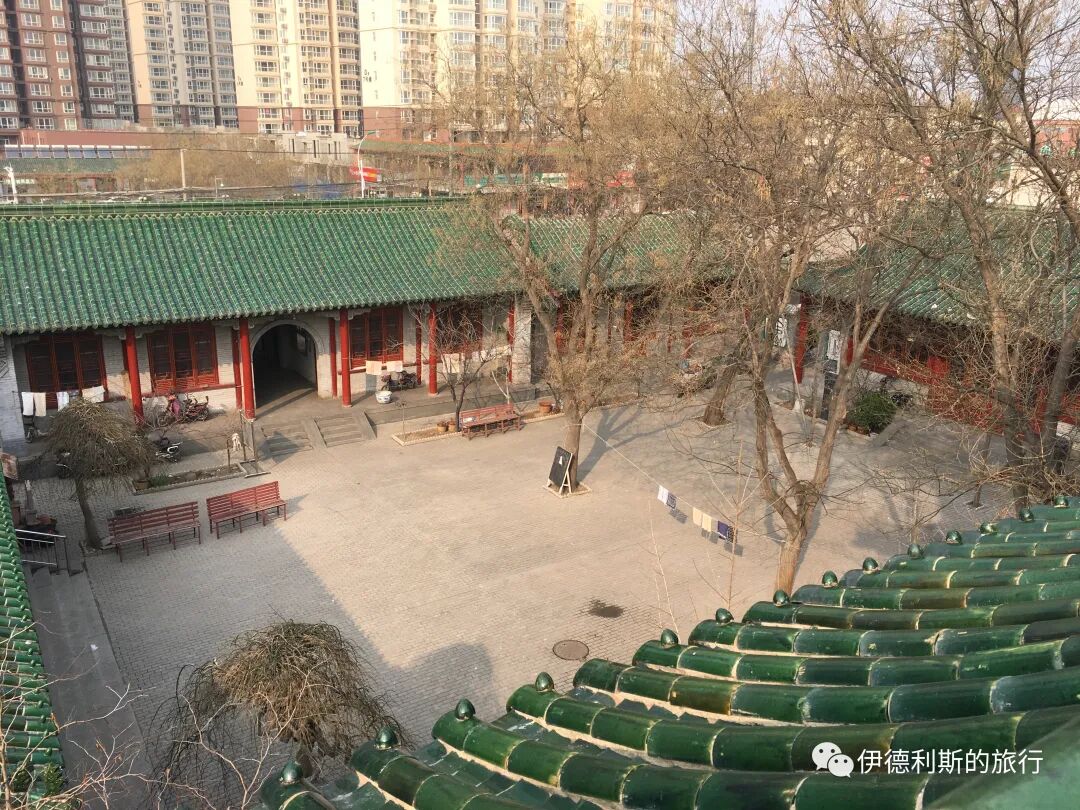
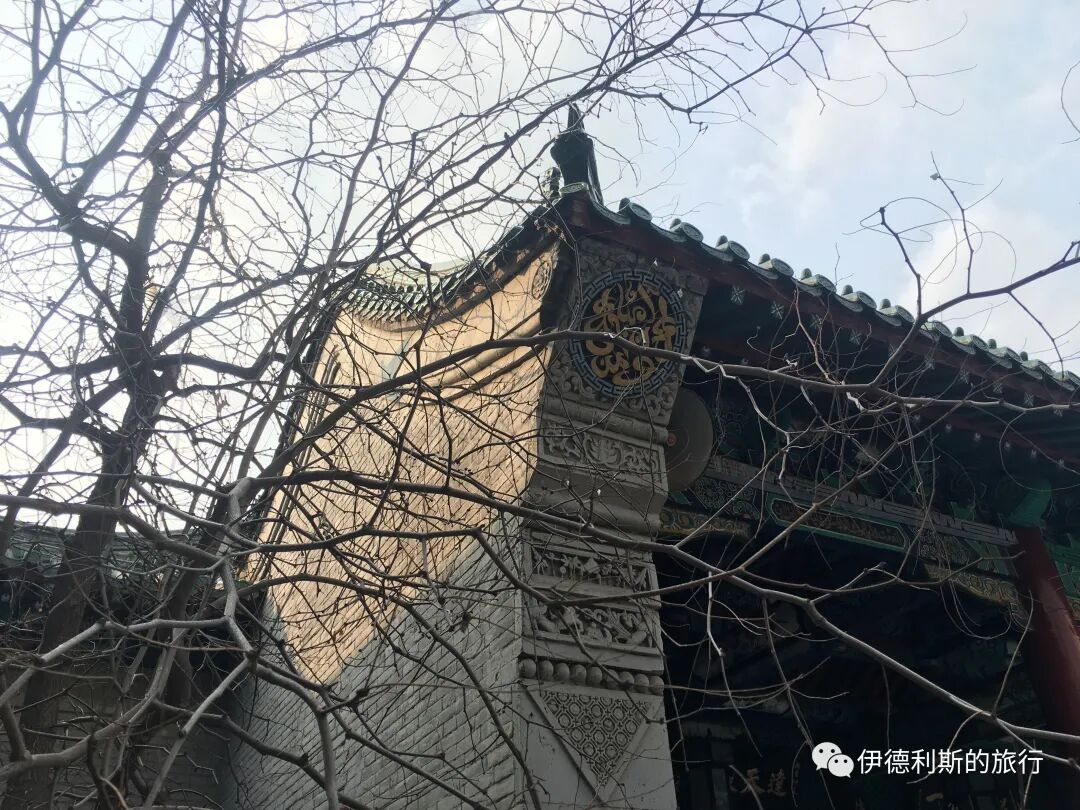
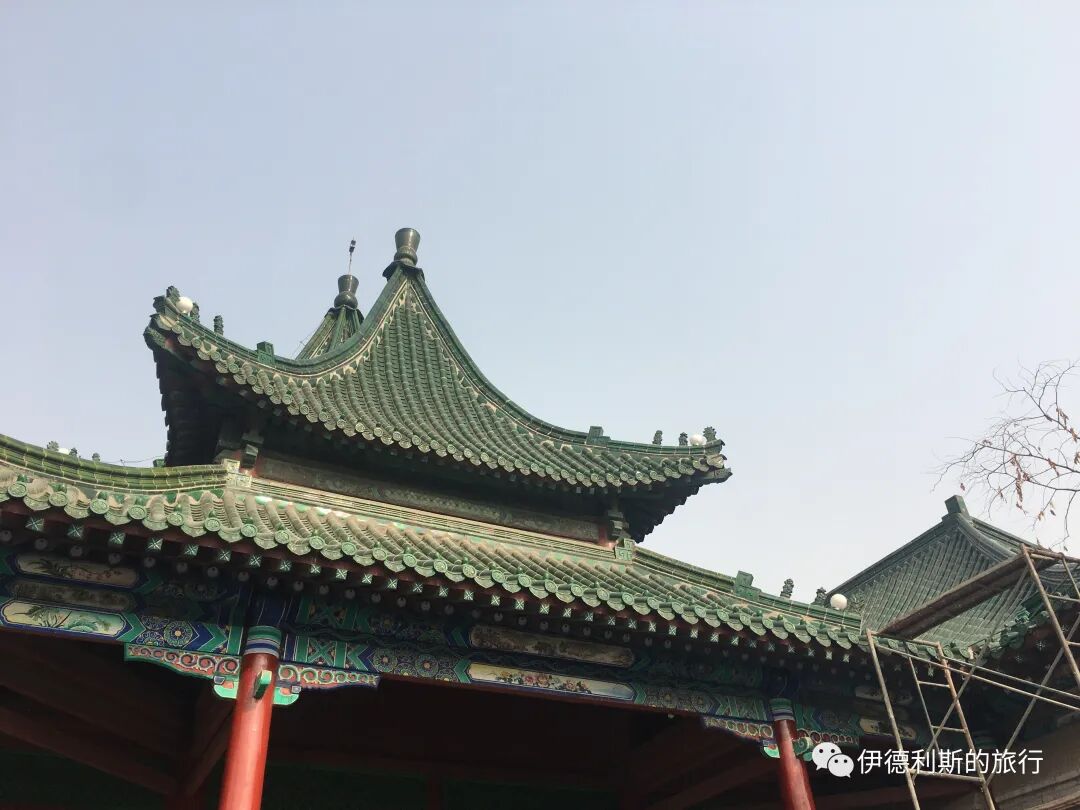
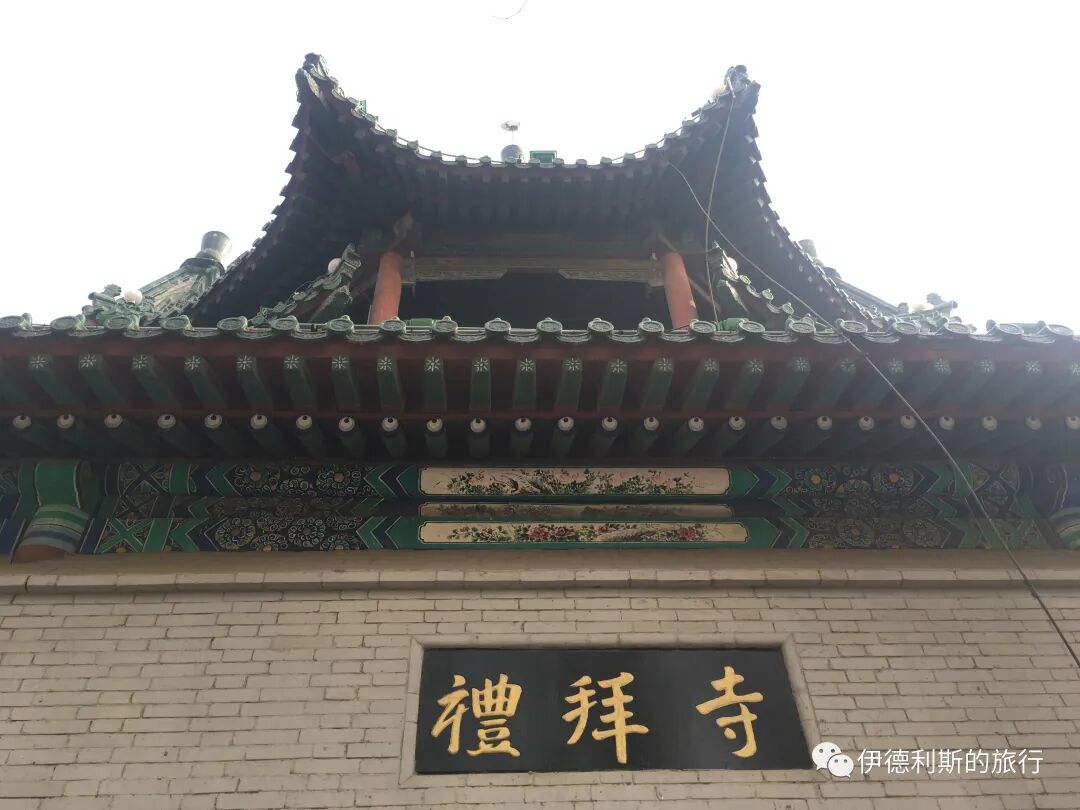
The North Mosque (Beidasi) in Cangzhou is grand, but it was badly damaged in the 1908 earthquake, which caused the main hall to tilt toward the south. Local legend says a famous Cangzhou craftsman named Master Jiang Ba dismantled the four walls of the hall, straightened the structure, and restored it. During the Cultural Revolution, the Cangzhou Instrument Factory took over the North Mosque. They tore down the hall and the south lecture hall, burned historic plaques, smashed the roof of the main hall, and removed the front gate.
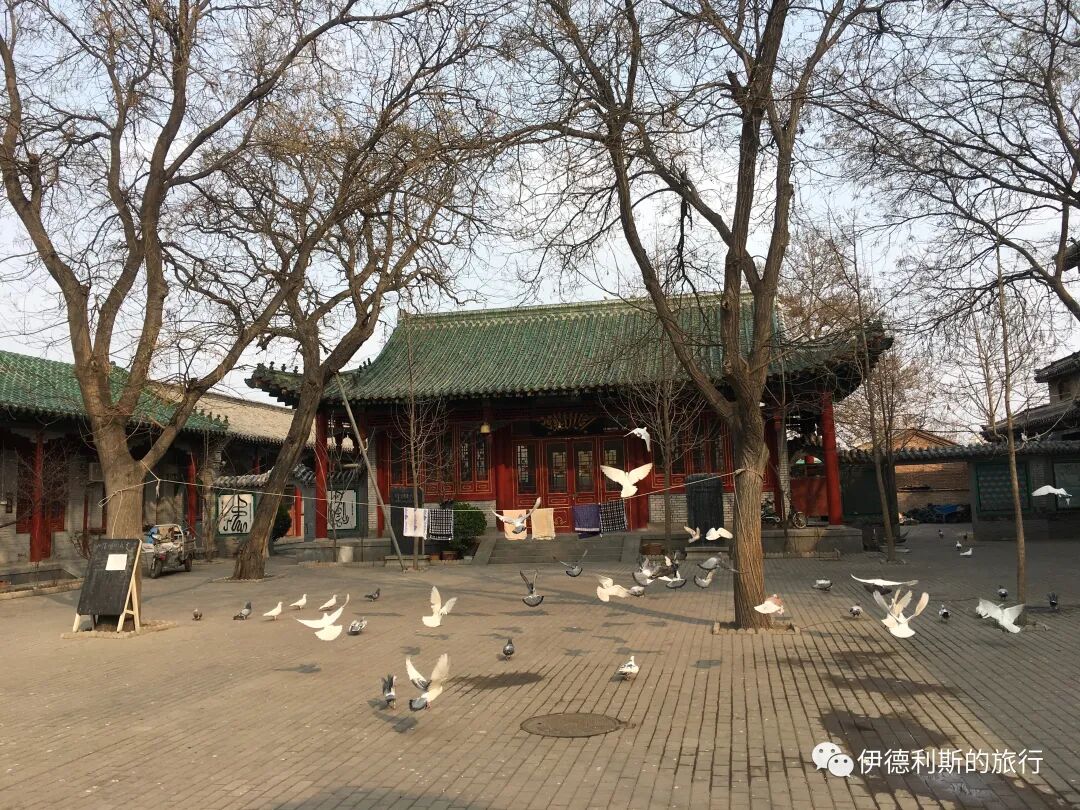
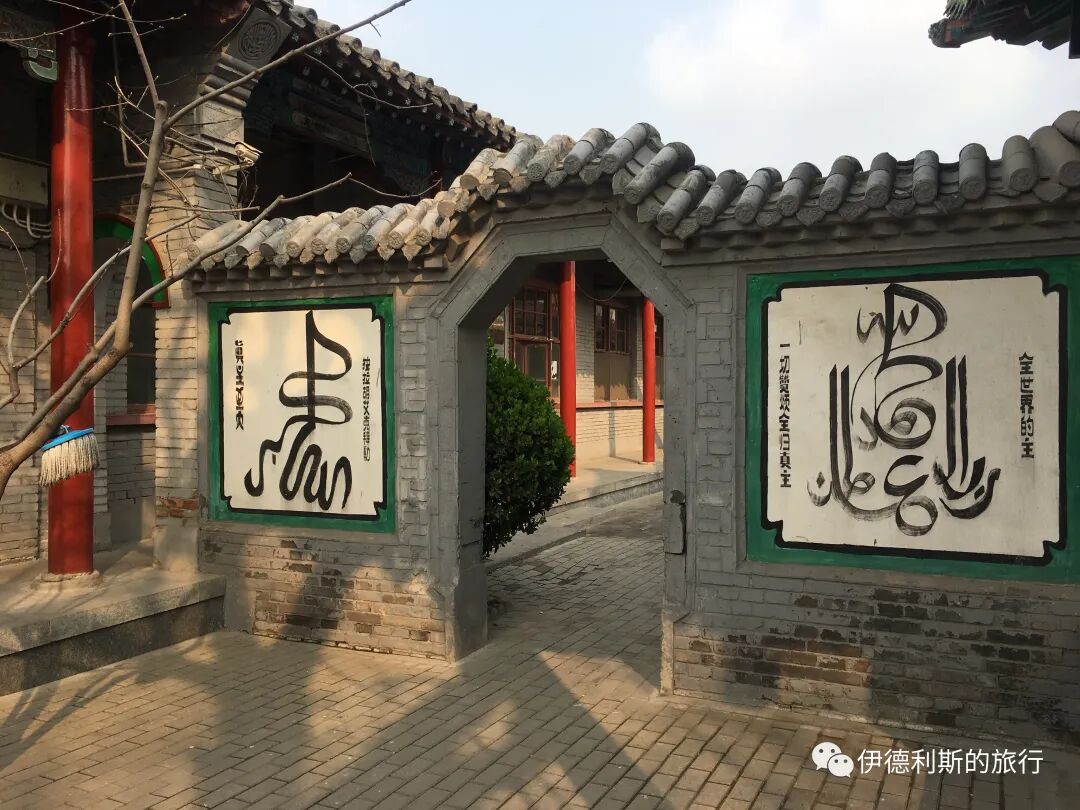
The North Mosque was only fully repaired after the factory moved out in 1989. Its layout changed quite a bit to reach its current form.
Halal food near the North Mosque
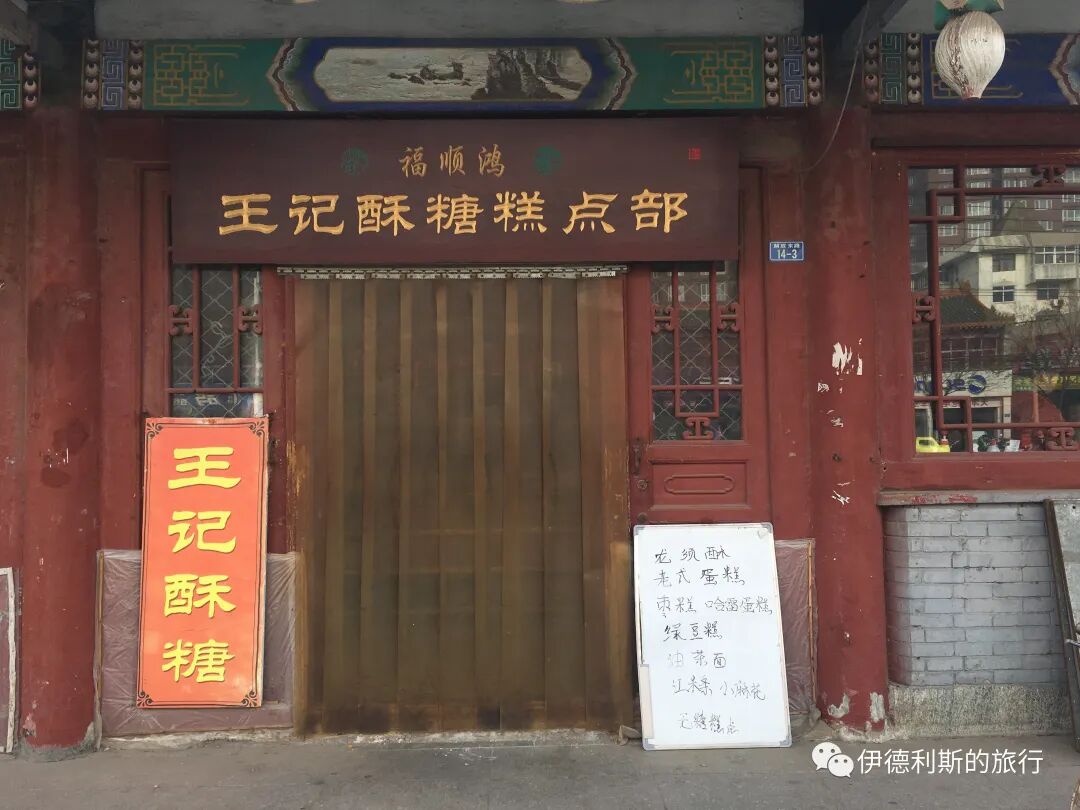
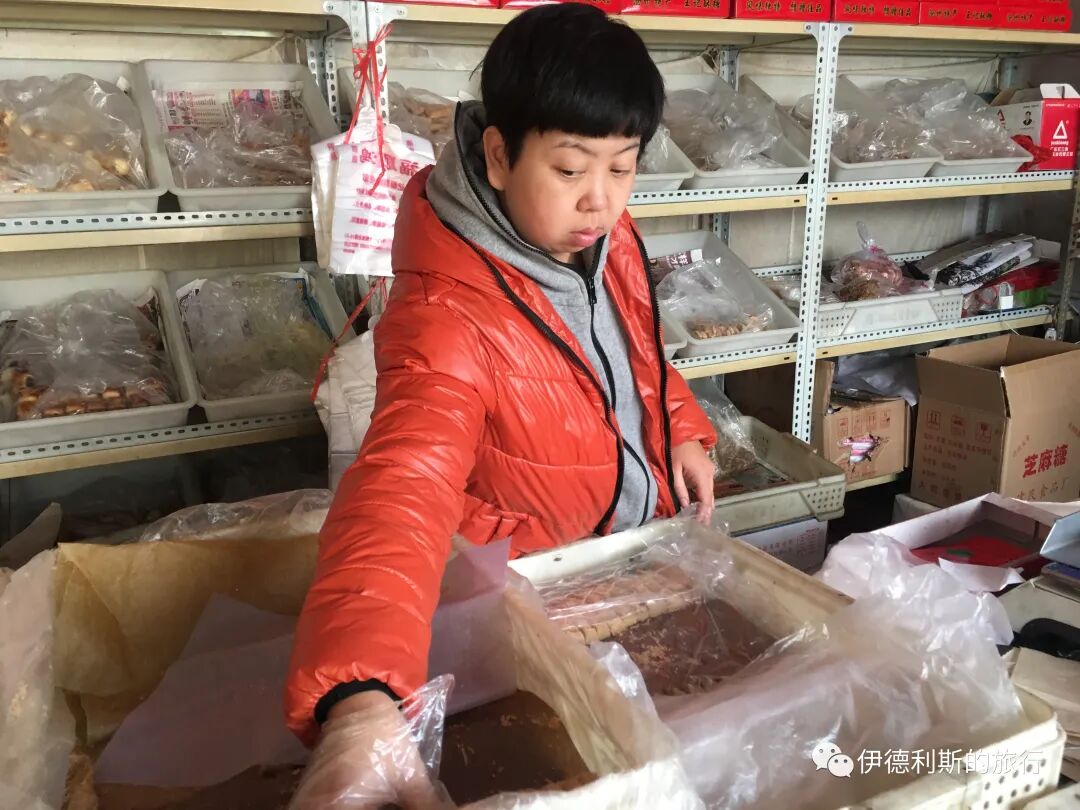
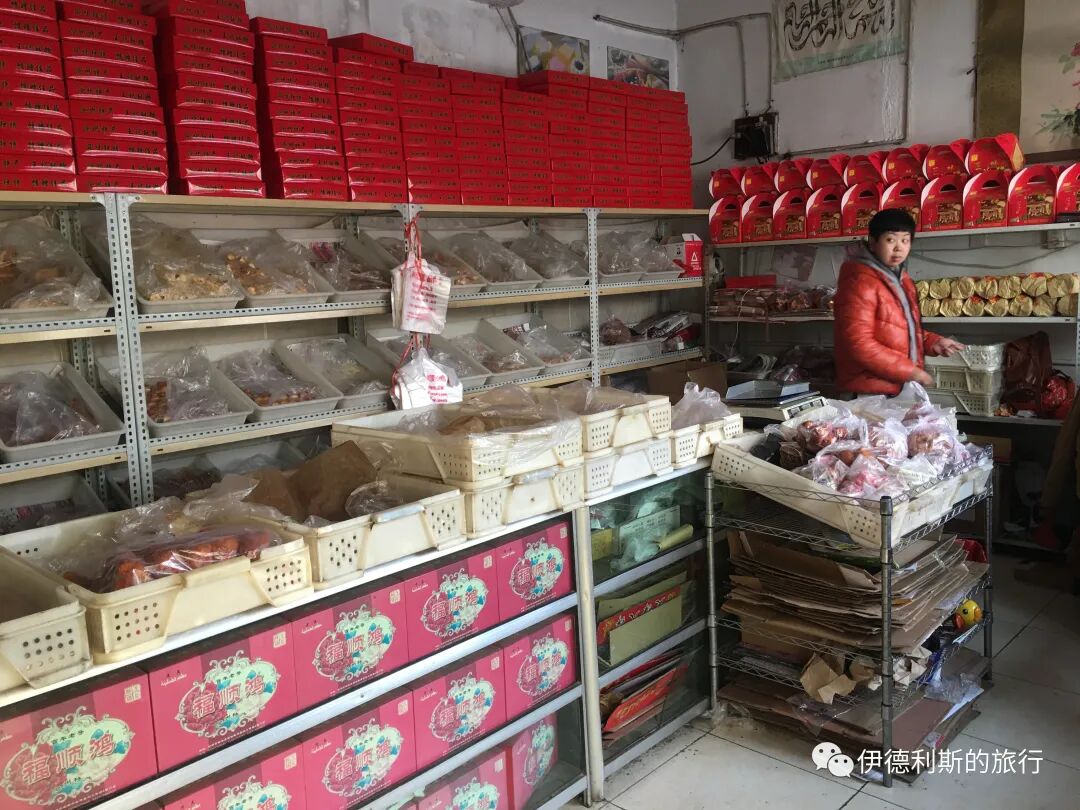
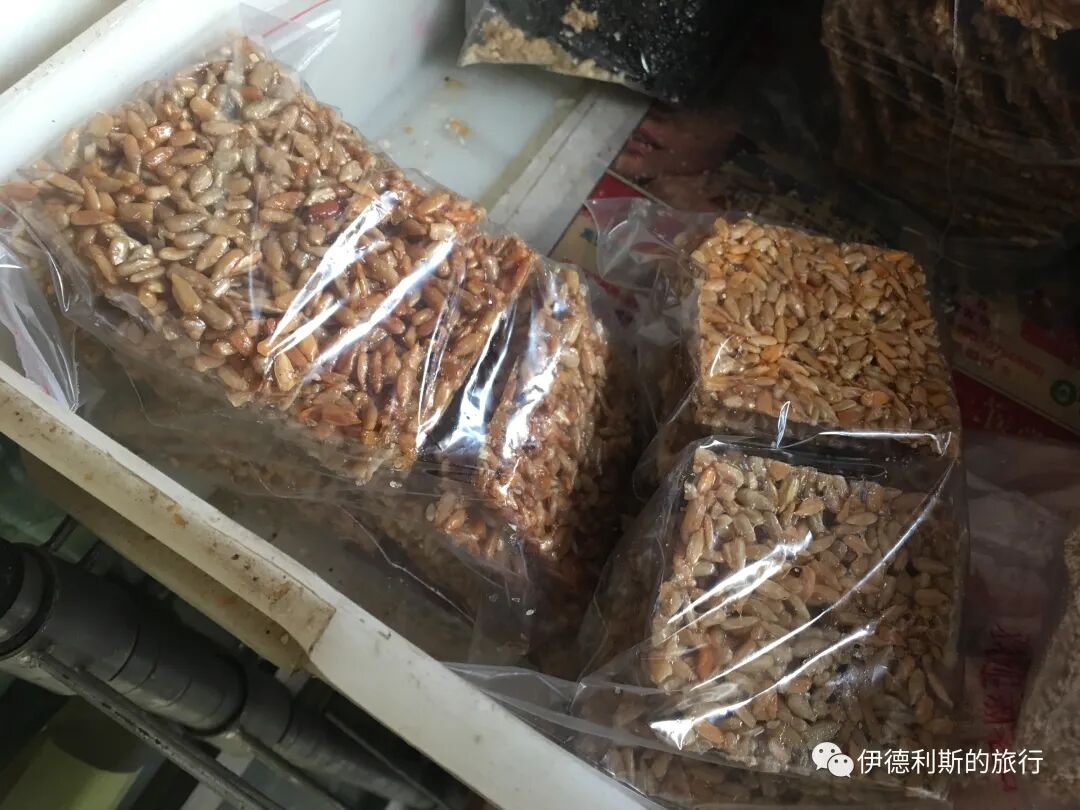
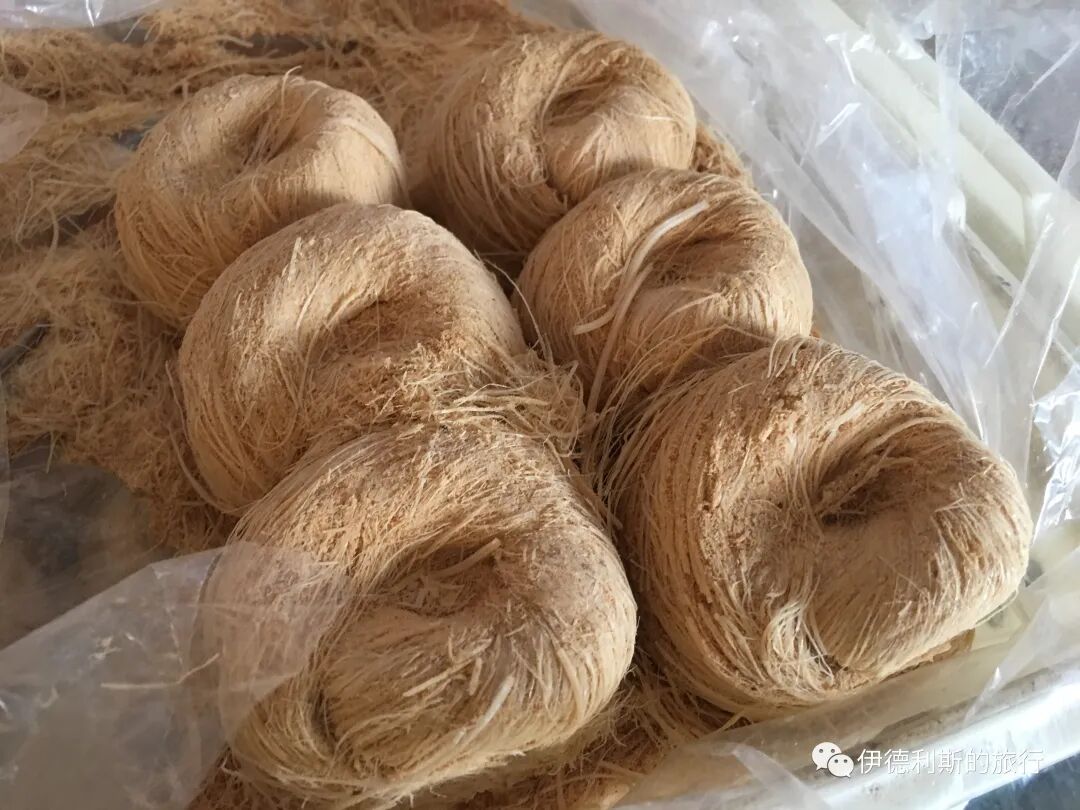
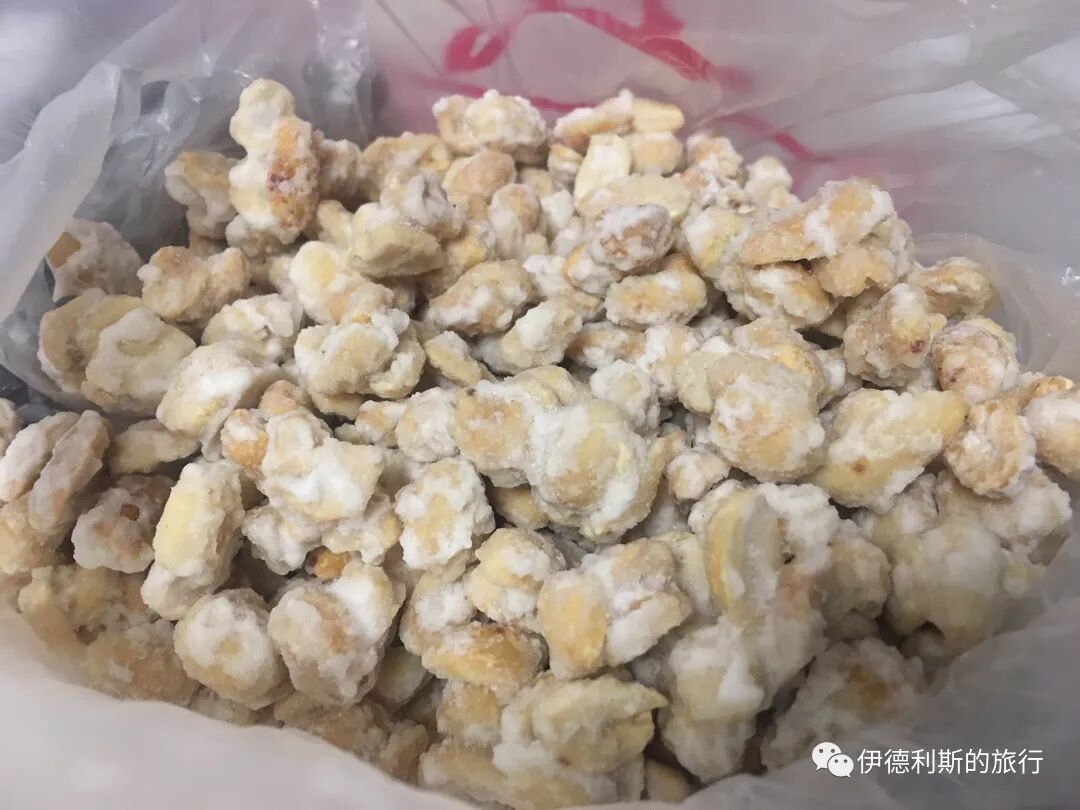
There are many small shops on both sides of the North Mosque gate. I bought some local specialty crispy candy (sutang) at the Wangji Crispy Candy and Pastry Shop. I only got to eat this during the Chinese New Year when I was a kid, so it brings back many memories.
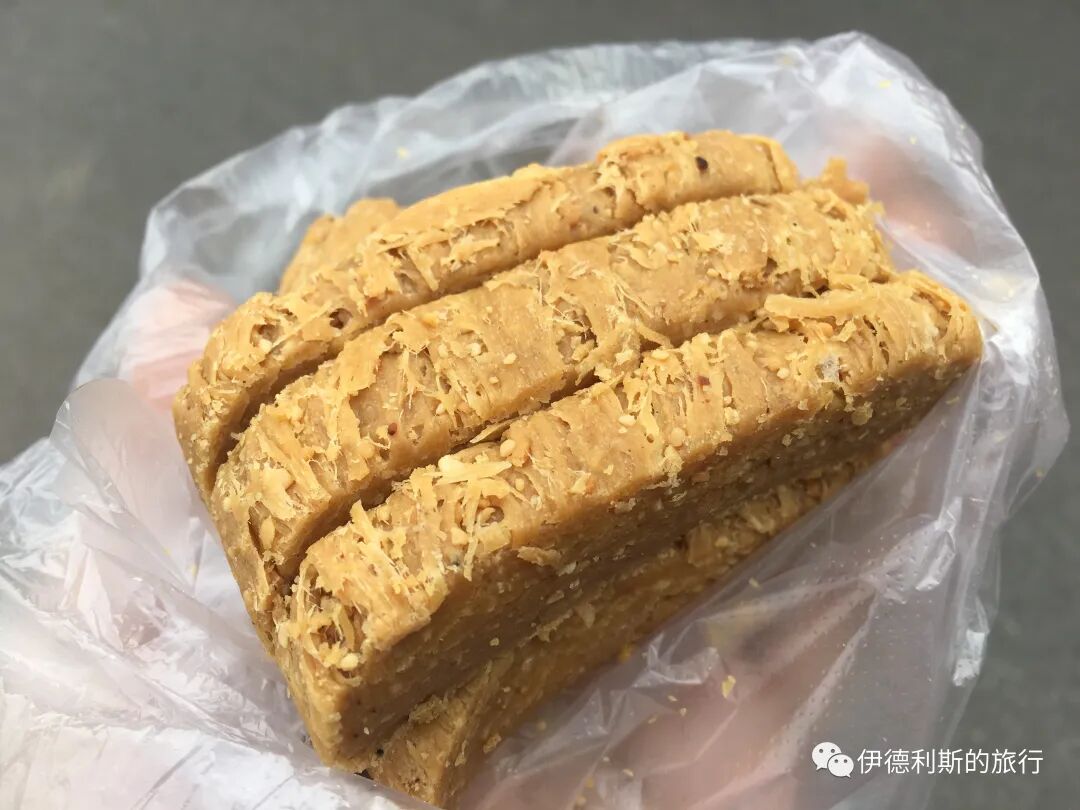
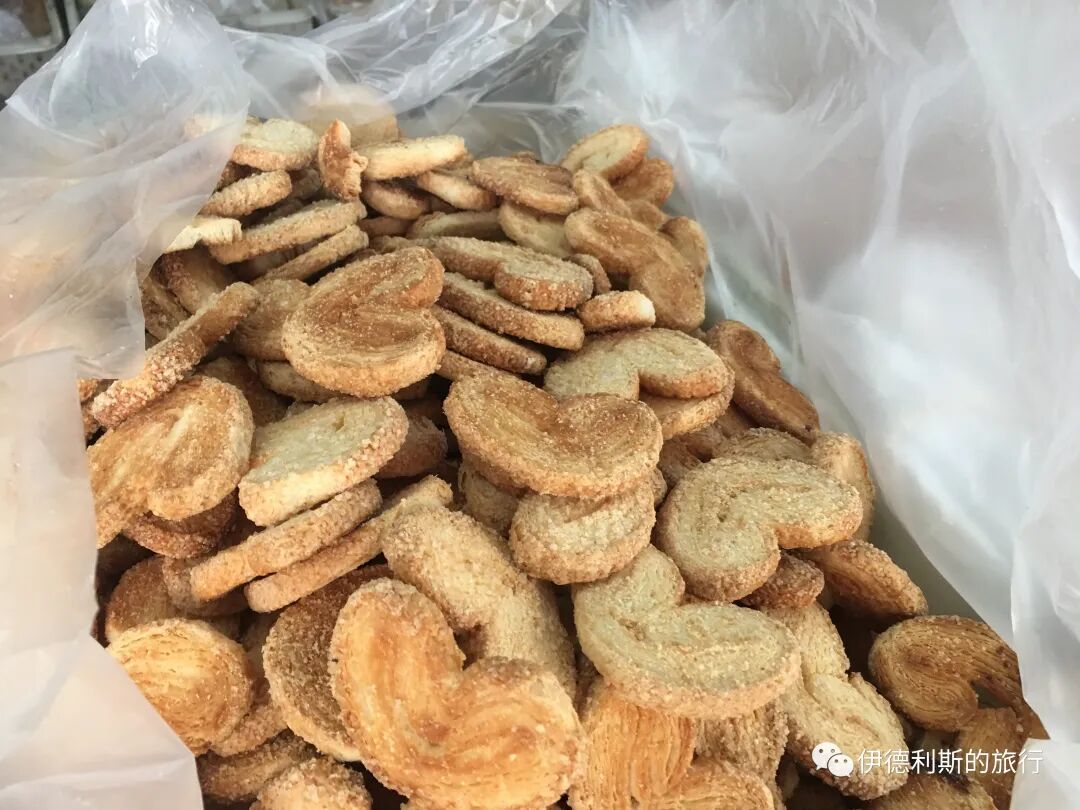
Horseshoe-shaped crispy pastry (matisu) bought at the pastry department of the Cangzhou Halal Food Factory.
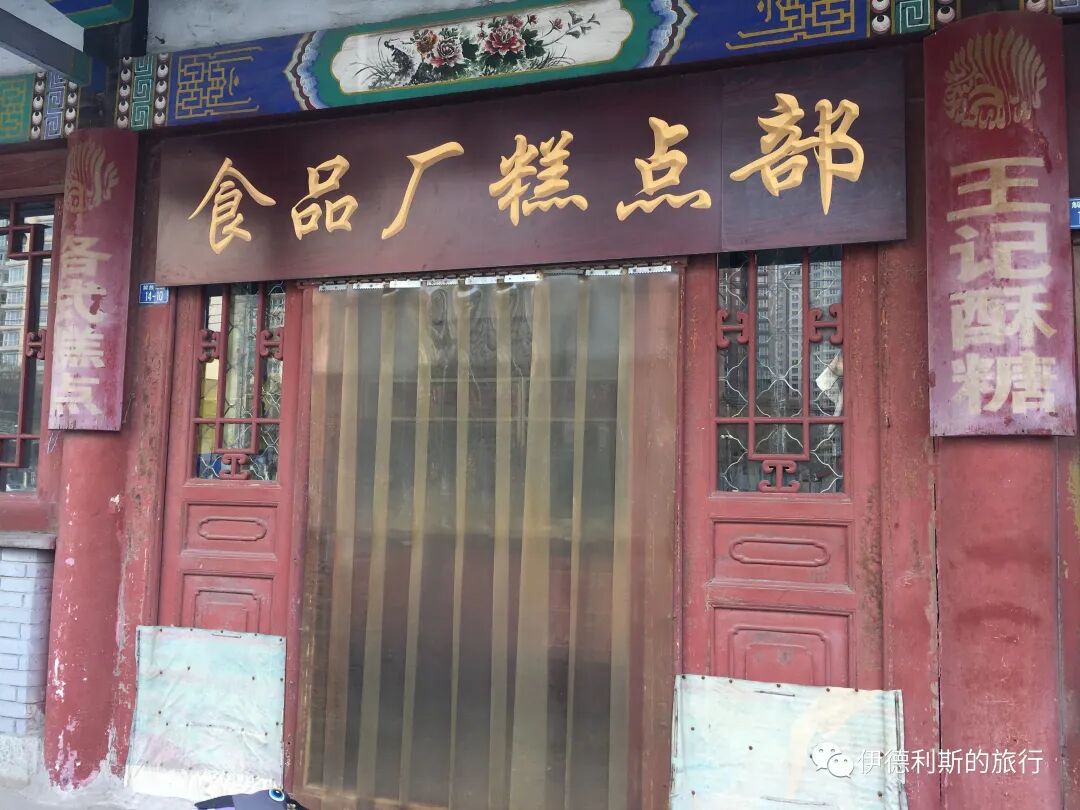
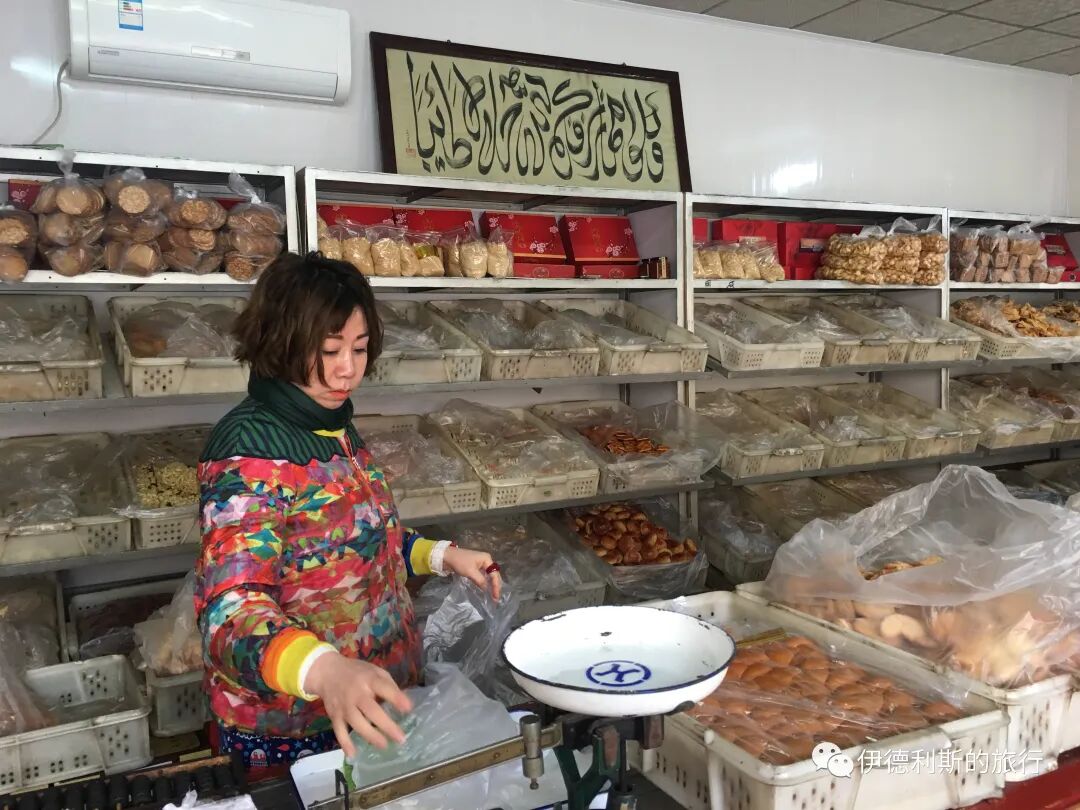
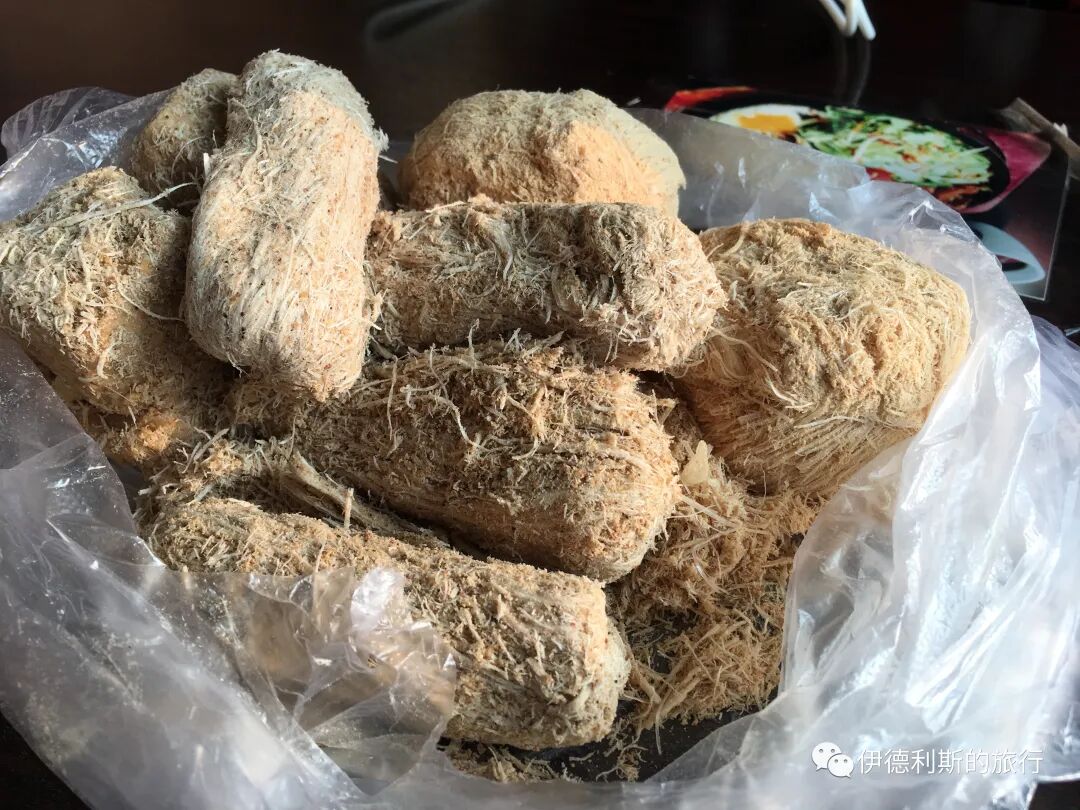
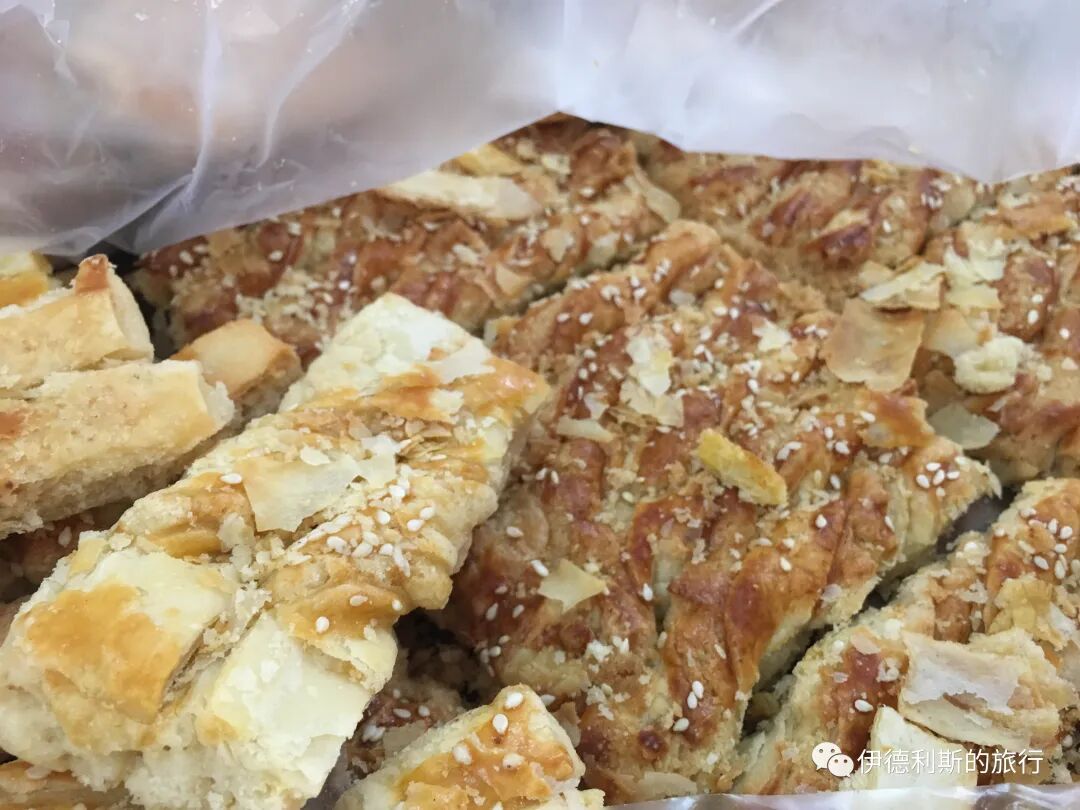
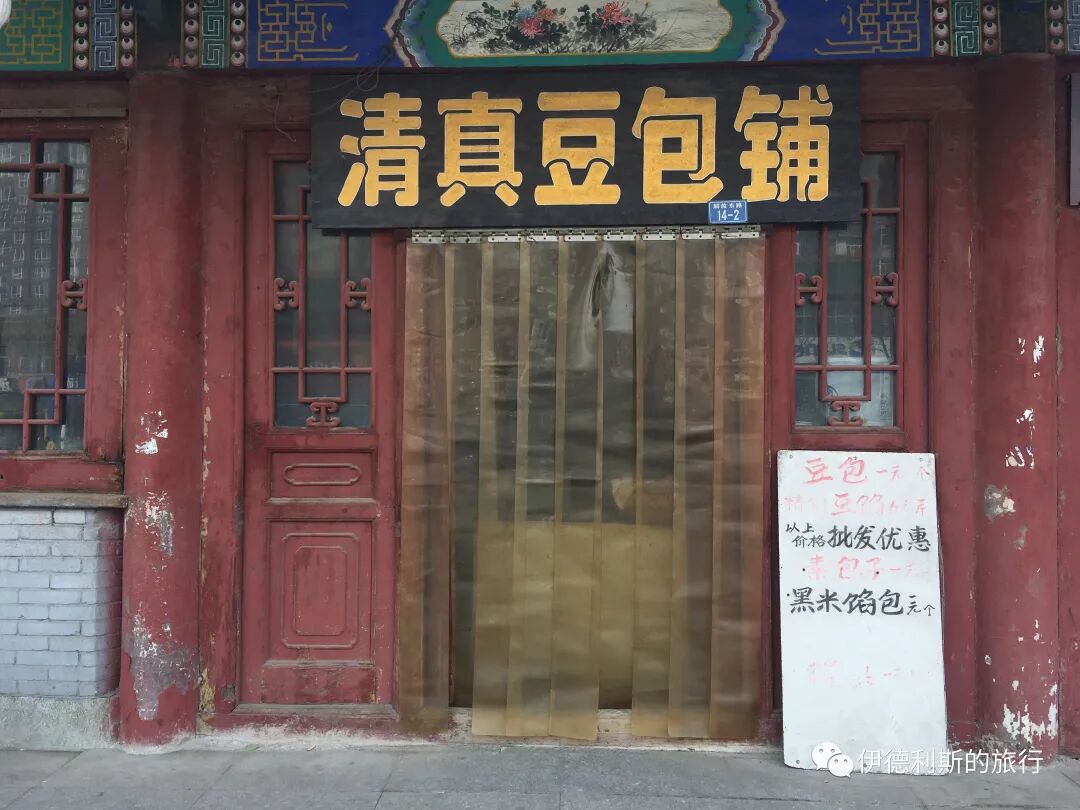
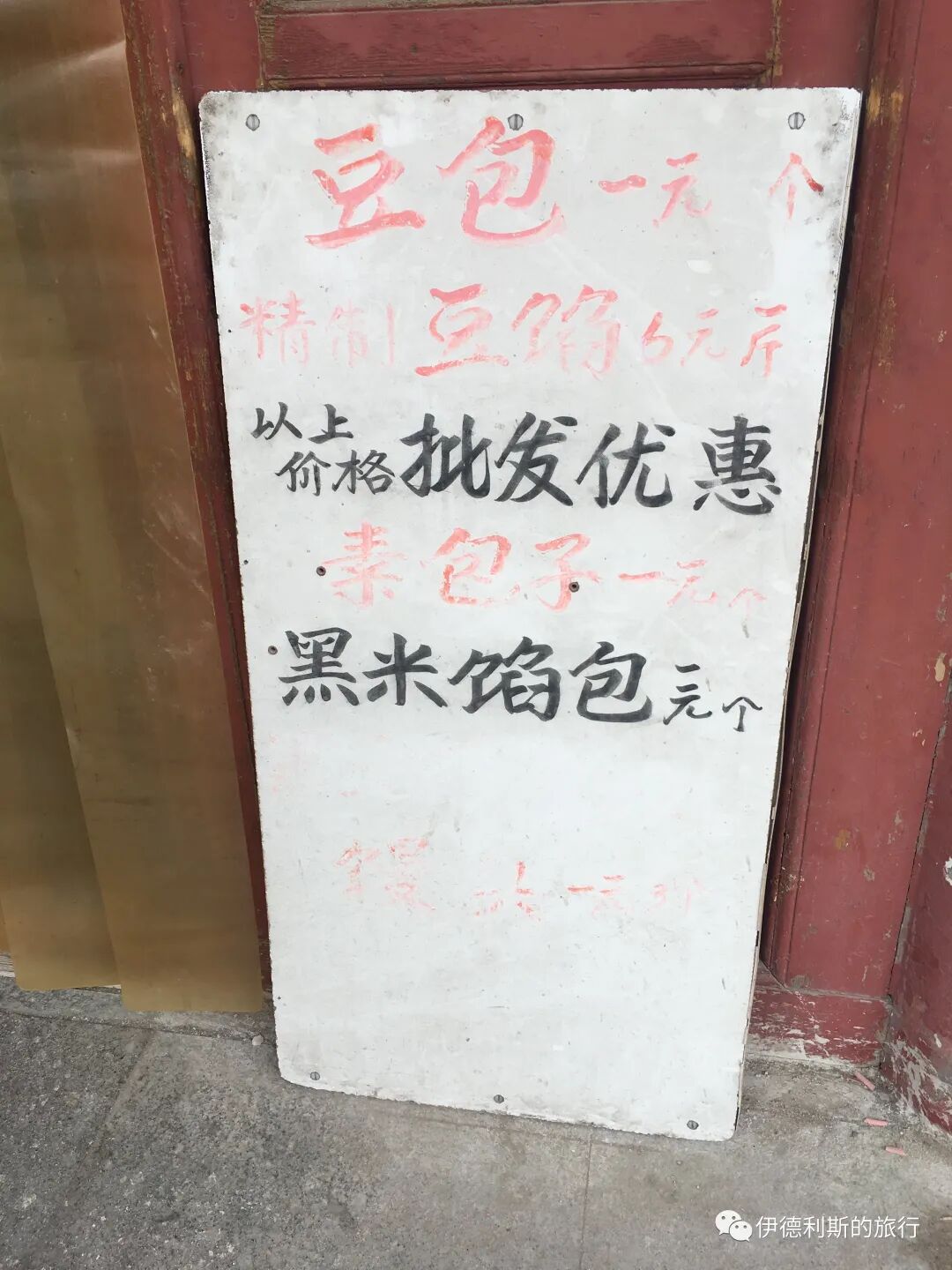
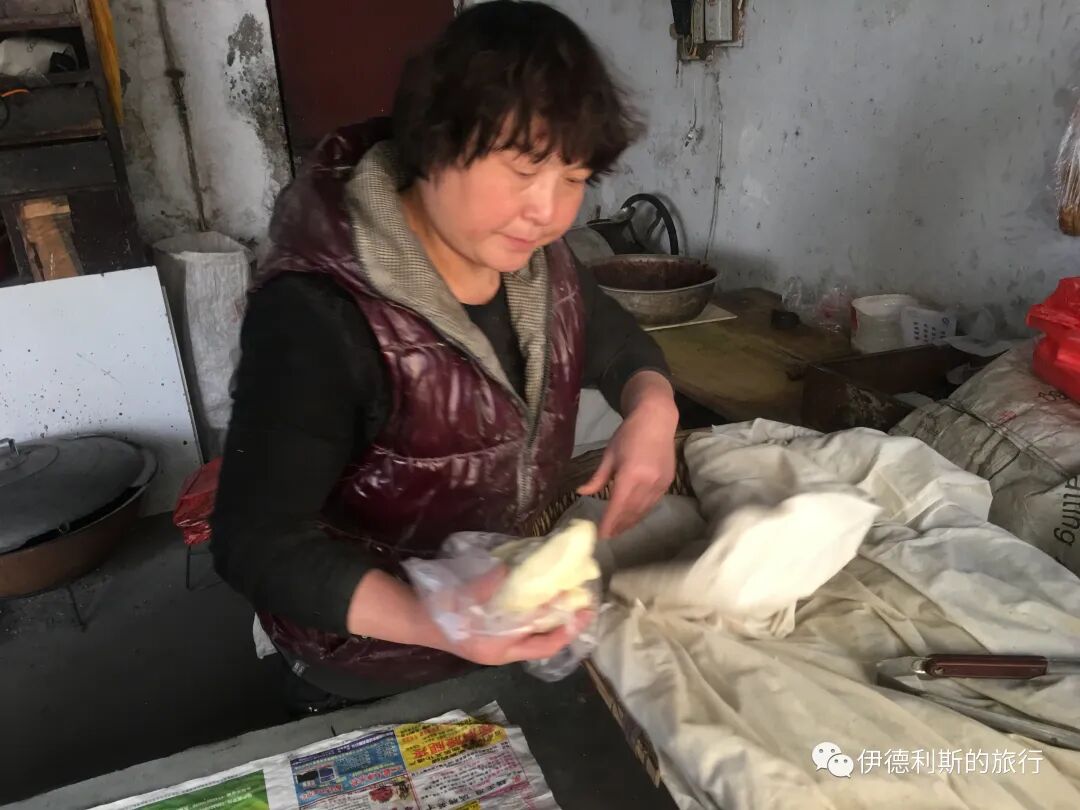
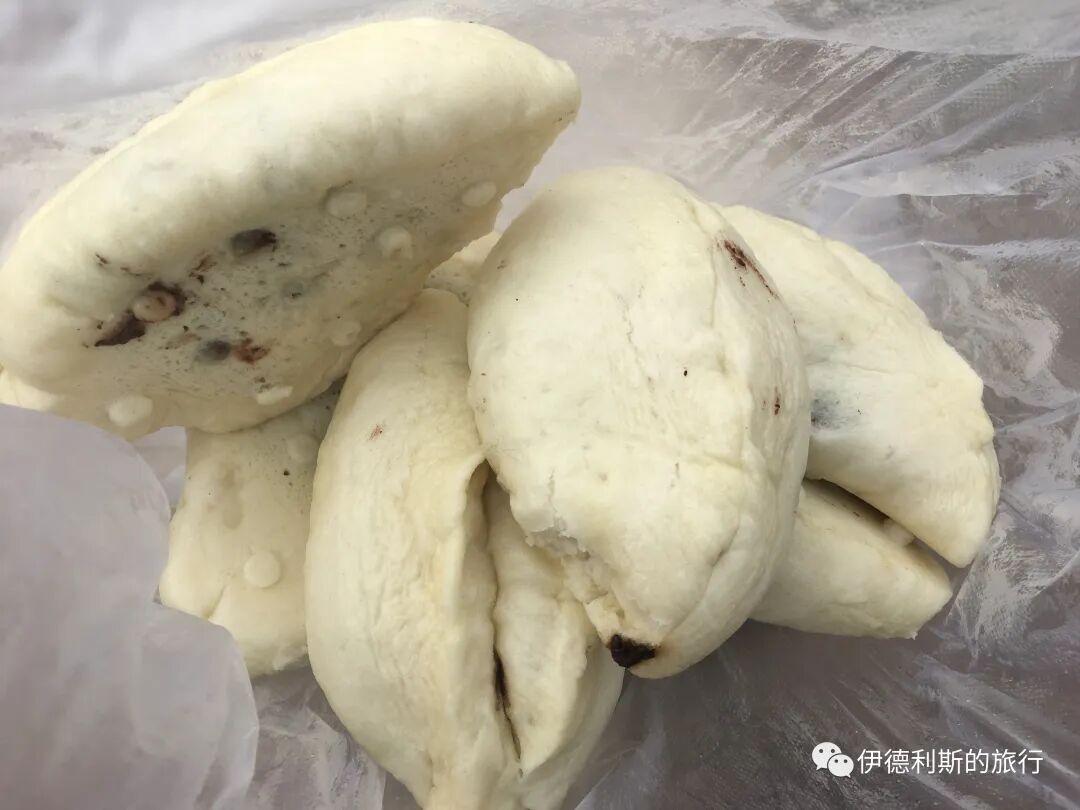
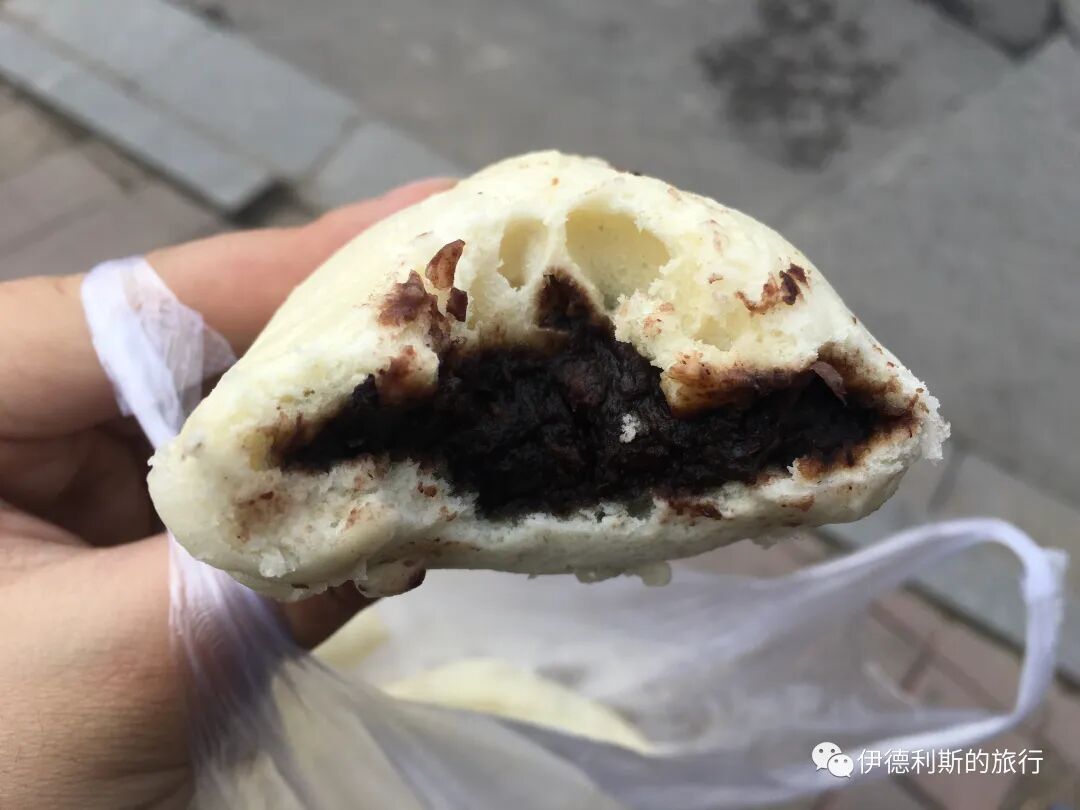
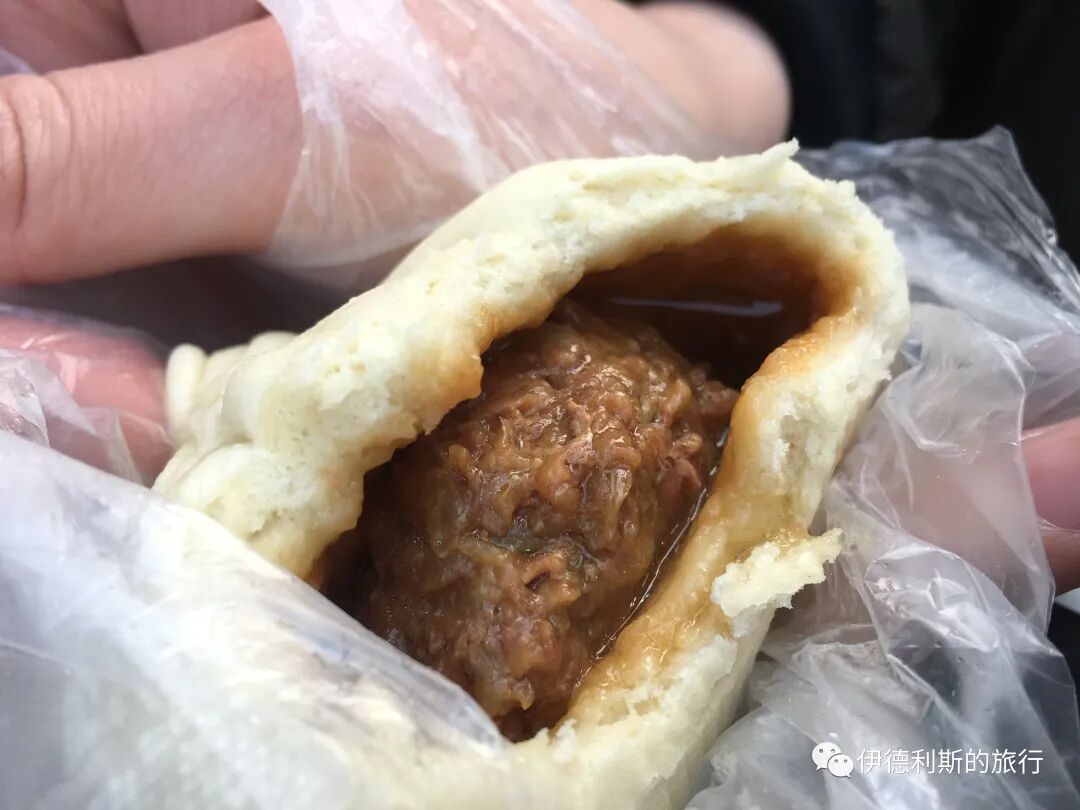
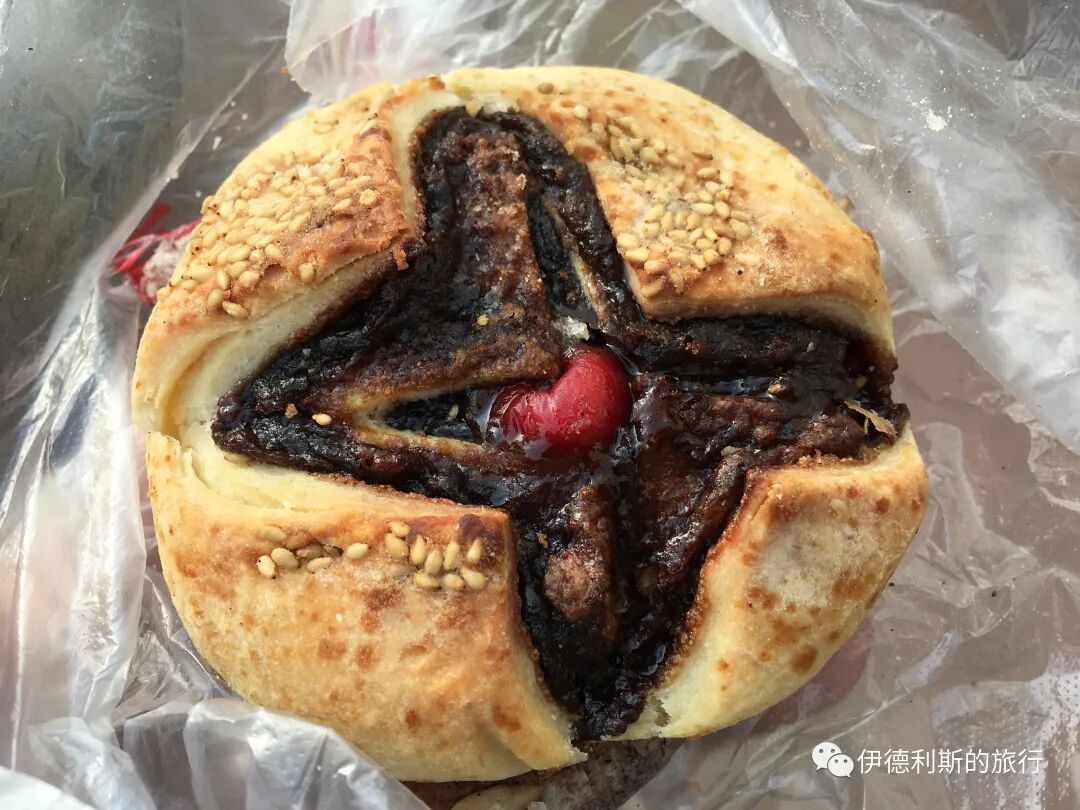
The halal red bean buns (doubao) next to the North Mosque are delicious. I bought a bunch both times I visited.
Women's Mosque (Qingzhen Nüsi)
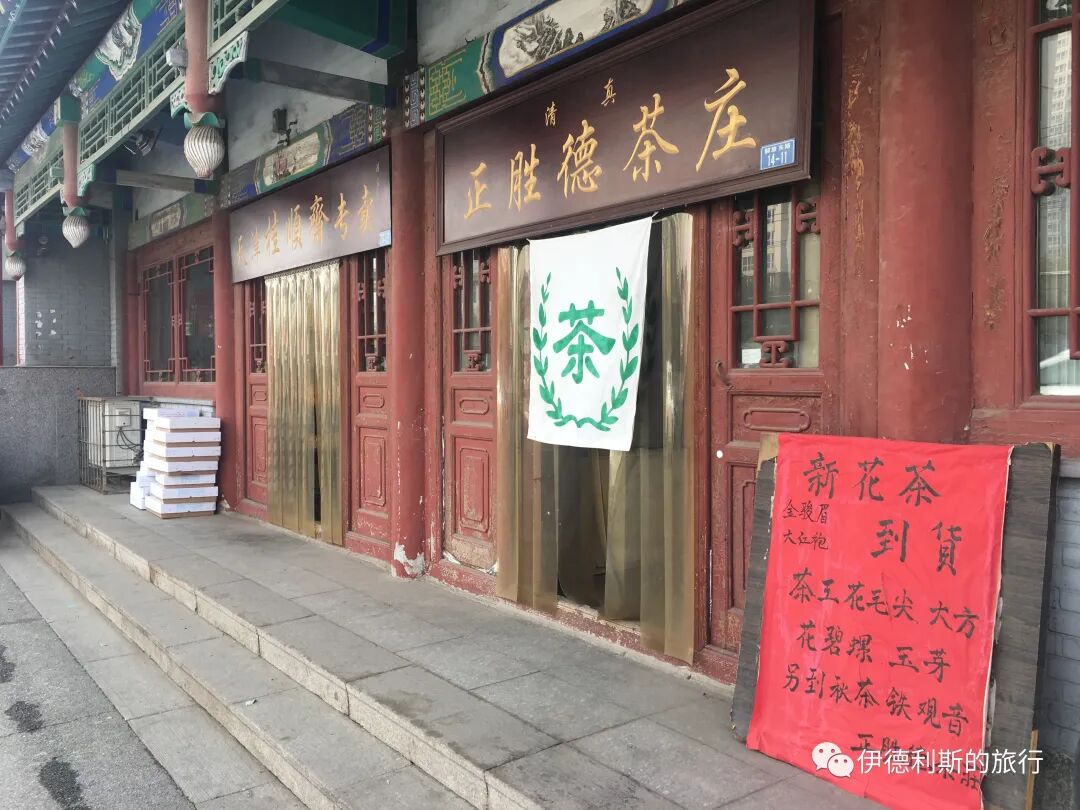
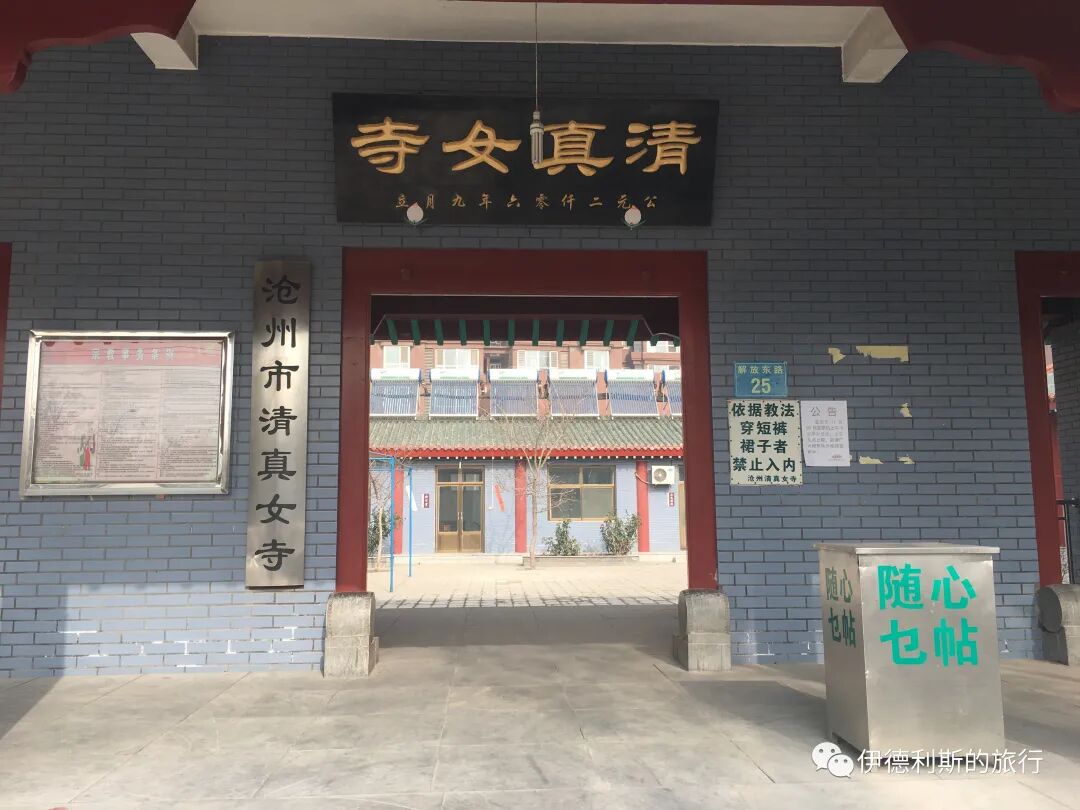
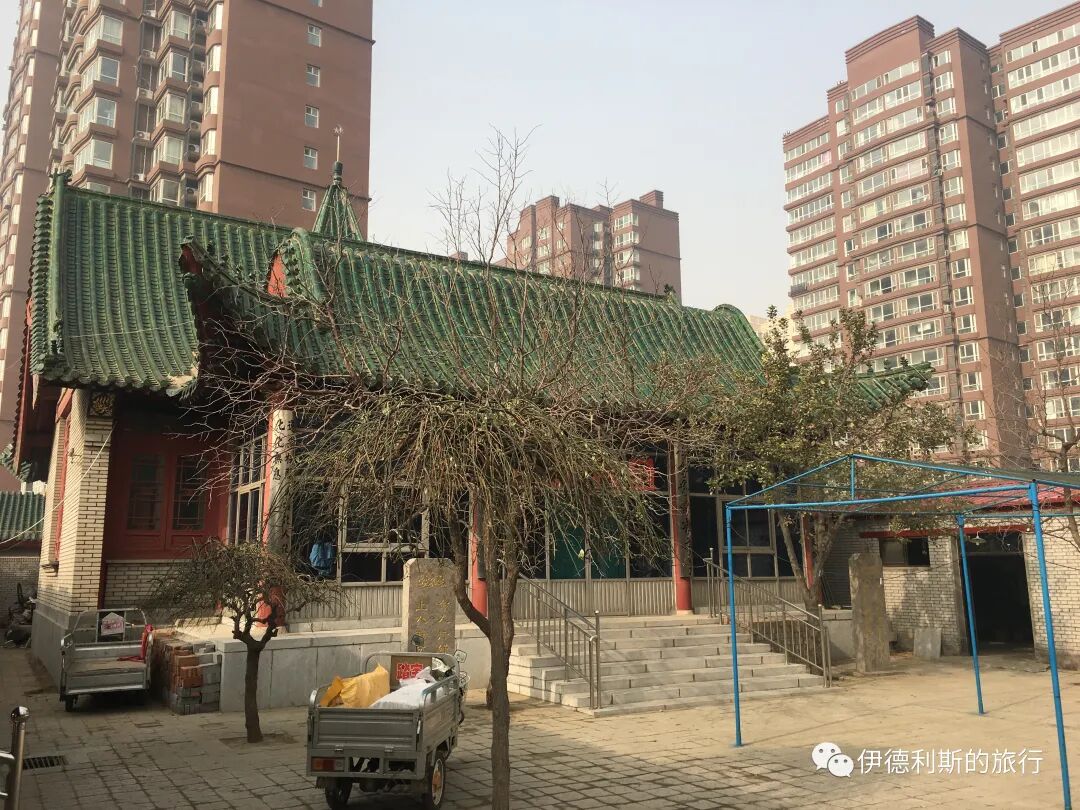
Across from the North Mosque is the Women's Mosque, which was first built in 1666 (the fifth year of the Kangxi reign). The Women's Mosque used to be called the Inner City Mosque (Chengli Qingzhensi), and it was separated from the North Mosque by the south city wall of Cangzhou. The Inner City Mosque faced a similar fate to the North Mosque, suffering near-total destruction in the 1960s and 70s before being restored in the 1980s. In 1986, the Inner City Mosque became the Women's Mosque. It was rebuilt in 1993 to look the way it does today.
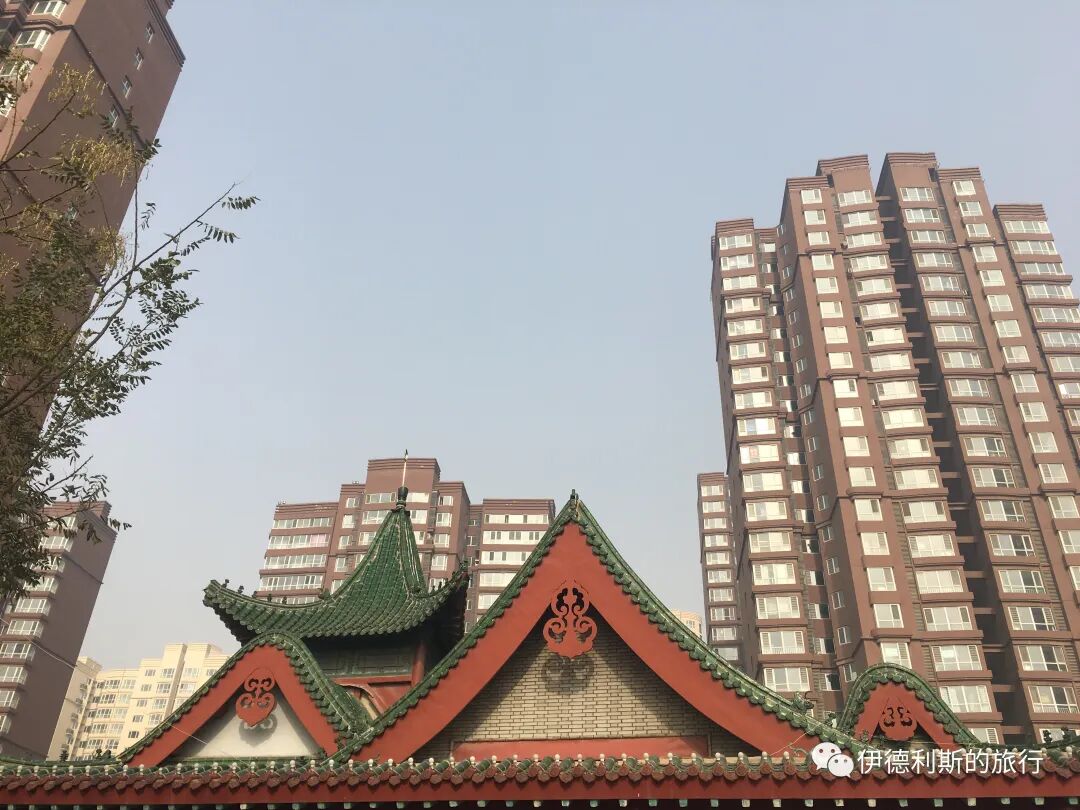
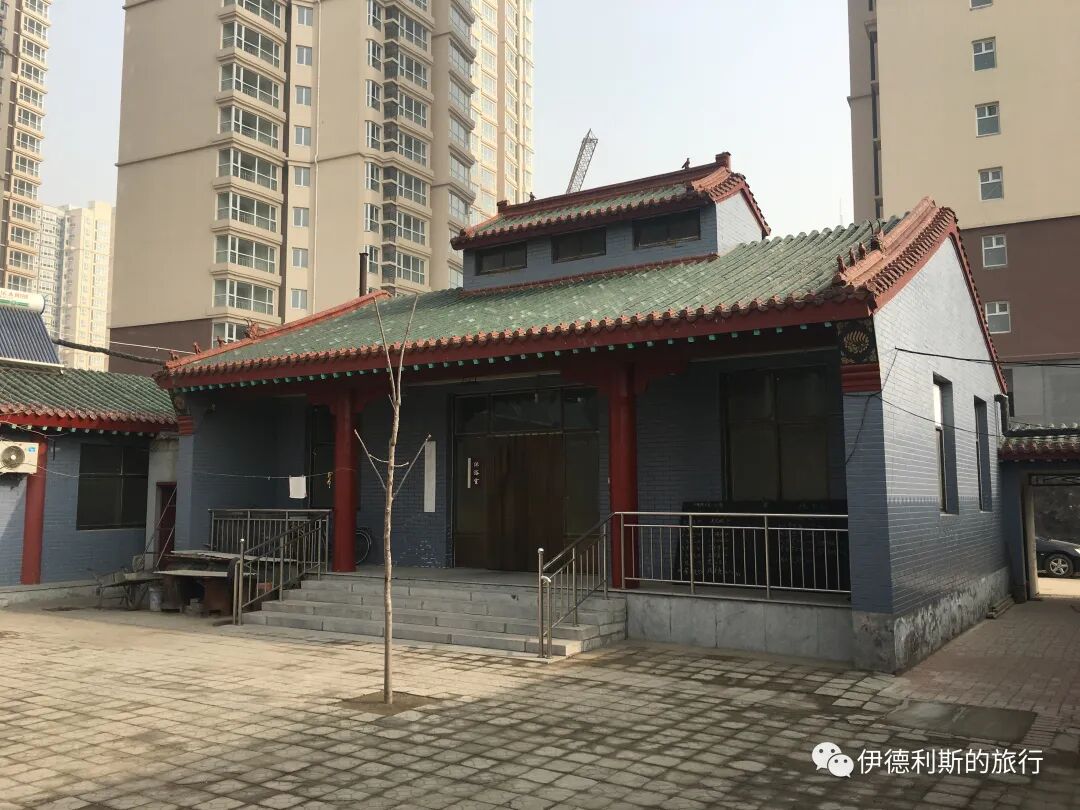
The Hui Muslim district in the south of Cangzhou city
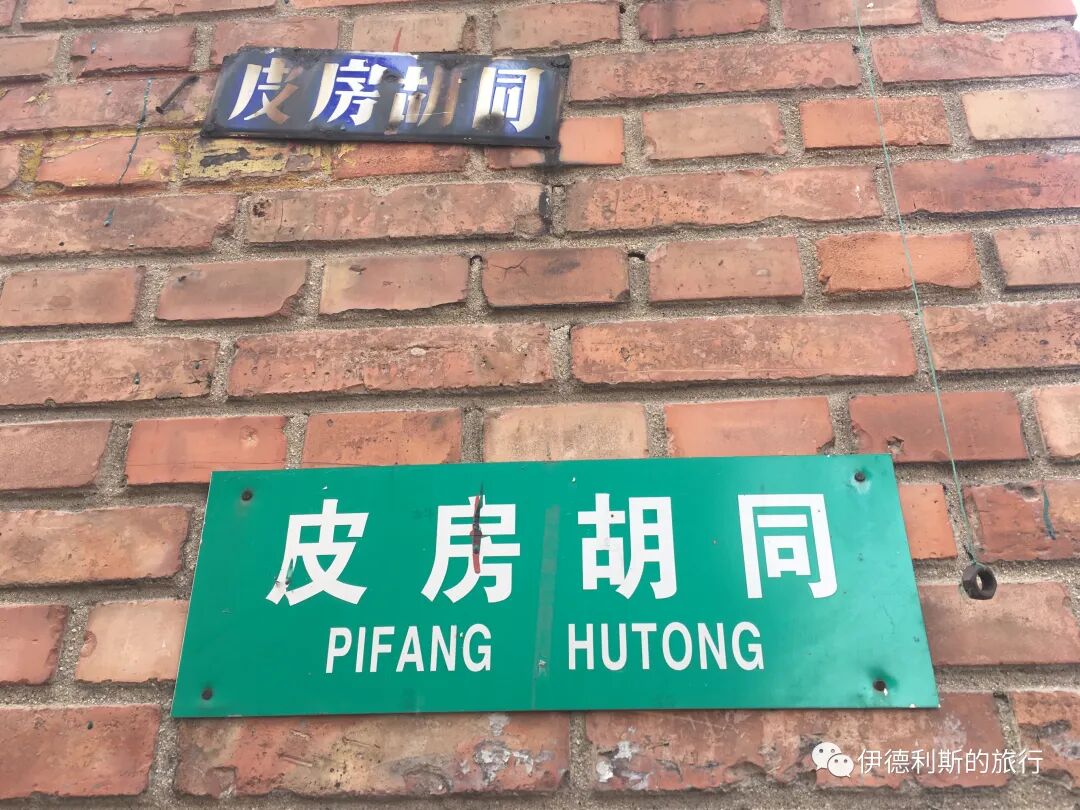
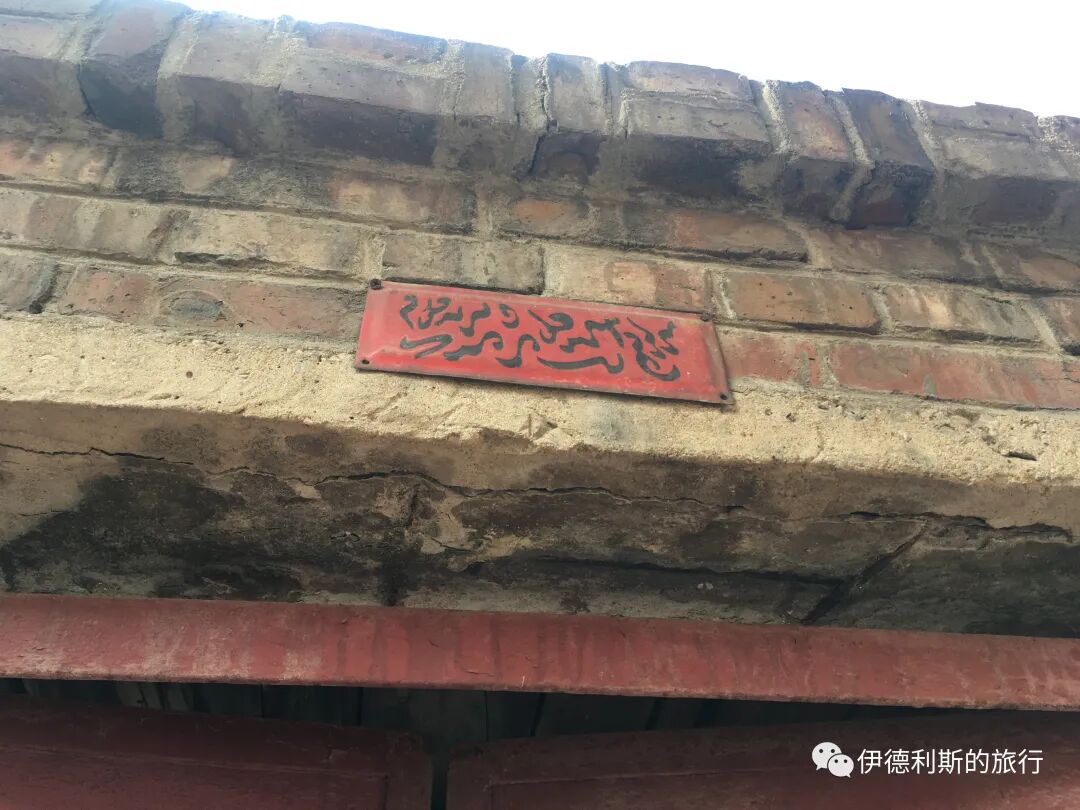
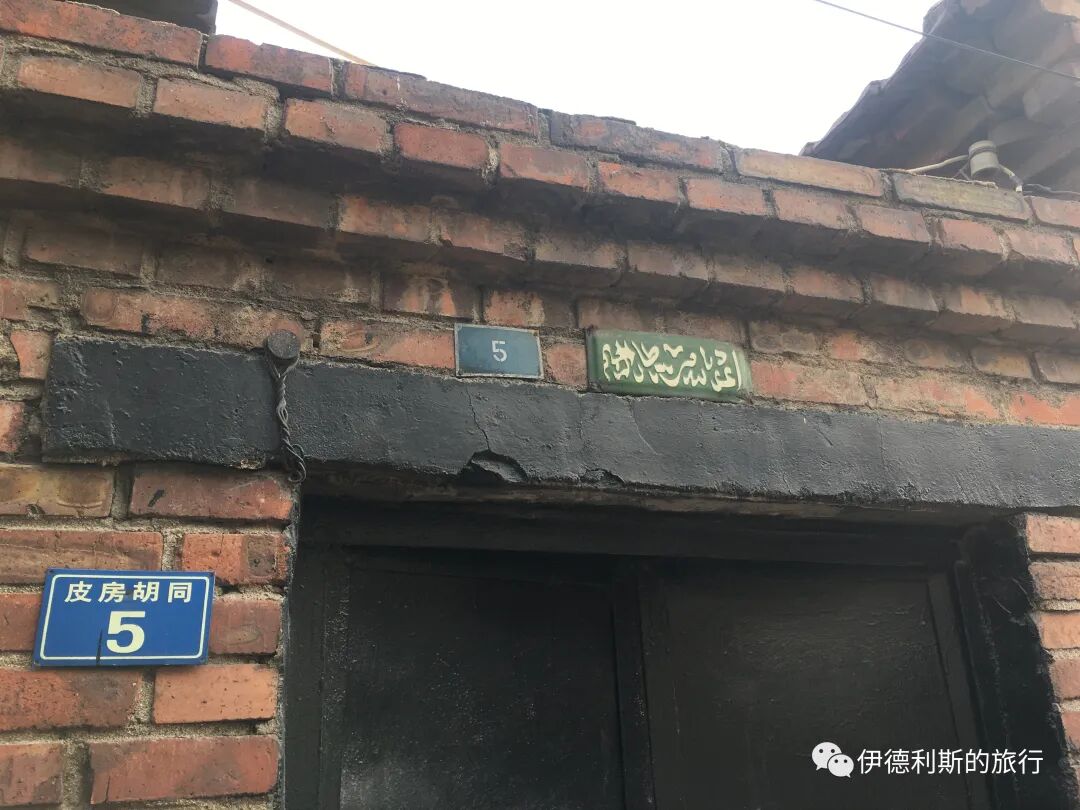
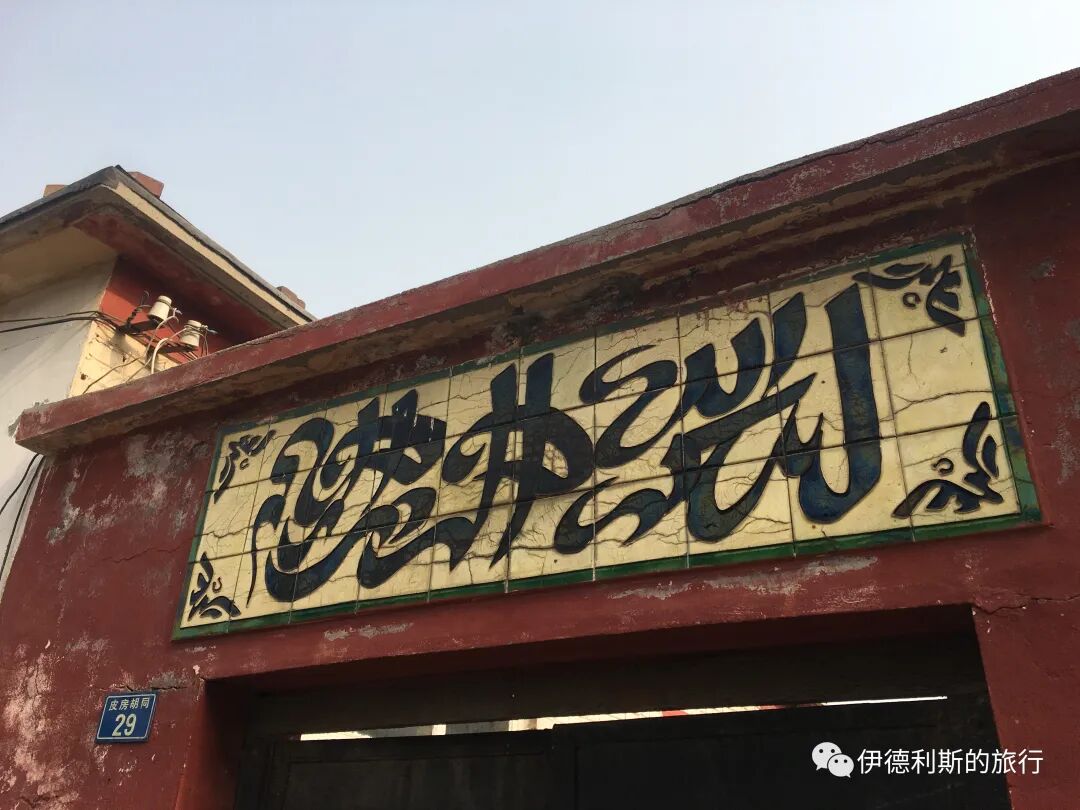
South of the North Mosque is the Hui Muslim district. Although the houses have been rebuilt, the original street layout remains.
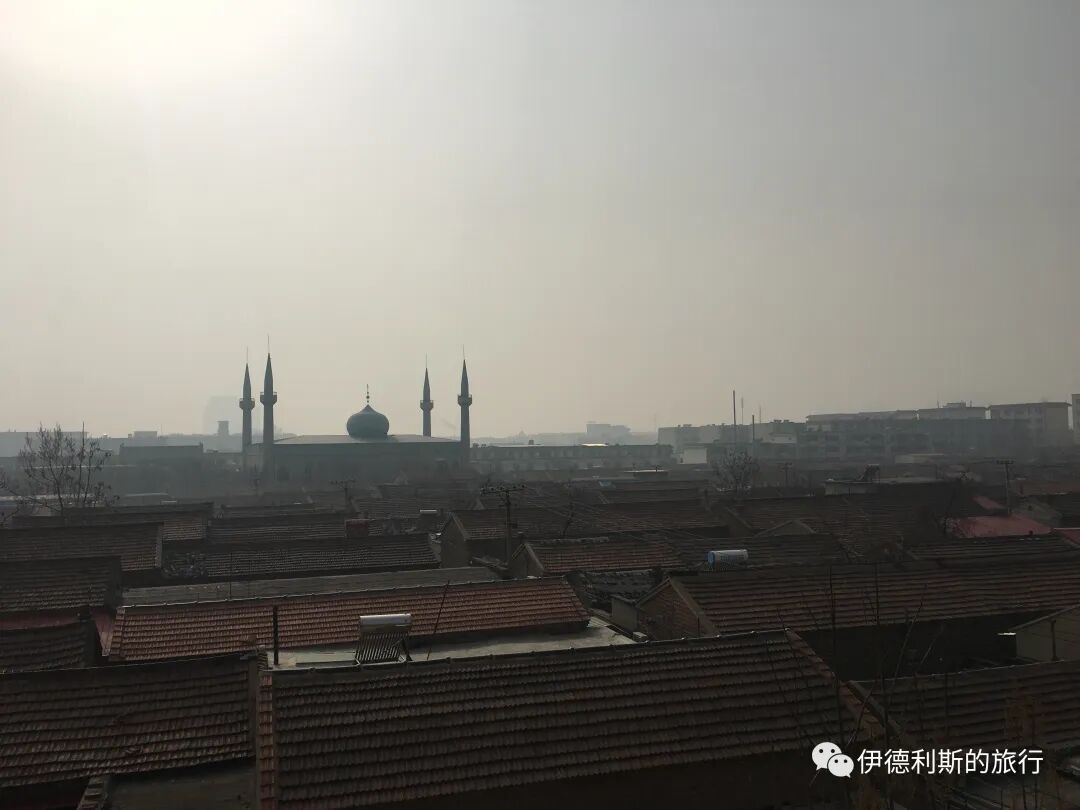
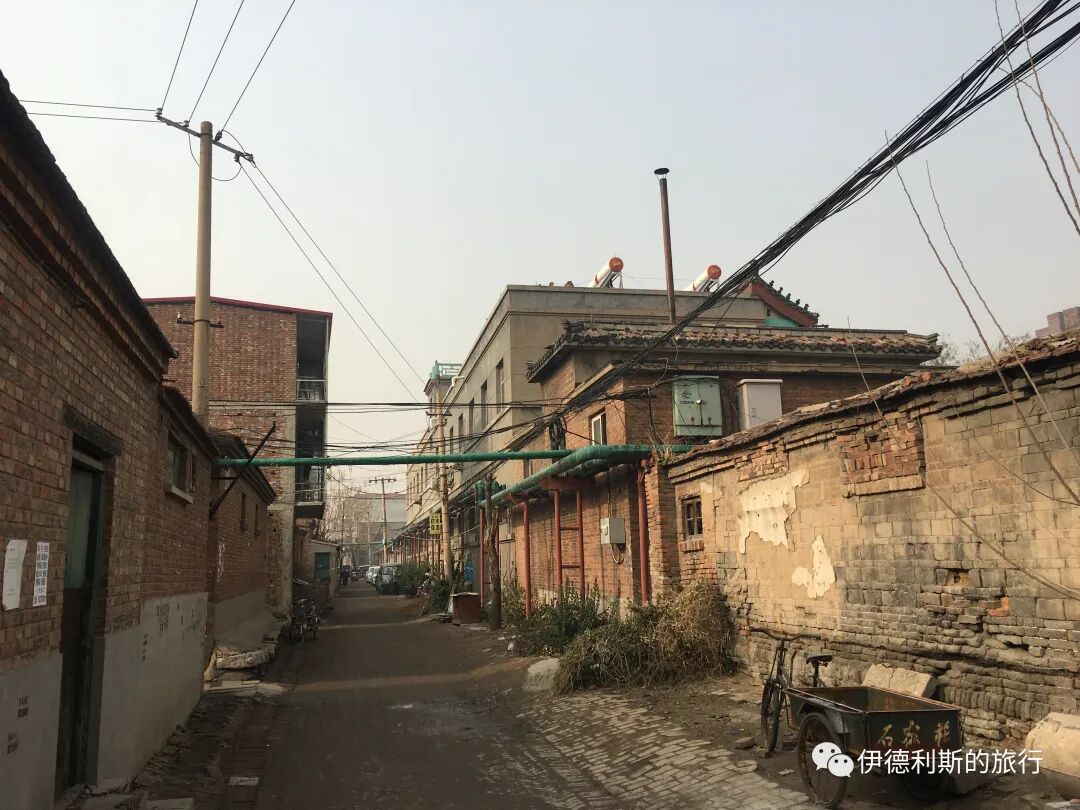
Halal food on Minzu Street
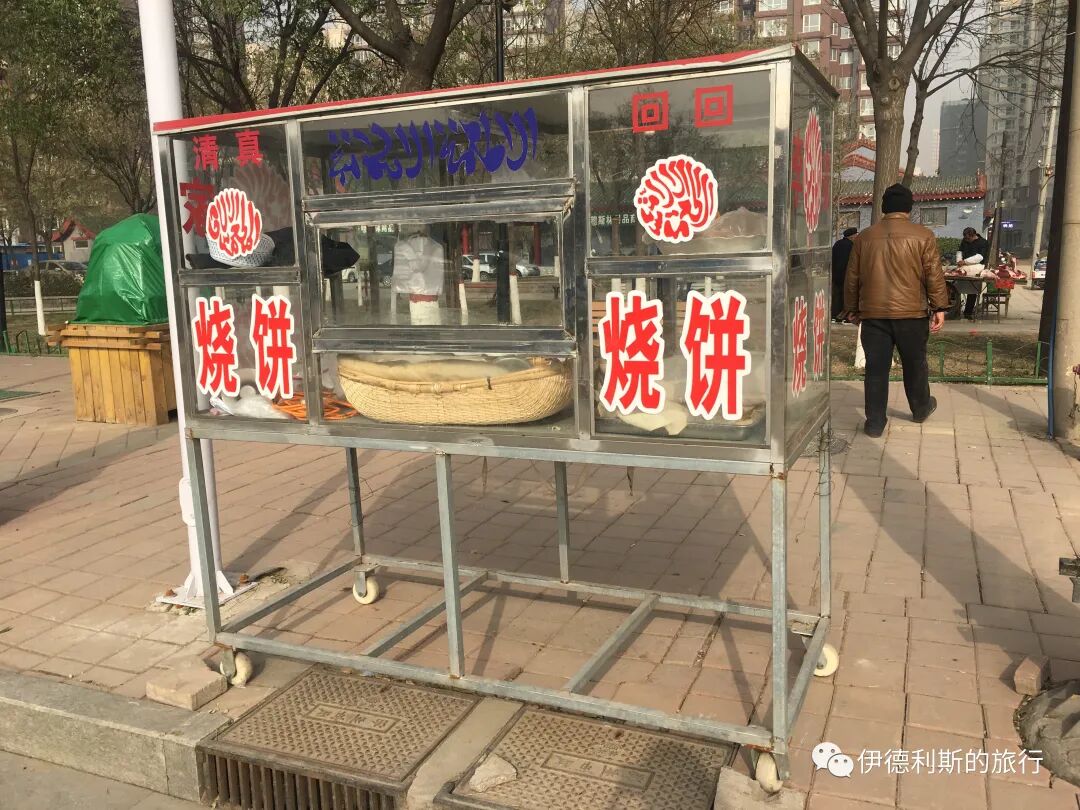
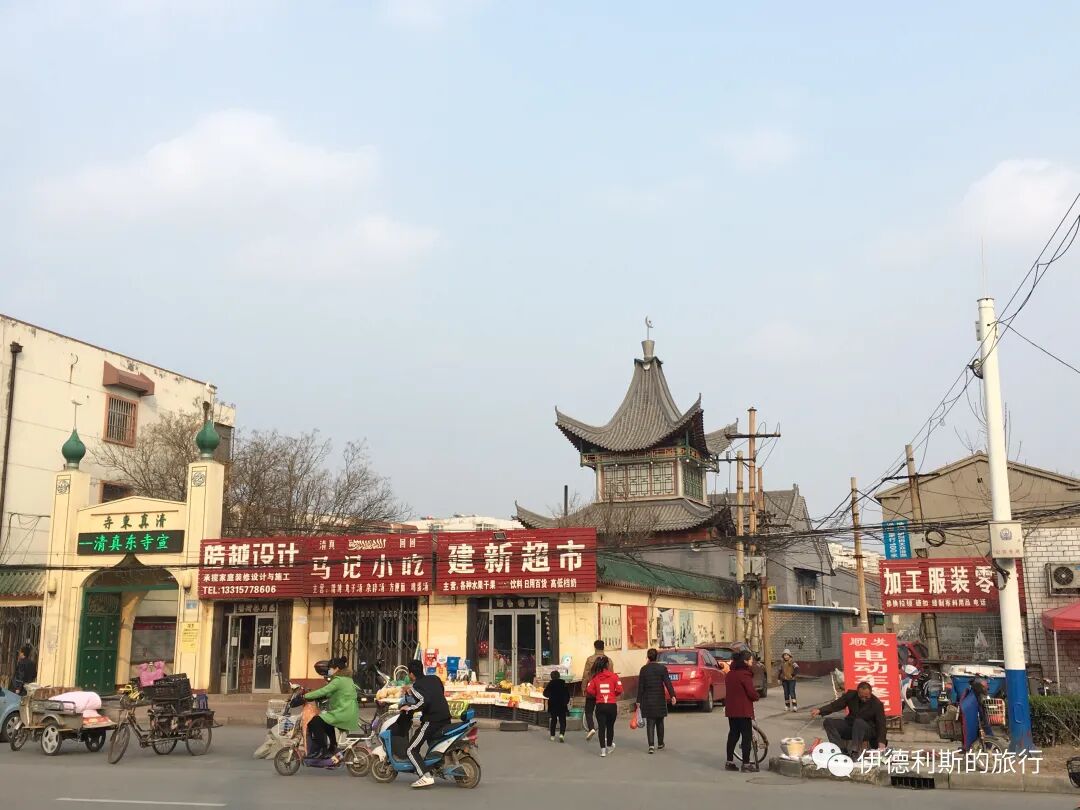
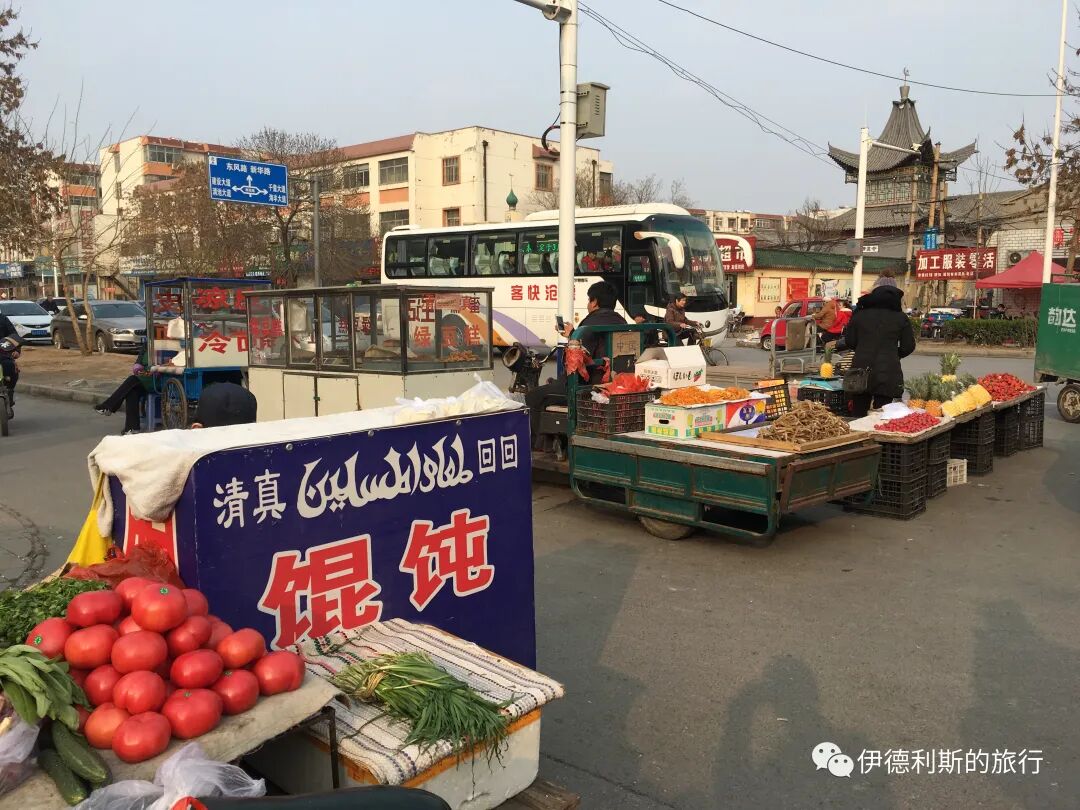
The heart of the southern Hui Muslim district is the Minzu Street food market, which is packed with all kinds of Hui Muslim snacks.
The East Mosque (Dongsi) is at the east end of the street.
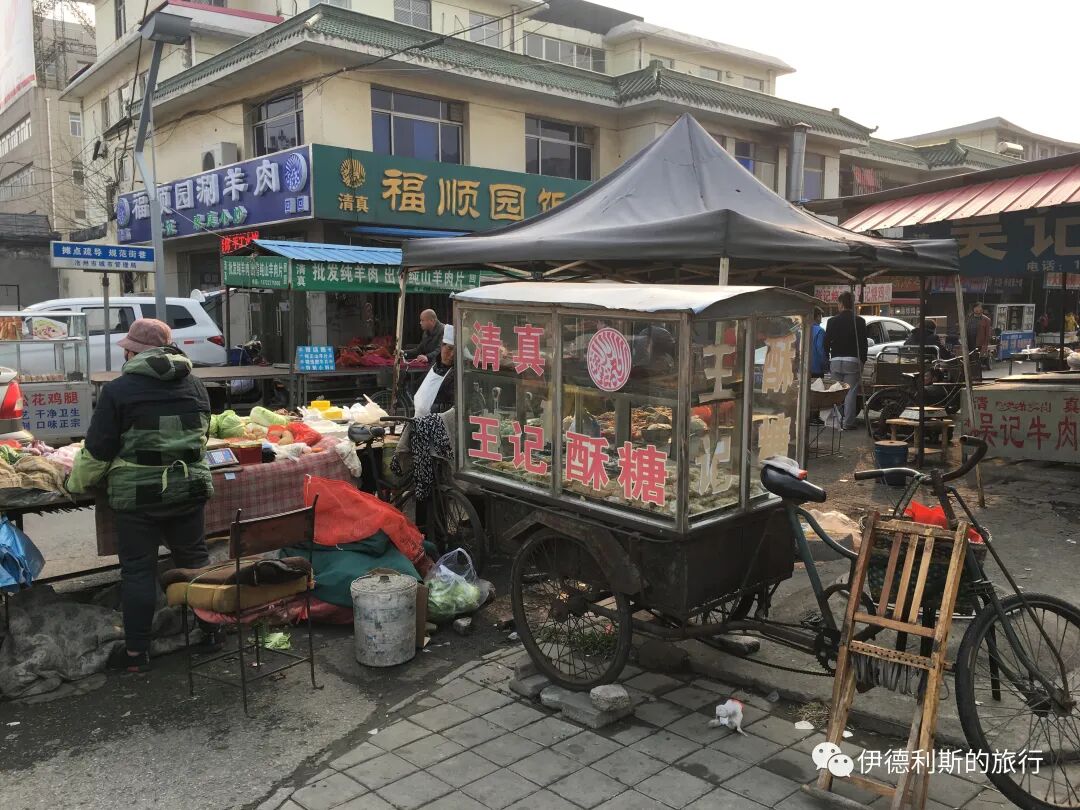
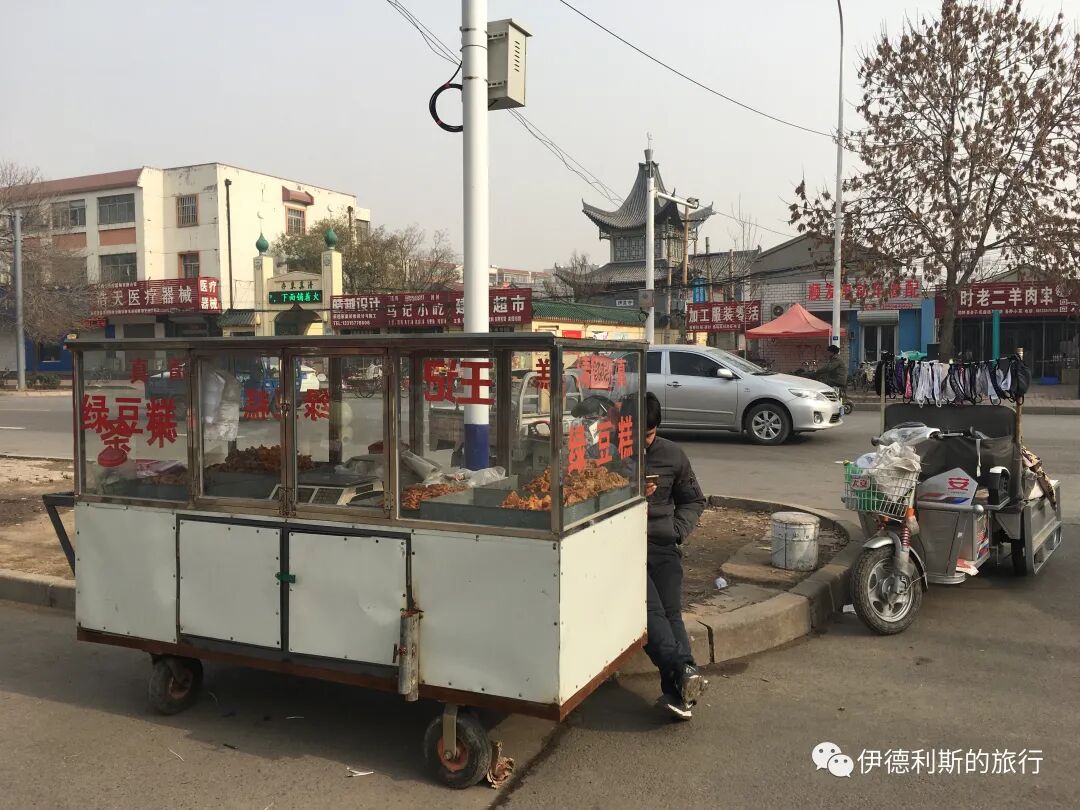
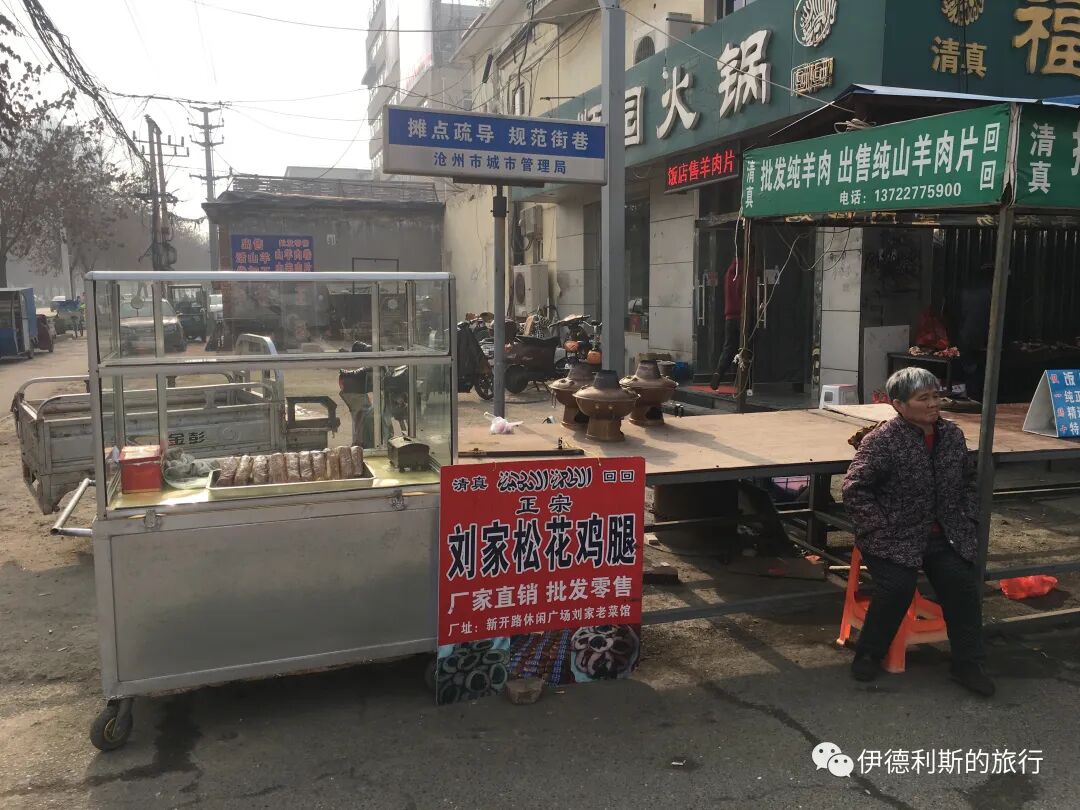
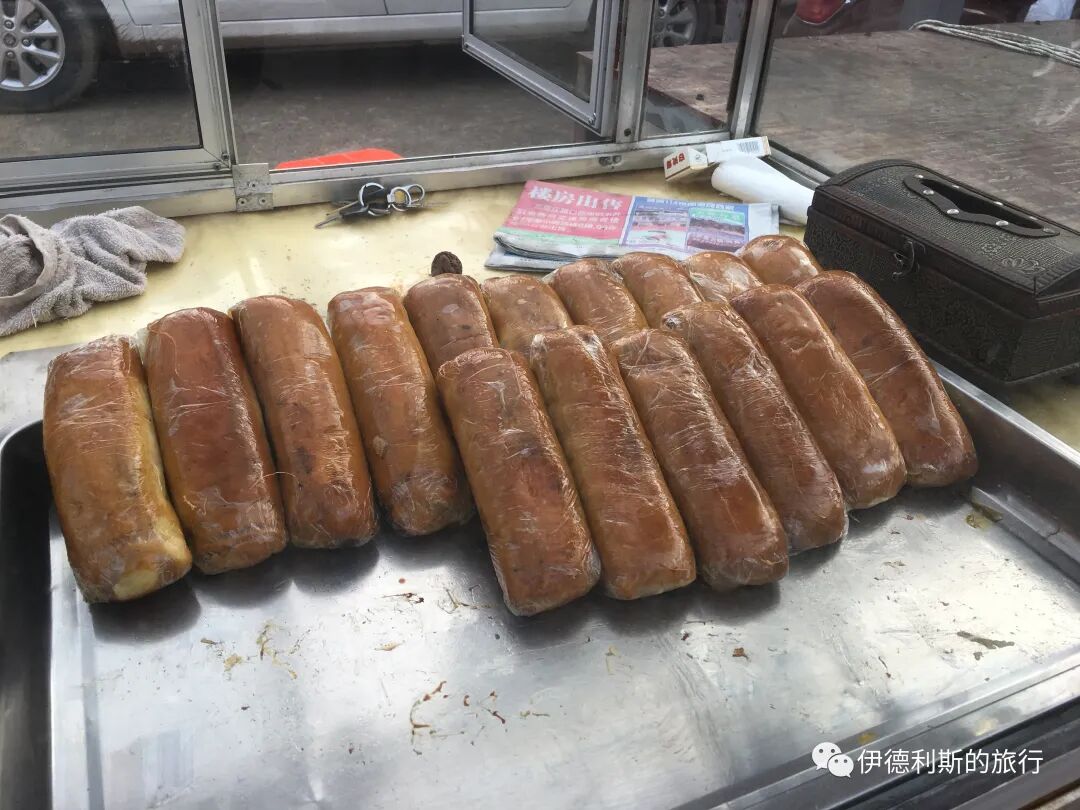
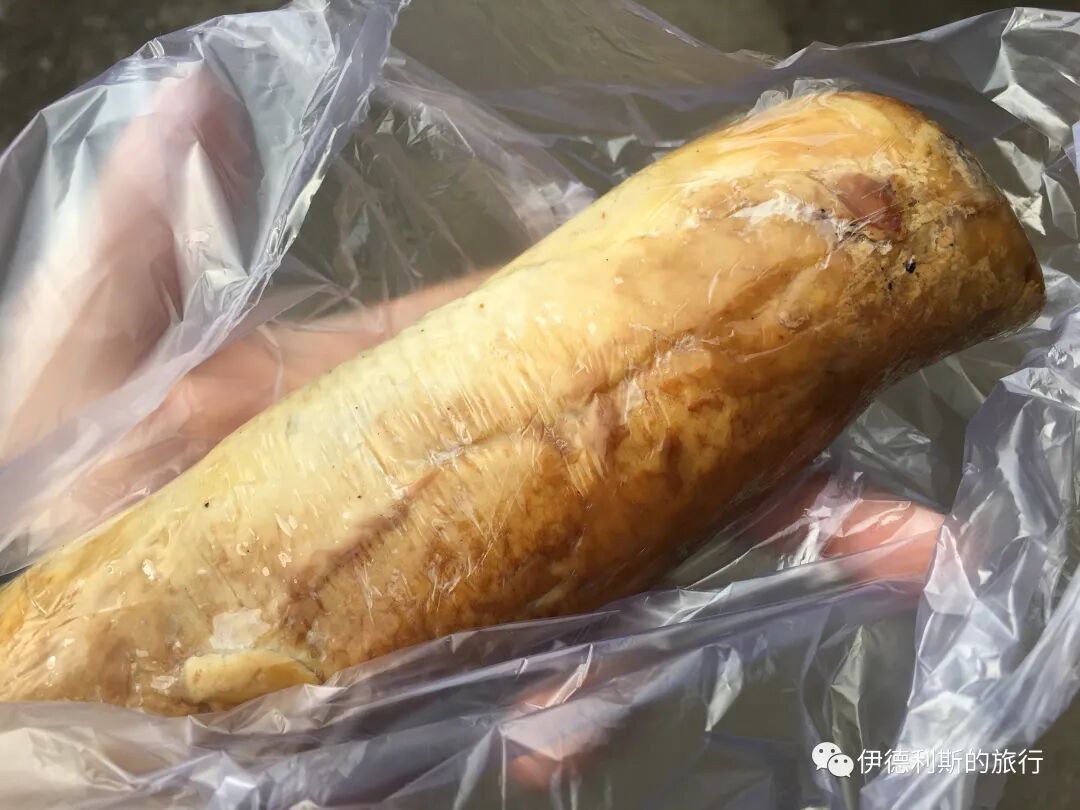
Liuji pine nut chicken legs (songhuajitui) are chicken sausages stuffed with pine nut jelly. They go perfectly with flatbread (laobing) or steamed buns (mantou).
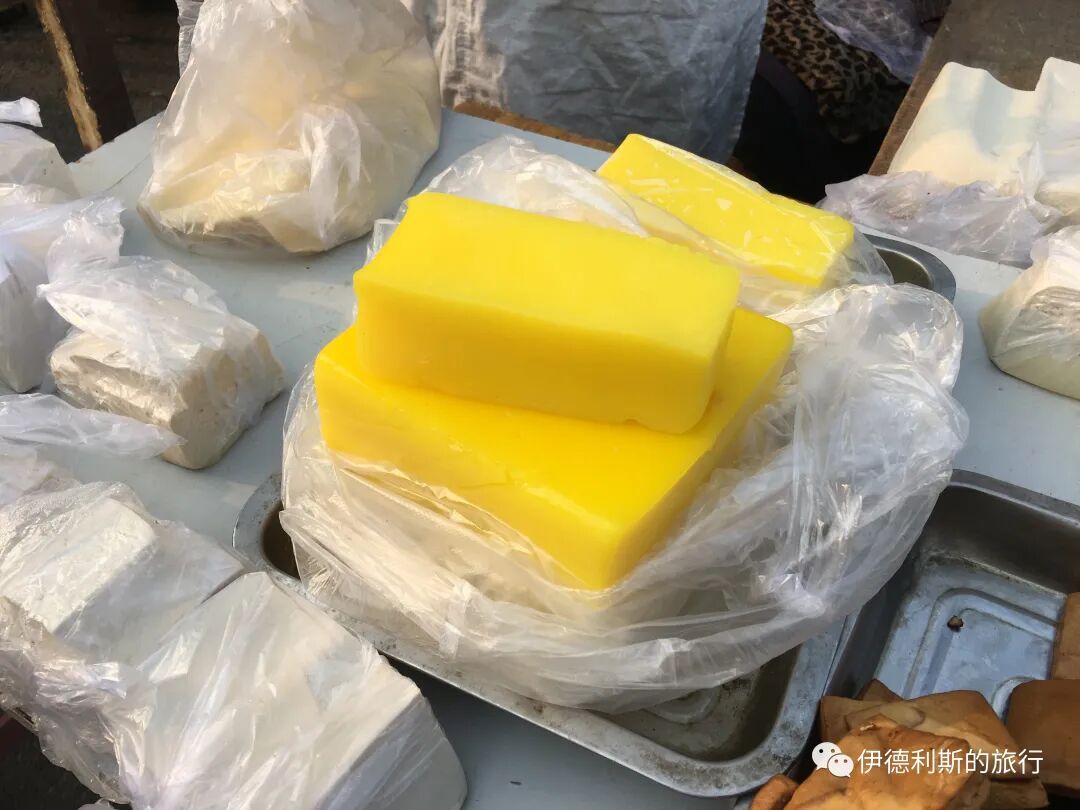
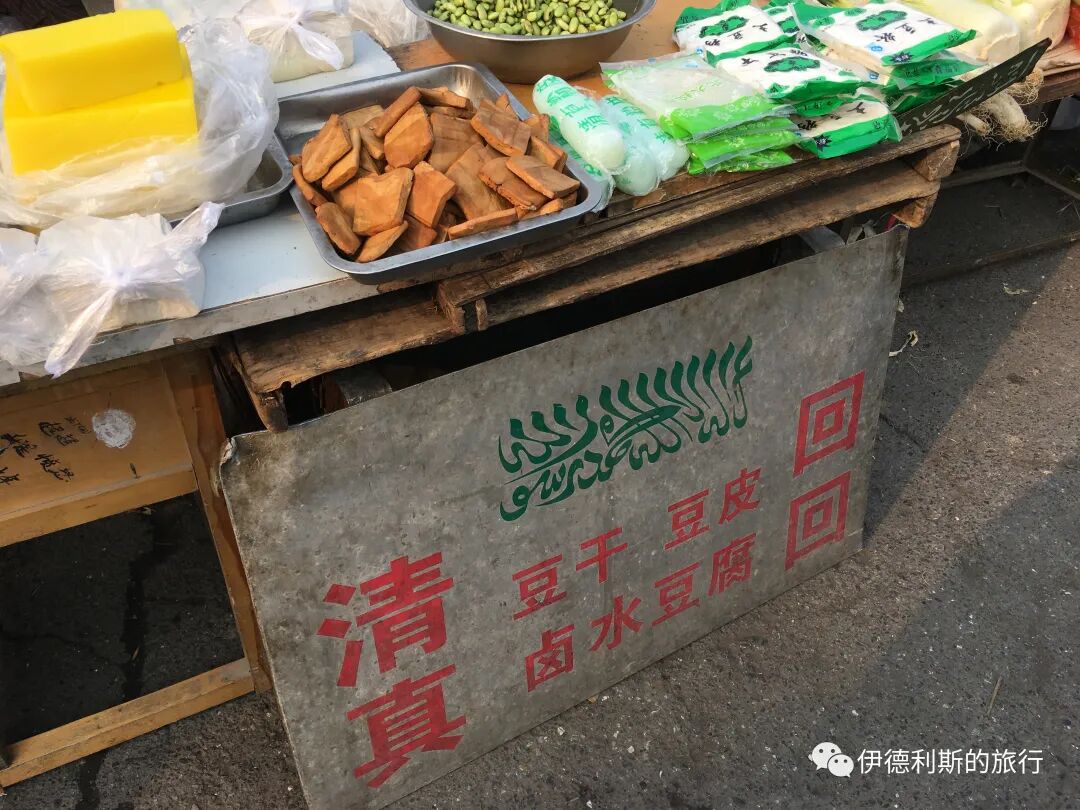
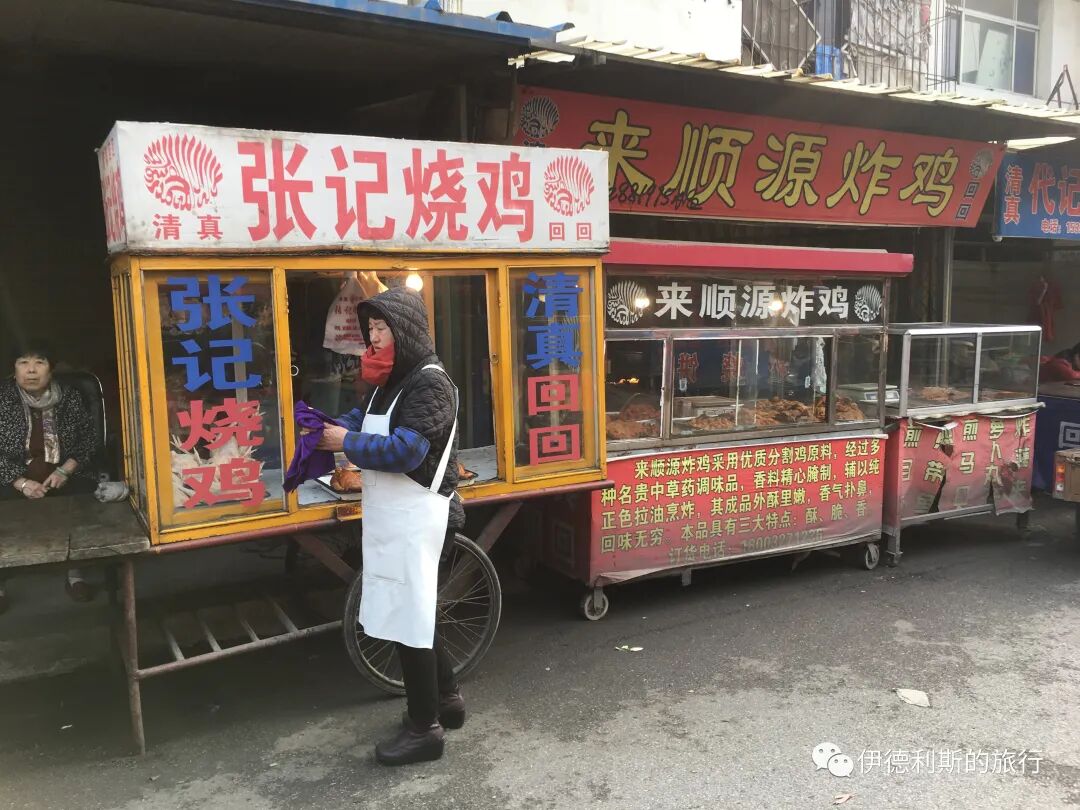
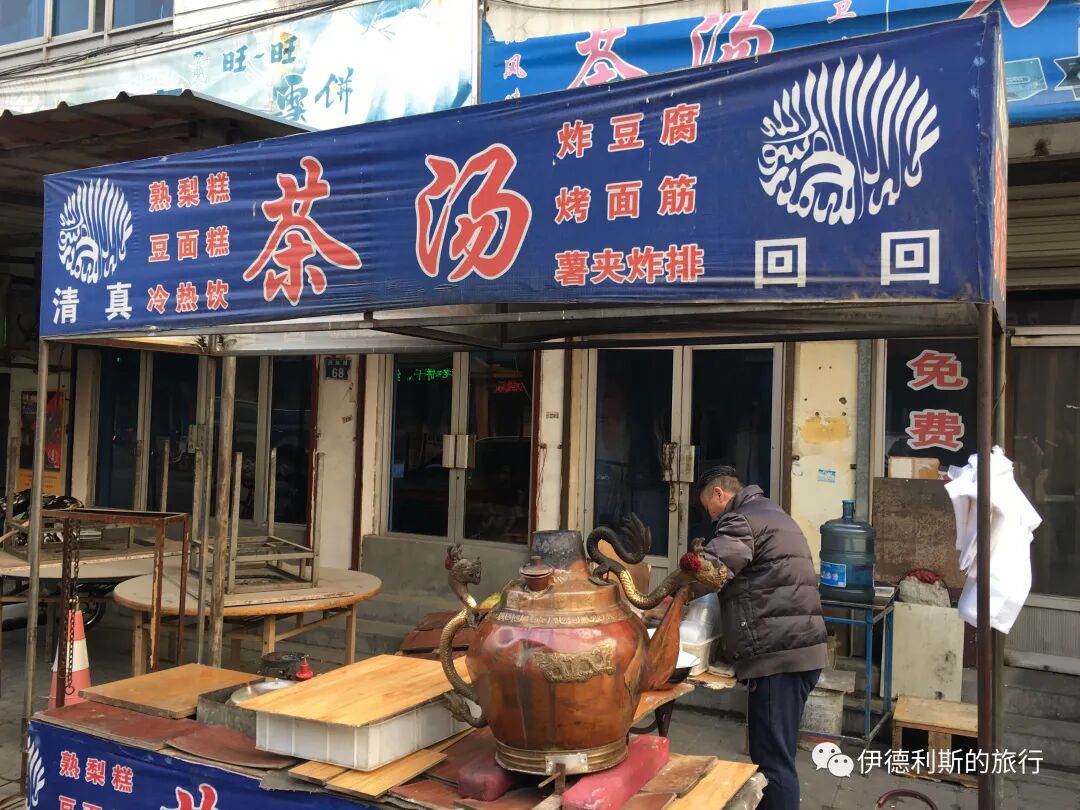
This is the third place outside of Beijing and Tianjin where I have had tea soup (chatang). The version in Cangzhou came from Tianjin along the Grand Canal, but this shop uses more ingredients and has a stronger flavor.
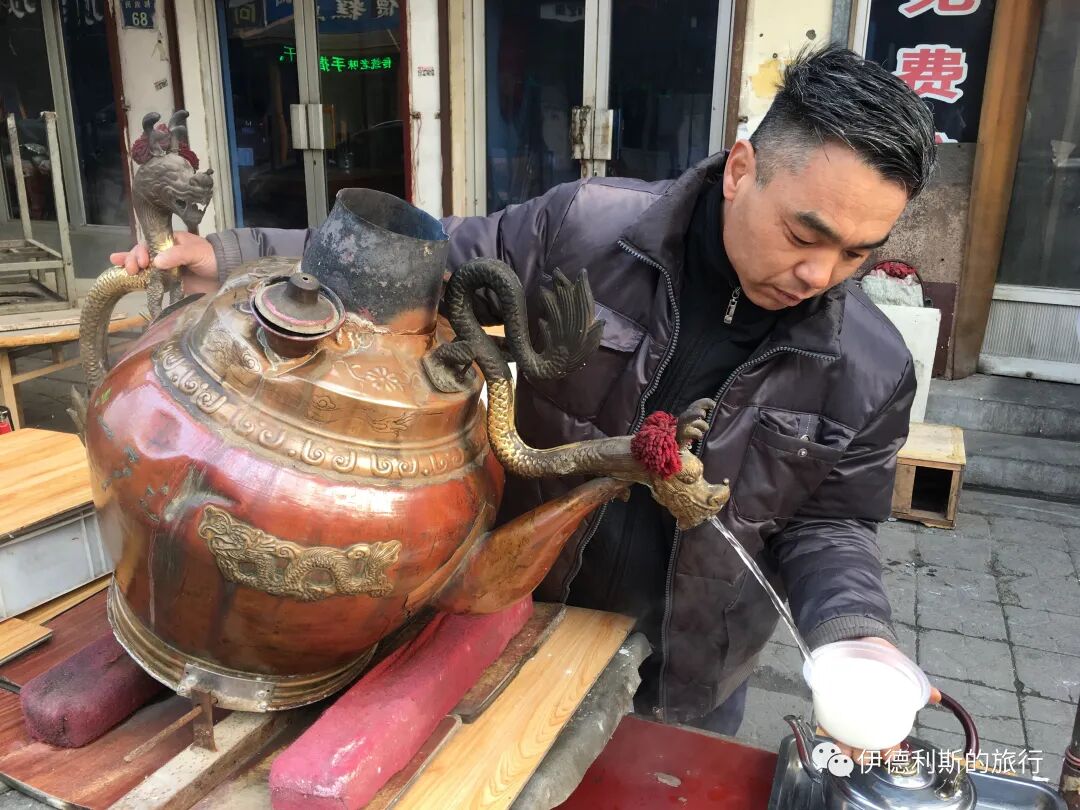
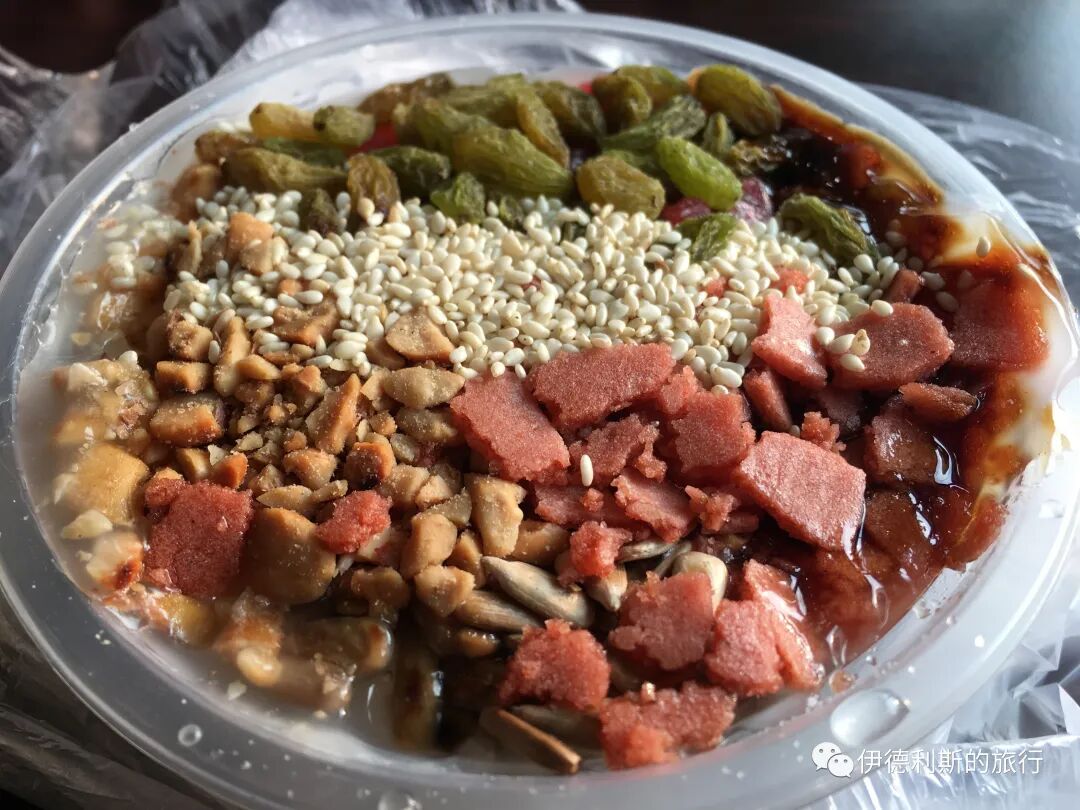
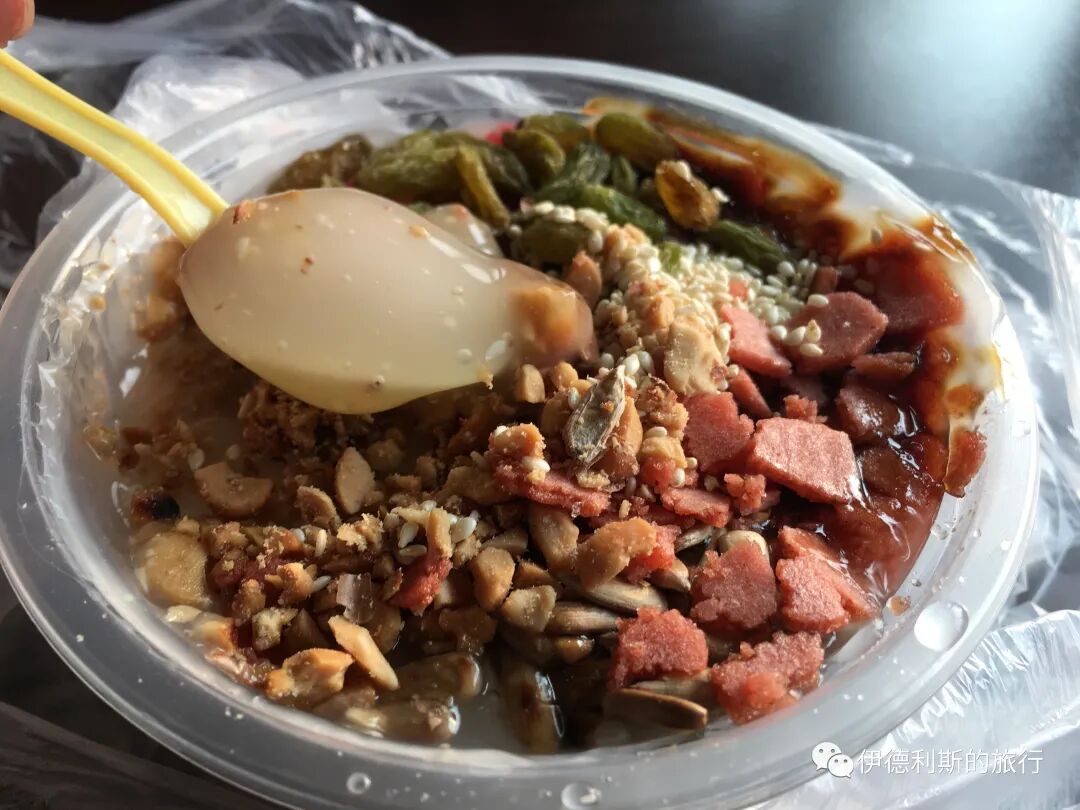
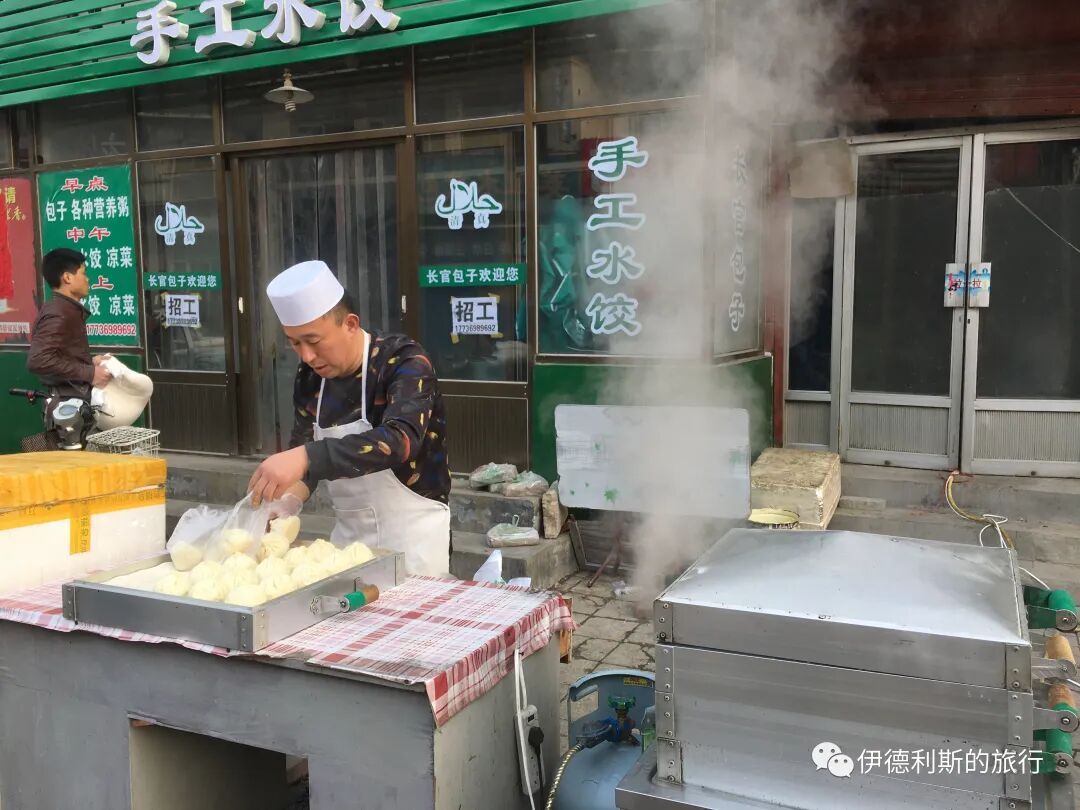
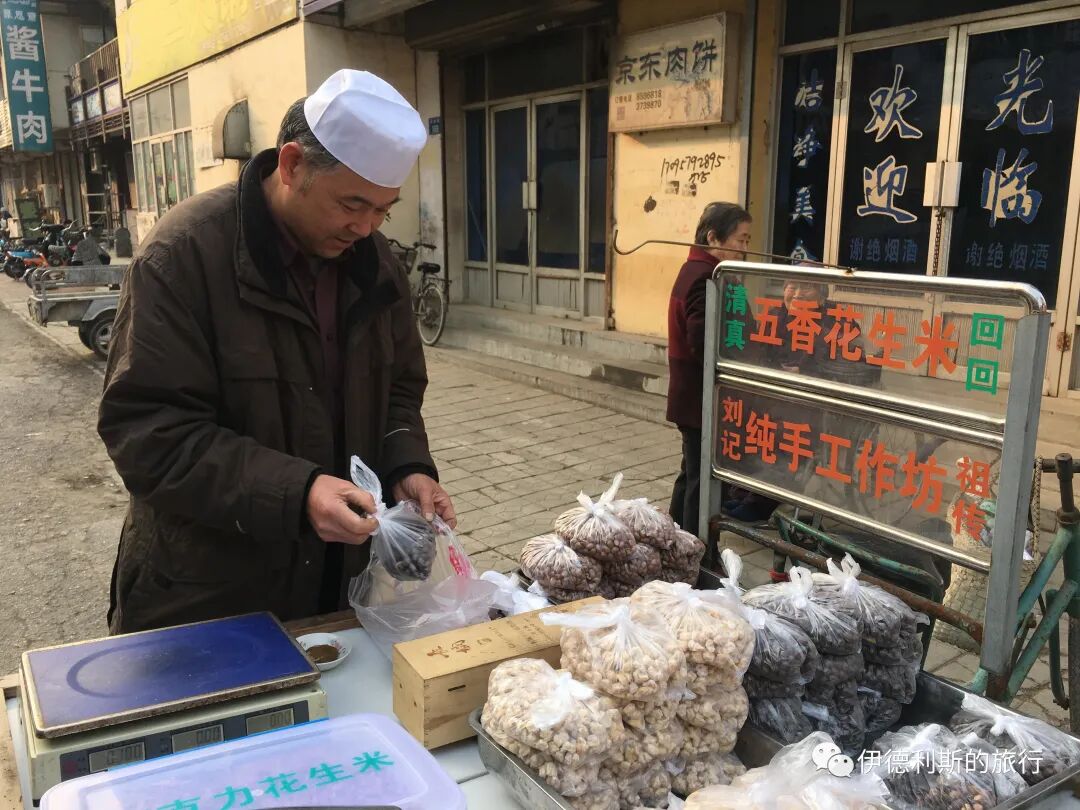
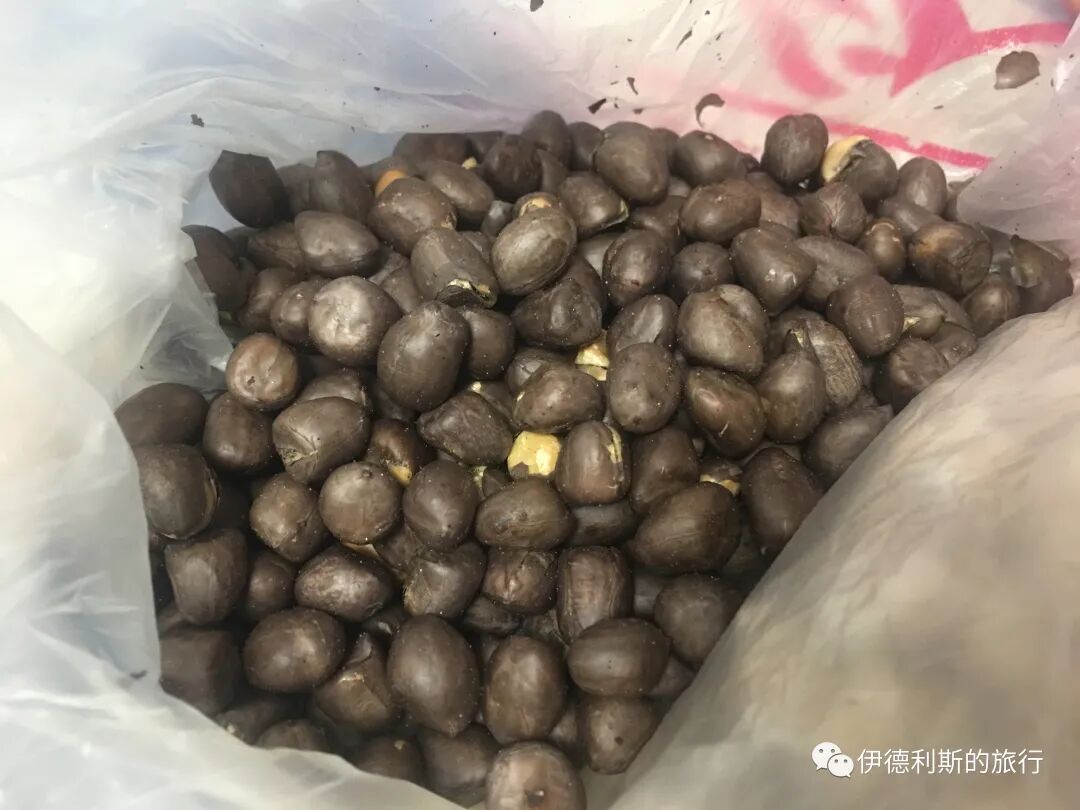
I bought two bags of five-spice peanuts. The black ones are addictive when eaten with tea.
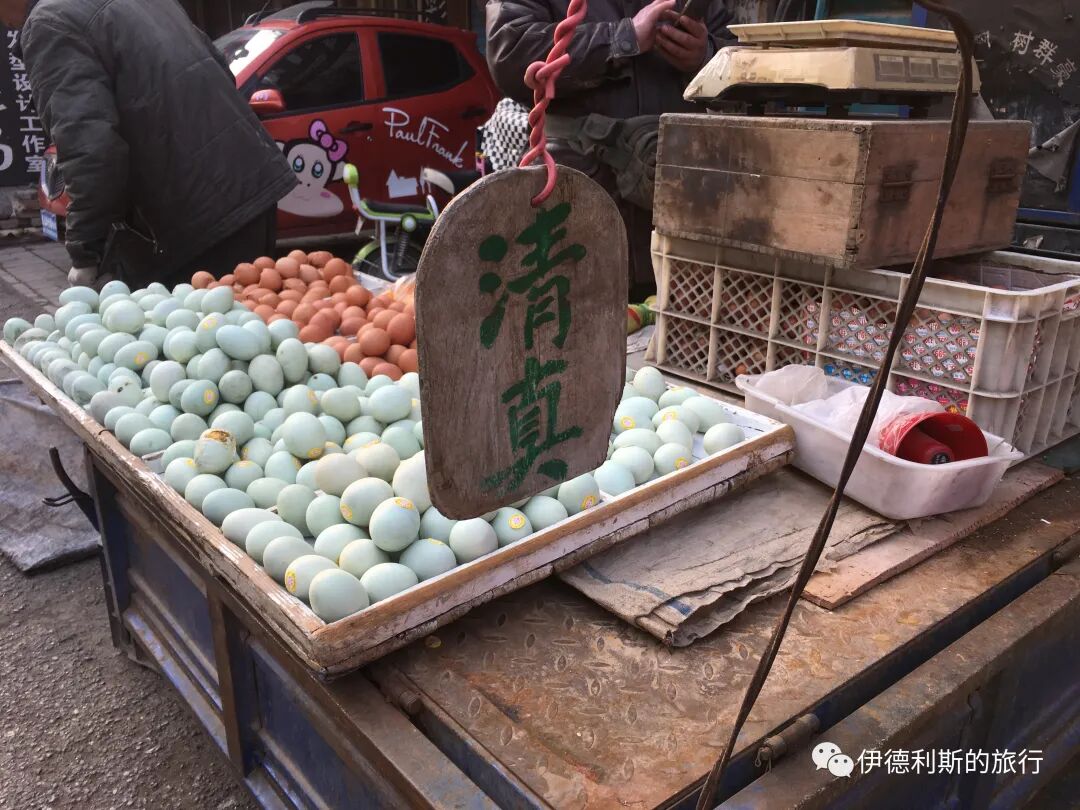
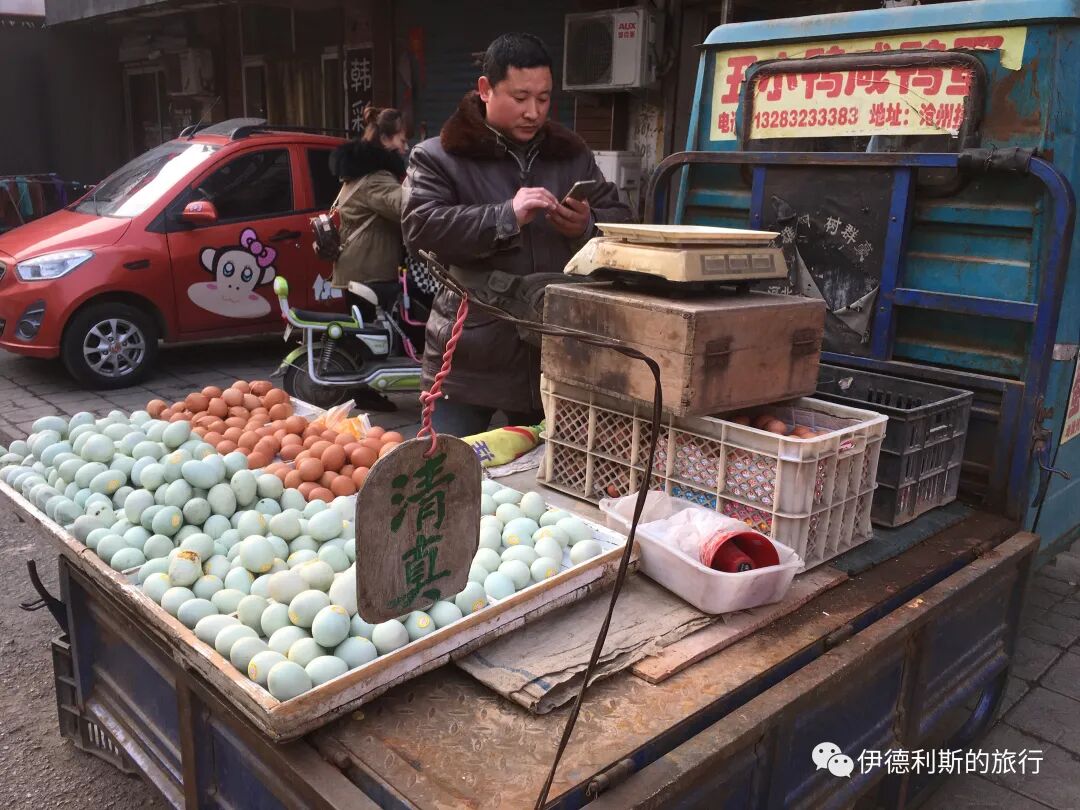
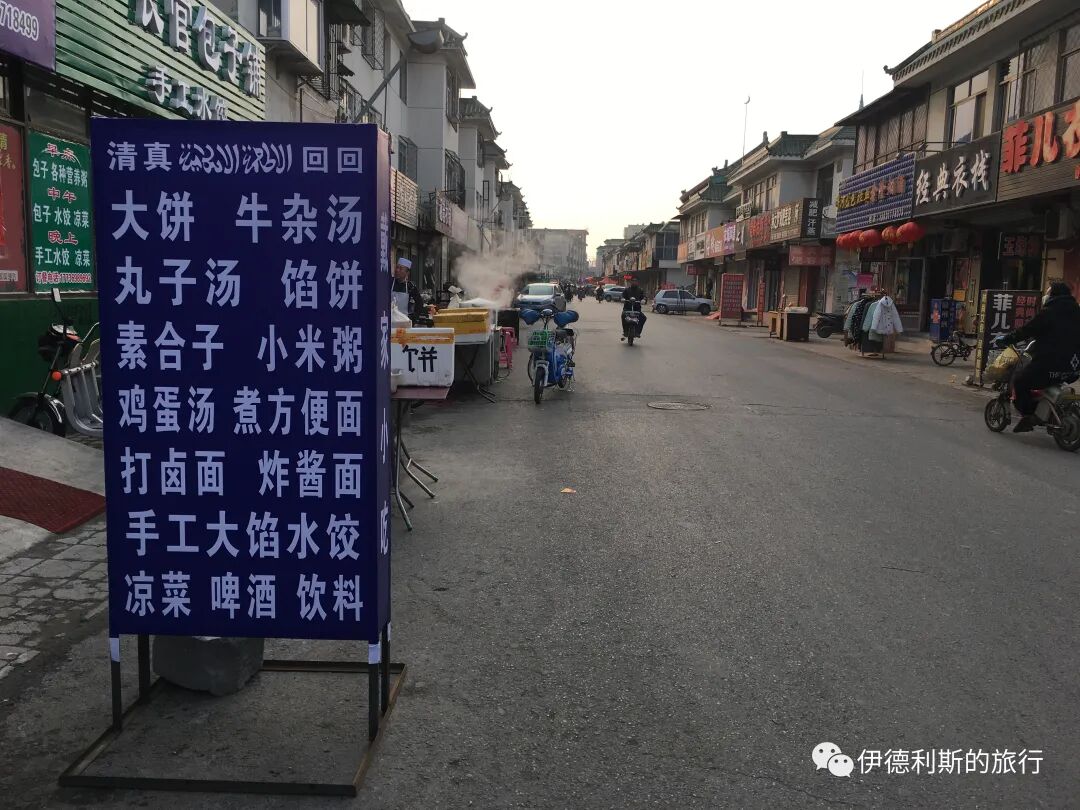
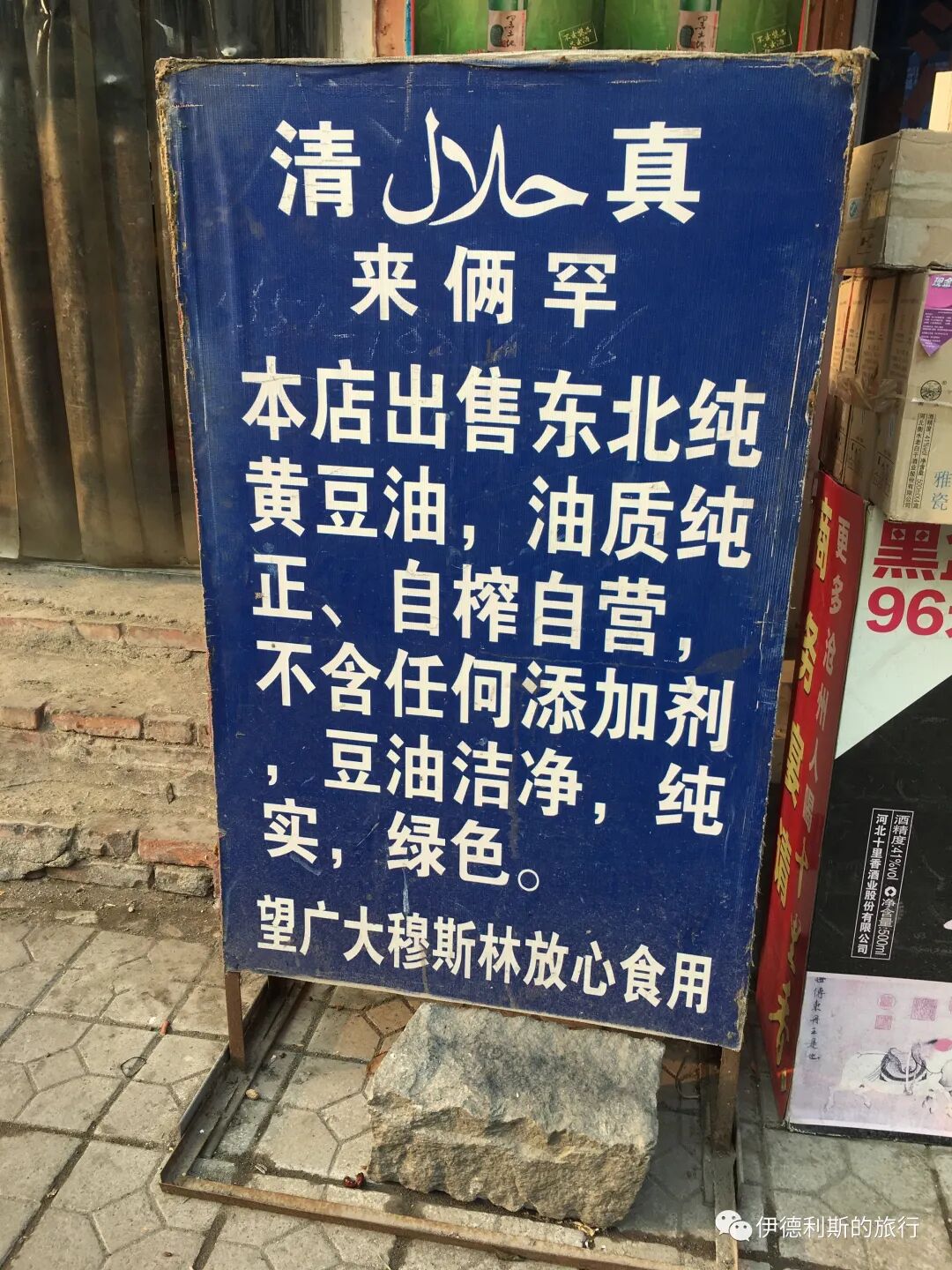
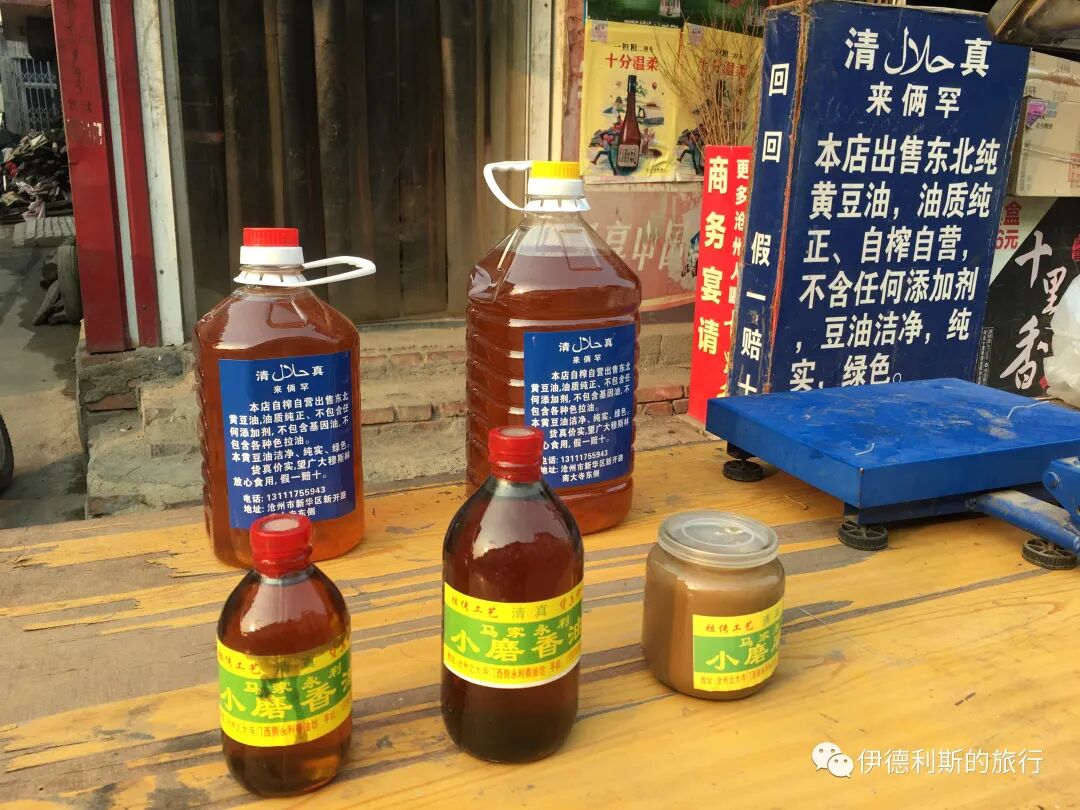
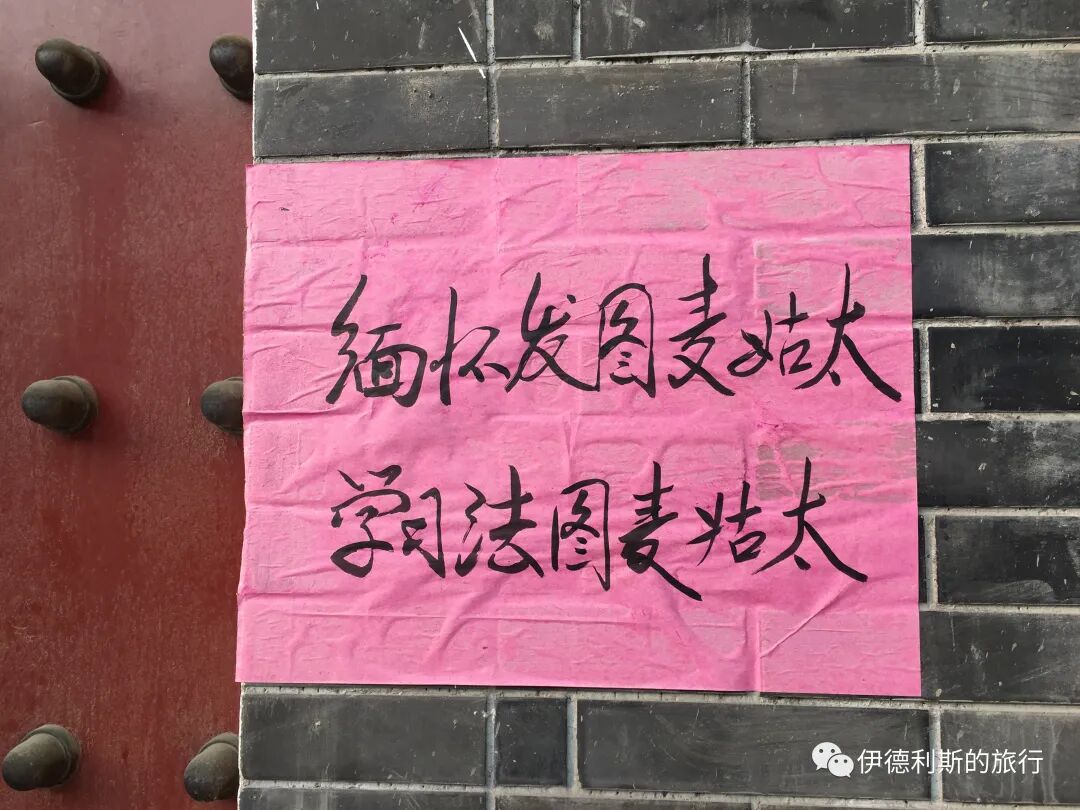
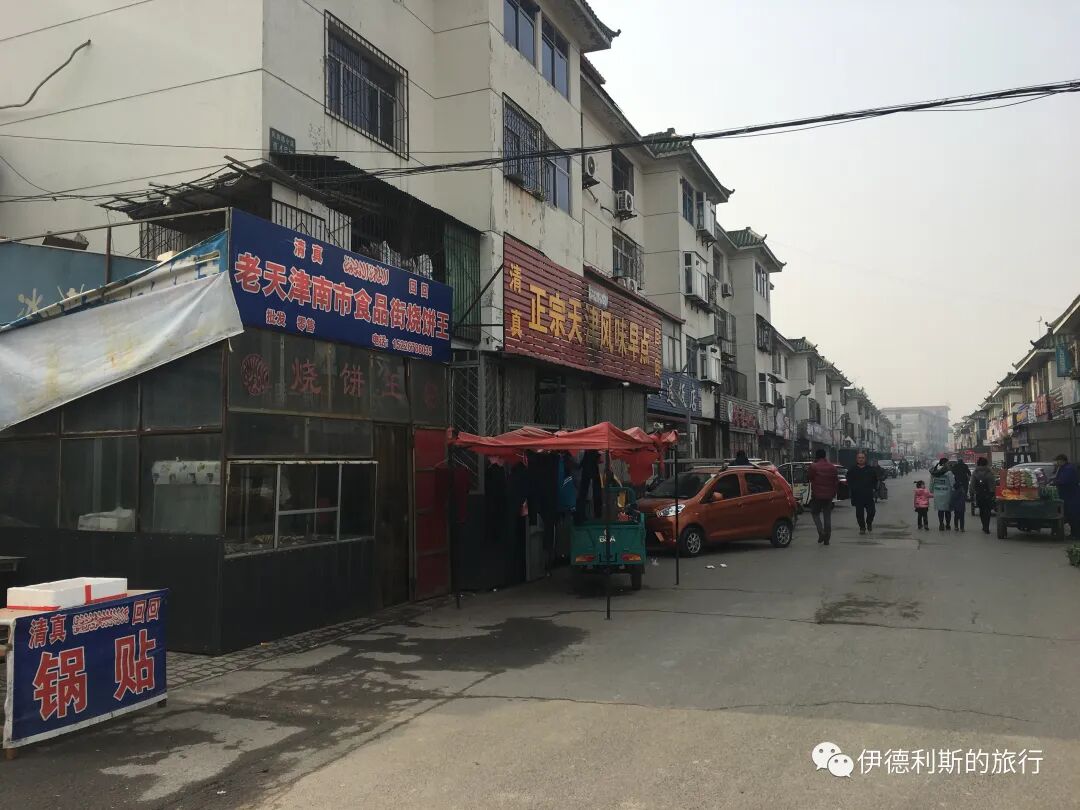
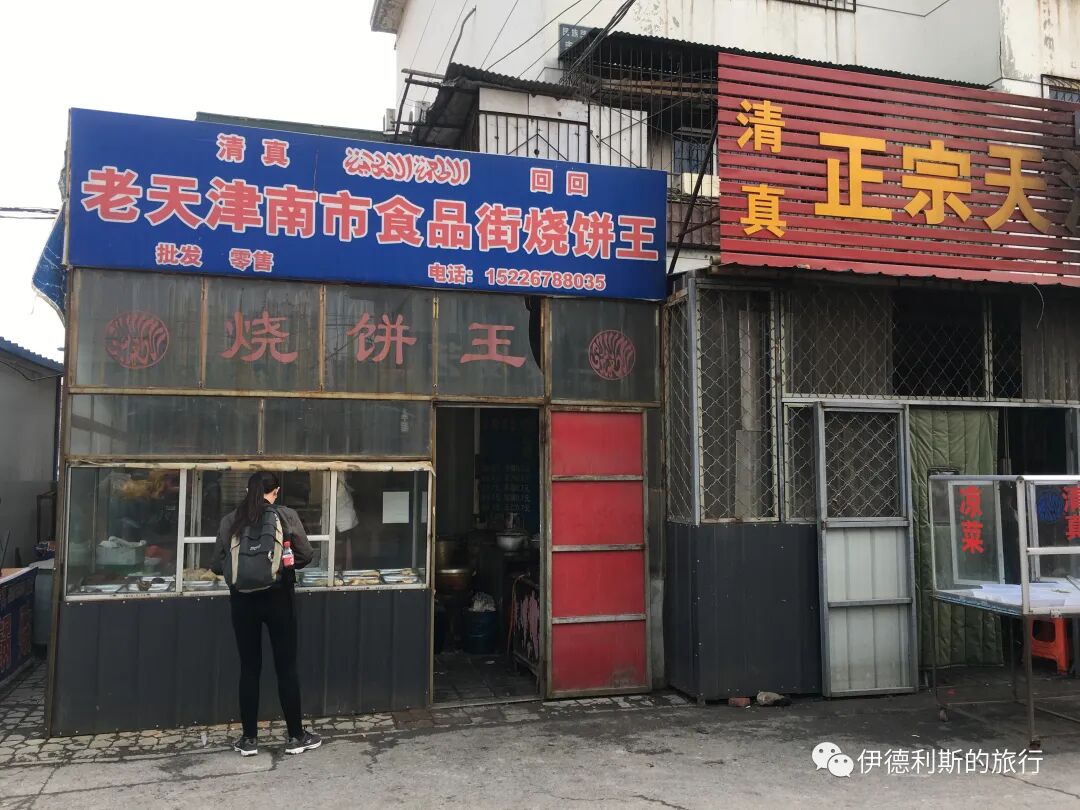
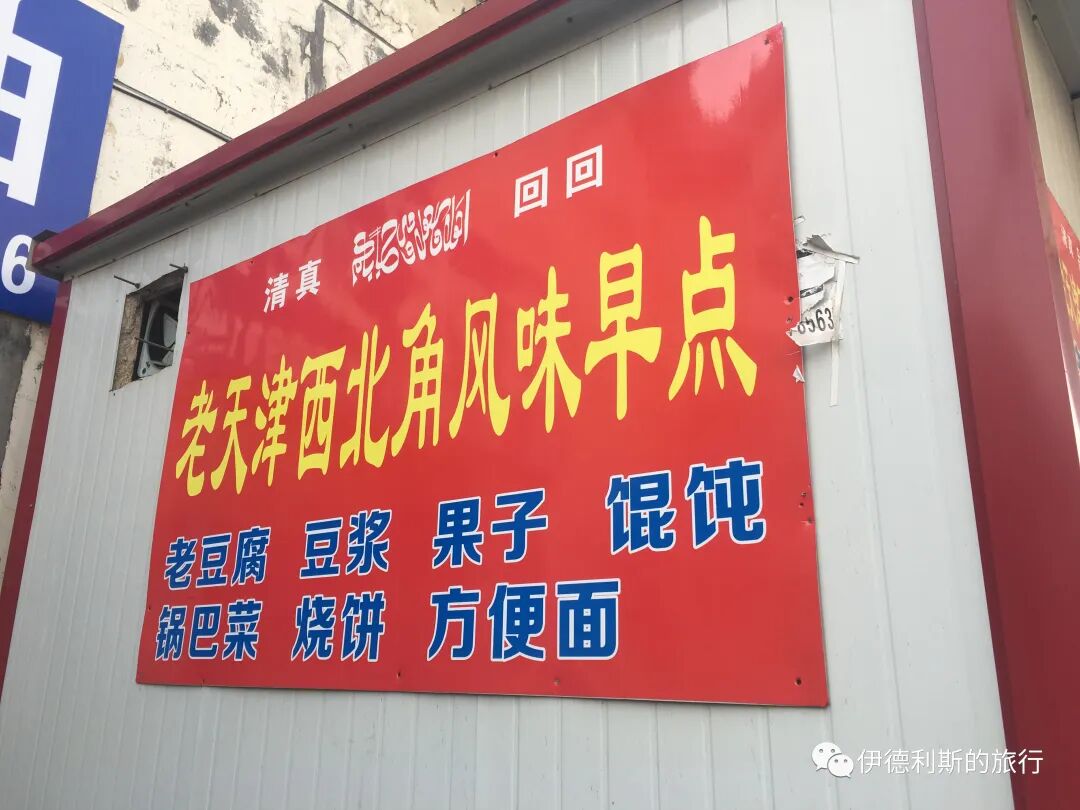
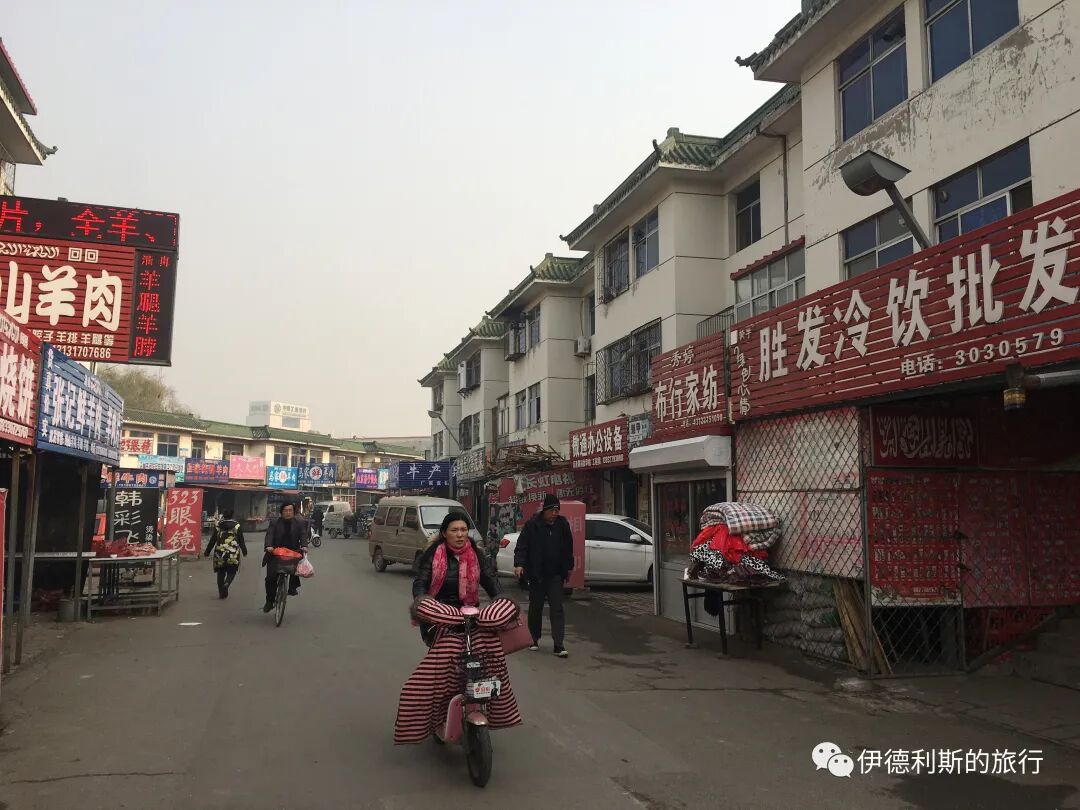
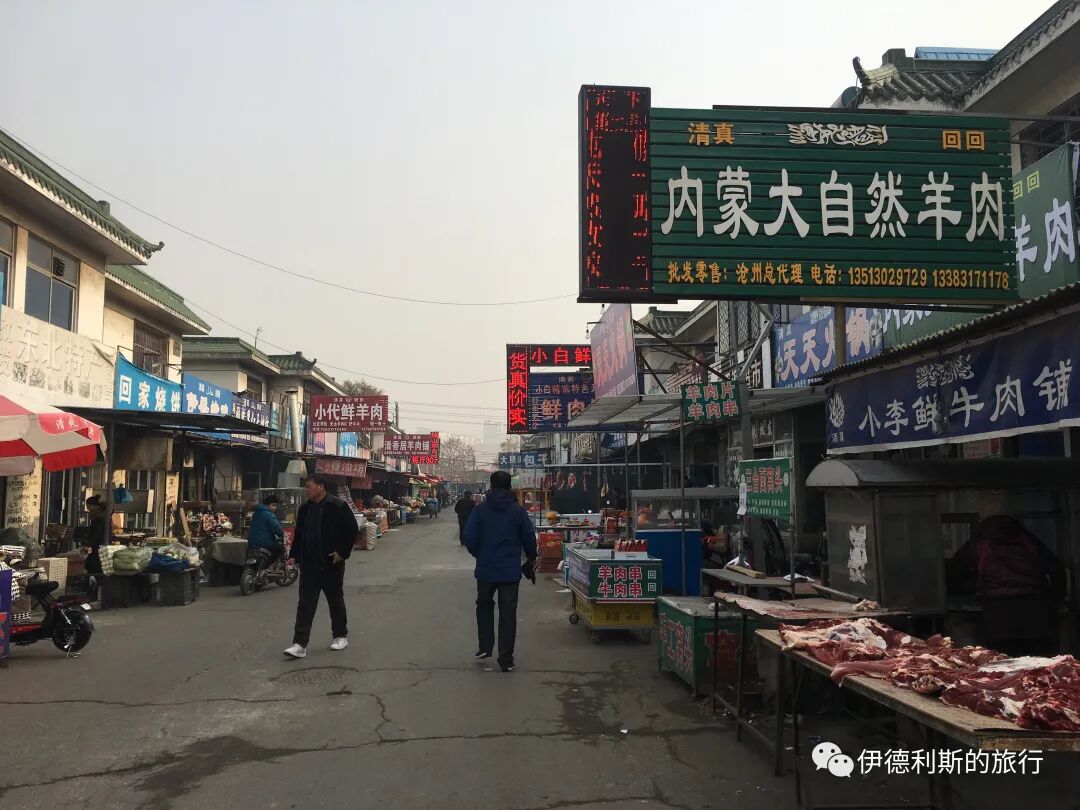
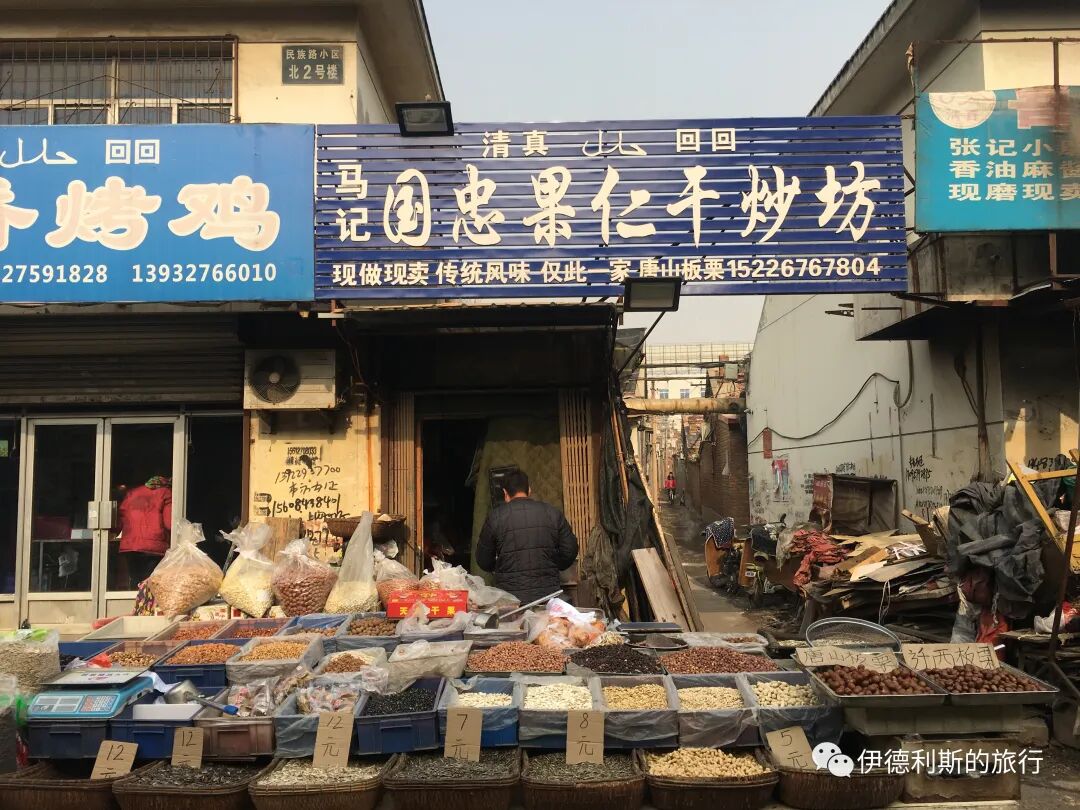
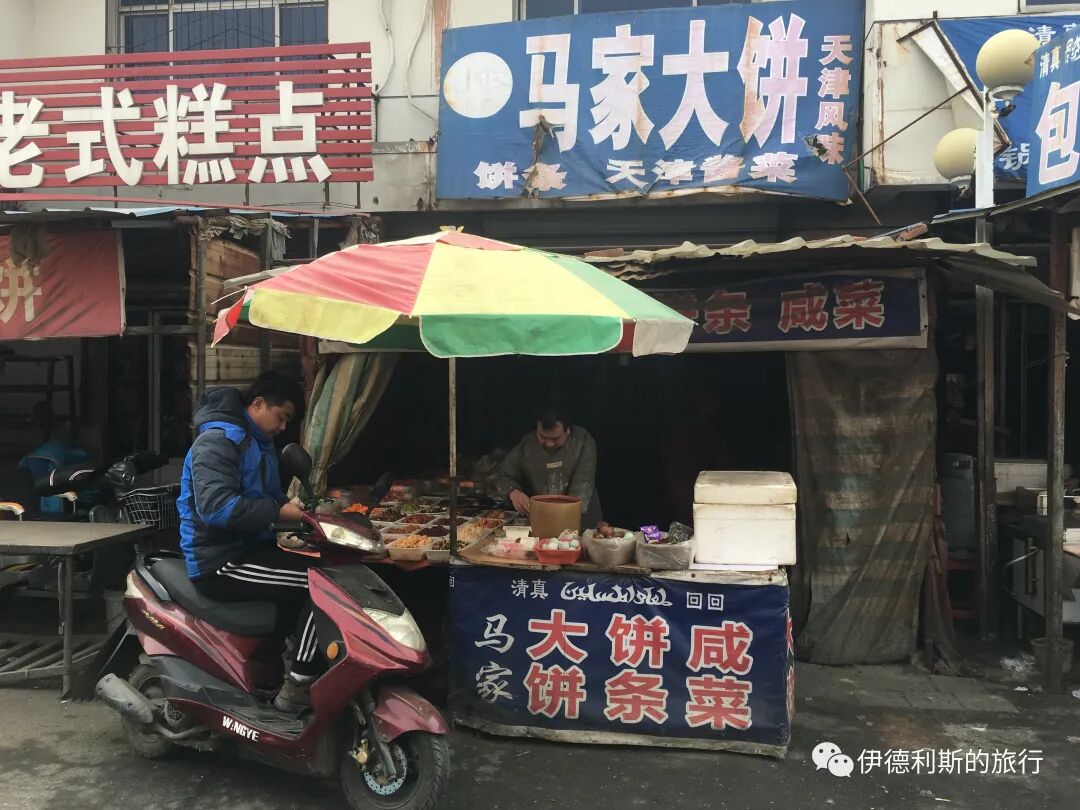
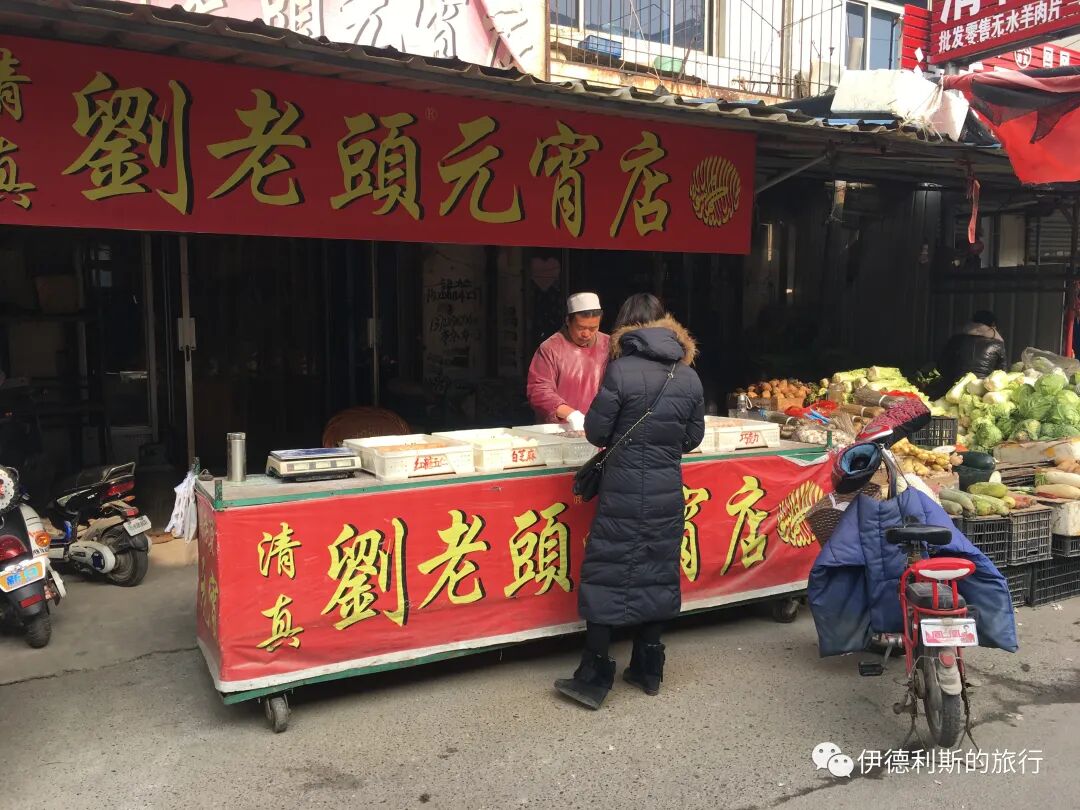
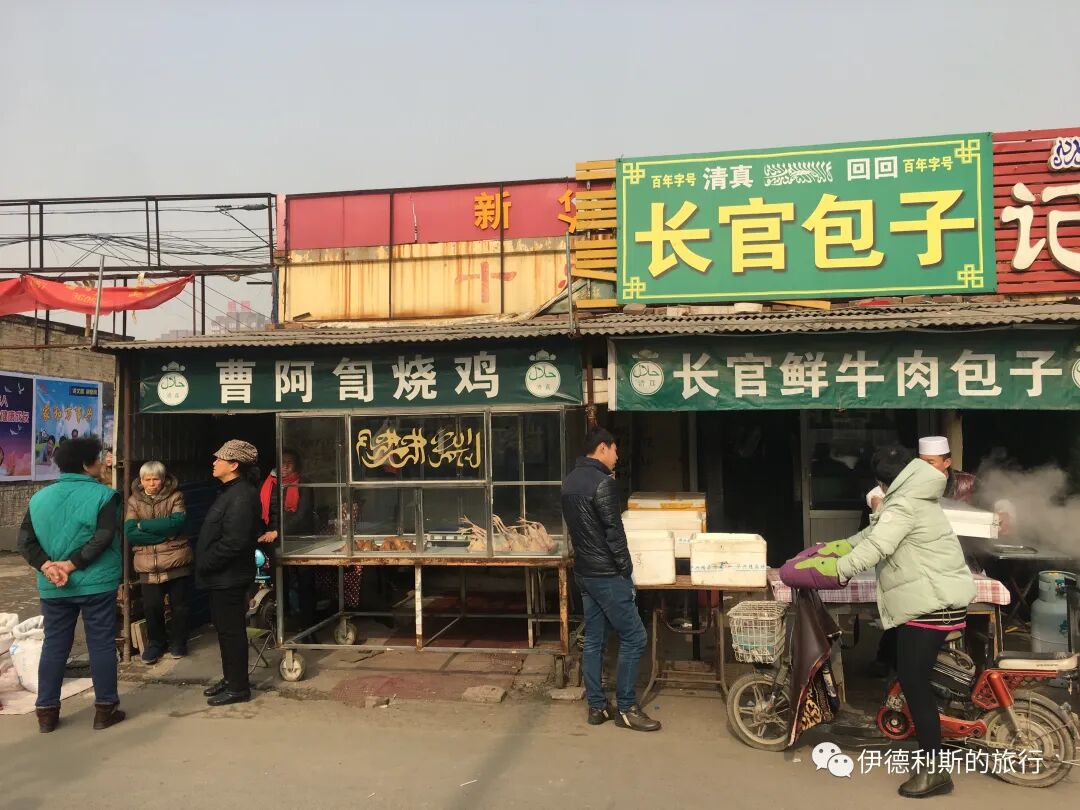
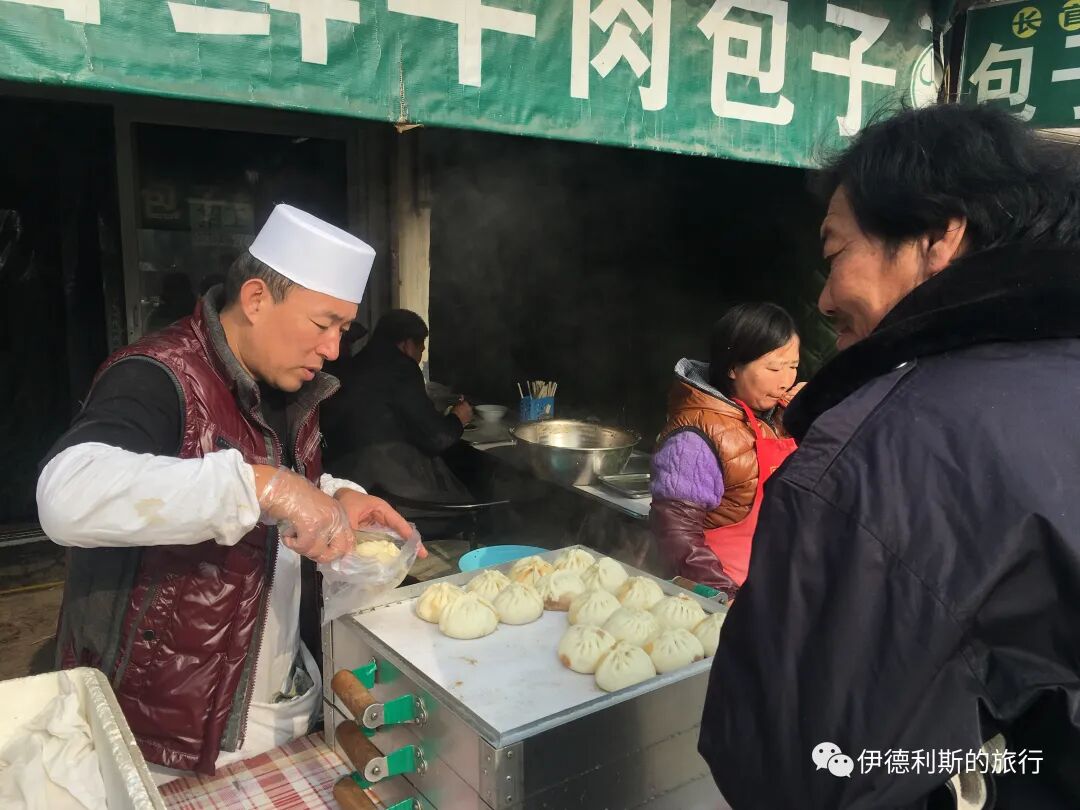
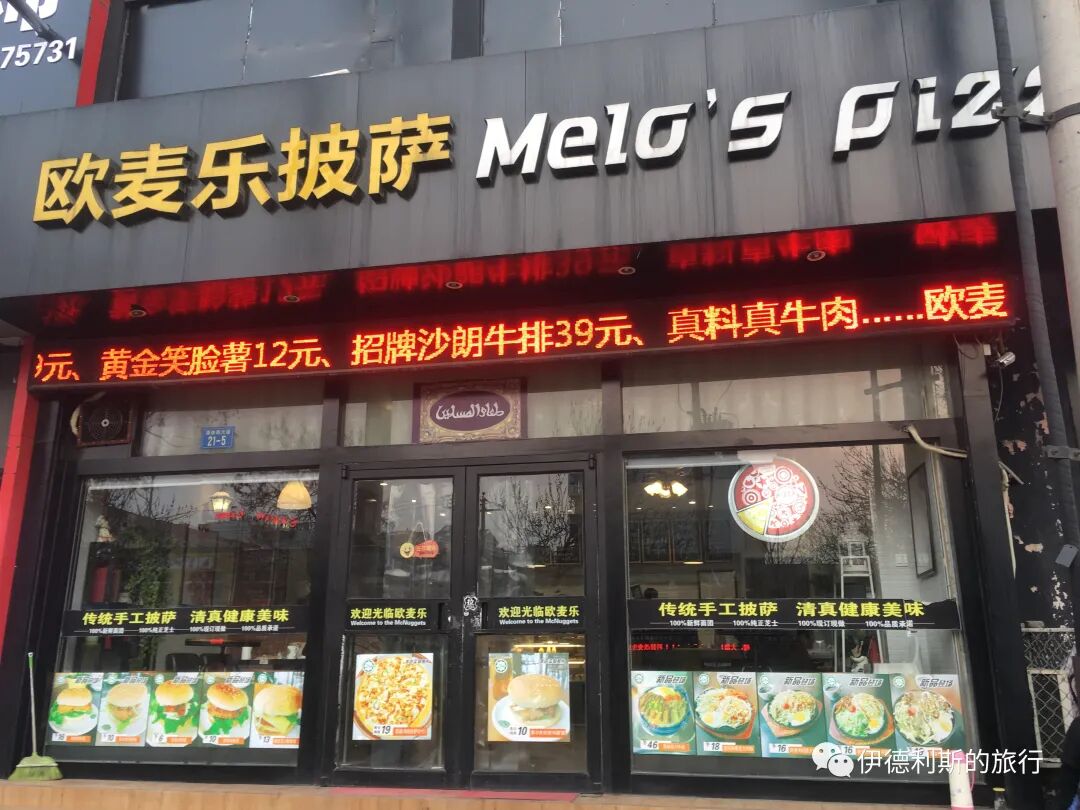
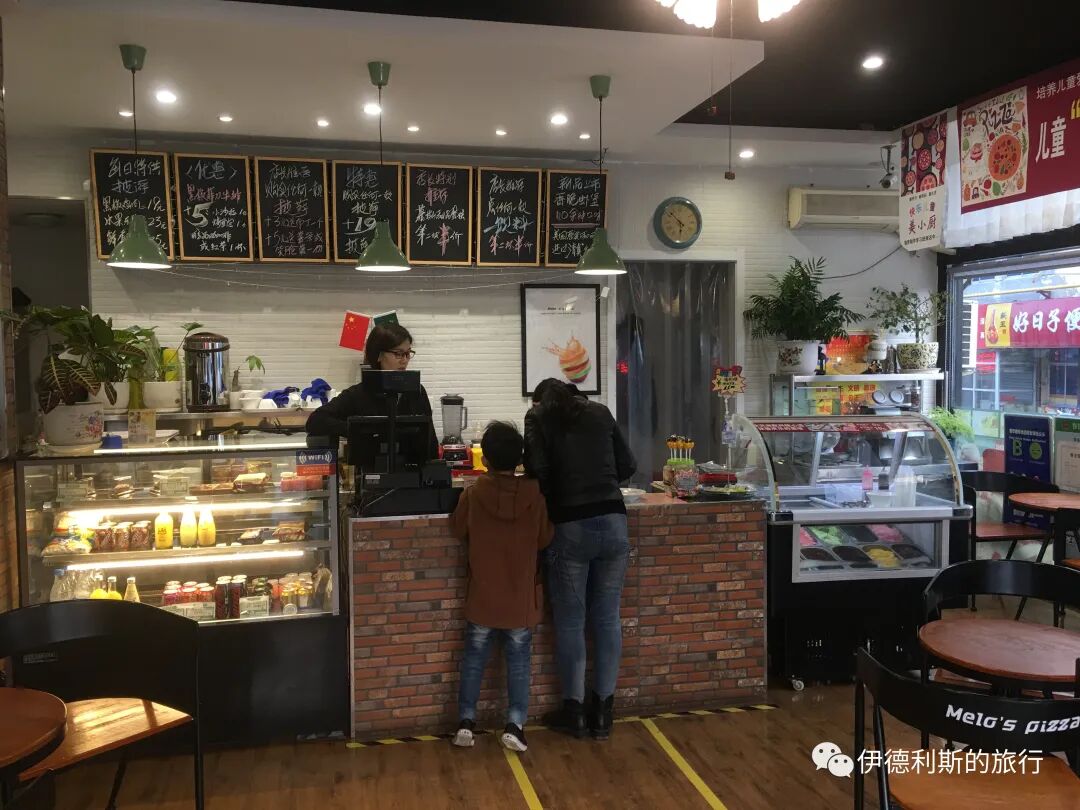
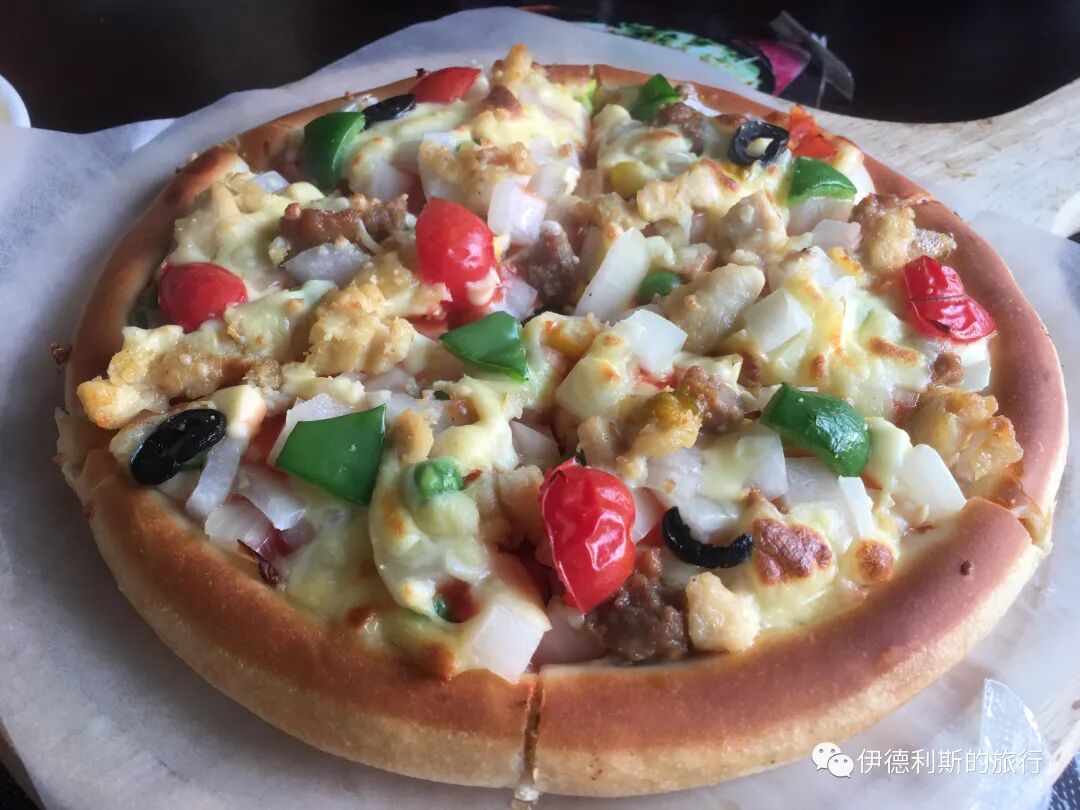
I walked all the way to the west end of Minzu Street and had a pizza at Oumale.
Botou Yang family sesame flatbread (shaobing)
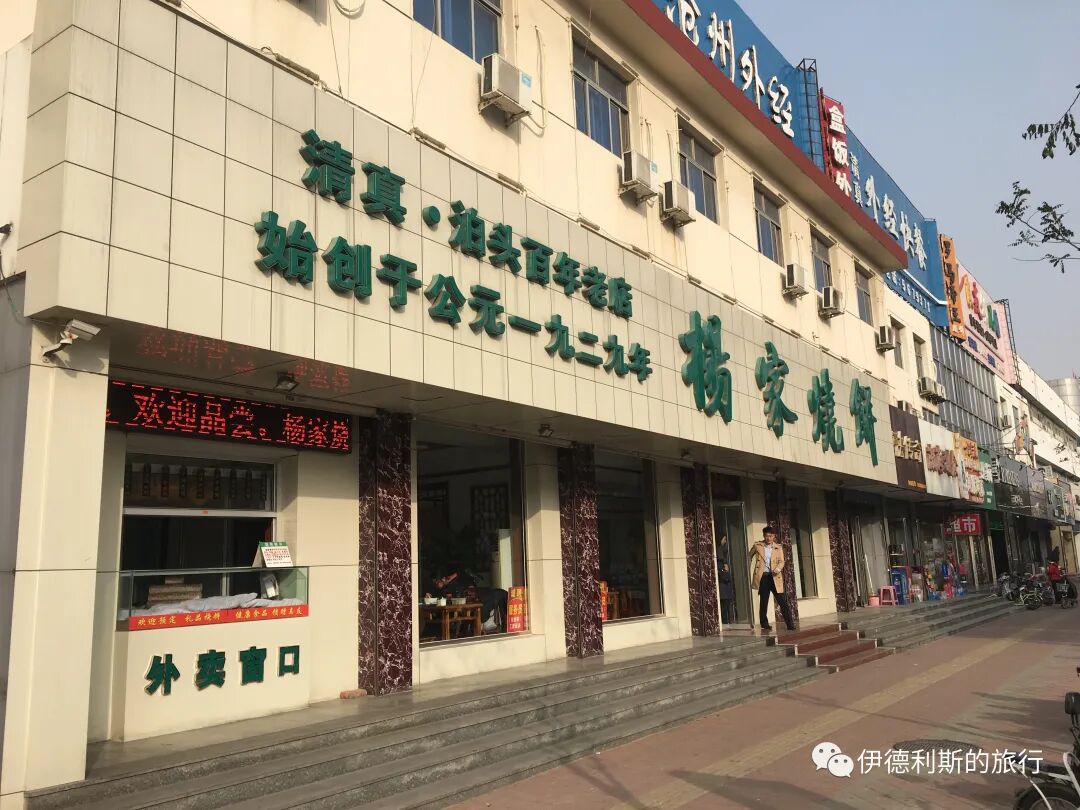
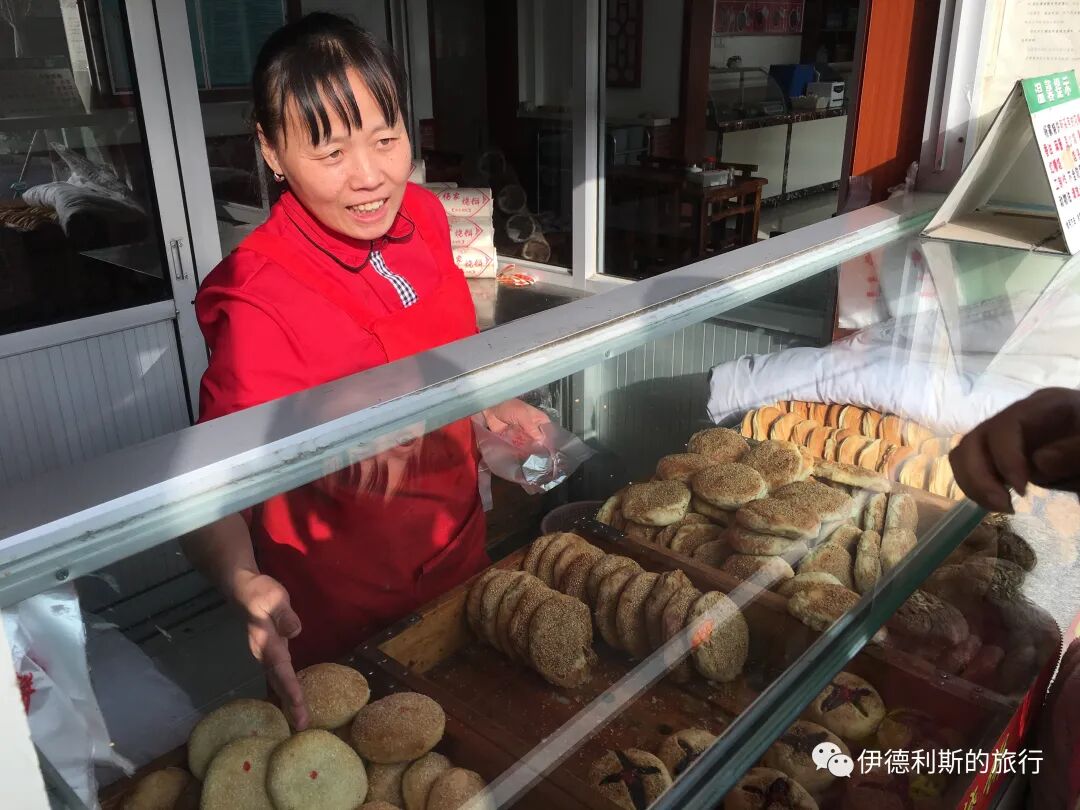
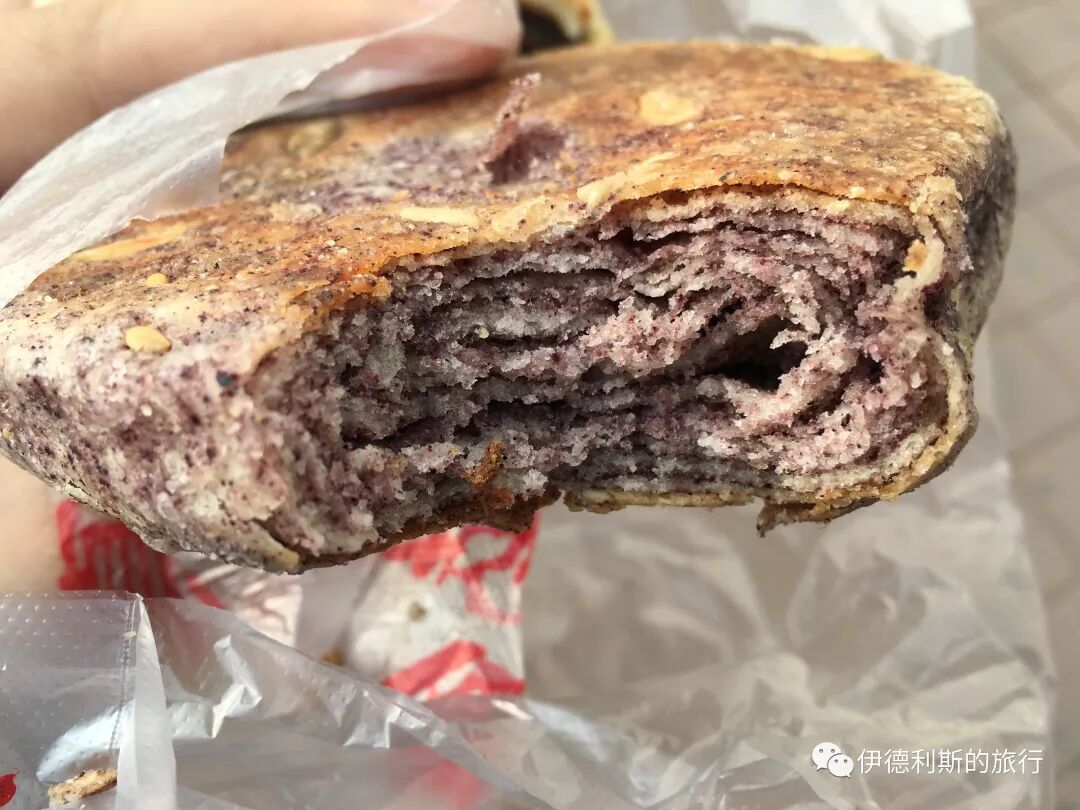
I bought sugar-filled triangular flatbreads (tang sanjiao shaobing) and black rice crispy flatbreads (heimi su shaobing) at the Cangzhou branch of Botou Yang Family Flatbreads (Yangjia shaobing).
Yang Yongchang, the founder of Yang Family Flatbreads, opened a roadside inn called Yongchang Store in the ancient canal town of Botou, south of Cangzhou, in the 1930s. He started making flatbreads then and continued until the business was closed during the public-private partnership transition in 1956. In 1979, Yang Family Flatbreads reopened. It became a Cangzhou municipal-level intangible cultural heritage site and developed many new varieties that taste as delicious as pastries.
The Grand Canal in Cangzhou.
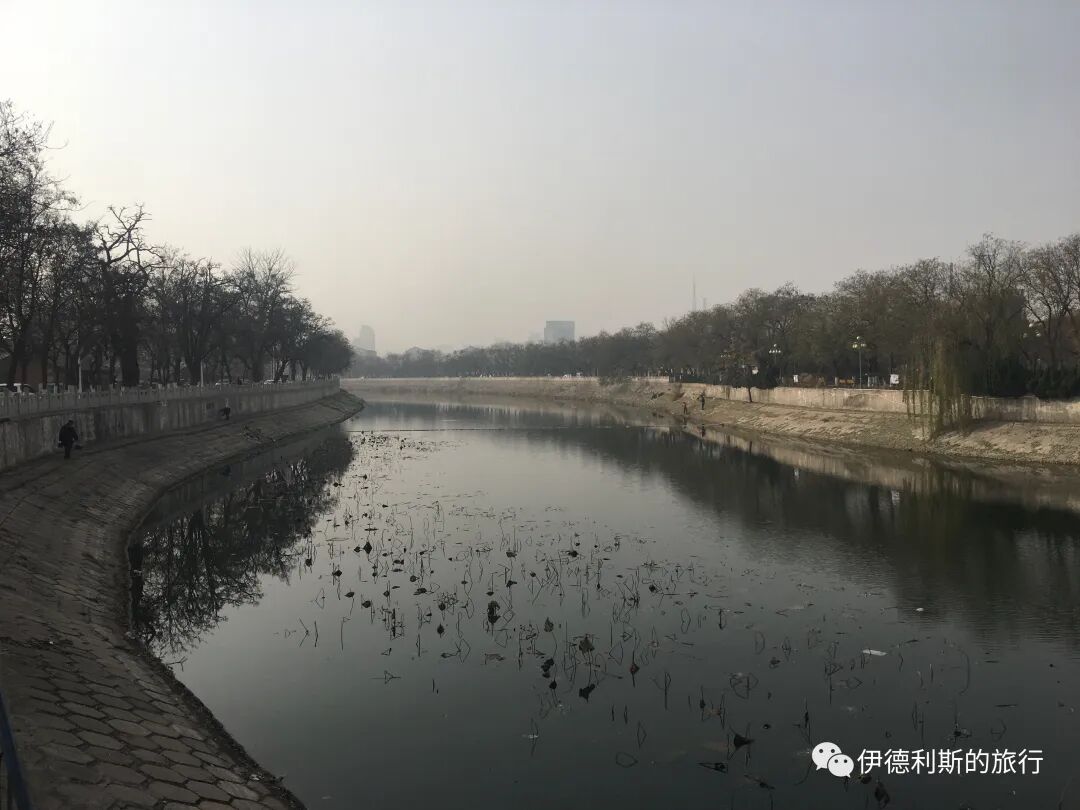
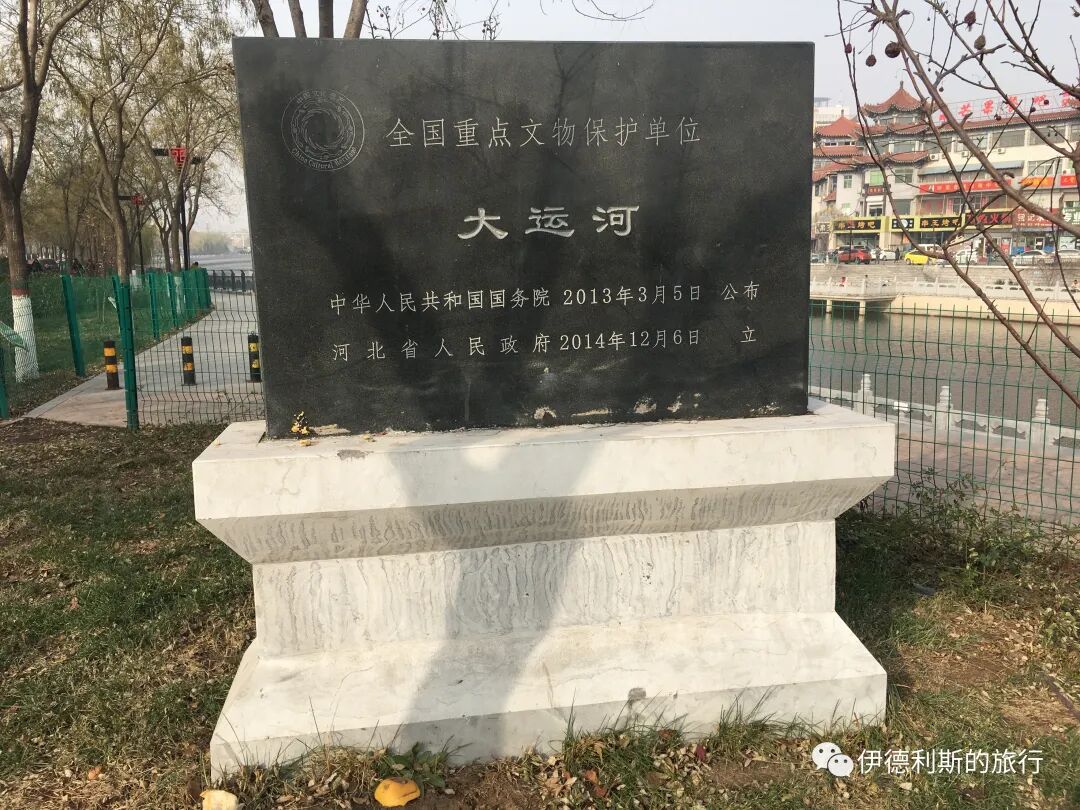
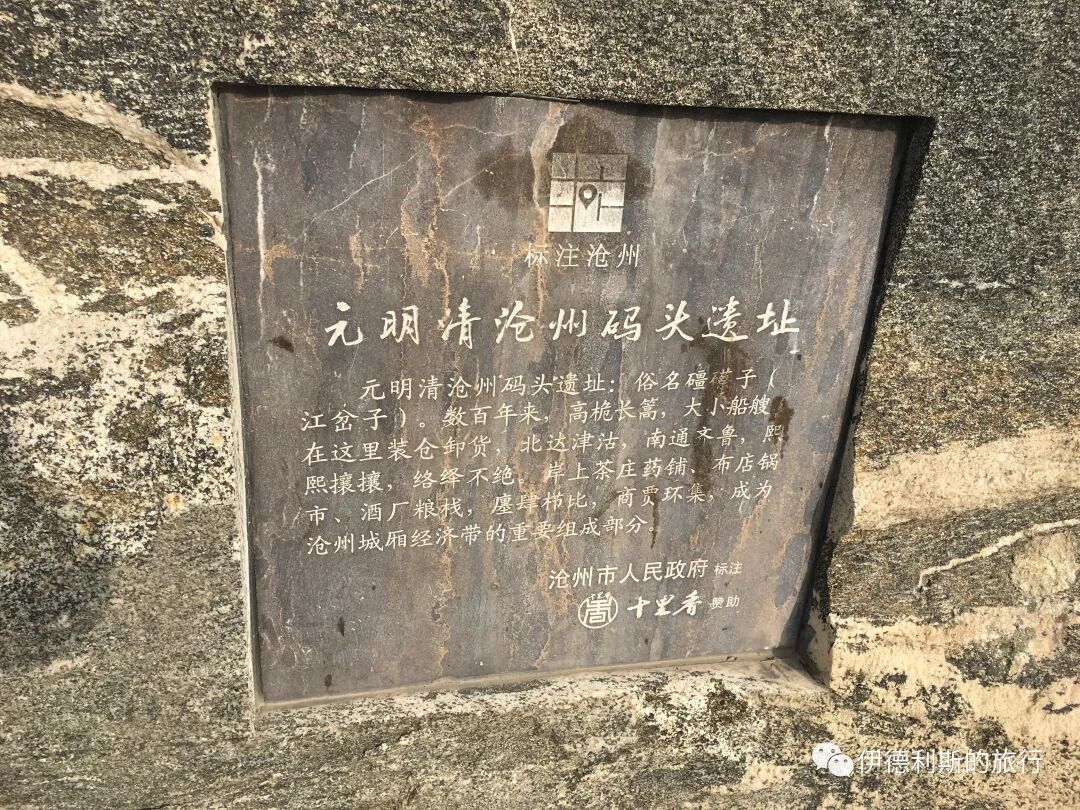
The canal wharf is not far from the west side of the Hui Muslim district in the south of the city. In 1411 (the ninth year of the Yongle reign), the Ming Dynasty cleared the silted-up section of the Grand Canal known as the Huitong River. This reopened the north-south water transport route, and the new Cangzhou city, which had moved from the old state city, became a hub for water transport.
At that time, many Hui Muslims made their living directly from water transport. The wealthiest boat owners rented out their ships or hired people for transport. Ordinary small boat owners made a living by ferrying, while the poorest Hui Muslims survived by pulling boats along the riverbank or carrying cargo at the wharf.
The convenience of water transport naturally led to a boom in business. Before the July 7th Incident, there were over five hundred halal restaurants in Cangzhou city. These included large establishments like Qinghua Restaurant and Tianqing Hall, as well as large tea houses like Wancheng Tea House. There were also various banks and grocery stores run by Hui Muslims, marking the peak of commercial activity for Cangzhou's Hui Muslims. (The Influence of the Canal on the Formation and Development of Hui Muslim Settlements in Cangzhou)
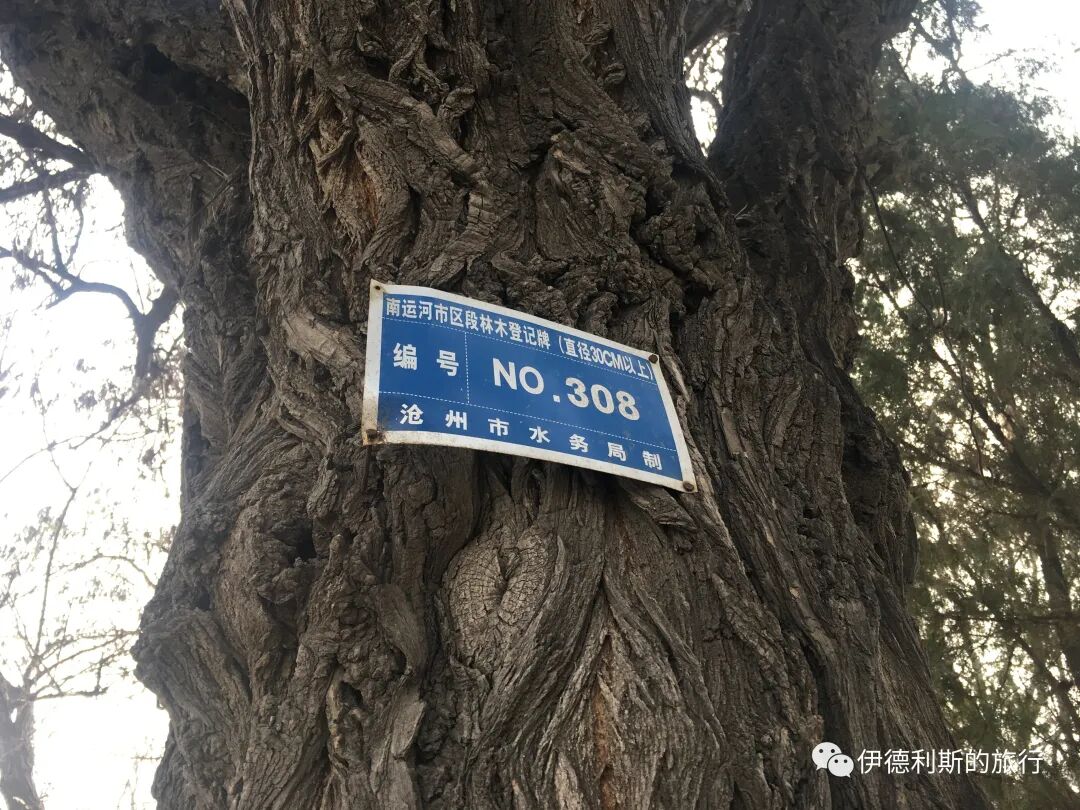
Until the 1960s, cargo ships still traveled constantly along the South Canal, and water transport in Cangzhou remained prosperous. However, by the 1970s, the water source for the South Canal channel deteriorated sharply and could no longer provide the water volume needed for transport, so the Cangzhou water transport wharves were abandoned.
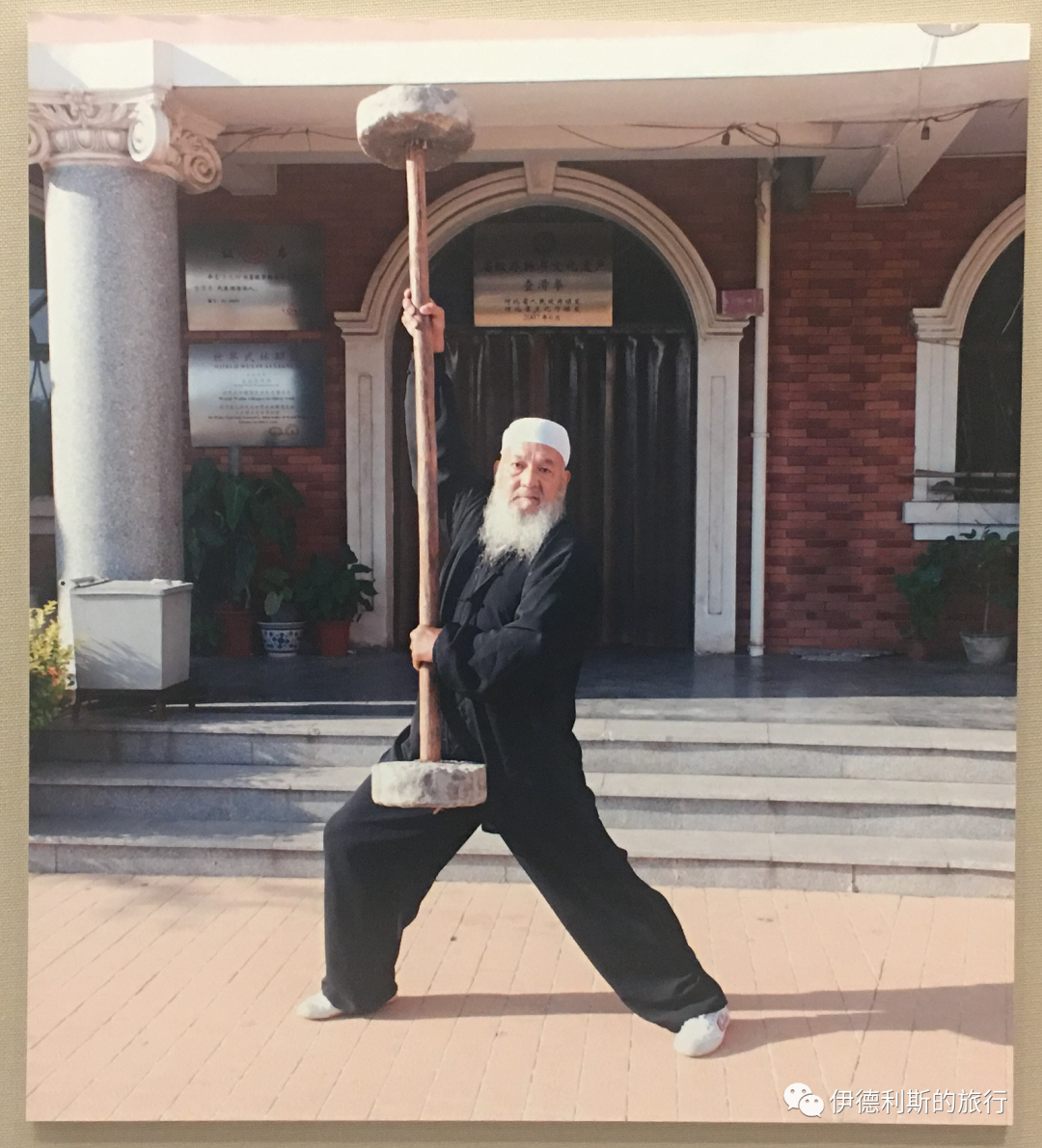
Cangzhou has many Hui Muslim martial artists and schools. Besides the previously mentioned Wu-style Kaimen Baji Quan, there is also the famous Cha-Hua Quan. Cha-Hua Quan was created by Hui Muslims Cha Shangyi, Hua Zongqi, and Wu Dianzhang. It is also called Huihui Quan and is very popular among Hui Muslims in Shandong and Hebei.
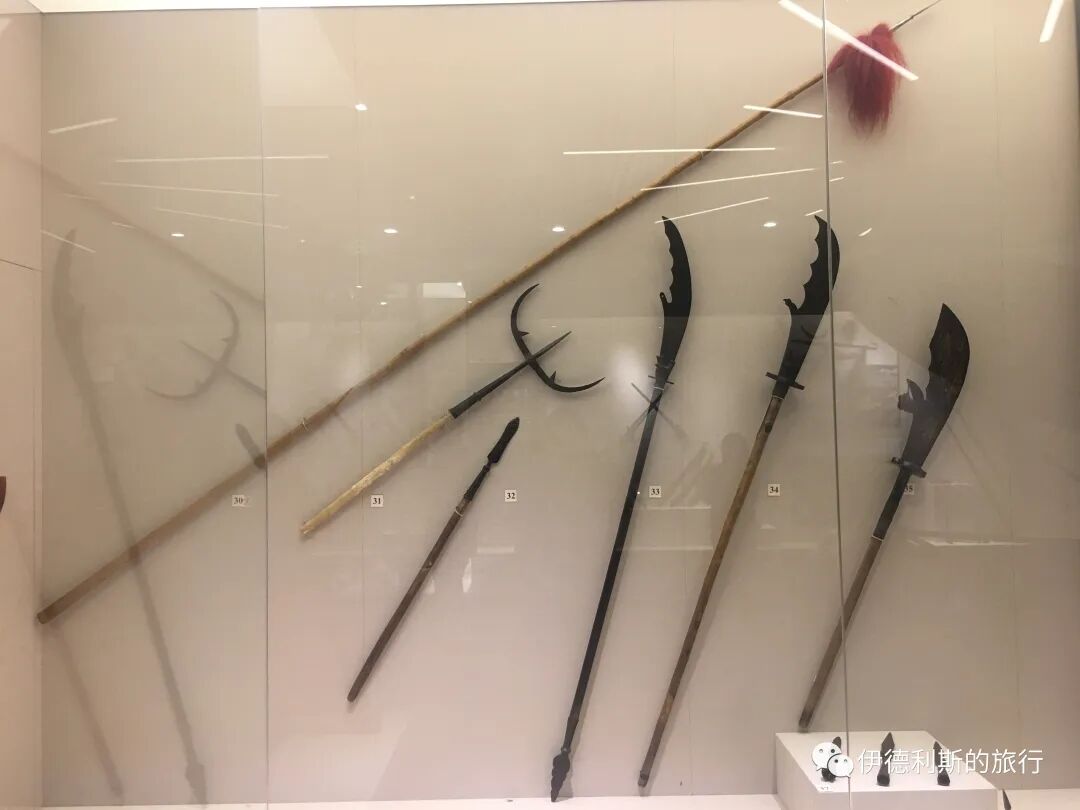
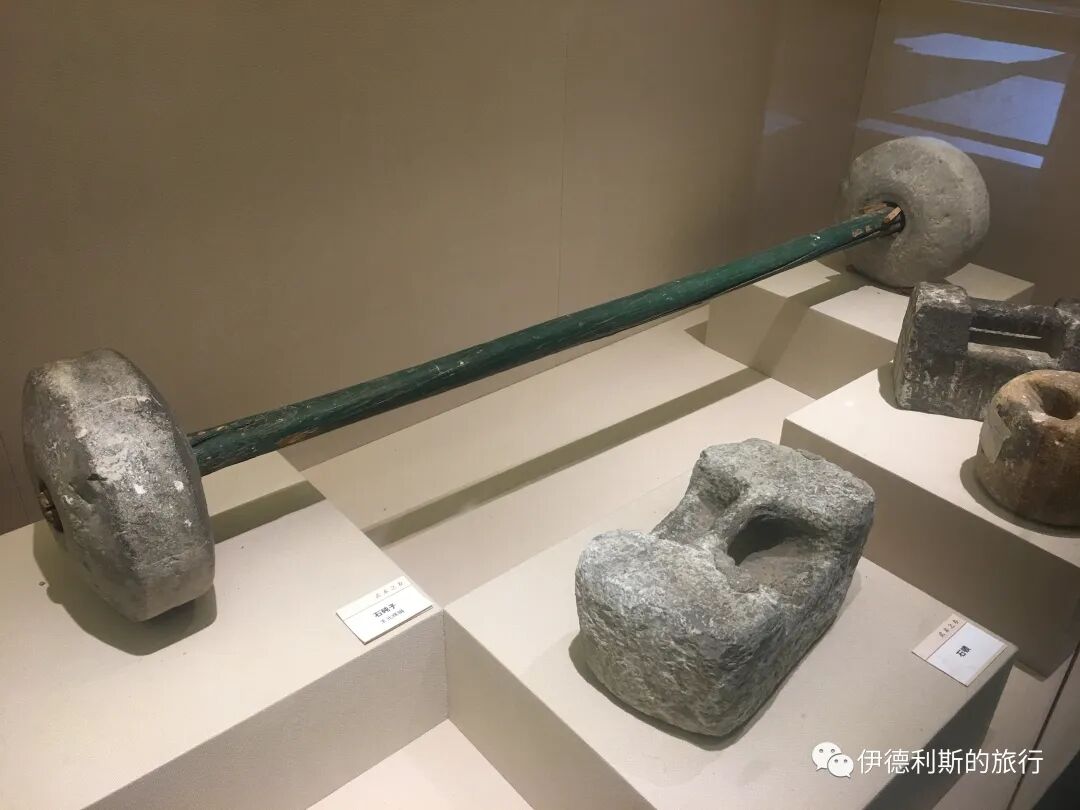
Wang Yuanxiang from Cangzhou is a fifth-generation successor of the Cha-Hua school and is skilled in using the long spear (daxing qiang). The longest spear in the picture below is the one he donated to the Cangzhou Museum.
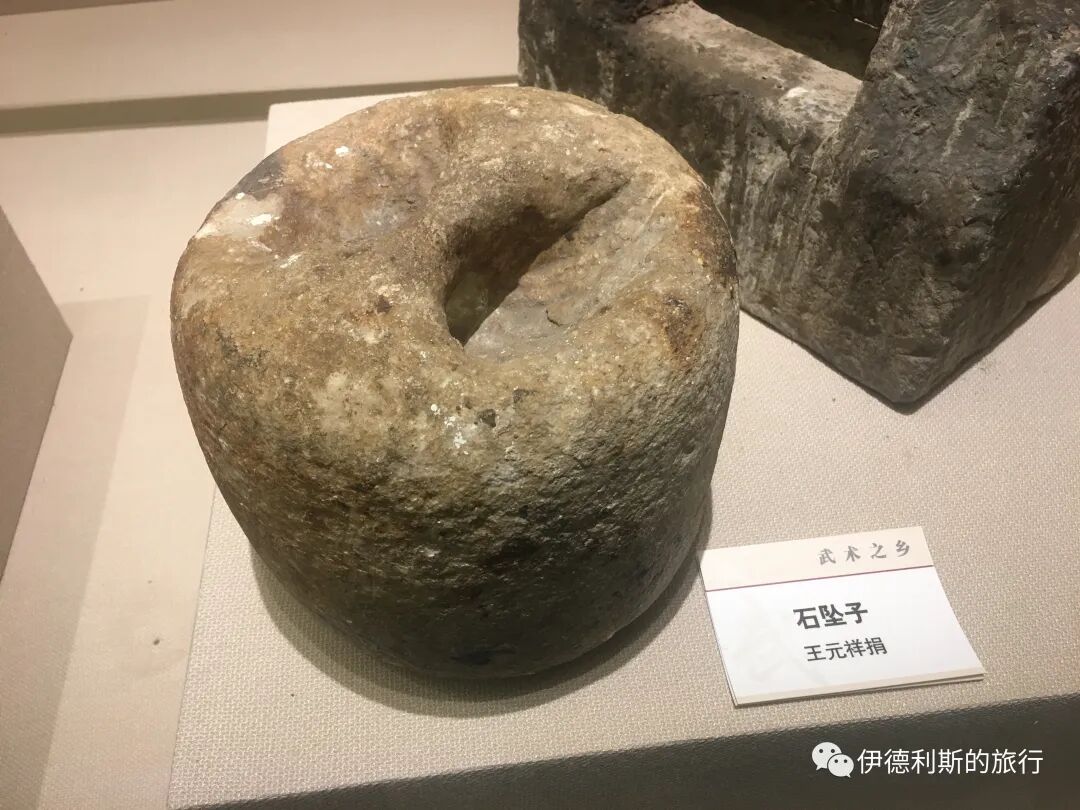
Practicing Cha-Hua Quan often requires the use of stone weights (shidun). The stone weight below was also donated by Wang Yuanxiang.
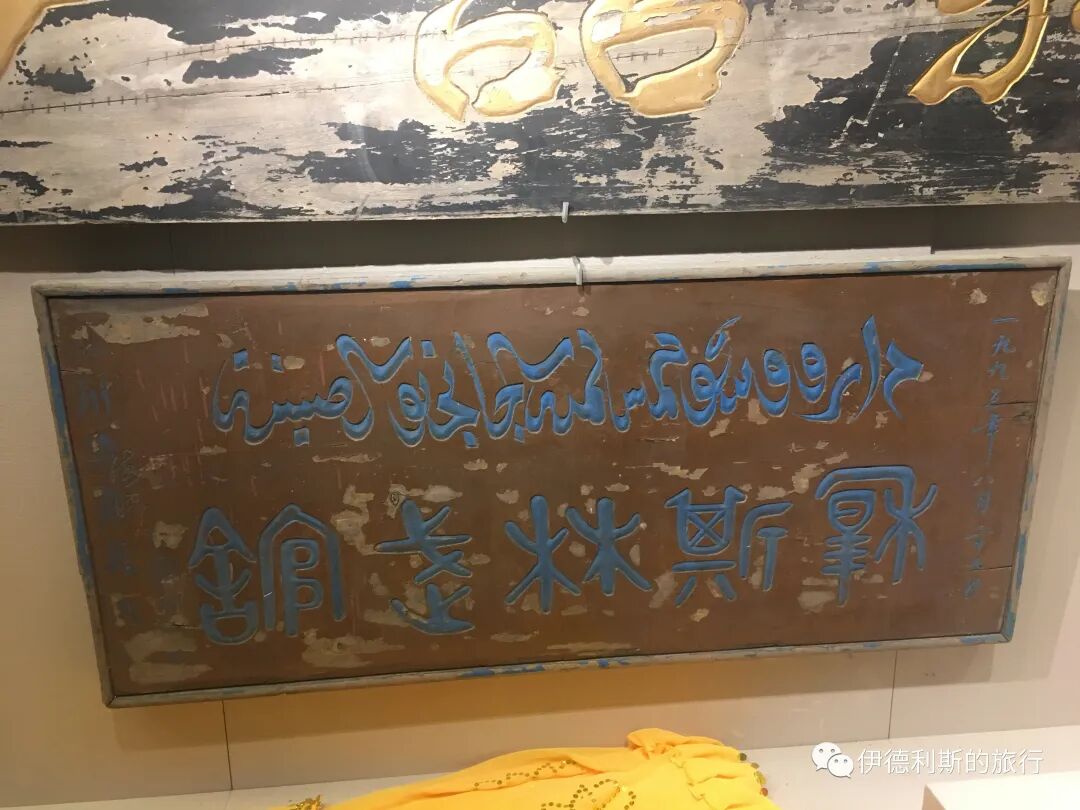
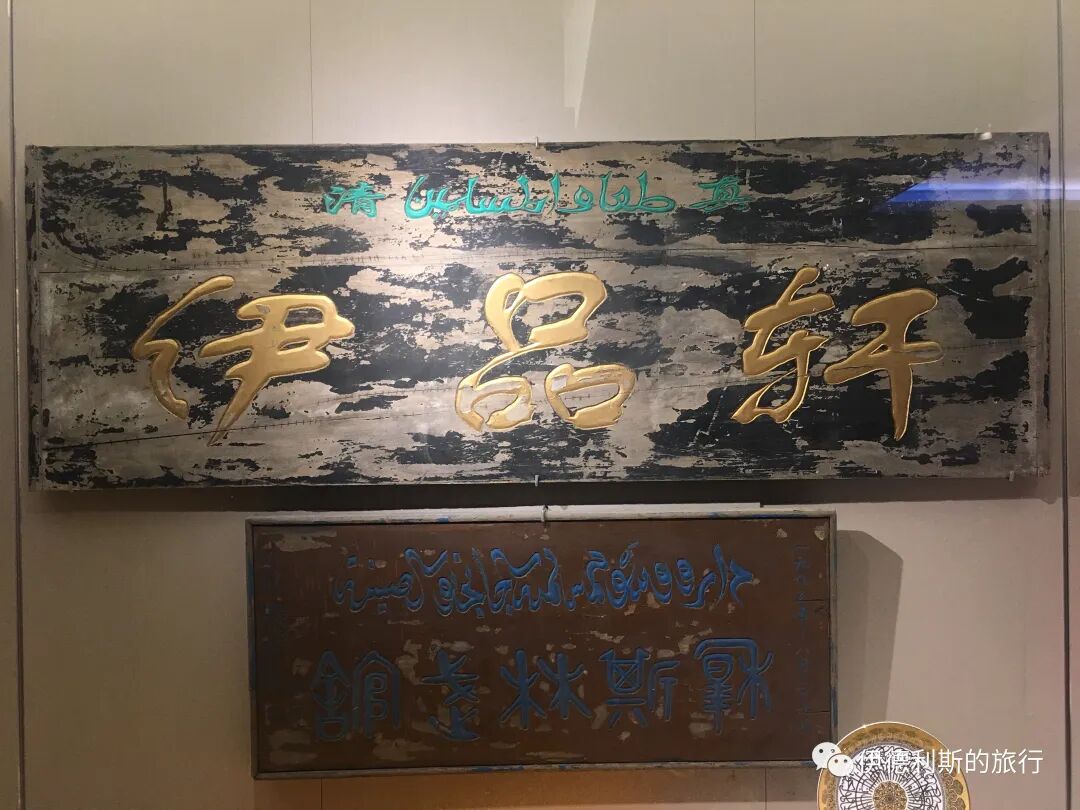
The religious exhibition cabinet at the Cangzhou Museum.
Summary: This China Mosque Travel Guide keeps the original 2016 Cangzhou travel notes intact while making the route clear for Muslim readers. It is useful for China Muslim travel tips, halal food in China, Chinese Muslim food, and old mosque heritage in Hebei.
I visited the Hui Muslim community in Cangzhou twice, on November 26, 2016, and March 25, 2017. I will share my experiences here. Some information in this article comes from the book Cangzhou Hui Muslims by Wu Piqing.
The high-speed train from Beijing South Station to Cangzhou West Station takes only 50 minutes. At Beijing South Station, there is a fast-track entrance for the Beijing-Shanghai high-speed railway right at the subway exit. You can swipe your card to leave the subway and head straight to the train, which is very convenient.
When you leave Cangzhou West Station, you can take a metered taxi. It costs about a dozen yuan and takes 20 minutes to reach the mosque. When Cangzhou locals talk about the mosque, they usually mean the North Great Mosque (Qingzhen Beidasi) on the main street. It is the most magnificent mosque in Cangzhou. Once at the mosque, I first went to eat the famous Wu's All-Beef Soup (Wu Ji Quan Niu Tang).
From Wu's All-Beef Soup to the Cangzhou Hui Muslim district.
Wu's All-Beef Soup has cost fifty yuan a bowl for years. Don't let the price scare you; once you see the amount of beef, you will know it is worth it. You take dried beef from the counter and dip it in the boiling soup. The beef soup is incredibly delicious, and the beef is very fragrant. It keeps you full for a long time. You can eat all the flatbreads you want there. I chose this long, multi-grain flatbread, which goes perfectly with the soup.
After finishing the beef soup, I have to talk a bit about the Wu family of Cangzhou. The Wu family is an important branch of the Hui Muslims in Cangzhou, and they are closely linked to the city's history.
Like many canal cities, Cangzhou has had Hui Muslim merchants settling down with their families since the Yuan Dynasty. However, the Cangzhou city of that time was not the one we see today. It was located at the Old Prefecture City ruins, 20 kilometers southeast of the current city, where the famous Cangzhou Iron Lion stands.
In 1399, during the Jingnan Campaign, the Prince of Yan, Zhu Di, captured the old Cangzhou city. He killed thousands of surrendered soldiers and tens of thousands of residents, destroying the entire city. The Prince of Yan's sweep to the north became a major turning point in Cangzhou's history.
In 1404, after the war, Cangzhou began to rebuild. Zhu Di, who had gone from Prince of Yan to the Yongle Emperor, ordered the city moved to Changlu by the Grand Canal. He brought in residents from Shanxi, Shandong, and Anhui to settle there, forming the new Cangzhou city.
Just one year before the city was rebuilt, in 1403, the Wu family ancestor, Zuoyong, was appointed as the Assistant Prefect of the Cangzhou Salt Transport Commission in Hejian Prefecture, Zhili. He moved to Cangzhou from Shexian, Anhui. Cangzhou borders the Bohai Sea to the east and has had a thriving salt industry since ancient times. The Cangzhou Salt Transport Commission, established in the early Ming Dynasty, managed the local salt trade. The salt fields were located by the Grand Canal west of Cangzhou city. Transport was very convenient and cost-effective, making the salt popular along the canal.
a descendant of the Wu family, Wu Zhong, founded the famous Wu-style Baji martial arts during the reigns of the Yongzheng and Qianlong emperors, becoming the pride of Cangzhou's Hui Muslims.
Cangzhou North Great Mosque.
The area south of the city gate was an important passage to the canal. Most Hui Muslim artisans and small vendors chose to live there. In 1420, the Cangzhou North Great Mosque was built in the south of the city on land donated by the Wu family ancestor Yongzuo, marking the formal establishment of the Cangzhou Hui Muslim community.
The Fatimah Auntie Festival (Fatumei Gutai Hui), one of the two major festivals and two major gatherings in North China.
The North Mosque (Beidasi) in Cangzhou is grand, but it was badly damaged in the 1908 earthquake, which caused the main hall to tilt toward the south. Local legend says a famous Cangzhou craftsman named Master Jiang Ba dismantled the four walls of the hall, straightened the structure, and restored it. During the Cultural Revolution, the Cangzhou Instrument Factory took over the North Mosque. They tore down the hall and the south lecture hall, burned historic plaques, smashed the roof of the main hall, and removed the front gate.
The North Mosque was only fully repaired after the factory moved out in 1989. Its layout changed quite a bit to reach its current form.
Halal food near the North Mosque
There are many small shops on both sides of the North Mosque gate. I bought some local specialty crispy candy (sutang) at the Wangji Crispy Candy and Pastry Shop. I only got to eat this during the Chinese New Year when I was a kid, so it brings back many memories.
Horseshoe-shaped crispy pastry (matisu) bought at the pastry department of the Cangzhou Halal Food Factory.
The halal red bean buns (doubao) next to the North Mosque are delicious. I bought a bunch both times I visited.
Women's Mosque (Qingzhen Nüsi)
Across from the North Mosque is the Women's Mosque, which was first built in 1666 (the fifth year of the Kangxi reign). The Women's Mosque used to be called the Inner City Mosque (Chengli Qingzhensi), and it was separated from the North Mosque by the south city wall of Cangzhou. The Inner City Mosque faced a similar fate to the North Mosque, suffering near-total destruction in the 1960s and 70s before being restored in the 1980s. In 1986, the Inner City Mosque became the Women's Mosque. It was rebuilt in 1993 to look the way it does today.
The Hui Muslim district in the south of Cangzhou city
South of the North Mosque is the Hui Muslim district. Although the houses have been rebuilt, the original street layout remains.
Halal food on Minzu Street
The heart of the southern Hui Muslim district is the Minzu Street food market, which is packed with all kinds of Hui Muslim snacks.
The East Mosque (Dongsi) is at the east end of the street.
Liuji pine nut chicken legs (songhuajitui) are chicken sausages stuffed with pine nut jelly. They go perfectly with flatbread (laobing) or steamed buns (mantou).
This is the third place outside of Beijing and Tianjin where I have had tea soup (chatang). The version in Cangzhou came from Tianjin along the Grand Canal, but this shop uses more ingredients and has a stronger flavor.
I bought two bags of five-spice peanuts. The black ones are addictive when eaten with tea.
I walked all the way to the west end of Minzu Street and had a pizza at Oumale.
Botou Yang family sesame flatbread (shaobing)
I bought sugar-filled triangular flatbreads (tang sanjiao shaobing) and black rice crispy flatbreads (heimi su shaobing) at the Cangzhou branch of Botou Yang Family Flatbreads (Yangjia shaobing).
Yang Yongchang, the founder of Yang Family Flatbreads, opened a roadside inn called Yongchang Store in the ancient canal town of Botou, south of Cangzhou, in the 1930s. He started making flatbreads then and continued until the business was closed during the public-private partnership transition in 1956. In 1979, Yang Family Flatbreads reopened. It became a Cangzhou municipal-level intangible cultural heritage site and developed many new varieties that taste as delicious as pastries.
The Grand Canal in Cangzhou.
The canal wharf is not far from the west side of the Hui Muslim district in the south of the city. In 1411 (the ninth year of the Yongle reign), the Ming Dynasty cleared the silted-up section of the Grand Canal known as the Huitong River. This reopened the north-south water transport route, and the new Cangzhou city, which had moved from the old state city, became a hub for water transport.
At that time, many Hui Muslims made their living directly from water transport. The wealthiest boat owners rented out their ships or hired people for transport. Ordinary small boat owners made a living by ferrying, while the poorest Hui Muslims survived by pulling boats along the riverbank or carrying cargo at the wharf.
The convenience of water transport naturally led to a boom in business. Before the July 7th Incident, there were over five hundred halal restaurants in Cangzhou city. These included large establishments like Qinghua Restaurant and Tianqing Hall, as well as large tea houses like Wancheng Tea House. There were also various banks and grocery stores run by Hui Muslims, marking the peak of commercial activity for Cangzhou's Hui Muslims. (The Influence of the Canal on the Formation and Development of Hui Muslim Settlements in Cangzhou)
Until the 1960s, cargo ships still traveled constantly along the South Canal, and water transport in Cangzhou remained prosperous. However, by the 1970s, the water source for the South Canal channel deteriorated sharply and could no longer provide the water volume needed for transport, so the Cangzhou water transport wharves were abandoned.
Cangzhou has many Hui Muslim martial artists and schools. Besides the previously mentioned Wu-style Kaimen Baji Quan, there is also the famous Cha-Hua Quan. Cha-Hua Quan was created by Hui Muslims Cha Shangyi, Hua Zongqi, and Wu Dianzhang. It is also called Huihui Quan and is very popular among Hui Muslims in Shandong and Hebei.
Wang Yuanxiang from Cangzhou is a fifth-generation successor of the Cha-Hua school and is skilled in using the long spear (daxing qiang). The longest spear in the picture below is the one he donated to the Cangzhou Museum.
Practicing Cha-Hua Quan often requires the use of stone weights (shidun). The stone weight below was also donated by Wang Yuanxiang.
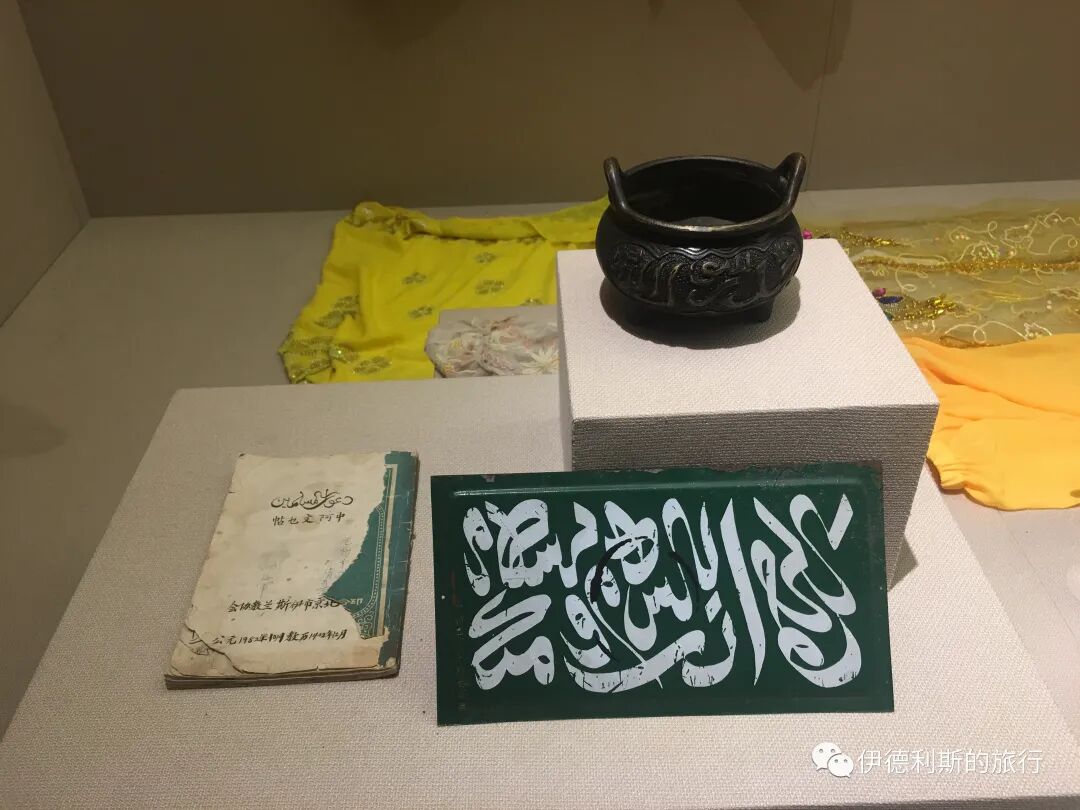
The religious exhibition cabinet at the Cangzhou Museum.
