
Best Halal Food Urumqi: Hui Muslim Street, Beiliang Mosque and Xinjiang Meals During Sha'ban
Reposted from the web
Summary: This Urumqi Sha'ban account begins on February 12, 2026, before Ramadan, and covers family meals, Jumu'ah at Shaanxi Grand Mosque, Beiliang Mosque history, and local Hui Muslim food. It keeps the source's dates, mosque history, dishes, religious gatherings, and photographs.
I flew from Beijing to Urumqi for the Spring Festival holiday on February 12, 2026. With a few days left before Ramadan, I attended some religious gatherings (ermei) and sat for several meals. I am sharing my experiences here.
February 13.
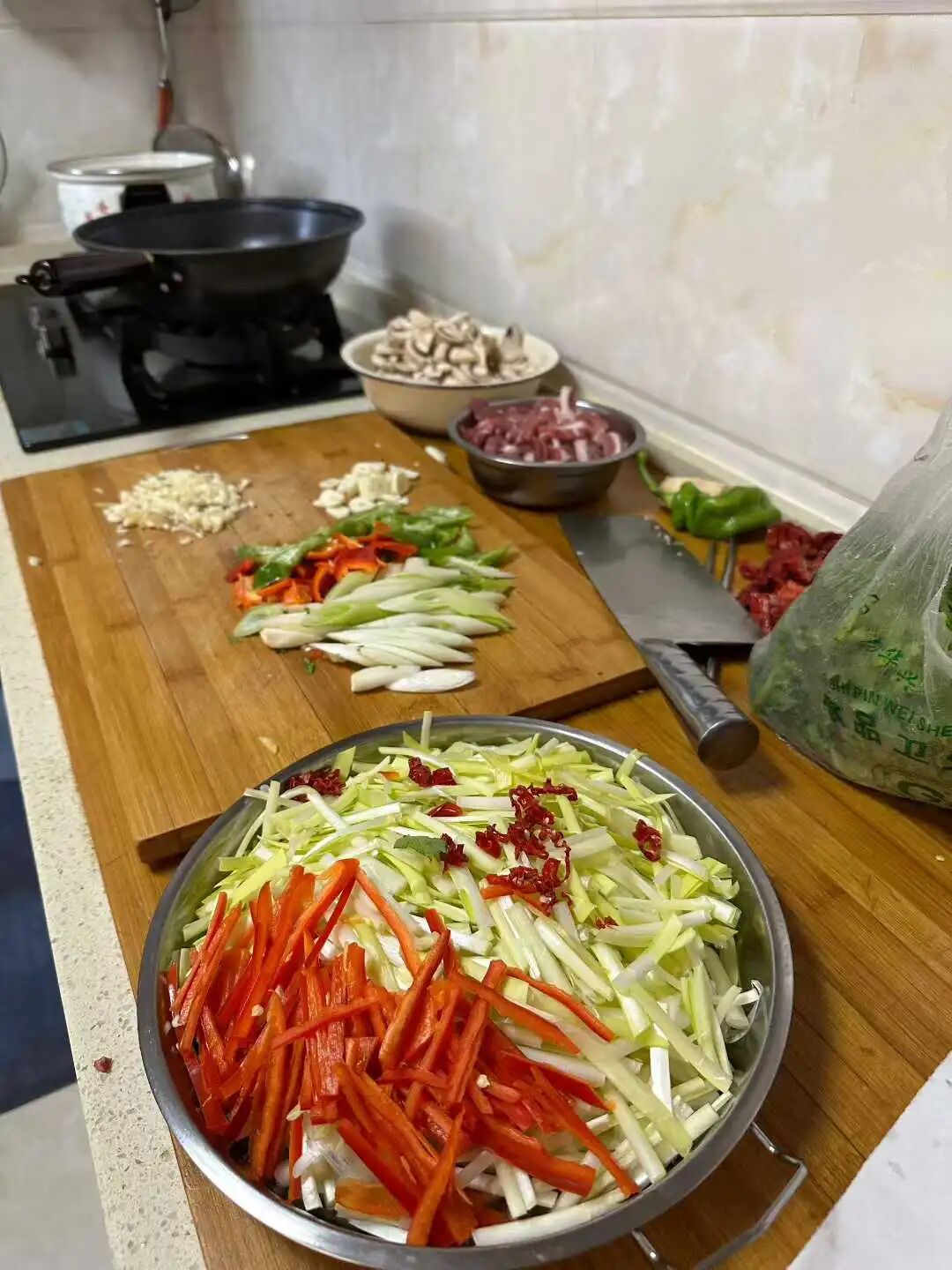
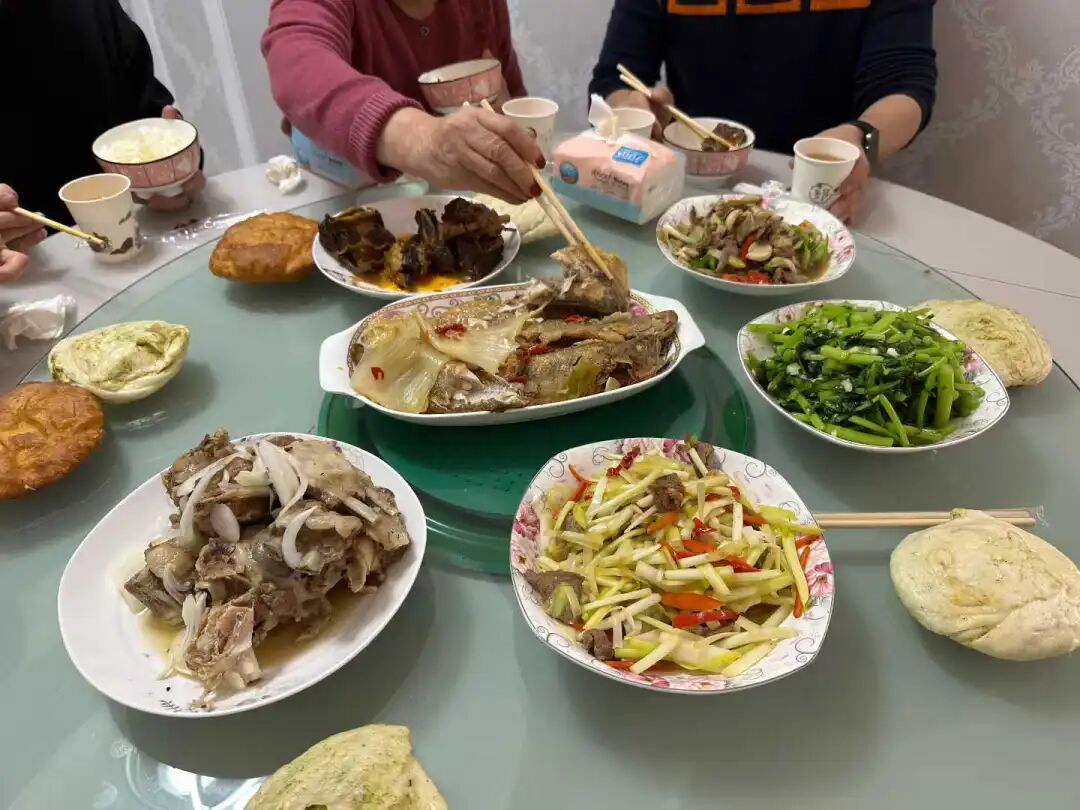
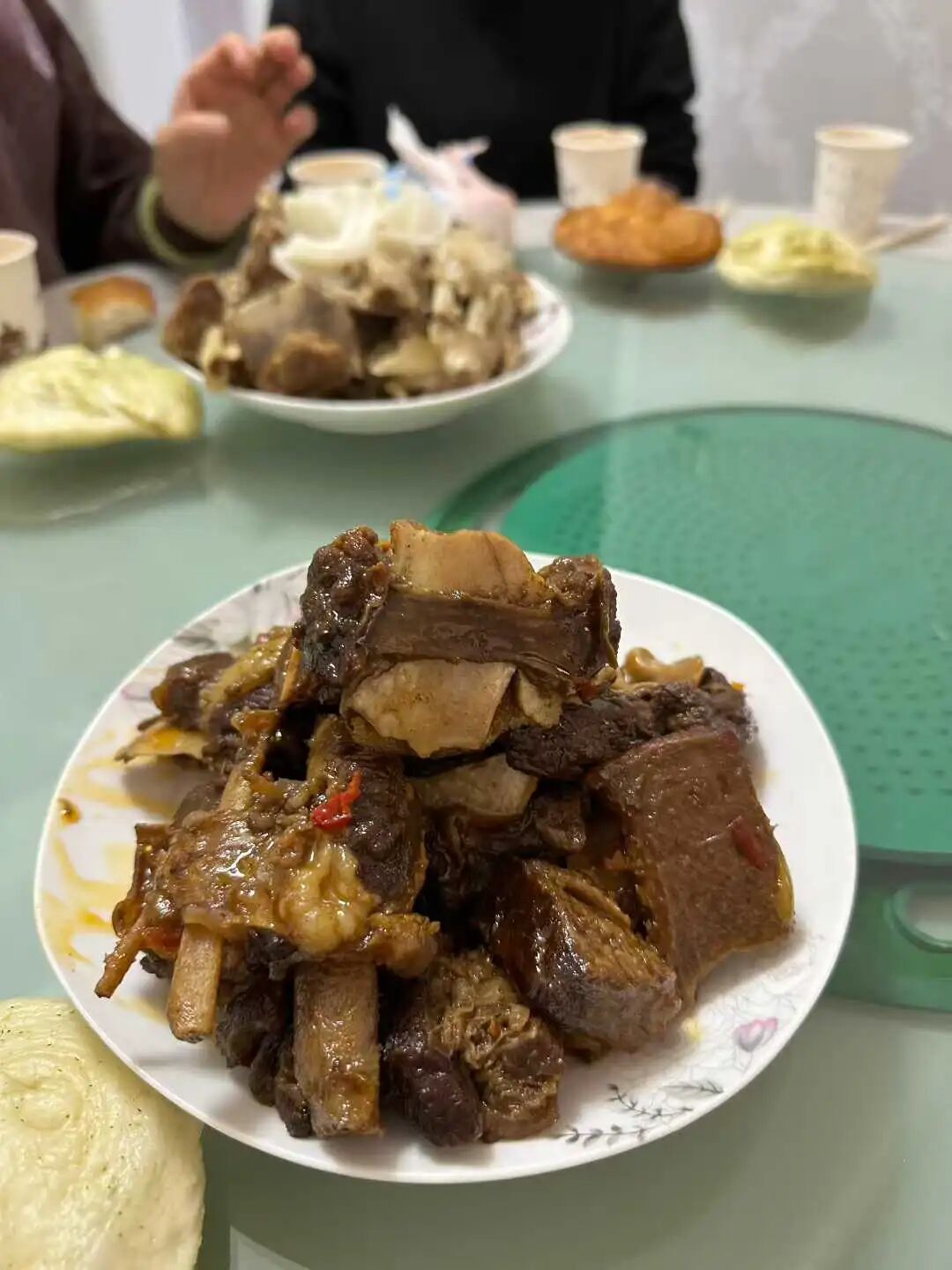
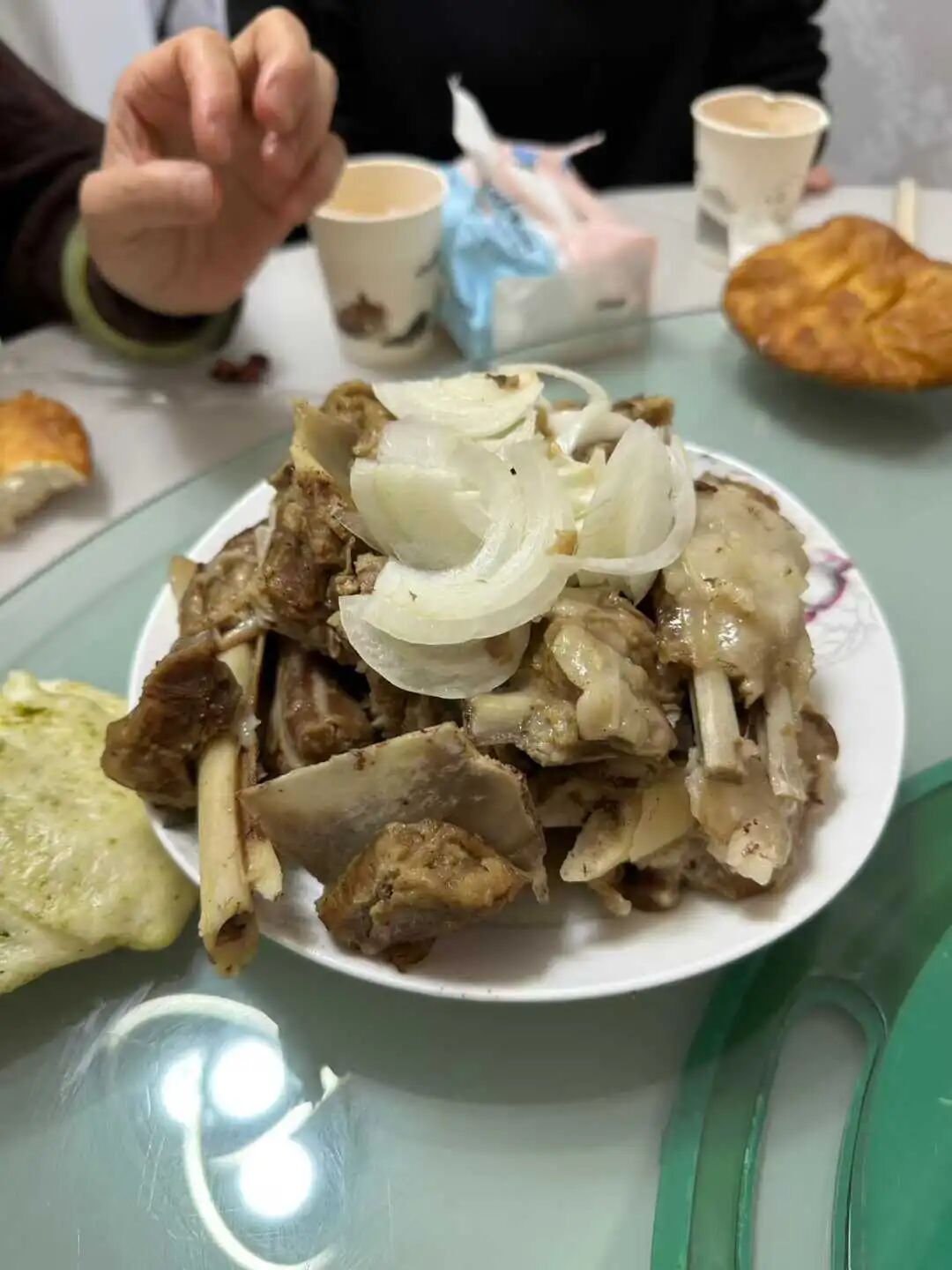
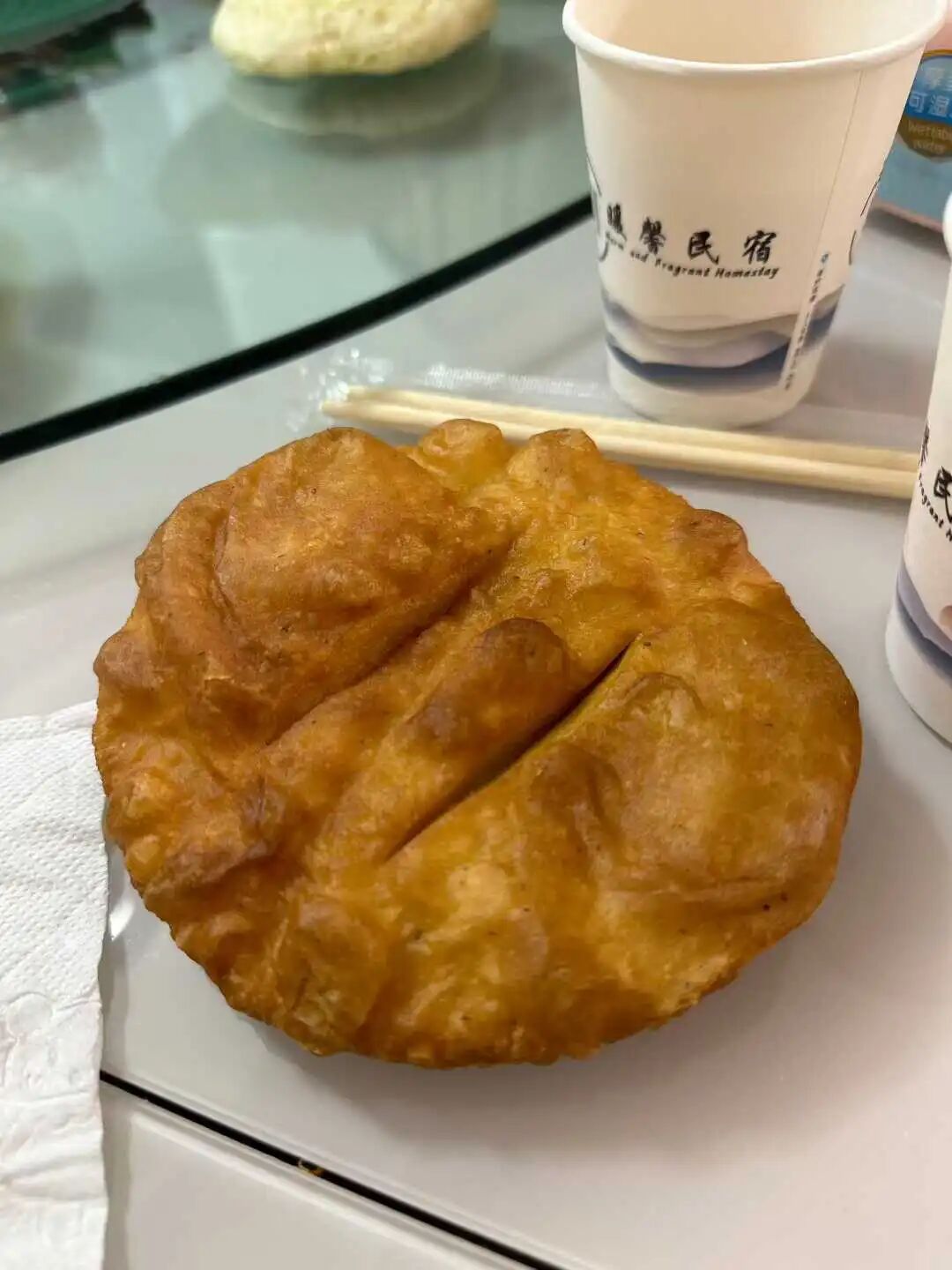
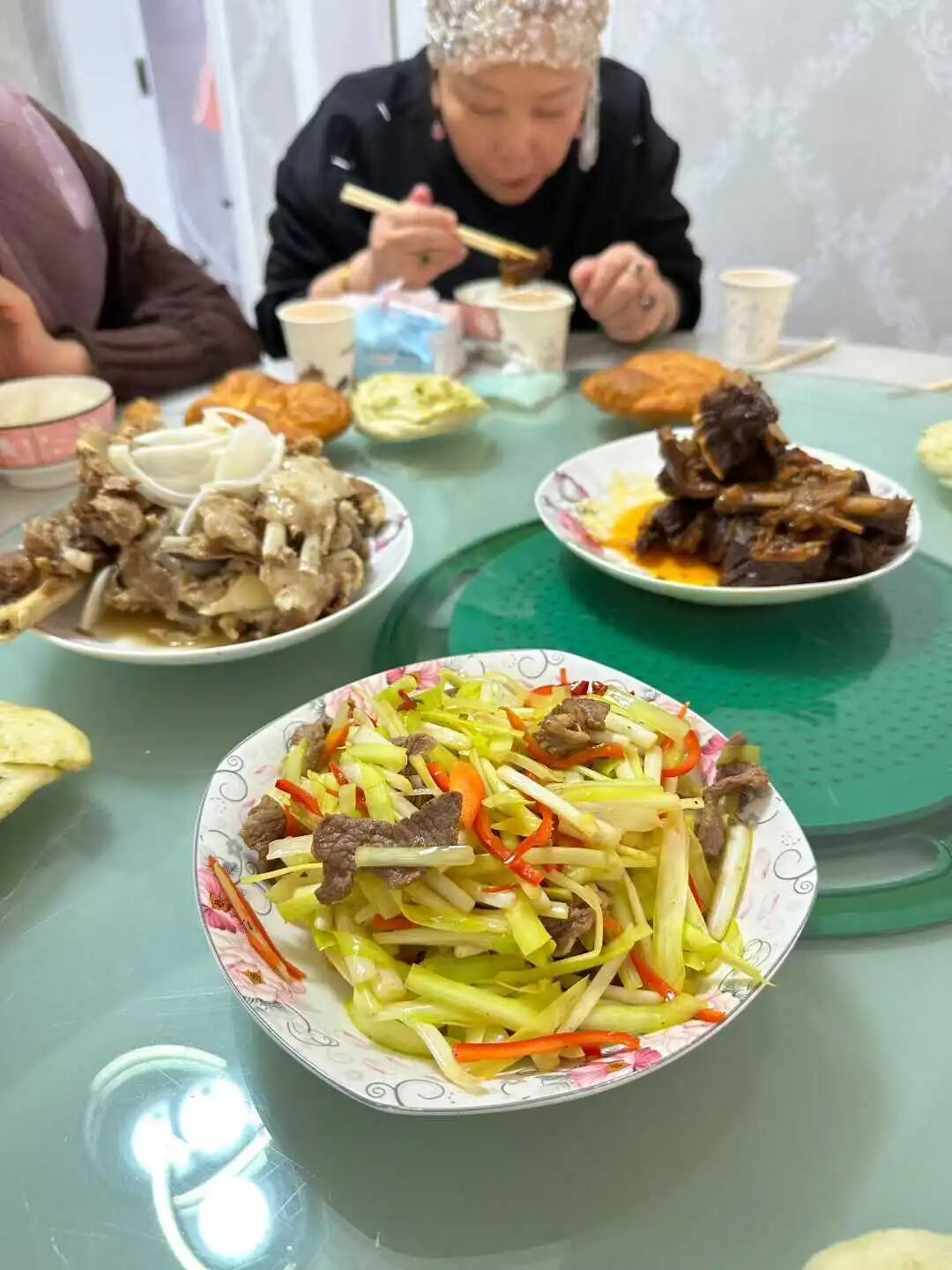
I spent the morning at home reciting prayers (nianye). We had braised beef steak, clear-stewed lamb, and braised fish. The fried dough (youxiang) had been prepared the day before.
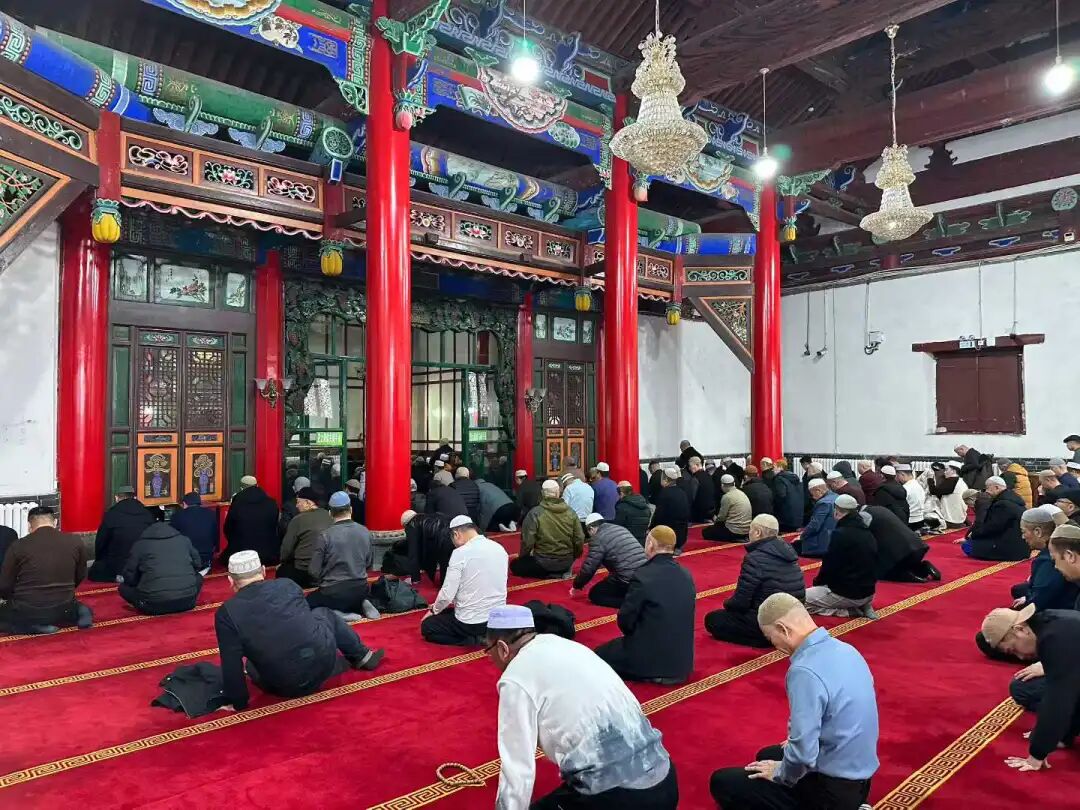
At noon, I went to the Shaanxi Grand Mosque in Urumqi for Friday prayers (Jumu'ah). This was the last Friday prayer before Ramadan. It was very crowded, and the main hall was almost full.
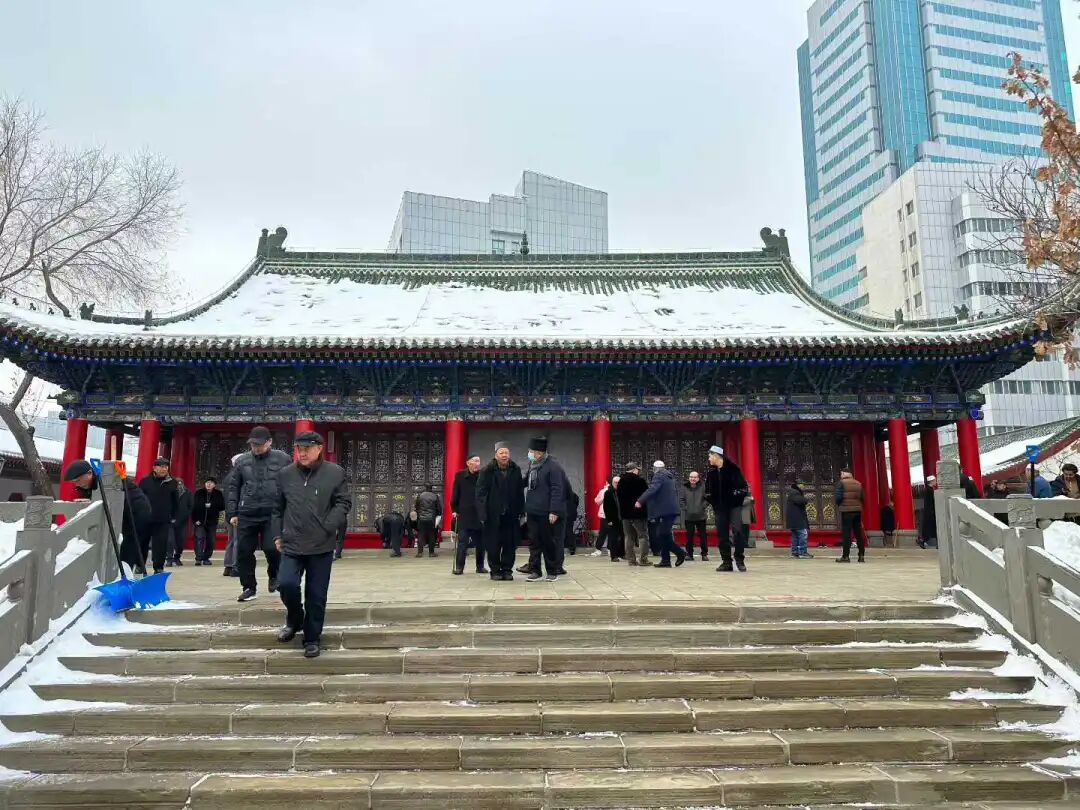
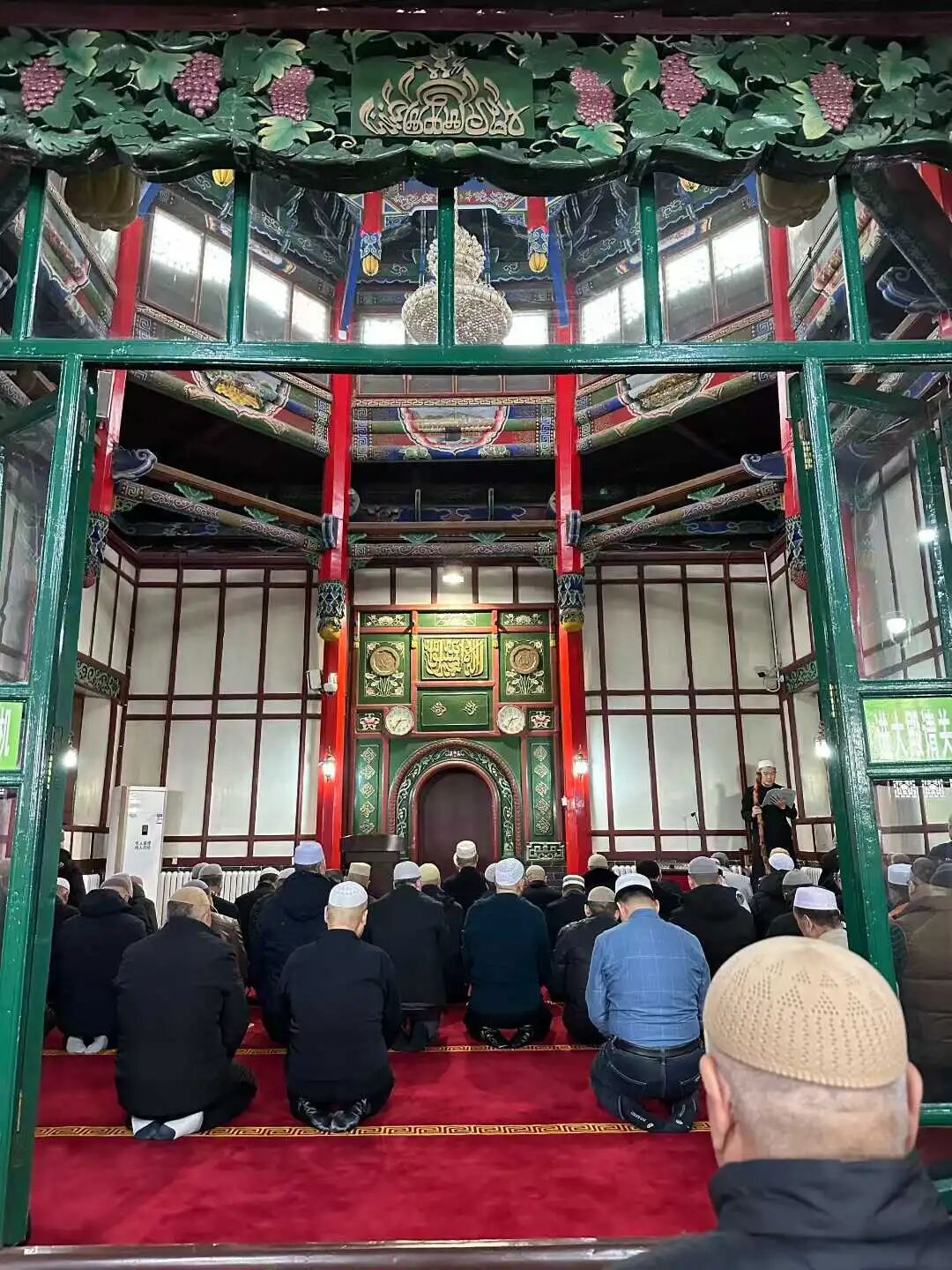
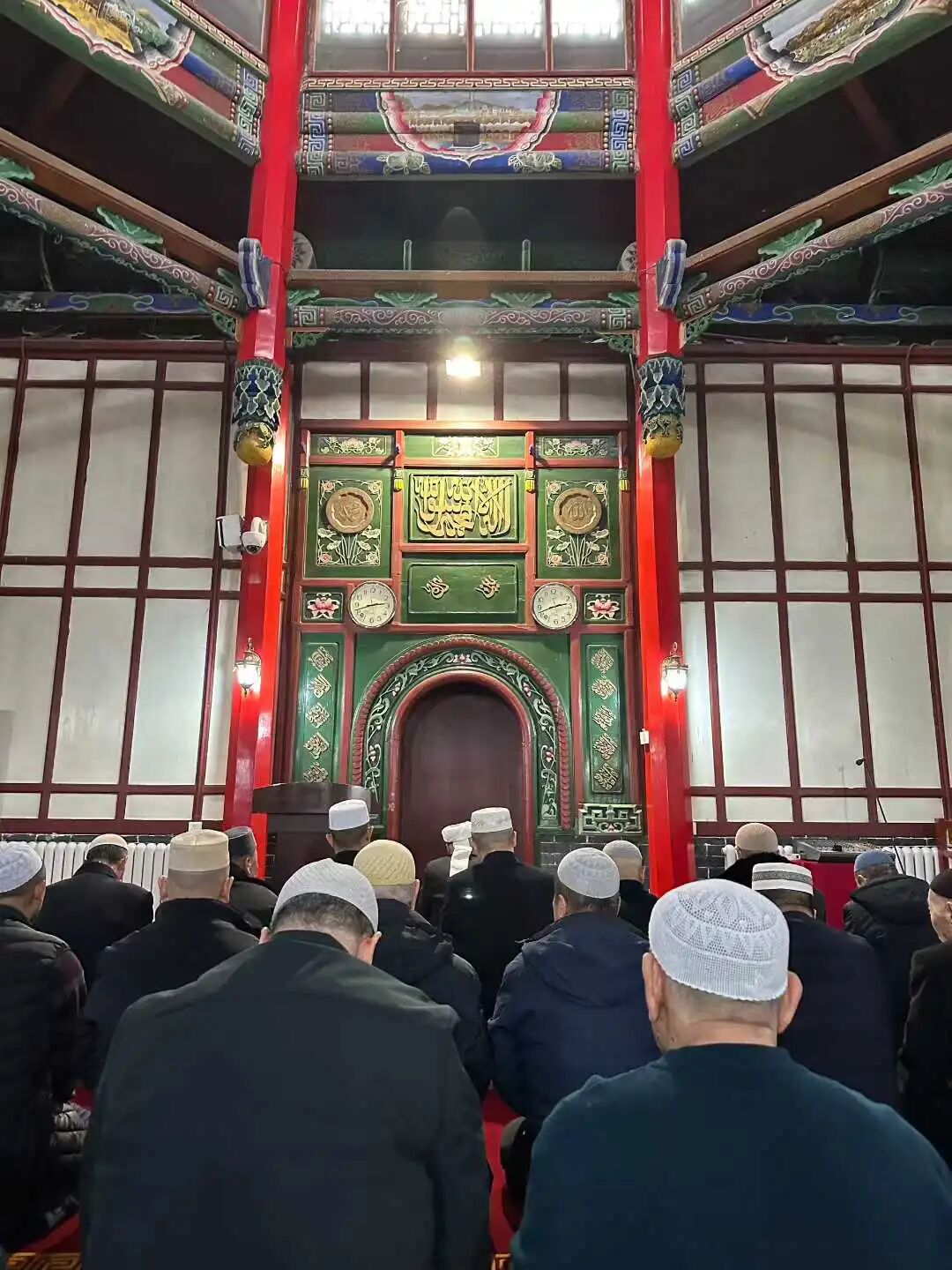
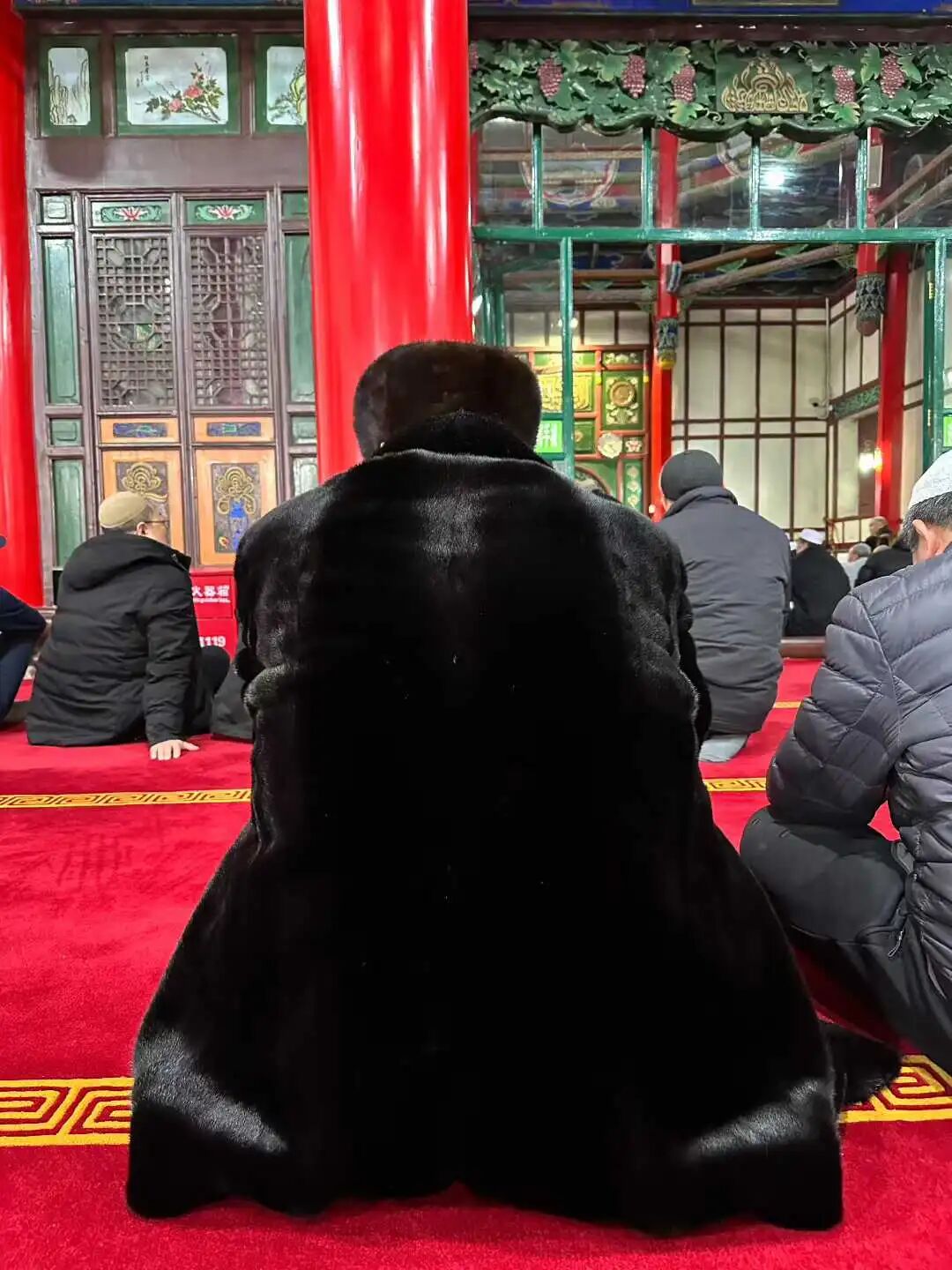
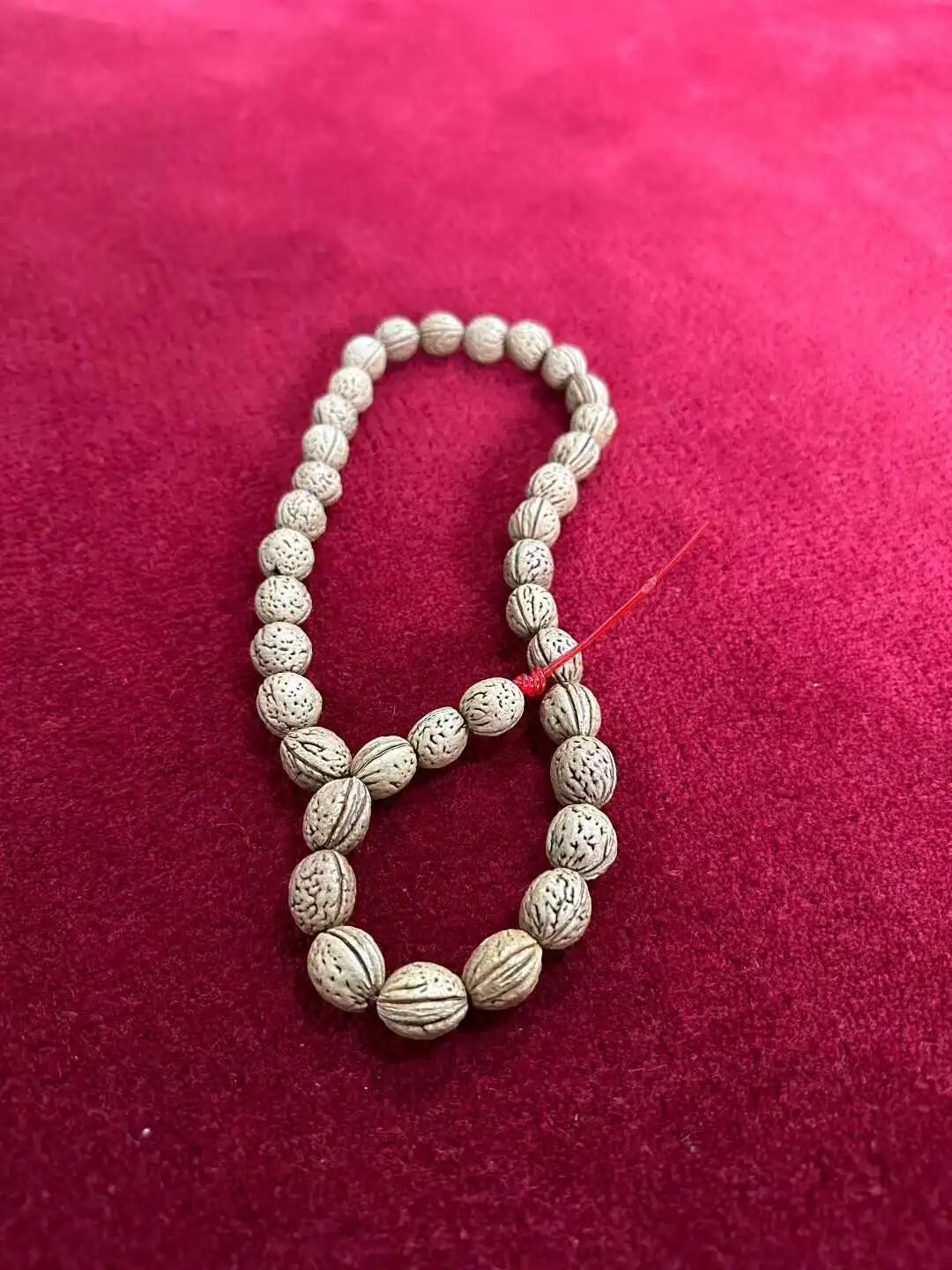
The restaurants behind the Shaanxi Grand Mosque are all delicious. I wrote about them in my previous article, '2025 Urumqi Hui Muslim Street Tour'.
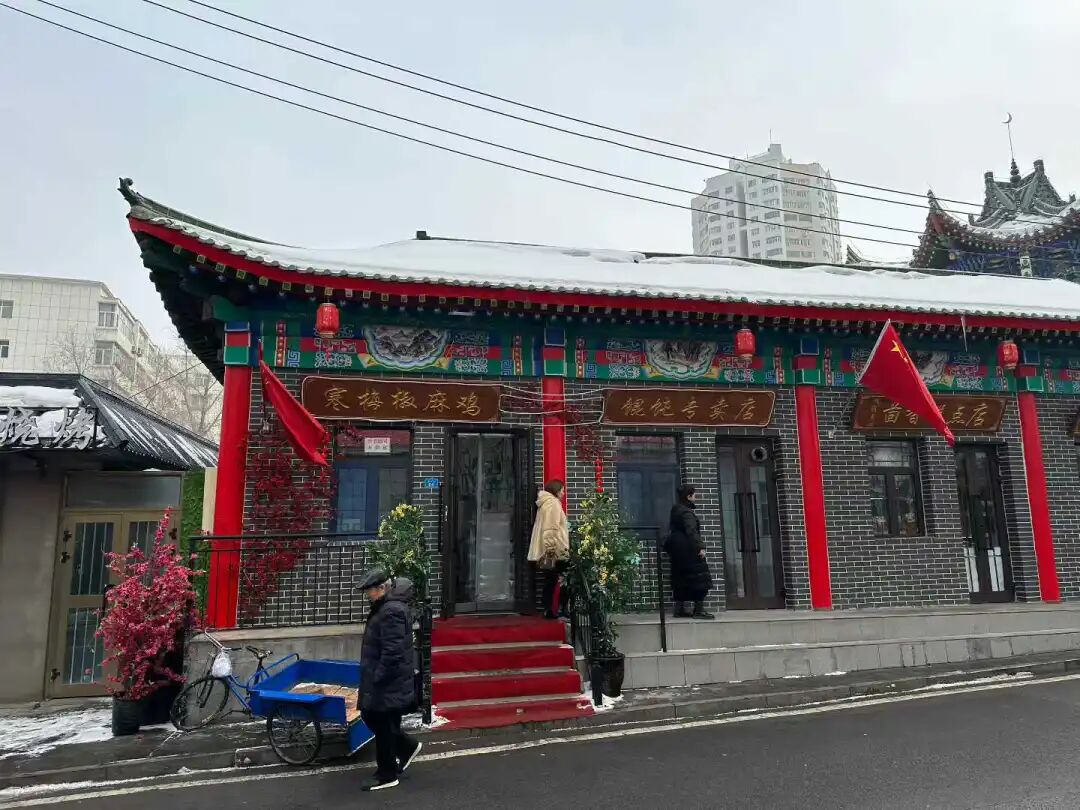
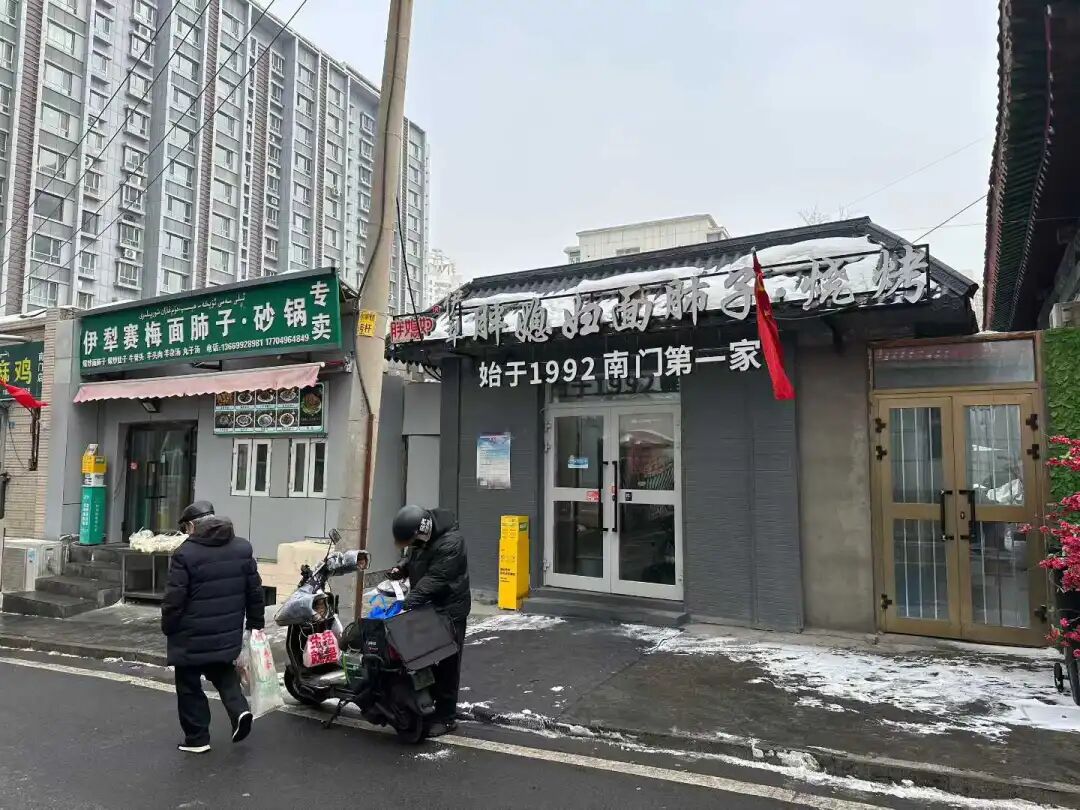
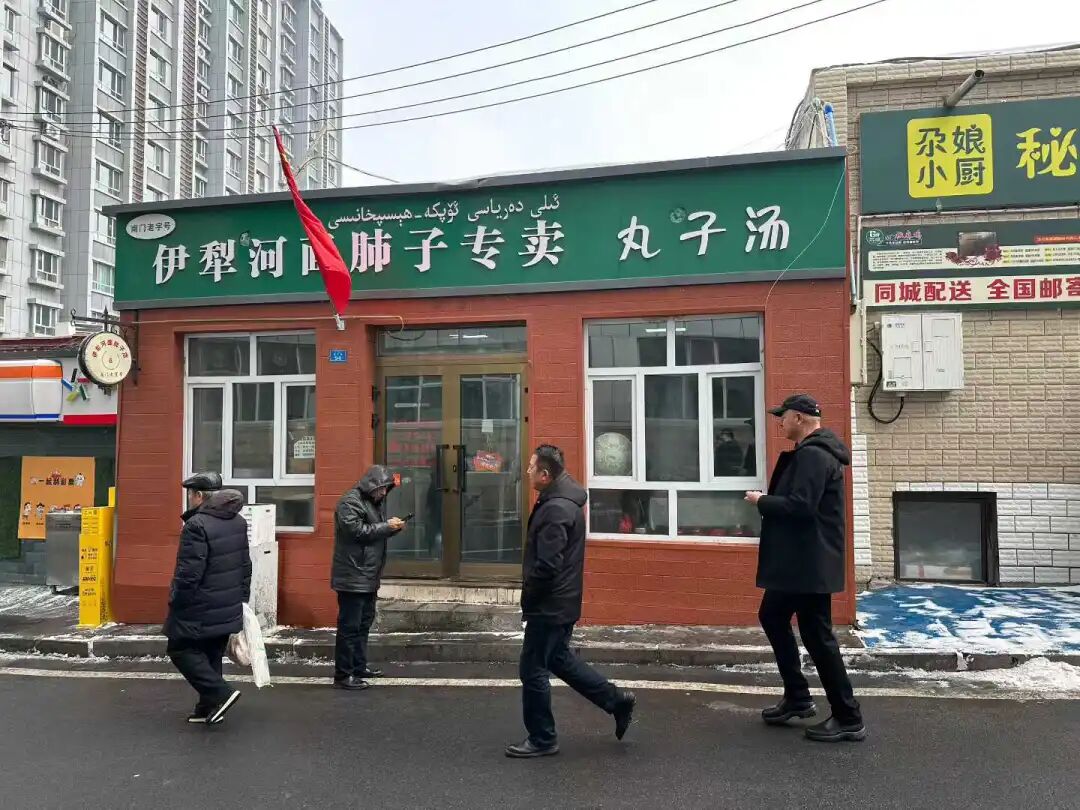
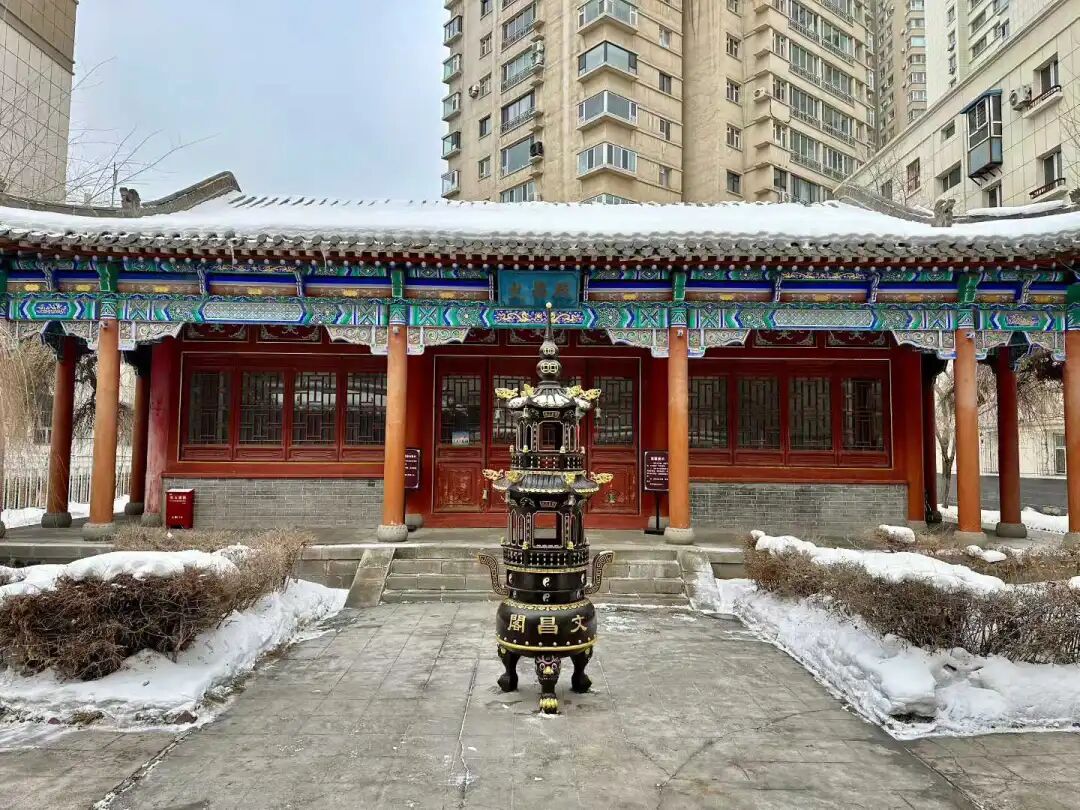
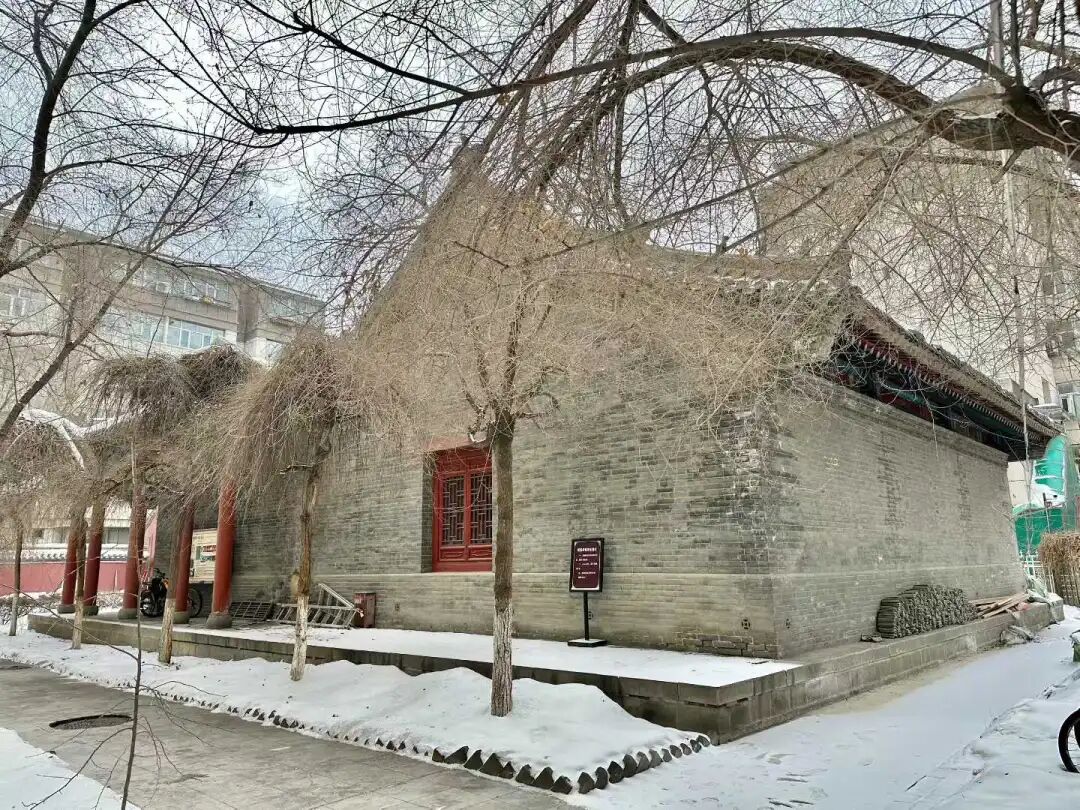
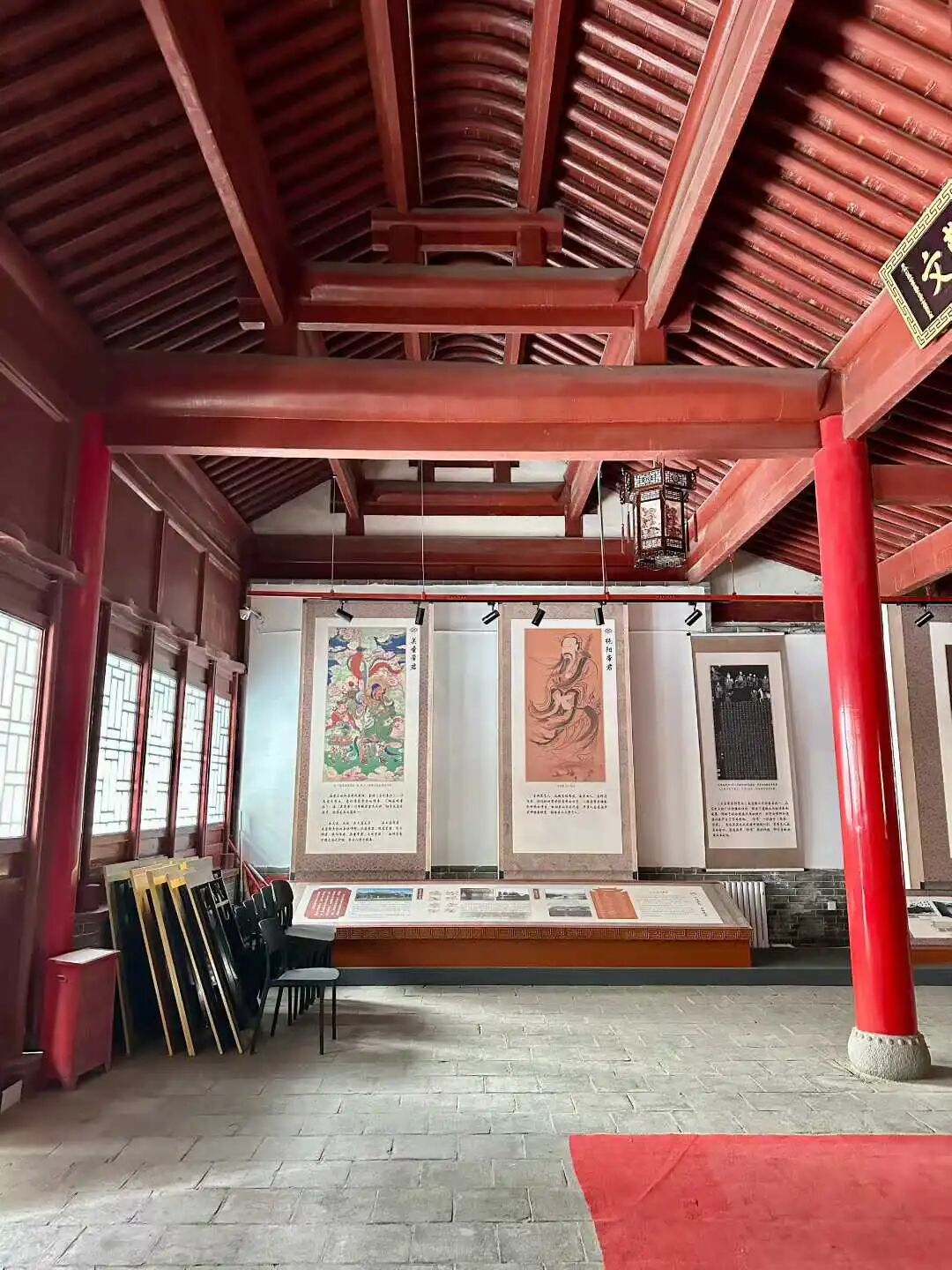
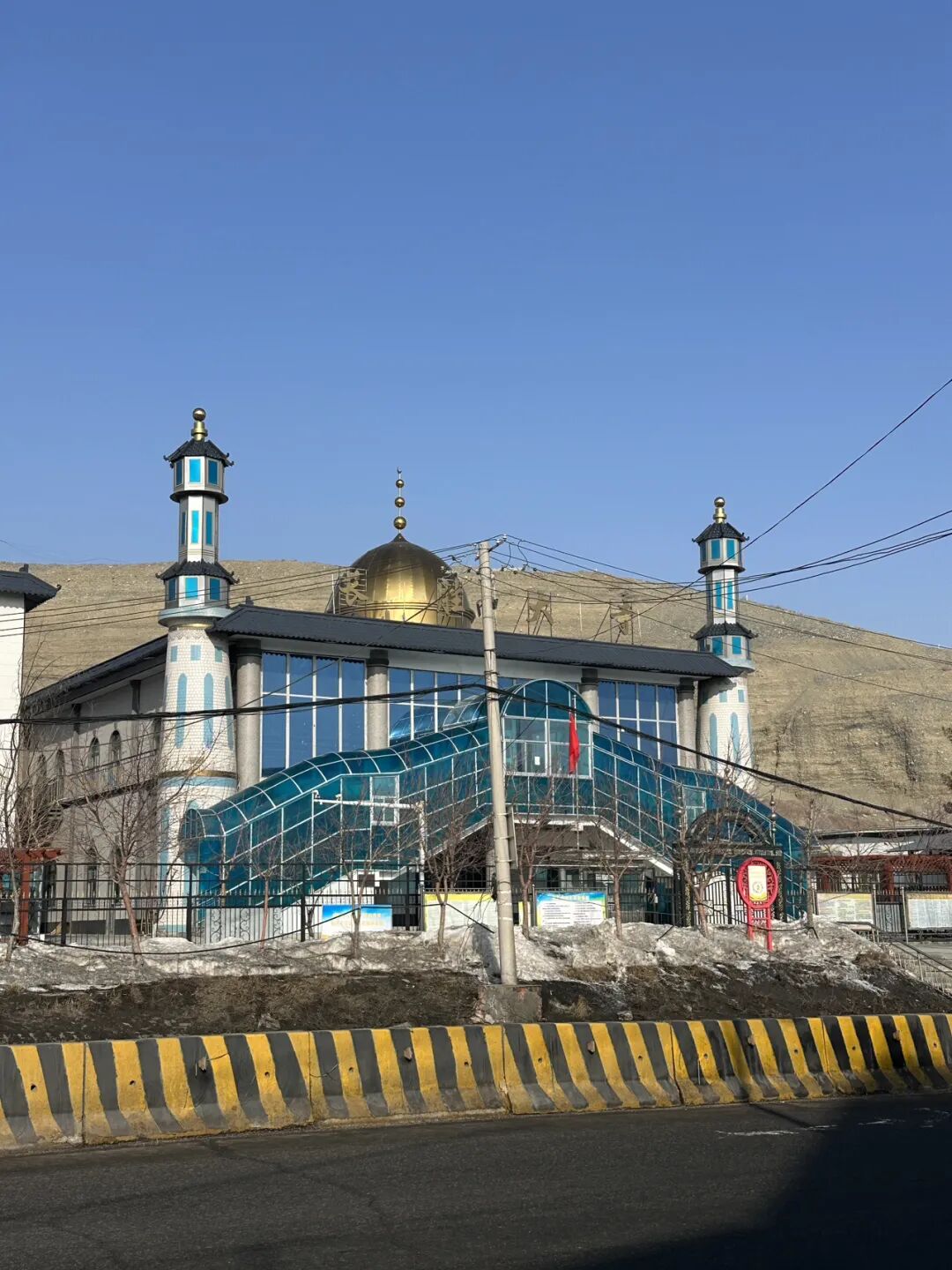
I only learned last year that the main hall of Urumqi's first mosque, Beiliang Mosque, still exists. It is now open to the public as the Wenchang Pavilion. After Friday prayers at the Shaanxi Grand Mosque, I took the subway one stop from South Gate to North Gate to visit it.
After the Qing Dynasty built Dihua City in Urumqi in 1758, it promoted policies to station troops and settle immigrants for border defense. Since then, Hui Muslims from the northwest moved there to settle. In 1780, they built Beiliang Mosque on a small hill inside the North Gate of Dihua City, making it the first mosque in Urumqi.
The first imam of Beiliang Mosque was an elder from the Weijiapu area, who belonged to the Salar people from Xunhua. When the elder from Weijiapu was young, he studied at the Jiezi Gongbei and the Grand Mosque in Xunhua. In 1763, he left to seek enlightenment during the Hehuang menhuan conflicts. He traveled through Linxia, Lanzhou, and Wuwei, eventually reaching Hami and Turpan to teach. In 1780, he was officially invited to Beiliang Mosque as its first imam.
In the mid-18th century, Yihewan Gali, a disciple of the Indian Sufi leader Imam Rabbani, entered Aksu to teach the Khufiyya doctrine. Ma Fang, a Qing military officer stationed in Aksu, accepted his teachings. Later, Ma Fang resigned from his post to preach across Xinjiang. He took five students, one of whom was Ma Pei, who went to Urumqi to preach. The elder from Weijiapu became his student. The elder from Weijiapu taught at Beiliang Mosque for nearly 30 years. He taught religious knowledge to ordinary community members and guided Khufiyya followers in their spiritual practice. He balanced the relationships between different groups well and was respected by everyone.
Beiliang Mosque existed for 94 years in total. Its last imam was Ma Zongfu. Ma Zongfu came from Datong, Qinghai. People called him the Datong Elder. When he was young, he taught at various mosques in Qinghai and practiced the Khufiyya path. Later, because he opposed the planting and selling of opium, he was persecuted by local wealthy landowners. In 1850, he led his family through great hardships to Xinjiang and settled at Beiliang Mosque. At that time, the mosque's religious leader, Qitaizhou, was the second-generation disciple of Ma Pei. Imam Ma Zongfu then became his student. In 1852, Ma Zongfu became the imam of Beiliang Mosque and oversaw its renovation in 1861.
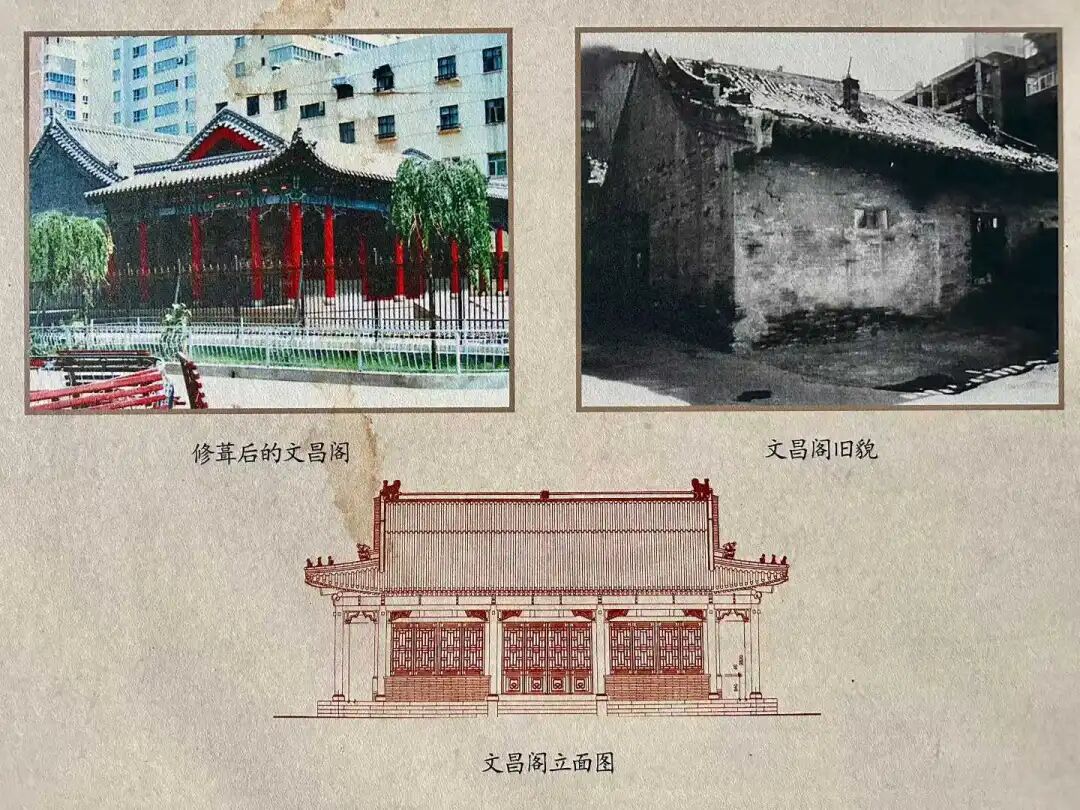
In 1876, Zuo Zongtang sent Liu Jintang to lead the Qing army west, where they defeated Yaqub Beg and recaptured Urumqi. After the Qing army entered the city, they occupied Beiliang Mosque. In 1884, Xinjiang Governor Liu Jintang renamed it Wenchang Pavilion. Beiliang Mosque was not used as the Wenchang Pavilion for very long. During the Republic of China era, it was occupied by Kuomintang communication troops. After 1949, it was taken over by the People's Liberation Army communication troops and used as a military factory for a long time. It was not returned to the cultural heritage department for management until 2002.
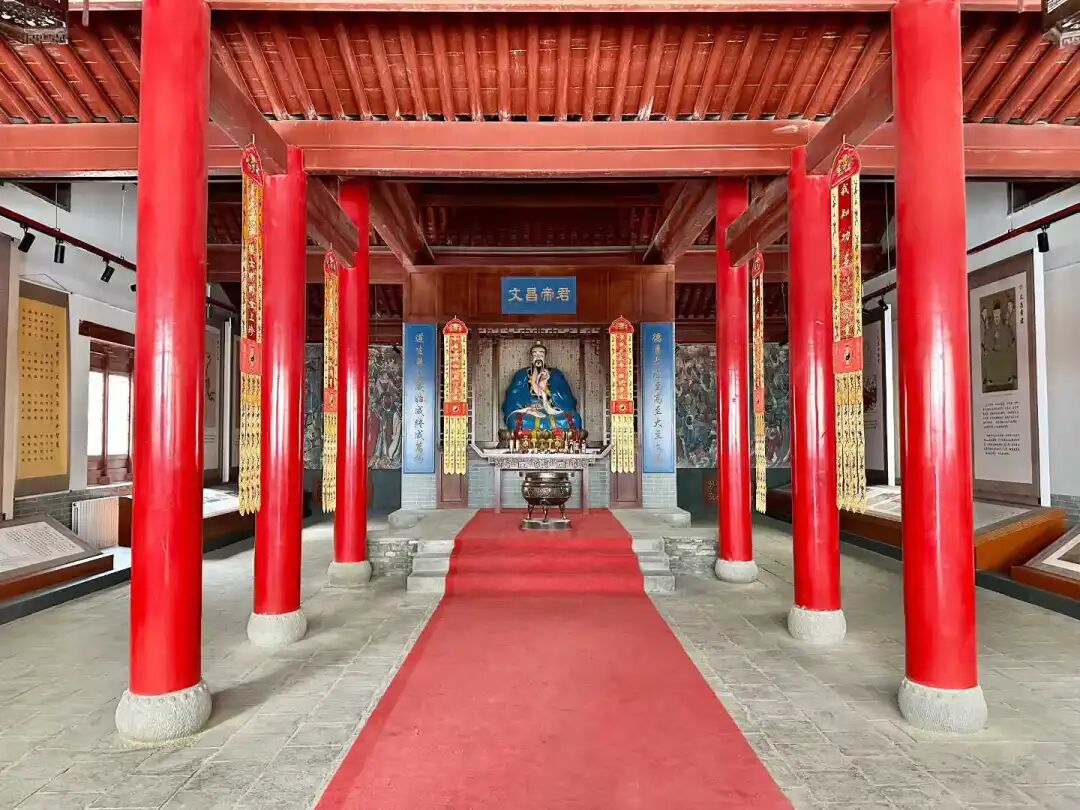
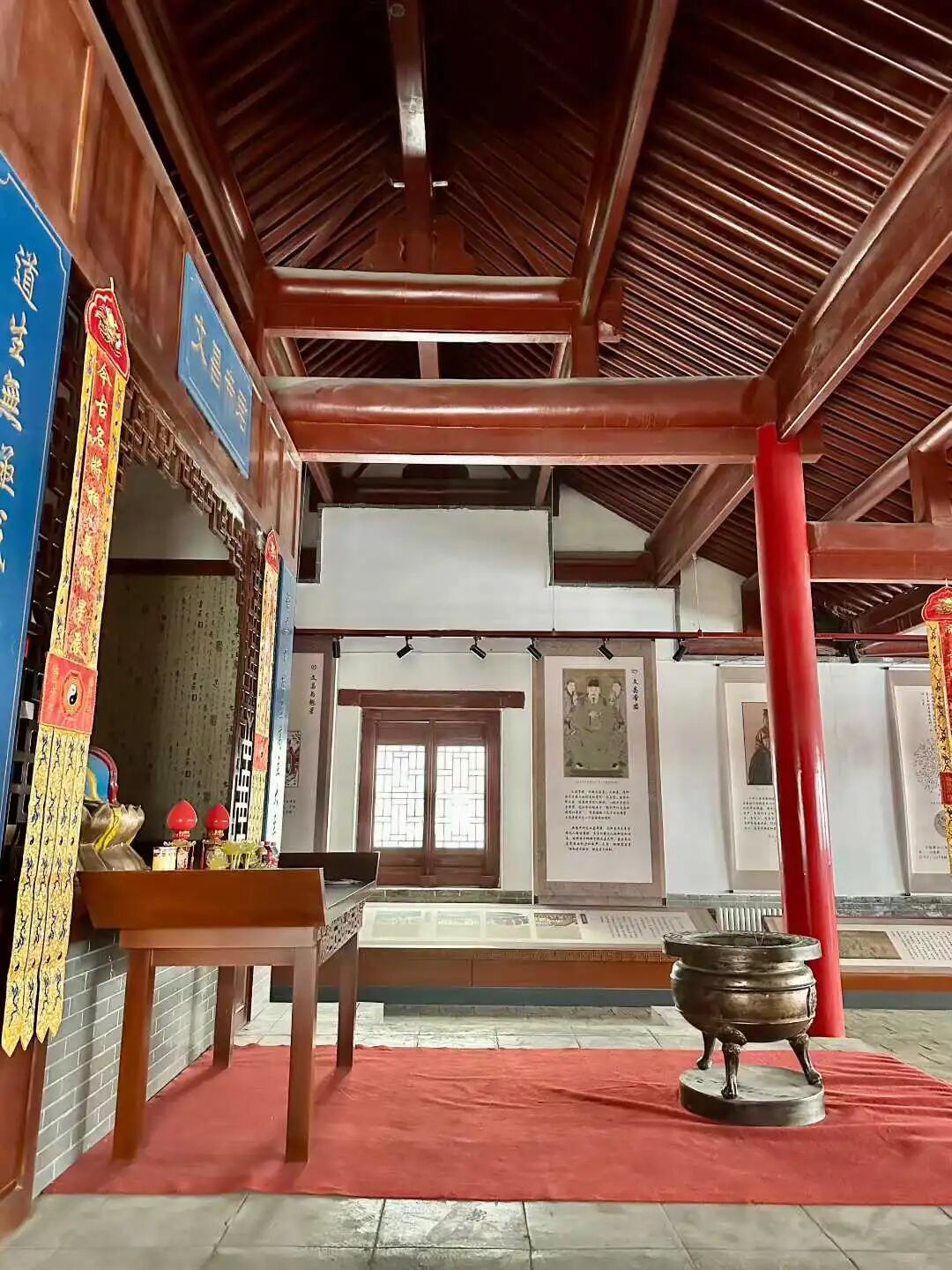
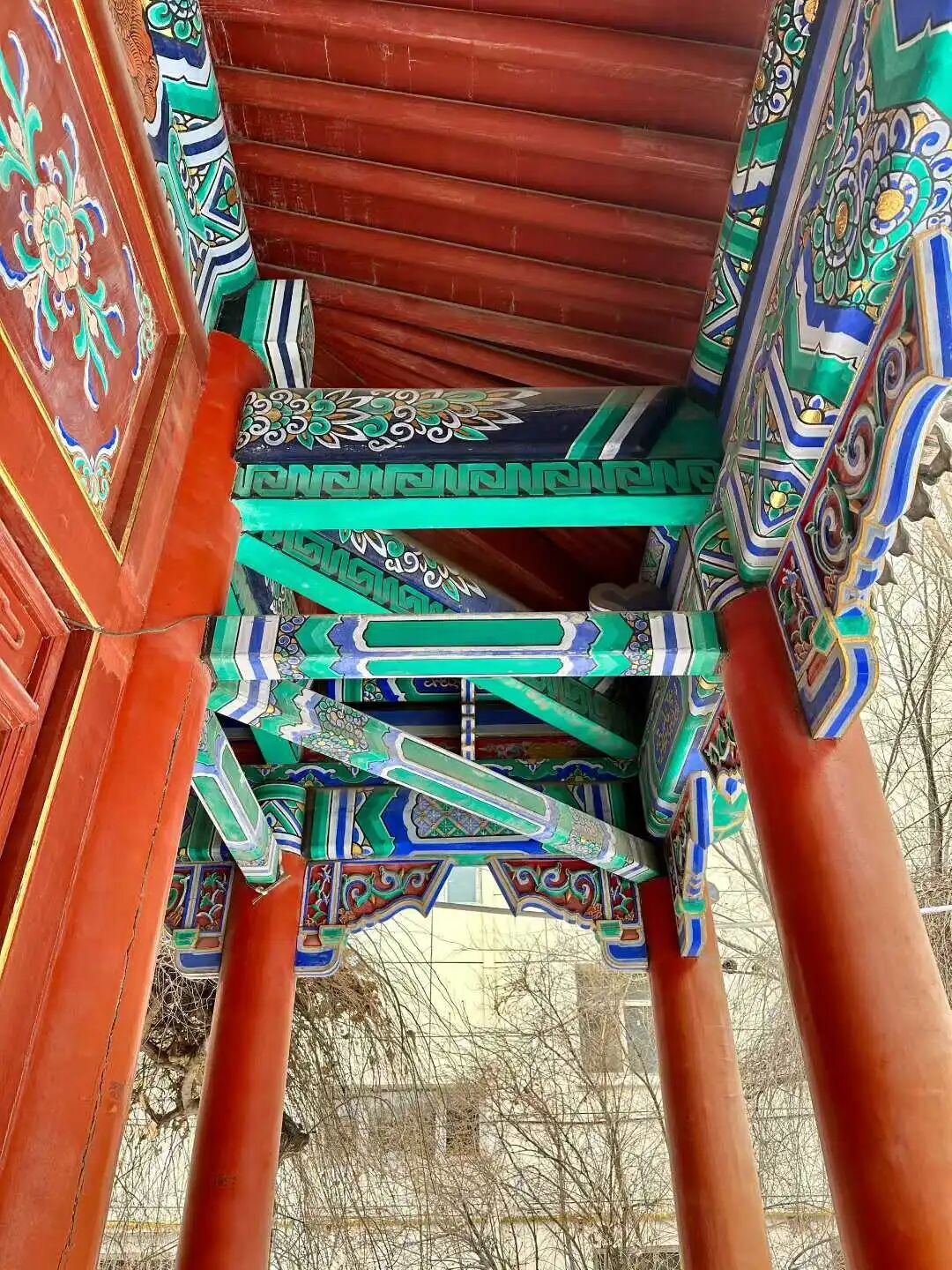
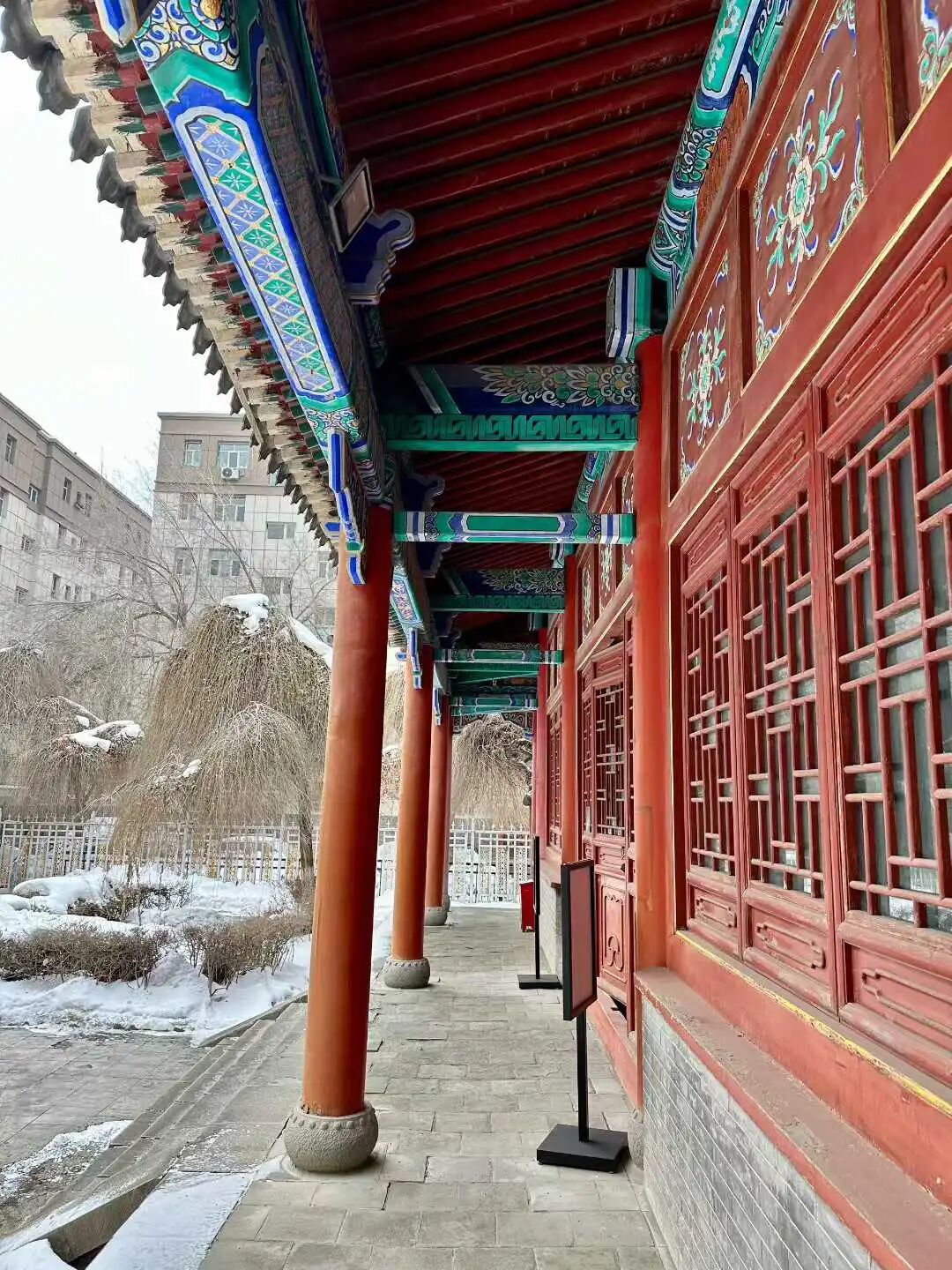
In 2003, the cultural heritage department renovated the only remaining main hall of Beiliang Mosque. Citing 'site constraints and ease of public access,' they changed the traditional east-west orientation of the Hui Muslim hall to face south. Today, it is open as a place to introduce Taoist Wenchang culture.
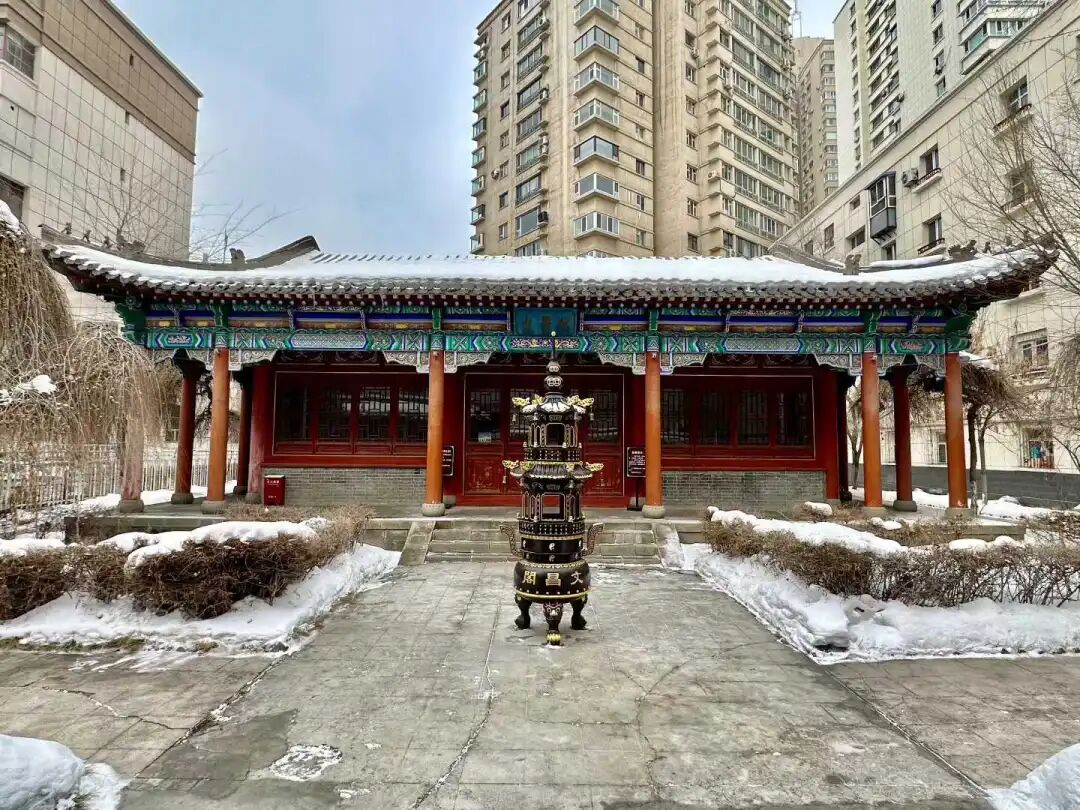
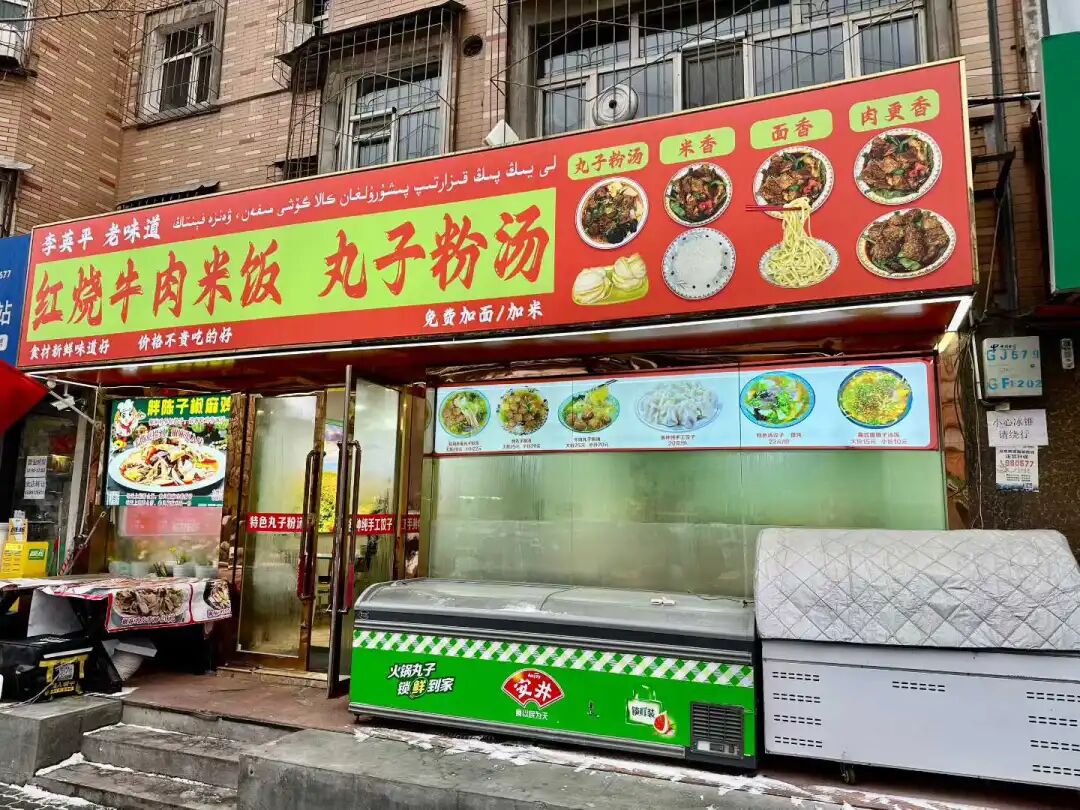
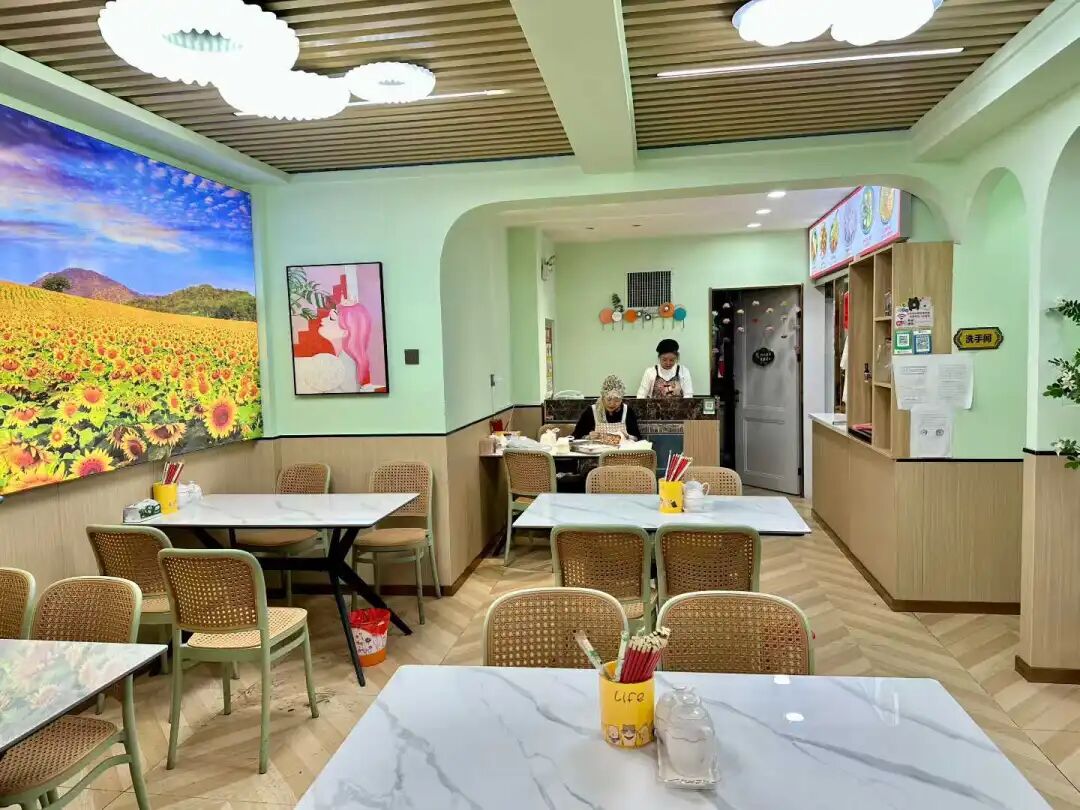
Hidden in the storefronts of the Guangyuan residential complex on Zhujiang Road in Urumqi is Li Yingping's Meatball and Vermicelli Soup (wanzifen tang). The owner has been selling meatball soup in the neighborhood for over twenty years and only moved to the Guangyuan complex in the last two years. This area is far from the food streets, so mostly only locals know about it.
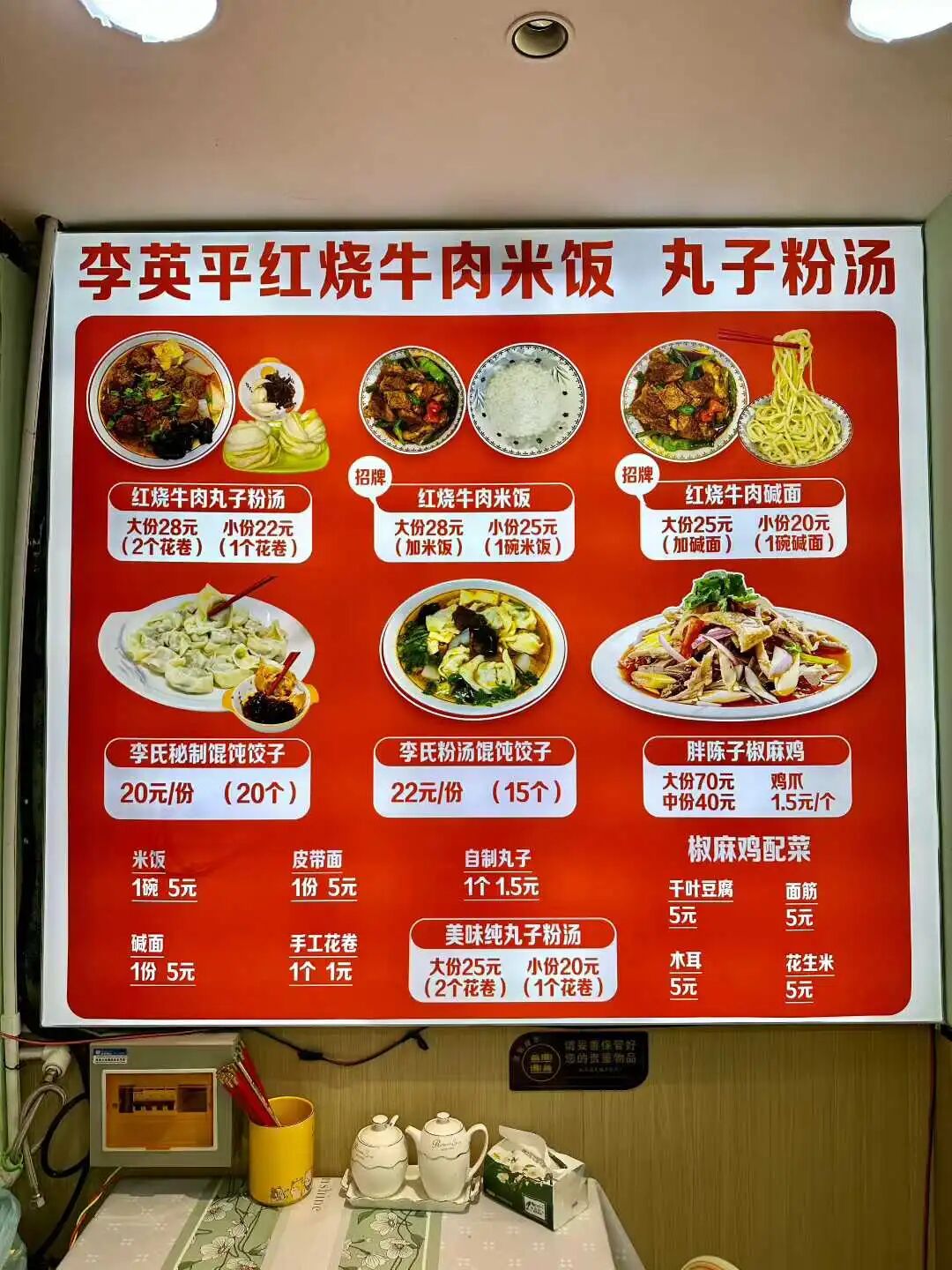
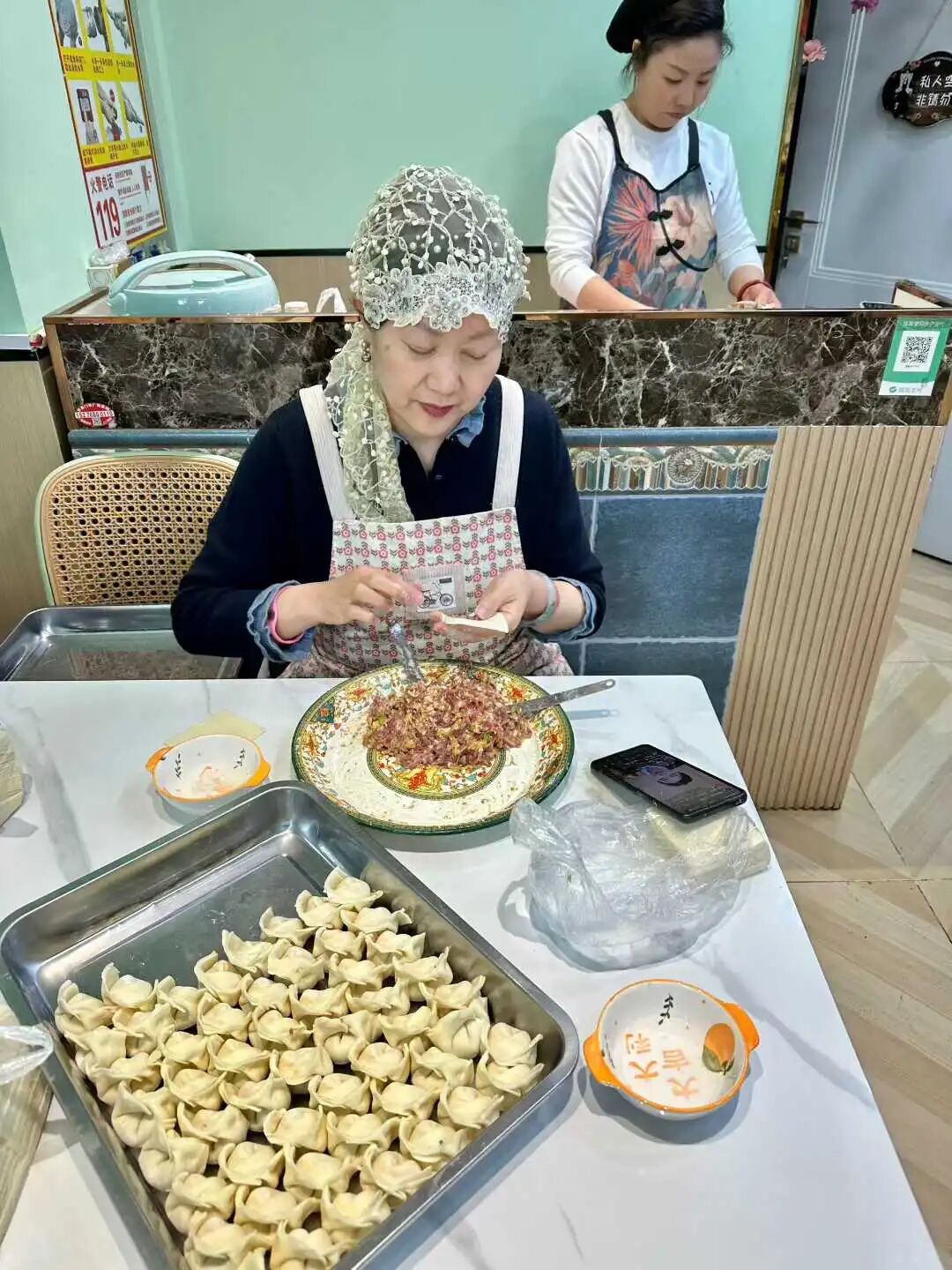
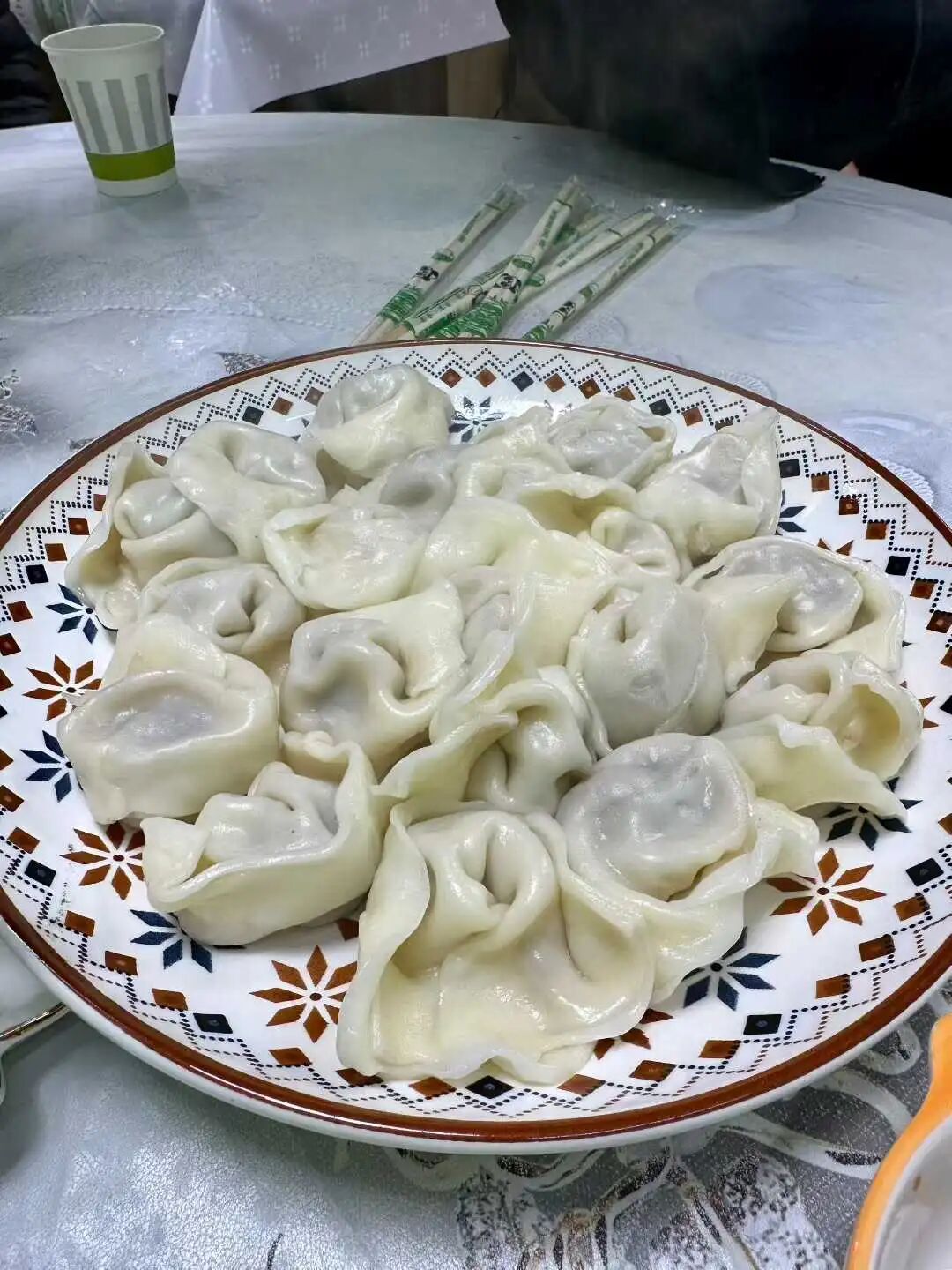
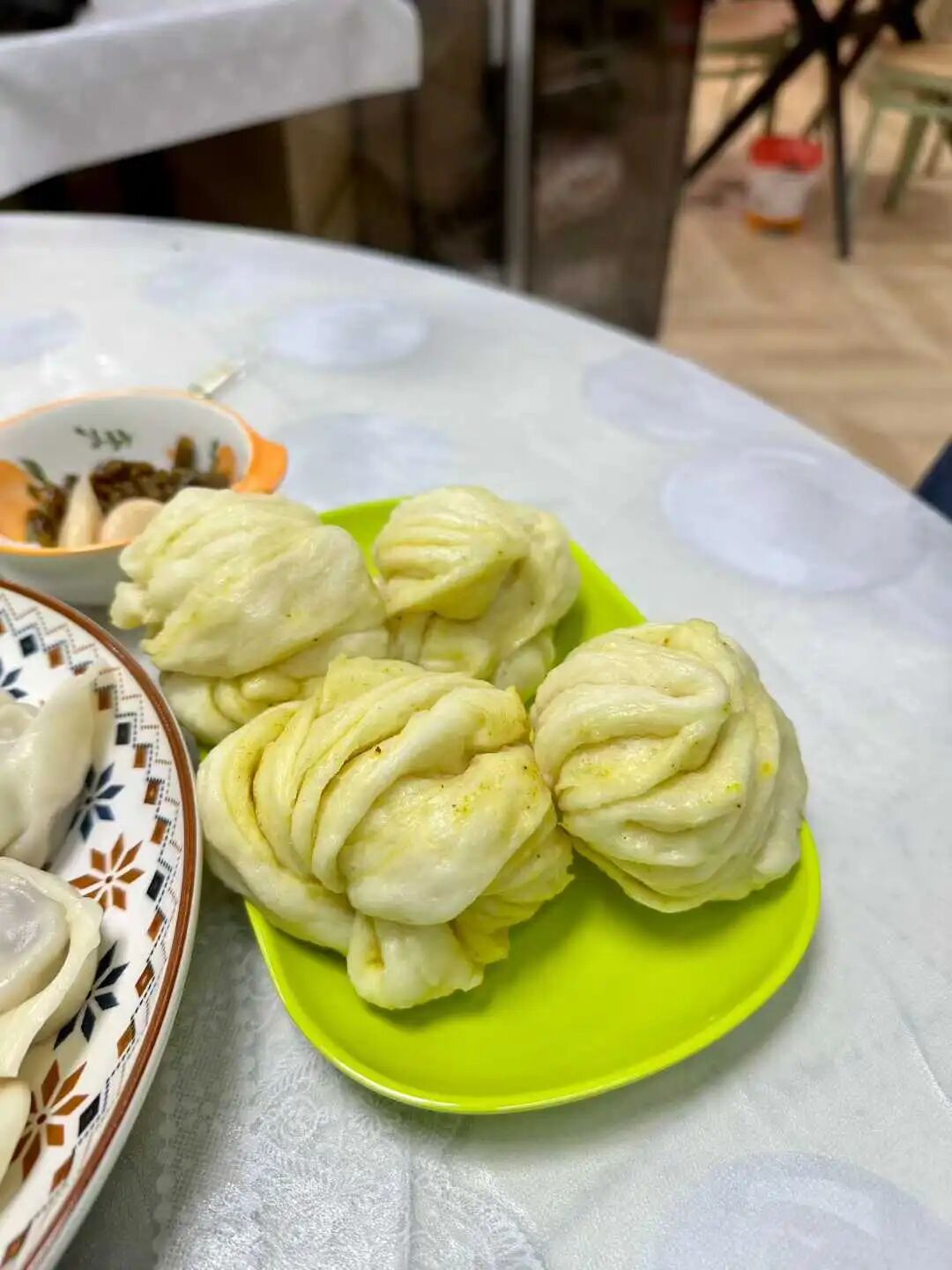
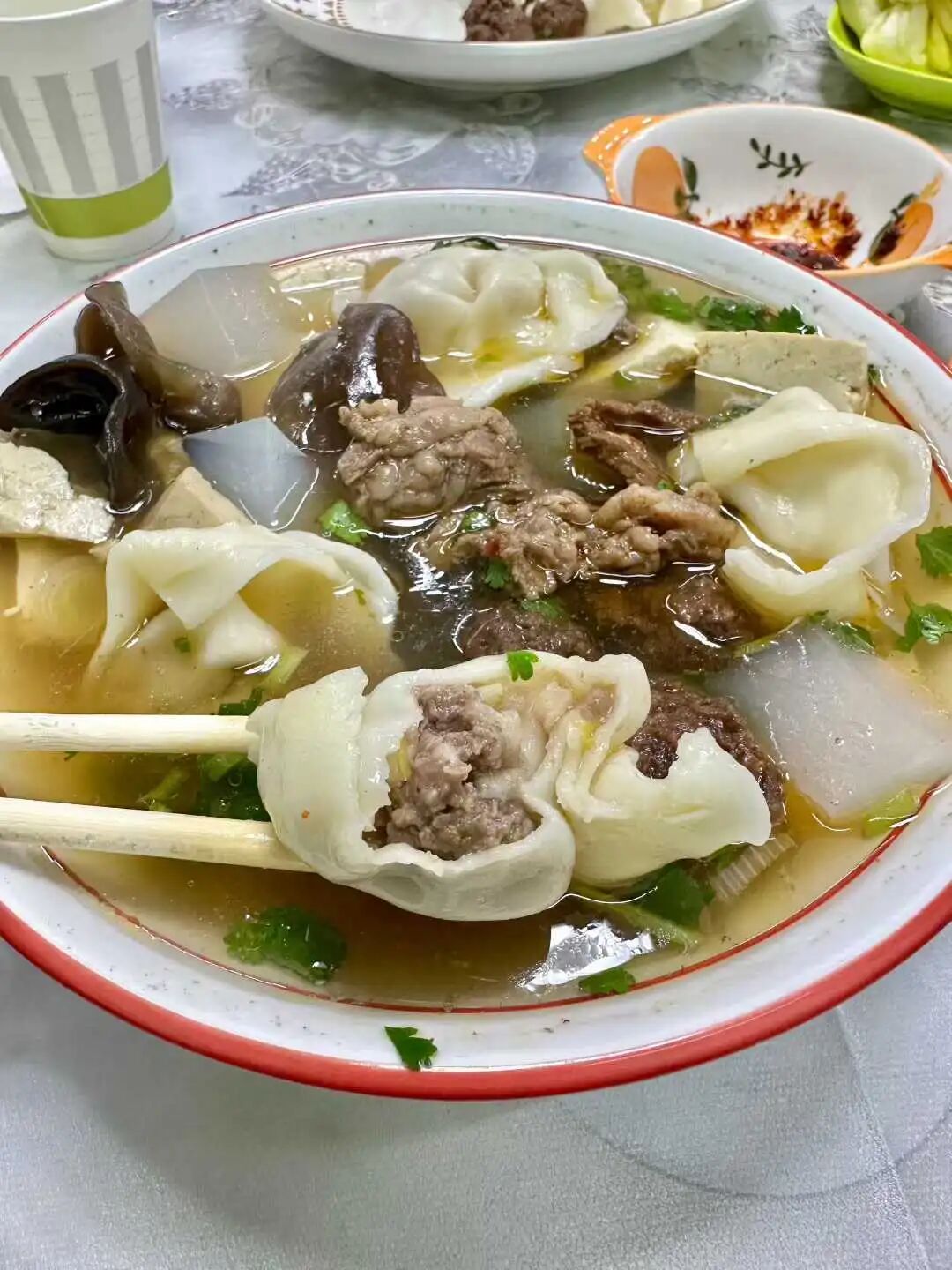
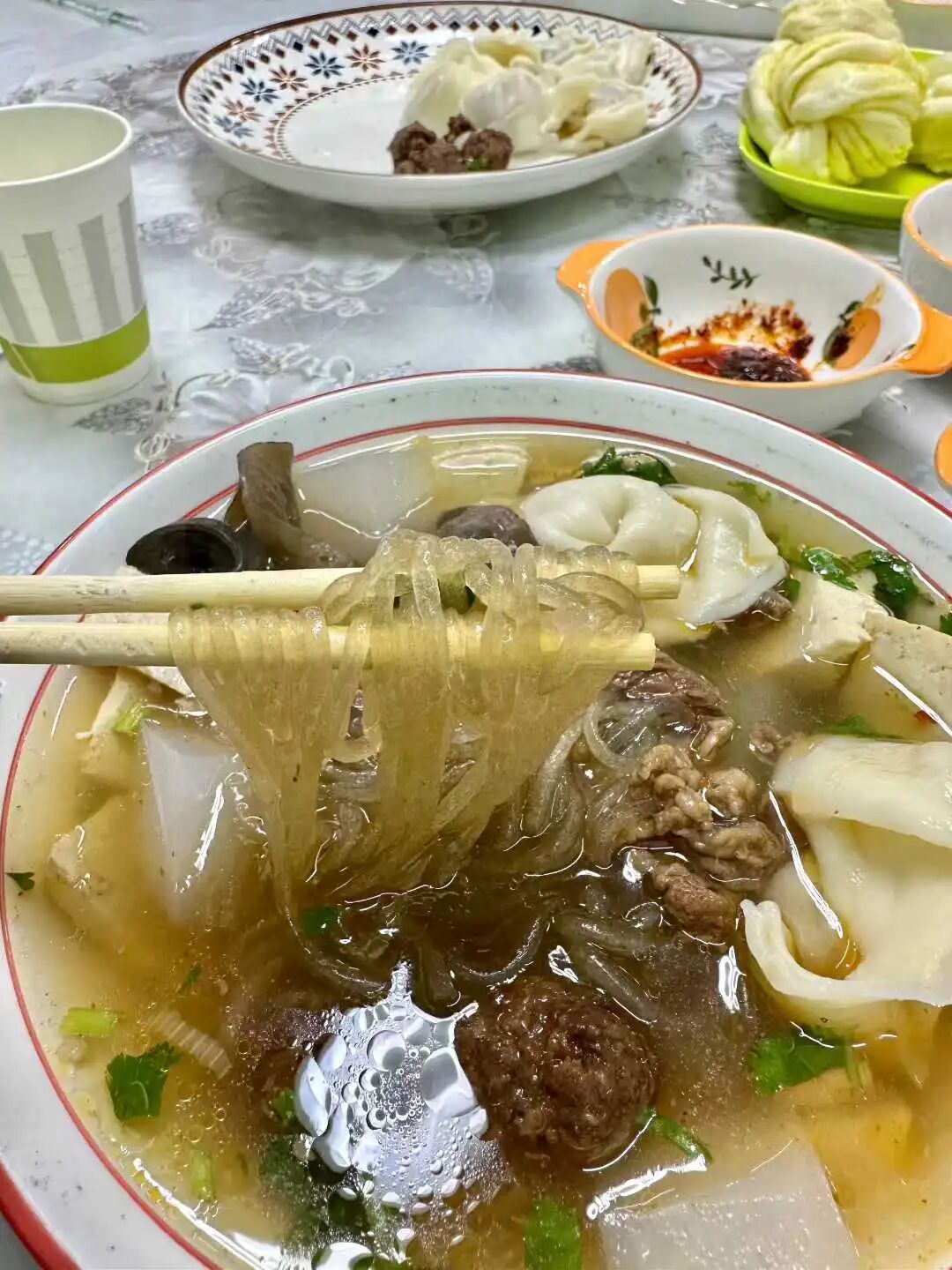
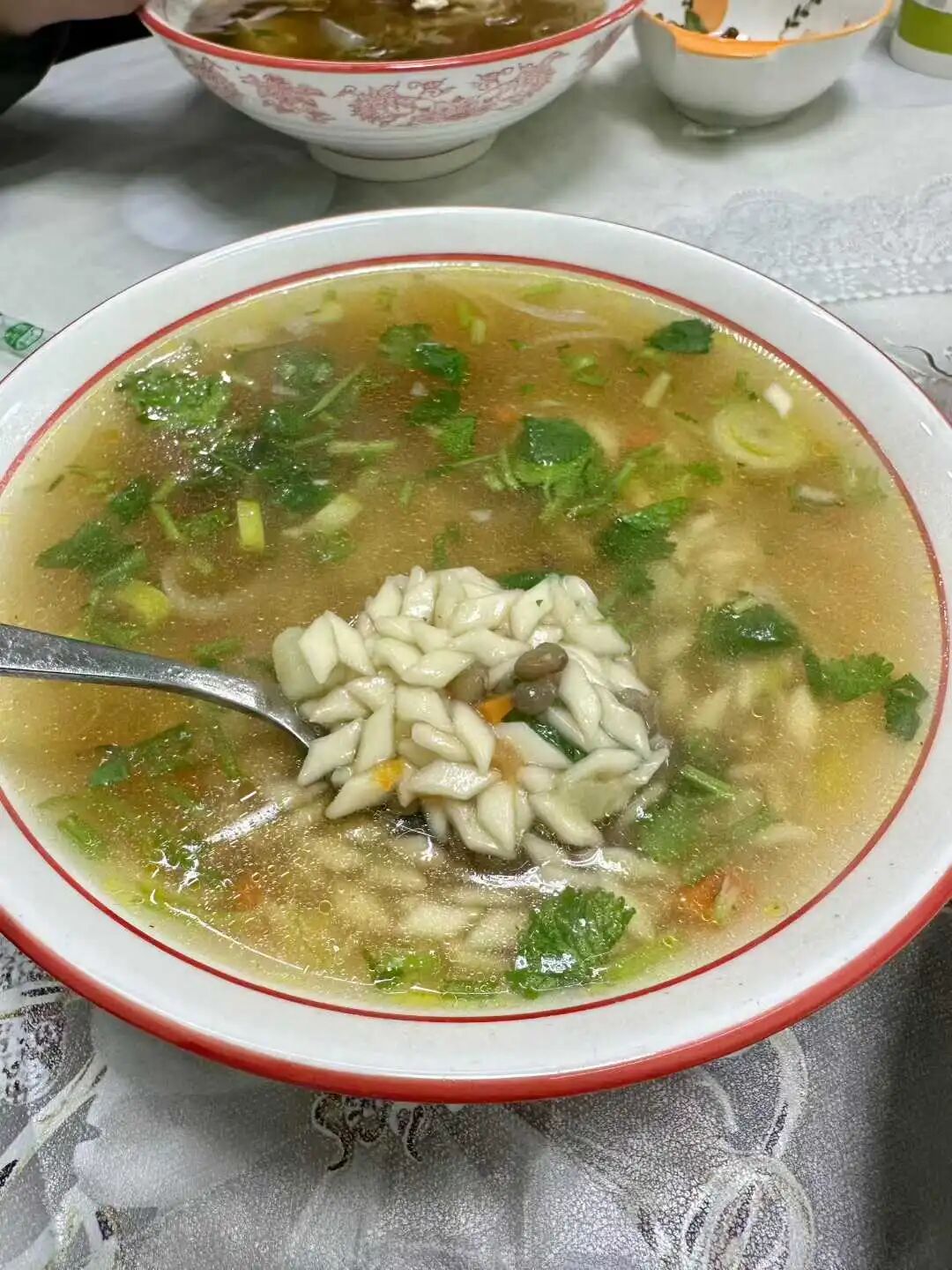
Their signature dish is braised beef meatball noodle soup served with a steamed flower roll (huajuan). The beef is stewed until very flavorful and has a great texture, served with tofu, starch noodles, and wood ear mushrooms. I first thought their 'wonton dumplings' were two separate dishes, but I later learned they are dumplings shaped like wontons made by the owner. They have a lamb and onion (piyazi) filling, and you can eat them dry or in soup. The soup dumplings are served in the beef noodle soup, which I think is especially comforting in winter. I also tried their lentil noodle squares (biandou mianqizi). Small flag-shaped dough pieces simmer in the soup, paired with the creamy texture of lentils. It is a winter staple that warms the stomach for people in Xinjiang.
February 14
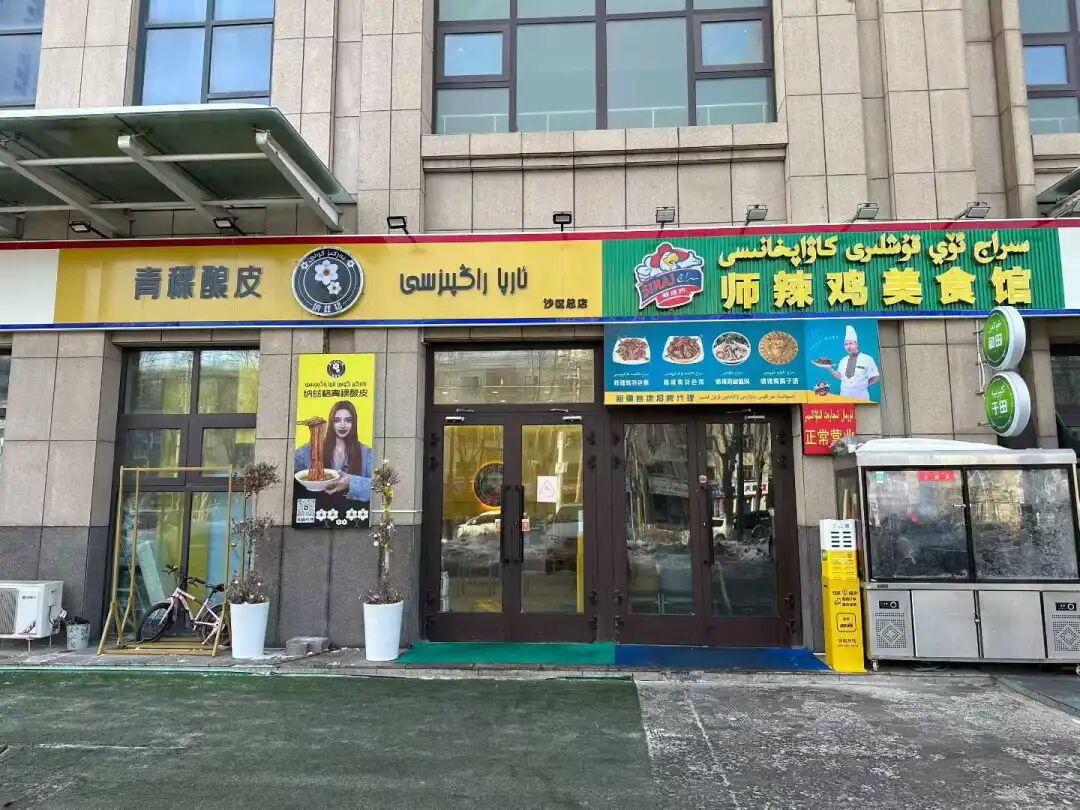
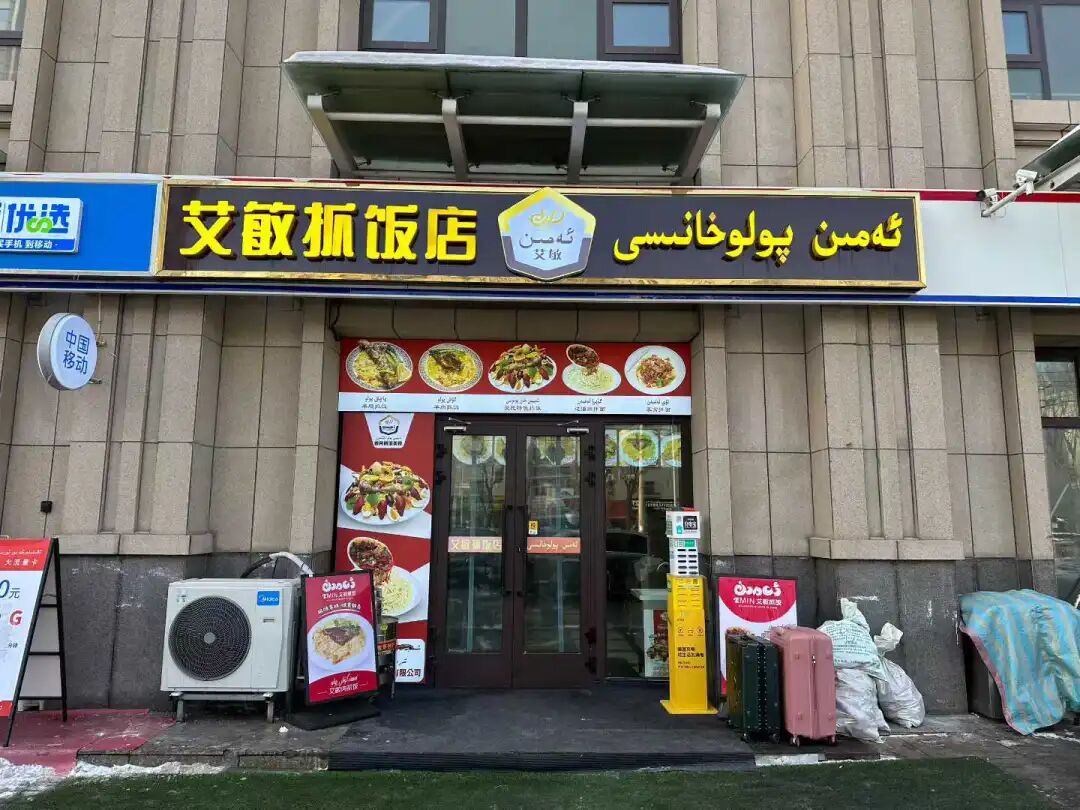
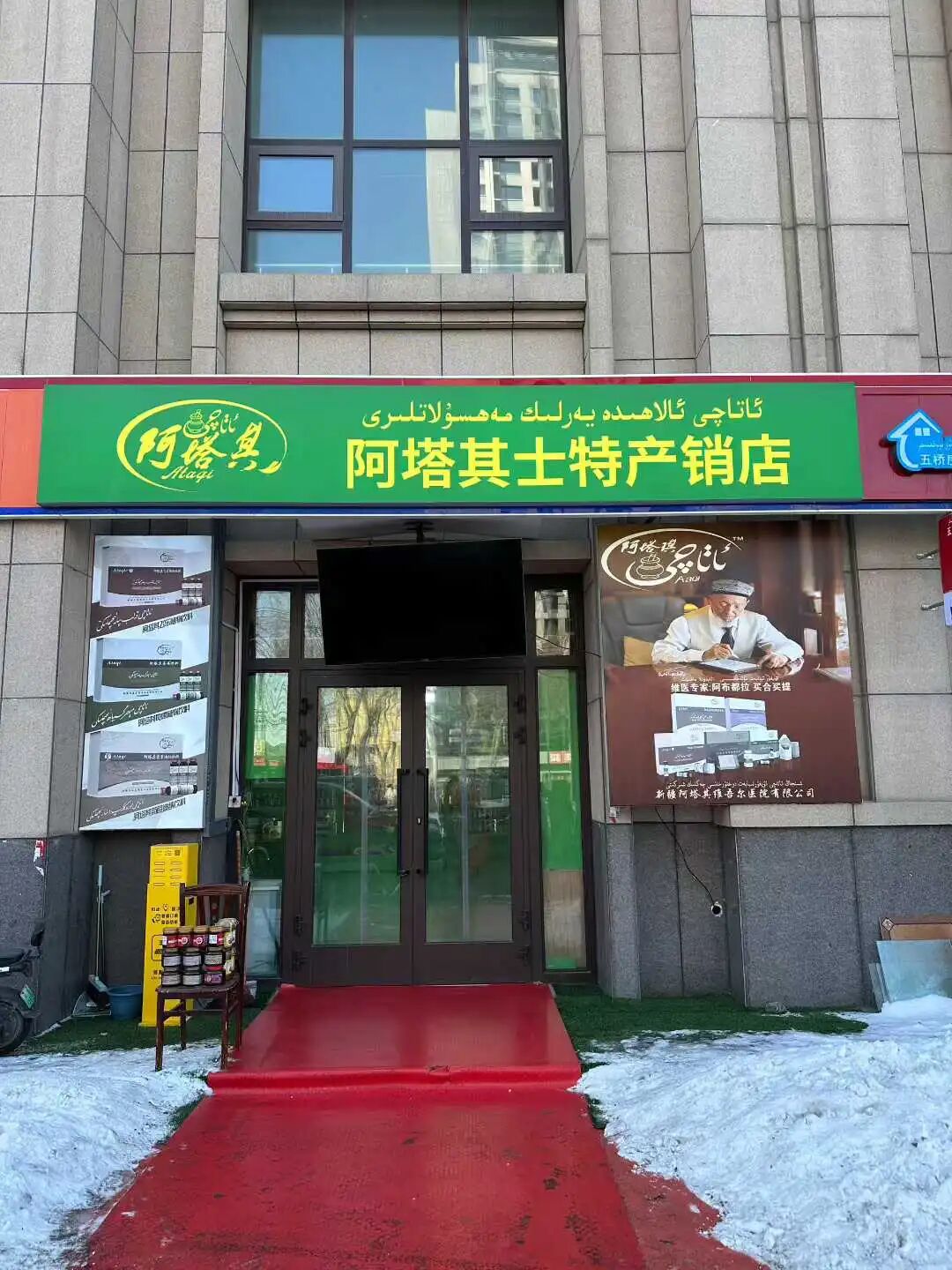
Urumqi has so many food streets. From the early days of Shanxi Alley and Erdaoqiao to the later Lingguan Alley and Hotan Street, more and more places have become popular spots for food lovers. My biggest discovery on this trip back to Urumqi is that the area from Yingawati Road toward Zhujiang Road is getting busier. The ground-floor shops in the new residential area near the plastic factory are all restaurants newly opened by people from Hotan, each with its own unique style.
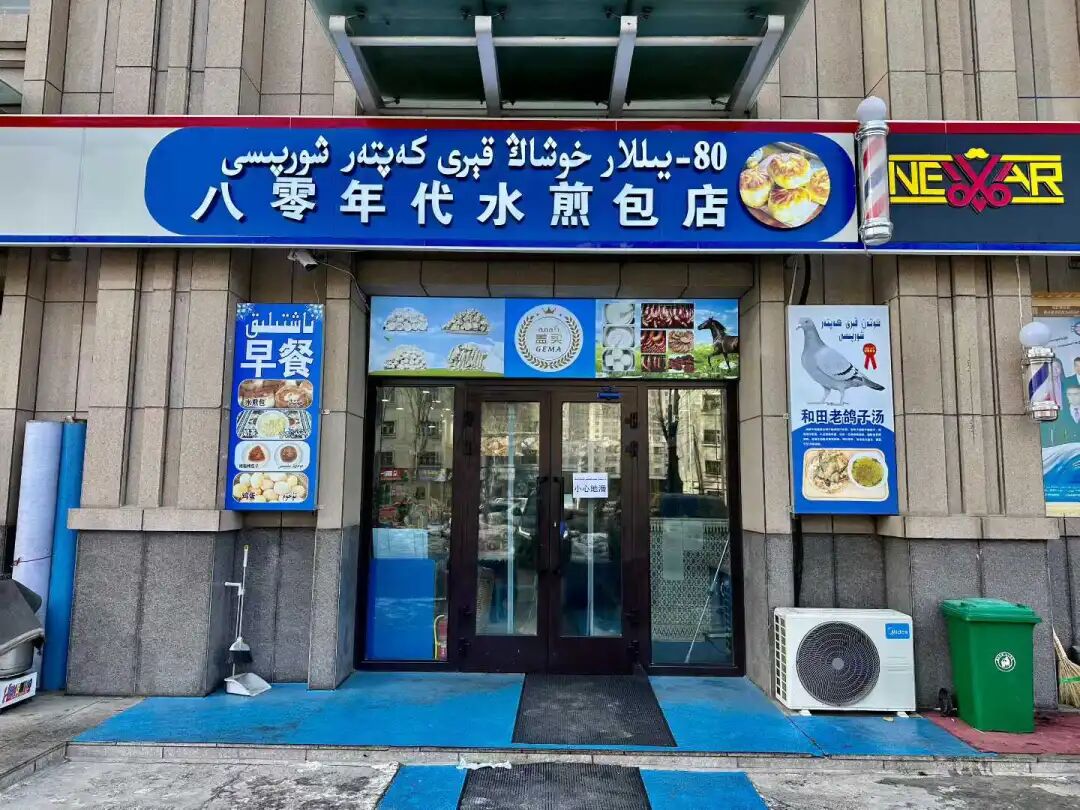
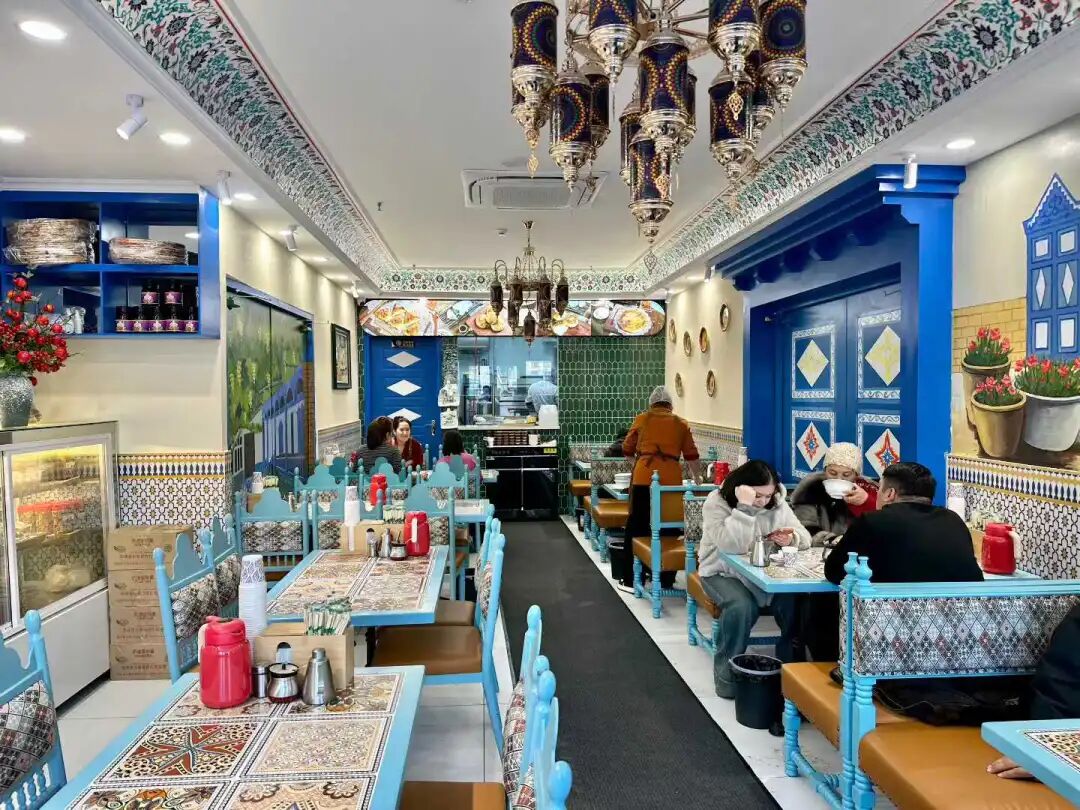
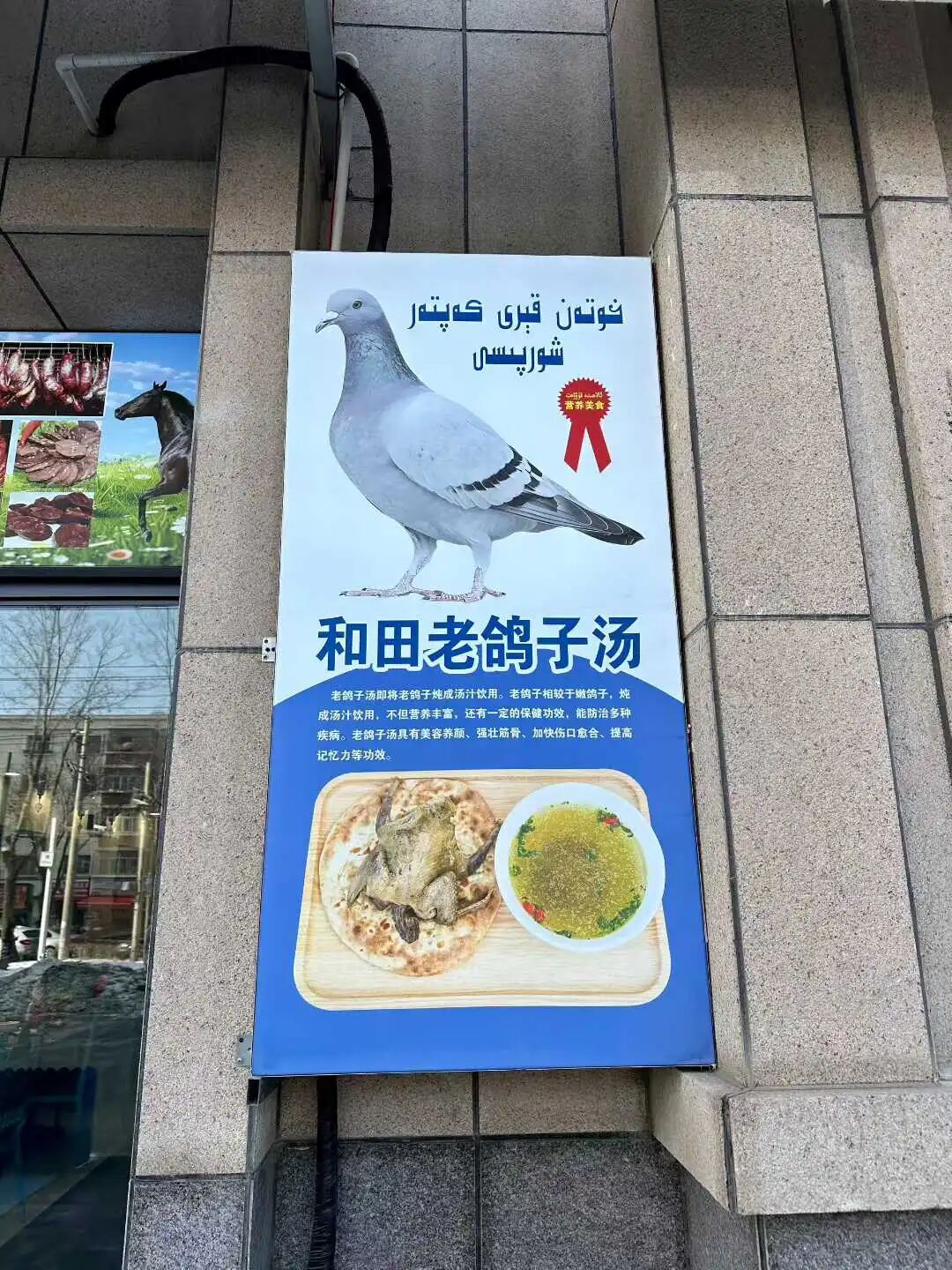
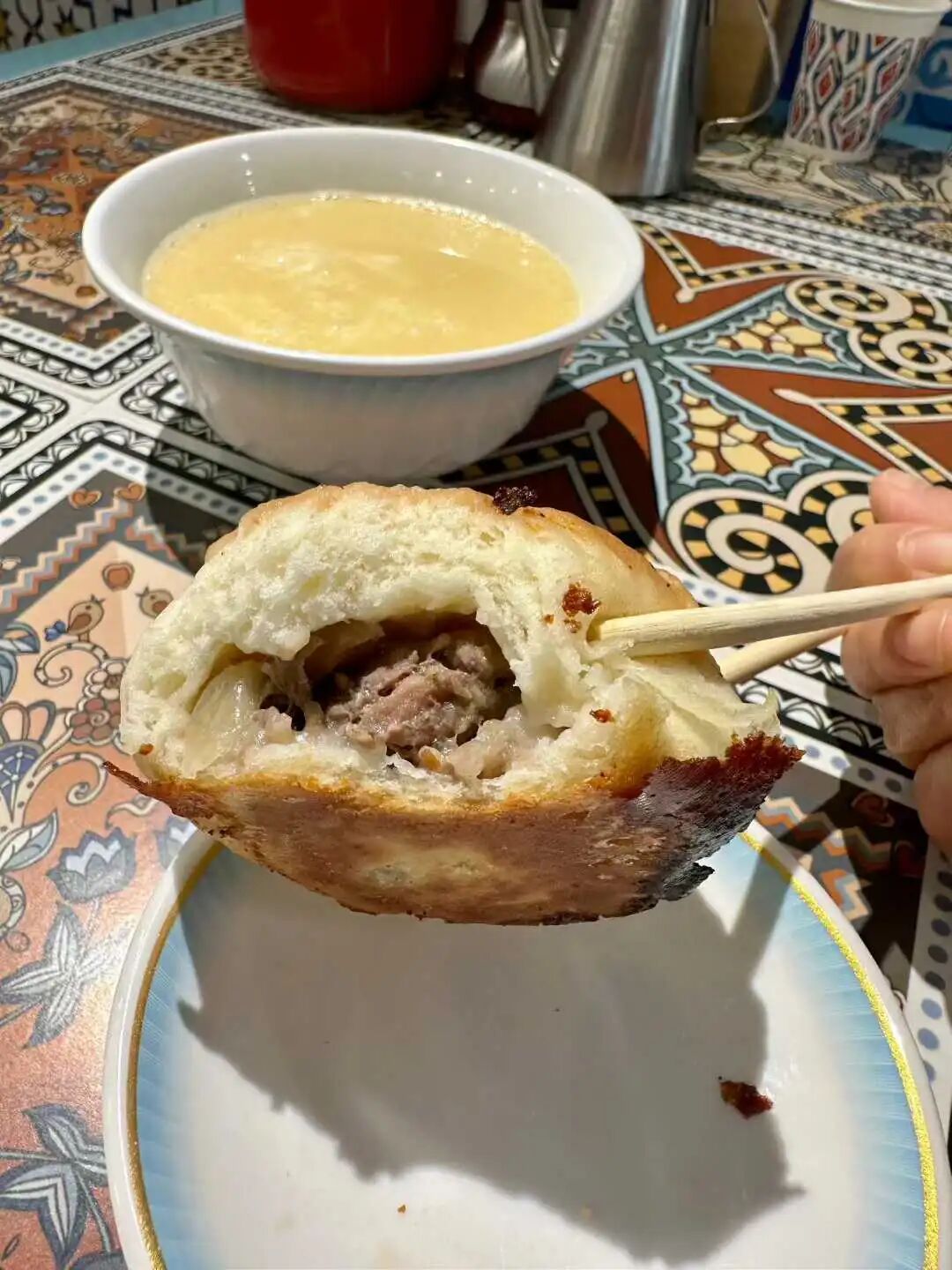
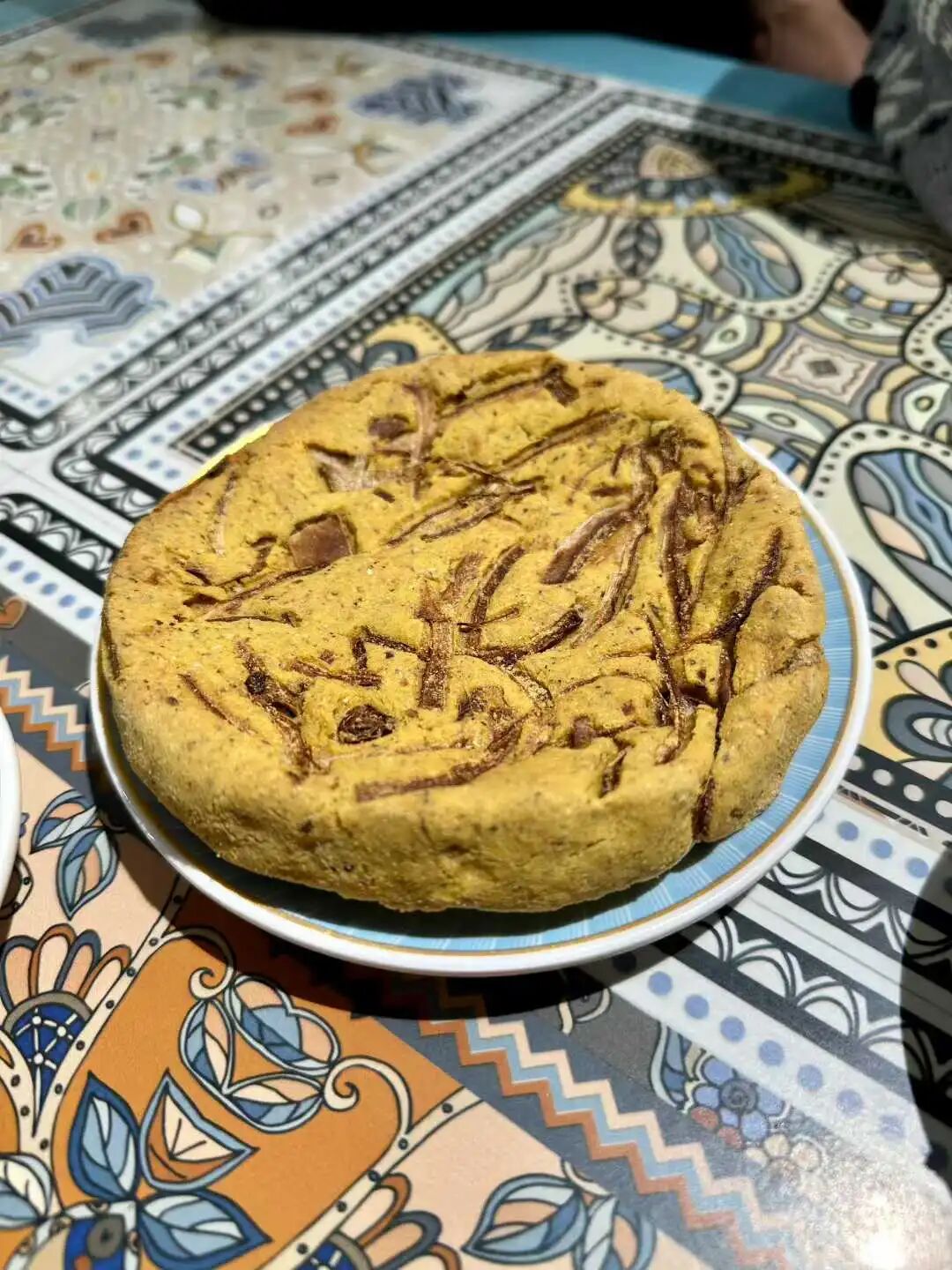
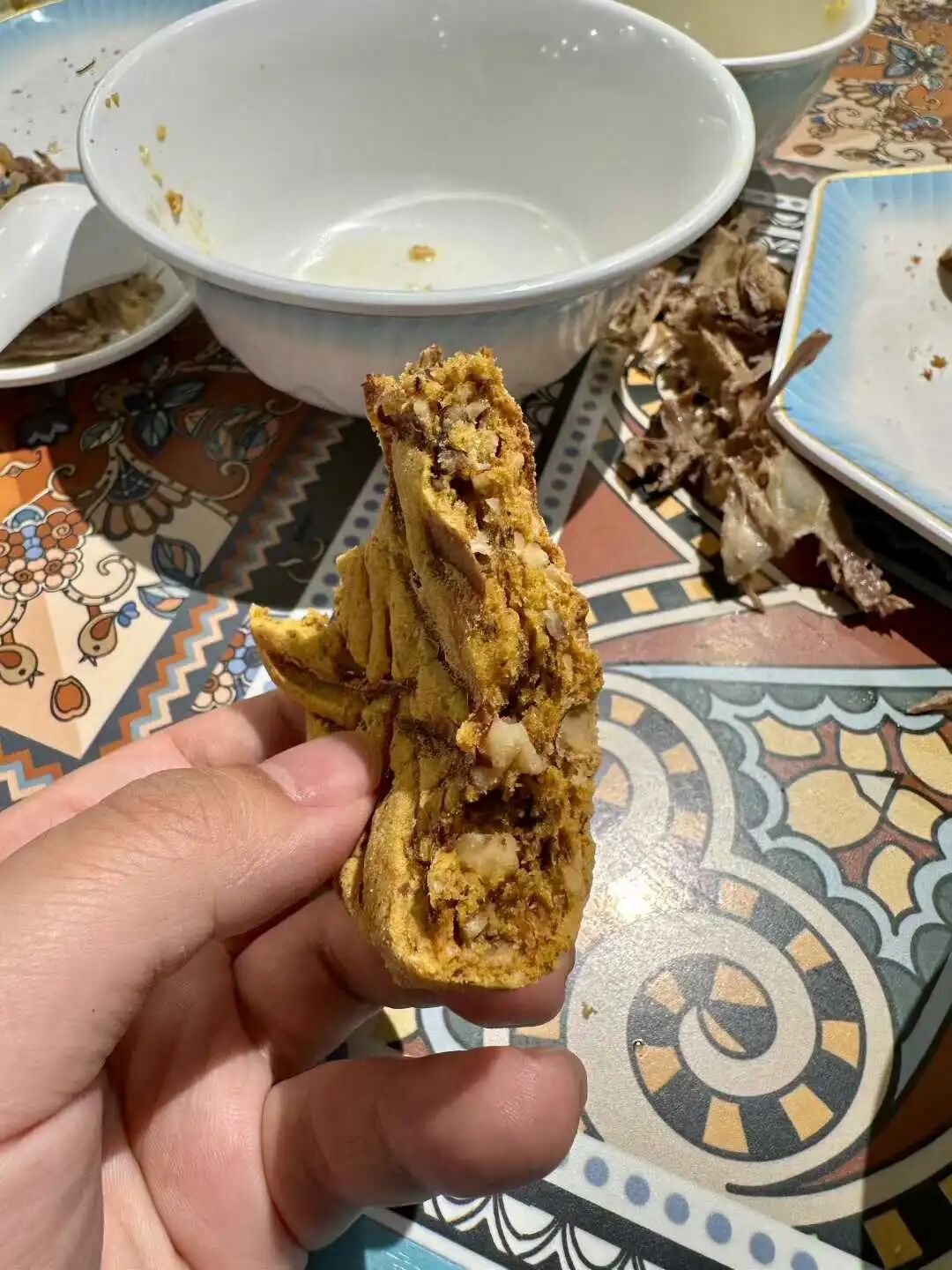
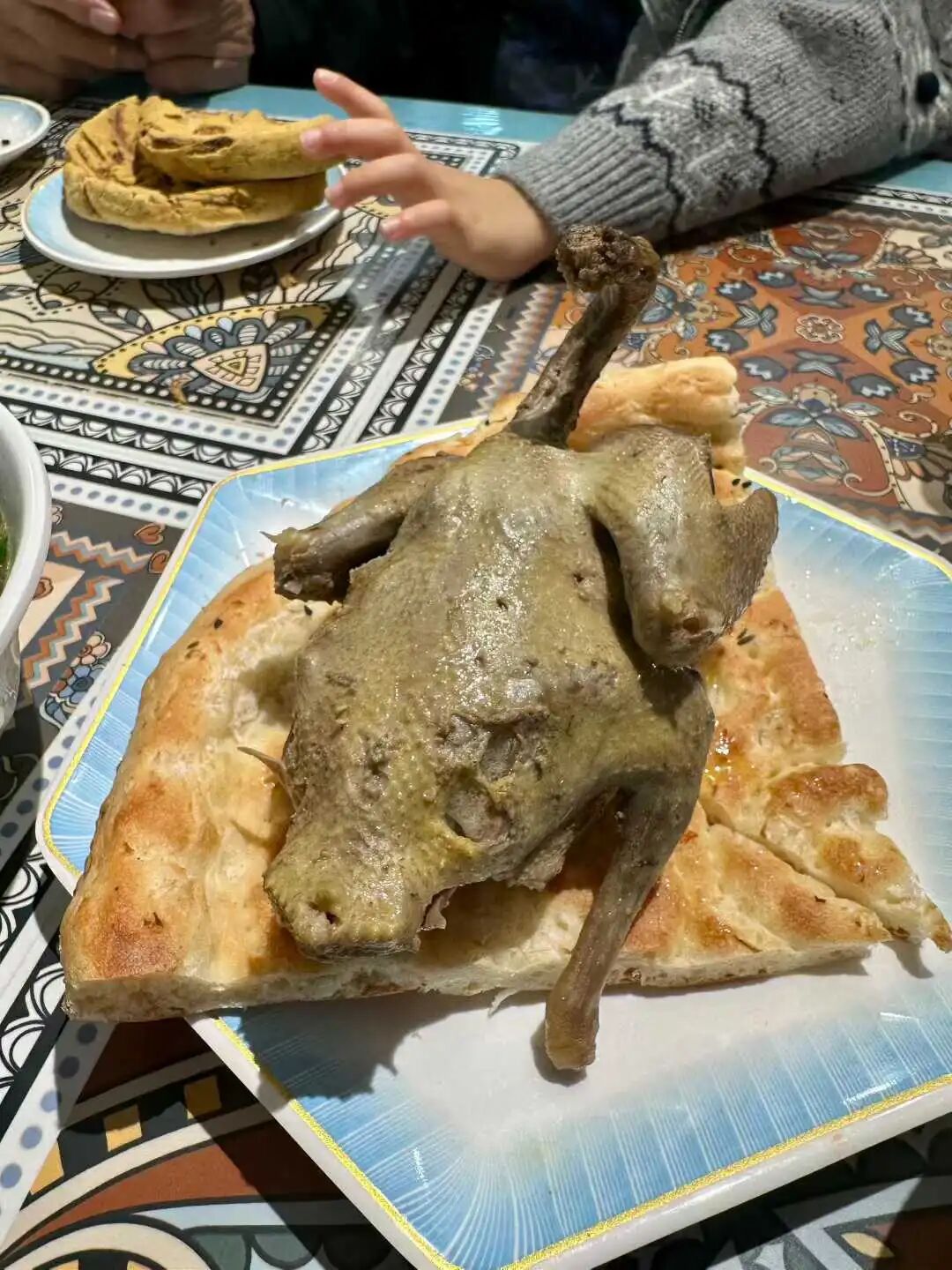
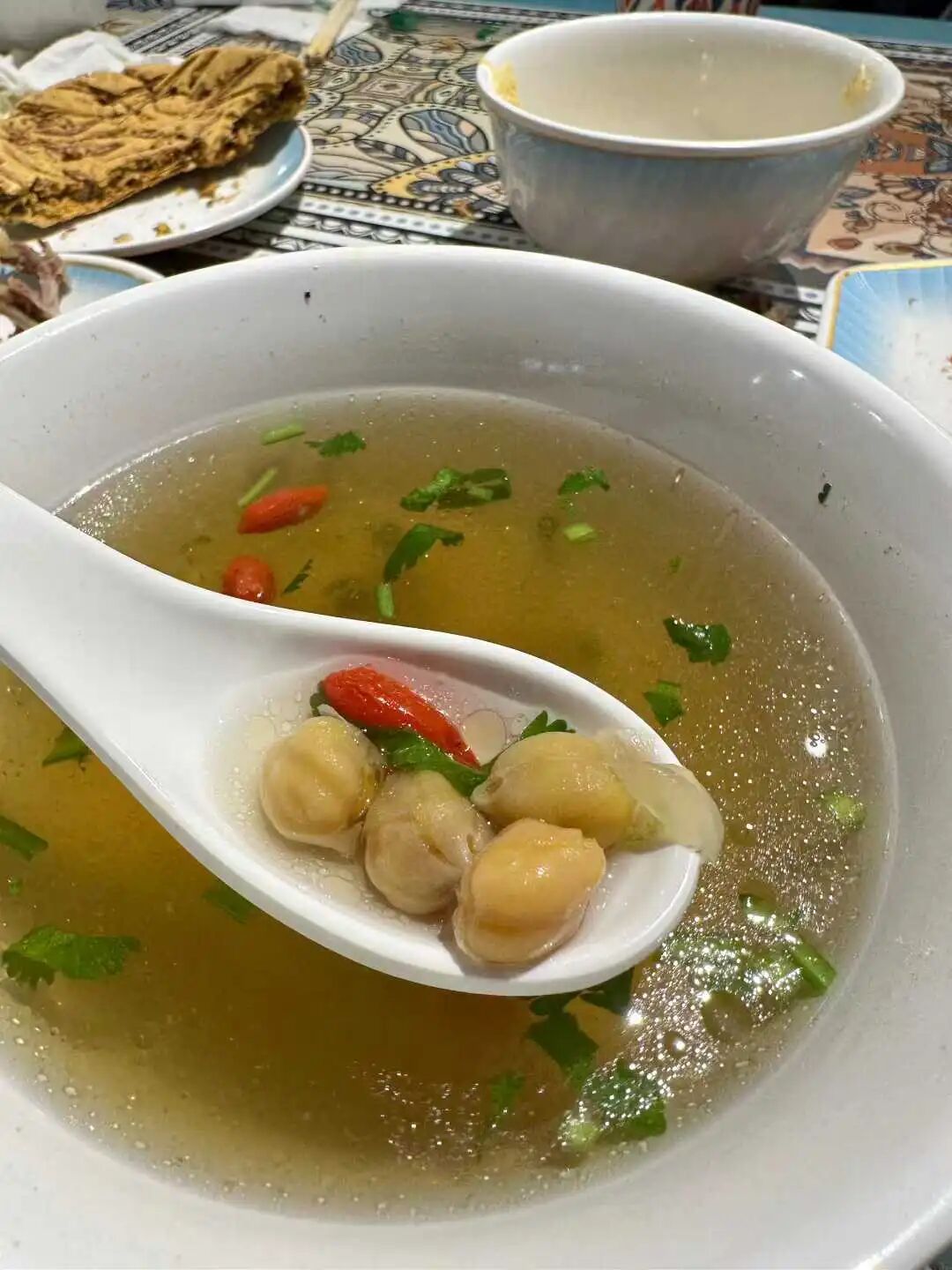
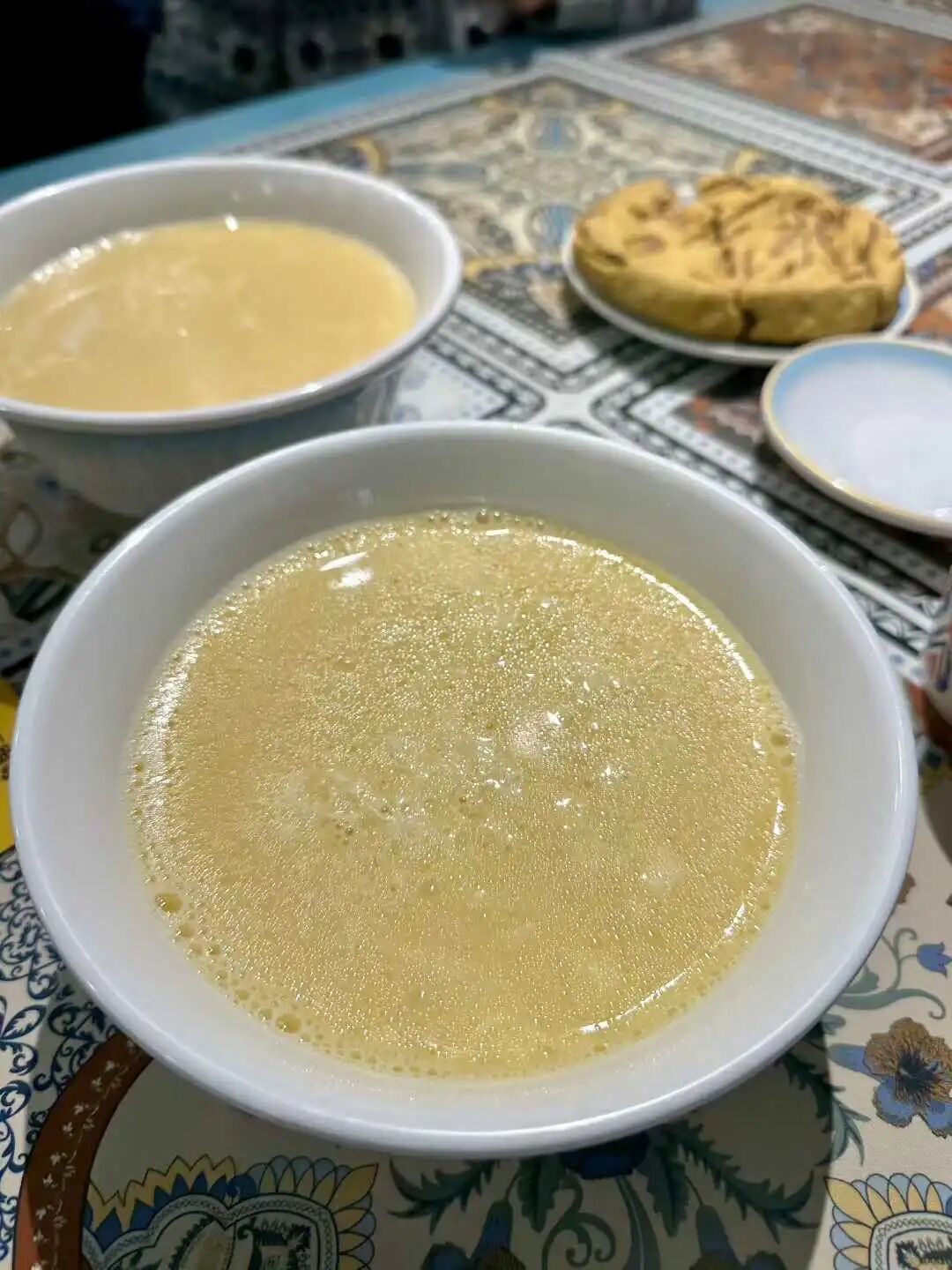
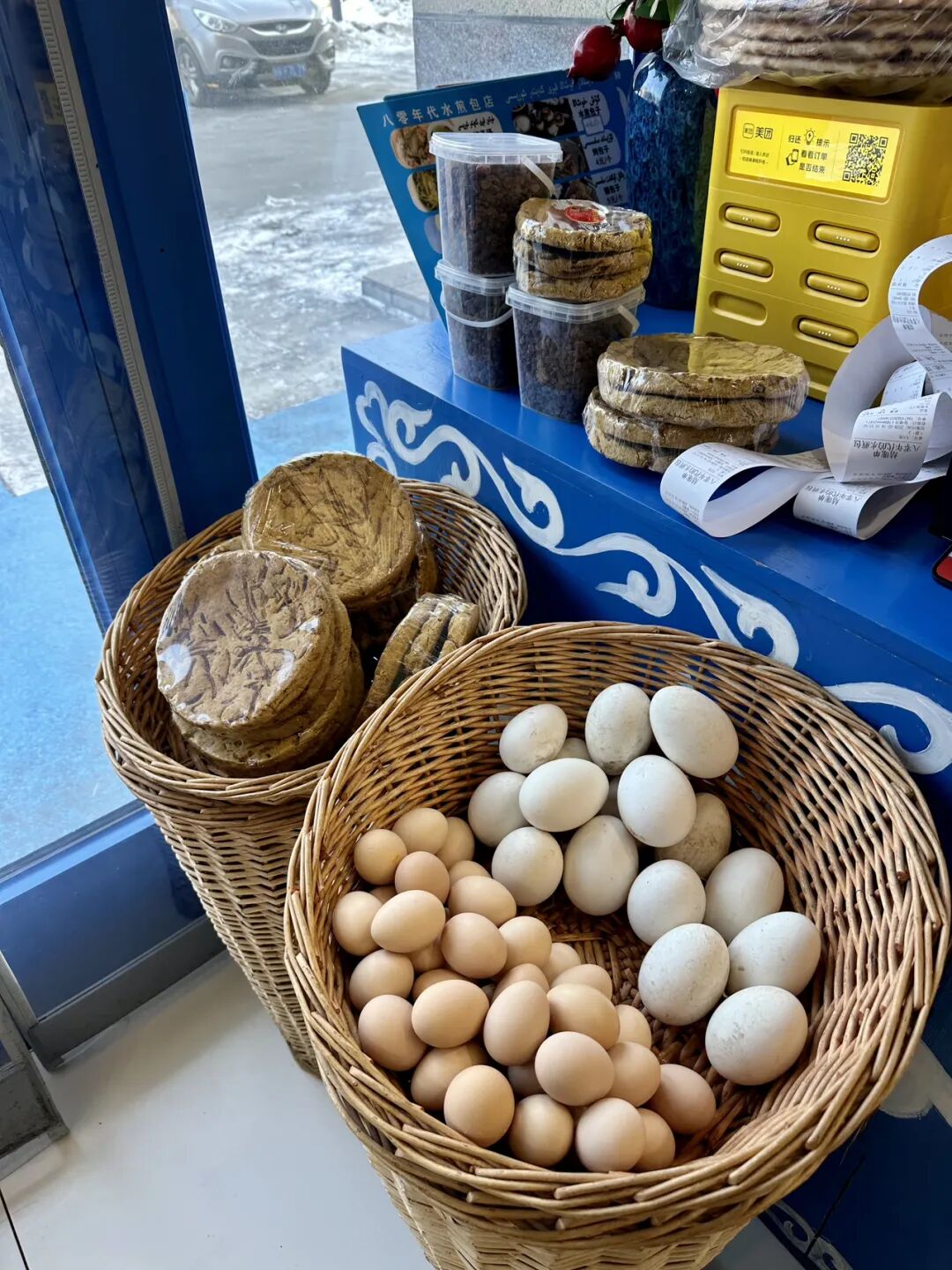
We first ate at this 1980s-style pan-fried bun (shuijianbao) shop. Pan-fried buns are a specialty of Ili, but this shop also sells Hotan-style corn naan (baogu nang) and old pigeon soup, making it a mix of northern and southern Xinjiang styles.
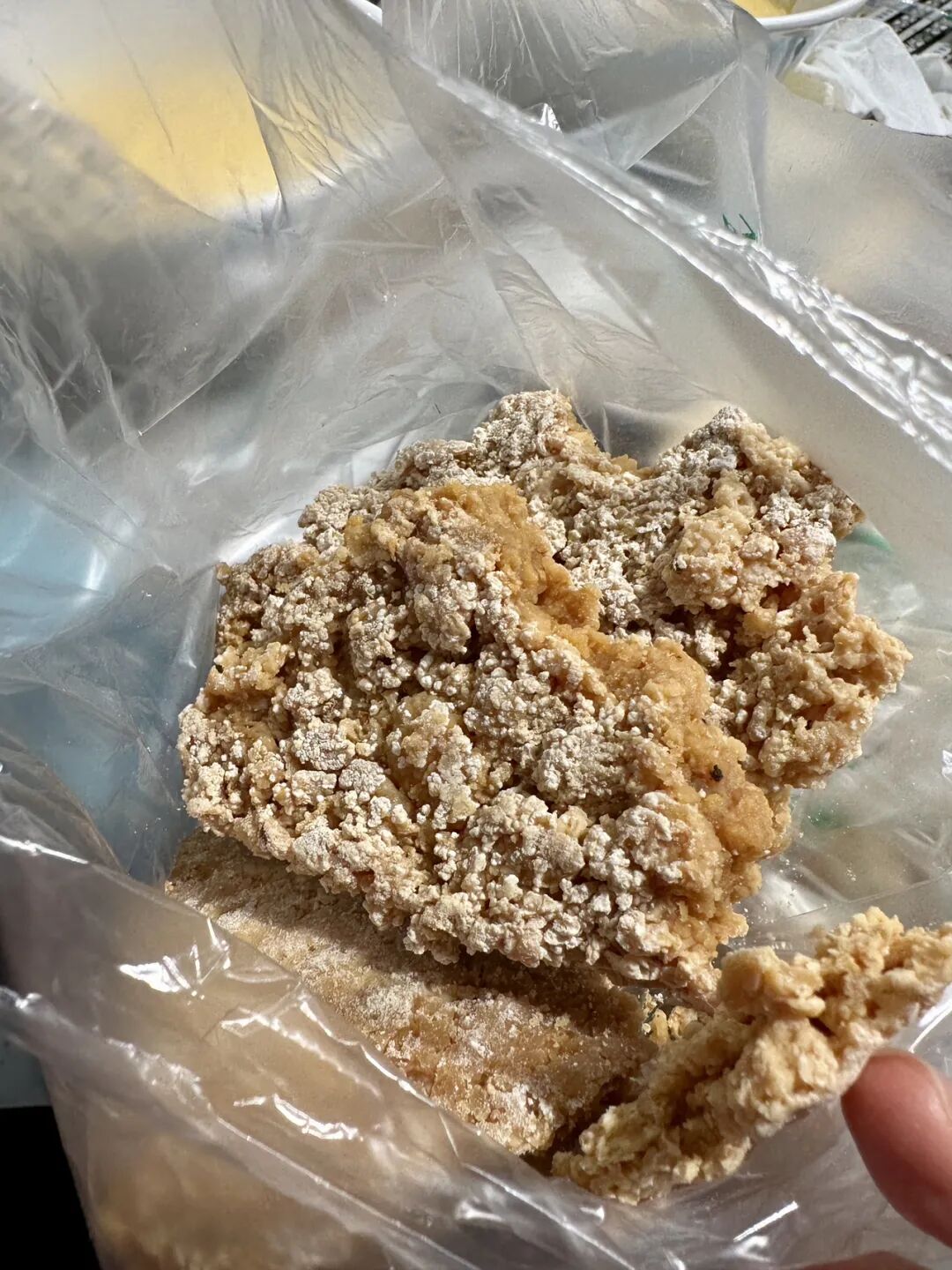
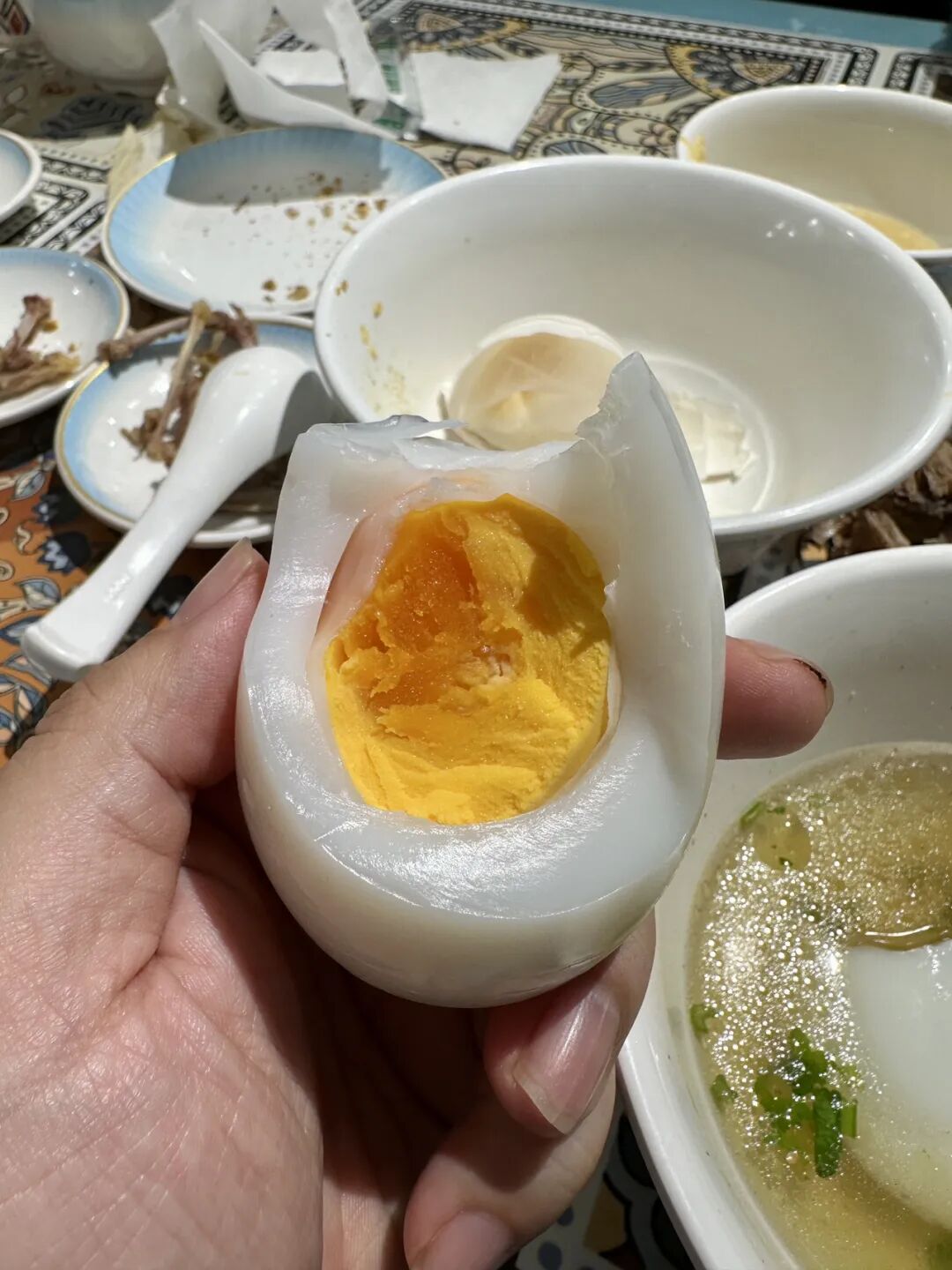
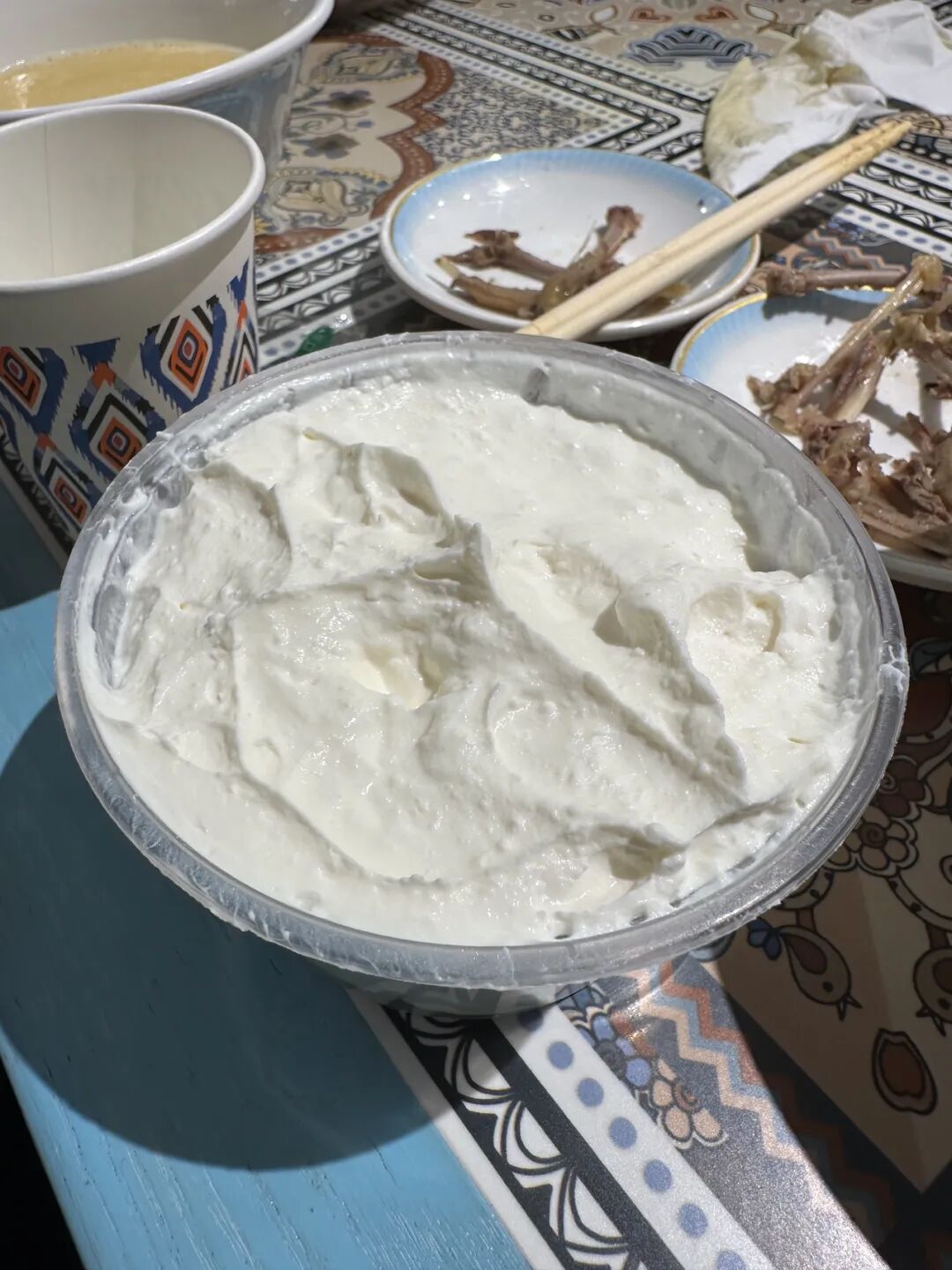
We ordered old pigeon soup, goose eggs, corn naan with milk tea, pan-fried buns, yogurt, and dried milk curds (naigeda). The old pigeon was delicious and very fragrant, though the soup was a little salty. The goose egg was large and looked crystal clear. The corn naan with milk tea is an incredible combination. The corn naan is a purely healthy food. The corn dough is filled with walnuts and topped with fried onions. It is a bit hard when dry, but it becomes soft on the outside and crispy on the inside when soaked in milk tea. Their milk tea is also very fresh. Of course, you can find fresh milk everywhere on the streets of Urumqi, so fresh milk tea is a given. They also sell various types of dried milk curds, including sheep milk, cow milk, and yogurt versions, some sour and some milder.
I had only eaten Henan-style pan-fried buns before. The biggest difference with Ili pan-fried buns is the use of a lamb and onion filling, seasoned with cumin and pepper. The dough is made with sourdough starter and fried in a flat pan just like in Henan, but it is served with salty milk tea instead of spicy soup. Ili pan-fried buns taste a bit like a leavened version of a baked bun (kaobaozi). Many people here love them and buy a lot at once.
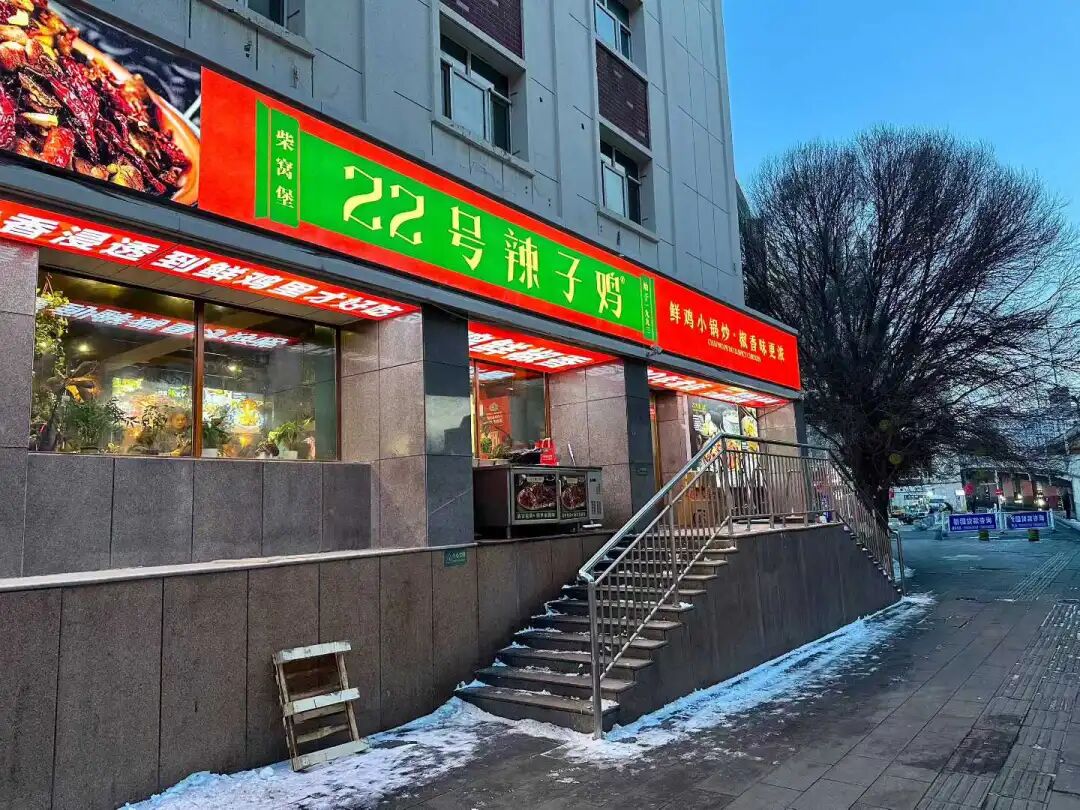
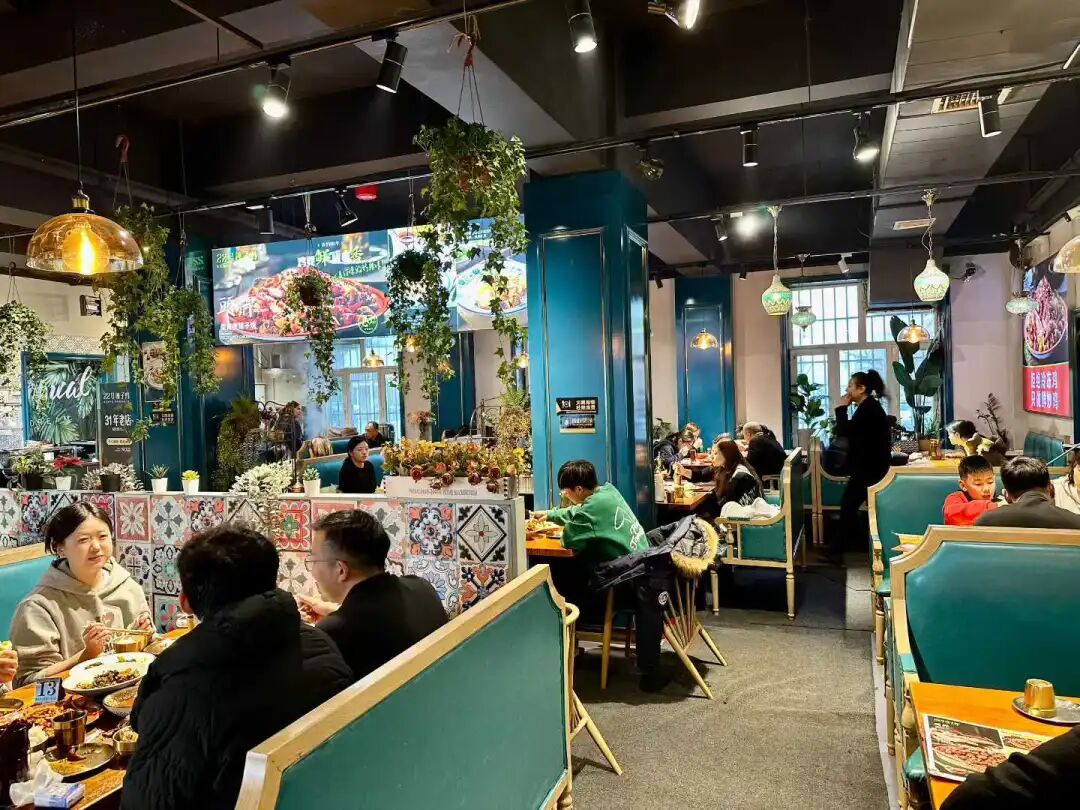
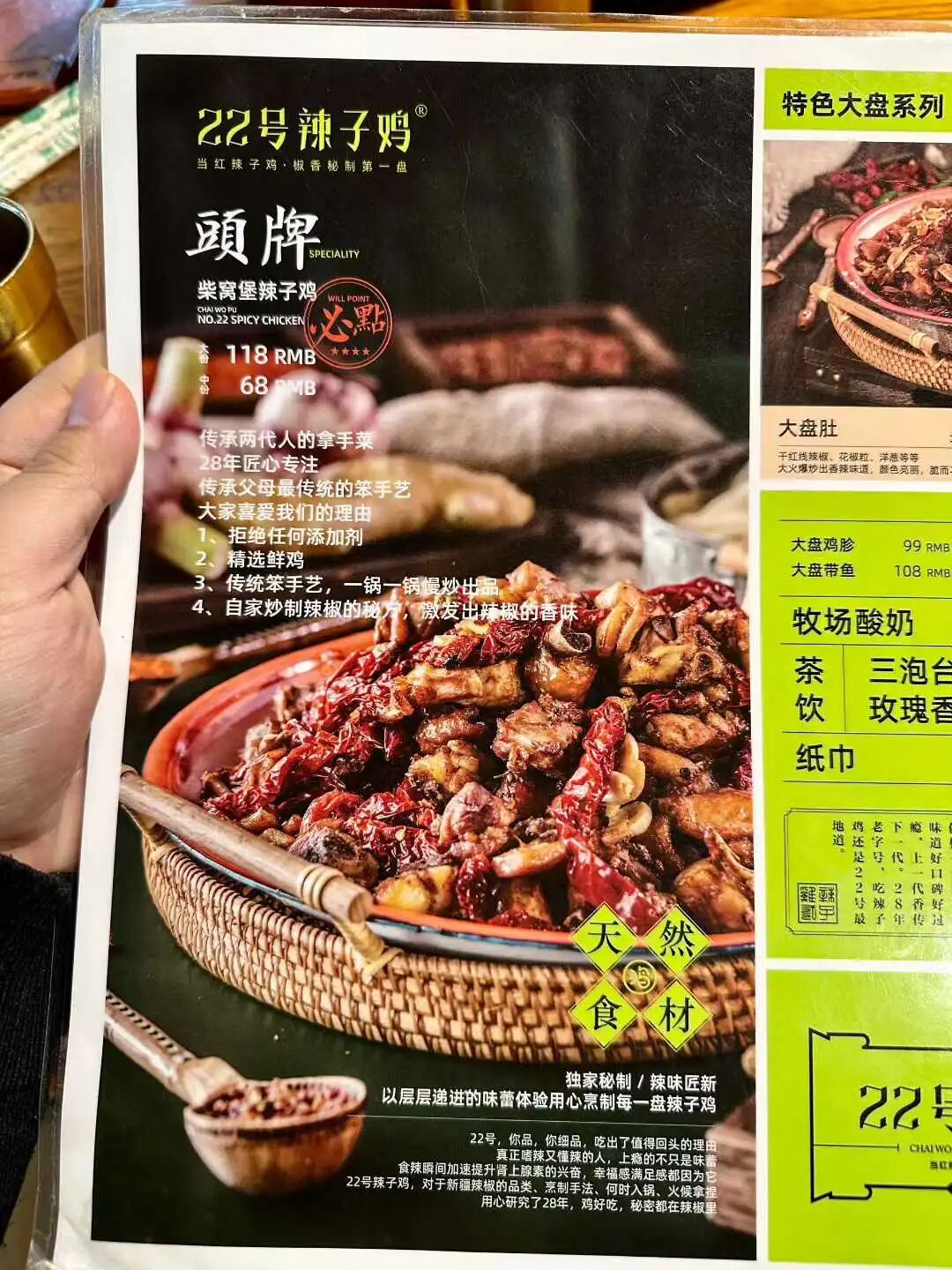
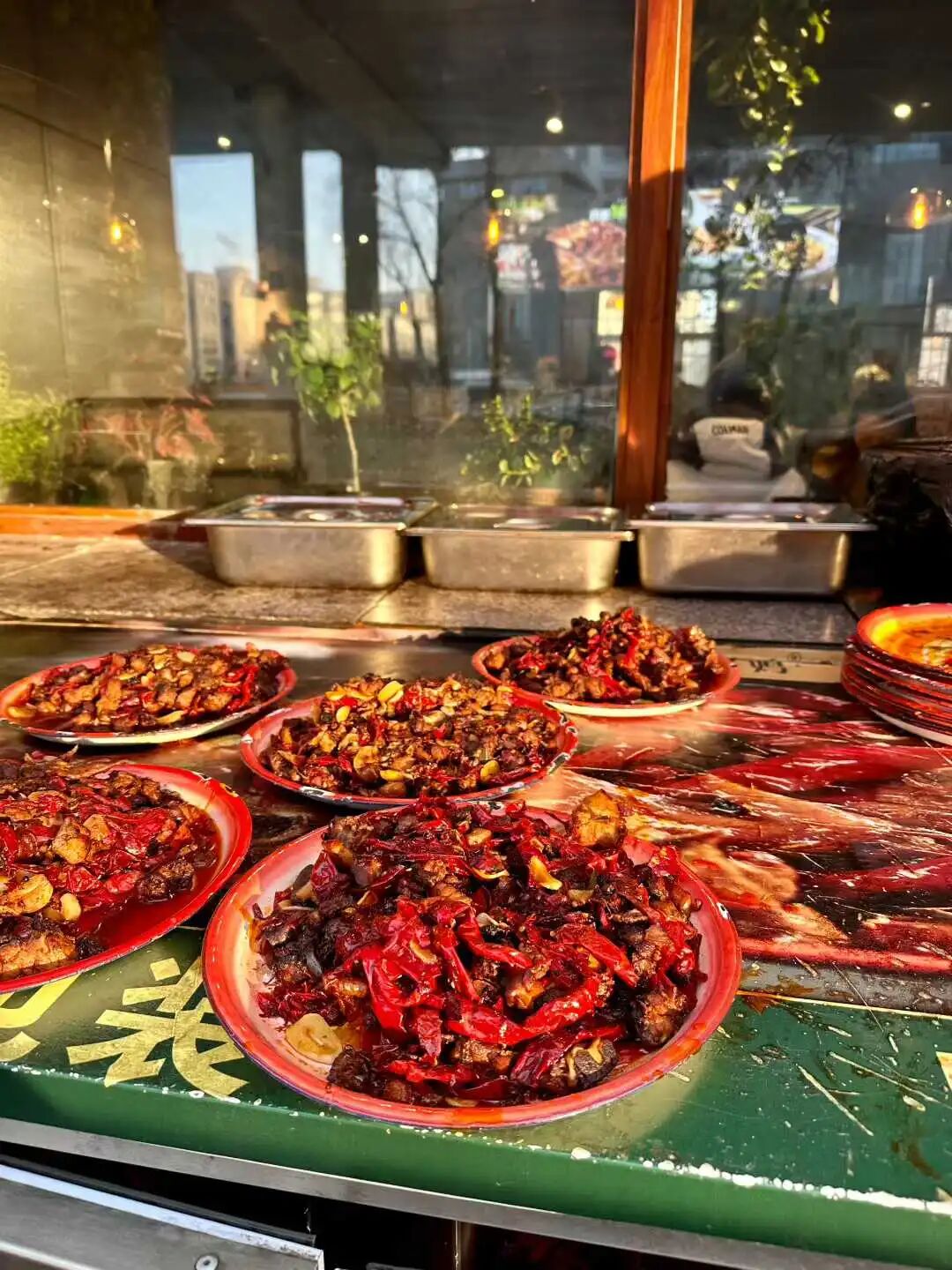
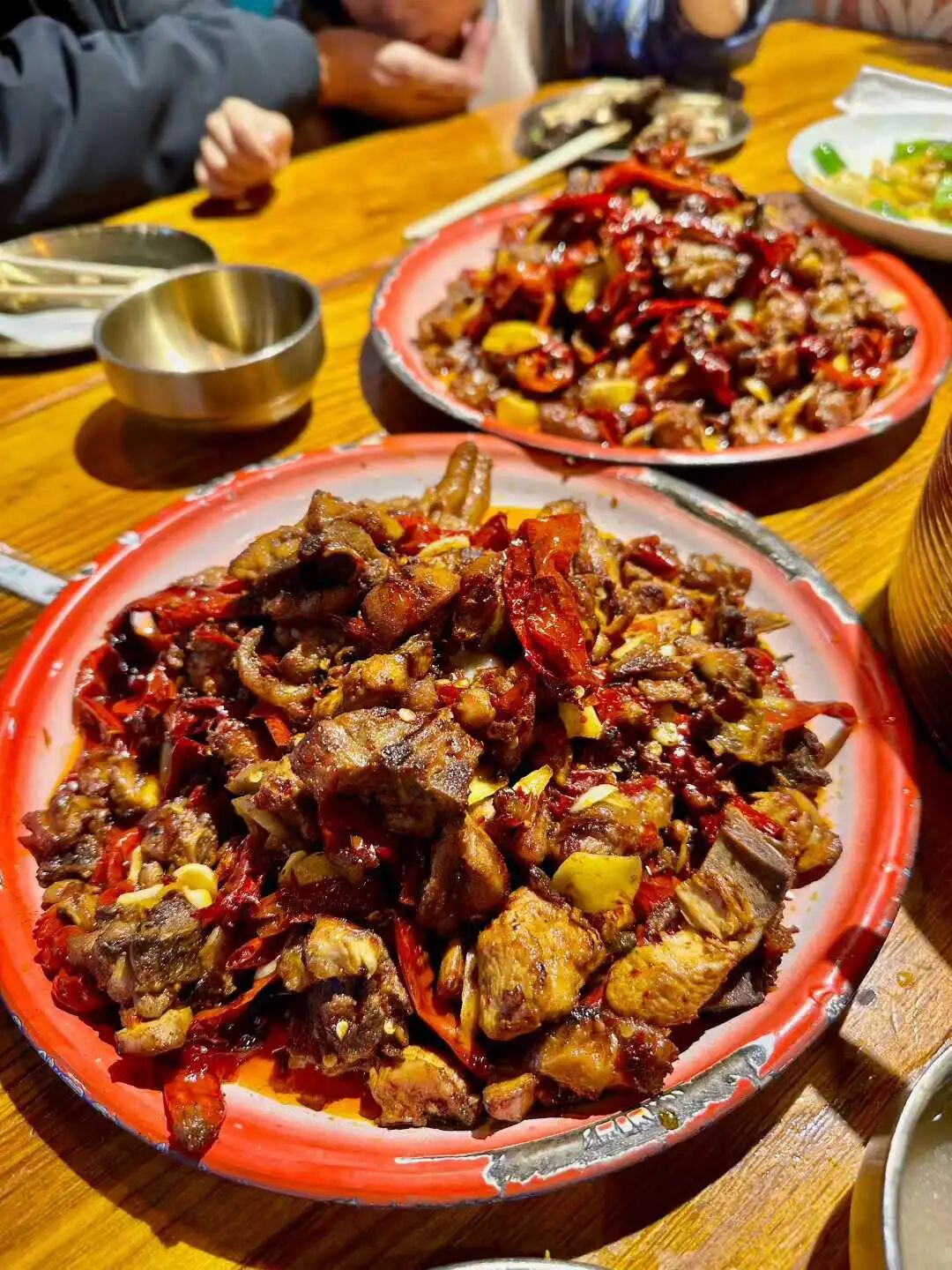
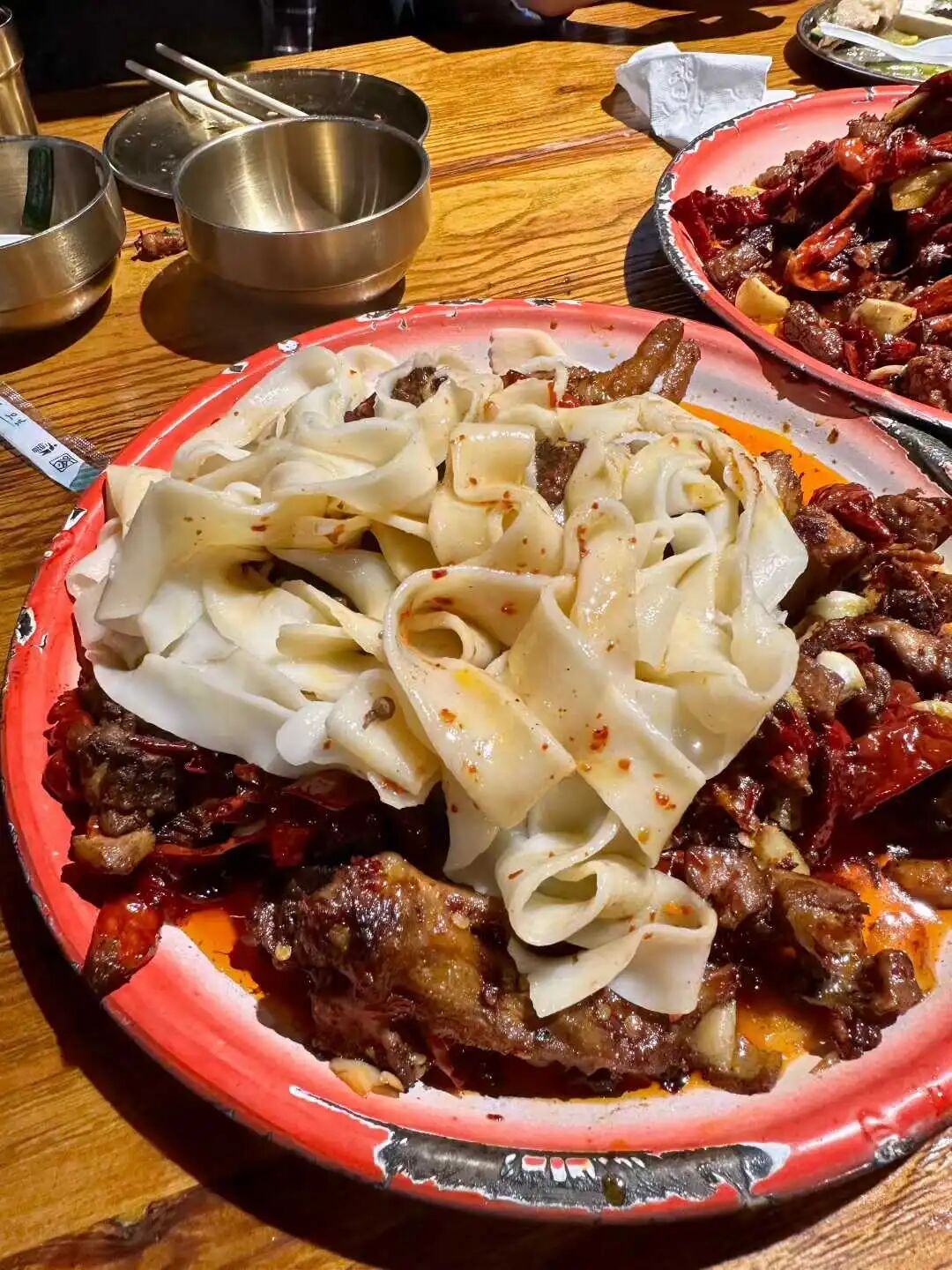
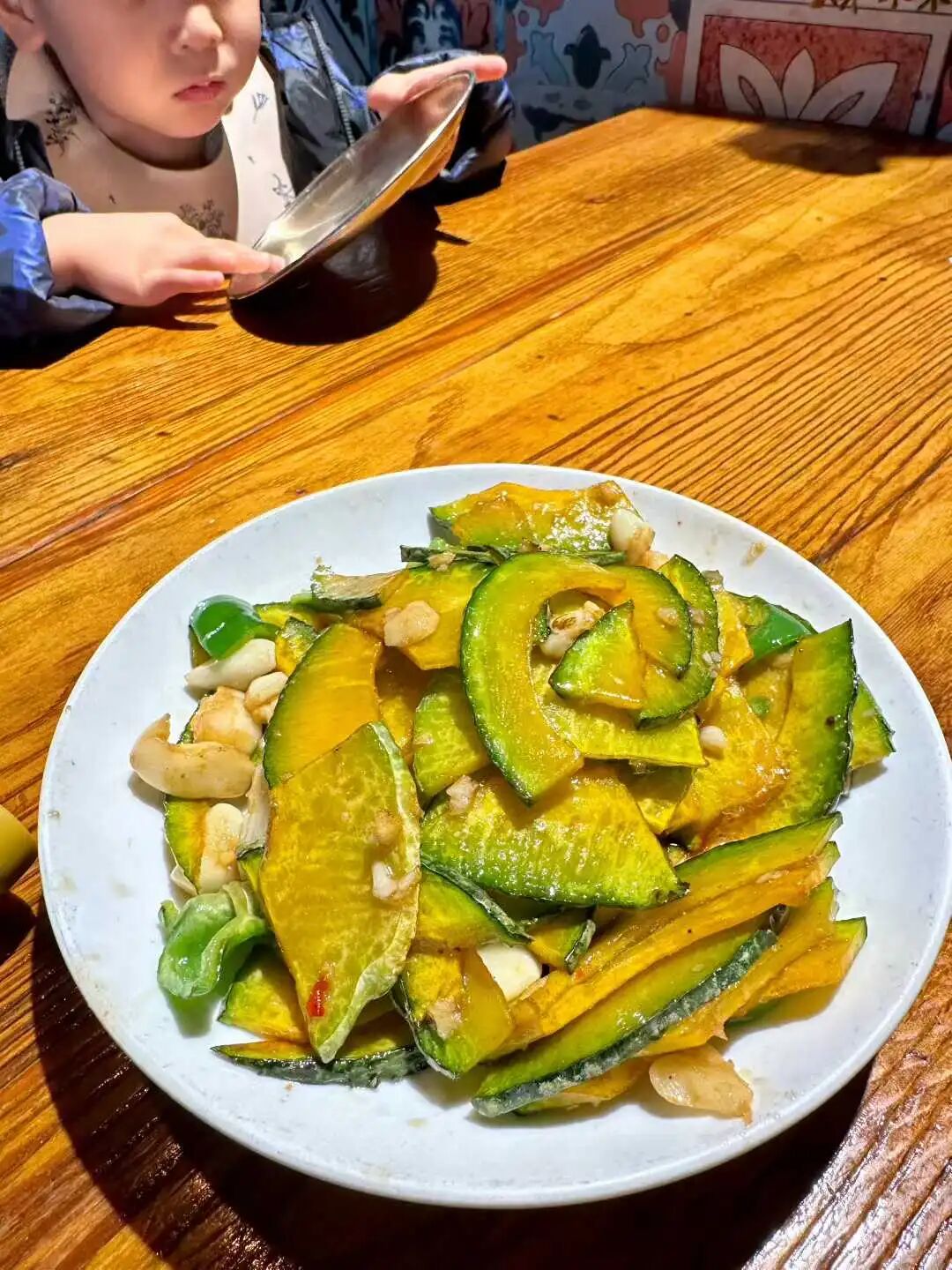
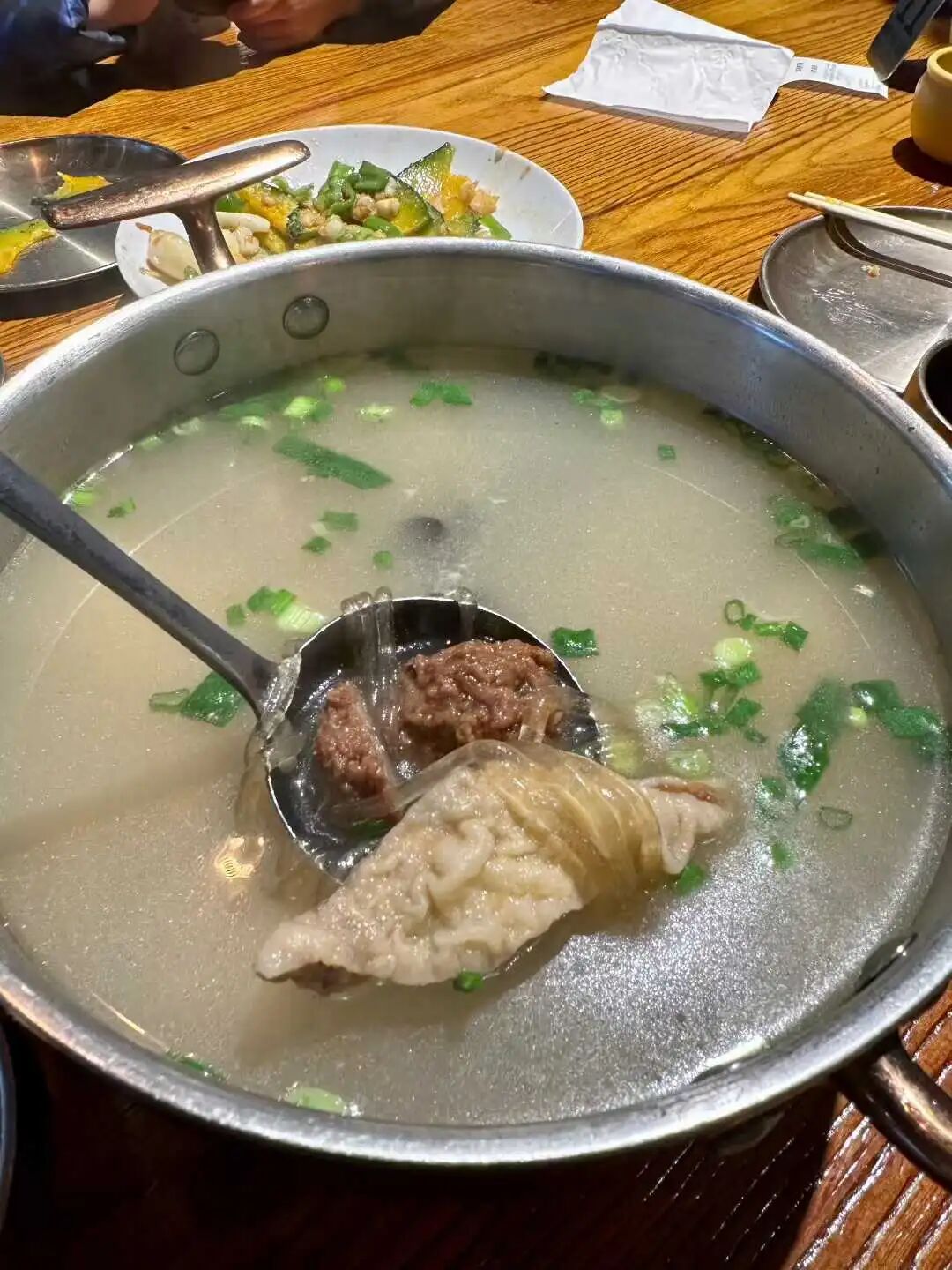
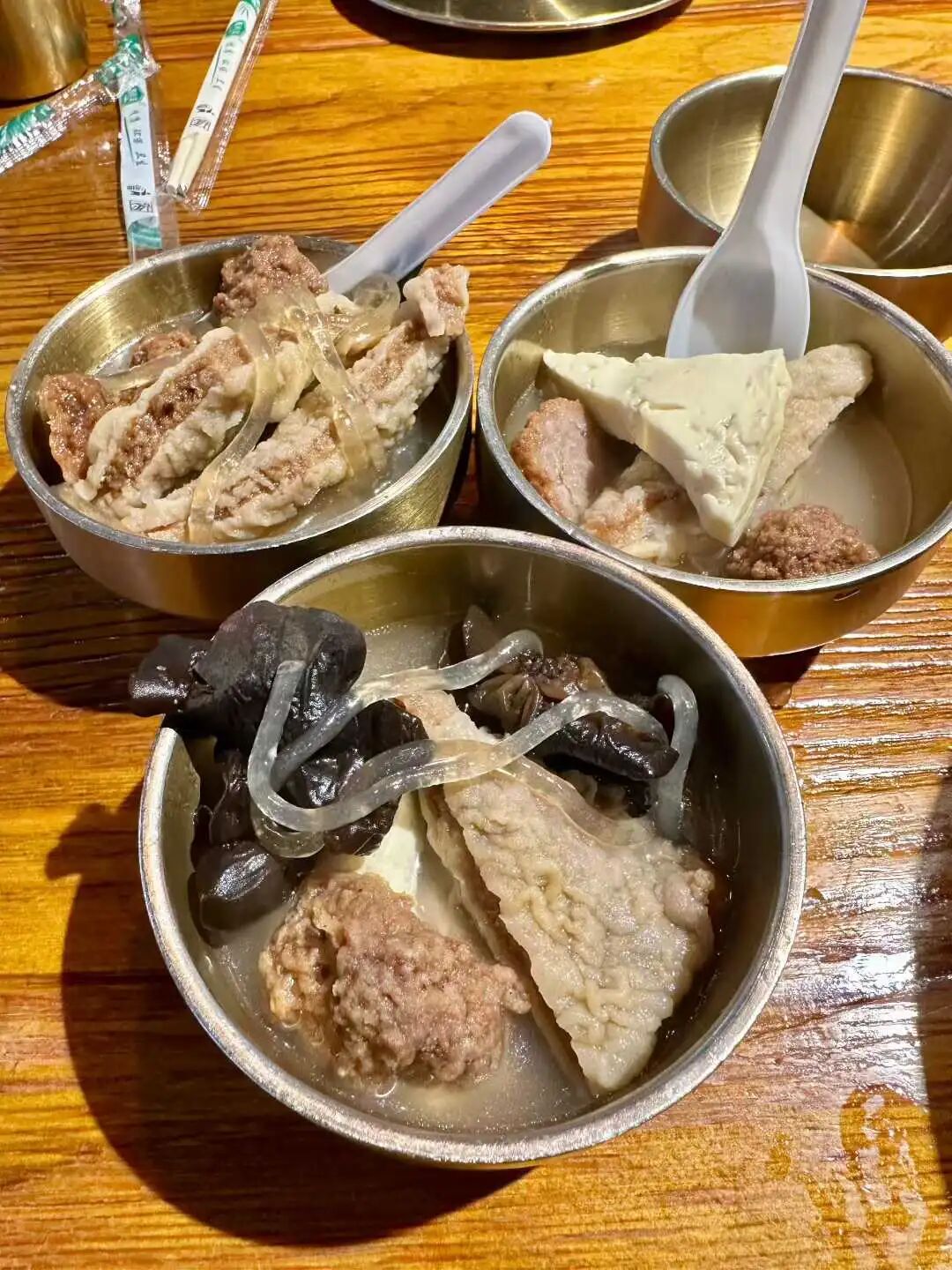
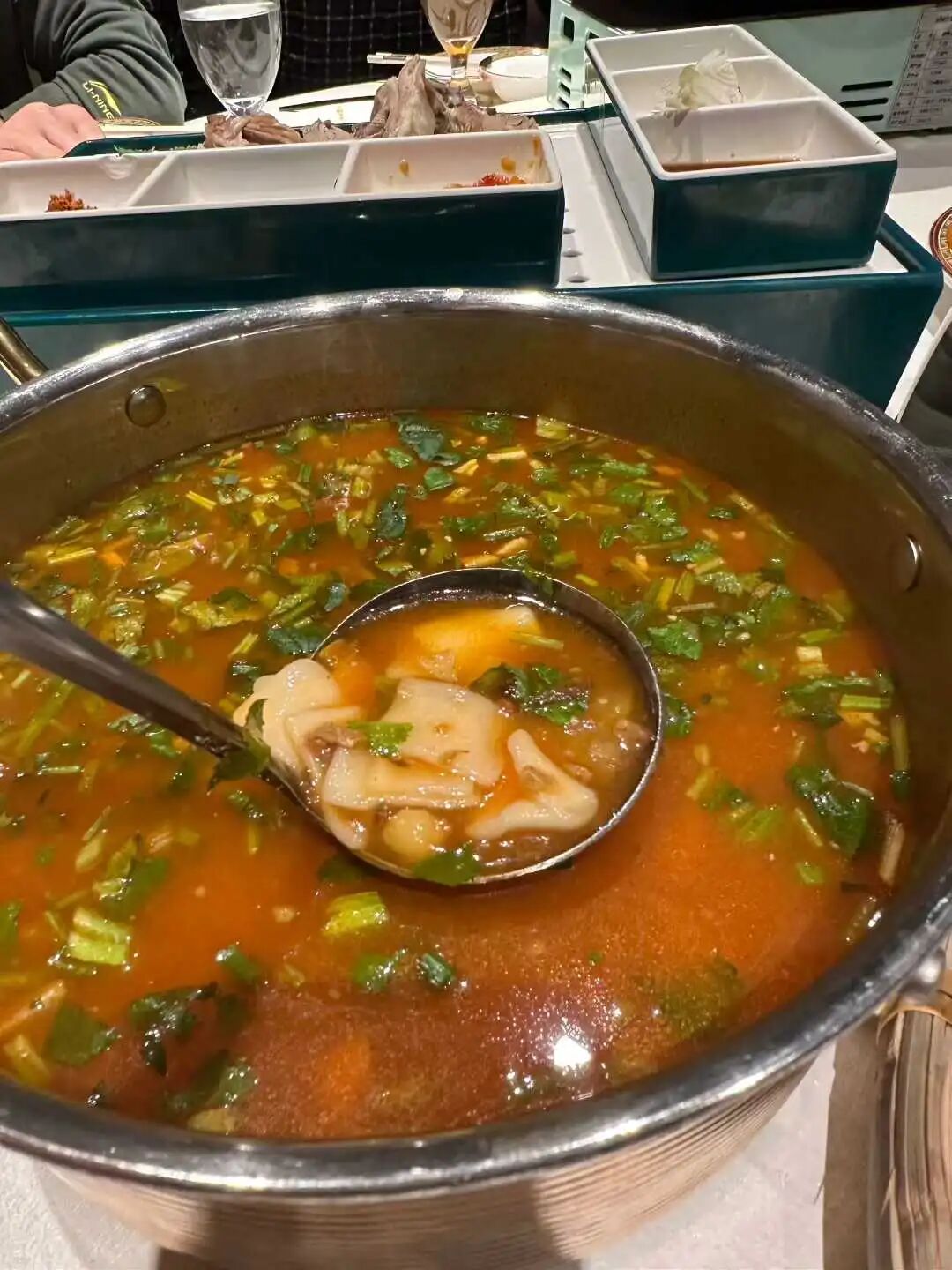
In the afternoon, while visiting relatives, we passed by the Chaiwopu No. 22 Spicy Chicken on Wuxing South Road. It is a 30-year-old shop, and it was packed with people and very lively. They serve Hui Muslim-style Xinjiang cuisine. A large portion of spicy chicken is a whole bird, and a medium portion is half. It is stir-fried to order, so it takes a while and you have to wait when it is busy, but the taste is better than Yang Le. Adding wide belt noodles (pidai mian) to it is very satisfying. Because the kids couldn't eat spicy food, we also ordered the mixed vegetable soup (dazahuai tang), which has beef meatballs, fried egg strips (jiasha), tofu, and wood ear mushrooms. The portion was large, and it was very warming in the winter. We also ordered stir-fried chestnut squash (banligua). The salty, fragrant, stir-fried squash was soft, waxy, and sweet. It was my first time eating it prepared this way, and it was quite good. The place is always too crowded and the service is just average, but the food is truly excellent. You cannot find this kind of spicy chicken (lazi ji) in Beijing.
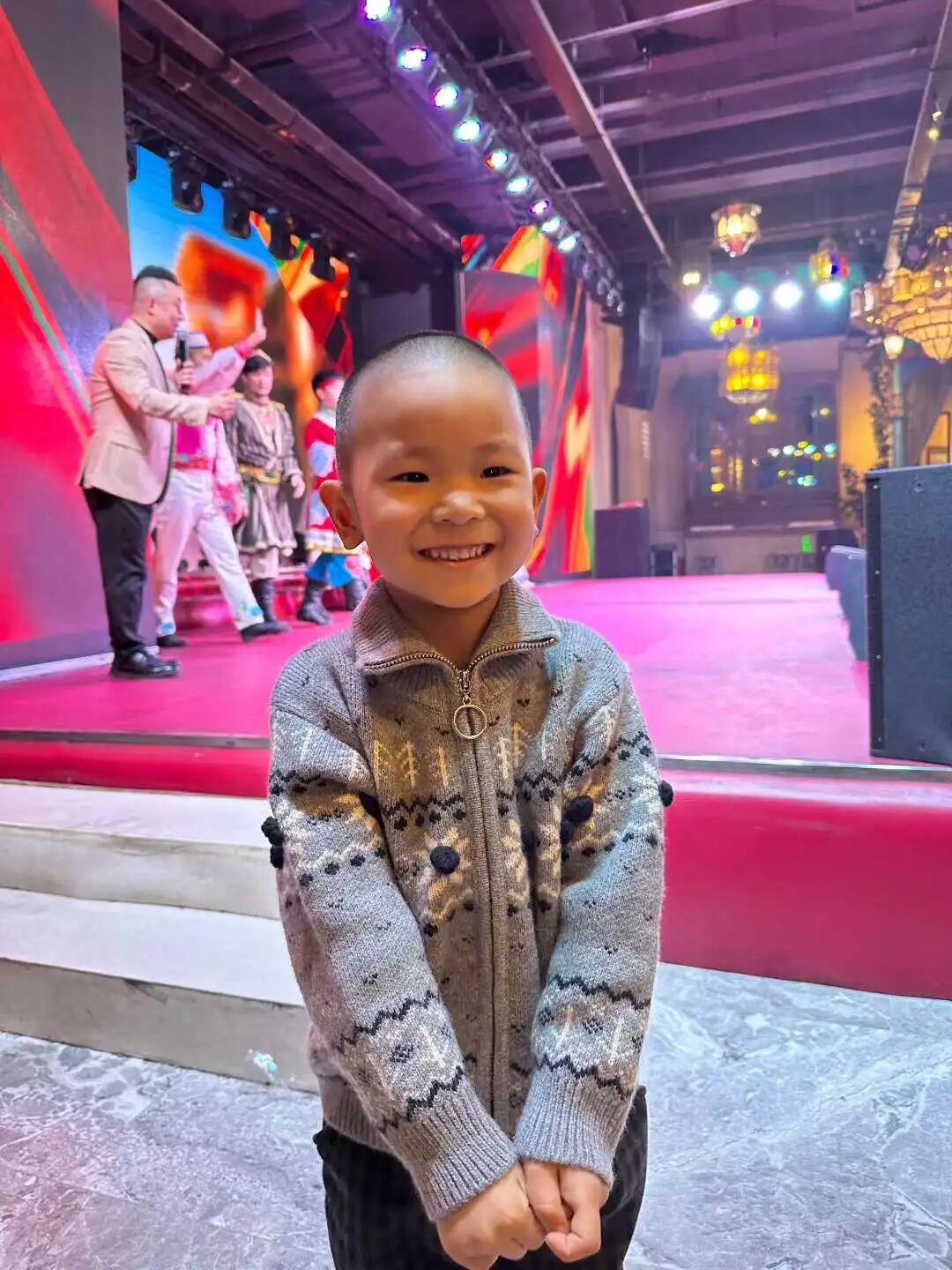
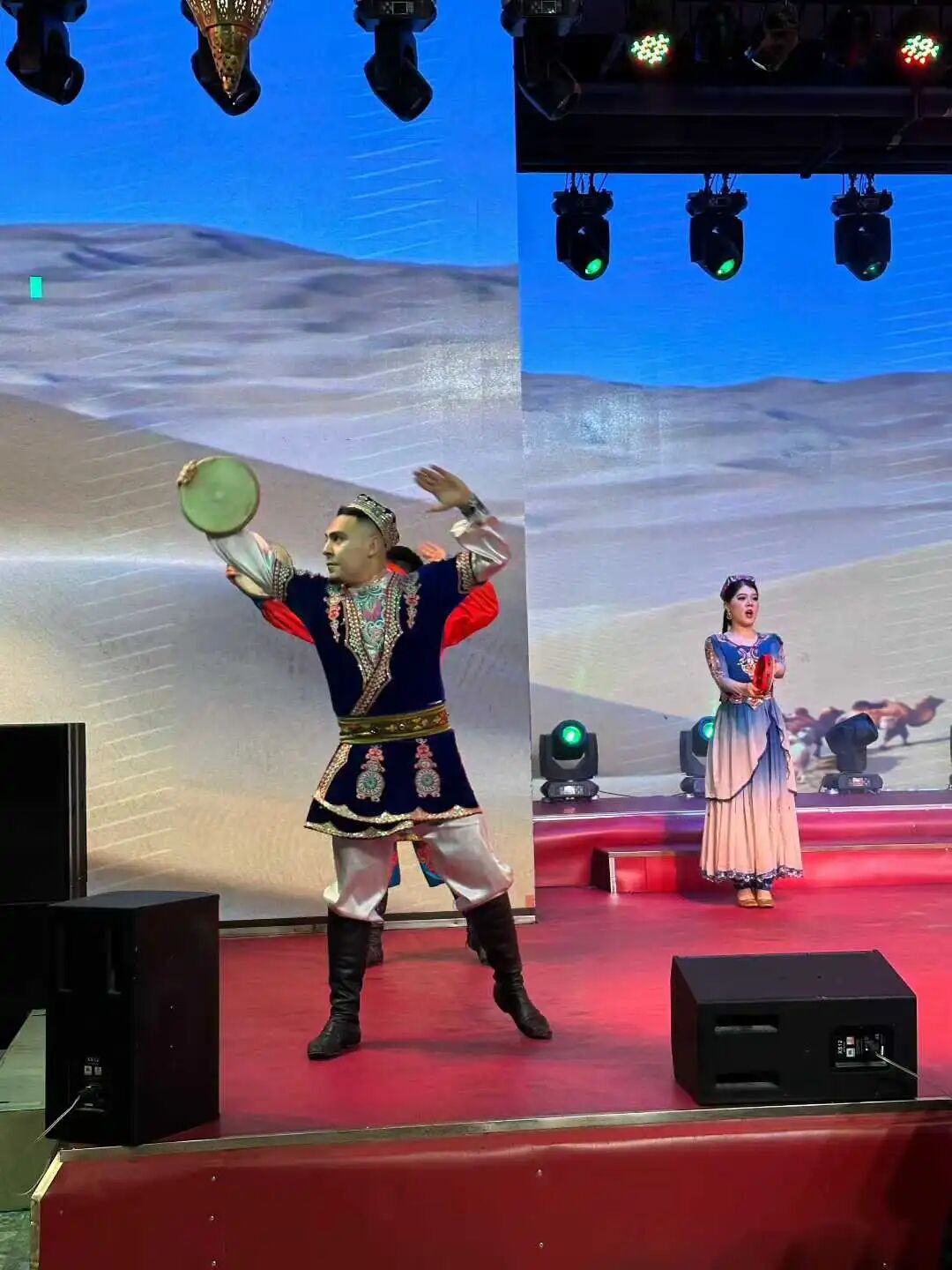
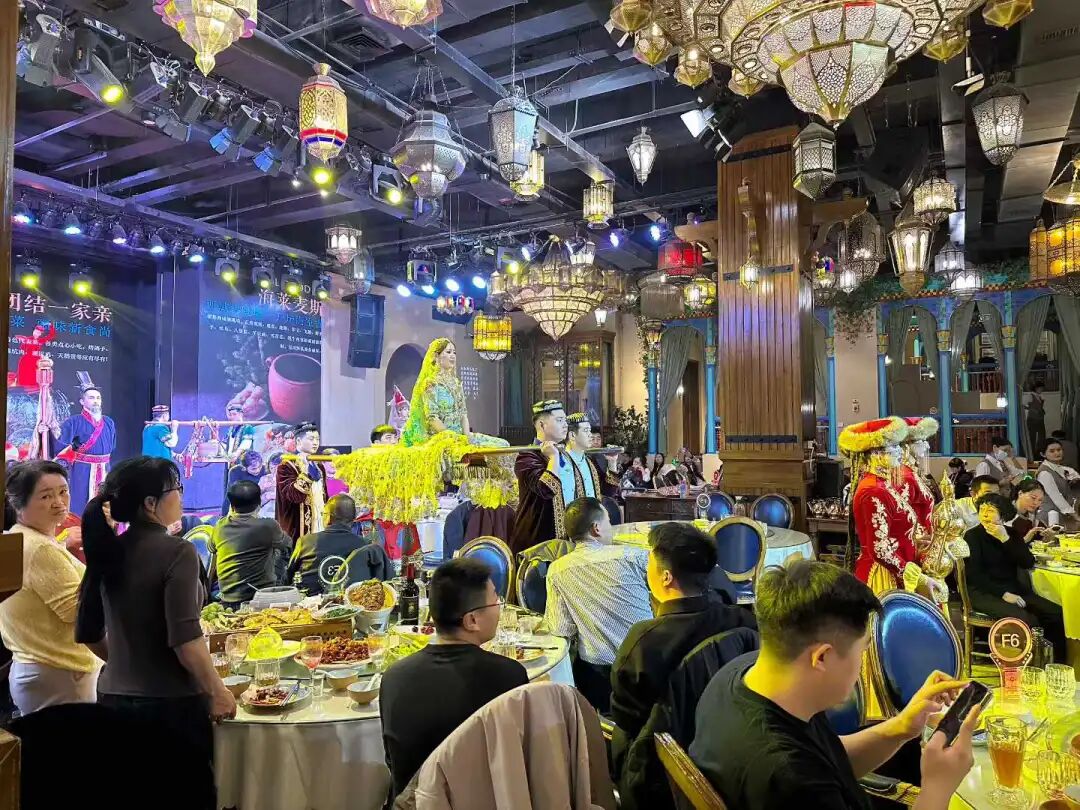
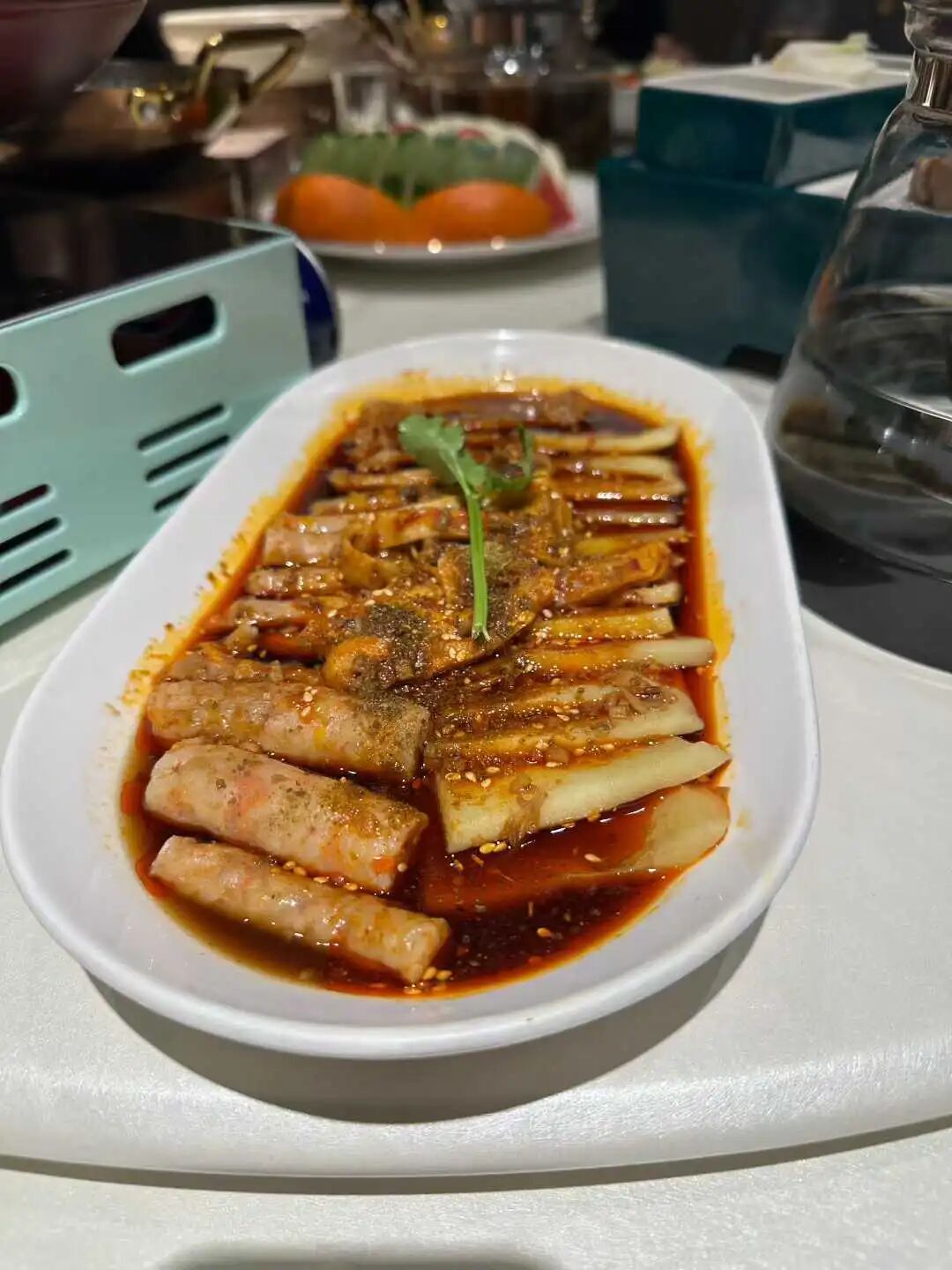
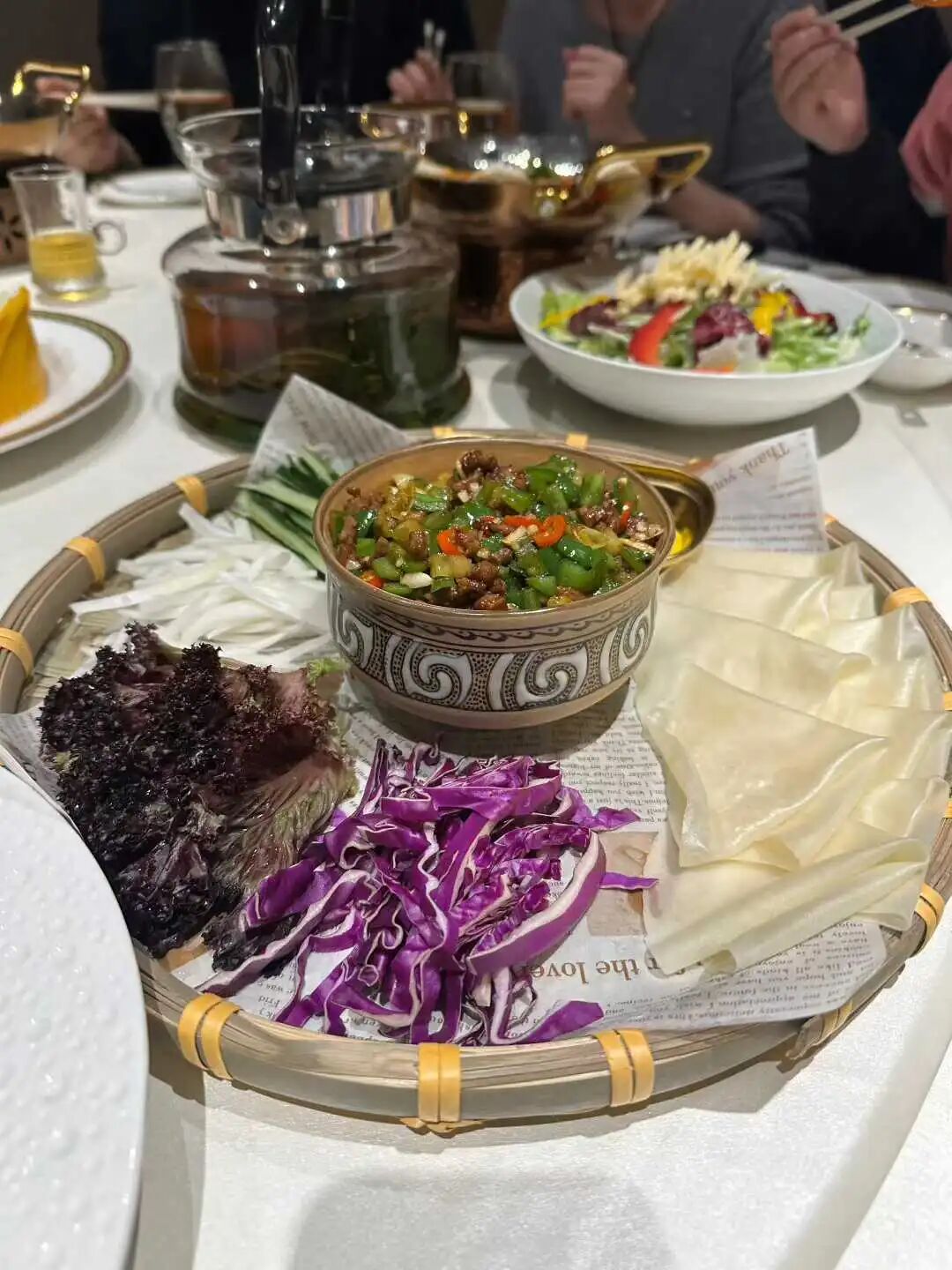
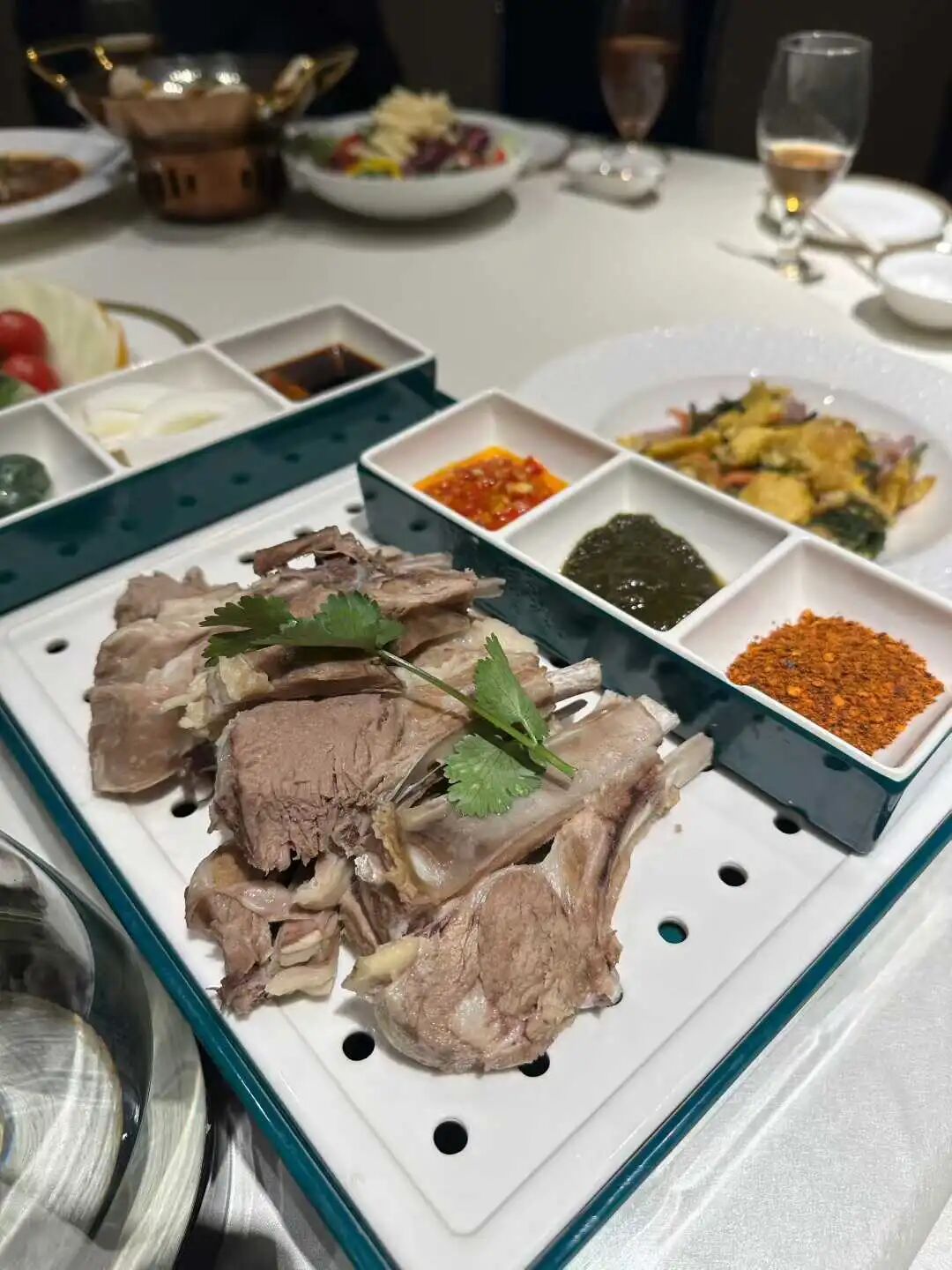
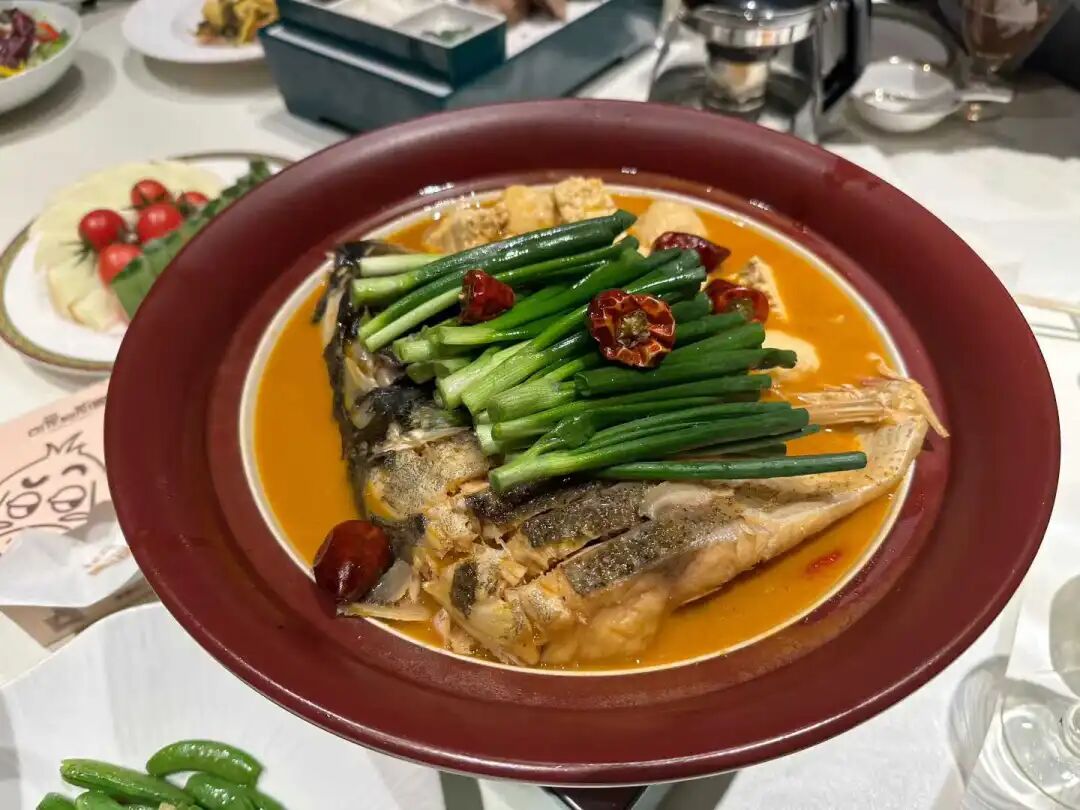
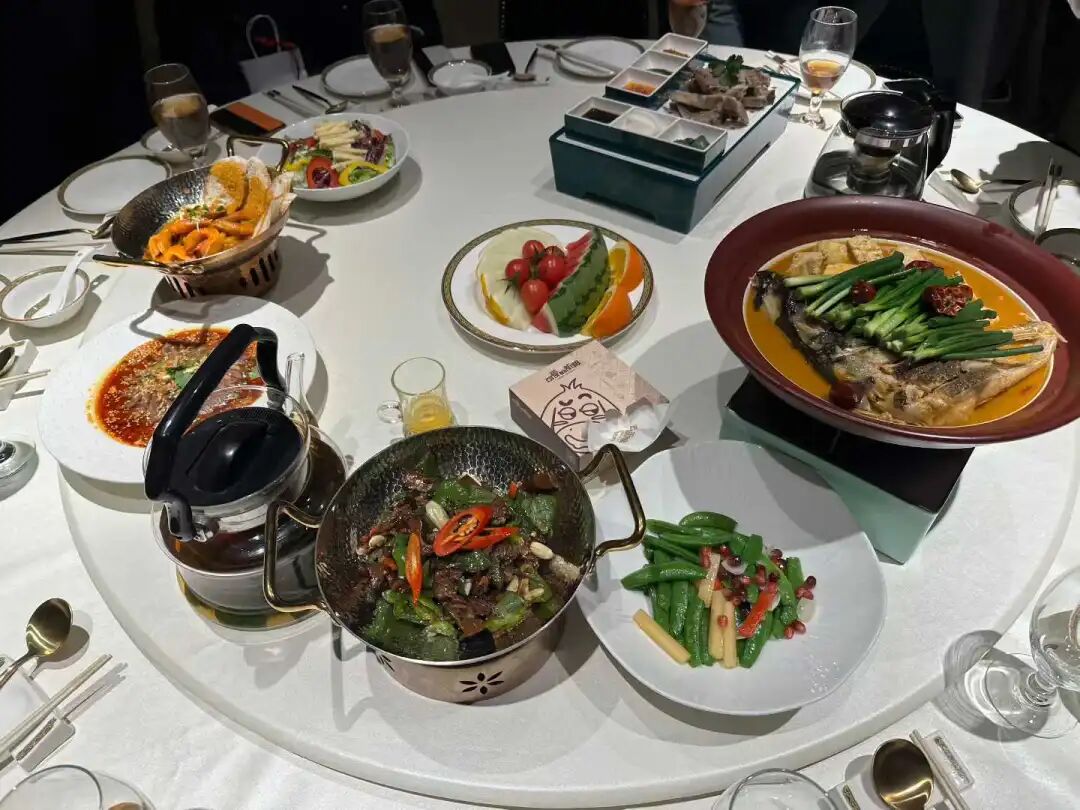
In the evening, we went to the cute Xinjiang Silk Road Feast (Silu Yan) at Shengda Plaza near the high-speed railway station. It is great for family gatherings. They have song and dance performances at night, and the menu is a fusion of many different things.
February 15
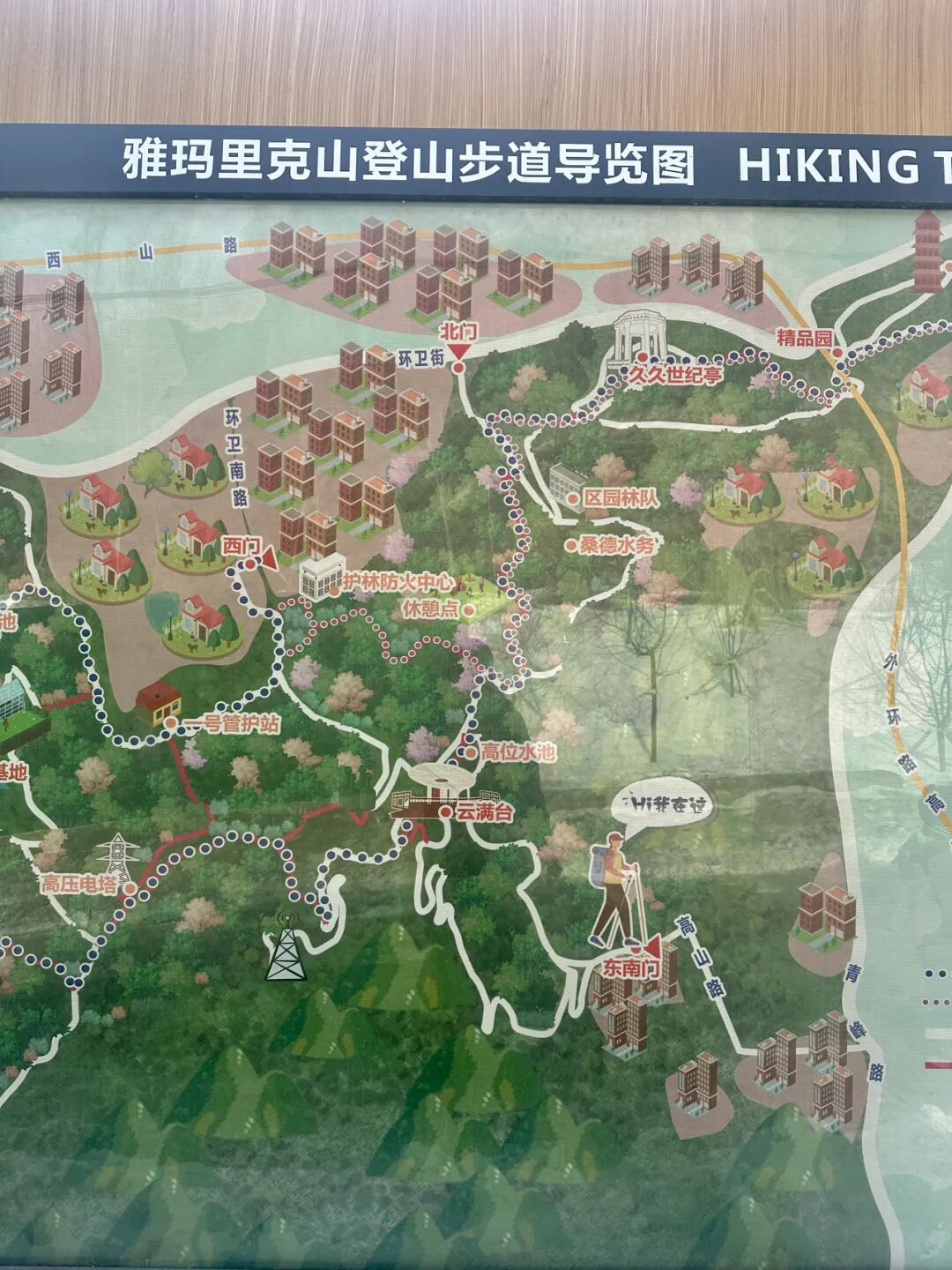
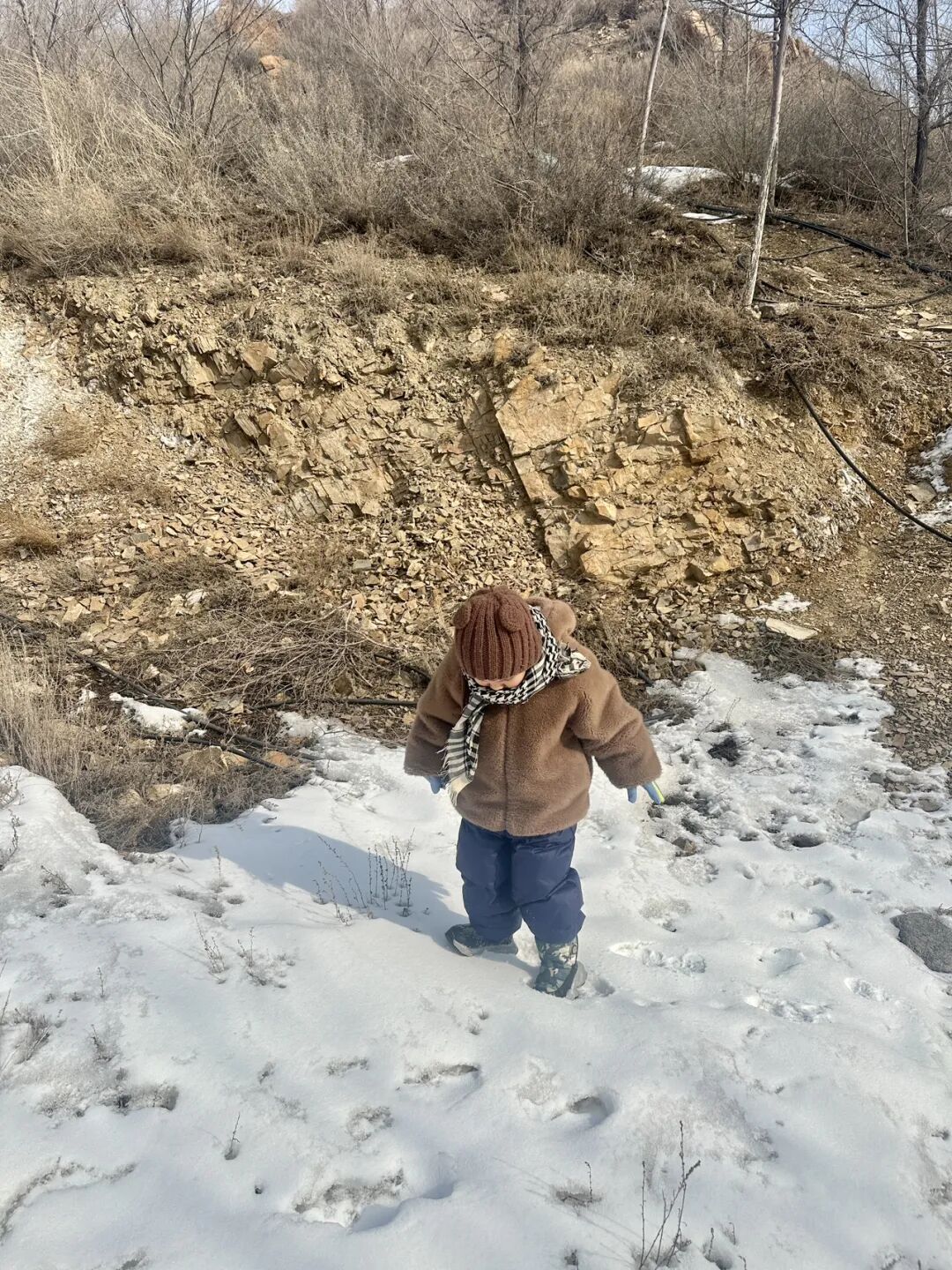
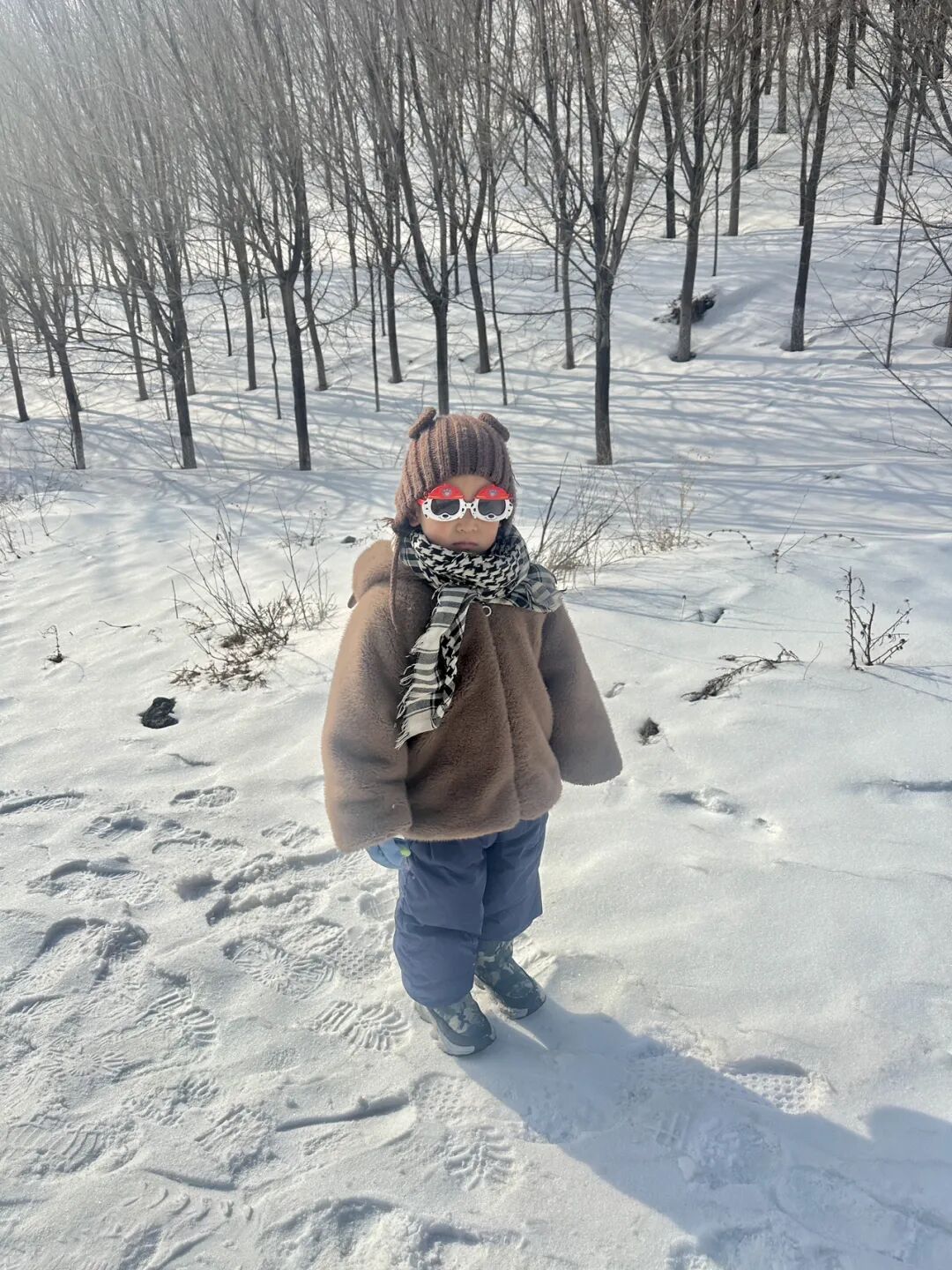
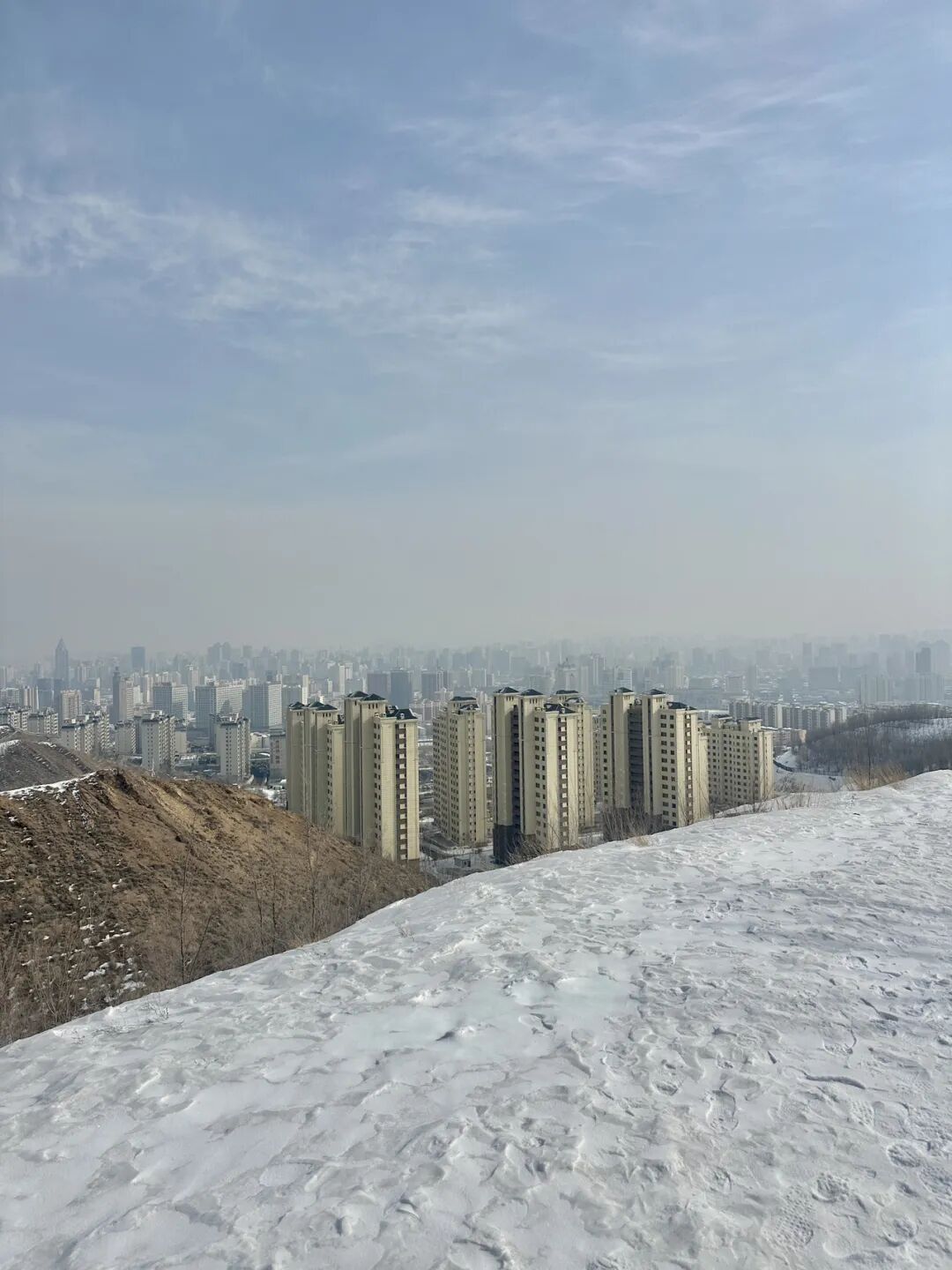
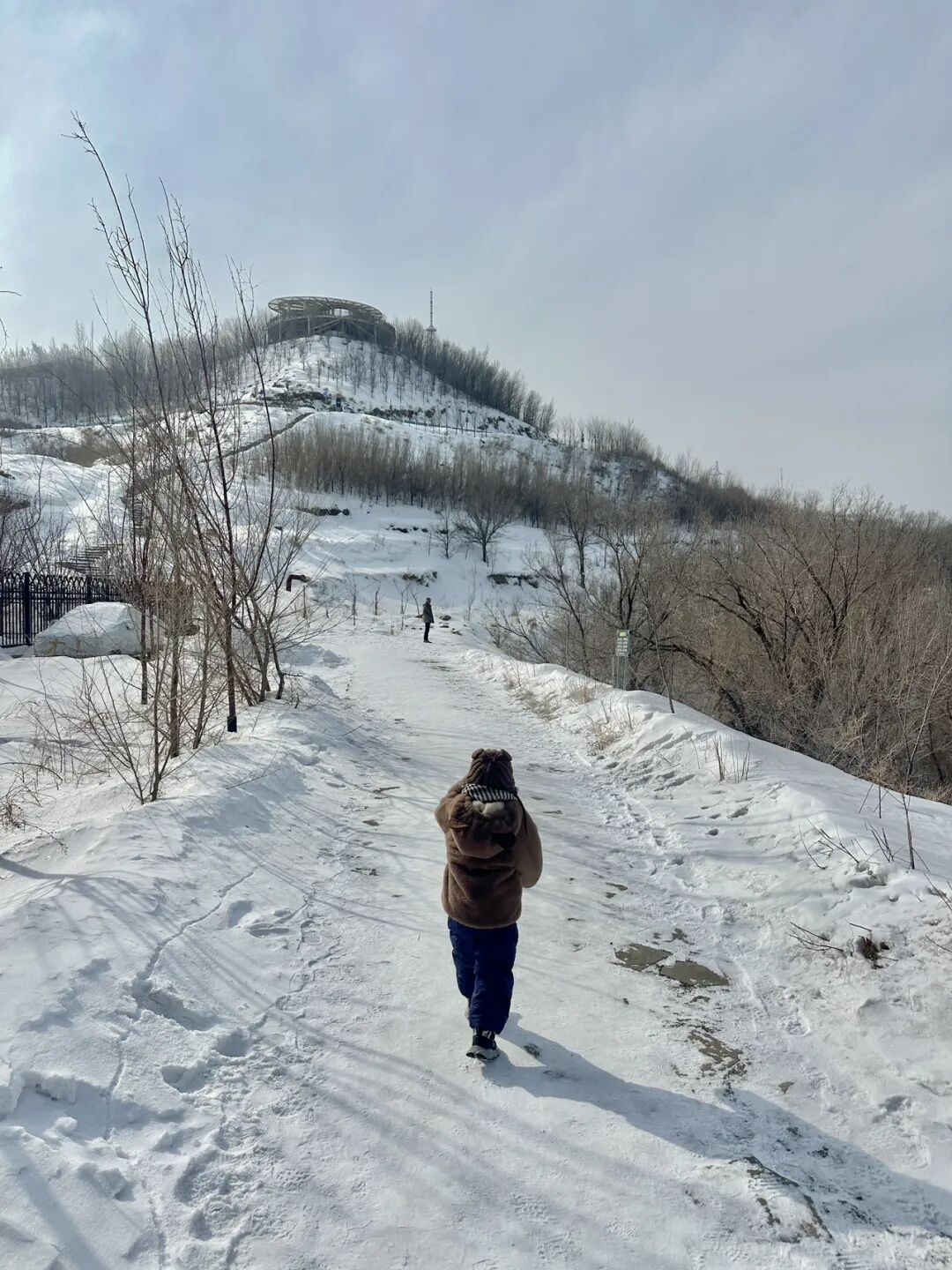
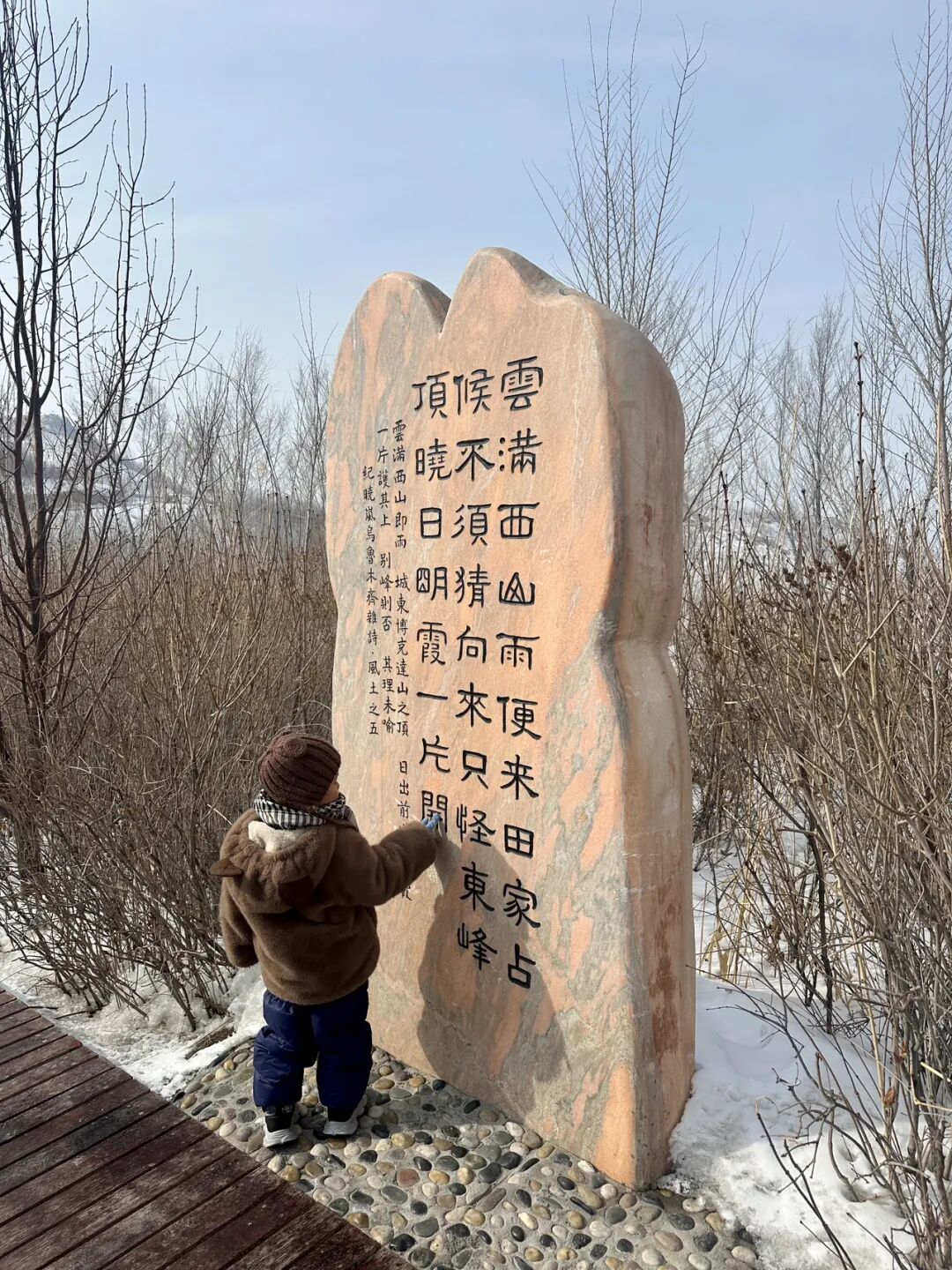
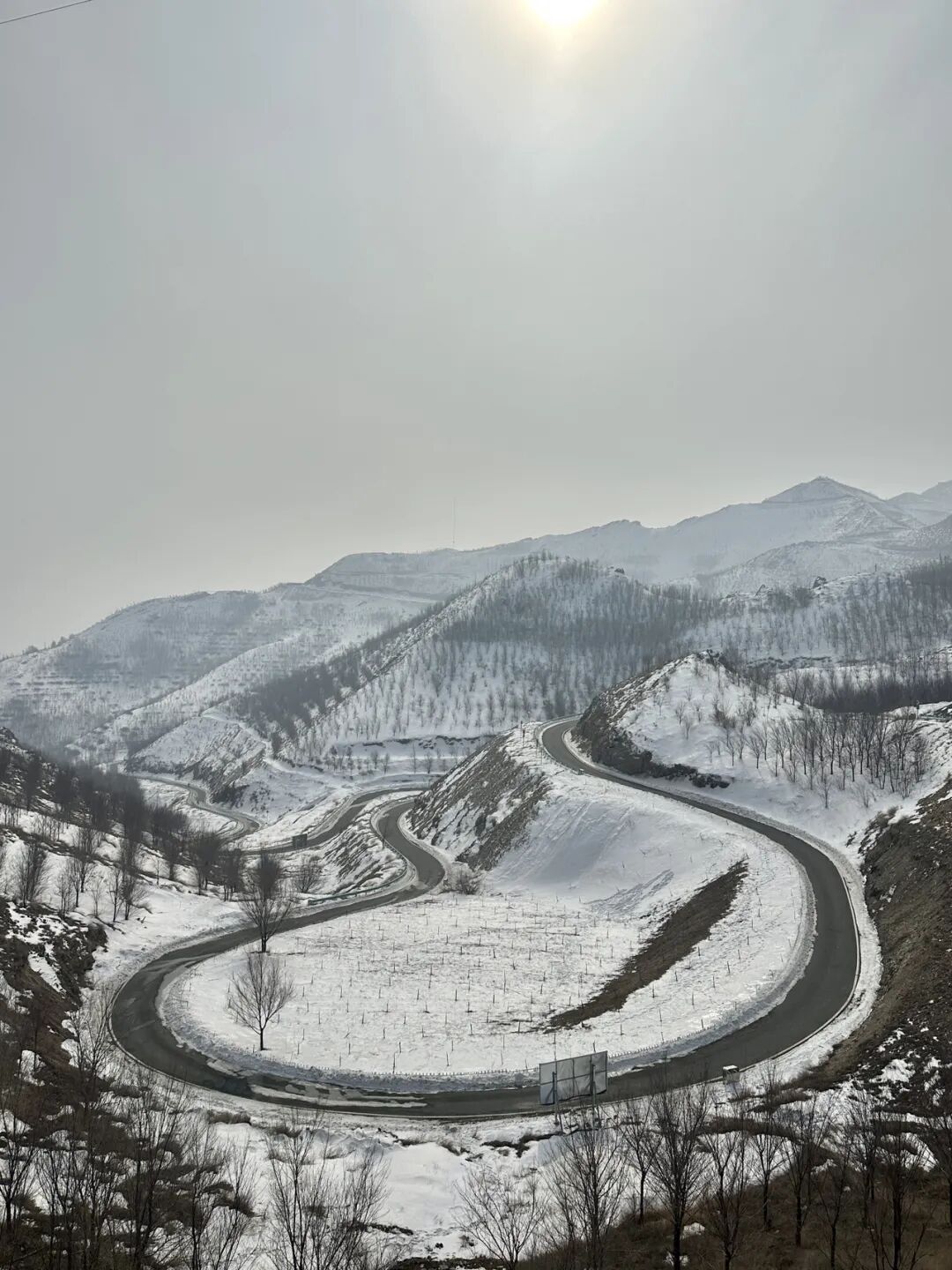
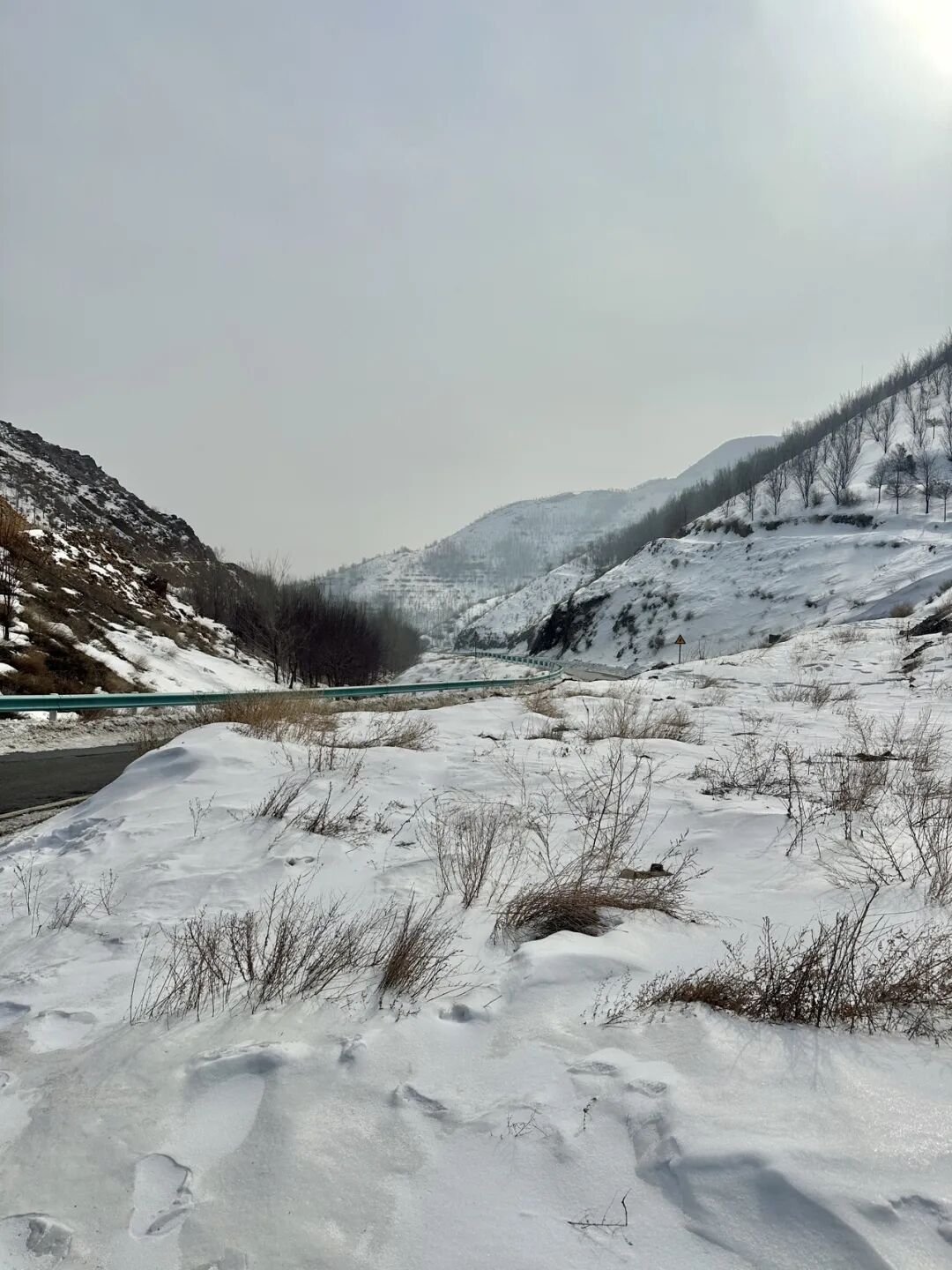
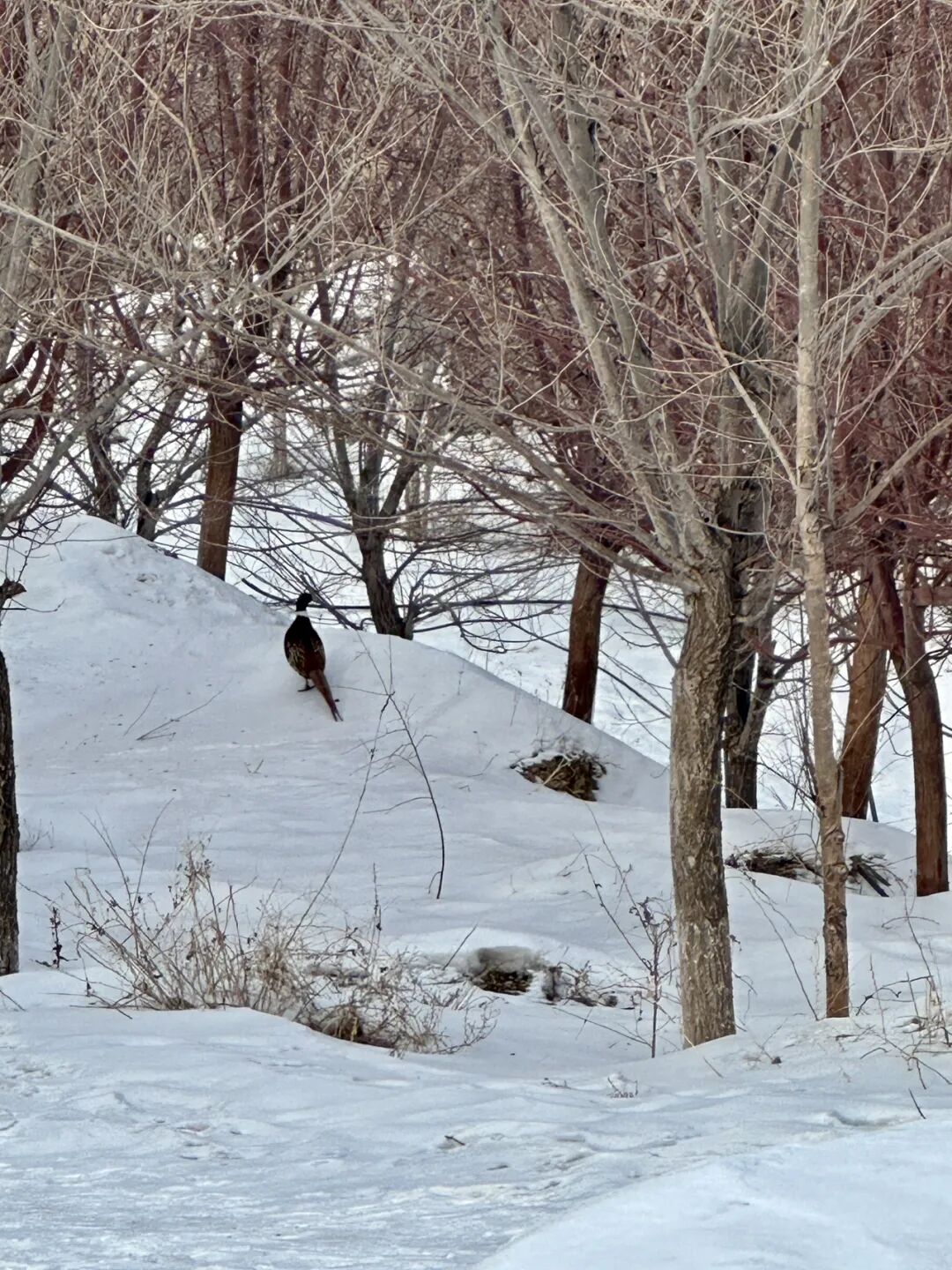
In the morning, I took Suleiman to the top of Yaomo Mountain in Urumqi. It was his first time climbing a snow-covered mountain. We entered through the southeast gate. The path up to Yunmantai is quite gentle and the shortest route, so both the elderly and children can climb it. We took a dirt path going up and the paved road coming down. The scenery on both sides was different, and we even saw a pheasant on the way down.
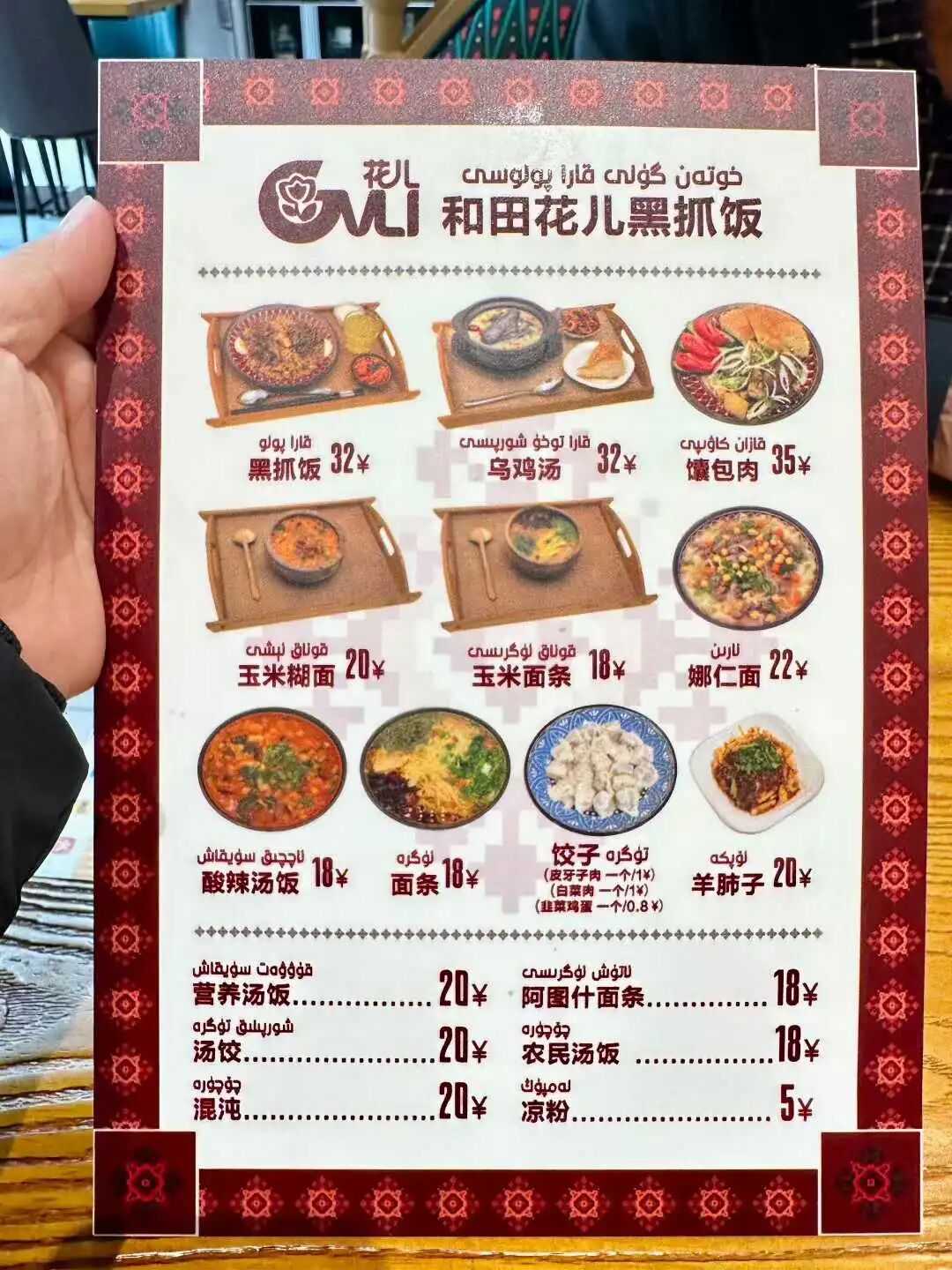
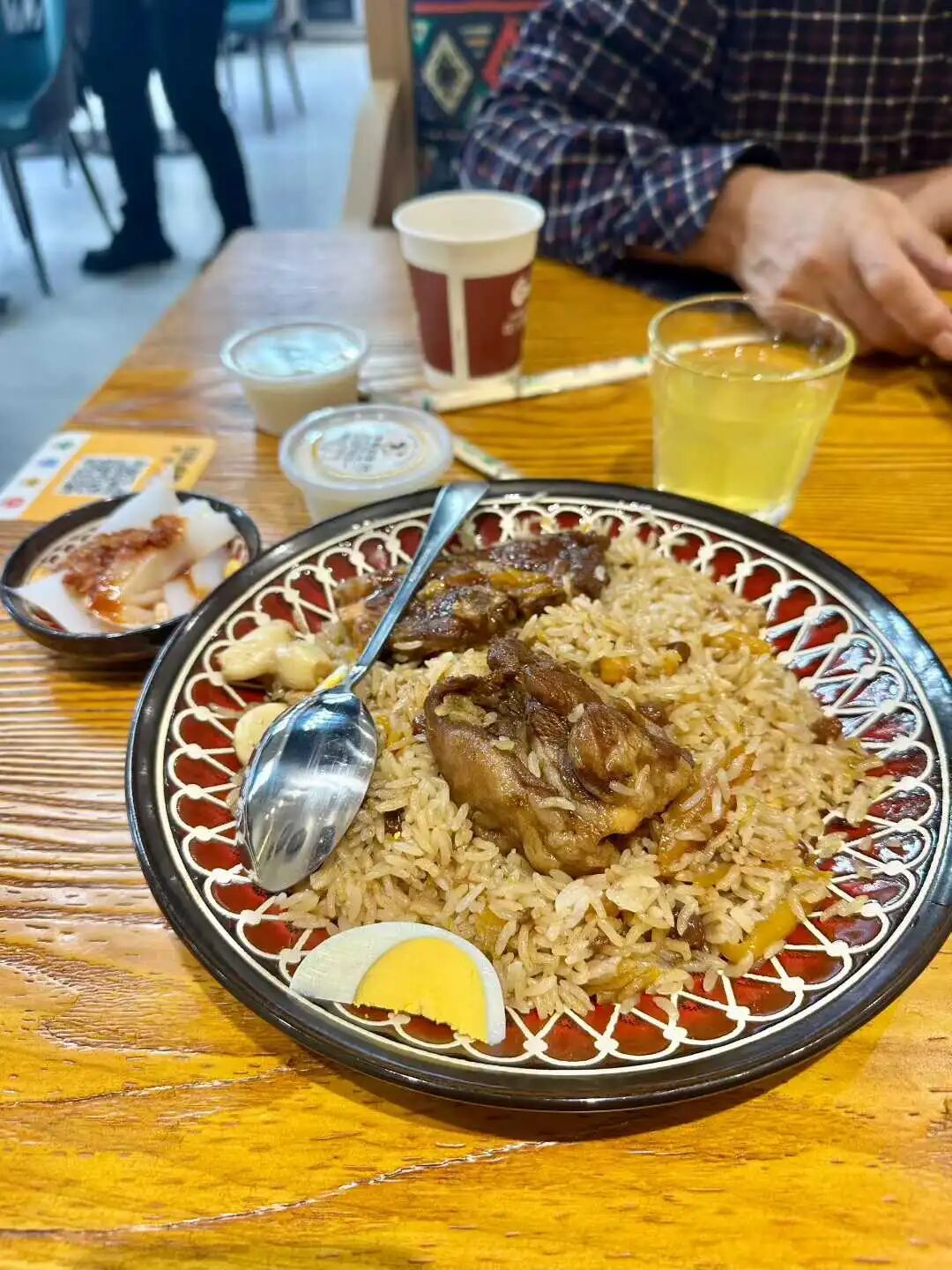
Another restaurant on Zhujiang Road, Hotan Flower Black Pilaf (Heizhuafan), is also very unique. It was my first time eating black pilaf in Urumqi. They only sell it at noon. We asked at 10 a.m. and 6 p.m. and it was sold out both times. We finally got to eat it when we went after 4 p.m.
Black pilaf is made by frying onions (piyazi) until they are completely charred and caramelized, rather than frying them to a light golden color like regular pilaf. They also add whole garlic cloves for flavor. Black pilaf has a richer flavor than white pilaf. I had it before in Tashkent and loved it, so I was happy to eat it again this time. You can actually find black pilaf in Southern Xinjiang, Uzbekistan, and Tajikistan, but it is rare in Northern Xinjiang. My relatives said an elderly Uzbek man used to sell black pilaf on Zhujiang Road, but we don't know if he is still there.
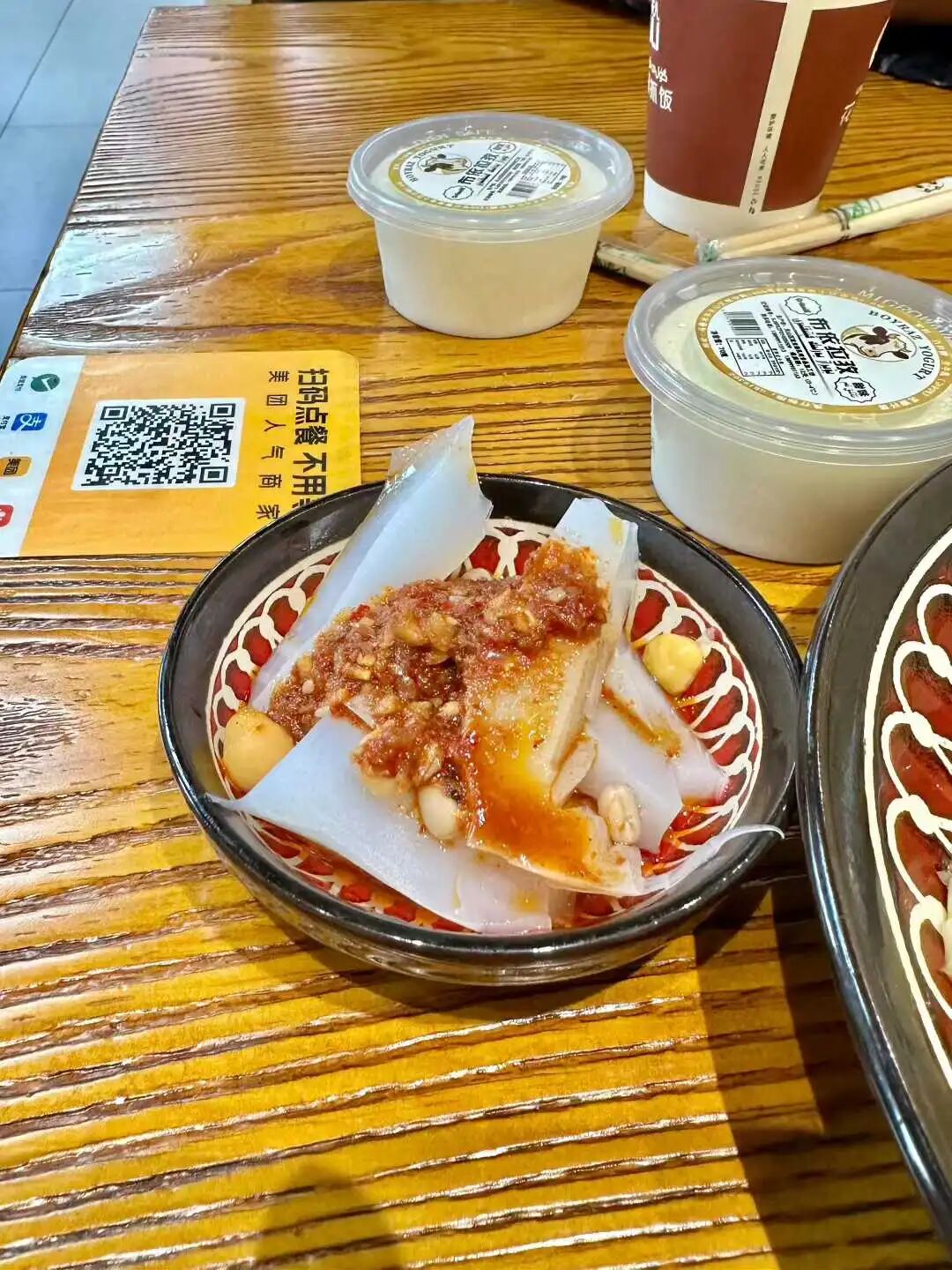
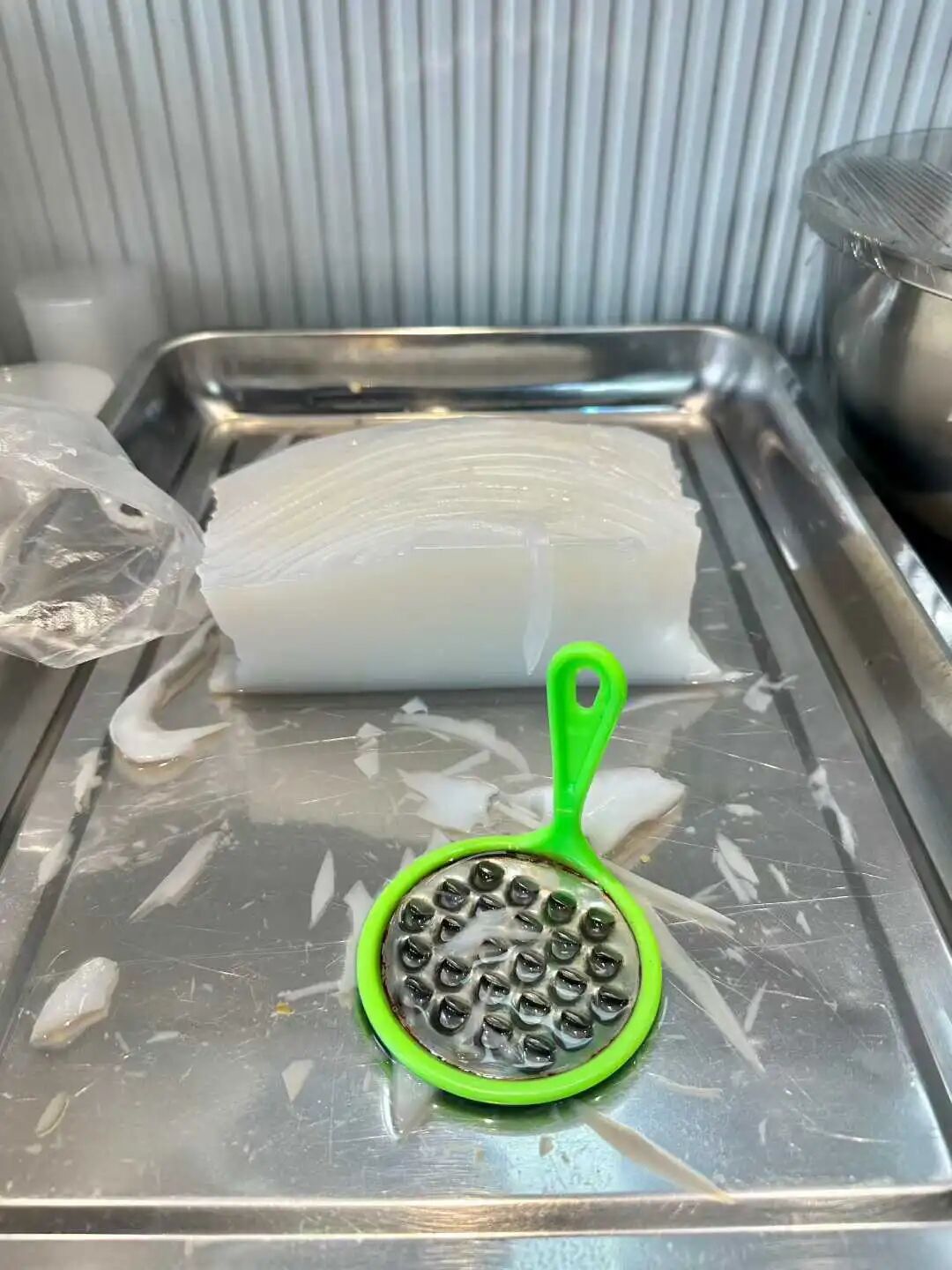
Their black pilaf comes with lemonade, yogurt, and mung bean jelly (liangfen). The spicy vinegar in the jelly adds a great kick. The waiter will come over and ask if you want more rice.
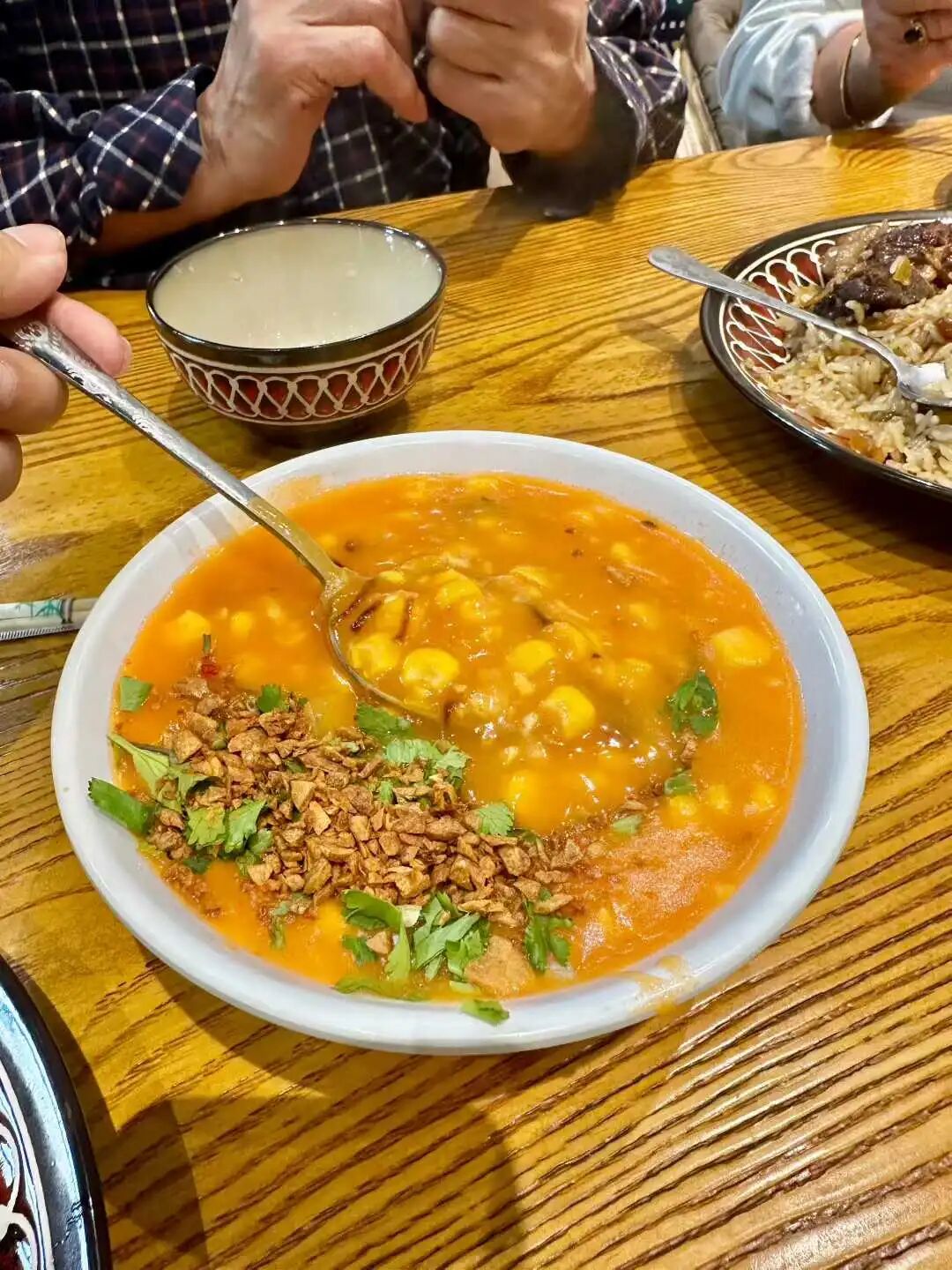
We also ordered the Hotan-style corn porridge. Hotan corn porridge is called 'umash' in the Uyghur language. To make it, you stir-fry onions in lamb fat, add diced lamb, then pour in lamb broth and bring it to a boil. You also add fresh corn kernels. It is completely different from the clear corn porridge in inland China. It is salty, rich, and full of ingredients, making it very warming in autumn and winter.
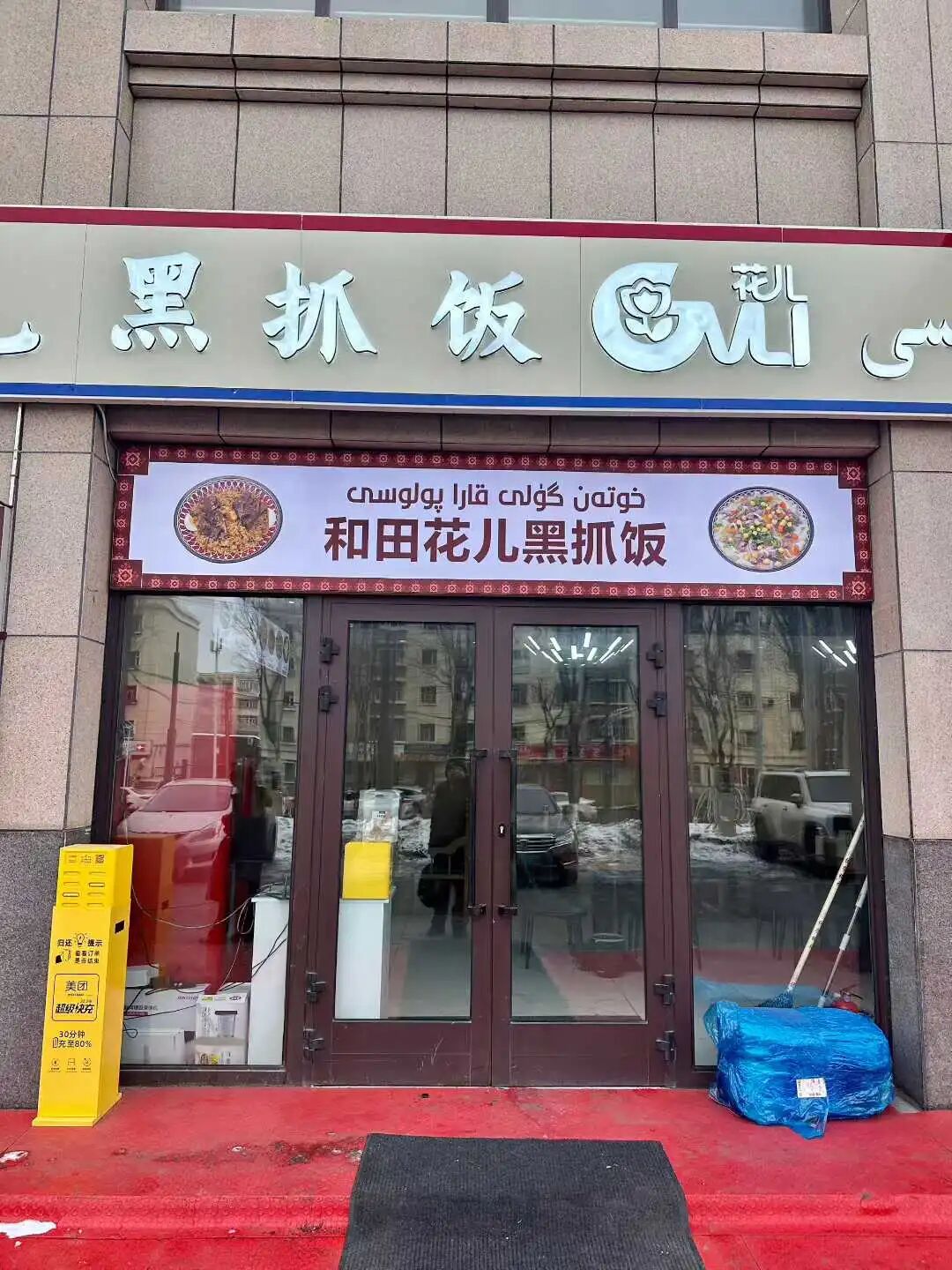
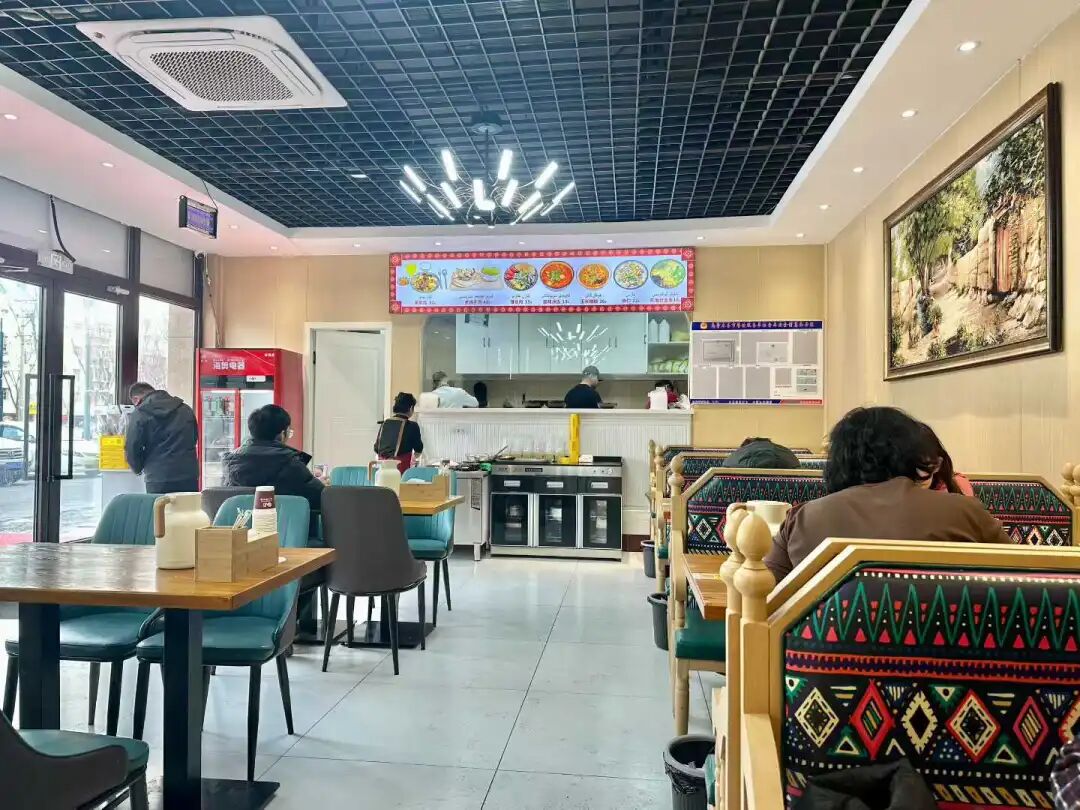
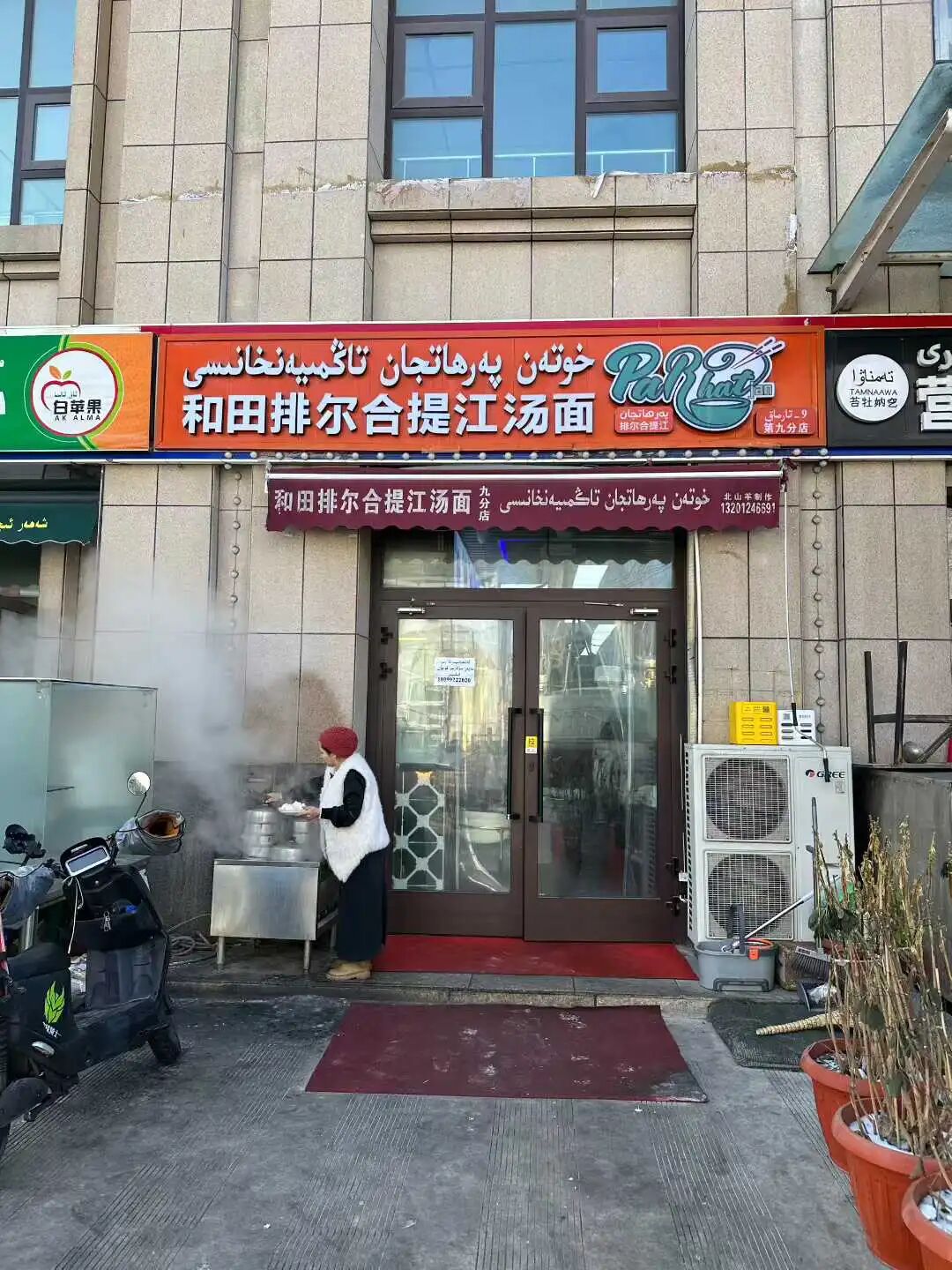
There are some new Uyghur restaurants on Zhujiang Road. I want to try this Hotan noodle soup next time.
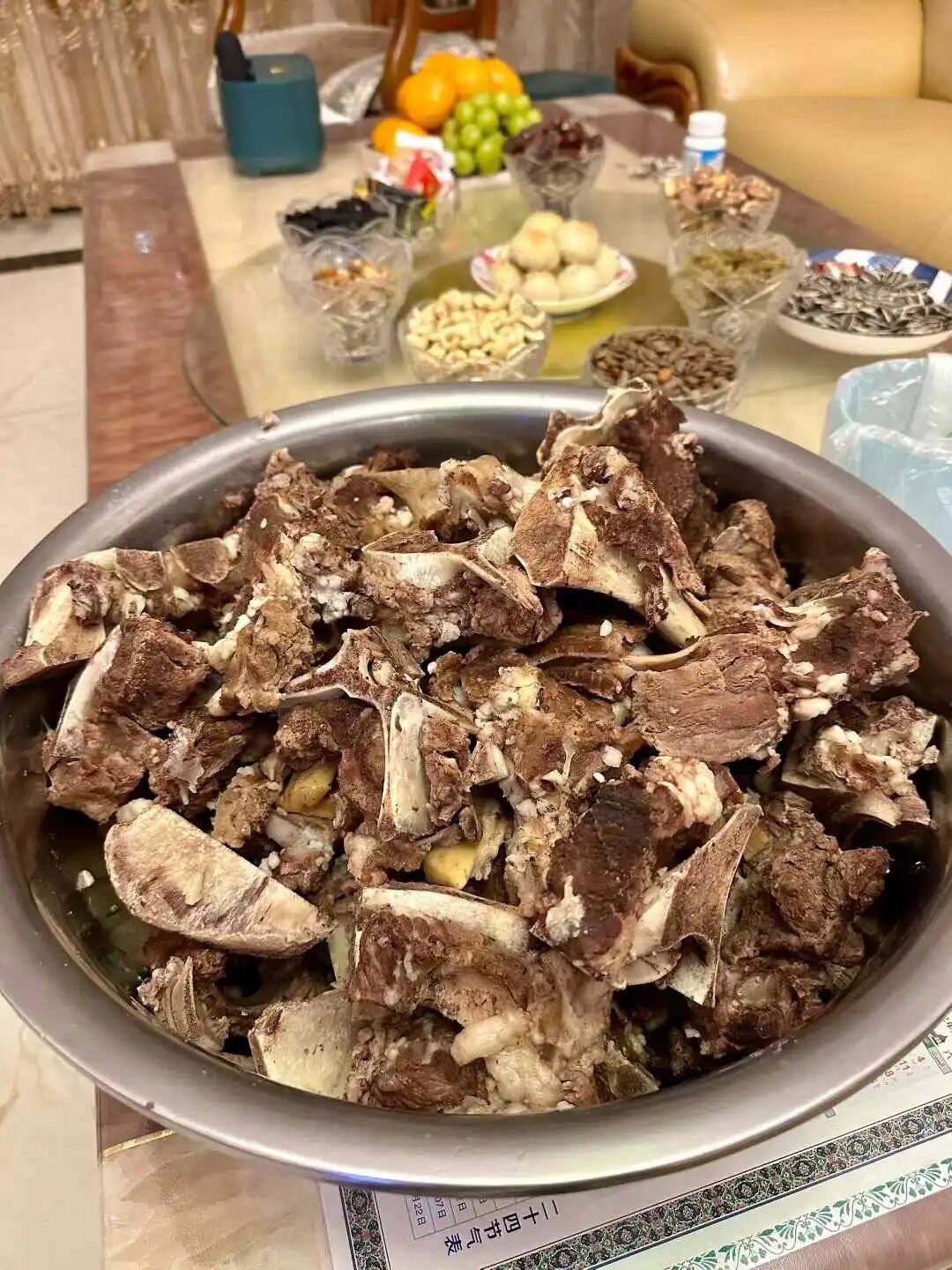
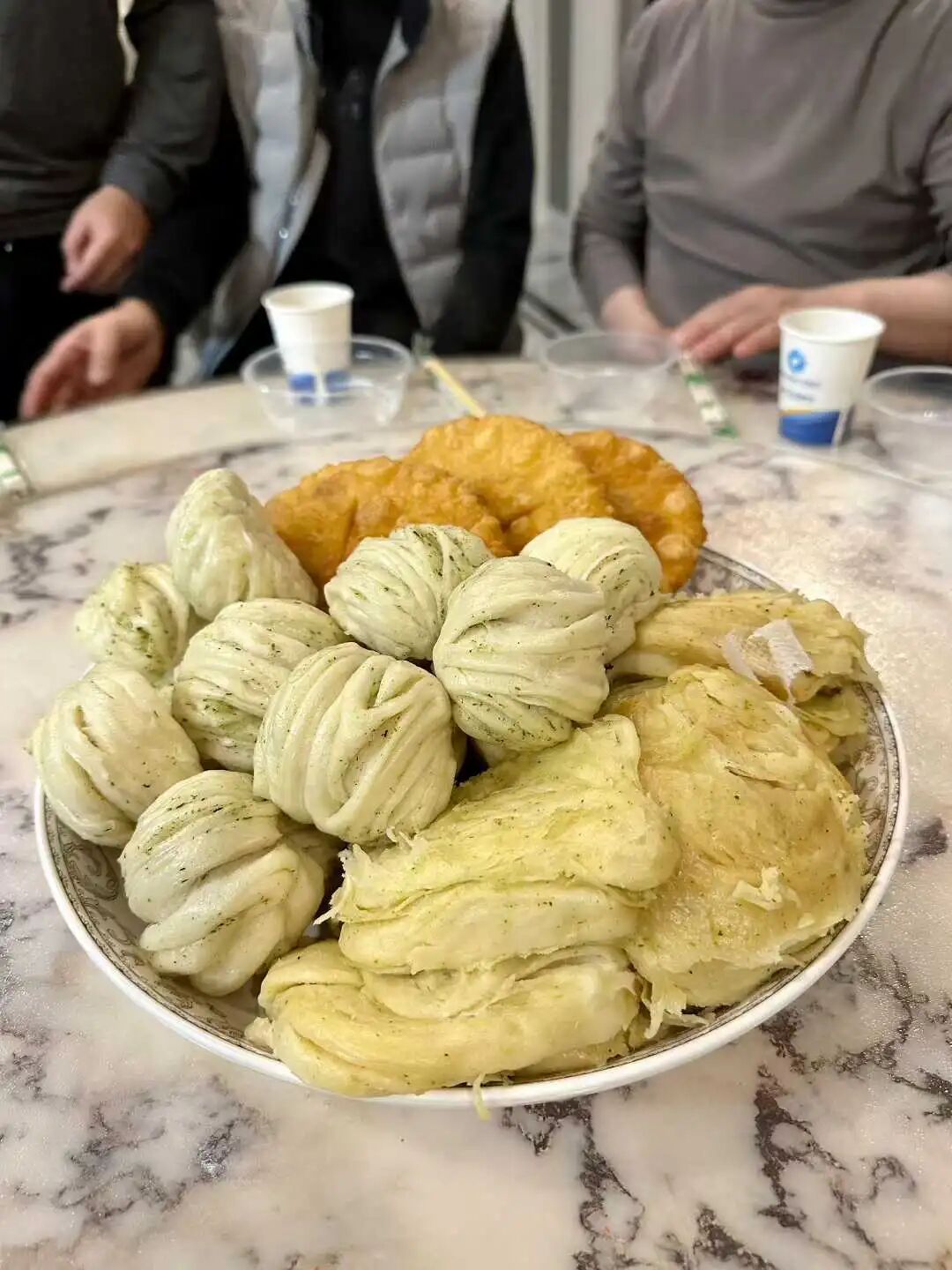
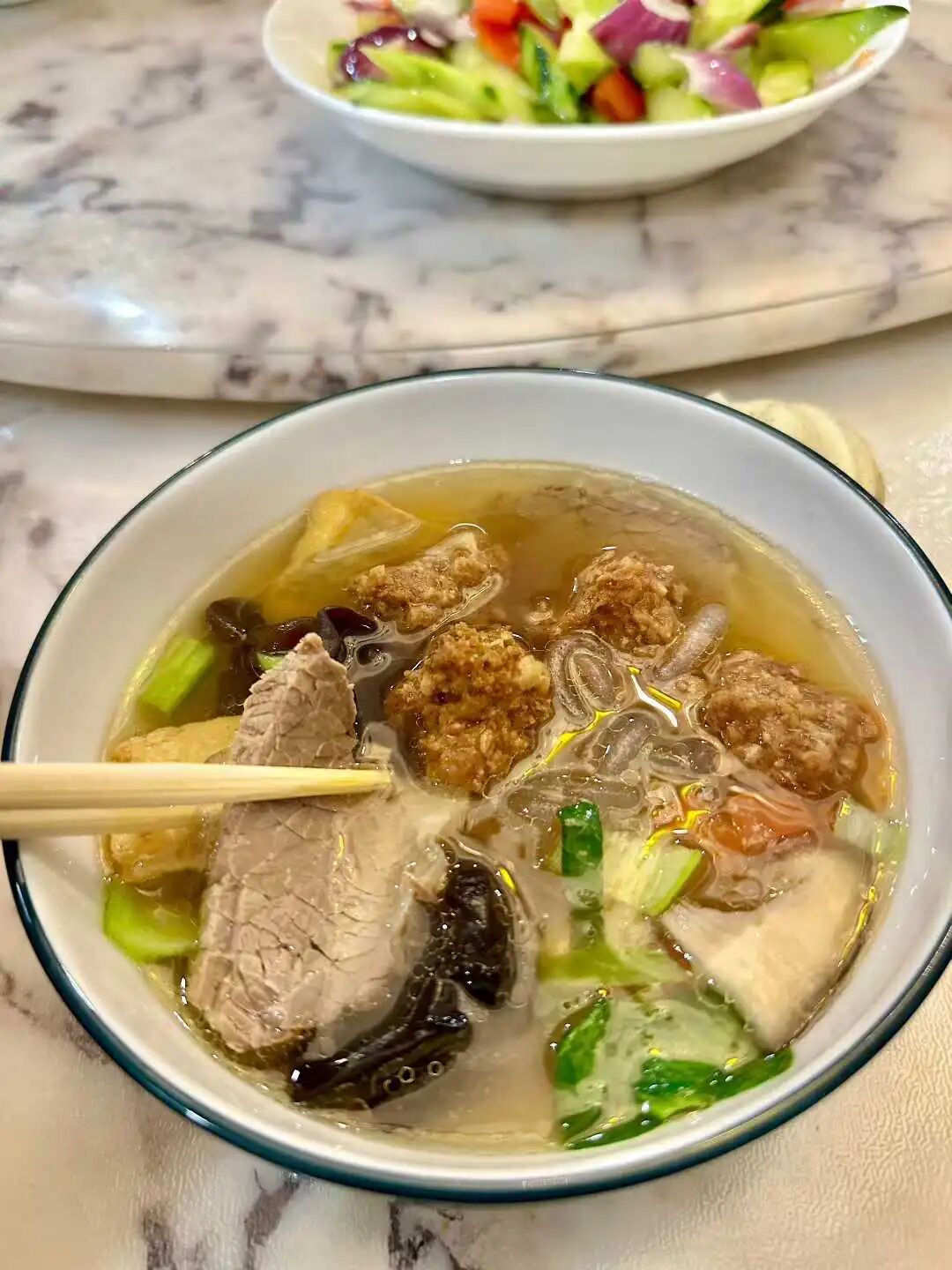
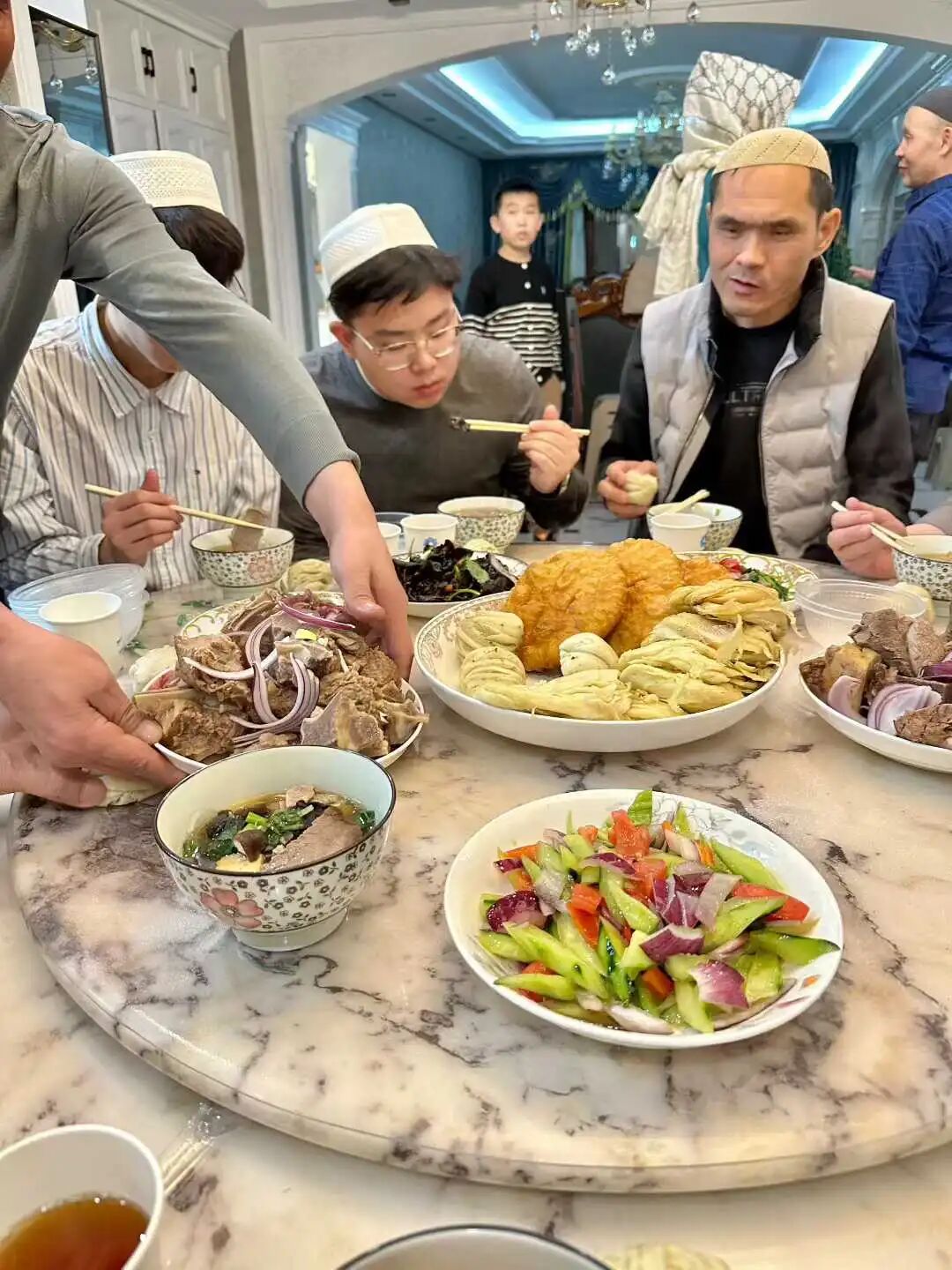
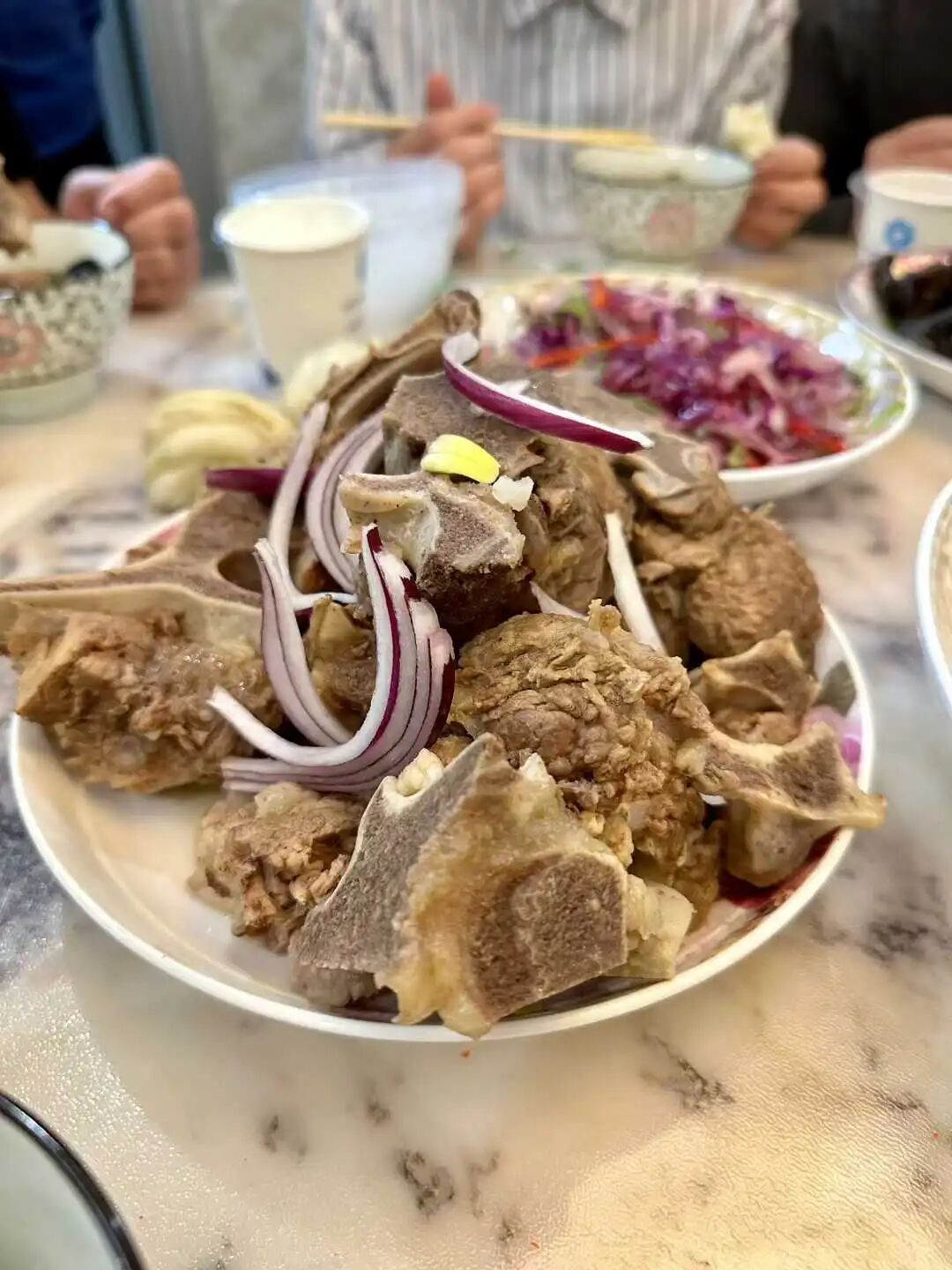
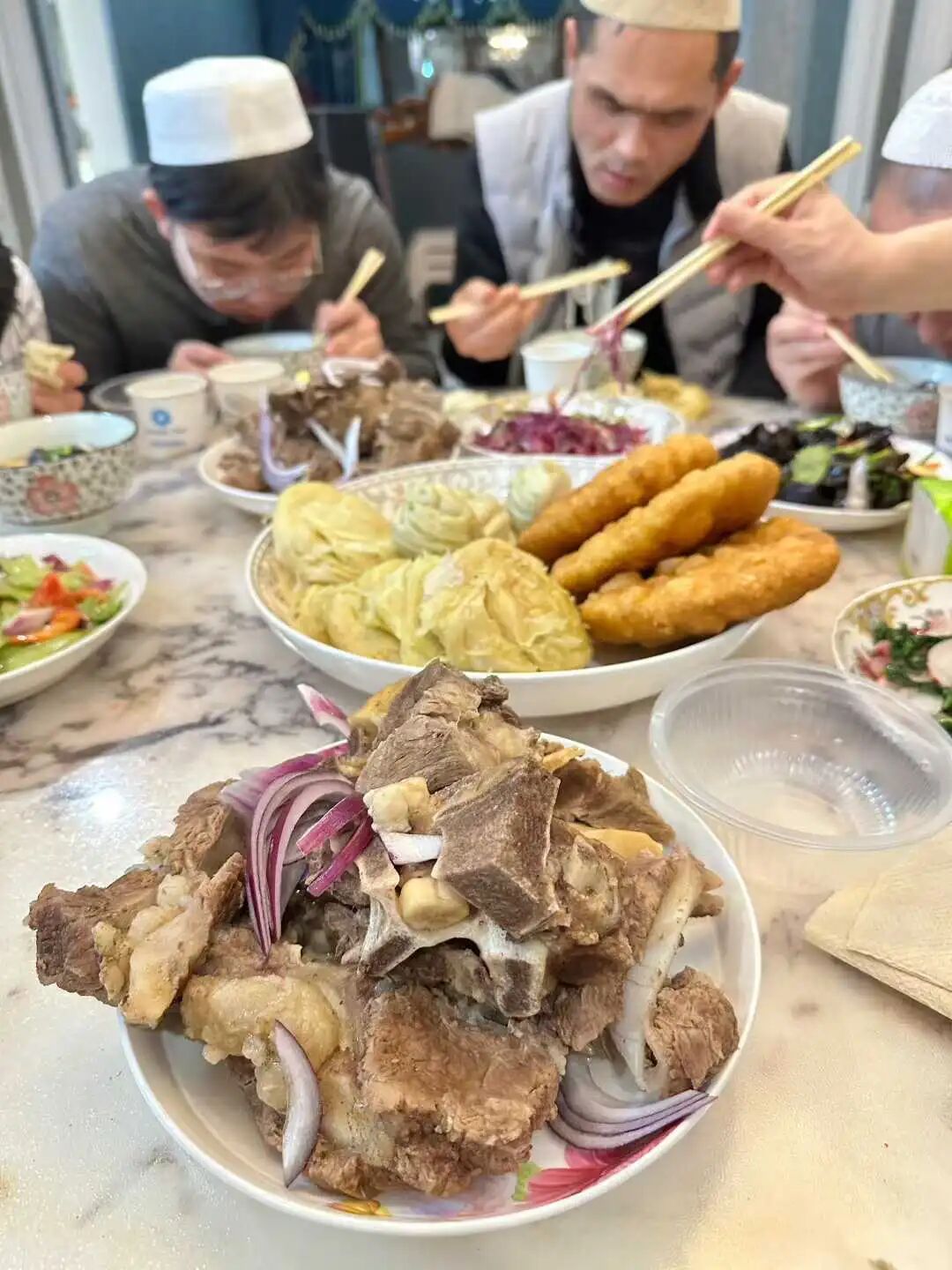
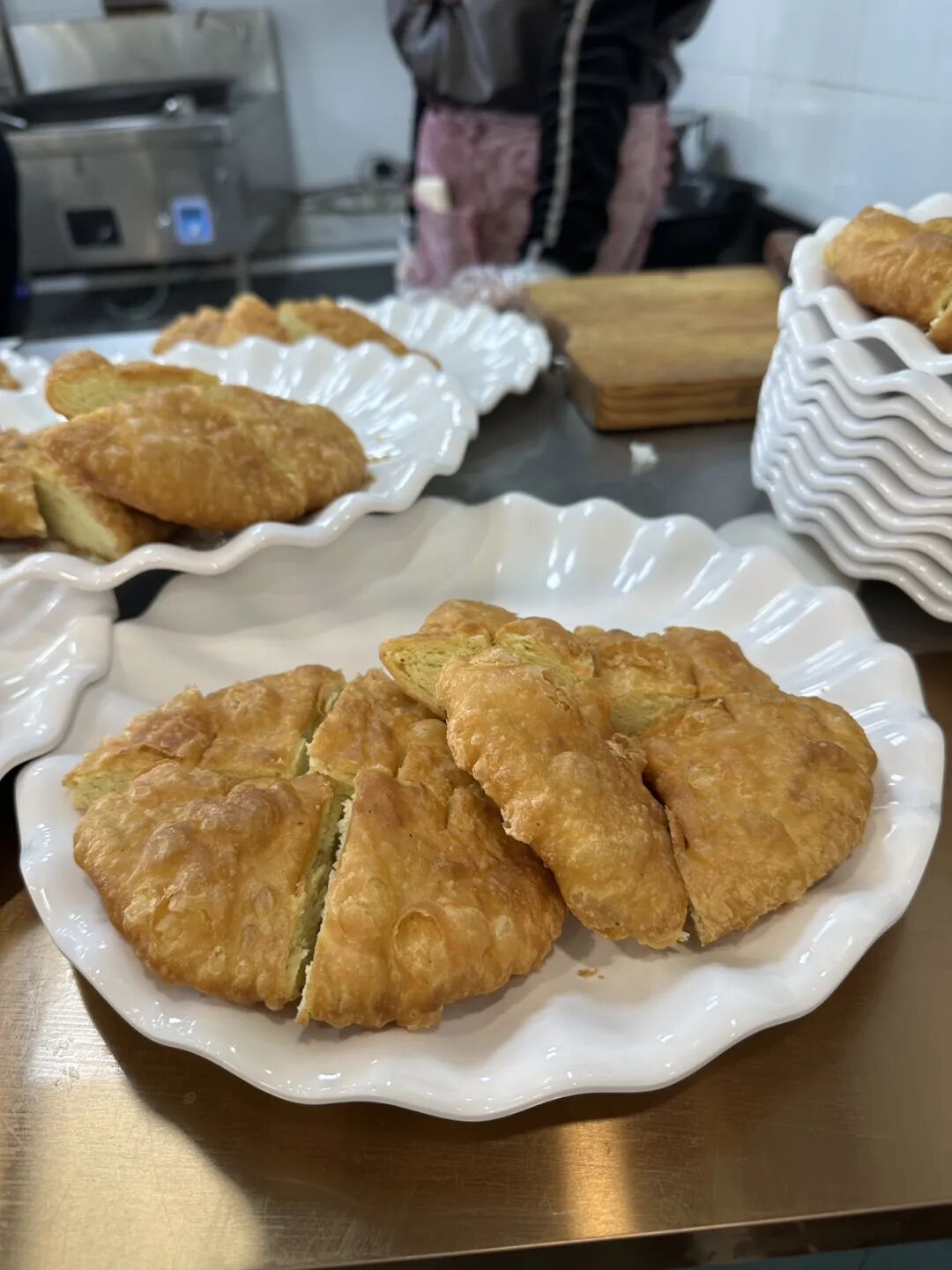
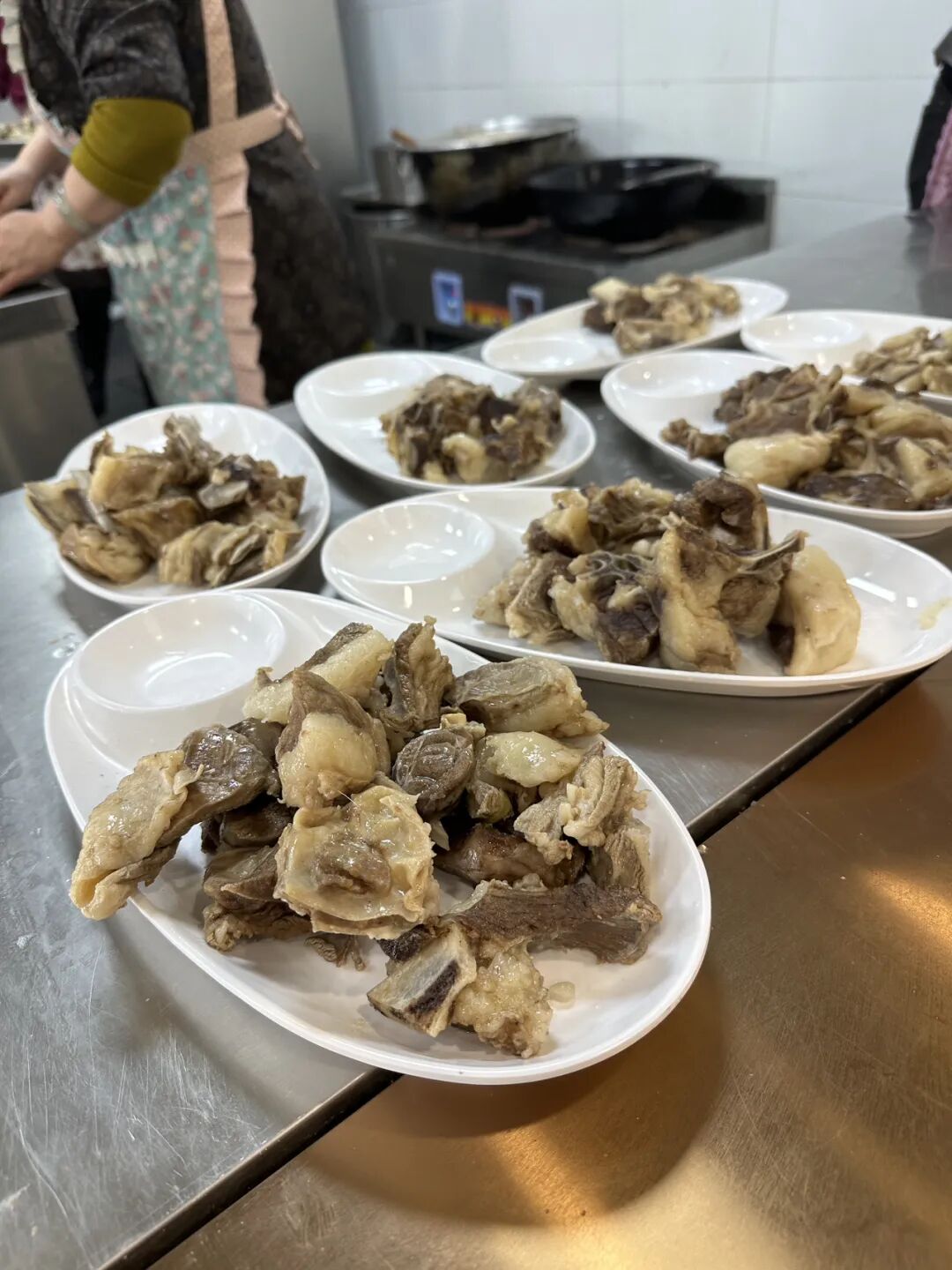
In the evening, we had a meal at a relative's house, eating meatball soup and slow-cooked beef bone marrow. The homemade meatballs have lots of meat and very little starch; you really can't find this taste in restaurants. The beef bone marrow was stewed until soft and flavorful, so even the elderly could eat it easily. Steamed oil bread (youxiang) is a specialty of Xinjiang Hui Muslims. It is not deep-fried, making it healthier. It is fluffy in layers and carries the unique aroma of vegetable oil and fragrant clover (xiangdouzi).
February 16
In the morning, we attended a meal at the Huashenglou Banquet Hall, located across from the Changsheng Brigade Mosque in the southern suburbs of Urumqi. This land originally belonged to my wife's relatives, but later it was rented to a friend (dost) from Midong to open a restaurant. Whenever the family hosts a banquet, they replace the kitchen staff with relatives to cook and serve their friends and family themselves.
Changsheng is located at the southern foot of Yamalike Mountain. Under the Qing Dynasty's policy of settling soldiers to farm the border and the migration waves during the Republic of China, Hui Muslims from Shaanxi, Ningxia, and Gansu arrived here to clear wasteland and farm, gradually forming a village. After the founding of New China, these Hui Muslim farming households were organized into the Changsheng Brigade, creating a stable Hui Muslim community. Compared to Hui Muslims living scattered in the city, the people here have kept more traditional customs, and their banquets are much larger.
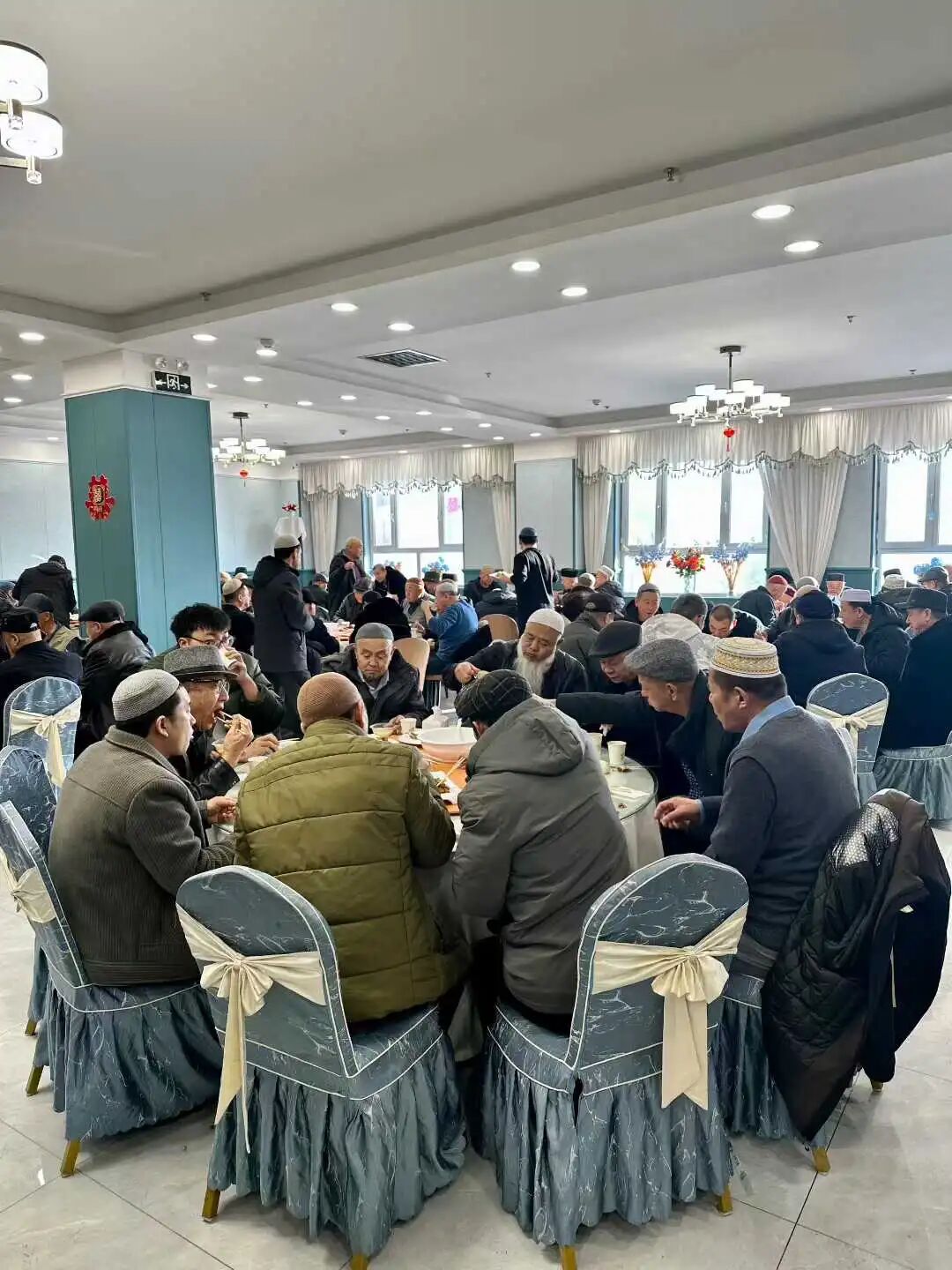
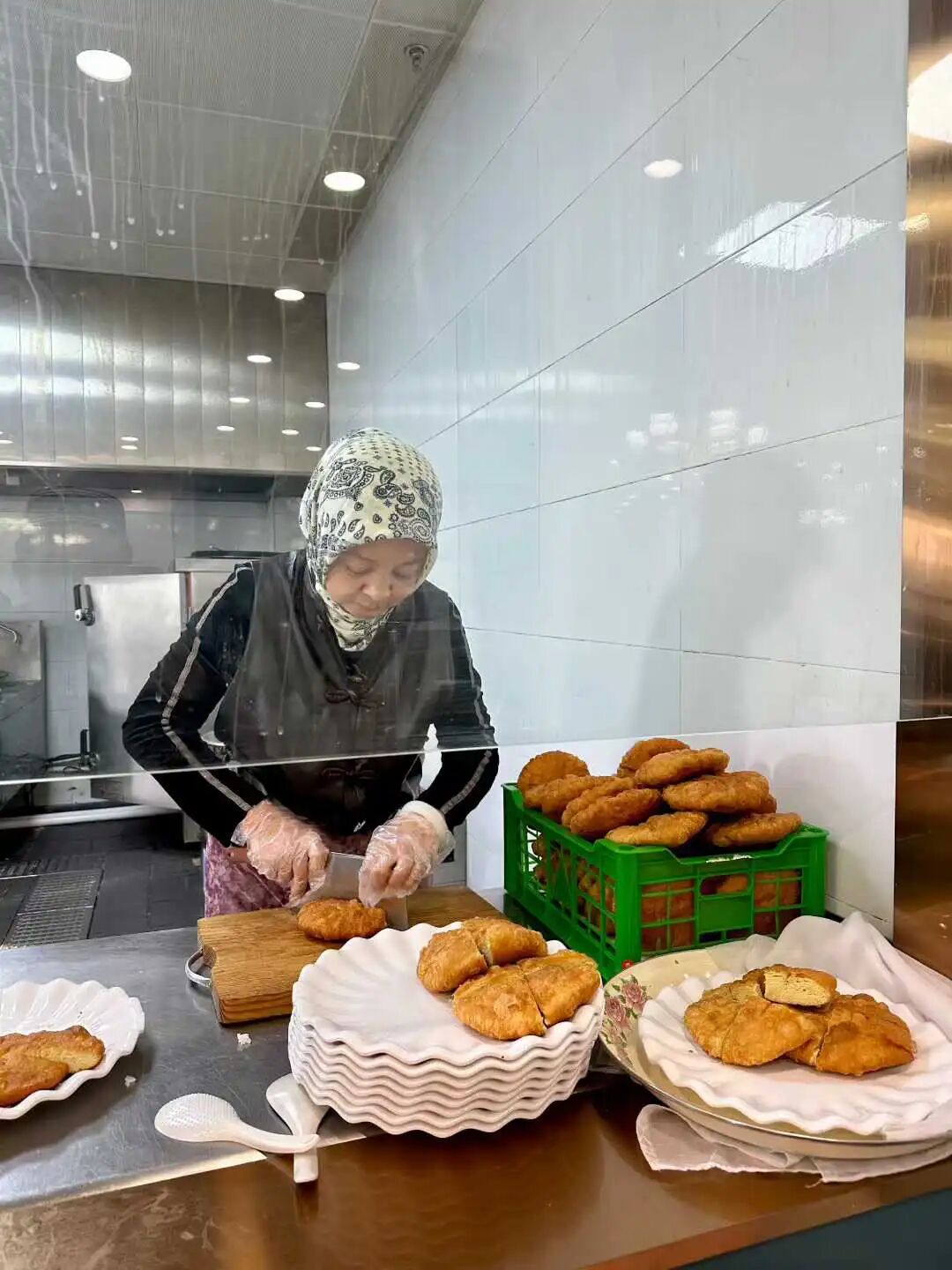
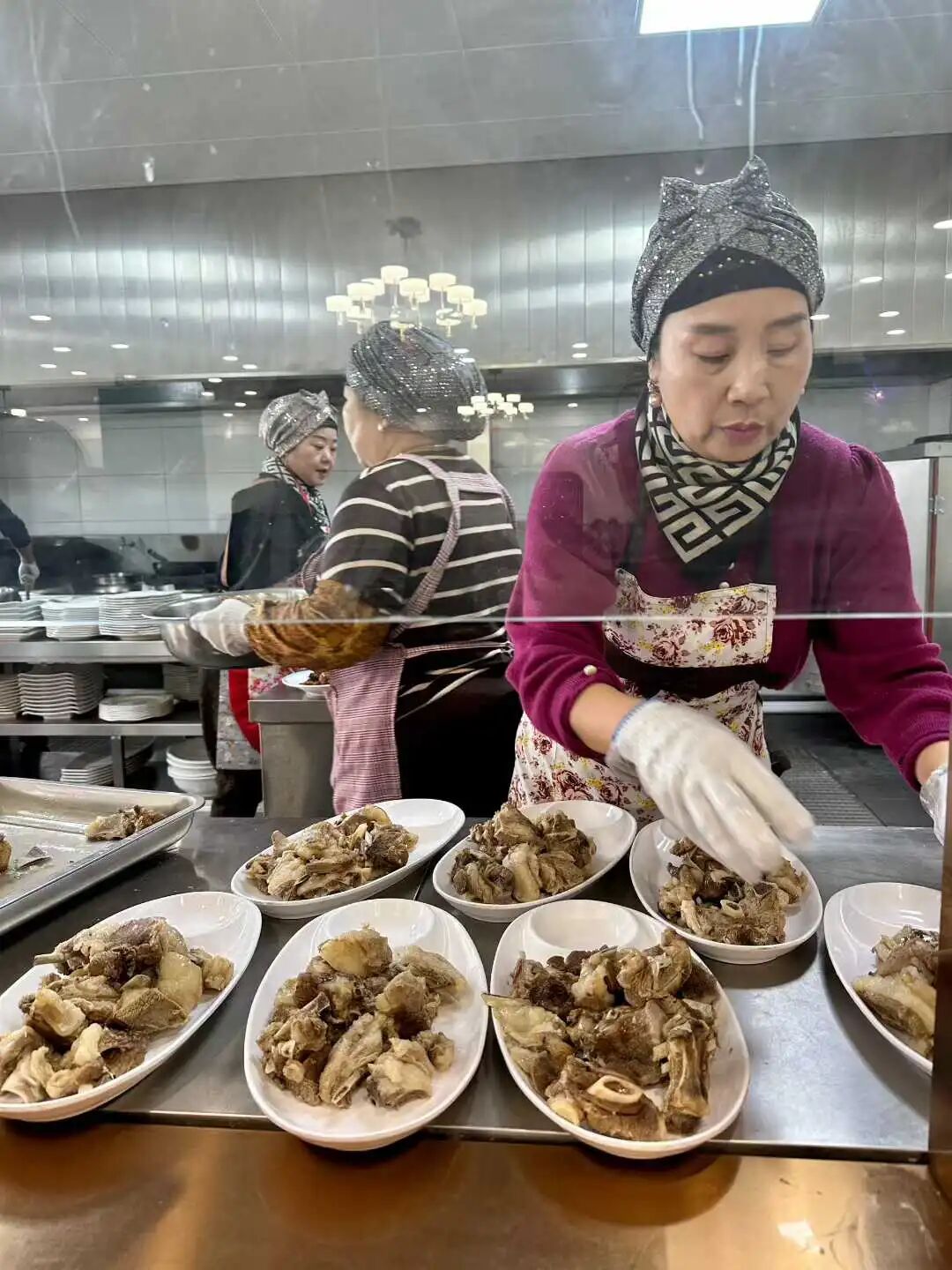
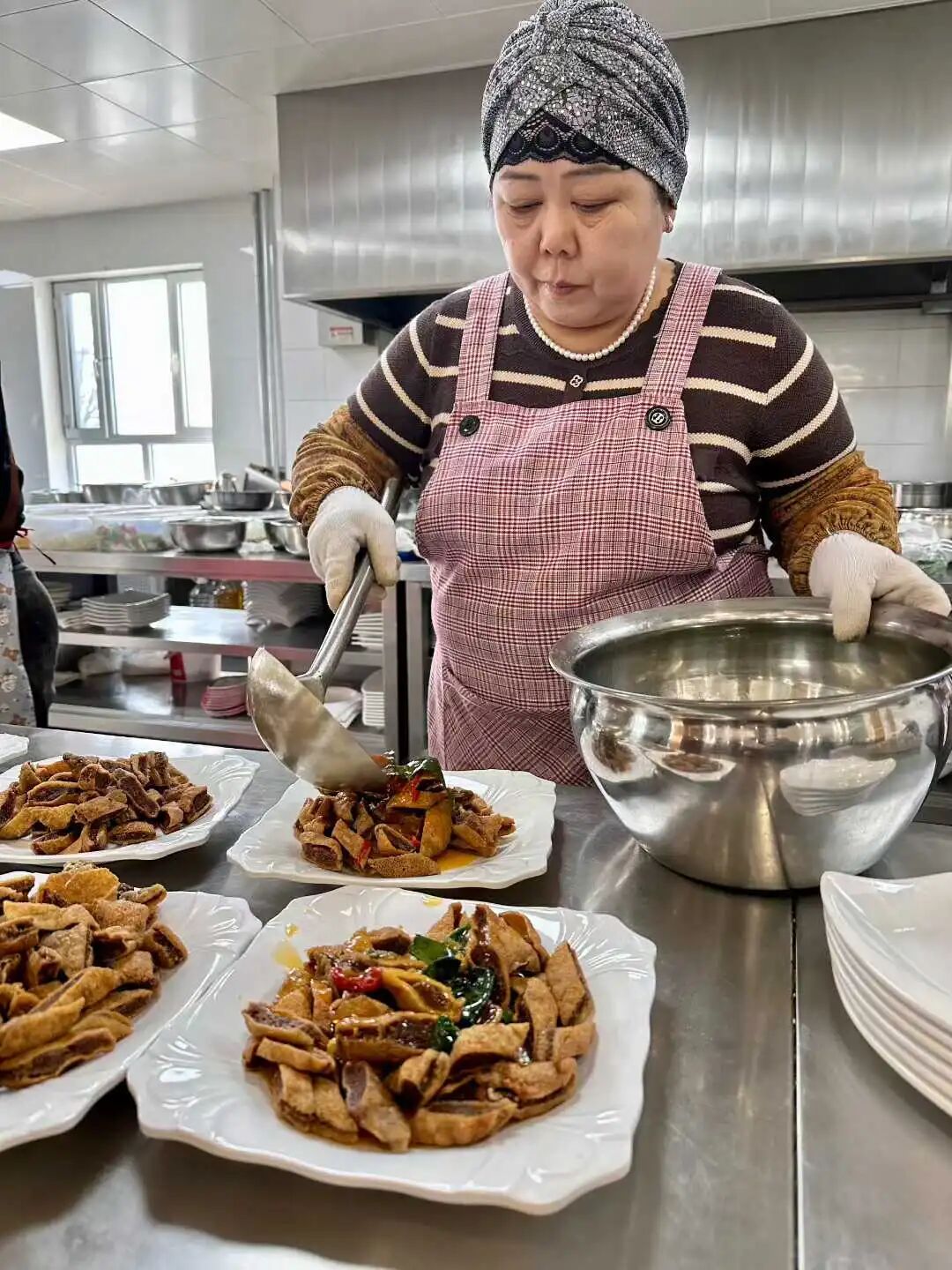
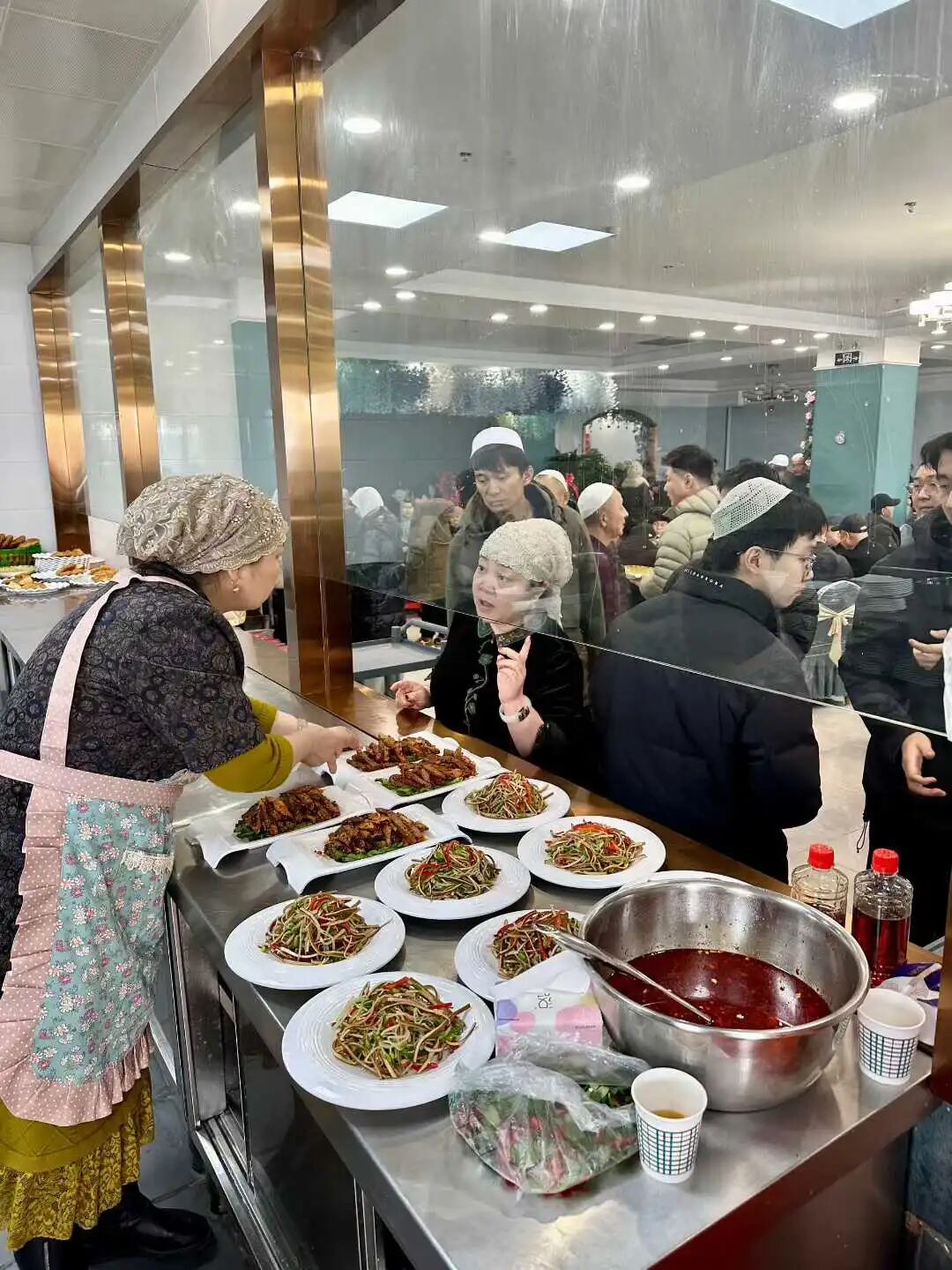
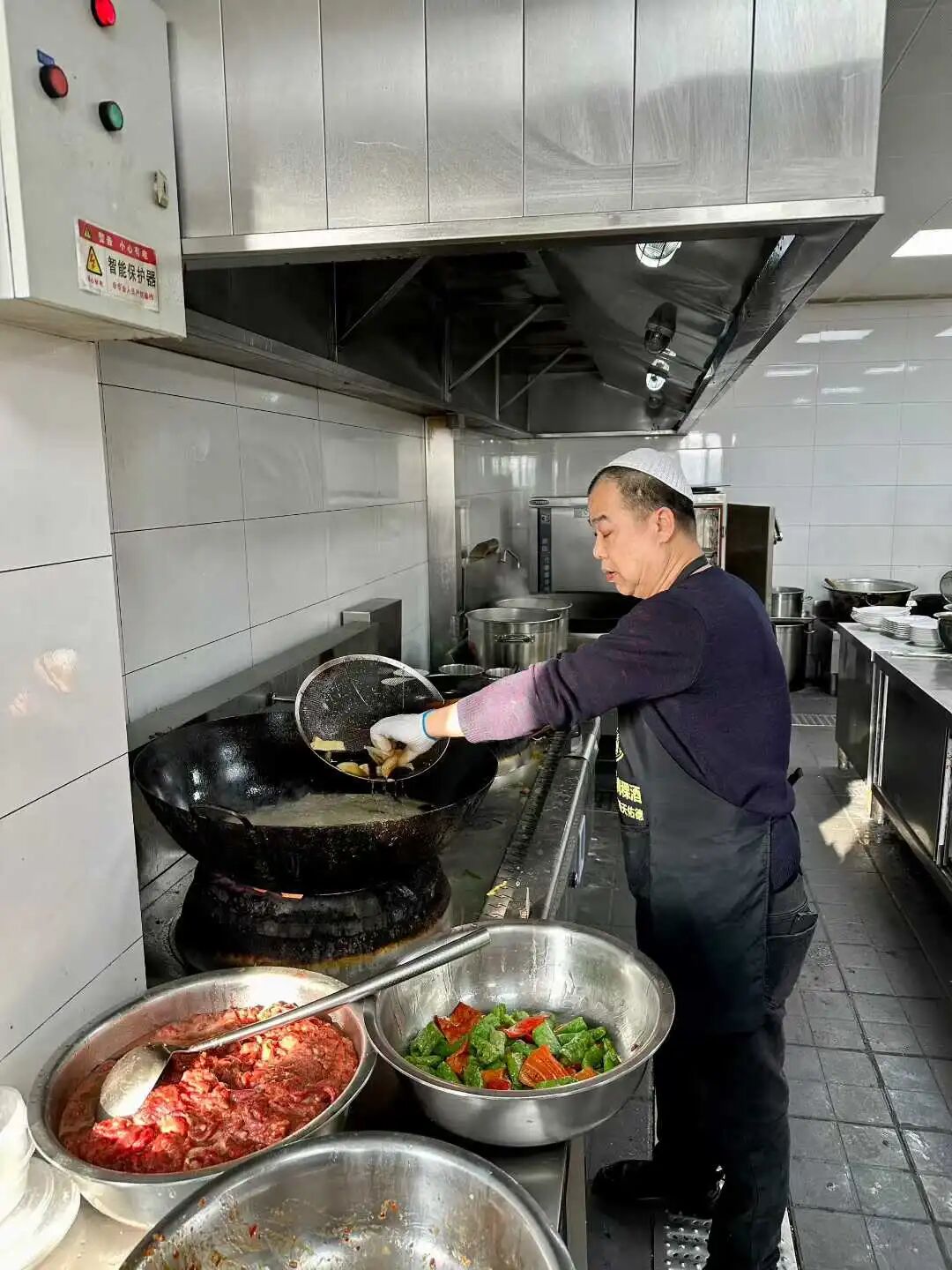
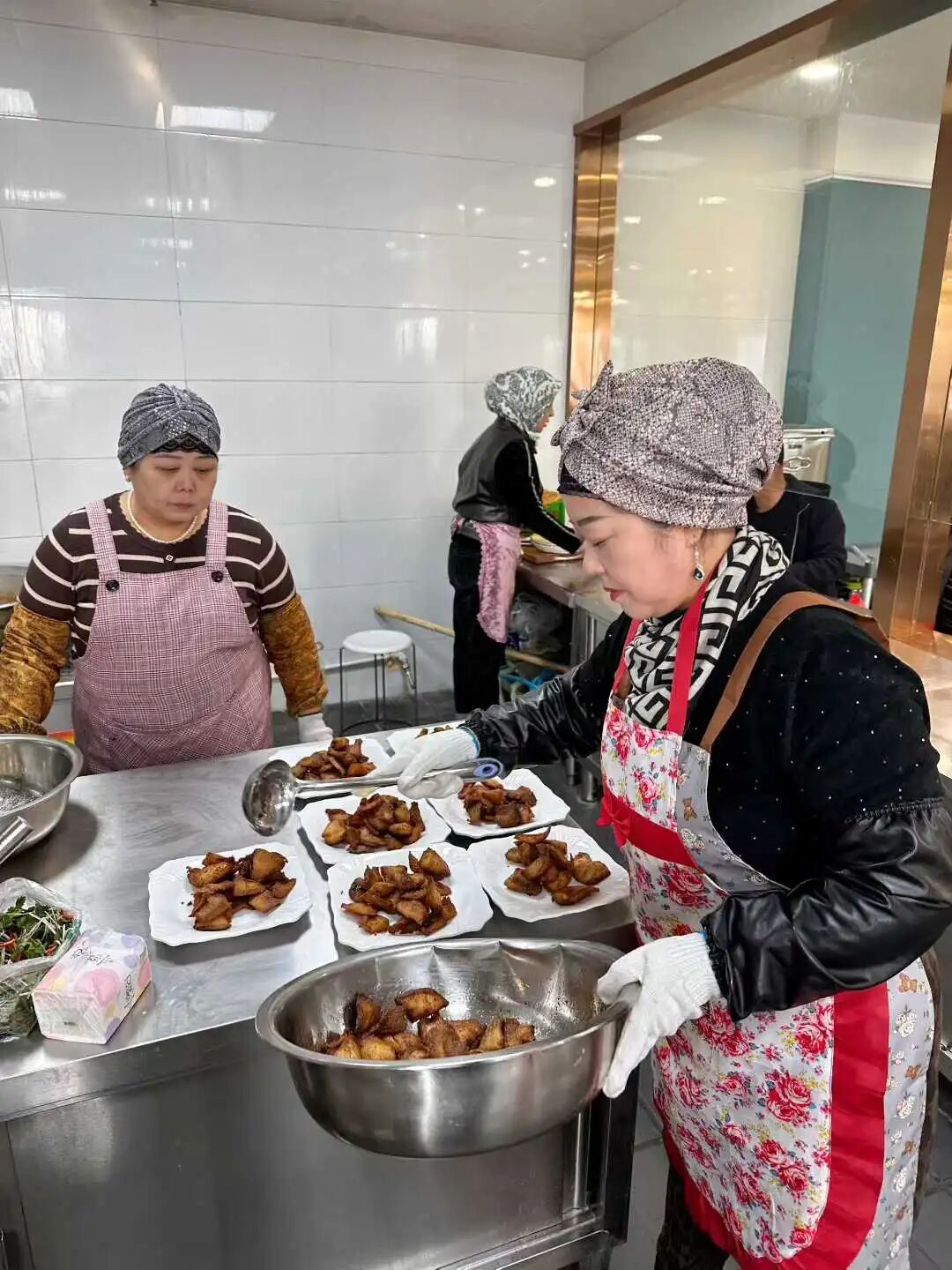
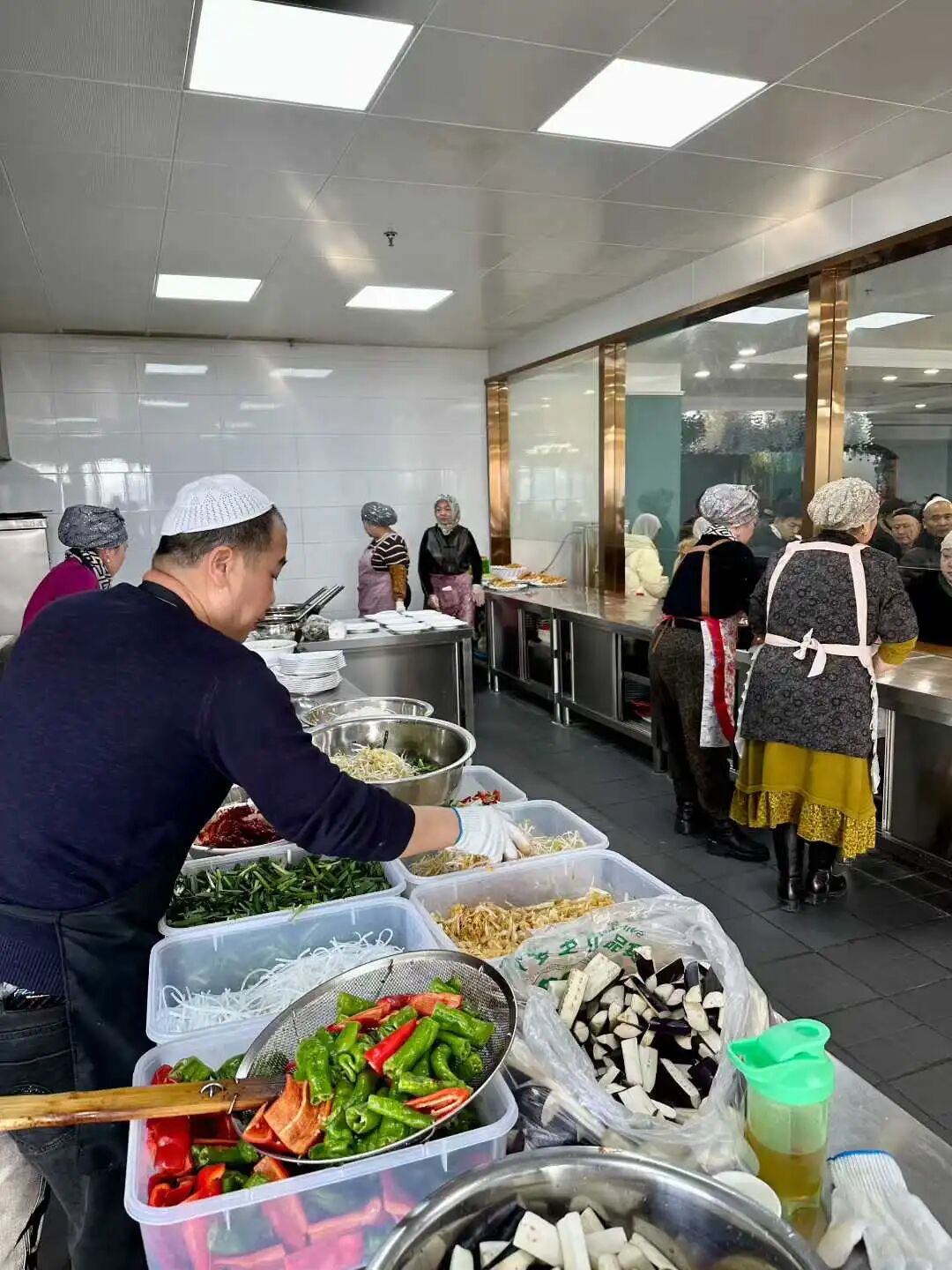
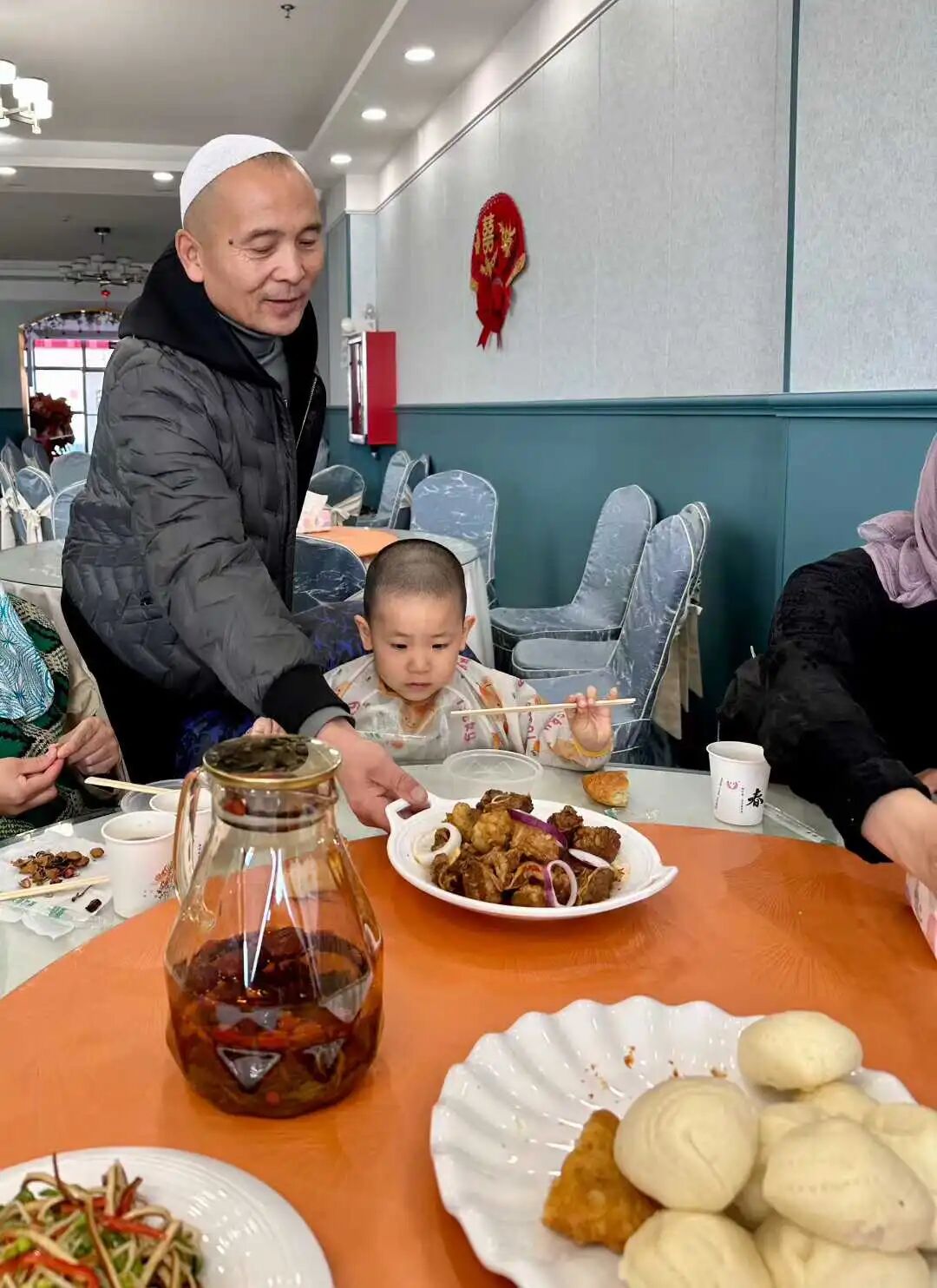
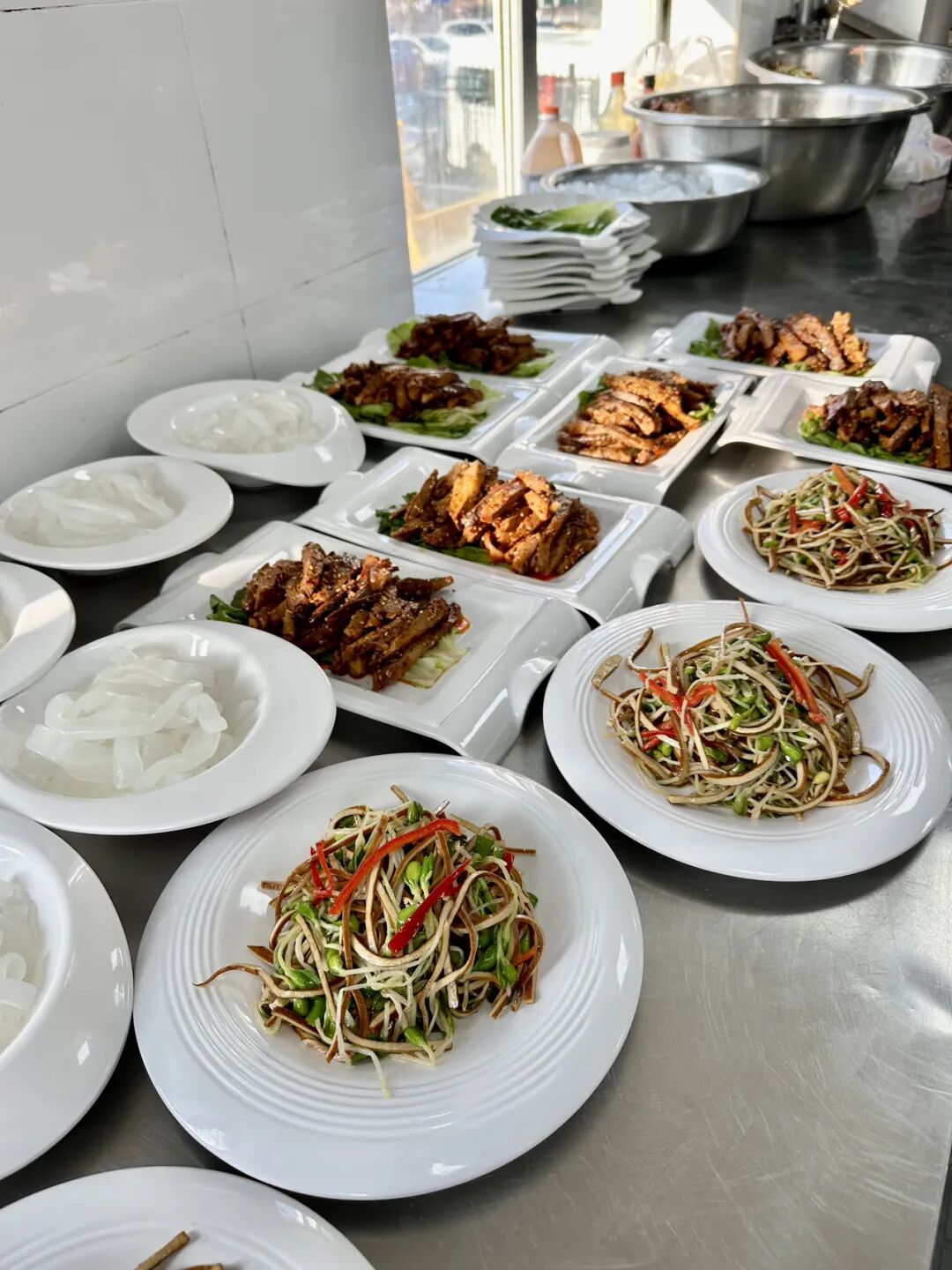
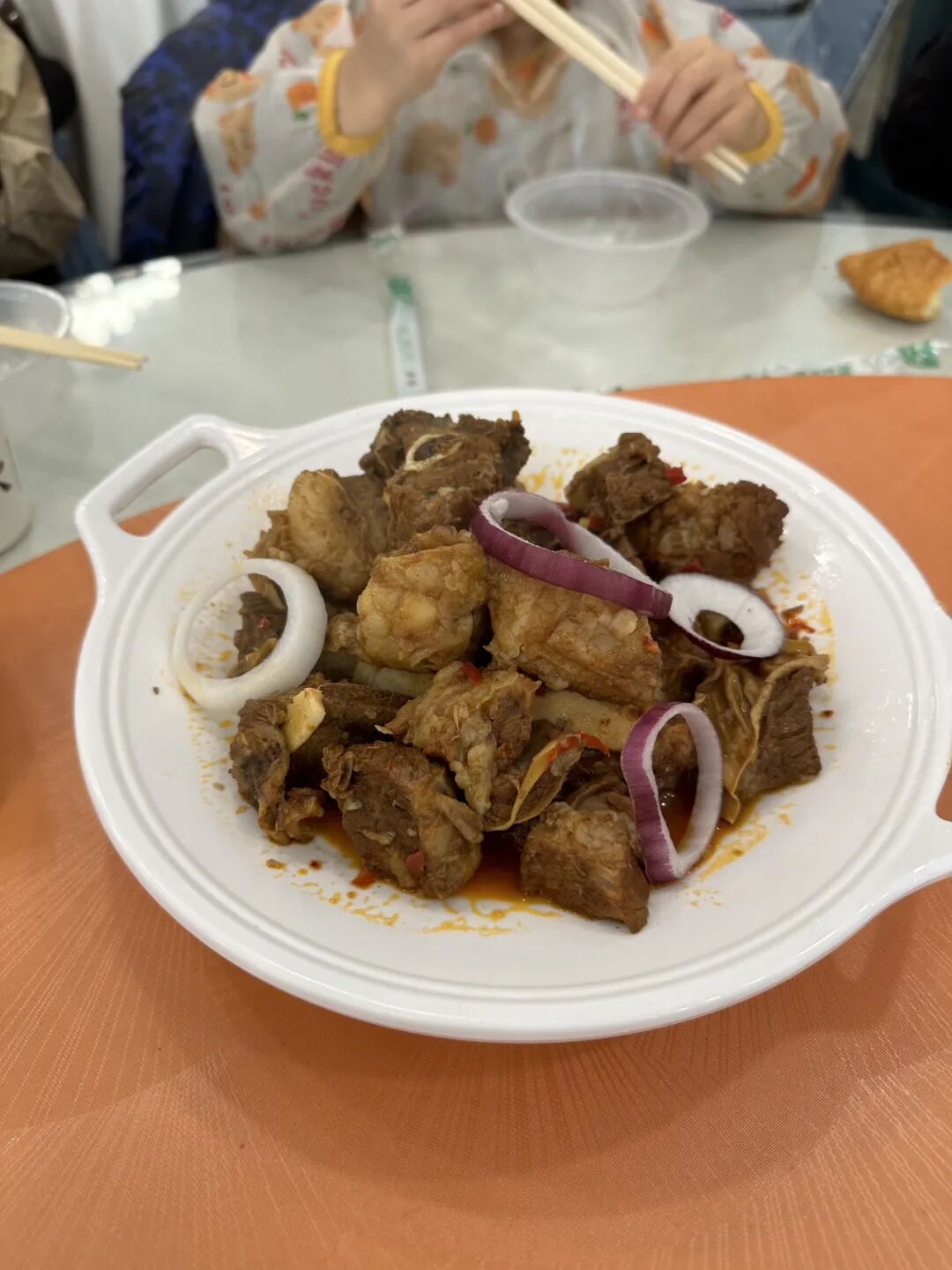
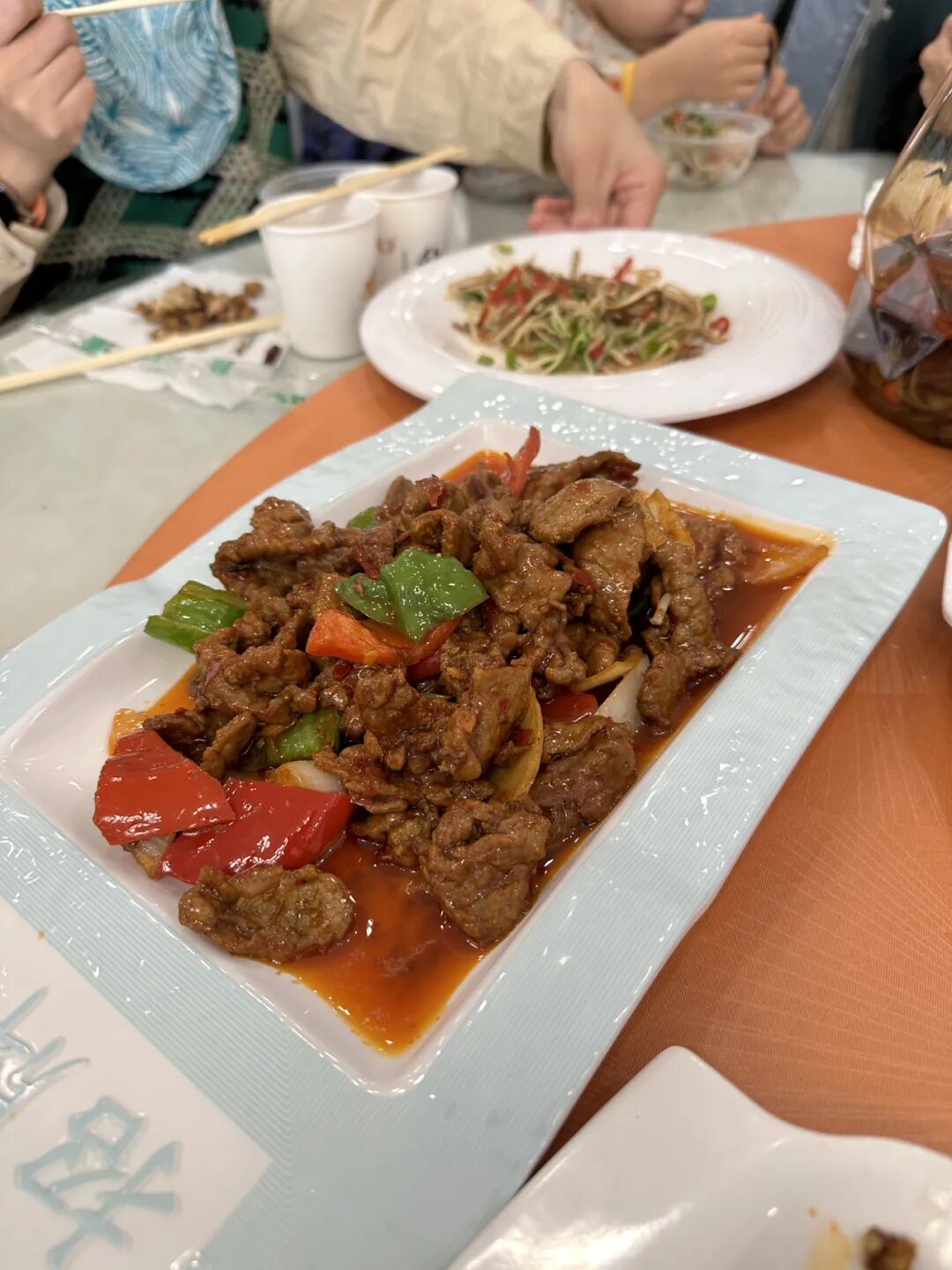
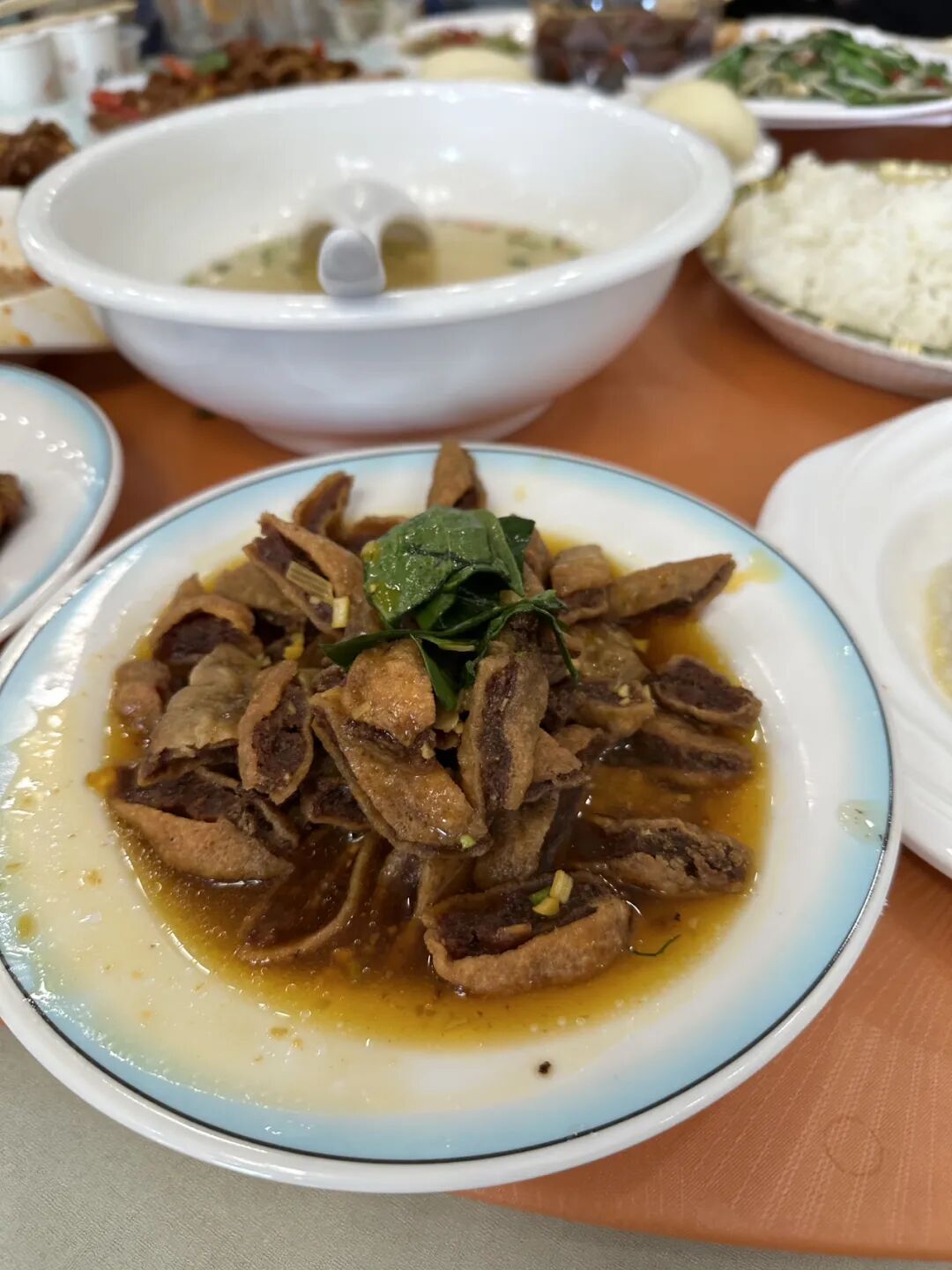
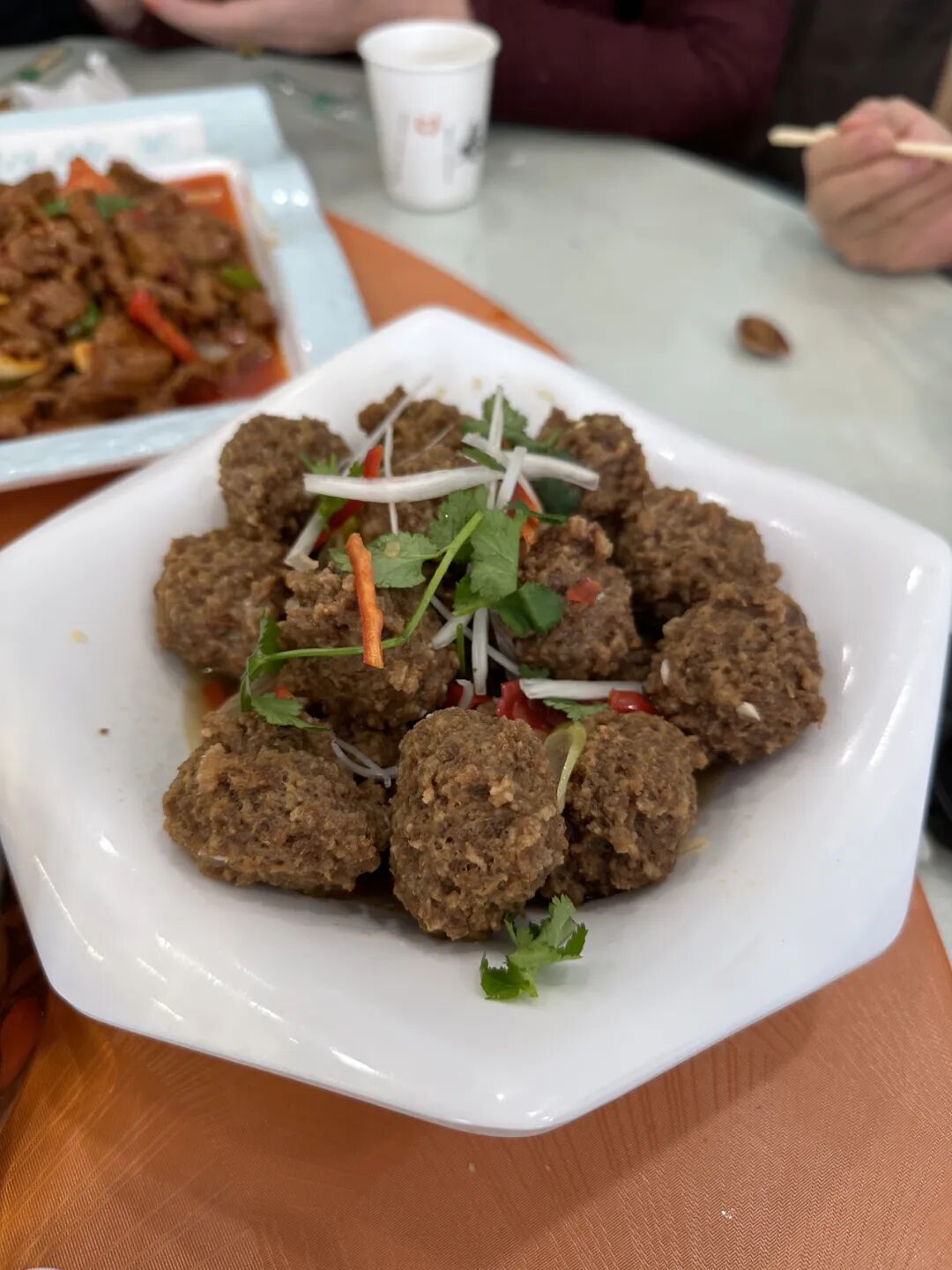
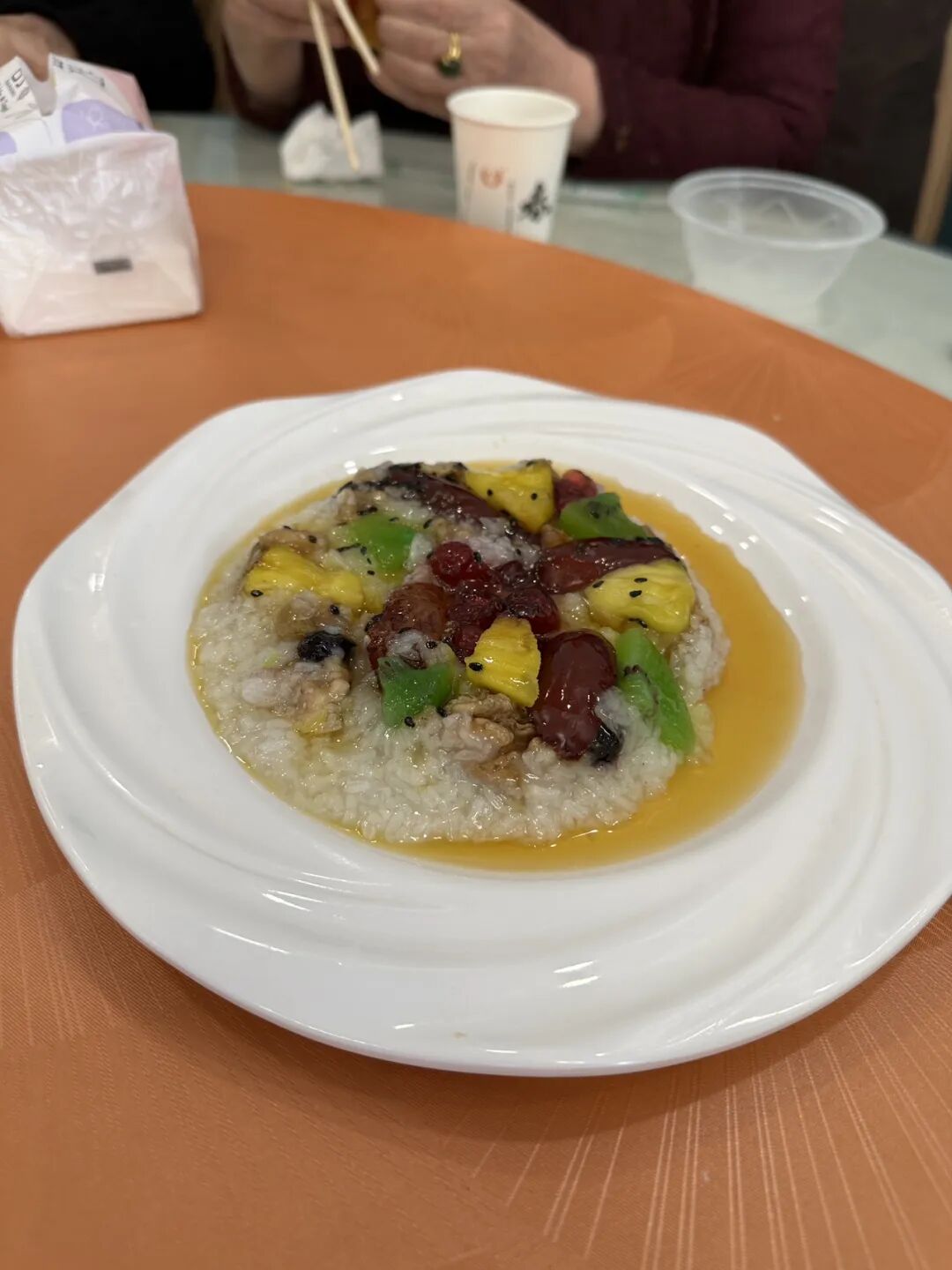
Following the order, nine small plates are served first while waiting for the main dishes, so people can drink tea and chat. The small plates contain things like dried fruits, snacks, and candied fruit. Then the small plates are cleared away and cold dishes are served, such as spiced dried tofu (xianggan), mung bean jelly (liangfen), and cold-tossed beef. Next come the stir-fried and stewed dishes, including clear-stewed lamb, braised beef steak, braised eggplant, pickled cabbage with lamb, fried hairtail fish, oil-seared meat (guoyourou), sauced meat-stuffed egg slices (jiashajiasha), stir-fried chives, and braised meatballs. These are all very traditional and have the true taste of a family banquet. Finally, they serve a sweet plate, also called eight-treasure rice (babaofan), which is very satisfying when drizzled with syrup.
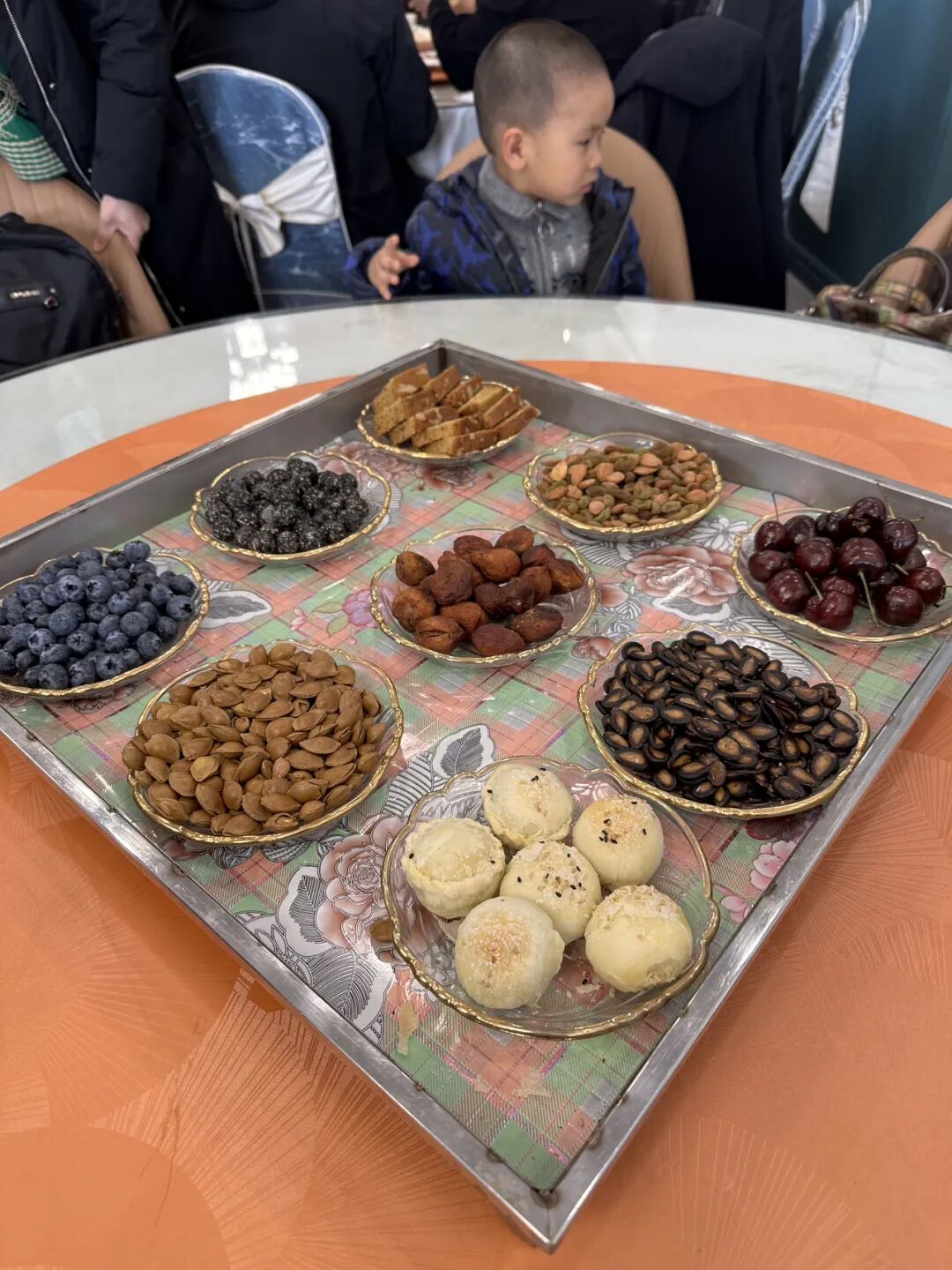
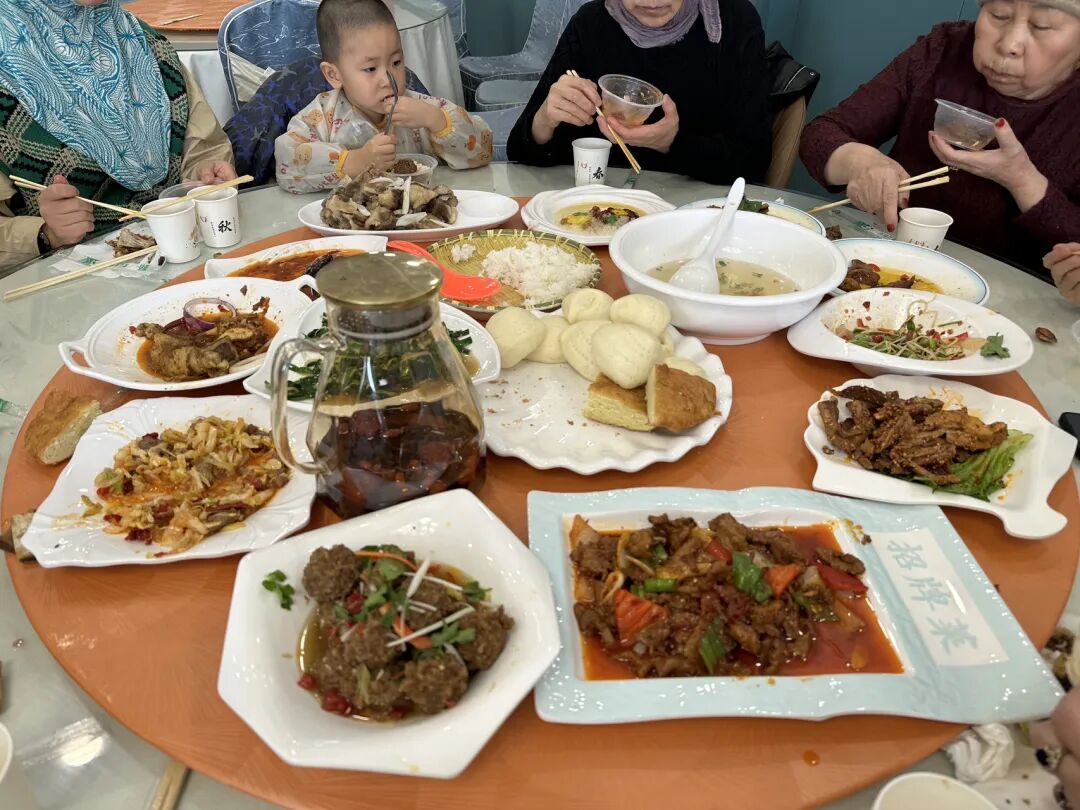
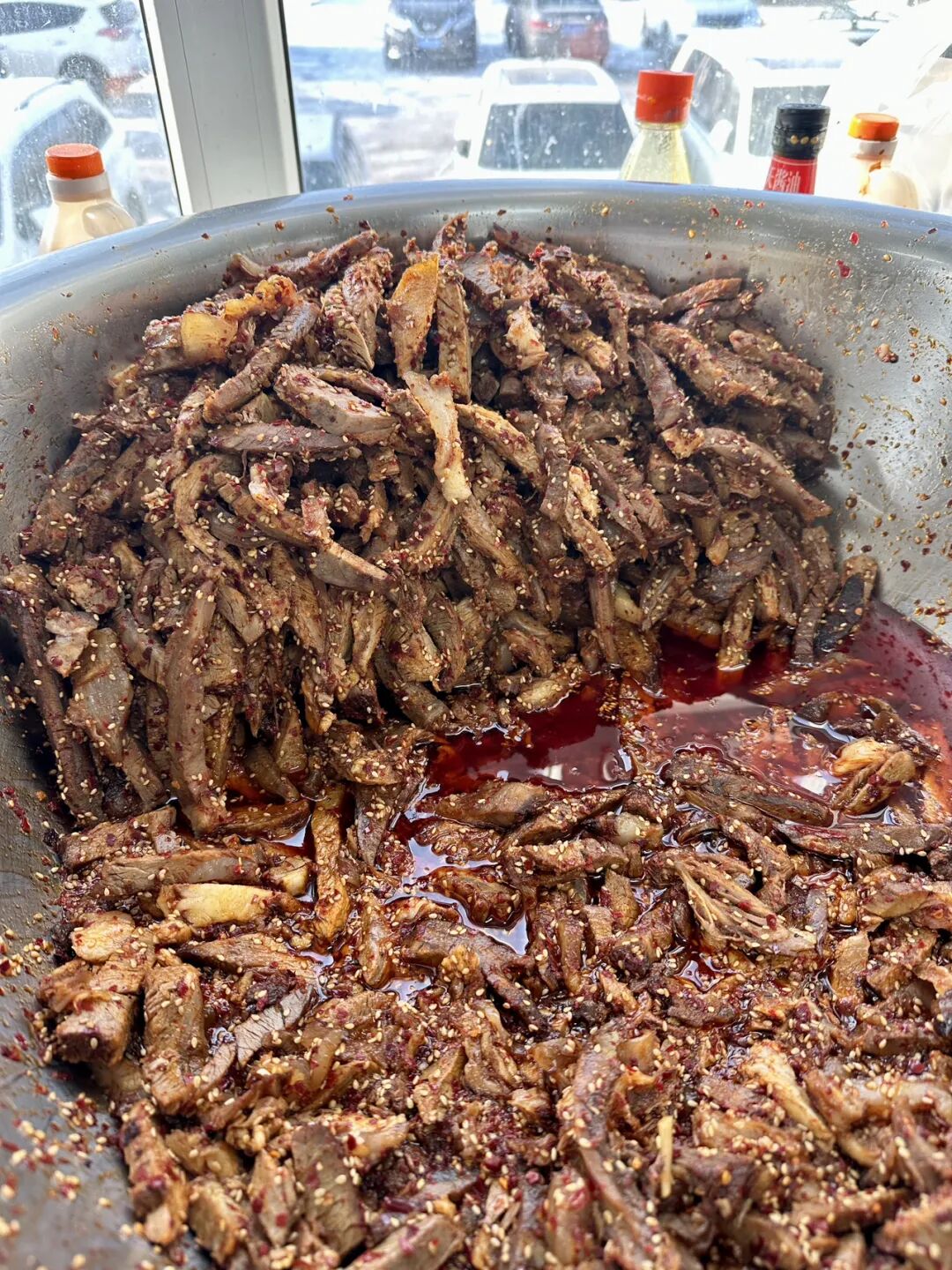
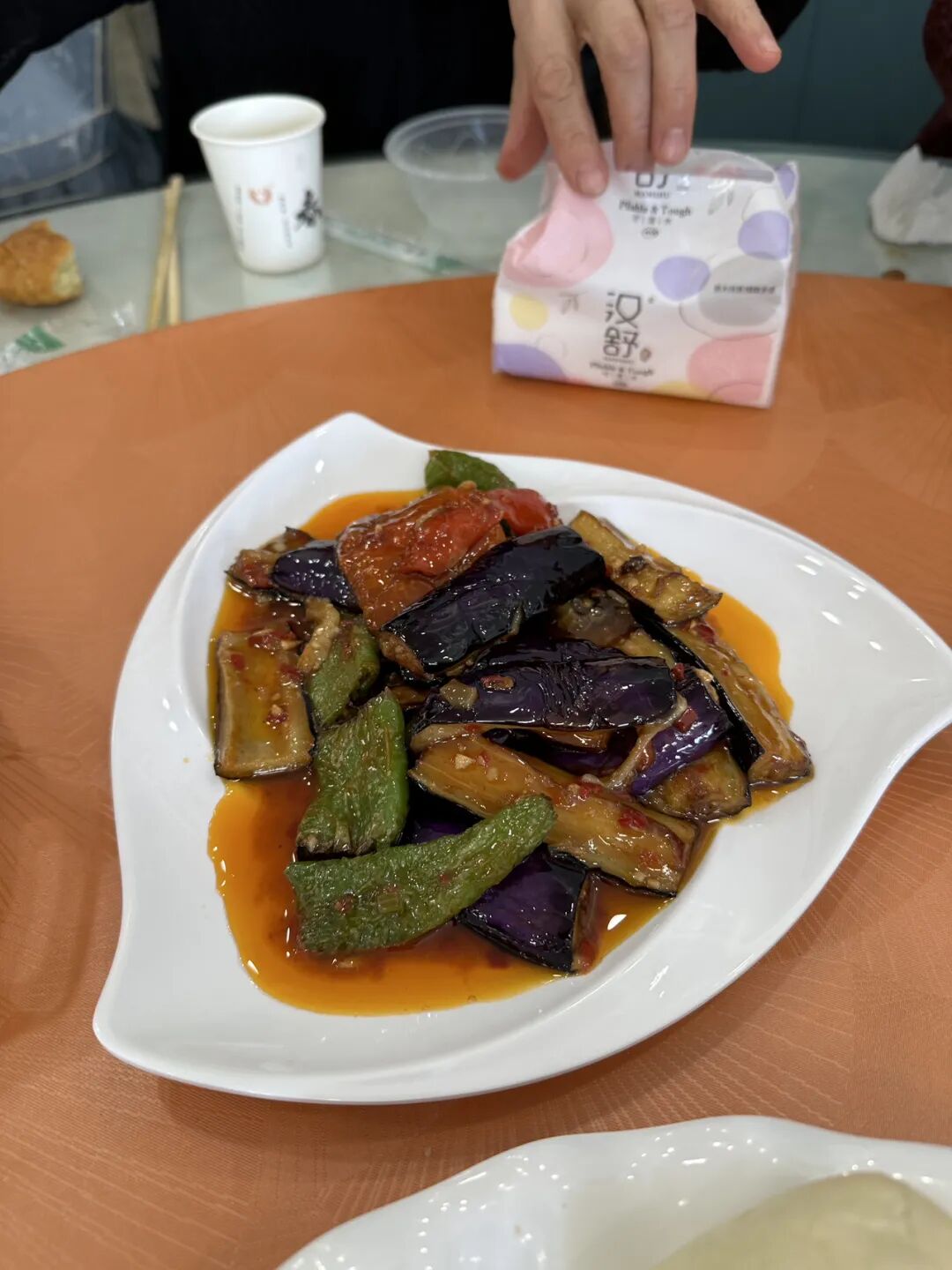
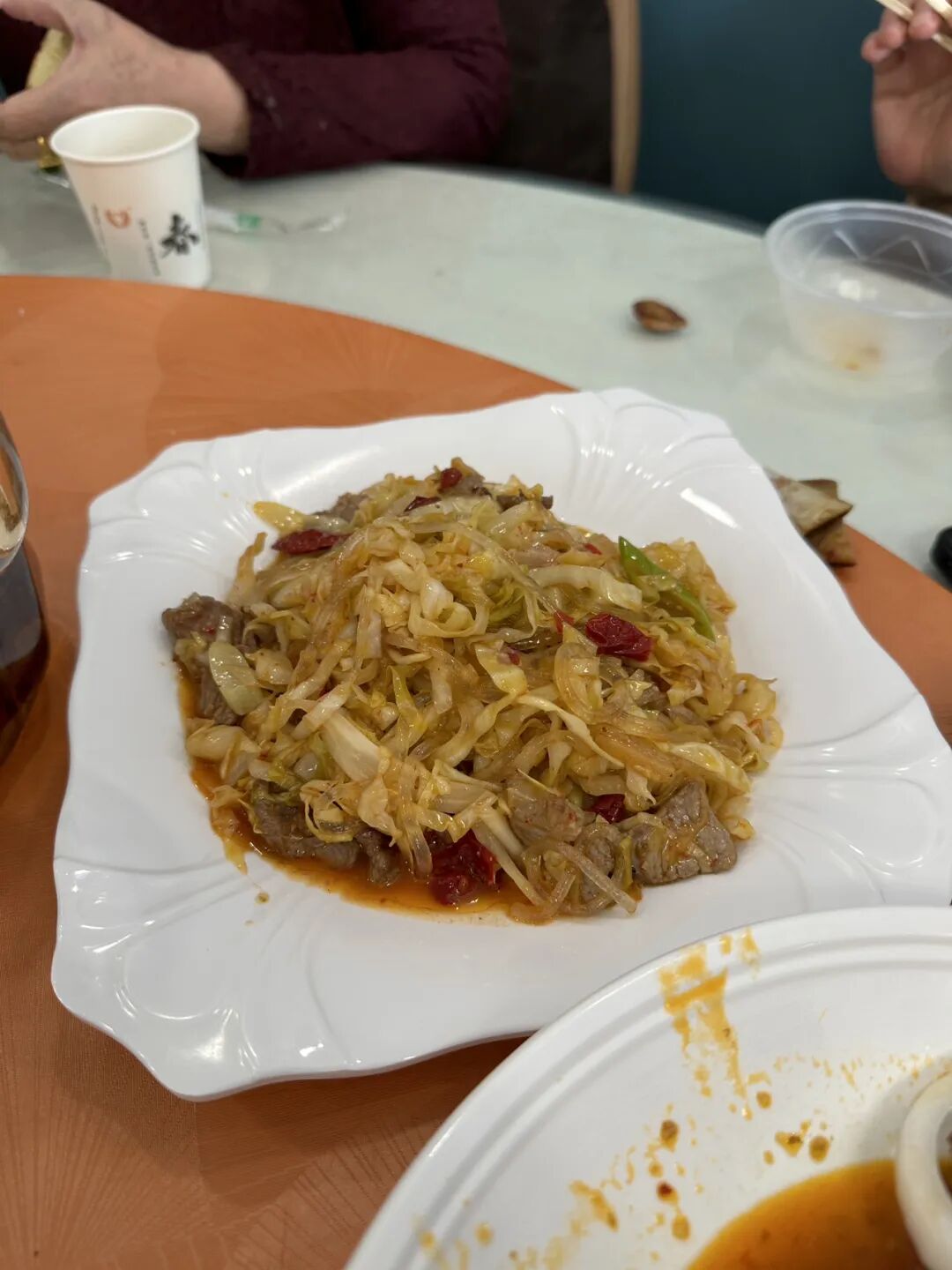
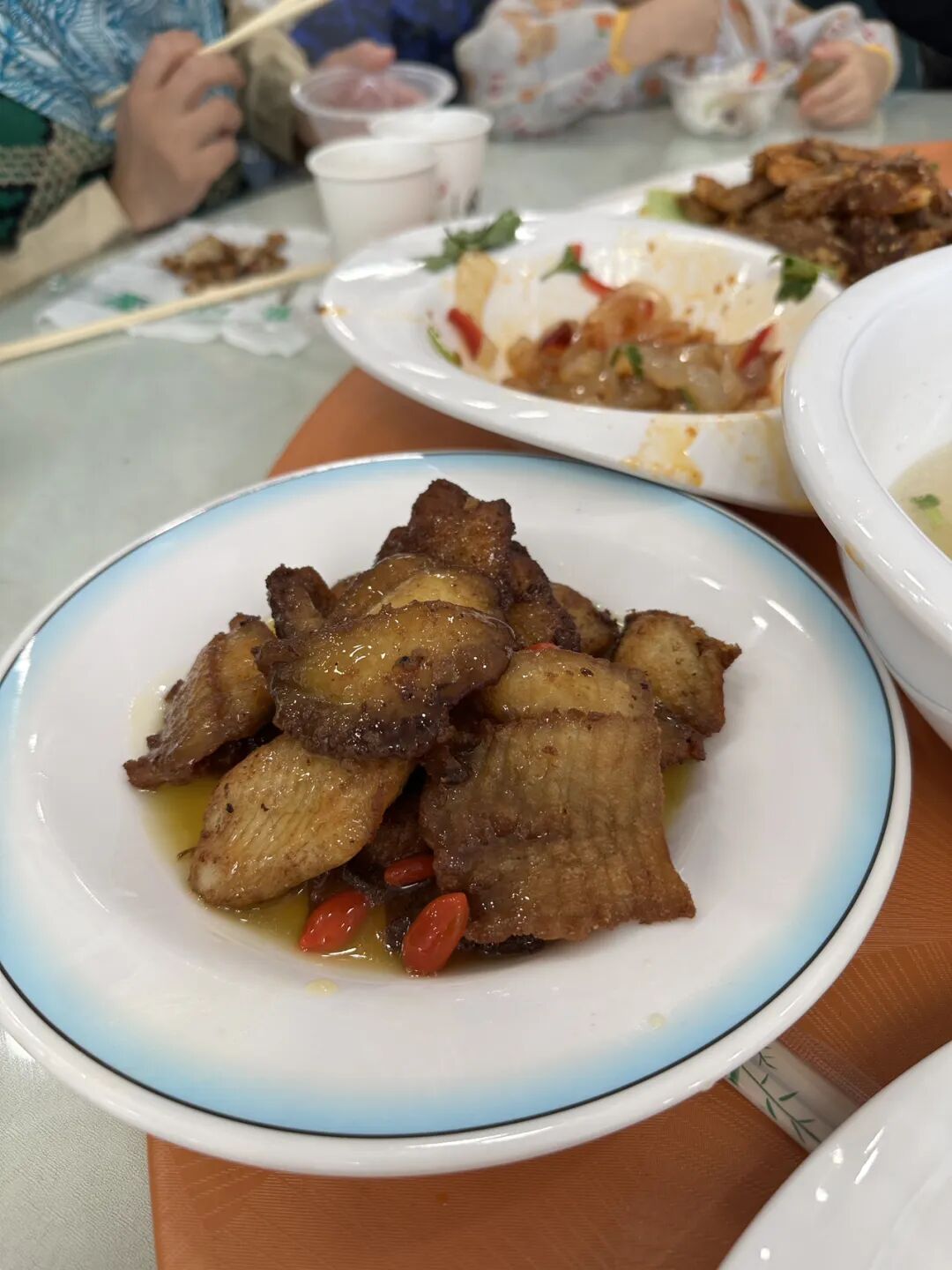
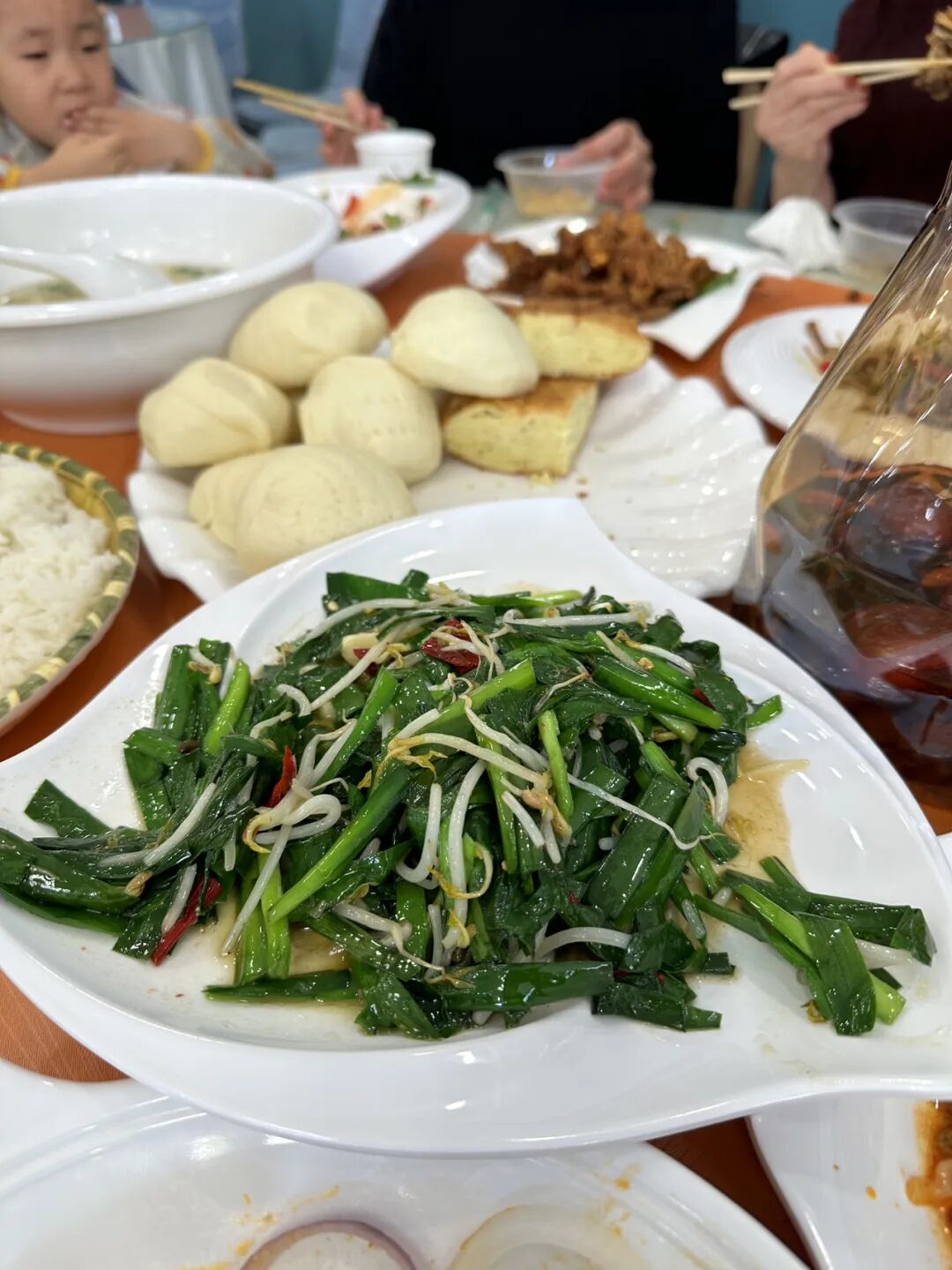
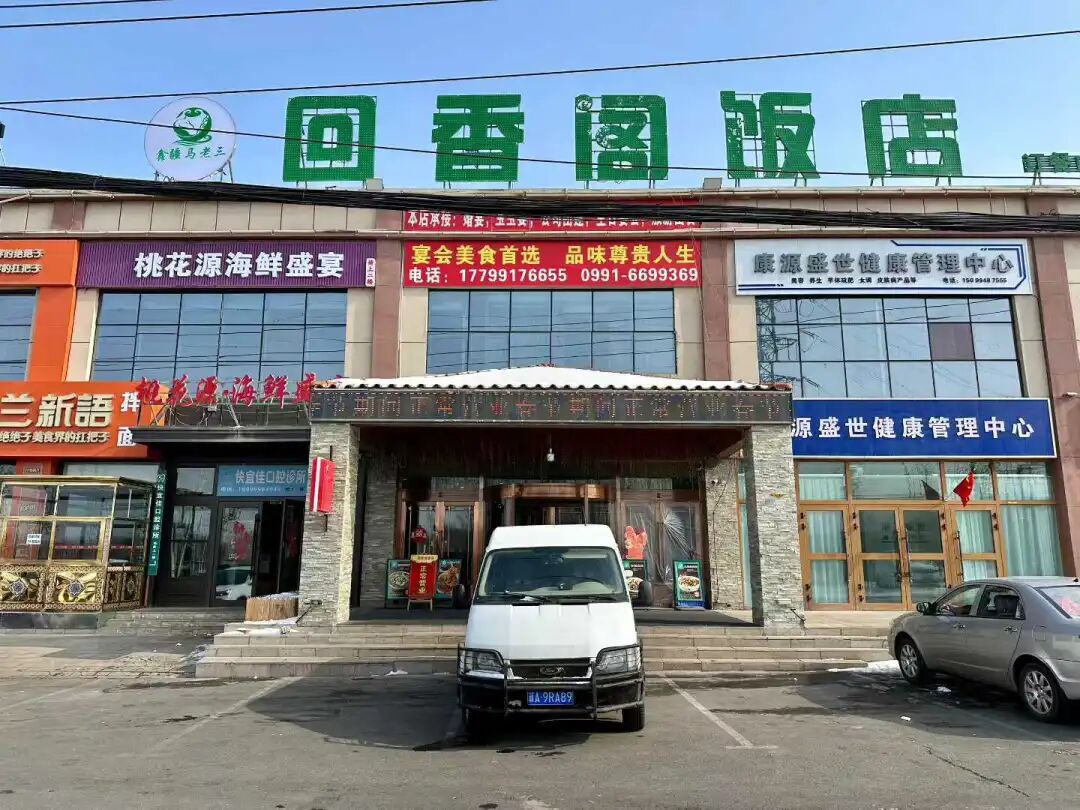
At noon, we had a gathering at Ma Laosan Huixiangge Restaurant in the Sangong area of Urumqi. The restaurant is near the northern edge of the city and specializes in Xinjiang Hui Muslim banquet dishes.
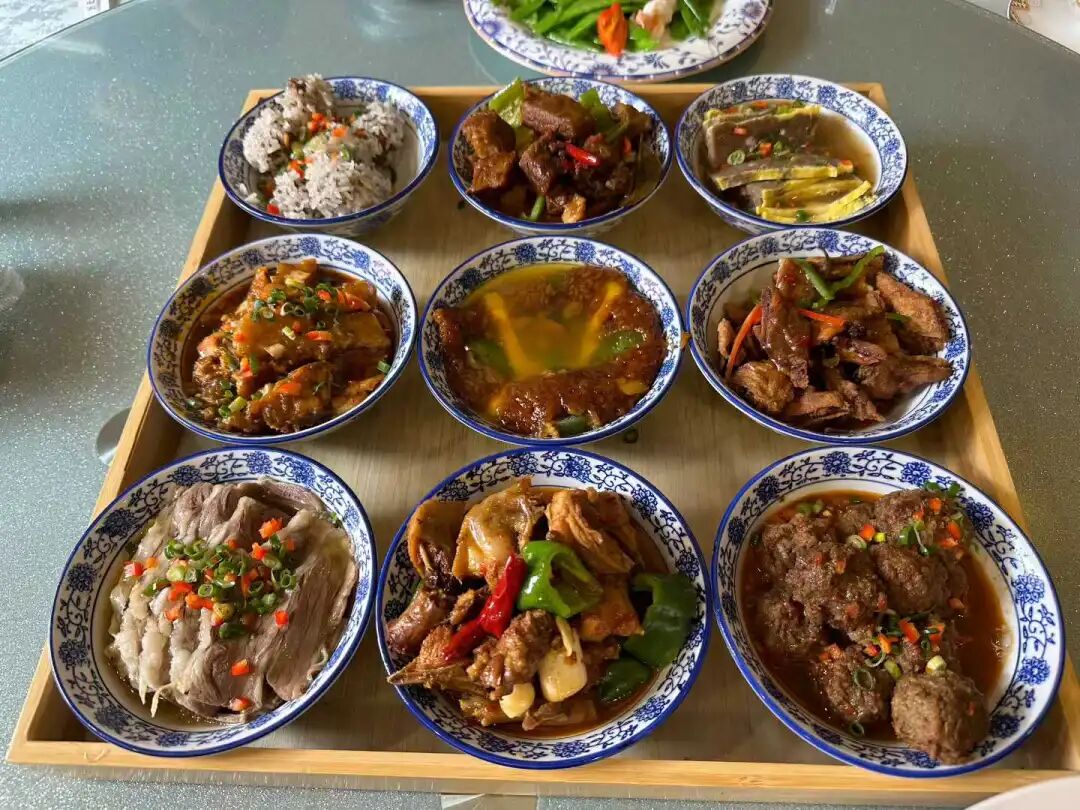
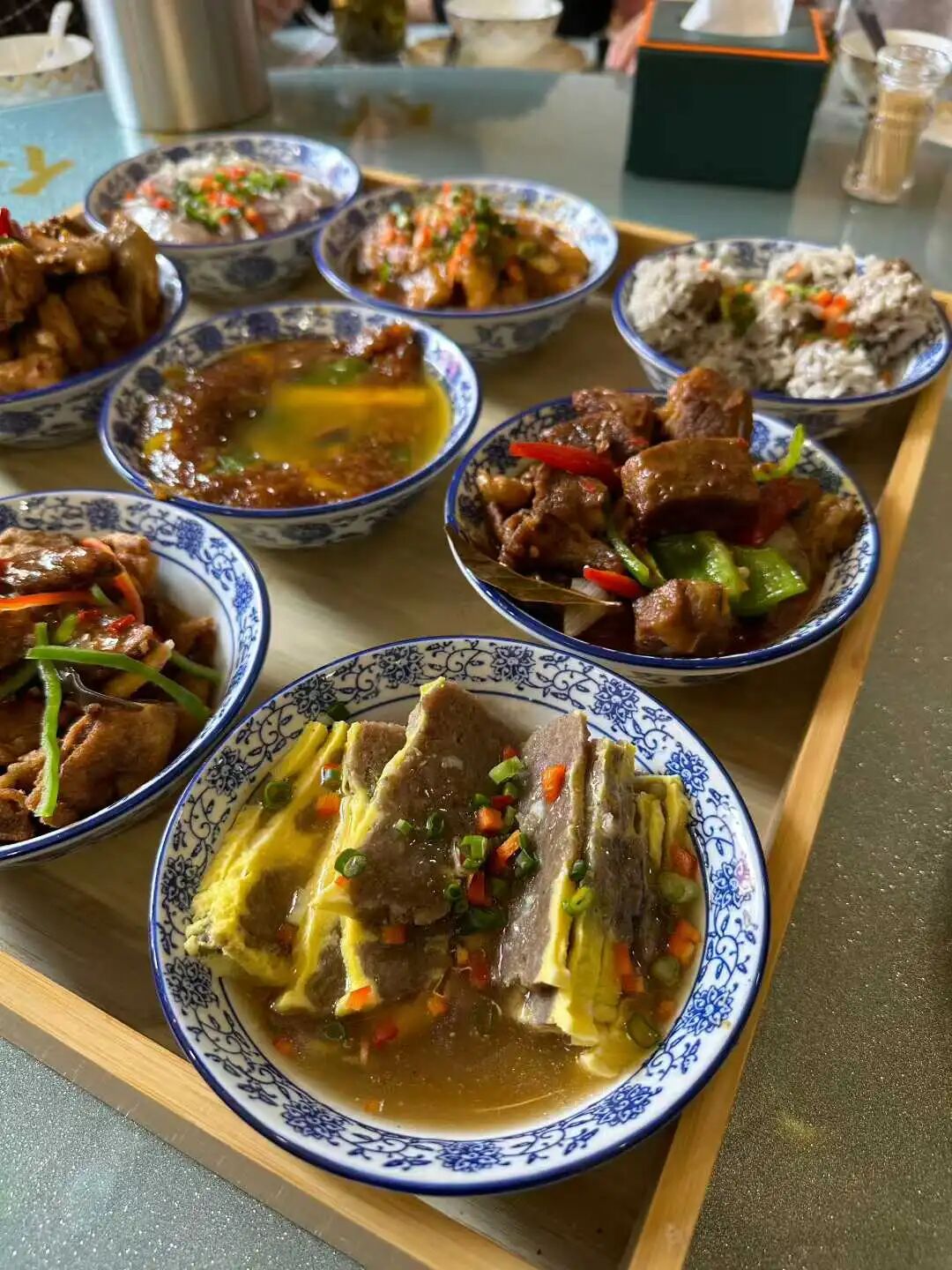
We ate the nine-bowl three-row banquet (jiuwan sanxingzi), which included sauced meat-stuffed egg slices, braised fish chunks, pearl meatballs, braised beef steak, sweet plate, yellow-braised beef, braised meatballs, spicy chicken chunks, and sauced jelly (menzi). The nine-bowl three-row banquet comes in large and small sizes. Ordering a small portion along with a few other dishes is just right. We had light dishes like shrimp with snow peas and wontons, as well as bold-flavored dishes like peppercorn fish and peppercorn chicken. The restaurant also gave us complimentary chive and meat dumplings.
Summary: This Urumqi Sha'ban account begins on February 12, 2026, before Ramadan, and covers family meals, Jumu'ah at Shaanxi Grand Mosque, Beiliang Mosque history, and local Hui Muslim food. It keeps the source's dates, mosque history, dishes, religious gatherings, and photographs.
I flew from Beijing to Urumqi for the Spring Festival holiday on February 12, 2026. With a few days left before Ramadan, I attended some religious gatherings (ermei) and sat for several meals. I am sharing my experiences here.
February 13.
I spent the morning at home reciting prayers (nianye). We had braised beef steak, clear-stewed lamb, and braised fish. The fried dough (youxiang) had been prepared the day before.
At noon, I went to the Shaanxi Grand Mosque in Urumqi for Friday prayers (Jumu'ah). This was the last Friday prayer before Ramadan. It was very crowded, and the main hall was almost full.
The restaurants behind the Shaanxi Grand Mosque are all delicious. I wrote about them in my previous article, '2025 Urumqi Hui Muslim Street Tour'.
I only learned last year that the main hall of Urumqi's first mosque, Beiliang Mosque, still exists. It is now open to the public as the Wenchang Pavilion. After Friday prayers at the Shaanxi Grand Mosque, I took the subway one stop from South Gate to North Gate to visit it.
After the Qing Dynasty built Dihua City in Urumqi in 1758, it promoted policies to station troops and settle immigrants for border defense. Since then, Hui Muslims from the northwest moved there to settle. In 1780, they built Beiliang Mosque on a small hill inside the North Gate of Dihua City, making it the first mosque in Urumqi.
The first imam of Beiliang Mosque was an elder from the Weijiapu area, who belonged to the Salar people from Xunhua. When the elder from Weijiapu was young, he studied at the Jiezi Gongbei and the Grand Mosque in Xunhua. In 1763, he left to seek enlightenment during the Hehuang menhuan conflicts. He traveled through Linxia, Lanzhou, and Wuwei, eventually reaching Hami and Turpan to teach. In 1780, he was officially invited to Beiliang Mosque as its first imam.
In the mid-18th century, Yihewan Gali, a disciple of the Indian Sufi leader Imam Rabbani, entered Aksu to teach the Khufiyya doctrine. Ma Fang, a Qing military officer stationed in Aksu, accepted his teachings. Later, Ma Fang resigned from his post to preach across Xinjiang. He took five students, one of whom was Ma Pei, who went to Urumqi to preach. The elder from Weijiapu became his student. The elder from Weijiapu taught at Beiliang Mosque for nearly 30 years. He taught religious knowledge to ordinary community members and guided Khufiyya followers in their spiritual practice. He balanced the relationships between different groups well and was respected by everyone.
Beiliang Mosque existed for 94 years in total. Its last imam was Ma Zongfu. Ma Zongfu came from Datong, Qinghai. People called him the Datong Elder. When he was young, he taught at various mosques in Qinghai and practiced the Khufiyya path. Later, because he opposed the planting and selling of opium, he was persecuted by local wealthy landowners. In 1850, he led his family through great hardships to Xinjiang and settled at Beiliang Mosque. At that time, the mosque's religious leader, Qitaizhou, was the second-generation disciple of Ma Pei. Imam Ma Zongfu then became his student. In 1852, Ma Zongfu became the imam of Beiliang Mosque and oversaw its renovation in 1861.
In 1876, Zuo Zongtang sent Liu Jintang to lead the Qing army west, where they defeated Yaqub Beg and recaptured Urumqi. After the Qing army entered the city, they occupied Beiliang Mosque. In 1884, Xinjiang Governor Liu Jintang renamed it Wenchang Pavilion. Beiliang Mosque was not used as the Wenchang Pavilion for very long. During the Republic of China era, it was occupied by Kuomintang communication troops. After 1949, it was taken over by the People's Liberation Army communication troops and used as a military factory for a long time. It was not returned to the cultural heritage department for management until 2002.
In 2003, the cultural heritage department renovated the only remaining main hall of Beiliang Mosque. Citing 'site constraints and ease of public access,' they changed the traditional east-west orientation of the Hui Muslim hall to face south. Today, it is open as a place to introduce Taoist Wenchang culture.
Hidden in the storefronts of the Guangyuan residential complex on Zhujiang Road in Urumqi is Li Yingping's Meatball and Vermicelli Soup (wanzifen tang). The owner has been selling meatball soup in the neighborhood for over twenty years and only moved to the Guangyuan complex in the last two years. This area is far from the food streets, so mostly only locals know about it.
Their signature dish is braised beef meatball noodle soup served with a steamed flower roll (huajuan). The beef is stewed until very flavorful and has a great texture, served with tofu, starch noodles, and wood ear mushrooms. I first thought their 'wonton dumplings' were two separate dishes, but I later learned they are dumplings shaped like wontons made by the owner. They have a lamb and onion (piyazi) filling, and you can eat them dry or in soup. The soup dumplings are served in the beef noodle soup, which I think is especially comforting in winter. I also tried their lentil noodle squares (biandou mianqizi). Small flag-shaped dough pieces simmer in the soup, paired with the creamy texture of lentils. It is a winter staple that warms the stomach for people in Xinjiang.
February 14
Urumqi has so many food streets. From the early days of Shanxi Alley and Erdaoqiao to the later Lingguan Alley and Hotan Street, more and more places have become popular spots for food lovers. My biggest discovery on this trip back to Urumqi is that the area from Yingawati Road toward Zhujiang Road is getting busier. The ground-floor shops in the new residential area near the plastic factory are all restaurants newly opened by people from Hotan, each with its own unique style.
We first ate at this 1980s-style pan-fried bun (shuijianbao) shop. Pan-fried buns are a specialty of Ili, but this shop also sells Hotan-style corn naan (baogu nang) and old pigeon soup, making it a mix of northern and southern Xinjiang styles.
We ordered old pigeon soup, goose eggs, corn naan with milk tea, pan-fried buns, yogurt, and dried milk curds (naigeda). The old pigeon was delicious and very fragrant, though the soup was a little salty. The goose egg was large and looked crystal clear. The corn naan with milk tea is an incredible combination. The corn naan is a purely healthy food. The corn dough is filled with walnuts and topped with fried onions. It is a bit hard when dry, but it becomes soft on the outside and crispy on the inside when soaked in milk tea. Their milk tea is also very fresh. Of course, you can find fresh milk everywhere on the streets of Urumqi, so fresh milk tea is a given. They also sell various types of dried milk curds, including sheep milk, cow milk, and yogurt versions, some sour and some milder.
I had only eaten Henan-style pan-fried buns before. The biggest difference with Ili pan-fried buns is the use of a lamb and onion filling, seasoned with cumin and pepper. The dough is made with sourdough starter and fried in a flat pan just like in Henan, but it is served with salty milk tea instead of spicy soup. Ili pan-fried buns taste a bit like a leavened version of a baked bun (kaobaozi). Many people here love them and buy a lot at once.
In the afternoon, while visiting relatives, we passed by the Chaiwopu No. 22 Spicy Chicken on Wuxing South Road. It is a 30-year-old shop, and it was packed with people and very lively. They serve Hui Muslim-style Xinjiang cuisine. A large portion of spicy chicken is a whole bird, and a medium portion is half. It is stir-fried to order, so it takes a while and you have to wait when it is busy, but the taste is better than Yang Le. Adding wide belt noodles (pidai mian) to it is very satisfying. Because the kids couldn't eat spicy food, we also ordered the mixed vegetable soup (dazahuai tang), which has beef meatballs, fried egg strips (jiasha), tofu, and wood ear mushrooms. The portion was large, and it was very warming in the winter. We also ordered stir-fried chestnut squash (banligua). The salty, fragrant, stir-fried squash was soft, waxy, and sweet. It was my first time eating it prepared this way, and it was quite good. The place is always too crowded and the service is just average, but the food is truly excellent. You cannot find this kind of spicy chicken (lazi ji) in Beijing.
In the evening, we went to the cute Xinjiang Silk Road Feast (Silu Yan) at Shengda Plaza near the high-speed railway station. It is great for family gatherings. They have song and dance performances at night, and the menu is a fusion of many different things.
February 15
In the morning, I took Suleiman to the top of Yaomo Mountain in Urumqi. It was his first time climbing a snow-covered mountain. We entered through the southeast gate. The path up to Yunmantai is quite gentle and the shortest route, so both the elderly and children can climb it. We took a dirt path going up and the paved road coming down. The scenery on both sides was different, and we even saw a pheasant on the way down.
Another restaurant on Zhujiang Road, Hotan Flower Black Pilaf (Heizhuafan), is also very unique. It was my first time eating black pilaf in Urumqi. They only sell it at noon. We asked at 10 a.m. and 6 p.m. and it was sold out both times. We finally got to eat it when we went after 4 p.m.
Black pilaf is made by frying onions (piyazi) until they are completely charred and caramelized, rather than frying them to a light golden color like regular pilaf. They also add whole garlic cloves for flavor. Black pilaf has a richer flavor than white pilaf. I had it before in Tashkent and loved it, so I was happy to eat it again this time. You can actually find black pilaf in Southern Xinjiang, Uzbekistan, and Tajikistan, but it is rare in Northern Xinjiang. My relatives said an elderly Uzbek man used to sell black pilaf on Zhujiang Road, but we don't know if he is still there.
Their black pilaf comes with lemonade, yogurt, and mung bean jelly (liangfen). The spicy vinegar in the jelly adds a great kick. The waiter will come over and ask if you want more rice.
We also ordered the Hotan-style corn porridge. Hotan corn porridge is called 'umash' in the Uyghur language. To make it, you stir-fry onions in lamb fat, add diced lamb, then pour in lamb broth and bring it to a boil. You also add fresh corn kernels. It is completely different from the clear corn porridge in inland China. It is salty, rich, and full of ingredients, making it very warming in autumn and winter.
There are some new Uyghur restaurants on Zhujiang Road. I want to try this Hotan noodle soup next time.
In the evening, we had a meal at a relative's house, eating meatball soup and slow-cooked beef bone marrow. The homemade meatballs have lots of meat and very little starch; you really can't find this taste in restaurants. The beef bone marrow was stewed until soft and flavorful, so even the elderly could eat it easily. Steamed oil bread (youxiang) is a specialty of Xinjiang Hui Muslims. It is not deep-fried, making it healthier. It is fluffy in layers and carries the unique aroma of vegetable oil and fragrant clover (xiangdouzi).
February 16
In the morning, we attended a meal at the Huashenglou Banquet Hall, located across from the Changsheng Brigade Mosque in the southern suburbs of Urumqi. This land originally belonged to my wife's relatives, but later it was rented to a friend (dost) from Midong to open a restaurant. Whenever the family hosts a banquet, they replace the kitchen staff with relatives to cook and serve their friends and family themselves.
Changsheng is located at the southern foot of Yamalike Mountain. Under the Qing Dynasty's policy of settling soldiers to farm the border and the migration waves during the Republic of China, Hui Muslims from Shaanxi, Ningxia, and Gansu arrived here to clear wasteland and farm, gradually forming a village. After the founding of New China, these Hui Muslim farming households were organized into the Changsheng Brigade, creating a stable Hui Muslim community. Compared to Hui Muslims living scattered in the city, the people here have kept more traditional customs, and their banquets are much larger.
Following the order, nine small plates are served first while waiting for the main dishes, so people can drink tea and chat. The small plates contain things like dried fruits, snacks, and candied fruit. Then the small plates are cleared away and cold dishes are served, such as spiced dried tofu (xianggan), mung bean jelly (liangfen), and cold-tossed beef. Next come the stir-fried and stewed dishes, including clear-stewed lamb, braised beef steak, braised eggplant, pickled cabbage with lamb, fried hairtail fish, oil-seared meat (guoyourou), sauced meat-stuffed egg slices (jiashajiasha), stir-fried chives, and braised meatballs. These are all very traditional and have the true taste of a family banquet. Finally, they serve a sweet plate, also called eight-treasure rice (babaofan), which is very satisfying when drizzled with syrup.
At noon, we had a gathering at Ma Laosan Huixiangge Restaurant in the Sangong area of Urumqi. The restaurant is near the northern edge of the city and specializes in Xinjiang Hui Muslim banquet dishes.
We ate the nine-bowl three-row banquet (jiuwan sanxingzi), which included sauced meat-stuffed egg slices, braised fish chunks, pearl meatballs, braised beef steak, sweet plate, yellow-braised beef, braised meatballs, spicy chicken chunks, and sauced jelly (menzi). The nine-bowl three-row banquet comes in large and small sizes. Ordering a small portion along with a few other dishes is just right. We had light dishes like shrimp with snow peas and wontons, as well as bold-flavored dishes like peppercorn fish and peppercorn chicken. The restaurant also gave us complimentary chive and meat dumplings.
