
China Mosque Travel Guide Linyi: Matou Mosque, Southern Shandong Hui Muslims and Ramadan Food
Reposted from the web
Summary: This China mosque travel guide visits Matou Town in Tancheng County, Linyi, the Ming-era Matou Mosque built in 1405, the Hui Muslim community around it, mosque calligraphy halls, local halal food, Linyi grilled meat, pancakes with lamb chops, and Ramadan suhoor memories.
While driving south through Linyi City, Shandong Province this year, I learned about a large Ming Dynasty mosque in Matou Town, Tancheng County. I drove for nearly an hour from downtown Linyi to reach Matou Town.
Matou Town
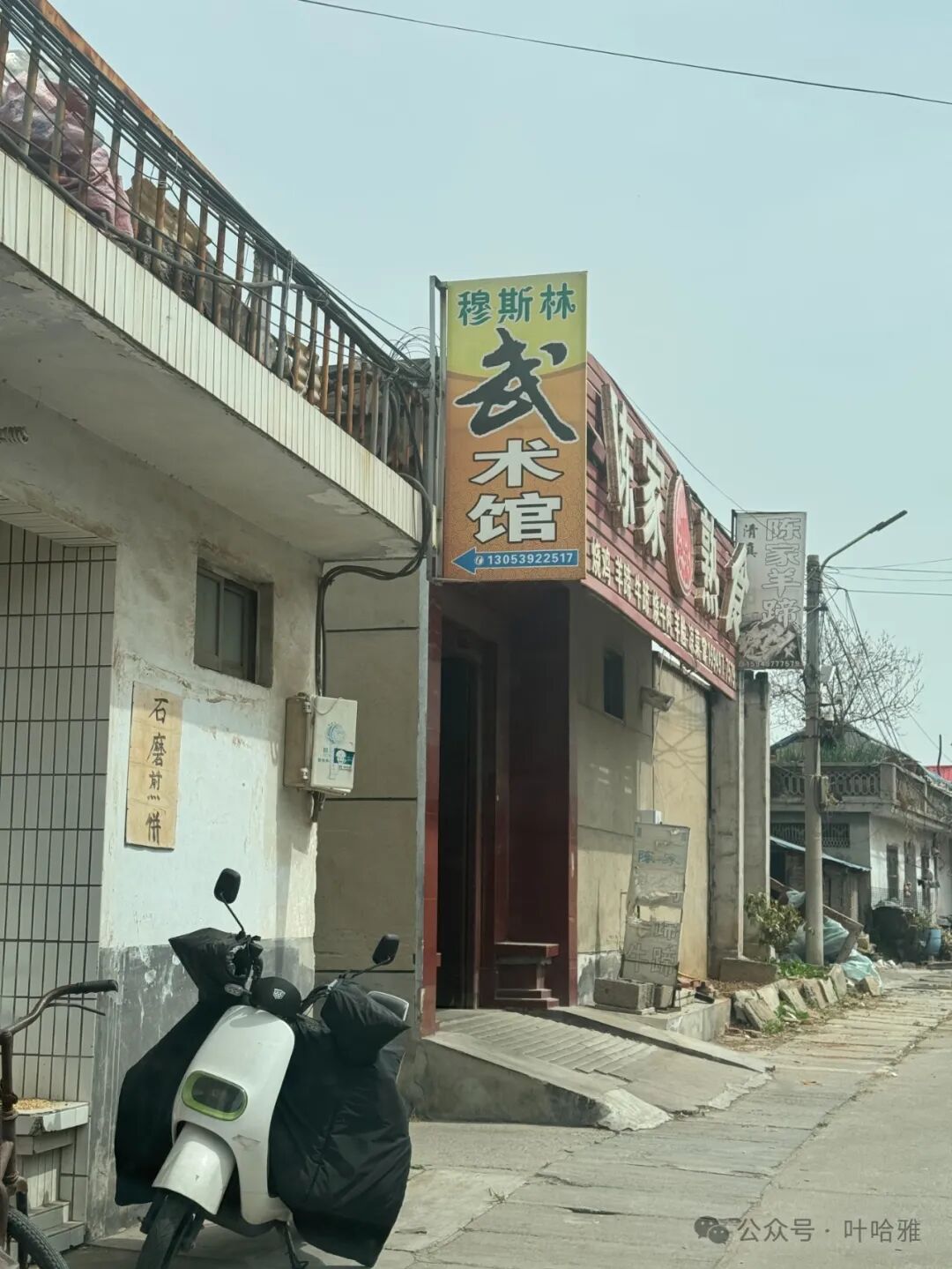
Matou Town is an ancient Muslim town and a community where Hui Muslims live. The town is full of halal shops, and I even saw a Muslim martial arts school.
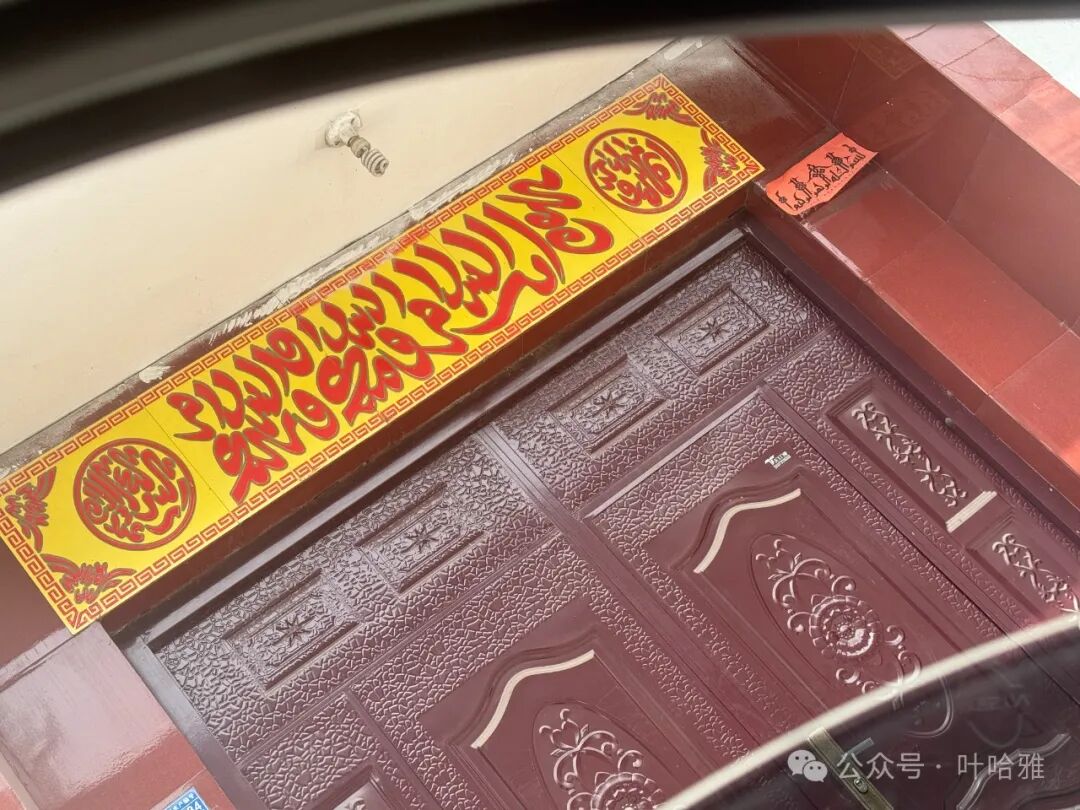
The storefronts here still keep the traditional style of North China.
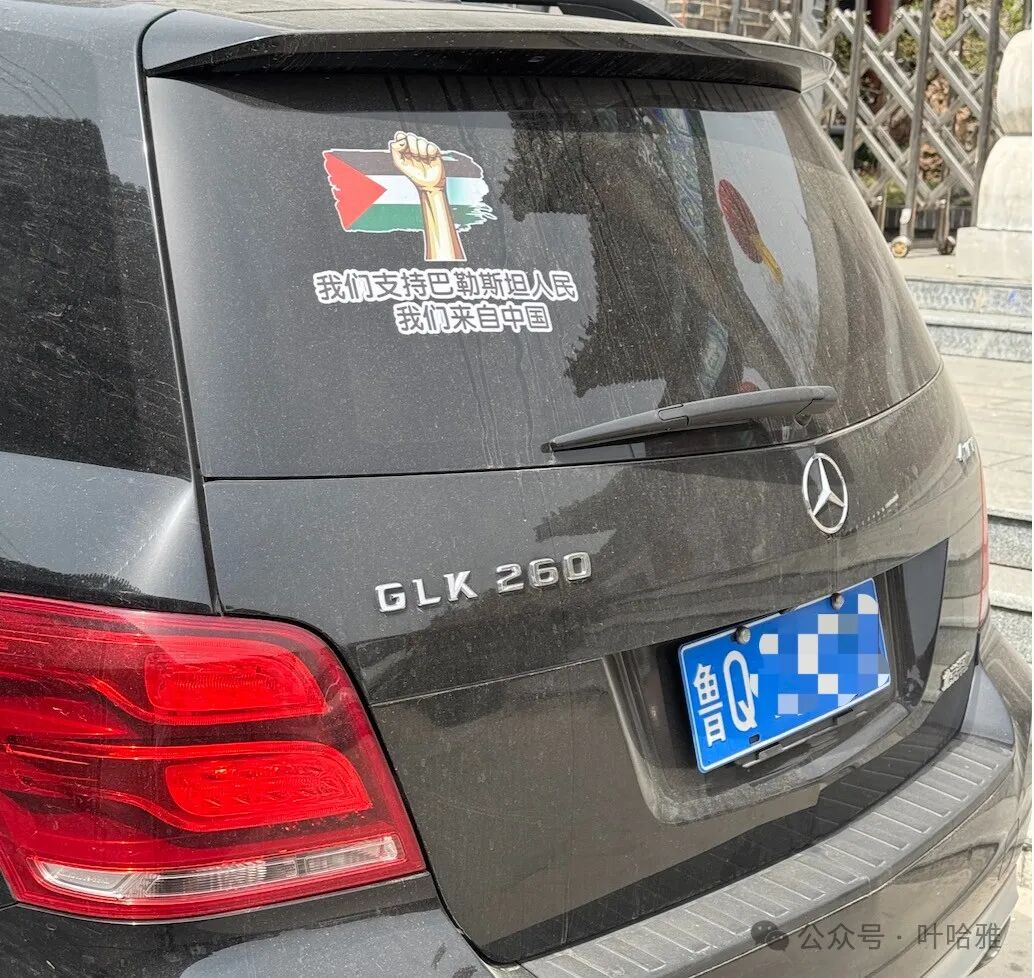
After walking through several small alleys, I found the Matou Mosque inside the village.
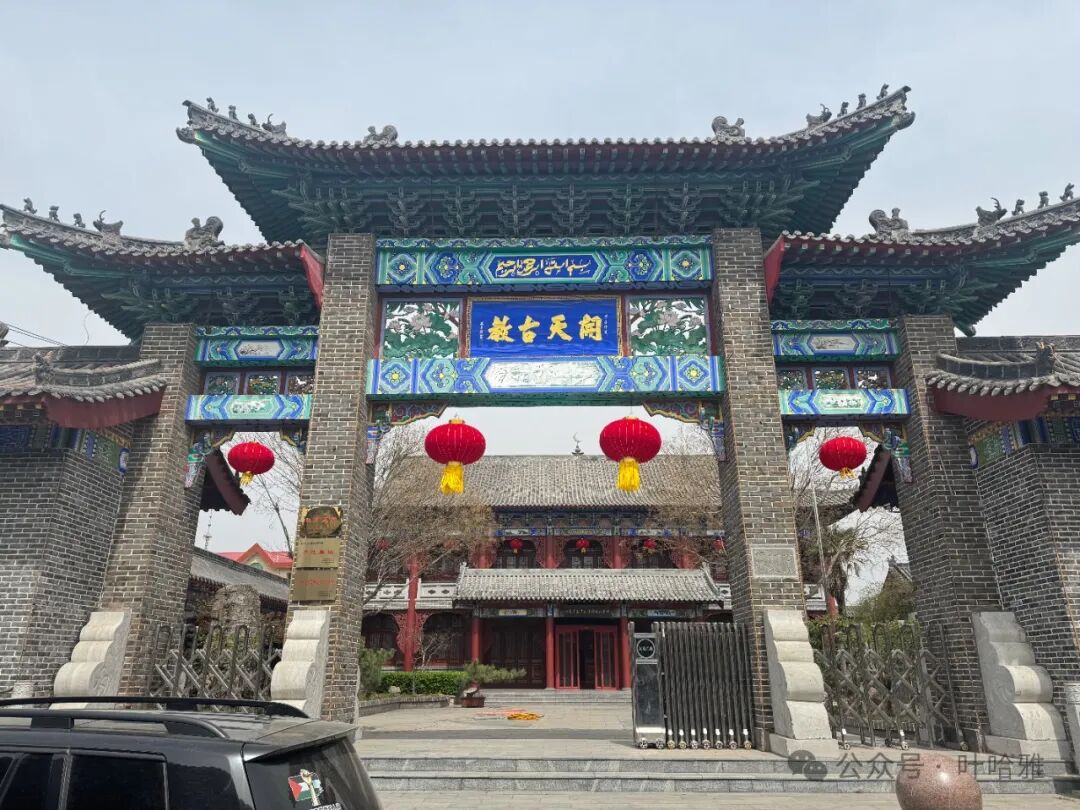
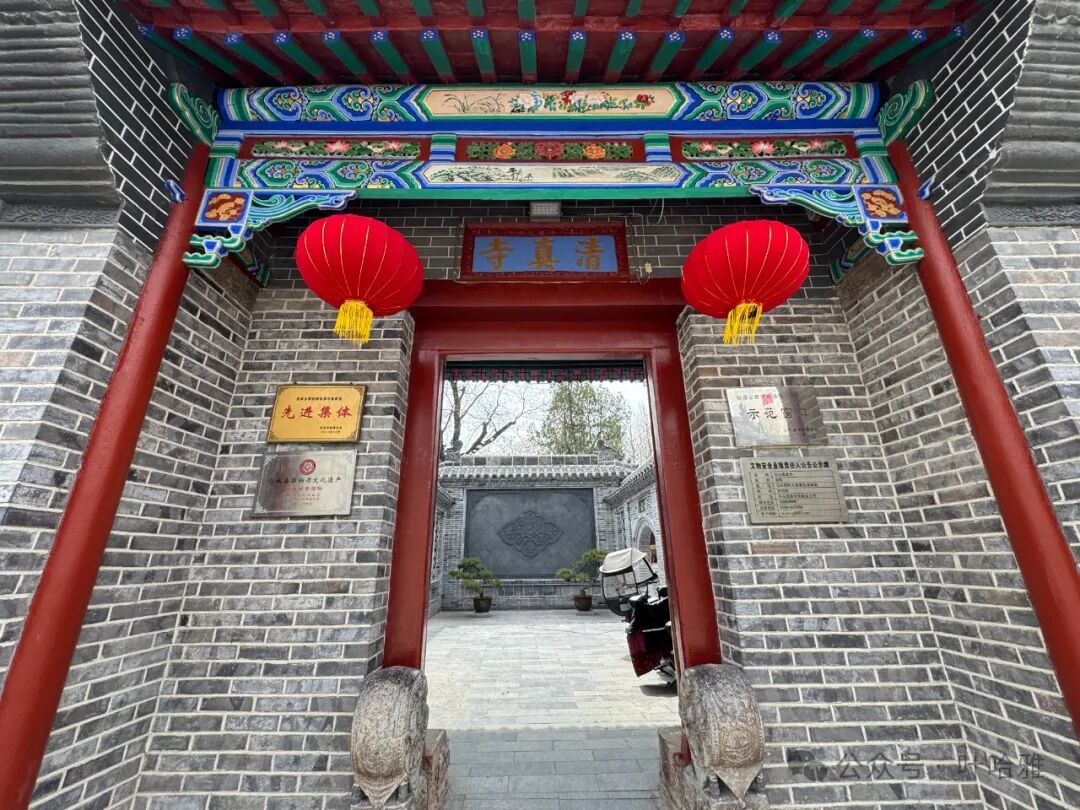
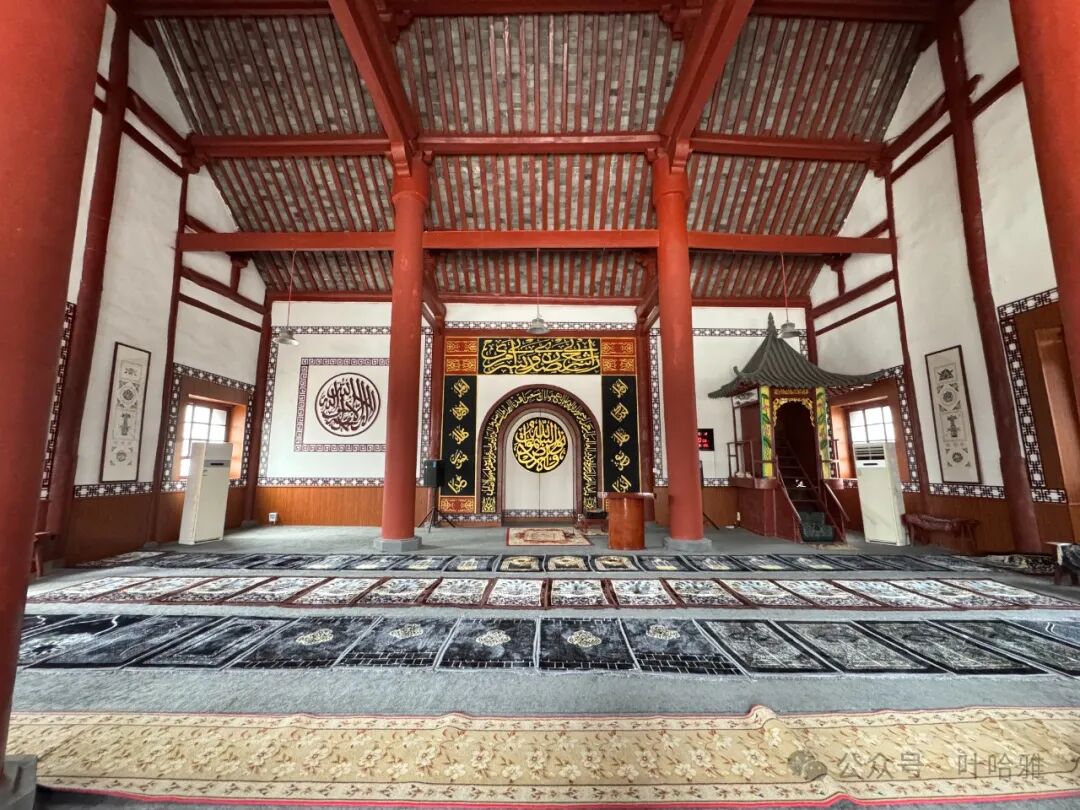
Matou Mosque was first built during the Yongle period of the Ming Dynasty (1405). It covers 13 mu of land and is the largest mosque in northern Jiangsu and southern Shandong. It is well-preserved and is currently a cultural relic protection unit of Shandong Province.
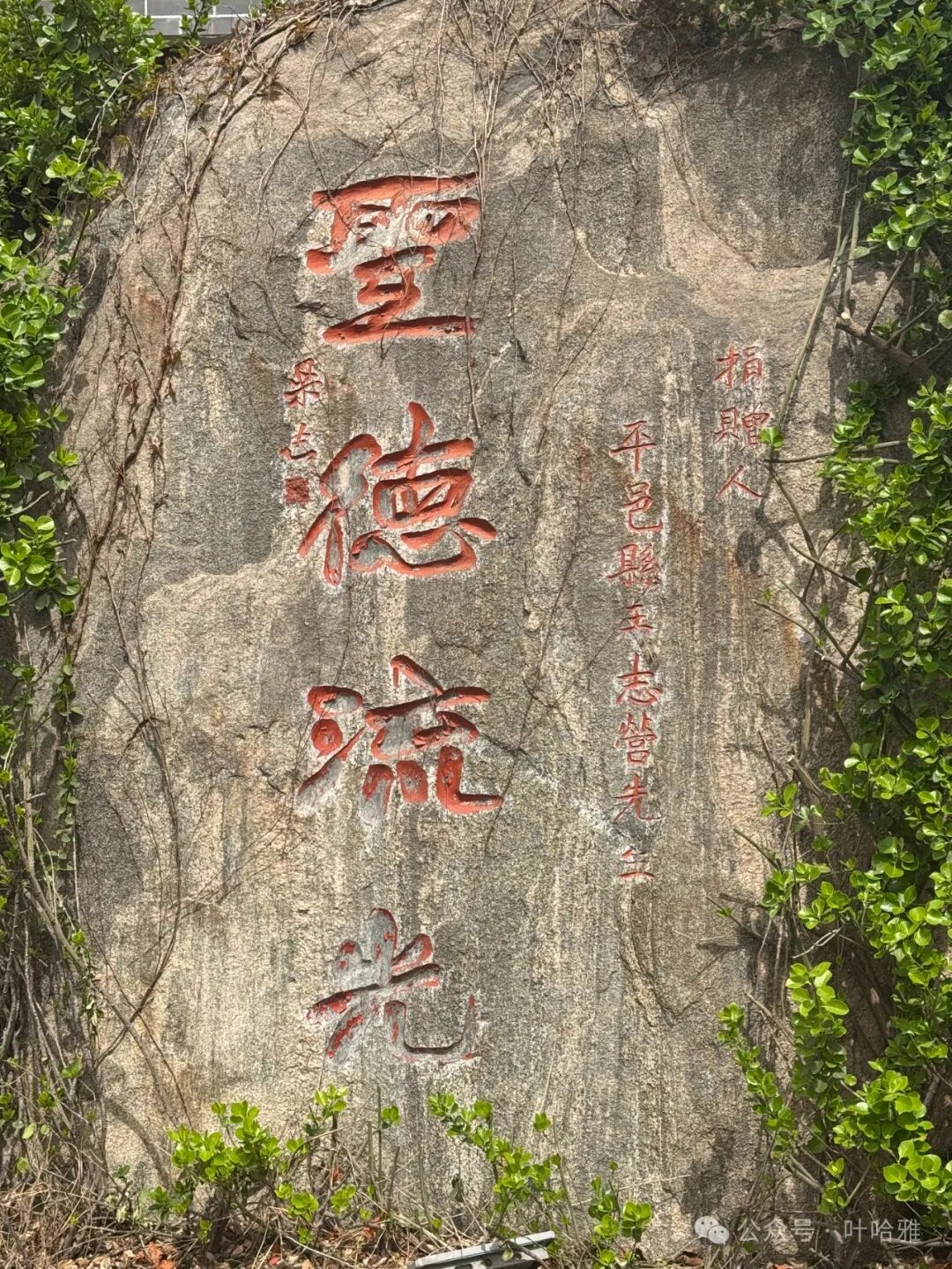
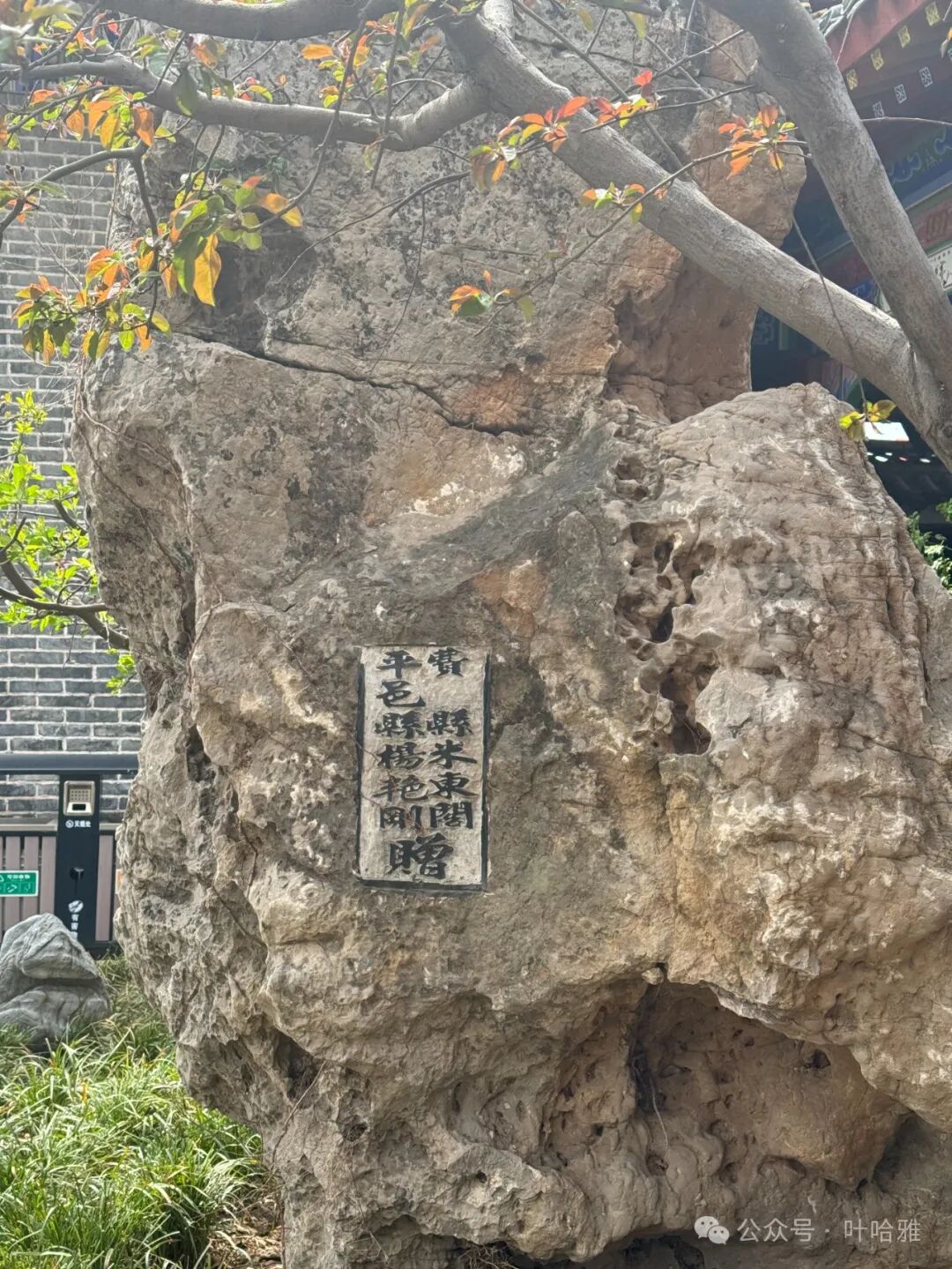
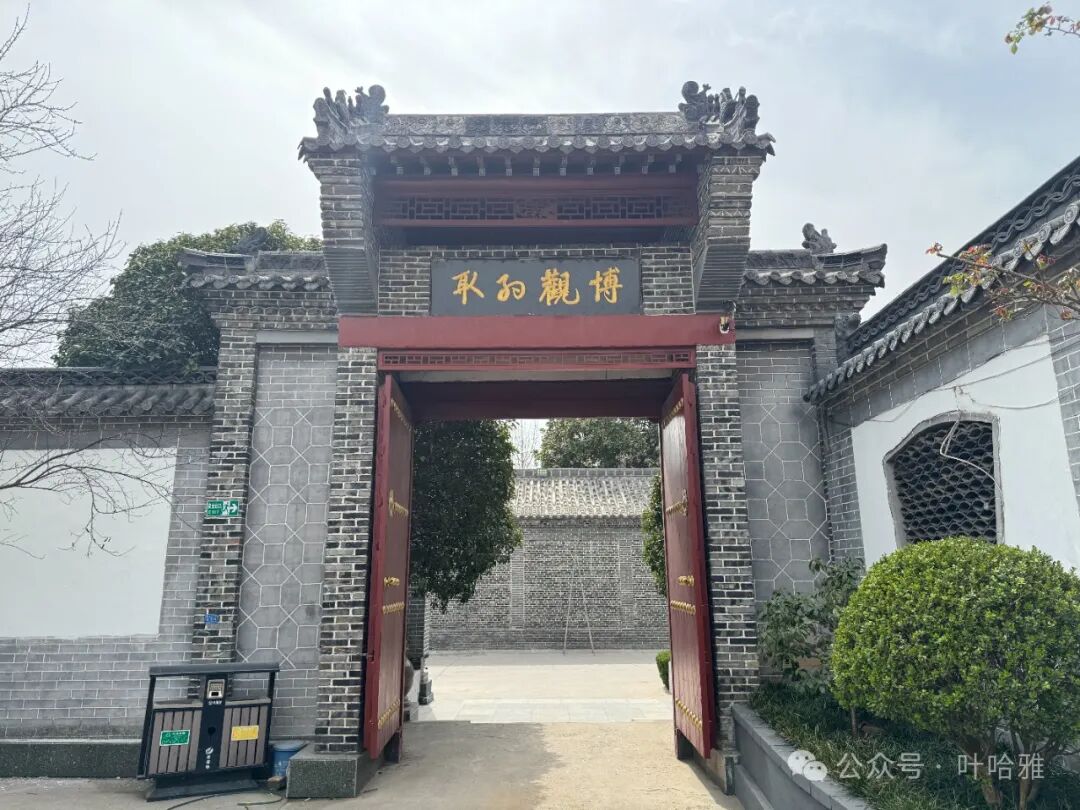
In the courtyard just inside the gate, there are several stones gifted by elders from different places.
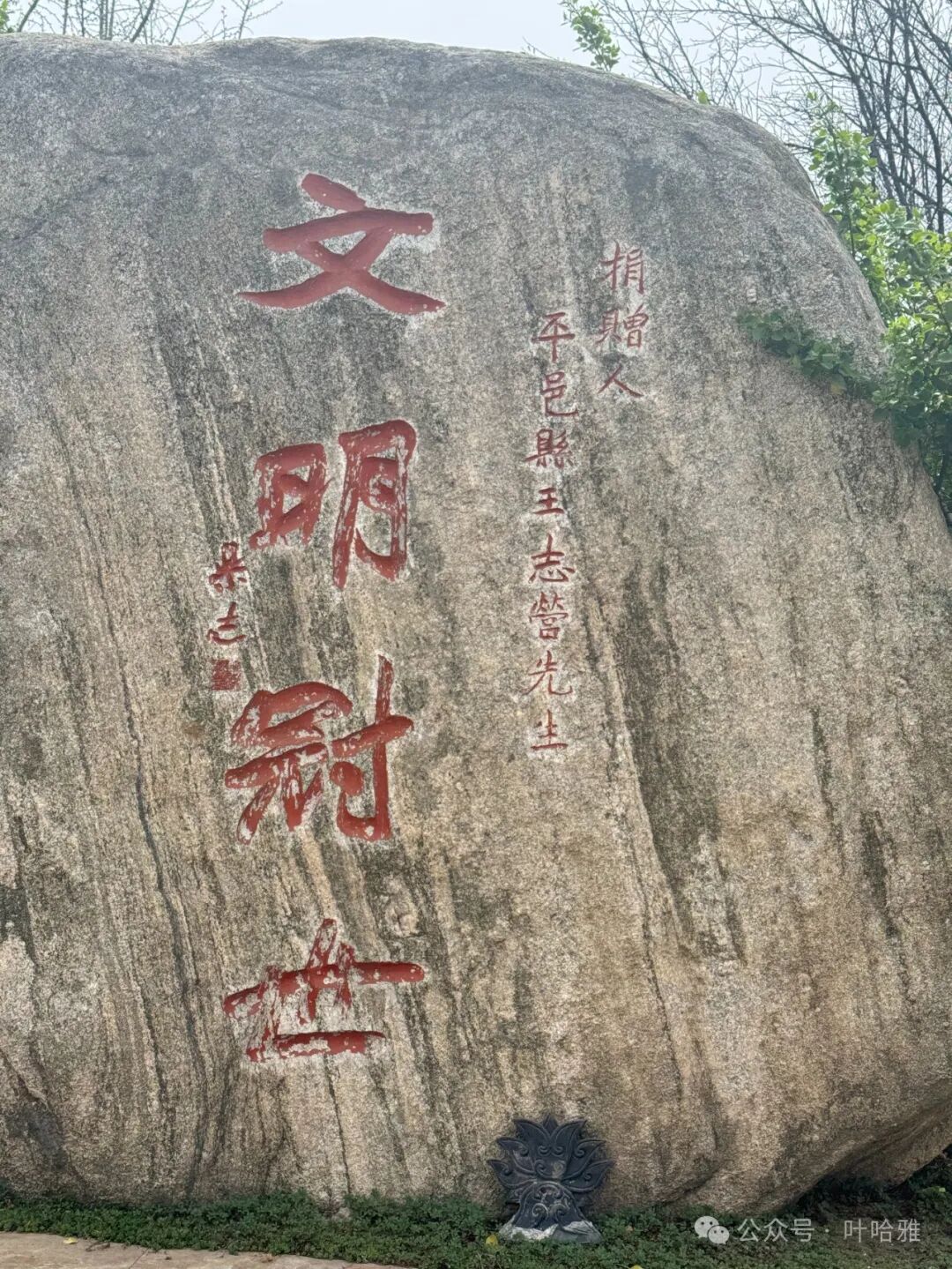
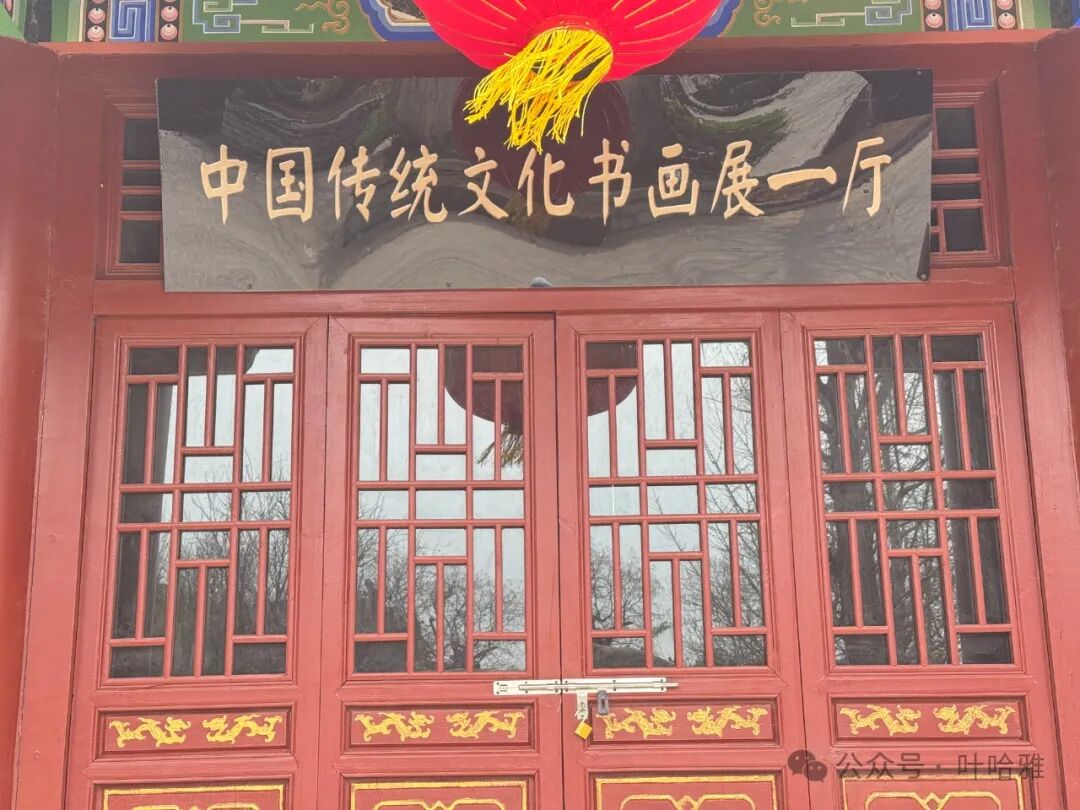
There are several traditional calligraphy and painting exhibition halls in the courtyard. This is the first hall, and there is a second hall, both displaying non-religious artworks.
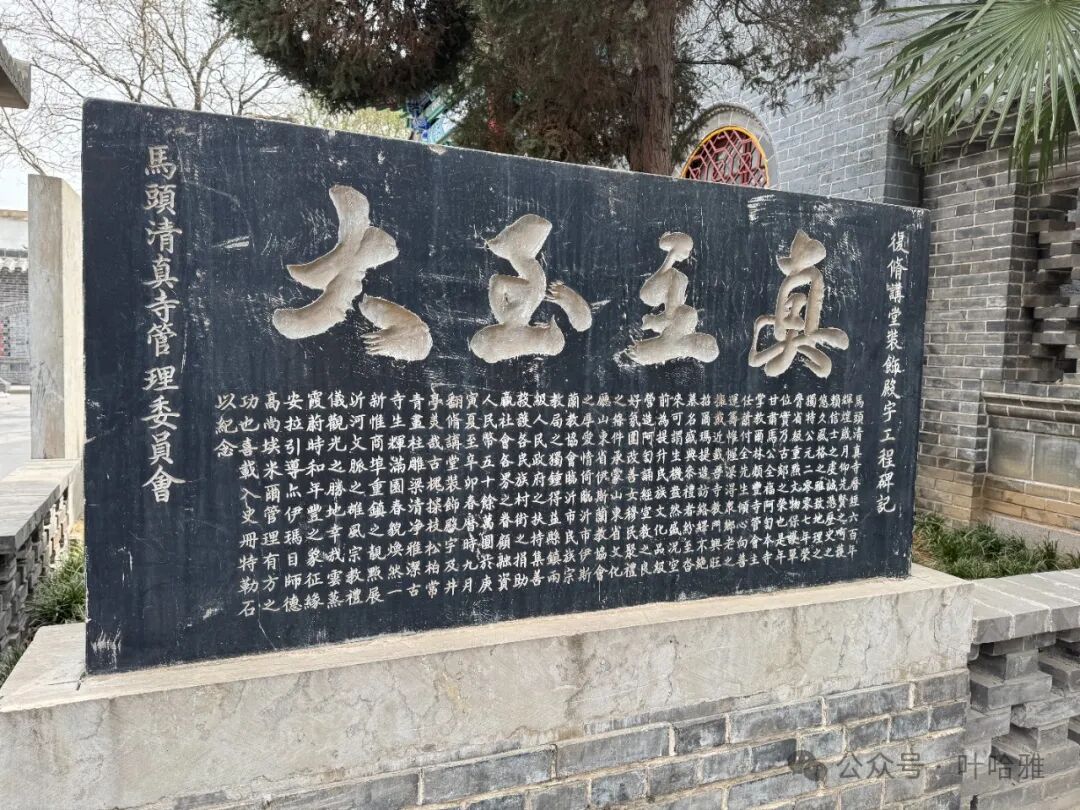
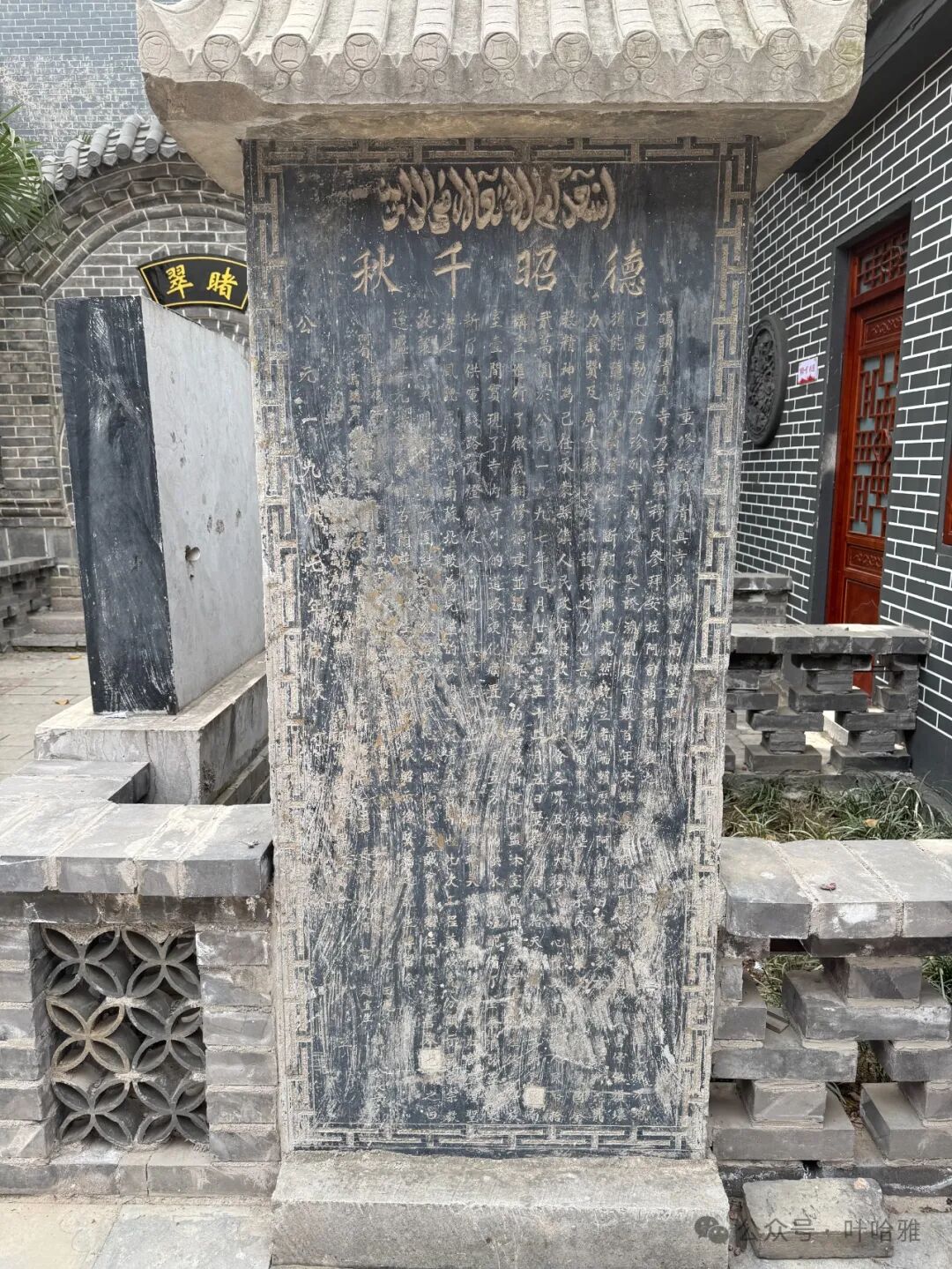
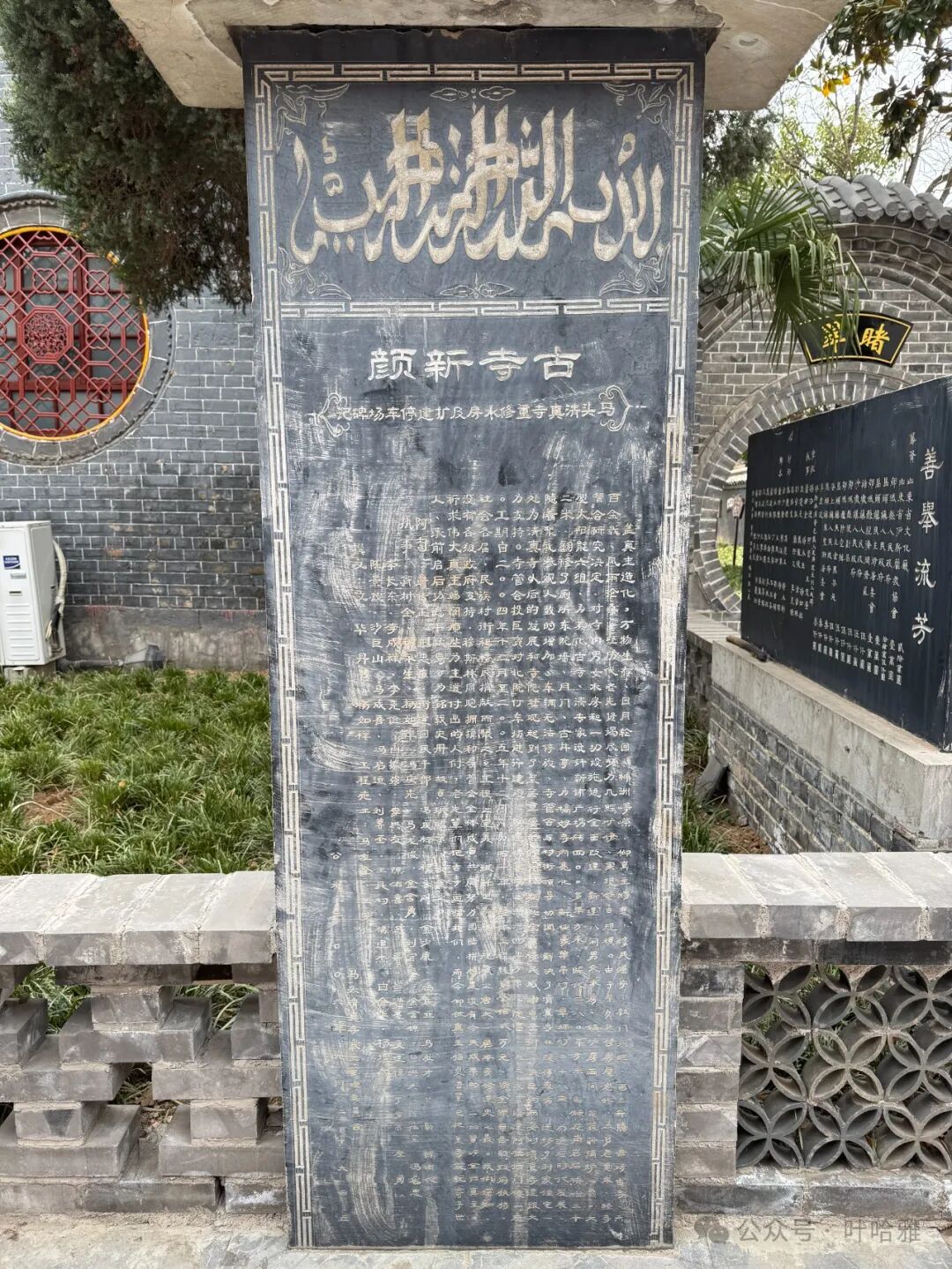
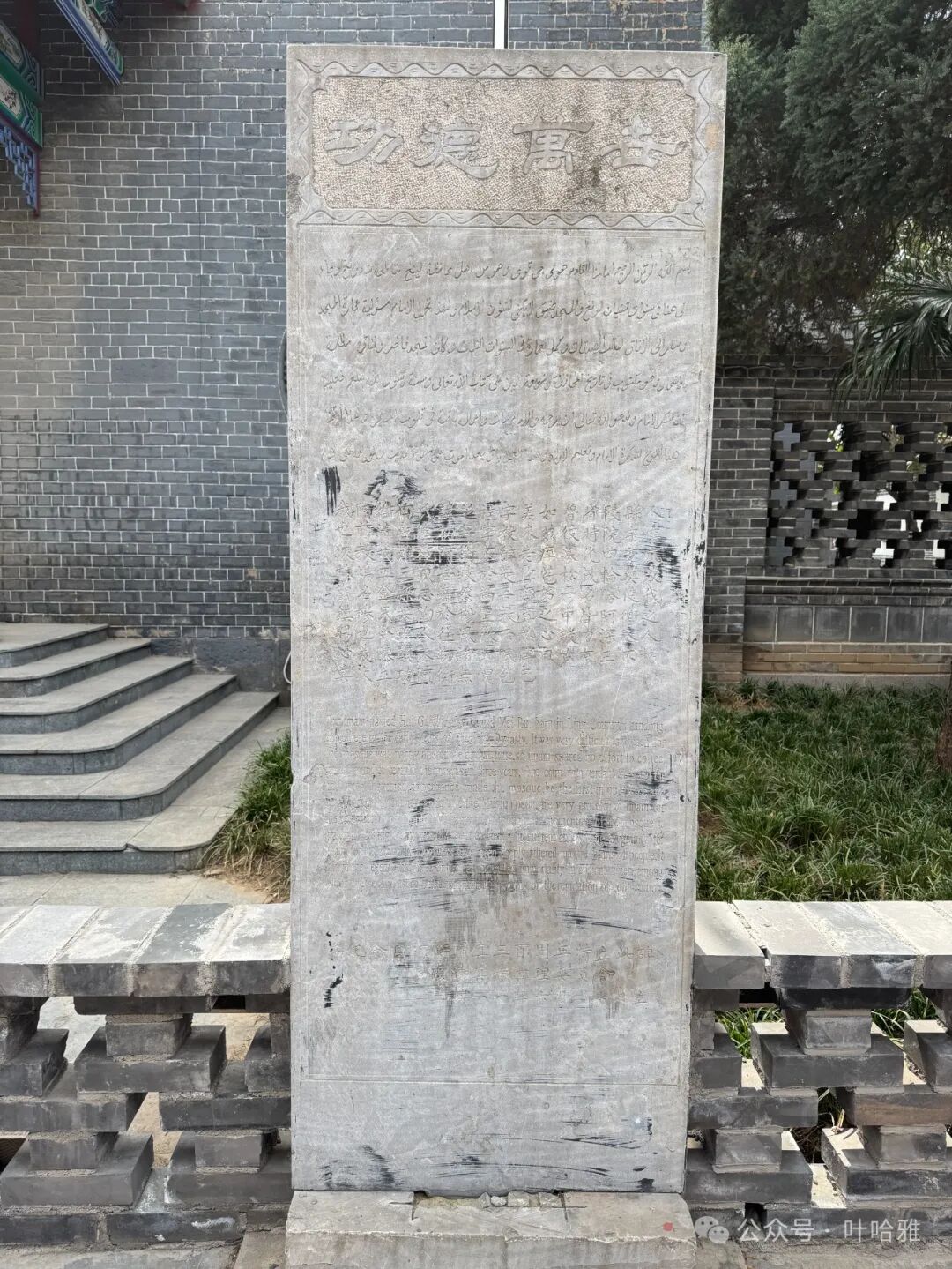
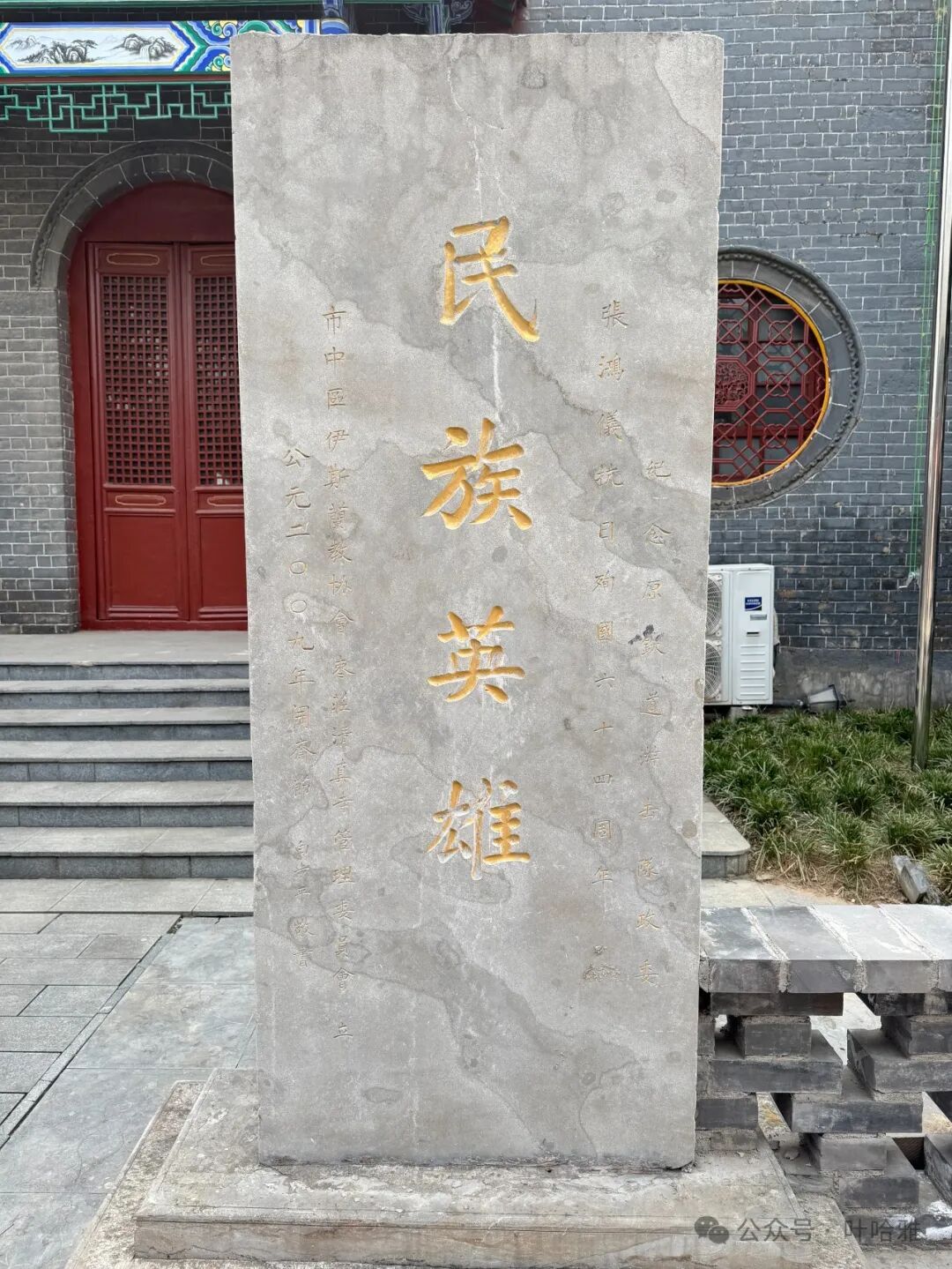
Inside the mosque, there is a monument to an anti-Japanese hero, Zhang Hongyi, who was a Hui Muslim. Zhang Hongyi served as the political commissar of the Southern Shandong Independent Detachment and was known as the political commissar of the Railway Guerrillas. He died in 1945 while fighting against Japanese and puppet troops. The martyr Zhang Hongyi is buried in the Martyrs' Cemetery in Feixian County, Linyi City.
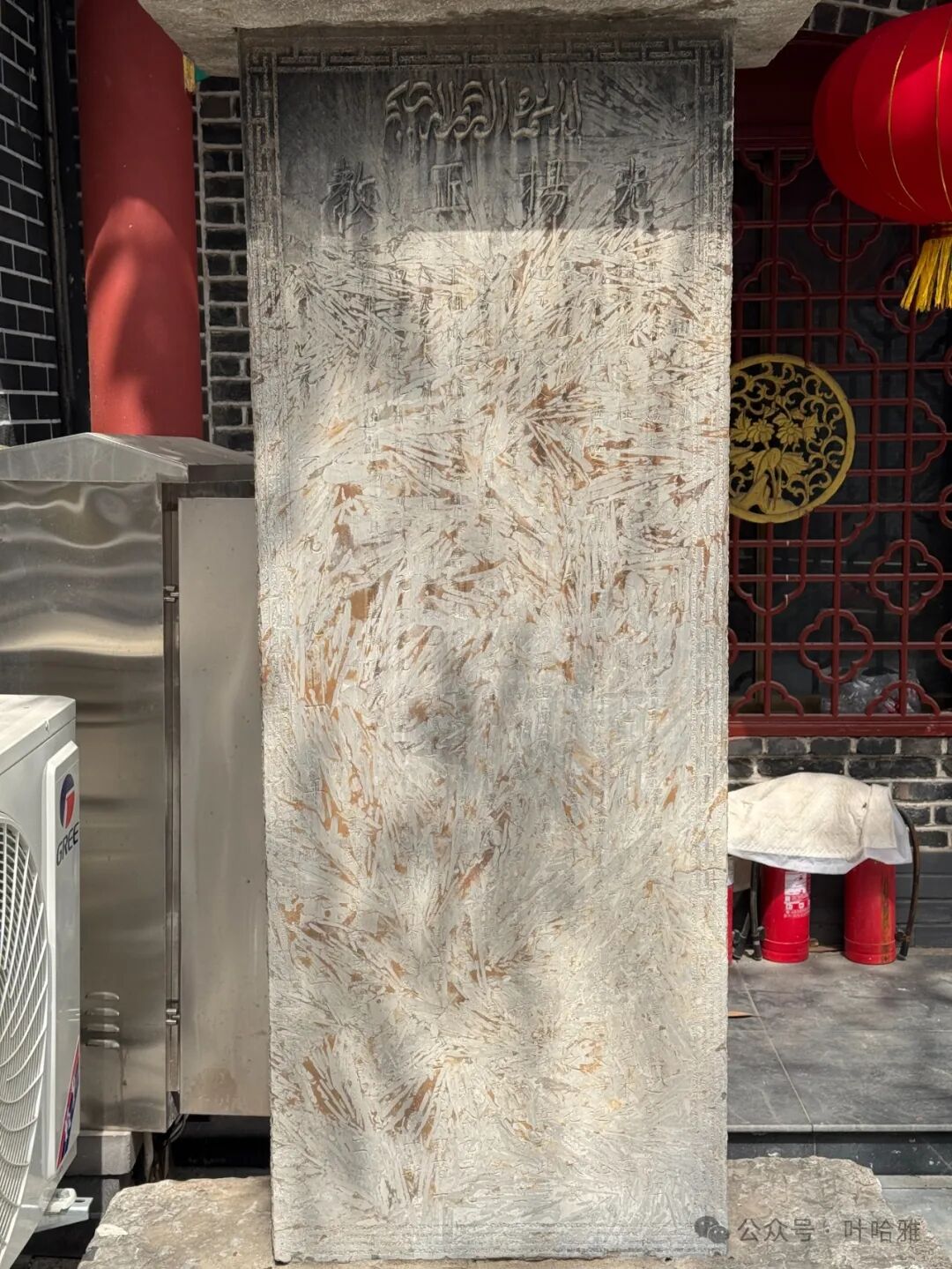
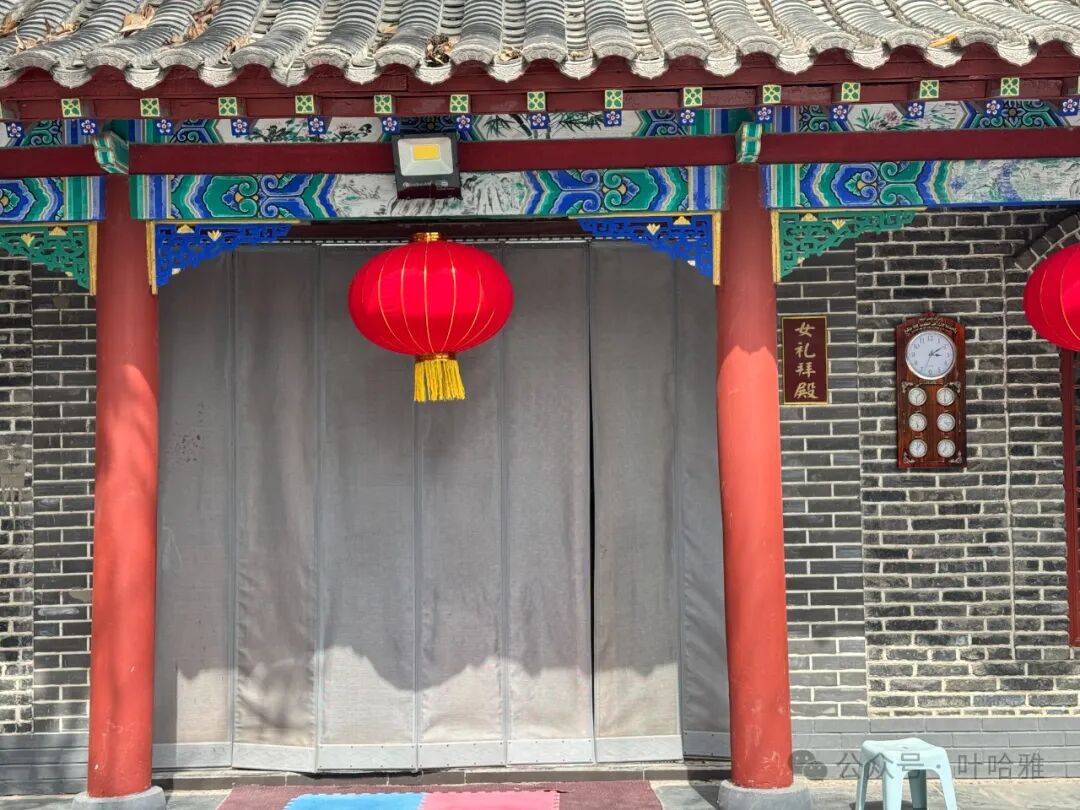
There is also a women's prayer hall here.
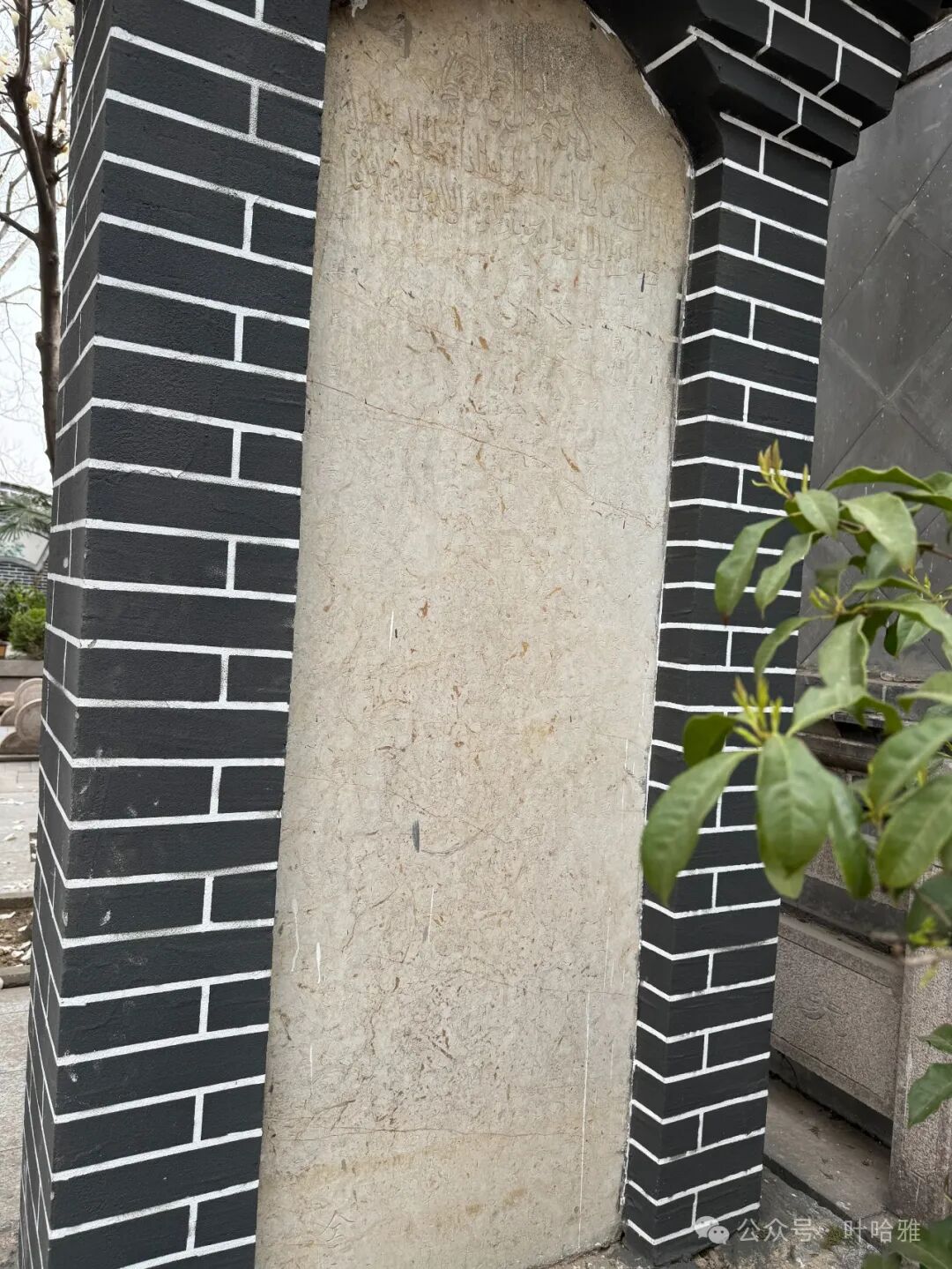
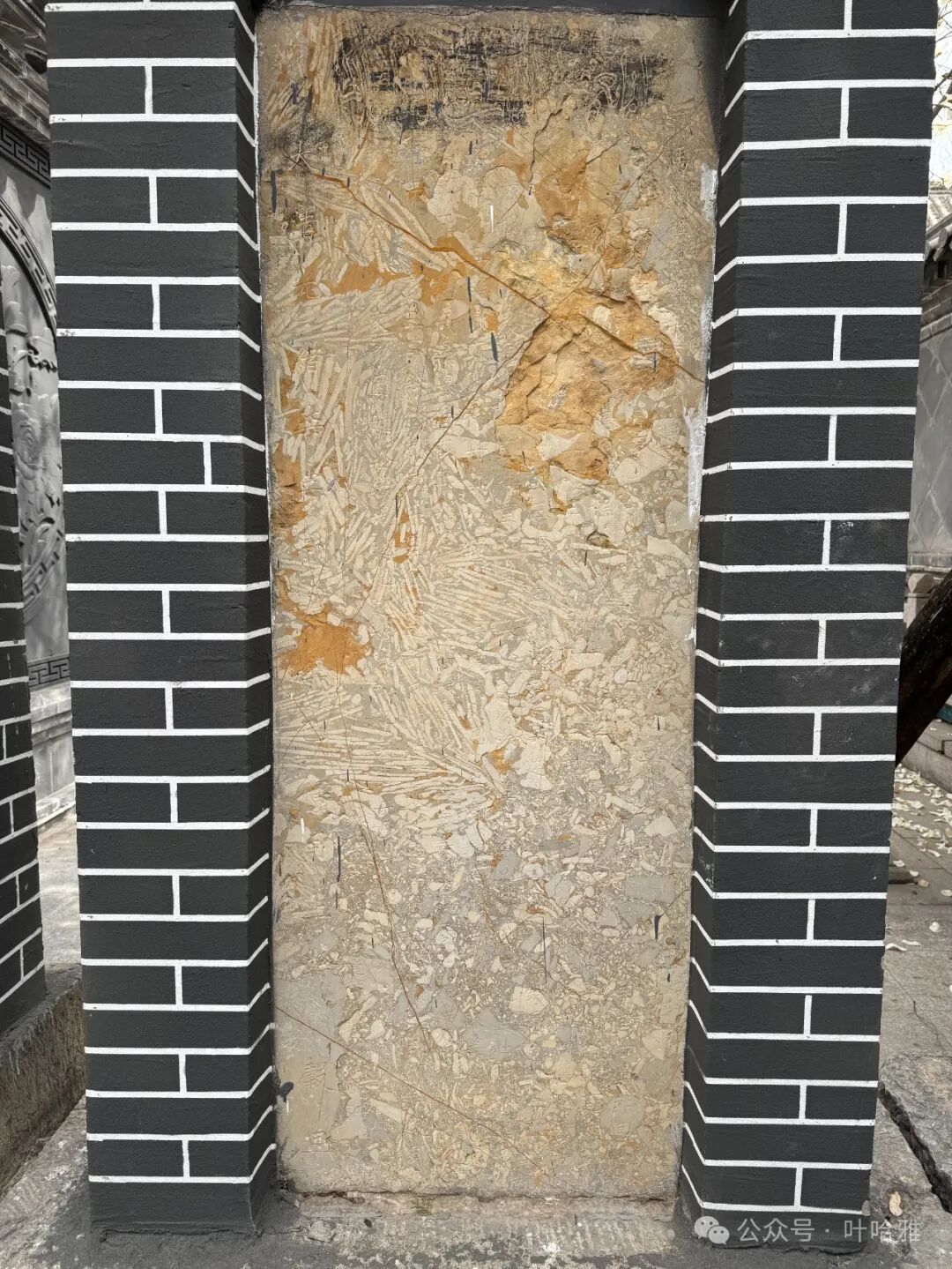
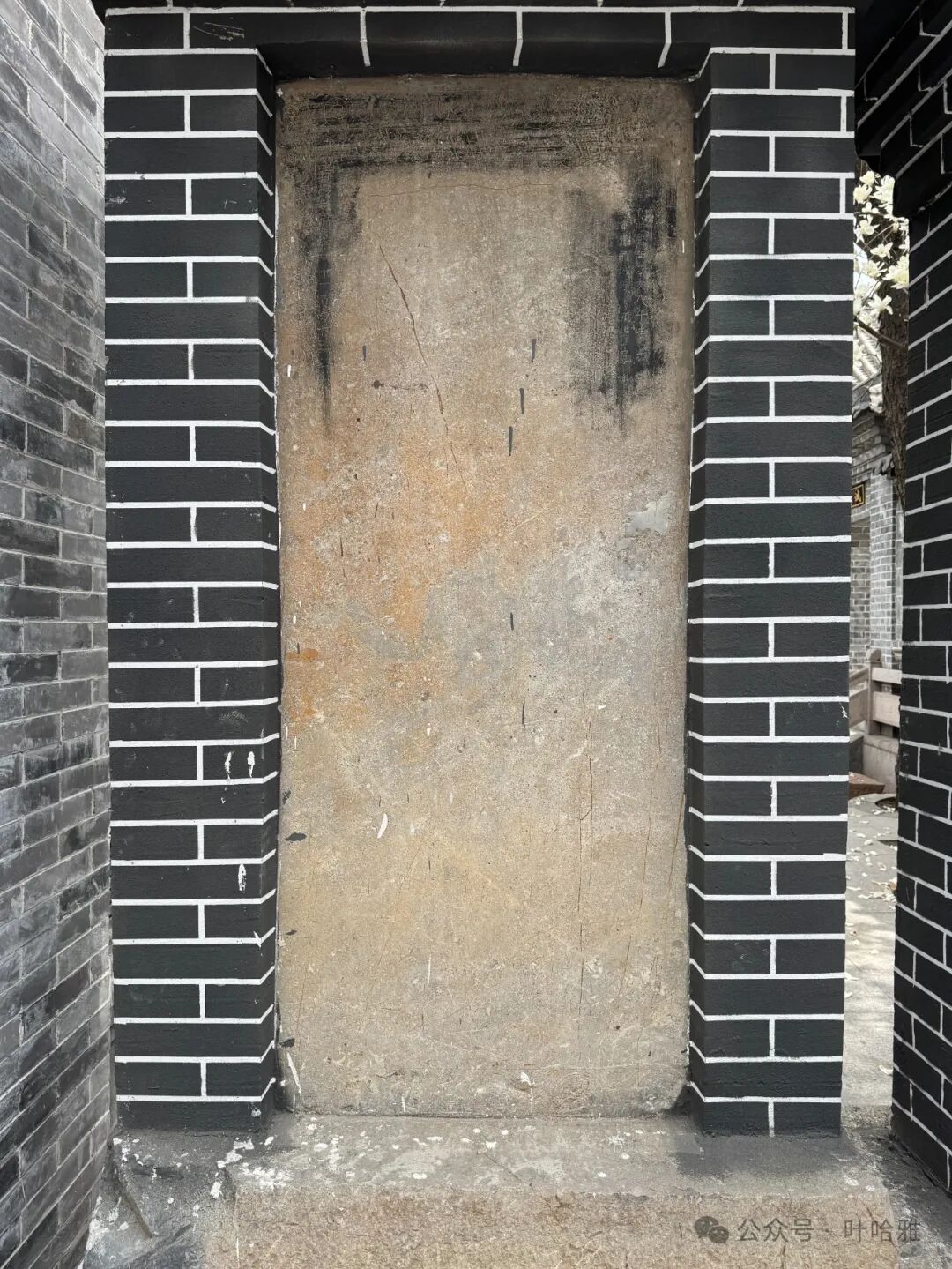
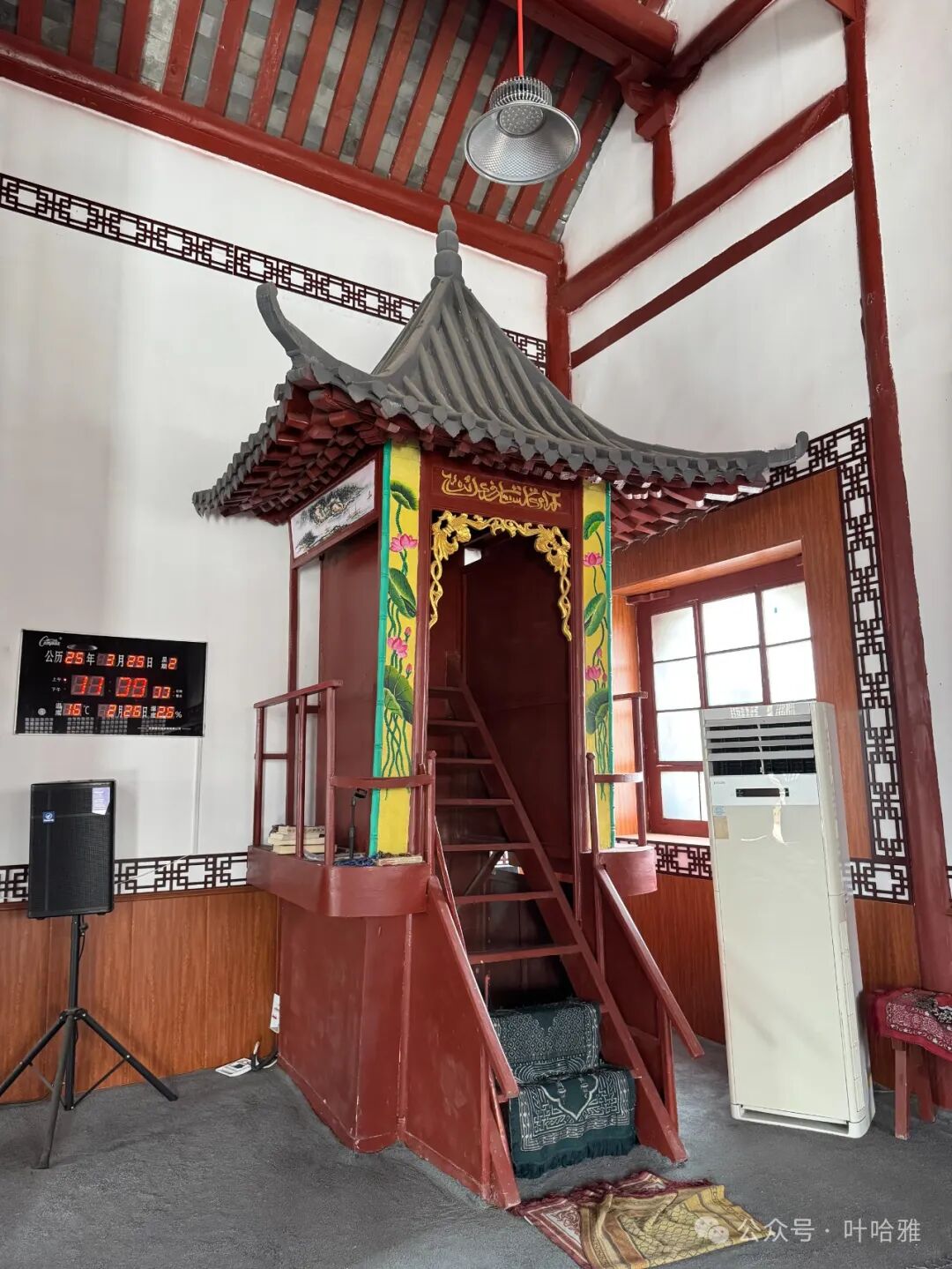
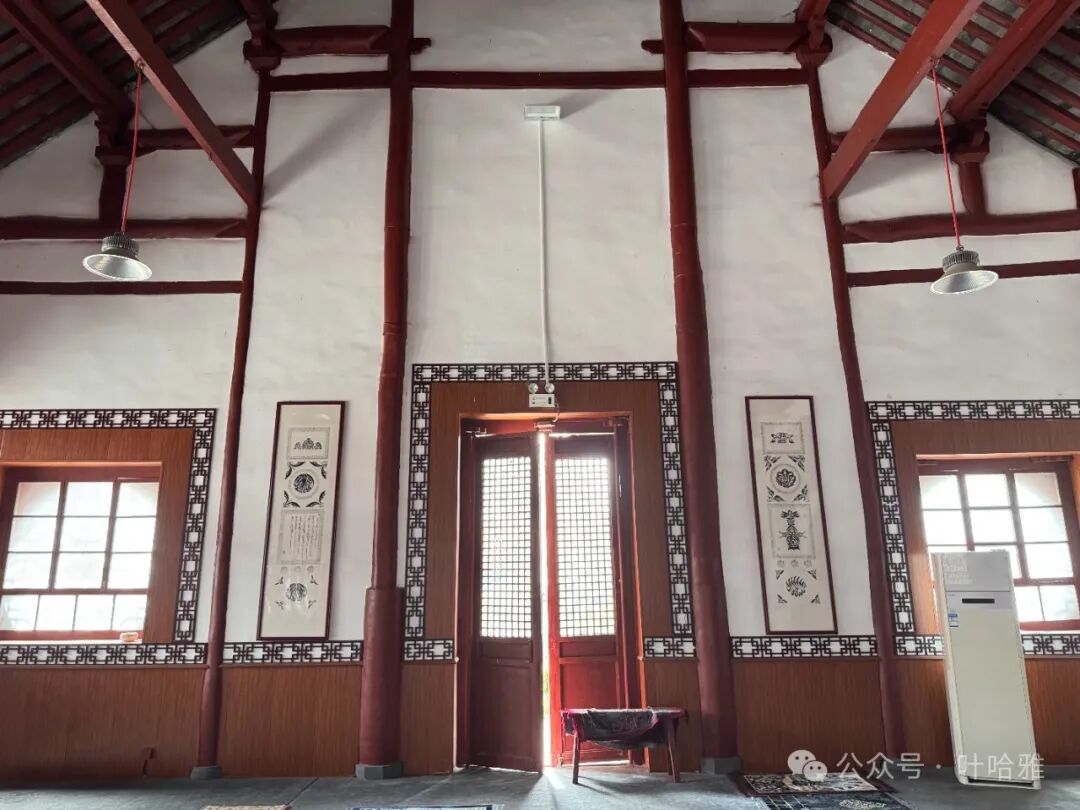
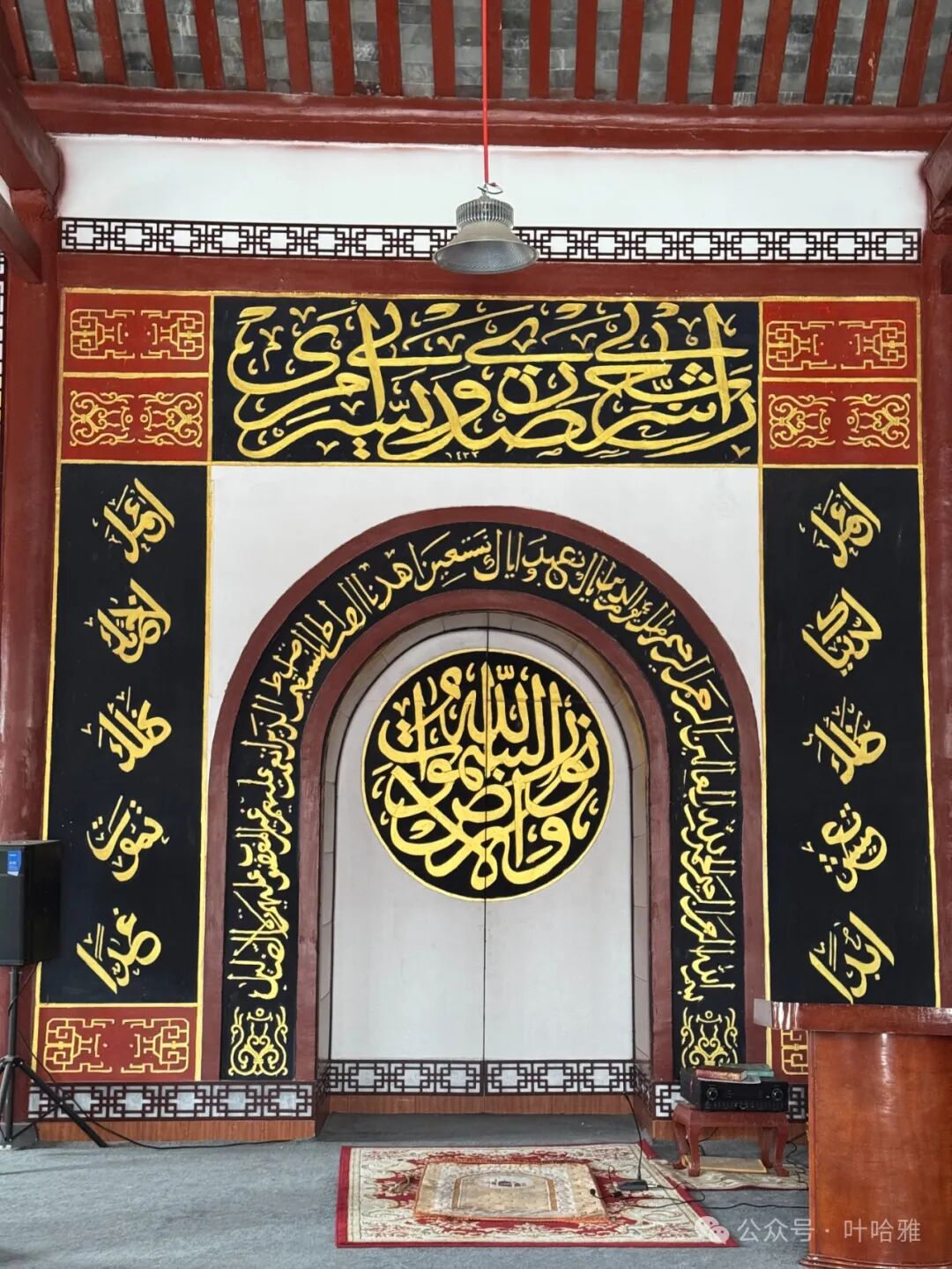
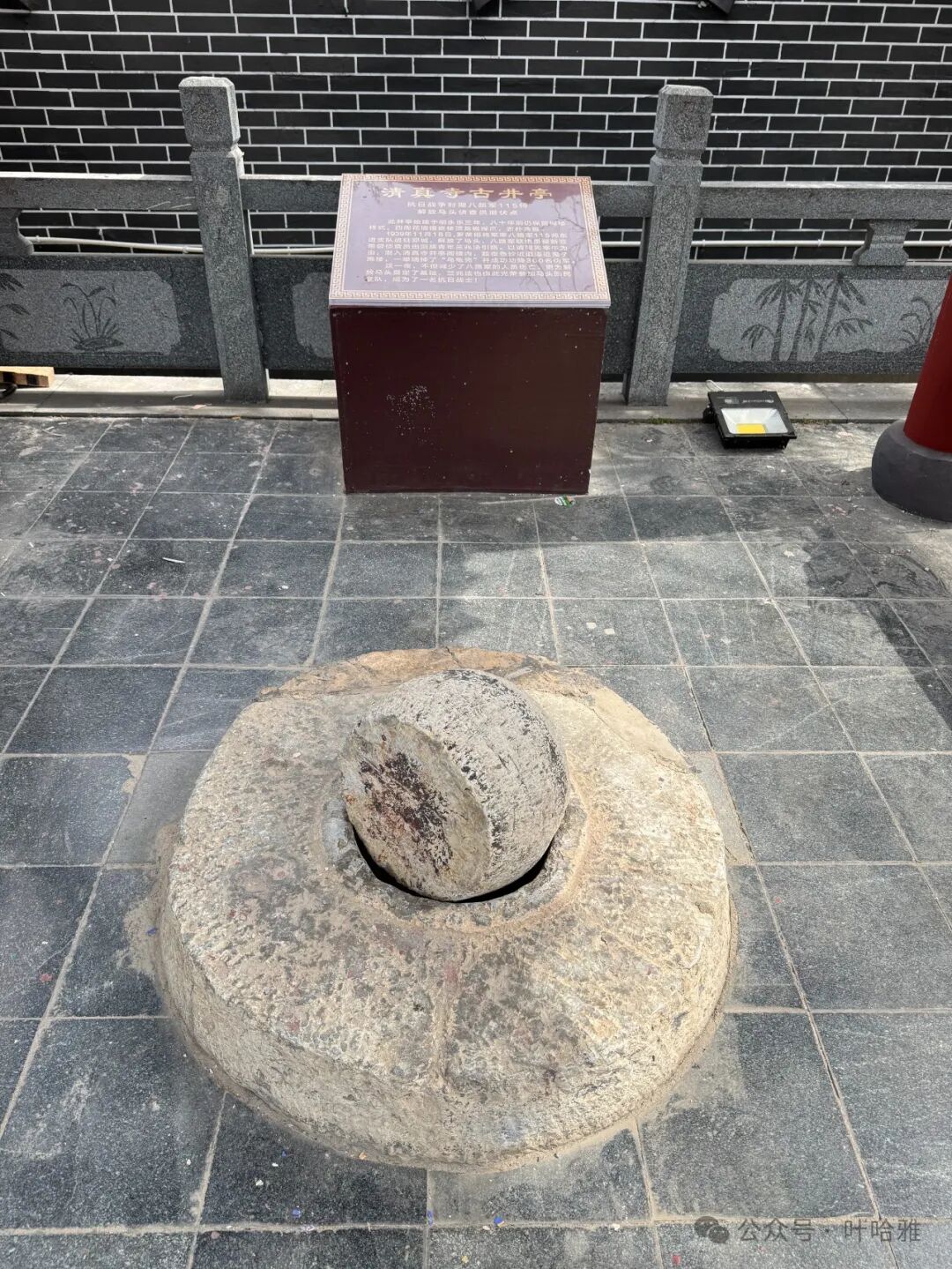
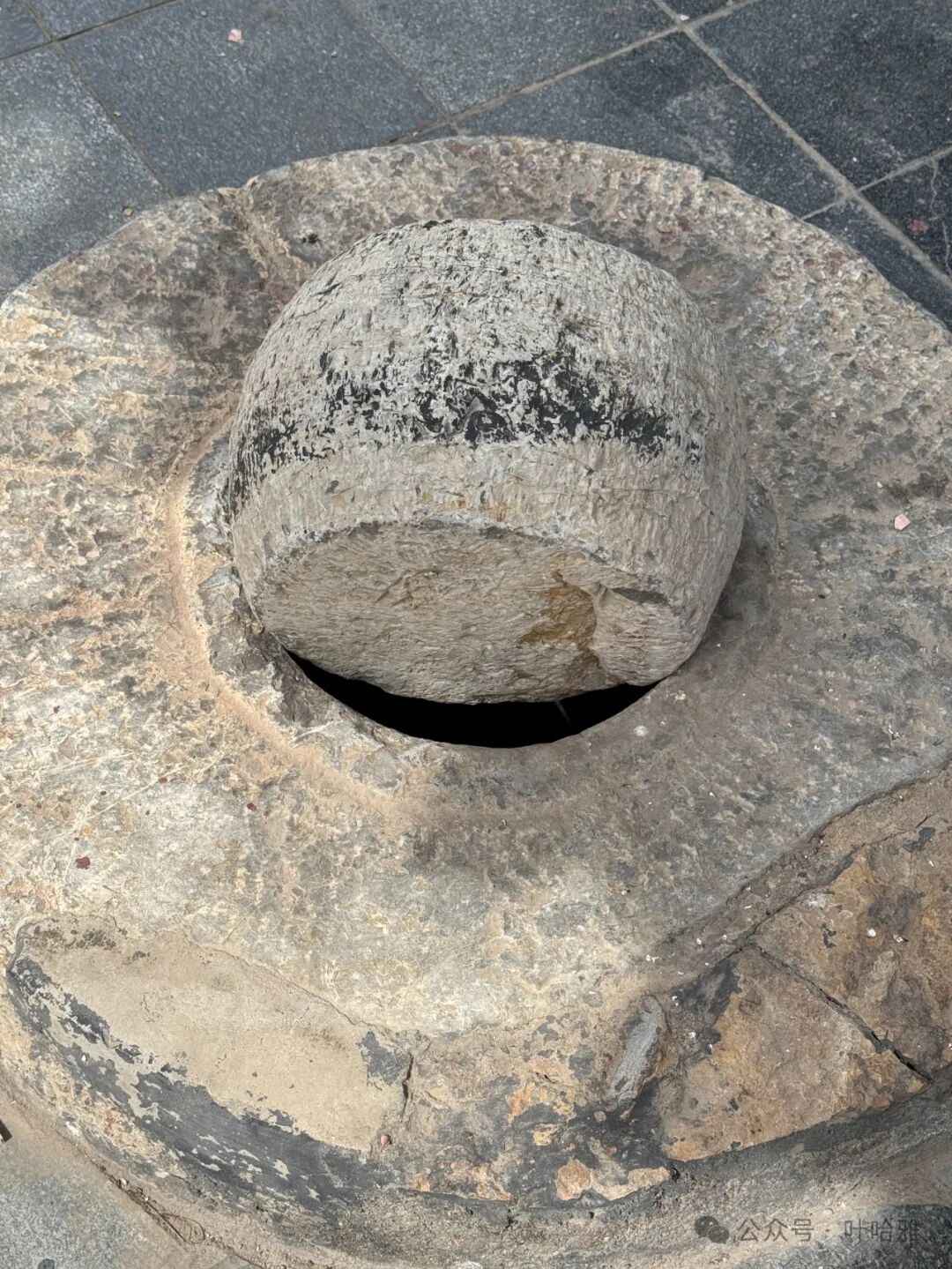
This ancient well was built in the third year of the Yongle period of the Ming Dynasty. In 1939, General Luo Ronghuan led the 115th Division of the Eighth Route Army into Tancheng. Eighth Route Army liaison officer Zhai Xinya, guided by a Hui youth named Lan Zhaofa, used the excuse of inviting an imam to slaughter a cow to enter the mosque's well pavilion. Under the cover of night, they took a shortcut to approach the enemy's blockhouse, destroyed the 'turtle shell' fortification, and successfully persuaded 360 puppet soldiers to surrender. Because of this, Lan Zhaofa honorably joined the Matou Hui Detachment.
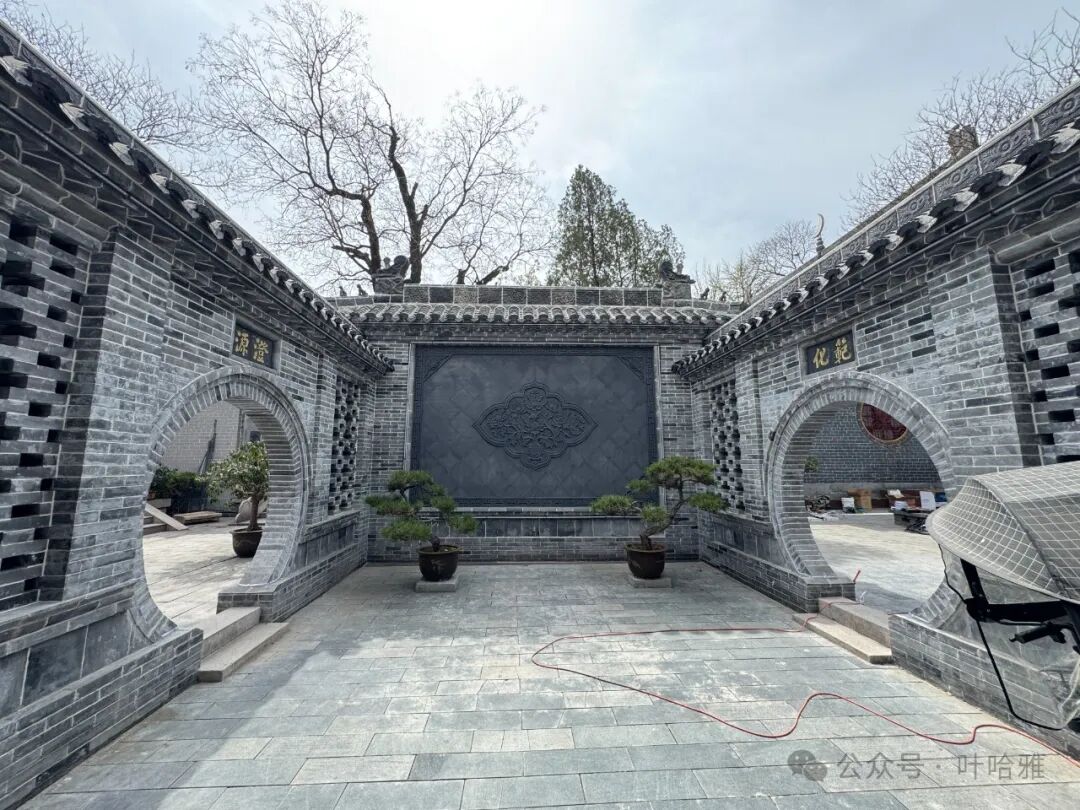
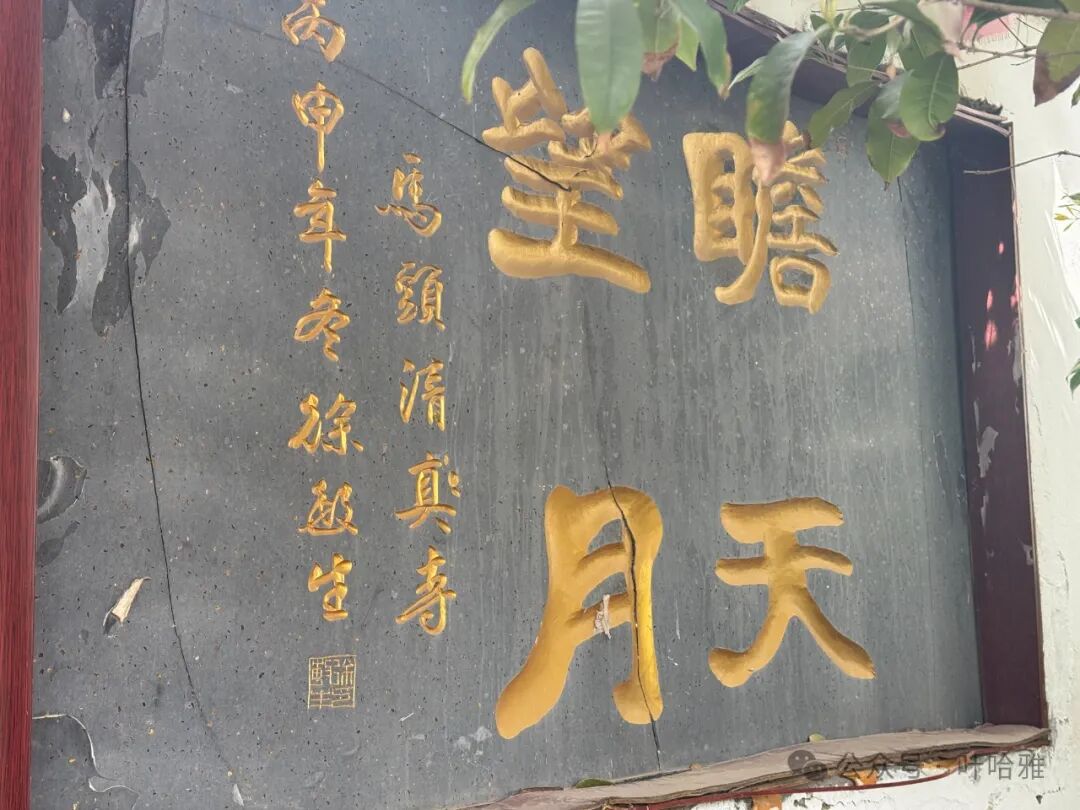
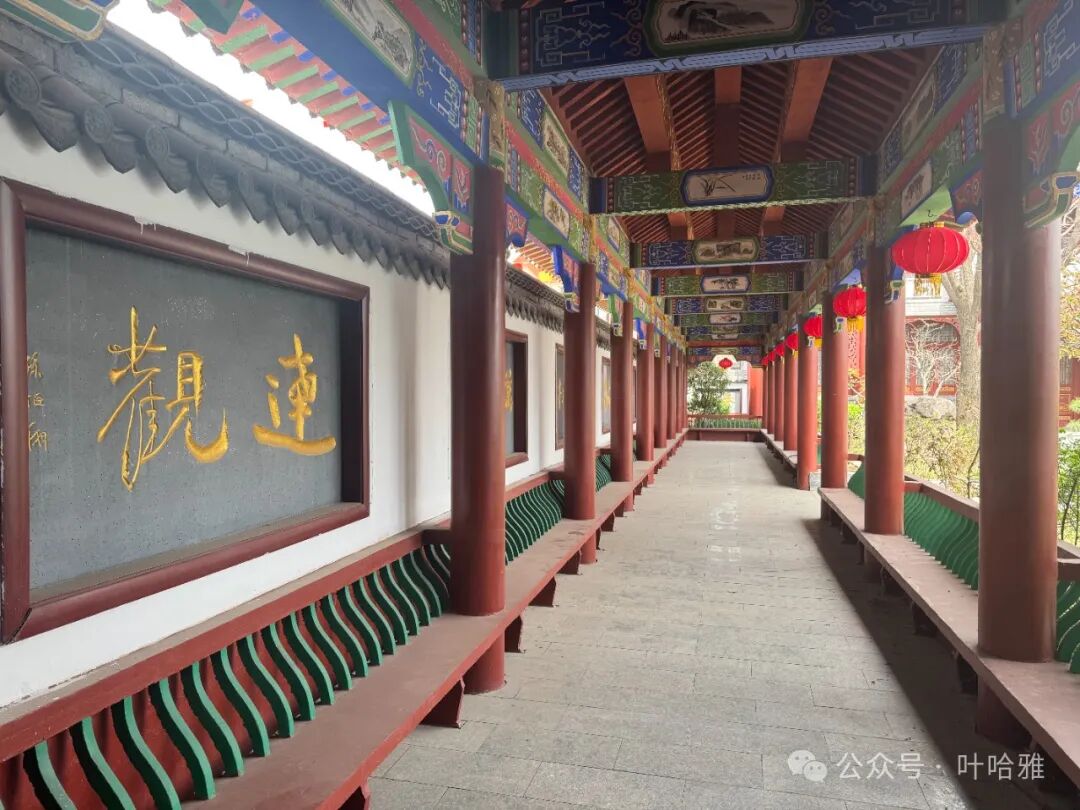
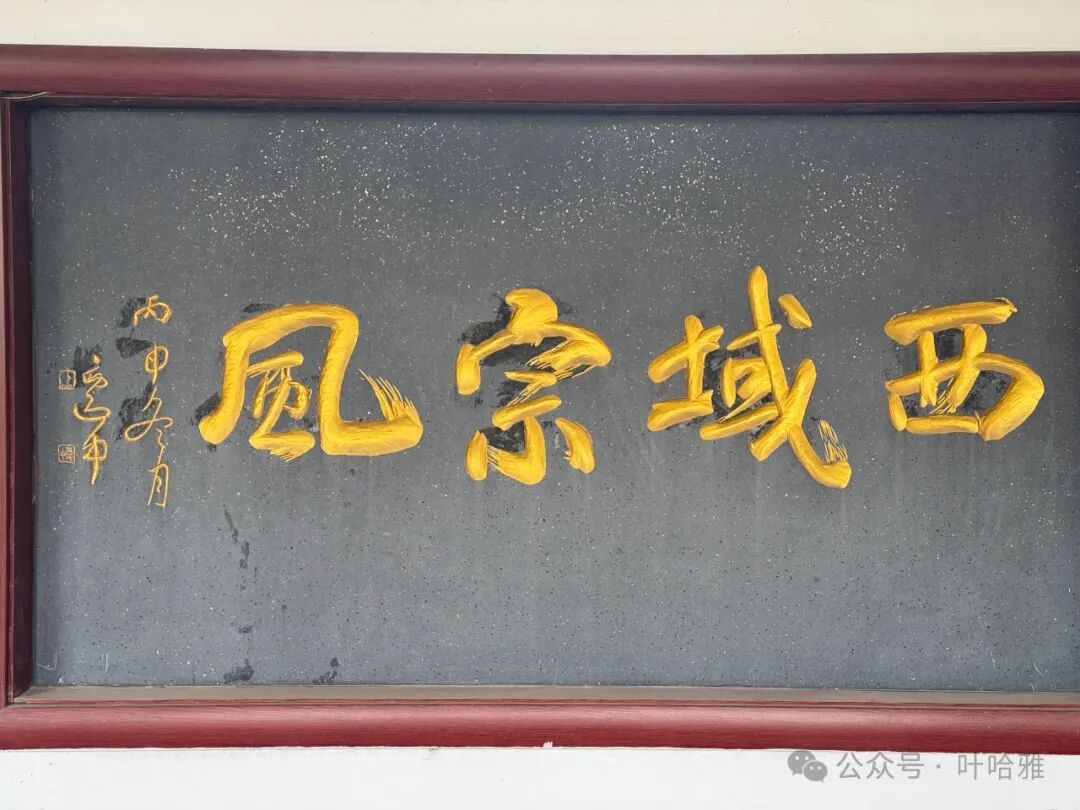
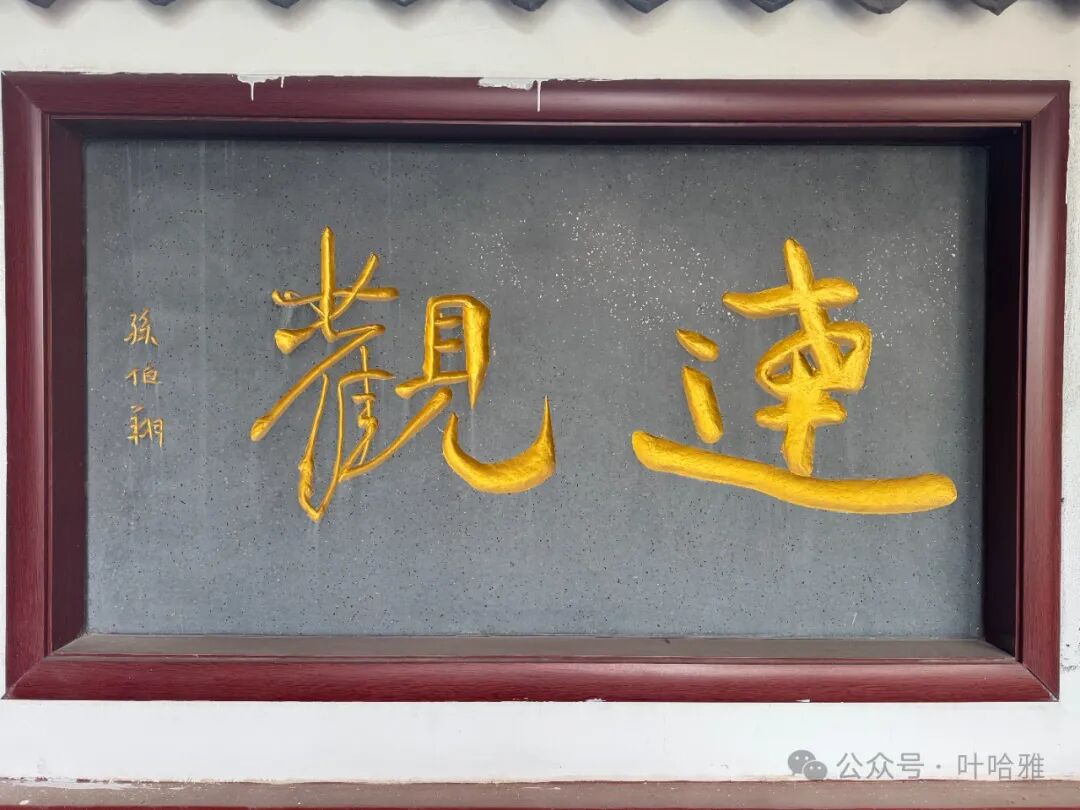
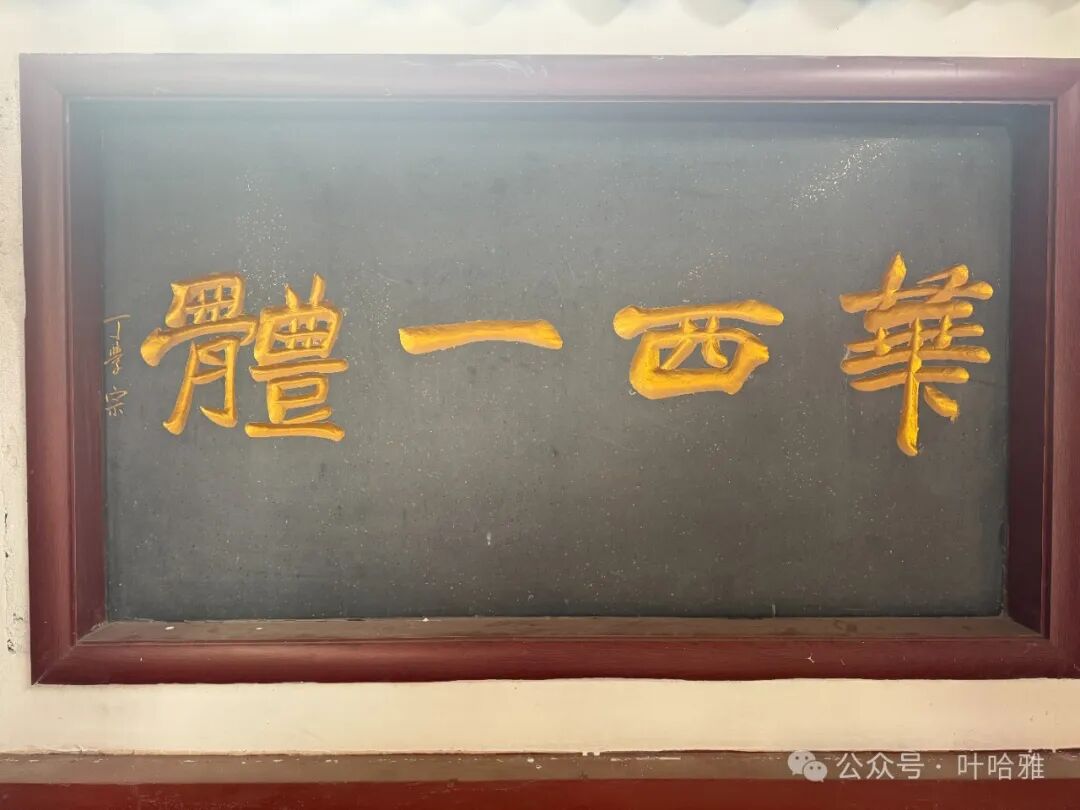
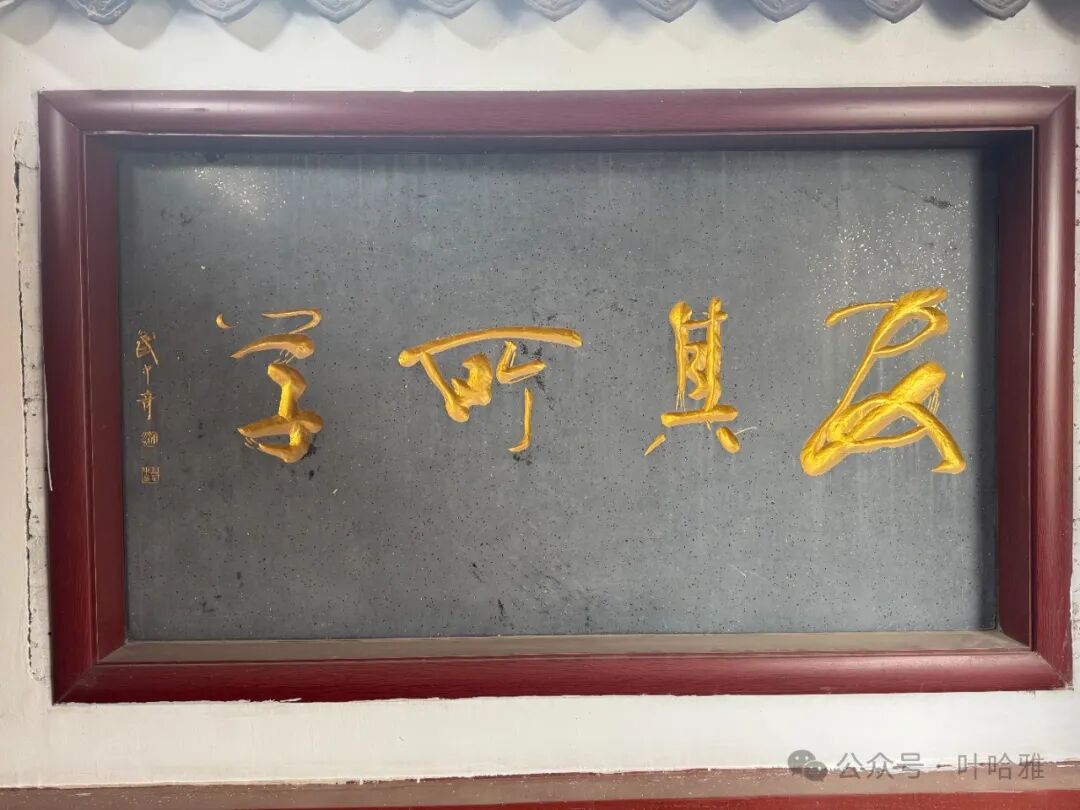
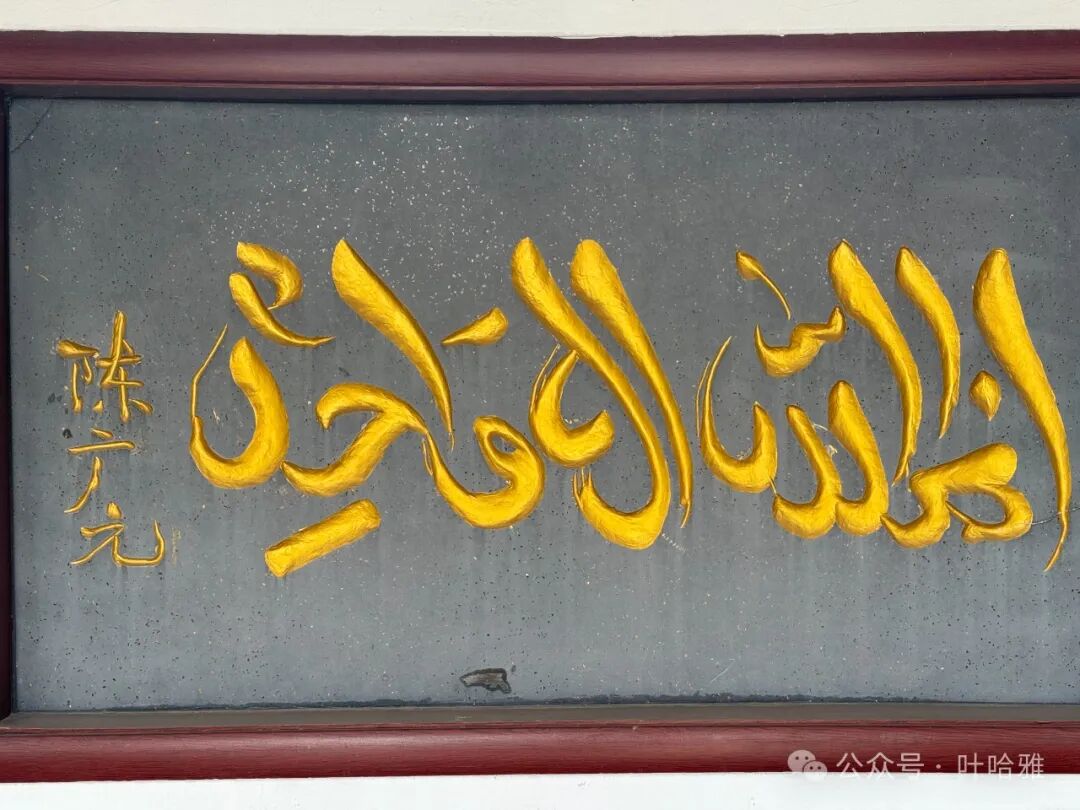
There are several pieces of calligraphy on the walls of the corridor.
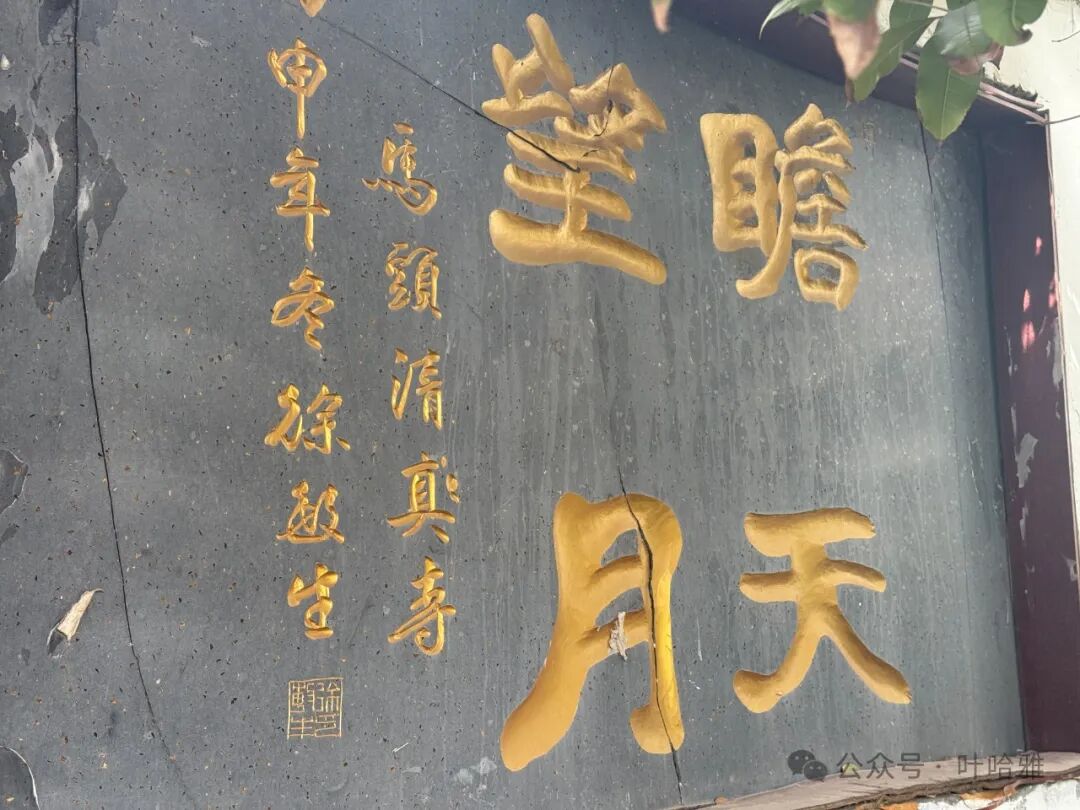
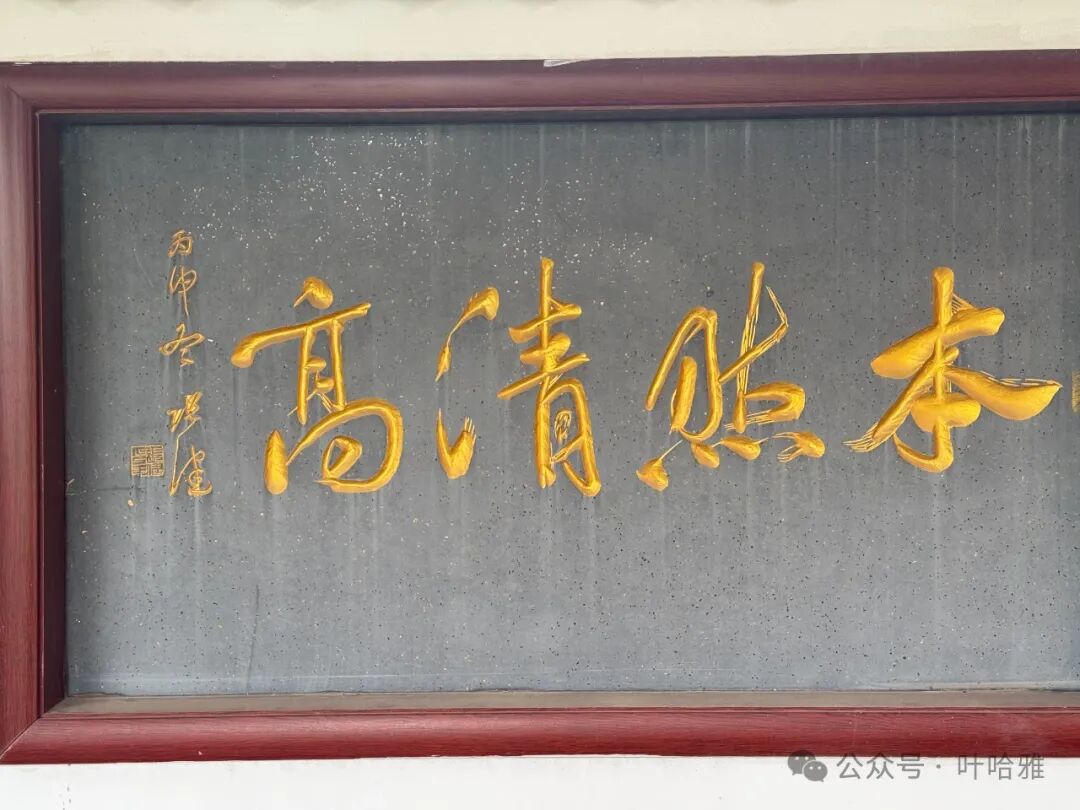
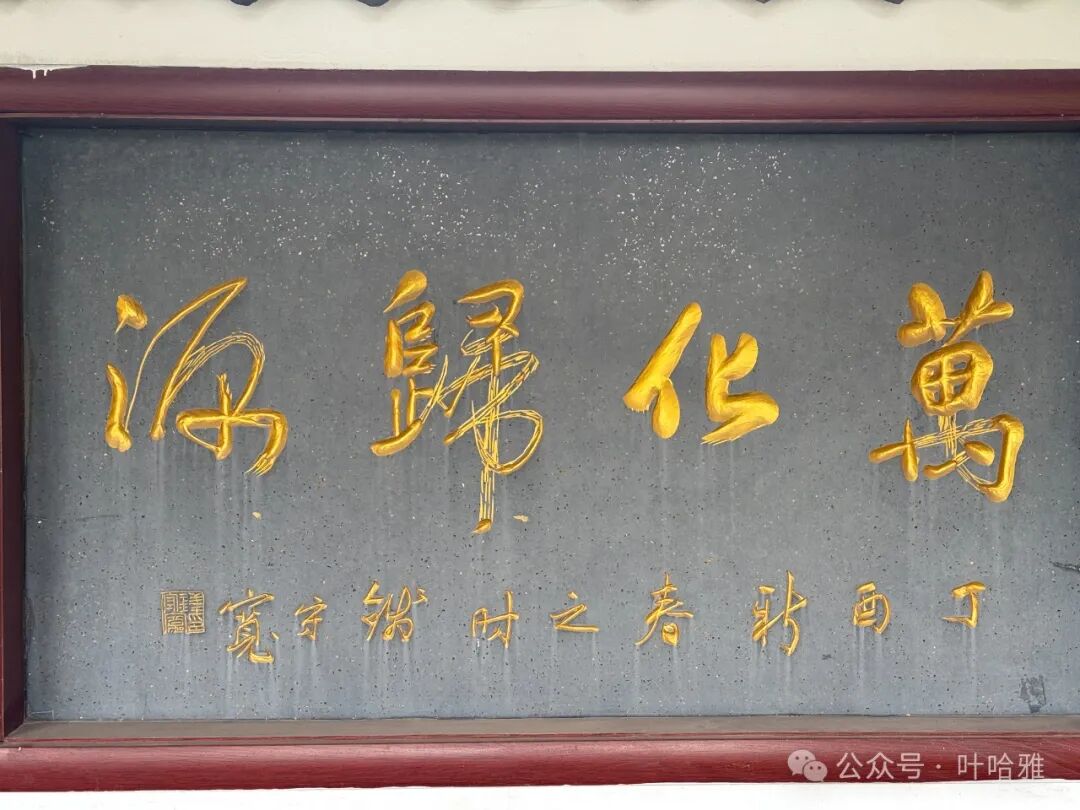
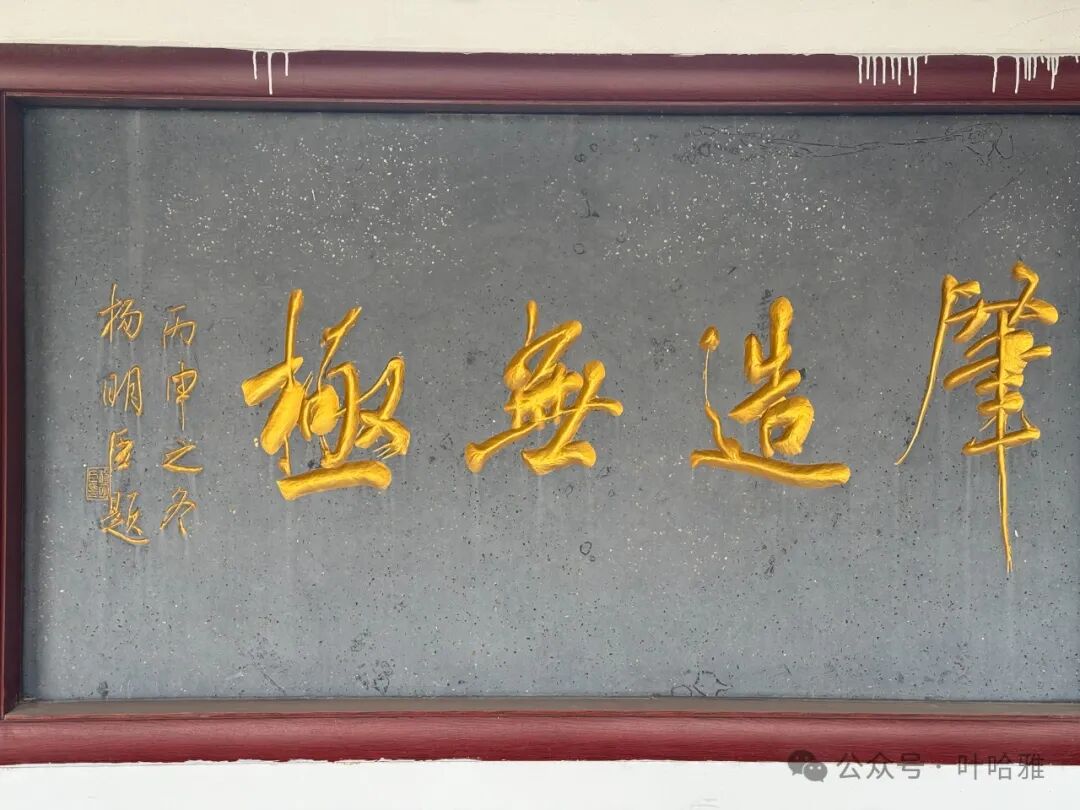
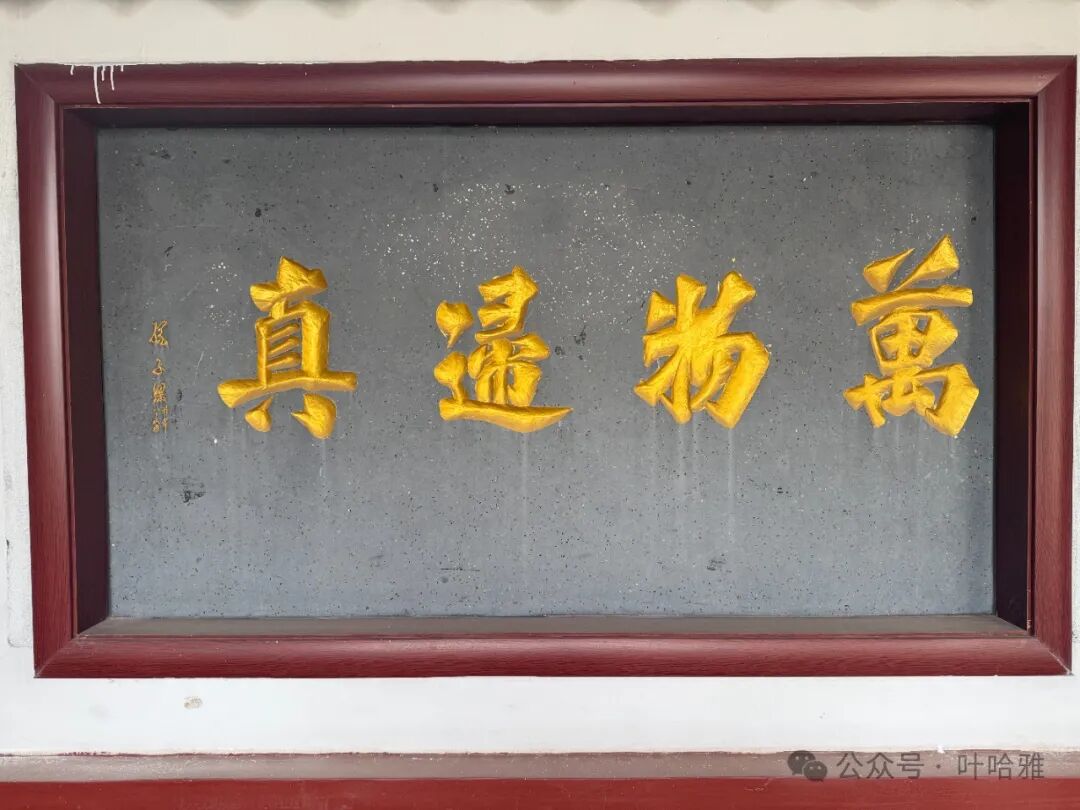
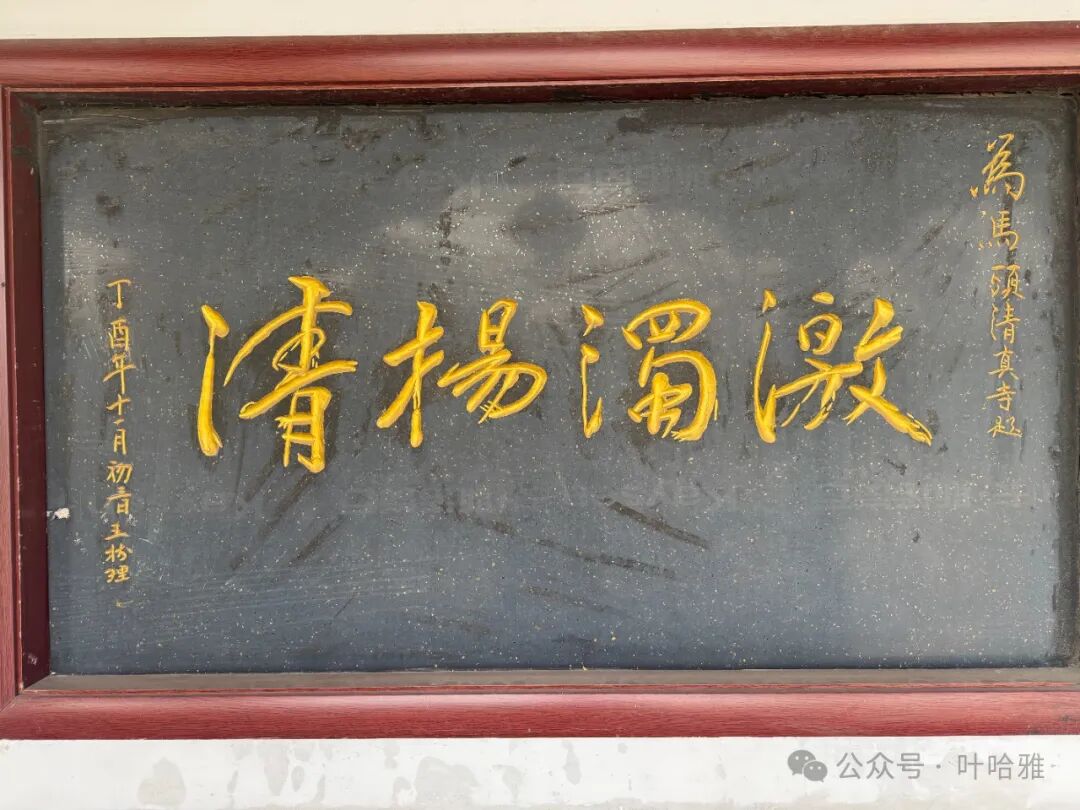
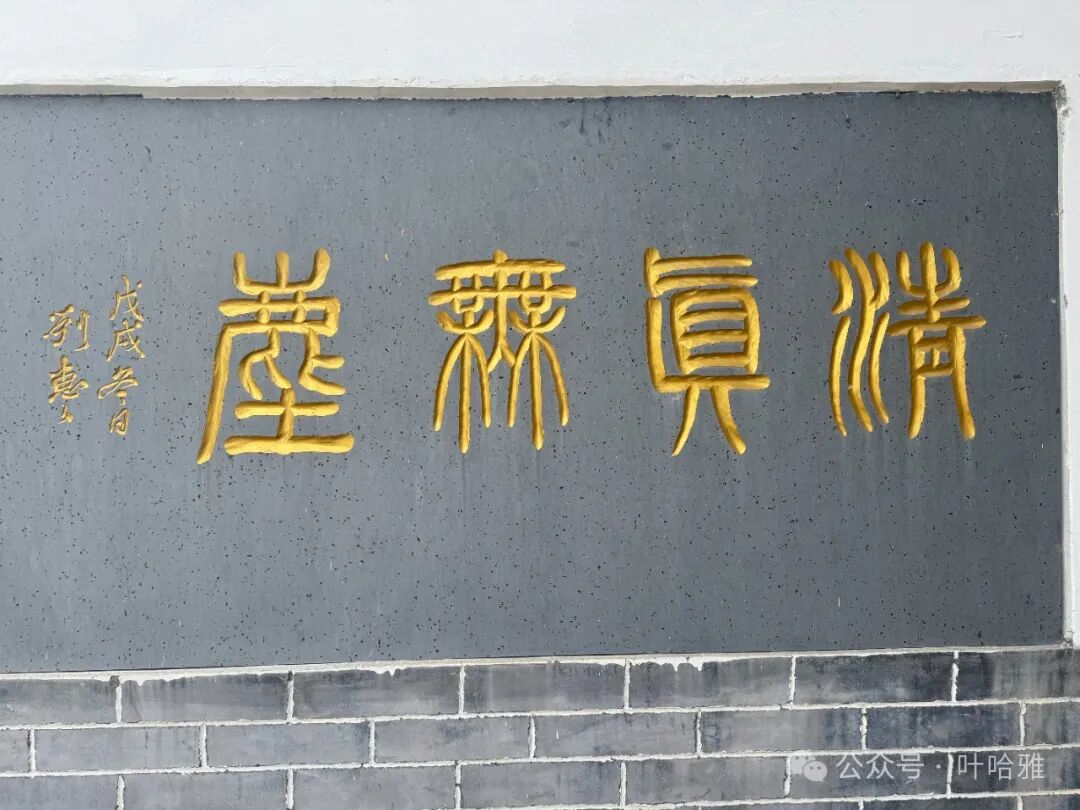
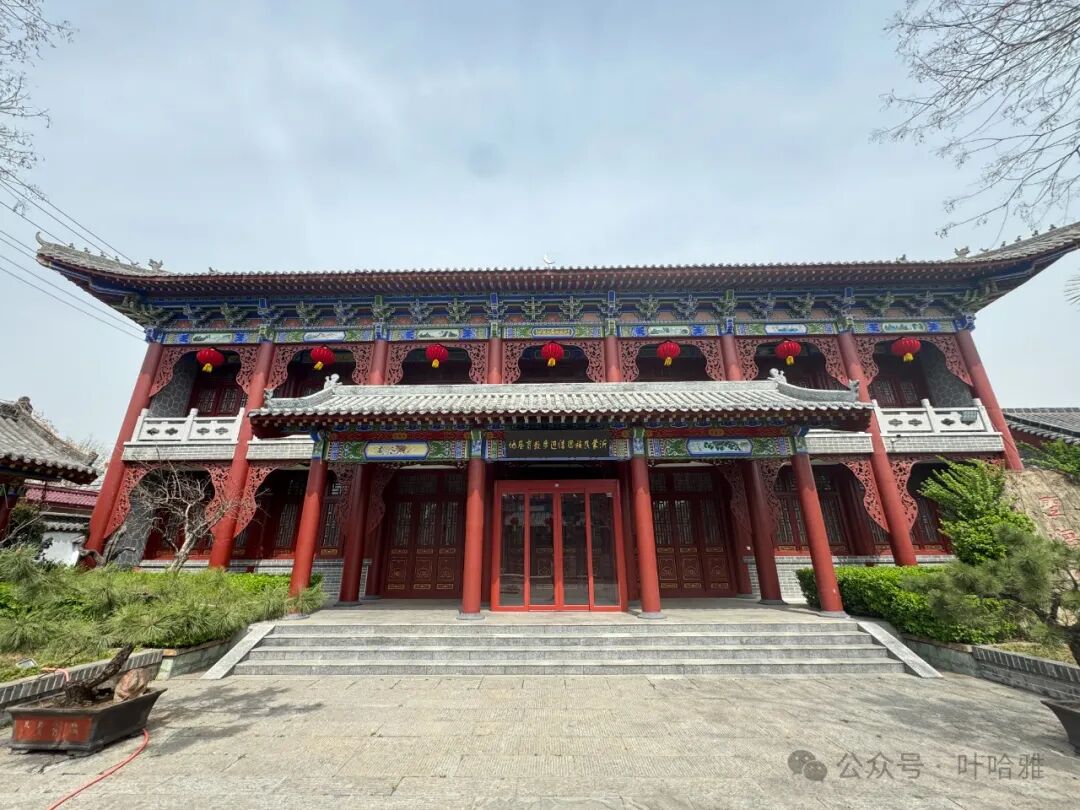
There is a Hui Muslim culture exhibition hall in the courtyard, but it does not have any exhibits inside yet.
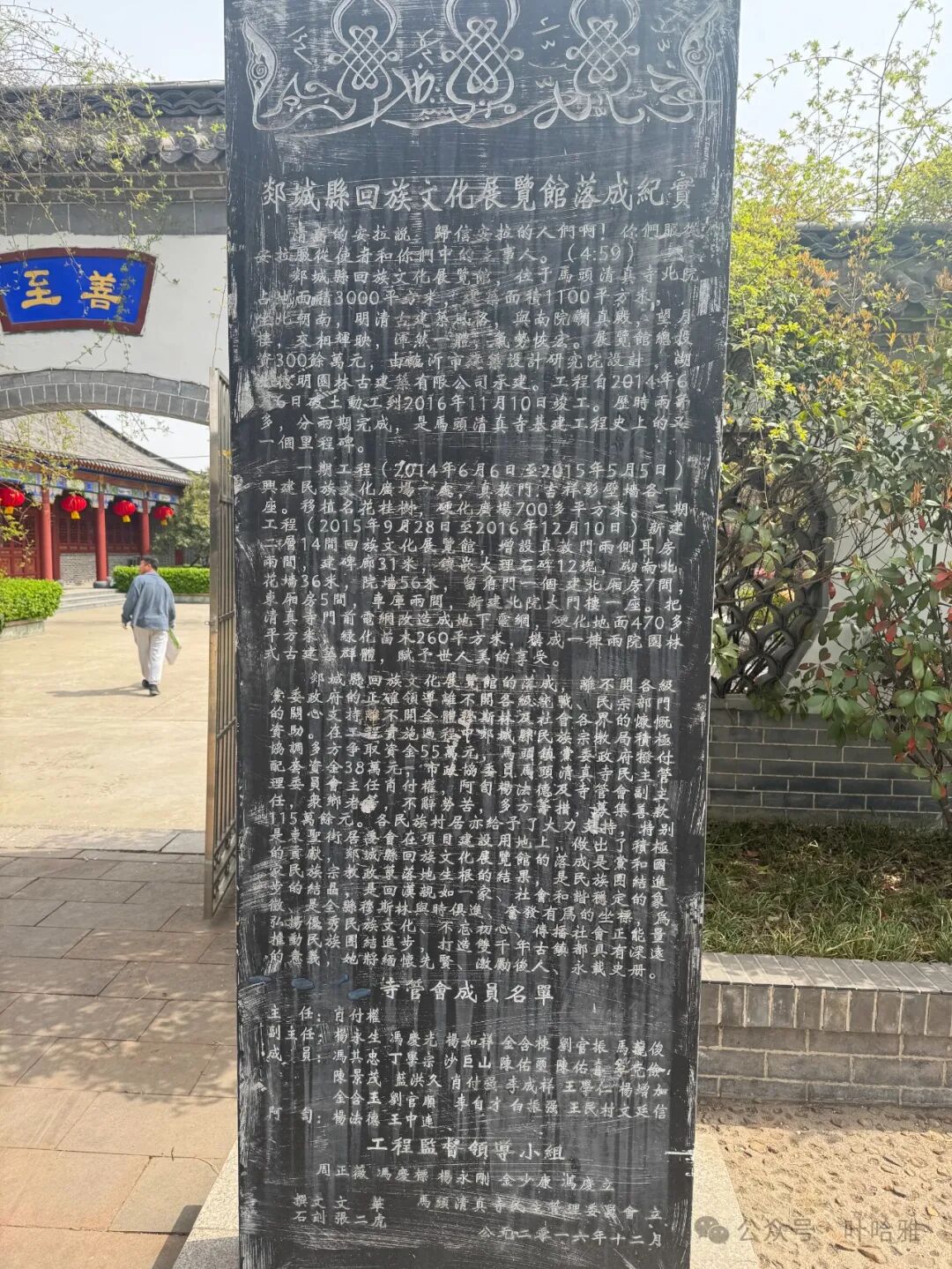
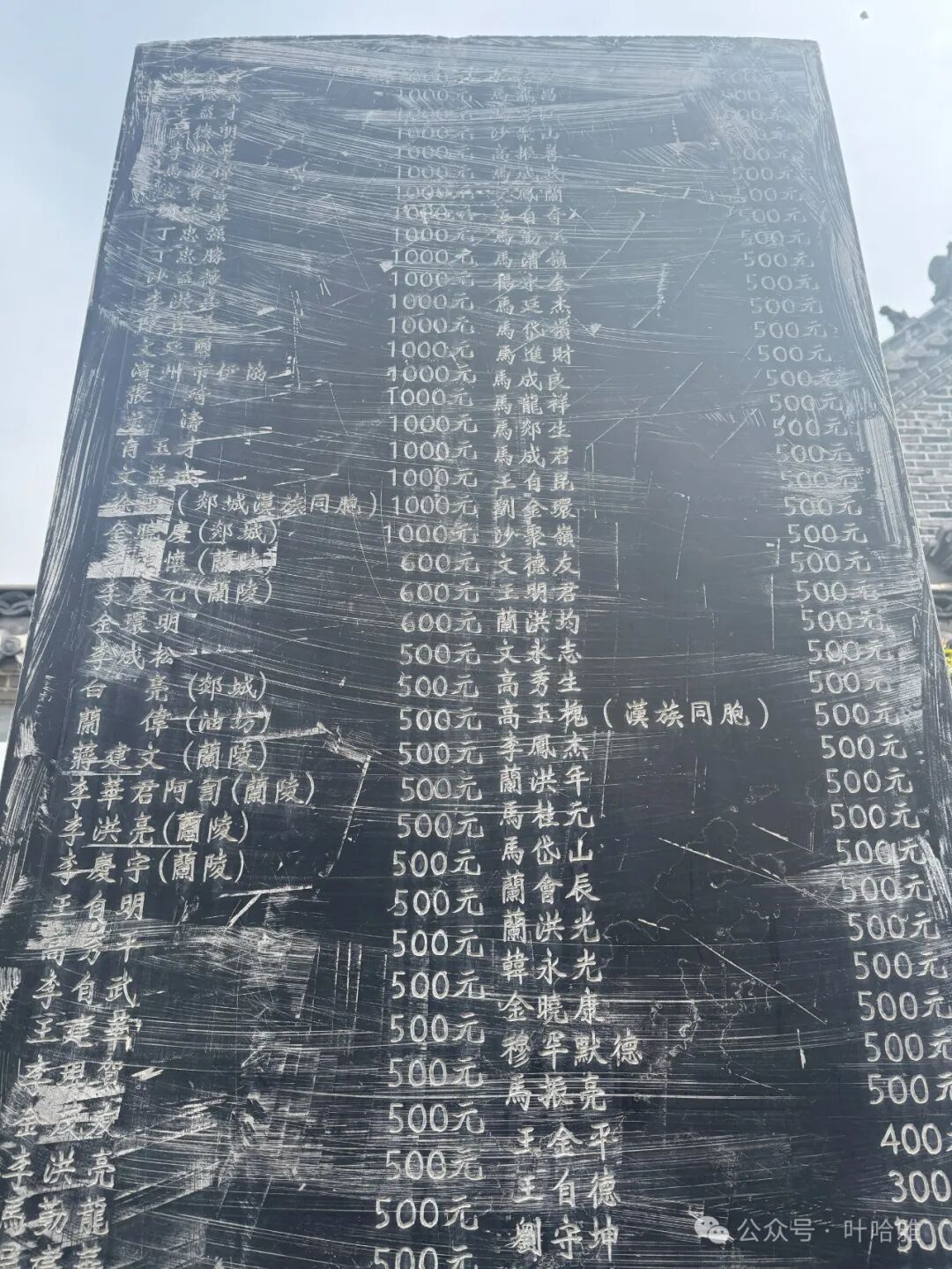
The list of donations (niyati) specifically marks our Han Chinese brothers and sisters.
Nanbeidao Mosque
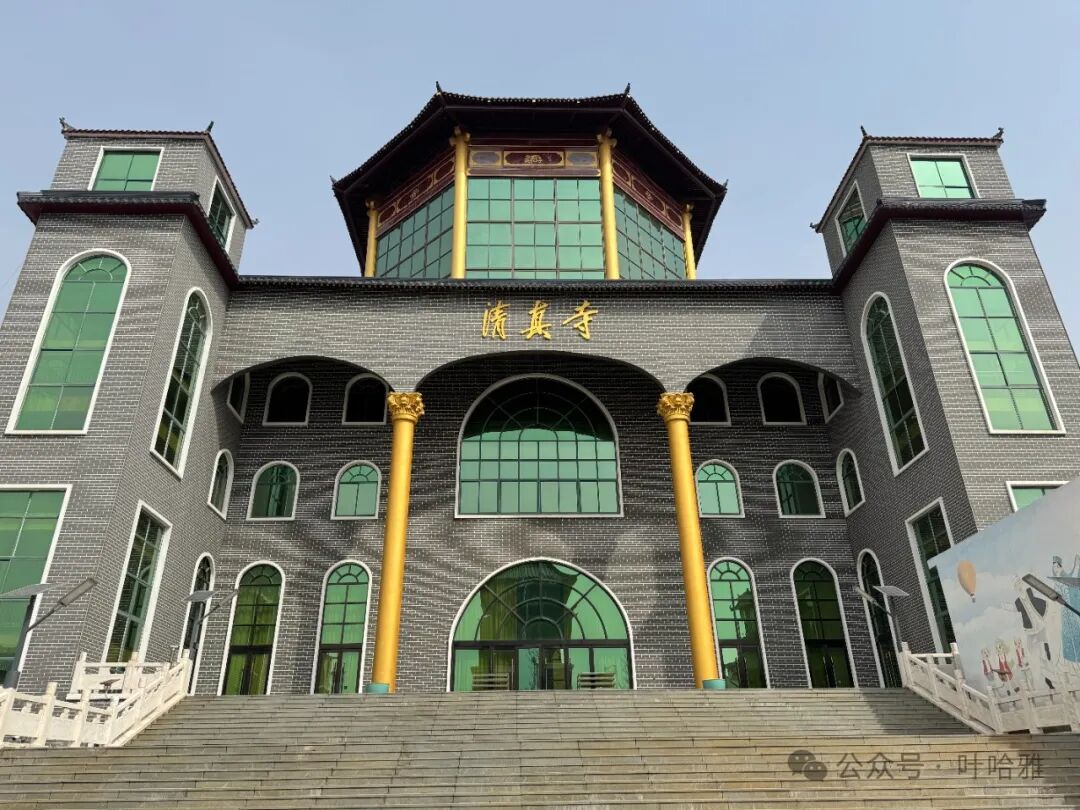
Nanbeidao Mosque in downtown Linyi was first built during the Hongwu period of the Ming Dynasty. After being rebuilt many times, it is now a modern building. It has a floor area of 1,235 square meters and a total site area of 8,995 square meters. The area around the mosque is filled with halal beef and mutton shops.
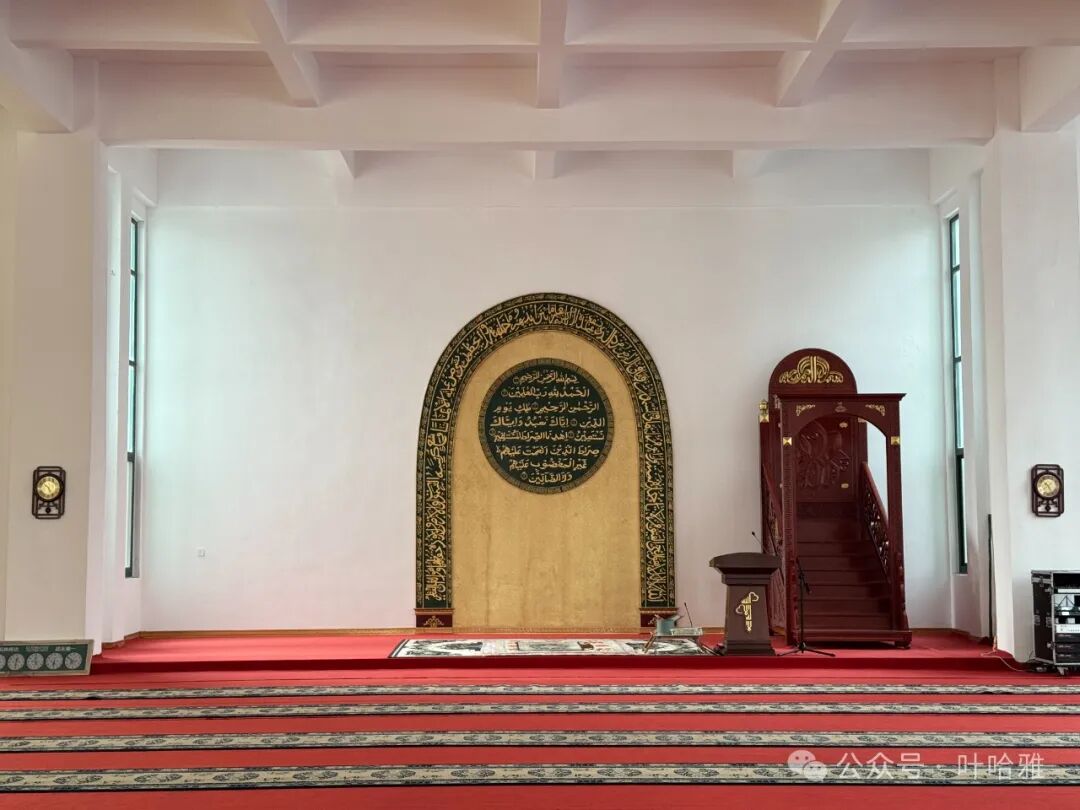
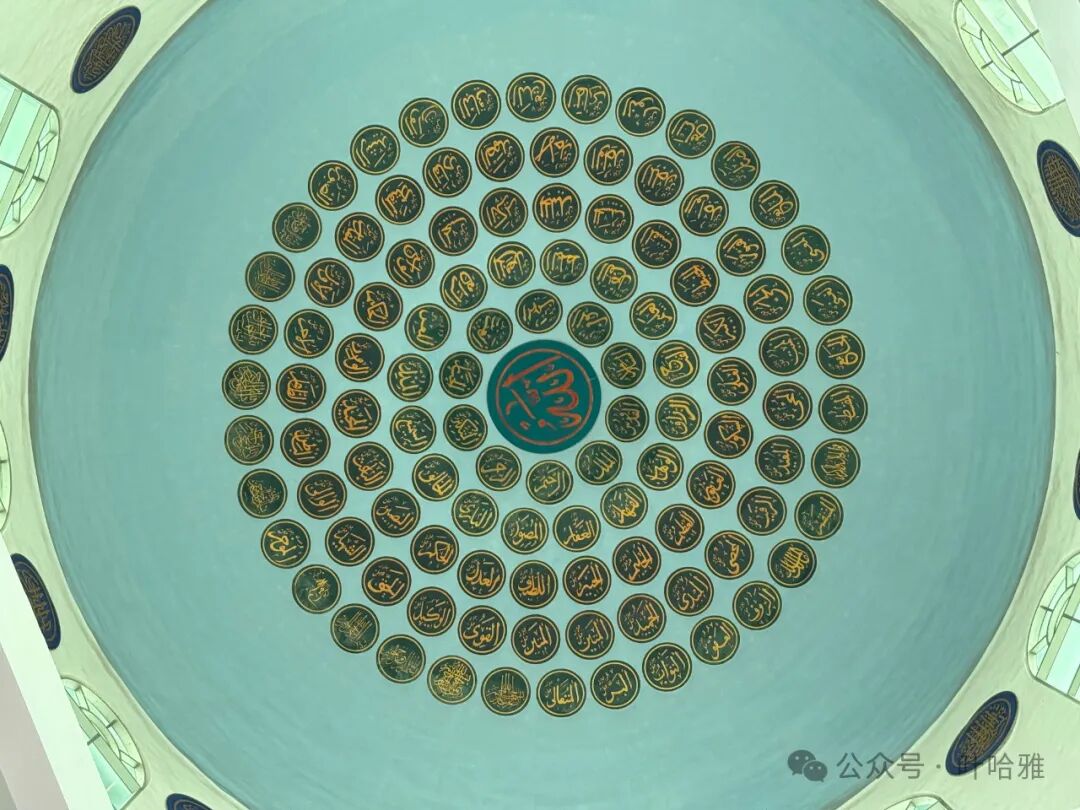
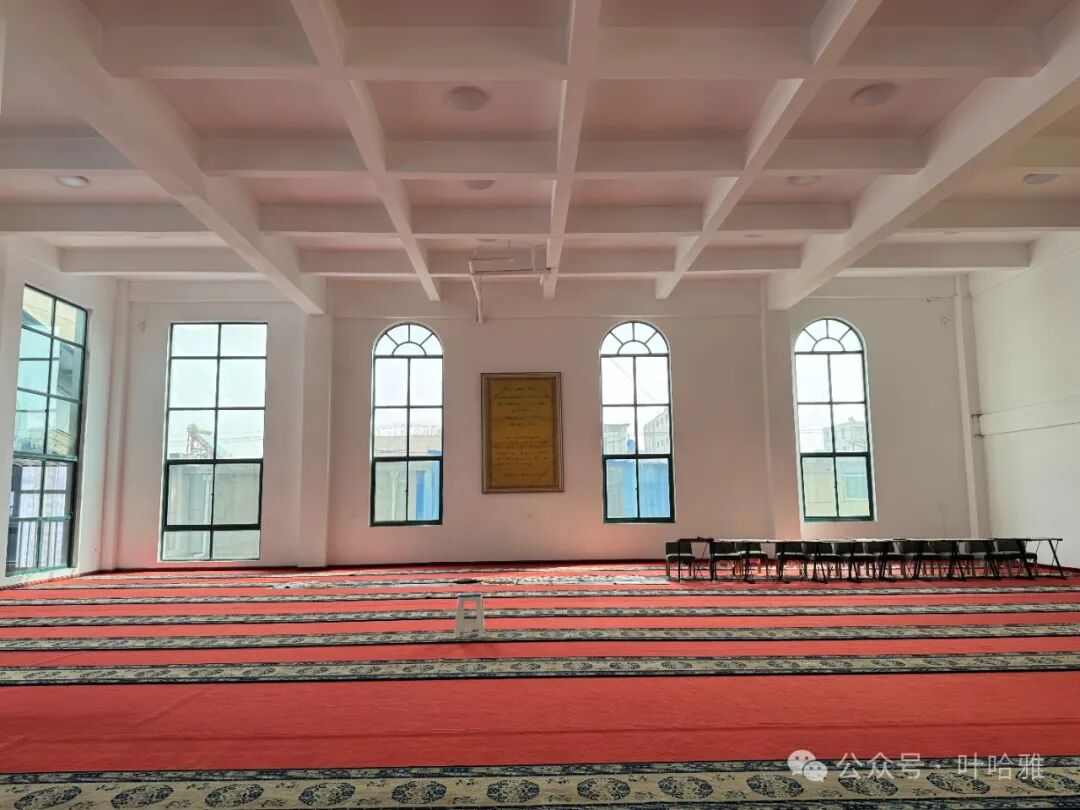
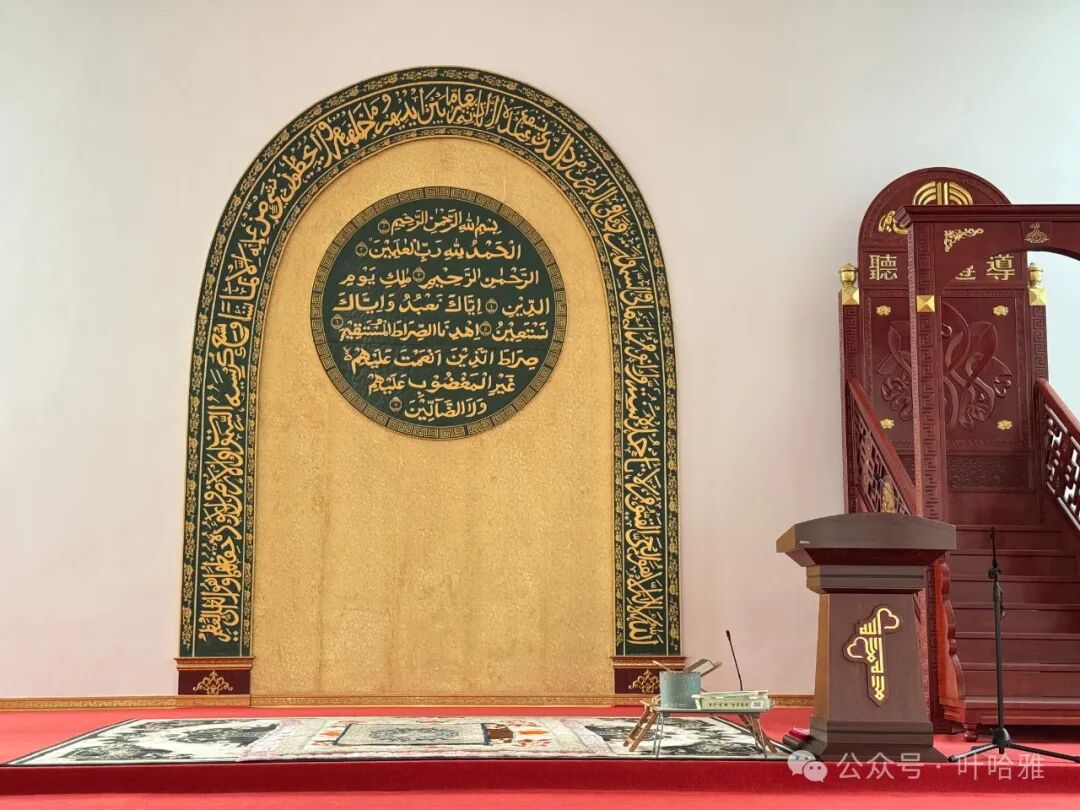
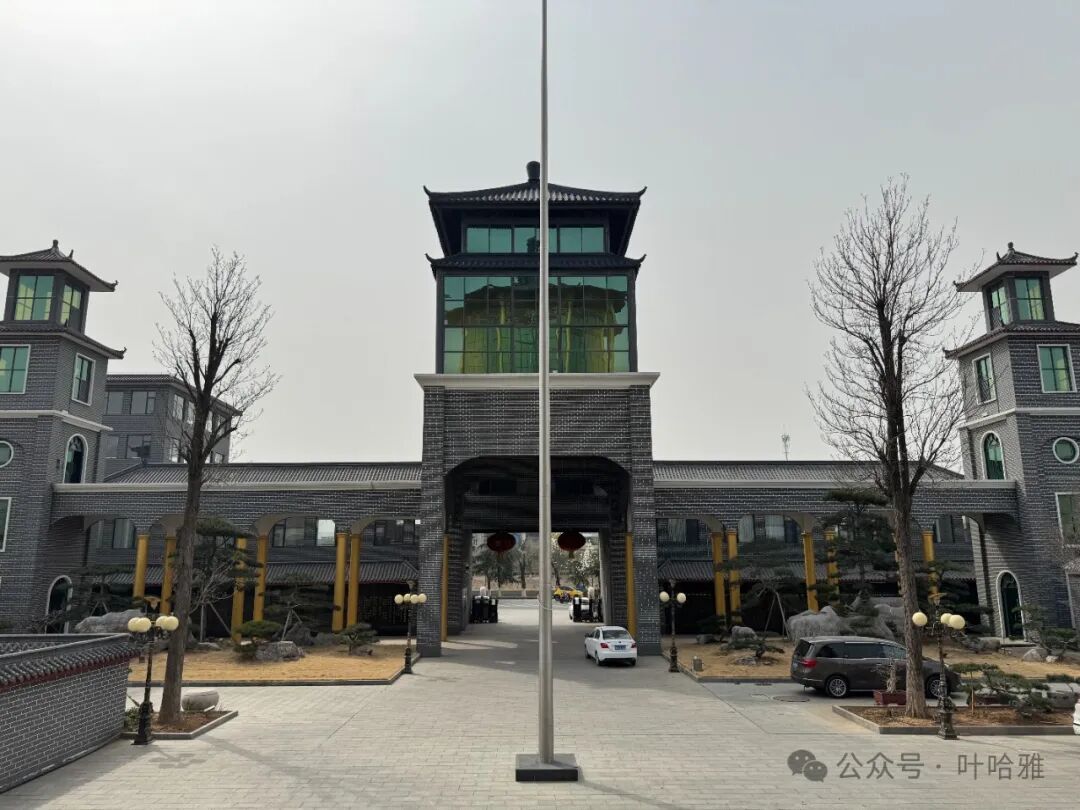
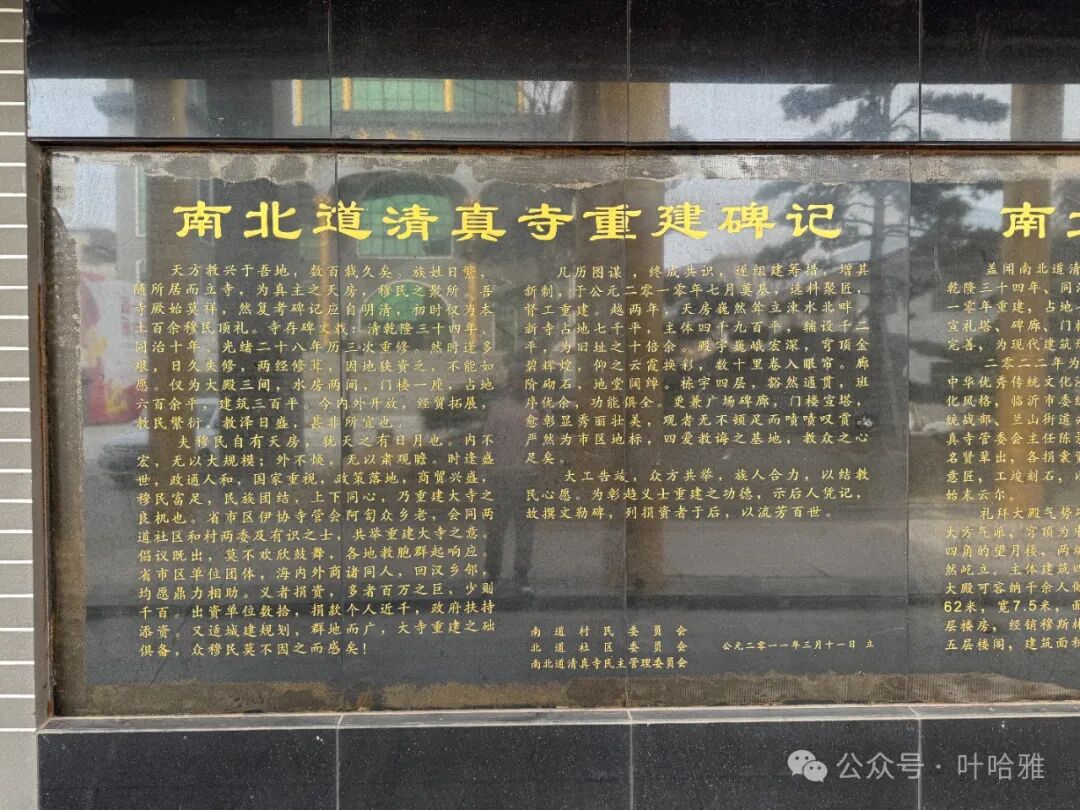
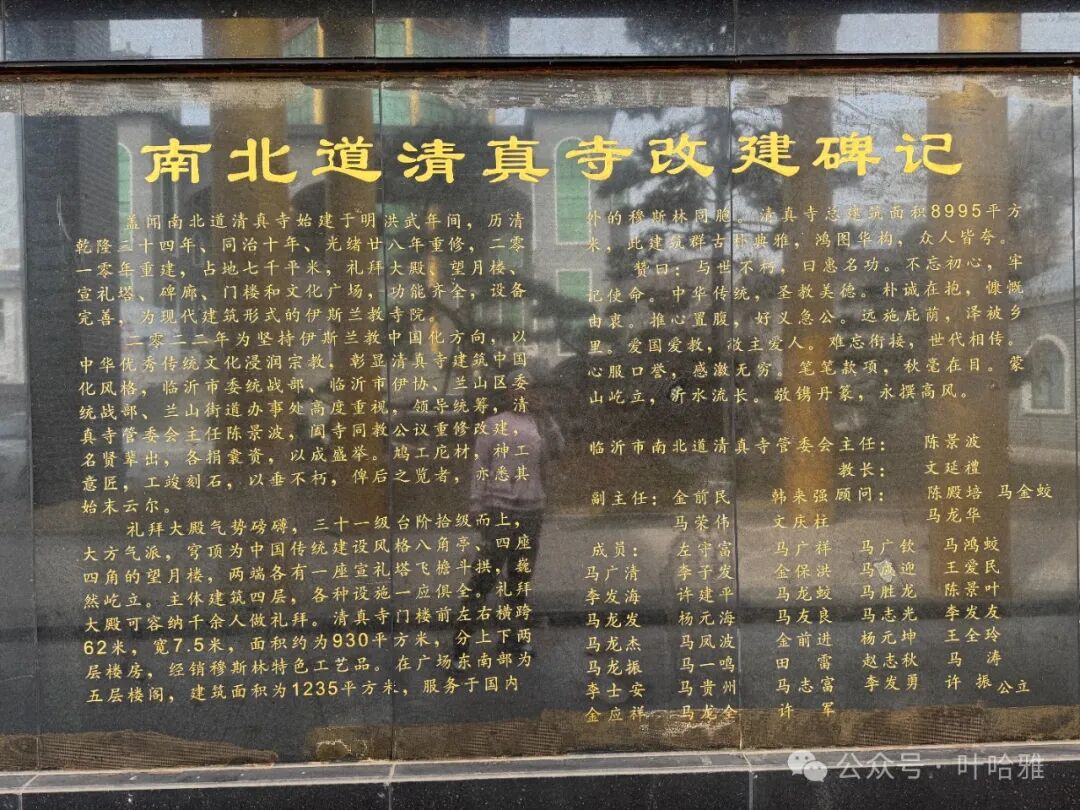
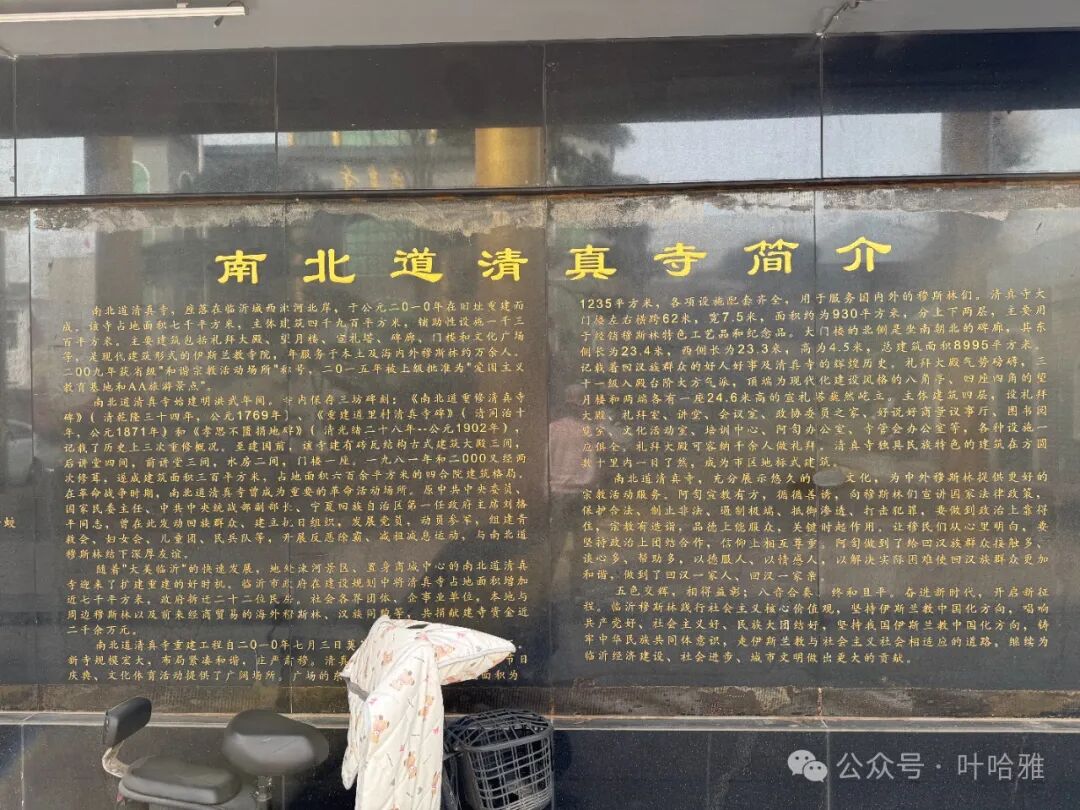
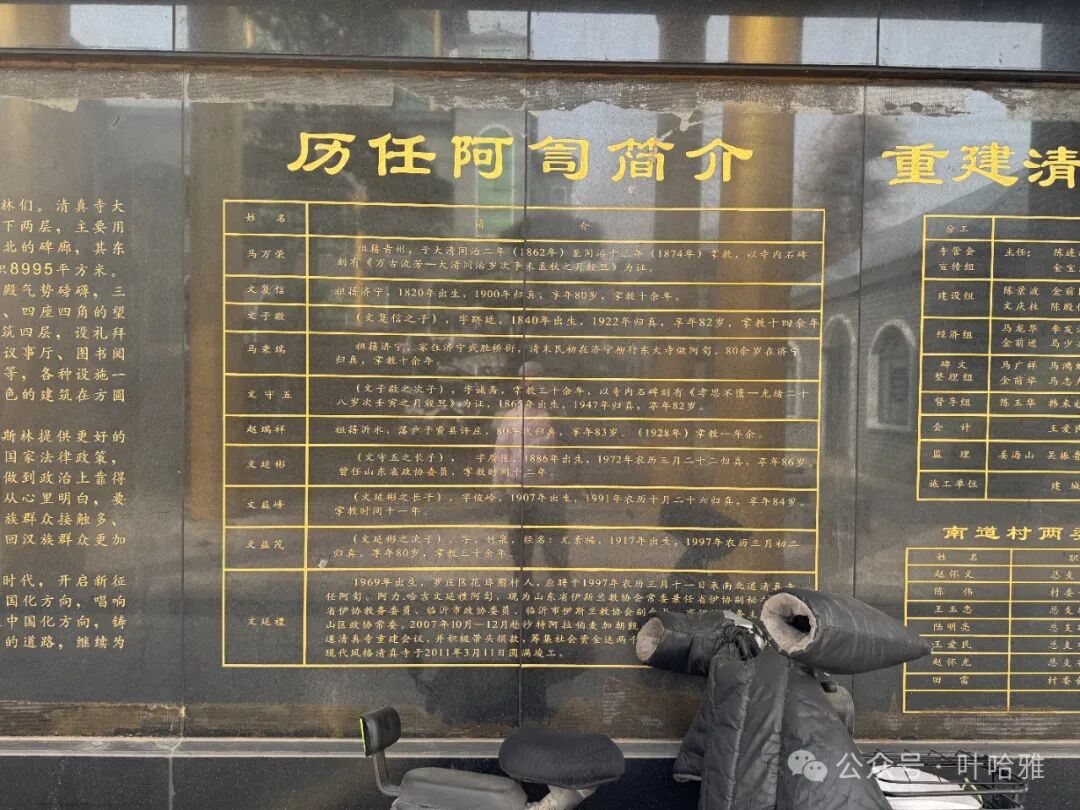
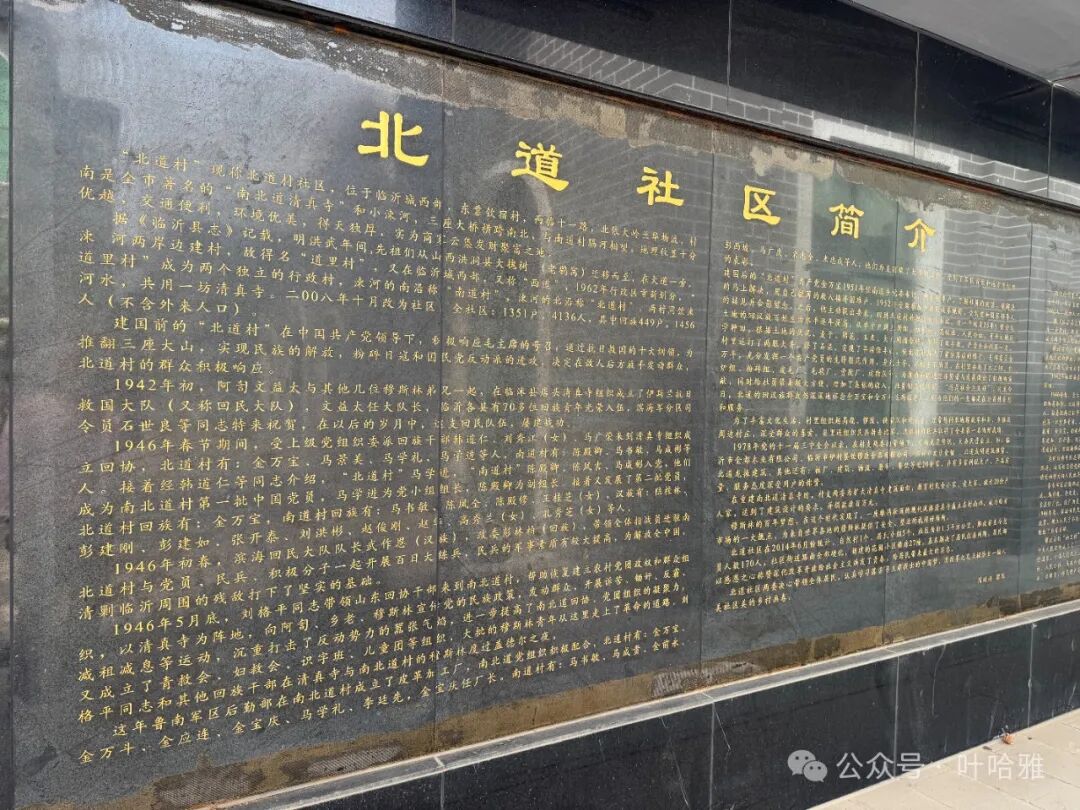
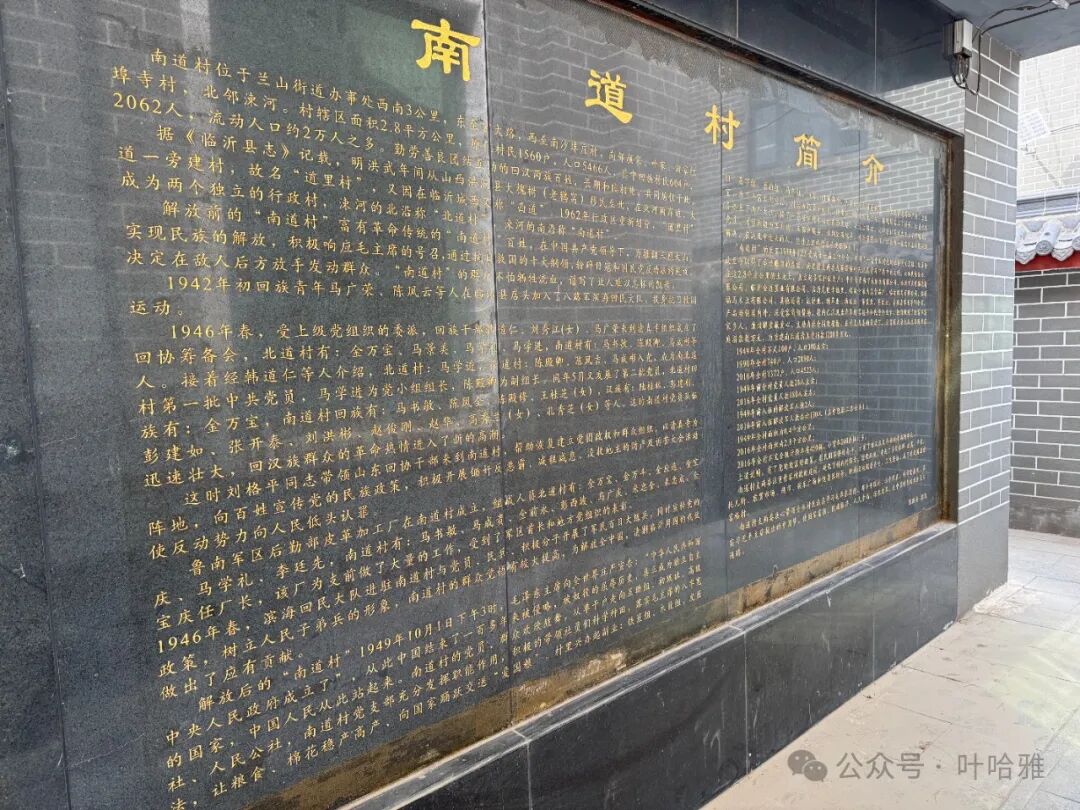
Nanbeidao was formed by merging Nandao Village and Beidao Village, and this area is also a residential community for Hui Muslims.
Linyi Minzu Restaurant Main Branch
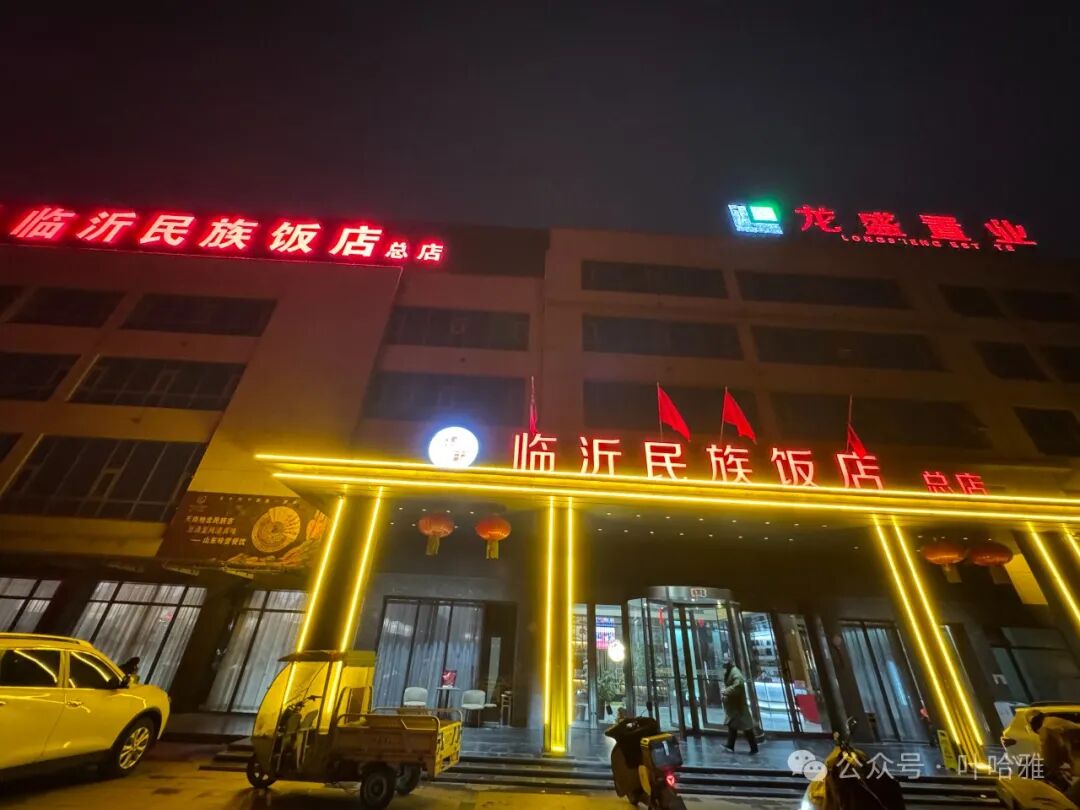
Our friends in Linyi invited us to eat local Linyi specialties at the largest halal restaurant in the city. This is also where Hui Muslims hold weddings. I heard this is not even the largest location, as the flagship store of Minzu Restaurant is even bigger. The owner is a local Hui Muslim and a classmate of my friend.
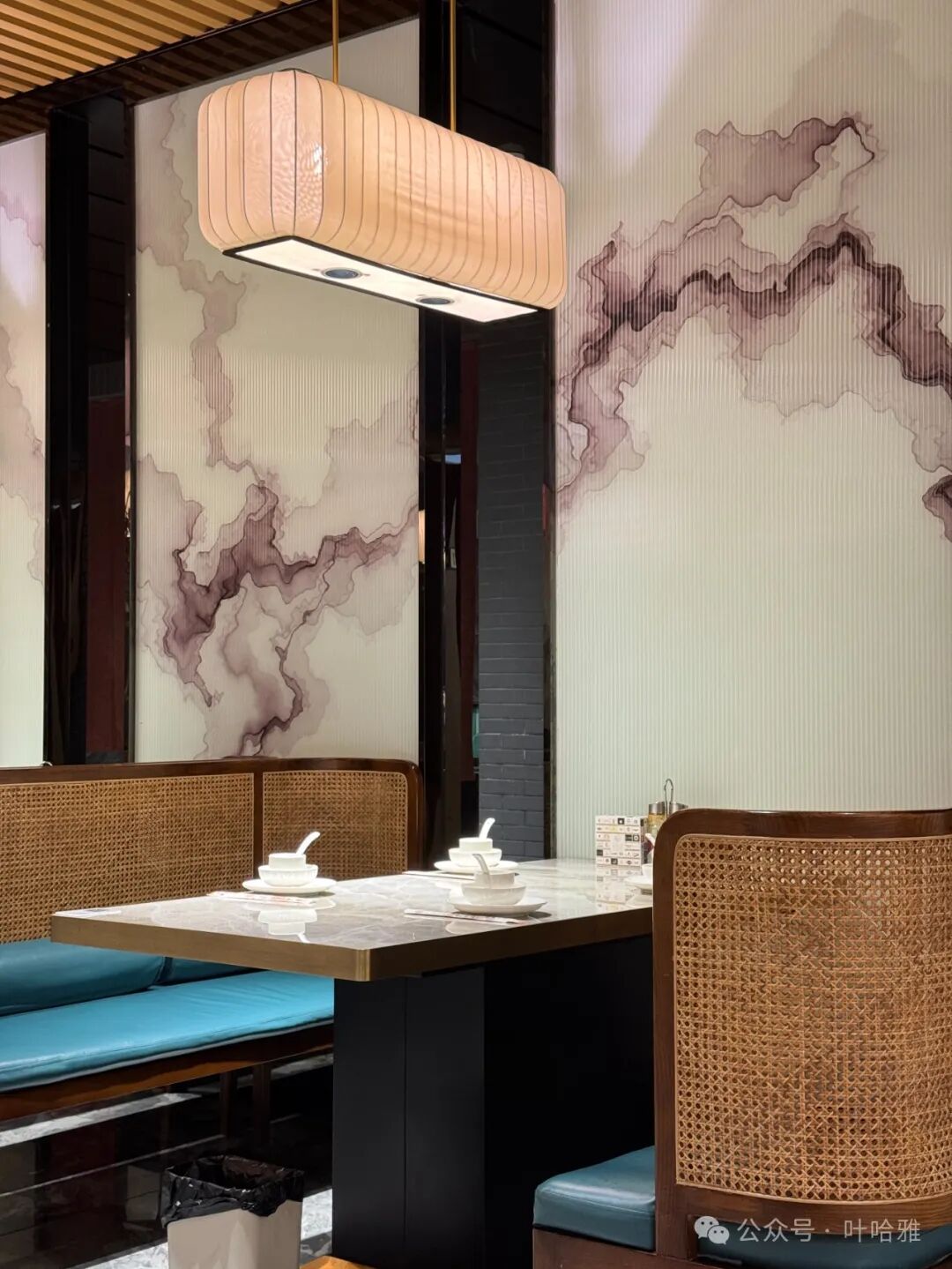
Linyi University is also super huge. It is known as one of the largest universities in Asia, covering an area of over 6,000 mu. Linyi University once offered Arabic language courses, but they have now canceled all minor language courses, not just Arabic.
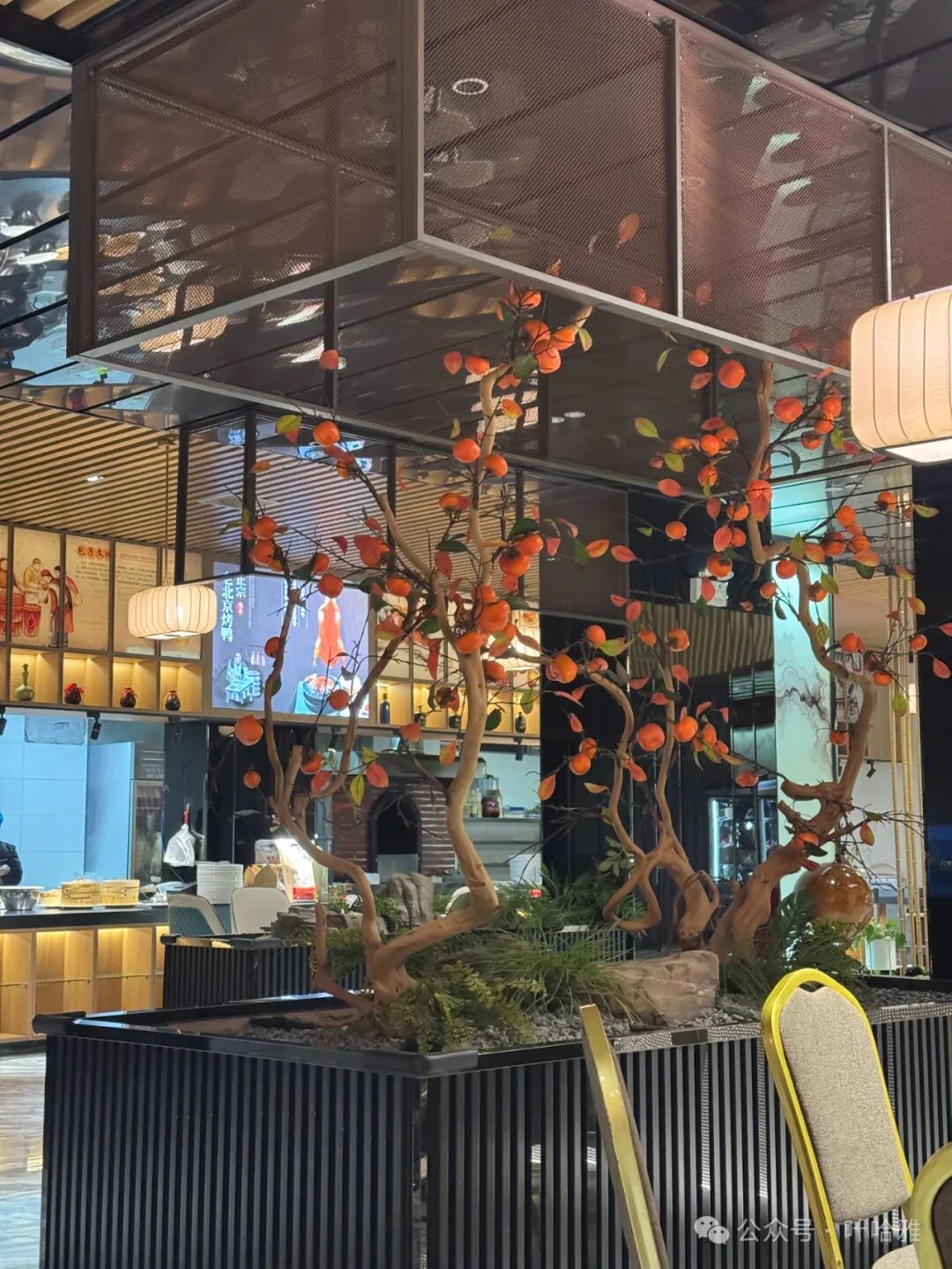
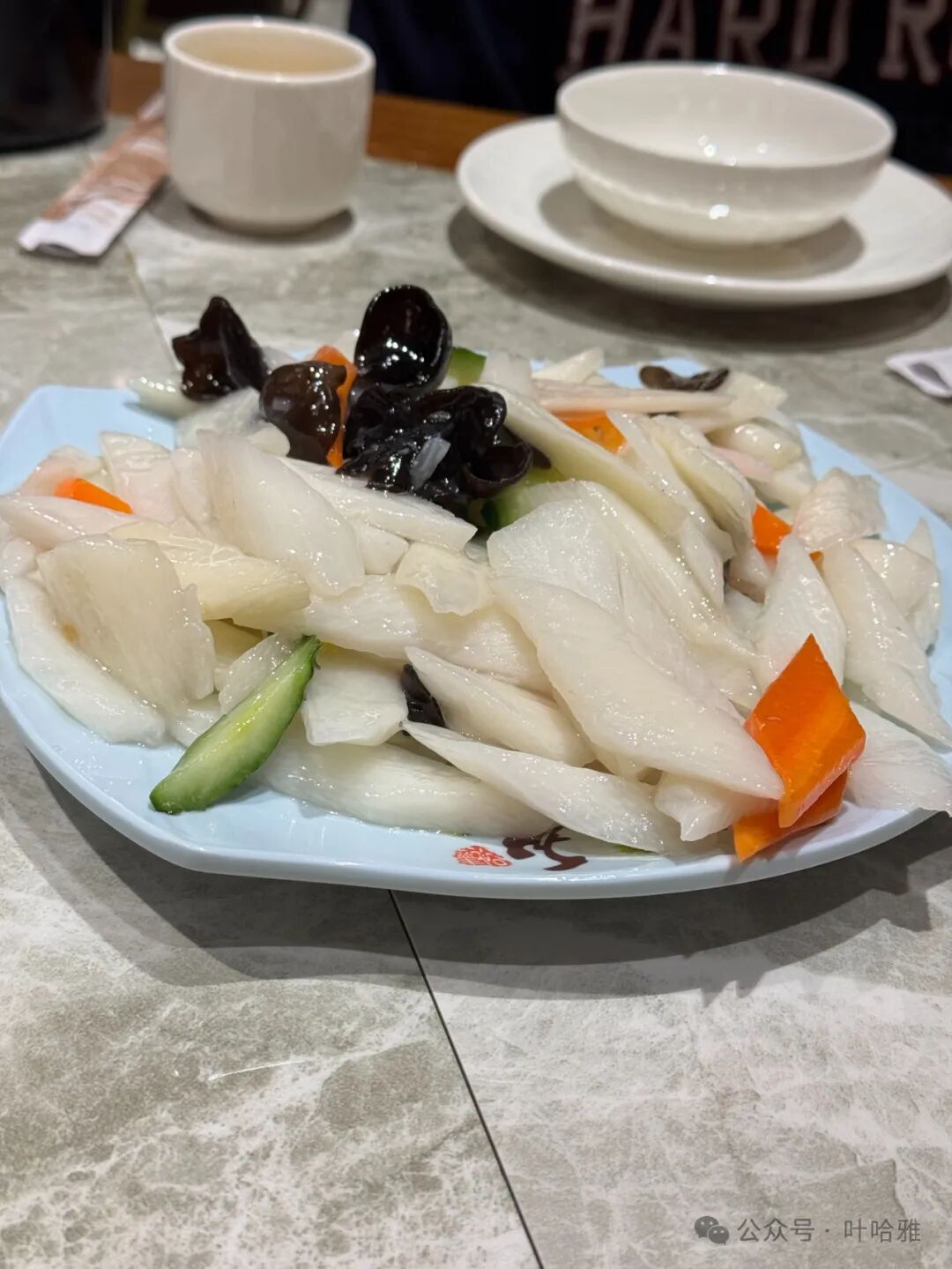
The people of Linyi seem to have an obsession with being big. The portions of food here are also huge. The four of us, plus a baby, ordered four dishes and only finished half of them.
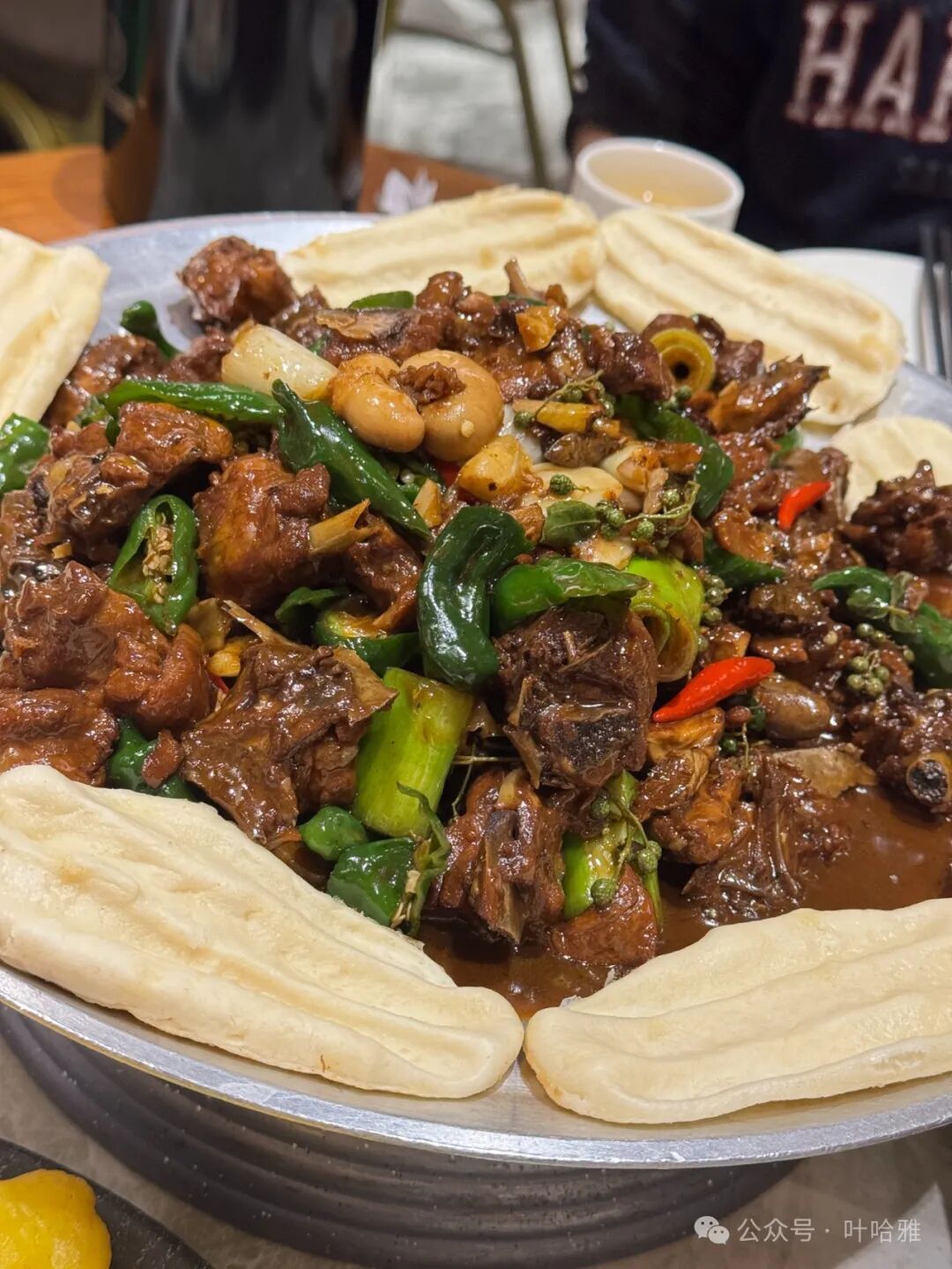
Stir-fried chicken (chaoji) is a must-eat in Linyi. You can find stir-fried chicken shops everywhere, but most of them are not halal.
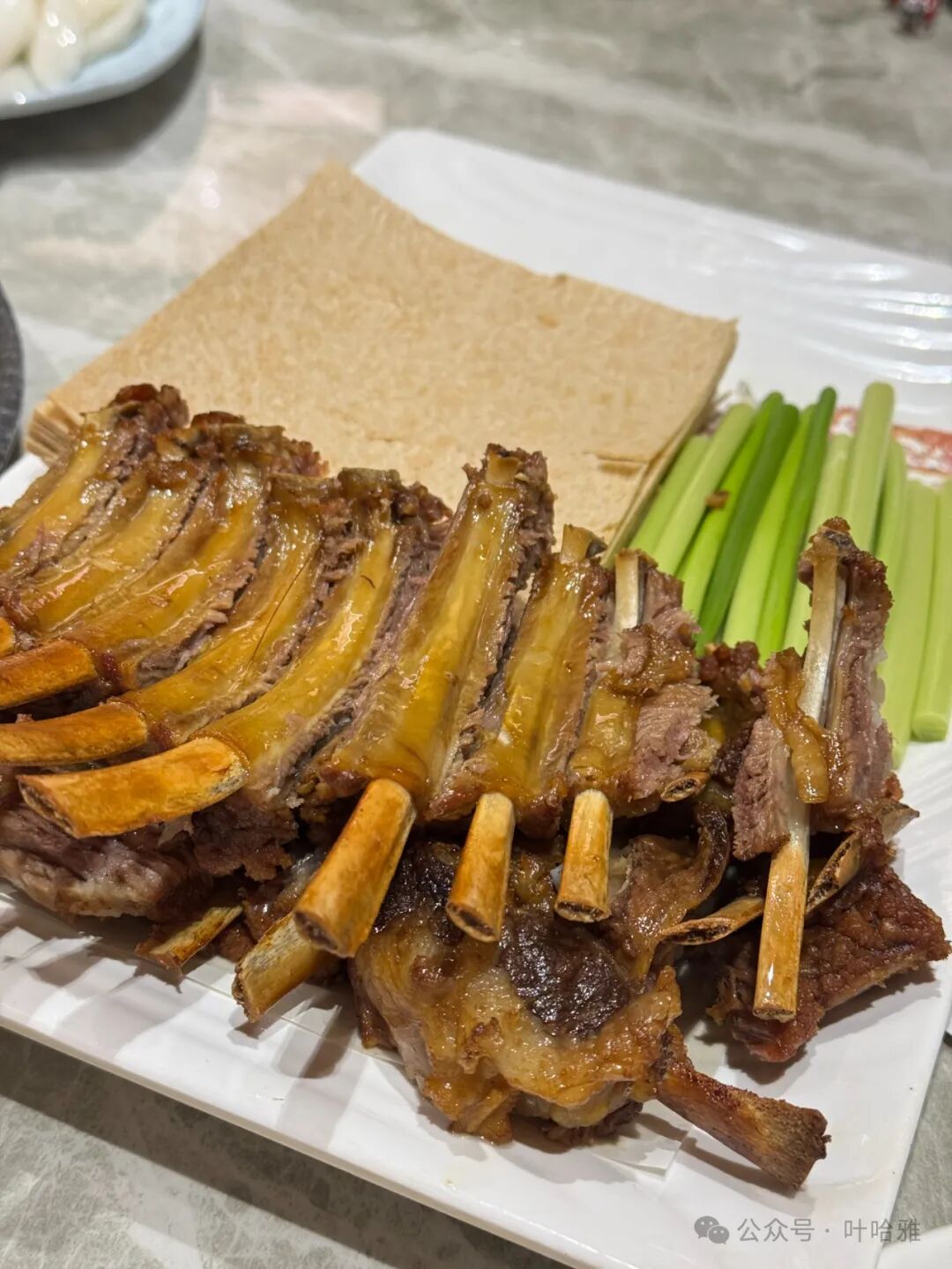
Fahim especially likes eating Linyi pancakes (jianbing). We ate every bit of this plate of pancakes rolled with lamb chops.
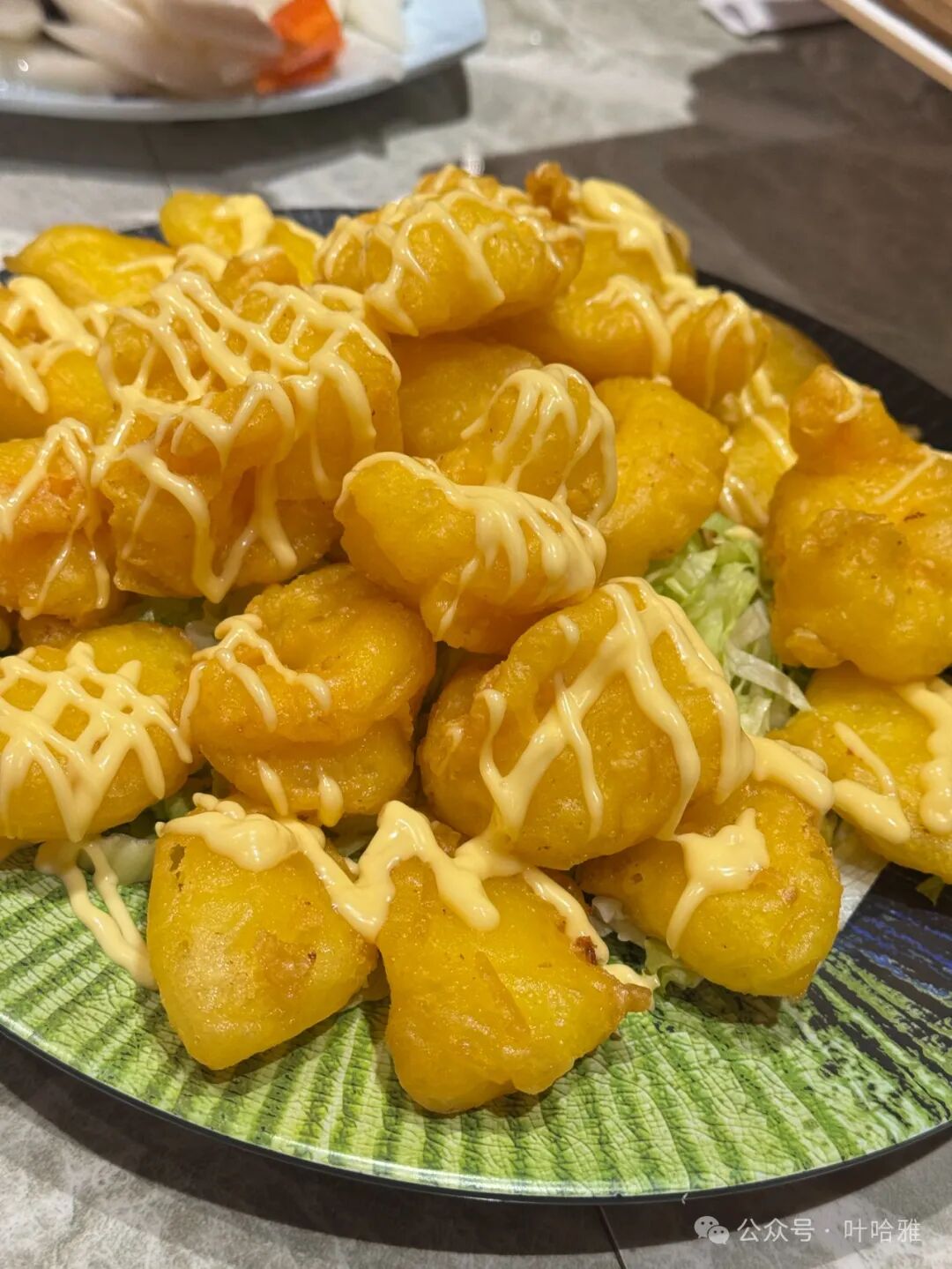
I originally wanted to drink some meat porridge (sa) in the morning, but during Ramadan, the shops were not open yet after we finished our pre-dawn meal (suhoor). It is best to drink the first pot of meat porridge around 5 a.m.
Summary: This China mosque travel guide visits Matou Town in Tancheng County, Linyi, the Ming-era Matou Mosque built in 1405, the Hui Muslim community around it, mosque calligraphy halls, local halal food, Linyi grilled meat, pancakes with lamb chops, and Ramadan suhoor memories.
While driving south through Linyi City, Shandong Province this year, I learned about a large Ming Dynasty mosque in Matou Town, Tancheng County. I drove for nearly an hour from downtown Linyi to reach Matou Town.
Matou Town
Matou Town is an ancient Muslim town and a community where Hui Muslims live. The town is full of halal shops, and I even saw a Muslim martial arts school.
The storefronts here still keep the traditional style of North China.
After walking through several small alleys, I found the Matou Mosque inside the village.
Matou Mosque was first built during the Yongle period of the Ming Dynasty (1405). It covers 13 mu of land and is the largest mosque in northern Jiangsu and southern Shandong. It is well-preserved and is currently a cultural relic protection unit of Shandong Province.
In the courtyard just inside the gate, there are several stones gifted by elders from different places.
There are several traditional calligraphy and painting exhibition halls in the courtyard. This is the first hall, and there is a second hall, both displaying non-religious artworks.
Inside the mosque, there is a monument to an anti-Japanese hero, Zhang Hongyi, who was a Hui Muslim. Zhang Hongyi served as the political commissar of the Southern Shandong Independent Detachment and was known as the political commissar of the Railway Guerrillas. He died in 1945 while fighting against Japanese and puppet troops. The martyr Zhang Hongyi is buried in the Martyrs' Cemetery in Feixian County, Linyi City.
There is also a women's prayer hall here.
This ancient well was built in the third year of the Yongle period of the Ming Dynasty. In 1939, General Luo Ronghuan led the 115th Division of the Eighth Route Army into Tancheng. Eighth Route Army liaison officer Zhai Xinya, guided by a Hui youth named Lan Zhaofa, used the excuse of inviting an imam to slaughter a cow to enter the mosque's well pavilion. Under the cover of night, they took a shortcut to approach the enemy's blockhouse, destroyed the 'turtle shell' fortification, and successfully persuaded 360 puppet soldiers to surrender. Because of this, Lan Zhaofa honorably joined the Matou Hui Detachment.
There are several pieces of calligraphy on the walls of the corridor.
There is a Hui Muslim culture exhibition hall in the courtyard, but it does not have any exhibits inside yet.
The list of donations (niyati) specifically marks our Han Chinese brothers and sisters.
Nanbeidao Mosque
Nanbeidao Mosque in downtown Linyi was first built during the Hongwu period of the Ming Dynasty. After being rebuilt many times, it is now a modern building. It has a floor area of 1,235 square meters and a total site area of 8,995 square meters. The area around the mosque is filled with halal beef and mutton shops.
Nanbeidao was formed by merging Nandao Village and Beidao Village, and this area is also a residential community for Hui Muslims.
Linyi Minzu Restaurant Main Branch
Our friends in Linyi invited us to eat local Linyi specialties at the largest halal restaurant in the city. This is also where Hui Muslims hold weddings. I heard this is not even the largest location, as the flagship store of Minzu Restaurant is even bigger. The owner is a local Hui Muslim and a classmate of my friend.
Linyi University is also super huge. It is known as one of the largest universities in Asia, covering an area of over 6,000 mu. Linyi University once offered Arabic language courses, but they have now canceled all minor language courses, not just Arabic.
The people of Linyi seem to have an obsession with being big. The portions of food here are also huge. The four of us, plus a baby, ordered four dishes and only finished half of them.
Stir-fried chicken (chaoji) is a must-eat in Linyi. You can find stir-fried chicken shops everywhere, but most of them are not halal.
Fahim especially likes eating Linyi pancakes (jianbing). We ate every bit of this plate of pancakes rolled with lamb chops.
I originally wanted to drink some meat porridge (sa) in the morning, but during Ramadan, the shops were not open yet after we finished our pre-dawn meal (suhoor). It is best to drink the first pot of meat porridge around 5 a.m.
