
Wandering the Red River: Real Yunnan Hui Muslims, Shadian Mosque & Halal Food
[Internet Repost]
Wandering the Red River Diary: Real Muslims Are Not What the Internet Claims (A Visit to Shadian and the Spirit of Zakat)
Abstract:
Venture deep into Gejiu's Jijie Town and the Shadian Grand Mosque in Yunnan's Red River Prefecture, where the author experiences a reality of Hui Muslims that shatters online stereotypes. From the warm hospitality at halal eateries and an unlatched-door level of safety to devout prayers and a bakery offering free near-expiration bread inspired by Quranic zakat teachings, this journey reveals the everyday peace, kindness, and compassion of the faith.
The Gejiu railway station isn't actually in downtown—it's in Jijie Town. Many people only stop here to visit Shadian and check out the Shadian Grand Mosque (Shadian Mosque). As Brother Chen put it, this massive Southeast Asian mosque pulls in travelers from all over.
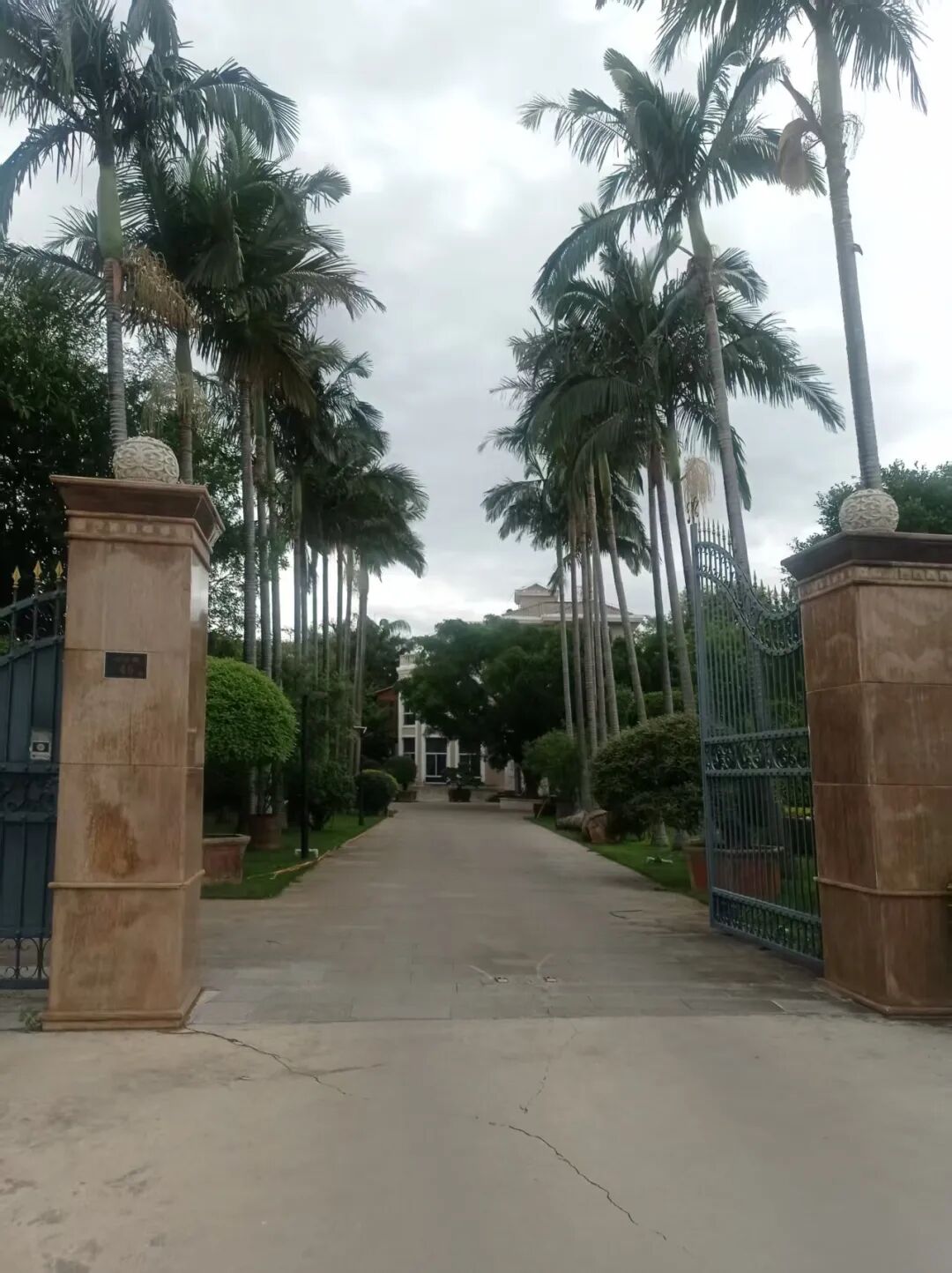
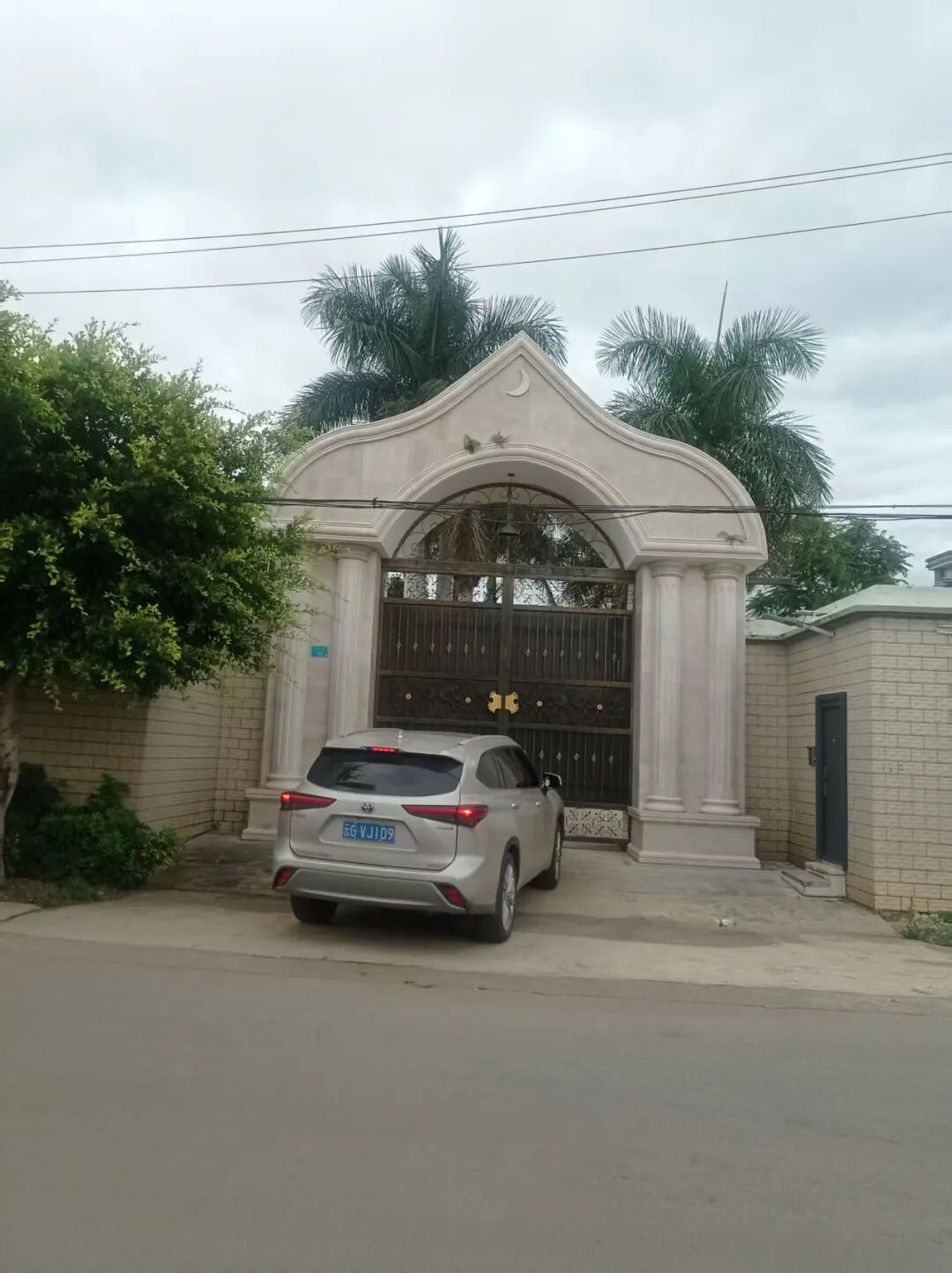
Walking from the train station to Shadian, you'll pass gated compounds with deep yards and massive villas. Some rock an American-suburb vibe, making you feel like you've landed in the US, while others go full Thai with double rows of palm trees. It's totally mind-blowing. Word is, people here made a fortune running tin mining businesses and came back to build these mega-villas.
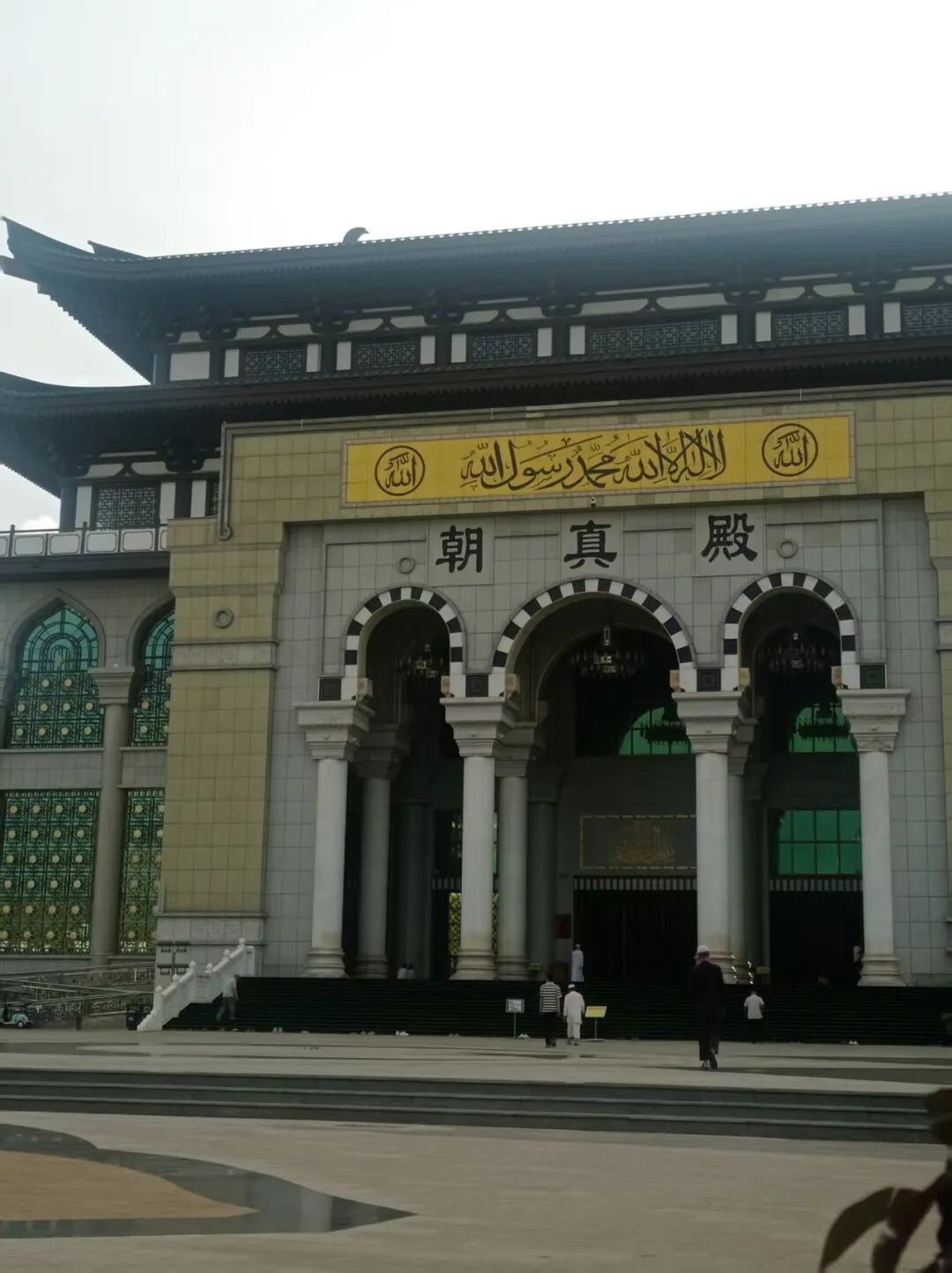
Once you reach Shadian Grand Mosque, the town feels super quiet. On one hand, it's got a slightly sleepy vibe with a lot of shops shuttered; on the other, it's peaceful, completely devoid of noisy entertainment spots.
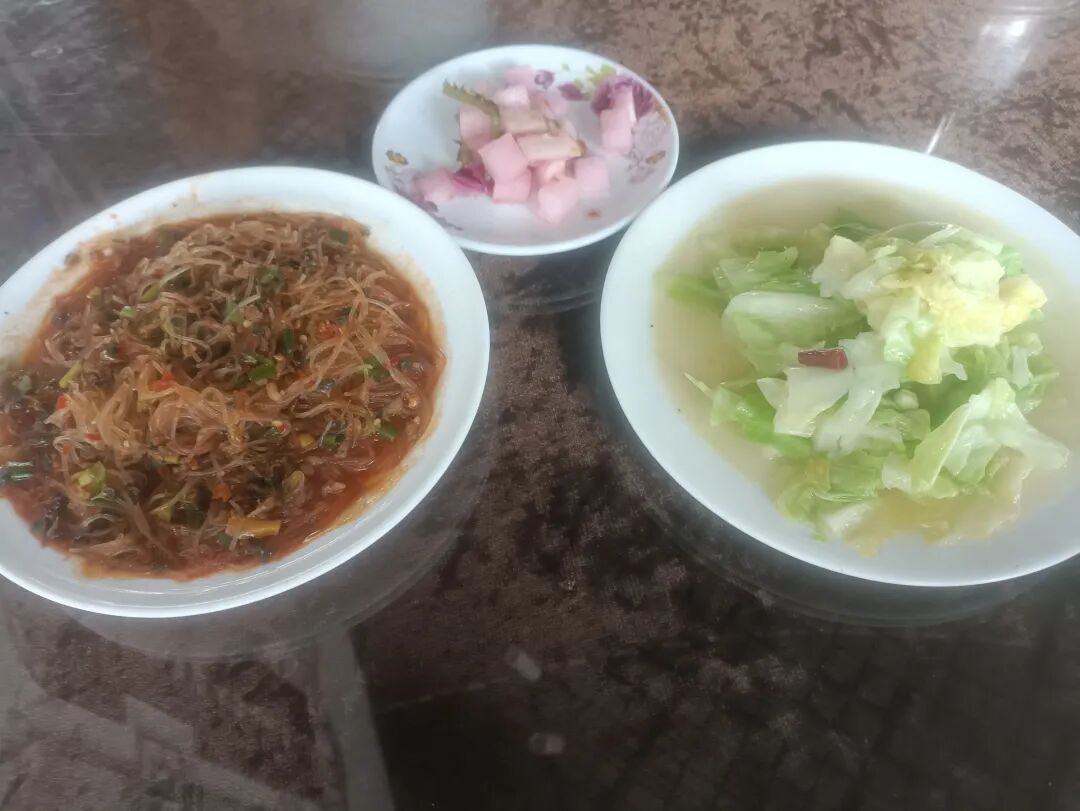
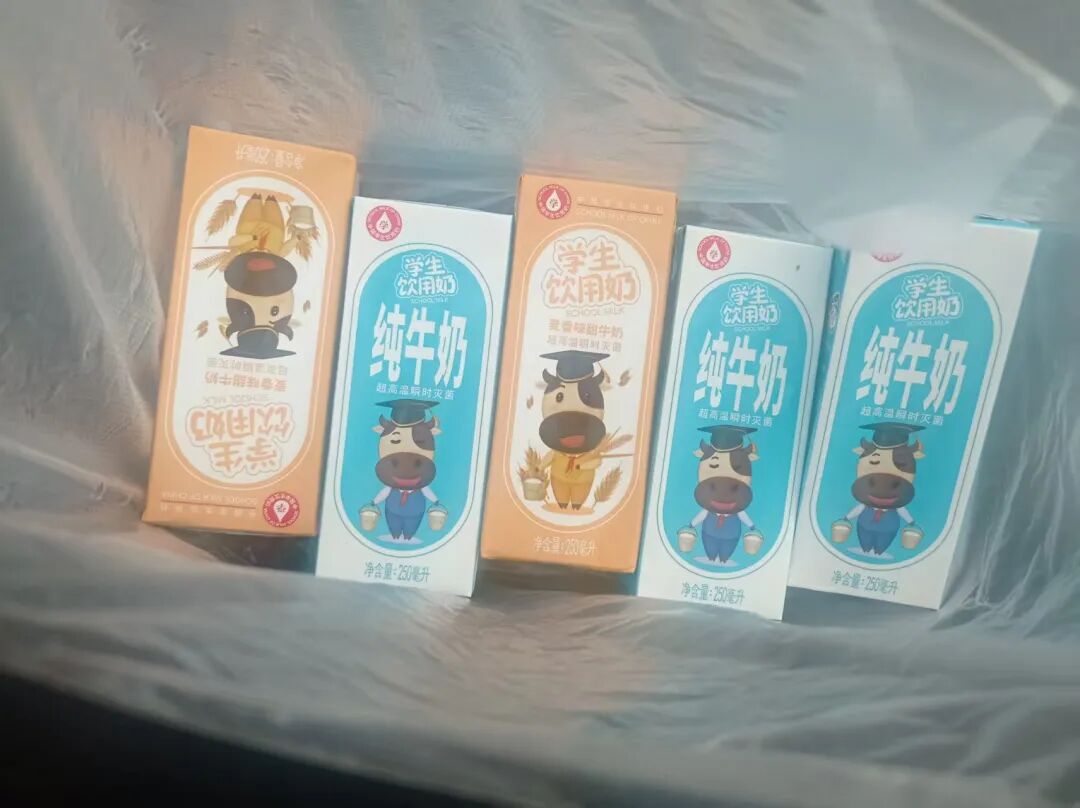
Since it wasn't prayer time yet, we grabbed some grub at a halal restaurant staffed entirely by women in headscarves. The owner was a young woman, and after we explained what we were up to, she had the kitchen whip up two dishes for us: ants climbing a tree (glass noodles with minced pork in spicy sauce), stir-fried cabbage, and a gorgeously plated dish of pickled radishes. When we finished up and said goodbye, she asked with genuine concern how we got here and where we were crashing. When we told her we were hitchhiking and sleeping in tents, she said it was way too rough and suggested we could crash at a spot right next to the grand mosque. She added that Shadian is so safe that locals never even pull the keys out of their e-bikes. As we were leaving, the owner—who was hanging out nearby with a kid—handed us a bag of Zhadian milk. We were deeply moved and thanked them over and over.
After wandering off, we headed back to the grand mosque just as call to prayer time was kicking off. The loudspeaker broadcasted the recitation—staticky and cutting in and out—while waves of guys wearing white caps, black caps, and full beards streamed toward the mosque. They hit the steps, stripped off their shoes with their backs to the main hall, and headed inside. The security guards told us the prayer had already started, so we had to watch from the outside. Twenty minutes later, folks started trickling out after finishing their prayers, though a few stragglers were still prostrated inside, and others sat chatting by the doorway pillars. It was pure peace and tranquility.
The screens inside the main hall were broadcasting Quranic verses. It reminded me of a social work class I audited back at Fudan called 'Social Welfare Systems and Theories,' where the professor talked about the Islamic view of welfare. According to the Quran, a Muslim's wealth doesn't actually belong to them—it belongs to Allah. That's why zakat (obligatory charity) is a must: it's a routine of giving where, once your wealth hits a certain threshold, you fork over 2.5% of your income to help the poor and fund charitable causes as a form of spiritual devotion.
"It is not righteousness that you turn your faces towards the east and the west, but righteous is the one who believes in Allah, the Last Day, the angels, the Book, and the prophets, and gives of his wealth, in spite of love for it, to the kinsfolk, to the orphans, to the poor, who is stranded, to the beggars, and to the freeing of captives, and who establishes prayer and gives zakat, and those who fulfill their covenant when they make it, and who are patient in poverty, hardship, and times of danger. Such are the ones who are true, and such are the ones who are God-fearing." (Quran 2:177)
"They ask you what they should spend. Say, 'Whatever wealth you spend is for parents, relatives, orphans, the poor, and travelers.'" (Quran 2:215)
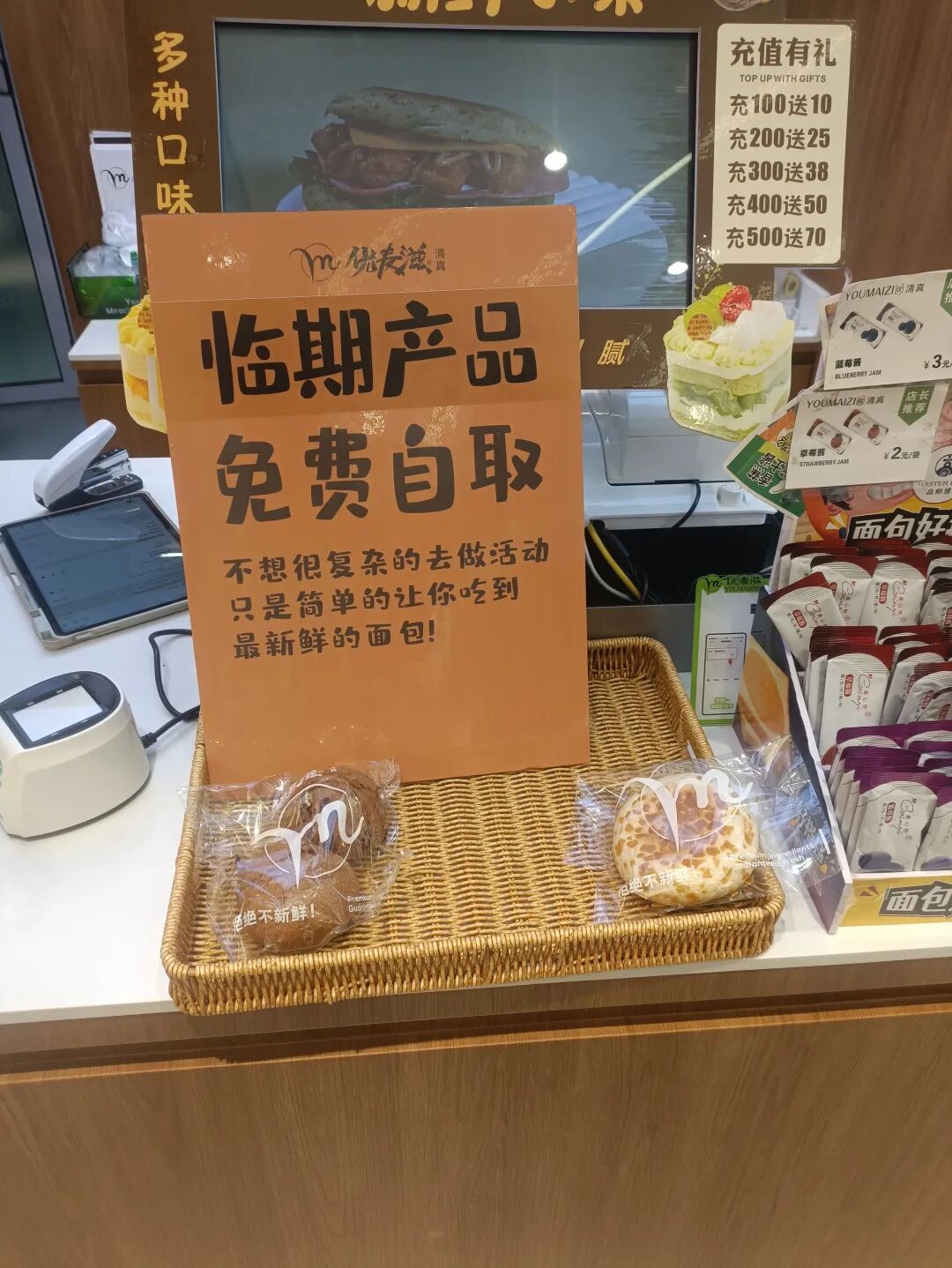
Yunnan is packed with Hui Muslims. Later, while strolling around Mengzi, I stumbled upon a halal bakery with a sign right on the counter blaring: 'Near-expiration products, take for free!' It was my first time ever seeing a business do that—most bakeries just toss out expired bread. I asked a clerk, and they said the owner is a Hui Muslim. Since the owner wasn't around, I couldn't confirm whether this move was driven by business strategy or religious faith, but I'm guessing faith played a huge part. Otherwise, it's pretty hard to explain why other shops don't copy them.
"And give the relative his due, and the poor, and the traveler, and do not squander your wealth wastefully. Indeed, the wasteful are brothers of the devils, and ever has Satan been ungrateful to his Lord."
— Quran 17:26-27
"And He it is who produces gardens... Eat of their fruit when they yield it, and pay their due on the day of harvest, and do not be excessive. Indeed, He does not like those who commit excess."
— Quran 6:141
Before this, browsing the internet, you'd think everyone harbors total disgust and hatred toward Islam. I never expected Hui Muslims, who practice Islam, to be so warm, friendly, and grounded.
Yesterday, my Couchsurfing host in Chuxiong, Huangfeng, shared a real-life story with me. During the most turbulent period in Xinjiang, he traveled to Southern Xinjiang just to see if the locals were really as extreme as the internet claimed. Turns out, once he got there, the local Uygur Muslims were super welcoming to visiting Han Chinese. Any hostility was strictly directed at the authorities, primarily as a protest against local policies. Amid economic development, the locals lost a ton of resources without getting much in return, breeding a sense of unfairness. Toss in completely different linguistic and cultural traditions, and you've got the roots of separatist sentiments. Over the next year, he went back to Xinjiang three more times, getting touched by the warmth and hospitality of the locals every single trip and walking away with incredible memories.
I guess in this supposedly hyper-connected information age, real truths still manage to stay hidden. Hitting the road and walking them out yourself matters more than ever.
Wandering the Red River Diary: Real Muslims Are Not What the Internet Claims (A Visit to Shadian and the Spirit of Zakat)
Abstract:
Venture deep into Gejiu's Jijie Town and the Shadian Grand Mosque in Yunnan's Red River Prefecture, where the author experiences a reality of Hui Muslims that shatters online stereotypes. From the warm hospitality at halal eateries and an unlatched-door level of safety to devout prayers and a bakery offering free near-expiration bread inspired by Quranic zakat teachings, this journey reveals the everyday peace, kindness, and compassion of the faith.
The Gejiu railway station isn't actually in downtown—it's in Jijie Town. Many people only stop here to visit Shadian and check out the Shadian Grand Mosque (Shadian Mosque). As Brother Chen put it, this massive Southeast Asian mosque pulls in travelers from all over.
Walking from the train station to Shadian, you'll pass gated compounds with deep yards and massive villas. Some rock an American-suburb vibe, making you feel like you've landed in the US, while others go full Thai with double rows of palm trees. It's totally mind-blowing. Word is, people here made a fortune running tin mining businesses and came back to build these mega-villas.
Once you reach Shadian Grand Mosque, the town feels super quiet. On one hand, it's got a slightly sleepy vibe with a lot of shops shuttered; on the other, it's peaceful, completely devoid of noisy entertainment spots.
Since it wasn't prayer time yet, we grabbed some grub at a halal restaurant staffed entirely by women in headscarves. The owner was a young woman, and after we explained what we were up to, she had the kitchen whip up two dishes for us: ants climbing a tree (glass noodles with minced pork in spicy sauce), stir-fried cabbage, and a gorgeously plated dish of pickled radishes. When we finished up and said goodbye, she asked with genuine concern how we got here and where we were crashing. When we told her we were hitchhiking and sleeping in tents, she said it was way too rough and suggested we could crash at a spot right next to the grand mosque. She added that Shadian is so safe that locals never even pull the keys out of their e-bikes. As we were leaving, the owner—who was hanging out nearby with a kid—handed us a bag of Zhadian milk. We were deeply moved and thanked them over and over.
After wandering off, we headed back to the grand mosque just as call to prayer time was kicking off. The loudspeaker broadcasted the recitation—staticky and cutting in and out—while waves of guys wearing white caps, black caps, and full beards streamed toward the mosque. They hit the steps, stripped off their shoes with their backs to the main hall, and headed inside. The security guards told us the prayer had already started, so we had to watch from the outside. Twenty minutes later, folks started trickling out after finishing their prayers, though a few stragglers were still prostrated inside, and others sat chatting by the doorway pillars. It was pure peace and tranquility.
The screens inside the main hall were broadcasting Quranic verses. It reminded me of a social work class I audited back at Fudan called 'Social Welfare Systems and Theories,' where the professor talked about the Islamic view of welfare. According to the Quran, a Muslim's wealth doesn't actually belong to them—it belongs to Allah. That's why zakat (obligatory charity) is a must: it's a routine of giving where, once your wealth hits a certain threshold, you fork over 2.5% of your income to help the poor and fund charitable causes as a form of spiritual devotion.
"It is not righteousness that you turn your faces towards the east and the west, but righteous is the one who believes in Allah, the Last Day, the angels, the Book, and the prophets, and gives of his wealth, in spite of love for it, to the kinsfolk, to the orphans, to the poor, who is stranded, to the beggars, and to the freeing of captives, and who establishes prayer and gives zakat, and those who fulfill their covenant when they make it, and who are patient in poverty, hardship, and times of danger. Such are the ones who are true, and such are the ones who are God-fearing." (Quran 2:177)
"They ask you what they should spend. Say, 'Whatever wealth you spend is for parents, relatives, orphans, the poor, and travelers.'" (Quran 2:215)
Yunnan is packed with Hui Muslims. Later, while strolling around Mengzi, I stumbled upon a halal bakery with a sign right on the counter blaring: 'Near-expiration products, take for free!' It was my first time ever seeing a business do that—most bakeries just toss out expired bread. I asked a clerk, and they said the owner is a Hui Muslim. Since the owner wasn't around, I couldn't confirm whether this move was driven by business strategy or religious faith, but I'm guessing faith played a huge part. Otherwise, it's pretty hard to explain why other shops don't copy them.
"And give the relative his due, and the poor, and the traveler, and do not squander your wealth wastefully. Indeed, the wasteful are brothers of the devils, and ever has Satan been ungrateful to his Lord."
— Quran 17:26-27
"And He it is who produces gardens... Eat of their fruit when they yield it, and pay their due on the day of harvest, and do not be excessive. Indeed, He does not like those who commit excess."
— Quran 6:141
Before this, browsing the internet, you'd think everyone harbors total disgust and hatred toward Islam. I never expected Hui Muslims, who practice Islam, to be so warm, friendly, and grounded.
Yesterday, my Couchsurfing host in Chuxiong, Huangfeng, shared a real-life story with me. During the most turbulent period in Xinjiang, he traveled to Southern Xinjiang just to see if the locals were really as extreme as the internet claimed. Turns out, once he got there, the local Uygur Muslims were super welcoming to visiting Han Chinese. Any hostility was strictly directed at the authorities, primarily as a protest against local policies. Amid economic development, the locals lost a ton of resources without getting much in return, breeding a sense of unfairness. Toss in completely different linguistic and cultural traditions, and you've got the roots of separatist sentiments. Over the next year, he went back to Xinjiang three more times, getting touched by the warmth and hospitality of the locals every single trip and walking away with incredible memories.
I guess in this supposedly hyper-connected information age, real truths still manage to stay hidden. Hitting the road and walking them out yourself matters more than ever.
