
Best Islamic Heritage in Zhengzhou: Exploring North Street Mosque and Central Plains Architecture
[Internet Repost]
Explore Zhengzhou's oldest and largest mosque, the North Street Mosque (Beida Mosque) located in the Guancheng District. Through 34 high-definition photos, check out its single-eaves Xieshan-style mountain gate built in the late Yuan and early Ming dynasties, the double-eaves Xieshan moon-sighting tower, the interconnected prayer hall, and ancient locust tree stone tablets, while experiencing authentic Central Plains classical architectural aesthetics.
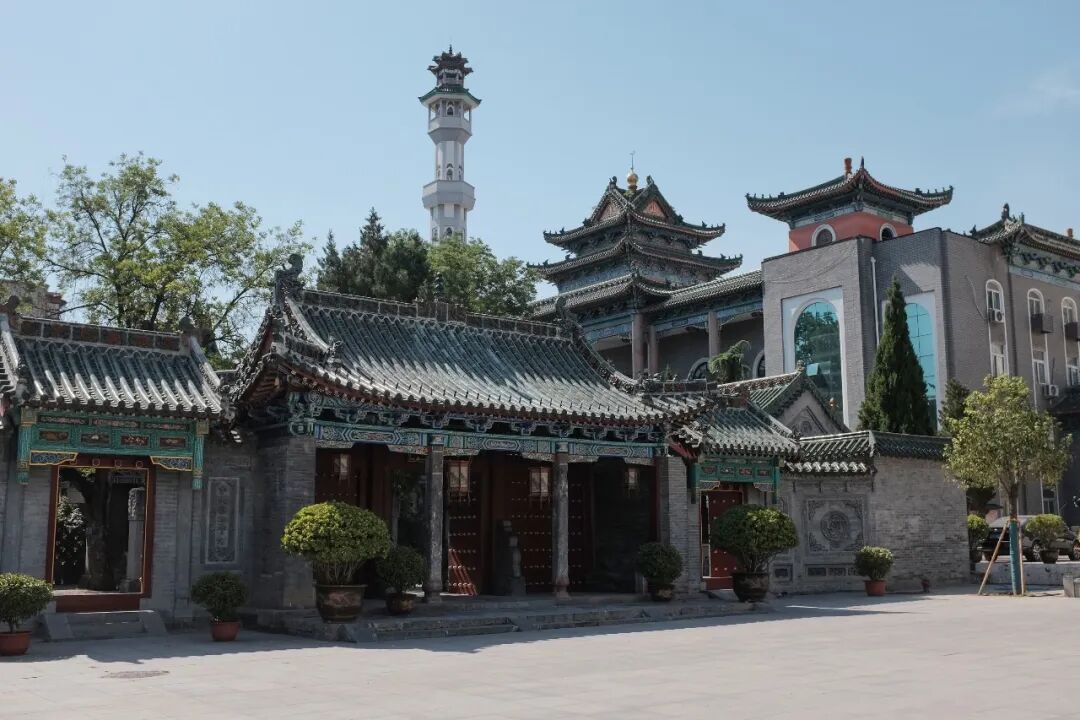
Deep in the old streets of Zhengzhou's Guancheng District, you will find a stunning collection of traditional Chinese ancient architecture.
Visiting this place for the first time completely flipped my preconceived notions about what a mosque looks like.
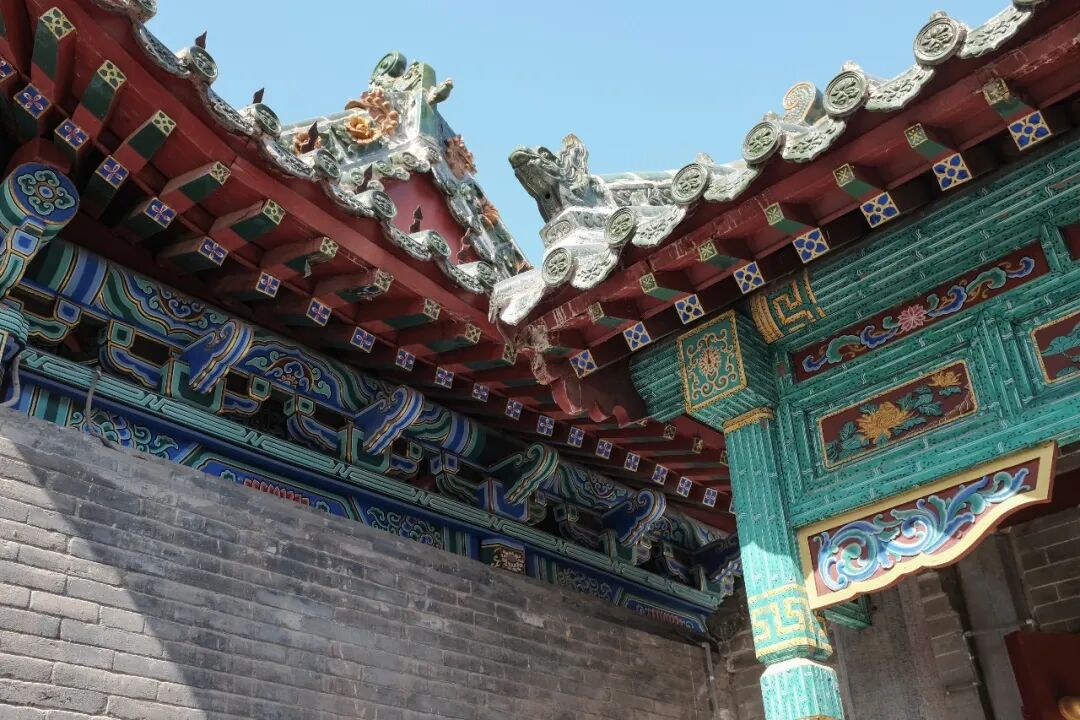
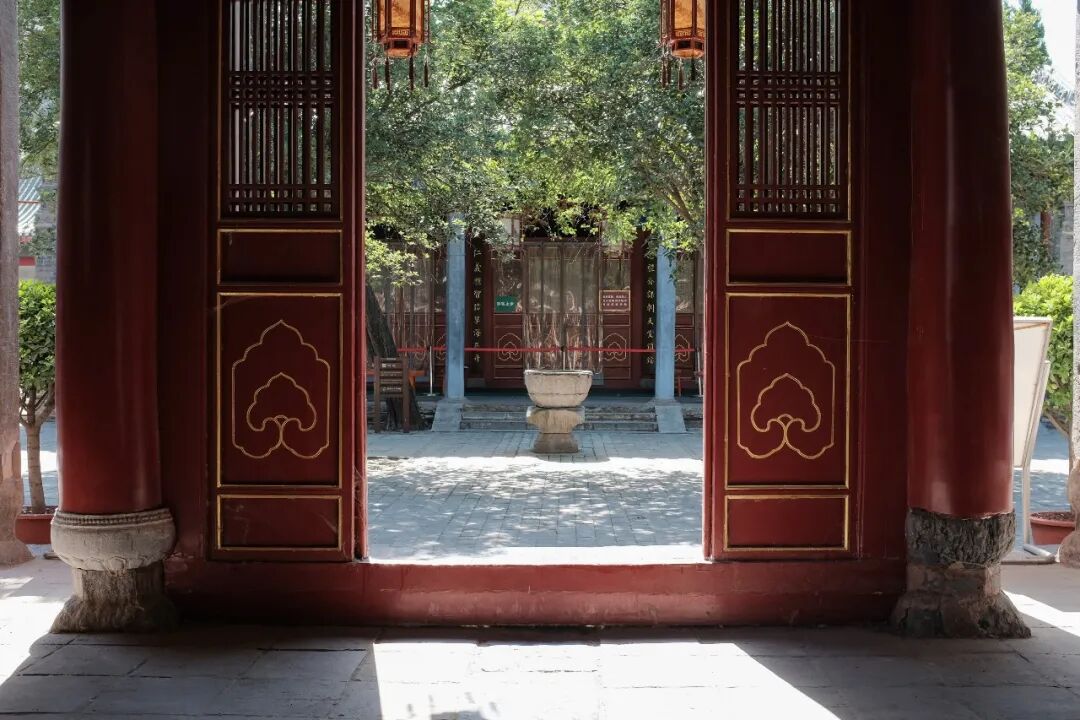
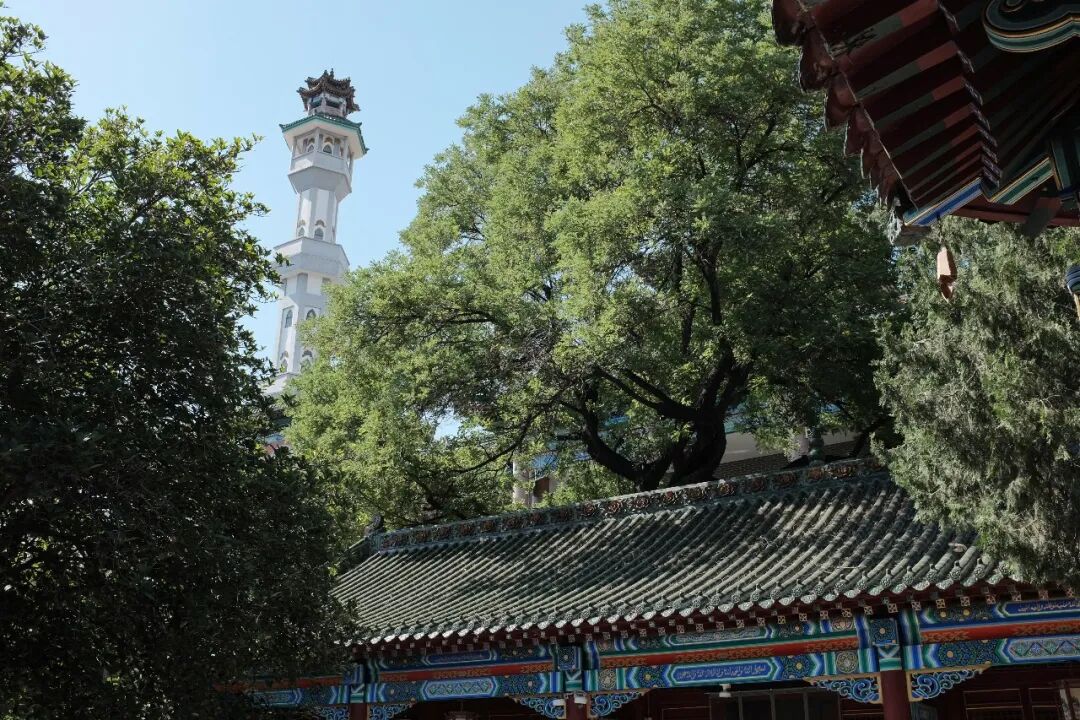
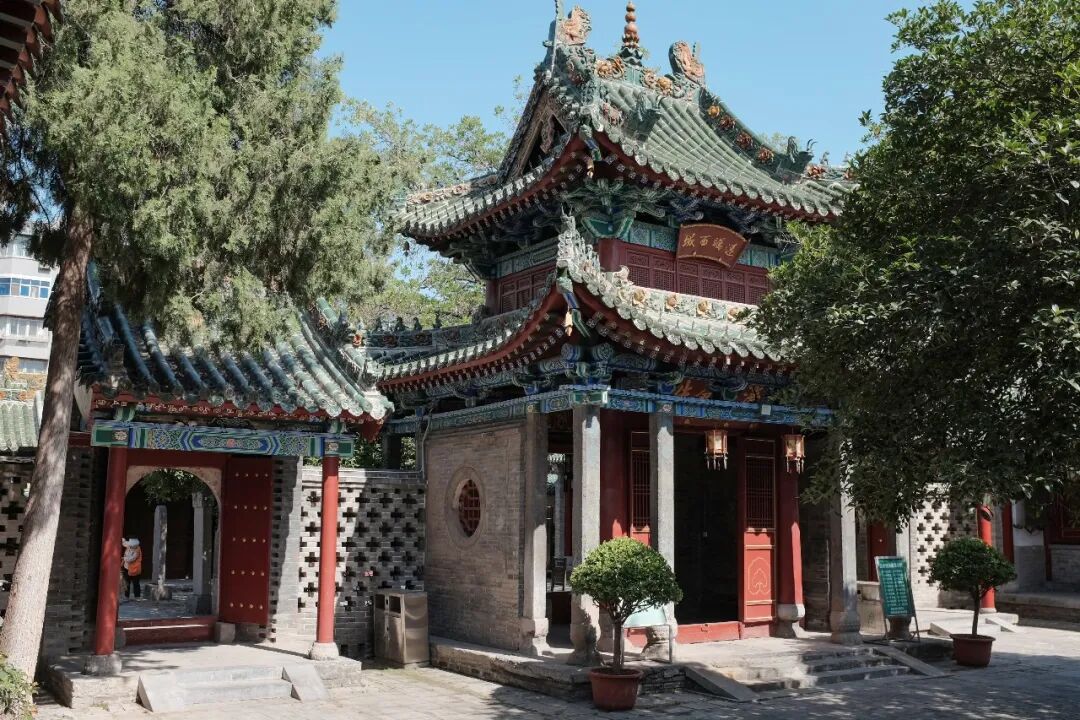
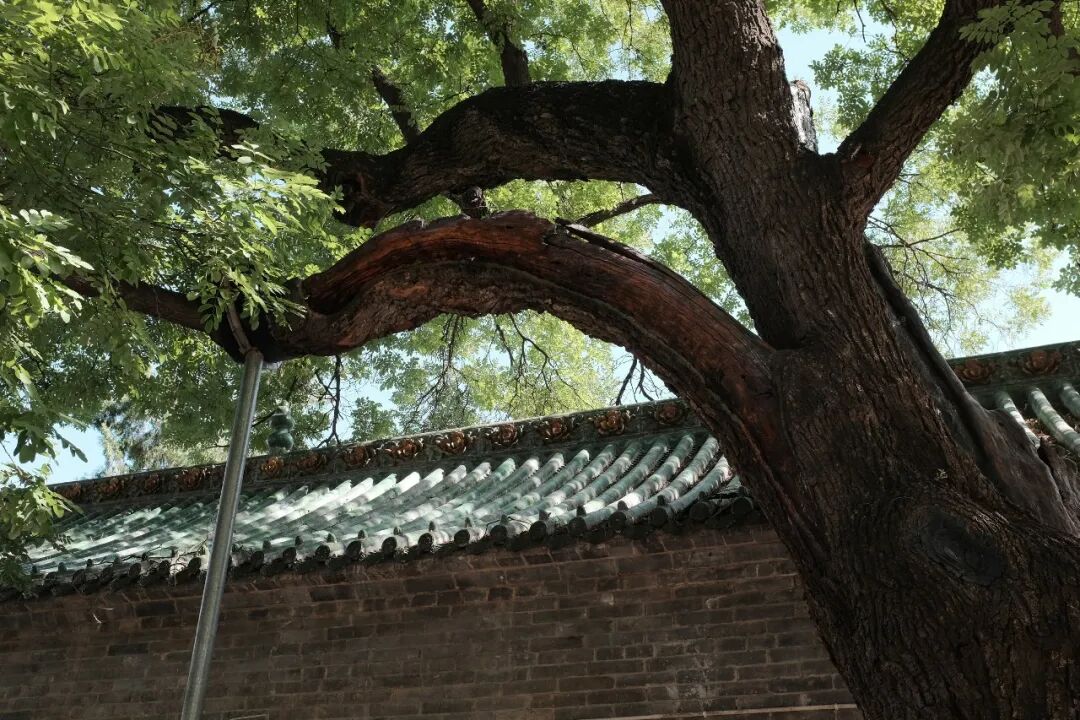
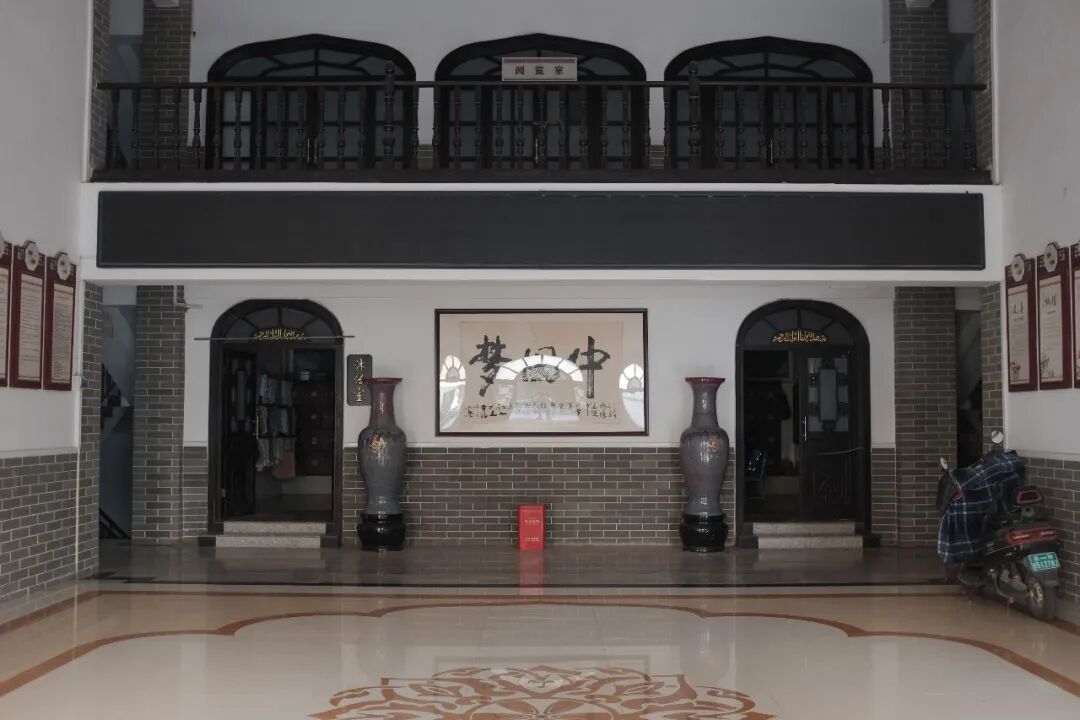
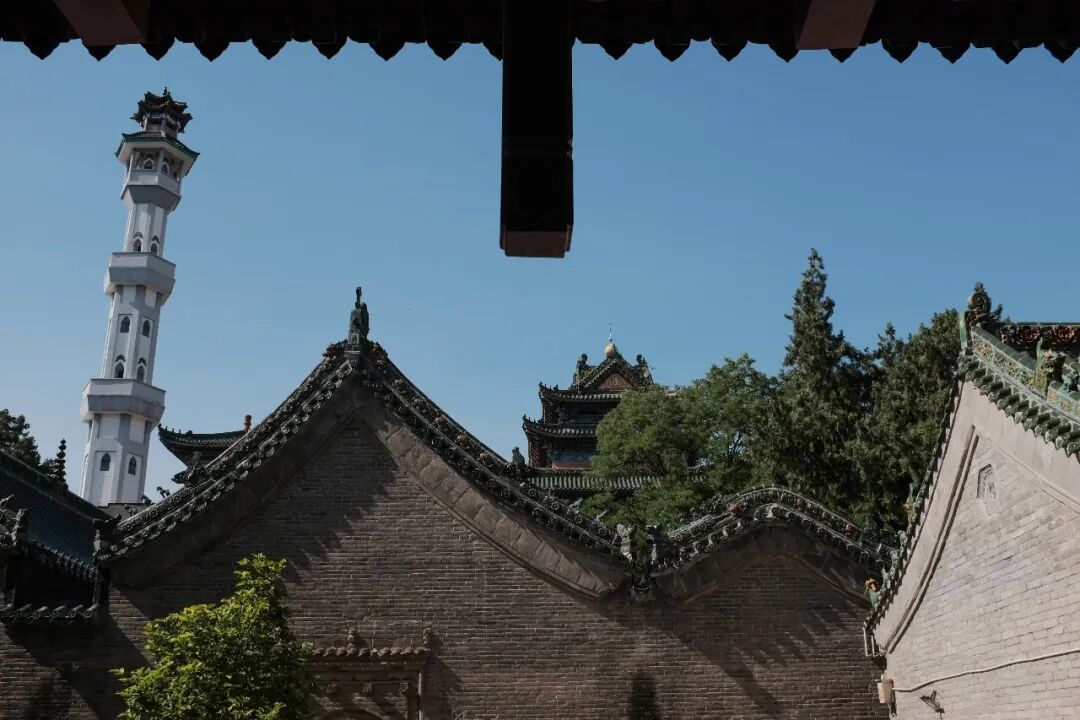
There are no round domes or exotic minarets here. Instead, everything in front of you screams classic Central Plains architecture: flying eaves and upturned corners, grey bricks and tiles, carved screen walls, and ancient courtyards shaded by locust trees. The main entrance features a single-eaves Xieshan roof, the moon-sighting tower is a double-eaves Xieshan pavilion, and the main prayer hall uses the traditional Chinese palace-style goulianda (interconnected structure). If it weren't for the three characters for "Mosque" on the lintel, it would be hard to connect this place with Islamic architecture.
This is the North Street Mosque (Beida Mosque), the oldest and largest surviving mosque in Zhengzhou. Because it's located on North Street, locals usually just call it the North Street Mosque.
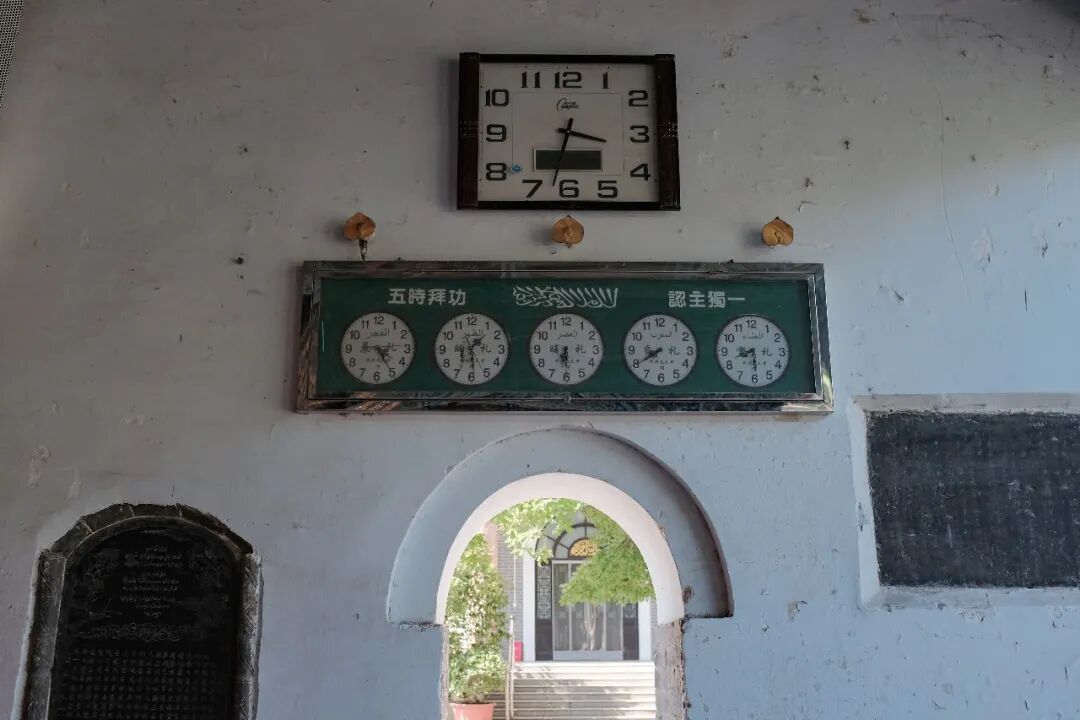
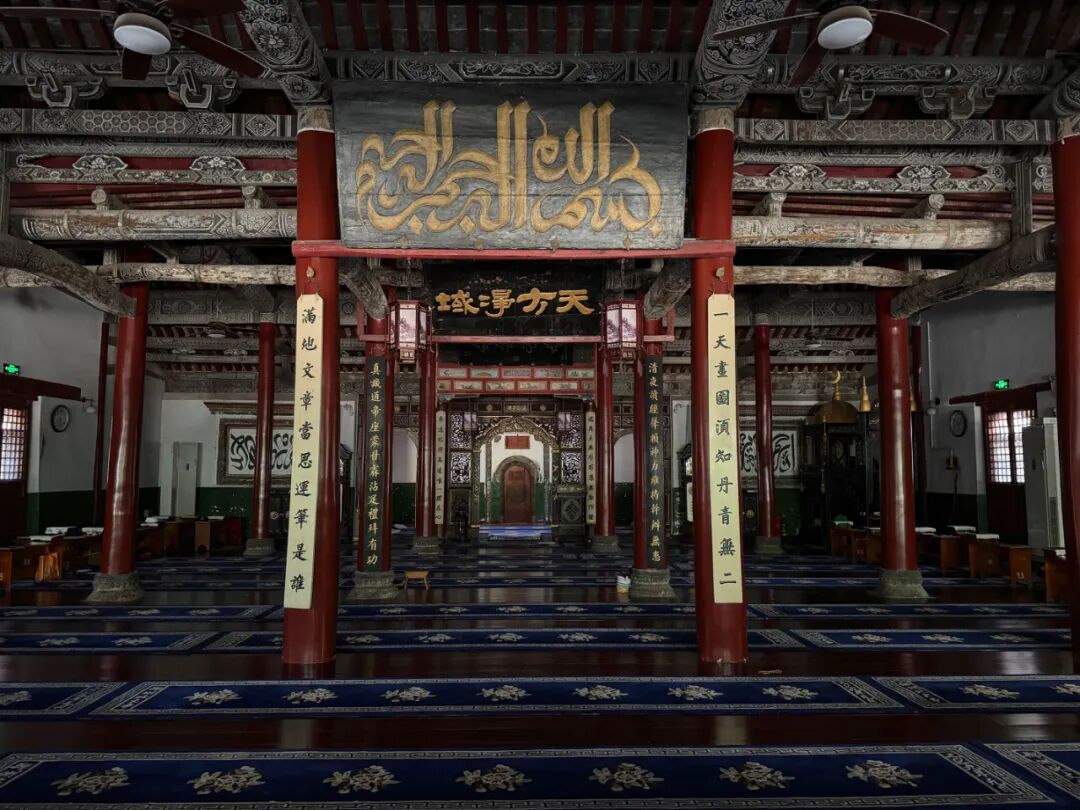
Islam has been in Zhengzhou for over a thousand years. Back in the Tang Dynasty, Guancheng was a major water and land transportation hub connecting Chang'an, Luoyang, and the southeast coast. Arab merchants and envoys passing through would stop and settle down here, making them some of the earliest ancestors of Zhengzhou's Hui Muslims.
Built in the late Yuan and early Ming dynasties, the North Street Mosque is a major birthplace for the spread of Islam in Zhengzhou. Its current architectural layout was mostly shaped during the Ming and Qing dynasties. After two major renovations during the Qianlong Emperor's reign, it finally took on today's layout: facing west with three courtyards along a symmetrical central axis, cleverly combining a traditional courtyard house with palace-style architecture.
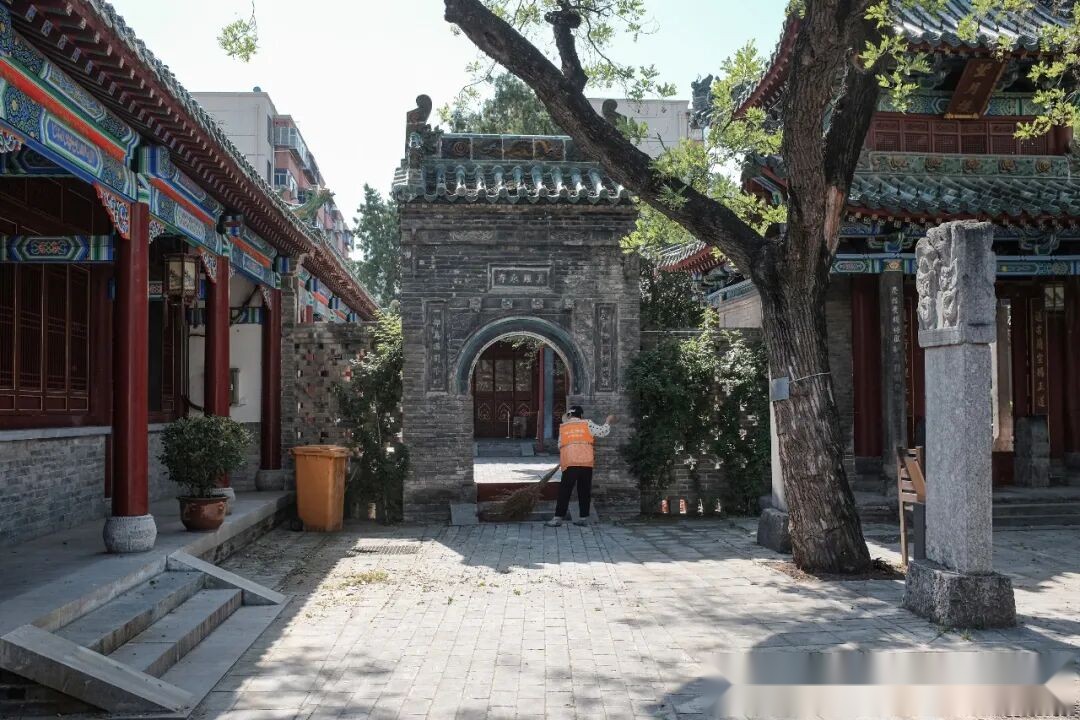
As Islam spread, it naturally blended with local architectural traditions and evolved over time. The fact that the Zhengzhou mosque looks so traditionally Chinese is the ultimate example of localization in China.
During the Ming and Qing dynasties, most mosques in Henan adopted traditional Chinese architectural language rather than chasing the external forms of Arabic architecture. They used flying eaves, bracket sets (feiyan dougong, traditional flying eaves and brackets), and courtyard layouts to carry Islamic faith. It wasn't just a simple mashup of two styles, but a cultural fusion that lasted for hundreds of years.
Right in front of the moon-sighting tower, you can still see Chinese-style couplets hanging up: "Observe, listen, and comprehend the core truth, and you understand all of nature; experience prosperity and decline, realize the subtle turning point, and you grasp the ultimate mystery." Using the language of Chinese philosophy to explain Islamic ideas allows both architecture and text to carry on a dialogue between civilizations.
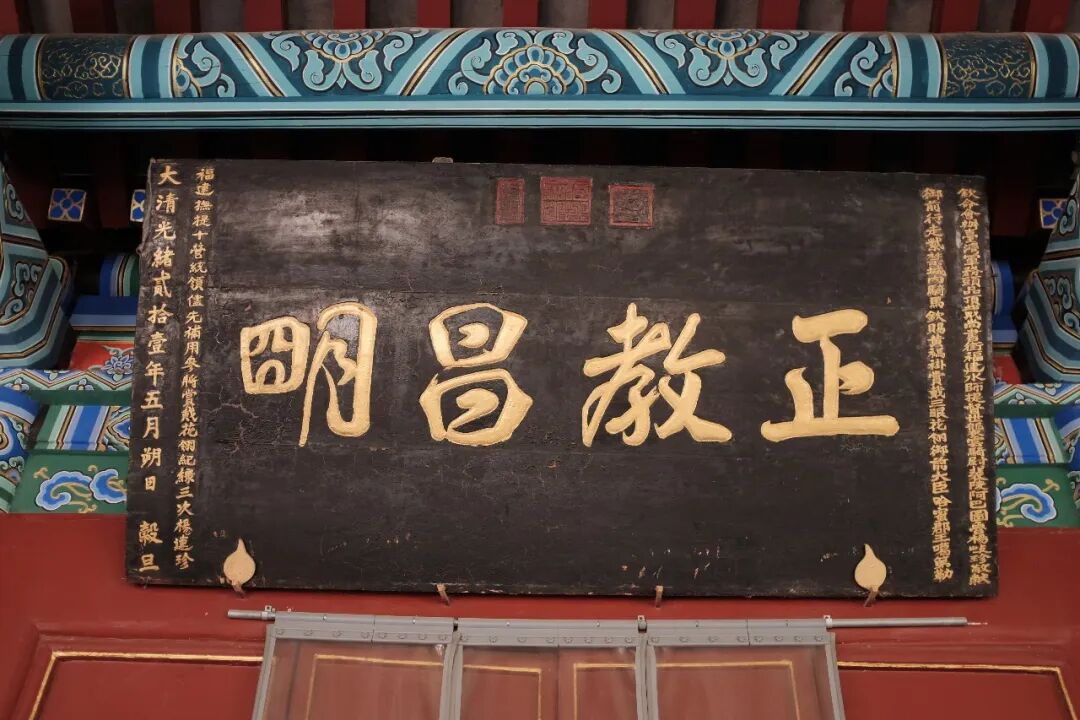
Because it has continuously functioned as a place of worship, a huge collection of ancient buildings inside has been kept completely intact. There are 16 surviving Qing dynasty stone tablets, and major structures like the main hall, moon-sighting tower, and screen walls are all original Qing constructions. The wood carvings, brick carvings, and colorful paintings are super well-preserved, making it a rare sample for appreciating Central Plains ancient architecture from the Qing dynasty.
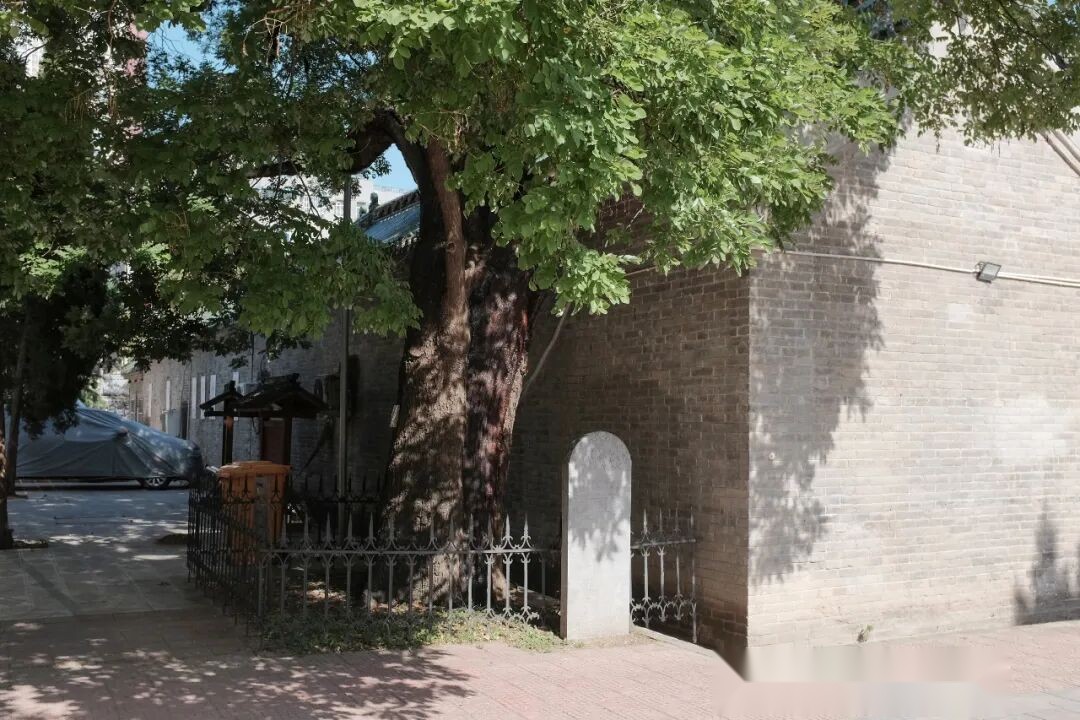
In the quiet afternoon, the mosque is totally empty of tourists and believers, giving it a super serene vibe.
Ancient locust trees cast thick shadows, and the sunlight hits the grey brick ground, making it feel like you just stepped into a deep Qing dynasty mansion. Outside the courtyard walls, you've got the buzzing Zhengzhou street life; inside the walls, time has basically stood still for hundreds of years.
It doesn't feel like a tourist spot at all. It feels more like an old house that's still breathing, quietly guarding a thousand years of history at its own pace.
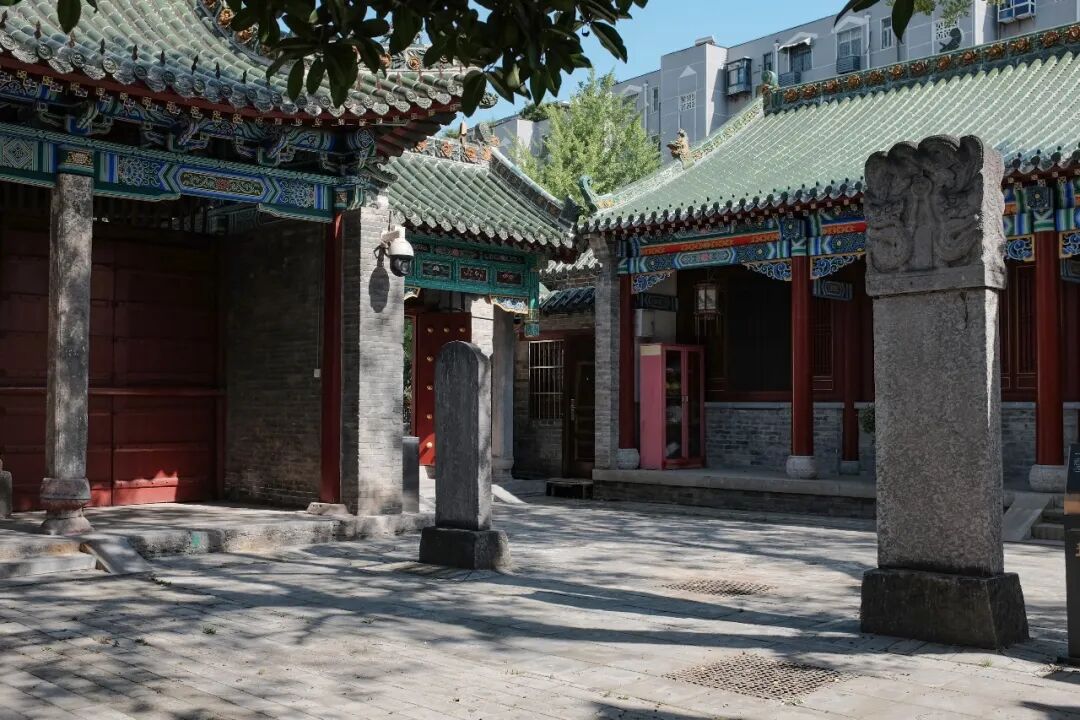






Zhengzhou North Street Mosque | Major National Historical and Cultural Site |
Free Admission (Please keep quiet during your visit and respect the order of this religious site.)
Bonus
---
Not too far from the North Street Mosque is another super low-key historical site—Baba's Tomb.
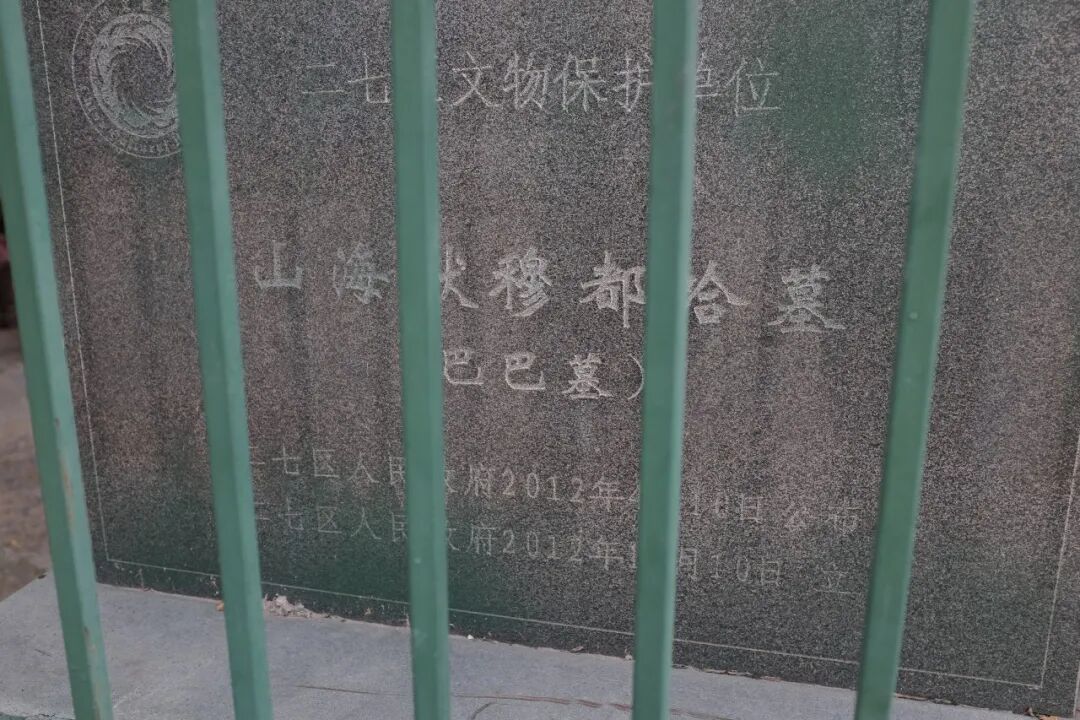
"Mountain and Sea Finger (Sages)"
Hidden inside a residential courtyard in the Erqi District, a traditional Chinese hexagonal pavilion stands quietly. Buried beneath the pavilion is Mumuduha, an Islamic sage who came from the Arab world during the Ming dynasty. He used to lecture and preach at the North Street Mosque, and because of his incredible virtue and respect, local Muslims called him "Baba" (an Islamic honorific title for wise men and saints).
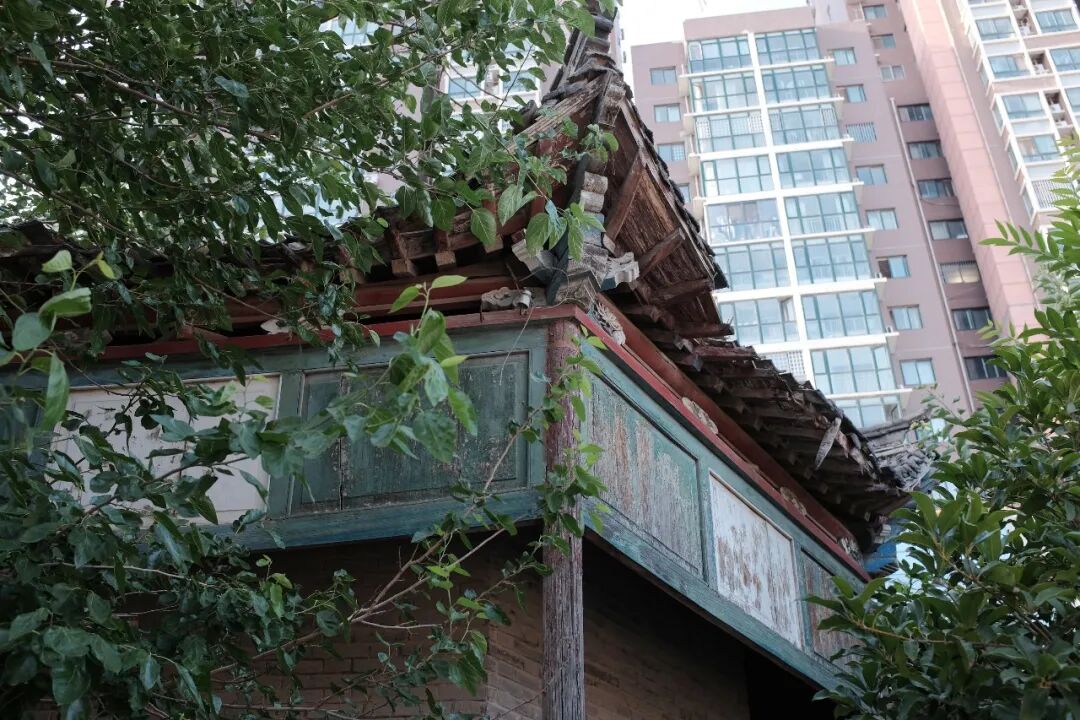
At first, the burial site of this sage was just a wild hillside near the water outside the city. Later generations of Muslims, deeply inspired by Mumuduha's character, started building their own tombs around his gravesite. Over hundreds of years, this gradually grew into Zhengzhou's largest public cemetery for Hui Muslims—Laofenggang.
By the late Qing and early Republic eras, Laofenggang slowly transformed into one of Zhengzhou's busiest street landmarks, packed with markets, folk arts, and acrobatics, rivaling places like the old Tianjin Quanyechang or Nanjing Fuzimiao.
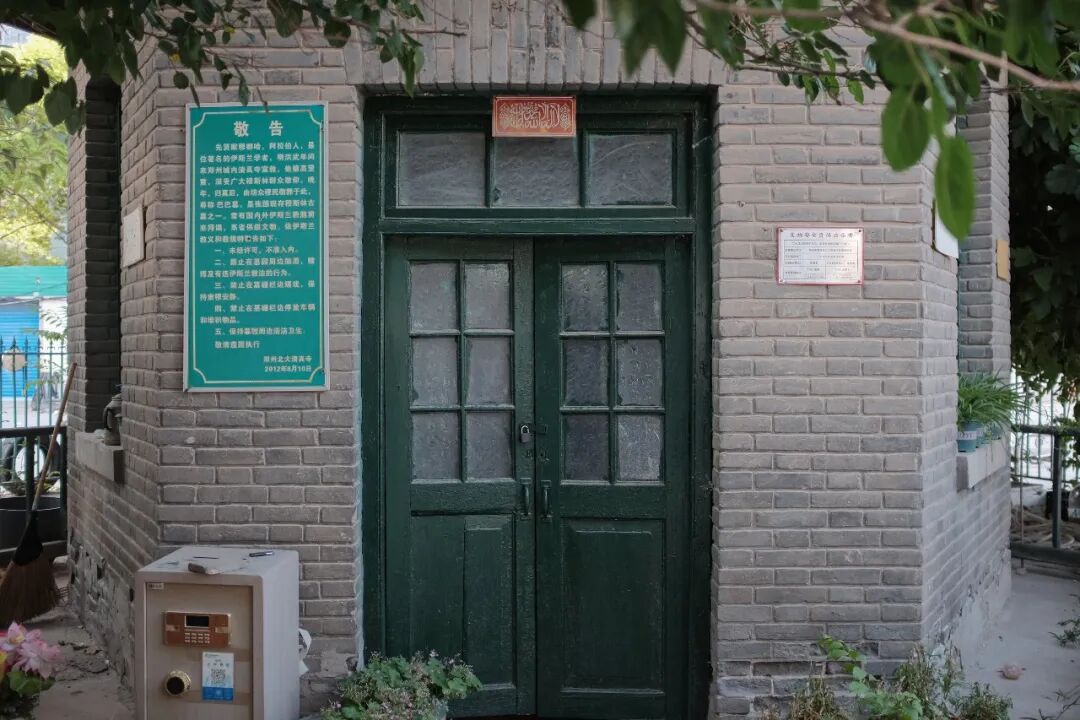
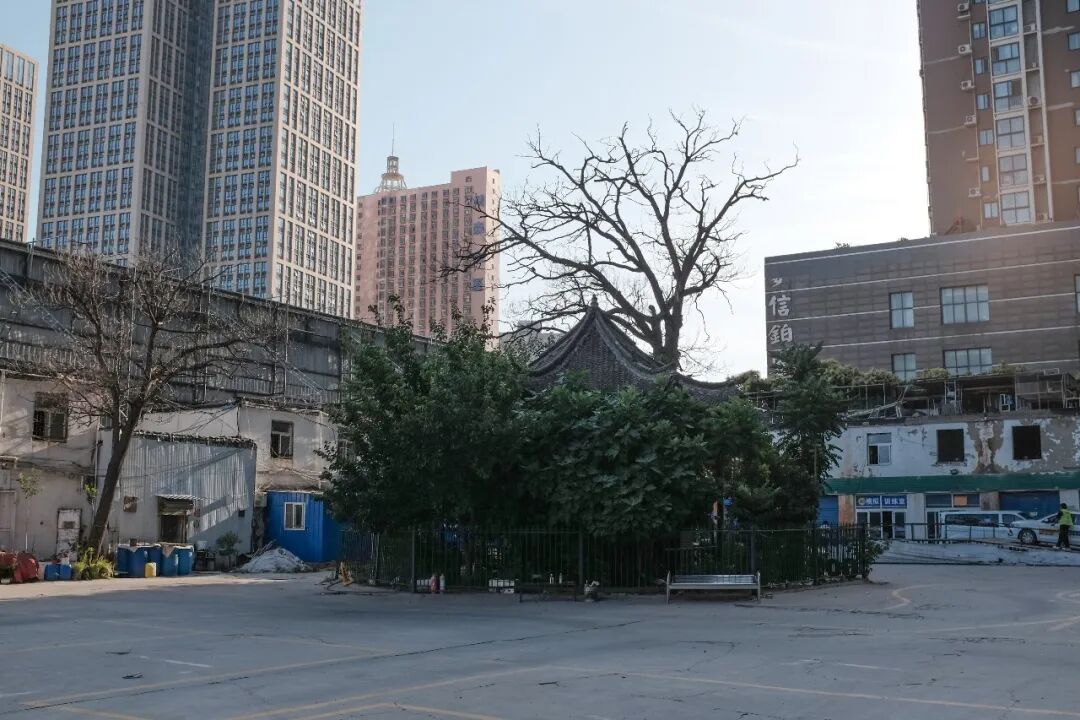
Nowadays, though, this spot has turned into a driving school training ground. Traffic flows non-stop all around it, but this slightly weathered ancient hexagonal pavilion just keeps standing there quietly.
This Arab sage who crossed oceans to reach the Central Plains has basically witnessed the area's hustle, bustle, and changes over hundreds of years—from a wild hill to a cemetery, and from a marketplace to a modern city.
Reference materials: Zhengzhou Library, online literature
Explore Zhengzhou's oldest and largest mosque, the North Street Mosque (Beida Mosque) located in the Guancheng District. Through 34 high-definition photos, check out its single-eaves Xieshan-style mountain gate built in the late Yuan and early Ming dynasties, the double-eaves Xieshan moon-sighting tower, the interconnected prayer hall, and ancient locust tree stone tablets, while experiencing authentic Central Plains classical architectural aesthetics.
Deep in the old streets of Zhengzhou's Guancheng District, you will find a stunning collection of traditional Chinese ancient architecture.
Visiting this place for the first time completely flipped my preconceived notions about what a mosque looks like.
There are no round domes or exotic minarets here. Instead, everything in front of you screams classic Central Plains architecture: flying eaves and upturned corners, grey bricks and tiles, carved screen walls, and ancient courtyards shaded by locust trees. The main entrance features a single-eaves Xieshan roof, the moon-sighting tower is a double-eaves Xieshan pavilion, and the main prayer hall uses the traditional Chinese palace-style goulianda (interconnected structure). If it weren't for the three characters for "Mosque" on the lintel, it would be hard to connect this place with Islamic architecture.
This is the North Street Mosque (Beida Mosque), the oldest and largest surviving mosque in Zhengzhou. Because it's located on North Street, locals usually just call it the North Street Mosque.
Islam has been in Zhengzhou for over a thousand years. Back in the Tang Dynasty, Guancheng was a major water and land transportation hub connecting Chang'an, Luoyang, and the southeast coast. Arab merchants and envoys passing through would stop and settle down here, making them some of the earliest ancestors of Zhengzhou's Hui Muslims.
Built in the late Yuan and early Ming dynasties, the North Street Mosque is a major birthplace for the spread of Islam in Zhengzhou. Its current architectural layout was mostly shaped during the Ming and Qing dynasties. After two major renovations during the Qianlong Emperor's reign, it finally took on today's layout: facing west with three courtyards along a symmetrical central axis, cleverly combining a traditional courtyard house with palace-style architecture.
As Islam spread, it naturally blended with local architectural traditions and evolved over time. The fact that the Zhengzhou mosque looks so traditionally Chinese is the ultimate example of localization in China.
During the Ming and Qing dynasties, most mosques in Henan adopted traditional Chinese architectural language rather than chasing the external forms of Arabic architecture. They used flying eaves, bracket sets (feiyan dougong, traditional flying eaves and brackets), and courtyard layouts to carry Islamic faith. It wasn't just a simple mashup of two styles, but a cultural fusion that lasted for hundreds of years.
Right in front of the moon-sighting tower, you can still see Chinese-style couplets hanging up: "Observe, listen, and comprehend the core truth, and you understand all of nature; experience prosperity and decline, realize the subtle turning point, and you grasp the ultimate mystery." Using the language of Chinese philosophy to explain Islamic ideas allows both architecture and text to carry on a dialogue between civilizations.
Because it has continuously functioned as a place of worship, a huge collection of ancient buildings inside has been kept completely intact. There are 16 surviving Qing dynasty stone tablets, and major structures like the main hall, moon-sighting tower, and screen walls are all original Qing constructions. The wood carvings, brick carvings, and colorful paintings are super well-preserved, making it a rare sample for appreciating Central Plains ancient architecture from the Qing dynasty.
In the quiet afternoon, the mosque is totally empty of tourists and believers, giving it a super serene vibe.
Ancient locust trees cast thick shadows, and the sunlight hits the grey brick ground, making it feel like you just stepped into a deep Qing dynasty mansion. Outside the courtyard walls, you've got the buzzing Zhengzhou street life; inside the walls, time has basically stood still for hundreds of years.
It doesn't feel like a tourist spot at all. It feels more like an old house that's still breathing, quietly guarding a thousand years of history at its own pace.
Zhengzhou North Street Mosque | Major National Historical and Cultural Site |
Free Admission (Please keep quiet during your visit and respect the order of this religious site.)
Bonus
---
Not too far from the North Street Mosque is another super low-key historical site—Baba's Tomb.
"Mountain and Sea Finger (Sages)"
Hidden inside a residential courtyard in the Erqi District, a traditional Chinese hexagonal pavilion stands quietly. Buried beneath the pavilion is Mumuduha, an Islamic sage who came from the Arab world during the Ming dynasty. He used to lecture and preach at the North Street Mosque, and because of his incredible virtue and respect, local Muslims called him "Baba" (an Islamic honorific title for wise men and saints).
At first, the burial site of this sage was just a wild hillside near the water outside the city. Later generations of Muslims, deeply inspired by Mumuduha's character, started building their own tombs around his gravesite. Over hundreds of years, this gradually grew into Zhengzhou's largest public cemetery for Hui Muslims—Laofenggang.
By the late Qing and early Republic eras, Laofenggang slowly transformed into one of Zhengzhou's busiest street landmarks, packed with markets, folk arts, and acrobatics, rivaling places like the old Tianjin Quanyechang or Nanjing Fuzimiao.
Nowadays, though, this spot has turned into a driving school training ground. Traffic flows non-stop all around it, but this slightly weathered ancient hexagonal pavilion just keeps standing there quietly.
This Arab sage who crossed oceans to reach the Central Plains has basically witnessed the area's hustle, bustle, and changes over hundreds of years—from a wild hill to a cemetery, and from a marketplace to a modern city.
Reference materials: Zhengzhou Library, online literature
