
Islamic Sufi Traditions in China: Explaining Jahriyya and Khufiyya Muslim Orders in the Northwest
[Internet Repost]
This guide breaks down the two major Sufi brotherhoods—or menhuan—found in Northwest China: the Jahriyya (the Loud-Chanting Order) and the Khufiyya (the Silent-Chanting Order), covering their Arabic origins, different ways of performing dhikr (devotional remembrance), early histories, and their role in Hui Muslim society.
When people hear the term menhuan (Sufi brotherhood) in the context of Northwest Chinese Muslims, they often get confused—especially with the names Jahriyya and Khufiyya, which sound and look pretty similar. While both are Sufi traditions that evolved in China, they’re actually like twins with completely different personalities. Plus, the stories behind these groups are deeply tied to major families like the Mas and the Hongs, which makes digging into their history super interesting.
Let’s start with the names, which both come from Arabic. Jahriyya means 'out loud,' so they’re known as the 'Loud-Chanting Order,' while Khufiyya means 'hidden' or 'secret,' which is why they’re the 'Silent-Chanting Order.' The names pretty much tell you everything you need to know about the main difference in how they worship.

So, what does that actually look like? When followers of the Jahriyya are performing dhikr (remembrance of Allah) or praising the Prophet, they do it loudly and with a lot of energy—you can sometimes hear a whole group chanting in unison, which is incredibly powerful. Because of this, they’ve historically been very organized and tight-knit. The Khufiyya, on the other hand, are all about silent, internal recitation. They focus on finding peace and stillness in the middle of a chaotic world, making it feel more like a personal spiritual practice.
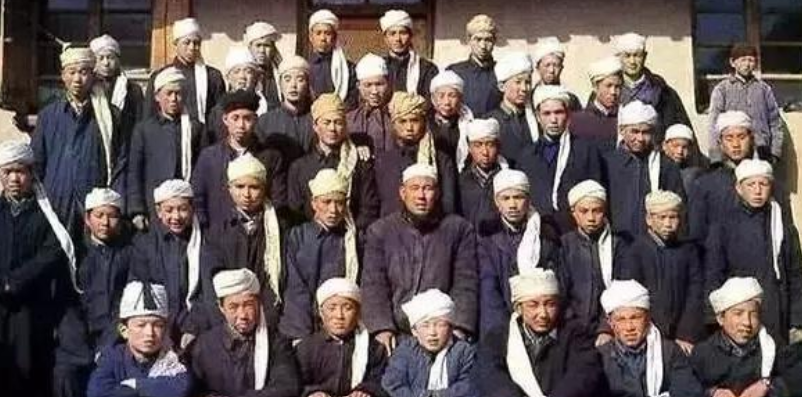
Historically, these two groups have had very different vibes. The Jahriyya was founded during the Qing Dynasty by Ma Mingxin, a guy from Wudu in Gansu province. He was orphaned young and studied in Linxia before starting this group. His teachings, which emphasized helping fellow believers, became a hit with the working class. However, disagreements with the existing 'Old School' (a branch of Khufiyya) over rituals eventually led to major conflict, including several uprisings against the Qing government. After thousands of deaths in the 18th century and the massive decade-long Dungan Revolt in the 19th century, the Jahriyya gained a reputation for being bold, defiant, and revolutionary.
The Khufiyya has a longer history, arriving in China during the late Ming and early Qing Dynasties. They’re generally seen as more moderate and conservative, preferring to keep to themselves rather than picking fights. The Khufiyya is the largest of the four main menhuan, with many branches like the Huasi, Hu, Beizhuang, Mufti, and Hong branches. The Hu branch, in particular, is huge in places like Linxia and Guanghe. They’re known for being 'low-key' and focusing heavily on personal, internal spiritual growth.
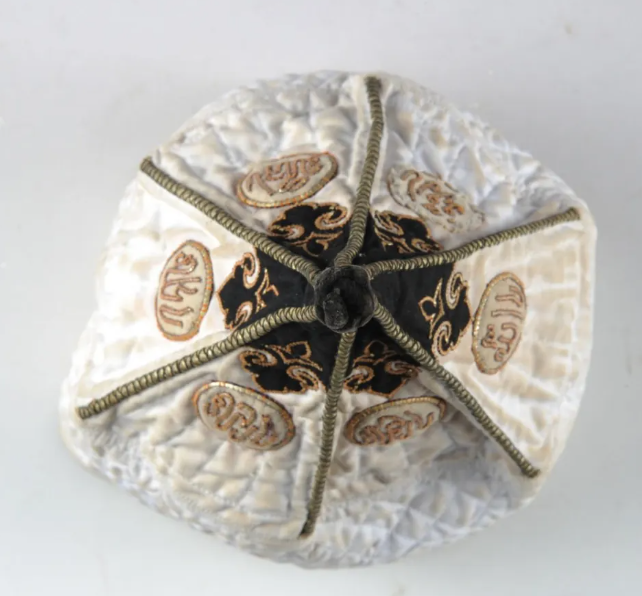
The surname 'Ma' is extremely common among Northwest Muslims, appearing in almost every branch. The Jahriyya founder, Ma Mingxin, was a Ma, and subsequent leaders were often from the same family. Ma Mingxin’s martyrdom after returning from hajj in Yemen became a symbol of resistance for generations. Later, during the 19th-century revolt, the fifth Jahriyya leader, Ma Hualong, led an uprising at Jinjipu before being executed by the Qing general Zuo Zongtang. In the Jahriyya tradition, the Ma name isn't just about leadership; it’s a symbol of their spiritual spirit.
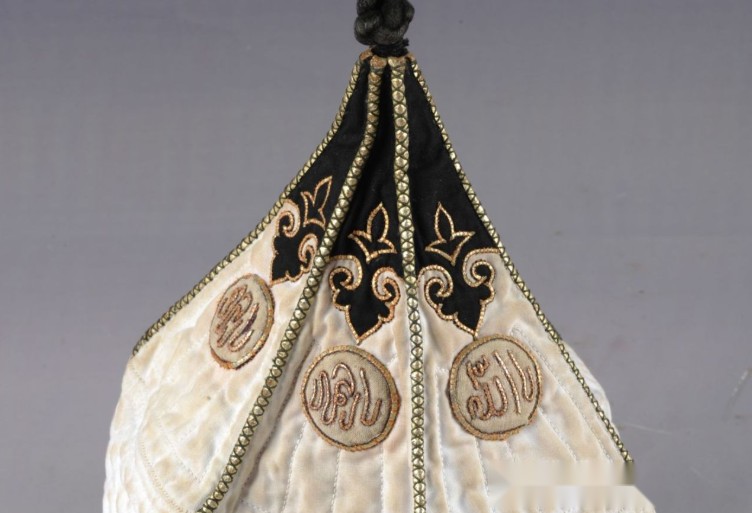
In the Khufiyya order, the surname Ma is also everywhere, but it functions differently. For example, Ma Wanfu (also known as Ma Guoyuan) was a key figure who founded the Mufti branch. He had a massive influence in the late Qing and early Republican eras. Unlike the Jahriyya, where leadership often ran in the family, the surname Ma in Khufiyya is more about individual leaders heading up different branches rather than a strict hereditary system.
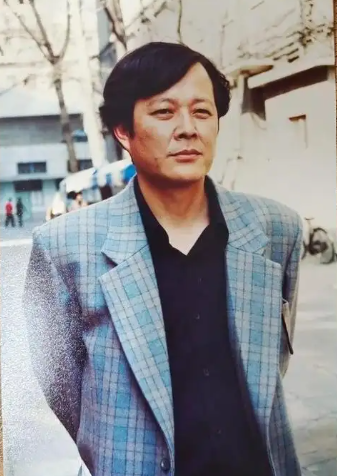
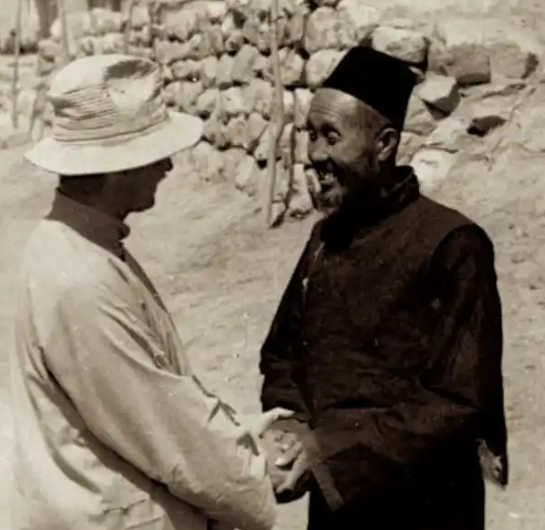
Actor Hong Yuzhou.
The Hong surname is another interesting piece of the puzzle. There’s a 'Hongmen' (Hong branch) within the Khufiyya that originated from the Hong family. It’s influential around Tongxin County in Ningxia, where the 'Hong Gangzi Gongbei' (a shrine or mausoleum complex for a saint) serves as a major pilgrimage site for believers. The founder, known as 'Grandpa Hong,' is revered by followers who believe he had the power to foresee the future or heal the sick. Even though traditional Islamic theology teaches that Muhammad is the final prophet, in folk religion, these leaders are often seen as having a special, divine-like status.
Looking at the map, the Jahriyya is mostly concentrated in Xihai'gu in Ningxia, Linxia in Gansu, and parts of Qinghai, though it eventually spread to Xinjiang, Yunnan, Jilin, Hebei, and Shandong. The Khufiyya has a much wider footprint, stretching across Gansu, Ningxia, Qinghai, Xinjiang, Yunnan, and Sichuan. You could say they’re everywhere.
A funny detail is how people label them. Because of the loud chanting, some people call the Jahriyya the 'New Teaching,' while the older, more traditional Khufiyya is sometimes called the 'Old Teaching.' But that’s not really accurate—both groups have tons of internal branches, so you can’t just split them into 'new' and 'old.'
At the end of the day, both the Jahriyya and Khufiyya are just unique forms of Sufism that took root in China, and they’re both essential parts of the Muslim experience here. Whether they pray out loud or in silence, the end goal is always the same: showing reverence and piety to Allah. They just have different methods, distinct personalities, and unique histories.
It’s not surprising that people get them mixed up. They both deal with Sufism, they’re both in the Northwest, and they’re both Muslim. But just remember: Jahriyya = Loud, Khufiyya = Silent. Once you combine that with their historical differences, it’s a lot easier to keep them straight.
Ultimately, the menhuan system is a product of Chinese Islamic localization—a way Sufi philosophy put down roots in the soil of Northwest China. Both the Jahriyya and Khufiyya carry the hopes and faith of generations of Muslims, serving as a unique cultural marker of the region. Families like the Mas and the Hongs played huge roles in this evolution, and their stories are a massive part of this history. Now, when you hear those names, you’ll definitely be in the know.
This guide breaks down the two major Sufi brotherhoods—or menhuan—found in Northwest China: the Jahriyya (the Loud-Chanting Order) and the Khufiyya (the Silent-Chanting Order), covering their Arabic origins, different ways of performing dhikr (devotional remembrance), early histories, and their role in Hui Muslim society.
When people hear the term menhuan (Sufi brotherhood) in the context of Northwest Chinese Muslims, they often get confused—especially with the names Jahriyya and Khufiyya, which sound and look pretty similar. While both are Sufi traditions that evolved in China, they’re actually like twins with completely different personalities. Plus, the stories behind these groups are deeply tied to major families like the Mas and the Hongs, which makes digging into their history super interesting.
Let’s start with the names, which both come from Arabic. Jahriyya means 'out loud,' so they’re known as the 'Loud-Chanting Order,' while Khufiyya means 'hidden' or 'secret,' which is why they’re the 'Silent-Chanting Order.' The names pretty much tell you everything you need to know about the main difference in how they worship.
So, what does that actually look like? When followers of the Jahriyya are performing dhikr (remembrance of Allah) or praising the Prophet, they do it loudly and with a lot of energy—you can sometimes hear a whole group chanting in unison, which is incredibly powerful. Because of this, they’ve historically been very organized and tight-knit. The Khufiyya, on the other hand, are all about silent, internal recitation. They focus on finding peace and stillness in the middle of a chaotic world, making it feel more like a personal spiritual practice.
Historically, these two groups have had very different vibes. The Jahriyya was founded during the Qing Dynasty by Ma Mingxin, a guy from Wudu in Gansu province. He was orphaned young and studied in Linxia before starting this group. His teachings, which emphasized helping fellow believers, became a hit with the working class. However, disagreements with the existing 'Old School' (a branch of Khufiyya) over rituals eventually led to major conflict, including several uprisings against the Qing government. After thousands of deaths in the 18th century and the massive decade-long Dungan Revolt in the 19th century, the Jahriyya gained a reputation for being bold, defiant, and revolutionary.
The Khufiyya has a longer history, arriving in China during the late Ming and early Qing Dynasties. They’re generally seen as more moderate and conservative, preferring to keep to themselves rather than picking fights. The Khufiyya is the largest of the four main menhuan, with many branches like the Huasi, Hu, Beizhuang, Mufti, and Hong branches. The Hu branch, in particular, is huge in places like Linxia and Guanghe. They’re known for being 'low-key' and focusing heavily on personal, internal spiritual growth.
The surname 'Ma' is extremely common among Northwest Muslims, appearing in almost every branch. The Jahriyya founder, Ma Mingxin, was a Ma, and subsequent leaders were often from the same family. Ma Mingxin’s martyrdom after returning from hajj in Yemen became a symbol of resistance for generations. Later, during the 19th-century revolt, the fifth Jahriyya leader, Ma Hualong, led an uprising at Jinjipu before being executed by the Qing general Zuo Zongtang. In the Jahriyya tradition, the Ma name isn't just about leadership; it’s a symbol of their spiritual spirit.
In the Khufiyya order, the surname Ma is also everywhere, but it functions differently. For example, Ma Wanfu (also known as Ma Guoyuan) was a key figure who founded the Mufti branch. He had a massive influence in the late Qing and early Republican eras. Unlike the Jahriyya, where leadership often ran in the family, the surname Ma in Khufiyya is more about individual leaders heading up different branches rather than a strict hereditary system.
Actor Hong Yuzhou.
The Hong surname is another interesting piece of the puzzle. There’s a 'Hongmen' (Hong branch) within the Khufiyya that originated from the Hong family. It’s influential around Tongxin County in Ningxia, where the 'Hong Gangzi Gongbei' (a shrine or mausoleum complex for a saint) serves as a major pilgrimage site for believers. The founder, known as 'Grandpa Hong,' is revered by followers who believe he had the power to foresee the future or heal the sick. Even though traditional Islamic theology teaches that Muhammad is the final prophet, in folk religion, these leaders are often seen as having a special, divine-like status.
Looking at the map, the Jahriyya is mostly concentrated in Xihai'gu in Ningxia, Linxia in Gansu, and parts of Qinghai, though it eventually spread to Xinjiang, Yunnan, Jilin, Hebei, and Shandong. The Khufiyya has a much wider footprint, stretching across Gansu, Ningxia, Qinghai, Xinjiang, Yunnan, and Sichuan. You could say they’re everywhere.
A funny detail is how people label them. Because of the loud chanting, some people call the Jahriyya the 'New Teaching,' while the older, more traditional Khufiyya is sometimes called the 'Old Teaching.' But that’s not really accurate—both groups have tons of internal branches, so you can’t just split them into 'new' and 'old.'
At the end of the day, both the Jahriyya and Khufiyya are just unique forms of Sufism that took root in China, and they’re both essential parts of the Muslim experience here. Whether they pray out loud or in silence, the end goal is always the same: showing reverence and piety to Allah. They just have different methods, distinct personalities, and unique histories.
It’s not surprising that people get them mixed up. They both deal with Sufism, they’re both in the Northwest, and they’re both Muslim. But just remember: Jahriyya = Loud, Khufiyya = Silent. Once you combine that with their historical differences, it’s a lot easier to keep them straight.
Ultimately, the menhuan system is a product of Chinese Islamic localization—a way Sufi philosophy put down roots in the soil of Northwest China. Both the Jahriyya and Khufiyya carry the hopes and faith of generations of Muslims, serving as a unique cultural marker of the region. Families like the Mas and the Hongs played huge roles in this evolution, and their stories are a massive part of this history. Now, when you hear those names, you’ll definitely be in the know.
