
Why Xi'an's Best Halal Food Rules: A Deep Dive into Muslim Street Food and Hui Culture
[Internet Repost]
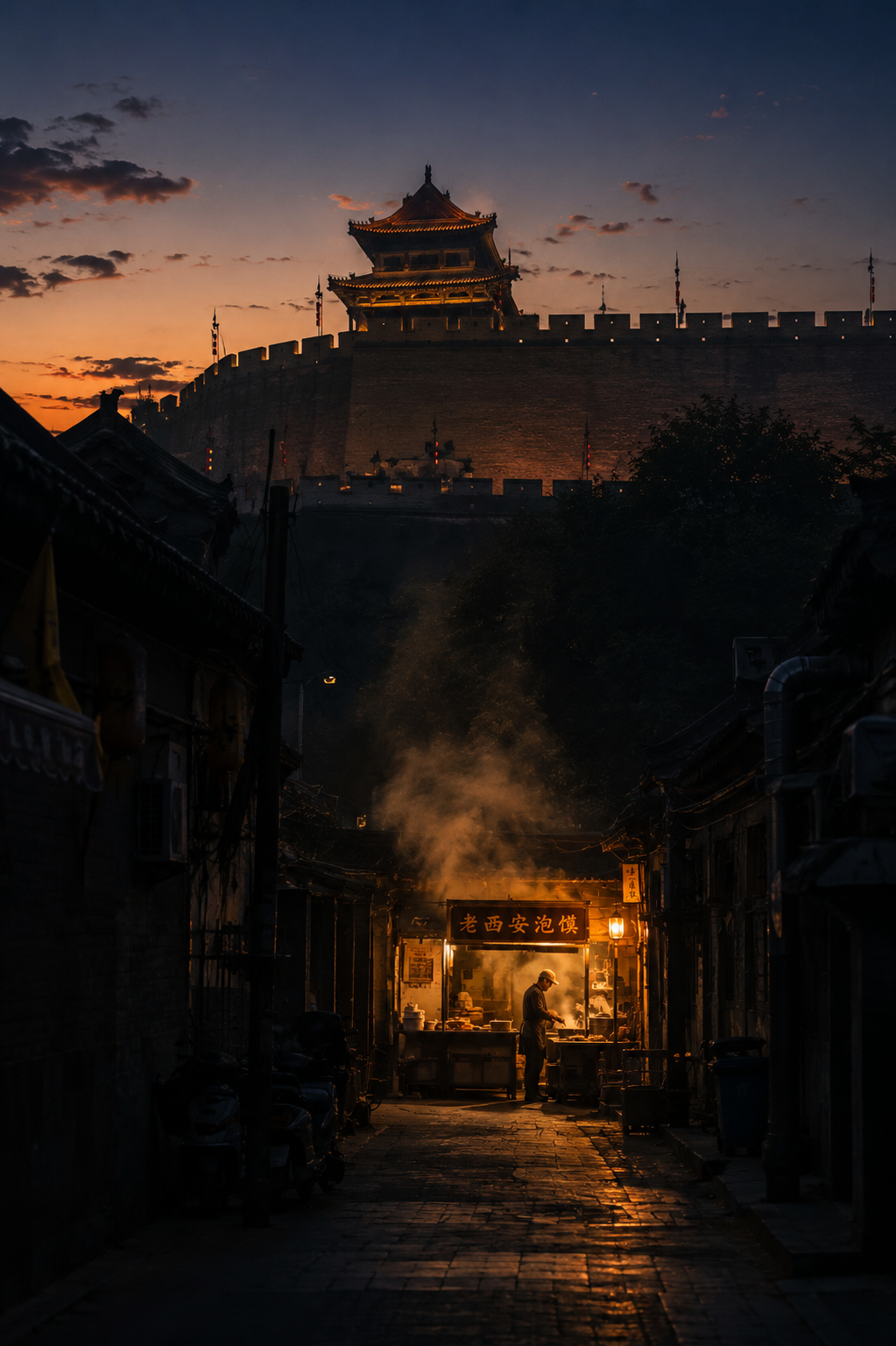
From the settlement of Silk Road merchants in Chang'an during the Tang Dynasty and the beef and lamb trade hub of the Ming and Qing eras, to the 'living by the masjid' craftsmanship passed down by Hui Muslims, we’re diving deep into the halal culinary DNA behind iconic Xi'an dishes like yangrou paomo (lamb and bread stew), rouwan hulatang (meatball spicy soup), and lazhourou jiamo (cured beef sandwich).
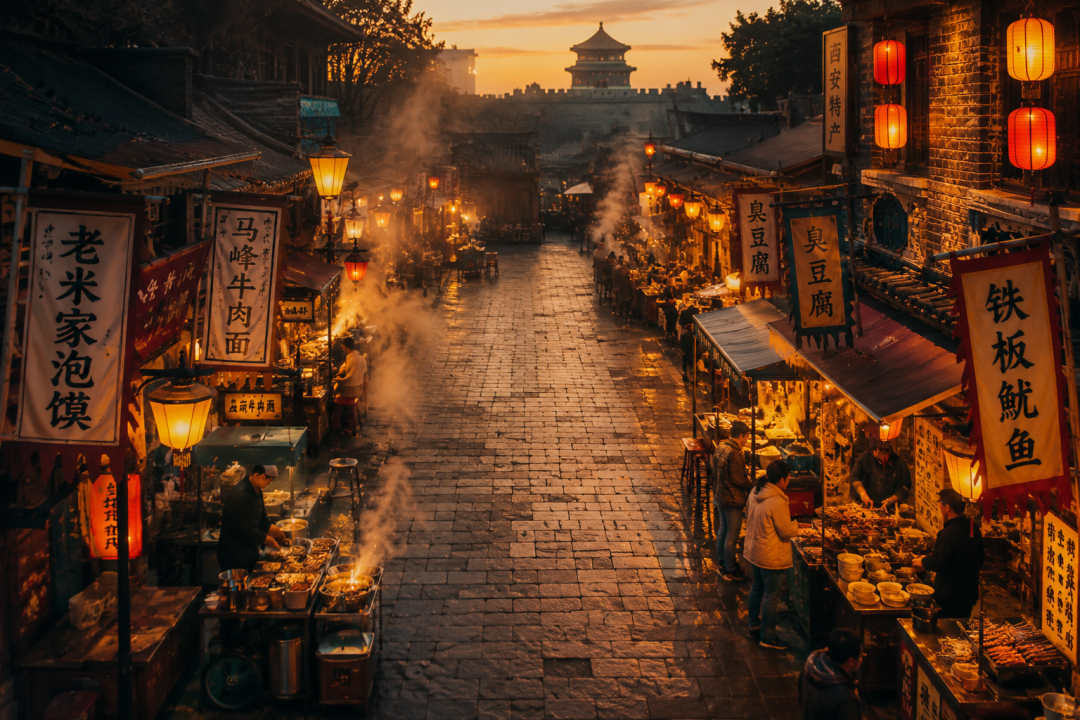
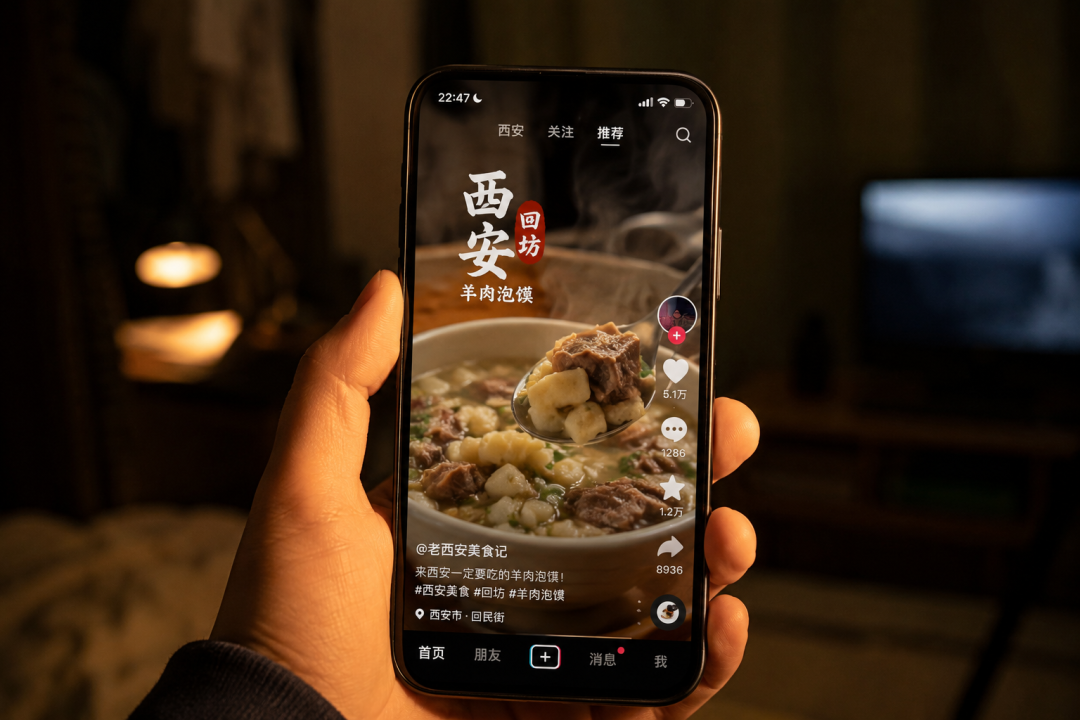
I was scrolling through some short videos recently and noticed a pretty interesting trend.
Whenever Xi'an food goes viral, it almost always comes from the exact same map: Huimin Street, Sanjinqiao, Dapiyuan, and Beiguangji Street.
The stuff featured is pretty much the same: yangrou paomo, xiaochao paomo (stir-fried crumbled bread stew), rouwan hulatang, zenggao (steamed sticky rice cake), niurou bing (beef pancake), lazhourou jiamo, and guantangbao (soup-filled steamed buns).
As I kept watching, a question suddenly hit me—
Why does the most famous, 'viral' food in Xi'an seem to always have the word 'Halal' attached to it?
In fact, many first-time visitors to Xi'an get this misconception that Xi'an food is just one big synonym for halal food.
After I did some digging, I realized it’s definitely not a coincidence.
The answer goes all the way back to the Tang Dynasty.
A lot of people think Huimin Street is just a tourist trap.
But actually, it’s a community first and foremost.
And it's a neighborhood with some serious history.
If you roll the clock back, you can trace it all the way to the Tang Dynasty.
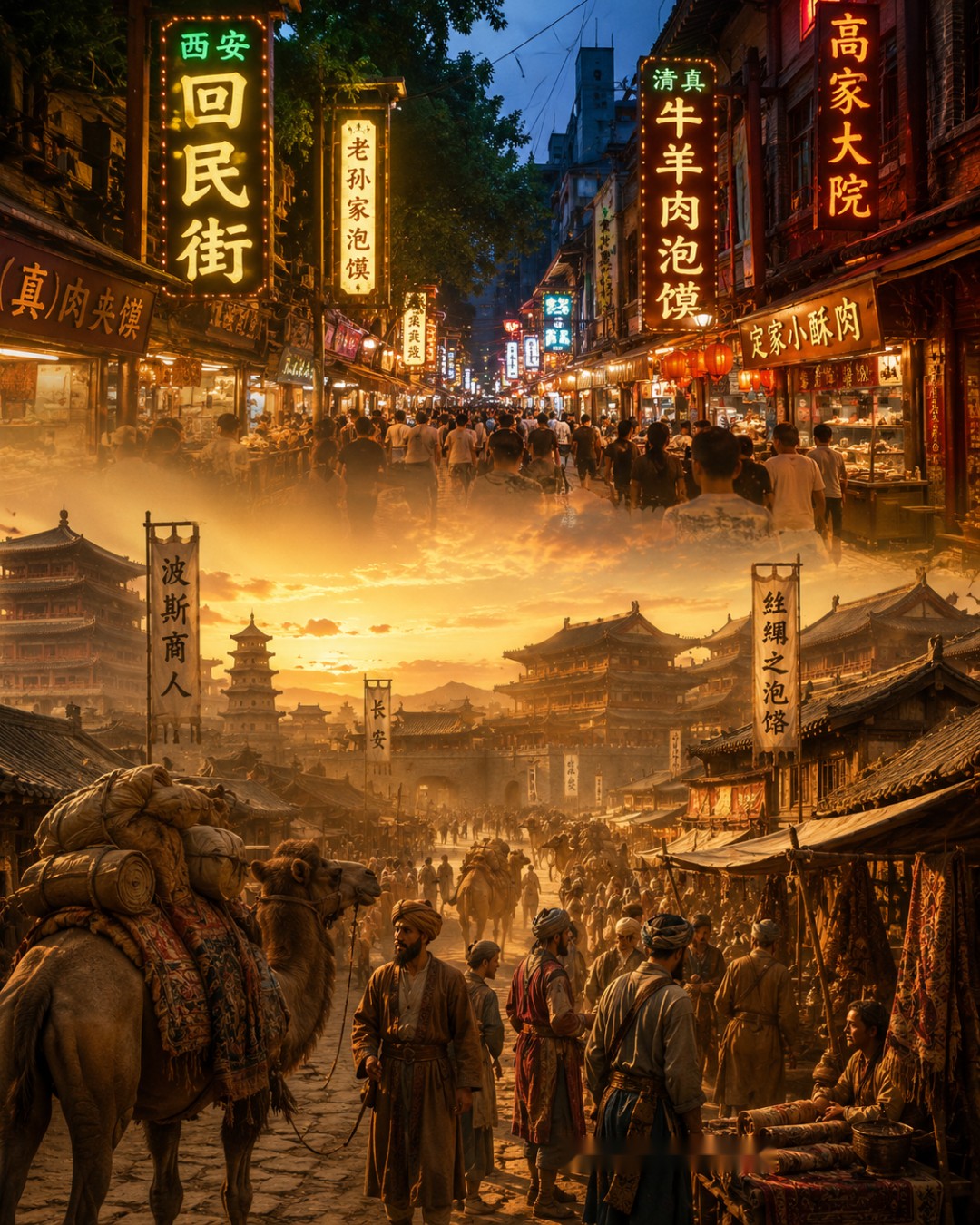
Chang'an back then was a world-class international metropolis. Persians came, Arabs came, and traders from Central Asia all flocked there. Many traveled along the Silk Road to do business in Chang'an; some left, but others stayed, slowly forming their own neighborhoods.
Over the next thousand years of cultural integration, intermarriage, and growth, it gradually became what we call the 'Hui Quarter' today.
So, why is Xi'an's halal food scene so concentrated? Because these folks have been living here for over a thousand years.
Those 'viral' snacks are basically just the natural overflow of the daily diet of this ancient community.
Beef and lamb are just a match made in heaven.
But having history isn't enough. I mean, there are plenty of historic places in China, so why did the halal food scene in Xi'an specifically take off?
I think there's another reason: the beef and lamb.
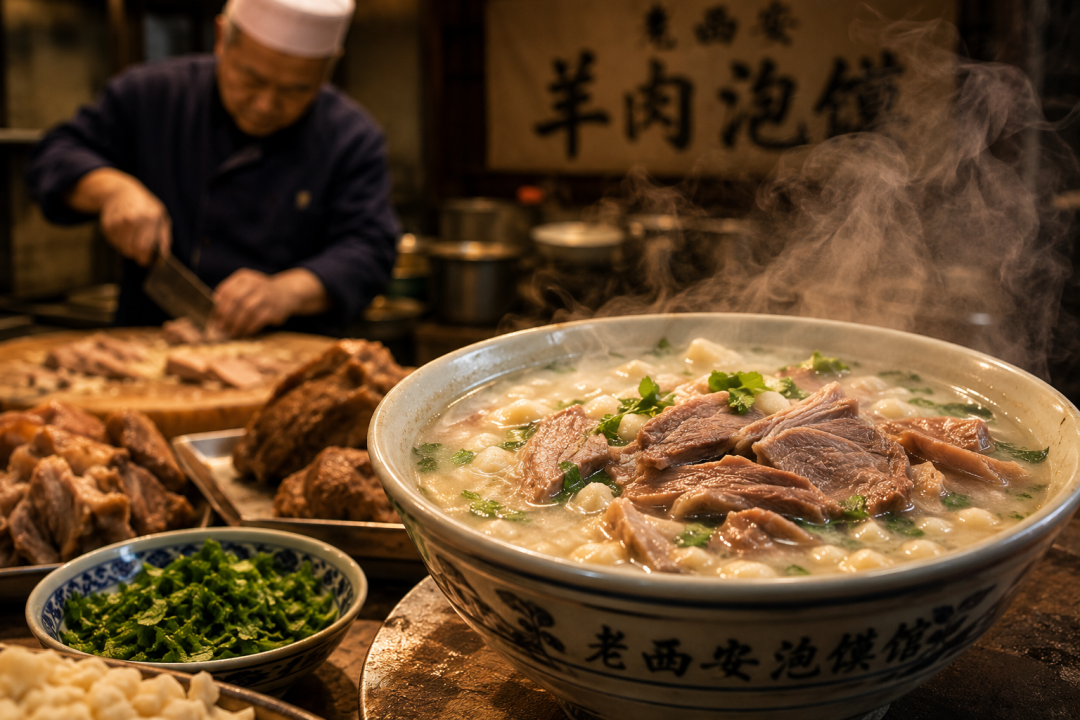
People in Shaanxi are absolutely obsessed with lamb.
Yangrou paomo, shuipen yangrou (water basin lamb soup), hutou (lamb head stew), fentang yangxue (vermicelli and lamb blood soup), yangza (lamb offal)—they can do endless things with just lamb.
And halal cuisine has always been exceptionally skilled at handling beef and lamb.
What’s it like? It’s like two people who are just perfectly in sync meeting each other.
Shaanxi locals already loved lamb, and halal eateries are masters at cooking it. They essentially maxed out that culinary potential.
That’s how we ended up with the legendary yangrou paomo. Outsiders find it novel, but locals have been eating it their whole lives.
But honestly, locals don't really go there anymore.
Now that I'm writing this, I’ve got to keep it real.
Xi'an locals, especially the younger generation, rarely go to Huimin Street to eat these days.
The reason is simple: it’s gotten too expensive.
Recently, Xi'an's yangrou paomo got dragged on social media. A single bowl is now 30 or 40 yuan, and the portions are getting smaller. As someone from Pucheng in Weinan, I honestly don't get it. Back home, a bowl of paomo is 20 yuan, the portions are huge, and it tastes amazing.
How did the price double just by coming to the provincial capital?
Some say it's high rent, expensive labor, and using better quality lamb. I buy that. But the actual old-school shops that have been around for decades are actually pretty reasonable with their pricing. The ones driving up prices the hardest are usually the shops that blew up overnight and got fancy renovations. They’re packed with tourists, but the locals stopped going a long time ago.
So we’re left with a pretty ridiculous situation—
Tourists head to Huimin Street chasing the 'Xi'an Food' hype, thinking they’re getting the most authentic experience possible.
But the real locals have already voted with their feet.
At the end of the day, people aren't complaining because paomo is expensive. They’re complaining because you turned a hearty, honest meal into a way to milk tourists for cash.
Finally,
Back to the original question: Why is the most viral food in Xi'an always linked to halal traditions?
History gave us the answer. The Silk Road of the Tang Dynasty left behind a community that mastered beef and lamb, and the people of Shaanxi have a natural love for lamb. Those two gears interlocked perfectly and have been turning for over a millennium.
Sure, Xi'an's food scene is blowing up online, but what happens when the hype actually dies down?
You’ve got bowls of paomo (crumbled flatbread in lamb soup) going for thirty or forty bucks, with the portions shrinking and the meat getting thinner by the day. Once the tourists record their videos and head home, the locals just stop showing up entirely.
At that point, it’s not the real taste of Xi'an anymore.
That’s just the taste of a generic tourist trap.
It honestly makes you stop and think. Chang’an isn't the same city it used to be back in the day, but the flavors brought here by the people traveling the Silk Road are still drifting through those narrow alleys today.
I just hope it stays that way.
Rather than turning into nothing more than a thirty-eight dollar "cultural tourism experience."
From the settlement of Silk Road merchants in Chang'an during the Tang Dynasty and the beef and lamb trade hub of the Ming and Qing eras, to the 'living by the masjid' craftsmanship passed down by Hui Muslims, we’re diving deep into the halal culinary DNA behind iconic Xi'an dishes like yangrou paomo (lamb and bread stew), rouwan hulatang (meatball spicy soup), and lazhourou jiamo (cured beef sandwich).
I was scrolling through some short videos recently and noticed a pretty interesting trend.
Whenever Xi'an food goes viral, it almost always comes from the exact same map: Huimin Street, Sanjinqiao, Dapiyuan, and Beiguangji Street.
The stuff featured is pretty much the same: yangrou paomo, xiaochao paomo (stir-fried crumbled bread stew), rouwan hulatang, zenggao (steamed sticky rice cake), niurou bing (beef pancake), lazhourou jiamo, and guantangbao (soup-filled steamed buns).
As I kept watching, a question suddenly hit me—
Why does the most famous, 'viral' food in Xi'an seem to always have the word 'Halal' attached to it?
In fact, many first-time visitors to Xi'an get this misconception that Xi'an food is just one big synonym for halal food.
After I did some digging, I realized it’s definitely not a coincidence.
The answer goes all the way back to the Tang Dynasty.
A lot of people think Huimin Street is just a tourist trap.
But actually, it’s a community first and foremost.
And it's a neighborhood with some serious history.
If you roll the clock back, you can trace it all the way to the Tang Dynasty.
Chang'an back then was a world-class international metropolis. Persians came, Arabs came, and traders from Central Asia all flocked there. Many traveled along the Silk Road to do business in Chang'an; some left, but others stayed, slowly forming their own neighborhoods.
Over the next thousand years of cultural integration, intermarriage, and growth, it gradually became what we call the 'Hui Quarter' today.
So, why is Xi'an's halal food scene so concentrated? Because these folks have been living here for over a thousand years.
Those 'viral' snacks are basically just the natural overflow of the daily diet of this ancient community.
Beef and lamb are just a match made in heaven.
But having history isn't enough. I mean, there are plenty of historic places in China, so why did the halal food scene in Xi'an specifically take off?
I think there's another reason: the beef and lamb.
People in Shaanxi are absolutely obsessed with lamb.
Yangrou paomo, shuipen yangrou (water basin lamb soup), hutou (lamb head stew), fentang yangxue (vermicelli and lamb blood soup), yangza (lamb offal)—they can do endless things with just lamb.
And halal cuisine has always been exceptionally skilled at handling beef and lamb.
What’s it like? It’s like two people who are just perfectly in sync meeting each other.
Shaanxi locals already loved lamb, and halal eateries are masters at cooking it. They essentially maxed out that culinary potential.
That’s how we ended up with the legendary yangrou paomo. Outsiders find it novel, but locals have been eating it their whole lives.
But honestly, locals don't really go there anymore.
Now that I'm writing this, I’ve got to keep it real.
Xi'an locals, especially the younger generation, rarely go to Huimin Street to eat these days.
The reason is simple: it’s gotten too expensive.
Recently, Xi'an's yangrou paomo got dragged on social media. A single bowl is now 30 or 40 yuan, and the portions are getting smaller. As someone from Pucheng in Weinan, I honestly don't get it. Back home, a bowl of paomo is 20 yuan, the portions are huge, and it tastes amazing.
How did the price double just by coming to the provincial capital?
Some say it's high rent, expensive labor, and using better quality lamb. I buy that. But the actual old-school shops that have been around for decades are actually pretty reasonable with their pricing. The ones driving up prices the hardest are usually the shops that blew up overnight and got fancy renovations. They’re packed with tourists, but the locals stopped going a long time ago.
So we’re left with a pretty ridiculous situation—
Tourists head to Huimin Street chasing the 'Xi'an Food' hype, thinking they’re getting the most authentic experience possible.
But the real locals have already voted with their feet.
At the end of the day, people aren't complaining because paomo is expensive. They’re complaining because you turned a hearty, honest meal into a way to milk tourists for cash.
Finally,
Back to the original question: Why is the most viral food in Xi'an always linked to halal traditions?
History gave us the answer. The Silk Road of the Tang Dynasty left behind a community that mastered beef and lamb, and the people of Shaanxi have a natural love for lamb. Those two gears interlocked perfectly and have been turning for over a millennium.
Sure, Xi'an's food scene is blowing up online, but what happens when the hype actually dies down?
You’ve got bowls of paomo (crumbled flatbread in lamb soup) going for thirty or forty bucks, with the portions shrinking and the meat getting thinner by the day. Once the tourists record their videos and head home, the locals just stop showing up entirely.
At that point, it’s not the real taste of Xi'an anymore.
That’s just the taste of a generic tourist trap.
It honestly makes you stop and think. Chang’an isn't the same city it used to be back in the day, but the flavors brought here by the people traveling the Silk Road are still drifting through those narrow alleys today.
I just hope it stays that way.
Rather than turning into nothing more than a thirty-eight dollar "cultural tourism experience."
