
Uzbekistan's Bukhara: 2500-Year-Old Silk Road Living Old City & Ancient Architecture
Check out 9 high-definition, panoramic photos of Bukhara, Uzbekistan, an ancient city over 2,500 years old. This truly "living old city" perfectly preserves medieval madrasahs, domed trade bazaars, public water reservoirs, and winding, narrow adobe alleys, fully showcasing the profound historical heritage of this Silk Road gem.
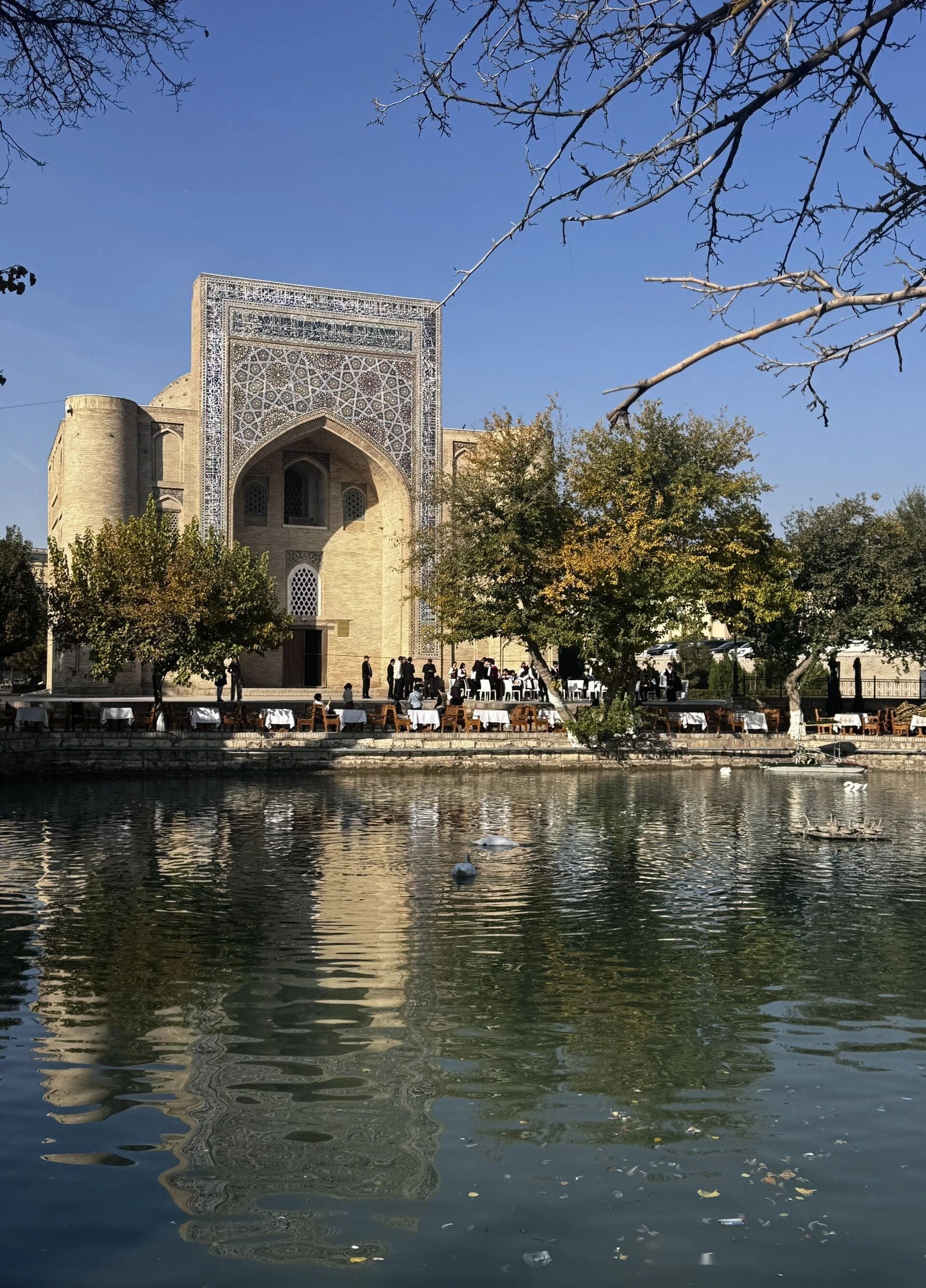
Bukhara is over 2,500 years old and is still a living old city – madrasahs, markets, pools, and streets are still intertwined, with pool waters reflecting the arches of madrasahs, and the aroma of Silk Road spices and textiles still flowing through the markets.
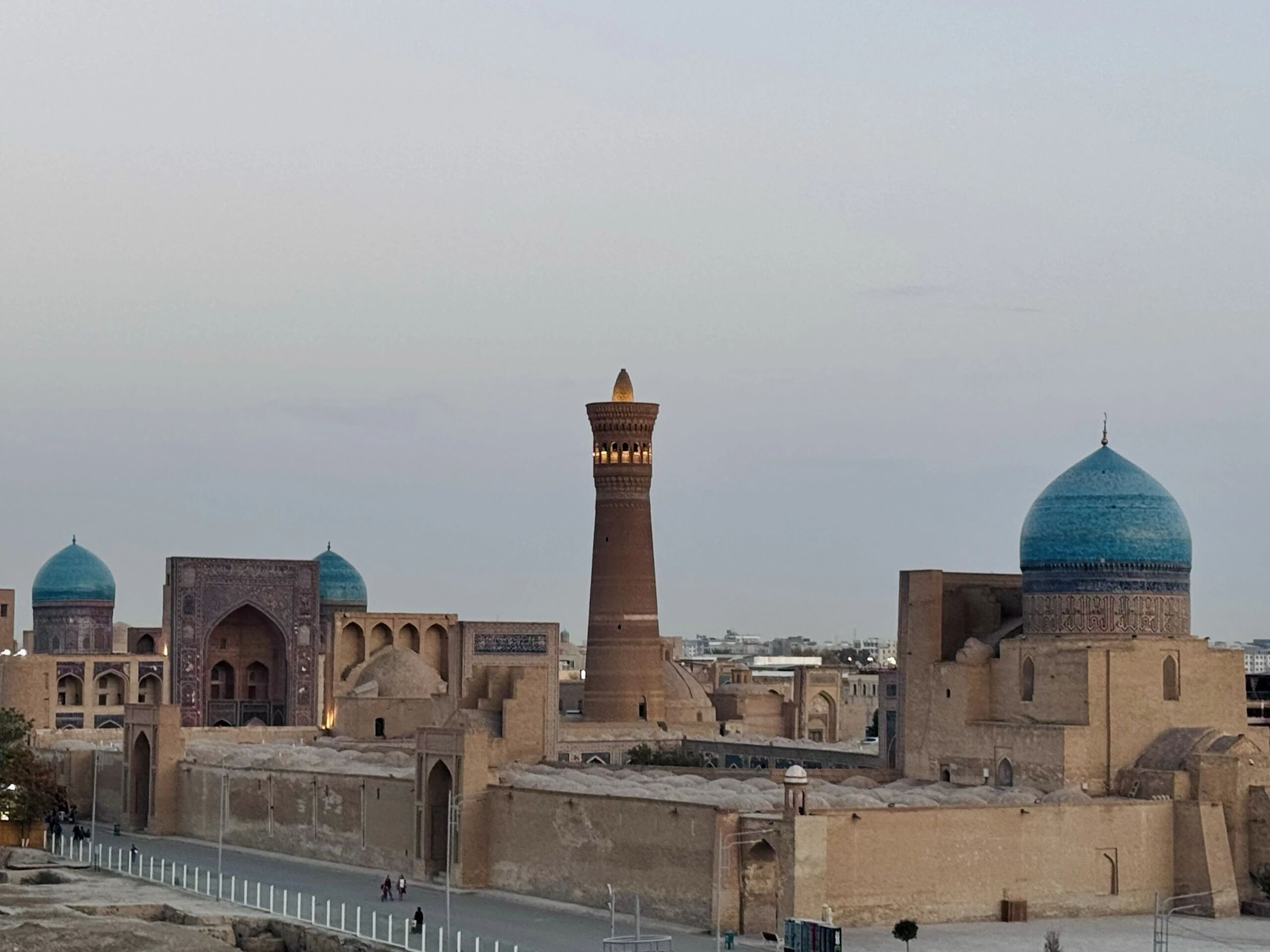
It's called the "Mecca of Central Asia," a holy city of immense significance in Islamic civilization, holding a particularly high status in the Central Asian and Persian cultural spheres, hailed as the "Dome of Islam" and "Noble Bukhara."
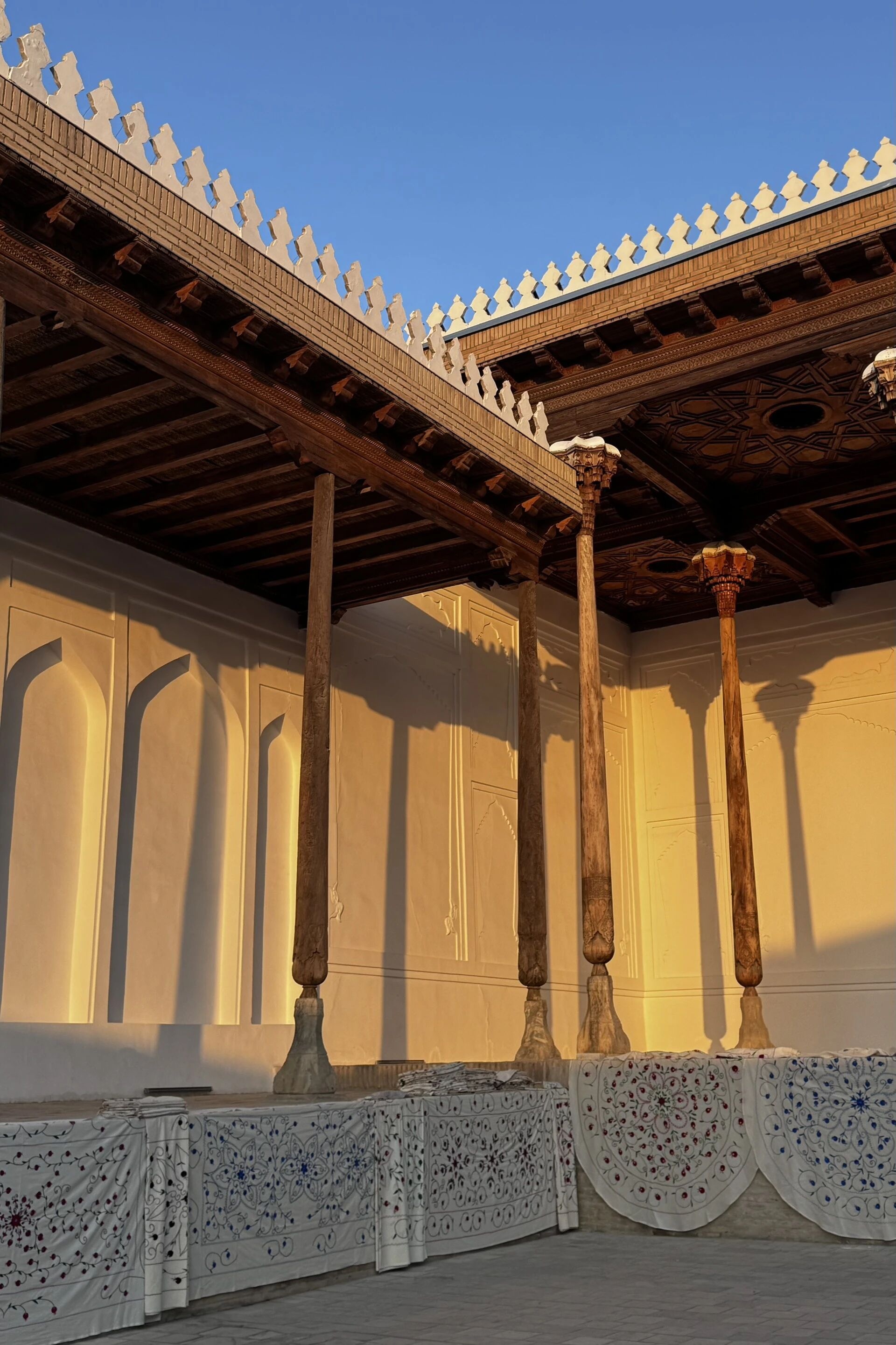
This was once the center of the Persian Islamic Renaissance, boasting over a hundred madrasahs and more than two hundred mosques, serving as the higher academic hub for all of Central Asia. In medieval times, the scholarship from Bukhara's madrasahs spread along the Silk Road into Central Asia and the Western Regions, with Islamic civilization moving eastward from this very place.
Genghis Khan himself led his cavalry here, and after gazing upon the Kalyan Minaret, he was so moved that he ordered only this minaret to be spared, while the rest of the city was largely burned down. It was rebuilt later.
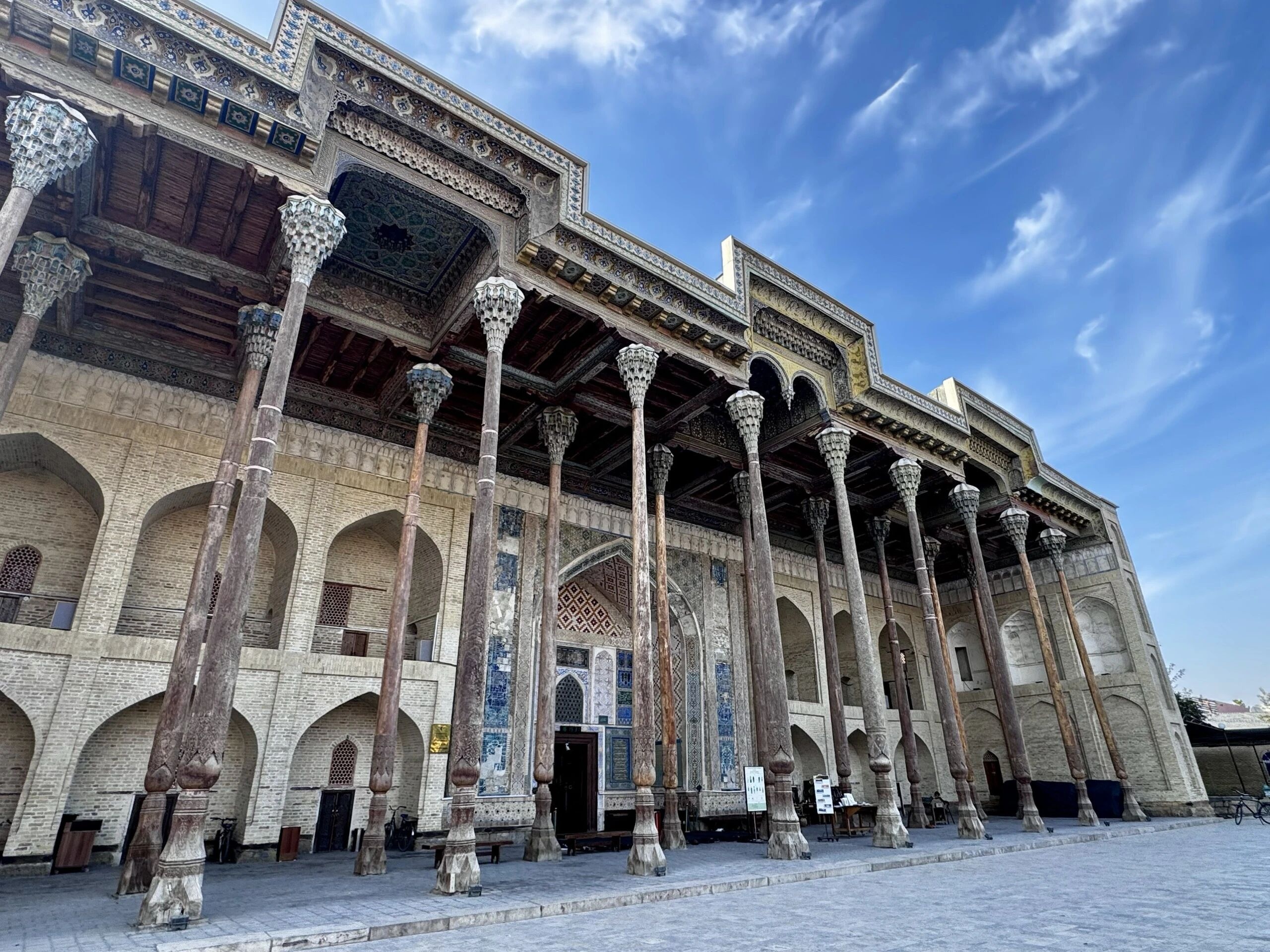
There's an ancient saying: While other Muslim cities receive light from the heavens, Bukhara alone sends its radiance skyward.
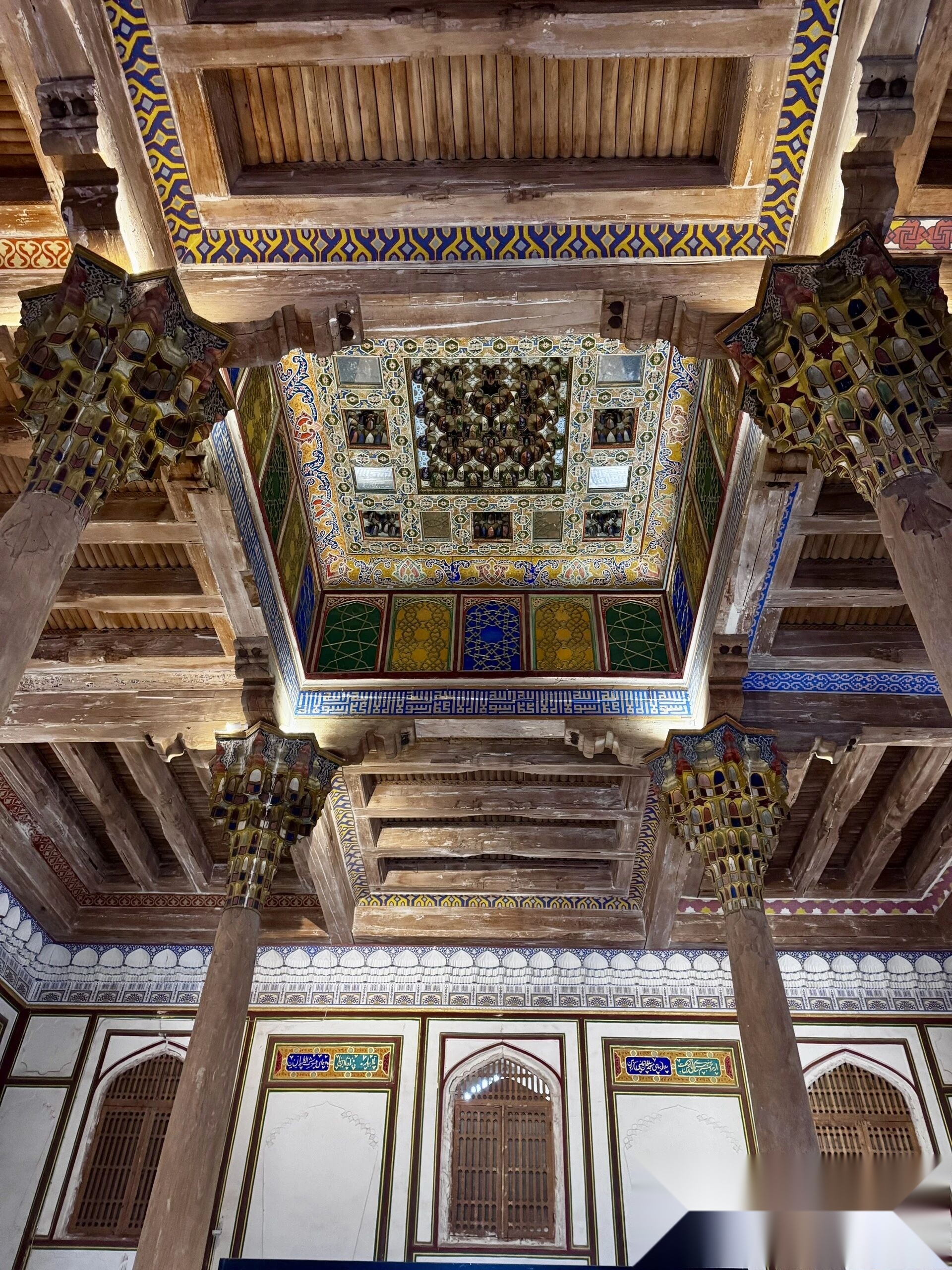
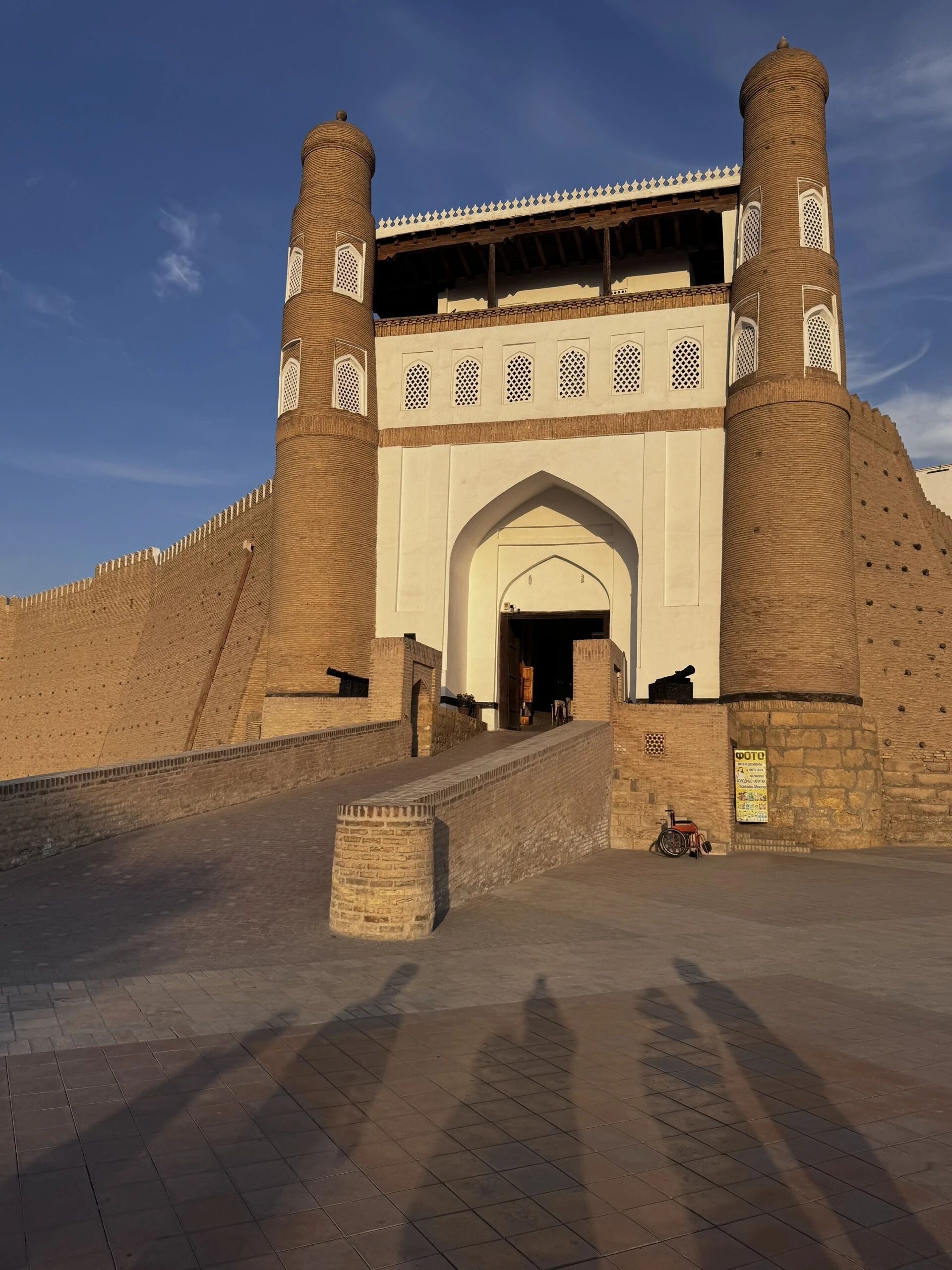
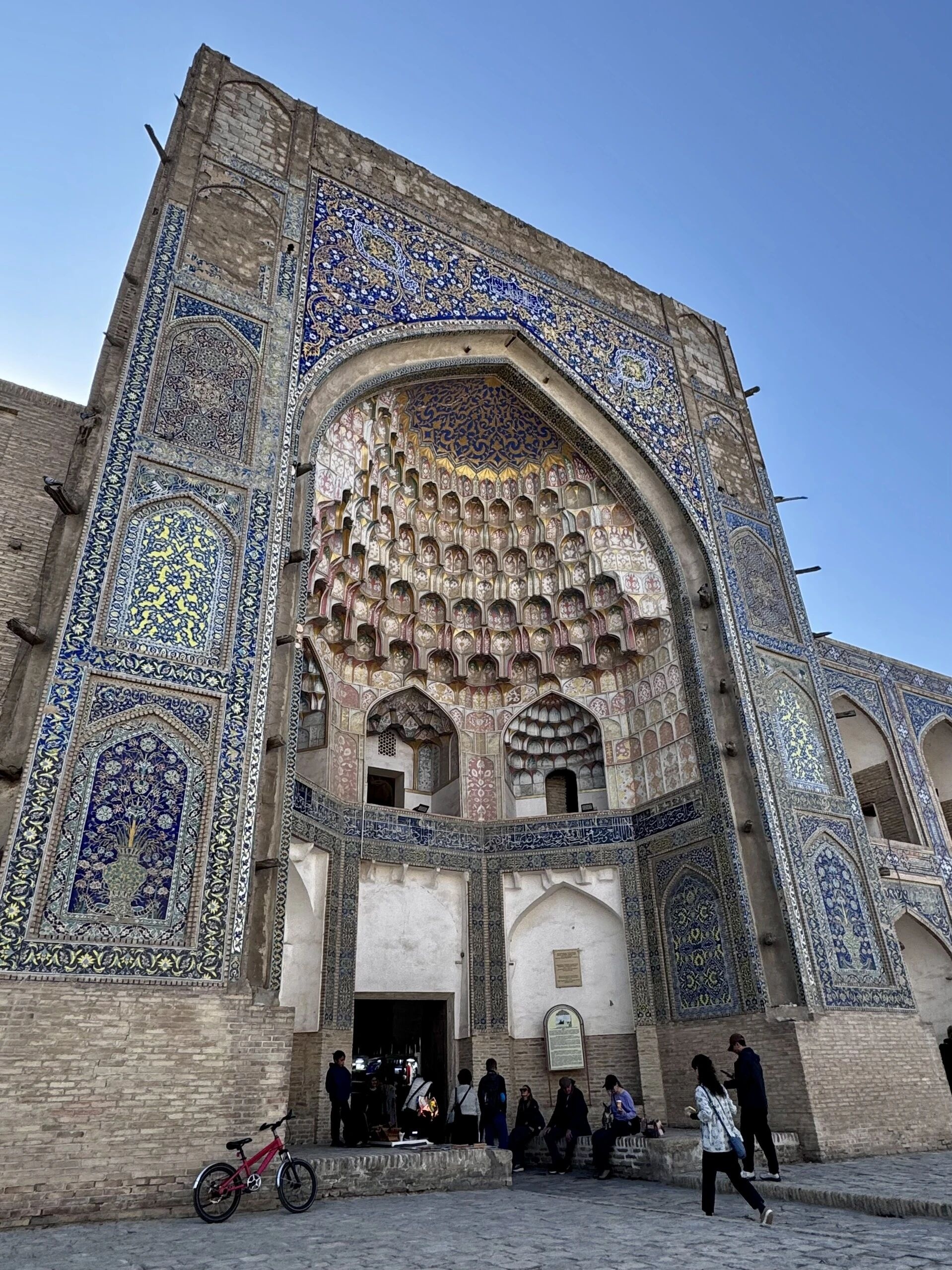
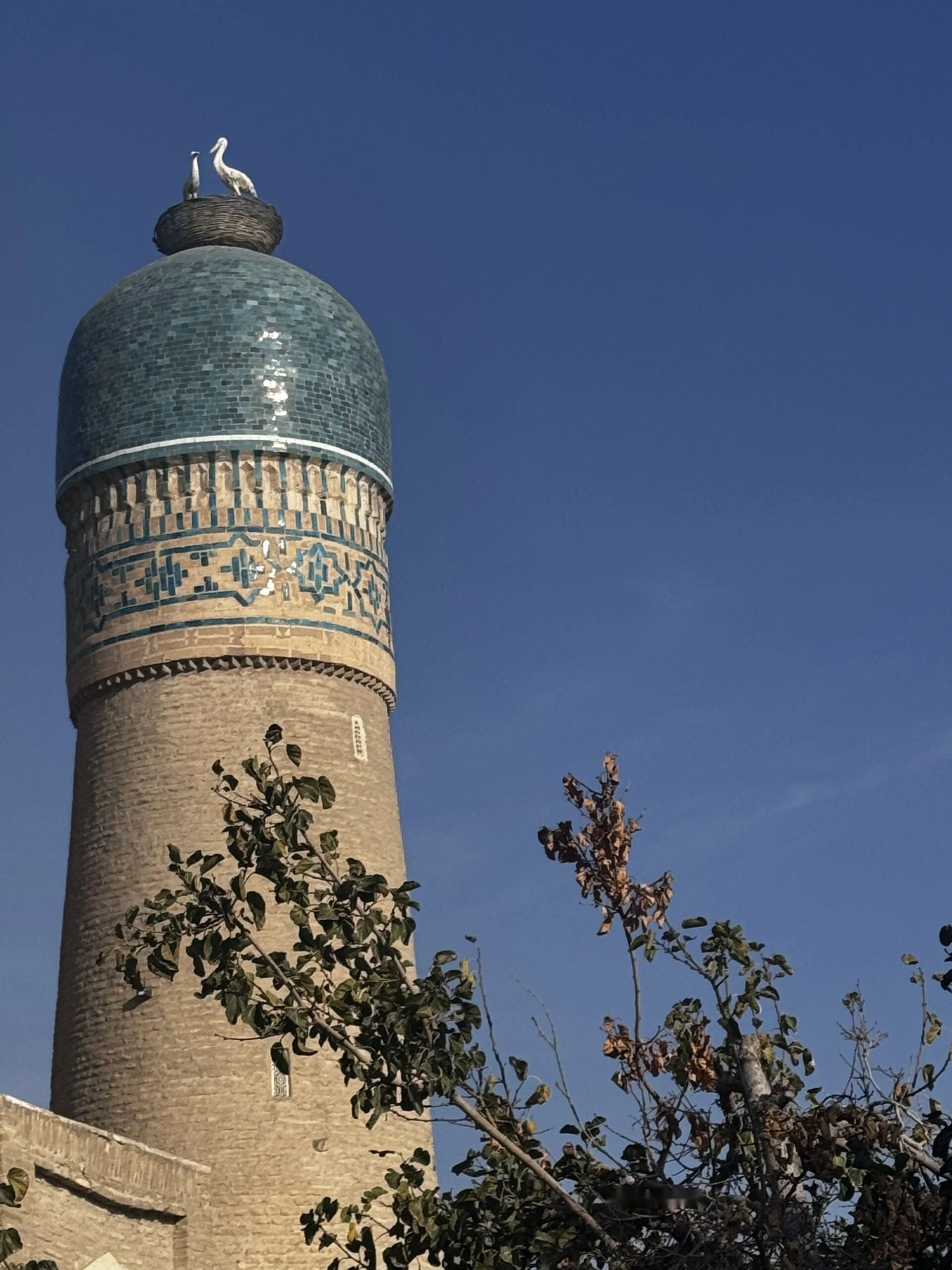
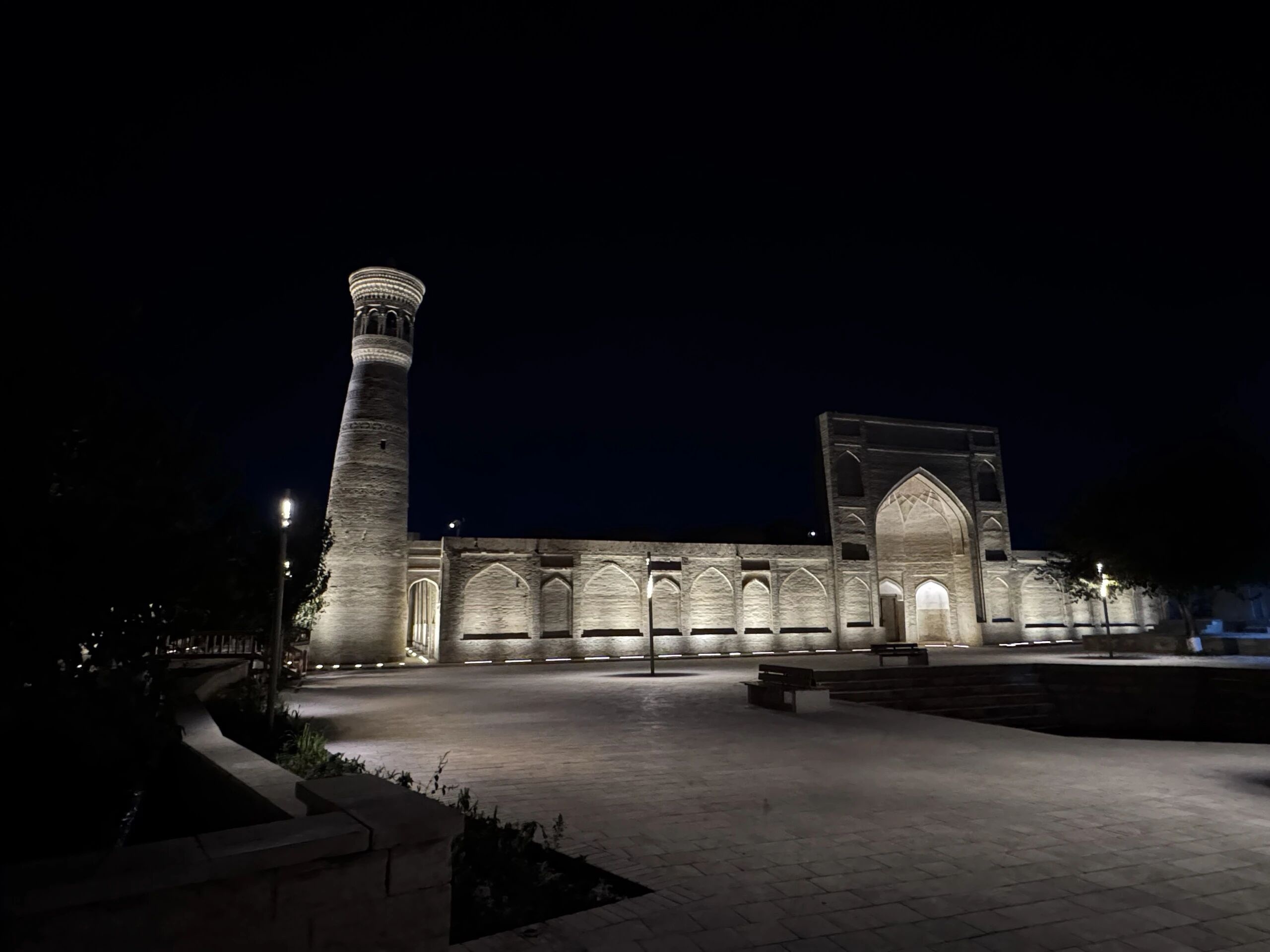
Bukhara is over 2,500 years old and is still a living old city – madrasahs, markets, pools, and streets are still intertwined, with pool waters reflecting the arches of madrasahs, and the aroma of Silk Road spices and textiles still flowing through the markets.
It's called the "Mecca of Central Asia," a holy city of immense significance in Islamic civilization, holding a particularly high status in the Central Asian and Persian cultural spheres, hailed as the "Dome of Islam" and "Noble Bukhara."
This was once the center of the Persian Islamic Renaissance, boasting over a hundred madrasahs and more than two hundred mosques, serving as the higher academic hub for all of Central Asia. In medieval times, the scholarship from Bukhara's madrasahs spread along the Silk Road into Central Asia and the Western Regions, with Islamic civilization moving eastward from this very place.
Genghis Khan himself led his cavalry here, and after gazing upon the Kalyan Minaret, he was so moved that he ordered only this minaret to be spared, while the rest of the city was largely burned down. It was rebuilt later.
There's an ancient saying: While other Muslim cities receive light from the heavens, Bukhara alone sends its radiance skyward.
