
Exploring Itchan Kala: Ancient Uzbekistan Mosques and Silk Road Architecture in Khiva
Take a 20-photo panoramic walk through the famous Itchan Kala in Uzbekistan. We’re exploring perfectly preserved ancient mosques, the green-tiled Kalta Minor Minaret, and towering mud-brick city walls that bring the Silk Road’s living history to life in the Khorezm oasis.
We only set aside one day for Khiva, but I realized later that wasn't enough. Even though we’d already visited Samarkand and Bukhara and were feeling a bit worn out from all the sightseeing, Khiva was absolutely worth the trip.
Many people skip Khiva on their Uzbekistan tours, but there’s an old Central Asian saying: 'I would give a bag of gold just to get a single glimpse of Khiva.' That one quote perfectly captures the allure of the former capital of the Khorezm region.
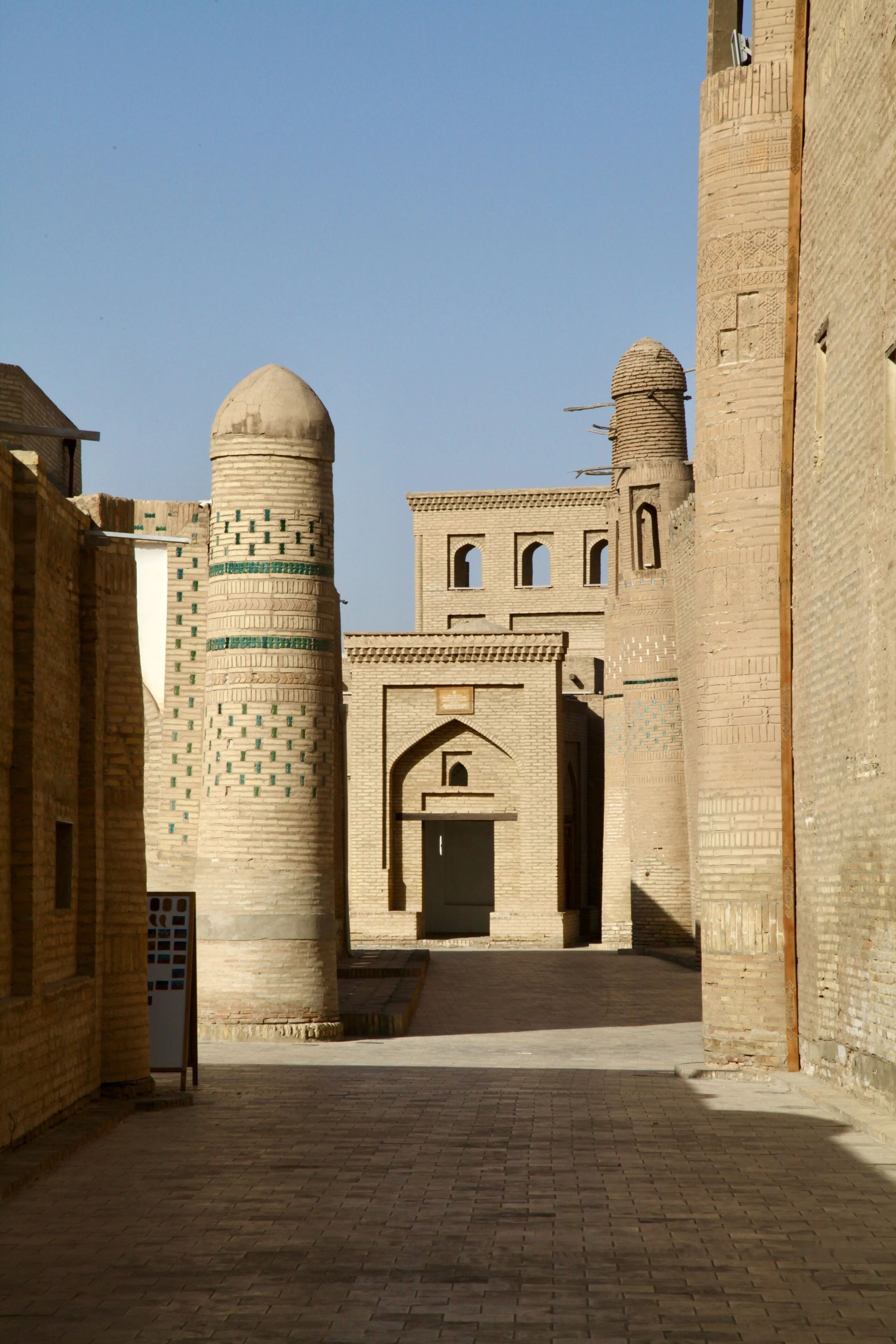
I didn't buy any admission tickets for the day; I just wanted to wander through the ancient city, soak in the street scenes, and get a feel for how the locals live.
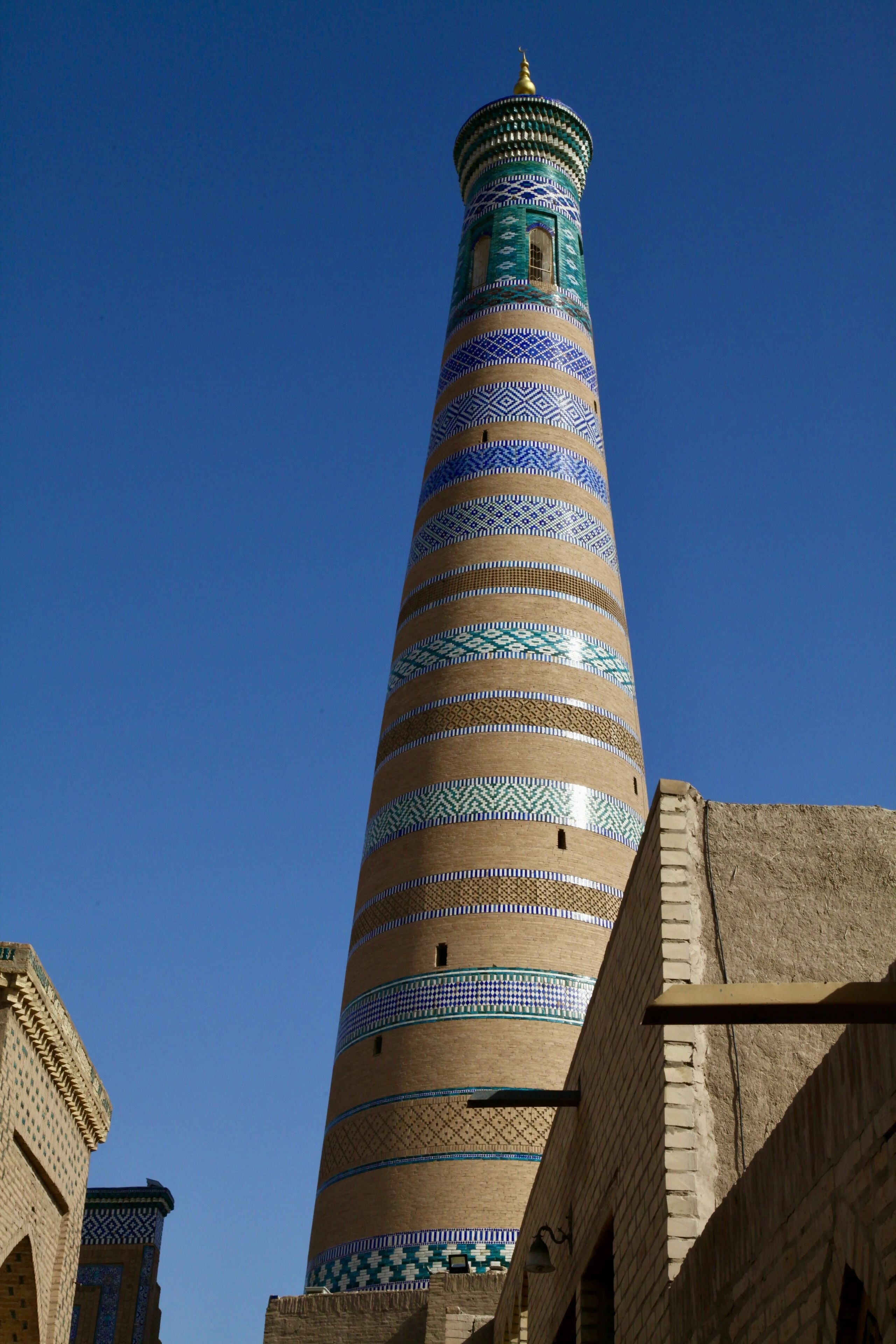
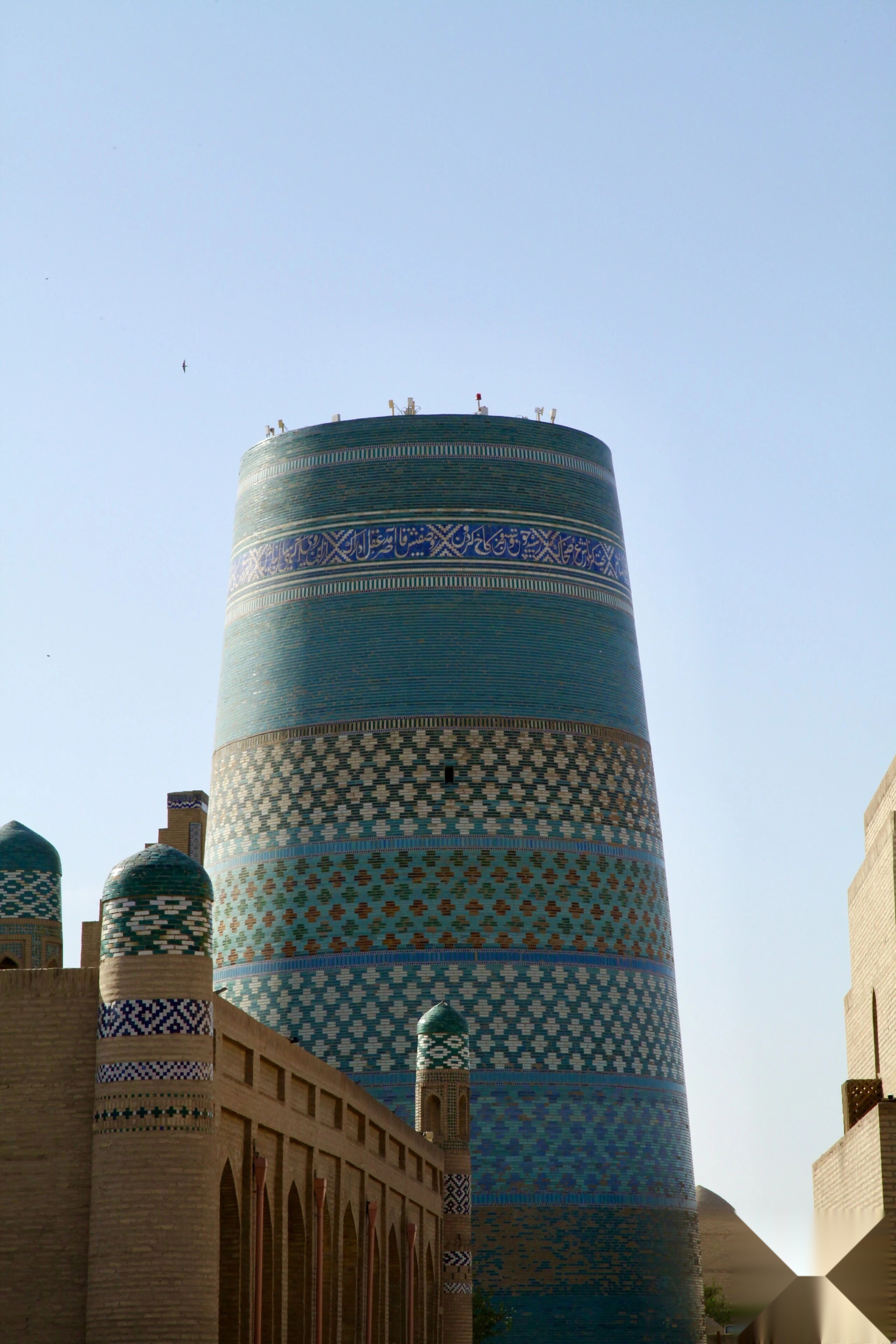
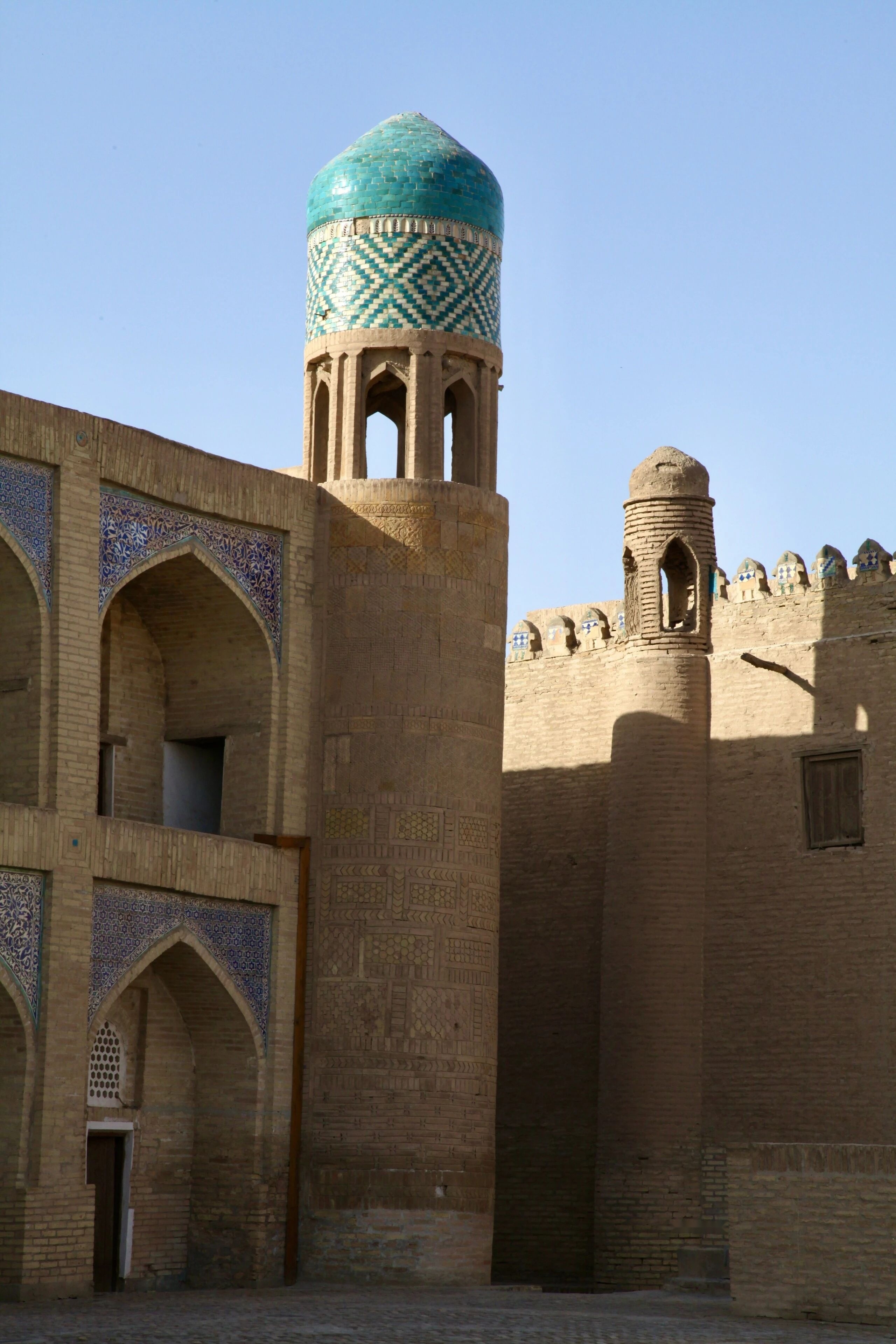
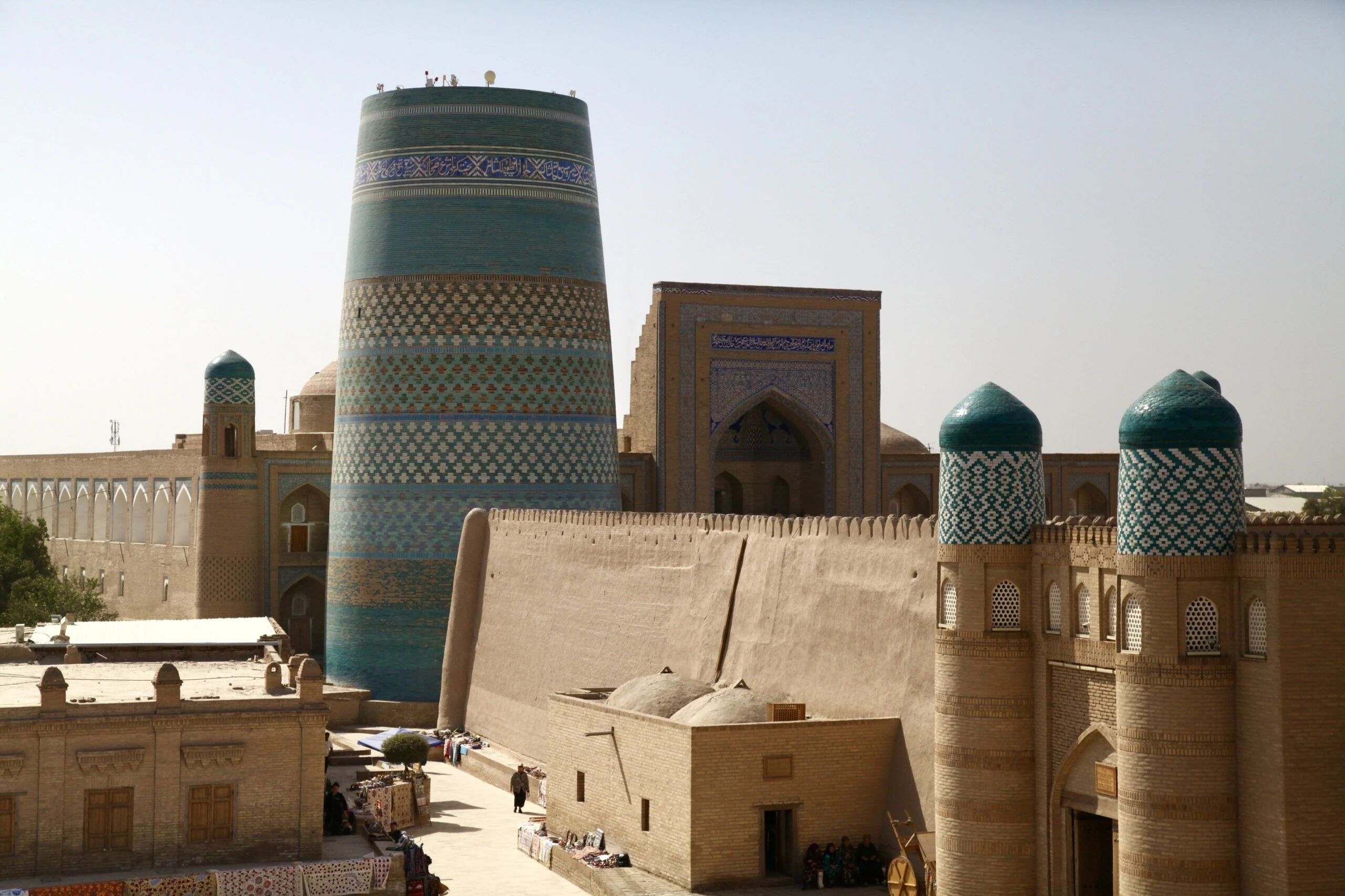
Starting at the West Gate, the first thing that catches your eye is Khiva’s most famous landmark: the Kalta Minor Minaret. This blue-and-green minaret is short and stout, covered in stunning glazed tiles. Legend says it was meant to be much taller, but construction stopped, leaving it in this unfinished state. I didn't climb it, but standing at the base and looking up, it’s still incredibly impressive.
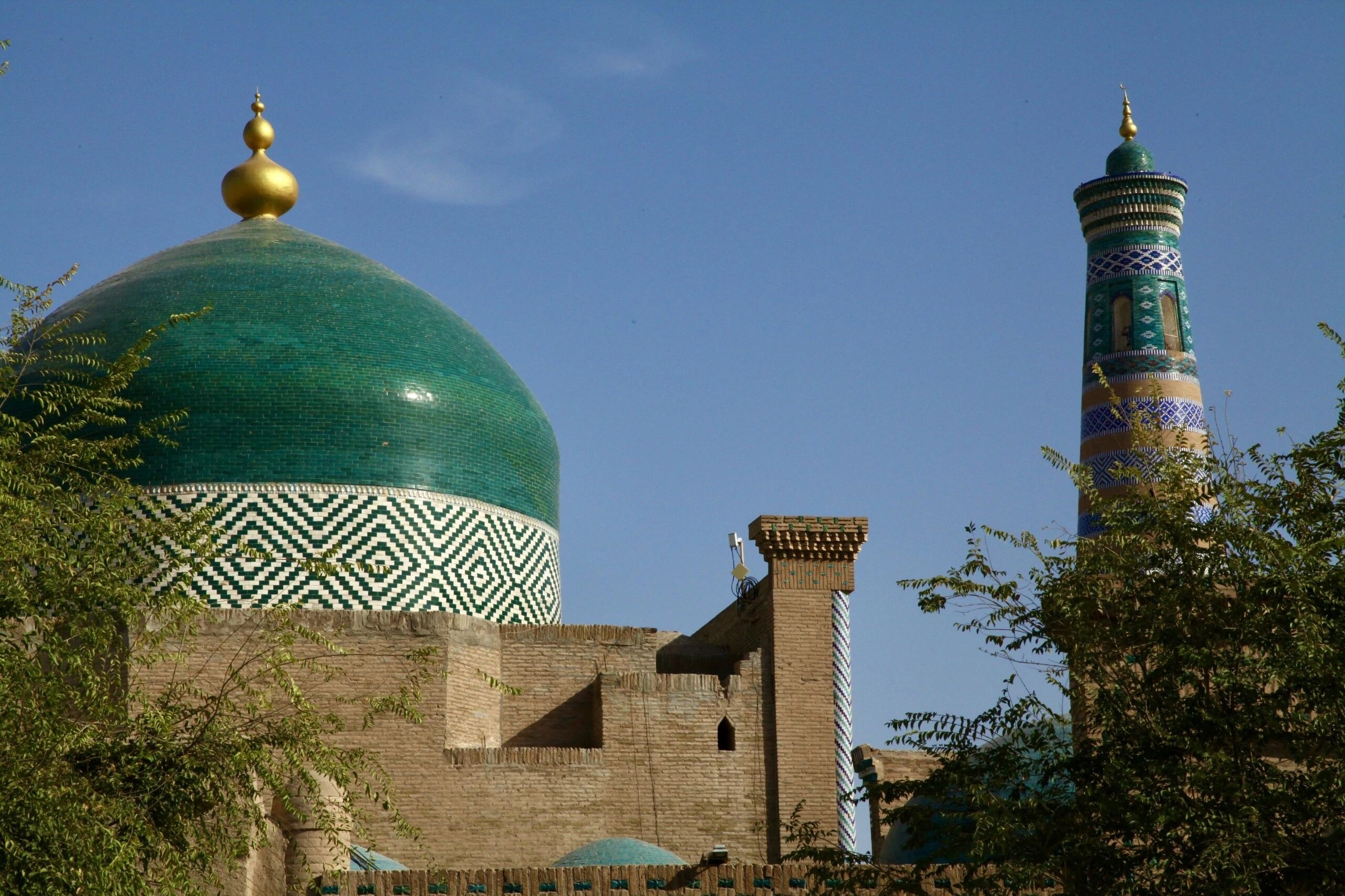
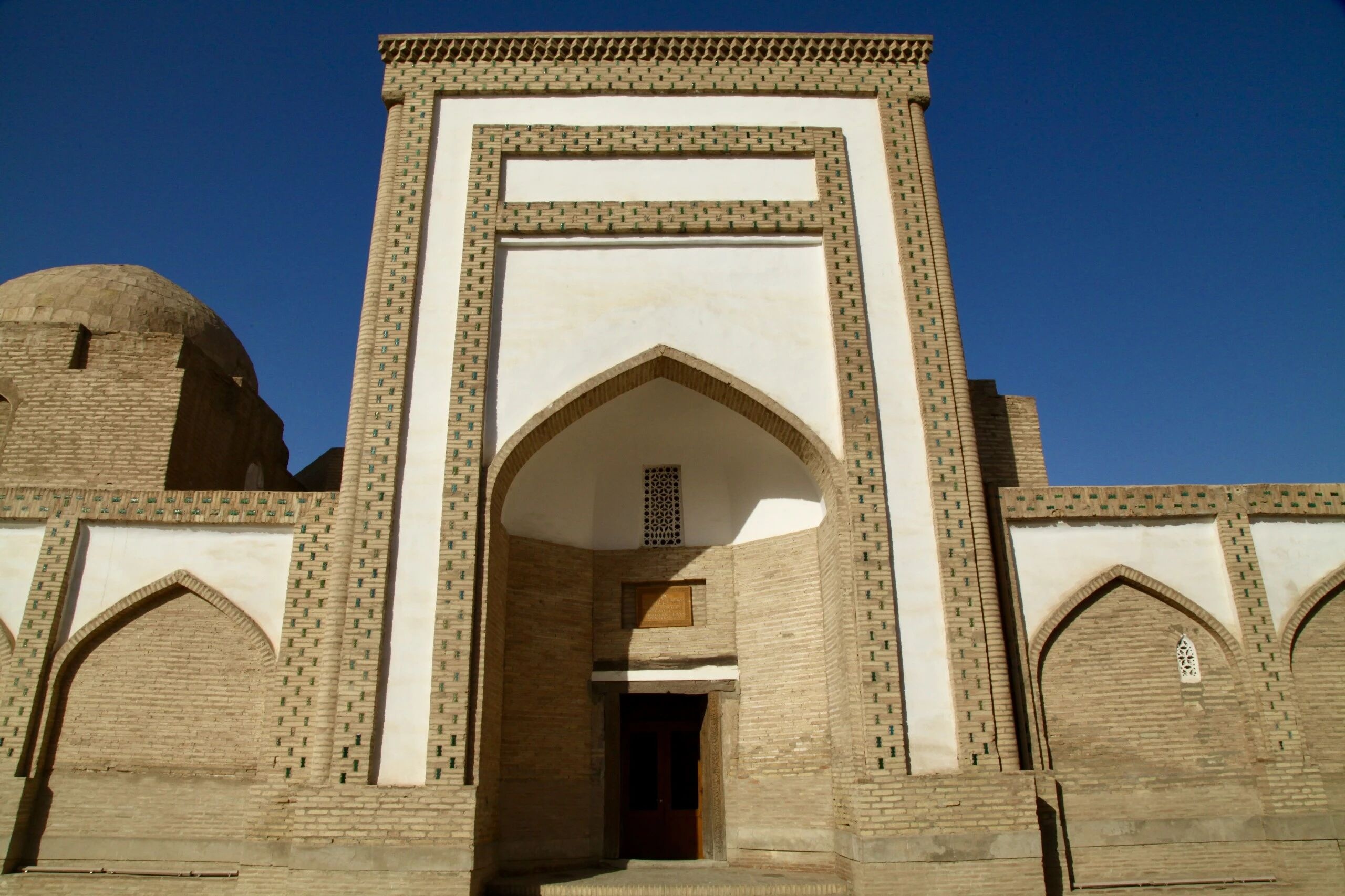
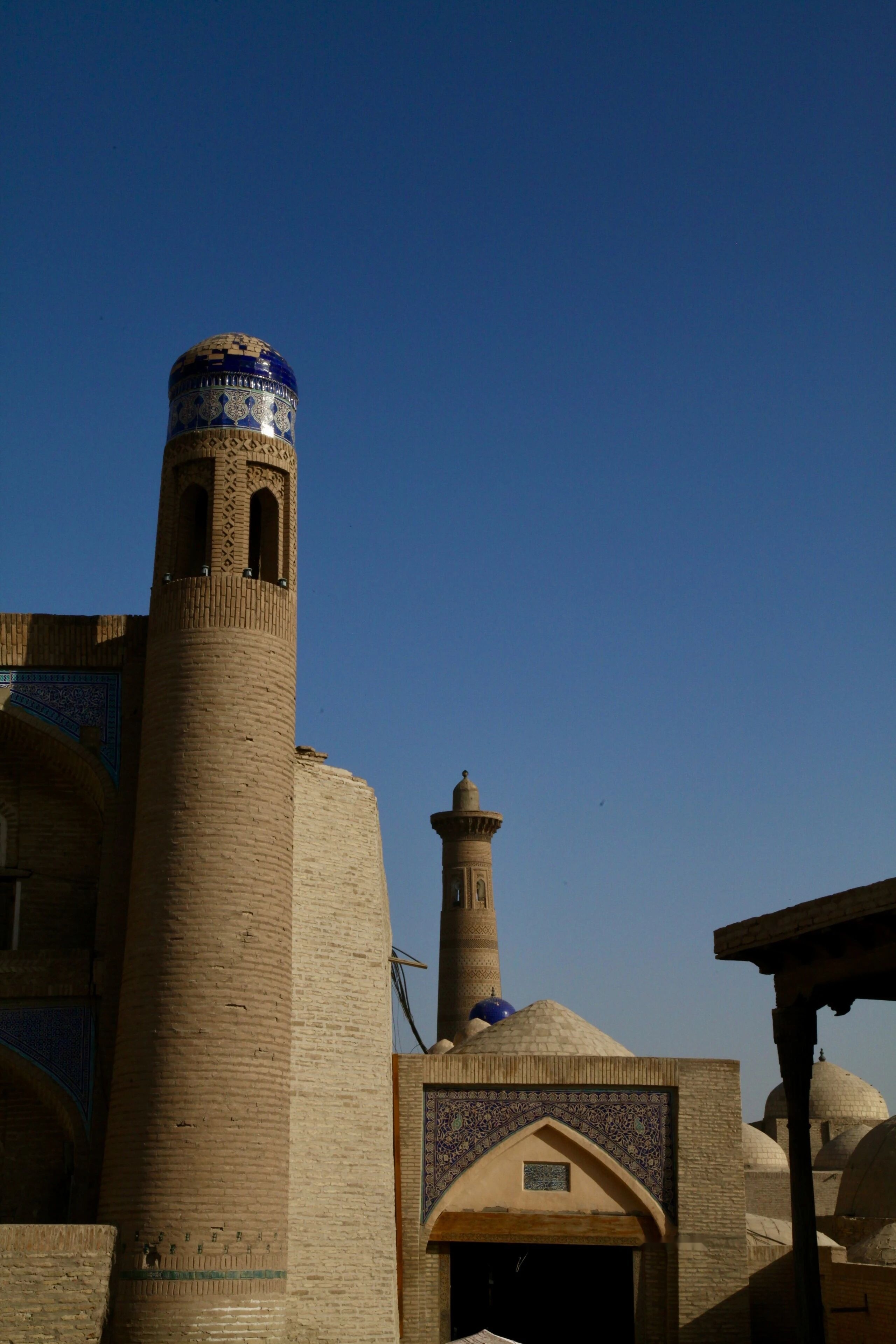
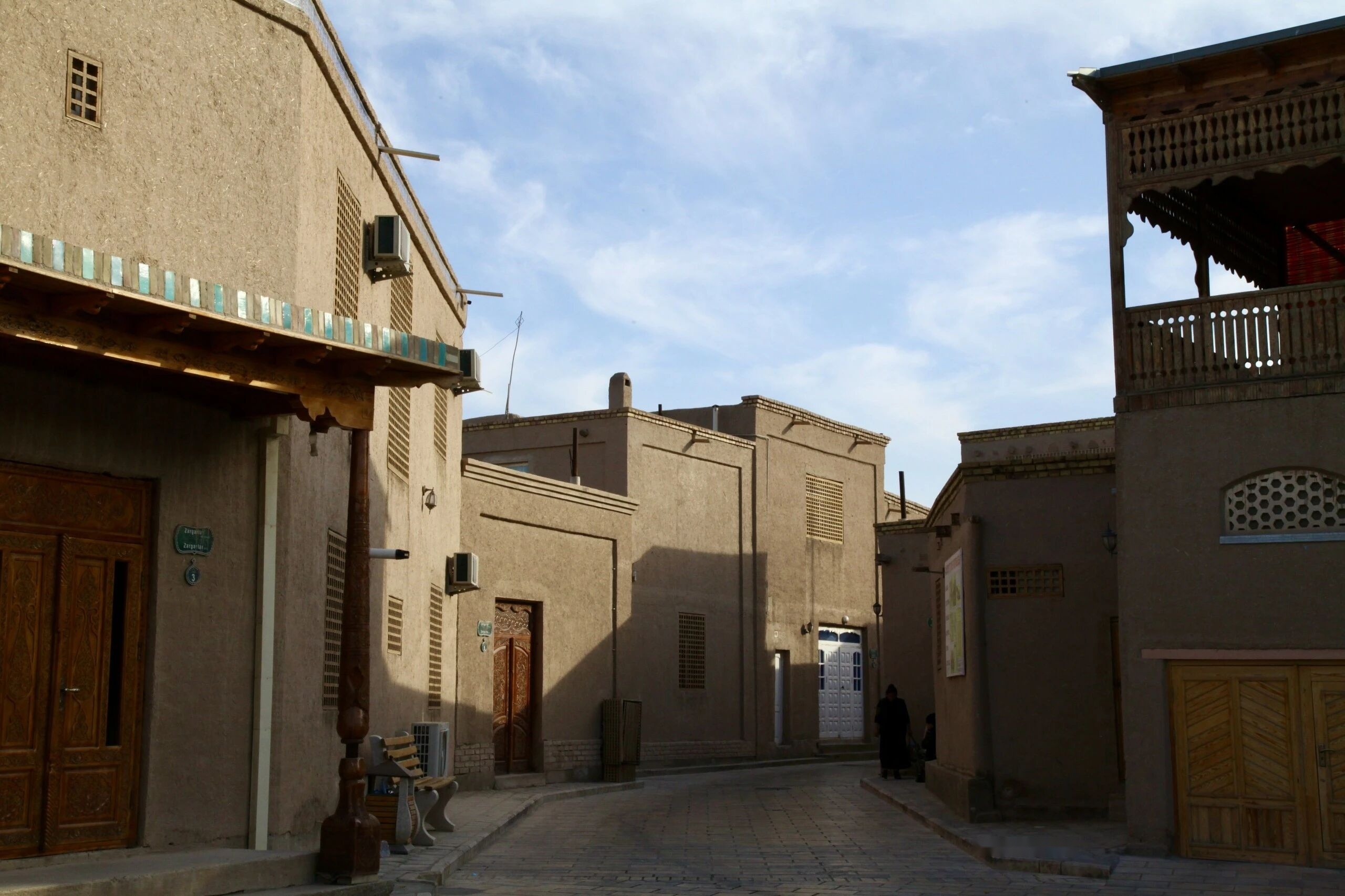
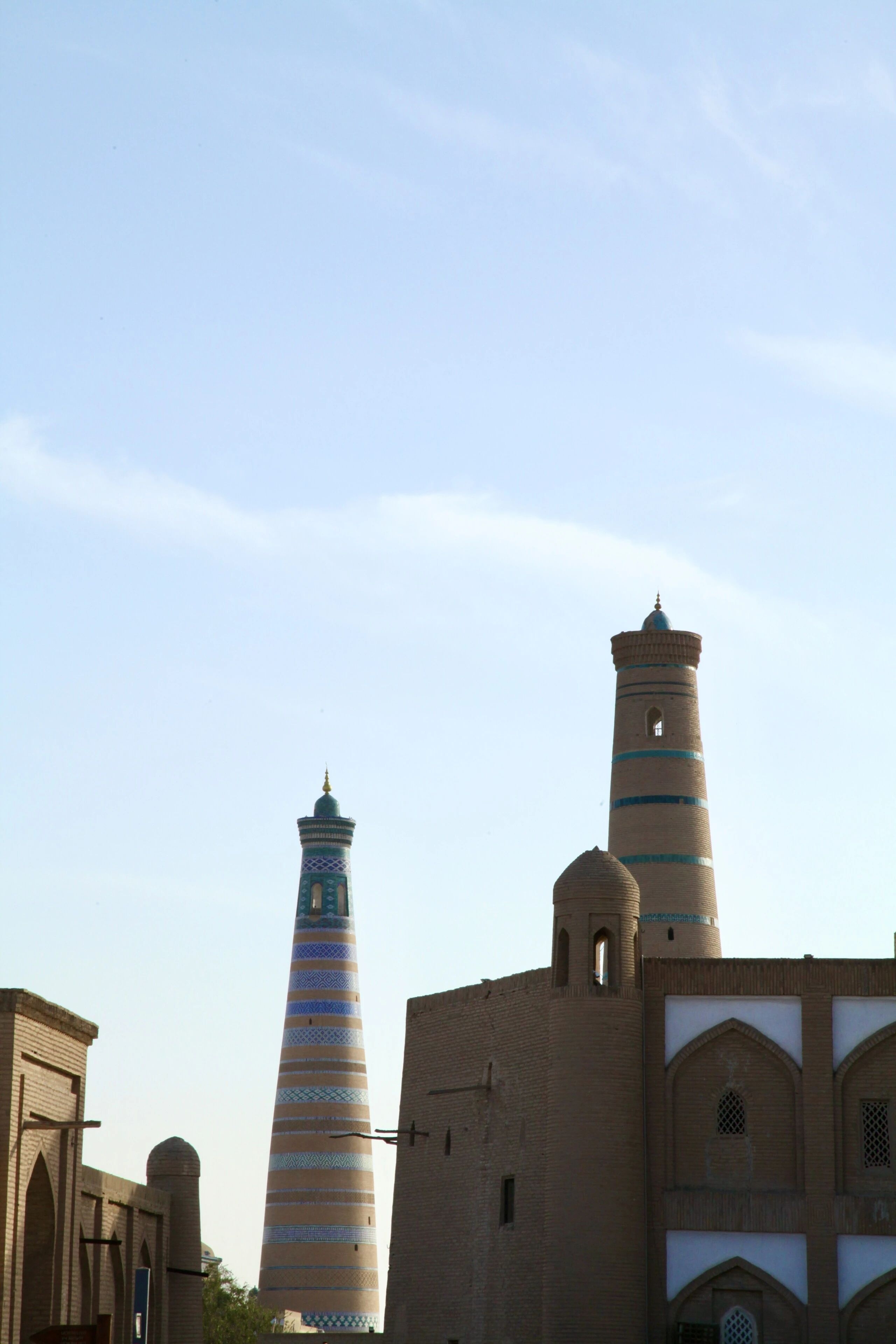
Continuing through the city streets, you’re surrounded by yellow-brown mud-brick buildings. The thick walls, carved wooden doors, and narrow alleys give the entire place a real sense of history. When I ducked into a quiet side street, the crowds disappeared, leaving only old houses and high courtyard walls. Looking up, blue-green domes and minarets kept popping up between the rooftops—it’s the quintessential Central Asian vibe for your photos.
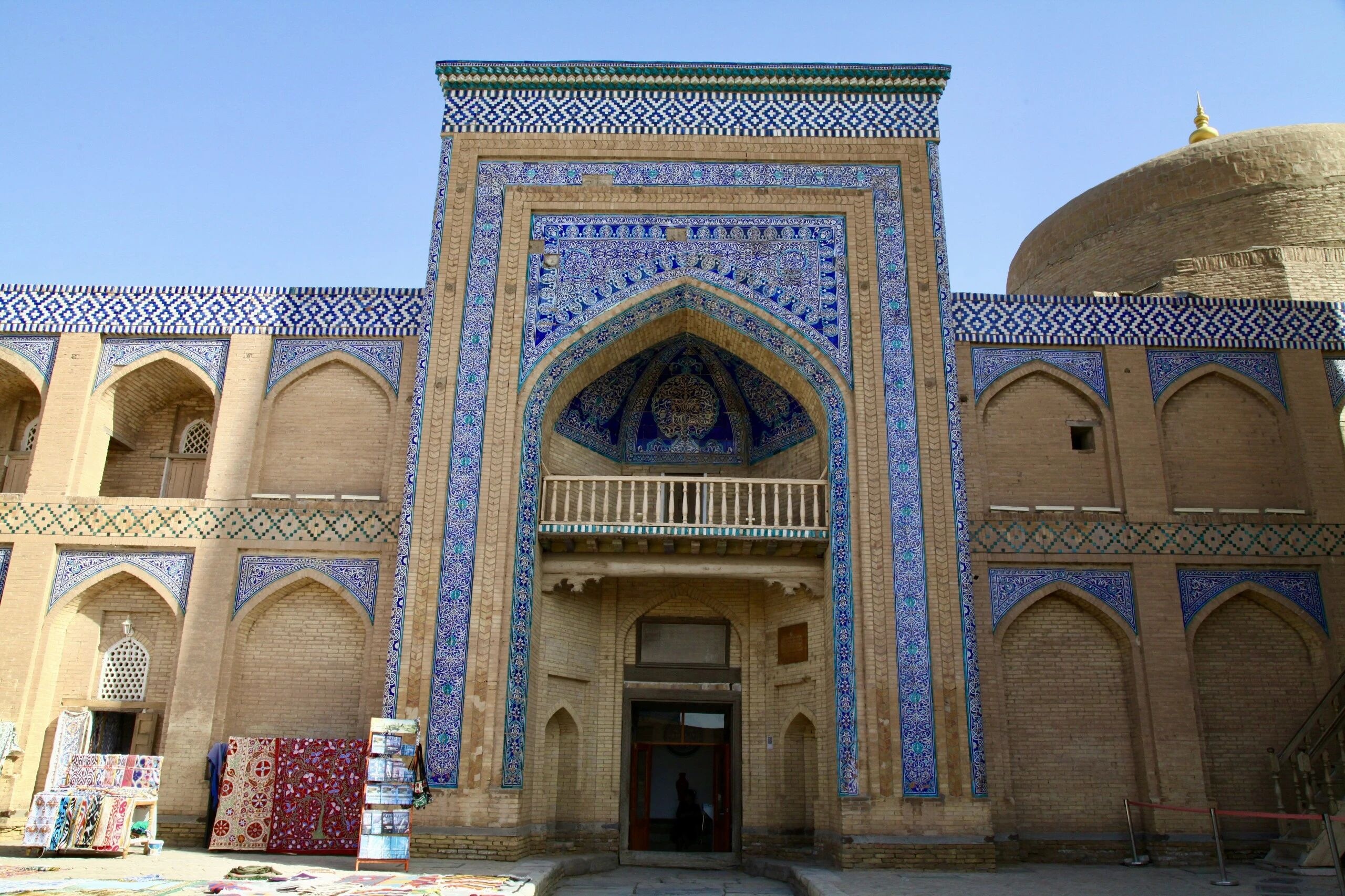
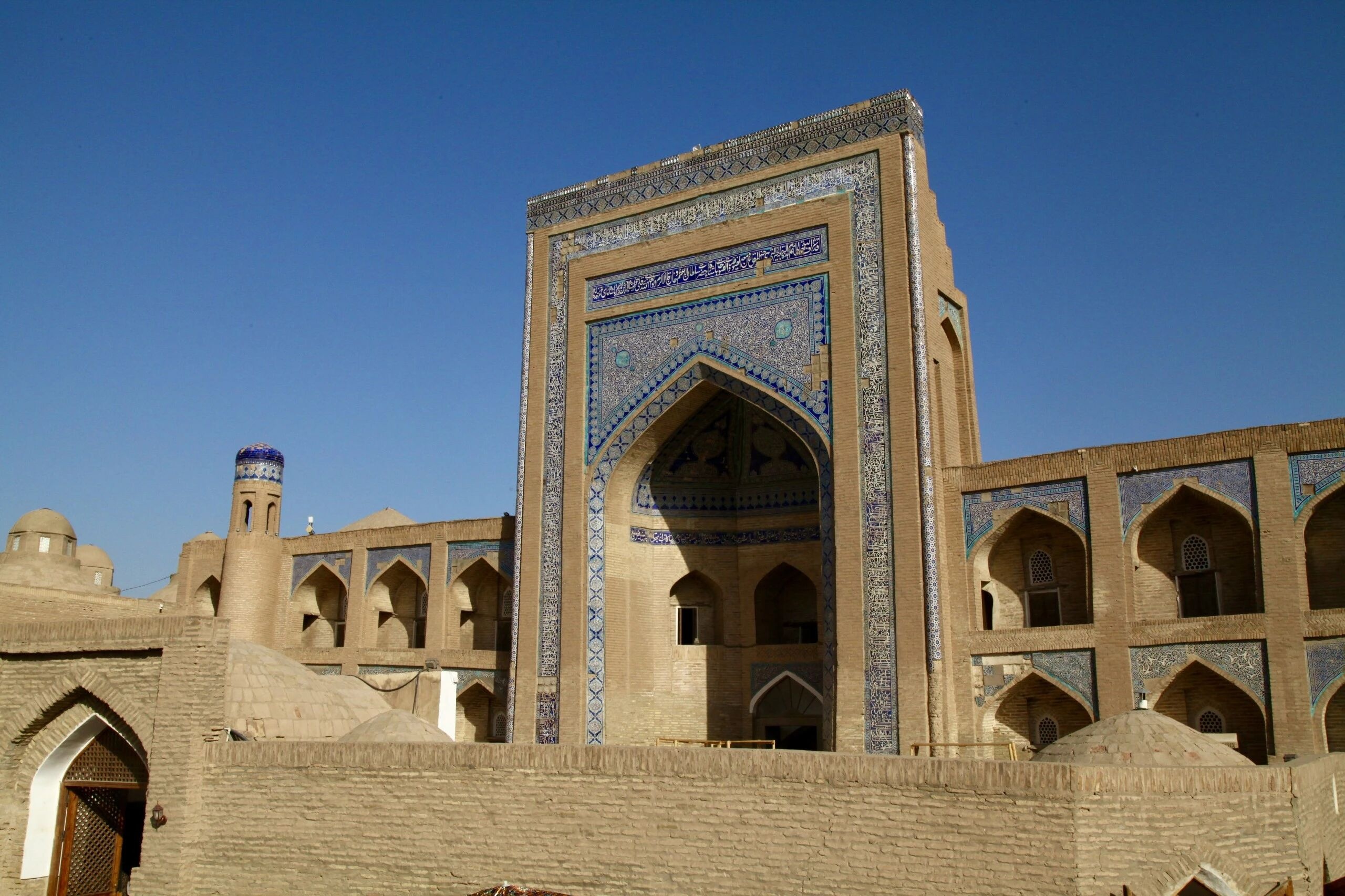
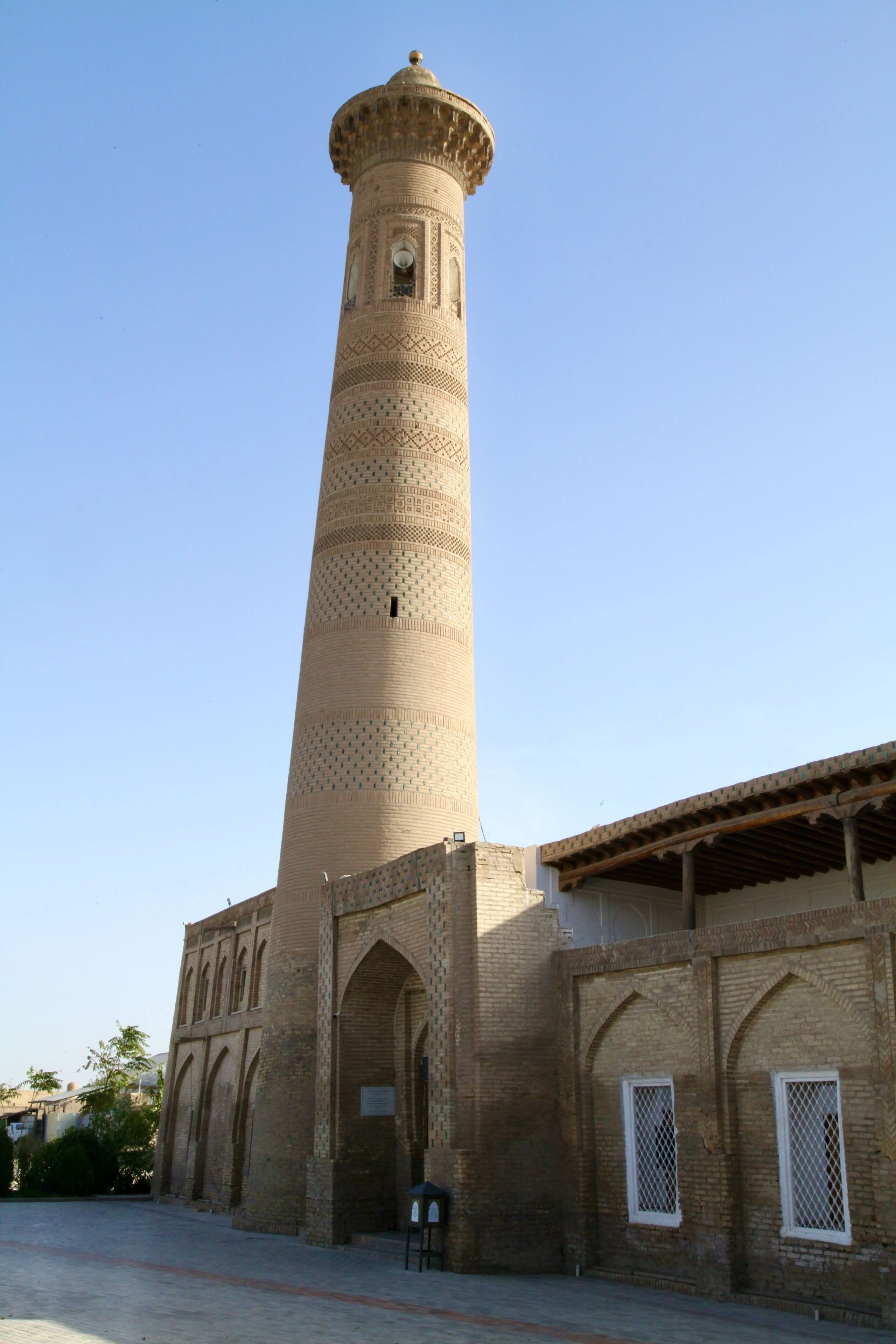
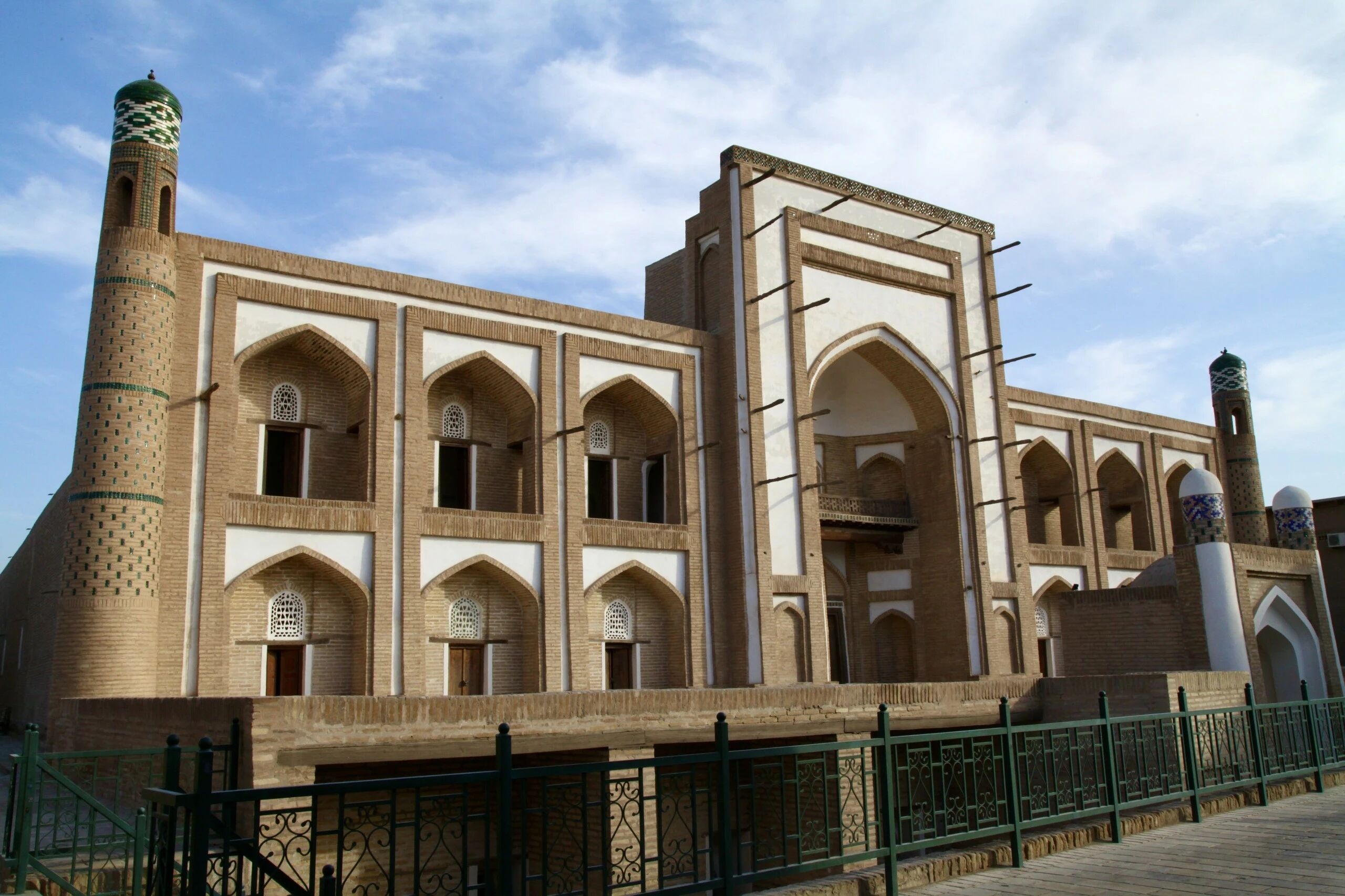
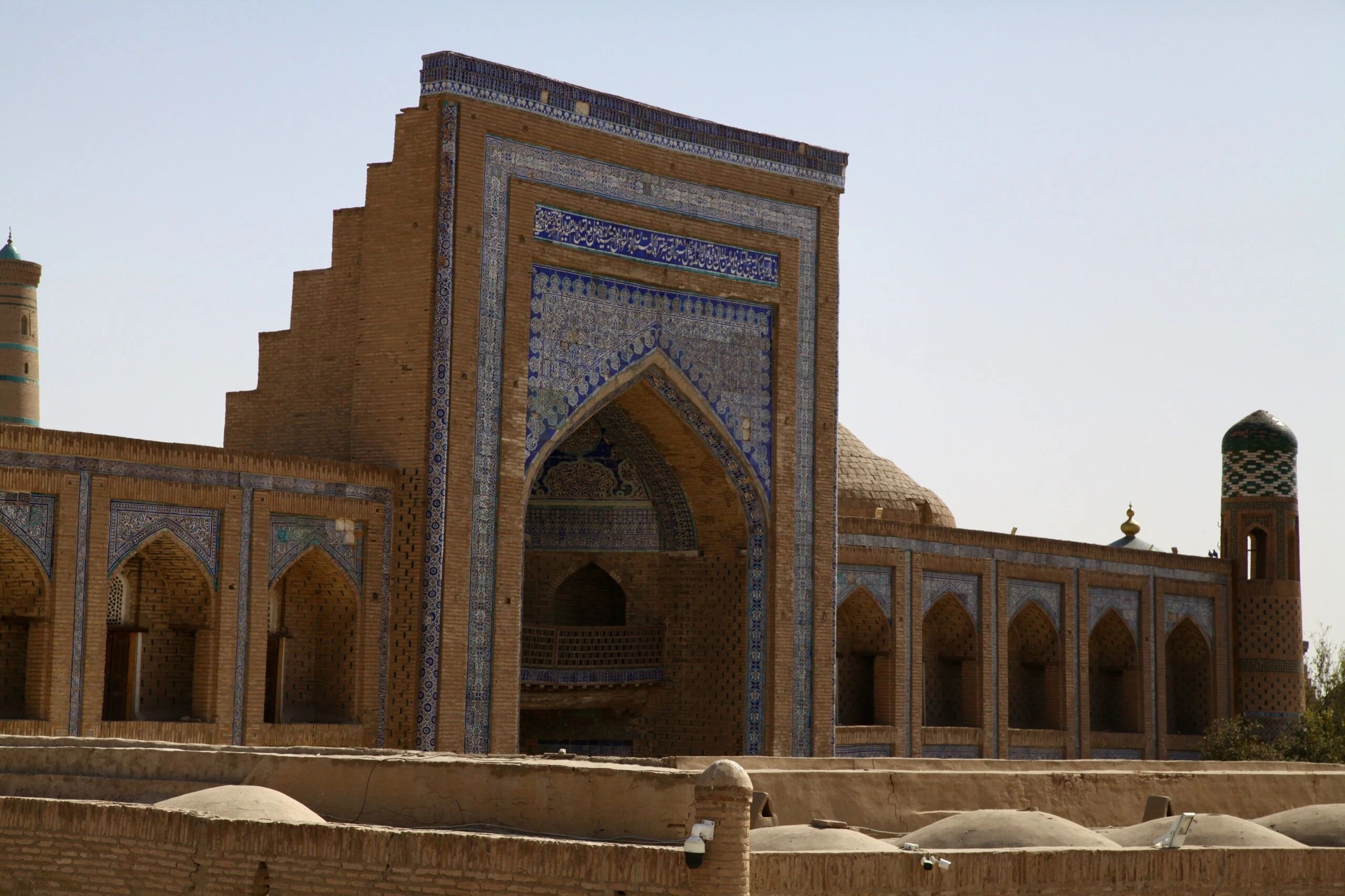
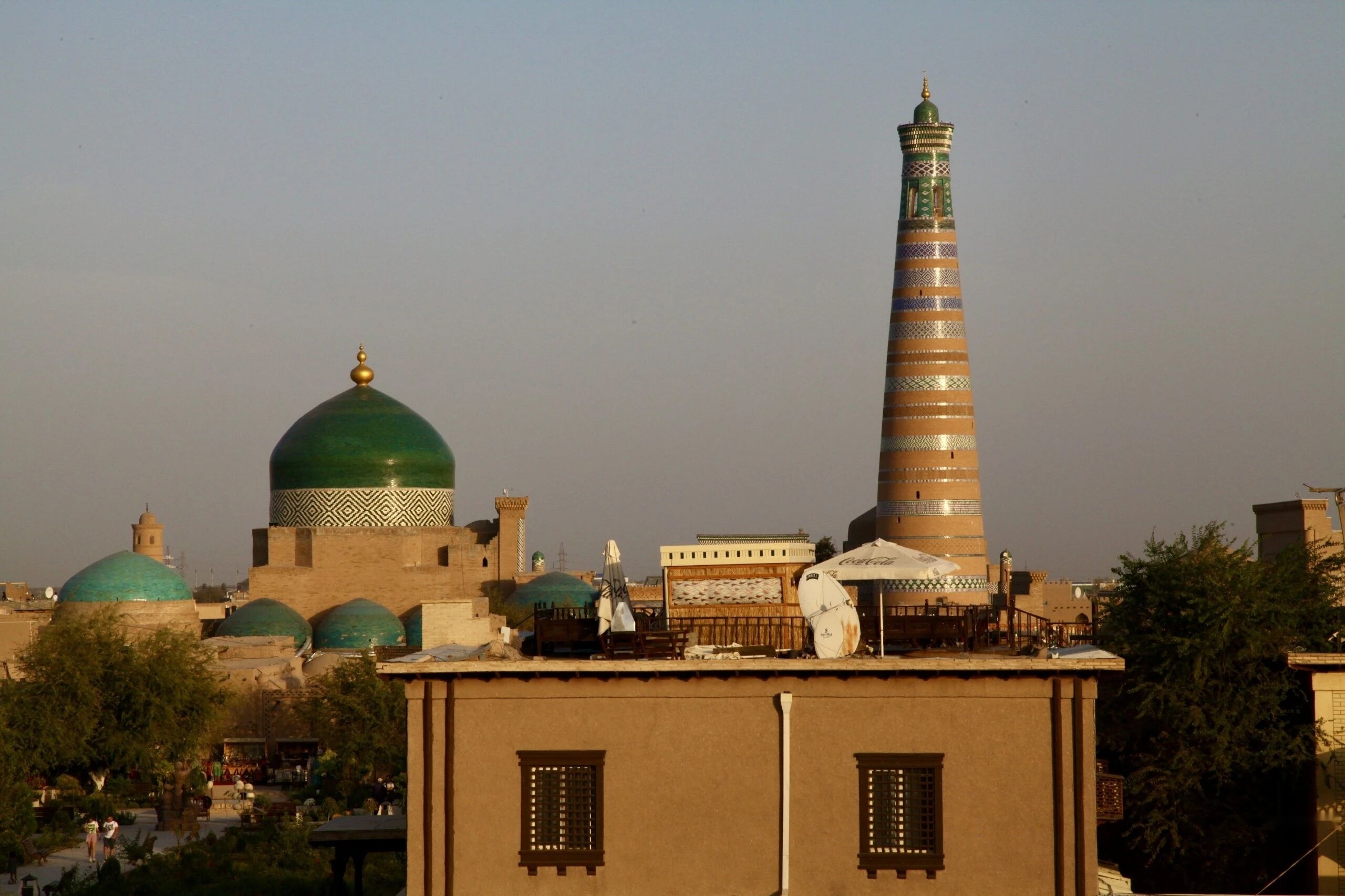
Along the way, I passed plenty of mosques, madrasas (Islamic schools), and mausoleums. Even without going inside the paid areas, just admiring the blue tiles, geometric patterns, and Arabic calligraphy on the exterior walls was a highlight. The towering Islam Khoja Minaret, in particular, is visible from almost anywhere in the old city.
When I reached the busy streets, there were stalls everywhere selling traditional crafts like rugs, pottery, embroidery, and beautifully carved woodwork. I even stumbled upon a local cultural event where people in traditional clothing were performing a puppet show with music; I joined the crowd of tourists to watch.
Toward sunset, I climbed the old city wall to wait for the view. I was surprised by how many people, both locals and travelers from all over, were there doing the same thing. We hung out and chatted while the sun dipped low, painting the whole city in a warm, golden glow. From up high, you can see the dense, sandy-colored rooftops dotted with blue-green domes and minarets, looking out over the vast, open plains of Central Asia.
As night fell, the lights in the old city flickered on, giving the daytime earthen buildings a whole new sense of mystery. The blue-green minarets were illuminated, and the restaurants began to buzz with activity.
From day into night, I didn't buy a single ticket or rush through a checklist. Just walking between the city walls and alleyways—checking out the architecture, browsing the markets, and watching the sunset and the night lights—made this trip to Khiva completely worth it.


We only set aside one day for Khiva, but I realized later that wasn't enough. Even though we’d already visited Samarkand and Bukhara and were feeling a bit worn out from all the sightseeing, Khiva was absolutely worth the trip.
Many people skip Khiva on their Uzbekistan tours, but there’s an old Central Asian saying: 'I would give a bag of gold just to get a single glimpse of Khiva.' That one quote perfectly captures the allure of the former capital of the Khorezm region.
I didn't buy any admission tickets for the day; I just wanted to wander through the ancient city, soak in the street scenes, and get a feel for how the locals live.
Starting at the West Gate, the first thing that catches your eye is Khiva’s most famous landmark: the Kalta Minor Minaret. This blue-and-green minaret is short and stout, covered in stunning glazed tiles. Legend says it was meant to be much taller, but construction stopped, leaving it in this unfinished state. I didn't climb it, but standing at the base and looking up, it’s still incredibly impressive.
Continuing through the city streets, you’re surrounded by yellow-brown mud-brick buildings. The thick walls, carved wooden doors, and narrow alleys give the entire place a real sense of history. When I ducked into a quiet side street, the crowds disappeared, leaving only old houses and high courtyard walls. Looking up, blue-green domes and minarets kept popping up between the rooftops—it’s the quintessential Central Asian vibe for your photos.
Along the way, I passed plenty of mosques, madrasas (Islamic schools), and mausoleums. Even without going inside the paid areas, just admiring the blue tiles, geometric patterns, and Arabic calligraphy on the exterior walls was a highlight. The towering Islam Khoja Minaret, in particular, is visible from almost anywhere in the old city.
When I reached the busy streets, there were stalls everywhere selling traditional crafts like rugs, pottery, embroidery, and beautifully carved woodwork. I even stumbled upon a local cultural event where people in traditional clothing were performing a puppet show with music; I joined the crowd of tourists to watch.
Toward sunset, I climbed the old city wall to wait for the view. I was surprised by how many people, both locals and travelers from all over, were there doing the same thing. We hung out and chatted while the sun dipped low, painting the whole city in a warm, golden glow. From up high, you can see the dense, sandy-colored rooftops dotted with blue-green domes and minarets, looking out over the vast, open plains of Central Asia.
As night fell, the lights in the old city flickered on, giving the daytime earthen buildings a whole new sense of mystery. The blue-green minarets were illuminated, and the restaurants began to buzz with activity.
From day into night, I didn't buy a single ticket or rush through a checklist. Just walking between the city walls and alleyways—checking out the architecture, browsing the markets, and watching the sunset and the night lights—made this trip to Khiva completely worth it.
