

Sufi Heritage
Helan Mountain Cultural & Geographic Expedition: Western Xia Ruins & Sufi Gongbei Shrines in Ningxia
Articles • Hasan09 posted the article • 0 comments • 18 views • 4 days ago
Helan Mountain Cultural & Geographic Expedition: The Rare Coexistence of Western Xia Ruins and Arab Saint Gongbei Shrines Under Bijiashan Peak
Abstract:
Hike through the unique landscape of Helan Mountain's 'three mountains enclosing two valleys.' Uncover the rare cultural landscape where mysterious Western Xia ruins on the northern slope of Lianhuashan coexist with Arab saint gongbei (Sufi shrine / mausoleum complex), documenting the millennial codes of civilization where Danxia sandstone cliffs, Taoist temples, Buddhist monasteries, and mosques face each other across the mountains.
Within the unique terrain of three mountains enclosing two valleys,
The crumbling walls of the Western Xia dynasty share space with Arab saint gongbei (Sufi shrines / mausoleum complexes),
Taoist temples, Buddhist monasteries, and mosques stand facing each other across the peaks,
Even the rocks are dyed in vibrant rainbow Danxia colors,
And the entire sky is yours alone on this hike!
✨ Top 3 Must-See Cultural Wonders ✨
❶ [The Vanished Western Xia Dynasty] Mysterious ruins are tucked away on the northern slope of Lianhuashan. Look closely to spot the man-made chisel marks on the massive boulders and touch a mysterious civilization from a thousand years ago.
❷ [China's Mecca] A Ming-dynasty Arab elder's gongbei (Sufi shrine / mausoleum complex) quietly stands amidst the mountains. Every year on the 13th day of the 7th lunar month, tens of thousands gather here for commemorative events.
❸ [The Fusion of Faiths] The three-tiered pavilions of Helan Temple are insanely photogenic! We recommend looking back from Sanguan Temple at dawn, when the morning mist makes the architectural complex look like a celestial palace.
♀ Insider Hiking Route
Enter via Left Valley (Cultural Route) → White Stupa → Exit via Right Valley (Nature Route) → Lianhuashan → Return via the same way
✅ First half takes you past Ming and Qing dynasty architectural complexes
✅ Second half challenges you with riverbed boulder fields and a summit climb for panoramic views
⚠ The riverbed can be dangerous after summer flash floods! Keep an eye on the weather. Perfect for hiking year-round.
Photo Ops Guide
▫ Low-angle shots of the three-tiered pavilions at Helan Temple
▫ White stupas and prayer flags framed against colorful rock strata
▫ Catching the sunrise from the mountaintop in the early morning
Practical Tips
▫ Navigation: Gunchongkou Scenic Area (Parking: 5 RMB for 24 hours)
▫ Admission: 30 RMB (included in the Ningxia Tourism All-In-One Pass; sightseeing bus is extra)
▫ Tips: Helan Mountain Villa is closed every Wednesday! We recommend bringing your own snacks, and please remember to pack out all your trash.
Those fragments of civilization hidden in rock crevices
Rustle softly whenever the mountain wind blows
Perhaps this is the most touching side of Helan Mountain view all
Helan Mountain Cultural & Geographic Expedition: The Rare Coexistence of Western Xia Ruins and Arab Saint Gongbei Shrines Under Bijiashan Peak
Abstract:

Hike through the unique landscape of Helan Mountain's 'three mountains enclosing two valleys.' Uncover the rare cultural landscape where mysterious Western Xia ruins on the northern slope of Lianhuashan coexist with Arab saint gongbei (Sufi shrine / mausoleum complex), documenting the millennial codes of civilization where Danxia sandstone cliffs, Taoist temples, Buddhist monasteries, and mosques face each other across the mountains.
Within the unique terrain of three mountains enclosing two valleys,

The crumbling walls of the Western Xia dynasty share space with Arab saint gongbei (Sufi shrines / mausoleum complexes),
Taoist temples, Buddhist monasteries, and mosques stand facing each other across the peaks,

Even the rocks are dyed in vibrant rainbow Danxia colors,
And the entire sky is yours alone on this hike!

✨ Top 3 Must-See Cultural Wonders ✨
❶ [The Vanished Western Xia Dynasty] Mysterious ruins are tucked away on the northern slope of Lianhuashan. Look closely to spot the man-made chisel marks on the massive boulders and touch a mysterious civilization from a thousand years ago.

❷ [China's Mecca] A Ming-dynasty Arab elder's gongbei (Sufi shrine / mausoleum complex) quietly stands amidst the mountains. Every year on the 13th day of the 7th lunar month, tens of thousands gather here for commemorative events.
❸ [The Fusion of Faiths] The three-tiered pavilions of Helan Temple are insanely photogenic! We recommend looking back from Sanguan Temple at dawn, when the morning mist makes the architectural complex look like a celestial palace.

♀ Insider Hiking Route
Enter via Left Valley (Cultural Route) → White Stupa → Exit via Right Valley (Nature Route) → Lianhuashan → Return via the same way

✅ First half takes you past Ming and Qing dynasty architectural complexes
✅ Second half challenges you with riverbed boulder fields and a summit climb for panoramic views

⚠ The riverbed can be dangerous after summer flash floods! Keep an eye on the weather. Perfect for hiking year-round.
Photo Ops Guide

▫ Low-angle shots of the three-tiered pavilions at Helan Temple
▫ White stupas and prayer flags framed against colorful rock strata

▫ Catching the sunrise from the mountaintop in the early morning
Practical Tips
▫ Navigation: Gunchongkou Scenic Area (Parking: 5 RMB for 24 hours)
▫ Admission: 30 RMB (included in the Ningxia Tourism All-In-One Pass; sightseeing bus is extra)
▫ Tips: Helan Mountain Villa is closed every Wednesday! We recommend bringing your own snacks, and please remember to pack out all your trash.
Those fragments of civilization hidden in rock crevices
Rustle softly whenever the mountain wind blows
Perhaps this is the most touching side of Helan Mountain
Wuzhong Siliangzi Gongbei: Exploring Ningxia's Sino-Arabic Sufi Shrine
Articles • Hasan09 posted the article • 0 comments • 18 views • 4 days ago
Visual Documentation of Siliangzi Gongbei in Wuzhong: A Municipal-Level Protected Sufi Shrine Blending Chinese and Arabic Styles
Abstract:
Documenting the elegant style of the Siliangzi Gongbei in Wuzhong, Ningxia. Showcasing its unique double-eaved hexagonal architecture, green-tiled flying eaves, and intricate reliefs, it reveals the perfect fusion of traditional Chinese pavilion craftsmanship and Islamic aesthetics in a Northwest sacred site.
Ningxia • Wuzhong
The Siliangzi Gongbei is the final resting place of Ma Hualong, a revered elder of the Jahriyya menhuan (Sufi order). The original gongbei was first built in 1915 and later destroyed, while the structure you see today was rebuilt in 1992 and is now a Wuzhong municipal-level cultural heritage site. The architecture features a distinctive double-eaved hexagonal design, blending traditional Chinese pavilion styles with Islamic aesthetics. With its green tiles, flying eaves, and delicate reliefs, it carries the heavy modern history of the Northwest alongside a unique Hui Muslim religious culture, all set in a serene and solemn environment. view all
Visual Documentation of Siliangzi Gongbei in Wuzhong: A Municipal-Level Protected Sufi Shrine Blending Chinese and Arabic Styles

Abstract:

Documenting the elegant style of the Siliangzi Gongbei in Wuzhong, Ningxia. Showcasing its unique double-eaved hexagonal architecture, green-tiled flying eaves, and intricate reliefs, it reveals the perfect fusion of traditional Chinese pavilion craftsmanship and Islamic aesthetics in a Northwest sacred site.

Ningxia • Wuzhong

The Siliangzi Gongbei is the final resting place of Ma Hualong, a revered elder of the Jahriyya menhuan (Sufi order). The original gongbei was first built in 1915 and later destroyed, while the structure you see today was rebuilt in 1992 and is now a Wuzhong municipal-level cultural heritage site. The architecture features a distinctive double-eaved hexagonal design, blending traditional Chinese pavilion styles with Islamic aesthetics. With its green tiles, flying eaves, and delicate reliefs, it carries the heavy modern history of the Northwest alongside a unique Hui Muslim religious culture, all set in a serene and solemn environment.
Exploring Helan Mountain's Hidden Gongbei and Mosque: A Unique Oasis of Three Faiths in Ningxia
Articles • Hasan09 posted the article • 0 comments • 17 views • 4 days ago
Exploring the Hidden Mosque and Gongbei in Helan Mountain's Gungzhongkou: A Historic Tale of Three Religions Coexisting in a Scenic Canyon
Abstract:
A field visit to the serene mosque tucked inside the Gungzhongkou (Xiaokouzi) scenic area in Yinchuan's Helan Mountain. We explore the unique origin story of 'the gongbei first, followed by the mosque,' showcasing a harmonious model where Buddhism, Taoism, and Islam share the same mountain.
Tucked away in the Helan Mountains, this mosque holds a history that many people don't know.
1. Location and Vibe
The Gungzhongkou Mosque is located inside the Gungzhongkou (also known as Xiaokouzi) scenic area in Yinchuan's Helan Mountain. The courtyard is modest in size, serene, and quiet, serving as one of the landmark structures where Buddhism, Taoism, and Islam peacefully coexist on the same mountain.
2. The Gongbei Came First, Followed by the Mosque
The most unique thing about this mosque: it wasn't built as a standalone masjid first; rather, the holy figure's gongbei (Sufi shrine / mausoleum complex) came first. Legend has it that in the late Ming dynasty, a Yemeni Islamic missionary named Kemarenting came to China to spread Islam, preaching in the Yinchuan area for over thirty years. After his passing (return to Allah), he was buried in the mountains of Gungzhongkou, and local believers built a gongbei in his honor.
3. History of Construction
According to tradition, in the first year of the Shunzhi reign of the Qing dynasty (1644), a masjid was built right next to the gongbei. During the Guangxu reign of the Qing dynasty, the main prayer hall was expanded, creating a traditional Chinese siheyuan (quadrangle courtyard) layout. After surviving wars and undergoing reconstructions, it was thoroughly renovated in 1980 to become the structure we see today.
4. The Mosque Today
Spanning about one mu (roughly one-sixth of an acre), the complex features a three-bay main prayer hall built in traditional Chinese classical architectural style. While it lacks elaborate carvings or wall murals, it has gained a quiet reputation thanks to its tranquil mountain setting and deep historical roots.
5. Commemorative Events
Around the 13th day of the seventh lunar month each year—marking the anniversary of the elder's return to Allah—local Hui Muslims gather here to hold commemorative services.
Travel Tips: The mosque is located inside the scenic area, so you will need to buy a ticket to enter the mountain; please keep quiet when visiting and respect local customs. view all
Exploring the Hidden Mosque and Gongbei in Helan Mountain's Gungzhongkou: A Historic Tale of Three Religions Coexisting in a Scenic Canyon

Abstract:

A field visit to the serene mosque tucked inside the Gungzhongkou (Xiaokouzi) scenic area in Yinchuan's Helan Mountain. We explore the unique origin story of 'the gongbei first, followed by the mosque,' showcasing a harmonious model where Buddhism, Taoism, and Islam share the same mountain.

Tucked away in the Helan Mountains, this mosque holds a history that many people don't know.

1. Location and Vibe

The Gungzhongkou Mosque is located inside the Gungzhongkou (also known as Xiaokouzi) scenic area in Yinchuan's Helan Mountain. The courtyard is modest in size, serene, and quiet, serving as one of the landmark structures where Buddhism, Taoism, and Islam peacefully coexist on the same mountain.

2. The Gongbei Came First, Followed by the Mosque

The most unique thing about this mosque: it wasn't built as a standalone masjid first; rather, the holy figure's gongbei (Sufi shrine / mausoleum complex) came first. Legend has it that in the late Ming dynasty, a Yemeni Islamic missionary named Kemarenting came to China to spread Islam, preaching in the Yinchuan area for over thirty years. After his passing (return to Allah), he was buried in the mountains of Gungzhongkou, and local believers built a gongbei in his honor.

3. History of Construction

According to tradition, in the first year of the Shunzhi reign of the Qing dynasty (1644), a masjid was built right next to the gongbei. During the Guangxu reign of the Qing dynasty, the main prayer hall was expanded, creating a traditional Chinese siheyuan (quadrangle courtyard) layout. After surviving wars and undergoing reconstructions, it was thoroughly renovated in 1980 to become the structure we see today.
4. The Mosque Today
Spanning about one mu (roughly one-sixth of an acre), the complex features a three-bay main prayer hall built in traditional Chinese classical architectural style. While it lacks elaborate carvings or wall murals, it has gained a quiet reputation thanks to its tranquil mountain setting and deep historical roots.
5. Commemorative Events
Around the 13th day of the seventh lunar month each year—marking the anniversary of the elder's return to Allah—local Hui Muslims gather here to hold commemorative services.
Travel Tips: The mosque is located inside the scenic area, so you will need to buy a ticket to enter the mountain; please keep quiet when visiting and respect local customs.
Halal Travel Guide: Urumqi - Dawan Gongbei, Hui Muslims and Sufi Heritage
Articles • ali2007fr posted the article • 0 comments • 152 views • 2026-05-19 07:25
Summary: This Urumqi article visits the Dawan Gongbei and records its connection with Hui Muslim religious memory and local community life. It keeps the original shrine details, route, religious terms, and travel observations without changing the facts.
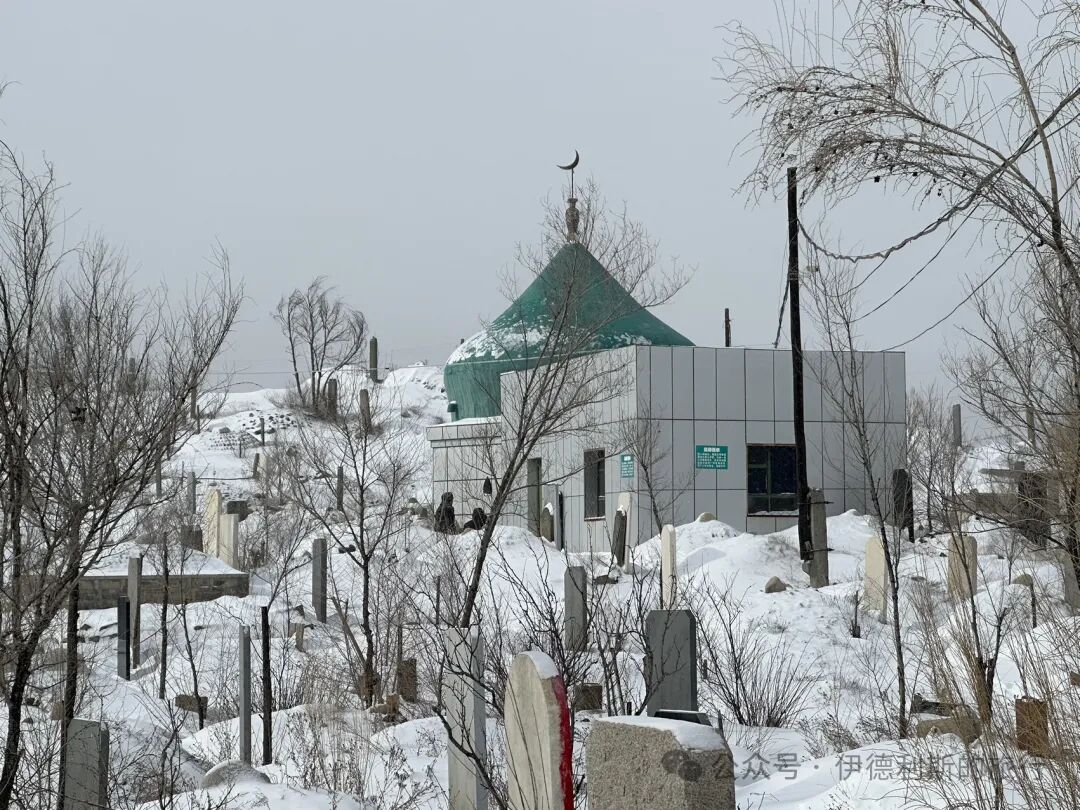
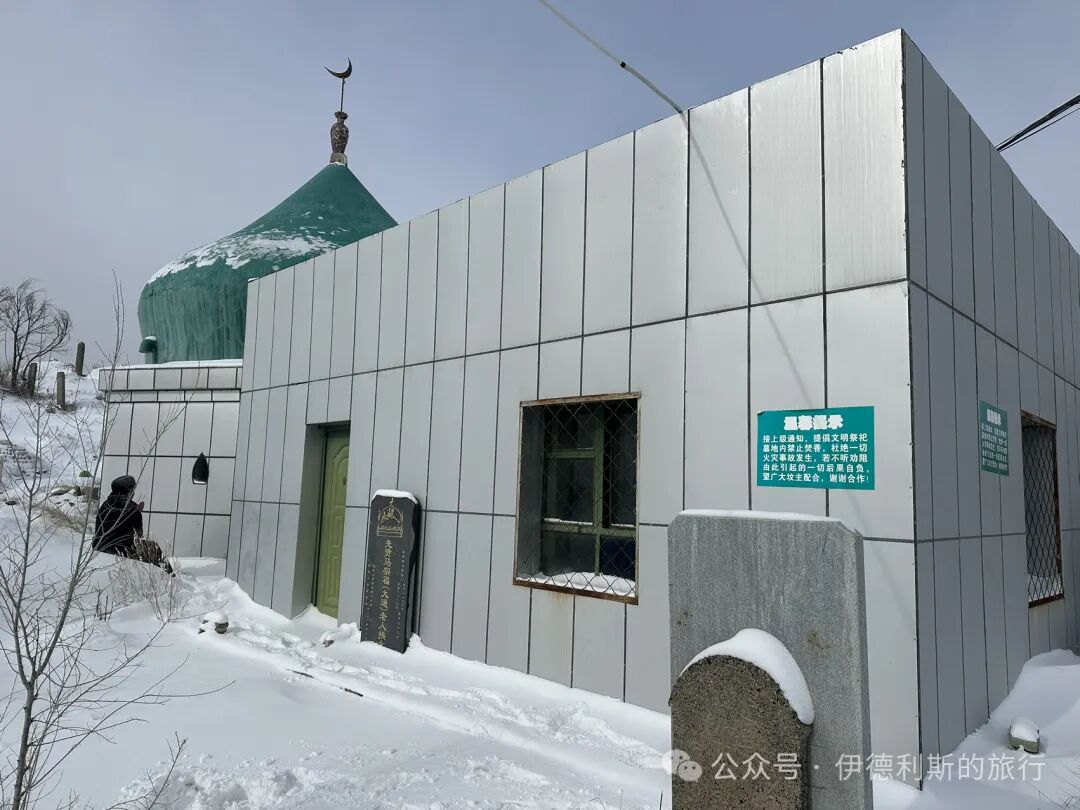
Yesterday at noon, I went to the Dawan Gongbei in Urumqi to attend a funeral (janazah) for an elder from the Luyuan Street community. Hundreds of people were there. It was very moving and showed the strong unity of the local community (jamaat).
After the funeral, I visited the graves of two historical figures at the Dawan Gongbei. The first was the elder Weijiapu (1732-1812), who was the first imam to lead the mosque in Urumqi. Elder Weijiapu was originally a Salar from Xunhua. When he was young, his hard work and love for learning made him the imam of the Jiezi Gonghe La Mosque in Xunhua. In 1763, due to conflicts between Sufi orders (menhuan) in the Hehuang region, Elder Weijiapu left to seek spiritual knowledge. He traveled through Linxia, Lanzhou, and Wuwei before moving to Hami and Turpan in Xinjiang to teach. In 1780, after the first mosque was built in the Beiliang area of Dihua, the local Muslims invited Elder Weijiapu to serve as their imam.
In the mid-18th century, Yihewan Gali, a student of the Indian Sufi leader Imam Rabbani, came to Aksu to teach the Khufiyya Sufi path. Ma Fang, a Qing dynasty military officer stationed in Aksu, accepted his teachings. Later, Ma Fang resigned from his post to spread the faith across Xinjiang. He took on five students, one of whom was Ma Pei (known as the Anjihai Master). Ma Pei went to Urumqi to teach, and Elder Weijiapu became his student. Elder Weijiapu taught at the Beiliang mosque in Dihua for nearly 30 years. He taught scripture to ordinary community members and guided Khufiyya followers in their spiritual practice. He balanced the relationships between different groups well and was respected by everyone.
After Elder Weijiapu passed away (returned to Allah), he was originally buried at the Beiliang mosque. Later, following his will, he was moved to Dawan. The cemetery there became known as the Dawan Gongbei. In 1900, the three brothers of Ma Youfu, the great-grandson of Elder Weijiapu, rebuilt the Gongbei. It was renovated again in 2013 to its current appearance.
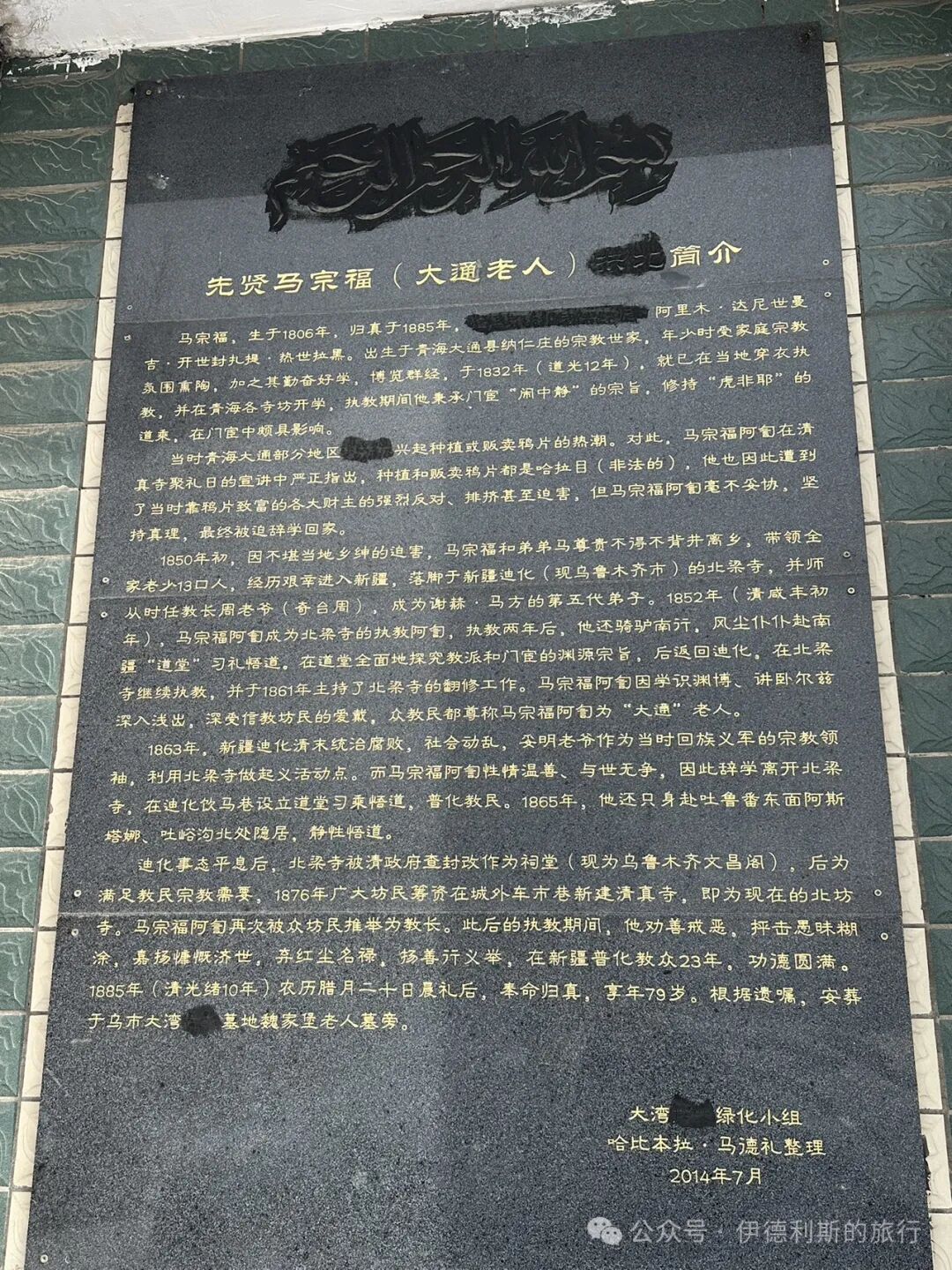
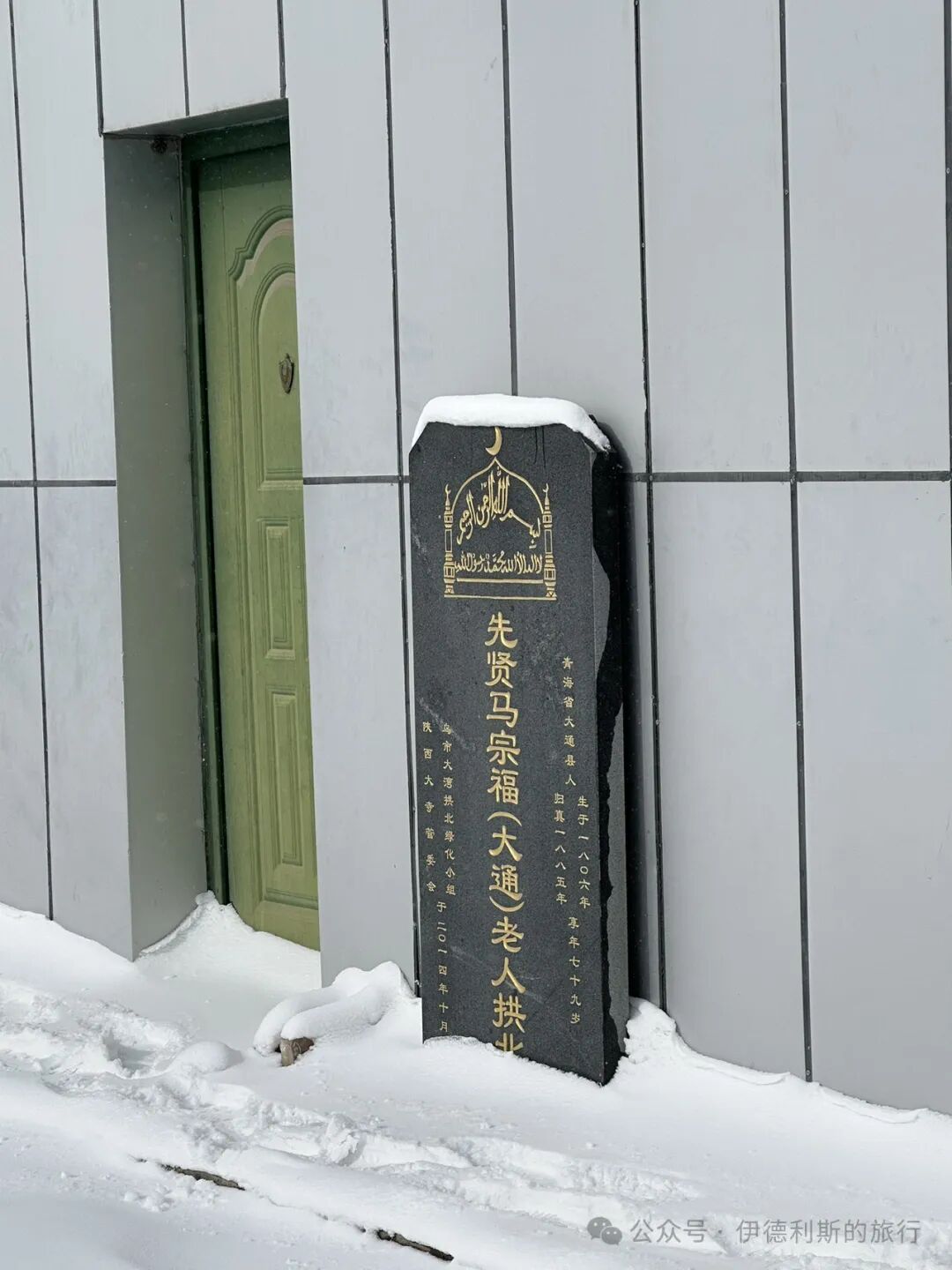
The second historical figure at the Dawan Gongbei is Imam Ma Zongfu (1806-1885), who led the Beiliang Mosque and the Beifang Mosque in Urumqi. People called him the Datong Elder.
Imam Ma Zongfu was originally from Datong, Qinghai. When he was young, he taught at various mosques in Qinghai and practiced the Khufiyya Sufi path. Later, because Imam Ma opposed the growing and selling of opium, he was persecuted by local wealthy landowners. In 1850, he led his family through many hardships to reach Xinjiang, where they settled at the Beiliang Mosque in Dihua. At that time, the imam of the Beiliang Mosque was Qitaizhou, a student of the Khufiyya leader Ma Pei. Imam Ma Zongfu became a student of Qitaizhou and became the imam of the Beiliang Mosque in 1852.
Imam Ma led the renovation of the Beiliang Mosque in 1861. Later, he established a spiritual center (daotang) on Yinma Lane in Dihua for meditation and study. The Qing government closed Beiliang Mosque because of the anti-Qing uprising and turned it into an ancestral hall, so the local community built Beifang Mosque in 1876. Because the local community loved Imam Ma so much, they elected him as their religious leader again. After Imam Ma passed away in 1885, he was buried next to the elder's grave in Weijiapu at the Dawan gongbei, just as he requested in his will. view all
Summary: This Urumqi article visits the Dawan Gongbei and records its connection with Hui Muslim religious memory and local community life. It keeps the original shrine details, route, religious terms, and travel observations without changing the facts.
Yesterday at noon, I went to the Dawan Gongbei in Urumqi to attend a funeral (janazah) for an elder from the Luyuan Street community. Hundreds of people were there. It was very moving and showed the strong unity of the local community (jamaat).
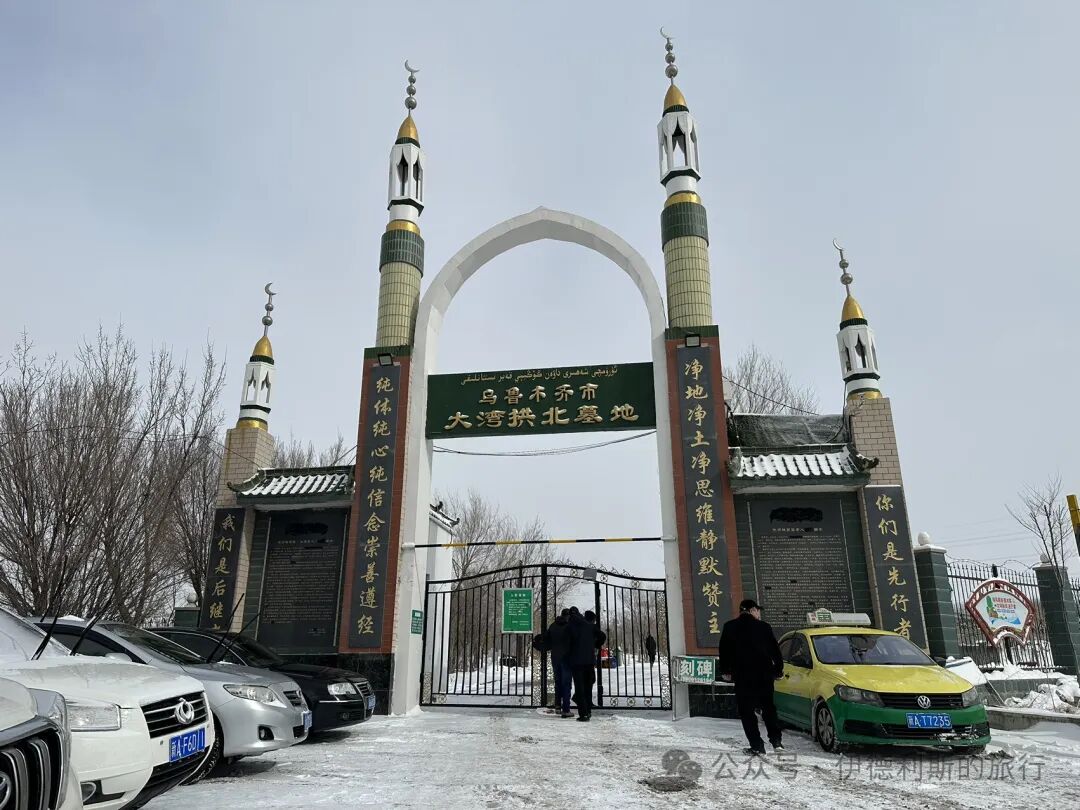

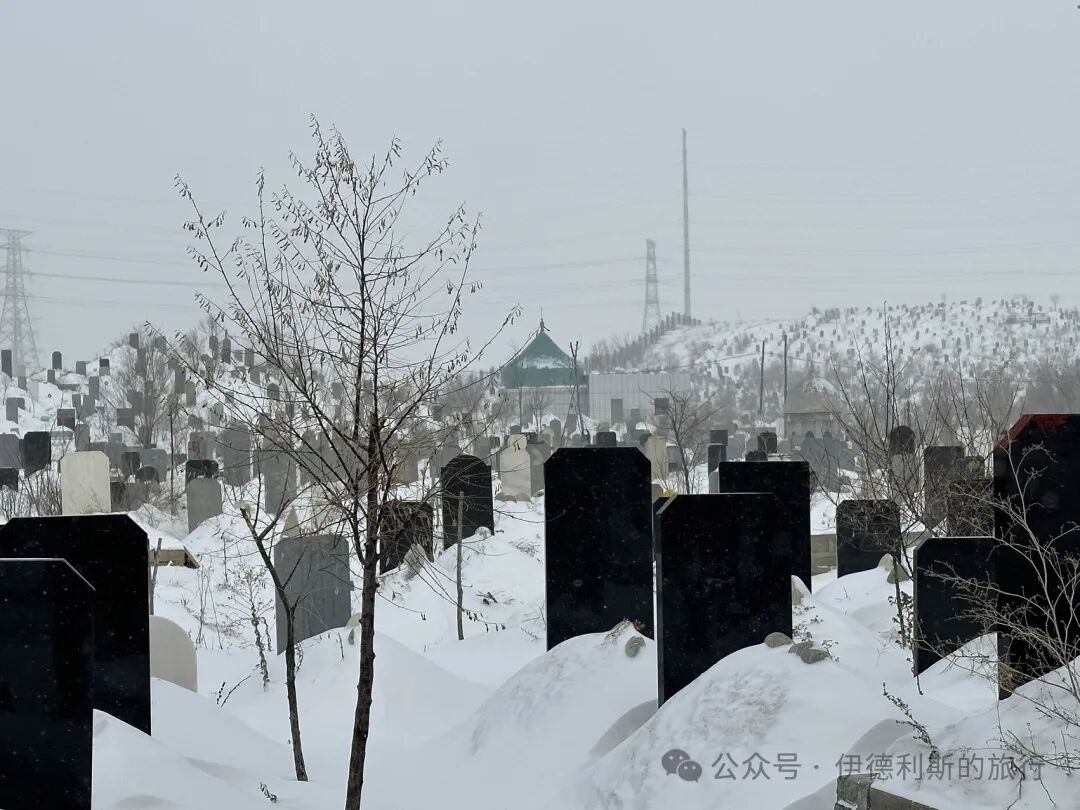
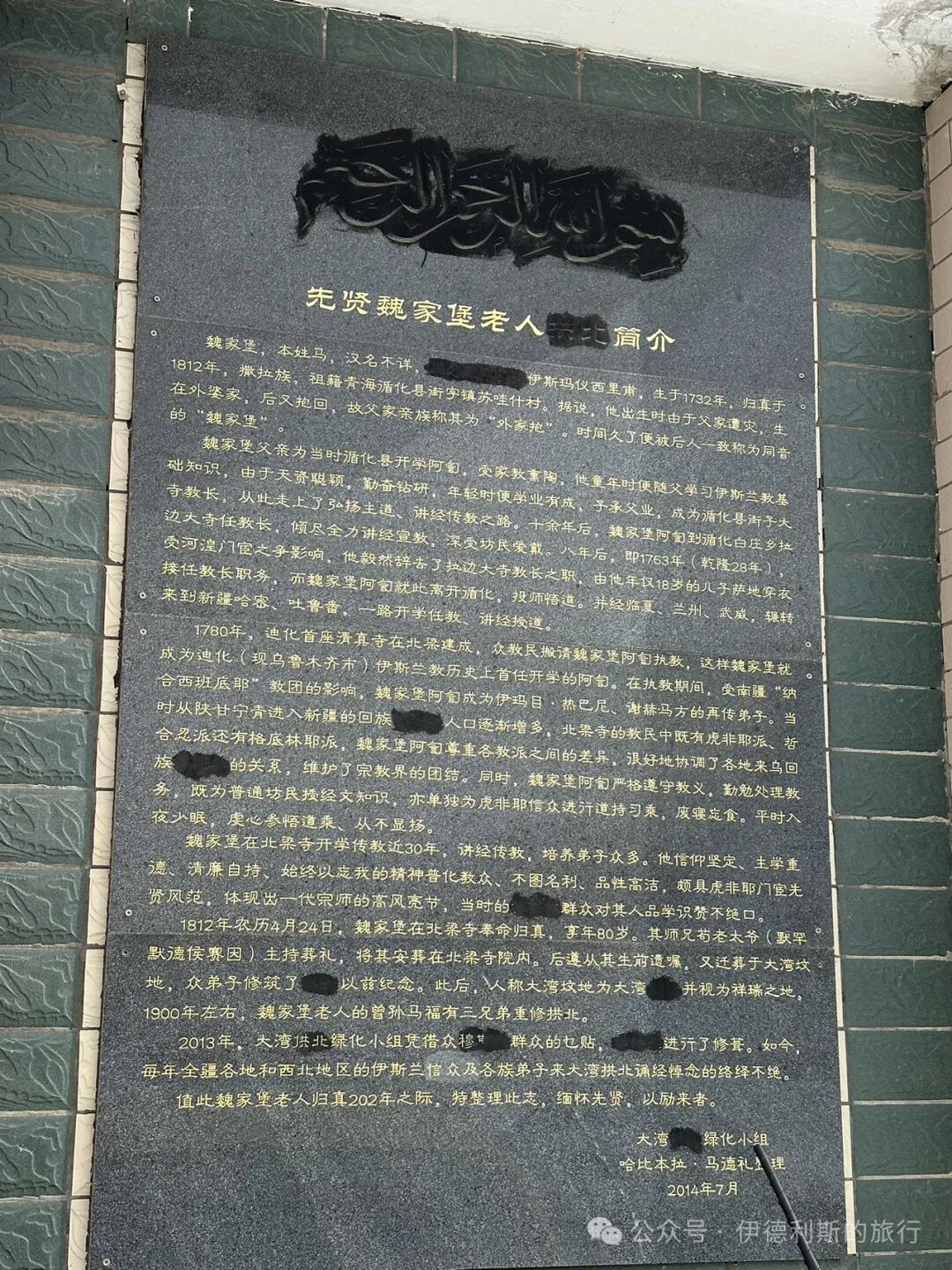
After the funeral, I visited the graves of two historical figures at the Dawan Gongbei. The first was the elder Weijiapu (1732-1812), who was the first imam to lead the mosque in Urumqi. Elder Weijiapu was originally a Salar from Xunhua. When he was young, his hard work and love for learning made him the imam of the Jiezi Gonghe La Mosque in Xunhua. In 1763, due to conflicts between Sufi orders (menhuan) in the Hehuang region, Elder Weijiapu left to seek spiritual knowledge. He traveled through Linxia, Lanzhou, and Wuwei before moving to Hami and Turpan in Xinjiang to teach. In 1780, after the first mosque was built in the Beiliang area of Dihua, the local Muslims invited Elder Weijiapu to serve as their imam.
In the mid-18th century, Yihewan Gali, a student of the Indian Sufi leader Imam Rabbani, came to Aksu to teach the Khufiyya Sufi path. Ma Fang, a Qing dynasty military officer stationed in Aksu, accepted his teachings. Later, Ma Fang resigned from his post to spread the faith across Xinjiang. He took on five students, one of whom was Ma Pei (known as the Anjihai Master). Ma Pei went to Urumqi to teach, and Elder Weijiapu became his student. Elder Weijiapu taught at the Beiliang mosque in Dihua for nearly 30 years. He taught scripture to ordinary community members and guided Khufiyya followers in their spiritual practice. He balanced the relationships between different groups well and was respected by everyone.
After Elder Weijiapu passed away (returned to Allah), he was originally buried at the Beiliang mosque. Later, following his will, he was moved to Dawan. The cemetery there became known as the Dawan Gongbei. In 1900, the three brothers of Ma Youfu, the great-grandson of Elder Weijiapu, rebuilt the Gongbei. It was renovated again in 2013 to its current appearance.
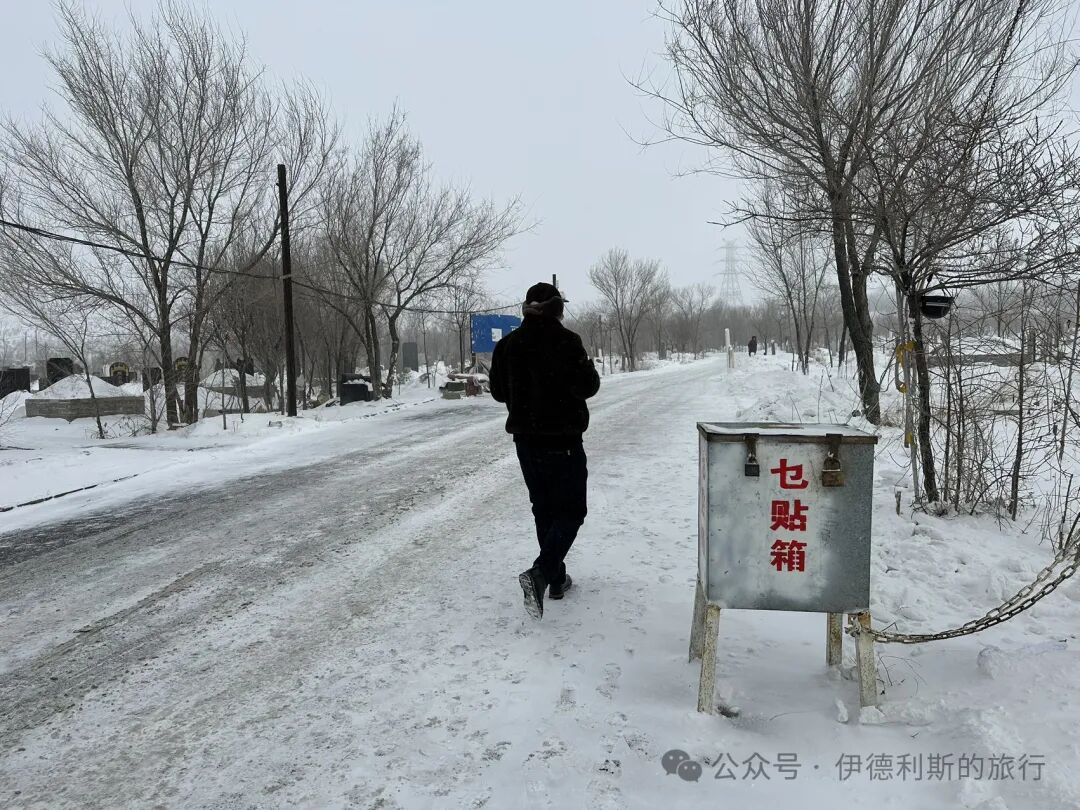

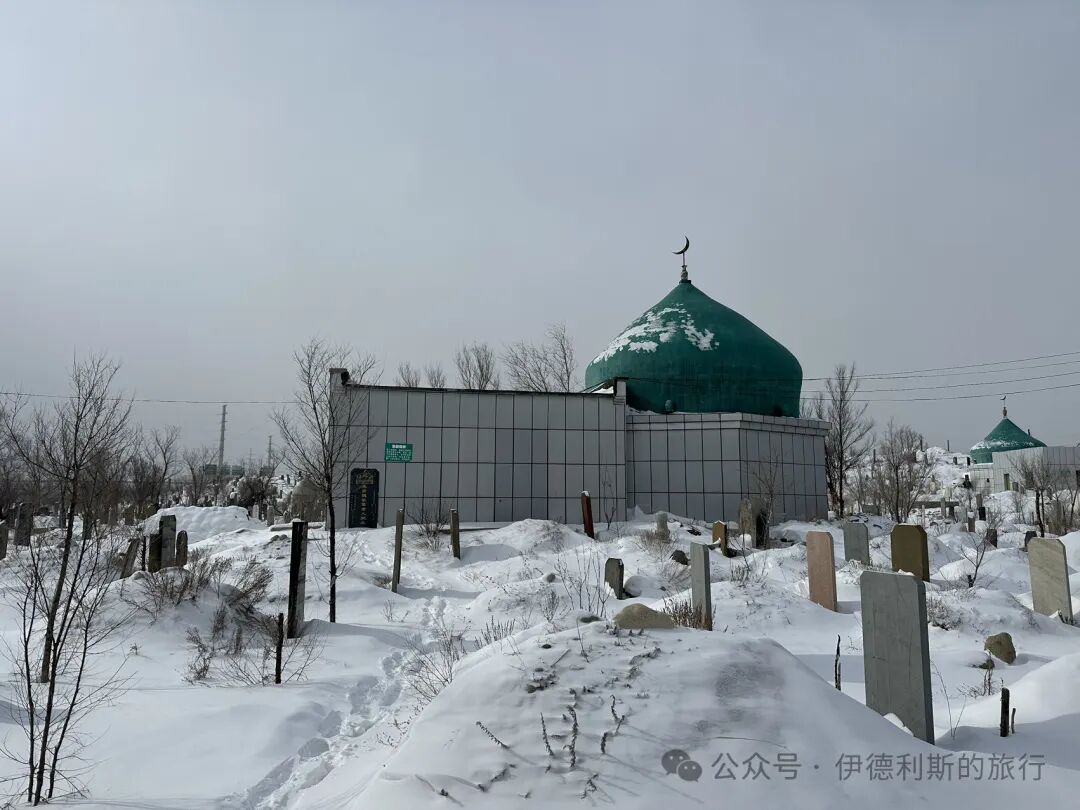
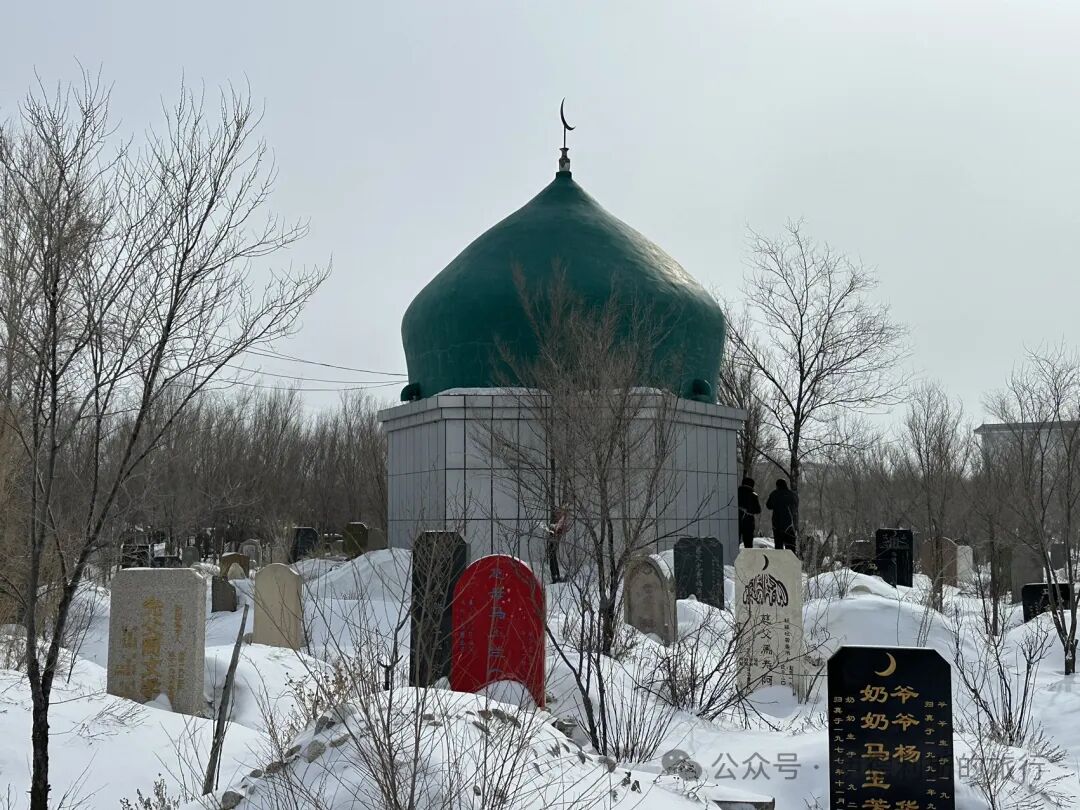
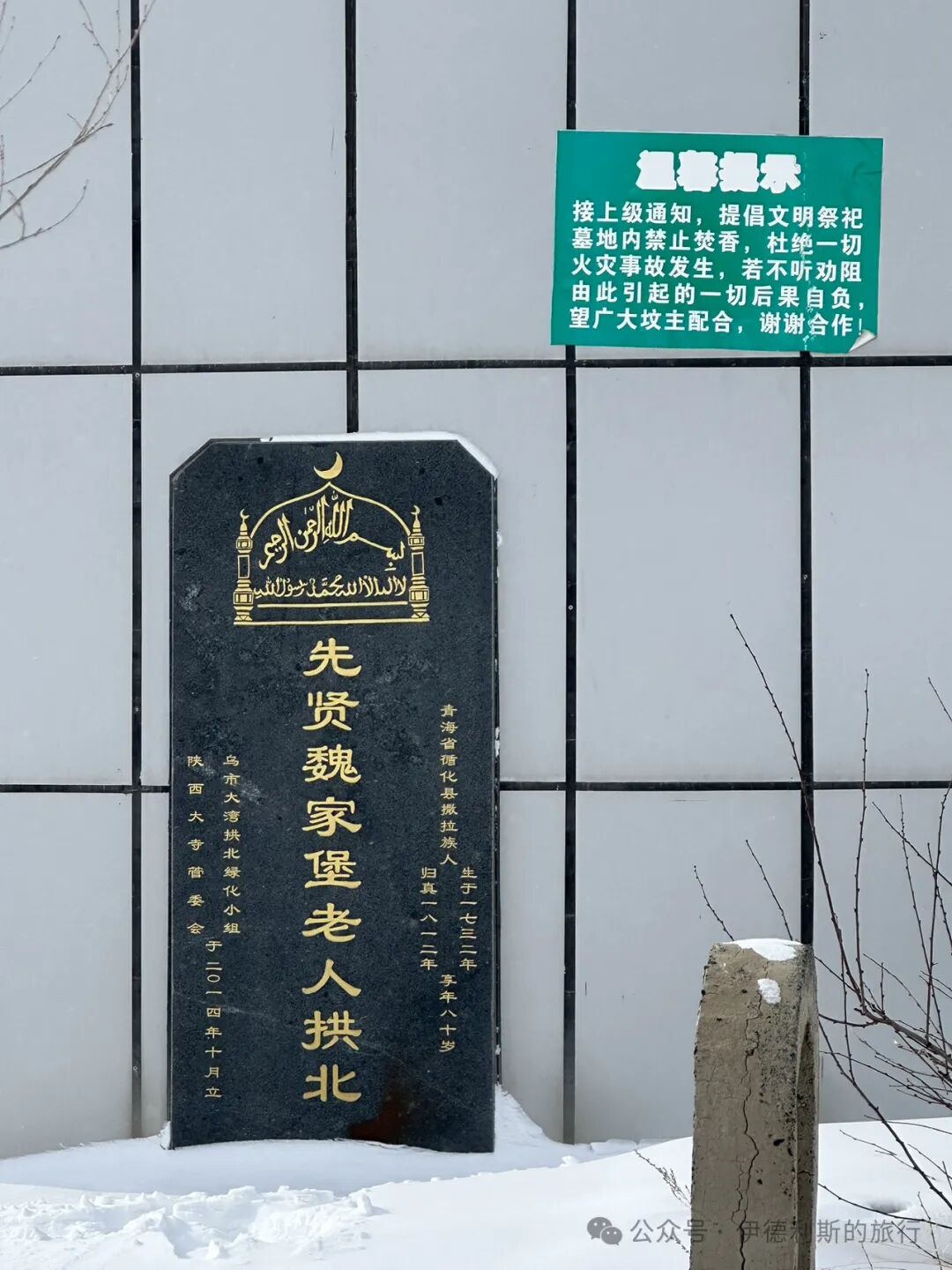
The second historical figure at the Dawan Gongbei is Imam Ma Zongfu (1806-1885), who led the Beiliang Mosque and the Beifang Mosque in Urumqi. People called him the Datong Elder.
Imam Ma Zongfu was originally from Datong, Qinghai. When he was young, he taught at various mosques in Qinghai and practiced the Khufiyya Sufi path. Later, because Imam Ma opposed the growing and selling of opium, he was persecuted by local wealthy landowners. In 1850, he led his family through many hardships to reach Xinjiang, where they settled at the Beiliang Mosque in Dihua. At that time, the imam of the Beiliang Mosque was Qitaizhou, a student of the Khufiyya leader Ma Pei. Imam Ma Zongfu became a student of Qitaizhou and became the imam of the Beiliang Mosque in 1852.
Imam Ma led the renovation of the Beiliang Mosque in 1861. Later, he established a spiritual center (daotang) on Yinma Lane in Dihua for meditation and study. The Qing government closed Beiliang Mosque because of the anti-Qing uprising and turned it into an ancestral hall, so the local community built Beifang Mosque in 1876. Because the local community loved Imam Ma so much, they elected him as their religious leader again. After Imam Ma passed away in 1885, he was buried next to the elder's grave in Weijiapu at the Dawan gongbei, just as he requested in his will.
Halal Travel Guide: Jinan — Baba Cave, Baba Tomb and Sufi Heritage
Articles • ali2007fr posted the article • 0 comments • 171 views • 2026-05-18 21:14
Summary: Jinan — Baba Cave, Baba Tomb and Sufi Heritage is presented here as a firsthand travel account in clear English, beginning with this scene: On February 2, 2023, I visited the Baba Cave and Baba Tomb on Jiuding Mountain in Jinan, Shandong, a place I had wanted to see for a long time. The account keeps its focus on Jinan Muslims, Sufi Heritage, Hui Muslims while preserving the names, places, food, and historical details from the Chinese source.
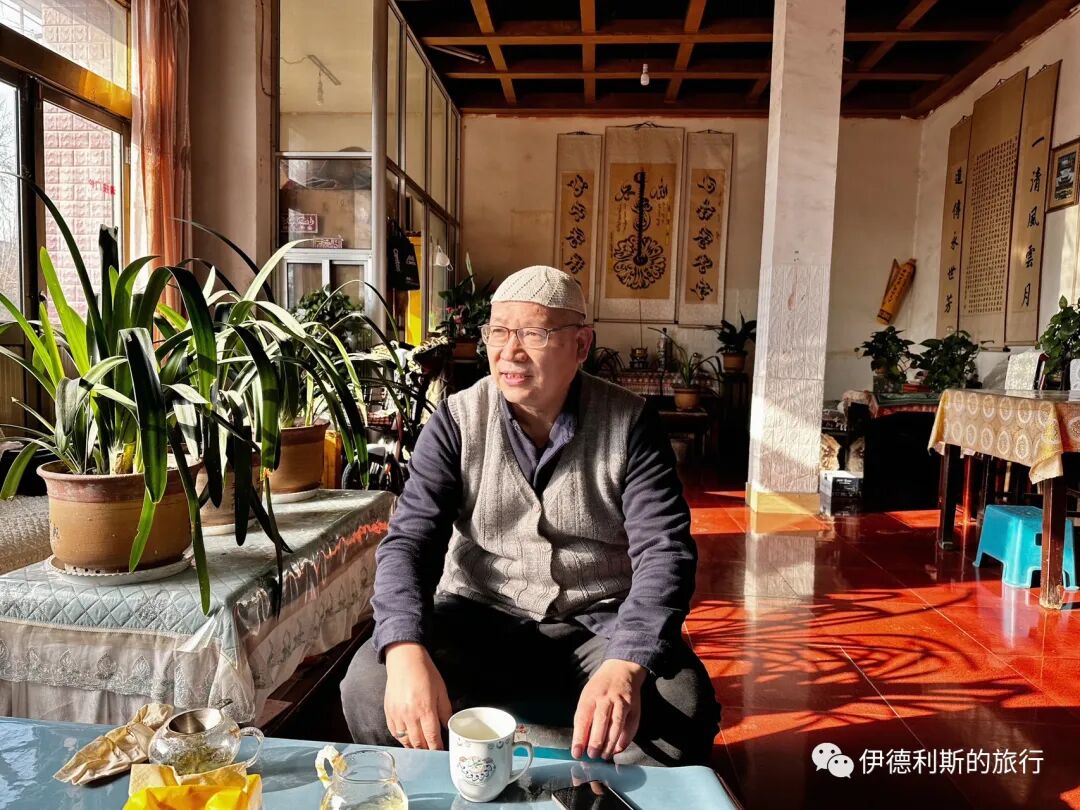
On February 2, 2023, I visited the Baba Cave and Baba Tomb on Jiuding Mountain in Jinan, Shandong, a place I had wanted to see for a long time. Baba is a Persian honorific that Hui Muslims use to show respect for their elders. The Baba Cave is the most important Sufi retreat in the Shandong region, and the Baba Tomb is a large cemetery for historical figures and Sufi saints, holding great significance in the history of the faith and Sufism.
I took a high-speed train from Beijing to Jinan West Station in the morning. Guided by Ma Lianjun, a friend (dost) who has studied the cave and tomb for years, we first went to the home of Ma Haji in Dangjiazhuang, where we were warmly welcomed by him and his wife.
We ate hot noodle soup and Shandong pancakes (dajianbing) as thin as paper at Ma Haji's house, then he drove us to Jiuding Mountain to visit the tombs.
Jiuding Mountain Baba Cave
The Baba Cave is on Jiuding Mountain in the southern suburbs of Jinan. With its layered peaks, rocky cliffs, and pine and cypress trees, it is a perfect place for quiet meditation.
At the foot of the mountain, you first see a stone tablet set up by local Muslims in 2021 that welcomes fellow believers to follow in the footsteps of the saints. After the show "World Hui Muslims" aired an episode on the Jinan Baba Cave, many friends (dost) came to visit, making the cave well-known.
As we climbed higher, we saw the tomb of Master Yang and several other saints. Master Yang, named X Rui and styled Fengyi, was born in 1757 and passed away in 1815. The inscription on his tomb says he left home young, went barefoot with messy hair, endured hunger and cold, and traveled the world, crossing thousands of rivers and climbing thousands of mountains. It also records that he established a "Dao Hall" on Qingfeng Mountain in Yunnan, which confirms he was a traveling Sufi.
According to a Qing Dynasty tablet about rebuilding the gate near the cave, which mentions that Sa, Ma, Mao, Yang, and Zuo loved the quiet and passed away there, we can conclude that the Jiuding Mountain Baba Cave was Master Yang's place of retreat.
1899 tablet record for rebuilding the gate
The names Sa, Ma, Mao, Yang, and Zuo on the tablet
Following the mountain path upward, we passed through a stone gate to reach the cliff where the Baba Cave is located. There are some cliff carvings on the rock face. Interestingly, the 1989 cultural heritage protection sign from the Licheng District of Jinan is also carved directly into the cliff.
Next to the cliff carvings are some older tablets, including an official notice from the Jinan Prefecture Changqing County government dated 1889. It records that Jiuding Mountain originally had a mosque cave, saint tombs, and prayer rooms, but they were damaged because no one looked after them. The government issued the notice to tell nearby residents to stop grazing livestock on the mountain and to forbid stealing or gambling inside the cave.
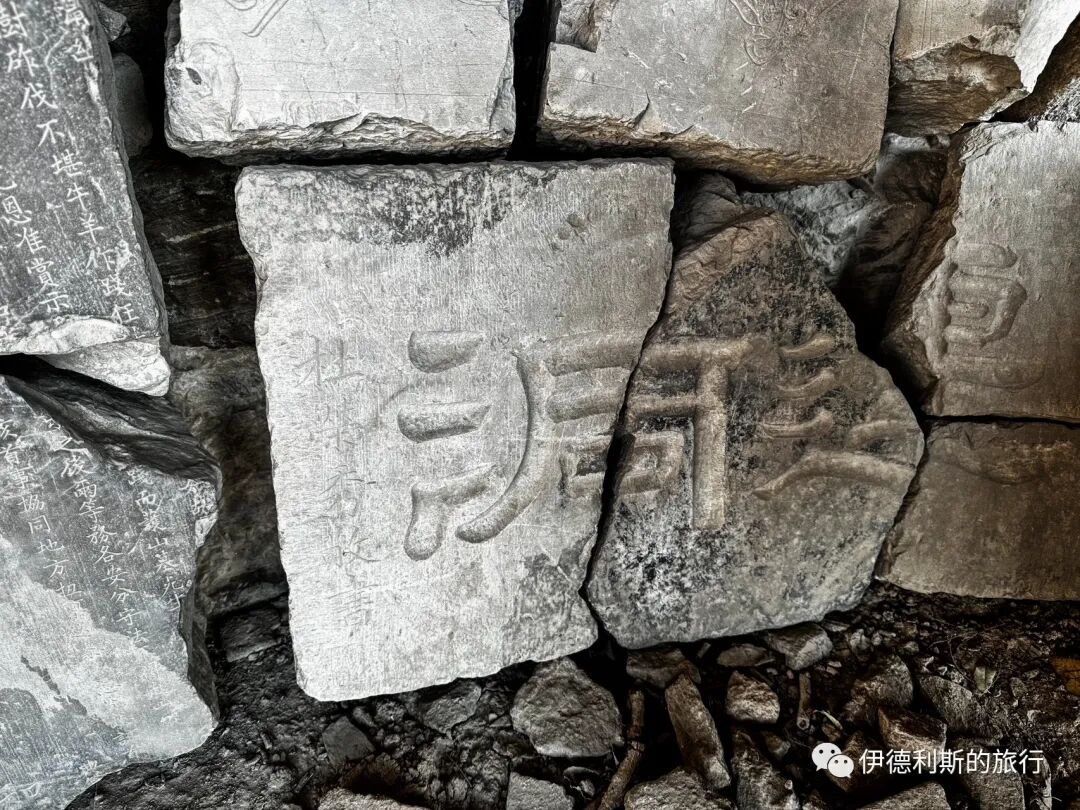
Many beautiful stone carvings in Chinese and Arabic are stored near the Baba Cave, and they have great historical and artistic value. Sadly, due to history, most of these stone tablets are badly damaged and broken into pieces. These precious artifacts are in urgent need of protection and repair.
On the cliff, there is also a "Saint's Tomb" with an inscription by Du Rongxiu. There was originally a large rock jutting out from the cliff that looked like a tomb. Later generations trimmed it to look more like a large grave from a distance, but no one is actually buried underneath it. It was built only to commemorate the Prophet Muhammad. Every year during the Mawlid, villagers come to the foot of the mountain to invite an imam to recite the Quran and prepare fried dough (youxiang).
In the area where the stone carvings are kept, you can also see a carving with an inscription by Du Rongxiu for the Baba Cave.
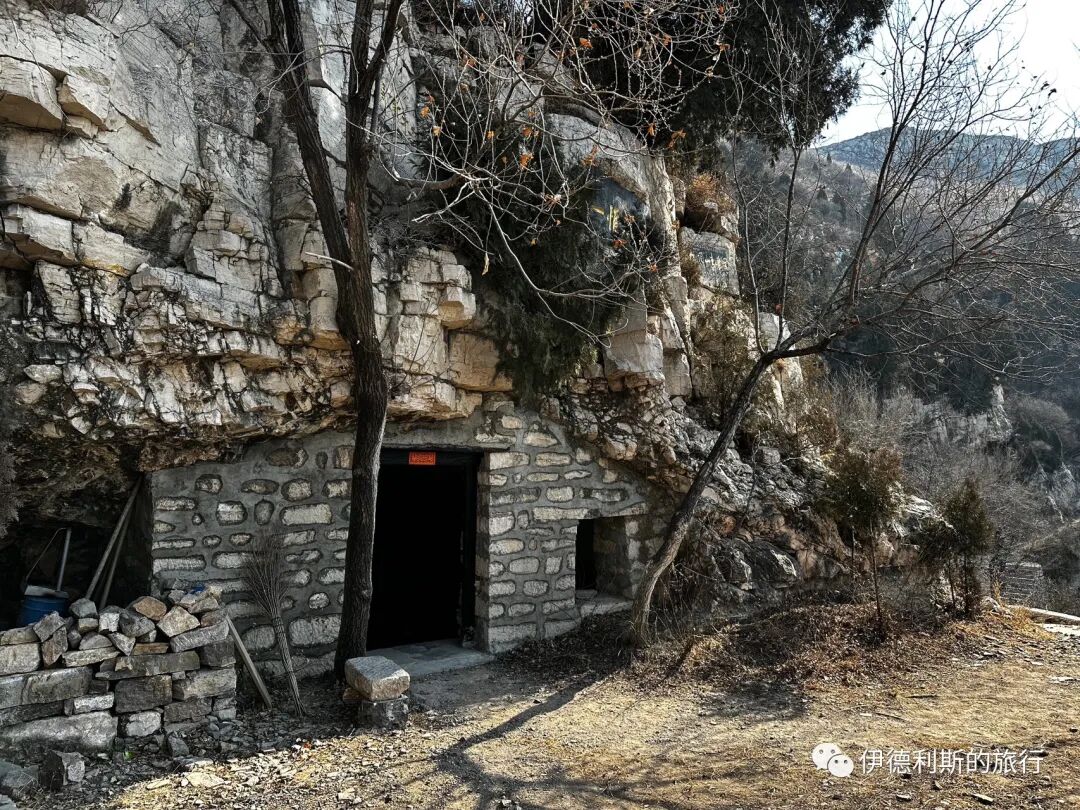
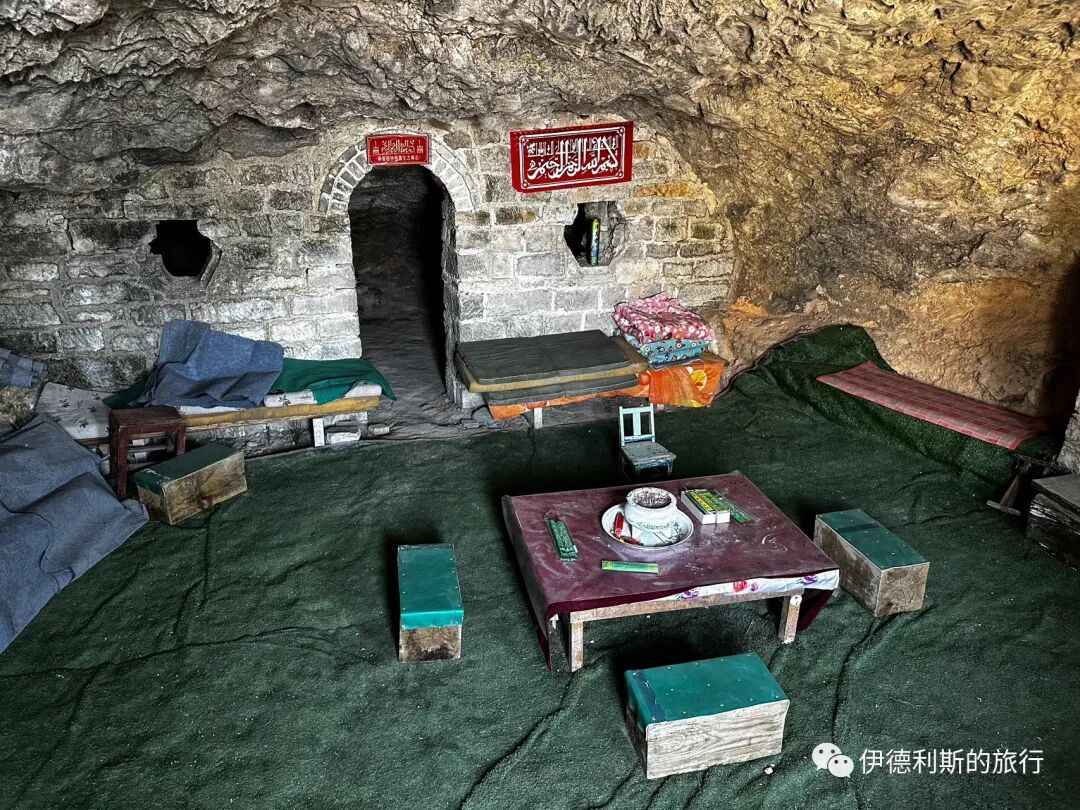
The Baba Cave is a natural cliff cave. Later people rebuilt it with stone bricks, dividing the cave into inner and outer sections. The door on the right is only big enough for one person; it is said to be where the Baba performed namaz. The inside of the cave has holes connected to the mountain, which keeps it very cool in the summer. It is also dry and does not collect water, making it perfect for quiet meditation.
Sufis call the basic five pillars of a Muslim the Sharia, and the higher level of practice above that is called the Path (Tariqa). Meditation (Muraqabah) is an important part of the Path. This tradition comes from the Prophet Muhammad, who spent a month every year in the Hira Cave on the Mountain of Light before receiving revelations from Allah.
Next to the Baba Cave is a stone room, which is a place for performing rituals (amal). Near the stone house, you can see some mortise and tenon joints (sunmao) on the cliffside, which are likely the remains of the house where the Baba lived while practicing his faith.
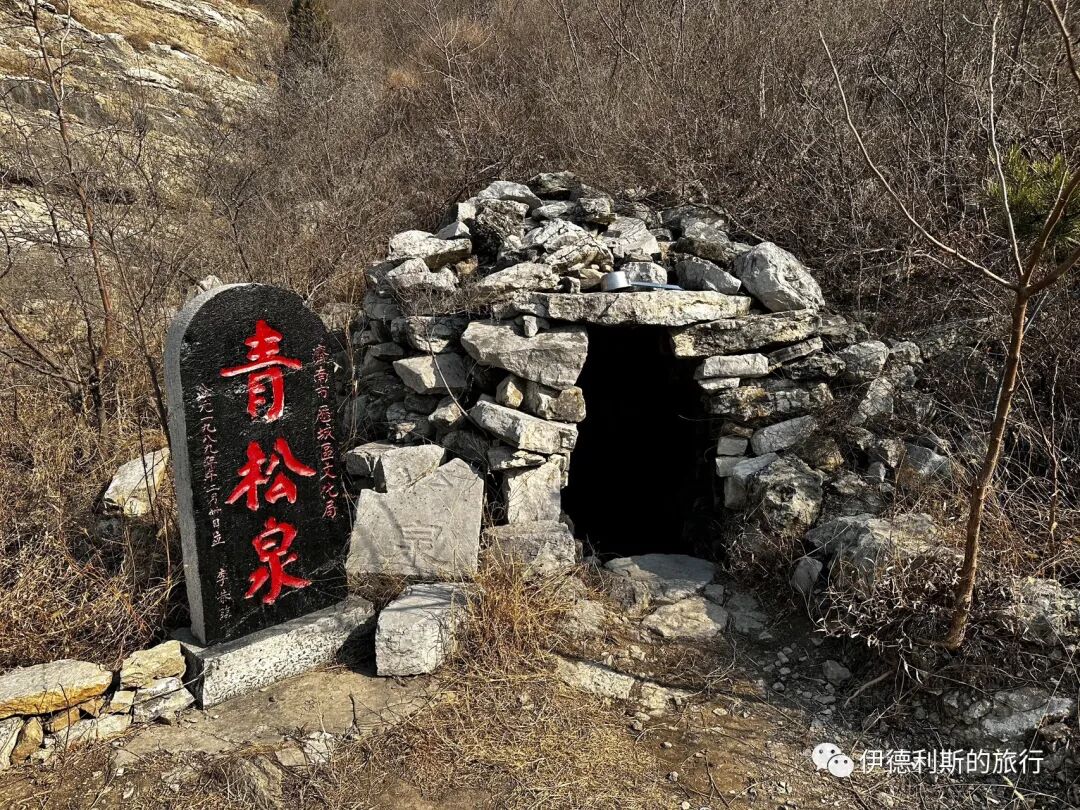
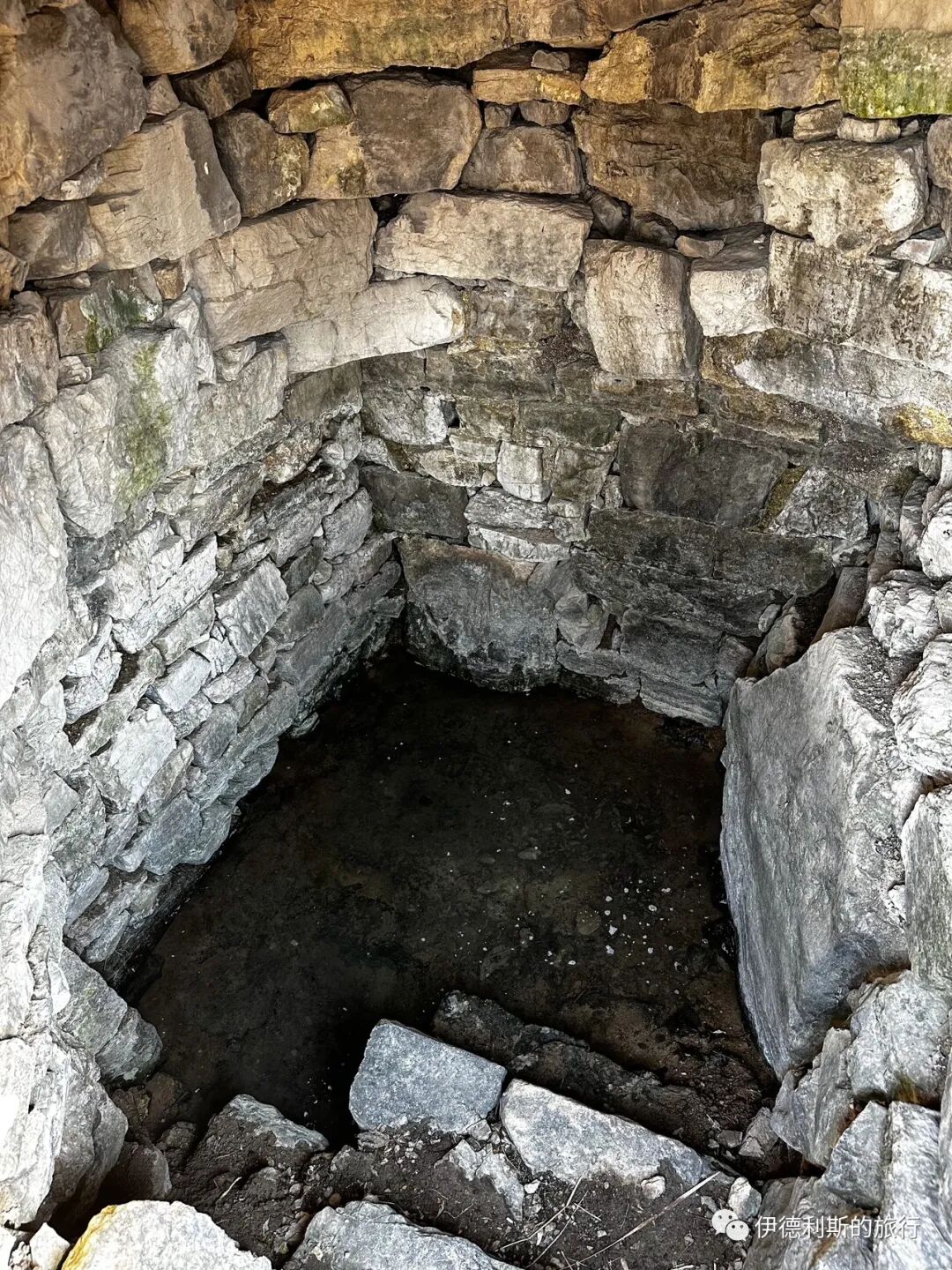
After visiting the Baba Cave, we walked down the mountain. At the foot of the mountain is the Green Pine Spring (Qingsong Quan), where the Baba used to get his water. In February, the spring water is clear and does not freeze; Jinan truly lives up to its name as the City of Springs.
Beside the Baba Cave on Jiuding Mountain in Jinan, there is a broken stone tablet dated to the ninth year of the Daoguang reign (1829). One of the names on the tablet is Zuo Tingrong, who is one of the five figures—Zuo, Ma, Sa, Mao, and Yang—mentioned in the 1899 'Reconstruction of the Main Gate' tablet as having practiced in the cave. In fact, except for Yang Baba, who is buried at the foot of the Baba Cave mountain, the graves of the other four Babas still exist. Mao Baba is buried in Dangjiazhuang Town, and the other three Babas are buried at Ma'anshan, south of Jinan city.
The Baba Graves at Ma'anshan.
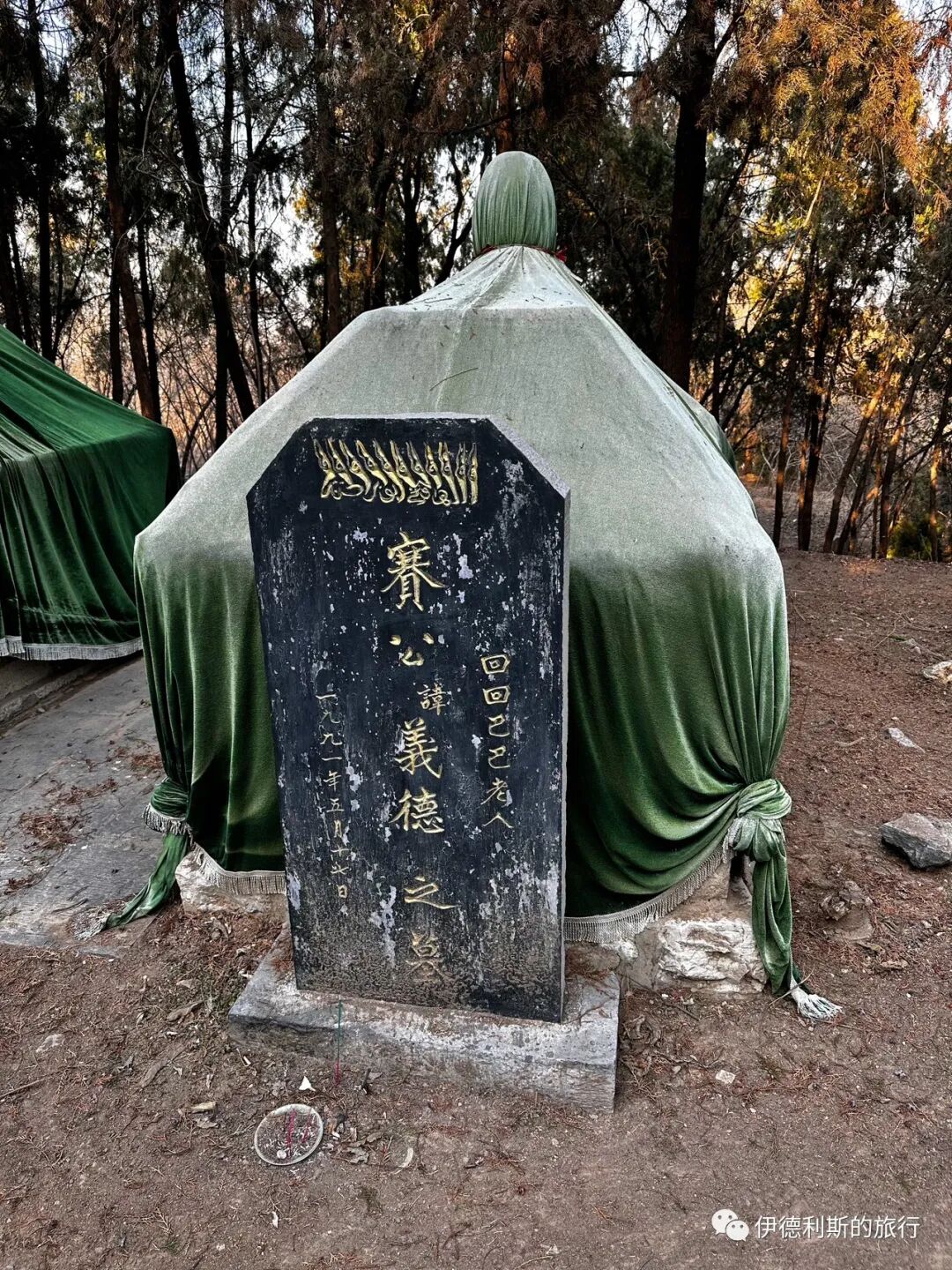
Guided by Ma Haji and Ma Lianjun Dosti, we arrived at the Baba graves on the eastern slope of Ma'anshan, south of Jinan. There are dozens of graves of Muslim ancestors here dating back to the Yuan and Ming dynasties, including the graves of Zuo, Ma, and Sa Baba.
Zuo Baba's grave is at the far west end of the cemetery. The tombstone is engraved with Chinese and Arabic, as well as Xiao'erjing (Arabic script used to write Chinese), providing a wealth of information. Ma Lianjun Dosti helped write the article 'A Study of the Chinese-Arabic Tombstone of Zuo Gong's Grave in Jinan during the Daoguang Reign of the Qing Dynasty from the Perspective of the Sinicization of Islam,' published in 'World Religious Studies.' This is currently the most detailed introduction available regarding Zuo Rongting Baba.
From the inscription, we know Zuo Baba's name was Tingrong, his courtesy name was Yunbo, and he was from the West Gate of Jinan. He was born in 1750 (the 15th year of the Qianlong reign) and passed away in 1829 (the 9th year of the Daoguang reign). His religious name was Ishaq. He was guided by the Sufi master Mahmud Baghdadi and became a leader for local practitioners, known far and wide for his spiritual path. Zuo Baba endured great hardships to travel to Mecca for Hajj and visited the tomb of the Prophet Muhammad in Medina. The inscription shows that Zuo Baba was a Sufi practitioner with a clear lineage, who insisted on asceticism and traveling to practice his faith. Such detailed records of a Sufi practitioner are extremely rare in the entire eastern region.
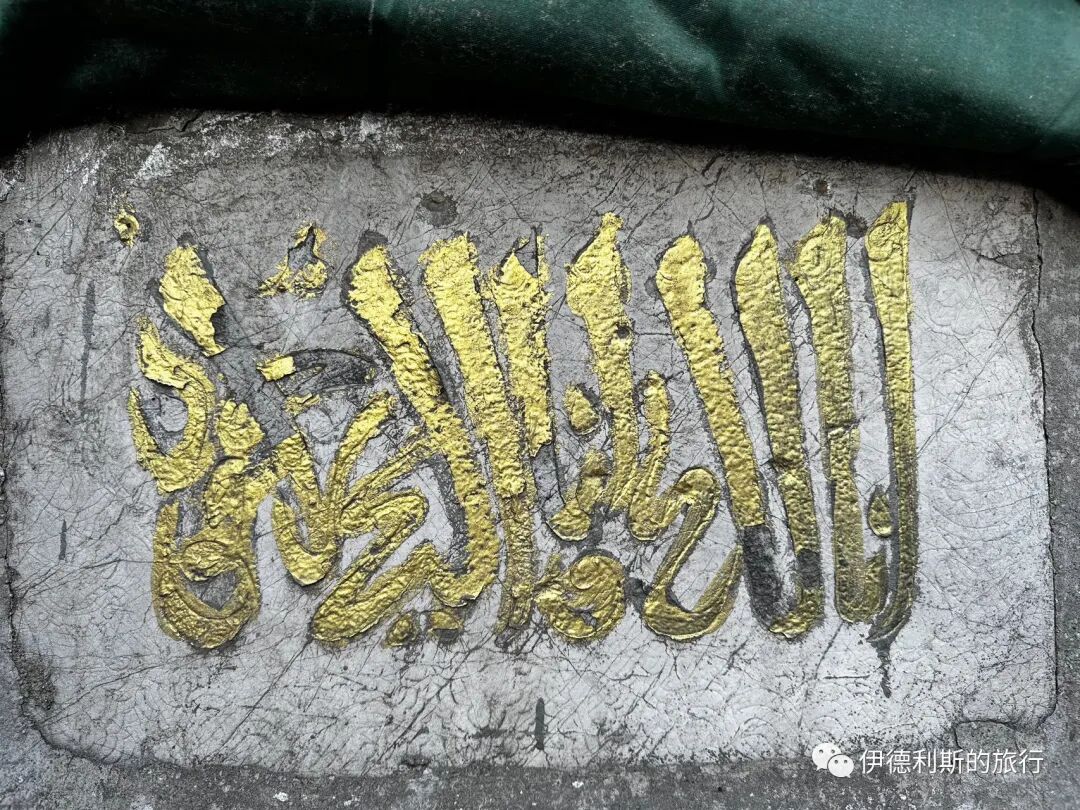
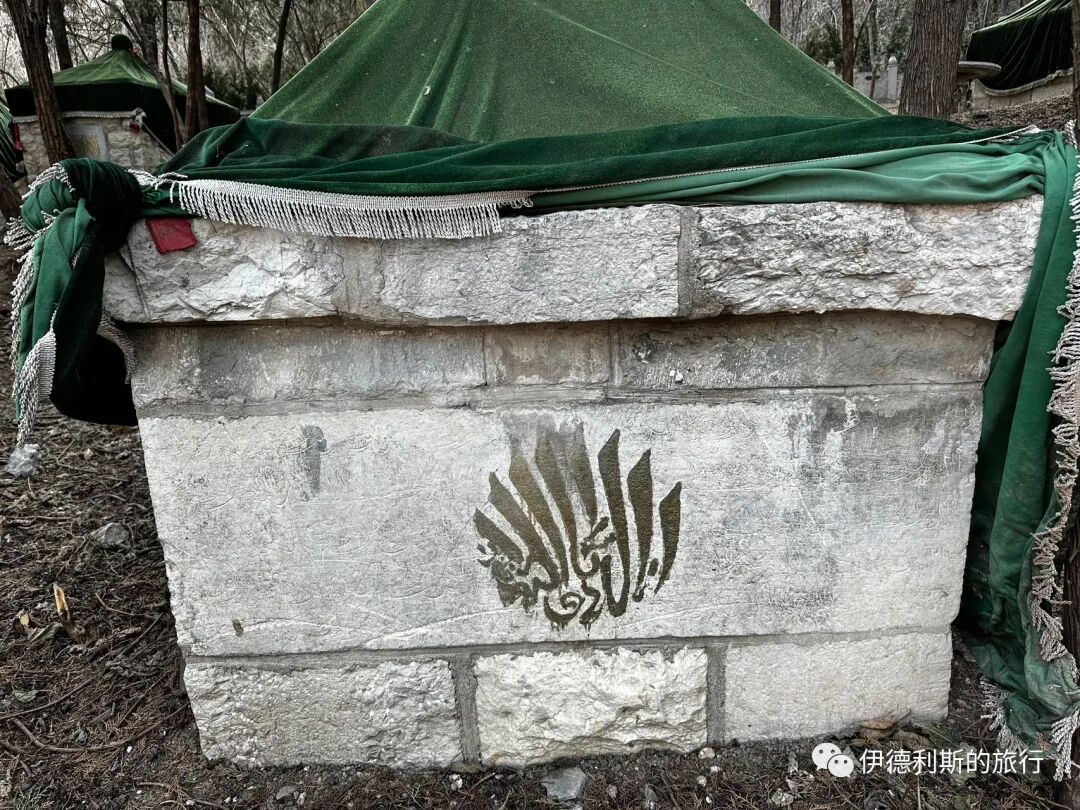
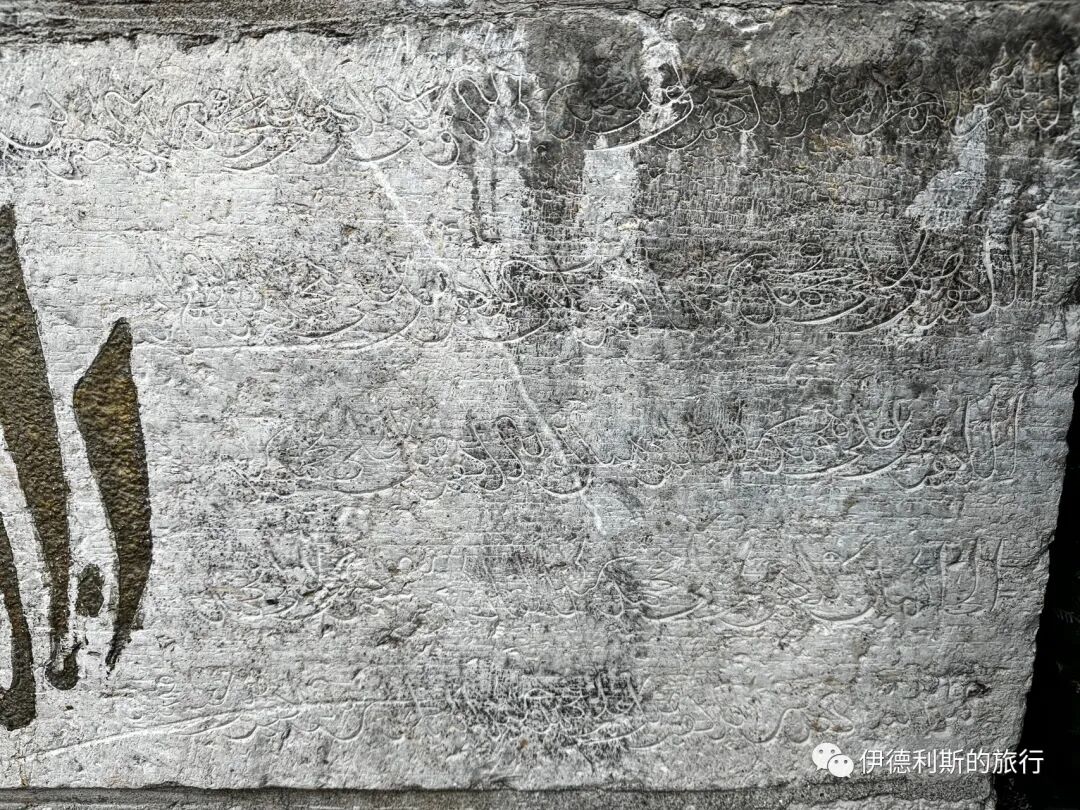
The top stone of Zuo Baba's grave is also very unique. Its cross-section looks like an arch, and the sides are carved with exquisite Arabic calligraphy, including both traditional Chinese styles and the brick-like Bannai script derived from Kufic. However, because later generations repainted it with gold lacquer, the original calligraphy has become somewhat blurry.
According to the article 'Baba Graves of the Yuan and Ming Dynasties in Shandong,' Sa Baba was named Sa Tianchi. He was from ancient Xihe in Yunnan, and he lived around the end of the Yuan and the beginning of the Ming dynasties. In the oral traditions of the Sai family of Hui Muslims in Jinan, Sa Baba's experiences of seeking medicine to save the dying and heal the wounded are very consistent with Sufi practices. He often used his medical knowledge to treat people regardless of whether they were Hui or Han, and he was respected by all ethnic groups.
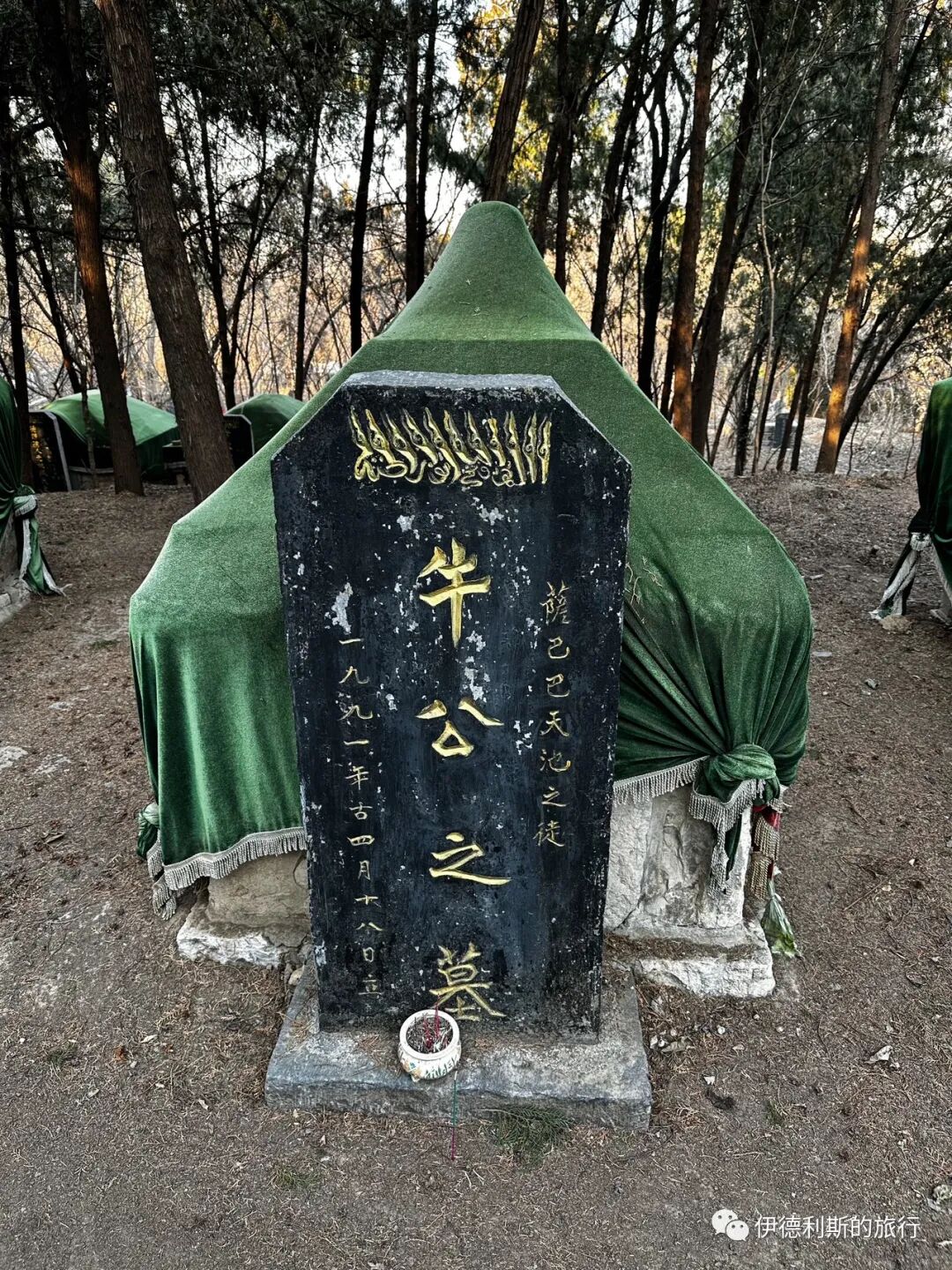
Additionally, there is the grave of Niu Baba, a disciple of Sa Baba, in the Baba cemetery.
Legend says Ma Baba passed away at the end of the Ming dynasty. The 1933 issue of the Republic of China periodical 'Yuehua' (Vol. 5, No. 18) contains an article titled 'Ma'anshan Small Mosque,' which records that 'outside the gate are the graves of the three Babas: Zuo, Ma, and Ma.'
Besides this, there are many graves of Muslim ancestors from the Yuan and Ming dynasties in the Ma'anshan Baba cemetery. The articles 'Baba Graves of the Yuan and Ming Dynasties in Shandong' and 'Baba Graves of the Qing Dynasty in Shandong' provide detailed introductions.
The life story of Sayyid Baba cannot be verified. Sayyid is an honorific title used to refer to the descendants of the Prophet's daughter Fatima and Imam Ali, suggesting that Sayyid Baba was likely a descendant of the Prophet.
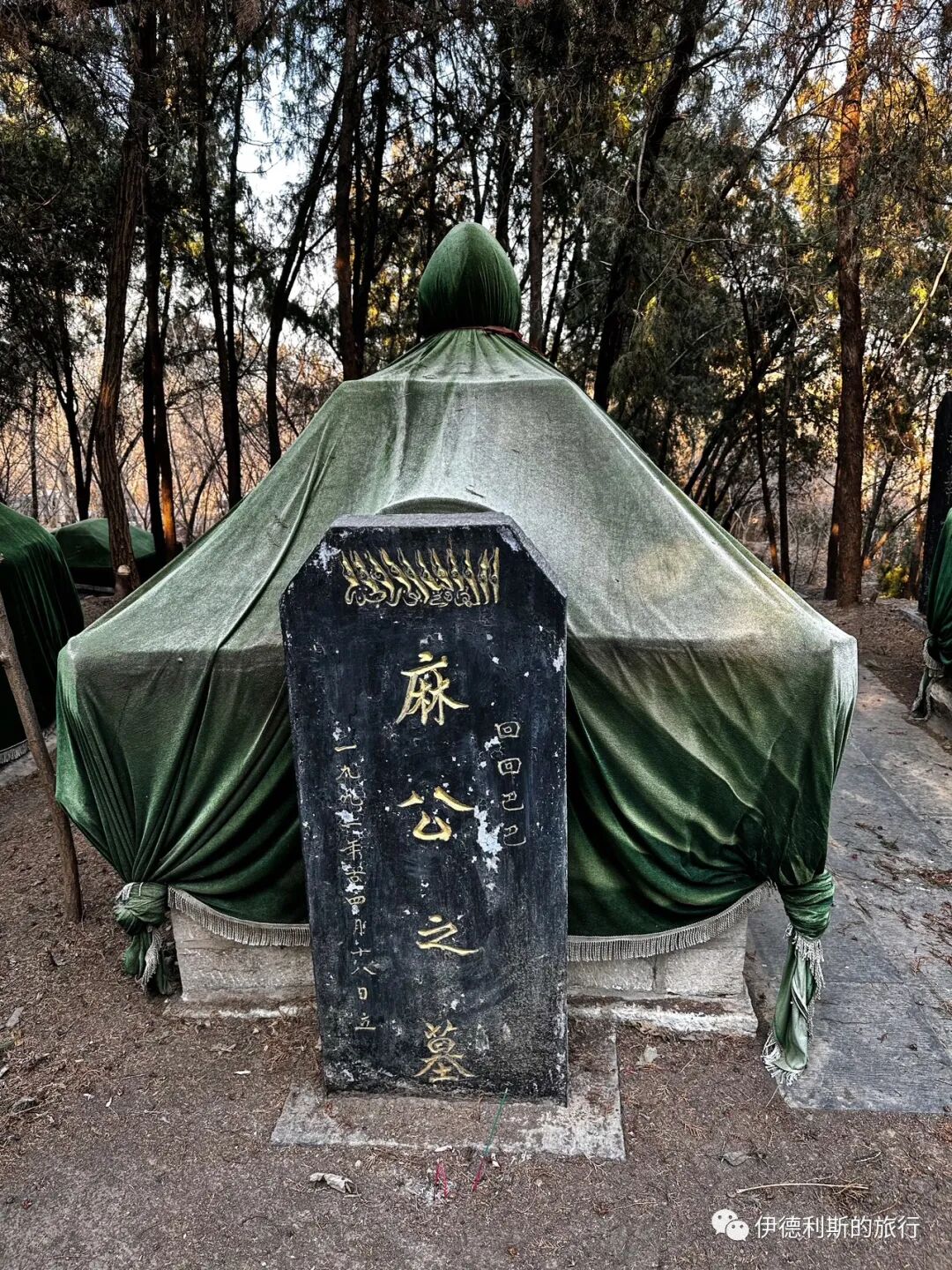
The life story of Ma Baba is also unreliable; he is one of the three Babas—Zuo, Ma, and Ma—mentioned in the 1933 'Yuehua' article.
On the tombstone of Gu Mingxiu Baba, there is an inscription, half of which is buried in the soil. It shows text like '16th day of the 2nd month of the 12th year of the Wanli reign of the Great Ming,' and '8th day of the 2nd month of the 4th year of the Xianfeng reign of the Great Qing,' which are likely the dates of the original construction and the renovation.
Li Baba's grave originally had a stone tablet from the Tongzhi reign of the Qing dynasty, but it no longer exists. Every year on the 24th day of the 6th lunar month, middle-aged and elderly Hui Muslim women from the outskirts of Jinan, Tai'an, and the north bank of the Yellow River go to Li Baba's grave to light incense, recite scriptures, and give charity (niatie).
Cha Baba's life story cannot be verified; it is only known that the later tombstone says he 'passed away at the end of the Ming dynasty.'
The tombstone for Chen Ying Baba and his wife, surnamed Sai, reads 'Grave of Mr. Chen Ying, an official of the Honglu Mosque of the Great Ming, and his wife, Lady Sai.' Behind it is a 'Chen Zhangjiao Epitaph' erected in 1834 (the 14th year of the Daoguang reign).
Chen Ying Baba holds a very high historical status among Muslims in Jinan. He was once appointed by the Emperor as the Superintendent of Religion for Shandong, and his descendants inherited the position of imam at the Jinan South Mosque (Nandasi) for over a hundred years. The existing 1495 (the eighth year of the Ming Hongzhi reign) record of the renovation of the Jinan Prefecture Licheng County Mosque states: 'During the Xuande year of Bingwu in our dynasty, there was a shortage of imams. Just then, Master Chen Ying went to the Western Regions three times as an envoy, was appointed to an official rank, and returned after retiring from office.' This means that during the Ming Xuande period (1426-1435), Chen Ying served as an official envoy to the Western Regions three times. Based on calculations, Chen Ying Baba likely lived during the late Yuan and early Ming dynasties.
The Chen family was prominent during the Ming Dynasty and received rewards many times. The Jinan South Mosque currently houses a 1528 (the seventh year of the Ming Jiajing reign) stone inscription titled 'Laifu Ming,' signed by 'Chen Si, Imam of this mosque.' Chen Si was a descendant of Chen Ying Baba.
Besides Chen Ying Baba, many other imams of the Jinan South Mosque are buried in the Baba Cemetery (Baba Fen).
Dang Baba was named Dang Yu, with the courtesy name Kunshan. He was from the West Gate of Jinan, born in 1703 (the forty-second year of the Kangxi reign) and passed away (returned to Allah) in 1785 (the fiftieth year of the Qianlong reign). According to a Republic of China era stele, he traveled widely and went on Hajj to Mecca many times. He discovered errors in the practice of the faith in China, sought to correct them upon his return, and was invited to serve as the imam of the South Mosque.
Mi Baba was named Mi Guoxiang, with the religious name Puzhong. People called him Master Mi (Mi Zhenren). He was also from the West Gate of Jinan, born in 1735 (the tenth year of the Yongzheng reign) and passed away in 1792 (the fifty-seventh year of the Qianlong reign). In front of his tomb stands a 1792 stele inscribed with 'Inheriting the Past and Ushering in the Future,' which contains very detailed records about Master Mi.
Mi Baba traveled throughout the Northwest, met a teacher named Wang, and learned the 'profound principles of returning to the truth and restoring life.' Afterward, he traveled everywhere and avoided women. The stele records that he 'built a home in the bright mountains southwest of the city and lived in an ancient cave.' It is speculated that this is likely the Baba Cave on Jiuding Mountain.
It continues to write
He 'ate the morning mist in spring, drank the night dew in summer, cleansed his heart and spirit, and after decades, mastered the techniques of breathing and meditation.' This is clearly a description of Sufi asceticism. The stele uses many Taoist terms to describe the faith, calling the sages 'True Men' (Zhenren), referring to passing away as 'feathering' (yuhua), and even using Taoist immortals like Wang Ziqiao and Chisongzi as metaphors. This is a great example of exchange between different religions.
Heifaxiang Baba became the imam of the Jinan South Mosque in 1815 (the fifteenth year of the Jiaqing reign). He presided over the renovation of the South Mosque and wrote Arabic calligraphy in the main hall, which was widely praised. Evidence suggests that He Baba was very likely the disciple of He Wushaihai, who was one of the 'Two Changs' of the Shandong scripture education system, Chang Jie Baba. Their birth and death dates also match. He Baba played an important role in inheriting and promoting the Shandong school of scripture education, and people today should attach great importance to him.
to local Jinan people, Sufi sages who came from other places to study are also buried in the Baba Cemetery. Ma Zhaochi Baba was from Pingliang, Gansu. He was born in 1673 (the twelfth year of the Kangxi reign), passed away in 1796 (the first year of the Jiaqing reign), and lived to be 123 years old. According to the stele, his 'merits and deeds were complete, and he had achieved immortality.' This is also a way of using Taoist vocabulary to describe Sufi practice.
There is a worn-out stele in the Baba Cemetery. Thanks to the sharing of a fellow believer (dosti), Teacher Ma Ming finally deciphered the content of the stele after years of research. According to the stele, the tomb owner was named Yang Zongyao, born in 1699 (the thirty-eighth year of the Kangxi reign), passed away in 1795 (the sixtieth year of the Qianlong reign), and lived to be 96 years old.
Yang Zongyao Baba's mentor was 'Grand Master Ma Huajiao from Shaanxi.' He followed Grand Master Ma to travel the world and learn Sufi cultivation. The stele records that Grand Master Ma 'abandoned his great business to become a monk;' He cast aside his high position to achieve his goals. It can be seen that he was a Sufi sage. Teacher Ma Ming found in the Yongzheng edition of 'Sichuan Tongzhi' and the Republic of China era 'Songpan County Annals' that 'Qingzhang Laying Army Garrison Commander... Ma Huajiao, a Shaanxi native, appointed in the thirty-second year of Kangxi,' and the Republic of China era 'Ba County Annals' records: 'Mosque... the South Mosque was built by Ma Huajiao and Han Daxiao in the early Kangxi period of the Qing Dynasty.' It can be seen that Grand Master Ma was active in the Sichuan region during the Kangxi period and donated money to build mosques while serving as an official.
Buried in the Baba Cemetery is the famous Hui Muslim martial artist Ma Shengping (1849-1921) from modern Jinan history. Ma Shengping was known as 'Western Whip Ma Wu.' He was from Linqing, Shandong, practiced martial arts since childhood, and was skilled in using the pole whip (also called fishing whip). At the end of the Qing Dynasty, he joined the Boxer Rebellion and fought all the way from Shandong to Tianjin. After the movement failed, he hid his identity and lived at the South Mosque (Nandasi) in Jinan, where he spent years working as a mosque caretaker while pretending to be deaf and mute. After the Republic of China was established, Ma Shengping revealed his true identity and began teaching martial arts at a Hui Muslim boxing school in the Xiguan area of Jinan. He passed away in 1921 and was buried in the Baba Tomb at Ma'anshan.
Some other tombstones in the Baba Tomb also feature Arabic calligraphy, but unfortunately, it is now difficult to identify who they belong to.
Because many respected elders (baba) are buried in the Baba Tomb and many moving stories are told about them, the site holds a very high status among Jinan's Hui Muslims. They often visit the graves to light incense, recite scriptures, and perform dua. According to the 18th issue of the fifth volume of the Yuehua newspaper in 1933, Jinan's Hui Muslims would visit the graves after the wheat harvest, especially after times of disaster, to thank Allah for His grace and to remember the virtuous predecessors. To make visiting the graves easier, a mosque was built next to the Baba Tomb long ago, known as the Ma'anshan Small Mosque.
The Yuehua magazine provides a detailed record of the Ma'anshan Mosque: There are three baba tombs on the mountain. Visitors use this place as a resting spot and a place to invite an imam to recite scriptures and prepare food, which is why the mosque was built. The mosque sits at the eastern foot of the mountain, and right outside the gate are the tombs of the three babas: Zuo, Ma, and Ma. The north building in the courtyard has five rooms. The middle three serve as the prayer hall, the single room on the east is the imam's living quarters, and the west room is the kitchen. There is also a south shed that serves as the living quarters for the mosque caretaker. The mountain only has ten mu of land to support the mosque. The mosque's imam is Ding Kaoshan, a Jinan local. He usually stays at the South Mosque and only comes here when people visit the graves. There are no regular prayers held here, so it functions like a local travel mosque.
Due to history, the Ma'anshan mosque (masjid) has collapsed, but the original foundation and building structure are still visible, with many bricks and tiles scattered around the site. A while ago, some friends (dosti) found half a stone tablet at the site. You can see the name Zuo Junzhenquan and the words kitchen room. The names of those who respectfully erected it include Ma Yusheng, Zhu Chunshou, Zuo Entang, Zhang Jinxing, and Zuo Junying. For hundreds of years, this mosque was an important part of the Baba Tomb complex. Just like the mosques at the tombs of Puhading, Wanggesu, and the Langzhong Baba, it is highly valued by friends (dosti) and holds significant cultural meaning. Seeing it in such a ruined state today is heartbreaking.
According to Lei Guangjing's article on the general situation of Islam in Jinan, Hui Muslims in the past placed great importance on the Baba Tomb and deeply respected the babas, calling them elders (laorenjia). Every spring when the flowers bloom, people would visit the graves in an endless stream, invite an imam to recite scriptures, and prepare fried dough (youxiang) to distribute to friends (dosti). Between the 1960s and 1970s, the Baba Tomb was damaged, but it was preserved thanks to the protection of the Muslim community (mumin). In 1982, Jinan's Hui Muslims held an unprecedented grave-visiting event with hundreds of people attending. Everyone brought boilers and food boxes, and they invited an imam to recite scriptures in memory of the predecessors.
With the rapid development of modern society, the inheritance of religious traditions everywhere has faced varying degrees of impact. The tradition of Jinan's Hui Muslims visiting the Baba graves is also gradually fading. Religious scholars argue that visiting graves for the purpose of reflection is a commendable act. By remembering our predecessors, we can reflect on the meaning of life, examine our own mistakes, and encourage ourselves to do more good deeds. It is a positive activity. At the same time, gathering in the cemetery to recite scriptures and distribute fried dough (youxiang) is a chance for young people to get closer to their faith. Amidst our busy work, we need such traditions to act as a bond for our faith and keep everyone united.
I am very grateful that friends (dostani) like Ma Lianjun and Ma Haji have cared for the Baba Cave and Baba Tomb for many years. When they learned I wanted to visit, they gave me a lot of help, and I truly experienced the hospitality of the people of Shandong. Let me share the delicious food I ate at Ma Haji's house. The homemade soy sauce beef was not too salty and tasted just right. This was my first time eating Shandong big pot bread (daguobing), which was as thick as a brick. It was really interesting.
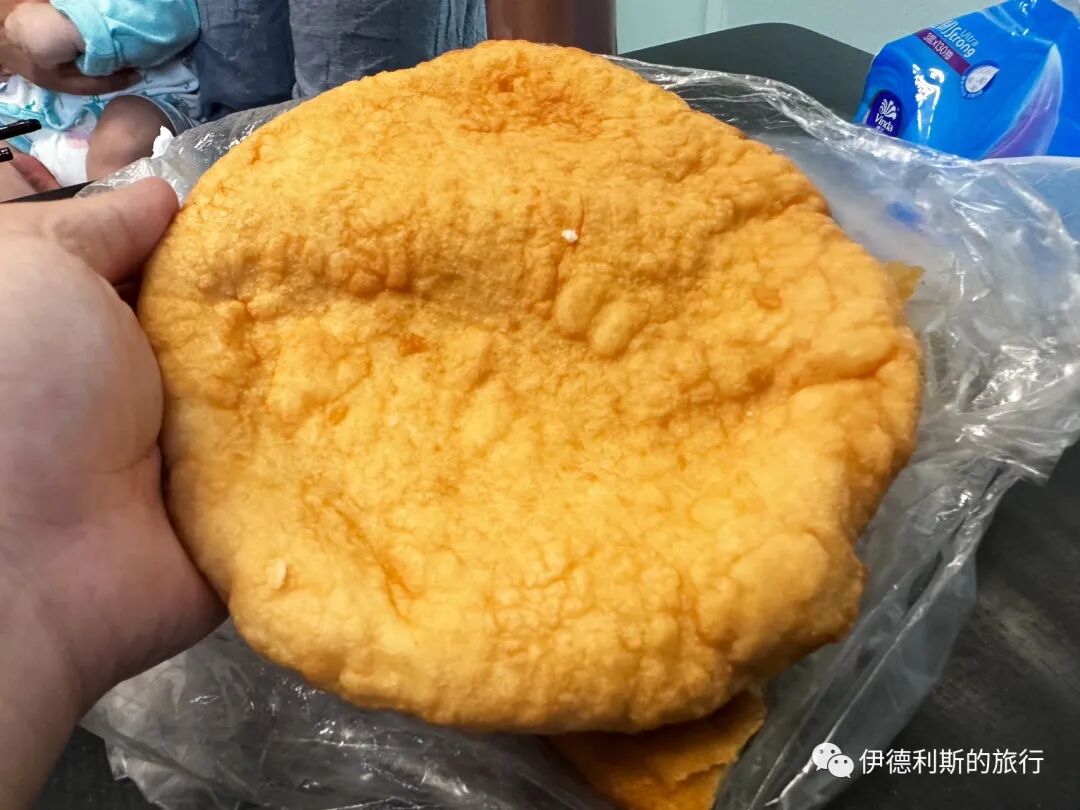
I ate two styles of fried dough (youxiang) at Haji Ma's house, one from Linxia, Gansu, and one from Jinan, Shandong. You can compare them for yourselves. When I left, Haji Ma gave me some Jinan-style fried dough (youxiang) as a sign of the friendship between us friends (dosti).
Finally, I welcome all friends (dostani) to visit Baba Cave and Baba Tomb. If you want to learn more, you can join the WeChat group below. view all
Summary: Jinan — Baba Cave, Baba Tomb and Sufi Heritage is presented here as a firsthand travel account in clear English, beginning with this scene: On February 2, 2023, I visited the Baba Cave and Baba Tomb on Jiuding Mountain in Jinan, Shandong, a place I had wanted to see for a long time. The account keeps its focus on Jinan Muslims, Sufi Heritage, Hui Muslims while preserving the names, places, food, and historical details from the Chinese source.
On February 2, 2023, I visited the Baba Cave and Baba Tomb on Jiuding Mountain in Jinan, Shandong, a place I had wanted to see for a long time. Baba is a Persian honorific that Hui Muslims use to show respect for their elders. The Baba Cave is the most important Sufi retreat in the Shandong region, and the Baba Tomb is a large cemetery for historical figures and Sufi saints, holding great significance in the history of the faith and Sufism.
I took a high-speed train from Beijing to Jinan West Station in the morning. Guided by Ma Lianjun, a friend (dost) who has studied the cave and tomb for years, we first went to the home of Ma Haji in Dangjiazhuang, where we were warmly welcomed by him and his wife.
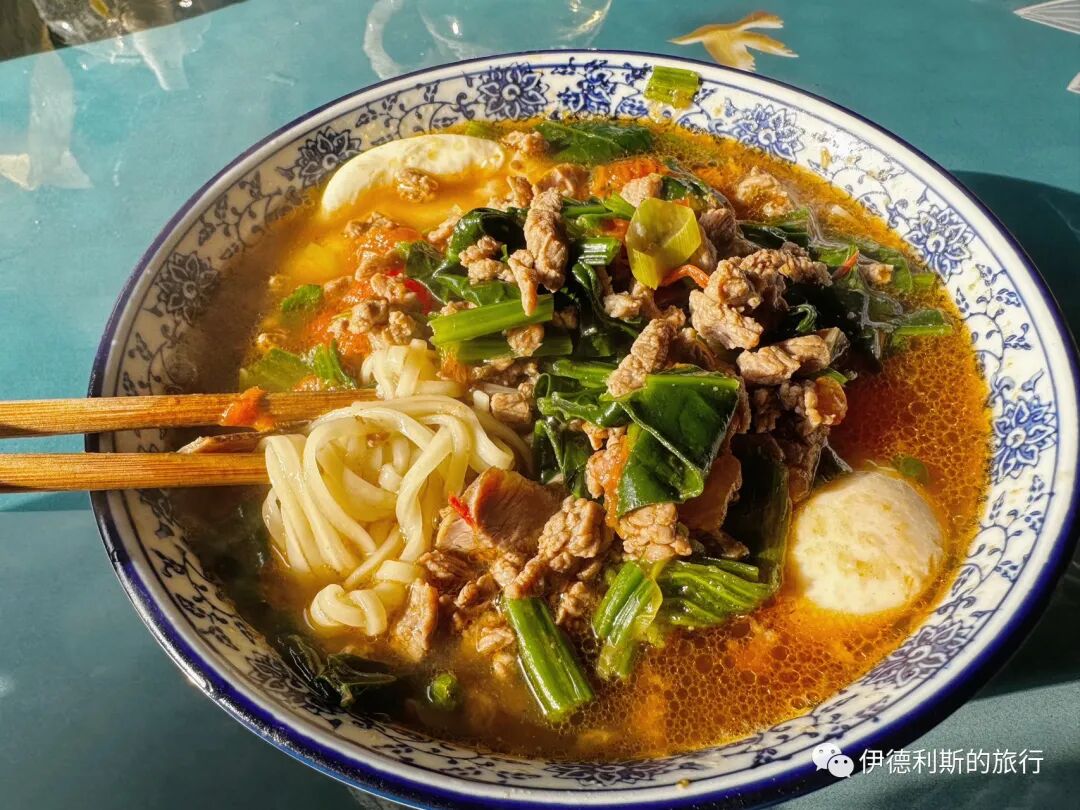
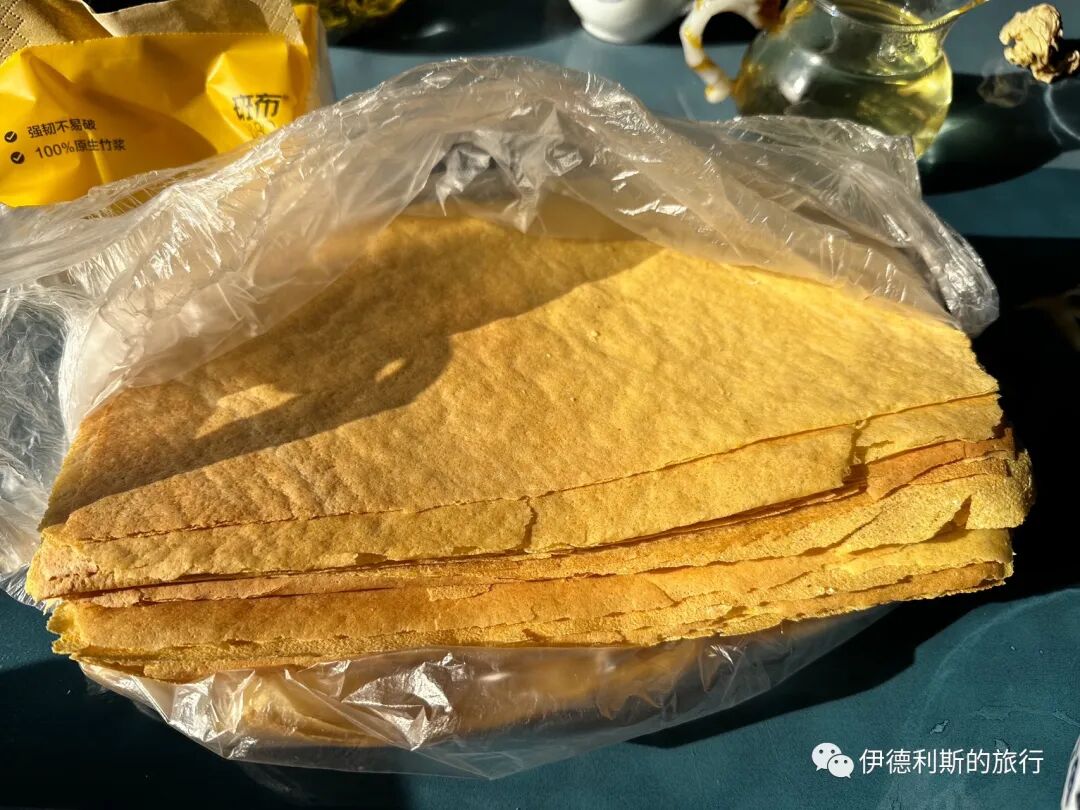
We ate hot noodle soup and Shandong pancakes (dajianbing) as thin as paper at Ma Haji's house, then he drove us to Jiuding Mountain to visit the tombs.
Jiuding Mountain Baba Cave
The Baba Cave is on Jiuding Mountain in the southern suburbs of Jinan. With its layered peaks, rocky cliffs, and pine and cypress trees, it is a perfect place for quiet meditation.
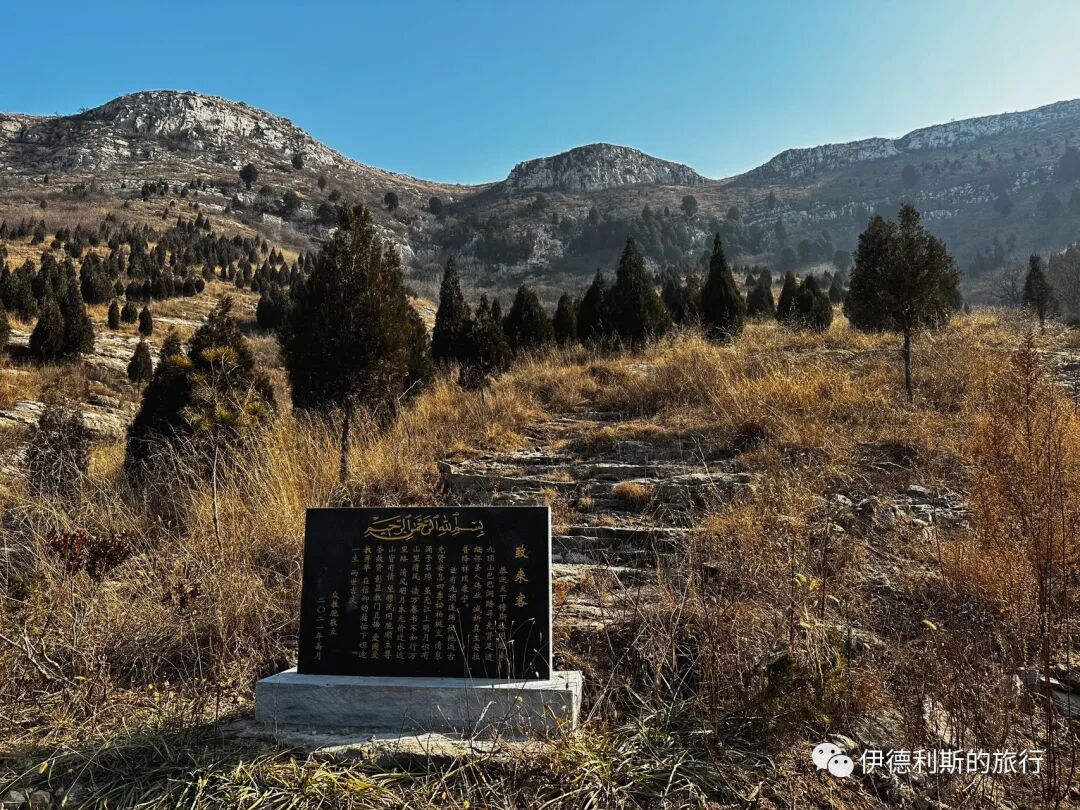
At the foot of the mountain, you first see a stone tablet set up by local Muslims in 2021 that welcomes fellow believers to follow in the footsteps of the saints. After the show "World Hui Muslims" aired an episode on the Jinan Baba Cave, many friends (dost) came to visit, making the cave well-known.
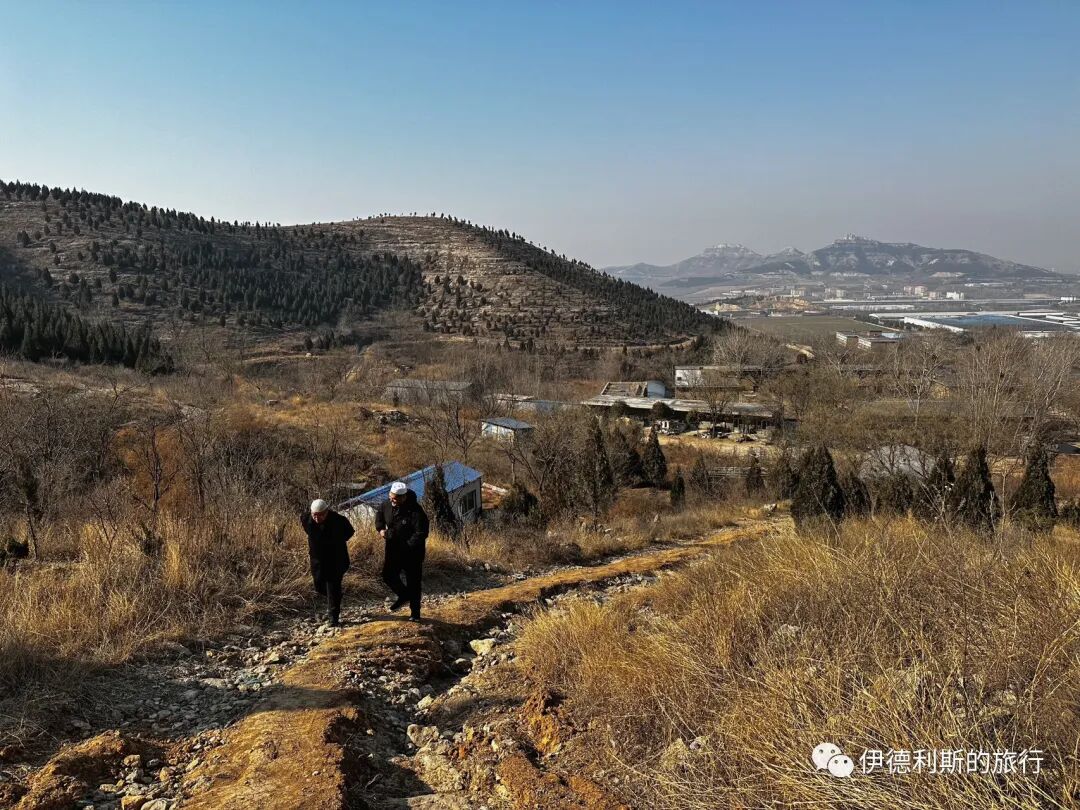
As we climbed higher, we saw the tomb of Master Yang and several other saints. Master Yang, named X Rui and styled Fengyi, was born in 1757 and passed away in 1815. The inscription on his tomb says he left home young, went barefoot with messy hair, endured hunger and cold, and traveled the world, crossing thousands of rivers and climbing thousands of mountains. It also records that he established a "Dao Hall" on Qingfeng Mountain in Yunnan, which confirms he was a traveling Sufi.
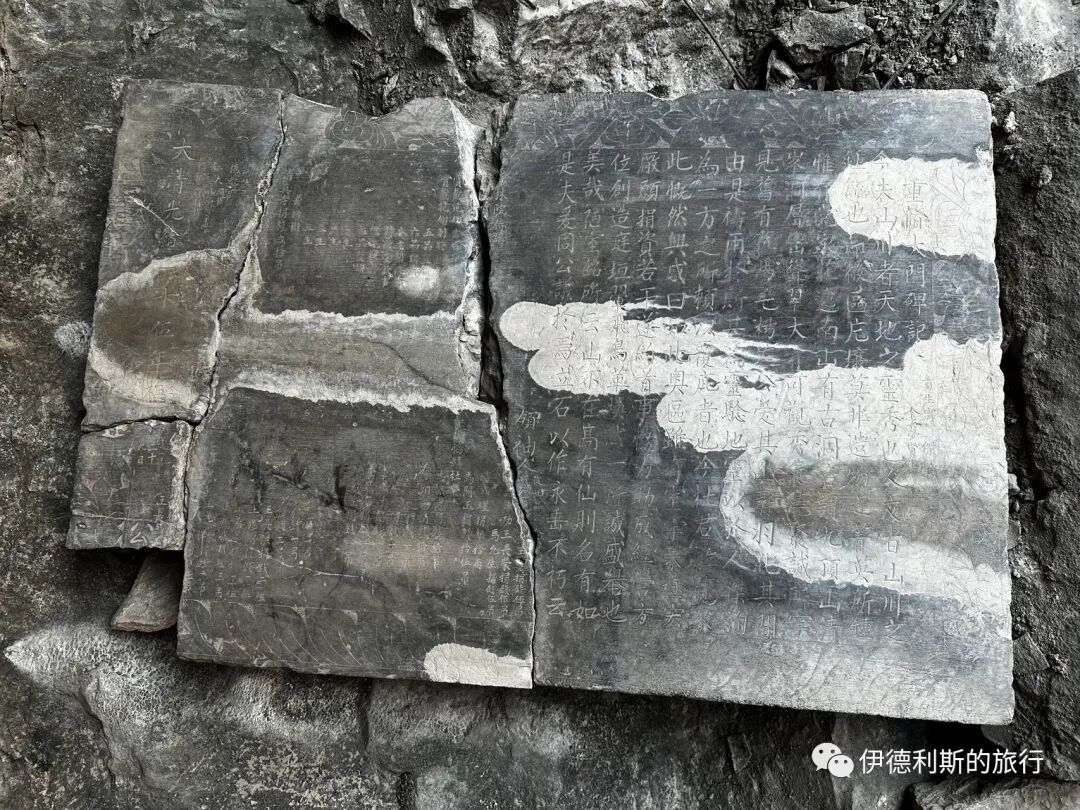
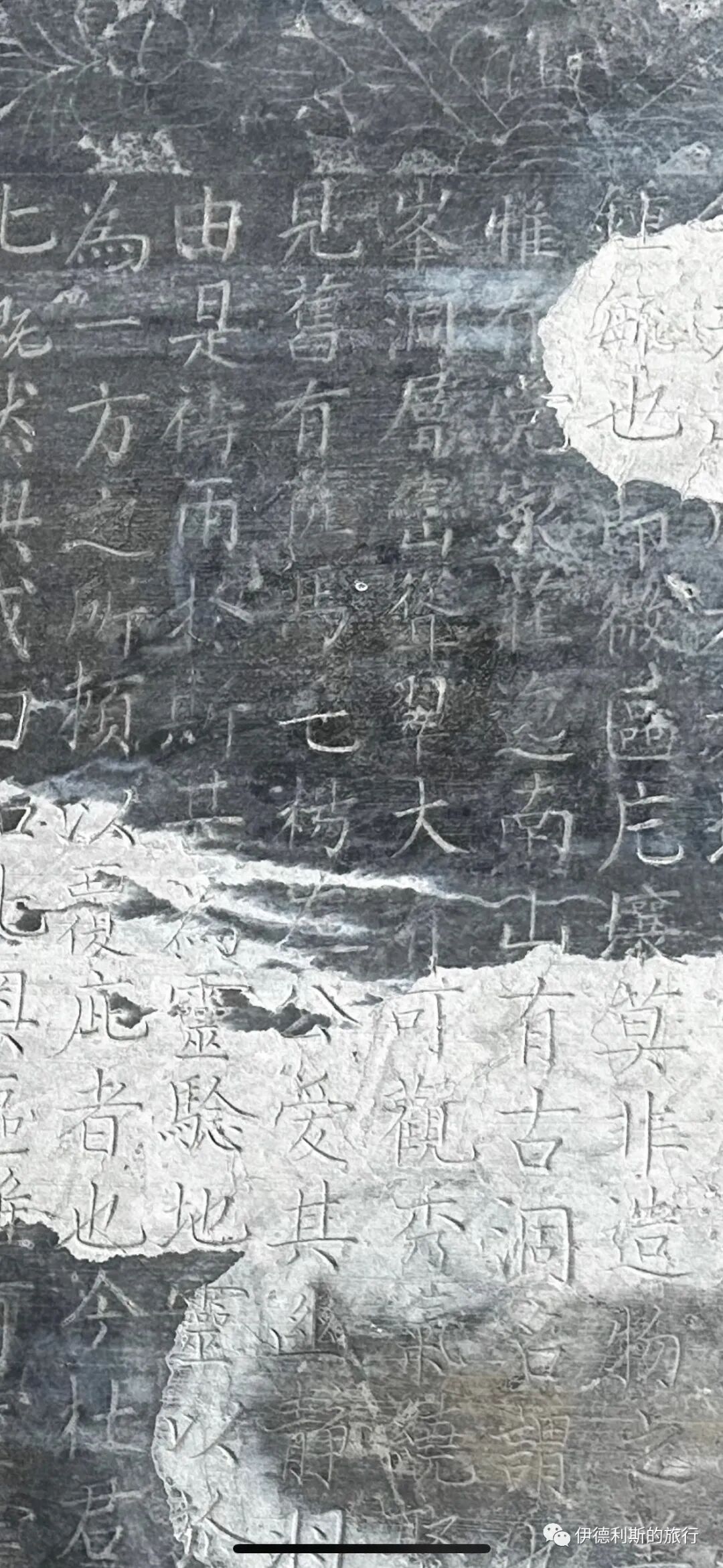
According to a Qing Dynasty tablet about rebuilding the gate near the cave, which mentions that Sa, Ma, Mao, Yang, and Zuo loved the quiet and passed away there, we can conclude that the Jiuding Mountain Baba Cave was Master Yang's place of retreat.
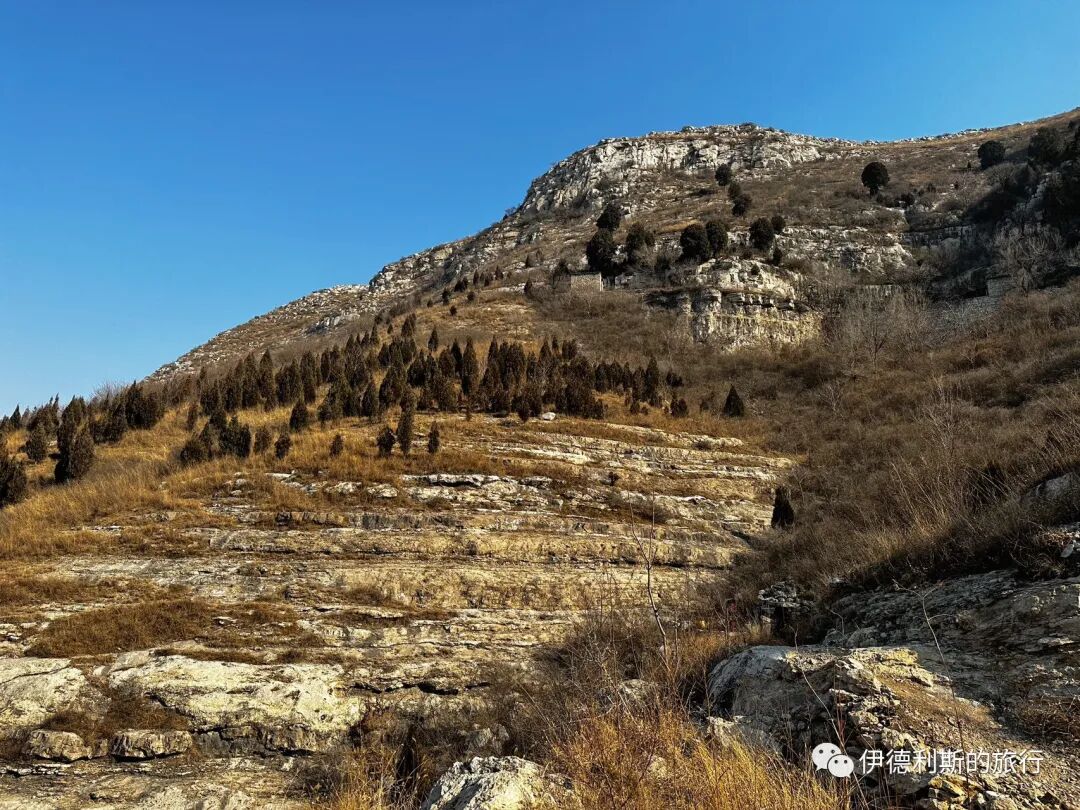
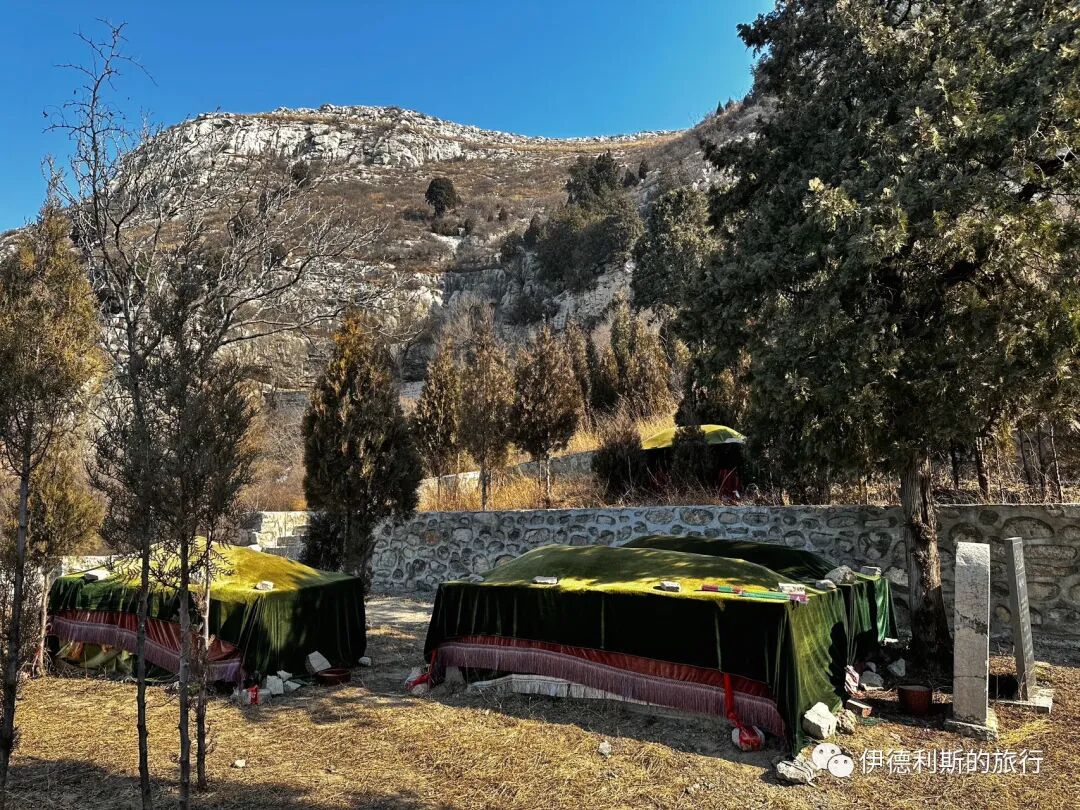
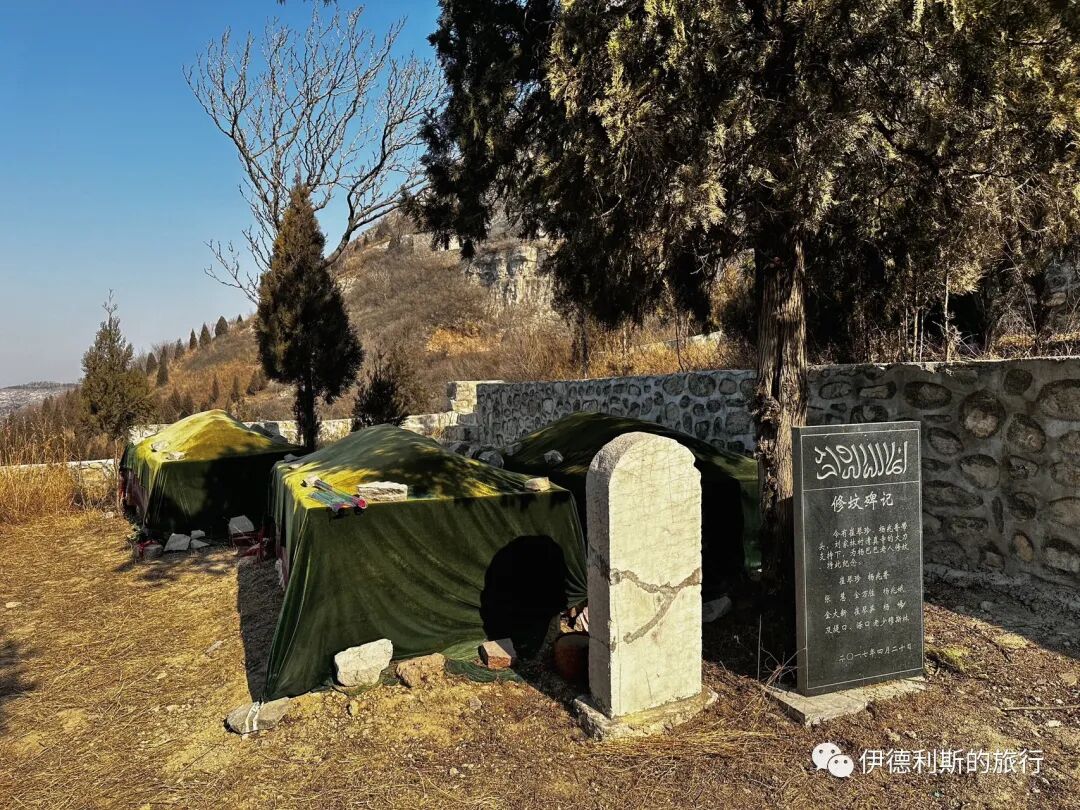
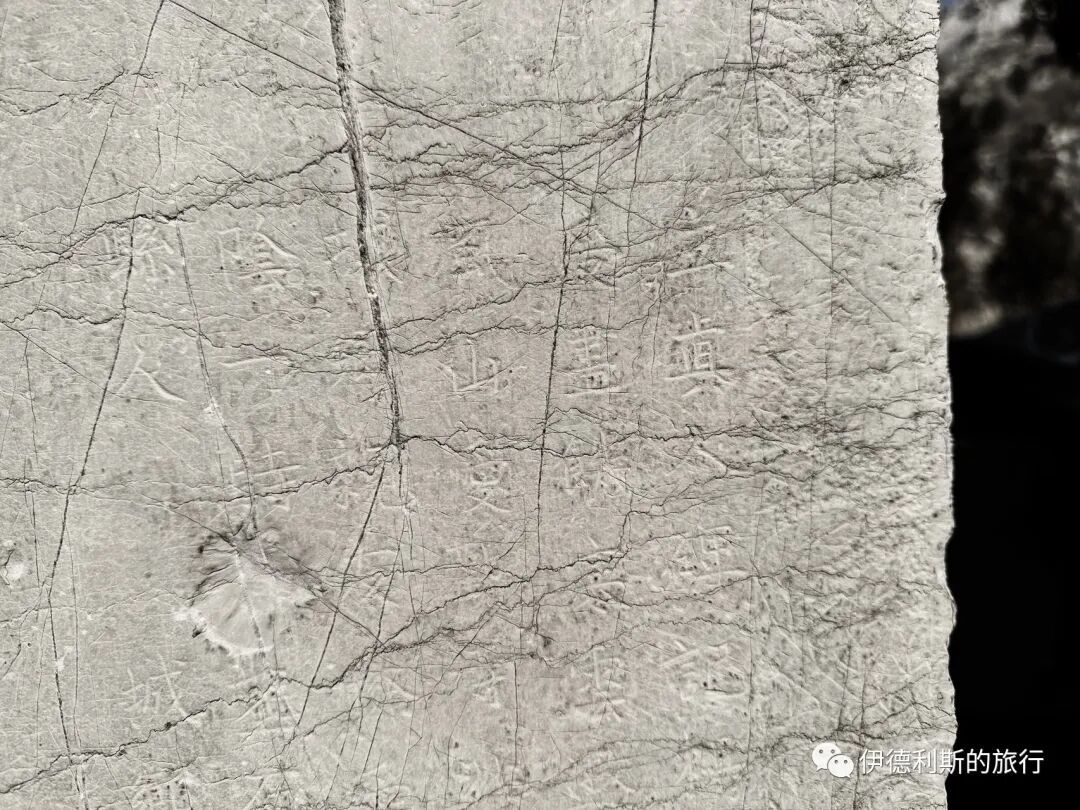
1899 tablet record for rebuilding the gate
The names Sa, Ma, Mao, Yang, and Zuo on the tablet
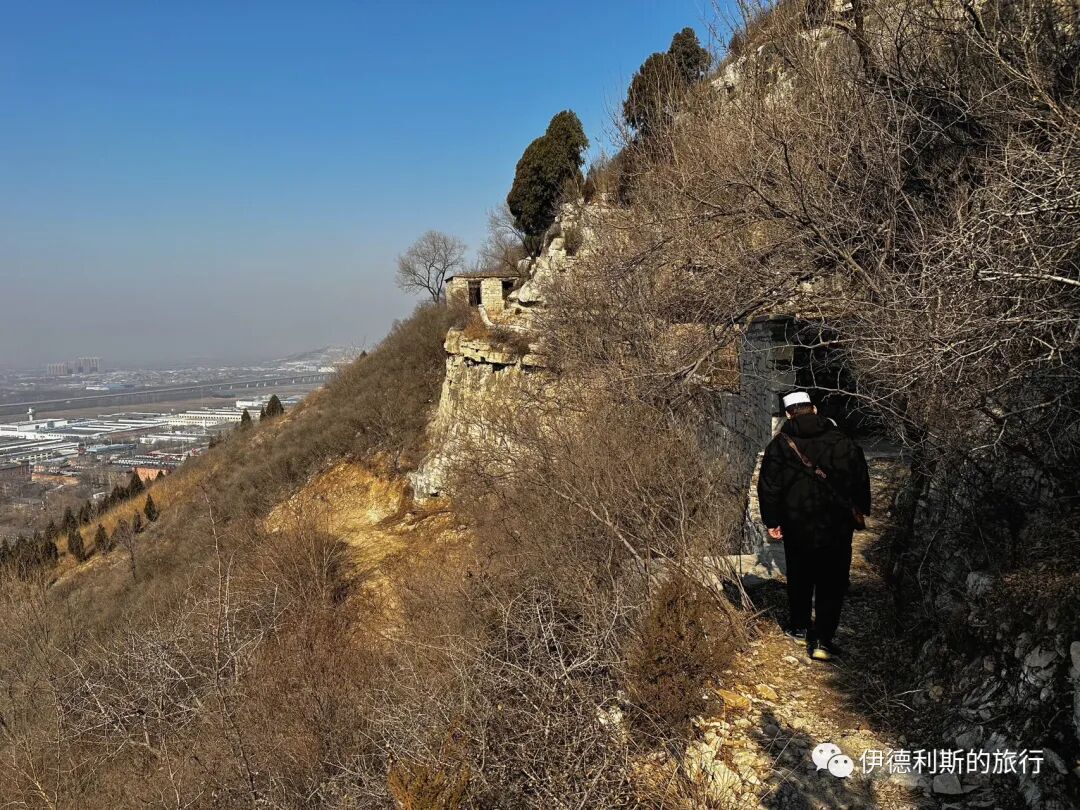
Following the mountain path upward, we passed through a stone gate to reach the cliff where the Baba Cave is located. There are some cliff carvings on the rock face. Interestingly, the 1989 cultural heritage protection sign from the Licheng District of Jinan is also carved directly into the cliff.
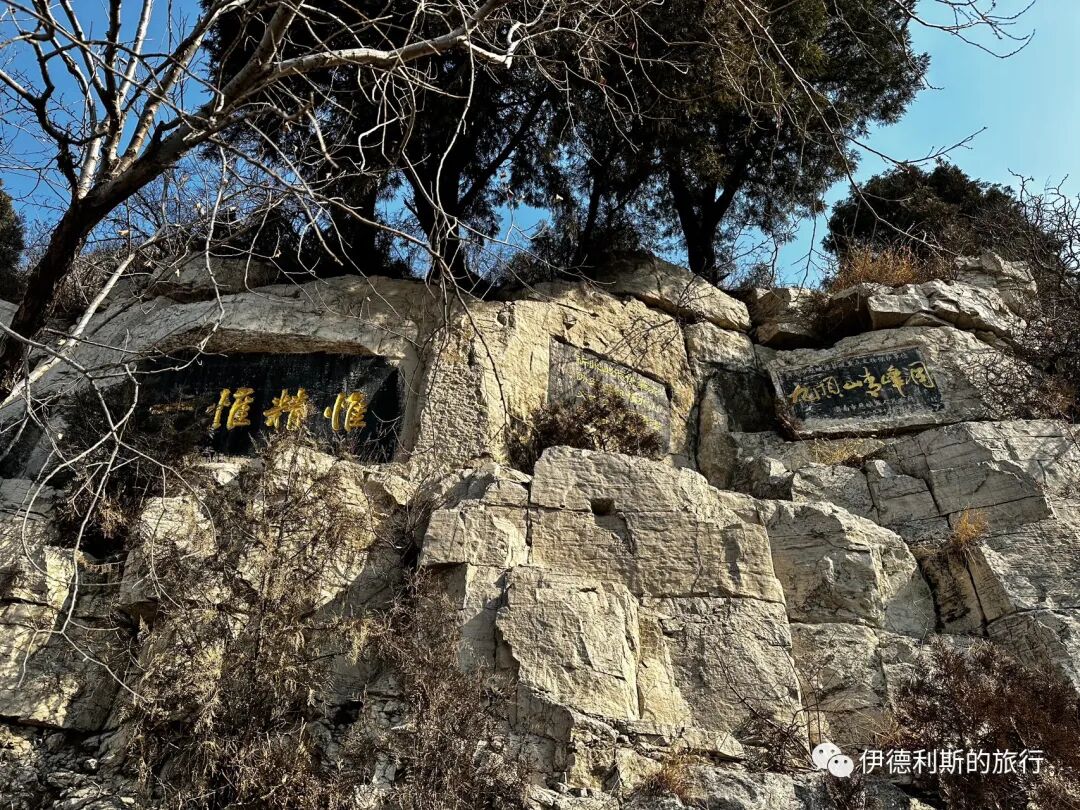
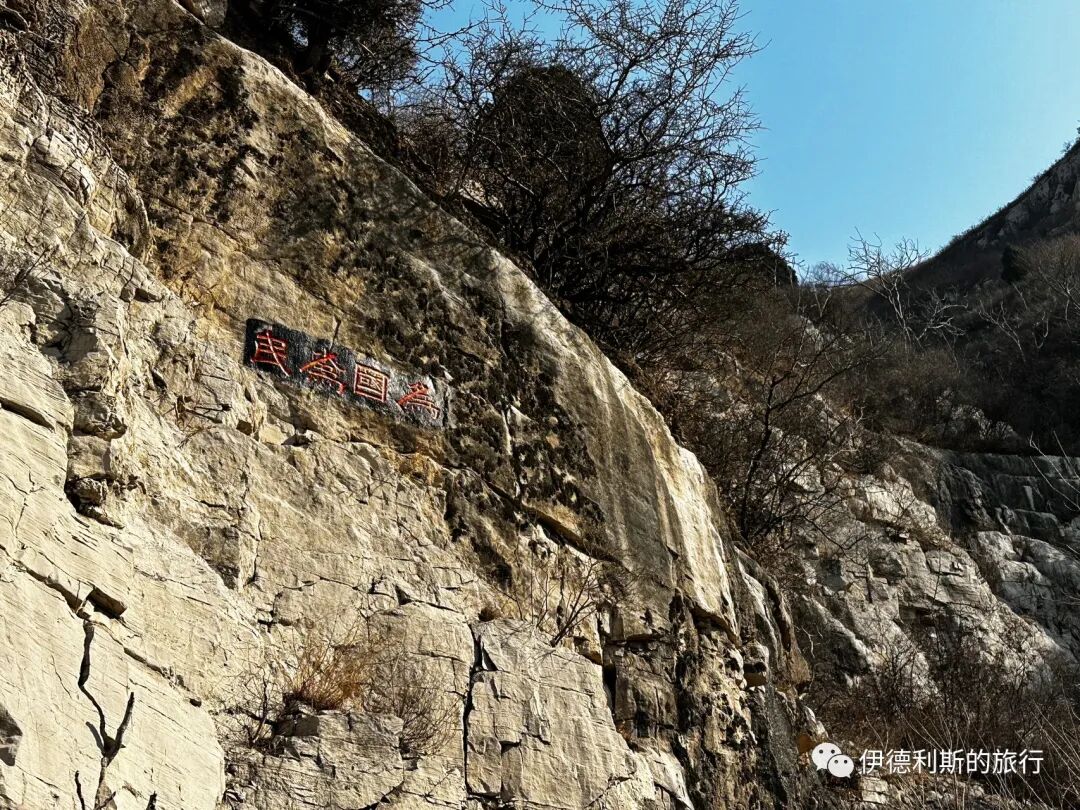
Next to the cliff carvings are some older tablets, including an official notice from the Jinan Prefecture Changqing County government dated 1889. It records that Jiuding Mountain originally had a mosque cave, saint tombs, and prayer rooms, but they were damaged because no one looked after them. The government issued the notice to tell nearby residents to stop grazing livestock on the mountain and to forbid stealing or gambling inside the cave.
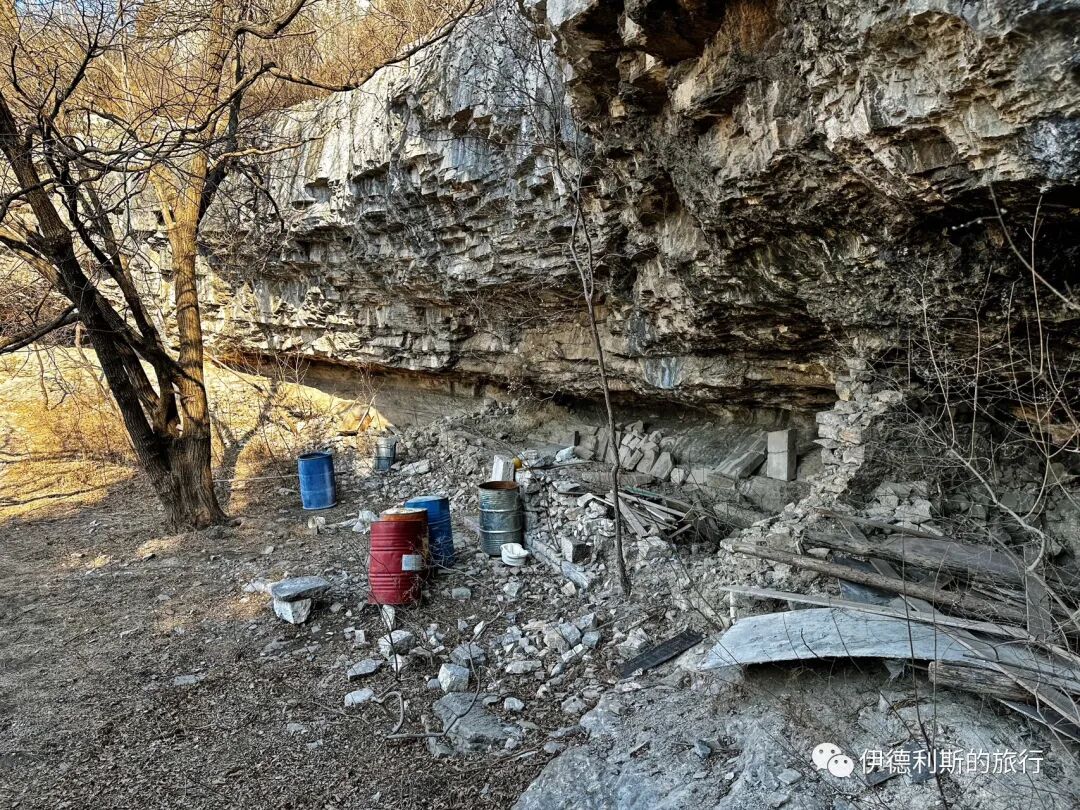
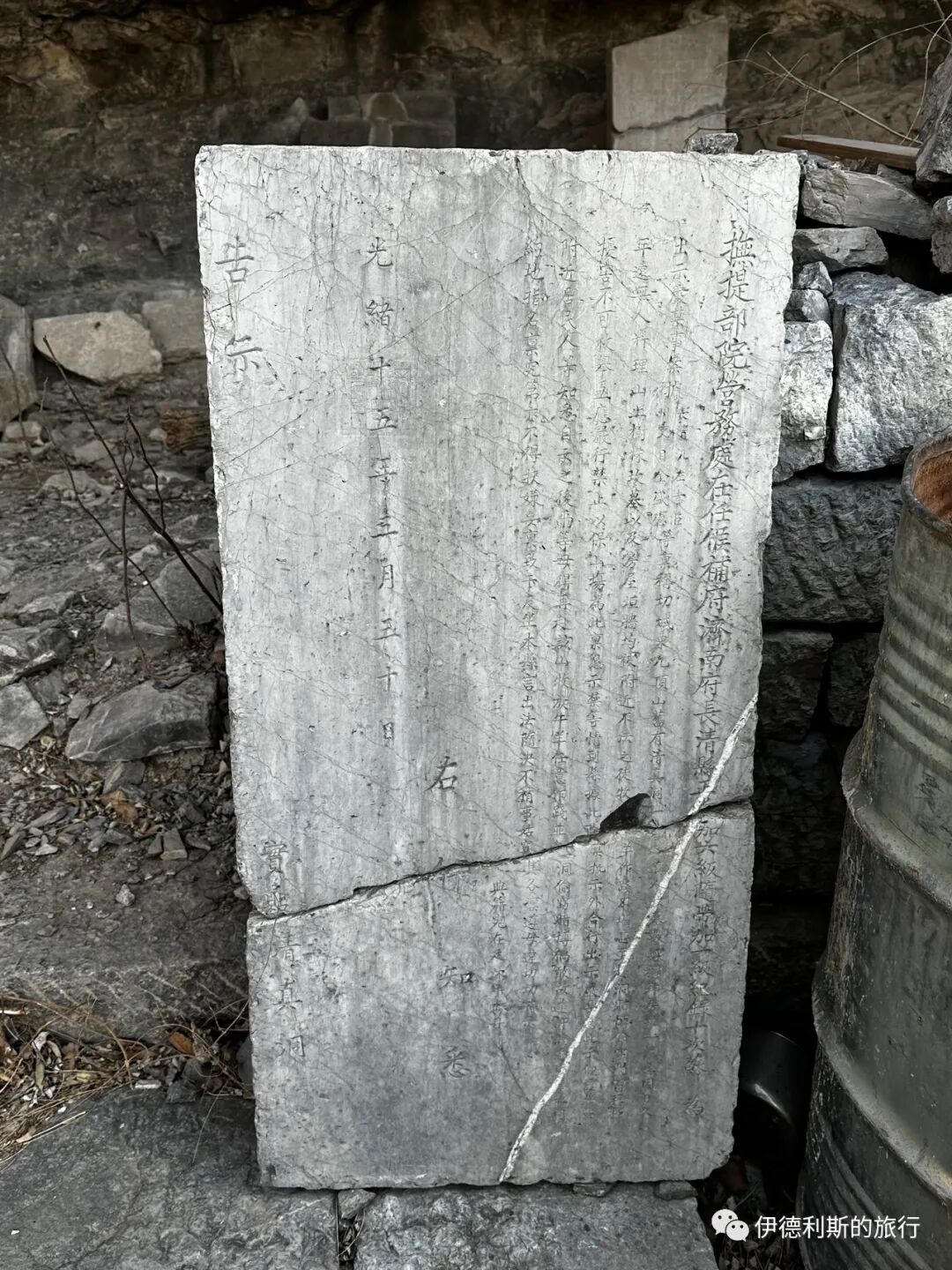
Many beautiful stone carvings in Chinese and Arabic are stored near the Baba Cave, and they have great historical and artistic value. Sadly, due to history, most of these stone tablets are badly damaged and broken into pieces. These precious artifacts are in urgent need of protection and repair.
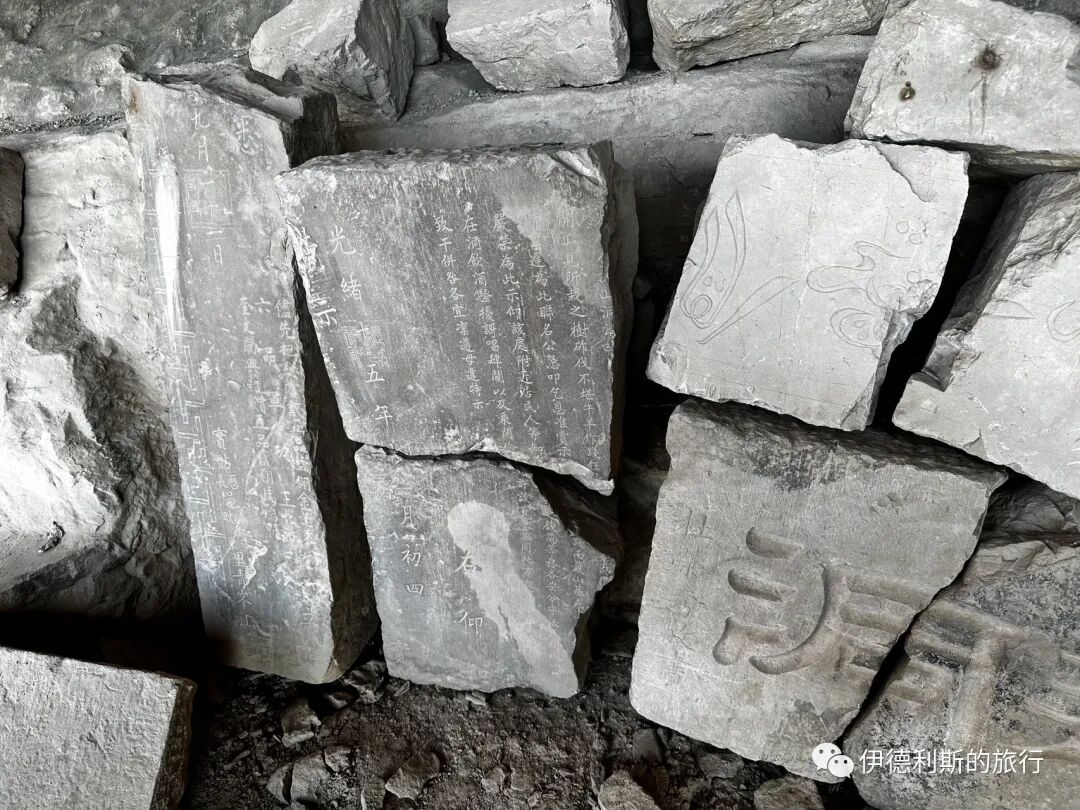
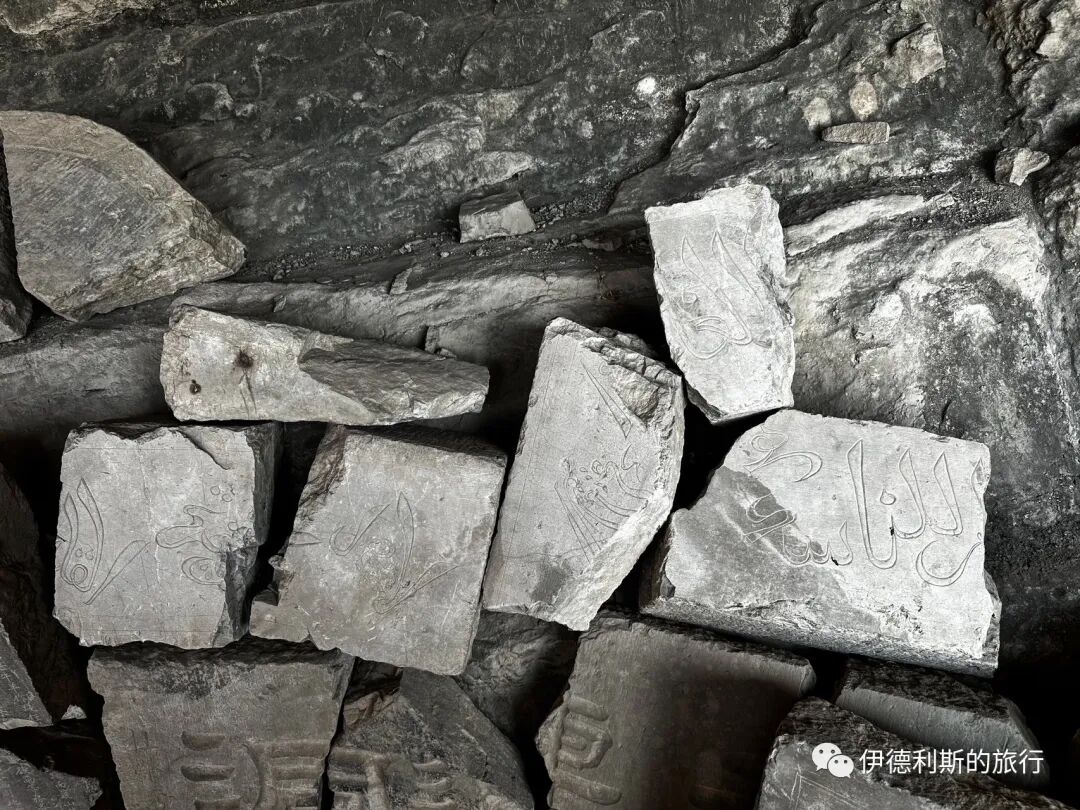
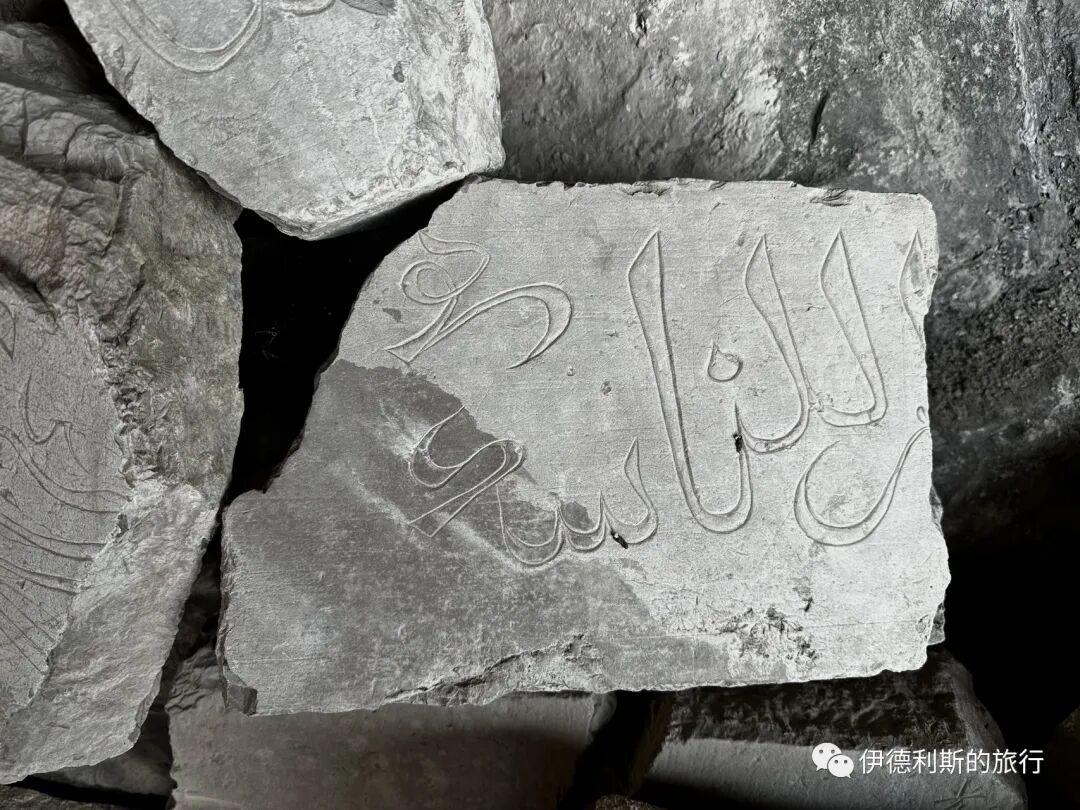
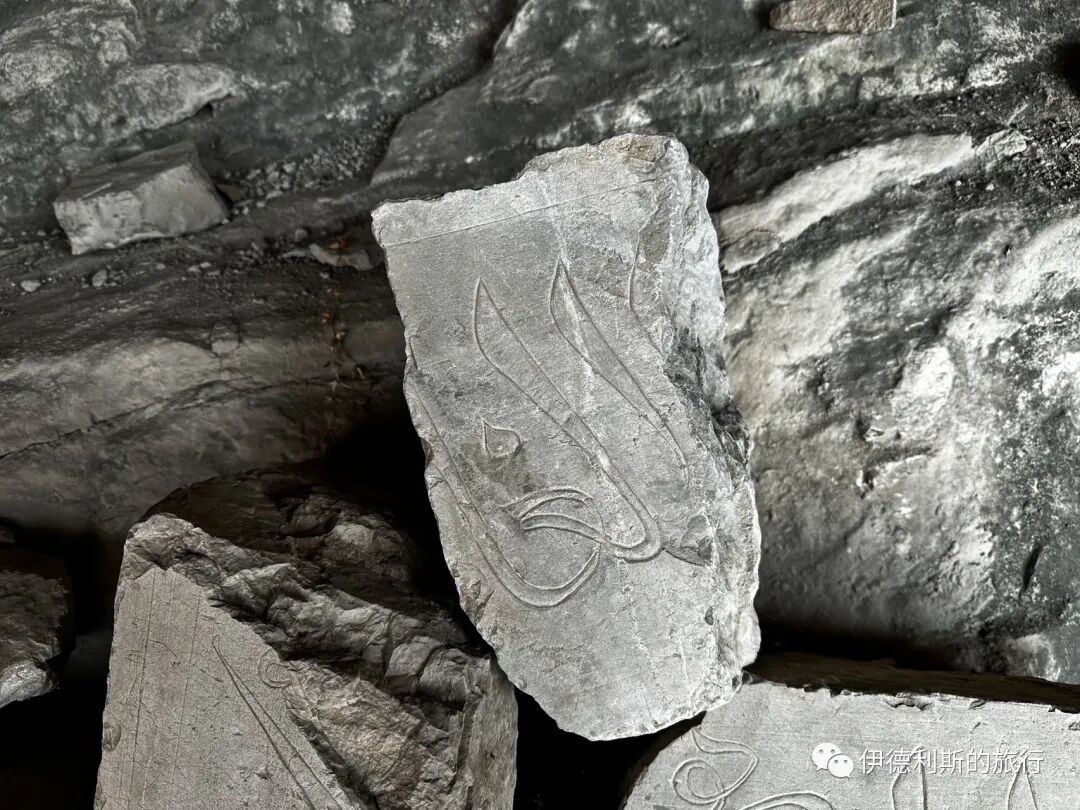
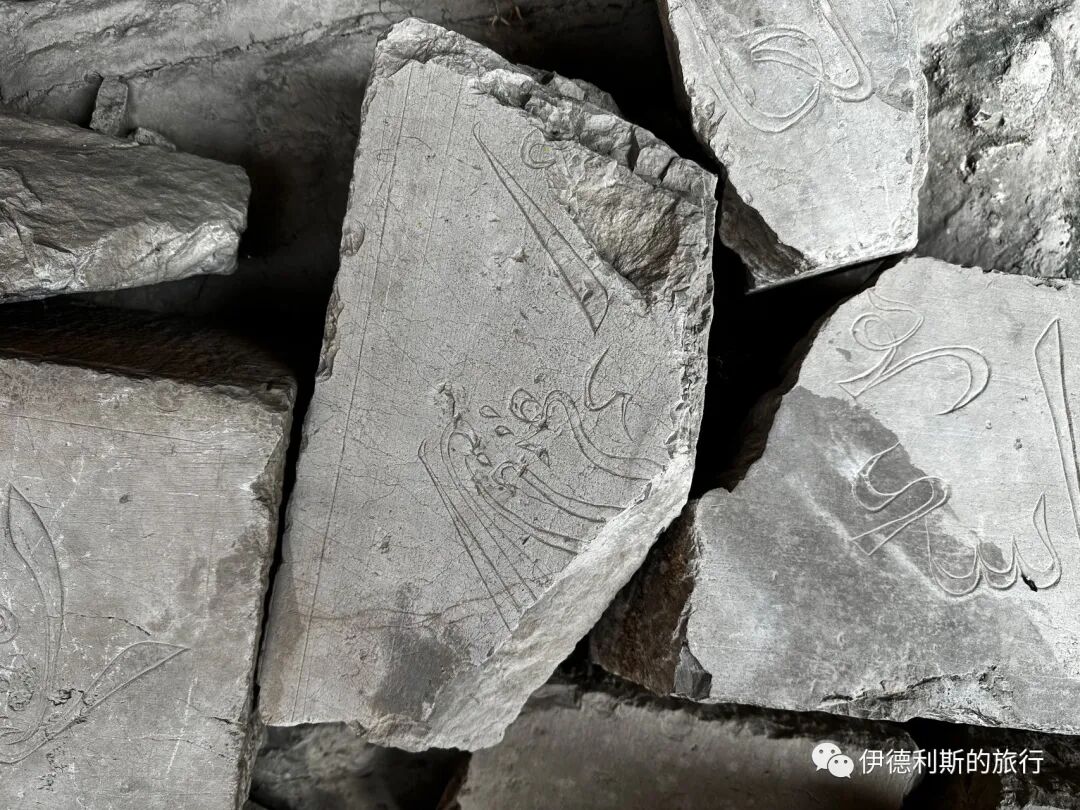
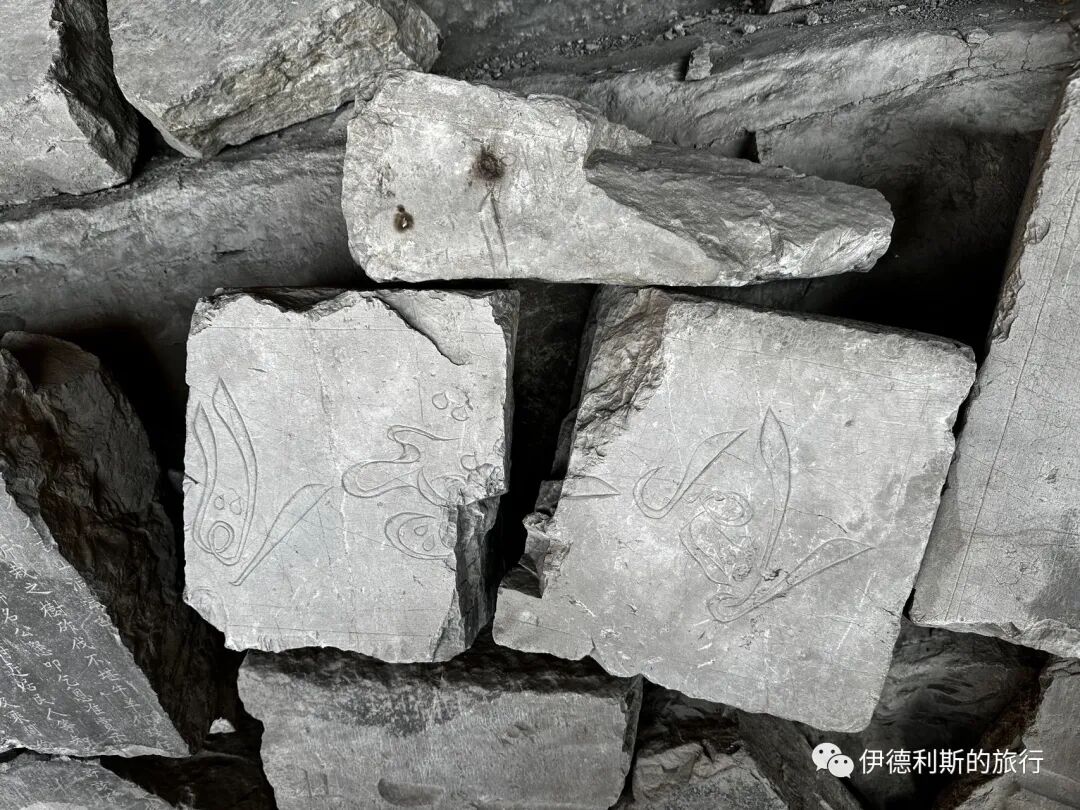
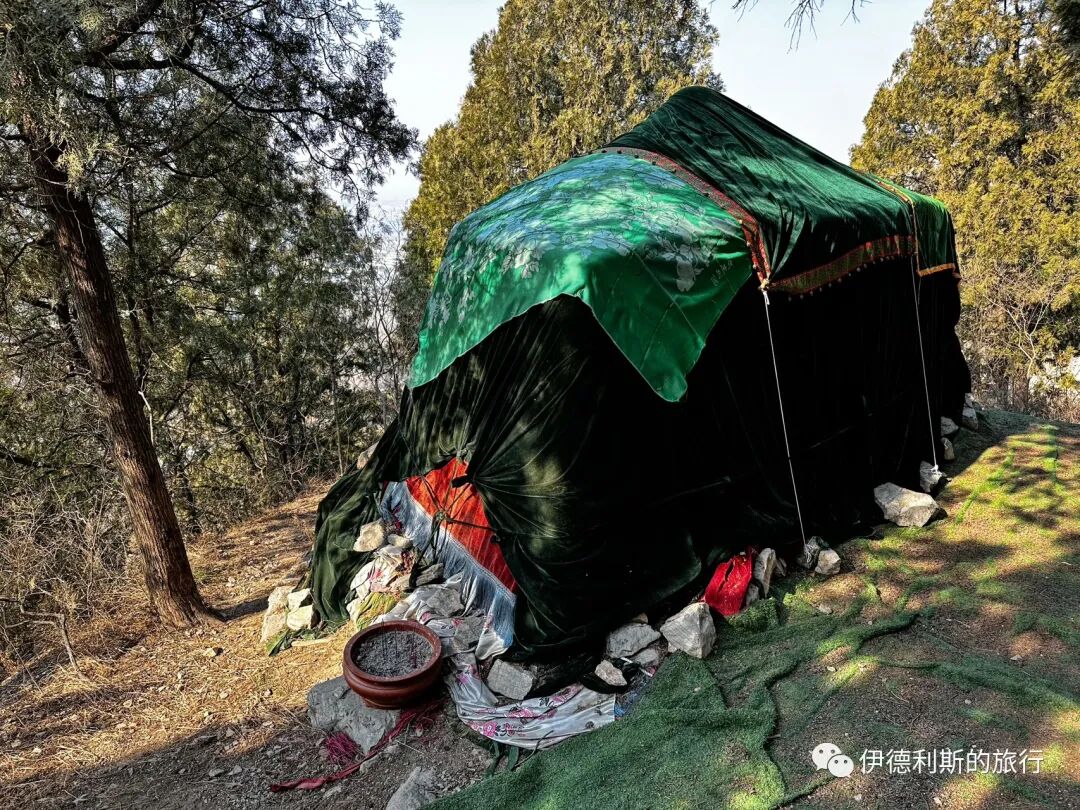
On the cliff, there is also a "Saint's Tomb" with an inscription by Du Rongxiu. There was originally a large rock jutting out from the cliff that looked like a tomb. Later generations trimmed it to look more like a large grave from a distance, but no one is actually buried underneath it. It was built only to commemorate the Prophet Muhammad. Every year during the Mawlid, villagers come to the foot of the mountain to invite an imam to recite the Quran and prepare fried dough (youxiang).
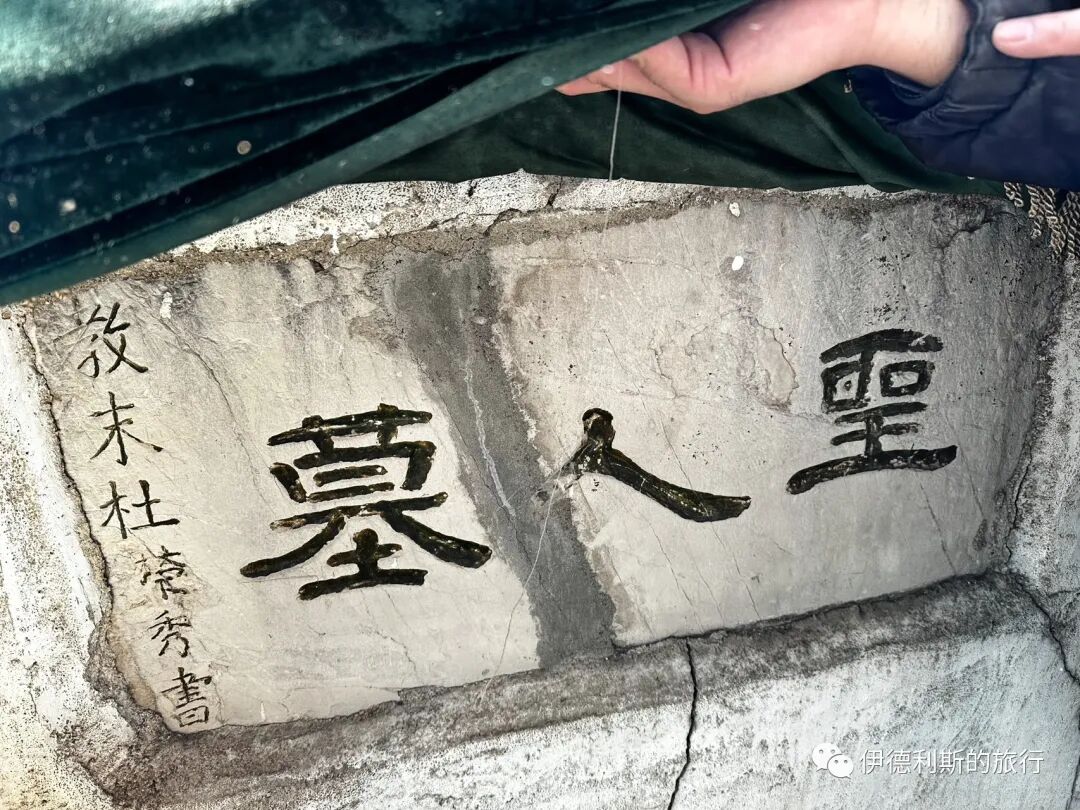
In the area where the stone carvings are kept, you can also see a carving with an inscription by Du Rongxiu for the Baba Cave.
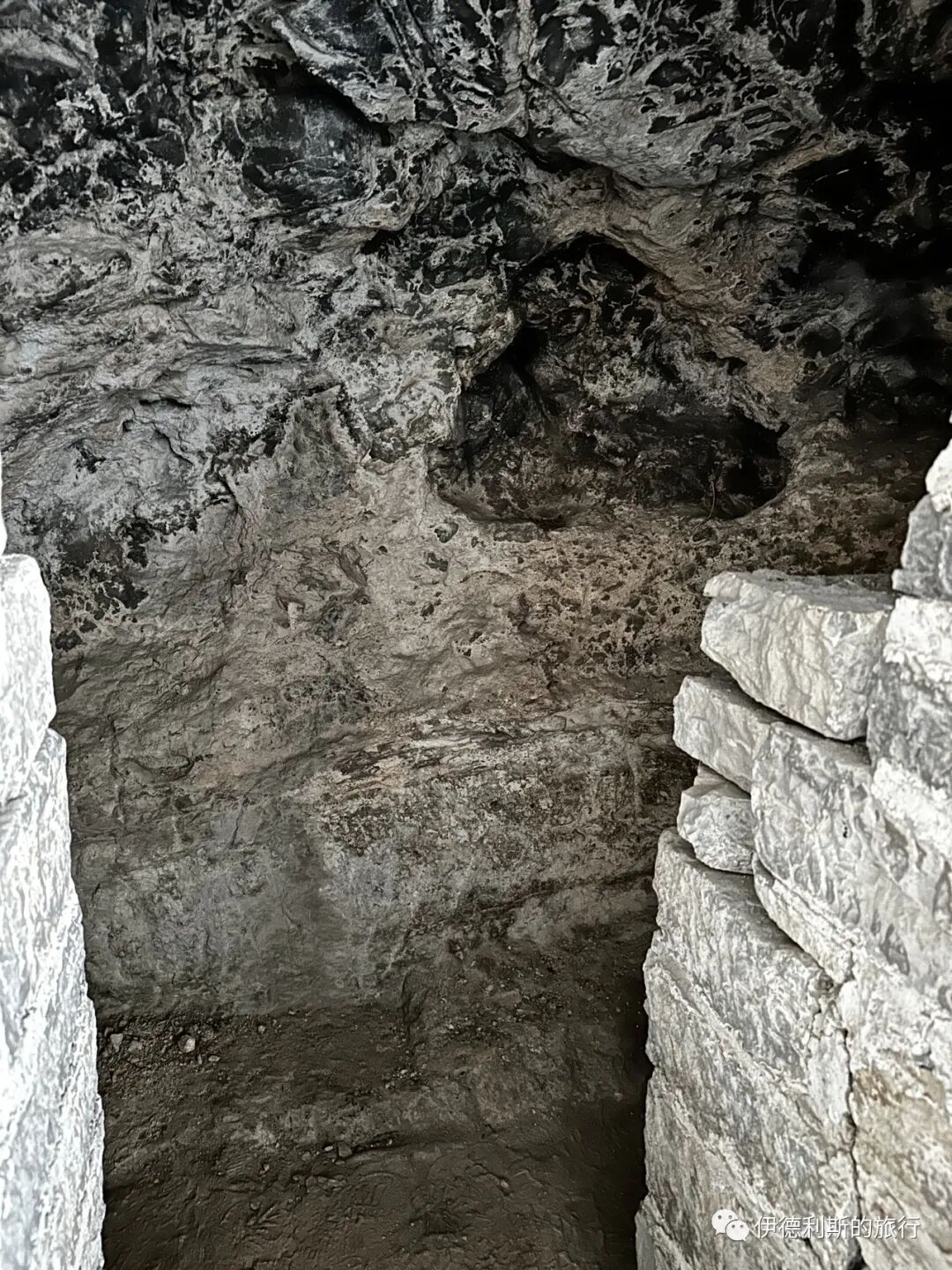
The Baba Cave is a natural cliff cave. Later people rebuilt it with stone bricks, dividing the cave into inner and outer sections. The door on the right is only big enough for one person; it is said to be where the Baba performed namaz. The inside of the cave has holes connected to the mountain, which keeps it very cool in the summer. It is also dry and does not collect water, making it perfect for quiet meditation.
Sufis call the basic five pillars of a Muslim the Sharia, and the higher level of practice above that is called the Path (Tariqa). Meditation (Muraqabah) is an important part of the Path. This tradition comes from the Prophet Muhammad, who spent a month every year in the Hira Cave on the Mountain of Light before receiving revelations from Allah.
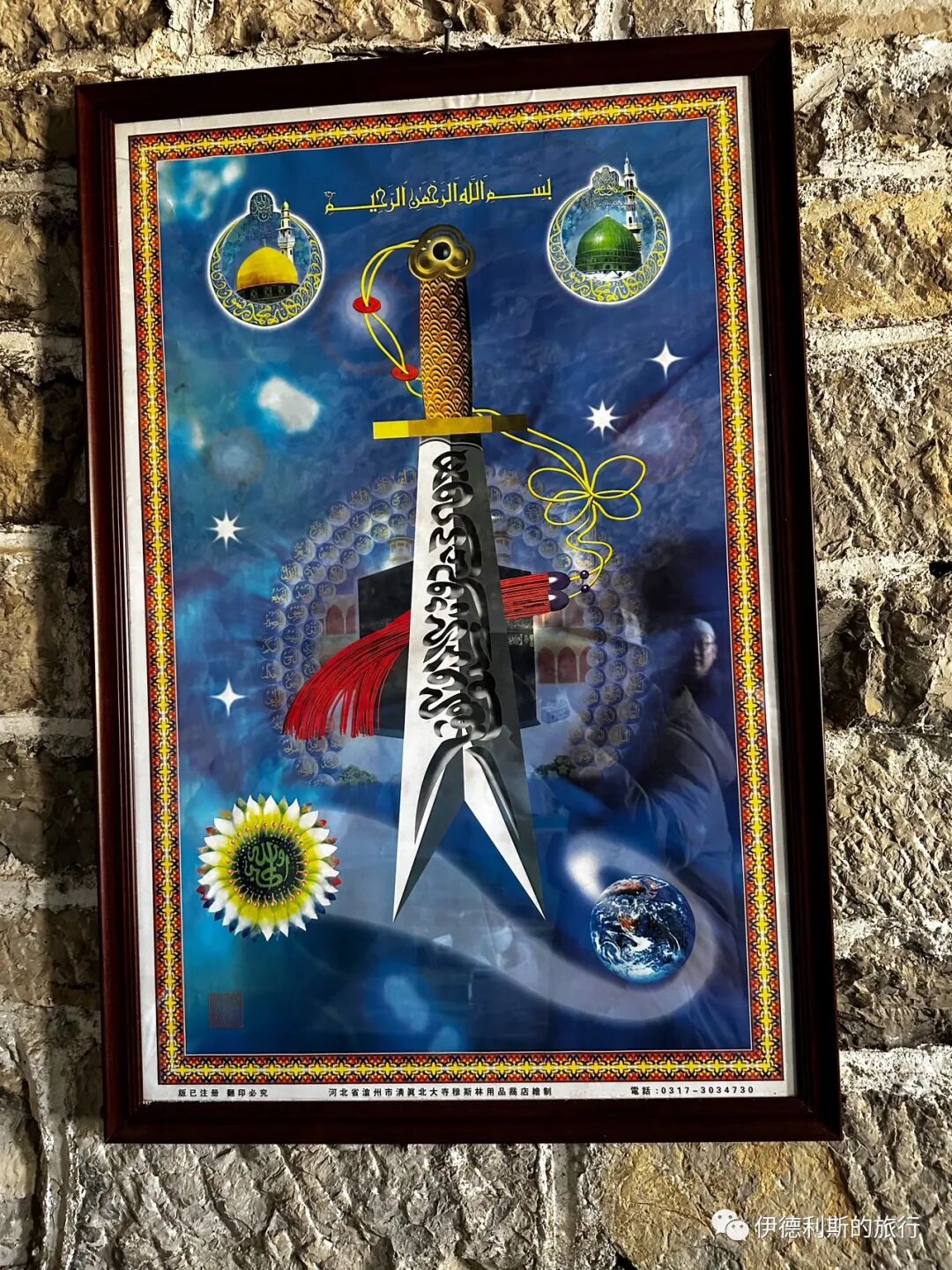
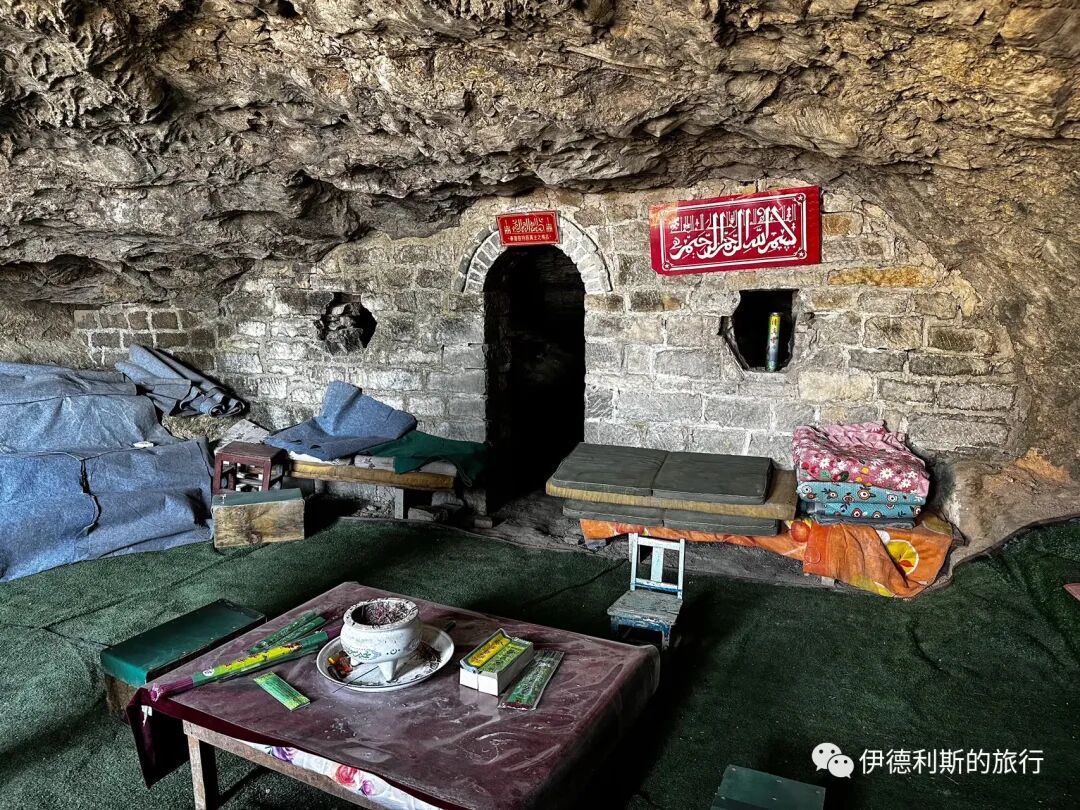
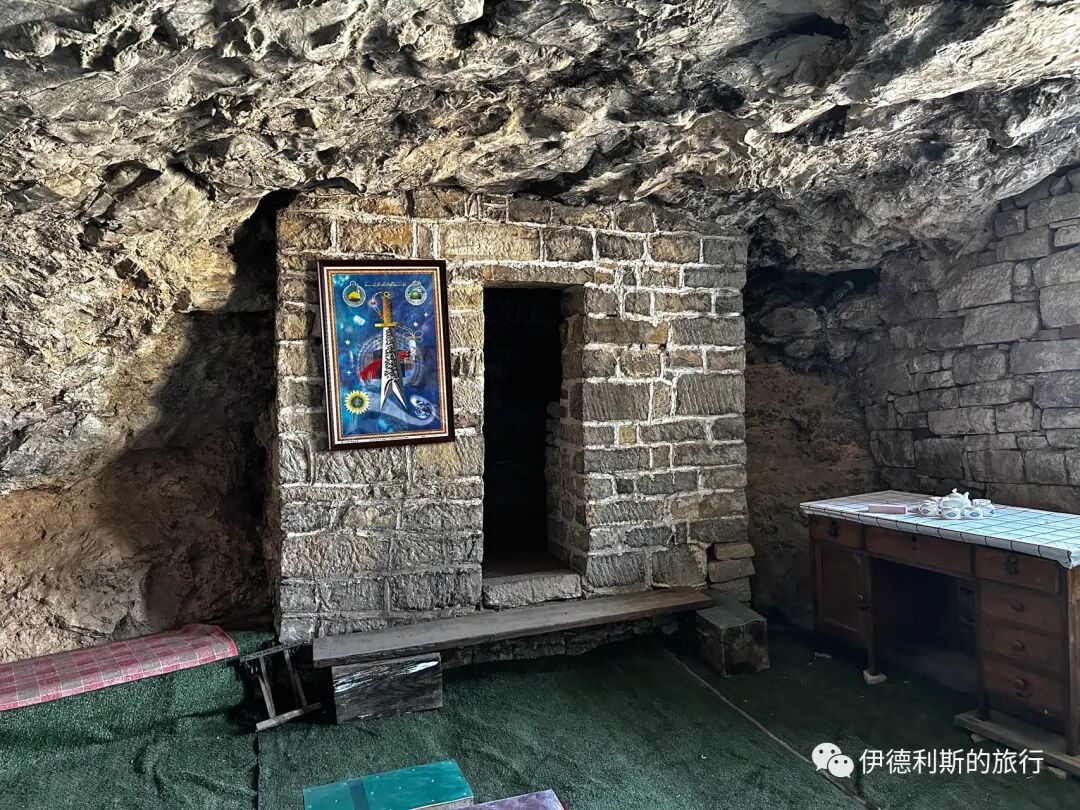
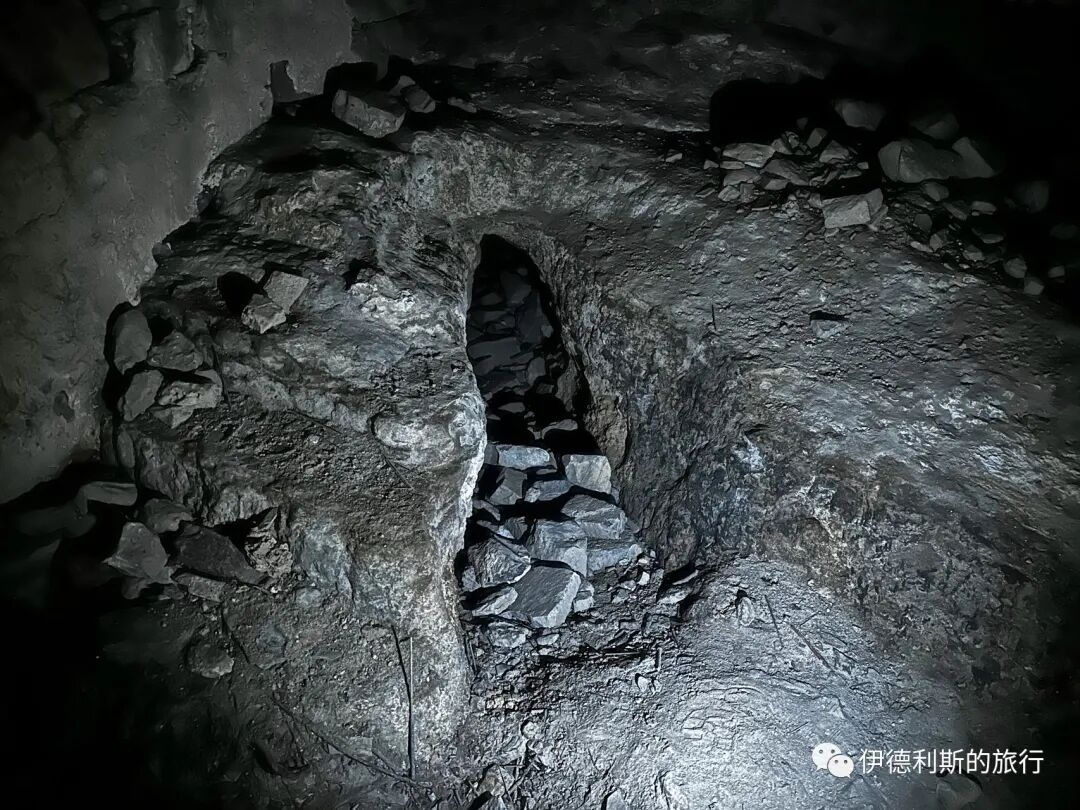
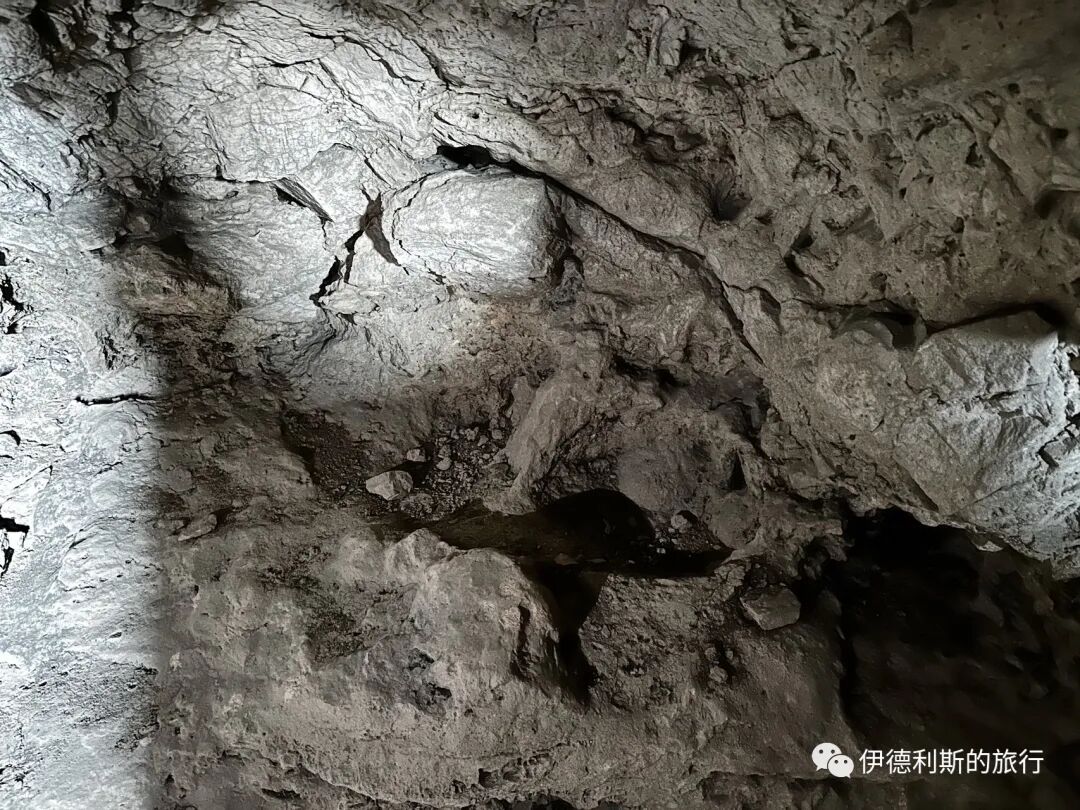
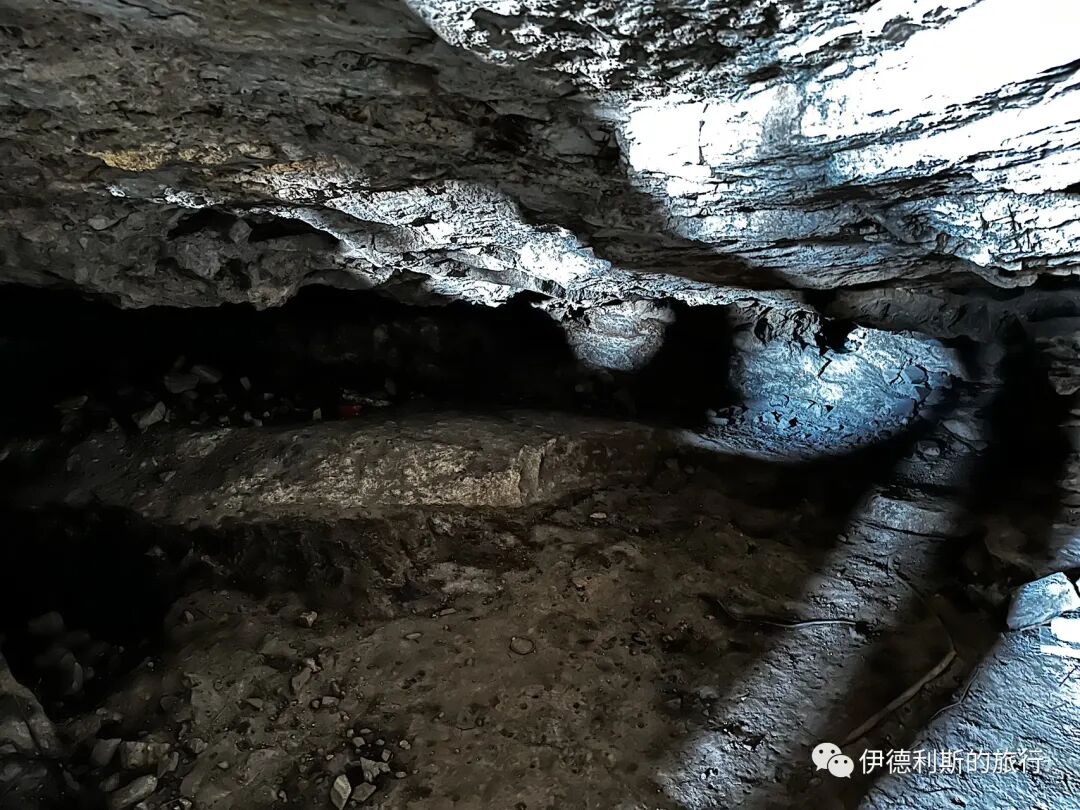
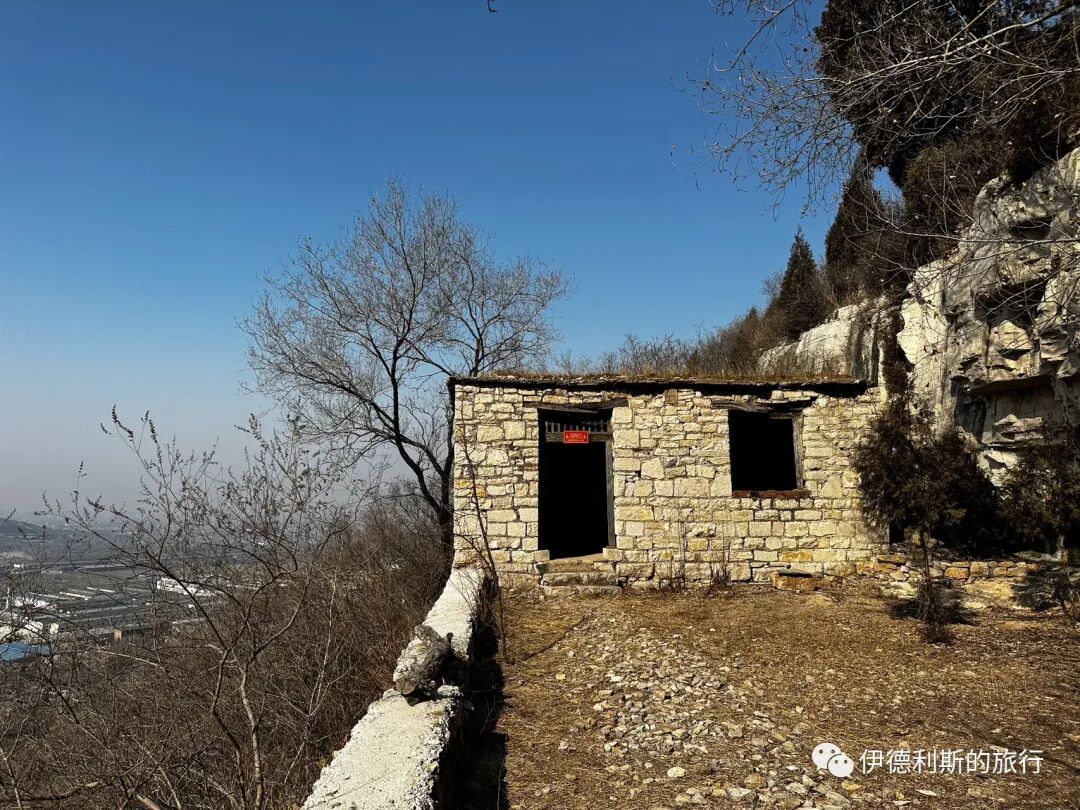
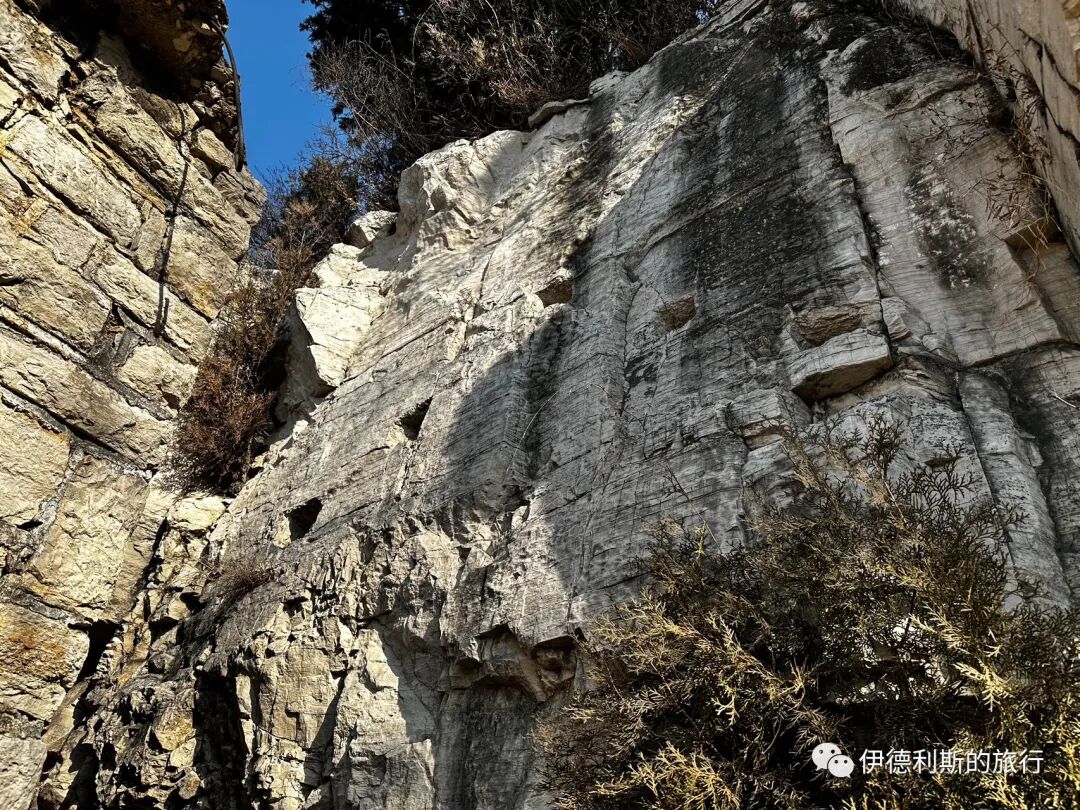
Next to the Baba Cave is a stone room, which is a place for performing rituals (amal). Near the stone house, you can see some mortise and tenon joints (sunmao) on the cliffside, which are likely the remains of the house where the Baba lived while practicing his faith.
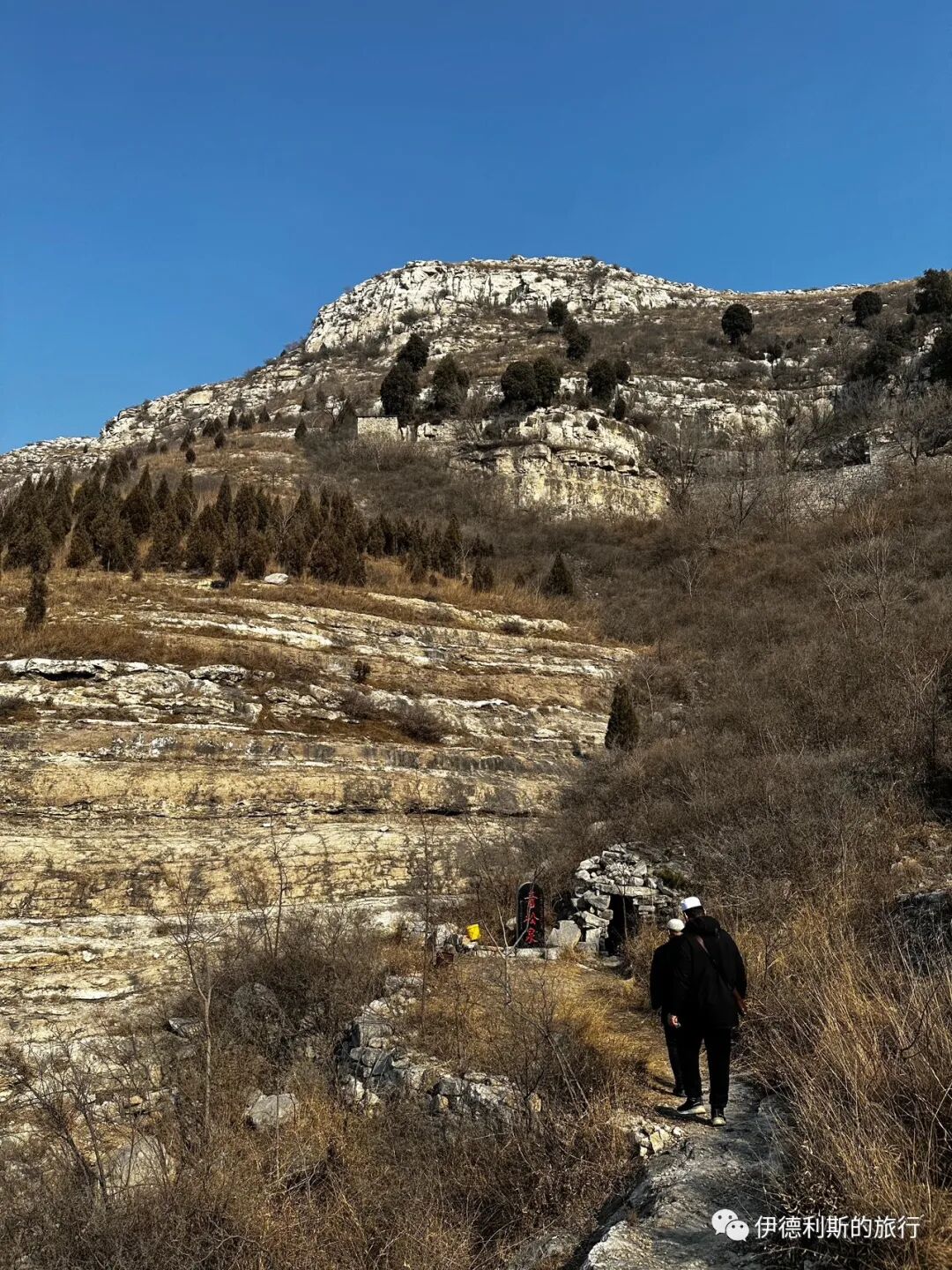
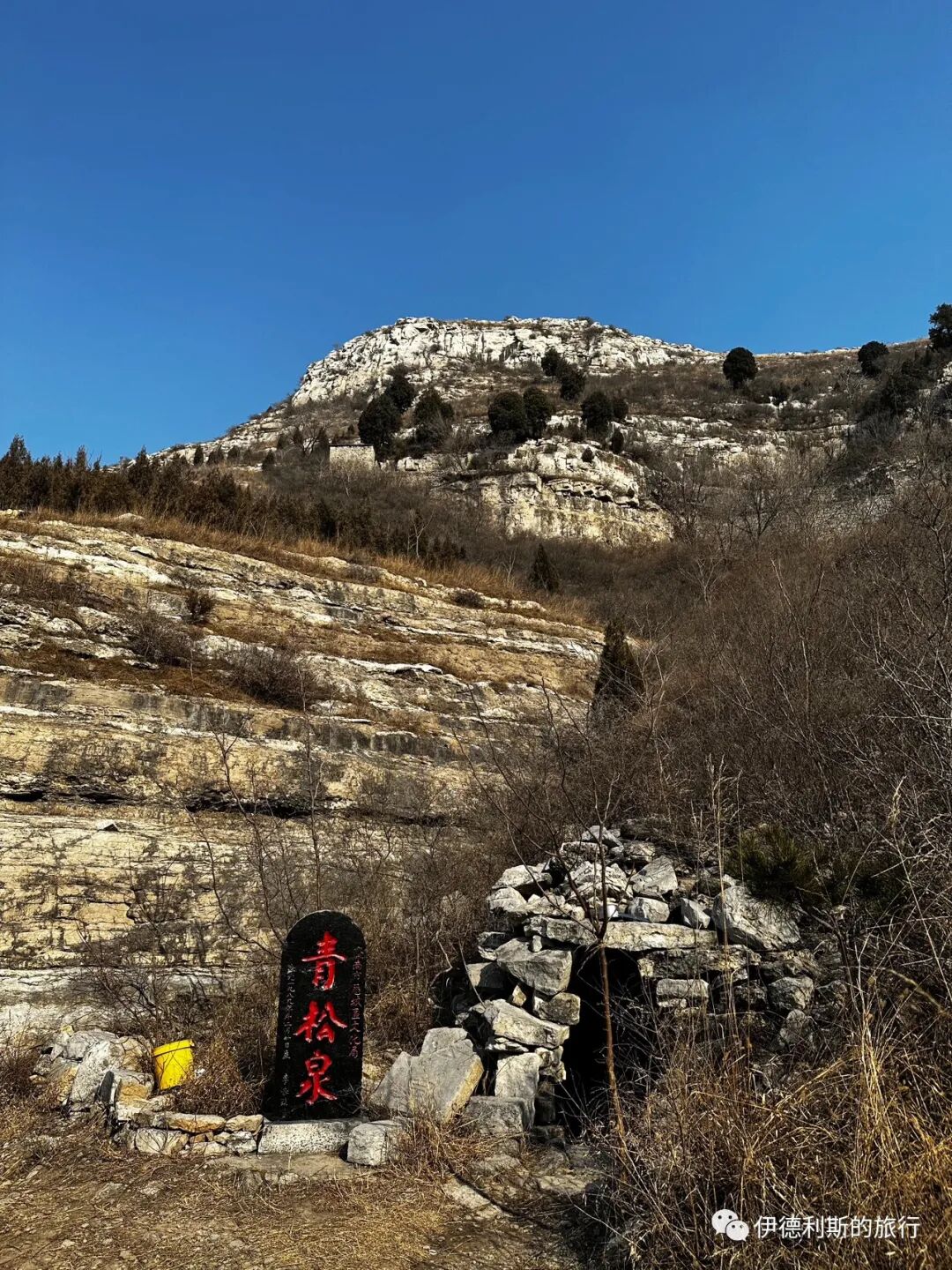
After visiting the Baba Cave, we walked down the mountain. At the foot of the mountain is the Green Pine Spring (Qingsong Quan), where the Baba used to get his water. In February, the spring water is clear and does not freeze; Jinan truly lives up to its name as the City of Springs.
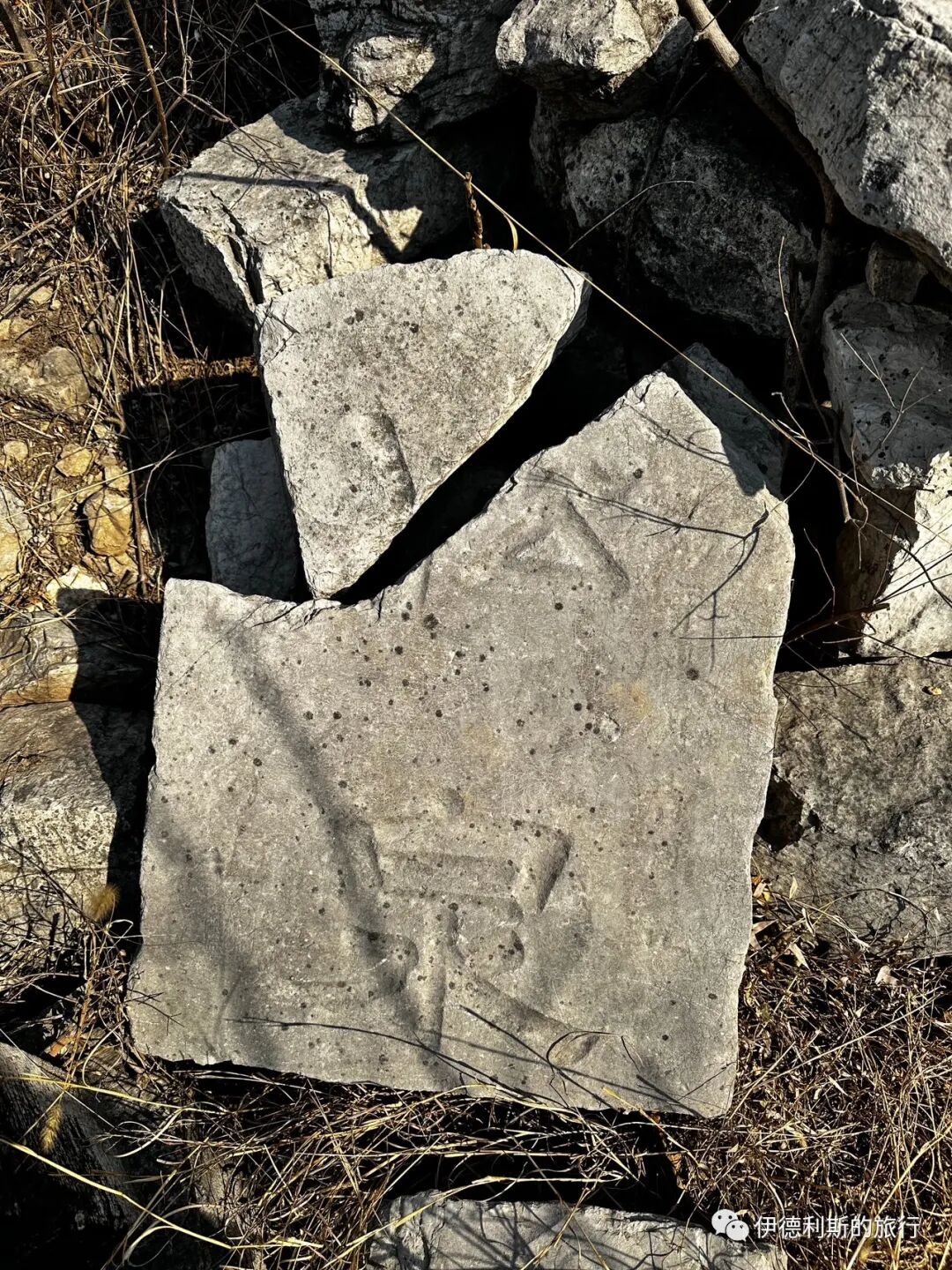
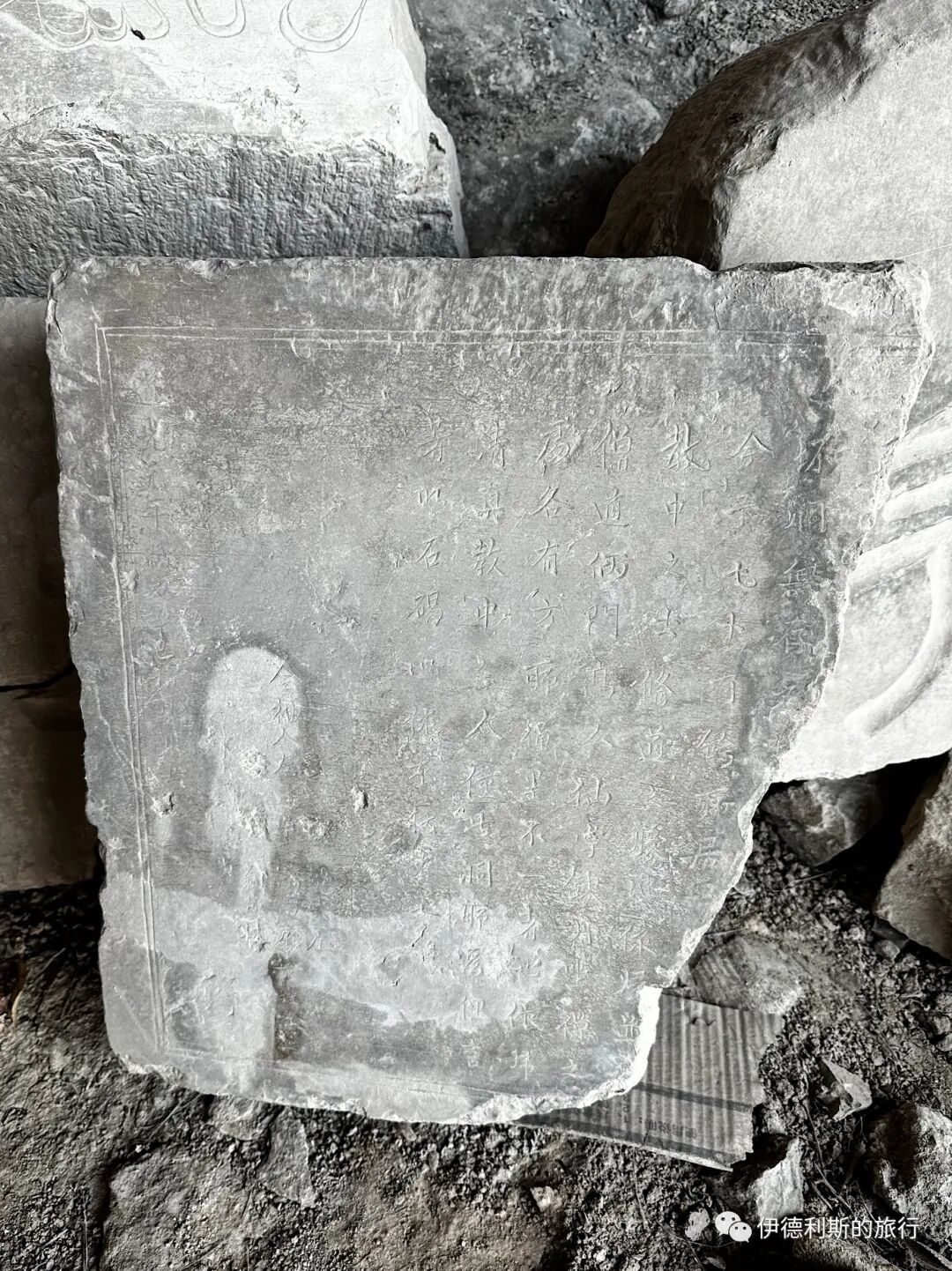
Beside the Baba Cave on Jiuding Mountain in Jinan, there is a broken stone tablet dated to the ninth year of the Daoguang reign (1829). One of the names on the tablet is Zuo Tingrong, who is one of the five figures—Zuo, Ma, Sa, Mao, and Yang—mentioned in the 1899 'Reconstruction of the Main Gate' tablet as having practiced in the cave. In fact, except for Yang Baba, who is buried at the foot of the Baba Cave mountain, the graves of the other four Babas still exist. Mao Baba is buried in Dangjiazhuang Town, and the other three Babas are buried at Ma'anshan, south of Jinan city.
The Baba Graves at Ma'anshan.
Guided by Ma Haji and Ma Lianjun Dosti, we arrived at the Baba graves on the eastern slope of Ma'anshan, south of Jinan. There are dozens of graves of Muslim ancestors here dating back to the Yuan and Ming dynasties, including the graves of Zuo, Ma, and Sa Baba.
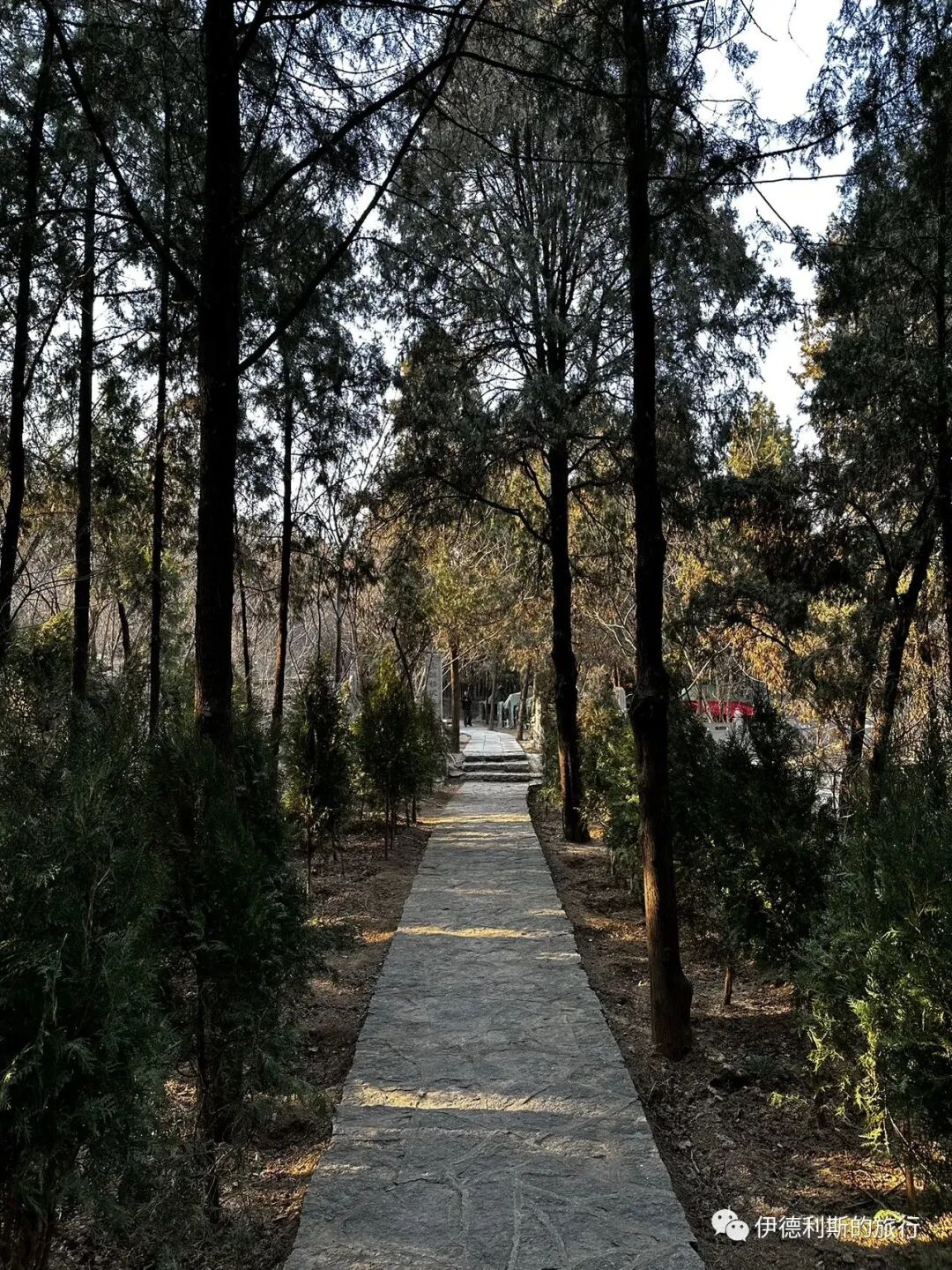
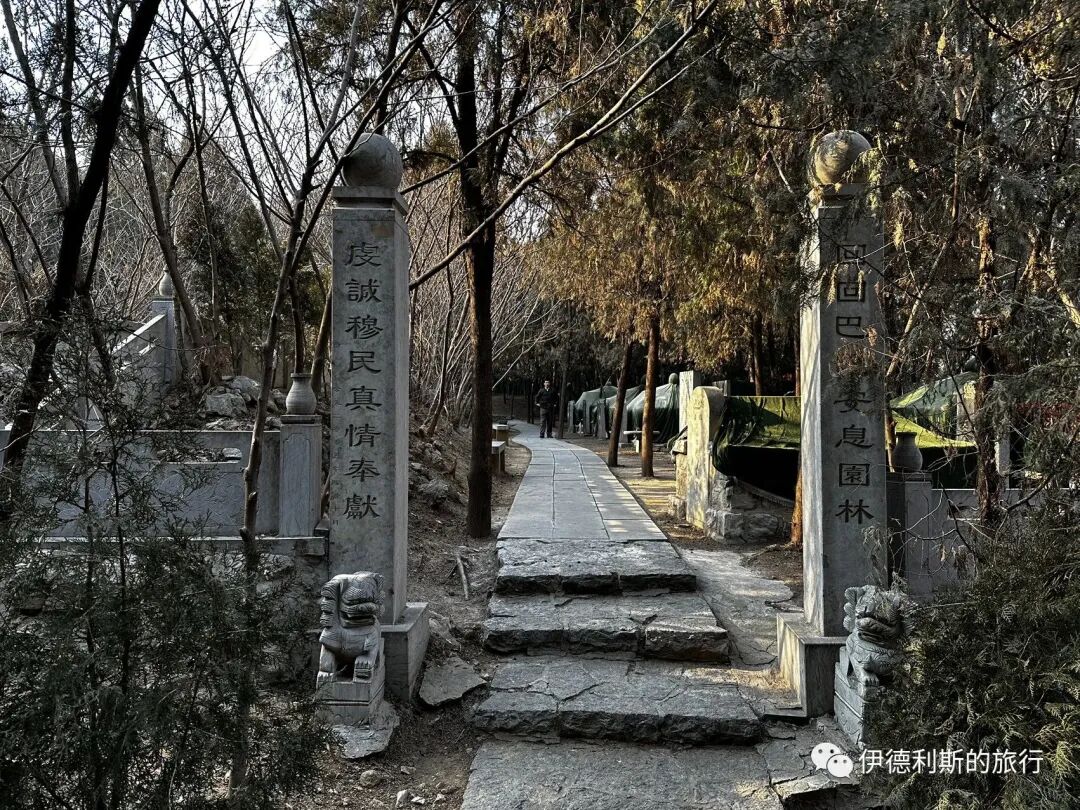
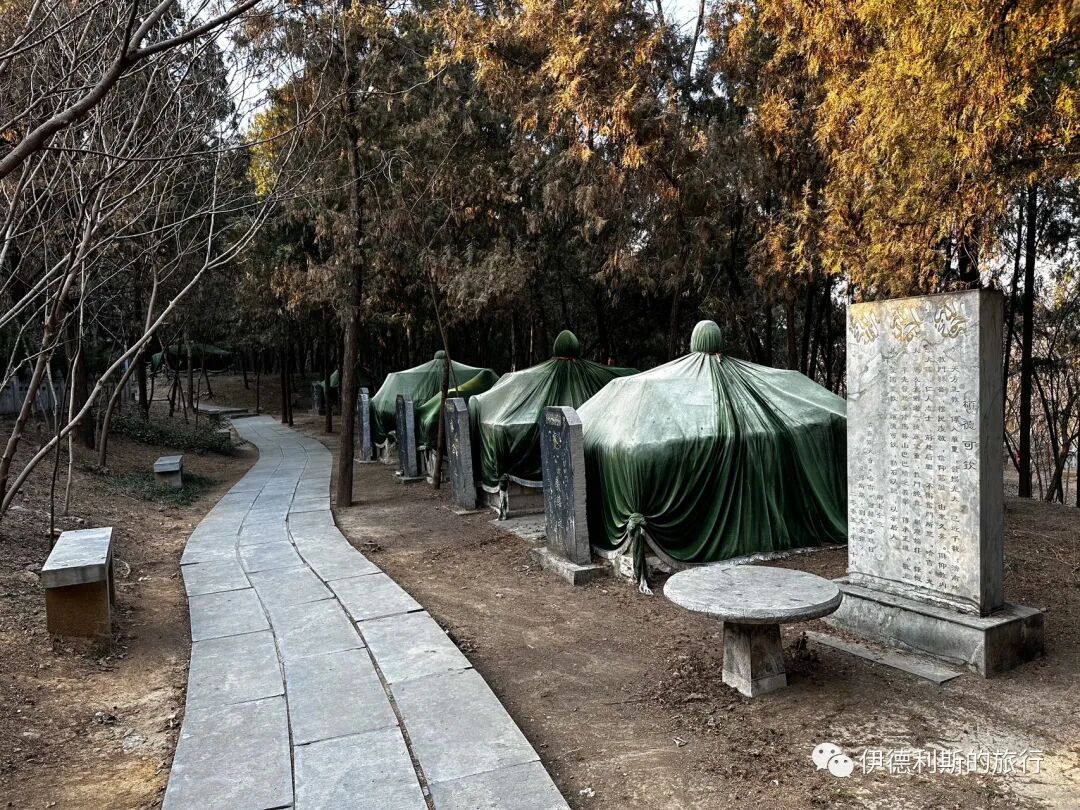
Zuo Baba's grave is at the far west end of the cemetery. The tombstone is engraved with Chinese and Arabic, as well as Xiao'erjing (Arabic script used to write Chinese), providing a wealth of information. Ma Lianjun Dosti helped write the article 'A Study of the Chinese-Arabic Tombstone of Zuo Gong's Grave in Jinan during the Daoguang Reign of the Qing Dynasty from the Perspective of the Sinicization of Islam,' published in 'World Religious Studies.' This is currently the most detailed introduction available regarding Zuo Rongting Baba.
From the inscription, we know Zuo Baba's name was Tingrong, his courtesy name was Yunbo, and he was from the West Gate of Jinan. He was born in 1750 (the 15th year of the Qianlong reign) and passed away in 1829 (the 9th year of the Daoguang reign). His religious name was Ishaq. He was guided by the Sufi master Mahmud Baghdadi and became a leader for local practitioners, known far and wide for his spiritual path. Zuo Baba endured great hardships to travel to Mecca for Hajj and visited the tomb of the Prophet Muhammad in Medina. The inscription shows that Zuo Baba was a Sufi practitioner with a clear lineage, who insisted on asceticism and traveling to practice his faith. Such detailed records of a Sufi practitioner are extremely rare in the entire eastern region.
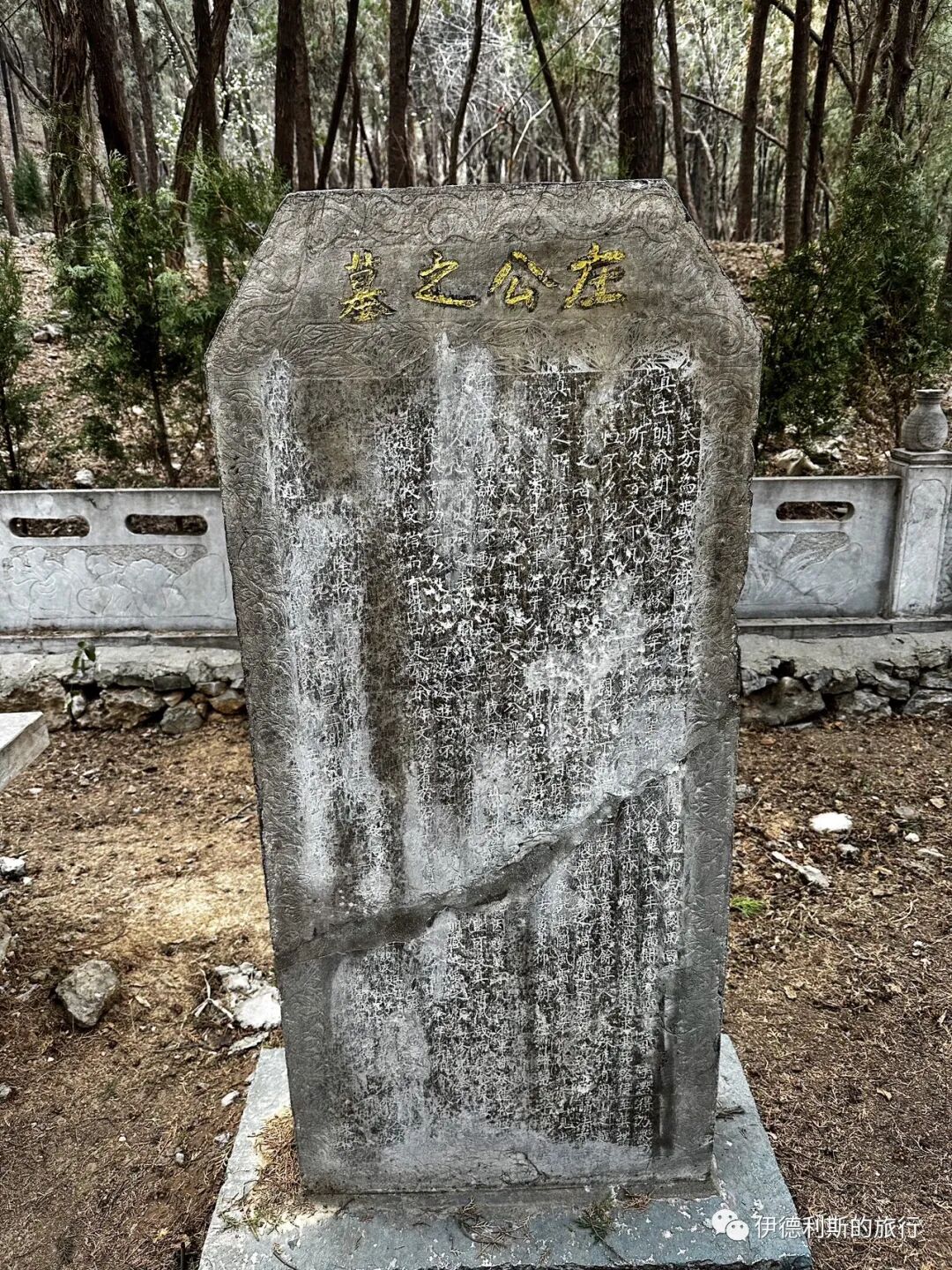
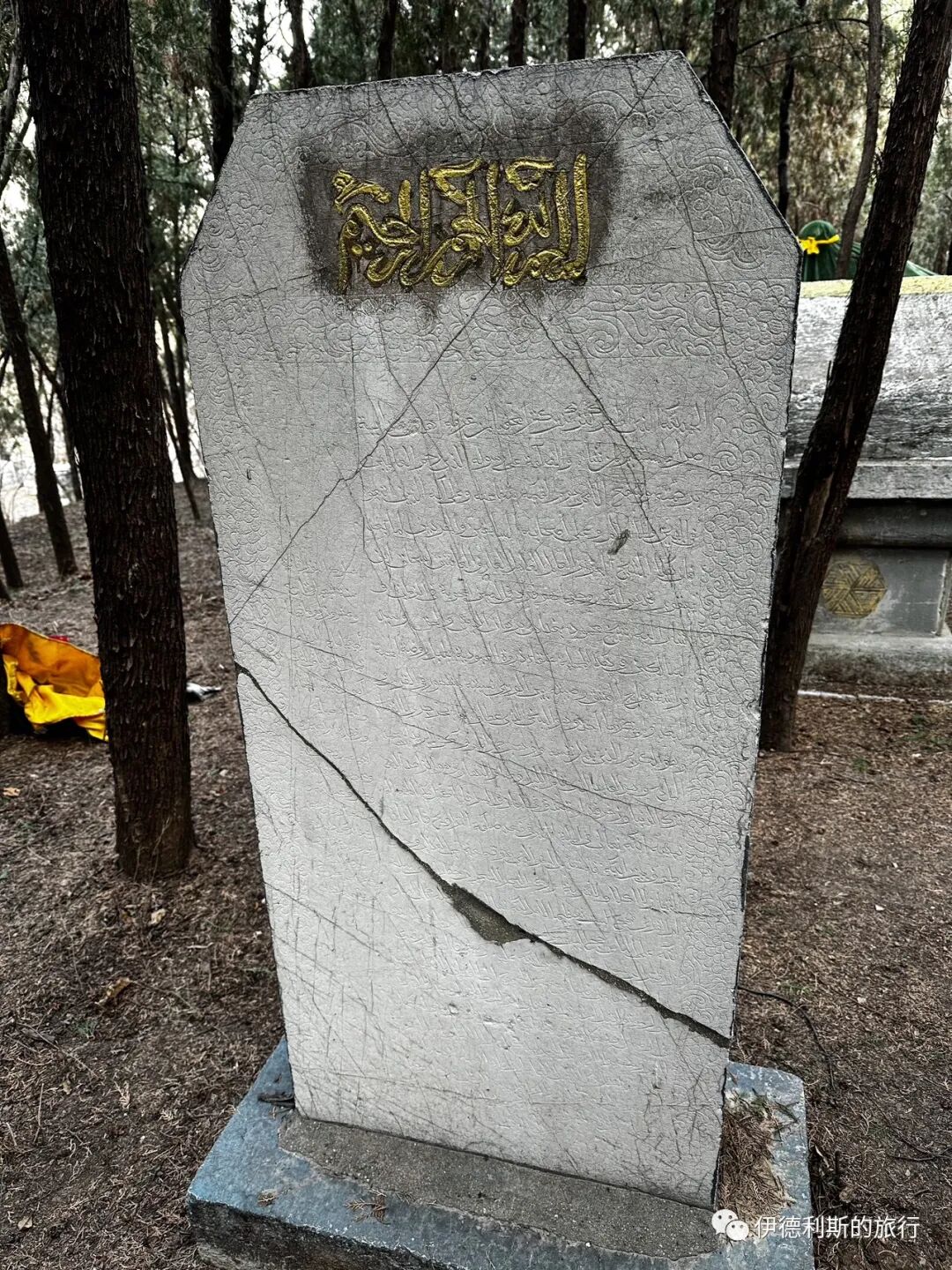
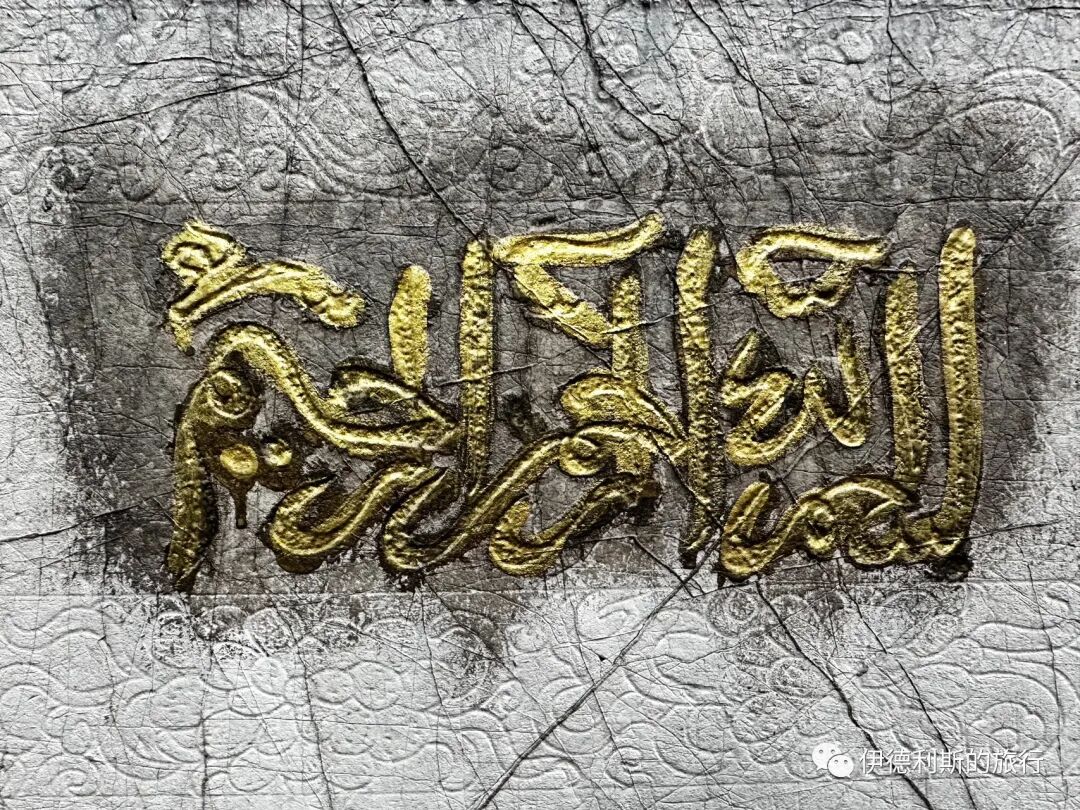
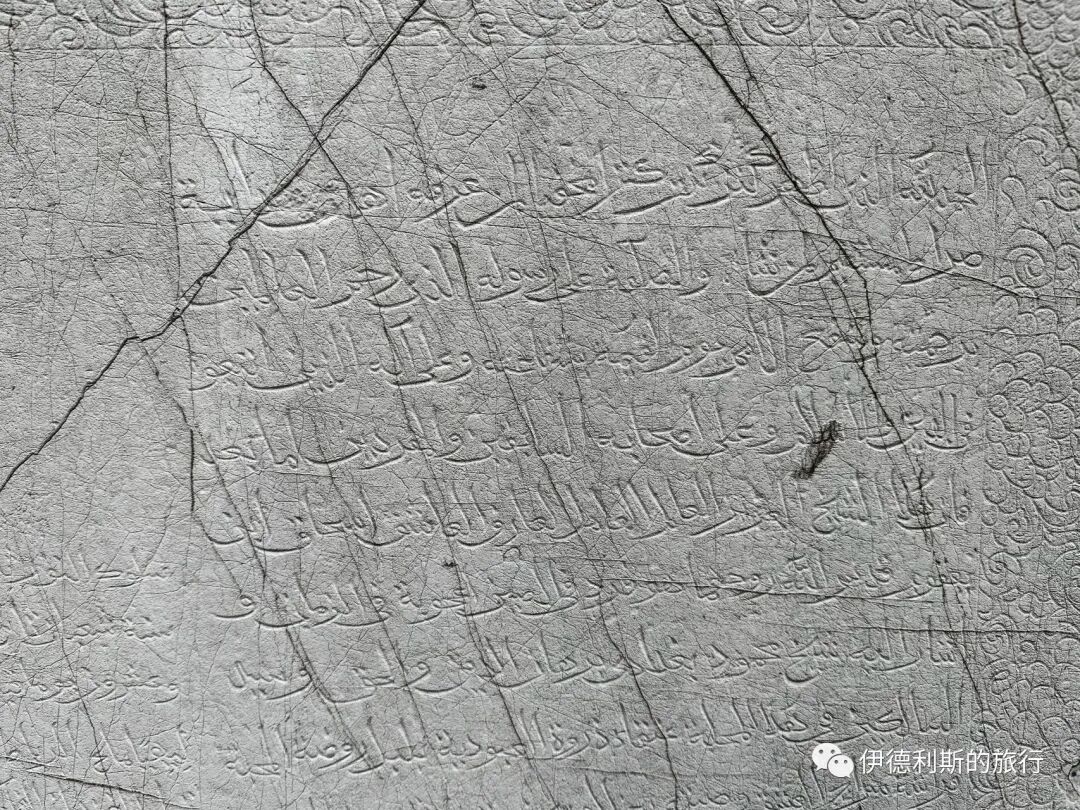
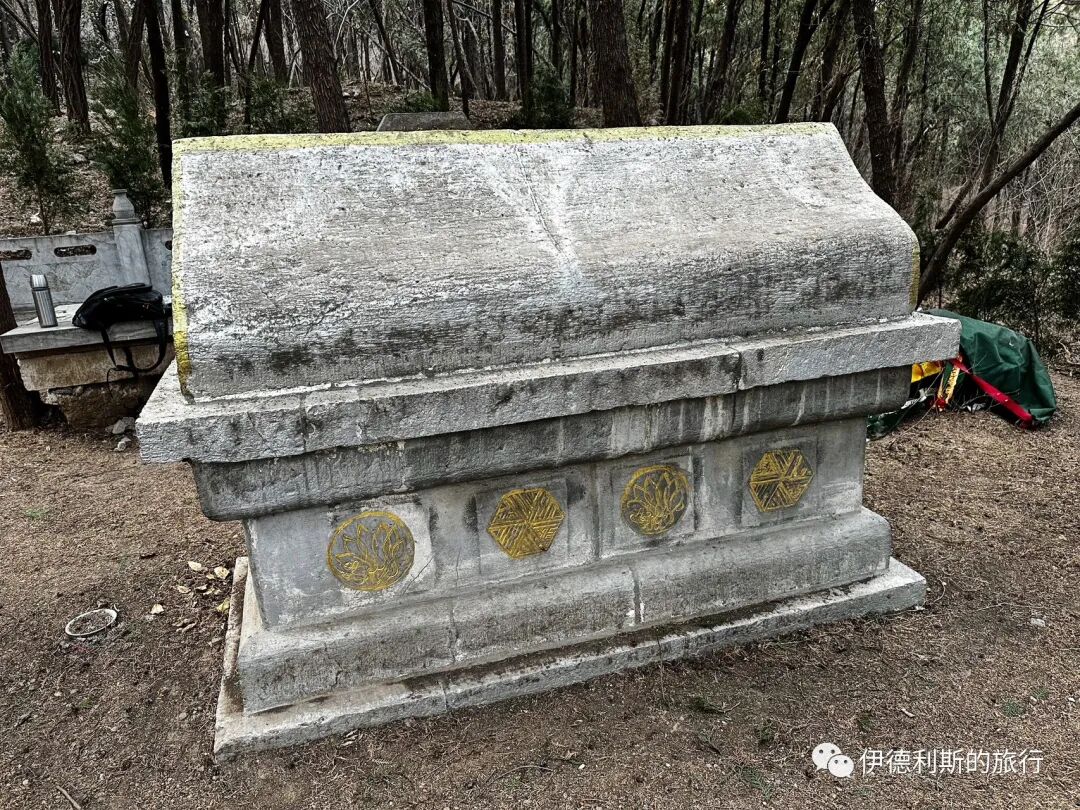
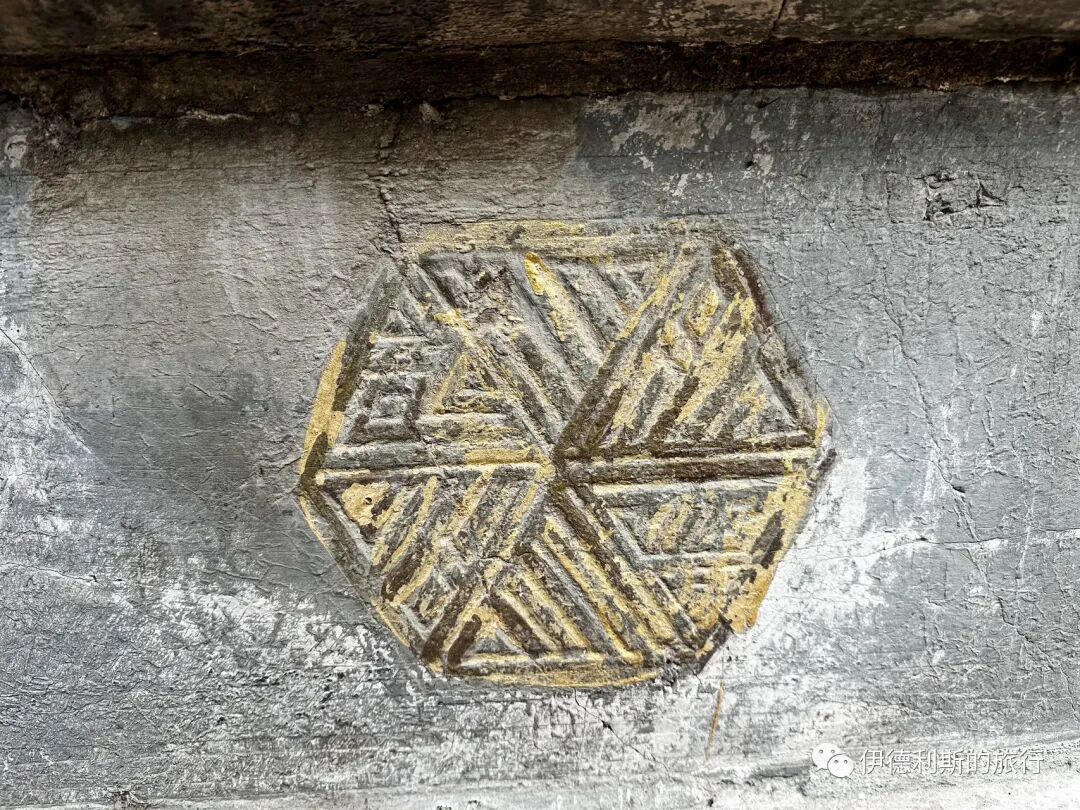
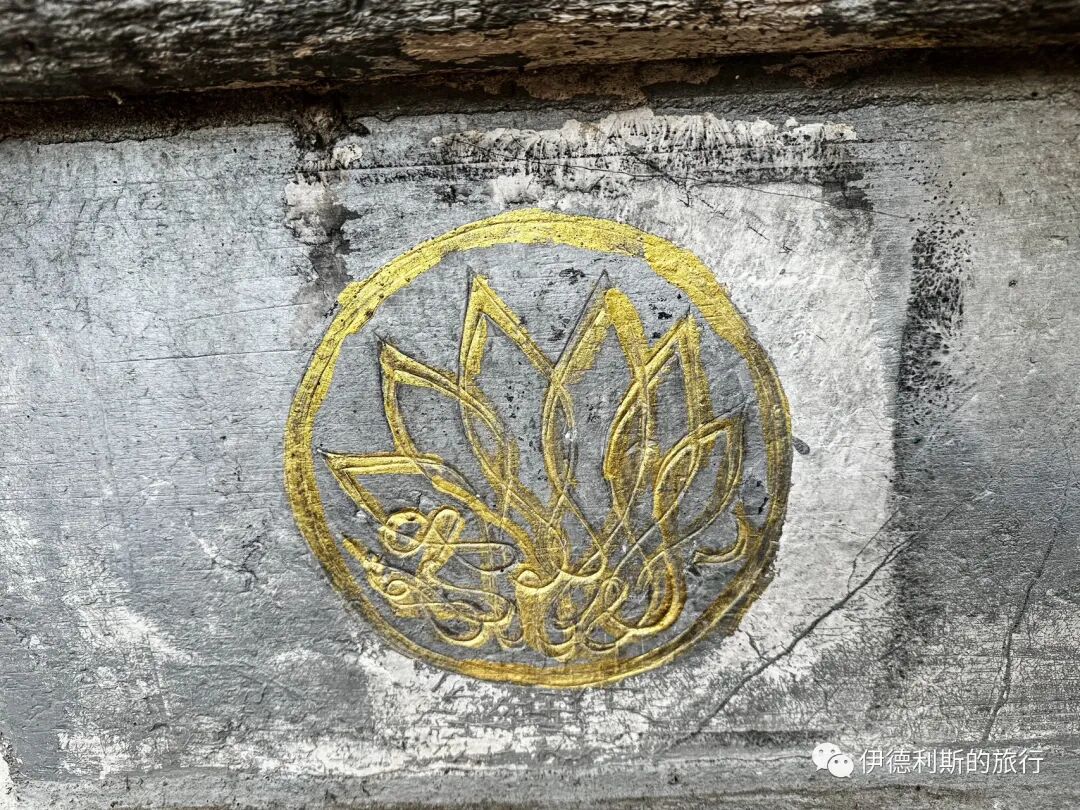
The top stone of Zuo Baba's grave is also very unique. Its cross-section looks like an arch, and the sides are carved with exquisite Arabic calligraphy, including both traditional Chinese styles and the brick-like Bannai script derived from Kufic. However, because later generations repainted it with gold lacquer, the original calligraphy has become somewhat blurry.
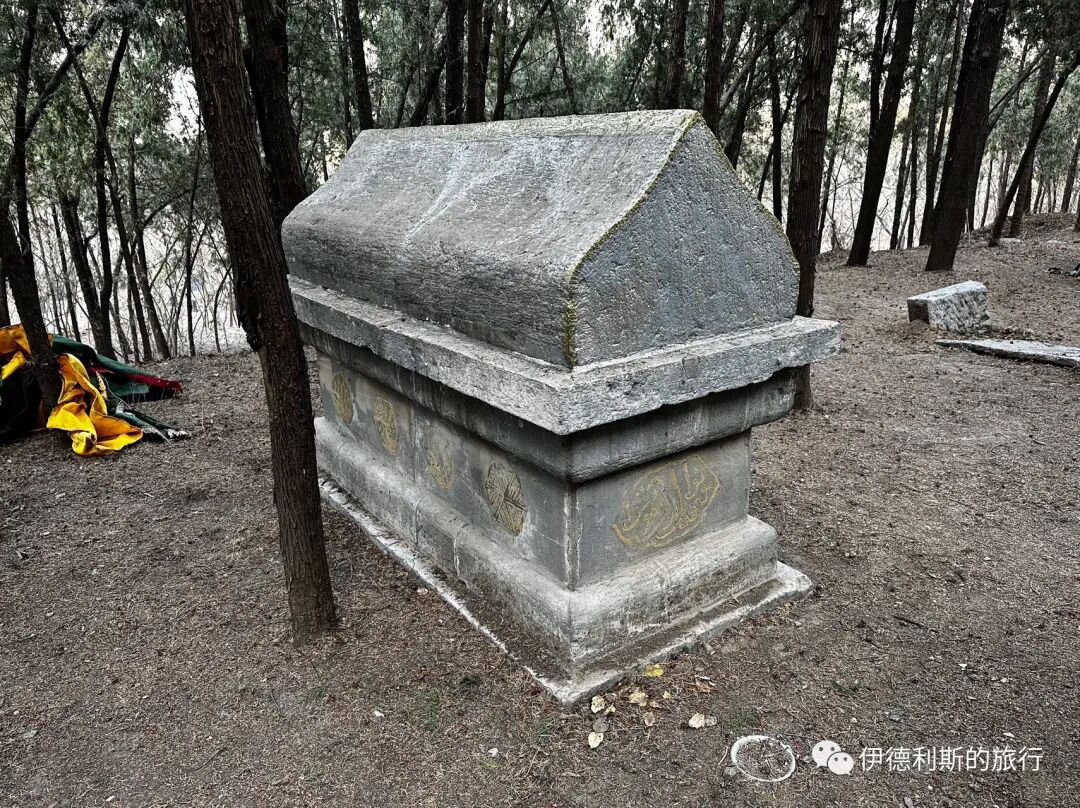
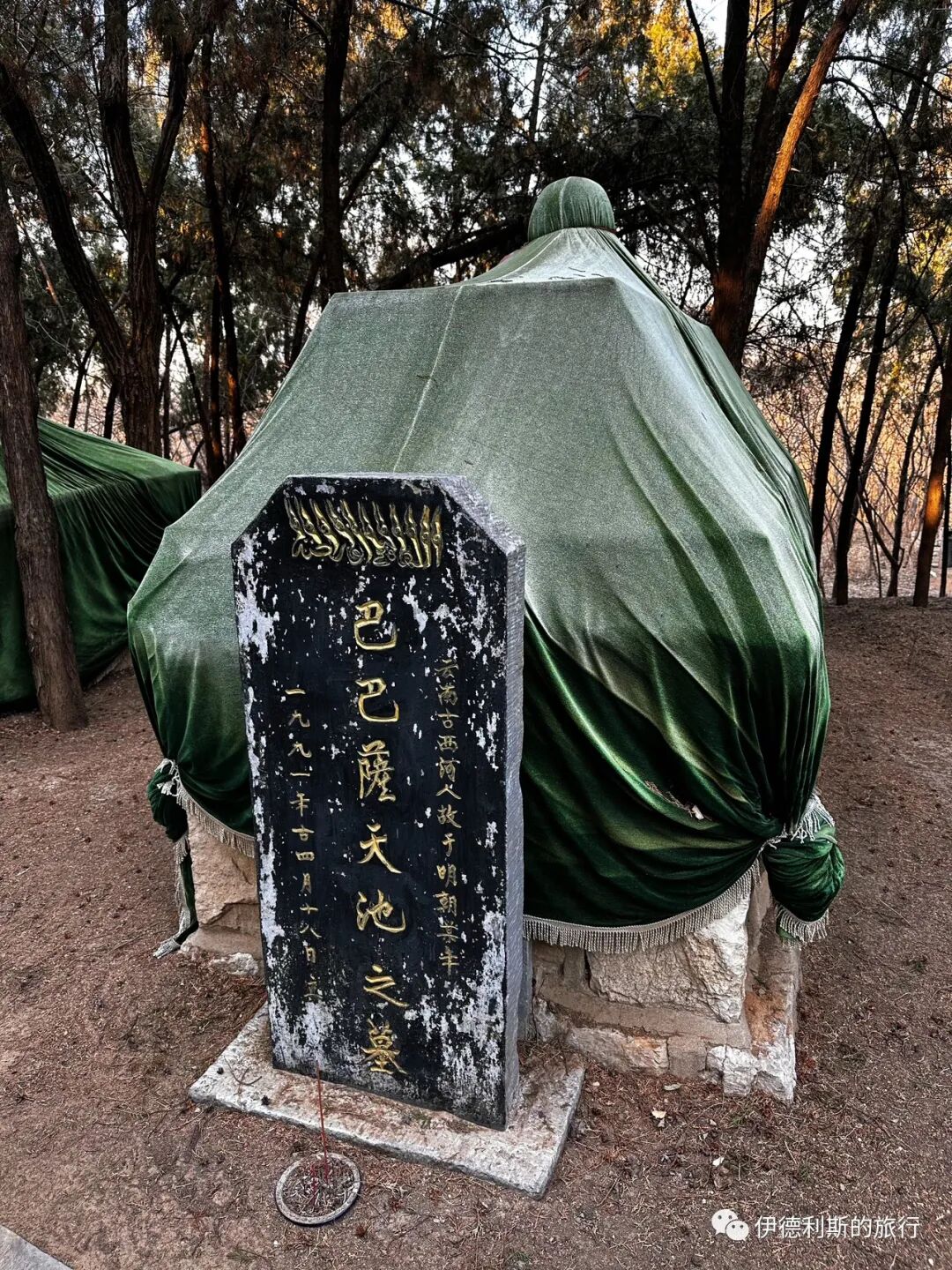
According to the article 'Baba Graves of the Yuan and Ming Dynasties in Shandong,' Sa Baba was named Sa Tianchi. He was from ancient Xihe in Yunnan, and he lived around the end of the Yuan and the beginning of the Ming dynasties. In the oral traditions of the Sai family of Hui Muslims in Jinan, Sa Baba's experiences of seeking medicine to save the dying and heal the wounded are very consistent with Sufi practices. He often used his medical knowledge to treat people regardless of whether they were Hui or Han, and he was respected by all ethnic groups.
Additionally, there is the grave of Niu Baba, a disciple of Sa Baba, in the Baba cemetery.
Legend says Ma Baba passed away at the end of the Ming dynasty. The 1933 issue of the Republic of China periodical 'Yuehua' (Vol. 5, No. 18) contains an article titled 'Ma'anshan Small Mosque,' which records that 'outside the gate are the graves of the three Babas: Zuo, Ma, and Ma.'
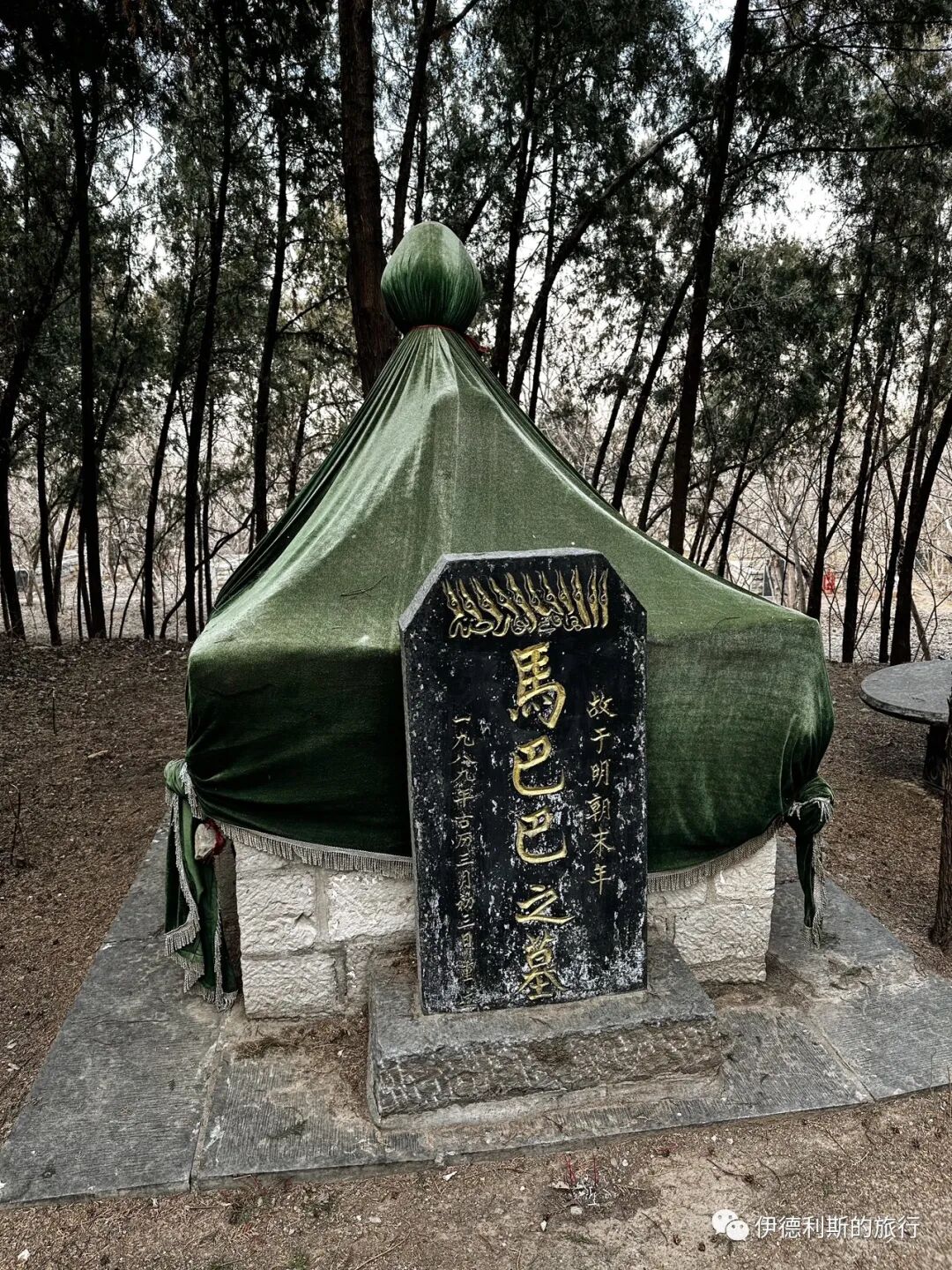
Besides this, there are many graves of Muslim ancestors from the Yuan and Ming dynasties in the Ma'anshan Baba cemetery. The articles 'Baba Graves of the Yuan and Ming Dynasties in Shandong' and 'Baba Graves of the Qing Dynasty in Shandong' provide detailed introductions.
The life story of Sayyid Baba cannot be verified. Sayyid is an honorific title used to refer to the descendants of the Prophet's daughter Fatima and Imam Ali, suggesting that Sayyid Baba was likely a descendant of the Prophet.
The life story of Ma Baba is also unreliable; he is one of the three Babas—Zuo, Ma, and Ma—mentioned in the 1933 'Yuehua' article.
On the tombstone of Gu Mingxiu Baba, there is an inscription, half of which is buried in the soil. It shows text like '16th day of the 2nd month of the 12th year of the Wanli reign of the Great Ming,' and '8th day of the 2nd month of the 4th year of the Xianfeng reign of the Great Qing,' which are likely the dates of the original construction and the renovation.
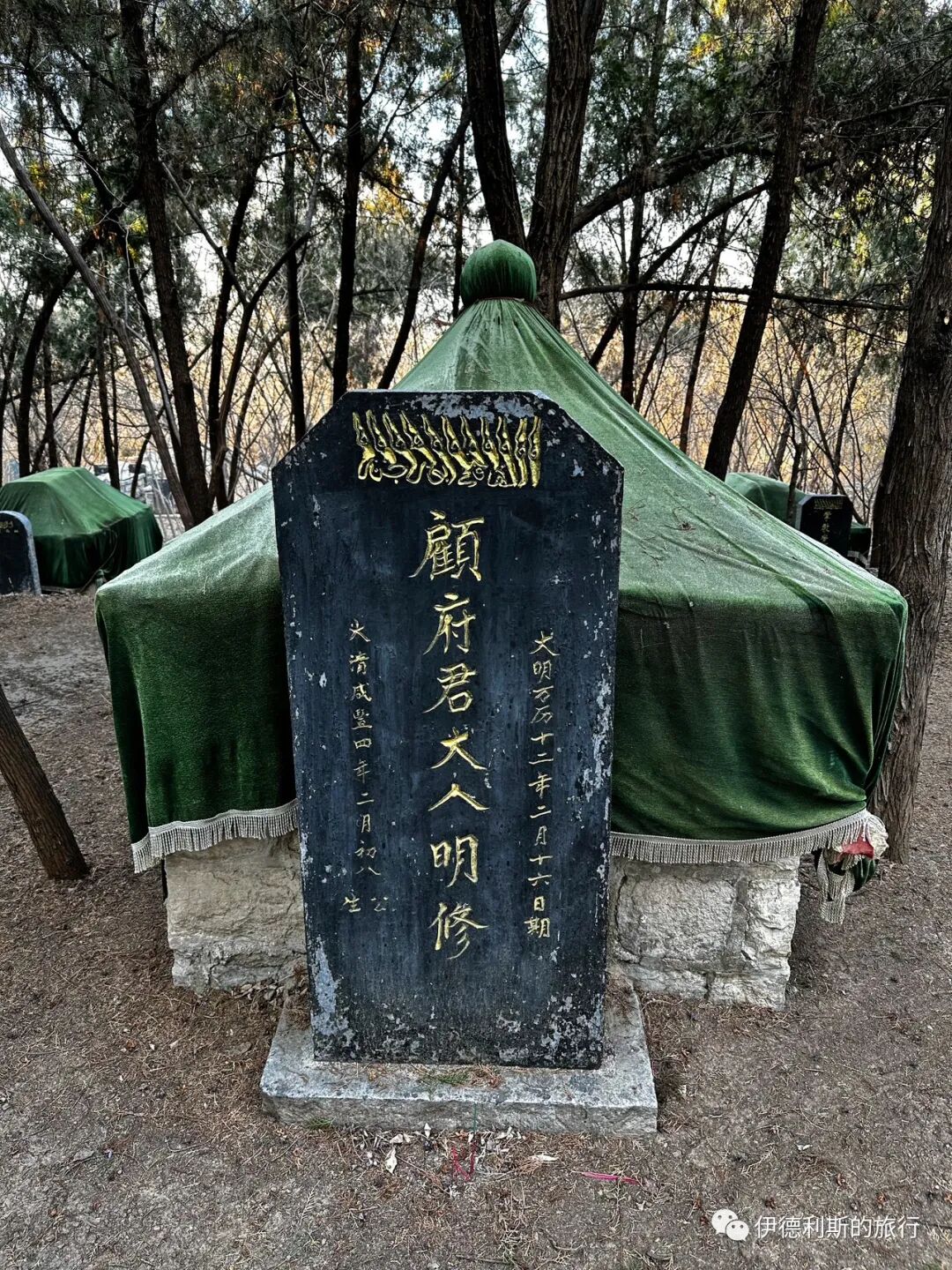
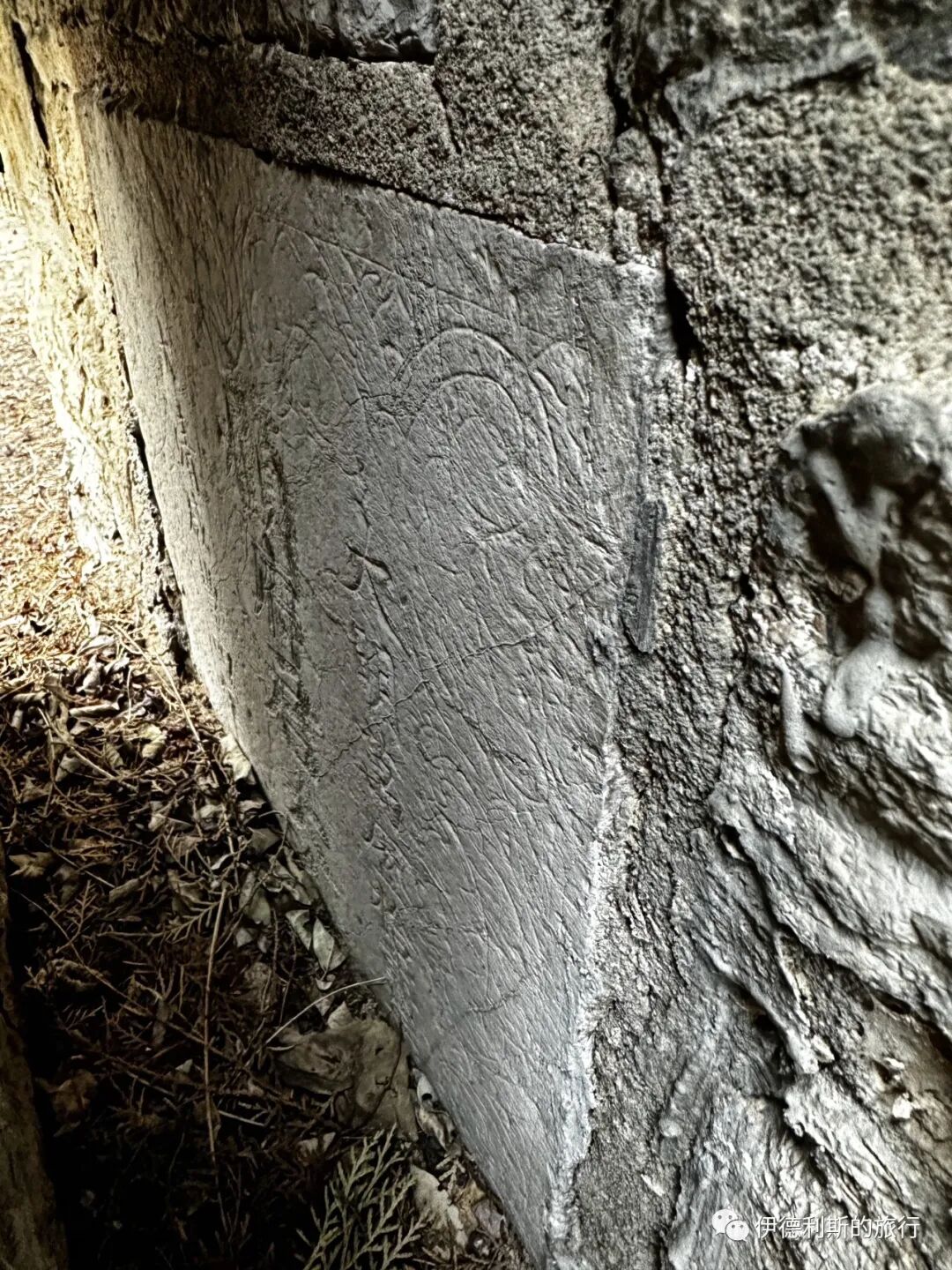
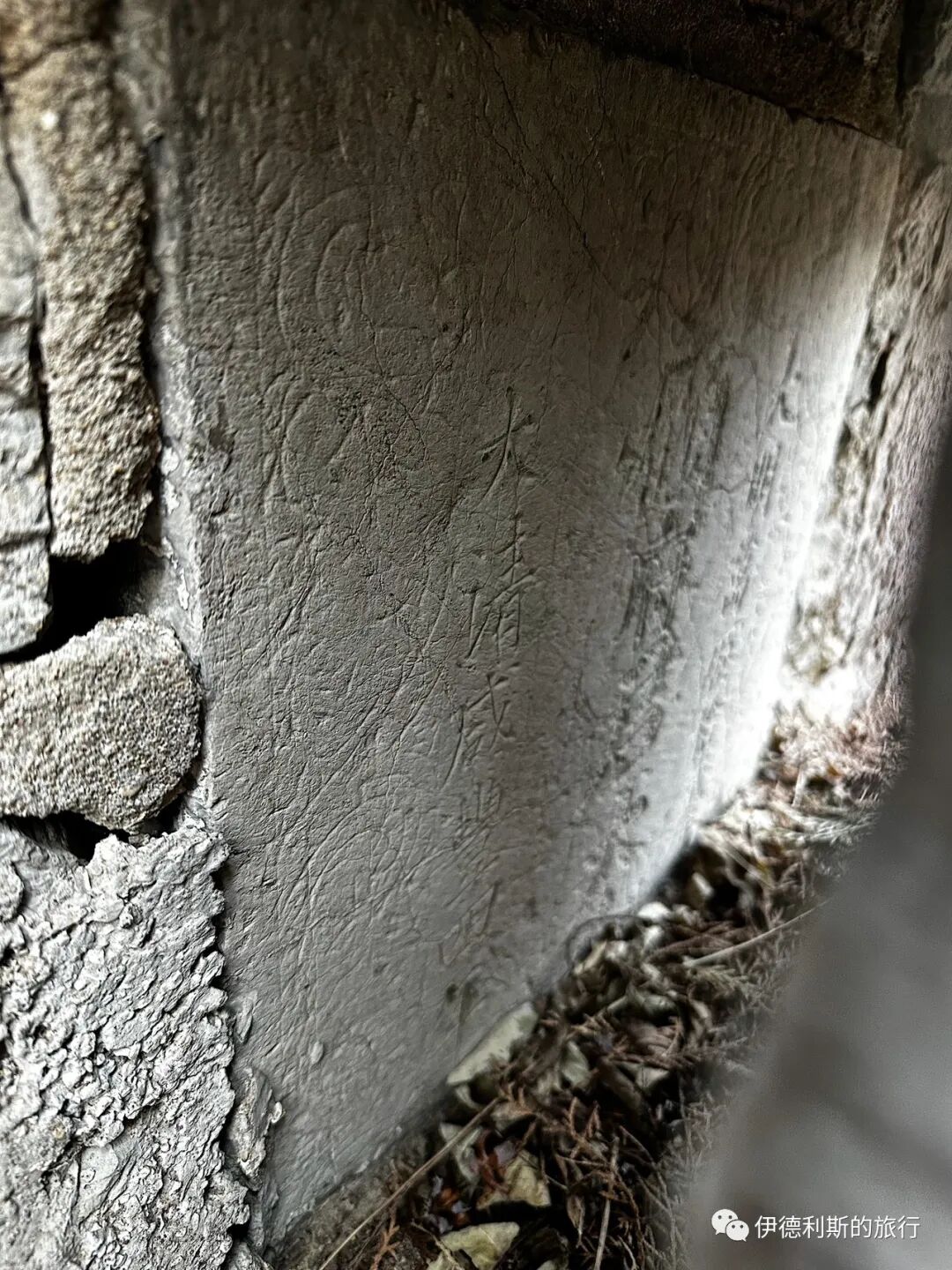
Li Baba's grave originally had a stone tablet from the Tongzhi reign of the Qing dynasty, but it no longer exists. Every year on the 24th day of the 6th lunar month, middle-aged and elderly Hui Muslim women from the outskirts of Jinan, Tai'an, and the north bank of the Yellow River go to Li Baba's grave to light incense, recite scriptures, and give charity (niatie).
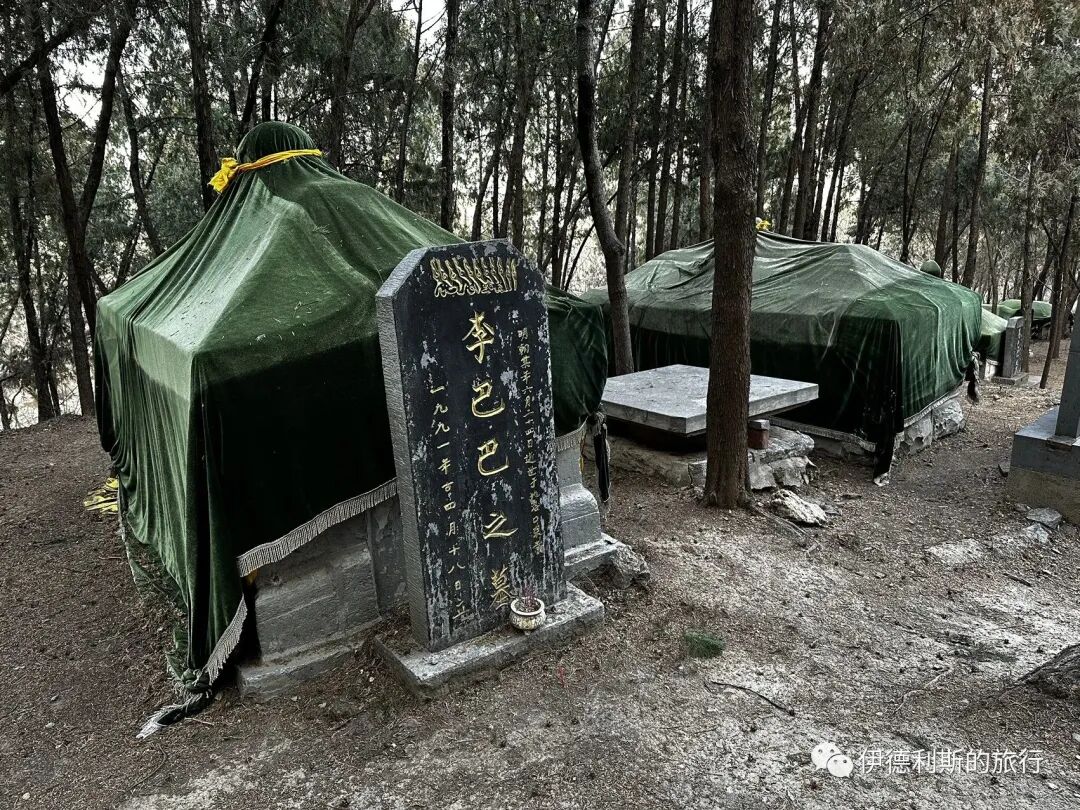
Cha Baba's life story cannot be verified; it is only known that the later tombstone says he 'passed away at the end of the Ming dynasty.'
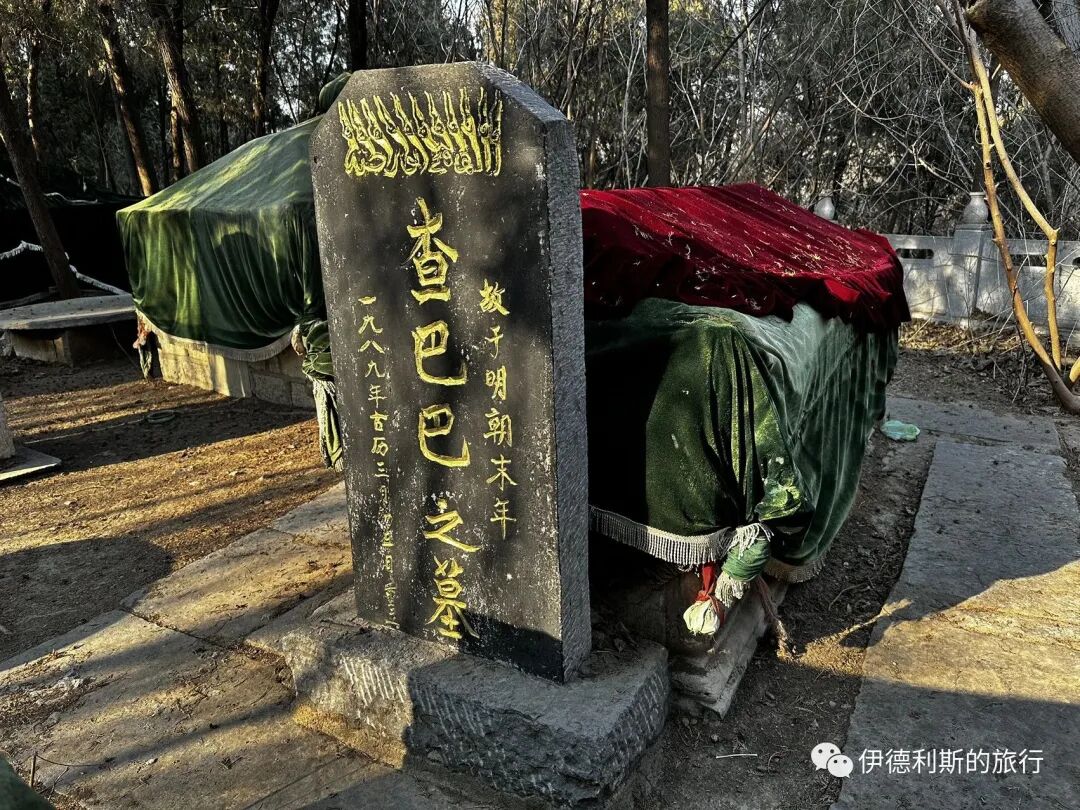
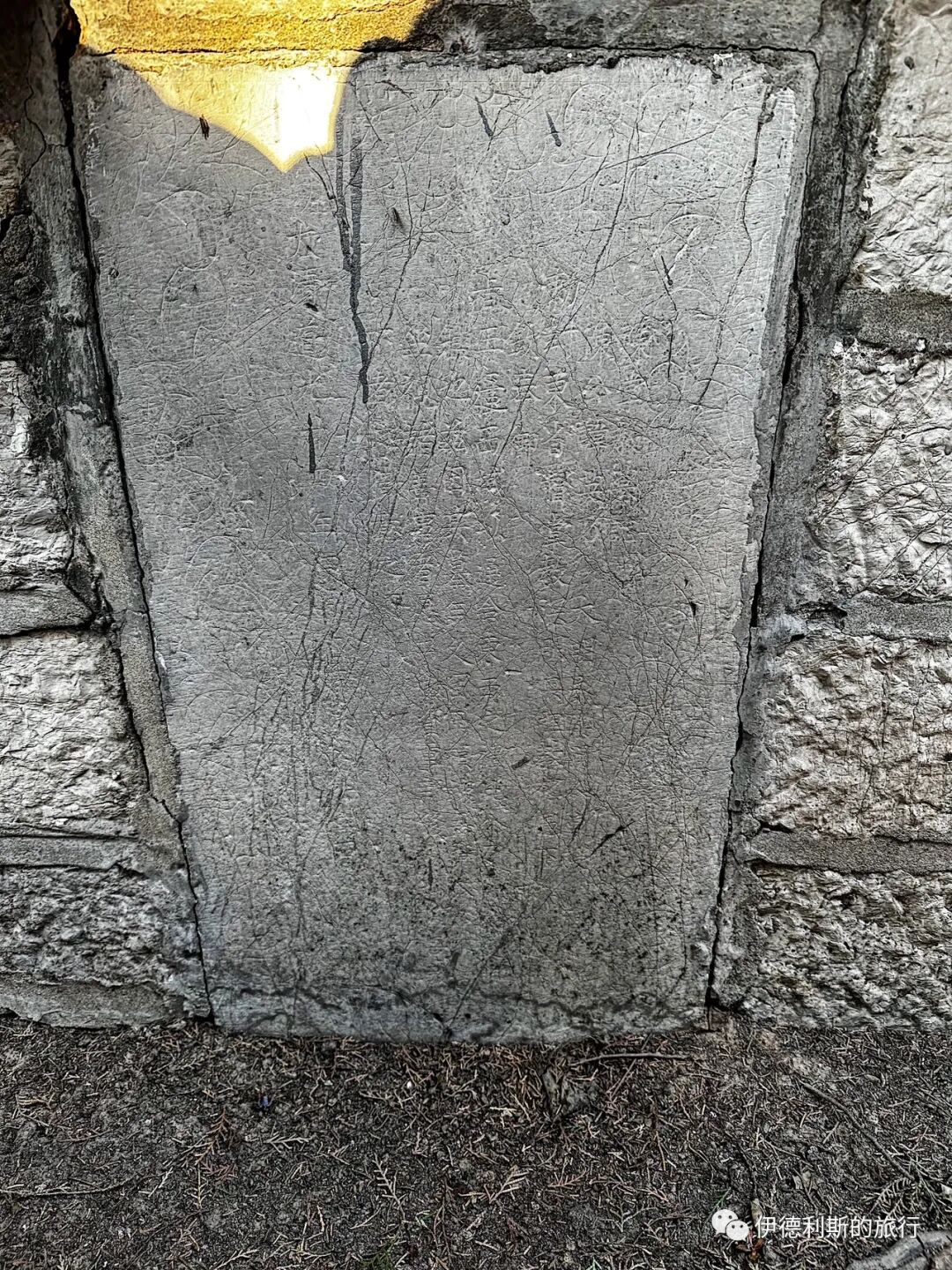
The tombstone for Chen Ying Baba and his wife, surnamed Sai, reads 'Grave of Mr. Chen Ying, an official of the Honglu Mosque of the Great Ming, and his wife, Lady Sai.' Behind it is a 'Chen Zhangjiao Epitaph' erected in 1834 (the 14th year of the Daoguang reign).
Chen Ying Baba holds a very high historical status among Muslims in Jinan. He was once appointed by the Emperor as the Superintendent of Religion for Shandong, and his descendants inherited the position of imam at the Jinan South Mosque (Nandasi) for over a hundred years. The existing 1495 (the eighth year of the Ming Hongzhi reign) record of the renovation of the Jinan Prefecture Licheng County Mosque states: 'During the Xuande year of Bingwu in our dynasty, there was a shortage of imams. Just then, Master Chen Ying went to the Western Regions three times as an envoy, was appointed to an official rank, and returned after retiring from office.' This means that during the Ming Xuande period (1426-1435), Chen Ying served as an official envoy to the Western Regions three times. Based on calculations, Chen Ying Baba likely lived during the late Yuan and early Ming dynasties.
The Chen family was prominent during the Ming Dynasty and received rewards many times. The Jinan South Mosque currently houses a 1528 (the seventh year of the Ming Jiajing reign) stone inscription titled 'Laifu Ming,' signed by 'Chen Si, Imam of this mosque.' Chen Si was a descendant of Chen Ying Baba.
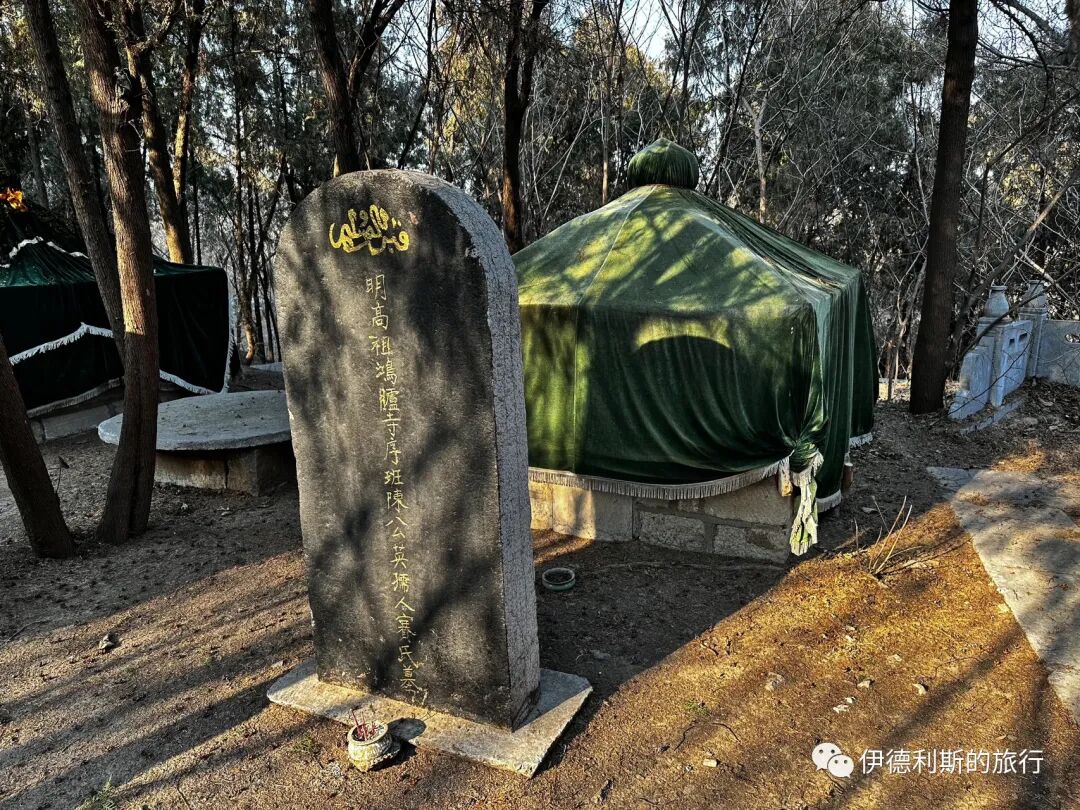
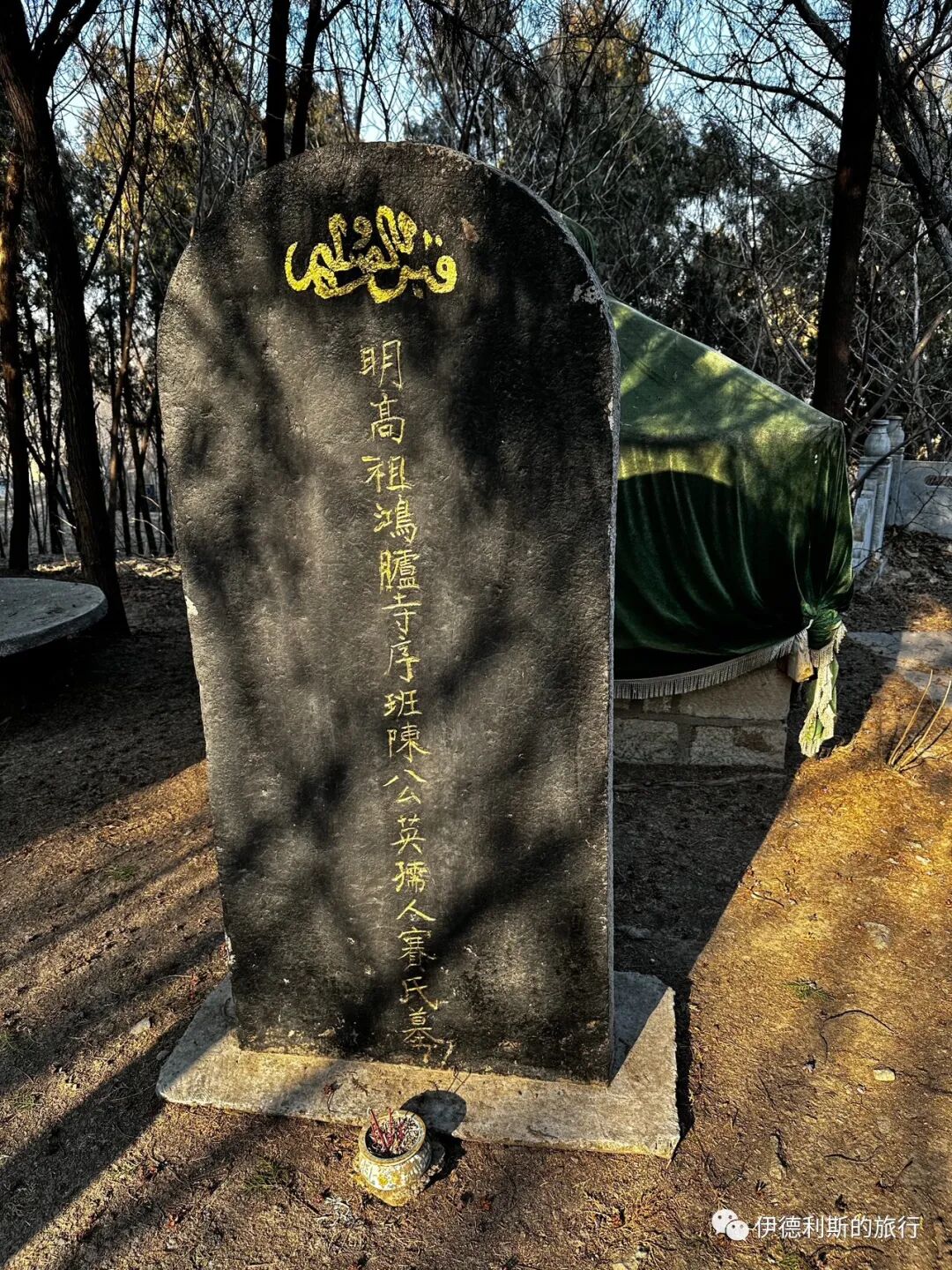
Besides Chen Ying Baba, many other imams of the Jinan South Mosque are buried in the Baba Cemetery (Baba Fen).
Dang Baba was named Dang Yu, with the courtesy name Kunshan. He was from the West Gate of Jinan, born in 1703 (the forty-second year of the Kangxi reign) and passed away (returned to Allah) in 1785 (the fiftieth year of the Qianlong reign). According to a Republic of China era stele, he traveled widely and went on Hajj to Mecca many times. He discovered errors in the practice of the faith in China, sought to correct them upon his return, and was invited to serve as the imam of the South Mosque.
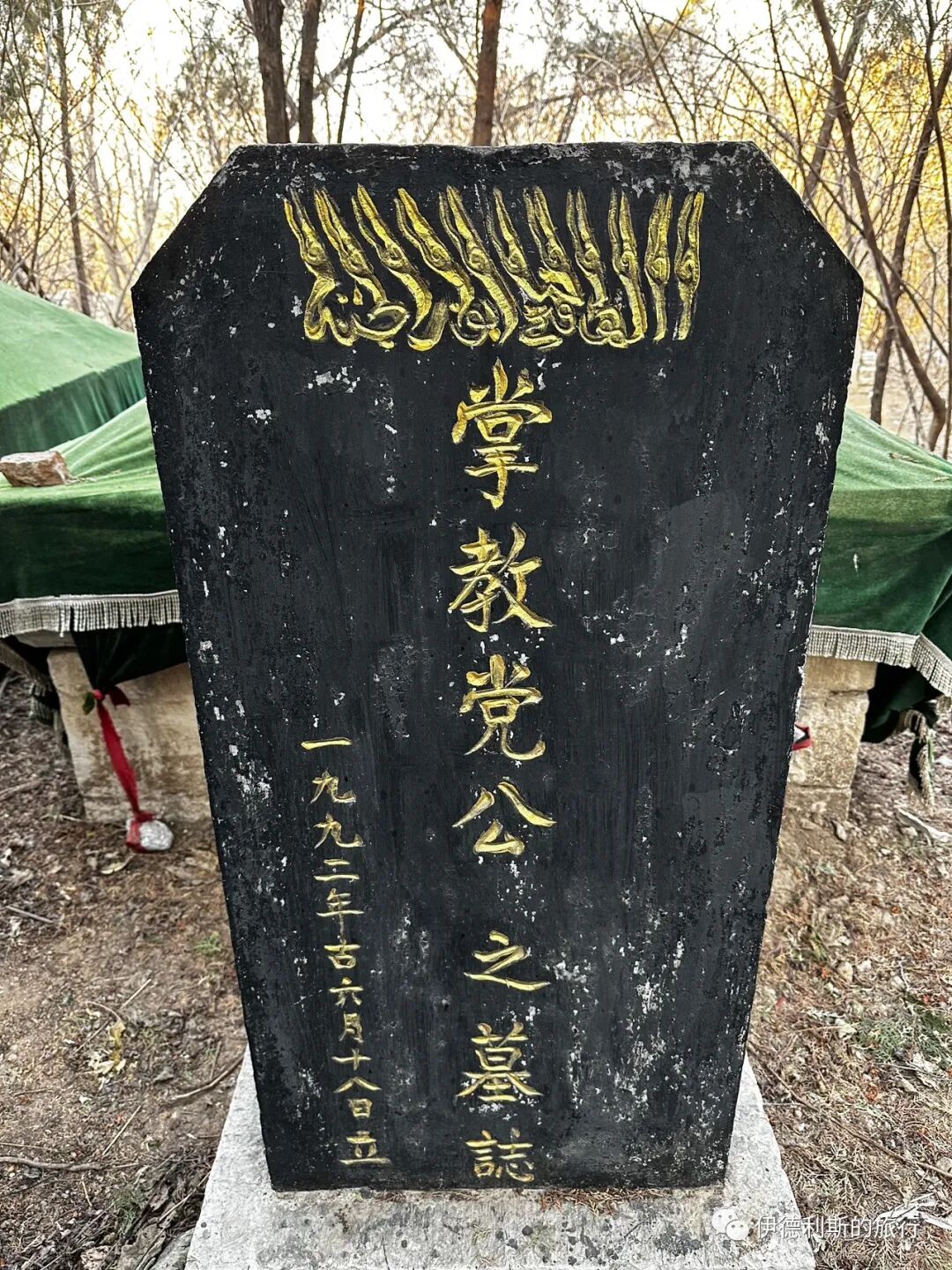
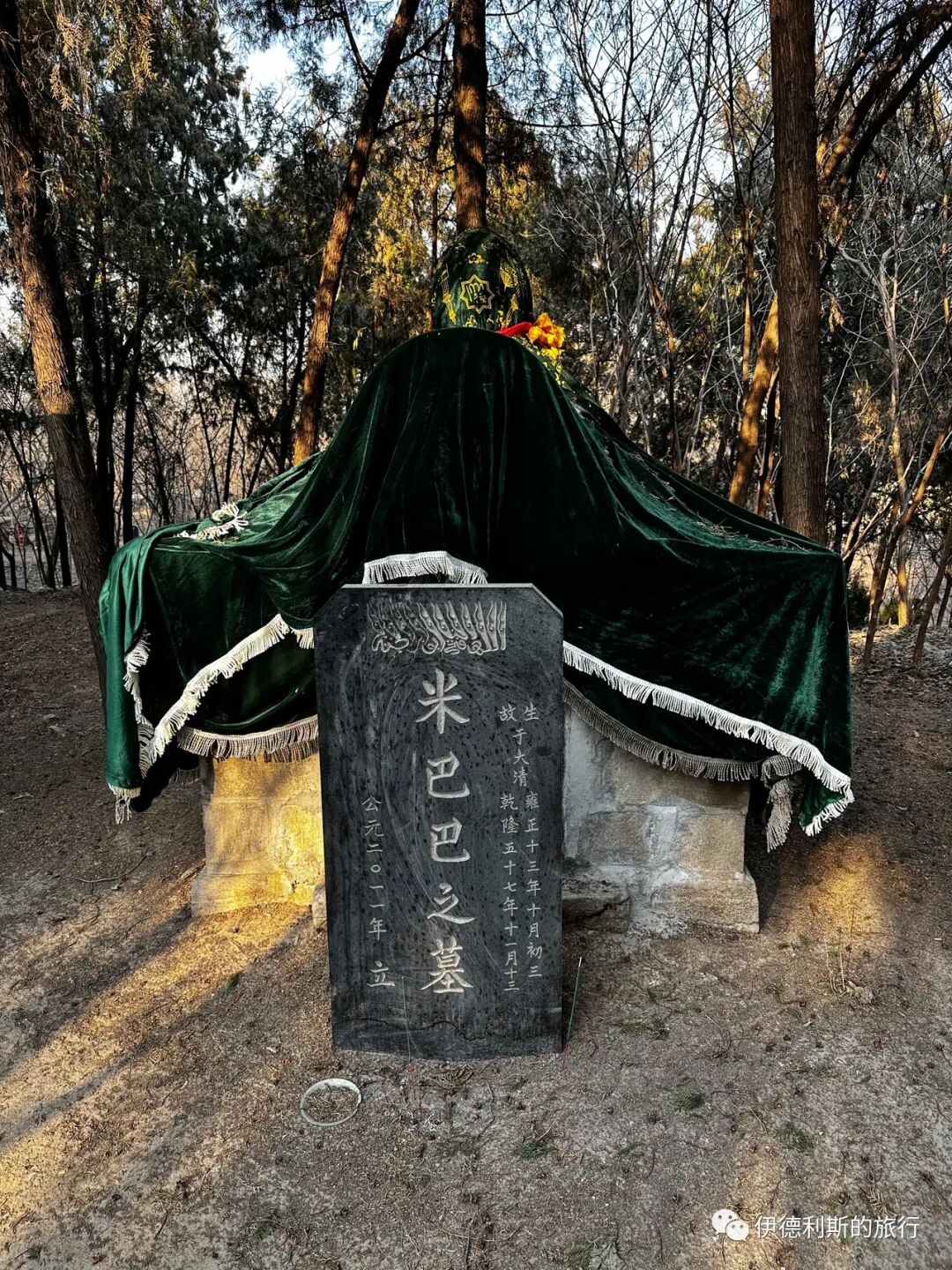
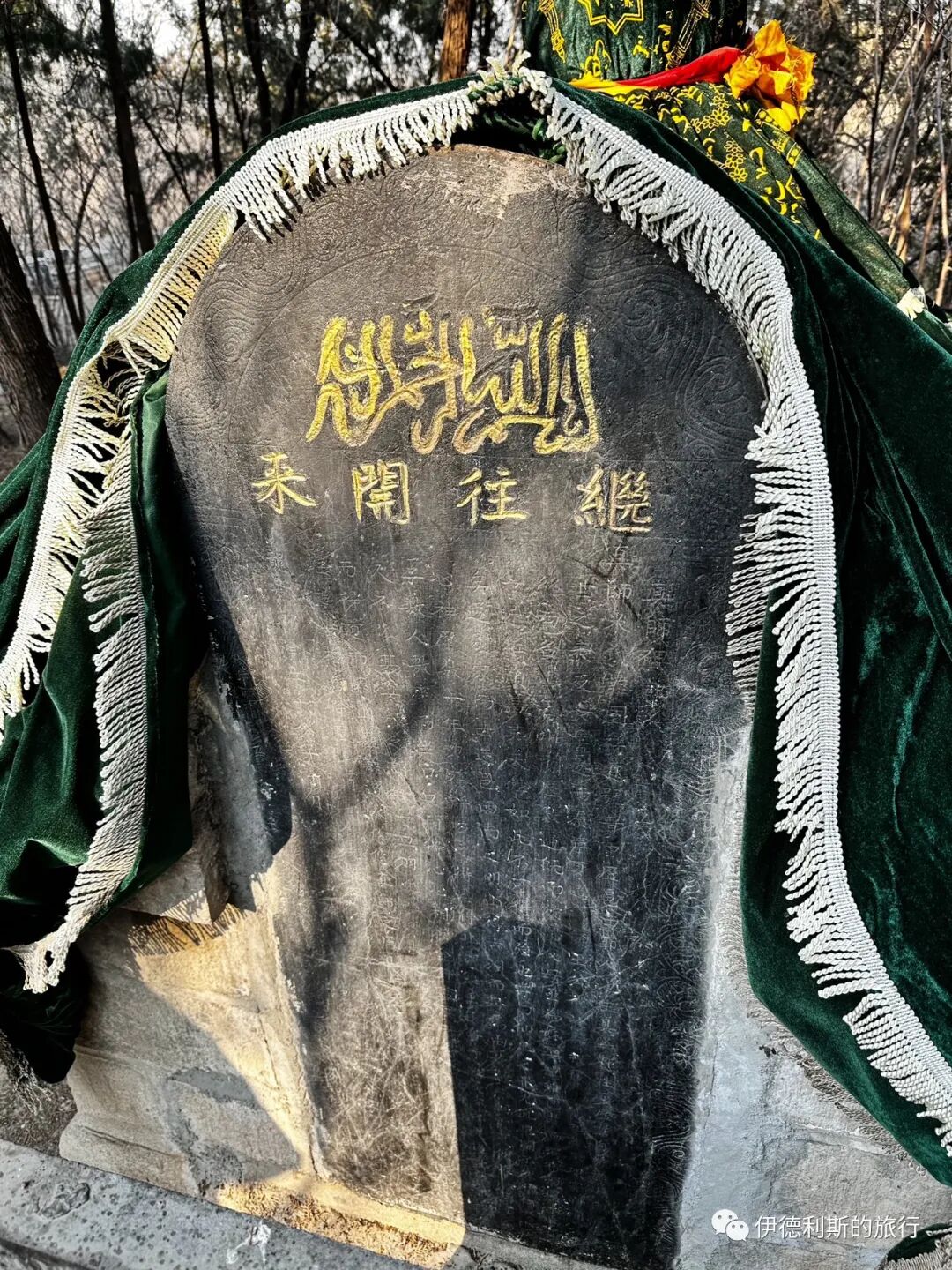
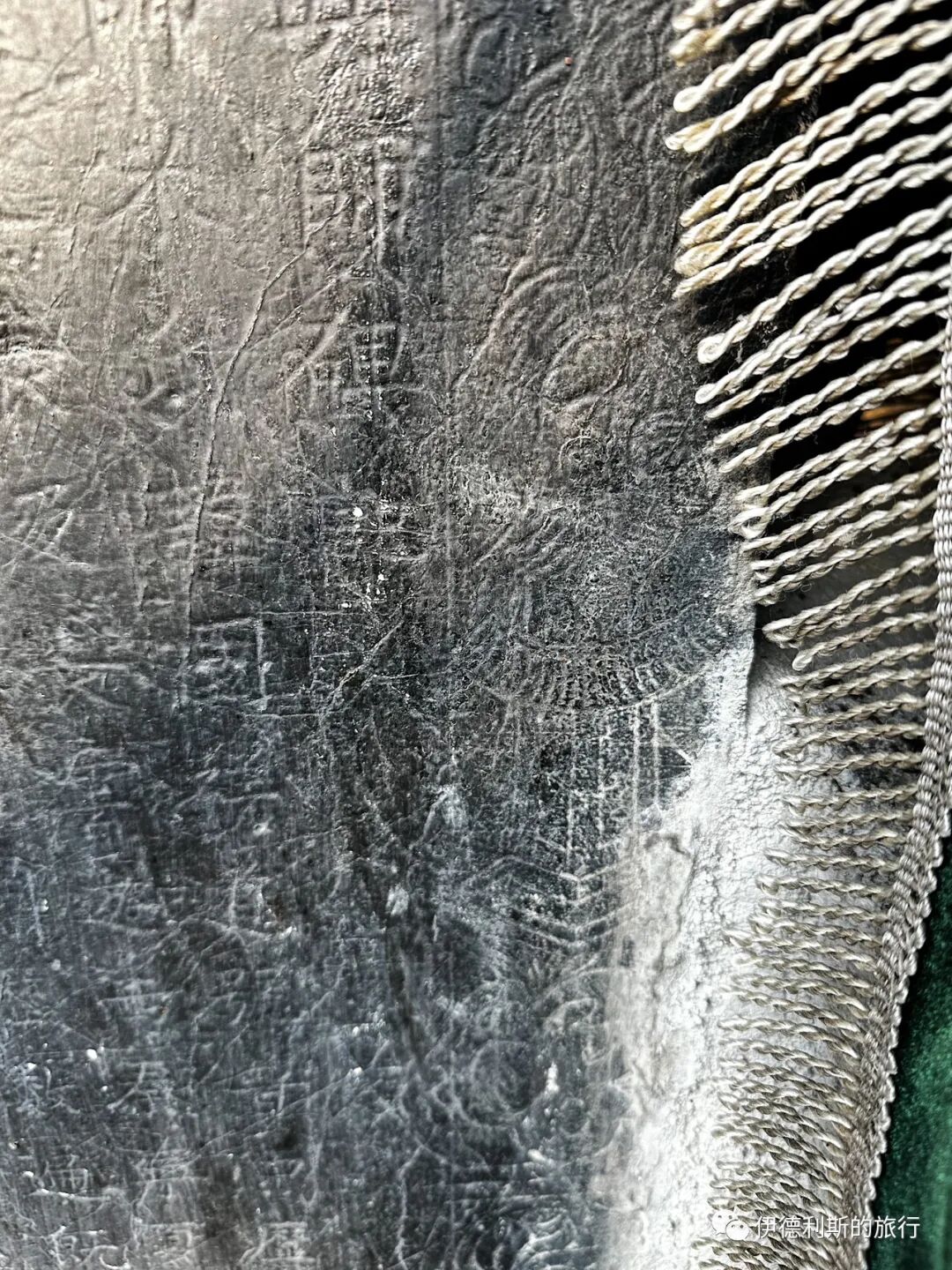
Mi Baba was named Mi Guoxiang, with the religious name Puzhong. People called him Master Mi (Mi Zhenren). He was also from the West Gate of Jinan, born in 1735 (the tenth year of the Yongzheng reign) and passed away in 1792 (the fifty-seventh year of the Qianlong reign). In front of his tomb stands a 1792 stele inscribed with 'Inheriting the Past and Ushering in the Future,' which contains very detailed records about Master Mi.
Mi Baba traveled throughout the Northwest, met a teacher named Wang, and learned the 'profound principles of returning to the truth and restoring life.' Afterward, he traveled everywhere and avoided women. The stele records that he 'built a home in the bright mountains southwest of the city and lived in an ancient cave.' It is speculated that this is likely the Baba Cave on Jiuding Mountain.
It continues to write
He 'ate the morning mist in spring, drank the night dew in summer, cleansed his heart and spirit, and after decades, mastered the techniques of breathing and meditation.' This is clearly a description of Sufi asceticism. The stele uses many Taoist terms to describe the faith, calling the sages 'True Men' (Zhenren), referring to passing away as 'feathering' (yuhua), and even using Taoist immortals like Wang Ziqiao and Chisongzi as metaphors. This is a great example of exchange between different religions.
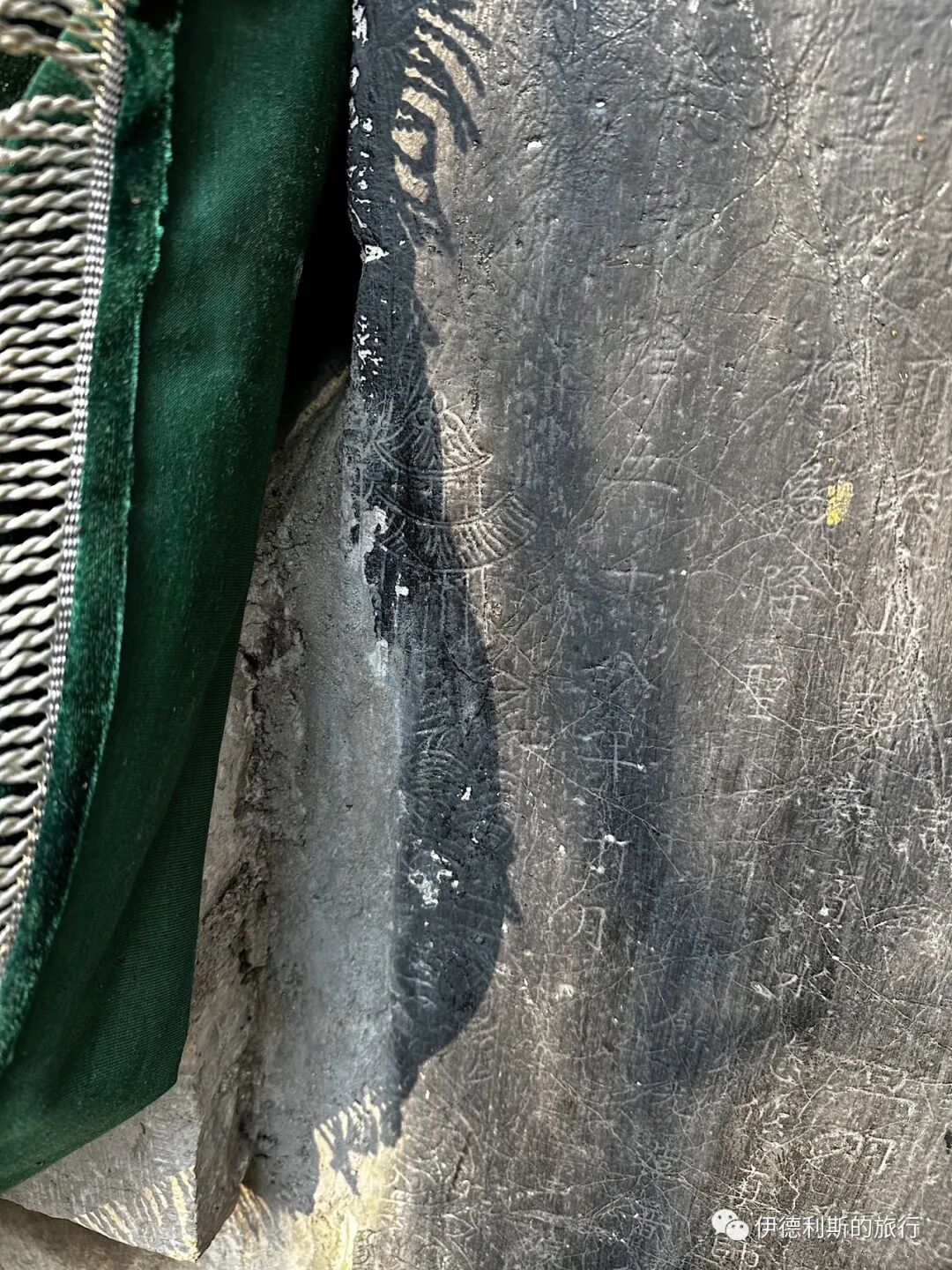
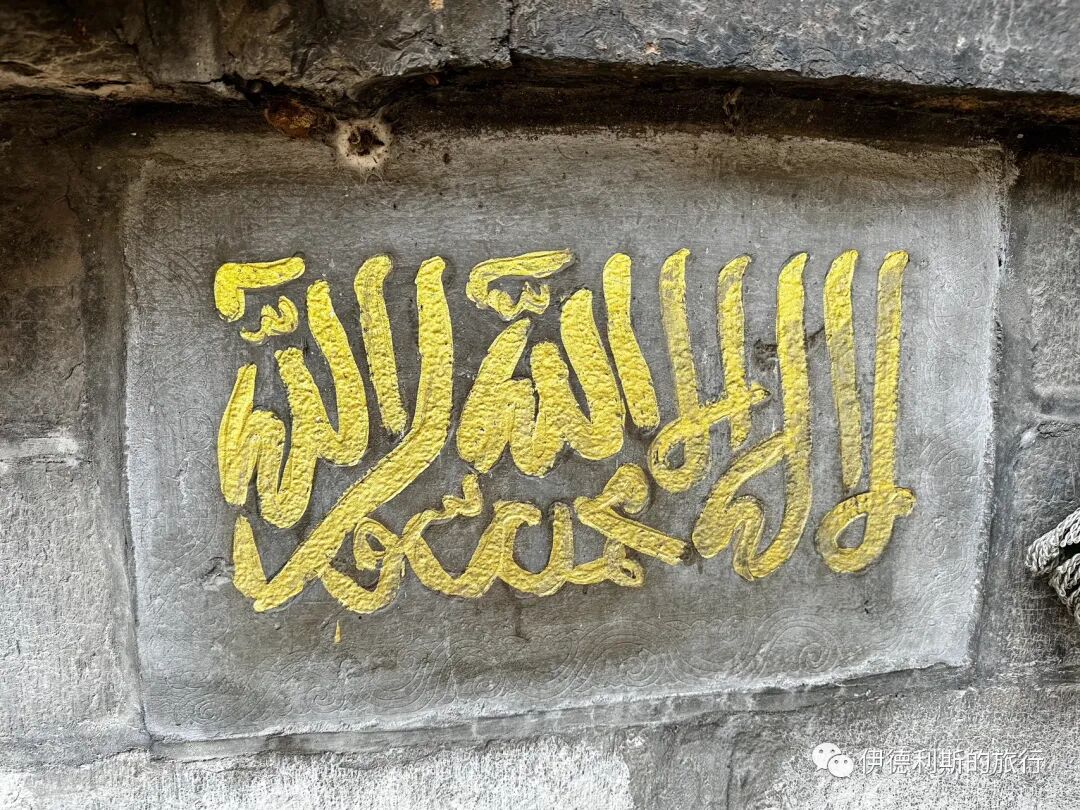
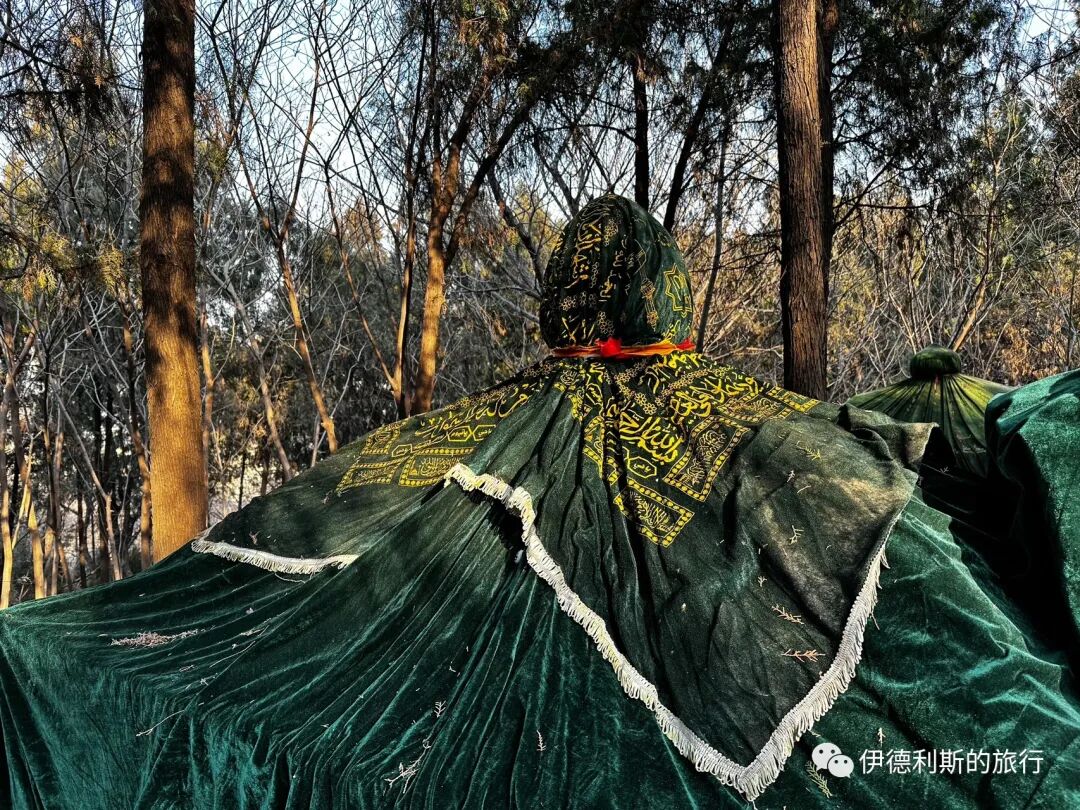
Heifaxiang Baba became the imam of the Jinan South Mosque in 1815 (the fifteenth year of the Jiaqing reign). He presided over the renovation of the South Mosque and wrote Arabic calligraphy in the main hall, which was widely praised. Evidence suggests that He Baba was very likely the disciple of He Wushaihai, who was one of the 'Two Changs' of the Shandong scripture education system, Chang Jie Baba. Their birth and death dates also match. He Baba played an important role in inheriting and promoting the Shandong school of scripture education, and people today should attach great importance to him.
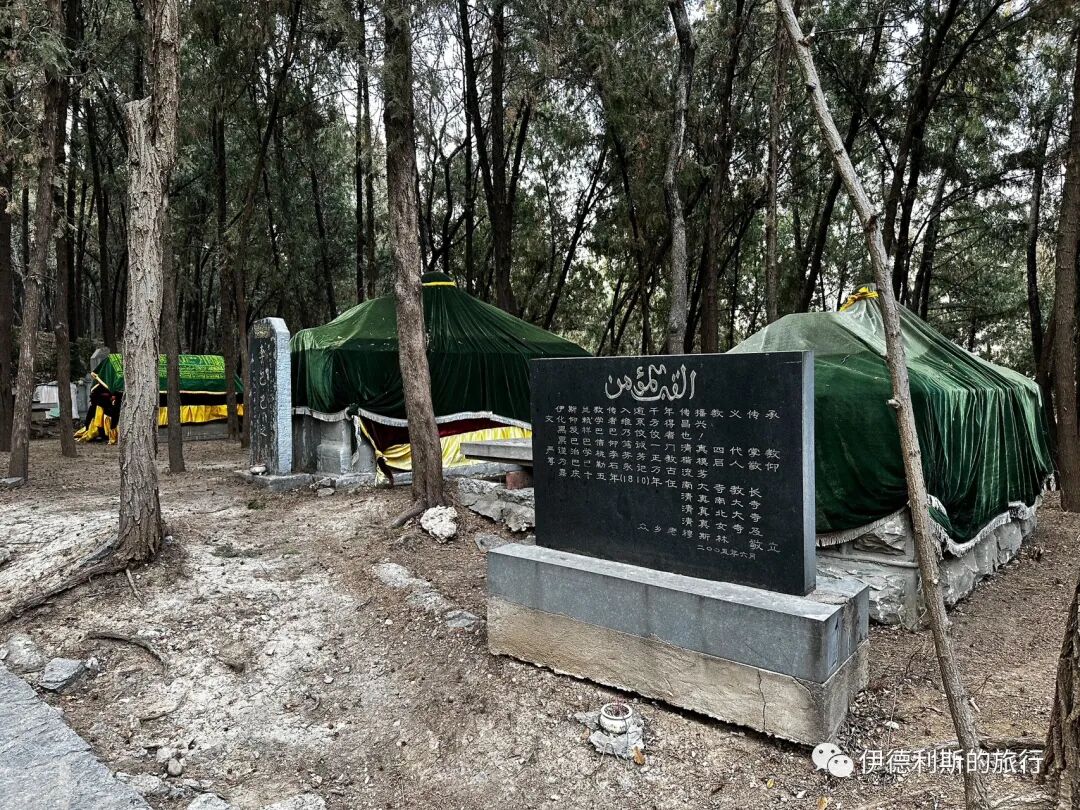
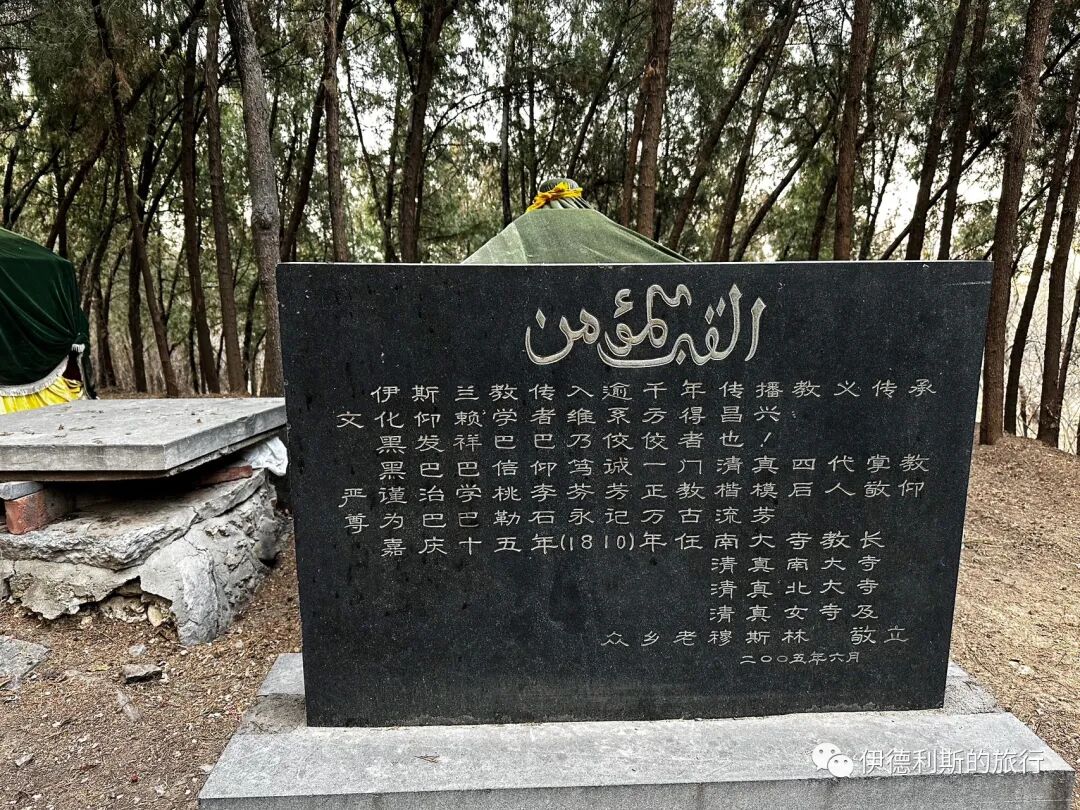
to local Jinan people, Sufi sages who came from other places to study are also buried in the Baba Cemetery. Ma Zhaochi Baba was from Pingliang, Gansu. He was born in 1673 (the twelfth year of the Kangxi reign), passed away in 1796 (the first year of the Jiaqing reign), and lived to be 123 years old. According to the stele, his 'merits and deeds were complete, and he had achieved immortality.' This is also a way of using Taoist vocabulary to describe Sufi practice.
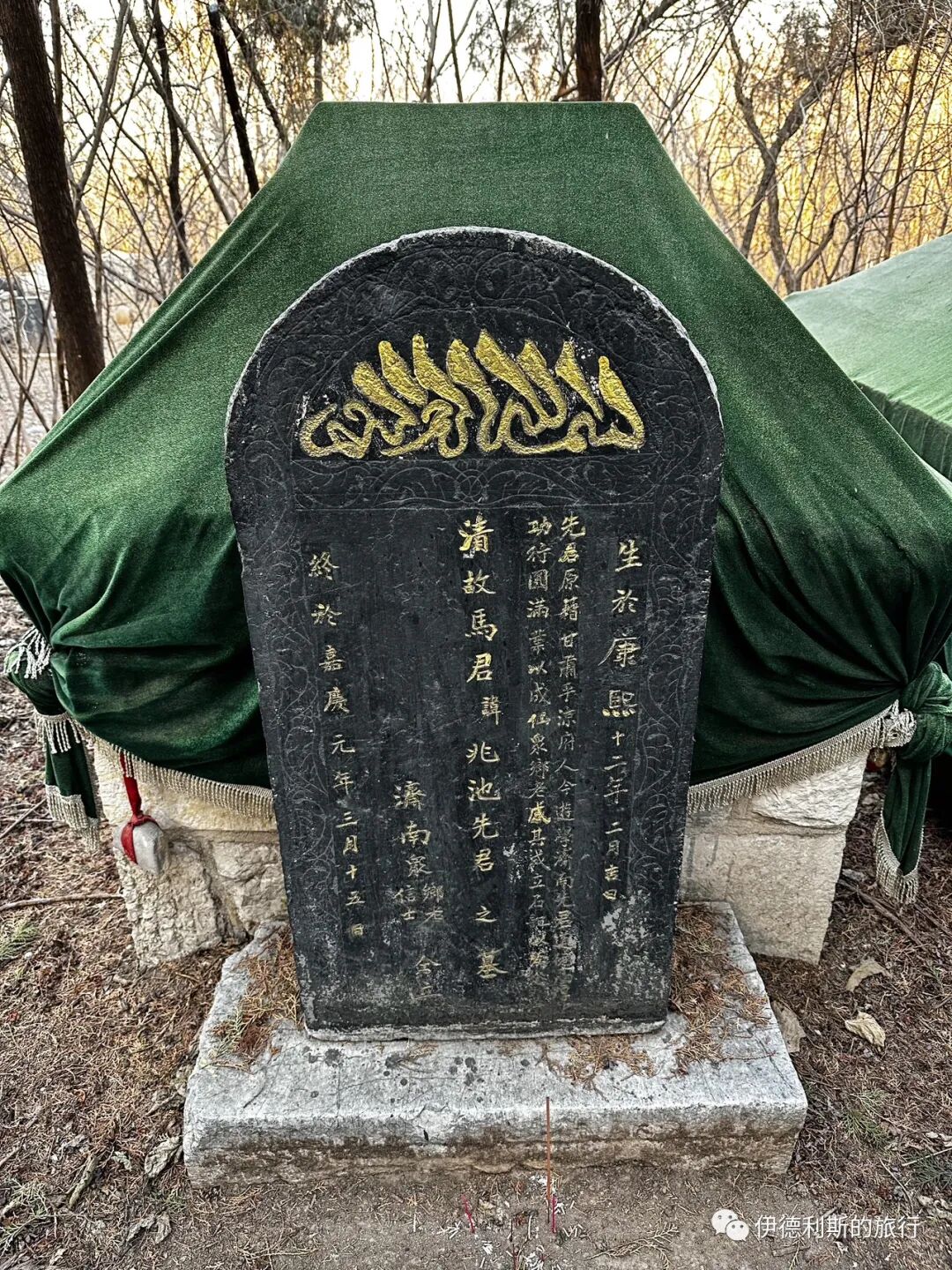
There is a worn-out stele in the Baba Cemetery. Thanks to the sharing of a fellow believer (dosti), Teacher Ma Ming finally deciphered the content of the stele after years of research. According to the stele, the tomb owner was named Yang Zongyao, born in 1699 (the thirty-eighth year of the Kangxi reign), passed away in 1795 (the sixtieth year of the Qianlong reign), and lived to be 96 years old.
Yang Zongyao Baba's mentor was 'Grand Master Ma Huajiao from Shaanxi.' He followed Grand Master Ma to travel the world and learn Sufi cultivation. The stele records that Grand Master Ma 'abandoned his great business to become a monk;' He cast aside his high position to achieve his goals. It can be seen that he was a Sufi sage. Teacher Ma Ming found in the Yongzheng edition of 'Sichuan Tongzhi' and the Republic of China era 'Songpan County Annals' that 'Qingzhang Laying Army Garrison Commander... Ma Huajiao, a Shaanxi native, appointed in the thirty-second year of Kangxi,' and the Republic of China era 'Ba County Annals' records: 'Mosque... the South Mosque was built by Ma Huajiao and Han Daxiao in the early Kangxi period of the Qing Dynasty.' It can be seen that Grand Master Ma was active in the Sichuan region during the Kangxi period and donated money to build mosques while serving as an official.
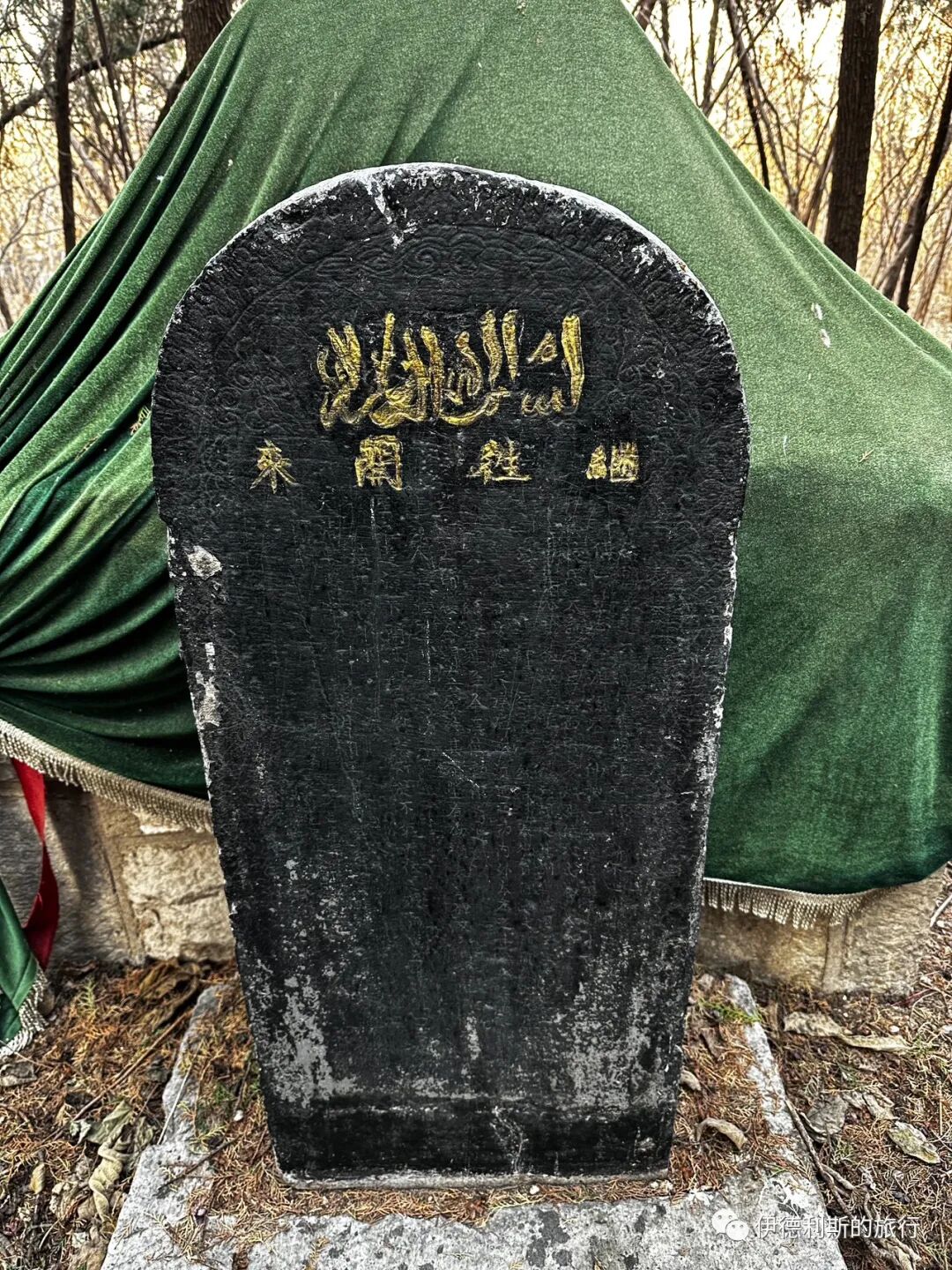
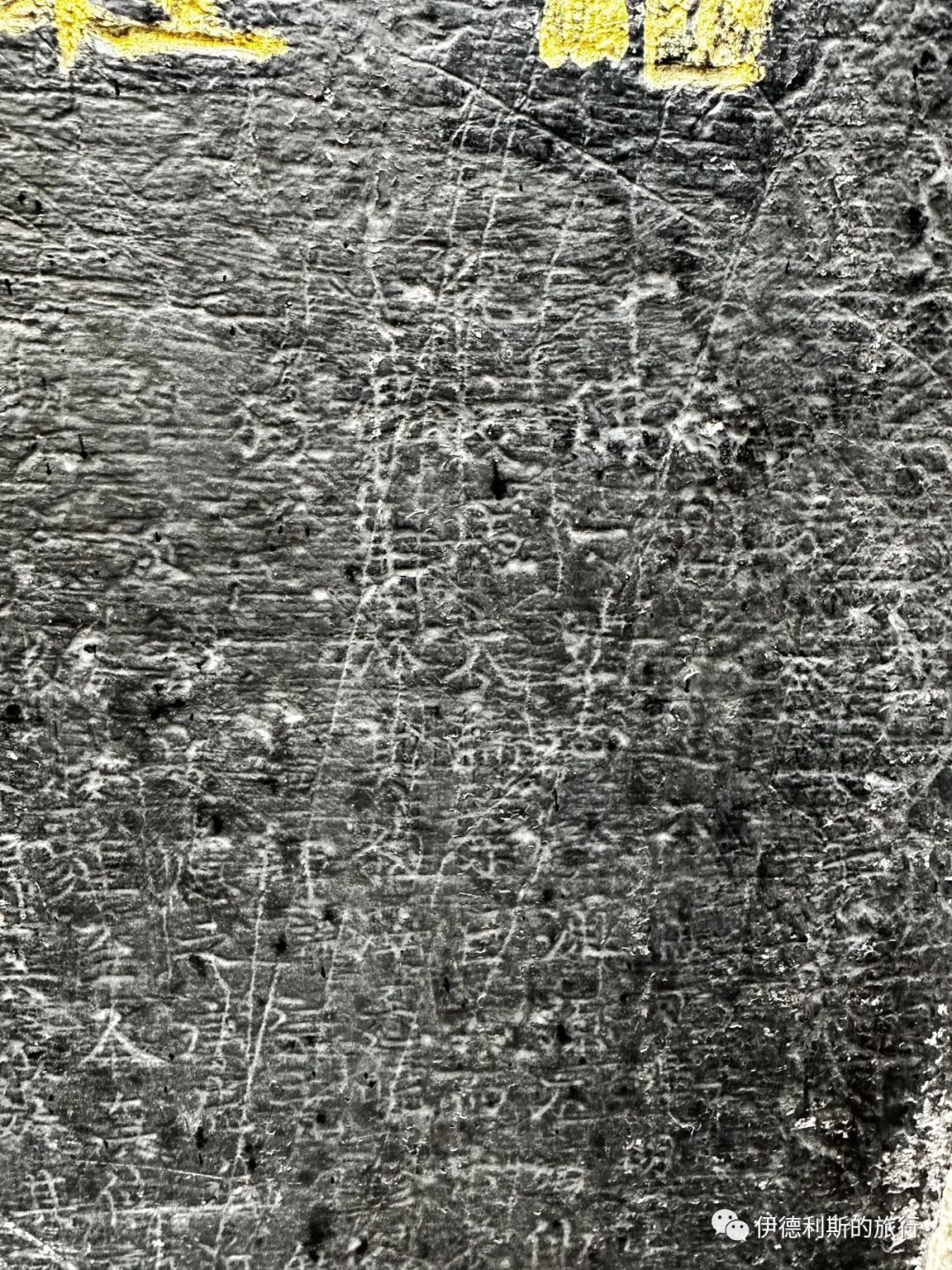
Buried in the Baba Cemetery is the famous Hui Muslim martial artist Ma Shengping (1849-1921) from modern Jinan history. Ma Shengping was known as 'Western Whip Ma Wu.' He was from Linqing, Shandong, practiced martial arts since childhood, and was skilled in using the pole whip (also called fishing whip). At the end of the Qing Dynasty, he joined the Boxer Rebellion and fought all the way from Shandong to Tianjin. After the movement failed, he hid his identity and lived at the South Mosque (Nandasi) in Jinan, where he spent years working as a mosque caretaker while pretending to be deaf and mute. After the Republic of China was established, Ma Shengping revealed his true identity and began teaching martial arts at a Hui Muslim boxing school in the Xiguan area of Jinan. He passed away in 1921 and was buried in the Baba Tomb at Ma'anshan.
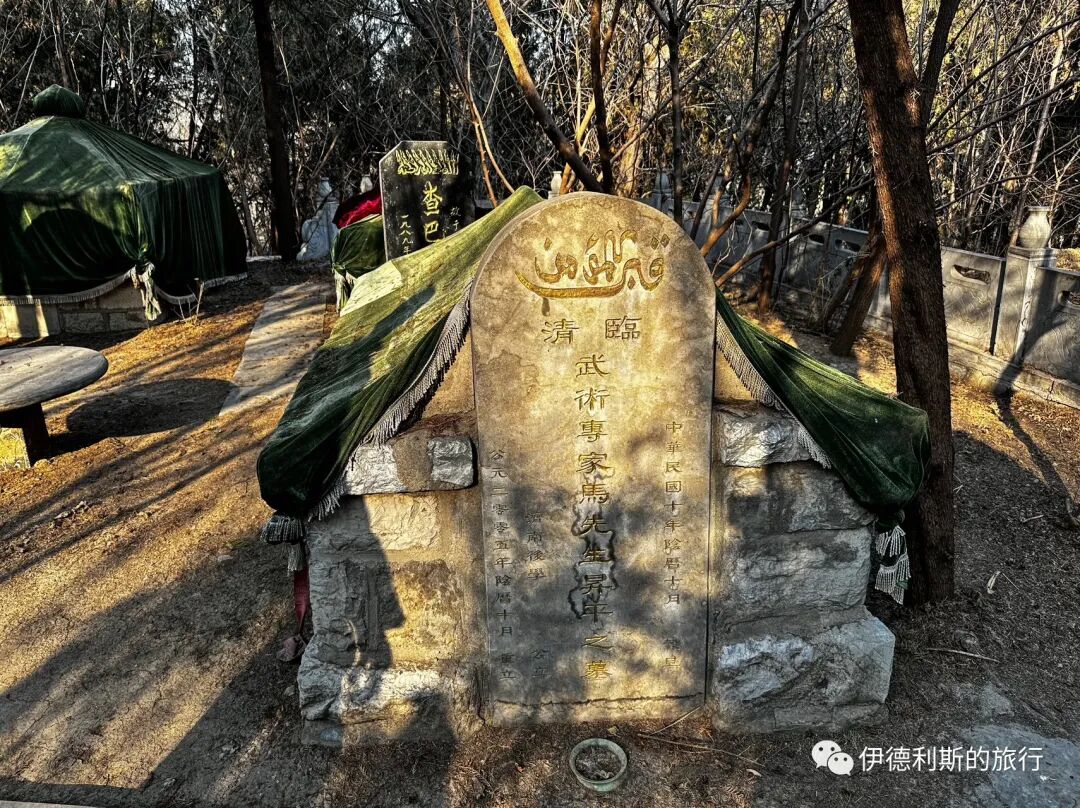
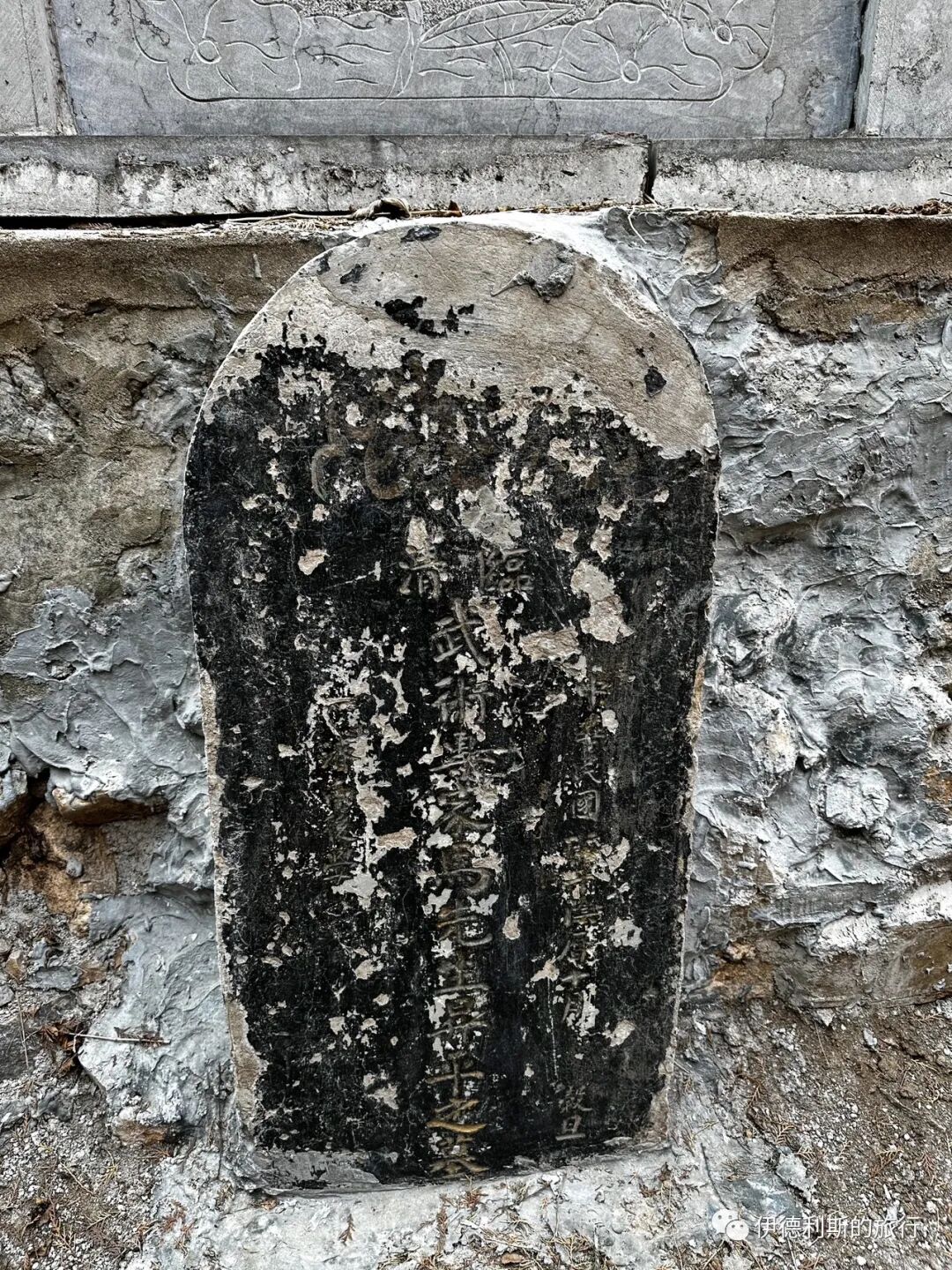
Some other tombstones in the Baba Tomb also feature Arabic calligraphy, but unfortunately, it is now difficult to identify who they belong to.
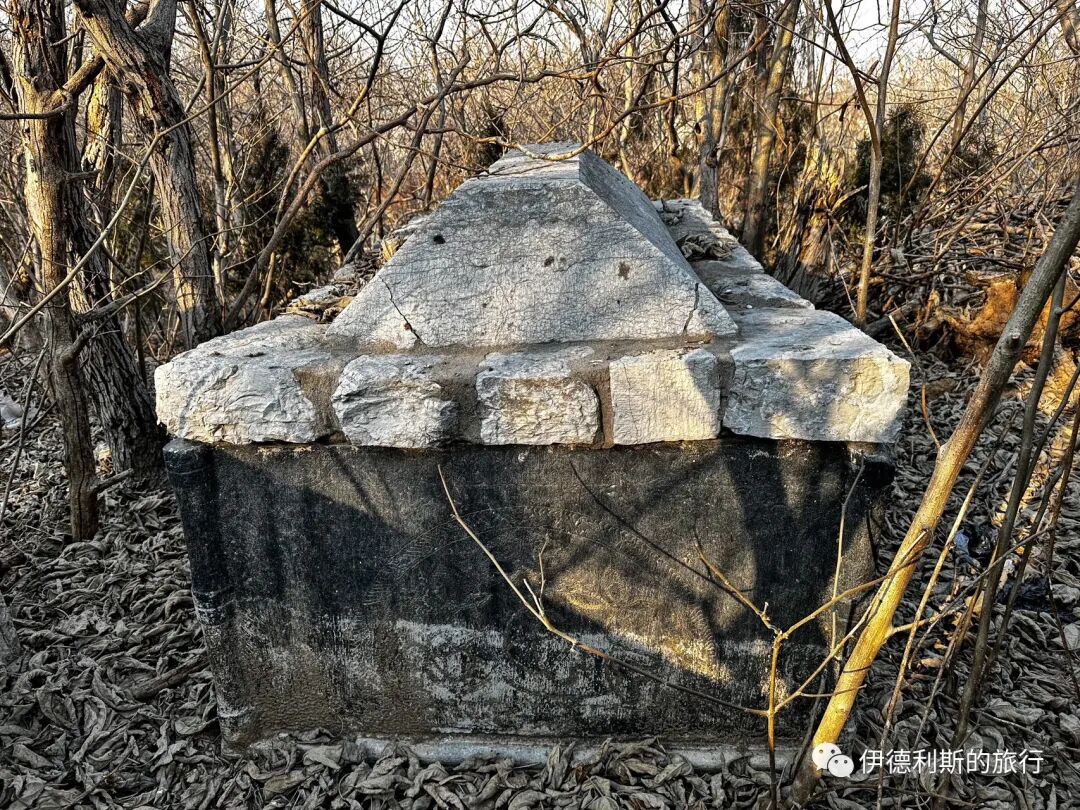
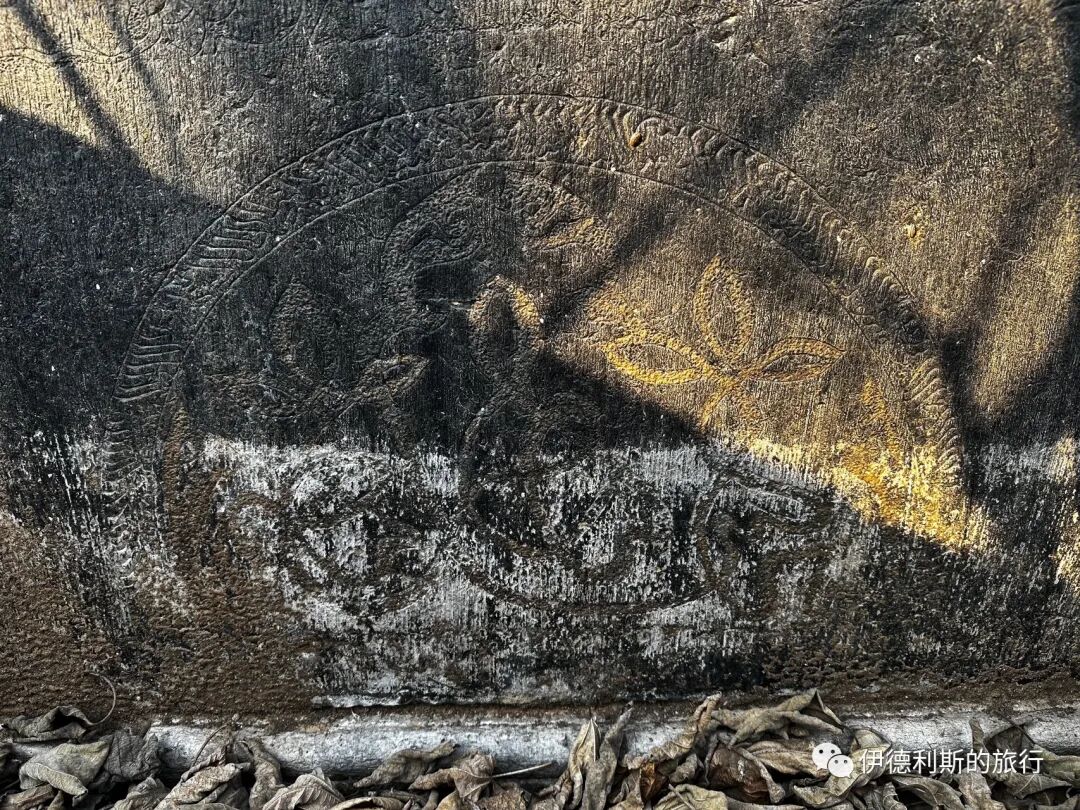
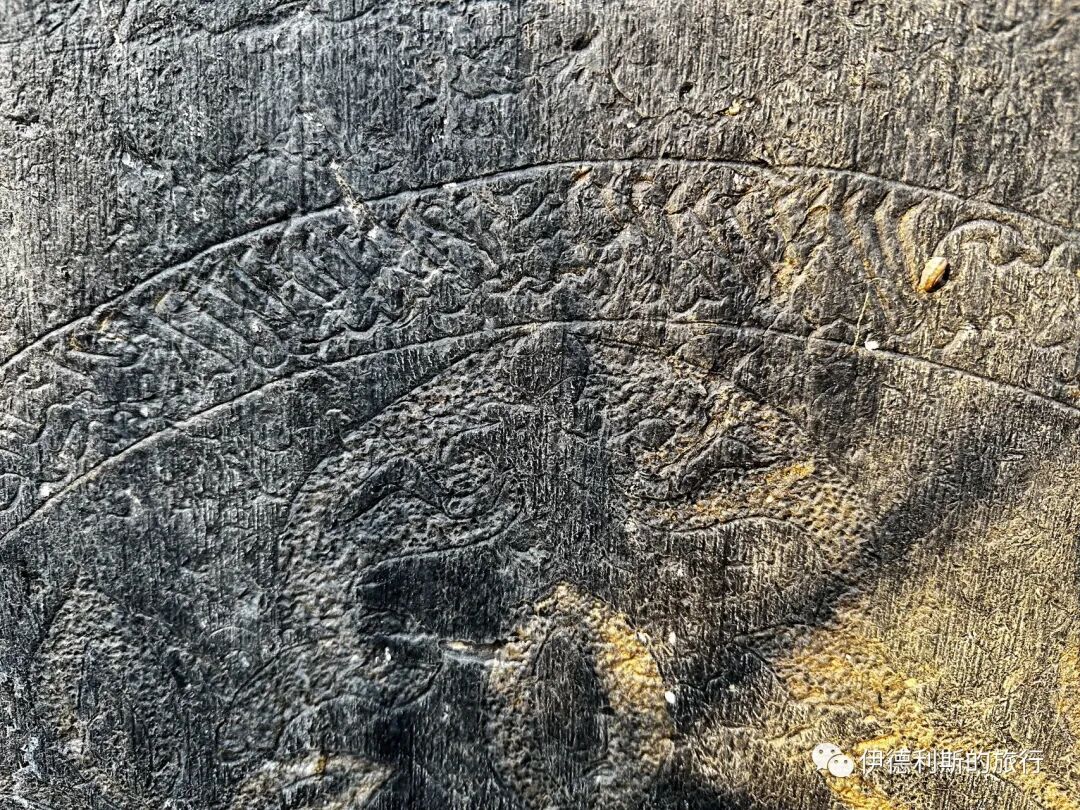
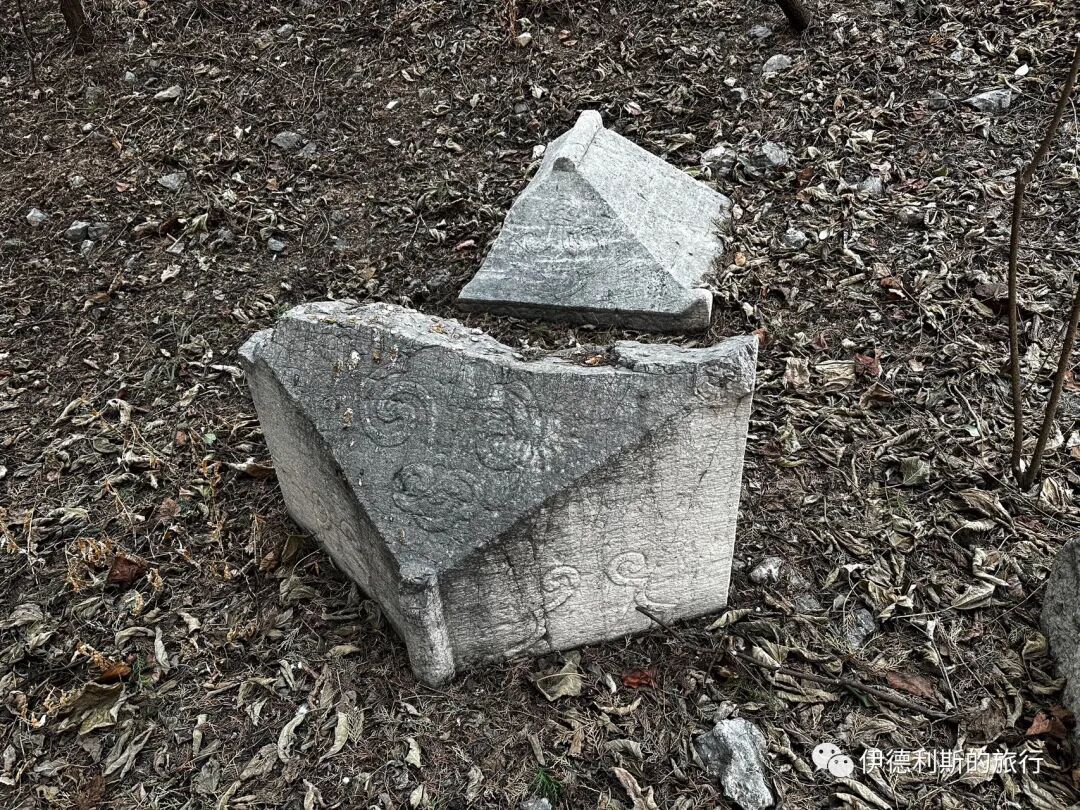
Because many respected elders (baba) are buried in the Baba Tomb and many moving stories are told about them, the site holds a very high status among Jinan's Hui Muslims. They often visit the graves to light incense, recite scriptures, and perform dua. According to the 18th issue of the fifth volume of the Yuehua newspaper in 1933, Jinan's Hui Muslims would visit the graves after the wheat harvest, especially after times of disaster, to thank Allah for His grace and to remember the virtuous predecessors. To make visiting the graves easier, a mosque was built next to the Baba Tomb long ago, known as the Ma'anshan Small Mosque.
The Yuehua magazine provides a detailed record of the Ma'anshan Mosque: There are three baba tombs on the mountain. Visitors use this place as a resting spot and a place to invite an imam to recite scriptures and prepare food, which is why the mosque was built. The mosque sits at the eastern foot of the mountain, and right outside the gate are the tombs of the three babas: Zuo, Ma, and Ma. The north building in the courtyard has five rooms. The middle three serve as the prayer hall, the single room on the east is the imam's living quarters, and the west room is the kitchen. There is also a south shed that serves as the living quarters for the mosque caretaker. The mountain only has ten mu of land to support the mosque. The mosque's imam is Ding Kaoshan, a Jinan local. He usually stays at the South Mosque and only comes here when people visit the graves. There are no regular prayers held here, so it functions like a local travel mosque.
Due to history, the Ma'anshan mosque (masjid) has collapsed, but the original foundation and building structure are still visible, with many bricks and tiles scattered around the site. A while ago, some friends (dosti) found half a stone tablet at the site. You can see the name Zuo Junzhenquan and the words kitchen room. The names of those who respectfully erected it include Ma Yusheng, Zhu Chunshou, Zuo Entang, Zhang Jinxing, and Zuo Junying. For hundreds of years, this mosque was an important part of the Baba Tomb complex. Just like the mosques at the tombs of Puhading, Wanggesu, and the Langzhong Baba, it is highly valued by friends (dosti) and holds significant cultural meaning. Seeing it in such a ruined state today is heartbreaking.
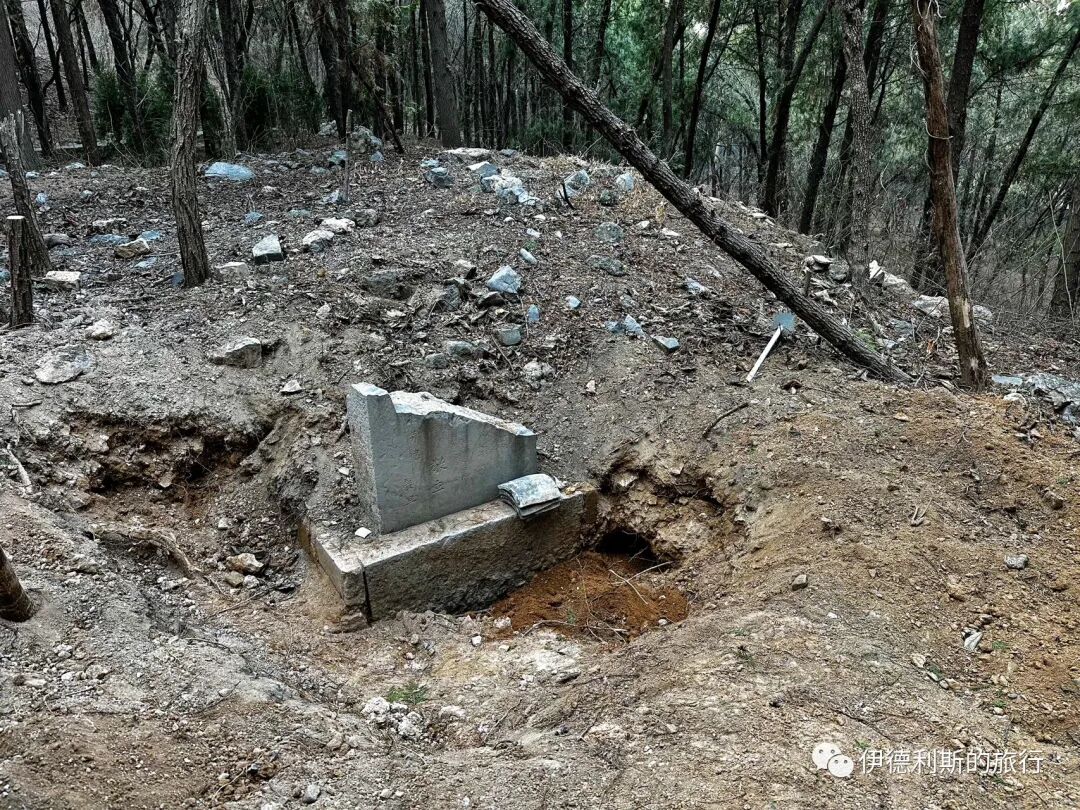
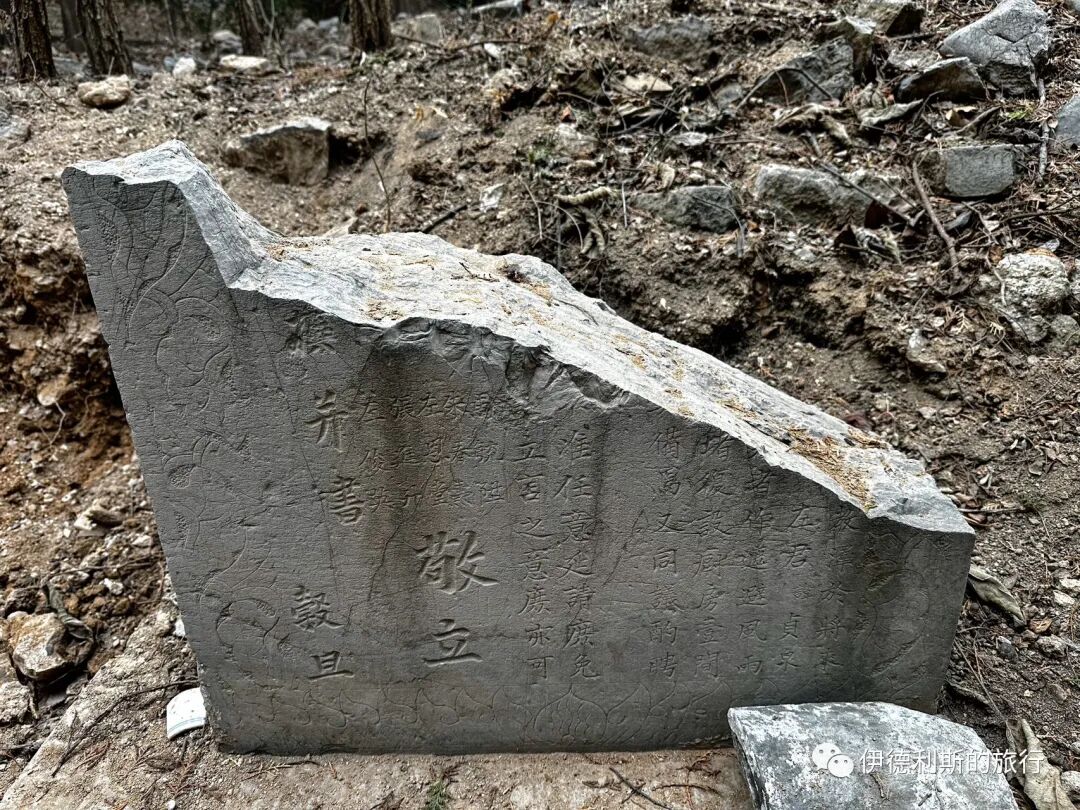
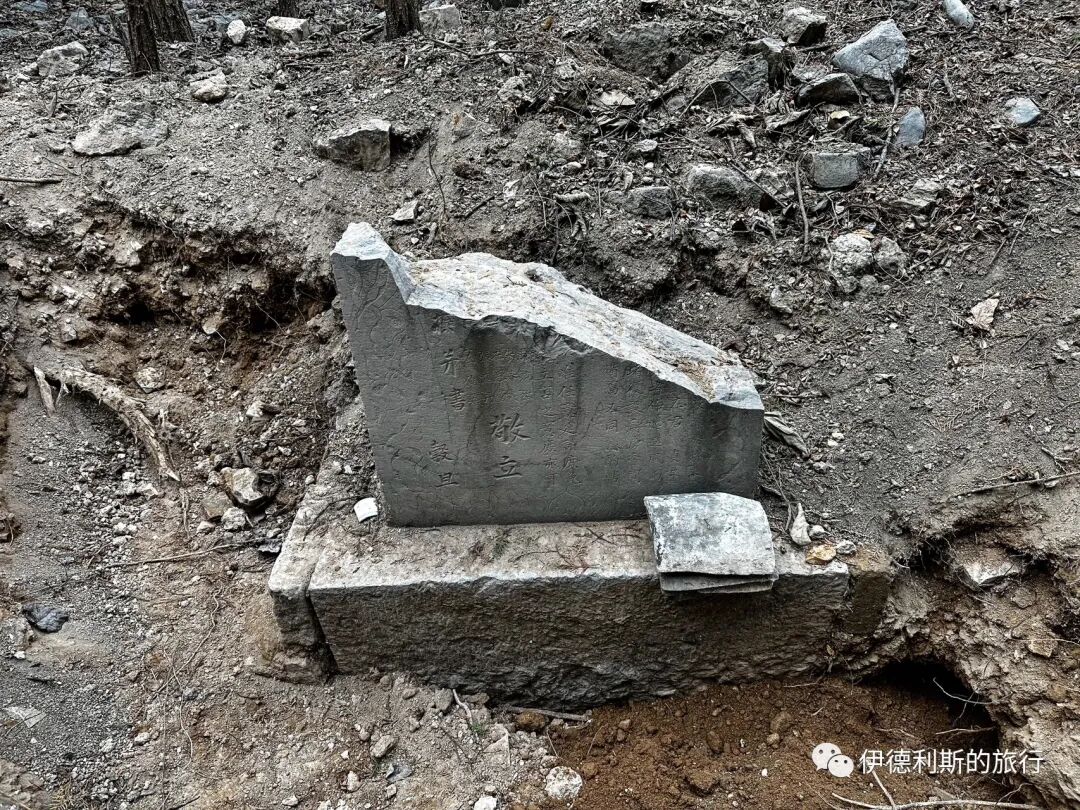
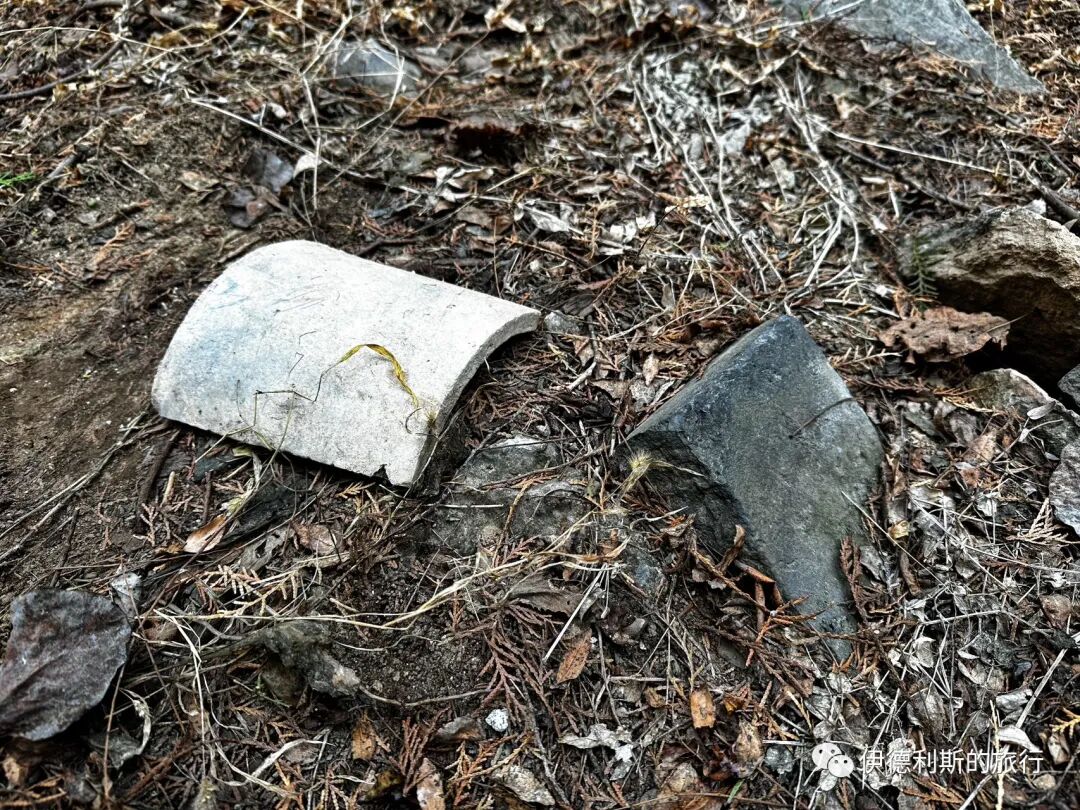
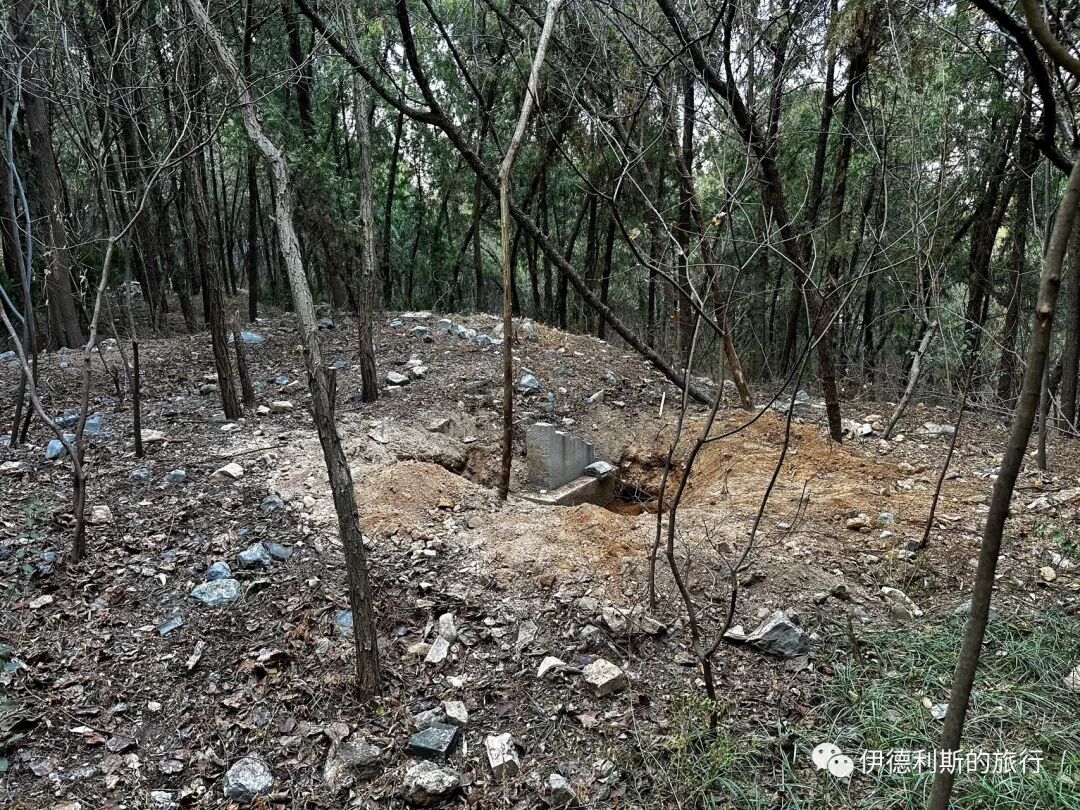
According to Lei Guangjing's article on the general situation of Islam in Jinan, Hui Muslims in the past placed great importance on the Baba Tomb and deeply respected the babas, calling them elders (laorenjia). Every spring when the flowers bloom, people would visit the graves in an endless stream, invite an imam to recite scriptures, and prepare fried dough (youxiang) to distribute to friends (dosti). Between the 1960s and 1970s, the Baba Tomb was damaged, but it was preserved thanks to the protection of the Muslim community (mumin). In 1982, Jinan's Hui Muslims held an unprecedented grave-visiting event with hundreds of people attending. Everyone brought boilers and food boxes, and they invited an imam to recite scriptures in memory of the predecessors.
With the rapid development of modern society, the inheritance of religious traditions everywhere has faced varying degrees of impact. The tradition of Jinan's Hui Muslims visiting the Baba graves is also gradually fading. Religious scholars argue that visiting graves for the purpose of reflection is a commendable act. By remembering our predecessors, we can reflect on the meaning of life, examine our own mistakes, and encourage ourselves to do more good deeds. It is a positive activity. At the same time, gathering in the cemetery to recite scriptures and distribute fried dough (youxiang) is a chance for young people to get closer to their faith. Amidst our busy work, we need such traditions to act as a bond for our faith and keep everyone united.
I am very grateful that friends (dostani) like Ma Lianjun and Ma Haji have cared for the Baba Cave and Baba Tomb for many years. When they learned I wanted to visit, they gave me a lot of help, and I truly experienced the hospitality of the people of Shandong. Let me share the delicious food I ate at Ma Haji's house. The homemade soy sauce beef was not too salty and tasted just right. This was my first time eating Shandong big pot bread (daguobing), which was as thick as a brick. It was really interesting.

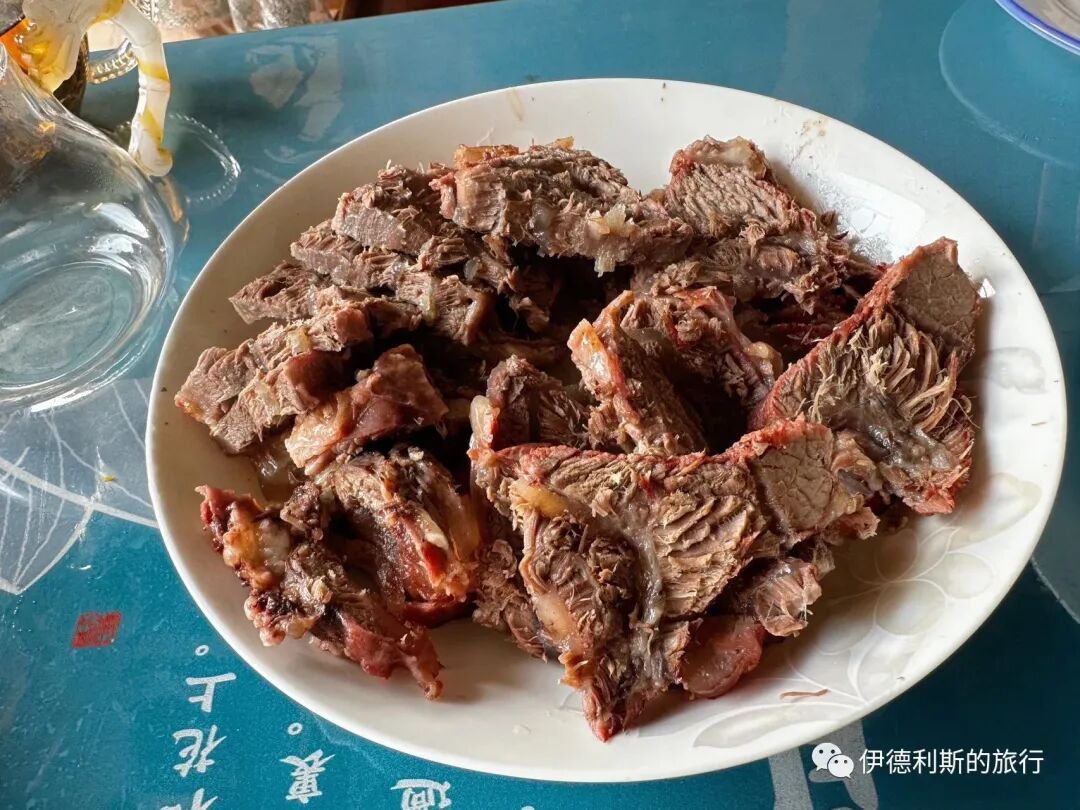
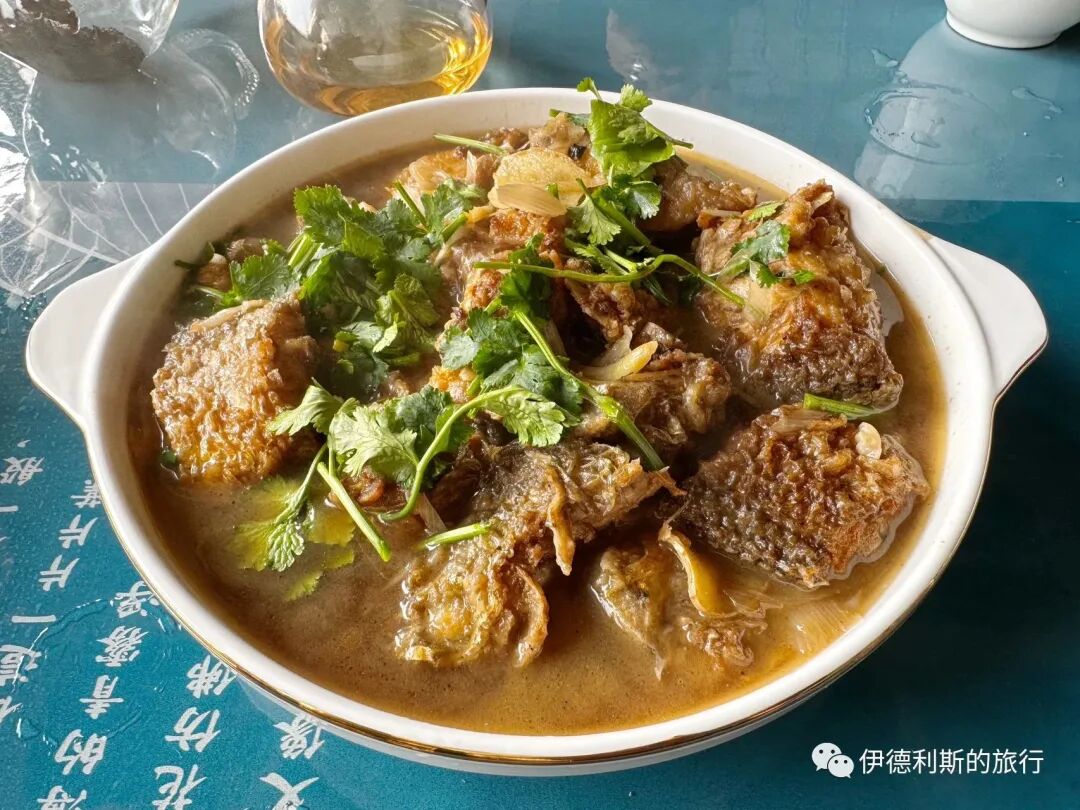
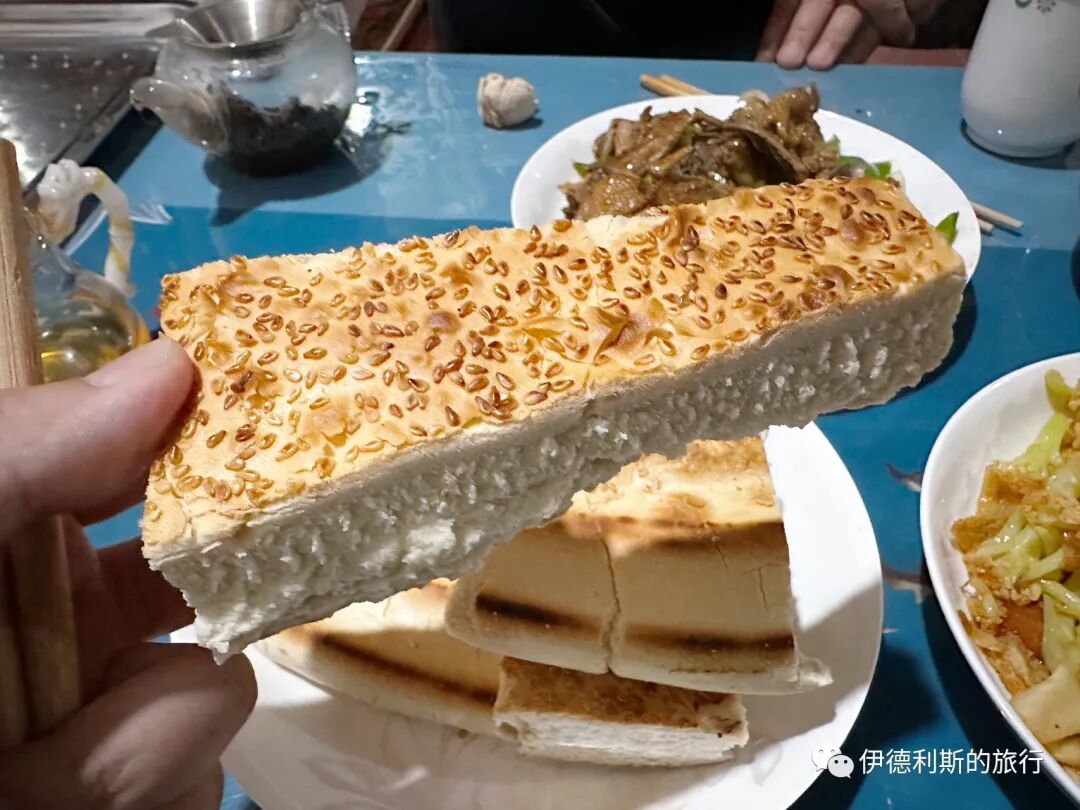
I ate two styles of fried dough (youxiang) at Haji Ma's house, one from Linxia, Gansu, and one from Jinan, Shandong. You can compare them for yourselves. When I left, Haji Ma gave me some Jinan-style fried dough (youxiang) as a sign of the friendship between us friends (dosti).

Finally, I welcome all friends (dostani) to visit Baba Cave and Baba Tomb. If you want to learn more, you can join the WeChat group below.

Halal Travel Guide: Delhi Sufi Sites — Shrines, Mosques and Muslim Communities (Part 1)
Articles • ali2007fr posted the article • 0 comments • 252 views • 2026-05-17 21:10
Summary: Delhi Sufi Sites — Shrines, Mosques and Muslim Communities is presented here as a firsthand travel account in clear English, beginning with this scene: Delhi has two important Muslim communities. One is inside Old Delhi, centered around the Mughal-era. The account keeps its focus on Delhi Sufi Sites, Sufi Heritage, Muslim Community while preserving the names, places, food, and historical details from the Chinese source.
Delhi has two important Muslim communities. One is inside Old Delhi, centered around the Mughal-era
Friday Mosque (Jama Masjid). The other is in the southeastern suburbs of Delhi, the Nizamuddin community, which is centered around the Nizamuddin Dargah complex.
Nizamuddin is the most important Sufi holy site in Delhi. Every year during Ramadan, hundreds or thousands of believers gather here, and the shrine provides free meals for suhoor and iftar to everyone. The area is busy even on normal days. Sometimes at night, there are performances of Qawwali, a type of South Asian Sufi music, which is very moving.
Table of Contents
Chapter 1: Eating and Exploring
Chapter 2: The Core Area of the Shrine of Nizamuddin (Nisangmuding Shengling)
1. North Gate: Built in the 15th century
2. Entering the shrine from the North Gate
3. Water tank: 1321
4. Jamaat Khana mosque: 14th century
5. Nizamuddin shrine (gongbei): 19th century
6. Tomb of Amir Khusrau: 1605
7. South Asian Sufi music (Qawwali)
1. Praise songs (nasheed) at the shrine of Nizamuddin.
2. Qawwali performance inside the mosque.
3. Sufi music at the music festival.
8. Tomb of Princess Jahanara: 1681.
9. Tomb of Muhammad Shah: 1748.
10. Tomb of Prince Mirza Jahangir: 1821
11. East Gate Bazaar
Chapter 3: The area around the shrine of Nizamuddin
1. Tomb of Ataga Khan: 1566
2. Chausath Khamba: 1624
3. Tomb of the poet Ghalib: 1869.
4. Barah Khamba: 14th-15th century.
5. Gol Gumbad: 15th century
6. Tomb of Malik Maqbul: 1388
7. Kali Mosque: 1370
Chapter 1: Eating and Exploring
Before we look at the architecture of Nisamuding, let's wander around the neighborhood and grab something to eat. The Nisamuding neighborhood is very lively, especially outside the north and east gates where vendors sell all sorts of things. Many of them sell religious supplies, including fresh flowers and prayer headscarves (shanbu).
If you turn from the busy market into the small alleys, you can see a quieter side of the area.
The tailor
These branches are used for brushing teeth.
At a stall selling religious items, I bought a photo of the shrine of Nizamuddin.
Eating food.
You can find many snacks in Nizamuddin.
Papayas on the street.
Lassi is a popular yogurt drink in South Asia. It is usually made by mixing yogurt with water, fruit, and various spices, and it comes in both sweet and salty versions.
Oily flatbread (you nang)
Chicken rice (biryani) is perhaps the most popular way to cook rice in South Asia. Biryani comes from South Asian Muslims. The word is a Persian loanword in Urdu, generally believed to come from the Persian word for rice, birinj.
According to historian Lizzie Collingham, modern biryani likely originated in the royal kitchens of the Mughal Empire. It was created when chefs combined spicy Indian rice with Persian pilaf. However, some believe that biryani existed even before the Mughal Empire. Documents from the 16th-century Mughal Empire mention both biryanis and pulao, but the two terms were interchangeable back then. Another historian, Pratibha Karan, believes that biryani formed after Arab traders brought Middle Eastern pilaf to South India.
People generally agree that there are three main differences between biryani and Indian pilaf:
1. Biryani is mixed with more spices and has a stronger curry flavor, while Indian pilaf uses almost no spices.
Biryani usually has two layers of rice with meat hidden in the middle, while Indian pilaf (pulao) is generally not layered.
Biryani is usually made by cooking the rice and meat separately, while Indian pilaf (pulao) is cooked all together.
A classic Indian samosa uses a dough made from vegetable oil, melted butter, warm water, salt, and wheat flour. The filling is a mix of mashed potatoes, onions, green peas, spices, and green chilies, which is then fried until golden brown.
The South Asian samosa, the Arab sanbusak, the Afghan sambosa, the Tajik samboosa, the Turkic samsa, and the Somali and Ethiopian sambusa all come from the Persian word sanbosag.
Persian poetry praised the samosa as early as the 10th century. This snack was very popular in Iran until the 16th century, but today it is only found in a few areas. In the 13th or 14th century, Muslim merchants from Central Asia brought the samosa to South Asia, where it became a favorite of the Delhi Sultanate royalty. A scholar from the Delhi Sultanate wrote in 1300 that princes and nobles enjoyed samosas made with meat, ghee, and onions. "
The famous 14th-century traveler Ibn Battuta visited the court of the Tughlaq dynasty in the Delhi Sultanate. In his travelogue, The Rihla, he wrote about eating a pastry called sambusak at the Sultan's court, which was filled with minced meat, almonds, pistachios, walnuts, and spices.
I still do not know the name of this fried food.
You can also buy many South Asian-style prayer caps in Nizamuddin.
I bought this Sindhi cap, which comes from the Sindh region and is often seen at Indian Sufi music performances.
Chapter 2: The Core Area of the Shrine of Nizamuddin (Nisangmuding Shengling)
Next, we will enter the core area of the Nizamuddin shrine (Dargah). The core area centers on the shrine (Shrine) and includes a series of historical buildings from the 14th to the 19th centuries. I have marked a diagram here.
Next, we will enter through the north gate and exit through the east gate to take a detailed look at the historical buildings in the core area of the Nisamuding Gongbei.
1. North Gate: Built in the 15th century
First, enter the core area of the shrine from the north gate. You must take off your shoes from this point on. The local vendors nearby will be very eager for you to store your shoes in their shops, but I chose to put my shoes in my own backpack.
2. Entering the shrine from the North Gate
The route is as follows:
3. Water tank: 1321
After entering from the north gate, the first thing you see is a water tank (baoli) built in 1321. It is the oldest surviving structure in the core area of the Nizamuddin shrine. There is a legendary story about the construction of this water tank:
In 1321, more and more people came to visit Nizamuddin Auliya (1238-1325). Many chose to stay there permanently, so Nizamuddin began building a water tank near his home. At the same time, Ghiyasuddin Tughlaq, the founder of the Tughlaq dynasty of the Delhi Sultanate, started building a massive fortress called Tughlaqabad in Delhi. He ordered all laborers in Delhi to work on the fortress, including the workers building a water tank for Nizamuddin. These workers preferred to work for Nizamuddin, so they built the fortress during the day and snuck back at night to work on the water tank.
When Ghiyasuddin found out, he banned the workers from working for Nizamuddin. Nizamuddin then made a prophecy: "Ya rahey ujjar, ya basey gujjar". It roughly means, "Either it will become a wasteland, or it will be inhabited by the Gujjar people." After the sultanate fell, the nomadic Gurjar (gujjar) people took over this castle and it turned into a wilderness.
Legend says Nizamuddin made many prophecies about Ghiyas. Another famous one is 'Hunuz Dilli dur ast'. It means 'Delhi is still far away'. Ghiyas led a successful expedition to Bengal in 1324. In February 1325, while he was on his way back, a wooden pavilion collapsed and crushed him to death before he could reach Delhi.
After the pool was finished, Nizamuddin said a dua for it. People believe this pool has magical powers and can cure skin diseases.
Right next to the pool are two women's graves. Persian inscriptions on them show they were built in 1563. One woman was shown mercy and forgiveness, while the other died in deep sorrow.
Follow the path south from the pool to reach the true heart of the Nizamuddin shrine. Many people are buying fresh flowers where the path meets the courtyard to offer to the saint.
4. Jamaat Khana mosque: 14th century
The Jamaat Khana mosque is the most important building in the heart of Nizamuddin. There are many different stories about its history, but it is likely the second mosque built in Delhi after the Qutb mosque.
One story says that Sultan Alauddin Khalji (reigned 1296-1316) of the Khalji dynasty built this mosque because Nizamuddin once refused a large sum of money offered by the Sultan. Because it has been restored, this mosque looks very different from the Alai Darwaza, the southern gate of the Qutb mosque built by Alauddin Khalji. However, if you look closely, the proportions and decorations of the two buildings are actually very similar.
Another story says the main hall of this building was originally built by Alauddin Khalji's son, Khizr Khan, as a tomb for Nizamuddin. Nizamuddin did not want to be buried in a tomb, so the building became a mosque and side rooms were added to both sides. But looking at the existing structure, the main hall and the side chambers seem to be built together perfectly, with no signs that they were constructed at different times.
A third theory says Nizamuddin was buried in the wilderness according to his final wishes, and this mosque was built for believers by Sultan Firuz Shah Tughlaq (reigned 1351-1388). Overall, the building's style is still very close to the architectural style of the Khalji dynasty.
The hall on the north side of the mosque is currently undergoing repairs.
5. Nizamuddin shrine (gongbei): 19th century
The Shrine of Nizamuddin (Shrine) sits right in front of the Jamaat Khana mosque. It is impossible to know what the original shrine looked like. The first shrine was built in the late 14th century by Firoz Shah Tughlak, who was the Sultan of the Delhi Sultanate from 1351 to 1388.
In 1562, a noble serving under the Mughal Emperor Akbar added marble screens around the shrine.
Starting in 1608, the governor of Delhi at the time, Sheikh Farid Bukhari, added several new features to the shrine, including a wooden canopy inlaid with mother-of-pearl.
In 1652, a red sandstone corridor was built around the shrine, but it was replaced in 1809 by the marble columns we see today.
The shrine's canopy was rebuilt in 1820, and a dome was added in 1839, giving it the appearance it has now.
Muhammad Nizamuddin Auliya (1238-1325), also known as Hazrat Nizamuddin, was a key figure in the Sufi Chishti Order and is considered one of the most important Sufis in South Asia.
Nizamuddin was born in 1238 in Badayun, near the Ganges River in Uttar Pradesh. His father died when he was five, and his mother brought him to Delhi to make a living. At age 20, Nizamuddin traveled to Ajodhan (now in the Punjab region of Pakistan) to follow the famous Sufi master Fariduddin Ganjshakar, who was also one of the founders of the Sufi Chishti Order. After that, Nizamuddin spent three consecutive Ramadans traveling from Delhi to Ajodhan to be with Fariduddin Ganjshakar. During the third Ramadan, Fariduddin Ganjshakar named Nizamuddin as his successor. Not long after, Nizamuddin received news in Delhi that his teacher had passed away.
Nizamuddin lived in many parts of Delhi. In his later years, he moved to a place outside the city called Ghiyaspur to escape the noise. There, he built his own Sufi lodge (khanqah). A lodge is usually part of a complex that includes a school, a mosque, and a tomb (gongbei). Inside the prayer hall (daotang), Nizamuddin generously shared his knowledge with everyone who came to ask him for guidance. Soon, more and more people gathered around him, from the poor to the wealthy, and even court poets from the Delhi Sultanate came to learn from his teachings.
Nizamuddin did not focus much on Sufi theory, choosing instead to put his energy into practice. His key principles included helping those in need, providing food for the hungry, and showing compassion to the oppressed. He strongly opposed mixing with the Sultan and the royal nobility. He urged the wealthy to stay in close contact with the poor and the oppressed. He took an uncompromising stance against all forms of political and social oppression.
Nizamuddin was also a strong supporter of the Sufi Sama ceremony, which some people at the time considered un-Islamic. Sama is a Sufi ritual centered on remembrance (Dhikr) that includes singing, playing musical instruments, dancing, and reciting poetry. The famous Sufi whirling dance is one part of Sama.
Music and dance have always been an important part of various religious rituals in India. Nizamuddin hoped to use music and dance to make it easier for ordinary believers to participate in Sufism. Influenced by Nizamuddin, his famous student Amir Khusrow invented Qawwali, the most well-known form of Sufi music in South Asia.
6. Tomb of Amir Khusrau: 1605
The tomb of Nizamuddin's student Amir Khusro (1253-1325) sits south of the shrine and is the second most important tomb in the core area after Nizamuddin's own.
In 1310, 57-year-old Khusro met Nizamuddin and eventually became his student. In 1319, Khusro wrote a prose work called Afzal ul-Fawaid (The Greatest Blessings) that explains the teachings of Nizamuddin. Nizamuddin passed away on April 3, 1325, and Khusrau died just six months later. His tomb, like the shrine of Nizamuddin, was rebuilt many times. During the reign of Humayun (1530-1560), a surrounding wall was added, which makes it difficult to see the original appearance of the tomb.
Amir Khusrau holds a high status in India and is known as an iconic figure in Indian cultural history. He is called the father of Urdu literature and the father of Indian Sufi music, among many other titles. He was a Sufi musician who invented Qawwali, the most important form of Sufi music in South Asia, and he was also a great Persian poet. Ghazal was a very important form in his poetry. Khusrau made great contributions to the ghazal style of poetry and was the first to introduce ghazal-style songs to India, where they became an important musical form in South Asia.
A portrait of Khusrau teaching his students, painted in the Bukhara region between the late 17th and early 18th centuries.
1. Exiled Turks
Khusrau's father came from the Lachin tribe of the Turks. He was born and raised near Samarkand under the rule of the Western Liao dynasty. In 1218, Genghis Khan's army destroyed the Western Liao dynasty and devastated Central Asia. Many Turks fled in all directions, and Khusrau's father escaped to what is now northern Afghanistan.
At that time, Sultan Shams ud-Din Iltutmish of the Delhi Sultanate also came from a Turkic tribe in Central Asia. He welcomed these Turkic refugees to settle in the Delhi Sultanate and provided significant support and many positions in the sultan's court to exiled Turkic nobles, craftsmen, and scholars.
In 1230, the Sultan gave Khusrau's father a piece of land, and he married the daughter of an Indian Rajput noble.
2. Receive an Indian education
In 1260, when Khusrau was only 7 years old, his father passed away. His mother then took the whole family back to live at her parents' home in Delhi. So, in reality, Khusrau grew up in the home of his maternal grandfather, Rawat Arz.
Khusrau's maternal grandfather was a highly cultured, high-ranking official in the court of the Delhi Sultan Ghiyas ud din Balban (1266-1286). Khusrau started his formal education at his grandfather's house when he was eight, and he also began learning how to write poetry.
In 1271, Khusrau finished his first poetry collection, Tuhfat us-Sighr (Gift of Childhood), which included poems he wrote between the ages of 16 and 18.
3. Gaining recognition from the Mamluk dynasty
Khusrau's grandfather passed away when he was 20, and after that, Khusrau joined the army of the Mamluk dynasty in the Delhi Sultanate. By then, his poetry had already made a big impression on the Sultan's court, and Sultan Balban's second son, Bughra Khan, was his biggest fan. In 1276, Bughra Khan became a patron of Khusrau.
Bughra Khan left the Sultan's court in 1277 to rule Bengal. In 1279, Khusrau visited him in Bengal and finished his second poetry collection there, Wast ul-Hayat (The Middle of Life).
After this, the Sultan's eldest son, Khan Muhammad, visited Delhi from Multan. He also loved Khusrau's poetry and invited him to come live in Multan. In 1281, Khusrau traveled to Multan with Khan Muhammad. At that time, Multan was the gateway from India to Arabia and Persia. It was an important cultural center in India that brought together brilliant scholars from Persia, India, and other places, and Khusrau learned a great deal there.
In 1285, Khan Muhammad died in battle while fighting the Mongol army. Sultan Balban died in 1287. His grandson, Muiz ud din Qaiqabad, who was the son of his second son Bughra Khan, took the throne as the final sultan of the Mamluk dynasty of the Delhi Sultanate.
Between 1287 and 1288, Khusrau became a court poet for the sultan. In 1288, he finished his first long poem (Mathnawi) titled Qiran us-Sa'dain (The Meeting of the Two Auspicious Stars). It tells the story of Bughra Khan, who had been hostile toward his son for a long time, finally meeting with Sultan Qaiqabad.
4. Gaining respect from the Khalji dynasty
In 1290, the military officer Jalal ud din Firuz Khalji led a coup to overthrow the Mamluk dynasty and established the Khalji dynasty.
Firuz Khalji also greatly admired Khusrau's poetry, so Khusrau was invited back to be the court poet and was treated with great respect. In the court of the Khalji dynasty, Khusrau was able to focus on his literary work. His ghazal poems were turned into songs, and the Sultan had female singers perform them for him every night.
Khusrau once wrote about this experience: The King of the World, Firuz Khalji, gave me unimaginable treasures to reward me for the endless pain I suffered while writing poetry.
In 1290, Khusrow finished his second long poem (masnavi), Miftah ul-Futuh (Key to Victories), which praised the victories of Firuz Khalji. In 1294, he completed his third poetry collection, Ghurrat ul-Kamaal (The Pinnacle of Perfection), which includes poems he wrote between the ages of 34 and 41.
In 1296, Alauddin Khalji became the new Sultan of Delhi. Khusrow wrote Khaza'in ul-Futuh (Treasures of Victories) for Sultan Alauddin Khalji, recording the Sultan's achievements in various areas. In 1298, Khusrow finished a set of five long poems (khamsa) known as Khamsa-e-Khusrow (Khusrow's Quintet). These two works brought Khusrau great fame and status. Sultan Alauddin Khalji was very pleased and rewarded him generously.
Illustrations for the Quintet (Khamsa)
7. South Asian Sufi music, Qawwali
Legend says that in the late 13th century, Khusrau blended Persian, Indian, Turkic, and Arabic music to create the local Indian Sufi music known as Qawwali.
The word Qawwali comes from the Arabic term Qaul, which means the saying of the Prophet. A Qawwal is someone who frequently chants the Qaul, and the act of chanting it is called Qawwali.
During the Mughal Empire, Qawwali was mostly sung in Persian. As it spread across South Asia, it began to be performed in many other languages, including Urdu, Hindi, Bengali, and Punjabi. Today, besides Delhi, Qawwali is popular in the Punjab and Sindh regions of Pakistan, North India, Hyderabad, and Muslim-populated areas in Bangladesh like Dhaka, Chittagong, and Sylhet. The performance style in each place is influenced by local traditional music, giving each one its own unique character.
1. Praise songs (nasheed) at the shrine of Nizamuddin.
The Nizamuddin Dargah hosts Qawwali performances two nights a week, but I didn't plan well enough and missed them. At the shrine, I was lucky to see an old man singing a song of praise for the Prophet, and it was very moving.
2. Qawwali performance inside the mosque.
I was very lucky to catch a Qawwali performance at a small mosque in the northeast of the Nizamuddin neighborhood, which was one of the most memorable parts of my trip to Delhi.
A Qawwali group usually has 8 to 9 people. This includes one lead singer, one or two backup singers, one or two harmonium players (who can also be the lead or backup singers), and one or two drummers playing the tabla and dholak drums. There are also 4 to 5 chorus members who repeat key verses and clap to keep the beat. During the performance, everyone sits cross-legged on the floor, with the lead singer, backup singers, and harmonium player in front, and the drummers and chorus members behind them.
Before the harmonium was introduced, qawwali usually used the sarangi, a stringed instrument similar to a violin.
Qawwali themes are love, devotion, and longing, and they are divided into seven types based on their content:
The first type is called hamd, which means praise. It is a song praising Allah and usually starts the qawwali.
The second type is called na'at, which means description. It is a song praising the Prophet Muhammad and is usually the second song in a qawwali.
The third type is called manqabat, which means virtue. It is a song praising Imam Ali or one of the Sufi saints and is usually the third song in a qawwali.
The fourth type is called marsiya, which means elegy. It tells the story of how Imam Hussain, the son of Imam Ali, and his family were all martyred in the Battle of Karbala. This type is usually only performed during Shia rituals.
The fifth type is called ghazal, meaning love song. This is a song that seems very secular on the surface, usually singing about the joy of drinking wine and the pain of being separated from a lover. In South Asia, ghazal is an independent musical genre on its own and usually does not have a deeper meaning. However, in the context of Sufi Qawwali rituals, these secular metaphors are used to express the longing for the soul to unite with the divine and a love for the sacred. In songs about being drunk, wine represents divine knowledge, the wine glass is Allah or a spiritual guide, the tavern is considered the spiritual background where the soul exists, and being drunk means having gained divine knowledge or being filled with the joy of loving Allah. Songs that seem to describe a longing for a lover are actually singing about the pain of the soul being separated from Allah and the desire to be reunited.
The sixth type is called kafi, a unique form of poetry in Punjabi, Sindhi, and Seraiki.
The seventh type is called munajaat, which means monologue. The singer uses various forms to express praise to Allah, usually singing in Persian.
3. Sufi music at the music festival.
For the first 600 years, Qawwali was a type of music performed only at Sufi shrines or places of spiritual practice (dargah) in South Asia. Since the 20th century, Qawwali music has gained mainstream attention through major world music labels and the international music scene. It now holds a certain international status, and many bands have started performing Qawwali melodies. I saw a rock band performing Sufi music in front of the Select Citywalk mall in Delhi.
8. Tomb of Princess Jahanara: 1681.
Because of Nizamuddin's important status in India, many significant figures are buried near him. There are several important tombs around the Nizamuddin shrine. The first one, right next to the mosque, is the white marble tomb of Princess Jahanara Begum Sahiba (1614-1681).
Princess Jahanara was the most powerful woman in the Mughal Empire during the mid-17th century. She was also the only female Sufi practitioner in the Mughal court, belonging to the Qadiriyya order, which is known as the Qadiriyya menhuan in Northwest China.
The white marble latticework tomb in the center of the picture is the tomb of Princess Jahanara.
1. Becoming the First Lady of the Empire
Princess Jahanara was the eldest daughter of the Mughal Emperor Shah Jahan (reigned 1628-1658), who built the Taj Mahal. She was educated from a young age by Sati al-Nisa Khanam, the sister of the famous Mughal Empire poet Talib Amuli. Sati al-Nisa Khanam was highly accomplished in the Quran, Persian literature, court etiquette, and medicine. At that time, women in the Mughal royal family could enter the famous Akbar the Great Library to read books in Persian, Turkish, and Indian languages. The young princess became skilled in reading, writing, poetry, and painting, and she also enjoyed hobbies like chess, polo, and hunting.
After her mother died in 1631, the 17-year-old princess became the First Lady of the empire (Padshah Begum) and took charge of court ceremonies. After moving past the grief of losing her mother, the princess hosted the engagement and wedding ceremonies for her brother, Dara Shukoh, to fulfill her mother's final wishes.
The princess became increasingly favored by her father and eventually rose to be the highest-ranking woman in the Mughal Empire, with her father, Shah Jahan, even letting her hold the imperial seal.
In 1644, his younger brother, the future Mughal Emperor Aurangzeb, angered their father. The princess successfully convinced her father to forgive Aurangzeb and restore his military rank.
2. Burned and healed
In March 1644, 30-year-old Princess Jahanara suffered severe burns and was so badly injured that she almost died. To pray for the princess's recovery, Shah Jahan gave large amounts of charity to the poor and released many prisoners. The princess's brothers, including Aurangzeb, also returned to Delhi to visit her.
During her illness, Emperor Shah Jahan stayed in the Red Fort and barely left his daughter's side. The Mughal Empire's royal doctors could not heal her burns, so Shah Jahan brought in Persian doctors, and the princess's condition slowly improved. Finally, after a full year, the princess made a complete recovery.
3. Managing the empire's charity work
In the Mughal court, Princess Jahanara was mainly in charge of charity work, and she was famous for actively caring for the poor and funding the construction of mosques. Whenever a major holiday arrived or a famine struck a region, the princess organized large-scale relief efforts. The princess was also responsible for organizing the pilgrimage to the holy cities of Mecca and Medina.
4. Sufi practice
Princess Jahanara was a student of the Sufi master Mullah Shah Badakhshi. She officially joined the Sufi Qadiriyya order in 1641 and achieved great success in her spiritual practice.
She wrote several books on Sufism. The most famous one is a biography of Moinuddin Chishti, the founder of the Chishti order. At the time, this book was highly praised for its excellent literary quality and accurate judgment. The princess also commissioned the translation and publication of a series of Sufi works, including many commentaries on Rumi's famous Mathnawi, which were very popular in the Mughal Empire.
5. Becoming First Lady again
In 1657, Shah Jahan fell seriously ill, and his four sons began a war of succession. Princess Jahanara supported Shah Jahan's eldest son, Dara Shikoh, but the following year, Dara Shikoh was defeated by his younger brother Aurangzeb and fled to Delhi.
Shah Jahan hoped the princess would use her influence over her brothers to persuade them, but in June 1658, Aurangzeb still besieged his father at Agra Fort. Aurangzeb cut off the water supply to force his father to surrender, then kept his father and the princess under house arrest.
The princess cared for Shah Jahan until he passed away in 1666, after which she reconciled with Aurangzeb and became the First Lady of the Mughal Empire once again.
During Aurangzeb's reign, the princess still held privileges that no other women in the Mughal royal family possessed. She opposed Aurangzeb's conservative religious policies, especially when he strictly regulated public life in 1679 by reinstating the poll tax on non-Muslims, a policy the princess believed would alienate the Hindus within the empire.
An 18th-century portrait of the princess.
6. The Princess's Tomb
Princess Jahanara built her own tomb next to the Nizamuddin shrine while she was still alive. The tomb is made of white marble and features lattice screens. After the princess passed away in 1681, Aurangzeb gave her the title Sahibat-uz-Zamani, which means "Mistress of the Age."
The princess's tomb is in the top right corner.
Inside the circle.
9. Tomb of Muhammad Shah: 1748.
Right next to the tomb of Princess Jahanara is the tomb of the Mughal Emperor Muhammad Shah (reigned 1719-1748), which also features white marble latticework.
During the reign of Muhammad Shah, the Mughal Empire declined rapidly and irreversibly. In the royal court, local Indian culture gradually replaced the influence of Persian and Turkic cultures.
1. Inheriting the throne
Muhammad Shah was born in 1702 in what is now Ghazni, Afghanistan. After his grandfather, Emperor Bahadur Shah I (reigned 1707-1712), died in 1712, his father was killed in a war for the throne. At just 10 years old, Muhammad Shah and his mother were imprisoned by his uncle, Jahandar Shah (reigned 1712-1713). While in prison, Muhammad Shah was raised and educated by his mother, and he was a very diligent student.
Soon after, Jahandar Shah was assassinated by the Sayyid Brothers, who held real power in the empire. They installed Farrukhsiyar (reigned 1713-1719) as a puppet emperor.
In 1719, Farrukhsiyar was killed by the Sayyid brothers. They then installed two puppet rulers, but both died of illness a few months after taking the throne. Finally, the Sayyid brothers chose 17-year-old Muhammad Shah to be emperor. In 1720, Muhammad Shah got rid of the Sayyid brothers one after another, took direct control of the military, and officially ruled the empire.
A portrait of Muhammad Shah with nobles painted in 1730, kept at the Bodleian Library of Oxford University.
2. Developing arts and culture
During the reign of Muhammad Shah, the influence of Persian and Turkic cultures in the Mughal Empire gradually faded, while local Indian cultural influence grew stronger. Muhammad Shah replaced Persian with Urdu as the court language and oversaw the first translation of the Quran into Urdu. In the royal court, the Turkic formal wear worn by nobles from Samarkand was replaced by the local Indian formal coat (Sherwani).
At the same time, Muhammad Shah brought the local Indian Sufi musical performance (Qawwali) back into the court, which caused it to spread quickly across South Asia.
Although the political power of the Mughal Empire declined during the reign of Muhammad Shah, he strongly encouraged literature and the arts. Muhammad Shah hired many great painters to depict various scenes of palace life in their artwork. At the same time, Indian classical music continued to develop and evolve in Muhammad Shah's court.
A portrait of Muhammad Shah and his family painted in 1735, held by the Los Angeles County Museum of Art.
A scene of Muhammad Shah meeting Nader Shah painted in 1740, held by the Guimet Museum in Paris.
3. Died in sorrow
In 1747, the Durrani dynasty of Afghanistan led 30,000 cavalrymen from Peshawar. They defeated 70,000 Mughal troops who tried to stop them, then carried out a massacre in the important Mughal city of Lahore and looted a massive amount of wealth. On March 11, 1748, while on the way to Delhi, the Durrani army was intercepted by Mughal forces sent by Muhammad Shah, and the two sides began a decisive battle. During the fighting, Ahmad Shah's artillery ammunition caused a fire. Many soldiers burned to death, and the Durrani had to retreat back to Afghanistan. During the decisive battle against Afghanistan, the Mughal Empire's prime minister, Qamaruddin Khan, was hit by artillery fire and died. When Muhammad Shah heard the news, he was heartbroken. He eventually died from his overwhelming grief on April 26, 1748, and was buried next to the Nizamuddin shrine.
10. Tomb of Prince Mirza Jahangir: 1821 view all
Summary: Delhi Sufi Sites — Shrines, Mosques and Muslim Communities is presented here as a firsthand travel account in clear English, beginning with this scene: Delhi has two important Muslim communities. One is inside Old Delhi, centered around the Mughal-era. The account keeps its focus on Delhi Sufi Sites, Sufi Heritage, Muslim Community while preserving the names, places, food, and historical details from the Chinese source.
Delhi has two important Muslim communities. One is inside Old Delhi, centered around the Mughal-era
Friday Mosque (Jama Masjid). The other is in the southeastern suburbs of Delhi, the Nizamuddin community, which is centered around the Nizamuddin Dargah complex.
Nizamuddin is the most important Sufi holy site in Delhi. Every year during Ramadan, hundreds or thousands of believers gather here, and the shrine provides free meals for suhoor and iftar to everyone. The area is busy even on normal days. Sometimes at night, there are performances of Qawwali, a type of South Asian Sufi music, which is very moving.
Table of Contents
Chapter 1: Eating and Exploring
Chapter 2: The Core Area of the Shrine of Nizamuddin (Nisangmuding Shengling)
1. North Gate: Built in the 15th century
2. Entering the shrine from the North Gate
3. Water tank: 1321
4. Jamaat Khana mosque: 14th century
5. Nizamuddin shrine (gongbei): 19th century
6. Tomb of Amir Khusrau: 1605
7. South Asian Sufi music (Qawwali)
1. Praise songs (nasheed) at the shrine of Nizamuddin.
2. Qawwali performance inside the mosque.
3. Sufi music at the music festival.
8. Tomb of Princess Jahanara: 1681.
9. Tomb of Muhammad Shah: 1748.
10. Tomb of Prince Mirza Jahangir: 1821
11. East Gate Bazaar
Chapter 3: The area around the shrine of Nizamuddin
1. Tomb of Ataga Khan: 1566
2. Chausath Khamba: 1624
3. Tomb of the poet Ghalib: 1869.
4. Barah Khamba: 14th-15th century.
5. Gol Gumbad: 15th century
6. Tomb of Malik Maqbul: 1388
7. Kali Mosque: 1370
Chapter 1: Eating and Exploring
Before we look at the architecture of Nisamuding, let's wander around the neighborhood and grab something to eat. The Nisamuding neighborhood is very lively, especially outside the north and east gates where vendors sell all sorts of things. Many of them sell religious supplies, including fresh flowers and prayer headscarves (shanbu).
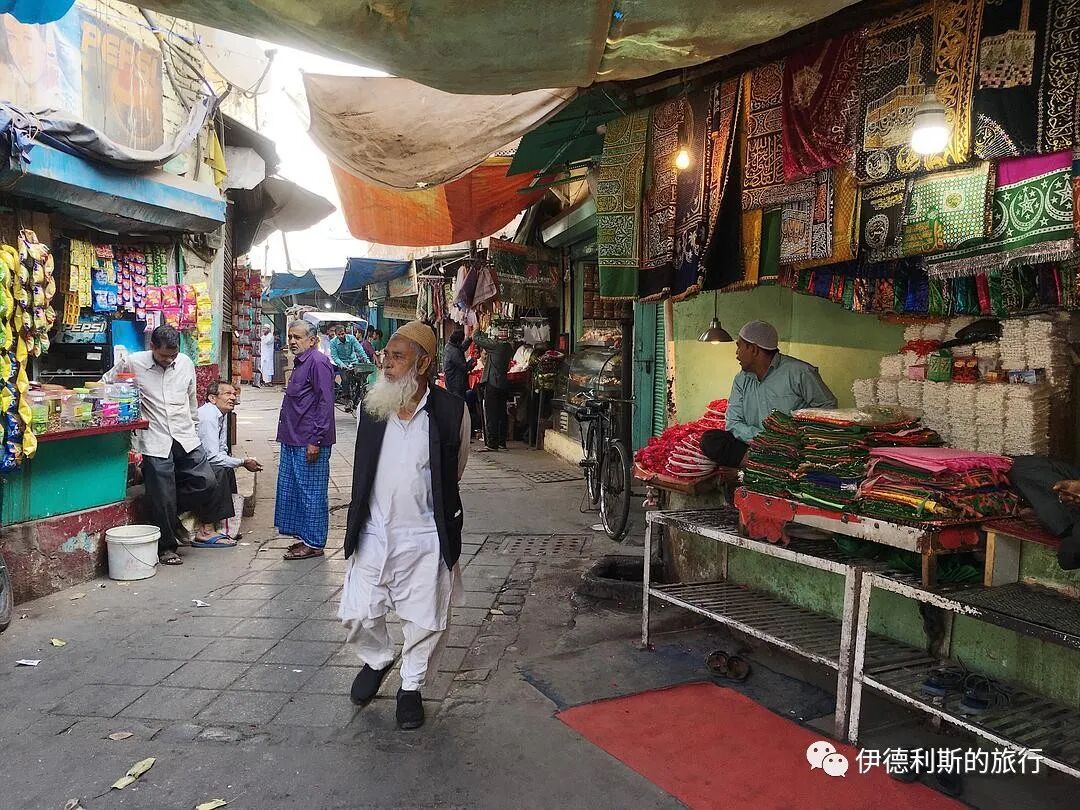
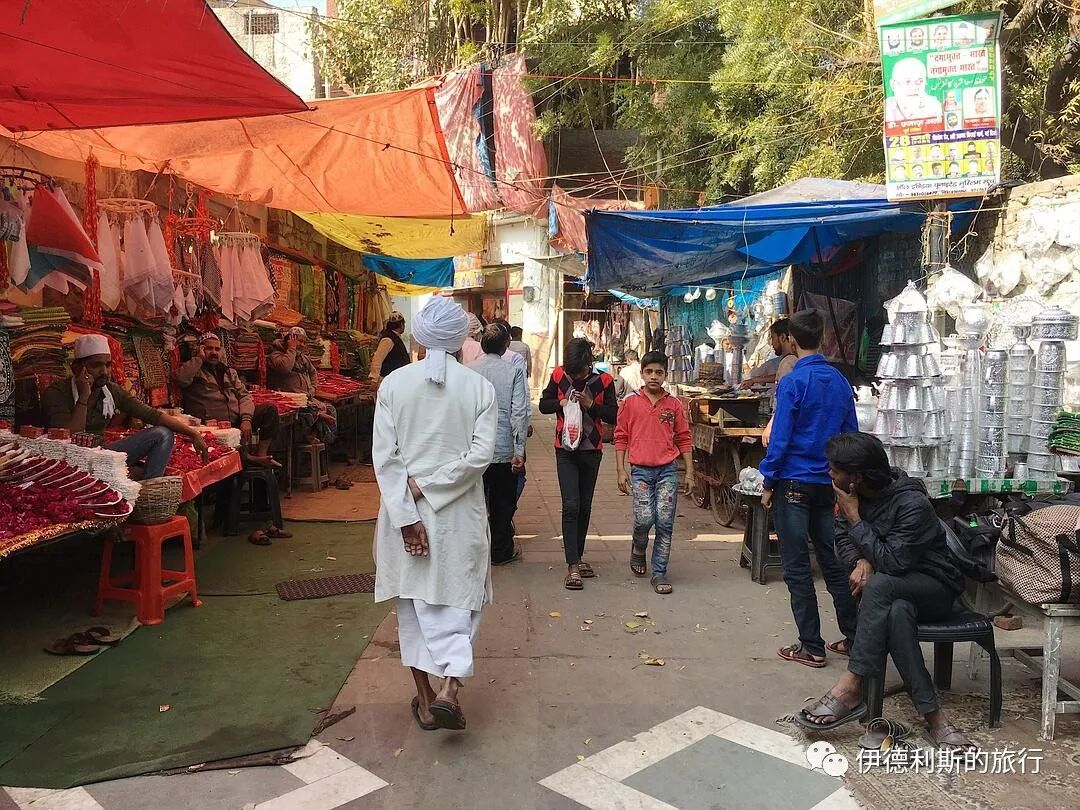
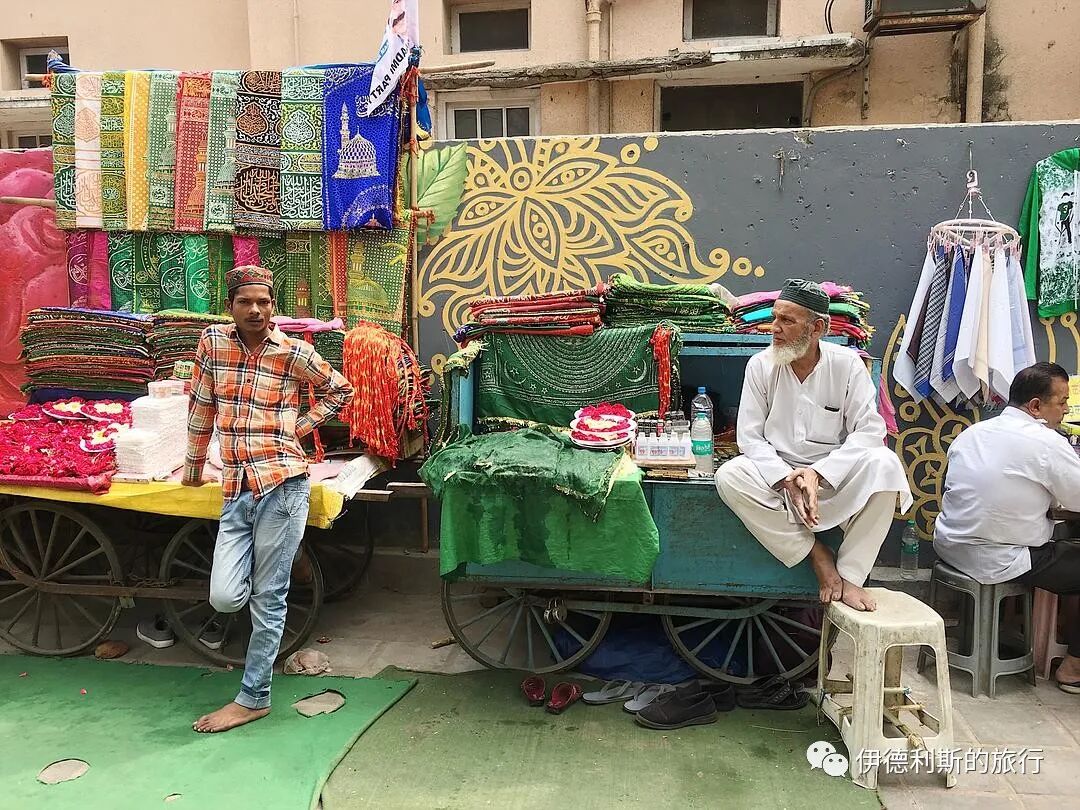
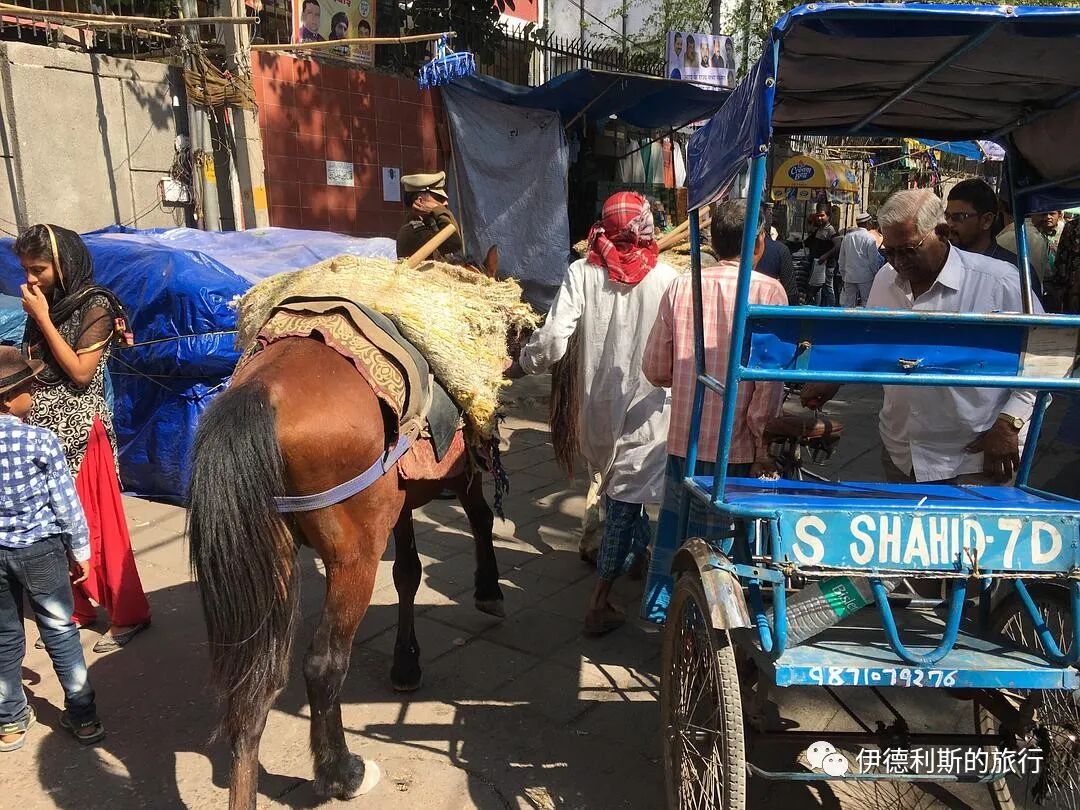
If you turn from the busy market into the small alleys, you can see a quieter side of the area.
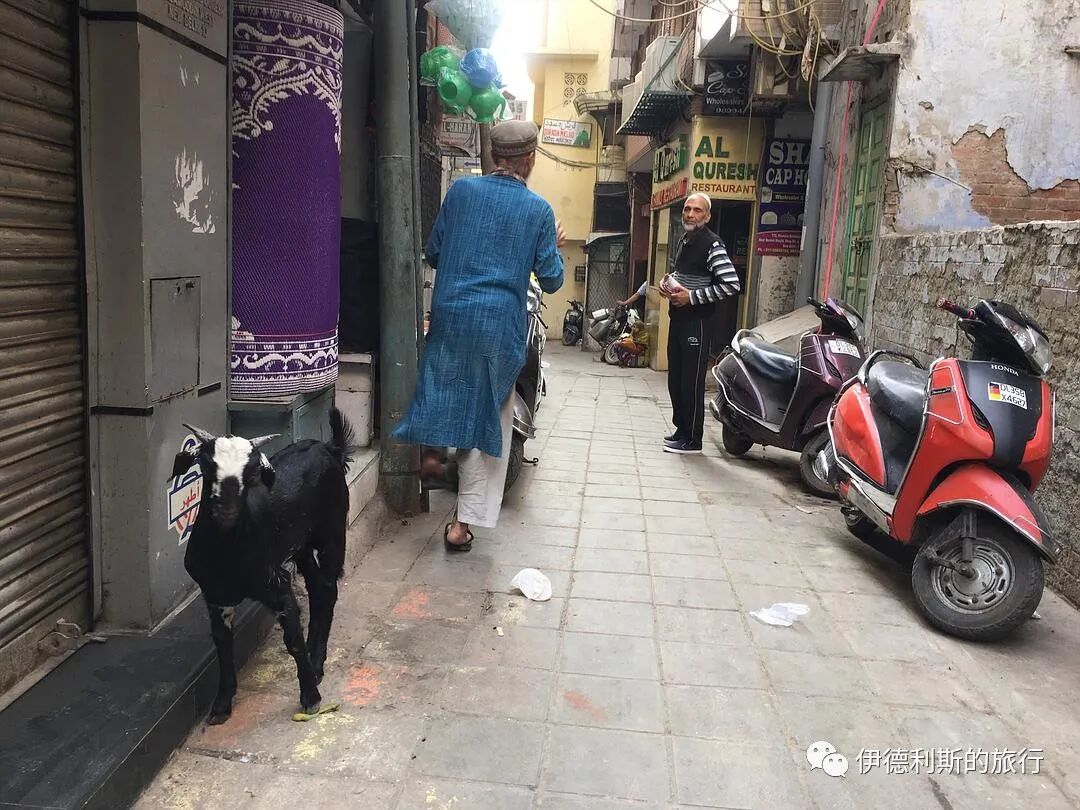
The tailor
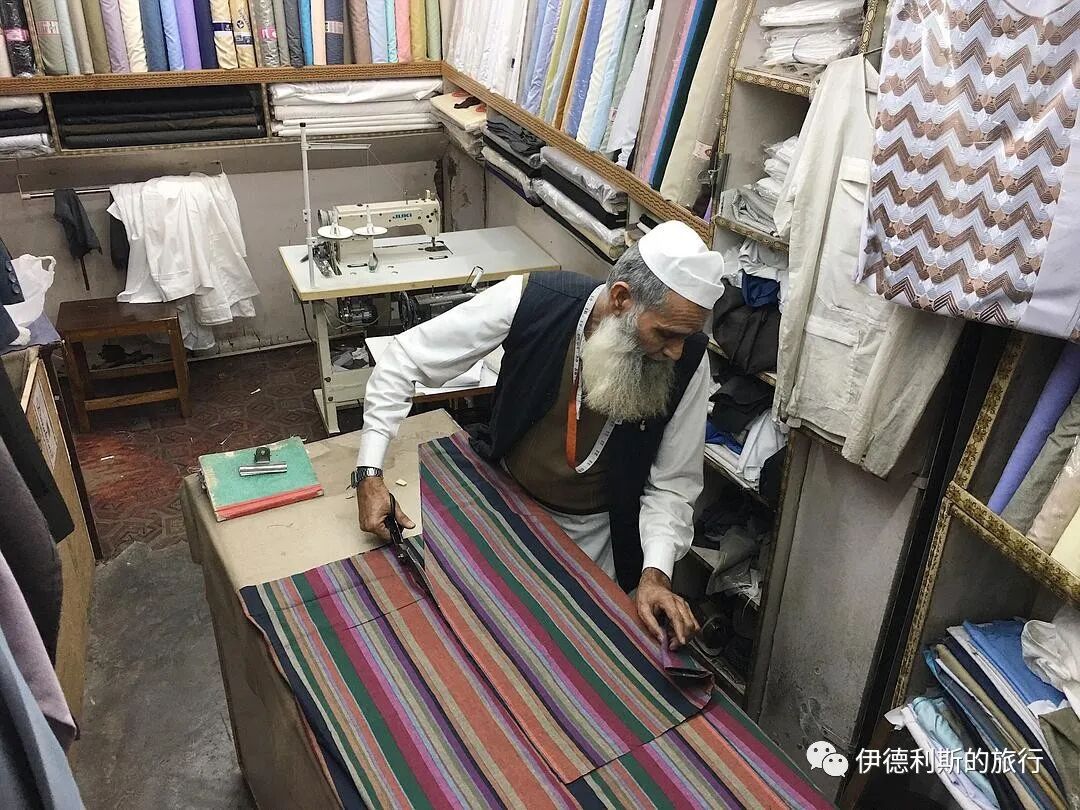
These branches are used for brushing teeth.
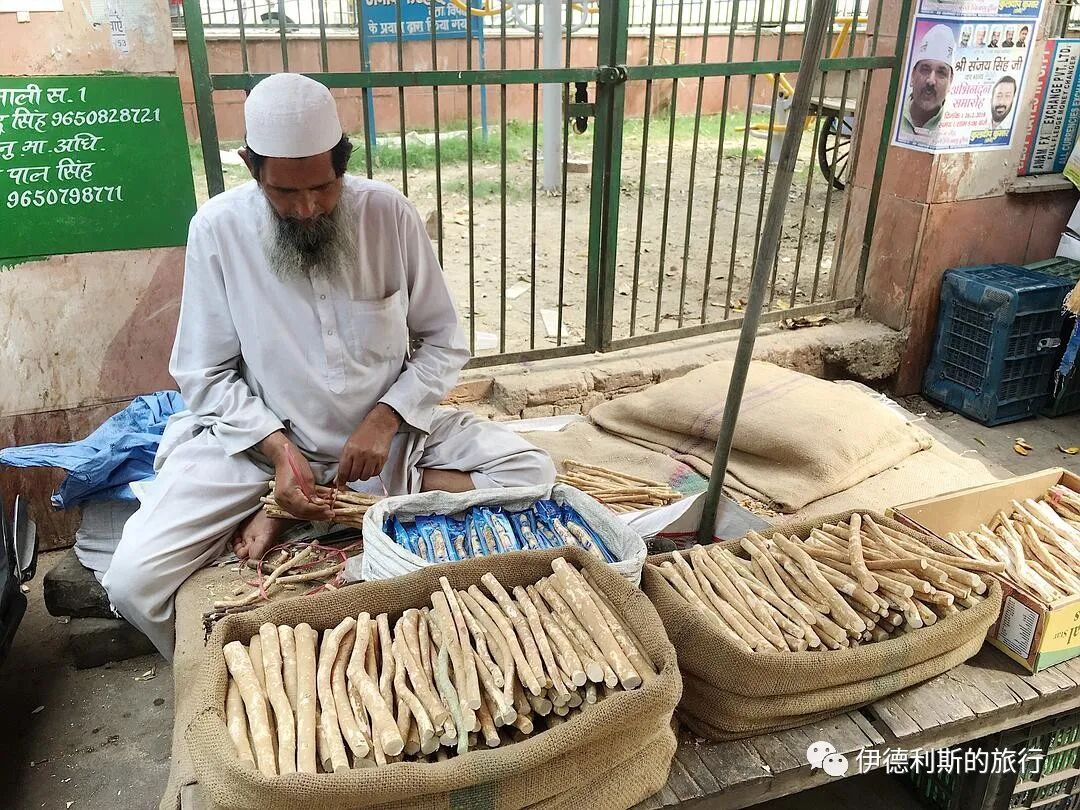
At a stall selling religious items, I bought a photo of the shrine of Nizamuddin.
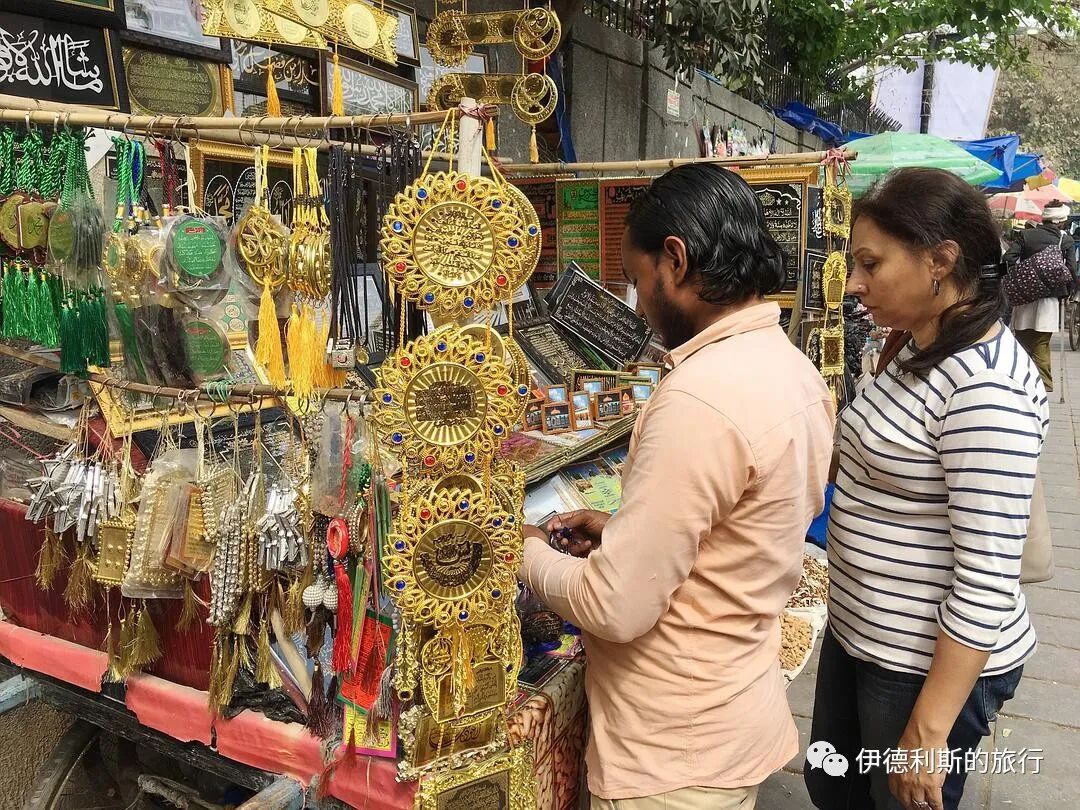
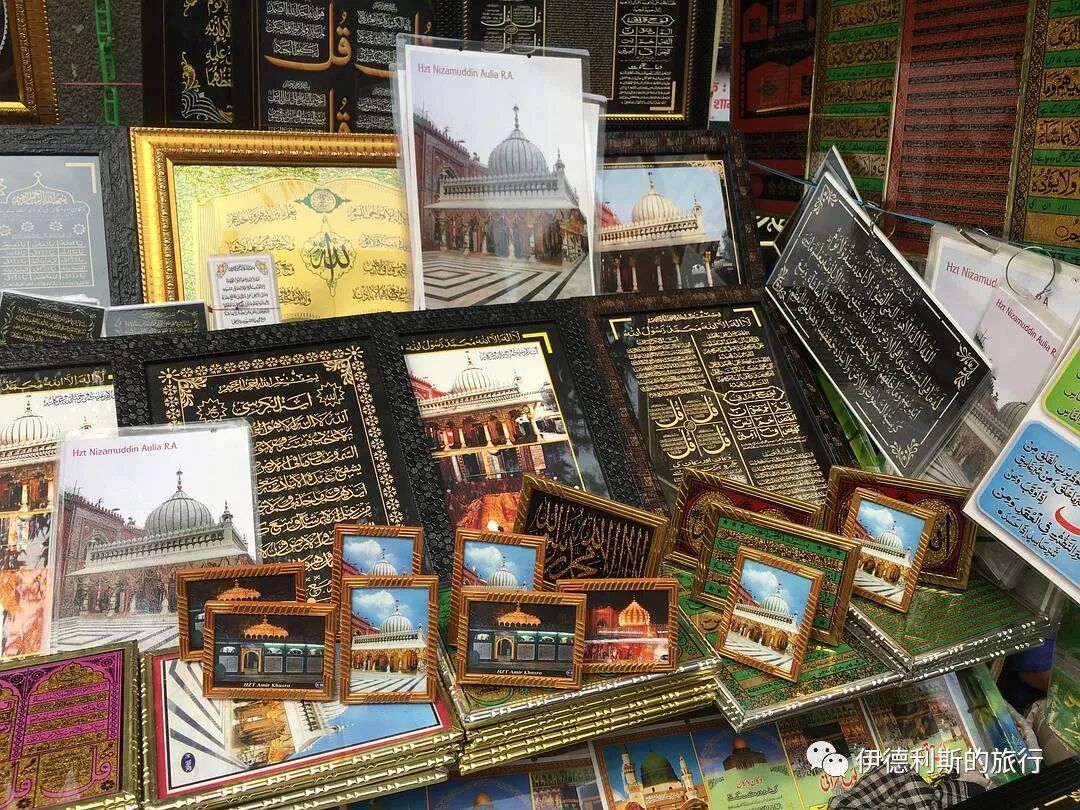
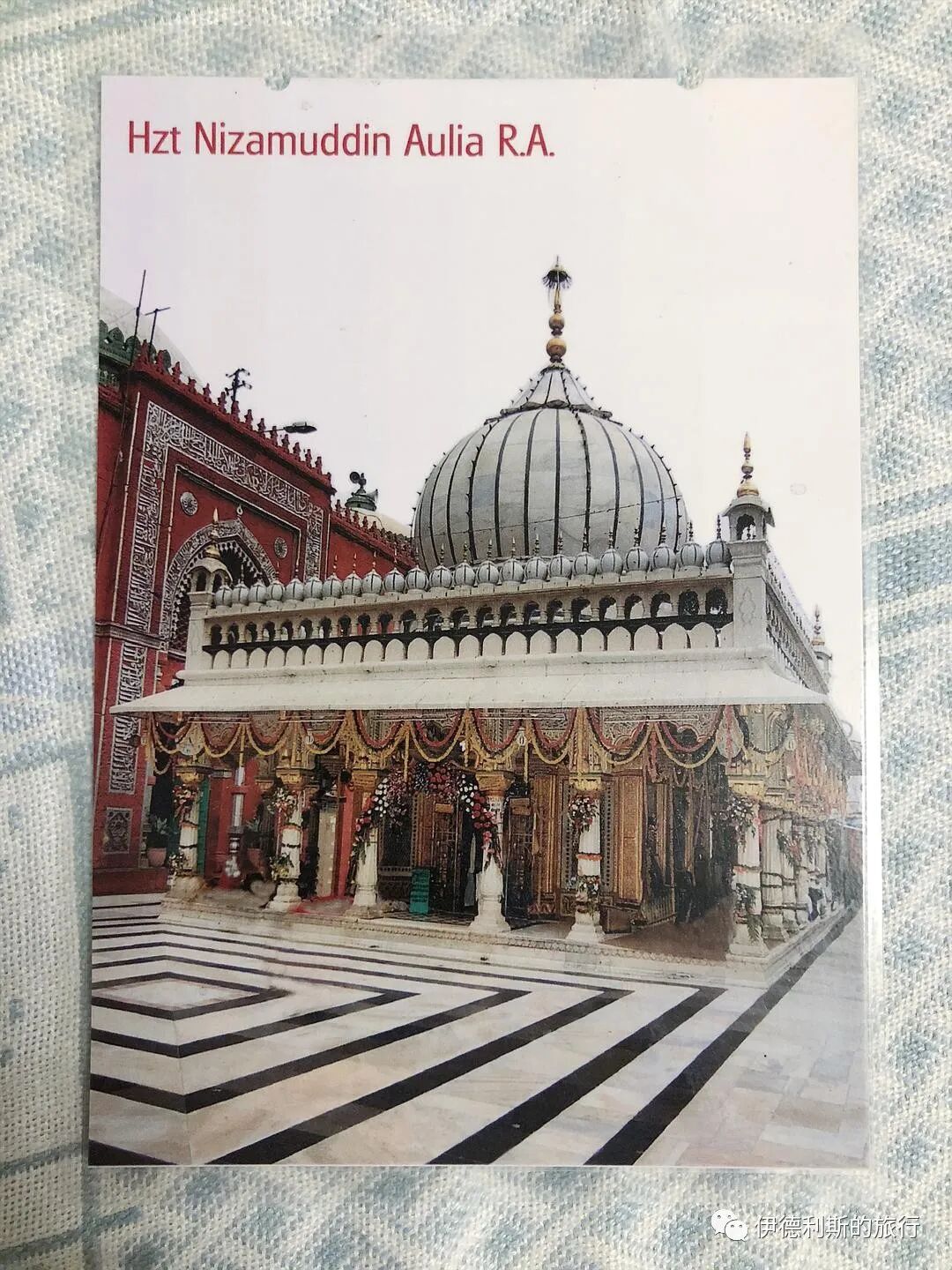
Eating food.
You can find many snacks in Nizamuddin.
Papayas on the street.
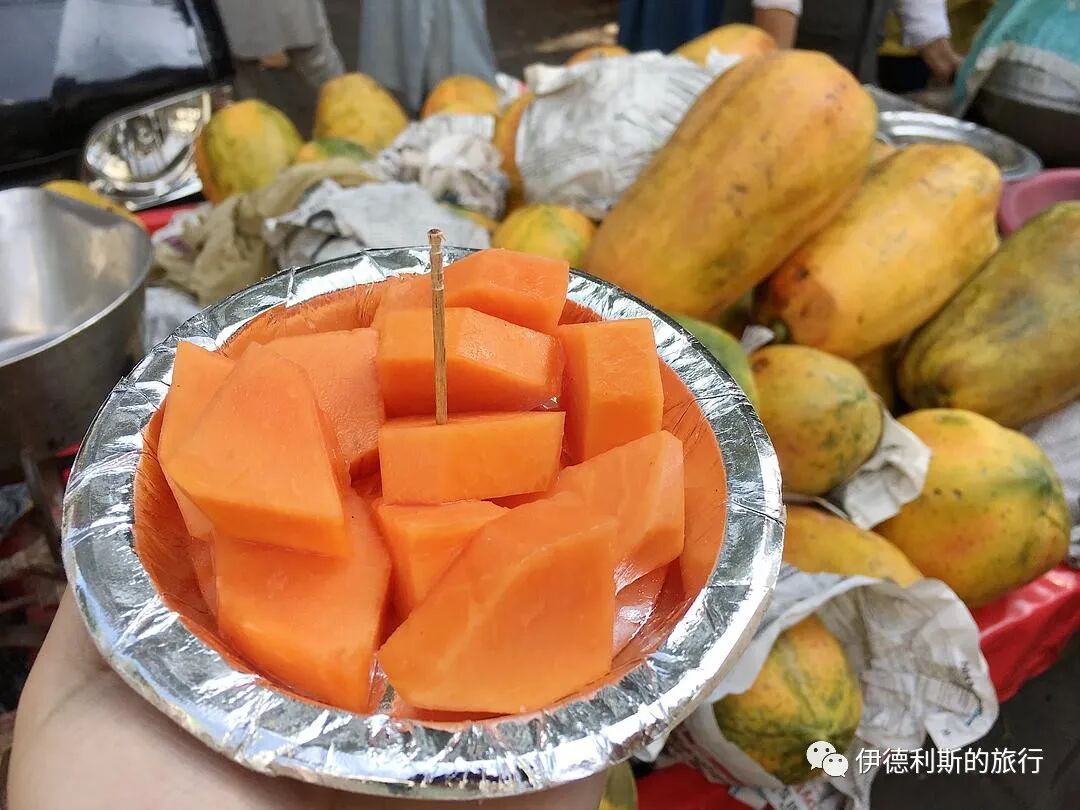
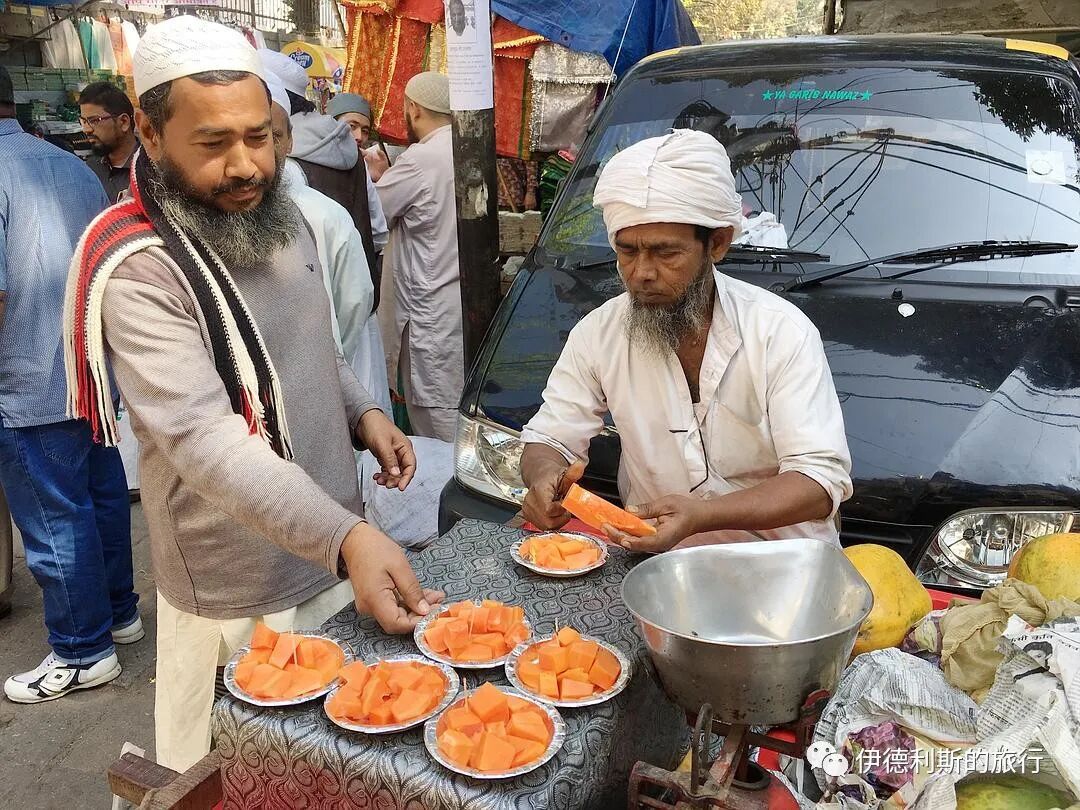
Lassi is a popular yogurt drink in South Asia. It is usually made by mixing yogurt with water, fruit, and various spices, and it comes in both sweet and salty versions.
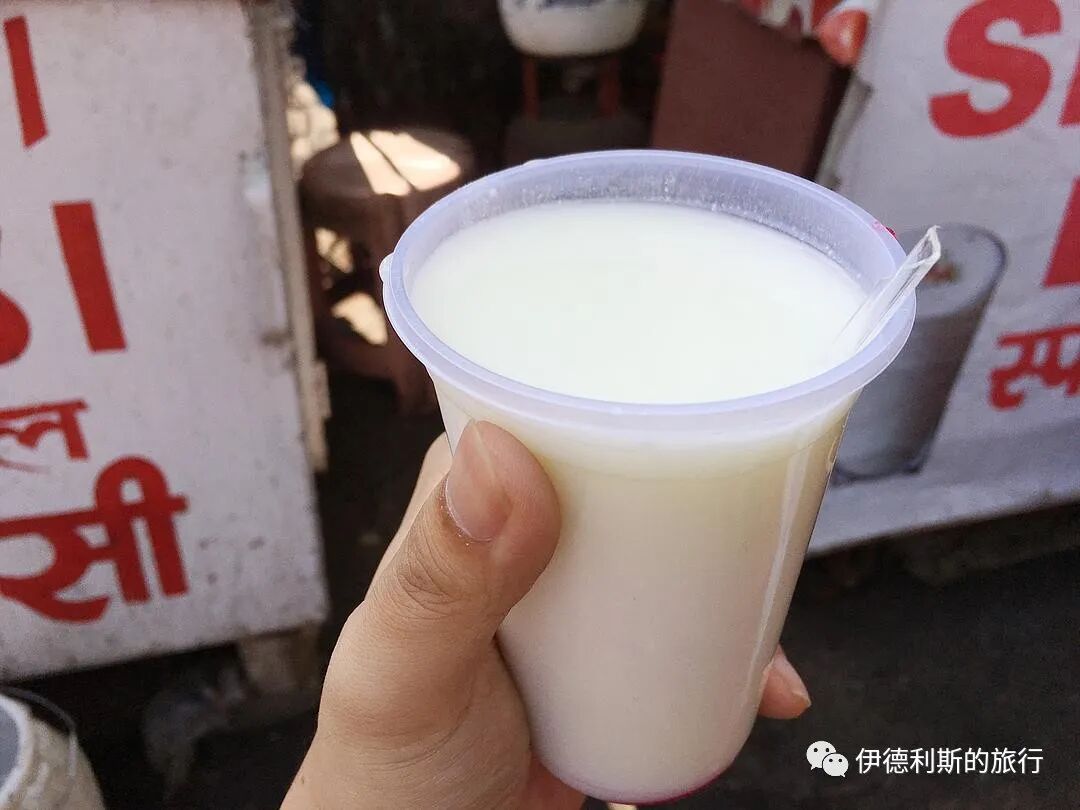
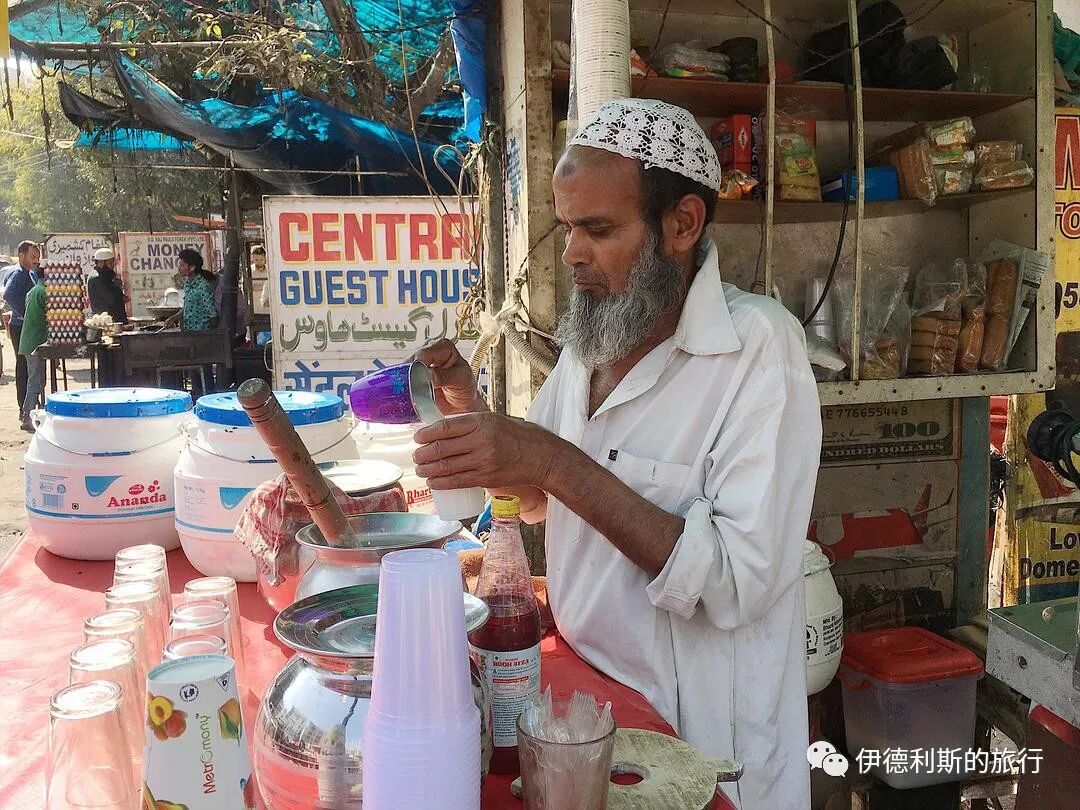
Oily flatbread (you nang)
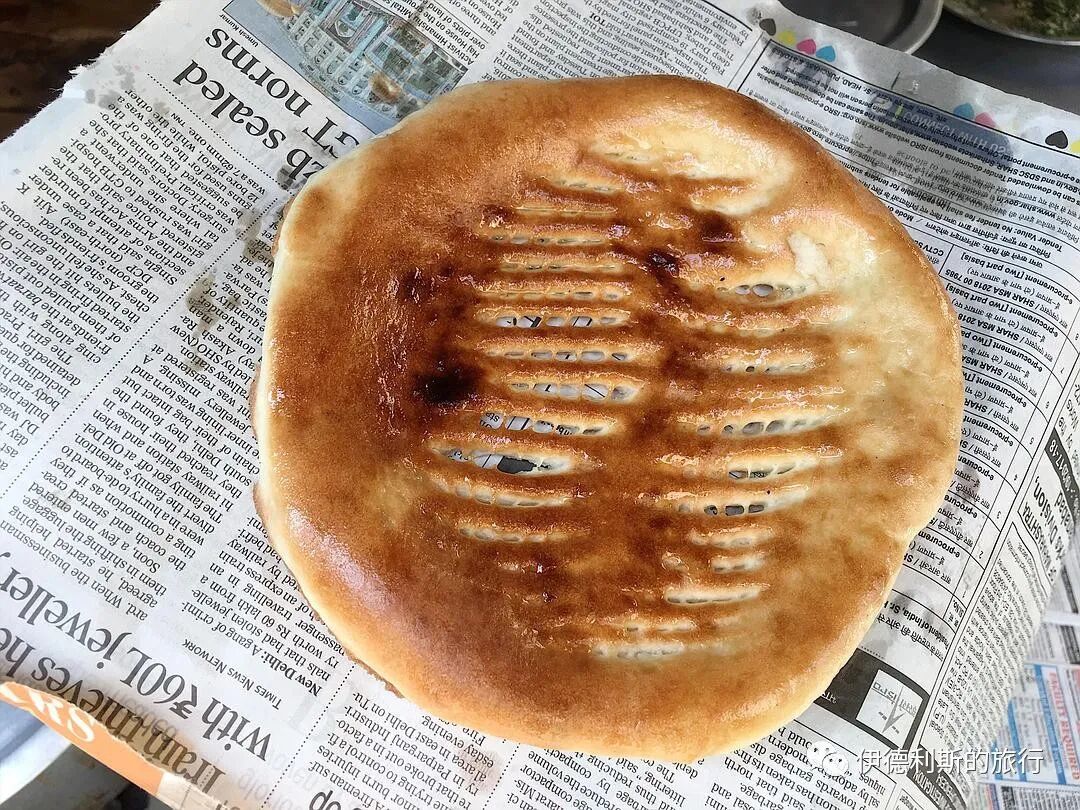
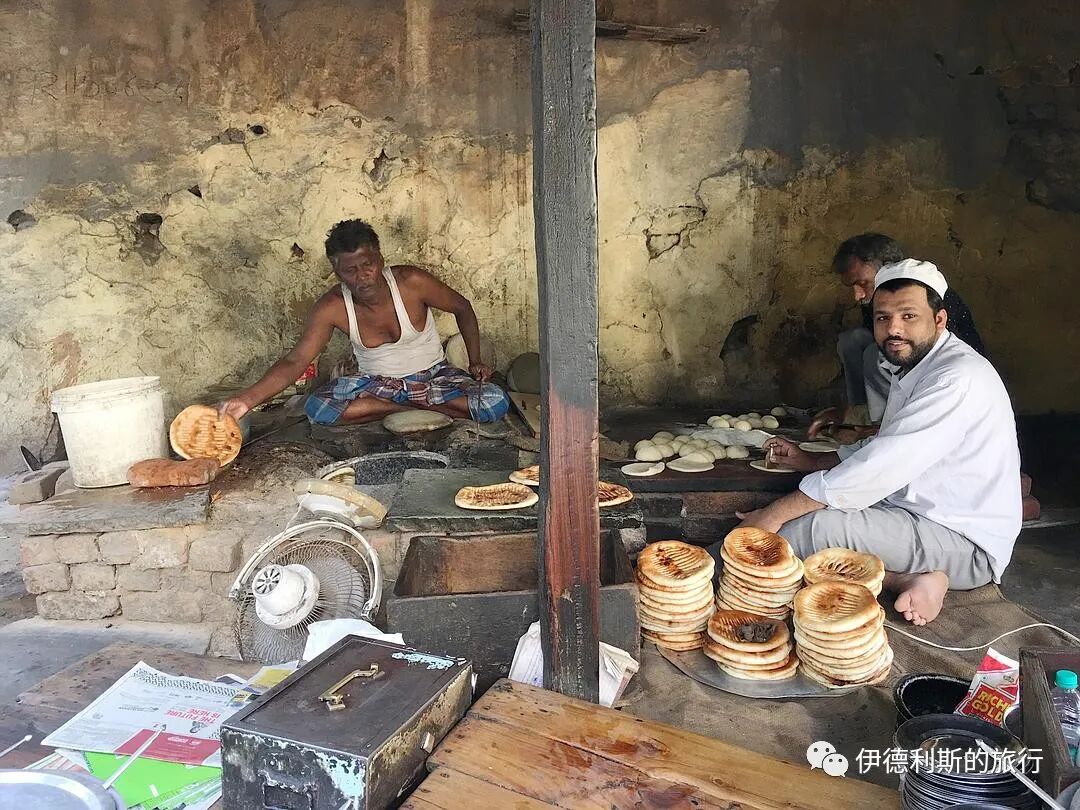
Chicken rice (biryani) is perhaps the most popular way to cook rice in South Asia. Biryani comes from South Asian Muslims. The word is a Persian loanword in Urdu, generally believed to come from the Persian word for rice, birinj.
According to historian Lizzie Collingham, modern biryani likely originated in the royal kitchens of the Mughal Empire. It was created when chefs combined spicy Indian rice with Persian pilaf. However, some believe that biryani existed even before the Mughal Empire. Documents from the 16th-century Mughal Empire mention both biryanis and pulao, but the two terms were interchangeable back then. Another historian, Pratibha Karan, believes that biryani formed after Arab traders brought Middle Eastern pilaf to South India.
People generally agree that there are three main differences between biryani and Indian pilaf:
1. Biryani is mixed with more spices and has a stronger curry flavor, while Indian pilaf uses almost no spices.
Biryani usually has two layers of rice with meat hidden in the middle, while Indian pilaf (pulao) is generally not layered.
Biryani is usually made by cooking the rice and meat separately, while Indian pilaf (pulao) is cooked all together.
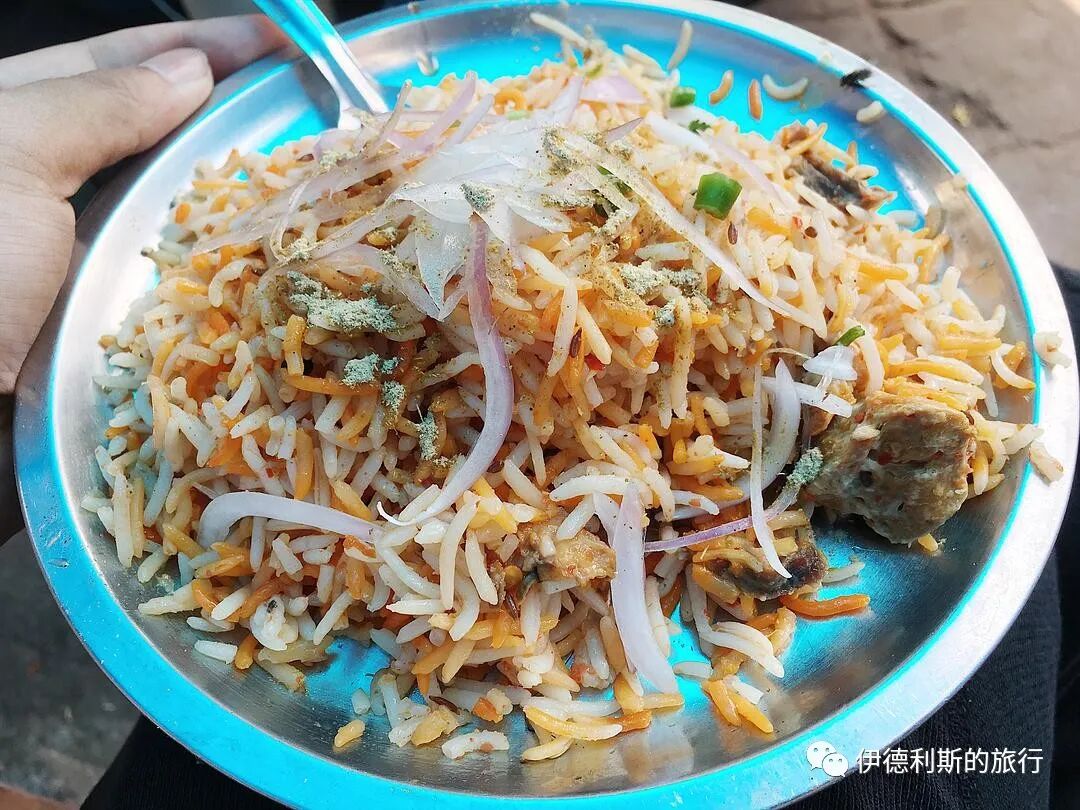
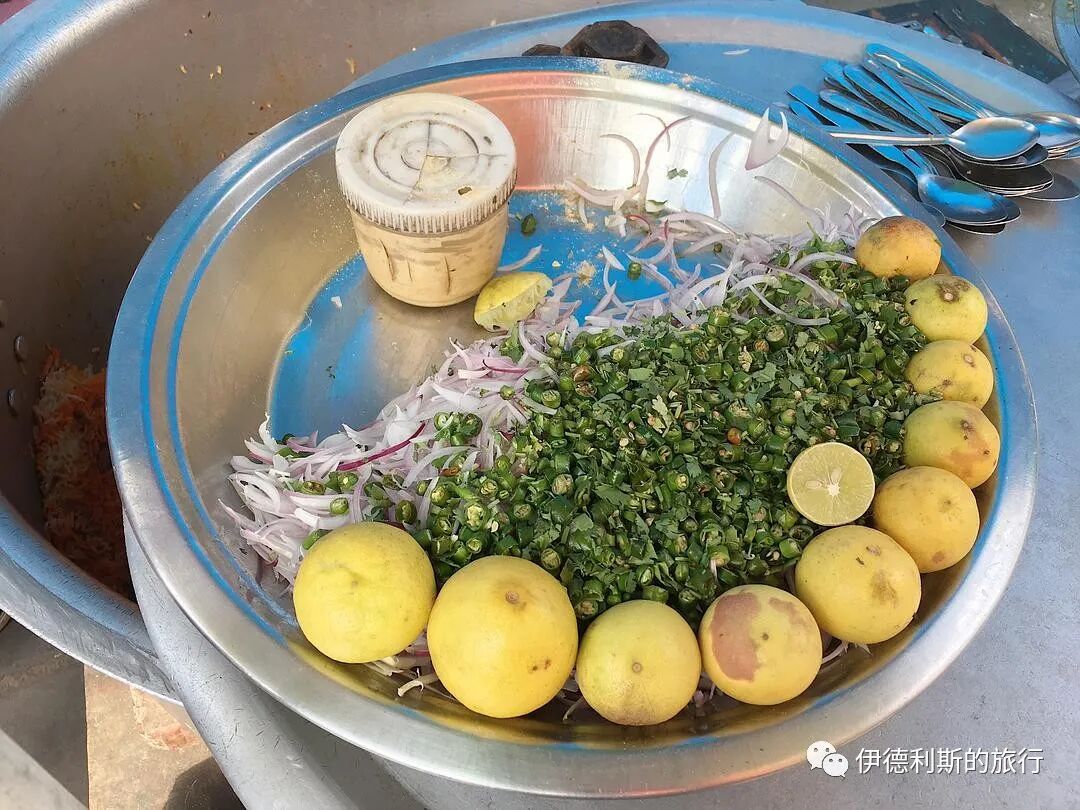
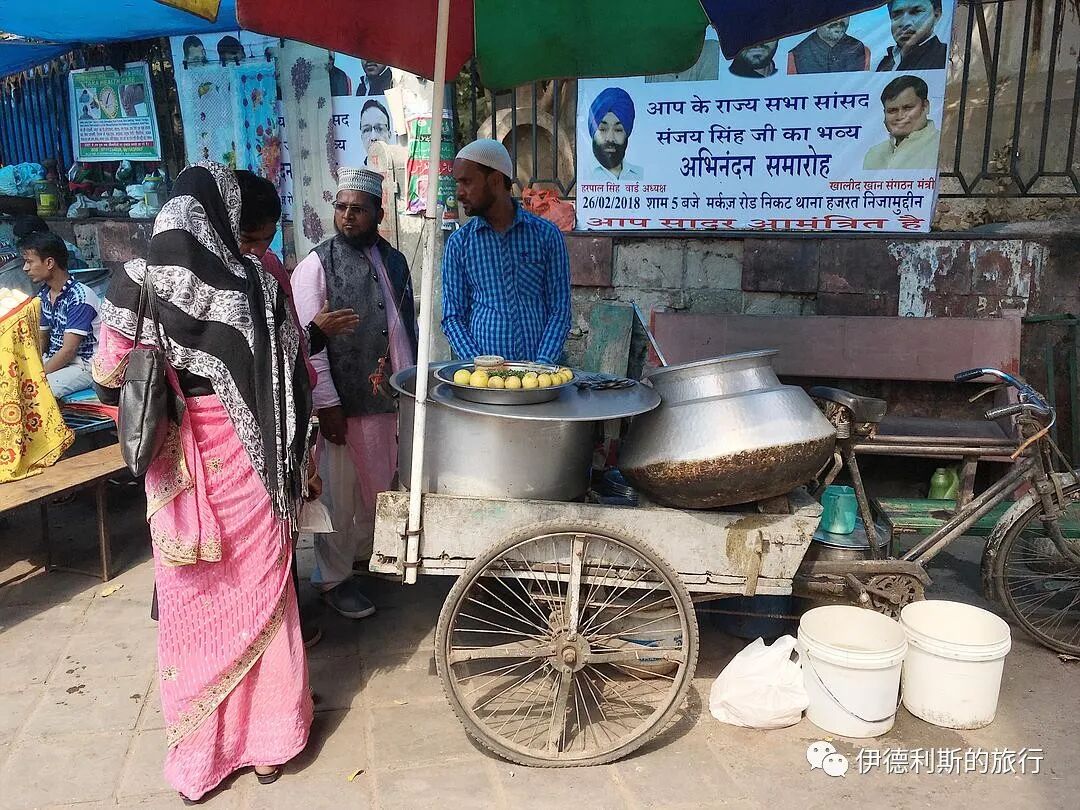
A classic Indian samosa uses a dough made from vegetable oil, melted butter, warm water, salt, and wheat flour. The filling is a mix of mashed potatoes, onions, green peas, spices, and green chilies, which is then fried until golden brown.
The South Asian samosa, the Arab sanbusak, the Afghan sambosa, the Tajik samboosa, the Turkic samsa, and the Somali and Ethiopian sambusa all come from the Persian word sanbosag.
Persian poetry praised the samosa as early as the 10th century. This snack was very popular in Iran until the 16th century, but today it is only found in a few areas. In the 13th or 14th century, Muslim merchants from Central Asia brought the samosa to South Asia, where it became a favorite of the Delhi Sultanate royalty. A scholar from the Delhi Sultanate wrote in 1300 that princes and nobles enjoyed samosas made with meat, ghee, and onions. "
The famous 14th-century traveler Ibn Battuta visited the court of the Tughlaq dynasty in the Delhi Sultanate. In his travelogue, The Rihla, he wrote about eating a pastry called sambusak at the Sultan's court, which was filled with minced meat, almonds, pistachios, walnuts, and spices.
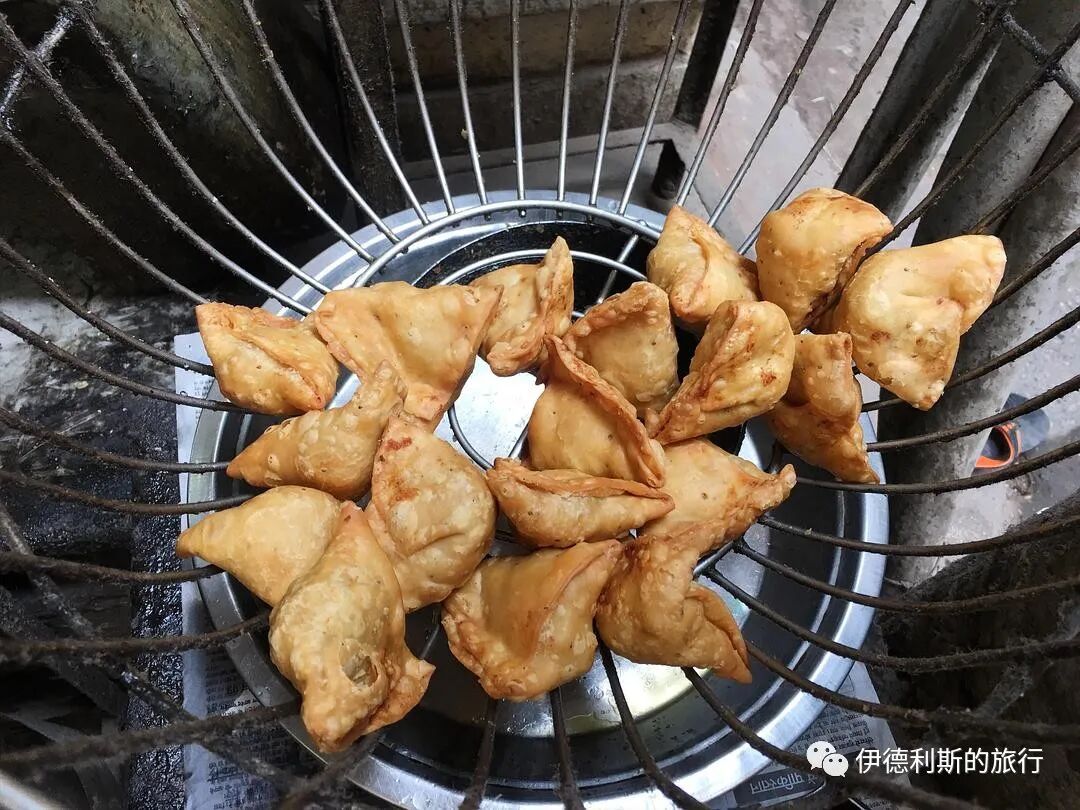
I still do not know the name of this fried food.
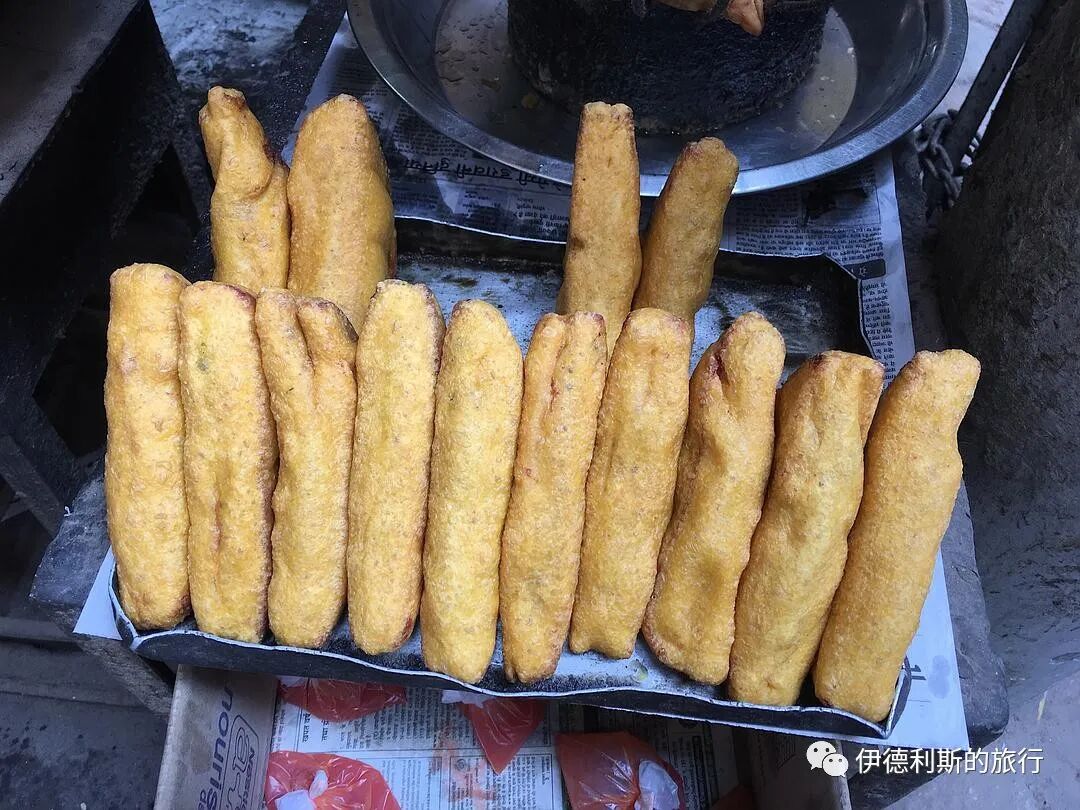

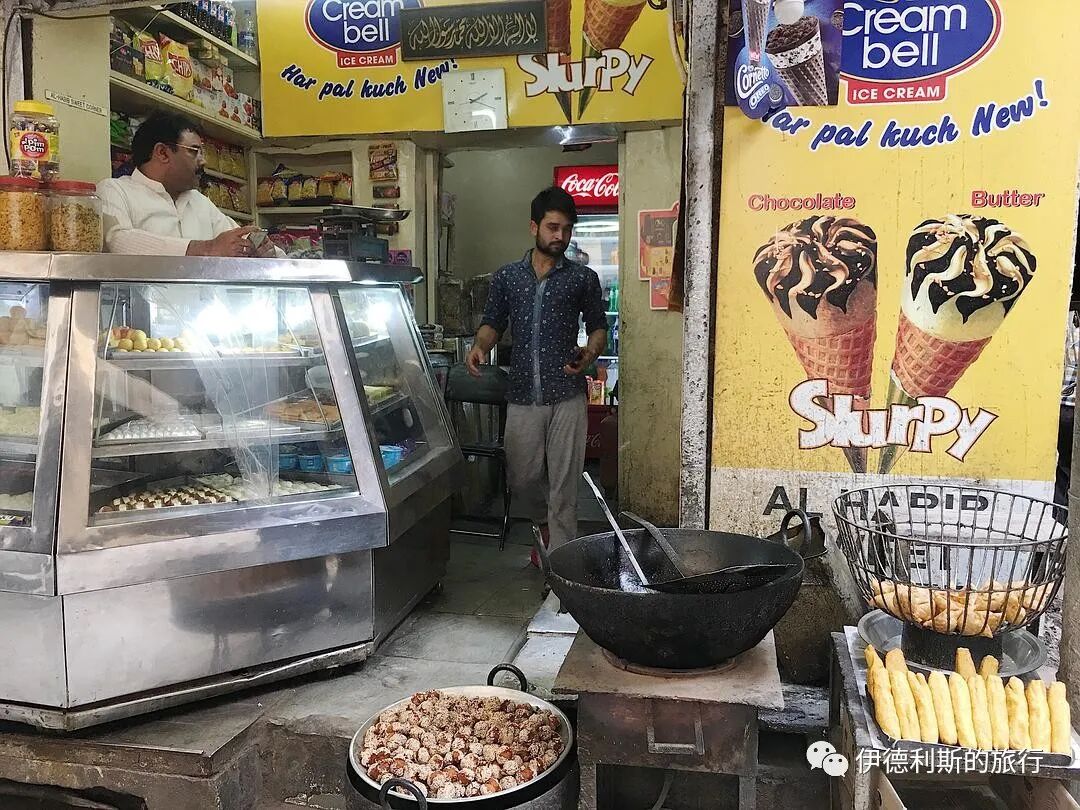
You can also buy many South Asian-style prayer caps in Nizamuddin.
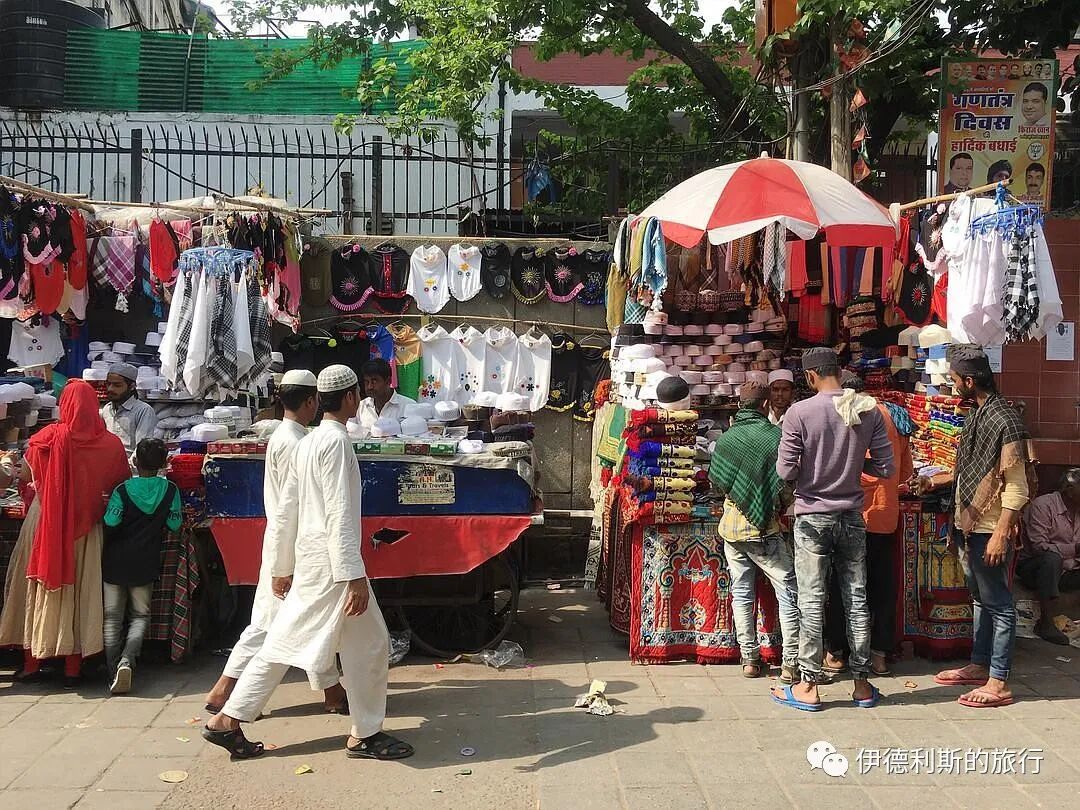
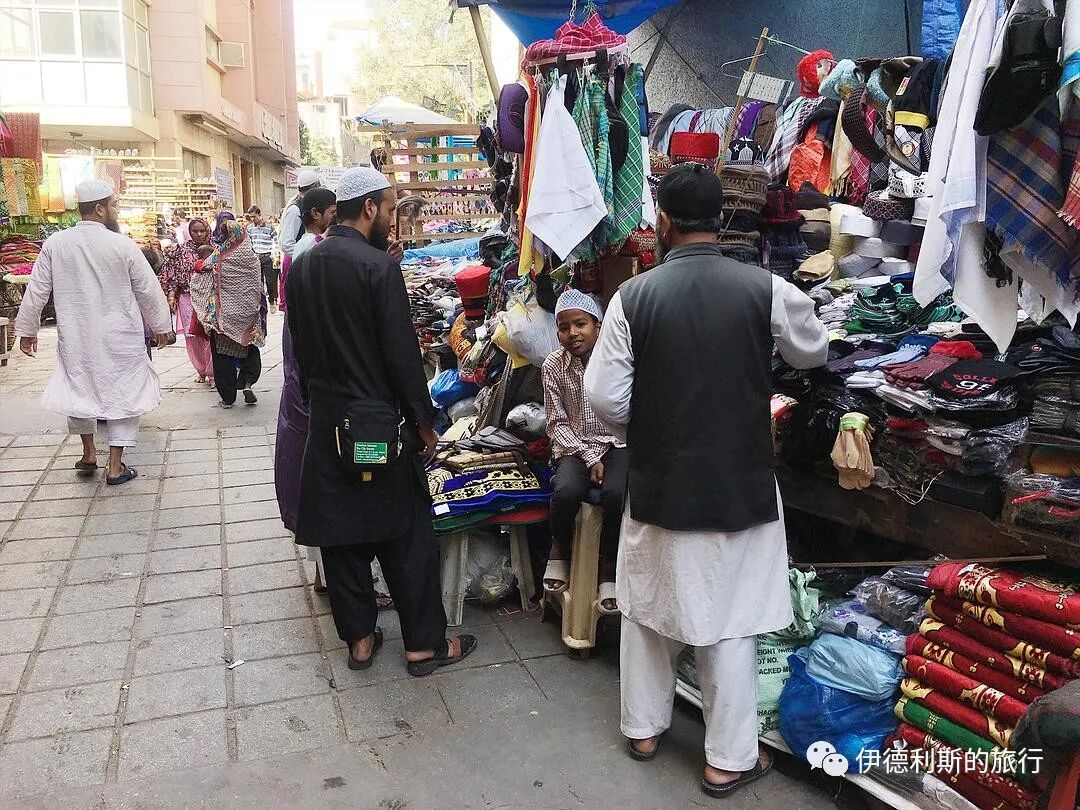
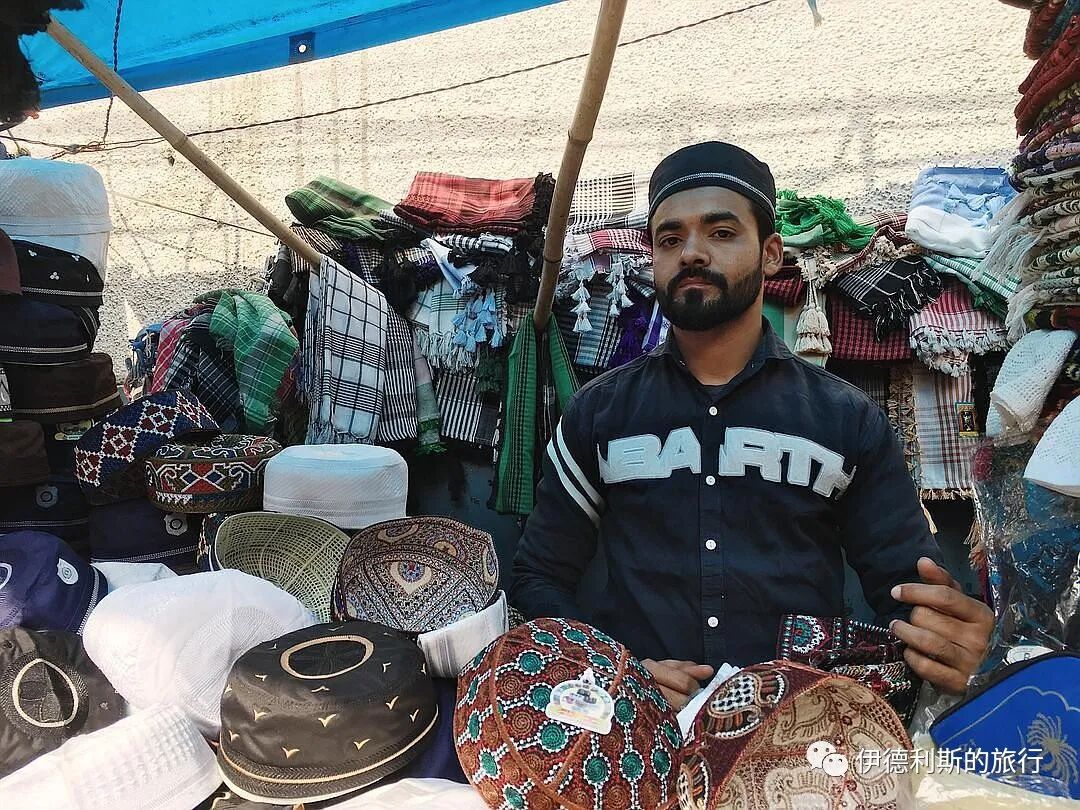
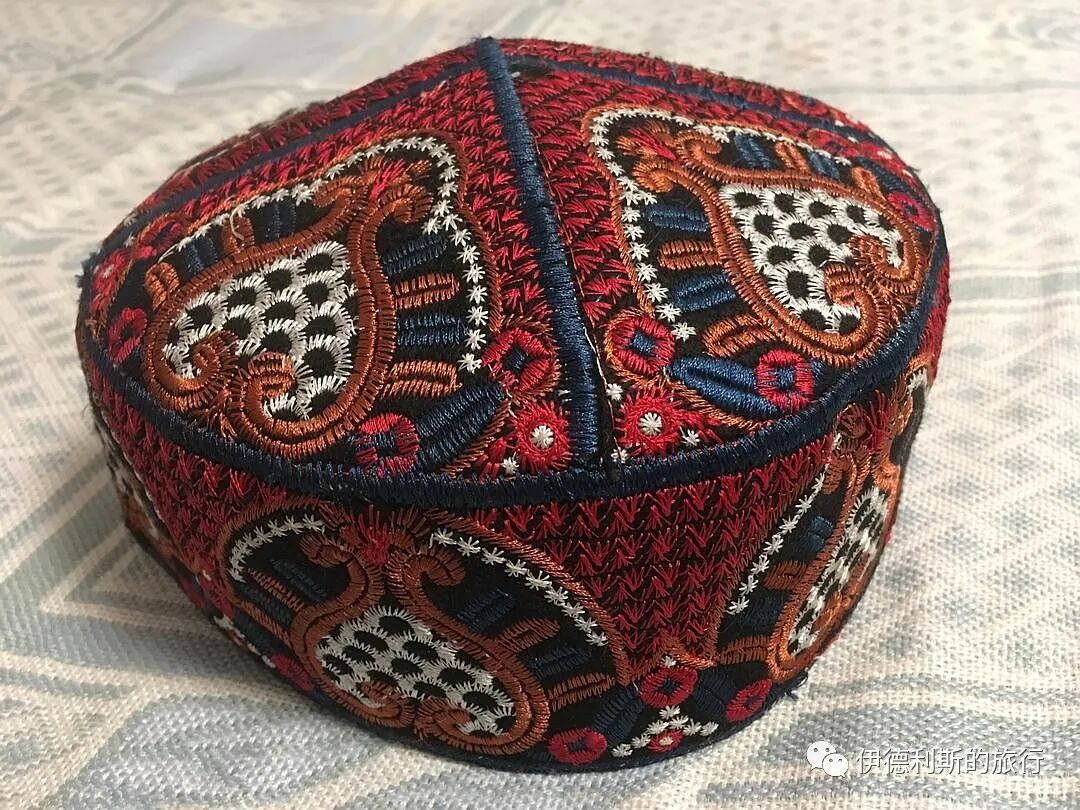
I bought this Sindhi cap, which comes from the Sindh region and is often seen at Indian Sufi music performances.
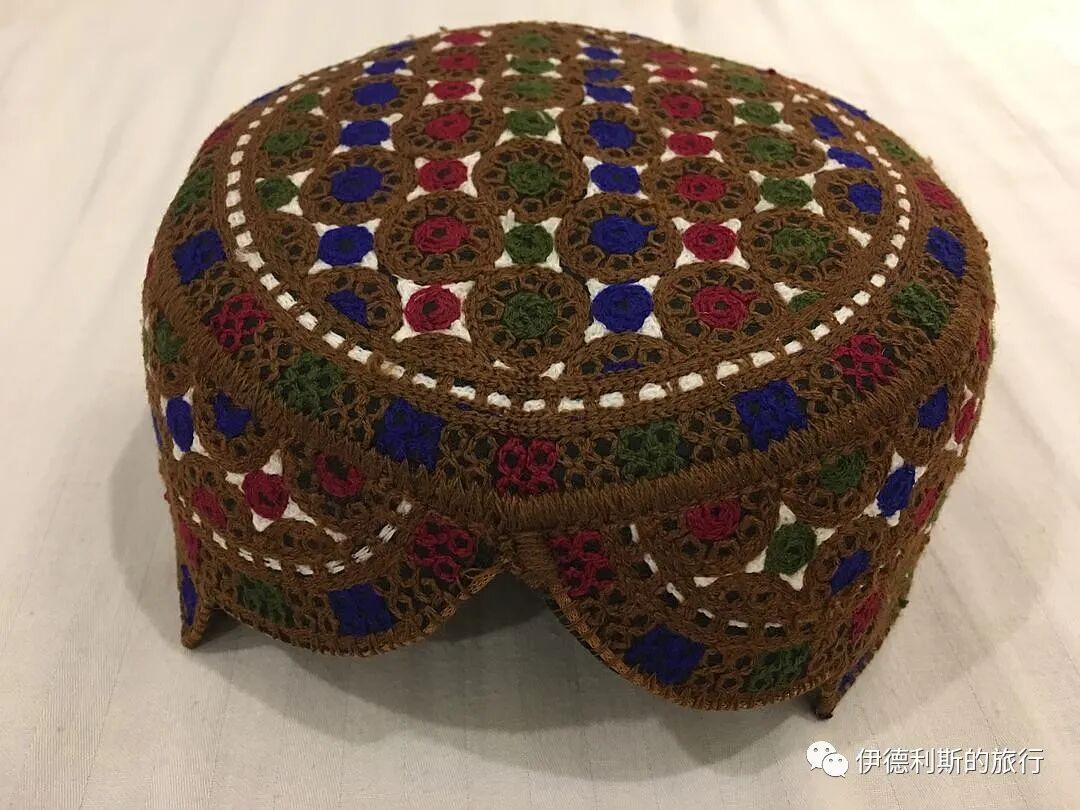
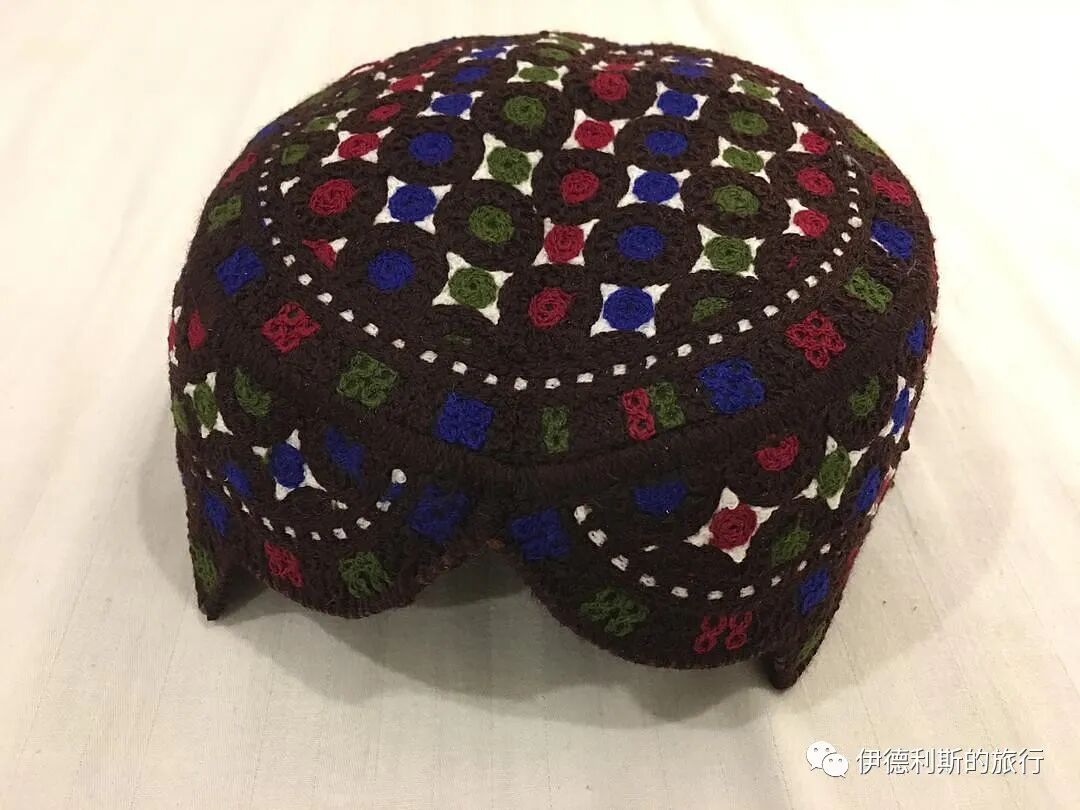
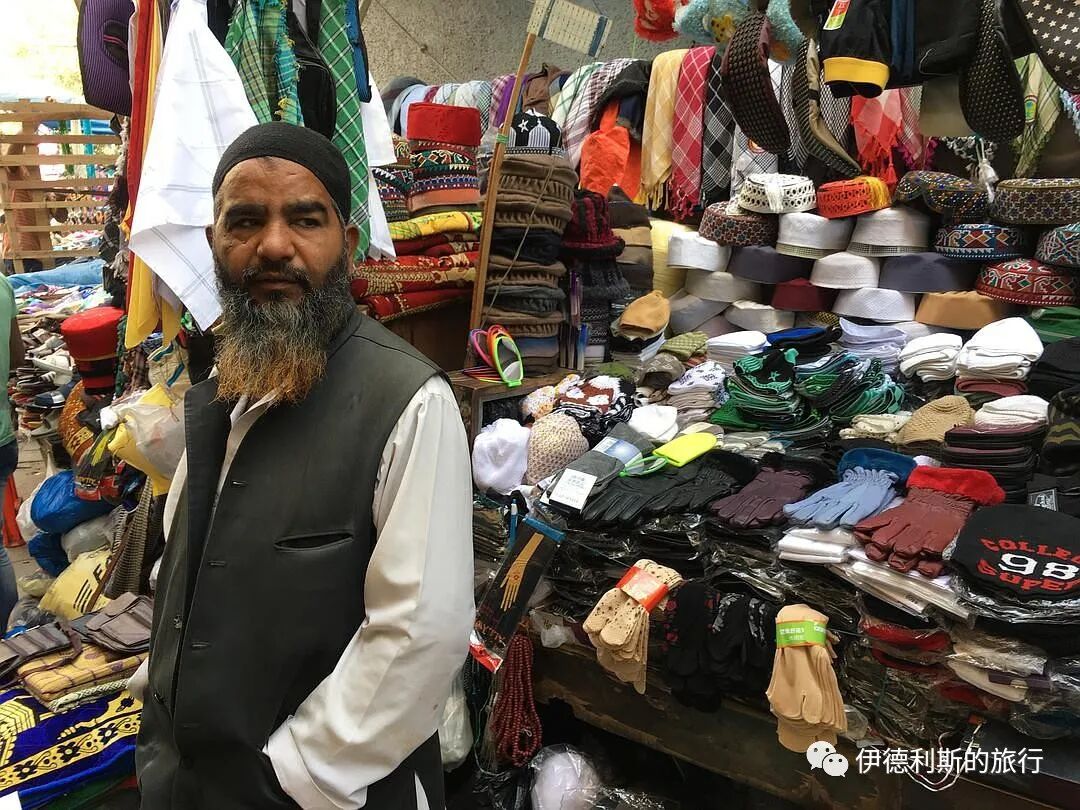
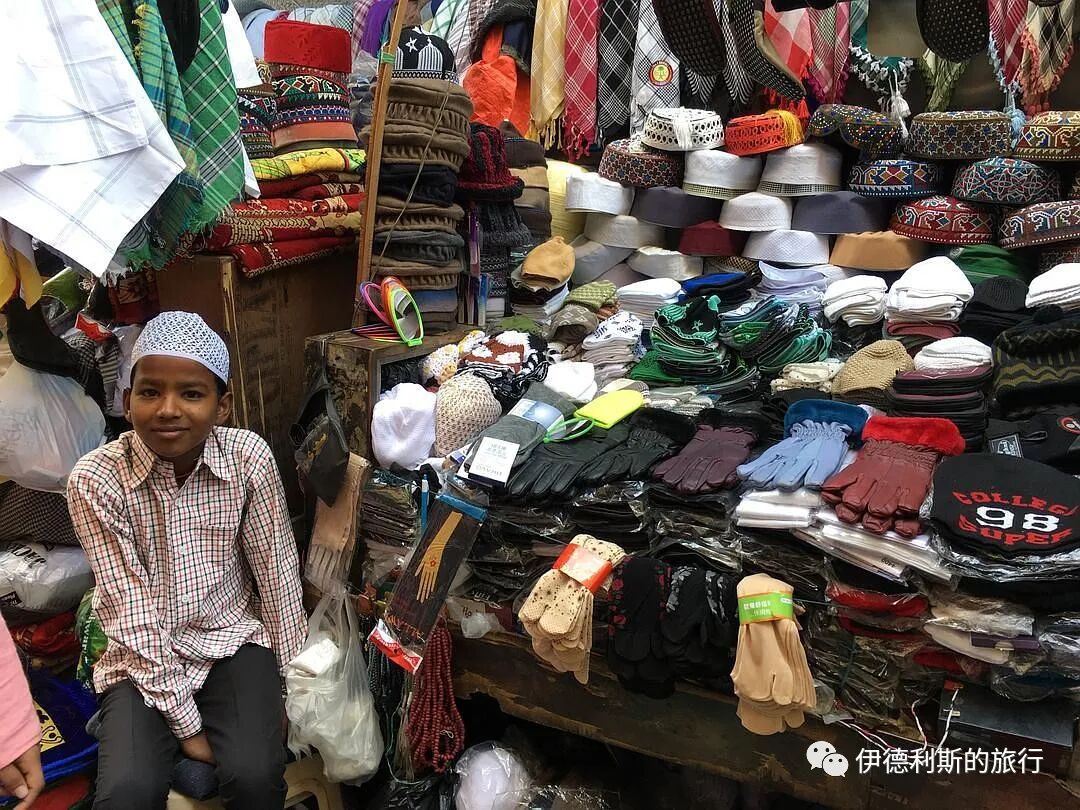
Chapter 2: The Core Area of the Shrine of Nizamuddin (Nisangmuding Shengling)
Next, we will enter the core area of the Nizamuddin shrine (Dargah). The core area centers on the shrine (Shrine) and includes a series of historical buildings from the 14th to the 19th centuries. I have marked a diagram here.
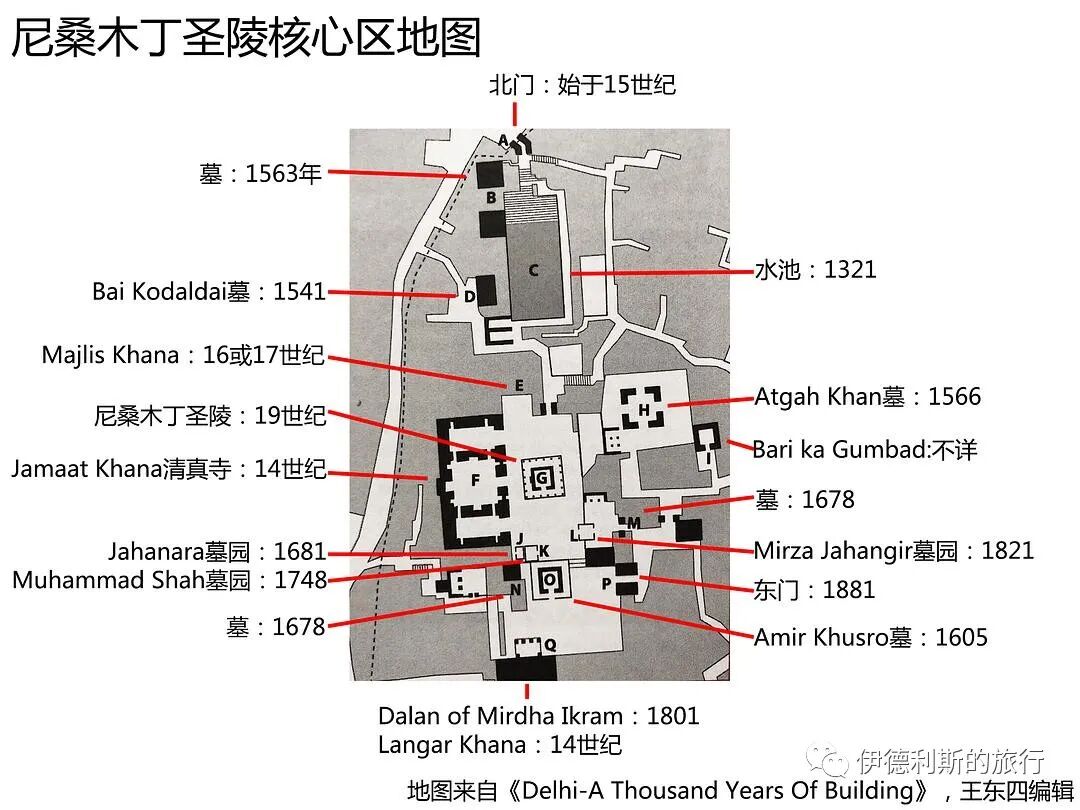
Next, we will enter through the north gate and exit through the east gate to take a detailed look at the historical buildings in the core area of the Nisamuding Gongbei.
1. North Gate: Built in the 15th century
First, enter the core area of the shrine from the north gate. You must take off your shoes from this point on. The local vendors nearby will be very eager for you to store your shoes in their shops, but I chose to put my shoes in my own backpack.
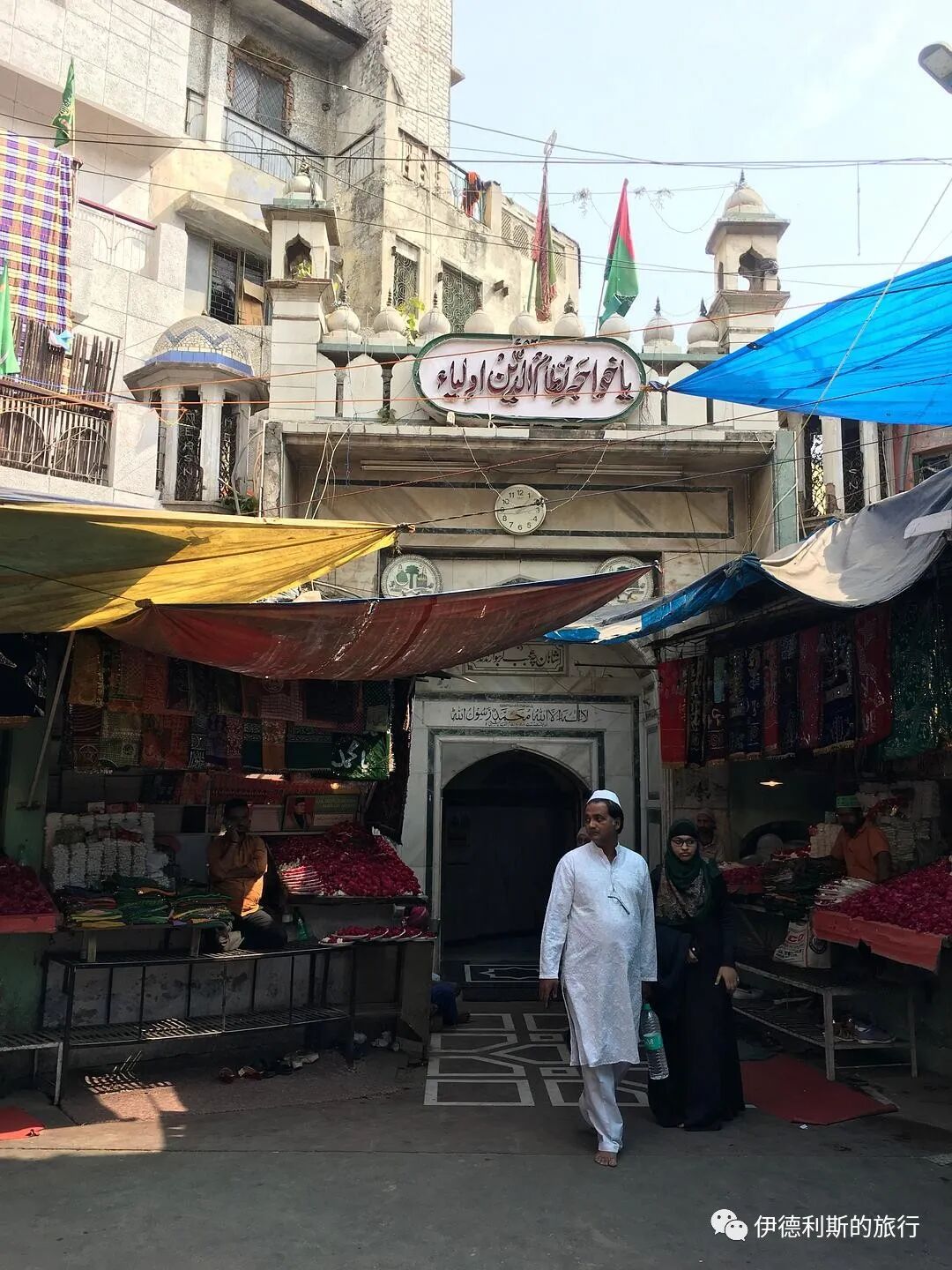
2. Entering the shrine from the North Gate
The route is as follows:
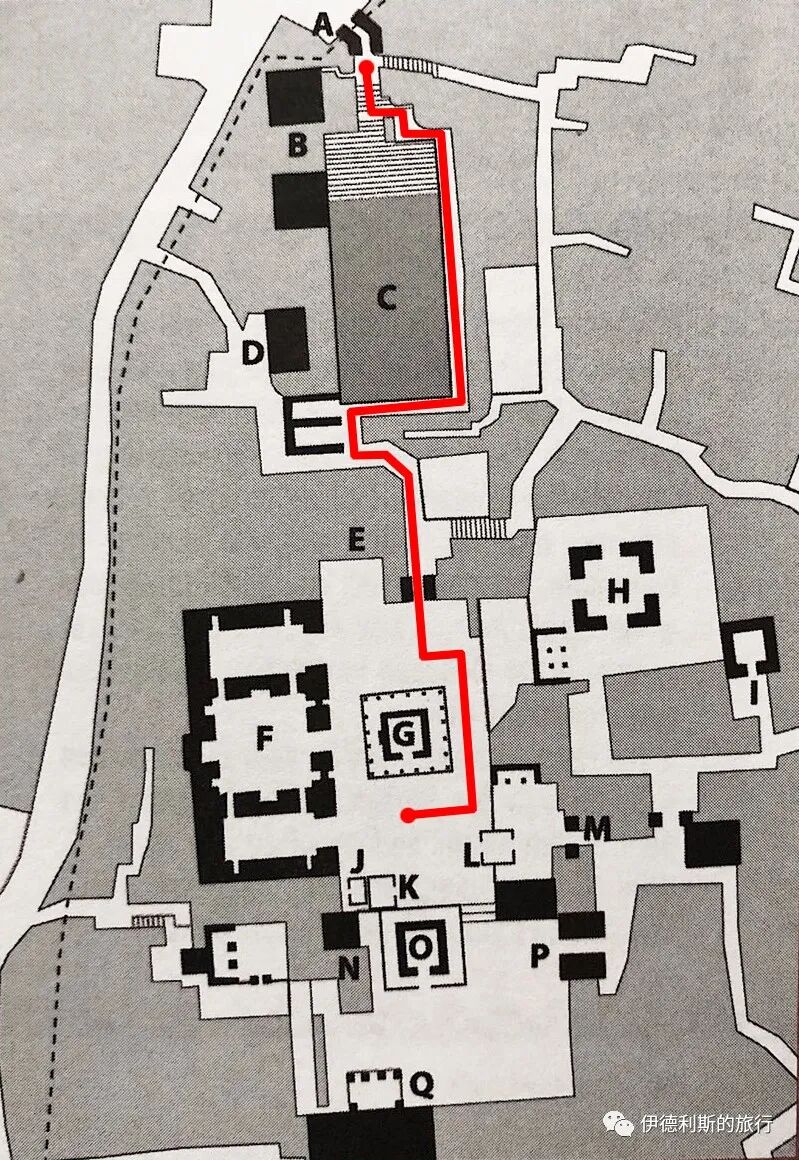
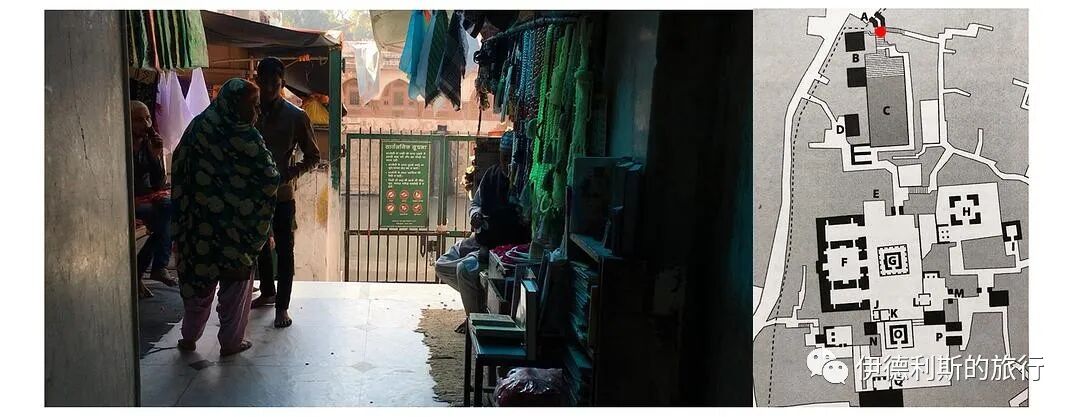
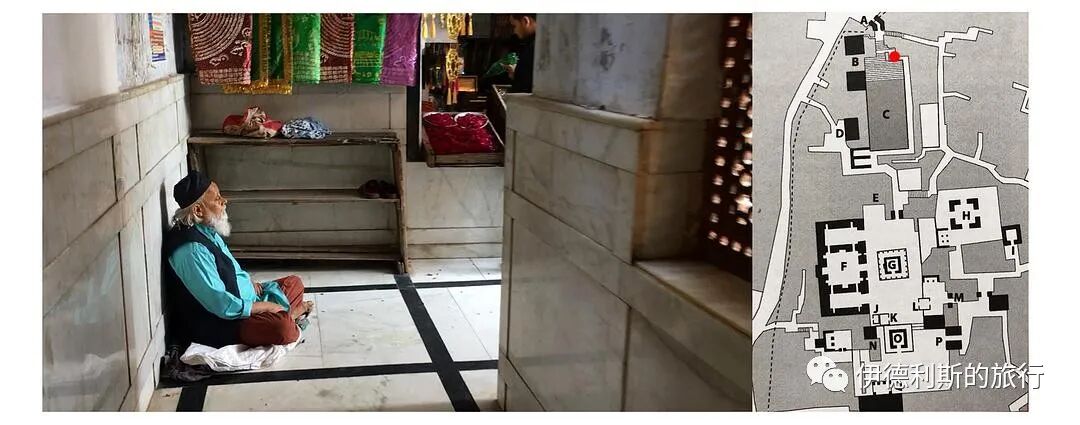
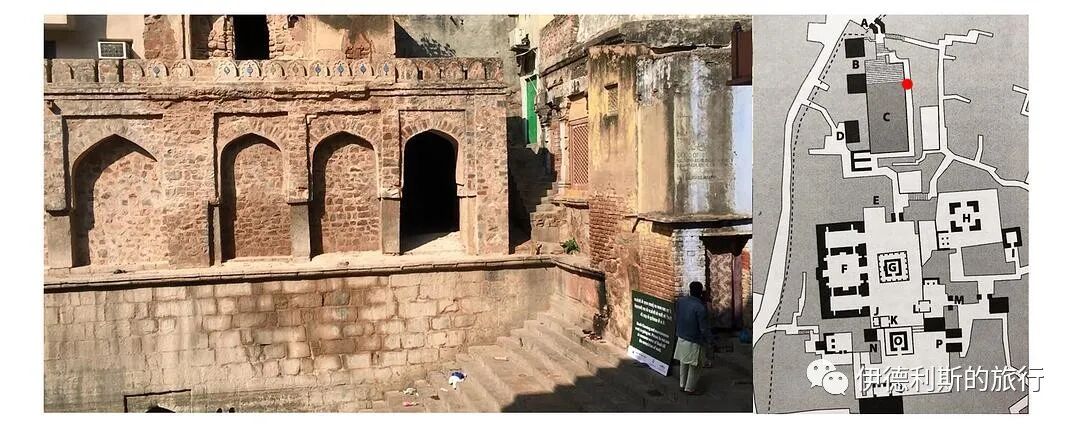
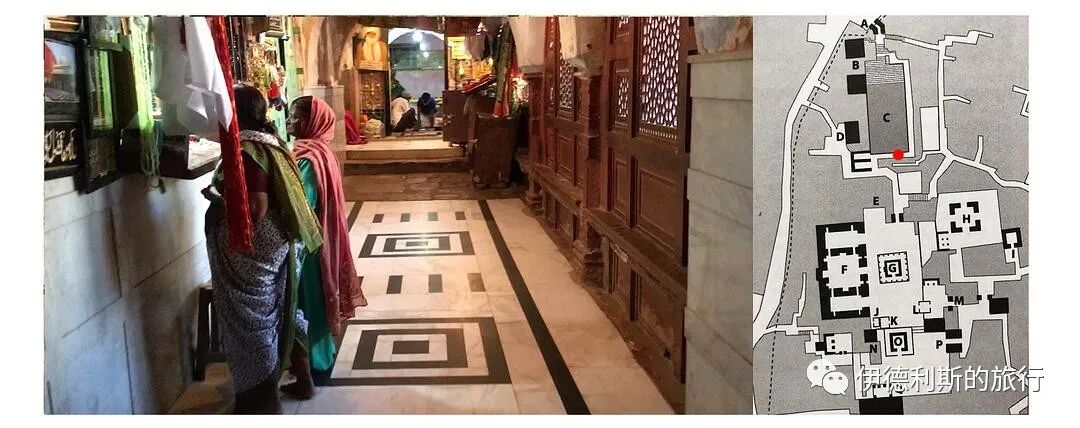
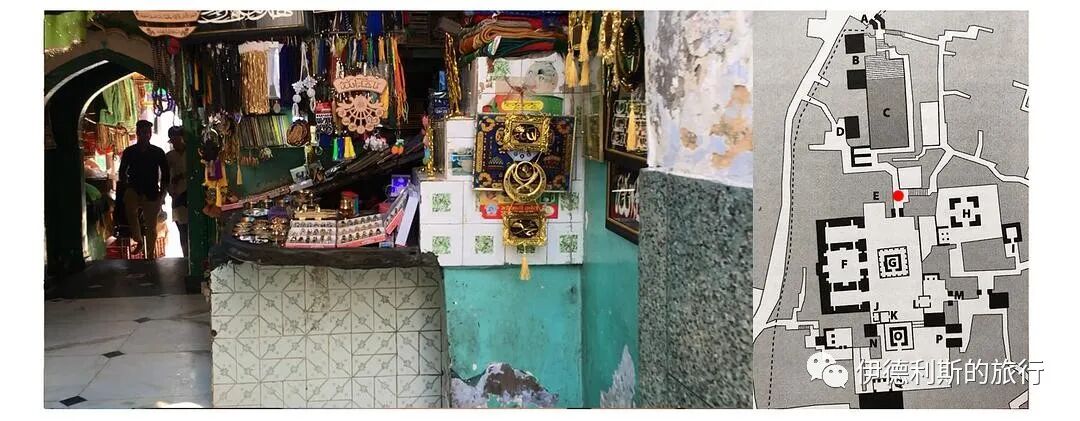
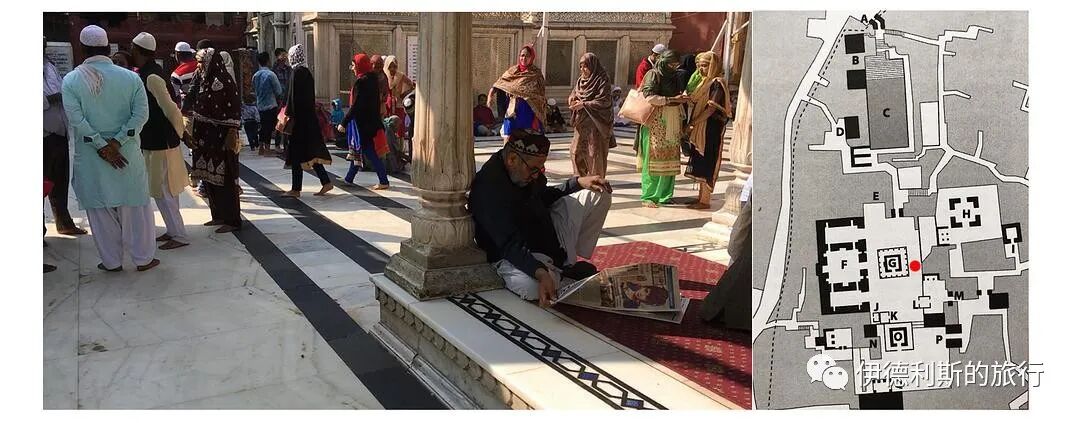
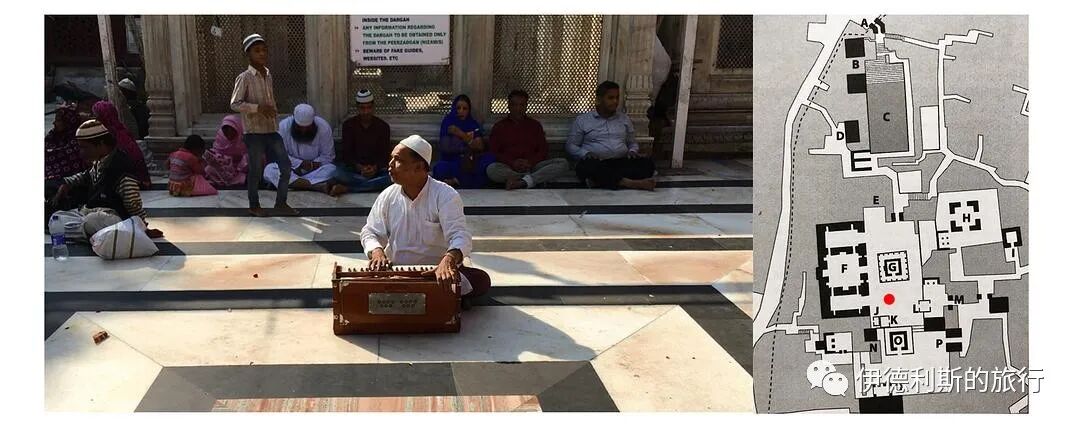
3. Water tank: 1321
After entering from the north gate, the first thing you see is a water tank (baoli) built in 1321. It is the oldest surviving structure in the core area of the Nizamuddin shrine. There is a legendary story about the construction of this water tank:
In 1321, more and more people came to visit Nizamuddin Auliya (1238-1325). Many chose to stay there permanently, so Nizamuddin began building a water tank near his home. At the same time, Ghiyasuddin Tughlaq, the founder of the Tughlaq dynasty of the Delhi Sultanate, started building a massive fortress called Tughlaqabad in Delhi. He ordered all laborers in Delhi to work on the fortress, including the workers building a water tank for Nizamuddin. These workers preferred to work for Nizamuddin, so they built the fortress during the day and snuck back at night to work on the water tank.
When Ghiyasuddin found out, he banned the workers from working for Nizamuddin. Nizamuddin then made a prophecy: "Ya rahey ujjar, ya basey gujjar". It roughly means, "Either it will become a wasteland, or it will be inhabited by the Gujjar people." After the sultanate fell, the nomadic Gurjar (gujjar) people took over this castle and it turned into a wilderness.
Legend says Nizamuddin made many prophecies about Ghiyas. Another famous one is 'Hunuz Dilli dur ast'. It means 'Delhi is still far away'. Ghiyas led a successful expedition to Bengal in 1324. In February 1325, while he was on his way back, a wooden pavilion collapsed and crushed him to death before he could reach Delhi.
After the pool was finished, Nizamuddin said a dua for it. People believe this pool has magical powers and can cure skin diseases.
Right next to the pool are two women's graves. Persian inscriptions on them show they were built in 1563. One woman was shown mercy and forgiveness, while the other died in deep sorrow.
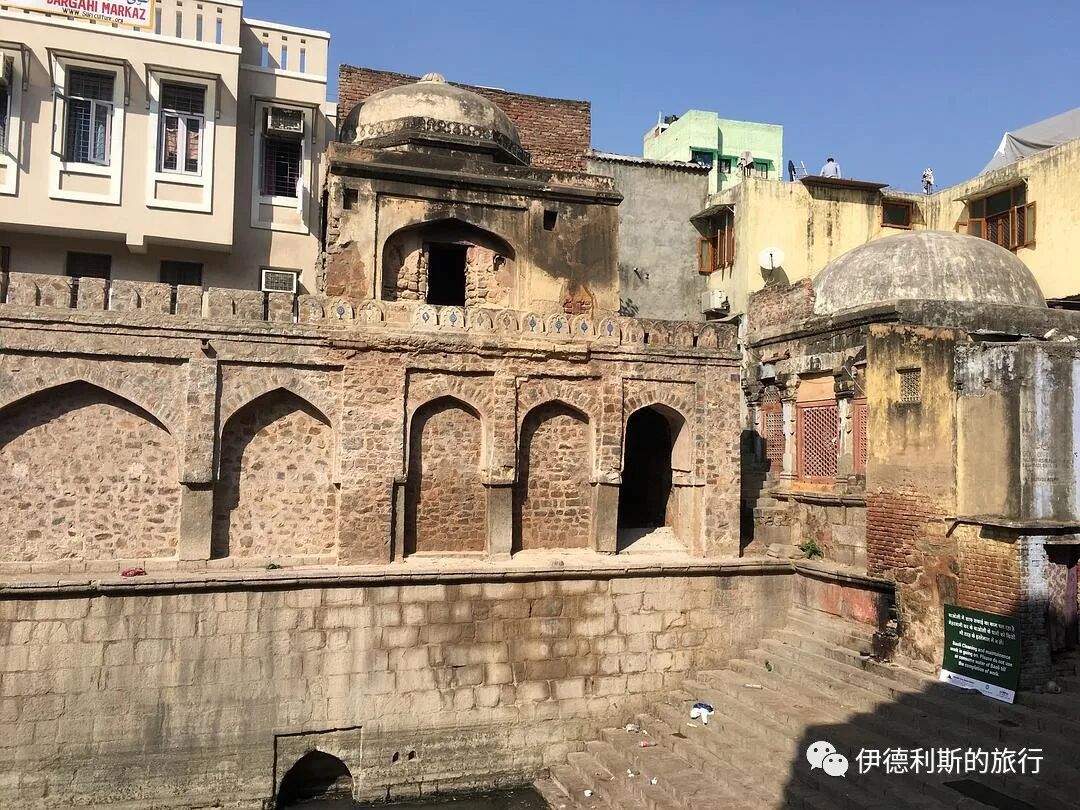
Follow the path south from the pool to reach the true heart of the Nizamuddin shrine. Many people are buying fresh flowers where the path meets the courtyard to offer to the saint.
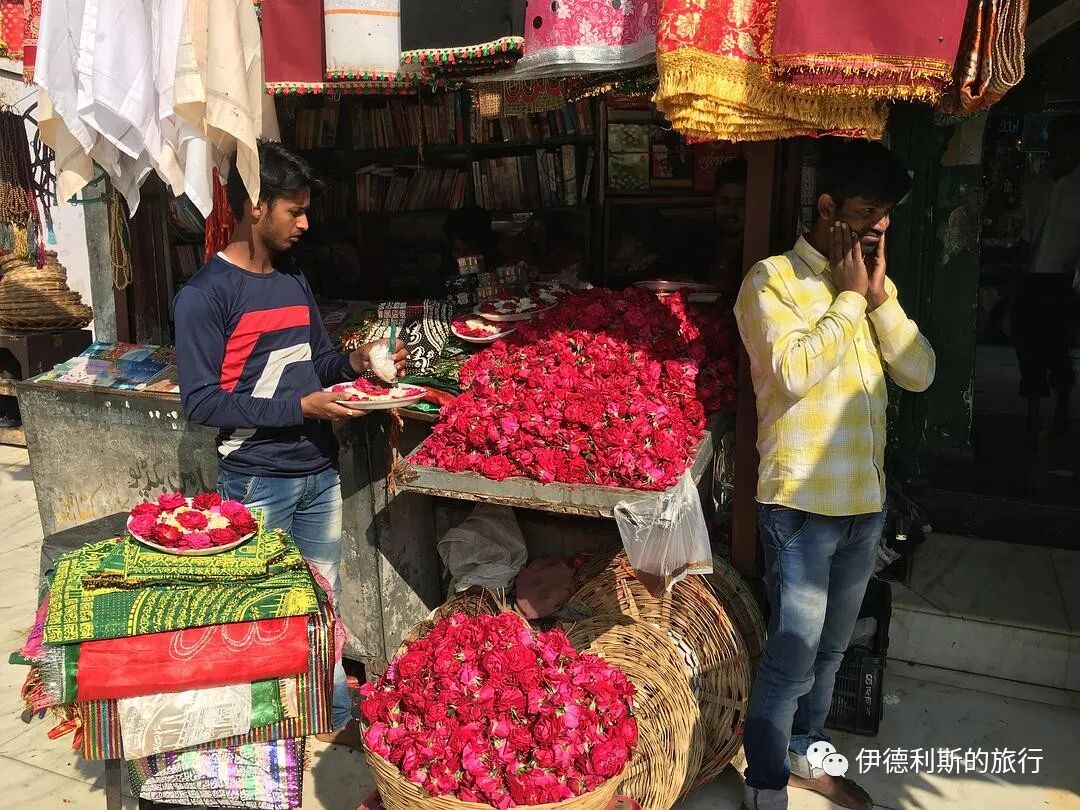
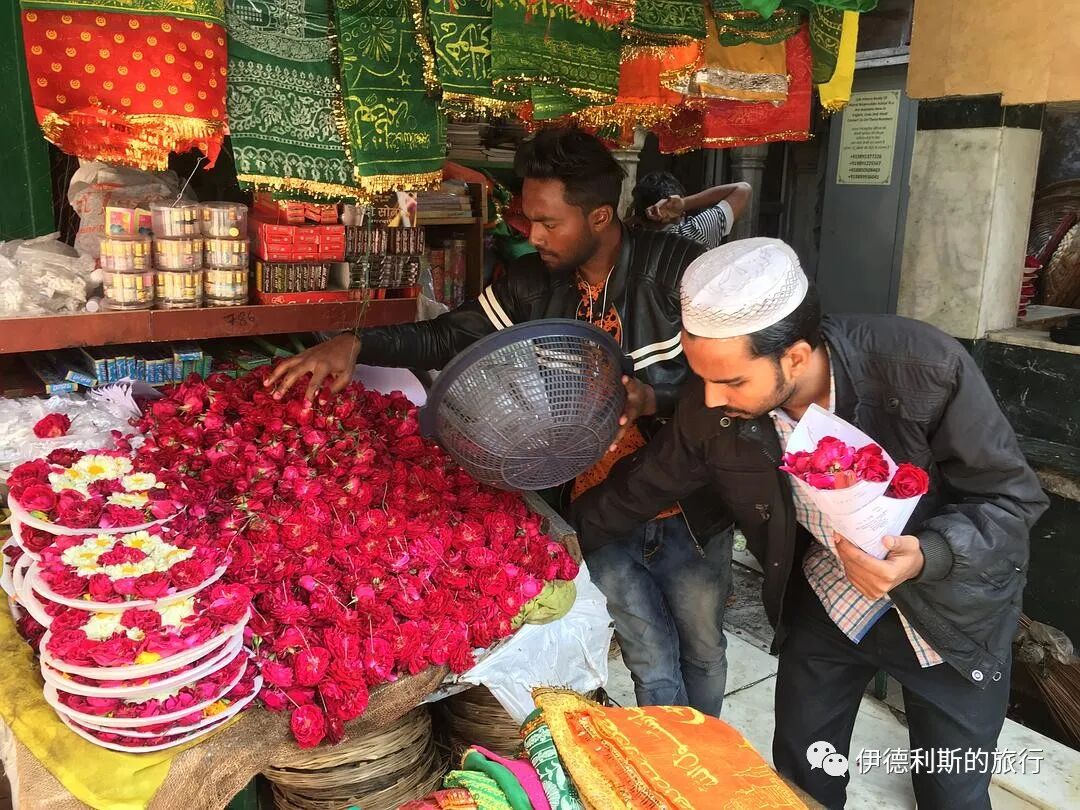
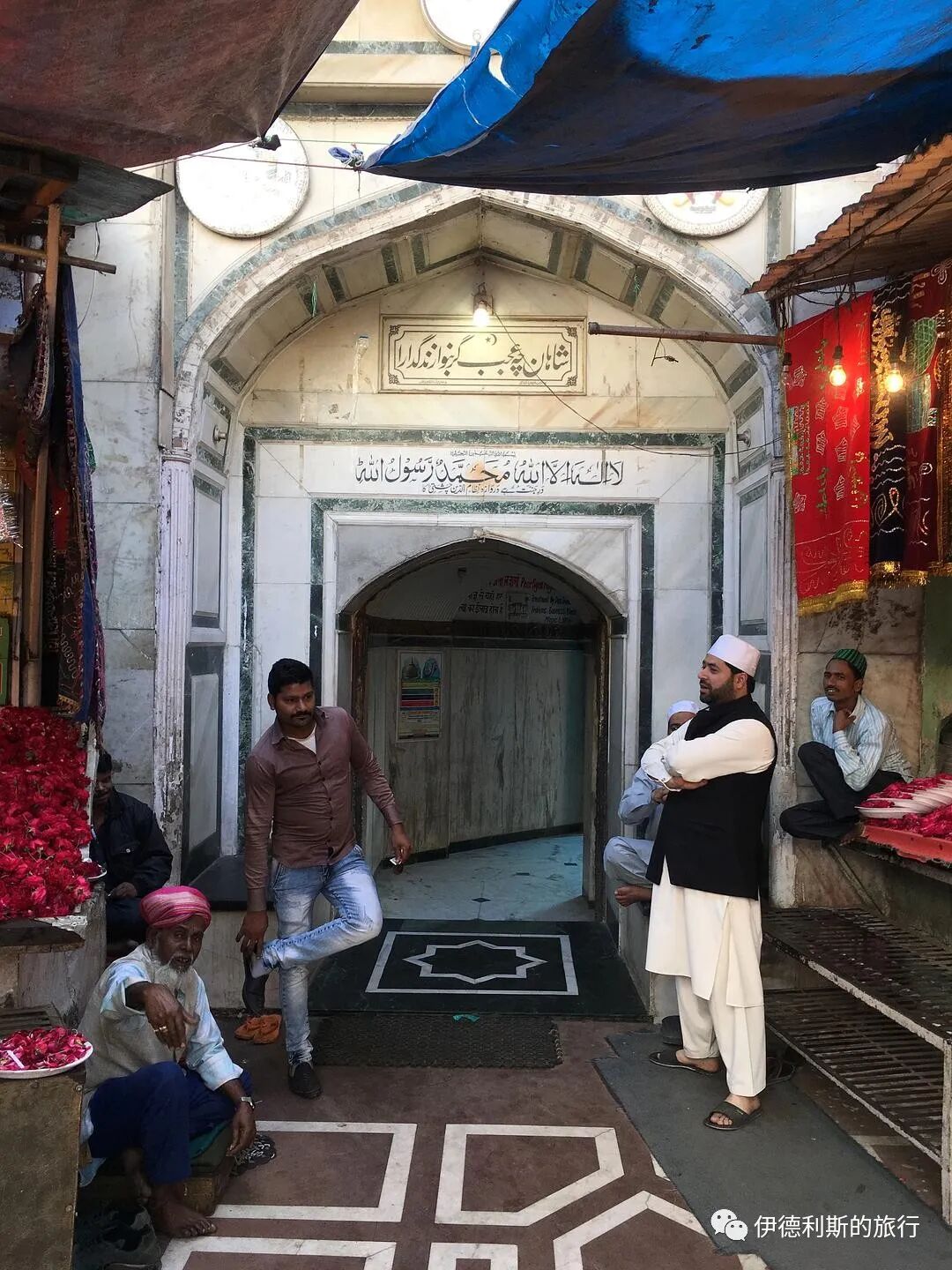
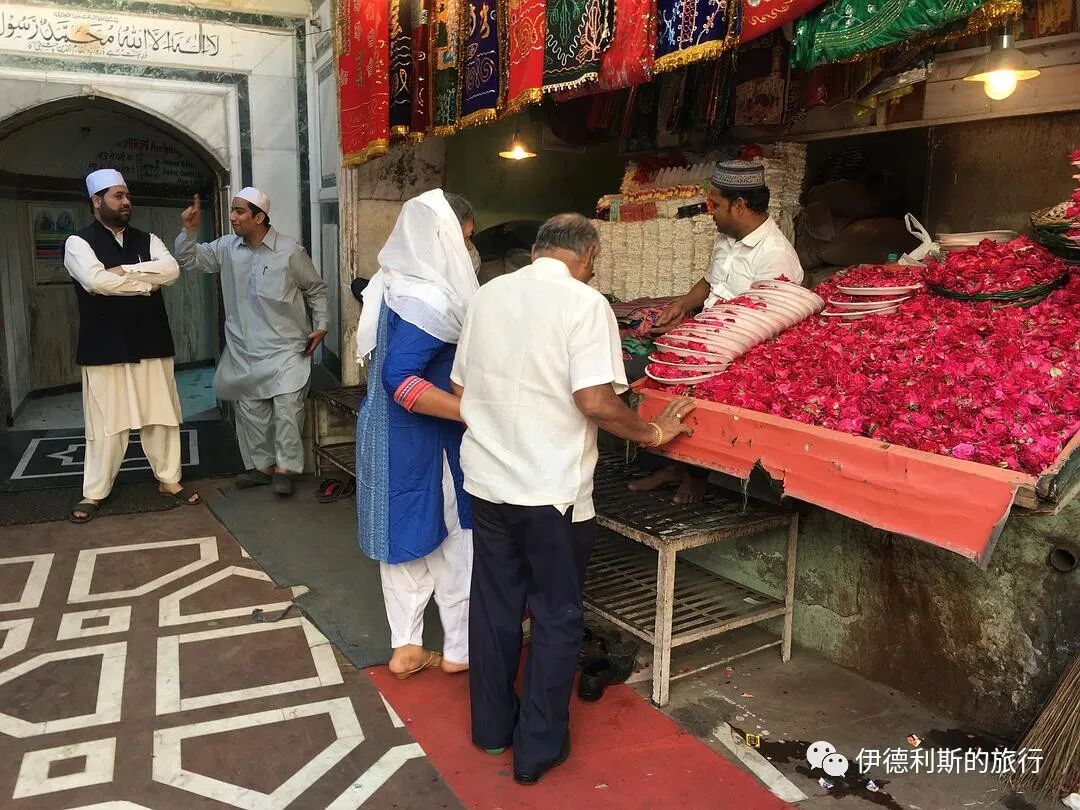
4. Jamaat Khana mosque: 14th century
The Jamaat Khana mosque is the most important building in the heart of Nizamuddin. There are many different stories about its history, but it is likely the second mosque built in Delhi after the Qutb mosque.
One story says that Sultan Alauddin Khalji (reigned 1296-1316) of the Khalji dynasty built this mosque because Nizamuddin once refused a large sum of money offered by the Sultan. Because it has been restored, this mosque looks very different from the Alai Darwaza, the southern gate of the Qutb mosque built by Alauddin Khalji. However, if you look closely, the proportions and decorations of the two buildings are actually very similar.
Another story says the main hall of this building was originally built by Alauddin Khalji's son, Khizr Khan, as a tomb for Nizamuddin. Nizamuddin did not want to be buried in a tomb, so the building became a mosque and side rooms were added to both sides. But looking at the existing structure, the main hall and the side chambers seem to be built together perfectly, with no signs that they were constructed at different times.
A third theory says Nizamuddin was buried in the wilderness according to his final wishes, and this mosque was built for believers by Sultan Firuz Shah Tughlaq (reigned 1351-1388). Overall, the building's style is still very close to the architectural style of the Khalji dynasty.
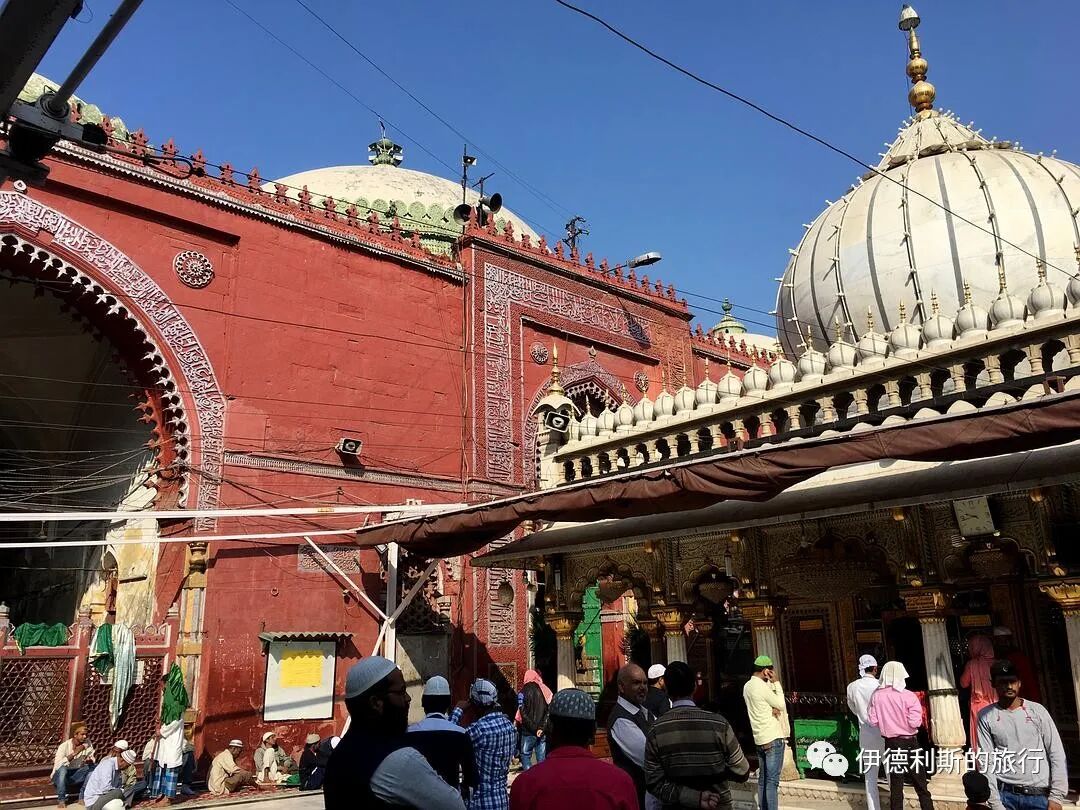
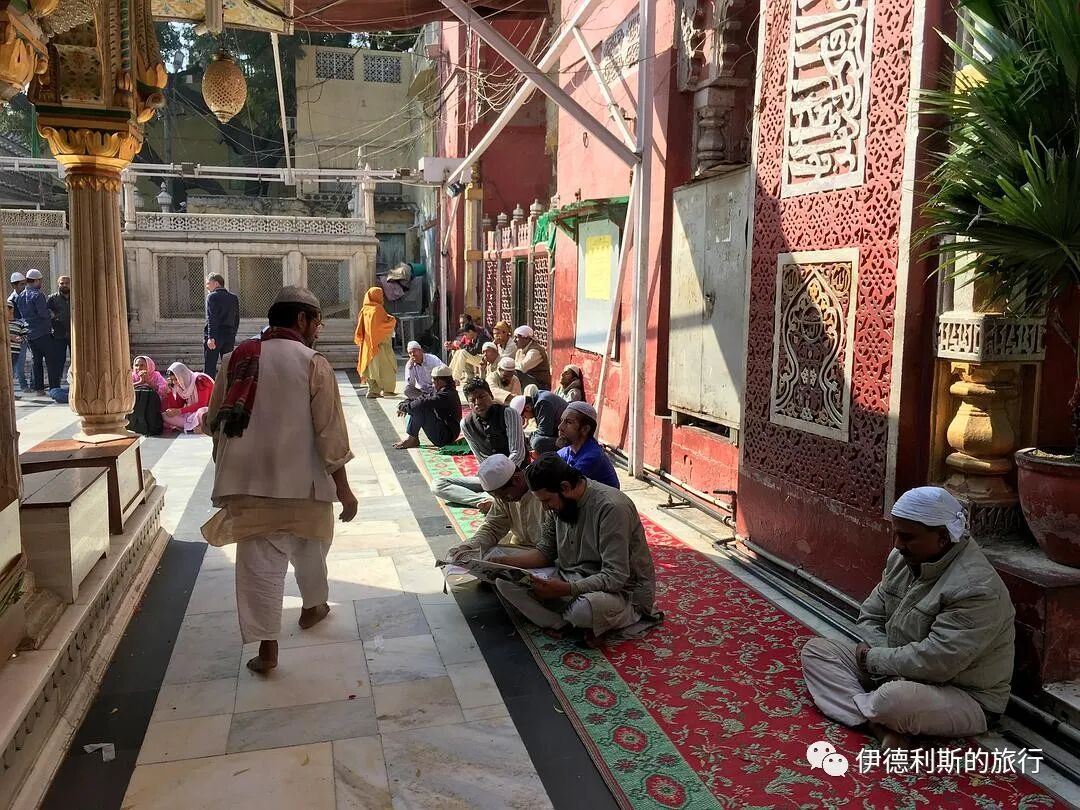
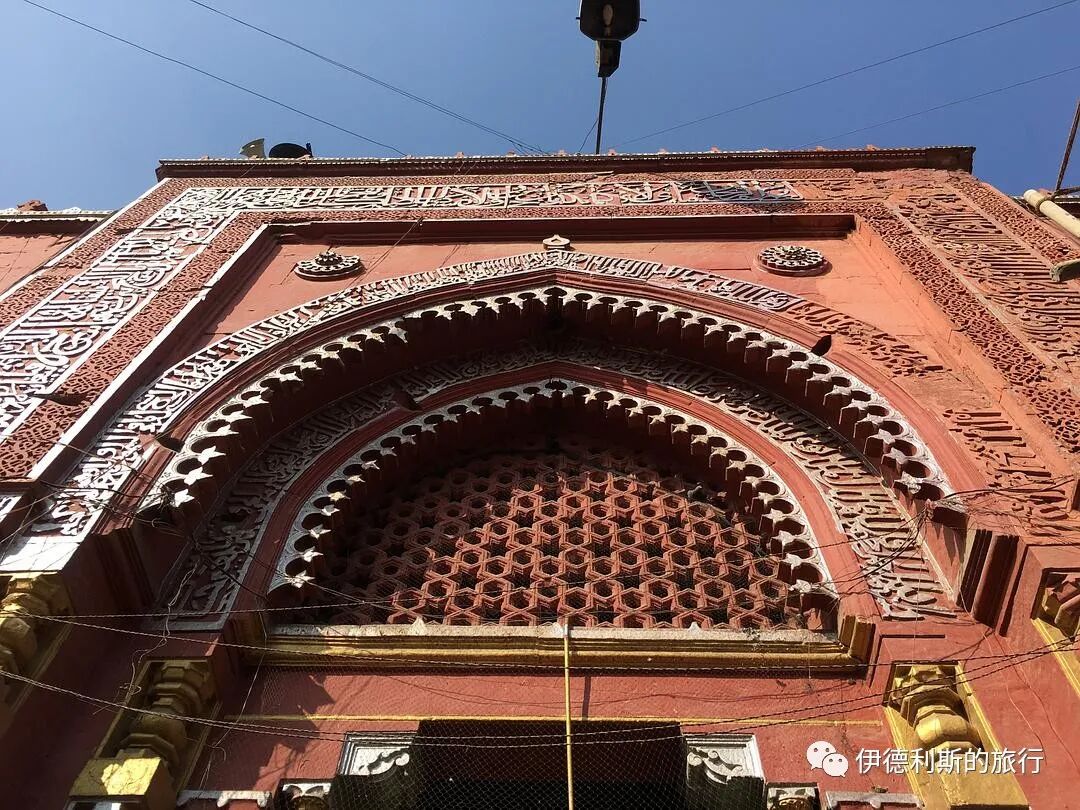
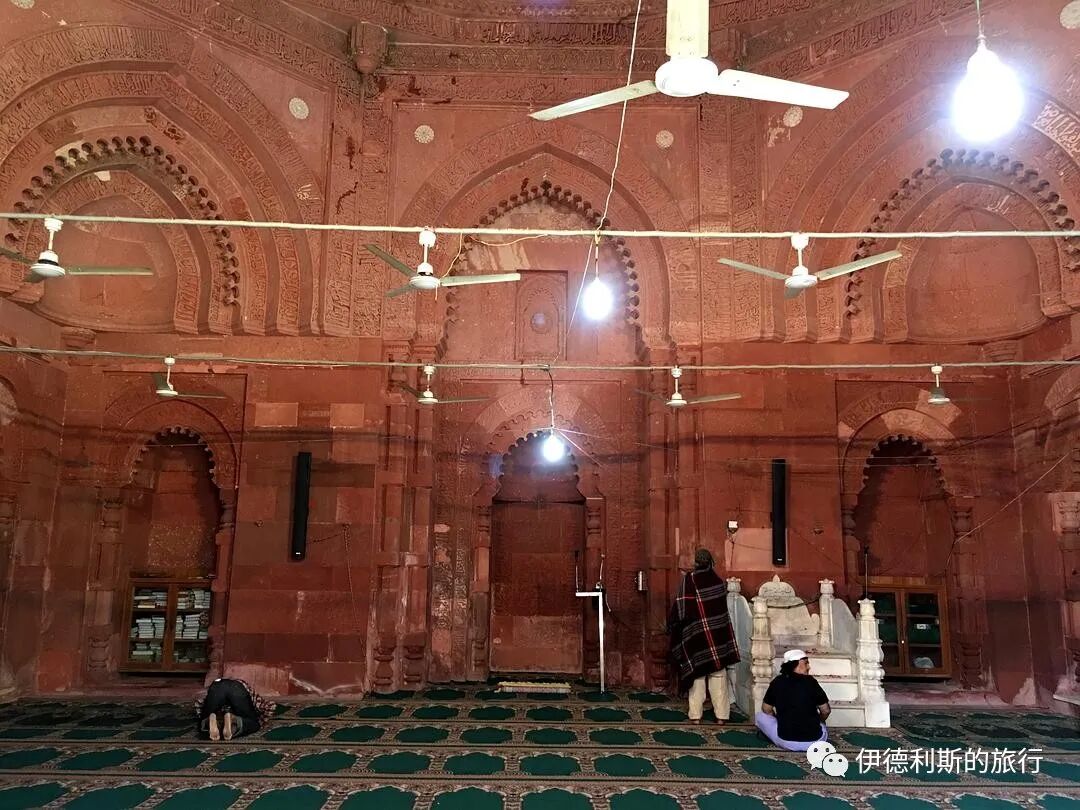
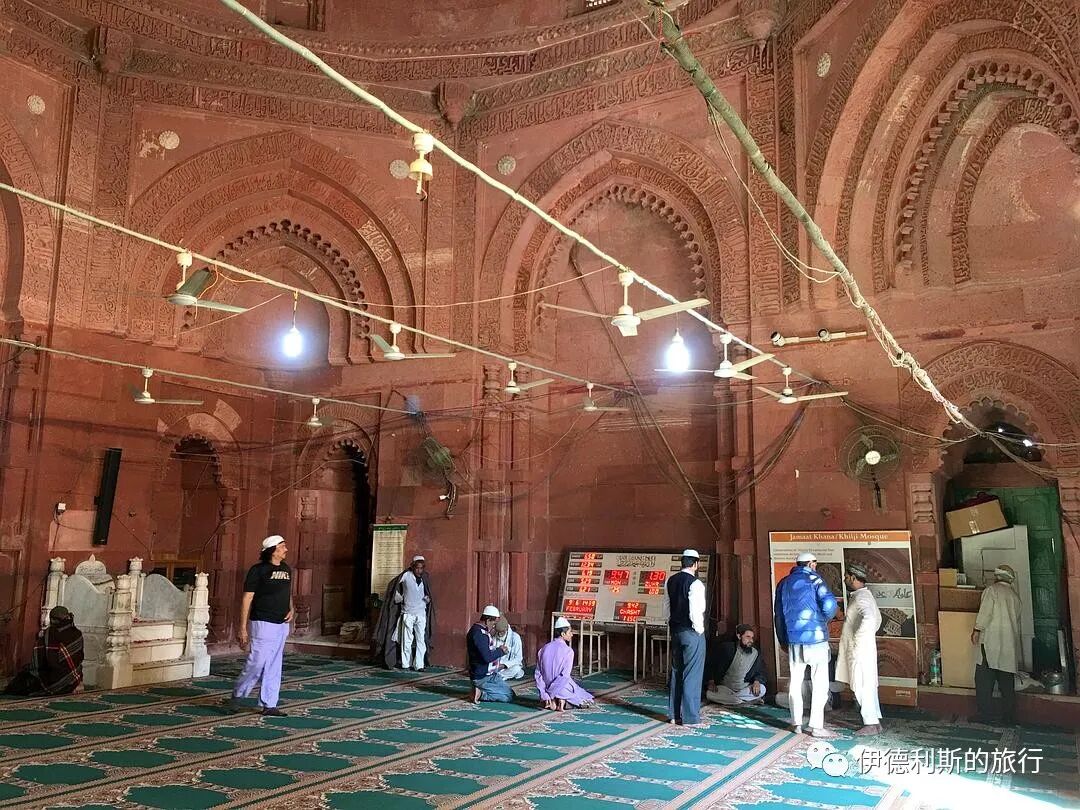
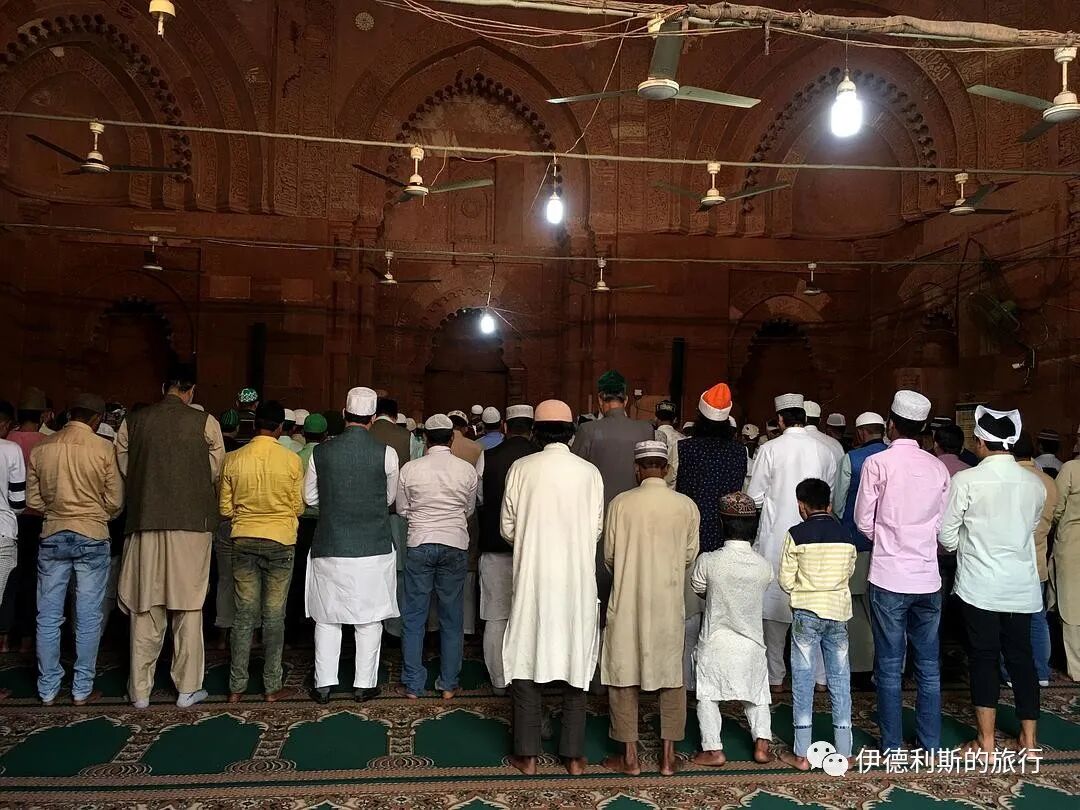
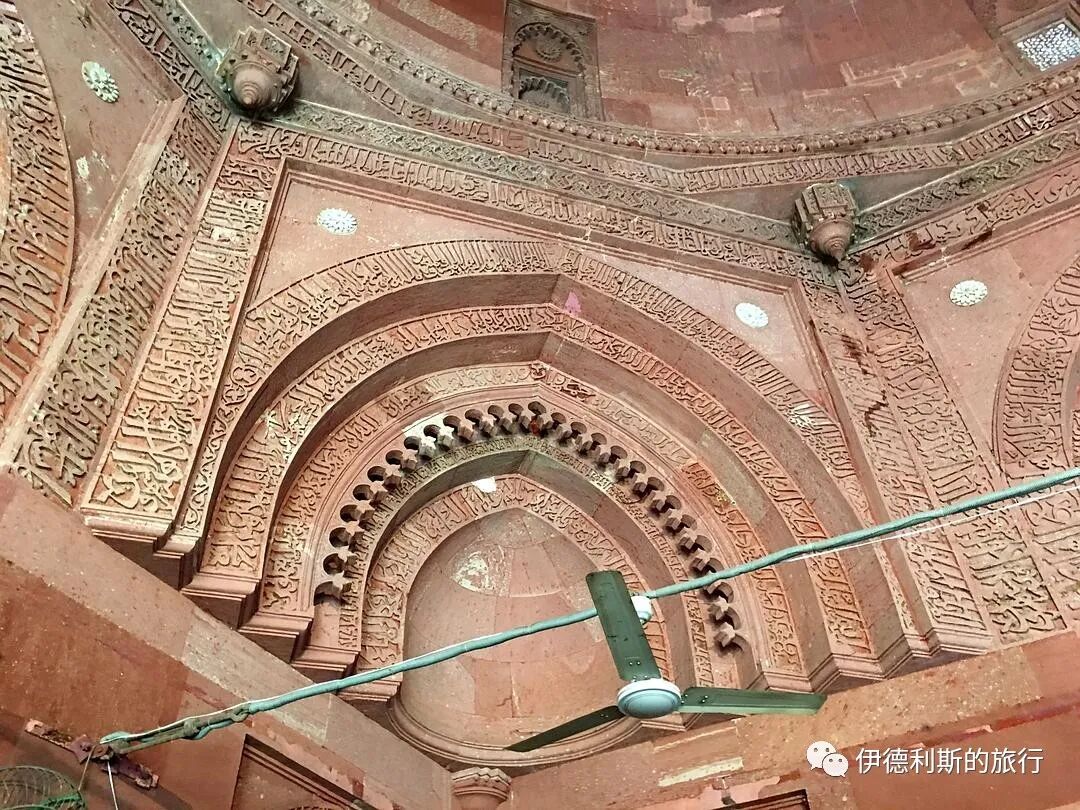
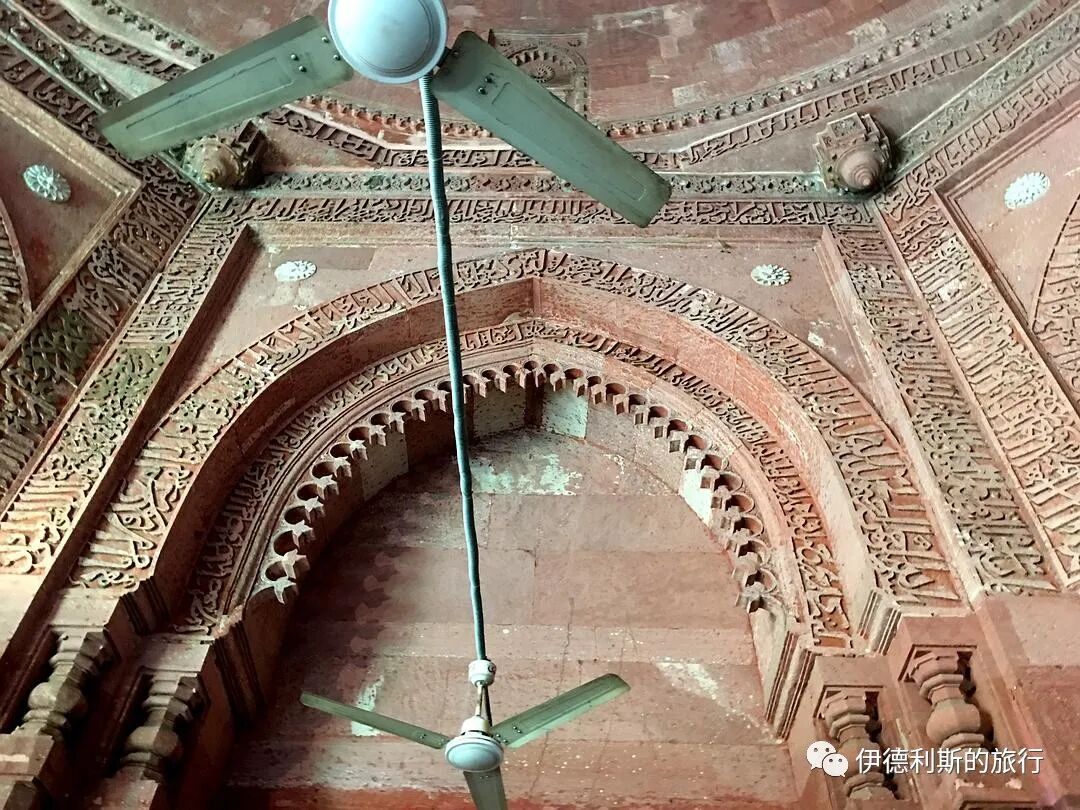
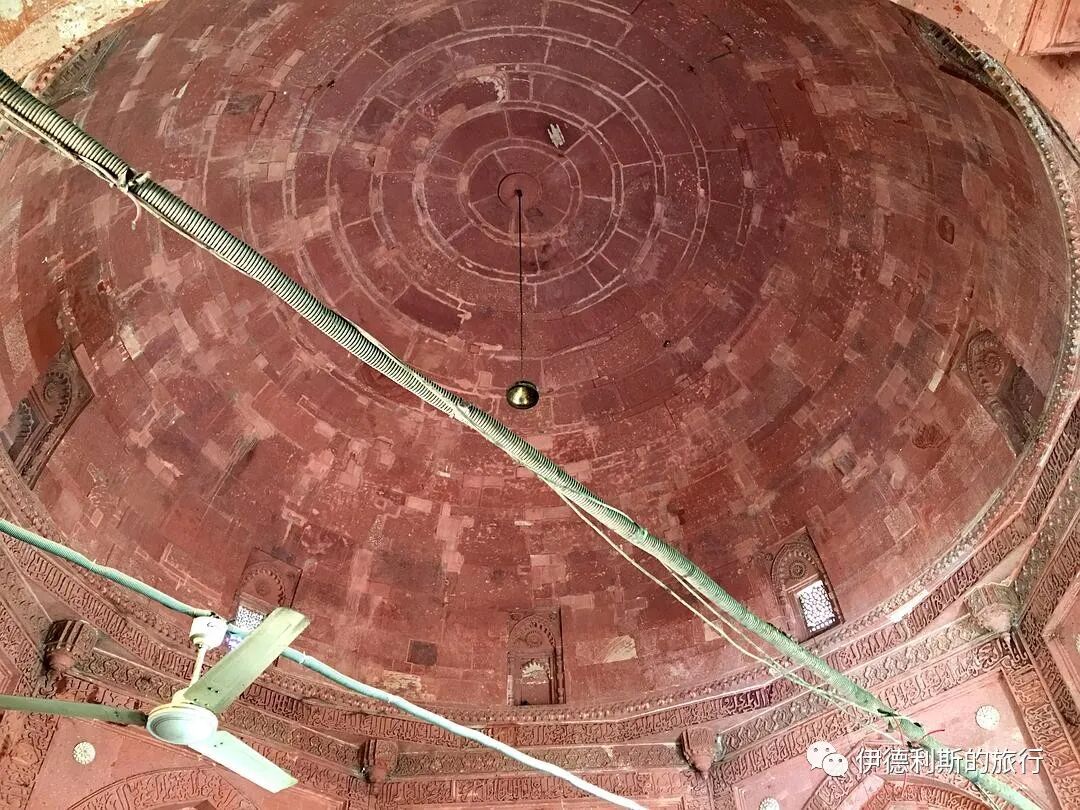
The hall on the north side of the mosque is currently undergoing repairs.
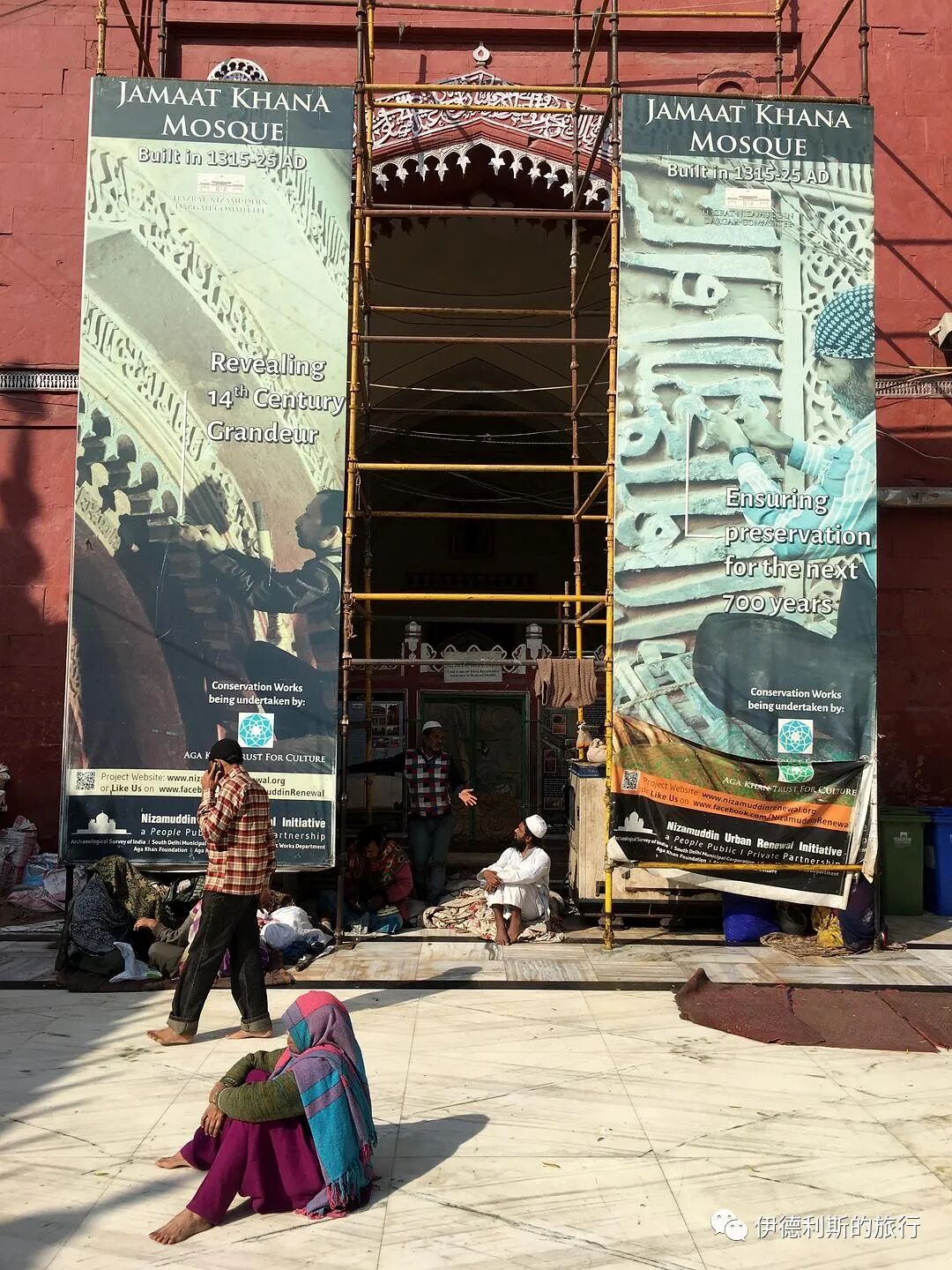
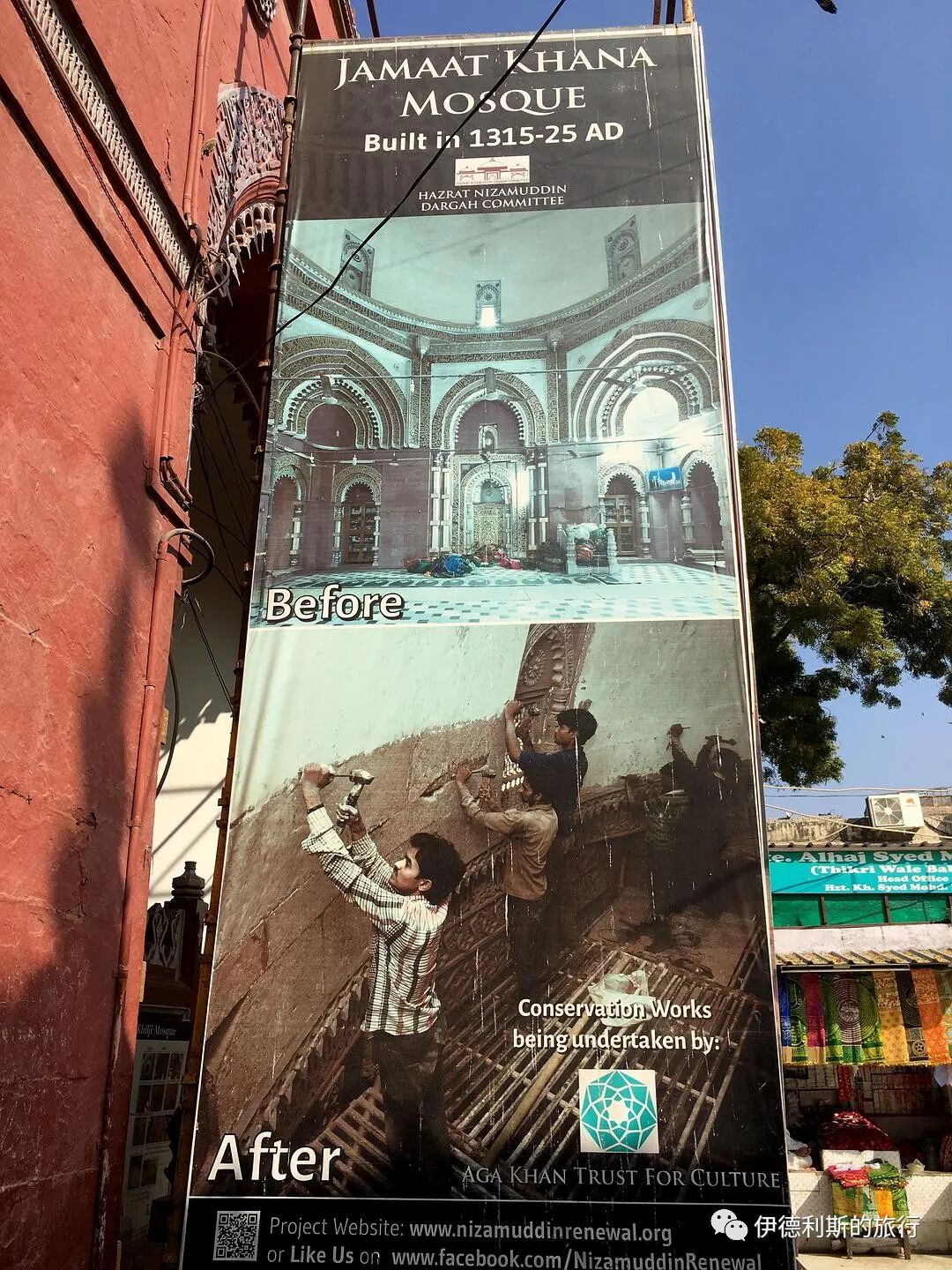
5. Nizamuddin shrine (gongbei): 19th century
The Shrine of Nizamuddin (Shrine) sits right in front of the Jamaat Khana mosque. It is impossible to know what the original shrine looked like. The first shrine was built in the late 14th century by Firoz Shah Tughlak, who was the Sultan of the Delhi Sultanate from 1351 to 1388.
In 1562, a noble serving under the Mughal Emperor Akbar added marble screens around the shrine.
Starting in 1608, the governor of Delhi at the time, Sheikh Farid Bukhari, added several new features to the shrine, including a wooden canopy inlaid with mother-of-pearl.
In 1652, a red sandstone corridor was built around the shrine, but it was replaced in 1809 by the marble columns we see today.
The shrine's canopy was rebuilt in 1820, and a dome was added in 1839, giving it the appearance it has now.
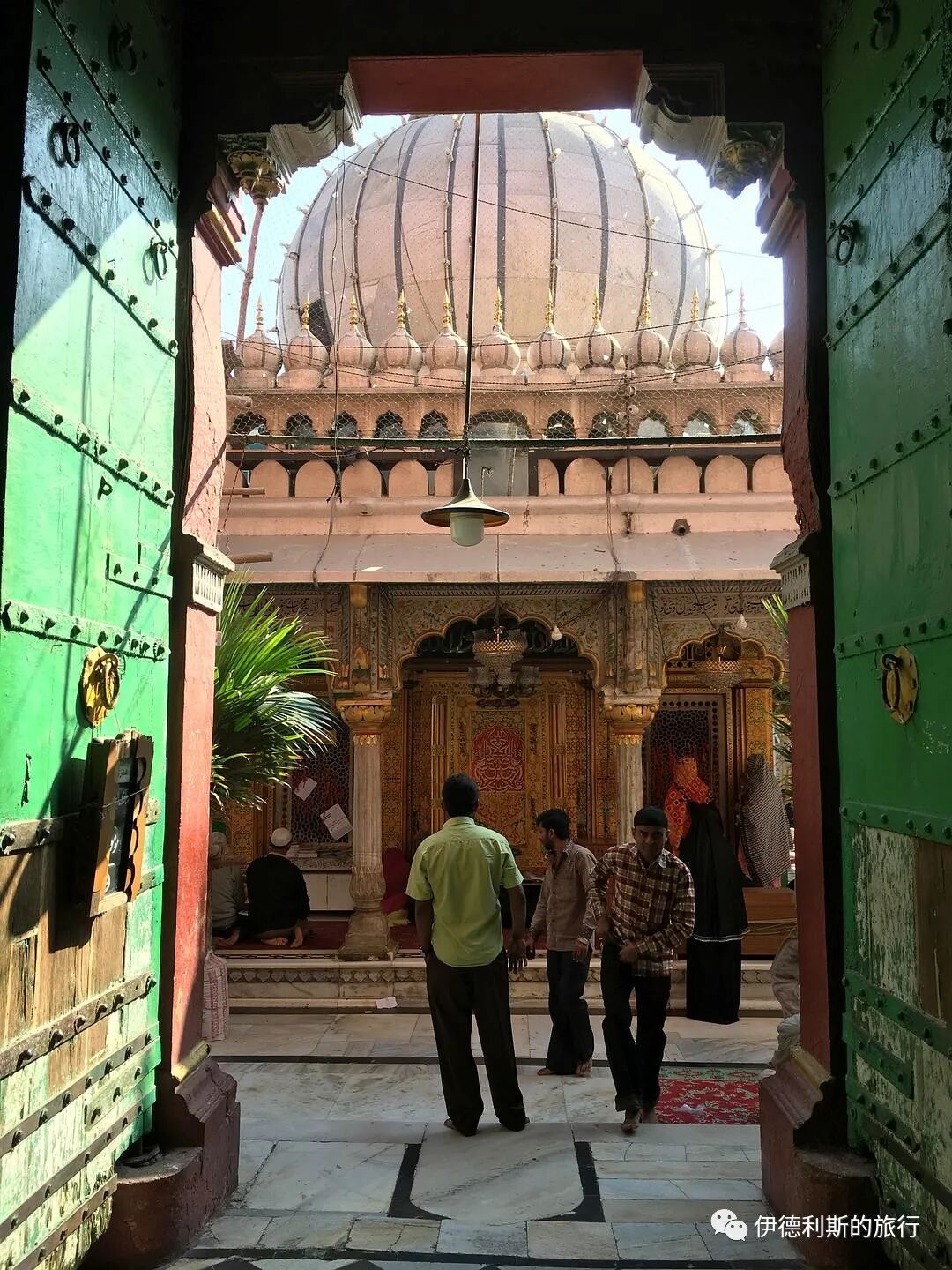
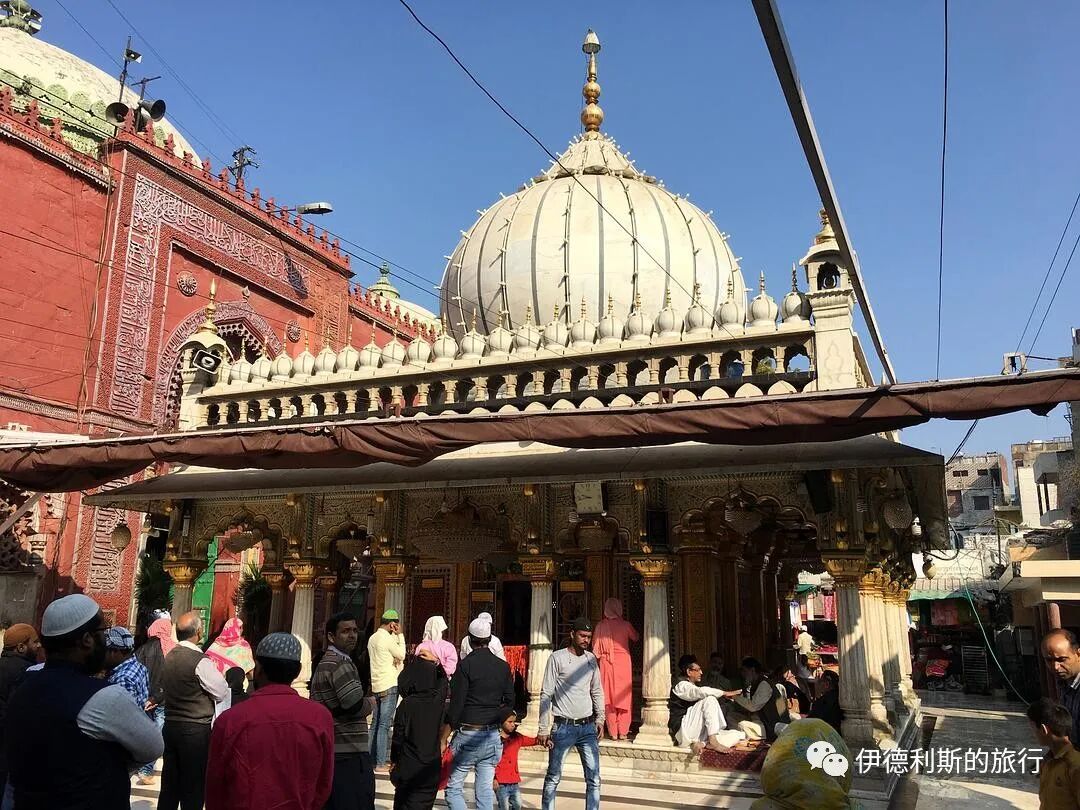
Muhammad Nizamuddin Auliya (1238-1325), also known as Hazrat Nizamuddin, was a key figure in the Sufi Chishti Order and is considered one of the most important Sufis in South Asia.
Nizamuddin was born in 1238 in Badayun, near the Ganges River in Uttar Pradesh. His father died when he was five, and his mother brought him to Delhi to make a living. At age 20, Nizamuddin traveled to Ajodhan (now in the Punjab region of Pakistan) to follow the famous Sufi master Fariduddin Ganjshakar, who was also one of the founders of the Sufi Chishti Order. After that, Nizamuddin spent three consecutive Ramadans traveling from Delhi to Ajodhan to be with Fariduddin Ganjshakar. During the third Ramadan, Fariduddin Ganjshakar named Nizamuddin as his successor. Not long after, Nizamuddin received news in Delhi that his teacher had passed away.
Nizamuddin lived in many parts of Delhi. In his later years, he moved to a place outside the city called Ghiyaspur to escape the noise. There, he built his own Sufi lodge (khanqah). A lodge is usually part of a complex that includes a school, a mosque, and a tomb (gongbei). Inside the prayer hall (daotang), Nizamuddin generously shared his knowledge with everyone who came to ask him for guidance. Soon, more and more people gathered around him, from the poor to the wealthy, and even court poets from the Delhi Sultanate came to learn from his teachings.
Nizamuddin did not focus much on Sufi theory, choosing instead to put his energy into practice. His key principles included helping those in need, providing food for the hungry, and showing compassion to the oppressed. He strongly opposed mixing with the Sultan and the royal nobility. He urged the wealthy to stay in close contact with the poor and the oppressed. He took an uncompromising stance against all forms of political and social oppression.
Nizamuddin was also a strong supporter of the Sufi Sama ceremony, which some people at the time considered un-Islamic. Sama is a Sufi ritual centered on remembrance (Dhikr) that includes singing, playing musical instruments, dancing, and reciting poetry. The famous Sufi whirling dance is one part of Sama.
Music and dance have always been an important part of various religious rituals in India. Nizamuddin hoped to use music and dance to make it easier for ordinary believers to participate in Sufism. Influenced by Nizamuddin, his famous student Amir Khusrow invented Qawwali, the most well-known form of Sufi music in South Asia.
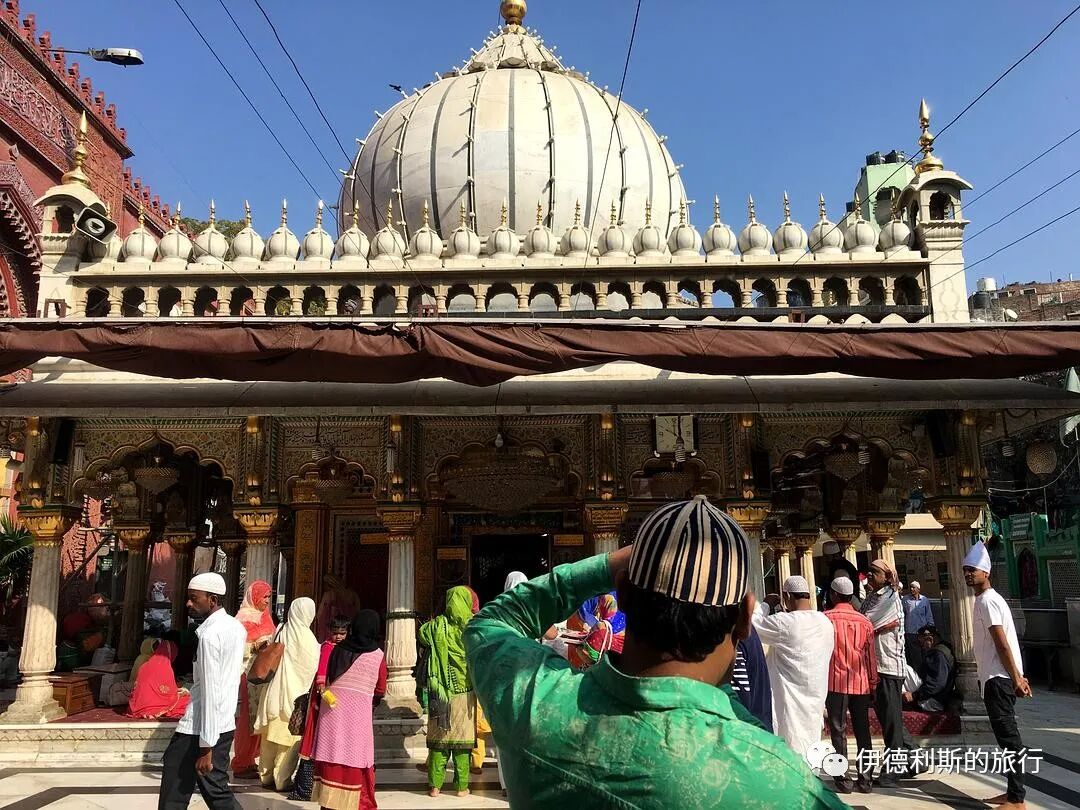
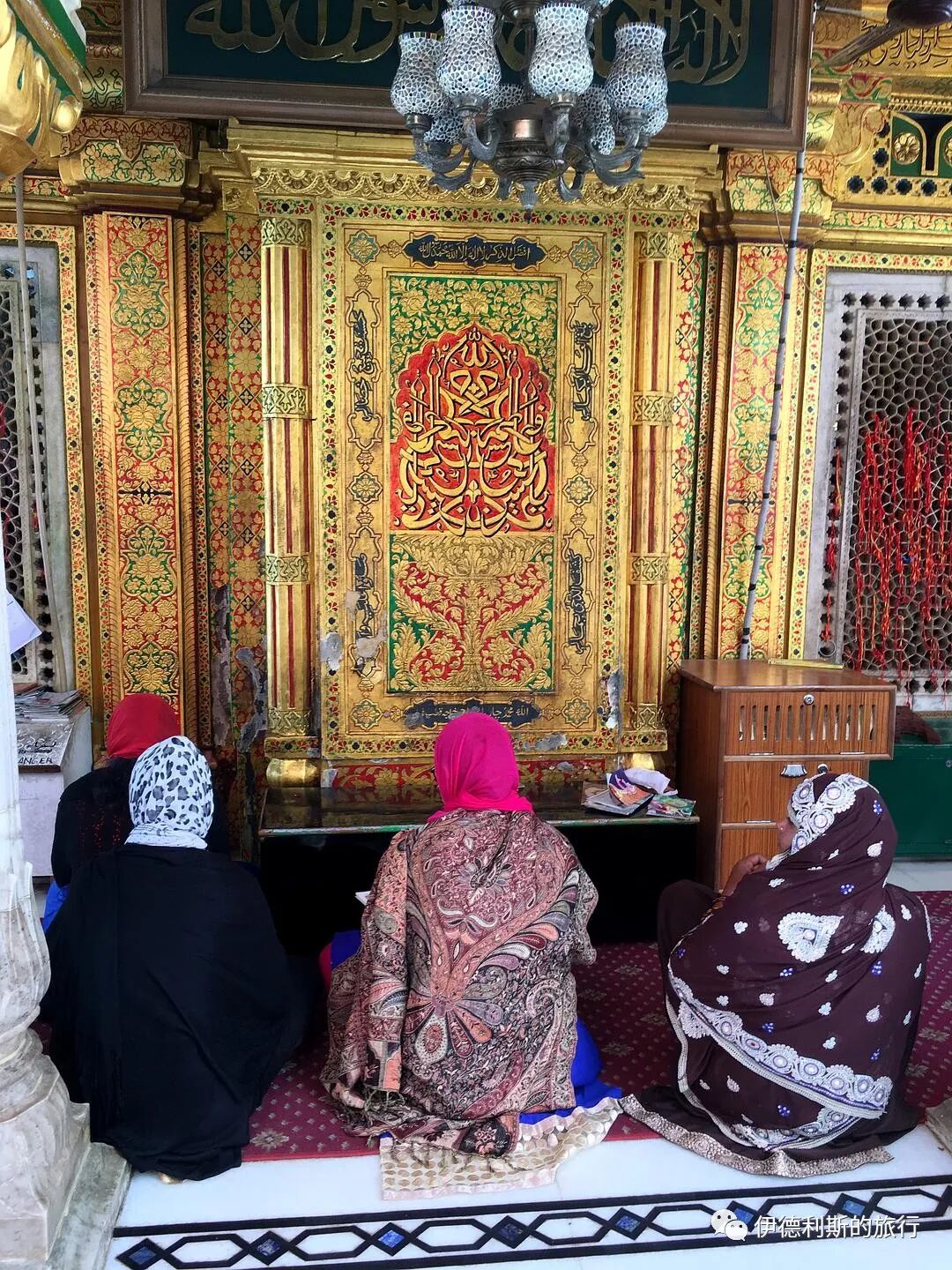
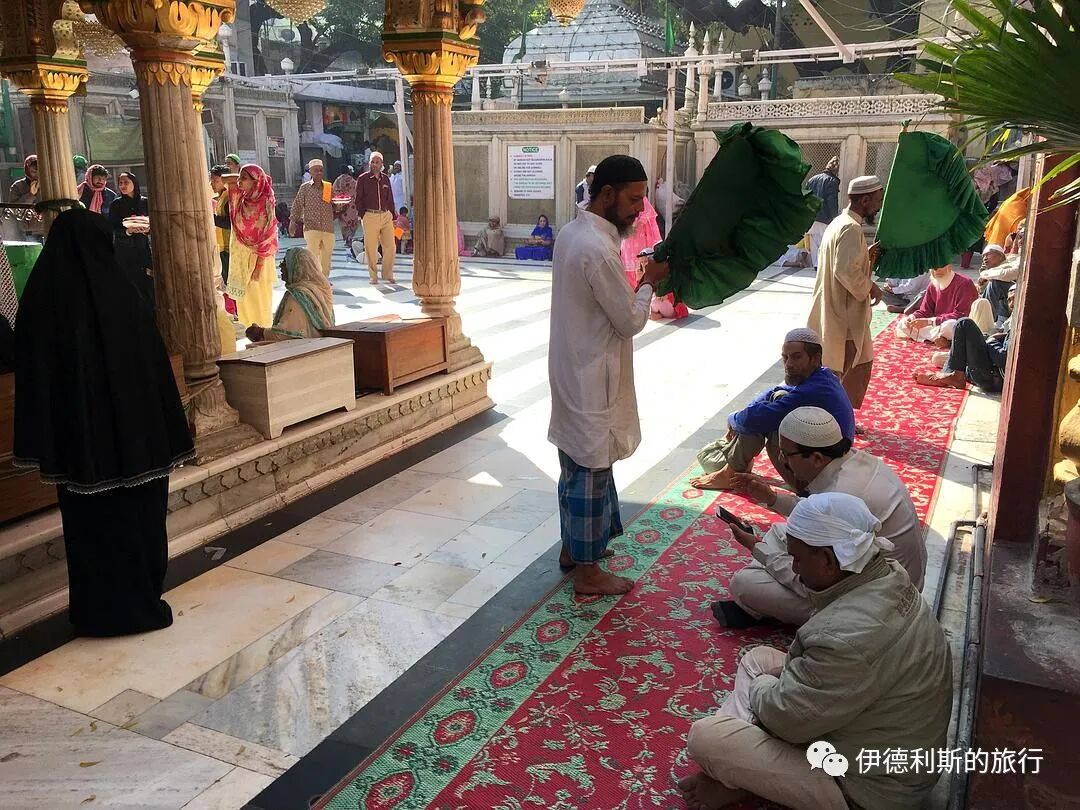
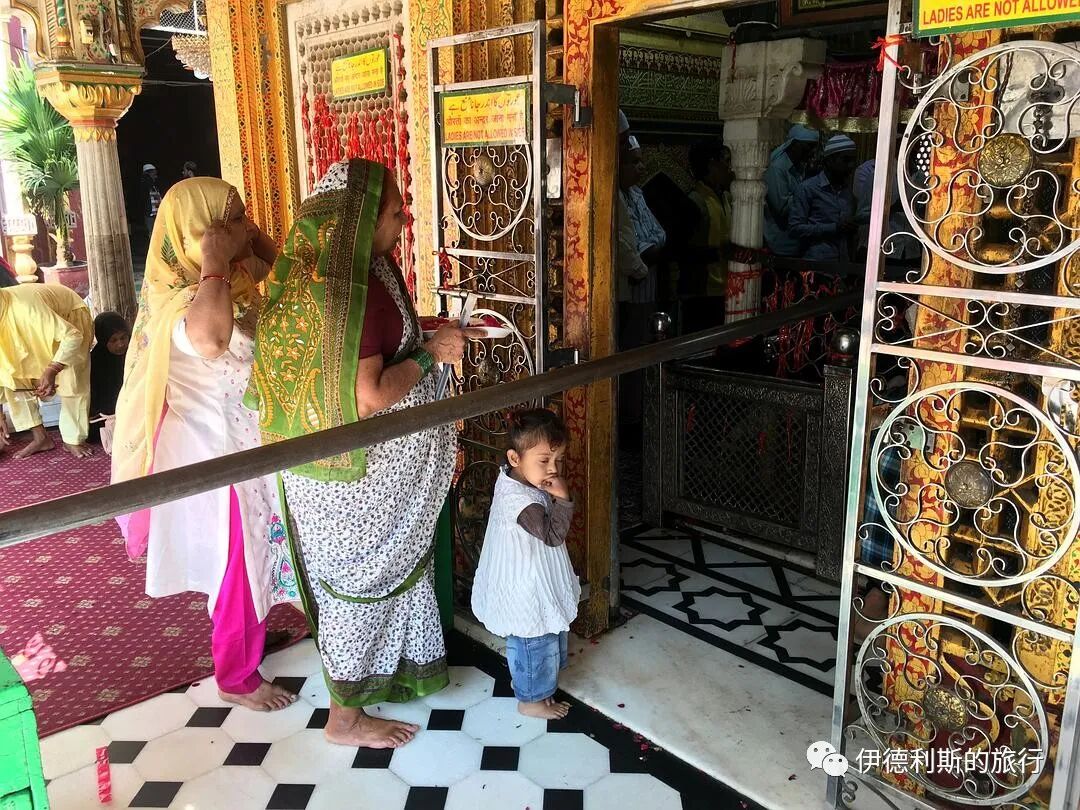
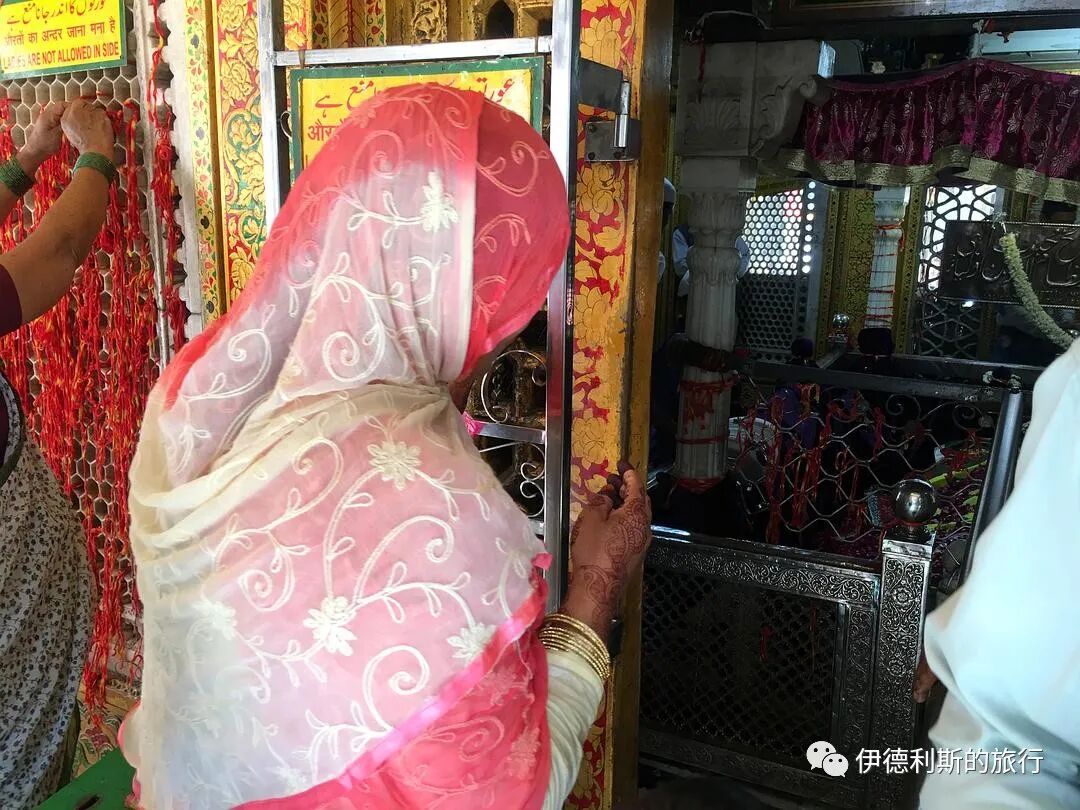
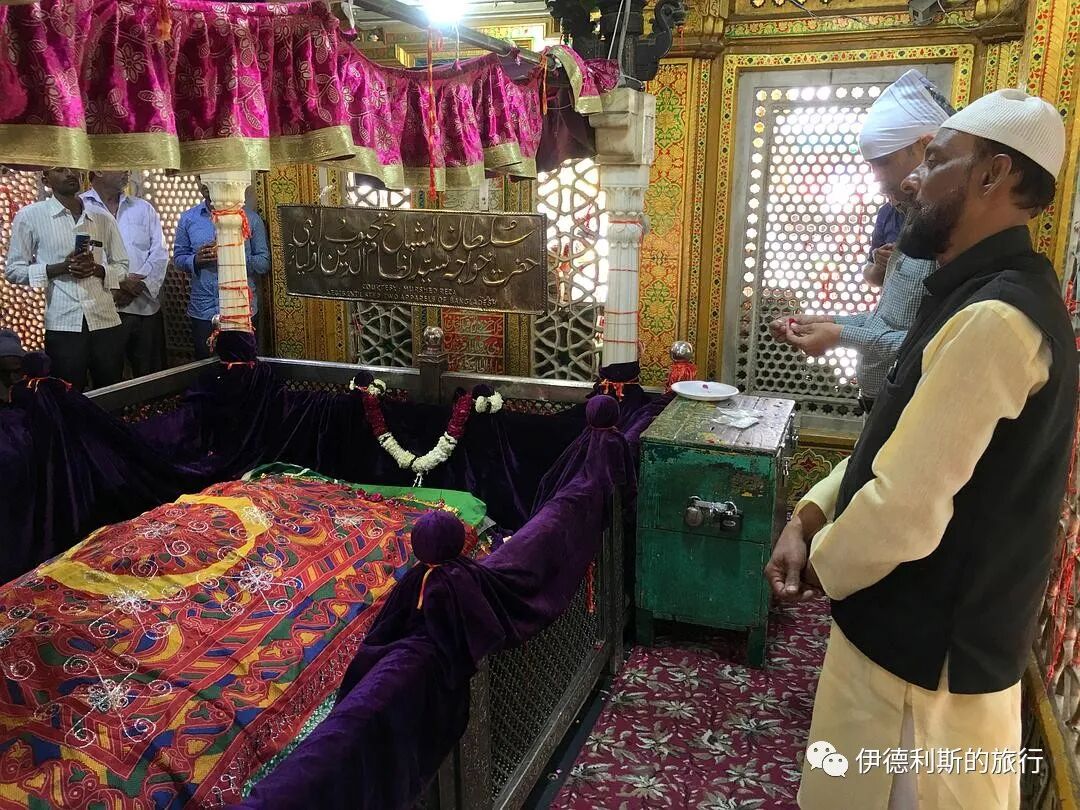
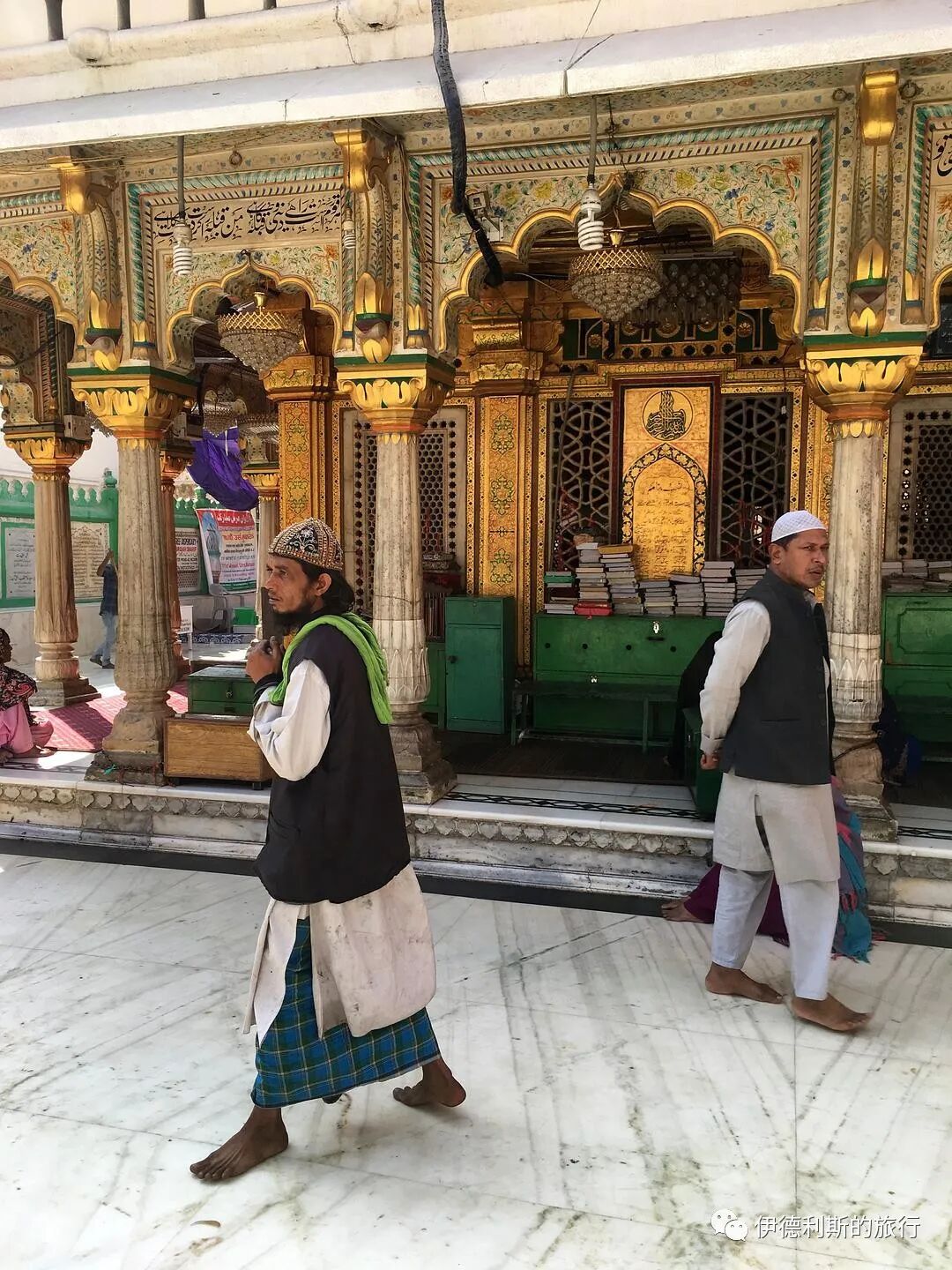
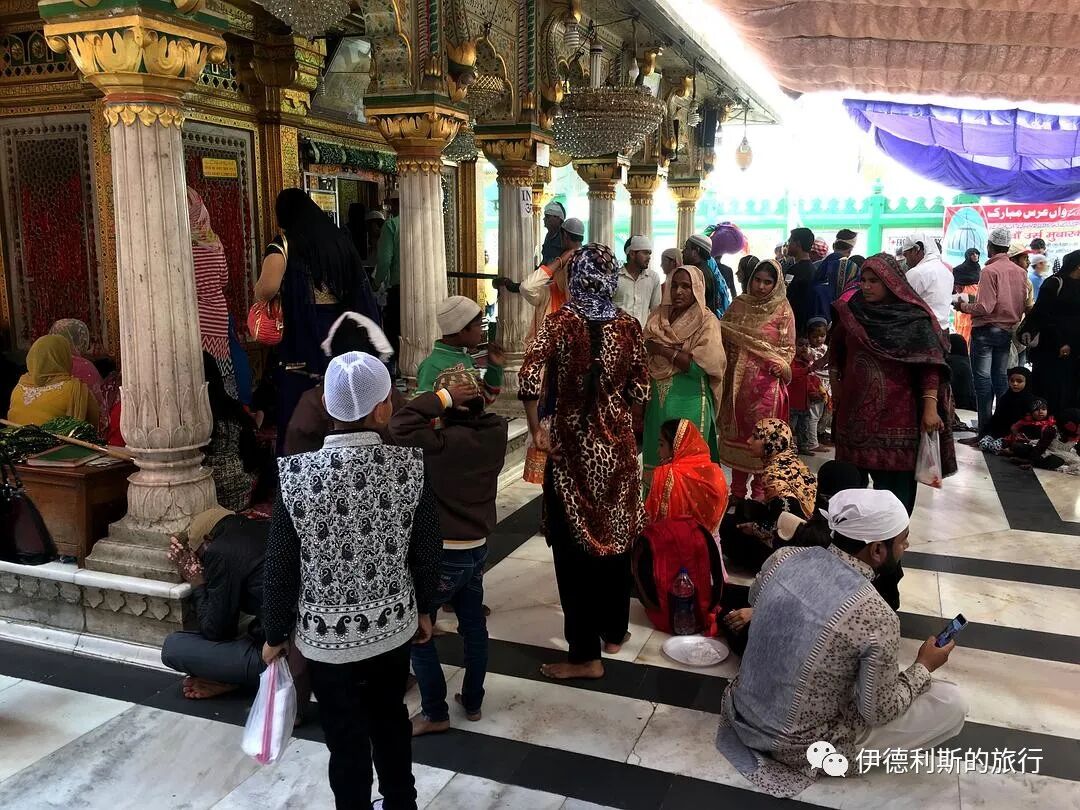
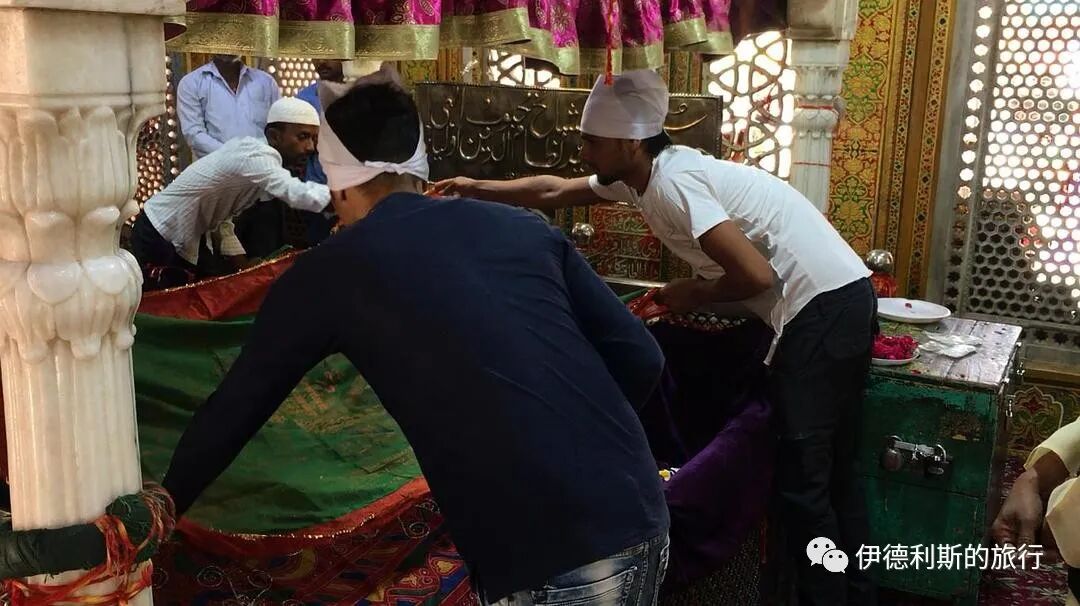
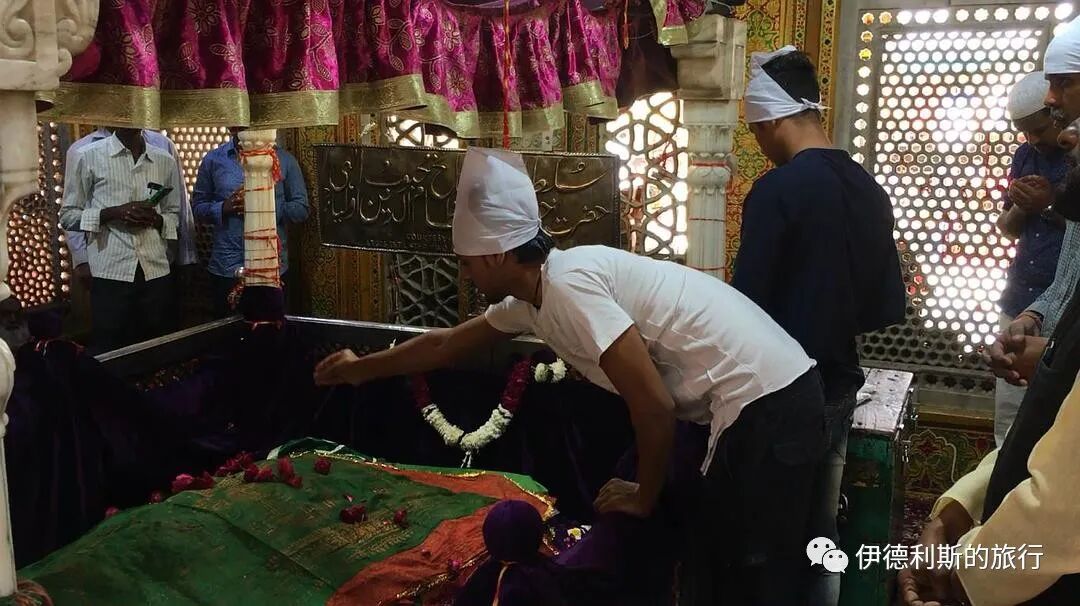
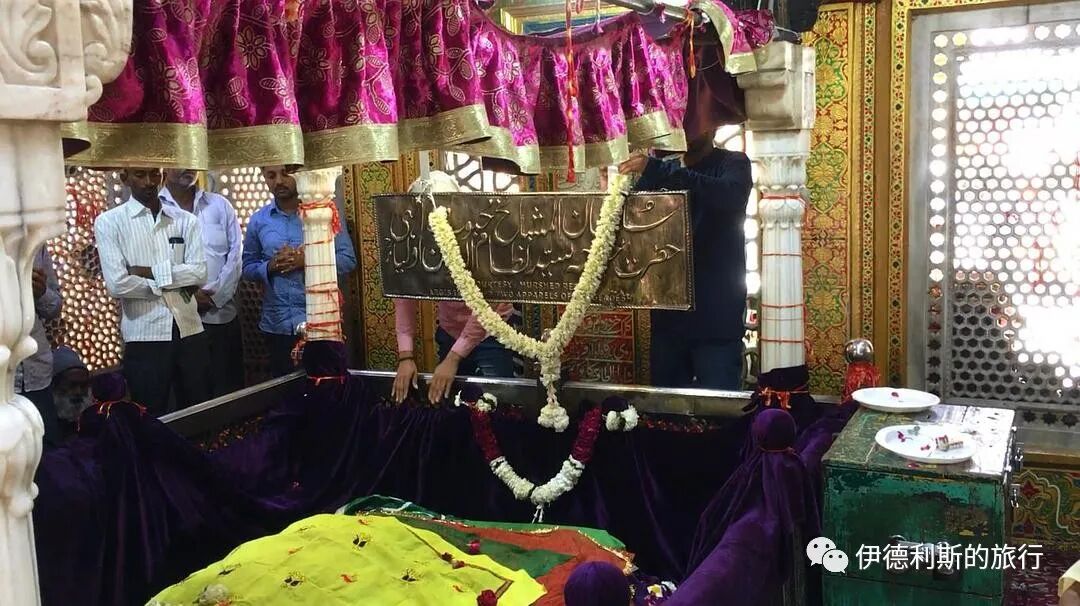
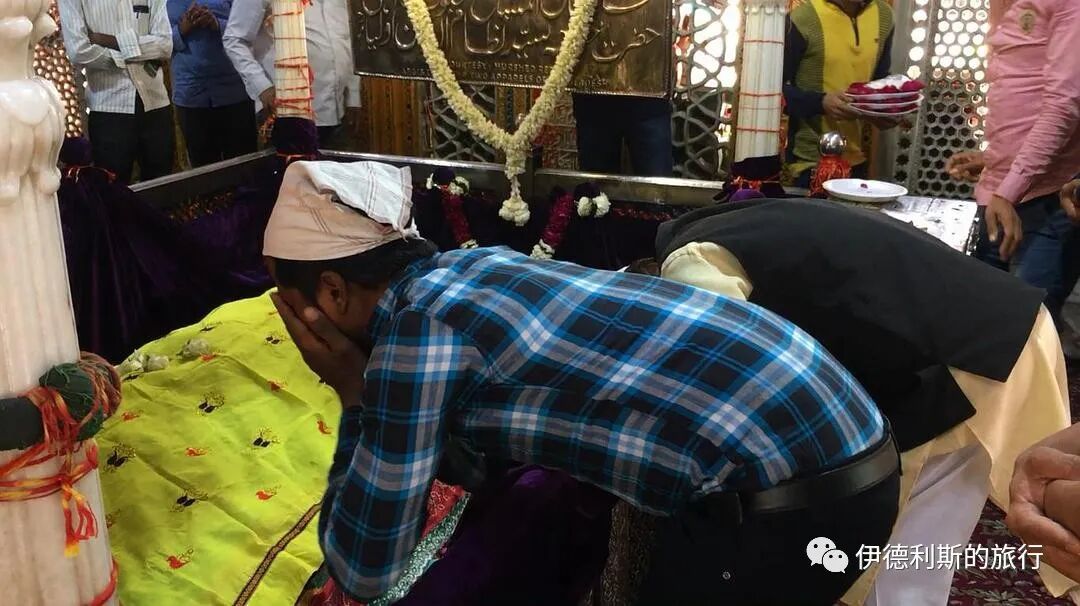
6. Tomb of Amir Khusrau: 1605
The tomb of Nizamuddin's student Amir Khusro (1253-1325) sits south of the shrine and is the second most important tomb in the core area after Nizamuddin's own.
In 1310, 57-year-old Khusro met Nizamuddin and eventually became his student. In 1319, Khusro wrote a prose work called Afzal ul-Fawaid (The Greatest Blessings) that explains the teachings of Nizamuddin. Nizamuddin passed away on April 3, 1325, and Khusrau died just six months later. His tomb, like the shrine of Nizamuddin, was rebuilt many times. During the reign of Humayun (1530-1560), a surrounding wall was added, which makes it difficult to see the original appearance of the tomb.
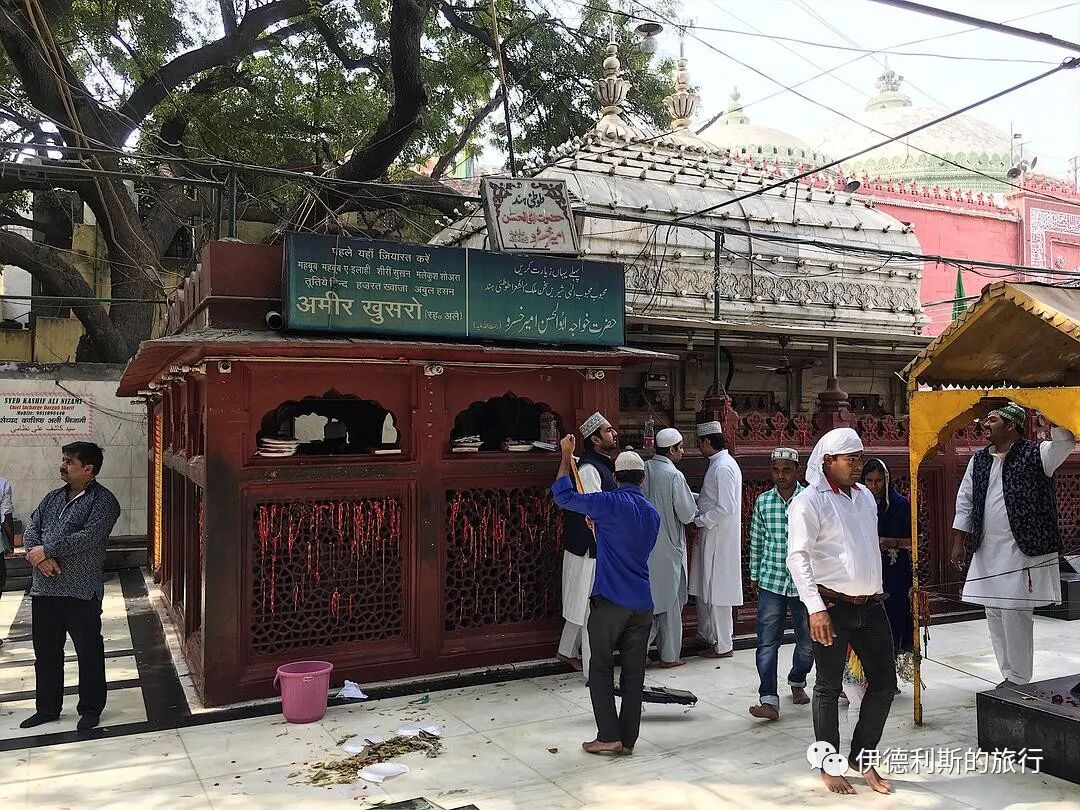
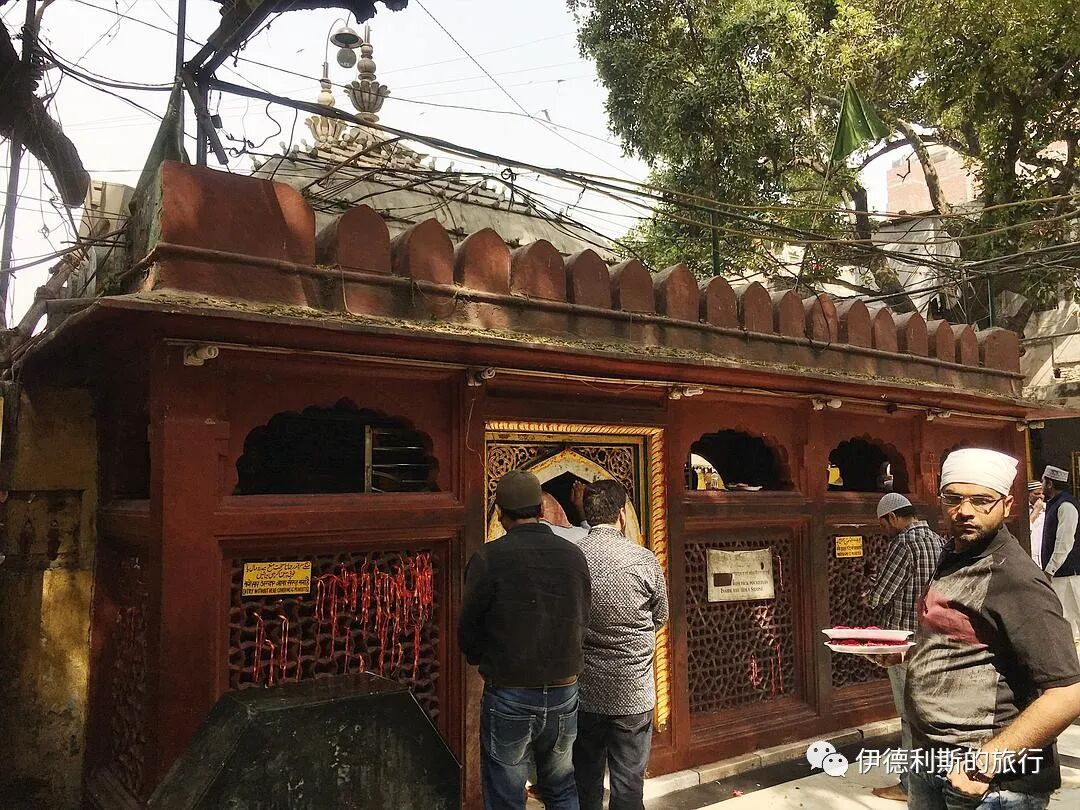
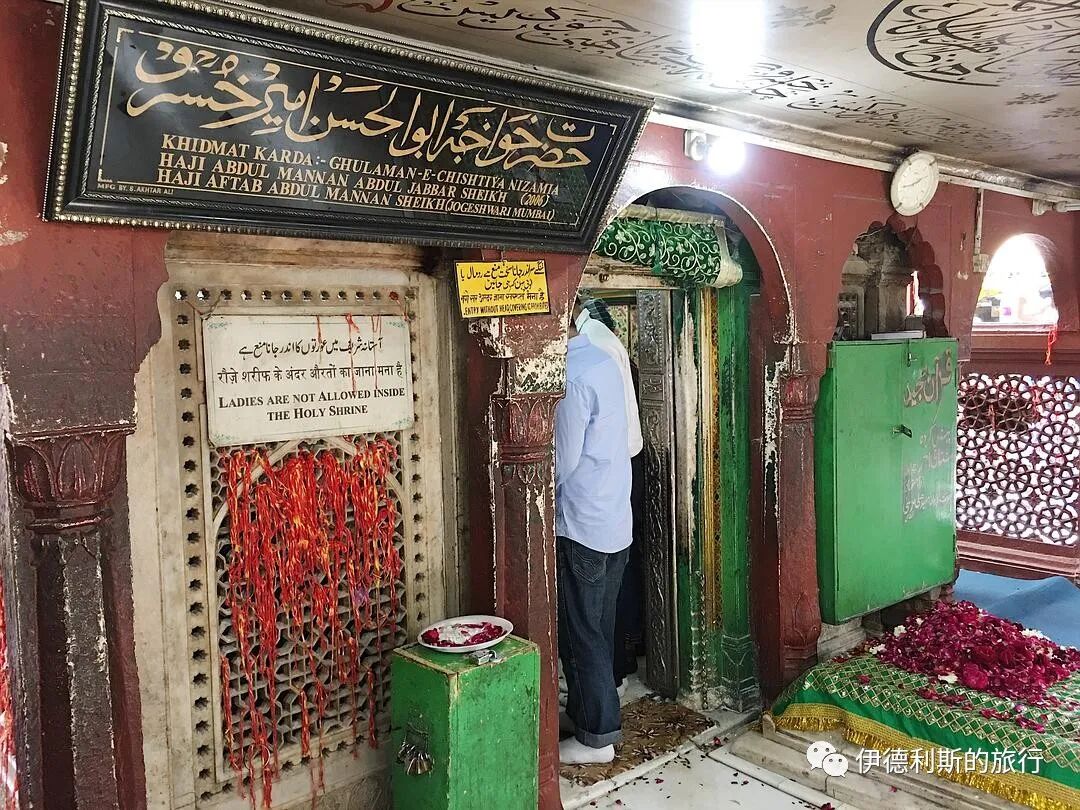
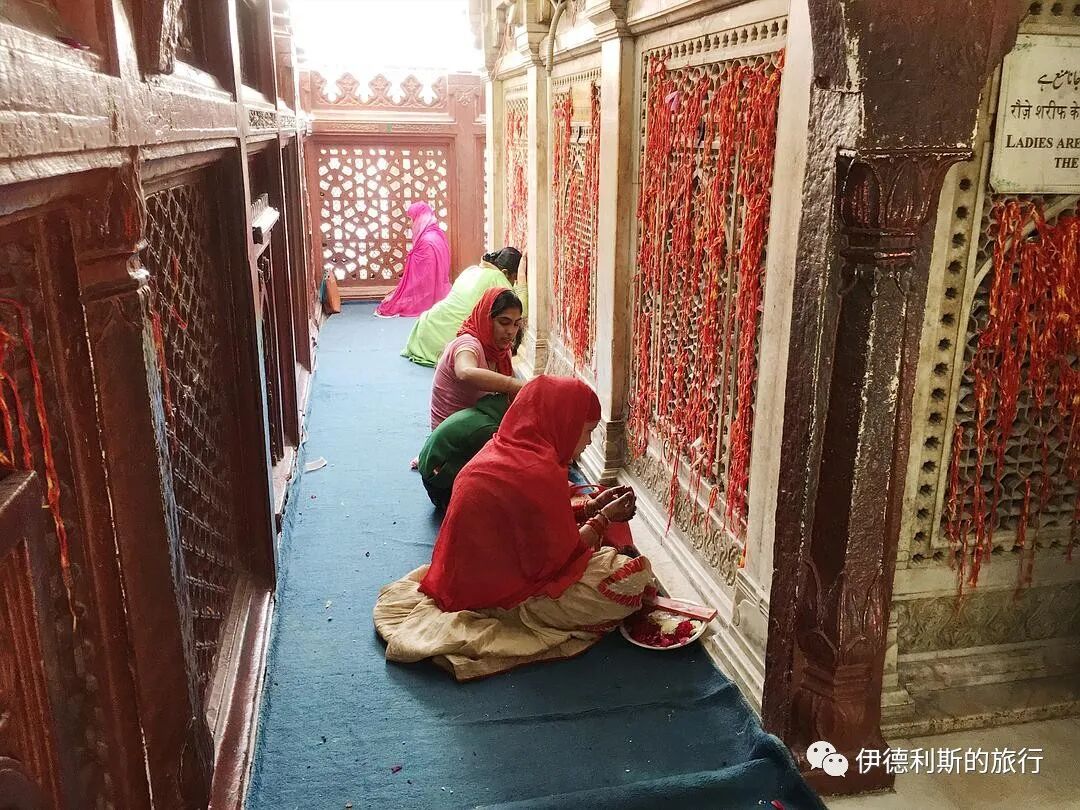
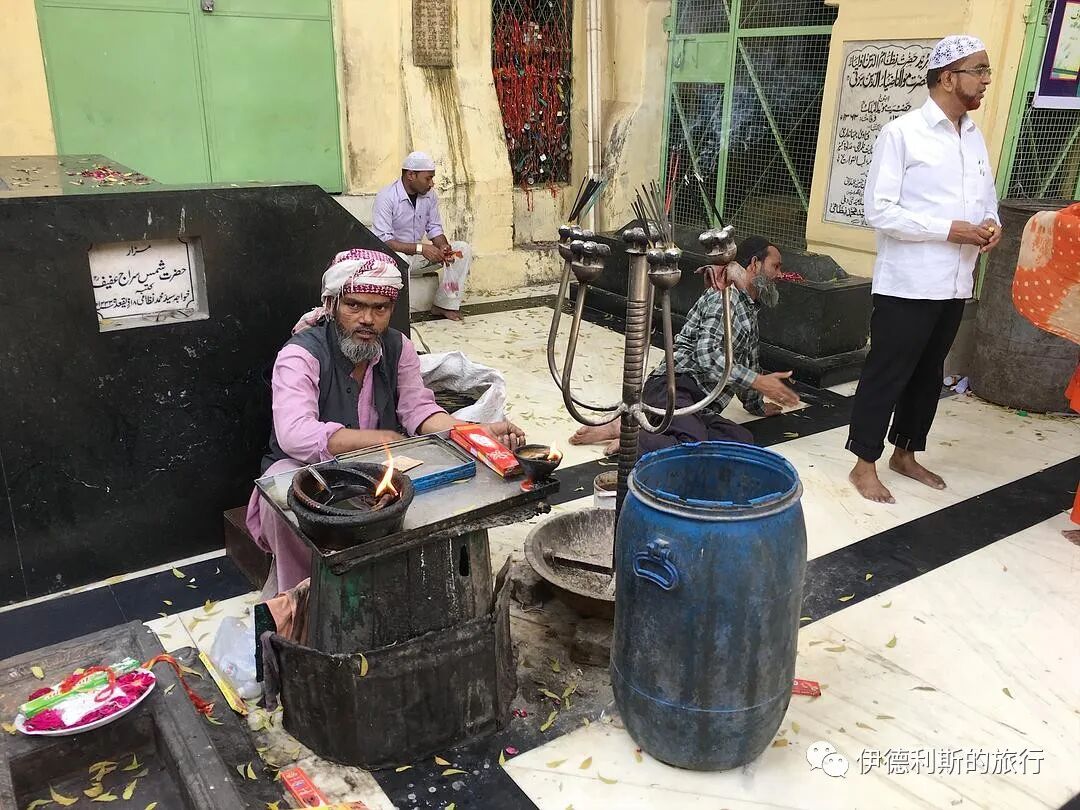
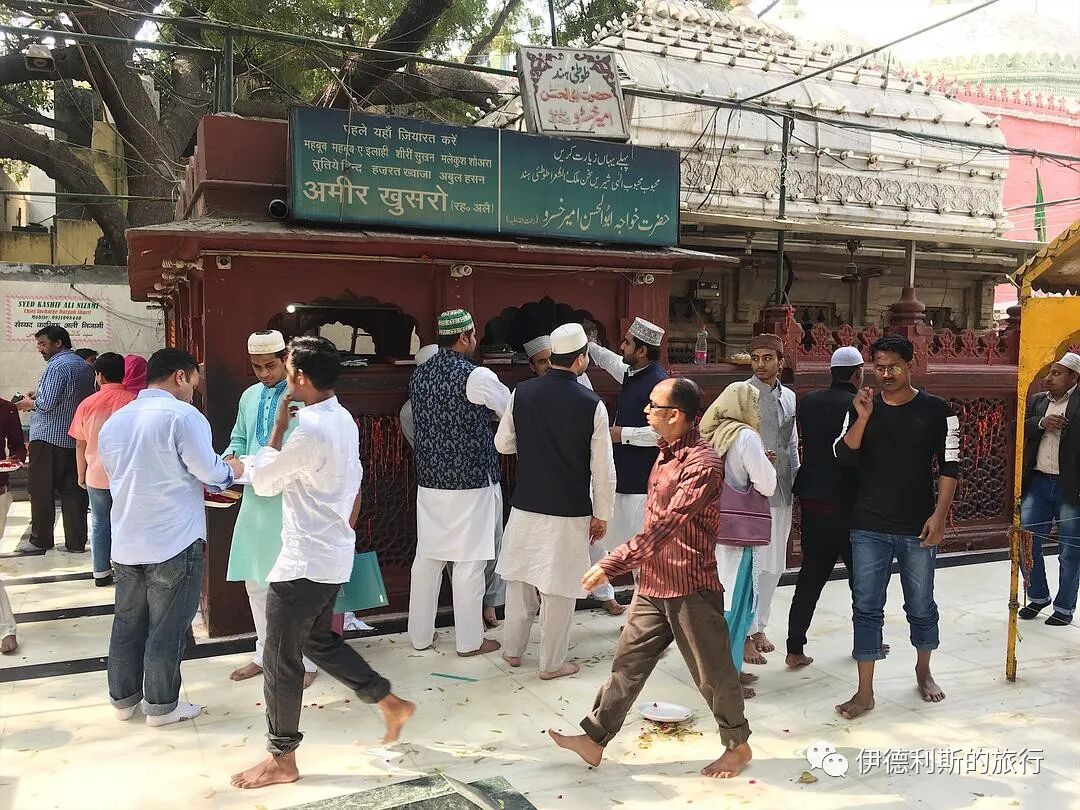
Amir Khusrau holds a high status in India and is known as an iconic figure in Indian cultural history. He is called the father of Urdu literature and the father of Indian Sufi music, among many other titles. He was a Sufi musician who invented Qawwali, the most important form of Sufi music in South Asia, and he was also a great Persian poet. Ghazal was a very important form in his poetry. Khusrau made great contributions to the ghazal style of poetry and was the first to introduce ghazal-style songs to India, where they became an important musical form in South Asia.
A portrait of Khusrau teaching his students, painted in the Bukhara region between the late 17th and early 18th centuries.
1. Exiled Turks
Khusrau's father came from the Lachin tribe of the Turks. He was born and raised near Samarkand under the rule of the Western Liao dynasty. In 1218, Genghis Khan's army destroyed the Western Liao dynasty and devastated Central Asia. Many Turks fled in all directions, and Khusrau's father escaped to what is now northern Afghanistan.
At that time, Sultan Shams ud-Din Iltutmish of the Delhi Sultanate also came from a Turkic tribe in Central Asia. He welcomed these Turkic refugees to settle in the Delhi Sultanate and provided significant support and many positions in the sultan's court to exiled Turkic nobles, craftsmen, and scholars.
In 1230, the Sultan gave Khusrau's father a piece of land, and he married the daughter of an Indian Rajput noble.
2. Receive an Indian education
In 1260, when Khusrau was only 7 years old, his father passed away. His mother then took the whole family back to live at her parents' home in Delhi. So, in reality, Khusrau grew up in the home of his maternal grandfather, Rawat Arz.
Khusrau's maternal grandfather was a highly cultured, high-ranking official in the court of the Delhi Sultan Ghiyas ud din Balban (1266-1286). Khusrau started his formal education at his grandfather's house when he was eight, and he also began learning how to write poetry.
In 1271, Khusrau finished his first poetry collection, Tuhfat us-Sighr (Gift of Childhood), which included poems he wrote between the ages of 16 and 18.
3. Gaining recognition from the Mamluk dynasty
Khusrau's grandfather passed away when he was 20, and after that, Khusrau joined the army of the Mamluk dynasty in the Delhi Sultanate. By then, his poetry had already made a big impression on the Sultan's court, and Sultan Balban's second son, Bughra Khan, was his biggest fan. In 1276, Bughra Khan became a patron of Khusrau.
Bughra Khan left the Sultan's court in 1277 to rule Bengal. In 1279, Khusrau visited him in Bengal and finished his second poetry collection there, Wast ul-Hayat (The Middle of Life).
After this, the Sultan's eldest son, Khan Muhammad, visited Delhi from Multan. He also loved Khusrau's poetry and invited him to come live in Multan. In 1281, Khusrau traveled to Multan with Khan Muhammad. At that time, Multan was the gateway from India to Arabia and Persia. It was an important cultural center in India that brought together brilliant scholars from Persia, India, and other places, and Khusrau learned a great deal there.
In 1285, Khan Muhammad died in battle while fighting the Mongol army. Sultan Balban died in 1287. His grandson, Muiz ud din Qaiqabad, who was the son of his second son Bughra Khan, took the throne as the final sultan of the Mamluk dynasty of the Delhi Sultanate.
Between 1287 and 1288, Khusrau became a court poet for the sultan. In 1288, he finished his first long poem (Mathnawi) titled Qiran us-Sa'dain (The Meeting of the Two Auspicious Stars). It tells the story of Bughra Khan, who had been hostile toward his son for a long time, finally meeting with Sultan Qaiqabad.
4. Gaining respect from the Khalji dynasty
In 1290, the military officer Jalal ud din Firuz Khalji led a coup to overthrow the Mamluk dynasty and established the Khalji dynasty.
Firuz Khalji also greatly admired Khusrau's poetry, so Khusrau was invited back to be the court poet and was treated with great respect. In the court of the Khalji dynasty, Khusrau was able to focus on his literary work. His ghazal poems were turned into songs, and the Sultan had female singers perform them for him every night.
Khusrau once wrote about this experience: The King of the World, Firuz Khalji, gave me unimaginable treasures to reward me for the endless pain I suffered while writing poetry.
In 1290, Khusrow finished his second long poem (masnavi), Miftah ul-Futuh (Key to Victories), which praised the victories of Firuz Khalji. In 1294, he completed his third poetry collection, Ghurrat ul-Kamaal (The Pinnacle of Perfection), which includes poems he wrote between the ages of 34 and 41.
In 1296, Alauddin Khalji became the new Sultan of Delhi. Khusrow wrote Khaza'in ul-Futuh (Treasures of Victories) for Sultan Alauddin Khalji, recording the Sultan's achievements in various areas. In 1298, Khusrow finished a set of five long poems (khamsa) known as Khamsa-e-Khusrow (Khusrow's Quintet). These two works brought Khusrau great fame and status. Sultan Alauddin Khalji was very pleased and rewarded him generously.
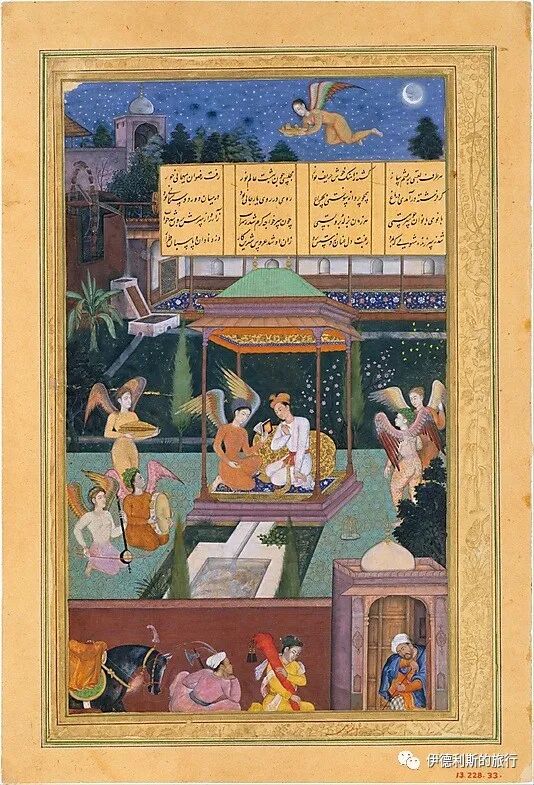
Illustrations for the Quintet (Khamsa)
7. South Asian Sufi music, Qawwali
Legend says that in the late 13th century, Khusrau blended Persian, Indian, Turkic, and Arabic music to create the local Indian Sufi music known as Qawwali.
The word Qawwali comes from the Arabic term Qaul, which means the saying of the Prophet. A Qawwal is someone who frequently chants the Qaul, and the act of chanting it is called Qawwali.
During the Mughal Empire, Qawwali was mostly sung in Persian. As it spread across South Asia, it began to be performed in many other languages, including Urdu, Hindi, Bengali, and Punjabi. Today, besides Delhi, Qawwali is popular in the Punjab and Sindh regions of Pakistan, North India, Hyderabad, and Muslim-populated areas in Bangladesh like Dhaka, Chittagong, and Sylhet. The performance style in each place is influenced by local traditional music, giving each one its own unique character.
1. Praise songs (nasheed) at the shrine of Nizamuddin.
The Nizamuddin Dargah hosts Qawwali performances two nights a week, but I didn't plan well enough and missed them. At the shrine, I was lucky to see an old man singing a song of praise for the Prophet, and it was very moving.
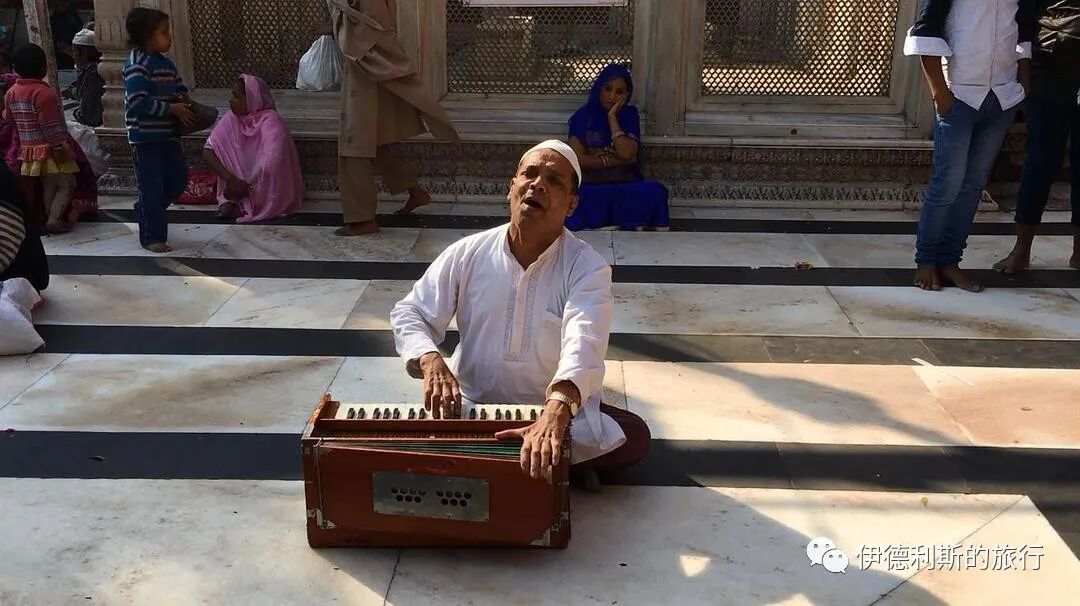
2. Qawwali performance inside the mosque.
I was very lucky to catch a Qawwali performance at a small mosque in the northeast of the Nizamuddin neighborhood, which was one of the most memorable parts of my trip to Delhi.
A Qawwali group usually has 8 to 9 people. This includes one lead singer, one or two backup singers, one or two harmonium players (who can also be the lead or backup singers), and one or two drummers playing the tabla and dholak drums. There are also 4 to 5 chorus members who repeat key verses and clap to keep the beat. During the performance, everyone sits cross-legged on the floor, with the lead singer, backup singers, and harmonium player in front, and the drummers and chorus members behind them.
Before the harmonium was introduced, qawwali usually used the sarangi, a stringed instrument similar to a violin.
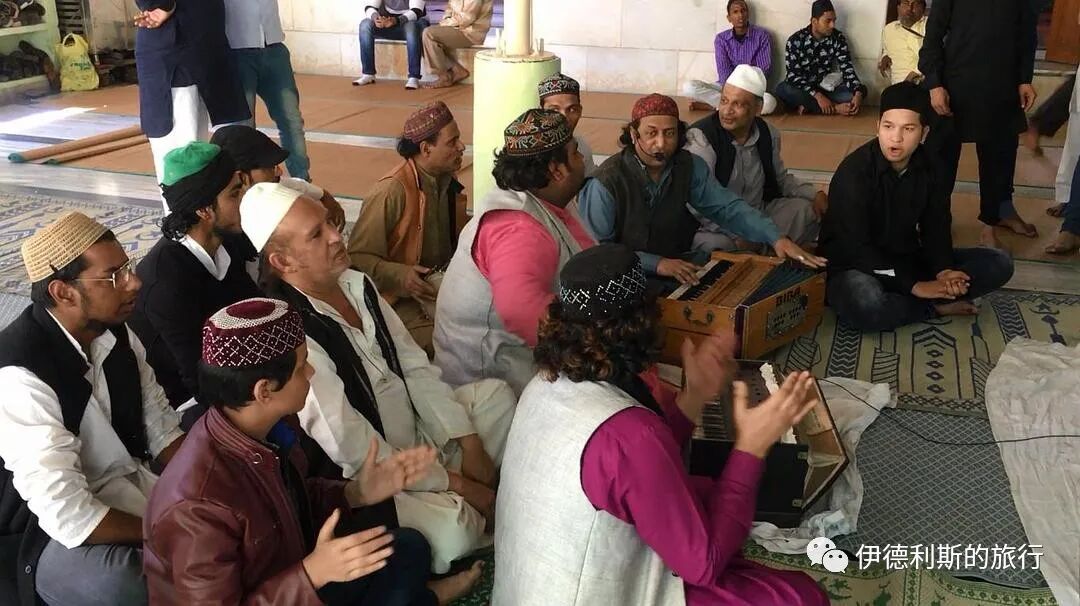
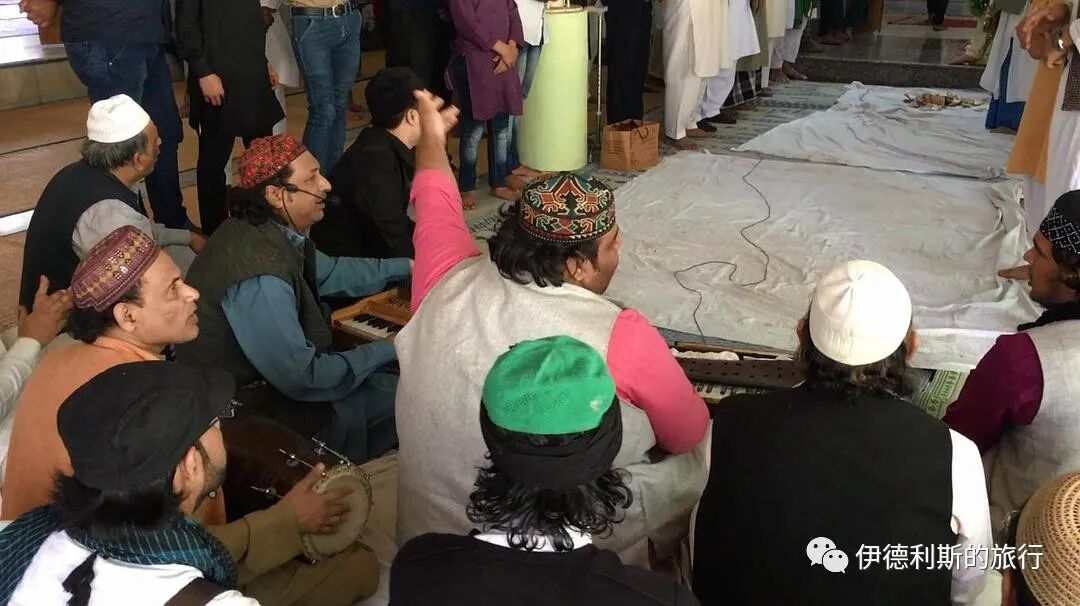
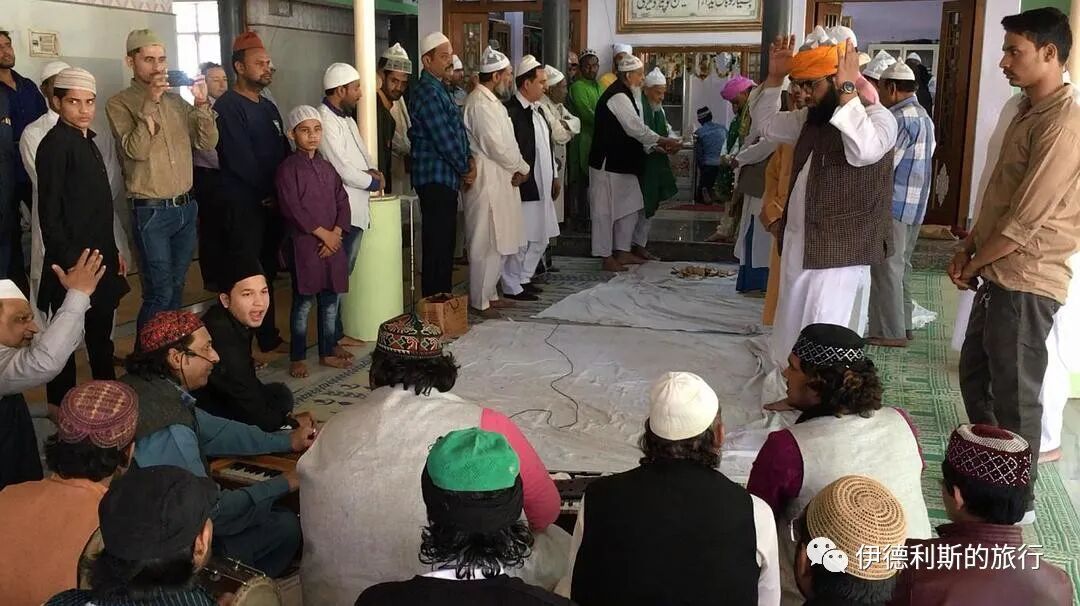
Qawwali themes are love, devotion, and longing, and they are divided into seven types based on their content:
The first type is called hamd, which means praise. It is a song praising Allah and usually starts the qawwali.
The second type is called na'at, which means description. It is a song praising the Prophet Muhammad and is usually the second song in a qawwali.
The third type is called manqabat, which means virtue. It is a song praising Imam Ali or one of the Sufi saints and is usually the third song in a qawwali.
The fourth type is called marsiya, which means elegy. It tells the story of how Imam Hussain, the son of Imam Ali, and his family were all martyred in the Battle of Karbala. This type is usually only performed during Shia rituals.
The fifth type is called ghazal, meaning love song. This is a song that seems very secular on the surface, usually singing about the joy of drinking wine and the pain of being separated from a lover. In South Asia, ghazal is an independent musical genre on its own and usually does not have a deeper meaning. However, in the context of Sufi Qawwali rituals, these secular metaphors are used to express the longing for the soul to unite with the divine and a love for the sacred. In songs about being drunk, wine represents divine knowledge, the wine glass is Allah or a spiritual guide, the tavern is considered the spiritual background where the soul exists, and being drunk means having gained divine knowledge or being filled with the joy of loving Allah. Songs that seem to describe a longing for a lover are actually singing about the pain of the soul being separated from Allah and the desire to be reunited.
The sixth type is called kafi, a unique form of poetry in Punjabi, Sindhi, and Seraiki.
The seventh type is called munajaat, which means monologue. The singer uses various forms to express praise to Allah, usually singing in Persian.
3. Sufi music at the music festival.
For the first 600 years, Qawwali was a type of music performed only at Sufi shrines or places of spiritual practice (dargah) in South Asia. Since the 20th century, Qawwali music has gained mainstream attention through major world music labels and the international music scene. It now holds a certain international status, and many bands have started performing Qawwali melodies. I saw a rock band performing Sufi music in front of the Select Citywalk mall in Delhi.
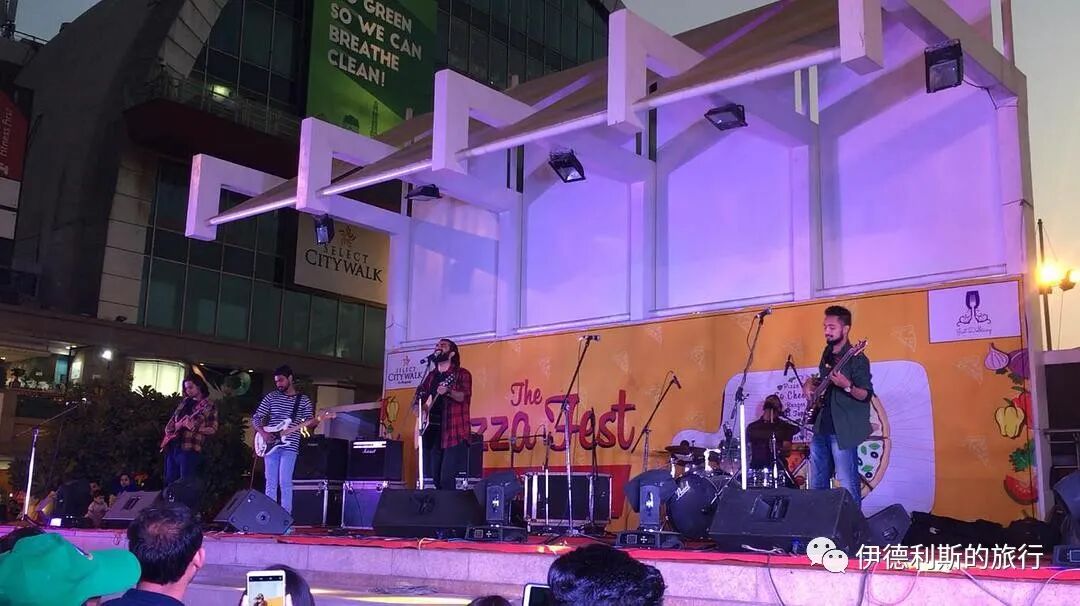
8. Tomb of Princess Jahanara: 1681.
Because of Nizamuddin's important status in India, many significant figures are buried near him. There are several important tombs around the Nizamuddin shrine. The first one, right next to the mosque, is the white marble tomb of Princess Jahanara Begum Sahiba (1614-1681).
Princess Jahanara was the most powerful woman in the Mughal Empire during the mid-17th century. She was also the only female Sufi practitioner in the Mughal court, belonging to the Qadiriyya order, which is known as the Qadiriyya menhuan in Northwest China.
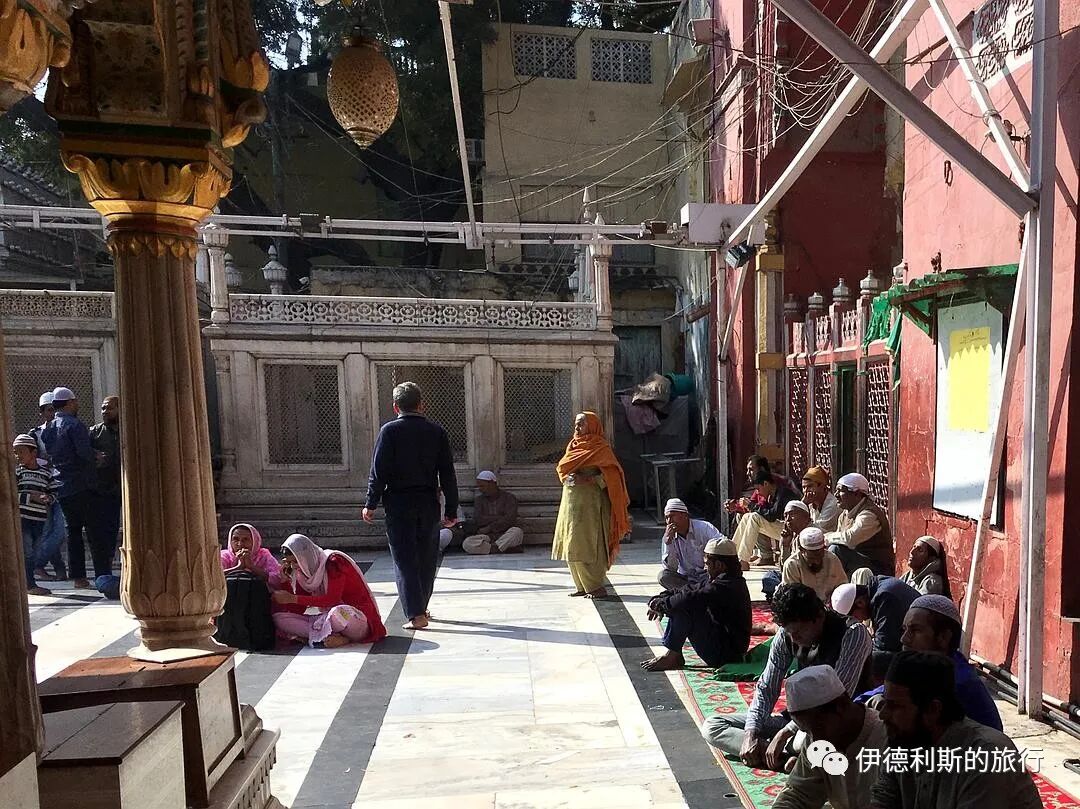
The white marble latticework tomb in the center of the picture is the tomb of Princess Jahanara.
1. Becoming the First Lady of the Empire
Princess Jahanara was the eldest daughter of the Mughal Emperor Shah Jahan (reigned 1628-1658), who built the Taj Mahal. She was educated from a young age by Sati al-Nisa Khanam, the sister of the famous Mughal Empire poet Talib Amuli. Sati al-Nisa Khanam was highly accomplished in the Quran, Persian literature, court etiquette, and medicine. At that time, women in the Mughal royal family could enter the famous Akbar the Great Library to read books in Persian, Turkish, and Indian languages. The young princess became skilled in reading, writing, poetry, and painting, and she also enjoyed hobbies like chess, polo, and hunting.
After her mother died in 1631, the 17-year-old princess became the First Lady of the empire (Padshah Begum) and took charge of court ceremonies. After moving past the grief of losing her mother, the princess hosted the engagement and wedding ceremonies for her brother, Dara Shukoh, to fulfill her mother's final wishes.
The princess became increasingly favored by her father and eventually rose to be the highest-ranking woman in the Mughal Empire, with her father, Shah Jahan, even letting her hold the imperial seal.
In 1644, his younger brother, the future Mughal Emperor Aurangzeb, angered their father. The princess successfully convinced her father to forgive Aurangzeb and restore his military rank.
2. Burned and healed
In March 1644, 30-year-old Princess Jahanara suffered severe burns and was so badly injured that she almost died. To pray for the princess's recovery, Shah Jahan gave large amounts of charity to the poor and released many prisoners. The princess's brothers, including Aurangzeb, also returned to Delhi to visit her.
During her illness, Emperor Shah Jahan stayed in the Red Fort and barely left his daughter's side. The Mughal Empire's royal doctors could not heal her burns, so Shah Jahan brought in Persian doctors, and the princess's condition slowly improved. Finally, after a full year, the princess made a complete recovery.
3. Managing the empire's charity work
In the Mughal court, Princess Jahanara was mainly in charge of charity work, and she was famous for actively caring for the poor and funding the construction of mosques. Whenever a major holiday arrived or a famine struck a region, the princess organized large-scale relief efforts. The princess was also responsible for organizing the pilgrimage to the holy cities of Mecca and Medina.
4. Sufi practice
Princess Jahanara was a student of the Sufi master Mullah Shah Badakhshi. She officially joined the Sufi Qadiriyya order in 1641 and achieved great success in her spiritual practice.
She wrote several books on Sufism. The most famous one is a biography of Moinuddin Chishti, the founder of the Chishti order. At the time, this book was highly praised for its excellent literary quality and accurate judgment. The princess also commissioned the translation and publication of a series of Sufi works, including many commentaries on Rumi's famous Mathnawi, which were very popular in the Mughal Empire.
5. Becoming First Lady again
In 1657, Shah Jahan fell seriously ill, and his four sons began a war of succession. Princess Jahanara supported Shah Jahan's eldest son, Dara Shikoh, but the following year, Dara Shikoh was defeated by his younger brother Aurangzeb and fled to Delhi.
Shah Jahan hoped the princess would use her influence over her brothers to persuade them, but in June 1658, Aurangzeb still besieged his father at Agra Fort. Aurangzeb cut off the water supply to force his father to surrender, then kept his father and the princess under house arrest.
The princess cared for Shah Jahan until he passed away in 1666, after which she reconciled with Aurangzeb and became the First Lady of the Mughal Empire once again.
During Aurangzeb's reign, the princess still held privileges that no other women in the Mughal royal family possessed. She opposed Aurangzeb's conservative religious policies, especially when he strictly regulated public life in 1679 by reinstating the poll tax on non-Muslims, a policy the princess believed would alienate the Hindus within the empire.
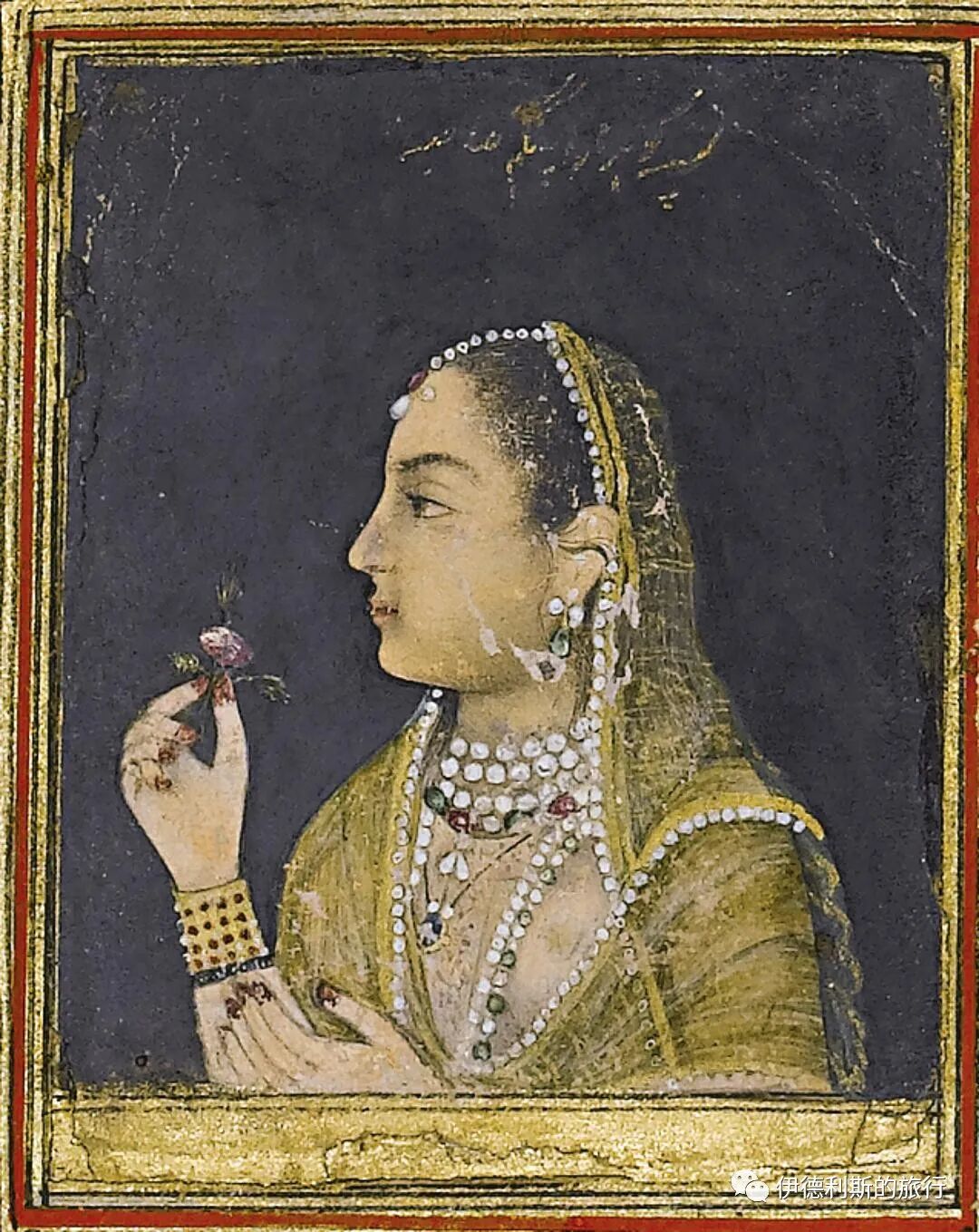
An 18th-century portrait of the princess.
6. The Princess's Tomb
Princess Jahanara built her own tomb next to the Nizamuddin shrine while she was still alive. The tomb is made of white marble and features lattice screens. After the princess passed away in 1681, Aurangzeb gave her the title Sahibat-uz-Zamani, which means "Mistress of the Age."
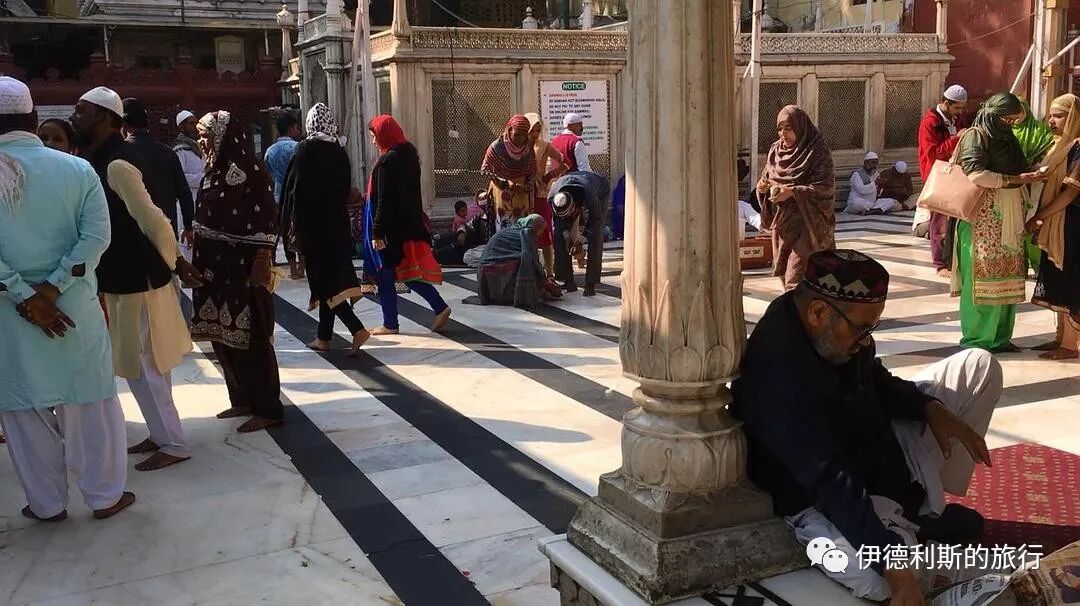
The princess's tomb is in the top right corner.
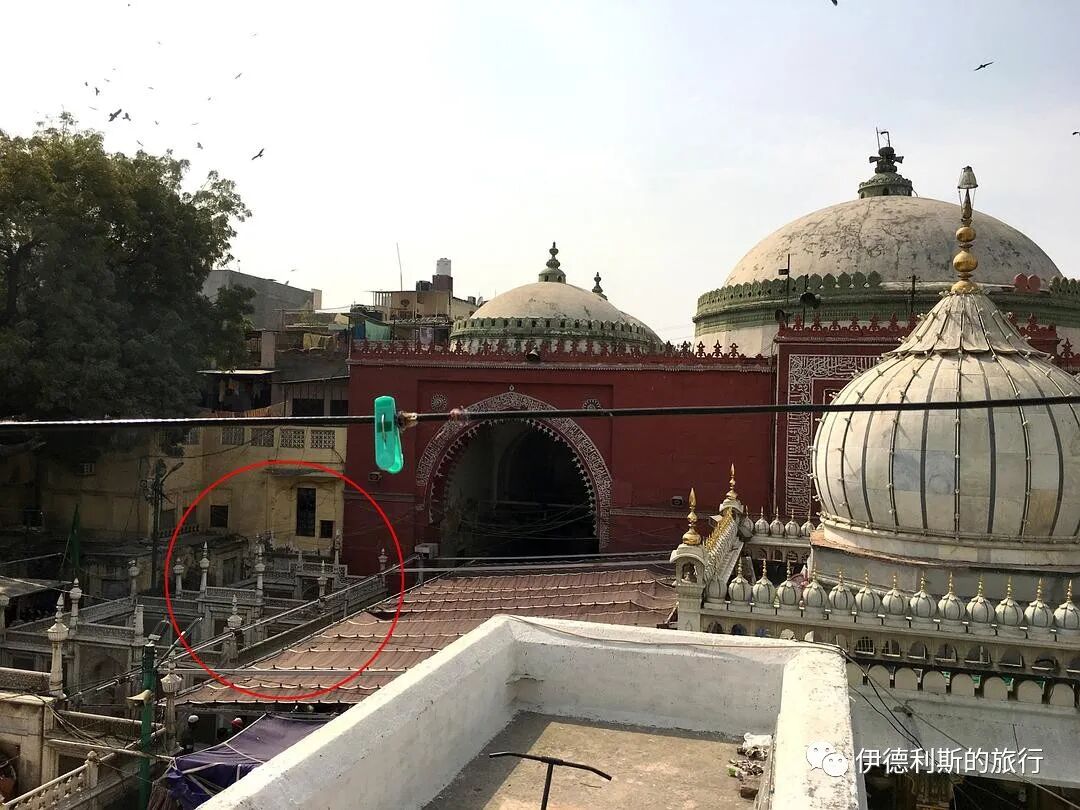
Inside the circle.
9. Tomb of Muhammad Shah: 1748.
Right next to the tomb of Princess Jahanara is the tomb of the Mughal Emperor Muhammad Shah (reigned 1719-1748), which also features white marble latticework.
During the reign of Muhammad Shah, the Mughal Empire declined rapidly and irreversibly. In the royal court, local Indian culture gradually replaced the influence of Persian and Turkic cultures.
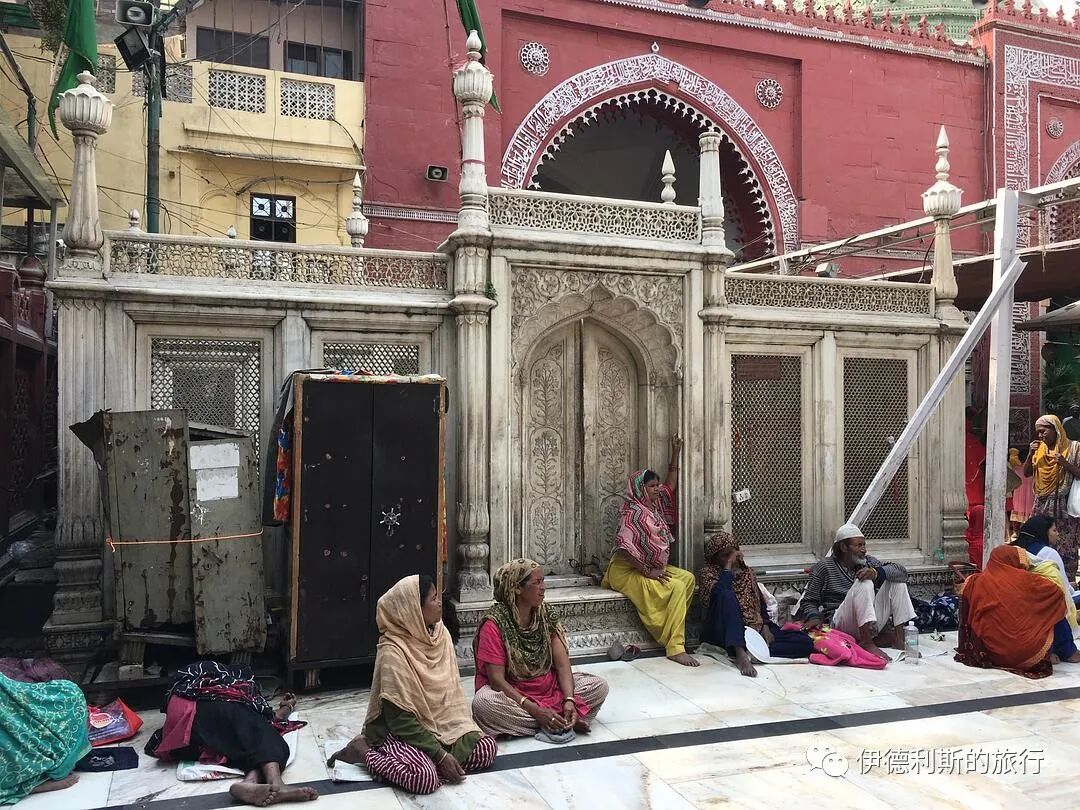
1. Inheriting the throne
Muhammad Shah was born in 1702 in what is now Ghazni, Afghanistan. After his grandfather, Emperor Bahadur Shah I (reigned 1707-1712), died in 1712, his father was killed in a war for the throne. At just 10 years old, Muhammad Shah and his mother were imprisoned by his uncle, Jahandar Shah (reigned 1712-1713). While in prison, Muhammad Shah was raised and educated by his mother, and he was a very diligent student.
Soon after, Jahandar Shah was assassinated by the Sayyid Brothers, who held real power in the empire. They installed Farrukhsiyar (reigned 1713-1719) as a puppet emperor.
In 1719, Farrukhsiyar was killed by the Sayyid brothers. They then installed two puppet rulers, but both died of illness a few months after taking the throne. Finally, the Sayyid brothers chose 17-year-old Muhammad Shah to be emperor. In 1720, Muhammad Shah got rid of the Sayyid brothers one after another, took direct control of the military, and officially ruled the empire.
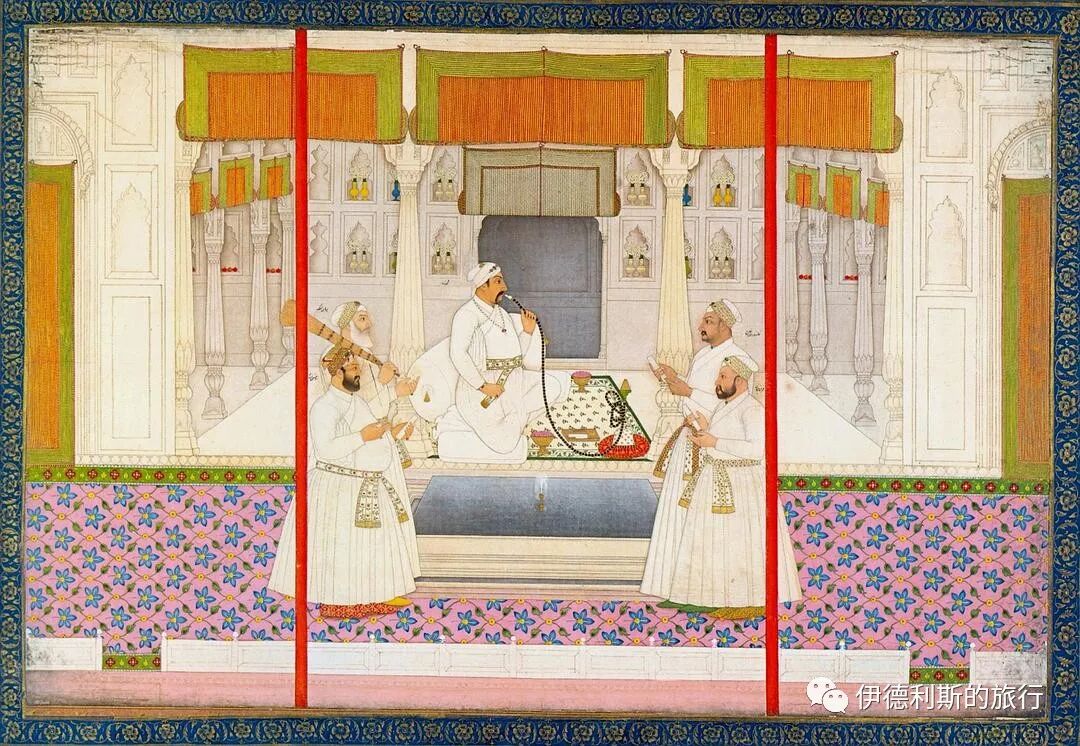
A portrait of Muhammad Shah with nobles painted in 1730, kept at the Bodleian Library of Oxford University.
2. Developing arts and culture
During the reign of Muhammad Shah, the influence of Persian and Turkic cultures in the Mughal Empire gradually faded, while local Indian cultural influence grew stronger. Muhammad Shah replaced Persian with Urdu as the court language and oversaw the first translation of the Quran into Urdu. In the royal court, the Turkic formal wear worn by nobles from Samarkand was replaced by the local Indian formal coat (Sherwani).
At the same time, Muhammad Shah brought the local Indian Sufi musical performance (Qawwali) back into the court, which caused it to spread quickly across South Asia.
Although the political power of the Mughal Empire declined during the reign of Muhammad Shah, he strongly encouraged literature and the arts. Muhammad Shah hired many great painters to depict various scenes of palace life in their artwork. At the same time, Indian classical music continued to develop and evolve in Muhammad Shah's court.
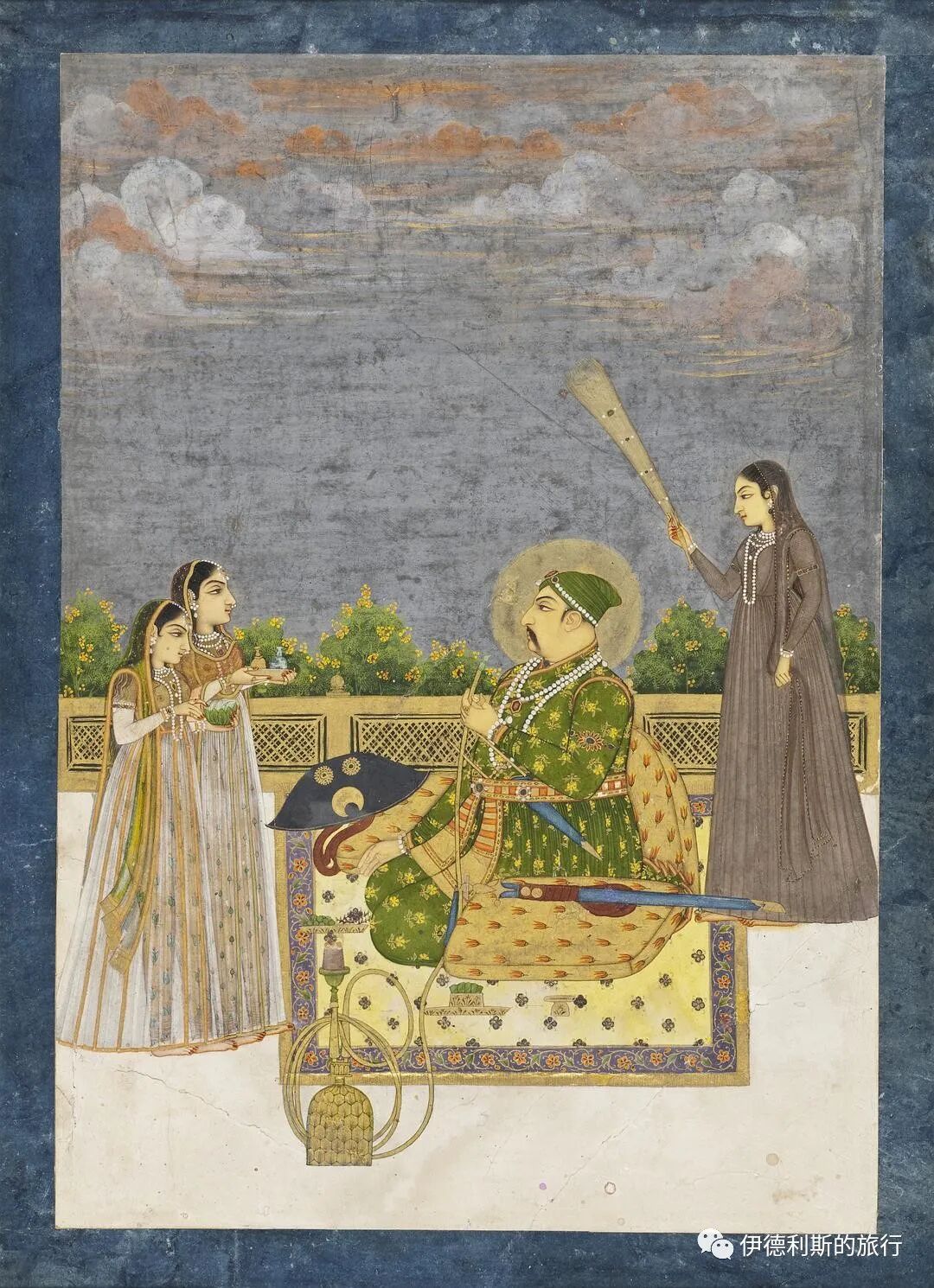
A portrait of Muhammad Shah and his family painted in 1735, held by the Los Angeles County Museum of Art.
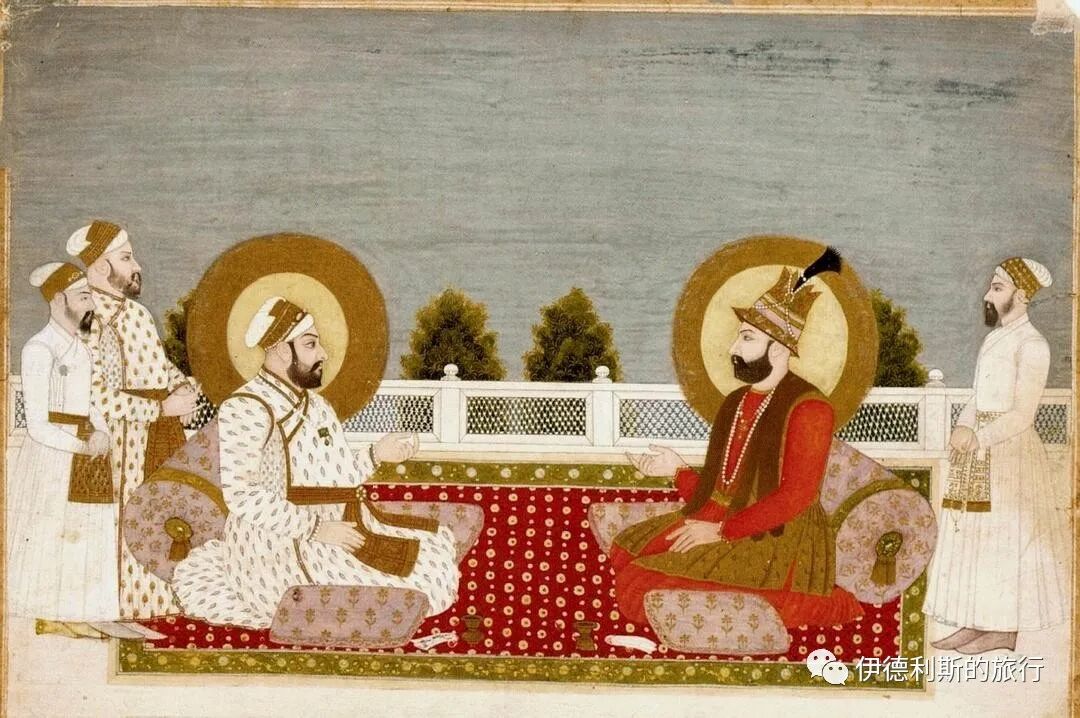
A scene of Muhammad Shah meeting Nader Shah painted in 1740, held by the Guimet Museum in Paris.
3. Died in sorrow
In 1747, the Durrani dynasty of Afghanistan led 30,000 cavalrymen from Peshawar. They defeated 70,000 Mughal troops who tried to stop them, then carried out a massacre in the important Mughal city of Lahore and looted a massive amount of wealth. On March 11, 1748, while on the way to Delhi, the Durrani army was intercepted by Mughal forces sent by Muhammad Shah, and the two sides began a decisive battle. During the fighting, Ahmad Shah's artillery ammunition caused a fire. Many soldiers burned to death, and the Durrani had to retreat back to Afghanistan. During the decisive battle against Afghanistan, the Mughal Empire's prime minister, Qamaruddin Khan, was hit by artillery fire and died. When Muhammad Shah heard the news, he was heartbroken. He eventually died from his overwhelming grief on April 26, 1748, and was buried next to the Nizamuddin shrine.
10. Tomb of Prince Mirza Jahangir: 1821
Halal Travel Guide: Delhi Sufi Sites — Shrines, Mosques and Muslim Communities (Part 1)
Articles • ali2007fr posted the article • 0 comments • 265 views • 2026-05-17 21:10
Summary: Delhi Sufi Sites — Shrines, Mosques and Muslim Communities is presented here as a firsthand travel account in clear English, beginning with this scene: Delhi has two important Muslim communities. One is inside Old Delhi, centered around the Mughal-era. The account keeps its focus on Delhi Sufi Sites, Sufi Heritage, Muslim Community while preserving the names, places, food, and historical details from the Chinese source.
Delhi has two important Muslim communities. One is inside Old Delhi, centered around the Mughal-era
Friday Mosque (Jama Masjid). The other is in the southeastern suburbs of Delhi, the Nizamuddin community, which is centered around the Nizamuddin Dargah complex.
Nizamuddin is the most important Sufi holy site in Delhi. Every year during Ramadan, hundreds or thousands of believers gather here, and the shrine provides free meals for suhoor and iftar to everyone. The area is busy even on normal days. Sometimes at night, there are performances of Qawwali, a type of South Asian Sufi music, which is very moving.
Table of Contents
Chapter 1: Eating and Exploring
Chapter 2: The Core Area of the Shrine of Nizamuddin (Nisangmuding Shengling)
1. North Gate: Built in the 15th century
2. Entering the shrine from the North Gate
3. Water tank: 1321
4. Jamaat Khana mosque: 14th century
5. Nizamuddin shrine (gongbei): 19th century
6. Tomb of Amir Khusrau: 1605
7. South Asian Sufi music (Qawwali)
1. Praise songs (nasheed) at the shrine of Nizamuddin.
2. Qawwali performance inside the mosque.
3. Sufi music at the music festival.
8. Tomb of Princess Jahanara: 1681.
9. Tomb of Muhammad Shah: 1748.
10. Tomb of Prince Mirza Jahangir: 1821
11. East Gate Bazaar
Chapter 3: The area around the shrine of Nizamuddin
1. Tomb of Ataga Khan: 1566
2. Chausath Khamba: 1624
3. Tomb of the poet Ghalib: 1869.
4. Barah Khamba: 14th-15th century.
5. Gol Gumbad: 15th century
6. Tomb of Malik Maqbul: 1388
7. Kali Mosque: 1370
Chapter 1: Eating and Exploring
Before we look at the architecture of Nisamuding, let's wander around the neighborhood and grab something to eat. The Nisamuding neighborhood is very lively, especially outside the north and east gates where vendors sell all sorts of things. Many of them sell religious supplies, including fresh flowers and prayer headscarves (shanbu).
If you turn from the busy market into the small alleys, you can see a quieter side of the area.
The tailor
These branches are used for brushing teeth.
At a stall selling religious items, I bought a photo of the shrine of Nizamuddin.
Eating food.
You can find many snacks in Nizamuddin.
Papayas on the street.
Lassi is a popular yogurt drink in South Asia. It is usually made by mixing yogurt with water, fruit, and various spices, and it comes in both sweet and salty versions.
Oily flatbread (you nang)
Chicken rice (biryani) is perhaps the most popular way to cook rice in South Asia. Biryani comes from South Asian Muslims. The word is a Persian loanword in Urdu, generally believed to come from the Persian word for rice, birinj.
According to historian Lizzie Collingham, modern biryani likely originated in the royal kitchens of the Mughal Empire. It was created when chefs combined spicy Indian rice with Persian pilaf. However, some believe that biryani existed even before the Mughal Empire. Documents from the 16th-century Mughal Empire mention both biryanis and pulao, but the two terms were interchangeable back then. Another historian, Pratibha Karan, believes that biryani formed after Arab traders brought Middle Eastern pilaf to South India.
People generally agree that there are three main differences between biryani and Indian pilaf:
1. Biryani is mixed with more spices and has a stronger curry flavor, while Indian pilaf uses almost no spices.
Biryani usually has two layers of rice with meat hidden in the middle, while Indian pilaf (pulao) is generally not layered.
Biryani is usually made by cooking the rice and meat separately, while Indian pilaf (pulao) is cooked all together.
A classic Indian samosa uses a dough made from vegetable oil, melted butter, warm water, salt, and wheat flour. The filling is a mix of mashed potatoes, onions, green peas, spices, and green chilies, which is then fried until golden brown.
The South Asian samosa, the Arab sanbusak, the Afghan sambosa, the Tajik samboosa, the Turkic samsa, and the Somali and Ethiopian sambusa all come from the Persian word sanbosag.
Persian poetry praised the samosa as early as the 10th century. This snack was very popular in Iran until the 16th century, but today it is only found in a few areas. In the 13th or 14th century, Muslim merchants from Central Asia brought the samosa to South Asia, where it became a favorite of the Delhi Sultanate royalty. A scholar from the Delhi Sultanate wrote in 1300 that princes and nobles enjoyed samosas made with meat, ghee, and onions. "
The famous 14th-century traveler Ibn Battuta visited the court of the Tughlaq dynasty in the Delhi Sultanate. In his travelogue, The Rihla, he wrote about eating a pastry called sambusak at the Sultan's court, which was filled with minced meat, almonds, pistachios, walnuts, and spices.
I still do not know the name of this fried food.
You can also buy many South Asian-style prayer caps in Nizamuddin.
I bought this Sindhi cap, which comes from the Sindh region and is often seen at Indian Sufi music performances.
Chapter 2: The Core Area of the Shrine of Nizamuddin (Nisangmuding Shengling)
Next, we will enter the core area of the Nizamuddin shrine (Dargah). The core area centers on the shrine (Shrine) and includes a series of historical buildings from the 14th to the 19th centuries. I have marked a diagram here.
Next, we will enter through the north gate and exit through the east gate to take a detailed look at the historical buildings in the core area of the Nisamuding Gongbei.
1. North Gate: Built in the 15th century
First, enter the core area of the shrine from the north gate. You must take off your shoes from this point on. The local vendors nearby will be very eager for you to store your shoes in their shops, but I chose to put my shoes in my own backpack.
2. Entering the shrine from the North Gate
The route is as follows:
3. Water tank: 1321
After entering from the north gate, the first thing you see is a water tank (baoli) built in 1321. It is the oldest surviving structure in the core area of the Nizamuddin shrine. There is a legendary story about the construction of this water tank:
In 1321, more and more people came to visit Nizamuddin Auliya (1238-1325). Many chose to stay there permanently, so Nizamuddin began building a water tank near his home. At the same time, Ghiyasuddin Tughlaq, the founder of the Tughlaq dynasty of the Delhi Sultanate, started building a massive fortress called Tughlaqabad in Delhi. He ordered all laborers in Delhi to work on the fortress, including the workers building a water tank for Nizamuddin. These workers preferred to work for Nizamuddin, so they built the fortress during the day and snuck back at night to work on the water tank.
When Ghiyasuddin found out, he banned the workers from working for Nizamuddin. Nizamuddin then made a prophecy: "Ya rahey ujjar, ya basey gujjar". It roughly means, "Either it will become a wasteland, or it will be inhabited by the Gujjar people." After the sultanate fell, the nomadic Gurjar (gujjar) people took over this castle and it turned into a wilderness.
Legend says Nizamuddin made many prophecies about Ghiyas. Another famous one is 'Hunuz Dilli dur ast'. It means 'Delhi is still far away'. Ghiyas led a successful expedition to Bengal in 1324. In February 1325, while he was on his way back, a wooden pavilion collapsed and crushed him to death before he could reach Delhi.
After the pool was finished, Nizamuddin said a dua for it. People believe this pool has magical powers and can cure skin diseases.
Right next to the pool are two women's graves. Persian inscriptions on them show they were built in 1563. One woman was shown mercy and forgiveness, while the other died in deep sorrow.
Follow the path south from the pool to reach the true heart of the Nizamuddin shrine. Many people are buying fresh flowers where the path meets the courtyard to offer to the saint.
4. Jamaat Khana mosque: 14th century
The Jamaat Khana mosque is the most important building in the heart of Nizamuddin. There are many different stories about its history, but it is likely the second mosque built in Delhi after the Qutb mosque.
One story says that Sultan Alauddin Khalji (reigned 1296-1316) of the Khalji dynasty built this mosque because Nizamuddin once refused a large sum of money offered by the Sultan. Because it has been restored, this mosque looks very different from the Alai Darwaza, the southern gate of the Qutb mosque built by Alauddin Khalji. However, if you look closely, the proportions and decorations of the two buildings are actually very similar.
Another story says the main hall of this building was originally built by Alauddin Khalji's son, Khizr Khan, as a tomb for Nizamuddin. Nizamuddin did not want to be buried in a tomb, so the building became a mosque and side rooms were added to both sides. But looking at the existing structure, the main hall and the side chambers seem to be built together perfectly, with no signs that they were constructed at different times.
A third theory says Nizamuddin was buried in the wilderness according to his final wishes, and this mosque was built for believers by Sultan Firuz Shah Tughlaq (reigned 1351-1388). Overall, the building's style is still very close to the architectural style of the Khalji dynasty.
The hall on the north side of the mosque is currently undergoing repairs.
5. Nizamuddin shrine (gongbei): 19th century
The Shrine of Nizamuddin (Shrine) sits right in front of the Jamaat Khana mosque. It is impossible to know what the original shrine looked like. The first shrine was built in the late 14th century by Firoz Shah Tughlak, who was the Sultan of the Delhi Sultanate from 1351 to 1388.
In 1562, a noble serving under the Mughal Emperor Akbar added marble screens around the shrine.
Starting in 1608, the governor of Delhi at the time, Sheikh Farid Bukhari, added several new features to the shrine, including a wooden canopy inlaid with mother-of-pearl.
In 1652, a red sandstone corridor was built around the shrine, but it was replaced in 1809 by the marble columns we see today.
The shrine's canopy was rebuilt in 1820, and a dome was added in 1839, giving it the appearance it has now.
Muhammad Nizamuddin Auliya (1238-1325), also known as Hazrat Nizamuddin, was a key figure in the Sufi Chishti Order and is considered one of the most important Sufis in South Asia.
Nizamuddin was born in 1238 in Badayun, near the Ganges River in Uttar Pradesh. His father died when he was five, and his mother brought him to Delhi to make a living. At age 20, Nizamuddin traveled to Ajodhan (now in the Punjab region of Pakistan) to follow the famous Sufi master Fariduddin Ganjshakar, who was also one of the founders of the Sufi Chishti Order. After that, Nizamuddin spent three consecutive Ramadans traveling from Delhi to Ajodhan to be with Fariduddin Ganjshakar. During the third Ramadan, Fariduddin Ganjshakar named Nizamuddin as his successor. Not long after, Nizamuddin received news in Delhi that his teacher had passed away.
Nizamuddin lived in many parts of Delhi. In his later years, he moved to a place outside the city called Ghiyaspur to escape the noise. There, he built his own Sufi lodge (khanqah). A lodge is usually part of a complex that includes a school, a mosque, and a tomb (gongbei). Inside the prayer hall (daotang), Nizamuddin generously shared his knowledge with everyone who came to ask him for guidance. Soon, more and more people gathered around him, from the poor to the wealthy, and even court poets from the Delhi Sultanate came to learn from his teachings.
Nizamuddin did not focus much on Sufi theory, choosing instead to put his energy into practice. His key principles included helping those in need, providing food for the hungry, and showing compassion to the oppressed. He strongly opposed mixing with the Sultan and the royal nobility. He urged the wealthy to stay in close contact with the poor and the oppressed. He took an uncompromising stance against all forms of political and social oppression.
Nizamuddin was also a strong supporter of the Sufi Sama ceremony, which some people at the time considered un-Islamic. Sama is a Sufi ritual centered on remembrance (Dhikr) that includes singing, playing musical instruments, dancing, and reciting poetry. The famous Sufi whirling dance is one part of Sama.
Music and dance have always been an important part of various religious rituals in India. Nizamuddin hoped to use music and dance to make it easier for ordinary believers to participate in Sufism. Influenced by Nizamuddin, his famous student Amir Khusrow invented Qawwali, the most well-known form of Sufi music in South Asia.
6. Tomb of Amir Khusrau: 1605
The tomb of Nizamuddin's student Amir Khusro (1253-1325) sits south of the shrine and is the second most important tomb in the core area after Nizamuddin's own.
In 1310, 57-year-old Khusro met Nizamuddin and eventually became his student. In 1319, Khusro wrote a prose work called Afzal ul-Fawaid (The Greatest Blessings) that explains the teachings of Nizamuddin. Nizamuddin passed away on April 3, 1325, and Khusrau died just six months later. His tomb, like the shrine of Nizamuddin, was rebuilt many times. During the reign of Humayun (1530-1560), a surrounding wall was added, which makes it difficult to see the original appearance of the tomb.
Amir Khusrau holds a high status in India and is known as an iconic figure in Indian cultural history. He is called the father of Urdu literature and the father of Indian Sufi music, among many other titles. He was a Sufi musician who invented Qawwali, the most important form of Sufi music in South Asia, and he was also a great Persian poet. Ghazal was a very important form in his poetry. Khusrau made great contributions to the ghazal style of poetry and was the first to introduce ghazal-style songs to India, where they became an important musical form in South Asia.
A portrait of Khusrau teaching his students, painted in the Bukhara region between the late 17th and early 18th centuries.
1. Exiled Turks
Khusrau's father came from the Lachin tribe of the Turks. He was born and raised near Samarkand under the rule of the Western Liao dynasty. In 1218, Genghis Khan's army destroyed the Western Liao dynasty and devastated Central Asia. Many Turks fled in all directions, and Khusrau's father escaped to what is now northern Afghanistan.
At that time, Sultan Shams ud-Din Iltutmish of the Delhi Sultanate also came from a Turkic tribe in Central Asia. He welcomed these Turkic refugees to settle in the Delhi Sultanate and provided significant support and many positions in the sultan's court to exiled Turkic nobles, craftsmen, and scholars.
In 1230, the Sultan gave Khusrau's father a piece of land, and he married the daughter of an Indian Rajput noble.
2. Receive an Indian education
In 1260, when Khusrau was only 7 years old, his father passed away. His mother then took the whole family back to live at her parents' home in Delhi. So, in reality, Khusrau grew up in the home of his maternal grandfather, Rawat Arz.
Khusrau's maternal grandfather was a highly cultured, high-ranking official in the court of the Delhi Sultan Ghiyas ud din Balban (1266-1286). Khusrau started his formal education at his grandfather's house when he was eight, and he also began learning how to write poetry.
In 1271, Khusrau finished his first poetry collection, Tuhfat us-Sighr (Gift of Childhood), which included poems he wrote between the ages of 16 and 18.
3. Gaining recognition from the Mamluk dynasty
Khusrau's grandfather passed away when he was 20, and after that, Khusrau joined the army of the Mamluk dynasty in the Delhi Sultanate. By then, his poetry had already made a big impression on the Sultan's court, and Sultan Balban's second son, Bughra Khan, was his biggest fan. In 1276, Bughra Khan became a patron of Khusrau.
Bughra Khan left the Sultan's court in 1277 to rule Bengal. In 1279, Khusrau visited him in Bengal and finished his second poetry collection there, Wast ul-Hayat (The Middle of Life).
After this, the Sultan's eldest son, Khan Muhammad, visited Delhi from Multan. He also loved Khusrau's poetry and invited him to come live in Multan. In 1281, Khusrau traveled to Multan with Khan Muhammad. At that time, Multan was the gateway from India to Arabia and Persia. It was an important cultural center in India that brought together brilliant scholars from Persia, India, and other places, and Khusrau learned a great deal there.
In 1285, Khan Muhammad died in battle while fighting the Mongol army. Sultan Balban died in 1287. His grandson, Muiz ud din Qaiqabad, who was the son of his second son Bughra Khan, took the throne as the final sultan of the Mamluk dynasty of the Delhi Sultanate.
Between 1287 and 1288, Khusrau became a court poet for the sultan. In 1288, he finished his first long poem (Mathnawi) titled Qiran us-Sa'dain (The Meeting of the Two Auspicious Stars). It tells the story of Bughra Khan, who had been hostile toward his son for a long time, finally meeting with Sultan Qaiqabad.
4. Gaining respect from the Khalji dynasty
In 1290, the military officer Jalal ud din Firuz Khalji led a coup to overthrow the Mamluk dynasty and established the Khalji dynasty.
Firuz Khalji also greatly admired Khusrau's poetry, so Khusrau was invited back to be the court poet and was treated with great respect. In the court of the Khalji dynasty, Khusrau was able to focus on his literary work. His ghazal poems were turned into songs, and the Sultan had female singers perform them for him every night.
Khusrau once wrote about this experience: The King of the World, Firuz Khalji, gave me unimaginable treasures to reward me for the endless pain I suffered while writing poetry.
In 1290, Khusrow finished his second long poem (masnavi), Miftah ul-Futuh (Key to Victories), which praised the victories of Firuz Khalji. In 1294, he completed his third poetry collection, Ghurrat ul-Kamaal (The Pinnacle of Perfection), which includes poems he wrote between the ages of 34 and 41.
In 1296, Alauddin Khalji became the new Sultan of Delhi. Khusrow wrote Khaza'in ul-Futuh (Treasures of Victories) for Sultan Alauddin Khalji, recording the Sultan's achievements in various areas. In 1298, Khusrow finished a set of five long poems (khamsa) known as Khamsa-e-Khusrow (Khusrow's Quintet). These two works brought Khusrau great fame and status. Sultan Alauddin Khalji was very pleased and rewarded him generously.
Illustrations for the Quintet (Khamsa)
7. South Asian Sufi music, Qawwali
Legend says that in the late 13th century, Khusrau blended Persian, Indian, Turkic, and Arabic music to create the local Indian Sufi music known as Qawwali.
The word Qawwali comes from the Arabic term Qaul, which means the saying of the Prophet. A Qawwal is someone who frequently chants the Qaul, and the act of chanting it is called Qawwali.
During the Mughal Empire, Qawwali was mostly sung in Persian. As it spread across South Asia, it began to be performed in many other languages, including Urdu, Hindi, Bengali, and Punjabi. Today, besides Delhi, Qawwali is popular in the Punjab and Sindh regions of Pakistan, North India, Hyderabad, and Muslim-populated areas in Bangladesh like Dhaka, Chittagong, and Sylhet. The performance style in each place is influenced by local traditional music, giving each one its own unique character.
1. Praise songs (nasheed) at the shrine of Nizamuddin.
The Nizamuddin Dargah hosts Qawwali performances two nights a week, but I didn't plan well enough and missed them. At the shrine, I was lucky to see an old man singing a song of praise for the Prophet, and it was very moving.
2. Qawwali performance inside the mosque.
I was very lucky to catch a Qawwali performance at a small mosque in the northeast of the Nizamuddin neighborhood, which was one of the most memorable parts of my trip to Delhi.
A Qawwali group usually has 8 to 9 people. This includes one lead singer, one or two backup singers, one or two harmonium players (who can also be the lead or backup singers), and one or two drummers playing the tabla and dholak drums. There are also 4 to 5 chorus members who repeat key verses and clap to keep the beat. During the performance, everyone sits cross-legged on the floor, with the lead singer, backup singers, and harmonium player in front, and the drummers and chorus members behind them.
Before the harmonium was introduced, qawwali usually used the sarangi, a stringed instrument similar to a violin.
Qawwali themes are love, devotion, and longing, and they are divided into seven types based on their content:
The first type is called hamd, which means praise. It is a song praising Allah and usually starts the qawwali.
The second type is called na'at, which means description. It is a song praising the Prophet Muhammad and is usually the second song in a qawwali.
The third type is called manqabat, which means virtue. It is a song praising Imam Ali or one of the Sufi saints and is usually the third song in a qawwali.
The fourth type is called marsiya, which means elegy. It tells the story of how Imam Hussain, the son of Imam Ali, and his family were all martyred in the Battle of Karbala. This type is usually only performed during Shia rituals.
The fifth type is called ghazal, meaning love song. This is a song that seems very secular on the surface, usually singing about the joy of drinking wine and the pain of being separated from a lover. In South Asia, ghazal is an independent musical genre on its own and usually does not have a deeper meaning. However, in the context of Sufi Qawwali rituals, these secular metaphors are used to express the longing for the soul to unite with the divine and a love for the sacred. In songs about being drunk, wine represents divine knowledge, the wine glass is Allah or a spiritual guide, the tavern is considered the spiritual background where the soul exists, and being drunk means having gained divine knowledge or being filled with the joy of loving Allah. Songs that seem to describe a longing for a lover are actually singing about the pain of the soul being separated from Allah and the desire to be reunited.
The sixth type is called kafi, a unique form of poetry in Punjabi, Sindhi, and Seraiki.
The seventh type is called munajaat, which means monologue. The singer uses various forms to express praise to Allah, usually singing in Persian.
3. Sufi music at the music festival.
For the first 600 years, Qawwali was a type of music performed only at Sufi shrines or places of spiritual practice (dargah) in South Asia. Since the 20th century, Qawwali music has gained mainstream attention through major world music labels and the international music scene. It now holds a certain international status, and many bands have started performing Qawwali melodies. I saw a rock band performing Sufi music in front of the Select Citywalk mall in Delhi.
8. Tomb of Princess Jahanara: 1681.
Because of Nizamuddin's important status in India, many significant figures are buried near him. There are several important tombs around the Nizamuddin shrine. The first one, right next to the mosque, is the white marble tomb of Princess Jahanara Begum Sahiba (1614-1681).
Princess Jahanara was the most powerful woman in the Mughal Empire during the mid-17th century. She was also the only female Sufi practitioner in the Mughal court, belonging to the Qadiriyya order, which is known as the Qadiriyya menhuan in Northwest China.
The white marble latticework tomb in the center of the picture is the tomb of Princess Jahanara.
1. Becoming the First Lady of the Empire
Princess Jahanara was the eldest daughter of the Mughal Emperor Shah Jahan (reigned 1628-1658), who built the Taj Mahal. She was educated from a young age by Sati al-Nisa Khanam, the sister of the famous Mughal Empire poet Talib Amuli. Sati al-Nisa Khanam was highly accomplished in the Quran, Persian literature, court etiquette, and medicine. At that time, women in the Mughal royal family could enter the famous Akbar the Great Library to read books in Persian, Turkish, and Indian languages. The young princess became skilled in reading, writing, poetry, and painting, and she also enjoyed hobbies like chess, polo, and hunting.
After her mother died in 1631, the 17-year-old princess became the First Lady of the empire (Padshah Begum) and took charge of court ceremonies. After moving past the grief of losing her mother, the princess hosted the engagement and wedding ceremonies for her brother, Dara Shukoh, to fulfill her mother's final wishes.
The princess became increasingly favored by her father and eventually rose to be the highest-ranking woman in the Mughal Empire, with her father, Shah Jahan, even letting her hold the imperial seal.
In 1644, his younger brother, the future Mughal Emperor Aurangzeb, angered their father. The princess successfully convinced her father to forgive Aurangzeb and restore his military rank.
2. Burned and healed
In March 1644, 30-year-old Princess Jahanara suffered severe burns and was so badly injured that she almost died. To pray for the princess's recovery, Shah Jahan gave large amounts of charity to the poor and released many prisoners. The princess's brothers, including Aurangzeb, also returned to Delhi to visit her.
During her illness, Emperor Shah Jahan stayed in the Red Fort and barely left his daughter's side. The Mughal Empire's royal doctors could not heal her burns, so Shah Jahan brought in Persian doctors, and the princess's condition slowly improved. Finally, after a full year, the princess made a complete recovery.
3. Managing the empire's charity work
In the Mughal court, Princess Jahanara was mainly in charge of charity work, and she was famous for actively caring for the poor and funding the construction of mosques. Whenever a major holiday arrived or a famine struck a region, the princess organized large-scale relief efforts. The princess was also responsible for organizing the pilgrimage to the holy cities of Mecca and Medina.
4. Sufi practice
Princess Jahanara was a student of the Sufi master Mullah Shah Badakhshi. She officially joined the Sufi Qadiriyya order in 1641 and achieved great success in her spiritual practice.
She wrote several books on Sufism. The most famous one is a biography of Moinuddin Chishti, the founder of the Chishti order. At the time, this book was highly praised for its excellent literary quality and accurate judgment. The princess also commissioned the translation and publication of a series of Sufi works, including many commentaries on Rumi's famous Mathnawi, which were very popular in the Mughal Empire.
5. Becoming First Lady again
In 1657, Shah Jahan fell seriously ill, and his four sons began a war of succession. Princess Jahanara supported Shah Jahan's eldest son, Dara Shikoh, but the following year, Dara Shikoh was defeated by his younger brother Aurangzeb and fled to Delhi.
Shah Jahan hoped the princess would use her influence over her brothers to persuade them, but in June 1658, Aurangzeb still besieged his father at Agra Fort. Aurangzeb cut off the water supply to force his father to surrender, then kept his father and the princess under house arrest.
The princess cared for Shah Jahan until he passed away in 1666, after which she reconciled with Aurangzeb and became the First Lady of the Mughal Empire once again.
During Aurangzeb's reign, the princess still held privileges that no other women in the Mughal royal family possessed. She opposed Aurangzeb's conservative religious policies, especially when he strictly regulated public life in 1679 by reinstating the poll tax on non-Muslims, a policy the princess believed would alienate the Hindus within the empire.
An 18th-century portrait of the princess.
6. The Princess's Tomb
Princess Jahanara built her own tomb next to the Nizamuddin shrine while she was still alive. The tomb is made of white marble and features lattice screens. After the princess passed away in 1681, Aurangzeb gave her the title Sahibat-uz-Zamani, which means "Mistress of the Age."
The princess's tomb is in the top right corner.
Inside the circle.
9. Tomb of Muhammad Shah: 1748.
Right next to the tomb of Princess Jahanara is the tomb of the Mughal Emperor Muhammad Shah (reigned 1719-1748), which also features white marble latticework.
During the reign of Muhammad Shah, the Mughal Empire declined rapidly and irreversibly. In the royal court, local Indian culture gradually replaced the influence of Persian and Turkic cultures.
1. Inheriting the throne
Muhammad Shah was born in 1702 in what is now Ghazni, Afghanistan. After his grandfather, Emperor Bahadur Shah I (reigned 1707-1712), died in 1712, his father was killed in a war for the throne. At just 10 years old, Muhammad Shah and his mother were imprisoned by his uncle, Jahandar Shah (reigned 1712-1713). While in prison, Muhammad Shah was raised and educated by his mother, and he was a very diligent student.
Soon after, Jahandar Shah was assassinated by the Sayyid Brothers, who held real power in the empire. They installed Farrukhsiyar (reigned 1713-1719) as a puppet emperor.
In 1719, Farrukhsiyar was killed by the Sayyid brothers. They then installed two puppet rulers, but both died of illness a few months after taking the throne. Finally, the Sayyid brothers chose 17-year-old Muhammad Shah to be emperor. In 1720, Muhammad Shah got rid of the Sayyid brothers one after another, took direct control of the military, and officially ruled the empire.
A portrait of Muhammad Shah with nobles painted in 1730, kept at the Bodleian Library of Oxford University.
2. Developing arts and culture
During the reign of Muhammad Shah, the influence of Persian and Turkic cultures in the Mughal Empire gradually faded, while local Indian cultural influence grew stronger. Muhammad Shah replaced Persian with Urdu as the court language and oversaw the first translation of the Quran into Urdu. In the royal court, the Turkic formal wear worn by nobles from Samarkand was replaced by the local Indian formal coat (Sherwani).
At the same time, Muhammad Shah brought the local Indian Sufi musical performance (Qawwali) back into the court, which caused it to spread quickly across South Asia.
Although the political power of the Mughal Empire declined during the reign of Muhammad Shah, he strongly encouraged literature and the arts. Muhammad Shah hired many great painters to depict various scenes of palace life in their artwork. At the same time, Indian classical music continued to develop and evolve in Muhammad Shah's court.
A portrait of Muhammad Shah and his family painted in 1735, held by the Los Angeles County Museum of Art.
A scene of Muhammad Shah meeting Nader Shah painted in 1740, held by the Guimet Museum in Paris.
3. Died in sorrow
In 1747, the Durrani dynasty of Afghanistan led 30,000 cavalrymen from Peshawar. They defeated 70,000 Mughal troops who tried to stop them, then carried out a massacre in the important Mughal city of Lahore and looted a massive amount of wealth. On March 11, 1748, while on the way to Delhi, the Durrani army was intercepted by Mughal forces sent by Muhammad Shah, and the two sides began a decisive battle. During the fighting, Ahmad Shah's artillery ammunition caused a fire. Many soldiers burned to death, and the Durrani had to retreat back to Afghanistan. During the decisive battle against Afghanistan, the Mughal Empire's prime minister, Qamaruddin Khan, was hit by artillery fire and died. When Muhammad Shah heard the news, he was heartbroken. He eventually died from his overwhelming grief on April 26, 1748, and was buried next to the Nizamuddin shrine.
10. Tomb of Prince Mirza Jahangir: 1821 view all
Summary: Delhi Sufi Sites — Shrines, Mosques and Muslim Communities is presented here as a firsthand travel account in clear English, beginning with this scene: Delhi has two important Muslim communities. One is inside Old Delhi, centered around the Mughal-era. The account keeps its focus on Delhi Sufi Sites, Sufi Heritage, Muslim Community while preserving the names, places, food, and historical details from the Chinese source.
Delhi has two important Muslim communities. One is inside Old Delhi, centered around the Mughal-era
Friday Mosque (Jama Masjid). The other is in the southeastern suburbs of Delhi, the Nizamuddin community, which is centered around the Nizamuddin Dargah complex.
Nizamuddin is the most important Sufi holy site in Delhi. Every year during Ramadan, hundreds or thousands of believers gather here, and the shrine provides free meals for suhoor and iftar to everyone. The area is busy even on normal days. Sometimes at night, there are performances of Qawwali, a type of South Asian Sufi music, which is very moving.
Table of Contents
Chapter 1: Eating and Exploring
Chapter 2: The Core Area of the Shrine of Nizamuddin (Nisangmuding Shengling)
1. North Gate: Built in the 15th century
2. Entering the shrine from the North Gate
3. Water tank: 1321
4. Jamaat Khana mosque: 14th century
5. Nizamuddin shrine (gongbei): 19th century
6. Tomb of Amir Khusrau: 1605
7. South Asian Sufi music (Qawwali)
1. Praise songs (nasheed) at the shrine of Nizamuddin.
2. Qawwali performance inside the mosque.
3. Sufi music at the music festival.
8. Tomb of Princess Jahanara: 1681.
9. Tomb of Muhammad Shah: 1748.
10. Tomb of Prince Mirza Jahangir: 1821
11. East Gate Bazaar
Chapter 3: The area around the shrine of Nizamuddin
1. Tomb of Ataga Khan: 1566
2. Chausath Khamba: 1624
3. Tomb of the poet Ghalib: 1869.
4. Barah Khamba: 14th-15th century.
5. Gol Gumbad: 15th century
6. Tomb of Malik Maqbul: 1388
7. Kali Mosque: 1370
Chapter 1: Eating and Exploring
Before we look at the architecture of Nisamuding, let's wander around the neighborhood and grab something to eat. The Nisamuding neighborhood is very lively, especially outside the north and east gates where vendors sell all sorts of things. Many of them sell religious supplies, including fresh flowers and prayer headscarves (shanbu).
If you turn from the busy market into the small alleys, you can see a quieter side of the area.
The tailor
These branches are used for brushing teeth.
At a stall selling religious items, I bought a photo of the shrine of Nizamuddin.
Eating food.
You can find many snacks in Nizamuddin.
Papayas on the street.
Lassi is a popular yogurt drink in South Asia. It is usually made by mixing yogurt with water, fruit, and various spices, and it comes in both sweet and salty versions.
Oily flatbread (you nang)
Chicken rice (biryani) is perhaps the most popular way to cook rice in South Asia. Biryani comes from South Asian Muslims. The word is a Persian loanword in Urdu, generally believed to come from the Persian word for rice, birinj.
According to historian Lizzie Collingham, modern biryani likely originated in the royal kitchens of the Mughal Empire. It was created when chefs combined spicy Indian rice with Persian pilaf. However, some believe that biryani existed even before the Mughal Empire. Documents from the 16th-century Mughal Empire mention both biryanis and pulao, but the two terms were interchangeable back then. Another historian, Pratibha Karan, believes that biryani formed after Arab traders brought Middle Eastern pilaf to South India.
People generally agree that there are three main differences between biryani and Indian pilaf:
1. Biryani is mixed with more spices and has a stronger curry flavor, while Indian pilaf uses almost no spices.
Biryani usually has two layers of rice with meat hidden in the middle, while Indian pilaf (pulao) is generally not layered.
Biryani is usually made by cooking the rice and meat separately, while Indian pilaf (pulao) is cooked all together.
A classic Indian samosa uses a dough made from vegetable oil, melted butter, warm water, salt, and wheat flour. The filling is a mix of mashed potatoes, onions, green peas, spices, and green chilies, which is then fried until golden brown.
The South Asian samosa, the Arab sanbusak, the Afghan sambosa, the Tajik samboosa, the Turkic samsa, and the Somali and Ethiopian sambusa all come from the Persian word sanbosag.
Persian poetry praised the samosa as early as the 10th century. This snack was very popular in Iran until the 16th century, but today it is only found in a few areas. In the 13th or 14th century, Muslim merchants from Central Asia brought the samosa to South Asia, where it became a favorite of the Delhi Sultanate royalty. A scholar from the Delhi Sultanate wrote in 1300 that princes and nobles enjoyed samosas made with meat, ghee, and onions. "
The famous 14th-century traveler Ibn Battuta visited the court of the Tughlaq dynasty in the Delhi Sultanate. In his travelogue, The Rihla, he wrote about eating a pastry called sambusak at the Sultan's court, which was filled with minced meat, almonds, pistachios, walnuts, and spices.
I still do not know the name of this fried food.
You can also buy many South Asian-style prayer caps in Nizamuddin.
I bought this Sindhi cap, which comes from the Sindh region and is often seen at Indian Sufi music performances.
Chapter 2: The Core Area of the Shrine of Nizamuddin (Nisangmuding Shengling)
Next, we will enter the core area of the Nizamuddin shrine (Dargah). The core area centers on the shrine (Shrine) and includes a series of historical buildings from the 14th to the 19th centuries. I have marked a diagram here.
Next, we will enter through the north gate and exit through the east gate to take a detailed look at the historical buildings in the core area of the Nisamuding Gongbei.
1. North Gate: Built in the 15th century
First, enter the core area of the shrine from the north gate. You must take off your shoes from this point on. The local vendors nearby will be very eager for you to store your shoes in their shops, but I chose to put my shoes in my own backpack.
2. Entering the shrine from the North Gate
The route is as follows:
3. Water tank: 1321
After entering from the north gate, the first thing you see is a water tank (baoli) built in 1321. It is the oldest surviving structure in the core area of the Nizamuddin shrine. There is a legendary story about the construction of this water tank:
In 1321, more and more people came to visit Nizamuddin Auliya (1238-1325). Many chose to stay there permanently, so Nizamuddin began building a water tank near his home. At the same time, Ghiyasuddin Tughlaq, the founder of the Tughlaq dynasty of the Delhi Sultanate, started building a massive fortress called Tughlaqabad in Delhi. He ordered all laborers in Delhi to work on the fortress, including the workers building a water tank for Nizamuddin. These workers preferred to work for Nizamuddin, so they built the fortress during the day and snuck back at night to work on the water tank.
When Ghiyasuddin found out, he banned the workers from working for Nizamuddin. Nizamuddin then made a prophecy: "Ya rahey ujjar, ya basey gujjar". It roughly means, "Either it will become a wasteland, or it will be inhabited by the Gujjar people." After the sultanate fell, the nomadic Gurjar (gujjar) people took over this castle and it turned into a wilderness.
Legend says Nizamuddin made many prophecies about Ghiyas. Another famous one is 'Hunuz Dilli dur ast'. It means 'Delhi is still far away'. Ghiyas led a successful expedition to Bengal in 1324. In February 1325, while he was on his way back, a wooden pavilion collapsed and crushed him to death before he could reach Delhi.
After the pool was finished, Nizamuddin said a dua for it. People believe this pool has magical powers and can cure skin diseases.
Right next to the pool are two women's graves. Persian inscriptions on them show they were built in 1563. One woman was shown mercy and forgiveness, while the other died in deep sorrow.
Follow the path south from the pool to reach the true heart of the Nizamuddin shrine. Many people are buying fresh flowers where the path meets the courtyard to offer to the saint.
4. Jamaat Khana mosque: 14th century
The Jamaat Khana mosque is the most important building in the heart of Nizamuddin. There are many different stories about its history, but it is likely the second mosque built in Delhi after the Qutb mosque.
One story says that Sultan Alauddin Khalji (reigned 1296-1316) of the Khalji dynasty built this mosque because Nizamuddin once refused a large sum of money offered by the Sultan. Because it has been restored, this mosque looks very different from the Alai Darwaza, the southern gate of the Qutb mosque built by Alauddin Khalji. However, if you look closely, the proportions and decorations of the two buildings are actually very similar.
Another story says the main hall of this building was originally built by Alauddin Khalji's son, Khizr Khan, as a tomb for Nizamuddin. Nizamuddin did not want to be buried in a tomb, so the building became a mosque and side rooms were added to both sides. But looking at the existing structure, the main hall and the side chambers seem to be built together perfectly, with no signs that they were constructed at different times.
A third theory says Nizamuddin was buried in the wilderness according to his final wishes, and this mosque was built for believers by Sultan Firuz Shah Tughlaq (reigned 1351-1388). Overall, the building's style is still very close to the architectural style of the Khalji dynasty.
The hall on the north side of the mosque is currently undergoing repairs.
5. Nizamuddin shrine (gongbei): 19th century
The Shrine of Nizamuddin (Shrine) sits right in front of the Jamaat Khana mosque. It is impossible to know what the original shrine looked like. The first shrine was built in the late 14th century by Firoz Shah Tughlak, who was the Sultan of the Delhi Sultanate from 1351 to 1388.
In 1562, a noble serving under the Mughal Emperor Akbar added marble screens around the shrine.
Starting in 1608, the governor of Delhi at the time, Sheikh Farid Bukhari, added several new features to the shrine, including a wooden canopy inlaid with mother-of-pearl.
In 1652, a red sandstone corridor was built around the shrine, but it was replaced in 1809 by the marble columns we see today.
The shrine's canopy was rebuilt in 1820, and a dome was added in 1839, giving it the appearance it has now.
Muhammad Nizamuddin Auliya (1238-1325), also known as Hazrat Nizamuddin, was a key figure in the Sufi Chishti Order and is considered one of the most important Sufis in South Asia.
Nizamuddin was born in 1238 in Badayun, near the Ganges River in Uttar Pradesh. His father died when he was five, and his mother brought him to Delhi to make a living. At age 20, Nizamuddin traveled to Ajodhan (now in the Punjab region of Pakistan) to follow the famous Sufi master Fariduddin Ganjshakar, who was also one of the founders of the Sufi Chishti Order. After that, Nizamuddin spent three consecutive Ramadans traveling from Delhi to Ajodhan to be with Fariduddin Ganjshakar. During the third Ramadan, Fariduddin Ganjshakar named Nizamuddin as his successor. Not long after, Nizamuddin received news in Delhi that his teacher had passed away.
Nizamuddin lived in many parts of Delhi. In his later years, he moved to a place outside the city called Ghiyaspur to escape the noise. There, he built his own Sufi lodge (khanqah). A lodge is usually part of a complex that includes a school, a mosque, and a tomb (gongbei). Inside the prayer hall (daotang), Nizamuddin generously shared his knowledge with everyone who came to ask him for guidance. Soon, more and more people gathered around him, from the poor to the wealthy, and even court poets from the Delhi Sultanate came to learn from his teachings.
Nizamuddin did not focus much on Sufi theory, choosing instead to put his energy into practice. His key principles included helping those in need, providing food for the hungry, and showing compassion to the oppressed. He strongly opposed mixing with the Sultan and the royal nobility. He urged the wealthy to stay in close contact with the poor and the oppressed. He took an uncompromising stance against all forms of political and social oppression.
Nizamuddin was also a strong supporter of the Sufi Sama ceremony, which some people at the time considered un-Islamic. Sama is a Sufi ritual centered on remembrance (Dhikr) that includes singing, playing musical instruments, dancing, and reciting poetry. The famous Sufi whirling dance is one part of Sama.
Music and dance have always been an important part of various religious rituals in India. Nizamuddin hoped to use music and dance to make it easier for ordinary believers to participate in Sufism. Influenced by Nizamuddin, his famous student Amir Khusrow invented Qawwali, the most well-known form of Sufi music in South Asia.
6. Tomb of Amir Khusrau: 1605
The tomb of Nizamuddin's student Amir Khusro (1253-1325) sits south of the shrine and is the second most important tomb in the core area after Nizamuddin's own.
In 1310, 57-year-old Khusro met Nizamuddin and eventually became his student. In 1319, Khusro wrote a prose work called Afzal ul-Fawaid (The Greatest Blessings) that explains the teachings of Nizamuddin. Nizamuddin passed away on April 3, 1325, and Khusrau died just six months later. His tomb, like the shrine of Nizamuddin, was rebuilt many times. During the reign of Humayun (1530-1560), a surrounding wall was added, which makes it difficult to see the original appearance of the tomb.
Amir Khusrau holds a high status in India and is known as an iconic figure in Indian cultural history. He is called the father of Urdu literature and the father of Indian Sufi music, among many other titles. He was a Sufi musician who invented Qawwali, the most important form of Sufi music in South Asia, and he was also a great Persian poet. Ghazal was a very important form in his poetry. Khusrau made great contributions to the ghazal style of poetry and was the first to introduce ghazal-style songs to India, where they became an important musical form in South Asia.
A portrait of Khusrau teaching his students, painted in the Bukhara region between the late 17th and early 18th centuries.
1. Exiled Turks
Khusrau's father came from the Lachin tribe of the Turks. He was born and raised near Samarkand under the rule of the Western Liao dynasty. In 1218, Genghis Khan's army destroyed the Western Liao dynasty and devastated Central Asia. Many Turks fled in all directions, and Khusrau's father escaped to what is now northern Afghanistan.
At that time, Sultan Shams ud-Din Iltutmish of the Delhi Sultanate also came from a Turkic tribe in Central Asia. He welcomed these Turkic refugees to settle in the Delhi Sultanate and provided significant support and many positions in the sultan's court to exiled Turkic nobles, craftsmen, and scholars.
In 1230, the Sultan gave Khusrau's father a piece of land, and he married the daughter of an Indian Rajput noble.
2. Receive an Indian education
In 1260, when Khusrau was only 7 years old, his father passed away. His mother then took the whole family back to live at her parents' home in Delhi. So, in reality, Khusrau grew up in the home of his maternal grandfather, Rawat Arz.
Khusrau's maternal grandfather was a highly cultured, high-ranking official in the court of the Delhi Sultan Ghiyas ud din Balban (1266-1286). Khusrau started his formal education at his grandfather's house when he was eight, and he also began learning how to write poetry.
In 1271, Khusrau finished his first poetry collection, Tuhfat us-Sighr (Gift of Childhood), which included poems he wrote between the ages of 16 and 18.
3. Gaining recognition from the Mamluk dynasty
Khusrau's grandfather passed away when he was 20, and after that, Khusrau joined the army of the Mamluk dynasty in the Delhi Sultanate. By then, his poetry had already made a big impression on the Sultan's court, and Sultan Balban's second son, Bughra Khan, was his biggest fan. In 1276, Bughra Khan became a patron of Khusrau.
Bughra Khan left the Sultan's court in 1277 to rule Bengal. In 1279, Khusrau visited him in Bengal and finished his second poetry collection there, Wast ul-Hayat (The Middle of Life).
After this, the Sultan's eldest son, Khan Muhammad, visited Delhi from Multan. He also loved Khusrau's poetry and invited him to come live in Multan. In 1281, Khusrau traveled to Multan with Khan Muhammad. At that time, Multan was the gateway from India to Arabia and Persia. It was an important cultural center in India that brought together brilliant scholars from Persia, India, and other places, and Khusrau learned a great deal there.
In 1285, Khan Muhammad died in battle while fighting the Mongol army. Sultan Balban died in 1287. His grandson, Muiz ud din Qaiqabad, who was the son of his second son Bughra Khan, took the throne as the final sultan of the Mamluk dynasty of the Delhi Sultanate.
Between 1287 and 1288, Khusrau became a court poet for the sultan. In 1288, he finished his first long poem (Mathnawi) titled Qiran us-Sa'dain (The Meeting of the Two Auspicious Stars). It tells the story of Bughra Khan, who had been hostile toward his son for a long time, finally meeting with Sultan Qaiqabad.
4. Gaining respect from the Khalji dynasty
In 1290, the military officer Jalal ud din Firuz Khalji led a coup to overthrow the Mamluk dynasty and established the Khalji dynasty.
Firuz Khalji also greatly admired Khusrau's poetry, so Khusrau was invited back to be the court poet and was treated with great respect. In the court of the Khalji dynasty, Khusrau was able to focus on his literary work. His ghazal poems were turned into songs, and the Sultan had female singers perform them for him every night.
Khusrau once wrote about this experience: The King of the World, Firuz Khalji, gave me unimaginable treasures to reward me for the endless pain I suffered while writing poetry.
In 1290, Khusrow finished his second long poem (masnavi), Miftah ul-Futuh (Key to Victories), which praised the victories of Firuz Khalji. In 1294, he completed his third poetry collection, Ghurrat ul-Kamaal (The Pinnacle of Perfection), which includes poems he wrote between the ages of 34 and 41.
In 1296, Alauddin Khalji became the new Sultan of Delhi. Khusrow wrote Khaza'in ul-Futuh (Treasures of Victories) for Sultan Alauddin Khalji, recording the Sultan's achievements in various areas. In 1298, Khusrow finished a set of five long poems (khamsa) known as Khamsa-e-Khusrow (Khusrow's Quintet). These two works brought Khusrau great fame and status. Sultan Alauddin Khalji was very pleased and rewarded him generously.
Illustrations for the Quintet (Khamsa)
7. South Asian Sufi music, Qawwali
Legend says that in the late 13th century, Khusrau blended Persian, Indian, Turkic, and Arabic music to create the local Indian Sufi music known as Qawwali.
The word Qawwali comes from the Arabic term Qaul, which means the saying of the Prophet. A Qawwal is someone who frequently chants the Qaul, and the act of chanting it is called Qawwali.
During the Mughal Empire, Qawwali was mostly sung in Persian. As it spread across South Asia, it began to be performed in many other languages, including Urdu, Hindi, Bengali, and Punjabi. Today, besides Delhi, Qawwali is popular in the Punjab and Sindh regions of Pakistan, North India, Hyderabad, and Muslim-populated areas in Bangladesh like Dhaka, Chittagong, and Sylhet. The performance style in each place is influenced by local traditional music, giving each one its own unique character.
1. Praise songs (nasheed) at the shrine of Nizamuddin.
The Nizamuddin Dargah hosts Qawwali performances two nights a week, but I didn't plan well enough and missed them. At the shrine, I was lucky to see an old man singing a song of praise for the Prophet, and it was very moving.
2. Qawwali performance inside the mosque.
I was very lucky to catch a Qawwali performance at a small mosque in the northeast of the Nizamuddin neighborhood, which was one of the most memorable parts of my trip to Delhi.
A Qawwali group usually has 8 to 9 people. This includes one lead singer, one or two backup singers, one or two harmonium players (who can also be the lead or backup singers), and one or two drummers playing the tabla and dholak drums. There are also 4 to 5 chorus members who repeat key verses and clap to keep the beat. During the performance, everyone sits cross-legged on the floor, with the lead singer, backup singers, and harmonium player in front, and the drummers and chorus members behind them.
Before the harmonium was introduced, qawwali usually used the sarangi, a stringed instrument similar to a violin.
Qawwali themes are love, devotion, and longing, and they are divided into seven types based on their content:
The first type is called hamd, which means praise. It is a song praising Allah and usually starts the qawwali.
The second type is called na'at, which means description. It is a song praising the Prophet Muhammad and is usually the second song in a qawwali.
The third type is called manqabat, which means virtue. It is a song praising Imam Ali or one of the Sufi saints and is usually the third song in a qawwali.
The fourth type is called marsiya, which means elegy. It tells the story of how Imam Hussain, the son of Imam Ali, and his family were all martyred in the Battle of Karbala. This type is usually only performed during Shia rituals.
The fifth type is called ghazal, meaning love song. This is a song that seems very secular on the surface, usually singing about the joy of drinking wine and the pain of being separated from a lover. In South Asia, ghazal is an independent musical genre on its own and usually does not have a deeper meaning. However, in the context of Sufi Qawwali rituals, these secular metaphors are used to express the longing for the soul to unite with the divine and a love for the sacred. In songs about being drunk, wine represents divine knowledge, the wine glass is Allah or a spiritual guide, the tavern is considered the spiritual background where the soul exists, and being drunk means having gained divine knowledge or being filled with the joy of loving Allah. Songs that seem to describe a longing for a lover are actually singing about the pain of the soul being separated from Allah and the desire to be reunited.
The sixth type is called kafi, a unique form of poetry in Punjabi, Sindhi, and Seraiki.
The seventh type is called munajaat, which means monologue. The singer uses various forms to express praise to Allah, usually singing in Persian.
3. Sufi music at the music festival.
For the first 600 years, Qawwali was a type of music performed only at Sufi shrines or places of spiritual practice (dargah) in South Asia. Since the 20th century, Qawwali music has gained mainstream attention through major world music labels and the international music scene. It now holds a certain international status, and many bands have started performing Qawwali melodies. I saw a rock band performing Sufi music in front of the Select Citywalk mall in Delhi.
8. Tomb of Princess Jahanara: 1681.
Because of Nizamuddin's important status in India, many significant figures are buried near him. There are several important tombs around the Nizamuddin shrine. The first one, right next to the mosque, is the white marble tomb of Princess Jahanara Begum Sahiba (1614-1681).
Princess Jahanara was the most powerful woman in the Mughal Empire during the mid-17th century. She was also the only female Sufi practitioner in the Mughal court, belonging to the Qadiriyya order, which is known as the Qadiriyya menhuan in Northwest China.
The white marble latticework tomb in the center of the picture is the tomb of Princess Jahanara.
1. Becoming the First Lady of the Empire
Princess Jahanara was the eldest daughter of the Mughal Emperor Shah Jahan (reigned 1628-1658), who built the Taj Mahal. She was educated from a young age by Sati al-Nisa Khanam, the sister of the famous Mughal Empire poet Talib Amuli. Sati al-Nisa Khanam was highly accomplished in the Quran, Persian literature, court etiquette, and medicine. At that time, women in the Mughal royal family could enter the famous Akbar the Great Library to read books in Persian, Turkish, and Indian languages. The young princess became skilled in reading, writing, poetry, and painting, and she also enjoyed hobbies like chess, polo, and hunting.
After her mother died in 1631, the 17-year-old princess became the First Lady of the empire (Padshah Begum) and took charge of court ceremonies. After moving past the grief of losing her mother, the princess hosted the engagement and wedding ceremonies for her brother, Dara Shukoh, to fulfill her mother's final wishes.
The princess became increasingly favored by her father and eventually rose to be the highest-ranking woman in the Mughal Empire, with her father, Shah Jahan, even letting her hold the imperial seal.
In 1644, his younger brother, the future Mughal Emperor Aurangzeb, angered their father. The princess successfully convinced her father to forgive Aurangzeb and restore his military rank.
2. Burned and healed
In March 1644, 30-year-old Princess Jahanara suffered severe burns and was so badly injured that she almost died. To pray for the princess's recovery, Shah Jahan gave large amounts of charity to the poor and released many prisoners. The princess's brothers, including Aurangzeb, also returned to Delhi to visit her.
During her illness, Emperor Shah Jahan stayed in the Red Fort and barely left his daughter's side. The Mughal Empire's royal doctors could not heal her burns, so Shah Jahan brought in Persian doctors, and the princess's condition slowly improved. Finally, after a full year, the princess made a complete recovery.
3. Managing the empire's charity work
In the Mughal court, Princess Jahanara was mainly in charge of charity work, and she was famous for actively caring for the poor and funding the construction of mosques. Whenever a major holiday arrived or a famine struck a region, the princess organized large-scale relief efforts. The princess was also responsible for organizing the pilgrimage to the holy cities of Mecca and Medina.
4. Sufi practice
Princess Jahanara was a student of the Sufi master Mullah Shah Badakhshi. She officially joined the Sufi Qadiriyya order in 1641 and achieved great success in her spiritual practice.
She wrote several books on Sufism. The most famous one is a biography of Moinuddin Chishti, the founder of the Chishti order. At the time, this book was highly praised for its excellent literary quality and accurate judgment. The princess also commissioned the translation and publication of a series of Sufi works, including many commentaries on Rumi's famous Mathnawi, which were very popular in the Mughal Empire.
5. Becoming First Lady again
In 1657, Shah Jahan fell seriously ill, and his four sons began a war of succession. Princess Jahanara supported Shah Jahan's eldest son, Dara Shikoh, but the following year, Dara Shikoh was defeated by his younger brother Aurangzeb and fled to Delhi.
Shah Jahan hoped the princess would use her influence over her brothers to persuade them, but in June 1658, Aurangzeb still besieged his father at Agra Fort. Aurangzeb cut off the water supply to force his father to surrender, then kept his father and the princess under house arrest.
The princess cared for Shah Jahan until he passed away in 1666, after which she reconciled with Aurangzeb and became the First Lady of the Mughal Empire once again.
During Aurangzeb's reign, the princess still held privileges that no other women in the Mughal royal family possessed. She opposed Aurangzeb's conservative religious policies, especially when he strictly regulated public life in 1679 by reinstating the poll tax on non-Muslims, a policy the princess believed would alienate the Hindus within the empire.
An 18th-century portrait of the princess.
6. The Princess's Tomb
Princess Jahanara built her own tomb next to the Nizamuddin shrine while she was still alive. The tomb is made of white marble and features lattice screens. After the princess passed away in 1681, Aurangzeb gave her the title Sahibat-uz-Zamani, which means "Mistress of the Age."
The princess's tomb is in the top right corner.
Inside the circle.
9. Tomb of Muhammad Shah: 1748.
Right next to the tomb of Princess Jahanara is the tomb of the Mughal Emperor Muhammad Shah (reigned 1719-1748), which also features white marble latticework.
During the reign of Muhammad Shah, the Mughal Empire declined rapidly and irreversibly. In the royal court, local Indian culture gradually replaced the influence of Persian and Turkic cultures.
1. Inheriting the throne
Muhammad Shah was born in 1702 in what is now Ghazni, Afghanistan. After his grandfather, Emperor Bahadur Shah I (reigned 1707-1712), died in 1712, his father was killed in a war for the throne. At just 10 years old, Muhammad Shah and his mother were imprisoned by his uncle, Jahandar Shah (reigned 1712-1713). While in prison, Muhammad Shah was raised and educated by his mother, and he was a very diligent student.
Soon after, Jahandar Shah was assassinated by the Sayyid Brothers, who held real power in the empire. They installed Farrukhsiyar (reigned 1713-1719) as a puppet emperor.
In 1719, Farrukhsiyar was killed by the Sayyid brothers. They then installed two puppet rulers, but both died of illness a few months after taking the throne. Finally, the Sayyid brothers chose 17-year-old Muhammad Shah to be emperor. In 1720, Muhammad Shah got rid of the Sayyid brothers one after another, took direct control of the military, and officially ruled the empire.
A portrait of Muhammad Shah with nobles painted in 1730, kept at the Bodleian Library of Oxford University.
2. Developing arts and culture
During the reign of Muhammad Shah, the influence of Persian and Turkic cultures in the Mughal Empire gradually faded, while local Indian cultural influence grew stronger. Muhammad Shah replaced Persian with Urdu as the court language and oversaw the first translation of the Quran into Urdu. In the royal court, the Turkic formal wear worn by nobles from Samarkand was replaced by the local Indian formal coat (Sherwani).
At the same time, Muhammad Shah brought the local Indian Sufi musical performance (Qawwali) back into the court, which caused it to spread quickly across South Asia.
Although the political power of the Mughal Empire declined during the reign of Muhammad Shah, he strongly encouraged literature and the arts. Muhammad Shah hired many great painters to depict various scenes of palace life in their artwork. At the same time, Indian classical music continued to develop and evolve in Muhammad Shah's court.
A portrait of Muhammad Shah and his family painted in 1735, held by the Los Angeles County Museum of Art.
A scene of Muhammad Shah meeting Nader Shah painted in 1740, held by the Guimet Museum in Paris.
3. Died in sorrow
In 1747, the Durrani dynasty of Afghanistan led 30,000 cavalrymen from Peshawar. They defeated 70,000 Mughal troops who tried to stop them, then carried out a massacre in the important Mughal city of Lahore and looted a massive amount of wealth. On March 11, 1748, while on the way to Delhi, the Durrani army was intercepted by Mughal forces sent by Muhammad Shah, and the two sides began a decisive battle. During the fighting, Ahmad Shah's artillery ammunition caused a fire. Many soldiers burned to death, and the Durrani had to retreat back to Afghanistan. During the decisive battle against Afghanistan, the Mughal Empire's prime minister, Qamaruddin Khan, was hit by artillery fire and died. When Muhammad Shah heard the news, he was heartbroken. He eventually died from his overwhelming grief on April 26, 1748, and was buried next to the Nizamuddin shrine.
10. Tomb of Prince Mirza Jahangir: 1821
From the Ilkhanate to Yuan Dadu: A Sufi Traveler and Beijing Muslim Heritage
Articles • ali2007fr posted the article • 0 comments • 185 views • 2026-05-17 07:58
Summary: This travel note introduces From the Ilkhanate to Yuan Dadu: A Sufi Traveler and Beijing Muslim Heritage. Regarding the Muslims who came to Beijing from Central and Western Asia during the Yuan Dynasty, the most famous are the tombs of the Shaykhs in the small courtyard on the south side of the Niujie Mosque, where Ahmad. It is useful for readers interested in Yuan Dadu, Sufi Heritage, Beijing Muslims.
Regarding the Muslims who came to Beijing from Central and Western Asia during the Yuan Dynasty, the most famous are the tombs of the Shaykhs in the small courtyard on the south side of the Niujie Mosque, where Ahmad Burtani, who passed away in 1280, and Ali Imad al-Din, who passed away in 1283, are buried. In fact, the Qingzhen Pushou Mosque inside Fuchengmen also preserves a Yuan Dynasty tombstone of a Muslim who came to Yuan Dadu from the Ilkhanate, and the inscription contains precious records about Sufis of the Yuan Dynasty.
The tombs of the sages from the Western Regions of the Yuan Dynasty at the Niujie Mosque.
According to the interpretation by Ma Baoquan in 'An Overlooked Yuan Dynasty Arabic and Persian Tombstone of Hui Muslims in Beijing—The Tombstone of an Ilkhanate Person Formerly Collected by Beijing Qingzhen Pushou Mosque', the inscription first uses Arabic to engrave the prayer for protection, the Basmala, verses from the Quran, and Hadith, and then uses Persian to briefly introduce the life of the tombstone's owner. The owner of the tombstone was a young man from a place called Qanul in the Ilkhanate (1256-1335). He came to Yuan Dadu (Dughdugh) together with his brothers Darvish, Jan Ali, and X. Darvish. A series of names are listed afterwards: Darvish Yulad, Javahir Ahmad, Man Darvish, Fangh Darvish, Shaykh Muhammad, Aghalaqsan Ahmad, Imam Mula Ahmad, Haj Darvish, and others.
According to the memorial 'Petition Regarding Hui Muslim Households in the Capital Not Paying Taxes' from the Yuan Dynasty, by 1263, the number of Hui Muslims in Beijing had reached 2,953 households, and most of them were wealthy merchants. In 1285, the Yuan Dynasty completed the construction of Yuan Dadu and issued an imperial decree to move residents from the old city of Zhongdu of the Jin Dynasty to Yuan Dadu, leading a large number of Hui Muslim officials, merchants, and craftsmen to settle in Yuan Dadu.
The inscription very preciously mentions several 'Darvish', which means Sufi practitioners, referred to as 'Diliweishi' in the 'Yuan Dianzhang' (Statutes of the Yuan Dynasty). Yang Zhijiu introduced in 'Draft History of the Hui Muslims in the Yuan Dynasty' that when Chen Cheng arrived in Herat, Afghanistan, in 1414 (the 12th year of the Yongle reign of the Ming Dynasty), he met local Sufi ascetics. He recorded in 'Xiyu Fanguo Zhi' (Record of the Barbarian Countries in the Western Regions) that 'there are those who abandon their family businesses and livelihoods, with disheveled hair and bare feet, wearing tattered clothes or sheepskins, holding strange staffs, with bones hanging from their bodies, looking very strange, not avoiding cold or heat, begging on the road, muttering to themselves when meeting people, appearing pitiful, as if it is very difficult for them to survive.' 'Some gather at people's graves, or live in caves, calling it spiritual practice.' 'They are called Dilimishi.' "
In addition, according to the 'Travels of Ibn Battuta' from the end of the Yuan Dynasty, Ibn Battuta met local Sufi practitioners in both Guangzhou and Hangzhou. He visited an old man in Guangzhou who was practicing in a cave, who was very strong despite not eating or drinking. When he was in Hangzhou, he stayed in the home of an Egyptian merchant, and this family had built a magnificent Daotang (Sufi lodge) for Sufi practitioners to live in.
Qingzhen Pushou Mosque is located on Jinshifang Street in the Xicheng District of Beijing, which was called Jinchengfang Street during the Yuan Dynasty. Although it preserves a precious Yuan Dynasty tombstone, no records have been found so far indicating that the Pushou Mosque was built during the Yuan Dynasty. Because a plaque with the seal 'Built in the Fourth Year of Xuande of the Great Ming' once hung above the Chuihuamen (hanging flower gate) of the mosque, it is generally believed that the Pushou Mosque was founded in 1429 (the fourth year of the Xuande reign of the Ming Dynasty), and it was renovated many times during the Zhengton, Wanli, Tianqi, and Chongzhen reigns of the Ming Dynasty.
During the Ming Dynasty, the Pushou Mosque, along with the Niujie Mosque, the Dongsi Mosque, and the Faming Mosque inside Andingmen, were known as the four great official mosques of Beijing in the Ming Dynasty, and held a very high status. According to the inscription on the 'Record of the Reconstruction of the Mosque' from 1521 (the 16th year of the Zhengde reign) at the Dingzhou Mosque, during the Hongzhi reign of the Ming Dynasty, Wuping Bo (Count of Wuping) Chen Xun sought help from the congregation at the Pushou Mosque to renovate the Dingzhou Mosque and received great support, as the mosque was filled with 'gentry and scholars' at that time.
After the end of the Qing Dynasty and the beginning of the Republic of China, the Pushou Mosque gradually fell into disrepair, and it was renovated between 1931 and 1934 with funds donated by Jiang Baiwan from Nanjing. After 1966, the mosque was closed again and converted into a workshop for the Jinlong Watchband Factory, and it was restored after 1982. After the demolition of Jinshifang Street in 2008, the mosque was torn down, and it was rebuilt into its current form between 2010 and 2014, but it has remained closed ever since.
There are two stone tablets in front of the main hall of the Pushou Mosque; the one on the south side is in Chinese, mainly praising the merits of those who donated funds to renovate the mosque, signed by 'Jincheng Shushi Ma Zhiji', and the back has the words 'Renovated in the Sixth Year of Tianqi'. The one on the north side is an Arabic tablet, and the writing has already eroded and become illegible.
The Pushou Mosque I photographed in 2006 when I was in middle school; two years later, in 2008, it was demolished and rebuilt. view all
Summary: This travel note introduces From the Ilkhanate to Yuan Dadu: A Sufi Traveler and Beijing Muslim Heritage. Regarding the Muslims who came to Beijing from Central and Western Asia during the Yuan Dynasty, the most famous are the tombs of the Shaykhs in the small courtyard on the south side of the Niujie Mosque, where Ahmad. It is useful for readers interested in Yuan Dadu, Sufi Heritage, Beijing Muslims.
Regarding the Muslims who came to Beijing from Central and Western Asia during the Yuan Dynasty, the most famous are the tombs of the Shaykhs in the small courtyard on the south side of the Niujie Mosque, where Ahmad Burtani, who passed away in 1280, and Ali Imad al-Din, who passed away in 1283, are buried. In fact, the Qingzhen Pushou Mosque inside Fuchengmen also preserves a Yuan Dynasty tombstone of a Muslim who came to Yuan Dadu from the Ilkhanate, and the inscription contains precious records about Sufis of the Yuan Dynasty.
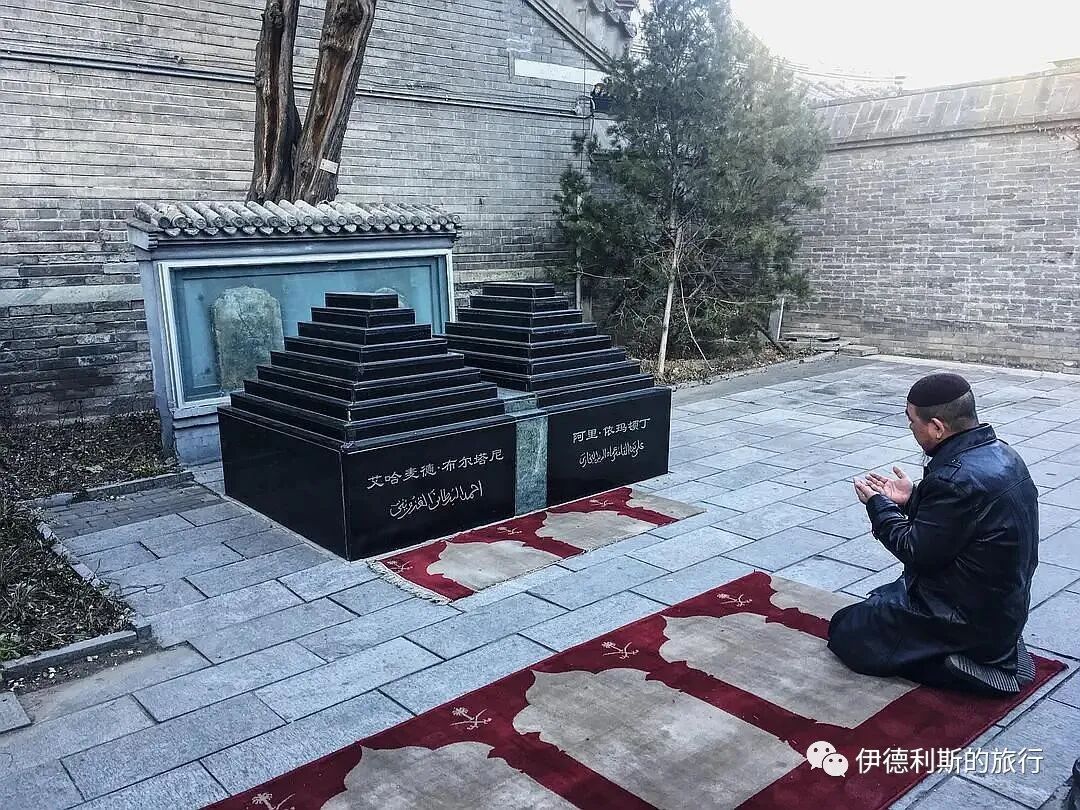
The tombs of the sages from the Western Regions of the Yuan Dynasty at the Niujie Mosque.
According to the interpretation by Ma Baoquan in 'An Overlooked Yuan Dynasty Arabic and Persian Tombstone of Hui Muslims in Beijing—The Tombstone of an Ilkhanate Person Formerly Collected by Beijing Qingzhen Pushou Mosque', the inscription first uses Arabic to engrave the prayer for protection, the Basmala, verses from the Quran, and Hadith, and then uses Persian to briefly introduce the life of the tombstone's owner. The owner of the tombstone was a young man from a place called Qanul in the Ilkhanate (1256-1335). He came to Yuan Dadu (Dughdugh) together with his brothers Darvish, Jan Ali, and X. Darvish. A series of names are listed afterwards: Darvish Yulad, Javahir Ahmad, Man Darvish, Fangh Darvish, Shaykh Muhammad, Aghalaqsan Ahmad, Imam Mula Ahmad, Haj Darvish, and others.
According to the memorial 'Petition Regarding Hui Muslim Households in the Capital Not Paying Taxes' from the Yuan Dynasty, by 1263, the number of Hui Muslims in Beijing had reached 2,953 households, and most of them were wealthy merchants. In 1285, the Yuan Dynasty completed the construction of Yuan Dadu and issued an imperial decree to move residents from the old city of Zhongdu of the Jin Dynasty to Yuan Dadu, leading a large number of Hui Muslim officials, merchants, and craftsmen to settle in Yuan Dadu.
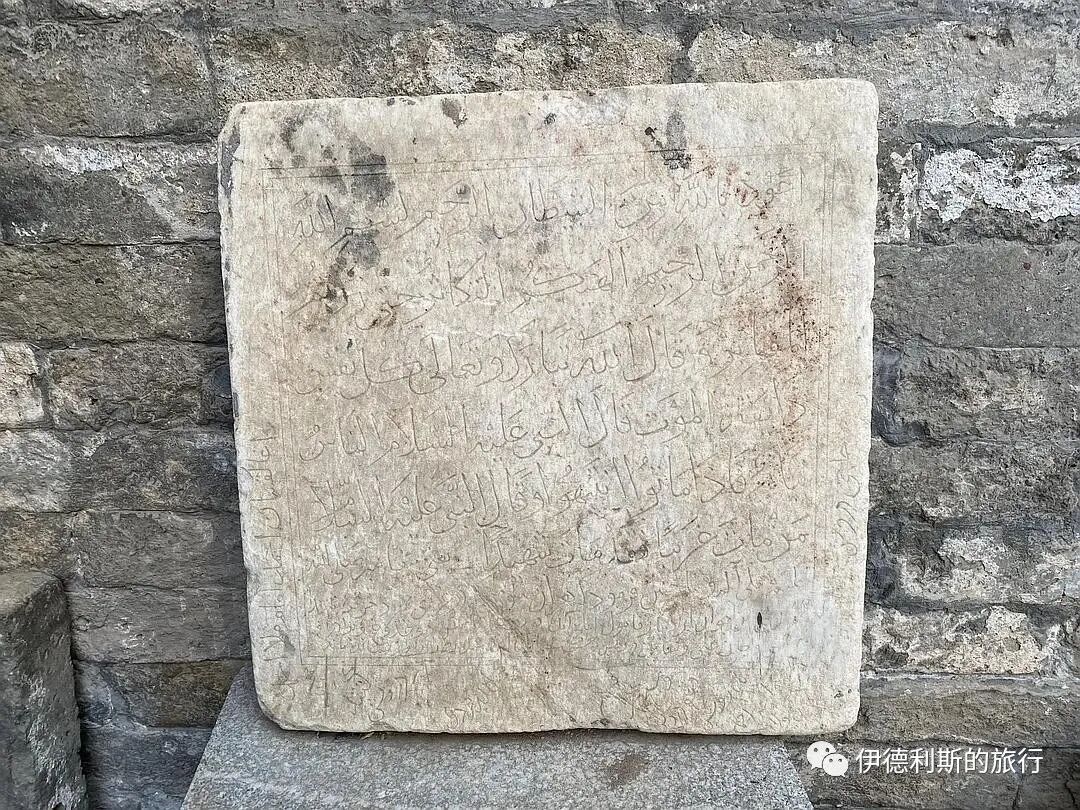
The inscription very preciously mentions several 'Darvish', which means Sufi practitioners, referred to as 'Diliweishi' in the 'Yuan Dianzhang' (Statutes of the Yuan Dynasty). Yang Zhijiu introduced in 'Draft History of the Hui Muslims in the Yuan Dynasty' that when Chen Cheng arrived in Herat, Afghanistan, in 1414 (the 12th year of the Yongle reign of the Ming Dynasty), he met local Sufi ascetics. He recorded in 'Xiyu Fanguo Zhi' (Record of the Barbarian Countries in the Western Regions) that 'there are those who abandon their family businesses and livelihoods, with disheveled hair and bare feet, wearing tattered clothes or sheepskins, holding strange staffs, with bones hanging from their bodies, looking very strange, not avoiding cold or heat, begging on the road, muttering to themselves when meeting people, appearing pitiful, as if it is very difficult for them to survive.' 'Some gather at people's graves, or live in caves, calling it spiritual practice.' 'They are called Dilimishi.' "
In addition, according to the 'Travels of Ibn Battuta' from the end of the Yuan Dynasty, Ibn Battuta met local Sufi practitioners in both Guangzhou and Hangzhou. He visited an old man in Guangzhou who was practicing in a cave, who was very strong despite not eating or drinking. When he was in Hangzhou, he stayed in the home of an Egyptian merchant, and this family had built a magnificent Daotang (Sufi lodge) for Sufi practitioners to live in.
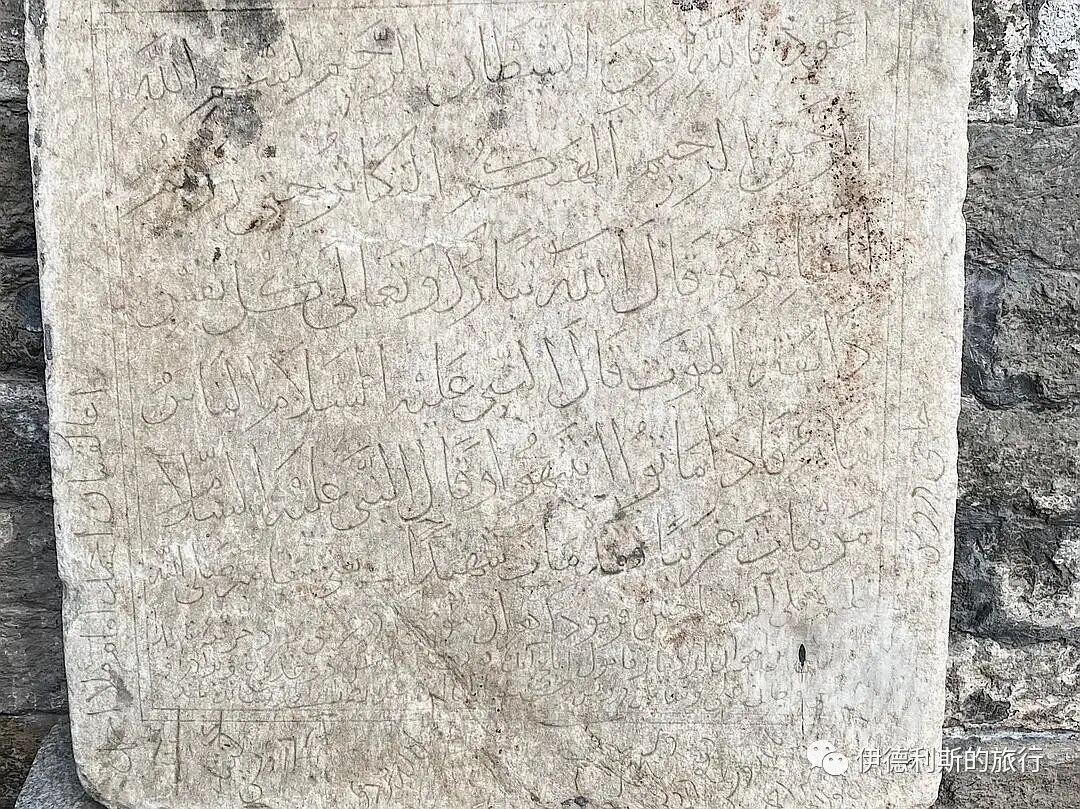
Qingzhen Pushou Mosque is located on Jinshifang Street in the Xicheng District of Beijing, which was called Jinchengfang Street during the Yuan Dynasty. Although it preserves a precious Yuan Dynasty tombstone, no records have been found so far indicating that the Pushou Mosque was built during the Yuan Dynasty. Because a plaque with the seal 'Built in the Fourth Year of Xuande of the Great Ming' once hung above the Chuihuamen (hanging flower gate) of the mosque, it is generally believed that the Pushou Mosque was founded in 1429 (the fourth year of the Xuande reign of the Ming Dynasty), and it was renovated many times during the Zhengton, Wanli, Tianqi, and Chongzhen reigns of the Ming Dynasty.
During the Ming Dynasty, the Pushou Mosque, along with the Niujie Mosque, the Dongsi Mosque, and the Faming Mosque inside Andingmen, were known as the four great official mosques of Beijing in the Ming Dynasty, and held a very high status. According to the inscription on the 'Record of the Reconstruction of the Mosque' from 1521 (the 16th year of the Zhengde reign) at the Dingzhou Mosque, during the Hongzhi reign of the Ming Dynasty, Wuping Bo (Count of Wuping) Chen Xun sought help from the congregation at the Pushou Mosque to renovate the Dingzhou Mosque and received great support, as the mosque was filled with 'gentry and scholars' at that time.
After the end of the Qing Dynasty and the beginning of the Republic of China, the Pushou Mosque gradually fell into disrepair, and it was renovated between 1931 and 1934 with funds donated by Jiang Baiwan from Nanjing. After 1966, the mosque was closed again and converted into a workshop for the Jinlong Watchband Factory, and it was restored after 1982. After the demolition of Jinshifang Street in 2008, the mosque was torn down, and it was rebuilt into its current form between 2010 and 2014, but it has remained closed ever since.
There are two stone tablets in front of the main hall of the Pushou Mosque; the one on the south side is in Chinese, mainly praising the merits of those who donated funds to renovate the mosque, signed by 'Jincheng Shushi Ma Zhiji', and the back has the words 'Renovated in the Sixth Year of Tianqi'. The one on the north side is an Arabic tablet, and the writing has already eroded and become illegible.
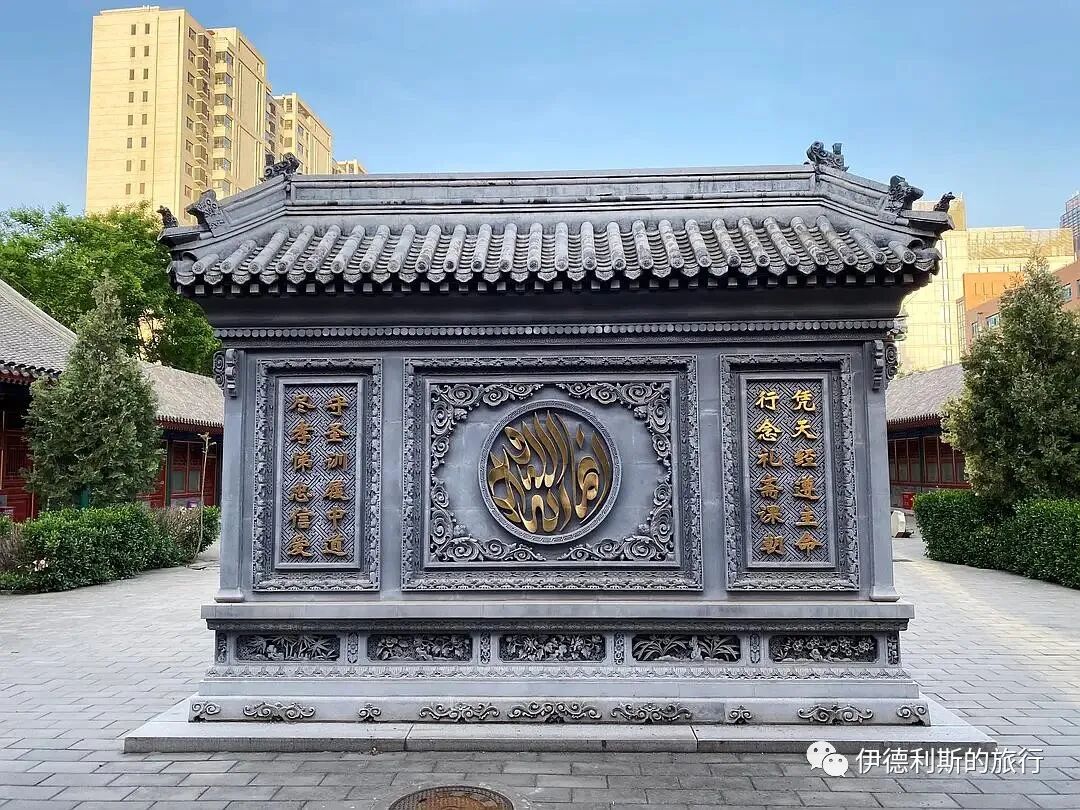
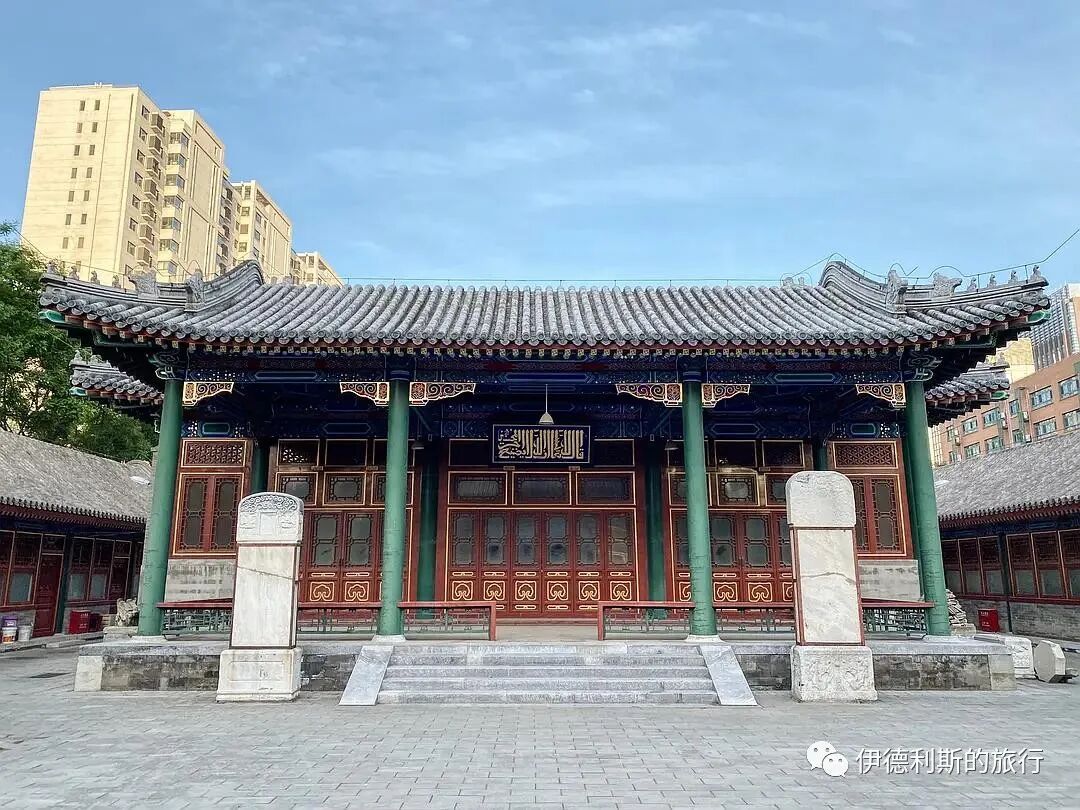
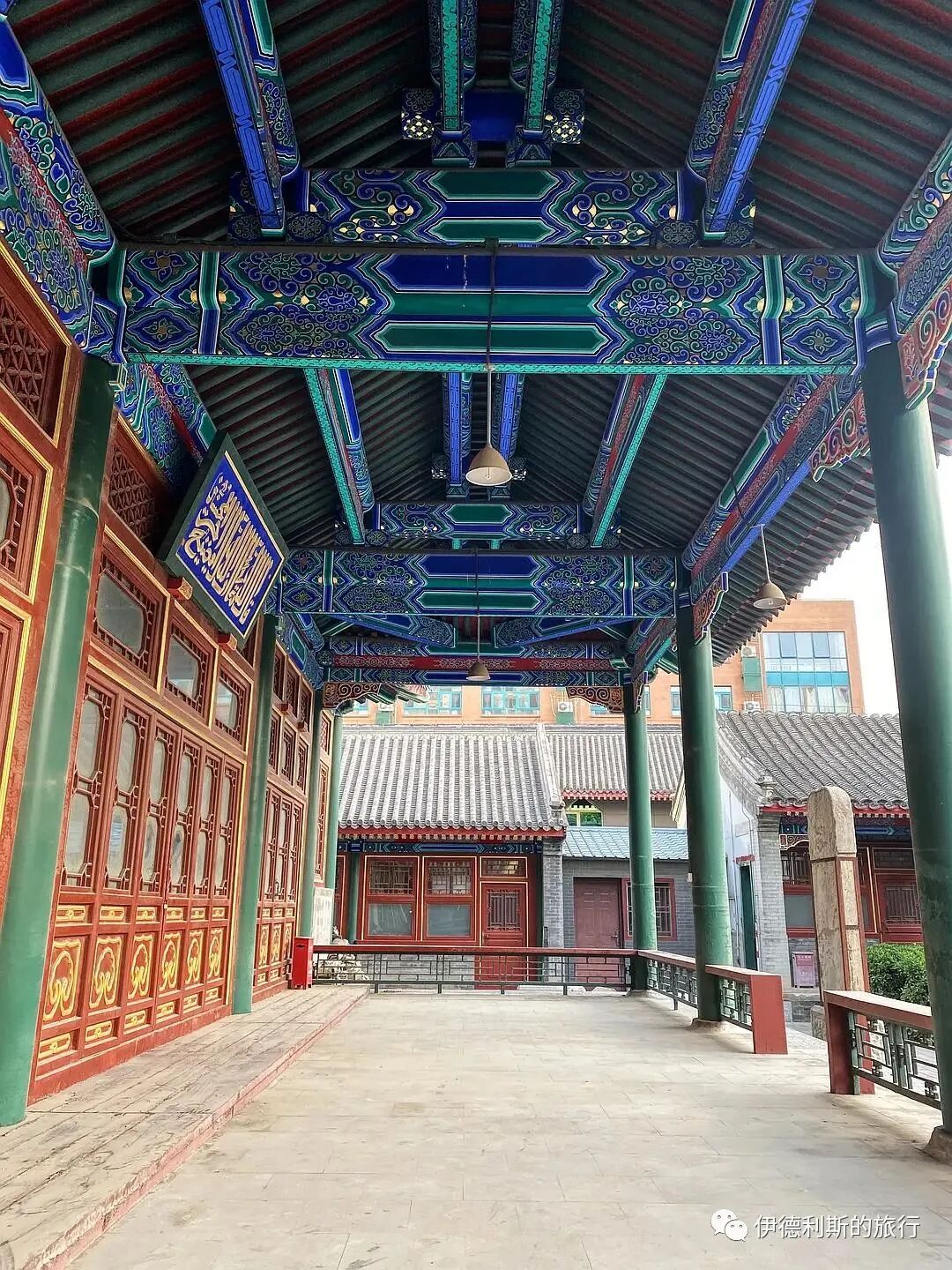
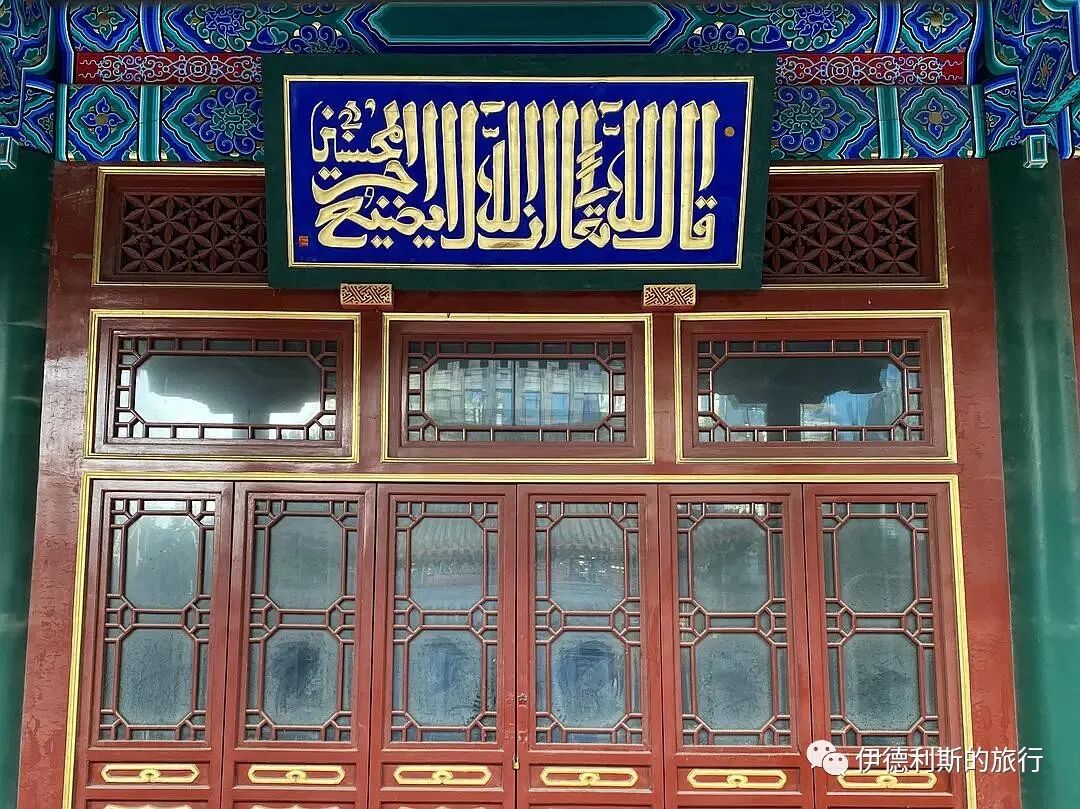
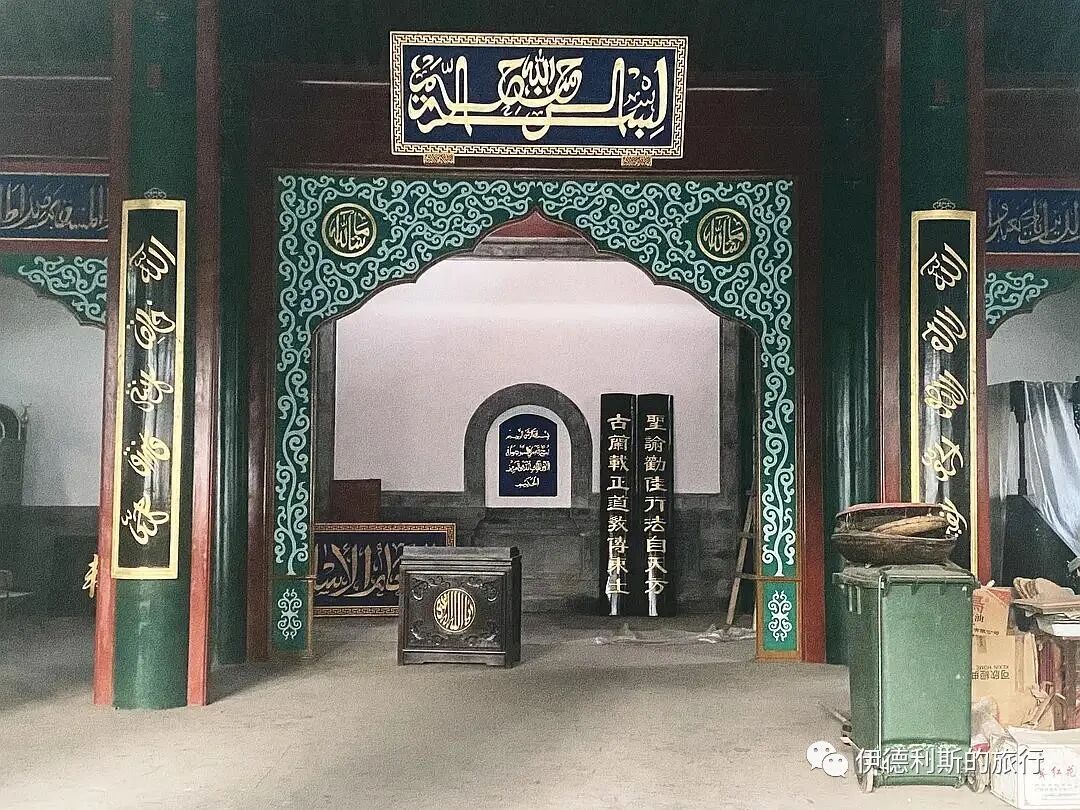
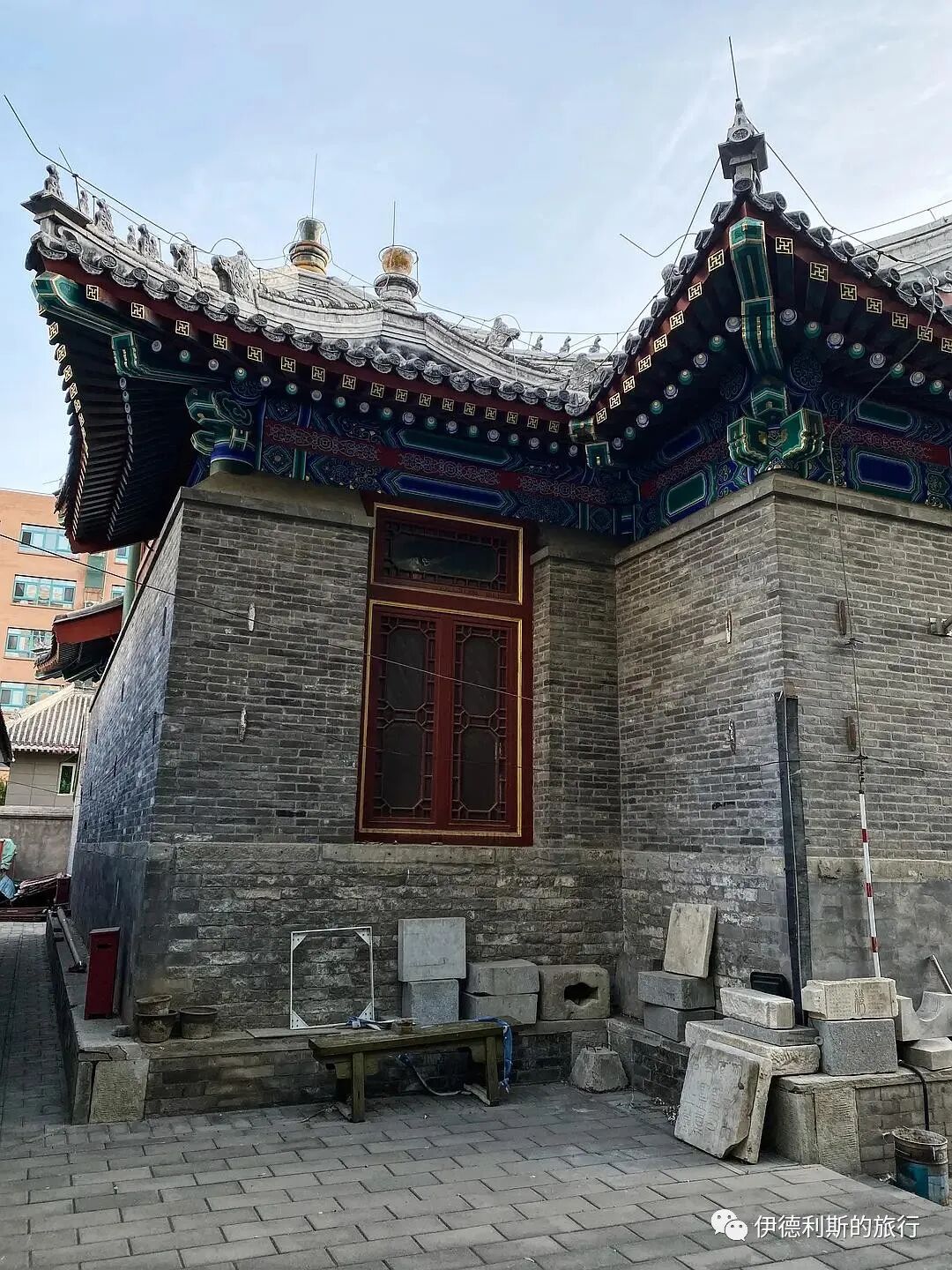
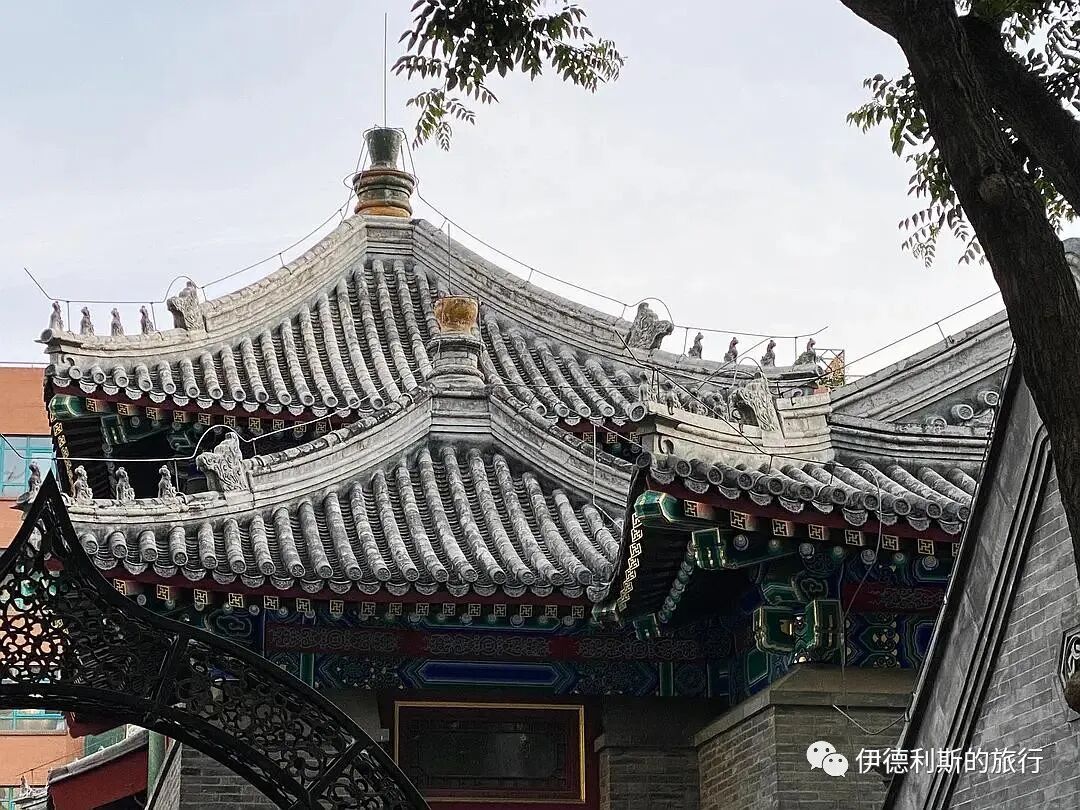
The Pushou Mosque I photographed in 2006 when I was in middle school; two years later, in 2008, it was demolished and rebuilt.
Helan Mountain Cultural & Geographic Expedition: Western Xia Ruins & Sufi Gongbei Shrines in Ningxia
Articles • Hasan09 posted the article • 0 comments • 18 views • 4 days ago
Helan Mountain Cultural & Geographic Expedition: The Rare Coexistence of Western Xia Ruins and Arab Saint Gongbei Shrines Under Bijiashan Peak
Abstract:
Hike through the unique landscape of Helan Mountain's 'three mountains enclosing two valleys.' Uncover the rare cultural landscape where mysterious Western Xia ruins on the northern slope of Lianhuashan coexist with Arab saint gongbei (Sufi shrine / mausoleum complex), documenting the millennial codes of civilization where Danxia sandstone cliffs, Taoist temples, Buddhist monasteries, and mosques face each other across the mountains.
Within the unique terrain of three mountains enclosing two valleys,
The crumbling walls of the Western Xia dynasty share space with Arab saint gongbei (Sufi shrines / mausoleum complexes),
Taoist temples, Buddhist monasteries, and mosques stand facing each other across the peaks,
Even the rocks are dyed in vibrant rainbow Danxia colors,
And the entire sky is yours alone on this hike!
✨ Top 3 Must-See Cultural Wonders ✨
❶ [The Vanished Western Xia Dynasty] Mysterious ruins are tucked away on the northern slope of Lianhuashan. Look closely to spot the man-made chisel marks on the massive boulders and touch a mysterious civilization from a thousand years ago.
❷ [China's Mecca] A Ming-dynasty Arab elder's gongbei (Sufi shrine / mausoleum complex) quietly stands amidst the mountains. Every year on the 13th day of the 7th lunar month, tens of thousands gather here for commemorative events.
❸ [The Fusion of Faiths] The three-tiered pavilions of Helan Temple are insanely photogenic! We recommend looking back from Sanguan Temple at dawn, when the morning mist makes the architectural complex look like a celestial palace.
♀ Insider Hiking Route
Enter via Left Valley (Cultural Route) → White Stupa → Exit via Right Valley (Nature Route) → Lianhuashan → Return via the same way
✅ First half takes you past Ming and Qing dynasty architectural complexes
✅ Second half challenges you with riverbed boulder fields and a summit climb for panoramic views
⚠ The riverbed can be dangerous after summer flash floods! Keep an eye on the weather. Perfect for hiking year-round.
Photo Ops Guide
▫ Low-angle shots of the three-tiered pavilions at Helan Temple
▫ White stupas and prayer flags framed against colorful rock strata
▫ Catching the sunrise from the mountaintop in the early morning
Practical Tips
▫ Navigation: Gunchongkou Scenic Area (Parking: 5 RMB for 24 hours)
▫ Admission: 30 RMB (included in the Ningxia Tourism All-In-One Pass; sightseeing bus is extra)
▫ Tips: Helan Mountain Villa is closed every Wednesday! We recommend bringing your own snacks, and please remember to pack out all your trash.
Those fragments of civilization hidden in rock crevices
Rustle softly whenever the mountain wind blows
Perhaps this is the most touching side of Helan Mountain view all
Helan Mountain Cultural & Geographic Expedition: The Rare Coexistence of Western Xia Ruins and Arab Saint Gongbei Shrines Under Bijiashan Peak
Abstract:
Hike through the unique landscape of Helan Mountain's 'three mountains enclosing two valleys.' Uncover the rare cultural landscape where mysterious Western Xia ruins on the northern slope of Lianhuashan coexist with Arab saint gongbei (Sufi shrine / mausoleum complex), documenting the millennial codes of civilization where Danxia sandstone cliffs, Taoist temples, Buddhist monasteries, and mosques face each other across the mountains.
Within the unique terrain of three mountains enclosing two valleys,
The crumbling walls of the Western Xia dynasty share space with Arab saint gongbei (Sufi shrines / mausoleum complexes),
Taoist temples, Buddhist monasteries, and mosques stand facing each other across the peaks,
Even the rocks are dyed in vibrant rainbow Danxia colors,
And the entire sky is yours alone on this hike!
✨ Top 3 Must-See Cultural Wonders ✨
❶ [The Vanished Western Xia Dynasty] Mysterious ruins are tucked away on the northern slope of Lianhuashan. Look closely to spot the man-made chisel marks on the massive boulders and touch a mysterious civilization from a thousand years ago.
❷ [China's Mecca] A Ming-dynasty Arab elder's gongbei (Sufi shrine / mausoleum complex) quietly stands amidst the mountains. Every year on the 13th day of the 7th lunar month, tens of thousands gather here for commemorative events.
❸ [The Fusion of Faiths] The three-tiered pavilions of Helan Temple are insanely photogenic! We recommend looking back from Sanguan Temple at dawn, when the morning mist makes the architectural complex look like a celestial palace.
♀ Insider Hiking Route
Enter via Left Valley (Cultural Route) → White Stupa → Exit via Right Valley (Nature Route) → Lianhuashan → Return via the same way
✅ First half takes you past Ming and Qing dynasty architectural complexes
✅ Second half challenges you with riverbed boulder fields and a summit climb for panoramic views
⚠ The riverbed can be dangerous after summer flash floods! Keep an eye on the weather. Perfect for hiking year-round.
Photo Ops Guide
▫ Low-angle shots of the three-tiered pavilions at Helan Temple
▫ White stupas and prayer flags framed against colorful rock strata
▫ Catching the sunrise from the mountaintop in the early morning
Practical Tips
▫ Navigation: Gunchongkou Scenic Area (Parking: 5 RMB for 24 hours)
▫ Admission: 30 RMB (included in the Ningxia Tourism All-In-One Pass; sightseeing bus is extra)
▫ Tips: Helan Mountain Villa is closed every Wednesday! We recommend bringing your own snacks, and please remember to pack out all your trash.
Those fragments of civilization hidden in rock crevices
Rustle softly whenever the mountain wind blows
Perhaps this is the most touching side of Helan Mountain
Wuzhong Siliangzi Gongbei: Exploring Ningxia's Sino-Arabic Sufi Shrine
Articles • Hasan09 posted the article • 0 comments • 18 views • 4 days ago
Visual Documentation of Siliangzi Gongbei in Wuzhong: A Municipal-Level Protected Sufi Shrine Blending Chinese and Arabic Styles
Abstract:
Documenting the elegant style of the Siliangzi Gongbei in Wuzhong, Ningxia. Showcasing its unique double-eaved hexagonal architecture, green-tiled flying eaves, and intricate reliefs, it reveals the perfect fusion of traditional Chinese pavilion craftsmanship and Islamic aesthetics in a Northwest sacred site.
Ningxia • Wuzhong
The Siliangzi Gongbei is the final resting place of Ma Hualong, a revered elder of the Jahriyya menhuan (Sufi order). The original gongbei was first built in 1915 and later destroyed, while the structure you see today was rebuilt in 1992 and is now a Wuzhong municipal-level cultural heritage site. The architecture features a distinctive double-eaved hexagonal design, blending traditional Chinese pavilion styles with Islamic aesthetics. With its green tiles, flying eaves, and delicate reliefs, it carries the heavy modern history of the Northwest alongside a unique Hui Muslim religious culture, all set in a serene and solemn environment. view all
Visual Documentation of Siliangzi Gongbei in Wuzhong: A Municipal-Level Protected Sufi Shrine Blending Chinese and Arabic Styles
Abstract:
Documenting the elegant style of the Siliangzi Gongbei in Wuzhong, Ningxia. Showcasing its unique double-eaved hexagonal architecture, green-tiled flying eaves, and intricate reliefs, it reveals the perfect fusion of traditional Chinese pavilion craftsmanship and Islamic aesthetics in a Northwest sacred site.
Ningxia • Wuzhong
The Siliangzi Gongbei is the final resting place of Ma Hualong, a revered elder of the Jahriyya menhuan (Sufi order). The original gongbei was first built in 1915 and later destroyed, while the structure you see today was rebuilt in 1992 and is now a Wuzhong municipal-level cultural heritage site. The architecture features a distinctive double-eaved hexagonal design, blending traditional Chinese pavilion styles with Islamic aesthetics. With its green tiles, flying eaves, and delicate reliefs, it carries the heavy modern history of the Northwest alongside a unique Hui Muslim religious culture, all set in a serene and solemn environment.
Exploring Helan Mountain's Hidden Gongbei and Mosque: A Unique Oasis of Three Faiths in Ningxia
Articles • Hasan09 posted the article • 0 comments • 17 views • 4 days ago
Exploring the Hidden Mosque and Gongbei in Helan Mountain's Gungzhongkou: A Historic Tale of Three Religions Coexisting in a Scenic Canyon
Abstract:
A field visit to the serene mosque tucked inside the Gungzhongkou (Xiaokouzi) scenic area in Yinchuan's Helan Mountain. We explore the unique origin story of 'the gongbei first, followed by the mosque,' showcasing a harmonious model where Buddhism, Taoism, and Islam share the same mountain.
Tucked away in the Helan Mountains, this mosque holds a history that many people don't know.
1. Location and Vibe
The Gungzhongkou Mosque is located inside the Gungzhongkou (also known as Xiaokouzi) scenic area in Yinchuan's Helan Mountain. The courtyard is modest in size, serene, and quiet, serving as one of the landmark structures where Buddhism, Taoism, and Islam peacefully coexist on the same mountain.
2. The Gongbei Came First, Followed by the Mosque
The most unique thing about this mosque: it wasn't built as a standalone masjid first; rather, the holy figure's gongbei (Sufi shrine / mausoleum complex) came first. Legend has it that in the late Ming dynasty, a Yemeni Islamic missionary named Kemarenting came to China to spread Islam, preaching in the Yinchuan area for over thirty years. After his passing (return to Allah), he was buried in the mountains of Gungzhongkou, and local believers built a gongbei in his honor.
3. History of Construction
According to tradition, in the first year of the Shunzhi reign of the Qing dynasty (1644), a masjid was built right next to the gongbei. During the Guangxu reign of the Qing dynasty, the main prayer hall was expanded, creating a traditional Chinese siheyuan (quadrangle courtyard) layout. After surviving wars and undergoing reconstructions, it was thoroughly renovated in 1980 to become the structure we see today.
4. The Mosque Today
Spanning about one mu (roughly one-sixth of an acre), the complex features a three-bay main prayer hall built in traditional Chinese classical architectural style. While it lacks elaborate carvings or wall murals, it has gained a quiet reputation thanks to its tranquil mountain setting and deep historical roots.
5. Commemorative Events
Around the 13th day of the seventh lunar month each year—marking the anniversary of the elder's return to Allah—local Hui Muslims gather here to hold commemorative services.
Travel Tips: The mosque is located inside the scenic area, so you will need to buy a ticket to enter the mountain; please keep quiet when visiting and respect local customs. view all
Exploring the Hidden Mosque and Gongbei in Helan Mountain's Gungzhongkou: A Historic Tale of Three Religions Coexisting in a Scenic Canyon
Abstract:
A field visit to the serene mosque tucked inside the Gungzhongkou (Xiaokouzi) scenic area in Yinchuan's Helan Mountain. We explore the unique origin story of 'the gongbei first, followed by the mosque,' showcasing a harmonious model where Buddhism, Taoism, and Islam share the same mountain.
Tucked away in the Helan Mountains, this mosque holds a history that many people don't know.
1. Location and Vibe
The Gungzhongkou Mosque is located inside the Gungzhongkou (also known as Xiaokouzi) scenic area in Yinchuan's Helan Mountain. The courtyard is modest in size, serene, and quiet, serving as one of the landmark structures where Buddhism, Taoism, and Islam peacefully coexist on the same mountain.
2. The Gongbei Came First, Followed by the Mosque
The most unique thing about this mosque: it wasn't built as a standalone masjid first; rather, the holy figure's gongbei (Sufi shrine / mausoleum complex) came first. Legend has it that in the late Ming dynasty, a Yemeni Islamic missionary named Kemarenting came to China to spread Islam, preaching in the Yinchuan area for over thirty years. After his passing (return to Allah), he was buried in the mountains of Gungzhongkou, and local believers built a gongbei in his honor.
3. History of Construction
According to tradition, in the first year of the Shunzhi reign of the Qing dynasty (1644), a masjid was built right next to the gongbei. During the Guangxu reign of the Qing dynasty, the main prayer hall was expanded, creating a traditional Chinese siheyuan (quadrangle courtyard) layout. After surviving wars and undergoing reconstructions, it was thoroughly renovated in 1980 to become the structure we see today.
4. The Mosque Today
Spanning about one mu (roughly one-sixth of an acre), the complex features a three-bay main prayer hall built in traditional Chinese classical architectural style. While it lacks elaborate carvings or wall murals, it has gained a quiet reputation thanks to its tranquil mountain setting and deep historical roots.
5. Commemorative Events
Around the 13th day of the seventh lunar month each year—marking the anniversary of the elder's return to Allah—local Hui Muslims gather here to hold commemorative services.
Travel Tips: The mosque is located inside the scenic area, so you will need to buy a ticket to enter the mountain; please keep quiet when visiting and respect local customs.
Halal Travel Guide: Urumqi - Dawan Gongbei, Hui Muslims and Sufi Heritage
Articles • ali2007fr posted the article • 0 comments • 152 views • 2026-05-19 07:25
Summary: This Urumqi article visits the Dawan Gongbei and records its connection with Hui Muslim religious memory and local community life. It keeps the original shrine details, route, religious terms, and travel observations without changing the facts.
Yesterday at noon, I went to the Dawan Gongbei in Urumqi to attend a funeral (janazah) for an elder from the Luyuan Street community. Hundreds of people were there. It was very moving and showed the strong unity of the local community (jamaat).
After the funeral, I visited the graves of two historical figures at the Dawan Gongbei. The first was the elder Weijiapu (1732-1812), who was the first imam to lead the mosque in Urumqi. Elder Weijiapu was originally a Salar from Xunhua. When he was young, his hard work and love for learning made him the imam of the Jiezi Gonghe La Mosque in Xunhua. In 1763, due to conflicts between Sufi orders (menhuan) in the Hehuang region, Elder Weijiapu left to seek spiritual knowledge. He traveled through Linxia, Lanzhou, and Wuwei before moving to Hami and Turpan in Xinjiang to teach. In 1780, after the first mosque was built in the Beiliang area of Dihua, the local Muslims invited Elder Weijiapu to serve as their imam.
In the mid-18th century, Yihewan Gali, a student of the Indian Sufi leader Imam Rabbani, came to Aksu to teach the Khufiyya Sufi path. Ma Fang, a Qing dynasty military officer stationed in Aksu, accepted his teachings. Later, Ma Fang resigned from his post to spread the faith across Xinjiang. He took on five students, one of whom was Ma Pei (known as the Anjihai Master). Ma Pei went to Urumqi to teach, and Elder Weijiapu became his student. Elder Weijiapu taught at the Beiliang mosque in Dihua for nearly 30 years. He taught scripture to ordinary community members and guided Khufiyya followers in their spiritual practice. He balanced the relationships between different groups well and was respected by everyone.
After Elder Weijiapu passed away (returned to Allah), he was originally buried at the Beiliang mosque. Later, following his will, he was moved to Dawan. The cemetery there became known as the Dawan Gongbei. In 1900, the three brothers of Ma Youfu, the great-grandson of Elder Weijiapu, rebuilt the Gongbei. It was renovated again in 2013 to its current appearance.
The second historical figure at the Dawan Gongbei is Imam Ma Zongfu (1806-1885), who led the Beiliang Mosque and the Beifang Mosque in Urumqi. People called him the Datong Elder.
Imam Ma Zongfu was originally from Datong, Qinghai. When he was young, he taught at various mosques in Qinghai and practiced the Khufiyya Sufi path. Later, because Imam Ma opposed the growing and selling of opium, he was persecuted by local wealthy landowners. In 1850, he led his family through many hardships to reach Xinjiang, where they settled at the Beiliang Mosque in Dihua. At that time, the imam of the Beiliang Mosque was Qitaizhou, a student of the Khufiyya leader Ma Pei. Imam Ma Zongfu became a student of Qitaizhou and became the imam of the Beiliang Mosque in 1852.
Imam Ma led the renovation of the Beiliang Mosque in 1861. Later, he established a spiritual center (daotang) on Yinma Lane in Dihua for meditation and study. The Qing government closed Beiliang Mosque because of the anti-Qing uprising and turned it into an ancestral hall, so the local community built Beifang Mosque in 1876. Because the local community loved Imam Ma so much, they elected him as their religious leader again. After Imam Ma passed away in 1885, he was buried next to the elder's grave in Weijiapu at the Dawan gongbei, just as he requested in his will. view all
Summary: This Urumqi article visits the Dawan Gongbei and records its connection with Hui Muslim religious memory and local community life. It keeps the original shrine details, route, religious terms, and travel observations without changing the facts.
Yesterday at noon, I went to the Dawan Gongbei in Urumqi to attend a funeral (janazah) for an elder from the Luyuan Street community. Hundreds of people were there. It was very moving and showed the strong unity of the local community (jamaat).
After the funeral, I visited the graves of two historical figures at the Dawan Gongbei. The first was the elder Weijiapu (1732-1812), who was the first imam to lead the mosque in Urumqi. Elder Weijiapu was originally a Salar from Xunhua. When he was young, his hard work and love for learning made him the imam of the Jiezi Gonghe La Mosque in Xunhua. In 1763, due to conflicts between Sufi orders (menhuan) in the Hehuang region, Elder Weijiapu left to seek spiritual knowledge. He traveled through Linxia, Lanzhou, and Wuwei before moving to Hami and Turpan in Xinjiang to teach. In 1780, after the first mosque was built in the Beiliang area of Dihua, the local Muslims invited Elder Weijiapu to serve as their imam.
In the mid-18th century, Yihewan Gali, a student of the Indian Sufi leader Imam Rabbani, came to Aksu to teach the Khufiyya Sufi path. Ma Fang, a Qing dynasty military officer stationed in Aksu, accepted his teachings. Later, Ma Fang resigned from his post to spread the faith across Xinjiang. He took on five students, one of whom was Ma Pei (known as the Anjihai Master). Ma Pei went to Urumqi to teach, and Elder Weijiapu became his student. Elder Weijiapu taught at the Beiliang mosque in Dihua for nearly 30 years. He taught scripture to ordinary community members and guided Khufiyya followers in their spiritual practice. He balanced the relationships between different groups well and was respected by everyone.
After Elder Weijiapu passed away (returned to Allah), he was originally buried at the Beiliang mosque. Later, following his will, he was moved to Dawan. The cemetery there became known as the Dawan Gongbei. In 1900, the three brothers of Ma Youfu, the great-grandson of Elder Weijiapu, rebuilt the Gongbei. It was renovated again in 2013 to its current appearance.
The second historical figure at the Dawan Gongbei is Imam Ma Zongfu (1806-1885), who led the Beiliang Mosque and the Beifang Mosque in Urumqi. People called him the Datong Elder.
Imam Ma Zongfu was originally from Datong, Qinghai. When he was young, he taught at various mosques in Qinghai and practiced the Khufiyya Sufi path. Later, because Imam Ma opposed the growing and selling of opium, he was persecuted by local wealthy landowners. In 1850, he led his family through many hardships to reach Xinjiang, where they settled at the Beiliang Mosque in Dihua. At that time, the imam of the Beiliang Mosque was Qitaizhou, a student of the Khufiyya leader Ma Pei. Imam Ma Zongfu became a student of Qitaizhou and became the imam of the Beiliang Mosque in 1852.
Imam Ma led the renovation of the Beiliang Mosque in 1861. Later, he established a spiritual center (daotang) on Yinma Lane in Dihua for meditation and study. The Qing government closed Beiliang Mosque because of the anti-Qing uprising and turned it into an ancestral hall, so the local community built Beifang Mosque in 1876. Because the local community loved Imam Ma so much, they elected him as their religious leader again. After Imam Ma passed away in 1885, he was buried next to the elder's grave in Weijiapu at the Dawan gongbei, just as he requested in his will.
Halal Travel Guide: Jinan — Baba Cave, Baba Tomb and Sufi Heritage
Articles • ali2007fr posted the article • 0 comments • 171 views • 2026-05-18 21:14
Summary: Jinan — Baba Cave, Baba Tomb and Sufi Heritage is presented here as a firsthand travel account in clear English, beginning with this scene: On February 2, 2023, I visited the Baba Cave and Baba Tomb on Jiuding Mountain in Jinan, Shandong, a place I had wanted to see for a long time. The account keeps its focus on Jinan Muslims, Sufi Heritage, Hui Muslims while preserving the names, places, food, and historical details from the Chinese source.
On February 2, 2023, I visited the Baba Cave and Baba Tomb on Jiuding Mountain in Jinan, Shandong, a place I had wanted to see for a long time. Baba is a Persian honorific that Hui Muslims use to show respect for their elders. The Baba Cave is the most important Sufi retreat in the Shandong region, and the Baba Tomb is a large cemetery for historical figures and Sufi saints, holding great significance in the history of the faith and Sufism.
I took a high-speed train from Beijing to Jinan West Station in the morning. Guided by Ma Lianjun, a friend (dost) who has studied the cave and tomb for years, we first went to the home of Ma Haji in Dangjiazhuang, where we were warmly welcomed by him and his wife.
We ate hot noodle soup and Shandong pancakes (dajianbing) as thin as paper at Ma Haji's house, then he drove us to Jiuding Mountain to visit the tombs.
Jiuding Mountain Baba Cave
The Baba Cave is on Jiuding Mountain in the southern suburbs of Jinan. With its layered peaks, rocky cliffs, and pine and cypress trees, it is a perfect place for quiet meditation.
At the foot of the mountain, you first see a stone tablet set up by local Muslims in 2021 that welcomes fellow believers to follow in the footsteps of the saints. After the show "World Hui Muslims" aired an episode on the Jinan Baba Cave, many friends (dost) came to visit, making the cave well-known.
As we climbed higher, we saw the tomb of Master Yang and several other saints. Master Yang, named X Rui and styled Fengyi, was born in 1757 and passed away in 1815. The inscription on his tomb says he left home young, went barefoot with messy hair, endured hunger and cold, and traveled the world, crossing thousands of rivers and climbing thousands of mountains. It also records that he established a "Dao Hall" on Qingfeng Mountain in Yunnan, which confirms he was a traveling Sufi.
According to a Qing Dynasty tablet about rebuilding the gate near the cave, which mentions that Sa, Ma, Mao, Yang, and Zuo loved the quiet and passed away there, we can conclude that the Jiuding Mountain Baba Cave was Master Yang's place of retreat.
1899 tablet record for rebuilding the gate
The names Sa, Ma, Mao, Yang, and Zuo on the tablet
Following the mountain path upward, we passed through a stone gate to reach the cliff where the Baba Cave is located. There are some cliff carvings on the rock face. Interestingly, the 1989 cultural heritage protection sign from the Licheng District of Jinan is also carved directly into the cliff.
Next to the cliff carvings are some older tablets, including an official notice from the Jinan Prefecture Changqing County government dated 1889. It records that Jiuding Mountain originally had a mosque cave, saint tombs, and prayer rooms, but they were damaged because no one looked after them. The government issued the notice to tell nearby residents to stop grazing livestock on the mountain and to forbid stealing or gambling inside the cave.
Many beautiful stone carvings in Chinese and Arabic are stored near the Baba Cave, and they have great historical and artistic value. Sadly, due to history, most of these stone tablets are badly damaged and broken into pieces. These precious artifacts are in urgent need of protection and repair.
On the cliff, there is also a "Saint's Tomb" with an inscription by Du Rongxiu. There was originally a large rock jutting out from the cliff that looked like a tomb. Later generations trimmed it to look more like a large grave from a distance, but no one is actually buried underneath it. It was built only to commemorate the Prophet Muhammad. Every year during the Mawlid, villagers come to the foot of the mountain to invite an imam to recite the Quran and prepare fried dough (youxiang).
In the area where the stone carvings are kept, you can also see a carving with an inscription by Du Rongxiu for the Baba Cave.
The Baba Cave is a natural cliff cave. Later people rebuilt it with stone bricks, dividing the cave into inner and outer sections. The door on the right is only big enough for one person; it is said to be where the Baba performed namaz. The inside of the cave has holes connected to the mountain, which keeps it very cool in the summer. It is also dry and does not collect water, making it perfect for quiet meditation.
Sufis call the basic five pillars of a Muslim the Sharia, and the higher level of practice above that is called the Path (Tariqa). Meditation (Muraqabah) is an important part of the Path. This tradition comes from the Prophet Muhammad, who spent a month every year in the Hira Cave on the Mountain of Light before receiving revelations from Allah.
Next to the Baba Cave is a stone room, which is a place for performing rituals (amal). Near the stone house, you can see some mortise and tenon joints (sunmao) on the cliffside, which are likely the remains of the house where the Baba lived while practicing his faith.
After visiting the Baba Cave, we walked down the mountain. At the foot of the mountain is the Green Pine Spring (Qingsong Quan), where the Baba used to get his water. In February, the spring water is clear and does not freeze; Jinan truly lives up to its name as the City of Springs.
Beside the Baba Cave on Jiuding Mountain in Jinan, there is a broken stone tablet dated to the ninth year of the Daoguang reign (1829). One of the names on the tablet is Zuo Tingrong, who is one of the five figures—Zuo, Ma, Sa, Mao, and Yang—mentioned in the 1899 'Reconstruction of the Main Gate' tablet as having practiced in the cave. In fact, except for Yang Baba, who is buried at the foot of the Baba Cave mountain, the graves of the other four Babas still exist. Mao Baba is buried in Dangjiazhuang Town, and the other three Babas are buried at Ma'anshan, south of Jinan city.
The Baba Graves at Ma'anshan.
Guided by Ma Haji and Ma Lianjun Dosti, we arrived at the Baba graves on the eastern slope of Ma'anshan, south of Jinan. There are dozens of graves of Muslim ancestors here dating back to the Yuan and Ming dynasties, including the graves of Zuo, Ma, and Sa Baba.
Zuo Baba's grave is at the far west end of the cemetery. The tombstone is engraved with Chinese and Arabic, as well as Xiao'erjing (Arabic script used to write Chinese), providing a wealth of information. Ma Lianjun Dosti helped write the article 'A Study of the Chinese-Arabic Tombstone of Zuo Gong's Grave in Jinan during the Daoguang Reign of the Qing Dynasty from the Perspective of the Sinicization of Islam,' published in 'World Religious Studies.' This is currently the most detailed introduction available regarding Zuo Rongting Baba.
From the inscription, we know Zuo Baba's name was Tingrong, his courtesy name was Yunbo, and he was from the West Gate of Jinan. He was born in 1750 (the 15th year of the Qianlong reign) and passed away in 1829 (the 9th year of the Daoguang reign). His religious name was Ishaq. He was guided by the Sufi master Mahmud Baghdadi and became a leader for local practitioners, known far and wide for his spiritual path. Zuo Baba endured great hardships to travel to Mecca for Hajj and visited the tomb of the Prophet Muhammad in Medina. The inscription shows that Zuo Baba was a Sufi practitioner with a clear lineage, who insisted on asceticism and traveling to practice his faith. Such detailed records of a Sufi practitioner are extremely rare in the entire eastern region.
The top stone of Zuo Baba's grave is also very unique. Its cross-section looks like an arch, and the sides are carved with exquisite Arabic calligraphy, including both traditional Chinese styles and the brick-like Bannai script derived from Kufic. However, because later generations repainted it with gold lacquer, the original calligraphy has become somewhat blurry.
According to the article 'Baba Graves of the Yuan and Ming Dynasties in Shandong,' Sa Baba was named Sa Tianchi. He was from ancient Xihe in Yunnan, and he lived around the end of the Yuan and the beginning of the Ming dynasties. In the oral traditions of the Sai family of Hui Muslims in Jinan, Sa Baba's experiences of seeking medicine to save the dying and heal the wounded are very consistent with Sufi practices. He often used his medical knowledge to treat people regardless of whether they were Hui or Han, and he was respected by all ethnic groups.
Additionally, there is the grave of Niu Baba, a disciple of Sa Baba, in the Baba cemetery.
Legend says Ma Baba passed away at the end of the Ming dynasty. The 1933 issue of the Republic of China periodical 'Yuehua' (Vol. 5, No. 18) contains an article titled 'Ma'anshan Small Mosque,' which records that 'outside the gate are the graves of the three Babas: Zuo, Ma, and Ma.'
Besides this, there are many graves of Muslim ancestors from the Yuan and Ming dynasties in the Ma'anshan Baba cemetery. The articles 'Baba Graves of the Yuan and Ming Dynasties in Shandong' and 'Baba Graves of the Qing Dynasty in Shandong' provide detailed introductions.
The life story of Sayyid Baba cannot be verified. Sayyid is an honorific title used to refer to the descendants of the Prophet's daughter Fatima and Imam Ali, suggesting that Sayyid Baba was likely a descendant of the Prophet.
The life story of Ma Baba is also unreliable; he is one of the three Babas—Zuo, Ma, and Ma—mentioned in the 1933 'Yuehua' article.
On the tombstone of Gu Mingxiu Baba, there is an inscription, half of which is buried in the soil. It shows text like '16th day of the 2nd month of the 12th year of the Wanli reign of the Great Ming,' and '8th day of the 2nd month of the 4th year of the Xianfeng reign of the Great Qing,' which are likely the dates of the original construction and the renovation.
Li Baba's grave originally had a stone tablet from the Tongzhi reign of the Qing dynasty, but it no longer exists. Every year on the 24th day of the 6th lunar month, middle-aged and elderly Hui Muslim women from the outskirts of Jinan, Tai'an, and the north bank of the Yellow River go to Li Baba's grave to light incense, recite scriptures, and give charity (niatie).
Cha Baba's life story cannot be verified; it is only known that the later tombstone says he 'passed away at the end of the Ming dynasty.'
The tombstone for Chen Ying Baba and his wife, surnamed Sai, reads 'Grave of Mr. Chen Ying, an official of the Honglu Mosque of the Great Ming, and his wife, Lady Sai.' Behind it is a 'Chen Zhangjiao Epitaph' erected in 1834 (the 14th year of the Daoguang reign).
Chen Ying Baba holds a very high historical status among Muslims in Jinan. He was once appointed by the Emperor as the Superintendent of Religion for Shandong, and his descendants inherited the position of imam at the Jinan South Mosque (Nandasi) for over a hundred years. The existing 1495 (the eighth year of the Ming Hongzhi reign) record of the renovation of the Jinan Prefecture Licheng County Mosque states: 'During the Xuande year of Bingwu in our dynasty, there was a shortage of imams. Just then, Master Chen Ying went to the Western Regions three times as an envoy, was appointed to an official rank, and returned after retiring from office.' This means that during the Ming Xuande period (1426-1435), Chen Ying served as an official envoy to the Western Regions three times. Based on calculations, Chen Ying Baba likely lived during the late Yuan and early Ming dynasties.
The Chen family was prominent during the Ming Dynasty and received rewards many times. The Jinan South Mosque currently houses a 1528 (the seventh year of the Ming Jiajing reign) stone inscription titled 'Laifu Ming,' signed by 'Chen Si, Imam of this mosque.' Chen Si was a descendant of Chen Ying Baba.
Besides Chen Ying Baba, many other imams of the Jinan South Mosque are buried in the Baba Cemetery (Baba Fen).
Dang Baba was named Dang Yu, with the courtesy name Kunshan. He was from the West Gate of Jinan, born in 1703 (the forty-second year of the Kangxi reign) and passed away (returned to Allah) in 1785 (the fiftieth year of the Qianlong reign). According to a Republic of China era stele, he traveled widely and went on Hajj to Mecca many times. He discovered errors in the practice of the faith in China, sought to correct them upon his return, and was invited to serve as the imam of the South Mosque.
Mi Baba was named Mi Guoxiang, with the religious name Puzhong. People called him Master Mi (Mi Zhenren). He was also from the West Gate of Jinan, born in 1735 (the tenth year of the Yongzheng reign) and passed away in 1792 (the fifty-seventh year of the Qianlong reign). In front of his tomb stands a 1792 stele inscribed with 'Inheriting the Past and Ushering in the Future,' which contains very detailed records about Master Mi.
Mi Baba traveled throughout the Northwest, met a teacher named Wang, and learned the 'profound principles of returning to the truth and restoring life.' Afterward, he traveled everywhere and avoided women. The stele records that he 'built a home in the bright mountains southwest of the city and lived in an ancient cave.' It is speculated that this is likely the Baba Cave on Jiuding Mountain.
It continues to write
He 'ate the morning mist in spring, drank the night dew in summer, cleansed his heart and spirit, and after decades, mastered the techniques of breathing and meditation.' This is clearly a description of Sufi asceticism. The stele uses many Taoist terms to describe the faith, calling the sages 'True Men' (Zhenren), referring to passing away as 'feathering' (yuhua), and even using Taoist immortals like Wang Ziqiao and Chisongzi as metaphors. This is a great example of exchange between different religions.
Heifaxiang Baba became the imam of the Jinan South Mosque in 1815 (the fifteenth year of the Jiaqing reign). He presided over the renovation of the South Mosque and wrote Arabic calligraphy in the main hall, which was widely praised. Evidence suggests that He Baba was very likely the disciple of He Wushaihai, who was one of the 'Two Changs' of the Shandong scripture education system, Chang Jie Baba. Their birth and death dates also match. He Baba played an important role in inheriting and promoting the Shandong school of scripture education, and people today should attach great importance to him.
to local Jinan people, Sufi sages who came from other places to study are also buried in the Baba Cemetery. Ma Zhaochi Baba was from Pingliang, Gansu. He was born in 1673 (the twelfth year of the Kangxi reign), passed away in 1796 (the first year of the Jiaqing reign), and lived to be 123 years old. According to the stele, his 'merits and deeds were complete, and he had achieved immortality.' This is also a way of using Taoist vocabulary to describe Sufi practice.
There is a worn-out stele in the Baba Cemetery. Thanks to the sharing of a fellow believer (dosti), Teacher Ma Ming finally deciphered the content of the stele after years of research. According to the stele, the tomb owner was named Yang Zongyao, born in 1699 (the thirty-eighth year of the Kangxi reign), passed away in 1795 (the sixtieth year of the Qianlong reign), and lived to be 96 years old.
Yang Zongyao Baba's mentor was 'Grand Master Ma Huajiao from Shaanxi.' He followed Grand Master Ma to travel the world and learn Sufi cultivation. The stele records that Grand Master Ma 'abandoned his great business to become a monk;' He cast aside his high position to achieve his goals. It can be seen that he was a Sufi sage. Teacher Ma Ming found in the Yongzheng edition of 'Sichuan Tongzhi' and the Republic of China era 'Songpan County Annals' that 'Qingzhang Laying Army Garrison Commander... Ma Huajiao, a Shaanxi native, appointed in the thirty-second year of Kangxi,' and the Republic of China era 'Ba County Annals' records: 'Mosque... the South Mosque was built by Ma Huajiao and Han Daxiao in the early Kangxi period of the Qing Dynasty.' It can be seen that Grand Master Ma was active in the Sichuan region during the Kangxi period and donated money to build mosques while serving as an official.
Buried in the Baba Cemetery is the famous Hui Muslim martial artist Ma Shengping (1849-1921) from modern Jinan history. Ma Shengping was known as 'Western Whip Ma Wu.' He was from Linqing, Shandong, practiced martial arts since childhood, and was skilled in using the pole whip (also called fishing whip). At the end of the Qing Dynasty, he joined the Boxer Rebellion and fought all the way from Shandong to Tianjin. After the movement failed, he hid his identity and lived at the South Mosque (Nandasi) in Jinan, where he spent years working as a mosque caretaker while pretending to be deaf and mute. After the Republic of China was established, Ma Shengping revealed his true identity and began teaching martial arts at a Hui Muslim boxing school in the Xiguan area of Jinan. He passed away in 1921 and was buried in the Baba Tomb at Ma'anshan.
Some other tombstones in the Baba Tomb also feature Arabic calligraphy, but unfortunately, it is now difficult to identify who they belong to.
Because many respected elders (baba) are buried in the Baba Tomb and many moving stories are told about them, the site holds a very high status among Jinan's Hui Muslims. They often visit the graves to light incense, recite scriptures, and perform dua. According to the 18th issue of the fifth volume of the Yuehua newspaper in 1933, Jinan's Hui Muslims would visit the graves after the wheat harvest, especially after times of disaster, to thank Allah for His grace and to remember the virtuous predecessors. To make visiting the graves easier, a mosque was built next to the Baba Tomb long ago, known as the Ma'anshan Small Mosque.
The Yuehua magazine provides a detailed record of the Ma'anshan Mosque: There are three baba tombs on the mountain. Visitors use this place as a resting spot and a place to invite an imam to recite scriptures and prepare food, which is why the mosque was built. The mosque sits at the eastern foot of the mountain, and right outside the gate are the tombs of the three babas: Zuo, Ma, and Ma. The north building in the courtyard has five rooms. The middle three serve as the prayer hall, the single room on the east is the imam's living quarters, and the west room is the kitchen. There is also a south shed that serves as the living quarters for the mosque caretaker. The mountain only has ten mu of land to support the mosque. The mosque's imam is Ding Kaoshan, a Jinan local. He usually stays at the South Mosque and only comes here when people visit the graves. There are no regular prayers held here, so it functions like a local travel mosque.
Due to history, the Ma'anshan mosque (masjid) has collapsed, but the original foundation and building structure are still visible, with many bricks and tiles scattered around the site. A while ago, some friends (dosti) found half a stone tablet at the site. You can see the name Zuo Junzhenquan and the words kitchen room. The names of those who respectfully erected it include Ma Yusheng, Zhu Chunshou, Zuo Entang, Zhang Jinxing, and Zuo Junying. For hundreds of years, this mosque was an important part of the Baba Tomb complex. Just like the mosques at the tombs of Puhading, Wanggesu, and the Langzhong Baba, it is highly valued by friends (dosti) and holds significant cultural meaning. Seeing it in such a ruined state today is heartbreaking.
According to Lei Guangjing's article on the general situation of Islam in Jinan, Hui Muslims in the past placed great importance on the Baba Tomb and deeply respected the babas, calling them elders (laorenjia). Every spring when the flowers bloom, people would visit the graves in an endless stream, invite an imam to recite scriptures, and prepare fried dough (youxiang) to distribute to friends (dosti). Between the 1960s and 1970s, the Baba Tomb was damaged, but it was preserved thanks to the protection of the Muslim community (mumin). In 1982, Jinan's Hui Muslims held an unprecedented grave-visiting event with hundreds of people attending. Everyone brought boilers and food boxes, and they invited an imam to recite scriptures in memory of the predecessors.
With the rapid development of modern society, the inheritance of religious traditions everywhere has faced varying degrees of impact. The tradition of Jinan's Hui Muslims visiting the Baba graves is also gradually fading. Religious scholars argue that visiting graves for the purpose of reflection is a commendable act. By remembering our predecessors, we can reflect on the meaning of life, examine our own mistakes, and encourage ourselves to do more good deeds. It is a positive activity. At the same time, gathering in the cemetery to recite scriptures and distribute fried dough (youxiang) is a chance for young people to get closer to their faith. Amidst our busy work, we need such traditions to act as a bond for our faith and keep everyone united.
I am very grateful that friends (dostani) like Ma Lianjun and Ma Haji have cared for the Baba Cave and Baba Tomb for many years. When they learned I wanted to visit, they gave me a lot of help, and I truly experienced the hospitality of the people of Shandong. Let me share the delicious food I ate at Ma Haji's house. The homemade soy sauce beef was not too salty and tasted just right. This was my first time eating Shandong big pot bread (daguobing), which was as thick as a brick. It was really interesting.
I ate two styles of fried dough (youxiang) at Haji Ma's house, one from Linxia, Gansu, and one from Jinan, Shandong. You can compare them for yourselves. When I left, Haji Ma gave me some Jinan-style fried dough (youxiang) as a sign of the friendship between us friends (dosti).
Finally, I welcome all friends (dostani) to visit Baba Cave and Baba Tomb. If you want to learn more, you can join the WeChat group below. view all
Summary: Jinan — Baba Cave, Baba Tomb and Sufi Heritage is presented here as a firsthand travel account in clear English, beginning with this scene: On February 2, 2023, I visited the Baba Cave and Baba Tomb on Jiuding Mountain in Jinan, Shandong, a place I had wanted to see for a long time. The account keeps its focus on Jinan Muslims, Sufi Heritage, Hui Muslims while preserving the names, places, food, and historical details from the Chinese source.
On February 2, 2023, I visited the Baba Cave and Baba Tomb on Jiuding Mountain in Jinan, Shandong, a place I had wanted to see for a long time. Baba is a Persian honorific that Hui Muslims use to show respect for their elders. The Baba Cave is the most important Sufi retreat in the Shandong region, and the Baba Tomb is a large cemetery for historical figures and Sufi saints, holding great significance in the history of the faith and Sufism.
I took a high-speed train from Beijing to Jinan West Station in the morning. Guided by Ma Lianjun, a friend (dost) who has studied the cave and tomb for years, we first went to the home of Ma Haji in Dangjiazhuang, where we were warmly welcomed by him and his wife.
We ate hot noodle soup and Shandong pancakes (dajianbing) as thin as paper at Ma Haji's house, then he drove us to Jiuding Mountain to visit the tombs.
Jiuding Mountain Baba Cave
The Baba Cave is on Jiuding Mountain in the southern suburbs of Jinan. With its layered peaks, rocky cliffs, and pine and cypress trees, it is a perfect place for quiet meditation.
At the foot of the mountain, you first see a stone tablet set up by local Muslims in 2021 that welcomes fellow believers to follow in the footsteps of the saints. After the show "World Hui Muslims" aired an episode on the Jinan Baba Cave, many friends (dost) came to visit, making the cave well-known.
As we climbed higher, we saw the tomb of Master Yang and several other saints. Master Yang, named X Rui and styled Fengyi, was born in 1757 and passed away in 1815. The inscription on his tomb says he left home young, went barefoot with messy hair, endured hunger and cold, and traveled the world, crossing thousands of rivers and climbing thousands of mountains. It also records that he established a "Dao Hall" on Qingfeng Mountain in Yunnan, which confirms he was a traveling Sufi.
According to a Qing Dynasty tablet about rebuilding the gate near the cave, which mentions that Sa, Ma, Mao, Yang, and Zuo loved the quiet and passed away there, we can conclude that the Jiuding Mountain Baba Cave was Master Yang's place of retreat.
1899 tablet record for rebuilding the gate
The names Sa, Ma, Mao, Yang, and Zuo on the tablet
Following the mountain path upward, we passed through a stone gate to reach the cliff where the Baba Cave is located. There are some cliff carvings on the rock face. Interestingly, the 1989 cultural heritage protection sign from the Licheng District of Jinan is also carved directly into the cliff.
Next to the cliff carvings are some older tablets, including an official notice from the Jinan Prefecture Changqing County government dated 1889. It records that Jiuding Mountain originally had a mosque cave, saint tombs, and prayer rooms, but they were damaged because no one looked after them. The government issued the notice to tell nearby residents to stop grazing livestock on the mountain and to forbid stealing or gambling inside the cave.
Many beautiful stone carvings in Chinese and Arabic are stored near the Baba Cave, and they have great historical and artistic value. Sadly, due to history, most of these stone tablets are badly damaged and broken into pieces. These precious artifacts are in urgent need of protection and repair.
On the cliff, there is also a "Saint's Tomb" with an inscription by Du Rongxiu. There was originally a large rock jutting out from the cliff that looked like a tomb. Later generations trimmed it to look more like a large grave from a distance, but no one is actually buried underneath it. It was built only to commemorate the Prophet Muhammad. Every year during the Mawlid, villagers come to the foot of the mountain to invite an imam to recite the Quran and prepare fried dough (youxiang).
In the area where the stone carvings are kept, you can also see a carving with an inscription by Du Rongxiu for the Baba Cave.
The Baba Cave is a natural cliff cave. Later people rebuilt it with stone bricks, dividing the cave into inner and outer sections. The door on the right is only big enough for one person; it is said to be where the Baba performed namaz. The inside of the cave has holes connected to the mountain, which keeps it very cool in the summer. It is also dry and does not collect water, making it perfect for quiet meditation.
Sufis call the basic five pillars of a Muslim the Sharia, and the higher level of practice above that is called the Path (Tariqa). Meditation (Muraqabah) is an important part of the Path. This tradition comes from the Prophet Muhammad, who spent a month every year in the Hira Cave on the Mountain of Light before receiving revelations from Allah.
Next to the Baba Cave is a stone room, which is a place for performing rituals (amal). Near the stone house, you can see some mortise and tenon joints (sunmao) on the cliffside, which are likely the remains of the house where the Baba lived while practicing his faith.
After visiting the Baba Cave, we walked down the mountain. At the foot of the mountain is the Green Pine Spring (Qingsong Quan), where the Baba used to get his water. In February, the spring water is clear and does not freeze; Jinan truly lives up to its name as the City of Springs.
Beside the Baba Cave on Jiuding Mountain in Jinan, there is a broken stone tablet dated to the ninth year of the Daoguang reign (1829). One of the names on the tablet is Zuo Tingrong, who is one of the five figures—Zuo, Ma, Sa, Mao, and Yang—mentioned in the 1899 'Reconstruction of the Main Gate' tablet as having practiced in the cave. In fact, except for Yang Baba, who is buried at the foot of the Baba Cave mountain, the graves of the other four Babas still exist. Mao Baba is buried in Dangjiazhuang Town, and the other three Babas are buried at Ma'anshan, south of Jinan city.
The Baba Graves at Ma'anshan.
Guided by Ma Haji and Ma Lianjun Dosti, we arrived at the Baba graves on the eastern slope of Ma'anshan, south of Jinan. There are dozens of graves of Muslim ancestors here dating back to the Yuan and Ming dynasties, including the graves of Zuo, Ma, and Sa Baba.
Zuo Baba's grave is at the far west end of the cemetery. The tombstone is engraved with Chinese and Arabic, as well as Xiao'erjing (Arabic script used to write Chinese), providing a wealth of information. Ma Lianjun Dosti helped write the article 'A Study of the Chinese-Arabic Tombstone of Zuo Gong's Grave in Jinan during the Daoguang Reign of the Qing Dynasty from the Perspective of the Sinicization of Islam,' published in 'World Religious Studies.' This is currently the most detailed introduction available regarding Zuo Rongting Baba.
From the inscription, we know Zuo Baba's name was Tingrong, his courtesy name was Yunbo, and he was from the West Gate of Jinan. He was born in 1750 (the 15th year of the Qianlong reign) and passed away in 1829 (the 9th year of the Daoguang reign). His religious name was Ishaq. He was guided by the Sufi master Mahmud Baghdadi and became a leader for local practitioners, known far and wide for his spiritual path. Zuo Baba endured great hardships to travel to Mecca for Hajj and visited the tomb of the Prophet Muhammad in Medina. The inscription shows that Zuo Baba was a Sufi practitioner with a clear lineage, who insisted on asceticism and traveling to practice his faith. Such detailed records of a Sufi practitioner are extremely rare in the entire eastern region.
The top stone of Zuo Baba's grave is also very unique. Its cross-section looks like an arch, and the sides are carved with exquisite Arabic calligraphy, including both traditional Chinese styles and the brick-like Bannai script derived from Kufic. However, because later generations repainted it with gold lacquer, the original calligraphy has become somewhat blurry.
According to the article 'Baba Graves of the Yuan and Ming Dynasties in Shandong,' Sa Baba was named Sa Tianchi. He was from ancient Xihe in Yunnan, and he lived around the end of the Yuan and the beginning of the Ming dynasties. In the oral traditions of the Sai family of Hui Muslims in Jinan, Sa Baba's experiences of seeking medicine to save the dying and heal the wounded are very consistent with Sufi practices. He often used his medical knowledge to treat people regardless of whether they were Hui or Han, and he was respected by all ethnic groups.
Additionally, there is the grave of Niu Baba, a disciple of Sa Baba, in the Baba cemetery.
Legend says Ma Baba passed away at the end of the Ming dynasty. The 1933 issue of the Republic of China periodical 'Yuehua' (Vol. 5, No. 18) contains an article titled 'Ma'anshan Small Mosque,' which records that 'outside the gate are the graves of the three Babas: Zuo, Ma, and Ma.'
Besides this, there are many graves of Muslim ancestors from the Yuan and Ming dynasties in the Ma'anshan Baba cemetery. The articles 'Baba Graves of the Yuan and Ming Dynasties in Shandong' and 'Baba Graves of the Qing Dynasty in Shandong' provide detailed introductions.
The life story of Sayyid Baba cannot be verified. Sayyid is an honorific title used to refer to the descendants of the Prophet's daughter Fatima and Imam Ali, suggesting that Sayyid Baba was likely a descendant of the Prophet.
The life story of Ma Baba is also unreliable; he is one of the three Babas—Zuo, Ma, and Ma—mentioned in the 1933 'Yuehua' article.
On the tombstone of Gu Mingxiu Baba, there is an inscription, half of which is buried in the soil. It shows text like '16th day of the 2nd month of the 12th year of the Wanli reign of the Great Ming,' and '8th day of the 2nd month of the 4th year of the Xianfeng reign of the Great Qing,' which are likely the dates of the original construction and the renovation.
Li Baba's grave originally had a stone tablet from the Tongzhi reign of the Qing dynasty, but it no longer exists. Every year on the 24th day of the 6th lunar month, middle-aged and elderly Hui Muslim women from the outskirts of Jinan, Tai'an, and the north bank of the Yellow River go to Li Baba's grave to light incense, recite scriptures, and give charity (niatie).
Cha Baba's life story cannot be verified; it is only known that the later tombstone says he 'passed away at the end of the Ming dynasty.'
The tombstone for Chen Ying Baba and his wife, surnamed Sai, reads 'Grave of Mr. Chen Ying, an official of the Honglu Mosque of the Great Ming, and his wife, Lady Sai.' Behind it is a 'Chen Zhangjiao Epitaph' erected in 1834 (the 14th year of the Daoguang reign).
Chen Ying Baba holds a very high historical status among Muslims in Jinan. He was once appointed by the Emperor as the Superintendent of Religion for Shandong, and his descendants inherited the position of imam at the Jinan South Mosque (Nandasi) for over a hundred years. The existing 1495 (the eighth year of the Ming Hongzhi reign) record of the renovation of the Jinan Prefecture Licheng County Mosque states: 'During the Xuande year of Bingwu in our dynasty, there was a shortage of imams. Just then, Master Chen Ying went to the Western Regions three times as an envoy, was appointed to an official rank, and returned after retiring from office.' This means that during the Ming Xuande period (1426-1435), Chen Ying served as an official envoy to the Western Regions three times. Based on calculations, Chen Ying Baba likely lived during the late Yuan and early Ming dynasties.
The Chen family was prominent during the Ming Dynasty and received rewards many times. The Jinan South Mosque currently houses a 1528 (the seventh year of the Ming Jiajing reign) stone inscription titled 'Laifu Ming,' signed by 'Chen Si, Imam of this mosque.' Chen Si was a descendant of Chen Ying Baba.
Besides Chen Ying Baba, many other imams of the Jinan South Mosque are buried in the Baba Cemetery (Baba Fen).
Dang Baba was named Dang Yu, with the courtesy name Kunshan. He was from the West Gate of Jinan, born in 1703 (the forty-second year of the Kangxi reign) and passed away (returned to Allah) in 1785 (the fiftieth year of the Qianlong reign). According to a Republic of China era stele, he traveled widely and went on Hajj to Mecca many times. He discovered errors in the practice of the faith in China, sought to correct them upon his return, and was invited to serve as the imam of the South Mosque.
Mi Baba was named Mi Guoxiang, with the religious name Puzhong. People called him Master Mi (Mi Zhenren). He was also from the West Gate of Jinan, born in 1735 (the tenth year of the Yongzheng reign) and passed away in 1792 (the fifty-seventh year of the Qianlong reign). In front of his tomb stands a 1792 stele inscribed with 'Inheriting the Past and Ushering in the Future,' which contains very detailed records about Master Mi.
Mi Baba traveled throughout the Northwest, met a teacher named Wang, and learned the 'profound principles of returning to the truth and restoring life.' Afterward, he traveled everywhere and avoided women. The stele records that he 'built a home in the bright mountains southwest of the city and lived in an ancient cave.' It is speculated that this is likely the Baba Cave on Jiuding Mountain.
It continues to write
He 'ate the morning mist in spring, drank the night dew in summer, cleansed his heart and spirit, and after decades, mastered the techniques of breathing and meditation.' This is clearly a description of Sufi asceticism. The stele uses many Taoist terms to describe the faith, calling the sages 'True Men' (Zhenren), referring to passing away as 'feathering' (yuhua), and even using Taoist immortals like Wang Ziqiao and Chisongzi as metaphors. This is a great example of exchange between different religions.
Heifaxiang Baba became the imam of the Jinan South Mosque in 1815 (the fifteenth year of the Jiaqing reign). He presided over the renovation of the South Mosque and wrote Arabic calligraphy in the main hall, which was widely praised. Evidence suggests that He Baba was very likely the disciple of He Wushaihai, who was one of the 'Two Changs' of the Shandong scripture education system, Chang Jie Baba. Their birth and death dates also match. He Baba played an important role in inheriting and promoting the Shandong school of scripture education, and people today should attach great importance to him.
to local Jinan people, Sufi sages who came from other places to study are also buried in the Baba Cemetery. Ma Zhaochi Baba was from Pingliang, Gansu. He was born in 1673 (the twelfth year of the Kangxi reign), passed away in 1796 (the first year of the Jiaqing reign), and lived to be 123 years old. According to the stele, his 'merits and deeds were complete, and he had achieved immortality.' This is also a way of using Taoist vocabulary to describe Sufi practice.
There is a worn-out stele in the Baba Cemetery. Thanks to the sharing of a fellow believer (dosti), Teacher Ma Ming finally deciphered the content of the stele after years of research. According to the stele, the tomb owner was named Yang Zongyao, born in 1699 (the thirty-eighth year of the Kangxi reign), passed away in 1795 (the sixtieth year of the Qianlong reign), and lived to be 96 years old.
Yang Zongyao Baba's mentor was 'Grand Master Ma Huajiao from Shaanxi.' He followed Grand Master Ma to travel the world and learn Sufi cultivation. The stele records that Grand Master Ma 'abandoned his great business to become a monk;' He cast aside his high position to achieve his goals. It can be seen that he was a Sufi sage. Teacher Ma Ming found in the Yongzheng edition of 'Sichuan Tongzhi' and the Republic of China era 'Songpan County Annals' that 'Qingzhang Laying Army Garrison Commander... Ma Huajiao, a Shaanxi native, appointed in the thirty-second year of Kangxi,' and the Republic of China era 'Ba County Annals' records: 'Mosque... the South Mosque was built by Ma Huajiao and Han Daxiao in the early Kangxi period of the Qing Dynasty.' It can be seen that Grand Master Ma was active in the Sichuan region during the Kangxi period and donated money to build mosques while serving as an official.
Buried in the Baba Cemetery is the famous Hui Muslim martial artist Ma Shengping (1849-1921) from modern Jinan history. Ma Shengping was known as 'Western Whip Ma Wu.' He was from Linqing, Shandong, practiced martial arts since childhood, and was skilled in using the pole whip (also called fishing whip). At the end of the Qing Dynasty, he joined the Boxer Rebellion and fought all the way from Shandong to Tianjin. After the movement failed, he hid his identity and lived at the South Mosque (Nandasi) in Jinan, where he spent years working as a mosque caretaker while pretending to be deaf and mute. After the Republic of China was established, Ma Shengping revealed his true identity and began teaching martial arts at a Hui Muslim boxing school in the Xiguan area of Jinan. He passed away in 1921 and was buried in the Baba Tomb at Ma'anshan.
Some other tombstones in the Baba Tomb also feature Arabic calligraphy, but unfortunately, it is now difficult to identify who they belong to.
Because many respected elders (baba) are buried in the Baba Tomb and many moving stories are told about them, the site holds a very high status among Jinan's Hui Muslims. They often visit the graves to light incense, recite scriptures, and perform dua. According to the 18th issue of the fifth volume of the Yuehua newspaper in 1933, Jinan's Hui Muslims would visit the graves after the wheat harvest, especially after times of disaster, to thank Allah for His grace and to remember the virtuous predecessors. To make visiting the graves easier, a mosque was built next to the Baba Tomb long ago, known as the Ma'anshan Small Mosque.
The Yuehua magazine provides a detailed record of the Ma'anshan Mosque: There are three baba tombs on the mountain. Visitors use this place as a resting spot and a place to invite an imam to recite scriptures and prepare food, which is why the mosque was built. The mosque sits at the eastern foot of the mountain, and right outside the gate are the tombs of the three babas: Zuo, Ma, and Ma. The north building in the courtyard has five rooms. The middle three serve as the prayer hall, the single room on the east is the imam's living quarters, and the west room is the kitchen. There is also a south shed that serves as the living quarters for the mosque caretaker. The mountain only has ten mu of land to support the mosque. The mosque's imam is Ding Kaoshan, a Jinan local. He usually stays at the South Mosque and only comes here when people visit the graves. There are no regular prayers held here, so it functions like a local travel mosque.
Due to history, the Ma'anshan mosque (masjid) has collapsed, but the original foundation and building structure are still visible, with many bricks and tiles scattered around the site. A while ago, some friends (dosti) found half a stone tablet at the site. You can see the name Zuo Junzhenquan and the words kitchen room. The names of those who respectfully erected it include Ma Yusheng, Zhu Chunshou, Zuo Entang, Zhang Jinxing, and Zuo Junying. For hundreds of years, this mosque was an important part of the Baba Tomb complex. Just like the mosques at the tombs of Puhading, Wanggesu, and the Langzhong Baba, it is highly valued by friends (dosti) and holds significant cultural meaning. Seeing it in such a ruined state today is heartbreaking.
According to Lei Guangjing's article on the general situation of Islam in Jinan, Hui Muslims in the past placed great importance on the Baba Tomb and deeply respected the babas, calling them elders (laorenjia). Every spring when the flowers bloom, people would visit the graves in an endless stream, invite an imam to recite scriptures, and prepare fried dough (youxiang) to distribute to friends (dosti). Between the 1960s and 1970s, the Baba Tomb was damaged, but it was preserved thanks to the protection of the Muslim community (mumin). In 1982, Jinan's Hui Muslims held an unprecedented grave-visiting event with hundreds of people attending. Everyone brought boilers and food boxes, and they invited an imam to recite scriptures in memory of the predecessors.
With the rapid development of modern society, the inheritance of religious traditions everywhere has faced varying degrees of impact. The tradition of Jinan's Hui Muslims visiting the Baba graves is also gradually fading. Religious scholars argue that visiting graves for the purpose of reflection is a commendable act. By remembering our predecessors, we can reflect on the meaning of life, examine our own mistakes, and encourage ourselves to do more good deeds. It is a positive activity. At the same time, gathering in the cemetery to recite scriptures and distribute fried dough (youxiang) is a chance for young people to get closer to their faith. Amidst our busy work, we need such traditions to act as a bond for our faith and keep everyone united.
I am very grateful that friends (dostani) like Ma Lianjun and Ma Haji have cared for the Baba Cave and Baba Tomb for many years. When they learned I wanted to visit, they gave me a lot of help, and I truly experienced the hospitality of the people of Shandong. Let me share the delicious food I ate at Ma Haji's house. The homemade soy sauce beef was not too salty and tasted just right. This was my first time eating Shandong big pot bread (daguobing), which was as thick as a brick. It was really interesting.
I ate two styles of fried dough (youxiang) at Haji Ma's house, one from Linxia, Gansu, and one from Jinan, Shandong. You can compare them for yourselves. When I left, Haji Ma gave me some Jinan-style fried dough (youxiang) as a sign of the friendship between us friends (dosti).
Finally, I welcome all friends (dostani) to visit Baba Cave and Baba Tomb. If you want to learn more, you can join the WeChat group below.
Halal Travel Guide: Delhi Sufi Sites — Shrines, Mosques and Muslim Communities (Part 1)
Articles • ali2007fr posted the article • 0 comments • 252 views • 2026-05-17 21:10
Summary: Delhi Sufi Sites — Shrines, Mosques and Muslim Communities is presented here as a firsthand travel account in clear English, beginning with this scene: Delhi has two important Muslim communities. One is inside Old Delhi, centered around the Mughal-era. The account keeps its focus on Delhi Sufi Sites, Sufi Heritage, Muslim Community while preserving the names, places, food, and historical details from the Chinese source.
Delhi has two important Muslim communities. One is inside Old Delhi, centered around the Mughal-era
Friday Mosque (Jama Masjid). The other is in the southeastern suburbs of Delhi, the Nizamuddin community, which is centered around the Nizamuddin Dargah complex.
Nizamuddin is the most important Sufi holy site in Delhi. Every year during Ramadan, hundreds or thousands of believers gather here, and the shrine provides free meals for suhoor and iftar to everyone. The area is busy even on normal days. Sometimes at night, there are performances of Qawwali, a type of South Asian Sufi music, which is very moving.
Table of Contents
Chapter 1: Eating and Exploring
Chapter 2: The Core Area of the Shrine of Nizamuddin (Nisangmuding Shengling)
1. North Gate: Built in the 15th century
2. Entering the shrine from the North Gate
3. Water tank: 1321
4. Jamaat Khana mosque: 14th century
5. Nizamuddin shrine (gongbei): 19th century
6. Tomb of Amir Khusrau: 1605
7. South Asian Sufi music (Qawwali)
1. Praise songs (nasheed) at the shrine of Nizamuddin.
2. Qawwali performance inside the mosque.
3. Sufi music at the music festival.
8. Tomb of Princess Jahanara: 1681.
9. Tomb of Muhammad Shah: 1748.
10. Tomb of Prince Mirza Jahangir: 1821
11. East Gate Bazaar
Chapter 3: The area around the shrine of Nizamuddin
1. Tomb of Ataga Khan: 1566
2. Chausath Khamba: 1624
3. Tomb of the poet Ghalib: 1869.
4. Barah Khamba: 14th-15th century.
5. Gol Gumbad: 15th century
6. Tomb of Malik Maqbul: 1388
7. Kali Mosque: 1370
Chapter 1: Eating and Exploring
Before we look at the architecture of Nisamuding, let's wander around the neighborhood and grab something to eat. The Nisamuding neighborhood is very lively, especially outside the north and east gates where vendors sell all sorts of things. Many of them sell religious supplies, including fresh flowers and prayer headscarves (shanbu).
If you turn from the busy market into the small alleys, you can see a quieter side of the area.
The tailor
These branches are used for brushing teeth.
At a stall selling religious items, I bought a photo of the shrine of Nizamuddin.
Eating food.
You can find many snacks in Nizamuddin.
Papayas on the street.
Lassi is a popular yogurt drink in South Asia. It is usually made by mixing yogurt with water, fruit, and various spices, and it comes in both sweet and salty versions.
Oily flatbread (you nang)
Chicken rice (biryani) is perhaps the most popular way to cook rice in South Asia. Biryani comes from South Asian Muslims. The word is a Persian loanword in Urdu, generally believed to come from the Persian word for rice, birinj.
According to historian Lizzie Collingham, modern biryani likely originated in the royal kitchens of the Mughal Empire. It was created when chefs combined spicy Indian rice with Persian pilaf. However, some believe that biryani existed even before the Mughal Empire. Documents from the 16th-century Mughal Empire mention both biryanis and pulao, but the two terms were interchangeable back then. Another historian, Pratibha Karan, believes that biryani formed after Arab traders brought Middle Eastern pilaf to South India.
People generally agree that there are three main differences between biryani and Indian pilaf:
1. Biryani is mixed with more spices and has a stronger curry flavor, while Indian pilaf uses almost no spices.
Biryani usually has two layers of rice with meat hidden in the middle, while Indian pilaf (pulao) is generally not layered.
Biryani is usually made by cooking the rice and meat separately, while Indian pilaf (pulao) is cooked all together.
A classic Indian samosa uses a dough made from vegetable oil, melted butter, warm water, salt, and wheat flour. The filling is a mix of mashed potatoes, onions, green peas, spices, and green chilies, which is then fried until golden brown.
The South Asian samosa, the Arab sanbusak, the Afghan sambosa, the Tajik samboosa, the Turkic samsa, and the Somali and Ethiopian sambusa all come from the Persian word sanbosag.
Persian poetry praised the samosa as early as the 10th century. This snack was very popular in Iran until the 16th century, but today it is only found in a few areas. In the 13th or 14th century, Muslim merchants from Central Asia brought the samosa to South Asia, where it became a favorite of the Delhi Sultanate royalty. A scholar from the Delhi Sultanate wrote in 1300 that princes and nobles enjoyed samosas made with meat, ghee, and onions. "
The famous 14th-century traveler Ibn Battuta visited the court of the Tughlaq dynasty in the Delhi Sultanate. In his travelogue, The Rihla, he wrote about eating a pastry called sambusak at the Sultan's court, which was filled with minced meat, almonds, pistachios, walnuts, and spices.
I still do not know the name of this fried food.
You can also buy many South Asian-style prayer caps in Nizamuddin.
I bought this Sindhi cap, which comes from the Sindh region and is often seen at Indian Sufi music performances.
Chapter 2: The Core Area of the Shrine of Nizamuddin (Nisangmuding Shengling)
Next, we will enter the core area of the Nizamuddin shrine (Dargah). The core area centers on the shrine (Shrine) and includes a series of historical buildings from the 14th to the 19th centuries. I have marked a diagram here.
Next, we will enter through the north gate and exit through the east gate to take a detailed look at the historical buildings in the core area of the Nisamuding Gongbei.
1. North Gate: Built in the 15th century
First, enter the core area of the shrine from the north gate. You must take off your shoes from this point on. The local vendors nearby will be very eager for you to store your shoes in their shops, but I chose to put my shoes in my own backpack.
2. Entering the shrine from the North Gate
The route is as follows:
3. Water tank: 1321
After entering from the north gate, the first thing you see is a water tank (baoli) built in 1321. It is the oldest surviving structure in the core area of the Nizamuddin shrine. There is a legendary story about the construction of this water tank:
In 1321, more and more people came to visit Nizamuddin Auliya (1238-1325). Many chose to stay there permanently, so Nizamuddin began building a water tank near his home. At the same time, Ghiyasuddin Tughlaq, the founder of the Tughlaq dynasty of the Delhi Sultanate, started building a massive fortress called Tughlaqabad in Delhi. He ordered all laborers in Delhi to work on the fortress, including the workers building a water tank for Nizamuddin. These workers preferred to work for Nizamuddin, so they built the fortress during the day and snuck back at night to work on the water tank.
When Ghiyasuddin found out, he banned the workers from working for Nizamuddin. Nizamuddin then made a prophecy: "Ya rahey ujjar, ya basey gujjar". It roughly means, "Either it will become a wasteland, or it will be inhabited by the Gujjar people." After the sultanate fell, the nomadic Gurjar (gujjar) people took over this castle and it turned into a wilderness.
Legend says Nizamuddin made many prophecies about Ghiyas. Another famous one is 'Hunuz Dilli dur ast'. It means 'Delhi is still far away'. Ghiyas led a successful expedition to Bengal in 1324. In February 1325, while he was on his way back, a wooden pavilion collapsed and crushed him to death before he could reach Delhi.
After the pool was finished, Nizamuddin said a dua for it. People believe this pool has magical powers and can cure skin diseases.
Right next to the pool are two women's graves. Persian inscriptions on them show they were built in 1563. One woman was shown mercy and forgiveness, while the other died in deep sorrow.
Follow the path south from the pool to reach the true heart of the Nizamuddin shrine. Many people are buying fresh flowers where the path meets the courtyard to offer to the saint.
4. Jamaat Khana mosque: 14th century
The Jamaat Khana mosque is the most important building in the heart of Nizamuddin. There are many different stories about its history, but it is likely the second mosque built in Delhi after the Qutb mosque.
One story says that Sultan Alauddin Khalji (reigned 1296-1316) of the Khalji dynasty built this mosque because Nizamuddin once refused a large sum of money offered by the Sultan. Because it has been restored, this mosque looks very different from the Alai Darwaza, the southern gate of the Qutb mosque built by Alauddin Khalji. However, if you look closely, the proportions and decorations of the two buildings are actually very similar.
Another story says the main hall of this building was originally built by Alauddin Khalji's son, Khizr Khan, as a tomb for Nizamuddin. Nizamuddin did not want to be buried in a tomb, so the building became a mosque and side rooms were added to both sides. But looking at the existing structure, the main hall and the side chambers seem to be built together perfectly, with no signs that they were constructed at different times.
A third theory says Nizamuddin was buried in the wilderness according to his final wishes, and this mosque was built for believers by Sultan Firuz Shah Tughlaq (reigned 1351-1388). Overall, the building's style is still very close to the architectural style of the Khalji dynasty.
The hall on the north side of the mosque is currently undergoing repairs.
5. Nizamuddin shrine (gongbei): 19th century
The Shrine of Nizamuddin (Shrine) sits right in front of the Jamaat Khana mosque. It is impossible to know what the original shrine looked like. The first shrine was built in the late 14th century by Firoz Shah Tughlak, who was the Sultan of the Delhi Sultanate from 1351 to 1388.
In 1562, a noble serving under the Mughal Emperor Akbar added marble screens around the shrine.
Starting in 1608, the governor of Delhi at the time, Sheikh Farid Bukhari, added several new features to the shrine, including a wooden canopy inlaid with mother-of-pearl.
In 1652, a red sandstone corridor was built around the shrine, but it was replaced in 1809 by the marble columns we see today.
The shrine's canopy was rebuilt in 1820, and a dome was added in 1839, giving it the appearance it has now.
Muhammad Nizamuddin Auliya (1238-1325), also known as Hazrat Nizamuddin, was a key figure in the Sufi Chishti Order and is considered one of the most important Sufis in South Asia.
Nizamuddin was born in 1238 in Badayun, near the Ganges River in Uttar Pradesh. His father died when he was five, and his mother brought him to Delhi to make a living. At age 20, Nizamuddin traveled to Ajodhan (now in the Punjab region of Pakistan) to follow the famous Sufi master Fariduddin Ganjshakar, who was also one of the founders of the Sufi Chishti Order. After that, Nizamuddin spent three consecutive Ramadans traveling from Delhi to Ajodhan to be with Fariduddin Ganjshakar. During the third Ramadan, Fariduddin Ganjshakar named Nizamuddin as his successor. Not long after, Nizamuddin received news in Delhi that his teacher had passed away.
Nizamuddin lived in many parts of Delhi. In his later years, he moved to a place outside the city called Ghiyaspur to escape the noise. There, he built his own Sufi lodge (khanqah). A lodge is usually part of a complex that includes a school, a mosque, and a tomb (gongbei). Inside the prayer hall (daotang), Nizamuddin generously shared his knowledge with everyone who came to ask him for guidance. Soon, more and more people gathered around him, from the poor to the wealthy, and even court poets from the Delhi Sultanate came to learn from his teachings.
Nizamuddin did not focus much on Sufi theory, choosing instead to put his energy into practice. His key principles included helping those in need, providing food for the hungry, and showing compassion to the oppressed. He strongly opposed mixing with the Sultan and the royal nobility. He urged the wealthy to stay in close contact with the poor and the oppressed. He took an uncompromising stance against all forms of political and social oppression.
Nizamuddin was also a strong supporter of the Sufi Sama ceremony, which some people at the time considered un-Islamic. Sama is a Sufi ritual centered on remembrance (Dhikr) that includes singing, playing musical instruments, dancing, and reciting poetry. The famous Sufi whirling dance is one part of Sama.
Music and dance have always been an important part of various religious rituals in India. Nizamuddin hoped to use music and dance to make it easier for ordinary believers to participate in Sufism. Influenced by Nizamuddin, his famous student Amir Khusrow invented Qawwali, the most well-known form of Sufi music in South Asia.
6. Tomb of Amir Khusrau: 1605
The tomb of Nizamuddin's student Amir Khusro (1253-1325) sits south of the shrine and is the second most important tomb in the core area after Nizamuddin's own.
In 1310, 57-year-old Khusro met Nizamuddin and eventually became his student. In 1319, Khusro wrote a prose work called Afzal ul-Fawaid (The Greatest Blessings) that explains the teachings of Nizamuddin. Nizamuddin passed away on April 3, 1325, and Khusrau died just six months later. His tomb, like the shrine of Nizamuddin, was rebuilt many times. During the reign of Humayun (1530-1560), a surrounding wall was added, which makes it difficult to see the original appearance of the tomb.
Amir Khusrau holds a high status in India and is known as an iconic figure in Indian cultural history. He is called the father of Urdu literature and the father of Indian Sufi music, among many other titles. He was a Sufi musician who invented Qawwali, the most important form of Sufi music in South Asia, and he was also a great Persian poet. Ghazal was a very important form in his poetry. Khusrau made great contributions to the ghazal style of poetry and was the first to introduce ghazal-style songs to India, where they became an important musical form in South Asia.
A portrait of Khusrau teaching his students, painted in the Bukhara region between the late 17th and early 18th centuries.
1. Exiled Turks
Khusrau's father came from the Lachin tribe of the Turks. He was born and raised near Samarkand under the rule of the Western Liao dynasty. In 1218, Genghis Khan's army destroyed the Western Liao dynasty and devastated Central Asia. Many Turks fled in all directions, and Khusrau's father escaped to what is now northern Afghanistan.
At that time, Sultan Shams ud-Din Iltutmish of the Delhi Sultanate also came from a Turkic tribe in Central Asia. He welcomed these Turkic refugees to settle in the Delhi Sultanate and provided significant support and many positions in the sultan's court to exiled Turkic nobles, craftsmen, and scholars.
In 1230, the Sultan gave Khusrau's father a piece of land, and he married the daughter of an Indian Rajput noble.
2. Receive an Indian education
In 1260, when Khusrau was only 7 years old, his father passed away. His mother then took the whole family back to live at her parents' home in Delhi. So, in reality, Khusrau grew up in the home of his maternal grandfather, Rawat Arz.
Khusrau's maternal grandfather was a highly cultured, high-ranking official in the court of the Delhi Sultan Ghiyas ud din Balban (1266-1286). Khusrau started his formal education at his grandfather's house when he was eight, and he also began learning how to write poetry.
In 1271, Khusrau finished his first poetry collection, Tuhfat us-Sighr (Gift of Childhood), which included poems he wrote between the ages of 16 and 18.
3. Gaining recognition from the Mamluk dynasty
Khusrau's grandfather passed away when he was 20, and after that, Khusrau joined the army of the Mamluk dynasty in the Delhi Sultanate. By then, his poetry had already made a big impression on the Sultan's court, and Sultan Balban's second son, Bughra Khan, was his biggest fan. In 1276, Bughra Khan became a patron of Khusrau.
Bughra Khan left the Sultan's court in 1277 to rule Bengal. In 1279, Khusrau visited him in Bengal and finished his second poetry collection there, Wast ul-Hayat (The Middle of Life).
After this, the Sultan's eldest son, Khan Muhammad, visited Delhi from Multan. He also loved Khusrau's poetry and invited him to come live in Multan. In 1281, Khusrau traveled to Multan with Khan Muhammad. At that time, Multan was the gateway from India to Arabia and Persia. It was an important cultural center in India that brought together brilliant scholars from Persia, India, and other places, and Khusrau learned a great deal there.
In 1285, Khan Muhammad died in battle while fighting the Mongol army. Sultan Balban died in 1287. His grandson, Muiz ud din Qaiqabad, who was the son of his second son Bughra Khan, took the throne as the final sultan of the Mamluk dynasty of the Delhi Sultanate.
Between 1287 and 1288, Khusrau became a court poet for the sultan. In 1288, he finished his first long poem (Mathnawi) titled Qiran us-Sa'dain (The Meeting of the Two Auspicious Stars). It tells the story of Bughra Khan, who had been hostile toward his son for a long time, finally meeting with Sultan Qaiqabad.
4. Gaining respect from the Khalji dynasty
In 1290, the military officer Jalal ud din Firuz Khalji led a coup to overthrow the Mamluk dynasty and established the Khalji dynasty.
Firuz Khalji also greatly admired Khusrau's poetry, so Khusrau was invited back to be the court poet and was treated with great respect. In the court of the Khalji dynasty, Khusrau was able to focus on his literary work. His ghazal poems were turned into songs, and the Sultan had female singers perform them for him every night.
Khusrau once wrote about this experience: The King of the World, Firuz Khalji, gave me unimaginable treasures to reward me for the endless pain I suffered while writing poetry.
In 1290, Khusrow finished his second long poem (masnavi), Miftah ul-Futuh (Key to Victories), which praised the victories of Firuz Khalji. In 1294, he completed his third poetry collection, Ghurrat ul-Kamaal (The Pinnacle of Perfection), which includes poems he wrote between the ages of 34 and 41.
In 1296, Alauddin Khalji became the new Sultan of Delhi. Khusrow wrote Khaza'in ul-Futuh (Treasures of Victories) for Sultan Alauddin Khalji, recording the Sultan's achievements in various areas. In 1298, Khusrow finished a set of five long poems (khamsa) known as Khamsa-e-Khusrow (Khusrow's Quintet). These two works brought Khusrau great fame and status. Sultan Alauddin Khalji was very pleased and rewarded him generously.
Illustrations for the Quintet (Khamsa)
7. South Asian Sufi music, Qawwali
Legend says that in the late 13th century, Khusrau blended Persian, Indian, Turkic, and Arabic music to create the local Indian Sufi music known as Qawwali.
The word Qawwali comes from the Arabic term Qaul, which means the saying of the Prophet. A Qawwal is someone who frequently chants the Qaul, and the act of chanting it is called Qawwali.
During the Mughal Empire, Qawwali was mostly sung in Persian. As it spread across South Asia, it began to be performed in many other languages, including Urdu, Hindi, Bengali, and Punjabi. Today, besides Delhi, Qawwali is popular in the Punjab and Sindh regions of Pakistan, North India, Hyderabad, and Muslim-populated areas in Bangladesh like Dhaka, Chittagong, and Sylhet. The performance style in each place is influenced by local traditional music, giving each one its own unique character.
1. Praise songs (nasheed) at the shrine of Nizamuddin.
The Nizamuddin Dargah hosts Qawwali performances two nights a week, but I didn't plan well enough and missed them. At the shrine, I was lucky to see an old man singing a song of praise for the Prophet, and it was very moving.
2. Qawwali performance inside the mosque.
I was very lucky to catch a Qawwali performance at a small mosque in the northeast of the Nizamuddin neighborhood, which was one of the most memorable parts of my trip to Delhi.
A Qawwali group usually has 8 to 9 people. This includes one lead singer, one or two backup singers, one or two harmonium players (who can also be the lead or backup singers), and one or two drummers playing the tabla and dholak drums. There are also 4 to 5 chorus members who repeat key verses and clap to keep the beat. During the performance, everyone sits cross-legged on the floor, with the lead singer, backup singers, and harmonium player in front, and the drummers and chorus members behind them.
Before the harmonium was introduced, qawwali usually used the sarangi, a stringed instrument similar to a violin.
Qawwali themes are love, devotion, and longing, and they are divided into seven types based on their content:
The first type is called hamd, which means praise. It is a song praising Allah and usually starts the qawwali.
The second type is called na'at, which means description. It is a song praising the Prophet Muhammad and is usually the second song in a qawwali.
The third type is called manqabat, which means virtue. It is a song praising Imam Ali or one of the Sufi saints and is usually the third song in a qawwali.
The fourth type is called marsiya, which means elegy. It tells the story of how Imam Hussain, the son of Imam Ali, and his family were all martyred in the Battle of Karbala. This type is usually only performed during Shia rituals.
The fifth type is called ghazal, meaning love song. This is a song that seems very secular on the surface, usually singing about the joy of drinking wine and the pain of being separated from a lover. In South Asia, ghazal is an independent musical genre on its own and usually does not have a deeper meaning. However, in the context of Sufi Qawwali rituals, these secular metaphors are used to express the longing for the soul to unite with the divine and a love for the sacred. In songs about being drunk, wine represents divine knowledge, the wine glass is Allah or a spiritual guide, the tavern is considered the spiritual background where the soul exists, and being drunk means having gained divine knowledge or being filled with the joy of loving Allah. Songs that seem to describe a longing for a lover are actually singing about the pain of the soul being separated from Allah and the desire to be reunited.
The sixth type is called kafi, a unique form of poetry in Punjabi, Sindhi, and Seraiki.
The seventh type is called munajaat, which means monologue. The singer uses various forms to express praise to Allah, usually singing in Persian.
3. Sufi music at the music festival.
For the first 600 years, Qawwali was a type of music performed only at Sufi shrines or places of spiritual practice (dargah) in South Asia. Since the 20th century, Qawwali music has gained mainstream attention through major world music labels and the international music scene. It now holds a certain international status, and many bands have started performing Qawwali melodies. I saw a rock band performing Sufi music in front of the Select Citywalk mall in Delhi.
8. Tomb of Princess Jahanara: 1681.
Because of Nizamuddin's important status in India, many significant figures are buried near him. There are several important tombs around the Nizamuddin shrine. The first one, right next to the mosque, is the white marble tomb of Princess Jahanara Begum Sahiba (1614-1681).
Princess Jahanara was the most powerful woman in the Mughal Empire during the mid-17th century. She was also the only female Sufi practitioner in the Mughal court, belonging to the Qadiriyya order, which is known as the Qadiriyya menhuan in Northwest China.
The white marble latticework tomb in the center of the picture is the tomb of Princess Jahanara.
1. Becoming the First Lady of the Empire
Princess Jahanara was the eldest daughter of the Mughal Emperor Shah Jahan (reigned 1628-1658), who built the Taj Mahal. She was educated from a young age by Sati al-Nisa Khanam, the sister of the famous Mughal Empire poet Talib Amuli. Sati al-Nisa Khanam was highly accomplished in the Quran, Persian literature, court etiquette, and medicine. At that time, women in the Mughal royal family could enter the famous Akbar the Great Library to read books in Persian, Turkish, and Indian languages. The young princess became skilled in reading, writing, poetry, and painting, and she also enjoyed hobbies like chess, polo, and hunting.
After her mother died in 1631, the 17-year-old princess became the First Lady of the empire (Padshah Begum) and took charge of court ceremonies. After moving past the grief of losing her mother, the princess hosted the engagement and wedding ceremonies for her brother, Dara Shukoh, to fulfill her mother's final wishes.
The princess became increasingly favored by her father and eventually rose to be the highest-ranking woman in the Mughal Empire, with her father, Shah Jahan, even letting her hold the imperial seal.
In 1644, his younger brother, the future Mughal Emperor Aurangzeb, angered their father. The princess successfully convinced her father to forgive Aurangzeb and restore his military rank.
2. Burned and healed
In March 1644, 30-year-old Princess Jahanara suffered severe burns and was so badly injured that she almost died. To pray for the princess's recovery, Shah Jahan gave large amounts of charity to the poor and released many prisoners. The princess's brothers, including Aurangzeb, also returned to Delhi to visit her.
During her illness, Emperor Shah Jahan stayed in the Red Fort and barely left his daughter's side. The Mughal Empire's royal doctors could not heal her burns, so Shah Jahan brought in Persian doctors, and the princess's condition slowly improved. Finally, after a full year, the princess made a complete recovery.
3. Managing the empire's charity work
In the Mughal court, Princess Jahanara was mainly in charge of charity work, and she was famous for actively caring for the poor and funding the construction of mosques. Whenever a major holiday arrived or a famine struck a region, the princess organized large-scale relief efforts. The princess was also responsible for organizing the pilgrimage to the holy cities of Mecca and Medina.
4. Sufi practice
Princess Jahanara was a student of the Sufi master Mullah Shah Badakhshi. She officially joined the Sufi Qadiriyya order in 1641 and achieved great success in her spiritual practice.
She wrote several books on Sufism. The most famous one is a biography of Moinuddin Chishti, the founder of the Chishti order. At the time, this book was highly praised for its excellent literary quality and accurate judgment. The princess also commissioned the translation and publication of a series of Sufi works, including many commentaries on Rumi's famous Mathnawi, which were very popular in the Mughal Empire.
5. Becoming First Lady again
In 1657, Shah Jahan fell seriously ill, and his four sons began a war of succession. Princess Jahanara supported Shah Jahan's eldest son, Dara Shikoh, but the following year, Dara Shikoh was defeated by his younger brother Aurangzeb and fled to Delhi.
Shah Jahan hoped the princess would use her influence over her brothers to persuade them, but in June 1658, Aurangzeb still besieged his father at Agra Fort. Aurangzeb cut off the water supply to force his father to surrender, then kept his father and the princess under house arrest.
The princess cared for Shah Jahan until he passed away in 1666, after which she reconciled with Aurangzeb and became the First Lady of the Mughal Empire once again.
During Aurangzeb's reign, the princess still held privileges that no other women in the Mughal royal family possessed. She opposed Aurangzeb's conservative religious policies, especially when he strictly regulated public life in 1679 by reinstating the poll tax on non-Muslims, a policy the princess believed would alienate the Hindus within the empire.
An 18th-century portrait of the princess.
6. The Princess's Tomb
Princess Jahanara built her own tomb next to the Nizamuddin shrine while she was still alive. The tomb is made of white marble and features lattice screens. After the princess passed away in 1681, Aurangzeb gave her the title Sahibat-uz-Zamani, which means "Mistress of the Age."
The princess's tomb is in the top right corner.
Inside the circle.
9. Tomb of Muhammad Shah: 1748.
Right next to the tomb of Princess Jahanara is the tomb of the Mughal Emperor Muhammad Shah (reigned 1719-1748), which also features white marble latticework.
During the reign of Muhammad Shah, the Mughal Empire declined rapidly and irreversibly. In the royal court, local Indian culture gradually replaced the influence of Persian and Turkic cultures.
1. Inheriting the throne
Muhammad Shah was born in 1702 in what is now Ghazni, Afghanistan. After his grandfather, Emperor Bahadur Shah I (reigned 1707-1712), died in 1712, his father was killed in a war for the throne. At just 10 years old, Muhammad Shah and his mother were imprisoned by his uncle, Jahandar Shah (reigned 1712-1713). While in prison, Muhammad Shah was raised and educated by his mother, and he was a very diligent student.
Soon after, Jahandar Shah was assassinated by the Sayyid Brothers, who held real power in the empire. They installed Farrukhsiyar (reigned 1713-1719) as a puppet emperor.
In 1719, Farrukhsiyar was killed by the Sayyid brothers. They then installed two puppet rulers, but both died of illness a few months after taking the throne. Finally, the Sayyid brothers chose 17-year-old Muhammad Shah to be emperor. In 1720, Muhammad Shah got rid of the Sayyid brothers one after another, took direct control of the military, and officially ruled the empire.
A portrait of Muhammad Shah with nobles painted in 1730, kept at the Bodleian Library of Oxford University.
2. Developing arts and culture
During the reign of Muhammad Shah, the influence of Persian and Turkic cultures in the Mughal Empire gradually faded, while local Indian cultural influence grew stronger. Muhammad Shah replaced Persian with Urdu as the court language and oversaw the first translation of the Quran into Urdu. In the royal court, the Turkic formal wear worn by nobles from Samarkand was replaced by the local Indian formal coat (Sherwani).
At the same time, Muhammad Shah brought the local Indian Sufi musical performance (Qawwali) back into the court, which caused it to spread quickly across South Asia.
Although the political power of the Mughal Empire declined during the reign of Muhammad Shah, he strongly encouraged literature and the arts. Muhammad Shah hired many great painters to depict various scenes of palace life in their artwork. At the same time, Indian classical music continued to develop and evolve in Muhammad Shah's court.
A portrait of Muhammad Shah and his family painted in 1735, held by the Los Angeles County Museum of Art.
A scene of Muhammad Shah meeting Nader Shah painted in 1740, held by the Guimet Museum in Paris.
3. Died in sorrow
In 1747, the Durrani dynasty of Afghanistan led 30,000 cavalrymen from Peshawar. They defeated 70,000 Mughal troops who tried to stop them, then carried out a massacre in the important Mughal city of Lahore and looted a massive amount of wealth. On March 11, 1748, while on the way to Delhi, the Durrani army was intercepted by Mughal forces sent by Muhammad Shah, and the two sides began a decisive battle. During the fighting, Ahmad Shah's artillery ammunition caused a fire. Many soldiers burned to death, and the Durrani had to retreat back to Afghanistan. During the decisive battle against Afghanistan, the Mughal Empire's prime minister, Qamaruddin Khan, was hit by artillery fire and died. When Muhammad Shah heard the news, he was heartbroken. He eventually died from his overwhelming grief on April 26, 1748, and was buried next to the Nizamuddin shrine.
10. Tomb of Prince Mirza Jahangir: 1821 view all
Summary: Delhi Sufi Sites — Shrines, Mosques and Muslim Communities is presented here as a firsthand travel account in clear English, beginning with this scene: Delhi has two important Muslim communities. One is inside Old Delhi, centered around the Mughal-era. The account keeps its focus on Delhi Sufi Sites, Sufi Heritage, Muslim Community while preserving the names, places, food, and historical details from the Chinese source.
Delhi has two important Muslim communities. One is inside Old Delhi, centered around the Mughal-era
Friday Mosque (Jama Masjid). The other is in the southeastern suburbs of Delhi, the Nizamuddin community, which is centered around the Nizamuddin Dargah complex.
Nizamuddin is the most important Sufi holy site in Delhi. Every year during Ramadan, hundreds or thousands of believers gather here, and the shrine provides free meals for suhoor and iftar to everyone. The area is busy even on normal days. Sometimes at night, there are performances of Qawwali, a type of South Asian Sufi music, which is very moving.
Table of Contents
Chapter 1: Eating and Exploring
Chapter 2: The Core Area of the Shrine of Nizamuddin (Nisangmuding Shengling)
1. North Gate: Built in the 15th century
2. Entering the shrine from the North Gate
3. Water tank: 1321
4. Jamaat Khana mosque: 14th century
5. Nizamuddin shrine (gongbei): 19th century
6. Tomb of Amir Khusrau: 1605
7. South Asian Sufi music (Qawwali)
1. Praise songs (nasheed) at the shrine of Nizamuddin.
2. Qawwali performance inside the mosque.
3. Sufi music at the music festival.
8. Tomb of Princess Jahanara: 1681.
9. Tomb of Muhammad Shah: 1748.
10. Tomb of Prince Mirza Jahangir: 1821
11. East Gate Bazaar
Chapter 3: The area around the shrine of Nizamuddin
1. Tomb of Ataga Khan: 1566
2. Chausath Khamba: 1624
3. Tomb of the poet Ghalib: 1869.
4. Barah Khamba: 14th-15th century.
5. Gol Gumbad: 15th century
6. Tomb of Malik Maqbul: 1388
7. Kali Mosque: 1370
Chapter 1: Eating and Exploring
Before we look at the architecture of Nisamuding, let's wander around the neighborhood and grab something to eat. The Nisamuding neighborhood is very lively, especially outside the north and east gates where vendors sell all sorts of things. Many of them sell religious supplies, including fresh flowers and prayer headscarves (shanbu).
If you turn from the busy market into the small alleys, you can see a quieter side of the area.
The tailor
These branches are used for brushing teeth.
At a stall selling religious items, I bought a photo of the shrine of Nizamuddin.
Eating food.
You can find many snacks in Nizamuddin.
Papayas on the street.
Lassi is a popular yogurt drink in South Asia. It is usually made by mixing yogurt with water, fruit, and various spices, and it comes in both sweet and salty versions.
Oily flatbread (you nang)
Chicken rice (biryani) is perhaps the most popular way to cook rice in South Asia. Biryani comes from South Asian Muslims. The word is a Persian loanword in Urdu, generally believed to come from the Persian word for rice, birinj.
According to historian Lizzie Collingham, modern biryani likely originated in the royal kitchens of the Mughal Empire. It was created when chefs combined spicy Indian rice with Persian pilaf. However, some believe that biryani existed even before the Mughal Empire. Documents from the 16th-century Mughal Empire mention both biryanis and pulao, but the two terms were interchangeable back then. Another historian, Pratibha Karan, believes that biryani formed after Arab traders brought Middle Eastern pilaf to South India.
People generally agree that there are three main differences between biryani and Indian pilaf:
1. Biryani is mixed with more spices and has a stronger curry flavor, while Indian pilaf uses almost no spices.
Biryani usually has two layers of rice with meat hidden in the middle, while Indian pilaf (pulao) is generally not layered.
Biryani is usually made by cooking the rice and meat separately, while Indian pilaf (pulao) is cooked all together.
A classic Indian samosa uses a dough made from vegetable oil, melted butter, warm water, salt, and wheat flour. The filling is a mix of mashed potatoes, onions, green peas, spices, and green chilies, which is then fried until golden brown.
The South Asian samosa, the Arab sanbusak, the Afghan sambosa, the Tajik samboosa, the Turkic samsa, and the Somali and Ethiopian sambusa all come from the Persian word sanbosag.
Persian poetry praised the samosa as early as the 10th century. This snack was very popular in Iran until the 16th century, but today it is only found in a few areas. In the 13th or 14th century, Muslim merchants from Central Asia brought the samosa to South Asia, where it became a favorite of the Delhi Sultanate royalty. A scholar from the Delhi Sultanate wrote in 1300 that princes and nobles enjoyed samosas made with meat, ghee, and onions. "
The famous 14th-century traveler Ibn Battuta visited the court of the Tughlaq dynasty in the Delhi Sultanate. In his travelogue, The Rihla, he wrote about eating a pastry called sambusak at the Sultan's court, which was filled with minced meat, almonds, pistachios, walnuts, and spices.
I still do not know the name of this fried food.
You can also buy many South Asian-style prayer caps in Nizamuddin.
I bought this Sindhi cap, which comes from the Sindh region and is often seen at Indian Sufi music performances.
Chapter 2: The Core Area of the Shrine of Nizamuddin (Nisangmuding Shengling)
Next, we will enter the core area of the Nizamuddin shrine (Dargah). The core area centers on the shrine (Shrine) and includes a series of historical buildings from the 14th to the 19th centuries. I have marked a diagram here.
Next, we will enter through the north gate and exit through the east gate to take a detailed look at the historical buildings in the core area of the Nisamuding Gongbei.
1. North Gate: Built in the 15th century
First, enter the core area of the shrine from the north gate. You must take off your shoes from this point on. The local vendors nearby will be very eager for you to store your shoes in their shops, but I chose to put my shoes in my own backpack.
2. Entering the shrine from the North Gate
The route is as follows:
3. Water tank: 1321
After entering from the north gate, the first thing you see is a water tank (baoli) built in 1321. It is the oldest surviving structure in the core area of the Nizamuddin shrine. There is a legendary story about the construction of this water tank:
In 1321, more and more people came to visit Nizamuddin Auliya (1238-1325). Many chose to stay there permanently, so Nizamuddin began building a water tank near his home. At the same time, Ghiyasuddin Tughlaq, the founder of the Tughlaq dynasty of the Delhi Sultanate, started building a massive fortress called Tughlaqabad in Delhi. He ordered all laborers in Delhi to work on the fortress, including the workers building a water tank for Nizamuddin. These workers preferred to work for Nizamuddin, so they built the fortress during the day and snuck back at night to work on the water tank.
When Ghiyasuddin found out, he banned the workers from working for Nizamuddin. Nizamuddin then made a prophecy: "Ya rahey ujjar, ya basey gujjar". It roughly means, "Either it will become a wasteland, or it will be inhabited by the Gujjar people." After the sultanate fell, the nomadic Gurjar (gujjar) people took over this castle and it turned into a wilderness.
Legend says Nizamuddin made many prophecies about Ghiyas. Another famous one is 'Hunuz Dilli dur ast'. It means 'Delhi is still far away'. Ghiyas led a successful expedition to Bengal in 1324. In February 1325, while he was on his way back, a wooden pavilion collapsed and crushed him to death before he could reach Delhi.
After the pool was finished, Nizamuddin said a dua for it. People believe this pool has magical powers and can cure skin diseases.
Right next to the pool are two women's graves. Persian inscriptions on them show they were built in 1563. One woman was shown mercy and forgiveness, while the other died in deep sorrow.
Follow the path south from the pool to reach the true heart of the Nizamuddin shrine. Many people are buying fresh flowers where the path meets the courtyard to offer to the saint.
4. Jamaat Khana mosque: 14th century
The Jamaat Khana mosque is the most important building in the heart of Nizamuddin. There are many different stories about its history, but it is likely the second mosque built in Delhi after the Qutb mosque.
One story says that Sultan Alauddin Khalji (reigned 1296-1316) of the Khalji dynasty built this mosque because Nizamuddin once refused a large sum of money offered by the Sultan. Because it has been restored, this mosque looks very different from the Alai Darwaza, the southern gate of the Qutb mosque built by Alauddin Khalji. However, if you look closely, the proportions and decorations of the two buildings are actually very similar.
Another story says the main hall of this building was originally built by Alauddin Khalji's son, Khizr Khan, as a tomb for Nizamuddin. Nizamuddin did not want to be buried in a tomb, so the building became a mosque and side rooms were added to both sides. But looking at the existing structure, the main hall and the side chambers seem to be built together perfectly, with no signs that they were constructed at different times.
A third theory says Nizamuddin was buried in the wilderness according to his final wishes, and this mosque was built for believers by Sultan Firuz Shah Tughlaq (reigned 1351-1388). Overall, the building's style is still very close to the architectural style of the Khalji dynasty.
The hall on the north side of the mosque is currently undergoing repairs.
5. Nizamuddin shrine (gongbei): 19th century
The Shrine of Nizamuddin (Shrine) sits right in front of the Jamaat Khana mosque. It is impossible to know what the original shrine looked like. The first shrine was built in the late 14th century by Firoz Shah Tughlak, who was the Sultan of the Delhi Sultanate from 1351 to 1388.
In 1562, a noble serving under the Mughal Emperor Akbar added marble screens around the shrine.
Starting in 1608, the governor of Delhi at the time, Sheikh Farid Bukhari, added several new features to the shrine, including a wooden canopy inlaid with mother-of-pearl.
In 1652, a red sandstone corridor was built around the shrine, but it was replaced in 1809 by the marble columns we see today.
The shrine's canopy was rebuilt in 1820, and a dome was added in 1839, giving it the appearance it has now.
Muhammad Nizamuddin Auliya (1238-1325), also known as Hazrat Nizamuddin, was a key figure in the Sufi Chishti Order and is considered one of the most important Sufis in South Asia.
Nizamuddin was born in 1238 in Badayun, near the Ganges River in Uttar Pradesh. His father died when he was five, and his mother brought him to Delhi to make a living. At age 20, Nizamuddin traveled to Ajodhan (now in the Punjab region of Pakistan) to follow the famous Sufi master Fariduddin Ganjshakar, who was also one of the founders of the Sufi Chishti Order. After that, Nizamuddin spent three consecutive Ramadans traveling from Delhi to Ajodhan to be with Fariduddin Ganjshakar. During the third Ramadan, Fariduddin Ganjshakar named Nizamuddin as his successor. Not long after, Nizamuddin received news in Delhi that his teacher had passed away.
Nizamuddin lived in many parts of Delhi. In his later years, he moved to a place outside the city called Ghiyaspur to escape the noise. There, he built his own Sufi lodge (khanqah). A lodge is usually part of a complex that includes a school, a mosque, and a tomb (gongbei). Inside the prayer hall (daotang), Nizamuddin generously shared his knowledge with everyone who came to ask him for guidance. Soon, more and more people gathered around him, from the poor to the wealthy, and even court poets from the Delhi Sultanate came to learn from his teachings.
Nizamuddin did not focus much on Sufi theory, choosing instead to put his energy into practice. His key principles included helping those in need, providing food for the hungry, and showing compassion to the oppressed. He strongly opposed mixing with the Sultan and the royal nobility. He urged the wealthy to stay in close contact with the poor and the oppressed. He took an uncompromising stance against all forms of political and social oppression.
Nizamuddin was also a strong supporter of the Sufi Sama ceremony, which some people at the time considered un-Islamic. Sama is a Sufi ritual centered on remembrance (Dhikr) that includes singing, playing musical instruments, dancing, and reciting poetry. The famous Sufi whirling dance is one part of Sama.
Music and dance have always been an important part of various religious rituals in India. Nizamuddin hoped to use music and dance to make it easier for ordinary believers to participate in Sufism. Influenced by Nizamuddin, his famous student Amir Khusrow invented Qawwali, the most well-known form of Sufi music in South Asia.
6. Tomb of Amir Khusrau: 1605
The tomb of Nizamuddin's student Amir Khusro (1253-1325) sits south of the shrine and is the second most important tomb in the core area after Nizamuddin's own.
In 1310, 57-year-old Khusro met Nizamuddin and eventually became his student. In 1319, Khusro wrote a prose work called Afzal ul-Fawaid (The Greatest Blessings) that explains the teachings of Nizamuddin. Nizamuddin passed away on April 3, 1325, and Khusrau died just six months later. His tomb, like the shrine of Nizamuddin, was rebuilt many times. During the reign of Humayun (1530-1560), a surrounding wall was added, which makes it difficult to see the original appearance of the tomb.
Amir Khusrau holds a high status in India and is known as an iconic figure in Indian cultural history. He is called the father of Urdu literature and the father of Indian Sufi music, among many other titles. He was a Sufi musician who invented Qawwali, the most important form of Sufi music in South Asia, and he was also a great Persian poet. Ghazal was a very important form in his poetry. Khusrau made great contributions to the ghazal style of poetry and was the first to introduce ghazal-style songs to India, where they became an important musical form in South Asia.
A portrait of Khusrau teaching his students, painted in the Bukhara region between the late 17th and early 18th centuries.
1. Exiled Turks
Khusrau's father came from the Lachin tribe of the Turks. He was born and raised near Samarkand under the rule of the Western Liao dynasty. In 1218, Genghis Khan's army destroyed the Western Liao dynasty and devastated Central Asia. Many Turks fled in all directions, and Khusrau's father escaped to what is now northern Afghanistan.
At that time, Sultan Shams ud-Din Iltutmish of the Delhi Sultanate also came from a Turkic tribe in Central Asia. He welcomed these Turkic refugees to settle in the Delhi Sultanate and provided significant support and many positions in the sultan's court to exiled Turkic nobles, craftsmen, and scholars.
In 1230, the Sultan gave Khusrau's father a piece of land, and he married the daughter of an Indian Rajput noble.
2. Receive an Indian education
In 1260, when Khusrau was only 7 years old, his father passed away. His mother then took the whole family back to live at her parents' home in Delhi. So, in reality, Khusrau grew up in the home of his maternal grandfather, Rawat Arz.
Khusrau's maternal grandfather was a highly cultured, high-ranking official in the court of the Delhi Sultan Ghiyas ud din Balban (1266-1286). Khusrau started his formal education at his grandfather's house when he was eight, and he also began learning how to write poetry.
In 1271, Khusrau finished his first poetry collection, Tuhfat us-Sighr (Gift of Childhood), which included poems he wrote between the ages of 16 and 18.
3. Gaining recognition from the Mamluk dynasty
Khusrau's grandfather passed away when he was 20, and after that, Khusrau joined the army of the Mamluk dynasty in the Delhi Sultanate. By then, his poetry had already made a big impression on the Sultan's court, and Sultan Balban's second son, Bughra Khan, was his biggest fan. In 1276, Bughra Khan became a patron of Khusrau.
Bughra Khan left the Sultan's court in 1277 to rule Bengal. In 1279, Khusrau visited him in Bengal and finished his second poetry collection there, Wast ul-Hayat (The Middle of Life).
After this, the Sultan's eldest son, Khan Muhammad, visited Delhi from Multan. He also loved Khusrau's poetry and invited him to come live in Multan. In 1281, Khusrau traveled to Multan with Khan Muhammad. At that time, Multan was the gateway from India to Arabia and Persia. It was an important cultural center in India that brought together brilliant scholars from Persia, India, and other places, and Khusrau learned a great deal there.
In 1285, Khan Muhammad died in battle while fighting the Mongol army. Sultan Balban died in 1287. His grandson, Muiz ud din Qaiqabad, who was the son of his second son Bughra Khan, took the throne as the final sultan of the Mamluk dynasty of the Delhi Sultanate.
Between 1287 and 1288, Khusrau became a court poet for the sultan. In 1288, he finished his first long poem (Mathnawi) titled Qiran us-Sa'dain (The Meeting of the Two Auspicious Stars). It tells the story of Bughra Khan, who had been hostile toward his son for a long time, finally meeting with Sultan Qaiqabad.
4. Gaining respect from the Khalji dynasty
In 1290, the military officer Jalal ud din Firuz Khalji led a coup to overthrow the Mamluk dynasty and established the Khalji dynasty.
Firuz Khalji also greatly admired Khusrau's poetry, so Khusrau was invited back to be the court poet and was treated with great respect. In the court of the Khalji dynasty, Khusrau was able to focus on his literary work. His ghazal poems were turned into songs, and the Sultan had female singers perform them for him every night.
Khusrau once wrote about this experience: The King of the World, Firuz Khalji, gave me unimaginable treasures to reward me for the endless pain I suffered while writing poetry.
In 1290, Khusrow finished his second long poem (masnavi), Miftah ul-Futuh (Key to Victories), which praised the victories of Firuz Khalji. In 1294, he completed his third poetry collection, Ghurrat ul-Kamaal (The Pinnacle of Perfection), which includes poems he wrote between the ages of 34 and 41.
In 1296, Alauddin Khalji became the new Sultan of Delhi. Khusrow wrote Khaza'in ul-Futuh (Treasures of Victories) for Sultan Alauddin Khalji, recording the Sultan's achievements in various areas. In 1298, Khusrow finished a set of five long poems (khamsa) known as Khamsa-e-Khusrow (Khusrow's Quintet). These two works brought Khusrau great fame and status. Sultan Alauddin Khalji was very pleased and rewarded him generously.
Illustrations for the Quintet (Khamsa)
7. South Asian Sufi music, Qawwali
Legend says that in the late 13th century, Khusrau blended Persian, Indian, Turkic, and Arabic music to create the local Indian Sufi music known as Qawwali.
The word Qawwali comes from the Arabic term Qaul, which means the saying of the Prophet. A Qawwal is someone who frequently chants the Qaul, and the act of chanting it is called Qawwali.
During the Mughal Empire, Qawwali was mostly sung in Persian. As it spread across South Asia, it began to be performed in many other languages, including Urdu, Hindi, Bengali, and Punjabi. Today, besides Delhi, Qawwali is popular in the Punjab and Sindh regions of Pakistan, North India, Hyderabad, and Muslim-populated areas in Bangladesh like Dhaka, Chittagong, and Sylhet. The performance style in each place is influenced by local traditional music, giving each one its own unique character.
1. Praise songs (nasheed) at the shrine of Nizamuddin.
The Nizamuddin Dargah hosts Qawwali performances two nights a week, but I didn't plan well enough and missed them. At the shrine, I was lucky to see an old man singing a song of praise for the Prophet, and it was very moving.
2. Qawwali performance inside the mosque.
I was very lucky to catch a Qawwali performance at a small mosque in the northeast of the Nizamuddin neighborhood, which was one of the most memorable parts of my trip to Delhi.
A Qawwali group usually has 8 to 9 people. This includes one lead singer, one or two backup singers, one or two harmonium players (who can also be the lead or backup singers), and one or two drummers playing the tabla and dholak drums. There are also 4 to 5 chorus members who repeat key verses and clap to keep the beat. During the performance, everyone sits cross-legged on the floor, with the lead singer, backup singers, and harmonium player in front, and the drummers and chorus members behind them.
Before the harmonium was introduced, qawwali usually used the sarangi, a stringed instrument similar to a violin.
Qawwali themes are love, devotion, and longing, and they are divided into seven types based on their content:
The first type is called hamd, which means praise. It is a song praising Allah and usually starts the qawwali.
The second type is called na'at, which means description. It is a song praising the Prophet Muhammad and is usually the second song in a qawwali.
The third type is called manqabat, which means virtue. It is a song praising Imam Ali or one of the Sufi saints and is usually the third song in a qawwali.
The fourth type is called marsiya, which means elegy. It tells the story of how Imam Hussain, the son of Imam Ali, and his family were all martyred in the Battle of Karbala. This type is usually only performed during Shia rituals.
The fifth type is called ghazal, meaning love song. This is a song that seems very secular on the surface, usually singing about the joy of drinking wine and the pain of being separated from a lover. In South Asia, ghazal is an independent musical genre on its own and usually does not have a deeper meaning. However, in the context of Sufi Qawwali rituals, these secular metaphors are used to express the longing for the soul to unite with the divine and a love for the sacred. In songs about being drunk, wine represents divine knowledge, the wine glass is Allah or a spiritual guide, the tavern is considered the spiritual background where the soul exists, and being drunk means having gained divine knowledge or being filled with the joy of loving Allah. Songs that seem to describe a longing for a lover are actually singing about the pain of the soul being separated from Allah and the desire to be reunited.
The sixth type is called kafi, a unique form of poetry in Punjabi, Sindhi, and Seraiki.
The seventh type is called munajaat, which means monologue. The singer uses various forms to express praise to Allah, usually singing in Persian.
3. Sufi music at the music festival.
For the first 600 years, Qawwali was a type of music performed only at Sufi shrines or places of spiritual practice (dargah) in South Asia. Since the 20th century, Qawwali music has gained mainstream attention through major world music labels and the international music scene. It now holds a certain international status, and many bands have started performing Qawwali melodies. I saw a rock band performing Sufi music in front of the Select Citywalk mall in Delhi.
8. Tomb of Princess Jahanara: 1681.
Because of Nizamuddin's important status in India, many significant figures are buried near him. There are several important tombs around the Nizamuddin shrine. The first one, right next to the mosque, is the white marble tomb of Princess Jahanara Begum Sahiba (1614-1681).
Princess Jahanara was the most powerful woman in the Mughal Empire during the mid-17th century. She was also the only female Sufi practitioner in the Mughal court, belonging to the Qadiriyya order, which is known as the Qadiriyya menhuan in Northwest China.
The white marble latticework tomb in the center of the picture is the tomb of Princess Jahanara.
1. Becoming the First Lady of the Empire
Princess Jahanara was the eldest daughter of the Mughal Emperor Shah Jahan (reigned 1628-1658), who built the Taj Mahal. She was educated from a young age by Sati al-Nisa Khanam, the sister of the famous Mughal Empire poet Talib Amuli. Sati al-Nisa Khanam was highly accomplished in the Quran, Persian literature, court etiquette, and medicine. At that time, women in the Mughal royal family could enter the famous Akbar the Great Library to read books in Persian, Turkish, and Indian languages. The young princess became skilled in reading, writing, poetry, and painting, and she also enjoyed hobbies like chess, polo, and hunting.
After her mother died in 1631, the 17-year-old princess became the First Lady of the empire (Padshah Begum) and took charge of court ceremonies. After moving past the grief of losing her mother, the princess hosted the engagement and wedding ceremonies for her brother, Dara Shukoh, to fulfill her mother's final wishes.
The princess became increasingly favored by her father and eventually rose to be the highest-ranking woman in the Mughal Empire, with her father, Shah Jahan, even letting her hold the imperial seal.
In 1644, his younger brother, the future Mughal Emperor Aurangzeb, angered their father. The princess successfully convinced her father to forgive Aurangzeb and restore his military rank.
2. Burned and healed
In March 1644, 30-year-old Princess Jahanara suffered severe burns and was so badly injured that she almost died. To pray for the princess's recovery, Shah Jahan gave large amounts of charity to the poor and released many prisoners. The princess's brothers, including Aurangzeb, also returned to Delhi to visit her.
During her illness, Emperor Shah Jahan stayed in the Red Fort and barely left his daughter's side. The Mughal Empire's royal doctors could not heal her burns, so Shah Jahan brought in Persian doctors, and the princess's condition slowly improved. Finally, after a full year, the princess made a complete recovery.
3. Managing the empire's charity work
In the Mughal court, Princess Jahanara was mainly in charge of charity work, and she was famous for actively caring for the poor and funding the construction of mosques. Whenever a major holiday arrived or a famine struck a region, the princess organized large-scale relief efforts. The princess was also responsible for organizing the pilgrimage to the holy cities of Mecca and Medina.
4. Sufi practice
Princess Jahanara was a student of the Sufi master Mullah Shah Badakhshi. She officially joined the Sufi Qadiriyya order in 1641 and achieved great success in her spiritual practice.
She wrote several books on Sufism. The most famous one is a biography of Moinuddin Chishti, the founder of the Chishti order. At the time, this book was highly praised for its excellent literary quality and accurate judgment. The princess also commissioned the translation and publication of a series of Sufi works, including many commentaries on Rumi's famous Mathnawi, which were very popular in the Mughal Empire.
5. Becoming First Lady again
In 1657, Shah Jahan fell seriously ill, and his four sons began a war of succession. Princess Jahanara supported Shah Jahan's eldest son, Dara Shikoh, but the following year, Dara Shikoh was defeated by his younger brother Aurangzeb and fled to Delhi.
Shah Jahan hoped the princess would use her influence over her brothers to persuade them, but in June 1658, Aurangzeb still besieged his father at Agra Fort. Aurangzeb cut off the water supply to force his father to surrender, then kept his father and the princess under house arrest.
The princess cared for Shah Jahan until he passed away in 1666, after which she reconciled with Aurangzeb and became the First Lady of the Mughal Empire once again.
During Aurangzeb's reign, the princess still held privileges that no other women in the Mughal royal family possessed. She opposed Aurangzeb's conservative religious policies, especially when he strictly regulated public life in 1679 by reinstating the poll tax on non-Muslims, a policy the princess believed would alienate the Hindus within the empire.
An 18th-century portrait of the princess.
6. The Princess's Tomb
Princess Jahanara built her own tomb next to the Nizamuddin shrine while she was still alive. The tomb is made of white marble and features lattice screens. After the princess passed away in 1681, Aurangzeb gave her the title Sahibat-uz-Zamani, which means "Mistress of the Age."
The princess's tomb is in the top right corner.
Inside the circle.
9. Tomb of Muhammad Shah: 1748.
Right next to the tomb of Princess Jahanara is the tomb of the Mughal Emperor Muhammad Shah (reigned 1719-1748), which also features white marble latticework.
During the reign of Muhammad Shah, the Mughal Empire declined rapidly and irreversibly. In the royal court, local Indian culture gradually replaced the influence of Persian and Turkic cultures.
1. Inheriting the throne
Muhammad Shah was born in 1702 in what is now Ghazni, Afghanistan. After his grandfather, Emperor Bahadur Shah I (reigned 1707-1712), died in 1712, his father was killed in a war for the throne. At just 10 years old, Muhammad Shah and his mother were imprisoned by his uncle, Jahandar Shah (reigned 1712-1713). While in prison, Muhammad Shah was raised and educated by his mother, and he was a very diligent student.
Soon after, Jahandar Shah was assassinated by the Sayyid Brothers, who held real power in the empire. They installed Farrukhsiyar (reigned 1713-1719) as a puppet emperor.
In 1719, Farrukhsiyar was killed by the Sayyid brothers. They then installed two puppet rulers, but both died of illness a few months after taking the throne. Finally, the Sayyid brothers chose 17-year-old Muhammad Shah to be emperor. In 1720, Muhammad Shah got rid of the Sayyid brothers one after another, took direct control of the military, and officially ruled the empire.
A portrait of Muhammad Shah with nobles painted in 1730, kept at the Bodleian Library of Oxford University.
2. Developing arts and culture
During the reign of Muhammad Shah, the influence of Persian and Turkic cultures in the Mughal Empire gradually faded, while local Indian cultural influence grew stronger. Muhammad Shah replaced Persian with Urdu as the court language and oversaw the first translation of the Quran into Urdu. In the royal court, the Turkic formal wear worn by nobles from Samarkand was replaced by the local Indian formal coat (Sherwani).
At the same time, Muhammad Shah brought the local Indian Sufi musical performance (Qawwali) back into the court, which caused it to spread quickly across South Asia.
Although the political power of the Mughal Empire declined during the reign of Muhammad Shah, he strongly encouraged literature and the arts. Muhammad Shah hired many great painters to depict various scenes of palace life in their artwork. At the same time, Indian classical music continued to develop and evolve in Muhammad Shah's court.
A portrait of Muhammad Shah and his family painted in 1735, held by the Los Angeles County Museum of Art.
A scene of Muhammad Shah meeting Nader Shah painted in 1740, held by the Guimet Museum in Paris.
3. Died in sorrow
In 1747, the Durrani dynasty of Afghanistan led 30,000 cavalrymen from Peshawar. They defeated 70,000 Mughal troops who tried to stop them, then carried out a massacre in the important Mughal city of Lahore and looted a massive amount of wealth. On March 11, 1748, while on the way to Delhi, the Durrani army was intercepted by Mughal forces sent by Muhammad Shah, and the two sides began a decisive battle. During the fighting, Ahmad Shah's artillery ammunition caused a fire. Many soldiers burned to death, and the Durrani had to retreat back to Afghanistan. During the decisive battle against Afghanistan, the Mughal Empire's prime minister, Qamaruddin Khan, was hit by artillery fire and died. When Muhammad Shah heard the news, he was heartbroken. He eventually died from his overwhelming grief on April 26, 1748, and was buried next to the Nizamuddin shrine.
10. Tomb of Prince Mirza Jahangir: 1821
Halal Travel Guide: Delhi Sufi Sites — Shrines, Mosques and Muslim Communities (Part 1)
Articles • ali2007fr posted the article • 0 comments • 265 views • 2026-05-17 21:10
Summary: Delhi Sufi Sites — Shrines, Mosques and Muslim Communities is presented here as a firsthand travel account in clear English, beginning with this scene: Delhi has two important Muslim communities. One is inside Old Delhi, centered around the Mughal-era. The account keeps its focus on Delhi Sufi Sites, Sufi Heritage, Muslim Community while preserving the names, places, food, and historical details from the Chinese source.
Delhi has two important Muslim communities. One is inside Old Delhi, centered around the Mughal-era
Friday Mosque (Jama Masjid). The other is in the southeastern suburbs of Delhi, the Nizamuddin community, which is centered around the Nizamuddin Dargah complex.
Nizamuddin is the most important Sufi holy site in Delhi. Every year during Ramadan, hundreds or thousands of believers gather here, and the shrine provides free meals for suhoor and iftar to everyone. The area is busy even on normal days. Sometimes at night, there are performances of Qawwali, a type of South Asian Sufi music, which is very moving.
Table of Contents
Chapter 1: Eating and Exploring
Chapter 2: The Core Area of the Shrine of Nizamuddin (Nisangmuding Shengling)
1. North Gate: Built in the 15th century
2. Entering the shrine from the North Gate
3. Water tank: 1321
4. Jamaat Khana mosque: 14th century
5. Nizamuddin shrine (gongbei): 19th century
6. Tomb of Amir Khusrau: 1605
7. South Asian Sufi music (Qawwali)
1. Praise songs (nasheed) at the shrine of Nizamuddin.
2. Qawwali performance inside the mosque.
3. Sufi music at the music festival.
8. Tomb of Princess Jahanara: 1681.
9. Tomb of Muhammad Shah: 1748.
10. Tomb of Prince Mirza Jahangir: 1821
11. East Gate Bazaar
Chapter 3: The area around the shrine of Nizamuddin
1. Tomb of Ataga Khan: 1566
2. Chausath Khamba: 1624
3. Tomb of the poet Ghalib: 1869.
4. Barah Khamba: 14th-15th century.
5. Gol Gumbad: 15th century
6. Tomb of Malik Maqbul: 1388
7. Kali Mosque: 1370
Chapter 1: Eating and Exploring
Before we look at the architecture of Nisamuding, let's wander around the neighborhood and grab something to eat. The Nisamuding neighborhood is very lively, especially outside the north and east gates where vendors sell all sorts of things. Many of them sell religious supplies, including fresh flowers and prayer headscarves (shanbu).
If you turn from the busy market into the small alleys, you can see a quieter side of the area.
The tailor
These branches are used for brushing teeth.
At a stall selling religious items, I bought a photo of the shrine of Nizamuddin.
Eating food.
You can find many snacks in Nizamuddin.
Papayas on the street.
Lassi is a popular yogurt drink in South Asia. It is usually made by mixing yogurt with water, fruit, and various spices, and it comes in both sweet and salty versions.
Oily flatbread (you nang)
Chicken rice (biryani) is perhaps the most popular way to cook rice in South Asia. Biryani comes from South Asian Muslims. The word is a Persian loanword in Urdu, generally believed to come from the Persian word for rice, birinj.
According to historian Lizzie Collingham, modern biryani likely originated in the royal kitchens of the Mughal Empire. It was created when chefs combined spicy Indian rice with Persian pilaf. However, some believe that biryani existed even before the Mughal Empire. Documents from the 16th-century Mughal Empire mention both biryanis and pulao, but the two terms were interchangeable back then. Another historian, Pratibha Karan, believes that biryani formed after Arab traders brought Middle Eastern pilaf to South India.
People generally agree that there are three main differences between biryani and Indian pilaf:
1. Biryani is mixed with more spices and has a stronger curry flavor, while Indian pilaf uses almost no spices.
Biryani usually has two layers of rice with meat hidden in the middle, while Indian pilaf (pulao) is generally not layered.
Biryani is usually made by cooking the rice and meat separately, while Indian pilaf (pulao) is cooked all together.
A classic Indian samosa uses a dough made from vegetable oil, melted butter, warm water, salt, and wheat flour. The filling is a mix of mashed potatoes, onions, green peas, spices, and green chilies, which is then fried until golden brown.
The South Asian samosa, the Arab sanbusak, the Afghan sambosa, the Tajik samboosa, the Turkic samsa, and the Somali and Ethiopian sambusa all come from the Persian word sanbosag.
Persian poetry praised the samosa as early as the 10th century. This snack was very popular in Iran until the 16th century, but today it is only found in a few areas. In the 13th or 14th century, Muslim merchants from Central Asia brought the samosa to South Asia, where it became a favorite of the Delhi Sultanate royalty. A scholar from the Delhi Sultanate wrote in 1300 that princes and nobles enjoyed samosas made with meat, ghee, and onions. "
The famous 14th-century traveler Ibn Battuta visited the court of the Tughlaq dynasty in the Delhi Sultanate. In his travelogue, The Rihla, he wrote about eating a pastry called sambusak at the Sultan's court, which was filled with minced meat, almonds, pistachios, walnuts, and spices.
I still do not know the name of this fried food.
You can also buy many South Asian-style prayer caps in Nizamuddin.
I bought this Sindhi cap, which comes from the Sindh region and is often seen at Indian Sufi music performances.
Chapter 2: The Core Area of the Shrine of Nizamuddin (Nisangmuding Shengling)
Next, we will enter the core area of the Nizamuddin shrine (Dargah). The core area centers on the shrine (Shrine) and includes a series of historical buildings from the 14th to the 19th centuries. I have marked a diagram here.
Next, we will enter through the north gate and exit through the east gate to take a detailed look at the historical buildings in the core area of the Nisamuding Gongbei.
1. North Gate: Built in the 15th century
First, enter the core area of the shrine from the north gate. You must take off your shoes from this point on. The local vendors nearby will be very eager for you to store your shoes in their shops, but I chose to put my shoes in my own backpack.
2. Entering the shrine from the North Gate
The route is as follows:
3. Water tank: 1321
After entering from the north gate, the first thing you see is a water tank (baoli) built in 1321. It is the oldest surviving structure in the core area of the Nizamuddin shrine. There is a legendary story about the construction of this water tank:
In 1321, more and more people came to visit Nizamuddin Auliya (1238-1325). Many chose to stay there permanently, so Nizamuddin began building a water tank near his home. At the same time, Ghiyasuddin Tughlaq, the founder of the Tughlaq dynasty of the Delhi Sultanate, started building a massive fortress called Tughlaqabad in Delhi. He ordered all laborers in Delhi to work on the fortress, including the workers building a water tank for Nizamuddin. These workers preferred to work for Nizamuddin, so they built the fortress during the day and snuck back at night to work on the water tank.
When Ghiyasuddin found out, he banned the workers from working for Nizamuddin. Nizamuddin then made a prophecy: "Ya rahey ujjar, ya basey gujjar". It roughly means, "Either it will become a wasteland, or it will be inhabited by the Gujjar people." After the sultanate fell, the nomadic Gurjar (gujjar) people took over this castle and it turned into a wilderness.
Legend says Nizamuddin made many prophecies about Ghiyas. Another famous one is 'Hunuz Dilli dur ast'. It means 'Delhi is still far away'. Ghiyas led a successful expedition to Bengal in 1324. In February 1325, while he was on his way back, a wooden pavilion collapsed and crushed him to death before he could reach Delhi.
After the pool was finished, Nizamuddin said a dua for it. People believe this pool has magical powers and can cure skin diseases.
Right next to the pool are two women's graves. Persian inscriptions on them show they were built in 1563. One woman was shown mercy and forgiveness, while the other died in deep sorrow.
Follow the path south from the pool to reach the true heart of the Nizamuddin shrine. Many people are buying fresh flowers where the path meets the courtyard to offer to the saint.
4. Jamaat Khana mosque: 14th century
The Jamaat Khana mosque is the most important building in the heart of Nizamuddin. There are many different stories about its history, but it is likely the second mosque built in Delhi after the Qutb mosque.
One story says that Sultan Alauddin Khalji (reigned 1296-1316) of the Khalji dynasty built this mosque because Nizamuddin once refused a large sum of money offered by the Sultan. Because it has been restored, this mosque looks very different from the Alai Darwaza, the southern gate of the Qutb mosque built by Alauddin Khalji. However, if you look closely, the proportions and decorations of the two buildings are actually very similar.
Another story says the main hall of this building was originally built by Alauddin Khalji's son, Khizr Khan, as a tomb for Nizamuddin. Nizamuddin did not want to be buried in a tomb, so the building became a mosque and side rooms were added to both sides. But looking at the existing structure, the main hall and the side chambers seem to be built together perfectly, with no signs that they were constructed at different times.
A third theory says Nizamuddin was buried in the wilderness according to his final wishes, and this mosque was built for believers by Sultan Firuz Shah Tughlaq (reigned 1351-1388). Overall, the building's style is still very close to the architectural style of the Khalji dynasty.
The hall on the north side of the mosque is currently undergoing repairs.
5. Nizamuddin shrine (gongbei): 19th century
The Shrine of Nizamuddin (Shrine) sits right in front of the Jamaat Khana mosque. It is impossible to know what the original shrine looked like. The first shrine was built in the late 14th century by Firoz Shah Tughlak, who was the Sultan of the Delhi Sultanate from 1351 to 1388.
In 1562, a noble serving under the Mughal Emperor Akbar added marble screens around the shrine.
Starting in 1608, the governor of Delhi at the time, Sheikh Farid Bukhari, added several new features to the shrine, including a wooden canopy inlaid with mother-of-pearl.
In 1652, a red sandstone corridor was built around the shrine, but it was replaced in 1809 by the marble columns we see today.
The shrine's canopy was rebuilt in 1820, and a dome was added in 1839, giving it the appearance it has now.
Muhammad Nizamuddin Auliya (1238-1325), also known as Hazrat Nizamuddin, was a key figure in the Sufi Chishti Order and is considered one of the most important Sufis in South Asia.
Nizamuddin was born in 1238 in Badayun, near the Ganges River in Uttar Pradesh. His father died when he was five, and his mother brought him to Delhi to make a living. At age 20, Nizamuddin traveled to Ajodhan (now in the Punjab region of Pakistan) to follow the famous Sufi master Fariduddin Ganjshakar, who was also one of the founders of the Sufi Chishti Order. After that, Nizamuddin spent three consecutive Ramadans traveling from Delhi to Ajodhan to be with Fariduddin Ganjshakar. During the third Ramadan, Fariduddin Ganjshakar named Nizamuddin as his successor. Not long after, Nizamuddin received news in Delhi that his teacher had passed away.
Nizamuddin lived in many parts of Delhi. In his later years, he moved to a place outside the city called Ghiyaspur to escape the noise. There, he built his own Sufi lodge (khanqah). A lodge is usually part of a complex that includes a school, a mosque, and a tomb (gongbei). Inside the prayer hall (daotang), Nizamuddin generously shared his knowledge with everyone who came to ask him for guidance. Soon, more and more people gathered around him, from the poor to the wealthy, and even court poets from the Delhi Sultanate came to learn from his teachings.
Nizamuddin did not focus much on Sufi theory, choosing instead to put his energy into practice. His key principles included helping those in need, providing food for the hungry, and showing compassion to the oppressed. He strongly opposed mixing with the Sultan and the royal nobility. He urged the wealthy to stay in close contact with the poor and the oppressed. He took an uncompromising stance against all forms of political and social oppression.
Nizamuddin was also a strong supporter of the Sufi Sama ceremony, which some people at the time considered un-Islamic. Sama is a Sufi ritual centered on remembrance (Dhikr) that includes singing, playing musical instruments, dancing, and reciting poetry. The famous Sufi whirling dance is one part of Sama.
Music and dance have always been an important part of various religious rituals in India. Nizamuddin hoped to use music and dance to make it easier for ordinary believers to participate in Sufism. Influenced by Nizamuddin, his famous student Amir Khusrow invented Qawwali, the most well-known form of Sufi music in South Asia.
6. Tomb of Amir Khusrau: 1605
The tomb of Nizamuddin's student Amir Khusro (1253-1325) sits south of the shrine and is the second most important tomb in the core area after Nizamuddin's own.
In 1310, 57-year-old Khusro met Nizamuddin and eventually became his student. In 1319, Khusro wrote a prose work called Afzal ul-Fawaid (The Greatest Blessings) that explains the teachings of Nizamuddin. Nizamuddin passed away on April 3, 1325, and Khusrau died just six months later. His tomb, like the shrine of Nizamuddin, was rebuilt many times. During the reign of Humayun (1530-1560), a surrounding wall was added, which makes it difficult to see the original appearance of the tomb.
Amir Khusrau holds a high status in India and is known as an iconic figure in Indian cultural history. He is called the father of Urdu literature and the father of Indian Sufi music, among many other titles. He was a Sufi musician who invented Qawwali, the most important form of Sufi music in South Asia, and he was also a great Persian poet. Ghazal was a very important form in his poetry. Khusrau made great contributions to the ghazal style of poetry and was the first to introduce ghazal-style songs to India, where they became an important musical form in South Asia.
A portrait of Khusrau teaching his students, painted in the Bukhara region between the late 17th and early 18th centuries.
1. Exiled Turks
Khusrau's father came from the Lachin tribe of the Turks. He was born and raised near Samarkand under the rule of the Western Liao dynasty. In 1218, Genghis Khan's army destroyed the Western Liao dynasty and devastated Central Asia. Many Turks fled in all directions, and Khusrau's father escaped to what is now northern Afghanistan.
At that time, Sultan Shams ud-Din Iltutmish of the Delhi Sultanate also came from a Turkic tribe in Central Asia. He welcomed these Turkic refugees to settle in the Delhi Sultanate and provided significant support and many positions in the sultan's court to exiled Turkic nobles, craftsmen, and scholars.
In 1230, the Sultan gave Khusrau's father a piece of land, and he married the daughter of an Indian Rajput noble.
2. Receive an Indian education
In 1260, when Khusrau was only 7 years old, his father passed away. His mother then took the whole family back to live at her parents' home in Delhi. So, in reality, Khusrau grew up in the home of his maternal grandfather, Rawat Arz.
Khusrau's maternal grandfather was a highly cultured, high-ranking official in the court of the Delhi Sultan Ghiyas ud din Balban (1266-1286). Khusrau started his formal education at his grandfather's house when he was eight, and he also began learning how to write poetry.
In 1271, Khusrau finished his first poetry collection, Tuhfat us-Sighr (Gift of Childhood), which included poems he wrote between the ages of 16 and 18.
3. Gaining recognition from the Mamluk dynasty
Khusrau's grandfather passed away when he was 20, and after that, Khusrau joined the army of the Mamluk dynasty in the Delhi Sultanate. By then, his poetry had already made a big impression on the Sultan's court, and Sultan Balban's second son, Bughra Khan, was his biggest fan. In 1276, Bughra Khan became a patron of Khusrau.
Bughra Khan left the Sultan's court in 1277 to rule Bengal. In 1279, Khusrau visited him in Bengal and finished his second poetry collection there, Wast ul-Hayat (The Middle of Life).
After this, the Sultan's eldest son, Khan Muhammad, visited Delhi from Multan. He also loved Khusrau's poetry and invited him to come live in Multan. In 1281, Khusrau traveled to Multan with Khan Muhammad. At that time, Multan was the gateway from India to Arabia and Persia. It was an important cultural center in India that brought together brilliant scholars from Persia, India, and other places, and Khusrau learned a great deal there.
In 1285, Khan Muhammad died in battle while fighting the Mongol army. Sultan Balban died in 1287. His grandson, Muiz ud din Qaiqabad, who was the son of his second son Bughra Khan, took the throne as the final sultan of the Mamluk dynasty of the Delhi Sultanate.
Between 1287 and 1288, Khusrau became a court poet for the sultan. In 1288, he finished his first long poem (Mathnawi) titled Qiran us-Sa'dain (The Meeting of the Two Auspicious Stars). It tells the story of Bughra Khan, who had been hostile toward his son for a long time, finally meeting with Sultan Qaiqabad.
4. Gaining respect from the Khalji dynasty
In 1290, the military officer Jalal ud din Firuz Khalji led a coup to overthrow the Mamluk dynasty and established the Khalji dynasty.
Firuz Khalji also greatly admired Khusrau's poetry, so Khusrau was invited back to be the court poet and was treated with great respect. In the court of the Khalji dynasty, Khusrau was able to focus on his literary work. His ghazal poems were turned into songs, and the Sultan had female singers perform them for him every night.
Khusrau once wrote about this experience: The King of the World, Firuz Khalji, gave me unimaginable treasures to reward me for the endless pain I suffered while writing poetry.
In 1290, Khusrow finished his second long poem (masnavi), Miftah ul-Futuh (Key to Victories), which praised the victories of Firuz Khalji. In 1294, he completed his third poetry collection, Ghurrat ul-Kamaal (The Pinnacle of Perfection), which includes poems he wrote between the ages of 34 and 41.
In 1296, Alauddin Khalji became the new Sultan of Delhi. Khusrow wrote Khaza'in ul-Futuh (Treasures of Victories) for Sultan Alauddin Khalji, recording the Sultan's achievements in various areas. In 1298, Khusrow finished a set of five long poems (khamsa) known as Khamsa-e-Khusrow (Khusrow's Quintet). These two works brought Khusrau great fame and status. Sultan Alauddin Khalji was very pleased and rewarded him generously.
Illustrations for the Quintet (Khamsa)
7. South Asian Sufi music, Qawwali
Legend says that in the late 13th century, Khusrau blended Persian, Indian, Turkic, and Arabic music to create the local Indian Sufi music known as Qawwali.
The word Qawwali comes from the Arabic term Qaul, which means the saying of the Prophet. A Qawwal is someone who frequently chants the Qaul, and the act of chanting it is called Qawwali.
During the Mughal Empire, Qawwali was mostly sung in Persian. As it spread across South Asia, it began to be performed in many other languages, including Urdu, Hindi, Bengali, and Punjabi. Today, besides Delhi, Qawwali is popular in the Punjab and Sindh regions of Pakistan, North India, Hyderabad, and Muslim-populated areas in Bangladesh like Dhaka, Chittagong, and Sylhet. The performance style in each place is influenced by local traditional music, giving each one its own unique character.
1. Praise songs (nasheed) at the shrine of Nizamuddin.
The Nizamuddin Dargah hosts Qawwali performances two nights a week, but I didn't plan well enough and missed them. At the shrine, I was lucky to see an old man singing a song of praise for the Prophet, and it was very moving.
2. Qawwali performance inside the mosque.
I was very lucky to catch a Qawwali performance at a small mosque in the northeast of the Nizamuddin neighborhood, which was one of the most memorable parts of my trip to Delhi.
A Qawwali group usually has 8 to 9 people. This includes one lead singer, one or two backup singers, one or two harmonium players (who can also be the lead or backup singers), and one or two drummers playing the tabla and dholak drums. There are also 4 to 5 chorus members who repeat key verses and clap to keep the beat. During the performance, everyone sits cross-legged on the floor, with the lead singer, backup singers, and harmonium player in front, and the drummers and chorus members behind them.
Before the harmonium was introduced, qawwali usually used the sarangi, a stringed instrument similar to a violin.
Qawwali themes are love, devotion, and longing, and they are divided into seven types based on their content:
The first type is called hamd, which means praise. It is a song praising Allah and usually starts the qawwali.
The second type is called na'at, which means description. It is a song praising the Prophet Muhammad and is usually the second song in a qawwali.
The third type is called manqabat, which means virtue. It is a song praising Imam Ali or one of the Sufi saints and is usually the third song in a qawwali.
The fourth type is called marsiya, which means elegy. It tells the story of how Imam Hussain, the son of Imam Ali, and his family were all martyred in the Battle of Karbala. This type is usually only performed during Shia rituals.
The fifth type is called ghazal, meaning love song. This is a song that seems very secular on the surface, usually singing about the joy of drinking wine and the pain of being separated from a lover. In South Asia, ghazal is an independent musical genre on its own and usually does not have a deeper meaning. However, in the context of Sufi Qawwali rituals, these secular metaphors are used to express the longing for the soul to unite with the divine and a love for the sacred. In songs about being drunk, wine represents divine knowledge, the wine glass is Allah or a spiritual guide, the tavern is considered the spiritual background where the soul exists, and being drunk means having gained divine knowledge or being filled with the joy of loving Allah. Songs that seem to describe a longing for a lover are actually singing about the pain of the soul being separated from Allah and the desire to be reunited.
The sixth type is called kafi, a unique form of poetry in Punjabi, Sindhi, and Seraiki.
The seventh type is called munajaat, which means monologue. The singer uses various forms to express praise to Allah, usually singing in Persian.
3. Sufi music at the music festival.
For the first 600 years, Qawwali was a type of music performed only at Sufi shrines or places of spiritual practice (dargah) in South Asia. Since the 20th century, Qawwali music has gained mainstream attention through major world music labels and the international music scene. It now holds a certain international status, and many bands have started performing Qawwali melodies. I saw a rock band performing Sufi music in front of the Select Citywalk mall in Delhi.
8. Tomb of Princess Jahanara: 1681.
Because of Nizamuddin's important status in India, many significant figures are buried near him. There are several important tombs around the Nizamuddin shrine. The first one, right next to the mosque, is the white marble tomb of Princess Jahanara Begum Sahiba (1614-1681).
Princess Jahanara was the most powerful woman in the Mughal Empire during the mid-17th century. She was also the only female Sufi practitioner in the Mughal court, belonging to the Qadiriyya order, which is known as the Qadiriyya menhuan in Northwest China.
The white marble latticework tomb in the center of the picture is the tomb of Princess Jahanara.
1. Becoming the First Lady of the Empire
Princess Jahanara was the eldest daughter of the Mughal Emperor Shah Jahan (reigned 1628-1658), who built the Taj Mahal. She was educated from a young age by Sati al-Nisa Khanam, the sister of the famous Mughal Empire poet Talib Amuli. Sati al-Nisa Khanam was highly accomplished in the Quran, Persian literature, court etiquette, and medicine. At that time, women in the Mughal royal family could enter the famous Akbar the Great Library to read books in Persian, Turkish, and Indian languages. The young princess became skilled in reading, writing, poetry, and painting, and she also enjoyed hobbies like chess, polo, and hunting.
After her mother died in 1631, the 17-year-old princess became the First Lady of the empire (Padshah Begum) and took charge of court ceremonies. After moving past the grief of losing her mother, the princess hosted the engagement and wedding ceremonies for her brother, Dara Shukoh, to fulfill her mother's final wishes.
The princess became increasingly favored by her father and eventually rose to be the highest-ranking woman in the Mughal Empire, with her father, Shah Jahan, even letting her hold the imperial seal.
In 1644, his younger brother, the future Mughal Emperor Aurangzeb, angered their father. The princess successfully convinced her father to forgive Aurangzeb and restore his military rank.
2. Burned and healed
In March 1644, 30-year-old Princess Jahanara suffered severe burns and was so badly injured that she almost died. To pray for the princess's recovery, Shah Jahan gave large amounts of charity to the poor and released many prisoners. The princess's brothers, including Aurangzeb, also returned to Delhi to visit her.
During her illness, Emperor Shah Jahan stayed in the Red Fort and barely left his daughter's side. The Mughal Empire's royal doctors could not heal her burns, so Shah Jahan brought in Persian doctors, and the princess's condition slowly improved. Finally, after a full year, the princess made a complete recovery.
3. Managing the empire's charity work
In the Mughal court, Princess Jahanara was mainly in charge of charity work, and she was famous for actively caring for the poor and funding the construction of mosques. Whenever a major holiday arrived or a famine struck a region, the princess organized large-scale relief efforts. The princess was also responsible for organizing the pilgrimage to the holy cities of Mecca and Medina.
4. Sufi practice
Princess Jahanara was a student of the Sufi master Mullah Shah Badakhshi. She officially joined the Sufi Qadiriyya order in 1641 and achieved great success in her spiritual practice.
She wrote several books on Sufism. The most famous one is a biography of Moinuddin Chishti, the founder of the Chishti order. At the time, this book was highly praised for its excellent literary quality and accurate judgment. The princess also commissioned the translation and publication of a series of Sufi works, including many commentaries on Rumi's famous Mathnawi, which were very popular in the Mughal Empire.
5. Becoming First Lady again
In 1657, Shah Jahan fell seriously ill, and his four sons began a war of succession. Princess Jahanara supported Shah Jahan's eldest son, Dara Shikoh, but the following year, Dara Shikoh was defeated by his younger brother Aurangzeb and fled to Delhi.
Shah Jahan hoped the princess would use her influence over her brothers to persuade them, but in June 1658, Aurangzeb still besieged his father at Agra Fort. Aurangzeb cut off the water supply to force his father to surrender, then kept his father and the princess under house arrest.
The princess cared for Shah Jahan until he passed away in 1666, after which she reconciled with Aurangzeb and became the First Lady of the Mughal Empire once again.
During Aurangzeb's reign, the princess still held privileges that no other women in the Mughal royal family possessed. She opposed Aurangzeb's conservative religious policies, especially when he strictly regulated public life in 1679 by reinstating the poll tax on non-Muslims, a policy the princess believed would alienate the Hindus within the empire.
An 18th-century portrait of the princess.
6. The Princess's Tomb
Princess Jahanara built her own tomb next to the Nizamuddin shrine while she was still alive. The tomb is made of white marble and features lattice screens. After the princess passed away in 1681, Aurangzeb gave her the title Sahibat-uz-Zamani, which means "Mistress of the Age."
The princess's tomb is in the top right corner.
Inside the circle.
9. Tomb of Muhammad Shah: 1748.
Right next to the tomb of Princess Jahanara is the tomb of the Mughal Emperor Muhammad Shah (reigned 1719-1748), which also features white marble latticework.
During the reign of Muhammad Shah, the Mughal Empire declined rapidly and irreversibly. In the royal court, local Indian culture gradually replaced the influence of Persian and Turkic cultures.
1. Inheriting the throne
Muhammad Shah was born in 1702 in what is now Ghazni, Afghanistan. After his grandfather, Emperor Bahadur Shah I (reigned 1707-1712), died in 1712, his father was killed in a war for the throne. At just 10 years old, Muhammad Shah and his mother were imprisoned by his uncle, Jahandar Shah (reigned 1712-1713). While in prison, Muhammad Shah was raised and educated by his mother, and he was a very diligent student.
Soon after, Jahandar Shah was assassinated by the Sayyid Brothers, who held real power in the empire. They installed Farrukhsiyar (reigned 1713-1719) as a puppet emperor.
In 1719, Farrukhsiyar was killed by the Sayyid brothers. They then installed two puppet rulers, but both died of illness a few months after taking the throne. Finally, the Sayyid brothers chose 17-year-old Muhammad Shah to be emperor. In 1720, Muhammad Shah got rid of the Sayyid brothers one after another, took direct control of the military, and officially ruled the empire.
A portrait of Muhammad Shah with nobles painted in 1730, kept at the Bodleian Library of Oxford University.
2. Developing arts and culture
During the reign of Muhammad Shah, the influence of Persian and Turkic cultures in the Mughal Empire gradually faded, while local Indian cultural influence grew stronger. Muhammad Shah replaced Persian with Urdu as the court language and oversaw the first translation of the Quran into Urdu. In the royal court, the Turkic formal wear worn by nobles from Samarkand was replaced by the local Indian formal coat (Sherwani).
At the same time, Muhammad Shah brought the local Indian Sufi musical performance (Qawwali) back into the court, which caused it to spread quickly across South Asia.
Although the political power of the Mughal Empire declined during the reign of Muhammad Shah, he strongly encouraged literature and the arts. Muhammad Shah hired many great painters to depict various scenes of palace life in their artwork. At the same time, Indian classical music continued to develop and evolve in Muhammad Shah's court.
A portrait of Muhammad Shah and his family painted in 1735, held by the Los Angeles County Museum of Art.
A scene of Muhammad Shah meeting Nader Shah painted in 1740, held by the Guimet Museum in Paris.
3. Died in sorrow
In 1747, the Durrani dynasty of Afghanistan led 30,000 cavalrymen from Peshawar. They defeated 70,000 Mughal troops who tried to stop them, then carried out a massacre in the important Mughal city of Lahore and looted a massive amount of wealth. On March 11, 1748, while on the way to Delhi, the Durrani army was intercepted by Mughal forces sent by Muhammad Shah, and the two sides began a decisive battle. During the fighting, Ahmad Shah's artillery ammunition caused a fire. Many soldiers burned to death, and the Durrani had to retreat back to Afghanistan. During the decisive battle against Afghanistan, the Mughal Empire's prime minister, Qamaruddin Khan, was hit by artillery fire and died. When Muhammad Shah heard the news, he was heartbroken. He eventually died from his overwhelming grief on April 26, 1748, and was buried next to the Nizamuddin shrine.
10. Tomb of Prince Mirza Jahangir: 1821 view all
Summary: Delhi Sufi Sites — Shrines, Mosques and Muslim Communities is presented here as a firsthand travel account in clear English, beginning with this scene: Delhi has two important Muslim communities. One is inside Old Delhi, centered around the Mughal-era. The account keeps its focus on Delhi Sufi Sites, Sufi Heritage, Muslim Community while preserving the names, places, food, and historical details from the Chinese source.
Delhi has two important Muslim communities. One is inside Old Delhi, centered around the Mughal-era
Friday Mosque (Jama Masjid). The other is in the southeastern suburbs of Delhi, the Nizamuddin community, which is centered around the Nizamuddin Dargah complex.
Nizamuddin is the most important Sufi holy site in Delhi. Every year during Ramadan, hundreds or thousands of believers gather here, and the shrine provides free meals for suhoor and iftar to everyone. The area is busy even on normal days. Sometimes at night, there are performances of Qawwali, a type of South Asian Sufi music, which is very moving.
Table of Contents
Chapter 1: Eating and Exploring
Chapter 2: The Core Area of the Shrine of Nizamuddin (Nisangmuding Shengling)
1. North Gate: Built in the 15th century
2. Entering the shrine from the North Gate
3. Water tank: 1321
4. Jamaat Khana mosque: 14th century
5. Nizamuddin shrine (gongbei): 19th century
6. Tomb of Amir Khusrau: 1605
7. South Asian Sufi music (Qawwali)
1. Praise songs (nasheed) at the shrine of Nizamuddin.
2. Qawwali performance inside the mosque.
3. Sufi music at the music festival.
8. Tomb of Princess Jahanara: 1681.
9. Tomb of Muhammad Shah: 1748.
10. Tomb of Prince Mirza Jahangir: 1821
11. East Gate Bazaar
Chapter 3: The area around the shrine of Nizamuddin
1. Tomb of Ataga Khan: 1566
2. Chausath Khamba: 1624
3. Tomb of the poet Ghalib: 1869.
4. Barah Khamba: 14th-15th century.
5. Gol Gumbad: 15th century
6. Tomb of Malik Maqbul: 1388
7. Kali Mosque: 1370
Chapter 1: Eating and Exploring
Before we look at the architecture of Nisamuding, let's wander around the neighborhood and grab something to eat. The Nisamuding neighborhood is very lively, especially outside the north and east gates where vendors sell all sorts of things. Many of them sell religious supplies, including fresh flowers and prayer headscarves (shanbu).
If you turn from the busy market into the small alleys, you can see a quieter side of the area.
The tailor
These branches are used for brushing teeth.
At a stall selling religious items, I bought a photo of the shrine of Nizamuddin.
Eating food.
You can find many snacks in Nizamuddin.
Papayas on the street.
Lassi is a popular yogurt drink in South Asia. It is usually made by mixing yogurt with water, fruit, and various spices, and it comes in both sweet and salty versions.
Oily flatbread (you nang)
Chicken rice (biryani) is perhaps the most popular way to cook rice in South Asia. Biryani comes from South Asian Muslims. The word is a Persian loanword in Urdu, generally believed to come from the Persian word for rice, birinj.
According to historian Lizzie Collingham, modern biryani likely originated in the royal kitchens of the Mughal Empire. It was created when chefs combined spicy Indian rice with Persian pilaf. However, some believe that biryani existed even before the Mughal Empire. Documents from the 16th-century Mughal Empire mention both biryanis and pulao, but the two terms were interchangeable back then. Another historian, Pratibha Karan, believes that biryani formed after Arab traders brought Middle Eastern pilaf to South India.
People generally agree that there are three main differences between biryani and Indian pilaf:
1. Biryani is mixed with more spices and has a stronger curry flavor, while Indian pilaf uses almost no spices.
Biryani usually has two layers of rice with meat hidden in the middle, while Indian pilaf (pulao) is generally not layered.
Biryani is usually made by cooking the rice and meat separately, while Indian pilaf (pulao) is cooked all together.
A classic Indian samosa uses a dough made from vegetable oil, melted butter, warm water, salt, and wheat flour. The filling is a mix of mashed potatoes, onions, green peas, spices, and green chilies, which is then fried until golden brown.
The South Asian samosa, the Arab sanbusak, the Afghan sambosa, the Tajik samboosa, the Turkic samsa, and the Somali and Ethiopian sambusa all come from the Persian word sanbosag.
Persian poetry praised the samosa as early as the 10th century. This snack was very popular in Iran until the 16th century, but today it is only found in a few areas. In the 13th or 14th century, Muslim merchants from Central Asia brought the samosa to South Asia, where it became a favorite of the Delhi Sultanate royalty. A scholar from the Delhi Sultanate wrote in 1300 that princes and nobles enjoyed samosas made with meat, ghee, and onions. "
The famous 14th-century traveler Ibn Battuta visited the court of the Tughlaq dynasty in the Delhi Sultanate. In his travelogue, The Rihla, he wrote about eating a pastry called sambusak at the Sultan's court, which was filled with minced meat, almonds, pistachios, walnuts, and spices.
I still do not know the name of this fried food.
You can also buy many South Asian-style prayer caps in Nizamuddin.
I bought this Sindhi cap, which comes from the Sindh region and is often seen at Indian Sufi music performances.
Chapter 2: The Core Area of the Shrine of Nizamuddin (Nisangmuding Shengling)
Next, we will enter the core area of the Nizamuddin shrine (Dargah). The core area centers on the shrine (Shrine) and includes a series of historical buildings from the 14th to the 19th centuries. I have marked a diagram here.
Next, we will enter through the north gate and exit through the east gate to take a detailed look at the historical buildings in the core area of the Nisamuding Gongbei.
1. North Gate: Built in the 15th century
First, enter the core area of the shrine from the north gate. You must take off your shoes from this point on. The local vendors nearby will be very eager for you to store your shoes in their shops, but I chose to put my shoes in my own backpack.
2. Entering the shrine from the North Gate
The route is as follows:
3. Water tank: 1321
After entering from the north gate, the first thing you see is a water tank (baoli) built in 1321. It is the oldest surviving structure in the core area of the Nizamuddin shrine. There is a legendary story about the construction of this water tank:
In 1321, more and more people came to visit Nizamuddin Auliya (1238-1325). Many chose to stay there permanently, so Nizamuddin began building a water tank near his home. At the same time, Ghiyasuddin Tughlaq, the founder of the Tughlaq dynasty of the Delhi Sultanate, started building a massive fortress called Tughlaqabad in Delhi. He ordered all laborers in Delhi to work on the fortress, including the workers building a water tank for Nizamuddin. These workers preferred to work for Nizamuddin, so they built the fortress during the day and snuck back at night to work on the water tank.
When Ghiyasuddin found out, he banned the workers from working for Nizamuddin. Nizamuddin then made a prophecy: "Ya rahey ujjar, ya basey gujjar". It roughly means, "Either it will become a wasteland, or it will be inhabited by the Gujjar people." After the sultanate fell, the nomadic Gurjar (gujjar) people took over this castle and it turned into a wilderness.
Legend says Nizamuddin made many prophecies about Ghiyas. Another famous one is 'Hunuz Dilli dur ast'. It means 'Delhi is still far away'. Ghiyas led a successful expedition to Bengal in 1324. In February 1325, while he was on his way back, a wooden pavilion collapsed and crushed him to death before he could reach Delhi.
After the pool was finished, Nizamuddin said a dua for it. People believe this pool has magical powers and can cure skin diseases.
Right next to the pool are two women's graves. Persian inscriptions on them show they were built in 1563. One woman was shown mercy and forgiveness, while the other died in deep sorrow.
Follow the path south from the pool to reach the true heart of the Nizamuddin shrine. Many people are buying fresh flowers where the path meets the courtyard to offer to the saint.
4. Jamaat Khana mosque: 14th century
The Jamaat Khana mosque is the most important building in the heart of Nizamuddin. There are many different stories about its history, but it is likely the second mosque built in Delhi after the Qutb mosque.
One story says that Sultan Alauddin Khalji (reigned 1296-1316) of the Khalji dynasty built this mosque because Nizamuddin once refused a large sum of money offered by the Sultan. Because it has been restored, this mosque looks very different from the Alai Darwaza, the southern gate of the Qutb mosque built by Alauddin Khalji. However, if you look closely, the proportions and decorations of the two buildings are actually very similar.
Another story says the main hall of this building was originally built by Alauddin Khalji's son, Khizr Khan, as a tomb for Nizamuddin. Nizamuddin did not want to be buried in a tomb, so the building became a mosque and side rooms were added to both sides. But looking at the existing structure, the main hall and the side chambers seem to be built together perfectly, with no signs that they were constructed at different times.
A third theory says Nizamuddin was buried in the wilderness according to his final wishes, and this mosque was built for believers by Sultan Firuz Shah Tughlaq (reigned 1351-1388). Overall, the building's style is still very close to the architectural style of the Khalji dynasty.
The hall on the north side of the mosque is currently undergoing repairs.
5. Nizamuddin shrine (gongbei): 19th century
The Shrine of Nizamuddin (Shrine) sits right in front of the Jamaat Khana mosque. It is impossible to know what the original shrine looked like. The first shrine was built in the late 14th century by Firoz Shah Tughlak, who was the Sultan of the Delhi Sultanate from 1351 to 1388.
In 1562, a noble serving under the Mughal Emperor Akbar added marble screens around the shrine.
Starting in 1608, the governor of Delhi at the time, Sheikh Farid Bukhari, added several new features to the shrine, including a wooden canopy inlaid with mother-of-pearl.
In 1652, a red sandstone corridor was built around the shrine, but it was replaced in 1809 by the marble columns we see today.
The shrine's canopy was rebuilt in 1820, and a dome was added in 1839, giving it the appearance it has now.
Muhammad Nizamuddin Auliya (1238-1325), also known as Hazrat Nizamuddin, was a key figure in the Sufi Chishti Order and is considered one of the most important Sufis in South Asia.
Nizamuddin was born in 1238 in Badayun, near the Ganges River in Uttar Pradesh. His father died when he was five, and his mother brought him to Delhi to make a living. At age 20, Nizamuddin traveled to Ajodhan (now in the Punjab region of Pakistan) to follow the famous Sufi master Fariduddin Ganjshakar, who was also one of the founders of the Sufi Chishti Order. After that, Nizamuddin spent three consecutive Ramadans traveling from Delhi to Ajodhan to be with Fariduddin Ganjshakar. During the third Ramadan, Fariduddin Ganjshakar named Nizamuddin as his successor. Not long after, Nizamuddin received news in Delhi that his teacher had passed away.
Nizamuddin lived in many parts of Delhi. In his later years, he moved to a place outside the city called Ghiyaspur to escape the noise. There, he built his own Sufi lodge (khanqah). A lodge is usually part of a complex that includes a school, a mosque, and a tomb (gongbei). Inside the prayer hall (daotang), Nizamuddin generously shared his knowledge with everyone who came to ask him for guidance. Soon, more and more people gathered around him, from the poor to the wealthy, and even court poets from the Delhi Sultanate came to learn from his teachings.
Nizamuddin did not focus much on Sufi theory, choosing instead to put his energy into practice. His key principles included helping those in need, providing food for the hungry, and showing compassion to the oppressed. He strongly opposed mixing with the Sultan and the royal nobility. He urged the wealthy to stay in close contact with the poor and the oppressed. He took an uncompromising stance against all forms of political and social oppression.
Nizamuddin was also a strong supporter of the Sufi Sama ceremony, which some people at the time considered un-Islamic. Sama is a Sufi ritual centered on remembrance (Dhikr) that includes singing, playing musical instruments, dancing, and reciting poetry. The famous Sufi whirling dance is one part of Sama.
Music and dance have always been an important part of various religious rituals in India. Nizamuddin hoped to use music and dance to make it easier for ordinary believers to participate in Sufism. Influenced by Nizamuddin, his famous student Amir Khusrow invented Qawwali, the most well-known form of Sufi music in South Asia.
6. Tomb of Amir Khusrau: 1605
The tomb of Nizamuddin's student Amir Khusro (1253-1325) sits south of the shrine and is the second most important tomb in the core area after Nizamuddin's own.
In 1310, 57-year-old Khusro met Nizamuddin and eventually became his student. In 1319, Khusro wrote a prose work called Afzal ul-Fawaid (The Greatest Blessings) that explains the teachings of Nizamuddin. Nizamuddin passed away on April 3, 1325, and Khusrau died just six months later. His tomb, like the shrine of Nizamuddin, was rebuilt many times. During the reign of Humayun (1530-1560), a surrounding wall was added, which makes it difficult to see the original appearance of the tomb.
Amir Khusrau holds a high status in India and is known as an iconic figure in Indian cultural history. He is called the father of Urdu literature and the father of Indian Sufi music, among many other titles. He was a Sufi musician who invented Qawwali, the most important form of Sufi music in South Asia, and he was also a great Persian poet. Ghazal was a very important form in his poetry. Khusrau made great contributions to the ghazal style of poetry and was the first to introduce ghazal-style songs to India, where they became an important musical form in South Asia.
A portrait of Khusrau teaching his students, painted in the Bukhara region between the late 17th and early 18th centuries.
1. Exiled Turks
Khusrau's father came from the Lachin tribe of the Turks. He was born and raised near Samarkand under the rule of the Western Liao dynasty. In 1218, Genghis Khan's army destroyed the Western Liao dynasty and devastated Central Asia. Many Turks fled in all directions, and Khusrau's father escaped to what is now northern Afghanistan.
At that time, Sultan Shams ud-Din Iltutmish of the Delhi Sultanate also came from a Turkic tribe in Central Asia. He welcomed these Turkic refugees to settle in the Delhi Sultanate and provided significant support and many positions in the sultan's court to exiled Turkic nobles, craftsmen, and scholars.
In 1230, the Sultan gave Khusrau's father a piece of land, and he married the daughter of an Indian Rajput noble.
2. Receive an Indian education
In 1260, when Khusrau was only 7 years old, his father passed away. His mother then took the whole family back to live at her parents' home in Delhi. So, in reality, Khusrau grew up in the home of his maternal grandfather, Rawat Arz.
Khusrau's maternal grandfather was a highly cultured, high-ranking official in the court of the Delhi Sultan Ghiyas ud din Balban (1266-1286). Khusrau started his formal education at his grandfather's house when he was eight, and he also began learning how to write poetry.
In 1271, Khusrau finished his first poetry collection, Tuhfat us-Sighr (Gift of Childhood), which included poems he wrote between the ages of 16 and 18.
3. Gaining recognition from the Mamluk dynasty
Khusrau's grandfather passed away when he was 20, and after that, Khusrau joined the army of the Mamluk dynasty in the Delhi Sultanate. By then, his poetry had already made a big impression on the Sultan's court, and Sultan Balban's second son, Bughra Khan, was his biggest fan. In 1276, Bughra Khan became a patron of Khusrau.
Bughra Khan left the Sultan's court in 1277 to rule Bengal. In 1279, Khusrau visited him in Bengal and finished his second poetry collection there, Wast ul-Hayat (The Middle of Life).
After this, the Sultan's eldest son, Khan Muhammad, visited Delhi from Multan. He also loved Khusrau's poetry and invited him to come live in Multan. In 1281, Khusrau traveled to Multan with Khan Muhammad. At that time, Multan was the gateway from India to Arabia and Persia. It was an important cultural center in India that brought together brilliant scholars from Persia, India, and other places, and Khusrau learned a great deal there.
In 1285, Khan Muhammad died in battle while fighting the Mongol army. Sultan Balban died in 1287. His grandson, Muiz ud din Qaiqabad, who was the son of his second son Bughra Khan, took the throne as the final sultan of the Mamluk dynasty of the Delhi Sultanate.
Between 1287 and 1288, Khusrau became a court poet for the sultan. In 1288, he finished his first long poem (Mathnawi) titled Qiran us-Sa'dain (The Meeting of the Two Auspicious Stars). It tells the story of Bughra Khan, who had been hostile toward his son for a long time, finally meeting with Sultan Qaiqabad.
4. Gaining respect from the Khalji dynasty
In 1290, the military officer Jalal ud din Firuz Khalji led a coup to overthrow the Mamluk dynasty and established the Khalji dynasty.
Firuz Khalji also greatly admired Khusrau's poetry, so Khusrau was invited back to be the court poet and was treated with great respect. In the court of the Khalji dynasty, Khusrau was able to focus on his literary work. His ghazal poems were turned into songs, and the Sultan had female singers perform them for him every night.
Khusrau once wrote about this experience: The King of the World, Firuz Khalji, gave me unimaginable treasures to reward me for the endless pain I suffered while writing poetry.
In 1290, Khusrow finished his second long poem (masnavi), Miftah ul-Futuh (Key to Victories), which praised the victories of Firuz Khalji. In 1294, he completed his third poetry collection, Ghurrat ul-Kamaal (The Pinnacle of Perfection), which includes poems he wrote between the ages of 34 and 41.
In 1296, Alauddin Khalji became the new Sultan of Delhi. Khusrow wrote Khaza'in ul-Futuh (Treasures of Victories) for Sultan Alauddin Khalji, recording the Sultan's achievements in various areas. In 1298, Khusrow finished a set of five long poems (khamsa) known as Khamsa-e-Khusrow (Khusrow's Quintet). These two works brought Khusrau great fame and status. Sultan Alauddin Khalji was very pleased and rewarded him generously.
Illustrations for the Quintet (Khamsa)
7. South Asian Sufi music, Qawwali
Legend says that in the late 13th century, Khusrau blended Persian, Indian, Turkic, and Arabic music to create the local Indian Sufi music known as Qawwali.
The word Qawwali comes from the Arabic term Qaul, which means the saying of the Prophet. A Qawwal is someone who frequently chants the Qaul, and the act of chanting it is called Qawwali.
During the Mughal Empire, Qawwali was mostly sung in Persian. As it spread across South Asia, it began to be performed in many other languages, including Urdu, Hindi, Bengali, and Punjabi. Today, besides Delhi, Qawwali is popular in the Punjab and Sindh regions of Pakistan, North India, Hyderabad, and Muslim-populated areas in Bangladesh like Dhaka, Chittagong, and Sylhet. The performance style in each place is influenced by local traditional music, giving each one its own unique character.
1. Praise songs (nasheed) at the shrine of Nizamuddin.
The Nizamuddin Dargah hosts Qawwali performances two nights a week, but I didn't plan well enough and missed them. At the shrine, I was lucky to see an old man singing a song of praise for the Prophet, and it was very moving.
2. Qawwali performance inside the mosque.
I was very lucky to catch a Qawwali performance at a small mosque in the northeast of the Nizamuddin neighborhood, which was one of the most memorable parts of my trip to Delhi.
A Qawwali group usually has 8 to 9 people. This includes one lead singer, one or two backup singers, one or two harmonium players (who can also be the lead or backup singers), and one or two drummers playing the tabla and dholak drums. There are also 4 to 5 chorus members who repeat key verses and clap to keep the beat. During the performance, everyone sits cross-legged on the floor, with the lead singer, backup singers, and harmonium player in front, and the drummers and chorus members behind them.
Before the harmonium was introduced, qawwali usually used the sarangi, a stringed instrument similar to a violin.
Qawwali themes are love, devotion, and longing, and they are divided into seven types based on their content:
The first type is called hamd, which means praise. It is a song praising Allah and usually starts the qawwali.
The second type is called na'at, which means description. It is a song praising the Prophet Muhammad and is usually the second song in a qawwali.
The third type is called manqabat, which means virtue. It is a song praising Imam Ali or one of the Sufi saints and is usually the third song in a qawwali.
The fourth type is called marsiya, which means elegy. It tells the story of how Imam Hussain, the son of Imam Ali, and his family were all martyred in the Battle of Karbala. This type is usually only performed during Shia rituals.
The fifth type is called ghazal, meaning love song. This is a song that seems very secular on the surface, usually singing about the joy of drinking wine and the pain of being separated from a lover. In South Asia, ghazal is an independent musical genre on its own and usually does not have a deeper meaning. However, in the context of Sufi Qawwali rituals, these secular metaphors are used to express the longing for the soul to unite with the divine and a love for the sacred. In songs about being drunk, wine represents divine knowledge, the wine glass is Allah or a spiritual guide, the tavern is considered the spiritual background where the soul exists, and being drunk means having gained divine knowledge or being filled with the joy of loving Allah. Songs that seem to describe a longing for a lover are actually singing about the pain of the soul being separated from Allah and the desire to be reunited.
The sixth type is called kafi, a unique form of poetry in Punjabi, Sindhi, and Seraiki.
The seventh type is called munajaat, which means monologue. The singer uses various forms to express praise to Allah, usually singing in Persian.
3. Sufi music at the music festival.
For the first 600 years, Qawwali was a type of music performed only at Sufi shrines or places of spiritual practice (dargah) in South Asia. Since the 20th century, Qawwali music has gained mainstream attention through major world music labels and the international music scene. It now holds a certain international status, and many bands have started performing Qawwali melodies. I saw a rock band performing Sufi music in front of the Select Citywalk mall in Delhi.
8. Tomb of Princess Jahanara: 1681.
Because of Nizamuddin's important status in India, many significant figures are buried near him. There are several important tombs around the Nizamuddin shrine. The first one, right next to the mosque, is the white marble tomb of Princess Jahanara Begum Sahiba (1614-1681).
Princess Jahanara was the most powerful woman in the Mughal Empire during the mid-17th century. She was also the only female Sufi practitioner in the Mughal court, belonging to the Qadiriyya order, which is known as the Qadiriyya menhuan in Northwest China.
The white marble latticework tomb in the center of the picture is the tomb of Princess Jahanara.
1. Becoming the First Lady of the Empire
Princess Jahanara was the eldest daughter of the Mughal Emperor Shah Jahan (reigned 1628-1658), who built the Taj Mahal. She was educated from a young age by Sati al-Nisa Khanam, the sister of the famous Mughal Empire poet Talib Amuli. Sati al-Nisa Khanam was highly accomplished in the Quran, Persian literature, court etiquette, and medicine. At that time, women in the Mughal royal family could enter the famous Akbar the Great Library to read books in Persian, Turkish, and Indian languages. The young princess became skilled in reading, writing, poetry, and painting, and she also enjoyed hobbies like chess, polo, and hunting.
After her mother died in 1631, the 17-year-old princess became the First Lady of the empire (Padshah Begum) and took charge of court ceremonies. After moving past the grief of losing her mother, the princess hosted the engagement and wedding ceremonies for her brother, Dara Shukoh, to fulfill her mother's final wishes.
The princess became increasingly favored by her father and eventually rose to be the highest-ranking woman in the Mughal Empire, with her father, Shah Jahan, even letting her hold the imperial seal.
In 1644, his younger brother, the future Mughal Emperor Aurangzeb, angered their father. The princess successfully convinced her father to forgive Aurangzeb and restore his military rank.
2. Burned and healed
In March 1644, 30-year-old Princess Jahanara suffered severe burns and was so badly injured that she almost died. To pray for the princess's recovery, Shah Jahan gave large amounts of charity to the poor and released many prisoners. The princess's brothers, including Aurangzeb, also returned to Delhi to visit her.
During her illness, Emperor Shah Jahan stayed in the Red Fort and barely left his daughter's side. The Mughal Empire's royal doctors could not heal her burns, so Shah Jahan brought in Persian doctors, and the princess's condition slowly improved. Finally, after a full year, the princess made a complete recovery.
3. Managing the empire's charity work
In the Mughal court, Princess Jahanara was mainly in charge of charity work, and she was famous for actively caring for the poor and funding the construction of mosques. Whenever a major holiday arrived or a famine struck a region, the princess organized large-scale relief efforts. The princess was also responsible for organizing the pilgrimage to the holy cities of Mecca and Medina.
4. Sufi practice
Princess Jahanara was a student of the Sufi master Mullah Shah Badakhshi. She officially joined the Sufi Qadiriyya order in 1641 and achieved great success in her spiritual practice.
She wrote several books on Sufism. The most famous one is a biography of Moinuddin Chishti, the founder of the Chishti order. At the time, this book was highly praised for its excellent literary quality and accurate judgment. The princess also commissioned the translation and publication of a series of Sufi works, including many commentaries on Rumi's famous Mathnawi, which were very popular in the Mughal Empire.
5. Becoming First Lady again
In 1657, Shah Jahan fell seriously ill, and his four sons began a war of succession. Princess Jahanara supported Shah Jahan's eldest son, Dara Shikoh, but the following year, Dara Shikoh was defeated by his younger brother Aurangzeb and fled to Delhi.
Shah Jahan hoped the princess would use her influence over her brothers to persuade them, but in June 1658, Aurangzeb still besieged his father at Agra Fort. Aurangzeb cut off the water supply to force his father to surrender, then kept his father and the princess under house arrest.
The princess cared for Shah Jahan until he passed away in 1666, after which she reconciled with Aurangzeb and became the First Lady of the Mughal Empire once again.
During Aurangzeb's reign, the princess still held privileges that no other women in the Mughal royal family possessed. She opposed Aurangzeb's conservative religious policies, especially when he strictly regulated public life in 1679 by reinstating the poll tax on non-Muslims, a policy the princess believed would alienate the Hindus within the empire.
An 18th-century portrait of the princess.
6. The Princess's Tomb
Princess Jahanara built her own tomb next to the Nizamuddin shrine while she was still alive. The tomb is made of white marble and features lattice screens. After the princess passed away in 1681, Aurangzeb gave her the title Sahibat-uz-Zamani, which means "Mistress of the Age."
The princess's tomb is in the top right corner.
Inside the circle.
9. Tomb of Muhammad Shah: 1748.
Right next to the tomb of Princess Jahanara is the tomb of the Mughal Emperor Muhammad Shah (reigned 1719-1748), which also features white marble latticework.
During the reign of Muhammad Shah, the Mughal Empire declined rapidly and irreversibly. In the royal court, local Indian culture gradually replaced the influence of Persian and Turkic cultures.
1. Inheriting the throne
Muhammad Shah was born in 1702 in what is now Ghazni, Afghanistan. After his grandfather, Emperor Bahadur Shah I (reigned 1707-1712), died in 1712, his father was killed in a war for the throne. At just 10 years old, Muhammad Shah and his mother were imprisoned by his uncle, Jahandar Shah (reigned 1712-1713). While in prison, Muhammad Shah was raised and educated by his mother, and he was a very diligent student.
Soon after, Jahandar Shah was assassinated by the Sayyid Brothers, who held real power in the empire. They installed Farrukhsiyar (reigned 1713-1719) as a puppet emperor.
In 1719, Farrukhsiyar was killed by the Sayyid brothers. They then installed two puppet rulers, but both died of illness a few months after taking the throne. Finally, the Sayyid brothers chose 17-year-old Muhammad Shah to be emperor. In 1720, Muhammad Shah got rid of the Sayyid brothers one after another, took direct control of the military, and officially ruled the empire.
A portrait of Muhammad Shah with nobles painted in 1730, kept at the Bodleian Library of Oxford University.
2. Developing arts and culture
During the reign of Muhammad Shah, the influence of Persian and Turkic cultures in the Mughal Empire gradually faded, while local Indian cultural influence grew stronger. Muhammad Shah replaced Persian with Urdu as the court language and oversaw the first translation of the Quran into Urdu. In the royal court, the Turkic formal wear worn by nobles from Samarkand was replaced by the local Indian formal coat (Sherwani).
At the same time, Muhammad Shah brought the local Indian Sufi musical performance (Qawwali) back into the court, which caused it to spread quickly across South Asia.
Although the political power of the Mughal Empire declined during the reign of Muhammad Shah, he strongly encouraged literature and the arts. Muhammad Shah hired many great painters to depict various scenes of palace life in their artwork. At the same time, Indian classical music continued to develop and evolve in Muhammad Shah's court.
A portrait of Muhammad Shah and his family painted in 1735, held by the Los Angeles County Museum of Art.
A scene of Muhammad Shah meeting Nader Shah painted in 1740, held by the Guimet Museum in Paris.
3. Died in sorrow
In 1747, the Durrani dynasty of Afghanistan led 30,000 cavalrymen from Peshawar. They defeated 70,000 Mughal troops who tried to stop them, then carried out a massacre in the important Mughal city of Lahore and looted a massive amount of wealth. On March 11, 1748, while on the way to Delhi, the Durrani army was intercepted by Mughal forces sent by Muhammad Shah, and the two sides began a decisive battle. During the fighting, Ahmad Shah's artillery ammunition caused a fire. Many soldiers burned to death, and the Durrani had to retreat back to Afghanistan. During the decisive battle against Afghanistan, the Mughal Empire's prime minister, Qamaruddin Khan, was hit by artillery fire and died. When Muhammad Shah heard the news, he was heartbroken. He eventually died from his overwhelming grief on April 26, 1748, and was buried next to the Nizamuddin shrine.
10. Tomb of Prince Mirza Jahangir: 1821
From the Ilkhanate to Yuan Dadu: A Sufi Traveler and Beijing Muslim Heritage
Articles • ali2007fr posted the article • 0 comments • 185 views • 2026-05-17 07:58
Summary: This travel note introduces From the Ilkhanate to Yuan Dadu: A Sufi Traveler and Beijing Muslim Heritage. Regarding the Muslims who came to Beijing from Central and Western Asia during the Yuan Dynasty, the most famous are the tombs of the Shaykhs in the small courtyard on the south side of the Niujie Mosque, where Ahmad. It is useful for readers interested in Yuan Dadu, Sufi Heritage, Beijing Muslims.
Regarding the Muslims who came to Beijing from Central and Western Asia during the Yuan Dynasty, the most famous are the tombs of the Shaykhs in the small courtyard on the south side of the Niujie Mosque, where Ahmad Burtani, who passed away in 1280, and Ali Imad al-Din, who passed away in 1283, are buried. In fact, the Qingzhen Pushou Mosque inside Fuchengmen also preserves a Yuan Dynasty tombstone of a Muslim who came to Yuan Dadu from the Ilkhanate, and the inscription contains precious records about Sufis of the Yuan Dynasty.
The tombs of the sages from the Western Regions of the Yuan Dynasty at the Niujie Mosque.
According to the interpretation by Ma Baoquan in 'An Overlooked Yuan Dynasty Arabic and Persian Tombstone of Hui Muslims in Beijing—The Tombstone of an Ilkhanate Person Formerly Collected by Beijing Qingzhen Pushou Mosque', the inscription first uses Arabic to engrave the prayer for protection, the Basmala, verses from the Quran, and Hadith, and then uses Persian to briefly introduce the life of the tombstone's owner. The owner of the tombstone was a young man from a place called Qanul in the Ilkhanate (1256-1335). He came to Yuan Dadu (Dughdugh) together with his brothers Darvish, Jan Ali, and X. Darvish. A series of names are listed afterwards: Darvish Yulad, Javahir Ahmad, Man Darvish, Fangh Darvish, Shaykh Muhammad, Aghalaqsan Ahmad, Imam Mula Ahmad, Haj Darvish, and others.
According to the memorial 'Petition Regarding Hui Muslim Households in the Capital Not Paying Taxes' from the Yuan Dynasty, by 1263, the number of Hui Muslims in Beijing had reached 2,953 households, and most of them were wealthy merchants. In 1285, the Yuan Dynasty completed the construction of Yuan Dadu and issued an imperial decree to move residents from the old city of Zhongdu of the Jin Dynasty to Yuan Dadu, leading a large number of Hui Muslim officials, merchants, and craftsmen to settle in Yuan Dadu.
The inscription very preciously mentions several 'Darvish', which means Sufi practitioners, referred to as 'Diliweishi' in the 'Yuan Dianzhang' (Statutes of the Yuan Dynasty). Yang Zhijiu introduced in 'Draft History of the Hui Muslims in the Yuan Dynasty' that when Chen Cheng arrived in Herat, Afghanistan, in 1414 (the 12th year of the Yongle reign of the Ming Dynasty), he met local Sufi ascetics. He recorded in 'Xiyu Fanguo Zhi' (Record of the Barbarian Countries in the Western Regions) that 'there are those who abandon their family businesses and livelihoods, with disheveled hair and bare feet, wearing tattered clothes or sheepskins, holding strange staffs, with bones hanging from their bodies, looking very strange, not avoiding cold or heat, begging on the road, muttering to themselves when meeting people, appearing pitiful, as if it is very difficult for them to survive.' 'Some gather at people's graves, or live in caves, calling it spiritual practice.' 'They are called Dilimishi.' "
In addition, according to the 'Travels of Ibn Battuta' from the end of the Yuan Dynasty, Ibn Battuta met local Sufi practitioners in both Guangzhou and Hangzhou. He visited an old man in Guangzhou who was practicing in a cave, who was very strong despite not eating or drinking. When he was in Hangzhou, he stayed in the home of an Egyptian merchant, and this family had built a magnificent Daotang (Sufi lodge) for Sufi practitioners to live in.
Qingzhen Pushou Mosque is located on Jinshifang Street in the Xicheng District of Beijing, which was called Jinchengfang Street during the Yuan Dynasty. Although it preserves a precious Yuan Dynasty tombstone, no records have been found so far indicating that the Pushou Mosque was built during the Yuan Dynasty. Because a plaque with the seal 'Built in the Fourth Year of Xuande of the Great Ming' once hung above the Chuihuamen (hanging flower gate) of the mosque, it is generally believed that the Pushou Mosque was founded in 1429 (the fourth year of the Xuande reign of the Ming Dynasty), and it was renovated many times during the Zhengton, Wanli, Tianqi, and Chongzhen reigns of the Ming Dynasty.
During the Ming Dynasty, the Pushou Mosque, along with the Niujie Mosque, the Dongsi Mosque, and the Faming Mosque inside Andingmen, were known as the four great official mosques of Beijing in the Ming Dynasty, and held a very high status. According to the inscription on the 'Record of the Reconstruction of the Mosque' from 1521 (the 16th year of the Zhengde reign) at the Dingzhou Mosque, during the Hongzhi reign of the Ming Dynasty, Wuping Bo (Count of Wuping) Chen Xun sought help from the congregation at the Pushou Mosque to renovate the Dingzhou Mosque and received great support, as the mosque was filled with 'gentry and scholars' at that time.
After the end of the Qing Dynasty and the beginning of the Republic of China, the Pushou Mosque gradually fell into disrepair, and it was renovated between 1931 and 1934 with funds donated by Jiang Baiwan from Nanjing. After 1966, the mosque was closed again and converted into a workshop for the Jinlong Watchband Factory, and it was restored after 1982. After the demolition of Jinshifang Street in 2008, the mosque was torn down, and it was rebuilt into its current form between 2010 and 2014, but it has remained closed ever since.
There are two stone tablets in front of the main hall of the Pushou Mosque; the one on the south side is in Chinese, mainly praising the merits of those who donated funds to renovate the mosque, signed by 'Jincheng Shushi Ma Zhiji', and the back has the words 'Renovated in the Sixth Year of Tianqi'. The one on the north side is an Arabic tablet, and the writing has already eroded and become illegible.
The Pushou Mosque I photographed in 2006 when I was in middle school; two years later, in 2008, it was demolished and rebuilt. view all
Summary: This travel note introduces From the Ilkhanate to Yuan Dadu: A Sufi Traveler and Beijing Muslim Heritage. Regarding the Muslims who came to Beijing from Central and Western Asia during the Yuan Dynasty, the most famous are the tombs of the Shaykhs in the small courtyard on the south side of the Niujie Mosque, where Ahmad. It is useful for readers interested in Yuan Dadu, Sufi Heritage, Beijing Muslims.
Regarding the Muslims who came to Beijing from Central and Western Asia during the Yuan Dynasty, the most famous are the tombs of the Shaykhs in the small courtyard on the south side of the Niujie Mosque, where Ahmad Burtani, who passed away in 1280, and Ali Imad al-Din, who passed away in 1283, are buried. In fact, the Qingzhen Pushou Mosque inside Fuchengmen also preserves a Yuan Dynasty tombstone of a Muslim who came to Yuan Dadu from the Ilkhanate, and the inscription contains precious records about Sufis of the Yuan Dynasty.
The tombs of the sages from the Western Regions of the Yuan Dynasty at the Niujie Mosque.
According to the interpretation by Ma Baoquan in 'An Overlooked Yuan Dynasty Arabic and Persian Tombstone of Hui Muslims in Beijing—The Tombstone of an Ilkhanate Person Formerly Collected by Beijing Qingzhen Pushou Mosque', the inscription first uses Arabic to engrave the prayer for protection, the Basmala, verses from the Quran, and Hadith, and then uses Persian to briefly introduce the life of the tombstone's owner. The owner of the tombstone was a young man from a place called Qanul in the Ilkhanate (1256-1335). He came to Yuan Dadu (Dughdugh) together with his brothers Darvish, Jan Ali, and X. Darvish. A series of names are listed afterwards: Darvish Yulad, Javahir Ahmad, Man Darvish, Fangh Darvish, Shaykh Muhammad, Aghalaqsan Ahmad, Imam Mula Ahmad, Haj Darvish, and others.
According to the memorial 'Petition Regarding Hui Muslim Households in the Capital Not Paying Taxes' from the Yuan Dynasty, by 1263, the number of Hui Muslims in Beijing had reached 2,953 households, and most of them were wealthy merchants. In 1285, the Yuan Dynasty completed the construction of Yuan Dadu and issued an imperial decree to move residents from the old city of Zhongdu of the Jin Dynasty to Yuan Dadu, leading a large number of Hui Muslim officials, merchants, and craftsmen to settle in Yuan Dadu.
The inscription very preciously mentions several 'Darvish', which means Sufi practitioners, referred to as 'Diliweishi' in the 'Yuan Dianzhang' (Statutes of the Yuan Dynasty). Yang Zhijiu introduced in 'Draft History of the Hui Muslims in the Yuan Dynasty' that when Chen Cheng arrived in Herat, Afghanistan, in 1414 (the 12th year of the Yongle reign of the Ming Dynasty), he met local Sufi ascetics. He recorded in 'Xiyu Fanguo Zhi' (Record of the Barbarian Countries in the Western Regions) that 'there are those who abandon their family businesses and livelihoods, with disheveled hair and bare feet, wearing tattered clothes or sheepskins, holding strange staffs, with bones hanging from their bodies, looking very strange, not avoiding cold or heat, begging on the road, muttering to themselves when meeting people, appearing pitiful, as if it is very difficult for them to survive.' 'Some gather at people's graves, or live in caves, calling it spiritual practice.' 'They are called Dilimishi.' "
In addition, according to the 'Travels of Ibn Battuta' from the end of the Yuan Dynasty, Ibn Battuta met local Sufi practitioners in both Guangzhou and Hangzhou. He visited an old man in Guangzhou who was practicing in a cave, who was very strong despite not eating or drinking. When he was in Hangzhou, he stayed in the home of an Egyptian merchant, and this family had built a magnificent Daotang (Sufi lodge) for Sufi practitioners to live in.
Qingzhen Pushou Mosque is located on Jinshifang Street in the Xicheng District of Beijing, which was called Jinchengfang Street during the Yuan Dynasty. Although it preserves a precious Yuan Dynasty tombstone, no records have been found so far indicating that the Pushou Mosque was built during the Yuan Dynasty. Because a plaque with the seal 'Built in the Fourth Year of Xuande of the Great Ming' once hung above the Chuihuamen (hanging flower gate) of the mosque, it is generally believed that the Pushou Mosque was founded in 1429 (the fourth year of the Xuande reign of the Ming Dynasty), and it was renovated many times during the Zhengton, Wanli, Tianqi, and Chongzhen reigns of the Ming Dynasty.
During the Ming Dynasty, the Pushou Mosque, along with the Niujie Mosque, the Dongsi Mosque, and the Faming Mosque inside Andingmen, were known as the four great official mosques of Beijing in the Ming Dynasty, and held a very high status. According to the inscription on the 'Record of the Reconstruction of the Mosque' from 1521 (the 16th year of the Zhengde reign) at the Dingzhou Mosque, during the Hongzhi reign of the Ming Dynasty, Wuping Bo (Count of Wuping) Chen Xun sought help from the congregation at the Pushou Mosque to renovate the Dingzhou Mosque and received great support, as the mosque was filled with 'gentry and scholars' at that time.
After the end of the Qing Dynasty and the beginning of the Republic of China, the Pushou Mosque gradually fell into disrepair, and it was renovated between 1931 and 1934 with funds donated by Jiang Baiwan from Nanjing. After 1966, the mosque was closed again and converted into a workshop for the Jinlong Watchband Factory, and it was restored after 1982. After the demolition of Jinshifang Street in 2008, the mosque was torn down, and it was rebuilt into its current form between 2010 and 2014, but it has remained closed ever since.
There are two stone tablets in front of the main hall of the Pushou Mosque; the one on the south side is in Chinese, mainly praising the merits of those who donated funds to renovate the mosque, signed by 'Jincheng Shushi Ma Zhiji', and the back has the words 'Renovated in the Sixth Year of Tianqi'. The one on the north side is an Arabic tablet, and the writing has already eroded and become illegible.
The Pushou Mosque I photographed in 2006 when I was in middle school; two years later, in 2008, it was demolished and rebuilt.