

Sufi Shrines
Exploring the Lingmingtang Gongbei in Sanying, Guyuan: Architecture and Origins of a Sufi Sanctuary in Southern Ningxia
Articles • Hasan09 posted the article • 0 comments • 38 views • 4 days ago
[Internet Repost]
A Visual and Historical Dive into the Sanying Lingmingtang Gongbei in Guyuan: Architectural Style and Origins of a Southern Ningxia Sufi Sanctuary
Abstract:
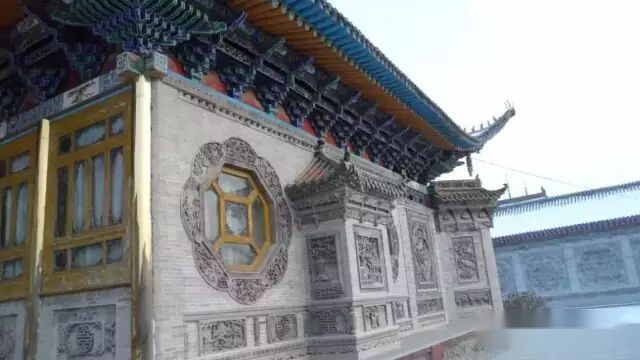
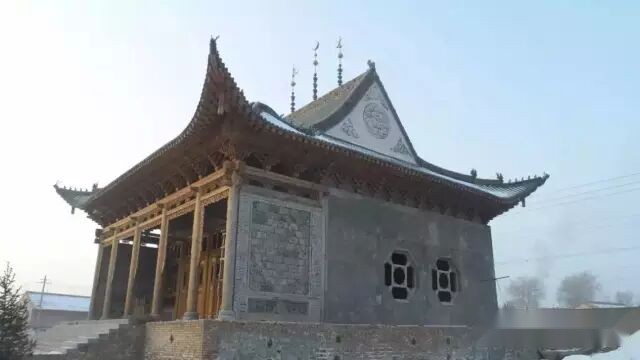
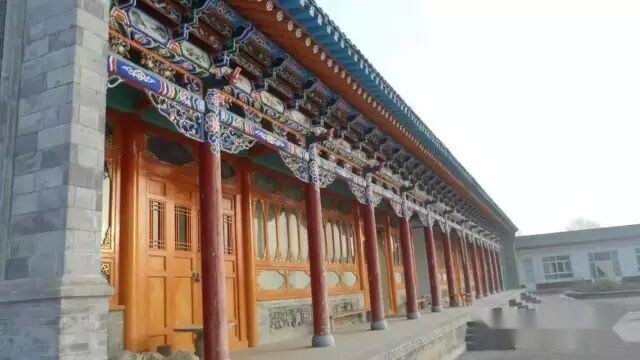
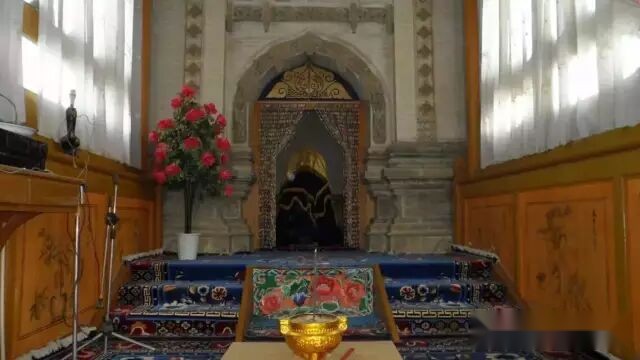
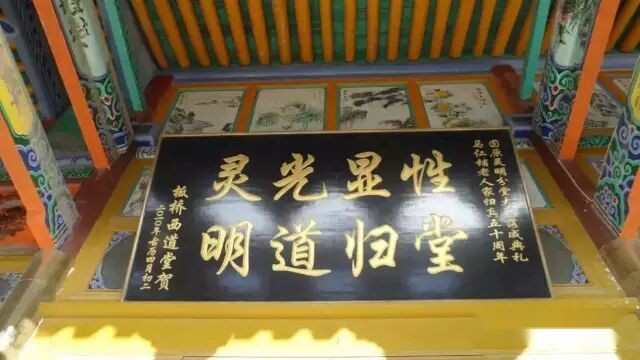
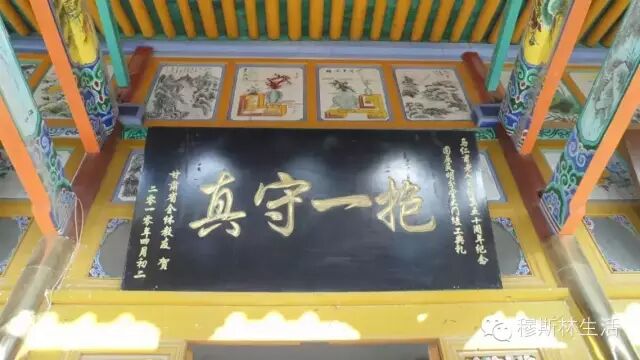
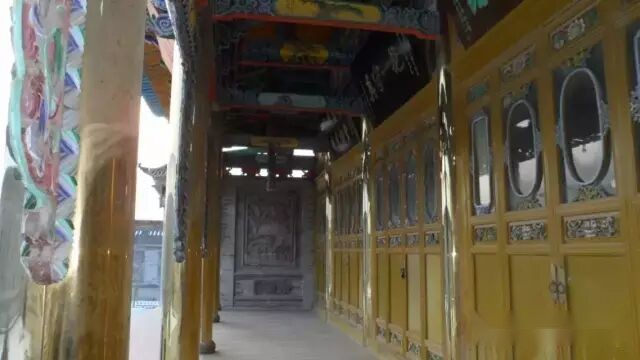
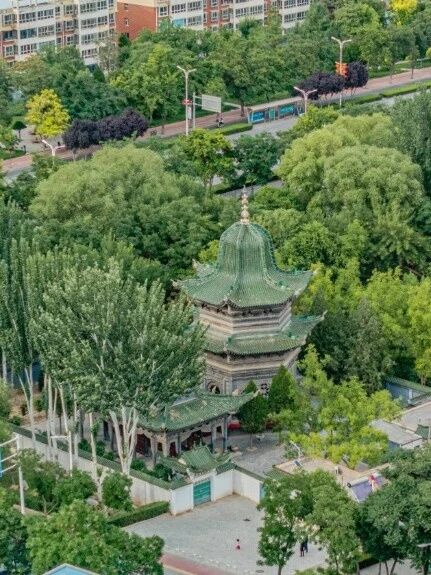
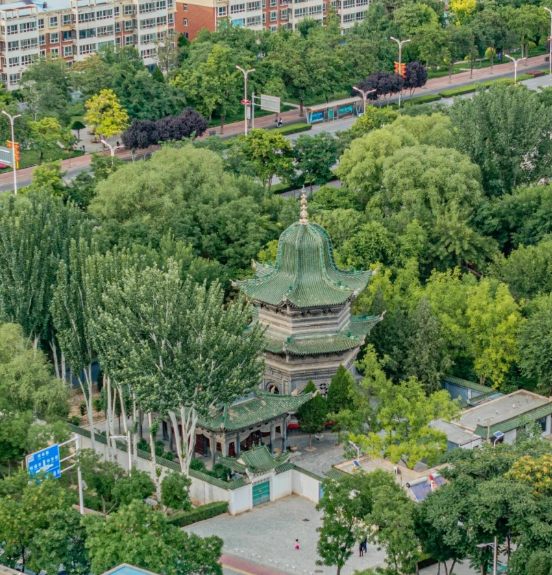
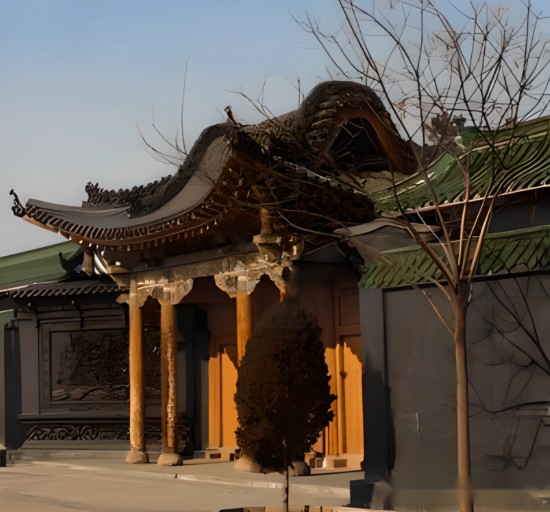
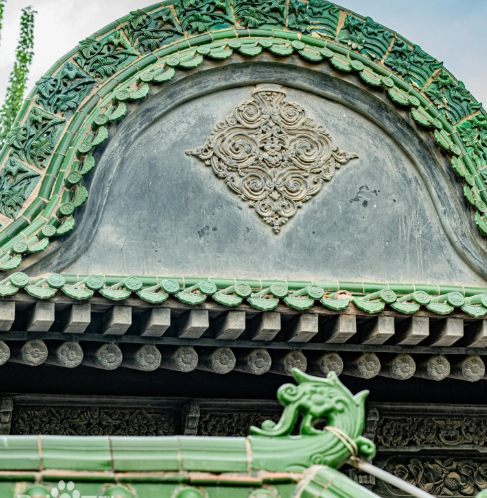
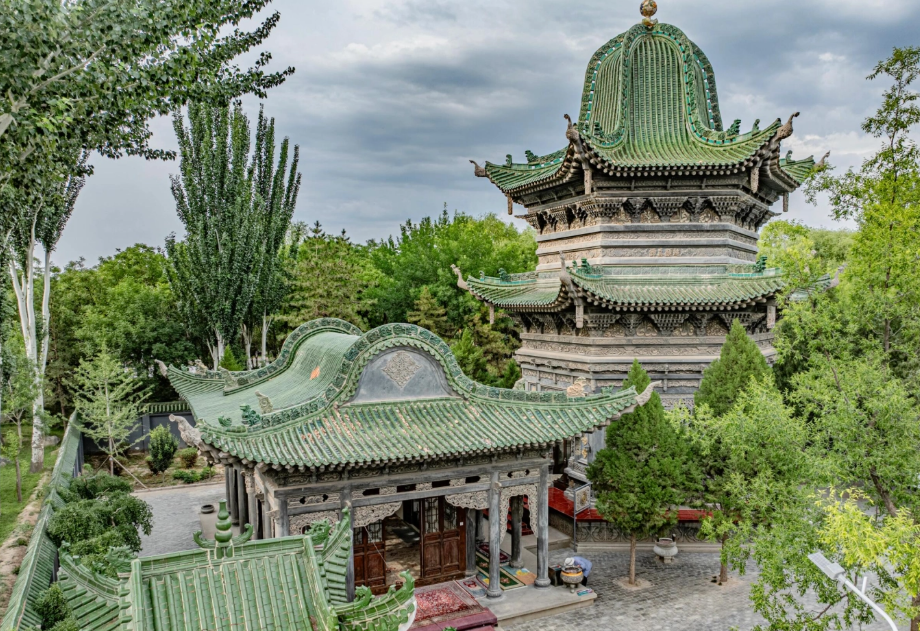
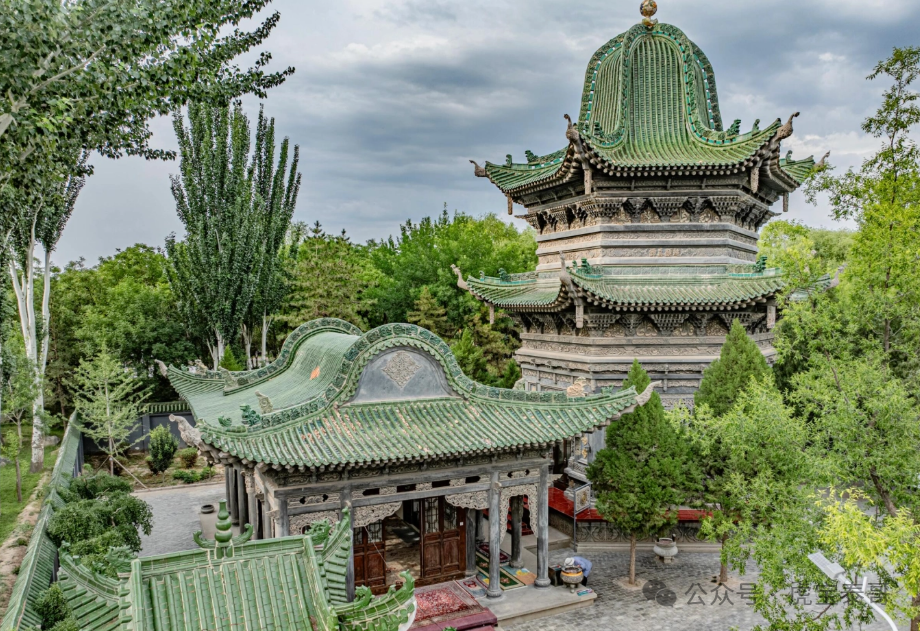
A detailed look at the Lingmingtang Gongbei located in Sanying Town, Guyuan City, Ningxia. Exploring its history—originally known as the 'Mingyue Hall' and founded by the revered elder Ma Renpu—and showcasing its serene, contemplative retreat space featuring classical Chinese architectural elements with green tiles, red pillars, and multi-layered flying eaves.
The Sanying Lingmingtang Gongbei in Guyuan, Ningxia, was originally called Mingyue Hall (Bright Moon Hall). It was founded by Ma Renpu, a disciple of the second-generation Sufi master Shan Jiujiu from the Lanzhou Lingmingtang.
The revered elder Ma Renpu, also known by his Arabic name Sufi, was originally from Matun Village, Gouzhi Town, Yanshi City, Henan Province. Born in 1910, he started elementary school at age eight, where he was remarkably bright with a photographic memory. Due to financial hardship, he eventually had to drop out and continued studying academics and religious knowledge alongside his father. Although his formal schooling was limited, he taught himself both Islamic texts and Chinese, eventually authoring the book 'Huayu Dianzhen' (Illuminating Truth to Overcome Ignorance). In 1932, he moved to Guyuan, Ningxia, to start a small business, later specializing in the fur trade, which meant frequent travels between Guyuan and Lanzhou. During this time, he connected with followers of the Lanzhou Lingmingtang and developed a deep interest in its doctrines and mission. In 1936, introduced by Yang Baoguo from Lijun, Haiyuan County, he became a disciple of the second-generation Lingmingtang master Shan Jiujiu, officially becoming a devoted follower of the Lingmingtang order.
During the War of Resistance Against Japanese Aggression, persistent warfare and famines in Henan forced many Muslims to migrate westward to escape the turmoil. Over 300 households fled and settled in the Sanying area of Guyuan, Ningxia. Ma Renpu, who had arrived earlier, offered wholehearted support and assistance to his fellow hometown folks. In 1942, he purchased 28 mu of land in Xishaliang, Sanying, and built a south-facing courtyard complex featuring a five-bay brick-and-wood main prayer hall. He also constructed 21 auxiliary rooms, including scripture study rooms, dormitories for imams and madrasa students (mallas), a wudu (ablution) water room, and a kitchen, transforming it into a fully equipped, well-rounded masjid. Shortly after the mosque was completed, the community unanimously elected Ma Renpu as its first imam. Right after taking office, Ma traveled to Lanzhou Lingmingtang to study Arabic and religious sciences while engaging in rigorous spiritual practice under the guidance of his master, Shan Jiujiu. In 1944, commissioned by Elder Shan, he returned to Guyuan Sanying to propagate the faith, dedicating himself to spreading the teachings of the Lingmingtang menhuan (Sufi order). His efforts led the entire congregation of the 'Sanying Xiliang Henan Mosque' to join the Lingmingtang. The Henan Mosque was subsequently renamed Mingyue Hall and served as a center for teaching the Sufi path. When the Guyuan Hui Autonomous Prefecture was established in 1955, elder Ma Renpu was appointed as a member of the prefecture's political consultative committee. In August 1958, caught up in the overextensions of the anti-feudal 'religious reforms,' Ma Renpu was wrongfully labeled a counterrevolutionary and imprisoned. He passed away (returned to Allah) on the 2nd day of the 4th lunar month in 1960 at the age of 51.
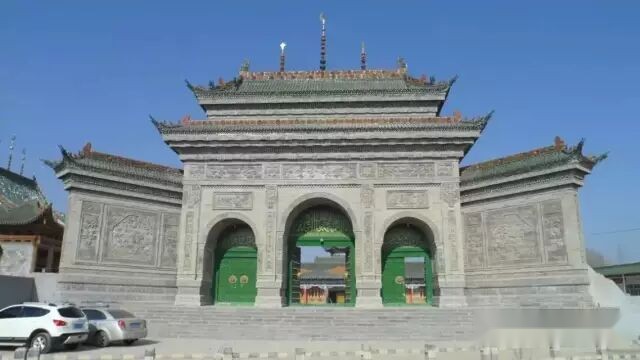
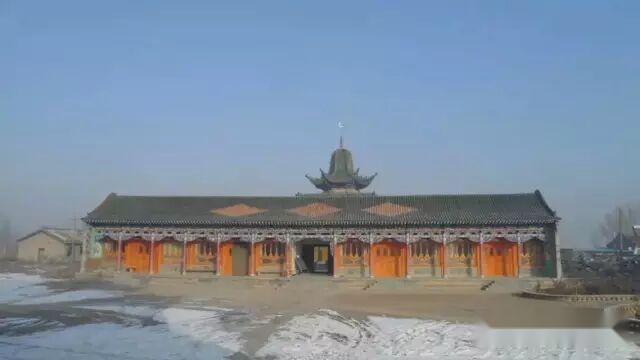
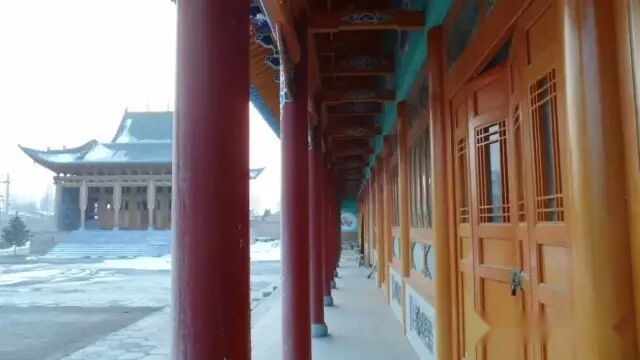
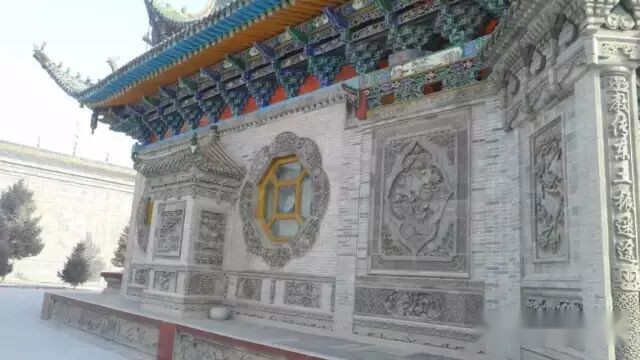
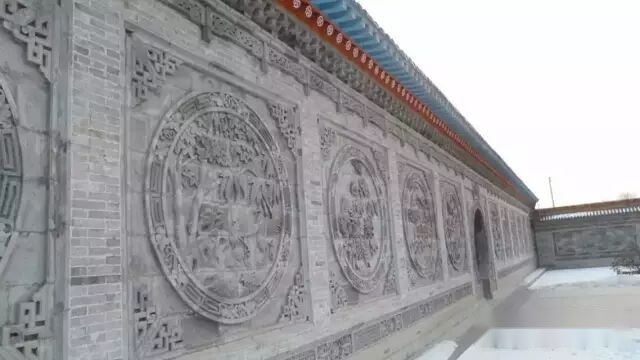
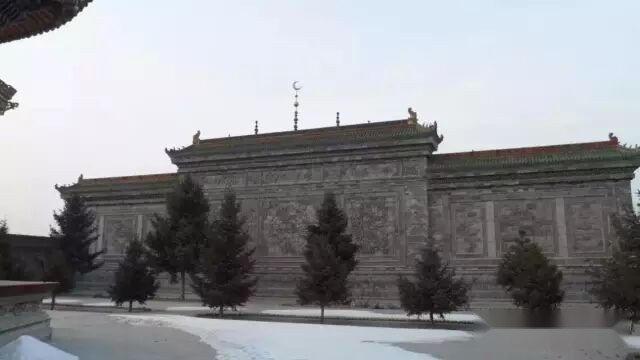
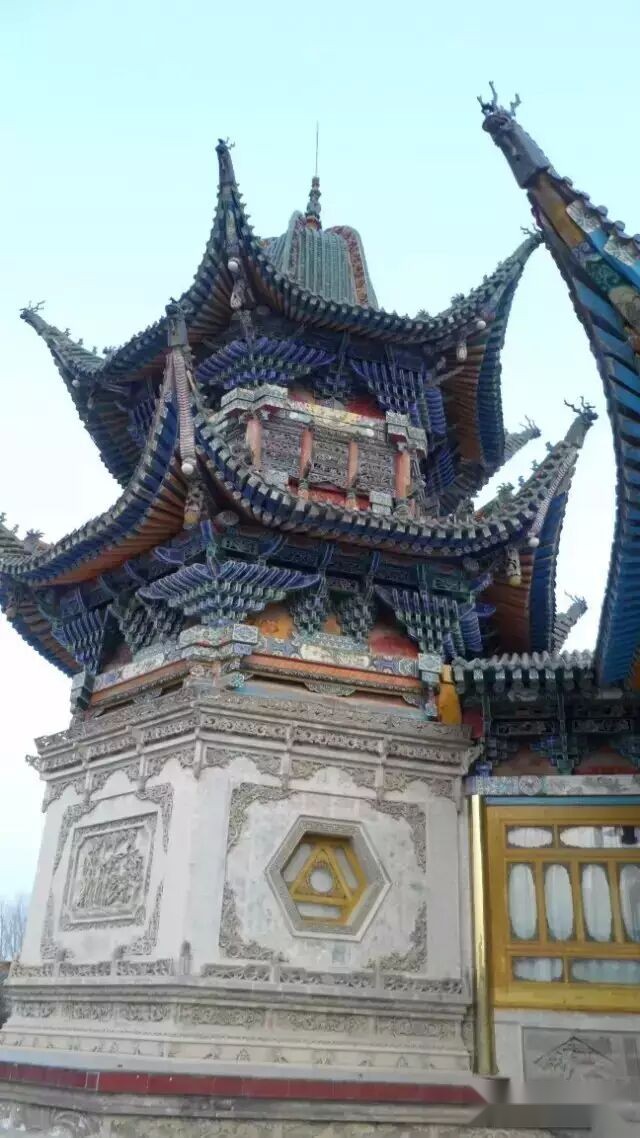
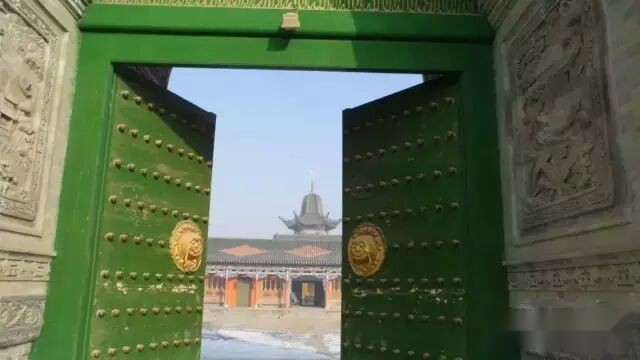
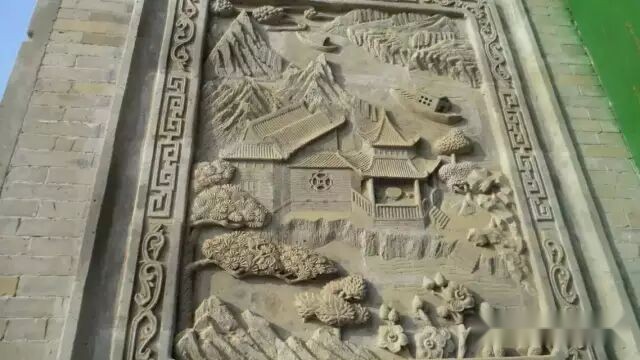
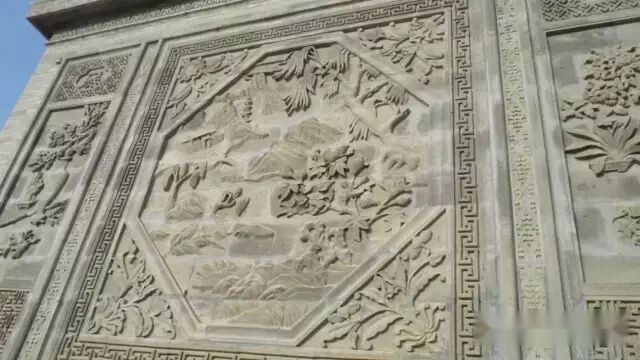
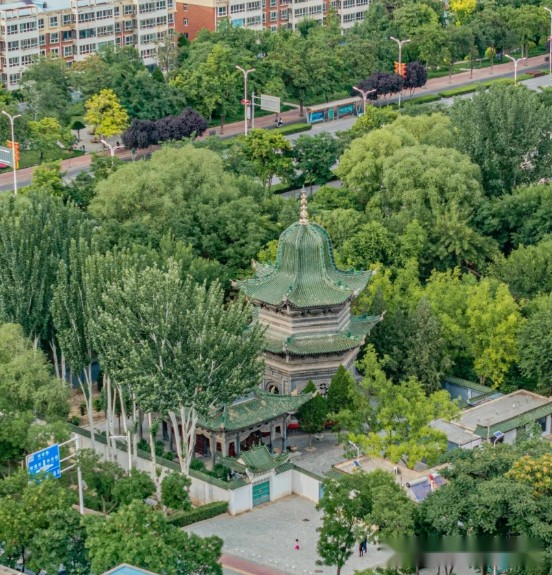
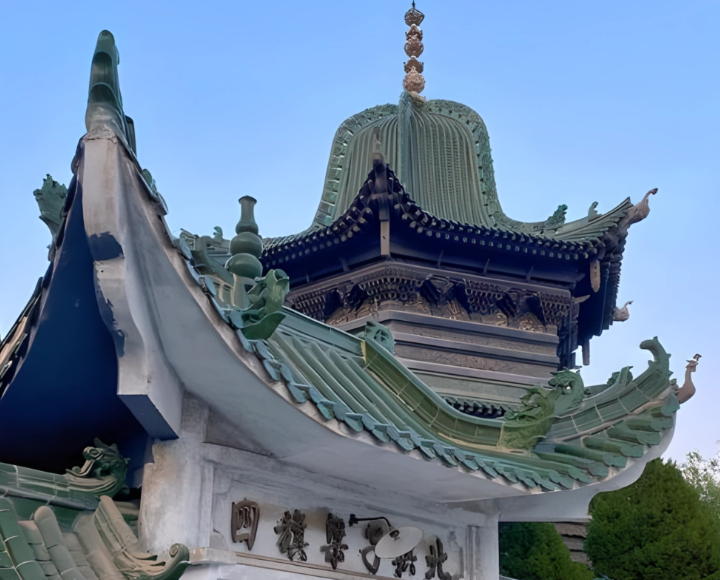
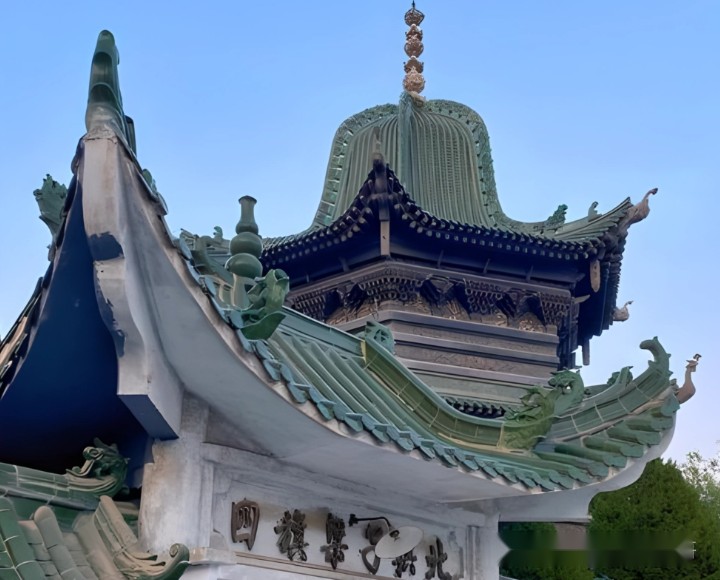
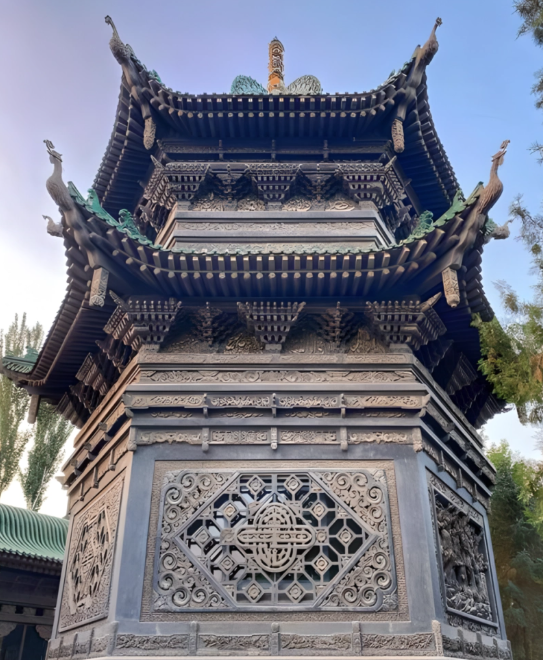
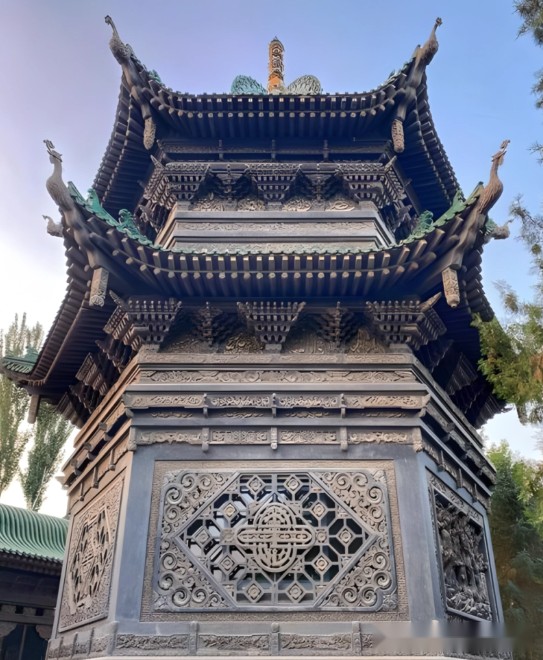
Following his passing in 1960, the revered elder Ma Renpu was initially buried in the local Muslim cemetery. On the 24th day of the 7th lunar month in 1986, led by Imam Wang Shouetian of the Lanzhou Lingmingtang Gongbei, Ma Renpu's remains were relocated from the public cemetery to the center of the original dao tang (Sufi hall) courtyard, where a double-layered hexagonal domed tomb pavilion (gongbei shrine) was built for him. Over time, additional structures were gradually added, including a front porch (baosha), dormitories for imams and mallas, study rooms, a water room, and a kitchen. In 1910—[Note: referring to 2010 renovation]—the original imam and malla dormitories and water rooms were renovated and expanded, replacing the single-story brick-and-wood structures with flat-roofed brick-concrete buildings, alongside a magnificent, towering, traditional-style brick-carved triple gate (sanhuamen). In 2012, a new main prayer hall was built on the west side of the dao tang, fronted by 13 bays of traditional-style brick-and-wood verandas and a circular gate. Behind the octagonal pavilion, a large brick-carved spirit wall (zhaobi) was erected, connected on both ends to the front guest rooms by brick-carved courtyard walls, turning the octagonal shrine courtyard into a 'courtyard within a courtyard' and giving the entire gongbei complex the outline of the Chinese character 'hui' (回).
Today, this auspicious sanctuary and its gongbei architecture stand as a stunning landmark across the landscape of Ningxia and along the Baotou-Zhongwei Railway corridor. view all
A Visual and Historical Dive into the Sanying Lingmingtang Gongbei in Guyuan: Architectural Style and Origins of a Southern Ningxia Sufi Sanctuary
Abstract:
A detailed look at the Lingmingtang Gongbei located in Sanying Town, Guyuan City, Ningxia. Exploring its history—originally known as the 'Mingyue Hall' and founded by the revered elder Ma Renpu—and showcasing its serene, contemplative retreat space featuring classical Chinese architectural elements with green tiles, red pillars, and multi-layered flying eaves.
The Sanying Lingmingtang Gongbei in Guyuan, Ningxia, was originally called Mingyue Hall (Bright Moon Hall). It was founded by Ma Renpu, a disciple of the second-generation Sufi master Shan Jiujiu from the Lanzhou Lingmingtang.
The revered elder Ma Renpu, also known by his Arabic name Sufi, was originally from Matun Village, Gouzhi Town, Yanshi City, Henan Province. Born in 1910, he started elementary school at age eight, where he was remarkably bright with a photographic memory. Due to financial hardship, he eventually had to drop out and continued studying academics and religious knowledge alongside his father. Although his formal schooling was limited, he taught himself both Islamic texts and Chinese, eventually authoring the book 'Huayu Dianzhen' (Illuminating Truth to Overcome Ignorance). In 1932, he moved to Guyuan, Ningxia, to start a small business, later specializing in the fur trade, which meant frequent travels between Guyuan and Lanzhou. During this time, he connected with followers of the Lanzhou Lingmingtang and developed a deep interest in its doctrines and mission. In 1936, introduced by Yang Baoguo from Lijun, Haiyuan County, he became a disciple of the second-generation Lingmingtang master Shan Jiujiu, officially becoming a devoted follower of the Lingmingtang order.
During the War of Resistance Against Japanese Aggression, persistent warfare and famines in Henan forced many Muslims to migrate westward to escape the turmoil. Over 300 households fled and settled in the Sanying area of Guyuan, Ningxia. Ma Renpu, who had arrived earlier, offered wholehearted support and assistance to his fellow hometown folks. In 1942, he purchased 28 mu of land in Xishaliang, Sanying, and built a south-facing courtyard complex featuring a five-bay brick-and-wood main prayer hall. He also constructed 21 auxiliary rooms, including scripture study rooms, dormitories for imams and madrasa students (mallas), a wudu (ablution) water room, and a kitchen, transforming it into a fully equipped, well-rounded masjid. Shortly after the mosque was completed, the community unanimously elected Ma Renpu as its first imam. Right after taking office, Ma traveled to Lanzhou Lingmingtang to study Arabic and religious sciences while engaging in rigorous spiritual practice under the guidance of his master, Shan Jiujiu. In 1944, commissioned by Elder Shan, he returned to Guyuan Sanying to propagate the faith, dedicating himself to spreading the teachings of the Lingmingtang menhuan (Sufi order). His efforts led the entire congregation of the 'Sanying Xiliang Henan Mosque' to join the Lingmingtang. The Henan Mosque was subsequently renamed Mingyue Hall and served as a center for teaching the Sufi path. When the Guyuan Hui Autonomous Prefecture was established in 1955, elder Ma Renpu was appointed as a member of the prefecture's political consultative committee. In August 1958, caught up in the overextensions of the anti-feudal 'religious reforms,' Ma Renpu was wrongfully labeled a counterrevolutionary and imprisoned. He passed away (returned to Allah) on the 2nd day of the 4th lunar month in 1960 at the age of 51.
Following his passing in 1960, the revered elder Ma Renpu was initially buried in the local Muslim cemetery. On the 24th day of the 7th lunar month in 1986, led by Imam Wang Shouetian of the Lanzhou Lingmingtang Gongbei, Ma Renpu's remains were relocated from the public cemetery to the center of the original dao tang (Sufi hall) courtyard, where a double-layered hexagonal domed tomb pavilion (gongbei shrine) was built for him. Over time, additional structures were gradually added, including a front porch (baosha), dormitories for imams and mallas, study rooms, a water room, and a kitchen. In 1910—[Note: referring to 2010 renovation]—the original imam and malla dormitories and water rooms were renovated and expanded, replacing the single-story brick-and-wood structures with flat-roofed brick-concrete buildings, alongside a magnificent, towering, traditional-style brick-carved triple gate (sanhuamen). In 2012, a new main prayer hall was built on the west side of the dao tang, fronted by 13 bays of traditional-style brick-and-wood verandas and a circular gate. Behind the octagonal pavilion, a large brick-carved spirit wall (zhaobi) was erected, connected on both ends to the front guest rooms by brick-carved courtyard walls, turning the octagonal shrine courtyard into a 'courtyard within a courtyard' and giving the entire gongbei complex the outline of the Chinese character 'hui' (回).
Today, this auspicious sanctuary and its gongbei architecture stand as a stunning landmark across the landscape of Ningxia and along the Baotou-Zhongwei Railway corridor. view all
[Internet Repost]
A Visual and Historical Dive into the Sanying Lingmingtang Gongbei in Guyuan: Architectural Style and Origins of a Southern Ningxia Sufi Sanctuary
Abstract:
A detailed look at the Lingmingtang Gongbei located in Sanying Town, Guyuan City, Ningxia. Exploring its history—originally known as the 'Mingyue Hall' and founded by the revered elder Ma Renpu—and showcasing its serene, contemplative retreat space featuring classical Chinese architectural elements with green tiles, red pillars, and multi-layered flying eaves.
The Sanying Lingmingtang Gongbei in Guyuan, Ningxia, was originally called Mingyue Hall (Bright Moon Hall). It was founded by Ma Renpu, a disciple of the second-generation Sufi master Shan Jiujiu from the Lanzhou Lingmingtang.
The revered elder Ma Renpu, also known by his Arabic name Sufi, was originally from Matun Village, Gouzhi Town, Yanshi City, Henan Province. Born in 1910, he started elementary school at age eight, where he was remarkably bright with a photographic memory. Due to financial hardship, he eventually had to drop out and continued studying academics and religious knowledge alongside his father. Although his formal schooling was limited, he taught himself both Islamic texts and Chinese, eventually authoring the book 'Huayu Dianzhen' (Illuminating Truth to Overcome Ignorance). In 1932, he moved to Guyuan, Ningxia, to start a small business, later specializing in the fur trade, which meant frequent travels between Guyuan and Lanzhou. During this time, he connected with followers of the Lanzhou Lingmingtang and developed a deep interest in its doctrines and mission. In 1936, introduced by Yang Baoguo from Lijun, Haiyuan County, he became a disciple of the second-generation Lingmingtang master Shan Jiujiu, officially becoming a devoted follower of the Lingmingtang order.
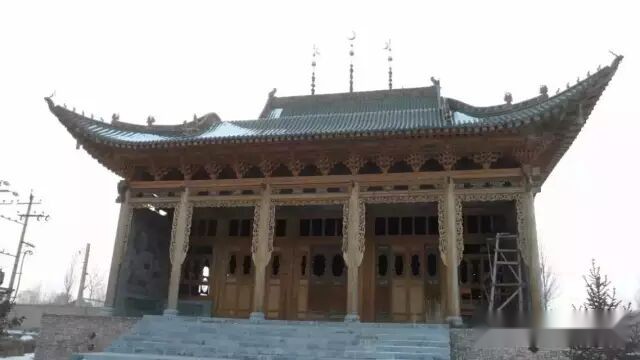
During the War of Resistance Against Japanese Aggression, persistent warfare and famines in Henan forced many Muslims to migrate westward to escape the turmoil. Over 300 households fled and settled in the Sanying area of Guyuan, Ningxia. Ma Renpu, who had arrived earlier, offered wholehearted support and assistance to his fellow hometown folks. In 1942, he purchased 28 mu of land in Xishaliang, Sanying, and built a south-facing courtyard complex featuring a five-bay brick-and-wood main prayer hall. He also constructed 21 auxiliary rooms, including scripture study rooms, dormitories for imams and madrasa students (mallas), a wudu (ablution) water room, and a kitchen, transforming it into a fully equipped, well-rounded masjid. Shortly after the mosque was completed, the community unanimously elected Ma Renpu as its first imam. Right after taking office, Ma traveled to Lanzhou Lingmingtang to study Arabic and religious sciences while engaging in rigorous spiritual practice under the guidance of his master, Shan Jiujiu. In 1944, commissioned by Elder Shan, he returned to Guyuan Sanying to propagate the faith, dedicating himself to spreading the teachings of the Lingmingtang menhuan (Sufi order). His efforts led the entire congregation of the 'Sanying Xiliang Henan Mosque' to join the Lingmingtang. The Henan Mosque was subsequently renamed Mingyue Hall and served as a center for teaching the Sufi path. When the Guyuan Hui Autonomous Prefecture was established in 1955, elder Ma Renpu was appointed as a member of the prefecture's political consultative committee. In August 1958, caught up in the overextensions of the anti-feudal 'religious reforms,' Ma Renpu was wrongfully labeled a counterrevolutionary and imprisoned. He passed away (returned to Allah) on the 2nd day of the 4th lunar month in 1960 at the age of 51.
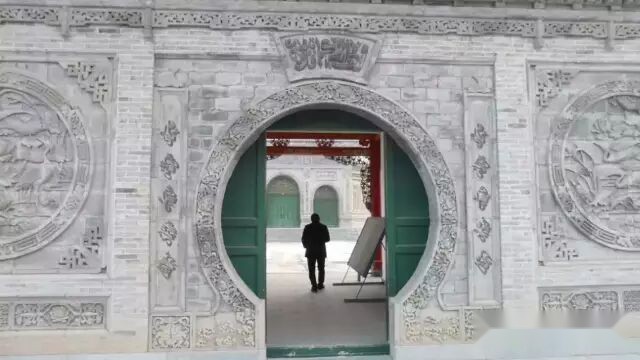
Following his passing in 1960, the revered elder Ma Renpu was initially buried in the local Muslim cemetery. On the 24th day of the 7th lunar month in 1986, led by Imam Wang Shouetian of the Lanzhou Lingmingtang Gongbei, Ma Renpu's remains were relocated from the public cemetery to the center of the original dao tang (Sufi hall) courtyard, where a double-layered hexagonal domed tomb pavilion (gongbei shrine) was built for him. Over time, additional structures were gradually added, including a front porch (baosha), dormitories for imams and mallas, study rooms, a water room, and a kitchen. In 1910—[Note: referring to 2010 renovation]—the original imam and malla dormitories and water rooms were renovated and expanded, replacing the single-story brick-and-wood structures with flat-roofed brick-concrete buildings, alongside a magnificent, towering, traditional-style brick-carved triple gate (sanhuamen). In 2012, a new main prayer hall was built on the west side of the dao tang, fronted by 13 bays of traditional-style brick-and-wood verandas and a circular gate. Behind the octagonal pavilion, a large brick-carved spirit wall (zhaobi) was erected, connected on both ends to the front guest rooms by brick-carved courtyard walls, turning the octagonal shrine courtyard into a 'courtyard within a courtyard' and giving the entire gongbei complex the outline of the Chinese character 'hui' (回).
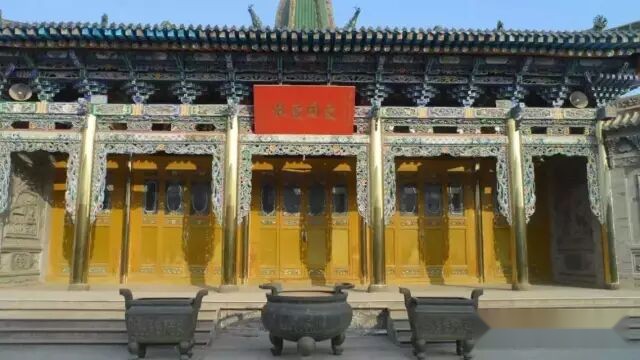
Today, this auspicious sanctuary and its gongbei architecture stand as a stunning landmark across the landscape of Ningxia and along the Baotou-Zhongwei Railway corridor.

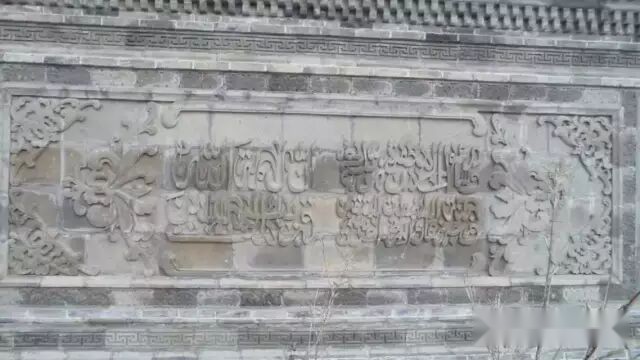
A Visual and Historical Dive into the Sanying Lingmingtang Gongbei in Guyuan: Architectural Style and Origins of a Southern Ningxia Sufi Sanctuary
Abstract:
A detailed look at the Lingmingtang Gongbei located in Sanying Town, Guyuan City, Ningxia. Exploring its history—originally known as the 'Mingyue Hall' and founded by the revered elder Ma Renpu—and showcasing its serene, contemplative retreat space featuring classical Chinese architectural elements with green tiles, red pillars, and multi-layered flying eaves.
The Sanying Lingmingtang Gongbei in Guyuan, Ningxia, was originally called Mingyue Hall (Bright Moon Hall). It was founded by Ma Renpu, a disciple of the second-generation Sufi master Shan Jiujiu from the Lanzhou Lingmingtang.
The revered elder Ma Renpu, also known by his Arabic name Sufi, was originally from Matun Village, Gouzhi Town, Yanshi City, Henan Province. Born in 1910, he started elementary school at age eight, where he was remarkably bright with a photographic memory. Due to financial hardship, he eventually had to drop out and continued studying academics and religious knowledge alongside his father. Although his formal schooling was limited, he taught himself both Islamic texts and Chinese, eventually authoring the book 'Huayu Dianzhen' (Illuminating Truth to Overcome Ignorance). In 1932, he moved to Guyuan, Ningxia, to start a small business, later specializing in the fur trade, which meant frequent travels between Guyuan and Lanzhou. During this time, he connected with followers of the Lanzhou Lingmingtang and developed a deep interest in its doctrines and mission. In 1936, introduced by Yang Baoguo from Lijun, Haiyuan County, he became a disciple of the second-generation Lingmingtang master Shan Jiujiu, officially becoming a devoted follower of the Lingmingtang order.
During the War of Resistance Against Japanese Aggression, persistent warfare and famines in Henan forced many Muslims to migrate westward to escape the turmoil. Over 300 households fled and settled in the Sanying area of Guyuan, Ningxia. Ma Renpu, who had arrived earlier, offered wholehearted support and assistance to his fellow hometown folks. In 1942, he purchased 28 mu of land in Xishaliang, Sanying, and built a south-facing courtyard complex featuring a five-bay brick-and-wood main prayer hall. He also constructed 21 auxiliary rooms, including scripture study rooms, dormitories for imams and madrasa students (mallas), a wudu (ablution) water room, and a kitchen, transforming it into a fully equipped, well-rounded masjid. Shortly after the mosque was completed, the community unanimously elected Ma Renpu as its first imam. Right after taking office, Ma traveled to Lanzhou Lingmingtang to study Arabic and religious sciences while engaging in rigorous spiritual practice under the guidance of his master, Shan Jiujiu. In 1944, commissioned by Elder Shan, he returned to Guyuan Sanying to propagate the faith, dedicating himself to spreading the teachings of the Lingmingtang menhuan (Sufi order). His efforts led the entire congregation of the 'Sanying Xiliang Henan Mosque' to join the Lingmingtang. The Henan Mosque was subsequently renamed Mingyue Hall and served as a center for teaching the Sufi path. When the Guyuan Hui Autonomous Prefecture was established in 1955, elder Ma Renpu was appointed as a member of the prefecture's political consultative committee. In August 1958, caught up in the overextensions of the anti-feudal 'religious reforms,' Ma Renpu was wrongfully labeled a counterrevolutionary and imprisoned. He passed away (returned to Allah) on the 2nd day of the 4th lunar month in 1960 at the age of 51.
Following his passing in 1960, the revered elder Ma Renpu was initially buried in the local Muslim cemetery. On the 24th day of the 7th lunar month in 1986, led by Imam Wang Shouetian of the Lanzhou Lingmingtang Gongbei, Ma Renpu's remains were relocated from the public cemetery to the center of the original dao tang (Sufi hall) courtyard, where a double-layered hexagonal domed tomb pavilion (gongbei shrine) was built for him. Over time, additional structures were gradually added, including a front porch (baosha), dormitories for imams and mallas, study rooms, a water room, and a kitchen. In 1910—[Note: referring to 2010 renovation]—the original imam and malla dormitories and water rooms were renovated and expanded, replacing the single-story brick-and-wood structures with flat-roofed brick-concrete buildings, alongside a magnificent, towering, traditional-style brick-carved triple gate (sanhuamen). In 2012, a new main prayer hall was built on the west side of the dao tang, fronted by 13 bays of traditional-style brick-and-wood verandas and a circular gate. Behind the octagonal pavilion, a large brick-carved spirit wall (zhaobi) was erected, connected on both ends to the front guest rooms by brick-carved courtyard walls, turning the octagonal shrine courtyard into a 'courtyard within a courtyard' and giving the entire gongbei complex the outline of the Chinese character 'hui' (回).
Today, this auspicious sanctuary and its gongbei architecture stand as a stunning landmark across the landscape of Ningxia and along the Baotou-Zhongwei Railway corridor.
Sacred Hui Muslim Heritage in Ningxia: The History of Siliangzi Gongbei and Ma Hualong's Martyrdom
Articles • Hasan09 posted the article • 0 comments • 20 views • 4 days ago
[Internet Repost]
Sacred Hui Muslim Heritage in Ningxia: Historical Origins of the Siliangzi Gongbei in Wuzhong and a Historical Analysis of Ma Hualong's Martyrdom Site
Abstract:
An investigative study tracking the historical context of Ma Hualong's martyrdom and burial at Siliangzi on the 13th day of the first lunar month in the tenth year of Tongzhi. It tells the touching story of how believers pooled a massive sum of money in 1925 to buy back the historic site and build a gongbei (Sufi shrine / mausoleum complex), showcasing the century-long ups and downs of this Sufi sacred site.
The Siliangzi Gongbei is the site of Ma Hualong's martyrdom and burial, located on the east side of the north gate in Wuzhong City. After the failure of the Northwest Muslim uprisings during the Tongzhi era of the Qing Dynasty, Ma Hualong was executed by lingchi (slow slicing) at Siliangzi on the 13th day of the first lunar month in the 10th year of Tongzhi (1871). Muslim followers buried his remains here in remembrance. In 1925, Ma Xuezhen, a leader of the Jahriyya (Jahriyya Sufi order), bought back the land with a huge sum of money and built the gongbei. The shrine was dismantled during the Cultural Revolution, but it has now been restored with special government funding.
[On-Site Showcase] view all
Sacred Hui Muslim Heritage in Ningxia: Historical Origins of the Siliangzi Gongbei in Wuzhong and a Historical Analysis of Ma Hualong's Martyrdom Site
Abstract:
An investigative study tracking the historical context of Ma Hualong's martyrdom and burial at Siliangzi on the 13th day of the first lunar month in the tenth year of Tongzhi. It tells the touching story of how believers pooled a massive sum of money in 1925 to buy back the historic site and build a gongbei (Sufi shrine / mausoleum complex), showcasing the century-long ups and downs of this Sufi sacred site.
The Siliangzi Gongbei is the site of Ma Hualong's martyrdom and burial, located on the east side of the north gate in Wuzhong City. After the failure of the Northwest Muslim uprisings during the Tongzhi era of the Qing Dynasty, Ma Hualong was executed by lingchi (slow slicing) at Siliangzi on the 13th day of the first lunar month in the 10th year of Tongzhi (1871). Muslim followers buried his remains here in remembrance. In 1925, Ma Xuezhen, a leader of the Jahriyya (Jahriyya Sufi order), bought back the land with a huge sum of money and built the gongbei. The shrine was dismantled during the Cultural Revolution, but it has now been restored with special government funding.
[On-Site Showcase] view all
[Internet Repost]
Sacred Hui Muslim Heritage in Ningxia: Historical Origins of the Siliangzi Gongbei in Wuzhong and a Historical Analysis of Ma Hualong's Martyrdom Site
Abstract:
An investigative study tracking the historical context of Ma Hualong's martyrdom and burial at Siliangzi on the 13th day of the first lunar month in the tenth year of Tongzhi. It tells the touching story of how believers pooled a massive sum of money in 1925 to buy back the historic site and build a gongbei (Sufi shrine / mausoleum complex), showcasing the century-long ups and downs of this Sufi sacred site.
The Siliangzi Gongbei is the site of Ma Hualong's martyrdom and burial, located on the east side of the north gate in Wuzhong City. After the failure of the Northwest Muslim uprisings during the Tongzhi era of the Qing Dynasty, Ma Hualong was executed by lingchi (slow slicing) at Siliangzi on the 13th day of the first lunar month in the 10th year of Tongzhi (1871). Muslim followers buried his remains here in remembrance. In 1925, Ma Xuezhen, a leader of the Jahriyya (Jahriyya Sufi order), bought back the land with a huge sum of money and built the gongbei. The shrine was dismantled during the Cultural Revolution, but it has now been restored with special government funding.
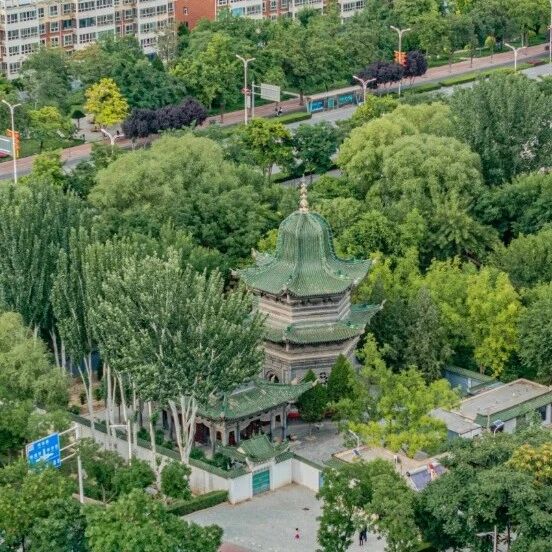
[On-Site Showcase]

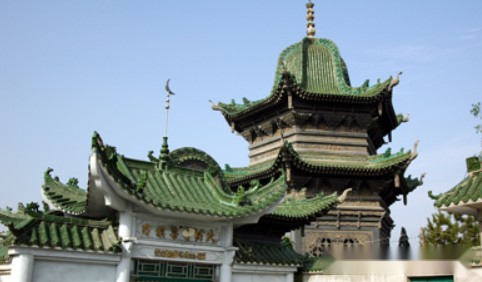
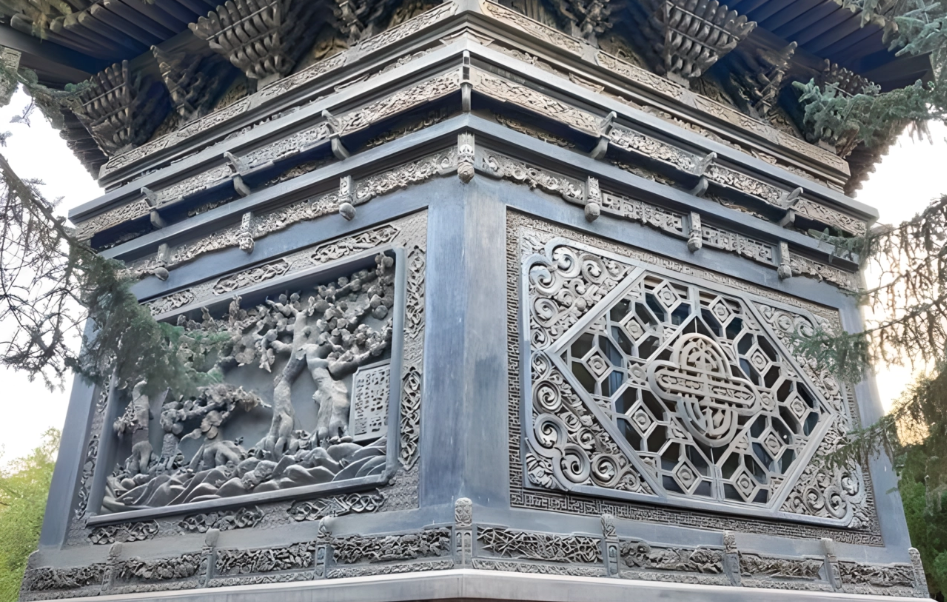
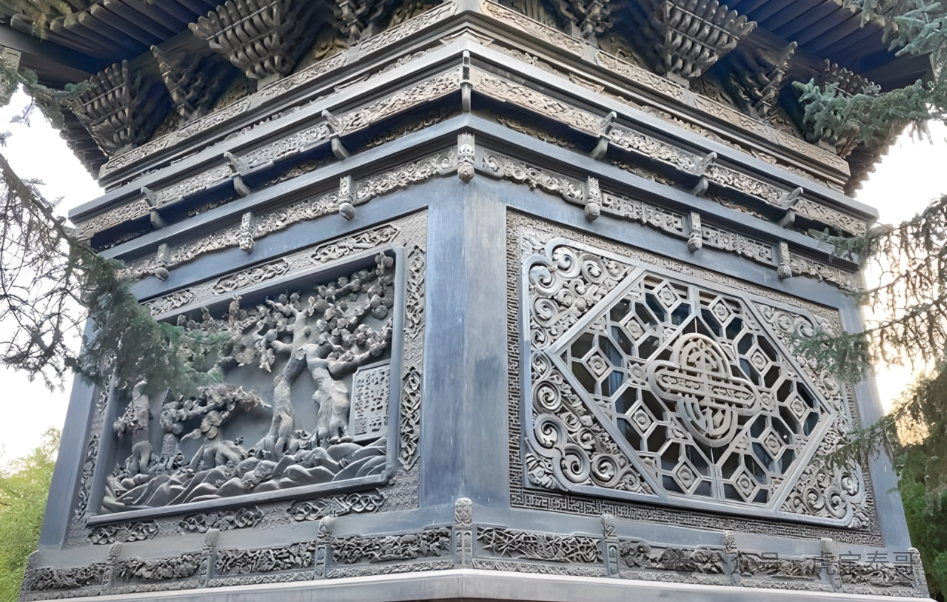


Sacred Hui Muslim Heritage in Ningxia: Historical Origins of the Siliangzi Gongbei in Wuzhong and a Historical Analysis of Ma Hualong's Martyrdom Site
Abstract:
An investigative study tracking the historical context of Ma Hualong's martyrdom and burial at Siliangzi on the 13th day of the first lunar month in the tenth year of Tongzhi. It tells the touching story of how believers pooled a massive sum of money in 1925 to buy back the historic site and build a gongbei (Sufi shrine / mausoleum complex), showcasing the century-long ups and downs of this Sufi sacred site.
The Siliangzi Gongbei is the site of Ma Hualong's martyrdom and burial, located on the east side of the north gate in Wuzhong City. After the failure of the Northwest Muslim uprisings during the Tongzhi era of the Qing Dynasty, Ma Hualong was executed by lingchi (slow slicing) at Siliangzi on the 13th day of the first lunar month in the 10th year of Tongzhi (1871). Muslim followers buried his remains here in remembrance. In 1925, Ma Xuezhen, a leader of the Jahriyya (Jahriyya Sufi order), bought back the land with a huge sum of money and built the gongbei. The shrine was dismantled during the Cultural Revolution, but it has now been restored with special government funding.
[On-Site Showcase]
Halal Travel Guide: Bohaji Tomb — Beijing Muslim History and Sufi Memory
Articles • ali2007fr posted the article • 0 comments • 168 views • 2026-05-18 02:39
Reposted from the web
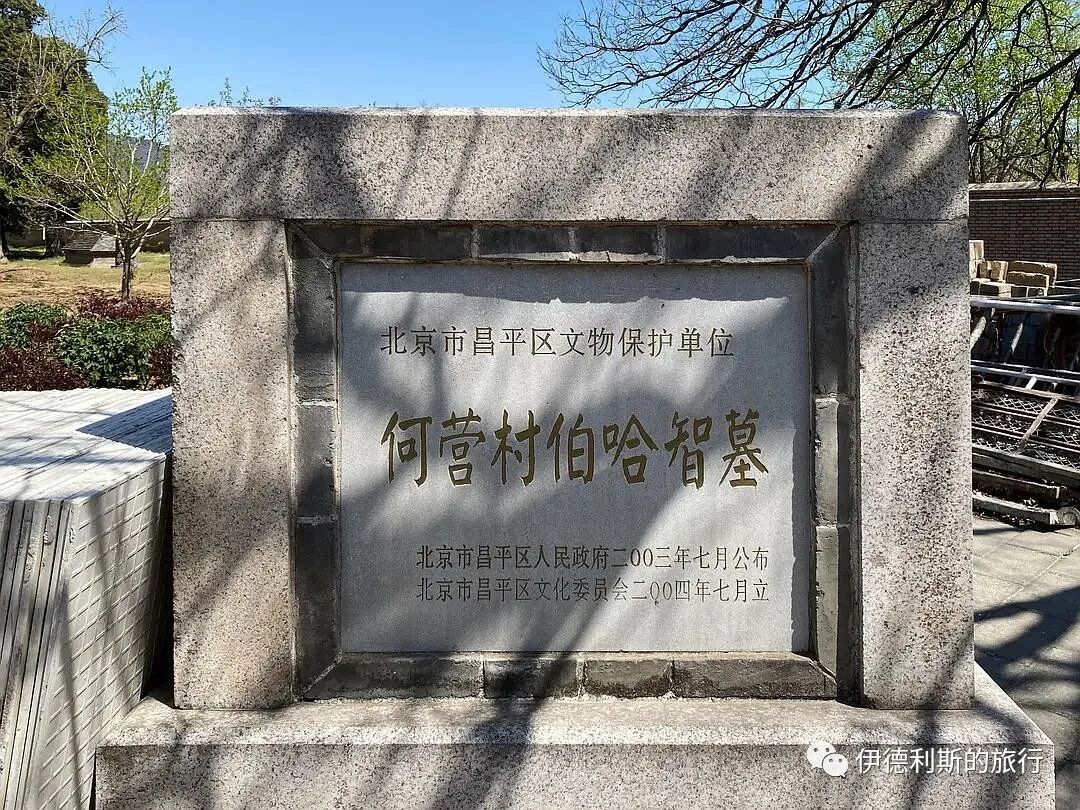
Summary: Bohaji Tomb — Beijing Muslim History and Sufi Memory is presented here as a firsthand travel account in clear English, beginning with this scene: Last Saturday, I visited the tomb of the Western Regions sage Burhanuddin (Bohezhi) in Heying, Changping, Beijing. The account keeps its focus on Beijing Muslim History, Sufi Shrines, Muslim Heritage while preserving the names, places, food, and historical details from the Chinese source.
Last Saturday, I visited the tomb of the Western Regions sage Burhanuddin (Bohezhi) in Heying, Changping, Beijing. Locals also call it the Sheikh Baba (Shaihai Baba) tomb. We were warmly welcomed by Uncle Zhang, whose family has guarded the tomb for generations.
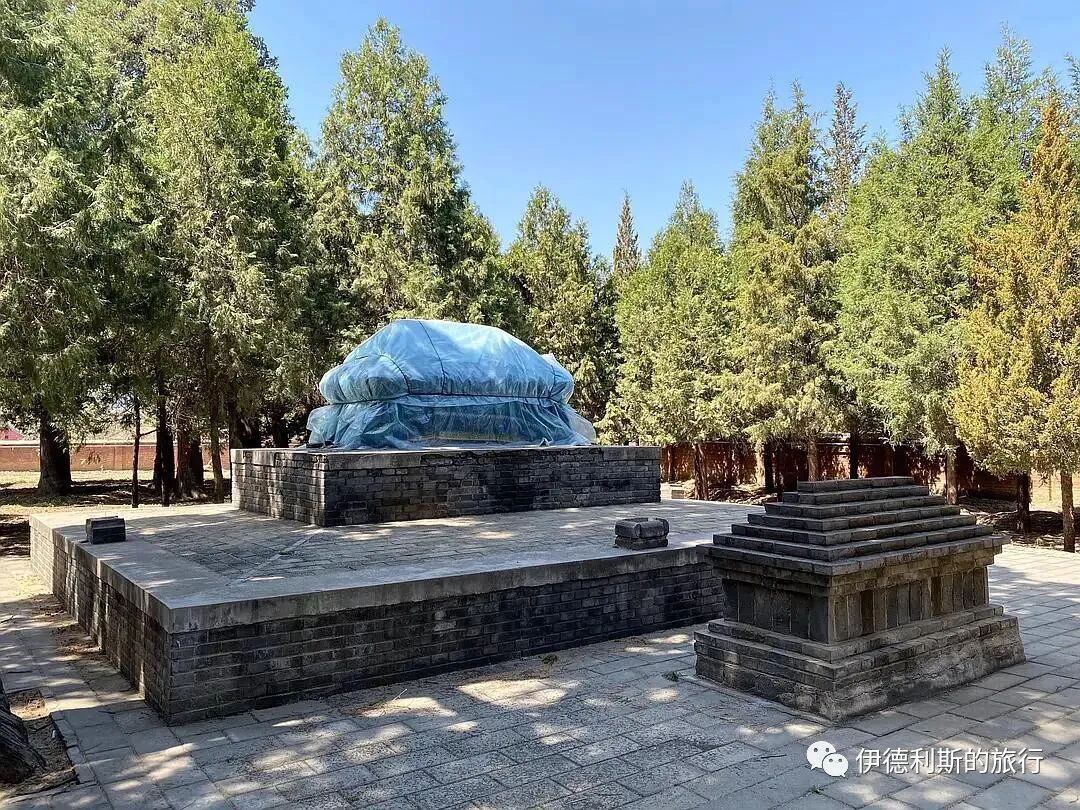
The records say Sheikh Baba came from Medina (Modena) to preach in China during the early years of the Hongwu reign of the Ming Dynasty. He eventually passed away in Heying, Changping, and is deeply respected by Hui Muslims. A 1713 (the 52nd year of the Kangxi reign) stele inside the cemetery says, 'He was a man from the Western Regions who came to the imperial court in the early Ming Dynasty to offer advice, but he refused the official title offered to him.' He asked to travel and teach the faith, and the emperor agreed. He lived with strict discipline and walked with purpose. He rode a white camel, and wherever he went, he did not fuss over minor details but focused on moral conduct. Those who had lost their way or acted improperly saw his pure character and began to correct themselves, striving to improve. Because of this, the customs of our village changed, and our faith flourished. The Ming Emperor Taizu admired his virtue and treated him with great respect. Later, he returned to Changping and died of old age. Our villagers buried him on the sunny side of Beishao, and the white camel he rode was buried beside his tomb.
At the same time, locals pass down legends of Burhanuddin ridding the people of evil, such as the story of him slaying a giant python on Mangshan Mountain. The Qing Dynasty's 'Changping Prefecture Gazetteer' (Kangxi edition), Volume 26, section on 'Hui Muslim Miracles,' records: 'A man from Medina with spiritual power died and was buried in Hejiaying, east of the prefecture, where he often showed signs of his holiness.' During the chaos of the rebel invasion, the countryside was trampled, but the grass on this tomb remained untouched. The villagers who hid there were all kept safe and sound. At the time, people saw a Hui Muslim dressed in white sitting at the tomb gate, and the soldiers never reached it. No one understood why. Was Muhammad born with divine power, and is this his descendant?
According to a stone tablet record from 1909 (the first year of the Xuantong reign), it has long been a tradition for imperial officials and Hui Muslims to visit the tomb for prayers every year on the 24th day of the third lunar month. From the Ming dynasty until today, local Hui Muslims and those from surrounding areas have come to visit the tomb of Sheikh Baba (Shaihai Baba) on the 24th day of the third lunar month without fail.
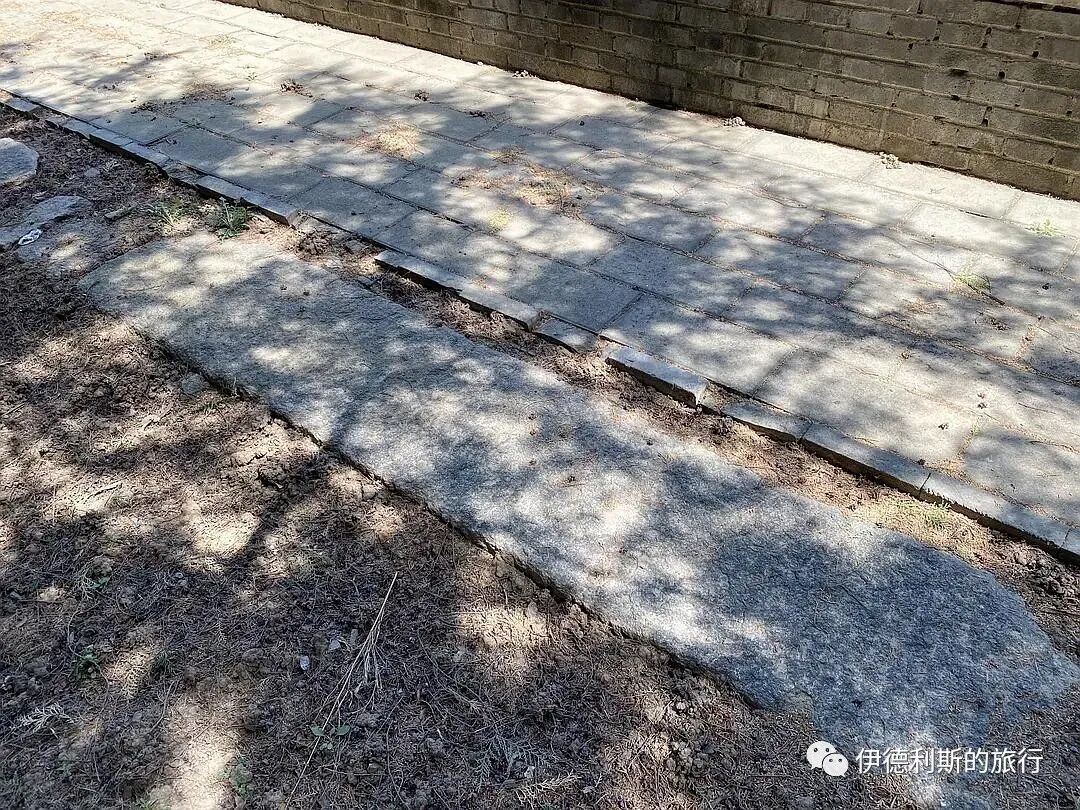
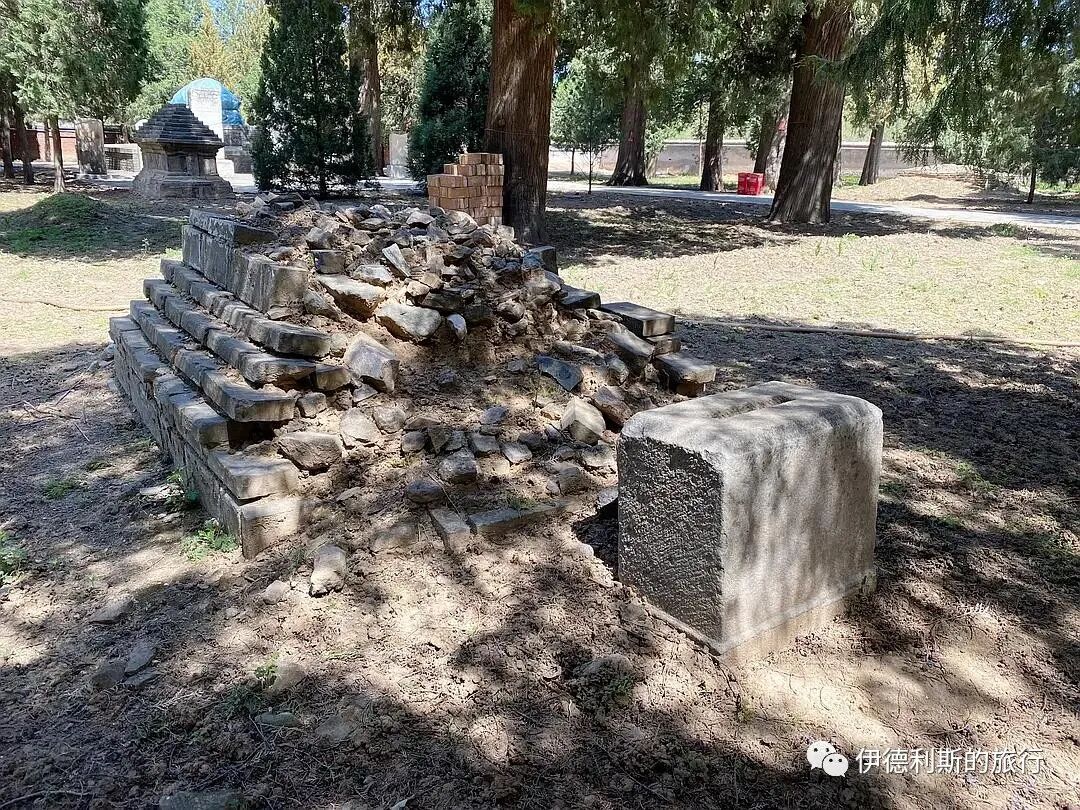
The tomb of Sheikh Baba and the white camel he rode. During the renovation in the 1990s, due to limited awareness of cultural relics at the time, the original stone slabs were replaced with cement-covered bricks. Now, only a few of the original stone slabs remain.
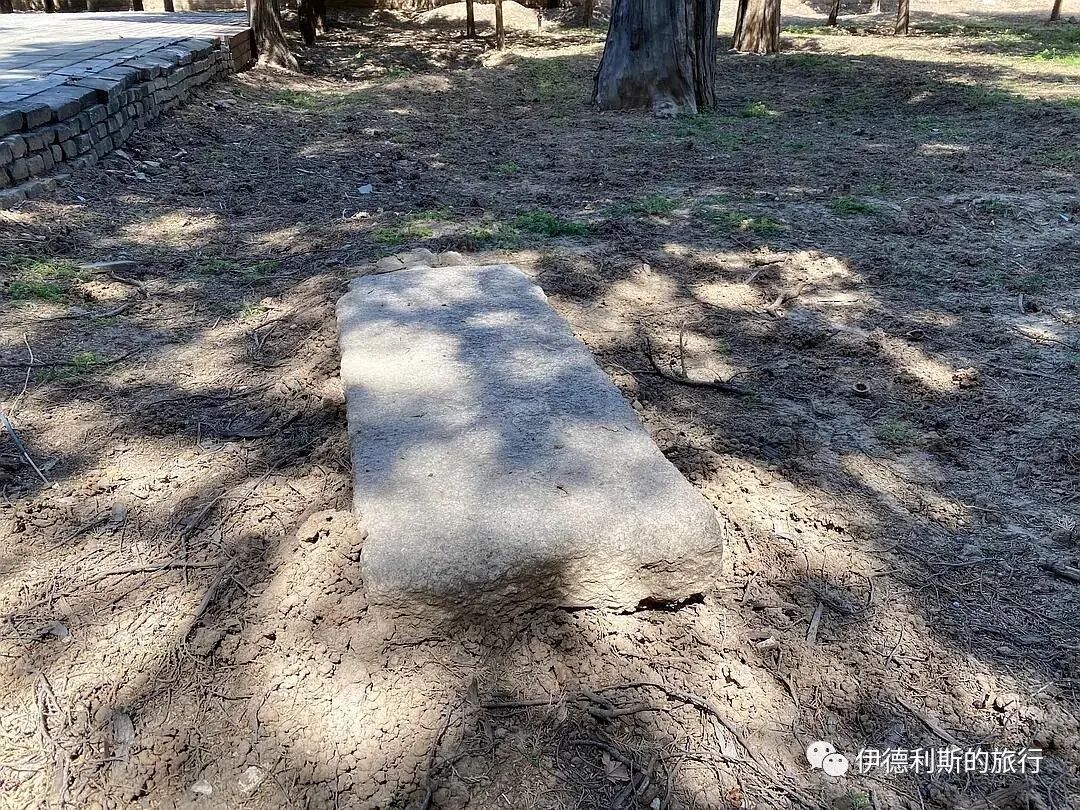
Five stone tablets from the Ming and Qing dynasties are currently preserved in front of the tomb.
The Tomb Tablet of Bo Ha Zhi, written by Zhou Wenyuan in 1578 (the sixth year of the Wanli reign), which also features an Arabic inscription at the top.
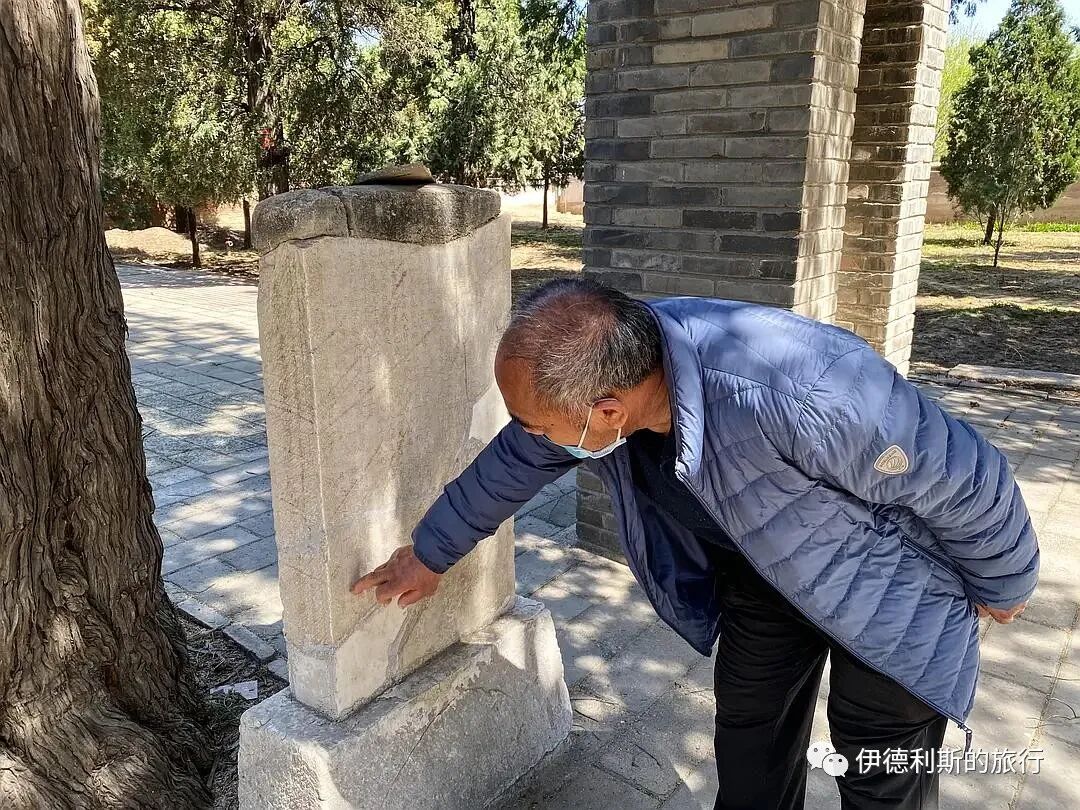
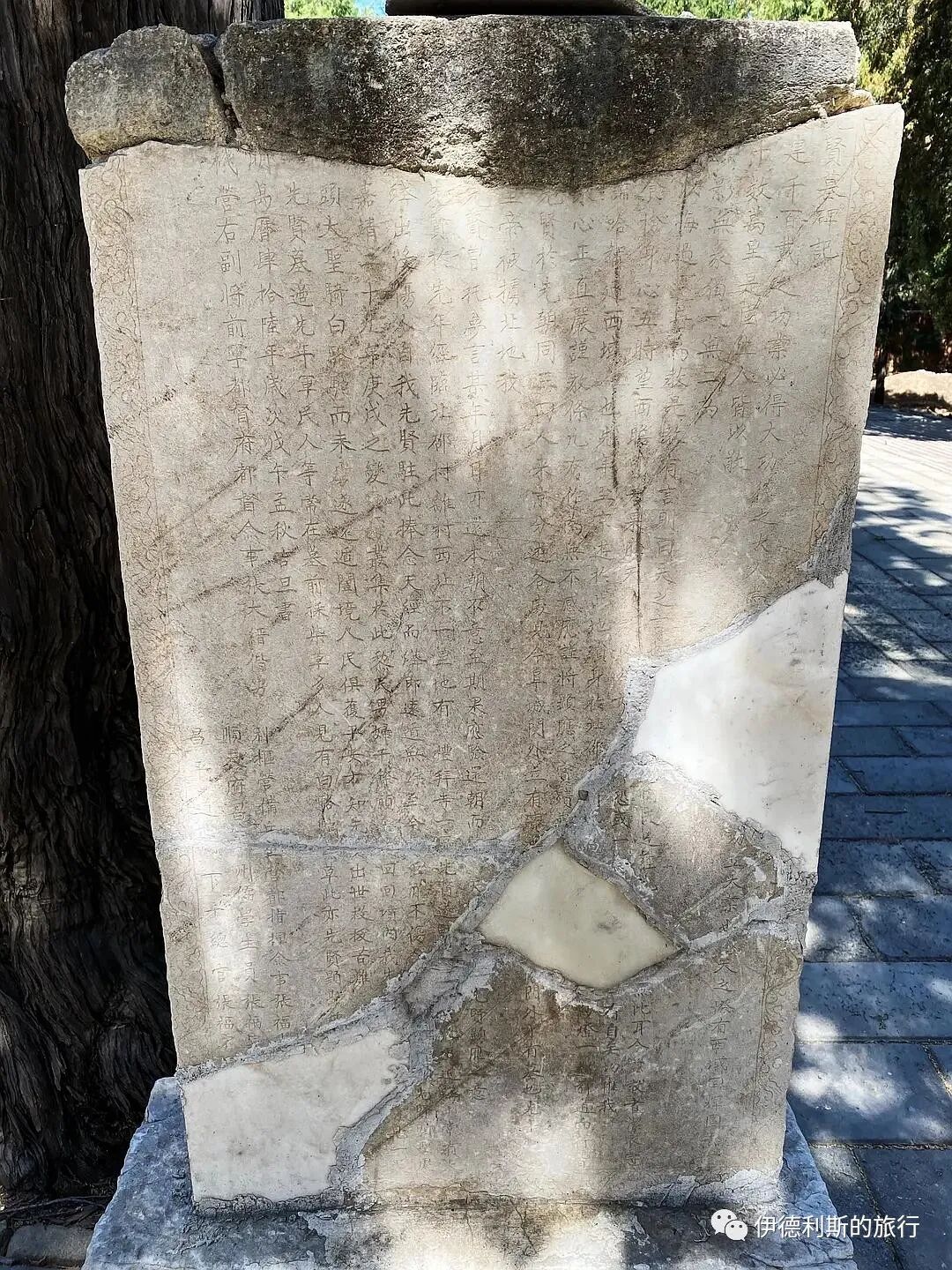
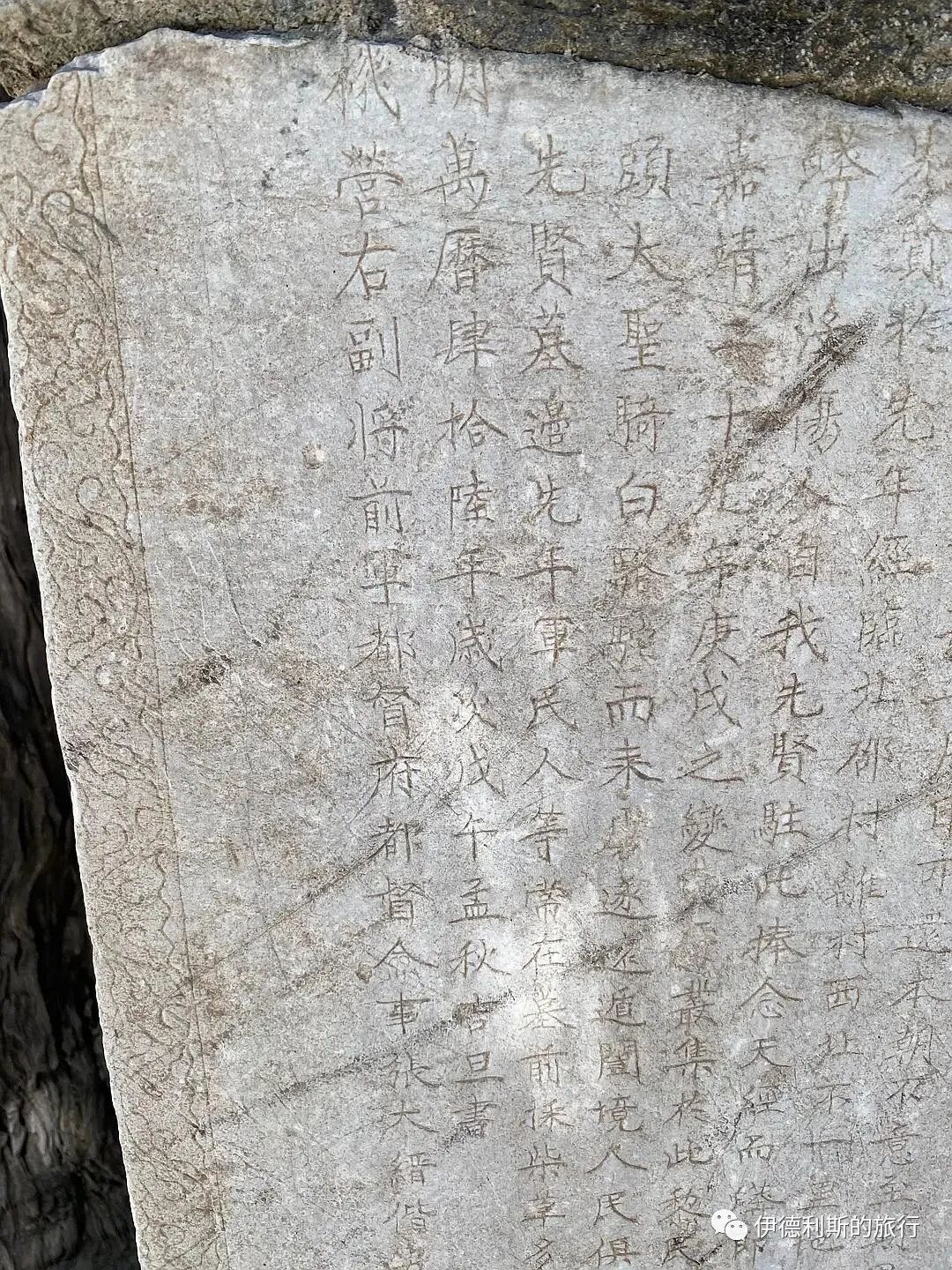
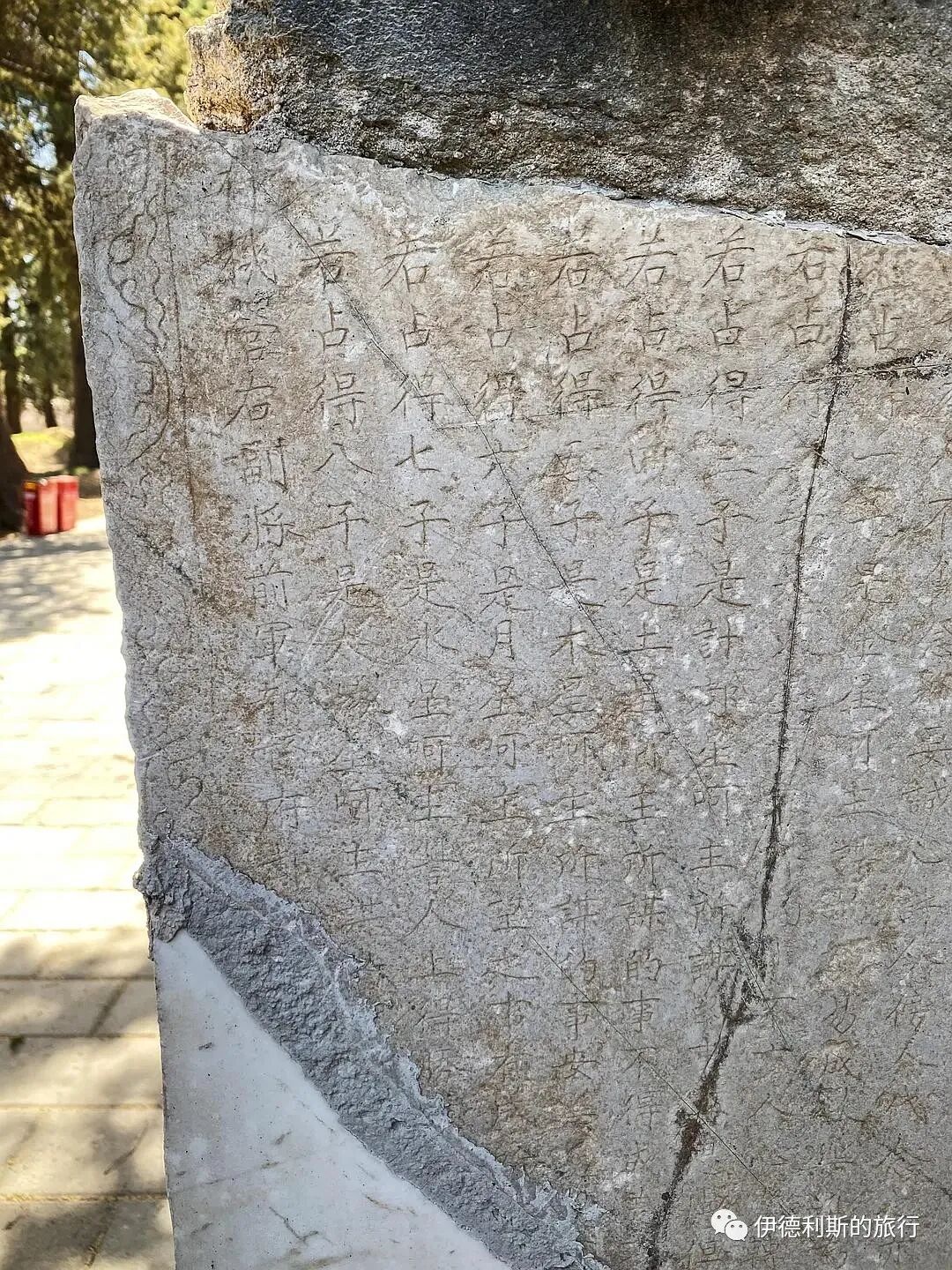
A stone tablet from 1618 (the 46th year of the Ming Wanli reign), inscribed by Zhang Dajin, who served as the Deputy General of the Divine Engine Division and Assistant Commissioner of the Chief Military Commission. Uncle Zhang said that the descendants of the person who wrote the tablet now live in Linxia. Because it is recorded in their family genealogy, they previously came here specifically to make a rubbing of this stone tablet.
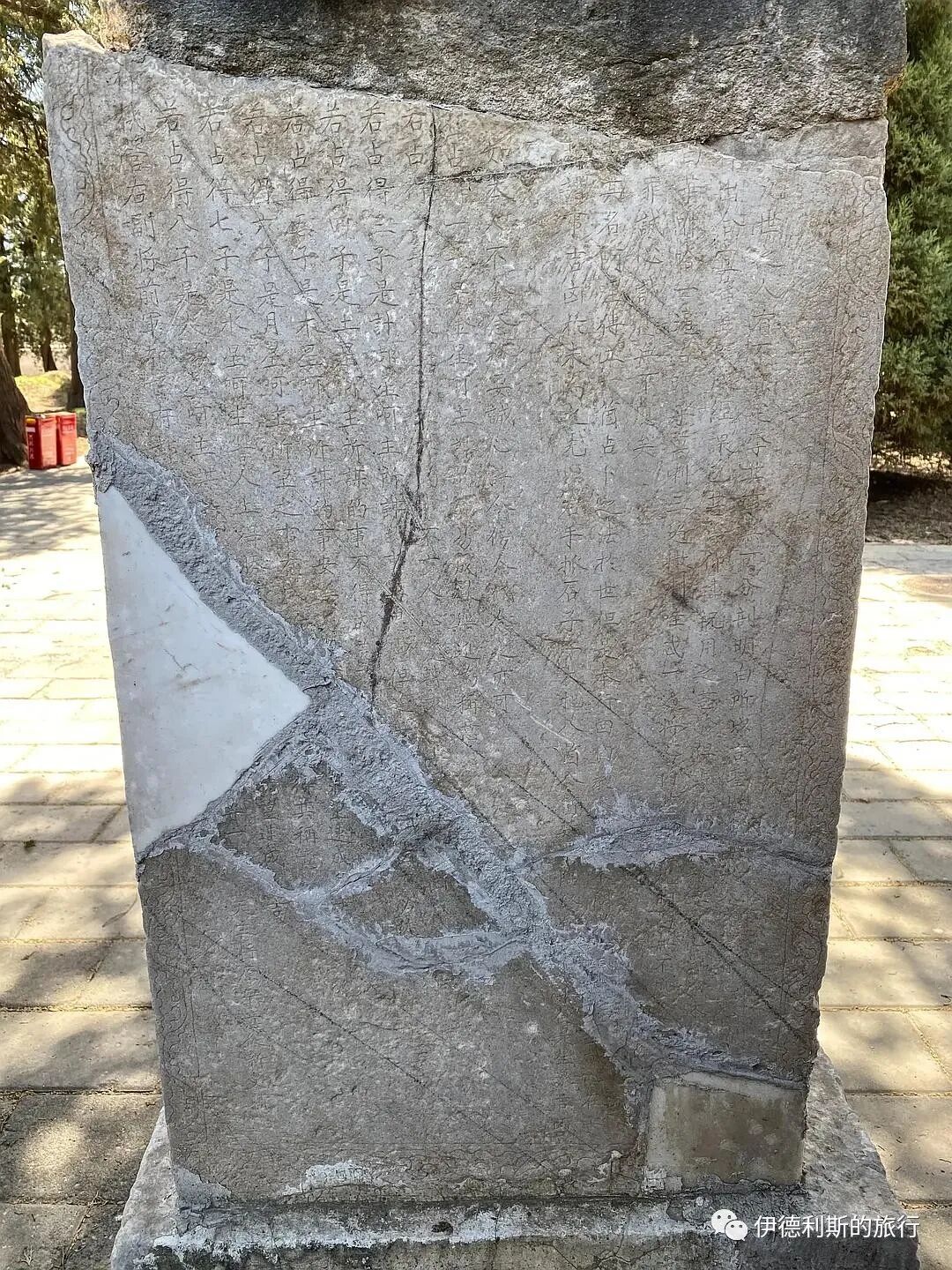
The most unique thing about this stone tablet is that the back records how the ancestors of the Hui Muslims used astrology for divination. According to Uncle Zhang, they would recite the Fatiha and then throw stones to perform the divination. Although the inscription is damaged, you can still see parts that say, 'Ali passed down a method of divination to the world, but those who follow the Hui religion... before doing anything, check if it is auspicious... grab a handful of stones with your right hand... this is the astrology of good fortune...' It then explains the results based on the number of stones: 'If you get four stones, it is ruled by Saturn, and what you plan will not succeed... If you get six stones, it is ruled by the Moon, and what you hope for will succeed... If you get seven stones, it is ruled by Mercury, and you will win over others...'
The 'Stele of Loyalty of the Worthy' (Xianxian Zhongyi Bei) was written and titled by Yang Yingduan in 1619 (the 47th year of the Wanli reign).
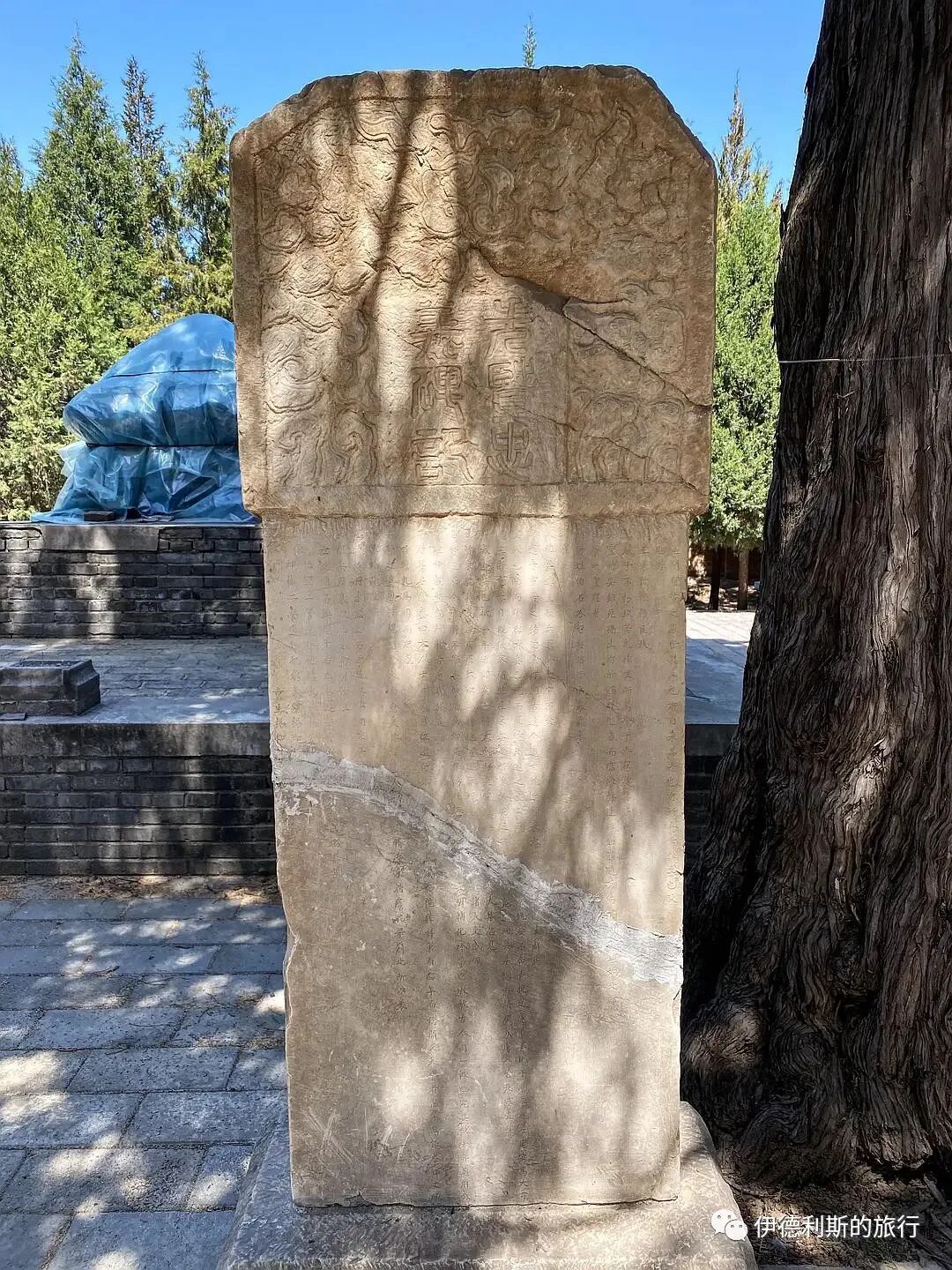
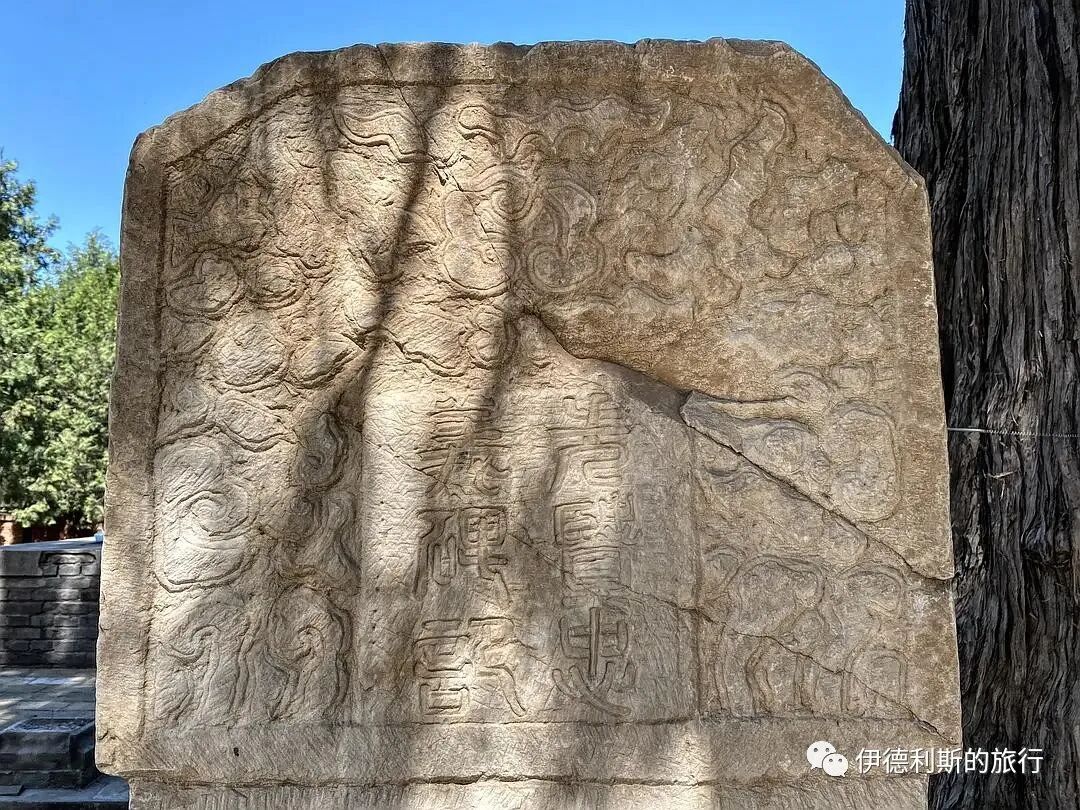
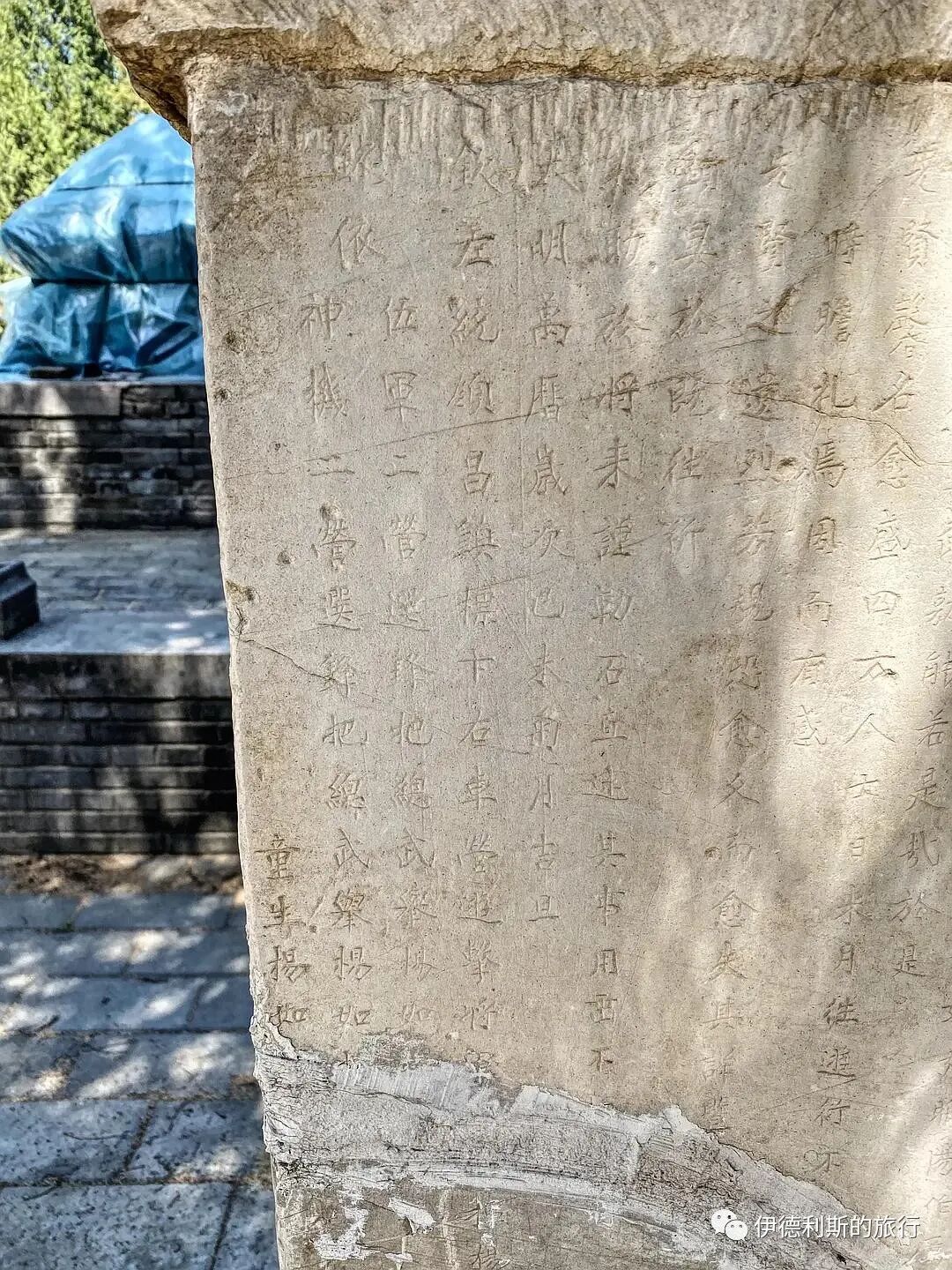
The 'Tombstone of Bo Haji' (Bo Haji Mubei) was written by Ma Jinliang in 1713 (the 52nd year of the Kangxi reign). Ma Jinliang was a famous Hui Muslim military officer in the early Qing Dynasty. When he wrote the stele, he was the Regional Commander (Zongbing Guan) and Assistant Commissioner-in-Chief (Dudu Tongzhi) stationed at Gubeikou, known to people as 'Hui Muslim General Ma'. In 1696 (the 35th year of the Kangxi reign), Ma Jinliang followed the Kangxi Emperor to fight Galdan. He performed with great merit and was awarded the title 'Valiant General' (Xiaoyong Jiangjun). On his way back, he passed through Changping and donated money to renovate the tomb of Bo Haji. In 1713 (the 52nd year of the Kangxi reign), Ma Jinliang passed by the tomb of Bo Haji again and 'repaired the walls, marked the boundaries, and fixed the tomb gate and the spirit path.' Afterward, he erected this stone tablet.
There were once 85 ancient cypress trees planted in the early Ming Dynasty inside the Bo Haji tomb. Later, 17 died, and 68 remain today. It is the best-preserved site of Ming Dynasty ancient trees in Changping District, outside of the Ming Tombs.
Inside the cemetery, there is a 'Notice Tablet for the Protection of Bo Haji's Tomb' (Baohu Bo Haji Mu Gaoshi Bei) erected in 1909 (the first year of the Xuantong reign). It records the story of how Hui Muslims protected these ancient trees over 110 years ago, which was a major case of deforestation and forest protection in Changping at the end of the Qing Dynasty. In the final years of the Guangxu reign, some people in Heying tried to cut down ancient trees to sell for public funds because their school budget was short. Local Hui Muslims reported them to the Changping Prefecture. After a trial, the Hui Muslims won the case, and it was finally ruled that no one could suggest cutting down the pine and cypress trees in front of the sheikh's tomb, or they would face investigation.
The back of the Xuantong stele records how Hui Muslims gave charity (nieti) to renovate the cemetery. The inscription says they reorganized the old cemetery, built a stele pavilion, repaired the surrounding walls, and rebuilt the second gate. Unfortunately, the stele pavilion, the walls, and the second gate are all gone now, leaving only the stone stele. Most of the donors on the stele were Hui Muslim officials ranging from the third to the seventh rank, including imperial physicians from the Imperial Hospital, cavalry and infantry instructors, and battalion commanders (qianzhong). There were also imams (ahong), religious leaders (zhangjiao), village elders, and community members from places like Xiguanshi, Gaoliying, Pingxifu, Shucun, Anheqiao, Haidian, Changying, Manziying, Yujiawu, Madian, and Shahe. The managers were the imam (imamu), ahong, and three religious leaders from the Shahe Town mosque.
As for other tombs of virtuous predecessors in the cemetery, we only know one is called the White Imam (Bai Imamu), and another, according to Uncle Zhang, belongs to an ahong's family. The names of the others are lost. Uncle Zhang said that in the past, you had to reach a certain rank to be buried in the Sheikh Baba cemetery.
On the south side of the Bo Haji cemetery is the Heying mosque, which Uncle Zhang's family built in the 1930s. Only the north building of the old structure remains. You can see the middle of the walls are built with stones that Uncle Zhang's family hauled back from the mountains years ago. The ahong of the Heying mosque was forced to leave after the 1960s. After that, the mosque was mainly used by Hui Muslims from other places to visit graves and by local Hui Muslims for funerals (maiti). When policies were implemented in the 1980s, a mistake meant the mosque was not included in the cultural relic protection area for the Bo Haji tomb. Because of this, the nearly century-old mosque still does not have official cultural relic status. Uncle Zhang's family is currently using funds collected through community charity (nieti) to slowly save up, and they have started planning repairs for the old building. view all
Summary: Bohaji Tomb — Beijing Muslim History and Sufi Memory is presented here as a firsthand travel account in clear English, beginning with this scene: Last Saturday, I visited the tomb of the Western Regions sage Burhanuddin (Bohezhi) in Heying, Changping, Beijing. The account keeps its focus on Beijing Muslim History, Sufi Shrines, Muslim Heritage while preserving the names, places, food, and historical details from the Chinese source.
Last Saturday, I visited the tomb of the Western Regions sage Burhanuddin (Bohezhi) in Heying, Changping, Beijing. Locals also call it the Sheikh Baba (Shaihai Baba) tomb. We were warmly welcomed by Uncle Zhang, whose family has guarded the tomb for generations.
The records say Sheikh Baba came from Medina (Modena) to preach in China during the early years of the Hongwu reign of the Ming Dynasty. He eventually passed away in Heying, Changping, and is deeply respected by Hui Muslims. A 1713 (the 52nd year of the Kangxi reign) stele inside the cemetery says, 'He was a man from the Western Regions who came to the imperial court in the early Ming Dynasty to offer advice, but he refused the official title offered to him.' He asked to travel and teach the faith, and the emperor agreed. He lived with strict discipline and walked with purpose. He rode a white camel, and wherever he went, he did not fuss over minor details but focused on moral conduct. Those who had lost their way or acted improperly saw his pure character and began to correct themselves, striving to improve. Because of this, the customs of our village changed, and our faith flourished. The Ming Emperor Taizu admired his virtue and treated him with great respect. Later, he returned to Changping and died of old age. Our villagers buried him on the sunny side of Beishao, and the white camel he rode was buried beside his tomb.
At the same time, locals pass down legends of Burhanuddin ridding the people of evil, such as the story of him slaying a giant python on Mangshan Mountain. The Qing Dynasty's 'Changping Prefecture Gazetteer' (Kangxi edition), Volume 26, section on 'Hui Muslim Miracles,' records: 'A man from Medina with spiritual power died and was buried in Hejiaying, east of the prefecture, where he often showed signs of his holiness.' During the chaos of the rebel invasion, the countryside was trampled, but the grass on this tomb remained untouched. The villagers who hid there were all kept safe and sound. At the time, people saw a Hui Muslim dressed in white sitting at the tomb gate, and the soldiers never reached it. No one understood why. Was Muhammad born with divine power, and is this his descendant?
According to a stone tablet record from 1909 (the first year of the Xuantong reign), it has long been a tradition for imperial officials and Hui Muslims to visit the tomb for prayers every year on the 24th day of the third lunar month. From the Ming dynasty until today, local Hui Muslims and those from surrounding areas have come to visit the tomb of Sheikh Baba (Shaihai Baba) on the 24th day of the third lunar month without fail.
The tomb of Sheikh Baba and the white camel he rode. During the renovation in the 1990s, due to limited awareness of cultural relics at the time, the original stone slabs were replaced with cement-covered bricks. Now, only a few of the original stone slabs remain.
Five stone tablets from the Ming and Qing dynasties are currently preserved in front of the tomb.
The Tomb Tablet of Bo Ha Zhi, written by Zhou Wenyuan in 1578 (the sixth year of the Wanli reign), which also features an Arabic inscription at the top.
A stone tablet from 1618 (the 46th year of the Ming Wanli reign), inscribed by Zhang Dajin, who served as the Deputy General of the Divine Engine Division and Assistant Commissioner of the Chief Military Commission. Uncle Zhang said that the descendants of the person who wrote the tablet now live in Linxia. Because it is recorded in their family genealogy, they previously came here specifically to make a rubbing of this stone tablet.
The most unique thing about this stone tablet is that the back records how the ancestors of the Hui Muslims used astrology for divination. According to Uncle Zhang, they would recite the Fatiha and then throw stones to perform the divination. Although the inscription is damaged, you can still see parts that say, 'Ali passed down a method of divination to the world, but those who follow the Hui religion... before doing anything, check if it is auspicious... grab a handful of stones with your right hand... this is the astrology of good fortune...' It then explains the results based on the number of stones: 'If you get four stones, it is ruled by Saturn, and what you plan will not succeed... If you get six stones, it is ruled by the Moon, and what you hope for will succeed... If you get seven stones, it is ruled by Mercury, and you will win over others...'
The 'Stele of Loyalty of the Worthy' (Xianxian Zhongyi Bei) was written and titled by Yang Yingduan in 1619 (the 47th year of the Wanli reign).
The 'Tombstone of Bo Haji' (Bo Haji Mubei) was written by Ma Jinliang in 1713 (the 52nd year of the Kangxi reign). Ma Jinliang was a famous Hui Muslim military officer in the early Qing Dynasty. When he wrote the stele, he was the Regional Commander (Zongbing Guan) and Assistant Commissioner-in-Chief (Dudu Tongzhi) stationed at Gubeikou, known to people as 'Hui Muslim General Ma'. In 1696 (the 35th year of the Kangxi reign), Ma Jinliang followed the Kangxi Emperor to fight Galdan. He performed with great merit and was awarded the title 'Valiant General' (Xiaoyong Jiangjun). On his way back, he passed through Changping and donated money to renovate the tomb of Bo Haji. In 1713 (the 52nd year of the Kangxi reign), Ma Jinliang passed by the tomb of Bo Haji again and 'repaired the walls, marked the boundaries, and fixed the tomb gate and the spirit path.' Afterward, he erected this stone tablet.
There were once 85 ancient cypress trees planted in the early Ming Dynasty inside the Bo Haji tomb. Later, 17 died, and 68 remain today. It is the best-preserved site of Ming Dynasty ancient trees in Changping District, outside of the Ming Tombs.
Inside the cemetery, there is a 'Notice Tablet for the Protection of Bo Haji's Tomb' (Baohu Bo Haji Mu Gaoshi Bei) erected in 1909 (the first year of the Xuantong reign). It records the story of how Hui Muslims protected these ancient trees over 110 years ago, which was a major case of deforestation and forest protection in Changping at the end of the Qing Dynasty. In the final years of the Guangxu reign, some people in Heying tried to cut down ancient trees to sell for public funds because their school budget was short. Local Hui Muslims reported them to the Changping Prefecture. After a trial, the Hui Muslims won the case, and it was finally ruled that no one could suggest cutting down the pine and cypress trees in front of the sheikh's tomb, or they would face investigation.
The back of the Xuantong stele records how Hui Muslims gave charity (nieti) to renovate the cemetery. The inscription says they reorganized the old cemetery, built a stele pavilion, repaired the surrounding walls, and rebuilt the second gate. Unfortunately, the stele pavilion, the walls, and the second gate are all gone now, leaving only the stone stele. Most of the donors on the stele were Hui Muslim officials ranging from the third to the seventh rank, including imperial physicians from the Imperial Hospital, cavalry and infantry instructors, and battalion commanders (qianzhong). There were also imams (ahong), religious leaders (zhangjiao), village elders, and community members from places like Xiguanshi, Gaoliying, Pingxifu, Shucun, Anheqiao, Haidian, Changying, Manziying, Yujiawu, Madian, and Shahe. The managers were the imam (imamu), ahong, and three religious leaders from the Shahe Town mosque.
As for other tombs of virtuous predecessors in the cemetery, we only know one is called the White Imam (Bai Imamu), and another, according to Uncle Zhang, belongs to an ahong's family. The names of the others are lost. Uncle Zhang said that in the past, you had to reach a certain rank to be buried in the Sheikh Baba cemetery.
On the south side of the Bo Haji cemetery is the Heying mosque, which Uncle Zhang's family built in the 1930s. Only the north building of the old structure remains. You can see the middle of the walls are built with stones that Uncle Zhang's family hauled back from the mountains years ago. The ahong of the Heying mosque was forced to leave after the 1960s. After that, the mosque was mainly used by Hui Muslims from other places to visit graves and by local Hui Muslims for funerals (maiti). When policies were implemented in the 1980s, a mistake meant the mosque was not included in the cultural relic protection area for the Bo Haji tomb. Because of this, the nearly century-old mosque still does not have official cultural relic status. Uncle Zhang's family is currently using funds collected through community charity (nieti) to slowly save up, and they have started planning repairs for the old building. view all
Reposted from the web
Summary: Bohaji Tomb — Beijing Muslim History and Sufi Memory is presented here as a firsthand travel account in clear English, beginning with this scene: Last Saturday, I visited the tomb of the Western Regions sage Burhanuddin (Bohezhi) in Heying, Changping, Beijing. The account keeps its focus on Beijing Muslim History, Sufi Shrines, Muslim Heritage while preserving the names, places, food, and historical details from the Chinese source.
Last Saturday, I visited the tomb of the Western Regions sage Burhanuddin (Bohezhi) in Heying, Changping, Beijing. Locals also call it the Sheikh Baba (Shaihai Baba) tomb. We were warmly welcomed by Uncle Zhang, whose family has guarded the tomb for generations.
The records say Sheikh Baba came from Medina (Modena) to preach in China during the early years of the Hongwu reign of the Ming Dynasty. He eventually passed away in Heying, Changping, and is deeply respected by Hui Muslims. A 1713 (the 52nd year of the Kangxi reign) stele inside the cemetery says, 'He was a man from the Western Regions who came to the imperial court in the early Ming Dynasty to offer advice, but he refused the official title offered to him.' He asked to travel and teach the faith, and the emperor agreed. He lived with strict discipline and walked with purpose. He rode a white camel, and wherever he went, he did not fuss over minor details but focused on moral conduct. Those who had lost their way or acted improperly saw his pure character and began to correct themselves, striving to improve. Because of this, the customs of our village changed, and our faith flourished. The Ming Emperor Taizu admired his virtue and treated him with great respect. Later, he returned to Changping and died of old age. Our villagers buried him on the sunny side of Beishao, and the white camel he rode was buried beside his tomb.
At the same time, locals pass down legends of Burhanuddin ridding the people of evil, such as the story of him slaying a giant python on Mangshan Mountain. The Qing Dynasty's 'Changping Prefecture Gazetteer' (Kangxi edition), Volume 26, section on 'Hui Muslim Miracles,' records: 'A man from Medina with spiritual power died and was buried in Hejiaying, east of the prefecture, where he often showed signs of his holiness.' During the chaos of the rebel invasion, the countryside was trampled, but the grass on this tomb remained untouched. The villagers who hid there were all kept safe and sound. At the time, people saw a Hui Muslim dressed in white sitting at the tomb gate, and the soldiers never reached it. No one understood why. Was Muhammad born with divine power, and is this his descendant?
According to a stone tablet record from 1909 (the first year of the Xuantong reign), it has long been a tradition for imperial officials and Hui Muslims to visit the tomb for prayers every year on the 24th day of the third lunar month. From the Ming dynasty until today, local Hui Muslims and those from surrounding areas have come to visit the tomb of Sheikh Baba (Shaihai Baba) on the 24th day of the third lunar month without fail.
The tomb of Sheikh Baba and the white camel he rode. During the renovation in the 1990s, due to limited awareness of cultural relics at the time, the original stone slabs were replaced with cement-covered bricks. Now, only a few of the original stone slabs remain.
Five stone tablets from the Ming and Qing dynasties are currently preserved in front of the tomb.
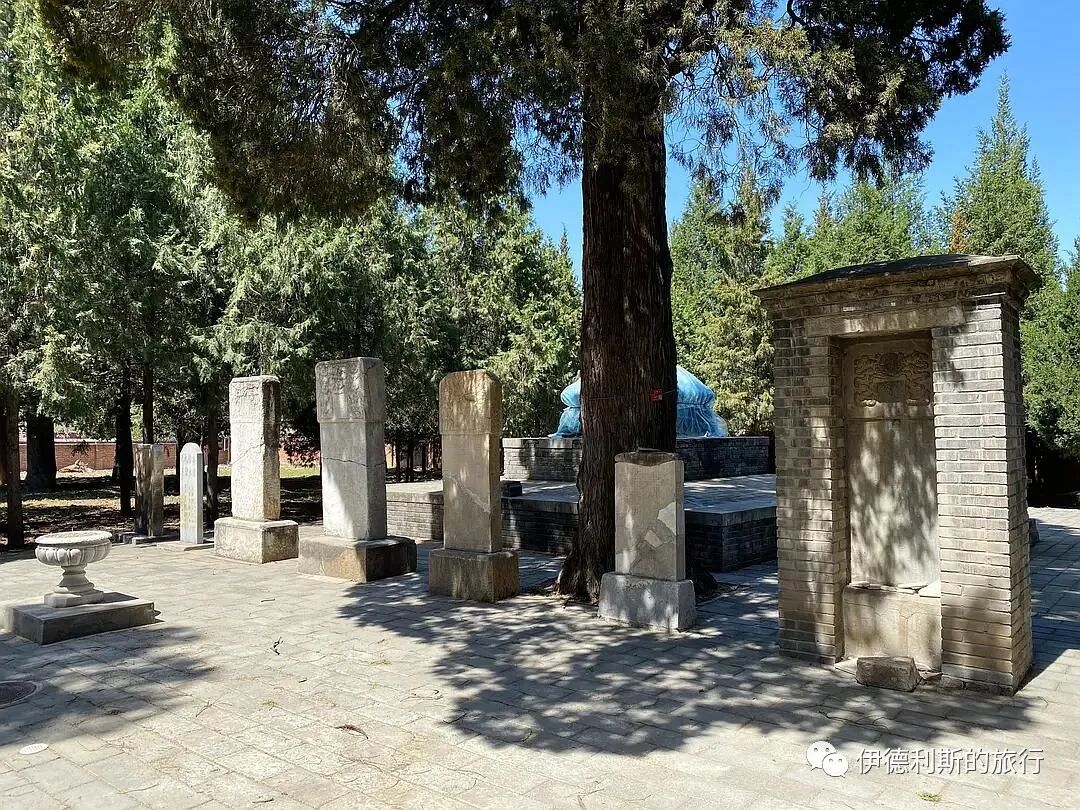
The Tomb Tablet of Bo Ha Zhi, written by Zhou Wenyuan in 1578 (the sixth year of the Wanli reign), which also features an Arabic inscription at the top.
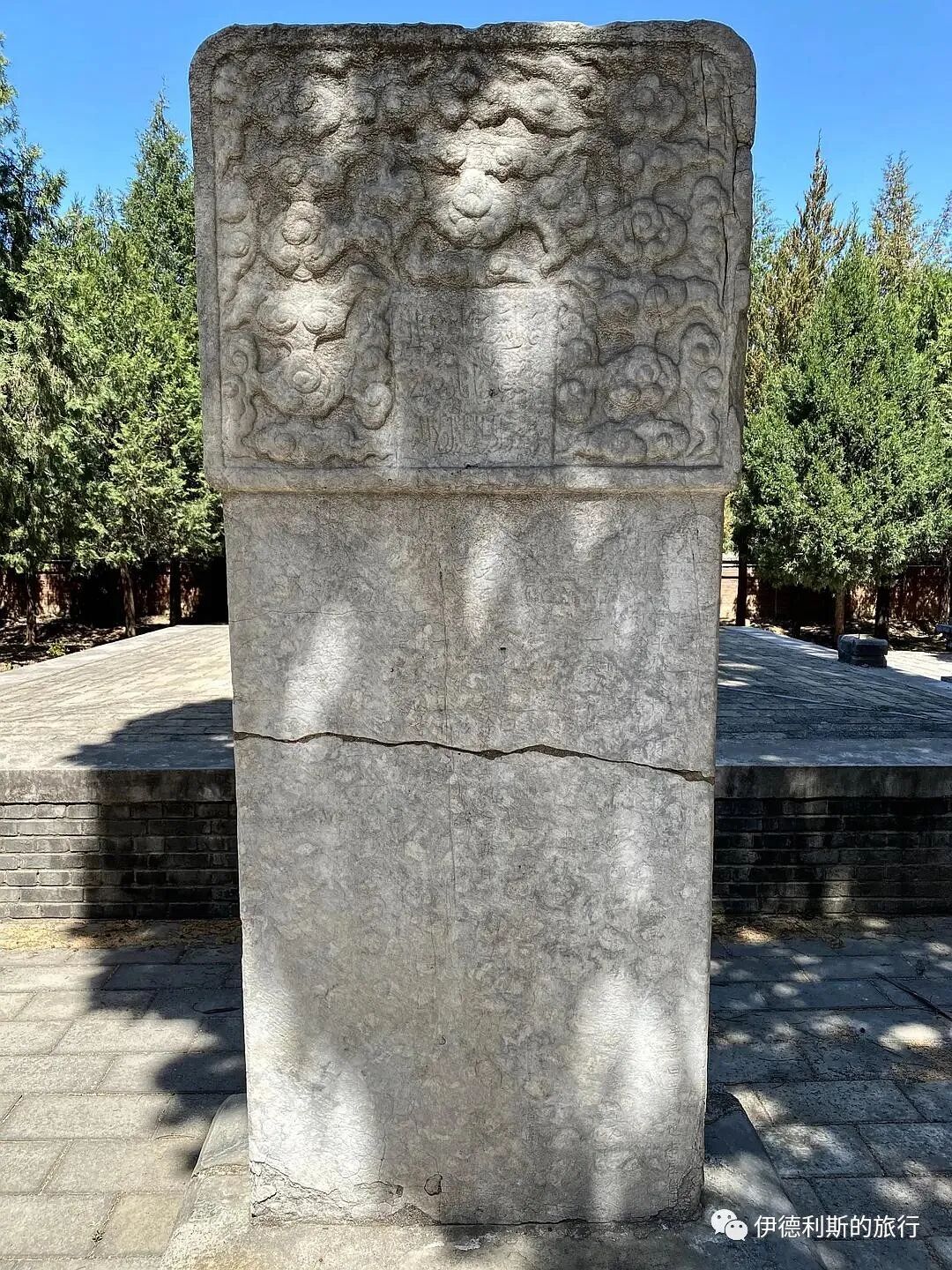
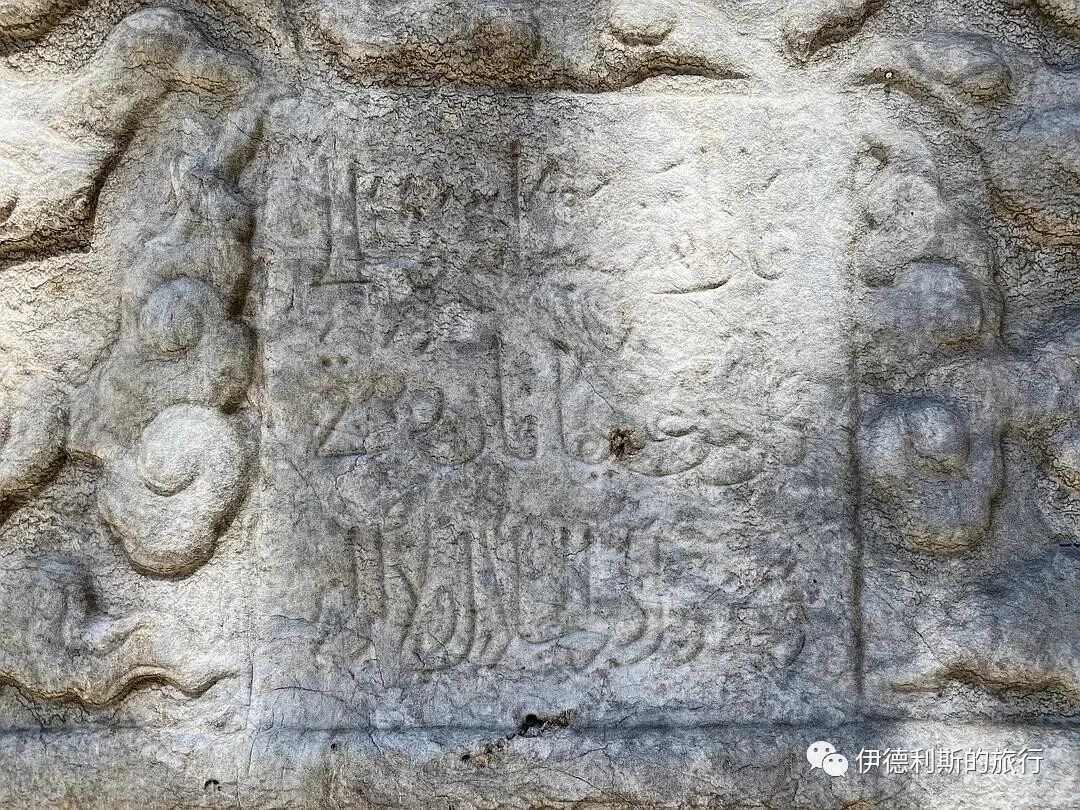
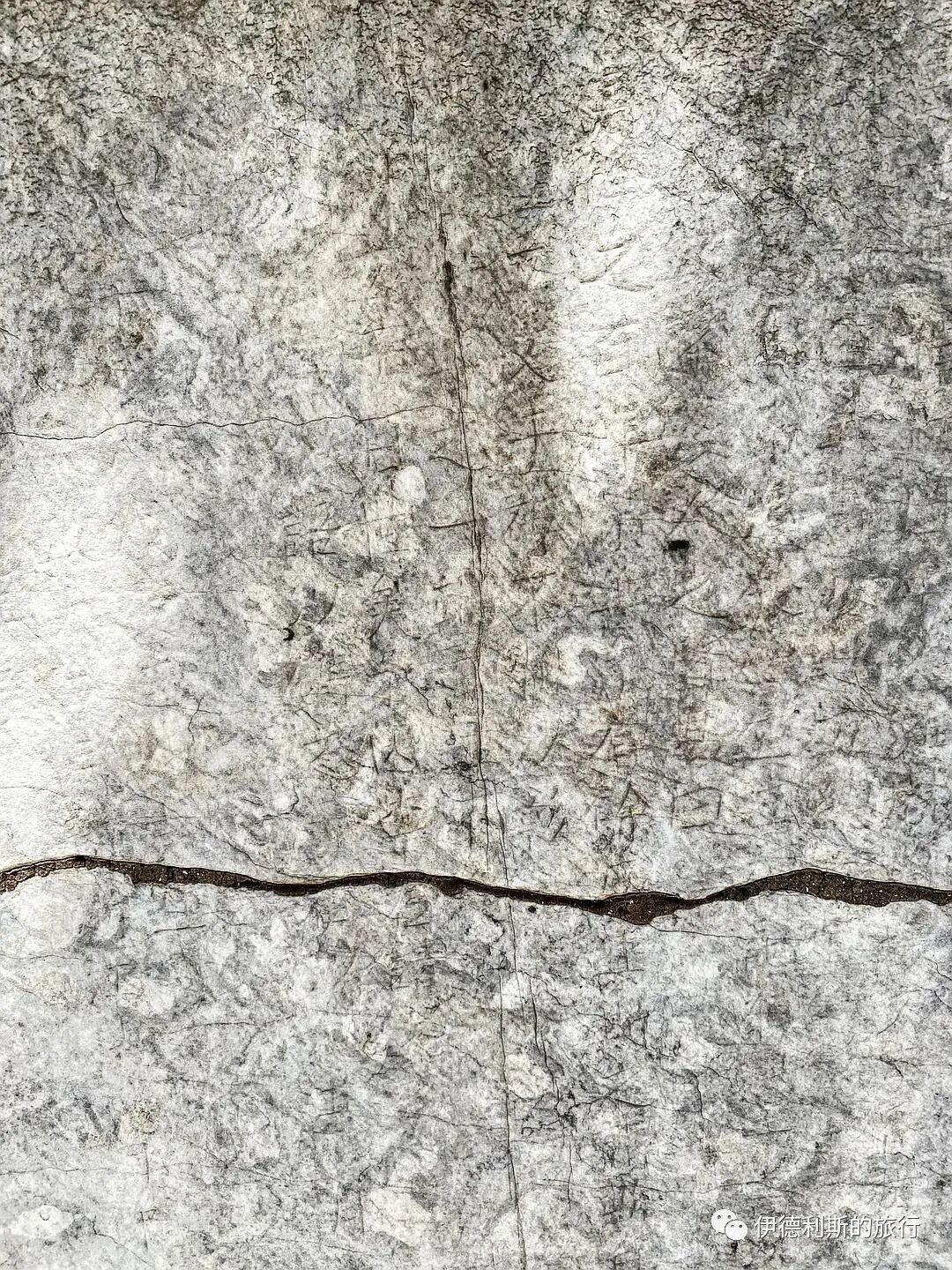
A stone tablet from 1618 (the 46th year of the Ming Wanli reign), inscribed by Zhang Dajin, who served as the Deputy General of the Divine Engine Division and Assistant Commissioner of the Chief Military Commission. Uncle Zhang said that the descendants of the person who wrote the tablet now live in Linxia. Because it is recorded in their family genealogy, they previously came here specifically to make a rubbing of this stone tablet.
The most unique thing about this stone tablet is that the back records how the ancestors of the Hui Muslims used astrology for divination. According to Uncle Zhang, they would recite the Fatiha and then throw stones to perform the divination. Although the inscription is damaged, you can still see parts that say, 'Ali passed down a method of divination to the world, but those who follow the Hui religion... before doing anything, check if it is auspicious... grab a handful of stones with your right hand... this is the astrology of good fortune...' It then explains the results based on the number of stones: 'If you get four stones, it is ruled by Saturn, and what you plan will not succeed... If you get six stones, it is ruled by the Moon, and what you hope for will succeed... If you get seven stones, it is ruled by Mercury, and you will win over others...'
The 'Stele of Loyalty of the Worthy' (Xianxian Zhongyi Bei) was written and titled by Yang Yingduan in 1619 (the 47th year of the Wanli reign).
The 'Tombstone of Bo Haji' (Bo Haji Mubei) was written by Ma Jinliang in 1713 (the 52nd year of the Kangxi reign). Ma Jinliang was a famous Hui Muslim military officer in the early Qing Dynasty. When he wrote the stele, he was the Regional Commander (Zongbing Guan) and Assistant Commissioner-in-Chief (Dudu Tongzhi) stationed at Gubeikou, known to people as 'Hui Muslim General Ma'. In 1696 (the 35th year of the Kangxi reign), Ma Jinliang followed the Kangxi Emperor to fight Galdan. He performed with great merit and was awarded the title 'Valiant General' (Xiaoyong Jiangjun). On his way back, he passed through Changping and donated money to renovate the tomb of Bo Haji. In 1713 (the 52nd year of the Kangxi reign), Ma Jinliang passed by the tomb of Bo Haji again and 'repaired the walls, marked the boundaries, and fixed the tomb gate and the spirit path.' Afterward, he erected this stone tablet.
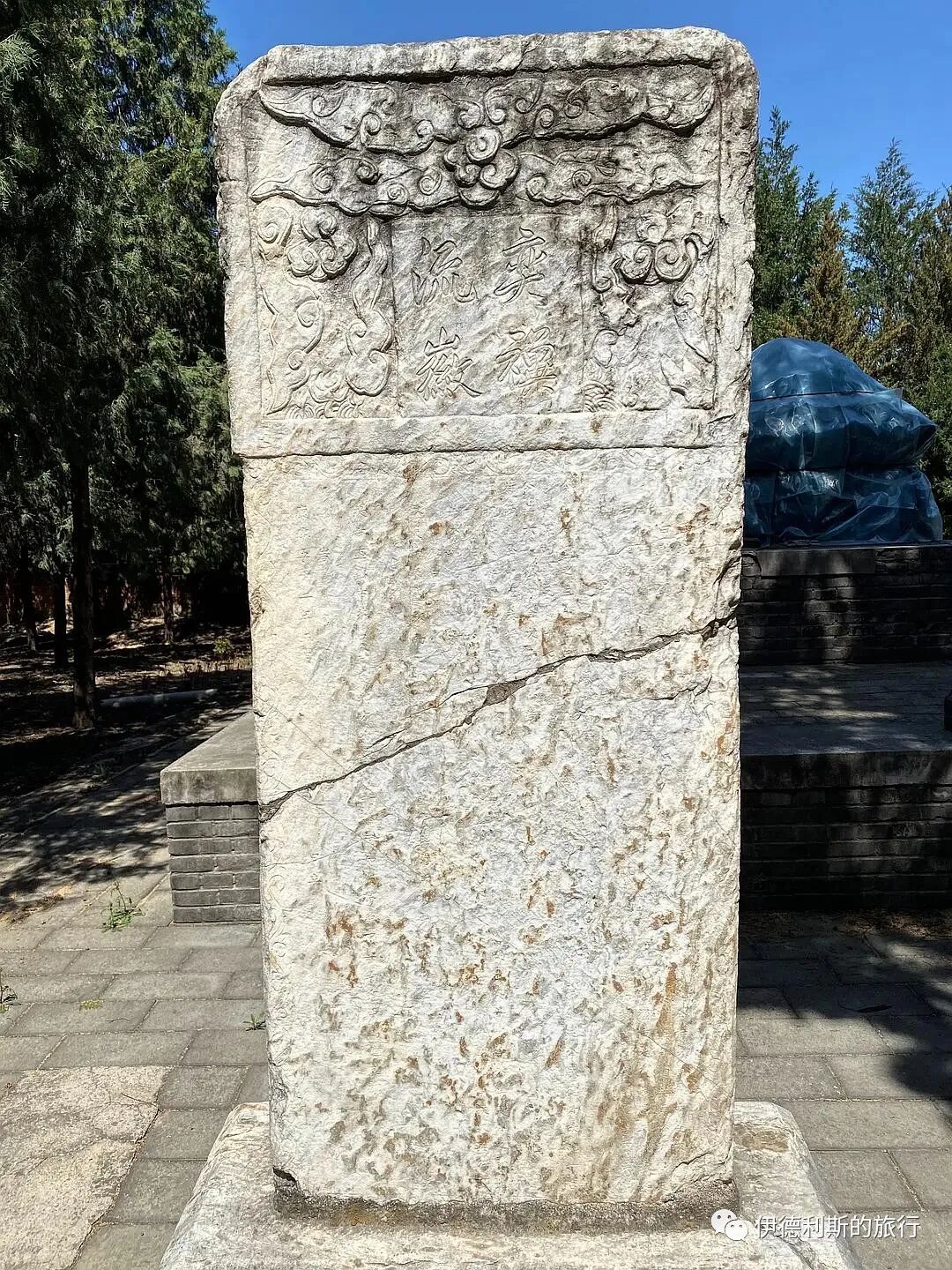
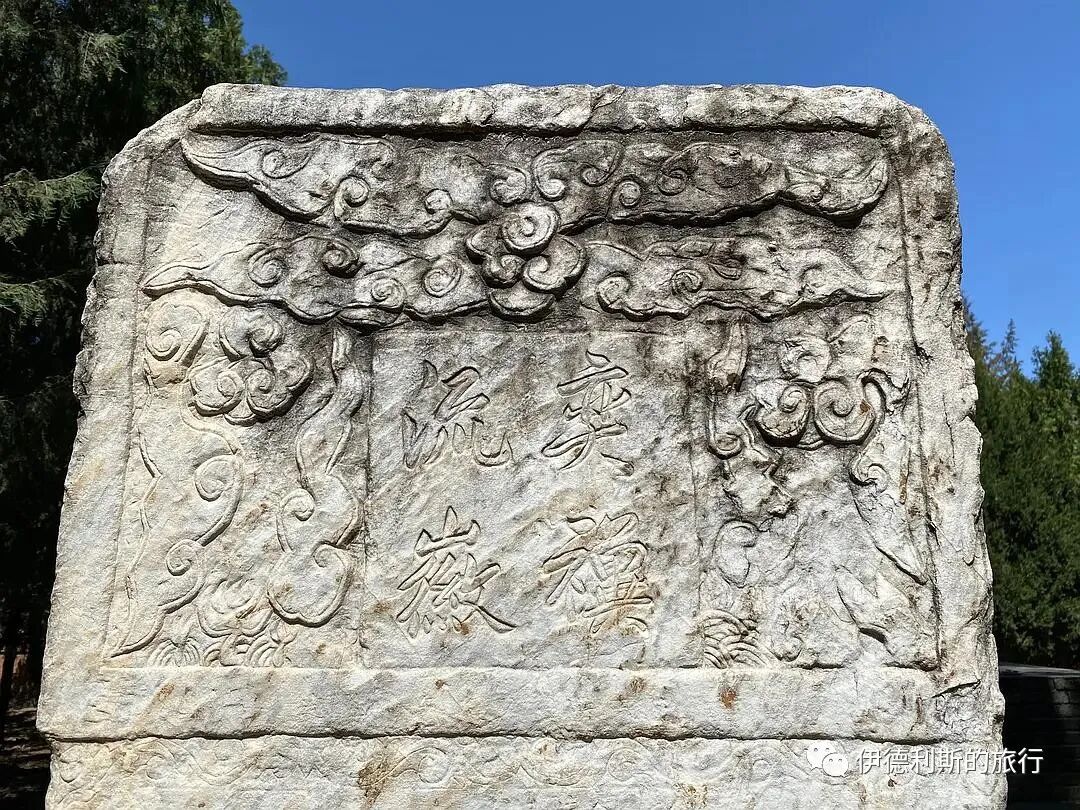
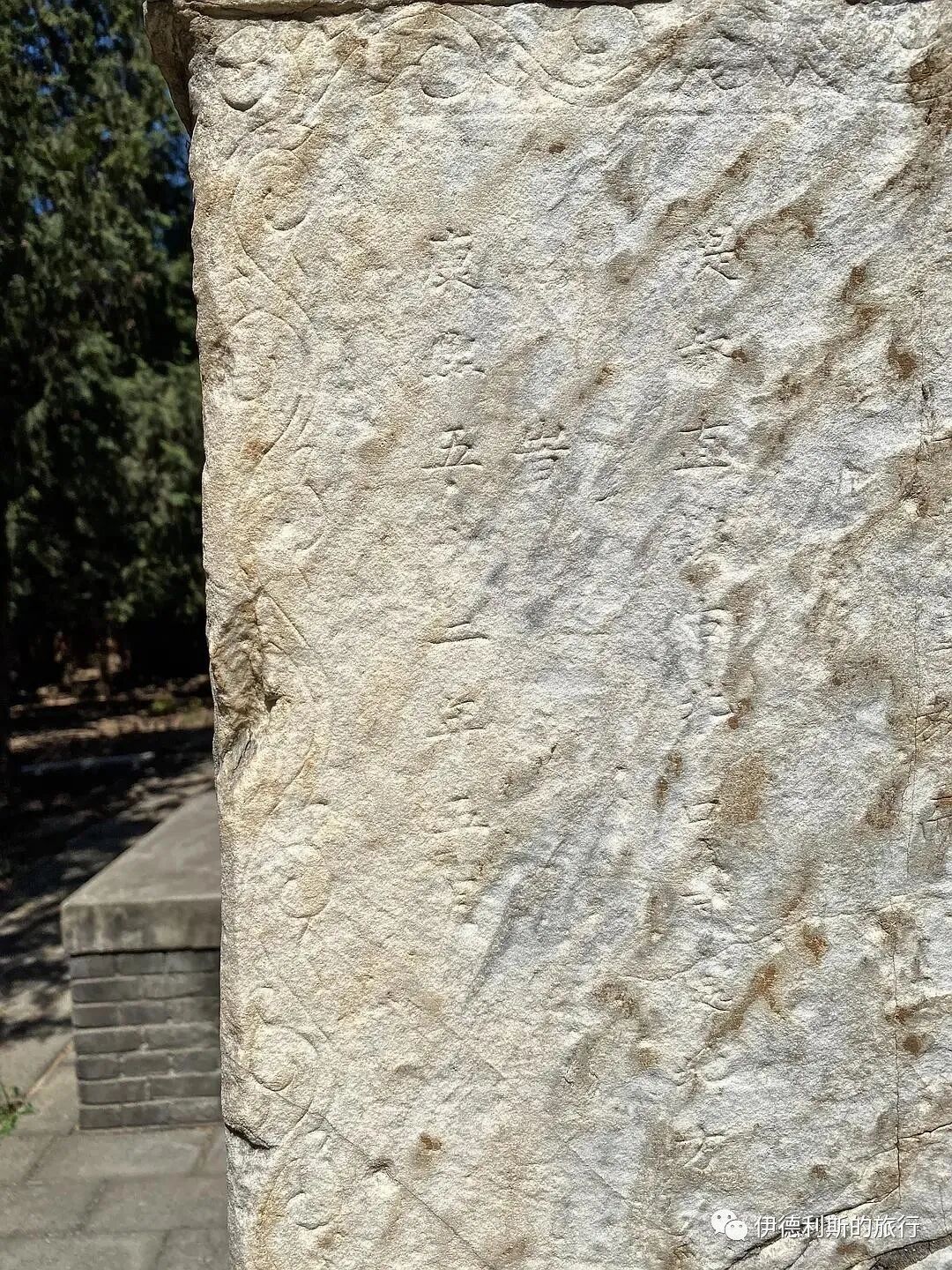
There were once 85 ancient cypress trees planted in the early Ming Dynasty inside the Bo Haji tomb. Later, 17 died, and 68 remain today. It is the best-preserved site of Ming Dynasty ancient trees in Changping District, outside of the Ming Tombs.
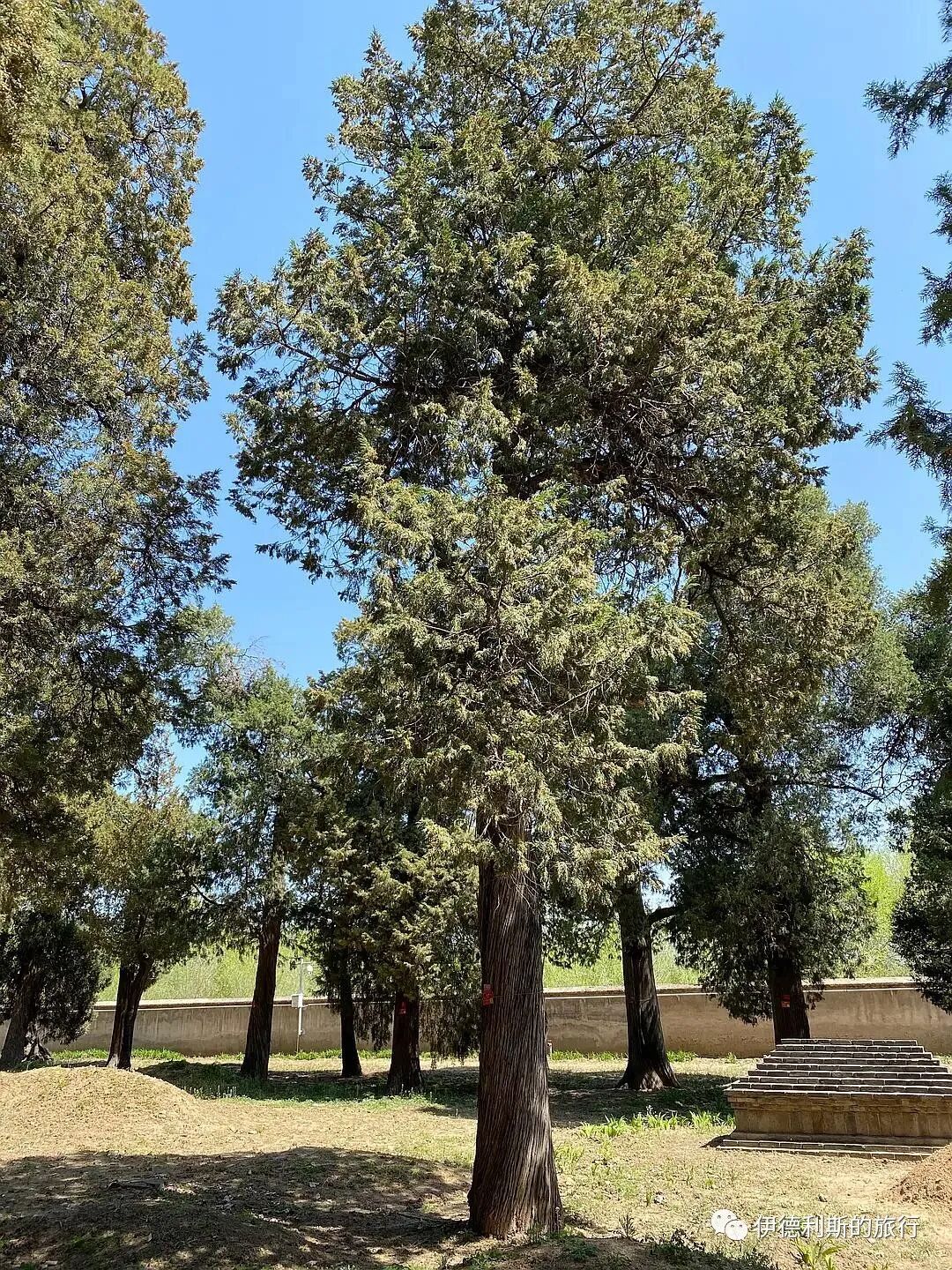
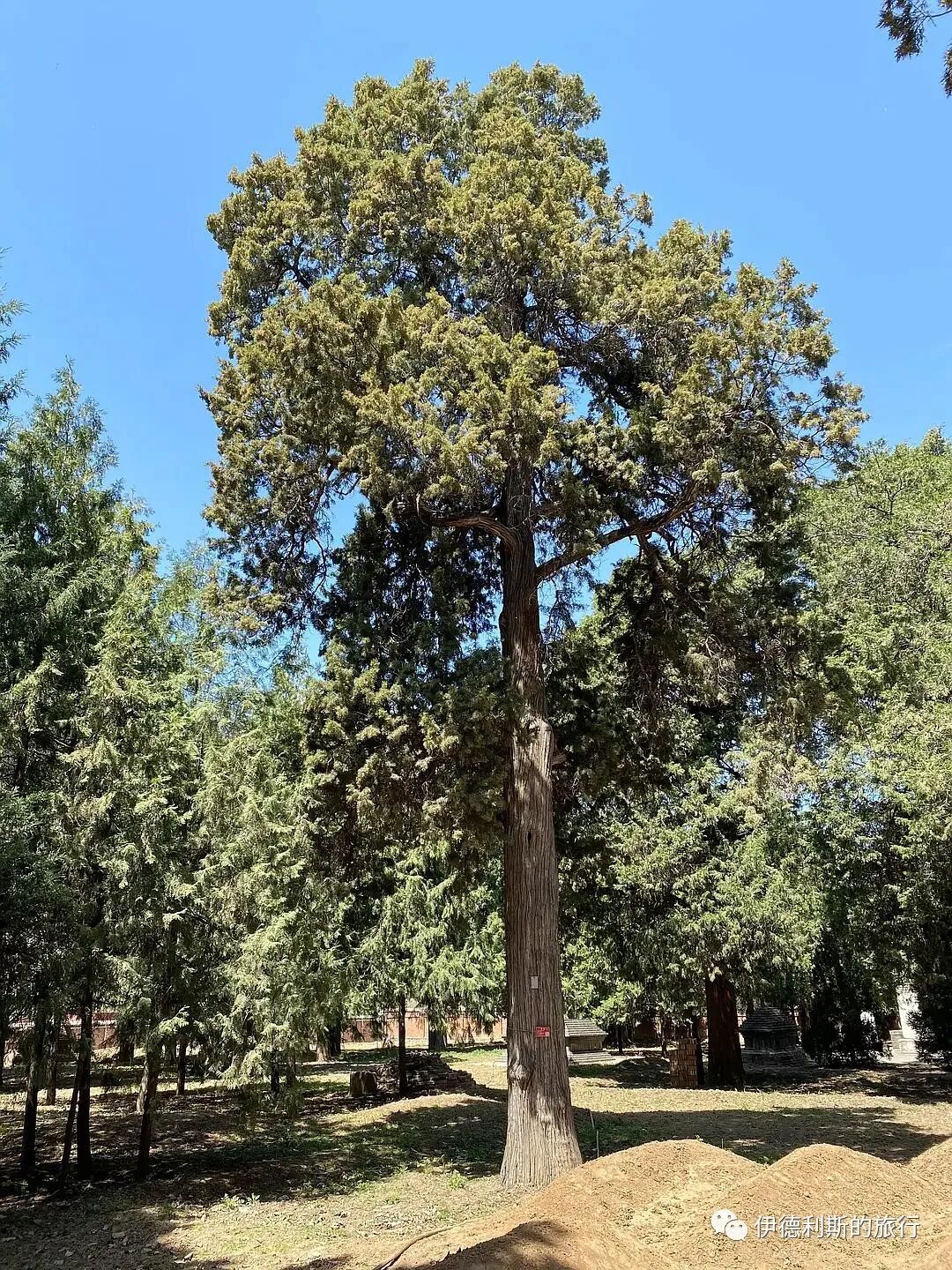
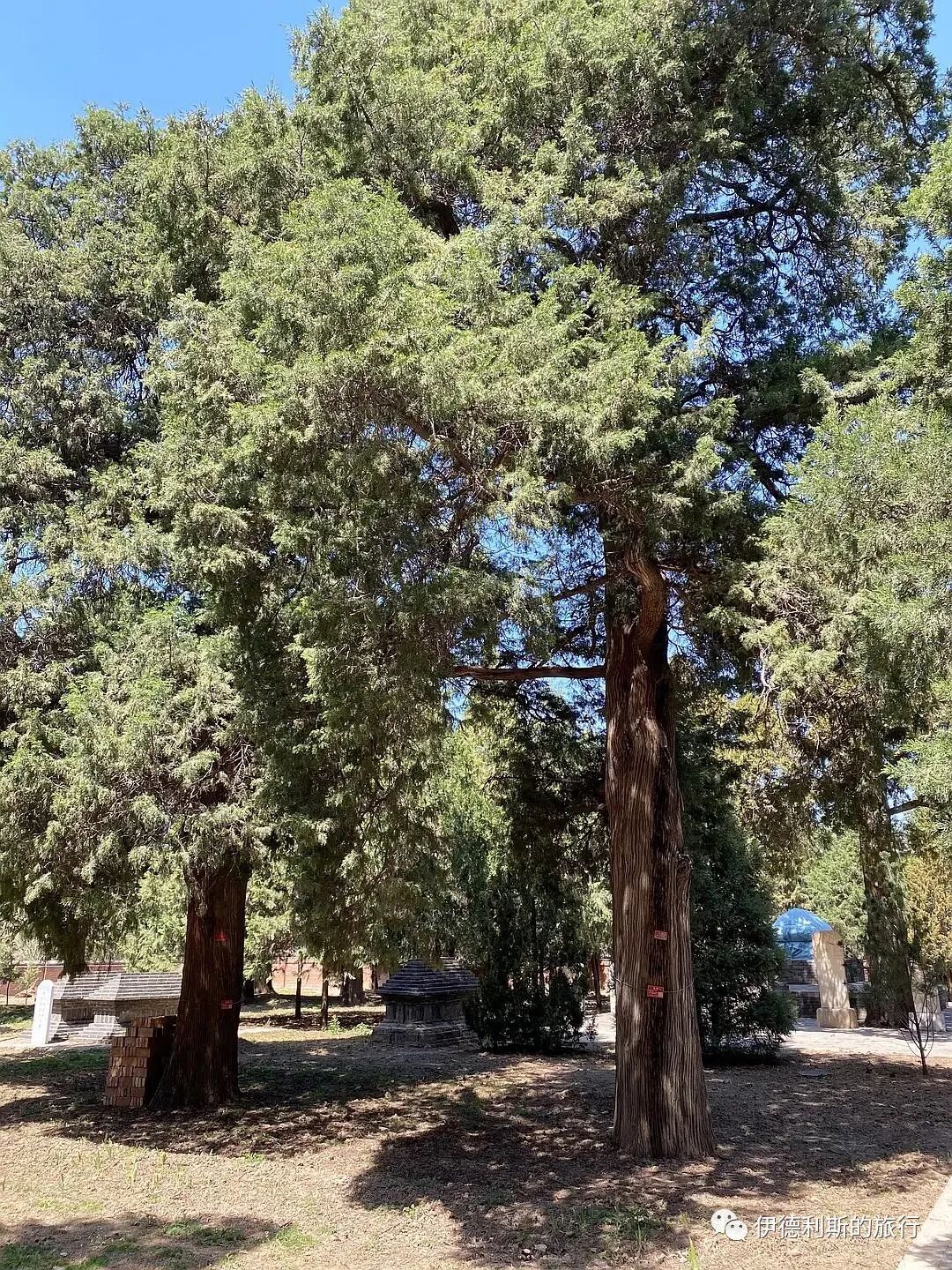
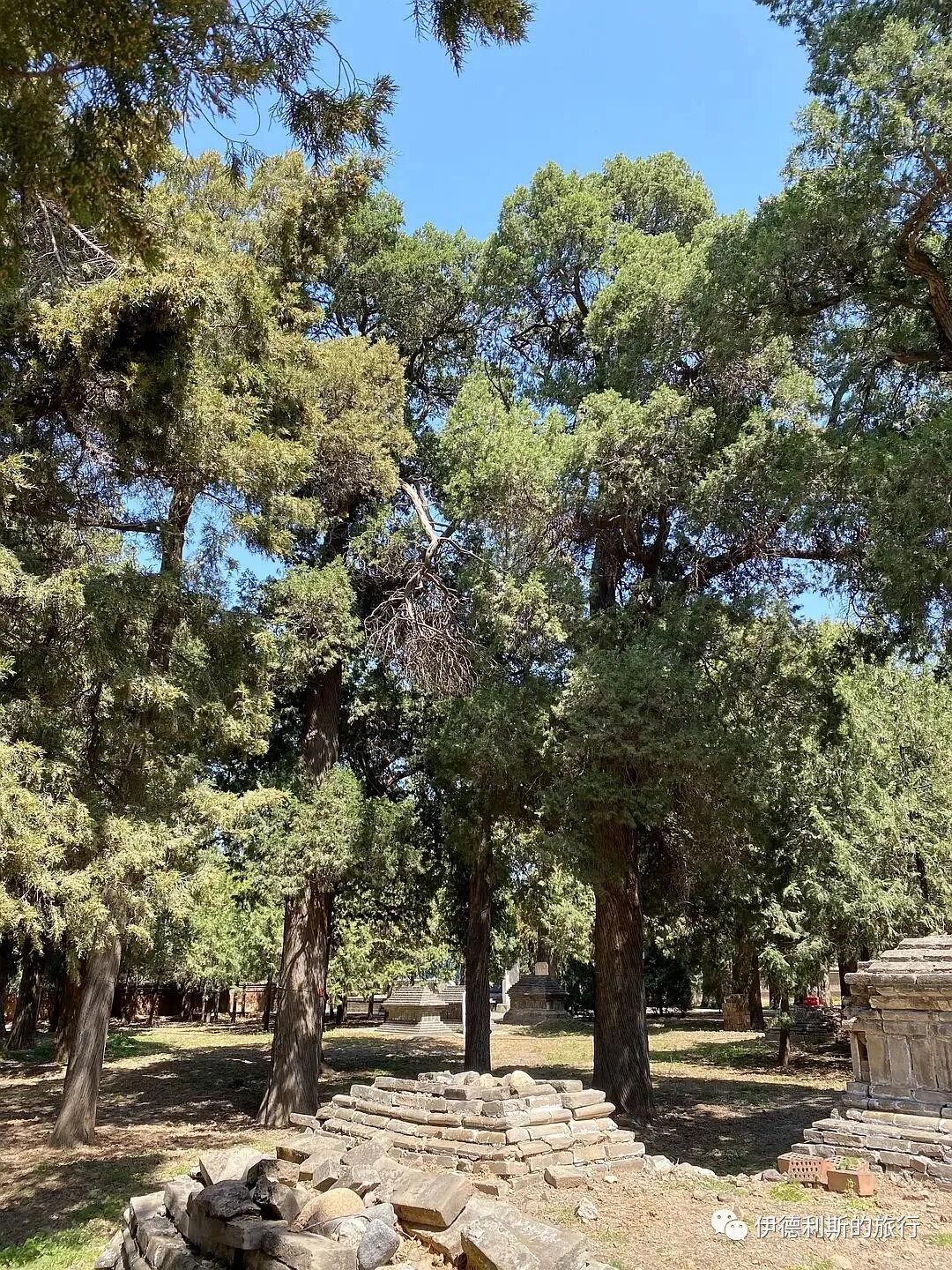
Inside the cemetery, there is a 'Notice Tablet for the Protection of Bo Haji's Tomb' (Baohu Bo Haji Mu Gaoshi Bei) erected in 1909 (the first year of the Xuantong reign). It records the story of how Hui Muslims protected these ancient trees over 110 years ago, which was a major case of deforestation and forest protection in Changping at the end of the Qing Dynasty. In the final years of the Guangxu reign, some people in Heying tried to cut down ancient trees to sell for public funds because their school budget was short. Local Hui Muslims reported them to the Changping Prefecture. After a trial, the Hui Muslims won the case, and it was finally ruled that no one could suggest cutting down the pine and cypress trees in front of the sheikh's tomb, or they would face investigation.
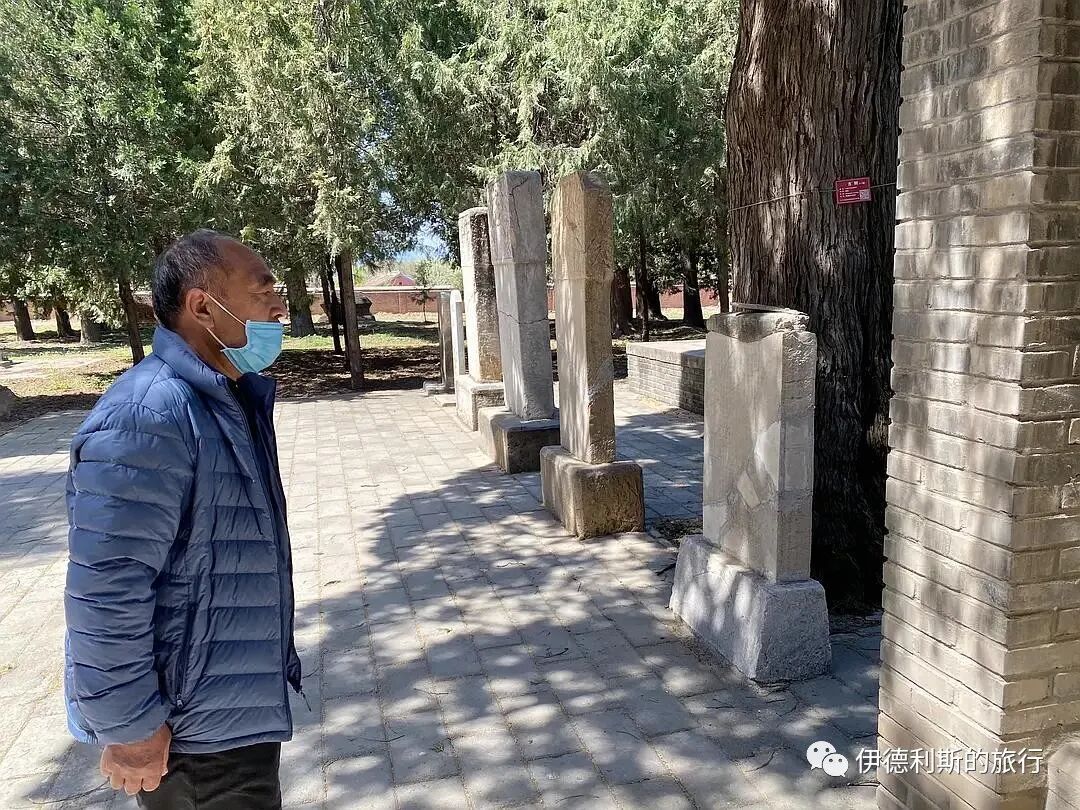
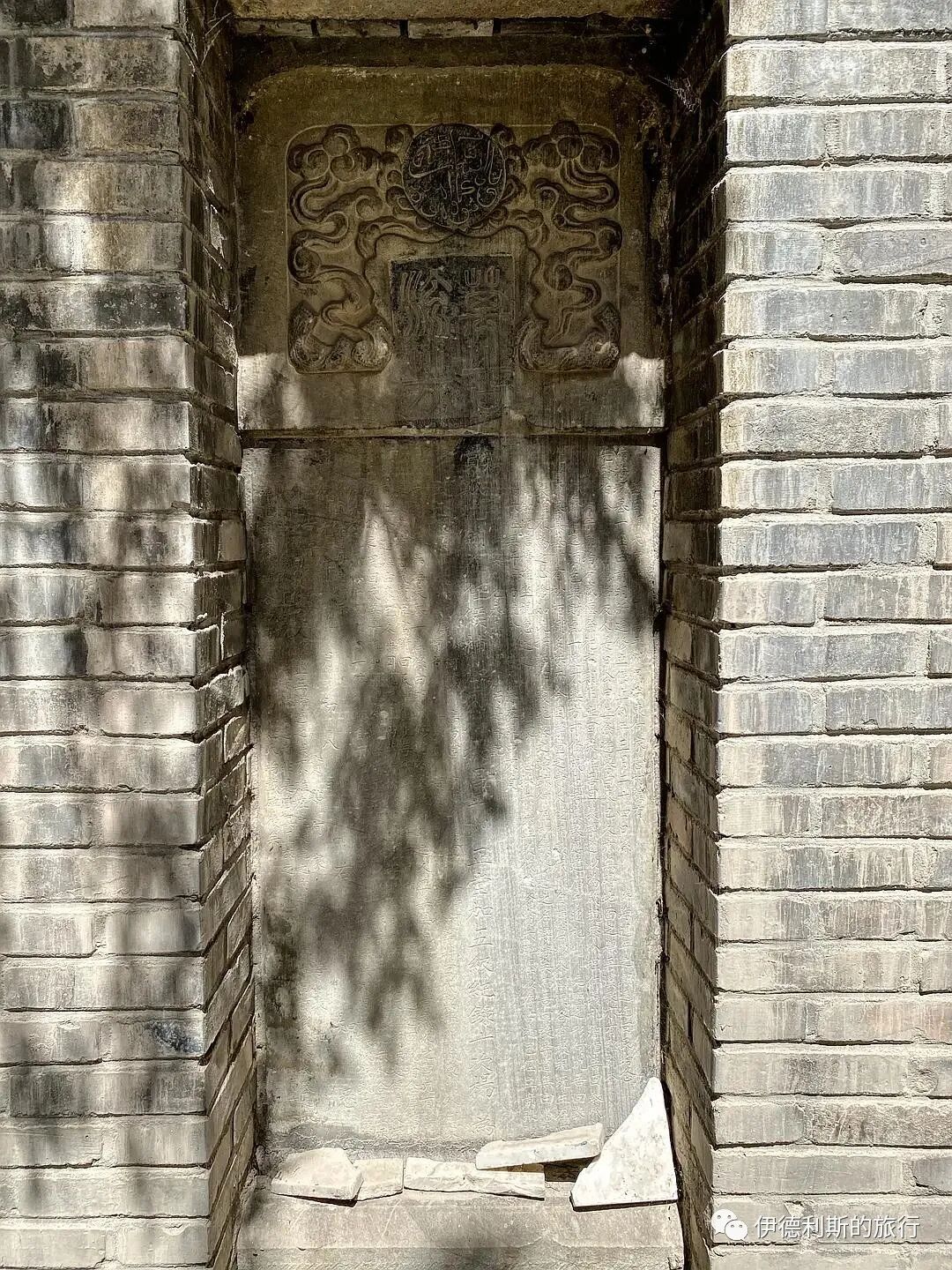
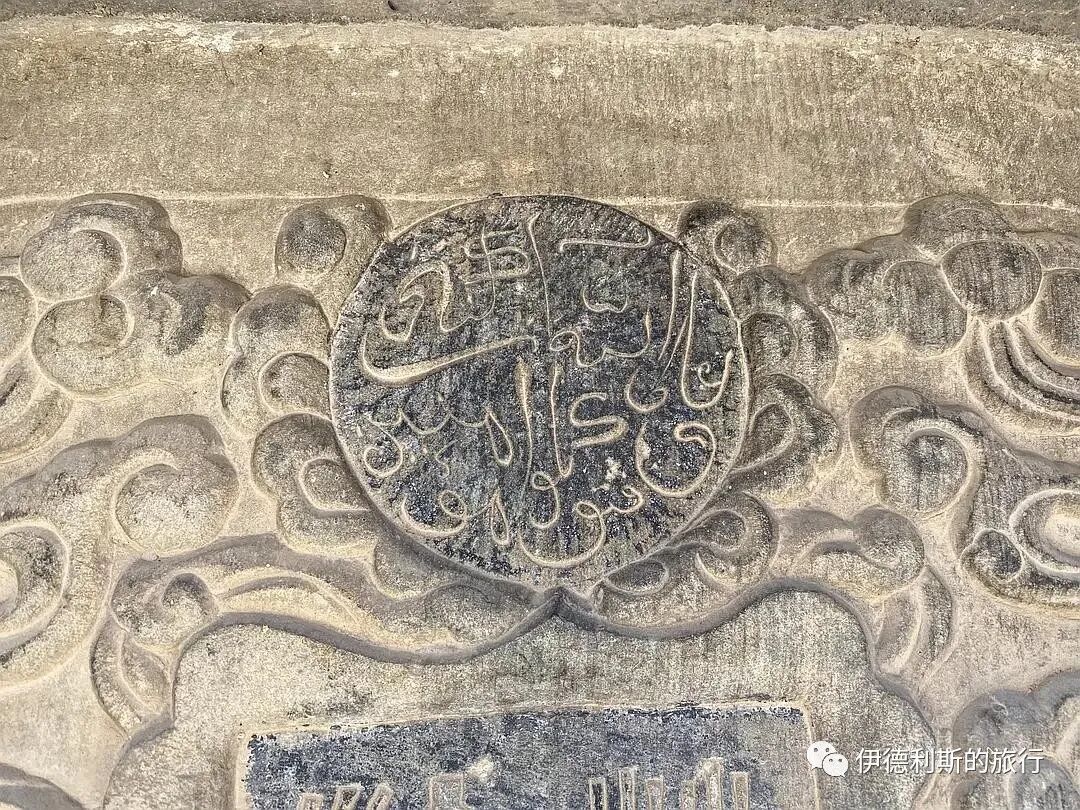
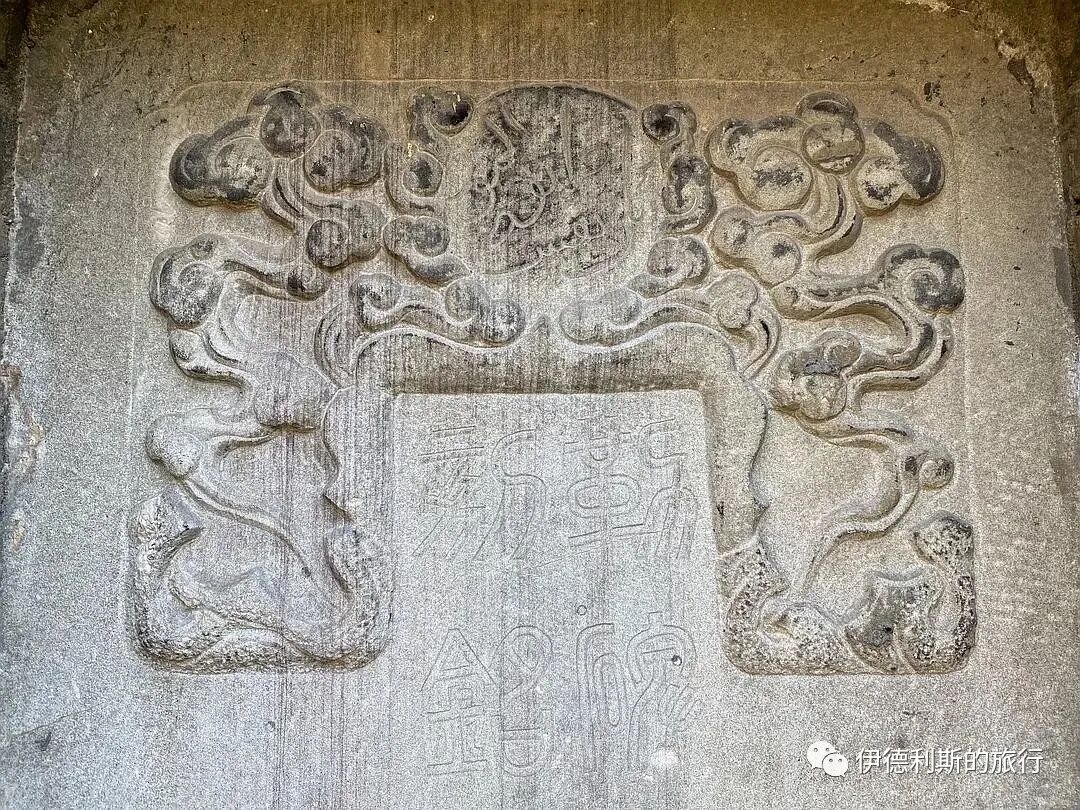
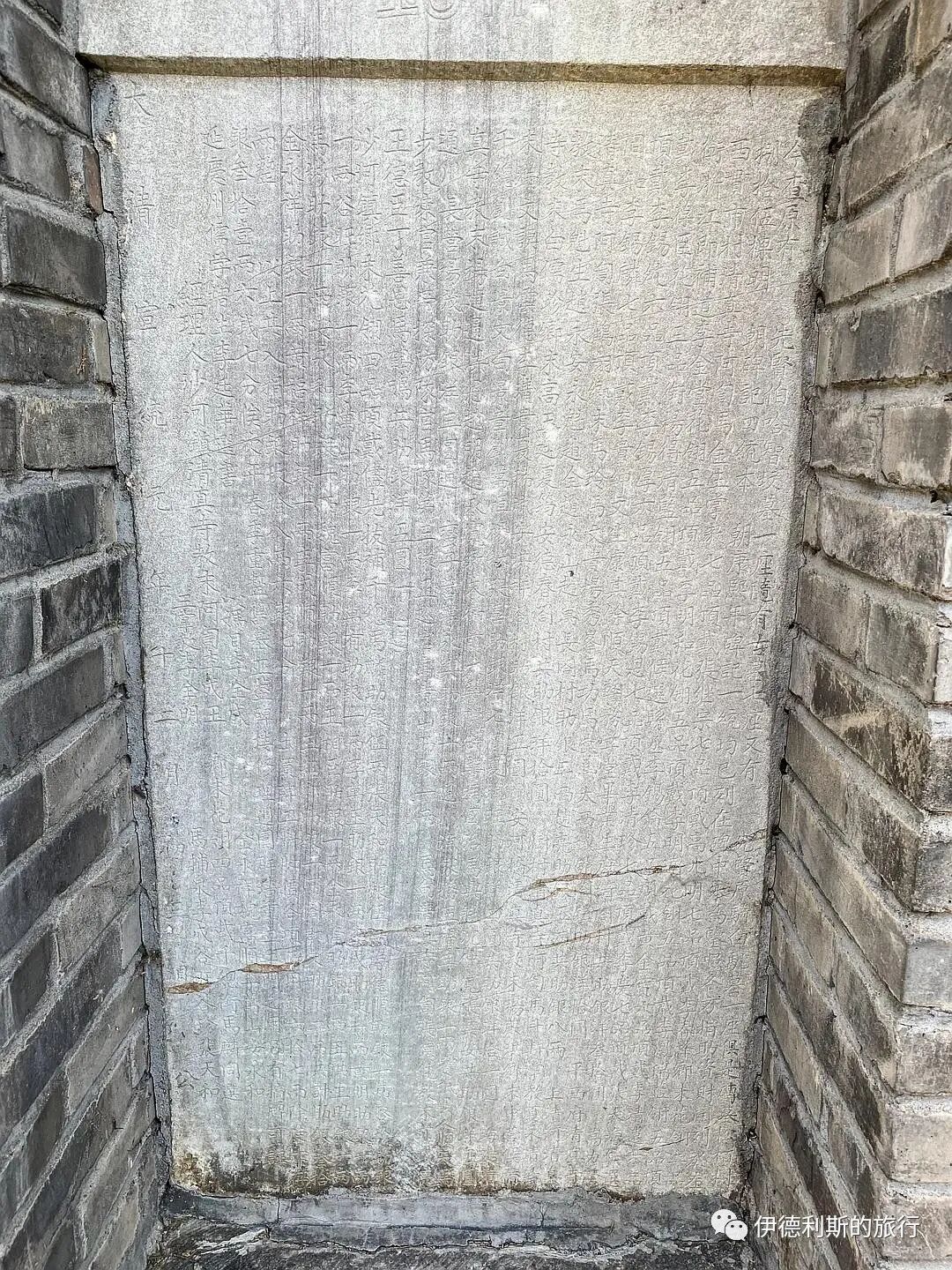
The back of the Xuantong stele records how Hui Muslims gave charity (nieti) to renovate the cemetery. The inscription says they reorganized the old cemetery, built a stele pavilion, repaired the surrounding walls, and rebuilt the second gate. Unfortunately, the stele pavilion, the walls, and the second gate are all gone now, leaving only the stone stele. Most of the donors on the stele were Hui Muslim officials ranging from the third to the seventh rank, including imperial physicians from the Imperial Hospital, cavalry and infantry instructors, and battalion commanders (qianzhong). There were also imams (ahong), religious leaders (zhangjiao), village elders, and community members from places like Xiguanshi, Gaoliying, Pingxifu, Shucun, Anheqiao, Haidian, Changying, Manziying, Yujiawu, Madian, and Shahe. The managers were the imam (imamu), ahong, and three religious leaders from the Shahe Town mosque.
As for other tombs of virtuous predecessors in the cemetery, we only know one is called the White Imam (Bai Imamu), and another, according to Uncle Zhang, belongs to an ahong's family. The names of the others are lost. Uncle Zhang said that in the past, you had to reach a certain rank to be buried in the Sheikh Baba cemetery.
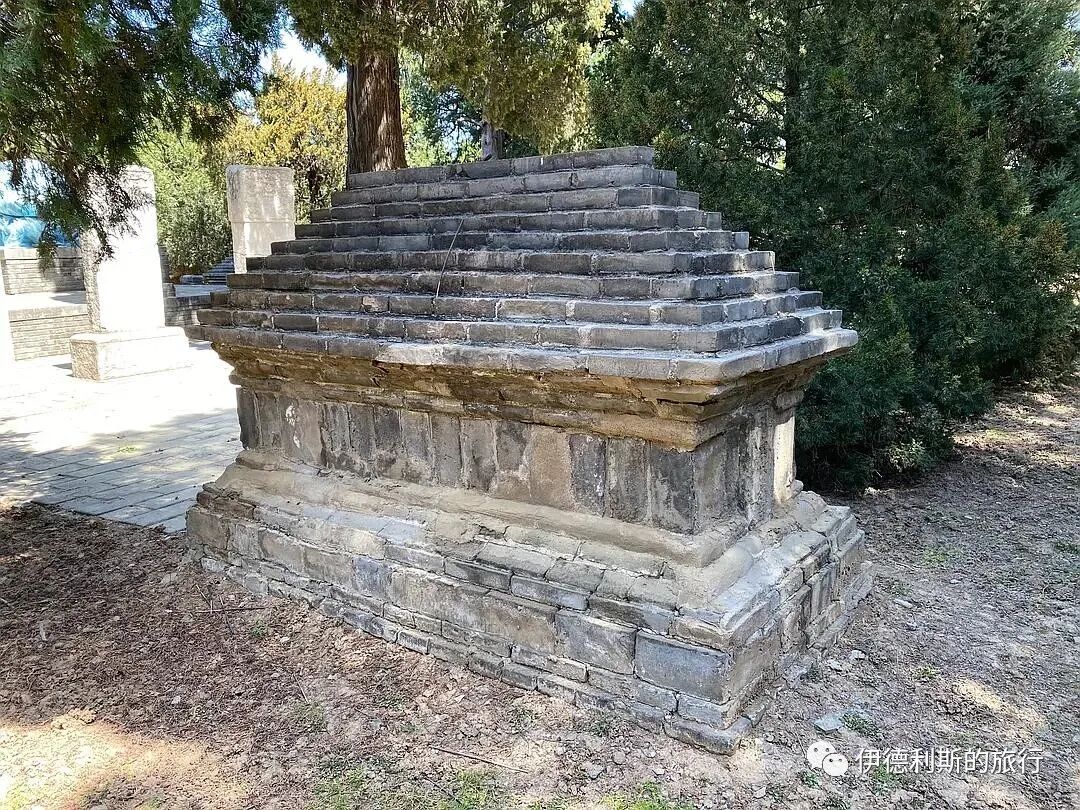
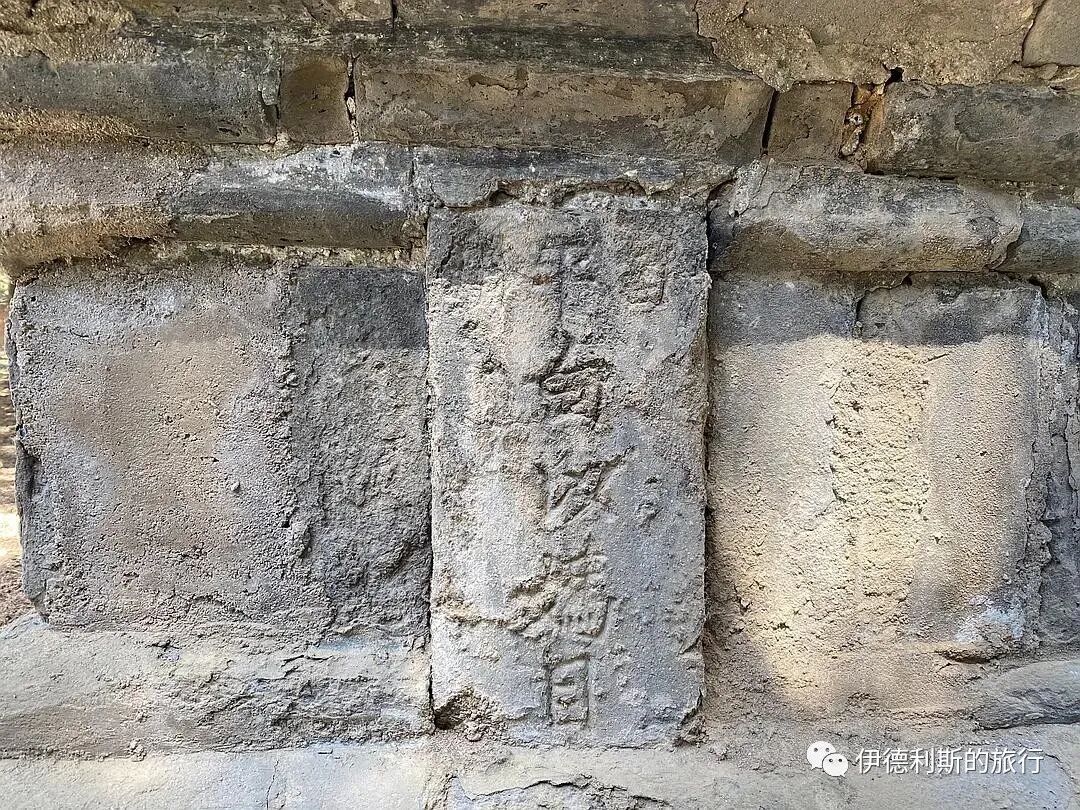
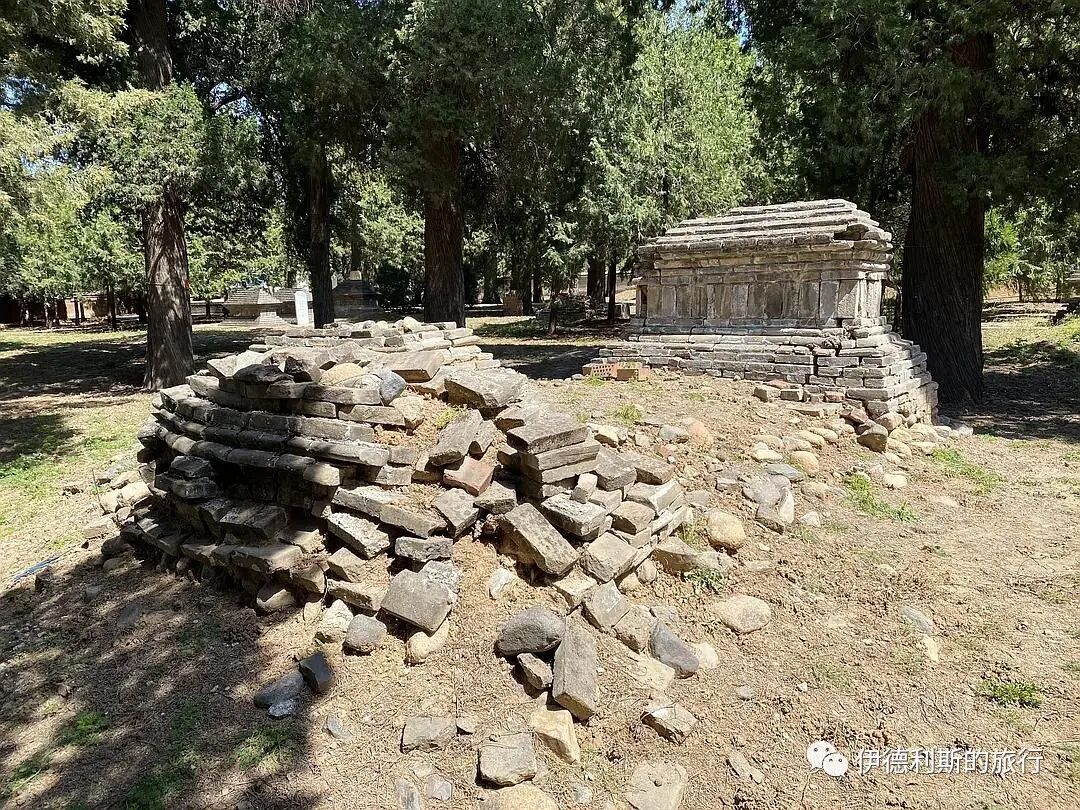
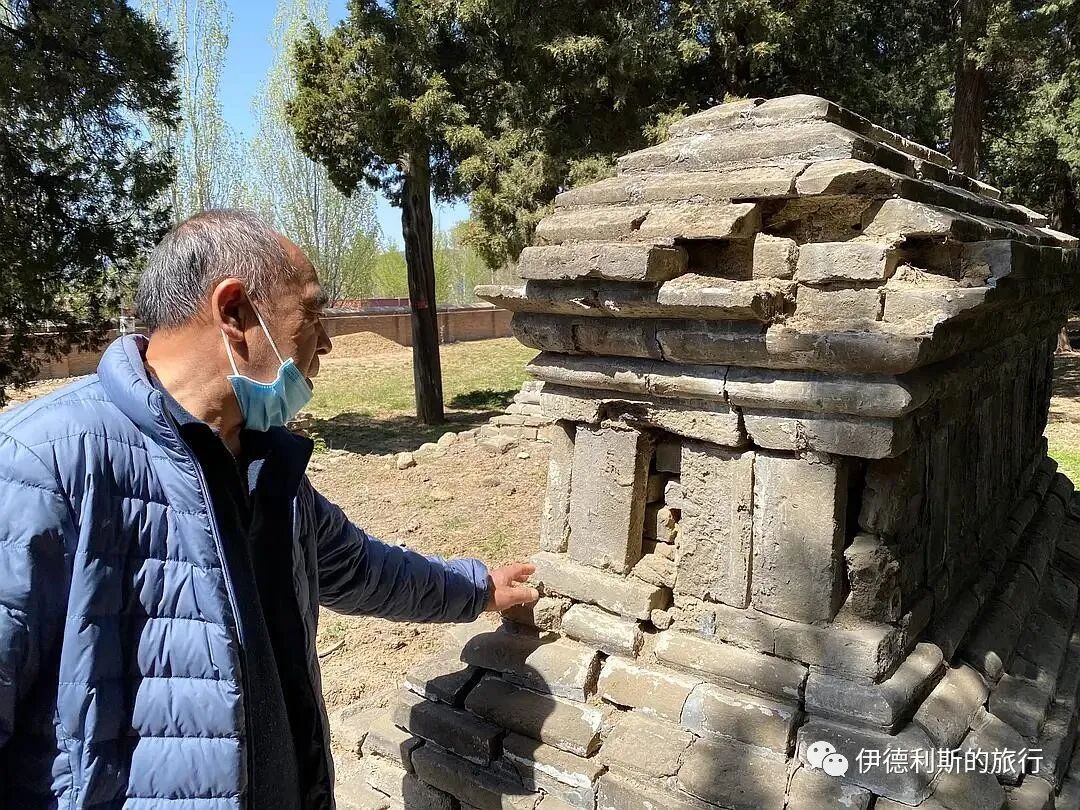
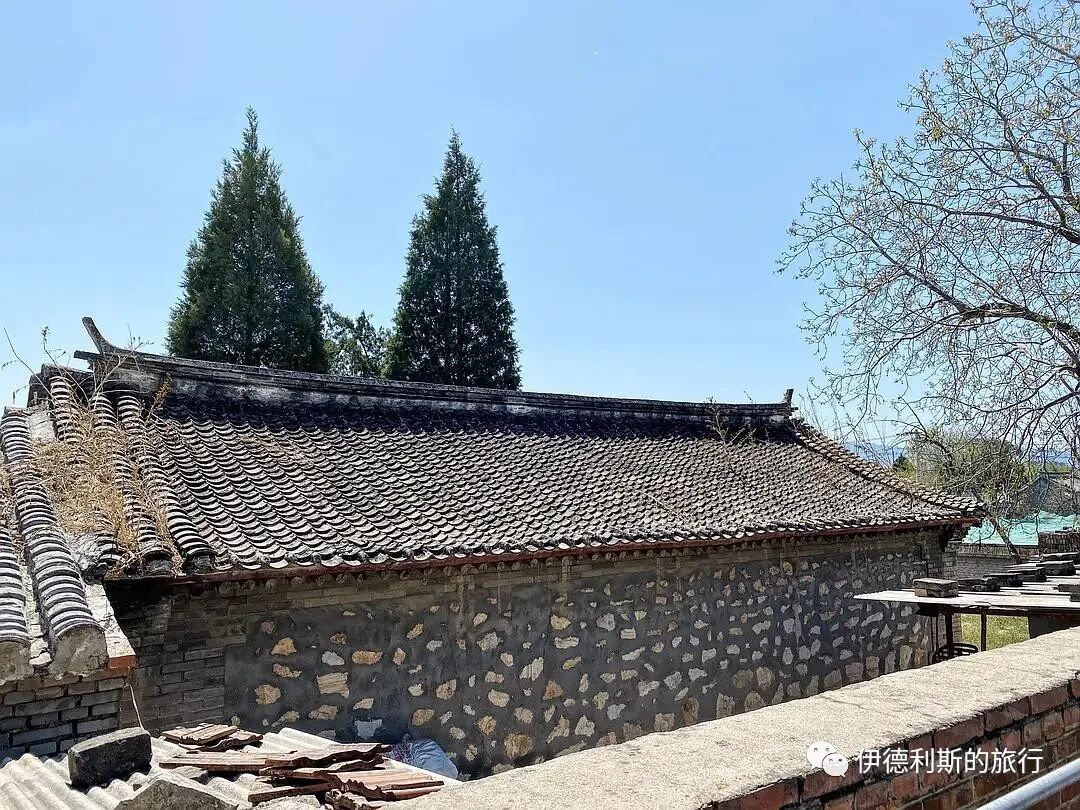
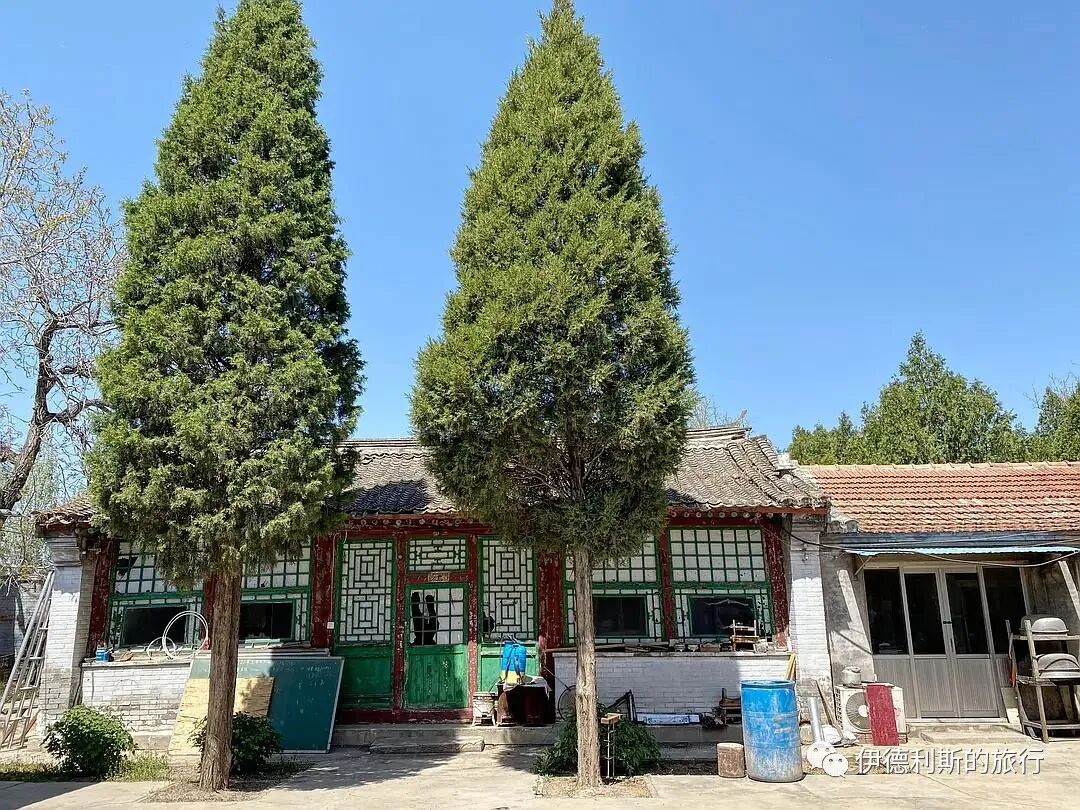
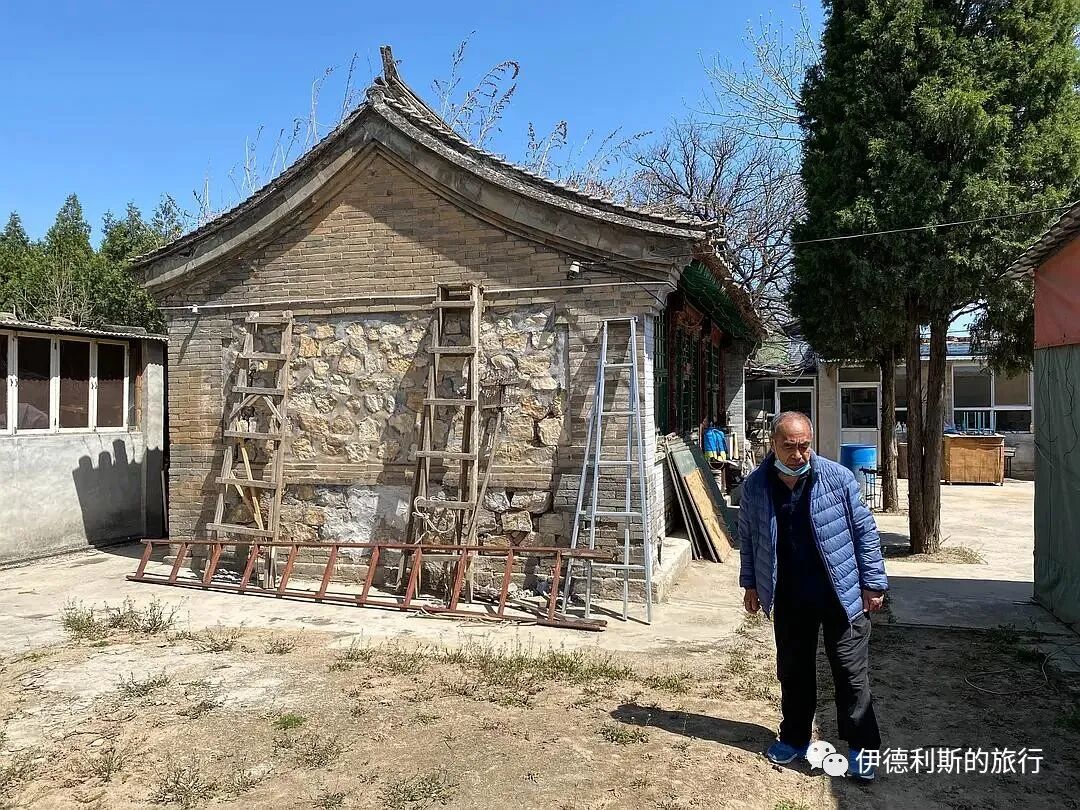
On the south side of the Bo Haji cemetery is the Heying mosque, which Uncle Zhang's family built in the 1930s. Only the north building of the old structure remains. You can see the middle of the walls are built with stones that Uncle Zhang's family hauled back from the mountains years ago. The ahong of the Heying mosque was forced to leave after the 1960s. After that, the mosque was mainly used by Hui Muslims from other places to visit graves and by local Hui Muslims for funerals (maiti). When policies were implemented in the 1980s, a mistake meant the mosque was not included in the cultural relic protection area for the Bo Haji tomb. Because of this, the nearly century-old mosque still does not have official cultural relic status. Uncle Zhang's family is currently using funds collected through community charity (nieti) to slowly save up, and they have started planning repairs for the old building.
Summary: Bohaji Tomb — Beijing Muslim History and Sufi Memory is presented here as a firsthand travel account in clear English, beginning with this scene: Last Saturday, I visited the tomb of the Western Regions sage Burhanuddin (Bohezhi) in Heying, Changping, Beijing. The account keeps its focus on Beijing Muslim History, Sufi Shrines, Muslim Heritage while preserving the names, places, food, and historical details from the Chinese source.
Last Saturday, I visited the tomb of the Western Regions sage Burhanuddin (Bohezhi) in Heying, Changping, Beijing. Locals also call it the Sheikh Baba (Shaihai Baba) tomb. We were warmly welcomed by Uncle Zhang, whose family has guarded the tomb for generations.
The records say Sheikh Baba came from Medina (Modena) to preach in China during the early years of the Hongwu reign of the Ming Dynasty. He eventually passed away in Heying, Changping, and is deeply respected by Hui Muslims. A 1713 (the 52nd year of the Kangxi reign) stele inside the cemetery says, 'He was a man from the Western Regions who came to the imperial court in the early Ming Dynasty to offer advice, but he refused the official title offered to him.' He asked to travel and teach the faith, and the emperor agreed. He lived with strict discipline and walked with purpose. He rode a white camel, and wherever he went, he did not fuss over minor details but focused on moral conduct. Those who had lost their way or acted improperly saw his pure character and began to correct themselves, striving to improve. Because of this, the customs of our village changed, and our faith flourished. The Ming Emperor Taizu admired his virtue and treated him with great respect. Later, he returned to Changping and died of old age. Our villagers buried him on the sunny side of Beishao, and the white camel he rode was buried beside his tomb.
At the same time, locals pass down legends of Burhanuddin ridding the people of evil, such as the story of him slaying a giant python on Mangshan Mountain. The Qing Dynasty's 'Changping Prefecture Gazetteer' (Kangxi edition), Volume 26, section on 'Hui Muslim Miracles,' records: 'A man from Medina with spiritual power died and was buried in Hejiaying, east of the prefecture, where he often showed signs of his holiness.' During the chaos of the rebel invasion, the countryside was trampled, but the grass on this tomb remained untouched. The villagers who hid there were all kept safe and sound. At the time, people saw a Hui Muslim dressed in white sitting at the tomb gate, and the soldiers never reached it. No one understood why. Was Muhammad born with divine power, and is this his descendant?
According to a stone tablet record from 1909 (the first year of the Xuantong reign), it has long been a tradition for imperial officials and Hui Muslims to visit the tomb for prayers every year on the 24th day of the third lunar month. From the Ming dynasty until today, local Hui Muslims and those from surrounding areas have come to visit the tomb of Sheikh Baba (Shaihai Baba) on the 24th day of the third lunar month without fail.
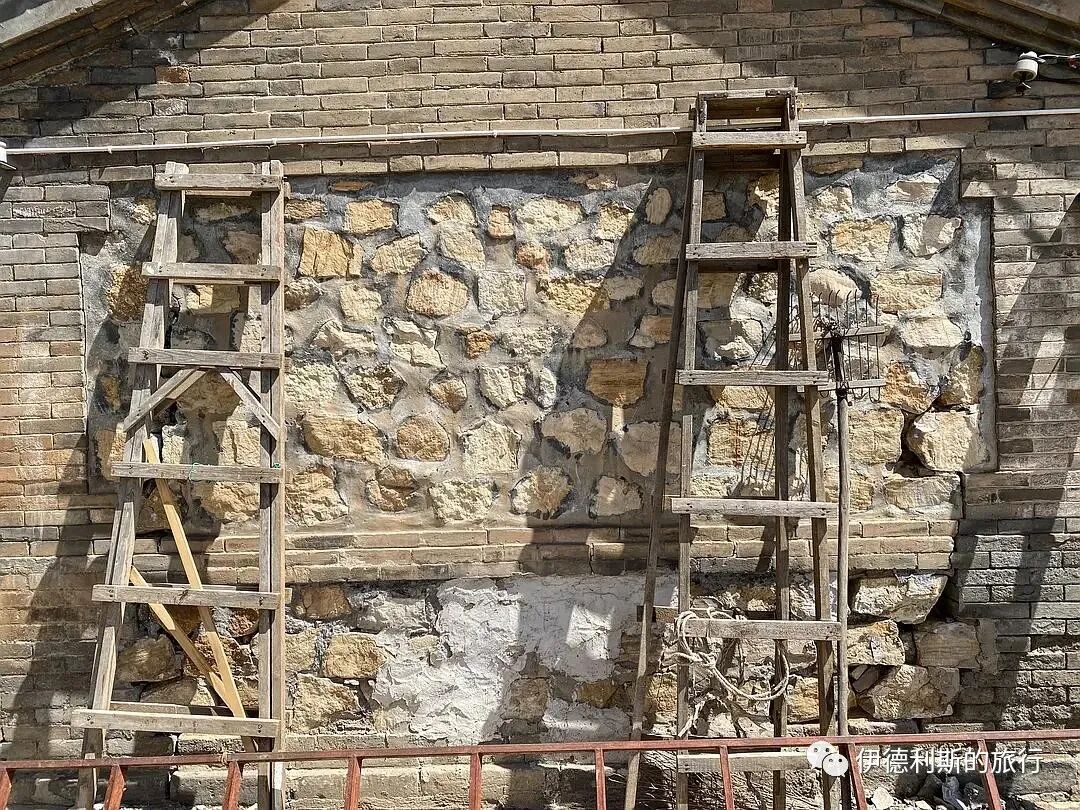
The tomb of Sheikh Baba and the white camel he rode. During the renovation in the 1990s, due to limited awareness of cultural relics at the time, the original stone slabs were replaced with cement-covered bricks. Now, only a few of the original stone slabs remain.
Five stone tablets from the Ming and Qing dynasties are currently preserved in front of the tomb.
The Tomb Tablet of Bo Ha Zhi, written by Zhou Wenyuan in 1578 (the sixth year of the Wanli reign), which also features an Arabic inscription at the top.
A stone tablet from 1618 (the 46th year of the Ming Wanli reign), inscribed by Zhang Dajin, who served as the Deputy General of the Divine Engine Division and Assistant Commissioner of the Chief Military Commission. Uncle Zhang said that the descendants of the person who wrote the tablet now live in Linxia. Because it is recorded in their family genealogy, they previously came here specifically to make a rubbing of this stone tablet.
The most unique thing about this stone tablet is that the back records how the ancestors of the Hui Muslims used astrology for divination. According to Uncle Zhang, they would recite the Fatiha and then throw stones to perform the divination. Although the inscription is damaged, you can still see parts that say, 'Ali passed down a method of divination to the world, but those who follow the Hui religion... before doing anything, check if it is auspicious... grab a handful of stones with your right hand... this is the astrology of good fortune...' It then explains the results based on the number of stones: 'If you get four stones, it is ruled by Saturn, and what you plan will not succeed... If you get six stones, it is ruled by the Moon, and what you hope for will succeed... If you get seven stones, it is ruled by Mercury, and you will win over others...'
The 'Stele of Loyalty of the Worthy' (Xianxian Zhongyi Bei) was written and titled by Yang Yingduan in 1619 (the 47th year of the Wanli reign).
The 'Tombstone of Bo Haji' (Bo Haji Mubei) was written by Ma Jinliang in 1713 (the 52nd year of the Kangxi reign). Ma Jinliang was a famous Hui Muslim military officer in the early Qing Dynasty. When he wrote the stele, he was the Regional Commander (Zongbing Guan) and Assistant Commissioner-in-Chief (Dudu Tongzhi) stationed at Gubeikou, known to people as 'Hui Muslim General Ma'. In 1696 (the 35th year of the Kangxi reign), Ma Jinliang followed the Kangxi Emperor to fight Galdan. He performed with great merit and was awarded the title 'Valiant General' (Xiaoyong Jiangjun). On his way back, he passed through Changping and donated money to renovate the tomb of Bo Haji. In 1713 (the 52nd year of the Kangxi reign), Ma Jinliang passed by the tomb of Bo Haji again and 'repaired the walls, marked the boundaries, and fixed the tomb gate and the spirit path.' Afterward, he erected this stone tablet.
There were once 85 ancient cypress trees planted in the early Ming Dynasty inside the Bo Haji tomb. Later, 17 died, and 68 remain today. It is the best-preserved site of Ming Dynasty ancient trees in Changping District, outside of the Ming Tombs.
Inside the cemetery, there is a 'Notice Tablet for the Protection of Bo Haji's Tomb' (Baohu Bo Haji Mu Gaoshi Bei) erected in 1909 (the first year of the Xuantong reign). It records the story of how Hui Muslims protected these ancient trees over 110 years ago, which was a major case of deforestation and forest protection in Changping at the end of the Qing Dynasty. In the final years of the Guangxu reign, some people in Heying tried to cut down ancient trees to sell for public funds because their school budget was short. Local Hui Muslims reported them to the Changping Prefecture. After a trial, the Hui Muslims won the case, and it was finally ruled that no one could suggest cutting down the pine and cypress trees in front of the sheikh's tomb, or they would face investigation.
The back of the Xuantong stele records how Hui Muslims gave charity (nieti) to renovate the cemetery. The inscription says they reorganized the old cemetery, built a stele pavilion, repaired the surrounding walls, and rebuilt the second gate. Unfortunately, the stele pavilion, the walls, and the second gate are all gone now, leaving only the stone stele. Most of the donors on the stele were Hui Muslim officials ranging from the third to the seventh rank, including imperial physicians from the Imperial Hospital, cavalry and infantry instructors, and battalion commanders (qianzhong). There were also imams (ahong), religious leaders (zhangjiao), village elders, and community members from places like Xiguanshi, Gaoliying, Pingxifu, Shucun, Anheqiao, Haidian, Changying, Manziying, Yujiawu, Madian, and Shahe. The managers were the imam (imamu), ahong, and three religious leaders from the Shahe Town mosque.
As for other tombs of virtuous predecessors in the cemetery, we only know one is called the White Imam (Bai Imamu), and another, according to Uncle Zhang, belongs to an ahong's family. The names of the others are lost. Uncle Zhang said that in the past, you had to reach a certain rank to be buried in the Sheikh Baba cemetery.
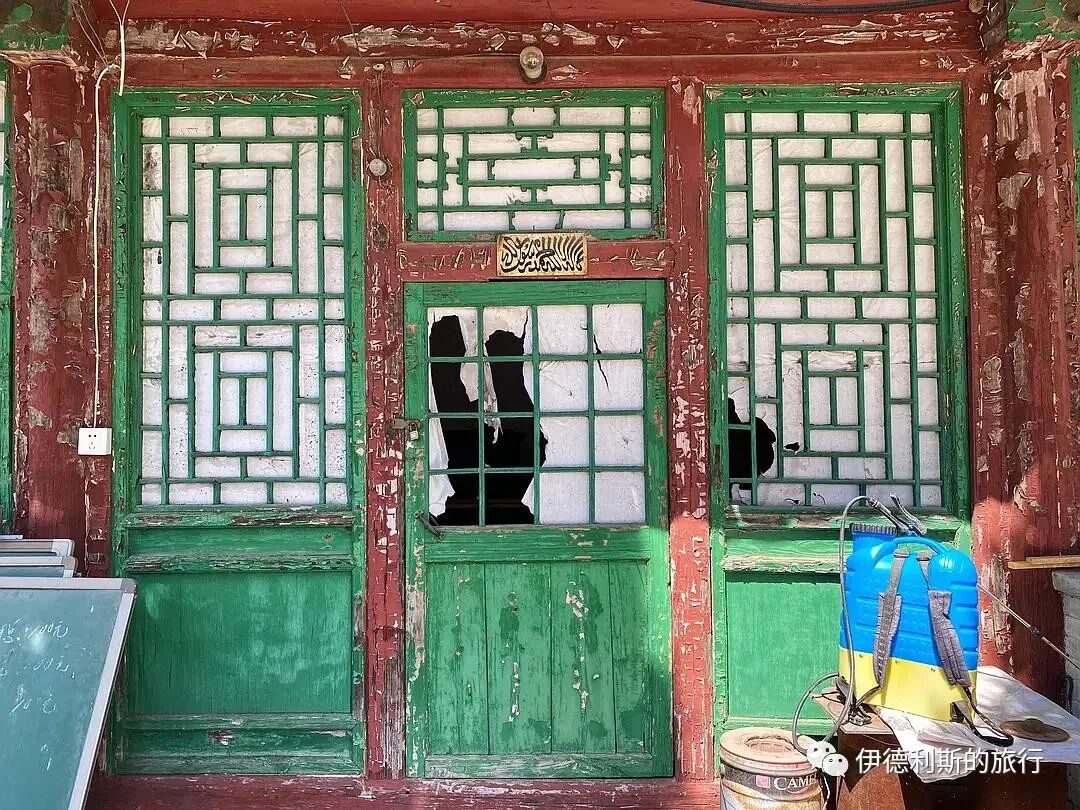
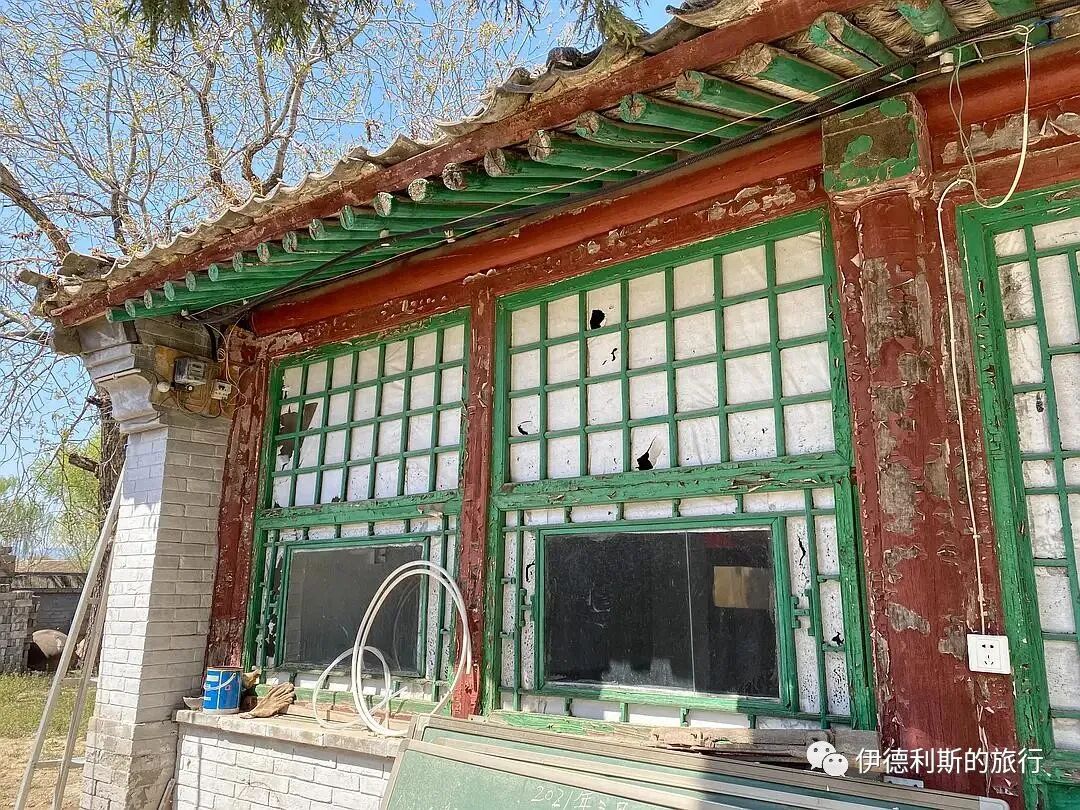
On the south side of the Bo Haji cemetery is the Heying mosque, which Uncle Zhang's family built in the 1930s. Only the north building of the old structure remains. You can see the middle of the walls are built with stones that Uncle Zhang's family hauled back from the mountains years ago. The ahong of the Heying mosque was forced to leave after the 1960s. After that, the mosque was mainly used by Hui Muslims from other places to visit graves and by local Hui Muslims for funerals (maiti). When policies were implemented in the 1980s, a mistake meant the mosque was not included in the cultural relic protection area for the Bo Haji tomb. Because of this, the nearly century-old mosque still does not have official cultural relic status. Uncle Zhang's family is currently using funds collected through community charity (nieti) to slowly save up, and they have started planning repairs for the old building.
Exploring the Lingmingtang Gongbei in Sanying, Guyuan: Architecture and Origins of a Sufi Sanctuary in Southern Ningxia
Articles • Hasan09 posted the article • 0 comments • 38 views • 4 days ago
[Internet Repost]
A Visual and Historical Dive into the Sanying Lingmingtang Gongbei in Guyuan: Architectural Style and Origins of a Southern Ningxia Sufi Sanctuary
Abstract:
A detailed look at the Lingmingtang Gongbei located in Sanying Town, Guyuan City, Ningxia. Exploring its history—originally known as the 'Mingyue Hall' and founded by the revered elder Ma Renpu—and showcasing its serene, contemplative retreat space featuring classical Chinese architectural elements with green tiles, red pillars, and multi-layered flying eaves.
The Sanying Lingmingtang Gongbei in Guyuan, Ningxia, was originally called Mingyue Hall (Bright Moon Hall). It was founded by Ma Renpu, a disciple of the second-generation Sufi master Shan Jiujiu from the Lanzhou Lingmingtang.
The revered elder Ma Renpu, also known by his Arabic name Sufi, was originally from Matun Village, Gouzhi Town, Yanshi City, Henan Province. Born in 1910, he started elementary school at age eight, where he was remarkably bright with a photographic memory. Due to financial hardship, he eventually had to drop out and continued studying academics and religious knowledge alongside his father. Although his formal schooling was limited, he taught himself both Islamic texts and Chinese, eventually authoring the book 'Huayu Dianzhen' (Illuminating Truth to Overcome Ignorance). In 1932, he moved to Guyuan, Ningxia, to start a small business, later specializing in the fur trade, which meant frequent travels between Guyuan and Lanzhou. During this time, he connected with followers of the Lanzhou Lingmingtang and developed a deep interest in its doctrines and mission. In 1936, introduced by Yang Baoguo from Lijun, Haiyuan County, he became a disciple of the second-generation Lingmingtang master Shan Jiujiu, officially becoming a devoted follower of the Lingmingtang order.
During the War of Resistance Against Japanese Aggression, persistent warfare and famines in Henan forced many Muslims to migrate westward to escape the turmoil. Over 300 households fled and settled in the Sanying area of Guyuan, Ningxia. Ma Renpu, who had arrived earlier, offered wholehearted support and assistance to his fellow hometown folks. In 1942, he purchased 28 mu of land in Xishaliang, Sanying, and built a south-facing courtyard complex featuring a five-bay brick-and-wood main prayer hall. He also constructed 21 auxiliary rooms, including scripture study rooms, dormitories for imams and madrasa students (mallas), a wudu (ablution) water room, and a kitchen, transforming it into a fully equipped, well-rounded masjid. Shortly after the mosque was completed, the community unanimously elected Ma Renpu as its first imam. Right after taking office, Ma traveled to Lanzhou Lingmingtang to study Arabic and religious sciences while engaging in rigorous spiritual practice under the guidance of his master, Shan Jiujiu. In 1944, commissioned by Elder Shan, he returned to Guyuan Sanying to propagate the faith, dedicating himself to spreading the teachings of the Lingmingtang menhuan (Sufi order). His efforts led the entire congregation of the 'Sanying Xiliang Henan Mosque' to join the Lingmingtang. The Henan Mosque was subsequently renamed Mingyue Hall and served as a center for teaching the Sufi path. When the Guyuan Hui Autonomous Prefecture was established in 1955, elder Ma Renpu was appointed as a member of the prefecture's political consultative committee. In August 1958, caught up in the overextensions of the anti-feudal 'religious reforms,' Ma Renpu was wrongfully labeled a counterrevolutionary and imprisoned. He passed away (returned to Allah) on the 2nd day of the 4th lunar month in 1960 at the age of 51.
Following his passing in 1960, the revered elder Ma Renpu was initially buried in the local Muslim cemetery. On the 24th day of the 7th lunar month in 1986, led by Imam Wang Shouetian of the Lanzhou Lingmingtang Gongbei, Ma Renpu's remains were relocated from the public cemetery to the center of the original dao tang (Sufi hall) courtyard, where a double-layered hexagonal domed tomb pavilion (gongbei shrine) was built for him. Over time, additional structures were gradually added, including a front porch (baosha), dormitories for imams and mallas, study rooms, a water room, and a kitchen. In 1910—[Note: referring to 2010 renovation]—the original imam and malla dormitories and water rooms were renovated and expanded, replacing the single-story brick-and-wood structures with flat-roofed brick-concrete buildings, alongside a magnificent, towering, traditional-style brick-carved triple gate (sanhuamen). In 2012, a new main prayer hall was built on the west side of the dao tang, fronted by 13 bays of traditional-style brick-and-wood verandas and a circular gate. Behind the octagonal pavilion, a large brick-carved spirit wall (zhaobi) was erected, connected on both ends to the front guest rooms by brick-carved courtyard walls, turning the octagonal shrine courtyard into a 'courtyard within a courtyard' and giving the entire gongbei complex the outline of the Chinese character 'hui' (回).
Today, this auspicious sanctuary and its gongbei architecture stand as a stunning landmark across the landscape of Ningxia and along the Baotou-Zhongwei Railway corridor. view all
A Visual and Historical Dive into the Sanying Lingmingtang Gongbei in Guyuan: Architectural Style and Origins of a Southern Ningxia Sufi Sanctuary
Abstract:
A detailed look at the Lingmingtang Gongbei located in Sanying Town, Guyuan City, Ningxia. Exploring its history—originally known as the 'Mingyue Hall' and founded by the revered elder Ma Renpu—and showcasing its serene, contemplative retreat space featuring classical Chinese architectural elements with green tiles, red pillars, and multi-layered flying eaves.
The Sanying Lingmingtang Gongbei in Guyuan, Ningxia, was originally called Mingyue Hall (Bright Moon Hall). It was founded by Ma Renpu, a disciple of the second-generation Sufi master Shan Jiujiu from the Lanzhou Lingmingtang.
The revered elder Ma Renpu, also known by his Arabic name Sufi, was originally from Matun Village, Gouzhi Town, Yanshi City, Henan Province. Born in 1910, he started elementary school at age eight, where he was remarkably bright with a photographic memory. Due to financial hardship, he eventually had to drop out and continued studying academics and religious knowledge alongside his father. Although his formal schooling was limited, he taught himself both Islamic texts and Chinese, eventually authoring the book 'Huayu Dianzhen' (Illuminating Truth to Overcome Ignorance). In 1932, he moved to Guyuan, Ningxia, to start a small business, later specializing in the fur trade, which meant frequent travels between Guyuan and Lanzhou. During this time, he connected with followers of the Lanzhou Lingmingtang and developed a deep interest in its doctrines and mission. In 1936, introduced by Yang Baoguo from Lijun, Haiyuan County, he became a disciple of the second-generation Lingmingtang master Shan Jiujiu, officially becoming a devoted follower of the Lingmingtang order.
During the War of Resistance Against Japanese Aggression, persistent warfare and famines in Henan forced many Muslims to migrate westward to escape the turmoil. Over 300 households fled and settled in the Sanying area of Guyuan, Ningxia. Ma Renpu, who had arrived earlier, offered wholehearted support and assistance to his fellow hometown folks. In 1942, he purchased 28 mu of land in Xishaliang, Sanying, and built a south-facing courtyard complex featuring a five-bay brick-and-wood main prayer hall. He also constructed 21 auxiliary rooms, including scripture study rooms, dormitories for imams and madrasa students (mallas), a wudu (ablution) water room, and a kitchen, transforming it into a fully equipped, well-rounded masjid. Shortly after the mosque was completed, the community unanimously elected Ma Renpu as its first imam. Right after taking office, Ma traveled to Lanzhou Lingmingtang to study Arabic and religious sciences while engaging in rigorous spiritual practice under the guidance of his master, Shan Jiujiu. In 1944, commissioned by Elder Shan, he returned to Guyuan Sanying to propagate the faith, dedicating himself to spreading the teachings of the Lingmingtang menhuan (Sufi order). His efforts led the entire congregation of the 'Sanying Xiliang Henan Mosque' to join the Lingmingtang. The Henan Mosque was subsequently renamed Mingyue Hall and served as a center for teaching the Sufi path. When the Guyuan Hui Autonomous Prefecture was established in 1955, elder Ma Renpu was appointed as a member of the prefecture's political consultative committee. In August 1958, caught up in the overextensions of the anti-feudal 'religious reforms,' Ma Renpu was wrongfully labeled a counterrevolutionary and imprisoned. He passed away (returned to Allah) on the 2nd day of the 4th lunar month in 1960 at the age of 51.
Following his passing in 1960, the revered elder Ma Renpu was initially buried in the local Muslim cemetery. On the 24th day of the 7th lunar month in 1986, led by Imam Wang Shouetian of the Lanzhou Lingmingtang Gongbei, Ma Renpu's remains were relocated from the public cemetery to the center of the original dao tang (Sufi hall) courtyard, where a double-layered hexagonal domed tomb pavilion (gongbei shrine) was built for him. Over time, additional structures were gradually added, including a front porch (baosha), dormitories for imams and mallas, study rooms, a water room, and a kitchen. In 1910—[Note: referring to 2010 renovation]—the original imam and malla dormitories and water rooms were renovated and expanded, replacing the single-story brick-and-wood structures with flat-roofed brick-concrete buildings, alongside a magnificent, towering, traditional-style brick-carved triple gate (sanhuamen). In 2012, a new main prayer hall was built on the west side of the dao tang, fronted by 13 bays of traditional-style brick-and-wood verandas and a circular gate. Behind the octagonal pavilion, a large brick-carved spirit wall (zhaobi) was erected, connected on both ends to the front guest rooms by brick-carved courtyard walls, turning the octagonal shrine courtyard into a 'courtyard within a courtyard' and giving the entire gongbei complex the outline of the Chinese character 'hui' (回).
Today, this auspicious sanctuary and its gongbei architecture stand as a stunning landmark across the landscape of Ningxia and along the Baotou-Zhongwei Railway corridor. view all
[Internet Repost]
A Visual and Historical Dive into the Sanying Lingmingtang Gongbei in Guyuan: Architectural Style and Origins of a Southern Ningxia Sufi Sanctuary
Abstract:
A detailed look at the Lingmingtang Gongbei located in Sanying Town, Guyuan City, Ningxia. Exploring its history—originally known as the 'Mingyue Hall' and founded by the revered elder Ma Renpu—and showcasing its serene, contemplative retreat space featuring classical Chinese architectural elements with green tiles, red pillars, and multi-layered flying eaves.
The Sanying Lingmingtang Gongbei in Guyuan, Ningxia, was originally called Mingyue Hall (Bright Moon Hall). It was founded by Ma Renpu, a disciple of the second-generation Sufi master Shan Jiujiu from the Lanzhou Lingmingtang.
The revered elder Ma Renpu, also known by his Arabic name Sufi, was originally from Matun Village, Gouzhi Town, Yanshi City, Henan Province. Born in 1910, he started elementary school at age eight, where he was remarkably bright with a photographic memory. Due to financial hardship, he eventually had to drop out and continued studying academics and religious knowledge alongside his father. Although his formal schooling was limited, he taught himself both Islamic texts and Chinese, eventually authoring the book 'Huayu Dianzhen' (Illuminating Truth to Overcome Ignorance). In 1932, he moved to Guyuan, Ningxia, to start a small business, later specializing in the fur trade, which meant frequent travels between Guyuan and Lanzhou. During this time, he connected with followers of the Lanzhou Lingmingtang and developed a deep interest in its doctrines and mission. In 1936, introduced by Yang Baoguo from Lijun, Haiyuan County, he became a disciple of the second-generation Lingmingtang master Shan Jiujiu, officially becoming a devoted follower of the Lingmingtang order.
During the War of Resistance Against Japanese Aggression, persistent warfare and famines in Henan forced many Muslims to migrate westward to escape the turmoil. Over 300 households fled and settled in the Sanying area of Guyuan, Ningxia. Ma Renpu, who had arrived earlier, offered wholehearted support and assistance to his fellow hometown folks. In 1942, he purchased 28 mu of land in Xishaliang, Sanying, and built a south-facing courtyard complex featuring a five-bay brick-and-wood main prayer hall. He also constructed 21 auxiliary rooms, including scripture study rooms, dormitories for imams and madrasa students (mallas), a wudu (ablution) water room, and a kitchen, transforming it into a fully equipped, well-rounded masjid. Shortly after the mosque was completed, the community unanimously elected Ma Renpu as its first imam. Right after taking office, Ma traveled to Lanzhou Lingmingtang to study Arabic and religious sciences while engaging in rigorous spiritual practice under the guidance of his master, Shan Jiujiu. In 1944, commissioned by Elder Shan, he returned to Guyuan Sanying to propagate the faith, dedicating himself to spreading the teachings of the Lingmingtang menhuan (Sufi order). His efforts led the entire congregation of the 'Sanying Xiliang Henan Mosque' to join the Lingmingtang. The Henan Mosque was subsequently renamed Mingyue Hall and served as a center for teaching the Sufi path. When the Guyuan Hui Autonomous Prefecture was established in 1955, elder Ma Renpu was appointed as a member of the prefecture's political consultative committee. In August 1958, caught up in the overextensions of the anti-feudal 'religious reforms,' Ma Renpu was wrongfully labeled a counterrevolutionary and imprisoned. He passed away (returned to Allah) on the 2nd day of the 4th lunar month in 1960 at the age of 51.
Following his passing in 1960, the revered elder Ma Renpu was initially buried in the local Muslim cemetery. On the 24th day of the 7th lunar month in 1986, led by Imam Wang Shouetian of the Lanzhou Lingmingtang Gongbei, Ma Renpu's remains were relocated from the public cemetery to the center of the original dao tang (Sufi hall) courtyard, where a double-layered hexagonal domed tomb pavilion (gongbei shrine) was built for him. Over time, additional structures were gradually added, including a front porch (baosha), dormitories for imams and mallas, study rooms, a water room, and a kitchen. In 1910—[Note: referring to 2010 renovation]—the original imam and malla dormitories and water rooms were renovated and expanded, replacing the single-story brick-and-wood structures with flat-roofed brick-concrete buildings, alongside a magnificent, towering, traditional-style brick-carved triple gate (sanhuamen). In 2012, a new main prayer hall was built on the west side of the dao tang, fronted by 13 bays of traditional-style brick-and-wood verandas and a circular gate. Behind the octagonal pavilion, a large brick-carved spirit wall (zhaobi) was erected, connected on both ends to the front guest rooms by brick-carved courtyard walls, turning the octagonal shrine courtyard into a 'courtyard within a courtyard' and giving the entire gongbei complex the outline of the Chinese character 'hui' (回).
Today, this auspicious sanctuary and its gongbei architecture stand as a stunning landmark across the landscape of Ningxia and along the Baotou-Zhongwei Railway corridor.
A Visual and Historical Dive into the Sanying Lingmingtang Gongbei in Guyuan: Architectural Style and Origins of a Southern Ningxia Sufi Sanctuary
Abstract:
A detailed look at the Lingmingtang Gongbei located in Sanying Town, Guyuan City, Ningxia. Exploring its history—originally known as the 'Mingyue Hall' and founded by the revered elder Ma Renpu—and showcasing its serene, contemplative retreat space featuring classical Chinese architectural elements with green tiles, red pillars, and multi-layered flying eaves.
The Sanying Lingmingtang Gongbei in Guyuan, Ningxia, was originally called Mingyue Hall (Bright Moon Hall). It was founded by Ma Renpu, a disciple of the second-generation Sufi master Shan Jiujiu from the Lanzhou Lingmingtang.
The revered elder Ma Renpu, also known by his Arabic name Sufi, was originally from Matun Village, Gouzhi Town, Yanshi City, Henan Province. Born in 1910, he started elementary school at age eight, where he was remarkably bright with a photographic memory. Due to financial hardship, he eventually had to drop out and continued studying academics and religious knowledge alongside his father. Although his formal schooling was limited, he taught himself both Islamic texts and Chinese, eventually authoring the book 'Huayu Dianzhen' (Illuminating Truth to Overcome Ignorance). In 1932, he moved to Guyuan, Ningxia, to start a small business, later specializing in the fur trade, which meant frequent travels between Guyuan and Lanzhou. During this time, he connected with followers of the Lanzhou Lingmingtang and developed a deep interest in its doctrines and mission. In 1936, introduced by Yang Baoguo from Lijun, Haiyuan County, he became a disciple of the second-generation Lingmingtang master Shan Jiujiu, officially becoming a devoted follower of the Lingmingtang order.
During the War of Resistance Against Japanese Aggression, persistent warfare and famines in Henan forced many Muslims to migrate westward to escape the turmoil. Over 300 households fled and settled in the Sanying area of Guyuan, Ningxia. Ma Renpu, who had arrived earlier, offered wholehearted support and assistance to his fellow hometown folks. In 1942, he purchased 28 mu of land in Xishaliang, Sanying, and built a south-facing courtyard complex featuring a five-bay brick-and-wood main prayer hall. He also constructed 21 auxiliary rooms, including scripture study rooms, dormitories for imams and madrasa students (mallas), a wudu (ablution) water room, and a kitchen, transforming it into a fully equipped, well-rounded masjid. Shortly after the mosque was completed, the community unanimously elected Ma Renpu as its first imam. Right after taking office, Ma traveled to Lanzhou Lingmingtang to study Arabic and religious sciences while engaging in rigorous spiritual practice under the guidance of his master, Shan Jiujiu. In 1944, commissioned by Elder Shan, he returned to Guyuan Sanying to propagate the faith, dedicating himself to spreading the teachings of the Lingmingtang menhuan (Sufi order). His efforts led the entire congregation of the 'Sanying Xiliang Henan Mosque' to join the Lingmingtang. The Henan Mosque was subsequently renamed Mingyue Hall and served as a center for teaching the Sufi path. When the Guyuan Hui Autonomous Prefecture was established in 1955, elder Ma Renpu was appointed as a member of the prefecture's political consultative committee. In August 1958, caught up in the overextensions of the anti-feudal 'religious reforms,' Ma Renpu was wrongfully labeled a counterrevolutionary and imprisoned. He passed away (returned to Allah) on the 2nd day of the 4th lunar month in 1960 at the age of 51.
Following his passing in 1960, the revered elder Ma Renpu was initially buried in the local Muslim cemetery. On the 24th day of the 7th lunar month in 1986, led by Imam Wang Shouetian of the Lanzhou Lingmingtang Gongbei, Ma Renpu's remains were relocated from the public cemetery to the center of the original dao tang (Sufi hall) courtyard, where a double-layered hexagonal domed tomb pavilion (gongbei shrine) was built for him. Over time, additional structures were gradually added, including a front porch (baosha), dormitories for imams and mallas, study rooms, a water room, and a kitchen. In 1910—[Note: referring to 2010 renovation]—the original imam and malla dormitories and water rooms were renovated and expanded, replacing the single-story brick-and-wood structures with flat-roofed brick-concrete buildings, alongside a magnificent, towering, traditional-style brick-carved triple gate (sanhuamen). In 2012, a new main prayer hall was built on the west side of the dao tang, fronted by 13 bays of traditional-style brick-and-wood verandas and a circular gate. Behind the octagonal pavilion, a large brick-carved spirit wall (zhaobi) was erected, connected on both ends to the front guest rooms by brick-carved courtyard walls, turning the octagonal shrine courtyard into a 'courtyard within a courtyard' and giving the entire gongbei complex the outline of the Chinese character 'hui' (回).
Today, this auspicious sanctuary and its gongbei architecture stand as a stunning landmark across the landscape of Ningxia and along the Baotou-Zhongwei Railway corridor.
Sacred Hui Muslim Heritage in Ningxia: The History of Siliangzi Gongbei and Ma Hualong's Martyrdom
Articles • Hasan09 posted the article • 0 comments • 20 views • 4 days ago
[Internet Repost]
Sacred Hui Muslim Heritage in Ningxia: Historical Origins of the Siliangzi Gongbei in Wuzhong and a Historical Analysis of Ma Hualong's Martyrdom Site
Abstract:
An investigative study tracking the historical context of Ma Hualong's martyrdom and burial at Siliangzi on the 13th day of the first lunar month in the tenth year of Tongzhi. It tells the touching story of how believers pooled a massive sum of money in 1925 to buy back the historic site and build a gongbei (Sufi shrine / mausoleum complex), showcasing the century-long ups and downs of this Sufi sacred site.
The Siliangzi Gongbei is the site of Ma Hualong's martyrdom and burial, located on the east side of the north gate in Wuzhong City. After the failure of the Northwest Muslim uprisings during the Tongzhi era of the Qing Dynasty, Ma Hualong was executed by lingchi (slow slicing) at Siliangzi on the 13th day of the first lunar month in the 10th year of Tongzhi (1871). Muslim followers buried his remains here in remembrance. In 1925, Ma Xuezhen, a leader of the Jahriyya (Jahriyya Sufi order), bought back the land with a huge sum of money and built the gongbei. The shrine was dismantled during the Cultural Revolution, but it has now been restored with special government funding.
[On-Site Showcase] view all
Sacred Hui Muslim Heritage in Ningxia: Historical Origins of the Siliangzi Gongbei in Wuzhong and a Historical Analysis of Ma Hualong's Martyrdom Site
Abstract:
An investigative study tracking the historical context of Ma Hualong's martyrdom and burial at Siliangzi on the 13th day of the first lunar month in the tenth year of Tongzhi. It tells the touching story of how believers pooled a massive sum of money in 1925 to buy back the historic site and build a gongbei (Sufi shrine / mausoleum complex), showcasing the century-long ups and downs of this Sufi sacred site.
The Siliangzi Gongbei is the site of Ma Hualong's martyrdom and burial, located on the east side of the north gate in Wuzhong City. After the failure of the Northwest Muslim uprisings during the Tongzhi era of the Qing Dynasty, Ma Hualong was executed by lingchi (slow slicing) at Siliangzi on the 13th day of the first lunar month in the 10th year of Tongzhi (1871). Muslim followers buried his remains here in remembrance. In 1925, Ma Xuezhen, a leader of the Jahriyya (Jahriyya Sufi order), bought back the land with a huge sum of money and built the gongbei. The shrine was dismantled during the Cultural Revolution, but it has now been restored with special government funding.
[On-Site Showcase] view all
[Internet Repost]
Sacred Hui Muslim Heritage in Ningxia: Historical Origins of the Siliangzi Gongbei in Wuzhong and a Historical Analysis of Ma Hualong's Martyrdom Site
Abstract:
An investigative study tracking the historical context of Ma Hualong's martyrdom and burial at Siliangzi on the 13th day of the first lunar month in the tenth year of Tongzhi. It tells the touching story of how believers pooled a massive sum of money in 1925 to buy back the historic site and build a gongbei (Sufi shrine / mausoleum complex), showcasing the century-long ups and downs of this Sufi sacred site.
The Siliangzi Gongbei is the site of Ma Hualong's martyrdom and burial, located on the east side of the north gate in Wuzhong City. After the failure of the Northwest Muslim uprisings during the Tongzhi era of the Qing Dynasty, Ma Hualong was executed by lingchi (slow slicing) at Siliangzi on the 13th day of the first lunar month in the 10th year of Tongzhi (1871). Muslim followers buried his remains here in remembrance. In 1925, Ma Xuezhen, a leader of the Jahriyya (Jahriyya Sufi order), bought back the land with a huge sum of money and built the gongbei. The shrine was dismantled during the Cultural Revolution, but it has now been restored with special government funding.
[On-Site Showcase]
Sacred Hui Muslim Heritage in Ningxia: Historical Origins of the Siliangzi Gongbei in Wuzhong and a Historical Analysis of Ma Hualong's Martyrdom Site
Abstract:
An investigative study tracking the historical context of Ma Hualong's martyrdom and burial at Siliangzi on the 13th day of the first lunar month in the tenth year of Tongzhi. It tells the touching story of how believers pooled a massive sum of money in 1925 to buy back the historic site and build a gongbei (Sufi shrine / mausoleum complex), showcasing the century-long ups and downs of this Sufi sacred site.
The Siliangzi Gongbei is the site of Ma Hualong's martyrdom and burial, located on the east side of the north gate in Wuzhong City. After the failure of the Northwest Muslim uprisings during the Tongzhi era of the Qing Dynasty, Ma Hualong was executed by lingchi (slow slicing) at Siliangzi on the 13th day of the first lunar month in the 10th year of Tongzhi (1871). Muslim followers buried his remains here in remembrance. In 1925, Ma Xuezhen, a leader of the Jahriyya (Jahriyya Sufi order), bought back the land with a huge sum of money and built the gongbei. The shrine was dismantled during the Cultural Revolution, but it has now been restored with special government funding.
[On-Site Showcase]
Halal Travel Guide: Bohaji Tomb — Beijing Muslim History and Sufi Memory
Articles • ali2007fr posted the article • 0 comments • 168 views • 2026-05-18 02:39
Reposted from the web
Summary: Bohaji Tomb — Beijing Muslim History and Sufi Memory is presented here as a firsthand travel account in clear English, beginning with this scene: Last Saturday, I visited the tomb of the Western Regions sage Burhanuddin (Bohezhi) in Heying, Changping, Beijing. The account keeps its focus on Beijing Muslim History, Sufi Shrines, Muslim Heritage while preserving the names, places, food, and historical details from the Chinese source.
Last Saturday, I visited the tomb of the Western Regions sage Burhanuddin (Bohezhi) in Heying, Changping, Beijing. Locals also call it the Sheikh Baba (Shaihai Baba) tomb. We were warmly welcomed by Uncle Zhang, whose family has guarded the tomb for generations.
The records say Sheikh Baba came from Medina (Modena) to preach in China during the early years of the Hongwu reign of the Ming Dynasty. He eventually passed away in Heying, Changping, and is deeply respected by Hui Muslims. A 1713 (the 52nd year of the Kangxi reign) stele inside the cemetery says, 'He was a man from the Western Regions who came to the imperial court in the early Ming Dynasty to offer advice, but he refused the official title offered to him.' He asked to travel and teach the faith, and the emperor agreed. He lived with strict discipline and walked with purpose. He rode a white camel, and wherever he went, he did not fuss over minor details but focused on moral conduct. Those who had lost their way or acted improperly saw his pure character and began to correct themselves, striving to improve. Because of this, the customs of our village changed, and our faith flourished. The Ming Emperor Taizu admired his virtue and treated him with great respect. Later, he returned to Changping and died of old age. Our villagers buried him on the sunny side of Beishao, and the white camel he rode was buried beside his tomb.
At the same time, locals pass down legends of Burhanuddin ridding the people of evil, such as the story of him slaying a giant python on Mangshan Mountain. The Qing Dynasty's 'Changping Prefecture Gazetteer' (Kangxi edition), Volume 26, section on 'Hui Muslim Miracles,' records: 'A man from Medina with spiritual power died and was buried in Hejiaying, east of the prefecture, where he often showed signs of his holiness.' During the chaos of the rebel invasion, the countryside was trampled, but the grass on this tomb remained untouched. The villagers who hid there were all kept safe and sound. At the time, people saw a Hui Muslim dressed in white sitting at the tomb gate, and the soldiers never reached it. No one understood why. Was Muhammad born with divine power, and is this his descendant?
According to a stone tablet record from 1909 (the first year of the Xuantong reign), it has long been a tradition for imperial officials and Hui Muslims to visit the tomb for prayers every year on the 24th day of the third lunar month. From the Ming dynasty until today, local Hui Muslims and those from surrounding areas have come to visit the tomb of Sheikh Baba (Shaihai Baba) on the 24th day of the third lunar month without fail.
The tomb of Sheikh Baba and the white camel he rode. During the renovation in the 1990s, due to limited awareness of cultural relics at the time, the original stone slabs were replaced with cement-covered bricks. Now, only a few of the original stone slabs remain.
Five stone tablets from the Ming and Qing dynasties are currently preserved in front of the tomb.
The Tomb Tablet of Bo Ha Zhi, written by Zhou Wenyuan in 1578 (the sixth year of the Wanli reign), which also features an Arabic inscription at the top.
A stone tablet from 1618 (the 46th year of the Ming Wanli reign), inscribed by Zhang Dajin, who served as the Deputy General of the Divine Engine Division and Assistant Commissioner of the Chief Military Commission. Uncle Zhang said that the descendants of the person who wrote the tablet now live in Linxia. Because it is recorded in their family genealogy, they previously came here specifically to make a rubbing of this stone tablet.
The most unique thing about this stone tablet is that the back records how the ancestors of the Hui Muslims used astrology for divination. According to Uncle Zhang, they would recite the Fatiha and then throw stones to perform the divination. Although the inscription is damaged, you can still see parts that say, 'Ali passed down a method of divination to the world, but those who follow the Hui religion... before doing anything, check if it is auspicious... grab a handful of stones with your right hand... this is the astrology of good fortune...' It then explains the results based on the number of stones: 'If you get four stones, it is ruled by Saturn, and what you plan will not succeed... If you get six stones, it is ruled by the Moon, and what you hope for will succeed... If you get seven stones, it is ruled by Mercury, and you will win over others...'
The 'Stele of Loyalty of the Worthy' (Xianxian Zhongyi Bei) was written and titled by Yang Yingduan in 1619 (the 47th year of the Wanli reign).
The 'Tombstone of Bo Haji' (Bo Haji Mubei) was written by Ma Jinliang in 1713 (the 52nd year of the Kangxi reign). Ma Jinliang was a famous Hui Muslim military officer in the early Qing Dynasty. When he wrote the stele, he was the Regional Commander (Zongbing Guan) and Assistant Commissioner-in-Chief (Dudu Tongzhi) stationed at Gubeikou, known to people as 'Hui Muslim General Ma'. In 1696 (the 35th year of the Kangxi reign), Ma Jinliang followed the Kangxi Emperor to fight Galdan. He performed with great merit and was awarded the title 'Valiant General' (Xiaoyong Jiangjun). On his way back, he passed through Changping and donated money to renovate the tomb of Bo Haji. In 1713 (the 52nd year of the Kangxi reign), Ma Jinliang passed by the tomb of Bo Haji again and 'repaired the walls, marked the boundaries, and fixed the tomb gate and the spirit path.' Afterward, he erected this stone tablet.
There were once 85 ancient cypress trees planted in the early Ming Dynasty inside the Bo Haji tomb. Later, 17 died, and 68 remain today. It is the best-preserved site of Ming Dynasty ancient trees in Changping District, outside of the Ming Tombs.
Inside the cemetery, there is a 'Notice Tablet for the Protection of Bo Haji's Tomb' (Baohu Bo Haji Mu Gaoshi Bei) erected in 1909 (the first year of the Xuantong reign). It records the story of how Hui Muslims protected these ancient trees over 110 years ago, which was a major case of deforestation and forest protection in Changping at the end of the Qing Dynasty. In the final years of the Guangxu reign, some people in Heying tried to cut down ancient trees to sell for public funds because their school budget was short. Local Hui Muslims reported them to the Changping Prefecture. After a trial, the Hui Muslims won the case, and it was finally ruled that no one could suggest cutting down the pine and cypress trees in front of the sheikh's tomb, or they would face investigation.
The back of the Xuantong stele records how Hui Muslims gave charity (nieti) to renovate the cemetery. The inscription says they reorganized the old cemetery, built a stele pavilion, repaired the surrounding walls, and rebuilt the second gate. Unfortunately, the stele pavilion, the walls, and the second gate are all gone now, leaving only the stone stele. Most of the donors on the stele were Hui Muslim officials ranging from the third to the seventh rank, including imperial physicians from the Imperial Hospital, cavalry and infantry instructors, and battalion commanders (qianzhong). There were also imams (ahong), religious leaders (zhangjiao), village elders, and community members from places like Xiguanshi, Gaoliying, Pingxifu, Shucun, Anheqiao, Haidian, Changying, Manziying, Yujiawu, Madian, and Shahe. The managers were the imam (imamu), ahong, and three religious leaders from the Shahe Town mosque.
As for other tombs of virtuous predecessors in the cemetery, we only know one is called the White Imam (Bai Imamu), and another, according to Uncle Zhang, belongs to an ahong's family. The names of the others are lost. Uncle Zhang said that in the past, you had to reach a certain rank to be buried in the Sheikh Baba cemetery.
On the south side of the Bo Haji cemetery is the Heying mosque, which Uncle Zhang's family built in the 1930s. Only the north building of the old structure remains. You can see the middle of the walls are built with stones that Uncle Zhang's family hauled back from the mountains years ago. The ahong of the Heying mosque was forced to leave after the 1960s. After that, the mosque was mainly used by Hui Muslims from other places to visit graves and by local Hui Muslims for funerals (maiti). When policies were implemented in the 1980s, a mistake meant the mosque was not included in the cultural relic protection area for the Bo Haji tomb. Because of this, the nearly century-old mosque still does not have official cultural relic status. Uncle Zhang's family is currently using funds collected through community charity (nieti) to slowly save up, and they have started planning repairs for the old building. view all
Summary: Bohaji Tomb — Beijing Muslim History and Sufi Memory is presented here as a firsthand travel account in clear English, beginning with this scene: Last Saturday, I visited the tomb of the Western Regions sage Burhanuddin (Bohezhi) in Heying, Changping, Beijing. The account keeps its focus on Beijing Muslim History, Sufi Shrines, Muslim Heritage while preserving the names, places, food, and historical details from the Chinese source.
Last Saturday, I visited the tomb of the Western Regions sage Burhanuddin (Bohezhi) in Heying, Changping, Beijing. Locals also call it the Sheikh Baba (Shaihai Baba) tomb. We were warmly welcomed by Uncle Zhang, whose family has guarded the tomb for generations.
The records say Sheikh Baba came from Medina (Modena) to preach in China during the early years of the Hongwu reign of the Ming Dynasty. He eventually passed away in Heying, Changping, and is deeply respected by Hui Muslims. A 1713 (the 52nd year of the Kangxi reign) stele inside the cemetery says, 'He was a man from the Western Regions who came to the imperial court in the early Ming Dynasty to offer advice, but he refused the official title offered to him.' He asked to travel and teach the faith, and the emperor agreed. He lived with strict discipline and walked with purpose. He rode a white camel, and wherever he went, he did not fuss over minor details but focused on moral conduct. Those who had lost their way or acted improperly saw his pure character and began to correct themselves, striving to improve. Because of this, the customs of our village changed, and our faith flourished. The Ming Emperor Taizu admired his virtue and treated him with great respect. Later, he returned to Changping and died of old age. Our villagers buried him on the sunny side of Beishao, and the white camel he rode was buried beside his tomb.
At the same time, locals pass down legends of Burhanuddin ridding the people of evil, such as the story of him slaying a giant python on Mangshan Mountain. The Qing Dynasty's 'Changping Prefecture Gazetteer' (Kangxi edition), Volume 26, section on 'Hui Muslim Miracles,' records: 'A man from Medina with spiritual power died and was buried in Hejiaying, east of the prefecture, where he often showed signs of his holiness.' During the chaos of the rebel invasion, the countryside was trampled, but the grass on this tomb remained untouched. The villagers who hid there were all kept safe and sound. At the time, people saw a Hui Muslim dressed in white sitting at the tomb gate, and the soldiers never reached it. No one understood why. Was Muhammad born with divine power, and is this his descendant?
According to a stone tablet record from 1909 (the first year of the Xuantong reign), it has long been a tradition for imperial officials and Hui Muslims to visit the tomb for prayers every year on the 24th day of the third lunar month. From the Ming dynasty until today, local Hui Muslims and those from surrounding areas have come to visit the tomb of Sheikh Baba (Shaihai Baba) on the 24th day of the third lunar month without fail.
The tomb of Sheikh Baba and the white camel he rode. During the renovation in the 1990s, due to limited awareness of cultural relics at the time, the original stone slabs were replaced with cement-covered bricks. Now, only a few of the original stone slabs remain.
Five stone tablets from the Ming and Qing dynasties are currently preserved in front of the tomb.
The Tomb Tablet of Bo Ha Zhi, written by Zhou Wenyuan in 1578 (the sixth year of the Wanli reign), which also features an Arabic inscription at the top.
A stone tablet from 1618 (the 46th year of the Ming Wanli reign), inscribed by Zhang Dajin, who served as the Deputy General of the Divine Engine Division and Assistant Commissioner of the Chief Military Commission. Uncle Zhang said that the descendants of the person who wrote the tablet now live in Linxia. Because it is recorded in their family genealogy, they previously came here specifically to make a rubbing of this stone tablet.
The most unique thing about this stone tablet is that the back records how the ancestors of the Hui Muslims used astrology for divination. According to Uncle Zhang, they would recite the Fatiha and then throw stones to perform the divination. Although the inscription is damaged, you can still see parts that say, 'Ali passed down a method of divination to the world, but those who follow the Hui religion... before doing anything, check if it is auspicious... grab a handful of stones with your right hand... this is the astrology of good fortune...' It then explains the results based on the number of stones: 'If you get four stones, it is ruled by Saturn, and what you plan will not succeed... If you get six stones, it is ruled by the Moon, and what you hope for will succeed... If you get seven stones, it is ruled by Mercury, and you will win over others...'
The 'Stele of Loyalty of the Worthy' (Xianxian Zhongyi Bei) was written and titled by Yang Yingduan in 1619 (the 47th year of the Wanli reign).
The 'Tombstone of Bo Haji' (Bo Haji Mubei) was written by Ma Jinliang in 1713 (the 52nd year of the Kangxi reign). Ma Jinliang was a famous Hui Muslim military officer in the early Qing Dynasty. When he wrote the stele, he was the Regional Commander (Zongbing Guan) and Assistant Commissioner-in-Chief (Dudu Tongzhi) stationed at Gubeikou, known to people as 'Hui Muslim General Ma'. In 1696 (the 35th year of the Kangxi reign), Ma Jinliang followed the Kangxi Emperor to fight Galdan. He performed with great merit and was awarded the title 'Valiant General' (Xiaoyong Jiangjun). On his way back, he passed through Changping and donated money to renovate the tomb of Bo Haji. In 1713 (the 52nd year of the Kangxi reign), Ma Jinliang passed by the tomb of Bo Haji again and 'repaired the walls, marked the boundaries, and fixed the tomb gate and the spirit path.' Afterward, he erected this stone tablet.
There were once 85 ancient cypress trees planted in the early Ming Dynasty inside the Bo Haji tomb. Later, 17 died, and 68 remain today. It is the best-preserved site of Ming Dynasty ancient trees in Changping District, outside of the Ming Tombs.
Inside the cemetery, there is a 'Notice Tablet for the Protection of Bo Haji's Tomb' (Baohu Bo Haji Mu Gaoshi Bei) erected in 1909 (the first year of the Xuantong reign). It records the story of how Hui Muslims protected these ancient trees over 110 years ago, which was a major case of deforestation and forest protection in Changping at the end of the Qing Dynasty. In the final years of the Guangxu reign, some people in Heying tried to cut down ancient trees to sell for public funds because their school budget was short. Local Hui Muslims reported them to the Changping Prefecture. After a trial, the Hui Muslims won the case, and it was finally ruled that no one could suggest cutting down the pine and cypress trees in front of the sheikh's tomb, or they would face investigation.
The back of the Xuantong stele records how Hui Muslims gave charity (nieti) to renovate the cemetery. The inscription says they reorganized the old cemetery, built a stele pavilion, repaired the surrounding walls, and rebuilt the second gate. Unfortunately, the stele pavilion, the walls, and the second gate are all gone now, leaving only the stone stele. Most of the donors on the stele were Hui Muslim officials ranging from the third to the seventh rank, including imperial physicians from the Imperial Hospital, cavalry and infantry instructors, and battalion commanders (qianzhong). There were also imams (ahong), religious leaders (zhangjiao), village elders, and community members from places like Xiguanshi, Gaoliying, Pingxifu, Shucun, Anheqiao, Haidian, Changying, Manziying, Yujiawu, Madian, and Shahe. The managers were the imam (imamu), ahong, and three religious leaders from the Shahe Town mosque.
As for other tombs of virtuous predecessors in the cemetery, we only know one is called the White Imam (Bai Imamu), and another, according to Uncle Zhang, belongs to an ahong's family. The names of the others are lost. Uncle Zhang said that in the past, you had to reach a certain rank to be buried in the Sheikh Baba cemetery.
On the south side of the Bo Haji cemetery is the Heying mosque, which Uncle Zhang's family built in the 1930s. Only the north building of the old structure remains. You can see the middle of the walls are built with stones that Uncle Zhang's family hauled back from the mountains years ago. The ahong of the Heying mosque was forced to leave after the 1960s. After that, the mosque was mainly used by Hui Muslims from other places to visit graves and by local Hui Muslims for funerals (maiti). When policies were implemented in the 1980s, a mistake meant the mosque was not included in the cultural relic protection area for the Bo Haji tomb. Because of this, the nearly century-old mosque still does not have official cultural relic status. Uncle Zhang's family is currently using funds collected through community charity (nieti) to slowly save up, and they have started planning repairs for the old building. view all
Reposted from the web
Summary: Bohaji Tomb — Beijing Muslim History and Sufi Memory is presented here as a firsthand travel account in clear English, beginning with this scene: Last Saturday, I visited the tomb of the Western Regions sage Burhanuddin (Bohezhi) in Heying, Changping, Beijing. The account keeps its focus on Beijing Muslim History, Sufi Shrines, Muslim Heritage while preserving the names, places, food, and historical details from the Chinese source.
Last Saturday, I visited the tomb of the Western Regions sage Burhanuddin (Bohezhi) in Heying, Changping, Beijing. Locals also call it the Sheikh Baba (Shaihai Baba) tomb. We were warmly welcomed by Uncle Zhang, whose family has guarded the tomb for generations.
The records say Sheikh Baba came from Medina (Modena) to preach in China during the early years of the Hongwu reign of the Ming Dynasty. He eventually passed away in Heying, Changping, and is deeply respected by Hui Muslims. A 1713 (the 52nd year of the Kangxi reign) stele inside the cemetery says, 'He was a man from the Western Regions who came to the imperial court in the early Ming Dynasty to offer advice, but he refused the official title offered to him.' He asked to travel and teach the faith, and the emperor agreed. He lived with strict discipline and walked with purpose. He rode a white camel, and wherever he went, he did not fuss over minor details but focused on moral conduct. Those who had lost their way or acted improperly saw his pure character and began to correct themselves, striving to improve. Because of this, the customs of our village changed, and our faith flourished. The Ming Emperor Taizu admired his virtue and treated him with great respect. Later, he returned to Changping and died of old age. Our villagers buried him on the sunny side of Beishao, and the white camel he rode was buried beside his tomb.
At the same time, locals pass down legends of Burhanuddin ridding the people of evil, such as the story of him slaying a giant python on Mangshan Mountain. The Qing Dynasty's 'Changping Prefecture Gazetteer' (Kangxi edition), Volume 26, section on 'Hui Muslim Miracles,' records: 'A man from Medina with spiritual power died and was buried in Hejiaying, east of the prefecture, where he often showed signs of his holiness.' During the chaos of the rebel invasion, the countryside was trampled, but the grass on this tomb remained untouched. The villagers who hid there were all kept safe and sound. At the time, people saw a Hui Muslim dressed in white sitting at the tomb gate, and the soldiers never reached it. No one understood why. Was Muhammad born with divine power, and is this his descendant?
According to a stone tablet record from 1909 (the first year of the Xuantong reign), it has long been a tradition for imperial officials and Hui Muslims to visit the tomb for prayers every year on the 24th day of the third lunar month. From the Ming dynasty until today, local Hui Muslims and those from surrounding areas have come to visit the tomb of Sheikh Baba (Shaihai Baba) on the 24th day of the third lunar month without fail.
The tomb of Sheikh Baba and the white camel he rode. During the renovation in the 1990s, due to limited awareness of cultural relics at the time, the original stone slabs were replaced with cement-covered bricks. Now, only a few of the original stone slabs remain.
Five stone tablets from the Ming and Qing dynasties are currently preserved in front of the tomb.
The Tomb Tablet of Bo Ha Zhi, written by Zhou Wenyuan in 1578 (the sixth year of the Wanli reign), which also features an Arabic inscription at the top.
A stone tablet from 1618 (the 46th year of the Ming Wanli reign), inscribed by Zhang Dajin, who served as the Deputy General of the Divine Engine Division and Assistant Commissioner of the Chief Military Commission. Uncle Zhang said that the descendants of the person who wrote the tablet now live in Linxia. Because it is recorded in their family genealogy, they previously came here specifically to make a rubbing of this stone tablet.
The most unique thing about this stone tablet is that the back records how the ancestors of the Hui Muslims used astrology for divination. According to Uncle Zhang, they would recite the Fatiha and then throw stones to perform the divination. Although the inscription is damaged, you can still see parts that say, 'Ali passed down a method of divination to the world, but those who follow the Hui religion... before doing anything, check if it is auspicious... grab a handful of stones with your right hand... this is the astrology of good fortune...' It then explains the results based on the number of stones: 'If you get four stones, it is ruled by Saturn, and what you plan will not succeed... If you get six stones, it is ruled by the Moon, and what you hope for will succeed... If you get seven stones, it is ruled by Mercury, and you will win over others...'
The 'Stele of Loyalty of the Worthy' (Xianxian Zhongyi Bei) was written and titled by Yang Yingduan in 1619 (the 47th year of the Wanli reign).
The 'Tombstone of Bo Haji' (Bo Haji Mubei) was written by Ma Jinliang in 1713 (the 52nd year of the Kangxi reign). Ma Jinliang was a famous Hui Muslim military officer in the early Qing Dynasty. When he wrote the stele, he was the Regional Commander (Zongbing Guan) and Assistant Commissioner-in-Chief (Dudu Tongzhi) stationed at Gubeikou, known to people as 'Hui Muslim General Ma'. In 1696 (the 35th year of the Kangxi reign), Ma Jinliang followed the Kangxi Emperor to fight Galdan. He performed with great merit and was awarded the title 'Valiant General' (Xiaoyong Jiangjun). On his way back, he passed through Changping and donated money to renovate the tomb of Bo Haji. In 1713 (the 52nd year of the Kangxi reign), Ma Jinliang passed by the tomb of Bo Haji again and 'repaired the walls, marked the boundaries, and fixed the tomb gate and the spirit path.' Afterward, he erected this stone tablet.
There were once 85 ancient cypress trees planted in the early Ming Dynasty inside the Bo Haji tomb. Later, 17 died, and 68 remain today. It is the best-preserved site of Ming Dynasty ancient trees in Changping District, outside of the Ming Tombs.
Inside the cemetery, there is a 'Notice Tablet for the Protection of Bo Haji's Tomb' (Baohu Bo Haji Mu Gaoshi Bei) erected in 1909 (the first year of the Xuantong reign). It records the story of how Hui Muslims protected these ancient trees over 110 years ago, which was a major case of deforestation and forest protection in Changping at the end of the Qing Dynasty. In the final years of the Guangxu reign, some people in Heying tried to cut down ancient trees to sell for public funds because their school budget was short. Local Hui Muslims reported them to the Changping Prefecture. After a trial, the Hui Muslims won the case, and it was finally ruled that no one could suggest cutting down the pine and cypress trees in front of the sheikh's tomb, or they would face investigation.
The back of the Xuantong stele records how Hui Muslims gave charity (nieti) to renovate the cemetery. The inscription says they reorganized the old cemetery, built a stele pavilion, repaired the surrounding walls, and rebuilt the second gate. Unfortunately, the stele pavilion, the walls, and the second gate are all gone now, leaving only the stone stele. Most of the donors on the stele were Hui Muslim officials ranging from the third to the seventh rank, including imperial physicians from the Imperial Hospital, cavalry and infantry instructors, and battalion commanders (qianzhong). There were also imams (ahong), religious leaders (zhangjiao), village elders, and community members from places like Xiguanshi, Gaoliying, Pingxifu, Shucun, Anheqiao, Haidian, Changying, Manziying, Yujiawu, Madian, and Shahe. The managers were the imam (imamu), ahong, and three religious leaders from the Shahe Town mosque.
As for other tombs of virtuous predecessors in the cemetery, we only know one is called the White Imam (Bai Imamu), and another, according to Uncle Zhang, belongs to an ahong's family. The names of the others are lost. Uncle Zhang said that in the past, you had to reach a certain rank to be buried in the Sheikh Baba cemetery.
On the south side of the Bo Haji cemetery is the Heying mosque, which Uncle Zhang's family built in the 1930s. Only the north building of the old structure remains. You can see the middle of the walls are built with stones that Uncle Zhang's family hauled back from the mountains years ago. The ahong of the Heying mosque was forced to leave after the 1960s. After that, the mosque was mainly used by Hui Muslims from other places to visit graves and by local Hui Muslims for funerals (maiti). When policies were implemented in the 1980s, a mistake meant the mosque was not included in the cultural relic protection area for the Bo Haji tomb. Because of this, the nearly century-old mosque still does not have official cultural relic status. Uncle Zhang's family is currently using funds collected through community charity (nieti) to slowly save up, and they have started planning repairs for the old building.
Summary: Bohaji Tomb — Beijing Muslim History and Sufi Memory is presented here as a firsthand travel account in clear English, beginning with this scene: Last Saturday, I visited the tomb of the Western Regions sage Burhanuddin (Bohezhi) in Heying, Changping, Beijing. The account keeps its focus on Beijing Muslim History, Sufi Shrines, Muslim Heritage while preserving the names, places, food, and historical details from the Chinese source.
Last Saturday, I visited the tomb of the Western Regions sage Burhanuddin (Bohezhi) in Heying, Changping, Beijing. Locals also call it the Sheikh Baba (Shaihai Baba) tomb. We were warmly welcomed by Uncle Zhang, whose family has guarded the tomb for generations.
The records say Sheikh Baba came from Medina (Modena) to preach in China during the early years of the Hongwu reign of the Ming Dynasty. He eventually passed away in Heying, Changping, and is deeply respected by Hui Muslims. A 1713 (the 52nd year of the Kangxi reign) stele inside the cemetery says, 'He was a man from the Western Regions who came to the imperial court in the early Ming Dynasty to offer advice, but he refused the official title offered to him.' He asked to travel and teach the faith, and the emperor agreed. He lived with strict discipline and walked with purpose. He rode a white camel, and wherever he went, he did not fuss over minor details but focused on moral conduct. Those who had lost their way or acted improperly saw his pure character and began to correct themselves, striving to improve. Because of this, the customs of our village changed, and our faith flourished. The Ming Emperor Taizu admired his virtue and treated him with great respect. Later, he returned to Changping and died of old age. Our villagers buried him on the sunny side of Beishao, and the white camel he rode was buried beside his tomb.
At the same time, locals pass down legends of Burhanuddin ridding the people of evil, such as the story of him slaying a giant python on Mangshan Mountain. The Qing Dynasty's 'Changping Prefecture Gazetteer' (Kangxi edition), Volume 26, section on 'Hui Muslim Miracles,' records: 'A man from Medina with spiritual power died and was buried in Hejiaying, east of the prefecture, where he often showed signs of his holiness.' During the chaos of the rebel invasion, the countryside was trampled, but the grass on this tomb remained untouched. The villagers who hid there were all kept safe and sound. At the time, people saw a Hui Muslim dressed in white sitting at the tomb gate, and the soldiers never reached it. No one understood why. Was Muhammad born with divine power, and is this his descendant?
According to a stone tablet record from 1909 (the first year of the Xuantong reign), it has long been a tradition for imperial officials and Hui Muslims to visit the tomb for prayers every year on the 24th day of the third lunar month. From the Ming dynasty until today, local Hui Muslims and those from surrounding areas have come to visit the tomb of Sheikh Baba (Shaihai Baba) on the 24th day of the third lunar month without fail.
The tomb of Sheikh Baba and the white camel he rode. During the renovation in the 1990s, due to limited awareness of cultural relics at the time, the original stone slabs were replaced with cement-covered bricks. Now, only a few of the original stone slabs remain.
Five stone tablets from the Ming and Qing dynasties are currently preserved in front of the tomb.
The Tomb Tablet of Bo Ha Zhi, written by Zhou Wenyuan in 1578 (the sixth year of the Wanli reign), which also features an Arabic inscription at the top.
A stone tablet from 1618 (the 46th year of the Ming Wanli reign), inscribed by Zhang Dajin, who served as the Deputy General of the Divine Engine Division and Assistant Commissioner of the Chief Military Commission. Uncle Zhang said that the descendants of the person who wrote the tablet now live in Linxia. Because it is recorded in their family genealogy, they previously came here specifically to make a rubbing of this stone tablet.
The most unique thing about this stone tablet is that the back records how the ancestors of the Hui Muslims used astrology for divination. According to Uncle Zhang, they would recite the Fatiha and then throw stones to perform the divination. Although the inscription is damaged, you can still see parts that say, 'Ali passed down a method of divination to the world, but those who follow the Hui religion... before doing anything, check if it is auspicious... grab a handful of stones with your right hand... this is the astrology of good fortune...' It then explains the results based on the number of stones: 'If you get four stones, it is ruled by Saturn, and what you plan will not succeed... If you get six stones, it is ruled by the Moon, and what you hope for will succeed... If you get seven stones, it is ruled by Mercury, and you will win over others...'
The 'Stele of Loyalty of the Worthy' (Xianxian Zhongyi Bei) was written and titled by Yang Yingduan in 1619 (the 47th year of the Wanli reign).
The 'Tombstone of Bo Haji' (Bo Haji Mubei) was written by Ma Jinliang in 1713 (the 52nd year of the Kangxi reign). Ma Jinliang was a famous Hui Muslim military officer in the early Qing Dynasty. When he wrote the stele, he was the Regional Commander (Zongbing Guan) and Assistant Commissioner-in-Chief (Dudu Tongzhi) stationed at Gubeikou, known to people as 'Hui Muslim General Ma'. In 1696 (the 35th year of the Kangxi reign), Ma Jinliang followed the Kangxi Emperor to fight Galdan. He performed with great merit and was awarded the title 'Valiant General' (Xiaoyong Jiangjun). On his way back, he passed through Changping and donated money to renovate the tomb of Bo Haji. In 1713 (the 52nd year of the Kangxi reign), Ma Jinliang passed by the tomb of Bo Haji again and 'repaired the walls, marked the boundaries, and fixed the tomb gate and the spirit path.' Afterward, he erected this stone tablet.
There were once 85 ancient cypress trees planted in the early Ming Dynasty inside the Bo Haji tomb. Later, 17 died, and 68 remain today. It is the best-preserved site of Ming Dynasty ancient trees in Changping District, outside of the Ming Tombs.
Inside the cemetery, there is a 'Notice Tablet for the Protection of Bo Haji's Tomb' (Baohu Bo Haji Mu Gaoshi Bei) erected in 1909 (the first year of the Xuantong reign). It records the story of how Hui Muslims protected these ancient trees over 110 years ago, which was a major case of deforestation and forest protection in Changping at the end of the Qing Dynasty. In the final years of the Guangxu reign, some people in Heying tried to cut down ancient trees to sell for public funds because their school budget was short. Local Hui Muslims reported them to the Changping Prefecture. After a trial, the Hui Muslims won the case, and it was finally ruled that no one could suggest cutting down the pine and cypress trees in front of the sheikh's tomb, or they would face investigation.
The back of the Xuantong stele records how Hui Muslims gave charity (nieti) to renovate the cemetery. The inscription says they reorganized the old cemetery, built a stele pavilion, repaired the surrounding walls, and rebuilt the second gate. Unfortunately, the stele pavilion, the walls, and the second gate are all gone now, leaving only the stone stele. Most of the donors on the stele were Hui Muslim officials ranging from the third to the seventh rank, including imperial physicians from the Imperial Hospital, cavalry and infantry instructors, and battalion commanders (qianzhong). There were also imams (ahong), religious leaders (zhangjiao), village elders, and community members from places like Xiguanshi, Gaoliying, Pingxifu, Shucun, Anheqiao, Haidian, Changying, Manziying, Yujiawu, Madian, and Shahe. The managers were the imam (imamu), ahong, and three religious leaders from the Shahe Town mosque.
As for other tombs of virtuous predecessors in the cemetery, we only know one is called the White Imam (Bai Imamu), and another, according to Uncle Zhang, belongs to an ahong's family. The names of the others are lost. Uncle Zhang said that in the past, you had to reach a certain rank to be buried in the Sheikh Baba cemetery.
On the south side of the Bo Haji cemetery is the Heying mosque, which Uncle Zhang's family built in the 1930s. Only the north building of the old structure remains. You can see the middle of the walls are built with stones that Uncle Zhang's family hauled back from the mountains years ago. The ahong of the Heying mosque was forced to leave after the 1960s. After that, the mosque was mainly used by Hui Muslims from other places to visit graves and by local Hui Muslims for funerals (maiti). When policies were implemented in the 1980s, a mistake meant the mosque was not included in the cultural relic protection area for the Bo Haji tomb. Because of this, the nearly century-old mosque still does not have official cultural relic status. Uncle Zhang's family is currently using funds collected through community charity (nieti) to slowly save up, and they have started planning repairs for the old building.