
Exploring the Lingmingtang Gongbei in Sanying, Guyuan: Architecture and Origins of a Sufi Sanctuary in Southern Ningxia
[Internet Repost]
A Visual and Historical Dive into the Sanying Lingmingtang Gongbei in Guyuan: Architectural Style and Origins of a Southern Ningxia Sufi Sanctuary
Abstract:
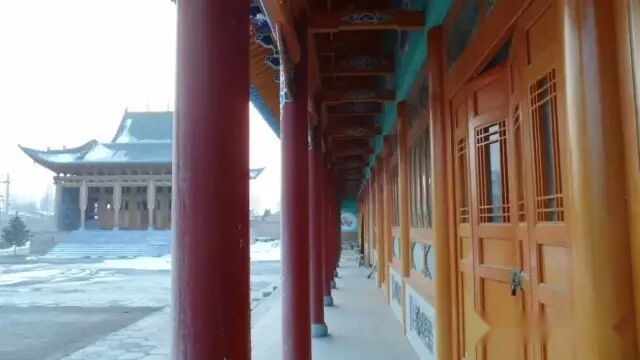
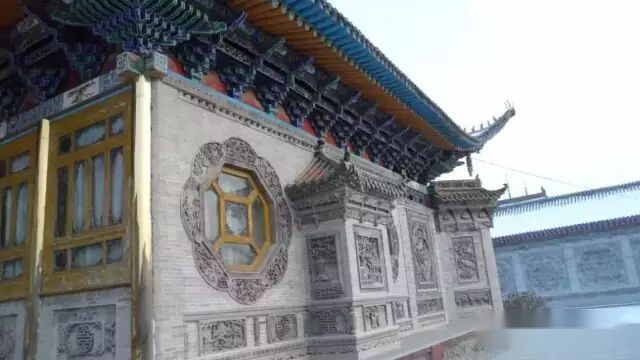
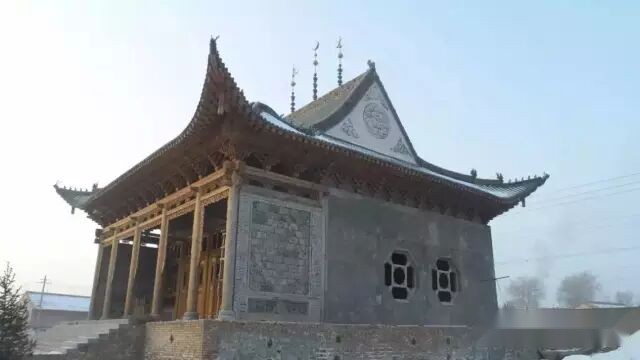
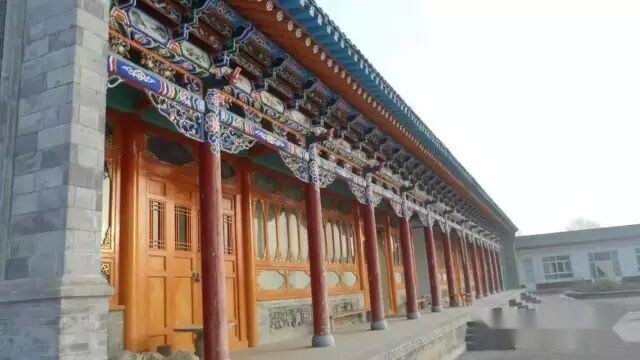
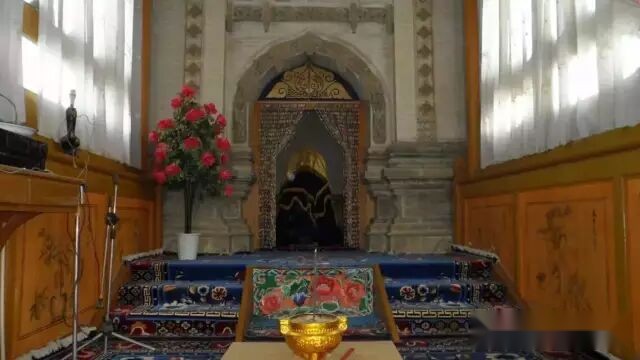
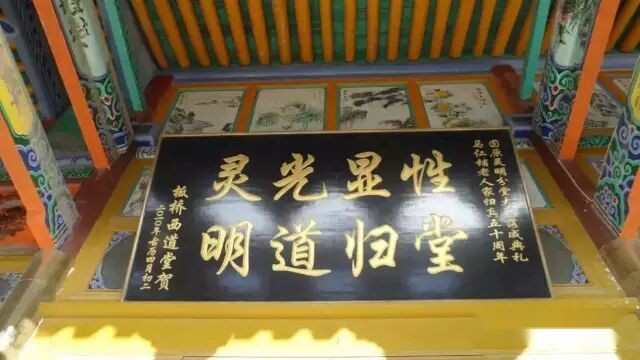
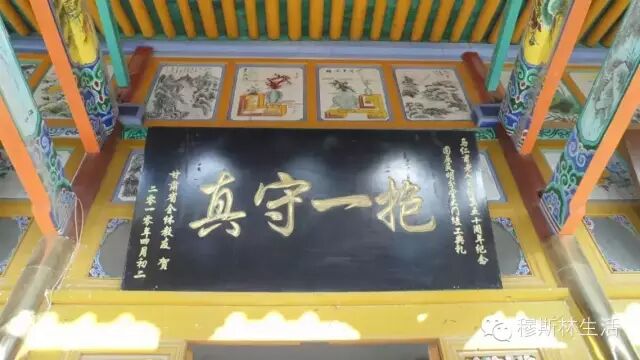
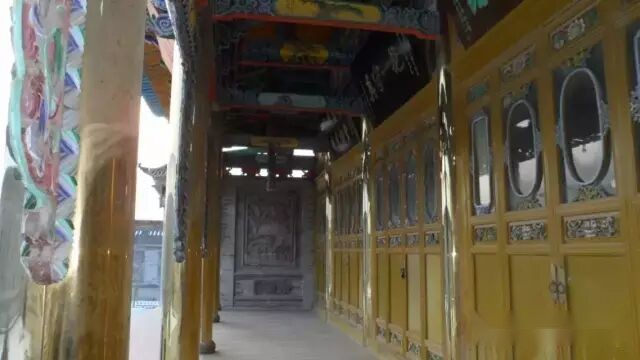
A detailed look at the Lingmingtang Gongbei located in Sanying Town, Guyuan City, Ningxia. Exploring its history—originally known as the 'Mingyue Hall' and founded by the revered elder Ma Renpu—and showcasing its serene, contemplative retreat space featuring classical Chinese architectural elements with green tiles, red pillars, and multi-layered flying eaves.
The Sanying Lingmingtang Gongbei in Guyuan, Ningxia, was originally called Mingyue Hall (Bright Moon Hall). It was founded by Ma Renpu, a disciple of the second-generation Sufi master Shan Jiujiu from the Lanzhou Lingmingtang.
The revered elder Ma Renpu, also known by his Arabic name Sufi, was originally from Matun Village, Gouzhi Town, Yanshi City, Henan Province. Born in 1910, he started elementary school at age eight, where he was remarkably bright with a photographic memory. Due to financial hardship, he eventually had to drop out and continued studying academics and religious knowledge alongside his father. Although his formal schooling was limited, he taught himself both Islamic texts and Chinese, eventually authoring the book 'Huayu Dianzhen' (Illuminating Truth to Overcome Ignorance). In 1932, he moved to Guyuan, Ningxia, to start a small business, later specializing in the fur trade, which meant frequent travels between Guyuan and Lanzhou. During this time, he connected with followers of the Lanzhou Lingmingtang and developed a deep interest in its doctrines and mission. In 1936, introduced by Yang Baoguo from Lijun, Haiyuan County, he became a disciple of the second-generation Lingmingtang master Shan Jiujiu, officially becoming a devoted follower of the Lingmingtang order.
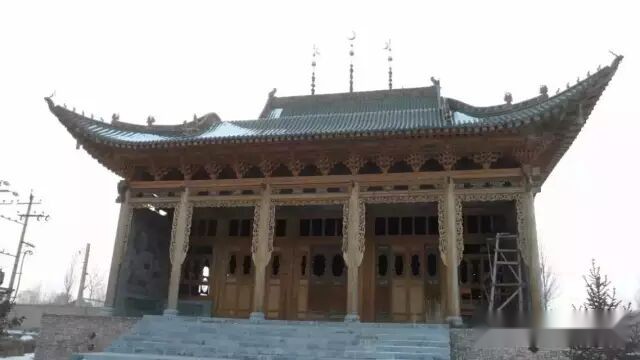
During the War of Resistance Against Japanese Aggression, persistent warfare and famines in Henan forced many Muslims to migrate westward to escape the turmoil. Over 300 households fled and settled in the Sanying area of Guyuan, Ningxia. Ma Renpu, who had arrived earlier, offered wholehearted support and assistance to his fellow hometown folks. In 1942, he purchased 28 mu of land in Xishaliang, Sanying, and built a south-facing courtyard complex featuring a five-bay brick-and-wood main prayer hall. He also constructed 21 auxiliary rooms, including scripture study rooms, dormitories for imams and madrasa students (mallas), a wudu (ablution) water room, and a kitchen, transforming it into a fully equipped, well-rounded masjid. Shortly after the mosque was completed, the community unanimously elected Ma Renpu as its first imam. Right after taking office, Ma traveled to Lanzhou Lingmingtang to study Arabic and religious sciences while engaging in rigorous spiritual practice under the guidance of his master, Shan Jiujiu. In 1944, commissioned by Elder Shan, he returned to Guyuan Sanying to propagate the faith, dedicating himself to spreading the teachings of the Lingmingtang menhuan (Sufi order). His efforts led the entire congregation of the 'Sanying Xiliang Henan Mosque' to join the Lingmingtang. The Henan Mosque was subsequently renamed Mingyue Hall and served as a center for teaching the Sufi path. When the Guyuan Hui Autonomous Prefecture was established in 1955, elder Ma Renpu was appointed as a member of the prefecture's political consultative committee. In August 1958, caught up in the overextensions of the anti-feudal 'religious reforms,' Ma Renpu was wrongfully labeled a counterrevolutionary and imprisoned. He passed away (returned to Allah) on the 2nd day of the 4th lunar month in 1960 at the age of 51.
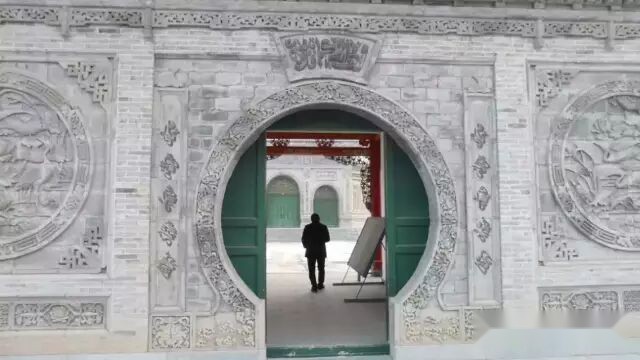
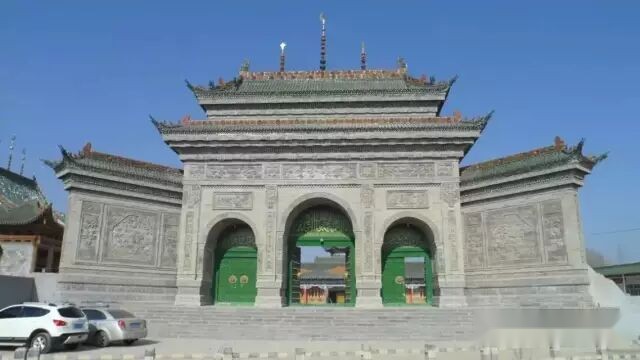
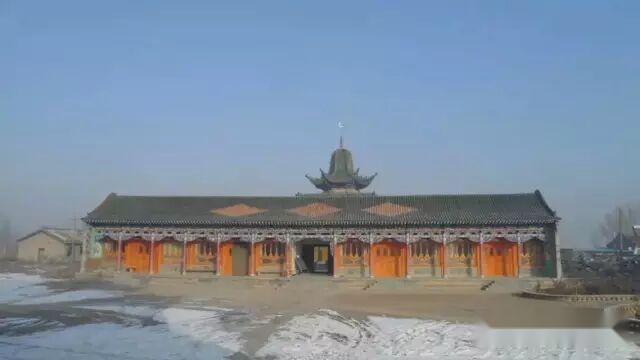
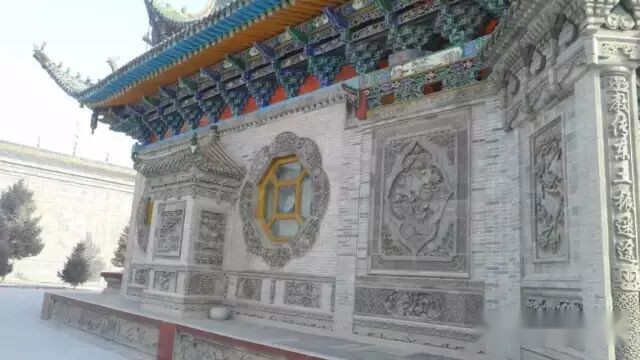
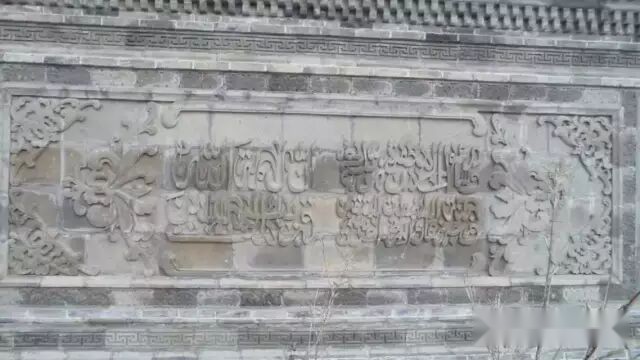
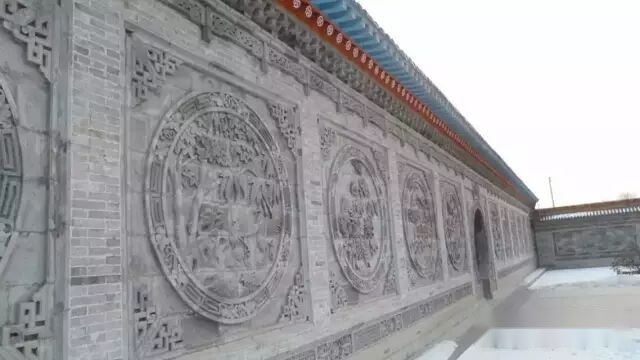
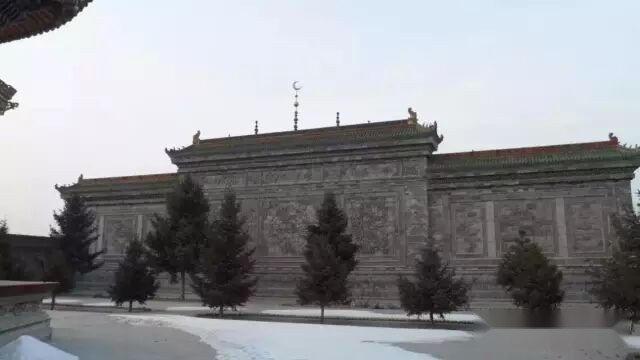
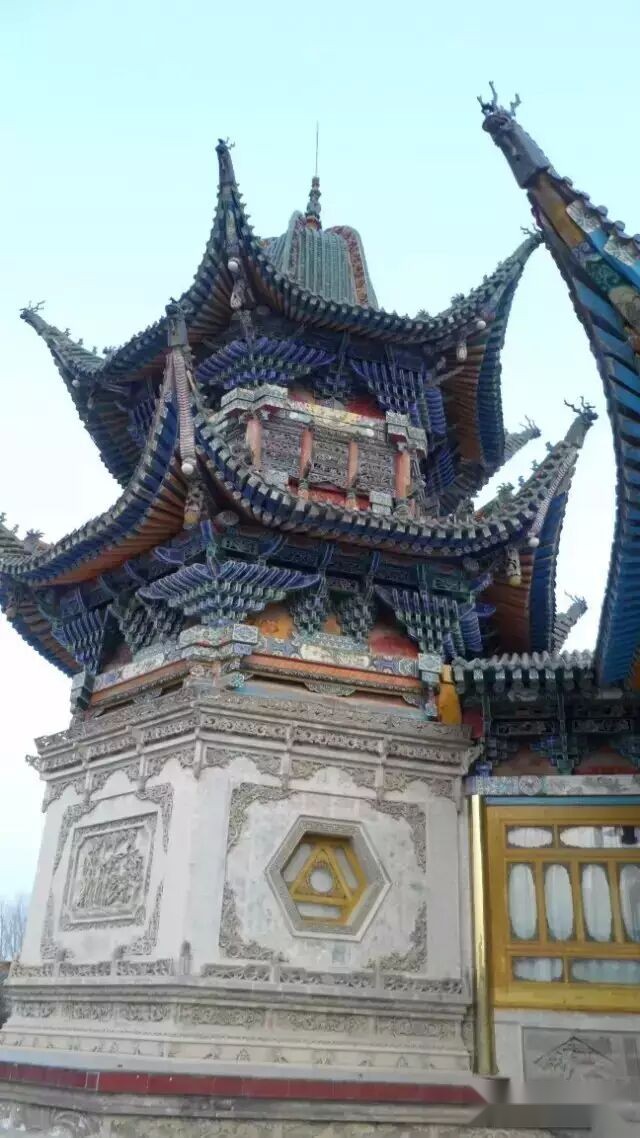
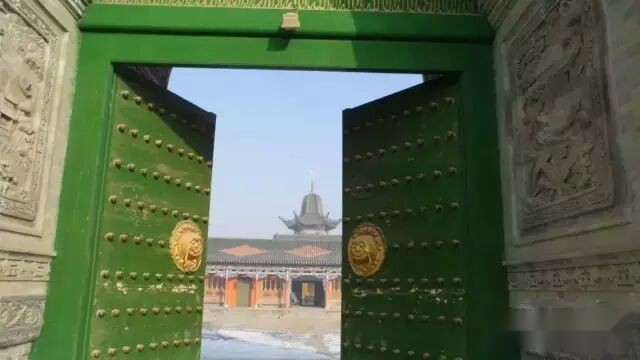
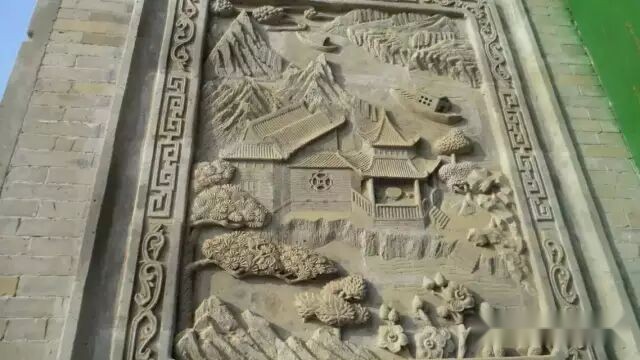
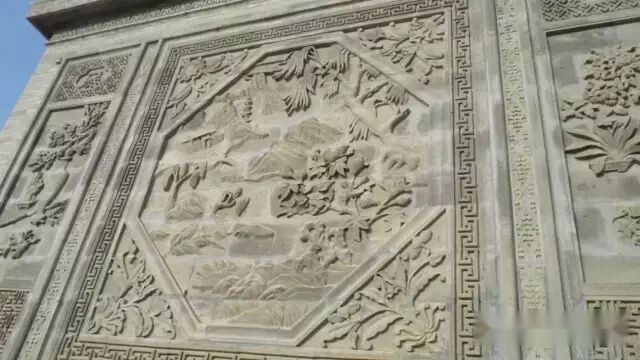
Following his passing in 1960, the revered elder Ma Renpu was initially buried in the local Muslim cemetery. On the 24th day of the 7th lunar month in 1986, led by Imam Wang Shouetian of the Lanzhou Lingmingtang Gongbei, Ma Renpu's remains were relocated from the public cemetery to the center of the original dao tang (Sufi hall) courtyard, where a double-layered hexagonal domed tomb pavilion (gongbei shrine) was built for him. Over time, additional structures were gradually added, including a front porch (baosha), dormitories for imams and mallas, study rooms, a water room, and a kitchen. In 1910—[Note: referring to 2010 renovation]—the original imam and malla dormitories and water rooms were renovated and expanded, replacing the single-story brick-and-wood structures with flat-roofed brick-concrete buildings, alongside a magnificent, towering, traditional-style brick-carved triple gate (sanhuamen). In 2012, a new main prayer hall was built on the west side of the dao tang, fronted by 13 bays of traditional-style brick-and-wood verandas and a circular gate. Behind the octagonal pavilion, a large brick-carved spirit wall (zhaobi) was erected, connected on both ends to the front guest rooms by brick-carved courtyard walls, turning the octagonal shrine courtyard into a 'courtyard within a courtyard' and giving the entire gongbei complex the outline of the Chinese character 'hui' (回).
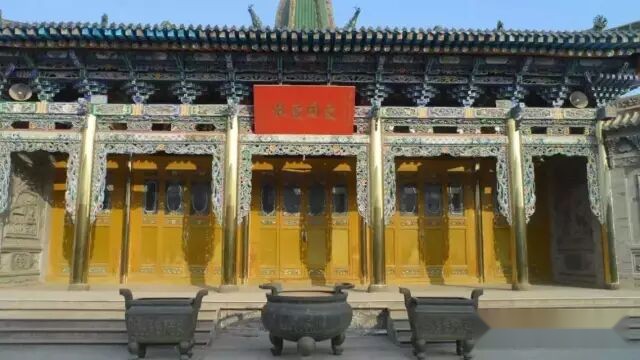
Today, this auspicious sanctuary and its gongbei architecture stand as a stunning landmark across the landscape of Ningxia and along the Baotou-Zhongwei Railway corridor.

A Visual and Historical Dive into the Sanying Lingmingtang Gongbei in Guyuan: Architectural Style and Origins of a Southern Ningxia Sufi Sanctuary
Abstract:
A detailed look at the Lingmingtang Gongbei located in Sanying Town, Guyuan City, Ningxia. Exploring its history—originally known as the 'Mingyue Hall' and founded by the revered elder Ma Renpu—and showcasing its serene, contemplative retreat space featuring classical Chinese architectural elements with green tiles, red pillars, and multi-layered flying eaves.
The Sanying Lingmingtang Gongbei in Guyuan, Ningxia, was originally called Mingyue Hall (Bright Moon Hall). It was founded by Ma Renpu, a disciple of the second-generation Sufi master Shan Jiujiu from the Lanzhou Lingmingtang.
The revered elder Ma Renpu, also known by his Arabic name Sufi, was originally from Matun Village, Gouzhi Town, Yanshi City, Henan Province. Born in 1910, he started elementary school at age eight, where he was remarkably bright with a photographic memory. Due to financial hardship, he eventually had to drop out and continued studying academics and religious knowledge alongside his father. Although his formal schooling was limited, he taught himself both Islamic texts and Chinese, eventually authoring the book 'Huayu Dianzhen' (Illuminating Truth to Overcome Ignorance). In 1932, he moved to Guyuan, Ningxia, to start a small business, later specializing in the fur trade, which meant frequent travels between Guyuan and Lanzhou. During this time, he connected with followers of the Lanzhou Lingmingtang and developed a deep interest in its doctrines and mission. In 1936, introduced by Yang Baoguo from Lijun, Haiyuan County, he became a disciple of the second-generation Lingmingtang master Shan Jiujiu, officially becoming a devoted follower of the Lingmingtang order.
During the War of Resistance Against Japanese Aggression, persistent warfare and famines in Henan forced many Muslims to migrate westward to escape the turmoil. Over 300 households fled and settled in the Sanying area of Guyuan, Ningxia. Ma Renpu, who had arrived earlier, offered wholehearted support and assistance to his fellow hometown folks. In 1942, he purchased 28 mu of land in Xishaliang, Sanying, and built a south-facing courtyard complex featuring a five-bay brick-and-wood main prayer hall. He also constructed 21 auxiliary rooms, including scripture study rooms, dormitories for imams and madrasa students (mallas), a wudu (ablution) water room, and a kitchen, transforming it into a fully equipped, well-rounded masjid. Shortly after the mosque was completed, the community unanimously elected Ma Renpu as its first imam. Right after taking office, Ma traveled to Lanzhou Lingmingtang to study Arabic and religious sciences while engaging in rigorous spiritual practice under the guidance of his master, Shan Jiujiu. In 1944, commissioned by Elder Shan, he returned to Guyuan Sanying to propagate the faith, dedicating himself to spreading the teachings of the Lingmingtang menhuan (Sufi order). His efforts led the entire congregation of the 'Sanying Xiliang Henan Mosque' to join the Lingmingtang. The Henan Mosque was subsequently renamed Mingyue Hall and served as a center for teaching the Sufi path. When the Guyuan Hui Autonomous Prefecture was established in 1955, elder Ma Renpu was appointed as a member of the prefecture's political consultative committee. In August 1958, caught up in the overextensions of the anti-feudal 'religious reforms,' Ma Renpu was wrongfully labeled a counterrevolutionary and imprisoned. He passed away (returned to Allah) on the 2nd day of the 4th lunar month in 1960 at the age of 51.
Following his passing in 1960, the revered elder Ma Renpu was initially buried in the local Muslim cemetery. On the 24th day of the 7th lunar month in 1986, led by Imam Wang Shouetian of the Lanzhou Lingmingtang Gongbei, Ma Renpu's remains were relocated from the public cemetery to the center of the original dao tang (Sufi hall) courtyard, where a double-layered hexagonal domed tomb pavilion (gongbei shrine) was built for him. Over time, additional structures were gradually added, including a front porch (baosha), dormitories for imams and mallas, study rooms, a water room, and a kitchen. In 1910—[Note: referring to 2010 renovation]—the original imam and malla dormitories and water rooms were renovated and expanded, replacing the single-story brick-and-wood structures with flat-roofed brick-concrete buildings, alongside a magnificent, towering, traditional-style brick-carved triple gate (sanhuamen). In 2012, a new main prayer hall was built on the west side of the dao tang, fronted by 13 bays of traditional-style brick-and-wood verandas and a circular gate. Behind the octagonal pavilion, a large brick-carved spirit wall (zhaobi) was erected, connected on both ends to the front guest rooms by brick-carved courtyard walls, turning the octagonal shrine courtyard into a 'courtyard within a courtyard' and giving the entire gongbei complex the outline of the Chinese character 'hui' (回).
Today, this auspicious sanctuary and its gongbei architecture stand as a stunning landmark across the landscape of Ningxia and along the Baotou-Zhongwei Railway corridor.
