0
Views

China Mosque Travel Guide Zhaotong: Baxianda Mosque, Eid al-Adha Graduation and Muslim Youth Hope

Articlesyusuf908 posted the article • 0 comments • 0 views • 7 minutes ago • data from similar tags

Reposted from the web

Summary: This mosque travel essay records the Eid al-Adha and student graduation event at Zhaotong Baxianda Mosque in Yunnan, with reflections on mosque education, Hui Muslim youth, religious learning, local history, and hope for the next generation.


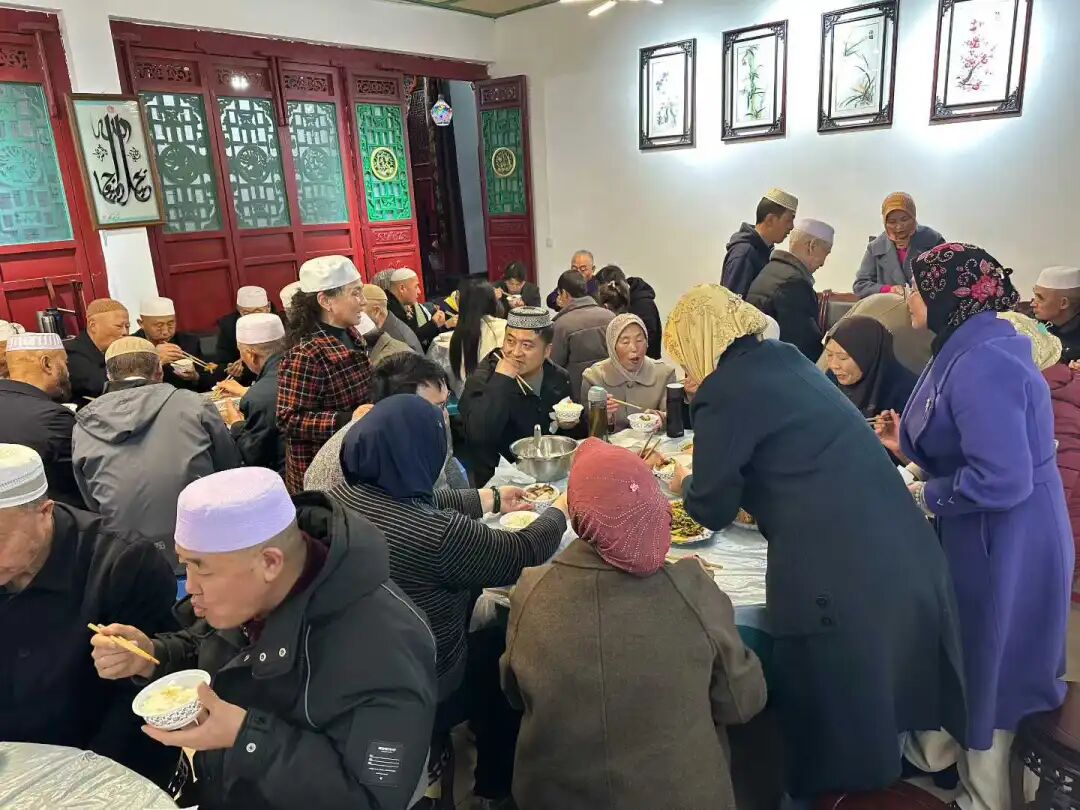
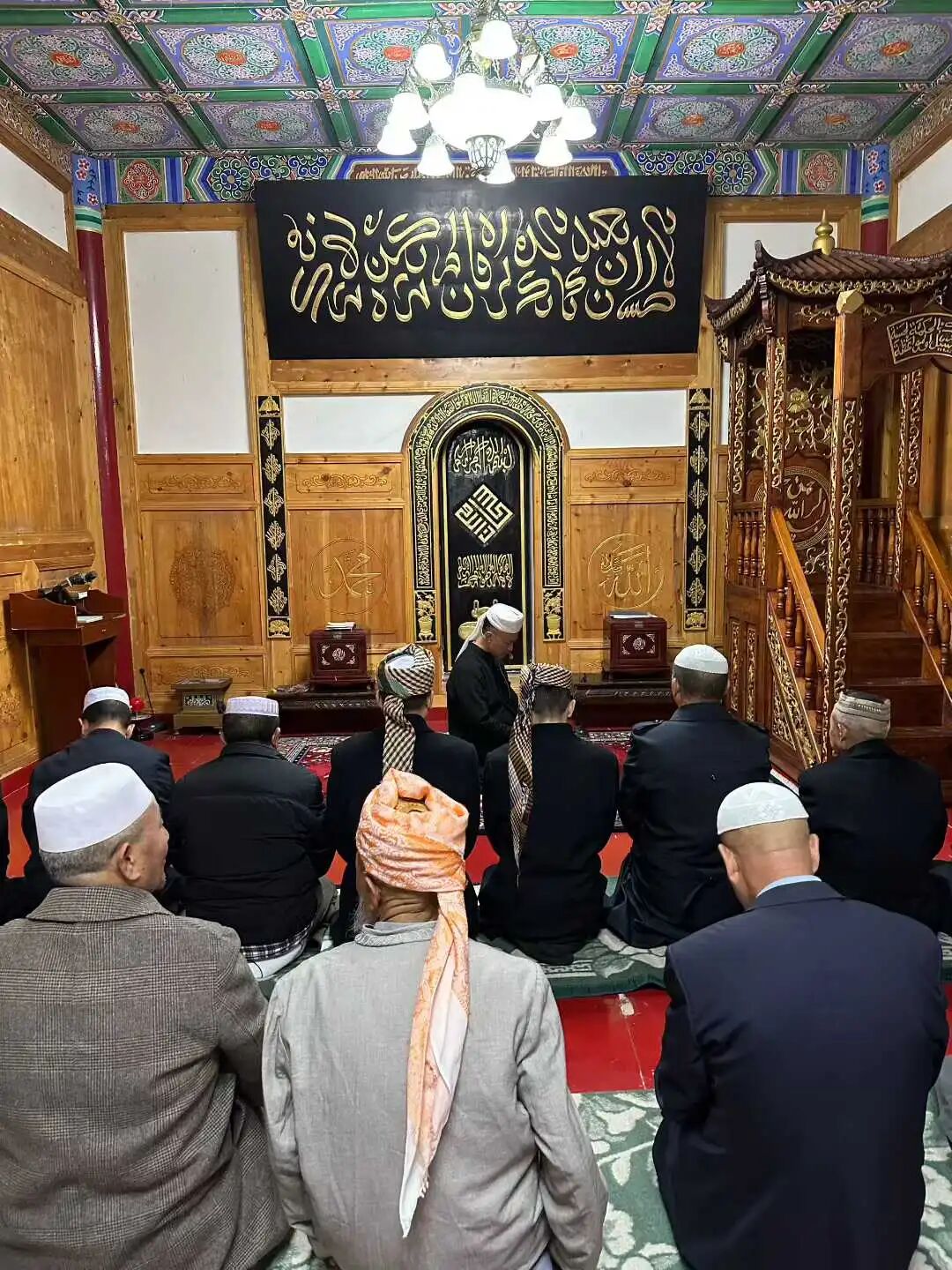
On July 2, 2023, the sun was shining brightly and the sky was cloudless. Muslims from Zhaowei-Lu gathered from all directions at the Baxianda Mosque in Zhaoyang District, Zhaotong City, because the annual Eid al-Adha and the graduation celebration of graduating students will be held here today.

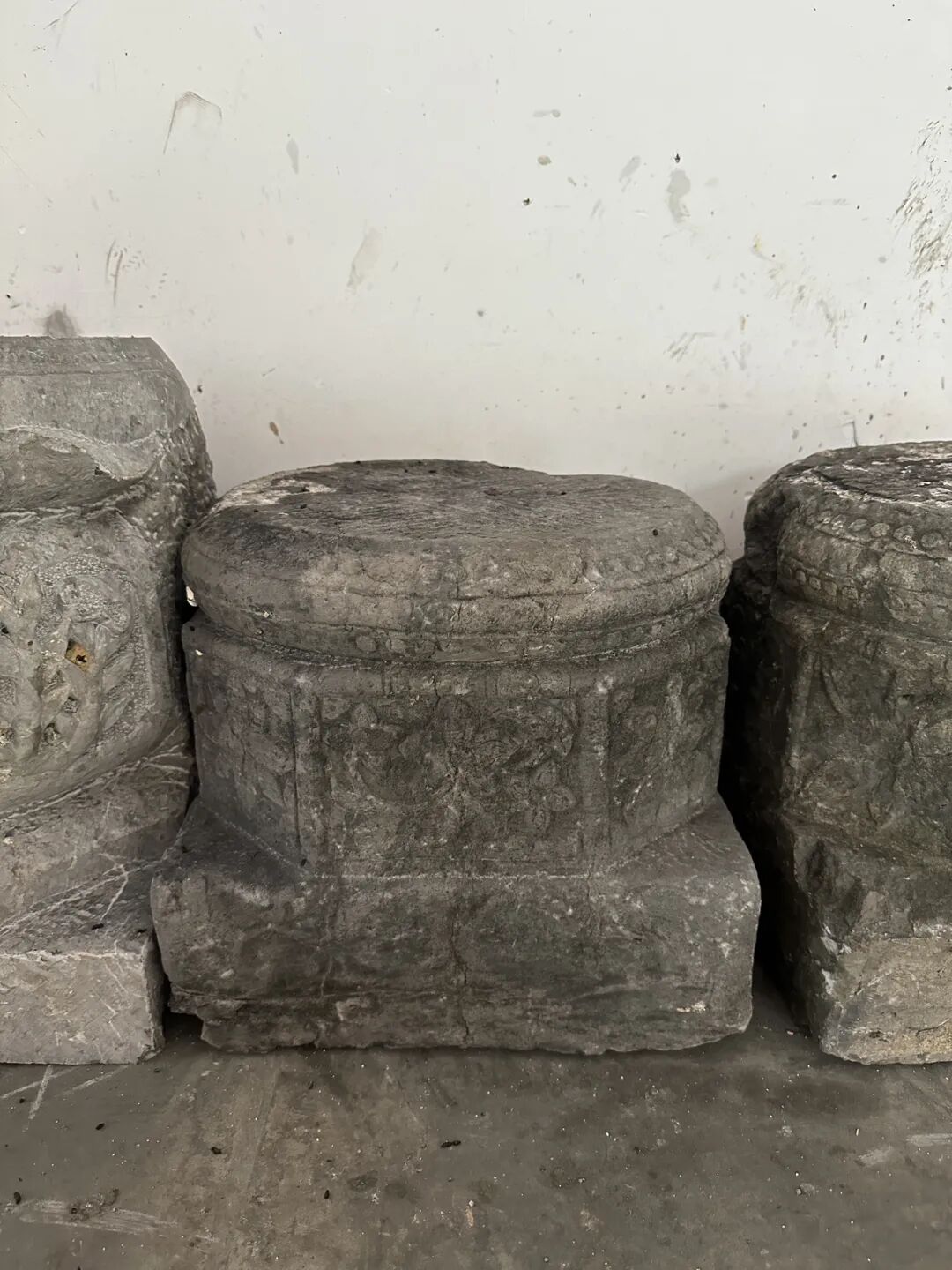
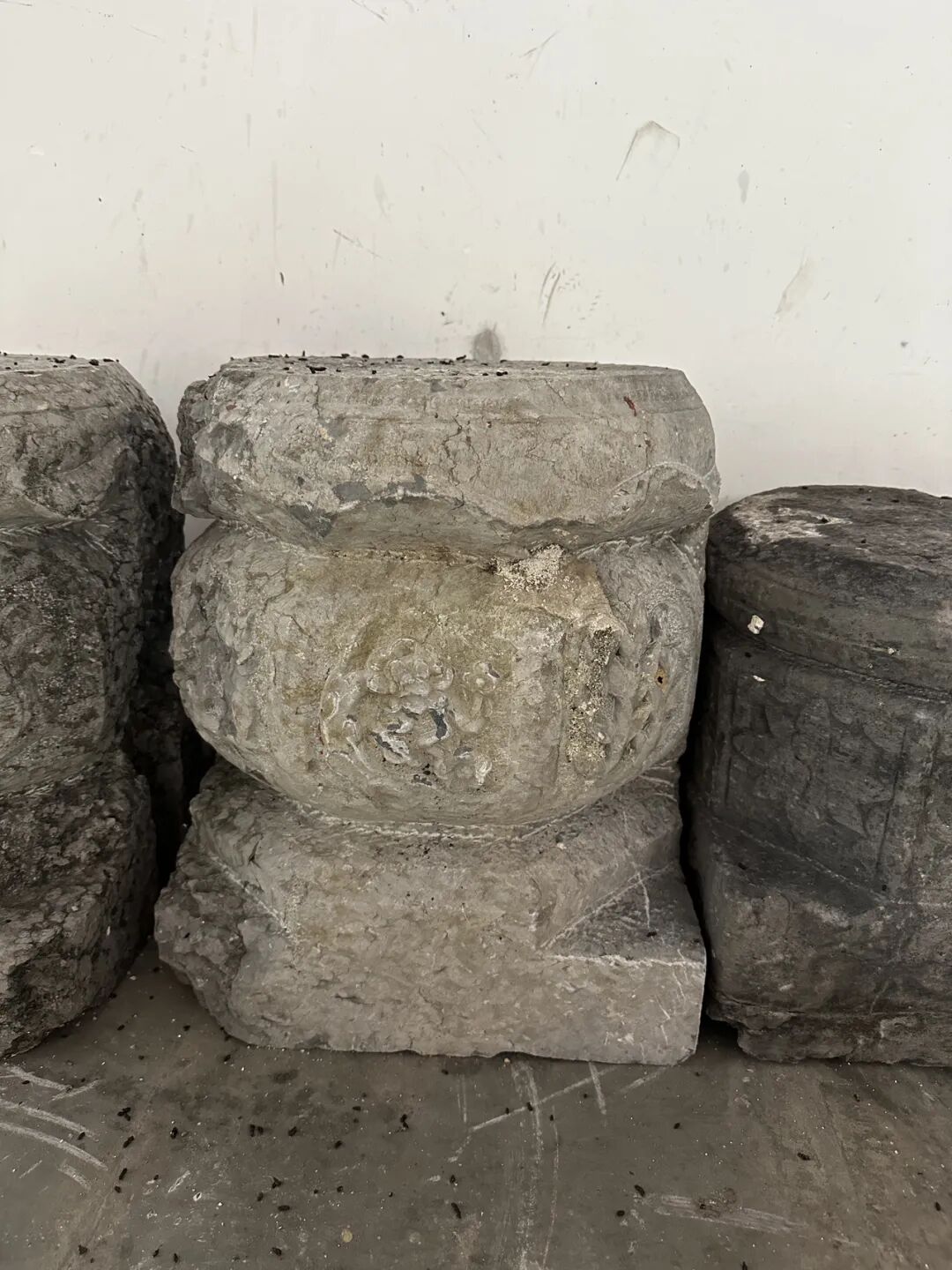
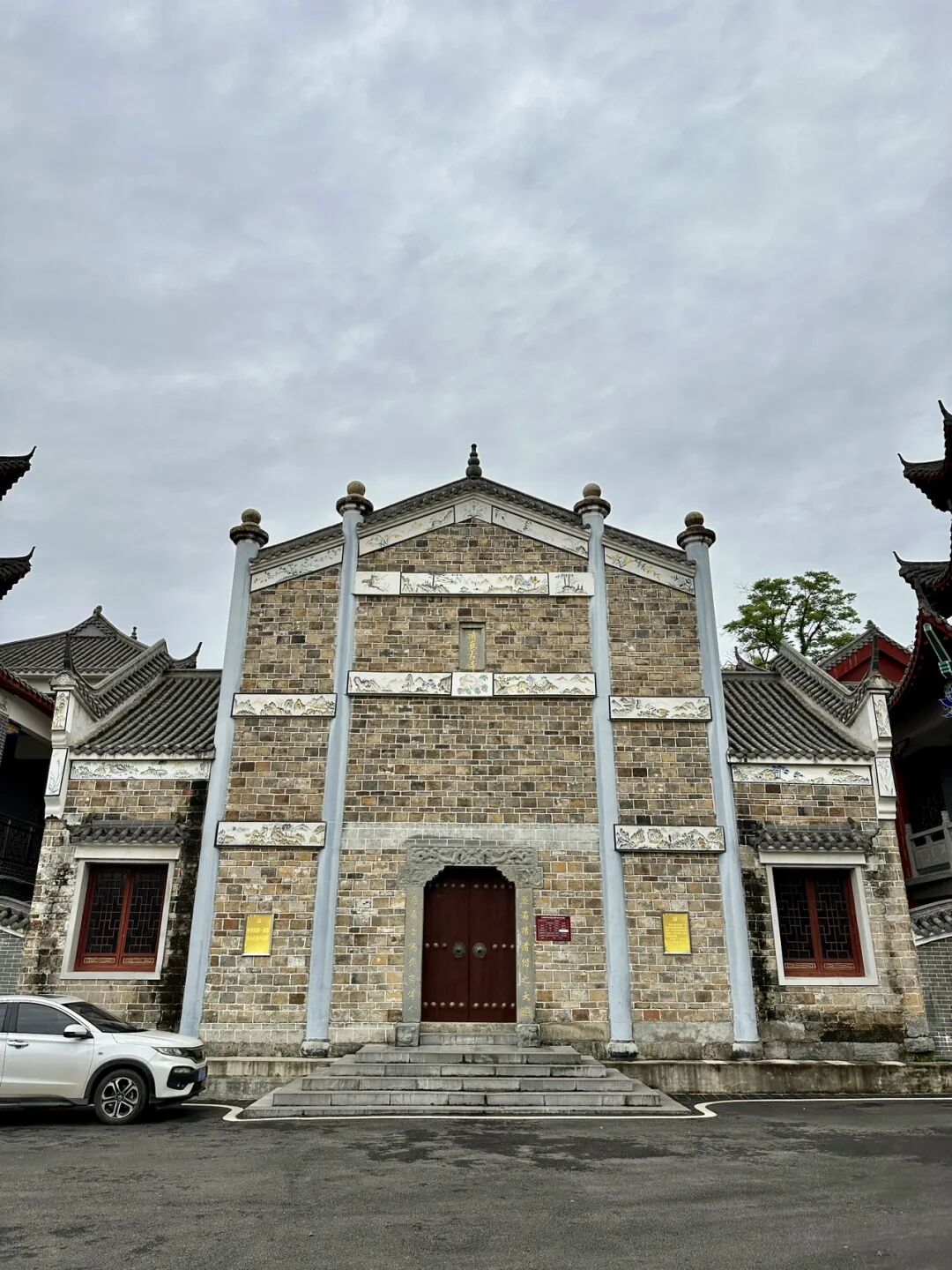
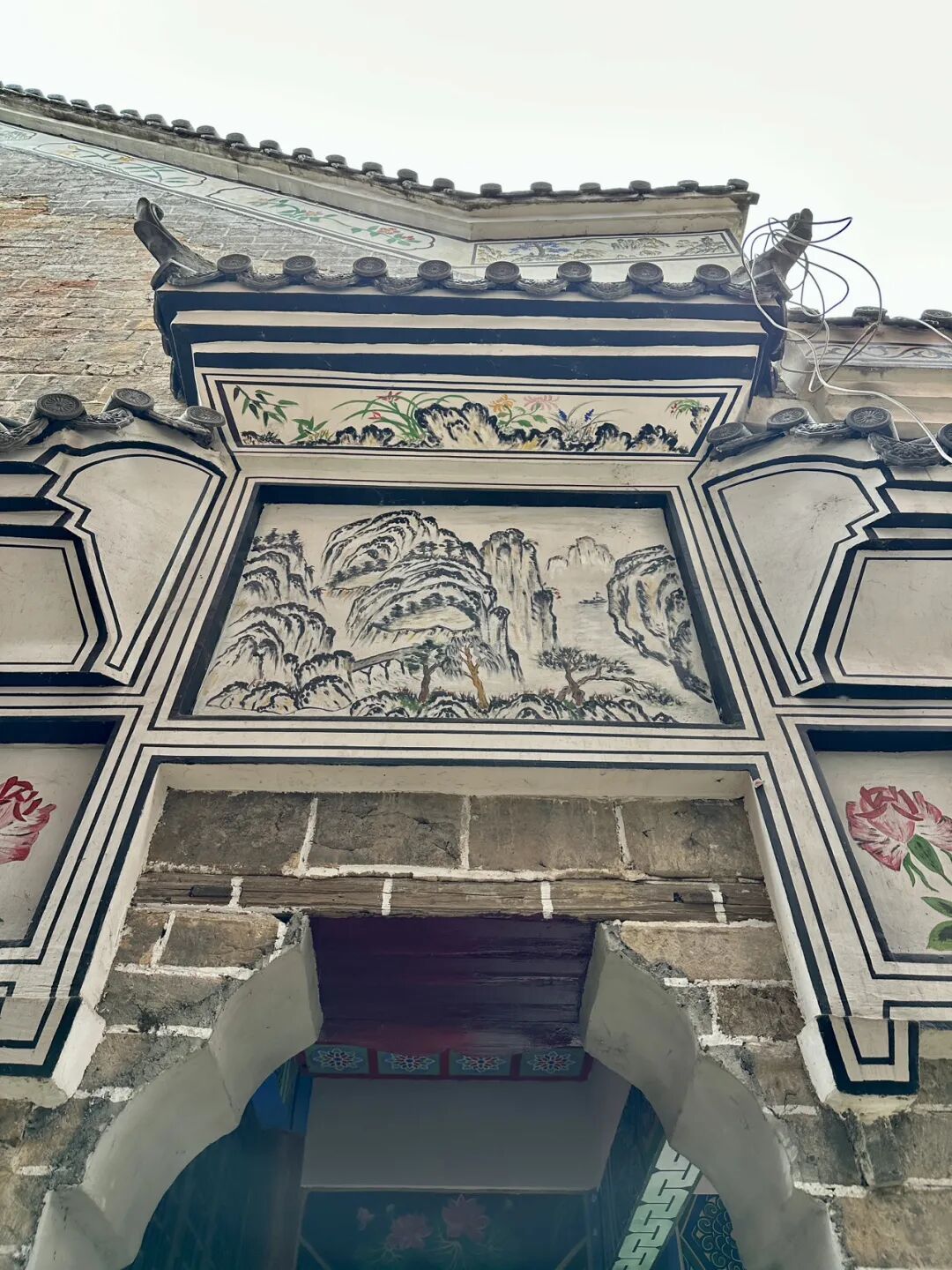
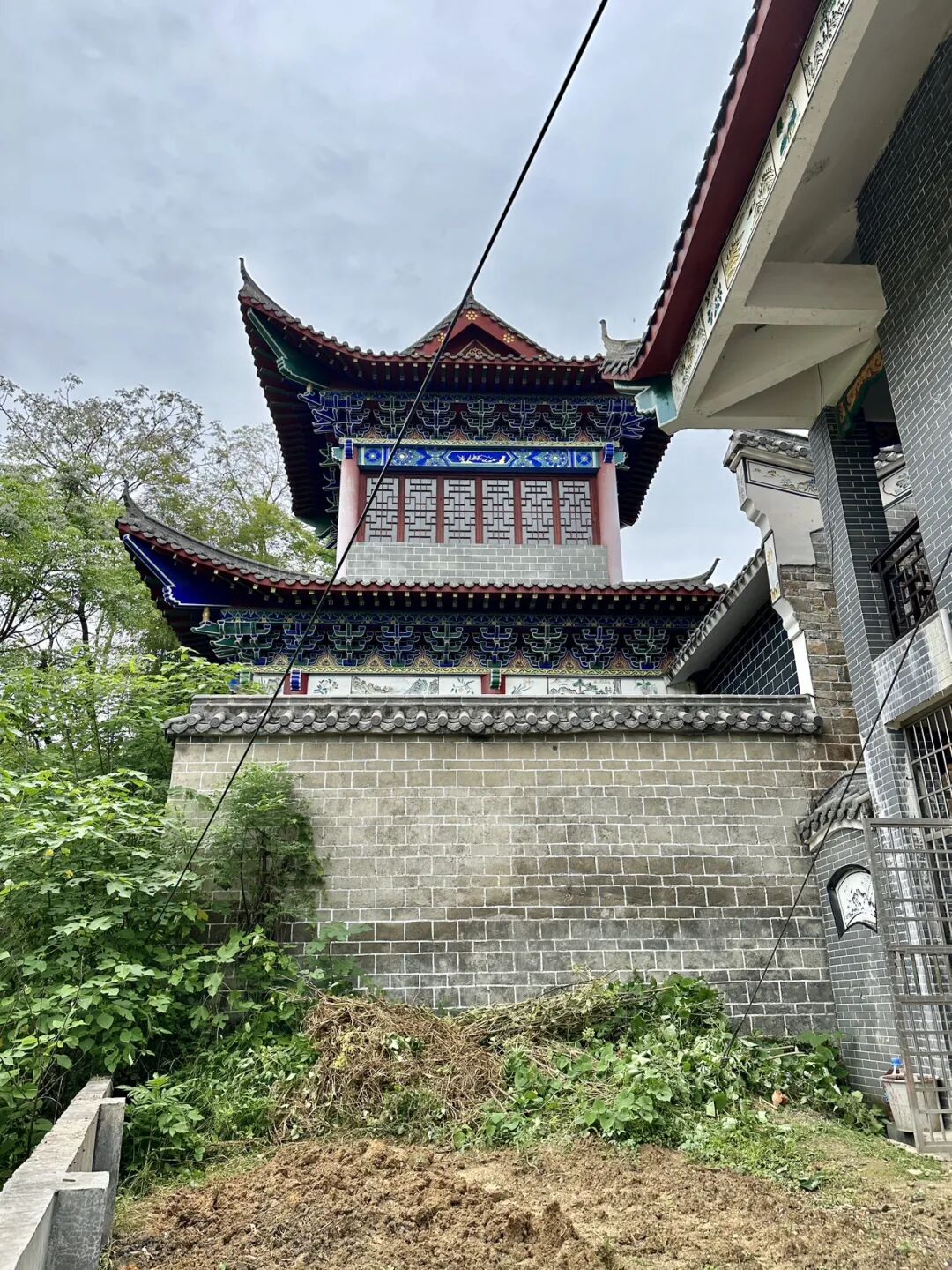
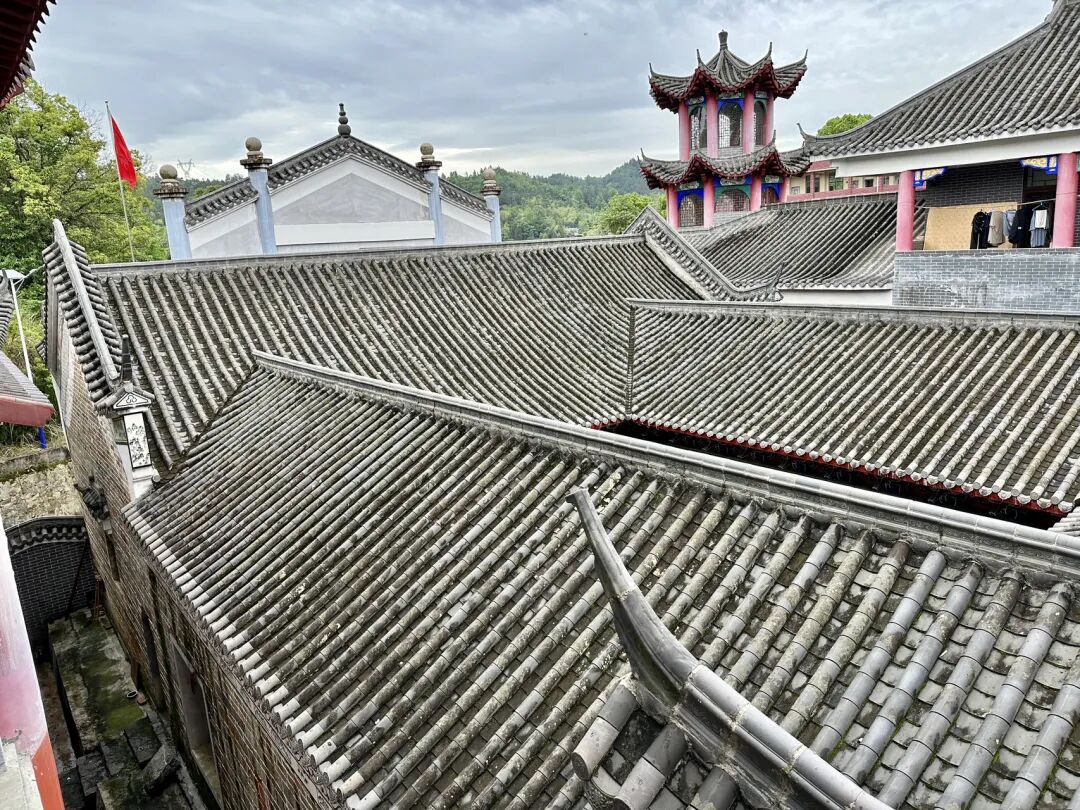
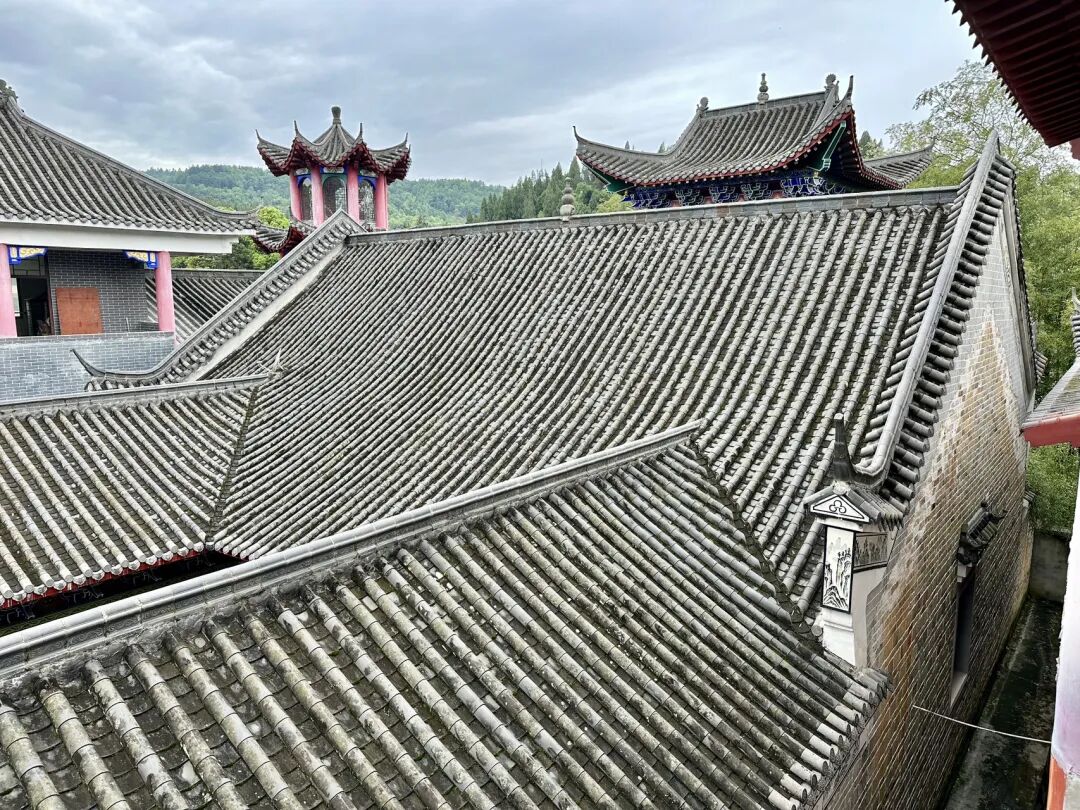
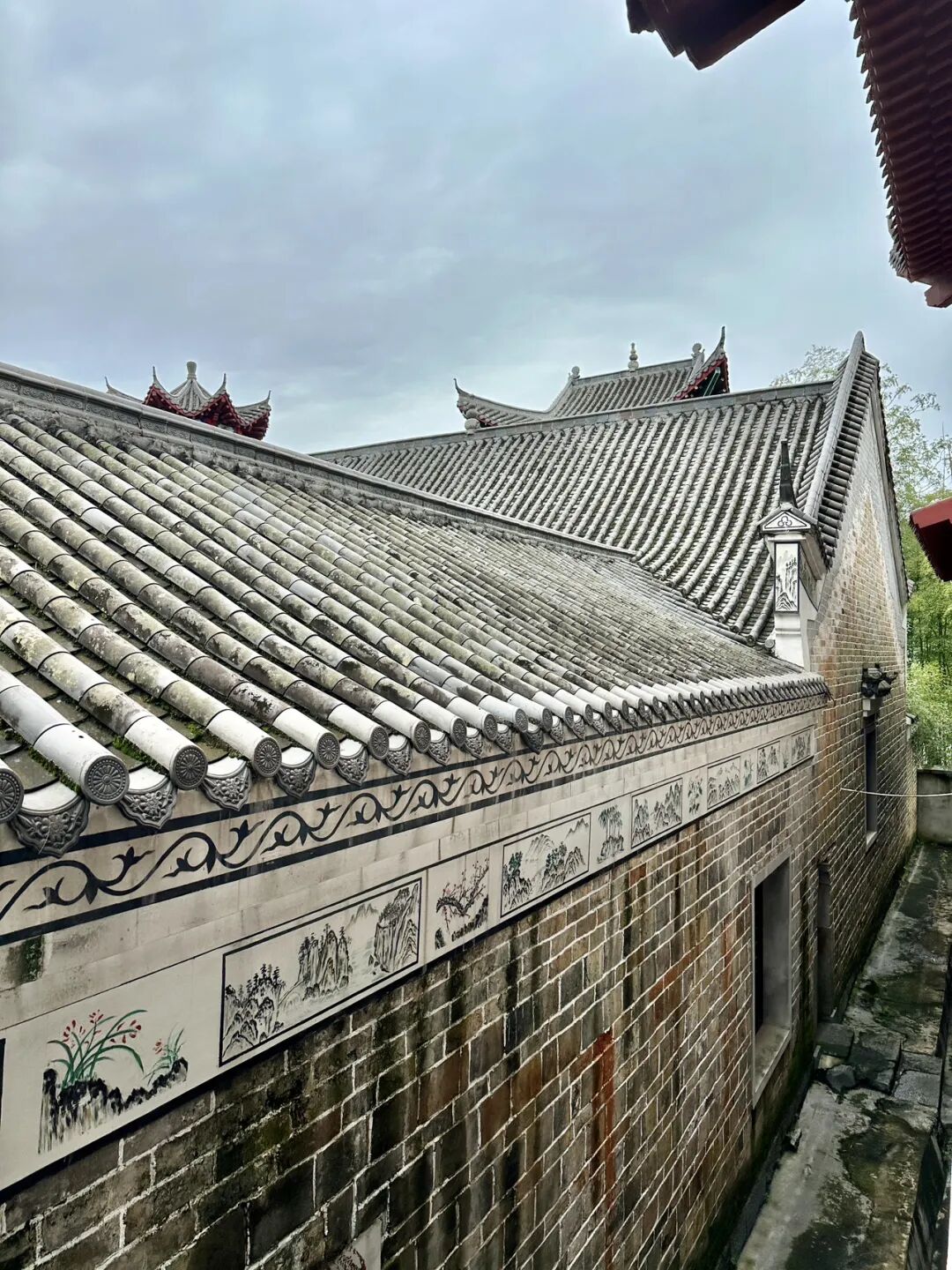
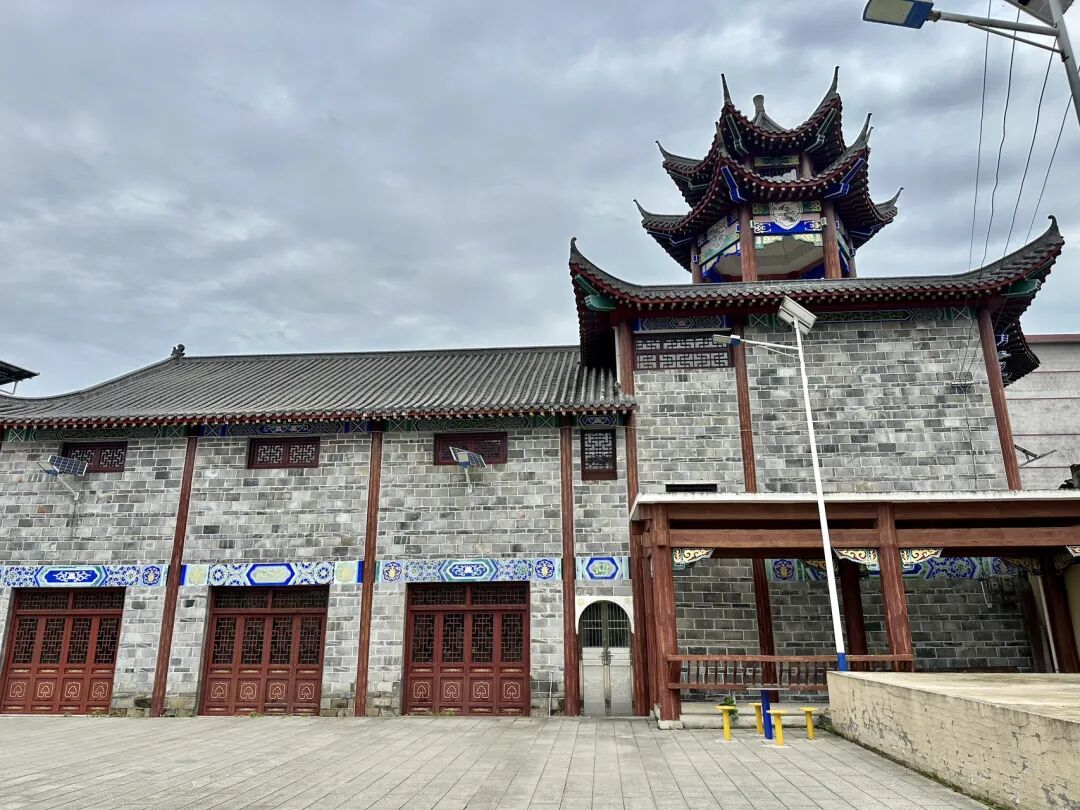
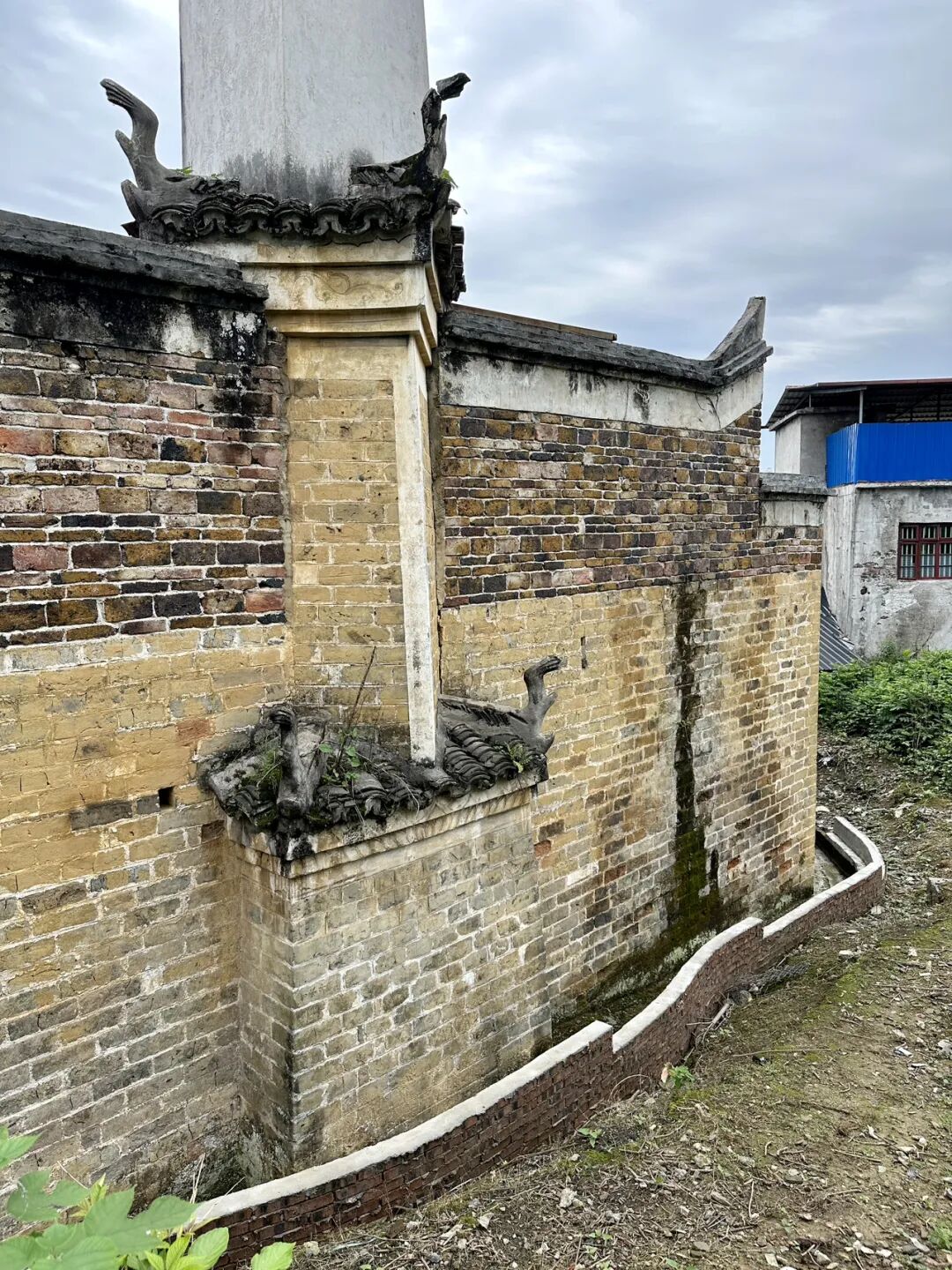
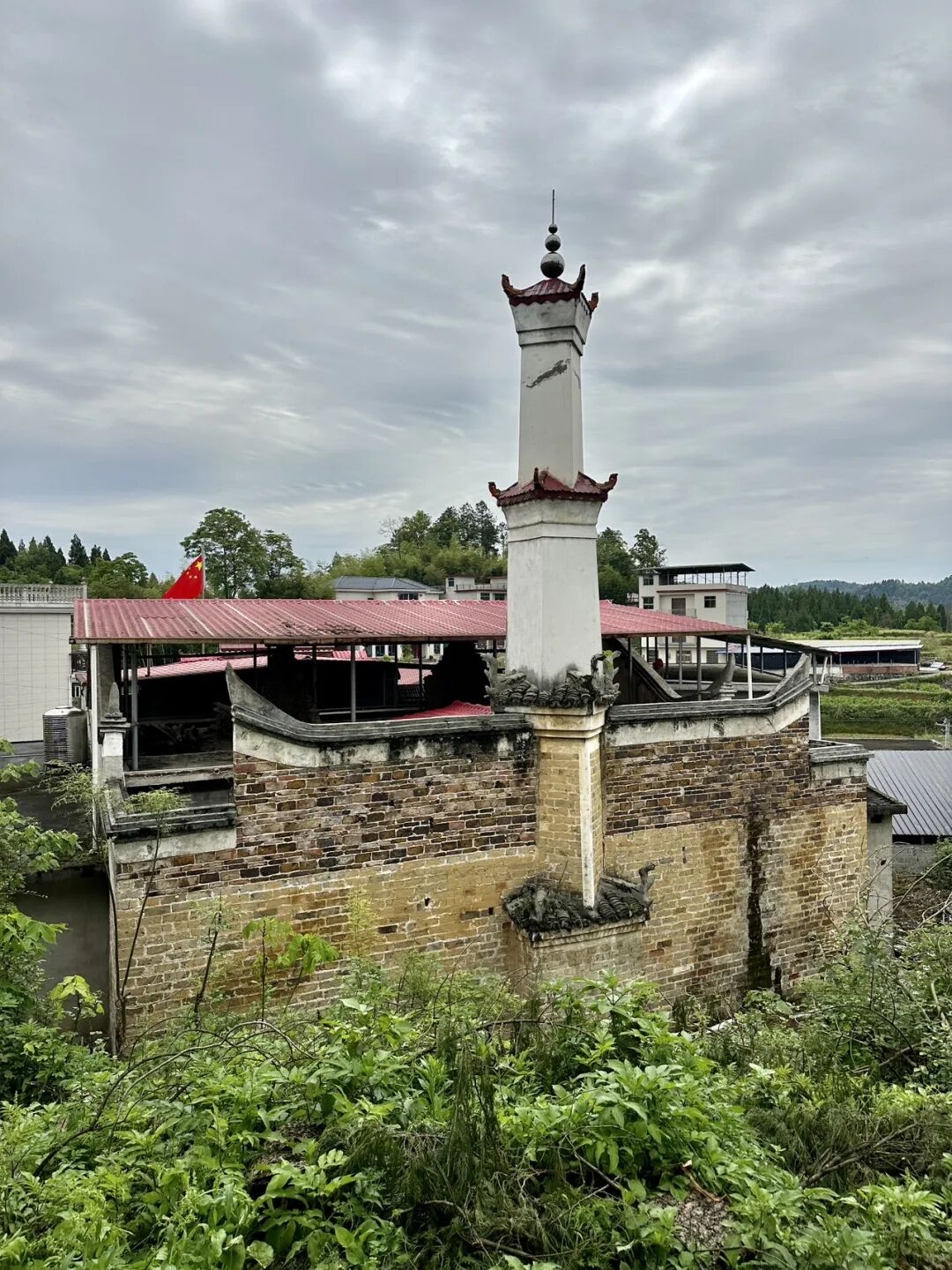
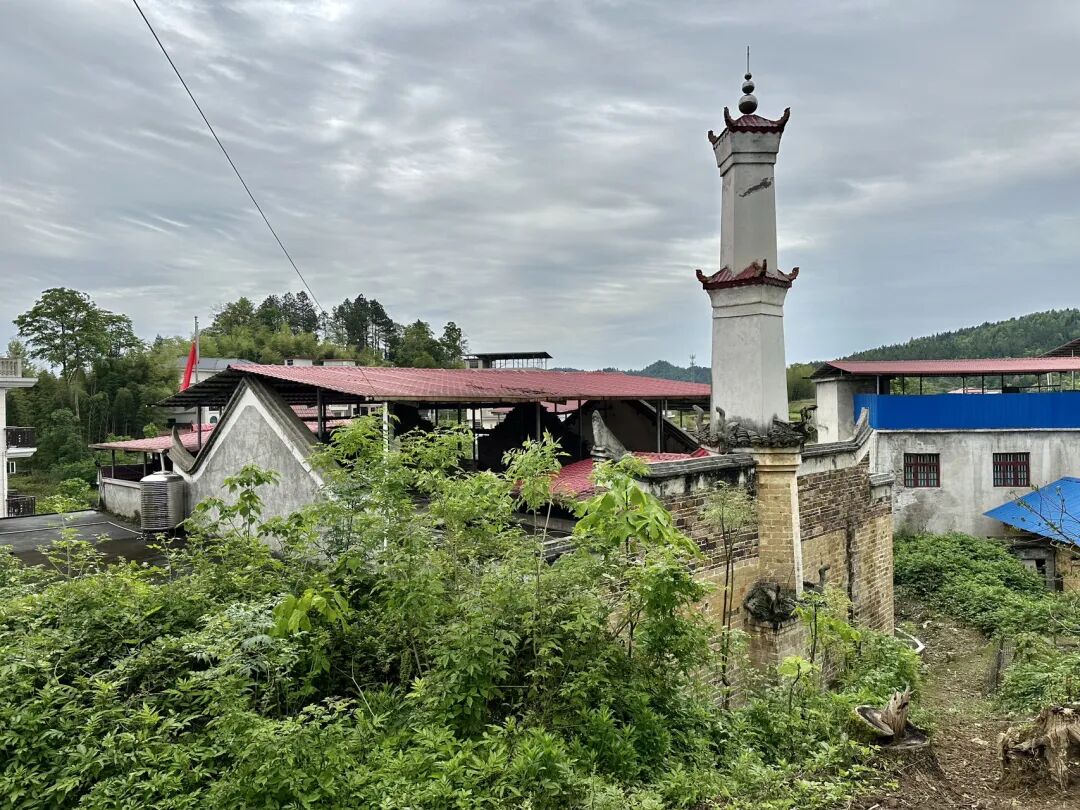
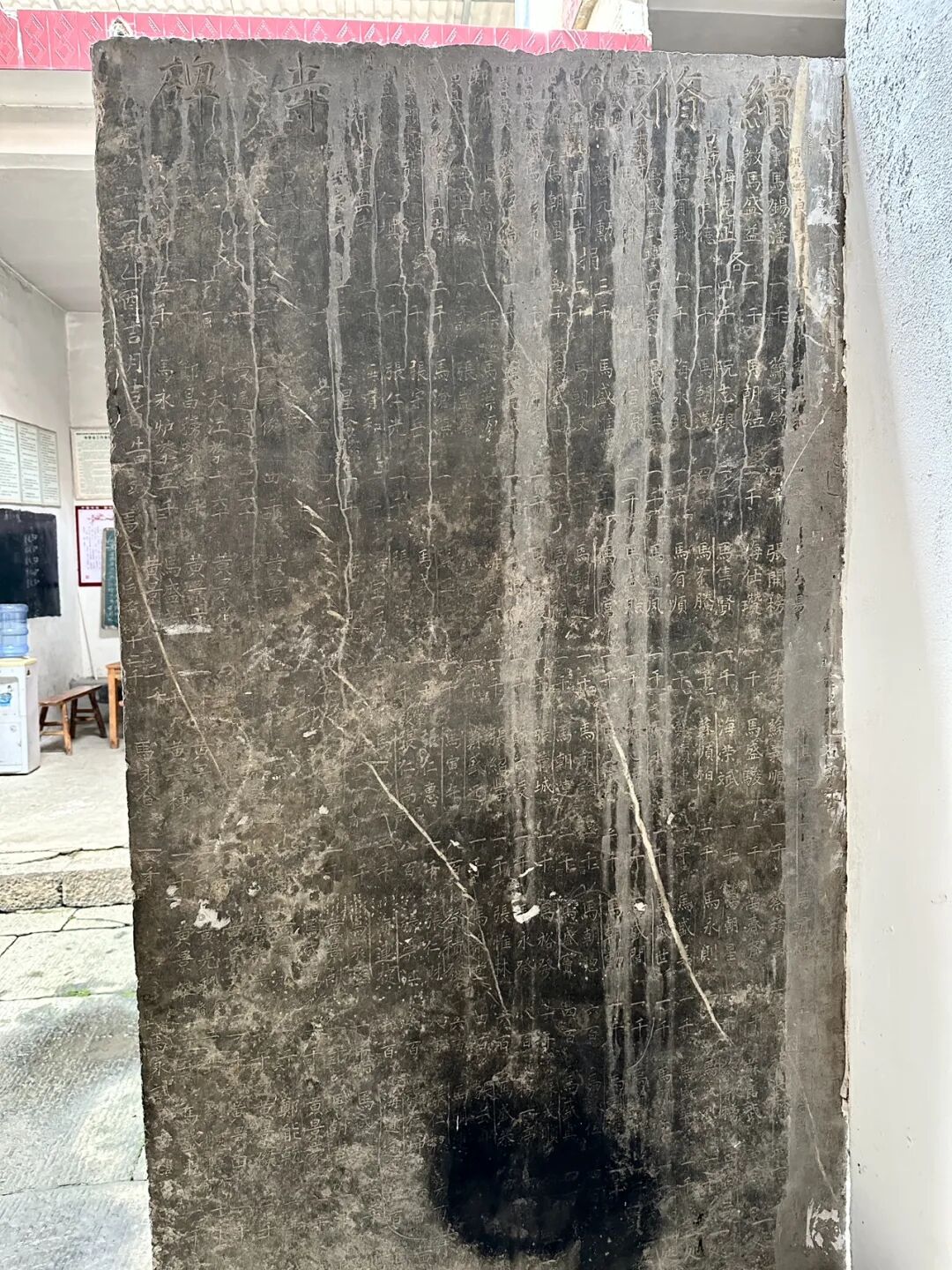
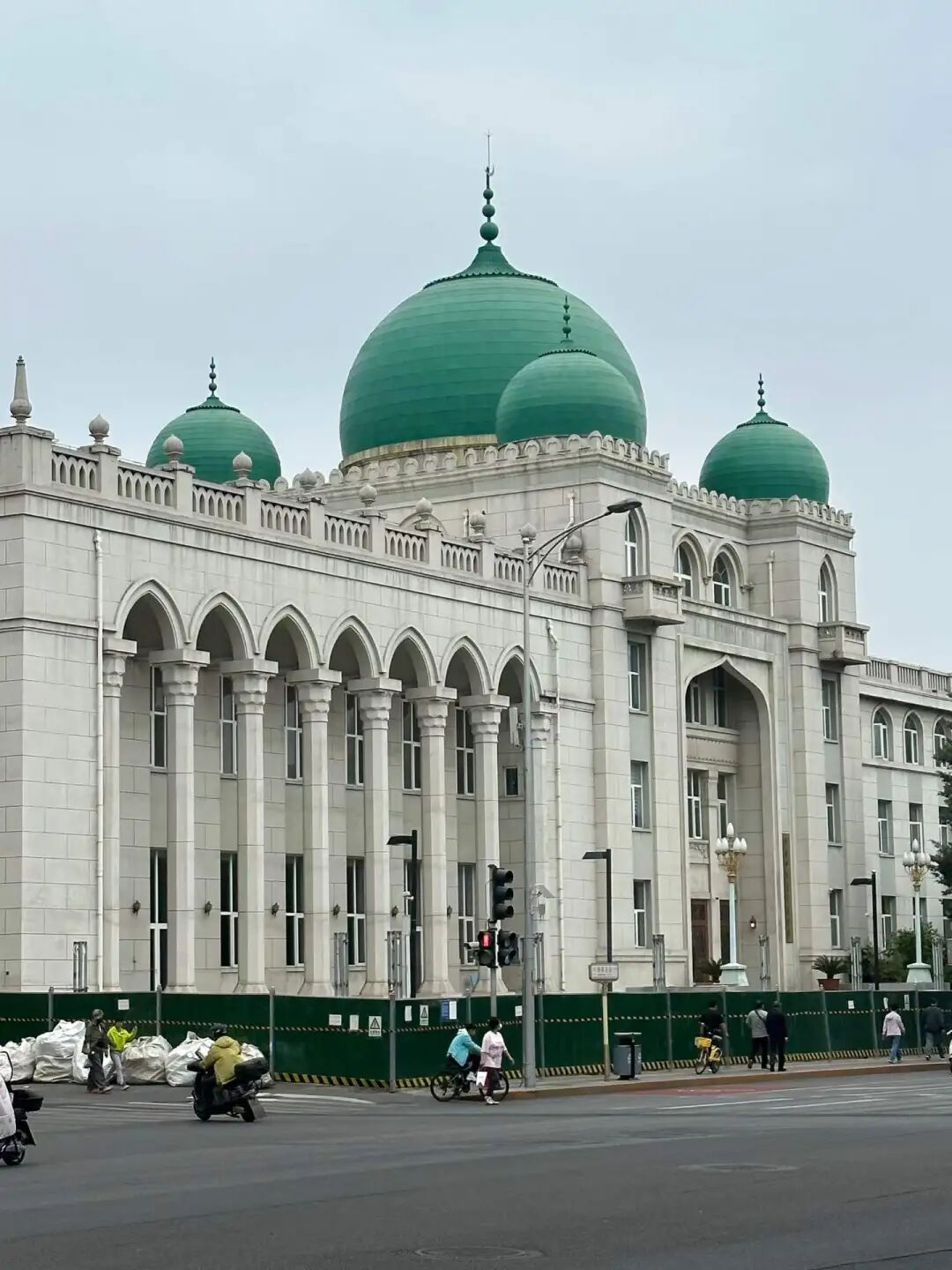
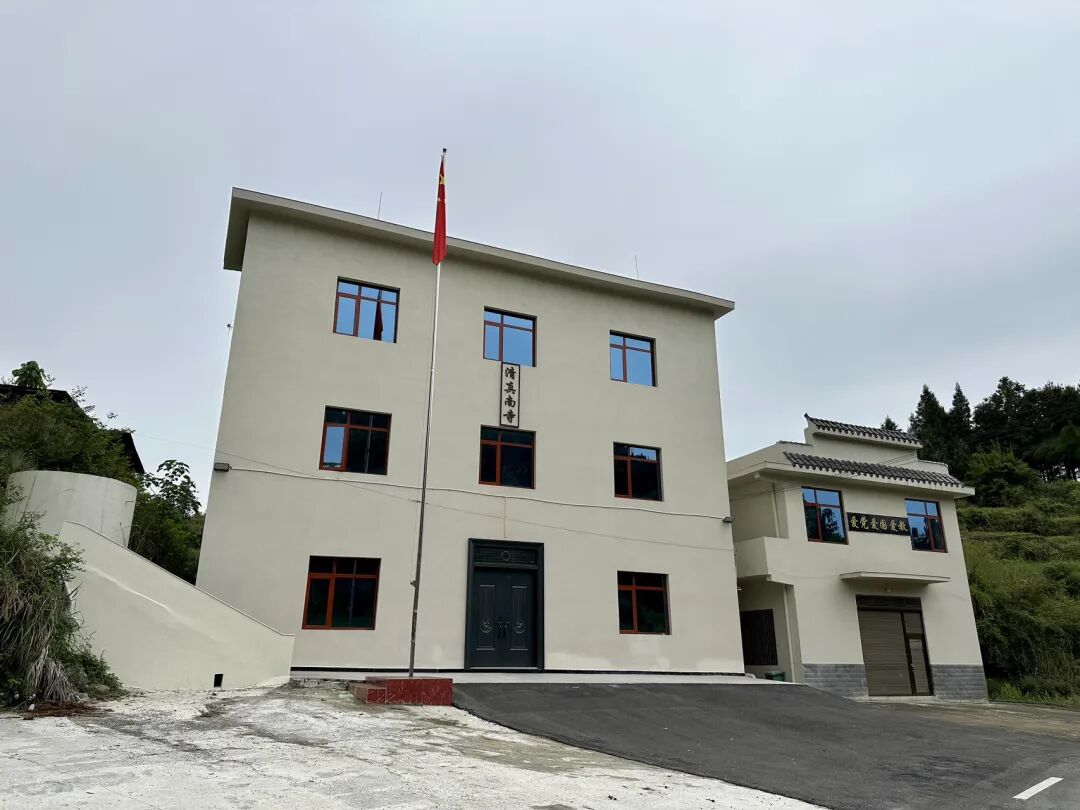
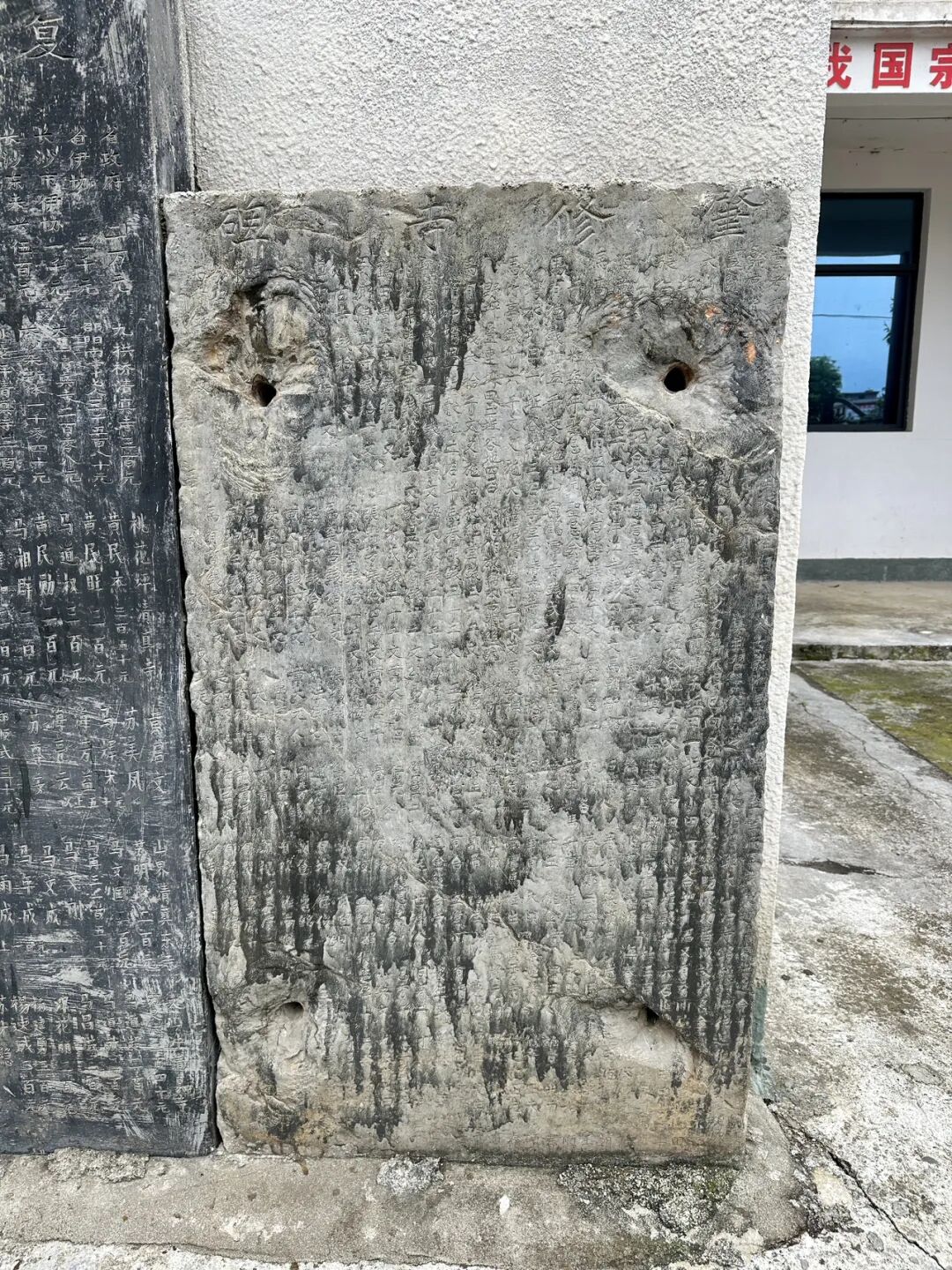
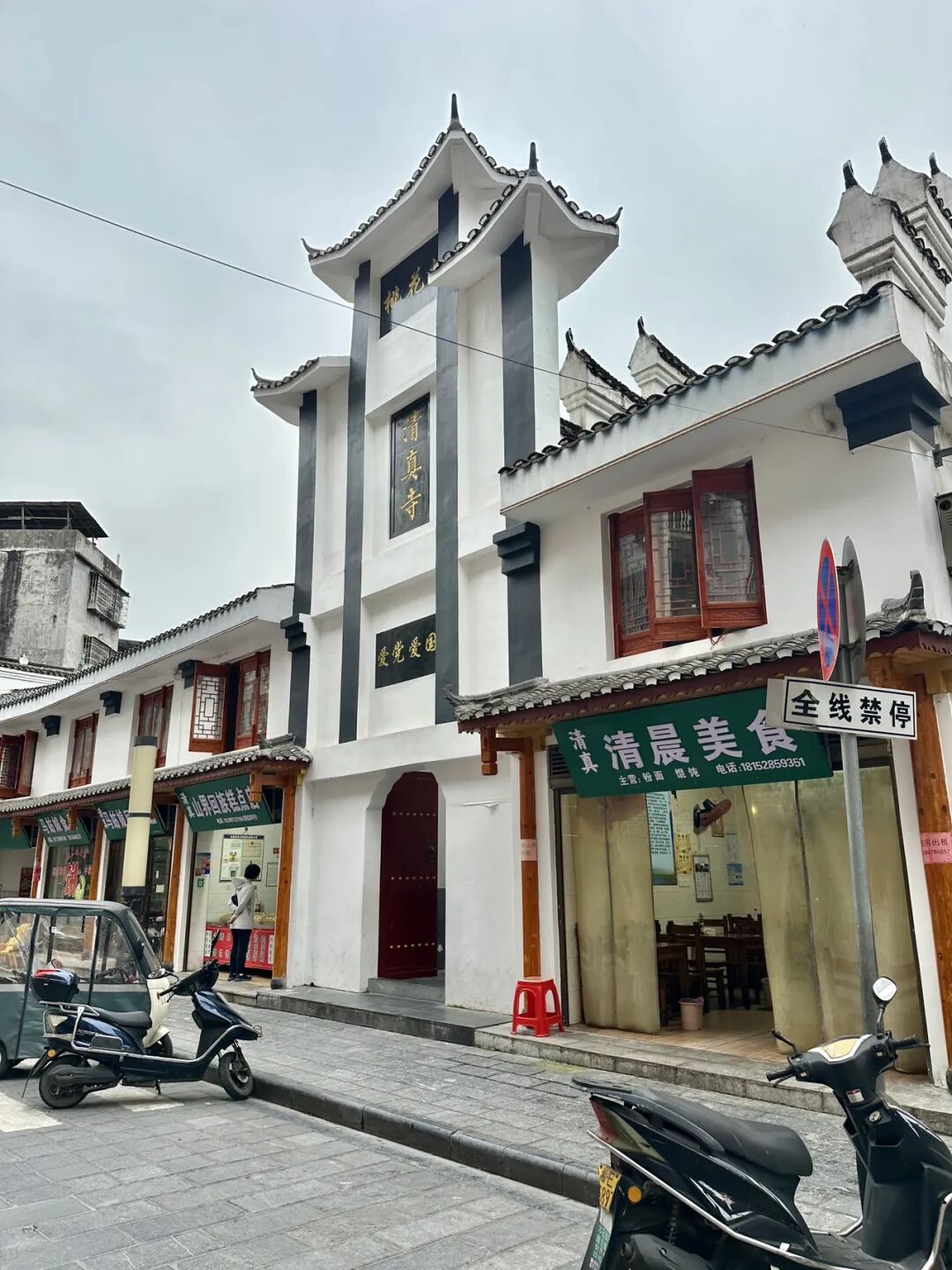
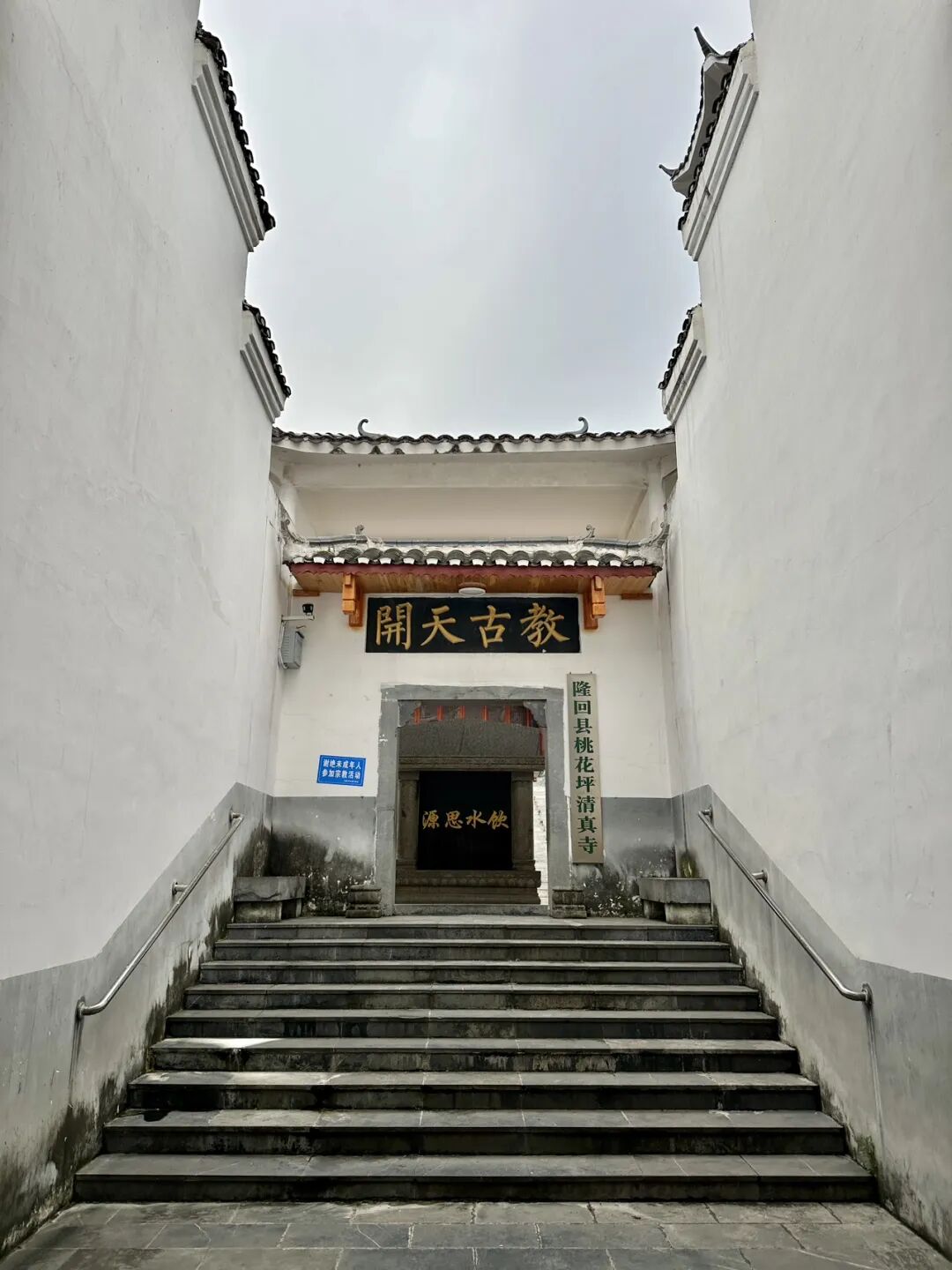
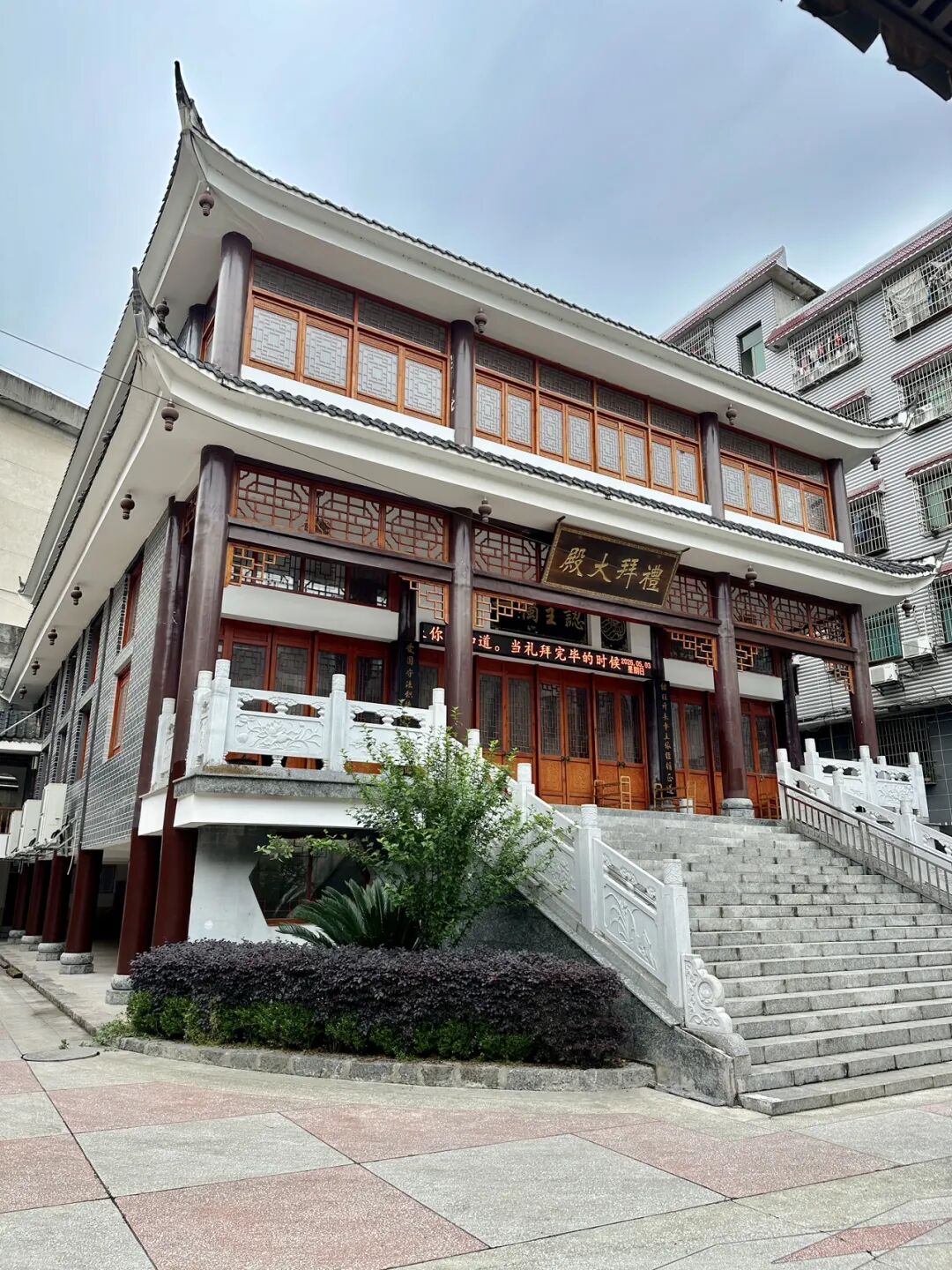
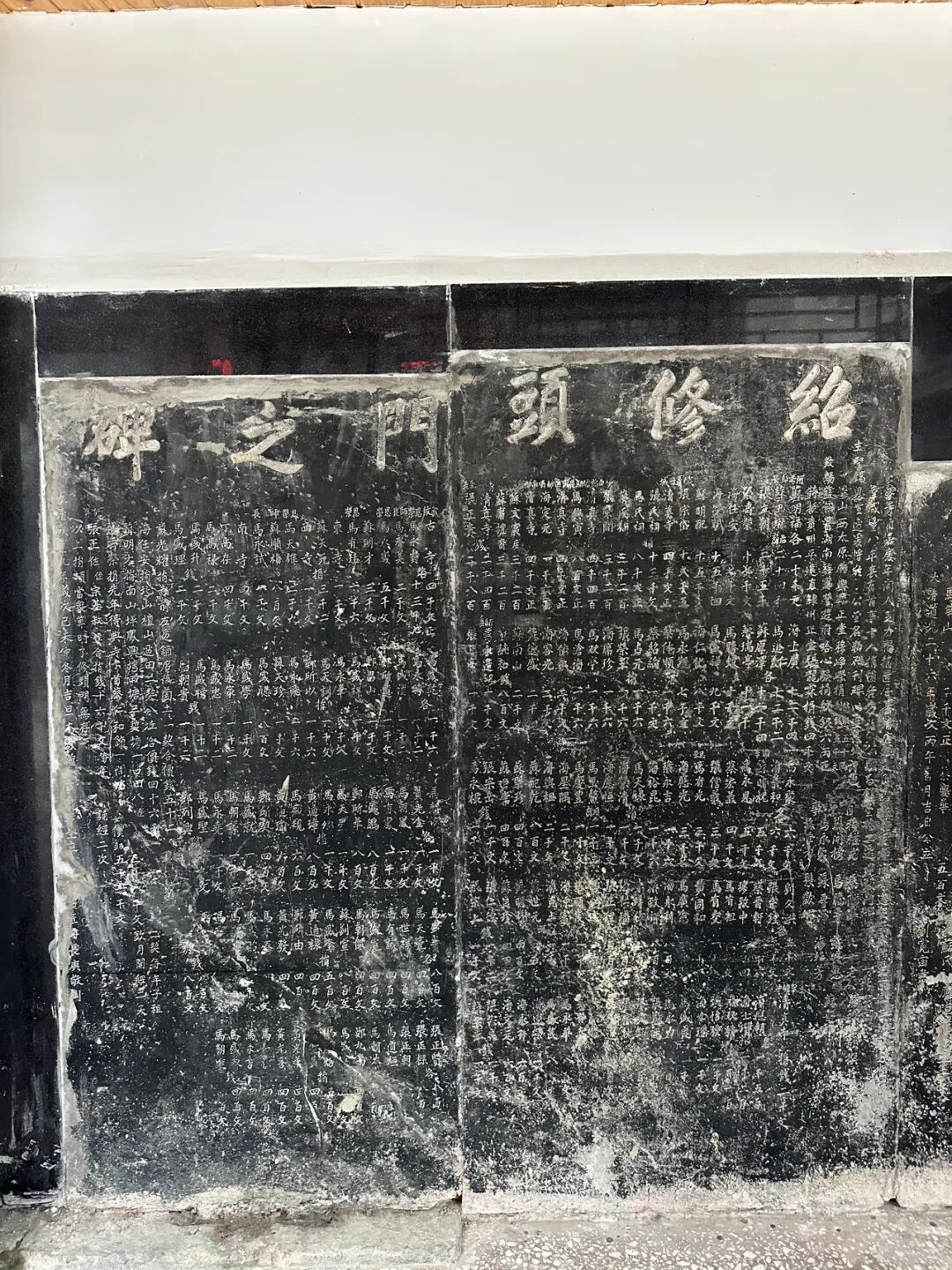
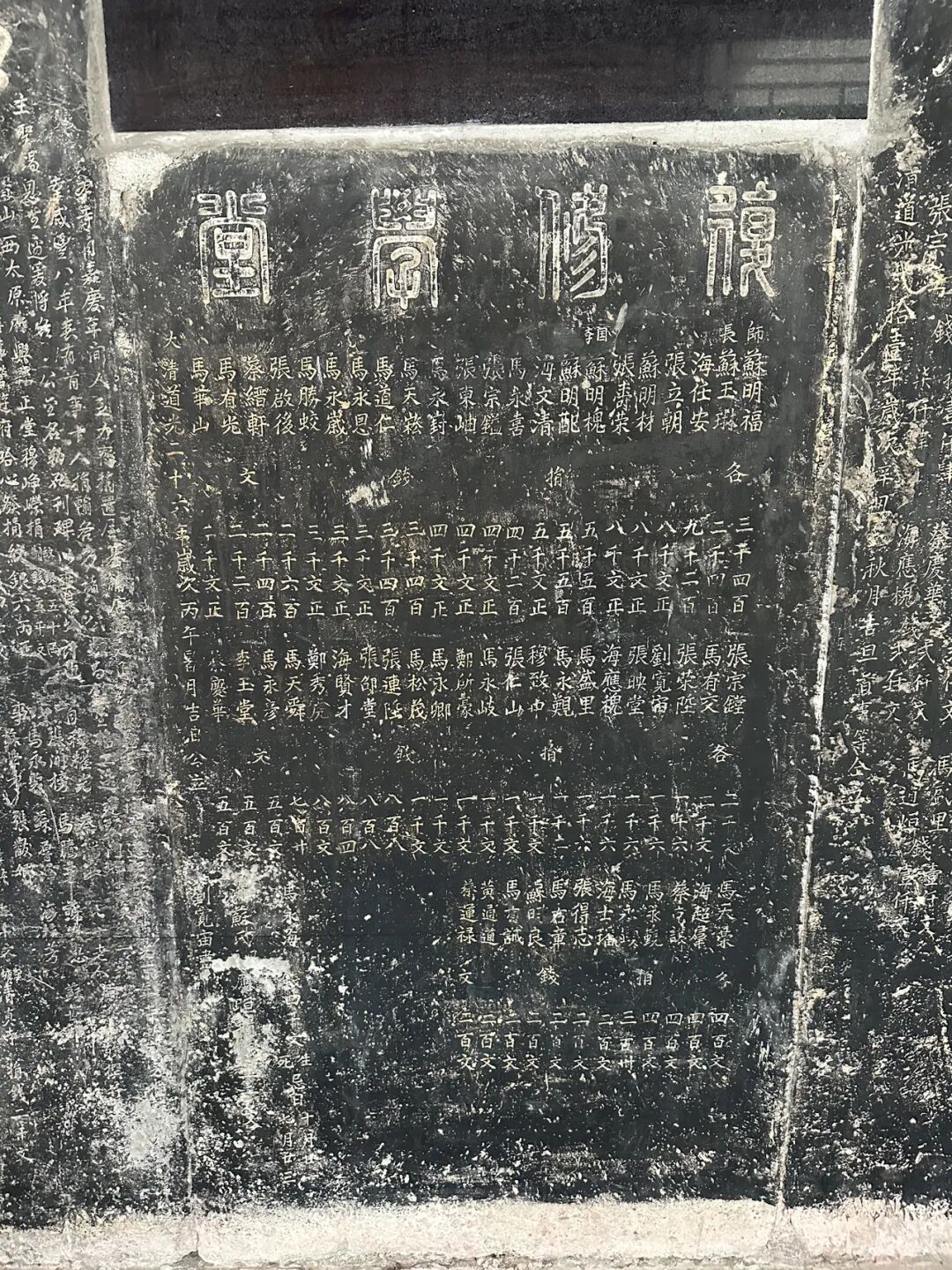
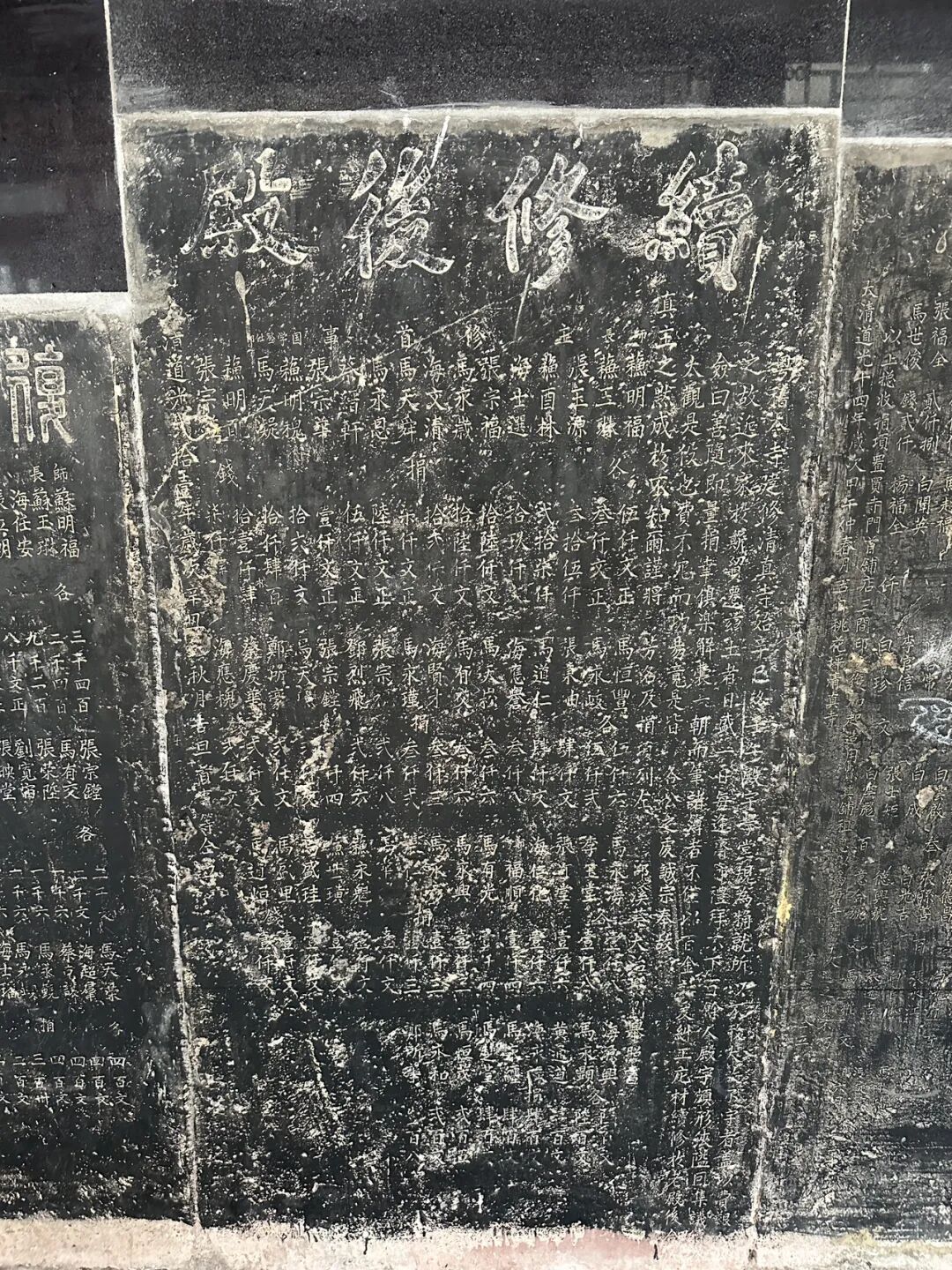
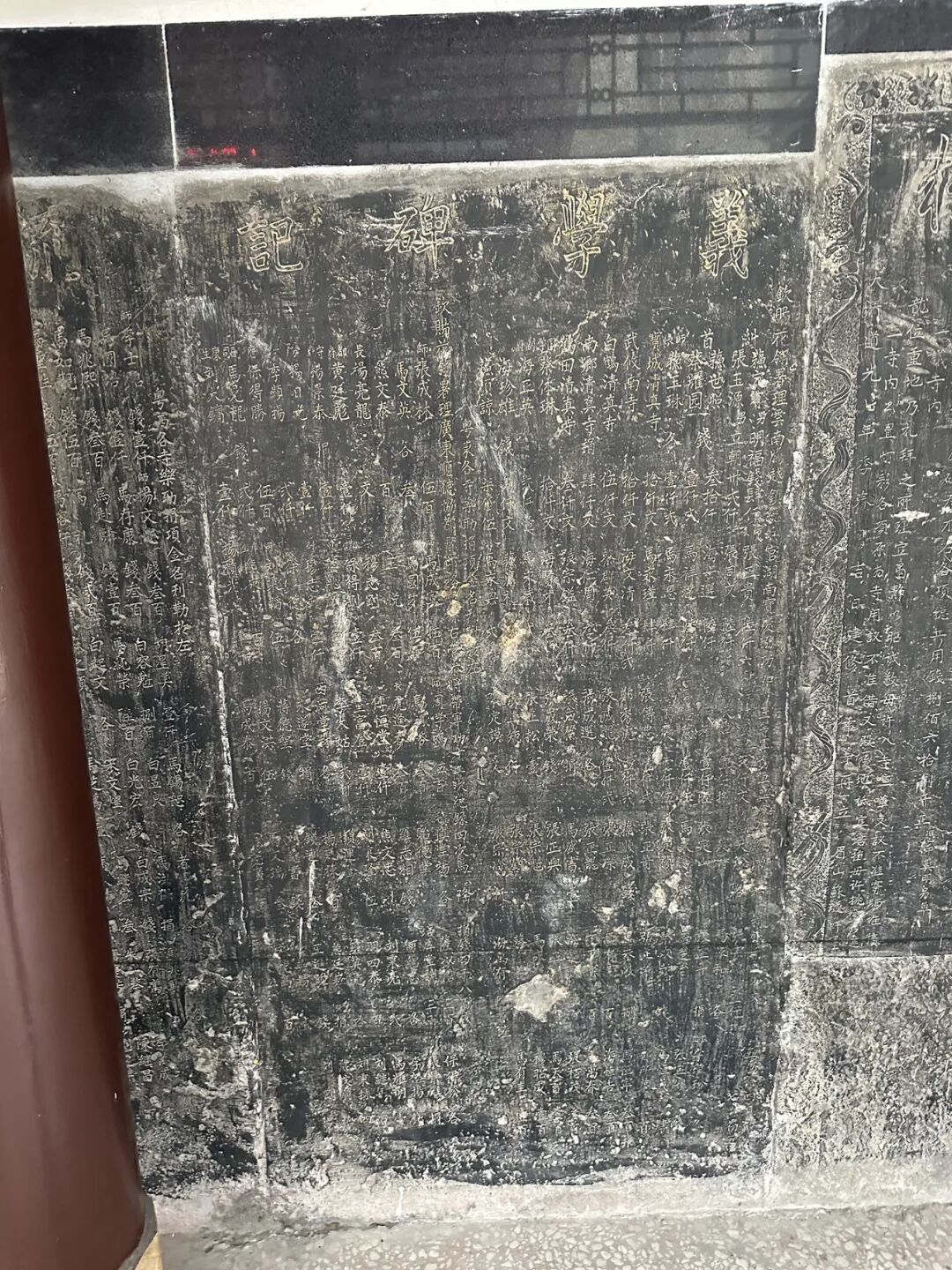
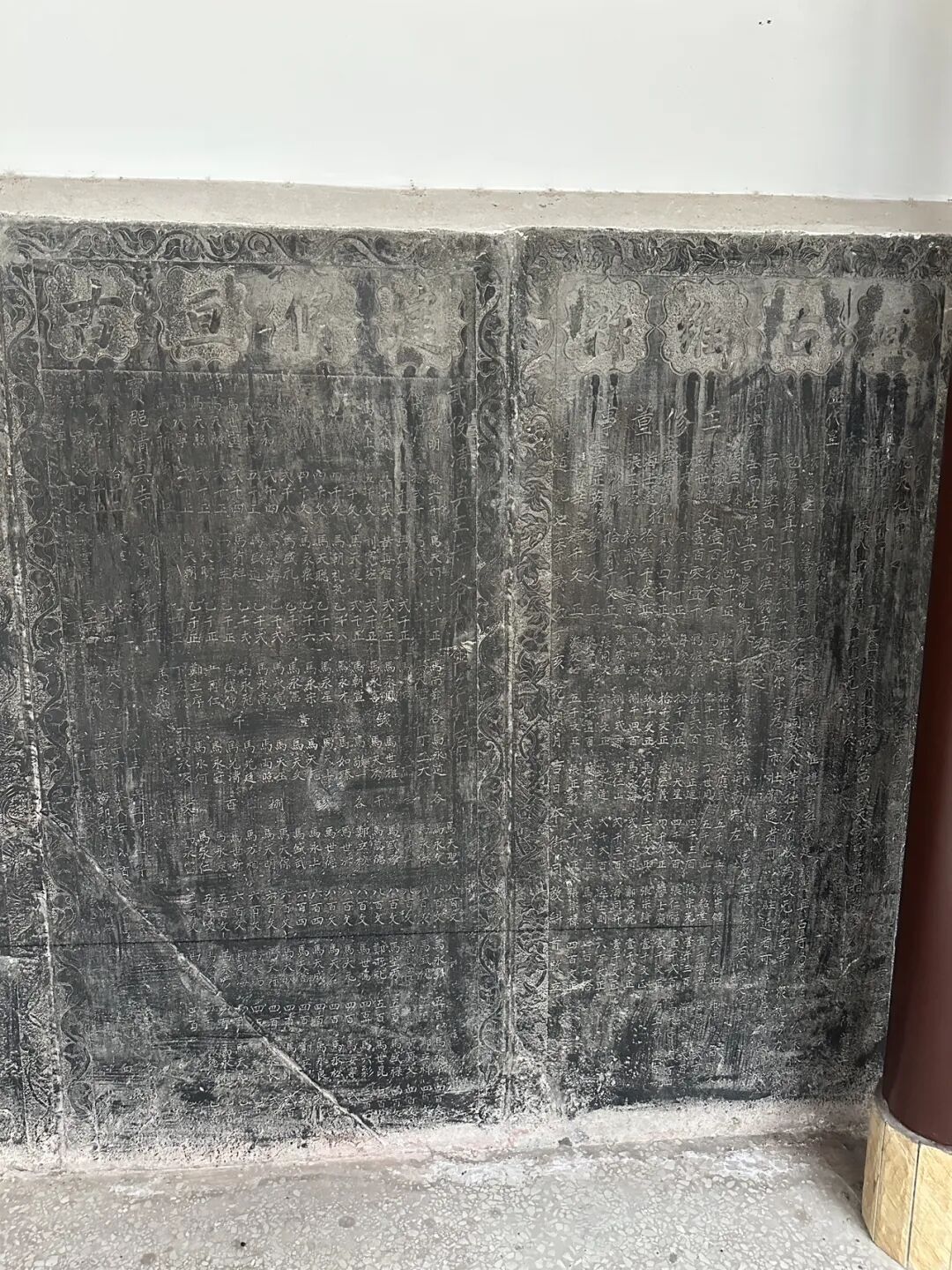
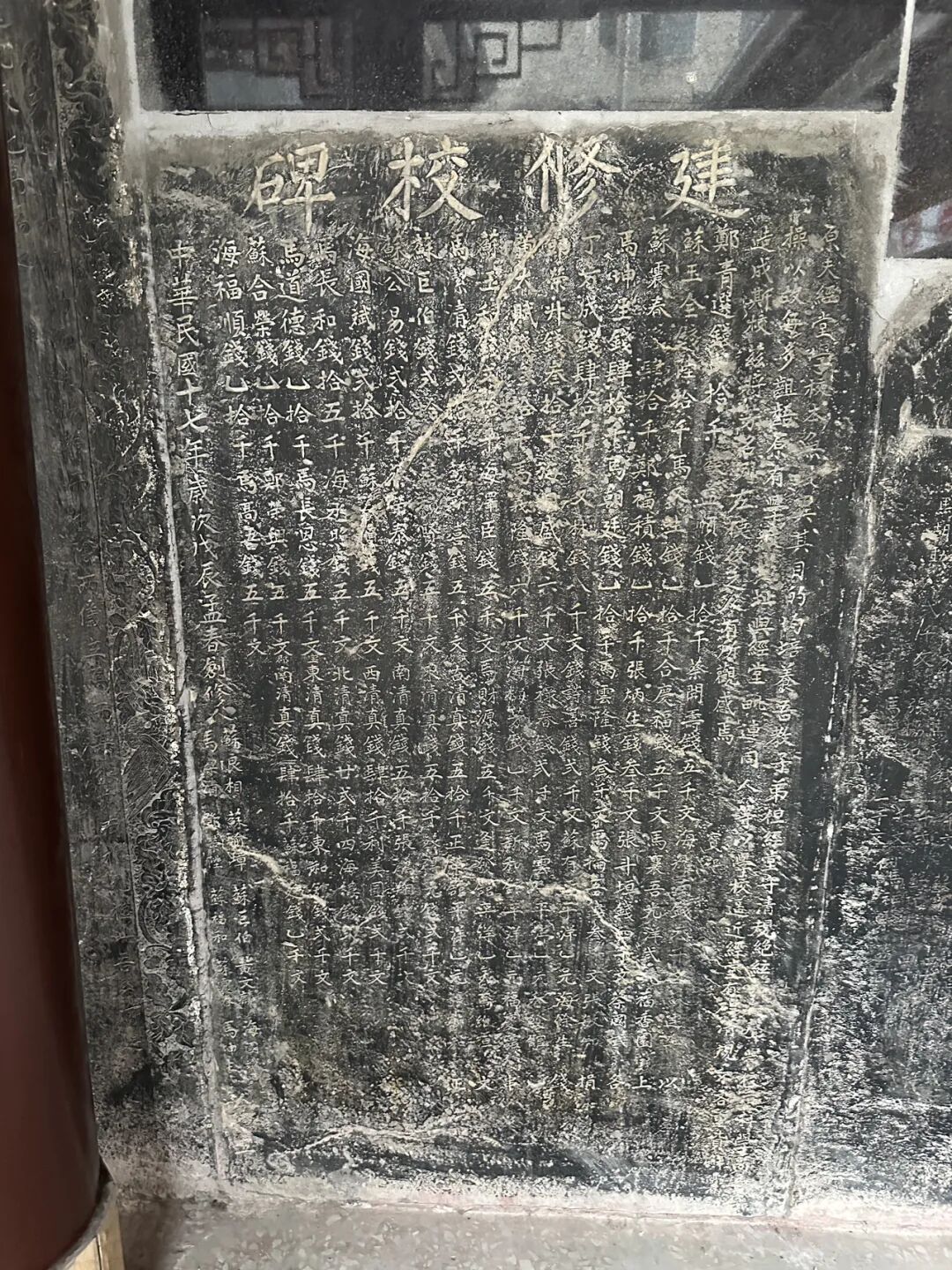
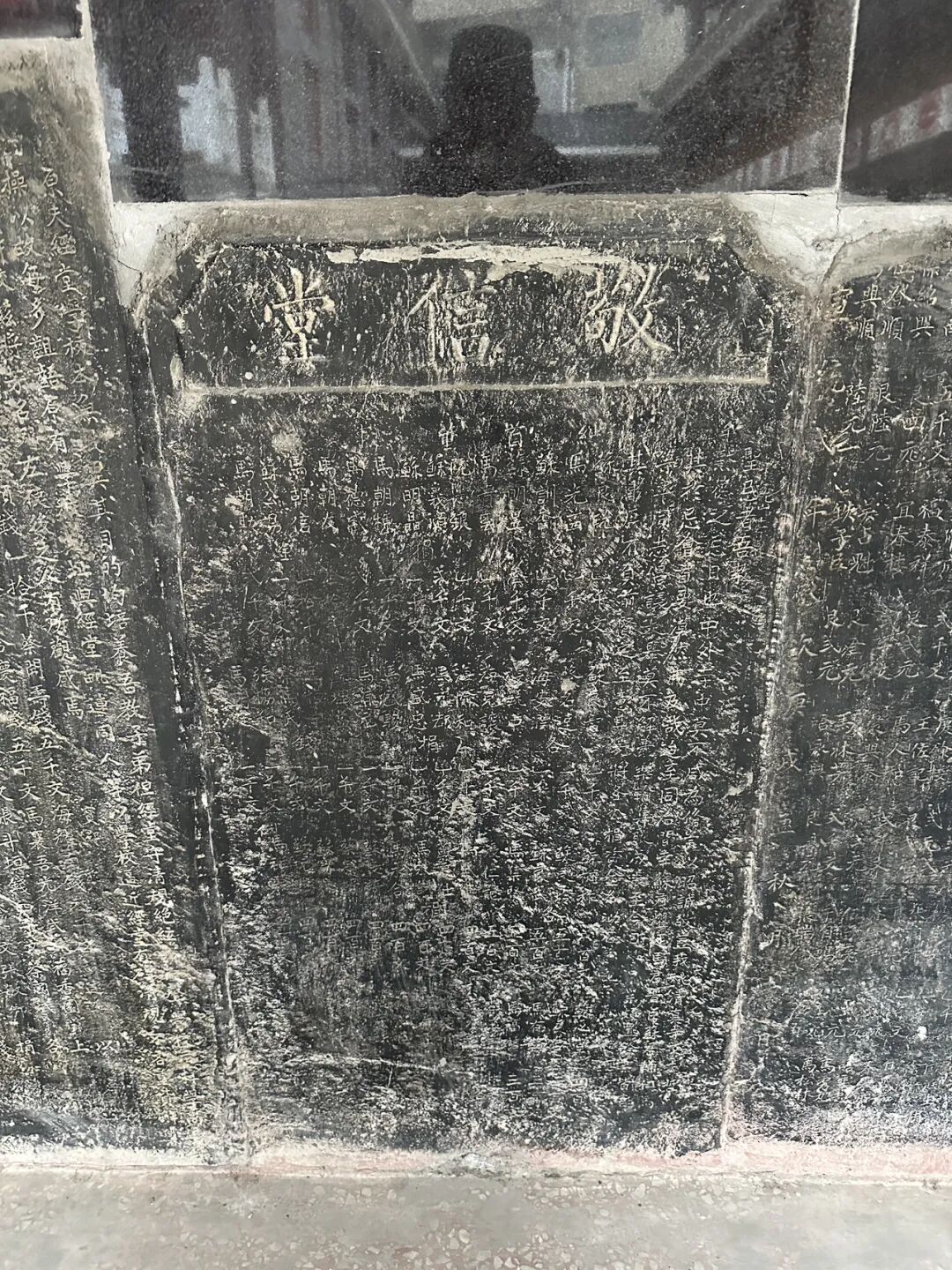
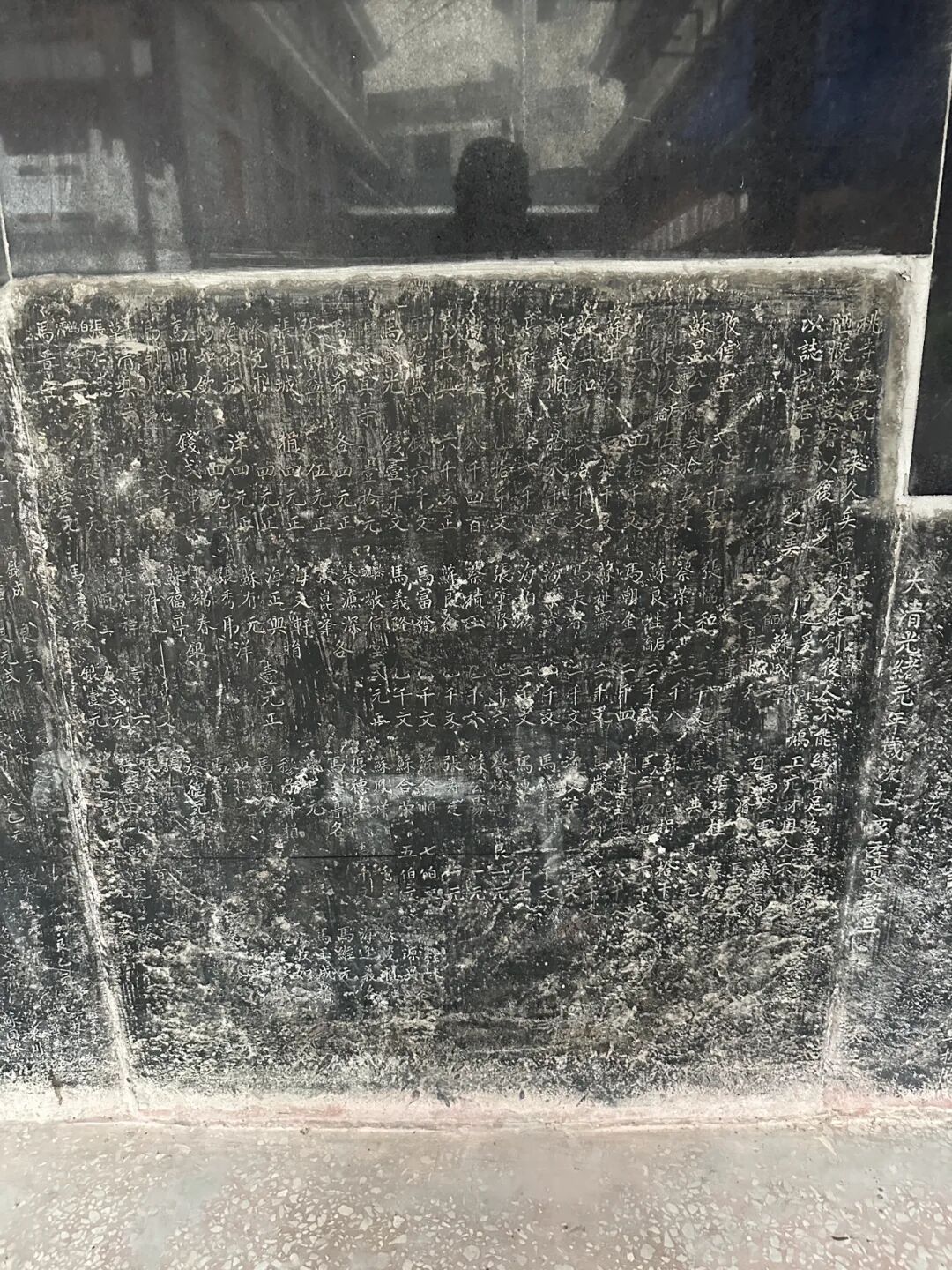
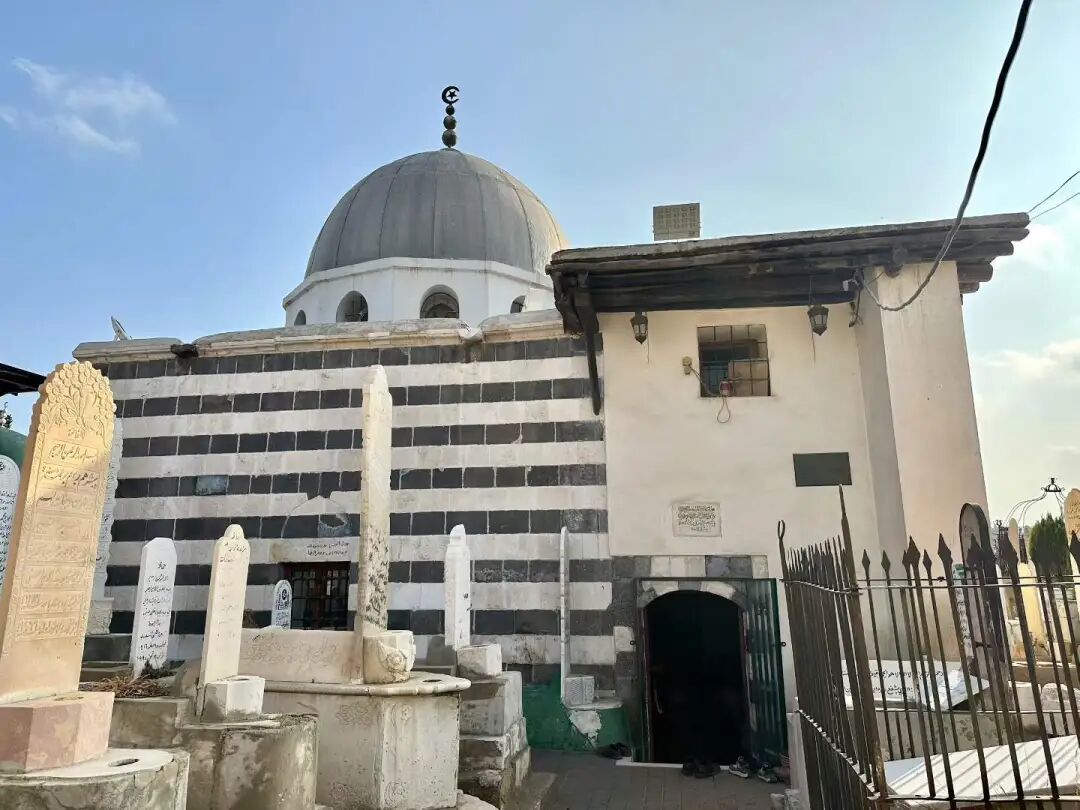
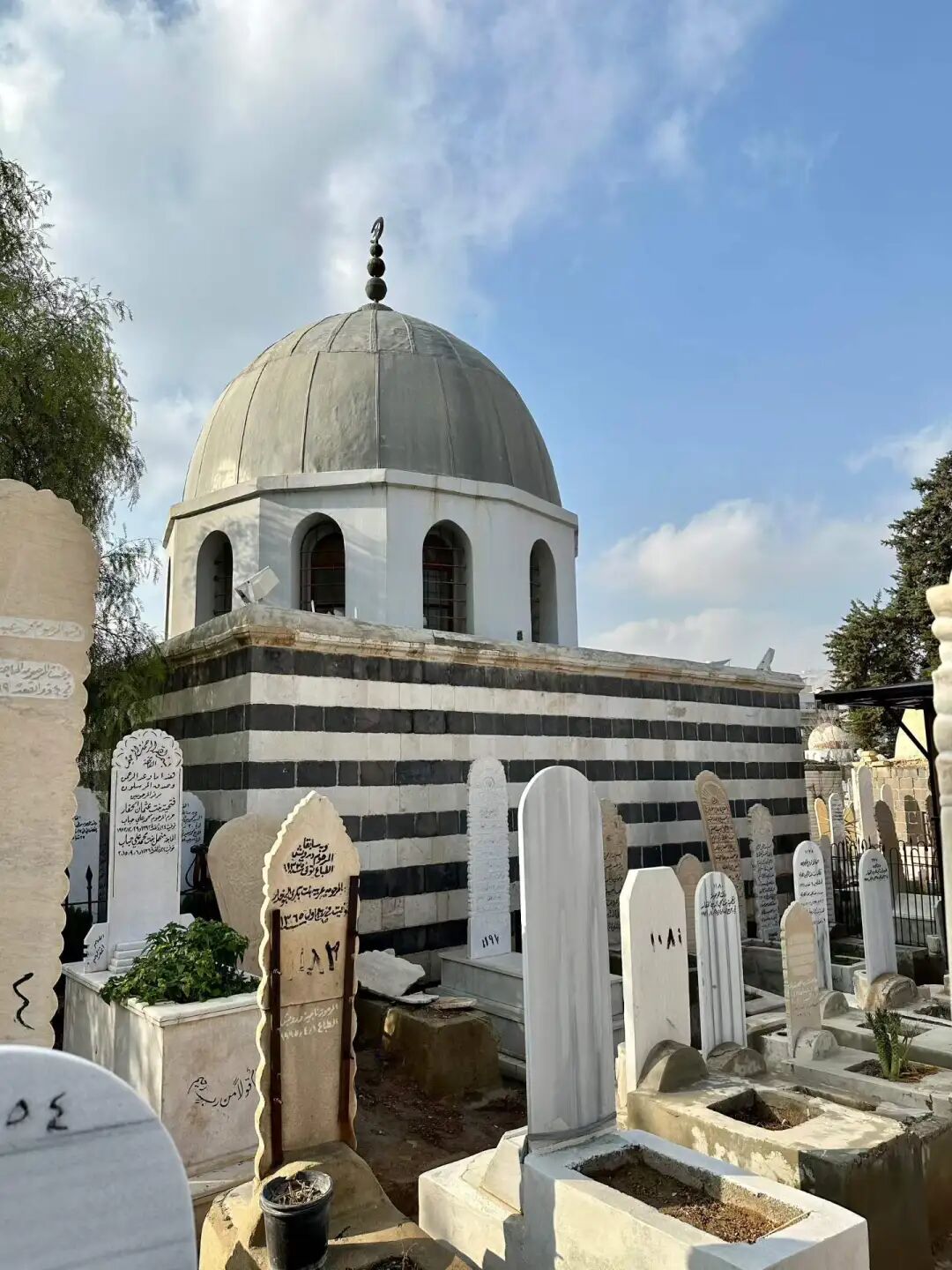
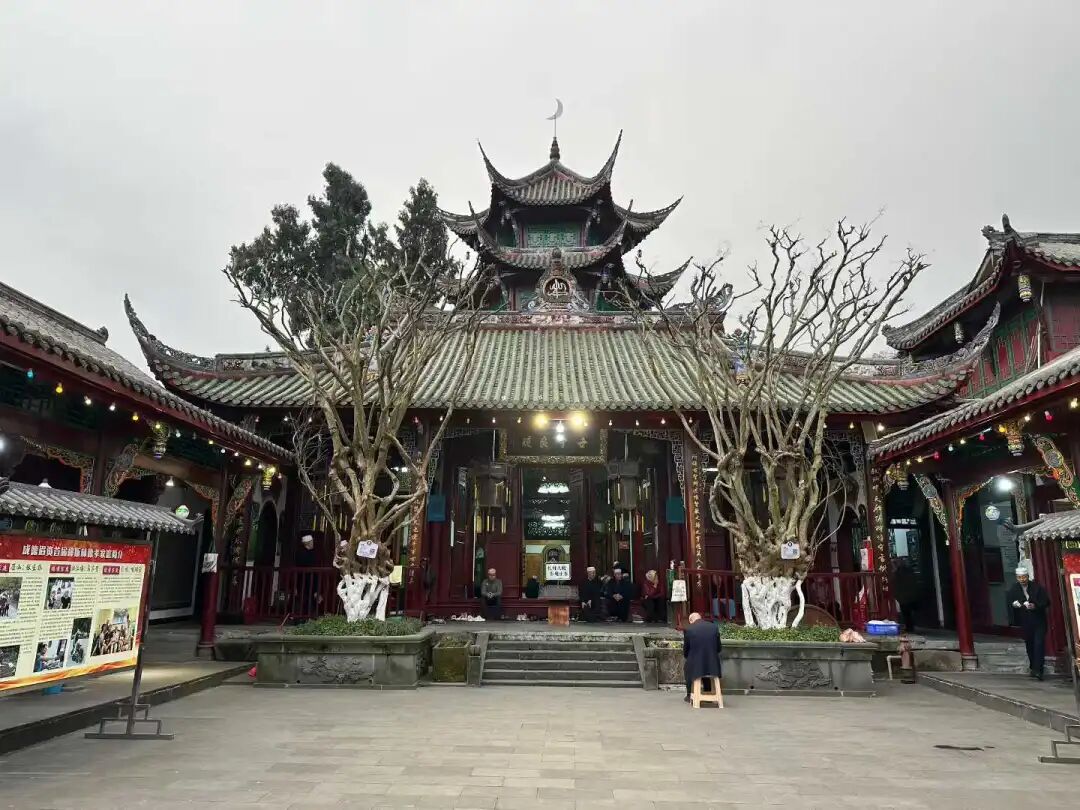
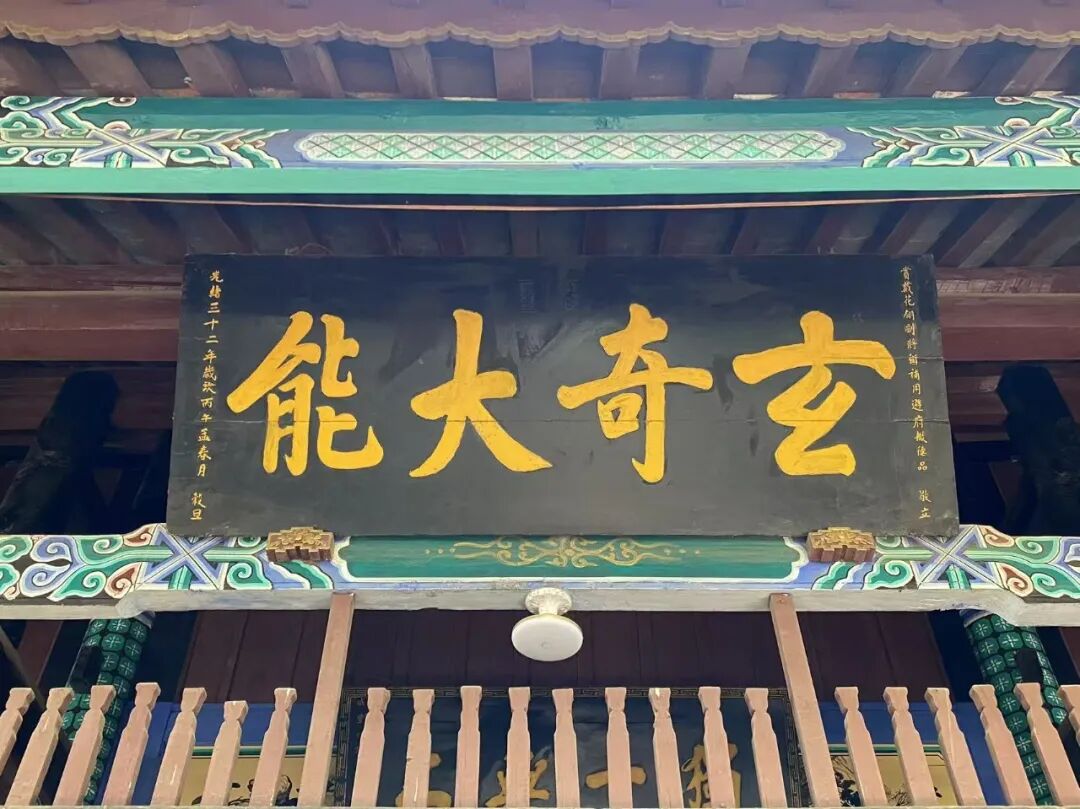
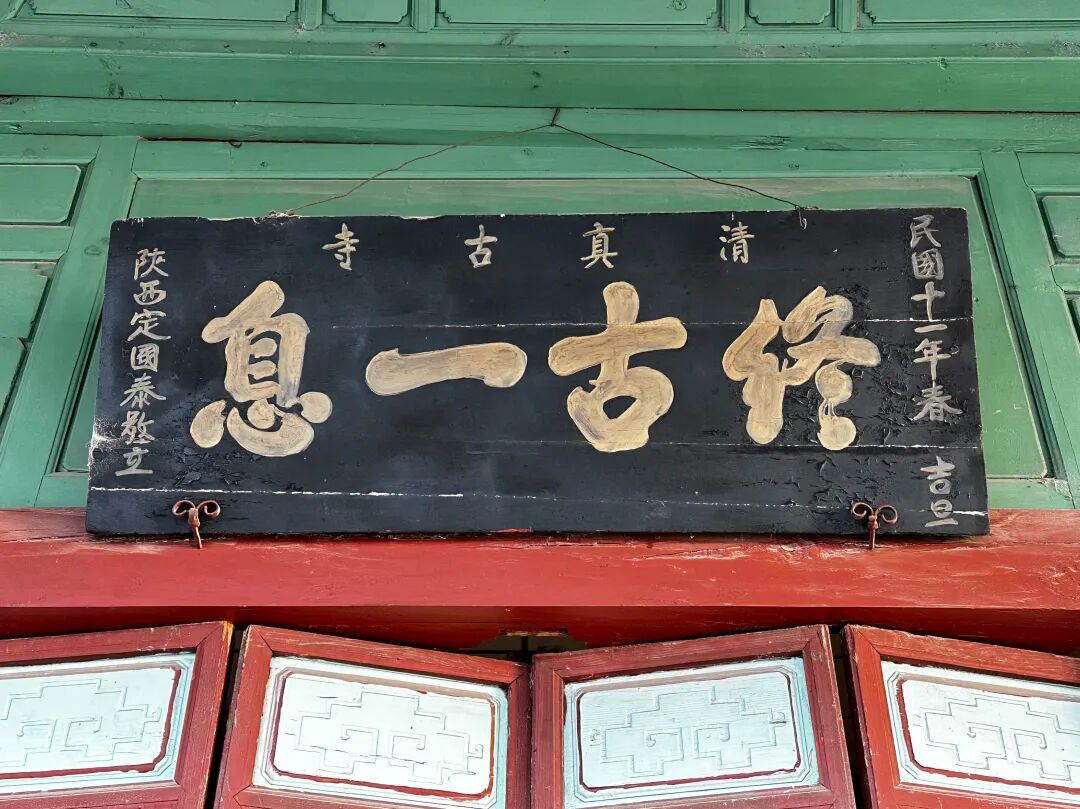
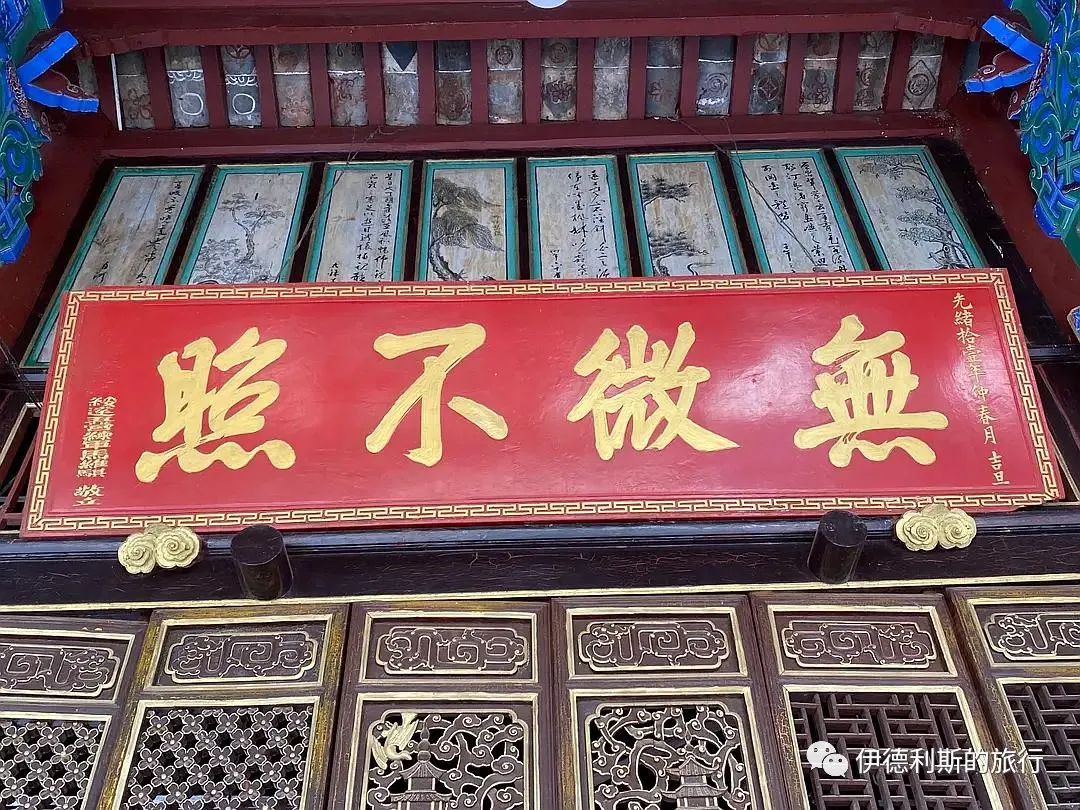
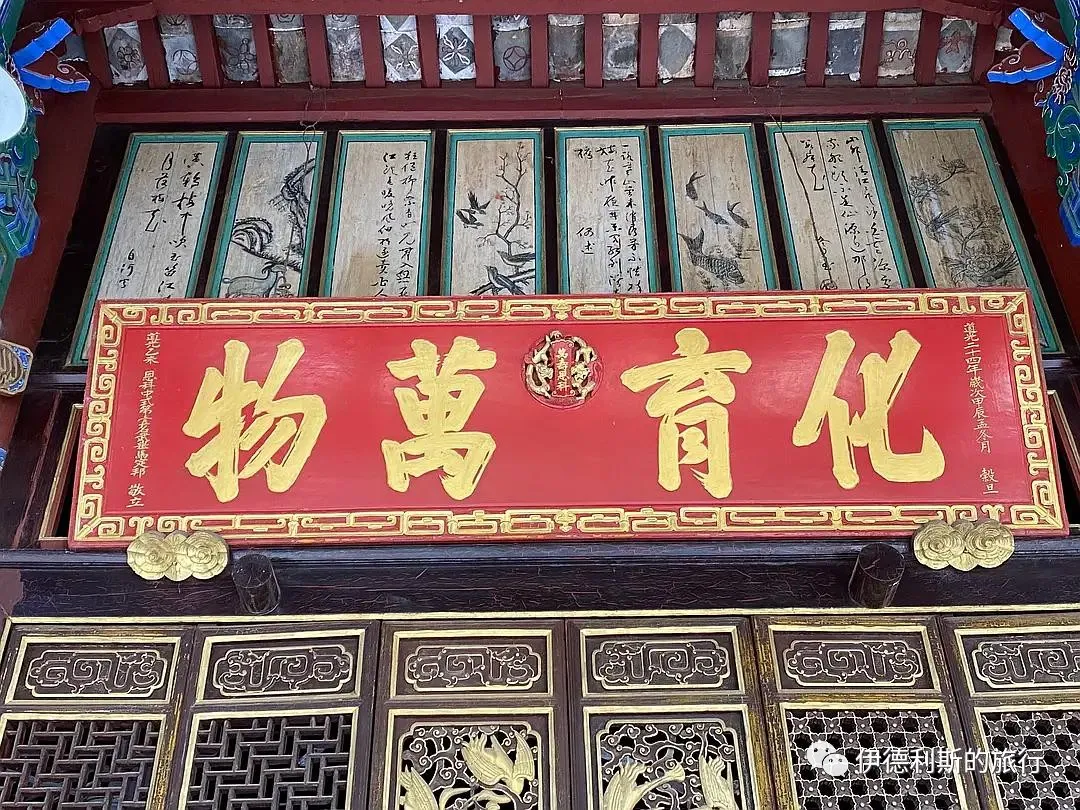
The main mosque of Zhaotong Baxianda Mosque is also known as [Zhaowei-Lu Ancient Mosque]. It was first built in the eighth year of the reign of Emperor Yongzheng of the Qing Dynasty (1730) and is located in Baxianying, Shouwang Hui Township, Zhaotong City, Yunnan Province. It has experienced damage and reconstruction during this period. In 1983, the Zhaotong Baxianda Mosque was designated as a county-level cultural relic protection unit. Imam Ma Minglun (1898-1938) taught for ten years, and the mosque became the well-known "Haiyi" mosque in Zhaotong. He himself served as the general dean of Zhaoshi 36 Mosque, and his disciple Ma Weihai (a well-known alim in Yunnan and a former member of the China Islamic Association) founded the "Zhaowei-Lu State Education United Chongzhen Normal School" when he was teaching (1942-1956). The Baxianda Ancient Mosque is surrounded by green cypresses, with a quiet environment and complete school buildings. Well-planned school leadership, capable and outstanding teaching staff, scientific and complete teaching syllabus, comfortable and elegant library, and meticulous logistical services. The school-running orientation of "school, academy, publicity", the school-running philosophy of "education and academic compatibility, Yi-Confucian culture compatibility", and four compatible school-running characteristics, namely "compatibility of academics and employment, compatibility of classics and Chinese studies, compatibility of tradition and modernity, compatibility of majors and electives". The Baxianda Mosque is waiting for your arrival in the spirit of "cultural exchange and inclusiveness", because every teacher, mosque management committee and the community of the Baxianda Mosque always firmly believes that "success comes from the right choice." We work hard and contribute diligently to cultivate a younger generation of scholar-imams and imam-type scholars who are patriotic, loving, knowledgeable, noble in character, and willing to contribute!

The Baxianda Mosque, Maohao Street Mosque in Zhaoyang District, Tuogu Mosque, Tiejiawan Mosque, Wenping Mosque and Longtoushan Mosque in Ludian County are the earliest mosques built in Zhaotong City. For hundreds of years, these mosques have always put education first. Even today, these famous mosques still have more or less dozens or hundreds of students who are eager to study. These mosques bring a large amount of fresh blood to Zhaowei-Lu's religious deen every year, allowing this nation's faith to be well passed on.


I pass by the Baxianda Mosque on the main road under its wall every year, but I have never come in to see it. Just like what I said in the part about the Baxianda Mosque in "A Little Poem for the Mosque", "Every time I ride to my uncle's house / I pass by your feet / But I have never walked inside to get to know you / My image of you is / solemn / majestic / rich in history." Today I finally walked into the Baxianda Mosque that I had longed for and fulfilled my long-cherished wish for many years.

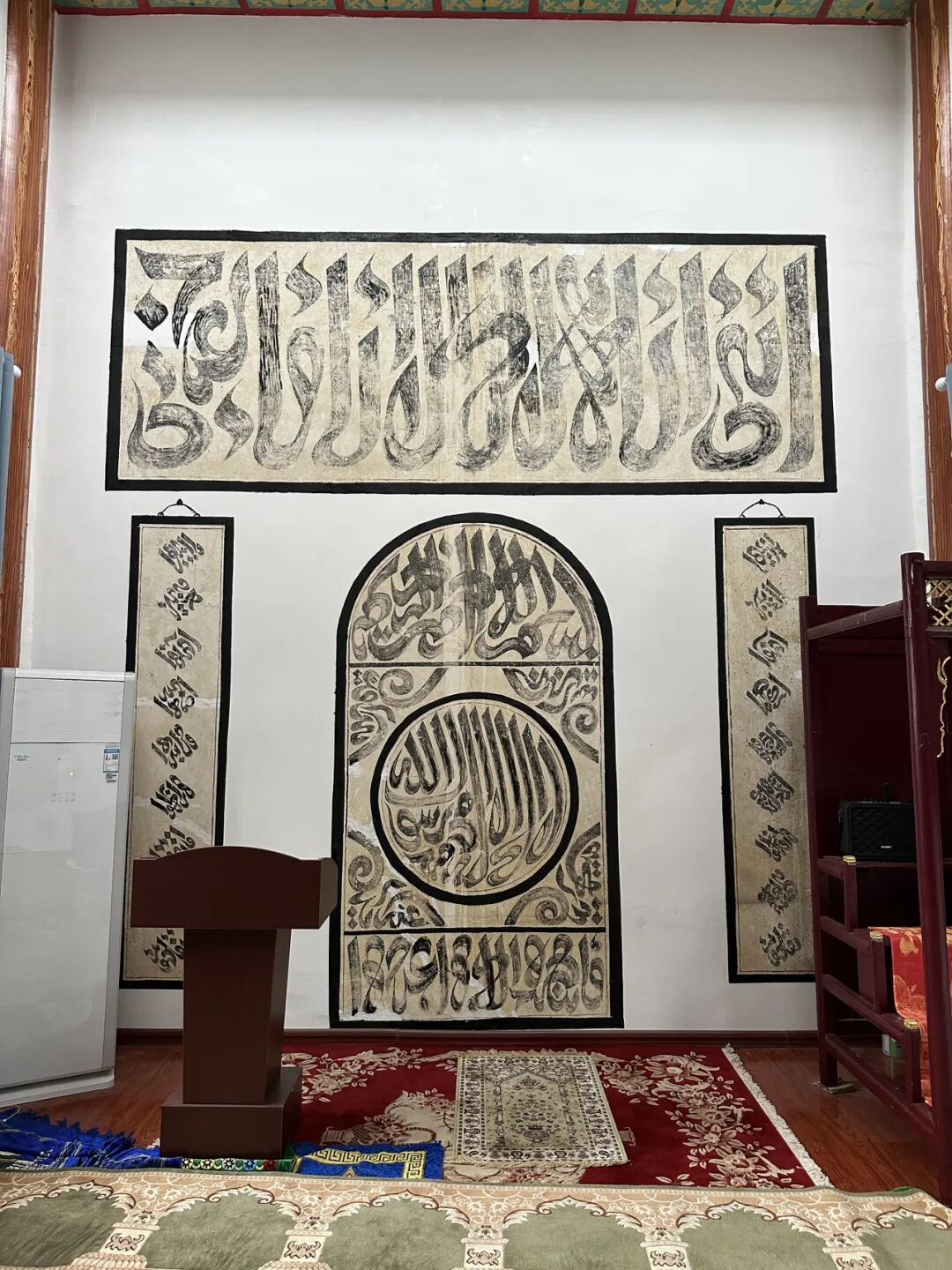
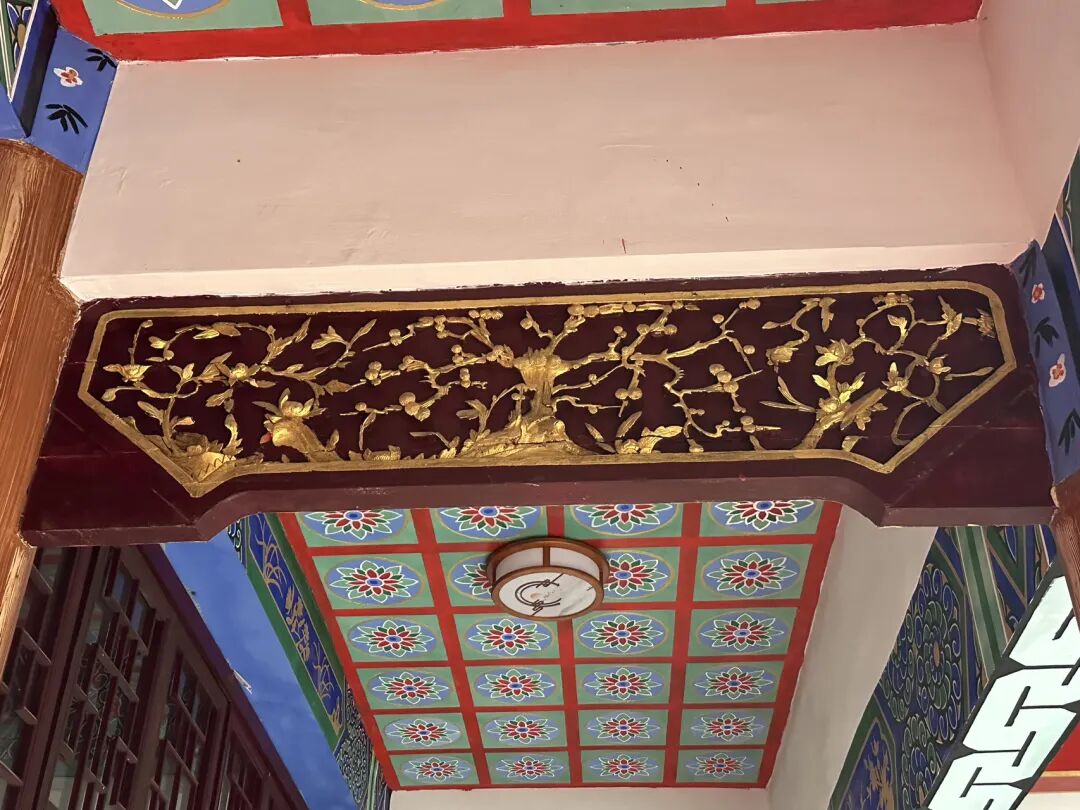
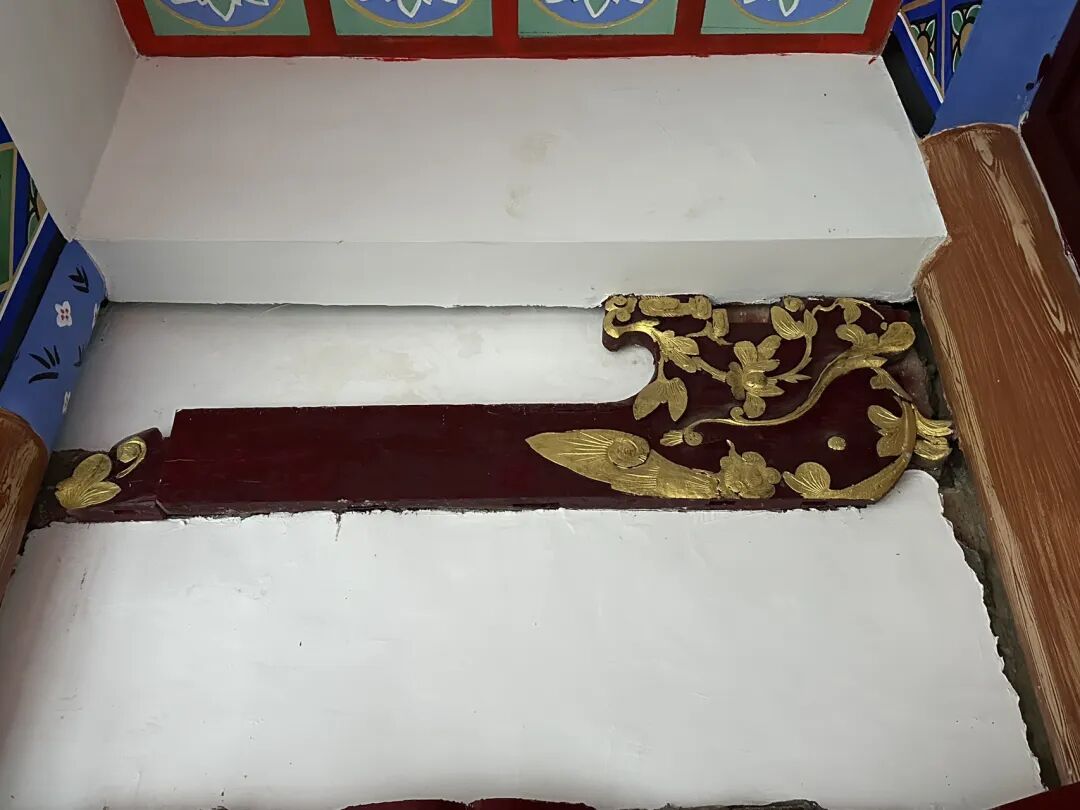
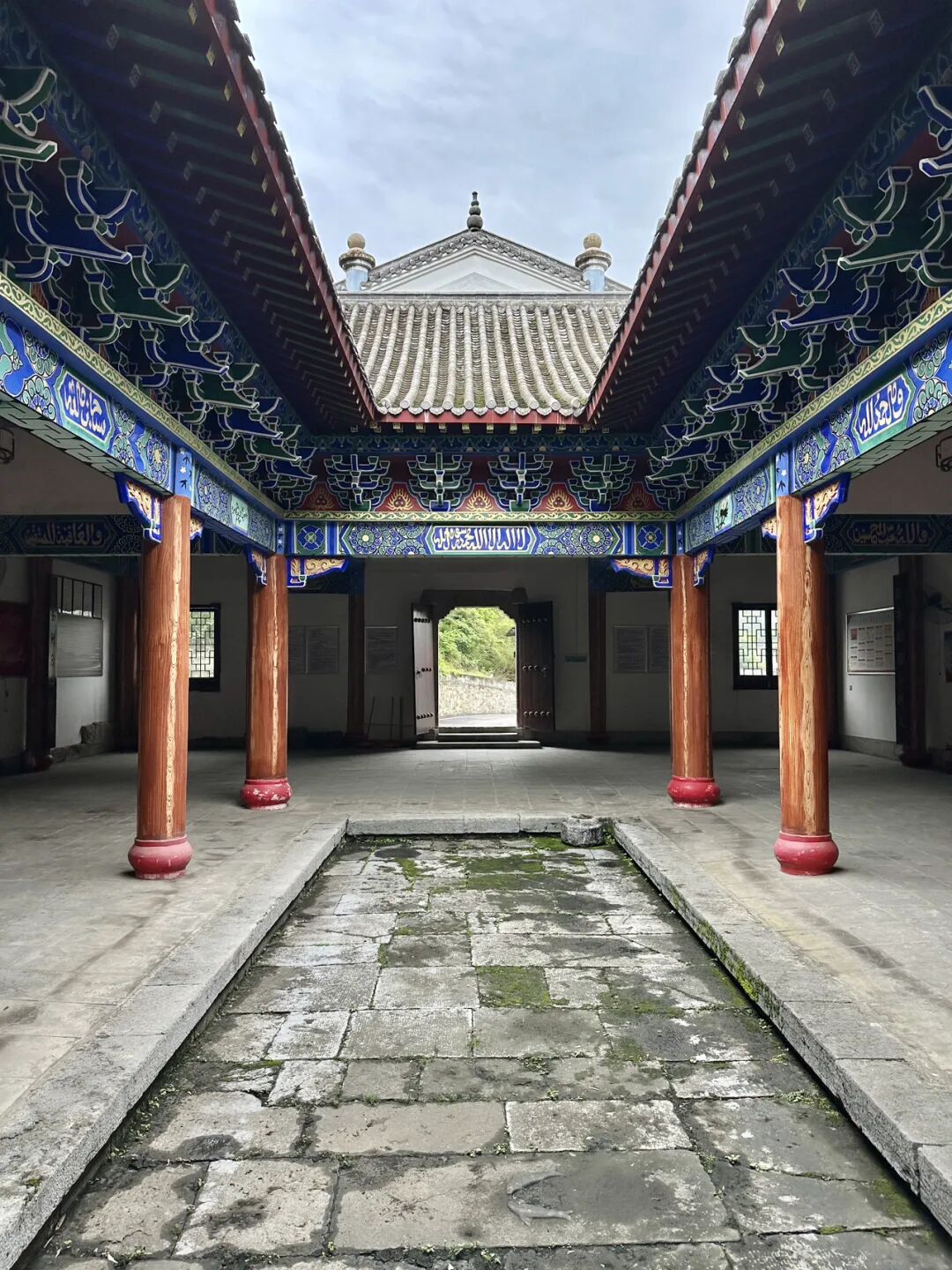
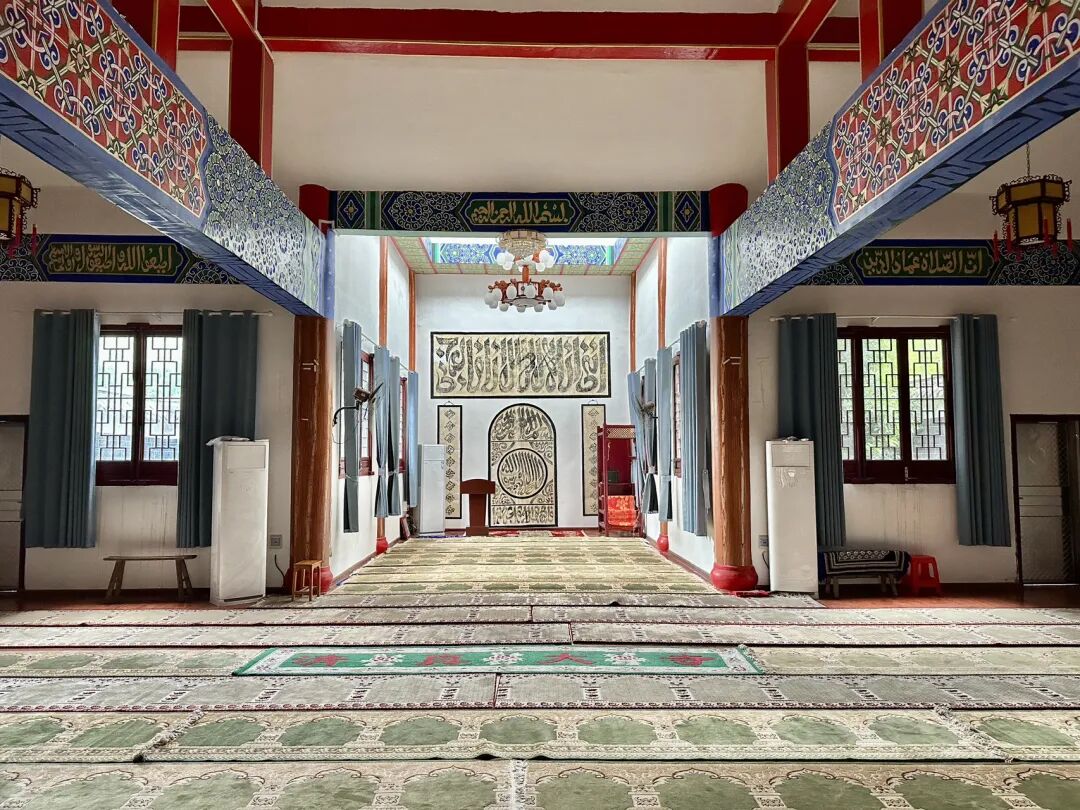
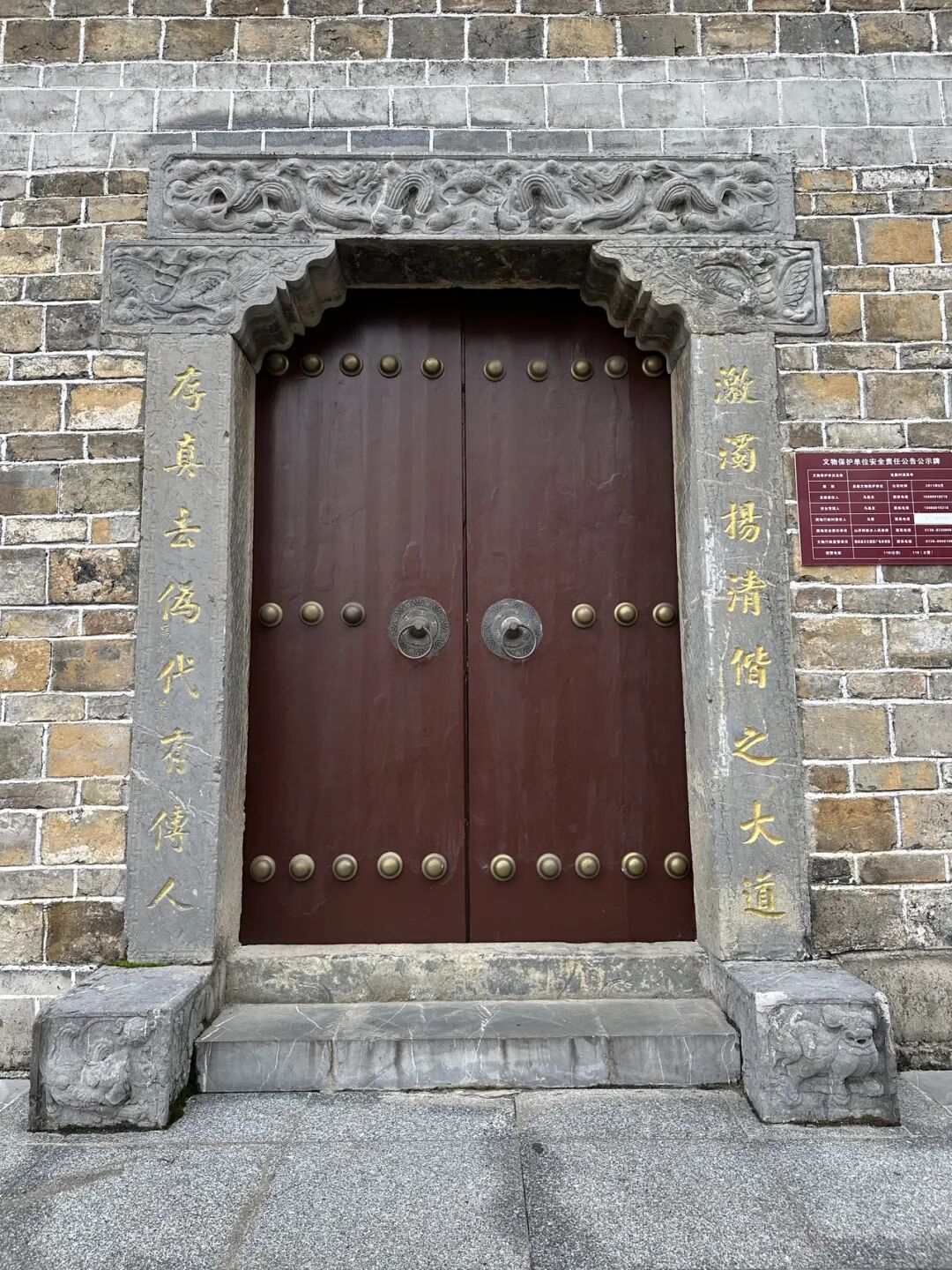
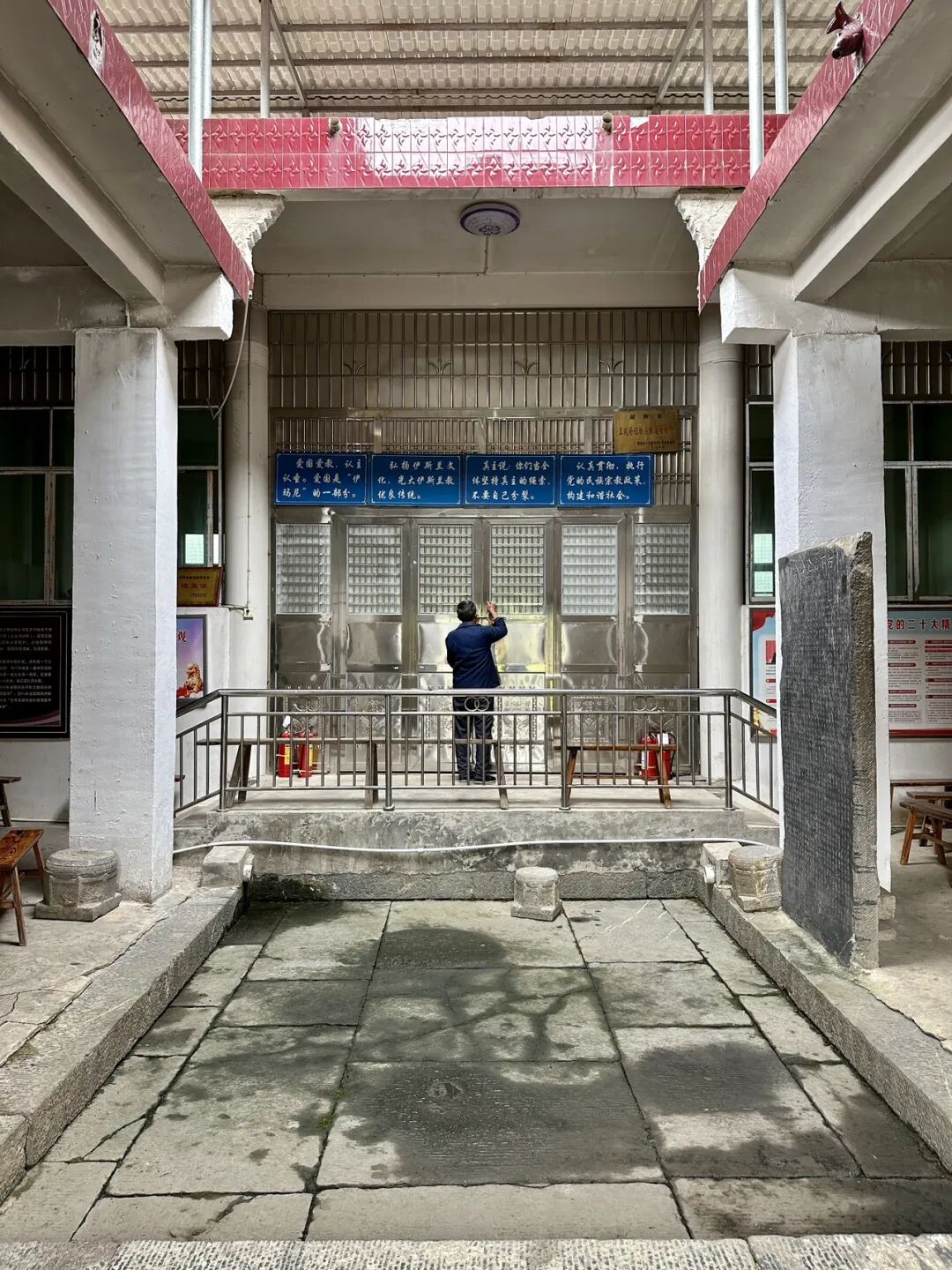
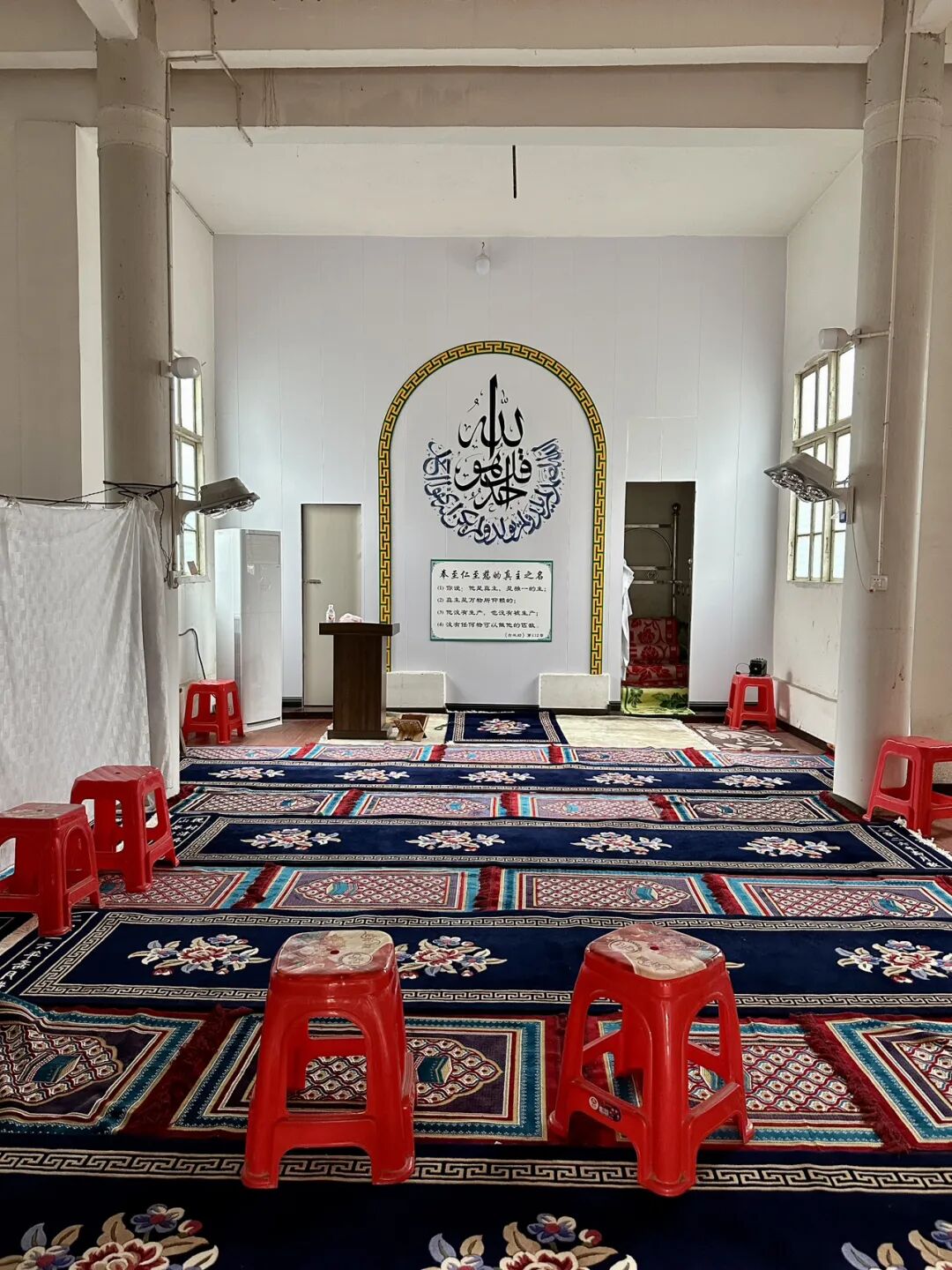
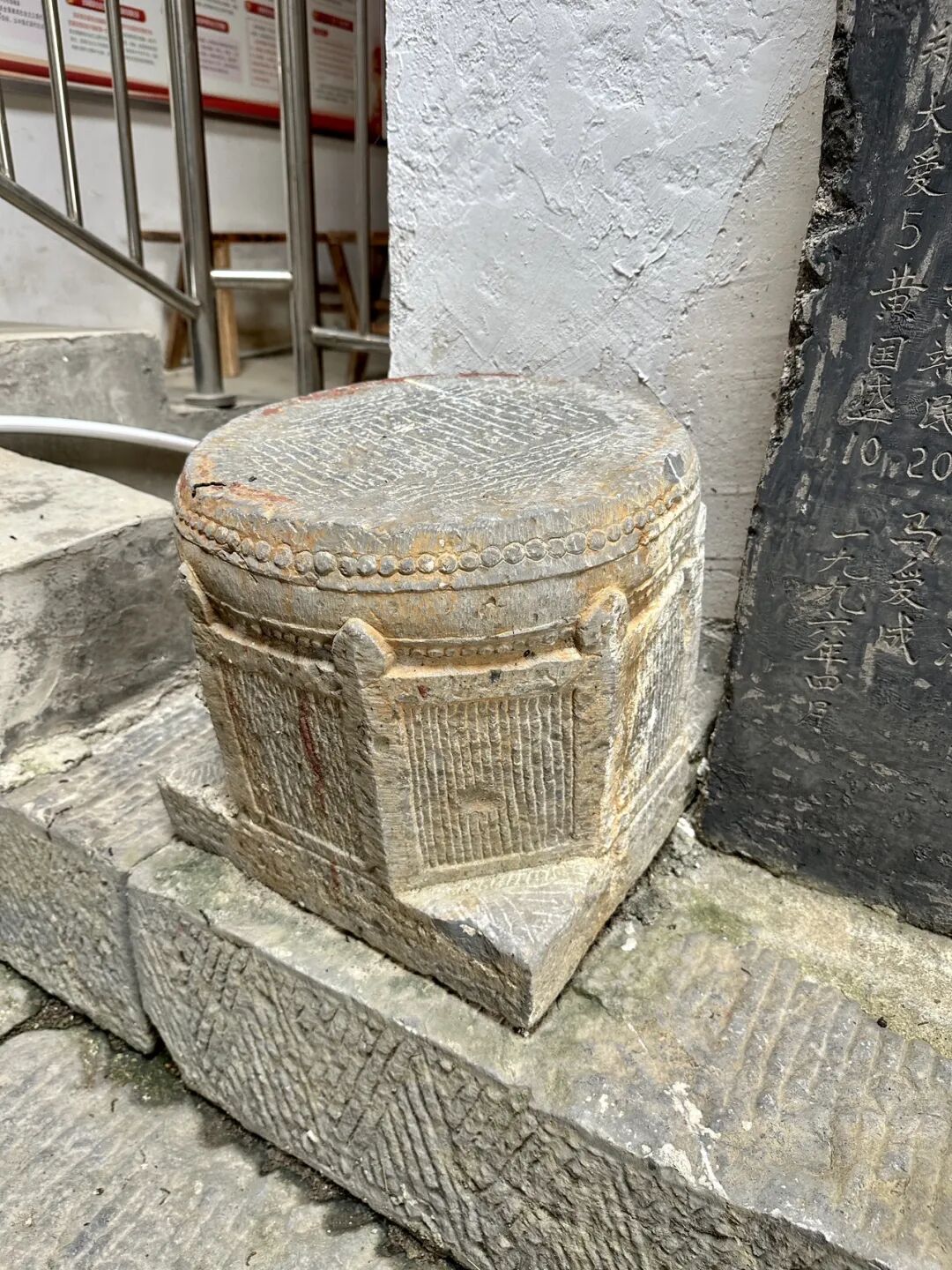
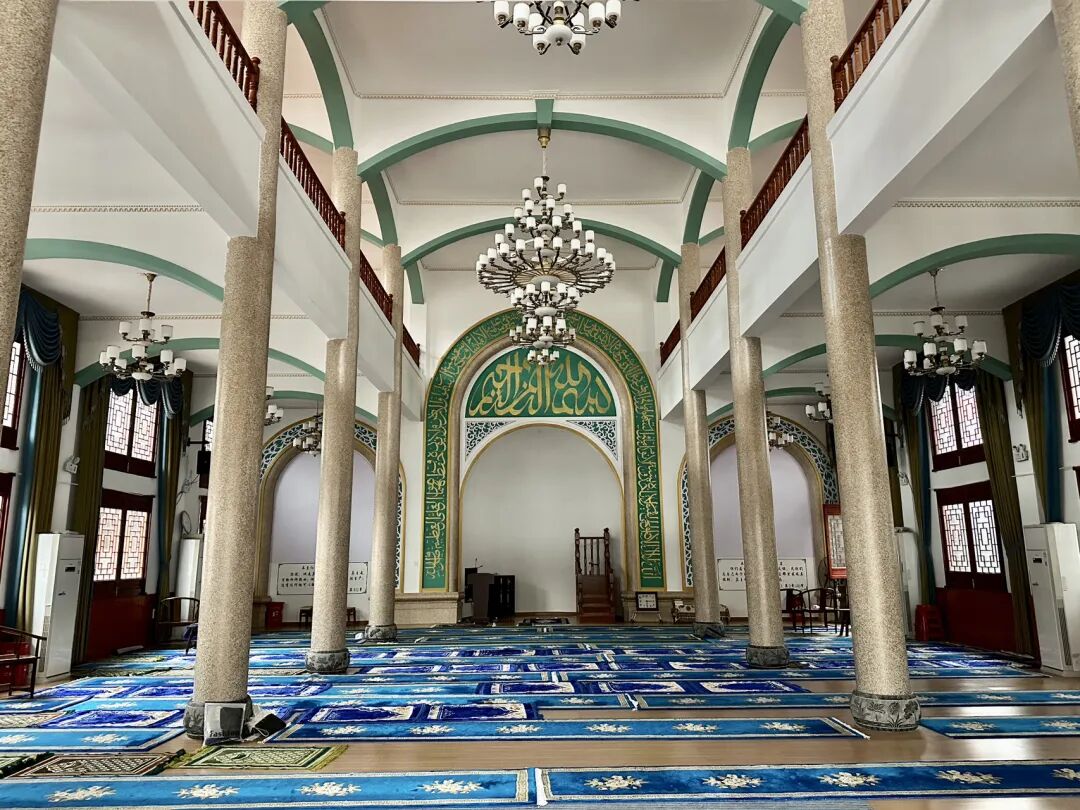
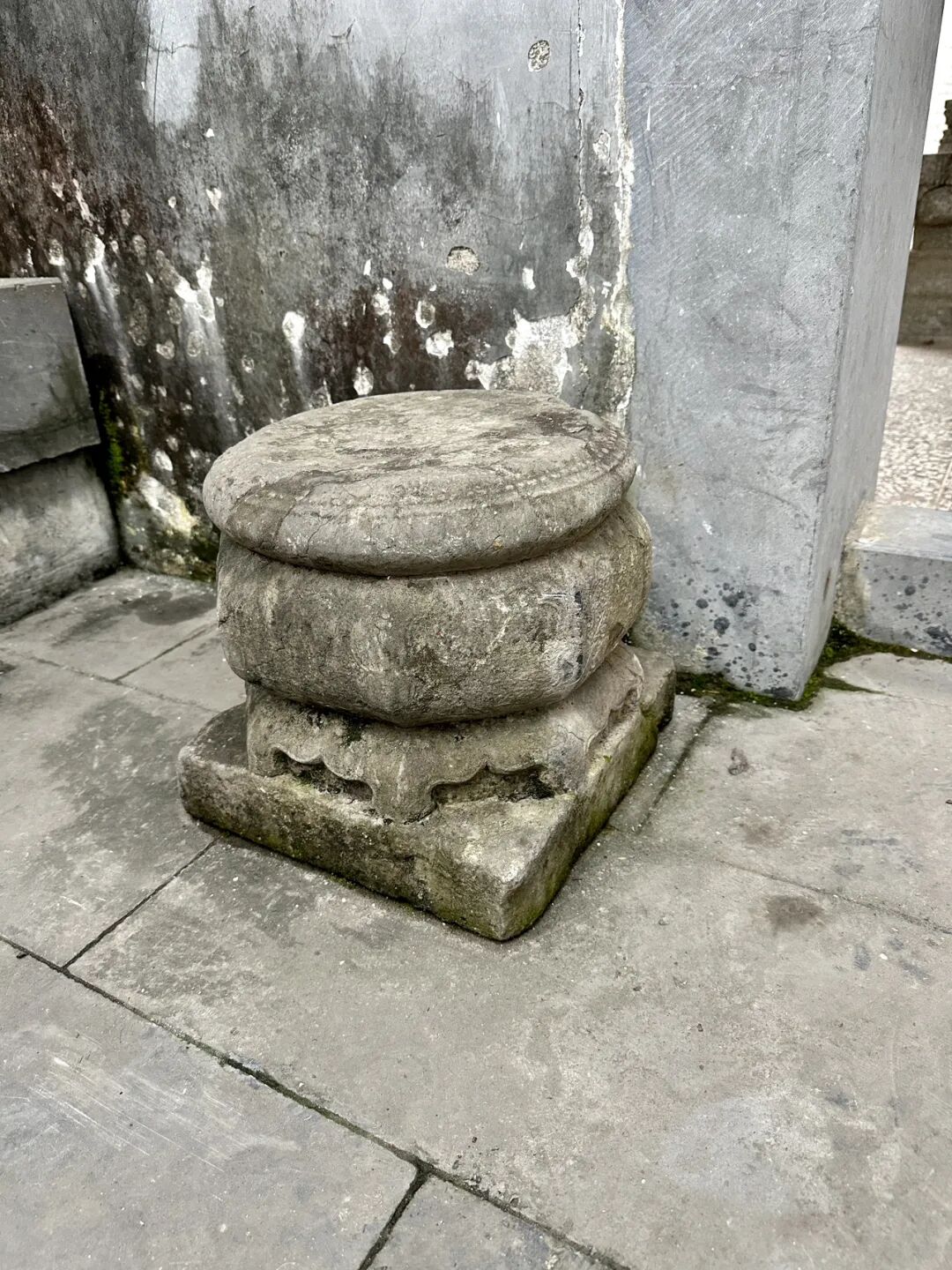
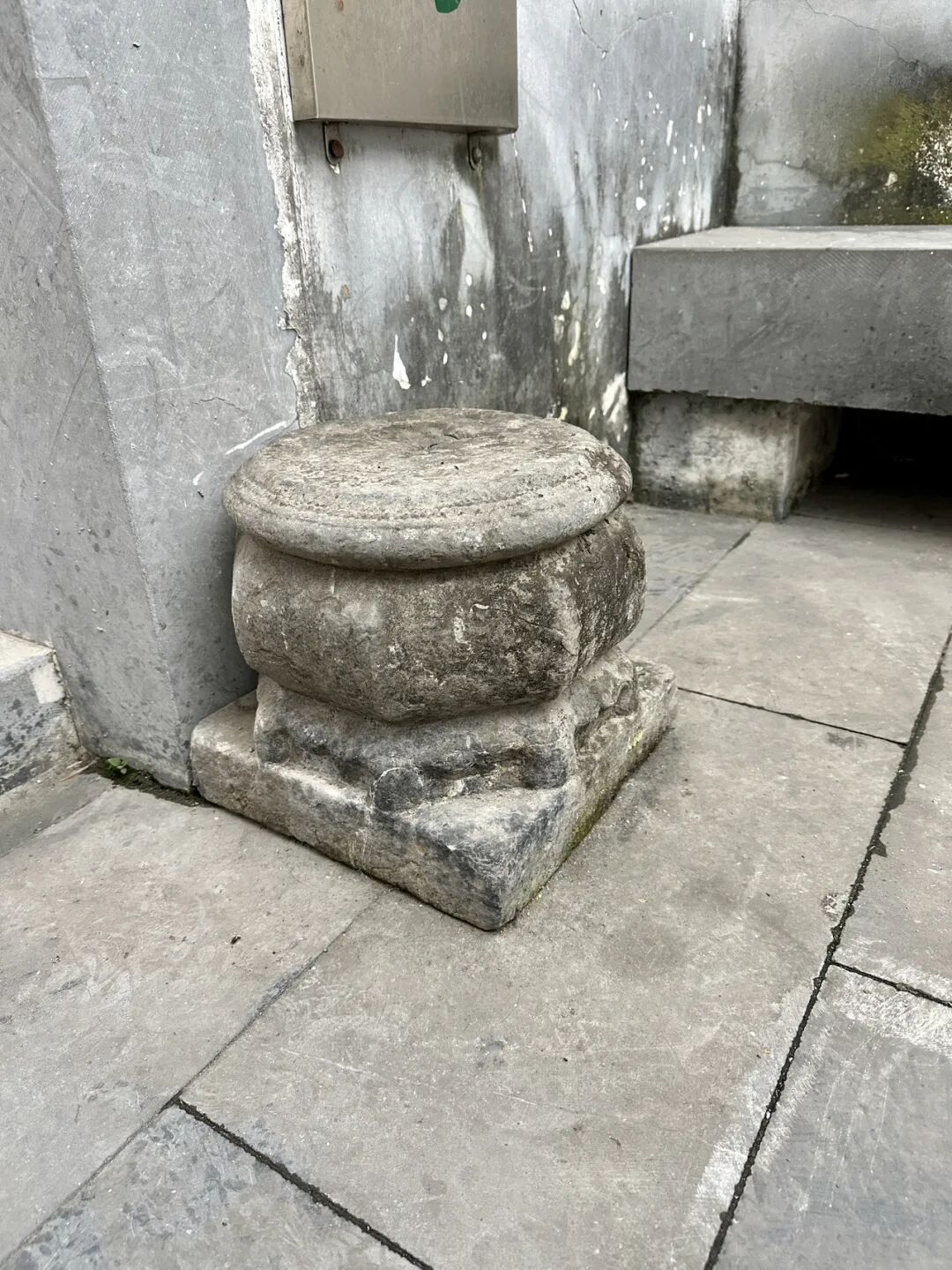
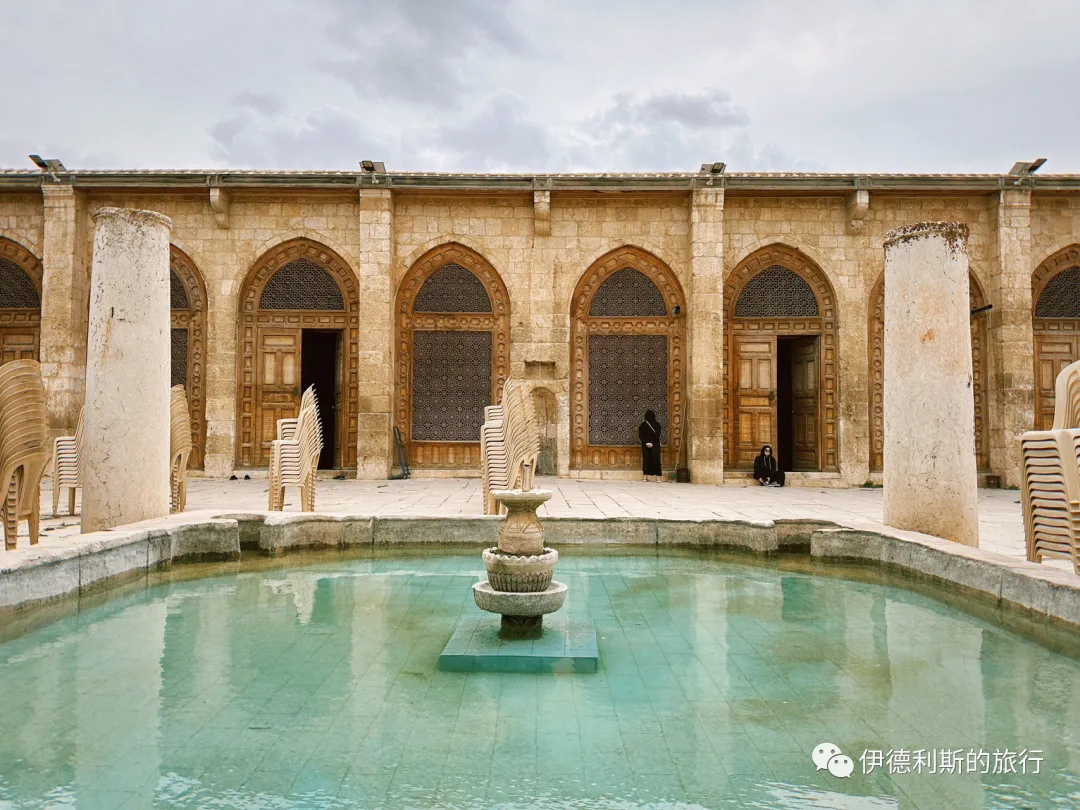
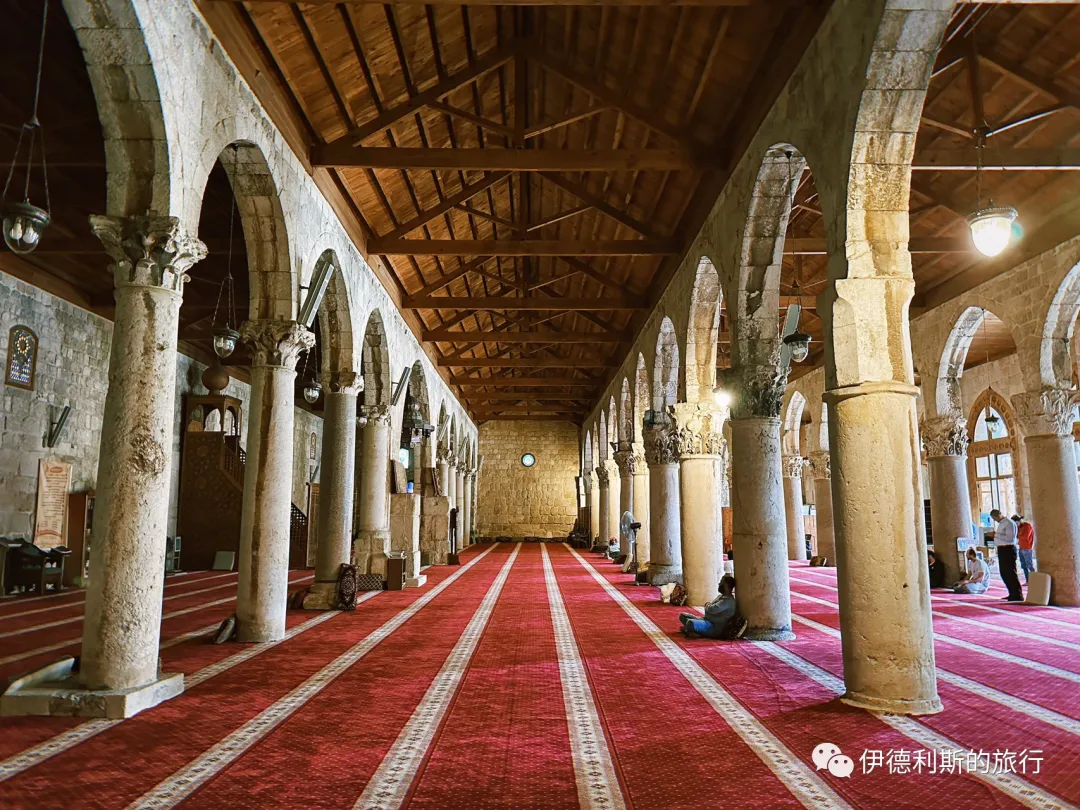
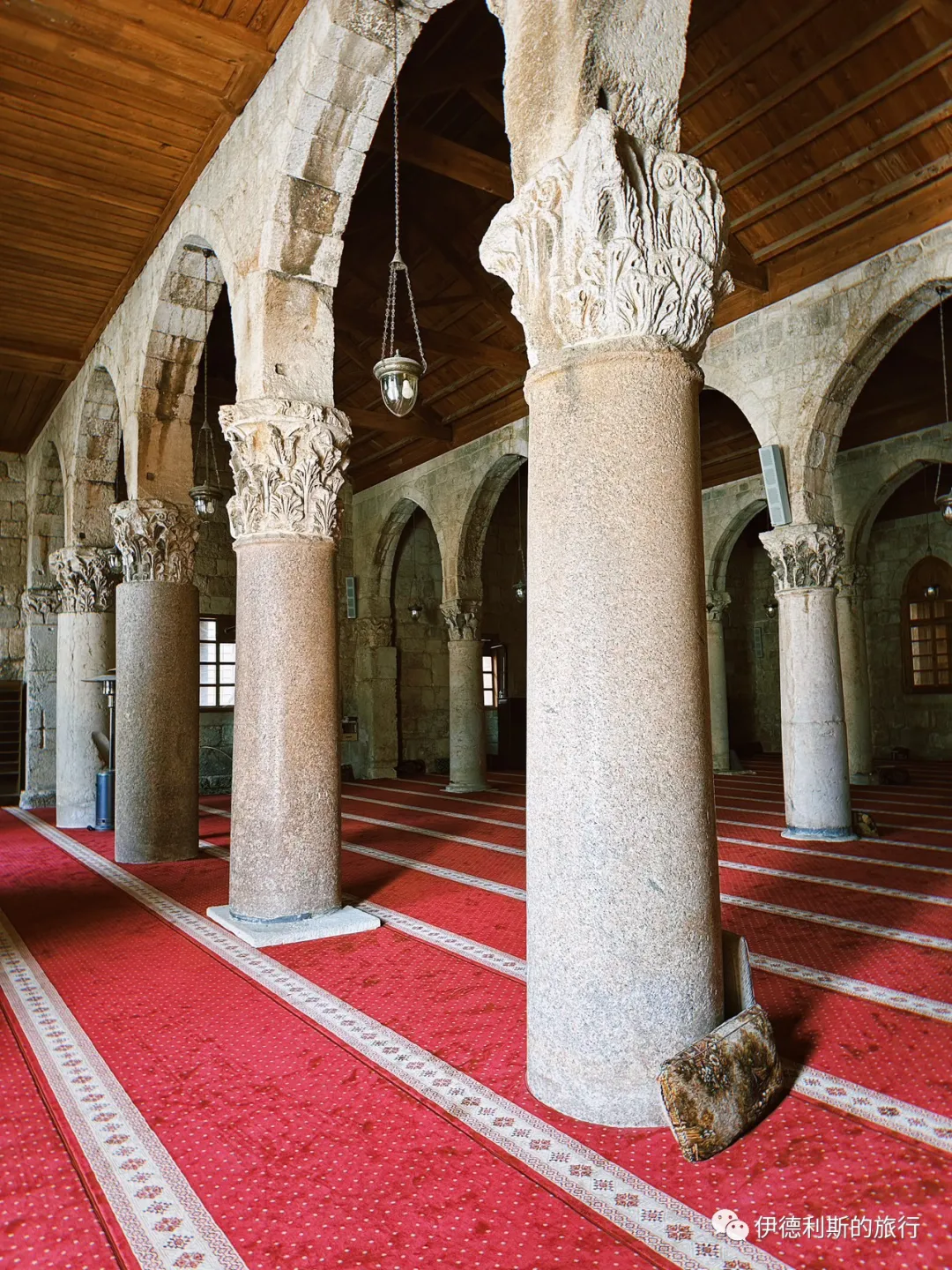
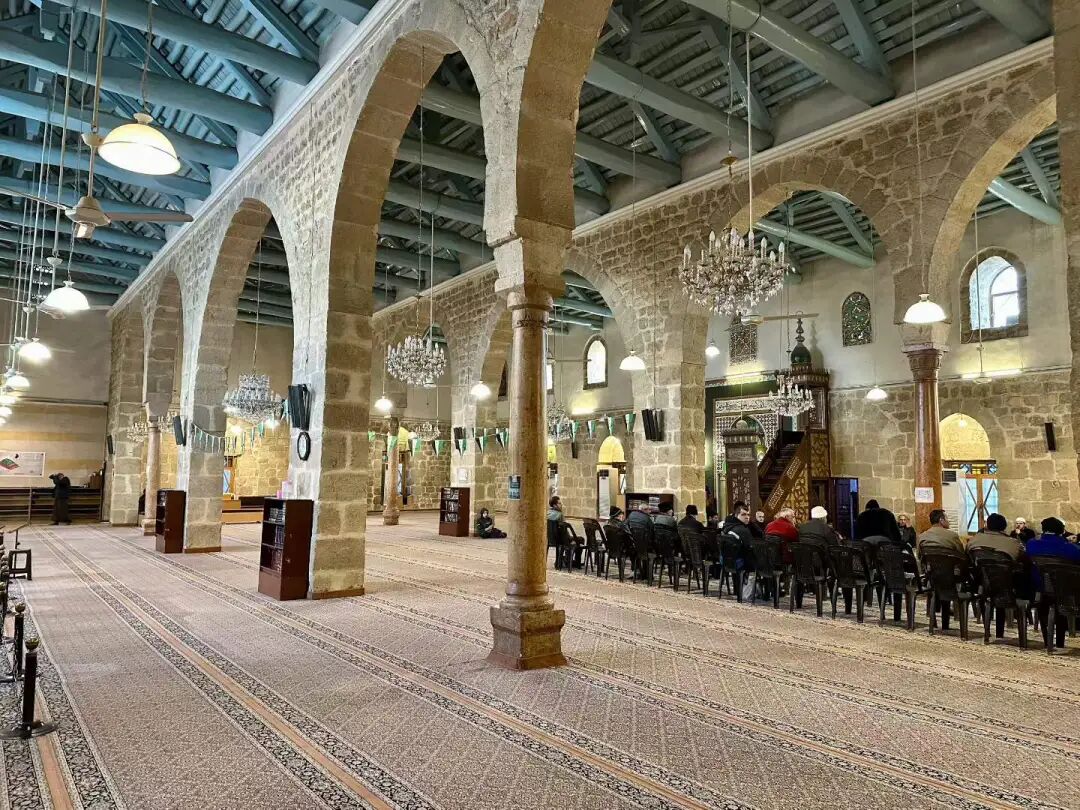
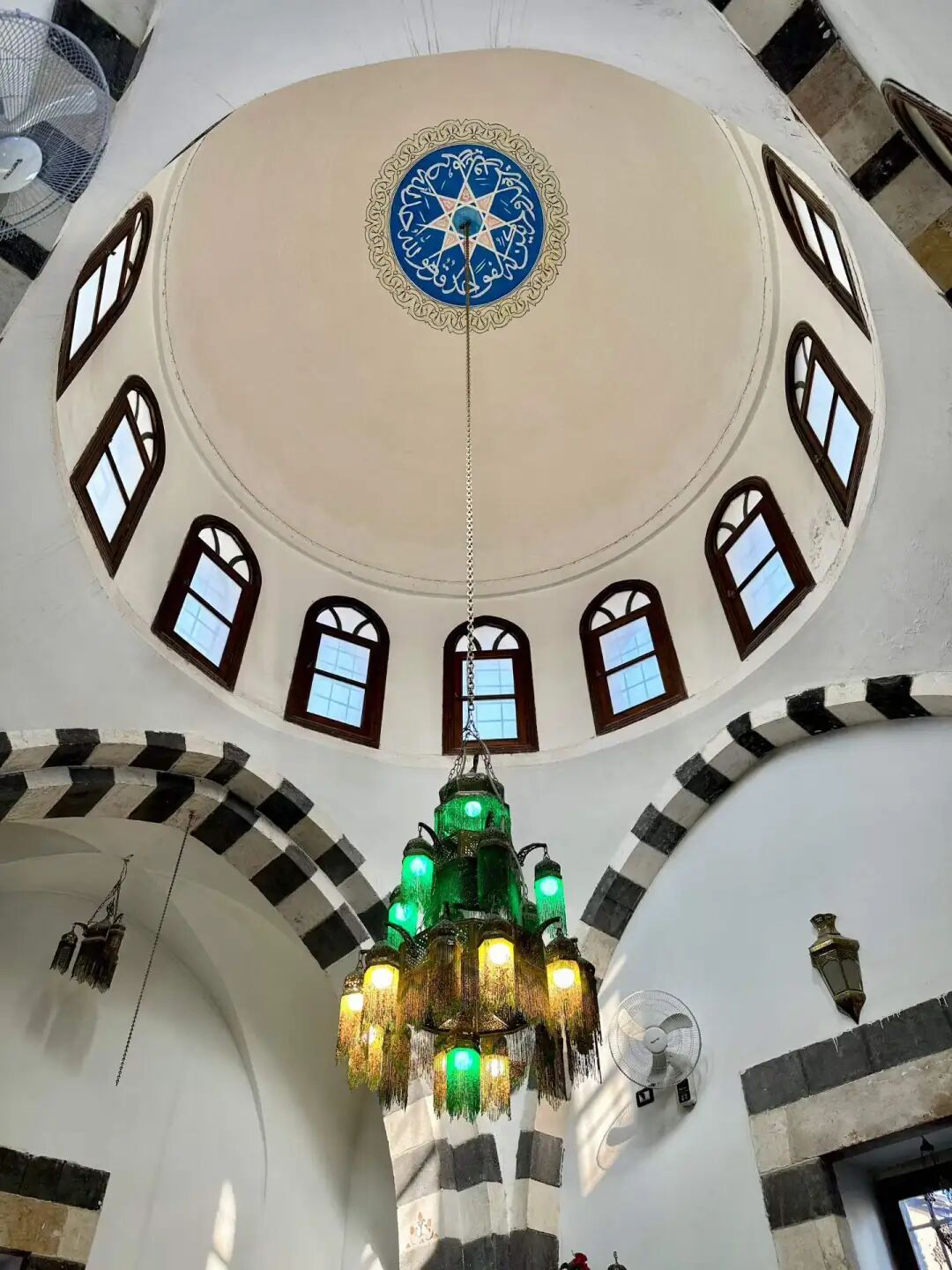
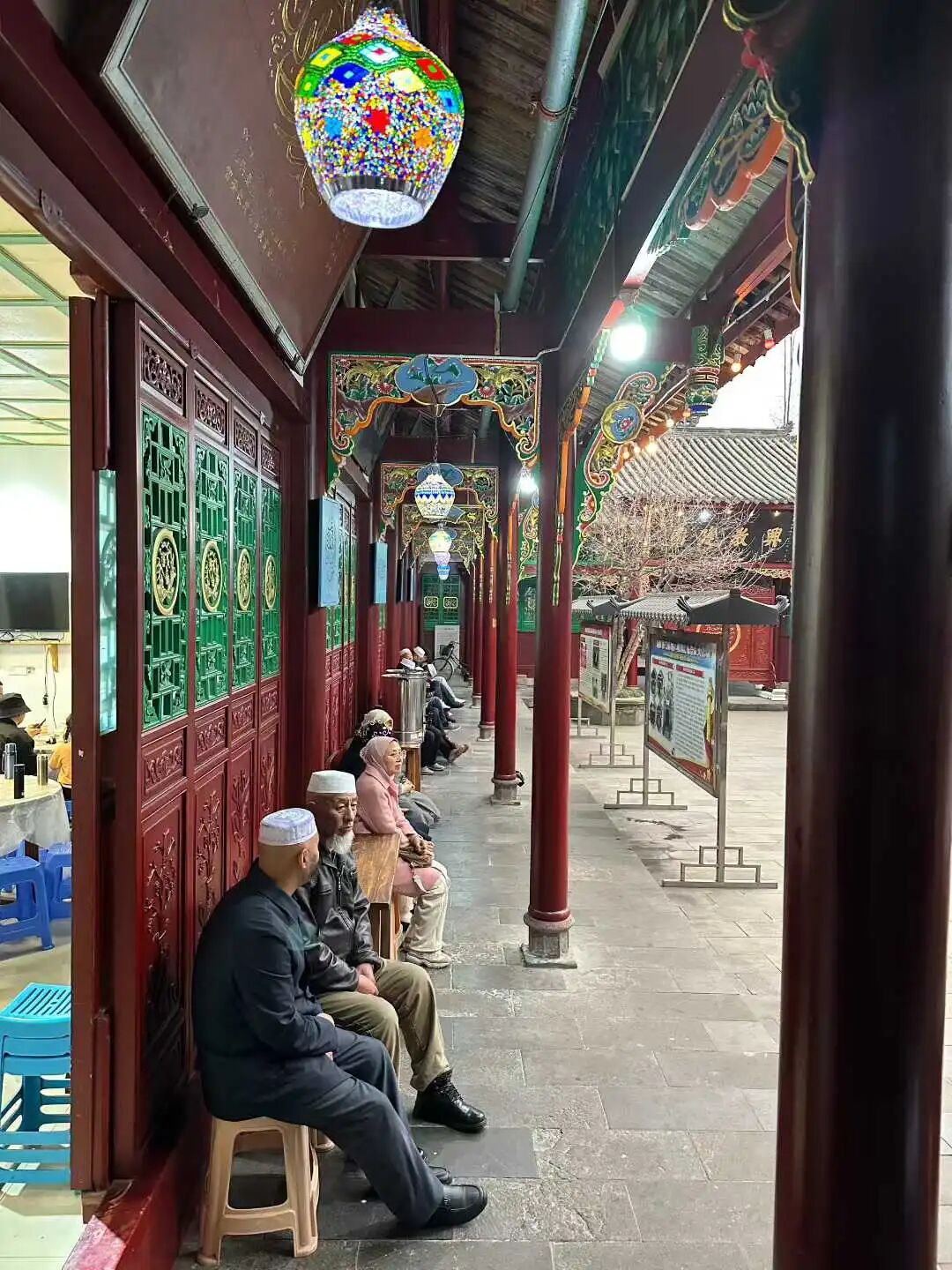
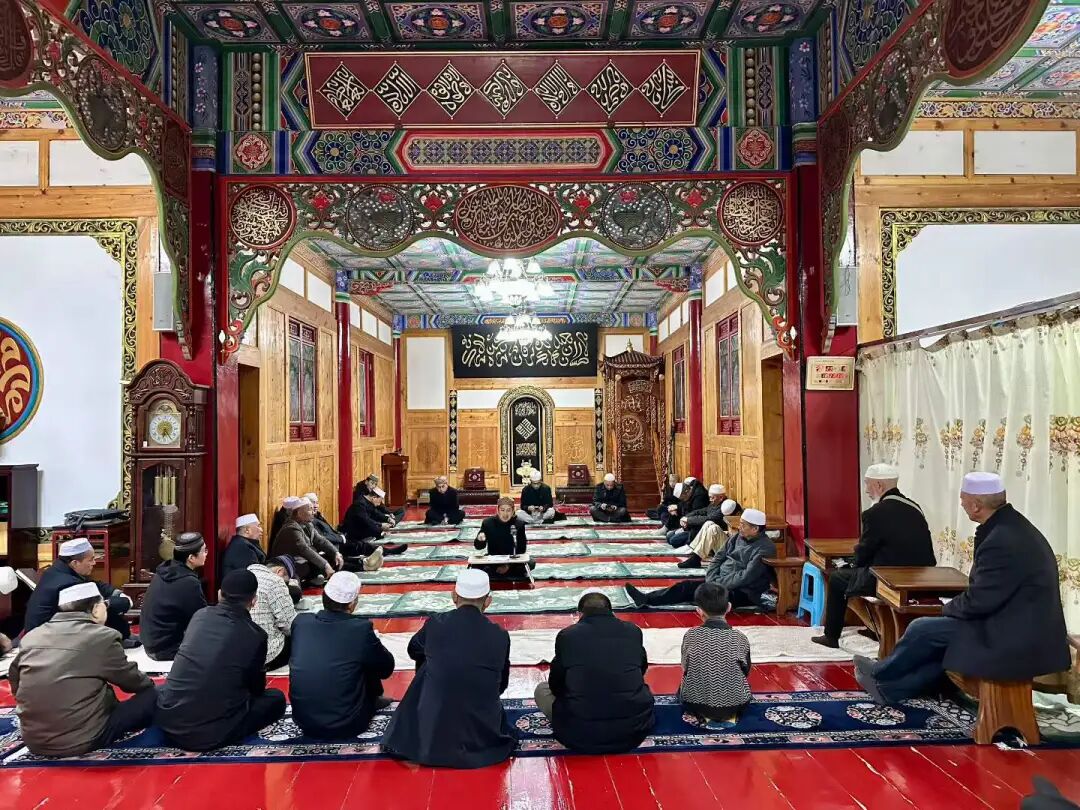
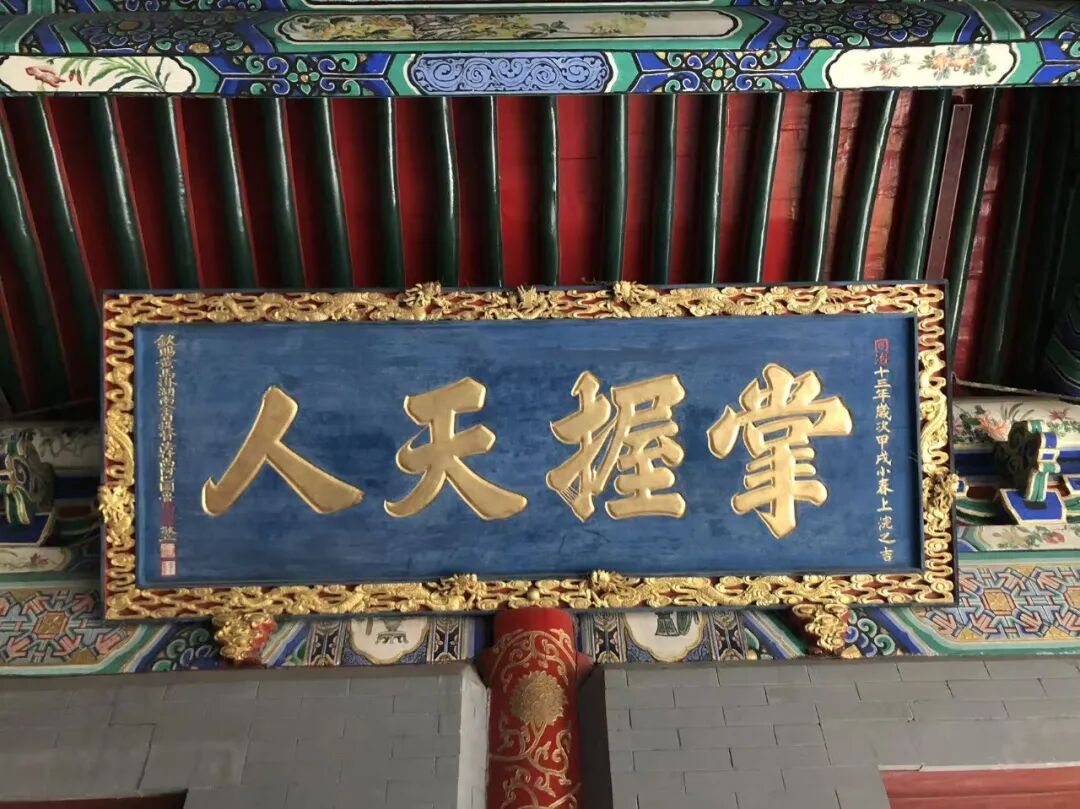
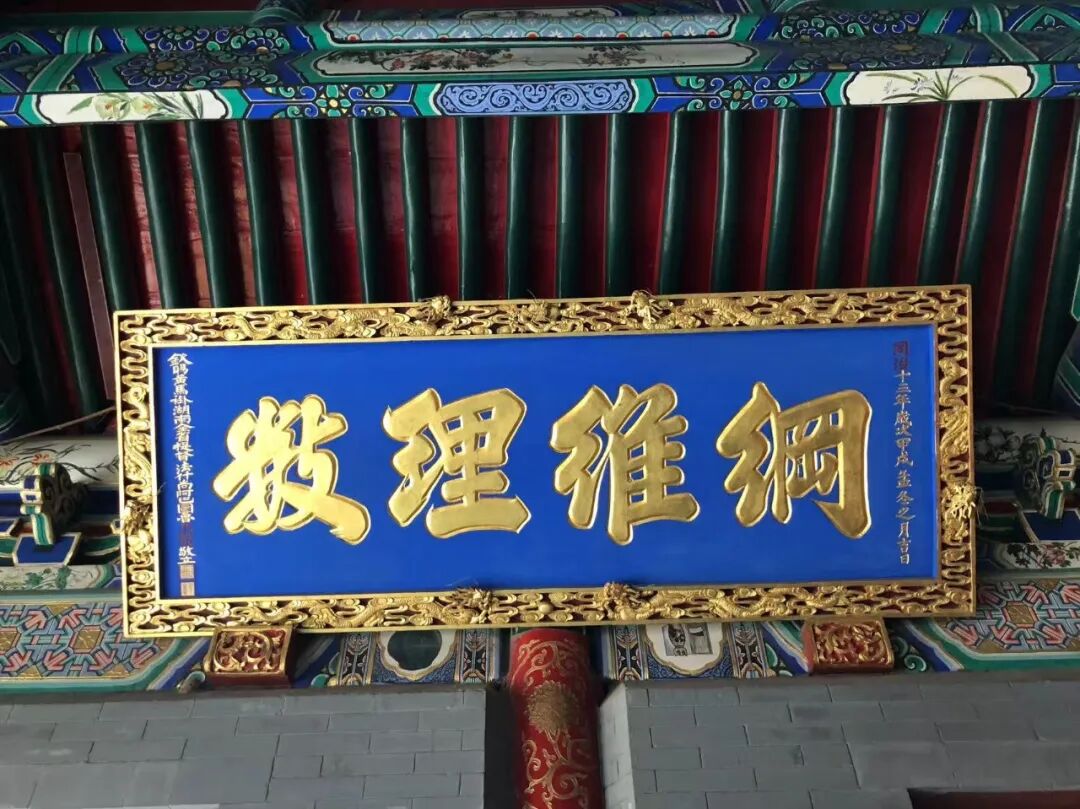
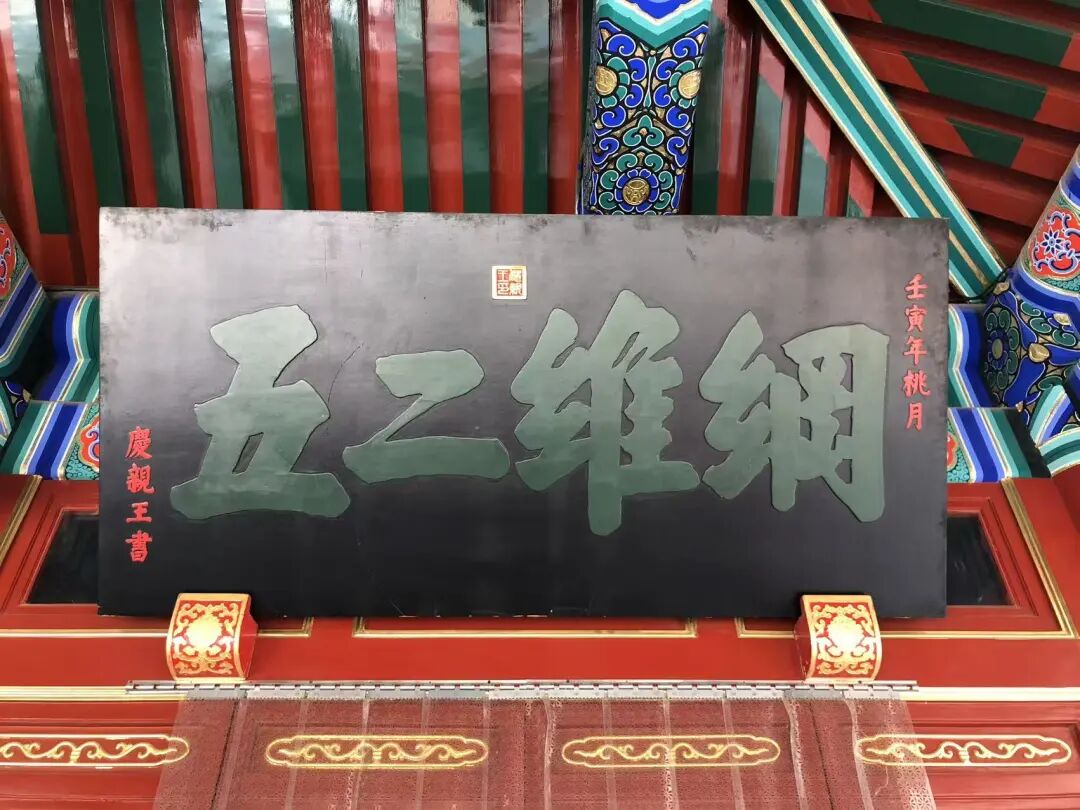
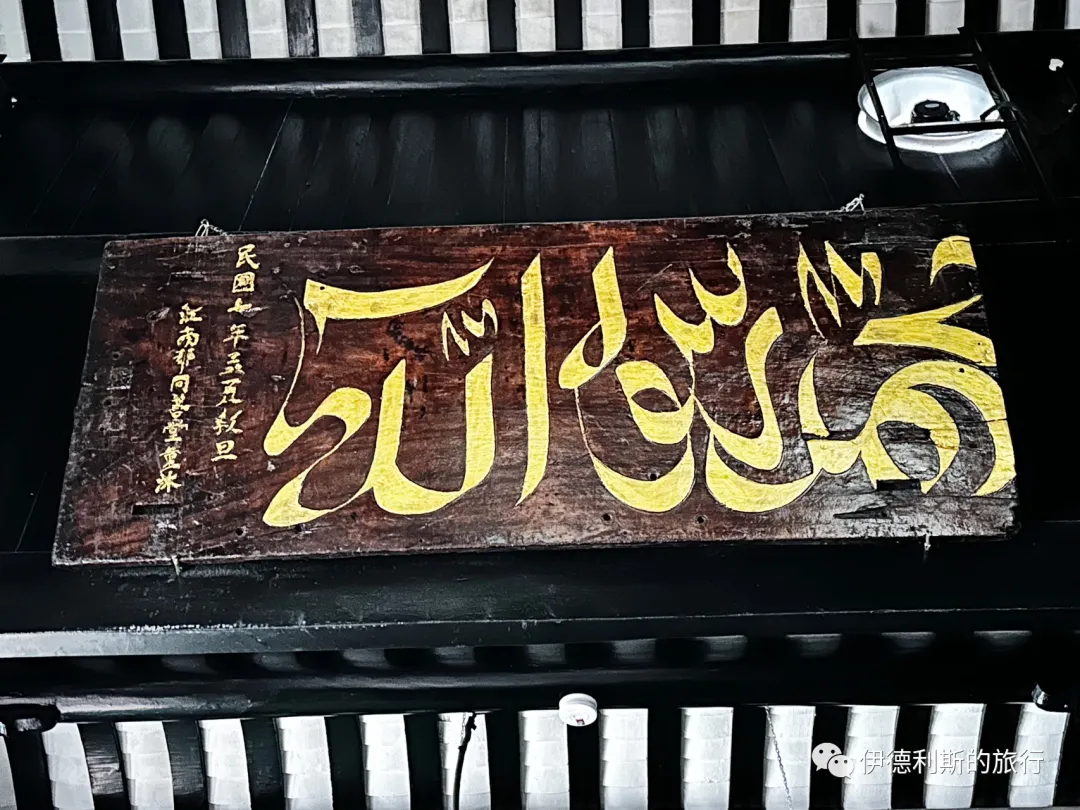
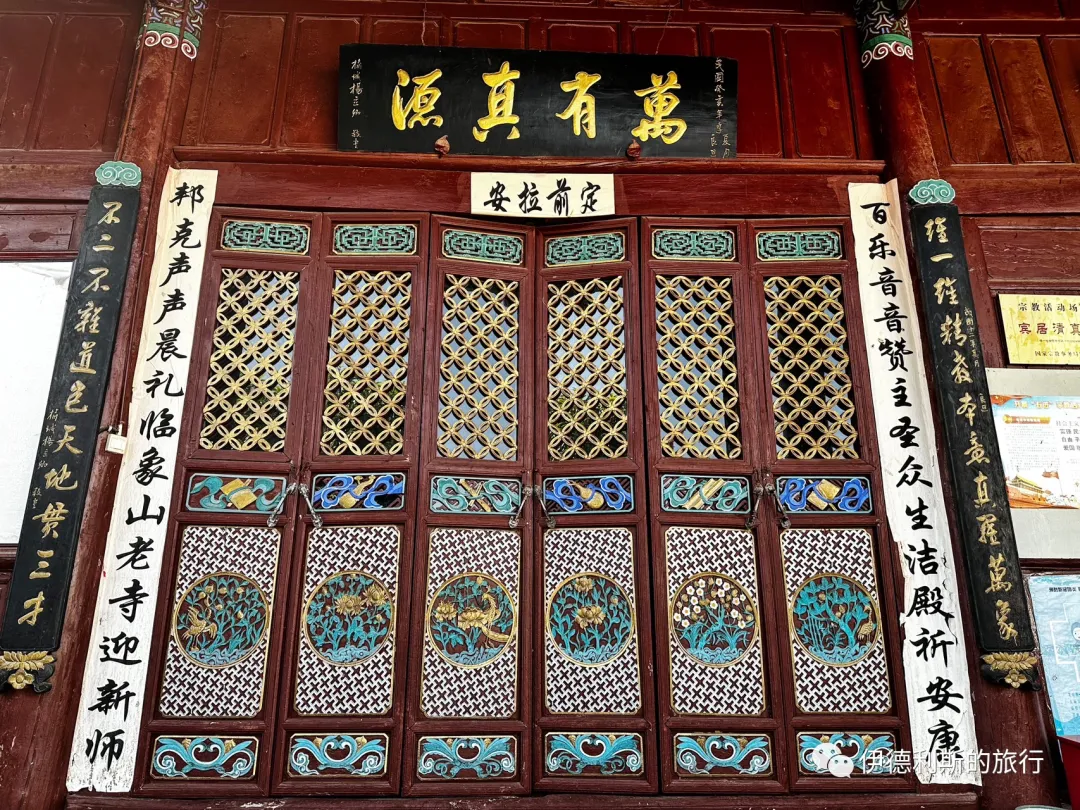
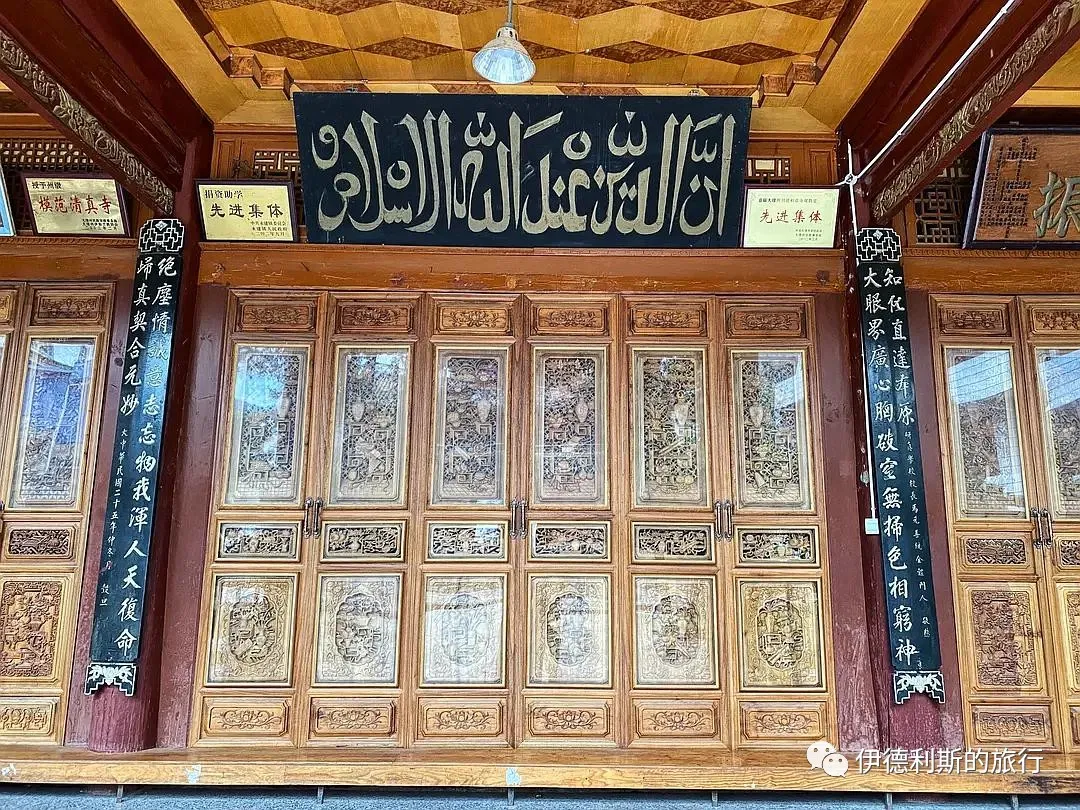
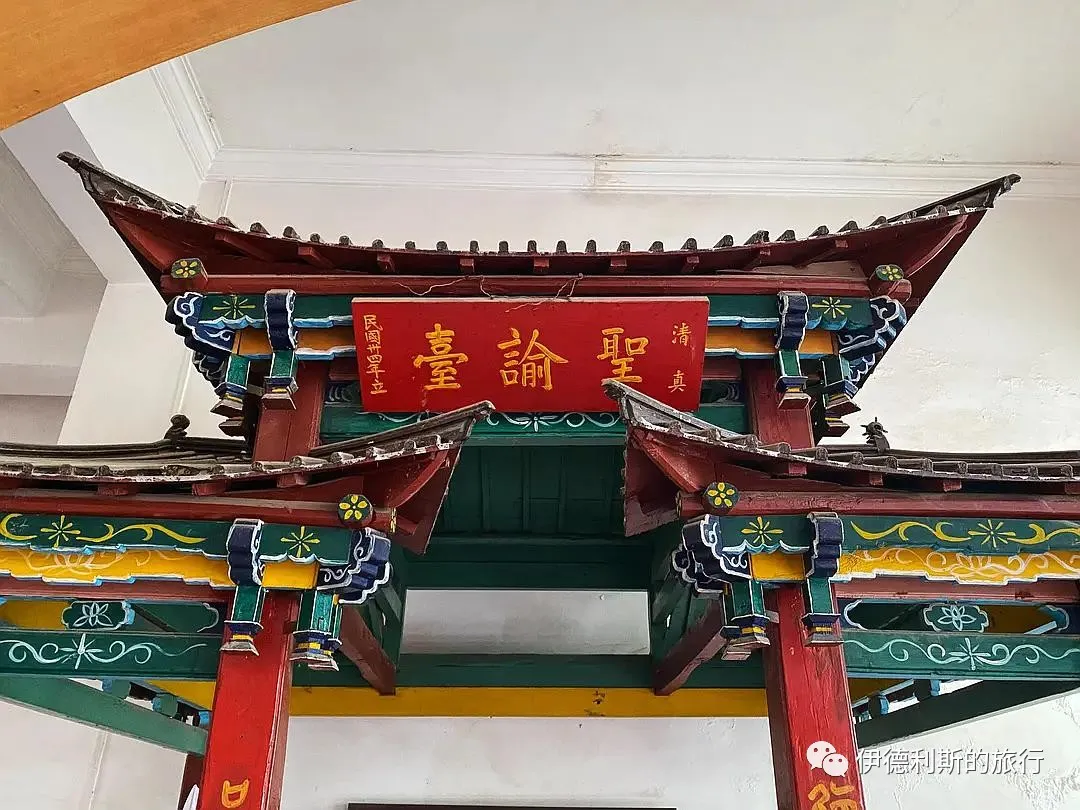
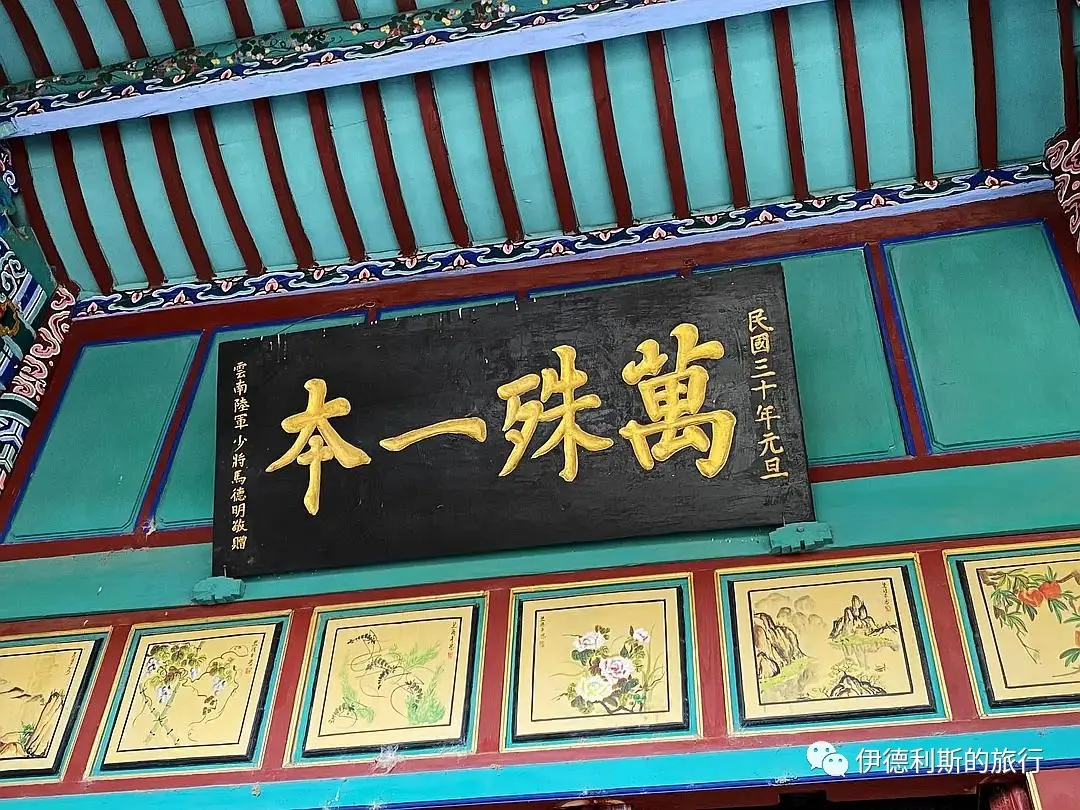
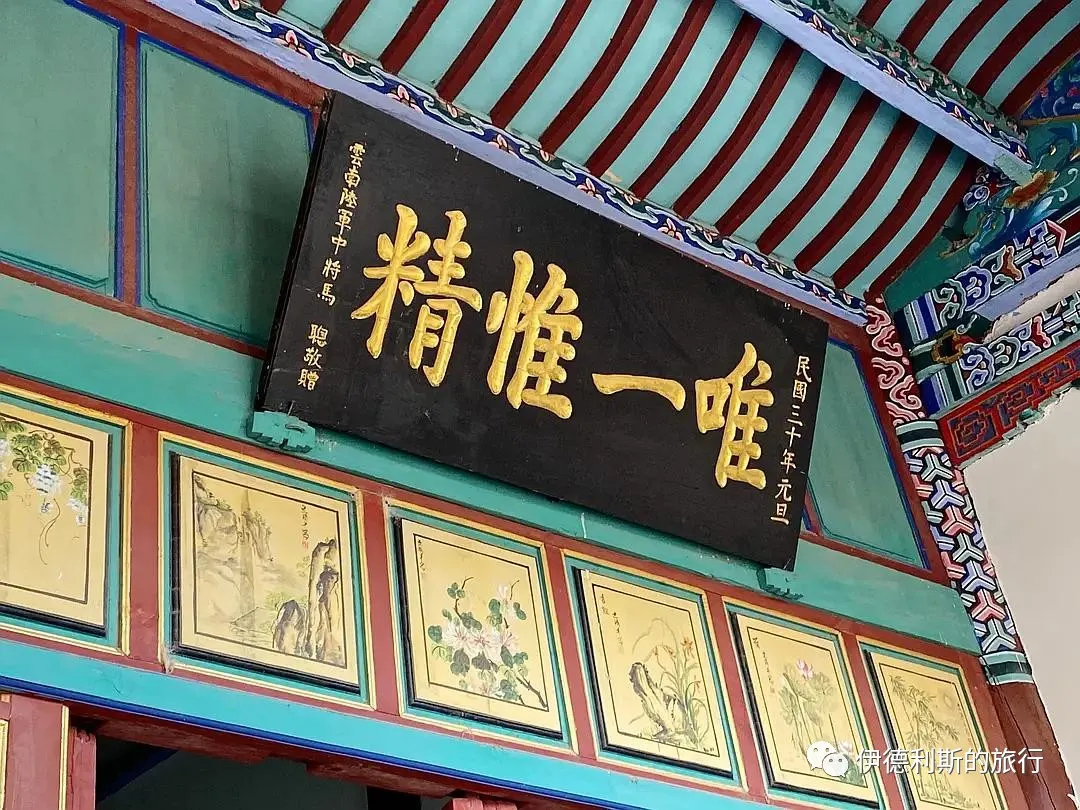
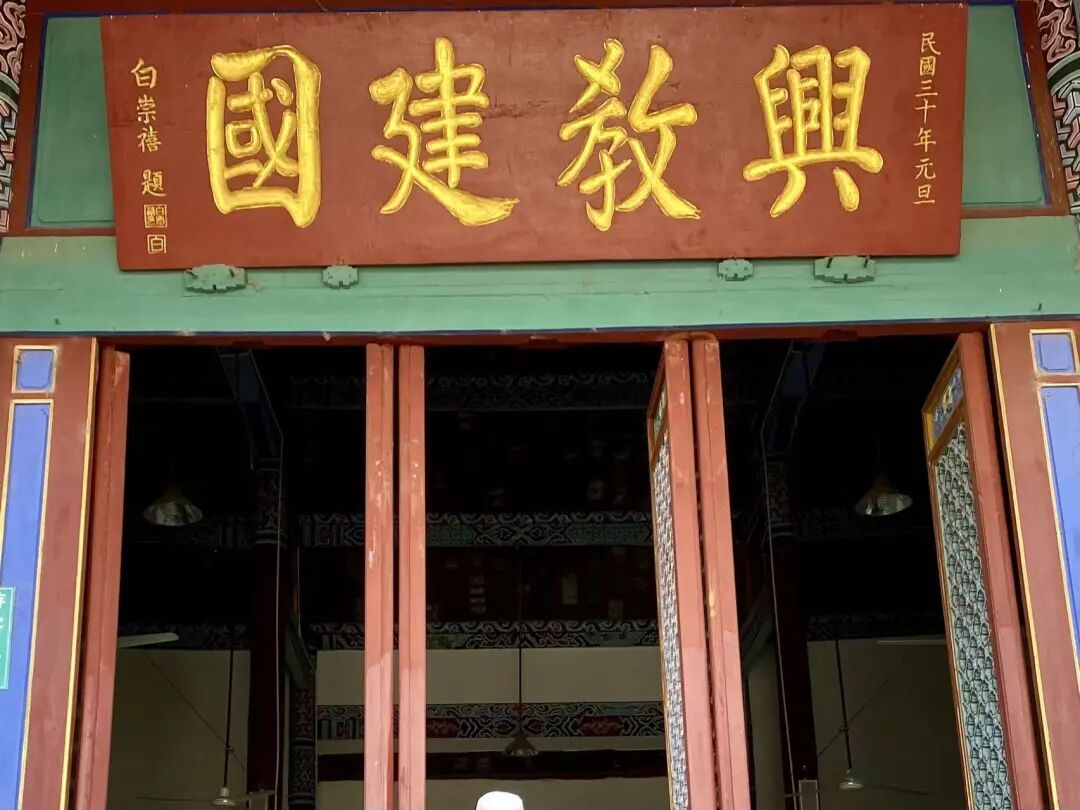
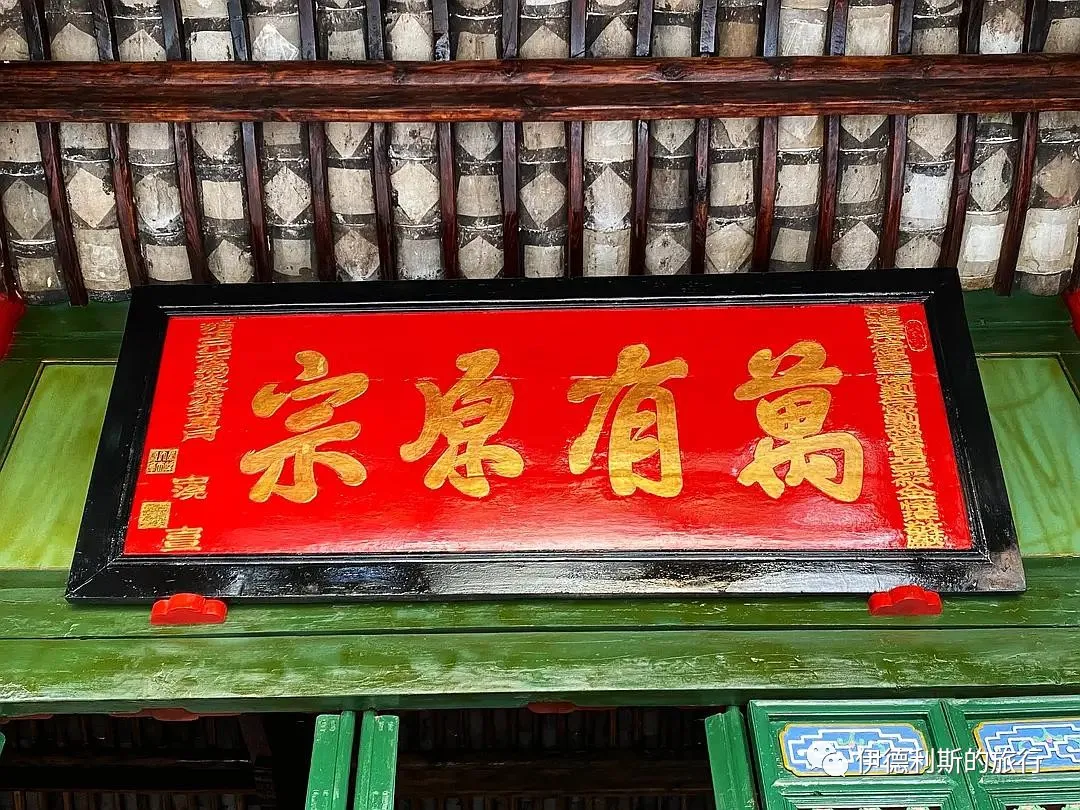
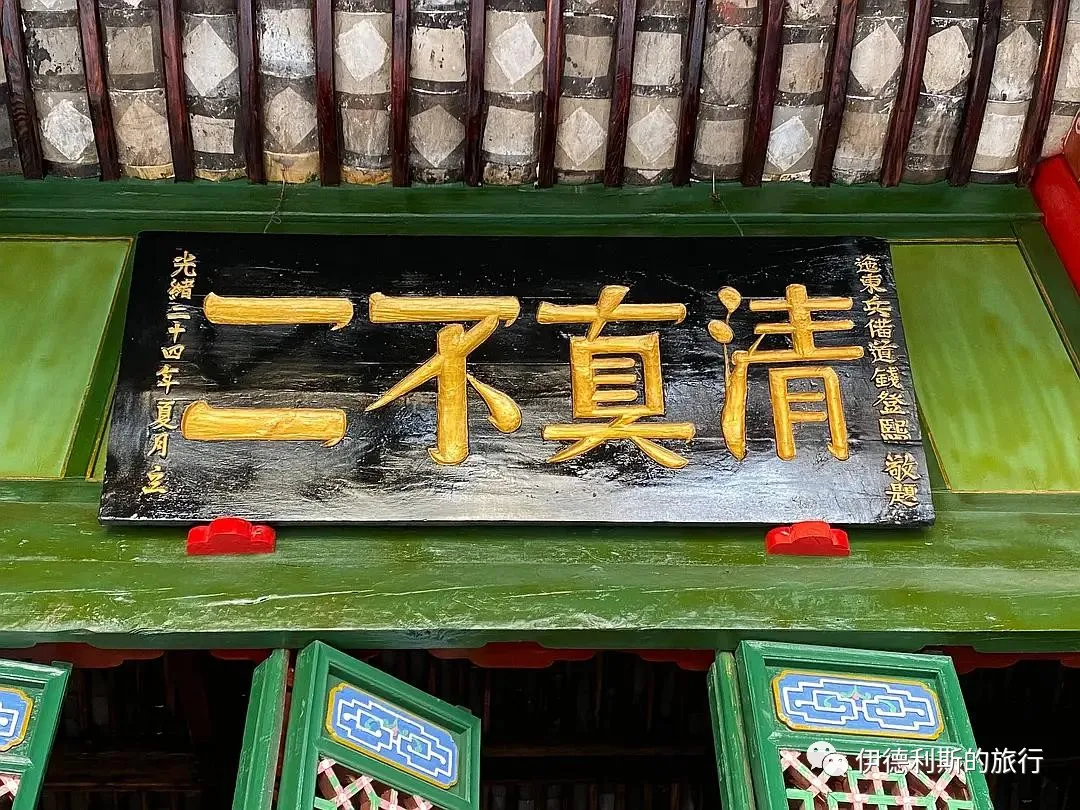
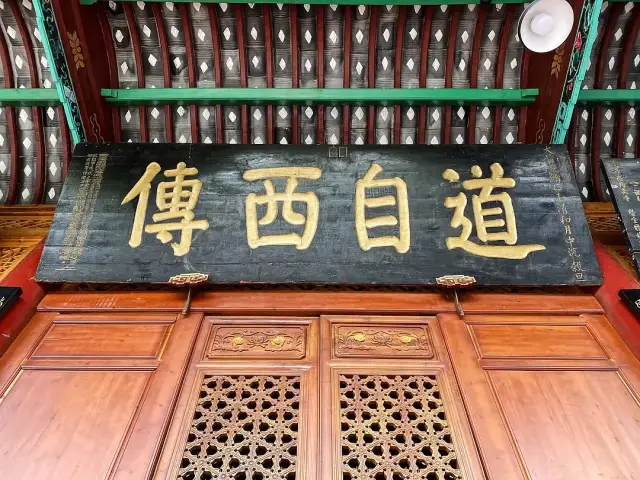
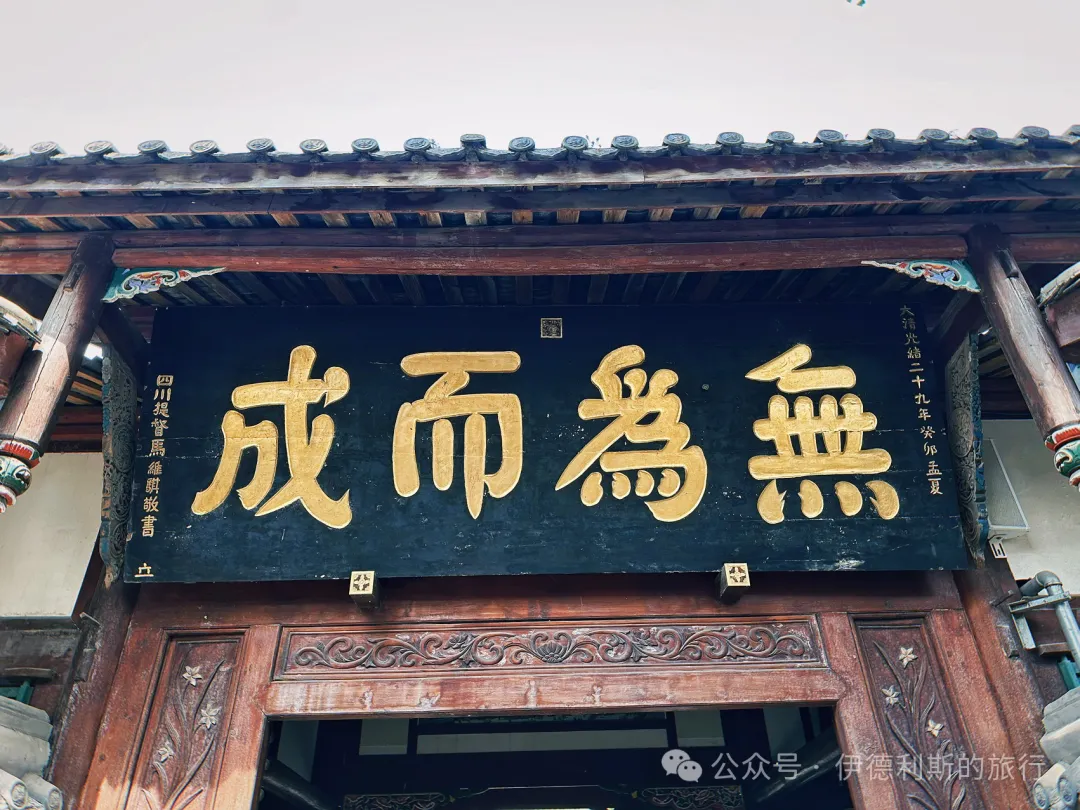
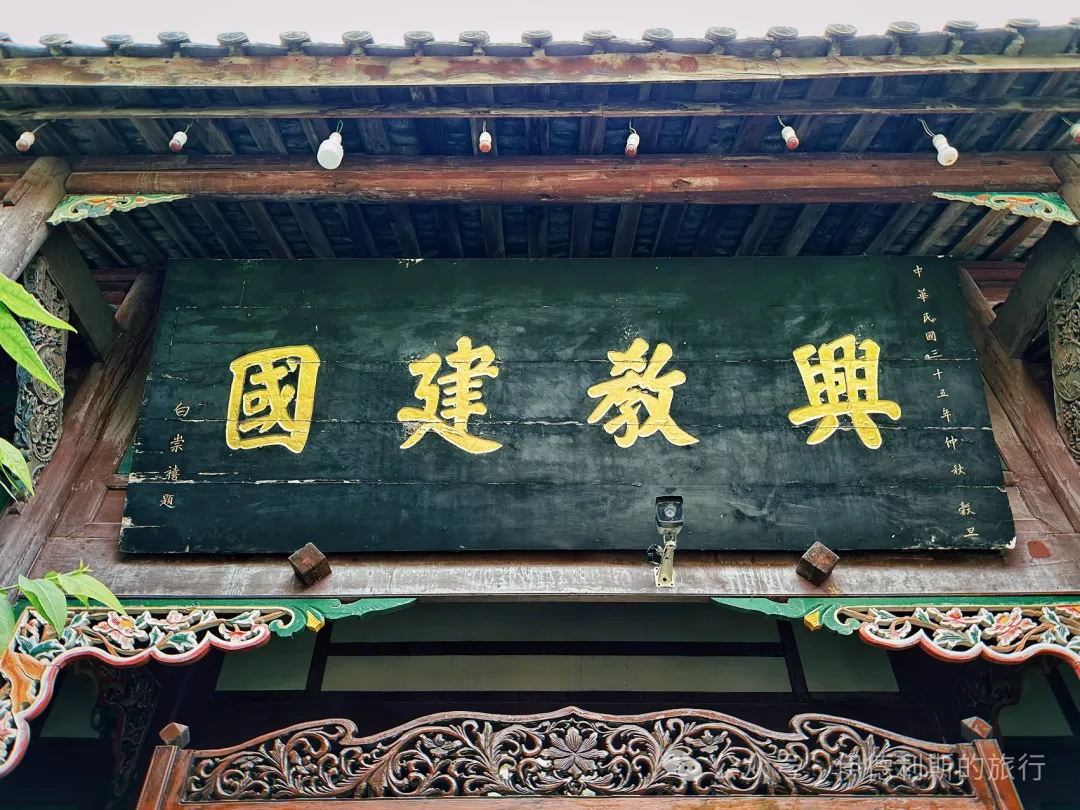
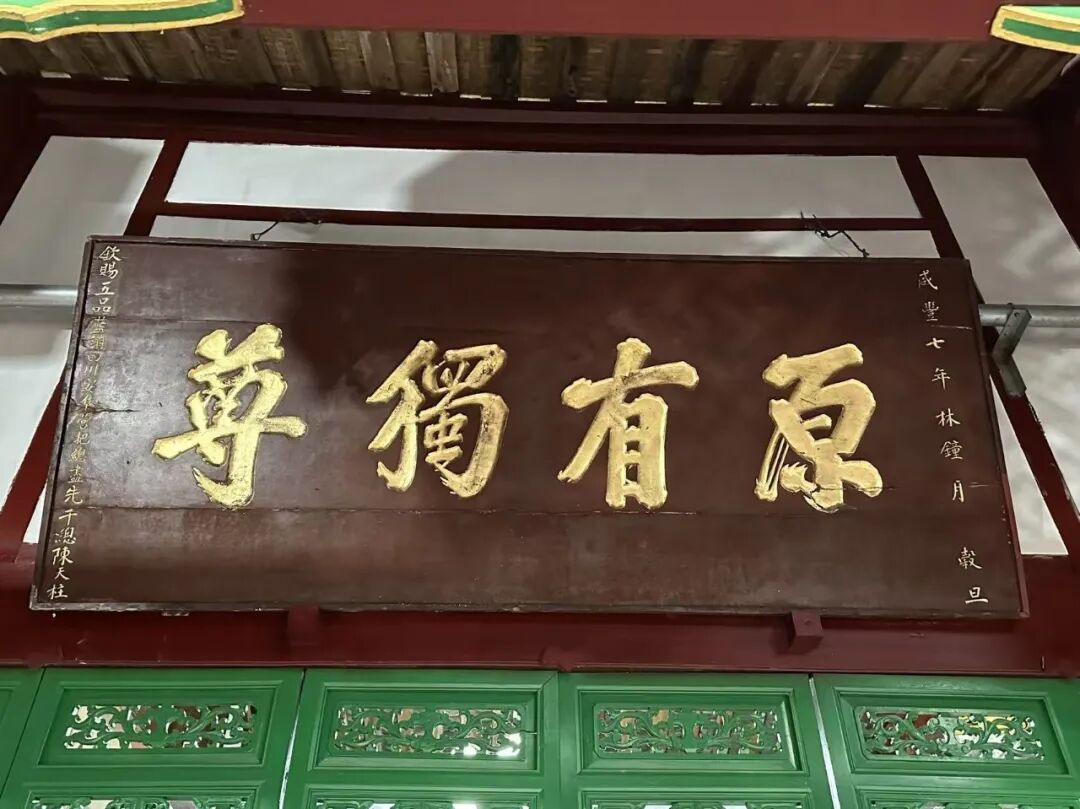
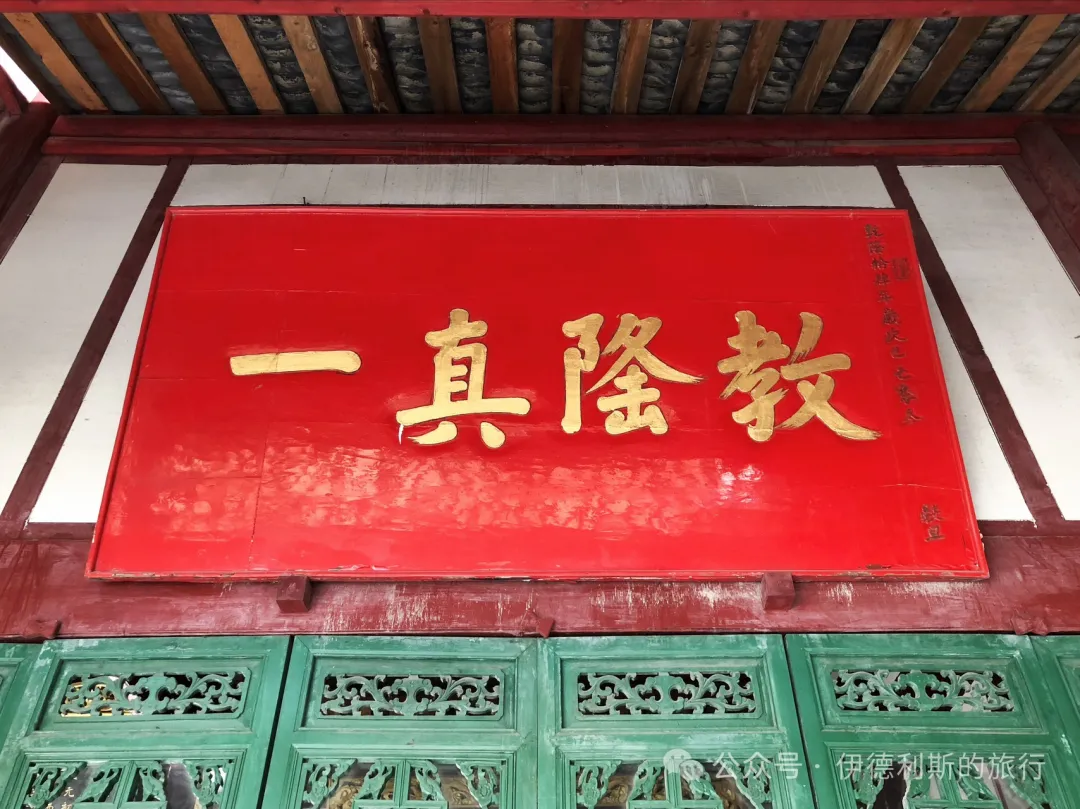
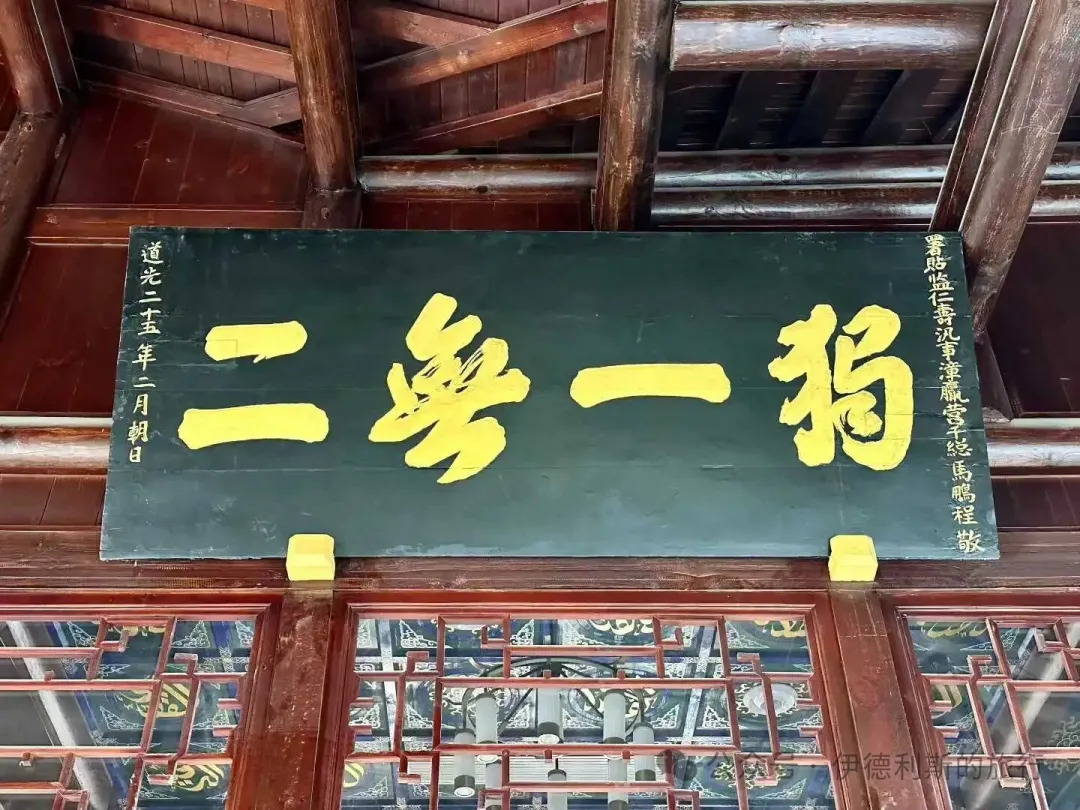
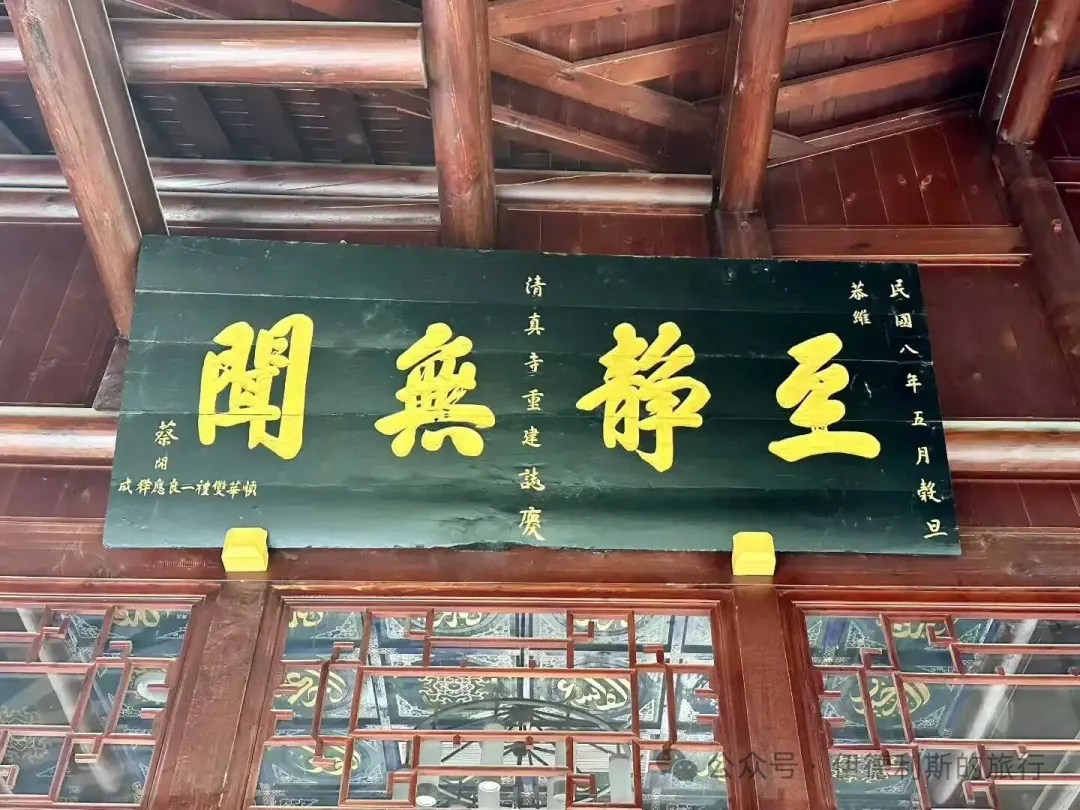
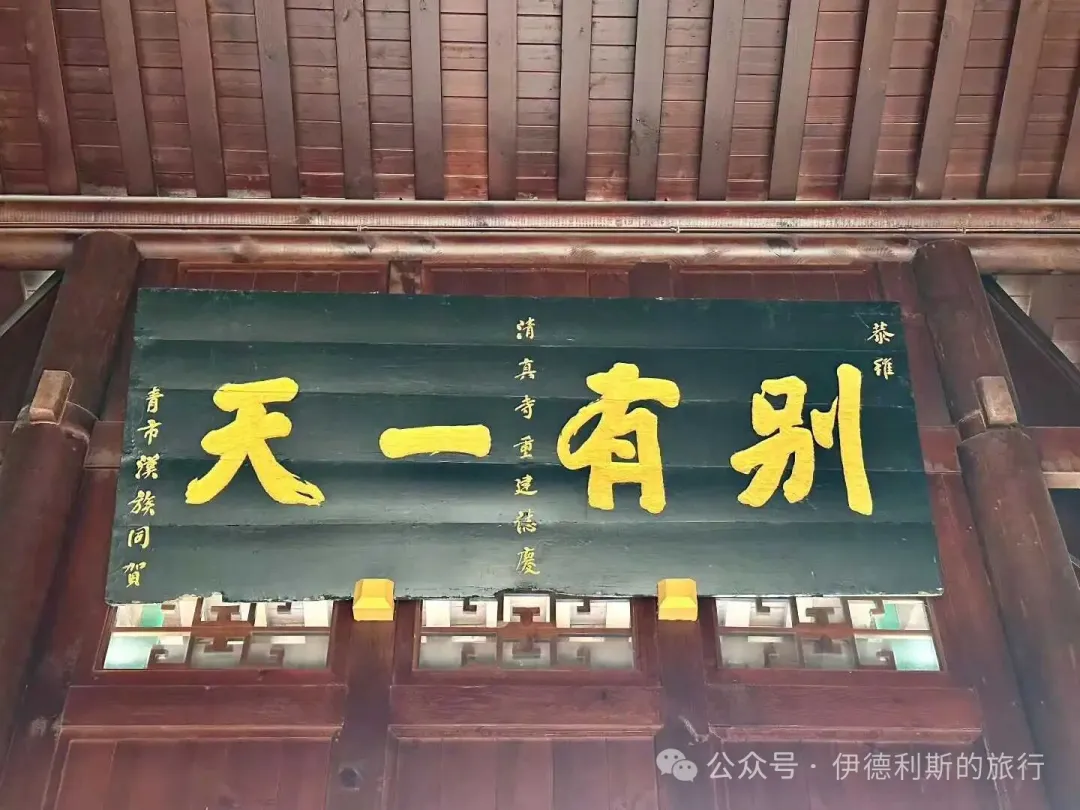
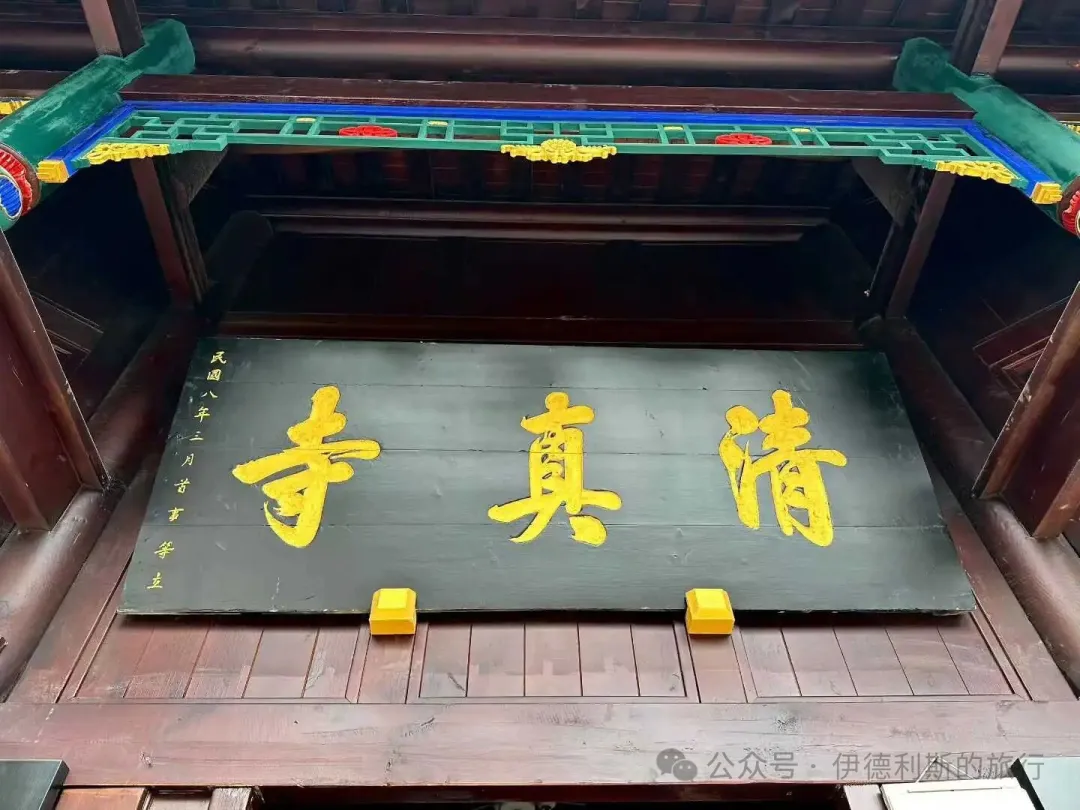
As soon as you enter the gate, you are greeted by a winding stone path with strong historical traces. However, due to people's continuous stepping on it for hundreds of years, deep "footprints" have appeared on the thick stone. At this moment, I believed Li Bai's stories of "an iron pestle ground into a needle" and "a drop of water penetrated a stone". I believed that as long as we strive towards the same goal day after day, year after year, everything is possible. At the end of the stone path is a small "patio". To the left of the patio is the wing room, and further down is the water room. The right wing of the patio is the headquarters of the 43rd Division of the People's Liberation Army that liberated Zhaotong City, and immediately next to it is the main hall of the mosque. The main hall is not very large, and it is also decorated with an ancient pure wooden structure. The pillars standing upright are like the heroes of our nation who are not afraid of sacrificing everything for the people. The pillars support the beams. Aren't these beams the people of our nation who actively support the heroes who are the pillars? If our nation and this group can be compared to a person, those pillars that stand upright are the spirit of our group, then these people who actively support the heroes are the backbone of this person. Because this nation has a spirit and a backbone, it can endure for a long time!

When I came to the venue, I was touched by a couplet on the rostrum. This couplet said, "Faith saves the heart. If faith does not prosper, the heart will die. Culture will save the nation. If culture does not prosper, the nation will perish." Maybe in the eyes of many people, these are just twenty short words, but in my opinion, these twenty words are a sincere hope for the future of our nation. In my opinion, the person who can write this couplet is definitely a person who cares about the future of our nation all day long. Only such a person can see education so thoroughly! If an imam has such a sense of urgency, the students he teaches will definitely not be bad, no! They will definitely become the pillars of Zhaowei-Lu deen like their teacher!


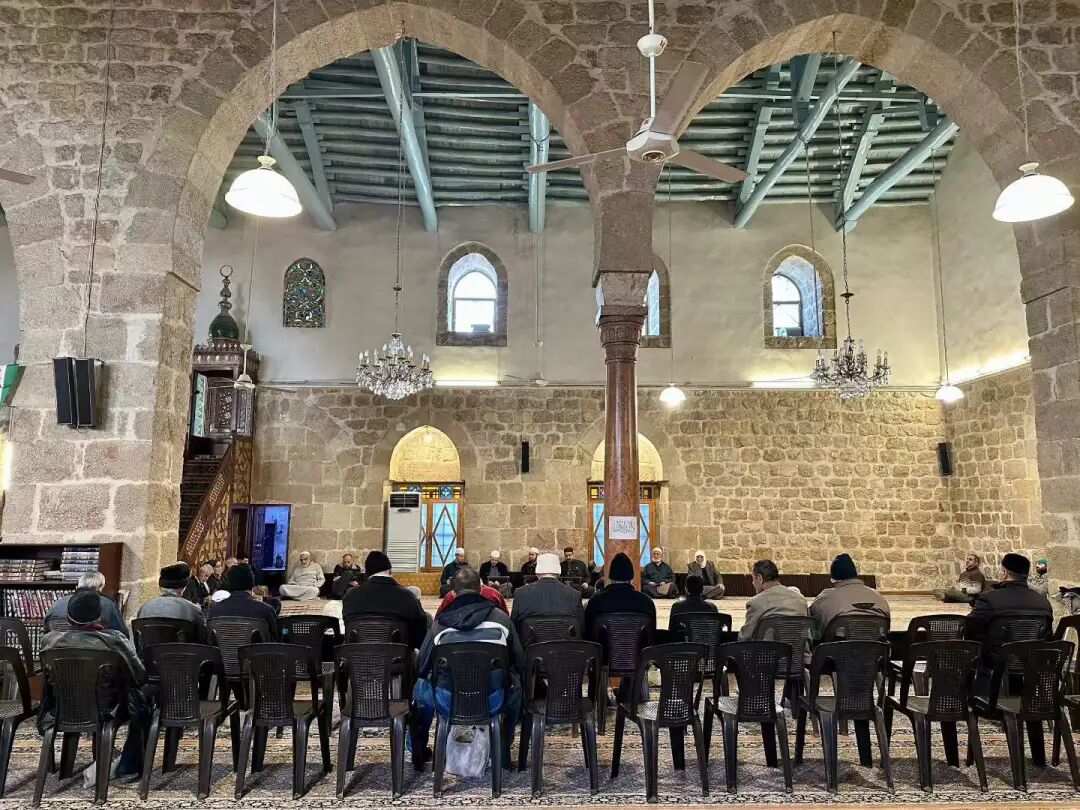
Seeing the high-spirited and heroic appearance of the graduates, and hearing the passionate and exciting speech of the graduate representative, one has to say sincerely, "It's good to be young." Once upon a time, I also sat on the podium as a graduate and gave a passionate speech as a graduate representative. In the blink of an eye, it has been more than ten years, which is enough time for the entire environment to undergo tremendous changes, and I have also changed from the young boy who claimed to have "the physical fitness of a special forces soldier" to a middle-aged old man who may die from illness at any time.

Principal Ma's sincere teachings to the graduates are like an old father's instructions to his children who are about to go away. It can be seen that Principal Ma is extremely proud and proud in his heart, but he also contains the slightest reluctance to let go of the children. What makes us proud and proud is that there are only a handful of mosques running schools in Zhaowei-Lu today, and even fewer of our students can withstand the interference of the world and the impact of the economic wave and finally graduate successfully. Thinking that these students will soon become the pillars of Zhaowei-Lu, how can this not make their teachers proud and proud? But when you think about the students you have taught for many years, they are about to leave you and choose a new life. After all, how can you let the teacher let go of the teacher-student relationship for so many years? Therefore, Principal Ma repeatedly gave instructions to his students. These instructions made me, an "outsider" who came to participate in the event, moved to tears...


When I returned home and paid my respects to "the local family gathering place", I sat on the sofa and thought about it. I thought I should write something for the Baxianda Mosque. In particular, we allow the aspiring young people of our nation to come to the Baxianda Mosque and thrive under the moisture of the Baxianda Mosque. Ever since, I took up pen and wrote this long tweet.

Principal Ma: 13087486664 WeChat: ztmyt123

Director Ma: 15925514131 WeChat: 15925514131

Rain or shine, the Baxianda Mosque is waiting for you! view all
Reposted from the web

Summary: This mosque travel essay records the Eid al-Adha and student graduation event at Zhaotong Baxianda Mosque in Yunnan, with reflections on mosque education, Hui Muslim youth, religious learning, local history, and hope for the next generation.


On July 2, 2023, the sun was shining brightly and the sky was cloudless. Muslims from Zhaowei-Lu gathered from all directions at the Baxianda Mosque in Zhaoyang District, Zhaotong City, because the annual Eid al-Adha and the graduation celebration of graduating students will be held here today.

The main mosque of Zhaotong Baxianda Mosque is also known as [Zhaowei-Lu Ancient Mosque]. It was first built in the eighth year of the reign of Emperor Yongzheng of the Qing Dynasty (1730) and is located in Baxianying, Shouwang Hui Township, Zhaotong City, Yunnan Province. It has experienced damage and reconstruction during this period. In 1983, the Zhaotong Baxianda Mosque was designated as a county-level cultural relic protection unit. Imam Ma Minglun (1898-1938) taught for ten years, and the mosque became the well-known "Haiyi" mosque in Zhaotong. He himself served as the general dean of Zhaoshi 36 Mosque, and his disciple Ma Weihai (a well-known alim in Yunnan and a former member of the China Islamic Association) founded the "Zhaowei-Lu State Education United Chongzhen Normal School" when he was teaching (1942-1956). The Baxianda Ancient Mosque is surrounded by green cypresses, with a quiet environment and complete school buildings. Well-planned school leadership, capable and outstanding teaching staff, scientific and complete teaching syllabus, comfortable and elegant library, and meticulous logistical services. The school-running orientation of "school, academy, publicity", the school-running philosophy of "education and academic compatibility, Yi-Confucian culture compatibility", and four compatible school-running characteristics, namely "compatibility of academics and employment, compatibility of classics and Chinese studies, compatibility of tradition and modernity, compatibility of majors and electives". The Baxianda Mosque is waiting for your arrival in the spirit of "cultural exchange and inclusiveness", because every teacher, mosque management committee and the community of the Baxianda Mosque always firmly believes that "success comes from the right choice." We work hard and contribute diligently to cultivate a younger generation of scholar-imams and imam-type scholars who are patriotic, loving, knowledgeable, noble in character, and willing to contribute!

The Baxianda Mosque, Maohao Street Mosque in Zhaoyang District, Tuogu Mosque, Tiejiawan Mosque, Wenping Mosque and Longtoushan Mosque in Ludian County are the earliest mosques built in Zhaotong City. For hundreds of years, these mosques have always put education first. Even today, these famous mosques still have more or less dozens or hundreds of students who are eager to study. These mosques bring a large amount of fresh blood to Zhaowei-Lu's religious deen every year, allowing this nation's faith to be well passed on.


I pass by the Baxianda Mosque on the main road under its wall every year, but I have never come in to see it. Just like what I said in the part about the Baxianda Mosque in "A Little Poem for the Mosque", "Every time I ride to my uncle's house / I pass by your feet / But I have never walked inside to get to know you / My image of you is / solemn / majestic / rich in history." Today I finally walked into the Baxianda Mosque that I had longed for and fulfilled my long-cherished wish for many years.

As soon as you enter the gate, you are greeted by a winding stone path with strong historical traces. However, due to people's continuous stepping on it for hundreds of years, deep "footprints" have appeared on the thick stone. At this moment, I believed Li Bai's stories of "an iron pestle ground into a needle" and "a drop of water penetrated a stone". I believed that as long as we strive towards the same goal day after day, year after year, everything is possible. At the end of the stone path is a small "patio". To the left of the patio is the wing room, and further down is the water room. The right wing of the patio is the headquarters of the 43rd Division of the People's Liberation Army that liberated Zhaotong City, and immediately next to it is the main hall of the mosque. The main hall is not very large, and it is also decorated with an ancient pure wooden structure. The pillars standing upright are like the heroes of our nation who are not afraid of sacrificing everything for the people. The pillars support the beams. Aren't these beams the people of our nation who actively support the heroes who are the pillars? If our nation and this group can be compared to a person, those pillars that stand upright are the spirit of our group, then these people who actively support the heroes are the backbone of this person. Because this nation has a spirit and a backbone, it can endure for a long time!

When I came to the venue, I was touched by a couplet on the rostrum. This couplet said, "Faith saves the heart. If faith does not prosper, the heart will die. Culture will save the nation. If culture does not prosper, the nation will perish." Maybe in the eyes of many people, these are just twenty short words, but in my opinion, these twenty words are a sincere hope for the future of our nation. In my opinion, the person who can write this couplet is definitely a person who cares about the future of our nation all day long. Only such a person can see education so thoroughly! If an imam has such a sense of urgency, the students he teaches will definitely not be bad, no! They will definitely become the pillars of Zhaowei-Lu deen like their teacher!


Seeing the high-spirited and heroic appearance of the graduates, and hearing the passionate and exciting speech of the graduate representative, one has to say sincerely, "It's good to be young." Once upon a time, I also sat on the podium as a graduate and gave a passionate speech as a graduate representative. In the blink of an eye, it has been more than ten years, which is enough time for the entire environment to undergo tremendous changes, and I have also changed from the young boy who claimed to have "the physical fitness of a special forces soldier" to a middle-aged old man who may die from illness at any time.

Principal Ma's sincere teachings to the graduates are like an old father's instructions to his children who are about to go away. It can be seen that Principal Ma is extremely proud and proud in his heart, but he also contains the slightest reluctance to let go of the children. What makes us proud and proud is that there are only a handful of mosques running schools in Zhaowei-Lu today, and even fewer of our students can withstand the interference of the world and the impact of the economic wave and finally graduate successfully. Thinking that these students will soon become the pillars of Zhaowei-Lu, how can this not make their teachers proud and proud? But when you think about the students you have taught for many years, they are about to leave you and choose a new life. After all, how can you let the teacher let go of the teacher-student relationship for so many years? Therefore, Principal Ma repeatedly gave instructions to his students. These instructions made me, an "outsider" who came to participate in the event, moved to tears...


When I returned home and paid my respects to "the local family gathering place", I sat on the sofa and thought about it. I thought I should write something for the Baxianda Mosque. In particular, we allow the aspiring young people of our nation to come to the Baxianda Mosque and thrive under the moisture of the Baxianda Mosque. Ever since, I took up pen and wrote this long tweet.

Principal Ma: 13087486664 WeChat: ztmyt123

Director Ma: 15925514131 WeChat: 15925514131

Rain or shine, the Baxianda Mosque is waiting for you!
3
Views

Best Halal Food Beijing 2026: Daxing Restaurants, Suzhou Noodles, Buffalo Fish and Yogurt Shaved Ice

Articlesyusuf908 posted the article • 0 comments • 3 views • 7 minutes ago • data from similar tags

Reposted from the web

Summary: This Beijing halal food map issue 56 starts after the author's return to Beijing and covers newly tried halal restaurants, including courtyard dining, Tianjin food, Daxing countryside food, Suzhou-style noodles, buffalo fish, Northwest dishes, snacks, and Xinjiang yogurt shaved ice.

After returning to Beijing, I can start my shop-exploring trip again. Nothing is as good as my hometown. In terms of the richness of halal food, no one in the world can compare with my Beijing!

The halal restaurants introduced in this issue are as follows:

1. Jiaqing Courtyard

2. Jinmanlou Tianjin cuisine

3. Dong Ge Shan Yuan B&B

4. Chai’s Fuhai Halal Dishes

5. Niujie Sanwang Lake Cafe

6. Guxiangzhai Tianjin shaved ice

7. Ma’s Muxiangyuan Northeastern Cuisine

8. 024 Hai Xian Music Western Restaurant

9. Jinmen Zhenweizhai

10. LIQA Turkish Restaurant

11. Xinjiang home cooking with a yellow radish

12. Decheng Li Qingzhen Shaomai Restaurant

13. Cinnara Sri Lankan restaurant

14. Bazaar Sweetheart Yili Shaved Ice

1. Jiaqing Courtyard


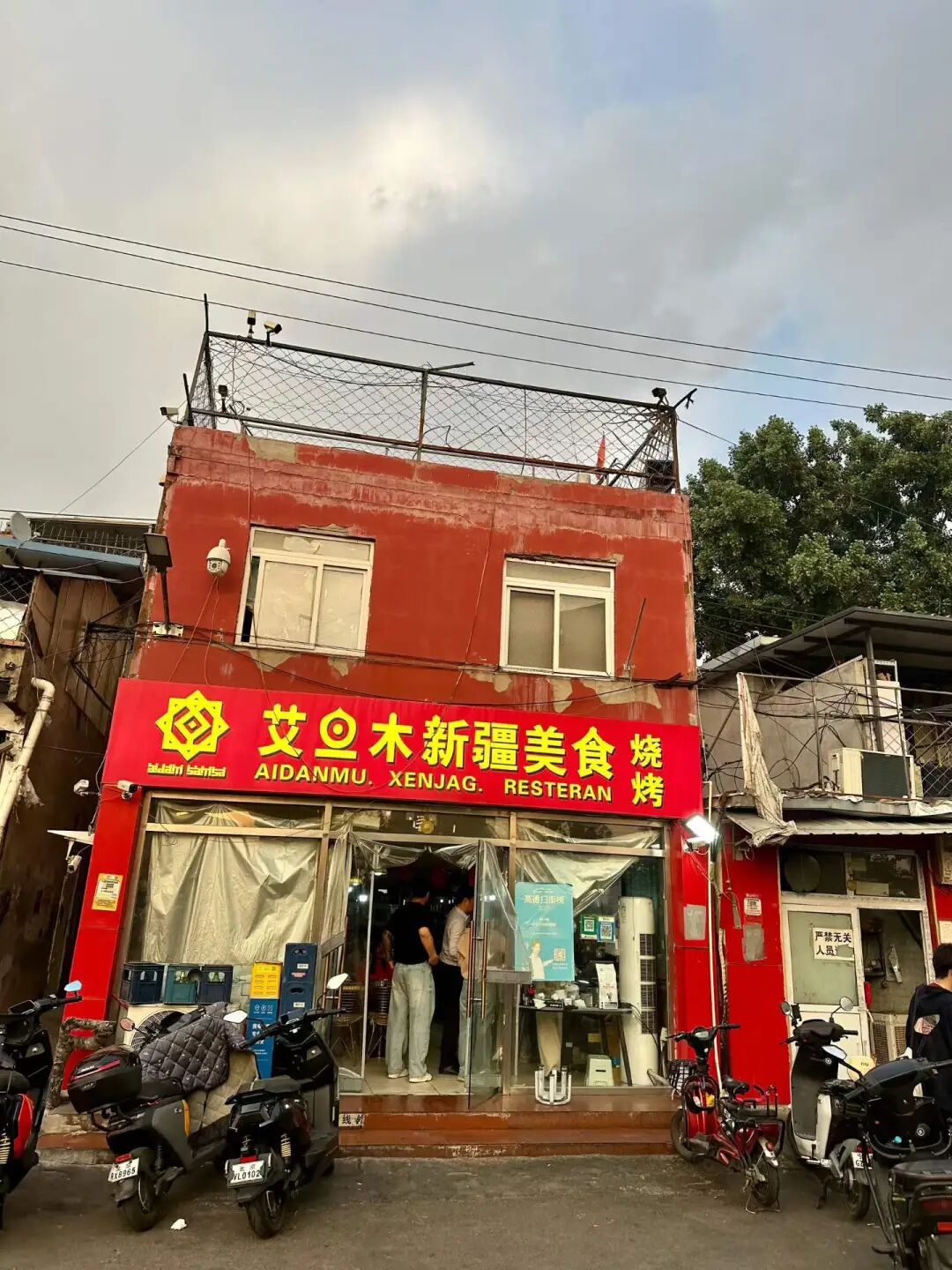
There is a newly opened Jiaqing courtyard in the Fayuansi neighborhood of Niujie Street. The owner is named Jiaqing, a native of Beijing, hence the name.


His restaurant is a Beijing restaurant, specializing in barbecue, shabu-shabu, Beijing-style home cooking and various traditional snacks.


The yard is not big. You can sit in the yard, enter the house, and go up to the room. There is a terrace.


Their family also has hot rice, which is the leftovers from the past cooked in one pot. Sometimes hot rice with leftovers tastes better than new dishes, and their hot rice is slightly salty.


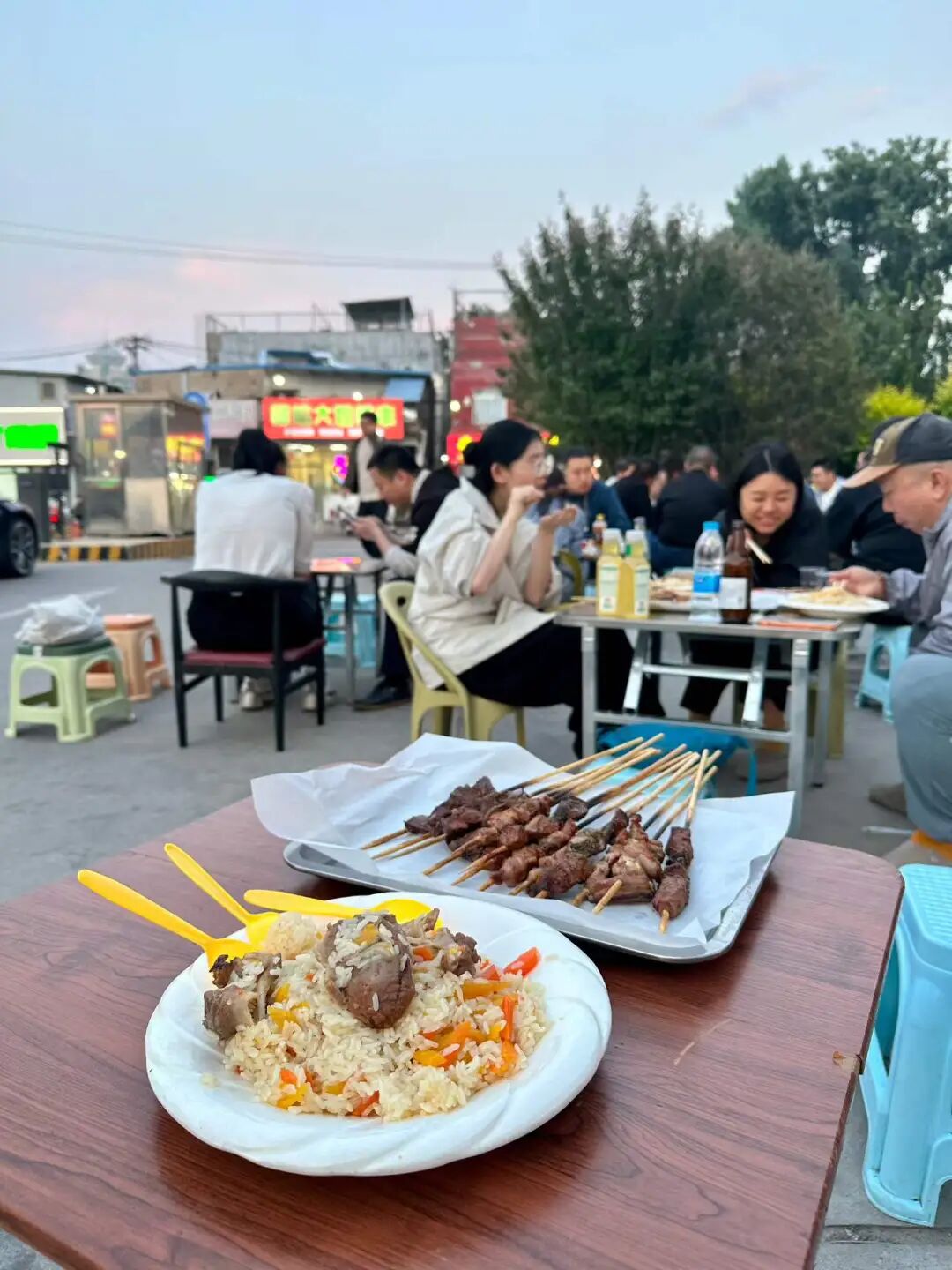
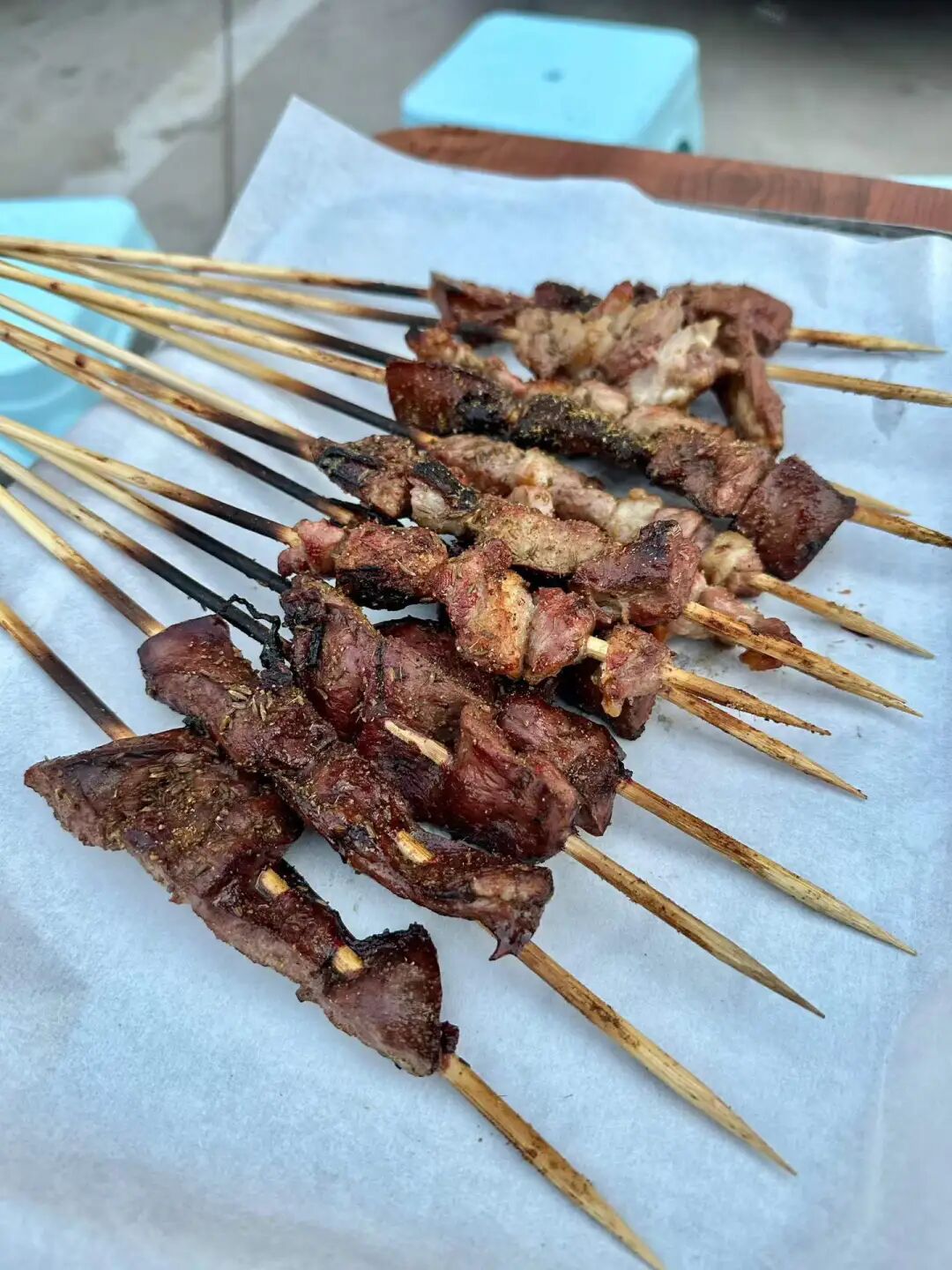
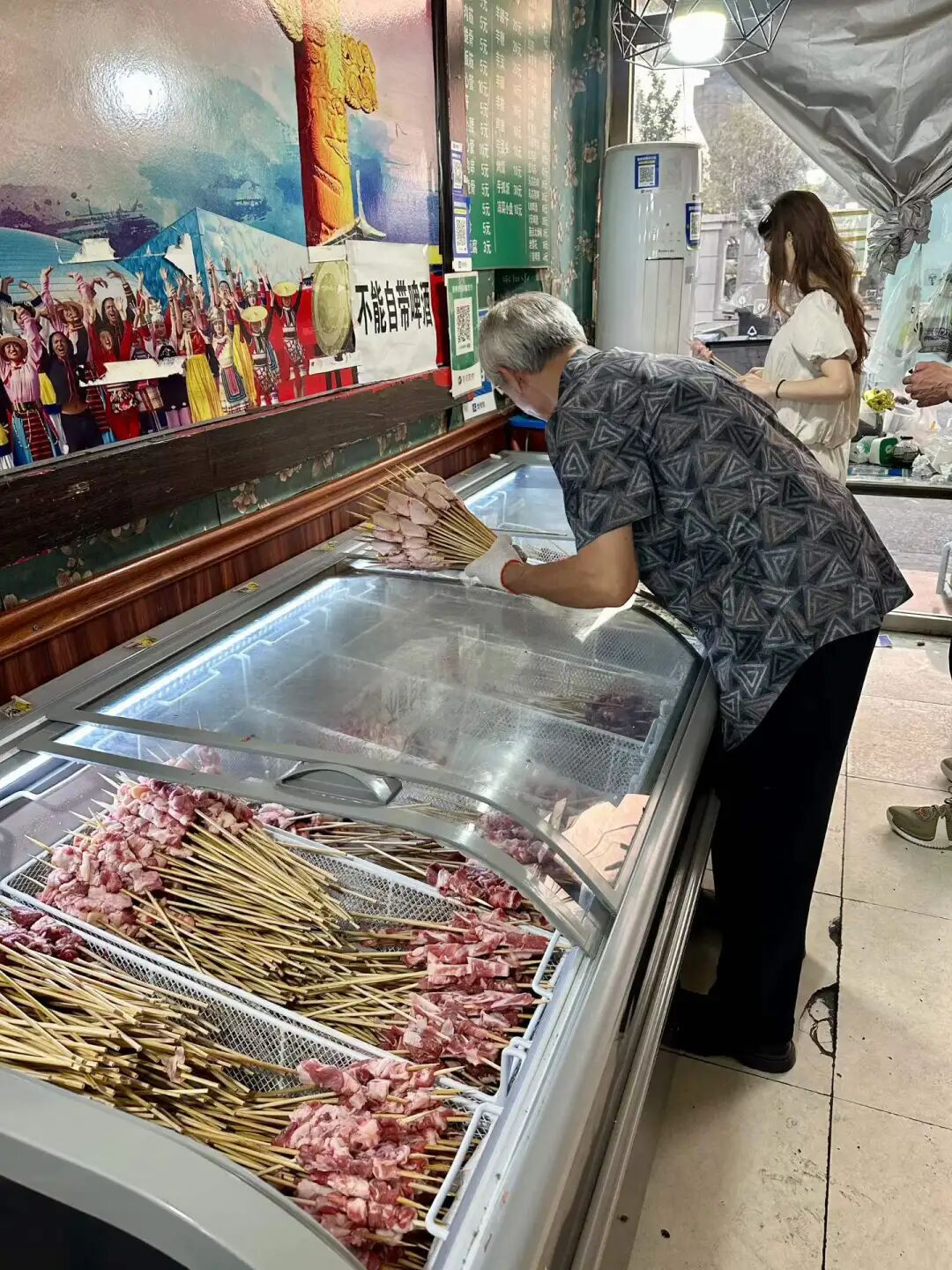
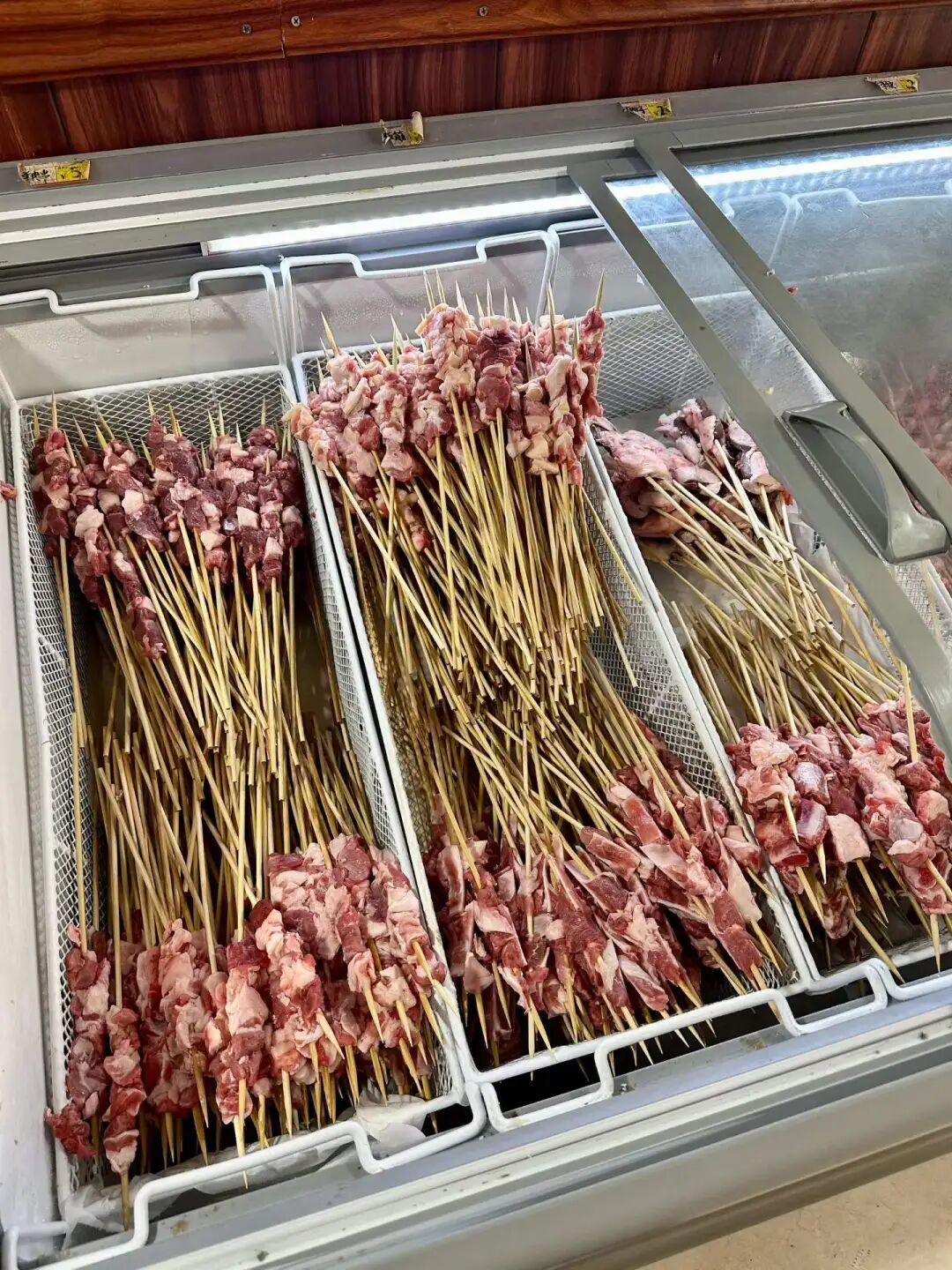
The skewers taste great, with moderate texture and taste. It’s a great place to have skewers in summer. There is a takeout window outside the yard, selling various Beijing-style snacks, including bean juice.


2. Jinmanlou Tianjin cuisine


Three halal Tianjin restaurants have opened in Beijing, and the highlight of this restaurant is their sea sausage rice.


Sea sausage rice is a specialty of Jiaodong. I have only eaten it in Qingdao. This is the first time I have eaten sea sausage rice in Beijing.


Bazhen Tofu is a famous dish in Tianjin. Bazhen is not necessarily a fixed eight ingredients. Squid tentacles, crab sticks, scallops, and shrimps are more common. The portion is large and filling. This plate is very large, and one plate is enough for three people.


Jinwei stir-fried vegetables is also one of Tianjin's home-cooked dishes. This dish is not salty.


The homemade desserts in the store taste like pudding.

3. Dong Ge Shan Yuan


This is a halal B&B halfway up the mountain in Shengshuiyu Village, Fangshan. Driving up the mountain, the road conditions are not very good.


There are free-range chickens and pigeons in the yard, surrounded by mountains, and the scenery is pleasant.


The boss is a Hui from Haidian. Meals need to be booked in advance. There are grilled lamb chops and various farm-style stir-fries. The average per capita is less than 100.


There are guest rooms available for accommodation, standard rooms cost 380 per night, and the rooms are quite clean.


There is a swing in the yard and a vegetable garden behind it.


There are also pigeons in the small courtyard, but they are not used for eating.


Today's main course, grilled lamb chops, costs 88 per pound.


Stir-fried beef with garlic sprouts, one of the classic home-cooked dishes.


You can choose small or large portions for stewed chicken. This is a large portion and tastes great.


The toon buds were served with eggs. I watched them pick the toon buds freshly from the trees.

4. Chai’s Hock Hai Halal Cuisine


Chai started his business by making beef noodles, but now he has opened a high-end Beijing-style restaurant in Qianmen.


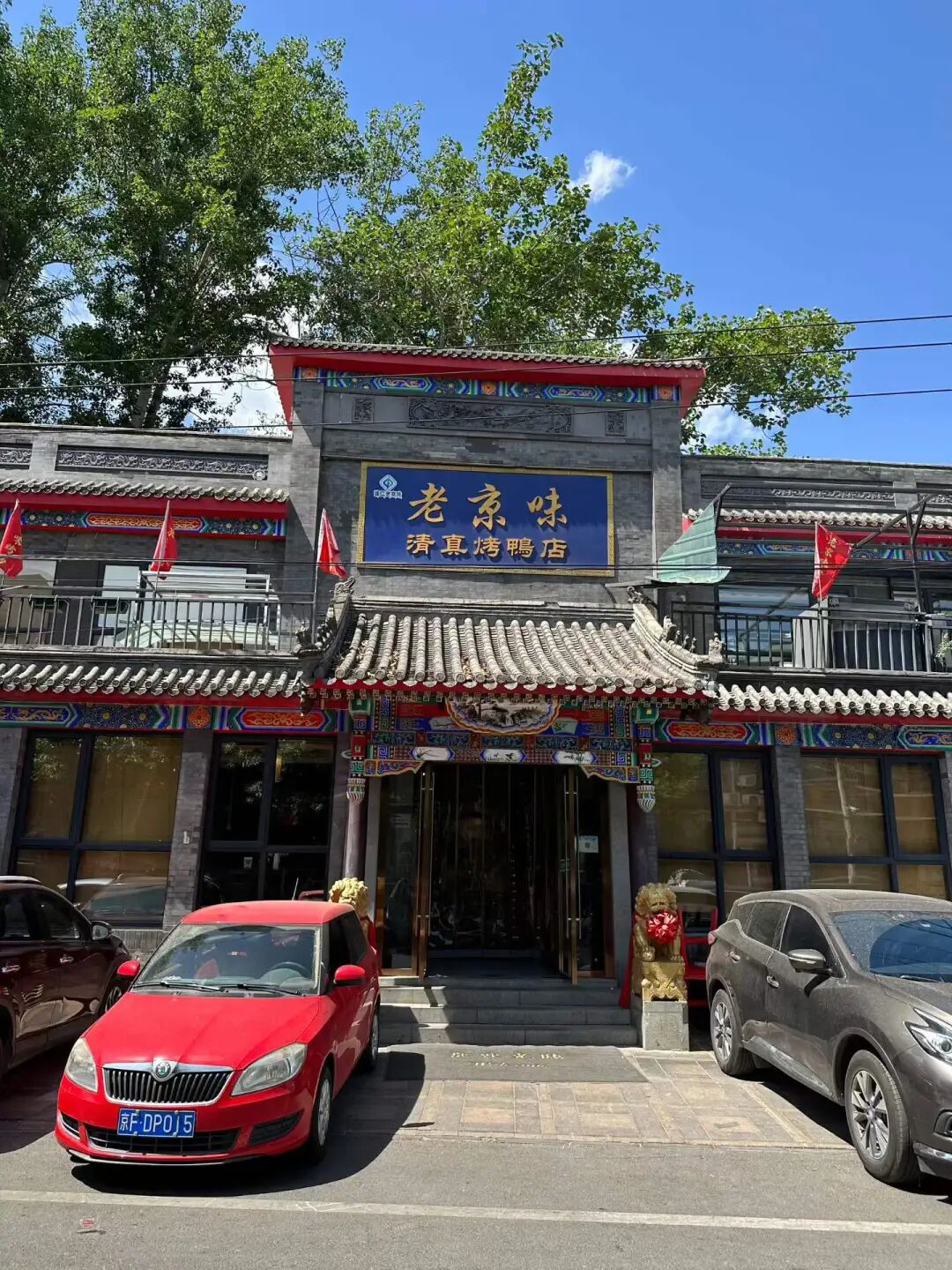
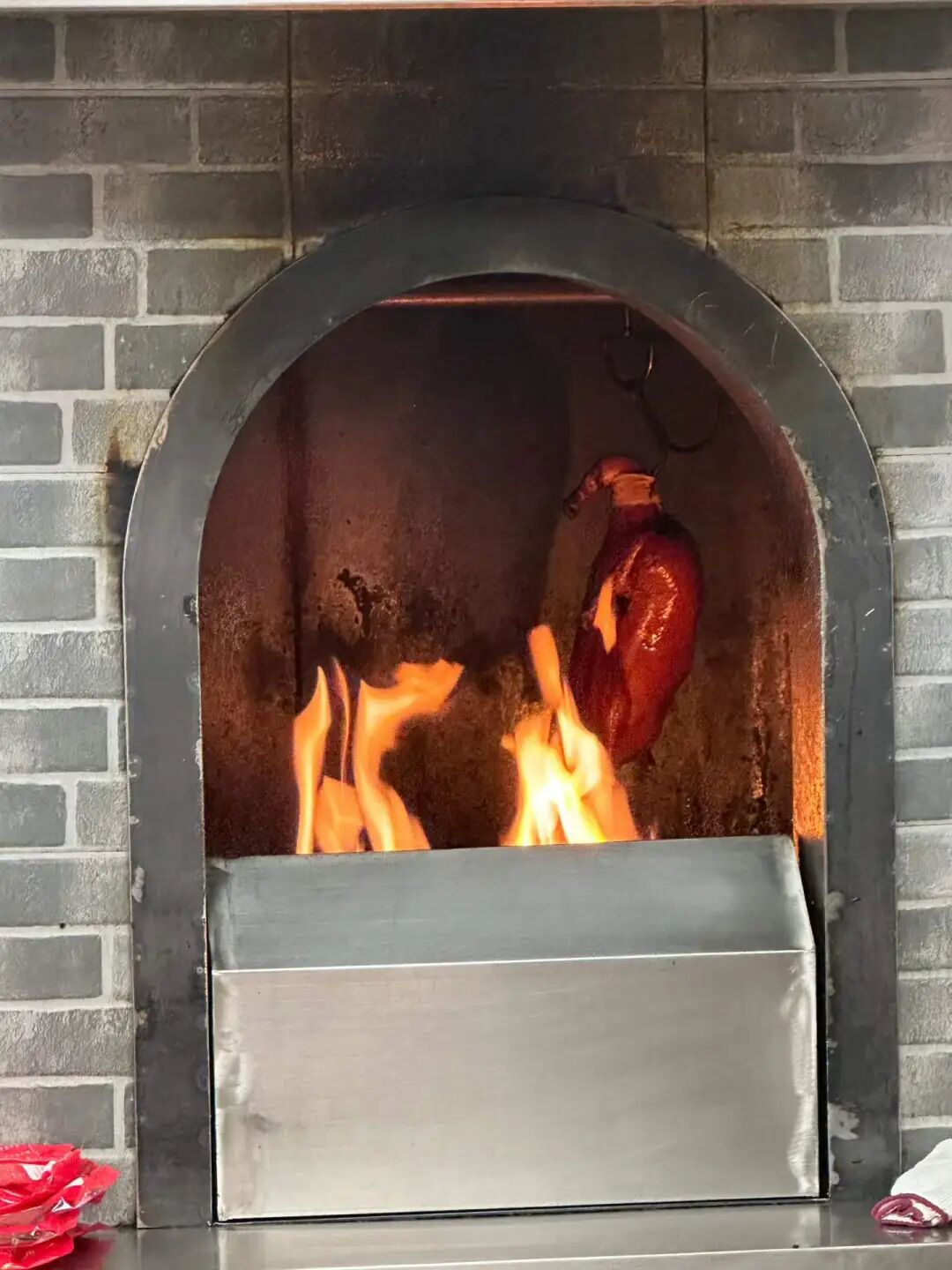
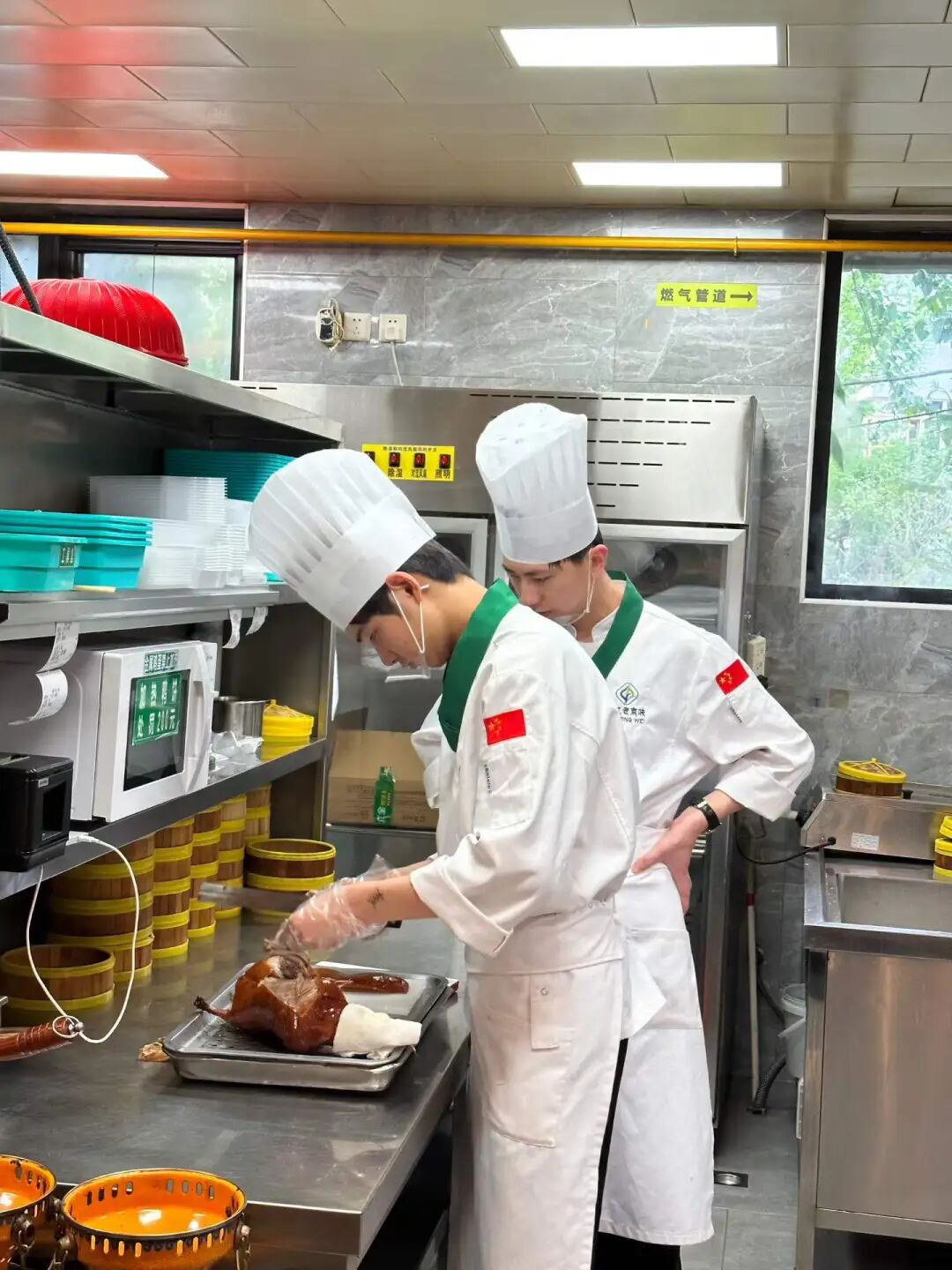
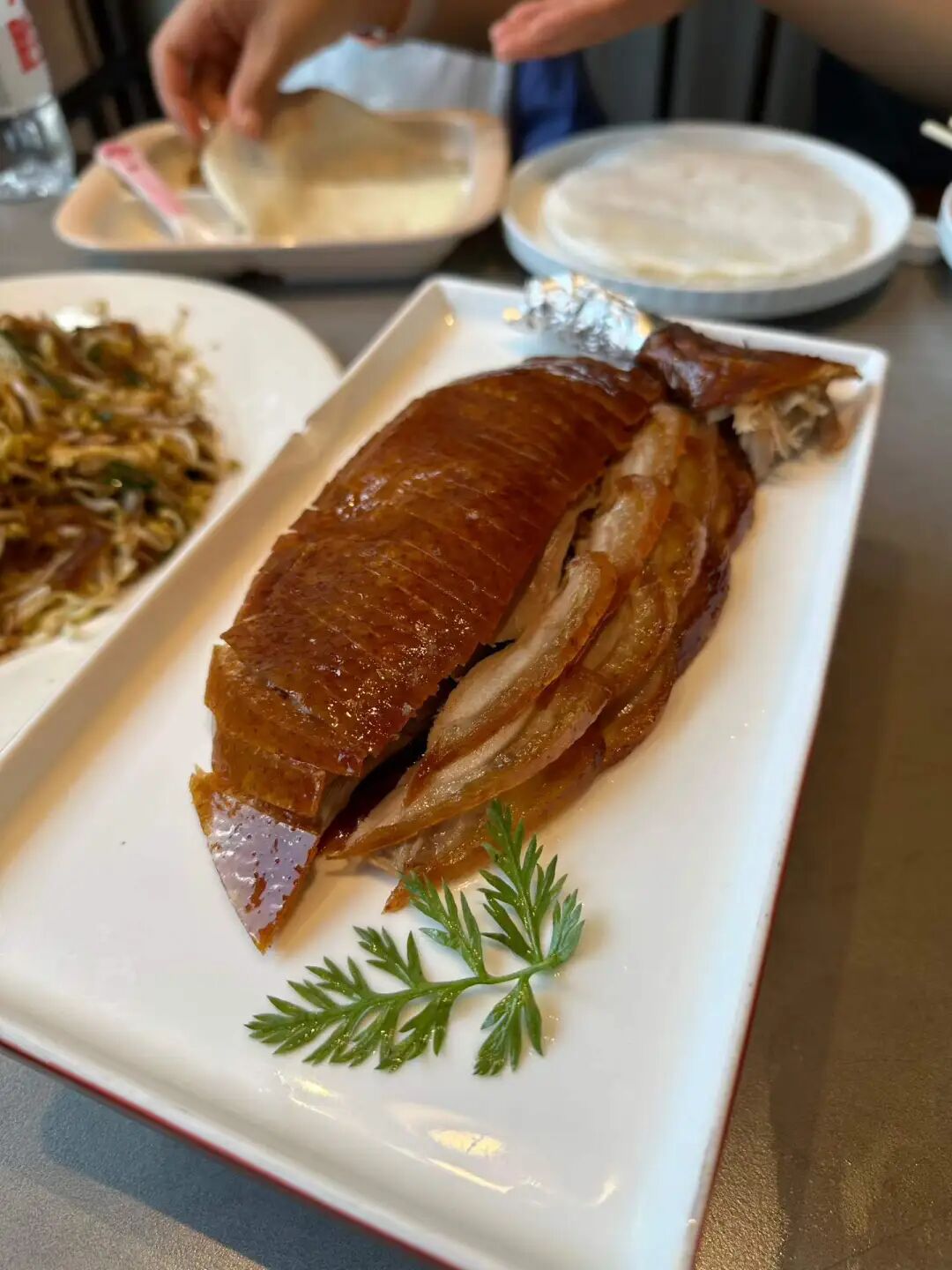
The store's main specialty is roast duck, and you can order half of it.


The chef will fillet the duck in front of the guests.


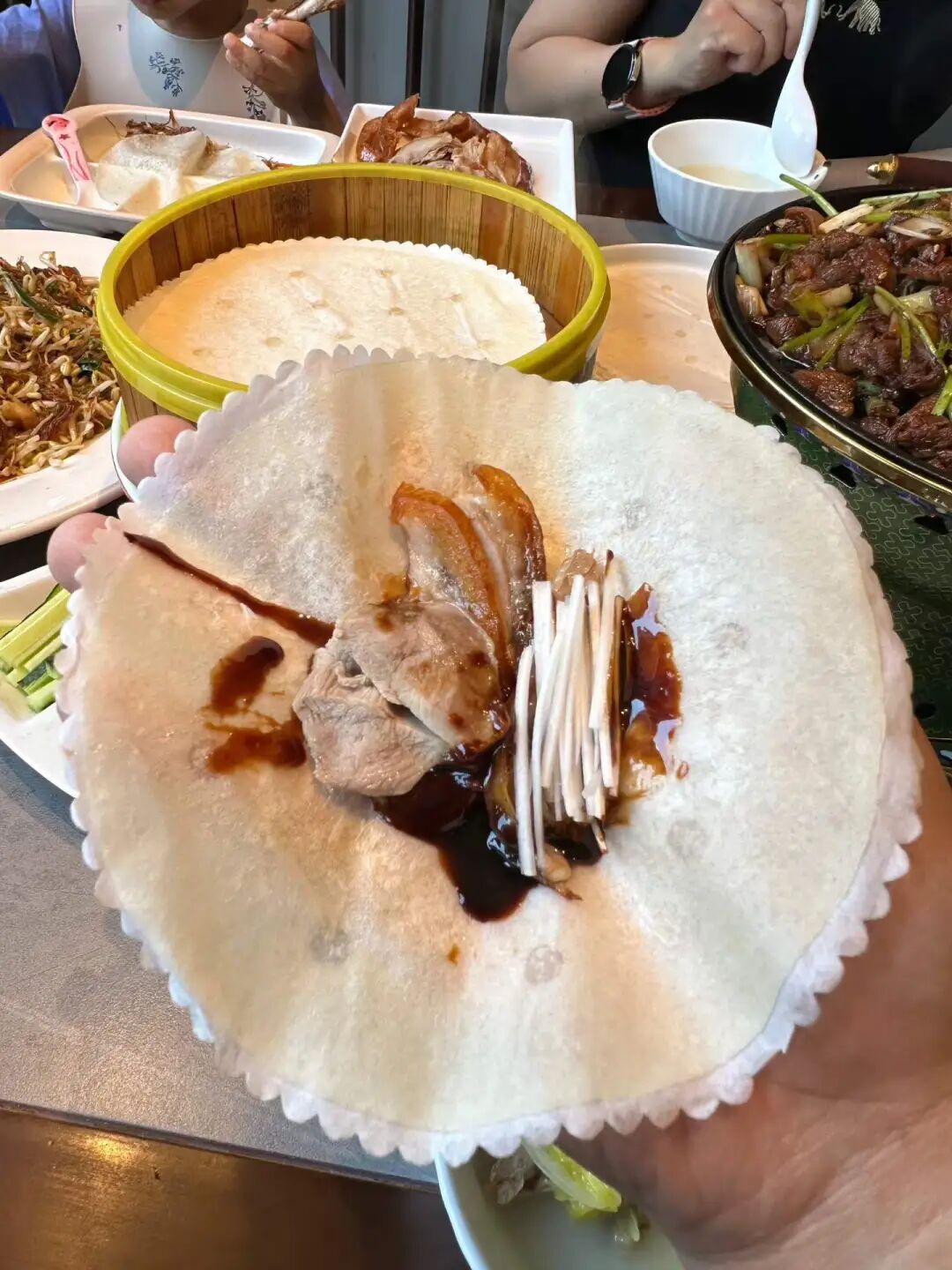
The pancakes for the roast duck can be refilled for free, and the dipping plate has several more options, but I am still used to just putting shredded green onions and cucumbers, and then dipping them with a little sweet noodle sauce.


A platter of Beijing-style snacks, including pea yellow, donkey rolling, kidney bean rolls and ai wowo.


Dry-fried hairtail, the fish bones are crispy and can be eaten directly. This is a cold dish.


I think their most classic dish is noodles. The noodles with soybean paste are delicious. They have eight kinds of dishes and are hand-rolled.

5. Niujie Sanwanghu Coffee


Sanwanghu Coffee is a chain store, but only the Niujie store has received halal certification.


In recent years, many cafes have opened around Niujie, and they are basically full during the day. Only this shop is relatively empty, so I brought my friends here for a chat, just to have some peace and quiet.


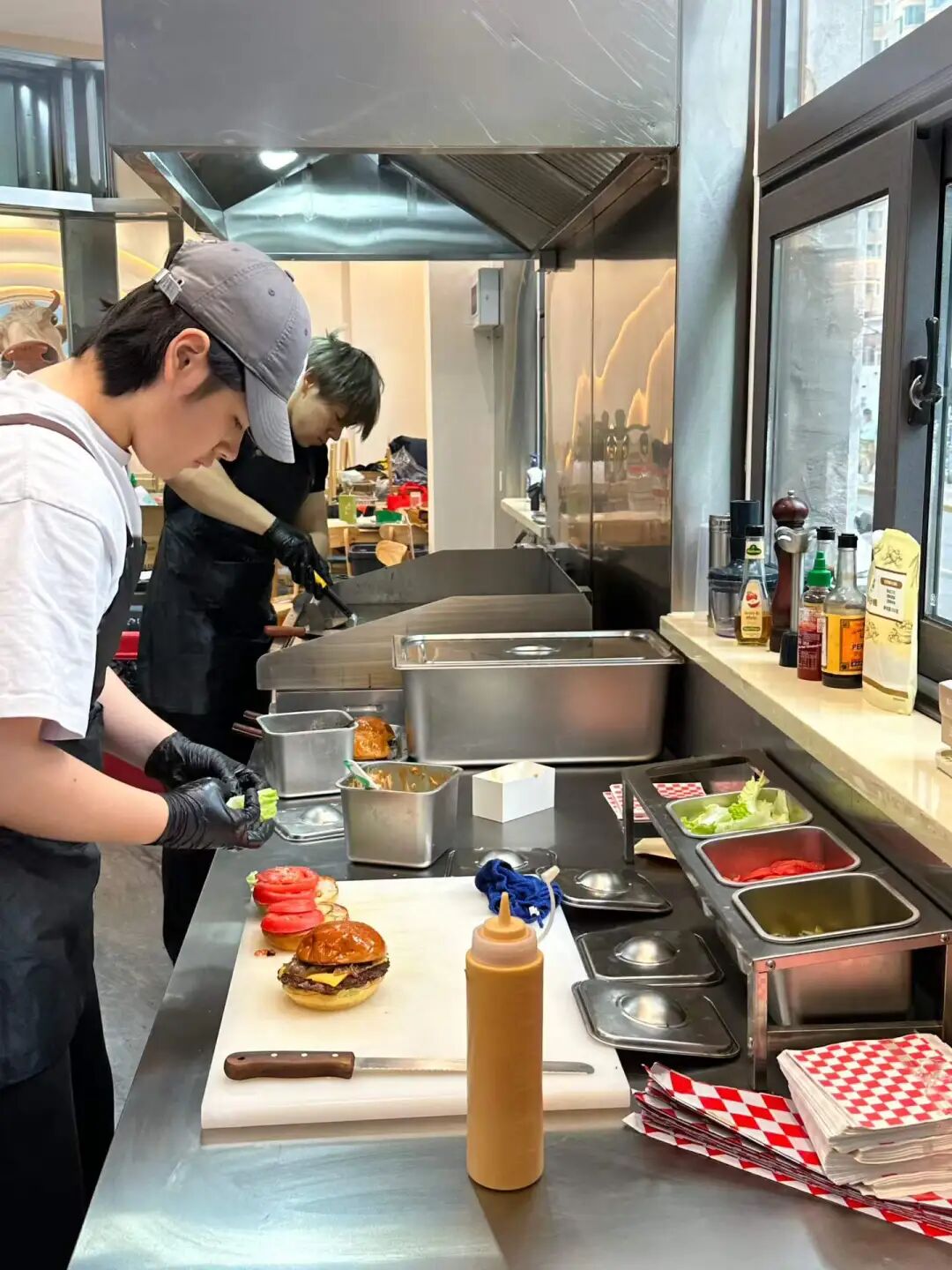
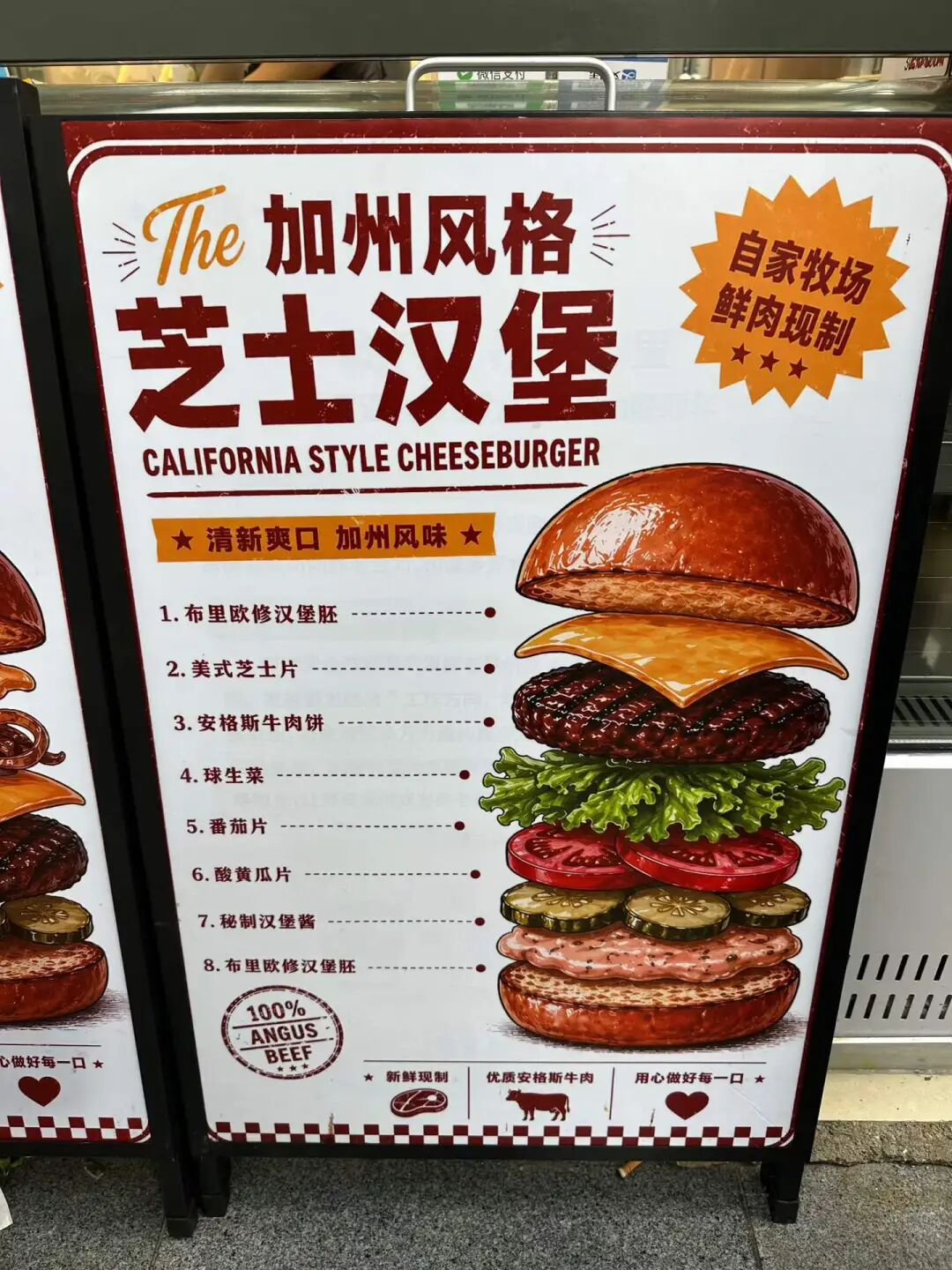
It used to only serve drinks, but recently it has added light meals such as burgers and sandwiches.


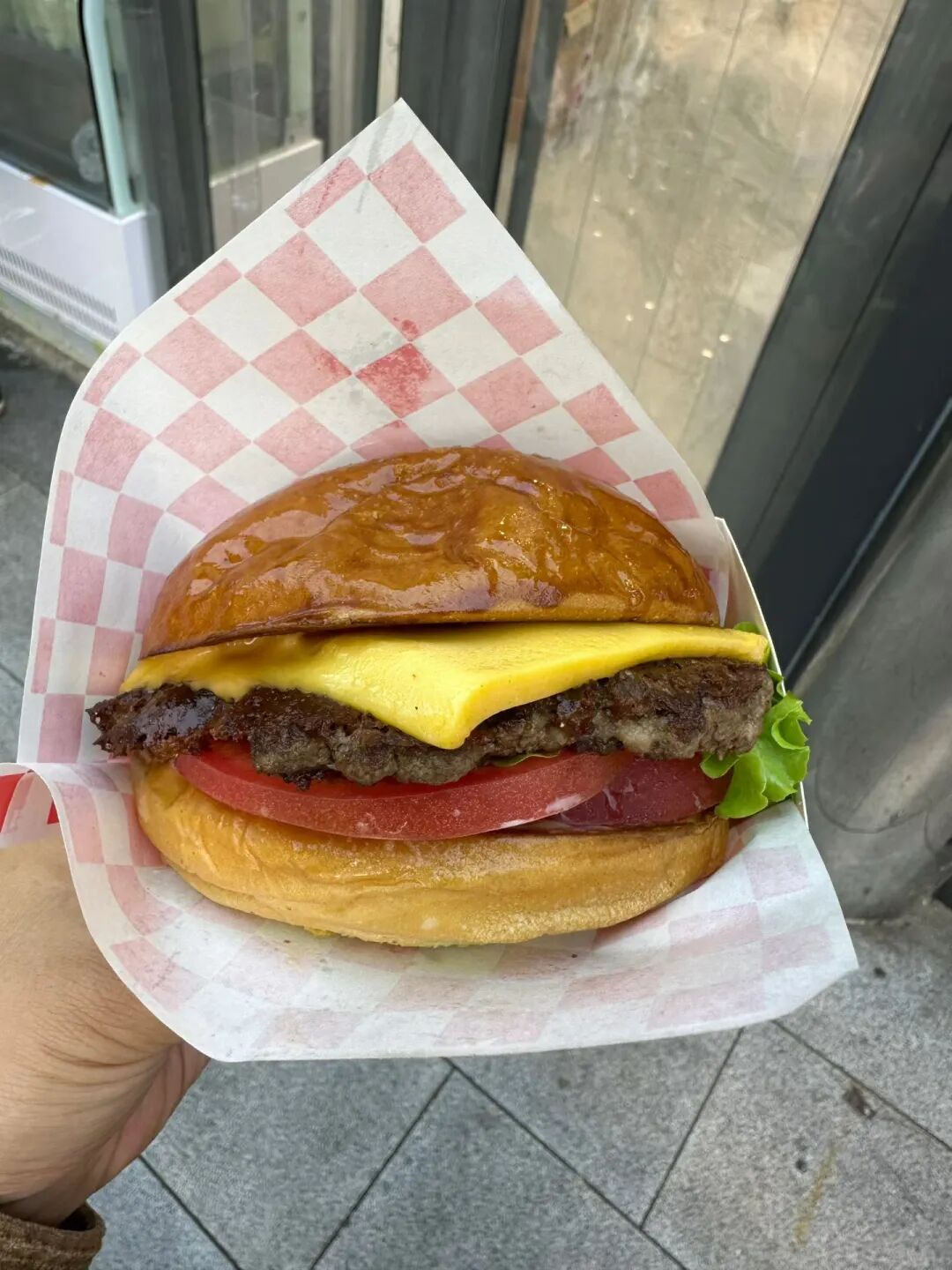
The American-style hamburger and fries set meal costs 83 yuan per serving, which is a little expensive.


The burger is quite delicious. The bun is soft and big. You will be full after eating one.


There is a terrace on the second floor of his house with a nice view. If the taste of the drinks is improved, the popularity will be even greater.

6. Guxiangzhai


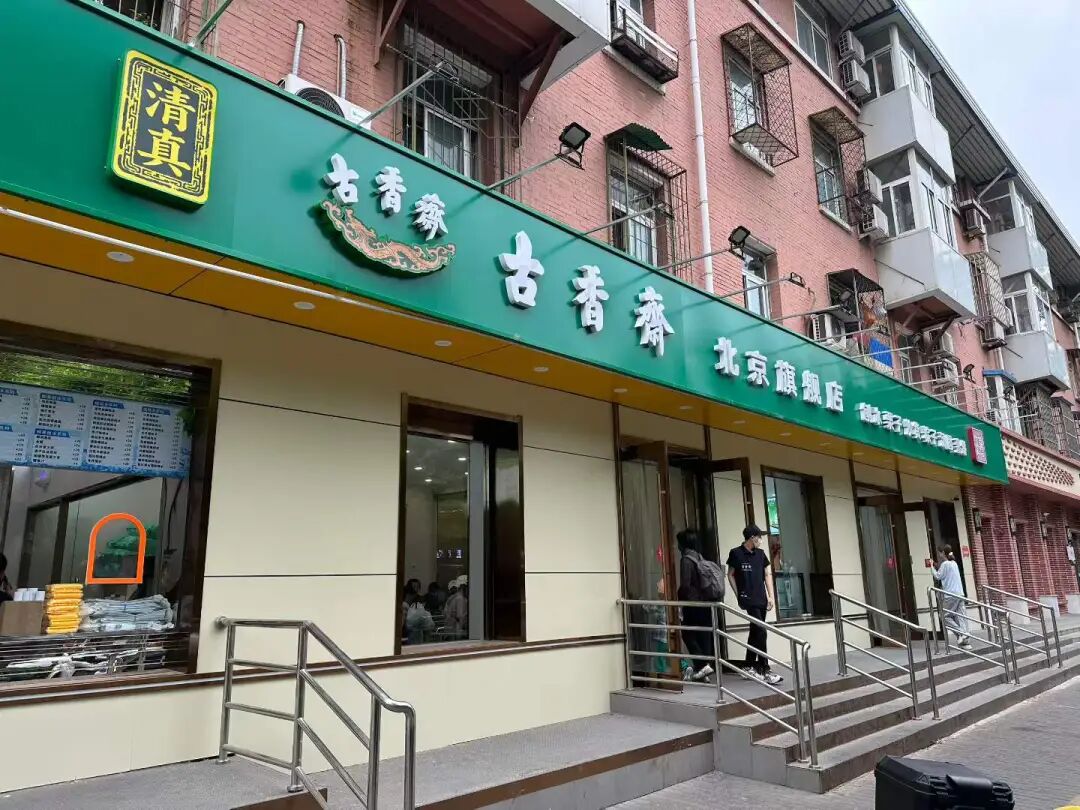
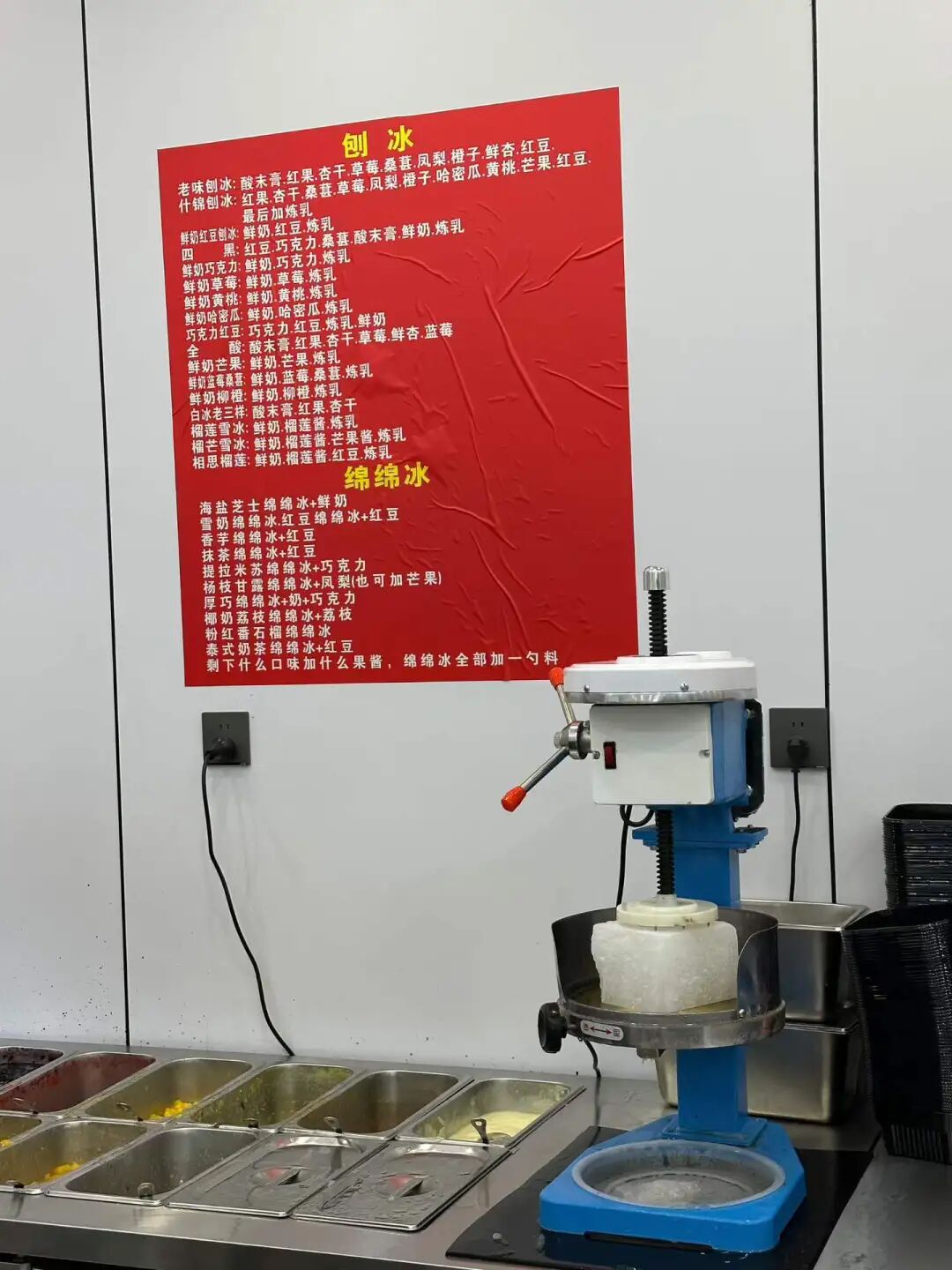
Guxiangzhai is a Tianjin shaved ice dessert shop that has opened a new flagship store in Hufangqiao.


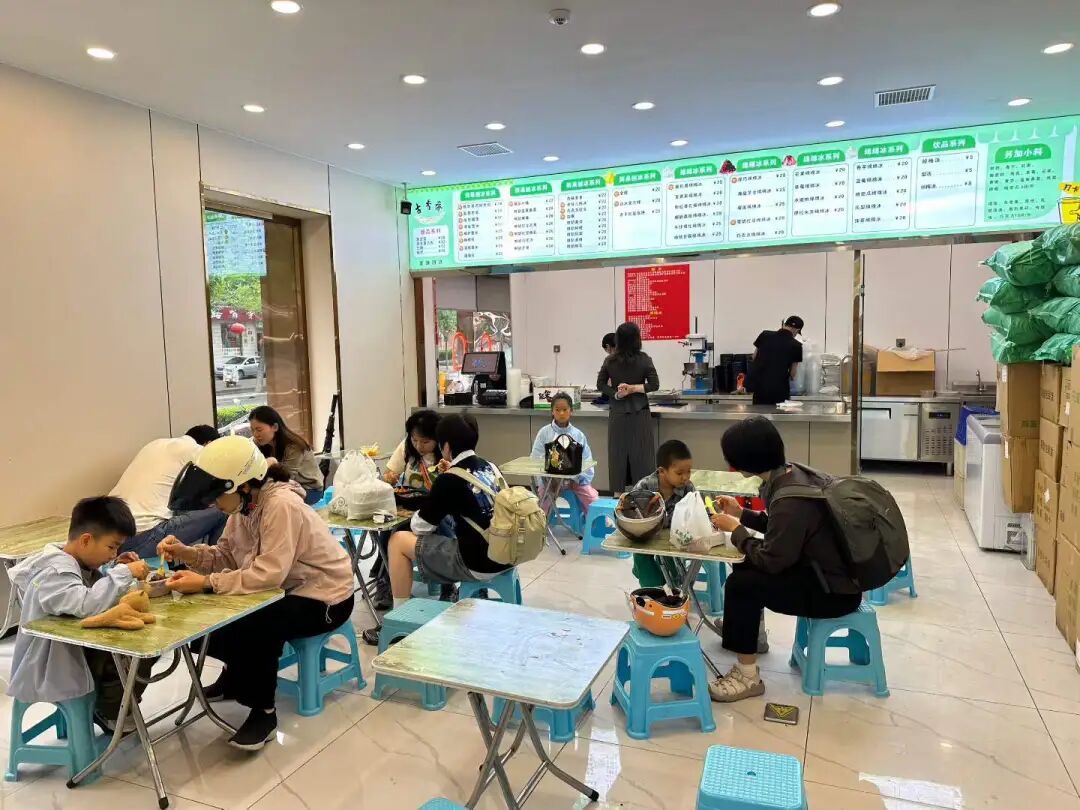
The old-fashioned tables, chairs and benches are still used in the store.


The store is quite spacious, with shaved ice on the left and Tianjin pastries on the right.


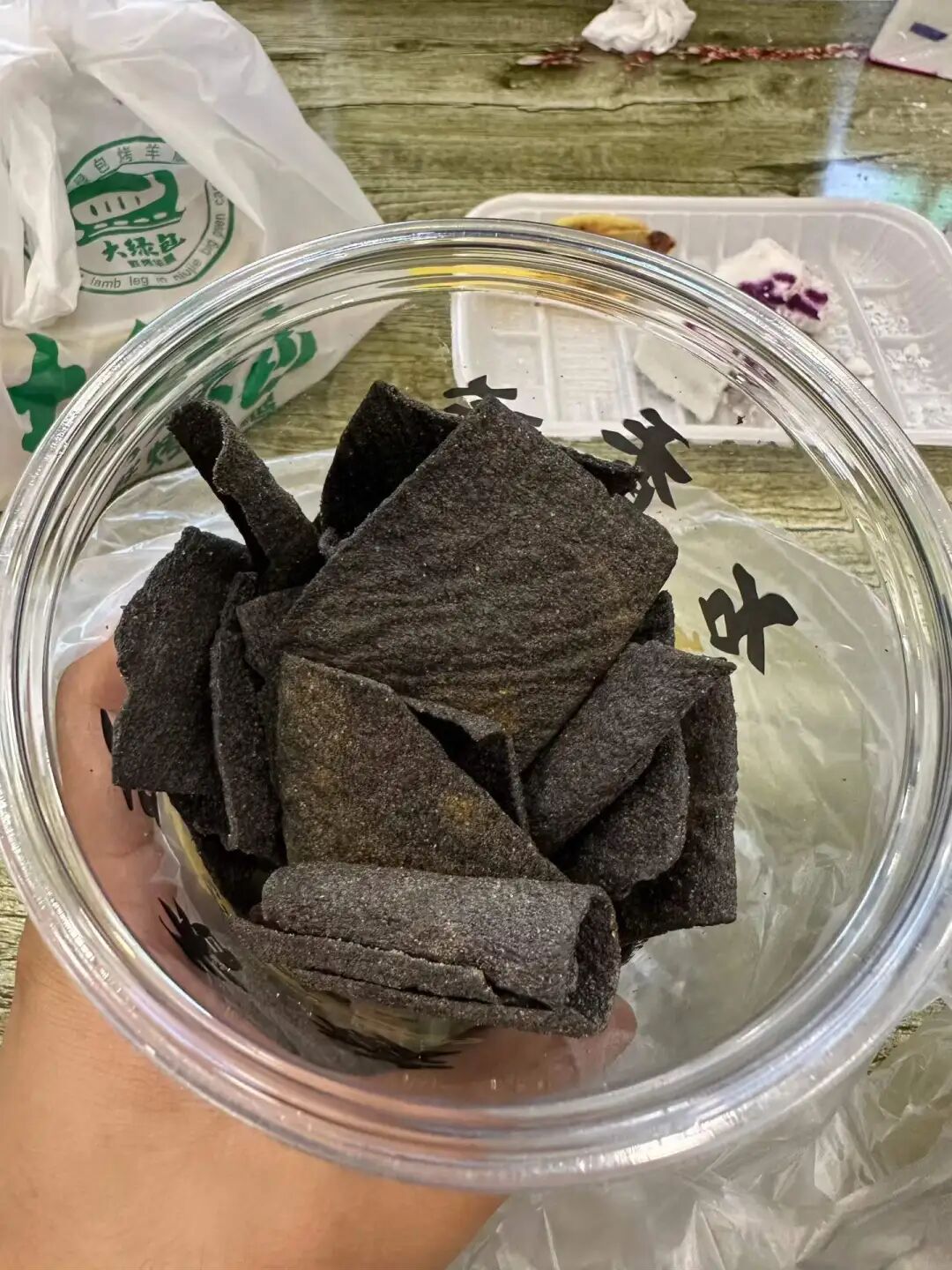
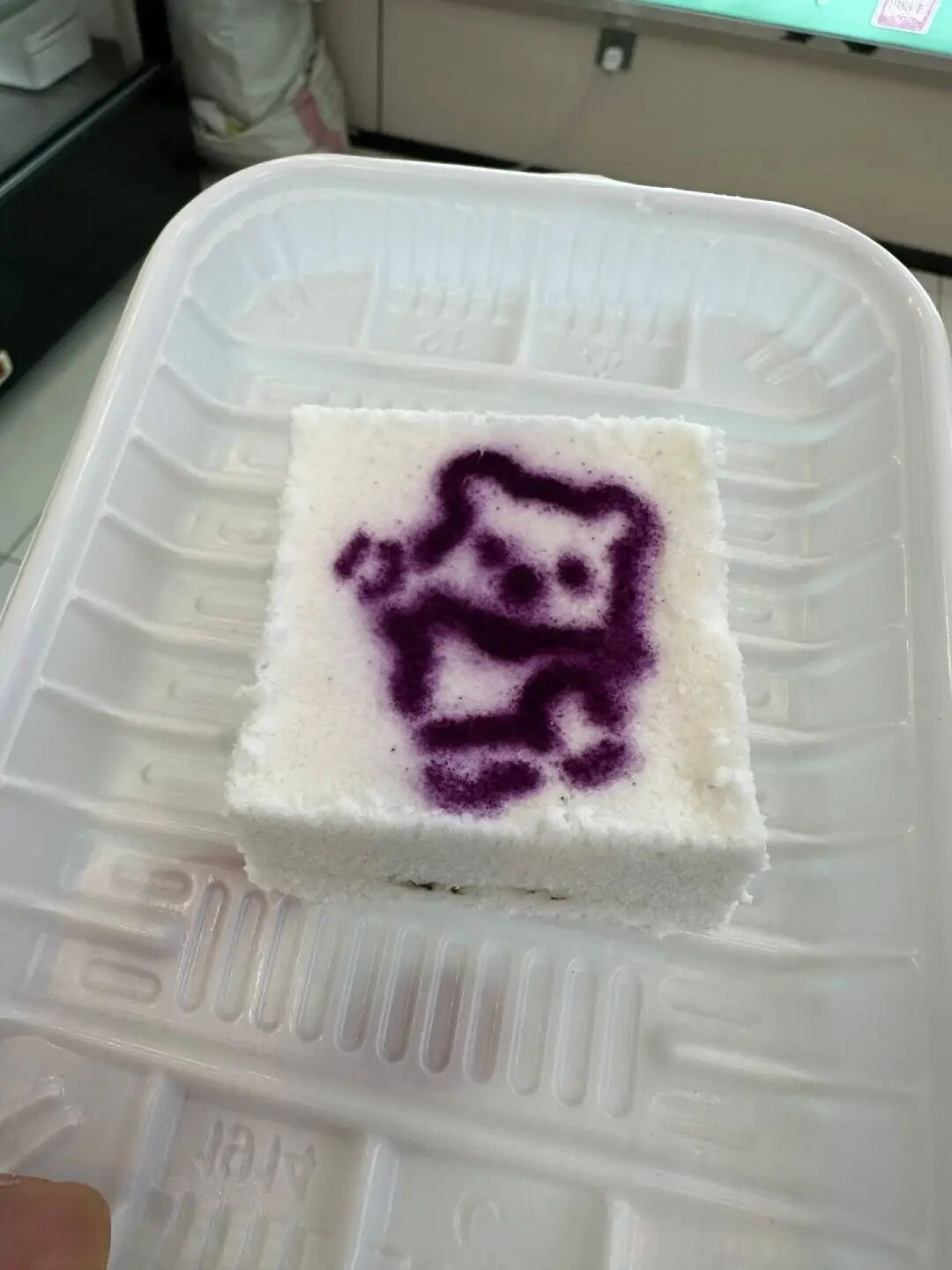
Here you can eat Tianjin’s special cakes, steamed cakes, and twists.


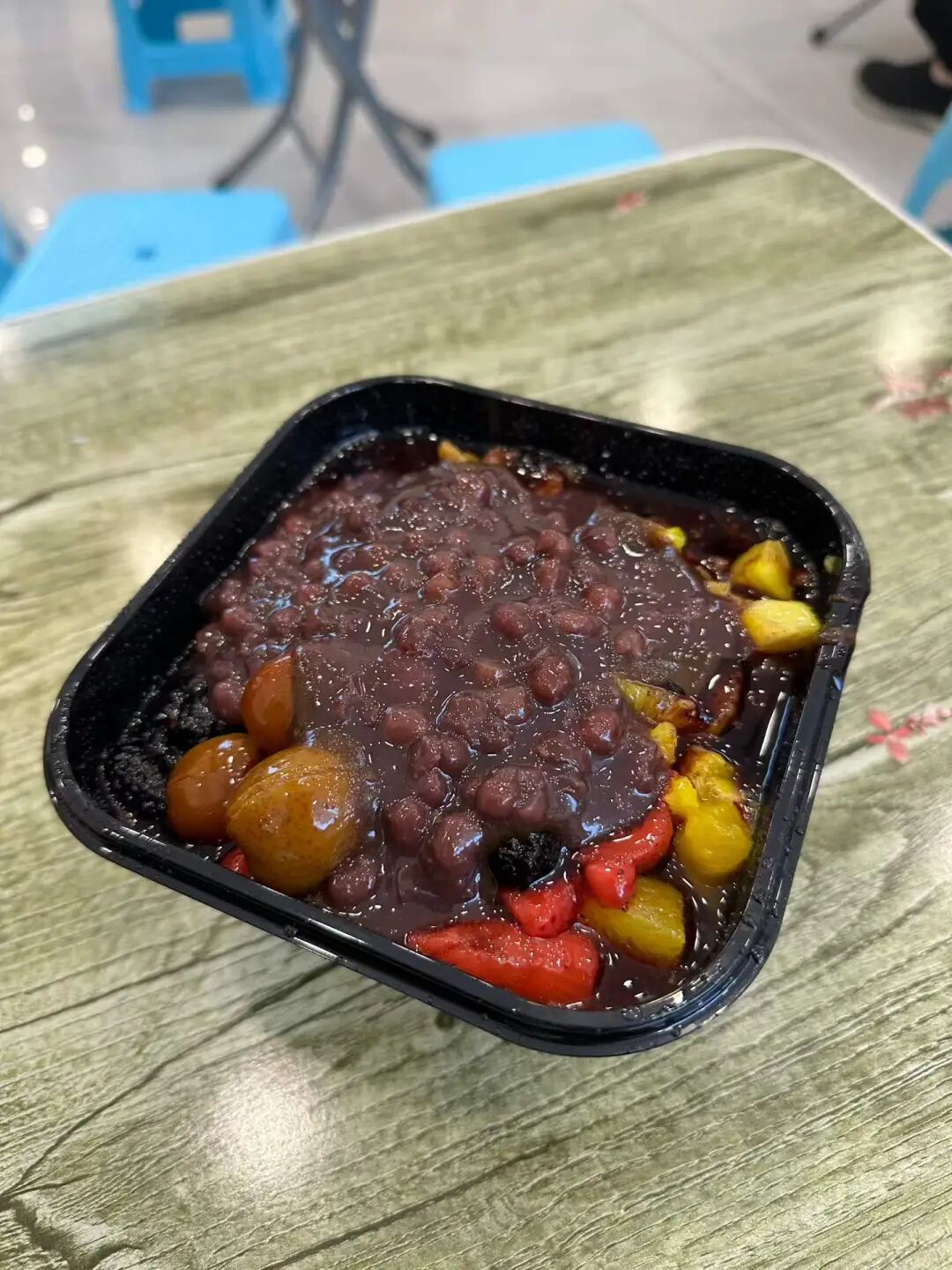
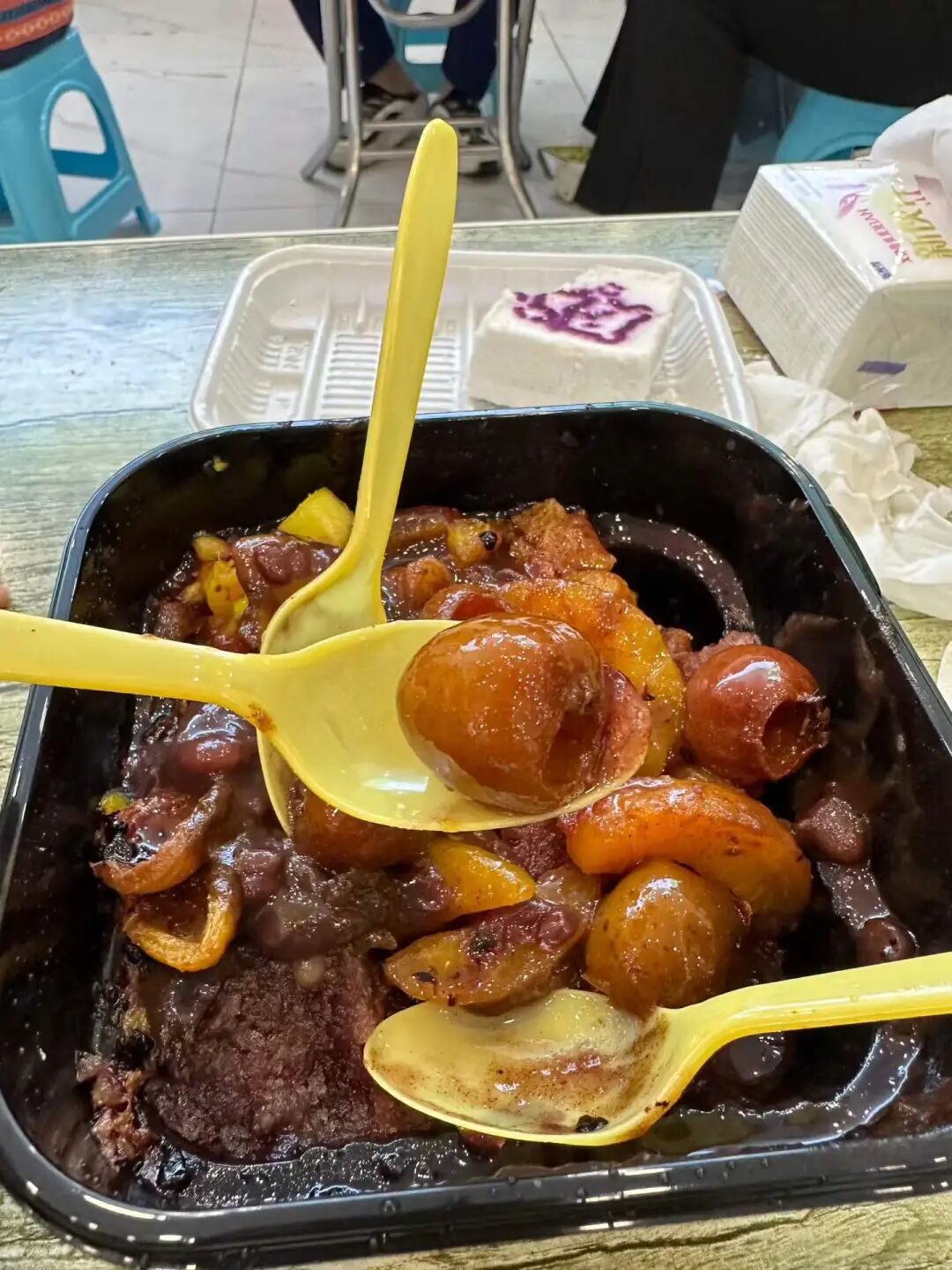
There are so many types of shaved ice and soft ice, and the portions are quite large, so it’s almost the same for two people.


This is taro ice cream with red beans on top.


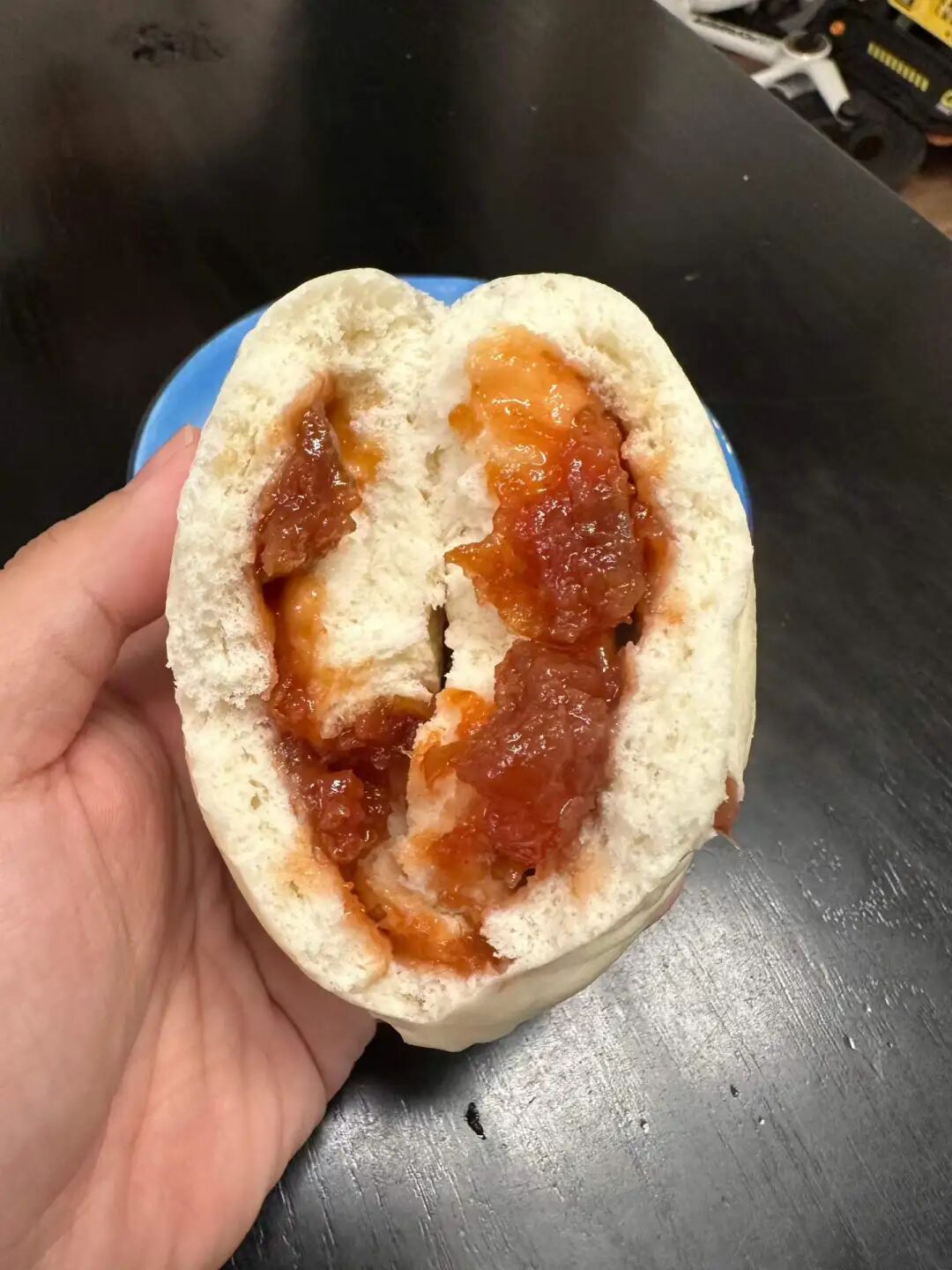
The steamed cakes are large and look like steamed buns with various fillings inside. The most popular ones are chocolate and durian fillings.

7. Ma’s Muxiang Garden


Ma's Muxiangyuan is a newly opened Northeastern restaurant. It currently has two restaurants, this one is outside Guang'anmen.


They serve a variety of Northeastern home-cooked dishes and hot-pot meat, with Northeastern cuisine being the highlight.


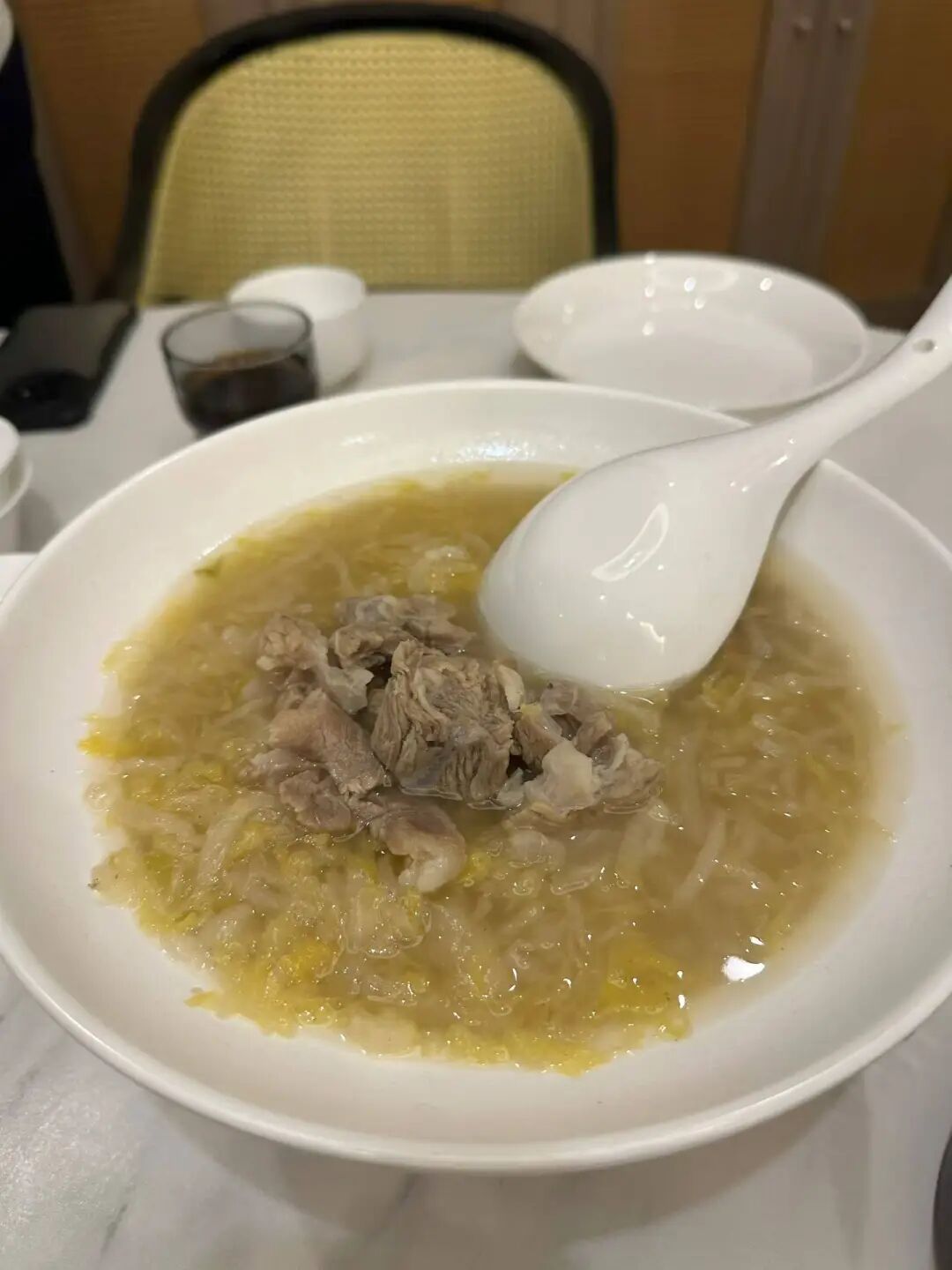
Stir-fried beef and pickled cabbage noodles are a side dish, and their dishes are quite large.


The sweet Guobao Pork is delicious and has a similar texture to what you get in the Northeast.


The lamb liver is delicious. It has no peculiar smell at all, is not fishy or smelly, and the ingredients are fresh.


Dry-roasted sea bass, this fish is particularly delicious and the fish meat is delicious.


The meat slices taste authentic. There is a bit too much onion, which is not necessary. It is a bit overpriced. It should be all meat. The unit price can be adjusted.


Their rice is worthy of praise. It is Northeastern rice, with clear grains and fragrant aroma.

8. #024 Sea String


Hai Xian is a music-themed restaurant. Cui Jian, the godfather of rock music, is one of the shareholders. It specializes in Italian and Lebanese food, both of which belong to the Mediterranean cuisine.


The meat used in this restaurant is Uruguayan halal meat, and the chef is Lebanese. He is also the chef of Sumak Lebanese restaurant. Because there are many embassies of Middle Eastern countries around Sanlitun, where Haixian is located, a team of Lebanese chefs were invited to take care of it.


We chose this place for this group building mainly because we wanted to eat Italian food.


The complimentary bread before the meal can be paired with tapenade.


Lemon mint drink is very pure and has a sour taste, suitable for appetizing.


The setting of the restaurant is carefully designed with Mediterranean blue as the main color.


Hummus sauce platter, this is a classic Lebanese appetizer.


This kind of Arabic pancake is eaten with hummus sauce.


Next are all Italian-style dishes. This one is called porcini risotto, which is like eating Spanish paella. The Italian rice grains they use are larger and have a harder texture.


This one is called a low-carb North African egg, and it contains oriental braised eggs, assorted bell peppers and tomatoes.


Sliced ​​raw marinated Uruguayan beef tenderloin with arugula and Parmesan. The beef underneath is raw. This ingredient is delicious.


Neapolitan style salted fish pizza, a friendly reminder, the salted fish is very salty.


Wagyu beef spinach pasta, this wagyu beef has large particles and good taste, suitable for children.


This is a blue cheese pizza. The blue cheese smells very strong, and most people may not be able to accept it.


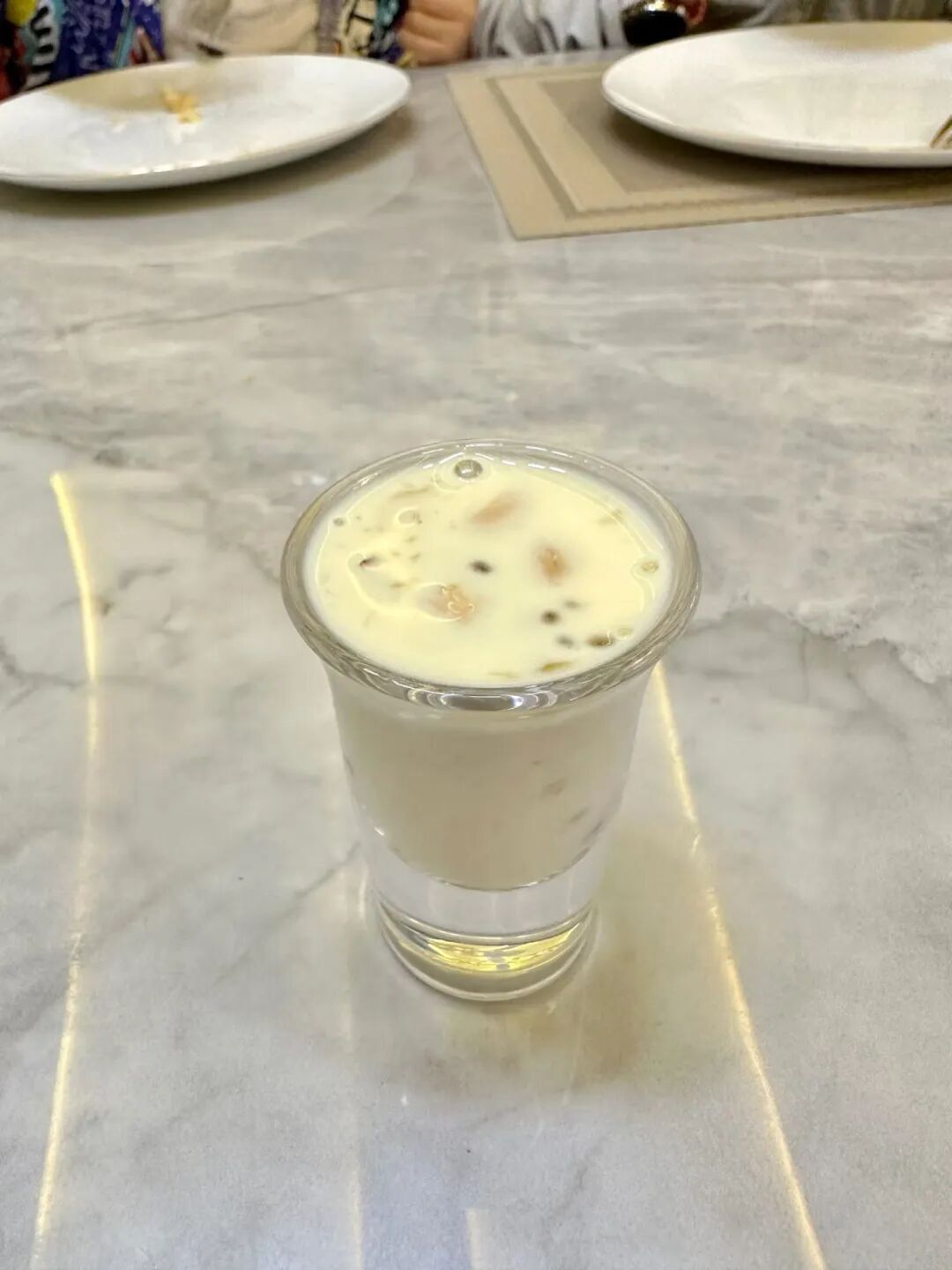
Their desserts are highly recommended. The Levant milk rice pudding pictured above is sweet and very delicious. The picture below is a combination of ashtazo, avocado, banana and nuts, which is also very delicious.


9. Jinmen Zhenweizhai


The stir-fry restaurant in the northwest corner of Tianjin has opened in Jiaomen, Beijing. I think this restaurant is the best among the three Tianjin stir-fry restaurants in Beijing.


Tianjin cuisine is characterized by large portions, salty taste, and heavier saltiness, but this restaurant is a bit lighter.


Braised beef ribs, one of the signature dishes, the beef bones are soft and tender.


Bazhen Tofu, the ingredients of Bazhen Tofu in each store are different, but they are mainly seafood.


There are three popular dishes in Tianjin: mutton kidney, mutton liver and mutton tenderloin. The portion of Tianjin food is so big that one plate is enough for two people.

10. LIQA Li Ka


The Turkish restaurant on the first floor of the Rosewood Hotel has a chef transferred from the Rosewood Hotel in Turkey.


The store manager and chef are both Turkish, and there is no halal label in the store. The two Turks told me about Selan, which means it is halal.


Rosewood Hotel is a top luxury hotel, so the unit price per customer is slightly higher, about 300 per person.


The snacks provided before the meal have a crispy texture.


Turkish bread with hummus.


Hummus is a starter, drizzled with olive oil.


The tabouli salad is innovative with the addition of squid tentacles and sliced ​​mango.


Mixed barbecue, with beef and mutton inside, and a piece of bread underneath. I eat this dish often, and my children also like it.

11. A yellow radish


The name of the store is a yellow radish, and the color of the restaurant is also yellow. This is a Xinjiang family restaurant.


Not long after it opened, it became a place for internet celebrities to check in, and there were many beautiful young men and women who came to eat.


There was a yellow radish hanging at the door. I asked the clerk and he found that the yellow radish would be replaced with new ones every day.


The owner's mother is a Muslim from Urumqi and is very good at cooking. This store restores the taste of her home.


This carrot juice is the store's signature drink. It tastes sour and sweet, as if it has added tomato juice.


The shop’s signature dish is meatball soup, and its taste is on the lighter side, making it more suitable for young people.


If you eat meatball soup, you will be given oil tart. Unfortunately, each bowl only comes with one and cannot be ordered a la carte.


The flavor of the peppercorn chicken is stronger, much heavier than the meatball soup.


The stir-fried lamb with celery is delicious and the lamb is tender. The taste of this dish is very similar to the stir-fried yellow beef of Hunan cuisine, and it goes well with rice.


Fried Xinjiang noble pumpkin, the pumpkin has a smooth and slightly sweet taste.


Glutinous rice pearl meatballs with Xinjiang spicy skin. These meatballs are filled with meat fillings, which are salty and delicious.


12. Decheng Li Qingzhen Shaomai Restaurant


The newly opened Chengde chain restaurant specializes in Chengde specialities, including Shaomai and traditional eight bowls


His family also has a store in Dongtucheng, this one in Fengtai.


The food of Chengde people is similar to that of Beijing, and their accent is also very similar to Beijing.


Beef offal soup tastes average and a bit fishy.


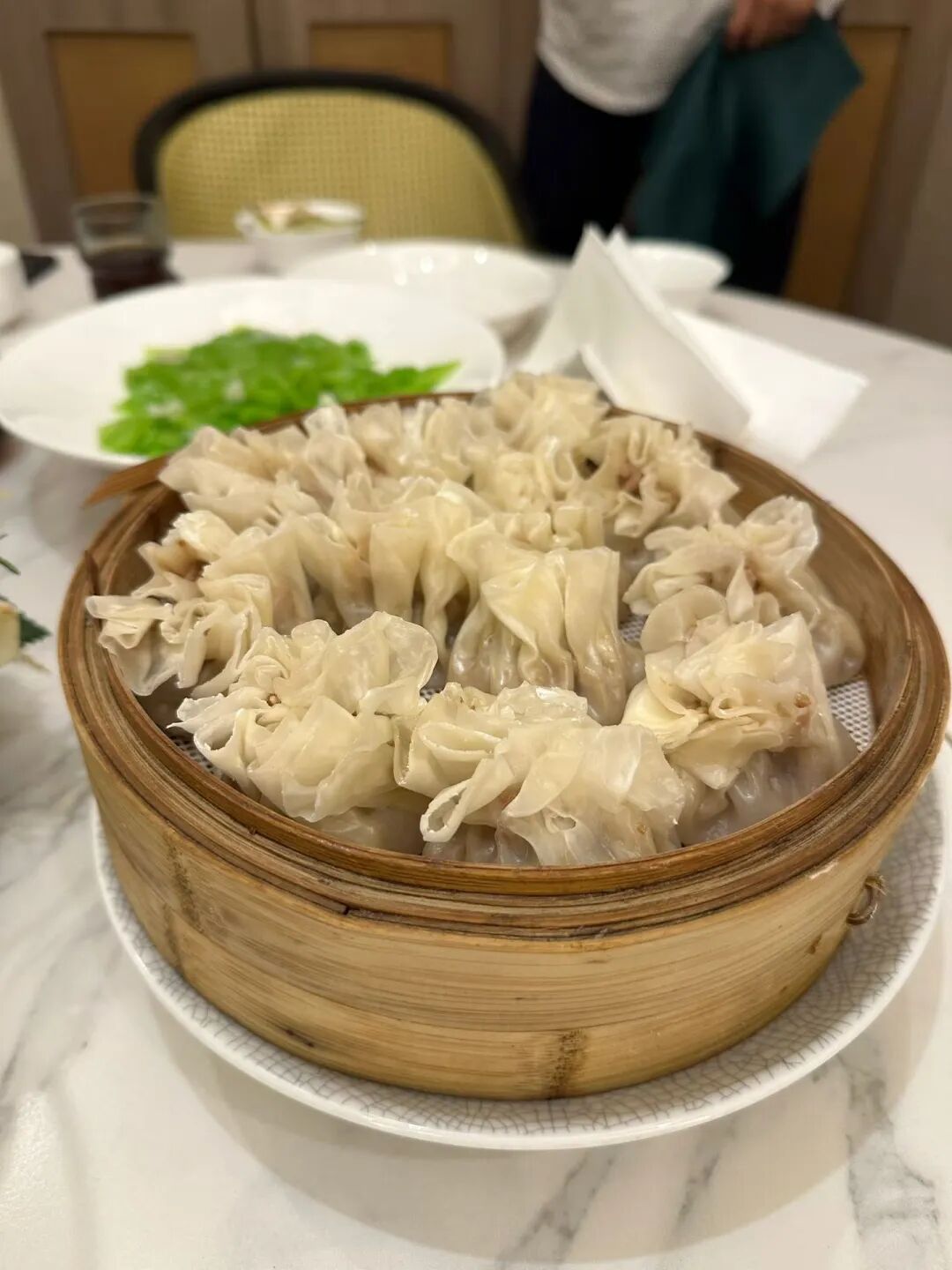
The filling of the shaomai is firm, but the seasoning is too heavy, but I still prefer the shaomai from Hohhot.

13. Cinnara Sri Lankan Restaurant


The first halal Sri Lankan restaurant in Beijing is opened in Sanlitun SOHO.


Sri Lankan cuisine has its own unique flavoring, like a fusion of Southeast Asian and South Asian cuisines.


The store is not big, but the setting is exquisite, clean and bright.


The complimentary biscuits are suitable for eating with Ceylon black tea.


The shop assistants here are all dark-skinned Sri Lankans.


Their dishes are more refined and their drinks are delicious.


Colombo Choupas Fried Rice


Sambora coconut


Spicy fried squid


Garlic Butter Prawns


Coconut Ceylon Pancakes

14. Bazaar Sweetheart


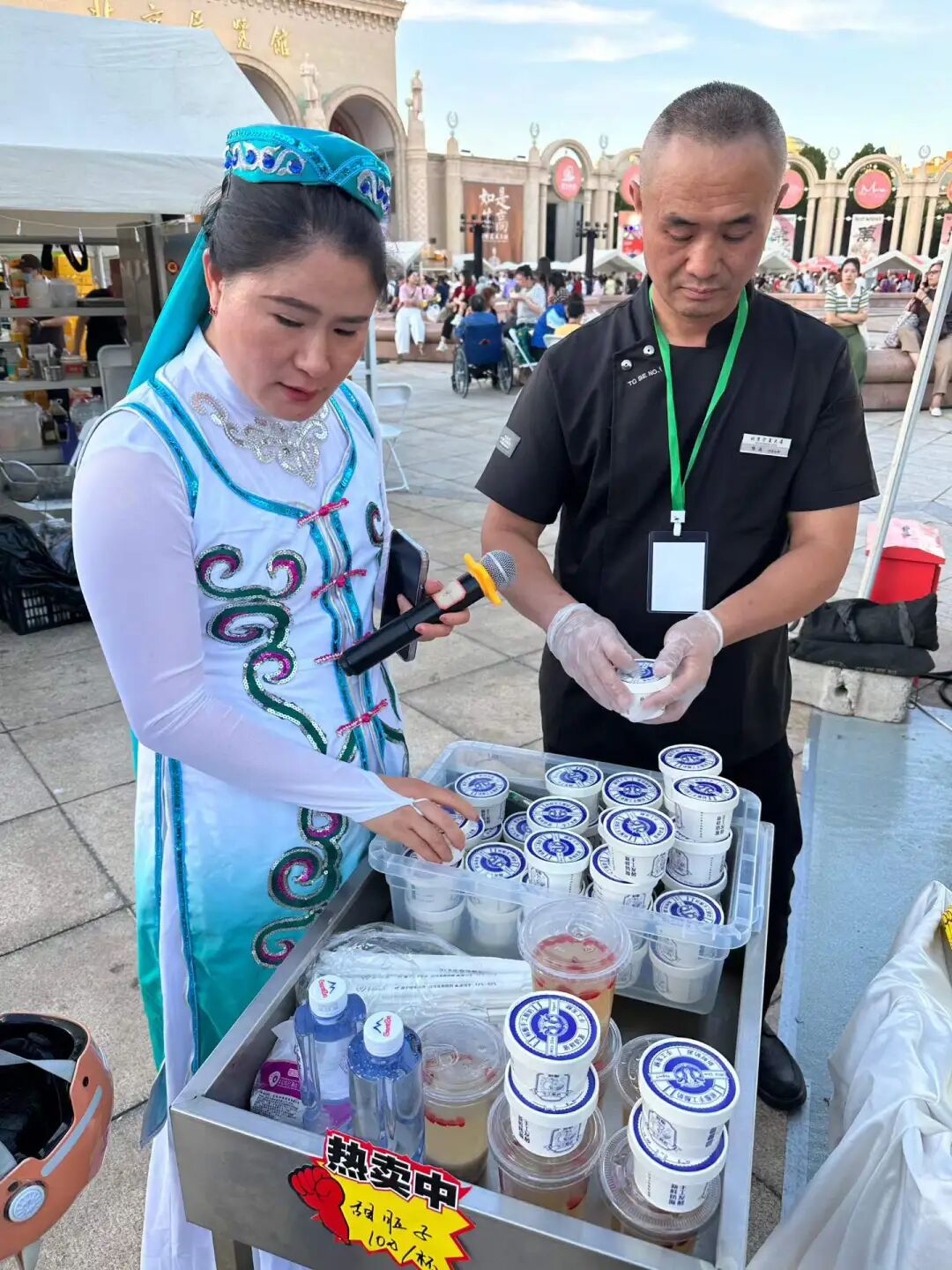
A newly opened Xinjiang shaved ice shop in the 798 Art District is owned by a Kazakh girl.


The color is Ili blue. You know without asking that the Kazakh girl is from Ili.


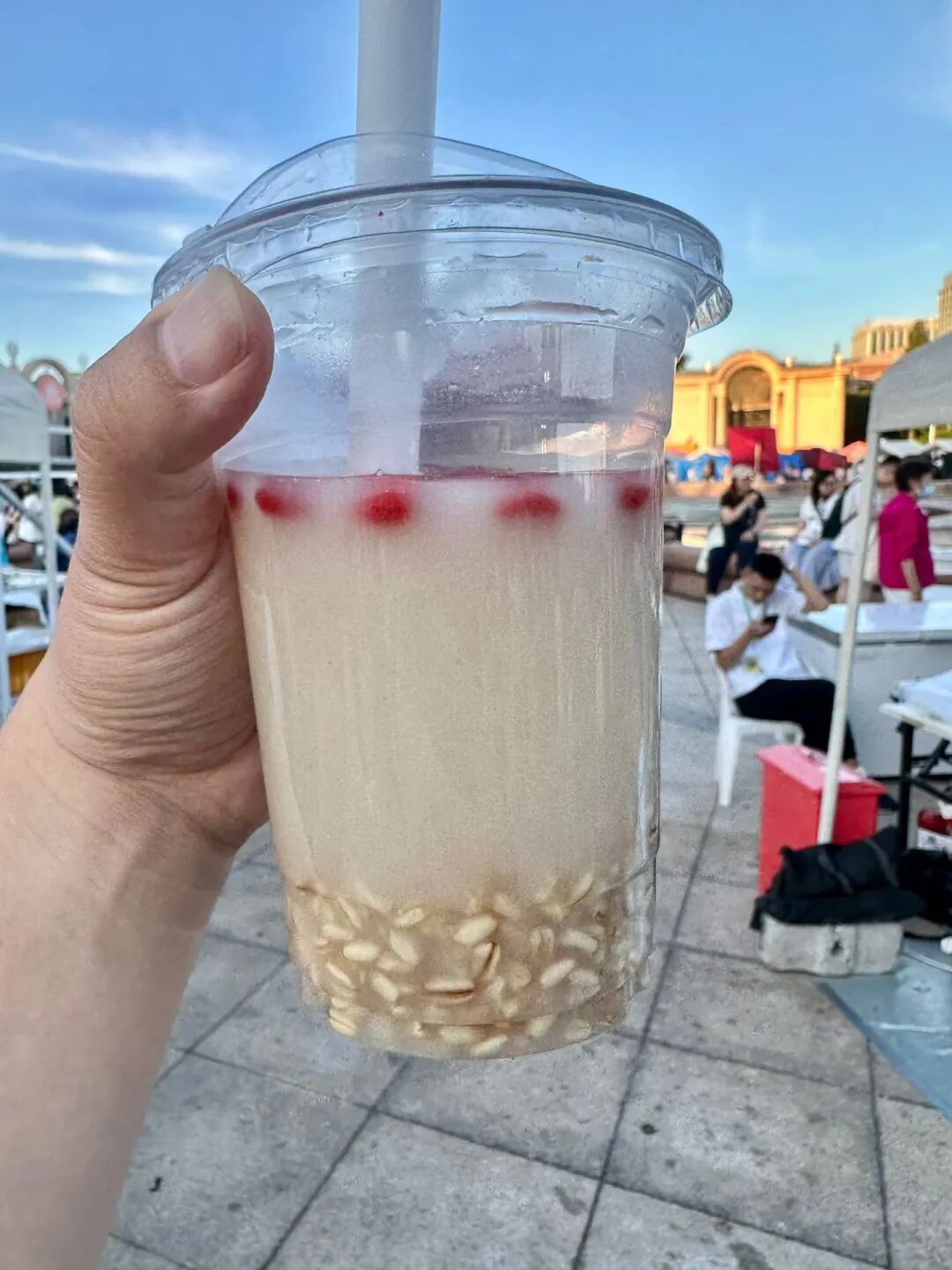
There are Yili-specific yogurt rice dumplings, yogurt shaved ice, naan coffee and Yili handmade ice cream.


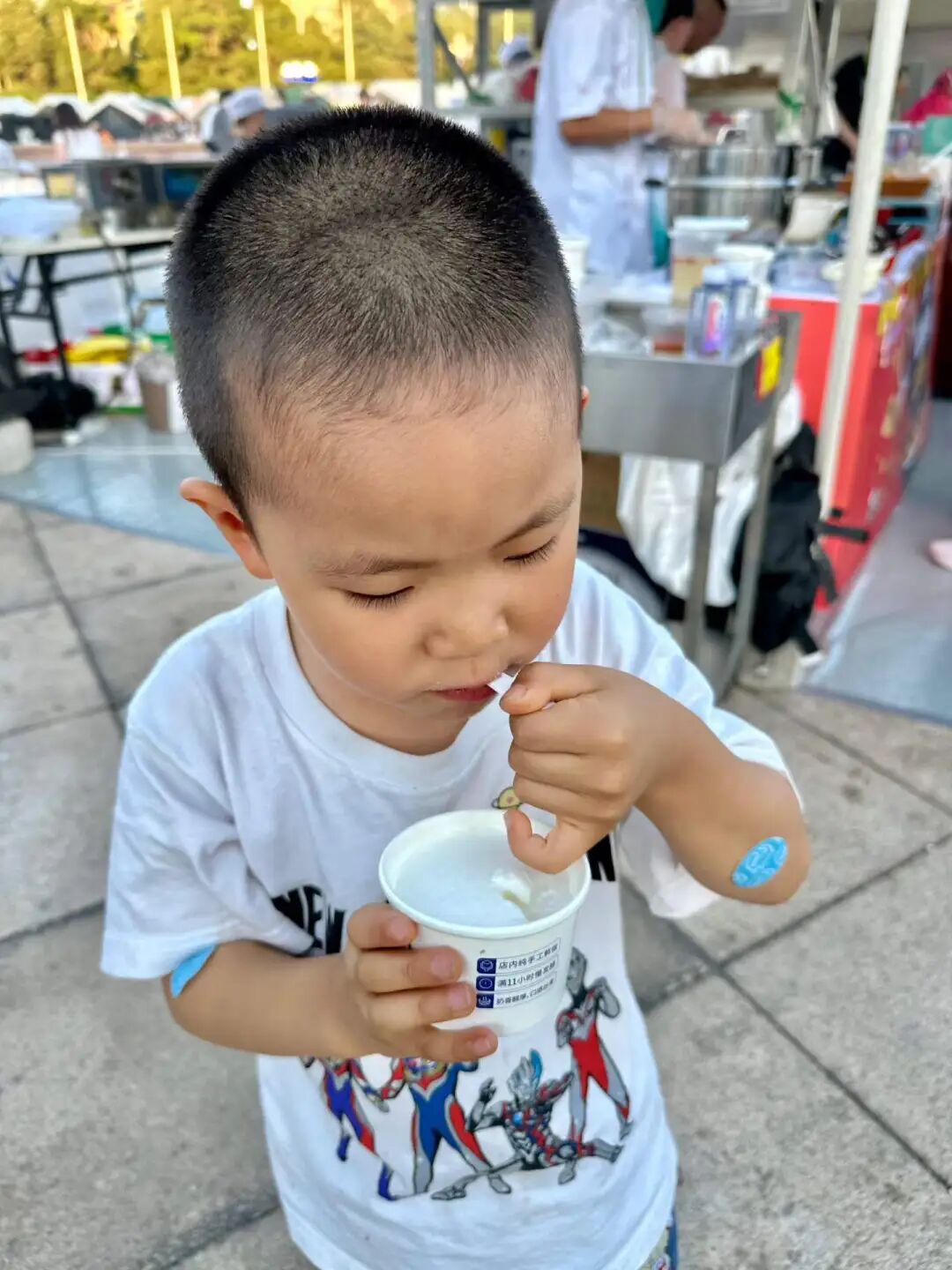
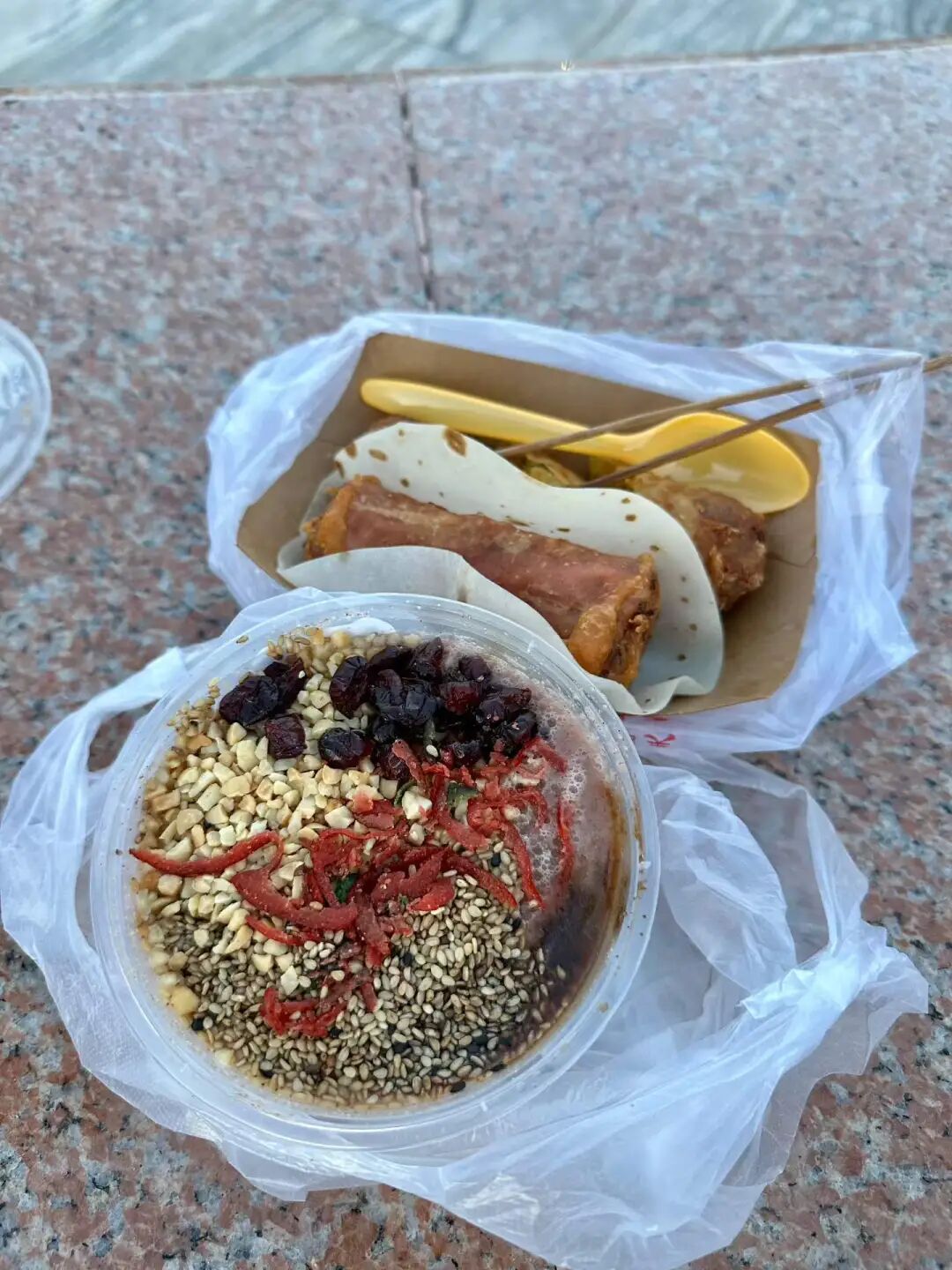
The original flavor of yogurt shaved ice is delicious. There are no ingredients added to the original flavor. People who like sweet food can sprinkle dried red dates, raisins, chocolate chips, honey, etc. on top.


There are big blueberries on top of the cake. The taste and environment of this store are very exciting. view all
Reposted from the web

Summary: This Beijing halal food map issue 56 starts after the author's return to Beijing and covers newly tried halal restaurants, including courtyard dining, Tianjin food, Daxing countryside food, Suzhou-style noodles, buffalo fish, Northwest dishes, snacks, and Xinjiang yogurt shaved ice.

After returning to Beijing, I can start my shop-exploring trip again. Nothing is as good as my hometown. In terms of the richness of halal food, no one in the world can compare with my Beijing!

The halal restaurants introduced in this issue are as follows:

1. Jiaqing Courtyard

2. Jinmanlou Tianjin cuisine

3. Dong Ge Shan Yuan B&B

4. Chai’s Fuhai Halal Dishes

5. Niujie Sanwang Lake Cafe

6. Guxiangzhai Tianjin shaved ice

7. Ma’s Muxiangyuan Northeastern Cuisine

8. 024 Hai Xian Music Western Restaurant

9. Jinmen Zhenweizhai

10. LIQA Turkish Restaurant

11. Xinjiang home cooking with a yellow radish

12. Decheng Li Qingzhen Shaomai Restaurant

13. Cinnara Sri Lankan restaurant

14. Bazaar Sweetheart Yili Shaved Ice

1. Jiaqing Courtyard


There is a newly opened Jiaqing courtyard in the Fayuansi neighborhood of Niujie Street. The owner is named Jiaqing, a native of Beijing, hence the name.


His restaurant is a Beijing restaurant, specializing in barbecue, shabu-shabu, Beijing-style home cooking and various traditional snacks.


The yard is not big. You can sit in the yard, enter the house, and go up to the room. There is a terrace.


Their family also has hot rice, which is the leftovers from the past cooked in one pot. Sometimes hot rice with leftovers tastes better than new dishes, and their hot rice is slightly salty.


The skewers taste great, with moderate texture and taste. It’s a great place to have skewers in summer. There is a takeout window outside the yard, selling various Beijing-style snacks, including bean juice.


2. Jinmanlou Tianjin cuisine


Three halal Tianjin restaurants have opened in Beijing, and the highlight of this restaurant is their sea sausage rice.


Sea sausage rice is a specialty of Jiaodong. I have only eaten it in Qingdao. This is the first time I have eaten sea sausage rice in Beijing.


Bazhen Tofu is a famous dish in Tianjin. Bazhen is not necessarily a fixed eight ingredients. Squid tentacles, crab sticks, scallops, and shrimps are more common. The portion is large and filling. This plate is very large, and one plate is enough for three people.


Jinwei stir-fried vegetables is also one of Tianjin's home-cooked dishes. This dish is not salty.


The homemade desserts in the store taste like pudding.

3. Dong Ge Shan Yuan


This is a halal B&B halfway up the mountain in Shengshuiyu Village, Fangshan. Driving up the mountain, the road conditions are not very good.


There are free-range chickens and pigeons in the yard, surrounded by mountains, and the scenery is pleasant.


The boss is a Hui from Haidian. Meals need to be booked in advance. There are grilled lamb chops and various farm-style stir-fries. The average per capita is less than 100.


There are guest rooms available for accommodation, standard rooms cost 380 per night, and the rooms are quite clean.


There is a swing in the yard and a vegetable garden behind it.


There are also pigeons in the small courtyard, but they are not used for eating.


Today's main course, grilled lamb chops, costs 88 per pound.


Stir-fried beef with garlic sprouts, one of the classic home-cooked dishes.


You can choose small or large portions for stewed chicken. This is a large portion and tastes great.


The toon buds were served with eggs. I watched them pick the toon buds freshly from the trees.

4. Chai’s Hock Hai Halal Cuisine


Chai started his business by making beef noodles, but now he has opened a high-end Beijing-style restaurant in Qianmen.


The store's main specialty is roast duck, and you can order half of it.


The chef will fillet the duck in front of the guests.


The pancakes for the roast duck can be refilled for free, and the dipping plate has several more options, but I am still used to just putting shredded green onions and cucumbers, and then dipping them with a little sweet noodle sauce.


A platter of Beijing-style snacks, including pea yellow, donkey rolling, kidney bean rolls and ai wowo.


Dry-fried hairtail, the fish bones are crispy and can be eaten directly. This is a cold dish.


I think their most classic dish is noodles. The noodles with soybean paste are delicious. They have eight kinds of dishes and are hand-rolled.

5. Niujie Sanwanghu Coffee


Sanwanghu Coffee is a chain store, but only the Niujie store has received halal certification.


In recent years, many cafes have opened around Niujie, and they are basically full during the day. Only this shop is relatively empty, so I brought my friends here for a chat, just to have some peace and quiet.


It used to only serve drinks, but recently it has added light meals such as burgers and sandwiches.


The American-style hamburger and fries set meal costs 83 yuan per serving, which is a little expensive.


The burger is quite delicious. The bun is soft and big. You will be full after eating one.


There is a terrace on the second floor of his house with a nice view. If the taste of the drinks is improved, the popularity will be even greater.

6. Guxiangzhai


Guxiangzhai is a Tianjin shaved ice dessert shop that has opened a new flagship store in Hufangqiao.


The old-fashioned tables, chairs and benches are still used in the store.


The store is quite spacious, with shaved ice on the left and Tianjin pastries on the right.


Here you can eat Tianjin’s special cakes, steamed cakes, and twists.


There are so many types of shaved ice and soft ice, and the portions are quite large, so it’s almost the same for two people.


This is taro ice cream with red beans on top.


The steamed cakes are large and look like steamed buns with various fillings inside. The most popular ones are chocolate and durian fillings.

7. Ma’s Muxiang Garden


Ma's Muxiangyuan is a newly opened Northeastern restaurant. It currently has two restaurants, this one is outside Guang'anmen.


They serve a variety of Northeastern home-cooked dishes and hot-pot meat, with Northeastern cuisine being the highlight.


Stir-fried beef and pickled cabbage noodles are a side dish, and their dishes are quite large.


The sweet Guobao Pork is delicious and has a similar texture to what you get in the Northeast.


The lamb liver is delicious. It has no peculiar smell at all, is not fishy or smelly, and the ingredients are fresh.


Dry-roasted sea bass, this fish is particularly delicious and the fish meat is delicious.


The meat slices taste authentic. There is a bit too much onion, which is not necessary. It is a bit overpriced. It should be all meat. The unit price can be adjusted.


Their rice is worthy of praise. It is Northeastern rice, with clear grains and fragrant aroma.

8. #024 Sea String


Hai Xian is a music-themed restaurant. Cui Jian, the godfather of rock music, is one of the shareholders. It specializes in Italian and Lebanese food, both of which belong to the Mediterranean cuisine.


The meat used in this restaurant is Uruguayan halal meat, and the chef is Lebanese. He is also the chef of Sumak Lebanese restaurant. Because there are many embassies of Middle Eastern countries around Sanlitun, where Haixian is located, a team of Lebanese chefs were invited to take care of it.


We chose this place for this group building mainly because we wanted to eat Italian food.


The complimentary bread before the meal can be paired with tapenade.


Lemon mint drink is very pure and has a sour taste, suitable for appetizing.


The setting of the restaurant is carefully designed with Mediterranean blue as the main color.


Hummus sauce platter, this is a classic Lebanese appetizer.


This kind of Arabic pancake is eaten with hummus sauce.


Next are all Italian-style dishes. This one is called porcini risotto, which is like eating Spanish paella. The Italian rice grains they use are larger and have a harder texture.


This one is called a low-carb North African egg, and it contains oriental braised eggs, assorted bell peppers and tomatoes.


Sliced ​​raw marinated Uruguayan beef tenderloin with arugula and Parmesan. The beef underneath is raw. This ingredient is delicious.


Neapolitan style salted fish pizza, a friendly reminder, the salted fish is very salty.


Wagyu beef spinach pasta, this wagyu beef has large particles and good taste, suitable for children.


This is a blue cheese pizza. The blue cheese smells very strong, and most people may not be able to accept it.


Their desserts are highly recommended. The Levant milk rice pudding pictured above is sweet and very delicious. The picture below is a combination of ashtazo, avocado, banana and nuts, which is also very delicious.


9. Jinmen Zhenweizhai


The stir-fry restaurant in the northwest corner of Tianjin has opened in Jiaomen, Beijing. I think this restaurant is the best among the three Tianjin stir-fry restaurants in Beijing.


Tianjin cuisine is characterized by large portions, salty taste, and heavier saltiness, but this restaurant is a bit lighter.


Braised beef ribs, one of the signature dishes, the beef bones are soft and tender.


Bazhen Tofu, the ingredients of Bazhen Tofu in each store are different, but they are mainly seafood.


There are three popular dishes in Tianjin: mutton kidney, mutton liver and mutton tenderloin. The portion of Tianjin food is so big that one plate is enough for two people.

10. LIQA Li Ka


The Turkish restaurant on the first floor of the Rosewood Hotel has a chef transferred from the Rosewood Hotel in Turkey.


The store manager and chef are both Turkish, and there is no halal label in the store. The two Turks told me about Selan, which means it is halal.


Rosewood Hotel is a top luxury hotel, so the unit price per customer is slightly higher, about 300 per person.


The snacks provided before the meal have a crispy texture.


Turkish bread with hummus.


Hummus is a starter, drizzled with olive oil.


The tabouli salad is innovative with the addition of squid tentacles and sliced ​​mango.


Mixed barbecue, with beef and mutton inside, and a piece of bread underneath. I eat this dish often, and my children also like it.

11. A yellow radish


The name of the store is a yellow radish, and the color of the restaurant is also yellow. This is a Xinjiang family restaurant.


Not long after it opened, it became a place for internet celebrities to check in, and there were many beautiful young men and women who came to eat.


There was a yellow radish hanging at the door. I asked the clerk and he found that the yellow radish would be replaced with new ones every day.


The owner's mother is a Muslim from Urumqi and is very good at cooking. This store restores the taste of her home.


This carrot juice is the store's signature drink. It tastes sour and sweet, as if it has added tomato juice.


The shop’s signature dish is meatball soup, and its taste is on the lighter side, making it more suitable for young people.


If you eat meatball soup, you will be given oil tart. Unfortunately, each bowl only comes with one and cannot be ordered a la carte.


The flavor of the peppercorn chicken is stronger, much heavier than the meatball soup.


The stir-fried lamb with celery is delicious and the lamb is tender. The taste of this dish is very similar to the stir-fried yellow beef of Hunan cuisine, and it goes well with rice.


Fried Xinjiang noble pumpkin, the pumpkin has a smooth and slightly sweet taste.


Glutinous rice pearl meatballs with Xinjiang spicy skin. These meatballs are filled with meat fillings, which are salty and delicious.


12. Decheng Li Qingzhen Shaomai Restaurant


The newly opened Chengde chain restaurant specializes in Chengde specialities, including Shaomai and traditional eight bowls


His family also has a store in Dongtucheng, this one in Fengtai.


The food of Chengde people is similar to that of Beijing, and their accent is also very similar to Beijing.


Beef offal soup tastes average and a bit fishy.


The filling of the shaomai is firm, but the seasoning is too heavy, but I still prefer the shaomai from Hohhot.

13. Cinnara Sri Lankan Restaurant


The first halal Sri Lankan restaurant in Beijing is opened in Sanlitun SOHO.


Sri Lankan cuisine has its own unique flavoring, like a fusion of Southeast Asian and South Asian cuisines.


The store is not big, but the setting is exquisite, clean and bright.


The complimentary biscuits are suitable for eating with Ceylon black tea.


The shop assistants here are all dark-skinned Sri Lankans.


Their dishes are more refined and their drinks are delicious.


Colombo Choupas Fried Rice


Sambora coconut


Spicy fried squid


Garlic Butter Prawns


Coconut Ceylon Pancakes

14. Bazaar Sweetheart


A newly opened Xinjiang shaved ice shop in the 798 Art District is owned by a Kazakh girl.


The color is Ili blue. You know without asking that the Kazakh girl is from Ili.


There are Yili-specific yogurt rice dumplings, yogurt shaved ice, naan coffee and Yili handmade ice cream.


The original flavor of yogurt shaved ice is delicious. There are no ingredients added to the original flavor. People who like sweet food can sprinkle dried red dates, raisins, chocolate chips, honey, etc. on top.


There are big blueberries on top of the cake. The taste and environment of this store are very exciting.
0
Views

Best Halal Food Kuala Lumpur: Halal Certification Tips, Iranian Rice, Burgers and Ampang Coffee

Articlesyusuf908 posted the article • 0 comments • 0 views • 7 minutes ago • data from similar tags

Reposted from the web

Summary: This Kuala Lumpur halal food map issue 8 explains how halal certification works in Malaysia, then follows the author through desserts, Vietnamese food, Lebanese food, Iranian rice, burgers, pastries, coffee, and family-friendly Muslim dining around Ampang.

In previous issues of my Kuala Lumpur Halal Food Map, I've covered how to find halal restaurants in Malaysia. This time, I'll focus on explaining it further. Very few restaurants in Malaysia have official halal certification. Usually, only large chains or big establishments display the certification mark. Most small street-side eateries don't have it. This is because Malaysia doesn't allow private businesses to self-certify as halal. To get certified, you have to pay a fee. The official price is only a few hundred Malaysian ringgit. But if you go through an agent, it can cost tens of thousands. You can guess why there's such a big difference.

So, to save money, many restaurant owners hint that their place is halal in other ways. They might hire waitstaff who wear headscarves or write 'no pork' on the menu. Malaysians know this is common practice and don't only eat at places with official halal certification. Of course, some Malaysians do only eat at certified places. I don't get too hung up on this issue myself. I also don't think it's necessary to question the halal status of food too deeply. For more on this, see the article 'Egypt's Grand Mufti: Don't Be Overly Inquisitive About Whether Meat is Halal.' I've also discussed food issues in my video series.

Here's the list of restaurants featured in this issue:

1. Sugirl Desserts (Malaysian desserts)

2. RUYI ONE (Vietnamese)

3. AL-Amar (Lebanese)

4. MODU (Korean)

5. NASI KANDAR UMAR (Indian)

6. WALLANCE (Fast food)

7. Hai Ji Beef Pan-Fried Buns

8. piccoli lotti (Italian ice cream)

9. Jibby chow (Cantonese dim sum)

10. UNIVERSAL BAKEHOUSE (Bakery)

1. Sugirl Desserts


Mid Valley Megamall is the hardest mall to find parking at in Kuala Lumpur. I came here on a quiet Thursday afternoon and spent over an hour circling before finding a spot. I highly recommend taking public transport if you visit. This small Nanyang-style dessert shop is located at the top of the stairs on the third floor of the mall. It's not too crowded here, making it a nice spot to relax.


This dessert reminds me of the dessert chain Honeymoon Dessert back home. Its flavor is light and sweet, but this shop's desserts have more of a Southeast Asian flair.


Address: Lot T-045A, 3rd Floor, The Boulevard Office Mid Valley City, Mid Valley City, 59200 Kuala Lumpur, Wilayah Persekutuan Kuala Lumpur

2. RUYI ONE


A new shopping district has opened in Ampang’s education hub. We’ve been here many times; the Spanish restaurant we ate at last time is in this area. It’s not too crowded yet, and there are many boutique shops to explore. This place is one of them, serving Vietnamese food.


We came to this small shop because we wanted to drink Vietnamese coffee and have a casual meal.


This restaurant serves no pork and no alcohol. The coffee is delicious.


I visited Vietnam once and had a wonderful time. There are no halal Vietnamese restaurants in Beijing yet, so finding one in Kuala Lumpur is a must-try.


Vietnamese cuisine has a few signature dishes. The first is the Vietnamese sandwich, along with spring rolls and pho.


The spring rolls and pho here are quite authentic. After all, Malaysia and Vietnam are neighbors, so the flavors aren't too different.


Address: Unit G-15, Ground Floor, The Campus Ampang, Lot 7706, Jalan Kolam Air Lama, Mukim, Hulu Kelang, 68000 Ampang, Selangor

3. AL-Amar


This is a Lebanese restaurant on the sixth floor of Pavilion mall, decorated exquisitely. Pavilion is a popular shopping area swarming with tourists and is very lively.


When taking children out to eat in Kuala Lumpur, I prefer Arabic restaurants. The Mandi rice or grilled chicken here are suitable for kids because they aren't spicy.


Lebanese salads are also good for children. Fahim, for example, loves the cucumbers and tomatoes in the salad.


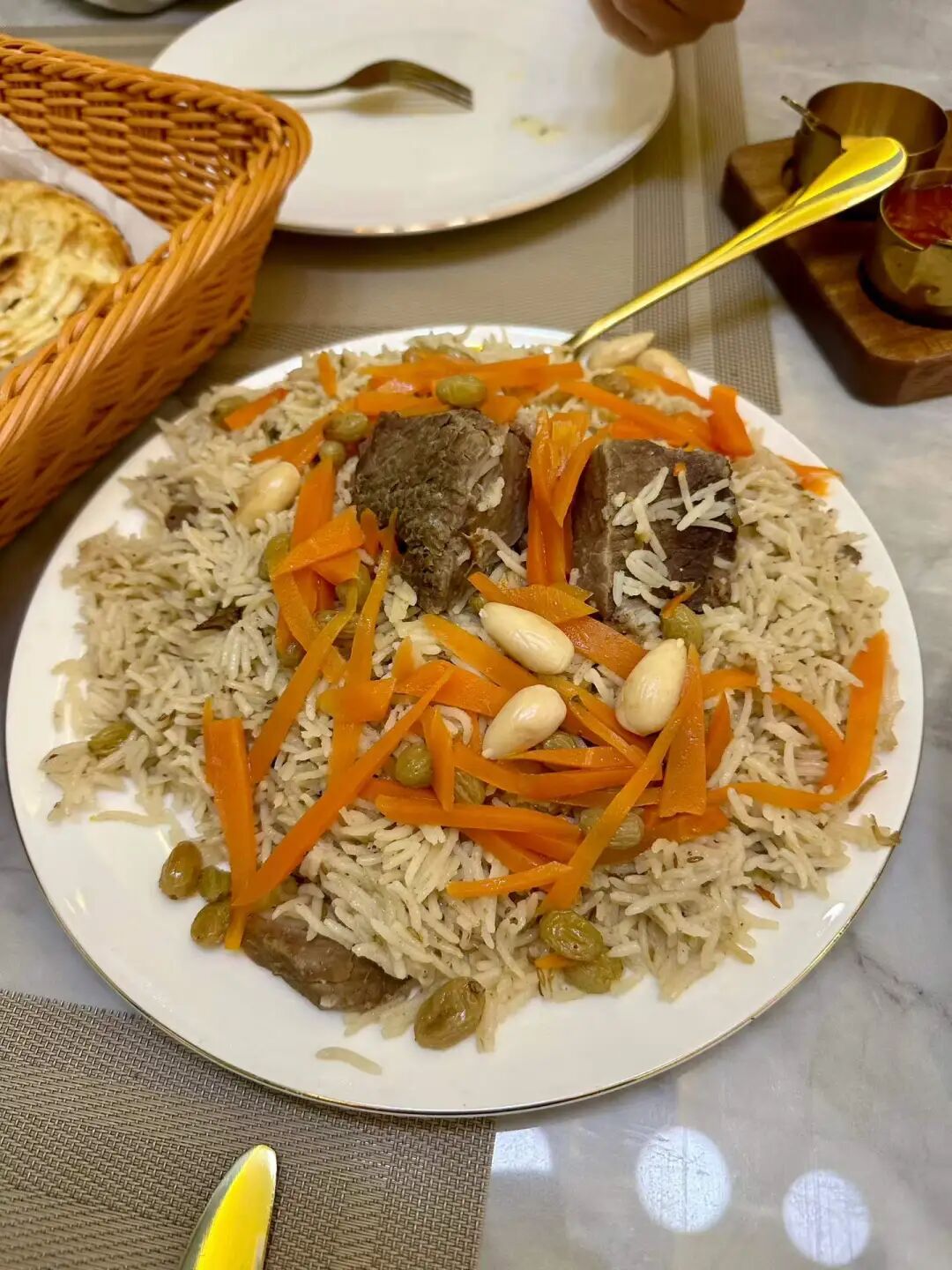
This is a small portion of Mandi chicken rice. The chicken is especially tender, and it comes with cashews and raisins. The children really like it.

Address: Lot 6.10, level 6, Pavilion Kuala Lumpur, 168, Jln Bukit Bintang, Bukit Bintang, 55100 Kuala Lumpur, Wilayah Persekutuan Kuala Lumpur, Malaysia

4. MODU


MODU is a new Korean restaurant in the TRX mall that's really popular right now. You'll probably wait about an hour for lunch, but you can grab a number at the counter and explore the mall. Your phone will get a notification when your table is ready, and the staff will also call you.


This halal sign means they're applying for certification, but it hasn't been approved yet.


Looking at the menu, it's hard to tell exactly what each dish is.


Most of the diners here are young Asian women. There are definitely a lot of Koreans here.


The restaurant has a lot of space, the decor is really nice, and the staff are very friendly.


We chose a clay pot chicken soup and a black chicken soup. They come with a bowl of sticky rice and side dishes. This chicken has sticky rice stuffed inside, and the soup is really fresh and very mild.


It has ginseng in it, which is great for women's health. A set meal costs about 70 Malaysian ringgit.


The chicken is small, perfect for one person. The meat just falls off the bone – it melts in your mouth.


Address: Lot L2T.04.0, Level 2, The Exchange TRX, Persiaran TRX, Imbi, 55188 Kuala Lumpur, Wilayah Persekutuan Kuala Lumpur, Malaysia

5. NASI KANDAR UMAR


Nasi Kandar, or 'pole rice,' is a common fast food in Malaysia. It's a specialty of Indian Muslims, about as popular as Lanzhou beef noodles are back home. Most of these stalls are halal.


You just tell the server what you want on your plate, then pay at the cashier. A plate of rice usually costs around ten ringgit, and with a milk tea, it's usually under twenty.


The only downside is that this rice is usually a bit spicy, so it's not great for kids. But I go for it when I can't decide what else to eat.

Address: 37 3G, Jln Sultan Ismail, Bukit Bintang, 50250 Kuala Lumpur, Wilayah Persekutuan Kuala Lumpur, Malaysia

6. WALLACE


Wallace is a fast-food joint selling burgers and fried chicken. This new spot is celebrating its opening with a deal: three burgers for just 9.9 ringgit.


These burger joints are a hit with everyone in Kuala Lumpur, young and old. Almost all of them are halal, including McDonald's and KFC.


Wallace's fried chicken burgers taste pretty good. The best part is the price – three for 9.9 ringgit. You can't ask for more than that.


My son hasn't quite fallen in love with burgers and fries yet. I wonder if he'll like them later on.


Address: M5A, 11, Jalan Pandan Indah 4/1, Pandan Indah, 55100 Kuala Lumpur, Federal Territory of Kuala Lumpur, Malaysia

7. Hai Ji Beef Pan-Fried Buns


Next to Lanzhou Hand-Pulled Noodles on Petaling Street, there's a shop called Hai Ji Beef Pan-Fried Buns. These buns are a bit bigger than the ones from Henan and Shandong. They taste great. Petaling Street is a hub for Chinese food, mainly serving Chinese cuisine.


Address: 38, Jalan Sultan, City Centre, 50000 Kuala Lumpur, Wilayah Persekutuan Kuala Lumpur, Malaysia

8. PICCOLI LOTTI


This Italian ice cream shop on the first floor of Ampang Point is run by Malays. Italian ice cream is famous, mainly because they use good quality milk and don't add extra water. This shop's ice cream is just like that, with over ten flavors to choose from.


On hot days, I love visiting dessert shops like this. They usually also have various coffee drinks and seating areas. Kids love them too.


Address: Ground Floor, Ampang Point

9. JIBBY CHOW


A new Cantonese-style tea restaurant has opened at Ampang Point. This place serves dim sum all day, so we could still enjoy it even though we arrived in the afternoon.


Everyone eating here is Malay. Malays really love Cantonese morning tea.


The shop's decor features traditional Chinese cultural elements, but the servers are all Malay.


You can sit here all afternoon with a pot of Pu'er tea and a few dim sum dishes.


The soup dumplings, char siu bao, and shaomai here are all delicious and steamed fresh.


The chicken char siu bao has a dim sum-like texture and a sweet flavor. It's not quite as good as the lamb char siu bao at Guangzhou Hui Muslim restaurants, which is truly exceptional.


Address: Level 2, Ampang Learning City.

10. UNIVERSAL BAKEHOUSE


This popular bakery in Ampang Learning City has many branches and is usually packed. However, the branch we visited in Ampang wasn't too crowded.


These kinds of fancy bakeries are very popular in Malaysia, especially with young women who love to take photos here.


I like to eat bread with coffee for breakfast, along with a light salad. It leaves me feeling refreshed.


Actually, this shop has very few types of bread. I don't understand why it's so popular.


When you dine in, they give you butter. I like to eat bread with butter, just like I do for breakfast at the hotel.


Their coffee is also quite good. There are several other specialty coffee shops in Ampang Learning City that I'll check out later.

Address: Level 1, Ampang Learning City. view all
Reposted from the web

Summary: This Kuala Lumpur halal food map issue 8 explains how halal certification works in Malaysia, then follows the author through desserts, Vietnamese food, Lebanese food, Iranian rice, burgers, pastries, coffee, and family-friendly Muslim dining around Ampang.

In previous issues of my Kuala Lumpur Halal Food Map, I've covered how to find halal restaurants in Malaysia. This time, I'll focus on explaining it further. Very few restaurants in Malaysia have official halal certification. Usually, only large chains or big establishments display the certification mark. Most small street-side eateries don't have it. This is because Malaysia doesn't allow private businesses to self-certify as halal. To get certified, you have to pay a fee. The official price is only a few hundred Malaysian ringgit. But if you go through an agent, it can cost tens of thousands. You can guess why there's such a big difference.

So, to save money, many restaurant owners hint that their place is halal in other ways. They might hire waitstaff who wear headscarves or write 'no pork' on the menu. Malaysians know this is common practice and don't only eat at places with official halal certification. Of course, some Malaysians do only eat at certified places. I don't get too hung up on this issue myself. I also don't think it's necessary to question the halal status of food too deeply. For more on this, see the article 'Egypt's Grand Mufti: Don't Be Overly Inquisitive About Whether Meat is Halal.' I've also discussed food issues in my video series.

Here's the list of restaurants featured in this issue:

1. Sugirl Desserts (Malaysian desserts)

2. RUYI ONE (Vietnamese)

3. AL-Amar (Lebanese)

4. MODU (Korean)

5. NASI KANDAR UMAR (Indian)

6. WALLANCE (Fast food)

7. Hai Ji Beef Pan-Fried Buns

8. piccoli lotti (Italian ice cream)

9. Jibby chow (Cantonese dim sum)

10. UNIVERSAL BAKEHOUSE (Bakery)

1. Sugirl Desserts


Mid Valley Megamall is the hardest mall to find parking at in Kuala Lumpur. I came here on a quiet Thursday afternoon and spent over an hour circling before finding a spot. I highly recommend taking public transport if you visit. This small Nanyang-style dessert shop is located at the top of the stairs on the third floor of the mall. It's not too crowded here, making it a nice spot to relax.


This dessert reminds me of the dessert chain Honeymoon Dessert back home. Its flavor is light and sweet, but this shop's desserts have more of a Southeast Asian flair.


Address: Lot T-045A, 3rd Floor, The Boulevard Office Mid Valley City, Mid Valley City, 59200 Kuala Lumpur, Wilayah Persekutuan Kuala Lumpur

2. RUYI ONE


A new shopping district has opened in Ampang’s education hub. We’ve been here many times; the Spanish restaurant we ate at last time is in this area. It’s not too crowded yet, and there are many boutique shops to explore. This place is one of them, serving Vietnamese food.


We came to this small shop because we wanted to drink Vietnamese coffee and have a casual meal.


This restaurant serves no pork and no alcohol. The coffee is delicious.


I visited Vietnam once and had a wonderful time. There are no halal Vietnamese restaurants in Beijing yet, so finding one in Kuala Lumpur is a must-try.


Vietnamese cuisine has a few signature dishes. The first is the Vietnamese sandwich, along with spring rolls and pho.


The spring rolls and pho here are quite authentic. After all, Malaysia and Vietnam are neighbors, so the flavors aren't too different.


Address: Unit G-15, Ground Floor, The Campus Ampang, Lot 7706, Jalan Kolam Air Lama, Mukim, Hulu Kelang, 68000 Ampang, Selangor

3. AL-Amar


This is a Lebanese restaurant on the sixth floor of Pavilion mall, decorated exquisitely. Pavilion is a popular shopping area swarming with tourists and is very lively.


When taking children out to eat in Kuala Lumpur, I prefer Arabic restaurants. The Mandi rice or grilled chicken here are suitable for kids because they aren't spicy.


Lebanese salads are also good for children. Fahim, for example, loves the cucumbers and tomatoes in the salad.


This is a small portion of Mandi chicken rice. The chicken is especially tender, and it comes with cashews and raisins. The children really like it.

Address: Lot 6.10, level 6, Pavilion Kuala Lumpur, 168, Jln Bukit Bintang, Bukit Bintang, 55100 Kuala Lumpur, Wilayah Persekutuan Kuala Lumpur, Malaysia

4. MODU


MODU is a new Korean restaurant in the TRX mall that's really popular right now. You'll probably wait about an hour for lunch, but you can grab a number at the counter and explore the mall. Your phone will get a notification when your table is ready, and the staff will also call you.


This halal sign means they're applying for certification, but it hasn't been approved yet.


Looking at the menu, it's hard to tell exactly what each dish is.


Most of the diners here are young Asian women. There are definitely a lot of Koreans here.


The restaurant has a lot of space, the decor is really nice, and the staff are very friendly.


We chose a clay pot chicken soup and a black chicken soup. They come with a bowl of sticky rice and side dishes. This chicken has sticky rice stuffed inside, and the soup is really fresh and very mild.


It has ginseng in it, which is great for women's health. A set meal costs about 70 Malaysian ringgit.


The chicken is small, perfect for one person. The meat just falls off the bone – it melts in your mouth.


Address: Lot L2T.04.0, Level 2, The Exchange TRX, Persiaran TRX, Imbi, 55188 Kuala Lumpur, Wilayah Persekutuan Kuala Lumpur, Malaysia

5. NASI KANDAR UMAR


Nasi Kandar, or 'pole rice,' is a common fast food in Malaysia. It's a specialty of Indian Muslims, about as popular as Lanzhou beef noodles are back home. Most of these stalls are halal.


You just tell the server what you want on your plate, then pay at the cashier. A plate of rice usually costs around ten ringgit, and with a milk tea, it's usually under twenty.


The only downside is that this rice is usually a bit spicy, so it's not great for kids. But I go for it when I can't decide what else to eat.

Address: 37 3G, Jln Sultan Ismail, Bukit Bintang, 50250 Kuala Lumpur, Wilayah Persekutuan Kuala Lumpur, Malaysia

6. WALLACE


Wallace is a fast-food joint selling burgers and fried chicken. This new spot is celebrating its opening with a deal: three burgers for just 9.9 ringgit.


These burger joints are a hit with everyone in Kuala Lumpur, young and old. Almost all of them are halal, including McDonald's and KFC.


Wallace's fried chicken burgers taste pretty good. The best part is the price – three for 9.9 ringgit. You can't ask for more than that.


My son hasn't quite fallen in love with burgers and fries yet. I wonder if he'll like them later on.


Address: M5A, 11, Jalan Pandan Indah 4/1, Pandan Indah, 55100 Kuala Lumpur, Federal Territory of Kuala Lumpur, Malaysia

7. Hai Ji Beef Pan-Fried Buns


Next to Lanzhou Hand-Pulled Noodles on Petaling Street, there's a shop called Hai Ji Beef Pan-Fried Buns. These buns are a bit bigger than the ones from Henan and Shandong. They taste great. Petaling Street is a hub for Chinese food, mainly serving Chinese cuisine.


Address: 38, Jalan Sultan, City Centre, 50000 Kuala Lumpur, Wilayah Persekutuan Kuala Lumpur, Malaysia

8. PICCOLI LOTTI


This Italian ice cream shop on the first floor of Ampang Point is run by Malays. Italian ice cream is famous, mainly because they use good quality milk and don't add extra water. This shop's ice cream is just like that, with over ten flavors to choose from.


On hot days, I love visiting dessert shops like this. They usually also have various coffee drinks and seating areas. Kids love them too.


Address: Ground Floor, Ampang Point

9. JIBBY CHOW


A new Cantonese-style tea restaurant has opened at Ampang Point. This place serves dim sum all day, so we could still enjoy it even though we arrived in the afternoon.


Everyone eating here is Malay. Malays really love Cantonese morning tea.


The shop's decor features traditional Chinese cultural elements, but the servers are all Malay.


You can sit here all afternoon with a pot of Pu'er tea and a few dim sum dishes.


The soup dumplings, char siu bao, and shaomai here are all delicious and steamed fresh.


The chicken char siu bao has a dim sum-like texture and a sweet flavor. It's not quite as good as the lamb char siu bao at Guangzhou Hui Muslim restaurants, which is truly exceptional.


Address: Level 2, Ampang Learning City.

10. UNIVERSAL BAKEHOUSE


This popular bakery in Ampang Learning City has many branches and is usually packed. However, the branch we visited in Ampang wasn't too crowded.


These kinds of fancy bakeries are very popular in Malaysia, especially with young women who love to take photos here.


I like to eat bread with coffee for breakfast, along with a light salad. It leaves me feeling refreshed.


Actually, this shop has very few types of bread. I don't understand why it's so popular.


When you dine in, they give you butter. I like to eat bread with butter, just like I do for breakfast at the hotel.


Their coffee is also quite good. There are several other specialty coffee shops in Ampang Learning City that I'll check out later.

Address: Level 1, Ampang Learning City.
3
Views

China Muslim Travel Tips Ramadan: Hadith, Eid Moon Sighting and Local Imam Unity

Articlesyusuf908 posted the article • 0 comments • 3 views • 9 minutes ago • data from similar tags

Reposted from the web

Summary: This Ramadan reflection discusses recurring disputes about moon sighting, starting and ending the fast, following the local imam, and protecting unity in Muslim communities even when people hold different fiqh views.


This year's Ramadan has mostly passed. Some people have already ended the fast today, and some will end it tomorrow, but the hostile arguments on Moments have not stopped with the end of Ramadan. On the contrary, those who continue to fast today mock those who have already broken their fast today as radicals. In China, they blindly follow the trend of breaking the fast without seeing the moon. Those who continue to fast today mock those who continue to fast today as old-fashioned. Obviously, there is accurate information about the moon sighting abroad, so why not accept a distant moon sighting?

Every year, our group always quarrels and slanders each other over the issue of fasting and breaking fast. The root of all this is the famous hadith: “Fast when you see the new moon, and break your fast when you see the new moon. But if the sky is cloudy, then you have enough for the thirty days of Sha'ban (calculation based on this)! ". [the two Sahih collections], the differences in each Ramadan basically appear here, and there is also the situation of receiving the new moon from a distant place. There is also a hadith: Narrated by Qurayb ibn Abu Muslim Umm al-Fadl bint al-Harith sent me to Sham to meet Mu'awiya. I was in Sham when the crescent moon of Ramadan appeared after I arrived in Sham to complete her mission. We saw the new moon on the Friday night. When I returned to Medina at the end of the month, Ibn Abbas mentioned the new moon when he asked me, "When did you see the new moon?" "I said: "We saw the new moon on the Friday night. He asked: "Did you see it too?" "I said: "Yes, everyone has seen it. They all fasted, and Mu'awiya also fasted. "Ibn Abbas said: "We saw the new moon on Saturday night. So, we will continue to fast until we are thirty days old or until we see the new moon. "I said: "Aren't you satisfied with Mu'awiya's sight of the moon and his fasting? "Ibn Abbas said: "No, this is what the Messenger of Allah ordered us to do. "Muslim Collection of Hadith." Today we are in the era of the "global village" with the explosion of information. People in the Western Hemisphere will know about the new moon one minute after seeing it in the Eastern Hemisphere, so people who see the new moon will naturally start or end the fast. However, those who refuse to accept a distant moon sighting believe that there is a time difference of several hours between the new moon seen by people in the Eastern Hemisphere and those in the Western Hemisphere, and the distance is far away, so they do not need to accept a distant moon sighting, so they delay starting or ending the fast.


Do the above two hadiths contradict each other? Not contradictory at all! On the contrary, there is strong complementarity, and it also reflects the inclusiveness of Islam in seeking common ground while reserving differences, and Islam is a religion that makes it easy for people and not difficult for others. On the contrary, it is our partial understanding or complete misinterpretation of these two hadiths that led to this situation of blaming each other. In the end, we all used these two hadiths to say that the other party was mistaken. In fact, similar and seemingly contradictory hadiths include "My disciples will be divided into seventy-three groups, only one group will enter heaven, and the others will enter hell." This group of saved people are believers who follow me, and they follow my disciples as examples. "Ibn Majah" and another passage "Whoever dies by reciting that there is no god but Allah will surely enter paradise, even if he steals and commits adultery." "[the two Sahih collections], these two hadiths seem to be contradictory and conflicting with each other. In fact, as long as these two hadiths are combined and understood, they encourage everyone to actively do good deeds and work hard to complete various meritorious deeds. Even if you are originally a person who has committed serious sins, as long as you work hard to improve, actively repent to Allah, and promise not to do it again, you will belong to the residents of heaven.

The same is true for the above two hadiths about the new moon. They must be combined to understand each other in order to truly understand their meaning. Otherwise, if we only understand a certain hadith alone, we will end up in today's situation of mutual accusations. If the two hadiths are combined and understood, then we can easily solve this problem. The choice of whether to accept a distant moon sighting from another place depends on the imam of our community. If the imam of our community chooses to accept a distant moon sighting, then we will follow the fast or break the fast. If the imam of our community chooses to not accept the distant moon sighting, then we will follow the imam and choose to postpone the fast or delay the fast. Because the Messenger of Allah said, "Fear Allah and obey the [Imam] among you, even if it is an Abyssinian black servant with a head like a raisin as your Imam." "Ibn Majah". The imam of this community will consider all factors and finally make the most correct choice. We can just follow him. Don't mess up the atmosphere of unity in this community or even surrounding communities for our own reasons. If we do this, we will violate the great mission of "Muslims should unite with each other" commanded by Allah.

Having said so much, I can only say one thing: Those who choose to accept a distant moon sighting and fast or break their fast, or those who choose to not accept a distant moon sighting and delay fasting and break the fast, both are fine. As for whether to choose to accept a distant moon sighting or not, it depends on the imam of the community! As for who is right and who is wrong, we just have to be ourselves. In the days to come, Allah will reward every servant according to their intention. Finally, I would like to end today’s tweet with a Hadith: “All work depends on intention, and everyone has the [reward] of his intention” [the two Sahih collections]! view all
Reposted from the web

Summary: This Ramadan reflection discusses recurring disputes about moon sighting, starting and ending the fast, following the local imam, and protecting unity in Muslim communities even when people hold different fiqh views.


This year's Ramadan has mostly passed. Some people have already ended the fast today, and some will end it tomorrow, but the hostile arguments on Moments have not stopped with the end of Ramadan. On the contrary, those who continue to fast today mock those who have already broken their fast today as radicals. In China, they blindly follow the trend of breaking the fast without seeing the moon. Those who continue to fast today mock those who continue to fast today as old-fashioned. Obviously, there is accurate information about the moon sighting abroad, so why not accept a distant moon sighting?

Every year, our group always quarrels and slanders each other over the issue of fasting and breaking fast. The root of all this is the famous hadith: “Fast when you see the new moon, and break your fast when you see the new moon. But if the sky is cloudy, then you have enough for the thirty days of Sha'ban (calculation based on this)! ". [the two Sahih collections], the differences in each Ramadan basically appear here, and there is also the situation of receiving the new moon from a distant place. There is also a hadith: Narrated by Qurayb ibn Abu Muslim Umm al-Fadl bint al-Harith sent me to Sham to meet Mu'awiya. I was in Sham when the crescent moon of Ramadan appeared after I arrived in Sham to complete her mission. We saw the new moon on the Friday night. When I returned to Medina at the end of the month, Ibn Abbas mentioned the new moon when he asked me, "When did you see the new moon?" "I said: "We saw the new moon on the Friday night. He asked: "Did you see it too?" "I said: "Yes, everyone has seen it. They all fasted, and Mu'awiya also fasted. "Ibn Abbas said: "We saw the new moon on Saturday night. So, we will continue to fast until we are thirty days old or until we see the new moon. "I said: "Aren't you satisfied with Mu'awiya's sight of the moon and his fasting? "Ibn Abbas said: "No, this is what the Messenger of Allah ordered us to do. "Muslim Collection of Hadith." Today we are in the era of the "global village" with the explosion of information. People in the Western Hemisphere will know about the new moon one minute after seeing it in the Eastern Hemisphere, so people who see the new moon will naturally start or end the fast. However, those who refuse to accept a distant moon sighting believe that there is a time difference of several hours between the new moon seen by people in the Eastern Hemisphere and those in the Western Hemisphere, and the distance is far away, so they do not need to accept a distant moon sighting, so they delay starting or ending the fast.


Do the above two hadiths contradict each other? Not contradictory at all! On the contrary, there is strong complementarity, and it also reflects the inclusiveness of Islam in seeking common ground while reserving differences, and Islam is a religion that makes it easy for people and not difficult for others. On the contrary, it is our partial understanding or complete misinterpretation of these two hadiths that led to this situation of blaming each other. In the end, we all used these two hadiths to say that the other party was mistaken. In fact, similar and seemingly contradictory hadiths include "My disciples will be divided into seventy-three groups, only one group will enter heaven, and the others will enter hell." This group of saved people are believers who follow me, and they follow my disciples as examples. "Ibn Majah" and another passage "Whoever dies by reciting that there is no god but Allah will surely enter paradise, even if he steals and commits adultery." "[the two Sahih collections], these two hadiths seem to be contradictory and conflicting with each other. In fact, as long as these two hadiths are combined and understood, they encourage everyone to actively do good deeds and work hard to complete various meritorious deeds. Even if you are originally a person who has committed serious sins, as long as you work hard to improve, actively repent to Allah, and promise not to do it again, you will belong to the residents of heaven.

The same is true for the above two hadiths about the new moon. They must be combined to understand each other in order to truly understand their meaning. Otherwise, if we only understand a certain hadith alone, we will end up in today's situation of mutual accusations. If the two hadiths are combined and understood, then we can easily solve this problem. The choice of whether to accept a distant moon sighting from another place depends on the imam of our community. If the imam of our community chooses to accept a distant moon sighting, then we will follow the fast or break the fast. If the imam of our community chooses to not accept the distant moon sighting, then we will follow the imam and choose to postpone the fast or delay the fast. Because the Messenger of Allah said, "Fear Allah and obey the [Imam] among you, even if it is an Abyssinian black servant with a head like a raisin as your Imam." "Ibn Majah". The imam of this community will consider all factors and finally make the most correct choice. We can just follow him. Don't mess up the atmosphere of unity in this community or even surrounding communities for our own reasons. If we do this, we will violate the great mission of "Muslims should unite with each other" commanded by Allah.

Having said so much, I can only say one thing: Those who choose to accept a distant moon sighting and fast or break their fast, or those who choose to not accept a distant moon sighting and delay fasting and break the fast, both are fine. As for whether to choose to accept a distant moon sighting or not, it depends on the imam of the community! As for who is right and who is wrong, we just have to be ourselves. In the days to come, Allah will reward every servant according to their intention. Finally, I would like to end today’s tweet with a Hadith: “All work depends on intention, and everyone has the [reward] of his intention” [the two Sahih collections]!
3
Views

Ramadan in China 2026: Qur'an, Hadith, Tarawih and Muslim Strength for Fasting

Articlesyusuf908 posted the article • 0 comments • 3 views • 9 minutes ago • data from similar tags

Reposted from the web

Summary: This Ramadan essay reminds Muslims of the value of fasting, the reward of Ramadan, the hadith about Paradise, Hell, and the chained devils, and the author's own effort to fast and pray Tarawih despite health fears.


"O you who believe, fasting has been prescribed for you as it was prescribed for those before you, so that you may become mindful of Allah" (2:183), Allah has clarified in the Qur'an that fasting is not only the command of the Prophet's era, it is also the command of the saints of the past, and it is also the command of us and our descendants after the Prophet. Fasting is a behavior that can be seen in almost all mainstream religious groups that are currently accessible, whether it is Islam, Buddhism, Taoism, Christianity, Catholicism... Fasting is almost in a parallel relationship with sacrifice. Whenever people fast, they always offer sacrifices devoutly and interact with others gently.

Many people, whenever someone says to them: "Ramadan is here, you should fast", they will always find all kinds of weird reasons to excuse themselves, such as: I have a cold, I have to work in the fields, it is inconvenient for me to go to work, I... Anyway, there are a lot of various reasons, in short, there is one purpose: they do not want to fast! As everyone knows, Allah said in the Qur'an, "Fasting is better for you, if you only knew" (2:184). The benefits of fasting have been repeated over and over again by scholars and imams throughout the ages. I will not go into details because anyone who tries to escape the fast will find excuses anyway, and anyone who wants to complete the fast will always overcome all kinds of difficulties to complete his fast.


In the blink of an eye, this year's Ramadan has passed for twenty-eight or nine days. In just one or two days, Ramadan will wave to us and say "goodbye". If you want to observe such a noble fast again, you can only wait until next year. Maybe many people will think that if you just wait another year, there is nothing worth mentioning. In fact, what I want to say is: In fact, for many people, in many cases, this year may be their last Ramadan, and missing this Ramadan may be their biggest regret in life. Natural disasters, man-made disasters, and diseases warn us all the time to cherish our time and our immediate health. However, many people are unaware of it and always feel that time and health are the cheapest and longest-lasting, so we procrastinate again and again when completing the various missions set by Allah for us.

The Messenger of Allah said: “When Ramadan comes, all the gates of Paradise are opened, all the gates of Hell are closed, and all the demons are locked up (in chains). "[the two Sahih collections] This hadith tells us the nobility of Ramadan. Ramadan is a day of peace, tranquility, mercy, and a day when all demons are sent to "prisons" and imprisoned. In fact, what I want to say more about this hadith is: Since the devils are locked up during Ramadan, the doors of hell are closed. Only when the door of heaven is open and the gods come down to earth to wish us peace, if we commit a sin due to our own reasons, what excuse do we have to excuse ourselves? Normally we would say that we commit sins because we are tempted by the devil, but during Ramadan the devil will definitely not be blamed for the sins we commit.


The nobility of Ramadan is that to the gates of Hell being closed and the demons being shackled and locked up, any good deeds done during Ramadan will be rewarded twice as much as on other days. What is even more valuable are those who fast in "Ramadan", and Allah personally rewards those who fast [the two Sahih collections]. Another hadith promise is even more exciting: "As long as a person fasts for one day on the road of Allah, Allah will keep him away from the Fire for seventy years because of this day of fasting." [the two Sahih collections] Many people may think that the "seventy years" here is a unit of time. In fact, the "seventy years" here is a unit of space (distance), just like the astronomical word "light year" we often hear. The so-called "light year" is the distance traveled by light in one year, and we all know that the speed of light is 300,000 kilometers per second. The sun is about 150 million kilometers away from the earth. It takes about 8.3 minutes for the light from the sun to reach the earth. If the "seventy years" here are "seventy light years", we can't imagine how far this distance is. But even if it is not "light years", even if we walk on our feet, seventy years is still a very long distance. Since the rewards of fasting are so great, how can we be willing to give up?

I thought I would bid farewell to Ramadan completely from last year, but Allah, I tried to fast this year without any serious physical discomfort. Then I fasted day after day, and then prayed "Tarawih" day after day. When we are devout to the intention for Allah and work hard for it, then Allah will not let the effort of His servants go to waste.

Ultimate question: Are you fasting this year? view all
Reposted from the web

Summary: This Ramadan essay reminds Muslims of the value of fasting, the reward of Ramadan, the hadith about Paradise, Hell, and the chained devils, and the author's own effort to fast and pray Tarawih despite health fears.


"O you who believe, fasting has been prescribed for you as it was prescribed for those before you, so that you may become mindful of Allah" (2:183), Allah has clarified in the Qur'an that fasting is not only the command of the Prophet's era, it is also the command of the saints of the past, and it is also the command of us and our descendants after the Prophet. Fasting is a behavior that can be seen in almost all mainstream religious groups that are currently accessible, whether it is Islam, Buddhism, Taoism, Christianity, Catholicism... Fasting is almost in a parallel relationship with sacrifice. Whenever people fast, they always offer sacrifices devoutly and interact with others gently.

Many people, whenever someone says to them: "Ramadan is here, you should fast", they will always find all kinds of weird reasons to excuse themselves, such as: I have a cold, I have to work in the fields, it is inconvenient for me to go to work, I... Anyway, there are a lot of various reasons, in short, there is one purpose: they do not want to fast! As everyone knows, Allah said in the Qur'an, "Fasting is better for you, if you only knew" (2:184). The benefits of fasting have been repeated over and over again by scholars and imams throughout the ages. I will not go into details because anyone who tries to escape the fast will find excuses anyway, and anyone who wants to complete the fast will always overcome all kinds of difficulties to complete his fast.


In the blink of an eye, this year's Ramadan has passed for twenty-eight or nine days. In just one or two days, Ramadan will wave to us and say "goodbye". If you want to observe such a noble fast again, you can only wait until next year. Maybe many people will think that if you just wait another year, there is nothing worth mentioning. In fact, what I want to say is: In fact, for many people, in many cases, this year may be their last Ramadan, and missing this Ramadan may be their biggest regret in life. Natural disasters, man-made disasters, and diseases warn us all the time to cherish our time and our immediate health. However, many people are unaware of it and always feel that time and health are the cheapest and longest-lasting, so we procrastinate again and again when completing the various missions set by Allah for us.

The Messenger of Allah said: “When Ramadan comes, all the gates of Paradise are opened, all the gates of Hell are closed, and all the demons are locked up (in chains). "[the two Sahih collections] This hadith tells us the nobility of Ramadan. Ramadan is a day of peace, tranquility, mercy, and a day when all demons are sent to "prisons" and imprisoned. In fact, what I want to say more about this hadith is: Since the devils are locked up during Ramadan, the doors of hell are closed. Only when the door of heaven is open and the gods come down to earth to wish us peace, if we commit a sin due to our own reasons, what excuse do we have to excuse ourselves? Normally we would say that we commit sins because we are tempted by the devil, but during Ramadan the devil will definitely not be blamed for the sins we commit.


The nobility of Ramadan is that to the gates of Hell being closed and the demons being shackled and locked up, any good deeds done during Ramadan will be rewarded twice as much as on other days. What is even more valuable are those who fast in "Ramadan", and Allah personally rewards those who fast [the two Sahih collections]. Another hadith promise is even more exciting: "As long as a person fasts for one day on the road of Allah, Allah will keep him away from the Fire for seventy years because of this day of fasting." [the two Sahih collections] Many people may think that the "seventy years" here is a unit of time. In fact, the "seventy years" here is a unit of space (distance), just like the astronomical word "light year" we often hear. The so-called "light year" is the distance traveled by light in one year, and we all know that the speed of light is 300,000 kilometers per second. The sun is about 150 million kilometers away from the earth. It takes about 8.3 minutes for the light from the sun to reach the earth. If the "seventy years" here are "seventy light years", we can't imagine how far this distance is. But even if it is not "light years", even if we walk on our feet, seventy years is still a very long distance. Since the rewards of fasting are so great, how can we be willing to give up?

I thought I would bid farewell to Ramadan completely from last year, but Allah, I tried to fast this year without any serious physical discomfort. Then I fasted day after day, and then prayed "Tarawih" day after day. When we are devout to the intention for Allah and work hard for it, then Allah will not let the effort of His servants go to waste.

Ultimate question: Are you fasting this year?
3
Views

Muslim Knowledge Guide China: Salah, Palestine Dua, Qur'an Values and Community Speech

Articlesyusuf908 posted the article • 0 comments • 3 views • 9 minutes ago • data from similar tags

Reposted from the web

Summary: This Muslim knowledge essay responds to an online article about salah, worship, Palestine, and public speech, arguing that media voices should respect core religious duties and avoid confusing personal limits with community guidance.


The day before yesterday, a tweet from a public account called "Weekly Notes" flooded Moments. In the circle of friends, many people are filled with indignation, and there are also a lot of people who are applauding. I didn’t want to say anything, but yesterday the author of the tweet posted another tweet titled “Regret and Gladness—Responses to the Reactions to the Weekly Notes.” I feel that if yesterday’s “Prayer Notes” was just what you were thinking, then yesterday’s “Response” is more like a naked provocation, provoking the tolerance of the entire religious community and challenging the entire community’s core belief in the “Five Destinies.”

The "Weekly Notes" article written the day before yesterday is indeed innocuous from a purely literary or public welfare perspective, and it is even worthy of everyone giving the blogger a thumbs up. However, the article’s characterization of salah as “a practice practiced by retired, idle old people” is extremely disgusting. If you can't or don't want to do it, it's your personal business. After all, "there is no compulsion in religion, right and wrong are clearly defined" [2:256], but you have to say out loud what you think you can't do or don't want to do, and then get many people to respond. This is disgusting. We all know that salah is a regular duty for every sane adult, and we all know that it is better to salah together than to salah alone at home. But there is a kind of strange and sinister language everywhere in your article, which makes people feel like they are stuck in their throats after reading it.


I admire your continued advocacy and hard work for Palestinian refugees. However, some things must be coded in the same code, and the concepts cannot be confused. Friends around me who have a sense of justice have all spoken out for the Palestinian refugees, and they are even actively donating money to purchase various living supplies for the Palestinian refugees. In fact, almost every Muslim compatriot also cares about the Palestinian refugees. No one is hard-hearted, but they are separated by thousands of miles and rivers. There are even many people like us with limited mobility. Apart from donating money, the only thing we can do is to hold up our hands and make dua for Palestinian refugees after salah.

The whole world is paying attention to the Palestinian-Israeli conflict, and everyone with conscience can see that the Israelis want to commit genocide against the Palestinians, just like the heinous crimes committed by the Japanese in our country. Therefore, our country has been urging both sides to exercise restraint and eventually brokered a short-lived ceasefire agreement. We don’t know how Israeli artillery fire will wreak havoc on Palestinian land after Ramadan, but at least during the ceasefire they are safe and can fast without worrying about shells of war suddenly falling on people’s heads.

I still say that I admire all the efforts you have made for Palestinian refugees over the years, but you can't force a group of people to follow your footsteps just because you can't do something well. For example, if a person doesn't like to eat cilantro, he can't say that cilantro doesn't taste good in front of a vegetable stall selling cilantro, nor can he say don't buy cilantro when meeting people on the street!

In fact, every one of us in the media often has to not only do what we should do, but also pay attention to the impact our words and deeds will have on the people around us. You cannot just say and do whatever you want based on your own selfish desires. Doing so will cause irreversible harm to the group and even the entire society, and will cause the group to fall apart or even be completely disintegrated.

I won’t say anything else, but wish you good luck! view all
Reposted from the web

Summary: This Muslim knowledge essay responds to an online article about salah, worship, Palestine, and public speech, arguing that media voices should respect core religious duties and avoid confusing personal limits with community guidance.


The day before yesterday, a tweet from a public account called "Weekly Notes" flooded Moments. In the circle of friends, many people are filled with indignation, and there are also a lot of people who are applauding. I didn’t want to say anything, but yesterday the author of the tweet posted another tweet titled “Regret and Gladness—Responses to the Reactions to the Weekly Notes.” I feel that if yesterday’s “Prayer Notes” was just what you were thinking, then yesterday’s “Response” is more like a naked provocation, provoking the tolerance of the entire religious community and challenging the entire community’s core belief in the “Five Destinies.”

The "Weekly Notes" article written the day before yesterday is indeed innocuous from a purely literary or public welfare perspective, and it is even worthy of everyone giving the blogger a thumbs up. However, the article’s characterization of salah as “a practice practiced by retired, idle old people” is extremely disgusting. If you can't or don't want to do it, it's your personal business. After all, "there is no compulsion in religion, right and wrong are clearly defined" [2:256], but you have to say out loud what you think you can't do or don't want to do, and then get many people to respond. This is disgusting. We all know that salah is a regular duty for every sane adult, and we all know that it is better to salah together than to salah alone at home. But there is a kind of strange and sinister language everywhere in your article, which makes people feel like they are stuck in their throats after reading it.


I admire your continued advocacy and hard work for Palestinian refugees. However, some things must be coded in the same code, and the concepts cannot be confused. Friends around me who have a sense of justice have all spoken out for the Palestinian refugees, and they are even actively donating money to purchase various living supplies for the Palestinian refugees. In fact, almost every Muslim compatriot also cares about the Palestinian refugees. No one is hard-hearted, but they are separated by thousands of miles and rivers. There are even many people like us with limited mobility. Apart from donating money, the only thing we can do is to hold up our hands and make dua for Palestinian refugees after salah.

The whole world is paying attention to the Palestinian-Israeli conflict, and everyone with conscience can see that the Israelis want to commit genocide against the Palestinians, just like the heinous crimes committed by the Japanese in our country. Therefore, our country has been urging both sides to exercise restraint and eventually brokered a short-lived ceasefire agreement. We don’t know how Israeli artillery fire will wreak havoc on Palestinian land after Ramadan, but at least during the ceasefire they are safe and can fast without worrying about shells of war suddenly falling on people’s heads.

I still say that I admire all the efforts you have made for Palestinian refugees over the years, but you can't force a group of people to follow your footsteps just because you can't do something well. For example, if a person doesn't like to eat cilantro, he can't say that cilantro doesn't taste good in front of a vegetable stall selling cilantro, nor can he say don't buy cilantro when meeting people on the street!

In fact, every one of us in the media often has to not only do what we should do, but also pay attention to the impact our words and deeds will have on the people around us. You cannot just say and do whatever you want based on your own selfish desires. Doing so will cause irreversible harm to the group and even the entire society, and will cause the group to fall apart or even be completely disintegrated.

I won’t say anything else, but wish you good luck!
3
Views

Muslim Life Guide China Ramadan: Qur'an, Fidyah and Health Struggles With Fasting

Articlesyusuf908 posted the article • 0 comments • 3 views • 9 minutes ago • data from similar tags

Reposted from the web

Summary: This Ramadan reflection shares the author's anxiety about illness, dialysis, missed fasting, fidyah, shame, longing for worship, and the emotional pain of wanting to fast for Allah while the body may not allow it.


"O you who believe, fasting has been prescribed for you as it was prescribed for those before you, so that you may become mindful of Allah" (2:183)

From about the age of three or four, when my parents, brothers and sisters got up to fast, I would follow them. Sometimes I could fast for a whole day, and sometimes I would be so hungry until noon that I would break fast secretly. I have never given up a day of fasting in Ramadan since I was six years old, but since I fell ill, I ruthlessly abandoned Ramadan last year, and I will probably continue to wave goodbye to the noble month of Ramadan this year.

To be honest, I didn’t fast last year due to health reasons. I felt very embarrassed and even ashamed when I walked around the village. Just like this verse in the Qur'an says: He also allowed those three to repent, and they left it to Allah's command, feeling that although the earth was vast, they felt that they had no place to be ashamed of (9:118). Every time I met someone in the village, I wished I could run away and hide. Otherwise, I would always feel that others were fasting but I was not fasting, and I felt extremely ashamed from the bottom of my heart.

Last year’s Ramadan has become a thing of the past, but this year’s Ramadan is just about to begin. If nothing else happens, the day after tomorrow will be the beginning of Ramadan this year, but the medicines I have to take several times a day and the hemodialysis three times a week are like shackles on my head. They have become an insurmountable barrier between me and the noble month of Ramadan. Ramadan seems to be getting away from me. I don’t know if those who have never fasted will feel like me during Ramadan. Anyway, since I didn’t fast during Ramadan last year, I always feel that the world has changed. It is no longer the world I am familiar with, and I am no longer the person I know.

In fact, every one of us who has recited the Qur'an knows that sick people like us can make up for the lack of fasting through "fidyah." But in my opinion, it’s like what I said before: “We all know that rice is sown in spring and harvested in autumn. But if I miss the planting season in the spring and replant in the summer, I don’t know if I will be able to harvest in the fall. If the weather is good and the temperature is high, you may be able to harvest some sporadic grain in the fall, but if the weather is a little cooler, the most you can harvest in the fall is a pile of straw. ”, so I really don’t want to complete my fast through “fidyah”, but I have to complete my fast through “fidyah”.

Only those who are sick will understand the preciousness of health, and only those who are dying will understand the value of life. Only people like us can truly understand the pain of wanting to fast but not being able to fast, just like what is said on the Internet: "The most painful thing is not being able to love." view all
Reposted from the web

Summary: This Ramadan reflection shares the author's anxiety about illness, dialysis, missed fasting, fidyah, shame, longing for worship, and the emotional pain of wanting to fast for Allah while the body may not allow it.


"O you who believe, fasting has been prescribed for you as it was prescribed for those before you, so that you may become mindful of Allah" (2:183)

From about the age of three or four, when my parents, brothers and sisters got up to fast, I would follow them. Sometimes I could fast for a whole day, and sometimes I would be so hungry until noon that I would break fast secretly. I have never given up a day of fasting in Ramadan since I was six years old, but since I fell ill, I ruthlessly abandoned Ramadan last year, and I will probably continue to wave goodbye to the noble month of Ramadan this year.

To be honest, I didn’t fast last year due to health reasons. I felt very embarrassed and even ashamed when I walked around the village. Just like this verse in the Qur'an says: He also allowed those three to repent, and they left it to Allah's command, feeling that although the earth was vast, they felt that they had no place to be ashamed of (9:118). Every time I met someone in the village, I wished I could run away and hide. Otherwise, I would always feel that others were fasting but I was not fasting, and I felt extremely ashamed from the bottom of my heart.

Last year’s Ramadan has become a thing of the past, but this year’s Ramadan is just about to begin. If nothing else happens, the day after tomorrow will be the beginning of Ramadan this year, but the medicines I have to take several times a day and the hemodialysis three times a week are like shackles on my head. They have become an insurmountable barrier between me and the noble month of Ramadan. Ramadan seems to be getting away from me. I don’t know if those who have never fasted will feel like me during Ramadan. Anyway, since I didn’t fast during Ramadan last year, I always feel that the world has changed. It is no longer the world I am familiar with, and I am no longer the person I know.

In fact, every one of us who has recited the Qur'an knows that sick people like us can make up for the lack of fasting through "fidyah." But in my opinion, it’s like what I said before: “We all know that rice is sown in spring and harvested in autumn. But if I miss the planting season in the spring and replant in the summer, I don’t know if I will be able to harvest in the fall. If the weather is good and the temperature is high, you may be able to harvest some sporadic grain in the fall, but if the weather is a little cooler, the most you can harvest in the fall is a pile of straw. ”, so I really don’t want to complete my fast through “fidyah”, but I have to complete my fast through “fidyah”.

Only those who are sick will understand the preciousness of health, and only those who are dying will understand the value of life. Only people like us can truly understand the pain of wanting to fast but not being able to fast, just like what is said on the Internet: "The most painful thing is not being able to love."
3
Views

Muslim Knowledge Guide China: Why Quran Reciters Deserve Respect and Religious Dignity

Articlesyusuf908 posted the article • 0 comments • 3 views • 9 minutes ago • data from similar tags

Reposted from the web

Summary: This Muslim knowledge essay responds to debate around respect for Quran reciters and imams, explaining the author's concern about paid event recitation, religious dignity, sincere service, and protecting the honor of people who serve Allah.

Yesterday I wrote an article "Why don't people respect imams today?" "Tweet, I successfully sent the tweet at 12:00 in the morning, and then went to bed. I originally thought that it would only get the same three to five hundred views as the ones I wrote before, but who knew that the effect of this tweet after being successfully sent was surprisingly good. When I woke up this morning, I saw that the number of readings was almost 2,000. I was a little at a loss. By about three o'clock in the afternoon, the number of readings had exceeded 10,000. I have not had such readings for a long time since I was officially restricted. In the past two or three years, no matter how thoughtful my tweets were, how sincere they were, and how much I expressed my hopes for the future of our nation, my tweets received only a pitiful three to five hundred to one thousand views. Maybe it’s because the topic was eye-catching yesterday, or maybe it’s because this tweet touched everyone’s heart. Anyway, the number of readers has been rising steadily, and more than a hundred new fans have followed.


As the number of reads of this tweet continued to increase, some friends who did not know whether they had read the tweet carefully also expressed their "questions", saying that this article was too arbitrary, and that it was very difficult for the imams [professional mosque imams] in some small villages, and I should not write such an article. Then I politely replied to these brothers and told them that the imams mentioned in my article that people disrespected were those "paid event imams" [professional Maiti imams] who were busy all day long for weddings and weddings, not the professional imams who had been silently working hard and dedicating themselves to the cause of the Allah. I told them, "What people hate is not the imams who work silently for the cause of Allah, but the "casual imams" who sell their feathers for three to five yuan or ten to eight yuan. However, it is precisely this group of "paid event imams" who "represent" the imams, which is what our hometown says, "one bad actor can spoil the whole pot." ", but fortunately these brothers also listened and did not continue to question me.


To be honest, regarding the tweets refuting the [professional paid imams], I have written two articles before, namely - [Which is more important, filial piety to parents or hiring hundreds of imams after the death of the elderly] and [When "professional paid imams" become widespread, how much harm will it do to our group? ], and those two articles were written more thoroughly, but the reading volume was not high, so they were not seen by everyone. The popularity of this tweet yesterday was unexpected but reasonable. I have been criticizing [Professional Maiti Imam] and it finally has some effect. To be honest, I think these [professional Maiti imams] are really the kind of people mentioned in the Qur'an, "They want to use this in exchange for a small price, alas! ” (2:79), they threw away the backbone of a Qur'an reciter for the sake of the ten or twenty yuan “suggestive gift”. Some people may say that they had no choice but to do it because their families were not rich and they could not afford to go out to work. It seems easy for anyone to say this. I am also a Qur'an reciter myself. Since the day I graduated, I have not received a single point of the "sadaqah gift" that I get for participating in weddings and weddings. Every time I receive this money, I pass it to the person next to me. Now I myself am terminally ill, and I don’t know how long I can survive. I have completely lost the ability to work, so I rely on my wife to do odd jobs in our county to support my family, which only costs about 2,000 yuan a month. Her salary is basically enough to cover the living expenses of a family of three. However, as long as I attend weddings and weddings, I will still pass on the "sadaqah gift" I receive to others. I am not flaunting how noble I am, nor am I trying to be miserable here. I just think that every Qur'an reciter should have that innate backbone. I always believe in that hadith that "the hand that gives is more valuable than the hand that receives." Therefore, I give alms as much as I can, but I always maintain my integrity as a Qur'an reciter, and do not let myself become a [professional paid imam] just for the ten or twenty yuan "token gift".

Now when our imams from Zhao (Zhaoyang District), Wei (Weining County, Guizhou), and Lu (Ludian County) attend weddings and weddings, they "begin the Qur'an recitation" very quickly. It only takes eleven or twelve minutes from begin the Qur'an recitation to the end of the Qur'an recitation. I just came back from Guangdong a year ago, and happened to encounter the death of an old man in our village. After everyone prayed to the deceased, they "opened the sutra" together in the main hall of the mosque. I had just read more than ten pages of the Qur'an, and then there was a person standing in front of me waiting for me to close the Qur'an. I looked up and saw that everyone had already closed the Qur'an and was waiting for me. I was confused and embarrassed and handed the Qur'an stand to the person who was waiting for me. I remember back then, when we first recited the Qur'an, the Qur'an recitation on such occasions would last at least half an hour. Why did it become like this today? I couldn't understand why it turned out to be like this. Later, when I talked about this with my friends, my friends woke me up. They said, "There must be another wheat body behind, and they are rushing to participate in the next wheat body." Then my friend gave me a meaningful and "you know" expression, and I was instantly enlightened...

I'm not targeting any one person, I'm just targeting those "professional paid imams" who are "paid event imams". If a Qur'an reciter abandons the backbone of the Qur'an reciter for a small price, then who else will be despised if you are not despised by "the community"? So I once again appeal to all Qur'an reciters to please cherish your feathers and don’t break your feathers easily! view all
Reposted from the web

Summary: This Muslim knowledge essay responds to debate around respect for Quran reciters and imams, explaining the author's concern about paid event recitation, religious dignity, sincere service, and protecting the honor of people who serve Allah.

Yesterday I wrote an article "Why don't people respect imams today?" "Tweet, I successfully sent the tweet at 12:00 in the morning, and then went to bed. I originally thought that it would only get the same three to five hundred views as the ones I wrote before, but who knew that the effect of this tweet after being successfully sent was surprisingly good. When I woke up this morning, I saw that the number of readings was almost 2,000. I was a little at a loss. By about three o'clock in the afternoon, the number of readings had exceeded 10,000. I have not had such readings for a long time since I was officially restricted. In the past two or three years, no matter how thoughtful my tweets were, how sincere they were, and how much I expressed my hopes for the future of our nation, my tweets received only a pitiful three to five hundred to one thousand views. Maybe it’s because the topic was eye-catching yesterday, or maybe it’s because this tweet touched everyone’s heart. Anyway, the number of readers has been rising steadily, and more than a hundred new fans have followed.


As the number of reads of this tweet continued to increase, some friends who did not know whether they had read the tweet carefully also expressed their "questions", saying that this article was too arbitrary, and that it was very difficult for the imams [professional mosque imams] in some small villages, and I should not write such an article. Then I politely replied to these brothers and told them that the imams mentioned in my article that people disrespected were those "paid event imams" [professional Maiti imams] who were busy all day long for weddings and weddings, not the professional imams who had been silently working hard and dedicating themselves to the cause of the Allah. I told them, "What people hate is not the imams who work silently for the cause of Allah, but the "casual imams" who sell their feathers for three to five yuan or ten to eight yuan. However, it is precisely this group of "paid event imams" who "represent" the imams, which is what our hometown says, "one bad actor can spoil the whole pot." ", but fortunately these brothers also listened and did not continue to question me.


To be honest, regarding the tweets refuting the [professional paid imams], I have written two articles before, namely - [Which is more important, filial piety to parents or hiring hundreds of imams after the death of the elderly] and [When "professional paid imams" become widespread, how much harm will it do to our group? ], and those two articles were written more thoroughly, but the reading volume was not high, so they were not seen by everyone. The popularity of this tweet yesterday was unexpected but reasonable. I have been criticizing [Professional Maiti Imam] and it finally has some effect. To be honest, I think these [professional Maiti imams] are really the kind of people mentioned in the Qur'an, "They want to use this in exchange for a small price, alas! ” (2:79), they threw away the backbone of a Qur'an reciter for the sake of the ten or twenty yuan “suggestive gift”. Some people may say that they had no choice but to do it because their families were not rich and they could not afford to go out to work. It seems easy for anyone to say this. I am also a Qur'an reciter myself. Since the day I graduated, I have not received a single point of the "sadaqah gift" that I get for participating in weddings and weddings. Every time I receive this money, I pass it to the person next to me. Now I myself am terminally ill, and I don’t know how long I can survive. I have completely lost the ability to work, so I rely on my wife to do odd jobs in our county to support my family, which only costs about 2,000 yuan a month. Her salary is basically enough to cover the living expenses of a family of three. However, as long as I attend weddings and weddings, I will still pass on the "sadaqah gift" I receive to others. I am not flaunting how noble I am, nor am I trying to be miserable here. I just think that every Qur'an reciter should have that innate backbone. I always believe in that hadith that "the hand that gives is more valuable than the hand that receives." Therefore, I give alms as much as I can, but I always maintain my integrity as a Qur'an reciter, and do not let myself become a [professional paid imam] just for the ten or twenty yuan "token gift".

Now when our imams from Zhao (Zhaoyang District), Wei (Weining County, Guizhou), and Lu (Ludian County) attend weddings and weddings, they "begin the Qur'an recitation" very quickly. It only takes eleven or twelve minutes from begin the Qur'an recitation to the end of the Qur'an recitation. I just came back from Guangdong a year ago, and happened to encounter the death of an old man in our village. After everyone prayed to the deceased, they "opened the sutra" together in the main hall of the mosque. I had just read more than ten pages of the Qur'an, and then there was a person standing in front of me waiting for me to close the Qur'an. I looked up and saw that everyone had already closed the Qur'an and was waiting for me. I was confused and embarrassed and handed the Qur'an stand to the person who was waiting for me. I remember back then, when we first recited the Qur'an, the Qur'an recitation on such occasions would last at least half an hour. Why did it become like this today? I couldn't understand why it turned out to be like this. Later, when I talked about this with my friends, my friends woke me up. They said, "There must be another wheat body behind, and they are rushing to participate in the next wheat body." Then my friend gave me a meaningful and "you know" expression, and I was instantly enlightened...

I'm not targeting any one person, I'm just targeting those "professional paid imams" who are "paid event imams". If a Qur'an reciter abandons the backbone of the Qur'an reciter for a small price, then who else will be despised if you are not despised by "the community"? So I once again appeal to all Qur'an reciters to please cherish your feathers and don’t break your feathers easily!
3
Views

Best Halal Food Kuala Lumpur Ramadan: Iftar, Arab Rice, Middle Eastern Restaurants and Rehan

Articlesyusuf908 posted the article • 0 comments • 3 views • 9 minutes ago • data from similar tags

Reposted from the web

Summary: This Kuala Lumpur halal food map issue 9 looks at Ramadan in Malaysia and introduces coffee shops, Korean fried chicken, Lanzhou-style roast lamb, iftar meals, Arab rice, Yemeni flatbread, Middle Eastern restaurants, and Rehan Restaurant.

Ramadan has just passed, and I spent the entire Ramadan this year in Kuala Lumpur. In fact, in Malaysia, Ramadan is not much different from usual times, and pedestrians are not restricted from eating and drinking on the streets. Most restaurants are open normally, but the number of customers will be less, but some restaurants will open all night after evening. Larger mosques will provide free iftar meals, which are served by people from all walks of life. The meals are relatively simple and unpretentious. Some of them don't look as rich as the iftar refreshments prepared by mosques in Beijing, so there is nothing to show off.

However, when it comes to food, nowhere is as rich as Beijing. Every day I see Beijing folks posting Iftar refreshments in my circle of friends, and I am extremely envious. I am going back to Beijing next month, and someone urged me to update the Beijing halal food map and start a new food journey as soon as I return to Beijing.

The list of restaurants introduced in this issue is as follows:

1. MARU COFFEE (Japanese style coffee)

2. KyoChon Chicken (Korean fried chicken)

3. Lanzhou open fire roasted mutton

4. Sahara Tent (Morocco)

5. RGB COFFEE

6. RESTORAN YAHALA (Middle East)

7. Nasi & Mee by Bapak Sayang (Malaysia)

8. BUSHANZIP (Busan)

9. ORCHLD (Middle East)

10. The Castle (Arabia)

11. YAKINIKU KURO (Japanese barbecue)

12. DRAGON HOT POT, one spicy and one spicy

13. WADI HADRAMAWT (Yemen)

14. REHAN (Middle East)

1. MARU COFFEE


Maru means circle, period, and OK in Japanese. This is a Japanese-style coffee chain in Kuala Lumpur. The Japanese-style simple decoration style looks particularly refreshing. In Kuala Lumpur, there are not many shops open before 10 o'clock, and it is not easy to find such a simple cafe with breakfast.


The front desk clerks are two young ladies wearing headscarves who serve with a smile every time they meet.


I especially like to eat their breakfast burgers. I have tried chicken, beef, and egg burgers. They are more delicious and exquisite than McDonald's burgers. A set meal with a cup of coffee and a burger costs about 11 ringgit.


The tuna sandwich set meal is more expensive at RM19.8, and is actually not as delicious as the beef or chicken burgers.

AddressMaru Kafe by Mynews. Com

2. KyoChon Chicken


This is a popular Korean fried chicken restaurant that only takes away food. It is located next to our store. Over time, I learned that this store is quite famous and its business is very good. It does not have dine-in food and only accepts online take-out orders.


There is a kitchen inside, which looks quite clean, and the menu is very simple, which is fried chicken in various flavors.


My wife likes this fried chicken very much and orders it often. You can also pick it up at the store.

AddressKyochon 1991 Wisma Central

3. Lanzhou open fire roasted mutton


There is a newly opened Lanzhou barbecue restaurant in Petaling Street. When I passed by by chance, I discovered that most of the restaurants in Petaling Street are Chinese food, with various cuisines, of which Northwestern cuisine accounts for the majority.


It was indeed an open-fire barbecue, but Brother Bati’s technique was not good enough. We were anxious to break our fast, and later asked the boss to grill it himself.


Petaling Street is more lively at night. Many shops are open until early morning, and some are even open all night.


Address: Baker Street (Petaling Street)

4. Sahara Tent


On the way my son goes to and from school, there are two Sahara restaurants. They are chain stores and the decoration style is Southeast Asian style. Since my son has been to Arab countries, he has been talking about going to Dubai again. Sometimes I take him here to have a good meal.


The interior space of the restaurant is very large and the environment is very good. There are running water and waterwheels, just like being in a tropical rain forest.


His table is also quite unique, and I just noticed it was a sewing machine.


This restaurant belongs to the Moroccan style of Arabic cuisine, which can also be said to be North African style. The tagine is a specialty. However, the children only eat French fries and barbecue every time. The staple food is scones. I think it is also very good. These foods are also easy to eat.


Address: Sahara Tent Restaurant Jalan Ampang

5. RGB COFFEE


One day I was taking my children for a walk near my house. It was raining and I accidentally walked to this cafe to take shelter. There was a big yard in front of his house. Parking was convenient and the kids could play in the yard.


I like these Western-style simple meals and light meals, and they are also suitable for feeding children. After staying in Kuala Lumpur for a long time, the taste becomes lighter and lighter, which is also influenced by the children.


I now have a soft spot for this kind of café and bar with a refreshing environment. This store is a treasure. It is located in a residential area in the city center and is rarely visited by tourists.


To be precise, there are fewer people during the day. I once passed by in the evening and found that there were more people in the store. This is because people here prefer to go out to consume in the dark.


In the block where this store is located, there are several good-looking restaurants with relatively large areas. I will take my time to explore the restaurants when I have time in the future.

Address: RGB Coffee at the Bean Hive

6. RESTORAN YAHALA


Some time ago, my son was ill and hospitalized. He didn't like to eat the special children's meals provided by the hospital. The main reason was that the children's meals in the hospital were too healthy and light, with many vegetables and bland taste. He didn't like vegetables, but wanted to eat Arabic naan and mandi rice. There happened to be an Arabic restaurant next to the hospital, so I packed it up and brought it back to him to eat.


Middle Eastern restaurants are more common in Kuala Lumpur. After eating too much, I can taste different flavors. Now I don’t need to look at the menu when ordering because they are all the same, but the cooking methods are slightly different.


And what’s incredible to me is that Middle Eastern restaurants in Kuala Lumpur are generally doing very well, no matter how well they do.


My son likes to eat Arabic flatbreads, but there are many kinds of Arabic flatbreads, some are like naan, and some are like bread.


As a northerner, my son prefers pasta over rice. The chicken in Mandy Chicken Rice is suitable for children because it is neither spicy nor salty, and is soft and fall off the bone.

Address: Yahala Restaurant - Ampang

7. Nasi & Mee by Bapak Sayang


This is a traditional Malaysian flavor chain store in Aeon Supermarket. In fact, there are various Southeast Asian delicacies on the menu. What we ordered was Vietnamese special traditional snacks.


This kind of small shop is more suitable for young couples.


I like Southeast Asian curry rice very much. It’s a bit spicy, but it’s also very appetizing. There are usually several snacks included in a set meal.


Address: Nasi Mee by Bapak Sayang AEON

8. BUSHANZIP


BUSAN means Busan. This restaurant specializes in Busan, South Korea, and its signature dish is spicy fried octopus.


This store is the most Korean store I have ever eaten in. The owner is Korean and speaks fluent English.


The decoration of the restaurant is also exquisite and the service attitude is very good.


This spicy stir-fried live octopus is a must-order for every table. The waiters help fry it freshly. The picture above shows the correct way to eat it.


The octopus is guaranteed to be fresh and tender, but it is also very spicy.


The vegetables that accompany the meal are also very fresh, and the waiters will help add vegetables at any time, so you don’t have to worry about not having enough food, which is great for friends who like to eat vegetables.


The spicy octopus alone is definitely not enough, you also have to add a piece of Australian Wagyu beef barbecue.


The staple food is this Busan specialty cold noodles. The taste of this noodles is different from the cold noodles we have eaten in China. The boss said this is a Busan specialty, but I still think Qiqihar cold noodles are more delicious.

Address: Busanzip

9. ORCHID


This Middle Eastern restaurant is the closest to our home. It’s just downstairs and across the road. Although it looks classy, ​​the food is actually very cheap, and the mandi rice in this restaurant is the best in Kuala Lumpur in my opinion.


Most Middle Eastern restaurants will install a large screen to watch football games. As long as there is a game, the restaurant will be open all night.


Even the toilets and wash basins in this store are made of gold. My son likes to eat their food. We come here almost every week and the store staff all know us.


For this portion of Mandy's Chicken Rice, if it's just my son and I, we'd order a quarter portion, and two adults can order a half portion. A quarter portion only costs RM22, which is cheaper than many restaurants I've been to, and it's also delicious.


Sometimes the flavors are changed, but basically they are not bad, suitable for children, nutritious, delicious and healthy.


But my son doesn’t really like salads or anything with soup or dip, he only likes mandi or grilled meats.


Address: Orchid Restaurant (Orchid)

10. The Castle


This store is also near where I live. I pass by it every day. One time, my son suddenly wanted to eat the castle-like meal, so I took him here to have a few meals. The taste was average, not as good as the Orchid I recommended earlier.


But the environment is also very good. The advantage of this store is that there is a yard at the door and easy parking.


The price is a few dollars more expensive than Orchid, but the prices of this type of Arabic restaurant are not much different, so don't be intimidated by the decoration, just go inside boldly.


The Mandy Chicken Rice in this store looks relatively simple, with no raisins in it and few side dishes.


Address: The Castle Restaurant

11. YAKINIKU KURO


There is a very popular Japanese barbecue restaurant in TRX, and you have to queue for half an hour to get a meal.


Beef imported from Australia and Japan is used, and the per capita consumption is about RM150.


A quick calculation shows that almost all the Japanese food shops I have seen in Kuala Lumpur are halal.


However, eating barbecue in Kuala Lumpur is not as cost-effective as in Beijing. The main reason is that the price is slightly higher than that in Beijing, but the meat quality is actually almost the same.


Address: Yakiniku Kuro the Exchange TRX

11. DRAGON HOT POT, one spicy and one spicy


A spicy hotpot restaurant very close to the pavilion, offering spicy hotpot, spicy hotpot, and dry mix. There is a sign at the door that says, "No pork, no lard." This is a cryptic statement for a halal shop, because it requires a lot of money to be certified to hang the halal label.


The variety of dishes is quite complete, and there are many ways to eat it. It is a newly opened store and there are not many people.


We chose two flavors: spicy hotpot and dry mix. The taste is very good and the price is cheap. The per capita consumption is about RM50.


Address: Xiao Long Xing Dou Lao Hotpot (A Dragon Hotpot)

12. Cafe in house


As I said before, in Kuala Lumpur, there are not many places where you can have a delicious and healthy breakfast in the morning. This cafe is one of them. It has a Western-style healthy breakfast that I like. I have eaten the halal version in Canada for a few days before. It is rare to find another one in Kuala Lumpur.


The electronic screen says no pork and no lard. A breakfast costs about 20 ringgit. Such breakfast also sells for 20 Canadian dollars in Canada.


The sign also specifically emphasizes that outside food and alcohol are prohibited, and this store strictly prohibits alcohol.


I chose mushroom omelette with waffles. There are many combinations to choose from. I also had a latte and I felt refreshed in the morning.


Address: Cafe-In House

13. WADI HADRAMAWT


There is a Yemeni Arabic restaurant near my son’s school. This restaurant is his favorite restaurant. My son likes to eat Yemeni baked flatbreads very much.


This kind of flatbread is called mulawah, which means flat bread in Arabic. I have a small size, and there is also a large size. It has a full wheat flavor. I also like to eat it, especially when dipped in the potato soup provided by the store.


This store has distinct Yemeni characteristics, and the waiters are also dark-skinned Arabs from Yemen.


Arabic restaurants in Kuala Lumpur usually do not emphasize that they are halal. They may feel that there is no need to mark it. After all, halal signs are rarely seen in the Middle East, and these Arab restaurants all do not serve alcohol.


There is a very large parking lot in front of this store. During Ramadan, the yard is full of cars coming to break fast at night, but usually there are not many people and the price is very cheap. The average consumption per person is 30 yuan. I only took my son to eat there more than ten times.


Address: Restoran Wadi Hadramawt

14. REHAN


This store is also near the apartment where I live, across the road from the white ORCHID. My son prefers to eat in this store because his family has Yemeni flatbreads, but the one opposite does not. So sometimes I go to the opposite store to pack a mandi, and then pack a Yemeni flatbread from this store.


The mandi in this shop is okay, but not as exquisite as the one opposite. My wife also prefers the mandi in the white Arabic restaurant across the street, so they are all Arabic rice, but the details are slightly different. The prices of the Arab restaurants near our home are slightly higher than the one at my son’s school. For example, the Yemeni flatbread in this shop is 10 ringgit a piece, while the school shop only sells it for 4 ringgit, and it is more delicious.


Address: Rehan Restaurant (Rehan) view all
Reposted from the web

Summary: This Kuala Lumpur halal food map issue 9 looks at Ramadan in Malaysia and introduces coffee shops, Korean fried chicken, Lanzhou-style roast lamb, iftar meals, Arab rice, Yemeni flatbread, Middle Eastern restaurants, and Rehan Restaurant.

Ramadan has just passed, and I spent the entire Ramadan this year in Kuala Lumpur. In fact, in Malaysia, Ramadan is not much different from usual times, and pedestrians are not restricted from eating and drinking on the streets. Most restaurants are open normally, but the number of customers will be less, but some restaurants will open all night after evening. Larger mosques will provide free iftar meals, which are served by people from all walks of life. The meals are relatively simple and unpretentious. Some of them don't look as rich as the iftar refreshments prepared by mosques in Beijing, so there is nothing to show off.

However, when it comes to food, nowhere is as rich as Beijing. Every day I see Beijing folks posting Iftar refreshments in my circle of friends, and I am extremely envious. I am going back to Beijing next month, and someone urged me to update the Beijing halal food map and start a new food journey as soon as I return to Beijing.

The list of restaurants introduced in this issue is as follows:

1. MARU COFFEE (Japanese style coffee)

2. KyoChon Chicken (Korean fried chicken)

3. Lanzhou open fire roasted mutton

4. Sahara Tent (Morocco)

5. RGB COFFEE

6. RESTORAN YAHALA (Middle East)

7. Nasi & Mee by Bapak Sayang (Malaysia)

8. BUSHANZIP (Busan)

9. ORCHLD (Middle East)

10. The Castle (Arabia)

11. YAKINIKU KURO (Japanese barbecue)

12. DRAGON HOT POT, one spicy and one spicy

13. WADI HADRAMAWT (Yemen)

14. REHAN (Middle East)

1. MARU COFFEE


Maru means circle, period, and OK in Japanese. This is a Japanese-style coffee chain in Kuala Lumpur. The Japanese-style simple decoration style looks particularly refreshing. In Kuala Lumpur, there are not many shops open before 10 o'clock, and it is not easy to find such a simple cafe with breakfast.


The front desk clerks are two young ladies wearing headscarves who serve with a smile every time they meet.


I especially like to eat their breakfast burgers. I have tried chicken, beef, and egg burgers. They are more delicious and exquisite than McDonald's burgers. A set meal with a cup of coffee and a burger costs about 11 ringgit.


The tuna sandwich set meal is more expensive at RM19.8, and is actually not as delicious as the beef or chicken burgers.

AddressMaru Kafe by Mynews. Com

2. KyoChon Chicken


This is a popular Korean fried chicken restaurant that only takes away food. It is located next to our store. Over time, I learned that this store is quite famous and its business is very good. It does not have dine-in food and only accepts online take-out orders.


There is a kitchen inside, which looks quite clean, and the menu is very simple, which is fried chicken in various flavors.


My wife likes this fried chicken very much and orders it often. You can also pick it up at the store.

AddressKyochon 1991 Wisma Central

3. Lanzhou open fire roasted mutton


There is a newly opened Lanzhou barbecue restaurant in Petaling Street. When I passed by by chance, I discovered that most of the restaurants in Petaling Street are Chinese food, with various cuisines, of which Northwestern cuisine accounts for the majority.


It was indeed an open-fire barbecue, but Brother Bati’s technique was not good enough. We were anxious to break our fast, and later asked the boss to grill it himself.


Petaling Street is more lively at night. Many shops are open until early morning, and some are even open all night.


Address: Baker Street (Petaling Street)

4. Sahara Tent


On the way my son goes to and from school, there are two Sahara restaurants. They are chain stores and the decoration style is Southeast Asian style. Since my son has been to Arab countries, he has been talking about going to Dubai again. Sometimes I take him here to have a good meal.


The interior space of the restaurant is very large and the environment is very good. There are running water and waterwheels, just like being in a tropical rain forest.


His table is also quite unique, and I just noticed it was a sewing machine.


This restaurant belongs to the Moroccan style of Arabic cuisine, which can also be said to be North African style. The tagine is a specialty. However, the children only eat French fries and barbecue every time. The staple food is scones. I think it is also very good. These foods are also easy to eat.


Address: Sahara Tent Restaurant Jalan Ampang

5. RGB COFFEE


One day I was taking my children for a walk near my house. It was raining and I accidentally walked to this cafe to take shelter. There was a big yard in front of his house. Parking was convenient and the kids could play in the yard.


I like these Western-style simple meals and light meals, and they are also suitable for feeding children. After staying in Kuala Lumpur for a long time, the taste becomes lighter and lighter, which is also influenced by the children.


I now have a soft spot for this kind of café and bar with a refreshing environment. This store is a treasure. It is located in a residential area in the city center and is rarely visited by tourists.


To be precise, there are fewer people during the day. I once passed by in the evening and found that there were more people in the store. This is because people here prefer to go out to consume in the dark.


In the block where this store is located, there are several good-looking restaurants with relatively large areas. I will take my time to explore the restaurants when I have time in the future.

Address: RGB Coffee at the Bean Hive

6. RESTORAN YAHALA


Some time ago, my son was ill and hospitalized. He didn't like to eat the special children's meals provided by the hospital. The main reason was that the children's meals in the hospital were too healthy and light, with many vegetables and bland taste. He didn't like vegetables, but wanted to eat Arabic naan and mandi rice. There happened to be an Arabic restaurant next to the hospital, so I packed it up and brought it back to him to eat.


Middle Eastern restaurants are more common in Kuala Lumpur. After eating too much, I can taste different flavors. Now I don’t need to look at the menu when ordering because they are all the same, but the cooking methods are slightly different.


And what’s incredible to me is that Middle Eastern restaurants in Kuala Lumpur are generally doing very well, no matter how well they do.


My son likes to eat Arabic flatbreads, but there are many kinds of Arabic flatbreads, some are like naan, and some are like bread.


As a northerner, my son prefers pasta over rice. The chicken in Mandy Chicken Rice is suitable for children because it is neither spicy nor salty, and is soft and fall off the bone.

Address: Yahala Restaurant - Ampang

7. Nasi & Mee by Bapak Sayang


This is a traditional Malaysian flavor chain store in Aeon Supermarket. In fact, there are various Southeast Asian delicacies on the menu. What we ordered was Vietnamese special traditional snacks.


This kind of small shop is more suitable for young couples.


I like Southeast Asian curry rice very much. It’s a bit spicy, but it’s also very appetizing. There are usually several snacks included in a set meal.


Address: Nasi Mee by Bapak Sayang AEON

8. BUSHANZIP


BUSAN means Busan. This restaurant specializes in Busan, South Korea, and its signature dish is spicy fried octopus.


This store is the most Korean store I have ever eaten in. The owner is Korean and speaks fluent English.


The decoration of the restaurant is also exquisite and the service attitude is very good.


This spicy stir-fried live octopus is a must-order for every table. The waiters help fry it freshly. The picture above shows the correct way to eat it.


The octopus is guaranteed to be fresh and tender, but it is also very spicy.


The vegetables that accompany the meal are also very fresh, and the waiters will help add vegetables at any time, so you don’t have to worry about not having enough food, which is great for friends who like to eat vegetables.


The spicy octopus alone is definitely not enough, you also have to add a piece of Australian Wagyu beef barbecue.


The staple food is this Busan specialty cold noodles. The taste of this noodles is different from the cold noodles we have eaten in China. The boss said this is a Busan specialty, but I still think Qiqihar cold noodles are more delicious.

Address: Busanzip

9. ORCHID


This Middle Eastern restaurant is the closest to our home. It’s just downstairs and across the road. Although it looks classy, ​​the food is actually very cheap, and the mandi rice in this restaurant is the best in Kuala Lumpur in my opinion.


Most Middle Eastern restaurants will install a large screen to watch football games. As long as there is a game, the restaurant will be open all night.


Even the toilets and wash basins in this store are made of gold. My son likes to eat their food. We come here almost every week and the store staff all know us.


For this portion of Mandy's Chicken Rice, if it's just my son and I, we'd order a quarter portion, and two adults can order a half portion. A quarter portion only costs RM22, which is cheaper than many restaurants I've been to, and it's also delicious.


Sometimes the flavors are changed, but basically they are not bad, suitable for children, nutritious, delicious and healthy.


But my son doesn’t really like salads or anything with soup or dip, he only likes mandi or grilled meats.


Address: Orchid Restaurant (Orchid)

10. The Castle


This store is also near where I live. I pass by it every day. One time, my son suddenly wanted to eat the castle-like meal, so I took him here to have a few meals. The taste was average, not as good as the Orchid I recommended earlier.


But the environment is also very good. The advantage of this store is that there is a yard at the door and easy parking.


The price is a few dollars more expensive than Orchid, but the prices of this type of Arabic restaurant are not much different, so don't be intimidated by the decoration, just go inside boldly.


The Mandy Chicken Rice in this store looks relatively simple, with no raisins in it and few side dishes.


Address: The Castle Restaurant

11. YAKINIKU KURO


There is a very popular Japanese barbecue restaurant in TRX, and you have to queue for half an hour to get a meal.


Beef imported from Australia and Japan is used, and the per capita consumption is about RM150.


A quick calculation shows that almost all the Japanese food shops I have seen in Kuala Lumpur are halal.


However, eating barbecue in Kuala Lumpur is not as cost-effective as in Beijing. The main reason is that the price is slightly higher than that in Beijing, but the meat quality is actually almost the same.


Address: Yakiniku Kuro the Exchange TRX

11. DRAGON HOT POT, one spicy and one spicy


A spicy hotpot restaurant very close to the pavilion, offering spicy hotpot, spicy hotpot, and dry mix. There is a sign at the door that says, "No pork, no lard." This is a cryptic statement for a halal shop, because it requires a lot of money to be certified to hang the halal label.


The variety of dishes is quite complete, and there are many ways to eat it. It is a newly opened store and there are not many people.


We chose two flavors: spicy hotpot and dry mix. The taste is very good and the price is cheap. The per capita consumption is about RM50.


Address: Xiao Long Xing Dou Lao Hotpot (A Dragon Hotpot)

12. Cafe in house


As I said before, in Kuala Lumpur, there are not many places where you can have a delicious and healthy breakfast in the morning. This cafe is one of them. It has a Western-style healthy breakfast that I like. I have eaten the halal version in Canada for a few days before. It is rare to find another one in Kuala Lumpur.


The electronic screen says no pork and no lard. A breakfast costs about 20 ringgit. Such breakfast also sells for 20 Canadian dollars in Canada.


The sign also specifically emphasizes that outside food and alcohol are prohibited, and this store strictly prohibits alcohol.


I chose mushroom omelette with waffles. There are many combinations to choose from. I also had a latte and I felt refreshed in the morning.


Address: Cafe-In House

13. WADI HADRAMAWT


There is a Yemeni Arabic restaurant near my son’s school. This restaurant is his favorite restaurant. My son likes to eat Yemeni baked flatbreads very much.


This kind of flatbread is called mulawah, which means flat bread in Arabic. I have a small size, and there is also a large size. It has a full wheat flavor. I also like to eat it, especially when dipped in the potato soup provided by the store.


This store has distinct Yemeni characteristics, and the waiters are also dark-skinned Arabs from Yemen.


Arabic restaurants in Kuala Lumpur usually do not emphasize that they are halal. They may feel that there is no need to mark it. After all, halal signs are rarely seen in the Middle East, and these Arab restaurants all do not serve alcohol.


There is a very large parking lot in front of this store. During Ramadan, the yard is full of cars coming to break fast at night, but usually there are not many people and the price is very cheap. The average consumption per person is 30 yuan. I only took my son to eat there more than ten times.


Address: Restoran Wadi Hadramawt

14. REHAN


This store is also near the apartment where I live, across the road from the white ORCHID. My son prefers to eat in this store because his family has Yemeni flatbreads, but the one opposite does not. So sometimes I go to the opposite store to pack a mandi, and then pack a Yemeni flatbread from this store.


The mandi in this shop is okay, but not as exquisite as the one opposite. My wife also prefers the mandi in the white Arabic restaurant across the street, so they are all Arabic rice, but the details are slightly different. The prices of the Arab restaurants near our home are slightly higher than the one at my son’s school. For example, the Yemeni flatbread in this shop is 10 ringgit a piece, while the school shop only sells it for 4 ringgit, and it is more delicious.


Address: Rehan Restaurant (Rehan)
3
Views

Best Halal Restaurants Beijing 2026: Must-Try Hui Muslim Food, Hot Pot, BBQ, Noodles and Street Snacks

Articlesyusuf908 posted the article • 0 comments • 3 views • 9 minutes ago • data from similar tags

Reposted from the web

Summary: This 2026 Beijing halal restaurant must-eat list updates the author's 2024 guide and covers the city's huge range of halal food, from Sichuan hot pot and Yunnan beef to Hui Muslim snacks, noodles, barbecue, roast duck, lamb, and regional Chinese Muslim dishes.

The last time I wrote a must-eat list was in 2024. In two years, the list has changed again. Some stores have closed down, but new ones have been added. As time goes by, I still believe that Beijing’s value as a city with the most diverse halal cuisine in the world is still rising. It has surpassed Shanghai and Guangzhou. After Beijing, it should be Kuala Lumpur. In recent years, more and more Chinese have opened stores in Kuala Lumpur. They have brought delicacies from their hometowns and made halal improvements.

Facing the serious involution of the catering market, the traditional halal catering business model can no longer adapt to market demand. Halal catering does need to make changes, break the original business model, and introduce advanced management concepts. In the past few years, although many catering people have complained that it is not easy to make money, there are still a few restaurants that can buck the trend and break through. This is an era that truly tests the comprehensive strength of catering people, and those who can survive are the elites.

In order to control the length, only one restaurant from each cuisine is selected and introduced in no particular order.

1. Niubi·Sichuan Hotpot


Niu Bu Bi is a halal chain store from Sichuan. The first time I ate Niu Bu Bi was in Chengdu in 2016. It was the first time I ate authentic halal Chengdu hot pot. I queued for more than two hours at the time, but I thought it was very worth it. Later I tried it again I ate at the Xining branch (which has since closed down) and I couldn’t forget it after I returned to Beijing. Now you can have the taste of Chengdu at your doorstep. After the opening of Metro Line 19, you can go directly from Niujie to Niubi, which means there is one less reason to go to Chengdu.

Today, there are more than one Sichuan-style hotpot in Beijing. Junbang Hotpot in Xinjiang Building is Sichuan-flavored. Junbang and Xihan Meatball Soup are owned by the same owner. The environment and service are also great, but Niubi is still the number one Sichuan-style halal hotpot in my mind.


The restaurant is located on the second floor of Quanpin Jinsha in Peony Garden. The place is spacious and the decoration design is said to be by Hui designers.


The boss of Niu Bubi is a local Hui from Sichuan, and the chef of Niu Bubi is also a Sichuan Hui who is good at cooking Sichuan cuisine.


ice powder

Ice powder is a must-have dessert for Sichuan hot pot. It is mainly used to relieve the spiciness. It is cool and sour.


duck intestines

Duck intestines and tripe are must-have dishes in Chengdu hot pot. The duck intestines will be cooked after being soaked in water.


Hairy belly

Shabu-shabu tripe is a signature feature. Fresh tripe can be cooked in just a few seconds, commonly known as "seven up and eight down", otherwise the taste will be stale.


Small crispy pork

Freshly fried crispy pork is also one of the standard snacks of Sichuan hot pot. The beef tastes tender and crispy.


Brown sugar glutinous rice cake

Unlike some stores that buy ready-made brown sugar glutinous rice cakes for heating, Niubi's brown sugar glutinous rice cakes are made on site to ensure the best taste.


Why is the name of the store called "Niu Bu Bi"? It means that their beef does not need to be compared with others. It also has a transliterated meaning of "Niubi", but Niu Bubi is indeed awesome in the reputation of its partners.


2. Khotan rose rice pilaf·Xinjiang


Hotan Rose is a Xinjiang halal restaurant that only serves pilaf. It has a chain store in Urumqi. This store opened in Yizhuang in 2025 and quickly became a local Internet celebrity restaurant.


The signature pilaf won unanimous praise from people around me. to the pilaf, the store also offers grilled buns, thin-skin buns, and three free side dishes.


Their free side dishes are particularly delicious.


The mutton and oil are shipped from Xinjiang, and the rice comes from Heilongjiang in the northeast.


The kitchen is full of Uyghurs, and the lamb leg pilaf in this restaurant is quite impressive. I arrived late, and there was only one leg of lamb left. The leg of lamb was very soft and delicious, and the pilaf was also fragrant. It can be said that it is the ceiling of pilaf in Xinjiang restaurants in Beijing.


3. Italian Firenze Western Restaurant


The first halal Italian-themed restaurant in Beijing. This restaurant was originally an Italian restaurant, but it was poorly managed. Now it was taken over by Bati, which still retains the Italian flavor and added Indian and Pakistani cuisine. Because I have recommended his Indian and Pakistani cuisine before, which is the China-Pakistan Friendship Restaurant, so this time I combined them into one and only introduced this new restaurant.


The lamb chops and pasta are very Italian. It’s rare to eat such authentic halal Italian food in Beijing.


Just look at the crispy balls that accompany this dish, and you know that the background of the chef is revealed.


The store specializes in orange juice American style. He insists on the non-alcoholic feature of Bati Restaurant. In summer, you can sit in the small garden of the yard and have barbecue. The average consumption per person is 100+

4. Wanfu Halal Iron Pot Stew


The Harbin Halal Iron Pot Stew in Daxing tastes very good and feels better than Uncle Oyster. There is another recommended halal iron pot stew restaurant in Beijing called Zou Yishou, but due to the lack of Northeastern stir-fry dishes in Zou Yishou, it is inferior to Wanfu.


to the iron pot stew, their most surprising thing is that they have pot-wrapped meat, and there are several ways to cook it. You can make chicken or beef, and you can choose sweet or savory.


This is called a sticky roll. You don't need to bake the dough. Just put it into the pot, simmer and steam it for 15 minutes and then you can eat it. It's very fragrant.


The boss gave me the stone-ground tofu. The tofu was made by myself. It was served with braised vegetables and other ingredients. It felt like eating tofu puffs, and it was also delicious.


We added dried beans and dried potatoes to the iron pot. These two ingredients are more delicious after being stewed than fresh.


The Hui Muslims's Guobao Pork in Harbin is salty. Their Guobao Pork is charred on the outside and tender on the inside. We finished a plate in just a few times. Beijing can finally eat authentic salty Guobao Pork again.

5. La Medina Tunisian Restaurant


Tunisia and Morocco both belong to the Maghreb region of North Africa. They are basically similar in terms of eating habits, which can make up for the lack of Moroccan restaurants. It is somewhat beyond my expectation that this restaurant can persist to this day.


This restaurant has also changed locations in the past two years, from small to large. The chef is a Tunisian Arab. We talked together and confirmed that it is a halal restaurant, but there is no sign. In China, if you want to apply for halal certification, you must get approval from the Ethnic and Religious Affairs Bureau, otherwise individuals cannot hang up the halal sign with Chinese characters.


Classic Moroccan Bean Soup


couscous Tunisian millet rice

The most distinctive thing about Tunisia is this millet dish, which is called millet. It tastes like millet, but it is not made of millet, but a kind of grain made from ground hard wheat grains.


Tunisian pie


shakshuka eggs sizzling shakshuka eggs


Beef wheat buns


Those who know the nozzle in the bathroom will naturally know what it is used for.

6. Beef Roast Pork Specialty Shop·Japanese Cuisine


It has been about 6 years since Gyuushi Yakiniku opened in Beijing. There were three stores before, but now only the main CBD store remains. Due to some reasons, the CBD store moved last year, and the new store is not far from the original location. But this is no longer the only halal Japanese restaurant in Beijing. Daxing has opened a new one, Sun Moon Star Wagyu Roast Pork.


The boss of Niu Shi is surnamed Hei. He is a Hui from Beijing. His family has been in the beef business for generations. He has a self-built cattle farm in Gansu. The boss has in-depth research on beef and is a beef consultant expert of the Ministry of Agriculture, so the quality of Niu Shi's beef can be guaranteed.


The restaurant's positioning is on the high-end side. The bottle of non-alcoholic grapefruit juice I drank costs 330 yuan a bottle. The per capita consumption here is more than 200 yuan. If you order some good beef, the price per customer can easily reach thousands.


This 200g piece of snowflake Wagyu beef is priced at 380 yuan. Although it is not cheap, it tastes fresh and juicy. When paired with the fruit sauce developed by the store, it is indeed a superior product.


to some expensive beef, there are also some friendly snacks in the store. If you are full only by eating meat, your wallet will be exhausted. It is recommended to pair it with some udon noodles, barbecue rice, ramen and other staple foods, which are not only affordable, but also delicious. The portions of these snacks are small and suitable for one person.


Udon noodles

There is no raw food such as sashimi at Gyuushi, because according to catering management regulations, the processing of raw food and cooked food must be strictly separated, which requires high kitchen space, so it is currently unable to make sashimi.


Private room, Japanese style, you need to take off your shoes, remember to clean your feet before coming. The restaurant moved to a new location this year, not far from the original location. Old customers, please take note.

7. JM Cafe bakes pizza


JM Cafe is an Internet celebrity coffee roasting chain brand that is very popular among young ladies. JM is the initials of the founder. The boss is from Xinjiang. The ingredients of all chain stores are controlled, and alcoholic beverages are not sold in the store.


You can eat chicken-flavored pizza at the JM Daji Lane store, and hot dogs at the JM Niujie store.


If you want to buy bread for baking, it is recommended to go to the Daji Lane store and the Baita Mosque store. The Niujie store sells coffee and hot dogs. There is usually a queue, and the door is crowded with ladies taking photos and checking in.


JM is a new fashionable restaurant that is completely different from traditional halal restaurants. It not only looks good, but also tastes very suitable for young people. The boss also attaches great importance to online operations and does a good job in marketing. This store does not sell alcoholic beverages, but it is still popular.

8. Sultan Turkish Restaurant


The original Kubei Turkish Restaurant was changed by the original team to the Sutan Turkish Restaurant at the original location. Sutan is a chain brand. I ate there once in Yiwu. It tasted very good. It can be said to be the ceiling of Chinese Turkish restaurants. It may be more delicious than what you have eaten in Turkey. At that time, there were not many people there not long after it opened. Recently, People say it has become an Internet celebrity store, and you have to queue for a long time.


Sutan's ice cream is Türkiye's famous ice cream brand MADO. It is made from goat's milk, without adding water, and has a rich milk flavor.


Beijing also has Dardanelle Turkish Restaurant, Desert Rose Turkish Restaurant, and Xiting Xiuse Turkish Restaurant, all of which are very good. Desert Rose and Dardanelle do not sell alcohol, but from a personal preference, Sutan has the best dining experience.


There are many types of Turkish breakfast in Sutan. You can choose a single or double set meal, and you can choose breakfast during the main meal time. Turkish people are accustomed to eating two meals a day, one in the morning and one in the evening, and one meal for half a day.


Balloon scones


MADO Thousand Crepe Ice Cream, four flavors to choose from


Just this MADO ice cream is worth checking out, the quality is higher than Haagen-Dazs.


The kitchen is bright and the stove is bright, and you can see the chef baking naan next to the stove.


Various Turkish desserts to accompany tea.

9. BRBR Syrian Restaurant


The only Syrian restaurant in Beijing, it has been open for many years. I have also witnessed this restaurant gradually expand from a small store to surrounding restaurants. People lined up to dine at lunch. Last year, BRBR opened a branch in Blue Harbor, and the business continues to be booming.


Syrian food is also Arabic food, and there are many Arab restaurants in Beijing. One Thousand and One Nights and AL Safir are very good Arab restaurants, and the staff are mainly Syrian and Palestinian Arabs.


Honey Candy Thousand-feuille Pastry


Hummus sauce with pancakes


BRBR Comprehensive BBQ


Shawarma Rice


Blue Harbor Store

Ever since the Syrian restaurant caught fire in Wudaokou, Haidian, the owner has always wanted to open a branch in Chaoyang District. This time he finally got his wish. The branch was chosen on the second floor of the Blue Harbor shopping mall near McDonald's.


The Blue Harbor store is much larger, the decoration style is very particular, and the private rooms have a wider view than before.


The menu is exactly the same as the Wudaokou store, and the taste is basically the same.


I suddenly realized that Syrian barbecue and Zibo barbecue are the same thing. Syrian barbecue is also eaten with meat rolled in pancakes. The difference is that Zibo barbecue is rolled with shallots, while Syrian barbecue is rolled with onions.


kunafa


Syria and coffee have a close relationship. The world's first coffeehouse was opened in Istanbul in 1554 by two Syrians, one from Aleppo and one from Damascus. It was not until a hundred years later that France had the first coffeehouse in Europe.


Therefore, BRBR’s sand-boiled coffee is also worth trying. Next to the Wudaokou store is a cafe operated by BRBR.


There are exquisite coffee cups for sale in the store. We caught up with the opening day celebrations, and the proprietress gave a beautiful coffee cup to everyone who came to check in.


10. Hunan Yun Sichuan Hunan stir-fry


Huixiang Yun is the first halal restaurant in Beijing that specializes in Hunan cuisine. It is jointly run by a few young people from the northwest. Previously, there were two restaurants in Wangjing and Zuojiazhuang. Currently, only the Zuojiazhuang store is still open. Huixiang Yun is characterized by freshly fried dishes and hot pot atmosphere. It is also a non-smoking wine restaurant.


The menu prices are as shown in the picture. We basically ate all the dishes on the menu and highly recommend their Hunan cuisine series.


Spicy duck head, this duck head is not ordinary spicy, friends who can eat spicy food are welcome to challenge.


The duck head of this duck product is really spicy. I feel that Hunan people will definitely recognize the spiciness when they come here. The duck neck is not spicy and is suitable for snacks for watching dramas. These braised products can be taken out at the window.


Stir-fried yellow beef


Hunan Fried Chicken


Xiangxi bandit duck


Hot pot spicy duck head


Tofu wrapped in milk


Hunan style beef three delicacies


Beef fillet with Hangzhou pepper


Hunan style grilled fish for two

People say Huixiang Yun has recently launched a few new dishes, but I haven’t had time to try them yet. The Zuojiazhuang store is next to Jinjiang Inn, and there is free parking at the door.

11. Bai Xiaobei Northeast BBQ


The only Qiqihar Halal BBQ restaurant in Beijing has been open for more than three years. Now it has opened a second branch in Wangjing. During the trial opening period, I organized partners to come and check in. The specialty of Northeastern barbecue is small skewers, which is different from Northeastern stir-fry dishes, which are large in quantity.


Shabu-shabu tripe

I actually don’t mind the small portion, because it allows you to eat more different flavors and avoid waste.


Stir-fried snails

After knocking off the tail of the snail, you can suck out the snail meat with just one sip, making it crispy, tender and chewy.


Fruit cold noodles, I have to say that the cold noodles in this store taste quite authentic, much better than the halal Yanji cold noodles introduced earlier.


The name of the skewers is Wu Xing Que Chuan. I don’t know what it means, but I can tell it’s beef and the yellow one is cheese.


This dish is called "Fuck Super Big Salad". It got its name because of the huge plate used. Northeastern people love to eat vegetables raw. This cold salad was given by the boss lady.


Grilled oysters and scallops are also indispensable. The ingredients are very fresh, but the price is not cheap.


Deep-sea saucer fish head, this fish has sharp teeth and a ferocious temperament. The more powerful the fish, the firmer and more delicious the meat is.


The fish skin has no fishy smell, which means it is very fresh and crispy in the mouth. The fish skin is a home-cooked specialty in Northeast China. I originally wanted to try grilled silkworm chrysalises, but my friends persuaded me not to do so because I was afraid.


Shenyang chicken rack is also a very famous Northeastern specialty. The chicken rack is fried until it is golden and crispy, and you can chew it even with the bones. This shop has a wide variety of small skewers, covering basically all Northeastern barbecue specialities. The price is also a little expensive, with per capita consumption of more than 150 yuan.

12. Mu Wenzhai Beef Hot Pot·Yunnan Cuisine


There are now three Yunnan restaurants in Beijing, each with its own characteristics. This is a Yunnan pickled cabbage hot pot opened by the Hui Muslims in Qujing, Yunnan in Wudaoying Hutong. The taste is very Yunnan. The other two restaurants are Dian Xinyuan, which specializes in Yunnan stir-fries, and Ganmaya Zhaotong Barbecue.


They have two specialties, one is beef hotpot in dry pot and the other is beef hotpot with pickled cabbage. I have eaten both and they are both delicious.


You can eat Shiping tofu in this hotpot, which is one of the specialties of Yunnan. I like the texture of this tofu very much.


This is ginger-handled melon, which tastes like pumpkin and is also a Yunnan specialty.


Yunnan beef is tender and chewy with less fat.


This is mango dipped in water from Shanshan, and everyone in Yunnan knows it.


Yunnan specialty flower cakes are also available, and their flower cakes can be taken away as souvenirs.


Red River Rice Noodles, put into the sauerkraut pot is a bowl of authentic sauerkraut and beef rice noodles.


The second floor of their house is a private room, and the decoration is also very artistic.

13. Lao Lan’s BBQ·Xi’an


The newly opened Xi'an Laolanjia BBQ restaurant in Tongzhou Kuche Town not only offers Xi'an specialty barbecue, but also Xi'an noodles.


Lao Lan's family also has a store in Xi'an, which has been open for more than 20 years.


I've been to their restaurant twice and tried all the main signature dishes. As for the barbecue, it's no different from the local ones in Xi'an.


The specialty of Xi'an's barbecue is this kind of small skewers with iron skewers. There are 10 skewers in a handful, and the taste is a bit salty.


Their eight-treasure porridge is delicious. The taste is quite bland and not particularly sweet.


Stir-fried yellow beef. This beef is cooked with starch. I prefer the stir-fried texture of Hunan cuisine.


As one of Xi'an's gourmet calling cards, the stir-fried steamed buns taste great.


Braised mochi is also a northwest specialty noodle dish. Mochi is noodle soup. This soup tastes good.


This dish is called Night Market Stir-fried Bean Sprouts. It is very refreshing and a delicious vegetarian dish with the flavor of a pot.


Shaanxi's special oily noodles are made from wide noodles, and they must be vegetarian to be delicious. The chili peppers on them are fragrant but not spicy.


Stir-fried beef with rice crispy rice crispy rice crispy rice. This dish is worth recommending.


The hot and sour shabu-shabu tripe is a bit salty. I prefer food with lighter taste now.


Guokui with chili sauce, this one is a great treat when you are hungry. The skin of the pot helmet is grilled to a crispy texture, and paired with the spicy chili sauce and chili, it is very satisfying.

14. KAVKAZ Ruilin Restaurant·Russian Caucasian cuisine


There is a Caucasian-style restaurant on Chaoyang Shenlu Street. There used to be an Azerbaijani restaurant called Buckley next door with a similar style, but it closed. Another halal Russian-style restaurant NAIL also closed. It is not easy for this restaurant to survive today.


beetroot soup

Russia's famous dish, red cabbage soup, is drunk before the main meal as an appetizer.


Grape leaf meat rolls

Grape leaf meat rolls, the outer skin is made of grape leaves and the inside is wrapped with beef filling. This dish is also a common delicacy in Central Asia.


Dumplings

Azerbaijani dumplings. Historically, people in the Caucasus have been eating dumplings for a long time. The dumplings they make are much smaller.


Caucasian soup dumplings

Azerbaijani soup dumplings, maybe because the boss is Azerbaijani, so most of the waiters in the store are Azerbaijani, and their Chinese is not very good, but their Chinese skills have improved in recent years.

15. Subha Almond Tofu


This is a halal snack bar opened by the Muslims in Beijing. Its signature features are almond tofu and electric skewers. As for the almond tofu, its ingredients are quite particular and the taste is first-rate. It is the best almond tofu I have ever eaten in Beijing.


I'm used to choosing the signature snacks when I visit a store, and almond tofu is a must-try. After eating it, I added a coffee cheese.


It costs 10 yuan a portion and comes with a small bag of sugar water, which is moderately sweet and has a sweet taste, not sticky or greasy.


The taste of coffee cheese is also dense and smooth. The store also sells a mini bottle of lemon tea with zero sugar. People say because the owner is more health-conscious, many products in the store do not add sugar, but the taste is also delicious and suitable for skewers.


I have tried both beef skewers and mutton tendons. I feel that mutton tendons are more tender and delicious than beef skewers.


He now has two stores, one in Qinghe and the other in Jiaodaokou. I have been to both stores, and I prefer the Jiaodaokou store. The skewers in the Qinghe store are slightly salty, while the Jiaodaokou store tastes just right, but the almond tofu tastes the same in both stores.


There are free parking spaces in front of the Qinghe store, which is convenient. There are only a few parking spaces on the side of Jiaodaokou road, which is not easy to park.

16. TRIBE GARDEN African Tribe Garden Restaurant·Ghana


A new halal restaurant with West African characteristics has opened on the basement floor of Sanlitun SOHO shopping mall 1, specializing in Ghanaian cuisine. The store clerks are all black Muslims, fluent in Chinese, and there is a Kenyan girl who is particularly cute.


Ghana is a country in West Africa with a Muslim population accounting for about 15%, but there is a unique mosque pattern on the national banknotes.


Larabanga Mosque

The Larabanga Mosque on the banknote was built between the 14th and 15th centuries. It is the oldest mosque in Ghana. The architectural style is unique to West Africa. It is built with yellow mud and wood and is very representative.


The decor of the restaurant is also very African-style, including the wall hangings.


African goat bibimbap

The African goat meat tastes a bit old, but not smelly, and the bibimbap tastes salty and spicy.


Alcohol-free mojito and fruit haji


African characteristic Ai Guxi

This dish is eaten with the tapioca puree pictured below. Eating the tapioca puree is like eating rice cakes.


apply

The white one is called Fufu, which in Chinese translates to rice flour paste, which is the staple food of Ghanaians.


Friday specials

Their family has a special dish every day. This Friday special is made with beans and rice, paired with some noodles and dipping sauces, and tastes sour, salty, and spicy.


Grilled Tilapia

African grilled fish, the grilled fish tastes very good, even though the outer skin is grilled black, the meat inside is white.


The milkshake recommended to us by the Kenyan lady is full of milky taste and delicious. This set cost 530 yuan, for four people, 130 yuan per person.

17. Kamaya Zhaotong BBQ Beef Rice Noodles


A new Yunnan specialty barbecue restaurant has opened in Beijing. Ganmaya is a well-known local brand in Zhaotong.


We checked in on the first day of the trial opening and had Yunnan-style hot pot chicken and barbecue.


Zhaotong's specialty barbecue is very popular in Yunnan, and its taste is spicy.


Their most outstanding feature is the beef rice noodles in fresh soup. You can taste the freshness of the beef soup. This bowl of rice noodles is very Yunnan.


18. Jiji·Tan Yang Hot Pot


Jiji is a chain store, with one store in Gulou, one on Qingnian Road, and one in Wangjing. The decoration styles of the three stores are completely different, but they are all high-end and elegant. The environments of the Qingnian Road and Wangjing stores are particularly fresh and refined. The places are much larger than the Gulou store, and the parking spaces are sufficient and free.


As soon as you enter the yard, you first pass through a bamboo forest. There will be clouds and mist on both sides of the path, just like a fairyland.


The yard is filled with flowers and green plants, including brightly colored hydrangeas.


There is an open-air terrace in the yard, as well as tents and private rooms. Each tent has air conditioning, lights and sound.


There is also a hall in the house, but in summer everyone likes to sit in the yard and enjoy the flowers and delicious food.


The dining table in the tent private room is equipped with a microphone sound effect. If you speak close to the table, you can hear the echo, which is convenient for chatting.


This restaurant is one of the top halal restaurants in Beijing. The per capita consumption is between 400 and 500 yuan. The restaurant charges per person. Currently it only provides hot pot and can host wedding banquets. It can host about 150 people. Wedding banquets are also charged per person. On average, a wedding of 100 people only costs 50,000 to 60,000 yuan, which is very cost-effective in Beijing.


The courtyard of Jiji Drum Tower is another classical style. You can sit on the terrace and eat hot pot with the Drum Tower behind you.


As the sun sets, the scene of eating hot pot with the Drum Tower behind is beautiful. Oriental Selection has also come here to broadcast live.


All the ingredients are fresh and high-quality. Just wait for the waiter to serve you in order. Each private room has a full-time waiter to provide attentive service. The order of serving is drinks, cold dishes, hot dishes, staple dishes and desserts. If you like to eat during the period, you can add dishes separately at no extra charge. It is equivalent to spending three to five hundred for a high-end buffet, so it is not expensive.


19. Baoding Beef Pancake


I drove to Miyun before to have a meal of halal pancakes. This time I learned that a halal pancake shop had opened in Baiziwan, so I came to try it out. The taste was better than the store in Miyun. Now this shop has opened a branch in Daxing.


One covers two, one represents one ounce of meat, and two represents two ounces of cake. I chose the single set meal with two covers and three, which means two ounces of beef and three ounces of cake. Their store has just opened, and they haven’t filled up the restaurant yet. They only have pancakes and braised chicken. Braised chicken is also a specialty of Baoding. At the Daxing store, you can enjoy Hebei’s characteristic fish-flavored shredded pork.


I've also had cupcakes in Baoding, and I can say that the taste is basically the same as this one.

20. Maiden Tower Restaurant·Azerbaijan


There is a restaurant on the third floor of the Azerbaijan National Brand Pavilion called Maiden Tower, which is a tourist attraction in Azerbaijan. This is also the only Azerbaijani halal restaurant in Beijing, so it is worth recording.


The restaurant is located inside the exhibition hall, and you can enjoy Azerbaijani national handicrafts while eating.


Many Azerbaijani chefs work abroad, and many of the Turkish restaurants we often eat at are run by Azerbaijanis.


The dishes in this store are all to our taste, including these snacks, which are also suitable for babies.


Eggplant roll with fragrant milk


Jellyfish Grilled Chicken


Beef rice with chestnut and pomegranate sauce


nut cake

The restaurant is located near Sanyuan Bridge, and the per capita consumption is about 150 yuan. It is suitable for business banquets and dates.

21. Alkhaleej Mandi Kitchen Bay Mandi Restaurant


This is a Dubai halal restaurant that has just opened in Sanlitun. The owner of this restaurant is an Arab from Dubai and has a store in Dubai. According to the store clerk, the ingredients in the store are also imported from the Middle East. After eating it, I said that this is true because this store reminds me of the taste of the mandi I had in Mecca last year. It can be said that it restores the Middle Eastern flavor one to one.


this is a non-alcoholic restaurant. I am more worried about whether this restaurant can continue to operate for a long time, because the owner does not care about costs. However, the catering market in Beijing is relatively sluggish this year. Even in Sanlitun on weekends, there is not much traffic.


In the store, you can taste the agarwood aroma familiar from the Middle East.


The small cup of Arabic milk tea given by the waiter tasted exactly like the one I drank in Abu Dhabi.


The handmade Yemeni pancakes, served with a variety of dipping sauces, are especially delicious. The chefs are all Arabs from the Middle East.


Desert Colorful Chicken Mandy


Yemeni specialty handmade scones are very delicious, rich in wheat flavor, and very large.


Royal pastry, which tastes like glutinous rice and contains bananas. This dessert is not sweet at all.


Mutton Mandi


Grilled fish with rice. The grilled fish itself has no flavor and needs to be eaten with three kinds of dipping sauces.


The taste of Mandi is amazing, the chicken inside is stewed extremely soft, and the color of the rice is due to the addition of spices.

22. Shunhexiang Mosque Restaurant·Harbin


The newly opened Harbin halal restaurant in Tongzhou, Shunhexiang is a chain brand in Harbin, and it is the first time to open a store in Beijing.


Shun Hexiang's stir-fries are of a very high standard, and this restaurant is currently the one with the highest level of halal Northeastern stir-fries in Beijing.


I chose dried tofu with hot pepper, a Northeastern specialty home-cooked dish, delicious.


Majiagou celery mixed with sea urchin is also delicious, cool and refreshing, sweet and sour.


The beef shaomai is also cooked very well, but as far as shaomai is concerned, I prefer the joint-venture Inner Mongolia shaomai.


You can also choose from their Guobao Pork. We had the sweet and sour version, which was normal.


Di Sanxian is also a common dish in Northeast China. The total price of these items is only 200 yuan, and the portion is moderate, enough for two people.

23. Eli Falafel·Lebanon


This Lebanese restaurant is a chain brand in Shanghai. It is the first time to open a branch in Beijing. I have been to the store in Shanghai, but I think the store in Beijing has better food and a higher-end environment.


The menu has the halal logo and a wide variety of dishes.


This store is on the first floor of an official building. There are plenty of parking spaces in the underground parking lot, but there are no parking discounts.


The restaurant has a bright kitchen and a bright stove, and most of the diners are foreigners.


The manager sent a baklava dessert.


Kabu mutton pilaf tastes delicious, the mutton is very tender, and there are pomegranate seeds in it. This portion is 118 yuan.


The dessert counter sells ice cream and dessert gift boxes.


24. Buying and selling red beef noodles·Henan


Don’t underestimate this shaved noodle shop. I will drive 40 minutes from Niujie to Haidian to eat this bowl of noodles. The Hongjia beef shaved noodles are definitely worth checking out. If you like this kind of food, you can’t go wrong here.


This restaurant is opened by the Hui Muslims from Jiaozuo, Henan. The cold dishes in the restaurant are also special. During breakfast time, you can also enjoy spicy spicy soup, which is Xiaoyao Town style with less spiciness and is suitable for Beijingers.


Another specialty of their house is beef buns, which are not fried buns, but big steamed buns, which you can also eat in the morning.


I had a piece of Tuhao Beef Sliced ​​Noodles. There was a lot of meat, the soup was thick and the meat was chewy, and the noodles were chewy.


After selecting the cold dishes, take them to the kitchen and mix them with the ingredients to keep the freshness and taste.

25. Joint venture Shaomai·Prairie red pomegranate·Mongolian meal


Ulanqab Famous Store jointly operates Shaomai and opened a flagship store in Qianmen, which specializes in halal Mongolian food.


I highly recommend their Inner Mongolia pot tea, which is brewed and drunk immediately. It contains milk tofu and beef jerky.


Mongolian sausage and hand-made meat are also signature dishes, and all the ingredients come from Inner Mongolia.


Shaomai is the staple food of his restaurant. The kitchen is bright and the stove is bright, and it is made on site. My favorite is the lamb hind leg siomai.


The most expensive dish is the roasted whole lamb, which costs 2,000 yuan each. The price is actually not bad. The meat of the roasted whole lamb is very tender and the skin is crispy.


You can also watch Mongolian dance while eating.


This stir-fried lamb with scallions is also delicious.


Inner Mongolia's Guobao Pork uses beef strips, which is sweet and sour.


The lamb and scorpion pot has a light taste, neither salty nor bland. You can add meat after eating the scorpions. This taste is more suitable for the elderly and children.


There are private rooms and a terrace on the second floor of his house, where you can have parties. The space is large and there is an underground parking lot. The average consumption per person is only 100 yuan.


26. 3.69 million halal beef brisket pot·Cantonese cuisine


This restaurant not only provides Cantonese-style Qingyuan Chicken Pot, Beef Brisket and Beef Offal Pot, Tianhu Chicken Pot, but also Cantonese refreshments. It is currently the only halal Cantonese restaurant in Beijing.


Claypot rice

Claypot rice is also a new dish. This dish needs to be cooked freshly and wait for 25 minutes. The rice is made of Thai fragrant rice and topped with beef sausage. You can choose to add different grams of sausage according to your own taste.


The curry fish balls are very delicious. According to the owner, he developed them himself. The owner is a Hui from Shandong and the son of an imam. A group of 12 of us ate the new morning tea menu twice, with an average consumption of about 120 yuan per person.


27. Guli Momo Shrimp


Guli Momo Shrimp is an Internet celebrity brand shrimp chain chain in Xinjiang, and now it has opened in Beijing. It's on the ground floor of Heshenghui, and the business is very good.


Their prawns are very fresh and large. Underneath the prawns are Xinjiang rice noodles. You can add water to rinse the vegetables after eating.


The rice is free and can be refilled endlessly. Because their shrimps are very spicy, even if they are mildly spicy, rice is a must.


The red one is Kavas, which is pomegranate flavored. There are two types of Kavas available in his family.

28. Yang Ji Qiqihar Barbecue


Yangji Daqi Barbeque is also considered an Internet celebrity store in Shanghai. People say there are now 60 chain stores, some directly operated and franchised.


This is the first store in Beijing. The owner is from Qiqihar, and he started out as a street stall barbecue.


I think the specialty of his restaurant is its affordability. A group purchase of a set meal for two for 198 is basically full of meat, and the service is very good. There are people helping grill the whole process, and all requests are answered.


We all love eating this small sausage.


When I eat Daqi barbecue, I usually only choose beef. I think this type of sizzling barbecue tastes better with beef than mutton.


He also sells Northeastern frozen pears. Since it is located in Wudaokou, where there are many students, the price is also cheap, and you have to queue up to eat.

29. Yeondu BBQ·Korean style


There is a Korean barbecue restaurant in Fangshan Dou Branch. The quality is very good, and the price/performance ratio exceeds that of Chang Ying's. The average price per person is about 80 yuan.


However, due to various reasons, the current Japanese and Korean cuisines are downplaying their Japanese and Korean attributes. Although the barbecue in this restaurant is Korean style, it also adds Japanese food such as sushi.


The three-person set meal was enough to fill us up, and there were also sushi, bibimbap, and cold noodles to choose from.


The bibimbap has a wide variety of ingredients, tastes good, and the service from the merchants is attentive.


30. Al Safir Arabic Restaurant


This store has been open in Beijing for more than ten years, and its products have always been very stable. The owner is a Palestinian, fluent in Chinese, devout in faith, and there is no alcohol in the restaurant.


One time, the boss, I, and several Arabs were drinking tea in the store. During this period, an old Arab admitted that he had not prayed on time. When he was about to explain, the boss retorted and said that he should not make any excuses. It was wrong for not praying on time and he should not say anything.


The boss's mother lives in Jordan, which hosts the largest number of Palestinian refugees. He once brought his mother to live in Beijing for a while, but her mother felt that she couldn't hear the five prayers every day in Beijing, so she felt unaccustomed to it, so she returned to Jordan.


It is a foreign restaurant that has been able to last for more than ten years. It does not sell alcohol, so there is no need to doubt the taste of the dishes. Moreover, this restaurant is relatively cheap among the Arab restaurants in Beijing, with per capita consumption of about 100 yuan.


31. Merv Turkmenistan


Merv is a Turkmenistan-style halal restaurant. There is also a Turkmenistan restaurant called ASIAN FOOD in Changping, Beijing. Merv is an ancient city in Turkmenistan that is included in the World Cultural Heritage List. The restaurant’s sign is the Turkmenistan flag.


We came to try this restaurant on the first day it opened. The owner is from Turkmenistan and can speak Chinese. This restaurant does not sell alcohol.


The menu is available in Chinese, Russian and English. to Turkmenistan specialties, there are also Russian, Turkish, Kazakhstani and other Central Asian delicacies.


It's called red cabbage soup on the menu, also called beef soup. It's made with beef and cabbage and is relatively light.


This crispy baked bun is very filling. It contains large pieces of mutton and skin sprouts. The outer skin is crispy. The crispy skin is a characteristic of Central Asian baked buns. It is very appetizing when paired with pickled cucumbers. I also like to eat pickled cucumbers.


We ordered two types of barbecue, one was fried lamb chops and the other was roast beef. These two types of barbecue were relatively salty, but the grilled fries that came with the meal were delicious and had a unique aroma.


The cheese scones are filled with salty cheese. They are delicious and recommended.


A kind of bun that is very similar to a thin-skin bun, but the skin is thicker. There is a piece of butter in the middle of the plate, which is used to dip the bun. It is also paired with a cup of plain yogurt. Turkmen people are accustomed to adding yogurt to the bun.

32. The shepherd boy herding cows·Pingliang steamed buns


This is a Pingliang-style beef restaurant. Pingliang is a place that mainly eats beef.


Pingliang beef steamed buns, the steamed buns are cooked, paired with a bowl of beef soup, which contains large pieces of beef and vermicelli. To eat steamed buns, you need to break off a piece of steamed bun and take one bite. Do not soak it for a long time.


The beef soup used in their steamed buns is really delicious.


Their fried noodles are also delicious.


This dish is called Braised Steak, which is also a Pingliang specialty. The steak is stewed soft and has a sweet taste.


This is a small BBQ beef skewer worth a try. view all
Reposted from the web

Summary: This 2026 Beijing halal restaurant must-eat list updates the author's 2024 guide and covers the city's huge range of halal food, from Sichuan hot pot and Yunnan beef to Hui Muslim snacks, noodles, barbecue, roast duck, lamb, and regional Chinese Muslim dishes.

The last time I wrote a must-eat list was in 2024. In two years, the list has changed again. Some stores have closed down, but new ones have been added. As time goes by, I still believe that Beijing’s value as a city with the most diverse halal cuisine in the world is still rising. It has surpassed Shanghai and Guangzhou. After Beijing, it should be Kuala Lumpur. In recent years, more and more Chinese have opened stores in Kuala Lumpur. They have brought delicacies from their hometowns and made halal improvements.

Facing the serious involution of the catering market, the traditional halal catering business model can no longer adapt to market demand. Halal catering does need to make changes, break the original business model, and introduce advanced management concepts. In the past few years, although many catering people have complained that it is not easy to make money, there are still a few restaurants that can buck the trend and break through. This is an era that truly tests the comprehensive strength of catering people, and those who can survive are the elites.

In order to control the length, only one restaurant from each cuisine is selected and introduced in no particular order.

1. Niubi·Sichuan Hotpot


Niu Bu Bi is a halal chain store from Sichuan. The first time I ate Niu Bu Bi was in Chengdu in 2016. It was the first time I ate authentic halal Chengdu hot pot. I queued for more than two hours at the time, but I thought it was very worth it. Later I tried it again I ate at the Xining branch (which has since closed down) and I couldn’t forget it after I returned to Beijing. Now you can have the taste of Chengdu at your doorstep. After the opening of Metro Line 19, you can go directly from Niujie to Niubi, which means there is one less reason to go to Chengdu.

Today, there are more than one Sichuan-style hotpot in Beijing. Junbang Hotpot in Xinjiang Building is Sichuan-flavored. Junbang and Xihan Meatball Soup are owned by the same owner. The environment and service are also great, but Niubi is still the number one Sichuan-style halal hotpot in my mind.


The restaurant is located on the second floor of Quanpin Jinsha in Peony Garden. The place is spacious and the decoration design is said to be by Hui designers.


The boss of Niu Bubi is a local Hui from Sichuan, and the chef of Niu Bubi is also a Sichuan Hui who is good at cooking Sichuan cuisine.


ice powder

Ice powder is a must-have dessert for Sichuan hot pot. It is mainly used to relieve the spiciness. It is cool and sour.


duck intestines

Duck intestines and tripe are must-have dishes in Chengdu hot pot. The duck intestines will be cooked after being soaked in water.


Hairy belly

Shabu-shabu tripe is a signature feature. Fresh tripe can be cooked in just a few seconds, commonly known as "seven up and eight down", otherwise the taste will be stale.


Small crispy pork

Freshly fried crispy pork is also one of the standard snacks of Sichuan hot pot. The beef tastes tender and crispy.


Brown sugar glutinous rice cake

Unlike some stores that buy ready-made brown sugar glutinous rice cakes for heating, Niubi's brown sugar glutinous rice cakes are made on site to ensure the best taste.


Why is the name of the store called "Niu Bu Bi"? It means that their beef does not need to be compared with others. It also has a transliterated meaning of "Niubi", but Niu Bubi is indeed awesome in the reputation of its partners.


2. Khotan rose rice pilaf·Xinjiang


Hotan Rose is a Xinjiang halal restaurant that only serves pilaf. It has a chain store in Urumqi. This store opened in Yizhuang in 2025 and quickly became a local Internet celebrity restaurant.


The signature pilaf won unanimous praise from people around me. to the pilaf, the store also offers grilled buns, thin-skin buns, and three free side dishes.


Their free side dishes are particularly delicious.


The mutton and oil are shipped from Xinjiang, and the rice comes from Heilongjiang in the northeast.


The kitchen is full of Uyghurs, and the lamb leg pilaf in this restaurant is quite impressive. I arrived late, and there was only one leg of lamb left. The leg of lamb was very soft and delicious, and the pilaf was also fragrant. It can be said that it is the ceiling of pilaf in Xinjiang restaurants in Beijing.


3. Italian Firenze Western Restaurant


The first halal Italian-themed restaurant in Beijing. This restaurant was originally an Italian restaurant, but it was poorly managed. Now it was taken over by Bati, which still retains the Italian flavor and added Indian and Pakistani cuisine. Because I have recommended his Indian and Pakistani cuisine before, which is the China-Pakistan Friendship Restaurant, so this time I combined them into one and only introduced this new restaurant.


The lamb chops and pasta are very Italian. It’s rare to eat such authentic halal Italian food in Beijing.


Just look at the crispy balls that accompany this dish, and you know that the background of the chef is revealed.


The store specializes in orange juice American style. He insists on the non-alcoholic feature of Bati Restaurant. In summer, you can sit in the small garden of the yard and have barbecue. The average consumption per person is 100+

4. Wanfu Halal Iron Pot Stew


The Harbin Halal Iron Pot Stew in Daxing tastes very good and feels better than Uncle Oyster. There is another recommended halal iron pot stew restaurant in Beijing called Zou Yishou, but due to the lack of Northeastern stir-fry dishes in Zou Yishou, it is inferior to Wanfu.


to the iron pot stew, their most surprising thing is that they have pot-wrapped meat, and there are several ways to cook it. You can make chicken or beef, and you can choose sweet or savory.


This is called a sticky roll. You don't need to bake the dough. Just put it into the pot, simmer and steam it for 15 minutes and then you can eat it. It's very fragrant.


The boss gave me the stone-ground tofu. The tofu was made by myself. It was served with braised vegetables and other ingredients. It felt like eating tofu puffs, and it was also delicious.


We added dried beans and dried potatoes to the iron pot. These two ingredients are more delicious after being stewed than fresh.


The Hui Muslims's Guobao Pork in Harbin is salty. Their Guobao Pork is charred on the outside and tender on the inside. We finished a plate in just a few times. Beijing can finally eat authentic salty Guobao Pork again.

5. La Medina Tunisian Restaurant


Tunisia and Morocco both belong to the Maghreb region of North Africa. They are basically similar in terms of eating habits, which can make up for the lack of Moroccan restaurants. It is somewhat beyond my expectation that this restaurant can persist to this day.


This restaurant has also changed locations in the past two years, from small to large. The chef is a Tunisian Arab. We talked together and confirmed that it is a halal restaurant, but there is no sign. In China, if you want to apply for halal certification, you must get approval from the Ethnic and Religious Affairs Bureau, otherwise individuals cannot hang up the halal sign with Chinese characters.


Classic Moroccan Bean Soup


couscous Tunisian millet rice

The most distinctive thing about Tunisia is this millet dish, which is called millet. It tastes like millet, but it is not made of millet, but a kind of grain made from ground hard wheat grains.


Tunisian pie


shakshuka eggs sizzling shakshuka eggs


Beef wheat buns


Those who know the nozzle in the bathroom will naturally know what it is used for.

6. Beef Roast Pork Specialty Shop·Japanese Cuisine


It has been about 6 years since Gyuushi Yakiniku opened in Beijing. There were three stores before, but now only the main CBD store remains. Due to some reasons, the CBD store moved last year, and the new store is not far from the original location. But this is no longer the only halal Japanese restaurant in Beijing. Daxing has opened a new one, Sun Moon Star Wagyu Roast Pork.


The boss of Niu Shi is surnamed Hei. He is a Hui from Beijing. His family has been in the beef business for generations. He has a self-built cattle farm in Gansu. The boss has in-depth research on beef and is a beef consultant expert of the Ministry of Agriculture, so the quality of Niu Shi's beef can be guaranteed.


The restaurant's positioning is on the high-end side. The bottle of non-alcoholic grapefruit juice I drank costs 330 yuan a bottle. The per capita consumption here is more than 200 yuan. If you order some good beef, the price per customer can easily reach thousands.


This 200g piece of snowflake Wagyu beef is priced at 380 yuan. Although it is not cheap, it tastes fresh and juicy. When paired with the fruit sauce developed by the store, it is indeed a superior product.


to some expensive beef, there are also some friendly snacks in the store. If you are full only by eating meat, your wallet will be exhausted. It is recommended to pair it with some udon noodles, barbecue rice, ramen and other staple foods, which are not only affordable, but also delicious. The portions of these snacks are small and suitable for one person.


Udon noodles

There is no raw food such as sashimi at Gyuushi, because according to catering management regulations, the processing of raw food and cooked food must be strictly separated, which requires high kitchen space, so it is currently unable to make sashimi.


Private room, Japanese style, you need to take off your shoes, remember to clean your feet before coming. The restaurant moved to a new location this year, not far from the original location. Old customers, please take note.

7. JM Cafe bakes pizza


JM Cafe is an Internet celebrity coffee roasting chain brand that is very popular among young ladies. JM is the initials of the founder. The boss is from Xinjiang. The ingredients of all chain stores are controlled, and alcoholic beverages are not sold in the store.


You can eat chicken-flavored pizza at the JM Daji Lane store, and hot dogs at the JM Niujie store.


If you want to buy bread for baking, it is recommended to go to the Daji Lane store and the Baita Mosque store. The Niujie store sells coffee and hot dogs. There is usually a queue, and the door is crowded with ladies taking photos and checking in.


JM is a new fashionable restaurant that is completely different from traditional halal restaurants. It not only looks good, but also tastes very suitable for young people. The boss also attaches great importance to online operations and does a good job in marketing. This store does not sell alcoholic beverages, but it is still popular.

8. Sultan Turkish Restaurant


The original Kubei Turkish Restaurant was changed by the original team to the Sutan Turkish Restaurant at the original location. Sutan is a chain brand. I ate there once in Yiwu. It tasted very good. It can be said to be the ceiling of Chinese Turkish restaurants. It may be more delicious than what you have eaten in Turkey. At that time, there were not many people there not long after it opened. Recently, People say it has become an Internet celebrity store, and you have to queue for a long time.


Sutan's ice cream is Türkiye's famous ice cream brand MADO. It is made from goat's milk, without adding water, and has a rich milk flavor.


Beijing also has Dardanelle Turkish Restaurant, Desert Rose Turkish Restaurant, and Xiting Xiuse Turkish Restaurant, all of which are very good. Desert Rose and Dardanelle do not sell alcohol, but from a personal preference, Sutan has the best dining experience.


There are many types of Turkish breakfast in Sutan. You can choose a single or double set meal, and you can choose breakfast during the main meal time. Turkish people are accustomed to eating two meals a day, one in the morning and one in the evening, and one meal for half a day.


Balloon scones


MADO Thousand Crepe Ice Cream, four flavors to choose from


Just this MADO ice cream is worth checking out, the quality is higher than Haagen-Dazs.


The kitchen is bright and the stove is bright, and you can see the chef baking naan next to the stove.


Various Turkish desserts to accompany tea.

9. BRBR Syrian Restaurant


The only Syrian restaurant in Beijing, it has been open for many years. I have also witnessed this restaurant gradually expand from a small store to surrounding restaurants. People lined up to dine at lunch. Last year, BRBR opened a branch in Blue Harbor, and the business continues to be booming.


Syrian food is also Arabic food, and there are many Arab restaurants in Beijing. One Thousand and One Nights and AL Safir are very good Arab restaurants, and the staff are mainly Syrian and Palestinian Arabs.


Honey Candy Thousand-feuille Pastry


Hummus sauce with pancakes


BRBR Comprehensive BBQ


Shawarma Rice


Blue Harbor Store

Ever since the Syrian restaurant caught fire in Wudaokou, Haidian, the owner has always wanted to open a branch in Chaoyang District. This time he finally got his wish. The branch was chosen on the second floor of the Blue Harbor shopping mall near McDonald's.


The Blue Harbor store is much larger, the decoration style is very particular, and the private rooms have a wider view than before.


The menu is exactly the same as the Wudaokou store, and the taste is basically the same.


I suddenly realized that Syrian barbecue and Zibo barbecue are the same thing. Syrian barbecue is also eaten with meat rolled in pancakes. The difference is that Zibo barbecue is rolled with shallots, while Syrian barbecue is rolled with onions.


kunafa


Syria and coffee have a close relationship. The world's first coffeehouse was opened in Istanbul in 1554 by two Syrians, one from Aleppo and one from Damascus. It was not until a hundred years later that France had the first coffeehouse in Europe.


Therefore, BRBR’s sand-boiled coffee is also worth trying. Next to the Wudaokou store is a cafe operated by BRBR.


There are exquisite coffee cups for sale in the store. We caught up with the opening day celebrations, and the proprietress gave a beautiful coffee cup to everyone who came to check in.


10. Hunan Yun Sichuan Hunan stir-fry


Huixiang Yun is the first halal restaurant in Beijing that specializes in Hunan cuisine. It is jointly run by a few young people from the northwest. Previously, there were two restaurants in Wangjing and Zuojiazhuang. Currently, only the Zuojiazhuang store is still open. Huixiang Yun is characterized by freshly fried dishes and hot pot atmosphere. It is also a non-smoking wine restaurant.


The menu prices are as shown in the picture. We basically ate all the dishes on the menu and highly recommend their Hunan cuisine series.


Spicy duck head, this duck head is not ordinary spicy, friends who can eat spicy food are welcome to challenge.


The duck head of this duck product is really spicy. I feel that Hunan people will definitely recognize the spiciness when they come here. The duck neck is not spicy and is suitable for snacks for watching dramas. These braised products can be taken out at the window.


Stir-fried yellow beef


Hunan Fried Chicken


Xiangxi bandit duck


Hot pot spicy duck head


Tofu wrapped in milk


Hunan style beef three delicacies


Beef fillet with Hangzhou pepper


Hunan style grilled fish for two

People say Huixiang Yun has recently launched a few new dishes, but I haven’t had time to try them yet. The Zuojiazhuang store is next to Jinjiang Inn, and there is free parking at the door.

11. Bai Xiaobei Northeast BBQ


The only Qiqihar Halal BBQ restaurant in Beijing has been open for more than three years. Now it has opened a second branch in Wangjing. During the trial opening period, I organized partners to come and check in. The specialty of Northeastern barbecue is small skewers, which is different from Northeastern stir-fry dishes, which are large in quantity.


Shabu-shabu tripe

I actually don’t mind the small portion, because it allows you to eat more different flavors and avoid waste.


Stir-fried snails

After knocking off the tail of the snail, you can suck out the snail meat with just one sip, making it crispy, tender and chewy.


Fruit cold noodles, I have to say that the cold noodles in this store taste quite authentic, much better than the halal Yanji cold noodles introduced earlier.


The name of the skewers is Wu Xing Que Chuan. I don’t know what it means, but I can tell it’s beef and the yellow one is cheese.


This dish is called "Fuck Super Big Salad". It got its name because of the huge plate used. Northeastern people love to eat vegetables raw. This cold salad was given by the boss lady.


Grilled oysters and scallops are also indispensable. The ingredients are very fresh, but the price is not cheap.


Deep-sea saucer fish head, this fish has sharp teeth and a ferocious temperament. The more powerful the fish, the firmer and more delicious the meat is.


The fish skin has no fishy smell, which means it is very fresh and crispy in the mouth. The fish skin is a home-cooked specialty in Northeast China. I originally wanted to try grilled silkworm chrysalises, but my friends persuaded me not to do so because I was afraid.


Shenyang chicken rack is also a very famous Northeastern specialty. The chicken rack is fried until it is golden and crispy, and you can chew it even with the bones. This shop has a wide variety of small skewers, covering basically all Northeastern barbecue specialities. The price is also a little expensive, with per capita consumption of more than 150 yuan.

12. Mu Wenzhai Beef Hot Pot·Yunnan Cuisine


There are now three Yunnan restaurants in Beijing, each with its own characteristics. This is a Yunnan pickled cabbage hot pot opened by the Hui Muslims in Qujing, Yunnan in Wudaoying Hutong. The taste is very Yunnan. The other two restaurants are Dian Xinyuan, which specializes in Yunnan stir-fries, and Ganmaya Zhaotong Barbecue.


They have two specialties, one is beef hotpot in dry pot and the other is beef hotpot with pickled cabbage. I have eaten both and they are both delicious.


You can eat Shiping tofu in this hotpot, which is one of the specialties of Yunnan. I like the texture of this tofu very much.


This is ginger-handled melon, which tastes like pumpkin and is also a Yunnan specialty.


Yunnan beef is tender and chewy with less fat.


This is mango dipped in water from Shanshan, and everyone in Yunnan knows it.


Yunnan specialty flower cakes are also available, and their flower cakes can be taken away as souvenirs.


Red River Rice Noodles, put into the sauerkraut pot is a bowl of authentic sauerkraut and beef rice noodles.


The second floor of their house is a private room, and the decoration is also very artistic.

13. Lao Lan’s BBQ·Xi’an


The newly opened Xi'an Laolanjia BBQ restaurant in Tongzhou Kuche Town not only offers Xi'an specialty barbecue, but also Xi'an noodles.


Lao Lan's family also has a store in Xi'an, which has been open for more than 20 years.


I've been to their restaurant twice and tried all the main signature dishes. As for the barbecue, it's no different from the local ones in Xi'an.


The specialty of Xi'an's barbecue is this kind of small skewers with iron skewers. There are 10 skewers in a handful, and the taste is a bit salty.


Their eight-treasure porridge is delicious. The taste is quite bland and not particularly sweet.


Stir-fried yellow beef. This beef is cooked with starch. I prefer the stir-fried texture of Hunan cuisine.


As one of Xi'an's gourmet calling cards, the stir-fried steamed buns taste great.


Braised mochi is also a northwest specialty noodle dish. Mochi is noodle soup. This soup tastes good.


This dish is called Night Market Stir-fried Bean Sprouts. It is very refreshing and a delicious vegetarian dish with the flavor of a pot.


Shaanxi's special oily noodles are made from wide noodles, and they must be vegetarian to be delicious. The chili peppers on them are fragrant but not spicy.


Stir-fried beef with rice crispy rice crispy rice crispy rice. This dish is worth recommending.


The hot and sour shabu-shabu tripe is a bit salty. I prefer food with lighter taste now.


Guokui with chili sauce, this one is a great treat when you are hungry. The skin of the pot helmet is grilled to a crispy texture, and paired with the spicy chili sauce and chili, it is very satisfying.

14. KAVKAZ Ruilin Restaurant·Russian Caucasian cuisine


There is a Caucasian-style restaurant on Chaoyang Shenlu Street. There used to be an Azerbaijani restaurant called Buckley next door with a similar style, but it closed. Another halal Russian-style restaurant NAIL also closed. It is not easy for this restaurant to survive today.


beetroot soup

Russia's famous dish, red cabbage soup, is drunk before the main meal as an appetizer.


Grape leaf meat rolls

Grape leaf meat rolls, the outer skin is made of grape leaves and the inside is wrapped with beef filling. This dish is also a common delicacy in Central Asia.


Dumplings

Azerbaijani dumplings. Historically, people in the Caucasus have been eating dumplings for a long time. The dumplings they make are much smaller.


Caucasian soup dumplings

Azerbaijani soup dumplings, maybe because the boss is Azerbaijani, so most of the waiters in the store are Azerbaijani, and their Chinese is not very good, but their Chinese skills have improved in recent years.

15. Subha Almond Tofu


This is a halal snack bar opened by the Muslims in Beijing. Its signature features are almond tofu and electric skewers. As for the almond tofu, its ingredients are quite particular and the taste is first-rate. It is the best almond tofu I have ever eaten in Beijing.


I'm used to choosing the signature snacks when I visit a store, and almond tofu is a must-try. After eating it, I added a coffee cheese.


It costs 10 yuan a portion and comes with a small bag of sugar water, which is moderately sweet and has a sweet taste, not sticky or greasy.


The taste of coffee cheese is also dense and smooth. The store also sells a mini bottle of lemon tea with zero sugar. People say because the owner is more health-conscious, many products in the store do not add sugar, but the taste is also delicious and suitable for skewers.


I have tried both beef skewers and mutton tendons. I feel that mutton tendons are more tender and delicious than beef skewers.


He now has two stores, one in Qinghe and the other in Jiaodaokou. I have been to both stores, and I prefer the Jiaodaokou store. The skewers in the Qinghe store are slightly salty, while the Jiaodaokou store tastes just right, but the almond tofu tastes the same in both stores.


There are free parking spaces in front of the Qinghe store, which is convenient. There are only a few parking spaces on the side of Jiaodaokou road, which is not easy to park.

16. TRIBE GARDEN African Tribe Garden Restaurant·Ghana


A new halal restaurant with West African characteristics has opened on the basement floor of Sanlitun SOHO shopping mall 1, specializing in Ghanaian cuisine. The store clerks are all black Muslims, fluent in Chinese, and there is a Kenyan girl who is particularly cute.


Ghana is a country in West Africa with a Muslim population accounting for about 15%, but there is a unique mosque pattern on the national banknotes.


Larabanga Mosque

The Larabanga Mosque on the banknote was built between the 14th and 15th centuries. It is the oldest mosque in Ghana. The architectural style is unique to West Africa. It is built with yellow mud and wood and is very representative.


The decor of the restaurant is also very African-style, including the wall hangings.


African goat bibimbap

The African goat meat tastes a bit old, but not smelly, and the bibimbap tastes salty and spicy.


Alcohol-free mojito and fruit haji


African characteristic Ai Guxi

This dish is eaten with the tapioca puree pictured below. Eating the tapioca puree is like eating rice cakes.


apply

The white one is called Fufu, which in Chinese translates to rice flour paste, which is the staple food of Ghanaians.


Friday specials

Their family has a special dish every day. This Friday special is made with beans and rice, paired with some noodles and dipping sauces, and tastes sour, salty, and spicy.


Grilled Tilapia

African grilled fish, the grilled fish tastes very good, even though the outer skin is grilled black, the meat inside is white.


The milkshake recommended to us by the Kenyan lady is full of milky taste and delicious. This set cost 530 yuan, for four people, 130 yuan per person.

17. Kamaya Zhaotong BBQ Beef Rice Noodles


A new Yunnan specialty barbecue restaurant has opened in Beijing. Ganmaya is a well-known local brand in Zhaotong.


We checked in on the first day of the trial opening and had Yunnan-style hot pot chicken and barbecue.


Zhaotong's specialty barbecue is very popular in Yunnan, and its taste is spicy.


Their most outstanding feature is the beef rice noodles in fresh soup. You can taste the freshness of the beef soup. This bowl of rice noodles is very Yunnan.


18. Jiji·Tan Yang Hot Pot


Jiji is a chain store, with one store in Gulou, one on Qingnian Road, and one in Wangjing. The decoration styles of the three stores are completely different, but they are all high-end and elegant. The environments of the Qingnian Road and Wangjing stores are particularly fresh and refined. The places are much larger than the Gulou store, and the parking spaces are sufficient and free.


As soon as you enter the yard, you first pass through a bamboo forest. There will be clouds and mist on both sides of the path, just like a fairyland.


The yard is filled with flowers and green plants, including brightly colored hydrangeas.


There is an open-air terrace in the yard, as well as tents and private rooms. Each tent has air conditioning, lights and sound.


There is also a hall in the house, but in summer everyone likes to sit in the yard and enjoy the flowers and delicious food.


The dining table in the tent private room is equipped with a microphone sound effect. If you speak close to the table, you can hear the echo, which is convenient for chatting.


This restaurant is one of the top halal restaurants in Beijing. The per capita consumption is between 400 and 500 yuan. The restaurant charges per person. Currently it only provides hot pot and can host wedding banquets. It can host about 150 people. Wedding banquets are also charged per person. On average, a wedding of 100 people only costs 50,000 to 60,000 yuan, which is very cost-effective in Beijing.


The courtyard of Jiji Drum Tower is another classical style. You can sit on the terrace and eat hot pot with the Drum Tower behind you.


As the sun sets, the scene of eating hot pot with the Drum Tower behind is beautiful. Oriental Selection has also come here to broadcast live.


All the ingredients are fresh and high-quality. Just wait for the waiter to serve you in order. Each private room has a full-time waiter to provide attentive service. The order of serving is drinks, cold dishes, hot dishes, staple dishes and desserts. If you like to eat during the period, you can add dishes separately at no extra charge. It is equivalent to spending three to five hundred for a high-end buffet, so it is not expensive.


19. Baoding Beef Pancake


I drove to Miyun before to have a meal of halal pancakes. This time I learned that a halal pancake shop had opened in Baiziwan, so I came to try it out. The taste was better than the store in Miyun. Now this shop has opened a branch in Daxing.


One covers two, one represents one ounce of meat, and two represents two ounces of cake. I chose the single set meal with two covers and three, which means two ounces of beef and three ounces of cake. Their store has just opened, and they haven’t filled up the restaurant yet. They only have pancakes and braised chicken. Braised chicken is also a specialty of Baoding. At the Daxing store, you can enjoy Hebei’s characteristic fish-flavored shredded pork.


I've also had cupcakes in Baoding, and I can say that the taste is basically the same as this one.

20. Maiden Tower Restaurant·Azerbaijan


There is a restaurant on the third floor of the Azerbaijan National Brand Pavilion called Maiden Tower, which is a tourist attraction in Azerbaijan. This is also the only Azerbaijani halal restaurant in Beijing, so it is worth recording.


The restaurant is located inside the exhibition hall, and you can enjoy Azerbaijani national handicrafts while eating.


Many Azerbaijani chefs work abroad, and many of the Turkish restaurants we often eat at are run by Azerbaijanis.


The dishes in this store are all to our taste, including these snacks, which are also suitable for babies.


Eggplant roll with fragrant milk


Jellyfish Grilled Chicken


Beef rice with chestnut and pomegranate sauce


nut cake

The restaurant is located near Sanyuan Bridge, and the per capita consumption is about 150 yuan. It is suitable for business banquets and dates.

21. Alkhaleej Mandi Kitchen Bay Mandi Restaurant


This is a Dubai halal restaurant that has just opened in Sanlitun. The owner of this restaurant is an Arab from Dubai and has a store in Dubai. According to the store clerk, the ingredients in the store are also imported from the Middle East. After eating it, I said that this is true because this store reminds me of the taste of the mandi I had in Mecca last year. It can be said that it restores the Middle Eastern flavor one to one.


this is a non-alcoholic restaurant. I am more worried about whether this restaurant can continue to operate for a long time, because the owner does not care about costs. However, the catering market in Beijing is relatively sluggish this year. Even in Sanlitun on weekends, there is not much traffic.


In the store, you can taste the agarwood aroma familiar from the Middle East.


The small cup of Arabic milk tea given by the waiter tasted exactly like the one I drank in Abu Dhabi.


The handmade Yemeni pancakes, served with a variety of dipping sauces, are especially delicious. The chefs are all Arabs from the Middle East.


Desert Colorful Chicken Mandy


Yemeni specialty handmade scones are very delicious, rich in wheat flavor, and very large.


Royal pastry, which tastes like glutinous rice and contains bananas. This dessert is not sweet at all.


Mutton Mandi


Grilled fish with rice. The grilled fish itself has no flavor and needs to be eaten with three kinds of dipping sauces.


The taste of Mandi is amazing, the chicken inside is stewed extremely soft, and the color of the rice is due to the addition of spices.

22. Shunhexiang Mosque Restaurant·Harbin


The newly opened Harbin halal restaurant in Tongzhou, Shunhexiang is a chain brand in Harbin, and it is the first time to open a store in Beijing.


Shun Hexiang's stir-fries are of a very high standard, and this restaurant is currently the one with the highest level of halal Northeastern stir-fries in Beijing.


I chose dried tofu with hot pepper, a Northeastern specialty home-cooked dish, delicious.


Majiagou celery mixed with sea urchin is also delicious, cool and refreshing, sweet and sour.


The beef shaomai is also cooked very well, but as far as shaomai is concerned, I prefer the joint-venture Inner Mongolia shaomai.


You can also choose from their Guobao Pork. We had the sweet and sour version, which was normal.


Di Sanxian is also a common dish in Northeast China. The total price of these items is only 200 yuan, and the portion is moderate, enough for two people.

23. Eli Falafel·Lebanon


This Lebanese restaurant is a chain brand in Shanghai. It is the first time to open a branch in Beijing. I have been to the store in Shanghai, but I think the store in Beijing has better food and a higher-end environment.


The menu has the halal logo and a wide variety of dishes.


This store is on the first floor of an official building. There are plenty of parking spaces in the underground parking lot, but there are no parking discounts.


The restaurant has a bright kitchen and a bright stove, and most of the diners are foreigners.


The manager sent a baklava dessert.


Kabu mutton pilaf tastes delicious, the mutton is very tender, and there are pomegranate seeds in it. This portion is 118 yuan.


The dessert counter sells ice cream and dessert gift boxes.


24. Buying and selling red beef noodles·Henan


Don’t underestimate this shaved noodle shop. I will drive 40 minutes from Niujie to Haidian to eat this bowl of noodles. The Hongjia beef shaved noodles are definitely worth checking out. If you like this kind of food, you can’t go wrong here.


This restaurant is opened by the Hui Muslims from Jiaozuo, Henan. The cold dishes in the restaurant are also special. During breakfast time, you can also enjoy spicy spicy soup, which is Xiaoyao Town style with less spiciness and is suitable for Beijingers.


Another specialty of their house is beef buns, which are not fried buns, but big steamed buns, which you can also eat in the morning.


I had a piece of Tuhao Beef Sliced ​​Noodles. There was a lot of meat, the soup was thick and the meat was chewy, and the noodles were chewy.


After selecting the cold dishes, take them to the kitchen and mix them with the ingredients to keep the freshness and taste.

25. Joint venture Shaomai·Prairie red pomegranate·Mongolian meal


Ulanqab Famous Store jointly operates Shaomai and opened a flagship store in Qianmen, which specializes in halal Mongolian food.


I highly recommend their Inner Mongolia pot tea, which is brewed and drunk immediately. It contains milk tofu and beef jerky.


Mongolian sausage and hand-made meat are also signature dishes, and all the ingredients come from Inner Mongolia.


Shaomai is the staple food of his restaurant. The kitchen is bright and the stove is bright, and it is made on site. My favorite is the lamb hind leg siomai.


The most expensive dish is the roasted whole lamb, which costs 2,000 yuan each. The price is actually not bad. The meat of the roasted whole lamb is very tender and the skin is crispy.


You can also watch Mongolian dance while eating.


This stir-fried lamb with scallions is also delicious.


Inner Mongolia's Guobao Pork uses beef strips, which is sweet and sour.


The lamb and scorpion pot has a light taste, neither salty nor bland. You can add meat after eating the scorpions. This taste is more suitable for the elderly and children.


There are private rooms and a terrace on the second floor of his house, where you can have parties. The space is large and there is an underground parking lot. The average consumption per person is only 100 yuan.


26. 3.69 million halal beef brisket pot·Cantonese cuisine


This restaurant not only provides Cantonese-style Qingyuan Chicken Pot, Beef Brisket and Beef Offal Pot, Tianhu Chicken Pot, but also Cantonese refreshments. It is currently the only halal Cantonese restaurant in Beijing.


Claypot rice

Claypot rice is also a new dish. This dish needs to be cooked freshly and wait for 25 minutes. The rice is made of Thai fragrant rice and topped with beef sausage. You can choose to add different grams of sausage according to your own taste.


The curry fish balls are very delicious. According to the owner, he developed them himself. The owner is a Hui from Shandong and the son of an imam. A group of 12 of us ate the new morning tea menu twice, with an average consumption of about 120 yuan per person.


27. Guli Momo Shrimp


Guli Momo Shrimp is an Internet celebrity brand shrimp chain chain in Xinjiang, and now it has opened in Beijing. It's on the ground floor of Heshenghui, and the business is very good.


Their prawns are very fresh and large. Underneath the prawns are Xinjiang rice noodles. You can add water to rinse the vegetables after eating.


The rice is free and can be refilled endlessly. Because their shrimps are very spicy, even if they are mildly spicy, rice is a must.


The red one is Kavas, which is pomegranate flavored. There are two types of Kavas available in his family.

28. Yang Ji Qiqihar Barbecue


Yangji Daqi Barbeque is also considered an Internet celebrity store in Shanghai. People say there are now 60 chain stores, some directly operated and franchised.


This is the first store in Beijing. The owner is from Qiqihar, and he started out as a street stall barbecue.


I think the specialty of his restaurant is its affordability. A group purchase of a set meal for two for 198 is basically full of meat, and the service is very good. There are people helping grill the whole process, and all requests are answered.


We all love eating this small sausage.


When I eat Daqi barbecue, I usually only choose beef. I think this type of sizzling barbecue tastes better with beef than mutton.


He also sells Northeastern frozen pears. Since it is located in Wudaokou, where there are many students, the price is also cheap, and you have to queue up to eat.

29. Yeondu BBQ·Korean style


There is a Korean barbecue restaurant in Fangshan Dou Branch. The quality is very good, and the price/performance ratio exceeds that of Chang Ying's. The average price per person is about 80 yuan.


However, due to various reasons, the current Japanese and Korean cuisines are downplaying their Japanese and Korean attributes. Although the barbecue in this restaurant is Korean style, it also adds Japanese food such as sushi.


The three-person set meal was enough to fill us up, and there were also sushi, bibimbap, and cold noodles to choose from.


The bibimbap has a wide variety of ingredients, tastes good, and the service from the merchants is attentive.


30. Al Safir Arabic Restaurant


This store has been open in Beijing for more than ten years, and its products have always been very stable. The owner is a Palestinian, fluent in Chinese, devout in faith, and there is no alcohol in the restaurant.


One time, the boss, I, and several Arabs were drinking tea in the store. During this period, an old Arab admitted that he had not prayed on time. When he was about to explain, the boss retorted and said that he should not make any excuses. It was wrong for not praying on time and he should not say anything.


The boss's mother lives in Jordan, which hosts the largest number of Palestinian refugees. He once brought his mother to live in Beijing for a while, but her mother felt that she couldn't hear the five prayers every day in Beijing, so she felt unaccustomed to it, so she returned to Jordan.


It is a foreign restaurant that has been able to last for more than ten years. It does not sell alcohol, so there is no need to doubt the taste of the dishes. Moreover, this restaurant is relatively cheap among the Arab restaurants in Beijing, with per capita consumption of about 100 yuan.


31. Merv Turkmenistan


Merv is a Turkmenistan-style halal restaurant. There is also a Turkmenistan restaurant called ASIAN FOOD in Changping, Beijing. Merv is an ancient city in Turkmenistan that is included in the World Cultural Heritage List. The restaurant’s sign is the Turkmenistan flag.


We came to try this restaurant on the first day it opened. The owner is from Turkmenistan and can speak Chinese. This restaurant does not sell alcohol.


The menu is available in Chinese, Russian and English. to Turkmenistan specialties, there are also Russian, Turkish, Kazakhstani and other Central Asian delicacies.


It's called red cabbage soup on the menu, also called beef soup. It's made with beef and cabbage and is relatively light.


This crispy baked bun is very filling. It contains large pieces of mutton and skin sprouts. The outer skin is crispy. The crispy skin is a characteristic of Central Asian baked buns. It is very appetizing when paired with pickled cucumbers. I also like to eat pickled cucumbers.


We ordered two types of barbecue, one was fried lamb chops and the other was roast beef. These two types of barbecue were relatively salty, but the grilled fries that came with the meal were delicious and had a unique aroma.


The cheese scones are filled with salty cheese. They are delicious and recommended.


A kind of bun that is very similar to a thin-skin bun, but the skin is thicker. There is a piece of butter in the middle of the plate, which is used to dip the bun. It is also paired with a cup of plain yogurt. Turkmen people are accustomed to adding yogurt to the bun.

32. The shepherd boy herding cows·Pingliang steamed buns


This is a Pingliang-style beef restaurant. Pingliang is a place that mainly eats beef.


Pingliang beef steamed buns, the steamed buns are cooked, paired with a bowl of beef soup, which contains large pieces of beef and vermicelli. To eat steamed buns, you need to break off a piece of steamed bun and take one bite. Do not soak it for a long time.


The beef soup used in their steamed buns is really delicious.


Their fried noodles are also delicious.


This dish is called Braised Steak, which is also a Pingliang specialty. The steak is stewed soft and has a sweet taste.


This is a small BBQ beef skewer worth a try.
0
Views

Best Halal Food Kuala Lumpur: Nyonya Cuisine, Muslim Hot Pot, Petaling Street Malatang and Fish Head Noodles

Articlesyusuf908 posted the article • 0 comments • 0 views • 31 minutes ago • data from similar tags

Reposted from the web

Summary: This Kuala Lumpur halal food map issue 7 covers Limapulo Baba Can Cook, Ali-Han Muslim buffet hot pot and barbecue, Petaling Street halal malatang, Bartolo Lisboa Bakehouse, Village Park nasi lemak, Yunnan rice noodles, An Bang chicken rice, Barraca, and Hai Kah Lang seafood fish head noodles.

The restaurants in this issue are as follows:

1. Limapulo: Baba Can Cook (Nyonya cuisine)

2. Ali·Han Muslim buffet hotpot barbecue

3. Petaling Street Halal Malatang

4. BARTOLO LISBOA BAKEHOUSE (Portuguese cuisine)

5. VILLAGE PARK RESTAURANT (Nasi Lemak)

6. Steaming Era (Chaoshan Cuisine)

7. Yunye·Yunnan Rice Noodles

8. Anbang Paradise Chicken Rice Restaurant (Fujian cuisine)

9. BARRACA (Spanish food)

10. Hai Jiao Ren (seafood stall)

1. Limapulo:Baba Can Cook


This is a Malay-Nyonya restaurant that has been on the Michelin list for four consecutive years. Among Malay cuisines, I like to eat Nyonya food the most, because Nyonya food combines the cooking skills and taste of Nanyang Chinese.


The photo should be the founders. You can see that they are wearing traditional clothes and have Nanyang characteristics.


This restaurant is very popular. In Malaysia, any restaurant that can get Michelin certification is very popular because the consumption here is not expensive, with an average of 20-40 ringgit per person.


There are many things on the menu. In order to avoid being confused, I chose the most popular dishes based on the recommendations of most netizens.


Most of the people who come to eat at noon are office workers nearby, so there is no need to queue.


A cup of Nanyang-style teh tarik. The teh tarik here tastes good and moderate in taste. I don’t like drinks that are too sweet.


Satay chicken skewers, satay means grilled skewers. The white one should be Nyonya cake. The chicken itself is marinated. To eat satay, it needs to be paired with sauce. This dipping sauce is slightly sweet and not spicy. I am not used to the spicy taste in Southeast Asia.


This is one of the store's signature dishes, called shrimp tart. It is made of shrimp and crispy shell into the shape of an egg tart, with vegetable salad inside. You can dip it in the sweet and salty sauce. It is very delicious.


The restaurant is located near the World Trade Center. Parking is not easy around. You need to park in a parking lot in a nearby building. The passage in that parking lot is very narrow and the parking fee is relatively expensive. It is best not to drive here.

Address: Limapulo (Limapulo Baba Can Cook)

2. Ali·Han Muslim Buffet Hot Pot


A newly opened Chinese northwest-style self-service hotpot on Petaling Street. The owner is from Qinghai. The northwest flavor is mainly reflected in his northwest noodles such as Youxiang and bitter bean rolls.


You can choose between hot pot and barbecue, or both, and the per capita consumption is around RM40.


There is a wide variety of ingredients, including everything you should have, including desserts and ice cream.


You can choose the mandarin duck pot as the bottom of the pot, barbecue and hot pot are both available together.


The location is opposite the famous Chinese Ramen on Petaling Street, but it can’t be found on the map.

Address: Baker Street (Petaling Street)

3. Halal Malatang


Petaling Street is a Chinese food street, and next to the Muslim hotpot there is a Malatang that does a good business.


This Malatang used to be a Ma Jinlong franchise store, but it is no longer there. There are two branches in the same street.


The style is the same as in China, you can choose your own ingredients, and the vegetarian and meat dishes are the same price.


In fact, the taste is not as good as the spicy hotpot in China, but the business is booming, and the diners are mainly Malays.

Address: Baker Street (Petaling Street)

4. BARTOLO LISBOA BAKEHOUSE


This was the first time I saw a Portuguese restaurant, so I came over to try it out of curiosity. This shop specializes in Portuguese bread and also has simple meals.


The owner looks like a serious Portuguese at first glance, and the menu is all in Portuguese. I asked the waiter to recommend a local specialty to me.


This egg-like pancake is called Bolo do caco. It is a round flatbread with a shape like a fire and a soft texture. It is a traditional Portuguese staple food.


Portuguese egg tarts are probably the most famous snacks in Portugal. This authentic Portuguese egg tarts are larger, thicker and sweeter than the egg tarts we eat in China.


I ordered a strawberry milkshake for my son. The freshly squeezed strawberries and milk tasted sour and sweet, and it was quite delicious.


The prices in this store are on the high side, with the three items costing a total of RM64.

Address: Bartolo (Bartolo Lisboa Bakehouse)

5. VILLAGE PARK RESTAURANT


This is a very famous nasi lemak restaurant in Kuala Lumpur. I have been here twice, both times at noon. It is very popular and you have to queue for more than ten minutes during peak hours.


Although there are many people, the service is still very good. The waiters are unhurried and arranged in an orderly manner.


Nasi lemak is the national dish of Southeast Asia. Singapore, Malaysia, and Indonesia all consider themselves to be the birthplace of nasi lemak.


My experience is that just choose their signature chicken drumstick nasi lemak, the others are not as delicious as the signature.


This meal only costs RM12, so the value for money is really hard to beat.


Their store opens at six in the morning, and you can have hot spring eggs dipped in bread for breakfast.


For drinks, we recommend a cup of white coffee, which is the most popular coffee category in Southeast Asia.

Address: 5, Jalan SS 21/37, Damansara Utama, 47400 Petaling Jaya, Selangor

6. Steaming Era


When eating seafood in Kuala Lumpur, the first choice is a restaurant opened by Chaoshan people. This steamed seafood restaurant is the most delicious seafood restaurant I have ever eaten in Kuala Lumpur.


Malay seafood restaurants often sell dead frozen products. Only Chaoshan people prefer fresh seafood, because the fresher the seafood, the less fishy it smells.


The method of steaming seafood is also simple. Put the raw porridge at the bottom of the pot, put the seafood on top, cover it, wait a few minutes, and you can eat the seafood on top. After eating the seafood, the porridge at the bottom is also ready, and the seafood soup will flow into the bottom of the pot, which is delicious.


There are many kinds of seafood in this store, and there are many ways to eat them. The seafood can be eaten raw or steamed.


More than a dozen kinds of dipping sauces, mix and match as you like.


Their signature milk tea is better than other milk tea shops outside. It tastes sweeter and sweeter. The waiter even asked me what I thought of the taste. I said it was very good.


This thing is very similar to northwest pasta. It is made by Chaoshan people with Hui oil flavor. It is a thin layer with a hollow inside, which can be eaten with vegetables.


The seafood casserole porridge, the seafood in it can be tasted and the ingredients are fresh, definitely not made from frozen products.


The prawns and scallops are both alive and will jump around when put in the steamer.


After steaming the seafood, I just had porridge. This steamed dish, paired with their dipping sauce, is more delicious than eating Malatang.


Seven-star spotted fish is a fish that we all like to eat. It has no small spines and the meat is tender and firm. It has no shortcomings except that it is expensive.


I have been to this steamed seafood restaurant twice, and each time I ate different dishes, they all tasted great. If you don’t eat expensive ingredients, the per capita consumption would be around RM70.

Address: Marina Seafood (Marina Seafood Restaurant Steam Times)

7. Yunye·Yunnan Rice Noodles·Sichuan Small Bowl Dishes


Friends who want to eat Yunnan rice noodles in Kuala Lumpur are in luck, a Yunnan rice noodle shop has opened at the back of the Bank of China Building.


They specialize in a variety of small bowl dishes, but the rice noodles are what attracts me the most.


The diners at noon are mainly office workers nearby. This kind of small bowl dish is convenient to choose and the price is cheap.


The rice noodles are made in the traditional Yunnan way, with mint added and the beef soup stewed very thick.

Address: 1, Megan Avenue, C-0-7, 189, Jln Tun Razak, 50400 Kuala Lumpur, Wilayah Persekutuan Kuala Lumpur

8. An Bang Paradise Chicken Rice Restaurant


This chicken rice restaurant is one that I often visit. It is a pork-free restaurant run by a local Chinese. The chicken rice is very delicious.


This is also a traditional Nanyang Chinese craft that has been practiced in Ampang for two generations.


For chicken rice, you can choose either plain-cut chicken or grilled chicken legs. I have tried both, and they are both delicious, and the accompanying dipping sauces are amazing.


The store's homemade herbal tea and Fuzhou fish balls show that their ancestors are from Fujian.


This is for dine-in dining, and you can also choose to take it out. They will pack it in a sealed box, and the taste will not be affected at all after it is opened.


The Ampang Paradise Chicken Restaurant street reminds me of Penang, because this area is also a gathering place for Chinese.

Address: 158, Jalan Besar Ampang, Pekan Ampang, 68000 Ampang, Selangor

9. BARRACA


This is a newly opened Spanish restaurant in Ampang, and its main specialty is of course paella.


I have eaten Spanish restaurants in Indonesia before. There are also some restaurants in China that make Spanish paella, but it is difficult to eat authentic ones.


Facts have proved that Spanish paella is just that, not that good, because the rice they use is a bit hard, and it mainly depends on the freshness of the ingredients.


This shop has just opened and is very popular. There are only a dozen staff working in the kitchen.


The bread that comes with the meal is a standard feature of Western food.


This thing that looks like sushi is topped with octopus. Spanish and Portuguese people like to eat octopus.


This goat cheese salad is very delicious, mainly because the cheese has a rich milky aroma. Spain has a well-developed animal husbandry and first-class dairy products.

Address: L1-08 The Campus Ampang Jalan Kolam Air Lama, Mukim, 68000 Kuala Lumpur, Selangor

10. Hai Kah Lang


Hai Jiao Ren is an Internet celebrity Michelin restaurant in Kuala Lumpur, specializing in a variety of seafood and Nanyang Chinese snacks.


The difference between this store and Steam Times is that this one is a food stall, while Steam Times is a more high-end business dinner. In the steaming era, seafood was steamed, but this restaurant mainly specializes in spicy stir-fried, fried and various curries.


When Chinese people eat seafood, of course they still have to eat it fresh.


Haijiaoren is quite large, but it is still full, and you have to queue for more than ten minutes for lunch.


We followed the recommendations on Dianping and chose the most popular signature dishes.


A cup of Hainan tea, Hainan tea is white coffee, and a cup of lemongrass lemonade.


This is called soft fried crab, and you can eat it with the shell because it is really soft.


I still chose my favorite seven-star grouper. This kind of fish is delicious no matter how you prepare it, as long as the ingredients are fresh.


This is mixed seafood, with kway teow at the bottom. The kway teow is like vermicelli or rice noodles. The soup base is Tom Yum Goong. This bowl is very generous, with shrimps, crabs, shells, and fish in it. The meal costs 60 ringgit per person.

Address: Hai Kah Lang (Taman Cheras) Hai Kah Lang Seafood & Fish Head Noodle view all
Reposted from the web

Summary: This Kuala Lumpur halal food map issue 7 covers Limapulo Baba Can Cook, Ali-Han Muslim buffet hot pot and barbecue, Petaling Street halal malatang, Bartolo Lisboa Bakehouse, Village Park nasi lemak, Yunnan rice noodles, An Bang chicken rice, Barraca, and Hai Kah Lang seafood fish head noodles.

The restaurants in this issue are as follows:

1. Limapulo: Baba Can Cook (Nyonya cuisine)

2. Ali·Han Muslim buffet hotpot barbecue

3. Petaling Street Halal Malatang

4. BARTOLO LISBOA BAKEHOUSE (Portuguese cuisine)

5. VILLAGE PARK RESTAURANT (Nasi Lemak)

6. Steaming Era (Chaoshan Cuisine)

7. Yunye·Yunnan Rice Noodles

8. Anbang Paradise Chicken Rice Restaurant (Fujian cuisine)

9. BARRACA (Spanish food)

10. Hai Jiao Ren (seafood stall)

1. Limapulo:Baba Can Cook


This is a Malay-Nyonya restaurant that has been on the Michelin list for four consecutive years. Among Malay cuisines, I like to eat Nyonya food the most, because Nyonya food combines the cooking skills and taste of Nanyang Chinese.


The photo should be the founders. You can see that they are wearing traditional clothes and have Nanyang characteristics.


This restaurant is very popular. In Malaysia, any restaurant that can get Michelin certification is very popular because the consumption here is not expensive, with an average of 20-40 ringgit per person.


There are many things on the menu. In order to avoid being confused, I chose the most popular dishes based on the recommendations of most netizens.


Most of the people who come to eat at noon are office workers nearby, so there is no need to queue.


A cup of Nanyang-style teh tarik. The teh tarik here tastes good and moderate in taste. I don’t like drinks that are too sweet.


Satay chicken skewers, satay means grilled skewers. The white one should be Nyonya cake. The chicken itself is marinated. To eat satay, it needs to be paired with sauce. This dipping sauce is slightly sweet and not spicy. I am not used to the spicy taste in Southeast Asia.


This is one of the store's signature dishes, called shrimp tart. It is made of shrimp and crispy shell into the shape of an egg tart, with vegetable salad inside. You can dip it in the sweet and salty sauce. It is very delicious.


The restaurant is located near the World Trade Center. Parking is not easy around. You need to park in a parking lot in a nearby building. The passage in that parking lot is very narrow and the parking fee is relatively expensive. It is best not to drive here.

Address: Limapulo (Limapulo Baba Can Cook)

2. Ali·Han Muslim Buffet Hot Pot


A newly opened Chinese northwest-style self-service hotpot on Petaling Street. The owner is from Qinghai. The northwest flavor is mainly reflected in his northwest noodles such as Youxiang and bitter bean rolls.


You can choose between hot pot and barbecue, or both, and the per capita consumption is around RM40.


There is a wide variety of ingredients, including everything you should have, including desserts and ice cream.


You can choose the mandarin duck pot as the bottom of the pot, barbecue and hot pot are both available together.


The location is opposite the famous Chinese Ramen on Petaling Street, but it can’t be found on the map.

Address: Baker Street (Petaling Street)

3. Halal Malatang


Petaling Street is a Chinese food street, and next to the Muslim hotpot there is a Malatang that does a good business.


This Malatang used to be a Ma Jinlong franchise store, but it is no longer there. There are two branches in the same street.


The style is the same as in China, you can choose your own ingredients, and the vegetarian and meat dishes are the same price.


In fact, the taste is not as good as the spicy hotpot in China, but the business is booming, and the diners are mainly Malays.

Address: Baker Street (Petaling Street)

4. BARTOLO LISBOA BAKEHOUSE


This was the first time I saw a Portuguese restaurant, so I came over to try it out of curiosity. This shop specializes in Portuguese bread and also has simple meals.


The owner looks like a serious Portuguese at first glance, and the menu is all in Portuguese. I asked the waiter to recommend a local specialty to me.


This egg-like pancake is called Bolo do caco. It is a round flatbread with a shape like a fire and a soft texture. It is a traditional Portuguese staple food.


Portuguese egg tarts are probably the most famous snacks in Portugal. This authentic Portuguese egg tarts are larger, thicker and sweeter than the egg tarts we eat in China.


I ordered a strawberry milkshake for my son. The freshly squeezed strawberries and milk tasted sour and sweet, and it was quite delicious.


The prices in this store are on the high side, with the three items costing a total of RM64.

Address: Bartolo (Bartolo Lisboa Bakehouse)

5. VILLAGE PARK RESTAURANT


This is a very famous nasi lemak restaurant in Kuala Lumpur. I have been here twice, both times at noon. It is very popular and you have to queue for more than ten minutes during peak hours.


Although there are many people, the service is still very good. The waiters are unhurried and arranged in an orderly manner.


Nasi lemak is the national dish of Southeast Asia. Singapore, Malaysia, and Indonesia all consider themselves to be the birthplace of nasi lemak.


My experience is that just choose their signature chicken drumstick nasi lemak, the others are not as delicious as the signature.


This meal only costs RM12, so the value for money is really hard to beat.


Their store opens at six in the morning, and you can have hot spring eggs dipped in bread for breakfast.


For drinks, we recommend a cup of white coffee, which is the most popular coffee category in Southeast Asia.

Address: 5, Jalan SS 21/37, Damansara Utama, 47400 Petaling Jaya, Selangor

6. Steaming Era


When eating seafood in Kuala Lumpur, the first choice is a restaurant opened by Chaoshan people. This steamed seafood restaurant is the most delicious seafood restaurant I have ever eaten in Kuala Lumpur.


Malay seafood restaurants often sell dead frozen products. Only Chaoshan people prefer fresh seafood, because the fresher the seafood, the less fishy it smells.


The method of steaming seafood is also simple. Put the raw porridge at the bottom of the pot, put the seafood on top, cover it, wait a few minutes, and you can eat the seafood on top. After eating the seafood, the porridge at the bottom is also ready, and the seafood soup will flow into the bottom of the pot, which is delicious.


There are many kinds of seafood in this store, and there are many ways to eat them. The seafood can be eaten raw or steamed.


More than a dozen kinds of dipping sauces, mix and match as you like.


Their signature milk tea is better than other milk tea shops outside. It tastes sweeter and sweeter. The waiter even asked me what I thought of the taste. I said it was very good.


This thing is very similar to northwest pasta. It is made by Chaoshan people with Hui oil flavor. It is a thin layer with a hollow inside, which can be eaten with vegetables.


The seafood casserole porridge, the seafood in it can be tasted and the ingredients are fresh, definitely not made from frozen products.


The prawns and scallops are both alive and will jump around when put in the steamer.


After steaming the seafood, I just had porridge. This steamed dish, paired with their dipping sauce, is more delicious than eating Malatang.


Seven-star spotted fish is a fish that we all like to eat. It has no small spines and the meat is tender and firm. It has no shortcomings except that it is expensive.


I have been to this steamed seafood restaurant twice, and each time I ate different dishes, they all tasted great. If you don’t eat expensive ingredients, the per capita consumption would be around RM70.

Address: Marina Seafood (Marina Seafood Restaurant Steam Times)

7. Yunye·Yunnan Rice Noodles·Sichuan Small Bowl Dishes


Friends who want to eat Yunnan rice noodles in Kuala Lumpur are in luck, a Yunnan rice noodle shop has opened at the back of the Bank of China Building.


They specialize in a variety of small bowl dishes, but the rice noodles are what attracts me the most.


The diners at noon are mainly office workers nearby. This kind of small bowl dish is convenient to choose and the price is cheap.


The rice noodles are made in the traditional Yunnan way, with mint added and the beef soup stewed very thick.

Address: 1, Megan Avenue, C-0-7, 189, Jln Tun Razak, 50400 Kuala Lumpur, Wilayah Persekutuan Kuala Lumpur

8. An Bang Paradise Chicken Rice Restaurant


This chicken rice restaurant is one that I often visit. It is a pork-free restaurant run by a local Chinese. The chicken rice is very delicious.


This is also a traditional Nanyang Chinese craft that has been practiced in Ampang for two generations.


For chicken rice, you can choose either plain-cut chicken or grilled chicken legs. I have tried both, and they are both delicious, and the accompanying dipping sauces are amazing.


The store's homemade herbal tea and Fuzhou fish balls show that their ancestors are from Fujian.


This is for dine-in dining, and you can also choose to take it out. They will pack it in a sealed box, and the taste will not be affected at all after it is opened.


The Ampang Paradise Chicken Restaurant street reminds me of Penang, because this area is also a gathering place for Chinese.

Address: 158, Jalan Besar Ampang, Pekan Ampang, 68000 Ampang, Selangor

9. BARRACA


This is a newly opened Spanish restaurant in Ampang, and its main specialty is of course paella.


I have eaten Spanish restaurants in Indonesia before. There are also some restaurants in China that make Spanish paella, but it is difficult to eat authentic ones.


Facts have proved that Spanish paella is just that, not that good, because the rice they use is a bit hard, and it mainly depends on the freshness of the ingredients.


This shop has just opened and is very popular. There are only a dozen staff working in the kitchen.


The bread that comes with the meal is a standard feature of Western food.


This thing that looks like sushi is topped with octopus. Spanish and Portuguese people like to eat octopus.


This goat cheese salad is very delicious, mainly because the cheese has a rich milky aroma. Spain has a well-developed animal husbandry and first-class dairy products.

Address: L1-08 The Campus Ampang Jalan Kolam Air Lama, Mukim, 68000 Kuala Lumpur, Selangor

10. Hai Kah Lang


Hai Jiao Ren is an Internet celebrity Michelin restaurant in Kuala Lumpur, specializing in a variety of seafood and Nanyang Chinese snacks.


The difference between this store and Steam Times is that this one is a food stall, while Steam Times is a more high-end business dinner. In the steaming era, seafood was steamed, but this restaurant mainly specializes in spicy stir-fried, fried and various curries.


When Chinese people eat seafood, of course they still have to eat it fresh.


Haijiaoren is quite large, but it is still full, and you have to queue for more than ten minutes for lunch.


We followed the recommendations on Dianping and chose the most popular signature dishes.


A cup of Hainan tea, Hainan tea is white coffee, and a cup of lemongrass lemonade.


This is called soft fried crab, and you can eat it with the shell because it is really soft.


I still chose my favorite seven-star grouper. This kind of fish is delicious no matter how you prepare it, as long as the ingredients are fresh.


This is mixed seafood, with kway teow at the bottom. The kway teow is like vermicelli or rice noodles. The soup base is Tom Yum Goong. This bowl is very generous, with shrimps, crabs, shells, and fish in it. The meal costs 60 ringgit per person.

Address: Hai Kah Lang (Taman Cheras) Hai Kah Lang Seafood & Fish Head Noodle
0
Views

Best Halal Food Hangzhou 2025: Phoenix Mosque Snacks, Northwest Food, Middle Eastern Cuisine and Hui Heritage

Articlesyusuf908 posted the article • 0 comments • 0 views • 31 minutes ago • data from similar tags

Reposted from the web

Summary: This 2025 Hangzhou halal food map follows the author's trip through Phoenix Halal Snacks, Northwest Family, Maizhou Yilongxuan, Silk Road Flames, Kosto Middle Eastern Cuisine, Pin Hui Wei, Phoenix Mosque, the tomb of Buhetiya'er, and Hangzhou Hui Muslim heritage.

I have been to Hangzhou many times. This time, I came to this popular city as one of the top 50 insurance social media influencers to receive an award. This city in the Jiangnan region left a great impression on me. The citizens are polite, the women speak in a pleasant tone, and drivers actively yield to pedestrians. Ten years ago, I only experienced this abroad. Hangzhou was the first city in China to implement a "cars yield to pedestrians" policy. As early as 2010, Hangzhou included this in traffic regulations for mandatory enforcement, with violators facing a 3-point deduction and a 100 yuan fine.

Ten years ago, as a pedestrian in Hangzhou, I naturally felt this measure was great. However, after listening to a few Hangzhou drivers complain, I realized that forced compliance is not ideal. Drivers feel that some pedestrians, protected by traffic rules, cross the street recklessly, looking down at their phones and walking slowly, leaving drivers frustrated but unable to speak up. In fact, the improvement of character should come from within. When vehicles yield to pedestrians out of politeness, pedestrians should also show gratitude. This is a natural civilized behavior. When it becomes forced, it may look like a quick improvement in character on the surface, but it is not voluntary and instead breeds resentment. Once there is no supervision, things will immediately return to the way they were.

I rented a car in Hangzhou this time and drove for three days. Experiencing Hangzhou traffic from a driver's perspective, I feel that the road rules in Hangzhou are more complex than in Beijing. It is hard to gauge the limits for yielding to pedestrians and using a phone while driving. I expect to receive a ticket in a couple of days.

1. Phoenix Halal Snacks (Fenghuang Qingzhen Xiaochi)


This shop used to be called "Halal Snacks" and is now called Phoenix Halal Snacks. They have been operating in Hangzhou for at least 10 years. The location is right at the back door of Phoenix Mosque (Fenghuang Si). The owner is a local Hui Muslim from Hangzhou, and according to the elders at the mosque, he is very devout. The shop prohibits smoking and alcohol. They mainly serve various Jiangnan-style snacks and some Northwest Chinese food, as most of the staff are from the Northwest and the waitresses wear headscarves.


They have started making hand-pulled noodles (lamian) again. Some of the photos were taken by me previously.


Hangzhou beef pan-fried buns (niurou jianbao) are quite large with thick skins, unlike the smaller ones found in Henan and Shandong.


I recommend trying the beef steamed dumplings (niurou zhengjiao), which are made more delicately than the pan-fried buns.


The clay pot dishes (shaguo) come in many flavors and taste good.


The beef vermicelli soup (niurou fensi tang) is quite similar to the version in Nanjing.


Lamb steamed dumplings (yangrou shaomai) are my favorite snack at this shop. They have a nice shape and the meat is tender; the lamb is likely sourced from the Northwest.

2. Northwest Family (Xibei Renjia)


If you want authentic halal Hangzhou-style food, I recommend Northwest Family (Xibei Renjia) by West Lake. Even though the owners are from the Northwest, the restaurant opened in Hangzhou in 1992. After more than thirty years, they are well-established here, and their Hangzhou-style dishes are truly delicious.


West Lake vinegar fish (xihu chuyu) is a famous Hangzhou dish. It is a real blessing to find a halal version right by West Lake.


West Lake beef soup (xihu niurou geng) is a must-order Hangzhou dish. I have had it in Beijing restaurants since I was a kid, but it tastes thicker here in Hangzhou.


Poached chicken (baizhanji) is a common dish in the south. Southern chicken tastes better than northern chicken.


Shrimp with fruit (shuiguo xiaren)

3. Maizhou Yilongxuan


This is a Northeast-style restaurant run by Hui Muslims from Qiqihar. I asked and found out they are related to the restaurant Gulanxuan, but Gulanxuan has already closed down.


This restaurant is located in the Xihu District. Their old branch in the Higher Education Park has closed.


The roasted lamb hooves (kao yangti) are great. Northeast-style barbecue never lets me down.


Chive pockets (jiucai hezi) are also one of the more popular staple foods here.


Sweet and sour pork (guobaorou) is a famous Northeast dish that almost every Northeast restaurant serves. However, the meat slices here are too thin, so it is not very satisfying to eat.

4. Silk Road Flames, halal barbecue, crawfish, and fusion dishes.


I wanted to eat at a halal Korean restaurant called Pu Liu Liu Korean Food after the awards ceremony, but they close at 8:30 p.m., so we changed our plans and came to this Lanzhou barbecue shop for a late-night snack.


Hangzhou restaurants are really competitive with their designs, and this shop clearly put a lot of effort into its decor.


They serve authentic Lanzhou open-flame barbecue, the kind with small skewers on iron sticks.


They also blend in local Jiangnan-style crawfish, with garlic, thirteen-spice, and spicy flavors to choose from. The crawfish tasted great and the ingredients were very fresh.


However, the snails still had a very strong muddy, fishy smell.


The roasted lamb chops and apricot skin tea (xingpishui) were both good, and the average cost per person was around 100 yuan.


5. Kosto Middle Eastern Cuisine.


This is a Middle Eastern Arabic restaurant located near Phoenix Mosque (Fenghuang Si), and the environment feels a bit rustic.


The dining area is on the second floor, and there are two tables by the door downstairs, but Hangzhou is quite hot in the summer, so sitting outside isn't cool.


The vegetarian appetizer platter includes falafel, which is a fried food I really like.


They serve mandi roasted chicken with rice. You can find this dish in Beijing too, but the one in Hangzhou is a mini portion.


This is his shop, Kesi Tuo Pizza, and the taste is quite good.


Overall, the food tastes fine. Some people say the prices are a bit high. Our table for two cost three hundred yuan, but we ordered too much. You can actually eat well for one hundred yuan per person.


6. Pin Hui Wei Halal Northwest Cuisine


The most amazing restaurant I ate at during this trip to Hangzhou was Pin Hui Wei. It is truly the top tier of the Hangzhou dining scene.


This is a chain brand in Shanghai and Hangzhou with an investment of tens of millions. They put a lot of thought into every aspect, starting with the design. The design team for Pin Hui Wei comes from the Blackstone Creative Design Studio, and this restaurant has become a signature project for them.


Pin Hui Wei specializes in halal Northwest cuisine and is an alcohol-free restaurant. It is very popular, so you need to wait for a table during peak hours.


Even though the design is unique and clever, the prices are very affordable, with an average cost of under one hundred yuan per person.


The prices at Pin Hui Wei are lower than similar halal restaurants in Beijing, but the food quality is very high.


There is a tandoor oven (nang keng) at the entrance where they bake bread on the spot, which is hard to find in Beijing.


With this freshly baked flatbread (nang) and a cup of tea, you have a full meal.


The Hui Muslim style sweet and sour meat sandwich (suan la jia sha) and the hand-grabbed lamb (shou zhua yang rou) are both delicious. The texture of this hand-grabbed lamb is just as good as what I ate in Dongxiang, and this portion costs 108 yuan.


Pin Hui Wei has many branches in Hangzhou and Shanghai. I went to the largest one, the Intime (Yintai) store, which has a parking lot at the entrance.

7. Phoenix Mosque (Fenghuang Si)


Phoenix Mosque is in a great spot. It is the first historic building at the north end of Hangzhou's famous Southern Song Imperial Street (Nansong Yujie). Hangzhou currently has two mosques. The other one is the newly built Hangzhou Mosque, located on East Canal Road in Jianggan District. To the northeast of Phoenix Mosque, there was historically another mosque called the Hui Muslim Prayer Hall (Huihui Baifotang). It was originally located next to the Hui Muslim New Bridge (Huihui Xinqiao). The mosque has been torn down, and only the name of the bridge remains.


The rear main hall is the highlight of Phoenix Mosque. It dates back to the Yuan Dynasty and was built using the beamless hall (wuliangdian) technique, which also features West Asian architectural styles.


Phoenix Mosque is currently closed to tourists. It is also closed for Friday congregational prayer (Jumu'ah), as everyone is directed to the new Hangzhou Mosque for prayers. Jumu'ah starts at 1:00 PM, so travelers visiting Hangzhou should keep this time in mind. The new mosque is currently under renovation and is not open. For now, prayers are only held at a temporary prayer site in Haifu Building.


8. Tomb of the Arabian Sage Buhetiya'er


There are two ancient tombs near West Lake in Hangzhou. One belongs to a Persian man named Buhetiya'er. He came to China during the Southern Song Dynasty to practice medicine and preach. He passed away here, and his two attendants are buried with him.

Buhetiya'er, whose full name was Emir Buhetiya'er Sailuoniya Naluonike, passed away in 1329 (the second year of the Tianli era of the Yuan Dynasty). He was from Bukhara, which is in modern-day Uzbekistan. His epitaph records that his family served as officials for generations and held a prominent status.


The tomb is usually closed, but there is a contact number on the gate. The caretaker lives nearby and will come over to open the gate quickly, even though he is not a Hui Muslim.


9. Ding Henian Tomb Pavilion


Near West Lake is another ancient tomb of a Hui Muslim, the tomb of Ding Henian. Ding Henian (1335-1424) was a famous Hui Muslim poet during the Yuan Dynasty and the founder of the Henian Tang pharmacy in Beijing. Henian Tang was established between 1405 and 1408, making it over two hundred years older than Tong Ren Tang and even older than the Forbidden City and the Temple of Heaven.


Ding Henian came from a very wealthy family that served as officials for generations. His father was a darughachi in Wuchang. The Ding family once spent a huge fortune to support the Yuan Emperor, so they were entrusted with important responsibilities. Ding Henian settled in Hangzhou in his later years to study Islamic law until he returned to Allah at the age of 89.


Henian Tang is located at Caishikou in Beijing, which was the site of ancient executions. Legend has it that during the Ming and Qing dynasties, families of some prisoners would bribe the executioner before the sentence was carried out. They asked him to stuff a steamed bun (mantou) into the neck cavity of the deceased when the head fell to prevent blood from splashing and the soul from lingering. This is likely the origin of the human blood bun mentioned by Lu Xun. Henian Tang originally provided these buns, but they were not meant for eating. Later, rumors spread that the blood-soaked buns could cure illnesses, and people began fighting over them. Henian Tang also provided funds to bury prisoners who had no family, acting as a charity.

When I was a child, I heard another legend about Henian Tang from the elders. Someone knocked on the door in the middle of the night asking for medicine for knife wounds. The next day, the shop assistant realized the money he received was spirit money and that he had seen a ghost the night before. Because of this, old Beijingers have a saying: 'Going to Henian Tang to ask for knife wound medicine—death is at the door.' If you look at this from an Islamic perspective, the assistant might not have seen a ghost, but possibly a jinn. view all
Reposted from the web

Summary: This 2025 Hangzhou halal food map follows the author's trip through Phoenix Halal Snacks, Northwest Family, Maizhou Yilongxuan, Silk Road Flames, Kosto Middle Eastern Cuisine, Pin Hui Wei, Phoenix Mosque, the tomb of Buhetiya'er, and Hangzhou Hui Muslim heritage.

I have been to Hangzhou many times. This time, I came to this popular city as one of the top 50 insurance social media influencers to receive an award. This city in the Jiangnan region left a great impression on me. The citizens are polite, the women speak in a pleasant tone, and drivers actively yield to pedestrians. Ten years ago, I only experienced this abroad. Hangzhou was the first city in China to implement a "cars yield to pedestrians" policy. As early as 2010, Hangzhou included this in traffic regulations for mandatory enforcement, with violators facing a 3-point deduction and a 100 yuan fine.

Ten years ago, as a pedestrian in Hangzhou, I naturally felt this measure was great. However, after listening to a few Hangzhou drivers complain, I realized that forced compliance is not ideal. Drivers feel that some pedestrians, protected by traffic rules, cross the street recklessly, looking down at their phones and walking slowly, leaving drivers frustrated but unable to speak up. In fact, the improvement of character should come from within. When vehicles yield to pedestrians out of politeness, pedestrians should also show gratitude. This is a natural civilized behavior. When it becomes forced, it may look like a quick improvement in character on the surface, but it is not voluntary and instead breeds resentment. Once there is no supervision, things will immediately return to the way they were.

I rented a car in Hangzhou this time and drove for three days. Experiencing Hangzhou traffic from a driver's perspective, I feel that the road rules in Hangzhou are more complex than in Beijing. It is hard to gauge the limits for yielding to pedestrians and using a phone while driving. I expect to receive a ticket in a couple of days.

1. Phoenix Halal Snacks (Fenghuang Qingzhen Xiaochi)


This shop used to be called "Halal Snacks" and is now called Phoenix Halal Snacks. They have been operating in Hangzhou for at least 10 years. The location is right at the back door of Phoenix Mosque (Fenghuang Si). The owner is a local Hui Muslim from Hangzhou, and according to the elders at the mosque, he is very devout. The shop prohibits smoking and alcohol. They mainly serve various Jiangnan-style snacks and some Northwest Chinese food, as most of the staff are from the Northwest and the waitresses wear headscarves.


They have started making hand-pulled noodles (lamian) again. Some of the photos were taken by me previously.


Hangzhou beef pan-fried buns (niurou jianbao) are quite large with thick skins, unlike the smaller ones found in Henan and Shandong.


I recommend trying the beef steamed dumplings (niurou zhengjiao), which are made more delicately than the pan-fried buns.


The clay pot dishes (shaguo) come in many flavors and taste good.


The beef vermicelli soup (niurou fensi tang) is quite similar to the version in Nanjing.


Lamb steamed dumplings (yangrou shaomai) are my favorite snack at this shop. They have a nice shape and the meat is tender; the lamb is likely sourced from the Northwest.

2. Northwest Family (Xibei Renjia)


If you want authentic halal Hangzhou-style food, I recommend Northwest Family (Xibei Renjia) by West Lake. Even though the owners are from the Northwest, the restaurant opened in Hangzhou in 1992. After more than thirty years, they are well-established here, and their Hangzhou-style dishes are truly delicious.


West Lake vinegar fish (xihu chuyu) is a famous Hangzhou dish. It is a real blessing to find a halal version right by West Lake.


West Lake beef soup (xihu niurou geng) is a must-order Hangzhou dish. I have had it in Beijing restaurants since I was a kid, but it tastes thicker here in Hangzhou.


Poached chicken (baizhanji) is a common dish in the south. Southern chicken tastes better than northern chicken.


Shrimp with fruit (shuiguo xiaren)

3. Maizhou Yilongxuan


This is a Northeast-style restaurant run by Hui Muslims from Qiqihar. I asked and found out they are related to the restaurant Gulanxuan, but Gulanxuan has already closed down.


This restaurant is located in the Xihu District. Their old branch in the Higher Education Park has closed.


The roasted lamb hooves (kao yangti) are great. Northeast-style barbecue never lets me down.


Chive pockets (jiucai hezi) are also one of the more popular staple foods here.


Sweet and sour pork (guobaorou) is a famous Northeast dish that almost every Northeast restaurant serves. However, the meat slices here are too thin, so it is not very satisfying to eat.

4. Silk Road Flames, halal barbecue, crawfish, and fusion dishes.


I wanted to eat at a halal Korean restaurant called Pu Liu Liu Korean Food after the awards ceremony, but they close at 8:30 p.m., so we changed our plans and came to this Lanzhou barbecue shop for a late-night snack.


Hangzhou restaurants are really competitive with their designs, and this shop clearly put a lot of effort into its decor.


They serve authentic Lanzhou open-flame barbecue, the kind with small skewers on iron sticks.


They also blend in local Jiangnan-style crawfish, with garlic, thirteen-spice, and spicy flavors to choose from. The crawfish tasted great and the ingredients were very fresh.


However, the snails still had a very strong muddy, fishy smell.


The roasted lamb chops and apricot skin tea (xingpishui) were both good, and the average cost per person was around 100 yuan.


5. Kosto Middle Eastern Cuisine.


This is a Middle Eastern Arabic restaurant located near Phoenix Mosque (Fenghuang Si), and the environment feels a bit rustic.


The dining area is on the second floor, and there are two tables by the door downstairs, but Hangzhou is quite hot in the summer, so sitting outside isn't cool.


The vegetarian appetizer platter includes falafel, which is a fried food I really like.


They serve mandi roasted chicken with rice. You can find this dish in Beijing too, but the one in Hangzhou is a mini portion.


This is his shop, Kesi Tuo Pizza, and the taste is quite good.


Overall, the food tastes fine. Some people say the prices are a bit high. Our table for two cost three hundred yuan, but we ordered too much. You can actually eat well for one hundred yuan per person.


6. Pin Hui Wei Halal Northwest Cuisine


The most amazing restaurant I ate at during this trip to Hangzhou was Pin Hui Wei. It is truly the top tier of the Hangzhou dining scene.


This is a chain brand in Shanghai and Hangzhou with an investment of tens of millions. They put a lot of thought into every aspect, starting with the design. The design team for Pin Hui Wei comes from the Blackstone Creative Design Studio, and this restaurant has become a signature project for them.


Pin Hui Wei specializes in halal Northwest cuisine and is an alcohol-free restaurant. It is very popular, so you need to wait for a table during peak hours.


Even though the design is unique and clever, the prices are very affordable, with an average cost of under one hundred yuan per person.


The prices at Pin Hui Wei are lower than similar halal restaurants in Beijing, but the food quality is very high.


There is a tandoor oven (nang keng) at the entrance where they bake bread on the spot, which is hard to find in Beijing.


With this freshly baked flatbread (nang) and a cup of tea, you have a full meal.


The Hui Muslim style sweet and sour meat sandwich (suan la jia sha) and the hand-grabbed lamb (shou zhua yang rou) are both delicious. The texture of this hand-grabbed lamb is just as good as what I ate in Dongxiang, and this portion costs 108 yuan.


Pin Hui Wei has many branches in Hangzhou and Shanghai. I went to the largest one, the Intime (Yintai) store, which has a parking lot at the entrance.

7. Phoenix Mosque (Fenghuang Si)


Phoenix Mosque is in a great spot. It is the first historic building at the north end of Hangzhou's famous Southern Song Imperial Street (Nansong Yujie). Hangzhou currently has two mosques. The other one is the newly built Hangzhou Mosque, located on East Canal Road in Jianggan District. To the northeast of Phoenix Mosque, there was historically another mosque called the Hui Muslim Prayer Hall (Huihui Baifotang). It was originally located next to the Hui Muslim New Bridge (Huihui Xinqiao). The mosque has been torn down, and only the name of the bridge remains.


The rear main hall is the highlight of Phoenix Mosque. It dates back to the Yuan Dynasty and was built using the beamless hall (wuliangdian) technique, which also features West Asian architectural styles.


Phoenix Mosque is currently closed to tourists. It is also closed for Friday congregational prayer (Jumu'ah), as everyone is directed to the new Hangzhou Mosque for prayers. Jumu'ah starts at 1:00 PM, so travelers visiting Hangzhou should keep this time in mind. The new mosque is currently under renovation and is not open. For now, prayers are only held at a temporary prayer site in Haifu Building.


8. Tomb of the Arabian Sage Buhetiya'er


There are two ancient tombs near West Lake in Hangzhou. One belongs to a Persian man named Buhetiya'er. He came to China during the Southern Song Dynasty to practice medicine and preach. He passed away here, and his two attendants are buried with him.

Buhetiya'er, whose full name was Emir Buhetiya'er Sailuoniya Naluonike, passed away in 1329 (the second year of the Tianli era of the Yuan Dynasty). He was from Bukhara, which is in modern-day Uzbekistan. His epitaph records that his family served as officials for generations and held a prominent status.


The tomb is usually closed, but there is a contact number on the gate. The caretaker lives nearby and will come over to open the gate quickly, even though he is not a Hui Muslim.


9. Ding Henian Tomb Pavilion


Near West Lake is another ancient tomb of a Hui Muslim, the tomb of Ding Henian. Ding Henian (1335-1424) was a famous Hui Muslim poet during the Yuan Dynasty and the founder of the Henian Tang pharmacy in Beijing. Henian Tang was established between 1405 and 1408, making it over two hundred years older than Tong Ren Tang and even older than the Forbidden City and the Temple of Heaven.


Ding Henian came from a very wealthy family that served as officials for generations. His father was a darughachi in Wuchang. The Ding family once spent a huge fortune to support the Yuan Emperor, so they were entrusted with important responsibilities. Ding Henian settled in Hangzhou in his later years to study Islamic law until he returned to Allah at the age of 89.


Henian Tang is located at Caishikou in Beijing, which was the site of ancient executions. Legend has it that during the Ming and Qing dynasties, families of some prisoners would bribe the executioner before the sentence was carried out. They asked him to stuff a steamed bun (mantou) into the neck cavity of the deceased when the head fell to prevent blood from splashing and the soul from lingering. This is likely the origin of the human blood bun mentioned by Lu Xun. Henian Tang originally provided these buns, but they were not meant for eating. Later, rumors spread that the blood-soaked buns could cure illnesses, and people began fighting over them. Henian Tang also provided funds to bury prisoners who had no family, acting as a charity.

When I was a child, I heard another legend about Henian Tang from the elders. Someone knocked on the door in the middle of the night asking for medicine for knife wounds. The next day, the shop assistant realized the money he received was spirit money and that he had seen a ghost the night before. Because of this, old Beijingers have a saying: 'Going to Henian Tang to ask for knife wound medicine—death is at the door.' If you look at this from an Islamic perspective, the assistant might not have seen a ghost, but possibly a jinn.
0
Views

Best Halal Food Beijing 2025: JM Cafe, Ningxia Hot Pot, Xinjiang BBQ and Hui Muslim Snacks

Articlesyusuf908 posted the article • 0 comments • 0 views • 31 minutes ago • data from similar tags

Reposted from the web

Summary: This Beijing halal food map issue 52 introduces an AI restaurant-search tool and then covers JM CAFE & BAKERY, Zanjin Ningxia spicy hot pot, Xinjiang Aimaier Barbecue, Samarkand, Tianjin yellow-broth ramen, Lianying shaomai, Jingzhenxuan, and more local halal restaurants.

My official account now has an AI chatbot. You can ask questions in the chat, and the AI will help you find restaurant information to make searching easier.


It is still in the testing phase, so the answers might not be perfect. Even so, it is much better than the old keyword replies. Otherwise, I would have to set up countless keywords to handle all kinds of unusual questions.

The halal restaurants featured in this issue are as follows:

1. JM CAFE & BAKERY

2. Zanjin Ningxia Spicy Hot Pot (lahuhu)

3. Xinjiang Aimaier Barbecue

4. Samarkand (Hamuerhan) Workers' Stadium Branch

5. Tianjin Fengwei Yellow Broth Ramen (huangtang lamian)

6. Roma Restaurant Bar

7. Lianying Steamed Dumplings (shaomai) · Grassland Red Pomegranate

8. Zhizi Barbecue Zhang

9. Mufu Halal Spicy Hot Pot · Beef Noodles

10. Highland yak meat revolving mini hot pot

11. FIRENZE Italian Restaurant

12. Jingzhenxuan

1. JM CAFE & BAKERY


JM is a chain brand founded by a Hui Muslim. JM are his initials, and the owner is a big fan of Jay Chou, so the shop always plays his songs.


This is the White Pagoda Mosque branch. The cafe and bakery are close to each other. The owner says he insists on using halal ingredients, does not sell alcohol, and all drinks in the shop are non-alcoholic.


Their bread and desserts taste great. I tried everything for you. The business is booming now, and it is a popular spot on social media.


The cafe has a terrace on the second floor where you can take photos with the White Pagoda in the background.


Everything is a non-alcoholic drink.


They do not have a halal sign hanging outside, but the owner promises that all ingredients in his shops are halal and insists on not selling alcohol. I think this approach might be more reliable than just hanging a halal sign.


The owner of JM says they will soon open new branches on Niujie and Daji Lane. They are expected to open in August, and the Daji Lane shop will be quite large. I am really looking forward to it.

2. Zanjin Ningxia Spicy Hot Pot (lahuhu)


This is a Ningxia-style spicy hot pot (malatang) shop. Its specialties are Ningxia cold skin noodles (liangpi), spicy paste (lahuhu), and stir-fried rice with fermented chili (zaolajiao).


Ningxia-style spicy hot pot does not use sesame paste. It uses chili oil, which is very similar to Sichuan-style skewers (chuanchuan).

3. Xinjiang Aimaier Barbecue


This is a unique Xinjiang barbecue shop. You pick your meat skewers from a freezer when you walk in, and then they grill them for you.


Eating barbecue here is quite satisfying because they use charcoal-grilled skewers. It is a chain store, and they have another location at Dawanglu.


4. Samarkand (Hamuerhan) Workers' Stadium Branch


If you want to see the best-decorated halal restaurant in Beijing, just come to the Samarkand (Hamuerhan) Gongti branch.


Samarkand is a high-end brand under the Western Mahua group. They first opened at the Fengtai headquarters base, which also has a lot of style, but none are as luxurious as this Gongti branch.


The highlight of the Gongti branch is the afternoon tea. I chose the one called Chief's Afternoon Tea, which is enough for 4 to 6 people to eat, drink, and chat for the whole afternoon.


The set includes sand-boiled coffee, black tea, desserts, and fruit.


They also have yogurt with milk skin (naipizi suannai), which is now a standard item in Northwest restaurants.


Overall, Samarkand focuses more on style than substance, and the taste of the dishes needs improvement. However, I still really like the series of fast food restaurants from Western Mahua.

5. Tianjin Fengwei Yellow Broth Ramen (huangtang lamian)


Yellow broth pulled noodles (huangtang lamian) are a specialty of Tianjin, and now there is a halal version in Beijing.


This shop is run by people from Tianjin and Qinghai. The Tianjin staff handle the seasoning, while the Qinghai staff handle the pulled noodles and barbecue, keeping the flavor true to Tianjin style.


The reason the broth for these pulled noodles is yellow is because curry is added to it.


The sauce brushed on the barbecue is on the sweet side.

6. Roma Restaurant Bar


This Roma Bistro is run by a Pakistani friend. Although the place is small, the menu features a mix of dishes from Africa, Mexico, Russia, Turkey, India, Pakistan, and Italy. It is surprisingly delicious and cheap.


Their set meals are a great deal, costing only 50 to 60 yuan per person. The Pakistani kitchen staff are very particular about their cooking; the biryani is excellent, and the drinks are well-made.


7. Lianying Steamed Dumplings (shaomai) · Grassland Red Pomegranate


Lianying Shaomai, a famous restaurant from Ulanqab, has opened a flagship store in Qianmen that specializes in halal Mongolian food.


I highly recommend their Inner Mongolian pot tea (guochai), which is brewed fresh to order and contains milk tofu and beef jerky.


The Mongolian meat sausage and hand-grabbed meat (shouba rou) are also signature dishes, and all the ingredients come from Inner Mongolia.


Steamed dumplings (shaomai) are their signature dish. You can watch them make them fresh in the open kitchen, and my favorite is the lamb leg steamed dumplings (shaomai).


The most expensive dish is the whole roasted lamb for 2,000 yuan, which is actually a fair price. The meat is very tender and the skin is crispy.


You can also watch Mongolian dancing while you eat.


The stir-fried wild onion with lamb (shacong chaoyangrou) is also delicious.


The Inner Mongolian style sweet and sour beef (guobaorou) is made with strips of beef.


The lamb spine hot pot (yangxiezi guo) has a light flavor that is just right. You can add more meat after finishing the spine, making it a great choice for seniors and children.


The second floor has private rooms and a terrace for parties. It is very spacious and has an underground parking lot, with an average cost of under 100 yuan per person.


8. Zhizi Barbecue Zhang


The tomato hot pot restaurant at Caishikou has turned into a halal iron plate barbecue (zhizi kaorou) shop, but they still serve the tomato hot pot.


I saw paddlefish (yazuiyu) on the menu and decided to try it since I had never eaten it before.


The paddlefish (yazuiyu) meat is tender and has no small bones, so it is good for kids. The meat is marinated beforehand.


The rattan pepper beef (tengjiao niurou) comes from Xingji at Niujie.


Someone helps you grill the whole time, the service is pretty good, and it costs about 100 per person.


9. Mufu Halal Spicy Hot Pot · Beef Noodles


A newly opened halal spicy hot pot (malatang) in Wangfujing is owned by the same person as the beef noodle shop next door, who is from Linxia.


The owner studied Islamic scriptures in the past and has been running this shop in Wangfujing for three years.


Their spicy hot pot has many options. You can choose the dry-mixed Tianshui style or the Sichuan style. You can also pick the spice level. The mild version uses Gansu chili peppers, which are fragrant but not too spicy, and you can choose even spicier levels.


Their grilled skewers are especially delicious because the ingredients are high quality. The seasoning added to the spicy hot pot tastes just like Chongqing small noodles (xiaomian), which I really like.


10. Highland yak meat revolving mini hot pot


Alihan Grilled Meat and Mixed Noodles in Jinsong has been open for thirty years and is always busy. They recently added a yak meat conveyor belt hot pot.


There are many types of dishes and the prices are not expensive; you can eat for a few dozen yuan.


They even have two flavors of kvass (kawas) to choose from.


What attracts me most is the yak beef rolls. They taste great in the hot pot, have a good chew, and are better than the meat at typical conveyor belt hot pot places.


Their mixed noodles (banmian) and barbecue are also signature dishes, and you can choose either.

11. FIRENZE Italian Restaurant


This is the first halal Italian-themed restaurant in the capital. It used to be an Italian restaurant that struggled, but now Pakistani owners have taken over. They kept the Italian flavors and added Indian and Pakistani dishes.


The lamb chops and pasta are very Italian. It is rare to find such authentic halal Italian food in Beijing.


Seeing the crispy balls (pani puri) served with this dish reveals the chef's background.


The shop serves a special orange Americano. They stick to the Pakistani restaurant tradition of serving no alcohol. In the summer, you can sit in the small garden courtyard and eat barbecue. The average cost is over 100 yuan.

12. Jingzhenxuan


I spent Eid al-Adha (Qurban Festival) in Doudian. In the morning, I went to Jingzhenxuan and had their freshly made meat porridge and fried dough (youxiang).


Jingzhenxuan is located inside the Doudian Mosque, and they are very particular about their ingredients.


The owner gave Fahim a bottle of homemade sour plum drink (suanmeitang). It had a rich flavor and was great for cooling off.


After the Friday prayer (Jumu'ah) at noon, we came back to Jingzhenxuan to eat their traditional halal dish, braised lamb strips (pa yangrou tiao).


Their stir-fried dishes are authentic, generous, and clean. If you have a large group, you can come here for the beef head feast, which requires at least 10 people to finish. view all
Reposted from the web

Summary: This Beijing halal food map issue 52 introduces an AI restaurant-search tool and then covers JM CAFE & BAKERY, Zanjin Ningxia spicy hot pot, Xinjiang Aimaier Barbecue, Samarkand, Tianjin yellow-broth ramen, Lianying shaomai, Jingzhenxuan, and more local halal restaurants.

My official account now has an AI chatbot. You can ask questions in the chat, and the AI will help you find restaurant information to make searching easier.


It is still in the testing phase, so the answers might not be perfect. Even so, it is much better than the old keyword replies. Otherwise, I would have to set up countless keywords to handle all kinds of unusual questions.

The halal restaurants featured in this issue are as follows:

1. JM CAFE & BAKERY

2. Zanjin Ningxia Spicy Hot Pot (lahuhu)

3. Xinjiang Aimaier Barbecue

4. Samarkand (Hamuerhan) Workers' Stadium Branch

5. Tianjin Fengwei Yellow Broth Ramen (huangtang lamian)

6. Roma Restaurant Bar

7. Lianying Steamed Dumplings (shaomai) · Grassland Red Pomegranate

8. Zhizi Barbecue Zhang

9. Mufu Halal Spicy Hot Pot · Beef Noodles

10. Highland yak meat revolving mini hot pot

11. FIRENZE Italian Restaurant

12. Jingzhenxuan

1. JM CAFE & BAKERY


JM is a chain brand founded by a Hui Muslim. JM are his initials, and the owner is a big fan of Jay Chou, so the shop always plays his songs.


This is the White Pagoda Mosque branch. The cafe and bakery are close to each other. The owner says he insists on using halal ingredients, does not sell alcohol, and all drinks in the shop are non-alcoholic.


Their bread and desserts taste great. I tried everything for you. The business is booming now, and it is a popular spot on social media.


The cafe has a terrace on the second floor where you can take photos with the White Pagoda in the background.


Everything is a non-alcoholic drink.


They do not have a halal sign hanging outside, but the owner promises that all ingredients in his shops are halal and insists on not selling alcohol. I think this approach might be more reliable than just hanging a halal sign.


The owner of JM says they will soon open new branches on Niujie and Daji Lane. They are expected to open in August, and the Daji Lane shop will be quite large. I am really looking forward to it.

2. Zanjin Ningxia Spicy Hot Pot (lahuhu)


This is a Ningxia-style spicy hot pot (malatang) shop. Its specialties are Ningxia cold skin noodles (liangpi), spicy paste (lahuhu), and stir-fried rice with fermented chili (zaolajiao).


Ningxia-style spicy hot pot does not use sesame paste. It uses chili oil, which is very similar to Sichuan-style skewers (chuanchuan).

3. Xinjiang Aimaier Barbecue


This is a unique Xinjiang barbecue shop. You pick your meat skewers from a freezer when you walk in, and then they grill them for you.


Eating barbecue here is quite satisfying because they use charcoal-grilled skewers. It is a chain store, and they have another location at Dawanglu.


4. Samarkand (Hamuerhan) Workers' Stadium Branch


If you want to see the best-decorated halal restaurant in Beijing, just come to the Samarkand (Hamuerhan) Gongti branch.


Samarkand is a high-end brand under the Western Mahua group. They first opened at the Fengtai headquarters base, which also has a lot of style, but none are as luxurious as this Gongti branch.


The highlight of the Gongti branch is the afternoon tea. I chose the one called Chief's Afternoon Tea, which is enough for 4 to 6 people to eat, drink, and chat for the whole afternoon.


The set includes sand-boiled coffee, black tea, desserts, and fruit.


They also have yogurt with milk skin (naipizi suannai), which is now a standard item in Northwest restaurants.


Overall, Samarkand focuses more on style than substance, and the taste of the dishes needs improvement. However, I still really like the series of fast food restaurants from Western Mahua.

5. Tianjin Fengwei Yellow Broth Ramen (huangtang lamian)


Yellow broth pulled noodles (huangtang lamian) are a specialty of Tianjin, and now there is a halal version in Beijing.


This shop is run by people from Tianjin and Qinghai. The Tianjin staff handle the seasoning, while the Qinghai staff handle the pulled noodles and barbecue, keeping the flavor true to Tianjin style.


The reason the broth for these pulled noodles is yellow is because curry is added to it.


The sauce brushed on the barbecue is on the sweet side.

6. Roma Restaurant Bar


This Roma Bistro is run by a Pakistani friend. Although the place is small, the menu features a mix of dishes from Africa, Mexico, Russia, Turkey, India, Pakistan, and Italy. It is surprisingly delicious and cheap.


Their set meals are a great deal, costing only 50 to 60 yuan per person. The Pakistani kitchen staff are very particular about their cooking; the biryani is excellent, and the drinks are well-made.


7. Lianying Steamed Dumplings (shaomai) · Grassland Red Pomegranate


Lianying Shaomai, a famous restaurant from Ulanqab, has opened a flagship store in Qianmen that specializes in halal Mongolian food.


I highly recommend their Inner Mongolian pot tea (guochai), which is brewed fresh to order and contains milk tofu and beef jerky.


The Mongolian meat sausage and hand-grabbed meat (shouba rou) are also signature dishes, and all the ingredients come from Inner Mongolia.


Steamed dumplings (shaomai) are their signature dish. You can watch them make them fresh in the open kitchen, and my favorite is the lamb leg steamed dumplings (shaomai).


The most expensive dish is the whole roasted lamb for 2,000 yuan, which is actually a fair price. The meat is very tender and the skin is crispy.


You can also watch Mongolian dancing while you eat.


The stir-fried wild onion with lamb (shacong chaoyangrou) is also delicious.


The Inner Mongolian style sweet and sour beef (guobaorou) is made with strips of beef.


The lamb spine hot pot (yangxiezi guo) has a light flavor that is just right. You can add more meat after finishing the spine, making it a great choice for seniors and children.


The second floor has private rooms and a terrace for parties. It is very spacious and has an underground parking lot, with an average cost of under 100 yuan per person.


8. Zhizi Barbecue Zhang


The tomato hot pot restaurant at Caishikou has turned into a halal iron plate barbecue (zhizi kaorou) shop, but they still serve the tomato hot pot.


I saw paddlefish (yazuiyu) on the menu and decided to try it since I had never eaten it before.


The paddlefish (yazuiyu) meat is tender and has no small bones, so it is good for kids. The meat is marinated beforehand.


The rattan pepper beef (tengjiao niurou) comes from Xingji at Niujie.


Someone helps you grill the whole time, the service is pretty good, and it costs about 100 per person.


9. Mufu Halal Spicy Hot Pot · Beef Noodles


A newly opened halal spicy hot pot (malatang) in Wangfujing is owned by the same person as the beef noodle shop next door, who is from Linxia.


The owner studied Islamic scriptures in the past and has been running this shop in Wangfujing for three years.


Their spicy hot pot has many options. You can choose the dry-mixed Tianshui style or the Sichuan style. You can also pick the spice level. The mild version uses Gansu chili peppers, which are fragrant but not too spicy, and you can choose even spicier levels.


Their grilled skewers are especially delicious because the ingredients are high quality. The seasoning added to the spicy hot pot tastes just like Chongqing small noodles (xiaomian), which I really like.


10. Highland yak meat revolving mini hot pot


Alihan Grilled Meat and Mixed Noodles in Jinsong has been open for thirty years and is always busy. They recently added a yak meat conveyor belt hot pot.


There are many types of dishes and the prices are not expensive; you can eat for a few dozen yuan.


They even have two flavors of kvass (kawas) to choose from.


What attracts me most is the yak beef rolls. They taste great in the hot pot, have a good chew, and are better than the meat at typical conveyor belt hot pot places.


Their mixed noodles (banmian) and barbecue are also signature dishes, and you can choose either.

11. FIRENZE Italian Restaurant


This is the first halal Italian-themed restaurant in the capital. It used to be an Italian restaurant that struggled, but now Pakistani owners have taken over. They kept the Italian flavors and added Indian and Pakistani dishes.


The lamb chops and pasta are very Italian. It is rare to find such authentic halal Italian food in Beijing.


Seeing the crispy balls (pani puri) served with this dish reveals the chef's background.


The shop serves a special orange Americano. They stick to the Pakistani restaurant tradition of serving no alcohol. In the summer, you can sit in the small garden courtyard and eat barbecue. The average cost is over 100 yuan.

12. Jingzhenxuan


I spent Eid al-Adha (Qurban Festival) in Doudian. In the morning, I went to Jingzhenxuan and had their freshly made meat porridge and fried dough (youxiang).


Jingzhenxuan is located inside the Doudian Mosque, and they are very particular about their ingredients.


The owner gave Fahim a bottle of homemade sour plum drink (suanmeitang). It had a rich flavor and was great for cooling off.


After the Friday prayer (Jumu'ah) at noon, we came back to Jingzhenxuan to eat their traditional halal dish, braised lamb strips (pa yangrou tiao).


Their stir-fried dishes are authentic, generous, and clean. If you have a large group, you can come here for the beef head feast, which requires at least 10 people to finish.


0
Views

Muslim Knowledge Guide China: Is Riba the Same as Interest in Islamic Finance or Is There No Consensus

Articlesyusuf908 posted the article • 0 comments • 0 views • 31 minutes ago • data from similar tags

Reposted from the web

Summary: This Muslim knowledge guide translates and reviews Dr. Mohammad Omar Farooq's discussion of whether riba is the same as interest, why Islamic finance scholars disagree, and why the article argues that there is no true consensus equating all interest with riba.

This is one of a series of articles where I translate foreign scholars' questions about so-called Islamic finance. I will share more works from time to time. These articles show that scholars have never reached a consensus on whether interest is the same as usury. The discussions are deep and thought-provoking.

This is a repost of an old article. The original was deleted, so I have edited the content.: The Riba-Interest Equivalence: Is there a consensus?

Author: Dr. Mohammad Omar Farooq is an associate professor of economics and finance at the University of Bahrain and teaches in the Islamic banking department. He served as the director of the Islamic finance center at the Bahrain Institute of Banking and Finance. Before that, he lived in the United States for 20 years, worked as a postdoctoral researcher at the University of California, Berkeley, and taught at Upper Iowa University. He is also a member of the technical working group for the Accounting and Auditing Organization for Islamic Financial Institutions (AAOIFI).
Main text:

One academic view defines usury as any profit made without a transfer of value. This includes not only interest but also transactions involving speculation, capital gains, monopolies, hoarding, and rent-free land.

Islamic banking is different from traditional interest-based banking. It is based on the Islamic claim that interest is forbidden. Of course, usury is clearly and indisputably forbidden.

There is absolutely no dispute regarding certain types of forbidden usury. Since this article does not need to explain every relevant Islamic term in detail, I will note here that interest is classified as either Riba al-nasia (interest on deferred payments) or Riba al-fadl (interest related to the exchange of goods, especially in barter trade). The latter was added mainly based on the Hadith.

In modern jurisprudence, the scope of Riba has expanded to include all forms of interest, such as high or low rates, nominal or real, and simple or compound. Riba al-fadl has also been extended to more than six types of goods based on qiyas (analogical deduction).

However, Ibn Abbas, a main companion of the Prophet and an early Islamic jurist, along with a few other companions like Usama ibn Zayd, Abdullah ibn Masud, Urwa ibn al-Zubayr, and Zayd ibn Arqam, believed the only illegal riba was riba al-jahiliyyah, which is a form of riba an-nasia [Saleh, p. 27]. The orthodox position popular today is the opposite of this record.

What is usury and what is its scope? Are interest and usury exactly the same, or is one stricter? Another word is riba. Is bank interest specifically usury? Traditional texts from the same school of thought equate riba with interest in general [Ahmed, p. 28], using the two terms interchangeably. When explaining why usury is forbidden, the literature addresses the reasons for forbidding interest, assuming the two are exactly the same.

Advocates of the Islamic banking and finance movement often claim there is a consensus that usury is the same as interest. In this article, we examine the truth and validity of this claim. In other words, the subject of this article is not whether interest is forbidden, but whether a consensus exists that usury is equal to interest.

Consensus—is the claim that interest equals usury true?

The question of whether interest is usury is important beyond just academic discussion or debate. In fact, there is a tendency to claim the debate is already over, or that there is no room for further argument. Here are some examples.

The general consensus among scholars is clearly that there is no difference between riba and interest. [Muhammad Arif]

Islamic law does not allow usury, and economists now generally believe that riba is not limited to usury but also includes interest. [Chiara Segrado, "Islamic Microfinance and Socially Responsible Investments", August 2005]

The famous scholar Dr. Yusuf al-Qaradawi believes the issue of banning interest is settled. He says there is no rule that allows any reformer to reinterpret it or find an excuse to claim otherwise. He points out that this is a matter that has passed the test of consensus among the Ummah, both today and in the past. [Syed Tanveer Ahmed. Attempts to defend interest are in vain,]

Jurists and economic experts agree that interest is the same as what is called usury in Islamic law, and it is strongly condemned. [Mabid Ali al-Jarhi and Munawar Iqbal. Islamic Banking: Answers to Some Common Questions, Islamic Development Bank, Occasional Paper No. 4, 2001.

Historically, all schools of thought have consistently recognized that riba and interest are the same. Based on this consensus, the Islamic Fiqh Academy of the Organization of Islamic Cooperation (OIC) recently issued a ruling in its Resolution No. 10 (10/2) supporting the historical consensus on the prohibition of interest. [Iqbal and Molyneux, page 9; IFC/2000]

Riba (usury), or bank interest if you prefer, is forbidden by the texts of the Quran and Sunnah. This is the conclusion reached by all jurists. [Nyazee, page 1]

Scholars established an academic consensus that both types of riba are not allowed, which ended any debate. [Zuhayli, Abdulkader Thomas, page 29]

The ban on riba al-nasia basically means Islamic law does not allow a predetermined positive return on a loan as a reward for waiting. In this sense, according to the consensus of all jurists, usury has the same meaning and significance as the modern concept of interest. It makes no difference whether a loan is for personal consumption or business purposes, or whether the loan is provided or accepted by a commercial bank.

Discussions about economics and finance are full of this kind of pious and absolutist language. However, the reality is not like this, and claiming a consensus exists is a common practice among scholars. The concept of consensus or unanimous agreement can only be viewed from a factual level, regardless of whether this consensus exists or has existed. The use of the word consensus itself inspires awe in believers because, according to the principles of jurisprudence, the concept of consensus carries the idea of religious infallibility and is therefore binding; opposing it might lead to being cast out by the orthodox.

While a detailed explanation of the concept of consensus in legal discourse is not the focus of this article and cannot be covered here, the question of whether there is a consensus on equating usury with interest—which would mean Islam forbids interest—requires a basic understanding of consensus. On one hand, ordinary Muslims easily misunderstand these issues and get misled. On the other hand, if we do not recognize and address the reality of the nature and problems of the concept of consensus from the start, then other pious scholars or even experts might distort these issues. To fully explain the doctrine of consensus, I encourage readers to read my book, Towards Our Reformation: From Legalism to Value-Oriented Law and Jurisprudence, published by the International Institute of Islamic Thought in 2011, specifically the chapter titled The Doctrine of Consensus: Is There a Consensus? This chapter covers the doctrine of consensus.

When it comes to consensus, people run into doctrinal problems right from the start. There is no consensus on the definition of consensus. Some define it as the consensus of the companions of the Prophet. Others define it as the consensus of scholars. Still others define it as the consensus of the entire world. Some believe consensus is reached through active participation, while others think silence in the face of any dissenting voice is acceptable. While some think consensus is binding on contemporary people, others believe that once a consensus is achieved, it is inviolable and binding forever.

By the 3rd and 4th centuries of the Hijri calendar, several orthodox schools of thought emerged, and each school had a broad consensus within itself. However, the existence of multiple schools of jurisprudence is not evidence of consensus, but rather evidence of a lack of consensus.

If you flip through The Hedaya (translated by Charles Hamilton, Darul Ishaat, Karachi, 1989), one of the main texts of Hanafi law, you can pick almost any topic at random. You can then see if the three elders of the Hanafi school—Imam Abu Hanifa and his two students, Imam Abu Yusuf and Imam Muhammad—agree on most of the issues covered in the book. The reality is that no matter which definition you choose—the consensus of the companions, the scholars, or the entire Ummah—there are not actually many topics or issues where a consensus exists.

This is not to suggest or assert that consensus has not played a vital role in history, or that it has no role at all. Instead, this is to help people clearly realize that one neither needs nor should claim the sanctity of a concept when that concept simply does not have such recognized sanctity. as explained in the chapter on consensus [Farooq, 2010], except for a few broad and basic issues, there is almost nothing that can reach a consensus. Therefore, one needs to be cautious when accepting any claim that there is a consensus on something.

In fact, it is reported that Imam Hanbali, the founder of one of the four orthodox schools, made a cautionary assertion: Anyone who claims there is a consensus is a liar.

The position that this interest is riba is a general, orthodox stance. However, any claim of consensus regarding the equivalence of riba and interest should be treated with great caution. This is especially true because even the orthodox position cannot clarify any workable and agreed-upon definition of usury.

This may surprise many people, but as a prominent contemporary Pakistani orthodox jurist and scholar wrote: Despite the rampant activities in Islamic banking and finance, and despite the general agreement on the prohibition of usury, there is no agreement on the exact meaning of usury. For example, the Supreme Court of Pakistan issued a questionnaire in 1992, and the very first question was: What is the meaning of riba?

One would have thought that the Islamic Fiqh Academy or other religious groups would have formulated a definition for guidance, especially for investors. Although the academy's rulings are not binding on anyone and are only suggestions, a definition could have been refined through discussion for the benefit of all to suit modern transactions. A clear statement on the meaning of riba in the form of a definition would be very helpful, even for banks, especially Western banks. Unfortunately, no such definition was formulated. [Nyazee, 2000, p. 2]

Nyazee explained further: this might sound like an exaggeration, but it is not. Many scholars today insist that riba is not what we call interest in modern terms. However, most modern scholars insist that interest is forbidden. Even these scholars are not entirely sure which transactions riba covers. This uncertainty comes from the ambiguity surrounding riba and its rules.

Just as voices advocating for Islamic banking and finance grow stronger, other voices have existed in the past that challenge the relevance and overall Islamic nature of these institutions and their operations. Although only a few legal experts have provided fatwas (religious decrees), the literature on Islamic economics and finance has so far been unconvincing. It has failed to successfully clear up the doubts about the equivalence of so-called interest and usury, or perhaps not enough voices have been heard. [I'lam al-Muwaqqi'in, Part 2, page 179.]

This may be the only area in Sharia or law that involves risks worth hundreds of billions of dollars. many Sharia experts can accumulate significant worldly wealth. [See Owen Matthews, "How the West Runs Islamic Banking," Newsweek (October 31, 2005)]

While the orthodox position on the evolution of riba is not necessarily tainted by secular considerations, contemporary Islamic banking and finance (IBF) discourse does note the "debate over 'selling fatwas'... 'fatwa wars' and so on" [Warde, page 227].

The classical orthodox position centers on riba, while modern, contemporary discourse centers not only on riba but also on "riba-interest." Contemporary Sharia experts have little to say about the political tyranny or the concentration of wealth among the patrons of the IBF movement.

Different positions on riba and interest

Ibn Abbas [passed away in 687 AH]. Abdullah ibn Abbas was the cousin of the Prophet and was born two years before the Hijri calendar (622 AD). He is better known for his vast knowledge of traditions than for the controversial political role he played after the Prophet died.

Ibn Abbas and some of the Prophet's companions—Usama ibn Zayd, Abdullah ibn Masud, Urwa ibn Zubayr, Zayd ibn Arqam, and leading Meccan scholars—believed the only illegal riba was riba al-jahiliyyah (usury of the pre-Islamic period of ignorance).

The lender would ask the borrower on the due date: 'Will you pay back the debt or increase the debt?' The increased interest was usually achieved by charging accrued interest on interest that had already been calculated when the loan agreement was made. In contrast, riba al-Nasaiah and riba al-Fadl were considered legal according to the six items specified in famous hadith: gold, silver, wheat, barley, dates, and salt.

This liberal interpretation of riba relies on a hadith narrated by Ibn Abbas himself, which in his view had replaced the previous hadith. The authenticity of this final hadith about usury is generally not established, but it is interpreted in contradictory ways. It essentially says: 'There is no usury except for nasiah (nasiah is understood here as the usury of the pre-Islamic period of ignorance).' Opponents of Ibn Abbas's interpretation of this hadith argue that it places more emphasis on riba al-nasi'a rather than replacing the previous hadith. [Salih, pp. 26-27]

To better understand the position of Ibn Abbas, it is important to understand that if his position is true—and we have no reason to believe it is less authentic than other hadith or accounts about usury—then all views equating usury with interest cannot stand. This hadith can be found in Sahih al-Bukhari, Kitab al-Buyu, #2178. According to the position of Ibn Abbas reported in this hadith, there is no riba except for transactions involving deferred payments. Therefore, this position of Ibn Abbas denies the other form of riba al-Fadl. Schools of thought representing orthodox views believe all forms of interest or unreasonable deferred payments are forbidden. This general stance contradicts the position held by Ibn Abbas. Essentially, the account from Ibn Abbas suggests that only riba al-jahiliyyah, or pre-Islamic usury, is illegal. (Sahih, p. 27)

If only riba al-jahiliyyah is considered forbidden, then when a borrower cannot pay back a debt in full, the prohibition only applies if the principal amount increases or multiplies in an exploitative environment. In other words, a total ban on interest cannot be inferred from the ban on riba al-jahiliyyah, which is also called forbidden usury in the Quran. This is why the position of Ibn Abbas and other companions of the Prophet, who did not consider riba al-fadl to be forbidden, is so important. Riba al-fadl established a broader ban on riba, claiming to include all interest or specified excesses. As Nyazee reflects:

Definitions given by early jurists are now considered by many scholars to be unsuitable for modern transactions. In fact, most scholars limit this definition to the area of riba al-fadl as they understand it. [Nyazee, 2000, p. 2, fn.#7]

Given the ambiguity in the definition and understanding of usury, the position of Ibn Abbas rejecting the ban on riba al-fadl is a thorn in the side of the orthodox view. Therefore, there is a tendency to dismiss his claim by saying he changed his mind later, or by arguing he only meant to emphasize the presence of riba in transactions involving deferred payments. Fazlur Rahman discusses the position of Ibn Abbas in detail in his article "Riba and Interest" [Rahman 1964] and exposes the fallacies of those who try to explain away the variant position of Ibn Abbas. See also Farooq, 2007a.

Usama ibn Zayd:

Regarding the same hadith from Ibn Abbas mentioned above, another companion of the Prophet, Usama, also held the same view. Further discussion on this point can be found in an article by Dr. Raquib uz Zaman, "Monetary and Fiscal Policies of the State: Claims and Reality" [Zaman, 1988]. The implications of this view are the same as those of Ibn Abbas discussed above. [See Abdullah Saeed, p. 30]

Zayd ibn Arqam:

The riba prohibited by the Quran is known as riba al-Duyun, riba al-Jahili, or riba al-Nasiah. Some followers of the Prophet believed this was the only prohibited usury. They relied on a statement attributed to Ibn Abbas after Usama ibn Zayd, which means: "There is no usury except in Nasiah." [Saleh, op. cit.]

This argument also reflects the views of Zayd ibn Arqam, Bara ibn Azib, and Ibn Zubayr among the companions of the Prophet. [Dr. Engku Rabiah Adawiya Engku Ali, "riba and its Prohibition in Islam," International Islamic University Malaysia].

This view means the same thing as the opinion of Ibn Abbas discussed above. See also Saleh, pages 26-27.

It is reported that Bara ibn Azib held the same view on usury as the companions mentioned above. [Saleh, pages 26-27; Ingu Ali]

It is reported that Urwa ibn al-Zubayr held the same view on usury as the companions mentioned above. [Saleh, pages 26-27; Ingu Ali]

It is reported that Abdullah ibn Masud held the same view on usury as the companions mentioned above. [Saleh, pages 26-27] Dawud ibn Ali [passed away in 270 AH]

Dawud ibn Ali is better known as the founder of the Zahiri school. An article titled Zahirism by Dr. Omar Farrukh explains the Zahiri view on usury in detail.

The issue of usury: Usury is forbidden. However, a tradition regarding it creates difficulty. Related to this, the Prophet Muhammad said: '(You may) exchange gold for gold, silver for silver, wheat for wheat, barley for barley, dates for dates, and salt for salt, only in equal amounts and on the spot.'

For all other goods, you can trade as you wish, provided the barter happens on the spot. Early jurists concluded from this tradition that no quantity of any good should be bartered for a larger amount of the same good; otherwise, the surplus taken would be usury. However, if you exchange a certain amount of forged gold for a larger amount of unrefined gold, the surplus is a gain, or better yet, a wage for craftsmanship. they believed the six goods mentioned by the Prophet were only examples; therefore, exchanging copper, coffee, leather, apples, or wool for a larger amount of those same goods was also considered a form of usury by analogy. On the other hand, Dawud ibn Ali believed the Prophet Muhammad named those goods intentionally. If he had intended to extend the list, nothing would have stopped him from doing so. Therefore, if a person exchanges a certain amount of goods, such as iron, corn, apples, or pepper, for a larger amount of the same goods, the surplus is not usury, but a gain. [Farrukh, undated]

According to al-Zahiri, the forbidden usury in riba al-Fadl (barter exchange) only applies to the six goods specified by the Prophet in the hadith. Because the Zahiri school rejects analogical reasoning, it refuses to extend usury to other goods. This contradicts the IBF movement's stance of broadly banning all forms of excess (usury), including interest. Dawud al-Zahiri was very controversial, and many orthodox scholars were highly critical of him. However, later on, Imam Ibn Hazm also accepted Zahirism and became a more important symbol of the school than al-Zahiri himself. Ibn Hazm also took the same position as al-Zahiri. In other words, according to Zahirism, the scope of the prohibition is much more limited or narrow than the traditionally expanded prohibition.

Imam Ahmad ibn Hanbal [passed away in 273 AH]:

Even among classical scholars, there is a lot of room for disagreement regarding the definition and interpretation of usury. Imam Ahmad is considered the founder of one of the orthodox schools of jurisprudence. His position is that only riba al-jahiliyyah is illegal usury.

The Quran strongly condemns usury, but other than contrasting usury with charity and mentioning excessive doubling, it barely explains the meaning of the word. Commentators describe a pre-Islamic practice of delaying payment for a debtor in exchange for an increase in the principal (riba al-jahiliyyah). Because this practice was recorded as already existing at the time of revelation, it is a specific example of what is forbidden. Therefore, Ibn Hanbal, the founder of the Hanbali school, declared that this practice—paying or increasing interest—is the only form of usury and is undoubtedly forbidden. [Vogel and Hayes, pp. 72-73, citing Ibn Qayyim al-Jawziyya, died 1350, I'lam al-muwaqqa'in 'ala rabb 'alamin, edited by Taha 'Abd al-Ra'uf Sa'd, Beirut: Dar al-Jil, 1973, 2:153-4]

Some argue that even if the validity of analogy as a source of law is accepted, extending the prohibition beyond the six commodities might violate one of the conditions for a valid analogy. The fifth condition for a valid analogy is that the legal wording of the original case must not be changed once the causal relationship is determined. The reason is that, in both letter and spirit, the textual prohibition takes precedence over analogy. Analogy is invalid when there is a textual law. Likewise, it is invalid if the legal wording of the original case is changed...[For example]... the Prophet only permitted the killing of five specific types of reptiles within the holy sanctuary. The analogy of these reptiles cannot be extended to other animals because the causal relationship changes the text's wording. Consequently, the number of animals exempted by the Prophet would exceed five. Therefore, this cannot be allowed. [Hassan, 1986, p. 23]

Once again, the argument for a total and general ban on interest goes against this position, as long as pre-Islamic interest (riba al-Jahiliyyah) is illegal.

Ibn Qudamah [passed away 1223 AD]:

He is a famous scholar of the Hanbali school. He believes that when a loan involves items that are neither weighed nor measured, the creditor should get back the original value. Although this view only applies to items that are not weighed or measured, it influenced the later, more general view of Imam Ibn Taymiyyah discussed below.

"If the borrowed item is neither weighed nor measured, one may choose to ask for an equivalent to be returned on the day of repayment, or ask for the value of the item on the day it was borrowed." Ibn Qudamah argues that for items without measurement or weight, there can be no equivalent, so the debtor must return to the creditor the value of the item when it first existed, which is the value at the time the loan contract was made. [W. M. Ballantyne, Commercial Law in the Arab Middle East: The Gulf States (London: Lloyds of London Press, 1986), pp. 125-6; *refer to Al-Mughni, Vol. 4, pp. 357-8]

Imam Ibn Taymiyyah [passed away 1328 AD]:

Imam Ibn Taymiyyah needs almost no introduction, and his views build further upon those of Ibn Qudamah. He explains that a lender should be able to recover the original value or its inflation-adjusted value, which relates to the difference between nominal and real value. From his perspective, it follows that there cannot be a total ban on interest. This means that nominal interest, which only covers the inflation premium, would not be forbidden. In this case, you cannot say interest is forbidden, but positive real interest is. Ibn Taymiya, an independent Hanbali scholar whose views are often supported by legal modernists, argued that a lender should recover the original value.

There is reason to believe Ibn Taymiya's view should be adopted because the lender is not involved in the trade and does not make a real profit from it. If he cannot cover losses caused by inflation, he will be even less willing to provide interest-free loans. [W. M. Ballantyne, Commercial Law in the Arab Middle East: The Gulf States (London: Lloyd's of London Press, 1986), pp. 125-6]

Ebusuud Efendi, Mufti of Istanbul from 1545 to 1574 AD:

Perhaps the oldest statement of this kind was made by Ebusuud Efendi, the Mufti of Istanbul between 1545 and 1574 AD, who held the title of Sheikh ul-Islam toward the end of his term. Ebusuud defended this practice of collecting interest, especially for charitable foundations (waqf), arguing it was a practical necessity. As expected, this minority view, while endorsed by the Ottoman Sultan Suleiman, was rejected by most scholars in the Arab world who continued to support interest-free loans and traditional partnership financing. Because of this, European banking models were not widely adopted in the Islamic world until the 18th century. [el-Gamal, 2000; online, page 2]

Sir Syed Ahmad Khan [1817-1898 CE]:

Sir Syed Ahmad Khan was a reformist leader of the Aligarh Movement in India and the founder of Aligarh Muslim University. The confusing issue of banning usury or any transaction involving usury was solved by translating the word 'riba' as usury and distinguishing it from the Western concept of interest. This was the line of thinking adopted in India by Sir Syed Ahmad Khan and others in his school of thought, such as Nazir Ahmad and Syed Tufail Ahmad Manglori. Some Egyptian scholars (ulama), such as Tawfik Affendi and Sh. Islamil Khalil, along with modernists in Turkey, expressed the same view. [Fazlur Rahman Gunnauri, pages 24-25]

"... His focus on social cohesion, social progress, and social justice influenced his resistance to the standard prohibition of usury (interest) held by scholars until then. He asserted that this ban should only apply to the debts of poor people who borrowed money out of necessity. It should not apply to those who contribute to public interest by constantly expanding commercial activities. [Charles Tripp, Islam and the Moral Economy: The Challenge of Capitalism [Cambridge University Press, 2006, page 26, citing J. M. S. Baljon, The Reforms and Religious Ideas of Sir Syed Ahmad Khan (Lahore, 1970), pages 34-49] Muhammad Abduh [1849-1905] and Muhammad Rashid Rida [1865-1935]

Muhammad Rashid Rida:

It is claimed that according to the Grand Mufti of Egypt Muhammad Abduh (who passed away in 1905) and his disciple Muhammad Rashid Rida, what was forbidden was the form used during the Age of Ignorance. Nabil Saleh summarizes the views of Abduh and Rida by stating that, according to them, the first increase on a regular loan is lawful, but if a decision is made at the due date to postpone it for a further increase, this is forbidden. This view is clearly based on reports in the commentary of Tabari regarding how usury was practiced in the pre-Islamic period. These scholars did not explicitly and openly suggest that interest is acceptable without any restrictions. [Saeed, p. 43; For similar observations, see also Saleh, p. 28; El-Gamal: 'Rashid Rida on Usury']. Abdullah Saeed discusses the following based on Muhammad Rashid Rida (who passed away in 1935), a prominent scholar and disciple of Shaikh Muhammad Abduh.

'... Among the authentic hadith attributed to the Prophet regarding usury, there is one that seems to mention the terms loan (qard) or debt (dayn).' The fact that no loan or debt is mentioned in hadith related to usury led a minority of jurists to argue that the usury actually forbidden refers to certain forms of sales mentioned in the hadith literature. [Cited from Rida, al-Riba wa al-Mu'amalat fil al-Islam, Cairo: Maktabat al-Qahira, 1959, p. 11] Abduh's views are primarily known through the works of his disciple Rida. Their views did not receive any blanket approval. The reality is the opposite. In this context, they did not agree with any simple equation between riba and interest, and they even approved of certain forms of interest.

Whatever Abduh's exact intentions were, his ambivalence about equating all forms of interest with usury echoes the ongoing reassessment of the limits of legality in a changing environment. [Tripp, ibid., p. 127]

Ulama (scholars) from India and Mecca [1920s AD]:

Some scholars believe that only consumer loans fall under the prohibition of usury, because borrowers may be at a disadvantage for various reasons and are vulnerable to injustice and exploitation. This position and the basic argument may be questionable, but in this paper, each different position is not studied in detail. Instead, the facts being presented contradict the claims of a consensus regarding the equivalence of riba and interest.

Sheikh Muhammad Abu Zayd (1930):

He was a sheikh from Damanhur, Egypt. He earned the anger of the orthodox for his book 'Al-hidaya 'irfan fi tafsir al-Qur'an bil-Qur'an'. In 1930, Abu Zayd tried to use independent legal reasoning (ijtihad) to explain current riba practices, insisting that only excessively high interest is illegal. [Jansen, J. J. G., The Interpretation of the Modern Egypt, Leiden, E. J. Brill, 1980, p. 89, mentioned by Jay Smith in January 1996,

Dr. Marouf al-Daoualibi:

In the 1930s, Syrian scholar Marouf al-Daoualibi suggested that the Quran only forbids interest on consumer loans, not interest on investment loans. In the 1940s, Egyptian jurist Sanhuri argued that only compound interest should be forbidden.

Shaikh Mohammad Abd Allah Draz was a member of the Grand Ulema institution and a professor at Al-Azhar University in Cairo. Shaikh Draz earned his doctorate at the Sorbonne University. [Saleh, p. 29] mentions that his position contradicts the idea that usury is the same as interest. His position was mentioned in an appeal to the Supreme Court of Pakistan, which opposed treating all interest in the country as part of Sharia.

Zaidan Abu Karim Hassan:

[Saleh, p. 29] mentions this scholar's different position in his book. Abdullah Yusuf Ali [passed away in 1953]

Abdullah Yusuf Ali is perhaps the author of the most popular English translation of the Quran. Instead of equating riba with usury, he distinguishes between them, writing in footnote #324 of The Holy Qur'an: Text, Translation and Commentary [Tahrike Tarsile Qur'an, 2nd edition, 1988]:

Usury is condemned and forbidden in the strongest terms, and there is no doubt about this prohibition. When we talk about the definition of usury, there is room for disagreement. According to Ibn Kathir, Hazrat Umar found this matter difficult because the Messenger left this world before the details of the issue were fully resolved. This was one of three issues he hoped to receive more revelation about from the Messenger, with the other two being the Caliphate (Khilafat) and the inheritance of distant relatives (Kalalat). Our scholars (ulama), both ancient and modern, have written a great deal of literature on usury. I agree with their views on the main principles, but I differ from them on the definition of usury. Because this topic is very controversial, I will not discuss it in this commentary, but will address it elsewhere at an appropriate time. The definition I accept is: unfair profit earned from loans of gold and silver, and from necessities like wheat, barley, dates, and salt (based on the list mentioned by the Prophet himself), rather than through legitimate trade. My definition includes various forms of profiteering, but it does not include economic credit, which is a product of modern banking and finance.

Muhammad Asad [1900-1992]:

Muhammad Asad, the famous author of The Message of the Quran, does not equate interest with usury, but rather equates riba with usury. His commentary on this matter explains:

This is the earliest mention of the word and concept of usury in the chronology of the Quranic revelations. In a general linguistic sense, the term means an increase or addition of something beyond its original size or amount. In technical terms, it refers to an illegal increase of money or goods lent by one person or group to another person or group at interest. Considering the economic conditions of their time or earlier, most early jurists linked this illegal increase to profits gained through any form of interest-bearing loan, regardless of the interest rate or economic motive involved. In summary, as shown by the vast legal literature on this subject, scholars have not been able to reach an absolute consensus on the definition of usury that would cover all possible legal situations and address all emergencies in changing economic environments.

In the words of Ibn Kathir, the subject of usury is one of the most difficult subjects for many scholars (ahl al-ilm). It should be remembered that the passages legally condemning and prohibiting usury (2:275-281) were the last revelations received by the Prophet, who passed away a few days later (see the note on 2:281). Therefore, the companions did not have the chance to ask him about the implications of the prohibition for Islamic law, to the point that it is reliably narrated that Umar ibn al-Khattab said: The last thing revealed was the passage about usury; Lo, the Prophet passed away without explaining its meaning to us (Ibn Hanbal, on the authority of Said ibn al-Musayyab). However, the harsh condemnation of usury and those who consume it—especially when viewed against the backdrop of human economic experience in the following centuries—clearly shows its nature and its social and moral impact. Roughly speaking, the condemnation of usury refers to profits gained through interest-bearing loans that involve the exploitation of the economically weak by the strong and resourceful. This exploitation is characterized by the lender retaining full ownership of the loan capital and having no legal concern for the purpose of the loan, maintaining a contractually guaranteed profit regardless of any losses the borrower might suffer from the transaction or how the borrower uses the money. Considering this definition, we realize that the question of which types of financial transactions fall into the category of usury is, in the final analysis, a moral issue closely related to the socio-economic motives behind the relationship between the borrower and the lender. From a purely economic view, this is about how both sides can fairly share profits and risks in a loan deal. It is impossible to answer this dual question in a rigid, once-and-for-all way. Our answers must change as human society and technology develop, which also changes our economic environment. While the condemnation of the concept and practice of usury is clear and final, every generation faces the challenge of giving this term new dimensions and economic meanings. For lack of a better word, this term might be interpreted as usury.

Professor Fazlur Rahman [passed away in 1988]:

Fazlur Rahman (1911-88) was perhaps the most learned of the major thinkers in the second half of the twentieth century, both in classical and Western philosophical and theological discourse. He came from a Punjabi family immersed in traditional learning. He then went on to study modern critical thinking at Oxford University under H. A. R. Gibb and Van Der Bergh. Overall, he was a dedicated teacher and research scholar, especially innovative in his Avicenna studies, and held positions at Durham, McGill in Montreal, and the University of California. From 1969 until his death, he served as a professor at the University of Chicago. [M. Yahya Birt, Information on Fazlur Rahman, 1996] As one of the most prominent scholars of the last century, his work on riba and interest is essential reading. He challenged the traditional position that equates usury with interest. [Rahman, 1964]

Allamah Iqbal Ahmad Khan Suhail:

Allamah Suhail studied under famous Indian scholars like Allamah Shibli Nomani. His book written in the 1930s, "What is Usury?" only recently became available in English. This is a must-read for anyone wanting to understand the challenges of equating usury with interest. He uses classical sources to show how traditional, orthodox views on equating usury with interest are simplistic and wrong, and how Quranic verses and relevant hadith about usury are misunderstood and misused.

Maulana Sa'id was the Grand Mufti of Darul Uloom (Waqf) in Deoband. Following general Hanafi Fiqh, and specifically the Deobandi tradition, he believed that interest-based transactions are conditionally allowed in non-Muslim countries, especially charging interest to non-Muslims. In a fatwa regarding bank interest and insurance, Maulana Sa'id argued:

"...there is no doubt that giving one rupee to a non-Muslim and taking back two rupees from him with his consent is correct, because this [excess amount] is not usury." (Suhail, page 192)

In fact, this is the consistent position of Deoband and its leaders and scholars. The meaning of this position is that it does not align with any total ban on usury, let alone interest.

Maulana Abul Kalam Azad:

Maulana Abul Kalam Azad (1888-1958) is a famous figure in modern Indian history. He is also a famous scholar. I have not yet confirmed his views directly from his own writings. However, his views are mentioned in testimony given during the Pakistan Supreme Court hearings on the issue of banning interest.

To support the argument that charging interest on bank loans does not violate Sharia, the lawyer mentioned Maulana Abul Kalam Azad. Chief Justice Sheikh Riaz pointed out that Maulana Azad's Quranic commentary (tafseer) is incomplete and only covers 17 sections. The lawyer replied that this made no difference to him because the commentary on the Chapter of the Cow (Surah Al-Baqarah) he wanted to mention is complete. He said that the application of the verse is limited to the poor class and does not apply to all transactions.

Sheikh Mahmoud Shaltut:

Sheikh Mahmoud Shaltut (1893-1963) was a prominent Egyptian scholar. From 1958 to 1963, he was also an imam at Al-Azhar University in Egypt. Dr. Fathi Osman mentions the following on page 919 of his book.

Muhammad Abduh, the prominent Egyptian mufti, believed that interest paid by post offices on savings there was halal. This view was later supported by former Grand Imam of Al-Azhar Mahmud Shaltut [who passed away in 1962]. he allowed interest on national bonds if economic development and personal or public interest required issuing them [al-Fatawa, Issue 8, Cairo: 1975, pp. 351-355]. Shaltut also agreed in advance to any fixed-interest transactions offered by the state, state-affiliated institutions, or any agency connected to the state, assuming there was no exploitation by any party in those cases.

Dr. Said Ashmawi, an Egyptian religious reformer and former chief justice:

Ashmawi's argument is interesting. He points out that in the early days, usury led to the enslavement of debtors, such as debtors being sold as slaves by the Prophet according to the hadith. For the interpretation and dating of this hadith, which stands in opposition to later laws, see Irene Schneider, Kinderverkauf und Schuldknechtschaft (Stuttgart, 1999), p. 74ff., which is a response to H. Mozki, “Der Prophet und die Schuldner,” Der Islam 77 (2000), p. 1ff. [Book review of Schari'a und Moderne: Diskussionen über Schwangerschaftsabbruch, Versicherung und Zinsen, by Rüdiger Lohlker. (Abhandlungen für die Kunde des Morgenlandes) 156 pages, bibliography. Stuttgart, Germany: Deutsche Morgenländische Gesellschaft, 1996. (Thesis) ISBN: 3-515065-822; Reviewer, Adam Sabra, University of Michigan, note #1]

Shaykh Muhammad Sayyid Tantawi was the highest-ranking scholar and cleric at Al-Azhar and the Grand Mufti of Egypt.

A more extreme and recent example is the view of Egyptian Mufti Shaykh Muhammad Sayyid Tantawi. In 1989, he declared that interest from certain government investments based on interest was not forbidden usury. He argued that the earnings were little different from sharing in the profits of the government's use of funds, or that bank deposit contracts were new. By doing this, he joined a small group of famous religious figures who issued fatwas declaring clear interest-based practices to be permissible. This fatwa caused a storm of controversy. Almost all traditional religious scholars opposed it, while secular modernizers praised it warmly. Later, he went even further, saying that interest-bearing bank deposits were completely lawful, especially compared to accounts that imposed unfavorable conditions on customers. He suggested that the law should change the legal terms used for bank interest and bank accounts to clarify that they were free from the stain of usury. [Vogel and Hayes, page 46]

Although he was a traditional and orthodox scholar in every way, his position was met with harsh and flat rejection by other scholars. However, this is an illustrative case for those who think, argue, or claim that only heretical or deviant scholars or intellectuals could possibly hold a different position challenging the equivalence of interest to usury. Yet, as Mahmoud Jamal pointed out, the basis for this fatwa goes back at least a century. The basis for this fatwa is at least a century old.

Abd al-Wahhab Khallaf [1888-1956]:

Dr. Abd al-Wahhab Khallaf was a famous scholar and jurist from Al-Azhar. Principles of Islamic Jurisprudence (Usul al-Fiqh) was one of his main fields, and he made valuable academic contributions in these areas. Sheikh Tantawi drew on some important opinions from Dr. Abdul Wahab Khallaf when he formulated the aforementioned religious ruling (fatwa).

Tantawi (2001, p. 131) quotes word-for-word similar statements from Khallaf (pp. 94-104), Al-Khafif (pp. 165-204), and others (pp. 204-211), saying: 'In this era of corruption, dishonesty, and greed, not fixing the profit (as a percentage of capital) will leave the principal at the mercy of the investment fund's agent, whether it is a bank or another institution.' [Quoted from Mahmoud El Gamal's introduction, available on the La Riba Bank website]

Sheikh Nasr Farid Wasil, Tantawi's successor as the Grand Mufti of Egypt:

Sheikh Nasr Farid Wasil echoed his predecessor, Sheikh Tantawi, in 1997 by simply stating that the controversy over bank interest should end because 'there is no such thing as an Islamic bank and a non-Islamic bank.' [Tripp, ibid., p. 130]

'I will give you a final and decisive ruling (fatwa)... as long as the bank invests the money in permissible venues, then the transaction is permissible.' Otherwise, it is forbidden... there is no such thing as an Islamic or non-Islamic bank. Therefore, let us stop this controversy over bank interest.' [Al-Ittihad (UAE), August 22, 1997]

Dr. Fathi Osman:

Dr. Fathi Osman is a famous scholar. He has taught at famous universities in the Middle East, Asia, and the West. In his highly praised work, Dr. Osman responds to Muhammad Asad's views on this issue and adds the following commentary on verses 275-281 of al-Baqarah:

The verses above deal with illegal riba, followed by other verses involving loan contracts between people. Usury, or riba in Arabic, was mentioned earlier. Riba can include any illegal increase on the principal if that increase is unfair and therefore harmful to individuals and society. As Ibn Kathir noted in his commentary on verse 2:275, and as other commentators and jurists have noted, riba is one of the most difficult subjects in law. This is because the verses prohibiting riba, along with what the Prophet said about riba during his Farewell Pilgrimage sermon, appeared in the final days of the Prophet's life. Therefore, according to a manuscript by Ibn Hanbal, the companions did not have the chance to ask him about this matter, and even Caliph Umar expressed a wish that the Prophet could have provided some explanation. Generally, riba relates to loans that involve exploiting the economically weak: the borrower might only be using the money to meet basic living needs. Even if he or she uses the loan for investment, the interest they receive might be less than what the lender gets in any case, or the borrower might lose everything. In his commentary on the above verses, Muhammad Asad correctly points out: "...we recognize that the question of which types of financial transactions fall into the category of riba is closely related to socio-economic motives." The motives mentioned here are the motives for lending and borrowing, which, beyond the genuine agreement of the borrower and lender, relate to mutual gains and losses and the circumstances upon which fair interest in a transaction is based. So, this is a question of how both sides fairly share the profits and risks of a loan deal. Our answer must change as things change. These changes might happen in the situation of the parties involved, the society, or the economy.

What Muhammad Asad clarified is vital. Usury is not the name of a specific physical object. It is a transaction between two or more people that can only be understood within its historical and social context. Explaining usury as an increase or addition does not explain the issue, because any legal profit is also an increase. Linking the word increase to a loan might not be convincing enough. You must consider the situation of the society and the traders, because a loan might provide mutual benefit or social usefulness. Therefore, the socio-economic background is necessary to define socio-economic practices and to clarify the harm and injustice in a transaction that provides a legal basis for prohibition. The scriptures about usury are few, and the Prophet passed away before detailing answers to questions about it. In his Farewell Sermon, he mentioned usury only in the context of loans between Arabs before the time of ignorance (al-jahiliyyah), which emphasizes the historical and social context of this transaction.

Some modern jurists ignore historical development and socio-economic differences and changes. They tend to treat the word interest used in modern transactions, such as banking, insurance, and mortgages, as if it were the exact synonym for usury. This ignores the modern development of banking and insurance businesses and independent institutions. It leads to a separation between financing and financial investment on one side, and production, whether agricultural, industrial, or commercial, on the other. Also, the time factor has become vital in modern transactions. Revolutionary changes in transport and communication have had a huge impact on the circulation of money, the flow and availability of cash, and therefore the demand for credit.

Transactions made by phone, fax, or computer have sped up, which increases the risk factor. The modern global village we live in has developed mass production and mass marketing, which require huge capital. An Australian company might have businesses in Malaysia or Pakistan and might rely on financing from American or European banks. This creates a need for specialized institutions to handle financing and provide financial services that differ from the long-term or medium-term operations and risks of agricultural, industrial, or commercial businesses. These financial institutions benefit a wide range of shareholders, depositors, and borrowers, and they are usually not owned by individuals. Legal protections can therefore prevent monopolies and various forms of fraud and exploitation. The central bank has a supervisory and controlling role over financial activities and financial institutions. Also, money no longer exists in the form of gold or silver, so it cannot keep its value stable. Over time, fluctuations in currency value and inflation in commodity prices affect the purchasing power of money. All these qualitative changes in the contemporary world economy must be considered deeply to accurately determine the nature and role of interest.

The famous Egyptian jurist and professor of Islamic law at Cairo University, Abdel-Wahab Khallaf (who returned to Allah in January 1956), cited late Hanafi sources in his distinguished book Ilm Usul al-Fiqh (first edition, 1942). This source allows borrowing if the borrower is in need, and the loan can be repaid with an extra amount (page 210). 12th edition, Kuwait, 1978. here that, in general, even if there is a clear and explicit prohibition against something, Allah allows an individual to do it in cases of necessity (for example, 2:173; 5:3; 6:119, 145). 16:115], he allows society to do the same in cases of common need [for example, see Khallaf, 'Ilm Usul al-Fiqh, pp. 208-210; al-Juwayni, Imam ul-Haramayn Abdul-Malik, Ghiyath al-Umam, edited by Fu'ad Abdel Mun'im, Mustafa Hilmi, Cairo: no date, p. 345])

Dr. Ibrahim Shihata [1937-2001]:

Dr. Shihata was a legal scholar who served as General Counsel of the World Bank and Secretary-General of the International Centre for Settlement of Investment Disputes. "There is no doubt that usury is prohibited by the two main sources of law—the Quran and Sunnah. However, neither of these sources defines the scope of this prohibition. A rational interpretation of these sources suggests that as an exception to the general rule of freedom of contract, this prohibition should be interpreted strictly according to its underlying rationale, which is to help transactions rather than complicate them. Therefore, prohibited usury can cover cases of clear enrichment in trade and loan operations without justification, to ensure the fairness of these transactions and protect weaker parties from unfair exploitation and excessive uncertainty. [Some comments on the issue of usury and the challenges faced by 'Islamic banking']

Dr. Syed Nawab Haider Naqvi:

Dr. Naqvi is a leading economist in Pakistan and holds a PhD from Princeton University. From 1979 to 1995, he served as the Director of the Pakistan Institute of Development Economics in Islamabad. He also wrote Ethics and Economics: An Islamic Synthesis [UK: Islamic Foundation, 1981]. He is very cautious about equating interest with usury, especially when trying to abolish interest while keeping the capitalist system mostly intact. He is also unwilling to take a clear stand on the issue of banning interest. Because of this, he hedges his observations by saying, "if [interest] is identified as usury." In the article Banking: An Assessment, he writes:

Banking theory is caught between two related logical statements: (i) usury is equivalent to all modern interest-based financial transactions, including bank interest; (i) usury is equivalent to all modern interest-based financial transactions; (i) usury is equivalent to all modern interest-based financial transactions; (i) usury is equivalent to all modern interest-based financial transactions; (ii) profit-based banking—more accurately, a banking system proposed according to general profit and loss sharing (PLS) principles, without any guaranteed support for bank deposits or bank advance returns—is superior to capitalist interest-based banking. These two assertions, although (wrongly) viewed by most thinkers as absolute truths not limited by space and time, do raise difficult theoretical and empirical questions, and there are no simple answers. As for the first assertion—that bank interest is usury and therefore forbidden, while profit is allowed—the root of the difficulty is that in a capitalist system, interest and profit are inseparable; in fact, the two are connected like Siamese twins. The mainstream view among secular economists is that average interest rates are determined by the same set of forces that determine the rate of profit on capital invested in production, independent of monetary variables (Panica, 1991). Changes in the rate of profit are caused by changes in interest rates, speculative trading, and productivity (Pindyck, 1988). Therefore, separating the twins requires a complex surgical operation on the economic structure.

in a world without a surplus of capital, the possibility of zero interest rates is flatly denied, because it is hard to imagine people having enough savings to drive the net productivity of capital down to zero. However, this does not mean we should not abolish bank interest if it is considered usury, but we should clearly realize that once interest is permanently abolished as a source of income in a capitalist economy, we simply do not know what the results of this step will be. In the same article, Naqvi also asserts: "Contrary to popular concepts, risk and uncertainty do not necessarily constitute the characteristics of interest that are illegal in Islamic law, which is the meaning of usury." echoing those who believe exploitation and injustice are the focus of scholars and experts, Naqvi wrote: "Economists have widely pointed out that the reason for prohibiting usury ('illat al-hukm) is not just the mathematical formula used to calculate it itself;" Instead, it is its so-called adverse effect on the distribution of income and wealth.

Professor Salim Rashid:

Professor Rashid holds a Ph. D. in economics from Yale University. Currently, he is a professor of economics at the University of Illinois at Urbana-Champaign. In an unpublished, privately circulated paper titled 'The Value of Time and Risk in Islamic Economics' (1983), he explains his questions regarding the equivalence of riba and interest, and why denying the 'time value of money' from an Islamic perspective leads to anomalies and makes economics inefficient from an economic standpoint. He wrote: "If Islam truly does not allow any time discrimination regarding economic value, then the Islamic system must be economically inefficient." This is not the case.

Dr. Imad-ad-Deen Ahmad:

He is an American scholar and the president of the Minaret of Freedom Institute. His views are explained in an article titled: "riba and interest: Definitions and Implications."

Dr. Abdulaziz Sachedina:

Dr. Sachedina is a professor of religious studies at the University of Virginia. His views are explained in an article titled: "The Problem of Usury in Faith and Law."

Dr. Omar Afzal:

Dr. Afzal earned a doctorate in linguistics from Cornell University, is an alumnus of Aligarh University, and holds an Alim degree (Islamic and Arabic studies) from IHIS Rampur. He is a distinguished linguist who is fluent in many languages from the Middle East, South Asia, and Europe. He has expertise in Islamic law, Islamic history, contemporary Islamic movements, the Islamic calendar, and modern Islamic thought. He worked at Cornell University for twenty-six years. He guided several research projects and earned his doctorate and master's degrees. He is a prolific writer, an editor of The Message, and a member of the law faculty. He also served as the chairman of the Center for Research and Communication and the Committee for Crescent Observation International.

In an article titled "Riba: Interest, Usury or Both?", he wrote: "[It] is an attempt to open a debate on 'interest'—a term well-known in modern monetary transactions and legalistic views." Modern banking is largely based on the traditional interpretation of "usury," which does not distinguish between "usury" and "interest." It is also an undeniable fact that modern financial institutions like banks and insurance companies must be corrected to reduce fraud and provide better service. However, any Islamic solution must also be judged by similar standards of "justice" and social responsibility.

Banking is a new phenomenon, and so is interest, which is different from usury. Over the past few decades, it has become an essential part of normal human life. Even those who call interest usury have bank accounts, write checks, use credit cards, and take out loans to buy homes. All Muslim countries, including those that are officially Islamic states, actively participate in interest-based banking. Islamic scholars (ulama) should sit down with economists and experts in finance and development to find ways to align the intentions of Allah with the needs of modern economy and development.

Dr. M. Raquib uz Zaman:

Dr. Zaman served as the Charles A. Dana Professor of Finance and International Business and as chair of the Department of Business Administration at Ithaca College in New York. He has published many academic works in the fields of Islamic economics, finance, and banking. Please visit his webpage for a complete list. Several of his articles are available on the learning resources page. "In Islamic law, there is no preliminary evidence to prove that all interest is usury. So-called Islamic banks are neither Islamic banks nor commercial banks in the true sense. Islamic fiscal policy is more like a lofty slogan than a practical policy tool for today's governments to adopt." [Monetary and Fiscal Policies of Islamic Countries: Claims and Reality]

Dr. Hormoz Movassaghi:

Dr. Movassaghi is a professor and associate dean at the School of Business at Ithaca College (New York). He has co-authored many research works on Islamic finance and banking with Dr. M. Raquib uz Zaman (mentioned above).

Dr. Abdullah Saeed:

Dr. Sayyid is a professor of Arab and Islamic studies for the Sultan of Oman and the director of the Centre for Contemporary Islamic Studies at the University of Melbourne. From a critical perspective, his book, Islamic Banking and Interest: A Study of the Prohibition of Riba and its Contemporary Interpretation, is a must-read.

Dr. Mahmoud El-Gamal:

Dr. El-Gamal is the chair of the Islamic economics, finance, and management department at Rice University, and a professor of economics and statistics. He has published many academic works in this field. He also maintains an active blog. He is known for emphasizing the mutual benefits of organizing Islamic financial institutions, which is not the case at present. Therefore, we discard overly simplistic and incorrect assertions that Islamic finance is 'interest-free' or that it denies the 'time value of money'. [El-Gamal, "The Economic Wisdom of the Prohibition of Riba", Thomas, p. 123]

While Dr. El-Gamal does assert that "...no one can correctly deny that interest on loans is the prohibited riba an-nasiah," he also challenges the simplistic and general equation of riba and interest. "Not all interest is prohibited riba,... [and] not all riba is interest."

Dr. Muhammad Shawqi al-Fanjari:

Dr. al-Fanjari once taught economics at Al-Azhar University in Egypt. He wrote a book titled The Essence of Economic Policy in the Importance of Islamic Economics, which is available online. Like any Muslim, he views usury as forbidden. However, when discussing public interest or common interest, he wrote that interest changes depending on the situation. He acknowledged, without criticism, the views of some scholars who avoid making a blanket statement between riba and interest.

What is considered beneficial in one situation might not be considered beneficial in another. Imam al-Shatibi said on this matter: We believe most things we call good or bad are relative, not absolute. Things are good or harmful in one situation but not in another, and for one person but not for someone else. They are that way at a specific time, but not at another time.

Perhaps this is why some scholars believe interest from savings accounts, government bonds, and investment certificates is not usury (see Sheltout 1969 303, and Khallaf and Abou Zahra 1951).

Dr. Rasul Shams:

Hamburg Institute of International Economics: Religion can promote the development of science, but it is not meant to establish different branches of science. We cannot find any basis to prove that Islamic economics is a science based on the prohibition of interest. ["A Critical Assessment of Islamic Economics", Hamburg Institute of International Economics, 2004]

Professor Emeritus, Department of Economics, University of Alberta, Canada:

Professor Noorzoy distinguishes between nominal terms and real terms. Although he seems to genuinely consider excessive behavior, distinguishing between real interest and nominal interest does not align with the traditional position held by schools of Islamic law, which maintain that any indexation based on inflation is singular. "Traditional interpretations of riba laws show that when usury is converted into average interest, the loan principal is not allowed to 'increase'. However, is this 'increase' measured in real value or nominal value, and therefore, should a real interest rate or a nominal interest rate be applied to the loan? The interpretation of 'increase' in laws involving usury includes both nominal and real forms. According to usury of delay (riba al-nasi'ah), 'increase' refers to the nominal measure of the loan principal. However, according to usury of surplus (riba al-fadl), growth is measured by real value because the law refers to non-monetized barter transactions, where any change in value is measured in real terms. ["Islamic Law on Usury (Interest) and Its Economic Implications"]

Dr. Mohammad Fadel:

Dr. Fadel is an assistant professor of law at the University of Toronto. He holds a doctorate in Near Eastern Languages and Civilizations from the University of Chicago. In a conference discussion on page 7 of Volume 1, Issue 2 of the International Journal of Islamic Financial Services, Dr. Fadel explained his position on the equivalence of riba and interest. The type of usury that applies to credit sales is called usury of delay (riba nasi'a). Nasi'a means delay. The same structure applies here as well. Credit sales are not restricted by the rules of usury of delay (riba nasi'a) unless there is evidence that the traded goods have been marked for special regulation. However, the reason for prohibiting this type of usury is solely the delay in exchange (nasi'a), not the difference between the cash price and the credit price. To give another example, selling a car for a cash price of $10,000 or a credit price of $12,000 to be paid over 5 years is not prohibited under the rules of usury of delay (riba nasi'a): according to the jurists (fuqaha'), goods simply have two different prices, a cash price and a credit price. This transaction does not involve usury because the buyer is taking on a debt, rather than increasing the value of an existing debt in exchange for more time to pay it back. Therefore, it also does not involve pre-Islamic usury (riba al-jahiliyya). However, according to economists, the price difference is a function of the time value of money, which is interest. Therefore, the words riba and interest are not synonyms, and we should stop confusing them. Some usury is interest, but not all of it. For example, trading one pound of high-quality dates for two pounds of lower-quality dates does not involve the time value of money at all, yet it is described as usury. Similarly, some interest is usury, but not all of it. If I owe a bank 100 dollars and agree to delay payment by increasing the debt I owe in exchange for the debt, this is both interest and usury. However, if I buy a car on credit, I will pay interest, but I will not be paying usury.

Dr. Muhammad, also known as Abu Yusuf Khalil Correnti, studied in Saudi Arabia, Syria, and Yemen according to the religious beliefs of Sunni, Shia, and Zaydi followers, specializing in law. He earned his doctorate in Islamic law (sharia) from McGill University. His academic works include books on eschatology, faith, and practice, as well as translations of religious literature by other scholars. He is currently a professor of religious studies at San Diego State University. In answering a question put to him, he wrote: Let us not consume usury many times over (3:130). This statement exists because, according to the mufassir, when a person borrowed money in the pre-Islamic period and promised to repay it within a year, they were asked to pay the amount due at the end of that period. If they could not pay, they would extend the time for another year, but the amount owed would double. Da'f means doubling (3:130). If they could not pay at the end of the second year, the amount owed would double again, which meant that in many cases, the amortized amount would become several times higher than the original loan amount. This practice is called riba, which translates to usury in modern terms.

In my view, many scholars, experts, and professionals in Islamic finance do not believe that riba and interest are the same thing. For example, read the book Islamic Finance in the Global Economy by Ibrahim Warde (Edinburgh University Press, 2000) and see if you can determine his personal stance on whether riba equals interest view all
Reposted from the web

Summary: This Muslim knowledge guide translates and reviews Dr. Mohammad Omar Farooq's discussion of whether riba is the same as interest, why Islamic finance scholars disagree, and why the article argues that there is no true consensus equating all interest with riba.

This is one of a series of articles where I translate foreign scholars' questions about so-called Islamic finance. I will share more works from time to time. These articles show that scholars have never reached a consensus on whether interest is the same as usury. The discussions are deep and thought-provoking.

This is a repost of an old article. The original was deleted, so I have edited the content.: The Riba-Interest Equivalence: Is there a consensus?

Author: Dr. Mohammad Omar Farooq is an associate professor of economics and finance at the University of Bahrain and teaches in the Islamic banking department. He served as the director of the Islamic finance center at the Bahrain Institute of Banking and Finance. Before that, he lived in the United States for 20 years, worked as a postdoctoral researcher at the University of California, Berkeley, and taught at Upper Iowa University. He is also a member of the technical working group for the Accounting and Auditing Organization for Islamic Financial Institutions (AAOIFI).
Main text:

One academic view defines usury as any profit made without a transfer of value. This includes not only interest but also transactions involving speculation, capital gains, monopolies, hoarding, and rent-free land.

Islamic banking is different from traditional interest-based banking. It is based on the Islamic claim that interest is forbidden. Of course, usury is clearly and indisputably forbidden.

There is absolutely no dispute regarding certain types of forbidden usury. Since this article does not need to explain every relevant Islamic term in detail, I will note here that interest is classified as either Riba al-nasia (interest on deferred payments) or Riba al-fadl (interest related to the exchange of goods, especially in barter trade). The latter was added mainly based on the Hadith.

In modern jurisprudence, the scope of Riba has expanded to include all forms of interest, such as high or low rates, nominal or real, and simple or compound. Riba al-fadl has also been extended to more than six types of goods based on qiyas (analogical deduction).

However, Ibn Abbas, a main companion of the Prophet and an early Islamic jurist, along with a few other companions like Usama ibn Zayd, Abdullah ibn Masud, Urwa ibn al-Zubayr, and Zayd ibn Arqam, believed the only illegal riba was riba al-jahiliyyah, which is a form of riba an-nasia [Saleh, p. 27]. The orthodox position popular today is the opposite of this record.

What is usury and what is its scope? Are interest and usury exactly the same, or is one stricter? Another word is riba. Is bank interest specifically usury? Traditional texts from the same school of thought equate riba with interest in general [Ahmed, p. 28], using the two terms interchangeably. When explaining why usury is forbidden, the literature addresses the reasons for forbidding interest, assuming the two are exactly the same.

Advocates of the Islamic banking and finance movement often claim there is a consensus that usury is the same as interest. In this article, we examine the truth and validity of this claim. In other words, the subject of this article is not whether interest is forbidden, but whether a consensus exists that usury is equal to interest.

Consensus—is the claim that interest equals usury true?

The question of whether interest is usury is important beyond just academic discussion or debate. In fact, there is a tendency to claim the debate is already over, or that there is no room for further argument. Here are some examples.

The general consensus among scholars is clearly that there is no difference between riba and interest. [Muhammad Arif]

Islamic law does not allow usury, and economists now generally believe that riba is not limited to usury but also includes interest. [Chiara Segrado, "Islamic Microfinance and Socially Responsible Investments", August 2005]

The famous scholar Dr. Yusuf al-Qaradawi believes the issue of banning interest is settled. He says there is no rule that allows any reformer to reinterpret it or find an excuse to claim otherwise. He points out that this is a matter that has passed the test of consensus among the Ummah, both today and in the past. [Syed Tanveer Ahmed. Attempts to defend interest are in vain,]

Jurists and economic experts agree that interest is the same as what is called usury in Islamic law, and it is strongly condemned. [Mabid Ali al-Jarhi and Munawar Iqbal. Islamic Banking: Answers to Some Common Questions, Islamic Development Bank, Occasional Paper No. 4, 2001.

Historically, all schools of thought have consistently recognized that riba and interest are the same. Based on this consensus, the Islamic Fiqh Academy of the Organization of Islamic Cooperation (OIC) recently issued a ruling in its Resolution No. 10 (10/2) supporting the historical consensus on the prohibition of interest. [Iqbal and Molyneux, page 9; IFC/2000]

Riba (usury), or bank interest if you prefer, is forbidden by the texts of the Quran and Sunnah. This is the conclusion reached by all jurists. [Nyazee, page 1]

Scholars established an academic consensus that both types of riba are not allowed, which ended any debate. [Zuhayli, Abdulkader Thomas, page 29]

The ban on riba al-nasia basically means Islamic law does not allow a predetermined positive return on a loan as a reward for waiting. In this sense, according to the consensus of all jurists, usury has the same meaning and significance as the modern concept of interest. It makes no difference whether a loan is for personal consumption or business purposes, or whether the loan is provided or accepted by a commercial bank.

Discussions about economics and finance are full of this kind of pious and absolutist language. However, the reality is not like this, and claiming a consensus exists is a common practice among scholars. The concept of consensus or unanimous agreement can only be viewed from a factual level, regardless of whether this consensus exists or has existed. The use of the word consensus itself inspires awe in believers because, according to the principles of jurisprudence, the concept of consensus carries the idea of religious infallibility and is therefore binding; opposing it might lead to being cast out by the orthodox.

While a detailed explanation of the concept of consensus in legal discourse is not the focus of this article and cannot be covered here, the question of whether there is a consensus on equating usury with interest—which would mean Islam forbids interest—requires a basic understanding of consensus. On one hand, ordinary Muslims easily misunderstand these issues and get misled. On the other hand, if we do not recognize and address the reality of the nature and problems of the concept of consensus from the start, then other pious scholars or even experts might distort these issues. To fully explain the doctrine of consensus, I encourage readers to read my book, Towards Our Reformation: From Legalism to Value-Oriented Law and Jurisprudence, published by the International Institute of Islamic Thought in 2011, specifically the chapter titled The Doctrine of Consensus: Is There a Consensus? This chapter covers the doctrine of consensus.

When it comes to consensus, people run into doctrinal problems right from the start. There is no consensus on the definition of consensus. Some define it as the consensus of the companions of the Prophet. Others define it as the consensus of scholars. Still others define it as the consensus of the entire world. Some believe consensus is reached through active participation, while others think silence in the face of any dissenting voice is acceptable. While some think consensus is binding on contemporary people, others believe that once a consensus is achieved, it is inviolable and binding forever.

By the 3rd and 4th centuries of the Hijri calendar, several orthodox schools of thought emerged, and each school had a broad consensus within itself. However, the existence of multiple schools of jurisprudence is not evidence of consensus, but rather evidence of a lack of consensus.

If you flip through The Hedaya (translated by Charles Hamilton, Darul Ishaat, Karachi, 1989), one of the main texts of Hanafi law, you can pick almost any topic at random. You can then see if the three elders of the Hanafi school—Imam Abu Hanifa and his two students, Imam Abu Yusuf and Imam Muhammad—agree on most of the issues covered in the book. The reality is that no matter which definition you choose—the consensus of the companions, the scholars, or the entire Ummah—there are not actually many topics or issues where a consensus exists.

This is not to suggest or assert that consensus has not played a vital role in history, or that it has no role at all. Instead, this is to help people clearly realize that one neither needs nor should claim the sanctity of a concept when that concept simply does not have such recognized sanctity. as explained in the chapter on consensus [Farooq, 2010], except for a few broad and basic issues, there is almost nothing that can reach a consensus. Therefore, one needs to be cautious when accepting any claim that there is a consensus on something.

In fact, it is reported that Imam Hanbali, the founder of one of the four orthodox schools, made a cautionary assertion: Anyone who claims there is a consensus is a liar.

The position that this interest is riba is a general, orthodox stance. However, any claim of consensus regarding the equivalence of riba and interest should be treated with great caution. This is especially true because even the orthodox position cannot clarify any workable and agreed-upon definition of usury.

This may surprise many people, but as a prominent contemporary Pakistani orthodox jurist and scholar wrote: Despite the rampant activities in Islamic banking and finance, and despite the general agreement on the prohibition of usury, there is no agreement on the exact meaning of usury. For example, the Supreme Court of Pakistan issued a questionnaire in 1992, and the very first question was: What is the meaning of riba?

One would have thought that the Islamic Fiqh Academy or other religious groups would have formulated a definition for guidance, especially for investors. Although the academy's rulings are not binding on anyone and are only suggestions, a definition could have been refined through discussion for the benefit of all to suit modern transactions. A clear statement on the meaning of riba in the form of a definition would be very helpful, even for banks, especially Western banks. Unfortunately, no such definition was formulated. [Nyazee, 2000, p. 2]

Nyazee explained further: this might sound like an exaggeration, but it is not. Many scholars today insist that riba is not what we call interest in modern terms. However, most modern scholars insist that interest is forbidden. Even these scholars are not entirely sure which transactions riba covers. This uncertainty comes from the ambiguity surrounding riba and its rules.

Just as voices advocating for Islamic banking and finance grow stronger, other voices have existed in the past that challenge the relevance and overall Islamic nature of these institutions and their operations. Although only a few legal experts have provided fatwas (religious decrees), the literature on Islamic economics and finance has so far been unconvincing. It has failed to successfully clear up the doubts about the equivalence of so-called interest and usury, or perhaps not enough voices have been heard. [I'lam al-Muwaqqi'in, Part 2, page 179.]

This may be the only area in Sharia or law that involves risks worth hundreds of billions of dollars. many Sharia experts can accumulate significant worldly wealth. [See Owen Matthews, "How the West Runs Islamic Banking," Newsweek (October 31, 2005)]

While the orthodox position on the evolution of riba is not necessarily tainted by secular considerations, contemporary Islamic banking and finance (IBF) discourse does note the "debate over 'selling fatwas'... 'fatwa wars' and so on" [Warde, page 227].

The classical orthodox position centers on riba, while modern, contemporary discourse centers not only on riba but also on "riba-interest." Contemporary Sharia experts have little to say about the political tyranny or the concentration of wealth among the patrons of the IBF movement.

Different positions on riba and interest

Ibn Abbas [passed away in 687 AH]. Abdullah ibn Abbas was the cousin of the Prophet and was born two years before the Hijri calendar (622 AD). He is better known for his vast knowledge of traditions than for the controversial political role he played after the Prophet died.

Ibn Abbas and some of the Prophet's companions—Usama ibn Zayd, Abdullah ibn Masud, Urwa ibn Zubayr, Zayd ibn Arqam, and leading Meccan scholars—believed the only illegal riba was riba al-jahiliyyah (usury of the pre-Islamic period of ignorance).

The lender would ask the borrower on the due date: 'Will you pay back the debt or increase the debt?' The increased interest was usually achieved by charging accrued interest on interest that had already been calculated when the loan agreement was made. In contrast, riba al-Nasaiah and riba al-Fadl were considered legal according to the six items specified in famous hadith: gold, silver, wheat, barley, dates, and salt.

This liberal interpretation of riba relies on a hadith narrated by Ibn Abbas himself, which in his view had replaced the previous hadith. The authenticity of this final hadith about usury is generally not established, but it is interpreted in contradictory ways. It essentially says: 'There is no usury except for nasiah (nasiah is understood here as the usury of the pre-Islamic period of ignorance).' Opponents of Ibn Abbas's interpretation of this hadith argue that it places more emphasis on riba al-nasi'a rather than replacing the previous hadith. [Salih, pp. 26-27]

To better understand the position of Ibn Abbas, it is important to understand that if his position is true—and we have no reason to believe it is less authentic than other hadith or accounts about usury—then all views equating usury with interest cannot stand. This hadith can be found in Sahih al-Bukhari, Kitab al-Buyu, #2178. According to the position of Ibn Abbas reported in this hadith, there is no riba except for transactions involving deferred payments. Therefore, this position of Ibn Abbas denies the other form of riba al-Fadl. Schools of thought representing orthodox views believe all forms of interest or unreasonable deferred payments are forbidden. This general stance contradicts the position held by Ibn Abbas. Essentially, the account from Ibn Abbas suggests that only riba al-jahiliyyah, or pre-Islamic usury, is illegal. (Sahih, p. 27)

If only riba al-jahiliyyah is considered forbidden, then when a borrower cannot pay back a debt in full, the prohibition only applies if the principal amount increases or multiplies in an exploitative environment. In other words, a total ban on interest cannot be inferred from the ban on riba al-jahiliyyah, which is also called forbidden usury in the Quran. This is why the position of Ibn Abbas and other companions of the Prophet, who did not consider riba al-fadl to be forbidden, is so important. Riba al-fadl established a broader ban on riba, claiming to include all interest or specified excesses. As Nyazee reflects:

Definitions given by early jurists are now considered by many scholars to be unsuitable for modern transactions. In fact, most scholars limit this definition to the area of riba al-fadl as they understand it. [Nyazee, 2000, p. 2, fn.#7]

Given the ambiguity in the definition and understanding of usury, the position of Ibn Abbas rejecting the ban on riba al-fadl is a thorn in the side of the orthodox view. Therefore, there is a tendency to dismiss his claim by saying he changed his mind later, or by arguing he only meant to emphasize the presence of riba in transactions involving deferred payments. Fazlur Rahman discusses the position of Ibn Abbas in detail in his article "Riba and Interest" [Rahman 1964] and exposes the fallacies of those who try to explain away the variant position of Ibn Abbas. See also Farooq, 2007a.

Usama ibn Zayd:

Regarding the same hadith from Ibn Abbas mentioned above, another companion of the Prophet, Usama, also held the same view. Further discussion on this point can be found in an article by Dr. Raquib uz Zaman, "Monetary and Fiscal Policies of the State: Claims and Reality" [Zaman, 1988]. The implications of this view are the same as those of Ibn Abbas discussed above. [See Abdullah Saeed, p. 30]

Zayd ibn Arqam:

The riba prohibited by the Quran is known as riba al-Duyun, riba al-Jahili, or riba al-Nasiah. Some followers of the Prophet believed this was the only prohibited usury. They relied on a statement attributed to Ibn Abbas after Usama ibn Zayd, which means: "There is no usury except in Nasiah." [Saleh, op. cit.]

This argument also reflects the views of Zayd ibn Arqam, Bara ibn Azib, and Ibn Zubayr among the companions of the Prophet. [Dr. Engku Rabiah Adawiya Engku Ali, "riba and its Prohibition in Islam," International Islamic University Malaysia].

This view means the same thing as the opinion of Ibn Abbas discussed above. See also Saleh, pages 26-27.

It is reported that Bara ibn Azib held the same view on usury as the companions mentioned above. [Saleh, pages 26-27; Ingu Ali]

It is reported that Urwa ibn al-Zubayr held the same view on usury as the companions mentioned above. [Saleh, pages 26-27; Ingu Ali]

It is reported that Abdullah ibn Masud held the same view on usury as the companions mentioned above. [Saleh, pages 26-27] Dawud ibn Ali [passed away in 270 AH]

Dawud ibn Ali is better known as the founder of the Zahiri school. An article titled Zahirism by Dr. Omar Farrukh explains the Zahiri view on usury in detail.

The issue of usury: Usury is forbidden. However, a tradition regarding it creates difficulty. Related to this, the Prophet Muhammad said: '(You may) exchange gold for gold, silver for silver, wheat for wheat, barley for barley, dates for dates, and salt for salt, only in equal amounts and on the spot.'

For all other goods, you can trade as you wish, provided the barter happens on the spot. Early jurists concluded from this tradition that no quantity of any good should be bartered for a larger amount of the same good; otherwise, the surplus taken would be usury. However, if you exchange a certain amount of forged gold for a larger amount of unrefined gold, the surplus is a gain, or better yet, a wage for craftsmanship. they believed the six goods mentioned by the Prophet were only examples; therefore, exchanging copper, coffee, leather, apples, or wool for a larger amount of those same goods was also considered a form of usury by analogy. On the other hand, Dawud ibn Ali believed the Prophet Muhammad named those goods intentionally. If he had intended to extend the list, nothing would have stopped him from doing so. Therefore, if a person exchanges a certain amount of goods, such as iron, corn, apples, or pepper, for a larger amount of the same goods, the surplus is not usury, but a gain. [Farrukh, undated]

According to al-Zahiri, the forbidden usury in riba al-Fadl (barter exchange) only applies to the six goods specified by the Prophet in the hadith. Because the Zahiri school rejects analogical reasoning, it refuses to extend usury to other goods. This contradicts the IBF movement's stance of broadly banning all forms of excess (usury), including interest. Dawud al-Zahiri was very controversial, and many orthodox scholars were highly critical of him. However, later on, Imam Ibn Hazm also accepted Zahirism and became a more important symbol of the school than al-Zahiri himself. Ibn Hazm also took the same position as al-Zahiri. In other words, according to Zahirism, the scope of the prohibition is much more limited or narrow than the traditionally expanded prohibition.

Imam Ahmad ibn Hanbal [passed away in 273 AH]:

Even among classical scholars, there is a lot of room for disagreement regarding the definition and interpretation of usury. Imam Ahmad is considered the founder of one of the orthodox schools of jurisprudence. His position is that only riba al-jahiliyyah is illegal usury.

The Quran strongly condemns usury, but other than contrasting usury with charity and mentioning excessive doubling, it barely explains the meaning of the word. Commentators describe a pre-Islamic practice of delaying payment for a debtor in exchange for an increase in the principal (riba al-jahiliyyah). Because this practice was recorded as already existing at the time of revelation, it is a specific example of what is forbidden. Therefore, Ibn Hanbal, the founder of the Hanbali school, declared that this practice—paying or increasing interest—is the only form of usury and is undoubtedly forbidden. [Vogel and Hayes, pp. 72-73, citing Ibn Qayyim al-Jawziyya, died 1350, I'lam al-muwaqqa'in 'ala rabb 'alamin, edited by Taha 'Abd al-Ra'uf Sa'd, Beirut: Dar al-Jil, 1973, 2:153-4]

Some argue that even if the validity of analogy as a source of law is accepted, extending the prohibition beyond the six commodities might violate one of the conditions for a valid analogy. The fifth condition for a valid analogy is that the legal wording of the original case must not be changed once the causal relationship is determined. The reason is that, in both letter and spirit, the textual prohibition takes precedence over analogy. Analogy is invalid when there is a textual law. Likewise, it is invalid if the legal wording of the original case is changed...[For example]... the Prophet only permitted the killing of five specific types of reptiles within the holy sanctuary. The analogy of these reptiles cannot be extended to other animals because the causal relationship changes the text's wording. Consequently, the number of animals exempted by the Prophet would exceed five. Therefore, this cannot be allowed. [Hassan, 1986, p. 23]

Once again, the argument for a total and general ban on interest goes against this position, as long as pre-Islamic interest (riba al-Jahiliyyah) is illegal.

Ibn Qudamah [passed away 1223 AD]:

He is a famous scholar of the Hanbali school. He believes that when a loan involves items that are neither weighed nor measured, the creditor should get back the original value. Although this view only applies to items that are not weighed or measured, it influenced the later, more general view of Imam Ibn Taymiyyah discussed below.

"If the borrowed item is neither weighed nor measured, one may choose to ask for an equivalent to be returned on the day of repayment, or ask for the value of the item on the day it was borrowed." Ibn Qudamah argues that for items without measurement or weight, there can be no equivalent, so the debtor must return to the creditor the value of the item when it first existed, which is the value at the time the loan contract was made. [W. M. Ballantyne, Commercial Law in the Arab Middle East: The Gulf States (London: Lloyds of London Press, 1986), pp. 125-6; *refer to Al-Mughni, Vol. 4, pp. 357-8]

Imam Ibn Taymiyyah [passed away 1328 AD]:

Imam Ibn Taymiyyah needs almost no introduction, and his views build further upon those of Ibn Qudamah. He explains that a lender should be able to recover the original value or its inflation-adjusted value, which relates to the difference between nominal and real value. From his perspective, it follows that there cannot be a total ban on interest. This means that nominal interest, which only covers the inflation premium, would not be forbidden. In this case, you cannot say interest is forbidden, but positive real interest is. Ibn Taymiya, an independent Hanbali scholar whose views are often supported by legal modernists, argued that a lender should recover the original value.

There is reason to believe Ibn Taymiya's view should be adopted because the lender is not involved in the trade and does not make a real profit from it. If he cannot cover losses caused by inflation, he will be even less willing to provide interest-free loans. [W. M. Ballantyne, Commercial Law in the Arab Middle East: The Gulf States (London: Lloyd's of London Press, 1986), pp. 125-6]

Ebusuud Efendi, Mufti of Istanbul from 1545 to 1574 AD:

Perhaps the oldest statement of this kind was made by Ebusuud Efendi, the Mufti of Istanbul between 1545 and 1574 AD, who held the title of Sheikh ul-Islam toward the end of his term. Ebusuud defended this practice of collecting interest, especially for charitable foundations (waqf), arguing it was a practical necessity. As expected, this minority view, while endorsed by the Ottoman Sultan Suleiman, was rejected by most scholars in the Arab world who continued to support interest-free loans and traditional partnership financing. Because of this, European banking models were not widely adopted in the Islamic world until the 18th century. [el-Gamal, 2000; online, page 2]

Sir Syed Ahmad Khan [1817-1898 CE]:

Sir Syed Ahmad Khan was a reformist leader of the Aligarh Movement in India and the founder of Aligarh Muslim University. The confusing issue of banning usury or any transaction involving usury was solved by translating the word 'riba' as usury and distinguishing it from the Western concept of interest. This was the line of thinking adopted in India by Sir Syed Ahmad Khan and others in his school of thought, such as Nazir Ahmad and Syed Tufail Ahmad Manglori. Some Egyptian scholars (ulama), such as Tawfik Affendi and Sh. Islamil Khalil, along with modernists in Turkey, expressed the same view. [Fazlur Rahman Gunnauri, pages 24-25]

"... His focus on social cohesion, social progress, and social justice influenced his resistance to the standard prohibition of usury (interest) held by scholars until then. He asserted that this ban should only apply to the debts of poor people who borrowed money out of necessity. It should not apply to those who contribute to public interest by constantly expanding commercial activities. [Charles Tripp, Islam and the Moral Economy: The Challenge of Capitalism [Cambridge University Press, 2006, page 26, citing J. M. S. Baljon, The Reforms and Religious Ideas of Sir Syed Ahmad Khan (Lahore, 1970), pages 34-49] Muhammad Abduh [1849-1905] and Muhammad Rashid Rida [1865-1935]

Muhammad Rashid Rida:

It is claimed that according to the Grand Mufti of Egypt Muhammad Abduh (who passed away in 1905) and his disciple Muhammad Rashid Rida, what was forbidden was the form used during the Age of Ignorance. Nabil Saleh summarizes the views of Abduh and Rida by stating that, according to them, the first increase on a regular loan is lawful, but if a decision is made at the due date to postpone it for a further increase, this is forbidden. This view is clearly based on reports in the commentary of Tabari regarding how usury was practiced in the pre-Islamic period. These scholars did not explicitly and openly suggest that interest is acceptable without any restrictions. [Saeed, p. 43; For similar observations, see also Saleh, p. 28; El-Gamal: 'Rashid Rida on Usury']. Abdullah Saeed discusses the following based on Muhammad Rashid Rida (who passed away in 1935), a prominent scholar and disciple of Shaikh Muhammad Abduh.

'... Among the authentic hadith attributed to the Prophet regarding usury, there is one that seems to mention the terms loan (qard) or debt (dayn).' The fact that no loan or debt is mentioned in hadith related to usury led a minority of jurists to argue that the usury actually forbidden refers to certain forms of sales mentioned in the hadith literature. [Cited from Rida, al-Riba wa al-Mu'amalat fil al-Islam, Cairo: Maktabat al-Qahira, 1959, p. 11] Abduh's views are primarily known through the works of his disciple Rida. Their views did not receive any blanket approval. The reality is the opposite. In this context, they did not agree with any simple equation between riba and interest, and they even approved of certain forms of interest.

Whatever Abduh's exact intentions were, his ambivalence about equating all forms of interest with usury echoes the ongoing reassessment of the limits of legality in a changing environment. [Tripp, ibid., p. 127]

Ulama (scholars) from India and Mecca [1920s AD]:

Some scholars believe that only consumer loans fall under the prohibition of usury, because borrowers may be at a disadvantage for various reasons and are vulnerable to injustice and exploitation. This position and the basic argument may be questionable, but in this paper, each different position is not studied in detail. Instead, the facts being presented contradict the claims of a consensus regarding the equivalence of riba and interest.

Sheikh Muhammad Abu Zayd (1930):

He was a sheikh from Damanhur, Egypt. He earned the anger of the orthodox for his book 'Al-hidaya 'irfan fi tafsir al-Qur'an bil-Qur'an'. In 1930, Abu Zayd tried to use independent legal reasoning (ijtihad) to explain current riba practices, insisting that only excessively high interest is illegal. [Jansen, J. J. G., The Interpretation of the Modern Egypt, Leiden, E. J. Brill, 1980, p. 89, mentioned by Jay Smith in January 1996,

Dr. Marouf al-Daoualibi:

In the 1930s, Syrian scholar Marouf al-Daoualibi suggested that the Quran only forbids interest on consumer loans, not interest on investment loans. In the 1940s, Egyptian jurist Sanhuri argued that only compound interest should be forbidden.

Shaikh Mohammad Abd Allah Draz was a member of the Grand Ulema institution and a professor at Al-Azhar University in Cairo. Shaikh Draz earned his doctorate at the Sorbonne University. [Saleh, p. 29] mentions that his position contradicts the idea that usury is the same as interest. His position was mentioned in an appeal to the Supreme Court of Pakistan, which opposed treating all interest in the country as part of Sharia.

Zaidan Abu Karim Hassan:

[Saleh, p. 29] mentions this scholar's different position in his book. Abdullah Yusuf Ali [passed away in 1953]

Abdullah Yusuf Ali is perhaps the author of the most popular English translation of the Quran. Instead of equating riba with usury, he distinguishes between them, writing in footnote #324 of The Holy Qur'an: Text, Translation and Commentary [Tahrike Tarsile Qur'an, 2nd edition, 1988]:

Usury is condemned and forbidden in the strongest terms, and there is no doubt about this prohibition. When we talk about the definition of usury, there is room for disagreement. According to Ibn Kathir, Hazrat Umar found this matter difficult because the Messenger left this world before the details of the issue were fully resolved. This was one of three issues he hoped to receive more revelation about from the Messenger, with the other two being the Caliphate (Khilafat) and the inheritance of distant relatives (Kalalat). Our scholars (ulama), both ancient and modern, have written a great deal of literature on usury. I agree with their views on the main principles, but I differ from them on the definition of usury. Because this topic is very controversial, I will not discuss it in this commentary, but will address it elsewhere at an appropriate time. The definition I accept is: unfair profit earned from loans of gold and silver, and from necessities like wheat, barley, dates, and salt (based on the list mentioned by the Prophet himself), rather than through legitimate trade. My definition includes various forms of profiteering, but it does not include economic credit, which is a product of modern banking and finance.

Muhammad Asad [1900-1992]:

Muhammad Asad, the famous author of The Message of the Quran, does not equate interest with usury, but rather equates riba with usury. His commentary on this matter explains:

This is the earliest mention of the word and concept of usury in the chronology of the Quranic revelations. In a general linguistic sense, the term means an increase or addition of something beyond its original size or amount. In technical terms, it refers to an illegal increase of money or goods lent by one person or group to another person or group at interest. Considering the economic conditions of their time or earlier, most early jurists linked this illegal increase to profits gained through any form of interest-bearing loan, regardless of the interest rate or economic motive involved. In summary, as shown by the vast legal literature on this subject, scholars have not been able to reach an absolute consensus on the definition of usury that would cover all possible legal situations and address all emergencies in changing economic environments.

In the words of Ibn Kathir, the subject of usury is one of the most difficult subjects for many scholars (ahl al-ilm). It should be remembered that the passages legally condemning and prohibiting usury (2:275-281) were the last revelations received by the Prophet, who passed away a few days later (see the note on 2:281). Therefore, the companions did not have the chance to ask him about the implications of the prohibition for Islamic law, to the point that it is reliably narrated that Umar ibn al-Khattab said: The last thing revealed was the passage about usury; Lo, the Prophet passed away without explaining its meaning to us (Ibn Hanbal, on the authority of Said ibn al-Musayyab). However, the harsh condemnation of usury and those who consume it—especially when viewed against the backdrop of human economic experience in the following centuries—clearly shows its nature and its social and moral impact. Roughly speaking, the condemnation of usury refers to profits gained through interest-bearing loans that involve the exploitation of the economically weak by the strong and resourceful. This exploitation is characterized by the lender retaining full ownership of the loan capital and having no legal concern for the purpose of the loan, maintaining a contractually guaranteed profit regardless of any losses the borrower might suffer from the transaction or how the borrower uses the money. Considering this definition, we realize that the question of which types of financial transactions fall into the category of usury is, in the final analysis, a moral issue closely related to the socio-economic motives behind the relationship between the borrower and the lender. From a purely economic view, this is about how both sides can fairly share profits and risks in a loan deal. It is impossible to answer this dual question in a rigid, once-and-for-all way. Our answers must change as human society and technology develop, which also changes our economic environment. While the condemnation of the concept and practice of usury is clear and final, every generation faces the challenge of giving this term new dimensions and economic meanings. For lack of a better word, this term might be interpreted as usury.

Professor Fazlur Rahman [passed away in 1988]:

Fazlur Rahman (1911-88) was perhaps the most learned of the major thinkers in the second half of the twentieth century, both in classical and Western philosophical and theological discourse. He came from a Punjabi family immersed in traditional learning. He then went on to study modern critical thinking at Oxford University under H. A. R. Gibb and Van Der Bergh. Overall, he was a dedicated teacher and research scholar, especially innovative in his Avicenna studies, and held positions at Durham, McGill in Montreal, and the University of California. From 1969 until his death, he served as a professor at the University of Chicago. [M. Yahya Birt, Information on Fazlur Rahman, 1996] As one of the most prominent scholars of the last century, his work on riba and interest is essential reading. He challenged the traditional position that equates usury with interest. [Rahman, 1964]

Allamah Iqbal Ahmad Khan Suhail:

Allamah Suhail studied under famous Indian scholars like Allamah Shibli Nomani. His book written in the 1930s, "What is Usury?" only recently became available in English. This is a must-read for anyone wanting to understand the challenges of equating usury with interest. He uses classical sources to show how traditional, orthodox views on equating usury with interest are simplistic and wrong, and how Quranic verses and relevant hadith about usury are misunderstood and misused.

Maulana Sa'id was the Grand Mufti of Darul Uloom (Waqf) in Deoband. Following general Hanafi Fiqh, and specifically the Deobandi tradition, he believed that interest-based transactions are conditionally allowed in non-Muslim countries, especially charging interest to non-Muslims. In a fatwa regarding bank interest and insurance, Maulana Sa'id argued:

"...there is no doubt that giving one rupee to a non-Muslim and taking back two rupees from him with his consent is correct, because this [excess amount] is not usury." (Suhail, page 192)

In fact, this is the consistent position of Deoband and its leaders and scholars. The meaning of this position is that it does not align with any total ban on usury, let alone interest.

Maulana Abul Kalam Azad:

Maulana Abul Kalam Azad (1888-1958) is a famous figure in modern Indian history. He is also a famous scholar. I have not yet confirmed his views directly from his own writings. However, his views are mentioned in testimony given during the Pakistan Supreme Court hearings on the issue of banning interest.

To support the argument that charging interest on bank loans does not violate Sharia, the lawyer mentioned Maulana Abul Kalam Azad. Chief Justice Sheikh Riaz pointed out that Maulana Azad's Quranic commentary (tafseer) is incomplete and only covers 17 sections. The lawyer replied that this made no difference to him because the commentary on the Chapter of the Cow (Surah Al-Baqarah) he wanted to mention is complete. He said that the application of the verse is limited to the poor class and does not apply to all transactions.

Sheikh Mahmoud Shaltut:

Sheikh Mahmoud Shaltut (1893-1963) was a prominent Egyptian scholar. From 1958 to 1963, he was also an imam at Al-Azhar University in Egypt. Dr. Fathi Osman mentions the following on page 919 of his book.

Muhammad Abduh, the prominent Egyptian mufti, believed that interest paid by post offices on savings there was halal. This view was later supported by former Grand Imam of Al-Azhar Mahmud Shaltut [who passed away in 1962]. he allowed interest on national bonds if economic development and personal or public interest required issuing them [al-Fatawa, Issue 8, Cairo: 1975, pp. 351-355]. Shaltut also agreed in advance to any fixed-interest transactions offered by the state, state-affiliated institutions, or any agency connected to the state, assuming there was no exploitation by any party in those cases.

Dr. Said Ashmawi, an Egyptian religious reformer and former chief justice:

Ashmawi's argument is interesting. He points out that in the early days, usury led to the enslavement of debtors, such as debtors being sold as slaves by the Prophet according to the hadith. For the interpretation and dating of this hadith, which stands in opposition to later laws, see Irene Schneider, Kinderverkauf und Schuldknechtschaft (Stuttgart, 1999), p. 74ff., which is a response to H. Mozki, “Der Prophet und die Schuldner,” Der Islam 77 (2000), p. 1ff. [Book review of Schari'a und Moderne: Diskussionen über Schwangerschaftsabbruch, Versicherung und Zinsen, by Rüdiger Lohlker. (Abhandlungen für die Kunde des Morgenlandes) 156 pages, bibliography. Stuttgart, Germany: Deutsche Morgenländische Gesellschaft, 1996. (Thesis) ISBN: 3-515065-822; Reviewer, Adam Sabra, University of Michigan, note #1]

Shaykh Muhammad Sayyid Tantawi was the highest-ranking scholar and cleric at Al-Azhar and the Grand Mufti of Egypt.

A more extreme and recent example is the view of Egyptian Mufti Shaykh Muhammad Sayyid Tantawi. In 1989, he declared that interest from certain government investments based on interest was not forbidden usury. He argued that the earnings were little different from sharing in the profits of the government's use of funds, or that bank deposit contracts were new. By doing this, he joined a small group of famous religious figures who issued fatwas declaring clear interest-based practices to be permissible. This fatwa caused a storm of controversy. Almost all traditional religious scholars opposed it, while secular modernizers praised it warmly. Later, he went even further, saying that interest-bearing bank deposits were completely lawful, especially compared to accounts that imposed unfavorable conditions on customers. He suggested that the law should change the legal terms used for bank interest and bank accounts to clarify that they were free from the stain of usury. [Vogel and Hayes, page 46]

Although he was a traditional and orthodox scholar in every way, his position was met with harsh and flat rejection by other scholars. However, this is an illustrative case for those who think, argue, or claim that only heretical or deviant scholars or intellectuals could possibly hold a different position challenging the equivalence of interest to usury. Yet, as Mahmoud Jamal pointed out, the basis for this fatwa goes back at least a century. The basis for this fatwa is at least a century old.

Abd al-Wahhab Khallaf [1888-1956]:

Dr. Abd al-Wahhab Khallaf was a famous scholar and jurist from Al-Azhar. Principles of Islamic Jurisprudence (Usul al-Fiqh) was one of his main fields, and he made valuable academic contributions in these areas. Sheikh Tantawi drew on some important opinions from Dr. Abdul Wahab Khallaf when he formulated the aforementioned religious ruling (fatwa).

Tantawi (2001, p. 131) quotes word-for-word similar statements from Khallaf (pp. 94-104), Al-Khafif (pp. 165-204), and others (pp. 204-211), saying: 'In this era of corruption, dishonesty, and greed, not fixing the profit (as a percentage of capital) will leave the principal at the mercy of the investment fund's agent, whether it is a bank or another institution.' [Quoted from Mahmoud El Gamal's introduction, available on the La Riba Bank website]

Sheikh Nasr Farid Wasil, Tantawi's successor as the Grand Mufti of Egypt:

Sheikh Nasr Farid Wasil echoed his predecessor, Sheikh Tantawi, in 1997 by simply stating that the controversy over bank interest should end because 'there is no such thing as an Islamic bank and a non-Islamic bank.' [Tripp, ibid., p. 130]

'I will give you a final and decisive ruling (fatwa)... as long as the bank invests the money in permissible venues, then the transaction is permissible.' Otherwise, it is forbidden... there is no such thing as an Islamic or non-Islamic bank. Therefore, let us stop this controversy over bank interest.' [Al-Ittihad (UAE), August 22, 1997]

Dr. Fathi Osman:

Dr. Fathi Osman is a famous scholar. He has taught at famous universities in the Middle East, Asia, and the West. In his highly praised work, Dr. Osman responds to Muhammad Asad's views on this issue and adds the following commentary on verses 275-281 of al-Baqarah:

The verses above deal with illegal riba, followed by other verses involving loan contracts between people. Usury, or riba in Arabic, was mentioned earlier. Riba can include any illegal increase on the principal if that increase is unfair and therefore harmful to individuals and society. As Ibn Kathir noted in his commentary on verse 2:275, and as other commentators and jurists have noted, riba is one of the most difficult subjects in law. This is because the verses prohibiting riba, along with what the Prophet said about riba during his Farewell Pilgrimage sermon, appeared in the final days of the Prophet's life. Therefore, according to a manuscript by Ibn Hanbal, the companions did not have the chance to ask him about this matter, and even Caliph Umar expressed a wish that the Prophet could have provided some explanation. Generally, riba relates to loans that involve exploiting the economically weak: the borrower might only be using the money to meet basic living needs. Even if he or she uses the loan for investment, the interest they receive might be less than what the lender gets in any case, or the borrower might lose everything. In his commentary on the above verses, Muhammad Asad correctly points out: "...we recognize that the question of which types of financial transactions fall into the category of riba is closely related to socio-economic motives." The motives mentioned here are the motives for lending and borrowing, which, beyond the genuine agreement of the borrower and lender, relate to mutual gains and losses and the circumstances upon which fair interest in a transaction is based. So, this is a question of how both sides fairly share the profits and risks of a loan deal. Our answer must change as things change. These changes might happen in the situation of the parties involved, the society, or the economy.

What Muhammad Asad clarified is vital. Usury is not the name of a specific physical object. It is a transaction between two or more people that can only be understood within its historical and social context. Explaining usury as an increase or addition does not explain the issue, because any legal profit is also an increase. Linking the word increase to a loan might not be convincing enough. You must consider the situation of the society and the traders, because a loan might provide mutual benefit or social usefulness. Therefore, the socio-economic background is necessary to define socio-economic practices and to clarify the harm and injustice in a transaction that provides a legal basis for prohibition. The scriptures about usury are few, and the Prophet passed away before detailing answers to questions about it. In his Farewell Sermon, he mentioned usury only in the context of loans between Arabs before the time of ignorance (al-jahiliyyah), which emphasizes the historical and social context of this transaction.

Some modern jurists ignore historical development and socio-economic differences and changes. They tend to treat the word interest used in modern transactions, such as banking, insurance, and mortgages, as if it were the exact synonym for usury. This ignores the modern development of banking and insurance businesses and independent institutions. It leads to a separation between financing and financial investment on one side, and production, whether agricultural, industrial, or commercial, on the other. Also, the time factor has become vital in modern transactions. Revolutionary changes in transport and communication have had a huge impact on the circulation of money, the flow and availability of cash, and therefore the demand for credit.

Transactions made by phone, fax, or computer have sped up, which increases the risk factor. The modern global village we live in has developed mass production and mass marketing, which require huge capital. An Australian company might have businesses in Malaysia or Pakistan and might rely on financing from American or European banks. This creates a need for specialized institutions to handle financing and provide financial services that differ from the long-term or medium-term operations and risks of agricultural, industrial, or commercial businesses. These financial institutions benefit a wide range of shareholders, depositors, and borrowers, and they are usually not owned by individuals. Legal protections can therefore prevent monopolies and various forms of fraud and exploitation. The central bank has a supervisory and controlling role over financial activities and financial institutions. Also, money no longer exists in the form of gold or silver, so it cannot keep its value stable. Over time, fluctuations in currency value and inflation in commodity prices affect the purchasing power of money. All these qualitative changes in the contemporary world economy must be considered deeply to accurately determine the nature and role of interest.

The famous Egyptian jurist and professor of Islamic law at Cairo University, Abdel-Wahab Khallaf (who returned to Allah in January 1956), cited late Hanafi sources in his distinguished book Ilm Usul al-Fiqh (first edition, 1942). This source allows borrowing if the borrower is in need, and the loan can be repaid with an extra amount (page 210). 12th edition, Kuwait, 1978. here that, in general, even if there is a clear and explicit prohibition against something, Allah allows an individual to do it in cases of necessity (for example, 2:173; 5:3; 6:119, 145). 16:115], he allows society to do the same in cases of common need [for example, see Khallaf, 'Ilm Usul al-Fiqh, pp. 208-210; al-Juwayni, Imam ul-Haramayn Abdul-Malik, Ghiyath al-Umam, edited by Fu'ad Abdel Mun'im, Mustafa Hilmi, Cairo: no date, p. 345])

Dr. Ibrahim Shihata [1937-2001]:

Dr. Shihata was a legal scholar who served as General Counsel of the World Bank and Secretary-General of the International Centre for Settlement of Investment Disputes. "There is no doubt that usury is prohibited by the two main sources of law—the Quran and Sunnah. However, neither of these sources defines the scope of this prohibition. A rational interpretation of these sources suggests that as an exception to the general rule of freedom of contract, this prohibition should be interpreted strictly according to its underlying rationale, which is to help transactions rather than complicate them. Therefore, prohibited usury can cover cases of clear enrichment in trade and loan operations without justification, to ensure the fairness of these transactions and protect weaker parties from unfair exploitation and excessive uncertainty. [Some comments on the issue of usury and the challenges faced by 'Islamic banking']

Dr. Syed Nawab Haider Naqvi:

Dr. Naqvi is a leading economist in Pakistan and holds a PhD from Princeton University. From 1979 to 1995, he served as the Director of the Pakistan Institute of Development Economics in Islamabad. He also wrote Ethics and Economics: An Islamic Synthesis [UK: Islamic Foundation, 1981]. He is very cautious about equating interest with usury, especially when trying to abolish interest while keeping the capitalist system mostly intact. He is also unwilling to take a clear stand on the issue of banning interest. Because of this, he hedges his observations by saying, "if [interest] is identified as usury." In the article Banking: An Assessment, he writes:

Banking theory is caught between two related logical statements: (i) usury is equivalent to all modern interest-based financial transactions, including bank interest; (i) usury is equivalent to all modern interest-based financial transactions; (i) usury is equivalent to all modern interest-based financial transactions; (i) usury is equivalent to all modern interest-based financial transactions; (ii) profit-based banking—more accurately, a banking system proposed according to general profit and loss sharing (PLS) principles, without any guaranteed support for bank deposits or bank advance returns—is superior to capitalist interest-based banking. These two assertions, although (wrongly) viewed by most thinkers as absolute truths not limited by space and time, do raise difficult theoretical and empirical questions, and there are no simple answers. As for the first assertion—that bank interest is usury and therefore forbidden, while profit is allowed—the root of the difficulty is that in a capitalist system, interest and profit are inseparable; in fact, the two are connected like Siamese twins. The mainstream view among secular economists is that average interest rates are determined by the same set of forces that determine the rate of profit on capital invested in production, independent of monetary variables (Panica, 1991). Changes in the rate of profit are caused by changes in interest rates, speculative trading, and productivity (Pindyck, 1988). Therefore, separating the twins requires a complex surgical operation on the economic structure.

in a world without a surplus of capital, the possibility of zero interest rates is flatly denied, because it is hard to imagine people having enough savings to drive the net productivity of capital down to zero. However, this does not mean we should not abolish bank interest if it is considered usury, but we should clearly realize that once interest is permanently abolished as a source of income in a capitalist economy, we simply do not know what the results of this step will be. In the same article, Naqvi also asserts: "Contrary to popular concepts, risk and uncertainty do not necessarily constitute the characteristics of interest that are illegal in Islamic law, which is the meaning of usury." echoing those who believe exploitation and injustice are the focus of scholars and experts, Naqvi wrote: "Economists have widely pointed out that the reason for prohibiting usury ('illat al-hukm) is not just the mathematical formula used to calculate it itself;" Instead, it is its so-called adverse effect on the distribution of income and wealth.

Professor Salim Rashid:

Professor Rashid holds a Ph. D. in economics from Yale University. Currently, he is a professor of economics at the University of Illinois at Urbana-Champaign. In an unpublished, privately circulated paper titled 'The Value of Time and Risk in Islamic Economics' (1983), he explains his questions regarding the equivalence of riba and interest, and why denying the 'time value of money' from an Islamic perspective leads to anomalies and makes economics inefficient from an economic standpoint. He wrote: "If Islam truly does not allow any time discrimination regarding economic value, then the Islamic system must be economically inefficient." This is not the case.

Dr. Imad-ad-Deen Ahmad:

He is an American scholar and the president of the Minaret of Freedom Institute. His views are explained in an article titled: "riba and interest: Definitions and Implications."

Dr. Abdulaziz Sachedina:

Dr. Sachedina is a professor of religious studies at the University of Virginia. His views are explained in an article titled: "The Problem of Usury in Faith and Law."

Dr. Omar Afzal:

Dr. Afzal earned a doctorate in linguistics from Cornell University, is an alumnus of Aligarh University, and holds an Alim degree (Islamic and Arabic studies) from IHIS Rampur. He is a distinguished linguist who is fluent in many languages from the Middle East, South Asia, and Europe. He has expertise in Islamic law, Islamic history, contemporary Islamic movements, the Islamic calendar, and modern Islamic thought. He worked at Cornell University for twenty-six years. He guided several research projects and earned his doctorate and master's degrees. He is a prolific writer, an editor of The Message, and a member of the law faculty. He also served as the chairman of the Center for Research and Communication and the Committee for Crescent Observation International.

In an article titled "Riba: Interest, Usury or Both?", he wrote: "[It] is an attempt to open a debate on 'interest'—a term well-known in modern monetary transactions and legalistic views." Modern banking is largely based on the traditional interpretation of "usury," which does not distinguish between "usury" and "interest." It is also an undeniable fact that modern financial institutions like banks and insurance companies must be corrected to reduce fraud and provide better service. However, any Islamic solution must also be judged by similar standards of "justice" and social responsibility.

Banking is a new phenomenon, and so is interest, which is different from usury. Over the past few decades, it has become an essential part of normal human life. Even those who call interest usury have bank accounts, write checks, use credit cards, and take out loans to buy homes. All Muslim countries, including those that are officially Islamic states, actively participate in interest-based banking. Islamic scholars (ulama) should sit down with economists and experts in finance and development to find ways to align the intentions of Allah with the needs of modern economy and development.

Dr. M. Raquib uz Zaman:

Dr. Zaman served as the Charles A. Dana Professor of Finance and International Business and as chair of the Department of Business Administration at Ithaca College in New York. He has published many academic works in the fields of Islamic economics, finance, and banking. Please visit his webpage for a complete list. Several of his articles are available on the learning resources page. "In Islamic law, there is no preliminary evidence to prove that all interest is usury. So-called Islamic banks are neither Islamic banks nor commercial banks in the true sense. Islamic fiscal policy is more like a lofty slogan than a practical policy tool for today's governments to adopt." [Monetary and Fiscal Policies of Islamic Countries: Claims and Reality]

Dr. Hormoz Movassaghi:

Dr. Movassaghi is a professor and associate dean at the School of Business at Ithaca College (New York). He has co-authored many research works on Islamic finance and banking with Dr. M. Raquib uz Zaman (mentioned above).

Dr. Abdullah Saeed:

Dr. Sayyid is a professor of Arab and Islamic studies for the Sultan of Oman and the director of the Centre for Contemporary Islamic Studies at the University of Melbourne. From a critical perspective, his book, Islamic Banking and Interest: A Study of the Prohibition of Riba and its Contemporary Interpretation, is a must-read.

Dr. Mahmoud El-Gamal:

Dr. El-Gamal is the chair of the Islamic economics, finance, and management department at Rice University, and a professor of economics and statistics. He has published many academic works in this field. He also maintains an active blog. He is known for emphasizing the mutual benefits of organizing Islamic financial institutions, which is not the case at present. Therefore, we discard overly simplistic and incorrect assertions that Islamic finance is 'interest-free' or that it denies the 'time value of money'. [El-Gamal, "The Economic Wisdom of the Prohibition of Riba", Thomas, p. 123]

While Dr. El-Gamal does assert that "...no one can correctly deny that interest on loans is the prohibited riba an-nasiah," he also challenges the simplistic and general equation of riba and interest. "Not all interest is prohibited riba,... [and] not all riba is interest."

Dr. Muhammad Shawqi al-Fanjari:

Dr. al-Fanjari once taught economics at Al-Azhar University in Egypt. He wrote a book titled The Essence of Economic Policy in the Importance of Islamic Economics, which is available online. Like any Muslim, he views usury as forbidden. However, when discussing public interest or common interest, he wrote that interest changes depending on the situation. He acknowledged, without criticism, the views of some scholars who avoid making a blanket statement between riba and interest.

What is considered beneficial in one situation might not be considered beneficial in another. Imam al-Shatibi said on this matter: We believe most things we call good or bad are relative, not absolute. Things are good or harmful in one situation but not in another, and for one person but not for someone else. They are that way at a specific time, but not at another time.

Perhaps this is why some scholars believe interest from savings accounts, government bonds, and investment certificates is not usury (see Sheltout 1969 303, and Khallaf and Abou Zahra 1951).

Dr. Rasul Shams:

Hamburg Institute of International Economics: Religion can promote the development of science, but it is not meant to establish different branches of science. We cannot find any basis to prove that Islamic economics is a science based on the prohibition of interest. ["A Critical Assessment of Islamic Economics", Hamburg Institute of International Economics, 2004]

Professor Emeritus, Department of Economics, University of Alberta, Canada:

Professor Noorzoy distinguishes between nominal terms and real terms. Although he seems to genuinely consider excessive behavior, distinguishing between real interest and nominal interest does not align with the traditional position held by schools of Islamic law, which maintain that any indexation based on inflation is singular. "Traditional interpretations of riba laws show that when usury is converted into average interest, the loan principal is not allowed to 'increase'. However, is this 'increase' measured in real value or nominal value, and therefore, should a real interest rate or a nominal interest rate be applied to the loan? The interpretation of 'increase' in laws involving usury includes both nominal and real forms. According to usury of delay (riba al-nasi'ah), 'increase' refers to the nominal measure of the loan principal. However, according to usury of surplus (riba al-fadl), growth is measured by real value because the law refers to non-monetized barter transactions, where any change in value is measured in real terms. ["Islamic Law on Usury (Interest) and Its Economic Implications"]

Dr. Mohammad Fadel:

Dr. Fadel is an assistant professor of law at the University of Toronto. He holds a doctorate in Near Eastern Languages and Civilizations from the University of Chicago. In a conference discussion on page 7 of Volume 1, Issue 2 of the International Journal of Islamic Financial Services, Dr. Fadel explained his position on the equivalence of riba and interest. The type of usury that applies to credit sales is called usury of delay (riba nasi'a). Nasi'a means delay. The same structure applies here as well. Credit sales are not restricted by the rules of usury of delay (riba nasi'a) unless there is evidence that the traded goods have been marked for special regulation. However, the reason for prohibiting this type of usury is solely the delay in exchange (nasi'a), not the difference between the cash price and the credit price. To give another example, selling a car for a cash price of $10,000 or a credit price of $12,000 to be paid over 5 years is not prohibited under the rules of usury of delay (riba nasi'a): according to the jurists (fuqaha'), goods simply have two different prices, a cash price and a credit price. This transaction does not involve usury because the buyer is taking on a debt, rather than increasing the value of an existing debt in exchange for more time to pay it back. Therefore, it also does not involve pre-Islamic usury (riba al-jahiliyya). However, according to economists, the price difference is a function of the time value of money, which is interest. Therefore, the words riba and interest are not synonyms, and we should stop confusing them. Some usury is interest, but not all of it. For example, trading one pound of high-quality dates for two pounds of lower-quality dates does not involve the time value of money at all, yet it is described as usury. Similarly, some interest is usury, but not all of it. If I owe a bank 100 dollars and agree to delay payment by increasing the debt I owe in exchange for the debt, this is both interest and usury. However, if I buy a car on credit, I will pay interest, but I will not be paying usury.

Dr. Muhammad, also known as Abu Yusuf Khalil Correnti, studied in Saudi Arabia, Syria, and Yemen according to the religious beliefs of Sunni, Shia, and Zaydi followers, specializing in law. He earned his doctorate in Islamic law (sharia) from McGill University. His academic works include books on eschatology, faith, and practice, as well as translations of religious literature by other scholars. He is currently a professor of religious studies at San Diego State University. In answering a question put to him, he wrote: Let us not consume usury many times over (3:130). This statement exists because, according to the mufassir, when a person borrowed money in the pre-Islamic period and promised to repay it within a year, they were asked to pay the amount due at the end of that period. If they could not pay, they would extend the time for another year, but the amount owed would double. Da'f means doubling (3:130). If they could not pay at the end of the second year, the amount owed would double again, which meant that in many cases, the amortized amount would become several times higher than the original loan amount. This practice is called riba, which translates to usury in modern terms.

In my view, many scholars, experts, and professionals in Islamic finance do not believe that riba and interest are the same thing. For example, read the book Islamic Finance in the Global Economy by Ibrahim Warde (Edinburgh University Press, 2000) and see if you can determine his personal stance on whether riba equals interest
16
Views

Best Halal Food Kuala Lumpur: Chef Eyad BBQ, Chicken Rice, Shawarma City, Supamala and Nando's

Articlesyusuf908 posted the article • 0 comments • 16 views • 12 hours ago • data from similar tags

Reposted from the web

Summary: This Kuala Lumpur halal food map issue 6 follows the author's long stay near KLCC and covers Chef Eyad smoked barbecue, IKEA, The Chicken Rice Shop, Shawarma City, Sprezzatura Kafe, Supamala Sichuan hot pot, Bake With Yen, Monster Sushi, Grumpy Bagels, Nando's, and family-friendly Muslim travel meals.

Recently, I came to Kuala Lumpur while accompanying my child during their studies. I stayed for a long time and dug into the restaurants near my home. After this period of exploration, I found that my taste has completely failed in Malaysia. If I am in China, if I think a restaurant's food tastes good, then most people will find it delicious, and my taste is relatively close to the masses. However, in Kuala Lumpur, I don’t think the restaurants that locals like to eat are delicious, especially the Malay cuisine. I have tried several local popular online restaurants in succession, but they all turned out to be disappointing. Malay people have a strong taste, and most of their dishes are salty, spicy and fried. I still prefer lighter dishes, but the Middle Eastern cuisine I have eaten in Kuala Lumpur is very delicious and almost never lets me down.

Early review:

Kuala Lumpur Halal Food Map (Issue 5)

Kuala Lumpur Halal Food Map (Issue 4)

Kuala Lumpur Halal Food Map (Issue 3)

Kuala Lumpur Halal Food Map (Issue 2)

The restaurants in this issue are as follows:

1. Chef Eyad (smoked barbecue)

2. IKEA (Swedish restaurant)

3. THE CHICKEN RICE SHOP (Hainan Chicken Rice)

4. SHAWARMA CITY (Turkish & Syrian cuisine)

5. SPREZZATURA KAFE (light meal)

6. SUPAMALA (Sichuan hot pot)

7. Bake With Yen Chow Kit (baking supplies supermarket)

8. MONSTER SUSHI (conveyor belt sushi)

9. GRUMPY BAGELS (bakery shop)

10. Nando's (roast chicken)

1. Chef Eyad (smoked barbecue)


This is a Middle Eastern-style smoked barbecue restaurant, not far from the apartment where I live, with the Twin Towers in the background. I often pass by it, and then I thought of checking out the store. I was pleasantly surprised and have already visited it for the second time.


Most restaurants in Malaysia do not have halal certification, because the official unified halal certification is very expensive, tens of thousands of ringgit, so restaurants will use some obscure ways to express halal, because restaurants without certification are not allowed to label halal without authorization.


This kind of charcoal-smoked barbecue is also American-style barbecue, but it’s better to emphasize American-style here than just mention smoke.


This store is still an international chain store, but its branches are all open in Middle Eastern countries. We had a particularly delicious American barbecue restaurant in Dubai, and we couldn’t forget it after we returned home. We didn’t expect there to be one right outside our doorstep.


The first time I came alone, I saw an American-style burger on the menu and decided to order a beef one.


This smoked beef burger is very delicious. It has two layers of meat, one layer of patty and one layer of smoked beef. The quality of the beef is excellent, it is all lean meat, and it is grilled to a soft and chewy texture.


In a restaurant opened by Arabs, tabouli salad is an indispensable part of the salad.


Cherry tomato and mint salad, this is my second choice.


The second time our family of three came to eat, I chose a 250g smoked roast beef. The set meal came with a naan, a rice, a salad, and a plate of hummus sauce. The meat was so tender that Fahim also ate a lot. He especially liked to eat naan bread. I remembered that when we were in Egypt, he ate naan bread every day. The flat bread in Egypt only cost 20 cents a piece.


This shop is very particular, each cake comes with a bag.


This set is just enough for the three of us. If you have a big appetite, you can choose the 500g set, which will come with more side dishes.


His Kunafa dessert is actually the original flavor without added sugar. It tastes not sweet at all. If you want it sweet, just dip it in the syrup in the small dish.

Address: Chef Eyad Star Boulevard KLCC

2. IKEA (Swedish restaurant)


The IKEA restaurant in Kuala Lumpur has halal certification. It was also my first time to dine at IKEA. I used to visit Huiju IKEA in Beijing, but I would only eat ice cream and drinks there.


The IKEA restaurant in Kuala Lumpur is very popular. You have to queue up to get a meal tray during lunch time. It is popular because of its high cost performance. A lunch only costs RM20 and there are unlimited drinks.


I feel that there are many more people coming to eat than buying furniture, and it is difficult to find a seat during peak dining hours.


People say IKEA's restaurants are also outsourced, with no rent, but IKEA has a profit-sharing agreement with the restaurant.


The variety of dishes is particularly rich. to Swedish meatballs, there are also some localized Malay dishes and desserts.


The process is the same as eating in the school cafeteria. Take a plate and tell the waiter what you want to eat and how much you want. He will help you prepare your meal, then go to the cashier to pay. If you want to drink, you can get a drink cup, and if you want to drink coffee, you can get a coffee cup.


I definitely still prefer this healthy light meal. Salmon and pasta are also children’s favorites.


People say this meatball is the most popular. The waiter will ask you how many you want to eat, tell the number, and then he will serve you with broccoli and mashed potatoes.


Another popular item is the grilled chicken wings. The chicken wings are huge and taste good. They were very comfortable to eat at IKEA and the two of them spent only RM40.

Address: IKEA Cheras (IKEA)

3. THE CHICKEN RICE SHOP (Hainan Chicken Rice)


This store is located on the second floor of AK Shopping Mall. I have eaten from their takeout before. Because there are so many people there at noon, I have to queue up, so I can order takeout faster.


With halal certification, this is more common in chain fast food restaurants and requires the restaurant to have a certain level of strength.


The Hainanese Chicken Rice Set, which comes with a portion of sour chili, a portion of chicken soup, and a portion of fried bean sprouts, is also around RM20.


Their taste is more suitable for Chinese people, especially southerners.


Address: The Chicken Rice Shop Avenue K

4. SHAWARMA CITY


This is another grilled daddy shop with the Twin Towers on its back. You can see the Twin Towers in the background of the sign. Because there are so many shawarma shops like this in Malaysia, I didn’t pay attention. I passed by several times without going in. A few days ago, Fahim had been eating Pizza Hut pasta for a week. I was really tired of it, so I wanted to give him a change of taste. It happened that this shop was very close to my home, so I came here.


Because there are many non-spicy rice dishes for children in Middle Eastern restaurants, and I like them very much myself, so when I don’t know what to eat, this is a good choice.


You can choose from all the dishes on the menu of this store. I picked a chicken one. The most popular one in Malaysia is chicken, because Indians here or some Chinese who believe in local religions do not eat beef.


For their chicken rice, there was so much chicken that it covered the rice, and the grilled chicken was so delicious that Fahim finished the whole plate of chicken. And when asked the next day if he wanted to eat pasta or hand-picked rice, he switched to hand-picked rice.

Address: Shawarma City KLCC

5. SPREZZATURA KAFE


This kind of quiet cafe with few people is my favorite place to go in Kuala Lumpur. The simple sandwiches provided are also my favorite light meals. This shop is a simple coffee shop next to the clinic I discovered when I took Fahim to get a flu shot.


Because it was noon time, all the nearby Malay food stalls were crowded with people. Only this shop looked deserted, so I came in.


This kind of healthy light breakfast that I like is not very recognized by the locals, but in Canada and the United Kingdom, the most popular breakfast restaurants in the morning have this kind of light breakfast, and you have to queue up.


This store actually has a good reputation on Google, but the parking fee here is too expensive, charging RM4 for half an hour, and the parking fee in this place has to be paid at the self-service machine in the lobby with a card, which is very troublesome.


Fortunately, the coffee and sandwiches taste very good. This set meal costs only RM30, which is already very expensive for office workers.

Address: Sprezzatura Coffee Phileo Buna Market (Sprezzatura Cafe)

6. SUPAMALA (Sichuan hot pot)


I've been missing Beijing's shabu-shabu recently, and I haven't found any particularly delicious hot pot restaurants in Kuala Lumpur, so I did a search and found this restaurant, which should be classified as Sichuan-style hot pot.


The environment of the restaurant is quite exquisite. It opened not long ago and the service of the staff is also very attentive.


This dipping station has more Nanyang characteristics, with various seafood sauces and Southeast Asian specialties, but no sesame sauce.


When we first arrived, we were at the first table. It didn’t take long for the store to be filled with people, all of them office workers who came to eat at noon. This store has buffets at different prices, as well as a la carte, and we chose a la carte.


I remember the buffet starts at more than 50 ringgit per person, and there are several more expensive ones.


You can choose from four kinds of soup bases. The dipping sauces and soup bases in this store are very good, but the presentation of the ingredients is really not flattering, because the price of this store is mid-to-high-end in Kuala Lumpur, with per capita consumption of more than 150 ringgit, but this product is definitely not available in Beijing.


Moreover, the portion of the dish was really too small. The two of us added many more dishes, and we ate a total of more than 300 ringgit before we were barely full, with nothing left.


To be honest, the seafood and squid here are very fresh, and the meatballs taste better than those at home, but the beef and mutton are just not that good.


This brown sugar glutinous rice cake is not very authentic either. It is flat in appearance and tasteless.


So I say that domestic hot pot rolls are still very good. This kind of restaurant will definitely not survive for three months in Beijing, but the business is very good in Malaysia. Domestic hot pot restaurant owners may consider coming to Kuala Lumpur to make a roll.


Address: 50, Jalan Raja Abdullah, Chow Kit, 50300 Kuala Lumpur, Wilayah Persekutuan Kuala Lumpur

7. Bake With Yen Chow Kit


This is a halal supermarket that specializes in baking supplies and ingredients. Baking is very popular in Kuala Lumpur, and most of them are halal shops, so this kind of raw material supermarket exists.


Moreover, the raw materials in this store are sold very cheaply, including all kinds of seasonings and flour.


Baking molds, colorings, almond flour, etc. are all available. The entire site is halal, so you can buy with confidence.


There are also many Chinese clerks, which makes communication easy.


Address: Bake with Yen Chow Kit

8. MONSTER SUSHI


When I'm walking my baby shopping, and I don't know what to eat, I'll go to a Japanese restaurant.


This is a very cute conveyor belt sushi restaurant. Most Japanese food restaurants in Kuala Lumpur are relatively affordable. The per capita consumption of this small restaurant is only RM50.


Conveyor belt sushi is suitable for children. You can eat whichever one looks pretty. After you finish the meal, you will pay according to the color of the plate. You can also order a la carte.


This set meal is neither salty nor spicy and is suitable for all ages.


The fried rice is also very tasty.


I really can’t resist the temptation of freshly squeezed juice in Kuala Lumpur, a bottle of which costs less than ten ringgit.

Address: Sushi Monster Setapak Central

9. GRUMPY BAGELS


This is a new Internet celebrity roasting and coffee shop in Kuala Lumpur. The owner is a retired flight attendant and is quite popular on Xiaohongshu.


The location is relatively secluded. It is located in a bungalow in an alley. The surrounding area is not busy, but the store's business is very good.


We arrived early in the morning, there were not many vacancies, and the parking space at the door was also tight.


I didn’t see the proprietress that day. People say the proprietress likes to post videos of herself baking on Xiaohongshu, which has attracted many fans.


We packed several kinds of bagels. They tasted good to eat on the road, but their products were a little more expensive, with a bagel costing ten ringgits.


The decoration of the store is relatively simple and simple, and it looks very comfortable. However, compared to cafes in China, the environment is not as outstanding. It can only be said that competition among Chinese catering companies is fierce.


The styles of cakes look very ordinary, but the business of this shop is really good, and the proprietress is very attentive in running it.


That's the boss lady in the photo. Their way of living and working is very enviable.

Address: Grumpy Bagels

10. Nando's (roast chicken)


This grilled chicken restaurant was the restaurant where we ate on our first date in Malaysia. It was 10 years ago. At that time, we only focused on people-watching and had no impression of the taste of the food. Now that we live in Kuala Lumpur, we occasionally order takeaway from their restaurant because my son also likes the meat and vegetable combination of this chicken rice.


You can choose any flavor, make sure it is not spicy, and you can also match the side dishes inside. This store is a large chain and can be found in many shopping malls.


Fahim likes to eat green beans and chicken, but he doesn’t like to eat vegetables, so we can only try our best to provide him with nutritious meals. Fortunately, he lives near KLCC, so there are more restaurants to choose from.


Address: Nando's view all
Reposted from the web

Summary: This Kuala Lumpur halal food map issue 6 follows the author's long stay near KLCC and covers Chef Eyad smoked barbecue, IKEA, The Chicken Rice Shop, Shawarma City, Sprezzatura Kafe, Supamala Sichuan hot pot, Bake With Yen, Monster Sushi, Grumpy Bagels, Nando's, and family-friendly Muslim travel meals.

Recently, I came to Kuala Lumpur while accompanying my child during their studies. I stayed for a long time and dug into the restaurants near my home. After this period of exploration, I found that my taste has completely failed in Malaysia. If I am in China, if I think a restaurant's food tastes good, then most people will find it delicious, and my taste is relatively close to the masses. However, in Kuala Lumpur, I don’t think the restaurants that locals like to eat are delicious, especially the Malay cuisine. I have tried several local popular online restaurants in succession, but they all turned out to be disappointing. Malay people have a strong taste, and most of their dishes are salty, spicy and fried. I still prefer lighter dishes, but the Middle Eastern cuisine I have eaten in Kuala Lumpur is very delicious and almost never lets me down.

Early review:

Kuala Lumpur Halal Food Map (Issue 5)

Kuala Lumpur Halal Food Map (Issue 4)

Kuala Lumpur Halal Food Map (Issue 3)

Kuala Lumpur Halal Food Map (Issue 2)

The restaurants in this issue are as follows:

1. Chef Eyad (smoked barbecue)

2. IKEA (Swedish restaurant)

3. THE CHICKEN RICE SHOP (Hainan Chicken Rice)

4. SHAWARMA CITY (Turkish & Syrian cuisine)

5. SPREZZATURA KAFE (light meal)

6. SUPAMALA (Sichuan hot pot)

7. Bake With Yen Chow Kit (baking supplies supermarket)

8. MONSTER SUSHI (conveyor belt sushi)

9. GRUMPY BAGELS (bakery shop)

10. Nando's (roast chicken)

1. Chef Eyad (smoked barbecue)


This is a Middle Eastern-style smoked barbecue restaurant, not far from the apartment where I live, with the Twin Towers in the background. I often pass by it, and then I thought of checking out the store. I was pleasantly surprised and have already visited it for the second time.


Most restaurants in Malaysia do not have halal certification, because the official unified halal certification is very expensive, tens of thousands of ringgit, so restaurants will use some obscure ways to express halal, because restaurants without certification are not allowed to label halal without authorization.


This kind of charcoal-smoked barbecue is also American-style barbecue, but it’s better to emphasize American-style here than just mention smoke.


This store is still an international chain store, but its branches are all open in Middle Eastern countries. We had a particularly delicious American barbecue restaurant in Dubai, and we couldn’t forget it after we returned home. We didn’t expect there to be one right outside our doorstep.


The first time I came alone, I saw an American-style burger on the menu and decided to order a beef one.


This smoked beef burger is very delicious. It has two layers of meat, one layer of patty and one layer of smoked beef. The quality of the beef is excellent, it is all lean meat, and it is grilled to a soft and chewy texture.


In a restaurant opened by Arabs, tabouli salad is an indispensable part of the salad.


Cherry tomato and mint salad, this is my second choice.


The second time our family of three came to eat, I chose a 250g smoked roast beef. The set meal came with a naan, a rice, a salad, and a plate of hummus sauce. The meat was so tender that Fahim also ate a lot. He especially liked to eat naan bread. I remembered that when we were in Egypt, he ate naan bread every day. The flat bread in Egypt only cost 20 cents a piece.


This shop is very particular, each cake comes with a bag.


This set is just enough for the three of us. If you have a big appetite, you can choose the 500g set, which will come with more side dishes.


His Kunafa dessert is actually the original flavor without added sugar. It tastes not sweet at all. If you want it sweet, just dip it in the syrup in the small dish.

Address: Chef Eyad Star Boulevard KLCC

2. IKEA (Swedish restaurant)


The IKEA restaurant in Kuala Lumpur has halal certification. It was also my first time to dine at IKEA. I used to visit Huiju IKEA in Beijing, but I would only eat ice cream and drinks there.


The IKEA restaurant in Kuala Lumpur is very popular. You have to queue up to get a meal tray during lunch time. It is popular because of its high cost performance. A lunch only costs RM20 and there are unlimited drinks.


I feel that there are many more people coming to eat than buying furniture, and it is difficult to find a seat during peak dining hours.


People say IKEA's restaurants are also outsourced, with no rent, but IKEA has a profit-sharing agreement with the restaurant.


The variety of dishes is particularly rich. to Swedish meatballs, there are also some localized Malay dishes and desserts.


The process is the same as eating in the school cafeteria. Take a plate and tell the waiter what you want to eat and how much you want. He will help you prepare your meal, then go to the cashier to pay. If you want to drink, you can get a drink cup, and if you want to drink coffee, you can get a coffee cup.


I definitely still prefer this healthy light meal. Salmon and pasta are also children’s favorites.


People say this meatball is the most popular. The waiter will ask you how many you want to eat, tell the number, and then he will serve you with broccoli and mashed potatoes.


Another popular item is the grilled chicken wings. The chicken wings are huge and taste good. They were very comfortable to eat at IKEA and the two of them spent only RM40.

Address: IKEA Cheras (IKEA)

3. THE CHICKEN RICE SHOP (Hainan Chicken Rice)


This store is located on the second floor of AK Shopping Mall. I have eaten from their takeout before. Because there are so many people there at noon, I have to queue up, so I can order takeout faster.


With halal certification, this is more common in chain fast food restaurants and requires the restaurant to have a certain level of strength.


The Hainanese Chicken Rice Set, which comes with a portion of sour chili, a portion of chicken soup, and a portion of fried bean sprouts, is also around RM20.


Their taste is more suitable for Chinese people, especially southerners.


Address: The Chicken Rice Shop Avenue K

4. SHAWARMA CITY


This is another grilled daddy shop with the Twin Towers on its back. You can see the Twin Towers in the background of the sign. Because there are so many shawarma shops like this in Malaysia, I didn’t pay attention. I passed by several times without going in. A few days ago, Fahim had been eating Pizza Hut pasta for a week. I was really tired of it, so I wanted to give him a change of taste. It happened that this shop was very close to my home, so I came here.


Because there are many non-spicy rice dishes for children in Middle Eastern restaurants, and I like them very much myself, so when I don’t know what to eat, this is a good choice.


You can choose from all the dishes on the menu of this store. I picked a chicken one. The most popular one in Malaysia is chicken, because Indians here or some Chinese who believe in local religions do not eat beef.


For their chicken rice, there was so much chicken that it covered the rice, and the grilled chicken was so delicious that Fahim finished the whole plate of chicken. And when asked the next day if he wanted to eat pasta or hand-picked rice, he switched to hand-picked rice.

Address: Shawarma City KLCC

5. SPREZZATURA KAFE


This kind of quiet cafe with few people is my favorite place to go in Kuala Lumpur. The simple sandwiches provided are also my favorite light meals. This shop is a simple coffee shop next to the clinic I discovered when I took Fahim to get a flu shot.


Because it was noon time, all the nearby Malay food stalls were crowded with people. Only this shop looked deserted, so I came in.


This kind of healthy light breakfast that I like is not very recognized by the locals, but in Canada and the United Kingdom, the most popular breakfast restaurants in the morning have this kind of light breakfast, and you have to queue up.


This store actually has a good reputation on Google, but the parking fee here is too expensive, charging RM4 for half an hour, and the parking fee in this place has to be paid at the self-service machine in the lobby with a card, which is very troublesome.


Fortunately, the coffee and sandwiches taste very good. This set meal costs only RM30, which is already very expensive for office workers.

Address: Sprezzatura Coffee Phileo Buna Market (Sprezzatura Cafe)

6. SUPAMALA (Sichuan hot pot)


I've been missing Beijing's shabu-shabu recently, and I haven't found any particularly delicious hot pot restaurants in Kuala Lumpur, so I did a search and found this restaurant, which should be classified as Sichuan-style hot pot.


The environment of the restaurant is quite exquisite. It opened not long ago and the service of the staff is also very attentive.


This dipping station has more Nanyang characteristics, with various seafood sauces and Southeast Asian specialties, but no sesame sauce.


When we first arrived, we were at the first table. It didn’t take long for the store to be filled with people, all of them office workers who came to eat at noon. This store has buffets at different prices, as well as a la carte, and we chose a la carte.


I remember the buffet starts at more than 50 ringgit per person, and there are several more expensive ones.


You can choose from four kinds of soup bases. The dipping sauces and soup bases in this store are very good, but the presentation of the ingredients is really not flattering, because the price of this store is mid-to-high-end in Kuala Lumpur, with per capita consumption of more than 150 ringgit, but this product is definitely not available in Beijing.


Moreover, the portion of the dish was really too small. The two of us added many more dishes, and we ate a total of more than 300 ringgit before we were barely full, with nothing left.


To be honest, the seafood and squid here are very fresh, and the meatballs taste better than those at home, but the beef and mutton are just not that good.


This brown sugar glutinous rice cake is not very authentic either. It is flat in appearance and tasteless.


So I say that domestic hot pot rolls are still very good. This kind of restaurant will definitely not survive for three months in Beijing, but the business is very good in Malaysia. Domestic hot pot restaurant owners may consider coming to Kuala Lumpur to make a roll.


Address: 50, Jalan Raja Abdullah, Chow Kit, 50300 Kuala Lumpur, Wilayah Persekutuan Kuala Lumpur

7. Bake With Yen Chow Kit


This is a halal supermarket that specializes in baking supplies and ingredients. Baking is very popular in Kuala Lumpur, and most of them are halal shops, so this kind of raw material supermarket exists.


Moreover, the raw materials in this store are sold very cheaply, including all kinds of seasonings and flour.


Baking molds, colorings, almond flour, etc. are all available. The entire site is halal, so you can buy with confidence.


There are also many Chinese clerks, which makes communication easy.


Address: Bake with Yen Chow Kit

8. MONSTER SUSHI


When I'm walking my baby shopping, and I don't know what to eat, I'll go to a Japanese restaurant.


This is a very cute conveyor belt sushi restaurant. Most Japanese food restaurants in Kuala Lumpur are relatively affordable. The per capita consumption of this small restaurant is only RM50.


Conveyor belt sushi is suitable for children. You can eat whichever one looks pretty. After you finish the meal, you will pay according to the color of the plate. You can also order a la carte.


This set meal is neither salty nor spicy and is suitable for all ages.


The fried rice is also very tasty.


I really can’t resist the temptation of freshly squeezed juice in Kuala Lumpur, a bottle of which costs less than ten ringgit.

Address: Sushi Monster Setapak Central

9. GRUMPY BAGELS


This is a new Internet celebrity roasting and coffee shop in Kuala Lumpur. The owner is a retired flight attendant and is quite popular on Xiaohongshu.


The location is relatively secluded. It is located in a bungalow in an alley. The surrounding area is not busy, but the store's business is very good.


We arrived early in the morning, there were not many vacancies, and the parking space at the door was also tight.


I didn’t see the proprietress that day. People say the proprietress likes to post videos of herself baking on Xiaohongshu, which has attracted many fans.


We packed several kinds of bagels. They tasted good to eat on the road, but their products were a little more expensive, with a bagel costing ten ringgits.


The decoration of the store is relatively simple and simple, and it looks very comfortable. However, compared to cafes in China, the environment is not as outstanding. It can only be said that competition among Chinese catering companies is fierce.


The styles of cakes look very ordinary, but the business of this shop is really good, and the proprietress is very attentive in running it.


That's the boss lady in the photo. Their way of living and working is very enviable.

Address: Grumpy Bagels

10. Nando's (roast chicken)


This grilled chicken restaurant was the restaurant where we ate on our first date in Malaysia. It was 10 years ago. At that time, we only focused on people-watching and had no impression of the taste of the food. Now that we live in Kuala Lumpur, we occasionally order takeaway from their restaurant because my son also likes the meat and vegetable combination of this chicken rice.


You can choose any flavor, make sure it is not spicy, and you can also match the side dishes inside. This store is a large chain and can be found in many shopping malls.


Fahim likes to eat green beans and chicken, but he doesn’t like to eat vegetables, so we can only try our best to provide him with nutritious meals. Fortunately, he lives near KLCC, so there are more restaurants to choose from.


Address: Nando's
13
Views

Best Halal Food Beijing 2025: Haiyiwan Huimian, Meat Pies, Indian-Pakistani Food and Changying Roujiamo

Articlesyusuf908 posted the article • 0 comments • 13 views • 12 hours ago • data from similar tags

Reposted from the web

Summary: This Beijing halal food map issue 55 looks at the difficult restaurant market and then covers Haiyiwan huimian, halal meat pies, Xinjiang Bearded Man Restaurant, Ximen Dafei spicy barbecue, Nawab Indian and Pakistani halal food, Eli falafel, Brother Ba potstickers, roast duck, halal dumplings, and Changying roujiamo.

The restaurant industry across the country is struggling this year. Even though many new shops are opening, even more are closing. In this environment, shops that can stay open and make a profit are truly relying on their own strength. The restaurant business is far from as simple as it looks. Many people with no experience jump in, thinking they can make money just by opening a barbecue and hot pot (shaokao shuan) place. I think that is a risky move. With barbecue and hot pot places popping up everywhere, customer traffic is spread thin. The competition makes it hard for both new and old shops to make money, and in the end, everyone loses. I advise those still thinking about entering the restaurant business to think twice.

I have added an AI smart reply feature to my official account. You can ask the AI directly about any restaurant information. It is still in the testing phase, so the answers might not be accurate. It is best to describe your questions clearly and accurately when you ask, and double-check the answers after you receive them. If you are not happy with the reply, please do not get angry; that is 'AI Yahya,' not the real Yahya.

The halal restaurants featured in this issue are as follows:

1. Haiyiwan Braised Noodles (huimian)

2. Halal Meat Pie Shop (roubing dian)

3. Xinjiang Bearded Man Restaurant (Dahuzi Canting) · Ximen Dafei Lanzhou Spicy Barbecue (lazi kaorou)

4. Nawab Indian & Pakistani Halal Food

5. Eli falafel Lebanese Cuisine

6. Brother Ba Pot Stickers (guotie)

7. Dashan Snacks (xiaochi)

8. Master Ma Roast Duck (shaoya)

9. Yihexian Halal Dumplings (shuijiao)

10. Changying halal meat burger (roujiamo).

1. Hai Yi Wan Noodle Shop.


Beijing now has several halal braised noodle (huimian) shops, and they are mostly quite authentic, including this Hai Yi Wan.


They also serve braised beef noodles, and you can get free noodle refills.


The cashier counter uses a large abacus.


A major feature of Henan braised noodle shops is the wide variety of cold dishes.


The sweet and sour cucumber strips and shredded kelp are both refreshing and fresh.


The milky lamb soup braised noodles have chewy noodles. I ordered an extra portion of lamb and an extra portion of greens. They blanched the greens and served them on a separate plate. Their braised noodles do not have many toppings—no daylily buds or quail eggs—it is quite simple, but the taste is very fragrant.

2. Halal Meat Pie Shop (roubing dian)


This is a hidden little shop in Jingezhuang Village, Tongzhou. Don't let the small storefront fool you; it is surprisingly spacious inside.


People say this shop was open in Guang'anmen for 10 years before moving back to their hometown in Tongzhou. They have a shop in the front and a processing area in the back, selling raw beef and lamb in the front and cooking meals inside.


On weekend afternoons, the room is packed with regular customers who drove from far away. The space inside is quite large and includes private rooms.


I did not have high expectations at first, wondering how good this meat pie could really be. But my classmate insisted I come, as he has already been here three times.


The prices here are very cheap, probably because they own the courtyard and do not have to pay rent.


The raw vegetables with dipping sauce (zhanjiangcai) look like they were grown and sold by local farmers, and the portions are big and affordable.


Their clay pot stew (shaguo) is truly delicious. We ordered two, one with beef tripe and one with lamb. Both were great; the meat was high quality, the tripe was cleaned well, and there was no strange smell.


The meat pie also tastes good. It has plenty of filling and a crispy crust, which is just how I like it. Overall, there is a reason this place is still popular these days, and it is worth the long trip.

3. Ximen Dafei Spicy Barbecue · Xinjiang Bearded Man Restaurant


Ximen Dafei Barbecue used to be a Lanzhou barbecue stall in Mentougou, but it recently merged with the Xinjiang Bearded Man restaurant.


It is a Xinjiang restaurant that mixes in Lanzhou-style open-flame skewers, and it works quite well.


They only have a few types of skewers, but I came here for their baked flatbread (kaobing).


The chili (lazi) here still has a bit of a kick.


I think the small beef kidney is better than the lamb skewers because the beef kidney is more tender.


The flatbread (kaobing) doesn't taste as good as the one at the Lanzhou barbecue place in Changying, so you don't need to make a special trip here.


4. Nawab Indian & Pakistani Halal Food


A new Indian-Pakistani restaurant just opened in the Asian Games Village area. It is not crowded yet, but the food is very good.


The space is not very big, but it is clean and tidy. Indian-Pakistani restaurants in Beijing are actually quite refined, unlike in Malaysia where most are just street food stalls.


The service speed is decent because the food is made to order, unlike some places that prepare it in advance.


This long-grain rice is very fragrant and each grain is distinct. You can mix it with the beef curry to eat.


The rice pudding (mibuding) dessert has a light, sweet flavor.


Butter baked flatbread (naan) is still my favorite. They bake it well here, with an even thickness and just the right amount of heat. I am very satisfied with this place and will come back again.

5. Eli falafel Lebanese Cuisine


This Lebanese restaurant is a chain from Shanghai that just opened its first branch in Beijing. I have been to the one in Shanghai, but I think the Beijing location tastes better and the environment is more upscale.


The menu has a halal sign and offers a wide variety of dishes.


This shop is on the first floor of the Guanshe building. The underground parking lot has plenty of spaces, but there are no parking discounts.


The restaurant has an open kitchen, and almost all the diners are foreigners.


The manager gave us a complimentary serving of baklava (bakelawa) dessert.


The Kabul lamb pilaf (kabu yangrou zhuafan) tastes great. The lamb is very tender, and it includes pomegranate seeds. This portion costs 118 yuan.


The dessert counter sells ice cream and gift boxes of sweets.


6. Brother Ba Pot Stickers (guotie)


A new potsticker (guotie) shop opened near White Pagoda Mosque (Baitasi). It is called Brother Ba's because the owner is Old Master Ba from Jinshifang Street.


There are many creative gift shops and cafes around this street, making it perfect for a city walk.


Their menu is small, but the grilled skewers and potstickers are both very authentic.


The skewers are quite large. The shop is small with only a few tables, but it gets very busy at lunchtime.


Beijing potstickers are open at both ends, which is different from Nanjing potstickers. Beijing potstickers are pan-fried and then steamed, while Nanjing potstickers are more like deep-fried dumplings.

7. Dashan Snacks (xiaochi)


There is a breakfast shop on South Street in Tongzhou that has been open for many years. They only sell breakfast and are open from 6:00 to 10:00 in the morning.


Their signature items are fried dough (youbing) and tofu pudding (doufunao), but unfortunately, the tofu pudding was already sold out when I arrived.


The shop is very small with only two rows of single seats facing the wall, yet people keep coming in for breakfast.


This beef meatball soup is also delicious; you cannot find meatball soup for breakfast over at Niujie.


Their fried dough is truly tasty, crispy and refreshing, but I did not dare eat too much to keep my figure.

8. Master Ma Roast Duck (shaoya)


A takeout-only roast duck shop near the Dewai Fayuan Mosque.


They sell roast duck (shaoya), Peking duck (kaoya), and some duck parts.


The group-buying voucher is even cheaper than the prices on this menu.


I tested the roast duck myself and it is delicious, fresh, tender, and juicy, especially when paired with the shop's sour plum sauce.


9. Yihexian Dumplings


A newly opened dumpling shop on the first floor of Hema in Guanzhuang; it is a quite refined and clean little place.


Their dumplings are wrapped to order and come in many flavors. I ordered a portion of mackerel dumplings, and they also have lamb and pear dumplings.


I ordered a small portion just to try it out. The set meal comes with a free plate of pickled garlic (laba suan). The mackerel filling tastes great, just as good as what I had in Qingdao. I recommend it.


10. Changying halal meat burger (roujiamo).


There is a meat burger (roujiamo) stall at the supermarket entrance of the Changying Ethnic Home. The quality of their meat burgers is very high.


They sell savory crepes (jianbing), cold starch noodles (liangpi), and various meat burgers. The owner says they make their own buns and use high-quality chilled meat.


You can choose between fatty or lean meat. I prefer lean meat. They add green peppers and cilantro to cut the grease. They give you a lot of meat, so you cannot even take a full bite at once. It is truly delicious.


The bun is toasted, and the crust is crispy, which I really like. A beef burger with green pepper and cilantro costs 16 yuan. A group-buy set with a bottle of soda is only 17 yuan. It is the perfect amount for a meal. view all
Reposted from the web

Summary: This Beijing halal food map issue 55 looks at the difficult restaurant market and then covers Haiyiwan huimian, halal meat pies, Xinjiang Bearded Man Restaurant, Ximen Dafei spicy barbecue, Nawab Indian and Pakistani halal food, Eli falafel, Brother Ba potstickers, roast duck, halal dumplings, and Changying roujiamo.

The restaurant industry across the country is struggling this year. Even though many new shops are opening, even more are closing. In this environment, shops that can stay open and make a profit are truly relying on their own strength. The restaurant business is far from as simple as it looks. Many people with no experience jump in, thinking they can make money just by opening a barbecue and hot pot (shaokao shuan) place. I think that is a risky move. With barbecue and hot pot places popping up everywhere, customer traffic is spread thin. The competition makes it hard for both new and old shops to make money, and in the end, everyone loses. I advise those still thinking about entering the restaurant business to think twice.

I have added an AI smart reply feature to my official account. You can ask the AI directly about any restaurant information. It is still in the testing phase, so the answers might not be accurate. It is best to describe your questions clearly and accurately when you ask, and double-check the answers after you receive them. If you are not happy with the reply, please do not get angry; that is 'AI Yahya,' not the real Yahya.

The halal restaurants featured in this issue are as follows:

1. Haiyiwan Braised Noodles (huimian)

2. Halal Meat Pie Shop (roubing dian)

3. Xinjiang Bearded Man Restaurant (Dahuzi Canting) · Ximen Dafei Lanzhou Spicy Barbecue (lazi kaorou)

4. Nawab Indian & Pakistani Halal Food

5. Eli falafel Lebanese Cuisine

6. Brother Ba Pot Stickers (guotie)

7. Dashan Snacks (xiaochi)

8. Master Ma Roast Duck (shaoya)

9. Yihexian Halal Dumplings (shuijiao)

10. Changying halal meat burger (roujiamo).

1. Hai Yi Wan Noodle Shop.


Beijing now has several halal braised noodle (huimian) shops, and they are mostly quite authentic, including this Hai Yi Wan.


They also serve braised beef noodles, and you can get free noodle refills.


The cashier counter uses a large abacus.


A major feature of Henan braised noodle shops is the wide variety of cold dishes.


The sweet and sour cucumber strips and shredded kelp are both refreshing and fresh.


The milky lamb soup braised noodles have chewy noodles. I ordered an extra portion of lamb and an extra portion of greens. They blanched the greens and served them on a separate plate. Their braised noodles do not have many toppings—no daylily buds or quail eggs—it is quite simple, but the taste is very fragrant.

2. Halal Meat Pie Shop (roubing dian)


This is a hidden little shop in Jingezhuang Village, Tongzhou. Don't let the small storefront fool you; it is surprisingly spacious inside.


People say this shop was open in Guang'anmen for 10 years before moving back to their hometown in Tongzhou. They have a shop in the front and a processing area in the back, selling raw beef and lamb in the front and cooking meals inside.


On weekend afternoons, the room is packed with regular customers who drove from far away. The space inside is quite large and includes private rooms.


I did not have high expectations at first, wondering how good this meat pie could really be. But my classmate insisted I come, as he has already been here three times.


The prices here are very cheap, probably because they own the courtyard and do not have to pay rent.


The raw vegetables with dipping sauce (zhanjiangcai) look like they were grown and sold by local farmers, and the portions are big and affordable.


Their clay pot stew (shaguo) is truly delicious. We ordered two, one with beef tripe and one with lamb. Both were great; the meat was high quality, the tripe was cleaned well, and there was no strange smell.


The meat pie also tastes good. It has plenty of filling and a crispy crust, which is just how I like it. Overall, there is a reason this place is still popular these days, and it is worth the long trip.

3. Ximen Dafei Spicy Barbecue · Xinjiang Bearded Man Restaurant


Ximen Dafei Barbecue used to be a Lanzhou barbecue stall in Mentougou, but it recently merged with the Xinjiang Bearded Man restaurant.


It is a Xinjiang restaurant that mixes in Lanzhou-style open-flame skewers, and it works quite well.


They only have a few types of skewers, but I came here for their baked flatbread (kaobing).


The chili (lazi) here still has a bit of a kick.


I think the small beef kidney is better than the lamb skewers because the beef kidney is more tender.


The flatbread (kaobing) doesn't taste as good as the one at the Lanzhou barbecue place in Changying, so you don't need to make a special trip here.


4. Nawab Indian & Pakistani Halal Food


A new Indian-Pakistani restaurant just opened in the Asian Games Village area. It is not crowded yet, but the food is very good.


The space is not very big, but it is clean and tidy. Indian-Pakistani restaurants in Beijing are actually quite refined, unlike in Malaysia where most are just street food stalls.


The service speed is decent because the food is made to order, unlike some places that prepare it in advance.


This long-grain rice is very fragrant and each grain is distinct. You can mix it with the beef curry to eat.


The rice pudding (mibuding) dessert has a light, sweet flavor.


Butter baked flatbread (naan) is still my favorite. They bake it well here, with an even thickness and just the right amount of heat. I am very satisfied with this place and will come back again.

5. Eli falafel Lebanese Cuisine


This Lebanese restaurant is a chain from Shanghai that just opened its first branch in Beijing. I have been to the one in Shanghai, but I think the Beijing location tastes better and the environment is more upscale.


The menu has a halal sign and offers a wide variety of dishes.


This shop is on the first floor of the Guanshe building. The underground parking lot has plenty of spaces, but there are no parking discounts.


The restaurant has an open kitchen, and almost all the diners are foreigners.


The manager gave us a complimentary serving of baklava (bakelawa) dessert.


The Kabul lamb pilaf (kabu yangrou zhuafan) tastes great. The lamb is very tender, and it includes pomegranate seeds. This portion costs 118 yuan.


The dessert counter sells ice cream and gift boxes of sweets.


6. Brother Ba Pot Stickers (guotie)


A new potsticker (guotie) shop opened near White Pagoda Mosque (Baitasi). It is called Brother Ba's because the owner is Old Master Ba from Jinshifang Street.


There are many creative gift shops and cafes around this street, making it perfect for a city walk.


Their menu is small, but the grilled skewers and potstickers are both very authentic.


The skewers are quite large. The shop is small with only a few tables, but it gets very busy at lunchtime.


Beijing potstickers are open at both ends, which is different from Nanjing potstickers. Beijing potstickers are pan-fried and then steamed, while Nanjing potstickers are more like deep-fried dumplings.

7. Dashan Snacks (xiaochi)


There is a breakfast shop on South Street in Tongzhou that has been open for many years. They only sell breakfast and are open from 6:00 to 10:00 in the morning.


Their signature items are fried dough (youbing) and tofu pudding (doufunao), but unfortunately, the tofu pudding was already sold out when I arrived.


The shop is very small with only two rows of single seats facing the wall, yet people keep coming in for breakfast.


This beef meatball soup is also delicious; you cannot find meatball soup for breakfast over at Niujie.


Their fried dough is truly tasty, crispy and refreshing, but I did not dare eat too much to keep my figure.

8. Master Ma Roast Duck (shaoya)


A takeout-only roast duck shop near the Dewai Fayuan Mosque.


They sell roast duck (shaoya), Peking duck (kaoya), and some duck parts.


The group-buying voucher is even cheaper than the prices on this menu.


I tested the roast duck myself and it is delicious, fresh, tender, and juicy, especially when paired with the shop's sour plum sauce.


9. Yihexian Dumplings


A newly opened dumpling shop on the first floor of Hema in Guanzhuang; it is a quite refined and clean little place.


Their dumplings are wrapped to order and come in many flavors. I ordered a portion of mackerel dumplings, and they also have lamb and pear dumplings.


I ordered a small portion just to try it out. The set meal comes with a free plate of pickled garlic (laba suan). The mackerel filling tastes great, just as good as what I had in Qingdao. I recommend it.


10. Changying halal meat burger (roujiamo).


There is a meat burger (roujiamo) stall at the supermarket entrance of the Changying Ethnic Home. The quality of their meat burgers is very high.


They sell savory crepes (jianbing), cold starch noodles (liangpi), and various meat burgers. The owner says they make their own buns and use high-quality chilled meat.


You can choose between fatty or lean meat. I prefer lean meat. They add green peppers and cilantro to cut the grease. They give you a lot of meat, so you cannot even take a full bite at once. It is truly delicious.


The bun is toasted, and the crust is crispy, which I really like. A beef burger with green pepper and cilantro costs 16 yuan. A group-buy set with a bottle of soda is only 17 yuan. It is the perfect amount for a meal.
16
Views

Best Halal Street Food Beijing: Subuha Electric Skewers, Roujiamo, Zhaotong BBQ and Hotan Barbecue

Articlesyusuf908 posted the article • 0 comments • 16 views • 12 hours ago • data from similar tags

Reposted from the web

Summary: This Beijing halal food map issue 54 focuses on barbecue and snack spots, including Subuha electric-grilled skewers, Ali Northwest barbecue roujiamo, Ganmaya Yunnan Zhaotong barbecue, Shunhexiang Harbin halal food, Xi'an Old Lan Family barbecue, Japanese-style barbecue, Northeast halal cuisine, fried chicken, and Hotan barbecue.

I added an AI smart reply feature to my official account. You can ask the AI directly about any restaurant information. It is still in the testing phase, so the answers might not be perfectly accurate. It is best to describe your questions clearly and accurately when you ask, and double-check the information after you get a reply. If you are not happy with the answer, please do not be mean. That is AI Yahya, not the real Yahya.

The halal restaurants featured in this issue are as follows:

1. Subuha Electric Grilled Skewers (Subuha Dian Kaochuan)

2. Ali Northwest Barbecue Meat Burger (Ali Xibei Shaokao Roujiamo)

3. Ganmaya Yunnan Zhaotong Barbecue (Ganmaya Yunnan Zhaotong Shaokao)

4. Shunhexiang Harbin Halal Small Restaurant (Shunhexiang Haerbin Qingzhen Xiaoguan)

5. Xi'an Old Lan Family Barbecue (Xi'an Lao Lanjia Shaokao)

6. Sun Moon Stars Japanese-style Barbecue (Riyue Xingchen Rishi Shaorou)

7. Zhenming Yihua Zhai Restaurant (Zhenming Yihua Zhai Fandian)

8. Ma's Northeast Halal Cuisine (Maji Dongbei Qingzhen Meishi)

9. Little Yu Barbecue and Fried Chicken (Xiaoyu Shaokao Zhaji)

10. Hotan Barbecue (Hetian Shaokao)

1. Subuha electric-grilled lamb skewers.


This is a halal snack shop run by Hui Muslims in Beijing. Their signature items are almond tofu (xingren doufu) and electric-grilled skewers. Their almond tofu uses high-quality ingredients and has a top-tier texture. It is the best almond tofu I have ever had in Beijing.


I usually order the signature snacks when I visit a shop. The almond tofu is a must. I enjoyed it so much that I ordered a coffee cheese (kafei nailao) afterward.


It costs 10 yuan per serving and comes with a small bag of sugar water. The sweetness is just right—a light, refreshing taste that is neither sticky nor cloying.


The coffee cheese is just as smooth and creamy. The shop also sells mini bottles of zero-sugar lemon tea. The owner cares about health, so many products have no added sugar, but they still taste great and go well with the skewers.


I tried both the beef skewers and the lamb tendon skewers. I think the lamb tendon is more tender and tastes better than the beef.


They have two locations now, one in Qinghe and one in Jiaodaokou. I visited both, but I prefer the Jiaodaokou shop. The skewers at the Qinghe shop were a bit salty, while the seasoning at Jiaodaokou was perfect. The almond tofu tastes the same at both places.


The Qinghe shop has free parking spaces, making it easy to park. The Jiaodaokou shop only has a few parking spots on the side of the road, which makes parking difficult.

2. Ali Northwest Barbecue Meat Burger (Ali Xibei Shaokao Roujiamo)


This is a Gansu-style barbecue stall near Minzu University. Their specialty is grilled flatbread (kaobing) stuffed with everything.


Students nearby often order delivery from here. I have eaten here twice and ordered the set meal both times. For 20 yuan, you get a set with grilled steamed bun (kaomo), beef skewers, an egg, green beans, and oil-wheat lettuce (youmaicai). It makes for a very tasty and satisfying meal.


3. Ganmaya Yunnan Zhaotong Barbecue (Ganmaya Yunnan Zhaotong Shaokao)


A new Yunnan-style barbecue restaurant just opened in Beijing. Gamaya is a well-known brand from Zhaotong.


We visited on the first day of their soft opening and tried the Yunnan-style hot pot chicken and barbecue.


Small-skewer barbecue (xiao shaokao) is a Zhaotong specialty that is very popular in Yunnan, and it has a spicy kick.


Their standout dish is the fresh beef broth rice noodles (mi xian). You can really taste the freshness of the beef soup, and the bowl is authentically Yunnan.


4. Shunhexiang Harbin Halal Small Restaurant (Shunhexiang Haerbin Qingzhen Xiaoguan)


A new Harbin halal eatery called Shunhexiang just opened in Tongzhou. It is a chain brand in Harbin and this is their first shop in Beijing.


The stir-fried dishes at Shunhexiang are excellent. This place is currently the best restaurant in Beijing for halal Northeast-style stir-fry.


I chose the stir-fried chili with dried tofu (jianjiao gandoufu), a classic Northeast home-style dish that tastes great.


The Majiagou celery with sea urchin is also delicious. It is cold, refreshing, and has a sweet and sour flavor.


The beef steamed dumplings (shaomai) are made well, but for shaomai, I personally prefer the Inner Mongolian style from Lianying.


Their sweet and sour pork (guobaorou) is a solid choice, and it tastes just as it should.


Stir-fried potato, eggplant, and pepper (disanxian) is a classic home-style dish in Northeast China. Everything together cost only 200 yuan, and the portions were just right for two people.

5. Xi'an Old Lan Family Barbecue (Xi'an Lao Lanjia Shaokao)


The newly opened Xi'an Lao Lan Jia BBQ restaurant in Tongzhou Cool Car Town serves both barbecue and Xi'an-style noodles.


Lao Lan Jia has been open for over twenty years with a location in Xi'an as well.


I have been here twice and tried all their signature dishes. The barbecue tastes exactly like what you get in Xi'an.


Xi'an barbecue is known for these small iron skewers, served in bundles of 10. The flavor is a bit on the salty side.


Their eight-treasure porridge (babaozhou) is quite good. It has a mild flavor and is not too sweet.


The stir-fried beef with peppers (xiaochao huangniurou) uses beef coated in starch. I personally prefer the stir-fry texture found in Hunan cuisine.


As one of Xi'an's signature dishes, the stir-fried crumbled flatbread (xiaochao paomo) tastes great.


Braised dough bits (hui mashi) is a specialty noodle dish from Northwest China. Mashi are small dough dumplings, and the soup base is delicious.


This dish is called night market stir-fried bean sprouts. It is refreshing, tasty, and has that distinct smoky flavor from the wok.


Shaanxi-style hot oil noodles (youpo mian) use wide noodles. They must be served plain to be truly good, and the drizzled chili oil is fragrant without being too spicy.


Stir-fried beef with crispy rice crust (guoba). The millet rice crust is crunchy, and I highly recommend this dish.


Hot and sour beef tripe (suanla shuan niudu). It was a bit too salty, and I prefer lighter flavors these days.


Guokui flatbread with spicy sauce. Eating one of these when you are hungry really hits the spot. The crust is baked until crispy, and it pairs perfectly with the spicy chili sauce and peppers. It is delicious.

6. Sun Moon Stars Japanese-style Barbecue (Riyue Xingchen Rishi Shaorou)


A new halal Japanese restaurant has opened on the basement level of the Sun and Moon Stars Hotel (Riyue Xingchen Jiudian) in Huangcun, Daxing.


This restaurant is part of the hotel, so you get free parking when you come to eat. They have a very complete selection of Japanese food, including all kinds of grilled meats, sashimi, and sushi. They have pretty much every Japanese dish you can name.


The prices are also cheaper than other Japanese restaurants, costing about 100 yuan per person.


A single-person Japanese ramen set costs only 63 yuan and includes a salad, sushi, fruit, ramen, side dishes, and yogurt. The taste and ingredients are both good, making it a great value.


7. Zhenming Yihua Zhai Restaurant (Zhenming Yihua Zhai Fandian)


There is a halal breakfast shop near Huangcun in Daxing that also serves full meals. Their specialty is selling sesame flatbread (shaobing) with any filling you want.


Something unique they sell is sesame flatbread (shaobing) stuffed with shredded pork in garlic sauce (yuxiang rousi).


This freshly baked sesame flatbread (shaobing) tastes great with anything inside. A big one filled with shredded pork in garlic sauce (yuxiang rousi) costs only 4.5 yuan. Add a bowl of tofu pudding (doufunao) for 4 yuan, and the total for breakfast is 8.5 yuan.


8. Ma's Northeast Halal Cuisine (Maji Dongbei Qingzhen Meishi)


A halal Northeast Chinese restaurant that has been open for many years near the Tongzhou Grand Mosque.


The braised meat strips (ba routiao) do not look very appetizing, and the taste is just so-so.


Stir-fried lamb liver with chives. The lamb liver has a bit of a gamey smell, and their dishes are generally too salty.


The lamb soup is not salty, but it is too thin and watery.


The steamed dumplings (shaomai) are also very average. You can stop by for a quick meal if you are passing by, but it is not worth a special trip. The average cost is about 60 yuan per person.


9. Little Yu Barbecue and Fried Chicken (Xiaoyu Shaokao Zhaji)


A very small fried skewer shop in Shilihe. They sell various fried skewers, fried chicken, and barbecue. It is mainly for takeout, though you can eat inside, but there are only two tables.


They sell grilled cold noodles (kao lengmian) and grilled gluten (kao mianjin), and they have a good variety of fried skewers.


The prices are cheap enough. This handful of four types of skewers cost 15 yuan in total.


10. Hotan Barbecue (Hetian Shaokao)


A few hundred meters from Xiaoyu Fried Skewers (Xiaoyu Zhachuan) is a newly opened Hotan barbecue shop. The shop is located in a parking lot, so there are plenty of empty parking spaces right in front, which is very convenient.


This is an authentic Xinjiang barbecue shop, and the only other Xinjiang specialty dish they serve is big plate chicken (dapanji).


The shop has a nice, spacious environment, and the servers are Uyghur girls.


The shop sells several types of soda from the Xinjiang brand Abide.


A barbecue set meal costs 48 yuan and includes quite a lot of food, enough for one person.


The meat skewers taste great, but the vegetable skewers are just average; when it comes to barbecue, I still love the meat the most. view all
Reposted from the web

Summary: This Beijing halal food map issue 54 focuses on barbecue and snack spots, including Subuha electric-grilled skewers, Ali Northwest barbecue roujiamo, Ganmaya Yunnan Zhaotong barbecue, Shunhexiang Harbin halal food, Xi'an Old Lan Family barbecue, Japanese-style barbecue, Northeast halal cuisine, fried chicken, and Hotan barbecue.

I added an AI smart reply feature to my official account. You can ask the AI directly about any restaurant information. It is still in the testing phase, so the answers might not be perfectly accurate. It is best to describe your questions clearly and accurately when you ask, and double-check the information after you get a reply. If you are not happy with the answer, please do not be mean. That is AI Yahya, not the real Yahya.

The halal restaurants featured in this issue are as follows:

1. Subuha Electric Grilled Skewers (Subuha Dian Kaochuan)

2. Ali Northwest Barbecue Meat Burger (Ali Xibei Shaokao Roujiamo)

3. Ganmaya Yunnan Zhaotong Barbecue (Ganmaya Yunnan Zhaotong Shaokao)

4. Shunhexiang Harbin Halal Small Restaurant (Shunhexiang Haerbin Qingzhen Xiaoguan)

5. Xi'an Old Lan Family Barbecue (Xi'an Lao Lanjia Shaokao)

6. Sun Moon Stars Japanese-style Barbecue (Riyue Xingchen Rishi Shaorou)

7. Zhenming Yihua Zhai Restaurant (Zhenming Yihua Zhai Fandian)

8. Ma's Northeast Halal Cuisine (Maji Dongbei Qingzhen Meishi)

9. Little Yu Barbecue and Fried Chicken (Xiaoyu Shaokao Zhaji)

10. Hotan Barbecue (Hetian Shaokao)

1. Subuha electric-grilled lamb skewers.


This is a halal snack shop run by Hui Muslims in Beijing. Their signature items are almond tofu (xingren doufu) and electric-grilled skewers. Their almond tofu uses high-quality ingredients and has a top-tier texture. It is the best almond tofu I have ever had in Beijing.


I usually order the signature snacks when I visit a shop. The almond tofu is a must. I enjoyed it so much that I ordered a coffee cheese (kafei nailao) afterward.


It costs 10 yuan per serving and comes with a small bag of sugar water. The sweetness is just right—a light, refreshing taste that is neither sticky nor cloying.


The coffee cheese is just as smooth and creamy. The shop also sells mini bottles of zero-sugar lemon tea. The owner cares about health, so many products have no added sugar, but they still taste great and go well with the skewers.


I tried both the beef skewers and the lamb tendon skewers. I think the lamb tendon is more tender and tastes better than the beef.


They have two locations now, one in Qinghe and one in Jiaodaokou. I visited both, but I prefer the Jiaodaokou shop. The skewers at the Qinghe shop were a bit salty, while the seasoning at Jiaodaokou was perfect. The almond tofu tastes the same at both places.


The Qinghe shop has free parking spaces, making it easy to park. The Jiaodaokou shop only has a few parking spots on the side of the road, which makes parking difficult.

2. Ali Northwest Barbecue Meat Burger (Ali Xibei Shaokao Roujiamo)


This is a Gansu-style barbecue stall near Minzu University. Their specialty is grilled flatbread (kaobing) stuffed with everything.


Students nearby often order delivery from here. I have eaten here twice and ordered the set meal both times. For 20 yuan, you get a set with grilled steamed bun (kaomo), beef skewers, an egg, green beans, and oil-wheat lettuce (youmaicai). It makes for a very tasty and satisfying meal.


3. Ganmaya Yunnan Zhaotong Barbecue (Ganmaya Yunnan Zhaotong Shaokao)


A new Yunnan-style barbecue restaurant just opened in Beijing. Gamaya is a well-known brand from Zhaotong.


We visited on the first day of their soft opening and tried the Yunnan-style hot pot chicken and barbecue.


Small-skewer barbecue (xiao shaokao) is a Zhaotong specialty that is very popular in Yunnan, and it has a spicy kick.


Their standout dish is the fresh beef broth rice noodles (mi xian). You can really taste the freshness of the beef soup, and the bowl is authentically Yunnan.


4. Shunhexiang Harbin Halal Small Restaurant (Shunhexiang Haerbin Qingzhen Xiaoguan)


A new Harbin halal eatery called Shunhexiang just opened in Tongzhou. It is a chain brand in Harbin and this is their first shop in Beijing.


The stir-fried dishes at Shunhexiang are excellent. This place is currently the best restaurant in Beijing for halal Northeast-style stir-fry.


I chose the stir-fried chili with dried tofu (jianjiao gandoufu), a classic Northeast home-style dish that tastes great.


The Majiagou celery with sea urchin is also delicious. It is cold, refreshing, and has a sweet and sour flavor.


The beef steamed dumplings (shaomai) are made well, but for shaomai, I personally prefer the Inner Mongolian style from Lianying.


Their sweet and sour pork (guobaorou) is a solid choice, and it tastes just as it should.


Stir-fried potato, eggplant, and pepper (disanxian) is a classic home-style dish in Northeast China. Everything together cost only 200 yuan, and the portions were just right for two people.

5. Xi'an Old Lan Family Barbecue (Xi'an Lao Lanjia Shaokao)


The newly opened Xi'an Lao Lan Jia BBQ restaurant in Tongzhou Cool Car Town serves both barbecue and Xi'an-style noodles.


Lao Lan Jia has been open for over twenty years with a location in Xi'an as well.


I have been here twice and tried all their signature dishes. The barbecue tastes exactly like what you get in Xi'an.


Xi'an barbecue is known for these small iron skewers, served in bundles of 10. The flavor is a bit on the salty side.


Their eight-treasure porridge (babaozhou) is quite good. It has a mild flavor and is not too sweet.


The stir-fried beef with peppers (xiaochao huangniurou) uses beef coated in starch. I personally prefer the stir-fry texture found in Hunan cuisine.


As one of Xi'an's signature dishes, the stir-fried crumbled flatbread (xiaochao paomo) tastes great.


Braised dough bits (hui mashi) is a specialty noodle dish from Northwest China. Mashi are small dough dumplings, and the soup base is delicious.


This dish is called night market stir-fried bean sprouts. It is refreshing, tasty, and has that distinct smoky flavor from the wok.


Shaanxi-style hot oil noodles (youpo mian) use wide noodles. They must be served plain to be truly good, and the drizzled chili oil is fragrant without being too spicy.


Stir-fried beef with crispy rice crust (guoba). The millet rice crust is crunchy, and I highly recommend this dish.


Hot and sour beef tripe (suanla shuan niudu). It was a bit too salty, and I prefer lighter flavors these days.


Guokui flatbread with spicy sauce. Eating one of these when you are hungry really hits the spot. The crust is baked until crispy, and it pairs perfectly with the spicy chili sauce and peppers. It is delicious.

6. Sun Moon Stars Japanese-style Barbecue (Riyue Xingchen Rishi Shaorou)


A new halal Japanese restaurant has opened on the basement level of the Sun and Moon Stars Hotel (Riyue Xingchen Jiudian) in Huangcun, Daxing.


This restaurant is part of the hotel, so you get free parking when you come to eat. They have a very complete selection of Japanese food, including all kinds of grilled meats, sashimi, and sushi. They have pretty much every Japanese dish you can name.


The prices are also cheaper than other Japanese restaurants, costing about 100 yuan per person.


A single-person Japanese ramen set costs only 63 yuan and includes a salad, sushi, fruit, ramen, side dishes, and yogurt. The taste and ingredients are both good, making it a great value.


7. Zhenming Yihua Zhai Restaurant (Zhenming Yihua Zhai Fandian)


There is a halal breakfast shop near Huangcun in Daxing that also serves full meals. Their specialty is selling sesame flatbread (shaobing) with any filling you want.


Something unique they sell is sesame flatbread (shaobing) stuffed with shredded pork in garlic sauce (yuxiang rousi).


This freshly baked sesame flatbread (shaobing) tastes great with anything inside. A big one filled with shredded pork in garlic sauce (yuxiang rousi) costs only 4.5 yuan. Add a bowl of tofu pudding (doufunao) for 4 yuan, and the total for breakfast is 8.5 yuan.


8. Ma's Northeast Halal Cuisine (Maji Dongbei Qingzhen Meishi)


A halal Northeast Chinese restaurant that has been open for many years near the Tongzhou Grand Mosque.


The braised meat strips (ba routiao) do not look very appetizing, and the taste is just so-so.


Stir-fried lamb liver with chives. The lamb liver has a bit of a gamey smell, and their dishes are generally too salty.


The lamb soup is not salty, but it is too thin and watery.


The steamed dumplings (shaomai) are also very average. You can stop by for a quick meal if you are passing by, but it is not worth a special trip. The average cost is about 60 yuan per person.


9. Little Yu Barbecue and Fried Chicken (Xiaoyu Shaokao Zhaji)


A very small fried skewer shop in Shilihe. They sell various fried skewers, fried chicken, and barbecue. It is mainly for takeout, though you can eat inside, but there are only two tables.


They sell grilled cold noodles (kao lengmian) and grilled gluten (kao mianjin), and they have a good variety of fried skewers.


The prices are cheap enough. This handful of four types of skewers cost 15 yuan in total.


10. Hotan Barbecue (Hetian Shaokao)


A few hundred meters from Xiaoyu Fried Skewers (Xiaoyu Zhachuan) is a newly opened Hotan barbecue shop. The shop is located in a parking lot, so there are plenty of empty parking spaces right in front, which is very convenient.


This is an authentic Xinjiang barbecue shop, and the only other Xinjiang specialty dish they serve is big plate chicken (dapanji).


The shop has a nice, spacious environment, and the servers are Uyghur girls.


The shop sells several types of soda from the Xinjiang brand Abide.


A barbecue set meal costs 48 yuan and includes quite a lot of food, enough for one person.


The meat skewers taste great, but the vegetable skewers are just average; when it comes to barbecue, I still love the meat the most.


13
Views

Best Halal Food Beijing 2025: Jiangjiang Xinjiang Food, Sichuan-Hunan Stir-Fry, BBQ and Muslim Snacks

Articlesyusuf908 posted the article • 0 comments • 13 views • 12 hours ago • data from similar tags

Reposted from the web

Summary: This Beijing halal food map issue 53 covers the author's AI restaurant-search feature plus Jiangjiang Xinjiang Restaurant, Huixiangyun halal Hunan stir-fry, Qianyuan Hotel buffet, Ya'er Liji, Changxile, Old Ma's lamb soup, Shangjingdao barbecue, Qibaozhai, Doulai Shun, Sailimai, and Fresh Milk Town.

I have added an AI chatbot to my official account. You can ask the AI directly for restaurant information. It is still in the testing phase, so the answers might not be perfect. Please describe your questions clearly and double-check the information after you get a reply. If you are not happy with the answers, please do not be rude. That is AI Yahya, not the real Yahya.

Here is the list of halal restaurants featured in this post:

1. Jiangjiang

2. Huixiangyun Sichuan and Hunan Stir-fry

3. Qianyuan Hotel Buffet Restaurant

4. Yaer Liji Halal Restaurant

5. Changxile Restaurant

6. Old Ma's Lamb Soup and Beef Steamed Dumplings (zhengjiao)

7. Shangjingdao Halal Northeast Barbecue Fusion Cuisine

8. Maji Qibaozhai

9. Doulai Shun

10. Salima

11. Fresh Milk Town

1. Jiangjiang Xinjiang Restaurant


This new Xinjiang hand-pulled noodle (banmian) shop in Sanlitun SOHO has Uyghur brothers working in the kitchen. The owner used to run Anboer Beef Noodles, and this shop also keeps the halal, alcohol-free policy of Anboer.


Besides regular dining chairs, the shop has two Uyghur-style heated platform tables (kangzhuo). We took off our shoes and sat on the platform to eat.


This Xinjiang restaurant does not sell alcohol, but they have plenty of honey-based malt drink (kawasi).


A big highlight here is that they use fresh, just-slaughtered meat for their barbecue.


The beef we ate was slaughtered in the morning and served on our table that afternoon.


The peppercorn chicken (jiaomaji), big plate chicken (dapanji), and steak are all made in the traditional Xinjiang way, and the taste is excellent.


They have lowered the spice and salt levels, making the flavors lighter and suitable for bringing children.


Another highlight is the clay oven (nangkeng) built inside the shop for baking flatbread (nang), so you can eat it fresh and hot.


2. Huixiangyun Halal Hunan Stir-fry


Two halal Hunan-style stir-fry restaurants opened at the same time in Zuojiazhuang and Wangjing Korean Town. The Wangjing location specializes in home-style stir-fries, while the Zuojiazhuang shop is larger with a wider variety of dishes and private dining rooms.


Menu prices are shown in the image, and there is a 12% discount on everything during the soft opening period.


I ate at both locations. The taste of the same dishes is identical, and everything is stir-fried fresh on the spot with no pre-made food.


The duck head from the braised duck snacks is truly super spicy; I think people from Hunan would definitely approve of this heat level. The duck neck is not spicy and is perfect as a snack while watching shows. These braised items are available for takeout at the window.


Hunan-style spicy beef tripe (maodujian)


Stir-fried yellow beef (xiaochao huangniurou)


Hunan-style stir-fried free-range chicken (hunan chao tuji)


Western Hunan bandit-style duck (xiangxi tufei ya)


Dry-pot spicy duck head (ganguo la yatou)


Creamy tofu (baojiang doufu)


Hunan-style beef tripe, tendon, and brisket (xiangwei niusanxian)


Beef tenderloin with hanging peppers (hangjiao niuliu)


Hunan-style grilled fish served two ways.


This is a small shop in Wangjing. It used to be called Mr. Mu Halal Stir-fry, but after a renovation, it was renamed Huixiangyun. The Zuojiazhuang branch is next to the Jinjiang Inn, and you can park for free at the entrance.

3. Qianyuan Hotel Buffet Restaurant


The buffet restaurant on the third floor of the Qianyuan Hotel is halal. There is no sign, but the hotel owner is a Dongxiang person.


The dinner buffet is 158 yuan per person, and you can sometimes get it cheaper with a group-buying deal.


The restaurant serves fusion food, including southern dishes, Western-style steak, Beijing roast duck, and roasted lamb leg from the Northwest.


Each guest gets one serving of Australian steak, and you can choose how you want it cooked. The quality of this steak is very high.


The roasted lamb leg is delicious. The meat is fresh and has no gamey smell. I ate two plates.


The oysters are also very large.


There is a chocolate fountain for dipping fruit. This hotel has been open for over ten years and is a four-star property. Considering the location, the price is not expensive.

4. Ya'er Liji Halal Cuisine


The Ya'er Liji on Niujie Street serves hot pot (shuanrou) upstairs and stir-fried dishes downstairs.


The restaurant is very large. It was packed for the first few days after opening, but now the crowds have died down.


Stir-fried dishes are on the basement level. The signature items are braised oxtail (hongshao niuwei) and stir-fried tripe with cilantro (yanbao sandan). The taste doesn't compare to Hongbinlou, but the price is only half of what you pay there.


For a staple, try the sugar pancake (tangbing). They are generous with the filling, and it is very sweet.


Overall, their stir-fried dishes lean toward the sweet side and the flavor is just average. The advantage is the low price, with an average cost per person under 100 yuan.


They also started making yogurt like Ziguangyuan. Halal dining on Niujie Street is becoming very similar across different shops, and the flavors are quite limited.

5. Changxile Restaurant


This is a newly opened Harbin-style small eatery specializing in wontons and noodles.


The small bowl of beef is stewed well.


The shop is clean, and the owner looks very neat and professional.


The food tastes like home cooking, and the prices are cheap.


6. Old Ma's Lamb Soup and Beef Steamed Dumplings (zhengjiao)


This is a Shandong-style lamb bone broth (yangtang) shop, and the broth is milky white.


They have many kinds of steamed dumplings (zhengjiao). The lamb bone broth comes plain, so you add your own salt and seasonings.


The shop promises that this milky white broth is boiled naturally with no additives.


Small cold side dishes are self-service.


7. Shangjingdao Halal Northeast Barbecue


This is a newly opened Harbin-style barbecue shop that serves sweet and sour pork (guobaorou).


I tried a few of their signature Northeast dishes, and they tasted great. The grilled skewers were also very flavorful.


Salty-style sweet and sour pork (guobaorou)


Spicy stir-fried squid tentacles


Chicken stewed with mushrooms (xiaoji dun mogu)

8. Maji Qibaozhai


A new halal deli opened in Jiugong, and they also sell halal pastries and staple foods.


Their spiced beef (jiang niurou) is quite tasty and affordable. If you eat in now, they give you free steamed buns (mantou). Their buns are made with Wudeli flour and are very dense.


Maji Qibaozhai is a chain store, but I have only been to this location in Jiugong.


9. Doulai Shun Changzhuang Branch


A huge halal restaurant located right next to the Changzhuang mosque, serving stir-fried dishes and hot pot.


The restaurant has several floors and a very large space, making it suitable for banquets. Their stir-fried dishes are also quite standard.


Their mapo tofu is delicious. Doulai Shun serves fusion cuisine, so they have a bit of everything.


The clear-stewed lamb (qingdun yangrou) is well-made, and the quality of the lamb is good.


10. Sailimai Northwest Food Museum


This place is quite refined with a fresh decor style and a huge variety of items on the menu.


I originally wanted to try their steamed buns (baozi), but the menu was so overwhelming that I ended up ordering a bowl of fermented vegetable noodles (jiangshuimian).


Fermented vegetable noodles (jiangshuimian) are a common home-style dish from Northwest China. The broth is fermented, giving it a sour taste, and the dish is vegetarian.


I tried their potato-filled steamed buns (baozi), which are stuffed with shredded potatoes.


The manager gave me some bitter water rose yogurt (kushui meigui suannai); roses are a major specialty of Lanzhou. Even at eight in the evening, the restaurant was packed with a steady stream of customers. Their success comes from the care they put into their service.

11. Fresh Milk Town


This is a new bakery opened by the Tanyang shop brand. As soon as you walk in, you see a station for fresh milk.


You grab a bottle from the disinfection cabinet yourself, or you can bring your own container. After filling it with milk, you just pay at the counter. I drank a bottle of the fresh milk, and it had a rich, creamy flavor.


Their milk, bread, and pizza are all made fresh daily and never kept overnight. This kind of breakfast with fresh milk, coffee, and bread is my favorite; it feels quite healthy.


There are dozens of types of baked goods, and each one is quite large.


The menu prices are not expensive, with an average cost per person under 100 yuan.


The shop has a huge kiln used for baking pizzas.


The kitchen is open and clean, and the service is excellent. A young lady even helped me carry my tray and pack up my leftovers.


We ate two freshly baked pizzas at the shop, and they tasted great.


One was filled with sesame leaf and beef, and the other was filled with Monthong durian (jin zhen liu lian); both were delicious.


The shop is very busy, so you have to wait in line on weekends. You can also come here for afternoon tea. There is a parking lot at the entrance, and parking is free. view all
Reposted from the web

Summary: This Beijing halal food map issue 53 covers the author's AI restaurant-search feature plus Jiangjiang Xinjiang Restaurant, Huixiangyun halal Hunan stir-fry, Qianyuan Hotel buffet, Ya'er Liji, Changxile, Old Ma's lamb soup, Shangjingdao barbecue, Qibaozhai, Doulai Shun, Sailimai, and Fresh Milk Town.

I have added an AI chatbot to my official account. You can ask the AI directly for restaurant information. It is still in the testing phase, so the answers might not be perfect. Please describe your questions clearly and double-check the information after you get a reply. If you are not happy with the answers, please do not be rude. That is AI Yahya, not the real Yahya.

Here is the list of halal restaurants featured in this post:

1. Jiangjiang

2. Huixiangyun Sichuan and Hunan Stir-fry

3. Qianyuan Hotel Buffet Restaurant

4. Yaer Liji Halal Restaurant

5. Changxile Restaurant

6. Old Ma's Lamb Soup and Beef Steamed Dumplings (zhengjiao)

7. Shangjingdao Halal Northeast Barbecue Fusion Cuisine

8. Maji Qibaozhai

9. Doulai Shun

10. Salima

11. Fresh Milk Town

1. Jiangjiang Xinjiang Restaurant


This new Xinjiang hand-pulled noodle (banmian) shop in Sanlitun SOHO has Uyghur brothers working in the kitchen. The owner used to run Anboer Beef Noodles, and this shop also keeps the halal, alcohol-free policy of Anboer.


Besides regular dining chairs, the shop has two Uyghur-style heated platform tables (kangzhuo). We took off our shoes and sat on the platform to eat.


This Xinjiang restaurant does not sell alcohol, but they have plenty of honey-based malt drink (kawasi).


A big highlight here is that they use fresh, just-slaughtered meat for their barbecue.


The beef we ate was slaughtered in the morning and served on our table that afternoon.


The peppercorn chicken (jiaomaji), big plate chicken (dapanji), and steak are all made in the traditional Xinjiang way, and the taste is excellent.


They have lowered the spice and salt levels, making the flavors lighter and suitable for bringing children.


Another highlight is the clay oven (nangkeng) built inside the shop for baking flatbread (nang), so you can eat it fresh and hot.


2. Huixiangyun Halal Hunan Stir-fry


Two halal Hunan-style stir-fry restaurants opened at the same time in Zuojiazhuang and Wangjing Korean Town. The Wangjing location specializes in home-style stir-fries, while the Zuojiazhuang shop is larger with a wider variety of dishes and private dining rooms.


Menu prices are shown in the image, and there is a 12% discount on everything during the soft opening period.


I ate at both locations. The taste of the same dishes is identical, and everything is stir-fried fresh on the spot with no pre-made food.


The duck head from the braised duck snacks is truly super spicy; I think people from Hunan would definitely approve of this heat level. The duck neck is not spicy and is perfect as a snack while watching shows. These braised items are available for takeout at the window.


Hunan-style spicy beef tripe (maodujian)


Stir-fried yellow beef (xiaochao huangniurou)


Hunan-style stir-fried free-range chicken (hunan chao tuji)


Western Hunan bandit-style duck (xiangxi tufei ya)


Dry-pot spicy duck head (ganguo la yatou)


Creamy tofu (baojiang doufu)


Hunan-style beef tripe, tendon, and brisket (xiangwei niusanxian)


Beef tenderloin with hanging peppers (hangjiao niuliu)


Hunan-style grilled fish served two ways.


This is a small shop in Wangjing. It used to be called Mr. Mu Halal Stir-fry, but after a renovation, it was renamed Huixiangyun. The Zuojiazhuang branch is next to the Jinjiang Inn, and you can park for free at the entrance.

3. Qianyuan Hotel Buffet Restaurant


The buffet restaurant on the third floor of the Qianyuan Hotel is halal. There is no sign, but the hotel owner is a Dongxiang person.


The dinner buffet is 158 yuan per person, and you can sometimes get it cheaper with a group-buying deal.


The restaurant serves fusion food, including southern dishes, Western-style steak, Beijing roast duck, and roasted lamb leg from the Northwest.


Each guest gets one serving of Australian steak, and you can choose how you want it cooked. The quality of this steak is very high.


The roasted lamb leg is delicious. The meat is fresh and has no gamey smell. I ate two plates.


The oysters are also very large.


There is a chocolate fountain for dipping fruit. This hotel has been open for over ten years and is a four-star property. Considering the location, the price is not expensive.

4. Ya'er Liji Halal Cuisine


The Ya'er Liji on Niujie Street serves hot pot (shuanrou) upstairs and stir-fried dishes downstairs.


The restaurant is very large. It was packed for the first few days after opening, but now the crowds have died down.


Stir-fried dishes are on the basement level. The signature items are braised oxtail (hongshao niuwei) and stir-fried tripe with cilantro (yanbao sandan). The taste doesn't compare to Hongbinlou, but the price is only half of what you pay there.


For a staple, try the sugar pancake (tangbing). They are generous with the filling, and it is very sweet.


Overall, their stir-fried dishes lean toward the sweet side and the flavor is just average. The advantage is the low price, with an average cost per person under 100 yuan.


They also started making yogurt like Ziguangyuan. Halal dining on Niujie Street is becoming very similar across different shops, and the flavors are quite limited.

5. Changxile Restaurant


This is a newly opened Harbin-style small eatery specializing in wontons and noodles.


The small bowl of beef is stewed well.


The shop is clean, and the owner looks very neat and professional.


The food tastes like home cooking, and the prices are cheap.


6. Old Ma's Lamb Soup and Beef Steamed Dumplings (zhengjiao)


This is a Shandong-style lamb bone broth (yangtang) shop, and the broth is milky white.


They have many kinds of steamed dumplings (zhengjiao). The lamb bone broth comes plain, so you add your own salt and seasonings.


The shop promises that this milky white broth is boiled naturally with no additives.


Small cold side dishes are self-service.


7. Shangjingdao Halal Northeast Barbecue


This is a newly opened Harbin-style barbecue shop that serves sweet and sour pork (guobaorou).


I tried a few of their signature Northeast dishes, and they tasted great. The grilled skewers were also very flavorful.


Salty-style sweet and sour pork (guobaorou)


Spicy stir-fried squid tentacles


Chicken stewed with mushrooms (xiaoji dun mogu)

8. Maji Qibaozhai


A new halal deli opened in Jiugong, and they also sell halal pastries and staple foods.


Their spiced beef (jiang niurou) is quite tasty and affordable. If you eat in now, they give you free steamed buns (mantou). Their buns are made with Wudeli flour and are very dense.


Maji Qibaozhai is a chain store, but I have only been to this location in Jiugong.


9. Doulai Shun Changzhuang Branch


A huge halal restaurant located right next to the Changzhuang mosque, serving stir-fried dishes and hot pot.


The restaurant has several floors and a very large space, making it suitable for banquets. Their stir-fried dishes are also quite standard.


Their mapo tofu is delicious. Doulai Shun serves fusion cuisine, so they have a bit of everything.


The clear-stewed lamb (qingdun yangrou) is well-made, and the quality of the lamb is good.


10. Sailimai Northwest Food Museum


This place is quite refined with a fresh decor style and a huge variety of items on the menu.


I originally wanted to try their steamed buns (baozi), but the menu was so overwhelming that I ended up ordering a bowl of fermented vegetable noodles (jiangshuimian).


Fermented vegetable noodles (jiangshuimian) are a common home-style dish from Northwest China. The broth is fermented, giving it a sour taste, and the dish is vegetarian.


I tried their potato-filled steamed buns (baozi), which are stuffed with shredded potatoes.


The manager gave me some bitter water rose yogurt (kushui meigui suannai); roses are a major specialty of Lanzhou. Even at eight in the evening, the restaurant was packed with a steady stream of customers. Their success comes from the care they put into their service.

11. Fresh Milk Town


This is a new bakery opened by the Tanyang shop brand. As soon as you walk in, you see a station for fresh milk.


You grab a bottle from the disinfection cabinet yourself, or you can bring your own container. After filling it with milk, you just pay at the counter. I drank a bottle of the fresh milk, and it had a rich, creamy flavor.


Their milk, bread, and pizza are all made fresh daily and never kept overnight. This kind of breakfast with fresh milk, coffee, and bread is my favorite; it feels quite healthy.


There are dozens of types of baked goods, and each one is quite large.


The menu prices are not expensive, with an average cost per person under 100 yuan.


The shop has a huge kiln used for baking pizzas.


The kitchen is open and clean, and the service is excellent. A young lady even helped me carry my tray and pack up my leftovers.


We ate two freshly baked pizzas at the shop, and they tasted great.


One was filled with sesame leaf and beef, and the other was filled with Monthong durian (jin zhen liu lian); both were delicious.


The shop is very busy, so you have to wait in line on weekends. You can also come here for afternoon tea. There is a parking lot at the entrance, and parking is free.


13
Views

Muslim Knowledge Guide China: Riba, Interest, Gharar and the Economics of Sharia Arbitrage

Articlesyusuf908 posted the article • 0 comments • 13 views • 12 hours ago • data from similar tags

Reposted from the web

Summary: This Muslim knowledge guide excerpts Mahmoud A. El-Gamal's work on Islamic finance, explaining the economic substance of riba and interest, gharar, Sharia arbitrage, rent-seeking, and why form-based finance can miss the deeper goals of Islamic law.

This article is an excerpt from the third chapter of Professor El-Gamal's book, Islamic Finance: Law, Economics, and Practice. The author, Mahmoud A. El-Gamal, is a professor of economics and statistics at Rice University, where he serves as the Chair in Islamic Economics, Finance, and Management. Before joining Rice University in 1998, he was an associate professor of economics at the University of Wisconsin-Madison and an assistant professor of economics at the California Institute of Technology and the University of Rochester. He also worked in the Middle Eastern Department of the International Monetary Fund from 1995 to 1996 and became the first Scholar-in-Residence on Islamic Finance at the U.S. Department of the Treasury in 2004. He has published extensively in the fields of econometrics, finance, experimental economics, and Islamic law and finance.

Professor El-Gamal's economic expertise helps us clarify the dilemmas facing interest-free finance today and provides solutions for how to move forward. Professor El-Gamal's book offers unique insights. His understanding of riba (usury) and gharar (uncertainty) differs from traditional academic views. He has boldly pointed out that the essence of modern Islamic finance is rent-seeking sharia arbitrage. Rent-seeking refers to non-productive profit-seeking activities where one monopolizes social resources or maintains a monopoly position to gain monopoly profits, known as economic rent, without engaging in production. This behavior, similar to corruption and bribery, is even more alarming than so-called interest.


Islamic finance is an industry driven by prohibitions. In this regard, the invalidity of contracts that lead to these prohibitions can almost always be attributed to two factors: riba and gharar. As we showed in the first chapter, mainstream contemporary legal and economic analysts believe that such regulations, which prohibit financial transactions voluntarily entered into by both parties, are paternalistic and lead to efficiency losses. Islamic finance always prefers formal correctness, a characteristic that does almost nothing to refute such sharia prohibitions.

Participants in the industry, especially those who are not believers themselves, respect Muslim religious precepts in their operations and design financial solutions to circumvent various prohibitions based on the opinions of jurists. This attitude encourages Islamic finance to focus more on form than substance. Lawyers and bankers hesitate to question the solutions provided by jurists, viewing them only as inefficient hurdles to transactions they believe are otherwise forbidden. To properly understand today's Islamic finance practices, this chapter covers the economic substance that we believe these prohibitions aim to achieve. In later chapters, we will compare the economic substance of these prohibitions with pre-modern contract conditions in more detail, contrasting the form-oriented approach of contemporary Islamic finance with the substance-oriented approach of classical jurisprudence.

Bounded rationality and paternalism

For alcohol and gambling, the classic solution is to avoid them entirely, as these activities are not necessities. In contrast, credit and risk transfer are at the heart of finance. Without them, the economic system cannot function properly. In this case, the solution under Sharia is to restrict how credit and risk are transferred by prohibiting interest (riba) and uncertainty (gharar). In this chapter, I will argue that in the financial sector, the prohibited interest is essentially credit trading, and the prohibited uncertainty is risk trading. These were meant to be traded as independent commodities.

In other words, Sharia uses these two prohibitions to allow for the transfer of credit and risk to an appropriate degree, helping to achieve economic goals. As many financial market observers and practitioners confirm, credit and risk trading, perfected through derivative securities, are as dangerous as a double-edged sword. Although these tools can be used wisely to reduce risk and improve welfare, they can also easily tempt otherwise cautious people into destructive gambling. While financial regulators try to limit the scope of credit and risk trading to prevent systemic collapse, the purpose of Sharia's prohibitions is also to protect individuals from their own greed and short-sightedness.

What should be prohibited? Balancing benefits and risks

The goal of balancing economic freedom—allowing more contracts to boost economic activity—against the risk of abuse if too much freedom is given, is clear from the fact that some contracts involving interest or uncertainty are permitted in classical and legal literature. Take the example of advance forward sales (salam), which contain a great deal of uncertainty because the item being sold usually does not exist when the contract is signed. However, this uncertainty is considered minor compared to the potential benefits of using salam to provide financing for agriculture and other activities. Therefore, based on this benefit, it overrides the conclusion that a contract is invalid due to uncertainty, a point that can be reached simply through analogical reasoning. Similarly, credit sales can easily be seen as a vehicle for interest. As shown in the previous chapter, in both cases, the benefits of allowing the production of non-existent goods through salam and the consumption of future income through credit sales outweigh the potential dangers of abuse. Thus, despite various negative factors, these contracts are permitted.

The discussion in Chapter Two regarding various legal views on buy-back sales (ina) reflects a legal cost-benefit analysis. Clearly, not all spot sales or credit sales can be prohibited, as that would lead to economic collapse. On one hand, legal experts agree that it is unreasonable to prohibit buy-back sales if the second transaction is stipulated in the first. On the other hand, if the two transactions are executed through separate contracts, some legal experts prohibit this practice to prevent abuse—a means of preventing legal evasion in Maliki jurisprudence—while others, such as Shafi'i, who limits legal reasoning to analogy, consider this practice valid. In Islamic finance, legal experts might be asked to verify each contract separately without needing to explain the entire financial structure it will be used for.

This example is truly essential for understanding our upcoming discussion on contemporary jurisprudence and finance. By definition, almost all new financial transactions and the variations considered by Islamic bank Sharia boards are complex enough to generate multiple legal opinions based on principles like analogy, preventing abuse, and benefit analysis.

Differences in opinion allow Islamic finance providers to practice price discrimination by segmenting the market based on how conservative a believer's faith is, which helps them extract more Islamic finance arbitrage profits from more conservative believers.

The prohibition of interest (riba).

The word "riba" has a three-letter past-tense root from the Arabic verb "raba," which means "to increase." Therefore, jurists usually define the prohibited "riba" as "trading the same type of goods in different quantities, where the added portion is not reasonable compensation." Clearly, the literal meaning of the term, which covers all types of increases, is not what is prohibited. Because of this, many jurists have analyzed the legal meaning of prohibited "riba" for hundreds of years. Although most contemporary jurists deny any uncertainty in the legal definition of prohibited "riba," two research works by Rida (1986) clearly show that the definitions used by pre-modern and contemporary jurists have gone far beyond their original scope.

In this regard, the distinction between legal compensation and prohibited usury is the most fundamental feature of Islamic finance as an industry guided by prohibitions. However, the distinction defined by contemporary jurists is mainly achieved by adopting pre-modern forms rather than by ensuring mechanisms for fair contract pricing. Understanding the religious ban on usury and its modern interpretations is essential for understanding today's Islamic finance industry and any possible alternative Islamic structures. We are now starting an economic analysis of the classic religious texts and traditional legal studies regarding usury. We first look at the classic religious texts.

Classic literature on riba

All scholars agree there are two main types of riba, and scholars from the Shafi'i school have further refined the second type. The first type is called riba al-nasia.

The worst form of this riba is called riba al-jahiliyya (practiced in the Arab region before the founding of Islam). The Quran strictly forbids it, so much so that Imam Malik once called it the strictest prohibition in Islam.

The first mention of riba in the Quran was in Mecca, where it only advised people not to collect riba but did not explicitly forbid it [30:39].

The first verses about riba revealed in Medina only banned the riba practiced in the Arab region before Islam, which meant charging interest on interest-free loans or credit sales when they were due, and then calculating compound interest on later due dates. Therefore, the Quran describes the principal that a debtor should repay as "doubled and multiplied riba" [3:130]. In the final verses of the Quran, the ban on riba was expanded to clearly forbid all forms of riba. In the verses that follow [2:275-9], believers are ordered to give up all remaining interest (likely referring to the form of interest defined in [3:130]).

The main categories of riba in Islamic law.

Most jurists extended the strict pre-Islamic ban on usury found in the Quran to all forms of interest-bearing loans, grouping them under the term riba al-nasia.

They offered three reasons for this ban: (1) people might take advantage of poor debtors who urgently need to borrow money or goods; (2) currency trading might lead to fluctuations in currency value and uncertainty; (3) exchanging food for more food in the future could cause shortages in the spot market (likely because many merchants would hoard food, hoping to sell it at a higher price later! ).

None of these explanations seem very convincing. After all, a loan shark could just as easily exploit a debtor in urgent need of cash by selling them a house worth $100 for a deferred payment of $1,000, without violating the rules of usury envisioned by the jurists. The second explanation also seems weak from an economic perspective. The relative prices of goods can fluctuate due to changes in supply and demand, regardless of whether interest-based credit is available. Finally, the logic regarding food is clearly flawed: traders only prefer deferred transactions when the terms of trade exceed their time preference, and vice versa. In reality, this is how the implicit interest rate is determined in equilibrium based on the time preferences of market participants. if credit transactions for food could cause the problems mentioned by classical jurists, then selling deferred food claims for immediate cash, or selling food for a deferred cash price, would cause the same issues. Yet, jurists consider both of these transactions permissible, even though they implicitly compensate for the time value of money. In fact, jurists from all major schools declare that time has a share in price. They accept the legality of seeking compensation for the value of time in credit and forward sales (salam), including the sale of all goods, such as food.

The second type of riba recognized by jurists is called riba al-fadl (excess riba). It forbids trading goods of the same kind and category in different quantities. This is based on a valid hadith of the Prophet: Gold for gold, silver for silver, copper for copper, grain for grain, dried fruit for dried fruit, and fresh fruit for fresh fruit must be exchanged in equal amounts, and one may not trade more for less. Gold for gold, silver for silver, wheat for wheat, barley for barley, dates for dates, and salt for salt must be exchanged in equal amounts, hand-to-hand. Any increase is riba. Jurists outside the Zahiri school agree that these six goods are only examples. Hanafi jurists extend the prohibition to all fungible goods measured by weight or volume, while Shafi'i and Maliki jurists limit it to monetary goods like gold and silver, and storable food.

When we discuss currency exchange (saraf), we will explore the hadith of the Prophet specifically regarding spot and deferred trades of gold for gold, silver for silver, and gold for silver. These hadith clearly forbid a common method used by Medici bankers to get around the early Catholic Church's ban on interest, which was to include interest rates in exchange rates.

Riba is not interest.

Reports indicate that some famous early companions of the Prophet, including the prominent jurist Abdullah ibn Abbas, believed that riba involving a time factor was absolutely forbidden. Usama ibn Zayd ibn al-Arqam, Ibn Jubayr, and others ruled that the only clearly forbidden riba was the one involving a time factor (riba al-nasi'ah), even citing a hadith of the Prophet to support this view: Riba only exists in deferred payment. Later reports from Jabir show that this hadith referred to trades between different goods, such as gold for silver or wheat for barley, and that Ibn Abbas later changed his view to join the majority opinion that forbids riba al-fadl.

Jurists list two reasons for banning riba al-fadl, which involves time-based factors: (1) Trading different amounts of the same item in a spot transaction easily mixes with credit sales, creating the same effect as riba al-nasi'ah. This is deferred interest (so interest premiums are banned to prevent legal loopholes), and (2) these trades contain excessive uncertainty (avoidable risk and uncertainty), because both sides do not know if the trade will help or harm them. Ibn Rushd based his core analysis on this latter explanation for banning interest, which we will detail below. Including interest premiums in the general category of banned interest is very important for understanding the economic substance of these bans. However, most contemporary jurists and Islamic finance scholars want to avoid discussing this topic, precisely to keep wrongly linking 'interest' and 'usury' one-to-one in their rhetoric. In reality, equating these two terms is highly inappropriate.

First, even the most conservative contemporary jurists do not consider all forms of interest that economists and regulators talk about to be banned interest. Just look at interest-free Islamic finance methods like cost-plus credit sales. Cost-plus financing (murabaha) and leasing (ijara) show that these financing models are not 'interest-free'. In fact, U.S. Truth in Lending regulations require Islamic and traditional financial institutions to report the implied interest rates they charge customers in these financing arrangements. Therefore, Islamic finance's own practices show that certain forms of interest (such as in credit sales and leasing) should not be seen as banned 'interest'. Instead, banning 'interest' (riba) clearly shows that there are banned forms of 'interest' (illegal exchange gains) that do not involve interest. As some Hanafi jurists point out, the Prophet's tradition about the six commodities cited in the previous section sets two conditions: immediate exchange and equal value. So, if you trade one ounce of gold today for one ounce of gold to be delivered next year, it is still considered riba (usury) because it breaks the rule of immediate exchange, even if the interest rate is zero. These Hanafi jurists reason that one ounce of gold today is clearly worth more than one ounce of gold a year from now, which acknowledges the time value of money. Therefore, no one would ever trade one ounce of gold today for one ounce of gold next year unless they were getting some other return that was not disclosed in the sales contract. Whatever that extra benefit might be, they argue it constitutes riba. Our later analysis of the ban on riba—from the perspective of ensuring economic efficiency and fair trade—applies the same general principles to any other interest rate to explain the ban on zero interest: how do we know that zero interest is the fair rate for trading gold today for gold in a year?

The economic essence of the ban on riba

In his pioneering work on comparative jurisprudence, the Maliki jurist, judge, and philosopher Ibn Rushd (also known as Averroes, died 595 AH/1198 AD) adopted the Hanafi approach of extending the rules of riba from the tradition of the six commodities to all fungible goods, based on this economic analysis:

It follows that the goal of the riba prohibited by law is to eliminate the excessive injustice it causes. In this regard, fairness in certain transactions is achieved through equality. Since it is difficult to achieve equal exchange between different types of items, we use money to measure their value. Therefore, for goods that cannot be measured by weight or volume, fairness can be ensured through the ratio of their value. The ratio of the quantity exchanged should be decided by the value ratio of the different goods being traded. For example, if someone trades a horse for clothes, and the horse is worth fifty, the clothes should also be worth fifty. If each piece of clothing is worth five, then the horse should be traded for ten pieces of clothing. For interchangeable goods measured by volume or weight, fairness requires equality because they are relatively uniform and have similar utility. Since people who own these goods do not need to trade them for the same type, fairness is achieved through equal volume or weight because their utility is very similar.

Ibn Rushd clarified the conditions for exchange: the ratio of the quantity traded should be decided by the price ratio, which should equal the ratio of marginal utility. This restriction never became part of the rules prohibiting usury because monitoring the market price of all goods is a very tedious task. Therefore, the prohibition of usury only applies to the direct exchange of interchangeable goods. As Ibn Rushd suggested, if there is a significant difference in quality, people avoid directly trading low-quality goods for high-quality goods of the same kind. Many hadith clearly support achieving fairness through equality when trading uniform goods and explain alternatives to avoid direct barter when the quality of goods differs. In this regard, Buraydah and Abu Hurayrah reported that a man working in Khaybar brought the Prophet some high-quality dates. The Prophet asked if all the dates in Khaybar were like this one, and the man replied that they traded two or three portions of lower-quality dates for one portion of higher-quality dates. The Prophet told him angrily not to do this again, but instead to sell the lower-quality dates and use the money to buy the higher-quality ones.

Achieving fairness and efficiency through market-based pricing.

Sell the first type of date at the highest market price and buy the other at the lowest market price to ensure the trade follows the ratio set by market prices. Naturally, traders will only trade at this ratio if they value the marginal units differently. Considering the law of diminishing marginal utility, where a buyer's valuation of each successive unit of a date type drops, trading stops when the ratio of marginal utility equals the ratio of market prices. This achieves (Pareto) efficiency in exchange, as noted by contemporary neoclassical economic theory. The ban on this type of interest (riba al-fadl) acts as a mechanism that encourages people to gather information on market conditions and set trade terms based on market prices. This protects individuals from unfair trades and improves overall exchange efficiency. Keep in mind that any trade ratio deviating from the market price ratio will necessarily disadvantage one party. Both fairness and efficiency require following this method of using market pricing to determine trade ratios. It is not difficult to extend this logic to exchanges over time, such as credit sales, leasing, or other transactions. In the context of credit sales and lease-to-own financing, the ban on interest is essentially aimed at ensuring fairness in the exchange. These transactions require that credit be issued at an appropriate rate. In this regard, conventional finance plays a very important role for contemporary Islamic finance by setting market interest rates for various borrowers based on their credit status and the security of their collateral.

It is quite appropriate here to benchmark the implied interest rates in Islamic credit sales and lease-purchase transactions against conventional interest rates. In practice, for example, if the market interest rate for a specific borrower and specific collateral is 6%, but the rate requested by the customer is lower than 6%, then this interest rate difference is equivalent to implied interest. However, if a customer and a financier agree to a credit sale transaction with an implied interest rate of 10%, some would argue that this clearly violates the spirit of Islamic law prohibiting usury, even if it uses sales-based methods to bypass ancient forms of prohibition. In this regard, Al-Misri (2004) argues that it is better for Islamic banks to stop calling the markup in their credit sales "profit" and instead list it as "interest," because the former may have no cap, while the latter is restricted by various contemporary anti-usury laws that protect people in need of credit from predatory lenders.

Islamic Finance: A Re-examination of Form and Substance

So, why do we need Islamic finance? Why should we go to the trouble of having an Islamic bank buy a property first and then sell it to the customer on credit, if the actual goal could be achieved more directly through a secured loan transaction? These questions must be answered in two steps: the first step is to recognize that if individuals are left to their own devices, they may over-borrow. Following religious law can act as a constraint. It serves as an effective pre-commitment mechanism to ensure that individuals do not abuse the availability of credit to their own detriment.

The second step is to recognize that religious adherence has historically been ensured through the observance of form, both in the realms of ritual and transaction. In this regard, classical jurists did their best to develop contract forms and their conditions to reflect the spirit of the law as much as possible. Contemporary jurists find it safest to work within the framework of formal and informal methods of Islamic jurisprudence when helping Muslims follow the spirit of the law. As we saw in previous chapters, Islamic jurisprudence is actually a common law system, even though it wears the cloak of canon law, and it focuses on precedent and analogy. Therefore, the contemporary process of adapting classical contract forms to modern needs will inevitably create temporary inefficiencies.

This inefficiency is only tolerable if we ensure that the spirit of the law that birthed these adopted forms is protected. Otherwise, it would be shameful to simply copy or adapt inefficient historical forms and waste the substance of Islamic law. Ideally, contemporary jurists should develop a modern jurisprudence within the context of current legal and regulatory frameworks that incorporates the substance of pre-modern law. This ideal might be achievable in the long run, but it seems impossible in the short term. In this regard, early jurists had the luxury of adopting Roman or other legal forms to seek efficiency. However, later jurists had to work under the heavy burden of sacred history, including an unrealistic worship of the so-called eternal wisdom of their predecessors.

Therefore, practical solutions for Islam in the short to medium term may gradually abandon pre-modern forms.

Regarding multiple paternalistic parties, we discussed the generally paternalistic nature of prohibitions earlier in this chapter. Let us look at the ban on interest (riba). It aims to protect people from too much debt and stops unfair payments or charges when someone borrows money or delays a payment. Some might argue that secular regulators also try, perhaps in a paternalistic way, to stop people from borrowing too much or falling victim to unfair, predatory loans. However, regulators care most about the health of the whole financial system. They only care about the financial health of specific individuals as a secondary concern. Because of this, regulators might allow deals that are risky for a few people. They weigh the well-being of specific groups against the well-being of the whole system, such as economic growth, which is their main job. Bankers also try to prevent too much debt. They give out loans based on how much debt a person has compared to their income and other standards. But bankers and loan officers work for financial institutions. These institutions do not care about the financial health of the system or the individual; they care most about their own profits. So, as long as the expected repayment rate is high enough to make a profit, they usually let many customers borrow too much.

Human time inconsistency and pre-commitment solutions

The limits set by regulators and financial professionals need extra protection for individuals to keep them safe from their own irrational behavior. Religious law can play this role. In this area, psychology and behavioral economics research show that humans are irrational when it comes to time preferences. Pre-commitment mechanisms, including those based on religion, can protect them from this. For example, most people would rather have 100 dollars today than 105 dollars in a year. But they would rather have 105 dollars in twenty years than 100 dollars in nineteen years. These and other time preference anomalies show that people act with dynamic inconsistency when it comes to saving, spending, and borrowing.

This study concludes that people often discount the near future, like one year from now, much more heavily than they discount the distant future, such as between the nineteenth and twentieth years. So, in the previous example, a 5% interest rate seems low for the current year, but it feels high enough for some arbitrary year in the future.

People with this time preference will choose to borrow $100 today, while sincerely planning to save money and pay back the loan in the future. However, when that future arrives, the value of spending now feels much higher than the value of spending later, so the person borrows even more money, dreaming that they will save enough later to pay off both loans. The cycle of debt never ends. Some of these people might see their income grow quickly, which eventually allows them to pay off their debt without needing to increase their savings rate. Many other debtors, however, get stuck in the debt cycle and eventually have to declare personal bankruptcy, which has become a small-scale epidemic in some Western societies.

Good loans and bad loans

Someone might ask why banks give out bad loans that lead to bankruptcy. The answer is that loans are rarely bad at the start. When the economy is doing well, many borrowers see their income grow, and banks have an incentive to keep lending to them because the number of defaults and bankruptcies is too low to hurt their profits. For example, in 1990s Asia, borrowed money was sometimes put into real estate and other assets that were rising in value quickly, which made loans backed by those overvalued assets look less risky than they really were. As the economy worsens and asset bubbles burst, too many of these loans could go bad at once, threatening the financial system. Regulators set limits to make sure bank operations do not threaten the whole system, though this approach is often reactive and fails to prevent later banking crises. In contrast, religious law aims to protect everyone by making sure individuals do not borrow too much. For example, imagine a Muslim client wants to buy a property through lease financing. If the real estate market is in a speculative bubble, this should become clear by comparing the rent the client pays to the Islamic bank—which is set based on mortgage market rates—with the actual market rent for the property. If mortgage payments are too high compared to rent, it usually shows a bubble exists. This shows the client is about to borrow too much money relative to the long-term value of the property used as collateral. Linking the rate to market rental rates should stop individuals from borrowing too much to buy the property. In this process, the client also ensures the implied interest rate is based on the market time value of the property serving as security for the debt.

If these factors are ignored, the Islamic bank just turns the client into a house slave or bankrupts them, while still following the classic contract forms in an Islamic way. This would be a shameful abuse of religion and finance. Even though we accept the necessary inefficiency of Islamic finance in following classic contract forms, ensuring the substance of Islamic law is followed is just as important, if not more so, because pre-modern jurists tried to embed that substance into those classic forms.

Side notes on loans in Islamic law.

We see here that the traditional ban on interest rate spreads in finance under Islamic law refers to the split-sale of credit, where it is hard to link interest rates to the market.

In this regard, the simplest form of split-credit sales is an interest-bearing loan. In fact, if a loan is seen as an exchangeable financial contract, meaning the repayment is seen as compensation for the amount lent, then even an interest-free loan would be considered forbidden riba (interest). Al-Qarafi argued in Al-Furuq, a legal theory book dedicated to explaining jurisprudential distinctions, that loans are not bound by riba rules because they are charitable in nature. From a religious perspective, the person providing the loan does not seek repayment as compensation, but treats the time value of the money or the benefit of the property lent as a charitable donation. Therefore, the companions of the Prophet and early jurists said they preferred to lend a coin and lend it out again after it was returned, rather than just giving it away as a charitable donation. A good loan has a direct charitable nature because the debt is forgiven if a poor debtor cannot pay it back. On the other hand, a poor borrower keeps their dignity by potentially paying back the principal, compared to someone who clearly accepts a charitable donation.

Even when the loan is repaid, the lender earns religious praise for sacrificing the time value of their property and proves they are willing to sacrifice the property itself if necessary. Therefore, Islamic jurisprudence excludes loans from the financial sector to keep their good, charitable nature. This is because all financial goals that can be achieved through commercial loans can be achieved just as well, or even better, through other forms of mutual contracts like sales or leases. view all
Reposted from the web

Summary: This Muslim knowledge guide excerpts Mahmoud A. El-Gamal's work on Islamic finance, explaining the economic substance of riba and interest, gharar, Sharia arbitrage, rent-seeking, and why form-based finance can miss the deeper goals of Islamic law.

This article is an excerpt from the third chapter of Professor El-Gamal's book, Islamic Finance: Law, Economics, and Practice. The author, Mahmoud A. El-Gamal, is a professor of economics and statistics at Rice University, where he serves as the Chair in Islamic Economics, Finance, and Management. Before joining Rice University in 1998, he was an associate professor of economics at the University of Wisconsin-Madison and an assistant professor of economics at the California Institute of Technology and the University of Rochester. He also worked in the Middle Eastern Department of the International Monetary Fund from 1995 to 1996 and became the first Scholar-in-Residence on Islamic Finance at the U.S. Department of the Treasury in 2004. He has published extensively in the fields of econometrics, finance, experimental economics, and Islamic law and finance.

Professor El-Gamal's economic expertise helps us clarify the dilemmas facing interest-free finance today and provides solutions for how to move forward. Professor El-Gamal's book offers unique insights. His understanding of riba (usury) and gharar (uncertainty) differs from traditional academic views. He has boldly pointed out that the essence of modern Islamic finance is rent-seeking sharia arbitrage. Rent-seeking refers to non-productive profit-seeking activities where one monopolizes social resources or maintains a monopoly position to gain monopoly profits, known as economic rent, without engaging in production. This behavior, similar to corruption and bribery, is even more alarming than so-called interest.


Islamic finance is an industry driven by prohibitions. In this regard, the invalidity of contracts that lead to these prohibitions can almost always be attributed to two factors: riba and gharar. As we showed in the first chapter, mainstream contemporary legal and economic analysts believe that such regulations, which prohibit financial transactions voluntarily entered into by both parties, are paternalistic and lead to efficiency losses. Islamic finance always prefers formal correctness, a characteristic that does almost nothing to refute such sharia prohibitions.

Participants in the industry, especially those who are not believers themselves, respect Muslim religious precepts in their operations and design financial solutions to circumvent various prohibitions based on the opinions of jurists. This attitude encourages Islamic finance to focus more on form than substance. Lawyers and bankers hesitate to question the solutions provided by jurists, viewing them only as inefficient hurdles to transactions they believe are otherwise forbidden. To properly understand today's Islamic finance practices, this chapter covers the economic substance that we believe these prohibitions aim to achieve. In later chapters, we will compare the economic substance of these prohibitions with pre-modern contract conditions in more detail, contrasting the form-oriented approach of contemporary Islamic finance with the substance-oriented approach of classical jurisprudence.

Bounded rationality and paternalism

For alcohol and gambling, the classic solution is to avoid them entirely, as these activities are not necessities. In contrast, credit and risk transfer are at the heart of finance. Without them, the economic system cannot function properly. In this case, the solution under Sharia is to restrict how credit and risk are transferred by prohibiting interest (riba) and uncertainty (gharar). In this chapter, I will argue that in the financial sector, the prohibited interest is essentially credit trading, and the prohibited uncertainty is risk trading. These were meant to be traded as independent commodities.

In other words, Sharia uses these two prohibitions to allow for the transfer of credit and risk to an appropriate degree, helping to achieve economic goals. As many financial market observers and practitioners confirm, credit and risk trading, perfected through derivative securities, are as dangerous as a double-edged sword. Although these tools can be used wisely to reduce risk and improve welfare, they can also easily tempt otherwise cautious people into destructive gambling. While financial regulators try to limit the scope of credit and risk trading to prevent systemic collapse, the purpose of Sharia's prohibitions is also to protect individuals from their own greed and short-sightedness.

What should be prohibited? Balancing benefits and risks

The goal of balancing economic freedom—allowing more contracts to boost economic activity—against the risk of abuse if too much freedom is given, is clear from the fact that some contracts involving interest or uncertainty are permitted in classical and legal literature. Take the example of advance forward sales (salam), which contain a great deal of uncertainty because the item being sold usually does not exist when the contract is signed. However, this uncertainty is considered minor compared to the potential benefits of using salam to provide financing for agriculture and other activities. Therefore, based on this benefit, it overrides the conclusion that a contract is invalid due to uncertainty, a point that can be reached simply through analogical reasoning. Similarly, credit sales can easily be seen as a vehicle for interest. As shown in the previous chapter, in both cases, the benefits of allowing the production of non-existent goods through salam and the consumption of future income through credit sales outweigh the potential dangers of abuse. Thus, despite various negative factors, these contracts are permitted.

The discussion in Chapter Two regarding various legal views on buy-back sales (ina) reflects a legal cost-benefit analysis. Clearly, not all spot sales or credit sales can be prohibited, as that would lead to economic collapse. On one hand, legal experts agree that it is unreasonable to prohibit buy-back sales if the second transaction is stipulated in the first. On the other hand, if the two transactions are executed through separate contracts, some legal experts prohibit this practice to prevent abuse—a means of preventing legal evasion in Maliki jurisprudence—while others, such as Shafi'i, who limits legal reasoning to analogy, consider this practice valid. In Islamic finance, legal experts might be asked to verify each contract separately without needing to explain the entire financial structure it will be used for.

This example is truly essential for understanding our upcoming discussion on contemporary jurisprudence and finance. By definition, almost all new financial transactions and the variations considered by Islamic bank Sharia boards are complex enough to generate multiple legal opinions based on principles like analogy, preventing abuse, and benefit analysis.

Differences in opinion allow Islamic finance providers to practice price discrimination by segmenting the market based on how conservative a believer's faith is, which helps them extract more Islamic finance arbitrage profits from more conservative believers.

The prohibition of interest (riba).

The word "riba" has a three-letter past-tense root from the Arabic verb "raba," which means "to increase." Therefore, jurists usually define the prohibited "riba" as "trading the same type of goods in different quantities, where the added portion is not reasonable compensation." Clearly, the literal meaning of the term, which covers all types of increases, is not what is prohibited. Because of this, many jurists have analyzed the legal meaning of prohibited "riba" for hundreds of years. Although most contemporary jurists deny any uncertainty in the legal definition of prohibited "riba," two research works by Rida (1986) clearly show that the definitions used by pre-modern and contemporary jurists have gone far beyond their original scope.

In this regard, the distinction between legal compensation and prohibited usury is the most fundamental feature of Islamic finance as an industry guided by prohibitions. However, the distinction defined by contemporary jurists is mainly achieved by adopting pre-modern forms rather than by ensuring mechanisms for fair contract pricing. Understanding the religious ban on usury and its modern interpretations is essential for understanding today's Islamic finance industry and any possible alternative Islamic structures. We are now starting an economic analysis of the classic religious texts and traditional legal studies regarding usury. We first look at the classic religious texts.

Classic literature on riba

All scholars agree there are two main types of riba, and scholars from the Shafi'i school have further refined the second type. The first type is called riba al-nasia.

The worst form of this riba is called riba al-jahiliyya (practiced in the Arab region before the founding of Islam). The Quran strictly forbids it, so much so that Imam Malik once called it the strictest prohibition in Islam.

The first mention of riba in the Quran was in Mecca, where it only advised people not to collect riba but did not explicitly forbid it [30:39].

The first verses about riba revealed in Medina only banned the riba practiced in the Arab region before Islam, which meant charging interest on interest-free loans or credit sales when they were due, and then calculating compound interest on later due dates. Therefore, the Quran describes the principal that a debtor should repay as "doubled and multiplied riba" [3:130]. In the final verses of the Quran, the ban on riba was expanded to clearly forbid all forms of riba. In the verses that follow [2:275-9], believers are ordered to give up all remaining interest (likely referring to the form of interest defined in [3:130]).

The main categories of riba in Islamic law.

Most jurists extended the strict pre-Islamic ban on usury found in the Quran to all forms of interest-bearing loans, grouping them under the term riba al-nasia.

They offered three reasons for this ban: (1) people might take advantage of poor debtors who urgently need to borrow money or goods; (2) currency trading might lead to fluctuations in currency value and uncertainty; (3) exchanging food for more food in the future could cause shortages in the spot market (likely because many merchants would hoard food, hoping to sell it at a higher price later! ).

None of these explanations seem very convincing. After all, a loan shark could just as easily exploit a debtor in urgent need of cash by selling them a house worth $100 for a deferred payment of $1,000, without violating the rules of usury envisioned by the jurists. The second explanation also seems weak from an economic perspective. The relative prices of goods can fluctuate due to changes in supply and demand, regardless of whether interest-based credit is available. Finally, the logic regarding food is clearly flawed: traders only prefer deferred transactions when the terms of trade exceed their time preference, and vice versa. In reality, this is how the implicit interest rate is determined in equilibrium based on the time preferences of market participants. if credit transactions for food could cause the problems mentioned by classical jurists, then selling deferred food claims for immediate cash, or selling food for a deferred cash price, would cause the same issues. Yet, jurists consider both of these transactions permissible, even though they implicitly compensate for the time value of money. In fact, jurists from all major schools declare that time has a share in price. They accept the legality of seeking compensation for the value of time in credit and forward sales (salam), including the sale of all goods, such as food.

The second type of riba recognized by jurists is called riba al-fadl (excess riba). It forbids trading goods of the same kind and category in different quantities. This is based on a valid hadith of the Prophet: Gold for gold, silver for silver, copper for copper, grain for grain, dried fruit for dried fruit, and fresh fruit for fresh fruit must be exchanged in equal amounts, and one may not trade more for less. Gold for gold, silver for silver, wheat for wheat, barley for barley, dates for dates, and salt for salt must be exchanged in equal amounts, hand-to-hand. Any increase is riba. Jurists outside the Zahiri school agree that these six goods are only examples. Hanafi jurists extend the prohibition to all fungible goods measured by weight or volume, while Shafi'i and Maliki jurists limit it to monetary goods like gold and silver, and storable food.

When we discuss currency exchange (saraf), we will explore the hadith of the Prophet specifically regarding spot and deferred trades of gold for gold, silver for silver, and gold for silver. These hadith clearly forbid a common method used by Medici bankers to get around the early Catholic Church's ban on interest, which was to include interest rates in exchange rates.

Riba is not interest.

Reports indicate that some famous early companions of the Prophet, including the prominent jurist Abdullah ibn Abbas, believed that riba involving a time factor was absolutely forbidden. Usama ibn Zayd ibn al-Arqam, Ibn Jubayr, and others ruled that the only clearly forbidden riba was the one involving a time factor (riba al-nasi'ah), even citing a hadith of the Prophet to support this view: Riba only exists in deferred payment. Later reports from Jabir show that this hadith referred to trades between different goods, such as gold for silver or wheat for barley, and that Ibn Abbas later changed his view to join the majority opinion that forbids riba al-fadl.

Jurists list two reasons for banning riba al-fadl, which involves time-based factors: (1) Trading different amounts of the same item in a spot transaction easily mixes with credit sales, creating the same effect as riba al-nasi'ah. This is deferred interest (so interest premiums are banned to prevent legal loopholes), and (2) these trades contain excessive uncertainty (avoidable risk and uncertainty), because both sides do not know if the trade will help or harm them. Ibn Rushd based his core analysis on this latter explanation for banning interest, which we will detail below. Including interest premiums in the general category of banned interest is very important for understanding the economic substance of these bans. However, most contemporary jurists and Islamic finance scholars want to avoid discussing this topic, precisely to keep wrongly linking 'interest' and 'usury' one-to-one in their rhetoric. In reality, equating these two terms is highly inappropriate.

First, even the most conservative contemporary jurists do not consider all forms of interest that economists and regulators talk about to be banned interest. Just look at interest-free Islamic finance methods like cost-plus credit sales. Cost-plus financing (murabaha) and leasing (ijara) show that these financing models are not 'interest-free'. In fact, U.S. Truth in Lending regulations require Islamic and traditional financial institutions to report the implied interest rates they charge customers in these financing arrangements. Therefore, Islamic finance's own practices show that certain forms of interest (such as in credit sales and leasing) should not be seen as banned 'interest'. Instead, banning 'interest' (riba) clearly shows that there are banned forms of 'interest' (illegal exchange gains) that do not involve interest. As some Hanafi jurists point out, the Prophet's tradition about the six commodities cited in the previous section sets two conditions: immediate exchange and equal value. So, if you trade one ounce of gold today for one ounce of gold to be delivered next year, it is still considered riba (usury) because it breaks the rule of immediate exchange, even if the interest rate is zero. These Hanafi jurists reason that one ounce of gold today is clearly worth more than one ounce of gold a year from now, which acknowledges the time value of money. Therefore, no one would ever trade one ounce of gold today for one ounce of gold next year unless they were getting some other return that was not disclosed in the sales contract. Whatever that extra benefit might be, they argue it constitutes riba. Our later analysis of the ban on riba—from the perspective of ensuring economic efficiency and fair trade—applies the same general principles to any other interest rate to explain the ban on zero interest: how do we know that zero interest is the fair rate for trading gold today for gold in a year?

The economic essence of the ban on riba

In his pioneering work on comparative jurisprudence, the Maliki jurist, judge, and philosopher Ibn Rushd (also known as Averroes, died 595 AH/1198 AD) adopted the Hanafi approach of extending the rules of riba from the tradition of the six commodities to all fungible goods, based on this economic analysis:

It follows that the goal of the riba prohibited by law is to eliminate the excessive injustice it causes. In this regard, fairness in certain transactions is achieved through equality. Since it is difficult to achieve equal exchange between different types of items, we use money to measure their value. Therefore, for goods that cannot be measured by weight or volume, fairness can be ensured through the ratio of their value. The ratio of the quantity exchanged should be decided by the value ratio of the different goods being traded. For example, if someone trades a horse for clothes, and the horse is worth fifty, the clothes should also be worth fifty. If each piece of clothing is worth five, then the horse should be traded for ten pieces of clothing. For interchangeable goods measured by volume or weight, fairness requires equality because they are relatively uniform and have similar utility. Since people who own these goods do not need to trade them for the same type, fairness is achieved through equal volume or weight because their utility is very similar.

Ibn Rushd clarified the conditions for exchange: the ratio of the quantity traded should be decided by the price ratio, which should equal the ratio of marginal utility. This restriction never became part of the rules prohibiting usury because monitoring the market price of all goods is a very tedious task. Therefore, the prohibition of usury only applies to the direct exchange of interchangeable goods. As Ibn Rushd suggested, if there is a significant difference in quality, people avoid directly trading low-quality goods for high-quality goods of the same kind. Many hadith clearly support achieving fairness through equality when trading uniform goods and explain alternatives to avoid direct barter when the quality of goods differs. In this regard, Buraydah and Abu Hurayrah reported that a man working in Khaybar brought the Prophet some high-quality dates. The Prophet asked if all the dates in Khaybar were like this one, and the man replied that they traded two or three portions of lower-quality dates for one portion of higher-quality dates. The Prophet told him angrily not to do this again, but instead to sell the lower-quality dates and use the money to buy the higher-quality ones.

Achieving fairness and efficiency through market-based pricing.

Sell the first type of date at the highest market price and buy the other at the lowest market price to ensure the trade follows the ratio set by market prices. Naturally, traders will only trade at this ratio if they value the marginal units differently. Considering the law of diminishing marginal utility, where a buyer's valuation of each successive unit of a date type drops, trading stops when the ratio of marginal utility equals the ratio of market prices. This achieves (Pareto) efficiency in exchange, as noted by contemporary neoclassical economic theory. The ban on this type of interest (riba al-fadl) acts as a mechanism that encourages people to gather information on market conditions and set trade terms based on market prices. This protects individuals from unfair trades and improves overall exchange efficiency. Keep in mind that any trade ratio deviating from the market price ratio will necessarily disadvantage one party. Both fairness and efficiency require following this method of using market pricing to determine trade ratios. It is not difficult to extend this logic to exchanges over time, such as credit sales, leasing, or other transactions. In the context of credit sales and lease-to-own financing, the ban on interest is essentially aimed at ensuring fairness in the exchange. These transactions require that credit be issued at an appropriate rate. In this regard, conventional finance plays a very important role for contemporary Islamic finance by setting market interest rates for various borrowers based on their credit status and the security of their collateral.

It is quite appropriate here to benchmark the implied interest rates in Islamic credit sales and lease-purchase transactions against conventional interest rates. In practice, for example, if the market interest rate for a specific borrower and specific collateral is 6%, but the rate requested by the customer is lower than 6%, then this interest rate difference is equivalent to implied interest. However, if a customer and a financier agree to a credit sale transaction with an implied interest rate of 10%, some would argue that this clearly violates the spirit of Islamic law prohibiting usury, even if it uses sales-based methods to bypass ancient forms of prohibition. In this regard, Al-Misri (2004) argues that it is better for Islamic banks to stop calling the markup in their credit sales "profit" and instead list it as "interest," because the former may have no cap, while the latter is restricted by various contemporary anti-usury laws that protect people in need of credit from predatory lenders.

Islamic Finance: A Re-examination of Form and Substance

So, why do we need Islamic finance? Why should we go to the trouble of having an Islamic bank buy a property first and then sell it to the customer on credit, if the actual goal could be achieved more directly through a secured loan transaction? These questions must be answered in two steps: the first step is to recognize that if individuals are left to their own devices, they may over-borrow. Following religious law can act as a constraint. It serves as an effective pre-commitment mechanism to ensure that individuals do not abuse the availability of credit to their own detriment.

The second step is to recognize that religious adherence has historically been ensured through the observance of form, both in the realms of ritual and transaction. In this regard, classical jurists did their best to develop contract forms and their conditions to reflect the spirit of the law as much as possible. Contemporary jurists find it safest to work within the framework of formal and informal methods of Islamic jurisprudence when helping Muslims follow the spirit of the law. As we saw in previous chapters, Islamic jurisprudence is actually a common law system, even though it wears the cloak of canon law, and it focuses on precedent and analogy. Therefore, the contemporary process of adapting classical contract forms to modern needs will inevitably create temporary inefficiencies.

This inefficiency is only tolerable if we ensure that the spirit of the law that birthed these adopted forms is protected. Otherwise, it would be shameful to simply copy or adapt inefficient historical forms and waste the substance of Islamic law. Ideally, contemporary jurists should develop a modern jurisprudence within the context of current legal and regulatory frameworks that incorporates the substance of pre-modern law. This ideal might be achievable in the long run, but it seems impossible in the short term. In this regard, early jurists had the luxury of adopting Roman or other legal forms to seek efficiency. However, later jurists had to work under the heavy burden of sacred history, including an unrealistic worship of the so-called eternal wisdom of their predecessors.

Therefore, practical solutions for Islam in the short to medium term may gradually abandon pre-modern forms.

Regarding multiple paternalistic parties, we discussed the generally paternalistic nature of prohibitions earlier in this chapter. Let us look at the ban on interest (riba). It aims to protect people from too much debt and stops unfair payments or charges when someone borrows money or delays a payment. Some might argue that secular regulators also try, perhaps in a paternalistic way, to stop people from borrowing too much or falling victim to unfair, predatory loans. However, regulators care most about the health of the whole financial system. They only care about the financial health of specific individuals as a secondary concern. Because of this, regulators might allow deals that are risky for a few people. They weigh the well-being of specific groups against the well-being of the whole system, such as economic growth, which is their main job. Bankers also try to prevent too much debt. They give out loans based on how much debt a person has compared to their income and other standards. But bankers and loan officers work for financial institutions. These institutions do not care about the financial health of the system or the individual; they care most about their own profits. So, as long as the expected repayment rate is high enough to make a profit, they usually let many customers borrow too much.

Human time inconsistency and pre-commitment solutions

The limits set by regulators and financial professionals need extra protection for individuals to keep them safe from their own irrational behavior. Religious law can play this role. In this area, psychology and behavioral economics research show that humans are irrational when it comes to time preferences. Pre-commitment mechanisms, including those based on religion, can protect them from this. For example, most people would rather have 100 dollars today than 105 dollars in a year. But they would rather have 105 dollars in twenty years than 100 dollars in nineteen years. These and other time preference anomalies show that people act with dynamic inconsistency when it comes to saving, spending, and borrowing.

This study concludes that people often discount the near future, like one year from now, much more heavily than they discount the distant future, such as between the nineteenth and twentieth years. So, in the previous example, a 5% interest rate seems low for the current year, but it feels high enough for some arbitrary year in the future.

People with this time preference will choose to borrow $100 today, while sincerely planning to save money and pay back the loan in the future. However, when that future arrives, the value of spending now feels much higher than the value of spending later, so the person borrows even more money, dreaming that they will save enough later to pay off both loans. The cycle of debt never ends. Some of these people might see their income grow quickly, which eventually allows them to pay off their debt without needing to increase their savings rate. Many other debtors, however, get stuck in the debt cycle and eventually have to declare personal bankruptcy, which has become a small-scale epidemic in some Western societies.

Good loans and bad loans

Someone might ask why banks give out bad loans that lead to bankruptcy. The answer is that loans are rarely bad at the start. When the economy is doing well, many borrowers see their income grow, and banks have an incentive to keep lending to them because the number of defaults and bankruptcies is too low to hurt their profits. For example, in 1990s Asia, borrowed money was sometimes put into real estate and other assets that were rising in value quickly, which made loans backed by those overvalued assets look less risky than they really were. As the economy worsens and asset bubbles burst, too many of these loans could go bad at once, threatening the financial system. Regulators set limits to make sure bank operations do not threaten the whole system, though this approach is often reactive and fails to prevent later banking crises. In contrast, religious law aims to protect everyone by making sure individuals do not borrow too much. For example, imagine a Muslim client wants to buy a property through lease financing. If the real estate market is in a speculative bubble, this should become clear by comparing the rent the client pays to the Islamic bank—which is set based on mortgage market rates—with the actual market rent for the property. If mortgage payments are too high compared to rent, it usually shows a bubble exists. This shows the client is about to borrow too much money relative to the long-term value of the property used as collateral. Linking the rate to market rental rates should stop individuals from borrowing too much to buy the property. In this process, the client also ensures the implied interest rate is based on the market time value of the property serving as security for the debt.

If these factors are ignored, the Islamic bank just turns the client into a house slave or bankrupts them, while still following the classic contract forms in an Islamic way. This would be a shameful abuse of religion and finance. Even though we accept the necessary inefficiency of Islamic finance in following classic contract forms, ensuring the substance of Islamic law is followed is just as important, if not more so, because pre-modern jurists tried to embed that substance into those classic forms.

Side notes on loans in Islamic law.

We see here that the traditional ban on interest rate spreads in finance under Islamic law refers to the split-sale of credit, where it is hard to link interest rates to the market.

In this regard, the simplest form of split-credit sales is an interest-bearing loan. In fact, if a loan is seen as an exchangeable financial contract, meaning the repayment is seen as compensation for the amount lent, then even an interest-free loan would be considered forbidden riba (interest). Al-Qarafi argued in Al-Furuq, a legal theory book dedicated to explaining jurisprudential distinctions, that loans are not bound by riba rules because they are charitable in nature. From a religious perspective, the person providing the loan does not seek repayment as compensation, but treats the time value of the money or the benefit of the property lent as a charitable donation. Therefore, the companions of the Prophet and early jurists said they preferred to lend a coin and lend it out again after it was returned, rather than just giving it away as a charitable donation. A good loan has a direct charitable nature because the debt is forgiven if a poor debtor cannot pay it back. On the other hand, a poor borrower keeps their dignity by potentially paying back the principal, compared to someone who clearly accepts a charitable donation.

Even when the loan is repaid, the lender earns religious praise for sacrificing the time value of their property and proves they are willing to sacrifice the property itself if necessary. Therefore, Islamic jurisprudence excludes loans from the financial sector to keep their good, charitable nature. This is because all financial goals that can be achieved through commercial loans can be achieved just as well, or even better, through other forms of mutual contracts like sales or leases.
12
Views

Best Halal Food Beijing Changying: Jintianwang BBQ, Lanzhou Beef Noodles and Turkmenistan Food

Articlesyusuf908 posted the article • 0 comments • 12 views • 12 hours ago • data from similar tags

Reposted from the web

Summary: This Beijing halal food map issue 51 compares Changying with Niujie and covers Jintianwang Barbecue, Lingganbao, Zanjin Lanzhou spicy skewers, ASIAN FOOD Turkmenistan Restaurant, MONAL China-Pakistan food, airport noodles, Indian food, and Lanzhou-quality beef noodles in Beijing.

1. Jintianwang Barbecue

2. Lingganbao Underwater Restaurant

3. Zanjin Lanzhou Spicy Skewers

4. ASIAN FOOD Turkmenistan Restaurant

5. MONAL Emerald China-Pakistan Friendship Restaurant

6. Bansamu Lanzhou Beef Noodles (Capital Airport T3)

7. Saduli Indian Restaurant

8. Quartet Lanzhou Spicy Beef Noodles

1. Jintianwang Barbecue


As someone from Niujie, I still think Changying has more good food. This is mainly because Changying offers more flavor choices and is friendly to young people. This newly opened barbecue place serves Qiqihar-style grilled meat.


When you enter, the server will ask if you want grilled meat (kaorou) or skewers (shaokao). If you choose grilled meat, you pick your meat at the counter, where the quality is clear to see. I picked these four items and they all tasted good, but the beef neck (shangnao) was the best.


Meat grilled over charcoal still tastes better than meat grilled with electricity.


Their dry seasoning is free, but the sauce costs extra. The owner gave us a free serving of sauce, which tasted a lot like the sauce used in stone pot bibimbap. The dry seasoning is a bit bland, so it is best to add some sea salt.


This meal cost 200 yuan. There is a parking lot at the entrance, but you have to pay for parking yourself. Parking in Changying is quite convenient, unlike in Niujie where you cannot find a spot even if you have the money.

2. Lingganbao Underwater Restaurant


Lingganbao is a children's playground in the Changying area. Their restaurant is open to the public and is halal. The owner is the same person who owns Changying Qingyanfang, and he owns the entire playground.


They have pasta, burgers, and pizza that kids love, as well as stir-fried dishes, barbecue, and staple foods for adults.


I really like their chicken burger. It is made to order and tastes especially good.


When I was in Malaysia, I could eat at children's playground restaurants whenever I wanted. It has not been this convenient since I returned to Beijing.


I do not recommend this Beijing-style meat pie (jingdong roubing). It was just average. I recorded a video of the children's playground that explains things in more detail.

3. Zanjin Lanzhou Spicy Skewers


A newly opened Lanzhou restaurant in Changying that specializes in Lanzhou barbecue and various snacks, as well as river-bank noodle slices (heyan mianpian).


They actually serve fermented vegetable broth (jiangshui) here, and you drink it straight from the bowl. It tastes sour and salty, which people from Northwest China will definitely love.


Lanzhou-style open-flame barbecue has a pretty strong sauce flavor.


This river-bank noodle soup (heyan mianpian) is really good; I noticed every table ordered it.


4. ASIAN FOOD


A new Turkmenistan restaurant opened near the China University of Political Science and Law in Changping. It is a small, alcohol-free restaurant, but they have a good variety of food.


Turkmen food is more like Turkish food. It is slightly different from Xinjiang food and also a bit like Russian food.


Their homemade yogurt is the plain kind with no sugar added, so it is very sour.


The grilled chicken wrap tastes good, but the pilaf (zhua fan) is made in a bit of a rough and simple way.


The Turkish pita bread (pida) is delicious. The whole meal only cost a little over 80 yuan, which is a great deal.


5. MONAL Emerald China-Pakistan Friendship Restaurant


The China-Pakistan Friendship Restaurant opened a new branch in 798. The weekday dinner buffet is 93 yuan per person, and there are also several individual set meals to choose from.


Mughal fish curry; the Mughal period refers to the time of the Islamic empire in India.


The kids love the pasta, and Fahim couldn't stop eating these crunchy balls.


Another highlight here is the freshly made milk tea, which is very popular.

6. Bansamu Lanzhou Beef Noodles (Capital Airport T3)


At Capital Airport Terminal 3, before security, there are two halal restaurants. One serves beef noodles and the other is a Xinjiang restaurant. They are right next to each other.


My flight was early in the morning, so I ate at Bansamu Beef Noodles because Sunaisi wasn't open yet.


Both shops have a similar style and both serve beef noodles. I don't know what the owners were thinking, opening right next to each other. They are just competing and making it hard for either to make money. The noodles taste okay, but this beef and egg combo cost over 70 yuan.


7. Saduli Indian Restaurant


Saduli opened this branch in Yizhuang. Their first shop is in Beiluoguxiang. The owner is from Kolkata and has lived in Beijing for over ten years. He married a Beijing local.


Their Indian food is very authentic for Beijing. It tastes great and business is good, so it is usually full in the evening.


This rose yogurt is especially delicious. Their curry is quite thick and goes well with naan bread.


There are parking spaces right in front of the restaurant. The roads in Yizhuang are well-planned and there is no traffic, so I really like coming here.

8. Quartet Lanzhou Spicy Beef Noodles


Not far from Saduli is another Lanzhou beef noodle shop. Its style is clearly different from traditional beef noodle shops, and you can tell right away it was designed by young people.


The restaurant is small, and most of the seats are single spots along the wall, which reminds me of small street shops in Japan.


The highlight here is the variety of chili oil (lazi) options. When you order, you can choose traditional Lanzhou chili oil, which is fragrant but not spicy. If you pick medium or extra spicy, it is a non-traditional flavor that is very hot, catering to different tastes.


About ten years ago, people said you had to go to Lanzhou for authentic Lanzhou beef noodles and that you couldn't get that taste anywhere else. I thought that made sense back then, but now, there is more than one place in Beijing where you can get Lanzhou-quality beef noodles, and this shop is one of them. view all
Reposted from the web

Summary: This Beijing halal food map issue 51 compares Changying with Niujie and covers Jintianwang Barbecue, Lingganbao, Zanjin Lanzhou spicy skewers, ASIAN FOOD Turkmenistan Restaurant, MONAL China-Pakistan food, airport noodles, Indian food, and Lanzhou-quality beef noodles in Beijing.

1. Jintianwang Barbecue

2. Lingganbao Underwater Restaurant

3. Zanjin Lanzhou Spicy Skewers

4. ASIAN FOOD Turkmenistan Restaurant

5. MONAL Emerald China-Pakistan Friendship Restaurant

6. Bansamu Lanzhou Beef Noodles (Capital Airport T3)

7. Saduli Indian Restaurant

8. Quartet Lanzhou Spicy Beef Noodles

1. Jintianwang Barbecue


As someone from Niujie, I still think Changying has more good food. This is mainly because Changying offers more flavor choices and is friendly to young people. This newly opened barbecue place serves Qiqihar-style grilled meat.


When you enter, the server will ask if you want grilled meat (kaorou) or skewers (shaokao). If you choose grilled meat, you pick your meat at the counter, where the quality is clear to see. I picked these four items and they all tasted good, but the beef neck (shangnao) was the best.


Meat grilled over charcoal still tastes better than meat grilled with electricity.


Their dry seasoning is free, but the sauce costs extra. The owner gave us a free serving of sauce, which tasted a lot like the sauce used in stone pot bibimbap. The dry seasoning is a bit bland, so it is best to add some sea salt.


This meal cost 200 yuan. There is a parking lot at the entrance, but you have to pay for parking yourself. Parking in Changying is quite convenient, unlike in Niujie where you cannot find a spot even if you have the money.

2. Lingganbao Underwater Restaurant


Lingganbao is a children's playground in the Changying area. Their restaurant is open to the public and is halal. The owner is the same person who owns Changying Qingyanfang, and he owns the entire playground.


They have pasta, burgers, and pizza that kids love, as well as stir-fried dishes, barbecue, and staple foods for adults.


I really like their chicken burger. It is made to order and tastes especially good.


When I was in Malaysia, I could eat at children's playground restaurants whenever I wanted. It has not been this convenient since I returned to Beijing.


I do not recommend this Beijing-style meat pie (jingdong roubing). It was just average. I recorded a video of the children's playground that explains things in more detail.

3. Zanjin Lanzhou Spicy Skewers


A newly opened Lanzhou restaurant in Changying that specializes in Lanzhou barbecue and various snacks, as well as river-bank noodle slices (heyan mianpian).


They actually serve fermented vegetable broth (jiangshui) here, and you drink it straight from the bowl. It tastes sour and salty, which people from Northwest China will definitely love.


Lanzhou-style open-flame barbecue has a pretty strong sauce flavor.


This river-bank noodle soup (heyan mianpian) is really good; I noticed every table ordered it.


4. ASIAN FOOD


A new Turkmenistan restaurant opened near the China University of Political Science and Law in Changping. It is a small, alcohol-free restaurant, but they have a good variety of food.


Turkmen food is more like Turkish food. It is slightly different from Xinjiang food and also a bit like Russian food.


Their homemade yogurt is the plain kind with no sugar added, so it is very sour.


The grilled chicken wrap tastes good, but the pilaf (zhua fan) is made in a bit of a rough and simple way.


The Turkish pita bread (pida) is delicious. The whole meal only cost a little over 80 yuan, which is a great deal.


5. MONAL Emerald China-Pakistan Friendship Restaurant


The China-Pakistan Friendship Restaurant opened a new branch in 798. The weekday dinner buffet is 93 yuan per person, and there are also several individual set meals to choose from.


Mughal fish curry; the Mughal period refers to the time of the Islamic empire in India.


The kids love the pasta, and Fahim couldn't stop eating these crunchy balls.


Another highlight here is the freshly made milk tea, which is very popular.

6. Bansamu Lanzhou Beef Noodles (Capital Airport T3)


At Capital Airport Terminal 3, before security, there are two halal restaurants. One serves beef noodles and the other is a Xinjiang restaurant. They are right next to each other.


My flight was early in the morning, so I ate at Bansamu Beef Noodles because Sunaisi wasn't open yet.


Both shops have a similar style and both serve beef noodles. I don't know what the owners were thinking, opening right next to each other. They are just competing and making it hard for either to make money. The noodles taste okay, but this beef and egg combo cost over 70 yuan.


7. Saduli Indian Restaurant


Saduli opened this branch in Yizhuang. Their first shop is in Beiluoguxiang. The owner is from Kolkata and has lived in Beijing for over ten years. He married a Beijing local.


Their Indian food is very authentic for Beijing. It tastes great and business is good, so it is usually full in the evening.


This rose yogurt is especially delicious. Their curry is quite thick and goes well with naan bread.


There are parking spaces right in front of the restaurant. The roads in Yizhuang are well-planned and there is no traffic, so I really like coming here.

8. Quartet Lanzhou Spicy Beef Noodles


Not far from Saduli is another Lanzhou beef noodle shop. Its style is clearly different from traditional beef noodle shops, and you can tell right away it was designed by young people.


The restaurant is small, and most of the seats are single spots along the wall, which reminds me of small street shops in Japan.


The highlight here is the variety of chili oil (lazi) options. When you order, you can choose traditional Lanzhou chili oil, which is fragrant but not spicy. If you pick medium or extra spicy, it is a non-traditional flavor that is very hot, catering to different tastes.


About ten years ago, people said you had to go to Lanzhou for authentic Lanzhou beef noodles and that you couldn't get that taste anywhere else. I thought that made sense back then, but now, there is more than one place in Beijing where you can get Lanzhou-quality beef noodles, and this shop is one of them.
16
Views

Best Halal Restaurant in Guangzhou China: Xiaobei Halal Food, Cantonese Morning Tea and Middle Eastern Cuisine

Articlesyusuf908 posted the article • 0 comments • 16 views • 13 hours ago • data from similar tags

Reposted from the web

Summary: This 2025 Guangzhou halal food map follows Xiaobei, Shangbu, no-alcohol halal dining, Asia International Hotel, Cantonese morning tea, Baghdad Cuisine, American-style barbecue, Xinjiang Mansion, Hui Muslim Restaurant, Antalya, MADO, Indonesian food, Lebanese food, and Middle Eastern restaurants.

I have been to Guangzhou at least five times. This time, a business trip gave me the chance to dine at several high-quality restaurants. I have a feeling that the variety of halal food in Guangzhou is now close to that of Beijing. It is worth noting that most halal restaurants in Guangzhou do not sell alcohol, which is extremely rare in Beijing. As both are top-tier cities, I think Guangzhou manages this because of an unspoken agreement among the restaurants. In the Xiaobei and Shangbu areas, where many halal restaurants are clustered, most do not sell alcohol. However, restaurants outside these areas do. This is just like in Xi'an, where halal restaurants in the Muslim Quarter (Huifang) do not sell alcohol, but those that open elsewhere do. This kind of agreement seems unlikely in Beijing, where most halal restaurants operate like lone wolves and find it hard to reach such a consensus.

The list of restaurants introduced in this issue is as follows:

1. Asia International Hotel · Asia Fengcai Xinjiang Restaurant

2. Yishanggong Cantonese Morning Tea (Guangshi Zaocha)

3. Baghdad Cuisine Restaurant

4. Yiyun Niudao American-style Barbecue

5. Xinjiang Mansion Cantonese Morning Tea (Guangshi Zaocha)

6. Hui Muslim Restaurant (Huimin Fandian)

7. Ma Xiaohuo Handmade Pulled Noodles (Lamian) and Barbecue

8. ANTALYA Turkish Restaurant

9. MADO Turkish Ice Cream Shop

10. Xianglan Indonesian Restaurant

11. Saba Restaurant

12. AL MANARA Lebanese Restaurant

13. ARMADA Middle Eastern Cuisine

1. Asia International Hotel · Asia Fengcai Xinjiang Restaurant


I heard before coming that the Asia International Hotel in Guangzhou had a halal restaurant, so I specifically stayed there for one night. It is an old five-star hotel located in Xiaobei. The facilities are quite dated, which felt like a big drop compared to the Mandarin Oriental where I stayed the night before. However, the hotel has an excellent location and view. The 45th floor is a revolving buffet restaurant where breakfast is served, and the hotel has a dedicated halal section.


Most guests staying at this hotel are foreigners, primarily Arabs, so there is also an Arabic restaurant on the first floor.


A Xinjiang restaurant called Asia Fengcai opened on the ninth floor of the hotel. Even though it is inside a five-star hotel, the prices are quite affordable, with an average cost of around 100 yuan per person.


Asia Fengcai is run by people from Ningxia, so the restaurant serves both Ningxia-style northwestern dishes and Xinjiang cuisine.


I tried the peppercorn chicken (jiaomaji) and hand-grabbed meat (shouzhuarou) for you, and both tasted good. The peppercorn chicken is on the spicier side.


Their hand-grabbed rice (shouzhuafan) is also excellent. They use quality ingredients and include everything that should be in it, which earned praise from my friend.


2. Yishanggong Cantonese Morning Tea (Guangshi Zaocha)


Yishanggong is the third halal morning tea restaurant in Guangzhou. It is also in Xiaobei, just 400 meters from the Asia International Hotel. I ate there twice and basically tried everything on the menu. Compared to the Xinjiang Building, this place is not as refined, but it has its own style. The service is better than at the Hui Muslim Restaurant (Huimin Fandian), and overall, it offers great value for money.


Morning tea is served from 7:00 to 15:00. You get a 22% discount if you pay before 10:00, and a 12% discount if you pay before 12:00. They only serve morning tea during the day, but switch to Korean barbecue and hot pot for dinner.


The servers here help rinse the bowls for you, which saves me the trouble. I would not mind skipping it, but rinsing bowls is a local habit for people in Guangzhou.


Of all the dim sum I tried here, I did not like their chicken char siu bao. I think the lamb char siu bao at the Hui Muslim restaurant tastes better. Everything else was delicious, and the dim sum is made to order, not pre-made.


The waitress wears a hijab and is very warm and attentive. The restaurant is alcohol-free.


3. Baghdad Cuisine Restaurant


The number of foreign restaurants in Xiaobei rivals Sanlitun in Beijing. This one serves Iraqi food, and I also found Amman, Guinean, and Liberian restaurants nearby, which are cuisines you cannot find in Beijing.


Baghdad Restaurant is on the fourth floor, right above the Amman restaurant.


A friend invited me to eat here because her crush is an Iraqi guy who is currently in Baghdad.


They serve a complimentary bowl of lentil soup before the meal, which helps with digestion.


We ordered grilled pomfret and a lamb leg rice dish. The lamb leg rice was especially good; the lamb was tender and juicy, and the long-grain rice was fluffy and not sticky.


4. Yiyun Niudao American-style Barbecue


A brother from Guangzhou brought me here. He said it is rare to find halal American-style barbecue in China, so he wanted me to try it. The last time I had halal American barbecue was in Dubai, and that meal was truly satisfying.


This shop is in Shangbu, an area where Yunnan Hui Muslims gather. Yunnan people rarely move north; they prefer coming to Guangzhou and Sanya. This shop does not sell alcohol.


My friend recommended the slow-roasted Angus steak and roasted lamb chops. They smell great. The slow-cooked Angus has a strong smoky flavor, and the lamb chops are tender and have no gamey taste. Even without alcohol, the shop is very busy. You have to wait in line during peak hours. It is best to book ahead for barbecue so you do not miss out.


Even their Xinjiang kvass (gewasi) tastes great. It is a non-alcoholic fermented drink that pairs perfectly with barbecue. The shop is not expensive, with an average cost of about 100 yuan per person.


Next, I filmed some restaurants near Shangbu. They mostly serve Yunnan flavors, including Zhaotong small meat skewers (xiaorouchuan).


5. Xinjiang Mansion Cantonese Morning Tea (Guangshi Zaocha)


Many people recommend the Hui Muslim Restaurant when talking about morning tea in Guangzhou. If I had to choose, I prefer the morning tea at the Xinjiang Building. Although they have not been making Cantonese morning tea for long, their food variety and service are better than the Hui Muslim Restaurant.


The morning tea here includes traditional Cantonese dishes and some new creations, especially those using Xinjiang ingredients. This is easier for northern tourists to enjoy, as outsiders might not be used to many authentic local snacks.


Morning tea originally just meant drinking tea in the morning. However, people started pairing it with snacks, and these snacks became so rich that they are now the soul of morning tea.


After sitting down, the waiter will follow the rules and ask what tea you want. You can choose from black tea, green tea, flower tea, or Pu'er. You are also welcome to bring your own tea bags. Then, they give you a menu to check off the snacks you want.


The first step of morning tea is washing the tea set. The basin in the top right corner is not for trash, but for cleaning tableware. Even though the tea set is already clean, Guangzhou locals like to scald it with hot water again. I follow the local custom and do the same, even though I do not really worry about whether the dishes are clean.


Cordyceps flower and Qingyuan chicken porridge (chongcaohua qingyuan huaji zhou)

Breakfast in Beijing, specifically in Niujie, is always soy milk, fried dough cakes (youbing), lamb offal soup (yangza), fried tofu soup (doupaotang), and baked flatbread with fried dough (huoshao jia youbing). This is not friendly for someone like me who goes to the gym every day. I like to change my meals up, so breakfast is the hardest part of my day. If I want a balanced breakfast, I have to make it myself.


Steamed chicken feet with golden garlic sauce (jinjiang suanxiang zheng fengzhua)

If you eat morning tea alone in Guangzhou, you can order about three dishes based on the portion sizes. You can eat something different every day for about half a month. After that, you can start the cycle over again, which gives people a reason to get up early every day.


Qingyuan chicken bun (qingyuan jirou bao)

Cantonese morning tea is mostly light and contains no spicy flavors, making it suitable for children and people with sensitive stomachs.


Beef short ribs in black pepper sauce (heijiao shaozhi niuzaigu)

Morning tea is served from 7:00 AM to 11:30 AM. On weekdays, you mostly see local Guangzhou people drinking tea. They have money and time. According to my Guangzhou friends, they do not care much about how they dress. They might go out in a worn-out tank top and flip-flops, but they are very particular about food. They believe that what you put in your stomach is what really matters, which shows the practical nature of Guangzhou people.


Supreme shrimp and chicken dumpling (xianxia jili shaomai huang)

My taste preferences have changed over the years. I do not have much of an appetite for large, heavy-flavored meals anymore. I focus more on healthy eating and prefer light, small, and delicate food. My love for Cantonese morning tea grows every day, but unfortunately, I cannot find it in Beijing yet.


Mango coconut milk cake (xiangmang yezhigao)

I once had Wuzhong morning tea in Wuzhong, Ningxia, and I think this is a very promising and innovative way to do breakfast.


Pan-fried curry beef buns (shengjian gali niurou bao)

If you are trying Cantonese morning tea for the first time, I think you must order the barbecue pork buns (chashao bao) and pan-fried buns (shengjian bao). Rice noodle rolls (changfen), shrimp dumplings (xiajiao), and steamed chicken feet (zheng fengzhua) are also the best dishes to represent Cantonese cuisine. You might not get used to the taste, but you should definitely try them.


Thai-style chilled durian mochi (taishi bingpi xue liulian)

You should also try the small Cantonese desserts. They are delicately made and look beautiful. They come in portions of three, which is a hint that you should bring two friends along.


Swan-shaped durian pastry (tiane liulian su)

This swan-shaped durian pastry is a new addition. When I came here last time, it was just the regular gold-medal durian pastry (jinpai liulian su), so they really put effort into the shape this time.


Pan-fried water chestnut cake (xiangjian mati gao)


Beef brisket egg noodles (niunan tang danmian)

Cantonese-style noodle soup and rice noodle rolls have a fresh, slightly sweet taste that many women enjoy. I don't particularly like them, as I prefer the salty and savory style of Northwest Chinese noodles, but since I am in Guangzhou, it is worth trying a bite.


Chestnut and mushroom chicken rice noodle rolls (jinli xianggu jirou changfen)

The yogurt cake and egg tarts are a kind of innovative fusion dish because they use dairy products from Xinjiang. Green vegetables hold an important place in Cantonese cuisine. Guangzhou people must have green vegetables with their meals, and here, green vegetables only refer to leafy greens; gourds and root vegetables do not count.


Xinjiang smooth yogurt cake (suannai gao)


Xinjiang milk egg tart (puta)


Boiled Ningxia choy sum (caixin)

People in Guangzhou care a lot about healthy eating. They want fresh ingredients and balanced nutrition. They cook with all kinds of land and sea animals. You can find these dishes at morning tea, which lasts until lunch. After a midday break, people go back for afternoon tea. When it gets dark and cool outside, there is a late-night snack culture. You can spend the whole day eating.


Original juice bamboo shoot shrimp dumpling (xiajiao huang)


Mango pomelo sago (yangzhi ganlu)


Malay satay beef tripe (jinjian du)


Dried fish and peanut congee (chaiyu huasheng zhou)


Healthy sesame cake (zhima gao)


Southeast Asian shrimp red rice noodle roll (hongmi changfen)

6. Hui Muslim Restaurant (Huimin Fandian)


Huimin Restaurant is a state-run Guangzhou classic that has been open for over half a century. Most of the customers are local people from the neighborhood. I asked my local friends in Guangzhou, and they approve of the food quality here. They serve morning tea, afternoon tea, and regular meals. If you come for morning tea on a weekday, you get a discount.


Inside the restaurant, a sign says they serve Hui Muslims before 9 a.m., but when I arrived before 9, I mostly saw local residents of all backgrounds. The restaurant has a strong state-run vibe, and the service is okay. The tea set is not as fancy as the one at Xinjiang Mansion. You only get one teacup and one teapot, and the space is smaller and noisier.


Lamb barbecue bun (yangrou chashaobao)

For Cantonese-style dim sum, the Hui Muslim restaurant makes it more authentic. Take this lamb barbecue bun, for example; it is the only one of its kind in Guangzhou. Barbecue pork (chashao) means roasting meat on a fork, then wrapping it in dough to make a bun. When steamed, the top of the bun splits open naturally. I eat this every time I come here, as it is hard to find such authentic and delicious barbecue buns once you leave this restaurant.


Chicken broth soup dumpling (jizhi xiaolongbao)

Soup dumplings are one of my favorite breakfasts. When my appetite is not fully awake in the morning, I prefer delicate flour-based snacks. I might not have the appetite to finish a large steamed bun.


Job's tears and beef tripe porridge (yizhao niudu zhou)

In Beijing, I would never expect to find such a variety of nutritious porridge for breakfast. I have to complain about the porridge here, though. It does not taste like it was freshly cooked this morning; it tastes like it was reheated from a pre-made batch. Freshly cooked porridge has a thicker texture, and this place is not as good as Xinjiang Mansion in that regard.


Coconut sticky rice cake (yexiang nuomici)

The dim sum tastes pretty good, but it looks plain. It is not as refined as the food at Xinjiang Mansion, so it is not great for taking photos to post on social media. Many friends have told me the service at the Hui Muslim restaurant is bad. I did not experience that myself, but in terms of small details, Xinjiang Mansion is definitely more comfortable for dining.


Curry beef rice noodle roll (gali niurou changfen)


Shrimp salad dumplings (shalü mingxia jiao)

The dim sum platter I had today tasted a bit salty; it wasn't this salty before.


Three-item dim sum platter

7. Ma Xiaohuo Handmade Pulled Noodles and Barbecue


I ended up at this shop by accident. I was catching up with a friend at a cafe, but they felt the air conditioning was too strong, so we moved outside. Suddenly, a storm hit Guangzhou. We ducked into this little shop to escape the rain, ordered some food, and were surprised by how good it was.


My friend had a bowl of pulled noodles (lamian), and I ordered a portion of Xinjiang rice noodles (xinjiang mifen). The rice noodles came with plenty of toppings and tasted great. The shop was clean and bright. Although it was small, the dining experience was very comfortable. It is a chain, and there are currently three branches in Guangzhou.


8. ANTALYA Turkish Restaurant


Antalya Restaurant's Liede branch was the first place we chose for our team building. The second floor has Central Asian-style decor where you take off your shoes and sit on carpets. You used to be able to experience this at Rumi's Secret in Beijing, but unfortunately, that location closed. However, a new Rumi's Secret opened in Urumqi, and I visited it the year before last; the environment there is even better.


For Middle Eastern cuisine, black tea and baklava are must-haves, along with my favorite Turkish coffee. Whether it is day or night, I always have a cup whenever I eat Turkish food.


Besides its rich texture and coffee grounds, a highlight of Turkish coffee is the cup. It must not be served in a clear glass; it has to be in an exquisite porcelain cup to be authentic.


Hummus (yingzuidou ni)

The overall feel of this restaurant is just like Rumi's Secret, and the prices are similar, averaging about 200 yuan per person. The flavors are a bit localized and lighter, which suits Chinese tastes better.


Chicken leg with Arabic rice.


Hollow balloon bread.


Mixed chicken and beef kebab platter.


Cheese flatbread (pide).


Lamb patty with yogurt.

I have to say a few words about this final ice cream; it is not as good as MADO, a Turkish ice cream brand that uses goat milk. I will introduce the MADO ice cream shop in Guangzhou specifically later.


Ice cream.

9. MADO Turkish Ice Cream and Coffee Shop.


MADO is very famous, and I had heard of it for a long time. I still remember the rich milky flavor of the MADO ice cream I ate in Beijing. Before coming here, I checked and found that there are two branches in Guangzhou. We ate at MADO twice because most of the members in my Guangzhou group are women who love it, so I had to arrange it.


The ice cream shop has a wide variety of sweets and also serves full meals. It is Turkish cuisine, but the quality of the meals is not as good as the ice cream, so I suggest only eating ice cream there.


When you enter the shop, you can order ice cream first. You can mix and match from over twenty flavors. You can order a four-layer serving with four different flavors, which is the best value.


You can also sprinkle various toppings on the ice cream. I like the original handmade ice cream the best; it has the silkiest texture and a full milky flavor. The other flavored ice creams are not as good as the original.


The girls love the raspberry flavor. Raspberries are red, sweet, and tart, and Lu Xun even mentioned them in his writing.


The Turkish restaurants in Guangzhou are mostly filled with foreigners who enjoy chatting and smoking shisha in the cafes.


Sultan's Boat

If you see the colorful ice cream on the menu and don't know what to pick, I suggest getting the handmade ice cream in the original flavor. It is the best and does not need any extra toppings.


Handmade ice cream


The Turkish coffee is made so delicately and even comes with a small flower for decoration. I felt happy as soon as I walked into this shop, and eating dessert always puts me in a good mood. I really hope they open a branch in Beijing, where many people still love eating ice cream even in the winter.


Shepherd's salad

The main courses are just average and do not taste as good as those at Turkish restaurants that specialize in full meals. It is better to come here for afternoon tea or a late-night snack to have ice cream and desserts.


Mexican grilled meat wrap


Turkish stuffed flatbread (pide)

10. Xianglan Indonesian Restaurant


Ever since the Southeast Asian halal restaurants in Beijing all closed down, I have not been able to find authentic Nanyang-style food near my home. The last time I had Indonesian food was in Kuala Lumpur, but I did not even eat Indonesian food this good while I was in Indonesia.


The first reason to recommend this place is that it made the Michelin Bib Gourmand list. This is Michelin's list for affordable restaurants, with an average cost per person under 100 yuan. Being on this list in a food city like Guangzhou really says something.


I think everything on their menu is a specialty. Basically every dish is delicious, including the drinks. I don't know how the owner and the chef manage to hit the mark so perfectly for every diner's taste buds.


Fresh lime and lemongrass soda and pandan coconut custard cake (pandan ruanxin yezhigao).

Many friends highly recommended this place to me before I even arrived in Guangzhou. My taste matches the general public's, so I had high expectations, but it was only after tasting it myself that I realized it truly lives up to its reputation.


Bali crispy duck (Bali dao zangzang ya).

Although this restaurant has many dishes, the portions are small. This is perfect for someone like me who wants to try new things without wasting food. Also, they don't sell alcohol, which gives me peace of mind while eating. The staff mentioned that the owner is an Indonesian Chinese.


Black nut beef soup rice (heirouguo niurou tangfan).

Since I have traveled in Indonesia, I know that traditional Indonesian food doesn't usually focus on presentation. However, this restaurant has clearly adapted to the local style in Guangzhou. They pay close attention to color combinations in every dish, so they look great in photos.


Rambutan beef fried rice (hongmaodan niurou chaofan).

There is only one Xianglan Indonesian restaurant left in Guangzhou, and you have to wait in line during meal times.


Seafood turmeric rice (haixian hui huangjiangfan).


Grilled chicken with candlenut garlic sauce (shili suanrongjiang kaoji).


Lemongrass and turmeric fried chicken (xiangmao huangjiang zha tuji).


Kaya and avocado toast (kaye niuyouguo kao tusi).


Snack platter.

11. Saba Restaurant


The name makes it clear this is a Southeast Asian restaurant, but they also serve Middle Eastern food. My friend and I chose this place because we once traveled to Sabah together and have many great memories. Meeting up in Guangzhou now, things feel just like they used to.


When we walked in, the restaurant was playing Quran recitations, and they do not serve alcohol. I was surprised to see that most of the diners were Black. Since my first visit to Guangzhou in 2015, I noticed that over 80 percent of the friends (dosti) at Friday prayers (Jumu'ah) were Black. Today, the number of Black people in Guangzhou has dropped by more than half, and it is rare to see them at Friday prayers now.


Tom yum soup (dongyingong tang).

The menu starts with Thai dishes, followed by Chinese and Western food. I chose the tom yum soup, and they actually served it in a small hot pot.


Pineapple fried rice (boluo chaofan).

I loved eating pineapple fried rice when I traveled in Malaysia. The version here was just okay. Maybe the setting was wrong, so it didn't taste right. Sometimes you need the right mood to enjoy good food.


Lemon tilapia (ningmeng luofeiyu).

I picked dishes we had eaten while traveling in Thailand and Malaysia to reminisce about our time wandering the world.

12. AL MANARA Lebanese Restaurant


Guangzhou used to have two Lebanese restaurants. I went to the other one only to find it had closed. This shop is a roadside storefront with no main dining hall, just a few tables set up outside. It is very simple.


Chickpea puree (hummus) with Arabic flatbread (khubz)

A lady from Northeast China works here and speaks fluent Arabic. The person grilling the meat is a Lebanese Arab.


Chickpea fritter (falafel) chicken wrap

This Lebanese restaurant does not have as nice an environment as Alameen in Beijing, but the taste is authentic and the prices are affordable. Overall, it is not as good as the Lebanese restaurants in Beijing, which makes me feel a bit better.


Lemon mint drink

13. ARMADA Middle Eastern Cuisine


Most halal Western restaurants in Guangzhou are run by Turkish people. This place, Armada, is the same and is located near Xiaobei.


Assorted flavor soup (mercimek corbasi)

My friends in Guangzhou had never been to this shop, so I brought them here to check it out. Once inside, I noticed the waitresses were wearing headscarves (hijab). It is an alcohol-free restaurant.


Shepherd's salad


Rose black tea


The ladies love drinking rose black tea. I saw a Moroccan specialty tagine on the menu, so I ordered it. Guangzhou used to have a Moroccan restaurant, but it closed down during the pandemic.


Chicken and eggplant tagine

The restaurant's grilled meat and meals are all delicious, better than the main courses at MADO.


Mixed grilled meat platter


Cheese and tenderloin pizza view all
Reposted from the web

Summary: This 2025 Guangzhou halal food map follows Xiaobei, Shangbu, no-alcohol halal dining, Asia International Hotel, Cantonese morning tea, Baghdad Cuisine, American-style barbecue, Xinjiang Mansion, Hui Muslim Restaurant, Antalya, MADO, Indonesian food, Lebanese food, and Middle Eastern restaurants.

I have been to Guangzhou at least five times. This time, a business trip gave me the chance to dine at several high-quality restaurants. I have a feeling that the variety of halal food in Guangzhou is now close to that of Beijing. It is worth noting that most halal restaurants in Guangzhou do not sell alcohol, which is extremely rare in Beijing. As both are top-tier cities, I think Guangzhou manages this because of an unspoken agreement among the restaurants. In the Xiaobei and Shangbu areas, where many halal restaurants are clustered, most do not sell alcohol. However, restaurants outside these areas do. This is just like in Xi'an, where halal restaurants in the Muslim Quarter (Huifang) do not sell alcohol, but those that open elsewhere do. This kind of agreement seems unlikely in Beijing, where most halal restaurants operate like lone wolves and find it hard to reach such a consensus.

The list of restaurants introduced in this issue is as follows:

1. Asia International Hotel · Asia Fengcai Xinjiang Restaurant

2. Yishanggong Cantonese Morning Tea (Guangshi Zaocha)

3. Baghdad Cuisine Restaurant

4. Yiyun Niudao American-style Barbecue

5. Xinjiang Mansion Cantonese Morning Tea (Guangshi Zaocha)

6. Hui Muslim Restaurant (Huimin Fandian)

7. Ma Xiaohuo Handmade Pulled Noodles (Lamian) and Barbecue

8. ANTALYA Turkish Restaurant

9. MADO Turkish Ice Cream Shop

10. Xianglan Indonesian Restaurant

11. Saba Restaurant

12. AL MANARA Lebanese Restaurant

13. ARMADA Middle Eastern Cuisine

1. Asia International Hotel · Asia Fengcai Xinjiang Restaurant


I heard before coming that the Asia International Hotel in Guangzhou had a halal restaurant, so I specifically stayed there for one night. It is an old five-star hotel located in Xiaobei. The facilities are quite dated, which felt like a big drop compared to the Mandarin Oriental where I stayed the night before. However, the hotel has an excellent location and view. The 45th floor is a revolving buffet restaurant where breakfast is served, and the hotel has a dedicated halal section.


Most guests staying at this hotel are foreigners, primarily Arabs, so there is also an Arabic restaurant on the first floor.


A Xinjiang restaurant called Asia Fengcai opened on the ninth floor of the hotel. Even though it is inside a five-star hotel, the prices are quite affordable, with an average cost of around 100 yuan per person.


Asia Fengcai is run by people from Ningxia, so the restaurant serves both Ningxia-style northwestern dishes and Xinjiang cuisine.


I tried the peppercorn chicken (jiaomaji) and hand-grabbed meat (shouzhuarou) for you, and both tasted good. The peppercorn chicken is on the spicier side.


Their hand-grabbed rice (shouzhuafan) is also excellent. They use quality ingredients and include everything that should be in it, which earned praise from my friend.


2. Yishanggong Cantonese Morning Tea (Guangshi Zaocha)


Yishanggong is the third halal morning tea restaurant in Guangzhou. It is also in Xiaobei, just 400 meters from the Asia International Hotel. I ate there twice and basically tried everything on the menu. Compared to the Xinjiang Building, this place is not as refined, but it has its own style. The service is better than at the Hui Muslim Restaurant (Huimin Fandian), and overall, it offers great value for money.


Morning tea is served from 7:00 to 15:00. You get a 22% discount if you pay before 10:00, and a 12% discount if you pay before 12:00. They only serve morning tea during the day, but switch to Korean barbecue and hot pot for dinner.


The servers here help rinse the bowls for you, which saves me the trouble. I would not mind skipping it, but rinsing bowls is a local habit for people in Guangzhou.


Of all the dim sum I tried here, I did not like their chicken char siu bao. I think the lamb char siu bao at the Hui Muslim restaurant tastes better. Everything else was delicious, and the dim sum is made to order, not pre-made.


The waitress wears a hijab and is very warm and attentive. The restaurant is alcohol-free.


3. Baghdad Cuisine Restaurant


The number of foreign restaurants in Xiaobei rivals Sanlitun in Beijing. This one serves Iraqi food, and I also found Amman, Guinean, and Liberian restaurants nearby, which are cuisines you cannot find in Beijing.


Baghdad Restaurant is on the fourth floor, right above the Amman restaurant.


A friend invited me to eat here because her crush is an Iraqi guy who is currently in Baghdad.


They serve a complimentary bowl of lentil soup before the meal, which helps with digestion.


We ordered grilled pomfret and a lamb leg rice dish. The lamb leg rice was especially good; the lamb was tender and juicy, and the long-grain rice was fluffy and not sticky.


4. Yiyun Niudao American-style Barbecue


A brother from Guangzhou brought me here. He said it is rare to find halal American-style barbecue in China, so he wanted me to try it. The last time I had halal American barbecue was in Dubai, and that meal was truly satisfying.


This shop is in Shangbu, an area where Yunnan Hui Muslims gather. Yunnan people rarely move north; they prefer coming to Guangzhou and Sanya. This shop does not sell alcohol.


My friend recommended the slow-roasted Angus steak and roasted lamb chops. They smell great. The slow-cooked Angus has a strong smoky flavor, and the lamb chops are tender and have no gamey taste. Even without alcohol, the shop is very busy. You have to wait in line during peak hours. It is best to book ahead for barbecue so you do not miss out.


Even their Xinjiang kvass (gewasi) tastes great. It is a non-alcoholic fermented drink that pairs perfectly with barbecue. The shop is not expensive, with an average cost of about 100 yuan per person.


Next, I filmed some restaurants near Shangbu. They mostly serve Yunnan flavors, including Zhaotong small meat skewers (xiaorouchuan).


5. Xinjiang Mansion Cantonese Morning Tea (Guangshi Zaocha)


Many people recommend the Hui Muslim Restaurant when talking about morning tea in Guangzhou. If I had to choose, I prefer the morning tea at the Xinjiang Building. Although they have not been making Cantonese morning tea for long, their food variety and service are better than the Hui Muslim Restaurant.


The morning tea here includes traditional Cantonese dishes and some new creations, especially those using Xinjiang ingredients. This is easier for northern tourists to enjoy, as outsiders might not be used to many authentic local snacks.


Morning tea originally just meant drinking tea in the morning. However, people started pairing it with snacks, and these snacks became so rich that they are now the soul of morning tea.


After sitting down, the waiter will follow the rules and ask what tea you want. You can choose from black tea, green tea, flower tea, or Pu'er. You are also welcome to bring your own tea bags. Then, they give you a menu to check off the snacks you want.


The first step of morning tea is washing the tea set. The basin in the top right corner is not for trash, but for cleaning tableware. Even though the tea set is already clean, Guangzhou locals like to scald it with hot water again. I follow the local custom and do the same, even though I do not really worry about whether the dishes are clean.


Cordyceps flower and Qingyuan chicken porridge (chongcaohua qingyuan huaji zhou)

Breakfast in Beijing, specifically in Niujie, is always soy milk, fried dough cakes (youbing), lamb offal soup (yangza), fried tofu soup (doupaotang), and baked flatbread with fried dough (huoshao jia youbing). This is not friendly for someone like me who goes to the gym every day. I like to change my meals up, so breakfast is the hardest part of my day. If I want a balanced breakfast, I have to make it myself.


Steamed chicken feet with golden garlic sauce (jinjiang suanxiang zheng fengzhua)

If you eat morning tea alone in Guangzhou, you can order about three dishes based on the portion sizes. You can eat something different every day for about half a month. After that, you can start the cycle over again, which gives people a reason to get up early every day.


Qingyuan chicken bun (qingyuan jirou bao)

Cantonese morning tea is mostly light and contains no spicy flavors, making it suitable for children and people with sensitive stomachs.


Beef short ribs in black pepper sauce (heijiao shaozhi niuzaigu)

Morning tea is served from 7:00 AM to 11:30 AM. On weekdays, you mostly see local Guangzhou people drinking tea. They have money and time. According to my Guangzhou friends, they do not care much about how they dress. They might go out in a worn-out tank top and flip-flops, but they are very particular about food. They believe that what you put in your stomach is what really matters, which shows the practical nature of Guangzhou people.


Supreme shrimp and chicken dumpling (xianxia jili shaomai huang)

My taste preferences have changed over the years. I do not have much of an appetite for large, heavy-flavored meals anymore. I focus more on healthy eating and prefer light, small, and delicate food. My love for Cantonese morning tea grows every day, but unfortunately, I cannot find it in Beijing yet.


Mango coconut milk cake (xiangmang yezhigao)

I once had Wuzhong morning tea in Wuzhong, Ningxia, and I think this is a very promising and innovative way to do breakfast.


Pan-fried curry beef buns (shengjian gali niurou bao)

If you are trying Cantonese morning tea for the first time, I think you must order the barbecue pork buns (chashao bao) and pan-fried buns (shengjian bao). Rice noodle rolls (changfen), shrimp dumplings (xiajiao), and steamed chicken feet (zheng fengzhua) are also the best dishes to represent Cantonese cuisine. You might not get used to the taste, but you should definitely try them.


Thai-style chilled durian mochi (taishi bingpi xue liulian)

You should also try the small Cantonese desserts. They are delicately made and look beautiful. They come in portions of three, which is a hint that you should bring two friends along.


Swan-shaped durian pastry (tiane liulian su)

This swan-shaped durian pastry is a new addition. When I came here last time, it was just the regular gold-medal durian pastry (jinpai liulian su), so they really put effort into the shape this time.


Pan-fried water chestnut cake (xiangjian mati gao)


Beef brisket egg noodles (niunan tang danmian)

Cantonese-style noodle soup and rice noodle rolls have a fresh, slightly sweet taste that many women enjoy. I don't particularly like them, as I prefer the salty and savory style of Northwest Chinese noodles, but since I am in Guangzhou, it is worth trying a bite.


Chestnut and mushroom chicken rice noodle rolls (jinli xianggu jirou changfen)

The yogurt cake and egg tarts are a kind of innovative fusion dish because they use dairy products from Xinjiang. Green vegetables hold an important place in Cantonese cuisine. Guangzhou people must have green vegetables with their meals, and here, green vegetables only refer to leafy greens; gourds and root vegetables do not count.


Xinjiang smooth yogurt cake (suannai gao)


Xinjiang milk egg tart (puta)


Boiled Ningxia choy sum (caixin)

People in Guangzhou care a lot about healthy eating. They want fresh ingredients and balanced nutrition. They cook with all kinds of land and sea animals. You can find these dishes at morning tea, which lasts until lunch. After a midday break, people go back for afternoon tea. When it gets dark and cool outside, there is a late-night snack culture. You can spend the whole day eating.


Original juice bamboo shoot shrimp dumpling (xiajiao huang)


Mango pomelo sago (yangzhi ganlu)


Malay satay beef tripe (jinjian du)


Dried fish and peanut congee (chaiyu huasheng zhou)


Healthy sesame cake (zhima gao)


Southeast Asian shrimp red rice noodle roll (hongmi changfen)

6. Hui Muslim Restaurant (Huimin Fandian)


Huimin Restaurant is a state-run Guangzhou classic that has been open for over half a century. Most of the customers are local people from the neighborhood. I asked my local friends in Guangzhou, and they approve of the food quality here. They serve morning tea, afternoon tea, and regular meals. If you come for morning tea on a weekday, you get a discount.


Inside the restaurant, a sign says they serve Hui Muslims before 9 a.m., but when I arrived before 9, I mostly saw local residents of all backgrounds. The restaurant has a strong state-run vibe, and the service is okay. The tea set is not as fancy as the one at Xinjiang Mansion. You only get one teacup and one teapot, and the space is smaller and noisier.


Lamb barbecue bun (yangrou chashaobao)

For Cantonese-style dim sum, the Hui Muslim restaurant makes it more authentic. Take this lamb barbecue bun, for example; it is the only one of its kind in Guangzhou. Barbecue pork (chashao) means roasting meat on a fork, then wrapping it in dough to make a bun. When steamed, the top of the bun splits open naturally. I eat this every time I come here, as it is hard to find such authentic and delicious barbecue buns once you leave this restaurant.


Chicken broth soup dumpling (jizhi xiaolongbao)

Soup dumplings are one of my favorite breakfasts. When my appetite is not fully awake in the morning, I prefer delicate flour-based snacks. I might not have the appetite to finish a large steamed bun.


Job's tears and beef tripe porridge (yizhao niudu zhou)

In Beijing, I would never expect to find such a variety of nutritious porridge for breakfast. I have to complain about the porridge here, though. It does not taste like it was freshly cooked this morning; it tastes like it was reheated from a pre-made batch. Freshly cooked porridge has a thicker texture, and this place is not as good as Xinjiang Mansion in that regard.


Coconut sticky rice cake (yexiang nuomici)

The dim sum tastes pretty good, but it looks plain. It is not as refined as the food at Xinjiang Mansion, so it is not great for taking photos to post on social media. Many friends have told me the service at the Hui Muslim restaurant is bad. I did not experience that myself, but in terms of small details, Xinjiang Mansion is definitely more comfortable for dining.


Curry beef rice noodle roll (gali niurou changfen)


Shrimp salad dumplings (shalü mingxia jiao)

The dim sum platter I had today tasted a bit salty; it wasn't this salty before.


Three-item dim sum platter

7. Ma Xiaohuo Handmade Pulled Noodles and Barbecue


I ended up at this shop by accident. I was catching up with a friend at a cafe, but they felt the air conditioning was too strong, so we moved outside. Suddenly, a storm hit Guangzhou. We ducked into this little shop to escape the rain, ordered some food, and were surprised by how good it was.


My friend had a bowl of pulled noodles (lamian), and I ordered a portion of Xinjiang rice noodles (xinjiang mifen). The rice noodles came with plenty of toppings and tasted great. The shop was clean and bright. Although it was small, the dining experience was very comfortable. It is a chain, and there are currently three branches in Guangzhou.


8. ANTALYA Turkish Restaurant


Antalya Restaurant's Liede branch was the first place we chose for our team building. The second floor has Central Asian-style decor where you take off your shoes and sit on carpets. You used to be able to experience this at Rumi's Secret in Beijing, but unfortunately, that location closed. However, a new Rumi's Secret opened in Urumqi, and I visited it the year before last; the environment there is even better.


For Middle Eastern cuisine, black tea and baklava are must-haves, along with my favorite Turkish coffee. Whether it is day or night, I always have a cup whenever I eat Turkish food.


Besides its rich texture and coffee grounds, a highlight of Turkish coffee is the cup. It must not be served in a clear glass; it has to be in an exquisite porcelain cup to be authentic.


Hummus (yingzuidou ni)

The overall feel of this restaurant is just like Rumi's Secret, and the prices are similar, averaging about 200 yuan per person. The flavors are a bit localized and lighter, which suits Chinese tastes better.


Chicken leg with Arabic rice.


Hollow balloon bread.


Mixed chicken and beef kebab platter.


Cheese flatbread (pide).


Lamb patty with yogurt.

I have to say a few words about this final ice cream; it is not as good as MADO, a Turkish ice cream brand that uses goat milk. I will introduce the MADO ice cream shop in Guangzhou specifically later.


Ice cream.

9. MADO Turkish Ice Cream and Coffee Shop.


MADO is very famous, and I had heard of it for a long time. I still remember the rich milky flavor of the MADO ice cream I ate in Beijing. Before coming here, I checked and found that there are two branches in Guangzhou. We ate at MADO twice because most of the members in my Guangzhou group are women who love it, so I had to arrange it.


The ice cream shop has a wide variety of sweets and also serves full meals. It is Turkish cuisine, but the quality of the meals is not as good as the ice cream, so I suggest only eating ice cream there.


When you enter the shop, you can order ice cream first. You can mix and match from over twenty flavors. You can order a four-layer serving with four different flavors, which is the best value.


You can also sprinkle various toppings on the ice cream. I like the original handmade ice cream the best; it has the silkiest texture and a full milky flavor. The other flavored ice creams are not as good as the original.


The girls love the raspberry flavor. Raspberries are red, sweet, and tart, and Lu Xun even mentioned them in his writing.


The Turkish restaurants in Guangzhou are mostly filled with foreigners who enjoy chatting and smoking shisha in the cafes.


Sultan's Boat

If you see the colorful ice cream on the menu and don't know what to pick, I suggest getting the handmade ice cream in the original flavor. It is the best and does not need any extra toppings.


Handmade ice cream


The Turkish coffee is made so delicately and even comes with a small flower for decoration. I felt happy as soon as I walked into this shop, and eating dessert always puts me in a good mood. I really hope they open a branch in Beijing, where many people still love eating ice cream even in the winter.


Shepherd's salad

The main courses are just average and do not taste as good as those at Turkish restaurants that specialize in full meals. It is better to come here for afternoon tea or a late-night snack to have ice cream and desserts.


Mexican grilled meat wrap


Turkish stuffed flatbread (pide)

10. Xianglan Indonesian Restaurant


Ever since the Southeast Asian halal restaurants in Beijing all closed down, I have not been able to find authentic Nanyang-style food near my home. The last time I had Indonesian food was in Kuala Lumpur, but I did not even eat Indonesian food this good while I was in Indonesia.


The first reason to recommend this place is that it made the Michelin Bib Gourmand list. This is Michelin's list for affordable restaurants, with an average cost per person under 100 yuan. Being on this list in a food city like Guangzhou really says something.


I think everything on their menu is a specialty. Basically every dish is delicious, including the drinks. I don't know how the owner and the chef manage to hit the mark so perfectly for every diner's taste buds.


Fresh lime and lemongrass soda and pandan coconut custard cake (pandan ruanxin yezhigao).

Many friends highly recommended this place to me before I even arrived in Guangzhou. My taste matches the general public's, so I had high expectations, but it was only after tasting it myself that I realized it truly lives up to its reputation.


Bali crispy duck (Bali dao zangzang ya).

Although this restaurant has many dishes, the portions are small. This is perfect for someone like me who wants to try new things without wasting food. Also, they don't sell alcohol, which gives me peace of mind while eating. The staff mentioned that the owner is an Indonesian Chinese.


Black nut beef soup rice (heirouguo niurou tangfan).

Since I have traveled in Indonesia, I know that traditional Indonesian food doesn't usually focus on presentation. However, this restaurant has clearly adapted to the local style in Guangzhou. They pay close attention to color combinations in every dish, so they look great in photos.


Rambutan beef fried rice (hongmaodan niurou chaofan).

There is only one Xianglan Indonesian restaurant left in Guangzhou, and you have to wait in line during meal times.


Seafood turmeric rice (haixian hui huangjiangfan).


Grilled chicken with candlenut garlic sauce (shili suanrongjiang kaoji).


Lemongrass and turmeric fried chicken (xiangmao huangjiang zha tuji).


Kaya and avocado toast (kaye niuyouguo kao tusi).


Snack platter.

11. Saba Restaurant


The name makes it clear this is a Southeast Asian restaurant, but they also serve Middle Eastern food. My friend and I chose this place because we once traveled to Sabah together and have many great memories. Meeting up in Guangzhou now, things feel just like they used to.


When we walked in, the restaurant was playing Quran recitations, and they do not serve alcohol. I was surprised to see that most of the diners were Black. Since my first visit to Guangzhou in 2015, I noticed that over 80 percent of the friends (dosti) at Friday prayers (Jumu'ah) were Black. Today, the number of Black people in Guangzhou has dropped by more than half, and it is rare to see them at Friday prayers now.


Tom yum soup (dongyingong tang).

The menu starts with Thai dishes, followed by Chinese and Western food. I chose the tom yum soup, and they actually served it in a small hot pot.


Pineapple fried rice (boluo chaofan).

I loved eating pineapple fried rice when I traveled in Malaysia. The version here was just okay. Maybe the setting was wrong, so it didn't taste right. Sometimes you need the right mood to enjoy good food.


Lemon tilapia (ningmeng luofeiyu).

I picked dishes we had eaten while traveling in Thailand and Malaysia to reminisce about our time wandering the world.

12. AL MANARA Lebanese Restaurant


Guangzhou used to have two Lebanese restaurants. I went to the other one only to find it had closed. This shop is a roadside storefront with no main dining hall, just a few tables set up outside. It is very simple.


Chickpea puree (hummus) with Arabic flatbread (khubz)

A lady from Northeast China works here and speaks fluent Arabic. The person grilling the meat is a Lebanese Arab.


Chickpea fritter (falafel) chicken wrap

This Lebanese restaurant does not have as nice an environment as Alameen in Beijing, but the taste is authentic and the prices are affordable. Overall, it is not as good as the Lebanese restaurants in Beijing, which makes me feel a bit better.


Lemon mint drink

13. ARMADA Middle Eastern Cuisine


Most halal Western restaurants in Guangzhou are run by Turkish people. This place, Armada, is the same and is located near Xiaobei.


Assorted flavor soup (mercimek corbasi)

My friends in Guangzhou had never been to this shop, so I brought them here to check it out. Once inside, I noticed the waitresses were wearing headscarves (hijab). It is an alcohol-free restaurant.


Shepherd's salad


Rose black tea


The ladies love drinking rose black tea. I saw a Moroccan specialty tagine on the menu, so I ordered it. Guangzhou used to have a Moroccan restaurant, but it closed down during the pandemic.


Chicken and eggplant tagine

The restaurant's grilled meat and meals are all delicious, better than the main courses at MADO.


Mixed grilled meat platter


Cheese and tenderloin pizza
10
Views

China Mosque Travel Guide Linyi: Matou Mosque, Southern Shandong Hui Muslims and Ramadan Food

Articlesyusuf908 posted the article • 0 comments • 10 views • 13 hours ago • data from similar tags

Reposted from the web

Summary: This China mosque travel guide visits Matou Town in Tancheng County, Linyi, the Ming-era Matou Mosque built in 1405, the Hui Muslim community around it, mosque calligraphy halls, local halal food, Linyi grilled meat, pancakes with lamb chops, and Ramadan suhoor memories.

While driving south through Linyi City, Shandong Province this year, I learned about a large Ming Dynasty mosque in Matou Town, Tancheng County. I drove for nearly an hour from downtown Linyi to reach Matou Town.

Matou Town


Matou Town is an ancient Muslim town and a community where Hui Muslims live. The town is full of halal shops, and I even saw a Muslim martial arts school.


The storefronts here still keep the traditional style of North China.


After walking through several small alleys, I found the Matou Mosque inside the village.


Matou Mosque was first built during the Yongle period of the Ming Dynasty (1405). It covers 13 mu of land and is the largest mosque in northern Jiangsu and southern Shandong. It is well-preserved and is currently a cultural relic protection unit of Shandong Province.


In the courtyard just inside the gate, there are several stones gifted by elders from different places.


There are several traditional calligraphy and painting exhibition halls in the courtyard. This is the first hall, and there is a second hall, both displaying non-religious artworks.


Inside the mosque, there is a monument to an anti-Japanese hero, Zhang Hongyi, who was a Hui Muslim. Zhang Hongyi served as the political commissar of the Southern Shandong Independent Detachment and was known as the political commissar of the Railway Guerrillas. He died in 1945 while fighting against Japanese and puppet troops. The martyr Zhang Hongyi is buried in the Martyrs' Cemetery in Feixian County, Linyi City.


There is also a women's prayer hall here.


This ancient well was built in the third year of the Yongle period of the Ming Dynasty. In 1939, General Luo Ronghuan led the 115th Division of the Eighth Route Army into Tancheng. Eighth Route Army liaison officer Zhai Xinya, guided by a Hui youth named Lan Zhaofa, used the excuse of inviting an imam to slaughter a cow to enter the mosque's well pavilion. Under the cover of night, they took a shortcut to approach the enemy's blockhouse, destroyed the 'turtle shell' fortification, and successfully persuaded 360 puppet soldiers to surrender. Because of this, Lan Zhaofa honorably joined the Matou Hui Detachment.


There are several pieces of calligraphy on the walls of the corridor.


There is a Hui Muslim culture exhibition hall in the courtyard, but it does not have any exhibits inside yet.


The list of donations (niyati) specifically marks our Han Chinese brothers and sisters.

Nanbeidao Mosque


Nanbeidao Mosque in downtown Linyi was first built during the Hongwu period of the Ming Dynasty. After being rebuilt many times, it is now a modern building. It has a floor area of 1,235 square meters and a total site area of 8,995 square meters. The area around the mosque is filled with halal beef and mutton shops.


Nanbeidao was formed by merging Nandao Village and Beidao Village, and this area is also a residential community for Hui Muslims.


Linyi Minzu Restaurant Main Branch


Our friends in Linyi invited us to eat local Linyi specialties at the largest halal restaurant in the city. This is also where Hui Muslims hold weddings. I heard this is not even the largest location, as the flagship store of Minzu Restaurant is even bigger. The owner is a local Hui Muslim and a classmate of my friend.


Linyi University is also super huge. It is known as one of the largest universities in Asia, covering an area of over 6,000 mu. Linyi University once offered Arabic language courses, but they have now canceled all minor language courses, not just Arabic.


The people of Linyi seem to have an obsession with being big. The portions of food here are also huge. The four of us, plus a baby, ordered four dishes and only finished half of them.


Stir-fried chicken (chaoji) is a must-eat in Linyi. You can find stir-fried chicken shops everywhere, but most of them are not halal.


Fahim especially likes eating Linyi pancakes (jianbing). We ate every bit of this plate of pancakes rolled with lamb chops.


I originally wanted to drink some meat porridge (sa) in the morning, but during Ramadan, the shops were not open yet after we finished our pre-dawn meal (suhoor). It is best to drink the first pot of meat porridge around 5 a.m. view all
Reposted from the web

Summary: This China mosque travel guide visits Matou Town in Tancheng County, Linyi, the Ming-era Matou Mosque built in 1405, the Hui Muslim community around it, mosque calligraphy halls, local halal food, Linyi grilled meat, pancakes with lamb chops, and Ramadan suhoor memories.

While driving south through Linyi City, Shandong Province this year, I learned about a large Ming Dynasty mosque in Matou Town, Tancheng County. I drove for nearly an hour from downtown Linyi to reach Matou Town.

Matou Town


Matou Town is an ancient Muslim town and a community where Hui Muslims live. The town is full of halal shops, and I even saw a Muslim martial arts school.


The storefronts here still keep the traditional style of North China.


After walking through several small alleys, I found the Matou Mosque inside the village.


Matou Mosque was first built during the Yongle period of the Ming Dynasty (1405). It covers 13 mu of land and is the largest mosque in northern Jiangsu and southern Shandong. It is well-preserved and is currently a cultural relic protection unit of Shandong Province.


In the courtyard just inside the gate, there are several stones gifted by elders from different places.


There are several traditional calligraphy and painting exhibition halls in the courtyard. This is the first hall, and there is a second hall, both displaying non-religious artworks.


Inside the mosque, there is a monument to an anti-Japanese hero, Zhang Hongyi, who was a Hui Muslim. Zhang Hongyi served as the political commissar of the Southern Shandong Independent Detachment and was known as the political commissar of the Railway Guerrillas. He died in 1945 while fighting against Japanese and puppet troops. The martyr Zhang Hongyi is buried in the Martyrs' Cemetery in Feixian County, Linyi City.


There is also a women's prayer hall here.


This ancient well was built in the third year of the Yongle period of the Ming Dynasty. In 1939, General Luo Ronghuan led the 115th Division of the Eighth Route Army into Tancheng. Eighth Route Army liaison officer Zhai Xinya, guided by a Hui youth named Lan Zhaofa, used the excuse of inviting an imam to slaughter a cow to enter the mosque's well pavilion. Under the cover of night, they took a shortcut to approach the enemy's blockhouse, destroyed the 'turtle shell' fortification, and successfully persuaded 360 puppet soldiers to surrender. Because of this, Lan Zhaofa honorably joined the Matou Hui Detachment.


There are several pieces of calligraphy on the walls of the corridor.


There is a Hui Muslim culture exhibition hall in the courtyard, but it does not have any exhibits inside yet.


The list of donations (niyati) specifically marks our Han Chinese brothers and sisters.

Nanbeidao Mosque


Nanbeidao Mosque in downtown Linyi was first built during the Hongwu period of the Ming Dynasty. After being rebuilt many times, it is now a modern building. It has a floor area of 1,235 square meters and a total site area of 8,995 square meters. The area around the mosque is filled with halal beef and mutton shops.


Nanbeidao was formed by merging Nandao Village and Beidao Village, and this area is also a residential community for Hui Muslims.


Linyi Minzu Restaurant Main Branch


Our friends in Linyi invited us to eat local Linyi specialties at the largest halal restaurant in the city. This is also where Hui Muslims hold weddings. I heard this is not even the largest location, as the flagship store of Minzu Restaurant is even bigger. The owner is a local Hui Muslim and a classmate of my friend.


Linyi University is also super huge. It is known as one of the largest universities in Asia, covering an area of over 6,000 mu. Linyi University once offered Arabic language courses, but they have now canceled all minor language courses, not just Arabic.


The people of Linyi seem to have an obsession with being big. The portions of food here are also huge. The four of us, plus a baby, ordered four dishes and only finished half of them.


Stir-fried chicken (chaoji) is a must-eat in Linyi. You can find stir-fried chicken shops everywhere, but most of them are not halal.


Fahim especially likes eating Linyi pancakes (jianbing). We ate every bit of this plate of pancakes rolled with lamb chops.


I originally wanted to drink some meat porridge (sa) in the morning, but during Ramadan, the shops were not open yet after we finished our pre-dawn meal (suhoor). It is best to drink the first pot of meat porridge around 5 a.m.
9
Views

Best Halal Food Nanjing 2025: Maxingxing, Qifangge, Duck Shops, Potstickers and Islamic Heritage

Articlesyusuf908 posted the article • 0 comments • 9 views • 13 hours ago • data from similar tags

Reposted from the web

Summary: This 2025 Nanjing halal food map covers old halal brands and local stops such as Maxingxing, Qifangge, Lvliuju, duck shops, beef potstickers, crispy flatbread, the Tomb of Liu Zhi, the Tomb of the King of Boni, and Nanjing's Islamic heritage.

I wrote a map of halal food in Nanjing in 2017. Eight years later, the halal food scene in Nanjing has grown even more. During my trip to Nanjing for an annual meeting this year, I visited a few new spots and updated the information from my old post. I noticed that the sugar lotus root porridge shop (tangzhou ou) mentioned in my old post, Lan Laoda, no longer displays a halal sign. Since they also sell duck blood vermicelli soup (yaxue fensi tang), there is no need to visit it.

The list of halal restaurants featured in this post is as follows:

1. Maxingxing

2. Qifangge

3. Lvliuju

4. Anleyuan

5. Jiangyouji

6. Halal Yiguangge

7. Liji Halal Restaurant

8. Jinhongxing

9. Taoyuancun

10. Hanfuxing

11. Xiong's Braised Duck Shop

12. Old Ma's Duck Shop

13. Northwest Dongxianglou

14. Caoqiao Halal Beef Potsticker and Dumpling Shop

15. Little Wang's Crispy Flatbread (shaobing)

1. Maxingxing


Maxingxing Restaurant is the oldest halal restaurant in Nanjing. It has been around for over 160 years, dating back to the Daoguang era of the Qing Dynasty in 1845. It is one of the four famous old halal brands in Nanjing. Its four signature dishes are beauty liver (meiren gan), phoenix tail shrimp (fengwei xia), egg steamed dumplings (dan shaomai), and squirrel fish (songshu yu). Today, Maxingxing is listed as a piece of intangible cultural heritage in Jiangsu Province and was among the first group of time-honored Chinese brands recognized by the Ministry of Commerce. Most visitors to Nanjing want to try the local snacks. The potstickers (guotie) and soup dumplings (xiaolongbao) at Maxingxing are delicious treats you should not miss.

2. Qifangge


Qifangge is one of the four famous old halal brands in Nanjing. It was founded in 1917 by socialites and business leaders including Li Yangchao, Zhu Shouren, Liu Hairu, and Yu Zikuan. They pooled their money to open the Qifangge Halal Tea House near Chengsi Mosque on what was then Qiwang Street (now Jiankang Road), focusing on halal snacks. The century-old snack set offered by Qifangge serves small portions of many items, allowing you to try all the famous Qinhuai River snacks at once.

3. Green Willow House (Lvliuju)


Green Willow House started in 1912. It is a Jiangsu Province Intangible Cultural Heritage site famous for its vegetarian and halal dishes. Records show that Bai Chongxi, Sun Yat-sen, and the Soong sisters were all regular customers at Green Willow House. The first floor is a supermarket for their homemade food, with hundreds of finished or semi-finished products. The second floor serves snacks, the third floor serves stir-fried dishes, and the floors above that have private dining rooms.

4. Anleyuan


Anleyuan is the largest halal restaurant in Nanjing. It is known as the number one halal restaurant in the Jiangnan region. The building in the picture is only for stir-fried dishes. Next to it, there is another building for snacks and one for hot pot. You can eat famous Nanjing dishes here like salt-water duck (yanshui ya) and squirrel-shaped mandarin fish (songshu guiyu).

5. Jiang Youji


Jiang Youji is another century-old halal brand in Nanjing. Its most famous dish is beef potstickers (niurou guotie), which are known as one of the Eight Wonders of Qinhuai. A few years ago, there was a lawsuit over the brand name. That does not matter to diners, though. We do not care if the successor is the official one; if the food does not taste good, it is useless no matter how official they are.

6. Yiguangge


Yiguangge is a long-standing shop in Nanjing. The owner owns the building, so they do not pay rent and the prices are cheap. I came here to eat crayfish. Crayfish is a common home-cooked dish in the Jiangnan region, and you naturally have to eat authentic halal crayfish when you come to Nanjing.

7. Liji Halal Restaurant


Liji Halal Restaurant only has this one location in Nanjing with no other branches. It is a long-established shop that sells various Nanjing snacks. There are too many varieties, and each snack comes in different flavors. When eating Nanjing soup dumplings (xiaolongbao), the skin is thin and there is a hole on top. You can suck the soup out from the top before eating the dumpling, but be careful not to burn your mouth.

8. Taoyuancun


Taoyuancun pastries originated on Niujie Street in Beijing over 150 years ago. Later, they moved to Shanghai and opened a factory near the Xiaotaoyuan Mosque, which is why they were named Taoyuancun. During the Republic of China era, Taoyuancun was invited by the government to enter the Nanjing Central Shopping Mall and officially became a local Nanjing halal pastry brand.


9. Jinhongxing Duck Shop


Jinhongxing's duck is as popular as the deli food at Jubaoyuan, with people lining up all day long. You must try authentic Nanjing roast duck when in Nanjing. It is very different from the Beijing style. Nanjing roast duck can be sliced and eaten by dipping it directly into the sauce. This shop is for takeout, and you can have the owner vacuum-pack it on the spot to take away.

10. Hanfuxing


Founded during the Tongzhi reign of the Qing Dynasty, Hanfuxing Salted Duck Shop is the largest halal food company in Nanjing. It is a time-honored Chinese brand that specializes in products like salted duck (banya). Hanfuxing Duck Shop now has many branches in Nanjing, and the Han family's sweet-scented osmanthus duck (guihuaya) is their signature dish.

11. Xiongji Braised Duck Shop


Xiongji is a duck shop that locals love. The duck has a slightly sweet taste. There are a few other shops in Nanjing that display halal duck signs, but People say they do not guarantee they are truly halal.

12. Malaosan Duck Shop


Malaosan's duck is salty and savory. They also sell braised duck wings and duck necks, and they can vacuum-pack them for nationwide delivery.

13. Xibei Dongxianglou


If you are invited to an iftar meal during Ramadan, choose this place. It is a Dongxiang hand-grabbed mutton (shouzhu) restaurant with three floors and plenty of space. They do not sell alcohol, and there is a parking lot at the entrance.

14. Caoqiao Halal Beef Potsticker and Dumpling Shop


Dumplings are called bianshi in Nanjing. The potstickers (guotie) at this shop are also quite delicious, and the Caoqiao Mosque is nearby.

15. Xiaowang Crispy Flatbread


This is a halal flatbread (shaobing) shop right at the main entrance of the Caoqiao Mosque. They bake their crispy flatbreads in traditional coal ovens, which is rare and very tasty.

For friends who enjoy halal travel, the tomb of Liu Zhi is a must-visit spot in Nanjing. Liu Zhi, also known as Liu Jielian Baba, was a Nanjing local and the pioneer of the theory of Sinicization of Islam.


There is also the Tomb of the King of Boni. Boni is Brunei, and the King of Brunei once visited Nanjing. The area around this tomb was originally planned to be a Brunei cultural park, but it has since been abandoned. view all
Reposted from the web

Summary: This 2025 Nanjing halal food map covers old halal brands and local stops such as Maxingxing, Qifangge, Lvliuju, duck shops, beef potstickers, crispy flatbread, the Tomb of Liu Zhi, the Tomb of the King of Boni, and Nanjing's Islamic heritage.

I wrote a map of halal food in Nanjing in 2017. Eight years later, the halal food scene in Nanjing has grown even more. During my trip to Nanjing for an annual meeting this year, I visited a few new spots and updated the information from my old post. I noticed that the sugar lotus root porridge shop (tangzhou ou) mentioned in my old post, Lan Laoda, no longer displays a halal sign. Since they also sell duck blood vermicelli soup (yaxue fensi tang), there is no need to visit it.

The list of halal restaurants featured in this post is as follows:

1. Maxingxing

2. Qifangge

3. Lvliuju

4. Anleyuan

5. Jiangyouji

6. Halal Yiguangge

7. Liji Halal Restaurant

8. Jinhongxing

9. Taoyuancun

10. Hanfuxing

11. Xiong's Braised Duck Shop

12. Old Ma's Duck Shop

13. Northwest Dongxianglou

14. Caoqiao Halal Beef Potsticker and Dumpling Shop

15. Little Wang's Crispy Flatbread (shaobing)

1. Maxingxing


Maxingxing Restaurant is the oldest halal restaurant in Nanjing. It has been around for over 160 years, dating back to the Daoguang era of the Qing Dynasty in 1845. It is one of the four famous old halal brands in Nanjing. Its four signature dishes are beauty liver (meiren gan), phoenix tail shrimp (fengwei xia), egg steamed dumplings (dan shaomai), and squirrel fish (songshu yu). Today, Maxingxing is listed as a piece of intangible cultural heritage in Jiangsu Province and was among the first group of time-honored Chinese brands recognized by the Ministry of Commerce. Most visitors to Nanjing want to try the local snacks. The potstickers (guotie) and soup dumplings (xiaolongbao) at Maxingxing are delicious treats you should not miss.

2. Qifangge


Qifangge is one of the four famous old halal brands in Nanjing. It was founded in 1917 by socialites and business leaders including Li Yangchao, Zhu Shouren, Liu Hairu, and Yu Zikuan. They pooled their money to open the Qifangge Halal Tea House near Chengsi Mosque on what was then Qiwang Street (now Jiankang Road), focusing on halal snacks. The century-old snack set offered by Qifangge serves small portions of many items, allowing you to try all the famous Qinhuai River snacks at once.

3. Green Willow House (Lvliuju)


Green Willow House started in 1912. It is a Jiangsu Province Intangible Cultural Heritage site famous for its vegetarian and halal dishes. Records show that Bai Chongxi, Sun Yat-sen, and the Soong sisters were all regular customers at Green Willow House. The first floor is a supermarket for their homemade food, with hundreds of finished or semi-finished products. The second floor serves snacks, the third floor serves stir-fried dishes, and the floors above that have private dining rooms.

4. Anleyuan


Anleyuan is the largest halal restaurant in Nanjing. It is known as the number one halal restaurant in the Jiangnan region. The building in the picture is only for stir-fried dishes. Next to it, there is another building for snacks and one for hot pot. You can eat famous Nanjing dishes here like salt-water duck (yanshui ya) and squirrel-shaped mandarin fish (songshu guiyu).

5. Jiang Youji


Jiang Youji is another century-old halal brand in Nanjing. Its most famous dish is beef potstickers (niurou guotie), which are known as one of the Eight Wonders of Qinhuai. A few years ago, there was a lawsuit over the brand name. That does not matter to diners, though. We do not care if the successor is the official one; if the food does not taste good, it is useless no matter how official they are.

6. Yiguangge


Yiguangge is a long-standing shop in Nanjing. The owner owns the building, so they do not pay rent and the prices are cheap. I came here to eat crayfish. Crayfish is a common home-cooked dish in the Jiangnan region, and you naturally have to eat authentic halal crayfish when you come to Nanjing.

7. Liji Halal Restaurant


Liji Halal Restaurant only has this one location in Nanjing with no other branches. It is a long-established shop that sells various Nanjing snacks. There are too many varieties, and each snack comes in different flavors. When eating Nanjing soup dumplings (xiaolongbao), the skin is thin and there is a hole on top. You can suck the soup out from the top before eating the dumpling, but be careful not to burn your mouth.

8. Taoyuancun


Taoyuancun pastries originated on Niujie Street in Beijing over 150 years ago. Later, they moved to Shanghai and opened a factory near the Xiaotaoyuan Mosque, which is why they were named Taoyuancun. During the Republic of China era, Taoyuancun was invited by the government to enter the Nanjing Central Shopping Mall and officially became a local Nanjing halal pastry brand.


9. Jinhongxing Duck Shop


Jinhongxing's duck is as popular as the deli food at Jubaoyuan, with people lining up all day long. You must try authentic Nanjing roast duck when in Nanjing. It is very different from the Beijing style. Nanjing roast duck can be sliced and eaten by dipping it directly into the sauce. This shop is for takeout, and you can have the owner vacuum-pack it on the spot to take away.

10. Hanfuxing


Founded during the Tongzhi reign of the Qing Dynasty, Hanfuxing Salted Duck Shop is the largest halal food company in Nanjing. It is a time-honored Chinese brand that specializes in products like salted duck (banya). Hanfuxing Duck Shop now has many branches in Nanjing, and the Han family's sweet-scented osmanthus duck (guihuaya) is their signature dish.

11. Xiongji Braised Duck Shop


Xiongji is a duck shop that locals love. The duck has a slightly sweet taste. There are a few other shops in Nanjing that display halal duck signs, but People say they do not guarantee they are truly halal.

12. Malaosan Duck Shop


Malaosan's duck is salty and savory. They also sell braised duck wings and duck necks, and they can vacuum-pack them for nationwide delivery.

13. Xibei Dongxianglou


If you are invited to an iftar meal during Ramadan, choose this place. It is a Dongxiang hand-grabbed mutton (shouzhu) restaurant with three floors and plenty of space. They do not sell alcohol, and there is a parking lot at the entrance.

14. Caoqiao Halal Beef Potsticker and Dumpling Shop


Dumplings are called bianshi in Nanjing. The potstickers (guotie) at this shop are also quite delicious, and the Caoqiao Mosque is nearby.

15. Xiaowang Crispy Flatbread


This is a halal flatbread (shaobing) shop right at the main entrance of the Caoqiao Mosque. They bake their crispy flatbreads in traditional coal ovens, which is rare and very tasty.

For friends who enjoy halal travel, the tomb of Liu Zhi is a must-visit spot in Nanjing. Liu Zhi, also known as Liu Jielian Baba, was a Nanjing local and the pioneer of the theory of Sinicization of Islam.


There is also the Tomb of the King of Boni. Boni is Brunei, and the King of Brunei once visited Nanjing. The area around this tomb was originally planned to be a Brunei cultural park, but it has since been abandoned.


12
Views

Muslim Travel Guide Indonesia: Jakarta, Trowulan, Demak Grand Mosque and Java Halal Journey

Articlesyusuf908 posted the article • 0 comments • 12 views • 13 hours ago • data from similar tags

Reposted from the web

Summary: This Indonesia Muslim travel guide part 1 covers visa-free entry, avoiding bribes, Jakarta, Indonesian halal travel basics, Java history, Trowulan, Wali Songo heritage, Demak Grand Mosque, Sunan Ampel sites, and the country through the eyes of a Chinese Hui Muslim.

Indonesia has the largest Muslim population in the world, with over 200 million Muslims. Most follow the Shafi'i school of jurisprudence. Indonesian Muslims have long been on the fringes of the Muslim world, but this marginalization has gradually improved since Indonesia gained independence from colonial rulers in 1945. Today, hundreds of thousands of Indonesians go on the Hajj to Mecca every year. They are known as the "rice of Hejaz," with Hejaz referring to the region of Mecca and Medina.

Indonesia currently offers visa-free entry to citizens from mainland China. You only need your passport to fly in, with no prior application or fees. I have seen many netizens online complain about customs officers asking for bribes upon entry. I flew from Beijing to Jakarta and was not asked for a bribe, so it might be an isolated issue. My consistent principle is to firmly refuse any customs bribes. As Muslims, we cannot engage in bribery. I would rather not enter the country than pay. Even if the bribe is only a small amount, it is a matter of principle that I will not compromise on. Since this behavior often targets Chinese travelers, we must not encourage such discriminatory practices.

I heard about similar bribe requests when I visited Vietnam, but I never encountered them. My method is to prepare my round-trip flight tickets and hotel booking confirmations in advance, print them out, and have them ready when customs asks me the purpose of my visit. I show them the itinerary I prepared, which clearly states my travel purpose. Once customs sees this, they know I am an experienced traveler, and they have no reason to ask for a bribe before letting me through.

Many online travel guides view Indonesia from a non-Muslim perspective. I have read many of them and find them superficial and biased when judging the country's majority ethnic group. Below, I will introduce my halal journey through Indonesia from the perspective of a Chinese Hui Muslim.

Items to prepare before leaving for Indonesia:

1. Round-trip flight tickets and hotel booking confirmations, printed out and kept handy to prevent customs from questioning you or asking for bribes;

2. Portable WiFi, which can be rented from major travel websites for about 10 yuan a day. Renting WiFi is more convenient than buying a local SIM card. In my experience, mobile signals on many islands are not as good as WiFi. You can activate international roaming in advance, but it is only useful for receiving text messages. International roaming still cannot access sites like Google, but portable WiFi can. Google Maps is very important when traveling abroad;

3. Power adapter

Indonesian power plugs are wider than those in China, so you will need an adapter. You can buy a universal multi-function power adapter online.

4. Grab

This is a ride-hailing app used across Southeast Asia. You must have it; it is very useful. You can link your credit card to pay without cash. If you do not have it, you will almost certainly be overcharged for taxis.

5. Sunscreen, mosquito repellent, sunglasses, and flip-flops

These are all essentials for life in the tropics.

6. Indonesian Rupiah cash

You can exchange money in China or at the airport in Indonesia. The currency has a low value; 10,000 Indonesian Rupiah is worth about 5 Chinese Yuan.

First stop: Jakarta

Jakarta is the capital and largest city of Indonesia. Many people only use it as a short transit stop, but there is actually a lot to see and do here. It is a microcosm of Indonesia where you can experience all kinds of local cultures. If your schedule is not tight, you might want to stay a few extra days. As a food blogger, what attracts me most is that I can find halal versions of cuisines from all over the world here.


Xiamen Airlines halal meal

I have to praise the halal meal on Xiamen Airlines; it was better than any other halal meal I have had on domestic airlines. A quick tip: I did not book a halal meal in advance for this flight, but Xiamen Airlines offers both halal and non-halal options on flights to Jakarta, so you do not need to reserve one ahead of time.

Except for budget airlines that do not provide meals, almost all airlines offer a meal booking service. Booking a religious meal costs nothing extra as it is included in your ticket price. You must book at least 24 hours in advance. You can do this through the airline's app, by calling their customer service, or through the customer service of the platform where you bought your ticket. If you are worried about the airline's ingredients, you can also book a vegetarian meal. Some airlines let you set dietary preferences in their app. Once you do this, the system will automatically book a halal meal whenever you buy a ticket with them.


DIGITAL AIRPORT capsule hotel

After flying all day, I arrived in Jakarta at 10 p.m. My plan was to fly to Komodo Island early the day after tomorrow. To save time and money, I chose a capsule hotel on the first floor of Terminal 3 at the airport. This way, I did not have to travel into the city after landing that night, and I would not have to wake up early to catch my flight later. It turned out to be a great choice. Although the capsule was small and only fit one person, it was clean and had everything I needed, including bottled water, a towel, a locker, a power outlet, and a TV. It felt like lying inside a space pod.


The lights in the space could change color, and there was air conditioning.

The capsule hotel has shared bathrooms. Even though it is a public area, each shower and washroom is private. Once you lock the door, it is just like a private bathroom, so it does not feel awkward at all. This was my first time staying in a capsule hotel, and I was very satisfied. I hope this model becomes more popular.


MALACCA TOAST airport fast food restaurant


Egg sandwich


Halal bidet spray in the bathroom

You can still find non-halal food in Indonesia. Some restaurants run by non-Muslims, such as Catholics or Hindus, sell alcohol but will note that they are pork-free. I have seen women wearing headscarves eating in these places. I only saw pork sold in Chinese-run restaurants in Surabaya, and you will never see anyone wearing a headscarf in those shops. If a restaurant has a clear halal certification sign at the entrance, it definitely does not sell alcohol.


Indonesian halal certification logo

This is what the common Indonesian halal certification logo looks like. It comes in two versions: one in Arabic script and one in Latin letters. HALAL also means halal in the Indonesian language. If the logo on a package is very small, they might leave out the Latin letters but will still include the Arabic word حلال

to make it easy for friends (dosti) from all countries to recognize.


Shaburi all-you-can-eat Japanese hot pot restaurant

Located on the third floor of Terminal 3 at Soekarno-Hatta Airport, a set meal costs about 60 yuan. You get one plate of meat, and you can eat as many vegetables, fruits, and sushi as you like.


Restaurant service in Indonesia is generally warm and attentive, especially with the servers' sweet smiles.


The individual hot pots are very similar to the Xiabu Xiabu chain back home.


Indonesian casual dining restaurant in Terminal 2


Indonesian fried rice (nasi goreng)

This type of fried rice is what I eat most often in Indonesia, and it is one of my favorite Indonesian foods. You can even eat it for breakfast. It costs anywhere from 6 to 30 yuan and is popular all over Southeast Asia. It is made by stir-frying white rice with sweet soy sauce, tamarind, and dried shrimp. It is served with various sides, including satay skewers, cucumber, Indonesian shrimp crackers, and a fried egg.

Istiqlal Mosque (Masjid Istiqlal)


Jakarta's Istiqlal Mosque (Masjid Istiqlal in Indonesian, which means 'independence' in Arabic) was built to celebrate Indonesia's independence. The foundation was laid on August 24, 1961, and it opened on February 22, 1978. The architect, Frederich Silaban, was a Christian. The mosque was built next to the Jakarta Cathedral to symbolize religious harmony.


The site was under renovation when I arrived. It was the rainy season in Indonesia, and Jakarta had just experienced flooding, leaving many areas waterlogged. Yet, after the floods, everything went back to normal. I was struck by the driver who brought me here. As we talked about the Jakarta floods, he pointed to the water marks along the street while laughing. I was amazed at how optimistic they could be. Their love for smiling is my deepest impression of Indonesians. Even though they are poor, they have a high sense of happiness.


Visiting the mosque is free. You need to take off your shoes and leave them at the storage area. The man at the entrance greeted me warmly and asked me to write down my country and religion in the guest book.


I had learned about this mosque on TV before. It is considered the largest in Southeast Asia and was built at a huge cost. However, after visiting in person, I did not find it as beautiful as I had imagined. As my trip continued, I saw many more unique mosques in Indonesia.


Jakarta Old Town

(Kota Tua Jakarta)


Jakarta Old Town covers only 1.3 square kilometers, about the size of a plaza. It contains many Dutch buildings from the 17th century. At that time, Jakarta was the headquarters for the Dutch East India Company to trade spices and other goods in Asia.


Let's talk about Indonesia's colonial history. A friend once asked me why we rarely hear from Indonesian Muslims on the world stage despite there being so many of them. The reason is that Indonesia was colonized for a long time. From the 16th to the 20th century, it was a Dutch colony. During World War II, the Japanese arrived and drove out the Dutch, and Indonesia was colonized by Japan for a few years. It was not until 1945 that Indonesia declared independence. Before this, the actual ruling class was never Muslim, which is why Indonesian Muslims have been marginalized internationally.


Street view of Jakarta Old Town

Although Indonesia is considered a Muslim country with a Muslim population of over 80%, it is not an Islamic state. Only countries with Islam as the state religion can be called Islamic states, and Indonesia has no state religion. This shows the marginalized status of Indonesian Muslims in their own history. A country where 87% of the population is Muslim cannot even establish Islam as the state religion. Neighboring Malaysia manages to do this, even though its Muslim population is only 60%, so Malaysia is considered an Islamic state.


Performance in the Old Town square

The Indonesian constitution requires citizens to have a religious belief. The Jakarta Charter published in 1945 clearly stated: 'The state shall be based on the belief in the One Supreme Allah, with the obligation for adherents of Islam to practice Sharia in accordance with correct and moral humanitarian principles.'

Indonesian citizens cannot have no religion, or they will be treated as materialist communists. You know what I mean. This is often linked to what people call the anti-Chinese sentiment in Indonesia, because at that time, many Chinese in Indonesia were associated with communism. Major General Suharto, who was pro-Western, overthrew the pro-communist Sukarno government and then started a massive anti-communist purge. When it happened, it targeted communists and was not specifically aimed at Chinese people. Therefore, focusing only on anti-Chinese sentiment ignores the background of the event.

The Special Region of Banda Aceh in Indonesia follows the second half of the Jakarta Charter by implementing Sharia law. Located in the northwest corner of Indonesia, Banda Aceh is the closest city in the country to Mecca. The prayer direction (qibla) in Indonesia faces northwest, but there are no direct flights, or I would really like to go there and experience the atmosphere of Sharia.


Street snacks in the old town

There are many snacks along the streets of the old town. I am not used to eating these unfamiliar foods on the side of the road, but interested friends can go and try them. I suspect they might not taste very good, as we may not be used to many Southeast Asian specialties. Plus, the hot weather could easily give you an upset stomach.


Some basic toilets in Indonesia have a plastic water bottle placed above the urinal. This bottle is used for washing yourself.

Grand Indonesia


Grand Indonesia is the largest shopping mall in Jakarta. It is truly massive and ranks among the best in Asia. The mall has everything, including a farmers market and numerous restaurants and snack shops. You can spend an entire day here. If you do not want to walk around in the scorching sun, I suggest coming here for shopping and relaxation.


The supermarket on the basement floor


Indonesian specialty civet coffee beans (kopi luwak)

I carefully checked the various internationally famous brands in the supermarket, and almost every product I saw had a halal certification mark.


Halal Yoshinoya


Japanese food in the mall

Japanese food is quite common in Indonesia and very popular with the locals. You often have to wait in line to eat at these types of restaurants. Japanese food in Indonesia is linked to the Japanese occupation during World War II. Many Japanese companies stayed in Indonesia after the war, bringing a large number of Japanese people with them.


A bookstore in the mall.

The bookstore in the mall has a large section for religious books. It carries books from all major religions, with the most being Islamic books. They are mostly in Indonesian, so I could not read them. Otherwise, I would have bought a few to take home.


Italian restaurant Popolamama.

This is an Italian restaurant in the mall. I have not seen a halal Italian restaurant in Beijing yet. The standard of Western restaurants in Jakarta is world-famous.


Italian pizza.

A pizza, a salad, and a glass of juice cost about 60 RMB. This price level is already quite high for Indonesia, as costs are even lower in other smaller Indonesian cities.

Second stop: Komodo Island.

Komodo Island is a major destination for my trip. I came here to fulfill a childhood wish as a nature enthusiast. When I was in elementary school, my family gave me a set of four encyclopedias. I flipped through the natural science volume the most, and I was deeply impressed by the various record-breaking plants and animals it introduced. Komodo Island is a place with great biodiversity and frequently appeared on nature shows.


Komodo Island is located in the southeastern corner of Indonesia. It is just a bit further south to reach Australia, so it faces Oceania across the sea. There are no direct flights from China to Komodo Island, so you must transfer through Jakarta or Bali. I flew for over three hours from Jakarta to reach Labuan Bajo Airport, which is the closest airport to Komodo Island. If you transfer from Bali to Labuan Bajo, it only takes one hour.


The main road of Labuan Bajo town.

After leaving Labuan Bajo Airport, I took a taxi for half an hour to reach the small town of Labuan Bajo. This is the busiest area in the region. The picture above shows the liveliest street in this town. The town has a small population, underdeveloped commerce, and covers only two square kilometers. Many residents still keep their traditional way of life, and most make a living from fishing and tourism. The most common shops along the street are dive shops. Komodo Island has many high-quality diving spots, but the underwater currents are complex and suitable for professional divers. Beginners are not advised to go.


Sylvia Hotel & Resort Komodo

My hotel had a private beach. Many hotels here have private beaches, and they are affordable and beautiful. You can stay in a very nice place for two or three hundred a night. I do not recommend this hotel, though, because it is far from the town center. There are no shops nearby and no public transport, so you cannot go out for a walk at night. I suggest staying in town next time for more convenience.


The hotel swimming pool


The only restaurant in the hotel


A steak set meal

A steak costs less than 100 yuan. There are no decent restaurants in Labuan Bajo town, mostly just small street shops. It is important to note that many Christians live in this town, and most restaurants on the island are run by Christians. They often label their food as halal and serve no pork, but they do sell alcohol.


Masjid Agung Nurul Falaq Labuan Bajo mosque

I took a taxi from the hotel and asked the driver to take me to the biggest mosque in town. He brought me here. This mosque is small compared to others in Indonesia. The density of Muslims in Indonesia decreases from the northwest to the southeast. The Aceh Special Region in the far northwest is the most Islamic, while Bali in the southeast is dominated by Hindus.


Muslims in Southeast Asia are mainly followers of the Shafi'i school. You can see them raise their hands three times during namaz. Whether they raise their hands three times or once, both practices have correct hadith support.


Small Indonesian barbecue

A simple Indonesian meal on the island, grilled chicken skewers with rice. The chili sauce is extremely spicy, just like the chili in Hunan.


I walked through a residential area and found a small mosque in the village. It was very simple, surrounded by villagers' houses, with chickens pecking for bugs nearby.


Interestingly, there is a pink Catholic grave built right next to this mosque. It is the first time I have seen such a combination.


The tombstone features paintings of the Virgin Mary and Jesus.


After resting for the night, I booked a one-day tour on Trip.com for the next day. The itinerary included Padar Island, Komodo Island, Pink Beach, Taka Makassar, a manta ray snorkeling spot, and Kanawa Island. It cost 789 RMB and included lunch, hotel pickup and drop-off, and an English-speaking guide.


The tour group provided face masks.

We left at 5:30 in the morning, and the driver arrived at the hotel on time to pick us up. Before we left, the guide gave every tourist a face mask. It was January 27, 2020. The epidemic had already broken out in China, but Indonesia was not affected at all, so the tourists did not pay much attention to it. The group included people from various countries, including Japan, South Korea, Sichuan, Taiwan, and Europe and America.

Padar Island


Overlooking from the top of Padar Island.

It took about an hour by boat to reach Padar Island. There are no residents on this island, and it remains in its original state. I climbed along the seaside to the top of the mountain to overlook the whole area. Some tourists brought drones for aerial photography.


Panoramic view of Padar Island.

After a short stay on the island, we continued by boat to Taka Makassar.


Taka Makassar.

The small island is a crescent-shaped isolated island that might be submerged when the tide rises slightly. However, the island is very beautiful with blue water. Looking down from the air, it looks like a gemstone embedded in the sea. The sand on the island already shows a light pink color, which is a feature of the Komodo area.


Taka Makassar.

You can go snorkeling nearby. It is very shallow, and because the water is so clear, you cannot see many fish. Be sure to protect yourself from the sun.


Pink Beach

The beaches around Komodo Island are generally pink because they contain tiny coral particles. Since this area was developed late, it has maintained its original natural state, and the seawater is crystal clear.


Fine pink sand grains


The sea view of Komodo Island is incredibly beautiful.

The underwater video of me trying to catch fish with a GoPro

Komodo National Park


Next, I continued to Komodo National Park. Just before landing, I saw a dark cloud floating over Komodo Island from a distance, making the atmosphere of landing on the island feel even more eerie. The world's largest venomous reptile, the Komodo dragon, lives on this island.


Komodo National Park consists of many islands, including the larger Padar Island, Rinca Island, and Komodo Island. About 3,000 giant lizards live on the islands. Indonesia established the national park to protect the Komodo dragons, and it was later listed as a World Heritage site by UNESCO.


You must be led by a park ranger to enter the forest. Tourists cannot act alone because the giant lizards on the island are all in the wild and are venomous and very dangerous. The long stick in the ranger's hand can block the giant lizard's attack. People often say Komodo dragons have toxic bacteria in their saliva because they eat carrion, which kills their prey through infection. Scientists have disproven this. In reality, Komodo dragons are born with venom glands, and it is their venom that kills the prey.


The park entrance asks visitors to stay quiet. Our group walked carefully the whole way, eyes wide open, watching every plant and tree around us.


I saw a dead, dried-up tree trunk and imagined a dinosaur pushing it over.


Komodo dragon nest

Our guide pointed to a mound of dirt in the distance, saying it was a Komodo dragon nest. It was about a meter high and five or six meters wide. The scene looked just like something out of Jurassic Park.


Near a pond, the guide stopped to tell us that dragons often come here to drink. Then I saw a deer limping toward the water. Its head was already injured, likely by a dragon. The guide said deer are the dragon's main food, and this deer would probably die soon after the attack.


A dragon in the bushes

We kept walking until the guide suddenly stopped and pointed to a dragon in the nearby bushes. I followed his finger and took a photo of the first dragon I saw. It was about two meters long, lying perfectly still in the brush. I could clearly hear it breathing.


Right after that, we saw three more dragons in the rest area, lying in the corner of a pavilion where tourists drink tea. The crowd got excited, and some people wanted to get close for photos. The guide became very alert and sternly warned everyone not to get too close.


Komodo dragons are hermaphroditic and can reproduce asexually. They live in trees when young and move to the plains as adults. They can dive, and they can run at speeds of 20 kilometers per hour. Their mitochondria are different from typical cold-blooded animals, allowing them to boost their metabolism to the level of a mammal, which gives them amazing speed and endurance. Attacks on humans are rare on the island, though there has been a case of a fisherman being killed by a dragon. Dragons have no natural predators on the island, but they will not attack humans if there is plenty of food.


Adult dragons grow over 3 meters long. They use their tongues to identify scents and can smell blood from 10 kilometers away. For small prey, the dragon bites them to death immediately. For larger prey, the dragon bites once and lets go, waiting for the venom to take effect before tracking the scent of blood to find the carcass.

We left Komodo National Park and headed to our next spot for snorkeling. The waters there are home to another ancient giant, the manta ray (guifu), which lived at the same time as the dinosaurs. They are the largest of their kind, reaching up to eight meters in length. They are said to be rare, and seeing them depends on luck, but we were very fortunate to spot a group of about four or five swimming right beneath our feet.


The manta ray is a strange-looking giant that has not changed since the dinosaur era, making it a true living fossil. These unique ancient creatures were the biggest draw for me on Komodo Island. Seeing animals I once only watched on nature shows appear right before my eyes was such a thrill.

The actual view is about what you see in the photos. The water where the manta rays appear is not very clear, but as the saying goes, clear water has no fish. The guy in the video is quite brave to get so close to the manta rays. It is actually a bit dangerous. Although manta rays have a gentle temperament, divers fear them when they get angry, as their two wings can break a diver's ribs.


Komodo Island is only a one-hour flight from the popular Indonesian tourist destination of Bali. To travel from Komodo to other Indonesian cities, you have to transfer through Bali. Although I am not very interested in Bali, since I am already here, I decided to go and look around the island.

Stop 3: Bali


The Hindu-style gates on Bali represent the journey from the secular to the sacred.

Bali is the only island in Indonesia where Hinduism is the dominant religion, and Hindu statues can be seen everywhere. Since this is a halal trip, I am not very interested in these non-Islamic artifacts. I came here mainly to have a decent halal seafood meal. If friends (dosti) plan to vacation in Bali, you do not need to worry too much about food, as halal restaurants are easy to find. The native residents here have a habit of eating roast suckling pig, most restaurants sell alcohol, and prices are very high.


Jimbaran Beach

Bali Airport is about three kilometers from Jimbaran Beach. In Indonesia, you must be careful not to engage with drivers soliciting passengers around the airport, as the chance of being ripped off is nearly 100%. There are two options for taking a taxi. One is the official taxi ticket counter at the airport where fares are prepaid. Just tell the staff your destination, pay, and you will get a slip. Follow the staff's instructions to find your driver, and there will be no extra charges. The other option is to use Grab. I highly recommend this app because it is cheaper, you do not need to pay cash, and you do not have to worry about language barriers, just like using Didi.


The exterior view of a restaurant on Jimbaran Beach.

Having just come from the pristine Komodo Island, seeing these highly commercialized beaches felt like a bit of a letdown, and the seawater is far less clear than in Komodo.


Crabs picked and cooked on the spot.

I asked my Hindu driver to take me to a halal restaurant, and he brought me to this place. He charged me over 100 yuan for a trip of less than five kilometers. It was my own fault for mishearing his 100 as 10 before I got in. I was in a rush, so I didn't argue. I only regret not installing the Grab app back home. I couldn't download it while in Indonesia and had to use a VPN to finally get it.


A squid weighing over one kilogram.


This seafood meal cost about 500 yuan. The prices were clearly marked, but it was definitely not as good a value as eating back home. The rice and side dishes were free. The taste was just average. The seafood was boiled plain, and you could add some strange seasonings or just squeeze some lemon juice over it to mix with the rice.


The island residents love growing flowers.

I don't recommend Bali because it really doesn't live up to its reputation. Prices on the island are more than double those in other parts of Indonesia, and it is heavily commercialized. Many of my friends who have been there don't think highly of it. I think it is only suitable for people who like to stay in their hotels, which we call hotel-staying. But everyone has their own preferences. Compared to Komodo Island, the hotels in Bali are much higher quality. If you don't mind spending the money, you can find a nice hotel here and stay for a few days.

Fourth stop: Yogyakarta.

I added Yogyakarta and Surabaya to my trip at the last minute because the pandemic suddenly broke out, my holiday was extended, and my flight home was canceled. A lady traveling with us, who had just arrived from there with her family, raved about how fun Yogyakarta and Surabaya were. She strongly suggested I go to Yogyakarta to experience Javanese culture. So, I just bought a ticket from Bali to Yogyakarta, and the flight took about an hour.

Yogyakarta is a famous historical and cultural city in Indonesia, similar to ancient capitals like Nanjing or Xi'an in China. All Javanese court arts originated here. Historically, Yogyakarta was ruled by a Sultan. After Indonesia gained independence in 1945, the Sultan of Yogyakarta pledged loyalty to Indonesia. The Sultanate became the Yogyakarta Special Region under Indonesia, with the Sultan serving as the governor and retaining his hereditary position.


The hotel garden and swimming pool.

Everything from landing to checking into the hotel was comfortable, and everyone I met was very friendly. I remember sitting in a taxi, staring blankly at the road outside the window. The car slowly drove past two girls. I wasn't sure if one of them was a transgender woman or a cross-dresser, but when she saw me looking at her, she winked at me.


I came for breakfast in the morning and it looked like I was the only guest. The waiter greeted me very warmly and asked what kind of breakfast I wanted. There were Western and Indonesian options, so of course, I chose the Indonesian style.


I enjoyed the view outside the window while eating. The spire in the distance is Prambanan, a famous Hindu site in Yogyakarta.


I always eat Indonesian fried rice (nasi goreng) for breakfast. The hotel breakfast is included in the room rate. Everything in Yogyakarta is very cheap, and even a five-star resort costs only about 300 RMB per night.


Some Indonesian TV stations automatically broadcast the call to prayer (adhan) when it is time for namaz.

Masjid Raya Al-Muttaqun mosque


Masjid Raya Al-Muttaqun mosque

I originally planned to visit the nearby Prambanan mosque. When I reached the entrance, I saw a mosque in traditional Javanese style across the street. It caught my full attention, so I decided to skip Prambanan and start my Javanese mosque tour instead.


The interior of the mosque is made of wood. A downside to this dark-colored wood is that it makes the main hall look dim. I noticed this same issue in several other mosques.


Since the prayer direction in Indonesia is toward the northwest, but buildings usually face south, the carpets in the main hall are laid out toward Mecca, which makes them look slanted.


The main hall of the mosque is on the second floor, and the first floor is a classroom where children are learning Arabic under a teacher's guidance. It started raining outside. January and February are the rainy season in Indonesia, with thunderstorms almost every day, but they stop quickly.

Prambanan (Candi Prambanan)


Prambanan ruins

Yogyakarta has two popular tourist spots. One is Borobudur, the world's largest Buddhist temple complex, and the other is Prambanan, the largest Hindu temple complex in Southeast Asia. Both are World Heritage sites built around the 9th century by unknown creators, and both were abandoned after completion. Legend says Prambanan might have been built by the second king of the Mataram Kingdom. Both complexes were rediscovered and rebuilt in the early 20th century, so most of the structures are new. Prambanan charges an entrance fee of 170 RMB, and Borobudur is over a hundred kilometers away, so I only walked around the entrance of the Prambanan temple.


I see many tourists online taking provocative photos in temples. I don't think this is right. After all, this is a religious holy site, and taking such photos feels out of place. A girl wrote in her travel guide that many Indonesian girls asked to take photos with her at Prambanan. She thought they were interested in her hairstyle because they envied her freedom to show her hair. I really want to tell her she is overthinking it. This is as ridiculous as those fake posts in China claiming Hui Muslims envy Han people for being able to eat pork. Don't you know that Indonesia does not force women to wear headscarves at all?

Mataram Mosque (Masjid Mataram)


In the Kotagede suburb of Yogyakarta, I found the tomb of Sultan Suta Wijaya Senapati of the Mataram Kingdom. Next to it stands a mosque that combines Hindu and Javanese architectural styles. The Mataram Kingdom was the first Islamic kingdom established in the Central Java region of Indonesia.


Because the faith in the Java region shifted from Hinduism to Islam, the ancient buildings on the island retain many traces of Hinduism. The gate of this mosque is a type of Hindu architectural style.


The internet says Mataram Mosque charges an entrance fee of about 10 yuan. I didn't run into anyone asking me for a ticket, and mosques really shouldn't charge tourists.


In the front hall of the mosque, some tourists were resting to escape the heat. The main hall of Mataram Mosque still uses the Javanese architectural style, with a front hall and a main hall, but no minaret. Drum beating is used instead of the call to prayer.


Prayer drum

The prayer drum is usually beaten during congregational prayers or festival prayers, which is a distinct Javanese feature.


Although the lights were on in the main hall, it was actually still quite dark. I brightened the photo a bit. This style is indeed not as well-lit as domed buildings.


The ritual of offering flowers to commemorate the deceased is inherited from Hindu traditions.


Next to the cemetery, there is a pool built as a bathhouse for performing major and minor ablutions. It is likely no longer in use. The pond is home to many giant catfish, both black and white.

Great Mosque of Yogyakarta (Masjid Gedhe Kauman)


Great Mosque of Yogyakarta

The Great Mosque of Yogyakarta (Masjid Gedhe Kauman) was built in 1773 right next to the Yogyakarta Palace. It is a traditional Javanese-style building. When I visited, I happened to run into a group of students there for an activity. Their teacher led them in namaz, so I joined in too.


This Javanese architectural style was likely influenced by ancient Chinese architecture. During the Ming Dynasty, Zheng He traveled to Java many times, bringing many craftsmen with him and spreading Islamic culture and Chinese civilization.


The front hall of the main prayer hall


A sign written in Javanese script hangs on the wall


A group of religious school students perform namaz led by their teacher, with the boys in front and the girls in a designated area behind them.


This is the area reserved for the Sultan to perform namaz, and ordinary people are not allowed inside. Honestly, this kind of privilege is not something Islam promotes; even a king should stand in the same row as the common people.


The minbar pulpit features typical Javanese patterns and a golden color, just like the tones of the Thai Royal Palace.


A mihrab with Southeast Asian royal characteristics

The Yogyakarta Palace is right next to the mosque. The palace is divided into a south section and a north section, and you have to buy separate tickets for each, costing about three yuan per ticket. I visited the north section, and it didn't feel like a palace at all to me. It was too simple, with only a few shed-like buildings, which made me wonder for a moment if this was really a palace.


Yogyakarta Palace

Soko Tunggal Mosque


Soko Tunggal Mosque

The Soko Tunggal Mosque in Yogyakarta gets its name from the Indonesian words for 'one pillar.' Built in 1972, it was designed by R. Ngabehi Mintobudoyo, who also designed the Yogyakarta Palace.


The main hall is supported by one central pillar and four side pillars, making five in total. This represents the temptations of evil from the four directions, a common feature in Javanese architecture. The flower carvings on the pillars show that praying in the mosque brings the grace of Allah.


A single pillar inside the main hall.

Yogyakarta is a city with a strong religious atmosphere. I felt this at the hotel where I stayed in the suburbs. Every time for namaz arrived, the sound of the adhan echoed from all around. It lasted for about ten minutes, likely because the clocks at different mosques were slightly out of sync.


I wandered into a nearby village. I saw a sign at the entrance that said 'Selamat Datang.' I first thought it was the village name, but that did not seem right since I had seen the phrase in many places. I asked a villager and learned it is Indonesian for 'welcome,' a phrase used across Southeast Asia.


Nurul Falaq Mosque

The people in this village are very friendly. Everyone I met on the road, whether young or old, smiled and nodded to greet me. The village loudspeaker was broadcasting an imam giving a sermon. I followed the sound to the mosque, but the door was closed. Before I could even say anything, a villager walked over and opened the door for me. It turned out the key was kept right by the entrance.


A mosque plaque. No matter how small the mosque is, it is officially registered.


A list of donations (niet), just like the ones in our mosques back home.


Baitussalam religious school


The Baitussalam religious school in the village

There are many religious schools like this in Yogyakarta. The children inside look like elementary school students. During breaks, they run around and play, and some gather around their teacher to do homework.


Main entrance of the school


Playground


The mosque inside the school


Exterior of the school mosque


Masjid Nurul Iman mosque in the same village

If this small mosque were in the city center, it would only be considered a dua room (musholla). Every mosque here is officially registered.


Masjid Jogokariyan mosque


Masjid Jogokariyan mosque

The mosque was built in 1967. Most people in this area work in batik, so the mosque has bright colors. Notice that the name of the mosque on the right side of the photo uses many colors.


No matter the time, you can always see people reading the Quran in the mosque, most of them women.


While I was in a taxi heading to the mosque, the driver noticed I was busy taking photos of every mosque we passed. He asked if I was a Muslim, so I blurted out, "Assalamu alaikum." He laughed after returning the greeting and pointed at my beard, saying I looked like a Muslim. I told him of course, as growing a beard is Sunnah.


You do not really need to emphasize your Muslim identity while traveling in Indonesia. From my experience, even if people only know you are from China, they treat you no differently. Talk of anti-Chinese sentiment is an exaggeration. Many ethnic Chinese still live in Indonesia today, with families who settled here hundreds of years ago. They have intermarried for generations, making it hard to tell their ethnicity by appearance alone.


SIX SENSES Spanish Restaurant

I saw a beautiful Spanish restaurant nearby on TripAdvisor. The setting is truly lovely, featuring a manor with a fountain and a garden. There are no halal Spanish restaurants back home in China, so I decided to fill that gap in my palate here in Yogyakarta.


The front porch of the restaurant


The interior decor of the restaurant


Cream of mushroom soup

I originally wanted to eat Spanish seafood paella, but after checking the menu, the portion was too large for one person. I did not want to waste food, and since the weather is hot and my appetite is smaller, I ordered a cream of mushroom soup and a salmon salad instead.


Salmon salad, with the salmon at the bottom of the plate

The tableware at this restaurant is very exquisite, and the waiters are very gentlemanly.


Lemon juice, with a small cup of honey on the side

This restaurant looks very fancy, but the bill, including service charge and tax, was less than 100 RMB. That is considered high-end spending locally, which shows how down-to-earth Yogyakarta is.


Fried chicken meal eaten next to the mosque

This meal cost about 5 RMB. Indonesians love fried food and will fry almost anything. The waiter did not give me any cutlery with my meal because everyone eats with their hands, so I followed suit and finished it that way.

Stop 5: Surabaya

It takes one hour to fly from Yogyakarta to Surabaya, but I suggest taking a train or bus instead. My flight was canceled once, and when I rebooked, it was delayed. The weather on Java island is unpredictable, so traveling by land is better from the start. Land transport only costs a few dozen RMB, while a plane ticket costs over 300.

Surabaya is the second-largest city in Indonesia. Indonesians call it Surabaya, so remember this name to make asking for directions easier. Zheng He landed here when he reached Java island during his voyages to the Western Ocean, and it is now home to the largest population of ethnic Chinese in Indonesia.

In 1520, the first Islamic dynasty to rise in central Java, Indonesia, was the Demak Sultanate. Sultan Raden Patah (1475-1518) was of Chinese descent and an ancestor of Indonesia's fourth president, Abdurrahman Wahid. His surname was Chen. Wahid stated he had Chinese ancestry, and his ancestor, Chen Jinhan, traveled to Java with Zheng He's fleet during his fifth voyage in the 15th year of the Yongle reign (1417) and settled in Surabaya.

Al-Akbar National Mosque (Masjid Nasional Al-Akbar Surabaya)


Al-Akbar National Mosque

This is a landmark building in Surabaya. It feels even bigger and more beautiful than the Istiqlal Mosque in Jakarta. Construction began in 1995, stopped for two years during the 1997 Asian financial crisis, and was completed in 2000. Then-President Abdurrahman Wahid presided over the opening ceremony. President Wahid was also the chairman of the Nahdlatul Ulama, making him a leader in the Indonesian religious community. It says a lot that a descendant of a Chinese ancestor could achieve such a position in Indonesia.


A cat in the main prayer hall


Mihrab


pulpit (minbar)


Prayer drum


Sunan Ampel arch
Sunan Ampel Tomb view all
Reposted from the web

Summary: This Indonesia Muslim travel guide part 1 covers visa-free entry, avoiding bribes, Jakarta, Indonesian halal travel basics, Java history, Trowulan, Wali Songo heritage, Demak Grand Mosque, Sunan Ampel sites, and the country through the eyes of a Chinese Hui Muslim.

Indonesia has the largest Muslim population in the world, with over 200 million Muslims. Most follow the Shafi'i school of jurisprudence. Indonesian Muslims have long been on the fringes of the Muslim world, but this marginalization has gradually improved since Indonesia gained independence from colonial rulers in 1945. Today, hundreds of thousands of Indonesians go on the Hajj to Mecca every year. They are known as the "rice of Hejaz," with Hejaz referring to the region of Mecca and Medina.

Indonesia currently offers visa-free entry to citizens from mainland China. You only need your passport to fly in, with no prior application or fees. I have seen many netizens online complain about customs officers asking for bribes upon entry. I flew from Beijing to Jakarta and was not asked for a bribe, so it might be an isolated issue. My consistent principle is to firmly refuse any customs bribes. As Muslims, we cannot engage in bribery. I would rather not enter the country than pay. Even if the bribe is only a small amount, it is a matter of principle that I will not compromise on. Since this behavior often targets Chinese travelers, we must not encourage such discriminatory practices.

I heard about similar bribe requests when I visited Vietnam, but I never encountered them. My method is to prepare my round-trip flight tickets and hotel booking confirmations in advance, print them out, and have them ready when customs asks me the purpose of my visit. I show them the itinerary I prepared, which clearly states my travel purpose. Once customs sees this, they know I am an experienced traveler, and they have no reason to ask for a bribe before letting me through.

Many online travel guides view Indonesia from a non-Muslim perspective. I have read many of them and find them superficial and biased when judging the country's majority ethnic group. Below, I will introduce my halal journey through Indonesia from the perspective of a Chinese Hui Muslim.

Items to prepare before leaving for Indonesia:

1. Round-trip flight tickets and hotel booking confirmations, printed out and kept handy to prevent customs from questioning you or asking for bribes;

2. Portable WiFi, which can be rented from major travel websites for about 10 yuan a day. Renting WiFi is more convenient than buying a local SIM card. In my experience, mobile signals on many islands are not as good as WiFi. You can activate international roaming in advance, but it is only useful for receiving text messages. International roaming still cannot access sites like Google, but portable WiFi can. Google Maps is very important when traveling abroad;

3. Power adapter

Indonesian power plugs are wider than those in China, so you will need an adapter. You can buy a universal multi-function power adapter online.

4. Grab

This is a ride-hailing app used across Southeast Asia. You must have it; it is very useful. You can link your credit card to pay without cash. If you do not have it, you will almost certainly be overcharged for taxis.

5. Sunscreen, mosquito repellent, sunglasses, and flip-flops

These are all essentials for life in the tropics.

6. Indonesian Rupiah cash

You can exchange money in China or at the airport in Indonesia. The currency has a low value; 10,000 Indonesian Rupiah is worth about 5 Chinese Yuan.

First stop: Jakarta

Jakarta is the capital and largest city of Indonesia. Many people only use it as a short transit stop, but there is actually a lot to see and do here. It is a microcosm of Indonesia where you can experience all kinds of local cultures. If your schedule is not tight, you might want to stay a few extra days. As a food blogger, what attracts me most is that I can find halal versions of cuisines from all over the world here.


Xiamen Airlines halal meal

I have to praise the halal meal on Xiamen Airlines; it was better than any other halal meal I have had on domestic airlines. A quick tip: I did not book a halal meal in advance for this flight, but Xiamen Airlines offers both halal and non-halal options on flights to Jakarta, so you do not need to reserve one ahead of time.

Except for budget airlines that do not provide meals, almost all airlines offer a meal booking service. Booking a religious meal costs nothing extra as it is included in your ticket price. You must book at least 24 hours in advance. You can do this through the airline's app, by calling their customer service, or through the customer service of the platform where you bought your ticket. If you are worried about the airline's ingredients, you can also book a vegetarian meal. Some airlines let you set dietary preferences in their app. Once you do this, the system will automatically book a halal meal whenever you buy a ticket with them.


DIGITAL AIRPORT capsule hotel

After flying all day, I arrived in Jakarta at 10 p.m. My plan was to fly to Komodo Island early the day after tomorrow. To save time and money, I chose a capsule hotel on the first floor of Terminal 3 at the airport. This way, I did not have to travel into the city after landing that night, and I would not have to wake up early to catch my flight later. It turned out to be a great choice. Although the capsule was small and only fit one person, it was clean and had everything I needed, including bottled water, a towel, a locker, a power outlet, and a TV. It felt like lying inside a space pod.


The lights in the space could change color, and there was air conditioning.

The capsule hotel has shared bathrooms. Even though it is a public area, each shower and washroom is private. Once you lock the door, it is just like a private bathroom, so it does not feel awkward at all. This was my first time staying in a capsule hotel, and I was very satisfied. I hope this model becomes more popular.


MALACCA TOAST airport fast food restaurant


Egg sandwich


Halal bidet spray in the bathroom

You can still find non-halal food in Indonesia. Some restaurants run by non-Muslims, such as Catholics or Hindus, sell alcohol but will note that they are pork-free. I have seen women wearing headscarves eating in these places. I only saw pork sold in Chinese-run restaurants in Surabaya, and you will never see anyone wearing a headscarf in those shops. If a restaurant has a clear halal certification sign at the entrance, it definitely does not sell alcohol.


Indonesian halal certification logo

This is what the common Indonesian halal certification logo looks like. It comes in two versions: one in Arabic script and one in Latin letters. HALAL also means halal in the Indonesian language. If the logo on a package is very small, they might leave out the Latin letters but will still include the Arabic word حلال

to make it easy for friends (dosti) from all countries to recognize.


Shaburi all-you-can-eat Japanese hot pot restaurant

Located on the third floor of Terminal 3 at Soekarno-Hatta Airport, a set meal costs about 60 yuan. You get one plate of meat, and you can eat as many vegetables, fruits, and sushi as you like.


Restaurant service in Indonesia is generally warm and attentive, especially with the servers' sweet smiles.


The individual hot pots are very similar to the Xiabu Xiabu chain back home.


Indonesian casual dining restaurant in Terminal 2


Indonesian fried rice (nasi goreng)

This type of fried rice is what I eat most often in Indonesia, and it is one of my favorite Indonesian foods. You can even eat it for breakfast. It costs anywhere from 6 to 30 yuan and is popular all over Southeast Asia. It is made by stir-frying white rice with sweet soy sauce, tamarind, and dried shrimp. It is served with various sides, including satay skewers, cucumber, Indonesian shrimp crackers, and a fried egg.

Istiqlal Mosque (Masjid Istiqlal)


Jakarta's Istiqlal Mosque (Masjid Istiqlal in Indonesian, which means 'independence' in Arabic) was built to celebrate Indonesia's independence. The foundation was laid on August 24, 1961, and it opened on February 22, 1978. The architect, Frederich Silaban, was a Christian. The mosque was built next to the Jakarta Cathedral to symbolize religious harmony.


The site was under renovation when I arrived. It was the rainy season in Indonesia, and Jakarta had just experienced flooding, leaving many areas waterlogged. Yet, after the floods, everything went back to normal. I was struck by the driver who brought me here. As we talked about the Jakarta floods, he pointed to the water marks along the street while laughing. I was amazed at how optimistic they could be. Their love for smiling is my deepest impression of Indonesians. Even though they are poor, they have a high sense of happiness.


Visiting the mosque is free. You need to take off your shoes and leave them at the storage area. The man at the entrance greeted me warmly and asked me to write down my country and religion in the guest book.


I had learned about this mosque on TV before. It is considered the largest in Southeast Asia and was built at a huge cost. However, after visiting in person, I did not find it as beautiful as I had imagined. As my trip continued, I saw many more unique mosques in Indonesia.


Jakarta Old Town

(Kota Tua Jakarta)


Jakarta Old Town covers only 1.3 square kilometers, about the size of a plaza. It contains many Dutch buildings from the 17th century. At that time, Jakarta was the headquarters for the Dutch East India Company to trade spices and other goods in Asia.


Let's talk about Indonesia's colonial history. A friend once asked me why we rarely hear from Indonesian Muslims on the world stage despite there being so many of them. The reason is that Indonesia was colonized for a long time. From the 16th to the 20th century, it was a Dutch colony. During World War II, the Japanese arrived and drove out the Dutch, and Indonesia was colonized by Japan for a few years. It was not until 1945 that Indonesia declared independence. Before this, the actual ruling class was never Muslim, which is why Indonesian Muslims have been marginalized internationally.


Street view of Jakarta Old Town

Although Indonesia is considered a Muslim country with a Muslim population of over 80%, it is not an Islamic state. Only countries with Islam as the state religion can be called Islamic states, and Indonesia has no state religion. This shows the marginalized status of Indonesian Muslims in their own history. A country where 87% of the population is Muslim cannot even establish Islam as the state religion. Neighboring Malaysia manages to do this, even though its Muslim population is only 60%, so Malaysia is considered an Islamic state.


Performance in the Old Town square

The Indonesian constitution requires citizens to have a religious belief. The Jakarta Charter published in 1945 clearly stated: 'The state shall be based on the belief in the One Supreme Allah, with the obligation for adherents of Islam to practice Sharia in accordance with correct and moral humanitarian principles.'

Indonesian citizens cannot have no religion, or they will be treated as materialist communists. You know what I mean. This is often linked to what people call the anti-Chinese sentiment in Indonesia, because at that time, many Chinese in Indonesia were associated with communism. Major General Suharto, who was pro-Western, overthrew the pro-communist Sukarno government and then started a massive anti-communist purge. When it happened, it targeted communists and was not specifically aimed at Chinese people. Therefore, focusing only on anti-Chinese sentiment ignores the background of the event.

The Special Region of Banda Aceh in Indonesia follows the second half of the Jakarta Charter by implementing Sharia law. Located in the northwest corner of Indonesia, Banda Aceh is the closest city in the country to Mecca. The prayer direction (qibla) in Indonesia faces northwest, but there are no direct flights, or I would really like to go there and experience the atmosphere of Sharia.


Street snacks in the old town

There are many snacks along the streets of the old town. I am not used to eating these unfamiliar foods on the side of the road, but interested friends can go and try them. I suspect they might not taste very good, as we may not be used to many Southeast Asian specialties. Plus, the hot weather could easily give you an upset stomach.


Some basic toilets in Indonesia have a plastic water bottle placed above the urinal. This bottle is used for washing yourself.

Grand Indonesia


Grand Indonesia is the largest shopping mall in Jakarta. It is truly massive and ranks among the best in Asia. The mall has everything, including a farmers market and numerous restaurants and snack shops. You can spend an entire day here. If you do not want to walk around in the scorching sun, I suggest coming here for shopping and relaxation.


The supermarket on the basement floor


Indonesian specialty civet coffee beans (kopi luwak)

I carefully checked the various internationally famous brands in the supermarket, and almost every product I saw had a halal certification mark.


Halal Yoshinoya


Japanese food in the mall

Japanese food is quite common in Indonesia and very popular with the locals. You often have to wait in line to eat at these types of restaurants. Japanese food in Indonesia is linked to the Japanese occupation during World War II. Many Japanese companies stayed in Indonesia after the war, bringing a large number of Japanese people with them.


A bookstore in the mall.

The bookstore in the mall has a large section for religious books. It carries books from all major religions, with the most being Islamic books. They are mostly in Indonesian, so I could not read them. Otherwise, I would have bought a few to take home.


Italian restaurant Popolamama.

This is an Italian restaurant in the mall. I have not seen a halal Italian restaurant in Beijing yet. The standard of Western restaurants in Jakarta is world-famous.


Italian pizza.

A pizza, a salad, and a glass of juice cost about 60 RMB. This price level is already quite high for Indonesia, as costs are even lower in other smaller Indonesian cities.

Second stop: Komodo Island.

Komodo Island is a major destination for my trip. I came here to fulfill a childhood wish as a nature enthusiast. When I was in elementary school, my family gave me a set of four encyclopedias. I flipped through the natural science volume the most, and I was deeply impressed by the various record-breaking plants and animals it introduced. Komodo Island is a place with great biodiversity and frequently appeared on nature shows.


Komodo Island is located in the southeastern corner of Indonesia. It is just a bit further south to reach Australia, so it faces Oceania across the sea. There are no direct flights from China to Komodo Island, so you must transfer through Jakarta or Bali. I flew for over three hours from Jakarta to reach Labuan Bajo Airport, which is the closest airport to Komodo Island. If you transfer from Bali to Labuan Bajo, it only takes one hour.


The main road of Labuan Bajo town.

After leaving Labuan Bajo Airport, I took a taxi for half an hour to reach the small town of Labuan Bajo. This is the busiest area in the region. The picture above shows the liveliest street in this town. The town has a small population, underdeveloped commerce, and covers only two square kilometers. Many residents still keep their traditional way of life, and most make a living from fishing and tourism. The most common shops along the street are dive shops. Komodo Island has many high-quality diving spots, but the underwater currents are complex and suitable for professional divers. Beginners are not advised to go.


Sylvia Hotel & Resort Komodo

My hotel had a private beach. Many hotels here have private beaches, and they are affordable and beautiful. You can stay in a very nice place for two or three hundred a night. I do not recommend this hotel, though, because it is far from the town center. There are no shops nearby and no public transport, so you cannot go out for a walk at night. I suggest staying in town next time for more convenience.


The hotel swimming pool


The only restaurant in the hotel


A steak set meal

A steak costs less than 100 yuan. There are no decent restaurants in Labuan Bajo town, mostly just small street shops. It is important to note that many Christians live in this town, and most restaurants on the island are run by Christians. They often label their food as halal and serve no pork, but they do sell alcohol.


Masjid Agung Nurul Falaq Labuan Bajo mosque

I took a taxi from the hotel and asked the driver to take me to the biggest mosque in town. He brought me here. This mosque is small compared to others in Indonesia. The density of Muslims in Indonesia decreases from the northwest to the southeast. The Aceh Special Region in the far northwest is the most Islamic, while Bali in the southeast is dominated by Hindus.


Muslims in Southeast Asia are mainly followers of the Shafi'i school. You can see them raise their hands three times during namaz. Whether they raise their hands three times or once, both practices have correct hadith support.


Small Indonesian barbecue

A simple Indonesian meal on the island, grilled chicken skewers with rice. The chili sauce is extremely spicy, just like the chili in Hunan.


I walked through a residential area and found a small mosque in the village. It was very simple, surrounded by villagers' houses, with chickens pecking for bugs nearby.


Interestingly, there is a pink Catholic grave built right next to this mosque. It is the first time I have seen such a combination.


The tombstone features paintings of the Virgin Mary and Jesus.


After resting for the night, I booked a one-day tour on Trip.com for the next day. The itinerary included Padar Island, Komodo Island, Pink Beach, Taka Makassar, a manta ray snorkeling spot, and Kanawa Island. It cost 789 RMB and included lunch, hotel pickup and drop-off, and an English-speaking guide.


The tour group provided face masks.

We left at 5:30 in the morning, and the driver arrived at the hotel on time to pick us up. Before we left, the guide gave every tourist a face mask. It was January 27, 2020. The epidemic had already broken out in China, but Indonesia was not affected at all, so the tourists did not pay much attention to it. The group included people from various countries, including Japan, South Korea, Sichuan, Taiwan, and Europe and America.

Padar Island


Overlooking from the top of Padar Island.

It took about an hour by boat to reach Padar Island. There are no residents on this island, and it remains in its original state. I climbed along the seaside to the top of the mountain to overlook the whole area. Some tourists brought drones for aerial photography.


Panoramic view of Padar Island.

After a short stay on the island, we continued by boat to Taka Makassar.


Taka Makassar.

The small island is a crescent-shaped isolated island that might be submerged when the tide rises slightly. However, the island is very beautiful with blue water. Looking down from the air, it looks like a gemstone embedded in the sea. The sand on the island already shows a light pink color, which is a feature of the Komodo area.


Taka Makassar.

You can go snorkeling nearby. It is very shallow, and because the water is so clear, you cannot see many fish. Be sure to protect yourself from the sun.


Pink Beach

The beaches around Komodo Island are generally pink because they contain tiny coral particles. Since this area was developed late, it has maintained its original natural state, and the seawater is crystal clear.


Fine pink sand grains


The sea view of Komodo Island is incredibly beautiful.

The underwater video of me trying to catch fish with a GoPro

Komodo National Park


Next, I continued to Komodo National Park. Just before landing, I saw a dark cloud floating over Komodo Island from a distance, making the atmosphere of landing on the island feel even more eerie. The world's largest venomous reptile, the Komodo dragon, lives on this island.


Komodo National Park consists of many islands, including the larger Padar Island, Rinca Island, and Komodo Island. About 3,000 giant lizards live on the islands. Indonesia established the national park to protect the Komodo dragons, and it was later listed as a World Heritage site by UNESCO.


You must be led by a park ranger to enter the forest. Tourists cannot act alone because the giant lizards on the island are all in the wild and are venomous and very dangerous. The long stick in the ranger's hand can block the giant lizard's attack. People often say Komodo dragons have toxic bacteria in their saliva because they eat carrion, which kills their prey through infection. Scientists have disproven this. In reality, Komodo dragons are born with venom glands, and it is their venom that kills the prey.


The park entrance asks visitors to stay quiet. Our group walked carefully the whole way, eyes wide open, watching every plant and tree around us.


I saw a dead, dried-up tree trunk and imagined a dinosaur pushing it over.


Komodo dragon nest

Our guide pointed to a mound of dirt in the distance, saying it was a Komodo dragon nest. It was about a meter high and five or six meters wide. The scene looked just like something out of Jurassic Park.


Near a pond, the guide stopped to tell us that dragons often come here to drink. Then I saw a deer limping toward the water. Its head was already injured, likely by a dragon. The guide said deer are the dragon's main food, and this deer would probably die soon after the attack.


A dragon in the bushes

We kept walking until the guide suddenly stopped and pointed to a dragon in the nearby bushes. I followed his finger and took a photo of the first dragon I saw. It was about two meters long, lying perfectly still in the brush. I could clearly hear it breathing.


Right after that, we saw three more dragons in the rest area, lying in the corner of a pavilion where tourists drink tea. The crowd got excited, and some people wanted to get close for photos. The guide became very alert and sternly warned everyone not to get too close.


Komodo dragons are hermaphroditic and can reproduce asexually. They live in trees when young and move to the plains as adults. They can dive, and they can run at speeds of 20 kilometers per hour. Their mitochondria are different from typical cold-blooded animals, allowing them to boost their metabolism to the level of a mammal, which gives them amazing speed and endurance. Attacks on humans are rare on the island, though there has been a case of a fisherman being killed by a dragon. Dragons have no natural predators on the island, but they will not attack humans if there is plenty of food.


Adult dragons grow over 3 meters long. They use their tongues to identify scents and can smell blood from 10 kilometers away. For small prey, the dragon bites them to death immediately. For larger prey, the dragon bites once and lets go, waiting for the venom to take effect before tracking the scent of blood to find the carcass.

We left Komodo National Park and headed to our next spot for snorkeling. The waters there are home to another ancient giant, the manta ray (guifu), which lived at the same time as the dinosaurs. They are the largest of their kind, reaching up to eight meters in length. They are said to be rare, and seeing them depends on luck, but we were very fortunate to spot a group of about four or five swimming right beneath our feet.


The manta ray is a strange-looking giant that has not changed since the dinosaur era, making it a true living fossil. These unique ancient creatures were the biggest draw for me on Komodo Island. Seeing animals I once only watched on nature shows appear right before my eyes was such a thrill.

The actual view is about what you see in the photos. The water where the manta rays appear is not very clear, but as the saying goes, clear water has no fish. The guy in the video is quite brave to get so close to the manta rays. It is actually a bit dangerous. Although manta rays have a gentle temperament, divers fear them when they get angry, as their two wings can break a diver's ribs.


Komodo Island is only a one-hour flight from the popular Indonesian tourist destination of Bali. To travel from Komodo to other Indonesian cities, you have to transfer through Bali. Although I am not very interested in Bali, since I am already here, I decided to go and look around the island.

Stop 3: Bali


The Hindu-style gates on Bali represent the journey from the secular to the sacred.

Bali is the only island in Indonesia where Hinduism is the dominant religion, and Hindu statues can be seen everywhere. Since this is a halal trip, I am not very interested in these non-Islamic artifacts. I came here mainly to have a decent halal seafood meal. If friends (dosti) plan to vacation in Bali, you do not need to worry too much about food, as halal restaurants are easy to find. The native residents here have a habit of eating roast suckling pig, most restaurants sell alcohol, and prices are very high.


Jimbaran Beach

Bali Airport is about three kilometers from Jimbaran Beach. In Indonesia, you must be careful not to engage with drivers soliciting passengers around the airport, as the chance of being ripped off is nearly 100%. There are two options for taking a taxi. One is the official taxi ticket counter at the airport where fares are prepaid. Just tell the staff your destination, pay, and you will get a slip. Follow the staff's instructions to find your driver, and there will be no extra charges. The other option is to use Grab. I highly recommend this app because it is cheaper, you do not need to pay cash, and you do not have to worry about language barriers, just like using Didi.


The exterior view of a restaurant on Jimbaran Beach.

Having just come from the pristine Komodo Island, seeing these highly commercialized beaches felt like a bit of a letdown, and the seawater is far less clear than in Komodo.


Crabs picked and cooked on the spot.

I asked my Hindu driver to take me to a halal restaurant, and he brought me to this place. He charged me over 100 yuan for a trip of less than five kilometers. It was my own fault for mishearing his 100 as 10 before I got in. I was in a rush, so I didn't argue. I only regret not installing the Grab app back home. I couldn't download it while in Indonesia and had to use a VPN to finally get it.


A squid weighing over one kilogram.


This seafood meal cost about 500 yuan. The prices were clearly marked, but it was definitely not as good a value as eating back home. The rice and side dishes were free. The taste was just average. The seafood was boiled plain, and you could add some strange seasonings or just squeeze some lemon juice over it to mix with the rice.


The island residents love growing flowers.

I don't recommend Bali because it really doesn't live up to its reputation. Prices on the island are more than double those in other parts of Indonesia, and it is heavily commercialized. Many of my friends who have been there don't think highly of it. I think it is only suitable for people who like to stay in their hotels, which we call hotel-staying. But everyone has their own preferences. Compared to Komodo Island, the hotels in Bali are much higher quality. If you don't mind spending the money, you can find a nice hotel here and stay for a few days.

Fourth stop: Yogyakarta.

I added Yogyakarta and Surabaya to my trip at the last minute because the pandemic suddenly broke out, my holiday was extended, and my flight home was canceled. A lady traveling with us, who had just arrived from there with her family, raved about how fun Yogyakarta and Surabaya were. She strongly suggested I go to Yogyakarta to experience Javanese culture. So, I just bought a ticket from Bali to Yogyakarta, and the flight took about an hour.

Yogyakarta is a famous historical and cultural city in Indonesia, similar to ancient capitals like Nanjing or Xi'an in China. All Javanese court arts originated here. Historically, Yogyakarta was ruled by a Sultan. After Indonesia gained independence in 1945, the Sultan of Yogyakarta pledged loyalty to Indonesia. The Sultanate became the Yogyakarta Special Region under Indonesia, with the Sultan serving as the governor and retaining his hereditary position.


The hotel garden and swimming pool.

Everything from landing to checking into the hotel was comfortable, and everyone I met was very friendly. I remember sitting in a taxi, staring blankly at the road outside the window. The car slowly drove past two girls. I wasn't sure if one of them was a transgender woman or a cross-dresser, but when she saw me looking at her, she winked at me.


I came for breakfast in the morning and it looked like I was the only guest. The waiter greeted me very warmly and asked what kind of breakfast I wanted. There were Western and Indonesian options, so of course, I chose the Indonesian style.


I enjoyed the view outside the window while eating. The spire in the distance is Prambanan, a famous Hindu site in Yogyakarta.


I always eat Indonesian fried rice (nasi goreng) for breakfast. The hotel breakfast is included in the room rate. Everything in Yogyakarta is very cheap, and even a five-star resort costs only about 300 RMB per night.


Some Indonesian TV stations automatically broadcast the call to prayer (adhan) when it is time for namaz.

Masjid Raya Al-Muttaqun mosque


Masjid Raya Al-Muttaqun mosque

I originally planned to visit the nearby Prambanan mosque. When I reached the entrance, I saw a mosque in traditional Javanese style across the street. It caught my full attention, so I decided to skip Prambanan and start my Javanese mosque tour instead.


The interior of the mosque is made of wood. A downside to this dark-colored wood is that it makes the main hall look dim. I noticed this same issue in several other mosques.


Since the prayer direction in Indonesia is toward the northwest, but buildings usually face south, the carpets in the main hall are laid out toward Mecca, which makes them look slanted.


The main hall of the mosque is on the second floor, and the first floor is a classroom where children are learning Arabic under a teacher's guidance. It started raining outside. January and February are the rainy season in Indonesia, with thunderstorms almost every day, but they stop quickly.

Prambanan (Candi Prambanan)


Prambanan ruins

Yogyakarta has two popular tourist spots. One is Borobudur, the world's largest Buddhist temple complex, and the other is Prambanan, the largest Hindu temple complex in Southeast Asia. Both are World Heritage sites built around the 9th century by unknown creators, and both were abandoned after completion. Legend says Prambanan might have been built by the second king of the Mataram Kingdom. Both complexes were rediscovered and rebuilt in the early 20th century, so most of the structures are new. Prambanan charges an entrance fee of 170 RMB, and Borobudur is over a hundred kilometers away, so I only walked around the entrance of the Prambanan temple.


I see many tourists online taking provocative photos in temples. I don't think this is right. After all, this is a religious holy site, and taking such photos feels out of place. A girl wrote in her travel guide that many Indonesian girls asked to take photos with her at Prambanan. She thought they were interested in her hairstyle because they envied her freedom to show her hair. I really want to tell her she is overthinking it. This is as ridiculous as those fake posts in China claiming Hui Muslims envy Han people for being able to eat pork. Don't you know that Indonesia does not force women to wear headscarves at all?

Mataram Mosque (Masjid Mataram)


In the Kotagede suburb of Yogyakarta, I found the tomb of Sultan Suta Wijaya Senapati of the Mataram Kingdom. Next to it stands a mosque that combines Hindu and Javanese architectural styles. The Mataram Kingdom was the first Islamic kingdom established in the Central Java region of Indonesia.


Because the faith in the Java region shifted from Hinduism to Islam, the ancient buildings on the island retain many traces of Hinduism. The gate of this mosque is a type of Hindu architectural style.


The internet says Mataram Mosque charges an entrance fee of about 10 yuan. I didn't run into anyone asking me for a ticket, and mosques really shouldn't charge tourists.


In the front hall of the mosque, some tourists were resting to escape the heat. The main hall of Mataram Mosque still uses the Javanese architectural style, with a front hall and a main hall, but no minaret. Drum beating is used instead of the call to prayer.


Prayer drum

The prayer drum is usually beaten during congregational prayers or festival prayers, which is a distinct Javanese feature.


Although the lights were on in the main hall, it was actually still quite dark. I brightened the photo a bit. This style is indeed not as well-lit as domed buildings.


The ritual of offering flowers to commemorate the deceased is inherited from Hindu traditions.


Next to the cemetery, there is a pool built as a bathhouse for performing major and minor ablutions. It is likely no longer in use. The pond is home to many giant catfish, both black and white.

Great Mosque of Yogyakarta (Masjid Gedhe Kauman)


Great Mosque of Yogyakarta

The Great Mosque of Yogyakarta (Masjid Gedhe Kauman) was built in 1773 right next to the Yogyakarta Palace. It is a traditional Javanese-style building. When I visited, I happened to run into a group of students there for an activity. Their teacher led them in namaz, so I joined in too.


This Javanese architectural style was likely influenced by ancient Chinese architecture. During the Ming Dynasty, Zheng He traveled to Java many times, bringing many craftsmen with him and spreading Islamic culture and Chinese civilization.


The front hall of the main prayer hall


A sign written in Javanese script hangs on the wall


A group of religious school students perform namaz led by their teacher, with the boys in front and the girls in a designated area behind them.


This is the area reserved for the Sultan to perform namaz, and ordinary people are not allowed inside. Honestly, this kind of privilege is not something Islam promotes; even a king should stand in the same row as the common people.


The minbar pulpit features typical Javanese patterns and a golden color, just like the tones of the Thai Royal Palace.


A mihrab with Southeast Asian royal characteristics

The Yogyakarta Palace is right next to the mosque. The palace is divided into a south section and a north section, and you have to buy separate tickets for each, costing about three yuan per ticket. I visited the north section, and it didn't feel like a palace at all to me. It was too simple, with only a few shed-like buildings, which made me wonder for a moment if this was really a palace.


Yogyakarta Palace

Soko Tunggal Mosque


Soko Tunggal Mosque

The Soko Tunggal Mosque in Yogyakarta gets its name from the Indonesian words for 'one pillar.' Built in 1972, it was designed by R. Ngabehi Mintobudoyo, who also designed the Yogyakarta Palace.


The main hall is supported by one central pillar and four side pillars, making five in total. This represents the temptations of evil from the four directions, a common feature in Javanese architecture. The flower carvings on the pillars show that praying in the mosque brings the grace of Allah.


A single pillar inside the main hall.

Yogyakarta is a city with a strong religious atmosphere. I felt this at the hotel where I stayed in the suburbs. Every time for namaz arrived, the sound of the adhan echoed from all around. It lasted for about ten minutes, likely because the clocks at different mosques were slightly out of sync.


I wandered into a nearby village. I saw a sign at the entrance that said 'Selamat Datang.' I first thought it was the village name, but that did not seem right since I had seen the phrase in many places. I asked a villager and learned it is Indonesian for 'welcome,' a phrase used across Southeast Asia.


Nurul Falaq Mosque

The people in this village are very friendly. Everyone I met on the road, whether young or old, smiled and nodded to greet me. The village loudspeaker was broadcasting an imam giving a sermon. I followed the sound to the mosque, but the door was closed. Before I could even say anything, a villager walked over and opened the door for me. It turned out the key was kept right by the entrance.


A mosque plaque. No matter how small the mosque is, it is officially registered.


A list of donations (niet), just like the ones in our mosques back home.


Baitussalam religious school


The Baitussalam religious school in the village

There are many religious schools like this in Yogyakarta. The children inside look like elementary school students. During breaks, they run around and play, and some gather around their teacher to do homework.


Main entrance of the school


Playground


The mosque inside the school


Exterior of the school mosque


Masjid Nurul Iman mosque in the same village

If this small mosque were in the city center, it would only be considered a dua room (musholla). Every mosque here is officially registered.


Masjid Jogokariyan mosque


Masjid Jogokariyan mosque

The mosque was built in 1967. Most people in this area work in batik, so the mosque has bright colors. Notice that the name of the mosque on the right side of the photo uses many colors.


No matter the time, you can always see people reading the Quran in the mosque, most of them women.


While I was in a taxi heading to the mosque, the driver noticed I was busy taking photos of every mosque we passed. He asked if I was a Muslim, so I blurted out, "Assalamu alaikum." He laughed after returning the greeting and pointed at my beard, saying I looked like a Muslim. I told him of course, as growing a beard is Sunnah.


You do not really need to emphasize your Muslim identity while traveling in Indonesia. From my experience, even if people only know you are from China, they treat you no differently. Talk of anti-Chinese sentiment is an exaggeration. Many ethnic Chinese still live in Indonesia today, with families who settled here hundreds of years ago. They have intermarried for generations, making it hard to tell their ethnicity by appearance alone.


SIX SENSES Spanish Restaurant

I saw a beautiful Spanish restaurant nearby on TripAdvisor. The setting is truly lovely, featuring a manor with a fountain and a garden. There are no halal Spanish restaurants back home in China, so I decided to fill that gap in my palate here in Yogyakarta.


The front porch of the restaurant


The interior decor of the restaurant


Cream of mushroom soup

I originally wanted to eat Spanish seafood paella, but after checking the menu, the portion was too large for one person. I did not want to waste food, and since the weather is hot and my appetite is smaller, I ordered a cream of mushroom soup and a salmon salad instead.


Salmon salad, with the salmon at the bottom of the plate

The tableware at this restaurant is very exquisite, and the waiters are very gentlemanly.


Lemon juice, with a small cup of honey on the side

This restaurant looks very fancy, but the bill, including service charge and tax, was less than 100 RMB. That is considered high-end spending locally, which shows how down-to-earth Yogyakarta is.


Fried chicken meal eaten next to the mosque

This meal cost about 5 RMB. Indonesians love fried food and will fry almost anything. The waiter did not give me any cutlery with my meal because everyone eats with their hands, so I followed suit and finished it that way.

Stop 5: Surabaya

It takes one hour to fly from Yogyakarta to Surabaya, but I suggest taking a train or bus instead. My flight was canceled once, and when I rebooked, it was delayed. The weather on Java island is unpredictable, so traveling by land is better from the start. Land transport only costs a few dozen RMB, while a plane ticket costs over 300.

Surabaya is the second-largest city in Indonesia. Indonesians call it Surabaya, so remember this name to make asking for directions easier. Zheng He landed here when he reached Java island during his voyages to the Western Ocean, and it is now home to the largest population of ethnic Chinese in Indonesia.

In 1520, the first Islamic dynasty to rise in central Java, Indonesia, was the Demak Sultanate. Sultan Raden Patah (1475-1518) was of Chinese descent and an ancestor of Indonesia's fourth president, Abdurrahman Wahid. His surname was Chen. Wahid stated he had Chinese ancestry, and his ancestor, Chen Jinhan, traveled to Java with Zheng He's fleet during his fifth voyage in the 15th year of the Yongle reign (1417) and settled in Surabaya.

Al-Akbar National Mosque (Masjid Nasional Al-Akbar Surabaya)


Al-Akbar National Mosque

This is a landmark building in Surabaya. It feels even bigger and more beautiful than the Istiqlal Mosque in Jakarta. Construction began in 1995, stopped for two years during the 1997 Asian financial crisis, and was completed in 2000. Then-President Abdurrahman Wahid presided over the opening ceremony. President Wahid was also the chairman of the Nahdlatul Ulama, making him a leader in the Indonesian religious community. It says a lot that a descendant of a Chinese ancestor could achieve such a position in Indonesia.


A cat in the main prayer hall


Mihrab


pulpit (minbar)


Prayer drum


Sunan Ampel arch
Sunan Ampel Tomb

10
Views

Muslim Knowledge Guide Egypt: Ali Gomaa Fatwa Review and Andrew Booso Response

Articlesyusuf908 posted the article • 0 comments • 10 views • 13 hours ago • data from similar tags

Reposted from the web

Summary: This Muslim knowledge guide reviews Andrew Booso's response to Ali Gomaa's book Responding from the Tradition, focusing on contemporary fatwas, questions about context, dar al-harb, selling alcohol outside Muslim lands, lottery participation, and how Muslims choose scholarly opinions.

I actually mentioned the different opinions on the fatwa he issued in my last article about Gomaa, and I even included references. But many people clearly just read the headline and started complaining. Those familiar with my style know that any point I make has a source. Some people always say only scholars are qualified to express opinions. I have no interest in becoming a scholar, but I am very willing to use the words of scholars to silence some people. In reality, when the scholarly opinions I cite differ from what these people believe, they follow their own desires and refuse to accept them. That is human nature.


Ali Gomaa's fatwa has been posted on the Egyptian Ministry of Justice website (https://www.dar-alifta.org/en/... tries) since 2005, providing guidance to Muslims worldwide. A year before he stepped down, he even published a book titled Responding from the Tradition: One Hundred Contemporary Fatwas, which included this fatwa. Clearly, he has not changed his opinion to this day.

However, I found a review written by a British scholar on Ali Gomaa's thought. The author mainly wants to express that his opinion differs from Gomaa's, and it is written in a very accessible way. Everyone has the right to choose the scholarly views they prefer, and doing so is the safest approach. I am now translating the article for readers to reference.

Review of Gomaa’s Responding from the Tradition

Author: Andrew Booso, a British Muslim scholar who graduated from the Law Department of the London School of Economics.
In the English-speaking world, few important contemporary scholars engage with a series of current issues of concern. Therefore, this work will be eagerly welcomed in many parts of the English-speaking world. Their expectations are justified because this work covers various topics, including theology, law, customs, and spirituality. Ultimately, it should simply be seen as an introductory text. We can look forward to more works in the future addressing the more pressing life challenges faced by Muslims in the English-speaking world.

Regrettably, Responding from the Tradition does not provide context on how or where the one hundred fatwas answered in the book were asked. One does not know if they were simply selected from a broader database, and if so, what criteria were used to select them. Or whether Sheikh Gomaa himself decided to publish these specific answers in one volume. Such details could be very helpful, especially if we are told that these questions were chosen by Sheikh Gomaa himself, because this would tell us what he considers more important for an English-speaking audience.

From a theological perspective, this work is Sunni orthodox, even though it was published by a publishing house known for spreading perennial philosophy. The answer to question 1 affirms that Islam is the final religion sent by Allah to humanity and is applicable to people of every race and geographic location. the answer to question 2 adds that Allah wants Islam to be the seal of all religions in the field of law and to make it the only religion in the field of faith.

The general Sunni position mentioned above is elaborated more specifically in answer 33, where Juma points out that the orthodox schools of Sunni Islam include the Ash'ari and Maturidi schools. He adds that those who criticize these schools know nothing about their creed regarding belief in Allah, and the misunderstanding is mainly related to the attributes of Allah.

Juma distinguishes between early and late Ash'ari theologians. He argues that the early Ash'aris accepted the attributes used in the Quran to refer to Allah without believing in the literal meaning of their linguistic expressions. Conversely, he points out that later Ash'ari theologians adopted an interpretive approach because they believed that affirming attributes in an ambiguous way would lead some people to develop anthropomorphic beliefs and everything that entails. In his final comments, Juma effectively summarizes the debate surrounding the attributes of Allah, and he approvingly cites the non-Ash'ari-Maturidi scholar Ibn Qudama al-Maqdisi in his book Lum'a al-I'tiqad, calling it perhaps the best commentary. The latter points out that a person is obligated to believe in and accept without reservation everything in the Quran or everything the Messenger of Allah (peace and blessings of Allah be upon him) said regarding the qualities of the Most Merciful. People should avoid rejecting them, obsessing over their interpretation, or comparing Allah to His creation.

One has to wonder how much Gomaa will take a revisionist stance on late Ash'ari theology to support an earlier, minimalist version. For example, would he also be willing to stop defining the contrast between the actual speech of Allah (kalam nafsi) and the scripture revealed by Allah (kalam lafzi)? Would he just stop and say the Quran is the word of Allah, or simply that it is the uncreated word of Allah? A total minimalism of the scholastic school might be more effective today, avoiding many past and present debates, and the answer to the latter question is a result of that.

The legal approach of this work is helpfully explained at the beginning by Gomaa himself under the title 'The Art of Issuing Fatwas'. He believes the mufti's job in this era is to make things easy for people by bringing them into the religion of Allah, protecting them, and providing a way for them to act according to positions recognized by Islamic law. Gomaa points out that when answering questions, a mufti should first consult the Quran, then the Sunnah if it is not in the Quran, then use analogy, and should not violate consensus. the protocols established by the schools of jurisprudence allow a mufti to follow any mujtahid school to issue a fatwa, as long as his own ijtihad does not convince him that the truth lies elsewhere. He explains that Dar al-Iftar' al-Misriyyah (the Egyptian House of Fatwa) spreads the schools followed by the four Sunni schools (Hanafi, Maliki, Shafi'i, and Hanbali), as well as many non-Sunni schools (such as Ja'fari, Zaydi, Ibadi, and Zahiri), and even

expanded the range of evidence it relies on to include the major schools of over 80 companions in Muslim history, such as al-Awza'i, al-Tabari, al-Layth ibn Sa'd, and others. The opinions of these schools are taken into account and may even be prioritized based on the strength of their evidence, the need for their views, the purpose of the greater good, or to achieve the goals of Islamic law. This method reflects the values used by all academic groups today, whether in the East, the West, or across the Muslim world.

Given these comments, it is no surprise that Juma does not show school-of-thought bias from a strict ideological position.

One of the high points of his legal answers is his response to whether Islamic inheritance law oppresses women (Question 9). This answer is very important because the English-speaking world knows very little about inheritance rules, let alone how to defend them. His answer is very detailed, and it summarizes as follows:

There are 30 situations where a woman inherits the same amount as a man or more than a man. In some cases, she inherits, while her male counterpart inherits nothing at all. However, there are only four situations where a woman inherits half the share of a man.

It is the general lack of knowledge about these 34 possible situations, combined with a failure to remember that Islamic law was set by Allah for all times and all societies—rather than for individual families or whims—that leads to many modern doubts. What makes this detailed fatwa by Juma important for people to understand is the BBC series on inheritance called 'Can't Take It With You'. In that series, there is a Muslim couple from the UK who want to write a will that meets both Islamic and British legal requirements. But they were shocked when they were told that the Quran states their daughter is entitled to half the share of their son. It is a pity that the program did not include an answer like Gomaa's, which shows his deep understanding of divine law and fiqh al-waqi' (understanding of social reality). First, Gomaa's understanding of divine law here is stronger because his answer aligns with the Quran and Islamic scholars. Second, he explains why a brother has the right to receive more than his sister in this situation:

"When a group of heirs, such as the children of the deceased, are equal in the first two factors mentioned above [degree of kinship to the deceased and the generation the heir belongs to], their shares are then affected by the third [economic responsibility]." In this specific case, the misunderstood Quranic verse implied in the original question comes into play. The Quran does not make the gap between men and women a general rule, but limits it to this specific situation. When individuals in a group of heirs are equal in their relationship to the deceased and in age, the male son of the deceased receives twice as much as the female daughter of the deceased. The wisdom behind this arrangement is as follows: the man is responsible for the financial support of his wife and children, while his sister's financial support is the responsibility of someone other than herself, such as her husband or father. Therefore, for all practical purposes, this gap favors women because the wealth she inherits does not have to be used for family expenses, and she can spend her wealth however she likes. This economic advantage also protects her from any situation that might lead her into financial hardship. Unfortunately, few people today understand this detail of the Muslim inheritance system.

Juma adds that men also have the financial responsibility to "provide a dowry for his spouse," which "is a man's obligation, not a woman's." And 'if the situation requires it, men also need to financially support their extended family members'. This answer truly shows the now-clichéd context of the text, without needing to change the ruling. In fact, Juma pointed out the shallowness of our common understanding by emphasizing this point:

'...wealth is a broader concept than income. Income becomes part of wealth, but it is not wealth itself, because wealth is what remains after all expenses.' In cases where women receive half the inheritance of men, the woman's new income is protected by Sharia law and can be spent however she wishes. On the other hand, the man's new income is meant to help him support the family members now under his care. This is why we can say that Islamic inheritance law protects women's wealth and gives them rights that take priority over men's.

This answer is a helpful reminder that, as mentioned in the translator's introduction, Gomaa's first degree was a business degree from 'Ayn Shams University, so one expects him to have a full understanding of the economic consequences required for this issue, along with his extensive legal training at Al-Azhar University.

Nevertheless, economic and legal training is not political training, and two answers of a political nature in the collection might cause some people concern. The first is the answer to question 23, where he uses the legal understanding of Abu Hanifa and Shaybani to allow Muslims living in bilad ghayr al-Muslimin (non-Muslim lands)—because he prefers to call the latter this rather than dar al-kufr (abode of disbelief) or dar al-harb (abode of war), since 'the situation has changed' and Muslims are now not prevented from living in these lands, he says, 'there is no open declaration of war against Islam and Muslims'—to give and receive usury (riba) and engage in other transactions that are invalid in Muslim lands, such as selling meat not slaughtered according to Islamic law, selling pork or alcohol, or engaging in gambling. [This fatwa has been discussed previously on virtualmosque.com.] As reported by Taqi 'Uthmani (in Contemporary Fatawa), 'Abdullah Bin Bayyah (in a CD series titled 'Sacred Law in Secular Lands: A Guide for Muslim Survival in the West, Vol. 1', translated by Hamza Yusuf), and Muhammad Hamid (quoted in Reliance of the Traveller, translated by Nuh Keller), Jumuah's understanding of the positions of Abu Hanifa and Shaybani is correct. Nuh Keller translated it.

Now, 'Uthmani, Bin Bayyah, and Hamid focus on why they prefer positions that oppose Abu Hanifa's allowance for Muslims to act differently in the land of war (dar al-harb), rather than their obligation to act differently in Muslim lands. 'Uthmani appeals to the 'overwhelming majority' that opposes this position, while Hamid tentatively appeals to the opposing views of Shafi'i and Abu Yusuf, which are 'not weak views without supporting evidence'. Bin Bayyah argues that terms like dar al-harb and dar al-Islam are not 'evidence'—meaning they do not come from the Quran and Sunnah (narrations)—and that the world should be re-evaluated because the modern world has changed so much (another source for Bin Bayyah's view), which also aligns with Jumuah's understanding in his answer. As H. A. Hellyer mentions in his book Muslims of Europe: The 'Other' Europeans, Bin Bayyah prefers to call the West the abode of trust (dar al-aman). In fact, as explained initially above, Jumuah himself denies using the term dar al-harb in a modern context, but is satisfied with applying rulings related to a state of affairs that does not currently exist.

Now, none of the scholars mentioned above discuss whether Abu Hanifa's actual ruling would remain in a modern context according to his own criteria. For those who agree with the understanding of Abu Hanifa that the West is still dar al-harb, this is the only argument. [I will focus on Abu Hanifa's position because, as discussed below, Shaybani's view may have more far-reaching consequences, where the entire world could be viewed as dar al-harb. Muhammad Shoaib Omar, the editor of 'Uthmani's Contemporary Fatawa—whom 'Uthmani praises in the preface as a 'learned brother' and for whom he expresses 'gratitude' for adding 'explanatory footnotes that clarify certain answers'—tentatively questions 'Uthmani in a footnote, opposing the allowance of usury in the West based on Abu Hanifa's understanding: 'Muslims living as a minority in a non-Muslim country enjoy constitutional rights and protection in a secular state just like other citizens. Their status seems different from the abode of war (Darul-Harb), which is actually a state of ongoing military conflict between the abode of Islam (Darul-Islam) and the abode of war (Darul-Harb).' We need to correctly define the Abode of War (Darul-Harb) in the context of modern nations to see if Imam Abu Hanifah's views still apply.

The research Omar calls for was largely presented by Ahmed Mohsen al-Dawoody in his 2009 doctoral thesis at the University of Birmingham in the UK, titled 'War in Islamic Law: Justifications and Regulations' (later published by Palgrave as 'The Islamic Law of War: Justifications and Regulations'). Al-Dawoody points out that Shaybani believed the Abode of Islam (Dar al-Islam) is a place where Islamic law (Sharia) is applied. But Abu Hanifah believed that the Abode of Islam is a region where Islamic law is applied and where Muslims and protected non-Muslim citizens (ahl al-dhimma) are safe. Jasser Auda, in an article titled 'How Much of an "Abode of Islam" is Europe Today?' He cites a study of classical jurisprudence that quotes Abu Hanifah from Kasani's 'Wondrous Arts' (Bada'i al-Sana'i): 'The purpose (maqsud) of calling a land the "Abode of Islam" or the "Abode of Disbelief" (kufr) is not the opposition between Islam and disbelief, but rather between safety and insecurity.'

Bin Bayyah says in his book 'Sacred Law in Secular Lands' that the Hanafi school, including Sarakhsi and Kasani, says that any place where Muslims have 'amn' or 'safety, well-being, or security' is the Abode of Islam. Another Al-Azhar graduate, Shahrul Hussain, in his work 'Dār al-Islām and Dār al-Ĥarb: An Analytical Study of Their Historical Origins, Definitions by Classical Scholars, and Their Application in the Contemporary World,' quotes the relevant section on the Abode of Islam from Sarakhsi's 'The Extended' (al-Mabsut): 'A place that is under Muslim authority or ownership, proving that Muslims are safe within it.' Al-Dawoody adds, while capturing this concept of 'safety':

'In other words, it (the Abode of War) is a region where religious freedom does not exist and the lives of Muslims and protected non-Muslim citizens (dhimmi) are not safe.' Therefore, the classification of the Abode of War and the Abode of Islam refers to the presence or absence of safety and peace, specifically the freedom for Muslims to apply and practice Islamic law. It is worth adding here that calling a territory the Abode of War 'does not mean actual fighting,' but it clearly indicates a state of potential hostility, enmity, or war when the territory does not belong to the Abode of Islam and has no peace treaty or alliance with it, especially if Islamic law cannot be applied. Muslims claim their faith in Islam and their dua are not safe, and the lives of Muslims and protected non-Muslims (dhimmis) are under threat.

According to Wahba al-Zuhayli in his book The Effects of War in Islam (Athar al-Harb fi al-Islam), most jurists including Abu Hanifa do not accept the third conceptual division of the abode of peace (dar al-sulh). They believe that if a region signs a peace treaty and pays taxes to the abode of Islam (dar al-Islam), it becomes part of the dar al-Islam, and therefore the dar al-Islam is obligated to protect it.

Therefore, according to Abu Hanifa's definition, non-Muslim countries today would be classified as dar al-Islam because the Muslims living there are safe. In the view of other Hanafi jurists al-Shaybani and Abu Yusuf, non-Muslim countries and most Muslim countries should now be the abode of war (dar al-harb) because some parts of Islamic law do not apply there.

These academic attempts to truly understand Abu Hanifa's view of dar al-harb provide enough material to question the idea that he would uphold the specific rulings he discussed in this context. Even if one could argue that the element of non-Muslim signatories agreeing to pay taxes to Muslim countries is missing, which makes one question if he would call the West Islamic, other conditions certainly make one doubt he would consider today's geopolitical reality the same as his understanding of his own time. One must also question if al-Shaybani would hold the same view on this matter. This topic is by no means final, but there is enough reason to question the minority position, which could have dire consequences if the West followed it.

To look at the issue of allowing usury, the sale of alcohol, and gambling from a purely Western perspective, Eastern muftis should be very careful before giving such a legal opinion (fatwa) to us Westerners. This is especially true when our inner cities are full of Muslims who give in to the evils and sins of drinkers, even when Muslims sell alcohol to them from their own shops, like many Arab-owned liquor stores in American inner cities. This also applies to the issue of giving in to accepting interest-based loans that they cannot afford to repay, and even as they become addicted to gambling and the terrible consequences this causes for themselves and those around them. when selling alcohol in the city center, how can Muslims appear as upright callers to a noble and original Islam when they hear the human degradation that Gil Scott-Heron complains about in his song The Bottle? In rejecting such a fatwa, we Westerners might not only be able to reject it because most Islamic jurists in the past and present have rejected it, or because one could argue that if Abu Hanifa and al-Shaybani lived in our time, they might also change their positions—as Juma says in The Art of Issuing Fatwas: 'A fatwa changes according to its specific time, place, people, and conditions' regarding non-definitive issues that never change—but rather, we Westerners can reject the fatwa because it is actually a huge danger to us, especially those of us struggling in the already difficult reality of Western inner cities. We really do not need Muslims to fuel this problem by using, or abusing, such a fatwa.

The second surprising political fatwa addresses question 16 and the modern application of Islamic corporal punishment (hudud). Gomaa says:

For over a thousand years, countries like Egypt have not carried out corporal punishment. This is because the legal conditions they require, which describe the specific means to determine guilt and allow for the retraction of a confession, have not been met. The penal codes of the remaining Islamic countries, which make up 56 out of the 196 countries in the world, remain silent on the issue of corporal punishment (hudud). This is because our era is one of general uncertainty (shubha), and the Prophet, may Allah bless him and grant him peace, said: 'Stop carrying out corporal punishment when there is doubt.' the legally recognized witnesses needed to convict a criminal in capital cases requiring corporal punishment have not existed for a long time. Al-Tanuki mentions in his book Mishwar al-Muhadara that in the past, a judge would enter a region or a village and find forty witnesses whose fairness and accuracy we were satisfied with, whereas today, a judge enters a town and finds only one or two witnesses. Therefore, our era can generally be described as an era without witnesses.

People will be curious about such a fatwa, not only because of its grand historical claims, but also because it seems to equate much of the Muslim world, such as large cities like Cairo where Gomaa himself lives, with some rural regions or villages. This fatwa is undoubtedly a secularist's dream. For a famous Islamic scholar, it is surprising that Gomaa's answer shows a certain resignation to the current situation, without seeking to remedy the circumstances he admits have led to neglecting the following of certain Quranic rulings. It is this apparent indifference and submission that caused the greatest shock. Now, with the greatest respect, the Arab Spring reminds our scholars—including the Jumu'ah discussed here with such compassion by Hisham Hellyer—that it is not always the smartest politics.

The translation of this book was strengthened by being reviewed by two learned scholars trained in Islamic law, Abdullah ibn Hamid Ali and Musa Furber.

In short, this is a welcome addition to English literature, containing a wealth of valuable academic discussion from Jumu'ah himself and some of the greatest Islamic history scholars from various major schools. Nevertheless, this work serves as a warning to Muslim minorities in the West to be cautious with Islamic scholarship, even when it comes from the best places currently available. This places a great responsibility on Western Muslims. They must commit to studying Islamic sciences, even if they do not become full-fledged scholars, to gain enough knowledge to coherently follow Islamic academic arguments and, to some extent, choose views with the best academic strength and benefit (a limited form of tarjih).

Of course, we acknowledge that knowledge from the East has enlightened our hearts, but the light from that region is multifaceted, so we must be careful not to choose only one beautiful beam while excluding all others. At the same time, we must offer dua for colorblindness: we often think we see things as they truly are when we do not see them at all. Nevertheless, in the West, we still have an urgent need for expert scholars who empower their audience, rather than those who seek to bully academic research by appealing to narrow authority. Finally, this work is a welcome addition to English libraries, and we pray that more publishers produce legal works by English-speaking experts. We rely on Allah, and we pray that Allah forgives our ignorance. view all
Reposted from the web

Summary: This Muslim knowledge guide reviews Andrew Booso's response to Ali Gomaa's book Responding from the Tradition, focusing on contemporary fatwas, questions about context, dar al-harb, selling alcohol outside Muslim lands, lottery participation, and how Muslims choose scholarly opinions.

I actually mentioned the different opinions on the fatwa he issued in my last article about Gomaa, and I even included references. But many people clearly just read the headline and started complaining. Those familiar with my style know that any point I make has a source. Some people always say only scholars are qualified to express opinions. I have no interest in becoming a scholar, but I am very willing to use the words of scholars to silence some people. In reality, when the scholarly opinions I cite differ from what these people believe, they follow their own desires and refuse to accept them. That is human nature.


Ali Gomaa's fatwa has been posted on the Egyptian Ministry of Justice website (https://www.dar-alifta.org/en/... tries) since 2005, providing guidance to Muslims worldwide. A year before he stepped down, he even published a book titled Responding from the Tradition: One Hundred Contemporary Fatwas, which included this fatwa. Clearly, he has not changed his opinion to this day.

However, I found a review written by a British scholar on Ali Gomaa's thought. The author mainly wants to express that his opinion differs from Gomaa's, and it is written in a very accessible way. Everyone has the right to choose the scholarly views they prefer, and doing so is the safest approach. I am now translating the article for readers to reference.

Review of Gomaa’s Responding from the Tradition

Author: Andrew Booso, a British Muslim scholar who graduated from the Law Department of the London School of Economics.
In the English-speaking world, few important contemporary scholars engage with a series of current issues of concern. Therefore, this work will be eagerly welcomed in many parts of the English-speaking world. Their expectations are justified because this work covers various topics, including theology, law, customs, and spirituality. Ultimately, it should simply be seen as an introductory text. We can look forward to more works in the future addressing the more pressing life challenges faced by Muslims in the English-speaking world.

Regrettably, Responding from the Tradition does not provide context on how or where the one hundred fatwas answered in the book were asked. One does not know if they were simply selected from a broader database, and if so, what criteria were used to select them. Or whether Sheikh Gomaa himself decided to publish these specific answers in one volume. Such details could be very helpful, especially if we are told that these questions were chosen by Sheikh Gomaa himself, because this would tell us what he considers more important for an English-speaking audience.

From a theological perspective, this work is Sunni orthodox, even though it was published by a publishing house known for spreading perennial philosophy. The answer to question 1 affirms that Islam is the final religion sent by Allah to humanity and is applicable to people of every race and geographic location. the answer to question 2 adds that Allah wants Islam to be the seal of all religions in the field of law and to make it the only religion in the field of faith.

The general Sunni position mentioned above is elaborated more specifically in answer 33, where Juma points out that the orthodox schools of Sunni Islam include the Ash'ari and Maturidi schools. He adds that those who criticize these schools know nothing about their creed regarding belief in Allah, and the misunderstanding is mainly related to the attributes of Allah.

Juma distinguishes between early and late Ash'ari theologians. He argues that the early Ash'aris accepted the attributes used in the Quran to refer to Allah without believing in the literal meaning of their linguistic expressions. Conversely, he points out that later Ash'ari theologians adopted an interpretive approach because they believed that affirming attributes in an ambiguous way would lead some people to develop anthropomorphic beliefs and everything that entails. In his final comments, Juma effectively summarizes the debate surrounding the attributes of Allah, and he approvingly cites the non-Ash'ari-Maturidi scholar Ibn Qudama al-Maqdisi in his book Lum'a al-I'tiqad, calling it perhaps the best commentary. The latter points out that a person is obligated to believe in and accept without reservation everything in the Quran or everything the Messenger of Allah (peace and blessings of Allah be upon him) said regarding the qualities of the Most Merciful. People should avoid rejecting them, obsessing over their interpretation, or comparing Allah to His creation.

One has to wonder how much Gomaa will take a revisionist stance on late Ash'ari theology to support an earlier, minimalist version. For example, would he also be willing to stop defining the contrast between the actual speech of Allah (kalam nafsi) and the scripture revealed by Allah (kalam lafzi)? Would he just stop and say the Quran is the word of Allah, or simply that it is the uncreated word of Allah? A total minimalism of the scholastic school might be more effective today, avoiding many past and present debates, and the answer to the latter question is a result of that.

The legal approach of this work is helpfully explained at the beginning by Gomaa himself under the title 'The Art of Issuing Fatwas'. He believes the mufti's job in this era is to make things easy for people by bringing them into the religion of Allah, protecting them, and providing a way for them to act according to positions recognized by Islamic law. Gomaa points out that when answering questions, a mufti should first consult the Quran, then the Sunnah if it is not in the Quran, then use analogy, and should not violate consensus. the protocols established by the schools of jurisprudence allow a mufti to follow any mujtahid school to issue a fatwa, as long as his own ijtihad does not convince him that the truth lies elsewhere. He explains that Dar al-Iftar' al-Misriyyah (the Egyptian House of Fatwa) spreads the schools followed by the four Sunni schools (Hanafi, Maliki, Shafi'i, and Hanbali), as well as many non-Sunni schools (such as Ja'fari, Zaydi, Ibadi, and Zahiri), and even

expanded the range of evidence it relies on to include the major schools of over 80 companions in Muslim history, such as al-Awza'i, al-Tabari, al-Layth ibn Sa'd, and others. The opinions of these schools are taken into account and may even be prioritized based on the strength of their evidence, the need for their views, the purpose of the greater good, or to achieve the goals of Islamic law. This method reflects the values used by all academic groups today, whether in the East, the West, or across the Muslim world.

Given these comments, it is no surprise that Juma does not show school-of-thought bias from a strict ideological position.

One of the high points of his legal answers is his response to whether Islamic inheritance law oppresses women (Question 9). This answer is very important because the English-speaking world knows very little about inheritance rules, let alone how to defend them. His answer is very detailed, and it summarizes as follows:

There are 30 situations where a woman inherits the same amount as a man or more than a man. In some cases, she inherits, while her male counterpart inherits nothing at all. However, there are only four situations where a woman inherits half the share of a man.

It is the general lack of knowledge about these 34 possible situations, combined with a failure to remember that Islamic law was set by Allah for all times and all societies—rather than for individual families or whims—that leads to many modern doubts. What makes this detailed fatwa by Juma important for people to understand is the BBC series on inheritance called 'Can't Take It With You'. In that series, there is a Muslim couple from the UK who want to write a will that meets both Islamic and British legal requirements. But they were shocked when they were told that the Quran states their daughter is entitled to half the share of their son. It is a pity that the program did not include an answer like Gomaa's, which shows his deep understanding of divine law and fiqh al-waqi' (understanding of social reality). First, Gomaa's understanding of divine law here is stronger because his answer aligns with the Quran and Islamic scholars. Second, he explains why a brother has the right to receive more than his sister in this situation:

"When a group of heirs, such as the children of the deceased, are equal in the first two factors mentioned above [degree of kinship to the deceased and the generation the heir belongs to], their shares are then affected by the third [economic responsibility]." In this specific case, the misunderstood Quranic verse implied in the original question comes into play. The Quran does not make the gap between men and women a general rule, but limits it to this specific situation. When individuals in a group of heirs are equal in their relationship to the deceased and in age, the male son of the deceased receives twice as much as the female daughter of the deceased. The wisdom behind this arrangement is as follows: the man is responsible for the financial support of his wife and children, while his sister's financial support is the responsibility of someone other than herself, such as her husband or father. Therefore, for all practical purposes, this gap favors women because the wealth she inherits does not have to be used for family expenses, and she can spend her wealth however she likes. This economic advantage also protects her from any situation that might lead her into financial hardship. Unfortunately, few people today understand this detail of the Muslim inheritance system.

Juma adds that men also have the financial responsibility to "provide a dowry for his spouse," which "is a man's obligation, not a woman's." And 'if the situation requires it, men also need to financially support their extended family members'. This answer truly shows the now-clichéd context of the text, without needing to change the ruling. In fact, Juma pointed out the shallowness of our common understanding by emphasizing this point:

'...wealth is a broader concept than income. Income becomes part of wealth, but it is not wealth itself, because wealth is what remains after all expenses.' In cases where women receive half the inheritance of men, the woman's new income is protected by Sharia law and can be spent however she wishes. On the other hand, the man's new income is meant to help him support the family members now under his care. This is why we can say that Islamic inheritance law protects women's wealth and gives them rights that take priority over men's.

This answer is a helpful reminder that, as mentioned in the translator's introduction, Gomaa's first degree was a business degree from 'Ayn Shams University, so one expects him to have a full understanding of the economic consequences required for this issue, along with his extensive legal training at Al-Azhar University.

Nevertheless, economic and legal training is not political training, and two answers of a political nature in the collection might cause some people concern. The first is the answer to question 23, where he uses the legal understanding of Abu Hanifa and Shaybani to allow Muslims living in bilad ghayr al-Muslimin (non-Muslim lands)—because he prefers to call the latter this rather than dar al-kufr (abode of disbelief) or dar al-harb (abode of war), since 'the situation has changed' and Muslims are now not prevented from living in these lands, he says, 'there is no open declaration of war against Islam and Muslims'—to give and receive usury (riba) and engage in other transactions that are invalid in Muslim lands, such as selling meat not slaughtered according to Islamic law, selling pork or alcohol, or engaging in gambling. [This fatwa has been discussed previously on virtualmosque.com.] As reported by Taqi 'Uthmani (in Contemporary Fatawa), 'Abdullah Bin Bayyah (in a CD series titled 'Sacred Law in Secular Lands: A Guide for Muslim Survival in the West, Vol. 1', translated by Hamza Yusuf), and Muhammad Hamid (quoted in Reliance of the Traveller, translated by Nuh Keller), Jumuah's understanding of the positions of Abu Hanifa and Shaybani is correct. Nuh Keller translated it.

Now, 'Uthmani, Bin Bayyah, and Hamid focus on why they prefer positions that oppose Abu Hanifa's allowance for Muslims to act differently in the land of war (dar al-harb), rather than their obligation to act differently in Muslim lands. 'Uthmani appeals to the 'overwhelming majority' that opposes this position, while Hamid tentatively appeals to the opposing views of Shafi'i and Abu Yusuf, which are 'not weak views without supporting evidence'. Bin Bayyah argues that terms like dar al-harb and dar al-Islam are not 'evidence'—meaning they do not come from the Quran and Sunnah (narrations)—and that the world should be re-evaluated because the modern world has changed so much (another source for Bin Bayyah's view), which also aligns with Jumuah's understanding in his answer. As H. A. Hellyer mentions in his book Muslims of Europe: The 'Other' Europeans, Bin Bayyah prefers to call the West the abode of trust (dar al-aman). In fact, as explained initially above, Jumuah himself denies using the term dar al-harb in a modern context, but is satisfied with applying rulings related to a state of affairs that does not currently exist.

Now, none of the scholars mentioned above discuss whether Abu Hanifa's actual ruling would remain in a modern context according to his own criteria. For those who agree with the understanding of Abu Hanifa that the West is still dar al-harb, this is the only argument. [I will focus on Abu Hanifa's position because, as discussed below, Shaybani's view may have more far-reaching consequences, where the entire world could be viewed as dar al-harb. Muhammad Shoaib Omar, the editor of 'Uthmani's Contemporary Fatawa—whom 'Uthmani praises in the preface as a 'learned brother' and for whom he expresses 'gratitude' for adding 'explanatory footnotes that clarify certain answers'—tentatively questions 'Uthmani in a footnote, opposing the allowance of usury in the West based on Abu Hanifa's understanding: 'Muslims living as a minority in a non-Muslim country enjoy constitutional rights and protection in a secular state just like other citizens. Their status seems different from the abode of war (Darul-Harb), which is actually a state of ongoing military conflict between the abode of Islam (Darul-Islam) and the abode of war (Darul-Harb).' We need to correctly define the Abode of War (Darul-Harb) in the context of modern nations to see if Imam Abu Hanifah's views still apply.

The research Omar calls for was largely presented by Ahmed Mohsen al-Dawoody in his 2009 doctoral thesis at the University of Birmingham in the UK, titled 'War in Islamic Law: Justifications and Regulations' (later published by Palgrave as 'The Islamic Law of War: Justifications and Regulations'). Al-Dawoody points out that Shaybani believed the Abode of Islam (Dar al-Islam) is a place where Islamic law (Sharia) is applied. But Abu Hanifah believed that the Abode of Islam is a region where Islamic law is applied and where Muslims and protected non-Muslim citizens (ahl al-dhimma) are safe. Jasser Auda, in an article titled 'How Much of an "Abode of Islam" is Europe Today?' He cites a study of classical jurisprudence that quotes Abu Hanifah from Kasani's 'Wondrous Arts' (Bada'i al-Sana'i): 'The purpose (maqsud) of calling a land the "Abode of Islam" or the "Abode of Disbelief" (kufr) is not the opposition between Islam and disbelief, but rather between safety and insecurity.'

Bin Bayyah says in his book 'Sacred Law in Secular Lands' that the Hanafi school, including Sarakhsi and Kasani, says that any place where Muslims have 'amn' or 'safety, well-being, or security' is the Abode of Islam. Another Al-Azhar graduate, Shahrul Hussain, in his work 'Dār al-Islām and Dār al-Ĥarb: An Analytical Study of Their Historical Origins, Definitions by Classical Scholars, and Their Application in the Contemporary World,' quotes the relevant section on the Abode of Islam from Sarakhsi's 'The Extended' (al-Mabsut): 'A place that is under Muslim authority or ownership, proving that Muslims are safe within it.' Al-Dawoody adds, while capturing this concept of 'safety':

'In other words, it (the Abode of War) is a region where religious freedom does not exist and the lives of Muslims and protected non-Muslim citizens (dhimmi) are not safe.' Therefore, the classification of the Abode of War and the Abode of Islam refers to the presence or absence of safety and peace, specifically the freedom for Muslims to apply and practice Islamic law. It is worth adding here that calling a territory the Abode of War 'does not mean actual fighting,' but it clearly indicates a state of potential hostility, enmity, or war when the territory does not belong to the Abode of Islam and has no peace treaty or alliance with it, especially if Islamic law cannot be applied. Muslims claim their faith in Islam and their dua are not safe, and the lives of Muslims and protected non-Muslims (dhimmis) are under threat.

According to Wahba al-Zuhayli in his book The Effects of War in Islam (Athar al-Harb fi al-Islam), most jurists including Abu Hanifa do not accept the third conceptual division of the abode of peace (dar al-sulh). They believe that if a region signs a peace treaty and pays taxes to the abode of Islam (dar al-Islam), it becomes part of the dar al-Islam, and therefore the dar al-Islam is obligated to protect it.

Therefore, according to Abu Hanifa's definition, non-Muslim countries today would be classified as dar al-Islam because the Muslims living there are safe. In the view of other Hanafi jurists al-Shaybani and Abu Yusuf, non-Muslim countries and most Muslim countries should now be the abode of war (dar al-harb) because some parts of Islamic law do not apply there.

These academic attempts to truly understand Abu Hanifa's view of dar al-harb provide enough material to question the idea that he would uphold the specific rulings he discussed in this context. Even if one could argue that the element of non-Muslim signatories agreeing to pay taxes to Muslim countries is missing, which makes one question if he would call the West Islamic, other conditions certainly make one doubt he would consider today's geopolitical reality the same as his understanding of his own time. One must also question if al-Shaybani would hold the same view on this matter. This topic is by no means final, but there is enough reason to question the minority position, which could have dire consequences if the West followed it.

To look at the issue of allowing usury, the sale of alcohol, and gambling from a purely Western perspective, Eastern muftis should be very careful before giving such a legal opinion (fatwa) to us Westerners. This is especially true when our inner cities are full of Muslims who give in to the evils and sins of drinkers, even when Muslims sell alcohol to them from their own shops, like many Arab-owned liquor stores in American inner cities. This also applies to the issue of giving in to accepting interest-based loans that they cannot afford to repay, and even as they become addicted to gambling and the terrible consequences this causes for themselves and those around them. when selling alcohol in the city center, how can Muslims appear as upright callers to a noble and original Islam when they hear the human degradation that Gil Scott-Heron complains about in his song The Bottle? In rejecting such a fatwa, we Westerners might not only be able to reject it because most Islamic jurists in the past and present have rejected it, or because one could argue that if Abu Hanifa and al-Shaybani lived in our time, they might also change their positions—as Juma says in The Art of Issuing Fatwas: 'A fatwa changes according to its specific time, place, people, and conditions' regarding non-definitive issues that never change—but rather, we Westerners can reject the fatwa because it is actually a huge danger to us, especially those of us struggling in the already difficult reality of Western inner cities. We really do not need Muslims to fuel this problem by using, or abusing, such a fatwa.

The second surprising political fatwa addresses question 16 and the modern application of Islamic corporal punishment (hudud). Gomaa says:

For over a thousand years, countries like Egypt have not carried out corporal punishment. This is because the legal conditions they require, which describe the specific means to determine guilt and allow for the retraction of a confession, have not been met. The penal codes of the remaining Islamic countries, which make up 56 out of the 196 countries in the world, remain silent on the issue of corporal punishment (hudud). This is because our era is one of general uncertainty (shubha), and the Prophet, may Allah bless him and grant him peace, said: 'Stop carrying out corporal punishment when there is doubt.' the legally recognized witnesses needed to convict a criminal in capital cases requiring corporal punishment have not existed for a long time. Al-Tanuki mentions in his book Mishwar al-Muhadara that in the past, a judge would enter a region or a village and find forty witnesses whose fairness and accuracy we were satisfied with, whereas today, a judge enters a town and finds only one or two witnesses. Therefore, our era can generally be described as an era without witnesses.

People will be curious about such a fatwa, not only because of its grand historical claims, but also because it seems to equate much of the Muslim world, such as large cities like Cairo where Gomaa himself lives, with some rural regions or villages. This fatwa is undoubtedly a secularist's dream. For a famous Islamic scholar, it is surprising that Gomaa's answer shows a certain resignation to the current situation, without seeking to remedy the circumstances he admits have led to neglecting the following of certain Quranic rulings. It is this apparent indifference and submission that caused the greatest shock. Now, with the greatest respect, the Arab Spring reminds our scholars—including the Jumu'ah discussed here with such compassion by Hisham Hellyer—that it is not always the smartest politics.

The translation of this book was strengthened by being reviewed by two learned scholars trained in Islamic law, Abdullah ibn Hamid Ali and Musa Furber.

In short, this is a welcome addition to English literature, containing a wealth of valuable academic discussion from Jumu'ah himself and some of the greatest Islamic history scholars from various major schools. Nevertheless, this work serves as a warning to Muslim minorities in the West to be cautious with Islamic scholarship, even when it comes from the best places currently available. This places a great responsibility on Western Muslims. They must commit to studying Islamic sciences, even if they do not become full-fledged scholars, to gain enough knowledge to coherently follow Islamic academic arguments and, to some extent, choose views with the best academic strength and benefit (a limited form of tarjih).

Of course, we acknowledge that knowledge from the East has enlightened our hearts, but the light from that region is multifaceted, so we must be careful not to choose only one beautiful beam while excluding all others. At the same time, we must offer dua for colorblindness: we often think we see things as they truly are when we do not see them at all. Nevertheless, in the West, we still have an urgent need for expert scholars who empower their audience, rather than those who seek to bully academic research by appealing to narrow authority. Finally, this work is a welcome addition to English libraries, and we pray that more publishers produce legal works by English-speaking experts. We rely on Allah, and we pray that Allah forgives our ignorance.
11
Views

Best Halal Food Beijing: Hezhou Beef Noodles, Beef Cover Bread, Yangfang Hot Pot and Indian Food

Articlesyusuf908 posted the article • 0 comments • 11 views • 14 hours ago • data from similar tags

Reposted from the web

Summary: This Beijing halal food map issue 50 covers Hezhou beef noodles, Baoding beef cover bread, a braised whole-beef feast, Xiaojuniu beef dishes, Yangfang hot pot, Indian food, Kashgar Xinjiang food, and more local halal restaurants from the author's field notes.

Many people recently found my official account through my video channel. I have actually been writing on this account for nearly 10 years, but I only started making videos 4 months ago. Some people are just now discovering that I am also a food blogger. The audiences for my video channel and my official account are very different. Over 80 percent of my video channel followers are men, and more than half are over 50 years old. My official account has more female followers who are younger, so everyone has different interests. Many of my video scripts come from the articles I have written. Even though videos reach more people, I still prefer creating text and image content. I find that readers of my articles are more attentive and better at understanding what I want to express.

The restaurant information for this episode is as follows:

1. Shisanxiang Hezhou Beef Noodles (Shisanxiang Hezhou Niuroumian)

2. Baoding Beef Cover Bread (Baoding Niurouzhaobing) (Huangcun Branch)

3. Mutong Renjia·Fangniuwa Halal Braised Whole Beef Feast Beef Paomo (Mutong Renjia·Fangniuwa Qingzhen Ludun Quanniu Yan Niurou Paomo)

4. Xiaojuniu·Beef Tendon and Brisket (Xiaojuniu·Jintou Banao)

5. Yangfang Hot Pot (Yangfang Shuanrou) (Happy Valley Branch)

6. Delicious Indian Restaurant (Meiwei Yindu Canting)

7. Wang Fengjiao Beef Cover Bread (Wang Fengjiao Niurouzhaobing)

8. Kashgar Xinjiang Restaurant (Kasige'er Xinjiang Canting)

9. Changzhuang Longshunzhai Traditional Hot Pot·Halal Sesame Flatbread and Noodles (Changzhuang Longshunzhai Chuantong Huoguo·Qingzhen Shaobing Xiaomian)

1. Shisanxiang Hezhou Beef Noodles (Shisanxiang Hezhou Niuroumian)


To me, Lanzhou beef noodles are actually Hezhou beef noodles, because almost everyone making beef noodles in Lanzhou is from Hezhou, which is the old name for Linxia. This shop uses the Hezhou landmark Thirteen Alleys (Shisan Xiang) as its sign.


This shop perfectly follows the rules of Lanzhou beef noodles. You carry your own bowl, tell the window what you want, and pick up your own egg. The combo with extra meat and an egg is called 'meat and egg double fly' (roudan shuangfei), and it only costs 19.9 yuan.


The chili oil is fragrant but not spicy, so I added two spoonfuls. The noodles here taste very authentic to Lanzhou. People from Hezhou can come and judge for themselves. I heard their mixed noodles are also good, and the restaurant does not allow smoking or alcohol.

2. Baoding Beef Cover Bread (Baoding Niurouzhaobing) (Huangcun Branch)


The reason I came here is for their Baoding-style shredded pork with garlic sauce (yuxiang rousi) and various stir-fried dishes. Note that this is only at the Huangcun branch, so don't go to the wrong place, as there is another Baoding beef soup with flatbread (niurou zhaobing) shop in Baiziwan.


For the Baoding shredded pork with garlic sauce, people who don't know might think it's made with chicken, but the white shreds are actually beef that has been washed until it turns white. It tastes sweet, sour, salty, and spicy.


The Governor's Tofu (zongdu doufu) is a dish from when Baoding was the seat of the Zhili Governor's Office. It tastes a lot like Japanese-style egg tofu, with a very smooth and tender texture. Overall, this small shop has a high standard for stir-fried dishes and serves authentic Baoding flavors.

3. Mutong Renjia·Fangniuwa Halal Braised Whole Beef Feast Beef Paomo (Mutong Renjia·Fangniuwa Qingzhen Ludun Quanniu Yan Niurou Paomo)


This is a beef restaurant with Pingliang flavors. Pingliang is a place where people mainly eat beef.


For Pingliang beef soaked flatbread (niurou paomo), the flatbread is already cooked and served with a bowl of beef soup containing large slices of beef and vermicelli. To eat it, you break off a piece of bread and eat it bite by bite; don't let it soak for too long.


The beef soup they use for the soaked flatbread is really delicious.


Their stir-fried noodles (chaomian) are also delicious.


This dish is called braised beef steak (honghui niupai), a local specialty in Pingliang. The beef is stewed until soft and tender, and the flavor is on the sweet side.


This is a small Lanzhou-style barbecue (shaokao) with beef skewers. The shop is currently in its soft opening phase, so everything is half-price. It is worth a try.

4. Xiaojuniu·Beef Tendon and Brisket (Xiaojuniu·Jintou Banao)


This beef restaurant is located in Mentougou. There is a large courtyard at the entrance, making parking very convenient.


I ordered a single-person set meal of beef tendon and brisket (jintoubabao). It was cheap and tasted quite good.


This is a small pot. The set meal also comes with a bowl of beef offal soup (niuzatang). The red pieces are pickled radishes with a sweet and spicy flavor, which is also a specialty of this shop.


5. Yangfang Hot Pot (Yangfang Shuanrou) (Happy Valley Branch)


I have been to Yangfang Hot Pot (Yangfang Shuanrou) so many times that I have basically visited every chain store in Beijing. Their service is as good as Haidilao, especially their attention to detail, and the ingredients are fresh. However, I am not recommending this Happy Valley branch because of that, but because I had the best soybean paste noodles (zhajiangmian) I have ever eaten here.


It is no exaggeration to say that these soybean paste noodles (zhajiangmian) taste even better than the ones made at home. Both the flavor of the sauce and the texture of the noodles are so good that one bowl was not enough, so I ordered another.


If you are interested in traditional Beijing soybean paste noodles (zhajiangmian), I suggest you try Yangfang Hot Pot (Yangfang Shuanrou). However, not every branch serves them, so it is best to call and confirm before you go.


6. Delicious Indian Restaurant (Meiwei Yindu Canting)


This small Indian shop near the Communication University tastes surprisingly good. There are many Indian restaurants in Beijing, but this one definitely ranks near the top.


The owner is from Tamil Nadu in South India, and the two young Indian staff members do not speak Chinese, only knowing how to say how much it costs.


The shop is on the second floor of a commercial building. The environment is just like a street food stall, and the location is hidden.


But when the set meal arrived, the curry, the flatbread (naan), and the yogurt were all so delicious that I ordered an extra portion of naan. The price is also very affordable.


I checked the reviews online, and they are mostly genuine praise. This shop does not sell alcohol, so it is truly worth recommending.


7. Wang Fengjiao Beef Cover Bread (Wang Fengjiao Niurouzhaobing)


This shop makes good beef covered pancake (niurou zhaobing). It might be because they just opened, but it looks quite quiet. It is located in the basement cafeteria of an office building in Wangjing.


The portion of beef covered pancake I ordered is really huge. This big bowl of 'family feast' has plenty of beef, and the 'family feast' includes beef offal.


8. Kashgar Xinjiang Restaurant (Kasige'er Xinjiang Canting)


Shenlu Street at Chaoyangmen has basically become Xinjiang-style now. More than half of the street is made up of Xinjiang restaurants, and this Kashgar (Kashege'er) is a newly opened one.


Ali Restaurant is across from his place, but I heard the old chef left and the quality is not as good as before.


Overall, their food is not as good as Hetian Canteen, but they have all the signature dishes. Since they just opened, the service is a bit slow.


The rice used for the pilaf (zhuafan) is not very good. It is not as tasty as the pilaf at Hetian Rose or Tanyang Shop.


The roasted lamb chops and baked buns (kaobaozi) are okay, but the cold starch noodles (liangpi) lack flavor.


A new Kazakh music restaurant opened on Shenlu Street, but they do not serve full meals yet.

9. Changzhuang Longshunzhai Traditional Hot Pot·Halal Sesame Flatbread and Noodles (Changzhuang Longshunzhai Chuantong Huoguo·Qingzhen Shaobing Xiaomian)


The reason I came to this shop is that they sell halal Chongqing spicy noodles (xiaomian), and they are actually quite good.


Their menu is quite mixed. They sell milk tea at the door, and inside they have hot pot and braised snacks.


The lamb head meat tastes very ordinary and mild, but the spicy noodles and pea and minced meat noodles (wanzamian) are quite tasty.


The spicy noodles are on top and the pea and minced meat noodles are on the bottom. I prefer the pea and minced meat noodles. view all
Reposted from the web

Summary: This Beijing halal food map issue 50 covers Hezhou beef noodles, Baoding beef cover bread, a braised whole-beef feast, Xiaojuniu beef dishes, Yangfang hot pot, Indian food, Kashgar Xinjiang food, and more local halal restaurants from the author's field notes.

Many people recently found my official account through my video channel. I have actually been writing on this account for nearly 10 years, but I only started making videos 4 months ago. Some people are just now discovering that I am also a food blogger. The audiences for my video channel and my official account are very different. Over 80 percent of my video channel followers are men, and more than half are over 50 years old. My official account has more female followers who are younger, so everyone has different interests. Many of my video scripts come from the articles I have written. Even though videos reach more people, I still prefer creating text and image content. I find that readers of my articles are more attentive and better at understanding what I want to express.

The restaurant information for this episode is as follows:

1. Shisanxiang Hezhou Beef Noodles (Shisanxiang Hezhou Niuroumian)

2. Baoding Beef Cover Bread (Baoding Niurouzhaobing) (Huangcun Branch)

3. Mutong Renjia·Fangniuwa Halal Braised Whole Beef Feast Beef Paomo (Mutong Renjia·Fangniuwa Qingzhen Ludun Quanniu Yan Niurou Paomo)

4. Xiaojuniu·Beef Tendon and Brisket (Xiaojuniu·Jintou Banao)

5. Yangfang Hot Pot (Yangfang Shuanrou) (Happy Valley Branch)

6. Delicious Indian Restaurant (Meiwei Yindu Canting)

7. Wang Fengjiao Beef Cover Bread (Wang Fengjiao Niurouzhaobing)

8. Kashgar Xinjiang Restaurant (Kasige'er Xinjiang Canting)

9. Changzhuang Longshunzhai Traditional Hot Pot·Halal Sesame Flatbread and Noodles (Changzhuang Longshunzhai Chuantong Huoguo·Qingzhen Shaobing Xiaomian)

1. Shisanxiang Hezhou Beef Noodles (Shisanxiang Hezhou Niuroumian)


To me, Lanzhou beef noodles are actually Hezhou beef noodles, because almost everyone making beef noodles in Lanzhou is from Hezhou, which is the old name for Linxia. This shop uses the Hezhou landmark Thirteen Alleys (Shisan Xiang) as its sign.


This shop perfectly follows the rules of Lanzhou beef noodles. You carry your own bowl, tell the window what you want, and pick up your own egg. The combo with extra meat and an egg is called 'meat and egg double fly' (roudan shuangfei), and it only costs 19.9 yuan.


The chili oil is fragrant but not spicy, so I added two spoonfuls. The noodles here taste very authentic to Lanzhou. People from Hezhou can come and judge for themselves. I heard their mixed noodles are also good, and the restaurant does not allow smoking or alcohol.

2. Baoding Beef Cover Bread (Baoding Niurouzhaobing) (Huangcun Branch)


The reason I came here is for their Baoding-style shredded pork with garlic sauce (yuxiang rousi) and various stir-fried dishes. Note that this is only at the Huangcun branch, so don't go to the wrong place, as there is another Baoding beef soup with flatbread (niurou zhaobing) shop in Baiziwan.


For the Baoding shredded pork with garlic sauce, people who don't know might think it's made with chicken, but the white shreds are actually beef that has been washed until it turns white. It tastes sweet, sour, salty, and spicy.


The Governor's Tofu (zongdu doufu) is a dish from when Baoding was the seat of the Zhili Governor's Office. It tastes a lot like Japanese-style egg tofu, with a very smooth and tender texture. Overall, this small shop has a high standard for stir-fried dishes and serves authentic Baoding flavors.

3. Mutong Renjia·Fangniuwa Halal Braised Whole Beef Feast Beef Paomo (Mutong Renjia·Fangniuwa Qingzhen Ludun Quanniu Yan Niurou Paomo)


This is a beef restaurant with Pingliang flavors. Pingliang is a place where people mainly eat beef.


For Pingliang beef soaked flatbread (niurou paomo), the flatbread is already cooked and served with a bowl of beef soup containing large slices of beef and vermicelli. To eat it, you break off a piece of bread and eat it bite by bite; don't let it soak for too long.


The beef soup they use for the soaked flatbread is really delicious.


Their stir-fried noodles (chaomian) are also delicious.


This dish is called braised beef steak (honghui niupai), a local specialty in Pingliang. The beef is stewed until soft and tender, and the flavor is on the sweet side.


This is a small Lanzhou-style barbecue (shaokao) with beef skewers. The shop is currently in its soft opening phase, so everything is half-price. It is worth a try.

4. Xiaojuniu·Beef Tendon and Brisket (Xiaojuniu·Jintou Banao)


This beef restaurant is located in Mentougou. There is a large courtyard at the entrance, making parking very convenient.


I ordered a single-person set meal of beef tendon and brisket (jintoubabao). It was cheap and tasted quite good.


This is a small pot. The set meal also comes with a bowl of beef offal soup (niuzatang). The red pieces are pickled radishes with a sweet and spicy flavor, which is also a specialty of this shop.


5. Yangfang Hot Pot (Yangfang Shuanrou) (Happy Valley Branch)


I have been to Yangfang Hot Pot (Yangfang Shuanrou) so many times that I have basically visited every chain store in Beijing. Their service is as good as Haidilao, especially their attention to detail, and the ingredients are fresh. However, I am not recommending this Happy Valley branch because of that, but because I had the best soybean paste noodles (zhajiangmian) I have ever eaten here.


It is no exaggeration to say that these soybean paste noodles (zhajiangmian) taste even better than the ones made at home. Both the flavor of the sauce and the texture of the noodles are so good that one bowl was not enough, so I ordered another.


If you are interested in traditional Beijing soybean paste noodles (zhajiangmian), I suggest you try Yangfang Hot Pot (Yangfang Shuanrou). However, not every branch serves them, so it is best to call and confirm before you go.


6. Delicious Indian Restaurant (Meiwei Yindu Canting)


This small Indian shop near the Communication University tastes surprisingly good. There are many Indian restaurants in Beijing, but this one definitely ranks near the top.


The owner is from Tamil Nadu in South India, and the two young Indian staff members do not speak Chinese, only knowing how to say how much it costs.


The shop is on the second floor of a commercial building. The environment is just like a street food stall, and the location is hidden.


But when the set meal arrived, the curry, the flatbread (naan), and the yogurt were all so delicious that I ordered an extra portion of naan. The price is also very affordable.


I checked the reviews online, and they are mostly genuine praise. This shop does not sell alcohol, so it is truly worth recommending.


7. Wang Fengjiao Beef Cover Bread (Wang Fengjiao Niurouzhaobing)


This shop makes good beef covered pancake (niurou zhaobing). It might be because they just opened, but it looks quite quiet. It is located in the basement cafeteria of an office building in Wangjing.


The portion of beef covered pancake I ordered is really huge. This big bowl of 'family feast' has plenty of beef, and the 'family feast' includes beef offal.


8. Kashgar Xinjiang Restaurant (Kasige'er Xinjiang Canting)


Shenlu Street at Chaoyangmen has basically become Xinjiang-style now. More than half of the street is made up of Xinjiang restaurants, and this Kashgar (Kashege'er) is a newly opened one.


Ali Restaurant is across from his place, but I heard the old chef left and the quality is not as good as before.


Overall, their food is not as good as Hetian Canteen, but they have all the signature dishes. Since they just opened, the service is a bit slow.


The rice used for the pilaf (zhuafan) is not very good. It is not as tasty as the pilaf at Hetian Rose or Tanyang Shop.


The roasted lamb chops and baked buns (kaobaozi) are okay, but the cold starch noodles (liangpi) lack flavor.


A new Kazakh music restaurant opened on Shenlu Street, but they do not serve full meals yet.

9. Changzhuang Longshunzhai Traditional Hot Pot·Halal Sesame Flatbread and Noodles (Changzhuang Longshunzhai Chuantong Huoguo·Qingzhen Shaobing Xiaomian)


The reason I came to this shop is that they sell halal Chongqing spicy noodles (xiaomian), and they are actually quite good.


Their menu is quite mixed. They sell milk tea at the door, and inside they have hot pot and braised snacks.


The lamb head meat tastes very ordinary and mild, but the spicy noodles and pea and minced meat noodles (wanzamian) are quite tasty.


The spicy noodles are on top and the pea and minced meat noodles are on the bottom. I prefer the pea and minced meat noodles.


13
Views

Best Halal Food Beijing: Yujiawu BBQ, Tengzhou Pancake, Buffet Hot Pot and Halal Hunan Food

Articlesyusuf908 posted the article • 0 comments • 13 views • 14 hours ago • data from similar tags

Reposted from the web

Summary: This Beijing halal food map issue 49 starts with advice about halal signs and then covers Yujiawu BBQ, Tengzhou vegetable pancakes, buffet hot pot, claypot rice noodles, Asen Eight Great Bowls, Qiqihar BBQ, and one of Beijing's rare halal Hunan restaurants.

As usual, I have a few complaints. A few days ago, I posted an article about the Grand Mufti of Egypt saying not to dig too deep into whether meat is halal. The article was barely 800 words long. It clearly stated at the beginning that it was about how to eat halal in Europe and the basic principles of what is halal. I thought the logic was simple and clear, but some people still did not understand it and even reached the exact opposite conclusion. The lesson for Hui Muslims in China is that if a restaurant clearly displays a halal sign, you do not need to dig deeper. You have already made the intention (niyyah) to find halal food, and the restaurant has provided a halal sign, so the responsibility lies entirely with them. Even if they trick you with fake halal food, it has no effect on your worship. There is no such thing as accidentally eating non-halal food damaging your worship. As for those who insist on going to a halal restaurant and then questioning whether the ingredients are truly halal, that is just deceiving yourself and asking for trouble. It is not practical. Even if the owner of a halal restaurant performs all five pillars of Islam, unless they slaughtered the meat themselves, they cannot 100% guarantee the meat is halal. How could you possibly dig any deeper than that?

The halal restaurant information for this issue is as follows:

1. Northeast Halal Charcoal Earth Oven BBQ (Dongbei Qingzhen Tanhuo Dilu Kaorou)

2. Tongxinzhai Tengzhou Vegetable Pancake (Tongxinzhai Tengzhou Caijianbing)

3. Xijia Xike Buffet Hot Pot (Xijia Xike Zizhu Xiaohuoguo)

4. Shili Xiang Claypot Rice Noodles (Shili Xiang Shaguo Mixian)

5. Wanfu Halal Boiled Pot Base (Wanfu Qingzhen Cuanguodi)

6. Halal Asen Eight Great Bowls (Qingzhen Asen Badawan)

7. Yang's Qiqihar BBQ (Yangji Qiqiha'er Kaorou)

8. Mr. Mu Sichuan and Hunan Stir-fry (Mu Xiansheng Chuanxiang Xiaochao)

1. Northeast Halal Charcoal Earth Oven BBQ (Dongbei Qingzhen Tanhuo Dilu Kaorou)


There is a small Northeast-style ground oven barbecue shop on the street in the Hui Muslim village of Yujiawu in Tongzhou. An elderly couple runs the place, and the dining atmosphere is quite cozy.


The meat is all displayed out in the open, so you can pick whatever you want. Besides barbecue, they also serve some Northeast snacks, like roasted moth pupae (yanglaguan)—the pupae of the stinging caterpillar. It is not cheap, costing 108 per plate.


I just got back from Qingdao, where the seafood is both cheap and fresh, so I felt their seafood was a bit expensive.


They also have Northeast cold noodles (lengmian) and small Northeast-style barbecue skewers.


This transparent one is called needlefish (bangyu). It tastes pretty good and has a texture like dried fish.


2. Tengzhou vegetable pancake (caijianbing)


This is the first halal Tengzhou vegetable pancake shop in Beijing, and it is not far from the Northeast barbecue place mentioned earlier.


Tengzhou is a place in Shandong. The special thing about vegetable pancakes is that you can mix in several kinds of vegetables, making them quite healthy and nutritious.


After choosing your side dishes, they are paired with the crispy crust unique to Shandong pancakes (jianbing).


They also serve Shandong-style pan-fried buns (jianbao), with a choice of beef and green onion filling or chive and egg filling.


3. Xijia Xike Buffet Hot Pot (Xijia Xike Zizhu Xiaohuoguo)


A new, very delicate and fresh-style conveyor belt hot pot restaurant has opened in Fengtai.


It costs 59 yuan per person, and you can choose from dozens of snacks. However, the conveyor belt only has chicken and seafood. If you want beef or lamb rolls, you need to order them separately for 9.9 yuan a plate.


I think it is already a great deal just eating the various vegetables, snacks, desserts, and treats on the conveyor belt.


They have many types of tea to choose from. You pick your own and add hot water to brew it yourself.


This shop is already popular, so you have to wait in line during meal times.

4. Shili Xiang Claypot Rice Noodles (Shili Xiang Shaguo Mixian)


This is also a very delicate little restaurant run by a girl from Ningxia, serving clay pot rice noodles (shaguo mixian) and small barbecue skewers.


The clay pot rice noodles taste great, and they are perfect when paired with a baked flatbread (kaobing).


Their small barbecue is Yunnan-style meat skewers that are seasoned and very delicious.


The restaurant is very small and has a little loft on the second floor. The average cost is 30 yuan per person.

5. Wanfu Halal Boiled Pot Base (Wanfu Qingzhen Cuanguodi)


This is another hot pot restaurant serving boiled soup base (cuanguodi) opened by the owner of Wanfu Iron Pot Stew in Daxing.


For a boiled-base hot pot (chuanguodi), you first cook various seafood in the pot, finish that, and then go downstairs to get different ingredients to dip.


This way of eating is a bit like Cantonese hot pot (dabianlu), but it is the first halal boiled-base hot pot shop in Beijing.


6. Halal Asen Eight Great Bowls (Qingzhen Asen Badawan)


This is a traditional Hui Muslim Eight Great Bowls (badawan) shop in Fengtai, where you can choose what to eat as soon as you walk in.


Eight Great Bowls is a classic Hui Muslim banquet, mostly consisting of meat dishes with one or two vegetable dishes.


This shop uses a very traditional method, and their stewed beef is excellent.


7. Yang's Qiqihar BBQ (Yangji Qiqiha'er Kaorou)


This Yang's Daqi Barbecue (Yangji Daqi Kaorou) is quite popular in Shanghai, and it is said they now have 60 chain stores, including both company-owned and franchised locations.


The one in Beijing is the original shop, and the owner is from Qiqihar, where he started out selling barbecue at a street stall.


I think their best feature is the value. A 198-yuan group-buy set for two is basically all meat, and the service is great, with staff helping to grill everything and responding to every request.


We all really like eating these small grilled sausages.


When I eat at Daqi Barbecue, I usually only choose beef, as I think beef tastes better than lamb when cooked on this kind of iron plate.


They also serve frozen pears (dongli) from Northeast China. Because they are located in Wudaokou near many students, the prices are cheap. They have been open for less than a month, but you already have to wait in line to eat there.

8. Mr. Mu's Halal Sichuan and Hunan Stir-fry


This shop is quite interesting. I noticed it when it first opened and thought it was just a takeout stall with no seating. After a while, a friend discovered they actually have a dining area, though it is very small.


There are only four small tables at the entrance, but it is very clean. The shop specializes in Hunan cuisine, and everything is stir-fried to order.


Seeing the halal sign, I knew right away this shop must be run by Hui Muslims from Qinghai.


The menu clearly states they serve wok-fired stir-fry, not pre-made dishes. I chose two classic Hunan dishes: stir-fried yellow beef and Changsha stinky tofu (chou doufu).


Both dishes were very authentic and tasted just like Hunan. I have eaten traditional halal Hunan food in Shaoyang, Hunan, and I can say the cooking here is just as good. Hunan food is truly spicy and goes well with rice. They also use high-quality rice.


As the first halal Hunan restaurant in Beijing, it is rare to find such authentic flavors. It is worth noting that they do not sell alcohol, and I hope they keep it that way. view all
Reposted from the web

Summary: This Beijing halal food map issue 49 starts with advice about halal signs and then covers Yujiawu BBQ, Tengzhou vegetable pancakes, buffet hot pot, claypot rice noodles, Asen Eight Great Bowls, Qiqihar BBQ, and one of Beijing's rare halal Hunan restaurants.

As usual, I have a few complaints. A few days ago, I posted an article about the Grand Mufti of Egypt saying not to dig too deep into whether meat is halal. The article was barely 800 words long. It clearly stated at the beginning that it was about how to eat halal in Europe and the basic principles of what is halal. I thought the logic was simple and clear, but some people still did not understand it and even reached the exact opposite conclusion. The lesson for Hui Muslims in China is that if a restaurant clearly displays a halal sign, you do not need to dig deeper. You have already made the intention (niyyah) to find halal food, and the restaurant has provided a halal sign, so the responsibility lies entirely with them. Even if they trick you with fake halal food, it has no effect on your worship. There is no such thing as accidentally eating non-halal food damaging your worship. As for those who insist on going to a halal restaurant and then questioning whether the ingredients are truly halal, that is just deceiving yourself and asking for trouble. It is not practical. Even if the owner of a halal restaurant performs all five pillars of Islam, unless they slaughtered the meat themselves, they cannot 100% guarantee the meat is halal. How could you possibly dig any deeper than that?

The halal restaurant information for this issue is as follows:

1. Northeast Halal Charcoal Earth Oven BBQ (Dongbei Qingzhen Tanhuo Dilu Kaorou)

2. Tongxinzhai Tengzhou Vegetable Pancake (Tongxinzhai Tengzhou Caijianbing)

3. Xijia Xike Buffet Hot Pot (Xijia Xike Zizhu Xiaohuoguo)

4. Shili Xiang Claypot Rice Noodles (Shili Xiang Shaguo Mixian)

5. Wanfu Halal Boiled Pot Base (Wanfu Qingzhen Cuanguodi)

6. Halal Asen Eight Great Bowls (Qingzhen Asen Badawan)

7. Yang's Qiqihar BBQ (Yangji Qiqiha'er Kaorou)

8. Mr. Mu Sichuan and Hunan Stir-fry (Mu Xiansheng Chuanxiang Xiaochao)

1. Northeast Halal Charcoal Earth Oven BBQ (Dongbei Qingzhen Tanhuo Dilu Kaorou)


There is a small Northeast-style ground oven barbecue shop on the street in the Hui Muslim village of Yujiawu in Tongzhou. An elderly couple runs the place, and the dining atmosphere is quite cozy.


The meat is all displayed out in the open, so you can pick whatever you want. Besides barbecue, they also serve some Northeast snacks, like roasted moth pupae (yanglaguan)—the pupae of the stinging caterpillar. It is not cheap, costing 108 per plate.


I just got back from Qingdao, where the seafood is both cheap and fresh, so I felt their seafood was a bit expensive.


They also have Northeast cold noodles (lengmian) and small Northeast-style barbecue skewers.


This transparent one is called needlefish (bangyu). It tastes pretty good and has a texture like dried fish.


2. Tengzhou vegetable pancake (caijianbing)


This is the first halal Tengzhou vegetable pancake shop in Beijing, and it is not far from the Northeast barbecue place mentioned earlier.


Tengzhou is a place in Shandong. The special thing about vegetable pancakes is that you can mix in several kinds of vegetables, making them quite healthy and nutritious.


After choosing your side dishes, they are paired with the crispy crust unique to Shandong pancakes (jianbing).


They also serve Shandong-style pan-fried buns (jianbao), with a choice of beef and green onion filling or chive and egg filling.


3. Xijia Xike Buffet Hot Pot (Xijia Xike Zizhu Xiaohuoguo)


A new, very delicate and fresh-style conveyor belt hot pot restaurant has opened in Fengtai.


It costs 59 yuan per person, and you can choose from dozens of snacks. However, the conveyor belt only has chicken and seafood. If you want beef or lamb rolls, you need to order them separately for 9.9 yuan a plate.


I think it is already a great deal just eating the various vegetables, snacks, desserts, and treats on the conveyor belt.


They have many types of tea to choose from. You pick your own and add hot water to brew it yourself.


This shop is already popular, so you have to wait in line during meal times.

4. Shili Xiang Claypot Rice Noodles (Shili Xiang Shaguo Mixian)


This is also a very delicate little restaurant run by a girl from Ningxia, serving clay pot rice noodles (shaguo mixian) and small barbecue skewers.


The clay pot rice noodles taste great, and they are perfect when paired with a baked flatbread (kaobing).


Their small barbecue is Yunnan-style meat skewers that are seasoned and very delicious.


The restaurant is very small and has a little loft on the second floor. The average cost is 30 yuan per person.

5. Wanfu Halal Boiled Pot Base (Wanfu Qingzhen Cuanguodi)


This is another hot pot restaurant serving boiled soup base (cuanguodi) opened by the owner of Wanfu Iron Pot Stew in Daxing.


For a boiled-base hot pot (chuanguodi), you first cook various seafood in the pot, finish that, and then go downstairs to get different ingredients to dip.


This way of eating is a bit like Cantonese hot pot (dabianlu), but it is the first halal boiled-base hot pot shop in Beijing.


6. Halal Asen Eight Great Bowls (Qingzhen Asen Badawan)


This is a traditional Hui Muslim Eight Great Bowls (badawan) shop in Fengtai, where you can choose what to eat as soon as you walk in.


Eight Great Bowls is a classic Hui Muslim banquet, mostly consisting of meat dishes with one or two vegetable dishes.


This shop uses a very traditional method, and their stewed beef is excellent.


7. Yang's Qiqihar BBQ (Yangji Qiqiha'er Kaorou)


This Yang's Daqi Barbecue (Yangji Daqi Kaorou) is quite popular in Shanghai, and it is said they now have 60 chain stores, including both company-owned and franchised locations.


The one in Beijing is the original shop, and the owner is from Qiqihar, where he started out selling barbecue at a street stall.


I think their best feature is the value. A 198-yuan group-buy set for two is basically all meat, and the service is great, with staff helping to grill everything and responding to every request.


We all really like eating these small grilled sausages.


When I eat at Daqi Barbecue, I usually only choose beef, as I think beef tastes better than lamb when cooked on this kind of iron plate.


They also serve frozen pears (dongli) from Northeast China. Because they are located in Wudaokou near many students, the prices are cheap. They have been open for less than a month, but you already have to wait in line to eat there.

8. Mr. Mu's Halal Sichuan and Hunan Stir-fry


This shop is quite interesting. I noticed it when it first opened and thought it was just a takeout stall with no seating. After a while, a friend discovered they actually have a dining area, though it is very small.


There are only four small tables at the entrance, but it is very clean. The shop specializes in Hunan cuisine, and everything is stir-fried to order.


Seeing the halal sign, I knew right away this shop must be run by Hui Muslims from Qinghai.


The menu clearly states they serve wok-fired stir-fry, not pre-made dishes. I chose two classic Hunan dishes: stir-fried yellow beef and Changsha stinky tofu (chou doufu).


Both dishes were very authentic and tasted just like Hunan. I have eaten traditional halal Hunan food in Shaoyang, Hunan, and I can say the cooking here is just as good. Hunan food is truly spicy and goes well with rice. They also use high-quality rice.


As the first halal Hunan restaurant in Beijing, it is rare to find such authentic flavors. It is worth noting that they do not sell alcohol, and I hope they keep it that way.
14
Views

Best Halal Food Tianjin: Pizza, Charcoal BBQ, Western Dining, Haishiwan Seafood and Muslim Snacks

Articlesyusuf908 posted the article • 0 comments • 14 views • 14 hours ago • data from similar tags

Reposted from the web

Summary: This Tianjin halal food map part 5 covers Alishu Pizza and Pasta, Yanchunlou Restaurant, Chengcheng Charcoal BBQ, AINY Western Casual Dining, Muyi Nuobona Western Restaurant, Haishiwan Restaurant, desserts, seafood, and family-style Western halal dining.

This is the fifth installment of my Tianjin halal food map. It covers six restaurants I visited while traveling back and forth to Tianjin five times recently.

The halal restaurants in Tianjin I visited this time are:

1. Alishu Pizza and Pasta

2. Yanchunlou Restaurant

3. Chengcheng Charcoal BBQ

4. AINY Western Casual Dining

5. Muyi Nuobona Western Restaurant

6. Haishiwan Restaurant

1. Alishu Pizza and Pasta


Tianjin has many small, family-run Western restaurants like this. They are usually located near residential neighborhoods and offer great value. None of the small Western restaurants I visited sell alcohol. The owners are all locals from Tianjin. It is strange that Beijing does not have any similar restaurants.


When I am in Malaysia, I often take my children to Western restaurants for pasta. Kids seem to love pasta and french fries.


This shop serves baked beef rice with cheese and pizza, costing about 30 yuan per serving.


Two people can eat until they are full for about 100 yuan. People say this shop used to have several branches, but this is the only one left.


2. Yanchunlou Restaurant


Some internet users called this the best halal restaurant in Tianjin, so we made a special trip to try it while passing through the city.


The restaurant has a fancy atmosphere and displays many collectibles inside.


Many people come here because of its reputation, so you have to wait in line for a table.


We tried the traditional stir-stir-fried meat liver and kidney (bao liang yang), braised oxtail, and shrimp with gluten. The taste was just okay and quite ordinary. It was not as amazing as people said online and fell short compared to Hongbinlou. However, the price is reasonable at about 150 yuan per person.


3. Chengcheng Charcoal BBQ


This shop was a surprise. I came here because my classmate was having a baby at a nearby maternity center, and we just picked the closest place. I did not expect it to be so good.


This place is a great value. Two people can eat plenty of meat for less than 200 yuan.


I highly recommend the rice mixed in a basin. It costs just over ten yuan, and the rice grains are distinct, which is the texture I like.


4. AINY Western Casual Dining


This small shop is a lot like the first one. It is even smaller, but it has been open for nearly 10 years.


They even write their menu by hand.


Two people can share a seafood pizza, a black pepper pasta, and a large order of fries for about 100 yuan. It tastes pretty good.


5. Muyi Nuobona Western Restaurant


Muyi and Nuobona Western Restaurant are two restaurants with different styles run by the same owner. They are both in the same building. Muyi is a Chinese restaurant, and Nuobona is a Western restaurant.


We tried the Nuobona Western Restaurant this time. The food and the atmosphere were great. People say their Chinese food is also very delicious.


The best thing about Nuobona is the fireplace they use to bake pizzas. The pizza that comes out of it smells amazing.


I tried the famous French dish of baked snails (escargot) for the first time. It tasted quite good, just like eating sea snails.


Even though the food and the environment are quite fancy, the prices are not high. You can eat for about 100 yuan per person. Prices in Tianjin are generally lower than in Beijing.

6. Haishiwan Restaurant


We found this Western restaurant based on online reviews.


We ordered a wide variety of dishes here and tried almost all their signature items. However, the taste does not compare to Nuobona. This is a budget-friendly Western restaurant. It is definitely much cheaper than other places, costing only about 50 yuan per person, so you cannot expect too much from the flavor.


Still, their dishes look great in photos.


This huge cup of dessert was so sugary and rich that everyone could only manage one small bite before they were full. view all
Reposted from the web

Summary: This Tianjin halal food map part 5 covers Alishu Pizza and Pasta, Yanchunlou Restaurant, Chengcheng Charcoal BBQ, AINY Western Casual Dining, Muyi Nuobona Western Restaurant, Haishiwan Restaurant, desserts, seafood, and family-style Western halal dining.

This is the fifth installment of my Tianjin halal food map. It covers six restaurants I visited while traveling back and forth to Tianjin five times recently.

The halal restaurants in Tianjin I visited this time are:

1. Alishu Pizza and Pasta

2. Yanchunlou Restaurant

3. Chengcheng Charcoal BBQ

4. AINY Western Casual Dining

5. Muyi Nuobona Western Restaurant

6. Haishiwan Restaurant

1. Alishu Pizza and Pasta


Tianjin has many small, family-run Western restaurants like this. They are usually located near residential neighborhoods and offer great value. None of the small Western restaurants I visited sell alcohol. The owners are all locals from Tianjin. It is strange that Beijing does not have any similar restaurants.


When I am in Malaysia, I often take my children to Western restaurants for pasta. Kids seem to love pasta and french fries.


This shop serves baked beef rice with cheese and pizza, costing about 30 yuan per serving.


Two people can eat until they are full for about 100 yuan. People say this shop used to have several branches, but this is the only one left.


2. Yanchunlou Restaurant


Some internet users called this the best halal restaurant in Tianjin, so we made a special trip to try it while passing through the city.


The restaurant has a fancy atmosphere and displays many collectibles inside.


Many people come here because of its reputation, so you have to wait in line for a table.


We tried the traditional stir-stir-fried meat liver and kidney (bao liang yang), braised oxtail, and shrimp with gluten. The taste was just okay and quite ordinary. It was not as amazing as people said online and fell short compared to Hongbinlou. However, the price is reasonable at about 150 yuan per person.


3. Chengcheng Charcoal BBQ


This shop was a surprise. I came here because my classmate was having a baby at a nearby maternity center, and we just picked the closest place. I did not expect it to be so good.


This place is a great value. Two people can eat plenty of meat for less than 200 yuan.


I highly recommend the rice mixed in a basin. It costs just over ten yuan, and the rice grains are distinct, which is the texture I like.


4. AINY Western Casual Dining


This small shop is a lot like the first one. It is even smaller, but it has been open for nearly 10 years.


They even write their menu by hand.


Two people can share a seafood pizza, a black pepper pasta, and a large order of fries for about 100 yuan. It tastes pretty good.


5. Muyi Nuobona Western Restaurant


Muyi and Nuobona Western Restaurant are two restaurants with different styles run by the same owner. They are both in the same building. Muyi is a Chinese restaurant, and Nuobona is a Western restaurant.


We tried the Nuobona Western Restaurant this time. The food and the atmosphere were great. People say their Chinese food is also very delicious.


The best thing about Nuobona is the fireplace they use to bake pizzas. The pizza that comes out of it smells amazing.


I tried the famous French dish of baked snails (escargot) for the first time. It tasted quite good, just like eating sea snails.


Even though the food and the environment are quite fancy, the prices are not high. You can eat for about 100 yuan per person. Prices in Tianjin are generally lower than in Beijing.

6. Haishiwan Restaurant


We found this Western restaurant based on online reviews.


We ordered a wide variety of dishes here and tried almost all their signature items. However, the taste does not compare to Nuobona. This is a budget-friendly Western restaurant. It is definitely much cheaper than other places, costing only about 50 yuan per person, so you cannot expect too much from the flavor.


Still, their dishes look great in photos.


This huge cup of dessert was so sugary and rich that everyone could only manage one small bite before they were full.
12
Views

Best Halal Food Qingdao 2025: Seafood Hot Pot, Ma Family Restaurants, Pakistani Food and Beach Travel

Articlesyusuf908 posted the article • 0 comments • 12 views • 14 hours ago • data from similar tags

Reposted from the web

Summary: This 2025 Qingdao halal food map follows an Eid al-Fitr trip, Zhanqiao Pier, Shilaoren Beach, Ma Family seafood hot pot, Ma Family seafood stalls, Huiwei Restaurant, Wagyu BBQ, Pakistani food, and practical notes on halal seafood and family travel.

I visited Qingdao again after 15 years. My car broke down when I arrived, so I stayed for five days and spent Eid al-Fitr here. I was surprised to see so many more halal restaurants than when I came for my college graduation trip, when I could only find hand-pulled noodles (lamian).


For lodging, I recommend staying near Zhanqiao Pier. It has many photogenic alleys, is close to the beach where you can feed seagulls, and has a high concentration of halal restaurants. Another good area is Shilaoren Beach, which is cleaner and quieter, making it perfect for playing in the sand with kids.


The list of halal restaurants featured in this post is as follows:

1. Halal Ma Family Seafood Hot Pot

2. Ma Family Seafood Food Stall

3. Halal Huiwei Restaurant

4. No. 2 Australian Wagyu BBQ

5. Hanbaba Pakistani Restaurant

6. Yipin Seafood Home-style Cooking

7. Minzu Restaurant

1. Halal Ma Family Seafood Hot Pot


You have to eat seafood in Qingdao. This restaurant has been open for 30 years and is currently the largest halal restaurant chain in the city with six locations. Each shop has a slightly different style, and the largest one is built like a yurt.


To eat seafood hot pot, pick your ingredients on the first floor, then go upstairs to the second floor and wait for your meal.


The seafood here is very fresh. The abalone and scallops arrive alive and can even crawl off the plate. The price is quite cheap, costing no more than 200 yuan for two people to have a meal.


The lamb rolls are buy-one-get-one-free. The condiment station has many combinations, and the service is very good. This shop also offers accommodation, with a nightly rate of no more than 100 yuan.


2. Halal Ma Family Seafood Stall


This shop serves seafood barbecue and local Qingdao stir-fry dishes, and it is owned by the same people as Ma Family Hot Pot.


We ordered their signature spoon worm rice (haichang laofan) and mackerel dumplings (bayu shuijiao) to go. After comparing, their versions are definitely better than others.


3. Halal Hui Flavor Restaurant


This shop is only a few hundred meters from the Ma Family Seafood Stall. It is run by Hui Muslims from Jinan and is a small place for seafood and stir-fry.


Try a local specialty, Laoshan Cola, which has a herbal medicine taste.


Spoon worm rice (haichang laofan) is a dish that every local seafood restaurant makes, and it is cooked with Chinese chives.


The mackerel dumplings have a delicate texture, and the wrappers are green because they contain spinach juice.


4. No. 2 Australian Wagyu BBQ Restaurant


This restaurant is inside the Sheraton in Huangdao. It has been open for over a year, has a good reputation, and the food tastes great.


There are a few handsome Uyghur guys in the shop who will help you grill the meat.


I thought this rice ball was meant to be eaten raw, but it turns out you have to grill it a bit more.


My top recommendation is this large slice of Australian Wagyu beef; the meat is very tender.


5. Khan Baba Pakistani Restaurant


This Khan Baba is a branch of the Beijing Khan Baba in Qingdao. The shop is small and has been in Qingdao for several years. The restaurant does not sell alcohol, and not far from Khan Baba, there is a Turkish restaurant called Istanbul Kitchen.


To be honest, the taste at this Qingdao branch is not as good as the one in Beijing, but it is still nice to have another option in Qingdao.


If you bring children, they can eat the pasta and pizza here.


6. Yipin Seafood Home-style Cooking


This is also a seafood stir-fry restaurant, located near Zhanqiao Pier.


The owner is very welcoming, and the food at this shop is quite tasty.


I tried the local bizarre drink Laoshan white flower snake grass water (Laoshan baihuashecaoshui), and it tastes like medicine.


Cold tossed fish skin is a very spicy dish, no matter where you eat it, so be careful if you cannot handle spice.


The owner will recommend which seafood just arrived, and the spicy stir-fried squid tentacles and scallops are both delicious.


7. Ethnic restaurant


This is a restaurant run by the Salar people from Qinghai that does not serve alcohol, located near the Qingdao mosque. There is now a small food street for Hui Muslims around the mosque.


We went on the last night of Ramadan, and it was packed, so the service could not keep up.


In my experience, when you come to a Northwest restaurant, you should eat Northwest specialties and try to avoid dishes that do not belong to the Northwest cuisine, or you might be disappointed.


This Hui Muslim food street around the mosque is basically all Northwest restaurants, with steamed buns (baozi), spicy hot pot (malatang), barbecue, and various noodle dishes.


They say this Deqing steamed bun (baozi) shop is run by people from Dezhou, Shandong.


Also, I found a halal seafood barbecue shop near Zhanqiao on Dazhong Dianping, as shown in the picture below.


When I arrived, I found it was a hand-pulled noodle shop, as shown in the picture below. I asked the owner and learned they used to serve seafood but stopped, though the information online was never updated.


Qingdao Mosque


Qingdao Mosque is built on a hill. It is 20 years old, covers a large area, and sits right next to a Hui Muslim cemetery.


The Eid al-Fitr prayer is held in an outdoor space because there are too many people for the main hall to hold. About half of the attendees are international students.


A halal cafe opened right across from the mosque. It is very relaxing to drink coffee there and feel the sea breeze. view all
Reposted from the web

Summary: This 2025 Qingdao halal food map follows an Eid al-Fitr trip, Zhanqiao Pier, Shilaoren Beach, Ma Family seafood hot pot, Ma Family seafood stalls, Huiwei Restaurant, Wagyu BBQ, Pakistani food, and practical notes on halal seafood and family travel.

I visited Qingdao again after 15 years. My car broke down when I arrived, so I stayed for five days and spent Eid al-Fitr here. I was surprised to see so many more halal restaurants than when I came for my college graduation trip, when I could only find hand-pulled noodles (lamian).


For lodging, I recommend staying near Zhanqiao Pier. It has many photogenic alleys, is close to the beach where you can feed seagulls, and has a high concentration of halal restaurants. Another good area is Shilaoren Beach, which is cleaner and quieter, making it perfect for playing in the sand with kids.


The list of halal restaurants featured in this post is as follows:

1. Halal Ma Family Seafood Hot Pot

2. Ma Family Seafood Food Stall

3. Halal Huiwei Restaurant

4. No. 2 Australian Wagyu BBQ

5. Hanbaba Pakistani Restaurant

6. Yipin Seafood Home-style Cooking

7. Minzu Restaurant

1. Halal Ma Family Seafood Hot Pot


You have to eat seafood in Qingdao. This restaurant has been open for 30 years and is currently the largest halal restaurant chain in the city with six locations. Each shop has a slightly different style, and the largest one is built like a yurt.


To eat seafood hot pot, pick your ingredients on the first floor, then go upstairs to the second floor and wait for your meal.


The seafood here is very fresh. The abalone and scallops arrive alive and can even crawl off the plate. The price is quite cheap, costing no more than 200 yuan for two people to have a meal.


The lamb rolls are buy-one-get-one-free. The condiment station has many combinations, and the service is very good. This shop also offers accommodation, with a nightly rate of no more than 100 yuan.


2. Halal Ma Family Seafood Stall


This shop serves seafood barbecue and local Qingdao stir-fry dishes, and it is owned by the same people as Ma Family Hot Pot.


We ordered their signature spoon worm rice (haichang laofan) and mackerel dumplings (bayu shuijiao) to go. After comparing, their versions are definitely better than others.


3. Halal Hui Flavor Restaurant


This shop is only a few hundred meters from the Ma Family Seafood Stall. It is run by Hui Muslims from Jinan and is a small place for seafood and stir-fry.


Try a local specialty, Laoshan Cola, which has a herbal medicine taste.


Spoon worm rice (haichang laofan) is a dish that every local seafood restaurant makes, and it is cooked with Chinese chives.


The mackerel dumplings have a delicate texture, and the wrappers are green because they contain spinach juice.


4. No. 2 Australian Wagyu BBQ Restaurant


This restaurant is inside the Sheraton in Huangdao. It has been open for over a year, has a good reputation, and the food tastes great.


There are a few handsome Uyghur guys in the shop who will help you grill the meat.


I thought this rice ball was meant to be eaten raw, but it turns out you have to grill it a bit more.


My top recommendation is this large slice of Australian Wagyu beef; the meat is very tender.


5. Khan Baba Pakistani Restaurant


This Khan Baba is a branch of the Beijing Khan Baba in Qingdao. The shop is small and has been in Qingdao for several years. The restaurant does not sell alcohol, and not far from Khan Baba, there is a Turkish restaurant called Istanbul Kitchen.


To be honest, the taste at this Qingdao branch is not as good as the one in Beijing, but it is still nice to have another option in Qingdao.


If you bring children, they can eat the pasta and pizza here.


6. Yipin Seafood Home-style Cooking


This is also a seafood stir-fry restaurant, located near Zhanqiao Pier.


The owner is very welcoming, and the food at this shop is quite tasty.


I tried the local bizarre drink Laoshan white flower snake grass water (Laoshan baihuashecaoshui), and it tastes like medicine.


Cold tossed fish skin is a very spicy dish, no matter where you eat it, so be careful if you cannot handle spice.


The owner will recommend which seafood just arrived, and the spicy stir-fried squid tentacles and scallops are both delicious.


7. Ethnic restaurant


This is a restaurant run by the Salar people from Qinghai that does not serve alcohol, located near the Qingdao mosque. There is now a small food street for Hui Muslims around the mosque.


We went on the last night of Ramadan, and it was packed, so the service could not keep up.


In my experience, when you come to a Northwest restaurant, you should eat Northwest specialties and try to avoid dishes that do not belong to the Northwest cuisine, or you might be disappointed.


This Hui Muslim food street around the mosque is basically all Northwest restaurants, with steamed buns (baozi), spicy hot pot (malatang), barbecue, and various noodle dishes.


They say this Deqing steamed bun (baozi) shop is run by people from Dezhou, Shandong.


Also, I found a halal seafood barbecue shop near Zhanqiao on Dazhong Dianping, as shown in the picture below.


When I arrived, I found it was a hand-pulled noodle shop, as shown in the picture below. I asked the owner and learned they used to serve seafood but stopped, though the information online was never updated.


Qingdao Mosque


Qingdao Mosque is built on a hill. It is 20 years old, covers a large area, and sits right next to a Hui Muslim cemetery.


The Eid al-Fitr prayer is held in an outdoor space because there are too many people for the main hall to hold. About half of the attendees are international students.


A halal cafe opened right across from the mosque. It is very relaxing to drink coffee there and feel the sea breeze.


13
Views

Muslim Knowledge Guide Egypt: Ali Gomaa Fatwa on Halal Meat, People of the Book and Over-Questioning

Articlesyusuf908 posted the article • 0 comments • 13 views • 14 hours ago • data from similar tags

Reposted from the web

Summary: This Muslim knowledge guide explains Ali Gomaa's fatwa on eating meat in Western countries, meat from the People of the Book, the Rome airport example, Ibn Kathir's view, and why Muslims should avoid obsessive questioning when there is no clear proof of haram food.

People who have traveled in Europe, America, Australia, and New Zealand might notice something. In these Western countries, you often see women wearing headscarves eating in restaurants that are not labeled halal. You might think that if they follow rules for their clothing, they should not be so casual about what they eat.


I took a photo at an airport in Rome, Italy, of a group of women wearing white headscarves eating in a non-halal restaurant that sells pork.

Today, I will use this article to explain that there is a theoretical basis for why they do this.
Grand Mufti Dr. Ali Gomaa on Halal Meat

Author: Party Til Fair
Main text: There is a lot of confusion about the topic of halal meat. Despite many debates on this subject, I found that the Grand Mufti of Egypt, Dr. Ali Gomaa, gave the best opinion on this issue. I am reprinting his fatwa regarding the following question:

I have a question about the rules for eating non-halal meat. For many years, I have heard conflicting statements. Some claim we can only eat meat slaughtered by Christians when they do it piously, while others say we can eat it no matter what.

Dr. Gomaa's answer:

The basic rule is that you cannot eat meat unless it comes from an animal allowed by Islamic law and slaughtered by a Muslim or a Person of the Book. Therefore, it is definitely halal to eat meat slaughtered by a Person of the Book.

Conclusion:

The rule is that you can eat meat slaughtered by a Person of the Book, unless you know for sure it was slaughtered by someone who is not a Christian or a Jew, or if the animal was beaten or electrocuted to death. If you are not sure, it is allowed to eat it.

Evidence:

A Jewish woman offered the Prophet (peace be upon him) some cooked lamb. The Prophet ate it without asking how it was slaughtered or if the name of Allah was mentioned over it.

Based on this:

A principle of Islamic law is to treat others well. So, when you are in a country where most people are People of the Book, it is against the law to be overly picky or to dig too deep into things.

O you who believe! Do not ask about things that would cause you trouble if they were explained to you... [5:101]

In his commentary on this verse, Ibn Kathir said: 'Almighty Allah teaches His believers and forbids them from asking about things that do not benefit them... The clear meaning of this verse is to forbid asking about things that might cause difficulty for the questioner if they were made clear, so it is better not to ask.' Therefore, people do not like to dig too deep into the core of a matter. Haritha ibn Nu'man (may Allah be pleased with him) said that the Prophet (may Allah bless him and grant him peace) said: 'Whenever bad thoughts arise in your heart, do not try to verify them.'

In another fatwa, Dr. Gomaa wrote:

You may eat animals slaughtered by Christians or Jews because the words of Almighty Allah have a universal meaning: 'The food of those who were given the Scripture is lawful for you, and your food is lawful for them.' ' [5:5]. Forbidden meat refers to meat you are certain comes from animals prohibited by Islamic law, animals that were not slaughtered properly, or animals slaughtered by people who do not follow a revealed scripture.

I believe that when it comes to handling matters of Islamic law, the Grand Mufti of Egypt has more authority than any other living jurist except for the Sheikh of Al-Azhar, and I hope these fatwas answer people's questions, insha'Allah. (End of translation) view all
Reposted from the web

Summary: This Muslim knowledge guide explains Ali Gomaa's fatwa on eating meat in Western countries, meat from the People of the Book, the Rome airport example, Ibn Kathir's view, and why Muslims should avoid obsessive questioning when there is no clear proof of haram food.

People who have traveled in Europe, America, Australia, and New Zealand might notice something. In these Western countries, you often see women wearing headscarves eating in restaurants that are not labeled halal. You might think that if they follow rules for their clothing, they should not be so casual about what they eat.


I took a photo at an airport in Rome, Italy, of a group of women wearing white headscarves eating in a non-halal restaurant that sells pork.

Today, I will use this article to explain that there is a theoretical basis for why they do this.
Grand Mufti Dr. Ali Gomaa on Halal Meat

Author: Party Til Fair
Main text: There is a lot of confusion about the topic of halal meat. Despite many debates on this subject, I found that the Grand Mufti of Egypt, Dr. Ali Gomaa, gave the best opinion on this issue. I am reprinting his fatwa regarding the following question:

I have a question about the rules for eating non-halal meat. For many years, I have heard conflicting statements. Some claim we can only eat meat slaughtered by Christians when they do it piously, while others say we can eat it no matter what.

Dr. Gomaa's answer:

The basic rule is that you cannot eat meat unless it comes from an animal allowed by Islamic law and slaughtered by a Muslim or a Person of the Book. Therefore, it is definitely halal to eat meat slaughtered by a Person of the Book.

Conclusion:

The rule is that you can eat meat slaughtered by a Person of the Book, unless you know for sure it was slaughtered by someone who is not a Christian or a Jew, or if the animal was beaten or electrocuted to death. If you are not sure, it is allowed to eat it.

Evidence:

A Jewish woman offered the Prophet (peace be upon him) some cooked lamb. The Prophet ate it without asking how it was slaughtered or if the name of Allah was mentioned over it.

Based on this:

A principle of Islamic law is to treat others well. So, when you are in a country where most people are People of the Book, it is against the law to be overly picky or to dig too deep into things.

O you who believe! Do not ask about things that would cause you trouble if they were explained to you... [5:101]

In his commentary on this verse, Ibn Kathir said: 'Almighty Allah teaches His believers and forbids them from asking about things that do not benefit them... The clear meaning of this verse is to forbid asking about things that might cause difficulty for the questioner if they were made clear, so it is better not to ask.' Therefore, people do not like to dig too deep into the core of a matter. Haritha ibn Nu'man (may Allah be pleased with him) said that the Prophet (may Allah bless him and grant him peace) said: 'Whenever bad thoughts arise in your heart, do not try to verify them.'

In another fatwa, Dr. Gomaa wrote:

You may eat animals slaughtered by Christians or Jews because the words of Almighty Allah have a universal meaning: 'The food of those who were given the Scripture is lawful for you, and your food is lawful for them.' ' [5:5]. Forbidden meat refers to meat you are certain comes from animals prohibited by Islamic law, animals that were not slaughtered properly, or animals slaughtered by people who do not follow a revealed scripture.

I believe that when it comes to handling matters of Islamic law, the Grand Mufti of Egypt has more authority than any other living jurist except for the Sheikh of Al-Azhar, and I hope these fatwas answer people's questions, insha'Allah. (End of translation)