
Quanzhou Muslim Heritage: The Ding Hui Muslims of Chendai
Reposted from the web
Summary: This travel note introduces Quanzhou Muslim Heritage: The Ding Hui Muslims of Chendai. The Ding family of Chendai is a branch of Hui Muslims living in Chendai Town, Jinjiang, south of Quanzhou city. It is useful for readers interested in Quanzhou Muslims, Hui Muslims, Islamic History.
The Ding family of Chendai is a branch of Hui Muslims living in Chendai Town, Jinjiang, south of Quanzhou city. They arrived in Quanzhou during the Yuan Dynasty, and between the end of the Yuan and the beginning of the Ming Dynasty, they moved to Chendai, abandoned commerce for farming, and during the mid-Ming Dynasty, they abandoned their Islamic faith through 'clan-building' and 'imperial examination-oriented' processes; today, most follow the traditional religions of the Minnan region. After the Republic of China era, a small number of the Chendai Ding family returned to the Islamic faith and, after the 1980s, established a mosque and an Islamic association.
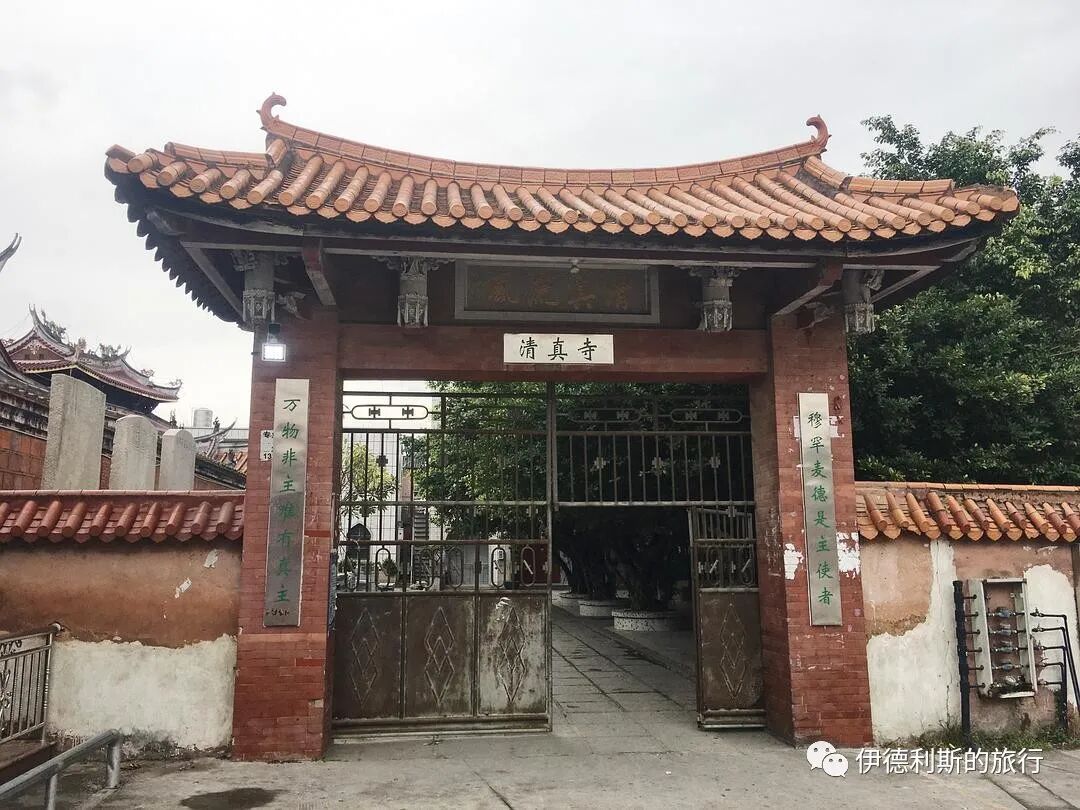
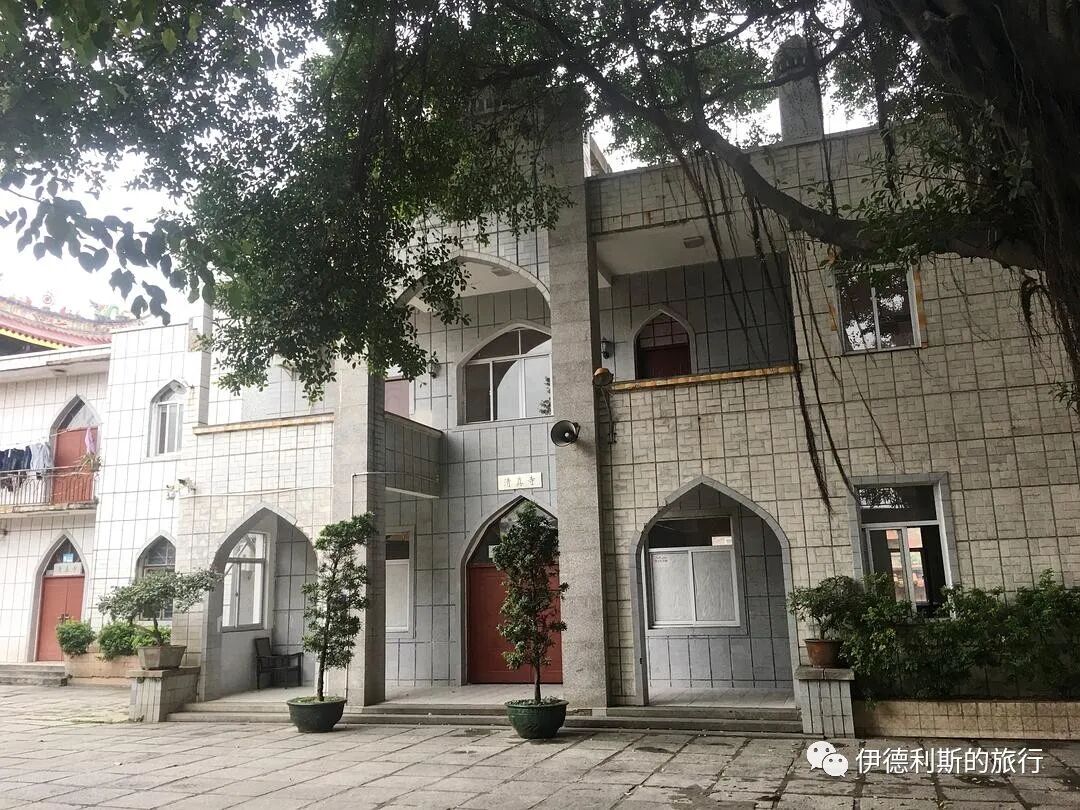
Today, one can still see traces left by the Chendai Ding family from various historical periods in Quanzhou. Next to the Lingshan Holy Tomb in the east of Quanzhou city, one can see several traditional Islamic tombstones of the Chendai Ding family from the early Ming Dynasty, which still bear Quranic verses from exactly 600 years ago. In Chendai Town, one can see a series of ancestral halls and ancestral homes built by the Ding family since the Ming and Qing dynasties, which are symbols of the clan-building of the Chendai Ding family. In addition, next to the Ding family ancestral hall is the Chendai Mosque, built in 1990, which is a testament to the small number of Chendai Ding family members who have returned to the Islamic faith since the Republic of China era.
Table of Contents
I. Two Hundred Years of Islam — The Ding Family Cemetery
1. Joint tomb of the first, second, and third generations
2. Tomb of the fourth generation Ding Shan and his wife Zhuang Xiniang
3. Tomb of the fifth generation Ding Mabao and his wives, Pu and Wang
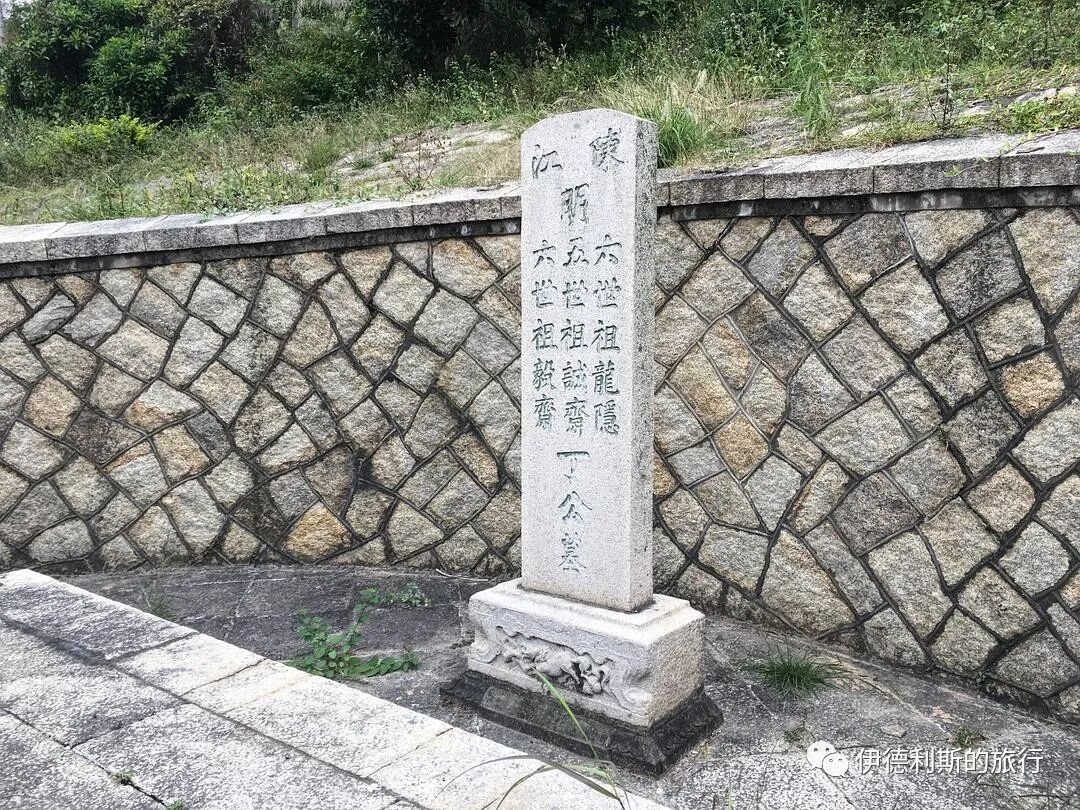
4. Tombs of the fifth generation Ding Guanbao, sixth generation Ding Kuan, and sixth generation Ding Min
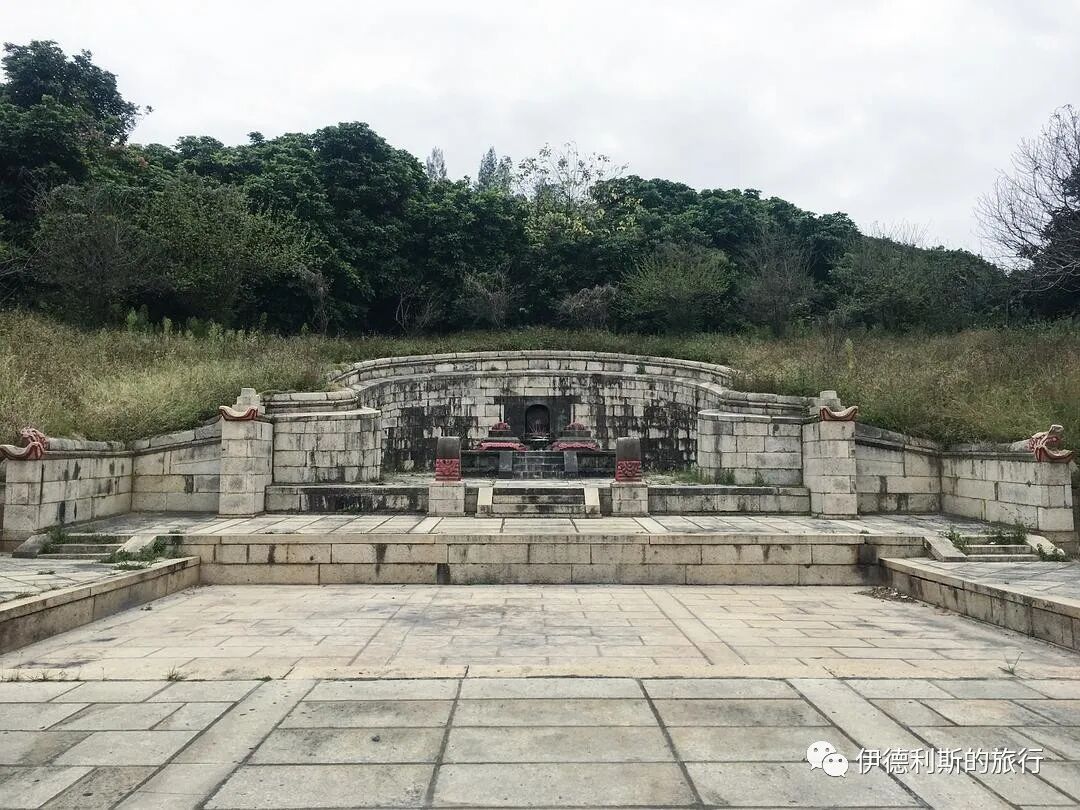
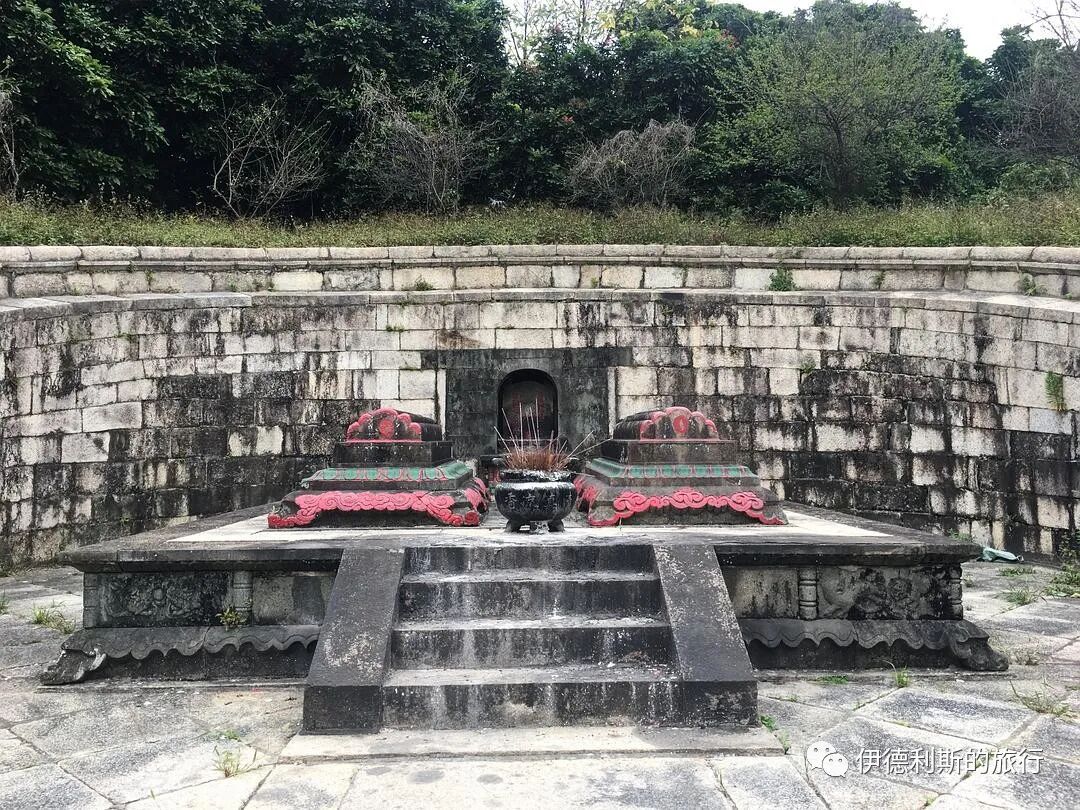
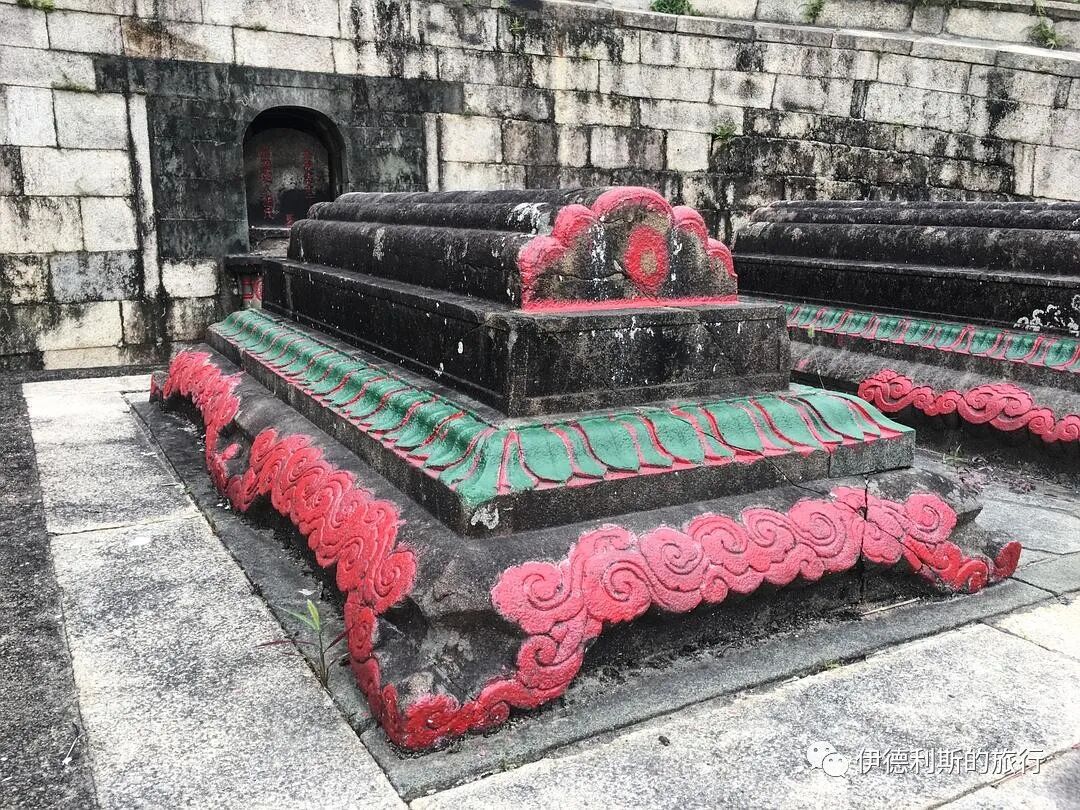
5. Tomb of the fifth generation Ding Fubao and his wife Shi Dingniang
6. Tomb of the seventh generation Ding Lun and his wife Zhuang
II. Gradual Change to Conform to Rites — The Ding Family Ancestral Halls
1. The Ding Family Grand Ancestral Hall
2. Yizhai Ding Gong Ancestral Hall
3. Fenxi Ding Gong Ancestral Residence
4. Ding Yanzhong's Jinshi Residence
III. The Reappearance of Islam — Chendai Mosque
I. Two Hundred Years of Islam — The Ding Family Cemetery
According to the genealogy, the first ancestor of the Chendai Ding family, Ding Jin (1251-1298), was originally from Suzhou and settled in Quanzhou due to trade. By the time of the third ancestor, Ding Kui (1298-1379), he brought the fourth ancestor, Ding Shan (1343-1420), from Quanzhou city to Chendai, more than twenty li (a unit of distance) south of the city, but the third ancestor traveled between Suzhou and Quanzhou for trade for a long time and did not settle down until the early Ming Dynasty, when the fourth ancestor truly settled in Chendai.
There are many reasons for the Ding family's move to Chendai, the main one being that the Quanzhou port declined at the end of the Yuan and the beginning of the Ming Dynasty, trade was cut off, and the Ding family had no business to conduct, so they chose to abandon commerce for farming, coming to Chendai for tidal flat work and rice cultivation.
The Islamic faith of the Chendai Ding family was maintained for ten generations, spanning more than two hundred years from the 13th to the 16th century. The tenth generation Ding Yanxia, born around 1517, recorded in his 'Zujiao Shuo' (Discourse on Ancestral Religion) the Islamic customs he experienced in his childhood in great detail. However, according to calculations, by the eighth to ninth generations, the Chendai Ding family no longer valued scripture education:
'The shroud is not layered, the coffin is not made of wood, and burial does not exceed three days. The mound is like a horse's mane and shallow, mourning clothes are made of cotton, no ancestral tablets are set up for worship, and no offerings are arranged. For prayer times, at sunset, they gather and face west to pray to Allah. They fast once a year, eating when they see the stars in the morning and evening, and remaining hungry throughout the day. They offer only incense and flowers to the divine, do not set up wine or fruit, and do not burn paper offerings. They recite the pure scriptures, imitating the transmitted foreign sounds, without understanding the meaning, nor seeking to understand it, and use them for both auspicious and inauspicious occasions. Animals must be slaughtered by their own butchers before being eaten, and pork is not consumed. They bathe constantly, for they dare not approach the divine otherwise. They prefer cotton clothing over silk, generally valuing brightness and cleanliness. This is what I, Xia, saw in my youth. ”
The existing Islamic relics of the Chendai Ding family are the several Ming Dynasty Islamic tombstones within the Lingshan Holy Tomb.
1. Joint tomb of the first, second, and third generations
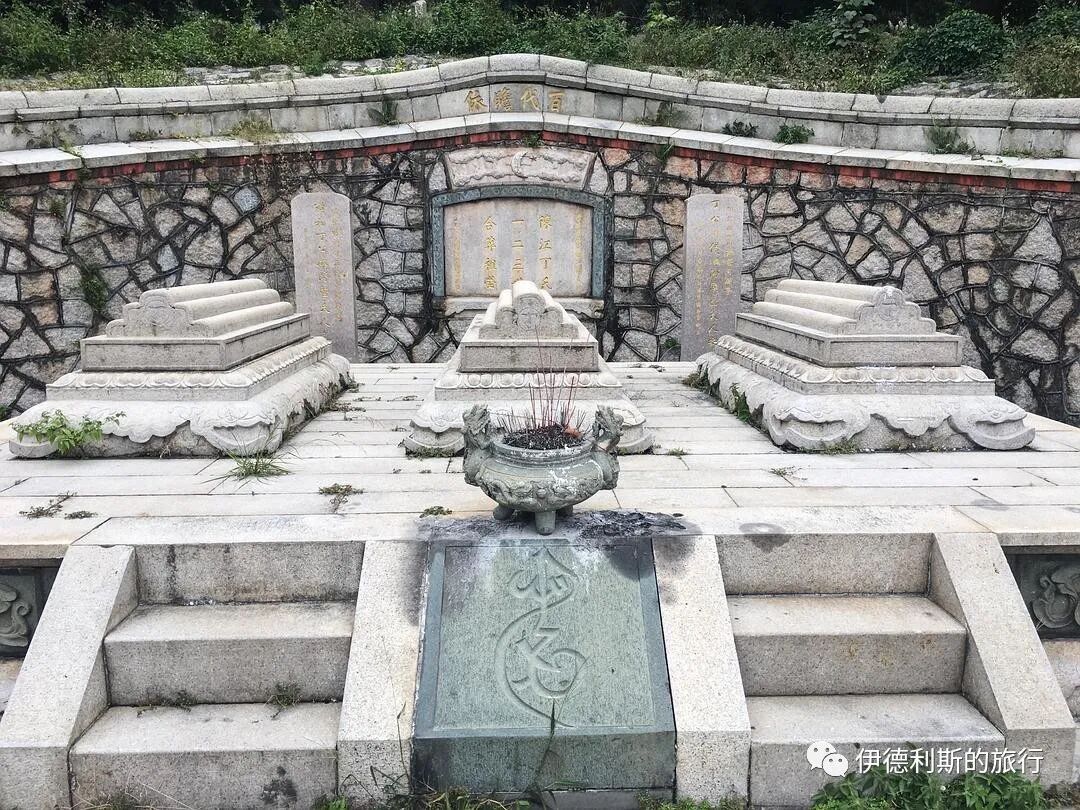
Before the Ding family established their base in Chendai, the first, second, and third generations were all buried at Lingshan, east of Quanzhou city. Lingshan was the main burial area for Muslims in Quanzhou during the Song and Yuan dynasties, built in 1162 by the Song Dynasty Arab merchant Shi Nawei. It was called the 'Foreign Merchant Tomb' during the Song and Yuan dynasties.
After the fourth generation Ding Shan established the base in Chendai, he entrusted the ancestral tombs to others for management. Later, the son of the second manager, Xu Fen, named Xu Fu, continuously encroached on the ancestral tomb land, and the Ding family endured it in silence. It was not until 18 years later, in 1505, that the eighth generation Ding Yi passed the imperial examination and became a Jinshi, and after returning to his hometown, he filed a lawsuit and finally reclaimed the ancestral tomb land.
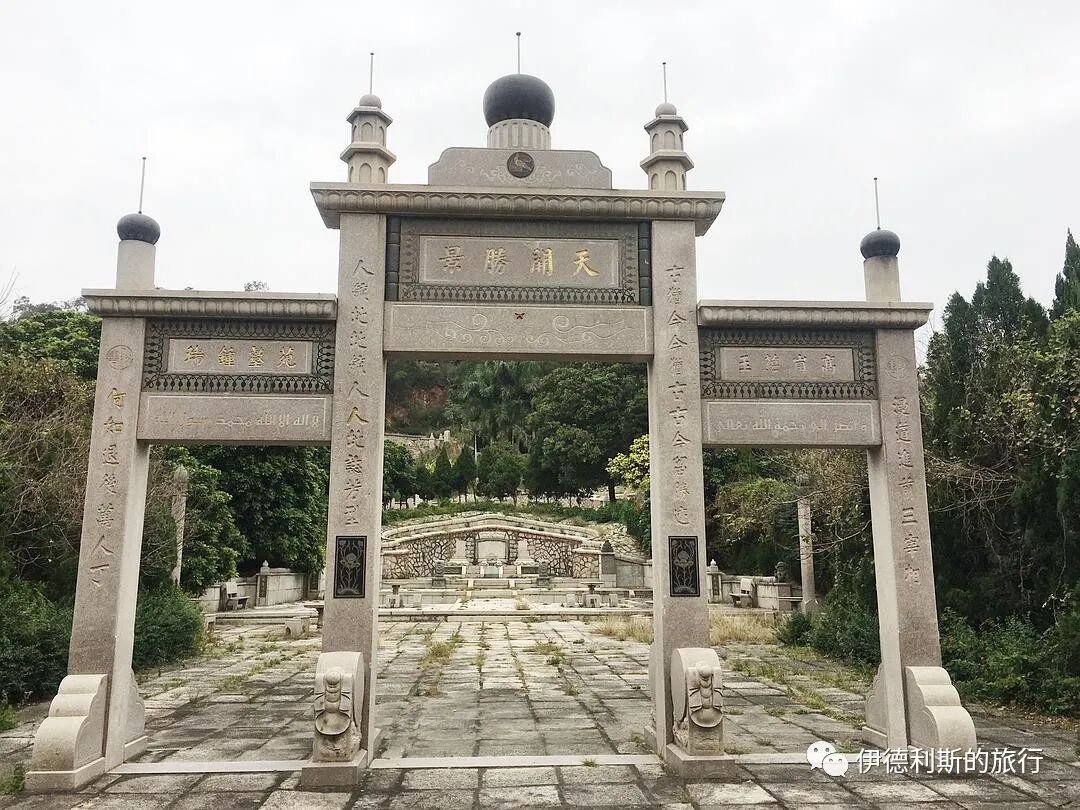
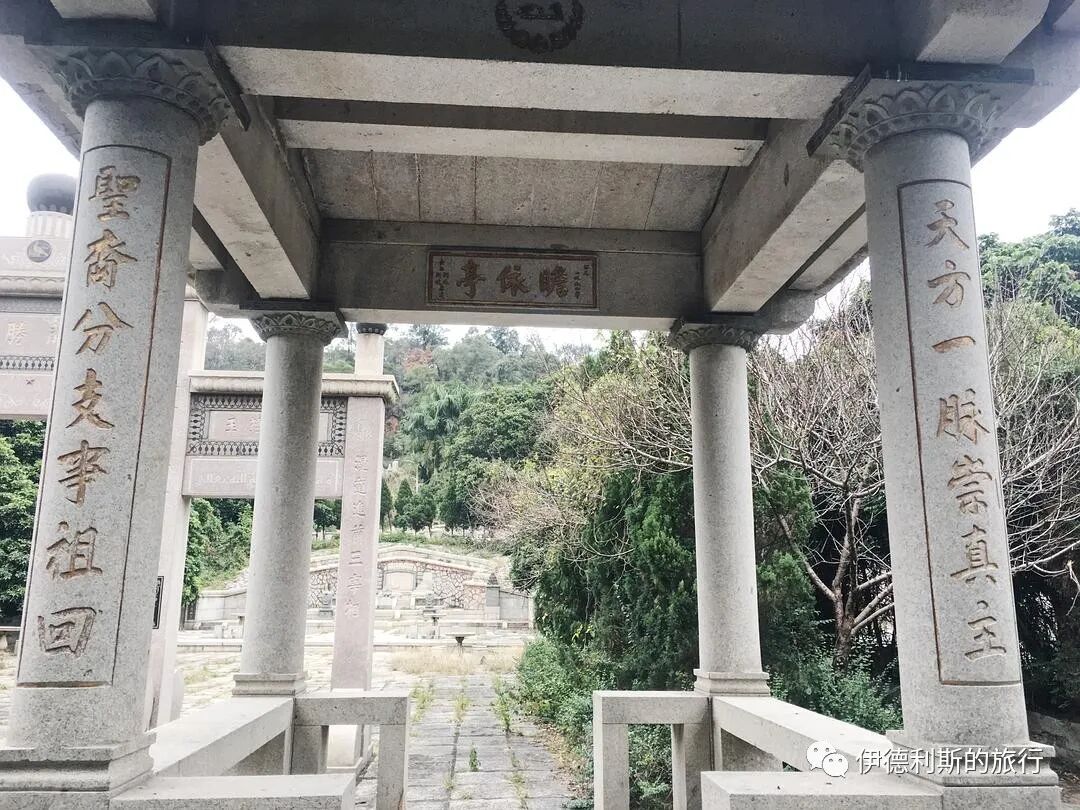
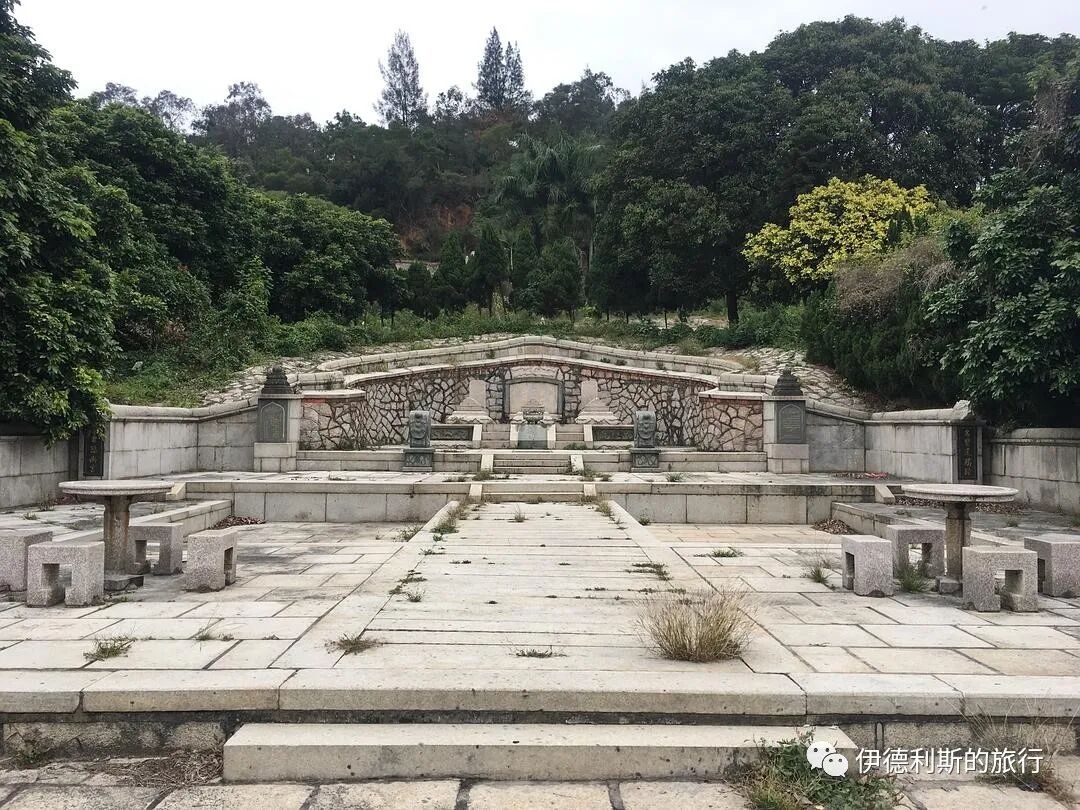
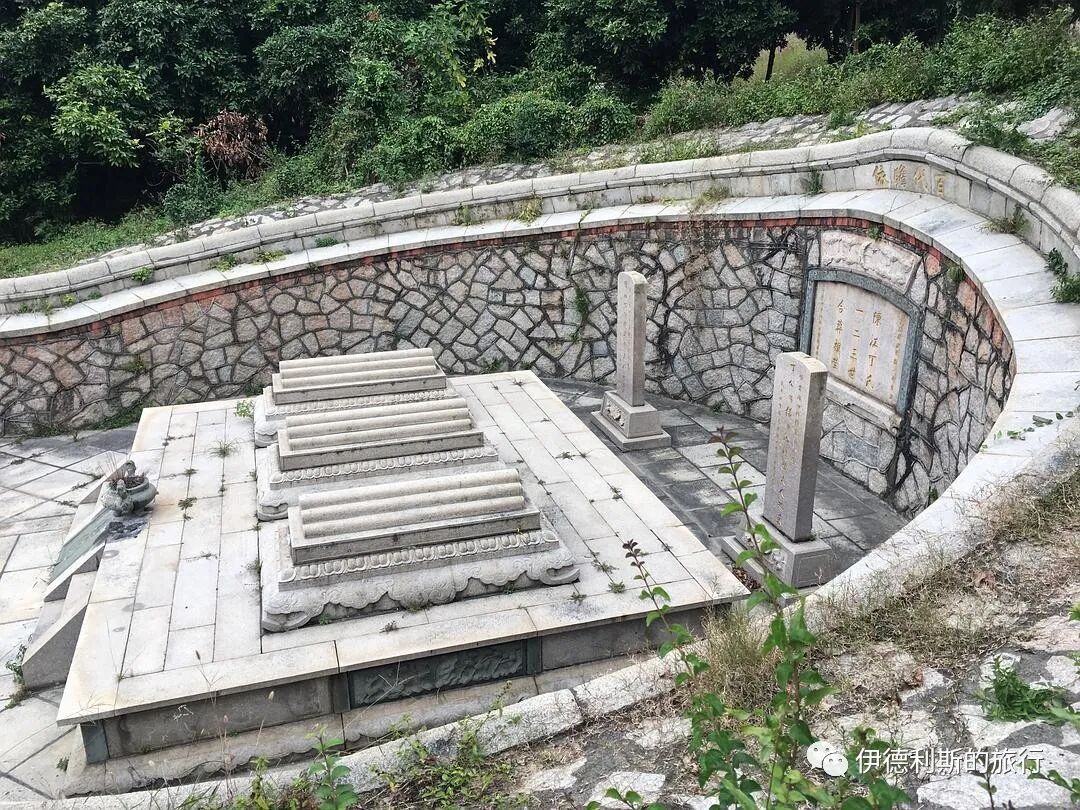
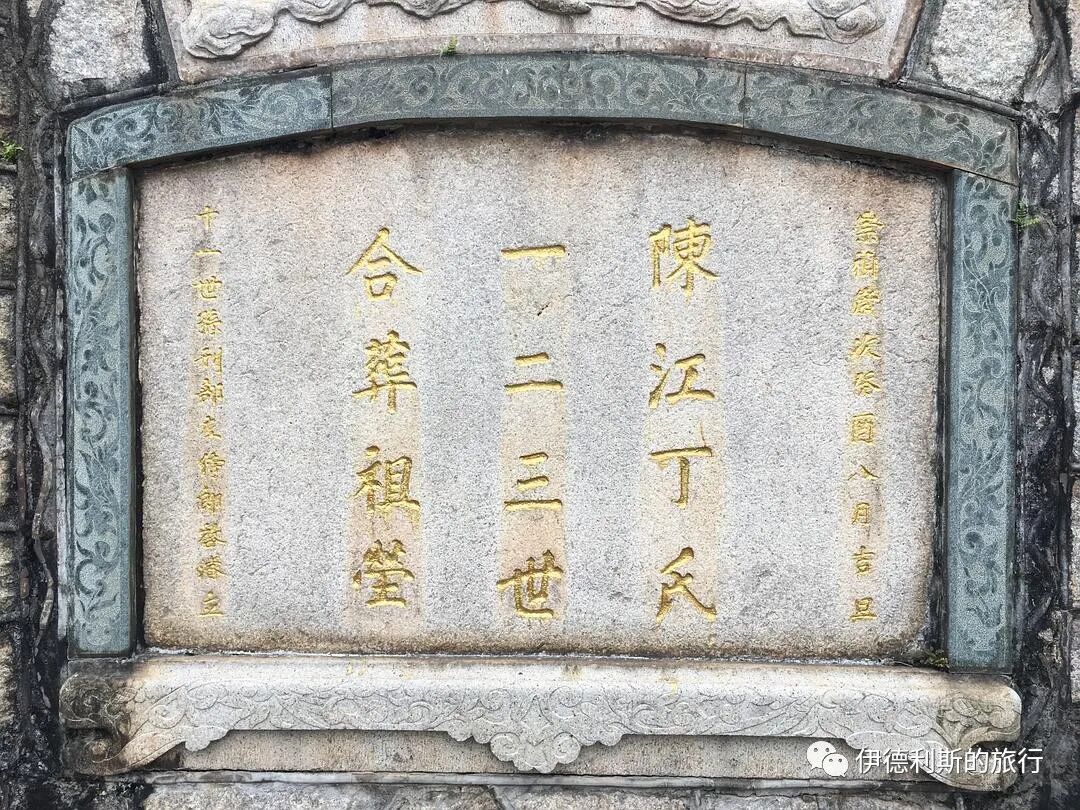
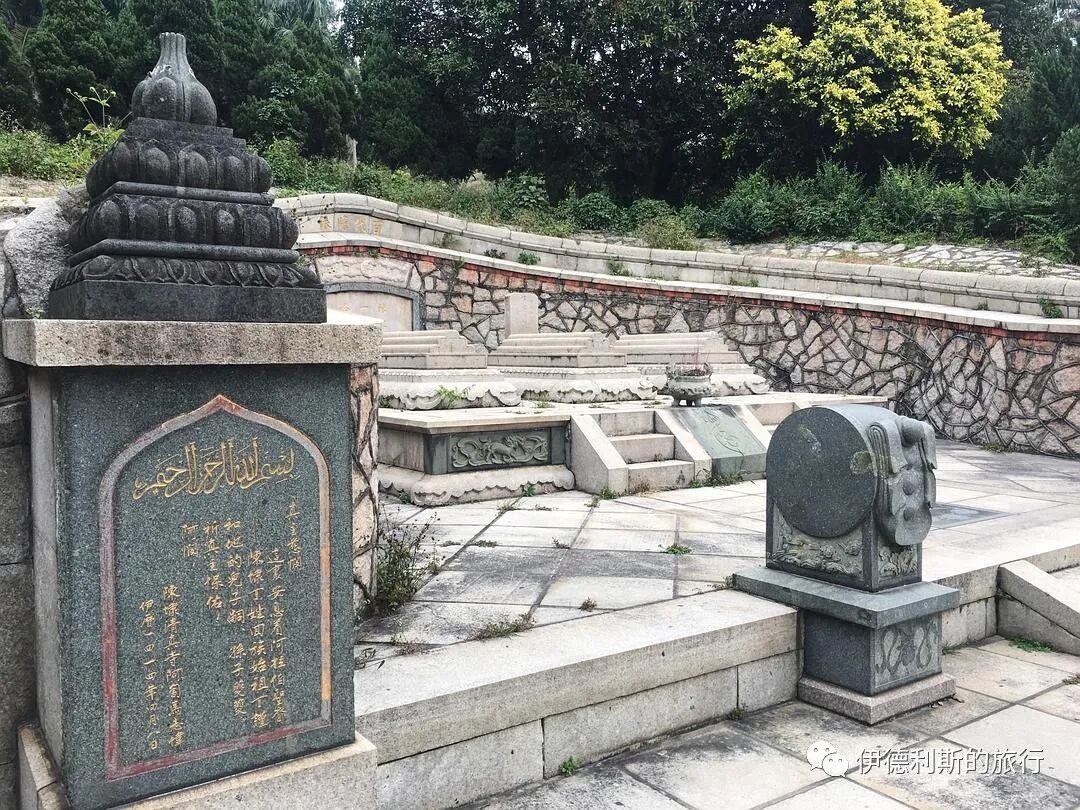
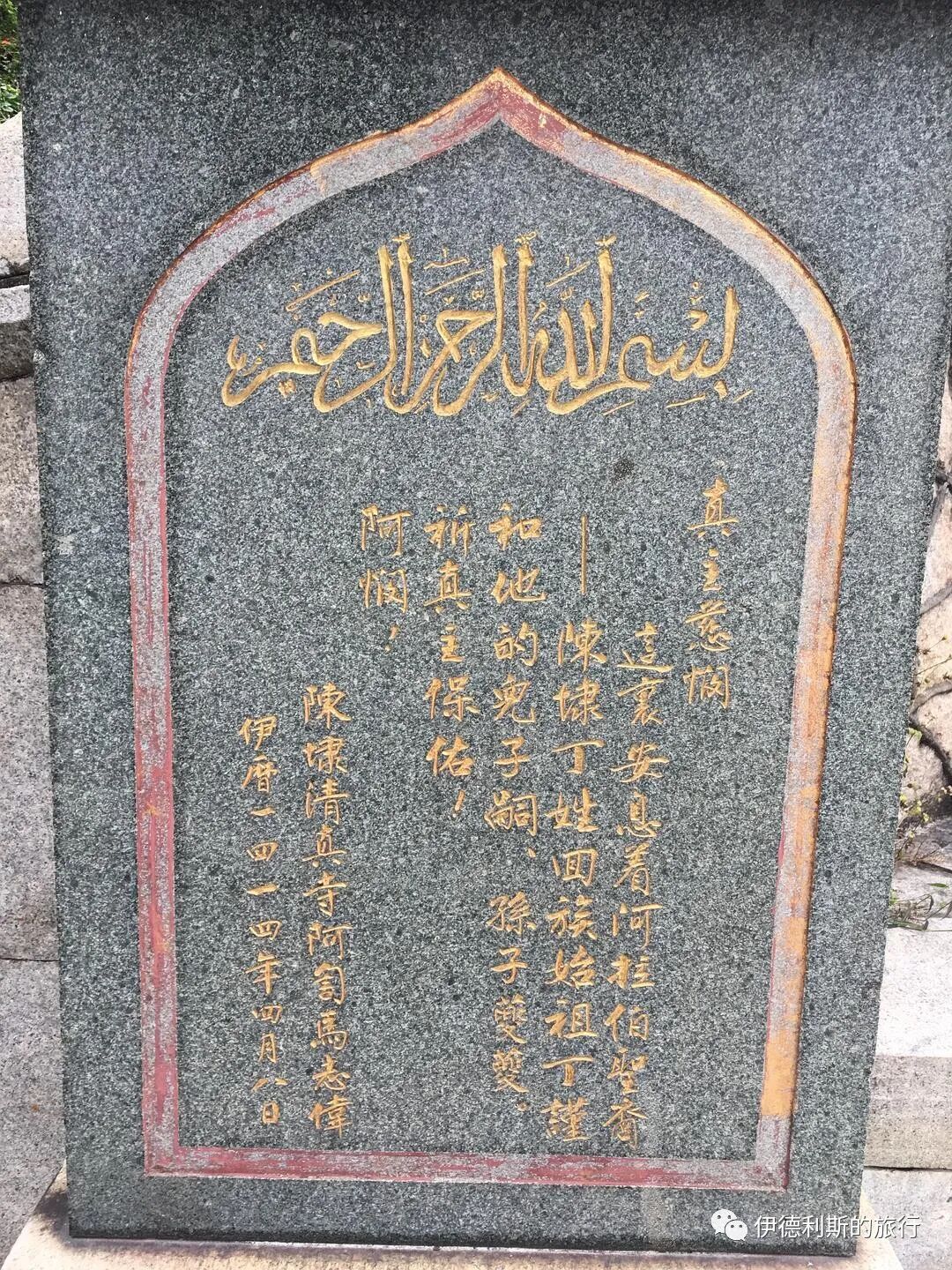
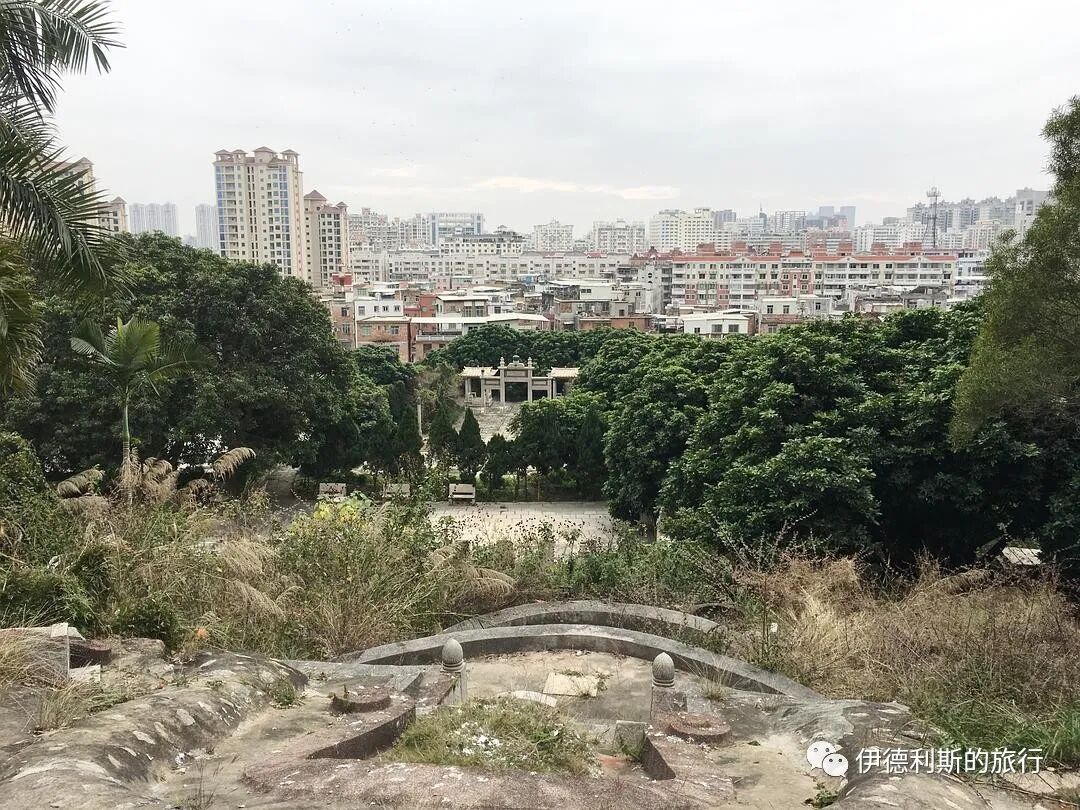
During the Chongzhen period of the Ming Dynasty, the descendants of the Ding family buried the first, second, and third generation ancestors together. In 1993, due to the need for road construction, a large number of Chendai Ding family tombstones were moved from outside the East Gate of Quanzhou, Luyuan, and other places to the Lingshan Holy Tomb; the current joint tomb of the first, second, and third generations was also rebuilt during this period. The tombstones and monuments seen now are not the originals. The Chendai Ding family has legends from the Ming Dynasty that their ancestor was the Yuan Dynasty politician Sayyid Ajjal Shams al-Din, so the cemetery is inscribed with words stating they are descendants of a saint.
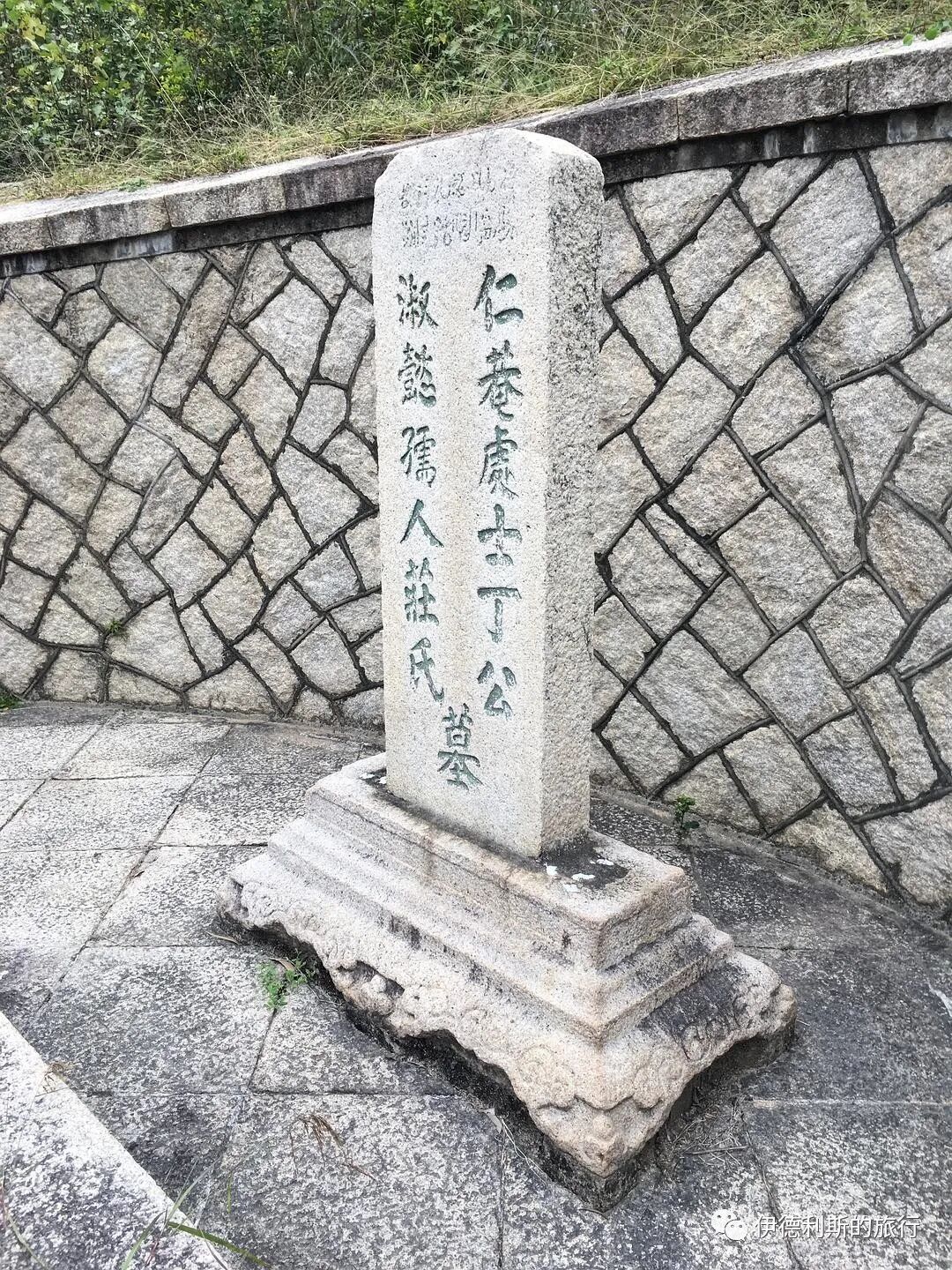
2. Tomb of the fourth generation Ding Shan and his wife Zhuang Xiniang
Ding Shan (1343-1420), courtesy name Yanren, pseudonym Ren'an, followed his father from Quanzhou to Chendai at the end of the Yuan Dynasty and officially established the base in Chendai at the beginning of the Ming Dynasty, founding the Chendai Ding clan. His wife, Zhuang Xiniang, courtesy name Runxiu, was the sixth-generation granddaughter of Zhuang Xia, who was enfeoffed as a founding baron and junior preceptor in the Southern Song Dynasty. The Zhuang family was prominent in the late Southern Song Dynasty but gradually declined after the Yuan Dynasty, and their relatives left Quanzhou one after another; only Zhuang Xiniang's father still lived in the Zhuang mansion south of the city. At that time, the Ding family and the Zhuang family were neighbors, so they became husband and wife, and shortly after the marriage, Ding Shan and his father moved to Chendai. The Ding family's move to Chendai was likely related to Zhuang Xiniang, because near Chendai at that time was Qingyang, where the Zhuang clan lived, a powerful clan known as the 'Qingyang Zhuang family'.
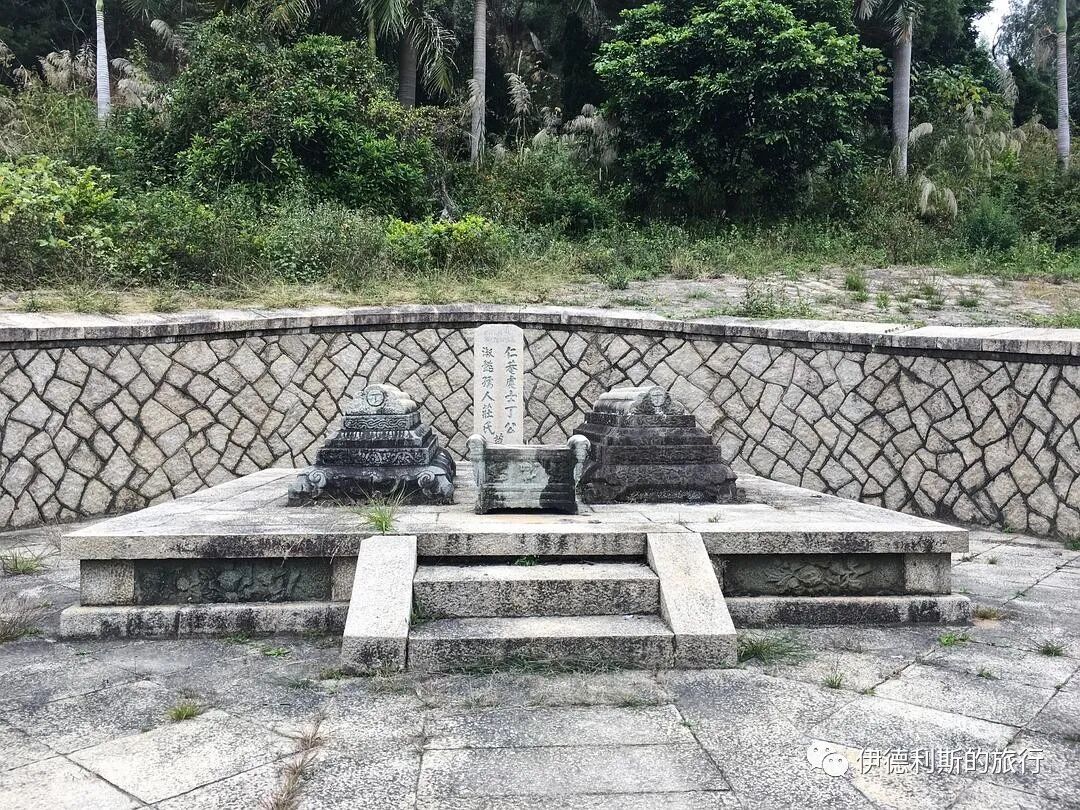
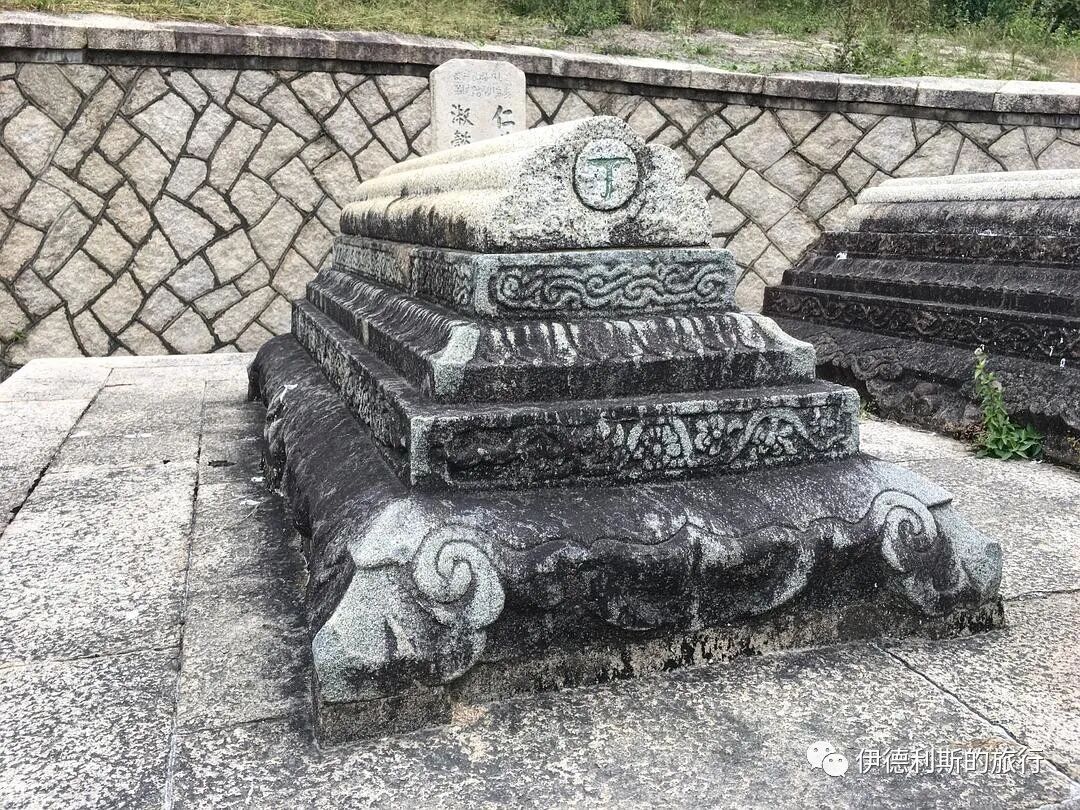
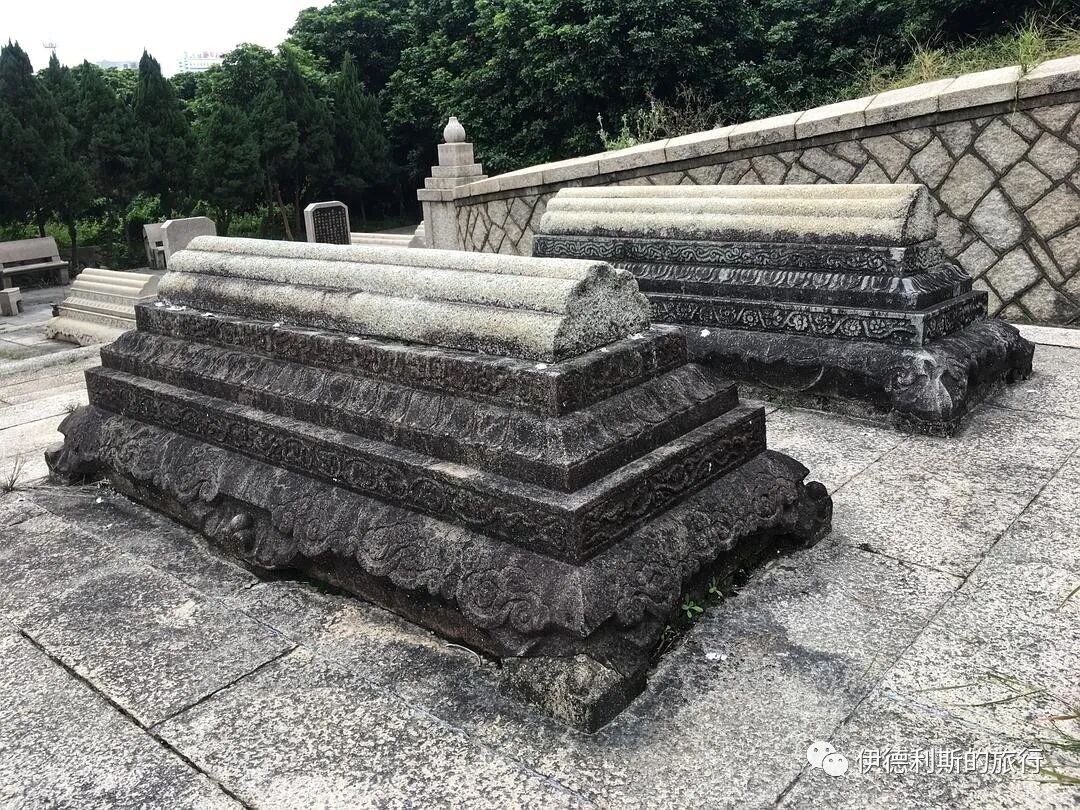
Ding Shan and Zhuang Xiniang were originally buried in Luyuan, east of Quanzhou city; 'Luyuan' means 'Paradise', which is the 'Garden' (Jannah) in the Quran. The tomb is a traditional Islamic chlorite tomb, with two sumeru-pedestal style five-layer tombstones placed on a sumeru-pedestal altar platform. The first layer of the tombstone has six gnomon feet, carved with ruyi (auspicious) patterns; The second layer is carved with continuous scrolling patterns; The third layer is carved with overlapping lotus patterns; The fourth layer is carved with Quranic verses; The fifth layer is a curved arch-shaped tombstone top. Behind the tombstone is a monument erected in 1910.
The verses on the tombstone are from the Quran, Chapter 2, Verse 255.
3. Tomb of the fifth generation Ding Mabao and his wives, Pu and Wang
Ding Mabao (1366-1431), courtesy name Shilong, pseudonym Yi'an, was the eldest son of the fourth generation Ding Shan who established the base in Chendai, and the founding ancestor of the main branch of the Chendai Ding family; he was originally buried with his two wives in the Chengui Baoxue (a geomantically auspicious site) on Daping Mountain, east of Quanzhou city.
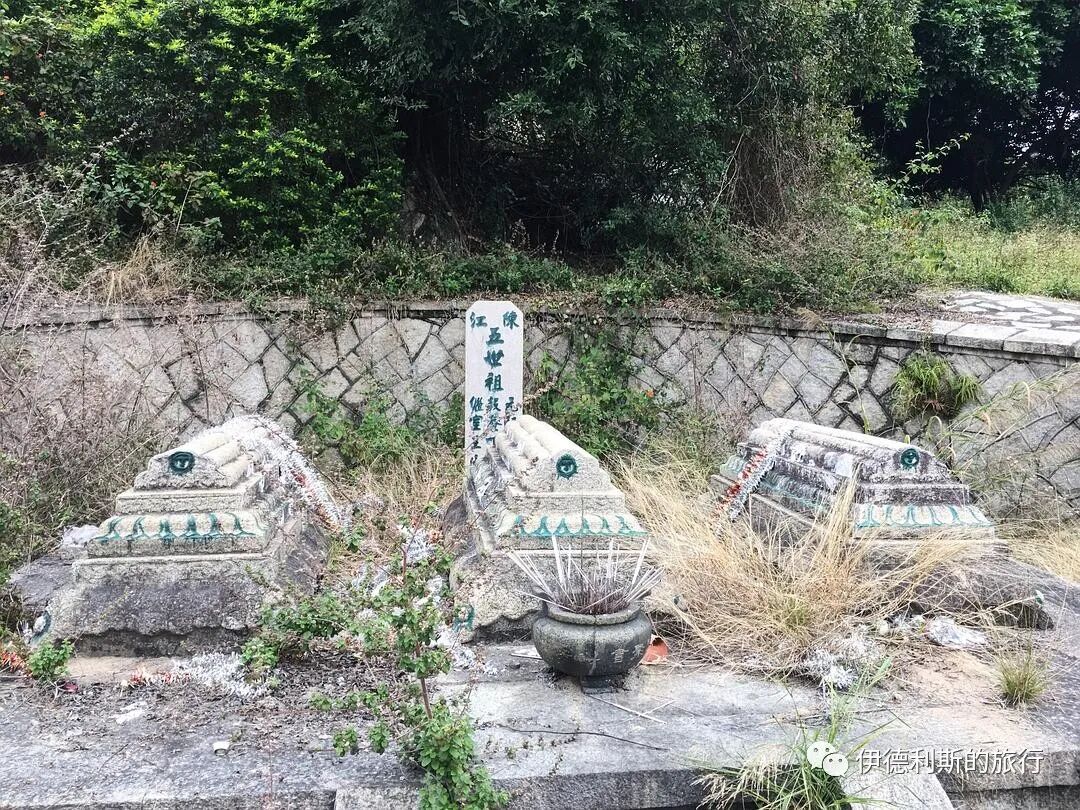
4. Tombs of the fifth generation Ding Guanbao, sixth generation Ding Kuan, and sixth generation Ding Min
Ding Guanbao (1369-1436), courtesy name Shifu, pseudonym Chengzhai, was the second son of Ding Shan and the founding ancestor of the second main branch of the Chendai Ding family. He was originally buried at the foot of Shuiuniulin, east of Quanzhou city.
Ding Kuan (1395-1446), courtesy name Tingyu, pseudonym Longyin, was the second son of Ding Guanbao and was originally buried to the left of Ding Shan's tomb in Luyuan Mountain.
Ding Min (1407-1456), courtesy name Tingxue, pseudonym Yizhai, was the fourth son of Ding Guanbao and was originally buried at the foot of Shuiuniulin, east of Quanzhou city. Ding Min was the earliest local worthy among the Chendai Ding family to promote literary education.
5. Tomb of the fifth generation Ding Fubao and his wife Shi Dingniang
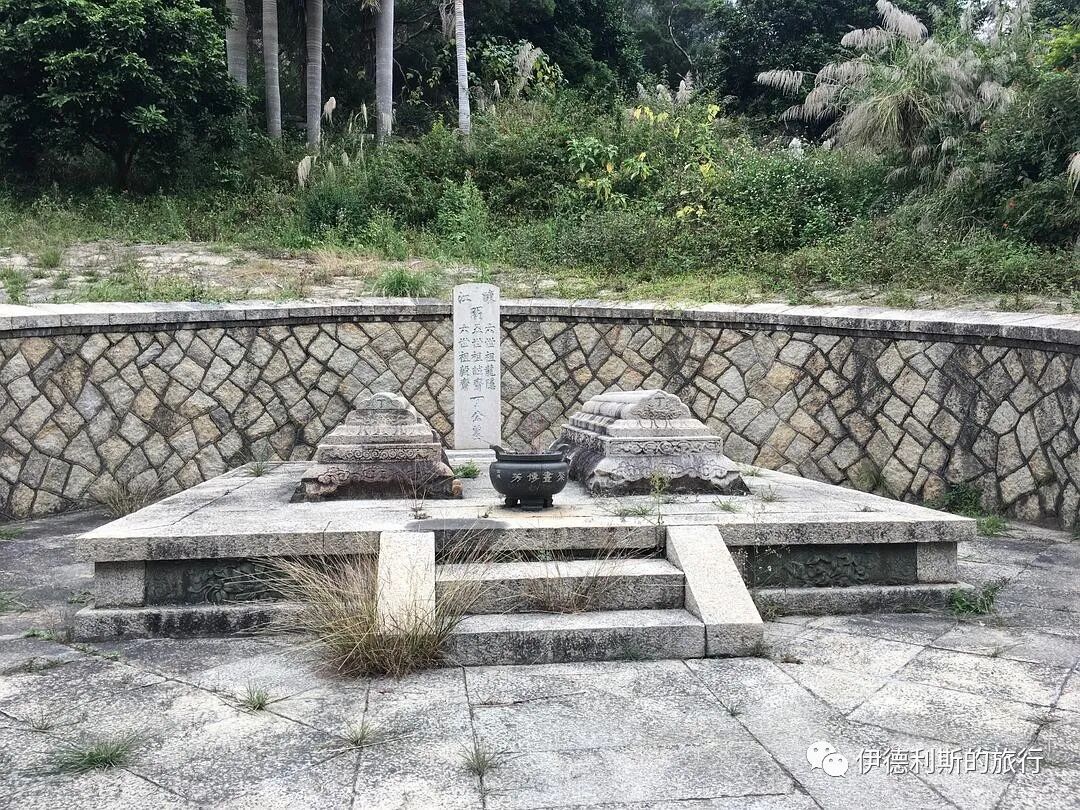
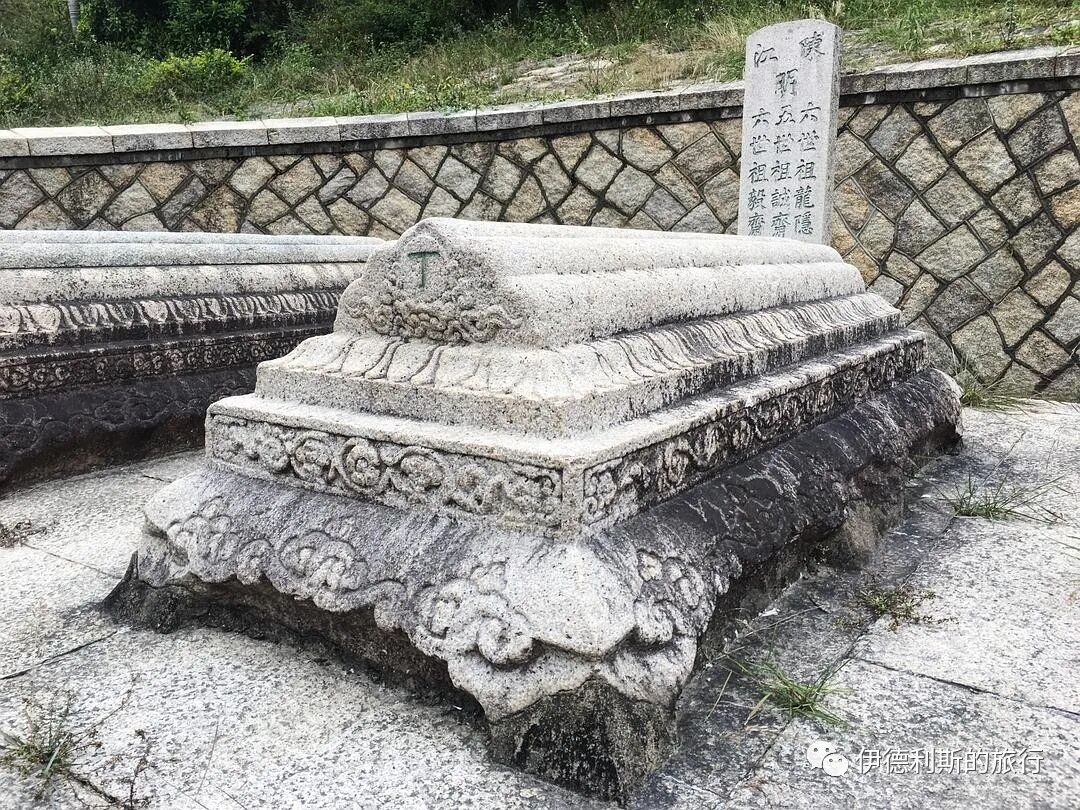
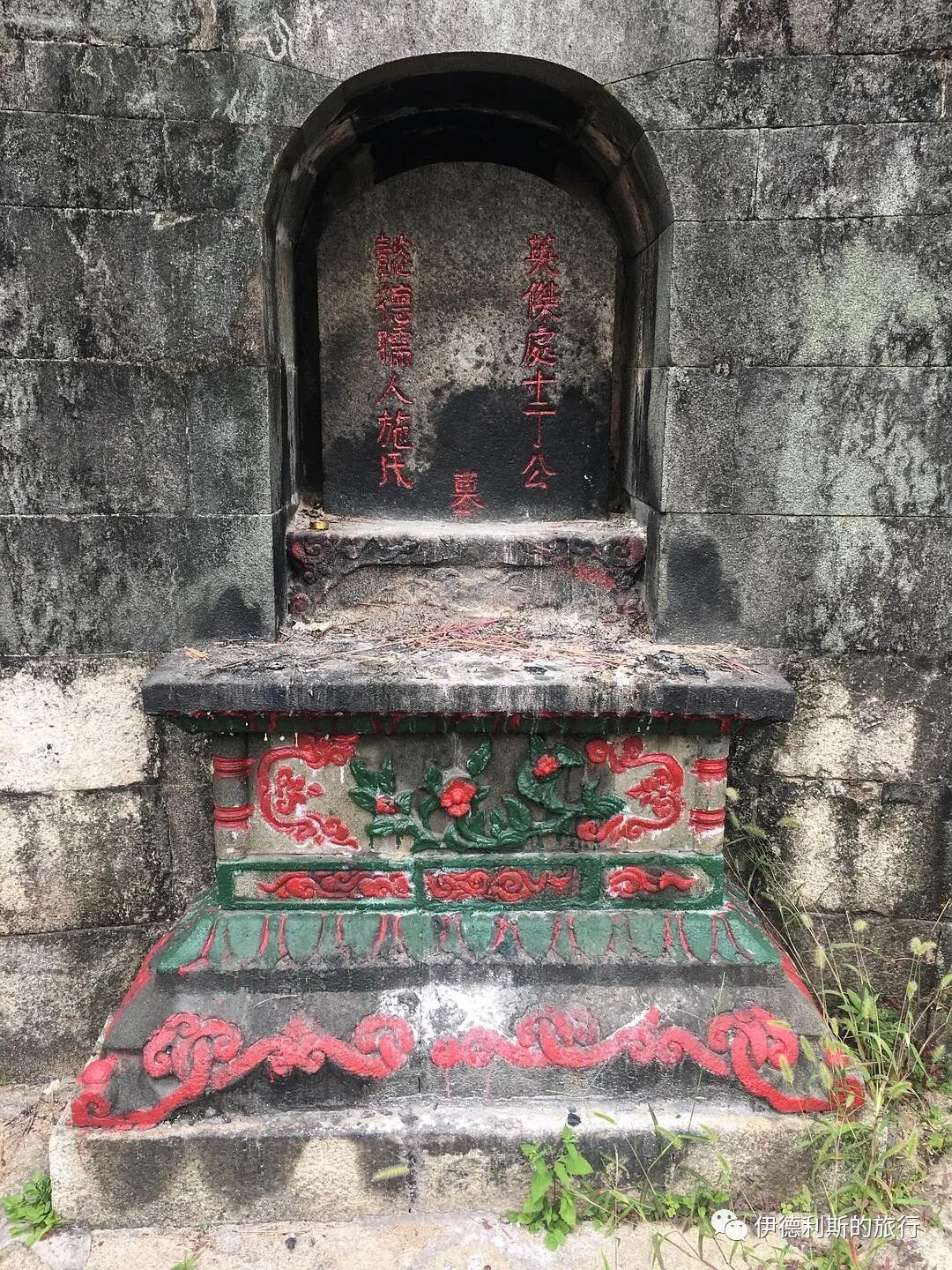
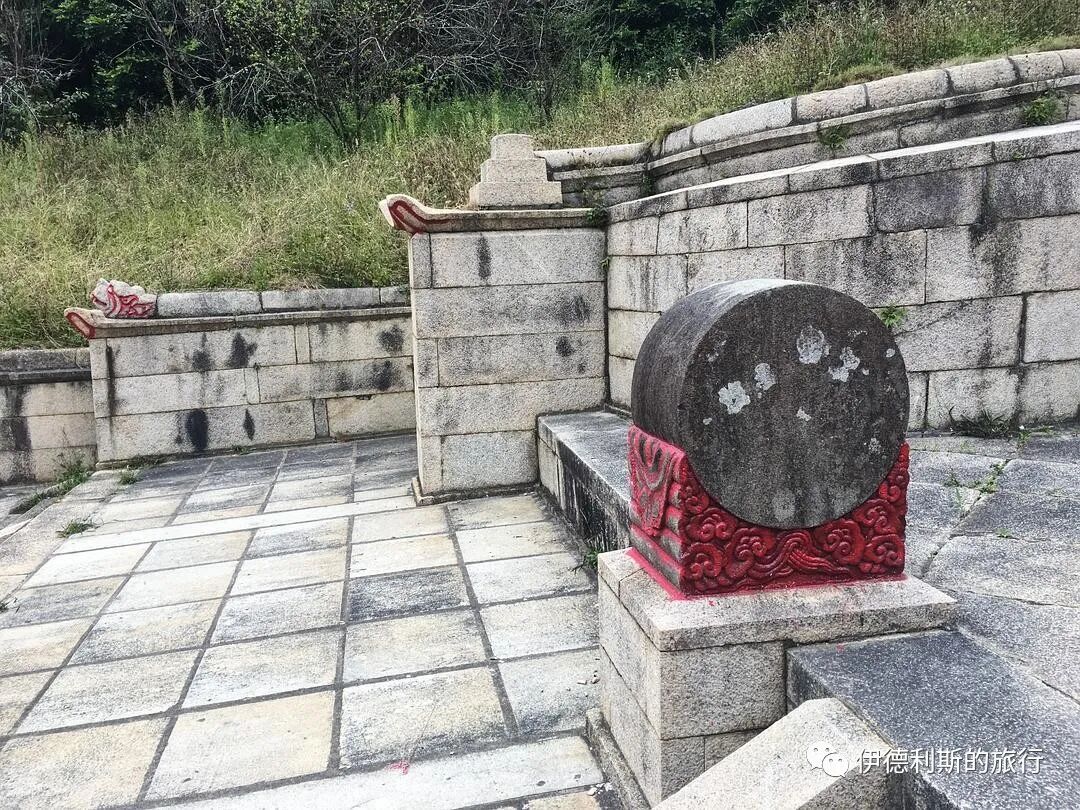
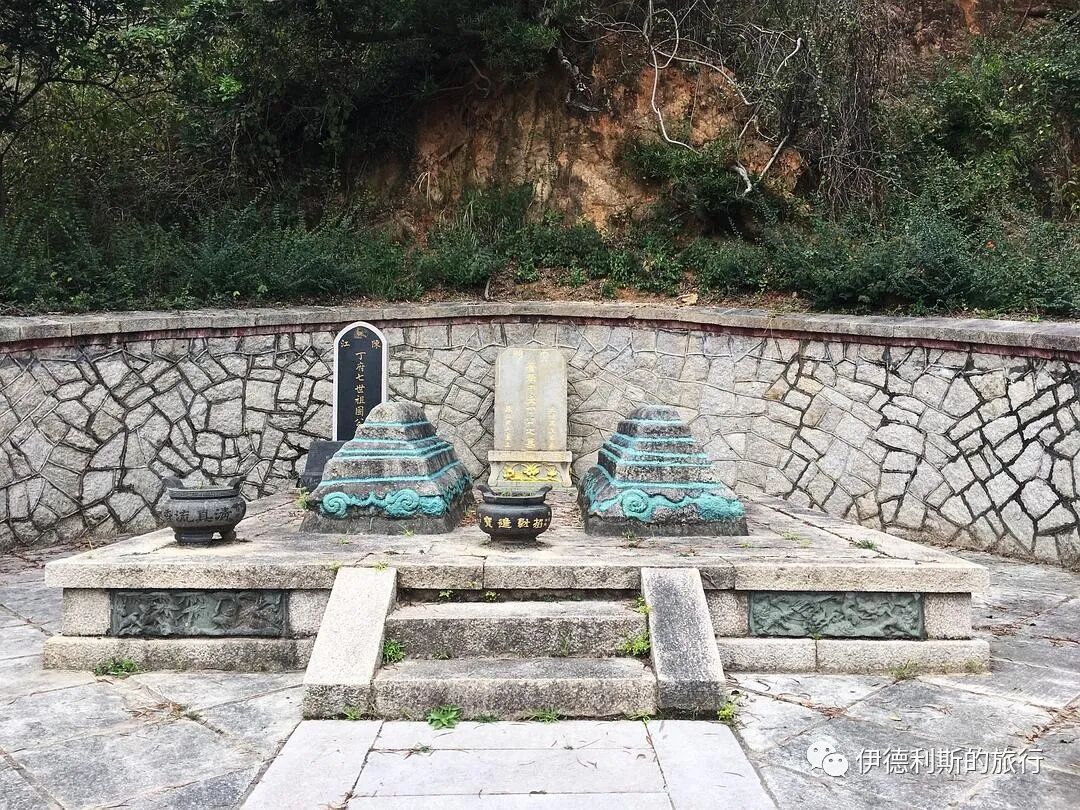
Ding Fubao (1375-1432), courtesy name Shizhang, pseudonym Yingjie, was the third son of Ding Shan and the founding ancestor of the third main branch of the Chendai Ding family, buried at Lingshan, east of Quanzhou city. The tomb consists of two sumeru-pedestal stone tombs placed on a traditional Islamic sumeru-pedestal altar platform, with swastikas and double lions playing with a pearl carved on the waist of the platform.
6. Tomb of the seventh generation Ding Lun and his wife Zhuang
Ding Lun (1442-1485), courtesy name Zhaorui, was the third son of the sixth generation Ding Xin.
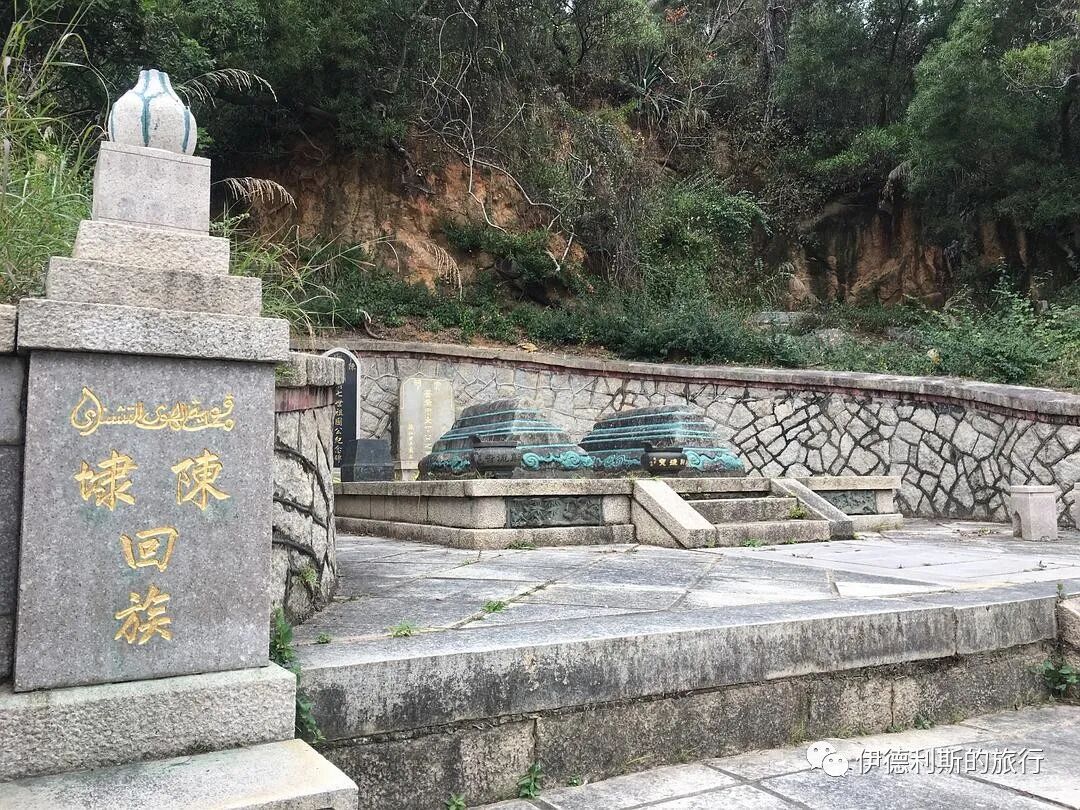
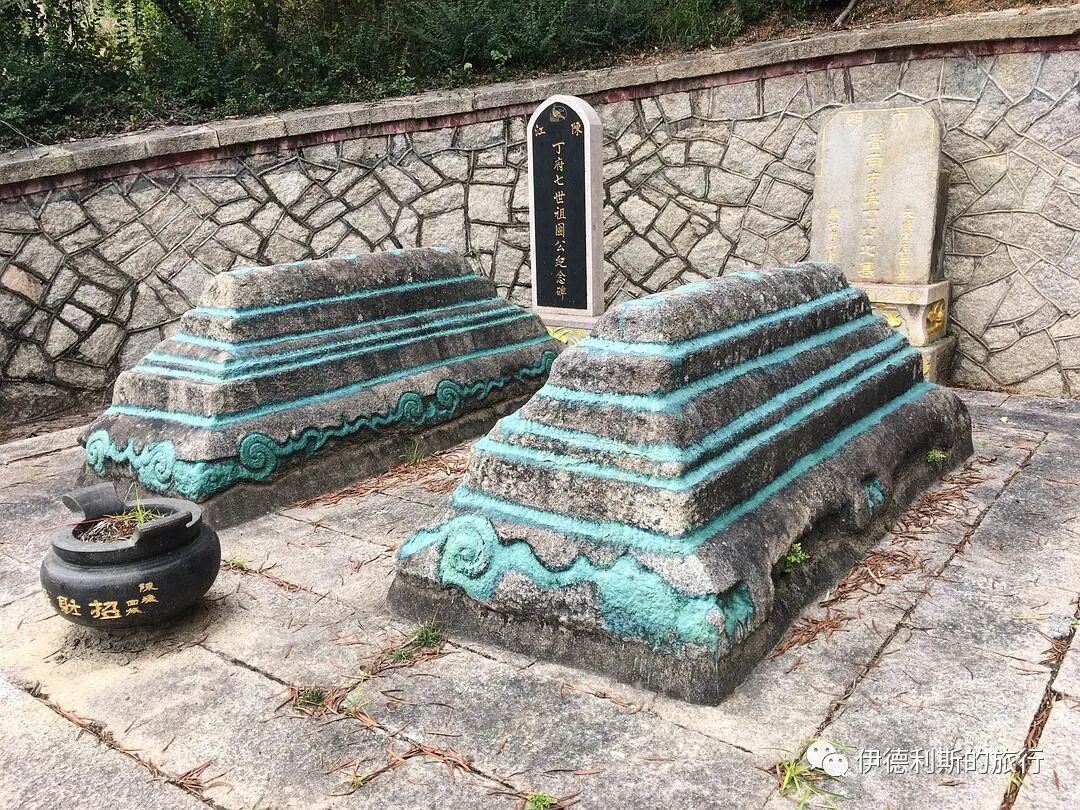
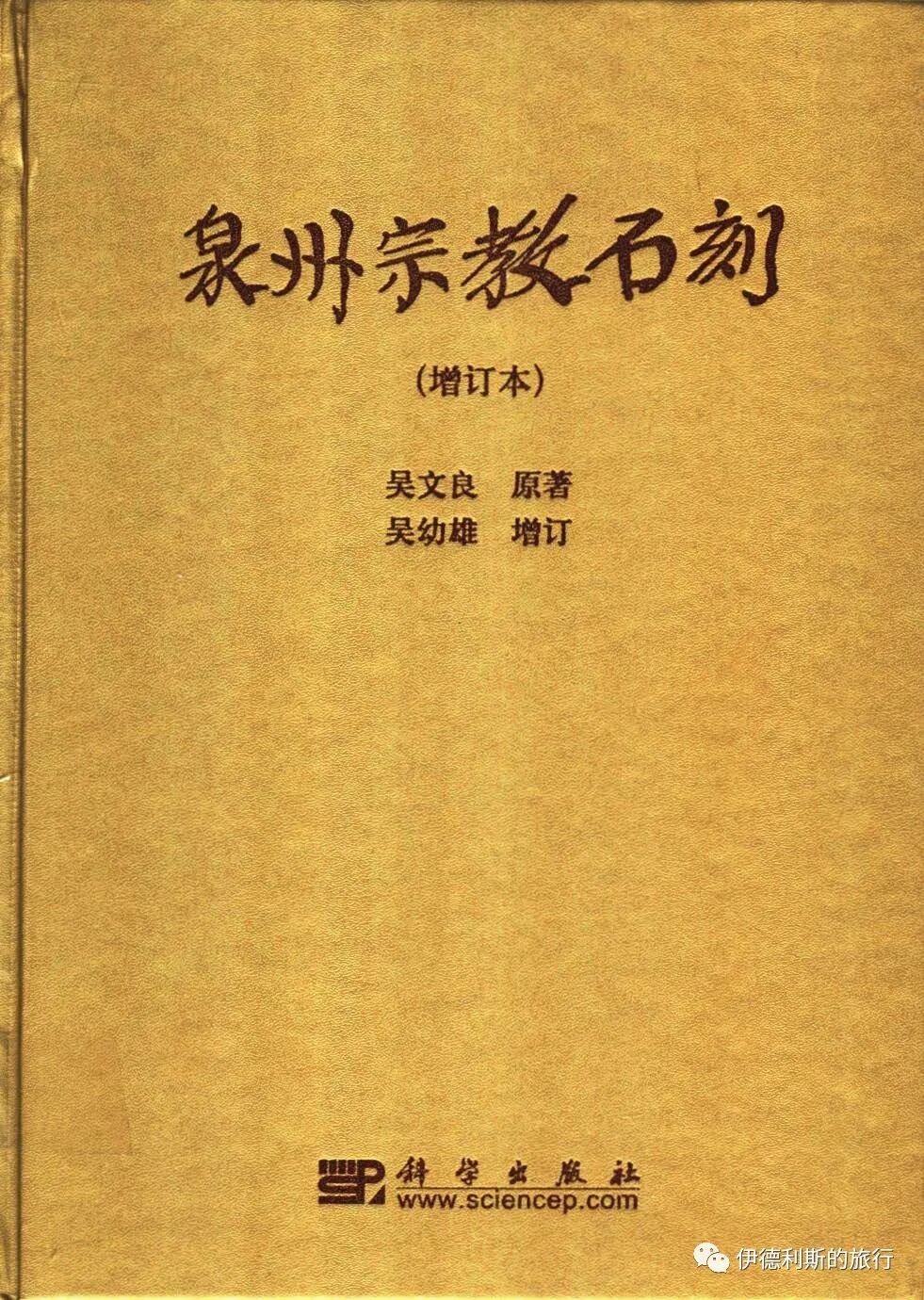
For information on the Ming Dynasty Islamic tombstones of the Chendai Ding family, see 'Quanzhou Religious Stone Carvings'.
II. Gradual Change to Conform to Rites — The Ding Family Ancestral Halls
By the mid-16th century, the religious customs of the Chendai Ding family had undergone significant changes; Ding Yanxia recorded in 'Zujiao Shuo':
'Later, shrouds were layered, coffins were made of wood, and burials were delayed. Mourning clothes were half cotton, ancestral tablets were set up, mounds were large, offerings were arranged, animals were fat, and prayers to Allah were rare. Fasting disappeared, and animals did not have to be slaughtered by their own butchers. Clothing was made of silk, bathing was not required for approaching the divine, wine and fruit were set out, and cotton and silk were burned for other gods, though not for ancestors. The offering of incense and flowers remained as before. ”
Finally, by the late 16th century, the Chendai Ding family had completely abandoned Islam; 'Zujiao Shuo' records:
'Now, when worshipping ancestors, some burn cotton and silk, animals do not have to be slaughtered by their own butchers, mourning clothes are all made of hemp without cotton, burials are delayed for more than ten years, Taoist priests and Buddhist monks are used for auspicious and inauspicious occasions, and pork is eaten. ”
According to folklore, the Chendai Ding family began eating pork in 1592 when the eleventh generation Ding Qijun, who became a Jinshi, was gifted food by the Wanli Emperor. However, the statement by the twelfth generation Ding Qing in 'Jiyi Jiyan' (Records of Sacrificial Rites) in 1698 is more credible:
'Fenxi Gong (Ding Yi) was the first to enter the official ranks, and he worshipped his ancestors according to the rites of a high official, not daring to violate the Islamic faith. But the three generations of Huai Gong (Ding Zishen), Wuting Gong (Ding Rijn), and Zhechu Gong (Ding Qijun) all passed the imperial examinations, and the family's reputation grew, while the Islamic faith almost ceased. ”
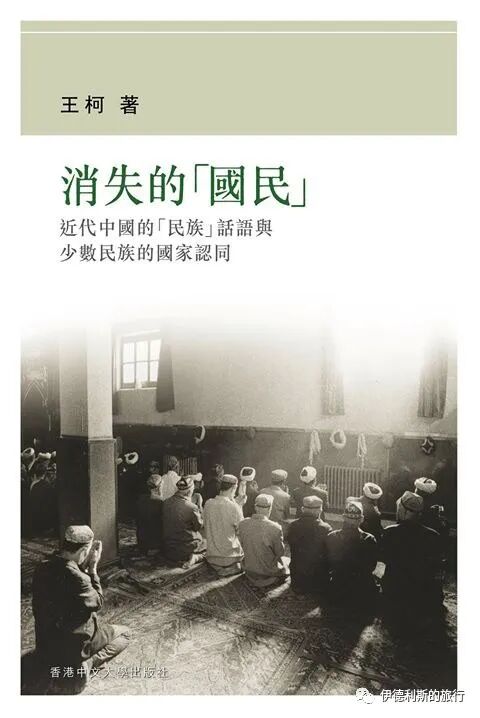
The Chendai Ding family began their official careers starting with the eighth generation Ding Yi, and by the tenth generation, 20 people had become Jinshi; these people used Confucian ethics and principles as their standard everywhere, which had an important impact on the Chendai Ding family and accelerated the dissolution of the Islamic faith. This is what Ding Yanxia referred to as 'gradually conforming to the rites', living according to Confucian behavioral standards. Wang Ke's book 'The Vanishing "Nationals"' provides an in-depth discussion of the 'clan-building' and 'imperial examination-oriented' processes of the Chendai Ding family; interested friends can take a look.
1. The Ding Family Grand Ancestral Hall
The most important sign of the Chendai Ding family's departure from Islam was the reconstruction of the Ding family ancestral hall in 1561. The early Ding family ancestral hall is presumed to have been built in the early 15th century, was destroyed by war in 1561, was rebuilt shortly after under the leadership of Ding Yi and Ding Zishen, and was rebuilt and expanded again by Ding Rijn in 1599 to its current scale.
The ancestral hall enshrines the spirit tablets of the first to fifth generation ancestors and ancestors who held titles and merits, but initially, there were no spirit tablets; instead, there were small wooden screens handwritten by the eighth generation Ding Yi (1472-1521) listing the first to fourth generation ancestors.
In 1561, the Ding family ancestral hall was destroyed due to 'Japanese pirate disturbances', and in 1562, Ding Yanxia initiated the formulation of the 'Sacrificial Covenant', which officially determined the way the Chendai Ding family worshipped their ancestors. The 'Sacrificial Covenant' mentions 'kneeling in order to offer incense, bowing four times to the spirits, and kneeling to offer wine', which was already completely in line with traditional Chinese customs.
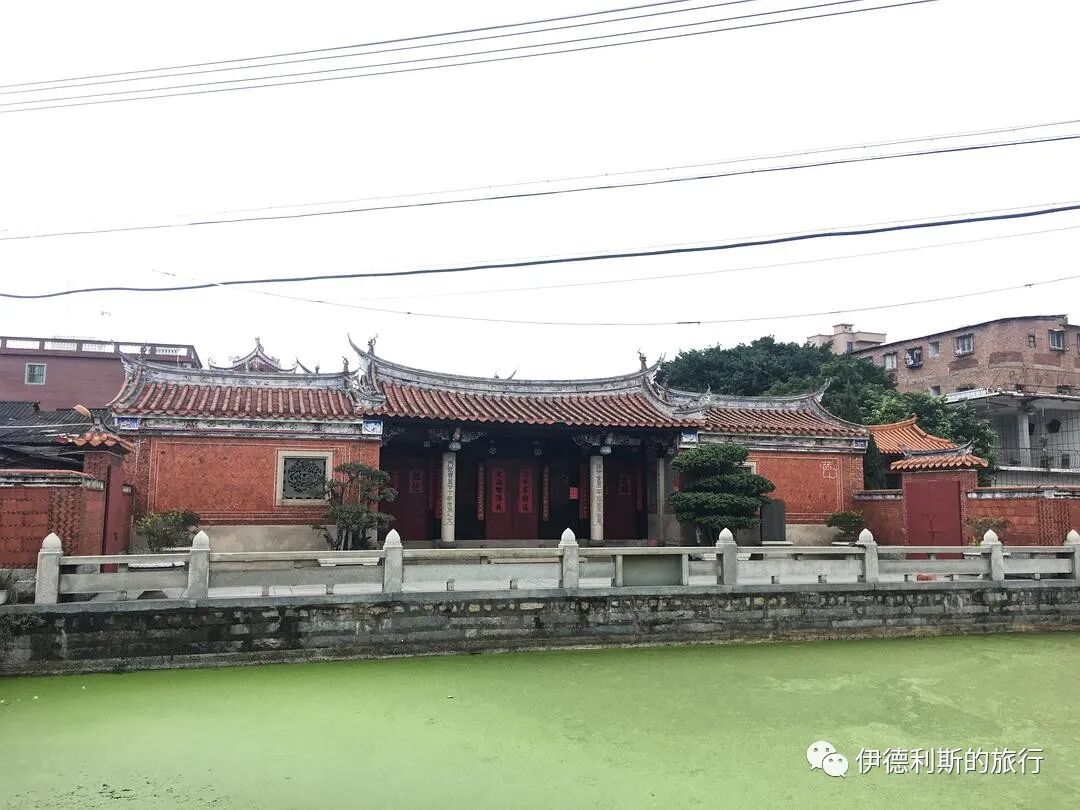
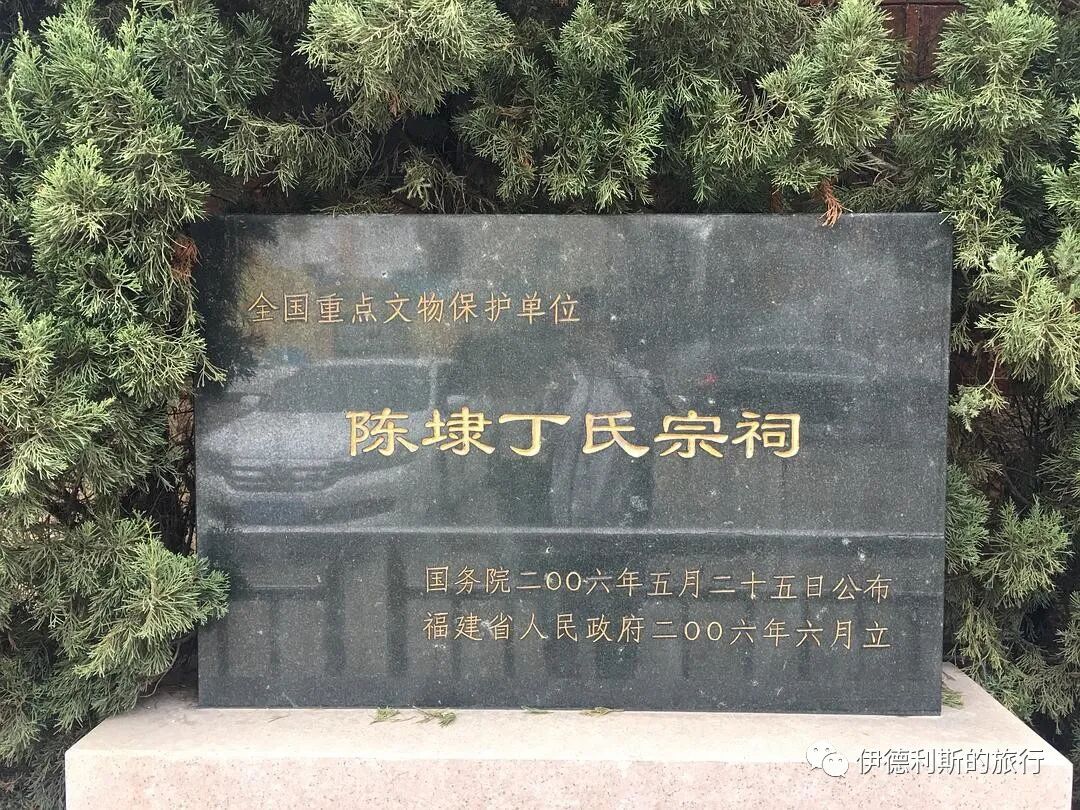
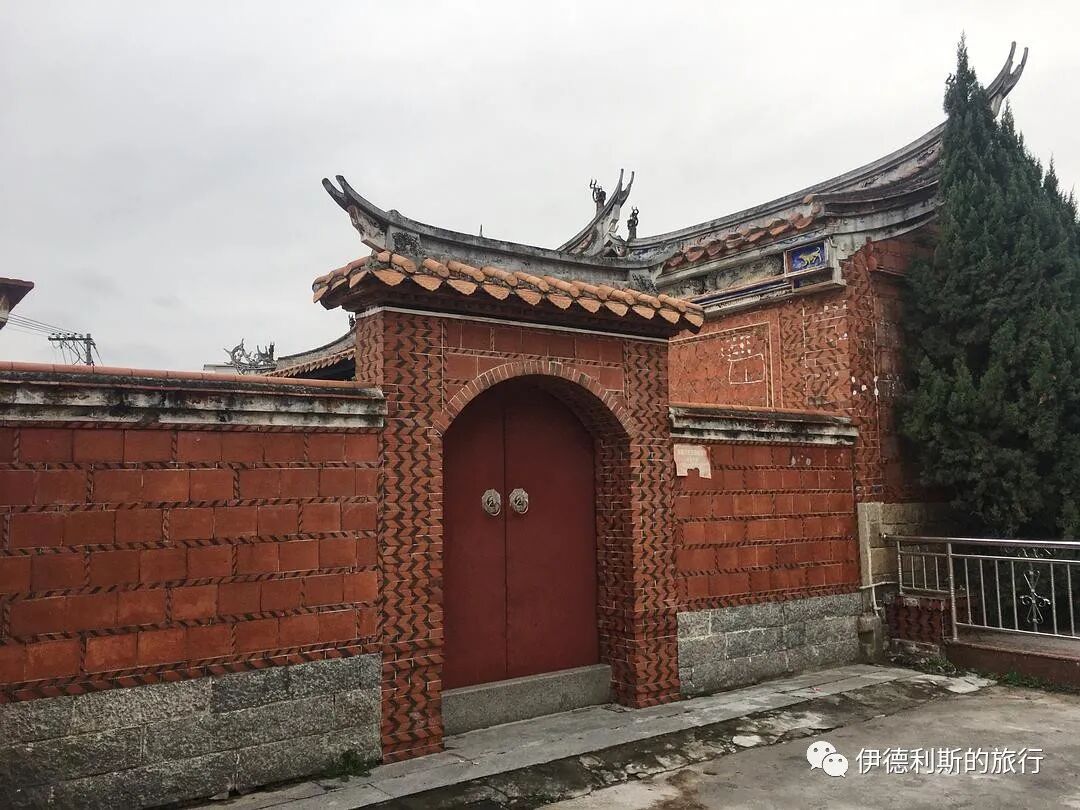
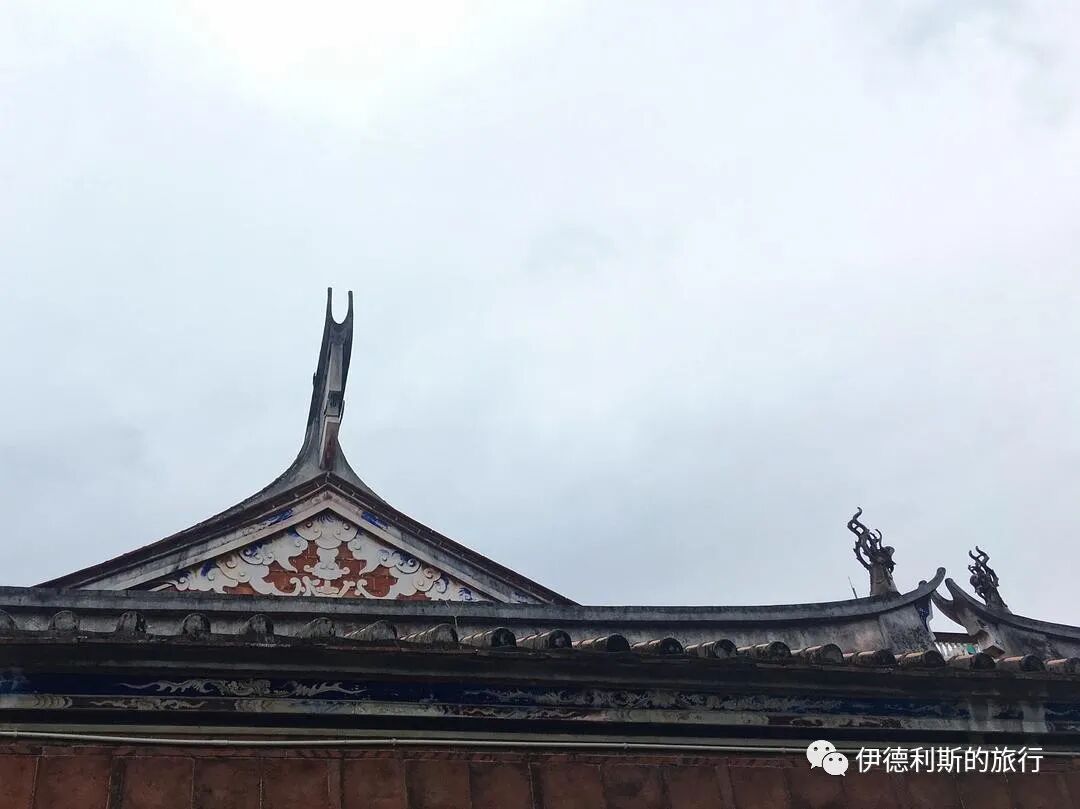
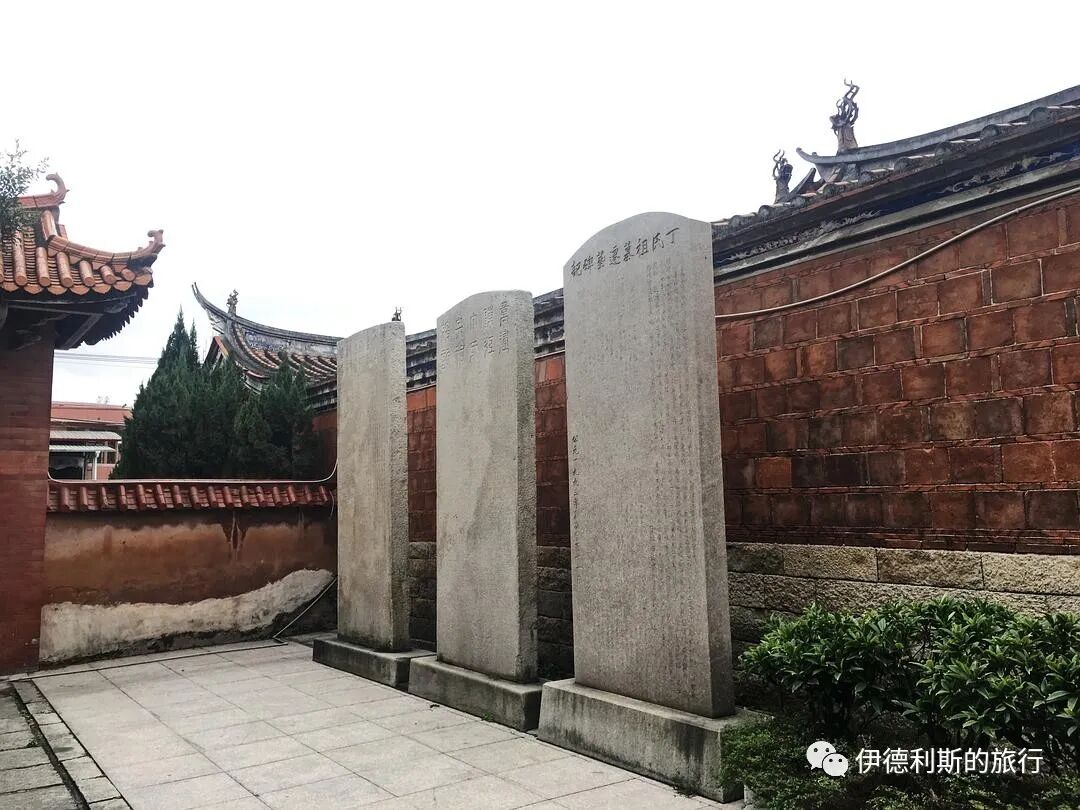
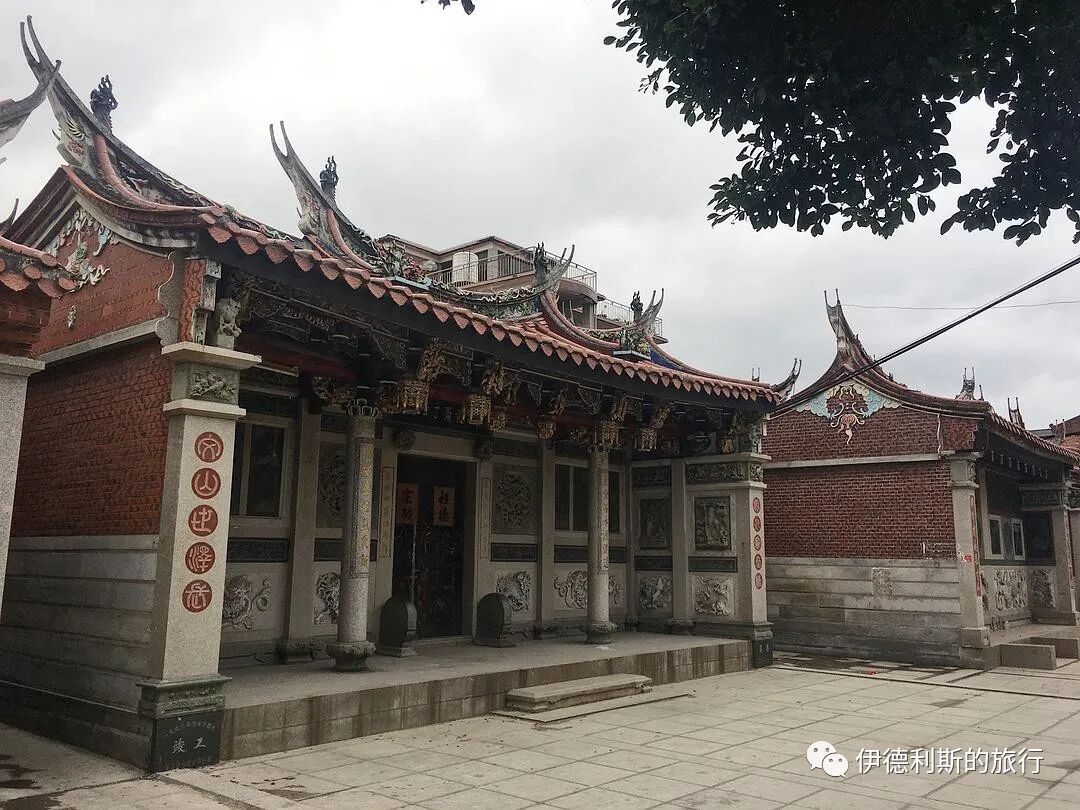
In addition to the Grand Ancestral Hall, the Chendai Ding family has many small ancestral halls and ancestral homes for worshipping ancestors. The 6 small ancestral halls are the 'Yi'an Ding Gong Ancestral Hall' for the fifth generation Ding Mabao, the 'Zhongzhai Ding Family Ancestral Hall' for the sixth generation Ding Xin, the 'Yizhai Ding Gong Ancestral Hall' for the sixth generation Ding Min, the 'Dunpu Ding Gong Ancestral Hall' for the seventh generation Ding Chang, the 'Gusu Ding Gong Ancestral Hall' for the eighth generation Ding Gui, and the 'Daozhen Ding Gong Ancestral Hall' for the twelfth generation Ding Shibo. The establishment of small ancestral halls is usually for the prosperity of the descendants of a specific branch, built to bring honor to the ancestors.
Below the small ancestral halls are ancestral homes, which enshrine the ancestors of the branch and their descendants, formed as descendants multiplied and families branched out; there are about 200 of them.
2.
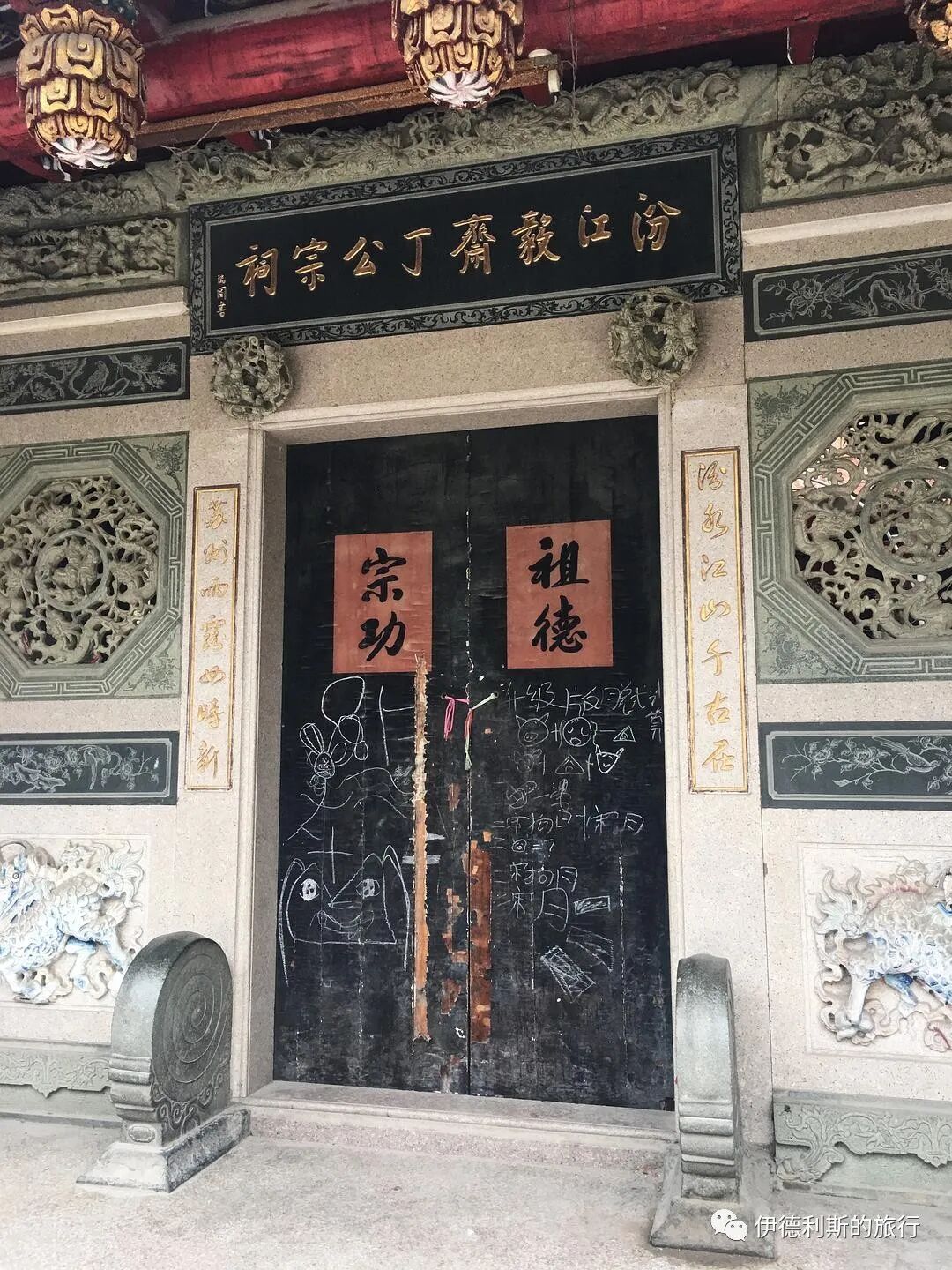
Yizhai Ding Gong Ancestral Hall
The sixth generation Ding Min (1407-1456), courtesy name Tingxue, pseudonym Yizhai, was the earliest local worthy among the Chendai Ding family to promote literary education.
3. Fenxi Ding Gong Ancestral Residence
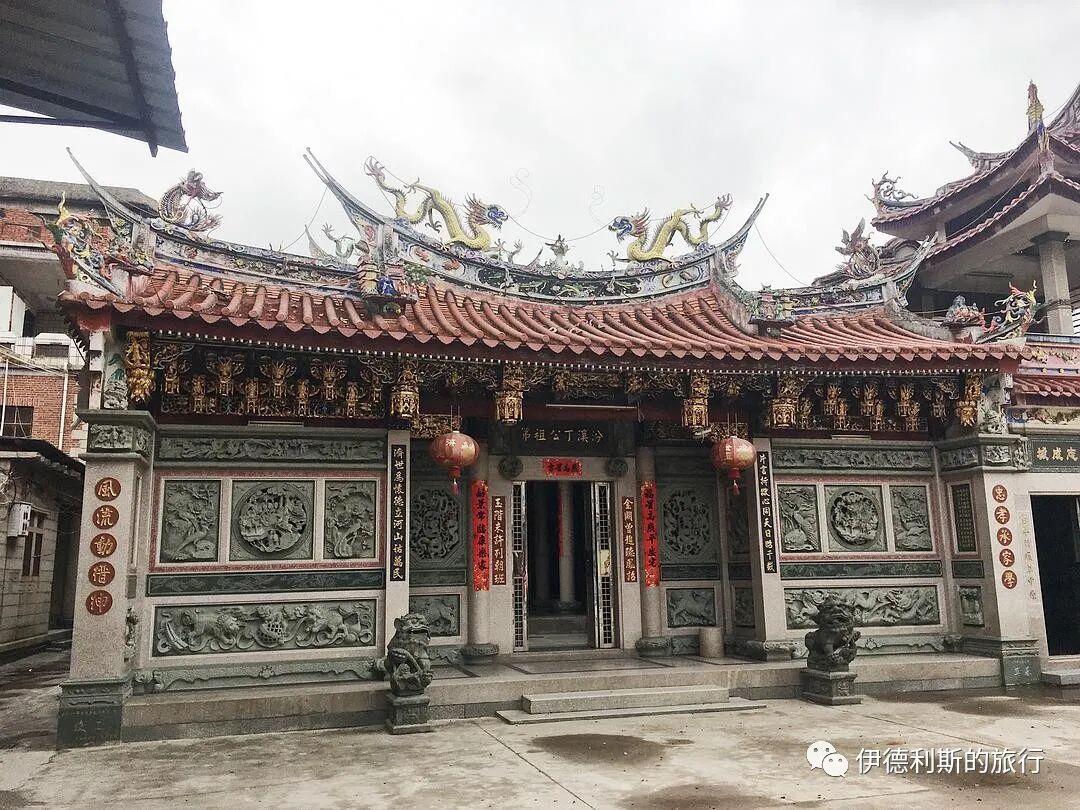
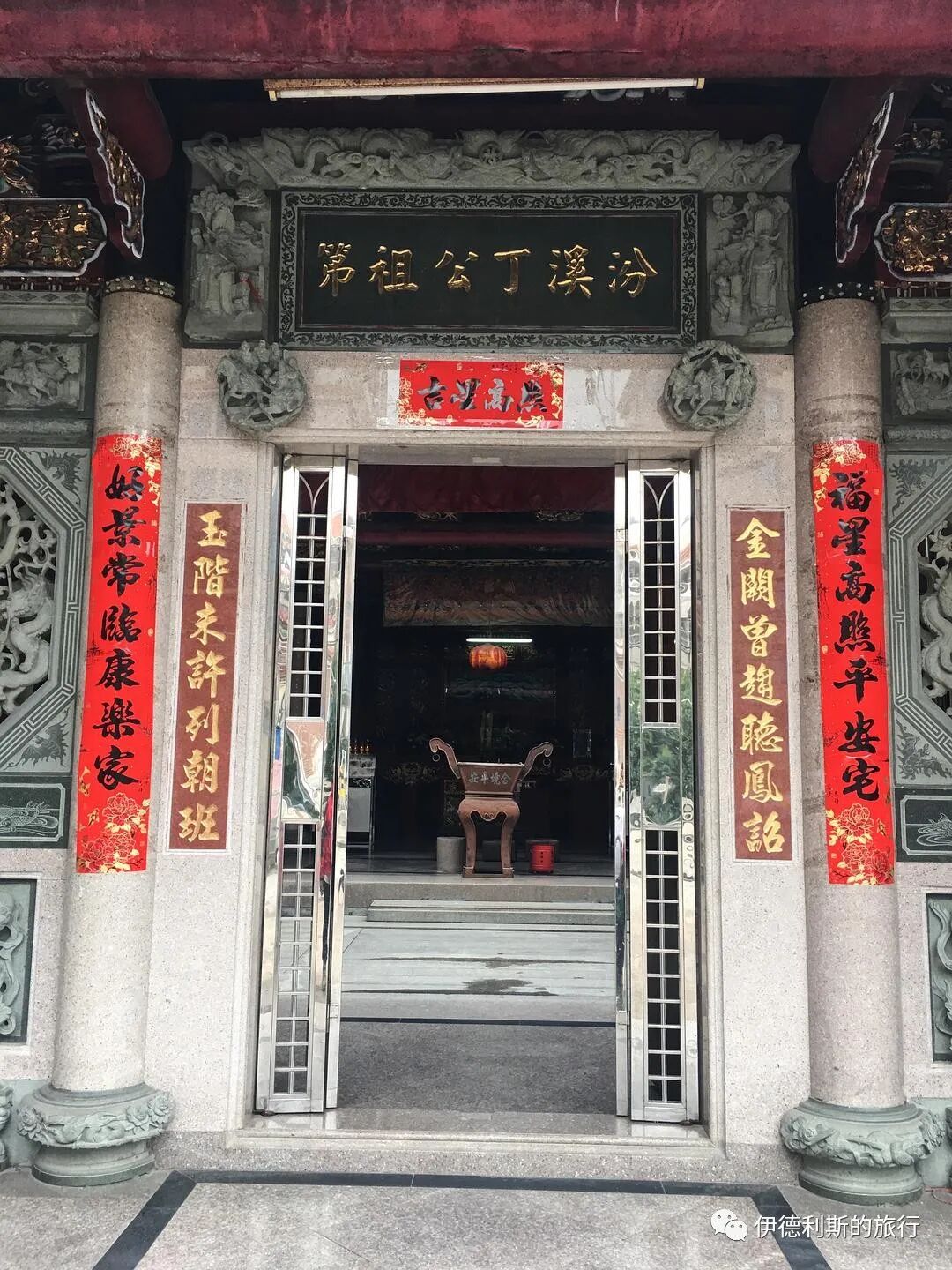
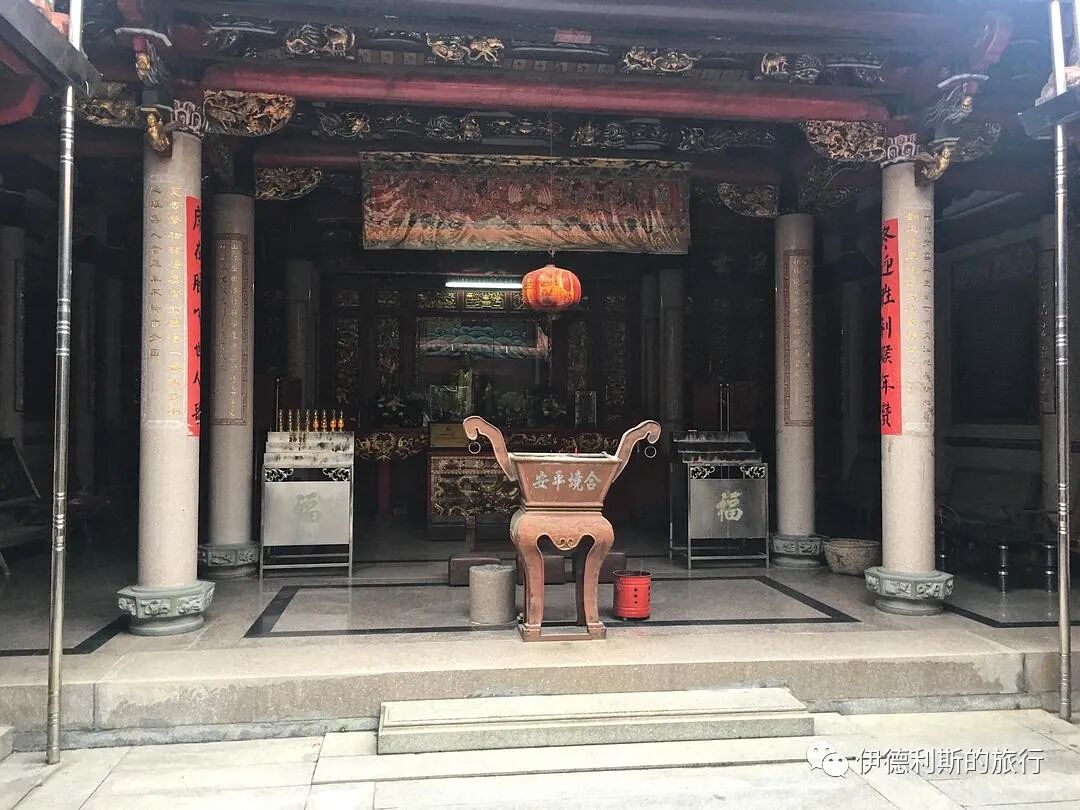
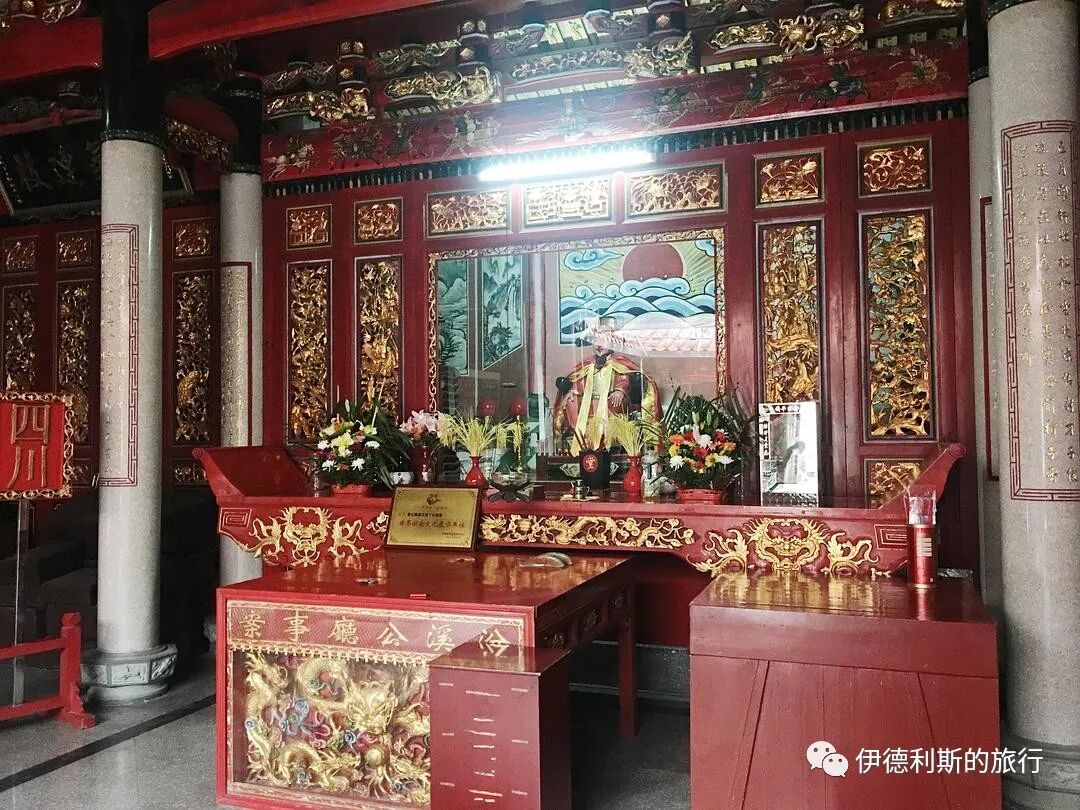
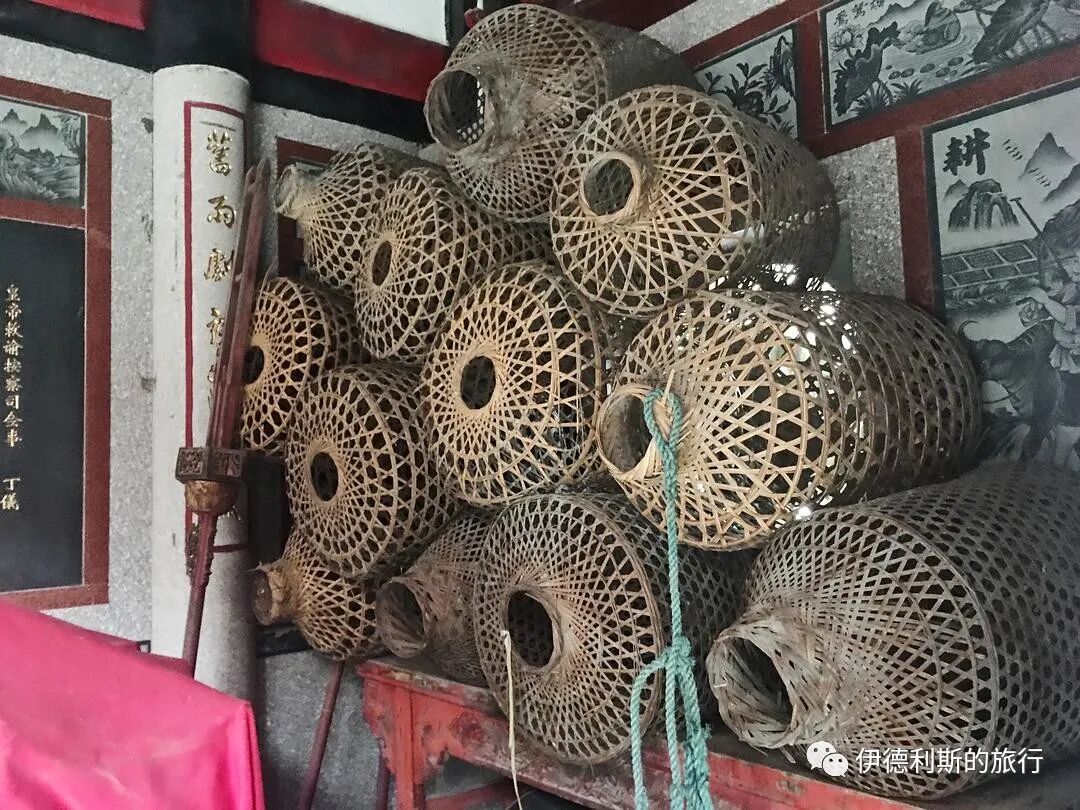
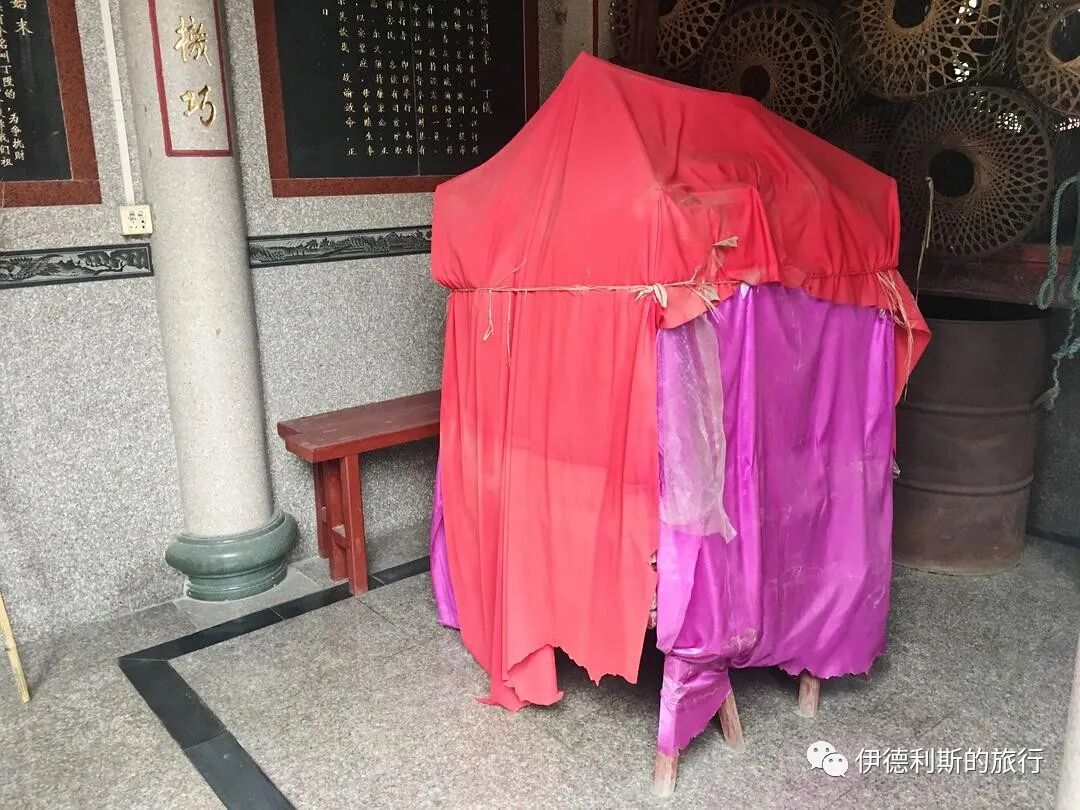
The eighth generation Ding Yi (1472-1521), courtesy name Wenfan, pseudonym Fenxi, passed the Jinshi examination in 1505 and was the first person from the Chendai Ding family to enter an official career, serving as an inspector in the Sichuan Surveillance Commission. At the same time, Ding Yi was also a famous poet of the mid-Ming Dynasty, with his 'Gui Nang Yi Gao' (Posthumous Manuscripts of the Returning Bag) circulating.
4. Ding Yanzhong's Jinshi Residence
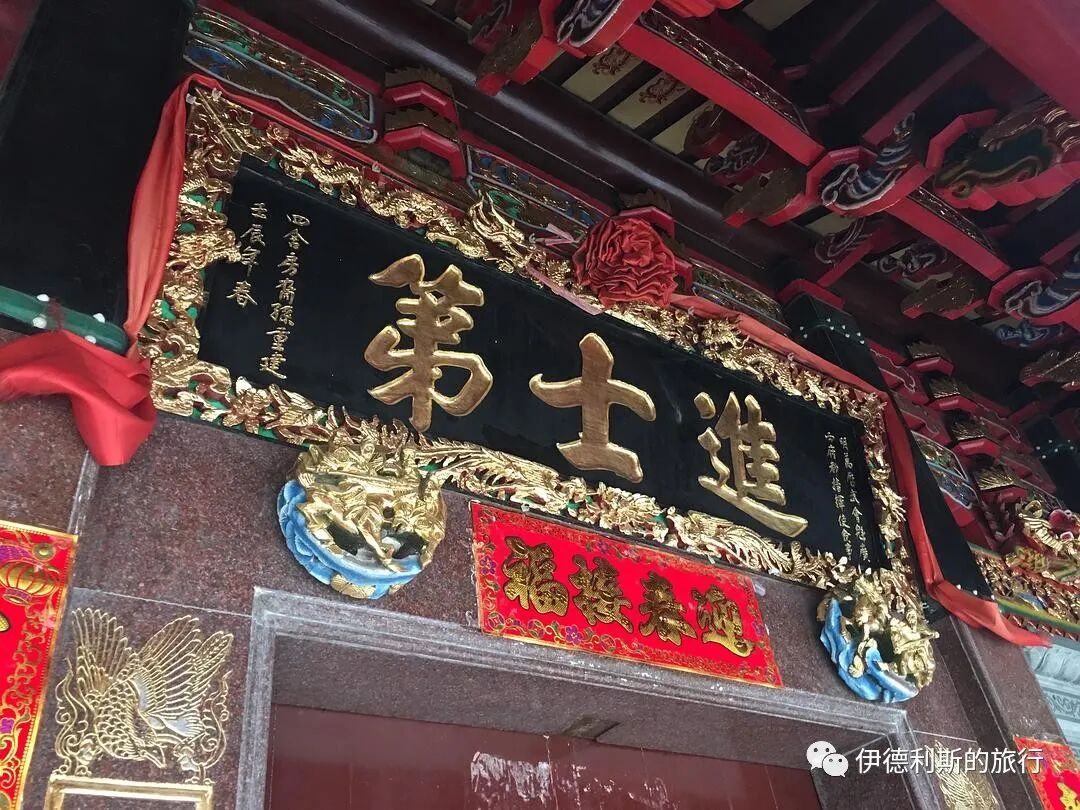
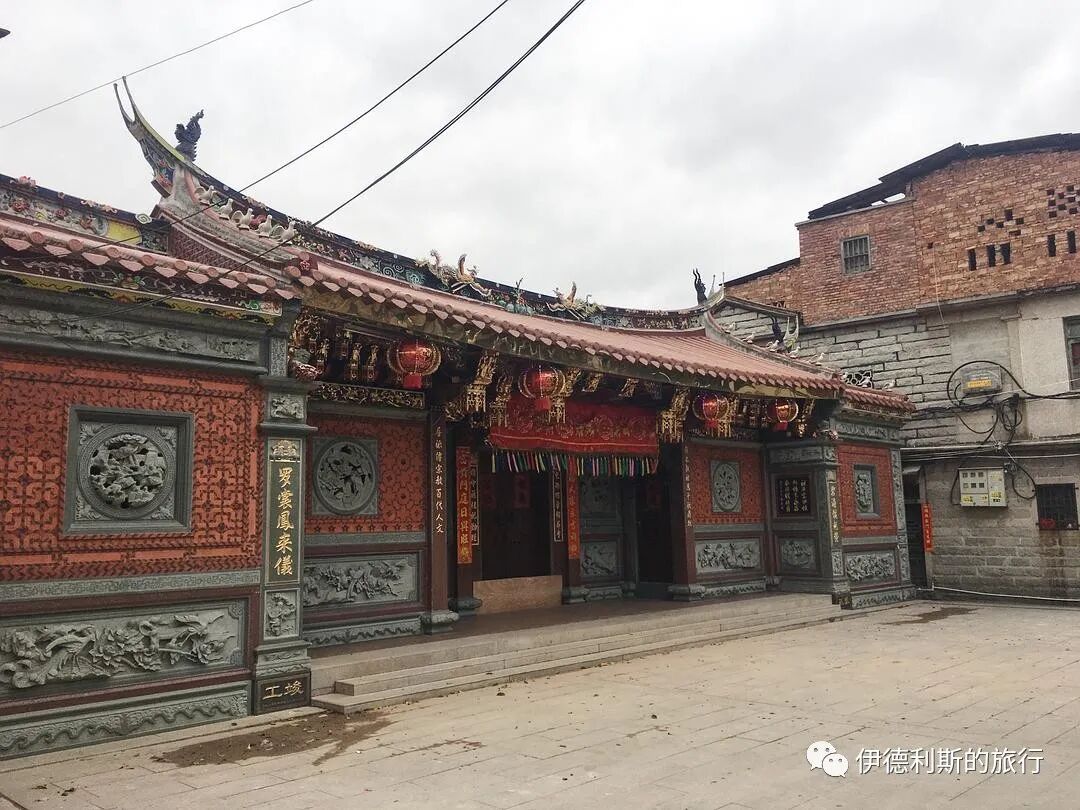
The tenth generation Ding Yanzhong passed the military Jinshi examinations in 1582 and 1583 and served as the commander-in-chief of Guangxi Prefecture.
III. The Reappearance of Islam — Chendai Mosque
In the early 1920s, the famous Hui Muslim Tang Kesan, while serving as the Superintendent of the Xiamen Customs, paid great attention to the religious affairs in Quanzhou, and on the eve of the War of Resistance, he recommended his fellow townsman Zhang Guangyu to preside over religious work in the Quanzhou area. After Zhang Guangyu arrived in Quanzhou, he earnestly carried out religious affairs, and the religious life in Chendai began to reappear.
In 1939, the 'China Islamic National Salvation Association Chendai Branch' was established in Chendai, and some Chendai Ding family members often went to the Qingjing Mosque in Quanzhou for Jumu'ah (Friday congregational prayer); later, they converted the 'Wenchang Mosque' in Sijing Village into a mosque and hired an Ahong (Imam) from Quanzhou to preside over religious affairs.
Between 1937 and 1944, the most famous modern Islamic school during the Republic of China, the Chengda Normal School, moved south to Guilin, and the founders Tang Kesan and Ma Songting successively accepted 17 young people from the Chendai Ding family to study there.
In the late 1950s, all Islamic activities in Chendai were forced to stop, and Ding Jinshun, a graduate of Chengda Normal School, was criticized and struggled against for mentioning in class that he was a Hui Muslim.
In 1983, Ding Jinshun and Ding Jinhe, graduates of Chengda Normal School, attended the founding meeting of the Fujian Islamic Association. After this, Chengda Normal School graduates Ding Jinshun, Ding Jinhe, Ding Jinke, and Ding Jinhong, along with more than twenty other people enthusiastic about the faith, established the 'Chendai Islamic Association Group' and began to restore religious life. They borrowed the second-floor conference room of the Chendai Hui Muslim Affairs Committee and the back hall of the Ding family ancestral hall for Jumu'ah prayers, with Ding Jinshun serving as the Imam. During Eid al-Fitr and Eid al-Adha, they invited their former Chengda Normal School classmates who were now serving as Ahongs in Guilin, as well as Ahongs from Jiaxing, Zhejiang, to preside over the congregational prayers.
After the Chendai Islamic Association Group was established, they began preparing to build a mosque. They issued a 'Letter to Fellow Muslims Nationwide' to the national Islamic association, but only a few mosques in Ankang, Shaanxi, and Yunnan sent a few hundred yuan in funds. After this, former Chengda Normal School classmates in Hong Kong forwarded the 'Letter to Ding Family Relatives and Fellow Countrymen' to the Chendai Ding family in Hong Kong, Taiwan, and overseas, and received 70,000 yuan in donations from the 'Five Surnames Islamic Association (originating from the Jin, Ding, Ma, Bai, and Guo Hui Muslim families of Quanzhou) of Filipinos' in Hong Kong, Taiwan, Singapore, and the Philippines.
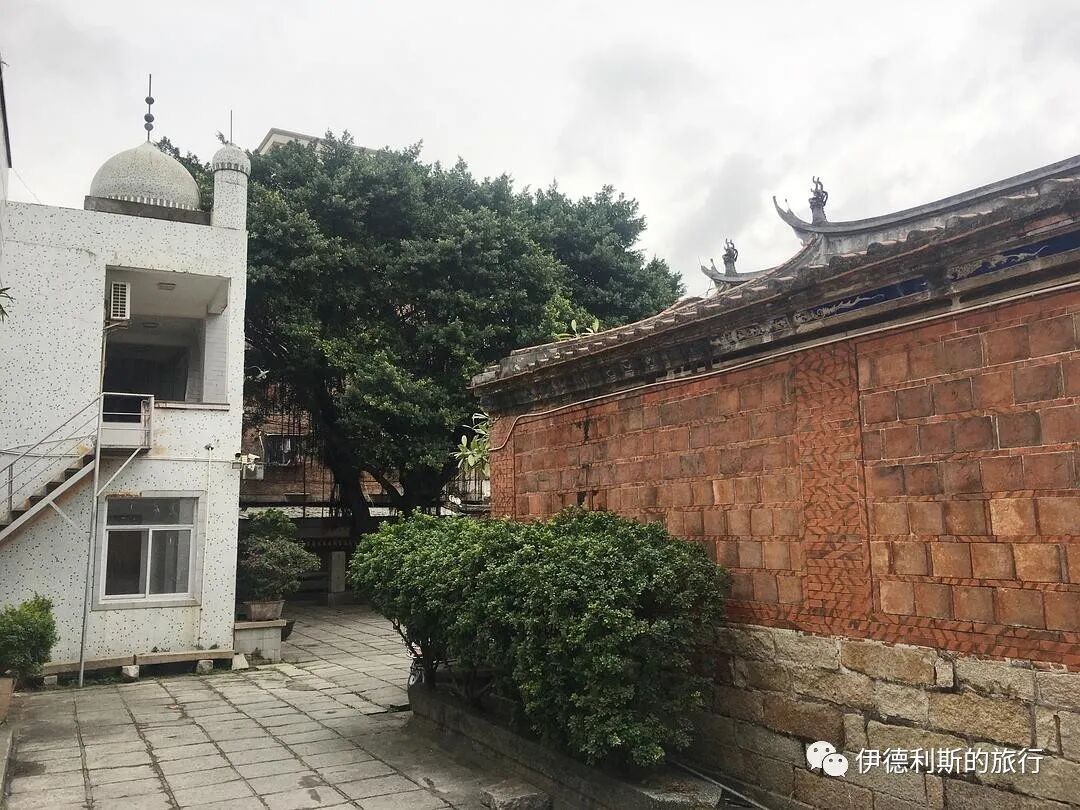
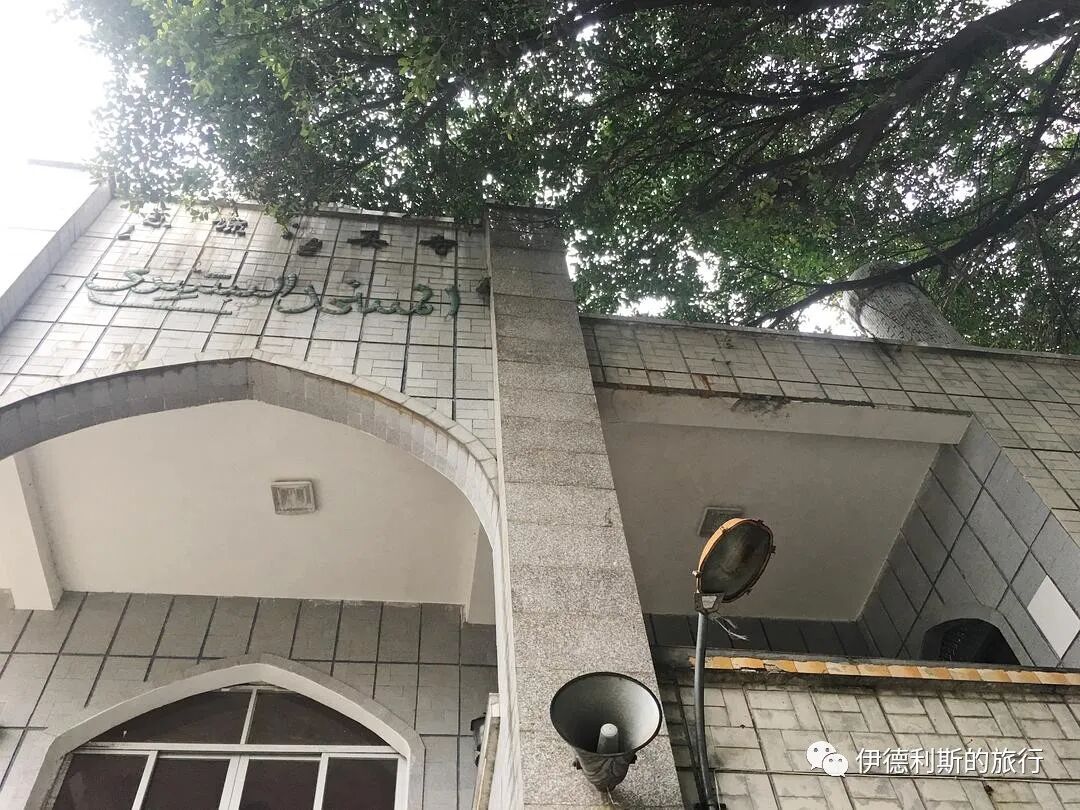
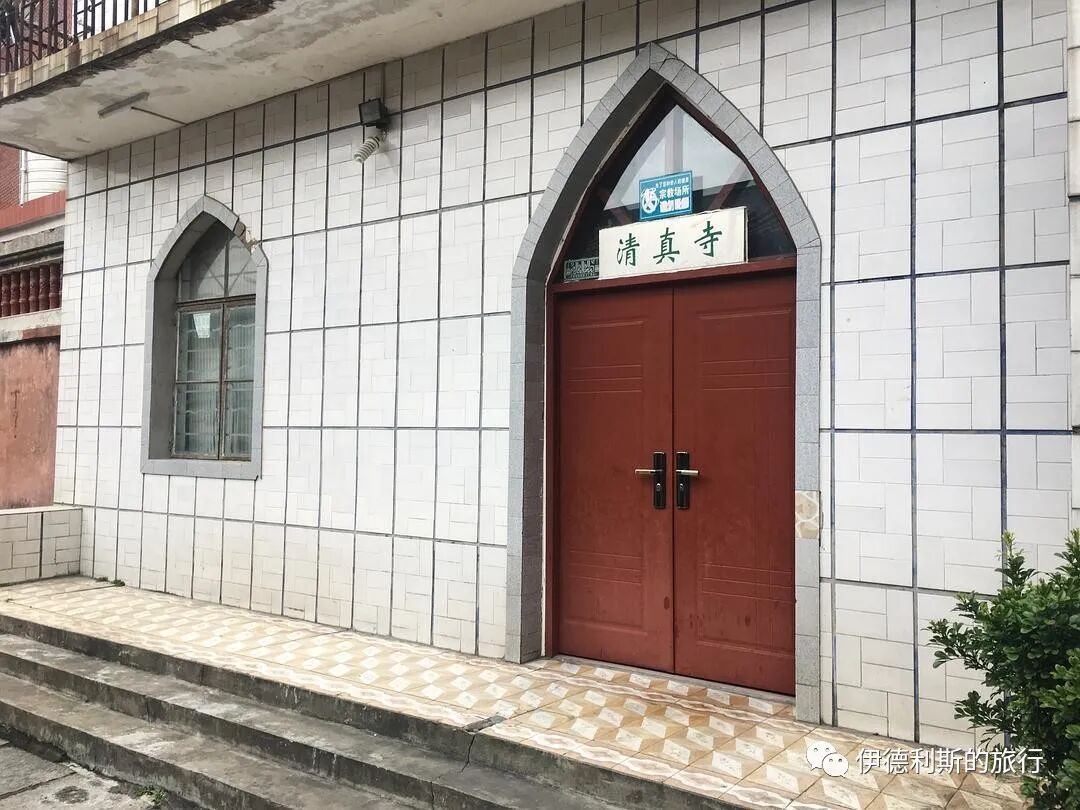
In 1991, the Chendai Mosque was completed, opened officially in 1993, and the Jinjiang Islamic Association was immediately established. The Chendai Ding family hired Ahong Ma Zhiwei from Inner Mongolia as the first head of the mosque, and Ding Jinke and Ding Jinshun served as the first director of the mosque management committee and the director of the Islamic association, respectively.
After the 1990s, the Chendai Ding family selected nearly 60 young people to study Islam at home and abroad, some of whom went to Arabic language schools in mosques in Inner Mongolia.
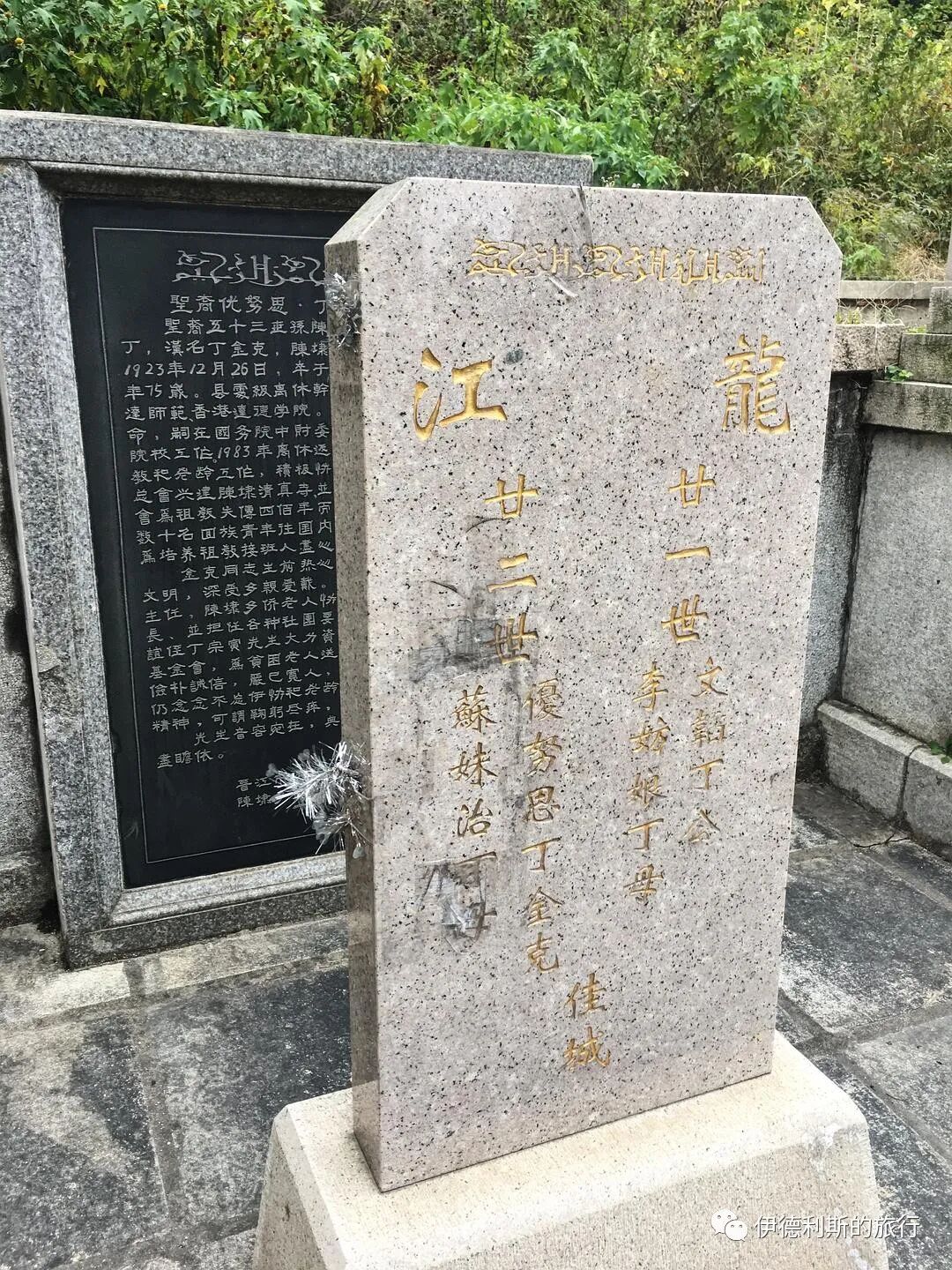
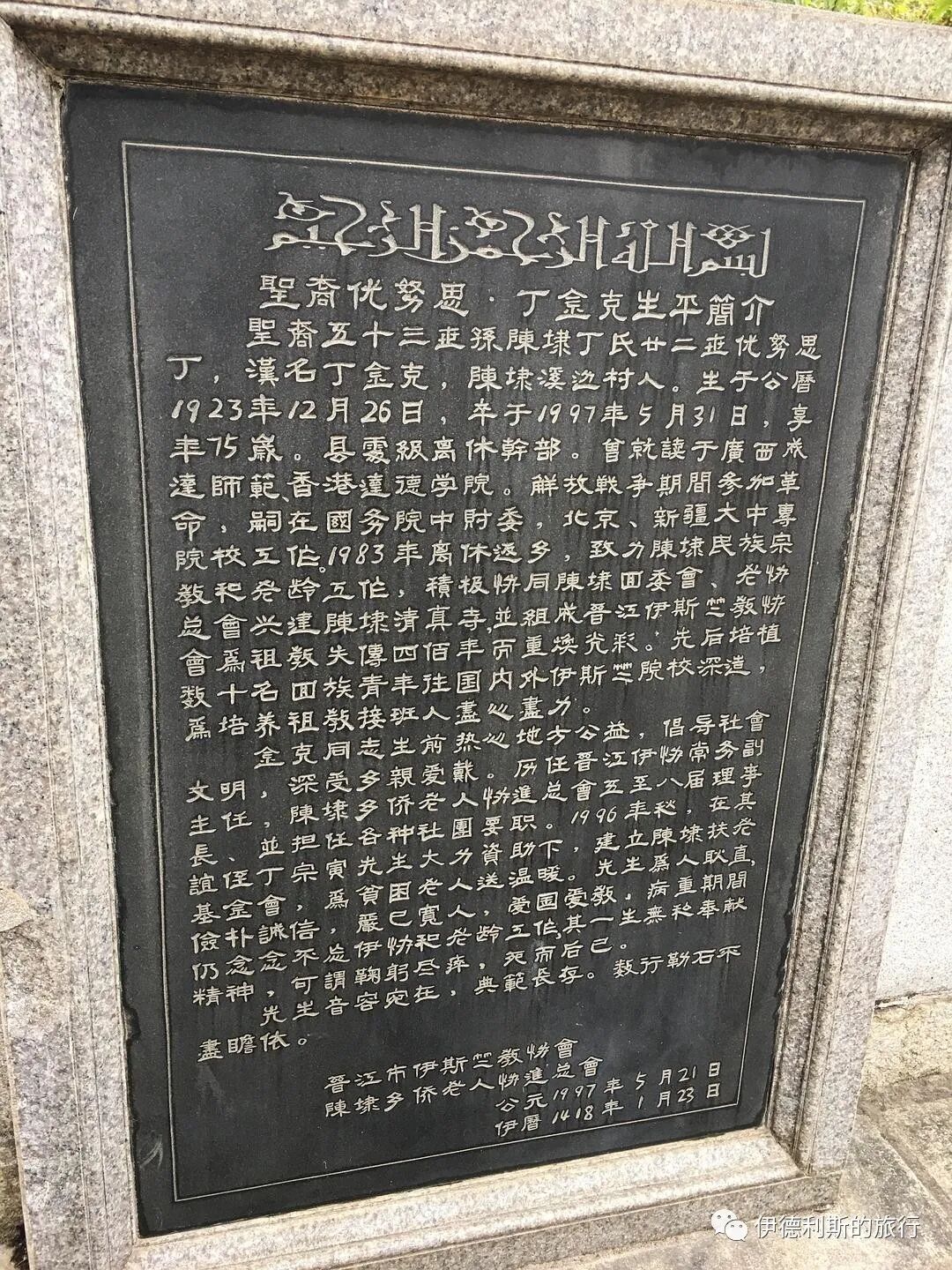
Tomb of the twenty-second generation Ding Jinke
Ding Jinke (1923-1997), religious name Yunus, studied at the Guangxi Chengda Normal School and the Hong Kong Dade College. He participated in the revolution during the War of Liberation and later worked in the Financial Committee of the State Council and in colleges and universities in Beijing and Xinjiang. After retiring and returning to his hometown in 1983, he participated in the construction of the Chendai Mosque and the formation of the Jinjiang Islamic Association, serving as the executive deputy director of the Jinjiang Islamic Association, and later cultivated dozens of Chendai Ding family youths to go to Islamic colleges at home and abroad for further studies.
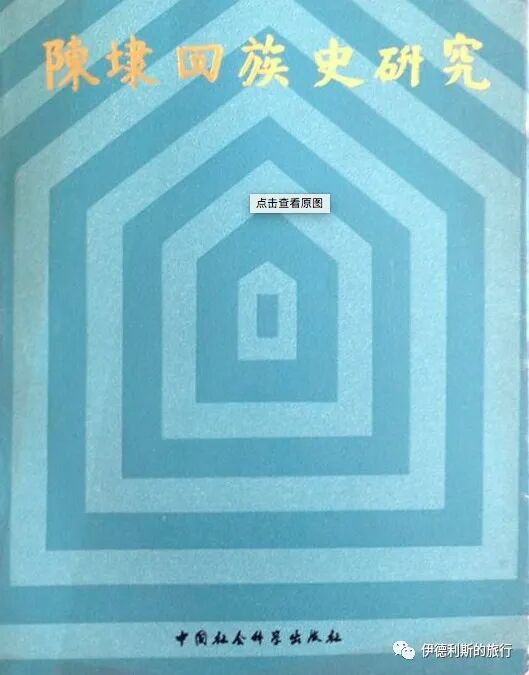
For research on the Chendai Ding family, see the book 'Research on the History of the Chendai Hui Muslims'.
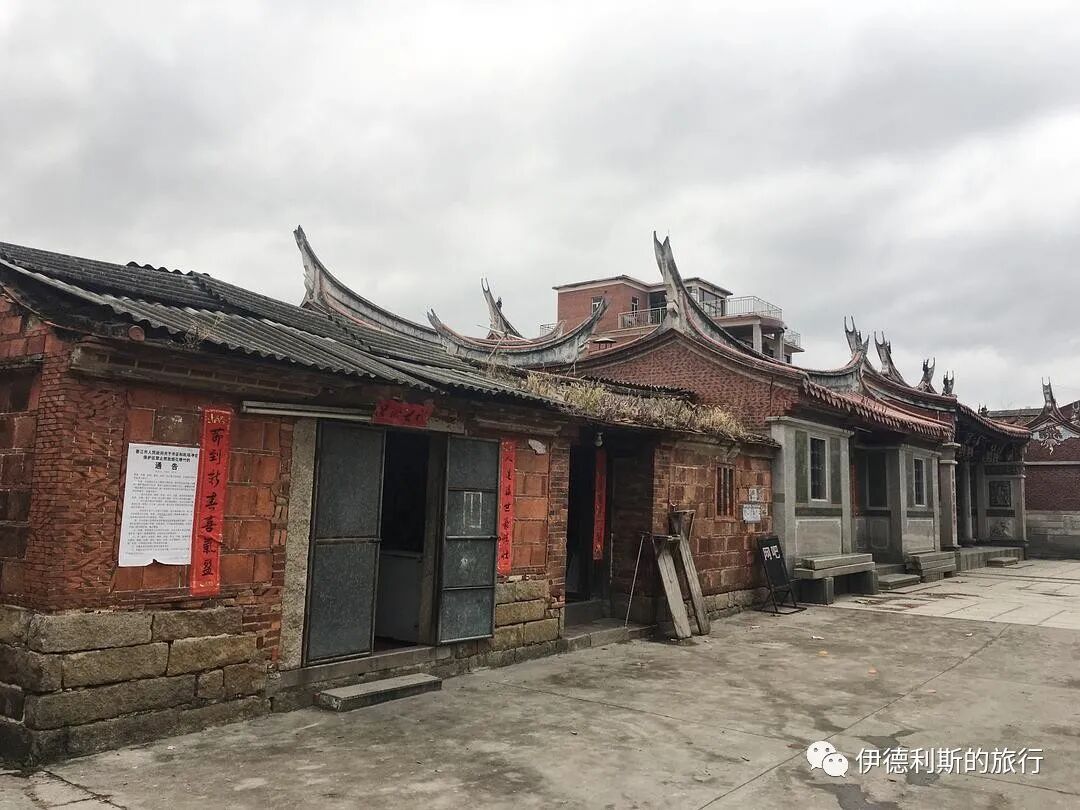
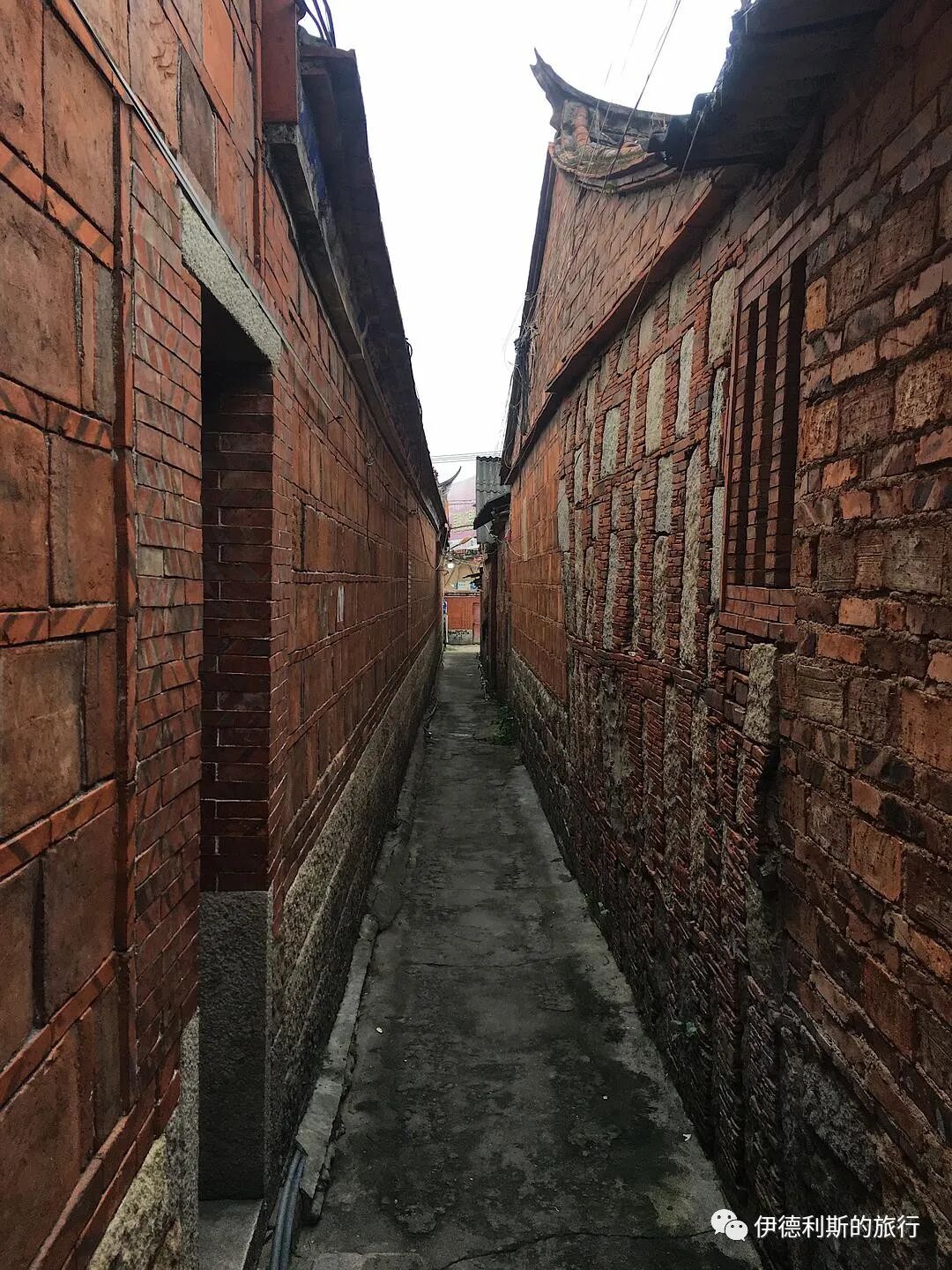
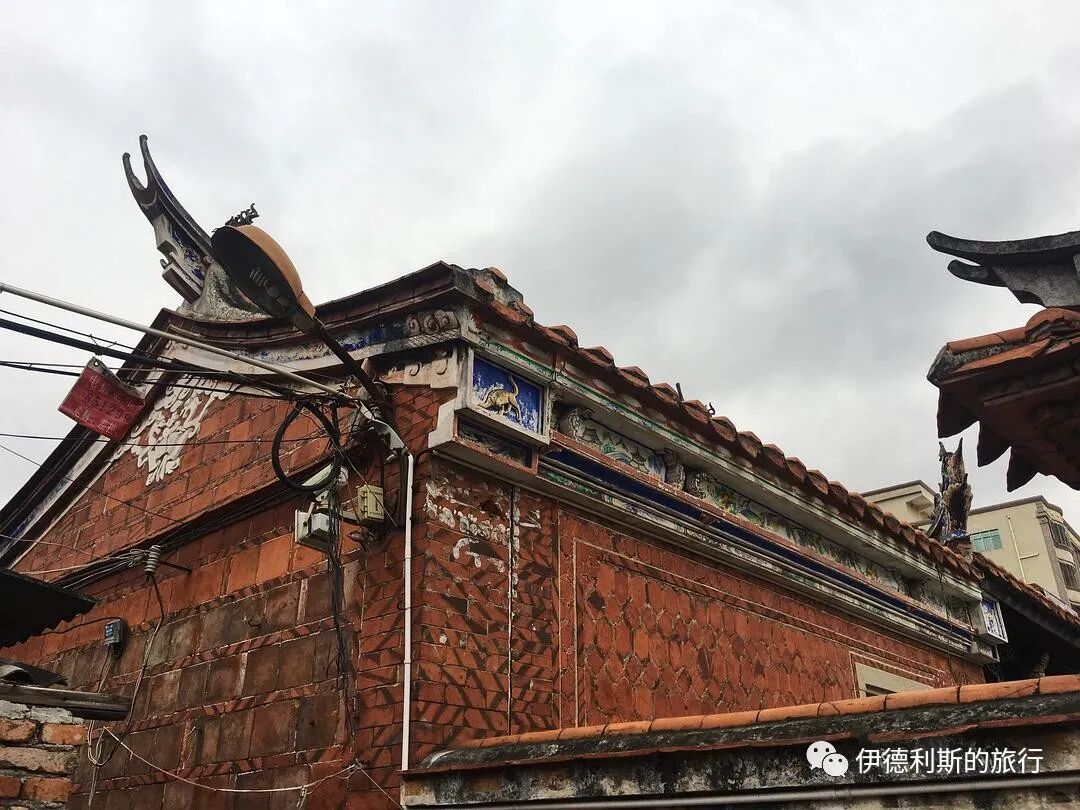
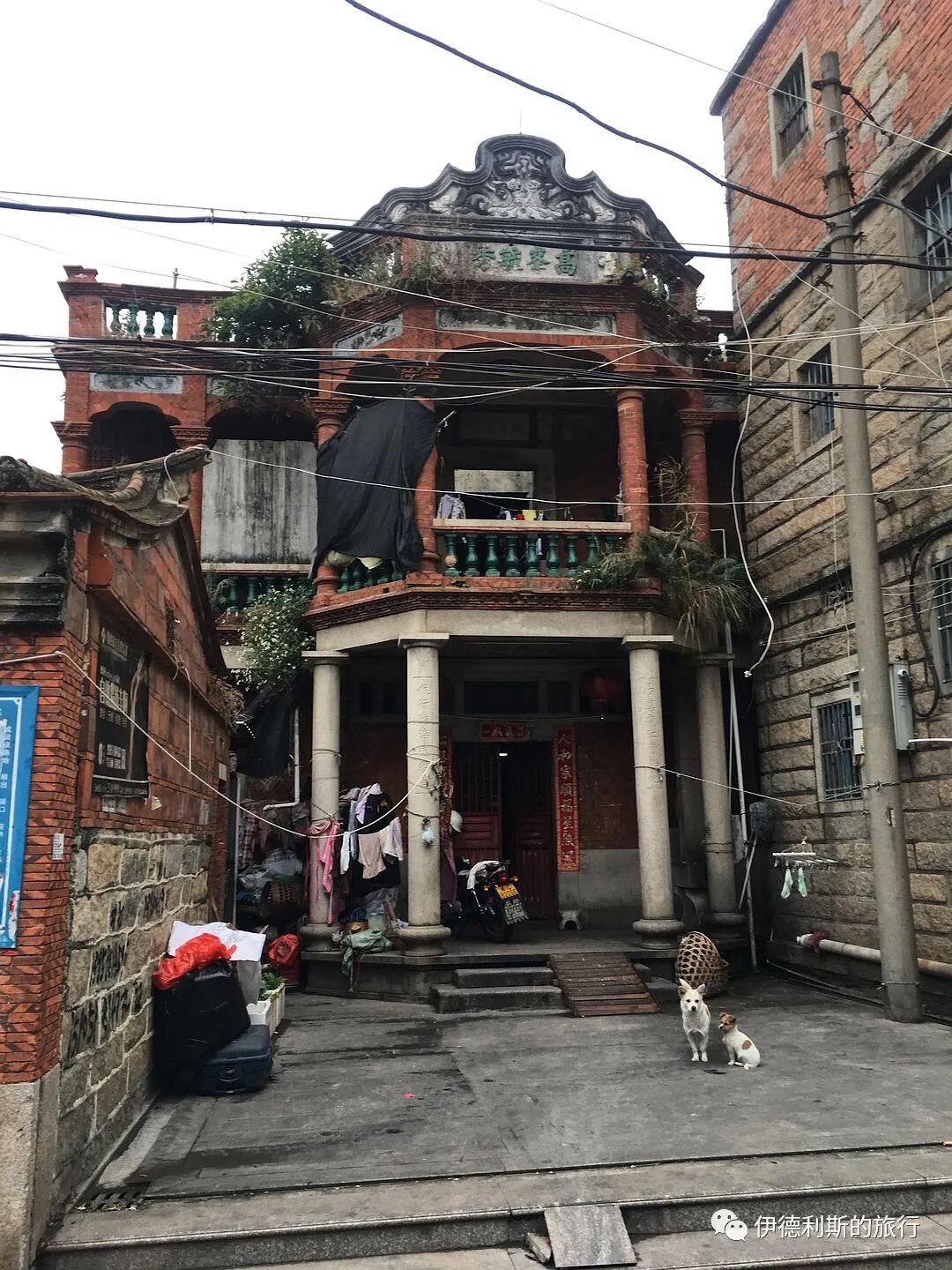
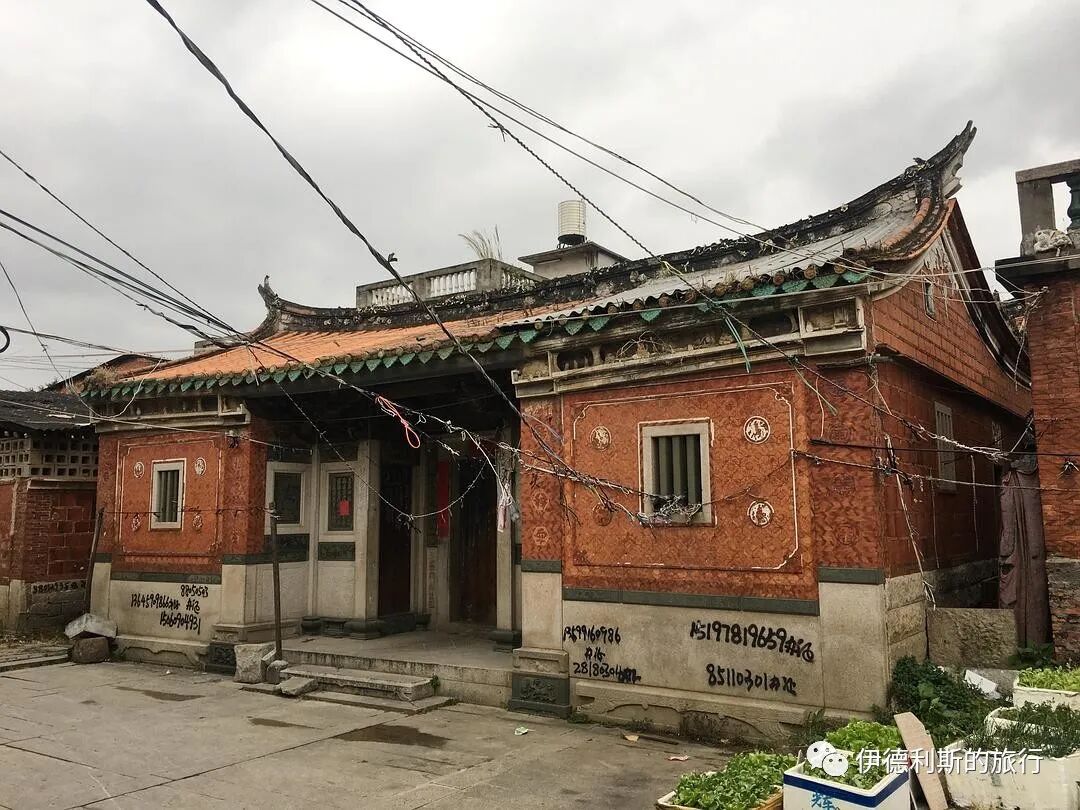
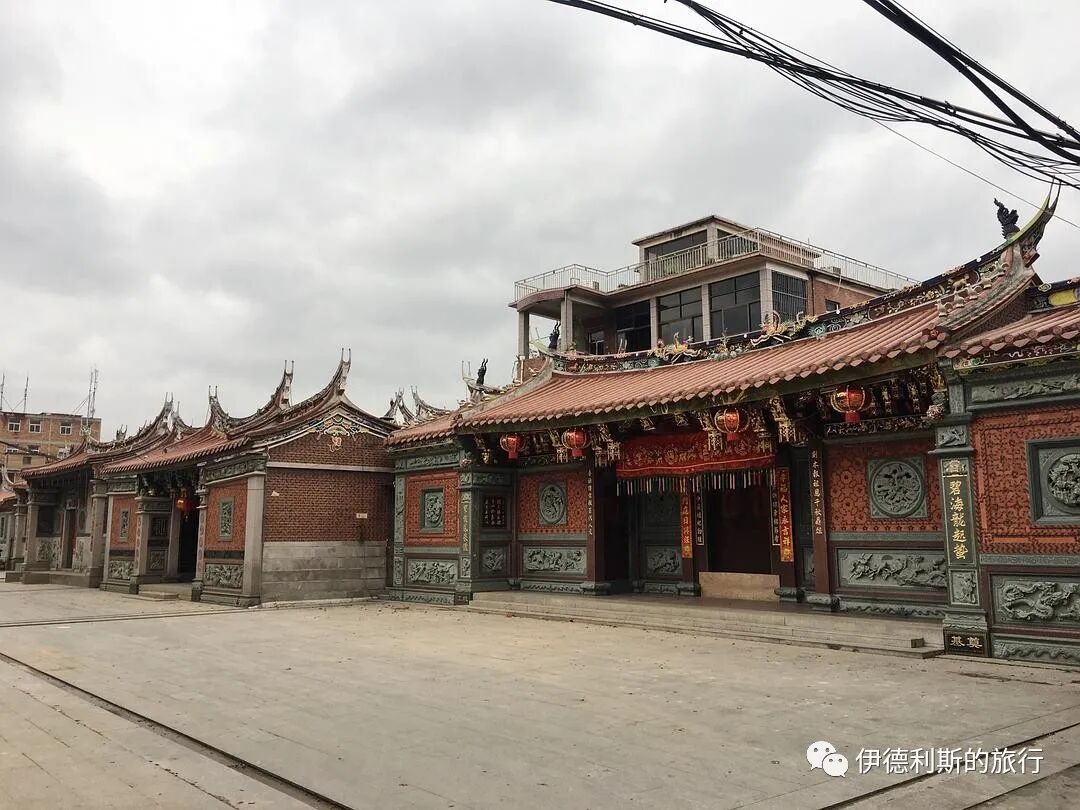
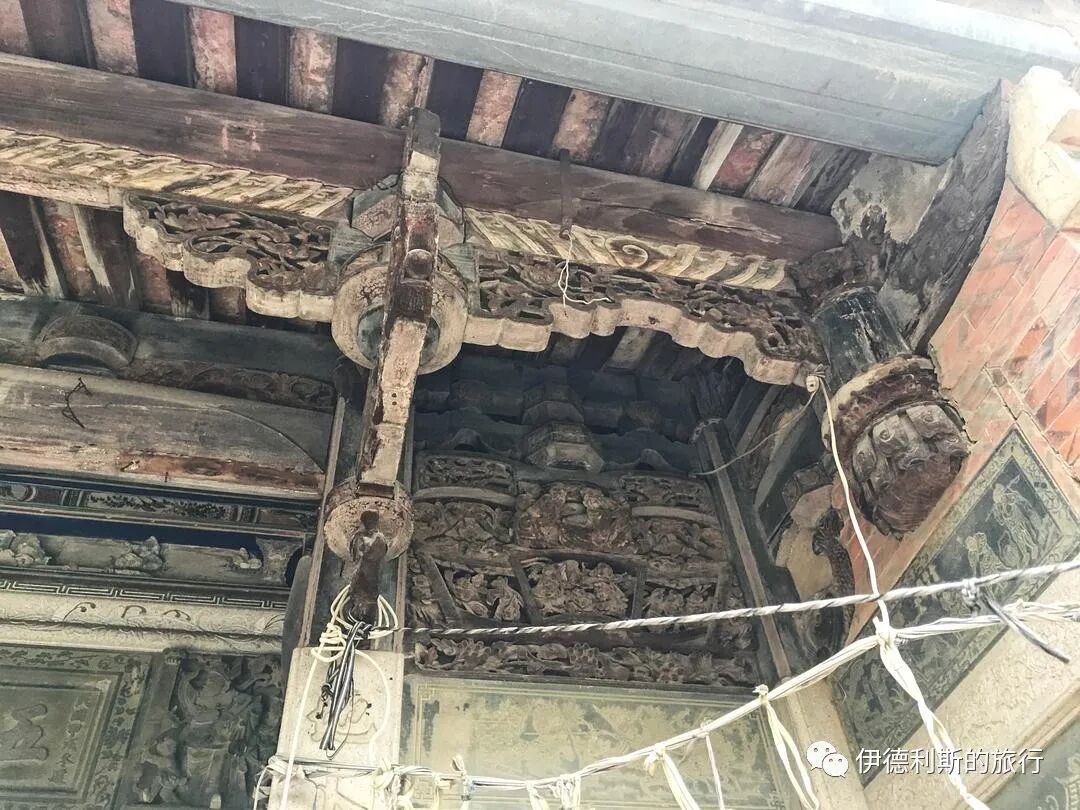
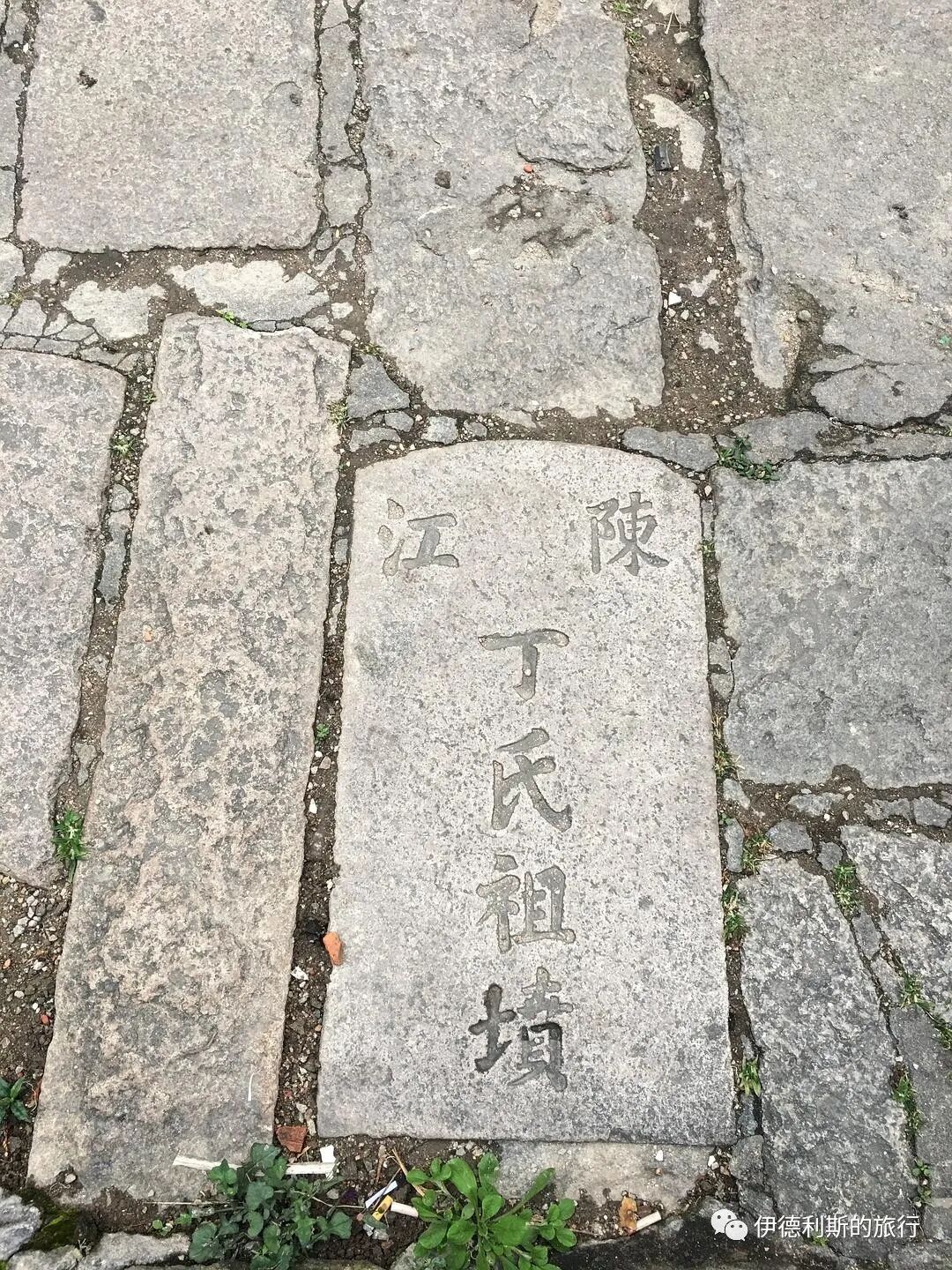
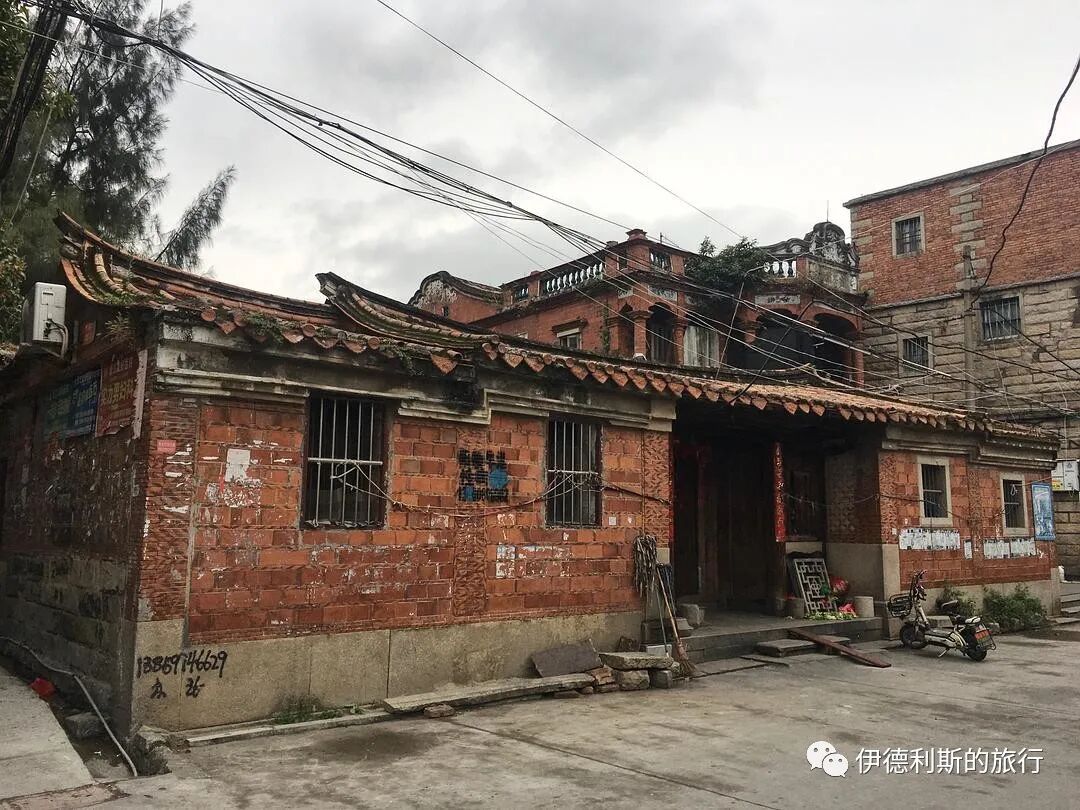
Finally, here are some Chendai Ding family residences.
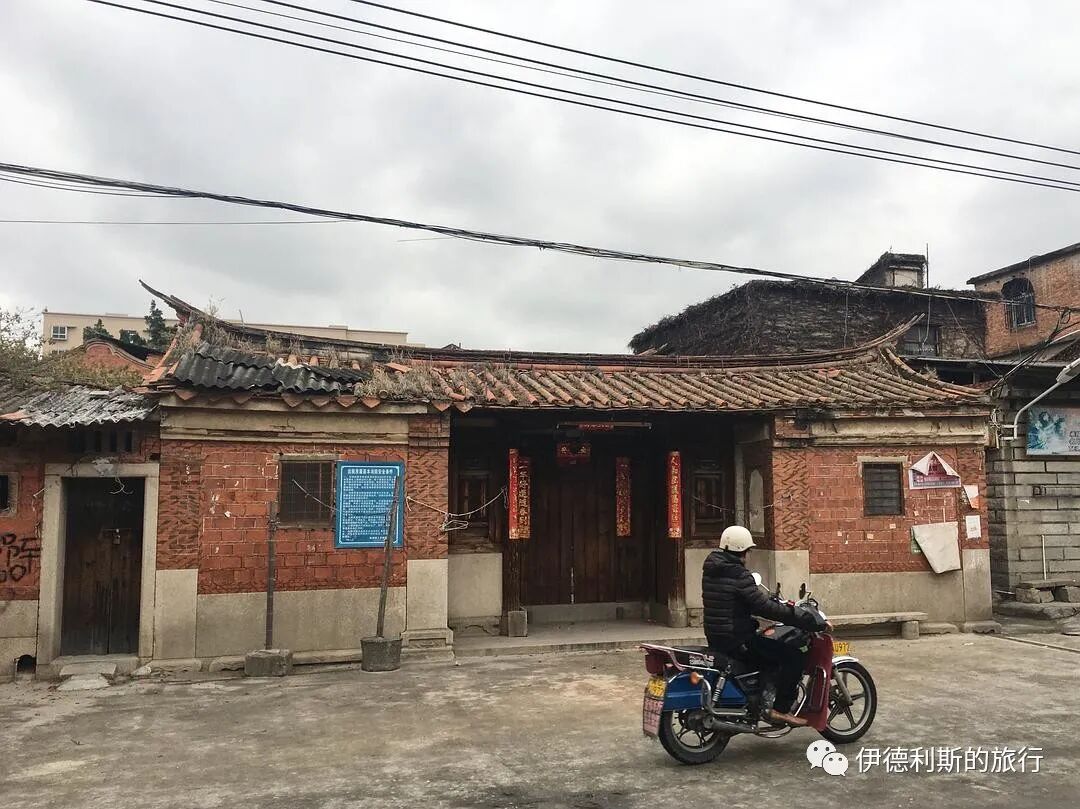
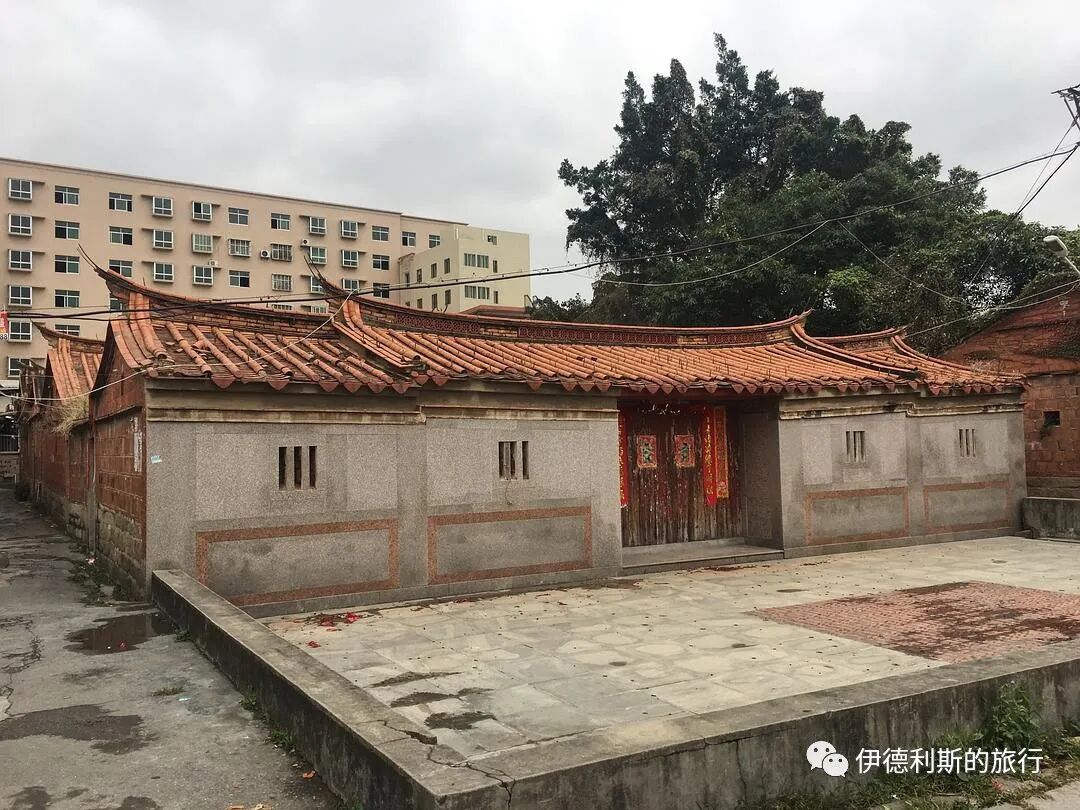
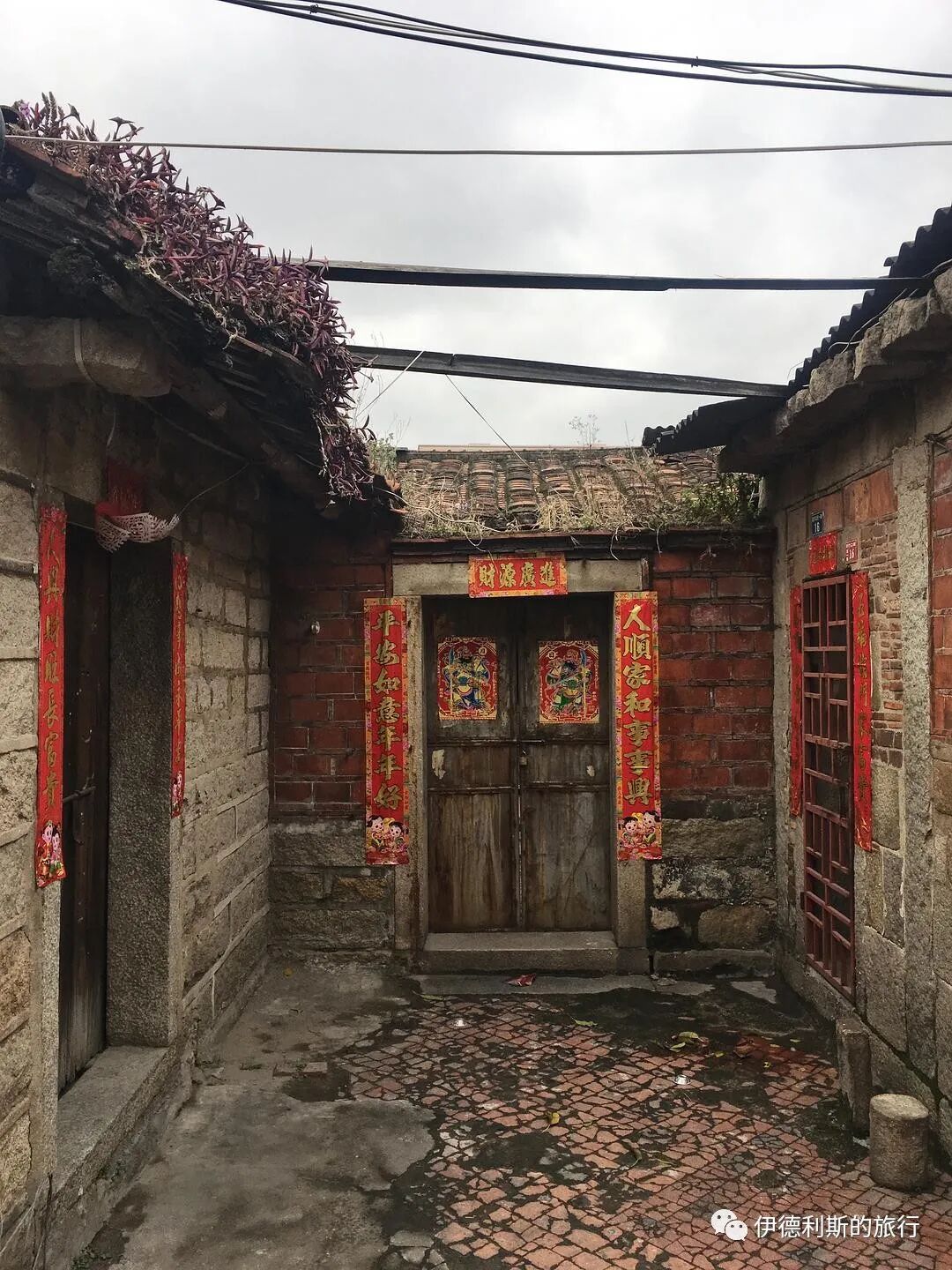
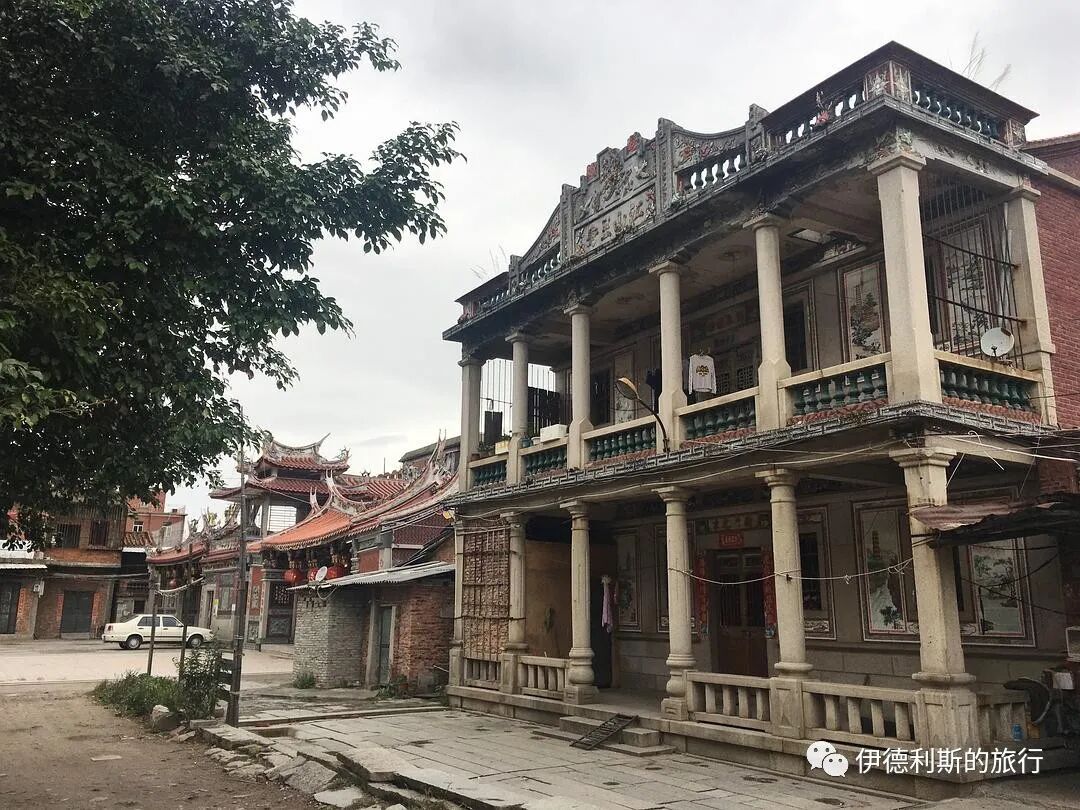
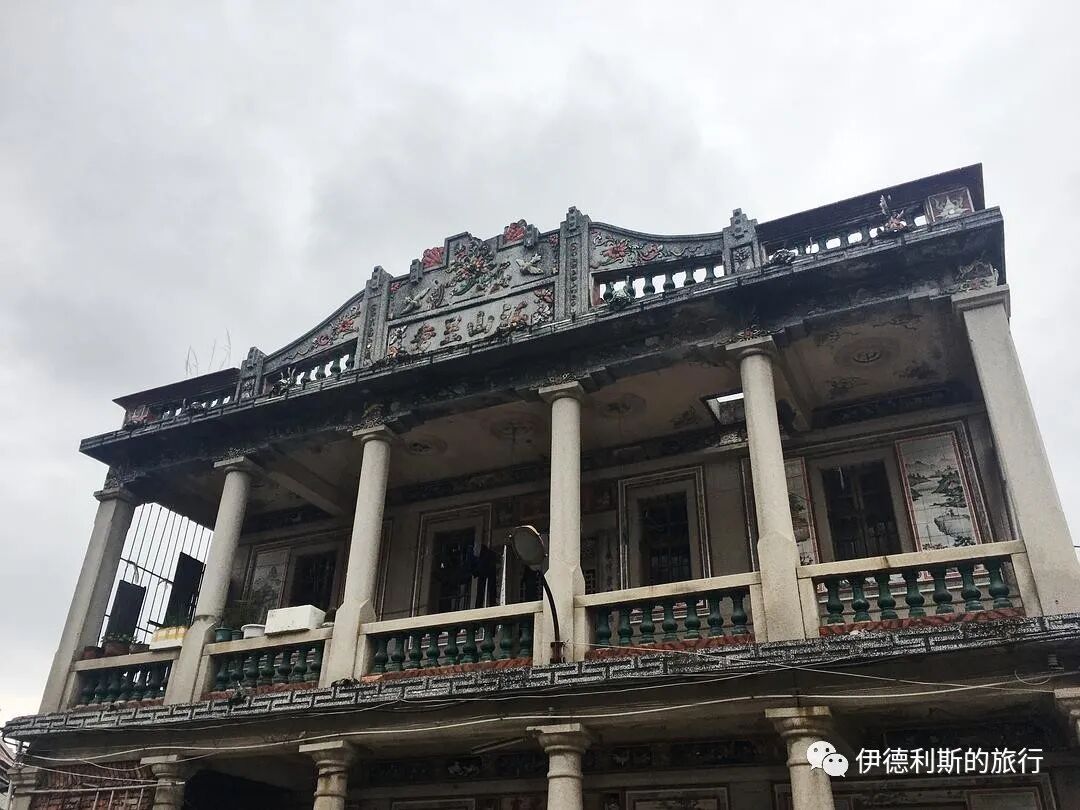
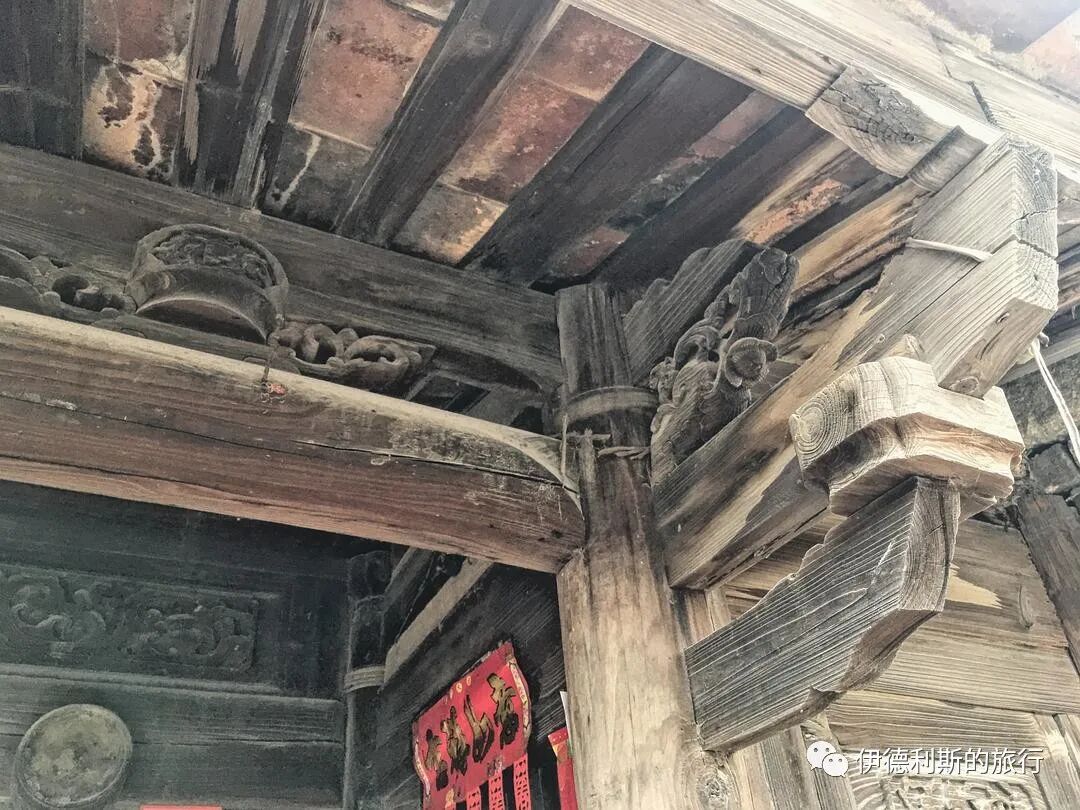
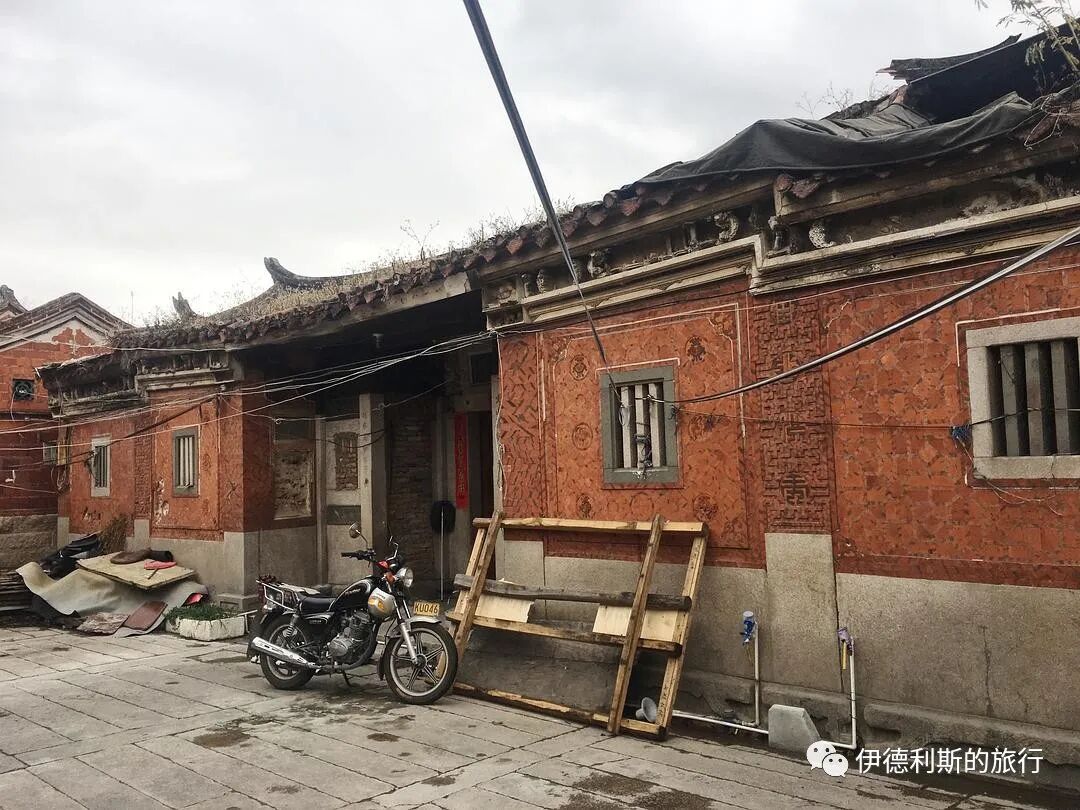
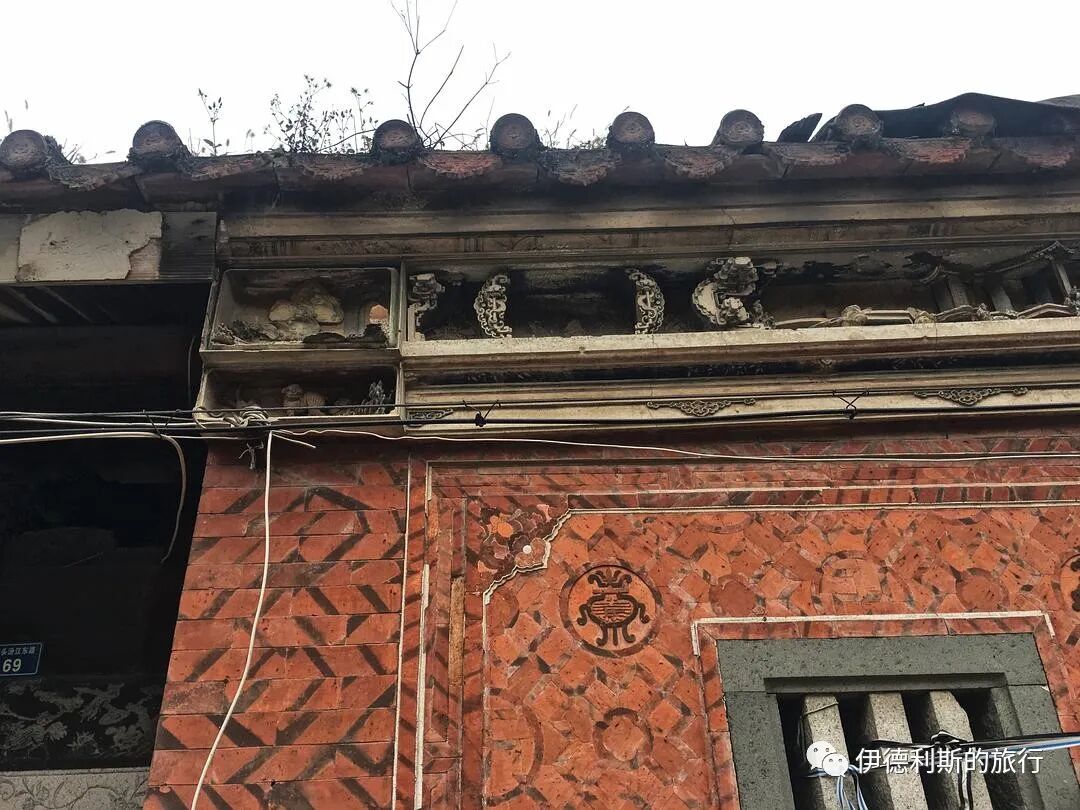
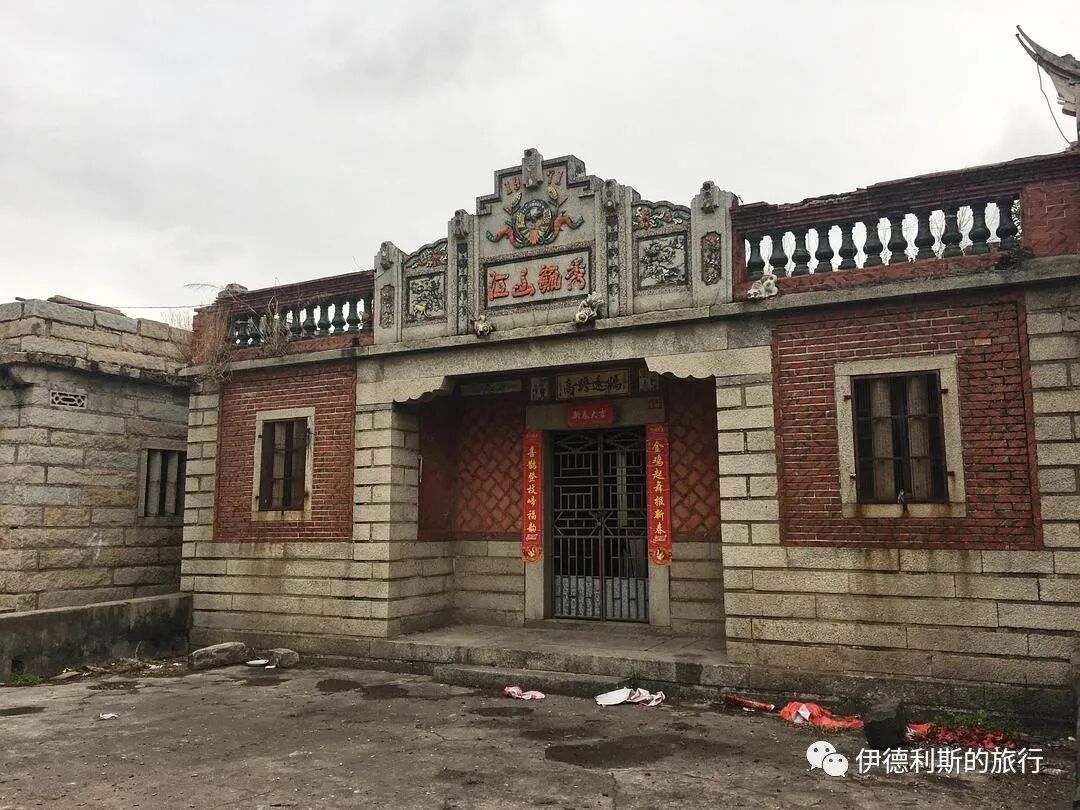
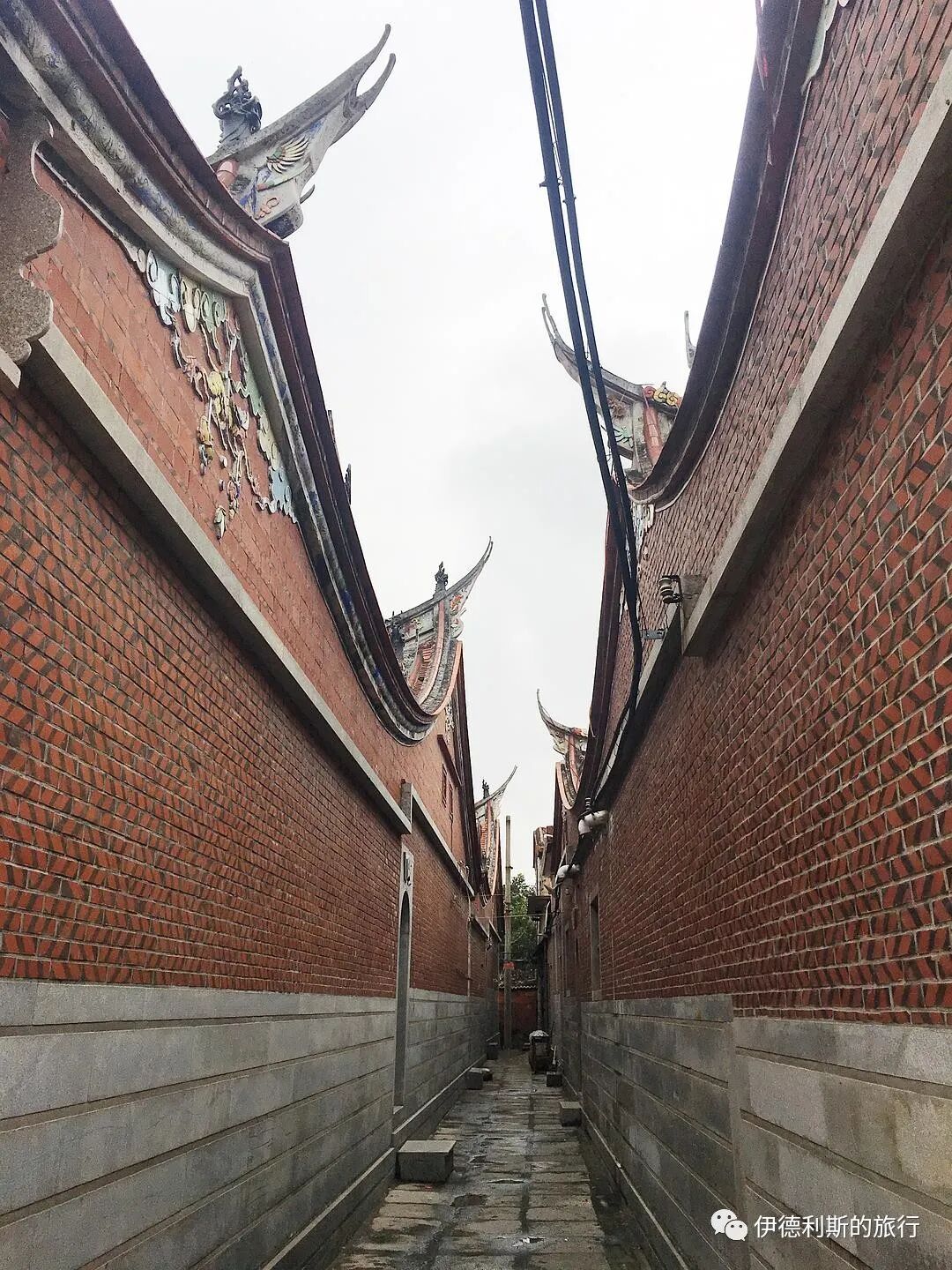
The unique Minnan wall-building method of 'using bricks and stones'.
Summary: This travel note introduces Quanzhou Muslim Heritage: The Ding Hui Muslims of Chendai. The Ding family of Chendai is a branch of Hui Muslims living in Chendai Town, Jinjiang, south of Quanzhou city. It is useful for readers interested in Quanzhou Muslims, Hui Muslims, Islamic History.
The Ding family of Chendai is a branch of Hui Muslims living in Chendai Town, Jinjiang, south of Quanzhou city. They arrived in Quanzhou during the Yuan Dynasty, and between the end of the Yuan and the beginning of the Ming Dynasty, they moved to Chendai, abandoned commerce for farming, and during the mid-Ming Dynasty, they abandoned their Islamic faith through 'clan-building' and 'imperial examination-oriented' processes; today, most follow the traditional religions of the Minnan region. After the Republic of China era, a small number of the Chendai Ding family returned to the Islamic faith and, after the 1980s, established a mosque and an Islamic association.
Today, one can still see traces left by the Chendai Ding family from various historical periods in Quanzhou. Next to the Lingshan Holy Tomb in the east of Quanzhou city, one can see several traditional Islamic tombstones of the Chendai Ding family from the early Ming Dynasty, which still bear Quranic verses from exactly 600 years ago. In Chendai Town, one can see a series of ancestral halls and ancestral homes built by the Ding family since the Ming and Qing dynasties, which are symbols of the clan-building of the Chendai Ding family. In addition, next to the Ding family ancestral hall is the Chendai Mosque, built in 1990, which is a testament to the small number of Chendai Ding family members who have returned to the Islamic faith since the Republic of China era.
Table of Contents
I. Two Hundred Years of Islam — The Ding Family Cemetery
1. Joint tomb of the first, second, and third generations
2. Tomb of the fourth generation Ding Shan and his wife Zhuang Xiniang
3. Tomb of the fifth generation Ding Mabao and his wives, Pu and Wang
4. Tombs of the fifth generation Ding Guanbao, sixth generation Ding Kuan, and sixth generation Ding Min
5. Tomb of the fifth generation Ding Fubao and his wife Shi Dingniang
6. Tomb of the seventh generation Ding Lun and his wife Zhuang
II. Gradual Change to Conform to Rites — The Ding Family Ancestral Halls
1. The Ding Family Grand Ancestral Hall
2. Yizhai Ding Gong Ancestral Hall
3. Fenxi Ding Gong Ancestral Residence
4. Ding Yanzhong's Jinshi Residence
III. The Reappearance of Islam — Chendai Mosque
I. Two Hundred Years of Islam — The Ding Family Cemetery
According to the genealogy, the first ancestor of the Chendai Ding family, Ding Jin (1251-1298), was originally from Suzhou and settled in Quanzhou due to trade. By the time of the third ancestor, Ding Kui (1298-1379), he brought the fourth ancestor, Ding Shan (1343-1420), from Quanzhou city to Chendai, more than twenty li (a unit of distance) south of the city, but the third ancestor traveled between Suzhou and Quanzhou for trade for a long time and did not settle down until the early Ming Dynasty, when the fourth ancestor truly settled in Chendai.
There are many reasons for the Ding family's move to Chendai, the main one being that the Quanzhou port declined at the end of the Yuan and the beginning of the Ming Dynasty, trade was cut off, and the Ding family had no business to conduct, so they chose to abandon commerce for farming, coming to Chendai for tidal flat work and rice cultivation.
The Islamic faith of the Chendai Ding family was maintained for ten generations, spanning more than two hundred years from the 13th to the 16th century. The tenth generation Ding Yanxia, born around 1517, recorded in his 'Zujiao Shuo' (Discourse on Ancestral Religion) the Islamic customs he experienced in his childhood in great detail. However, according to calculations, by the eighth to ninth generations, the Chendai Ding family no longer valued scripture education:
'The shroud is not layered, the coffin is not made of wood, and burial does not exceed three days. The mound is like a horse's mane and shallow, mourning clothes are made of cotton, no ancestral tablets are set up for worship, and no offerings are arranged. For prayer times, at sunset, they gather and face west to pray to Allah. They fast once a year, eating when they see the stars in the morning and evening, and remaining hungry throughout the day. They offer only incense and flowers to the divine, do not set up wine or fruit, and do not burn paper offerings. They recite the pure scriptures, imitating the transmitted foreign sounds, without understanding the meaning, nor seeking to understand it, and use them for both auspicious and inauspicious occasions. Animals must be slaughtered by their own butchers before being eaten, and pork is not consumed. They bathe constantly, for they dare not approach the divine otherwise. They prefer cotton clothing over silk, generally valuing brightness and cleanliness. This is what I, Xia, saw in my youth. ”
The existing Islamic relics of the Chendai Ding family are the several Ming Dynasty Islamic tombstones within the Lingshan Holy Tomb.
1. Joint tomb of the first, second, and third generations
Before the Ding family established their base in Chendai, the first, second, and third generations were all buried at Lingshan, east of Quanzhou city. Lingshan was the main burial area for Muslims in Quanzhou during the Song and Yuan dynasties, built in 1162 by the Song Dynasty Arab merchant Shi Nawei. It was called the 'Foreign Merchant Tomb' during the Song and Yuan dynasties.
After the fourth generation Ding Shan established the base in Chendai, he entrusted the ancestral tombs to others for management. Later, the son of the second manager, Xu Fen, named Xu Fu, continuously encroached on the ancestral tomb land, and the Ding family endured it in silence. It was not until 18 years later, in 1505, that the eighth generation Ding Yi passed the imperial examination and became a Jinshi, and after returning to his hometown, he filed a lawsuit and finally reclaimed the ancestral tomb land.
During the Chongzhen period of the Ming Dynasty, the descendants of the Ding family buried the first, second, and third generation ancestors together. In 1993, due to the need for road construction, a large number of Chendai Ding family tombstones were moved from outside the East Gate of Quanzhou, Luyuan, and other places to the Lingshan Holy Tomb; the current joint tomb of the first, second, and third generations was also rebuilt during this period. The tombstones and monuments seen now are not the originals. The Chendai Ding family has legends from the Ming Dynasty that their ancestor was the Yuan Dynasty politician Sayyid Ajjal Shams al-Din, so the cemetery is inscribed with words stating they are descendants of a saint.
2. Tomb of the fourth generation Ding Shan and his wife Zhuang Xiniang
Ding Shan (1343-1420), courtesy name Yanren, pseudonym Ren'an, followed his father from Quanzhou to Chendai at the end of the Yuan Dynasty and officially established the base in Chendai at the beginning of the Ming Dynasty, founding the Chendai Ding clan. His wife, Zhuang Xiniang, courtesy name Runxiu, was the sixth-generation granddaughter of Zhuang Xia, who was enfeoffed as a founding baron and junior preceptor in the Southern Song Dynasty. The Zhuang family was prominent in the late Southern Song Dynasty but gradually declined after the Yuan Dynasty, and their relatives left Quanzhou one after another; only Zhuang Xiniang's father still lived in the Zhuang mansion south of the city. At that time, the Ding family and the Zhuang family were neighbors, so they became husband and wife, and shortly after the marriage, Ding Shan and his father moved to Chendai. The Ding family's move to Chendai was likely related to Zhuang Xiniang, because near Chendai at that time was Qingyang, where the Zhuang clan lived, a powerful clan known as the 'Qingyang Zhuang family'.
Ding Shan and Zhuang Xiniang were originally buried in Luyuan, east of Quanzhou city; 'Luyuan' means 'Paradise', which is the 'Garden' (Jannah) in the Quran. The tomb is a traditional Islamic chlorite tomb, with two sumeru-pedestal style five-layer tombstones placed on a sumeru-pedestal altar platform. The first layer of the tombstone has six gnomon feet, carved with ruyi (auspicious) patterns; The second layer is carved with continuous scrolling patterns; The third layer is carved with overlapping lotus patterns; The fourth layer is carved with Quranic verses; The fifth layer is a curved arch-shaped tombstone top. Behind the tombstone is a monument erected in 1910.
The verses on the tombstone are from the Quran, Chapter 2, Verse 255.
3. Tomb of the fifth generation Ding Mabao and his wives, Pu and Wang
Ding Mabao (1366-1431), courtesy name Shilong, pseudonym Yi'an, was the eldest son of the fourth generation Ding Shan who established the base in Chendai, and the founding ancestor of the main branch of the Chendai Ding family; he was originally buried with his two wives in the Chengui Baoxue (a geomantically auspicious site) on Daping Mountain, east of Quanzhou city.
4. Tombs of the fifth generation Ding Guanbao, sixth generation Ding Kuan, and sixth generation Ding Min
Ding Guanbao (1369-1436), courtesy name Shifu, pseudonym Chengzhai, was the second son of Ding Shan and the founding ancestor of the second main branch of the Chendai Ding family. He was originally buried at the foot of Shuiuniulin, east of Quanzhou city.
Ding Kuan (1395-1446), courtesy name Tingyu, pseudonym Longyin, was the second son of Ding Guanbao and was originally buried to the left of Ding Shan's tomb in Luyuan Mountain.
Ding Min (1407-1456), courtesy name Tingxue, pseudonym Yizhai, was the fourth son of Ding Guanbao and was originally buried at the foot of Shuiuniulin, east of Quanzhou city. Ding Min was the earliest local worthy among the Chendai Ding family to promote literary education.
5. Tomb of the fifth generation Ding Fubao and his wife Shi Dingniang
Ding Fubao (1375-1432), courtesy name Shizhang, pseudonym Yingjie, was the third son of Ding Shan and the founding ancestor of the third main branch of the Chendai Ding family, buried at Lingshan, east of Quanzhou city. The tomb consists of two sumeru-pedestal stone tombs placed on a traditional Islamic sumeru-pedestal altar platform, with swastikas and double lions playing with a pearl carved on the waist of the platform.
6. Tomb of the seventh generation Ding Lun and his wife Zhuang
Ding Lun (1442-1485), courtesy name Zhaorui, was the third son of the sixth generation Ding Xin.
For information on the Ming Dynasty Islamic tombstones of the Chendai Ding family, see 'Quanzhou Religious Stone Carvings'.
II. Gradual Change to Conform to Rites — The Ding Family Ancestral Halls
By the mid-16th century, the religious customs of the Chendai Ding family had undergone significant changes; Ding Yanxia recorded in 'Zujiao Shuo':
'Later, shrouds were layered, coffins were made of wood, and burials were delayed. Mourning clothes were half cotton, ancestral tablets were set up, mounds were large, offerings were arranged, animals were fat, and prayers to Allah were rare. Fasting disappeared, and animals did not have to be slaughtered by their own butchers. Clothing was made of silk, bathing was not required for approaching the divine, wine and fruit were set out, and cotton and silk were burned for other gods, though not for ancestors. The offering of incense and flowers remained as before. ”
Finally, by the late 16th century, the Chendai Ding family had completely abandoned Islam; 'Zujiao Shuo' records:
'Now, when worshipping ancestors, some burn cotton and silk, animals do not have to be slaughtered by their own butchers, mourning clothes are all made of hemp without cotton, burials are delayed for more than ten years, Taoist priests and Buddhist monks are used for auspicious and inauspicious occasions, and pork is eaten. ”
According to folklore, the Chendai Ding family began eating pork in 1592 when the eleventh generation Ding Qijun, who became a Jinshi, was gifted food by the Wanli Emperor. However, the statement by the twelfth generation Ding Qing in 'Jiyi Jiyan' (Records of Sacrificial Rites) in 1698 is more credible:
'Fenxi Gong (Ding Yi) was the first to enter the official ranks, and he worshipped his ancestors according to the rites of a high official, not daring to violate the Islamic faith. But the three generations of Huai Gong (Ding Zishen), Wuting Gong (Ding Rijn), and Zhechu Gong (Ding Qijun) all passed the imperial examinations, and the family's reputation grew, while the Islamic faith almost ceased. ”
The Chendai Ding family began their official careers starting with the eighth generation Ding Yi, and by the tenth generation, 20 people had become Jinshi; these people used Confucian ethics and principles as their standard everywhere, which had an important impact on the Chendai Ding family and accelerated the dissolution of the Islamic faith. This is what Ding Yanxia referred to as 'gradually conforming to the rites', living according to Confucian behavioral standards. Wang Ke's book 'The Vanishing "Nationals"' provides an in-depth discussion of the 'clan-building' and 'imperial examination-oriented' processes of the Chendai Ding family; interested friends can take a look.
1. The Ding Family Grand Ancestral Hall
The most important sign of the Chendai Ding family's departure from Islam was the reconstruction of the Ding family ancestral hall in 1561. The early Ding family ancestral hall is presumed to have been built in the early 15th century, was destroyed by war in 1561, was rebuilt shortly after under the leadership of Ding Yi and Ding Zishen, and was rebuilt and expanded again by Ding Rijn in 1599 to its current scale.
The ancestral hall enshrines the spirit tablets of the first to fifth generation ancestors and ancestors who held titles and merits, but initially, there were no spirit tablets; instead, there were small wooden screens handwritten by the eighth generation Ding Yi (1472-1521) listing the first to fourth generation ancestors.
In 1561, the Ding family ancestral hall was destroyed due to 'Japanese pirate disturbances', and in 1562, Ding Yanxia initiated the formulation of the 'Sacrificial Covenant', which officially determined the way the Chendai Ding family worshipped their ancestors. The 'Sacrificial Covenant' mentions 'kneeling in order to offer incense, bowing four times to the spirits, and kneeling to offer wine', which was already completely in line with traditional Chinese customs.
In addition to the Grand Ancestral Hall, the Chendai Ding family has many small ancestral halls and ancestral homes for worshipping ancestors. The 6 small ancestral halls are the 'Yi'an Ding Gong Ancestral Hall' for the fifth generation Ding Mabao, the 'Zhongzhai Ding Family Ancestral Hall' for the sixth generation Ding Xin, the 'Yizhai Ding Gong Ancestral Hall' for the sixth generation Ding Min, the 'Dunpu Ding Gong Ancestral Hall' for the seventh generation Ding Chang, the 'Gusu Ding Gong Ancestral Hall' for the eighth generation Ding Gui, and the 'Daozhen Ding Gong Ancestral Hall' for the twelfth generation Ding Shibo. The establishment of small ancestral halls is usually for the prosperity of the descendants of a specific branch, built to bring honor to the ancestors.
Below the small ancestral halls are ancestral homes, which enshrine the ancestors of the branch and their descendants, formed as descendants multiplied and families branched out; there are about 200 of them.
2.
Yizhai Ding Gong Ancestral Hall
The sixth generation Ding Min (1407-1456), courtesy name Tingxue, pseudonym Yizhai, was the earliest local worthy among the Chendai Ding family to promote literary education.
3. Fenxi Ding Gong Ancestral Residence
The eighth generation Ding Yi (1472-1521), courtesy name Wenfan, pseudonym Fenxi, passed the Jinshi examination in 1505 and was the first person from the Chendai Ding family to enter an official career, serving as an inspector in the Sichuan Surveillance Commission. At the same time, Ding Yi was also a famous poet of the mid-Ming Dynasty, with his 'Gui Nang Yi Gao' (Posthumous Manuscripts of the Returning Bag) circulating.
4. Ding Yanzhong's Jinshi Residence
The tenth generation Ding Yanzhong passed the military Jinshi examinations in 1582 and 1583 and served as the commander-in-chief of Guangxi Prefecture.
III. The Reappearance of Islam — Chendai Mosque
In the early 1920s, the famous Hui Muslim Tang Kesan, while serving as the Superintendent of the Xiamen Customs, paid great attention to the religious affairs in Quanzhou, and on the eve of the War of Resistance, he recommended his fellow townsman Zhang Guangyu to preside over religious work in the Quanzhou area. After Zhang Guangyu arrived in Quanzhou, he earnestly carried out religious affairs, and the religious life in Chendai began to reappear.
In 1939, the 'China Islamic National Salvation Association Chendai Branch' was established in Chendai, and some Chendai Ding family members often went to the Qingjing Mosque in Quanzhou for Jumu'ah (Friday congregational prayer); later, they converted the 'Wenchang Mosque' in Sijing Village into a mosque and hired an Ahong (Imam) from Quanzhou to preside over religious affairs.
Between 1937 and 1944, the most famous modern Islamic school during the Republic of China, the Chengda Normal School, moved south to Guilin, and the founders Tang Kesan and Ma Songting successively accepted 17 young people from the Chendai Ding family to study there.
In the late 1950s, all Islamic activities in Chendai were forced to stop, and Ding Jinshun, a graduate of Chengda Normal School, was criticized and struggled against for mentioning in class that he was a Hui Muslim.
In 1983, Ding Jinshun and Ding Jinhe, graduates of Chengda Normal School, attended the founding meeting of the Fujian Islamic Association. After this, Chengda Normal School graduates Ding Jinshun, Ding Jinhe, Ding Jinke, and Ding Jinhong, along with more than twenty other people enthusiastic about the faith, established the 'Chendai Islamic Association Group' and began to restore religious life. They borrowed the second-floor conference room of the Chendai Hui Muslim Affairs Committee and the back hall of the Ding family ancestral hall for Jumu'ah prayers, with Ding Jinshun serving as the Imam. During Eid al-Fitr and Eid al-Adha, they invited their former Chengda Normal School classmates who were now serving as Ahongs in Guilin, as well as Ahongs from Jiaxing, Zhejiang, to preside over the congregational prayers.
After the Chendai Islamic Association Group was established, they began preparing to build a mosque. They issued a 'Letter to Fellow Muslims Nationwide' to the national Islamic association, but only a few mosques in Ankang, Shaanxi, and Yunnan sent a few hundred yuan in funds. After this, former Chengda Normal School classmates in Hong Kong forwarded the 'Letter to Ding Family Relatives and Fellow Countrymen' to the Chendai Ding family in Hong Kong, Taiwan, and overseas, and received 70,000 yuan in donations from the 'Five Surnames Islamic Association (originating from the Jin, Ding, Ma, Bai, and Guo Hui Muslim families of Quanzhou) of Filipinos' in Hong Kong, Taiwan, Singapore, and the Philippines.
In 1991, the Chendai Mosque was completed, opened officially in 1993, and the Jinjiang Islamic Association was immediately established. The Chendai Ding family hired Ahong Ma Zhiwei from Inner Mongolia as the first head of the mosque, and Ding Jinke and Ding Jinshun served as the first director of the mosque management committee and the director of the Islamic association, respectively.
After the 1990s, the Chendai Ding family selected nearly 60 young people to study Islam at home and abroad, some of whom went to Arabic language schools in mosques in Inner Mongolia.
Tomb of the twenty-second generation Ding Jinke
Ding Jinke (1923-1997), religious name Yunus, studied at the Guangxi Chengda Normal School and the Hong Kong Dade College. He participated in the revolution during the War of Liberation and later worked in the Financial Committee of the State Council and in colleges and universities in Beijing and Xinjiang. After retiring and returning to his hometown in 1983, he participated in the construction of the Chendai Mosque and the formation of the Jinjiang Islamic Association, serving as the executive deputy director of the Jinjiang Islamic Association, and later cultivated dozens of Chendai Ding family youths to go to Islamic colleges at home and abroad for further studies.
For research on the Chendai Ding family, see the book 'Research on the History of the Chendai Hui Muslims'.
Finally, here are some Chendai Ding family residences.
The unique Minnan wall-building method of 'using bricks and stones'.
