
Old Photos of Hui Muslims in Northern China: Mosques, Cities and Community Life
Reposted from the web
Summary: Old Photos of Hui Muslims in Northern China: Mosques, Cities and Community Life is presented here as a firsthand travel account in clear English, beginning with this scene: Waseda University Library holds a large collection of old photos from the Greater Japan Muslim Association (Dai-Nippon Kaikyo Kyokai, or DNKK). The account keeps its focus on Hui Muslims, Old Photos, China Mosques while preserving the names, places, food, and historical details from the Chinese source.
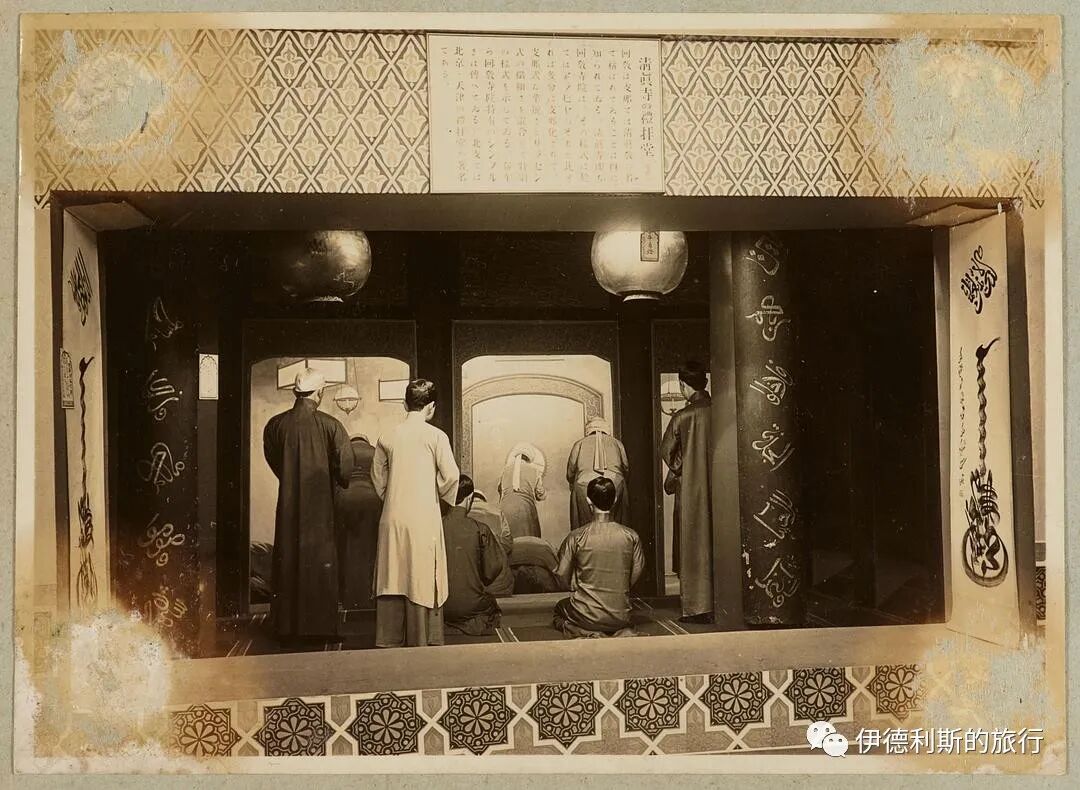
Waseda University Library holds a large collection of old photos from the Greater Japan Muslim Association (Dai-Nippon Kaikyo Kyokai, or DNKK). The DNKK was a wartime Japanese research organization for Islam. It started in 1938 and closed in 1945. They traveled to China and took many old photos of Hui Muslims. You can view them all online now.
Address: https://www.wul.waseda.ac.jp/k ... t.pdf
Hohhot.
The Great Mosque (Qingzhen Dasi) of Hohhot, photographed in September 1940.
The Great Mosque of Hohhot was first built between the end of the Ming Dynasty and the beginning of the Qing Dynasty. It was expanded in 1789 (the 54th year of the Qianlong reign) and again in 1923.
Datong
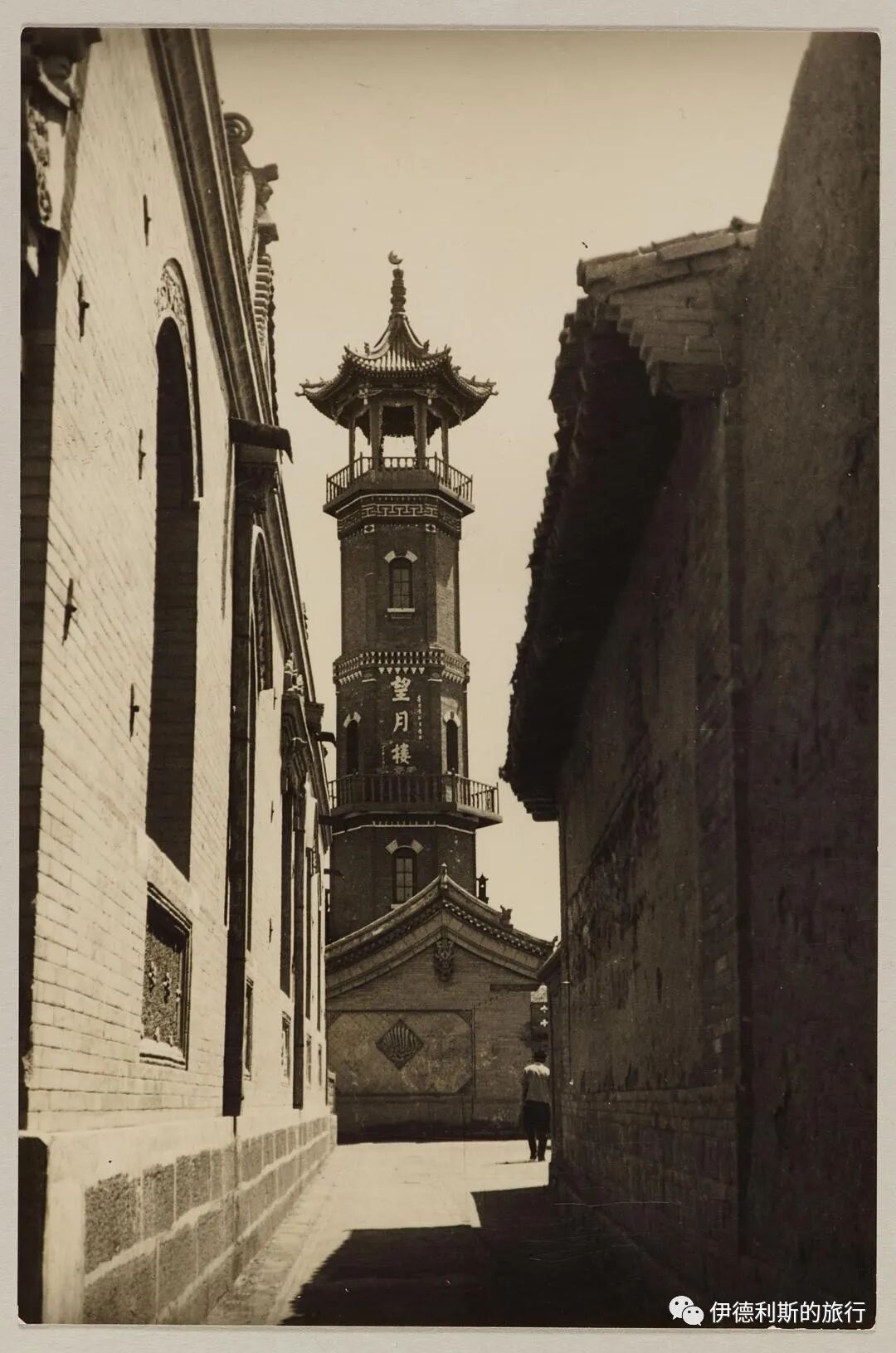
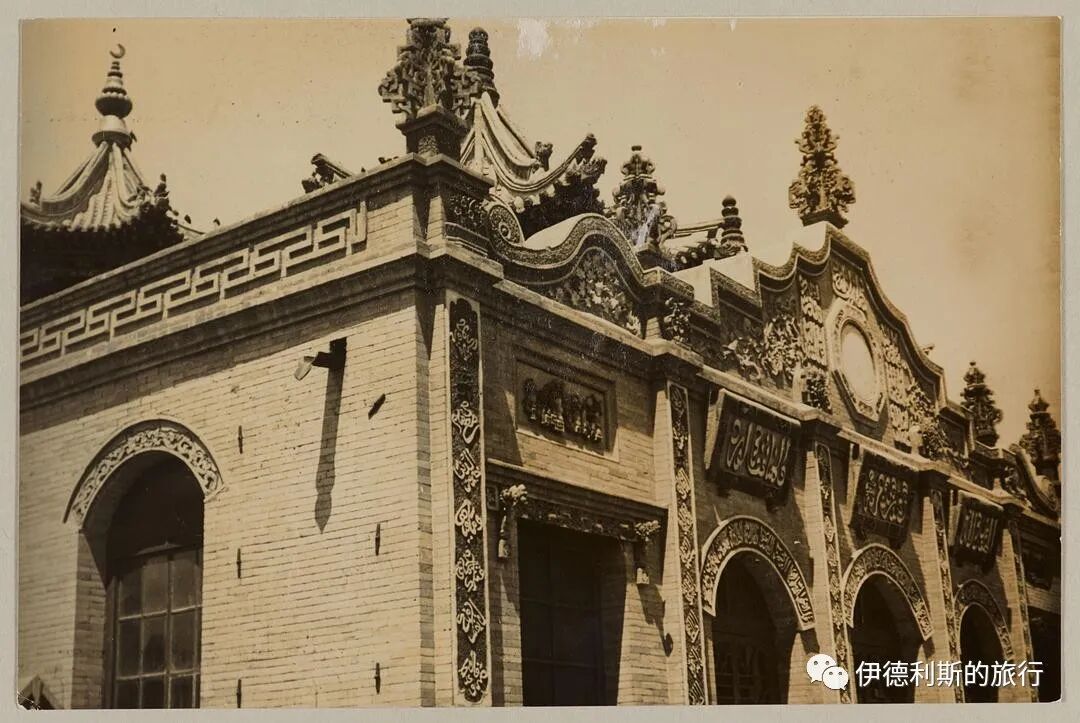
The Datong Mosque in September 1940.
The History of Yuan (Yuan Shi, Annals of Emperor Taiding, Part 1) records that in 1324 (the first year of the Yuan Taiding reign), the emperor ordered the construction of mosques in Shangdu and Datong Road, granting 40,000 ingots of paper money. This makes the Datong Mosque one of only two mosques recorded as being built by imperial decree during the Yuan Dynasty. However, the Yuan Dynasty Datong Mosque was completely destroyed during the wars at the end of the Yuan period. The current mosque was rebuilt inside the Datong city walls during the Yongle reign of the Ming Dynasty. The main gate of the mosque was rebuilt in 1936 and features a typical Republic of China era style.
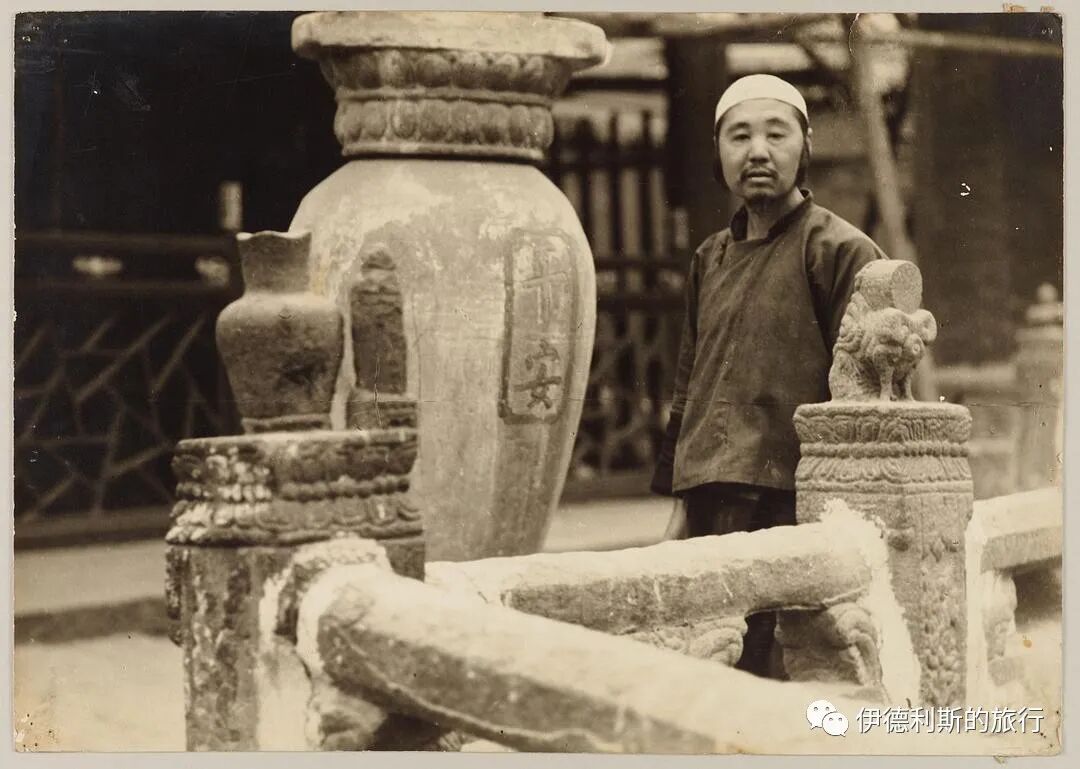
Zhangjiakou.
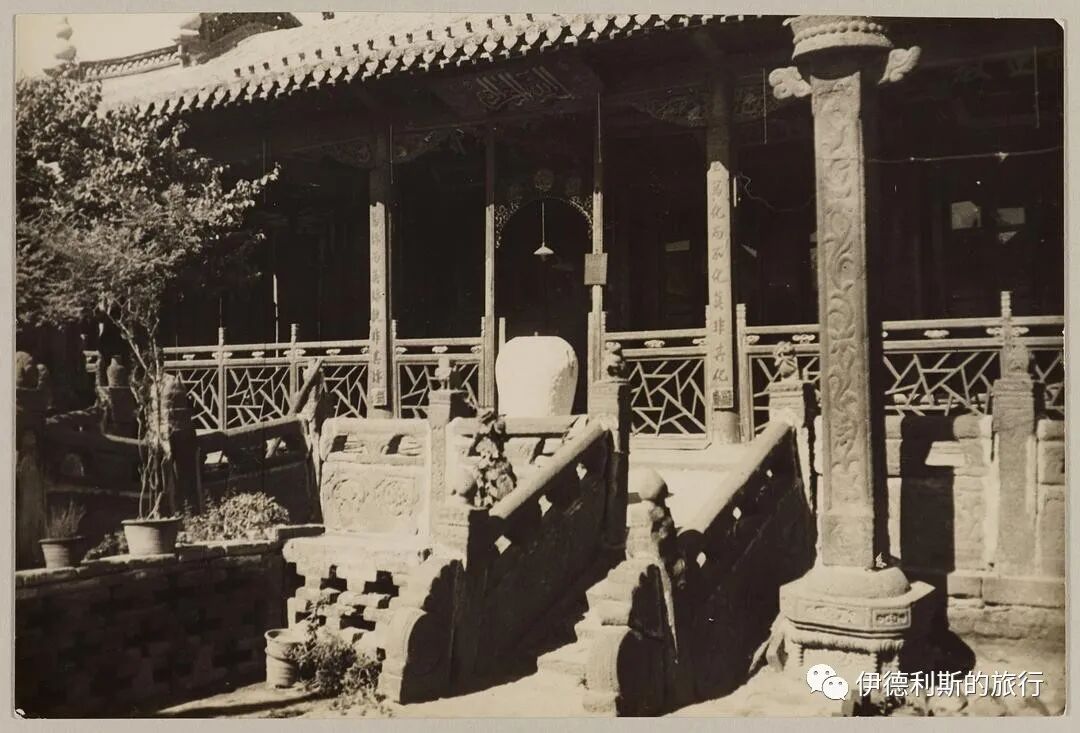
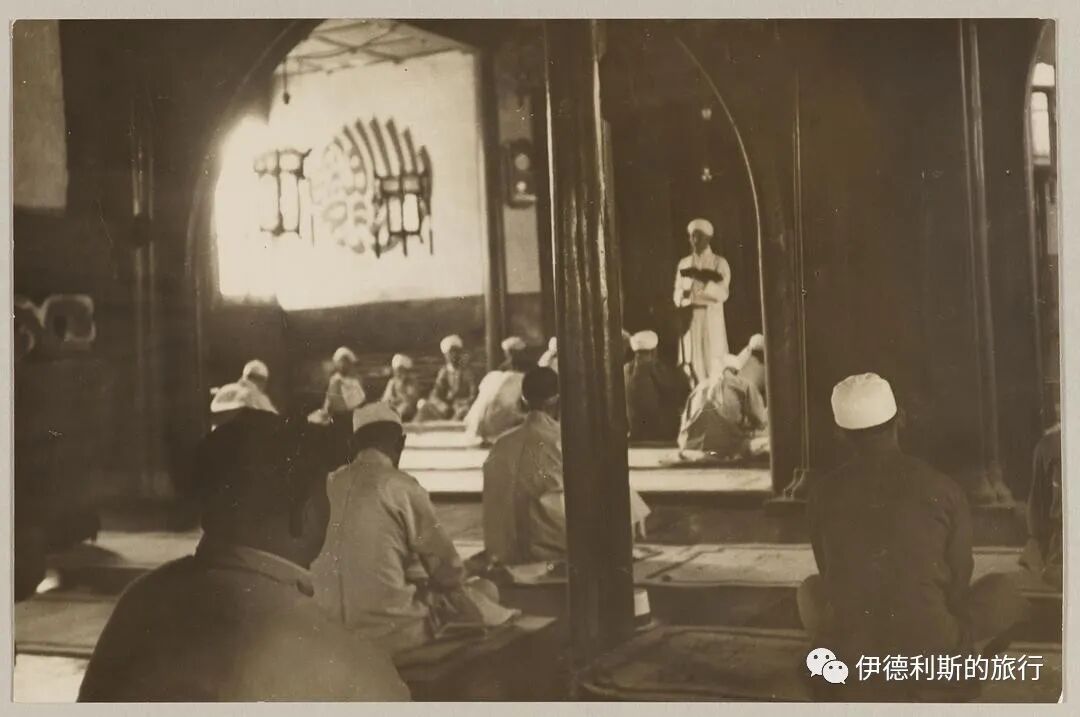
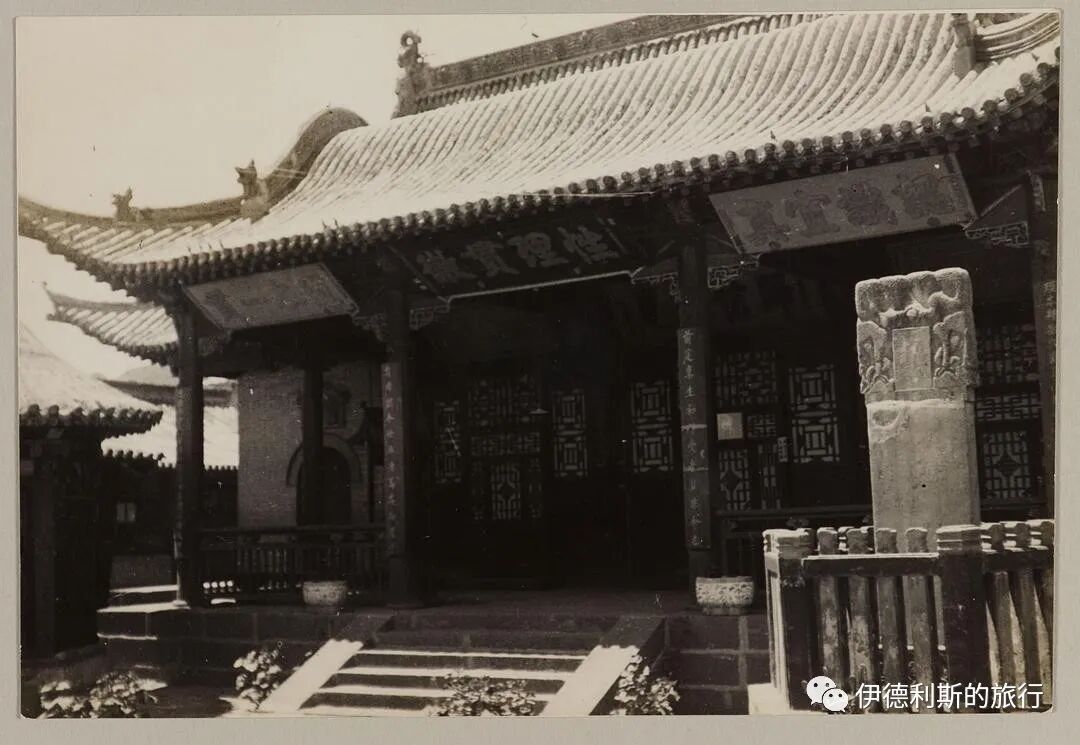
The Xiguan Mosque in Zhangjiakou in September 1940. It had plaques reading 'Recognize the Truth' (renshi yizhen) and 'Principles Thoroughly Understood' (xingli guanche). The current plaques are all new.
The Xiguan Mosque was built during the Yongzheng reign of the Qing Dynasty (1723-1735) with funds raised by Hui Muslim families named Xiao, Zheng, Song, and Wang, who had lived in the Xiabao area of Zhangjiakou since the Ming and Qing dynasties.
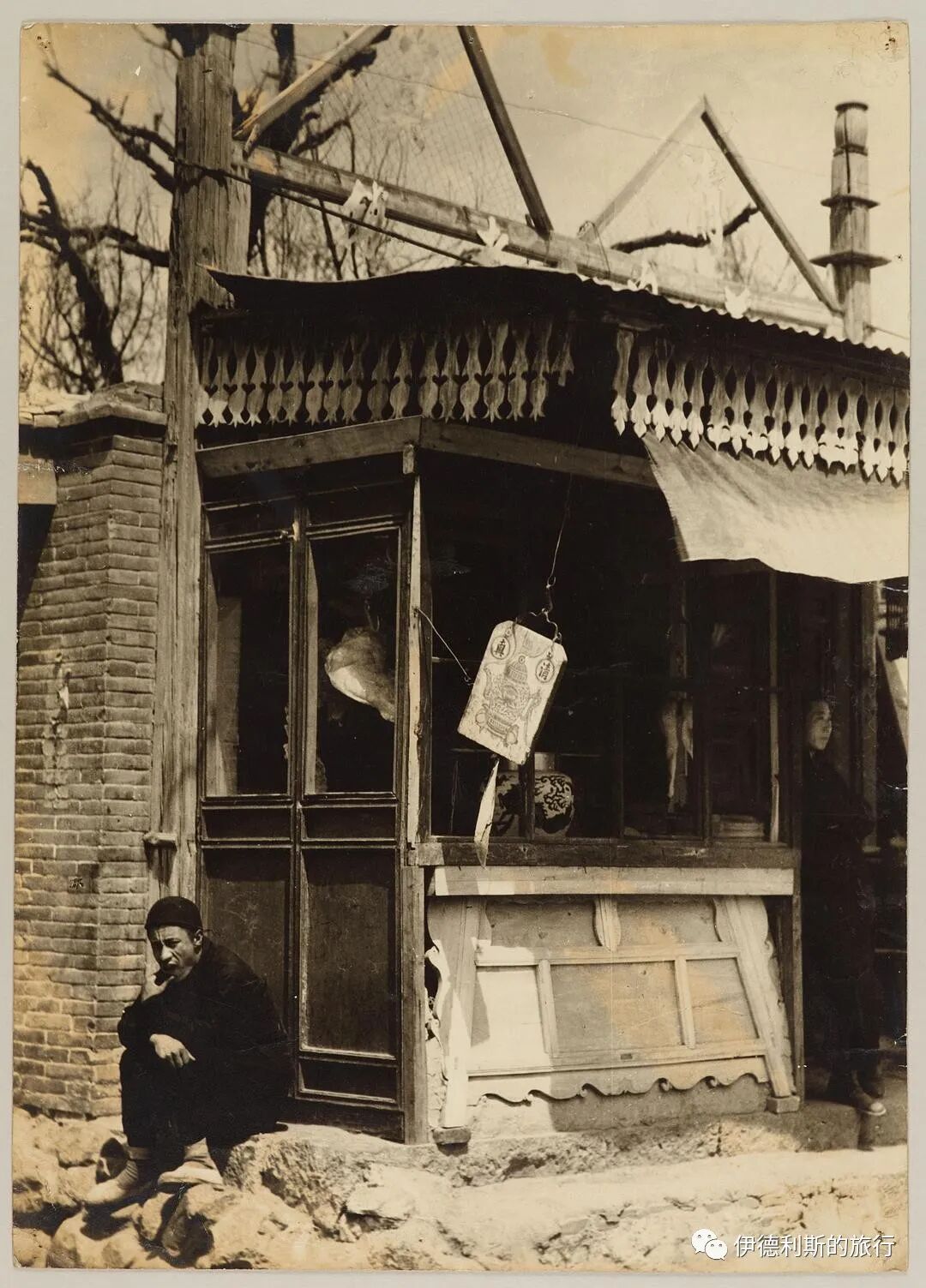
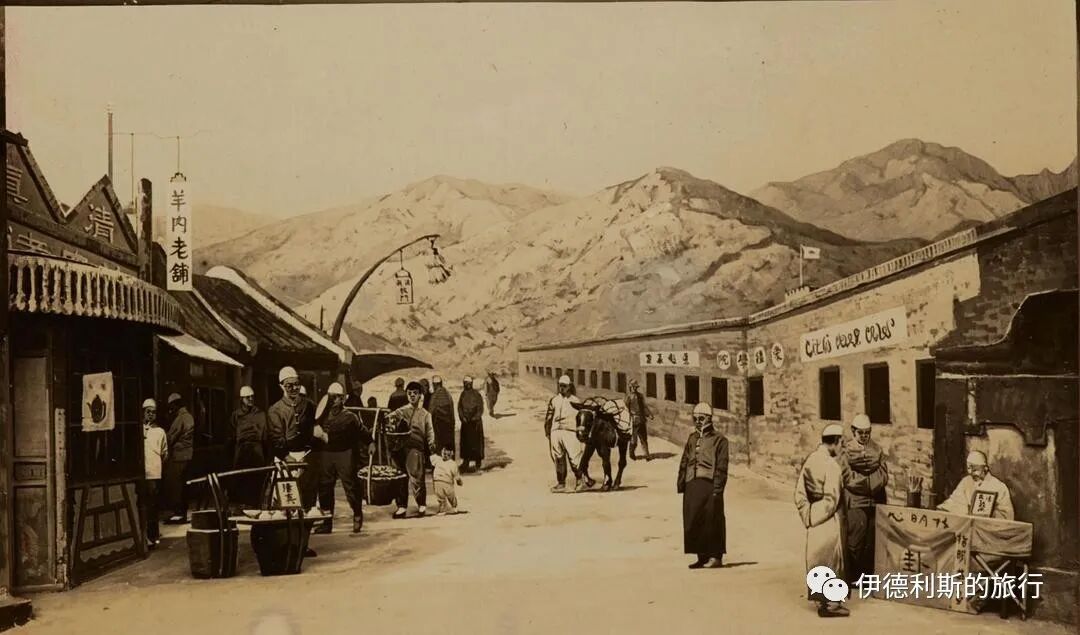
An old halal mutton shop in Zhangjiakou during the 1930s.
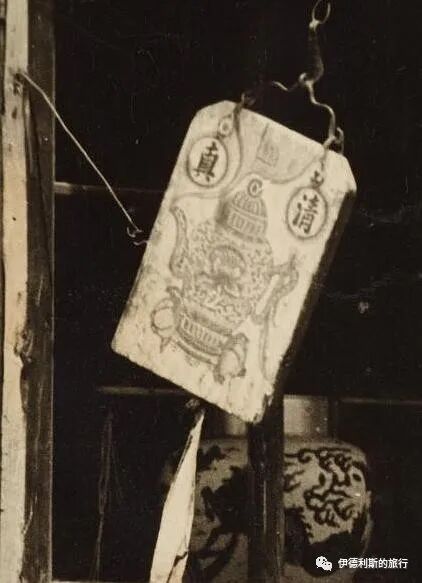
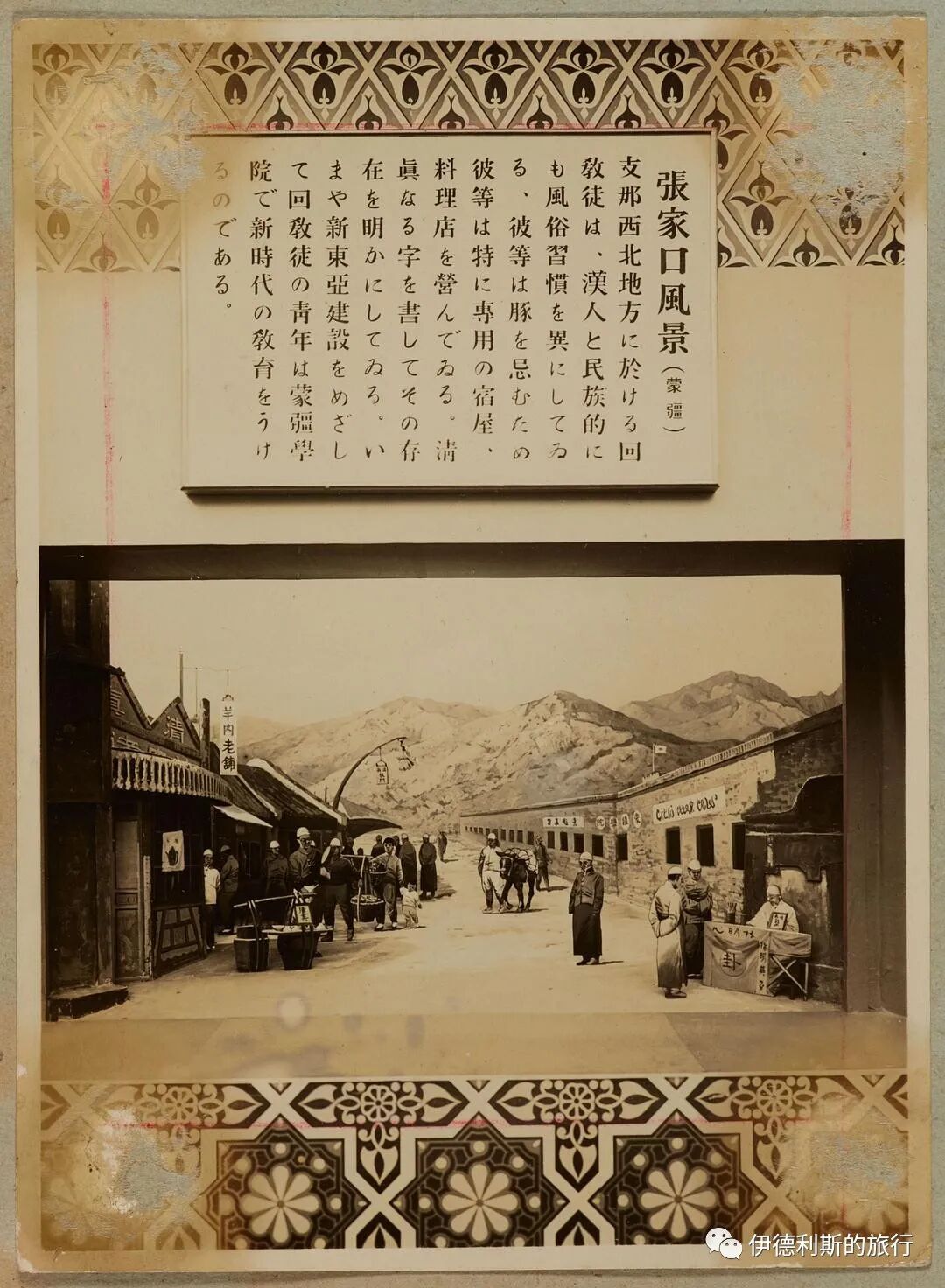
An exhibit board about Hui Muslims in Zhangjiakou, drawn by the Japanese.
Baotou
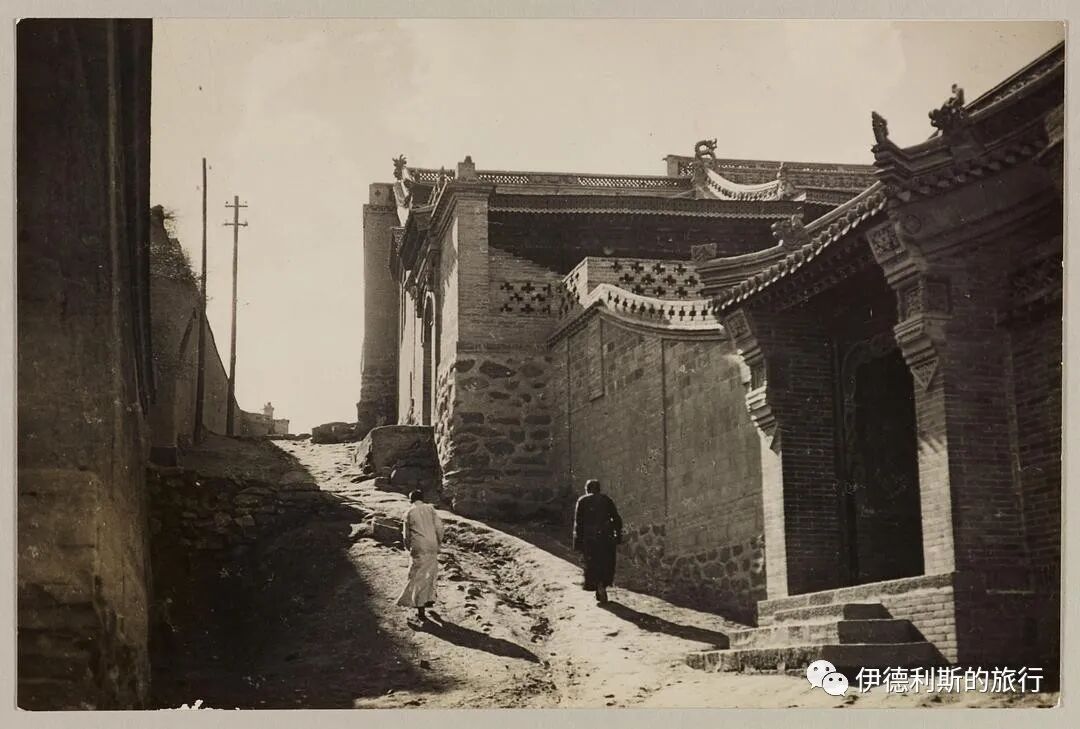
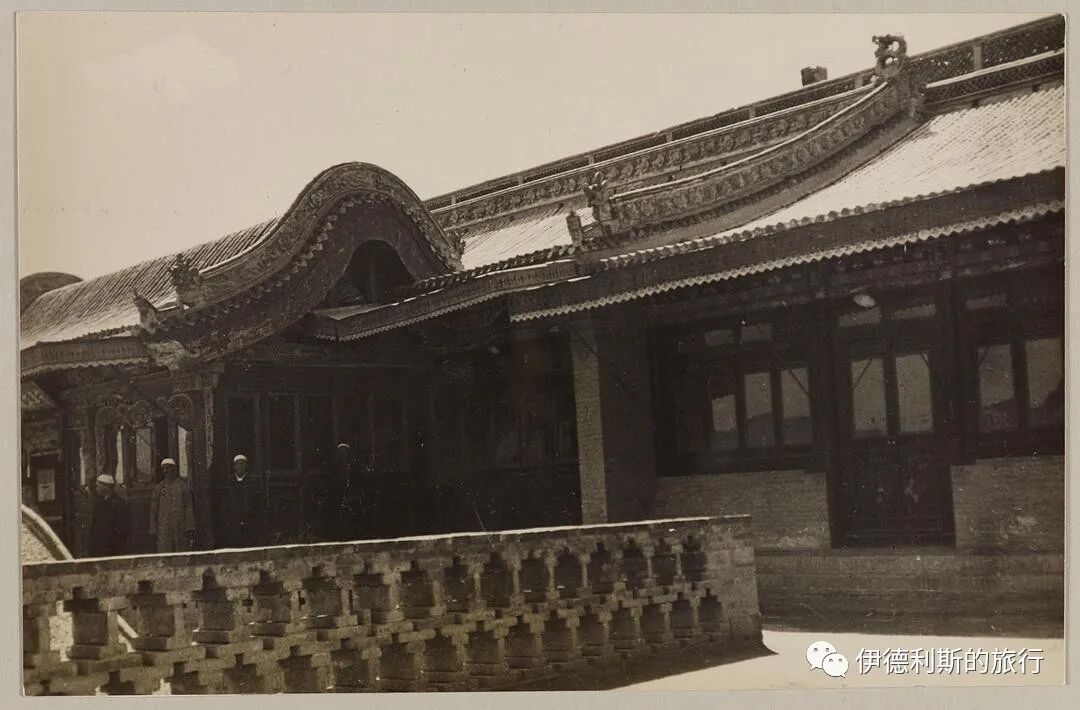
The Baotou Mosque in September 1940.
The Great Mosque of Baotou was first built in 1743. It was expanded in 1809, had a porch and gate added in 1833, and was expanded several times during the Republic of China era.
Harbin
The Tatar Mosque in Harbin during the 1930s.
The Tatar Mosque was first built in 1906 and rebuilt in 1923. The designer was Yu. P. Zhdanov.
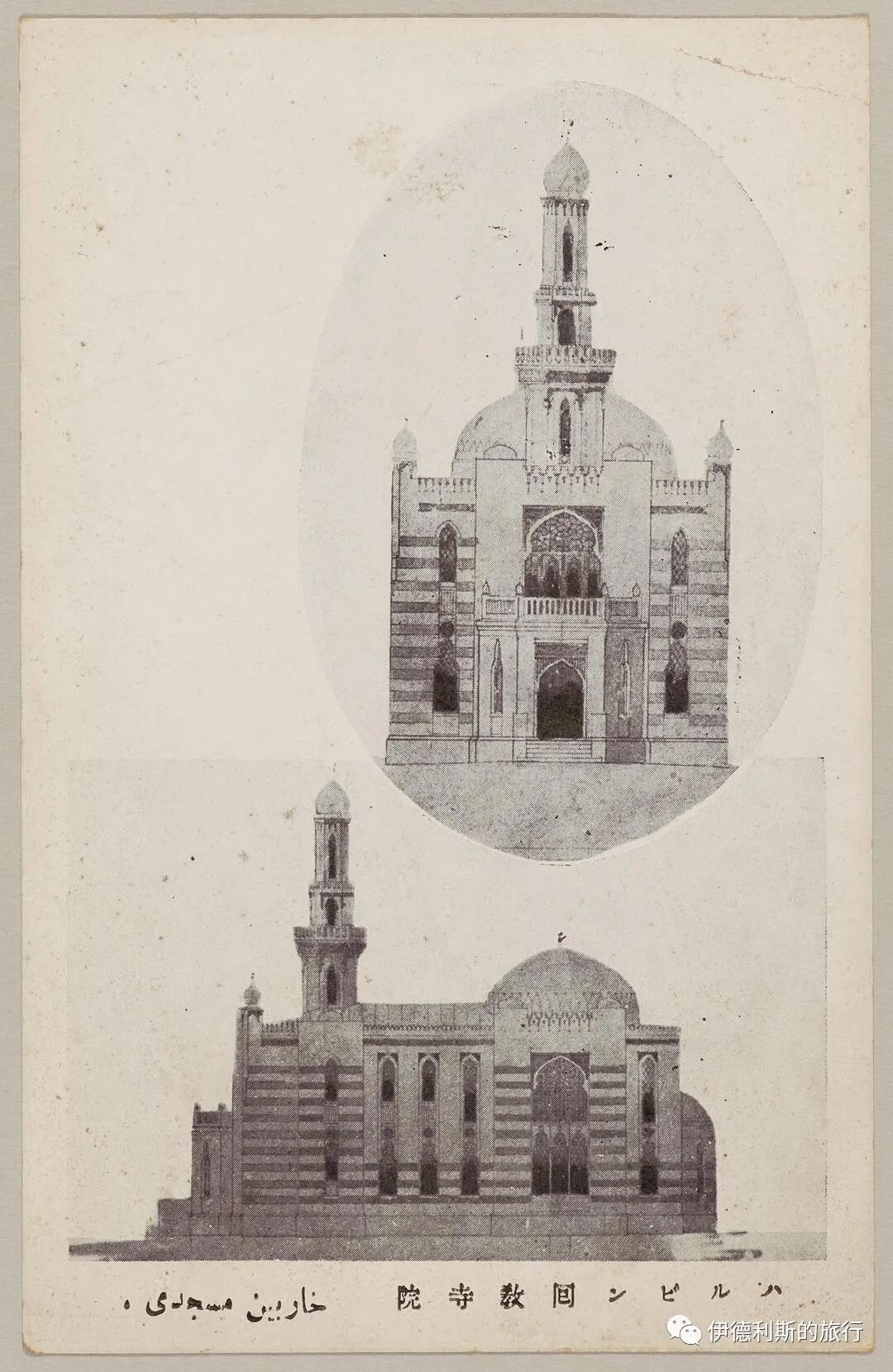
The Tatar Mosque in Harbin in September 1940.
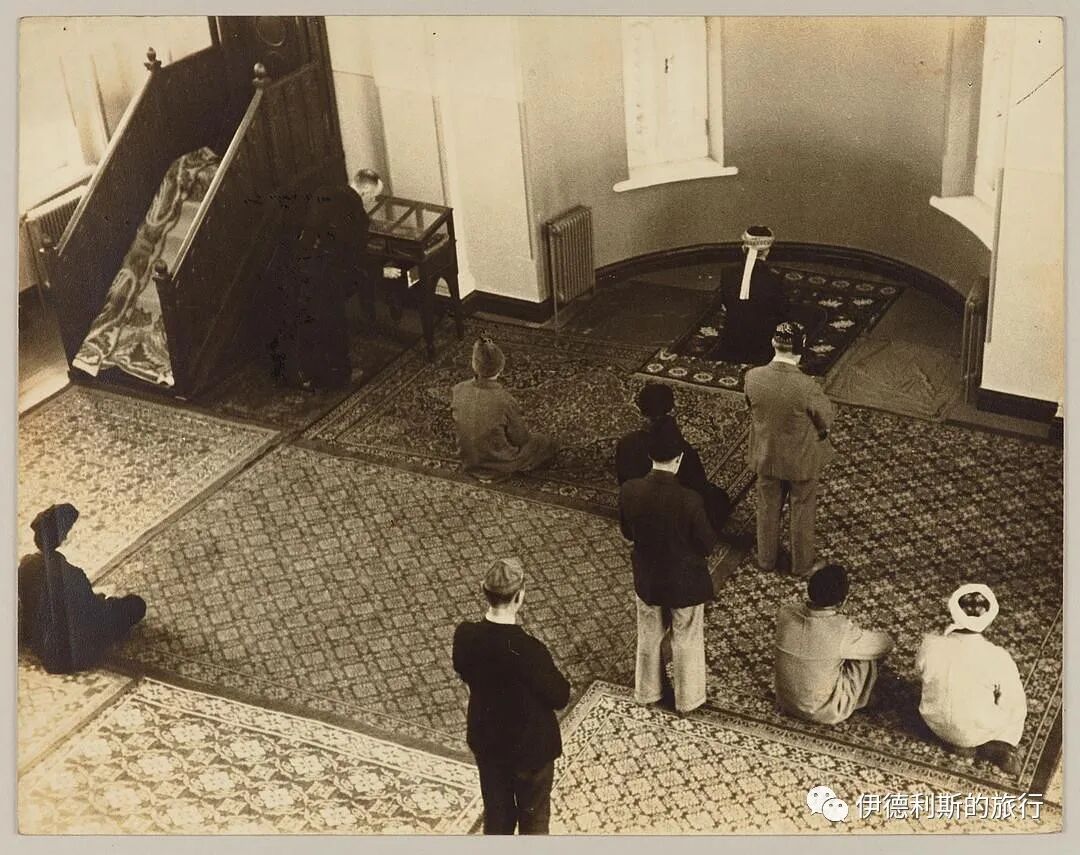
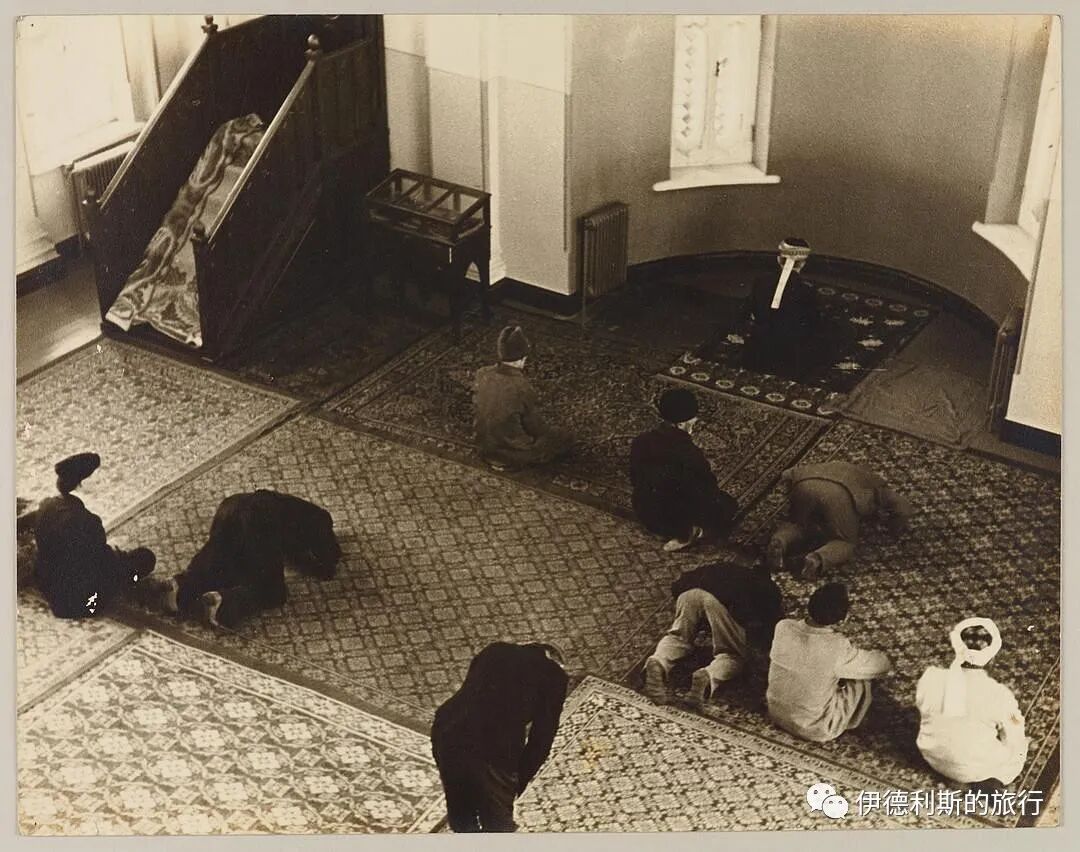
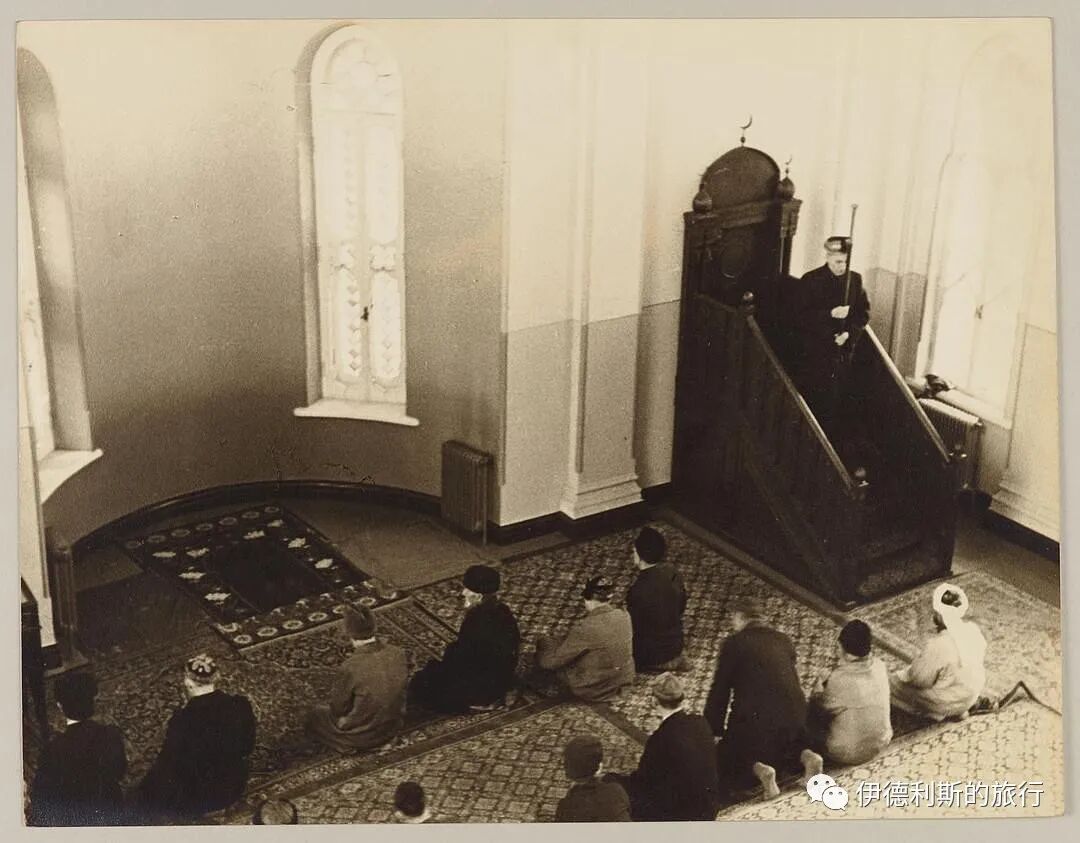
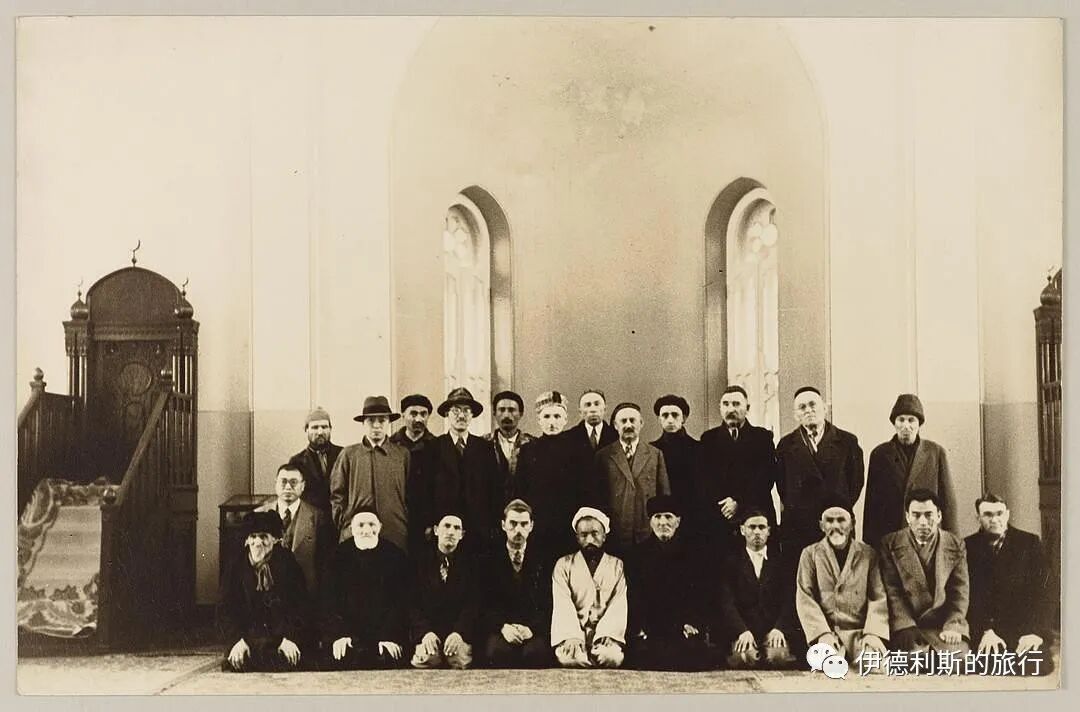
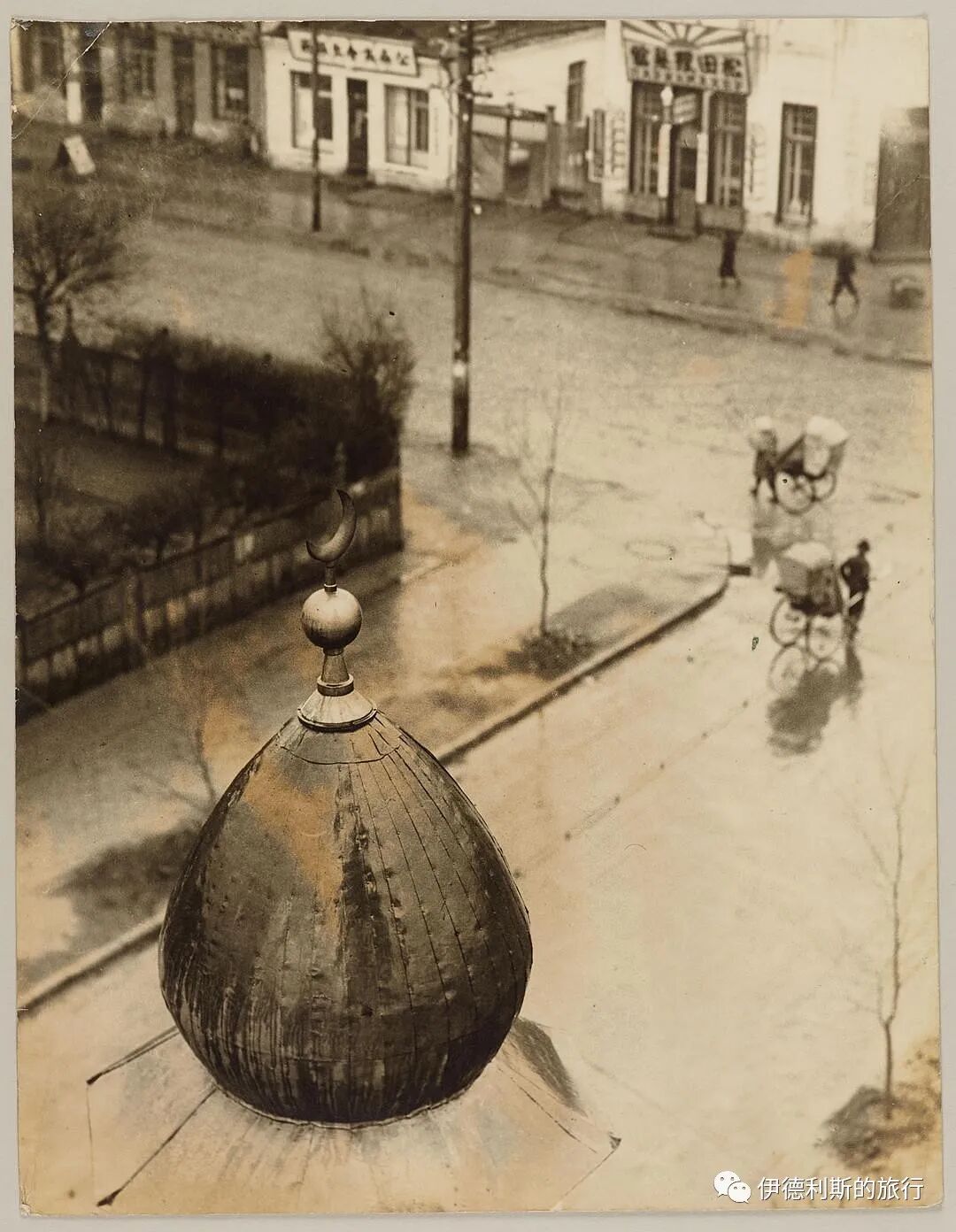
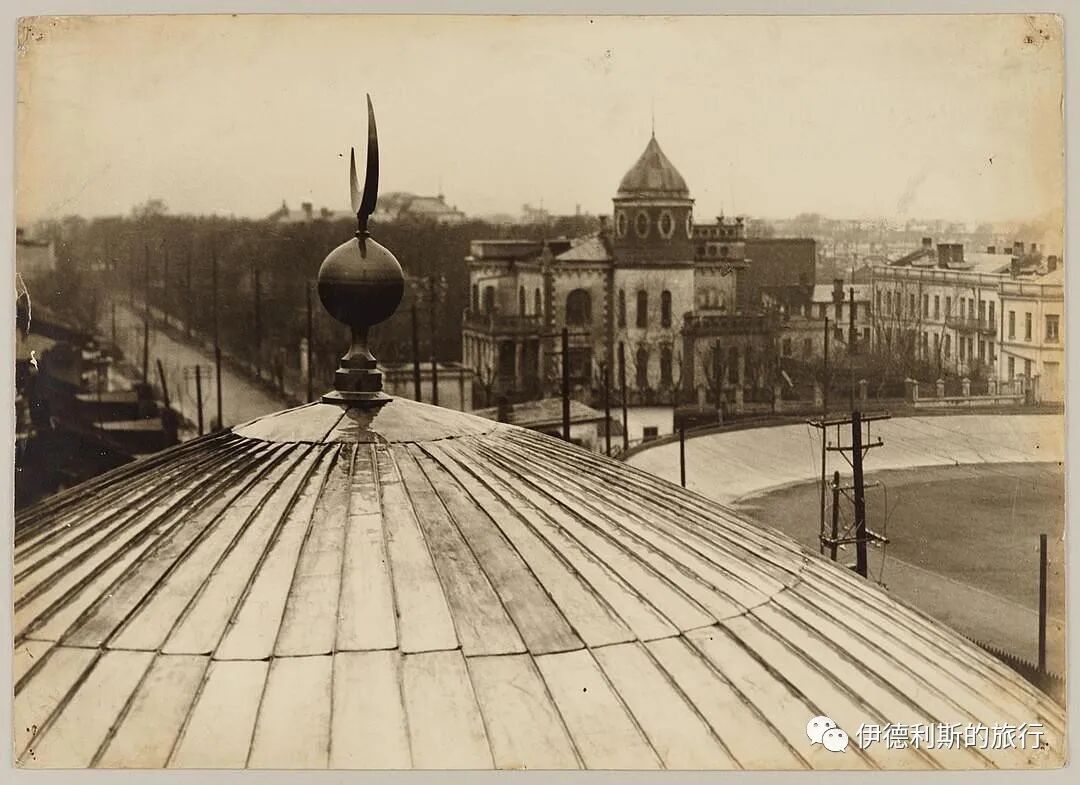
Daowai Mosque in Harbin, September 1940.
Daowai Mosque was originally called Harbin East Mosque or Binjiang Mosque. It was first built in 1897. In 1935, at the suggestion of Imam Ma Songting, the head of the mosque, Bai Yusheng, raised funds to move the site and build a main prayer hall featuring Roman columns and Russian-style architecture.
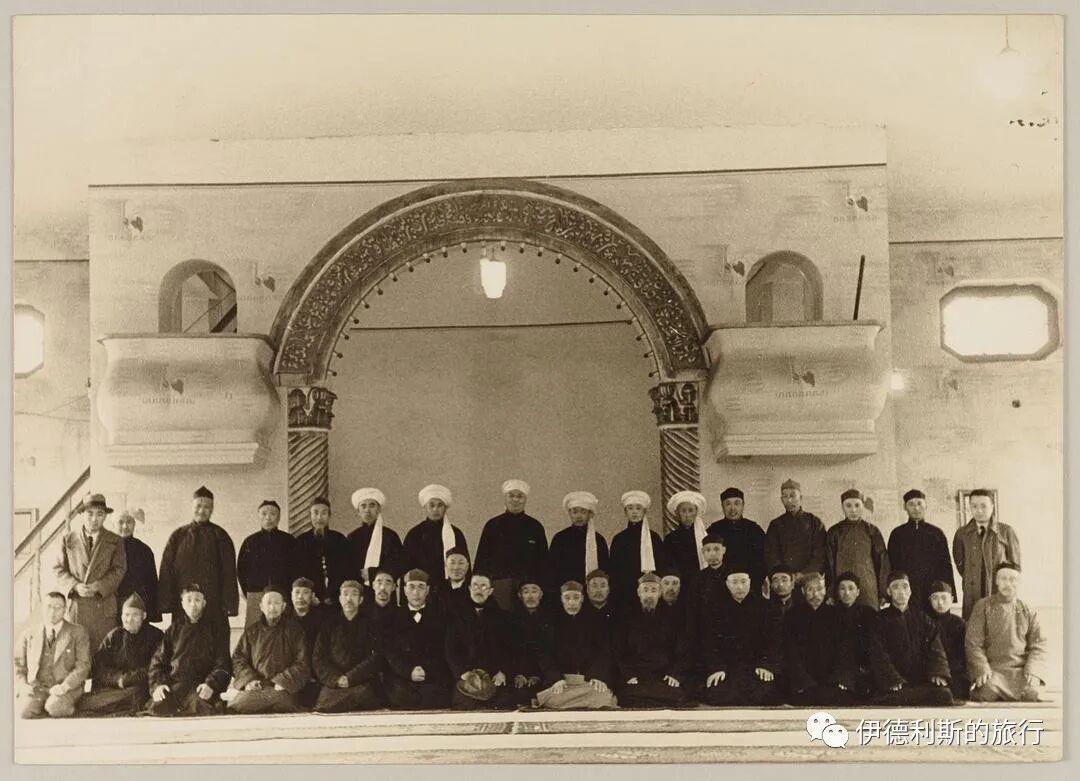
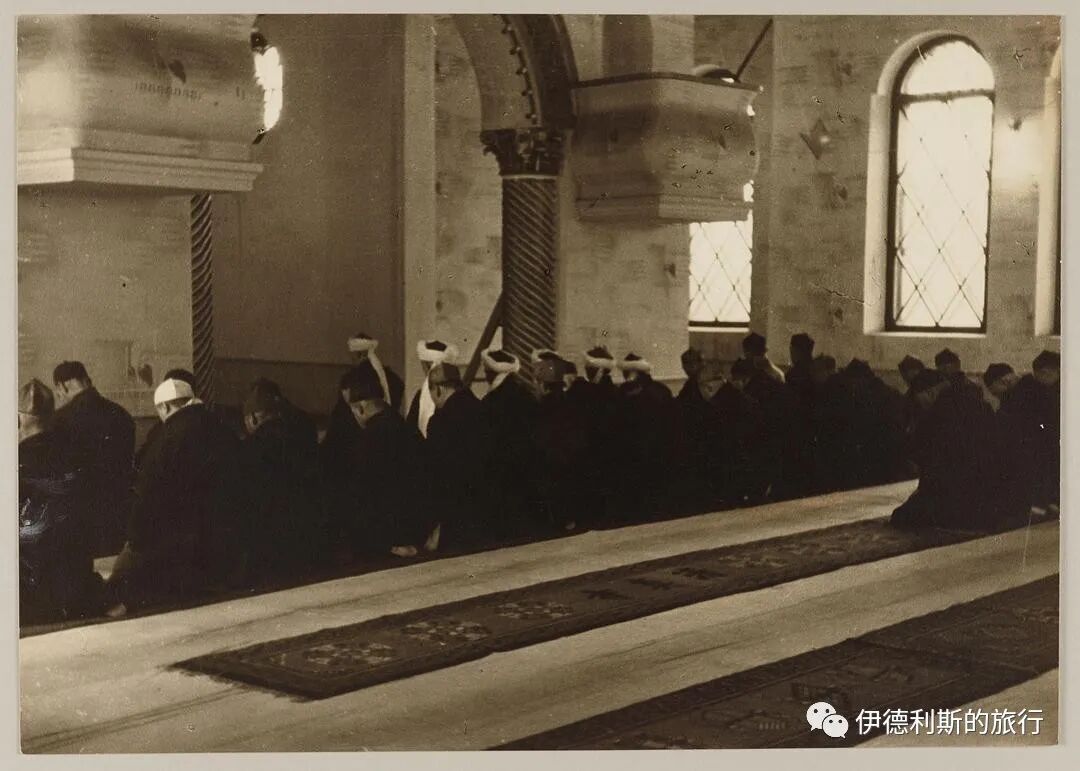
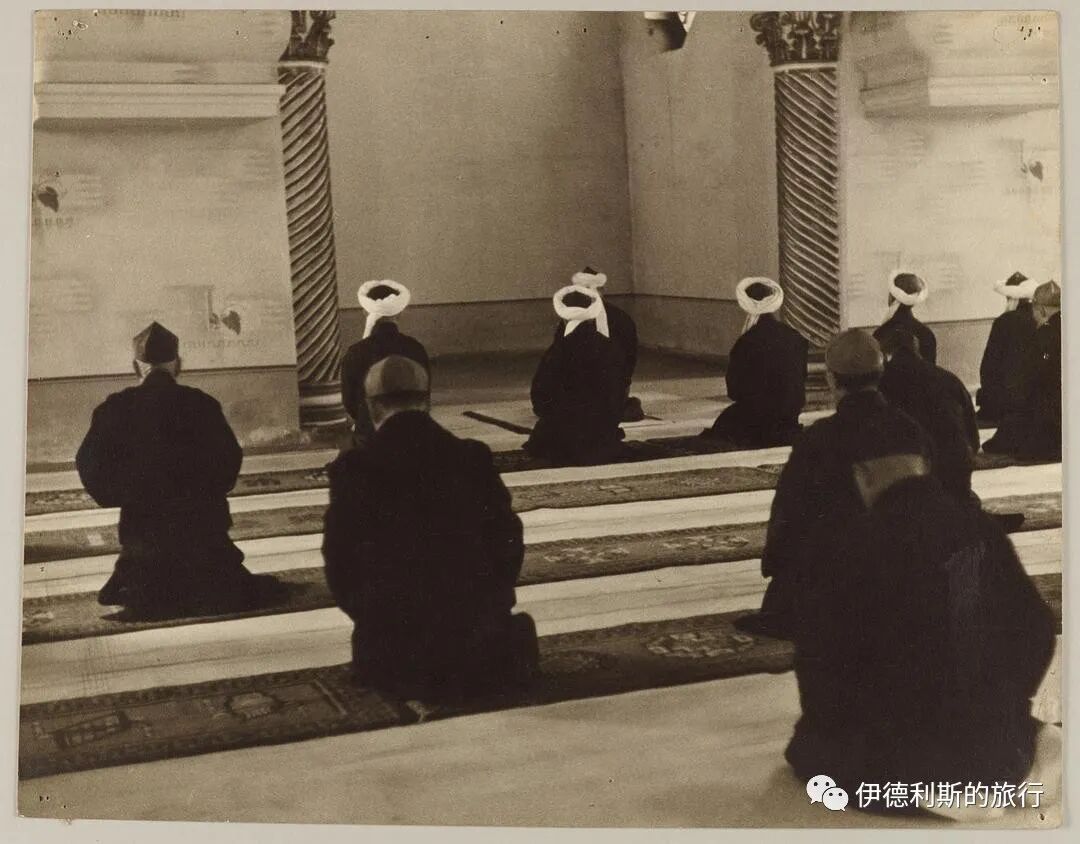
Harbin Mosque in the 1930s.
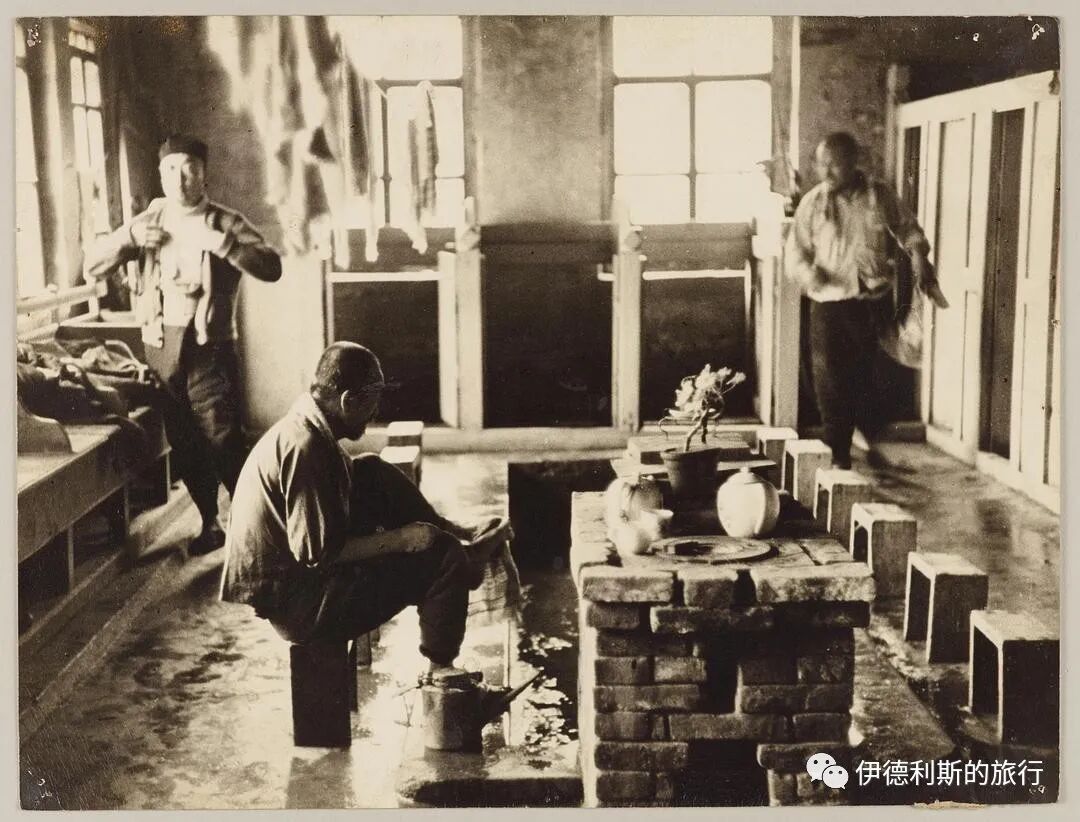
Shenyang.
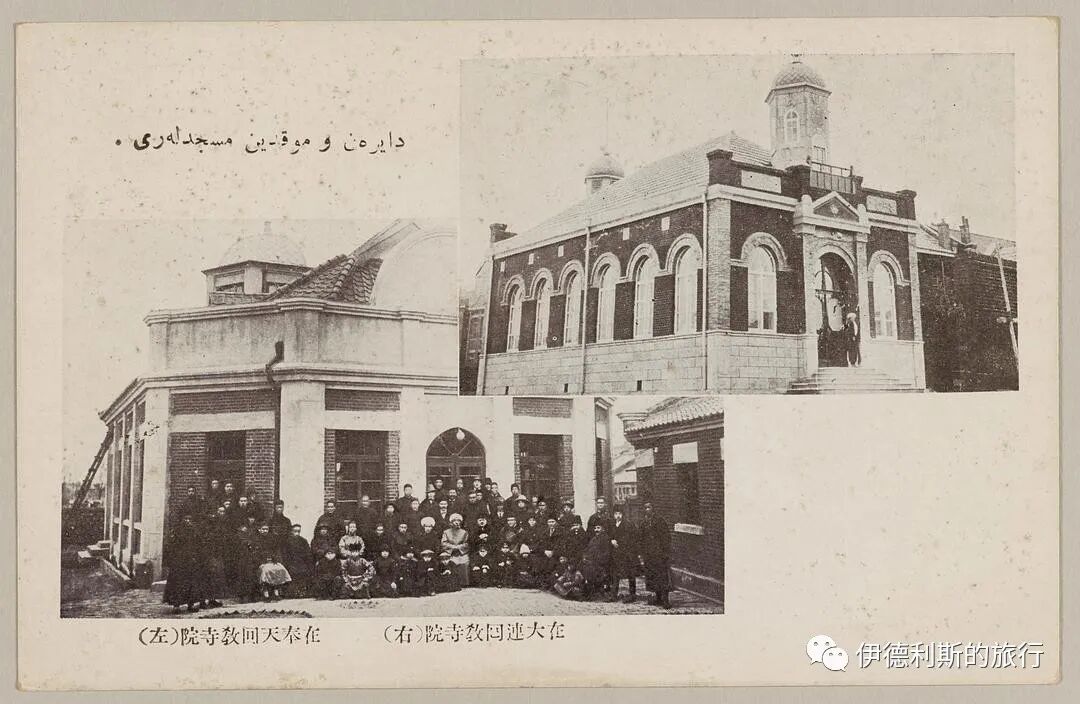
Mosques in Shenyang and Dalian in the 1930s.
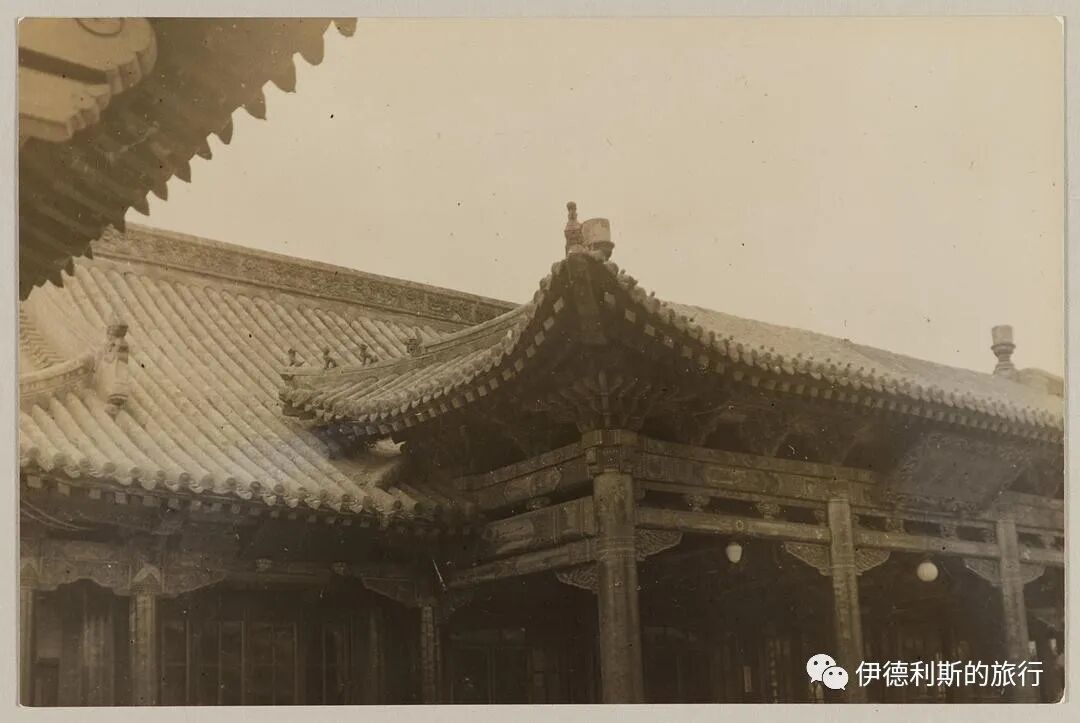
Fengtian Mosque in September 1940. I am not sure which mosque this is; it does not look like the Shenyang South Mosque.
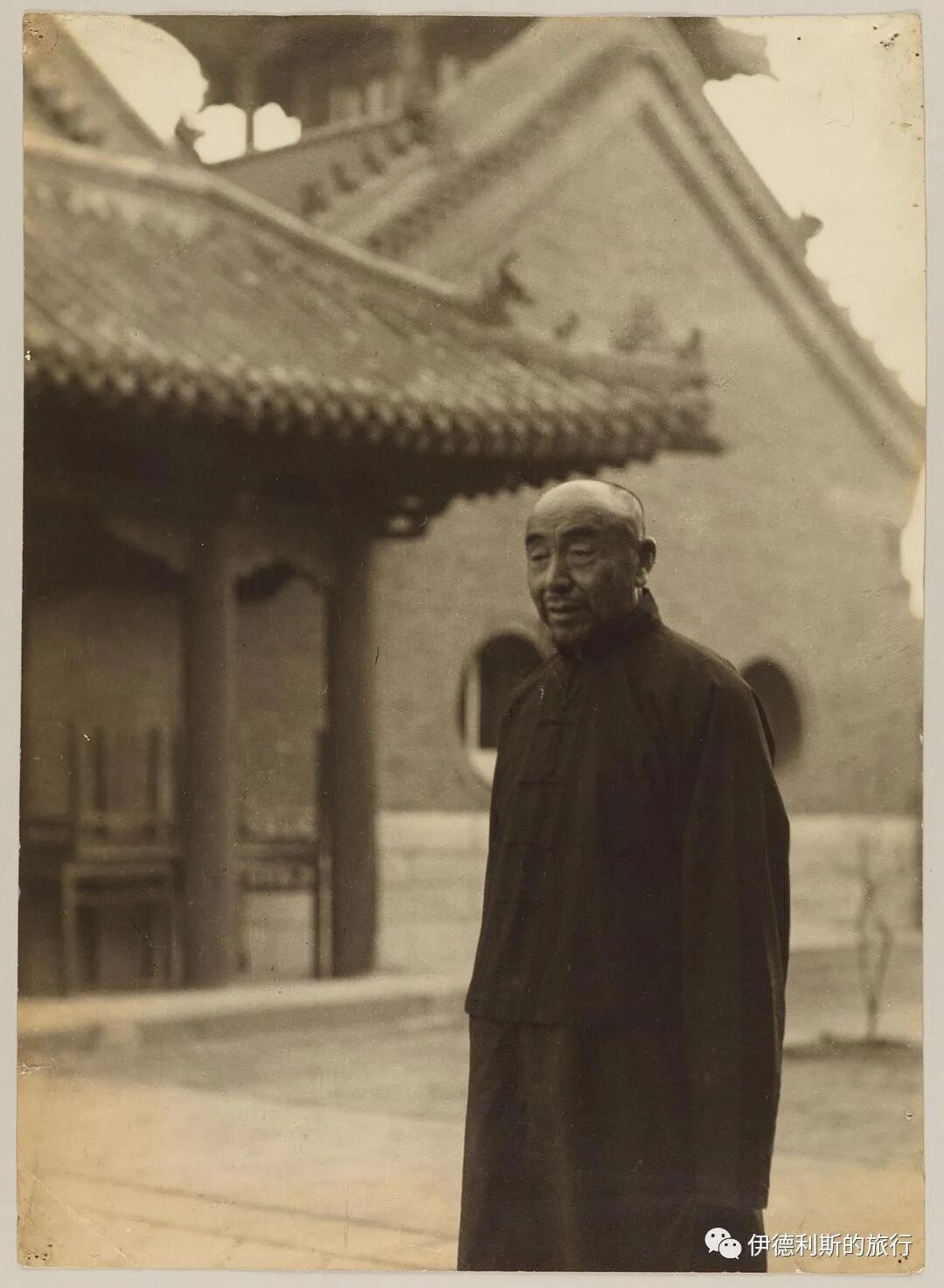
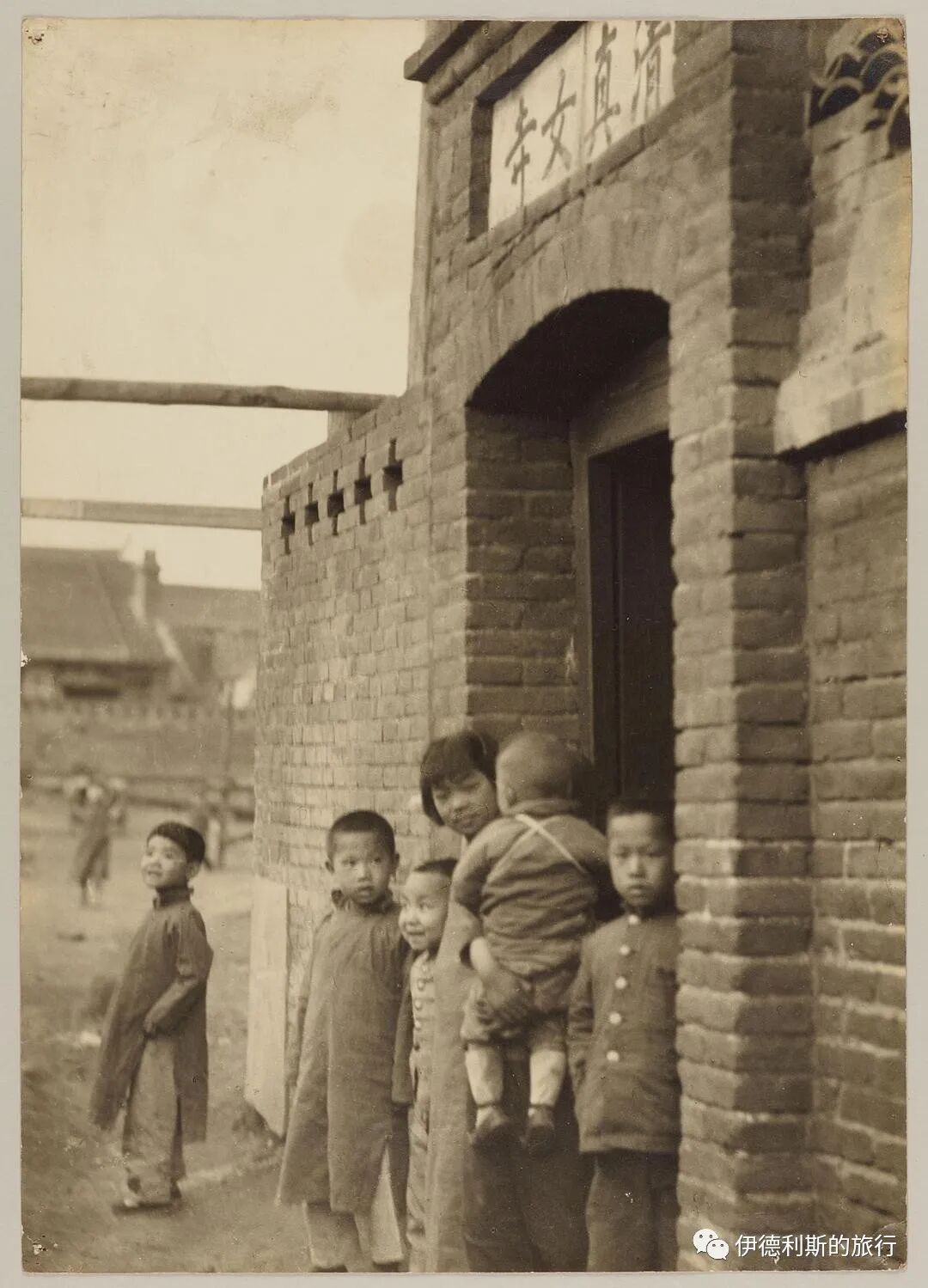
Fengtian Women's Mosque in September 1940.
Changchun.
Changtong Road Mosque in Changchun, June 1941. Changtong Road Mosque was first built in 1824 and expanded several times in 1852, 1864, and 1889.
Kaiyuan.
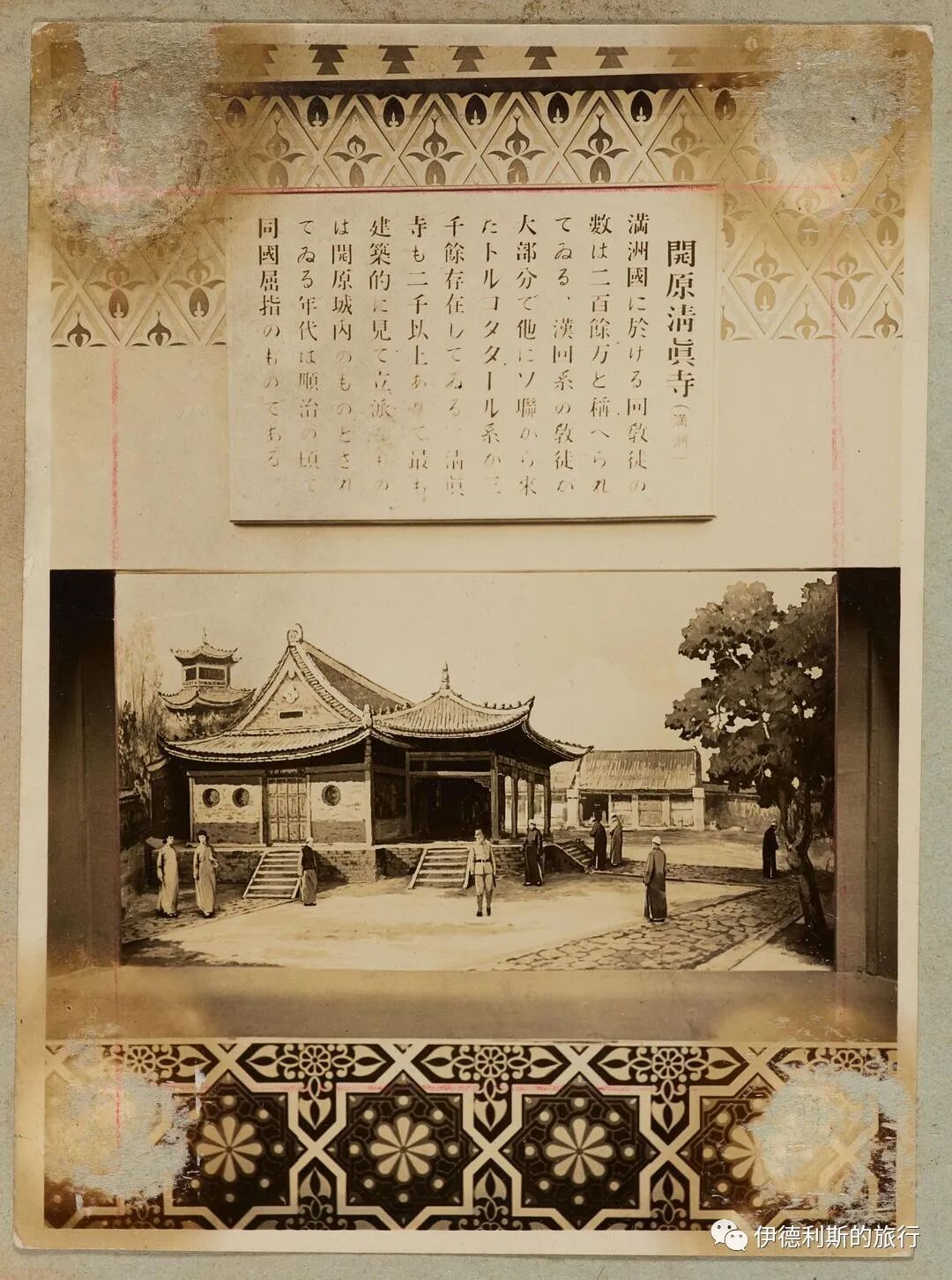
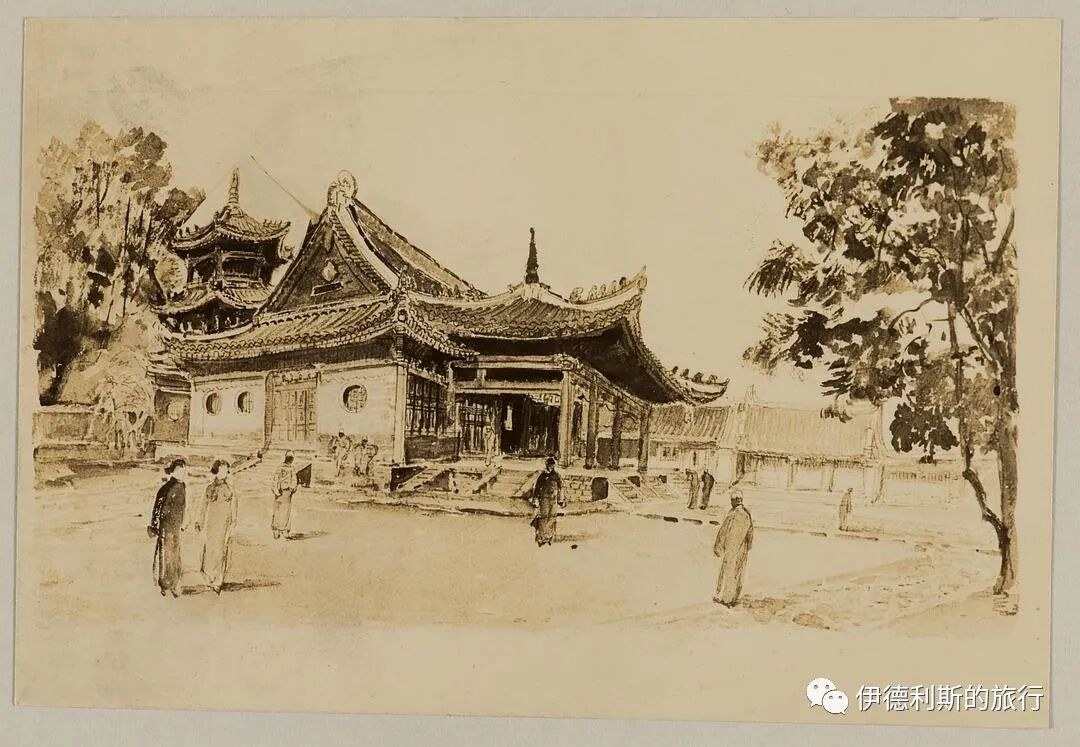
Kaiyuan Mosque in the 1930s. Kaiyuan Old City Mosque is located inside the east gate of Kaiyuan Old City. It was first built in 1406 (the fourth year of the Yongle reign of the Ming Dynasty) and is the oldest mosque in Northeast China.
Siping.
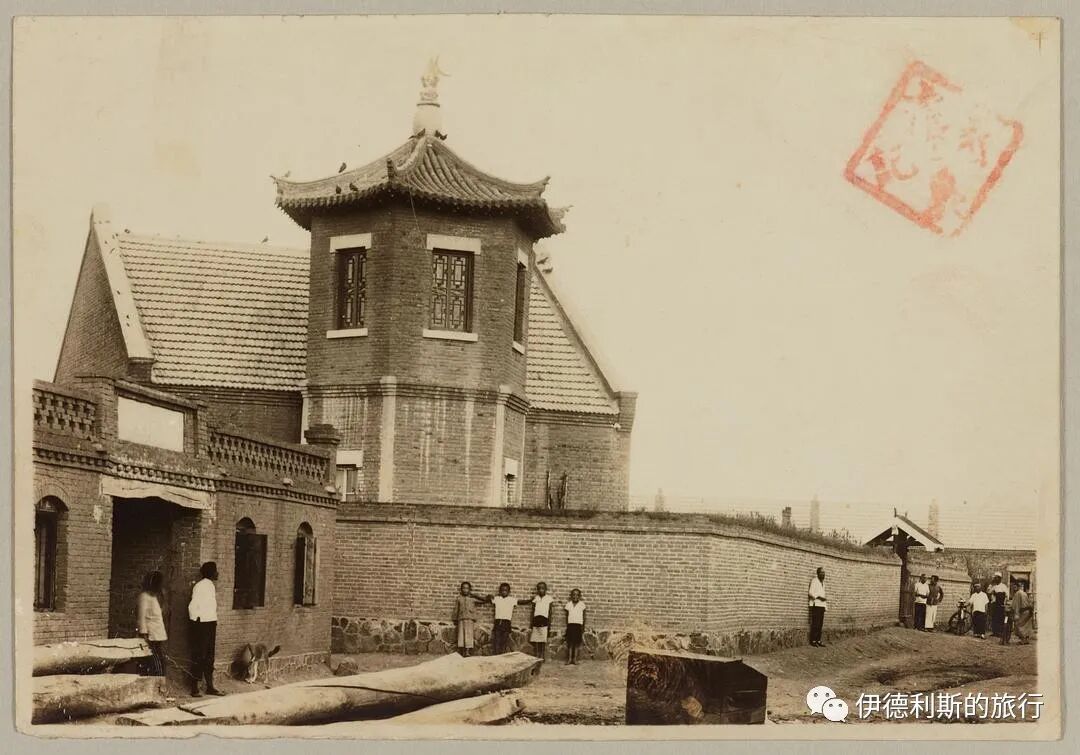
Siping Mosque in September 1940.
Other regions.
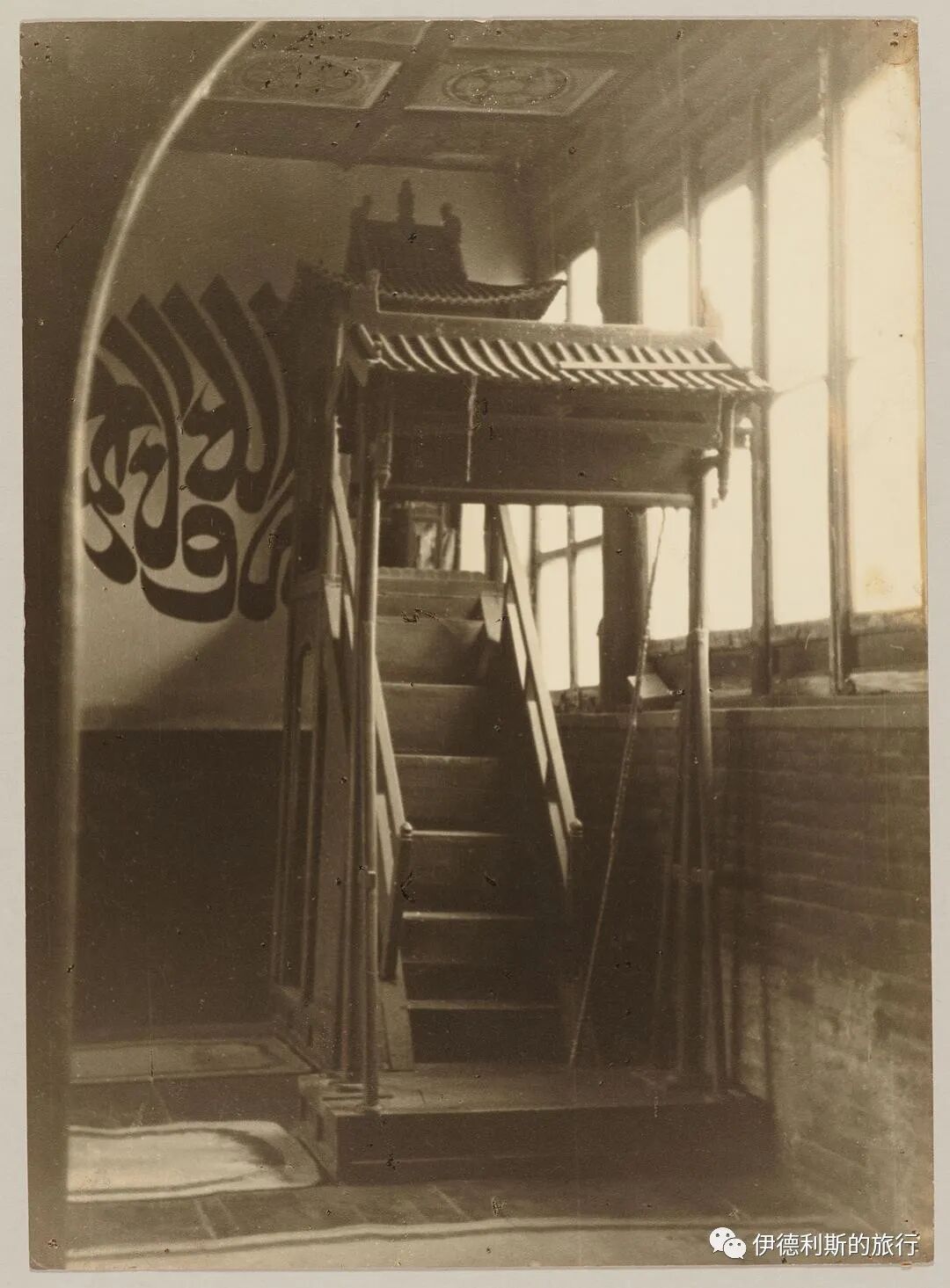
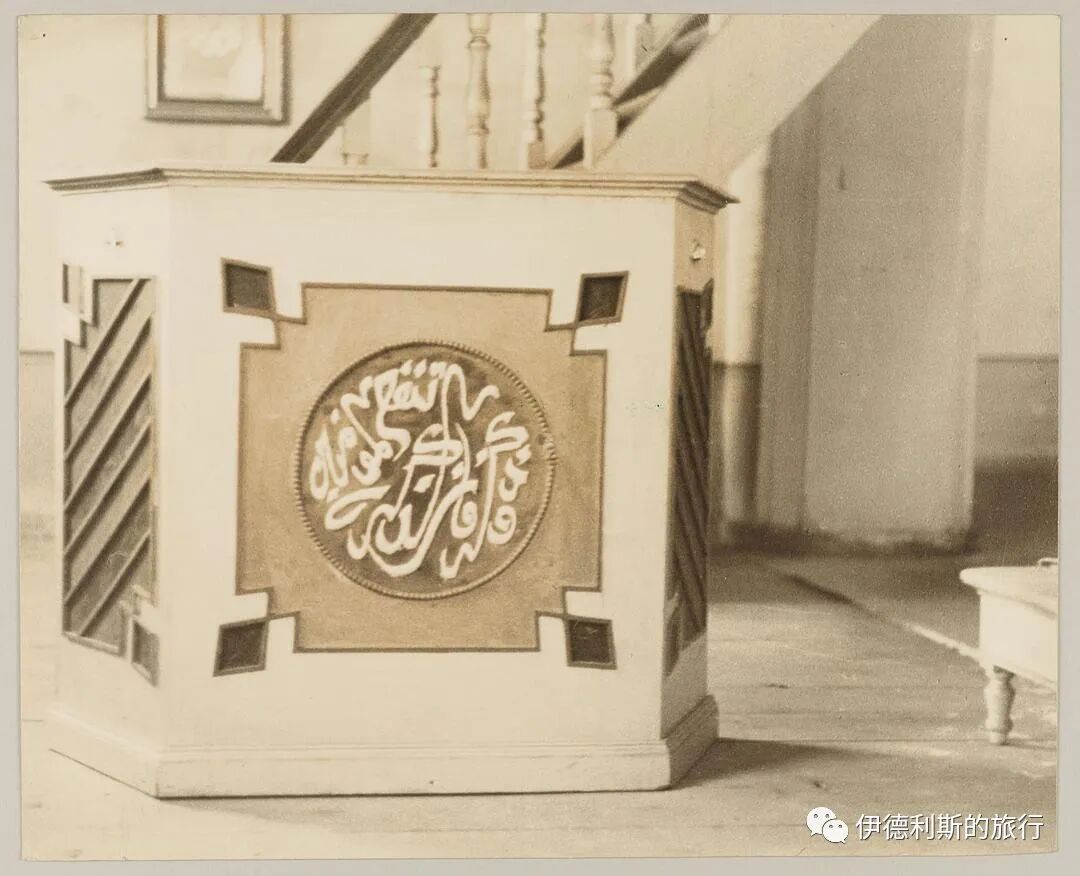
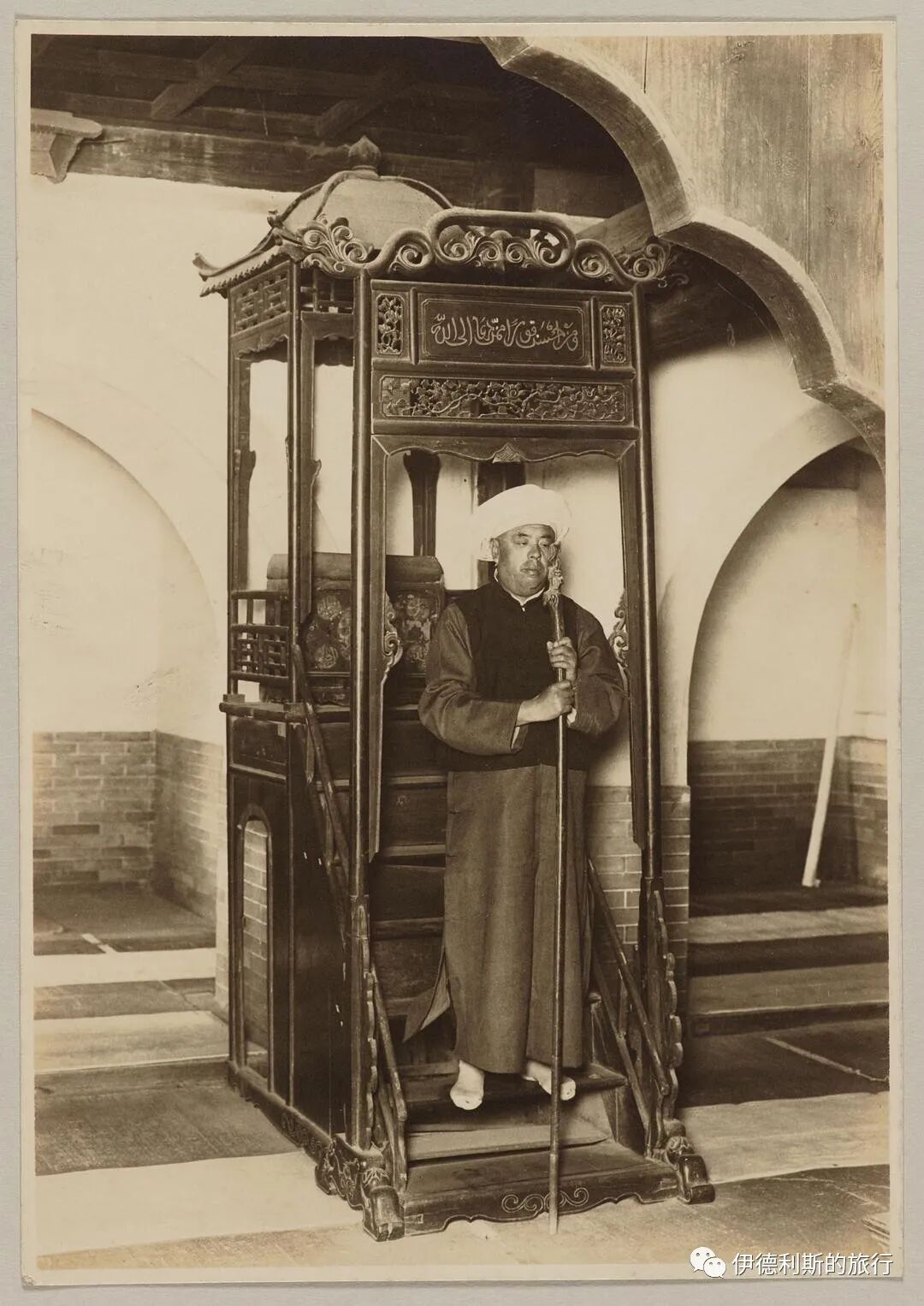
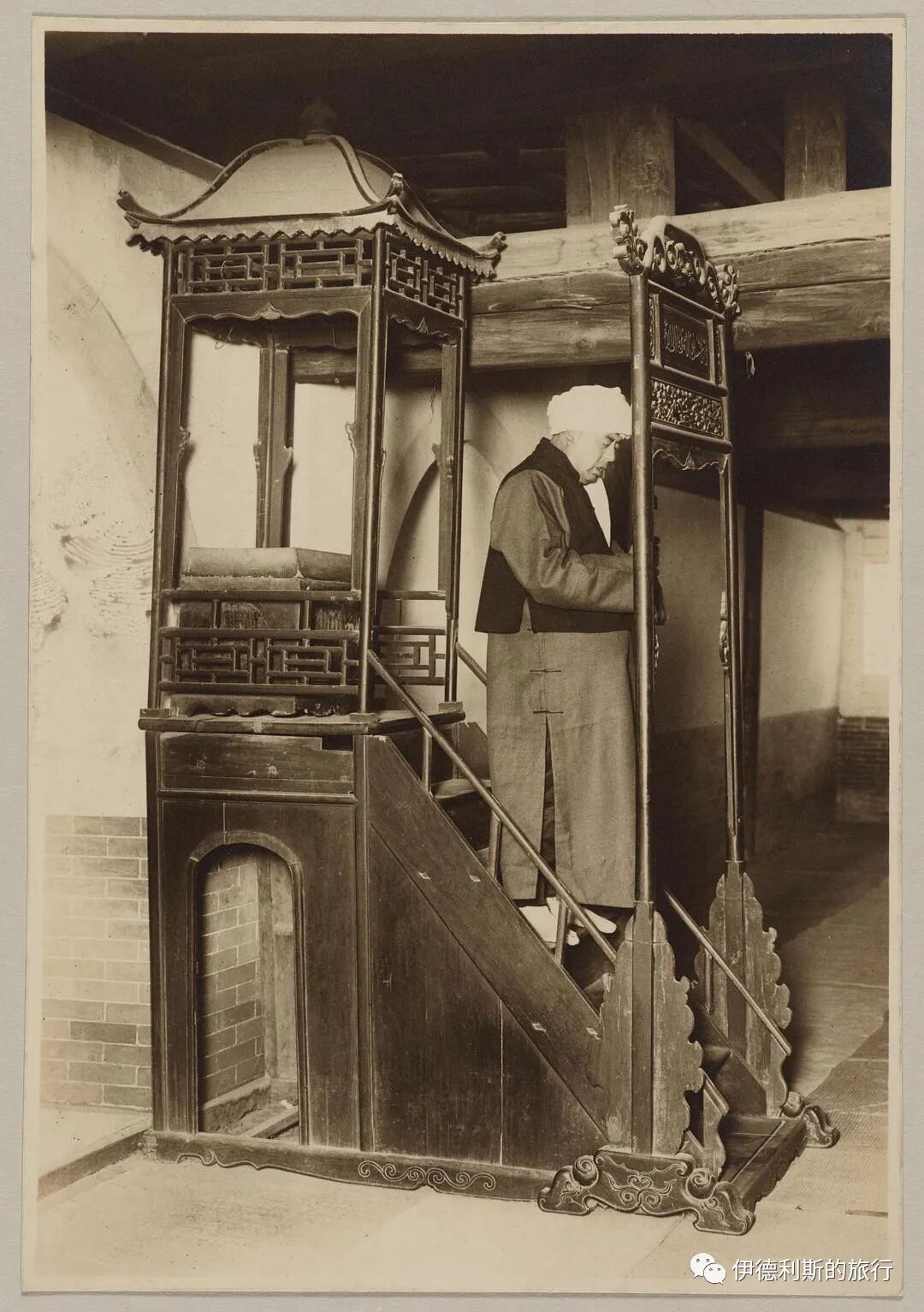
A pulpit (minbar), location unknown.
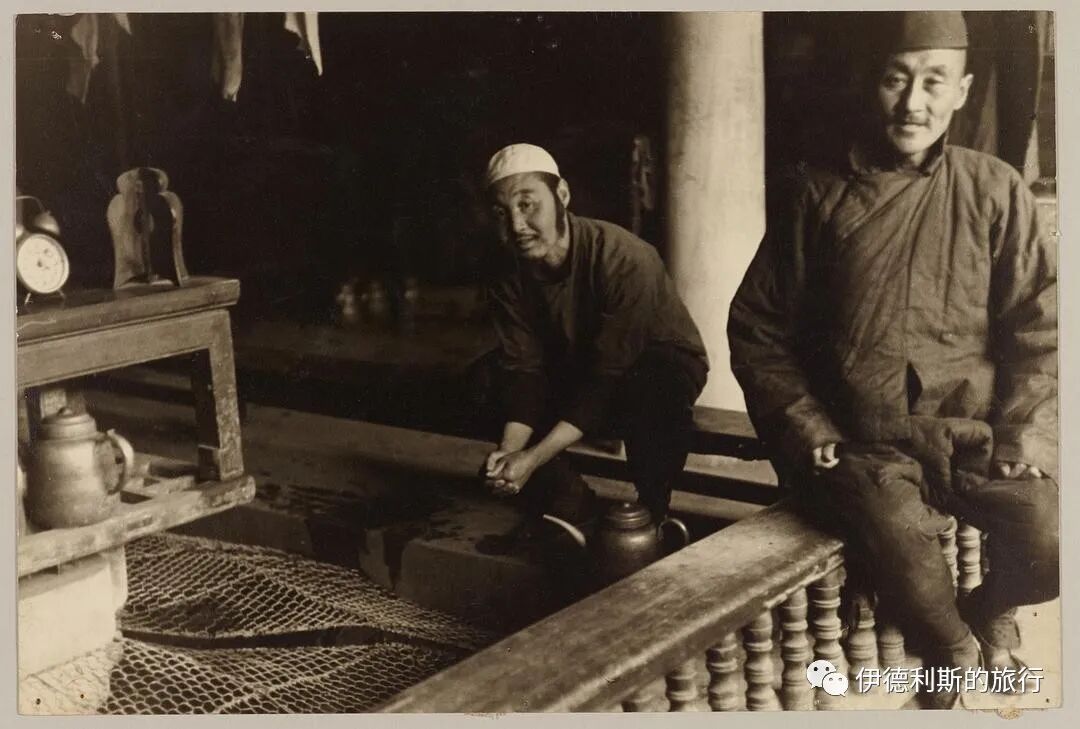
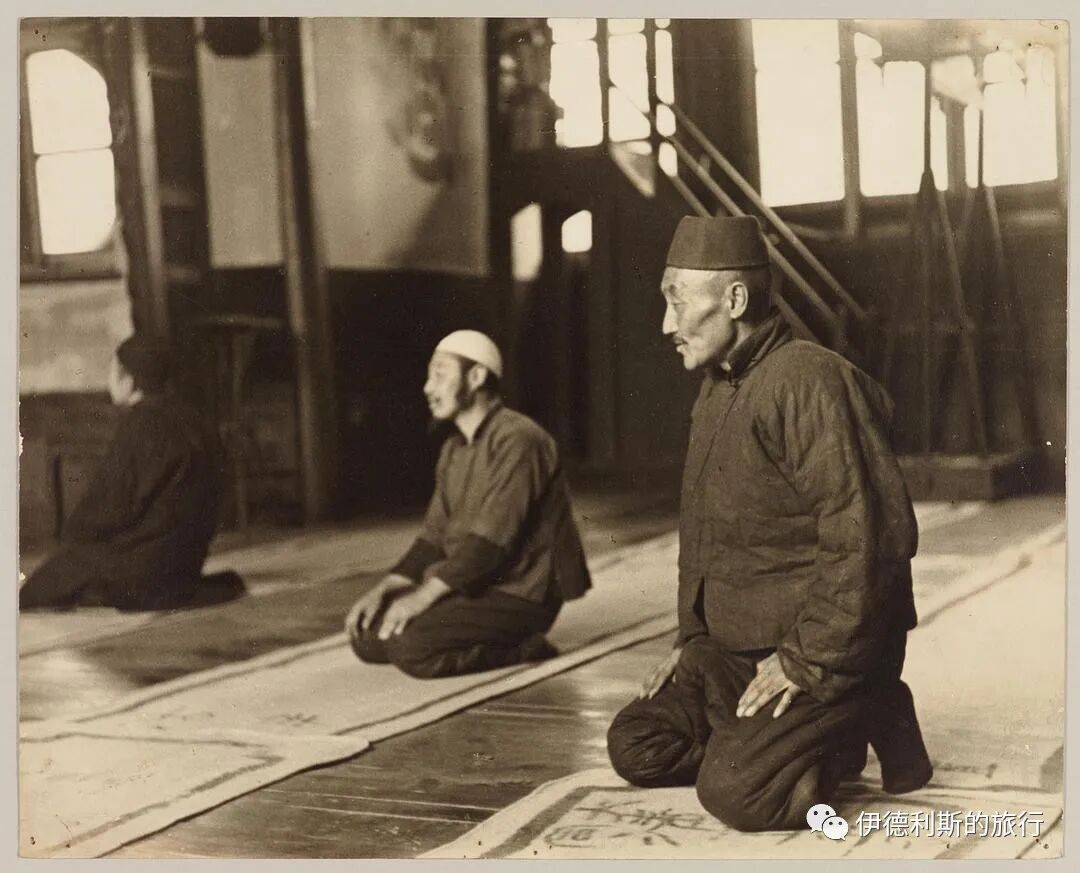
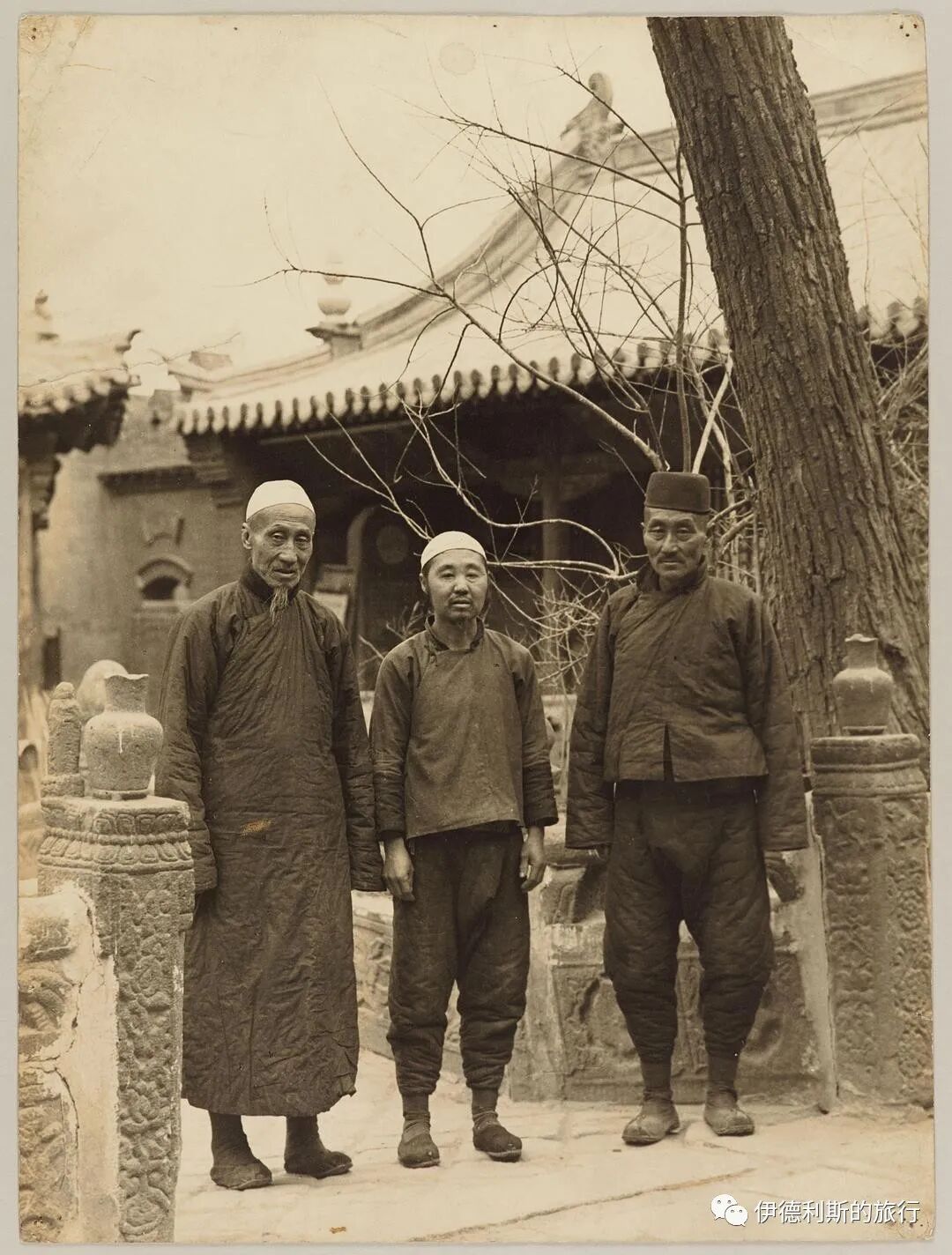
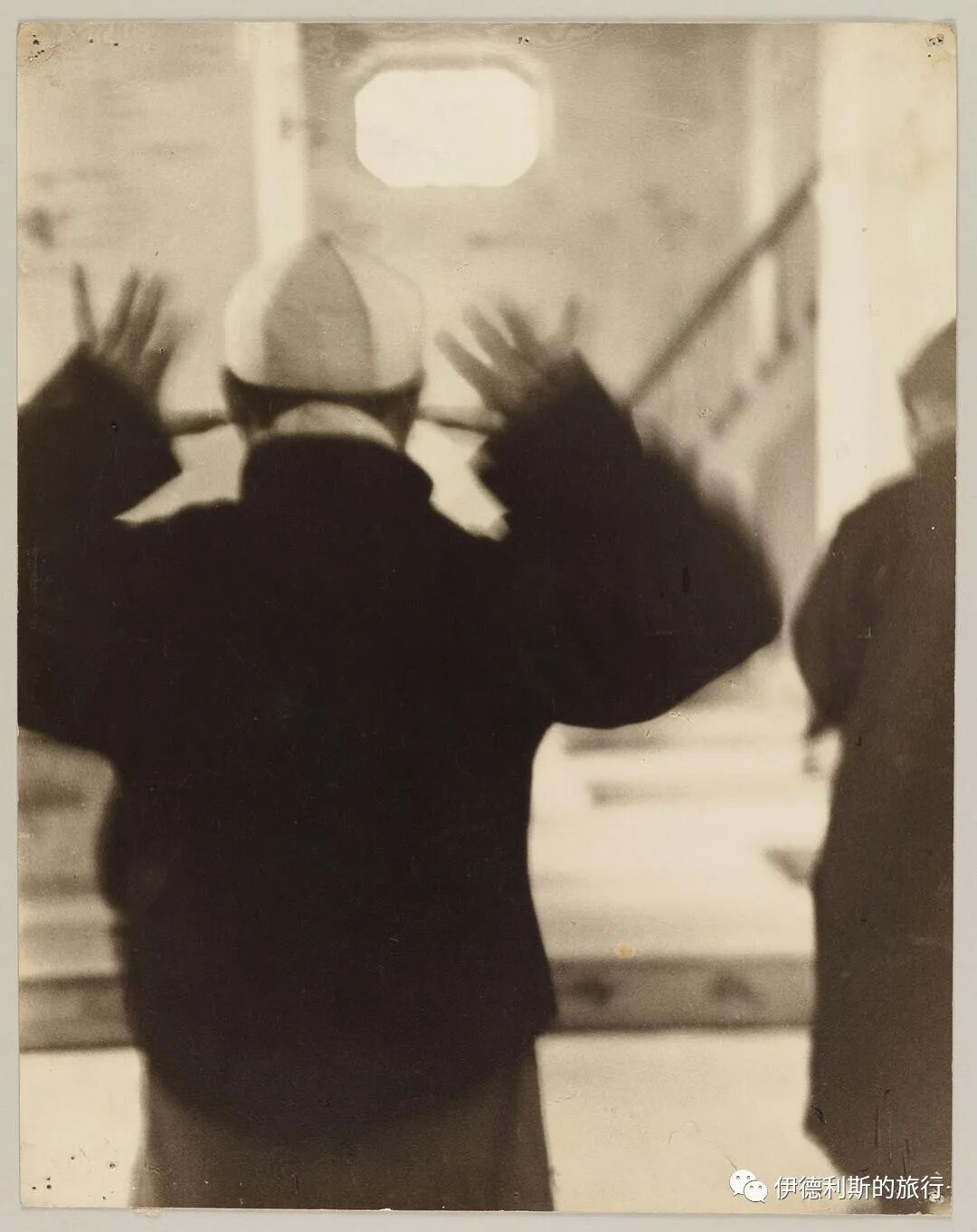
A mosque, location unknown.
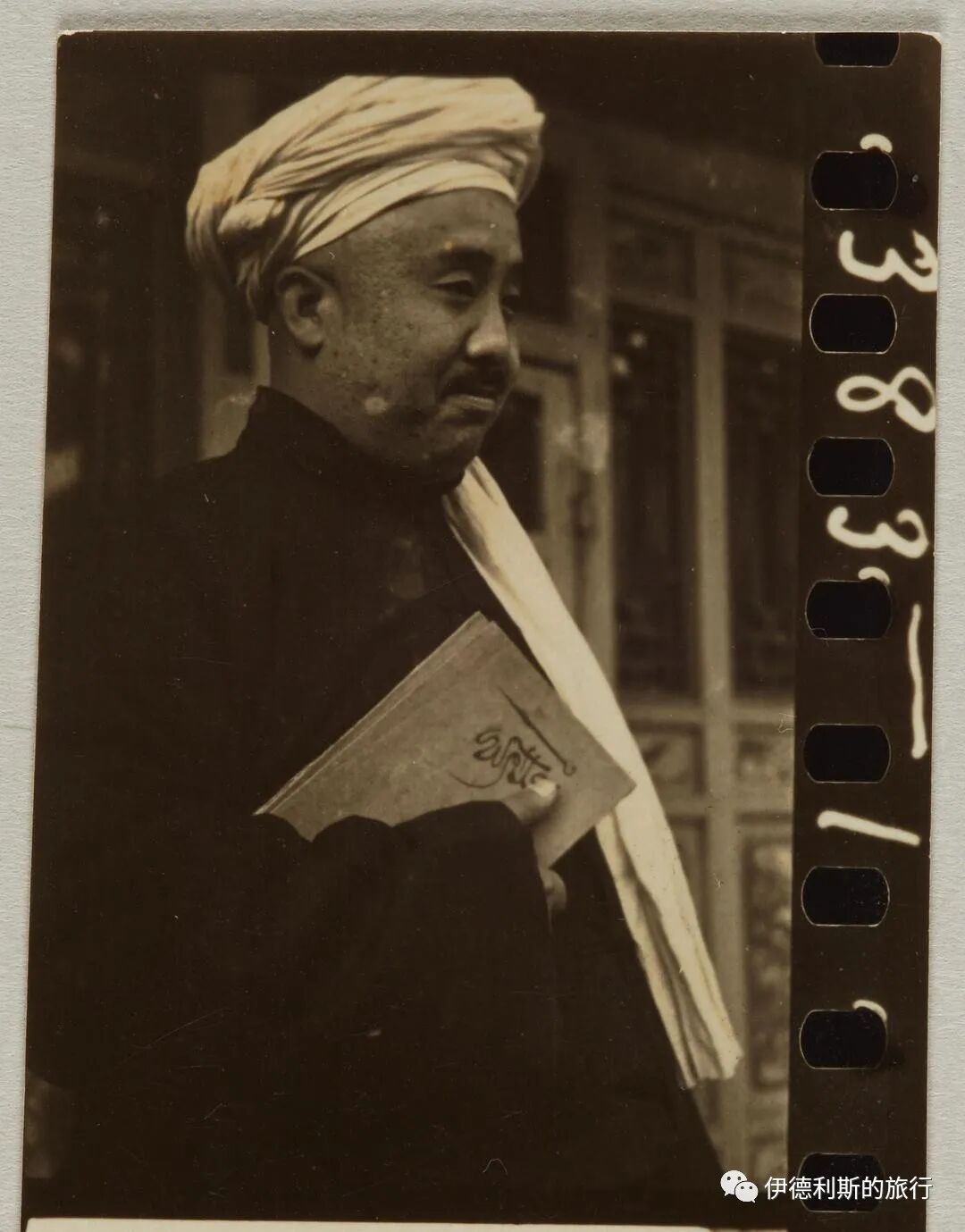
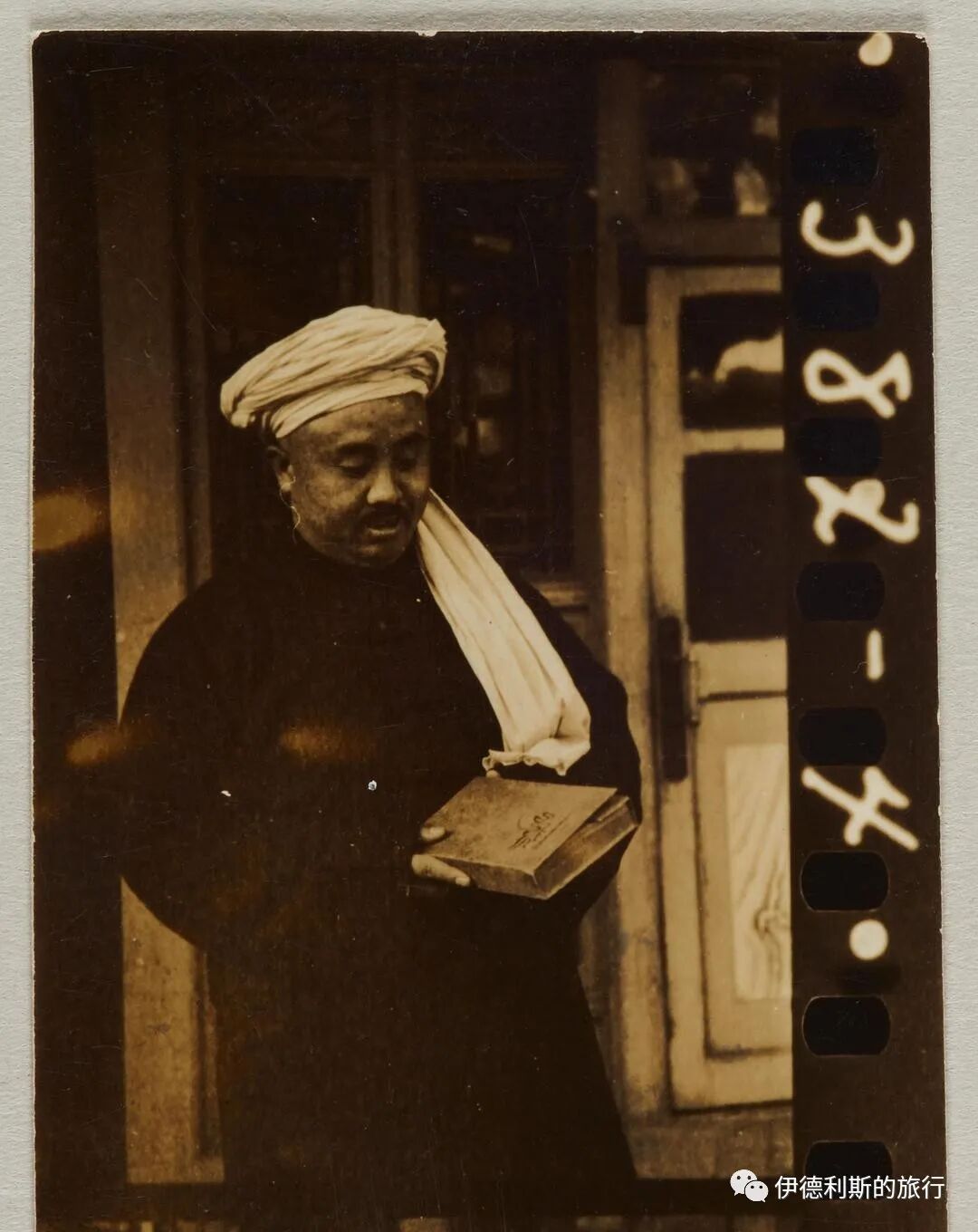
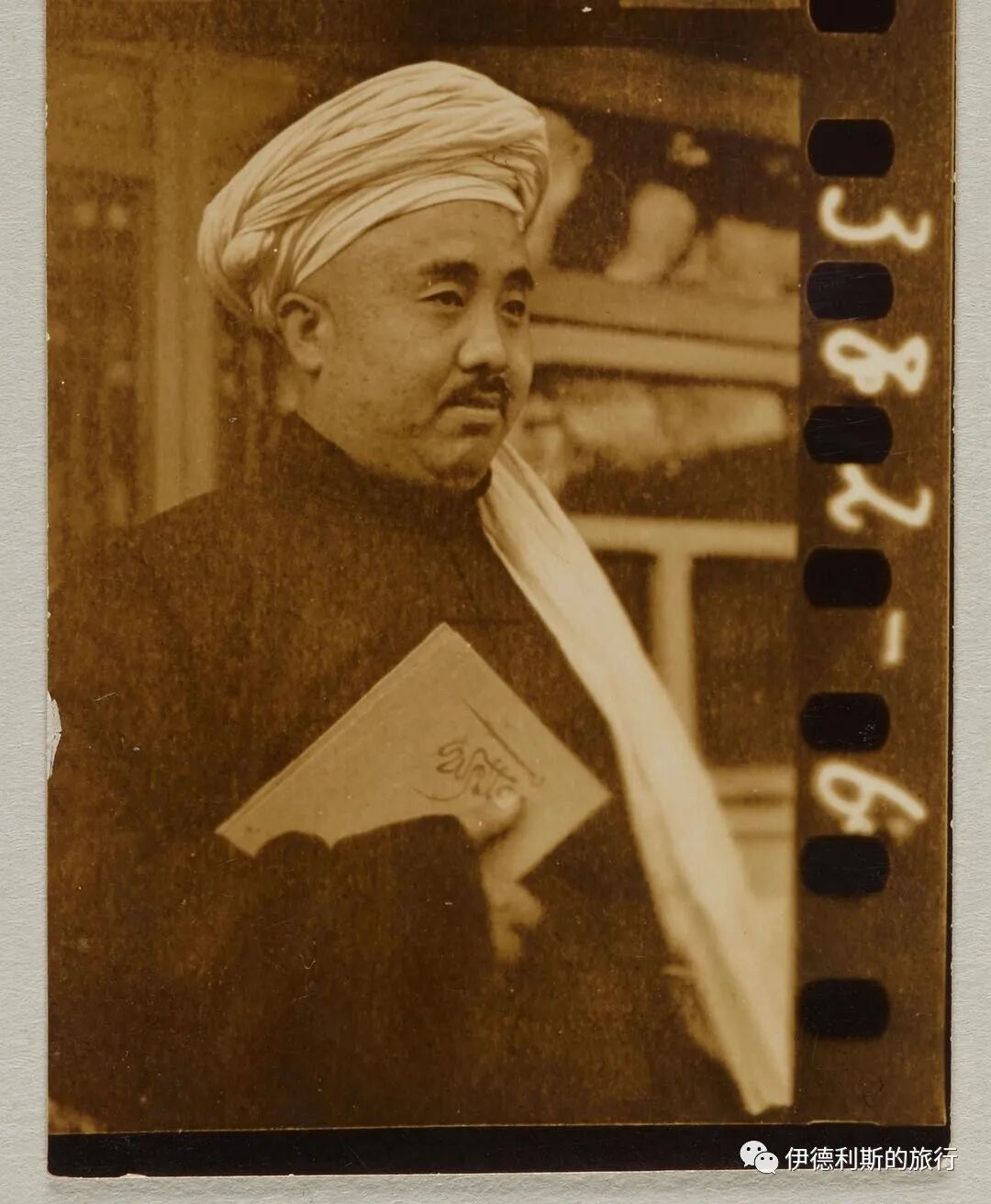
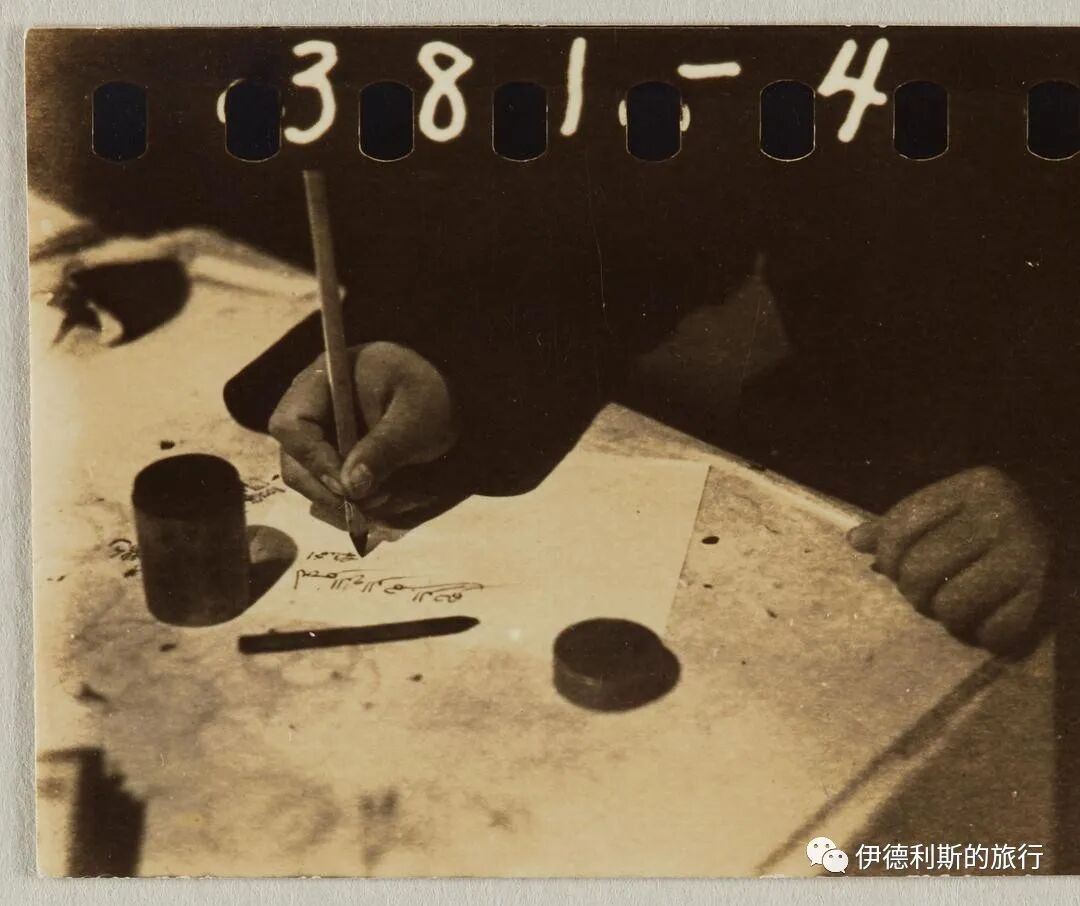
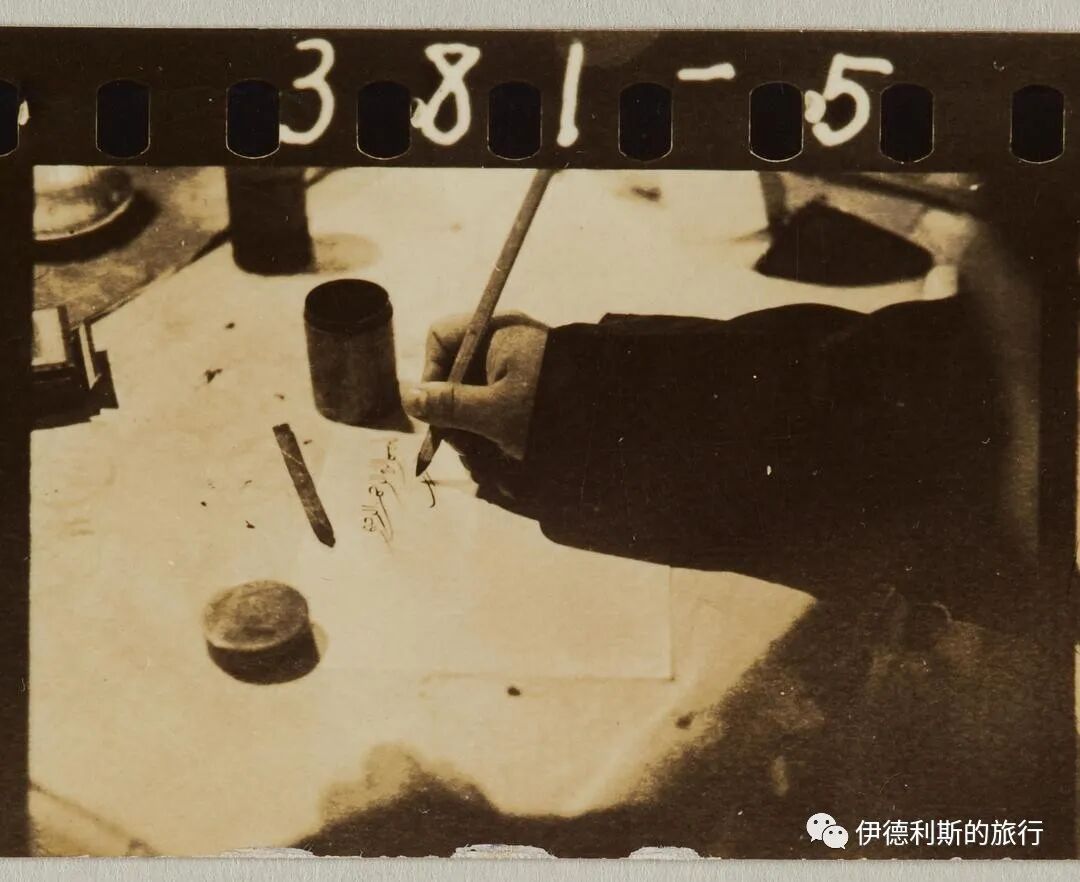
Writing calligraphy, June 1941.
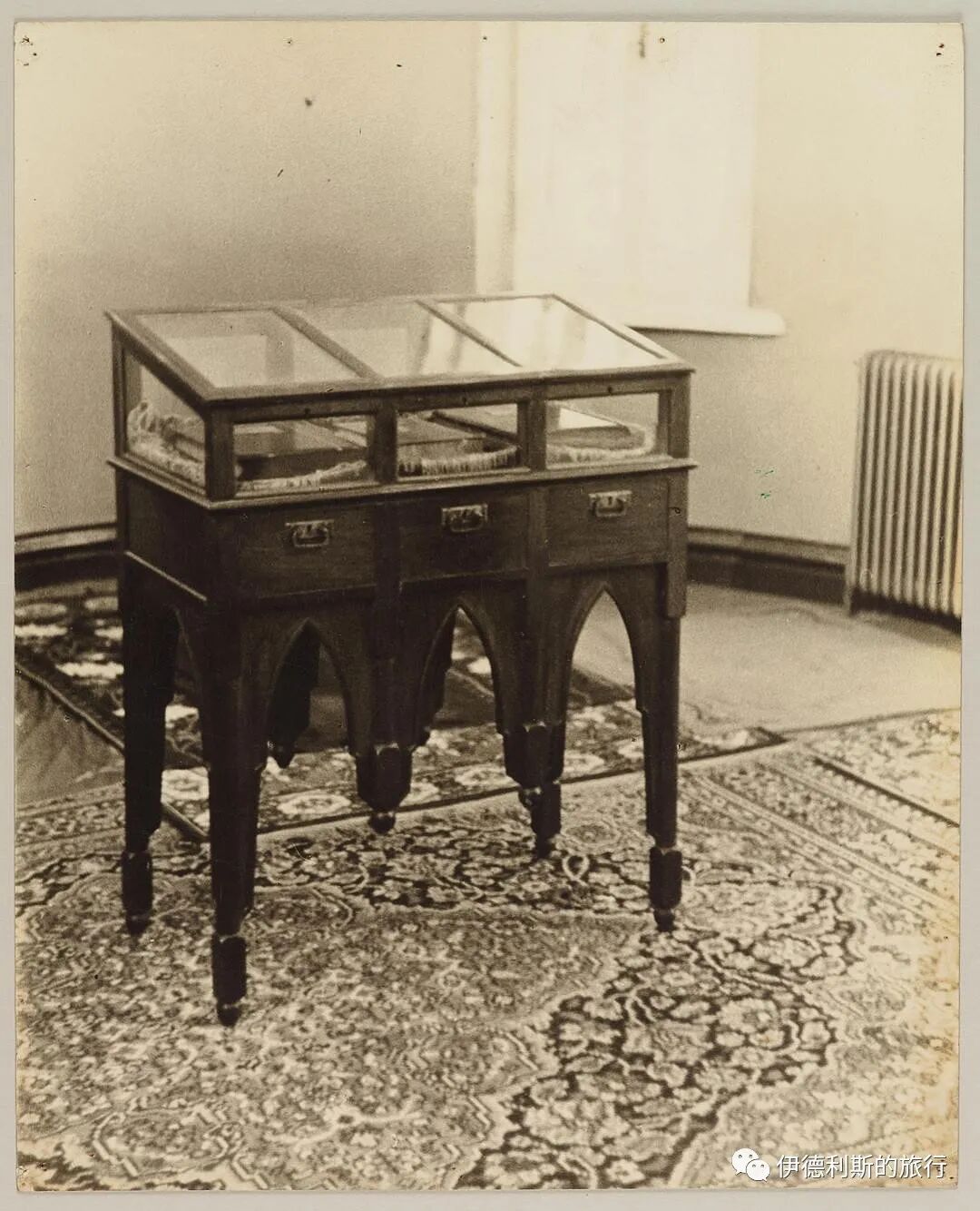
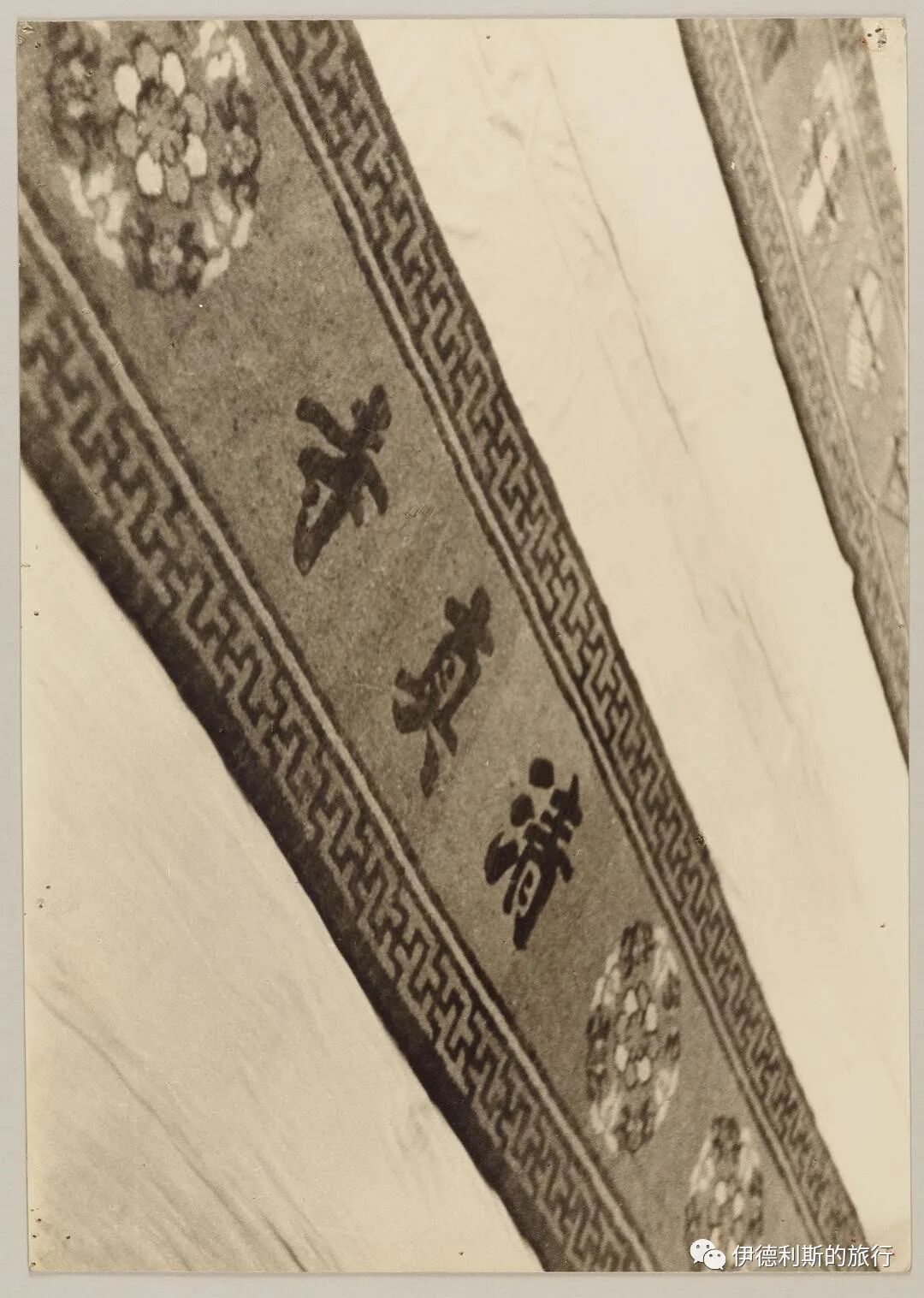
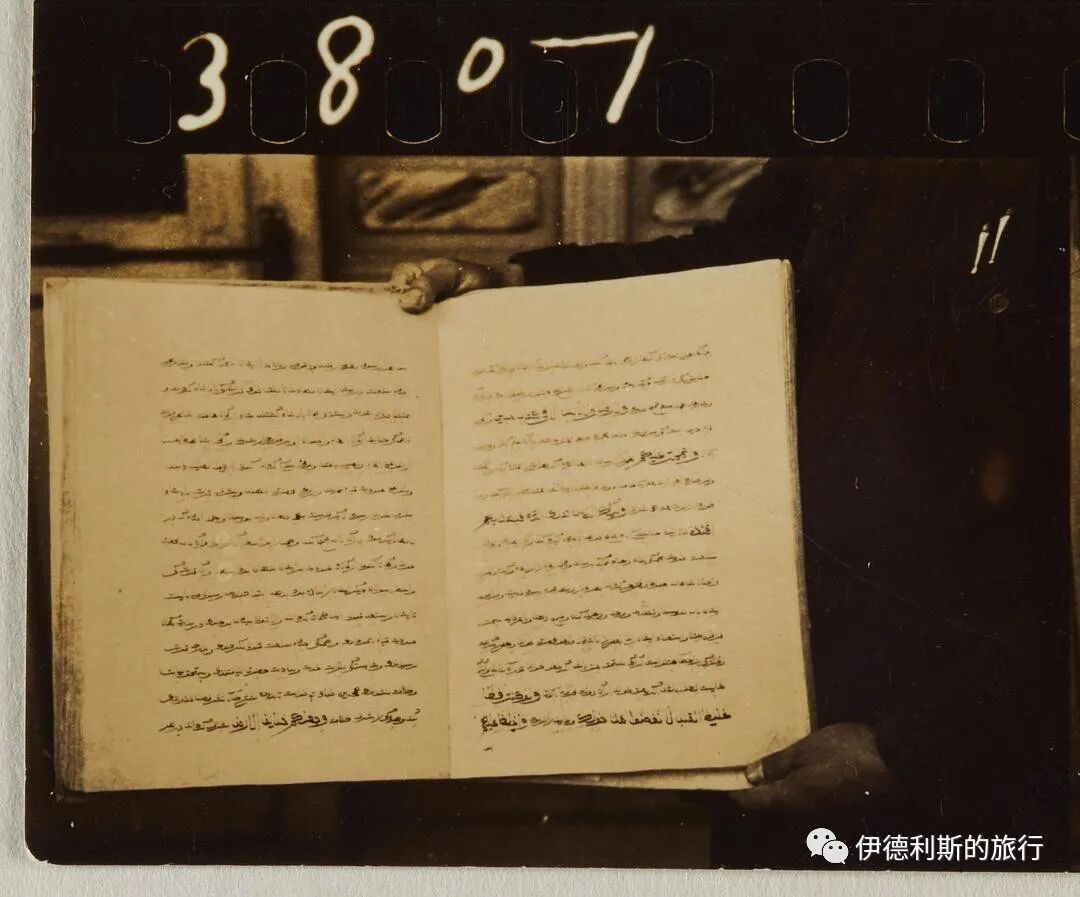
A scripture book.
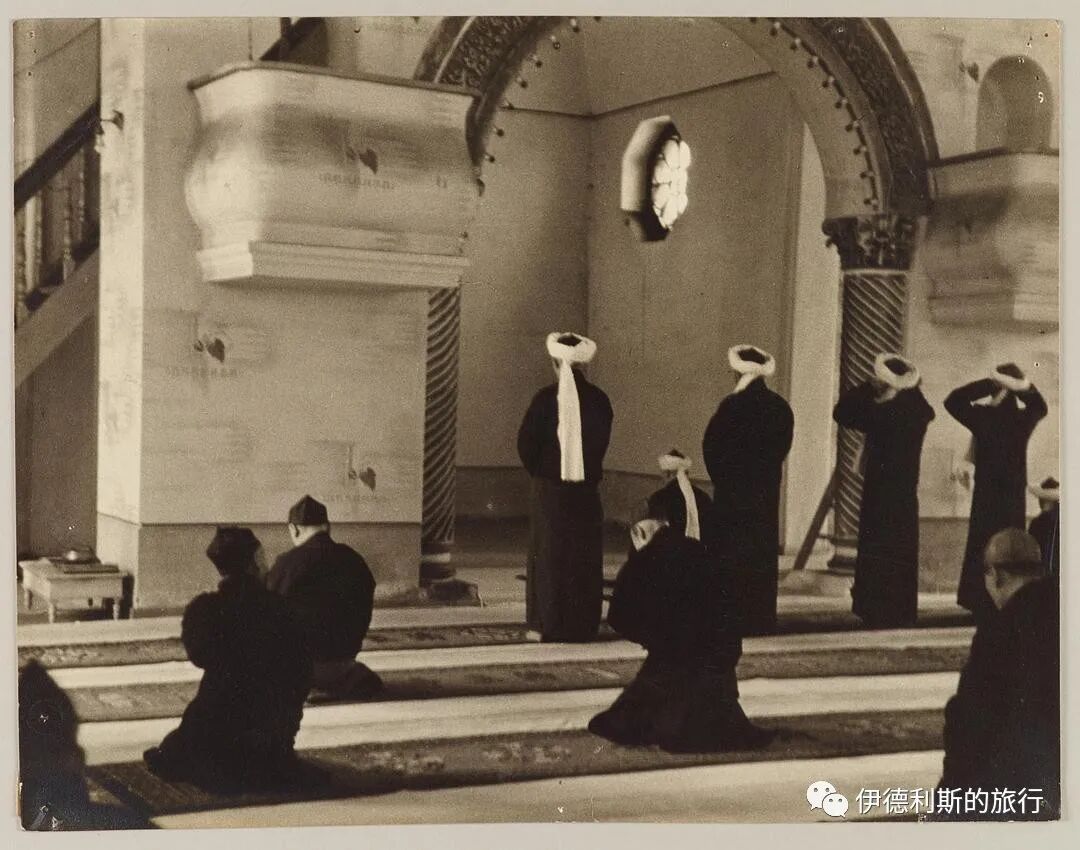
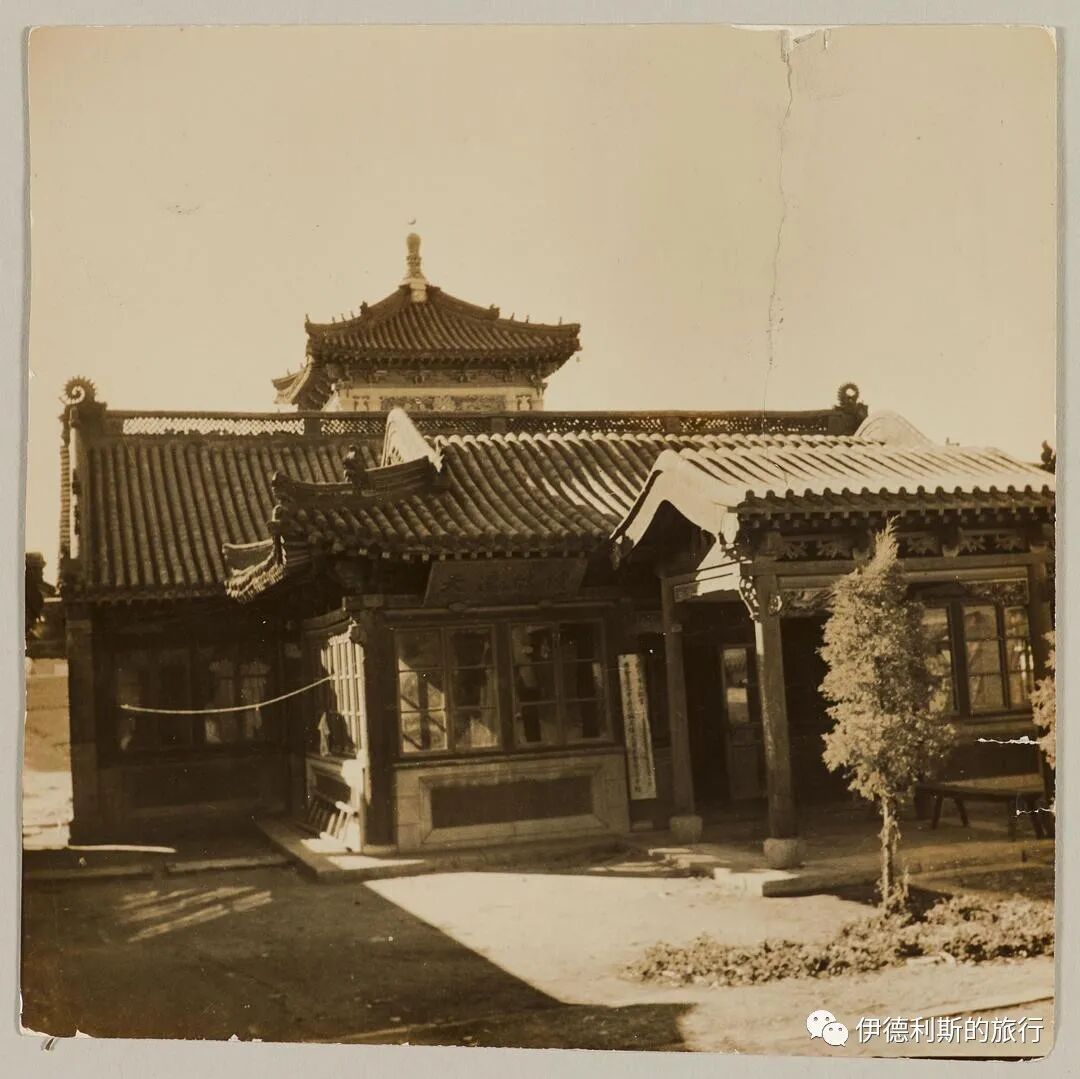
A mosque in the 1930s.
Summary: Old Photos of Hui Muslims in Northern China: Mosques, Cities and Community Life is presented here as a firsthand travel account in clear English, beginning with this scene: Waseda University Library holds a large collection of old photos from the Greater Japan Muslim Association (Dai-Nippon Kaikyo Kyokai, or DNKK). The account keeps its focus on Hui Muslims, Old Photos, China Mosques while preserving the names, places, food, and historical details from the Chinese source.
Waseda University Library holds a large collection of old photos from the Greater Japan Muslim Association (Dai-Nippon Kaikyo Kyokai, or DNKK). The DNKK was a wartime Japanese research organization for Islam. It started in 1938 and closed in 1945. They traveled to China and took many old photos of Hui Muslims. You can view them all online now.
Address: https://www.wul.waseda.ac.jp/k ... t.pdf
Hohhot.
The Great Mosque (Qingzhen Dasi) of Hohhot, photographed in September 1940.
The Great Mosque of Hohhot was first built between the end of the Ming Dynasty and the beginning of the Qing Dynasty. It was expanded in 1789 (the 54th year of the Qianlong reign) and again in 1923.
Datong
The Datong Mosque in September 1940.
The History of Yuan (Yuan Shi, Annals of Emperor Taiding, Part 1) records that in 1324 (the first year of the Yuan Taiding reign), the emperor ordered the construction of mosques in Shangdu and Datong Road, granting 40,000 ingots of paper money. This makes the Datong Mosque one of only two mosques recorded as being built by imperial decree during the Yuan Dynasty. However, the Yuan Dynasty Datong Mosque was completely destroyed during the wars at the end of the Yuan period. The current mosque was rebuilt inside the Datong city walls during the Yongle reign of the Ming Dynasty. The main gate of the mosque was rebuilt in 1936 and features a typical Republic of China era style.
Zhangjiakou.
The Xiguan Mosque in Zhangjiakou in September 1940. It had plaques reading 'Recognize the Truth' (renshi yizhen) and 'Principles Thoroughly Understood' (xingli guanche). The current plaques are all new.
The Xiguan Mosque was built during the Yongzheng reign of the Qing Dynasty (1723-1735) with funds raised by Hui Muslim families named Xiao, Zheng, Song, and Wang, who had lived in the Xiabao area of Zhangjiakou since the Ming and Qing dynasties.
An old halal mutton shop in Zhangjiakou during the 1930s.
An exhibit board about Hui Muslims in Zhangjiakou, drawn by the Japanese.
Baotou
The Baotou Mosque in September 1940.
The Great Mosque of Baotou was first built in 1743. It was expanded in 1809, had a porch and gate added in 1833, and was expanded several times during the Republic of China era.
Harbin
The Tatar Mosque in Harbin during the 1930s.
The Tatar Mosque was first built in 1906 and rebuilt in 1923. The designer was Yu. P. Zhdanov.
The Tatar Mosque in Harbin in September 1940.
Daowai Mosque in Harbin, September 1940.
Daowai Mosque was originally called Harbin East Mosque or Binjiang Mosque. It was first built in 1897. In 1935, at the suggestion of Imam Ma Songting, the head of the mosque, Bai Yusheng, raised funds to move the site and build a main prayer hall featuring Roman columns and Russian-style architecture.
Harbin Mosque in the 1930s.
Shenyang.
Mosques in Shenyang and Dalian in the 1930s.
Fengtian Mosque in September 1940. I am not sure which mosque this is; it does not look like the Shenyang South Mosque.
Fengtian Women's Mosque in September 1940.
Changchun.
Changtong Road Mosque in Changchun, June 1941. Changtong Road Mosque was first built in 1824 and expanded several times in 1852, 1864, and 1889.
Kaiyuan.
Kaiyuan Mosque in the 1930s. Kaiyuan Old City Mosque is located inside the east gate of Kaiyuan Old City. It was first built in 1406 (the fourth year of the Yongle reign of the Ming Dynasty) and is the oldest mosque in Northeast China.
Siping.
Siping Mosque in September 1940.
Other regions.
A pulpit (minbar), location unknown.
A mosque, location unknown.
Writing calligraphy, June 1941.
A scripture book.
A mosque in the 1930s.
