
Old Photos of Hui Muslims in Guangzhou and Sanya: Waseda Library Collection
Reposted from the web
Summary: Old Photos of Hui Muslims in Guangzhou and Sanya: Waseda Library Collection is presented here as a firsthand travel account in clear English, beginning with this scene: Waseda University Library holds a large collection of old photos from the Greater Japan Muslim Association (Dai-Nippon Kaikyo Kyokai, or DNKK). The account keeps its focus on Hui Muslims, Old Photos, Guangzhou Muslims while preserving the names, places, food, and historical details from the Chinese source.
Waseda University Library holds a large collection of old photos from the Greater Japan Muslim Association (Dai-Nippon Kaikyo Kyokai, or DNKK). The DNKK was a wartime Japanese research organization for Islam. It started in 1938 and closed in 1945. They traveled to China and took many old photos of Hui Muslims. You can view them all online now.
Address: https://www.wul.waseda.ac.jp/k ... t.pdf
Guangzhou
After the Tang Dynasty, many Muslims from Arabia and Persia came to Guangzhou for business, and many of them chose to settle down. These Muslims were called "foreign guests" (fanke), and the communities where they lived were known as "foreign quarters" (fanfang).
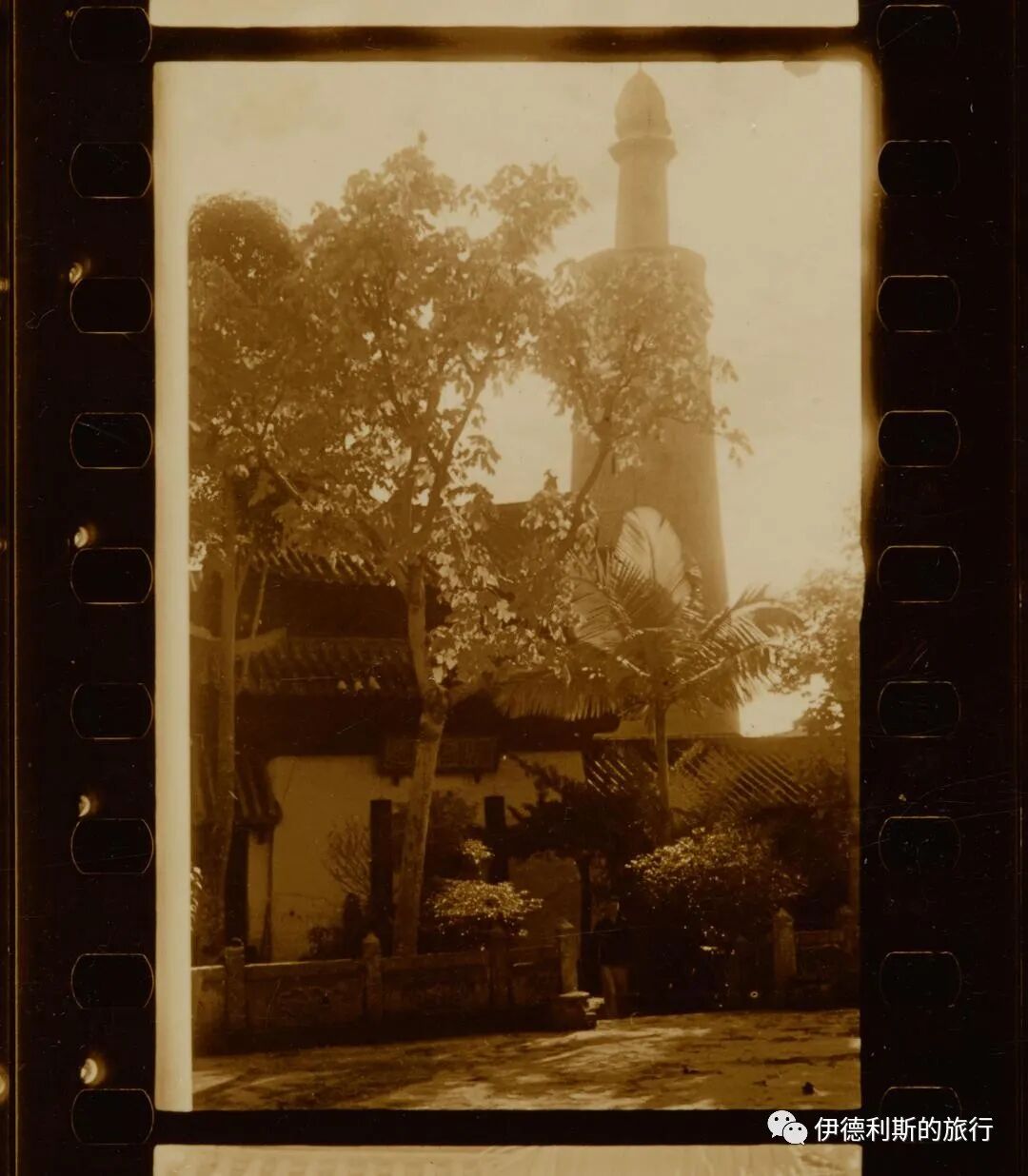
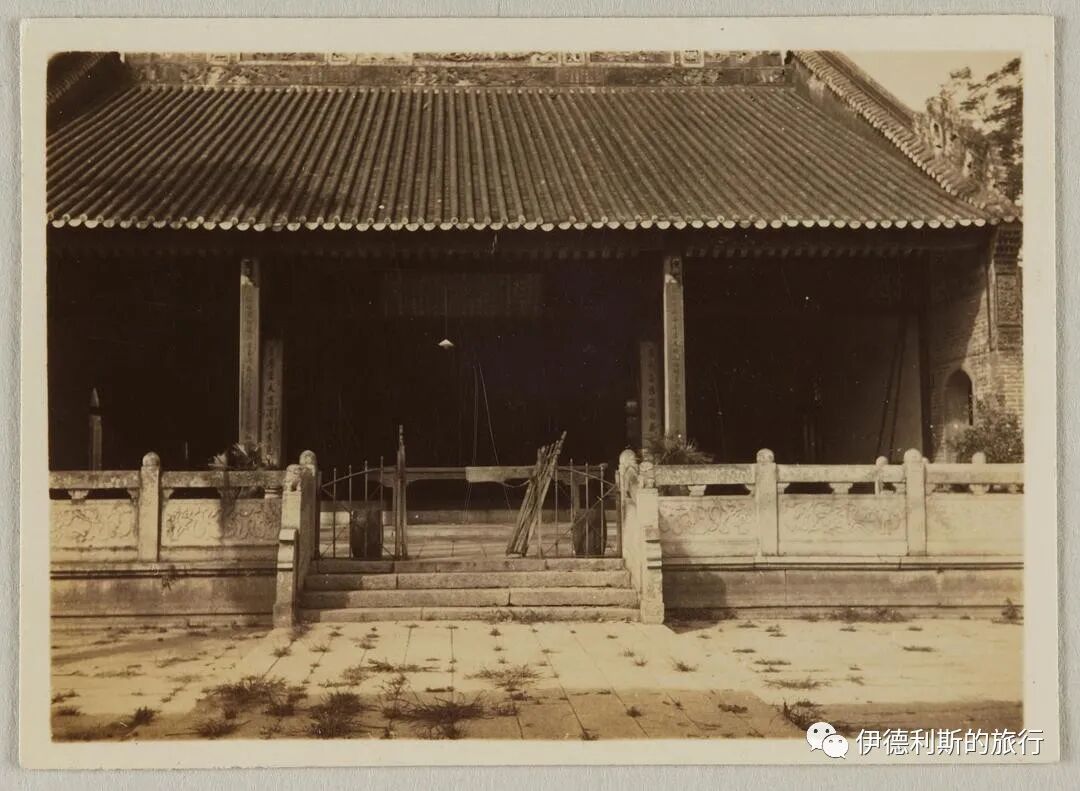
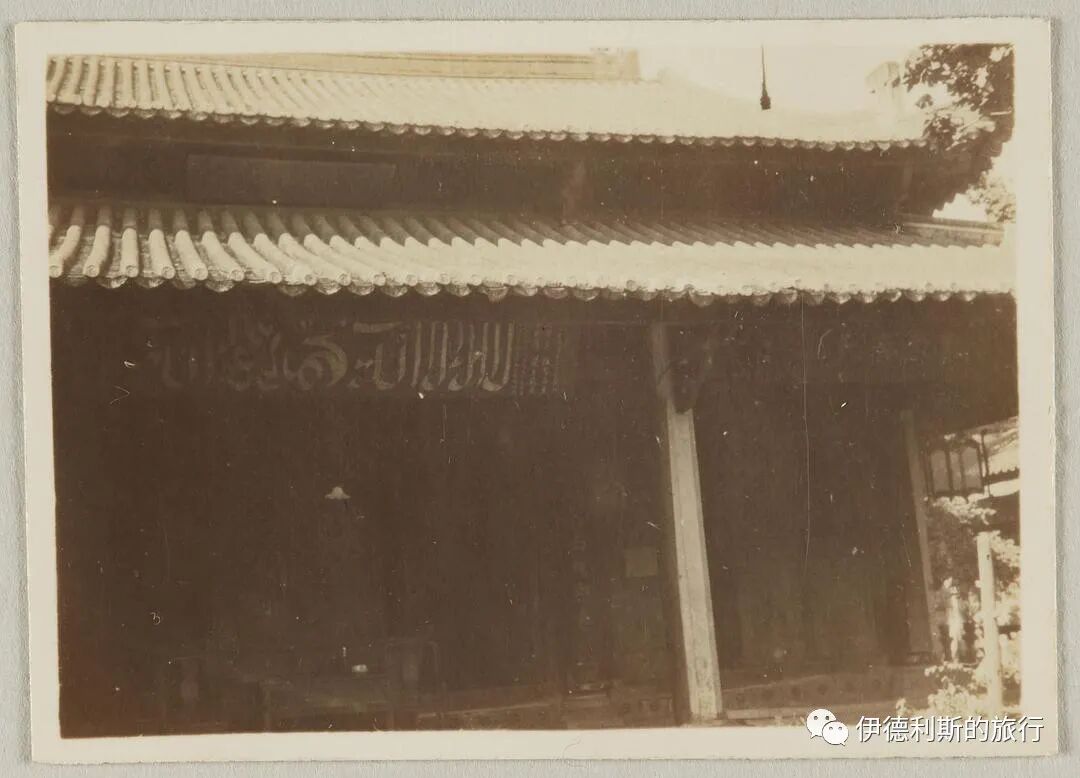
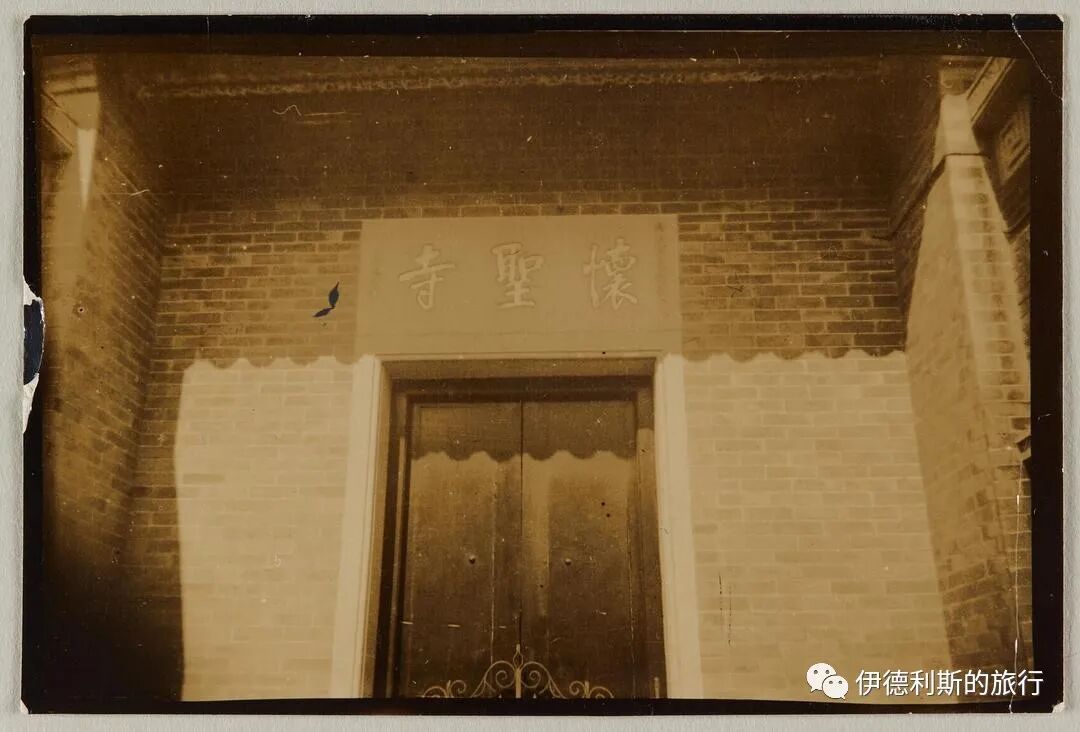
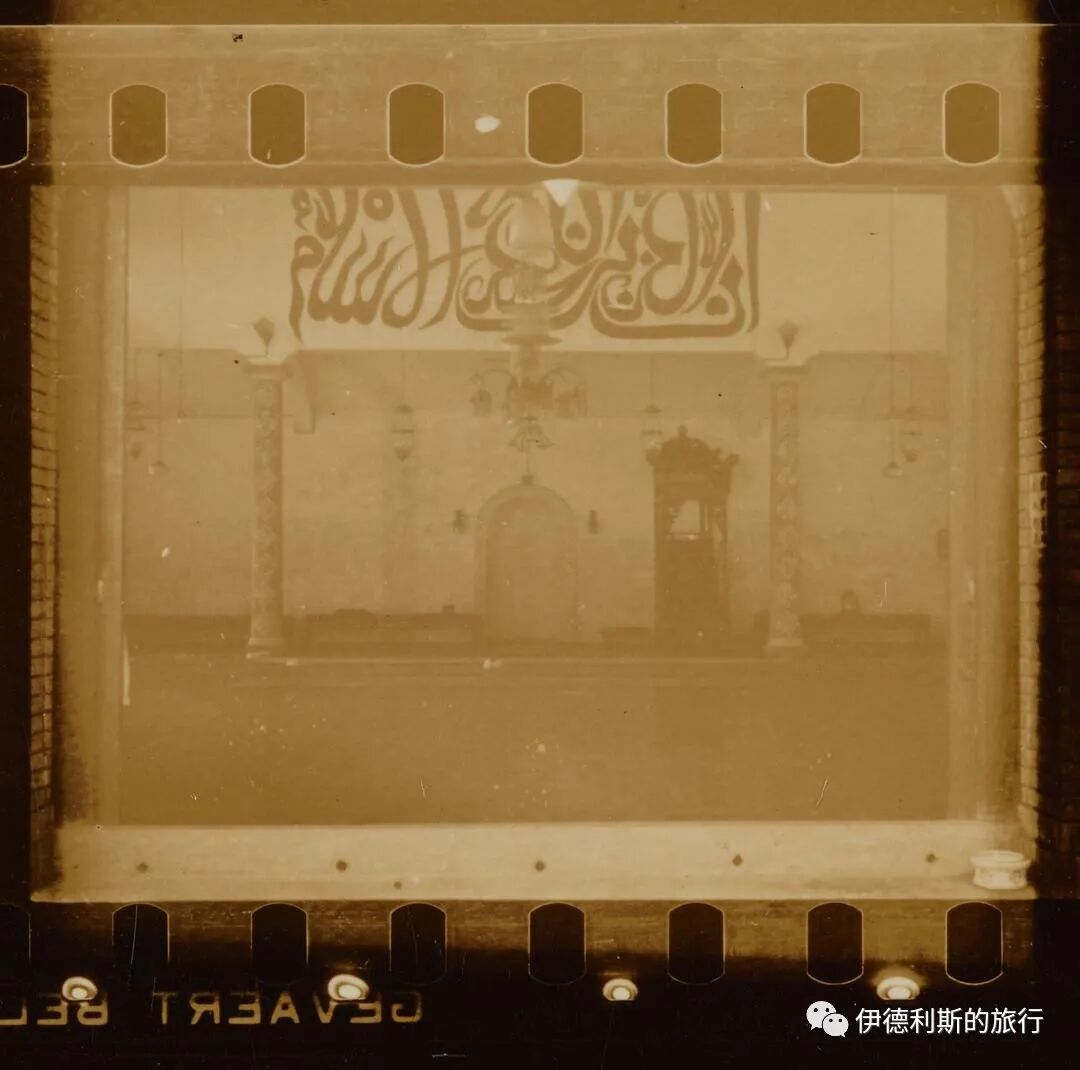
The heart of the Guangzhou foreign quarter was the Huaisheng Mosque. The Huaisheng Mosque was rebuilt many times after the Yuan Dynasty, and today only the minaret, known as the "Light Tower" (Guangta), remains from before the Yuan period. Legend says the Huaisheng Mosque was built during the Tang Dynasty, and the earliest discovered record of the Light Tower comes from the Northern Song Dynasty poet Guo Xiangzheng. He arrived in Guangzhou in the first lunar month of 1088 (the third year of the Yuanyou era) and left in the second month. During his stay, he climbed the Light Tower of the Huaisheng Mosque and wrote the poems "Climbing the Foreign Tower with Ying Shu" and "Presenting to Commander Jiang at the Yue Wang Terrace in Guangzhou."
During the Southern Song Dynasty, Fang Xinru and Yue Ke both recorded the Light Tower of the Huaisheng Mosque.
In 1206 (the second year of the Kaixi era of the Southern Song), Fang Xinru wrote in "One Hundred Poems of the South Sea" (Nanhai Baiyong): The foreign tower began in the Tang Dynasty and is called the Huaisheng Tower. It rises straight up, about 16.5 zhang high, with no stairs inside. A golden rooster sits on top, turning with the wind. Every year in the fifth or sixth month, the foreigners climb to the top at the fifth watch to call out the name of Allah and pray for favorable winds. Below it is a prayer hall.
Yue Fei's grandson, the Southern Song writer Yue Ke, came to Guangzhou with his father at age 10 in 1192. In the "Foreigners in Panyu" section of his book "History of the Desk" (Tuo Shi), he described the Muslim community in Guangzhou at that time: Behind it is a stupa that reaches into the clouds. Its style is unlike other towers. It is surrounded by bricks to form a large base, built up layer by layer, with a rounded exterior covered in plaster, looking like a silver brush. There is a door at the bottom. You climb the steps and turn inside like a spiral, and you cannot see the stairs from the outside. Every few dozen steps, there is an opening. In the fourth or fifth month of the year, when the ships are about to arrive, the foreigners enter the tower and call out from the openings to pray for the south wind, and it often works. At the very top, there is a large golden rooster that replaces the traditional wheel, though it is now missing one foot.
The 1350 (the tenth year of the Zhizheng era of the Yuan) "Record of Rebuilding Huaisheng Mosque" states that the mosque was destroyed in 1343 (the third year of the Zhizheng era) and rebuilt in 1350: At the foot of White Cloud Mountain and the slope of Po Mountain, there is a pagoda. Its style is from the Western Regions, standing tall like stone. It is something not seen in the Central Plains, and legend says it began in the Tang Dynasty... When the mosque was destroyed in the year of Guwei of the Zhizheng era, the halls were left empty.
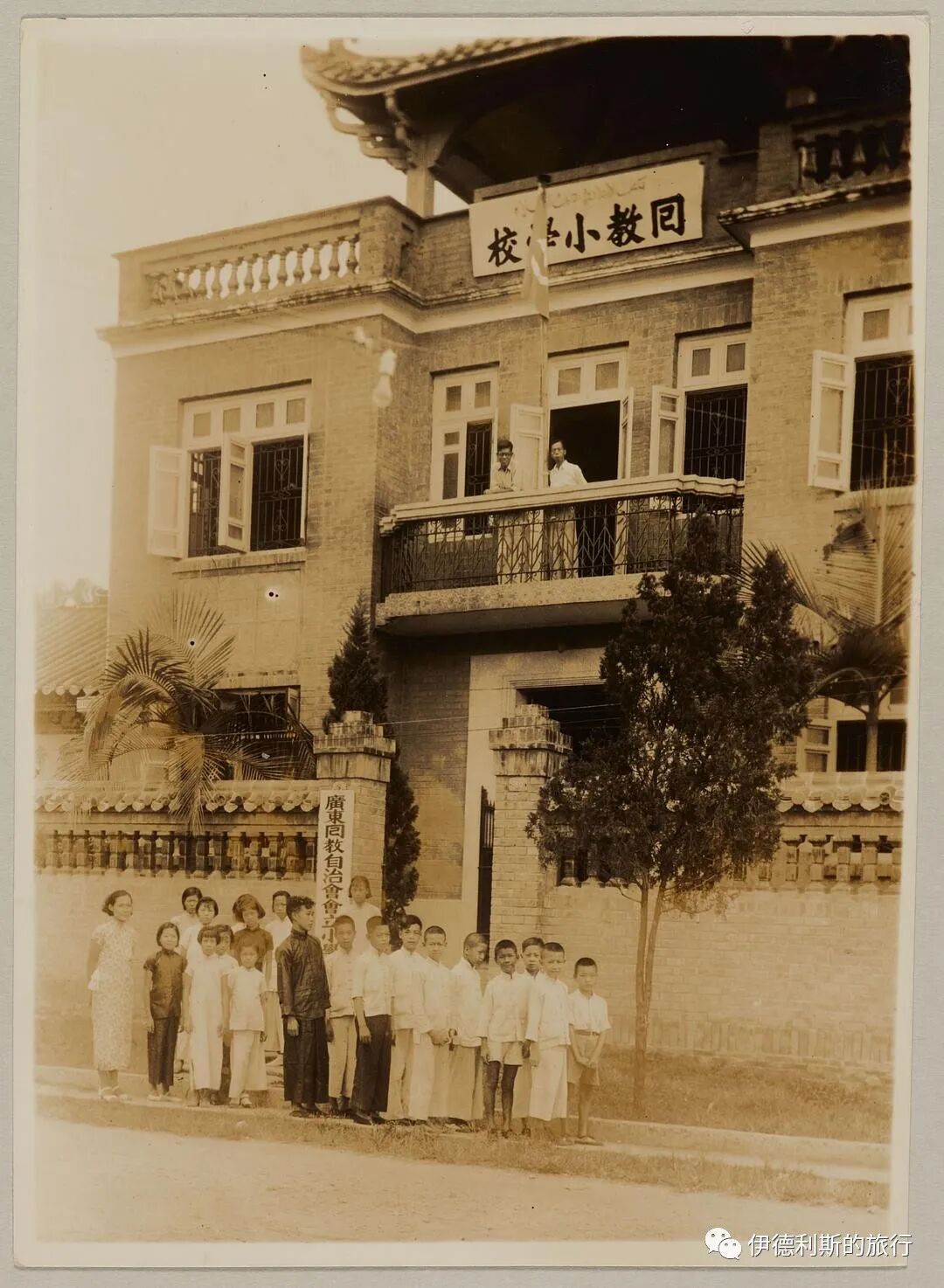
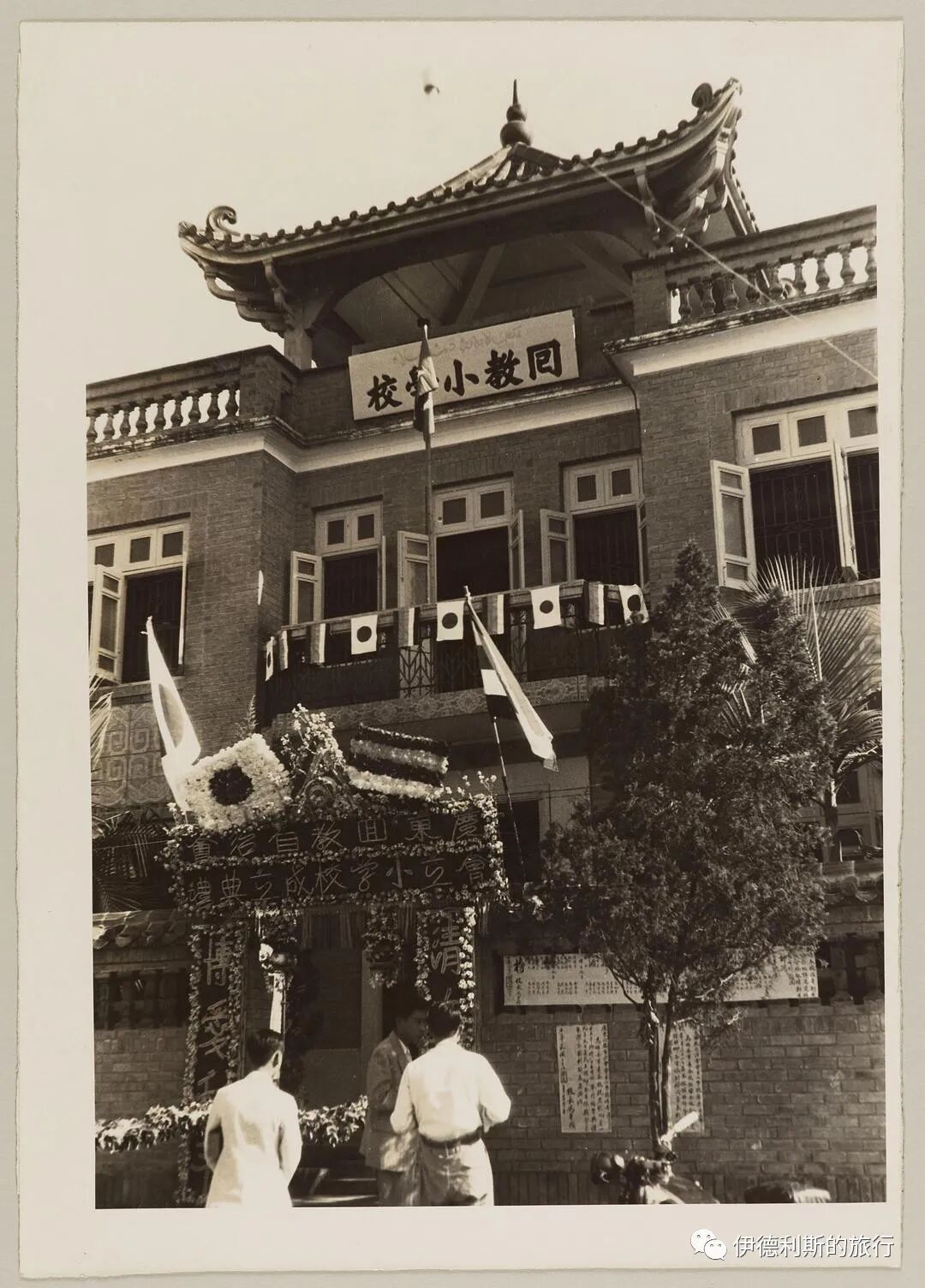
The opening ceremony of the Huaisheng Mosque Islamic Elementary School in the 1930s.
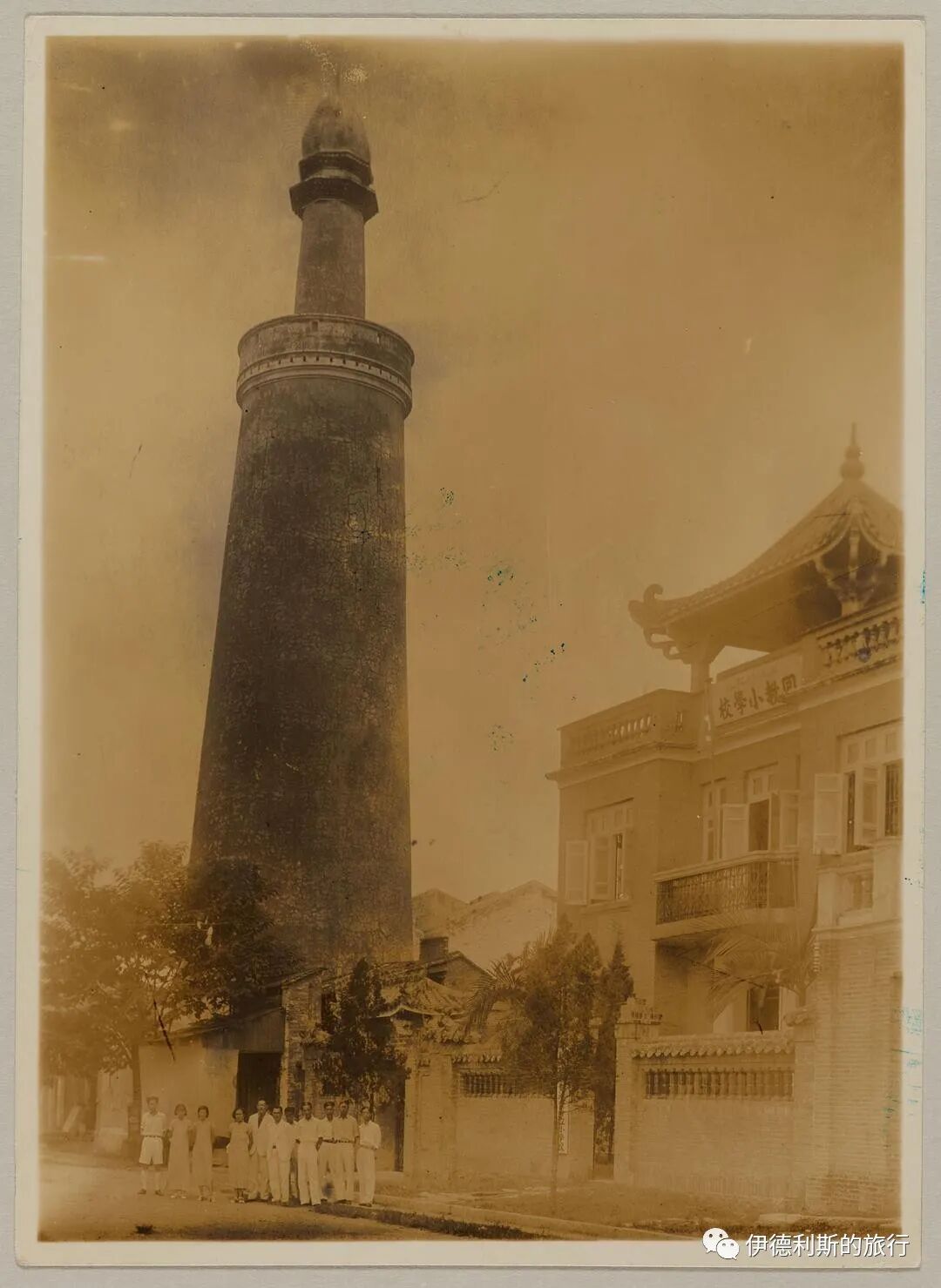
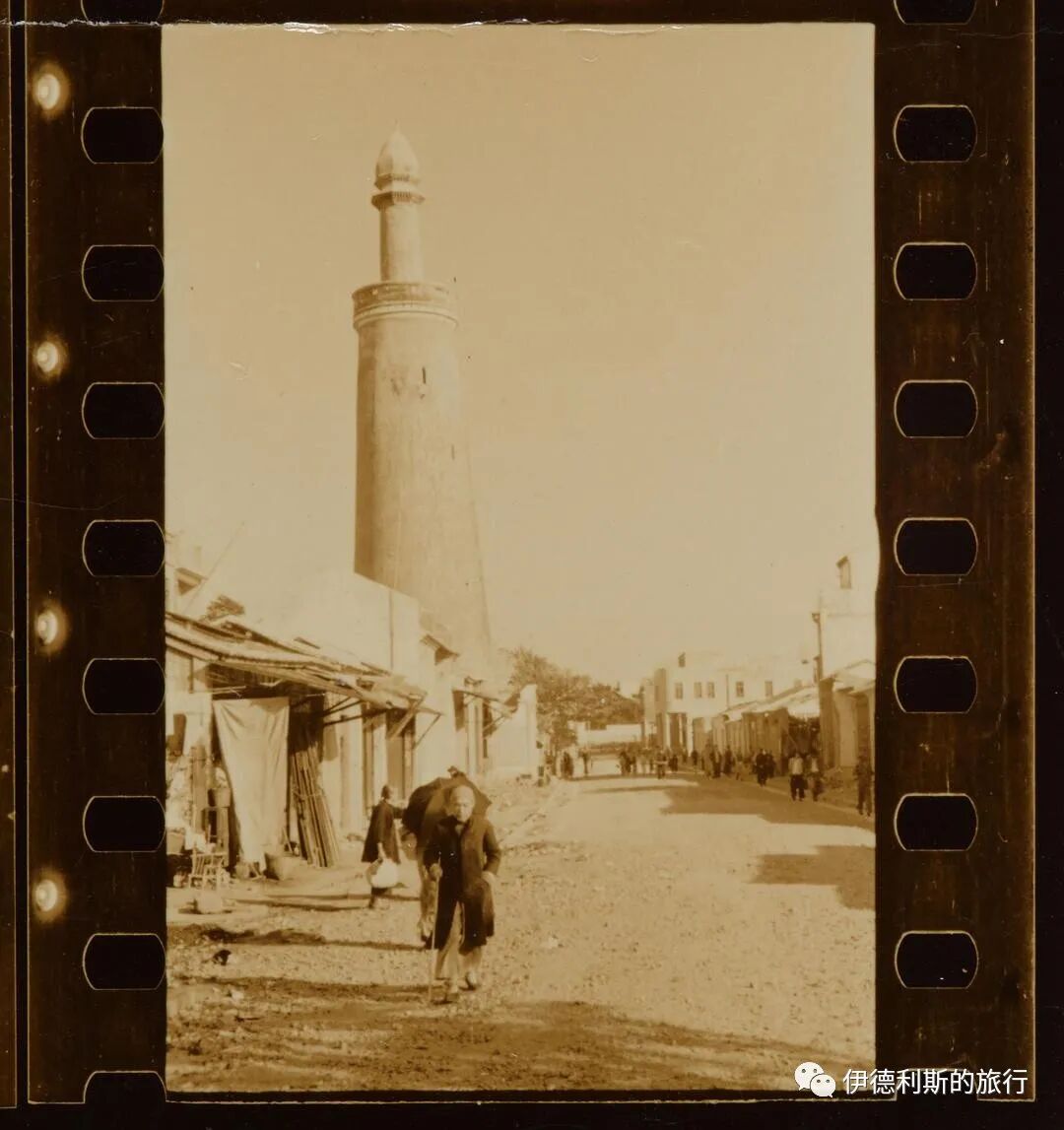
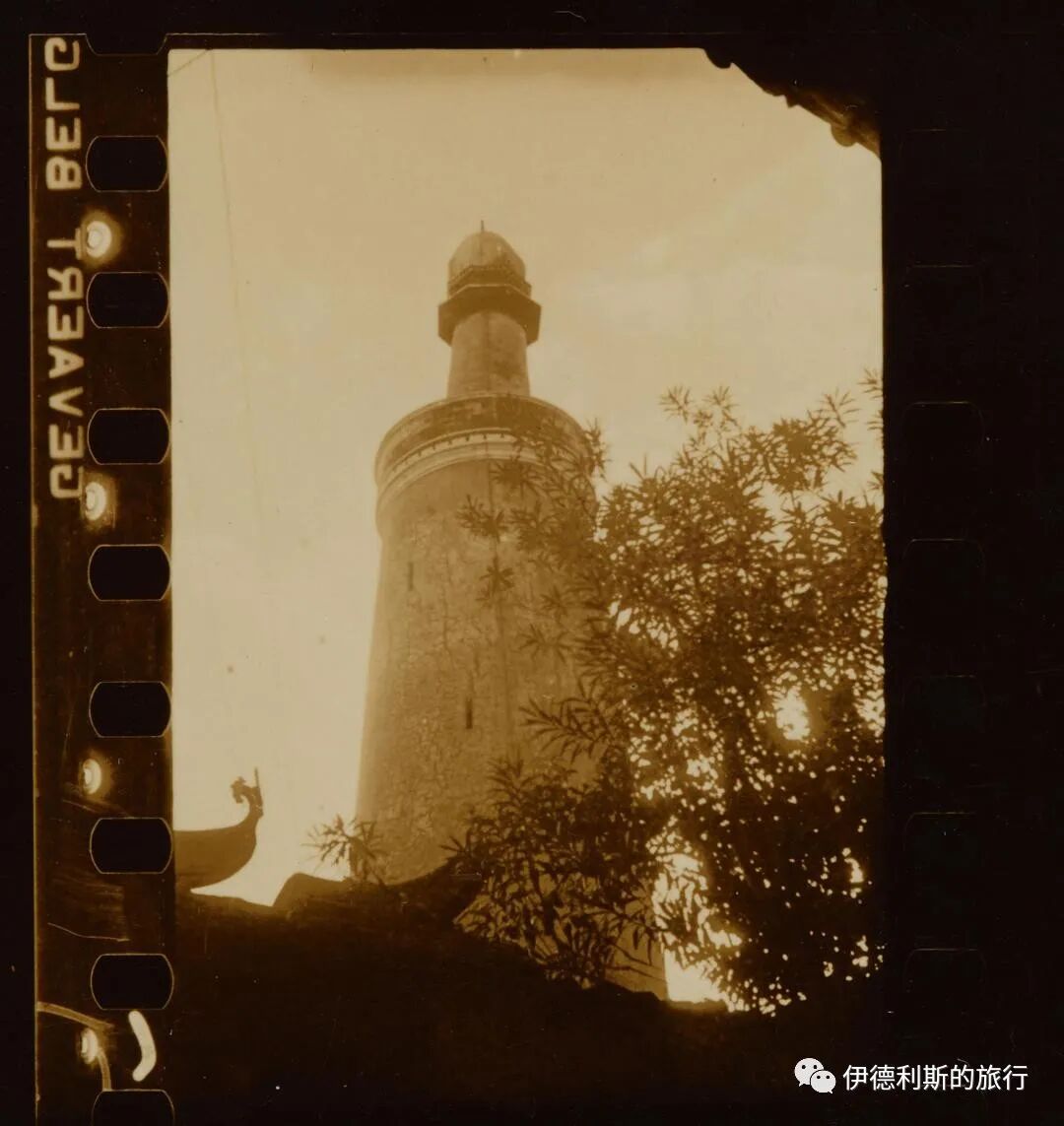
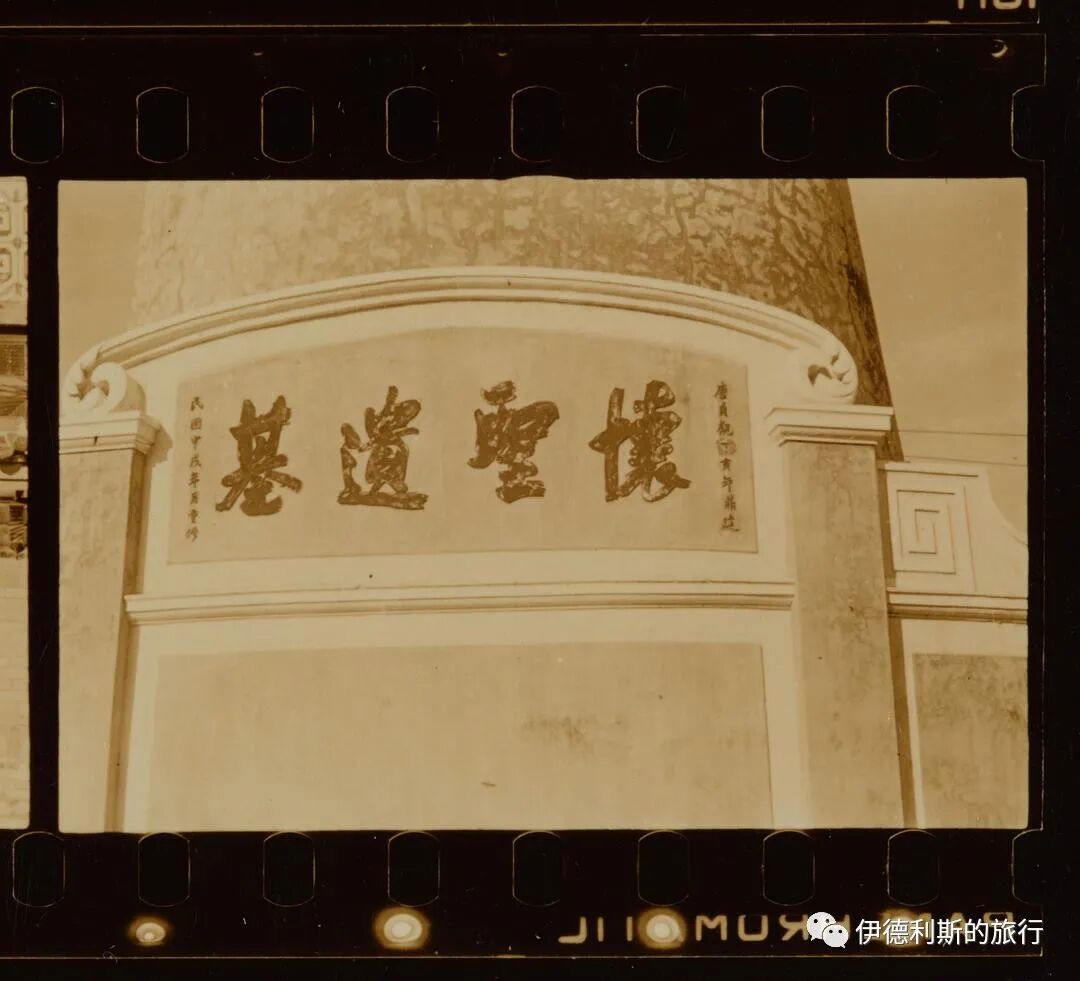
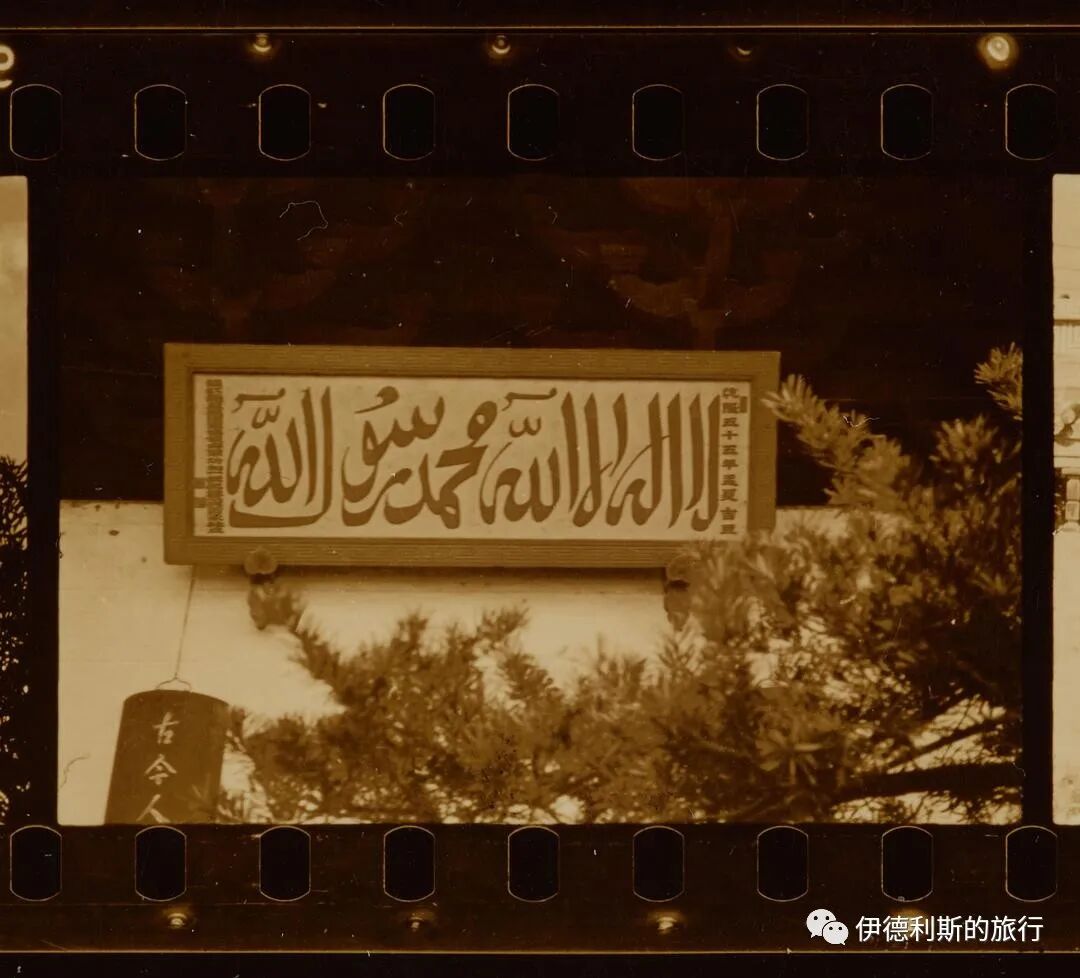
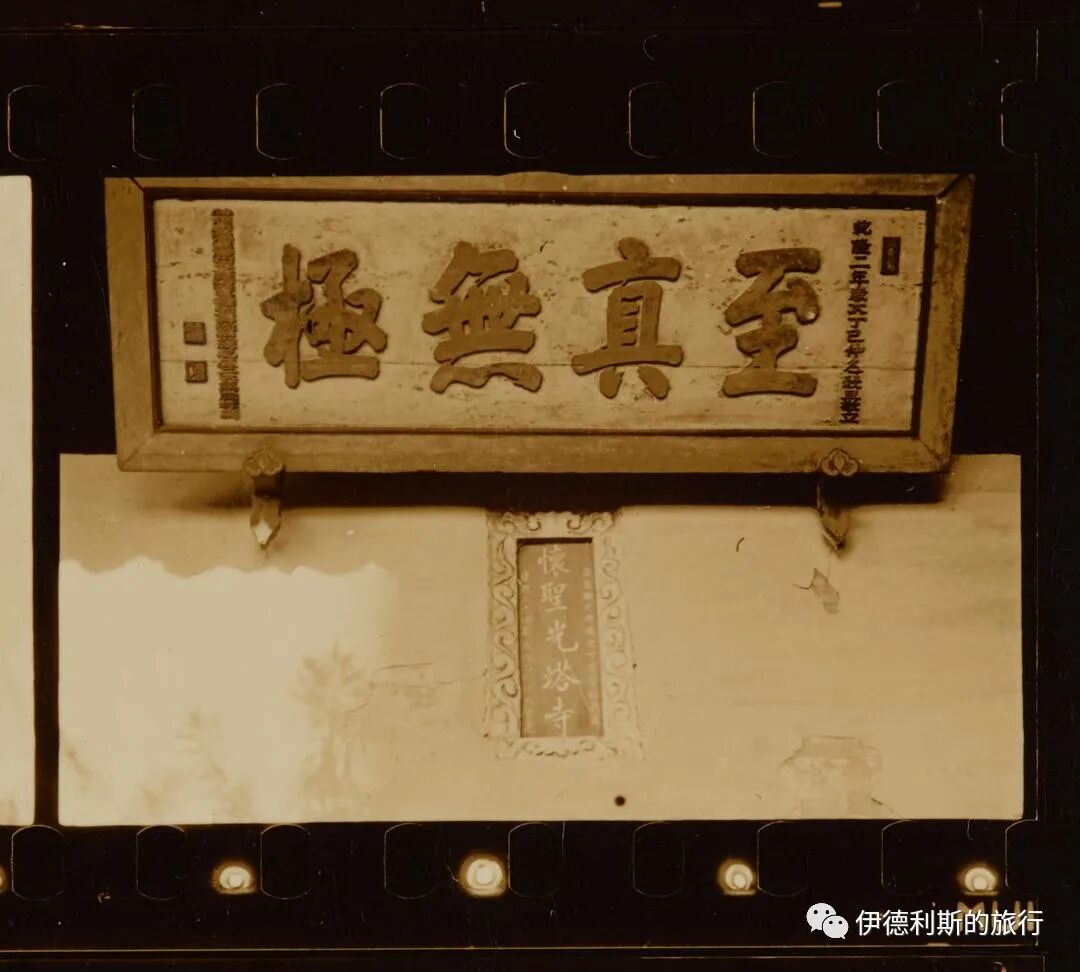
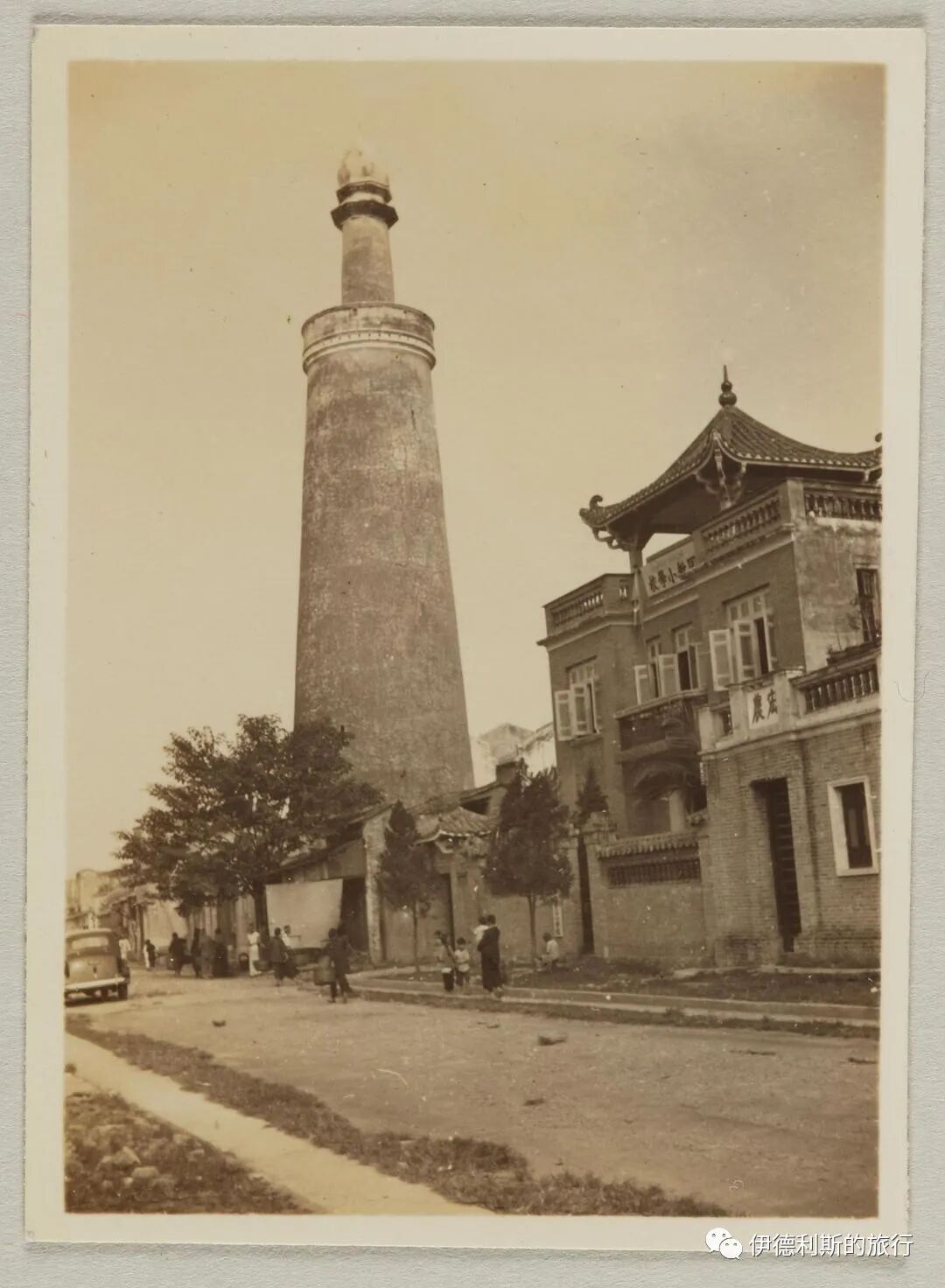
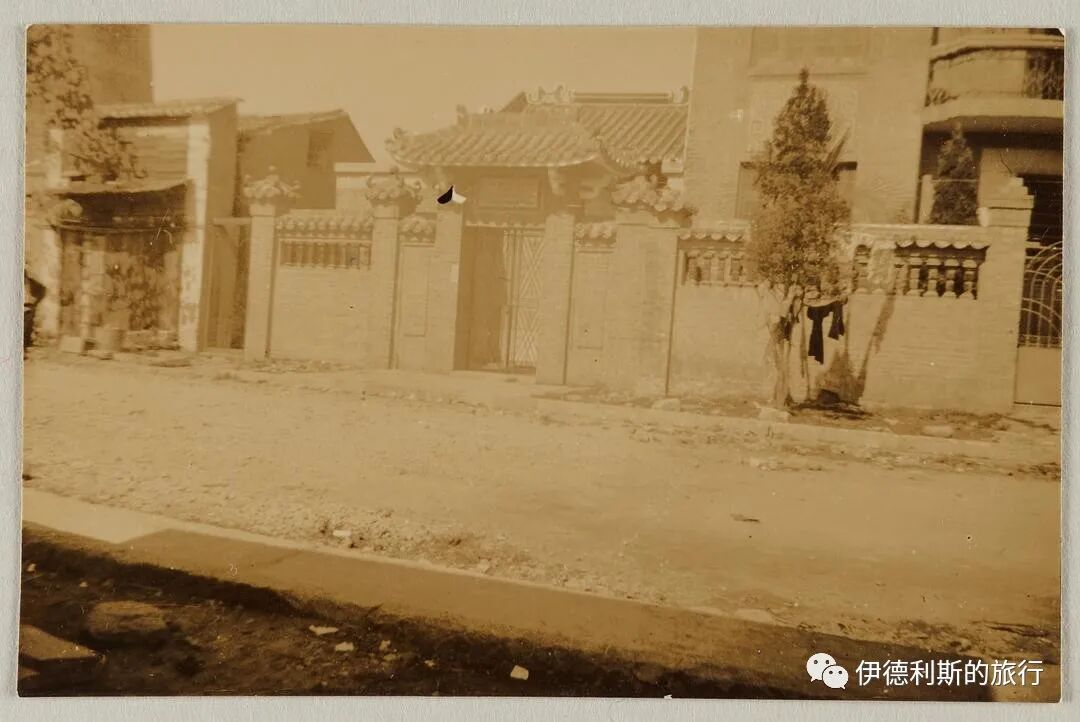
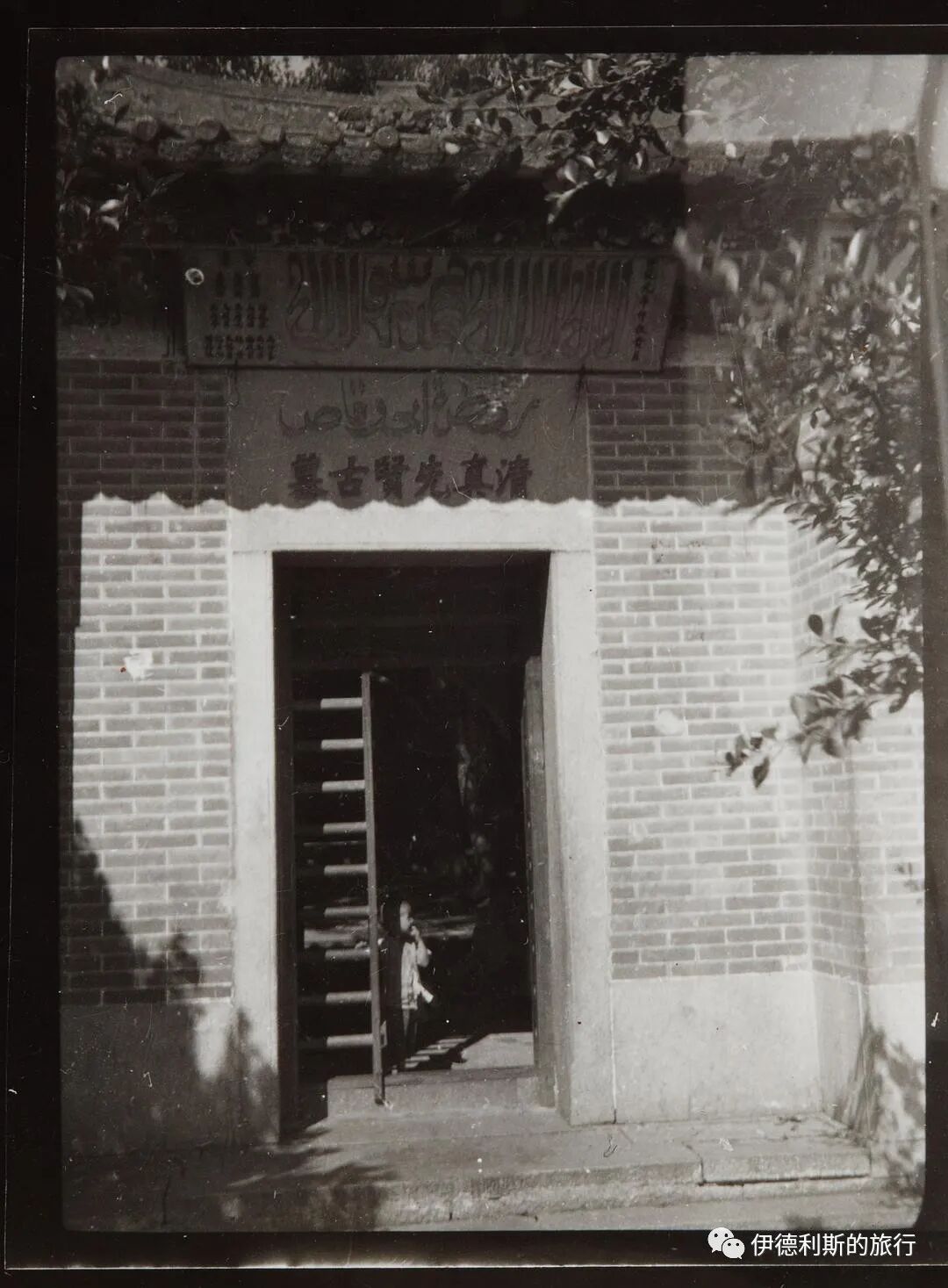
The red sandstone wall of the Moon-Watching Tower (Wangyue Lou) was rebuilt in the Ming Dynasty, and the top was rebuilt in the Qing Dynasty.
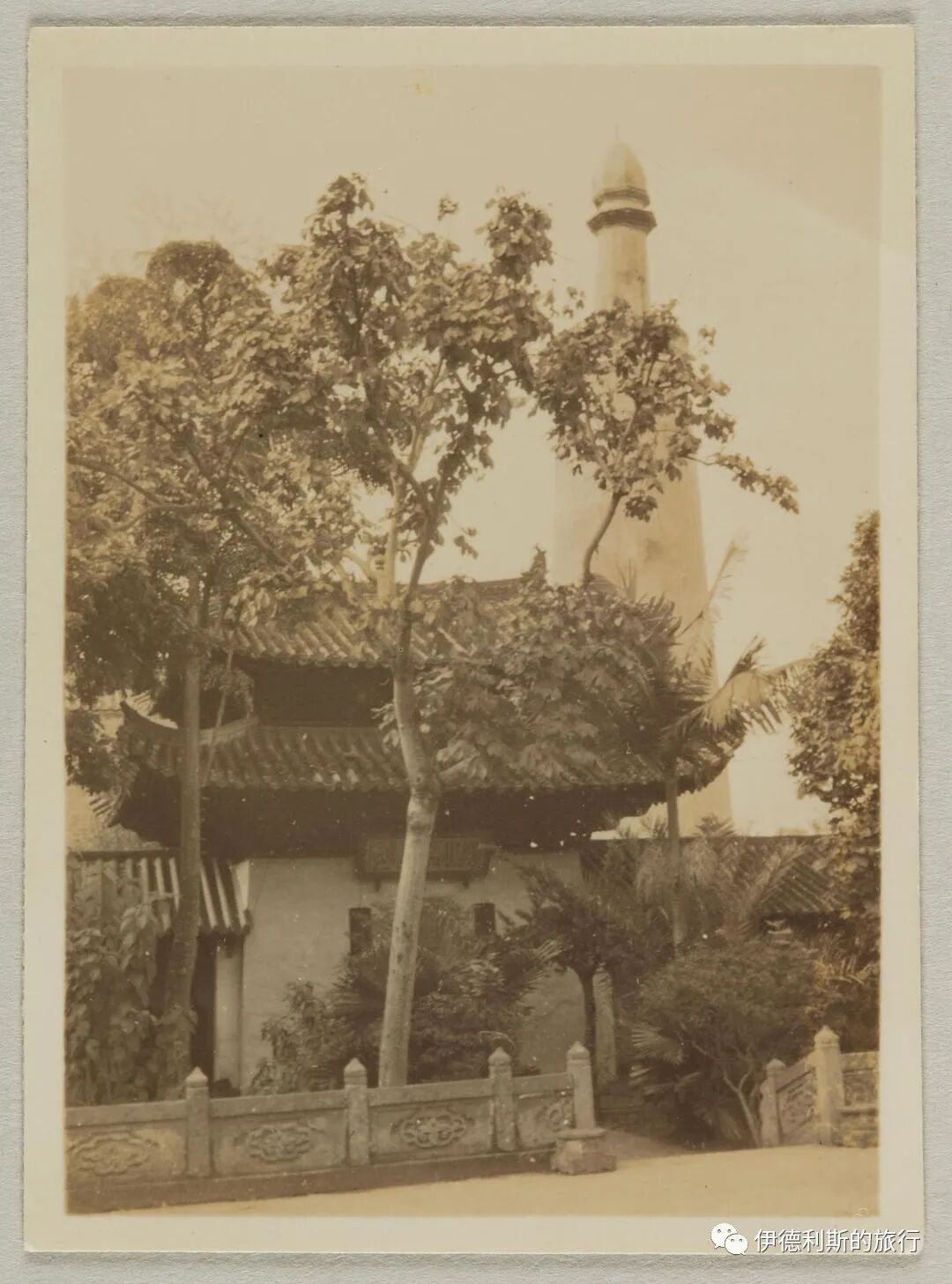
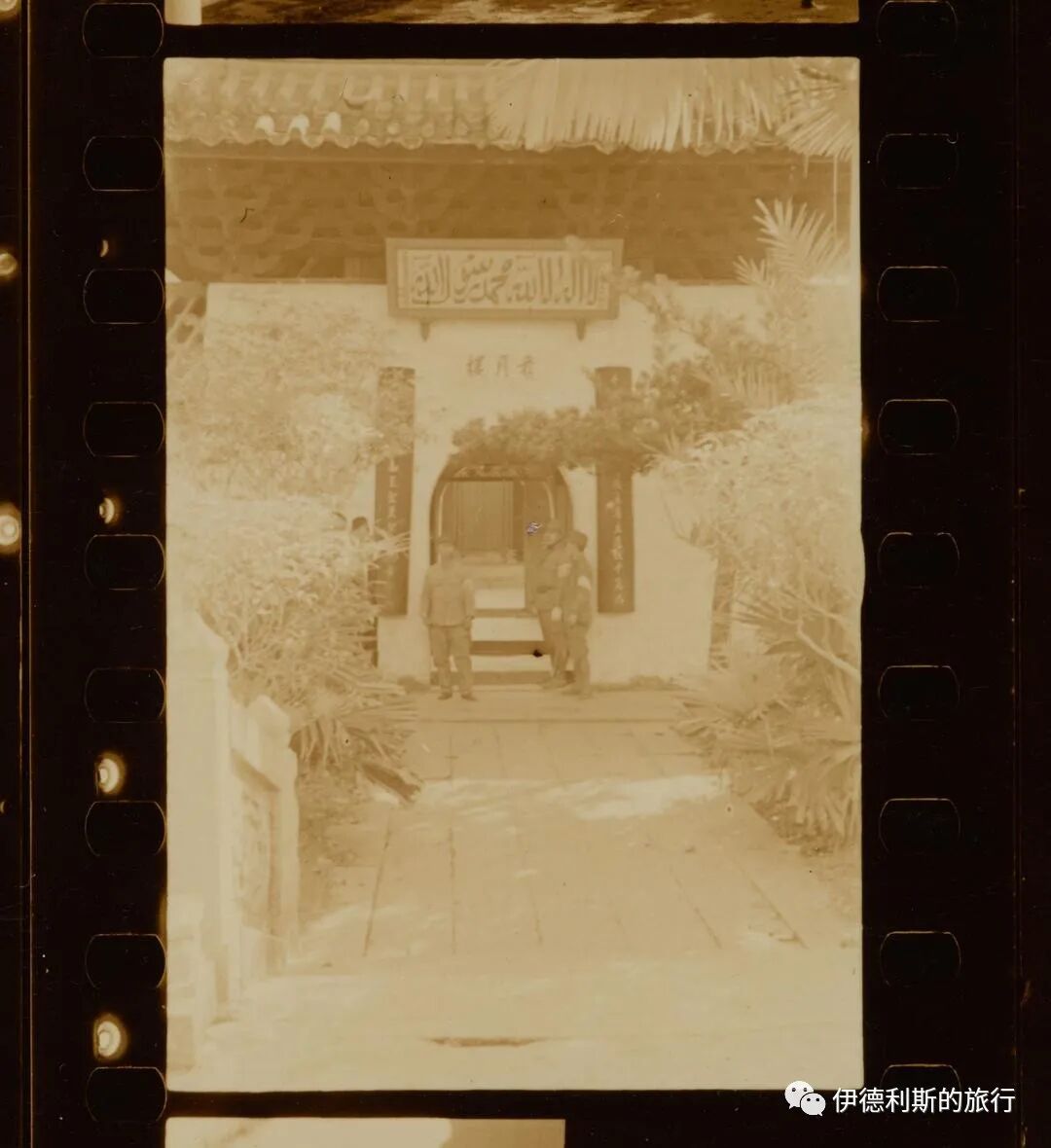
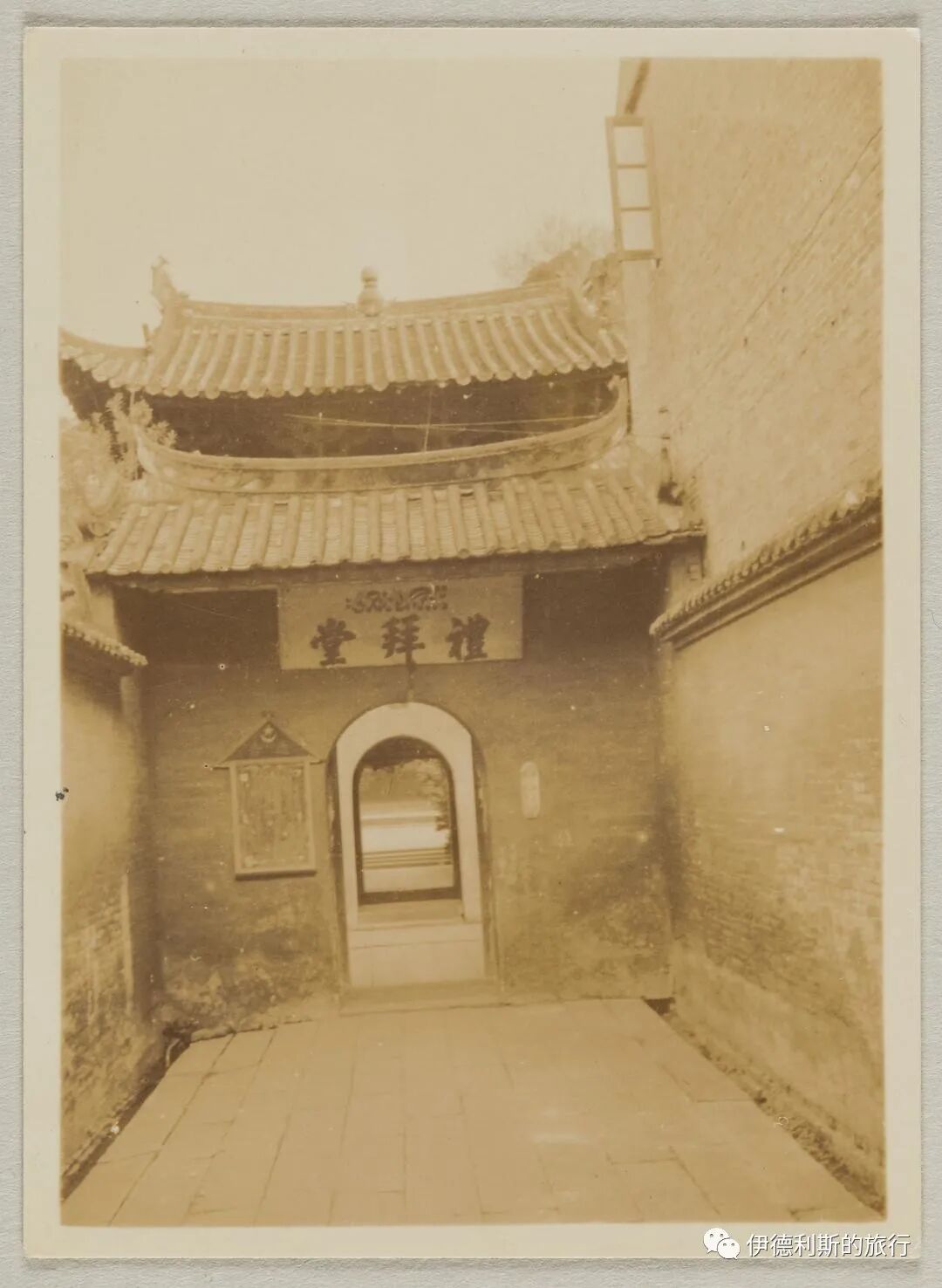
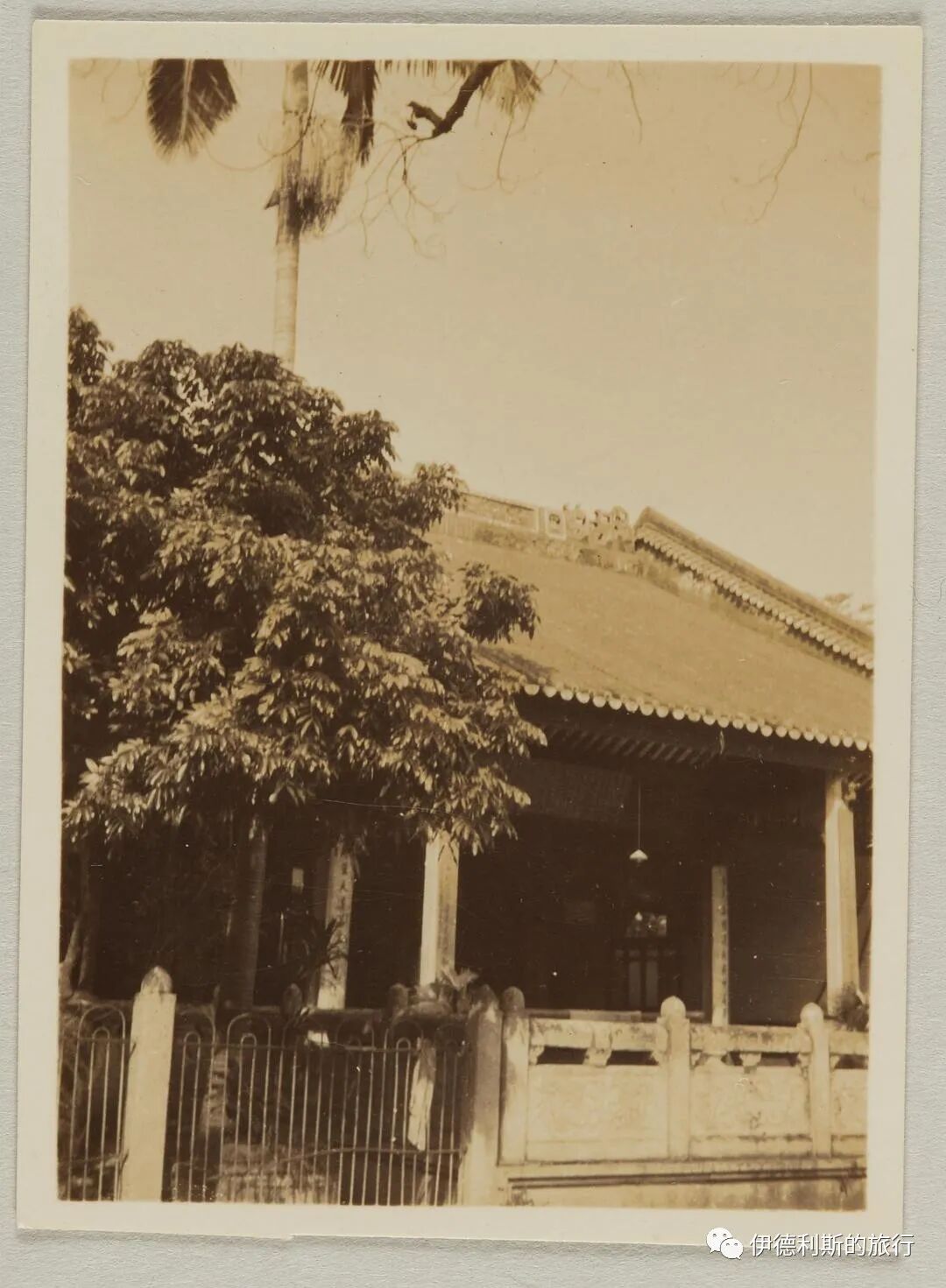
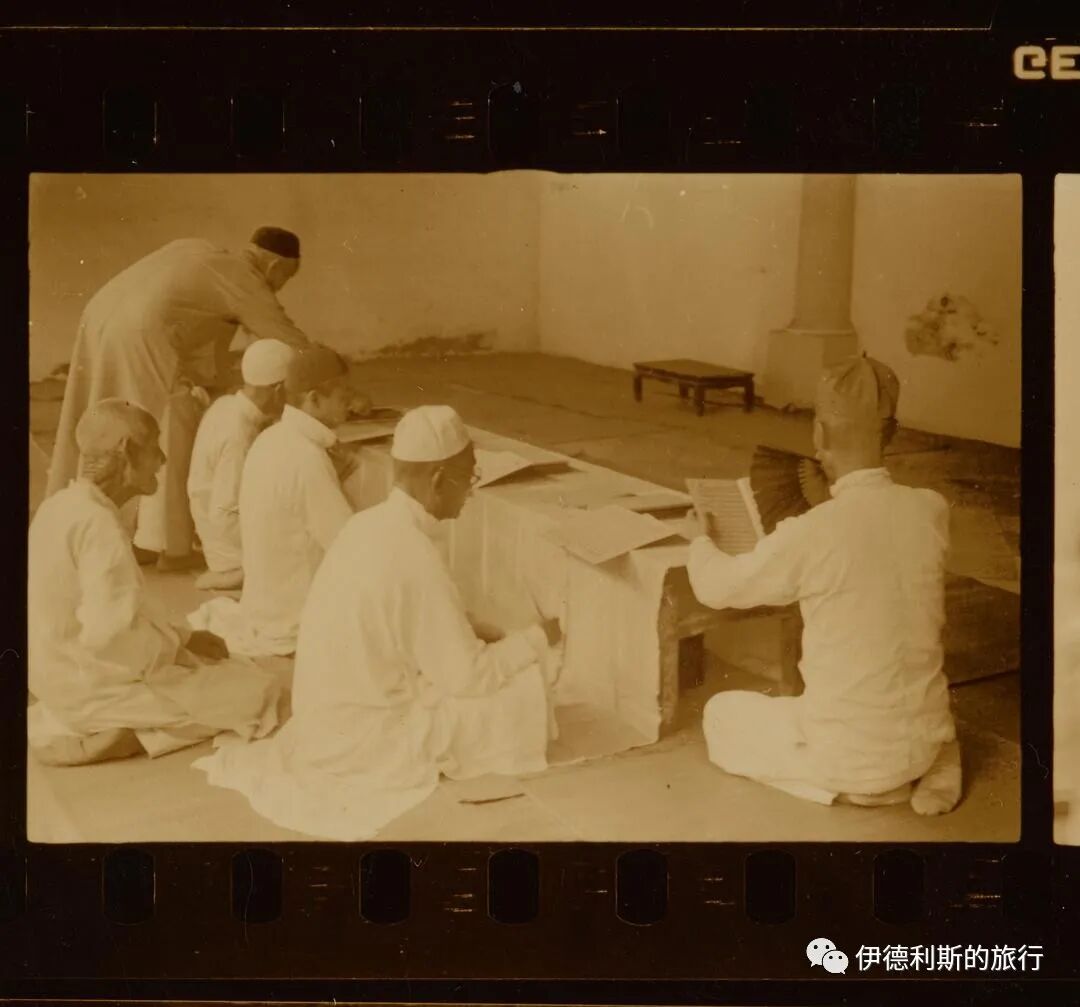
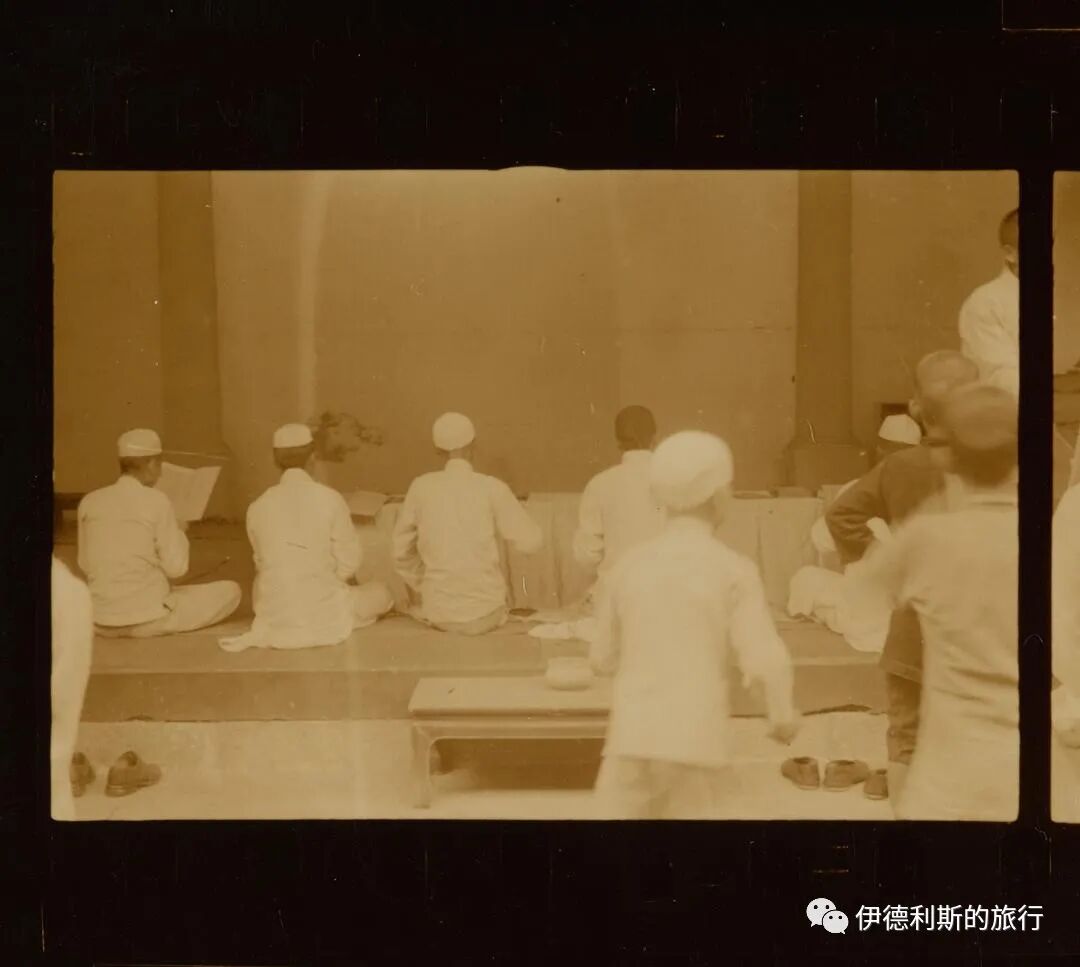
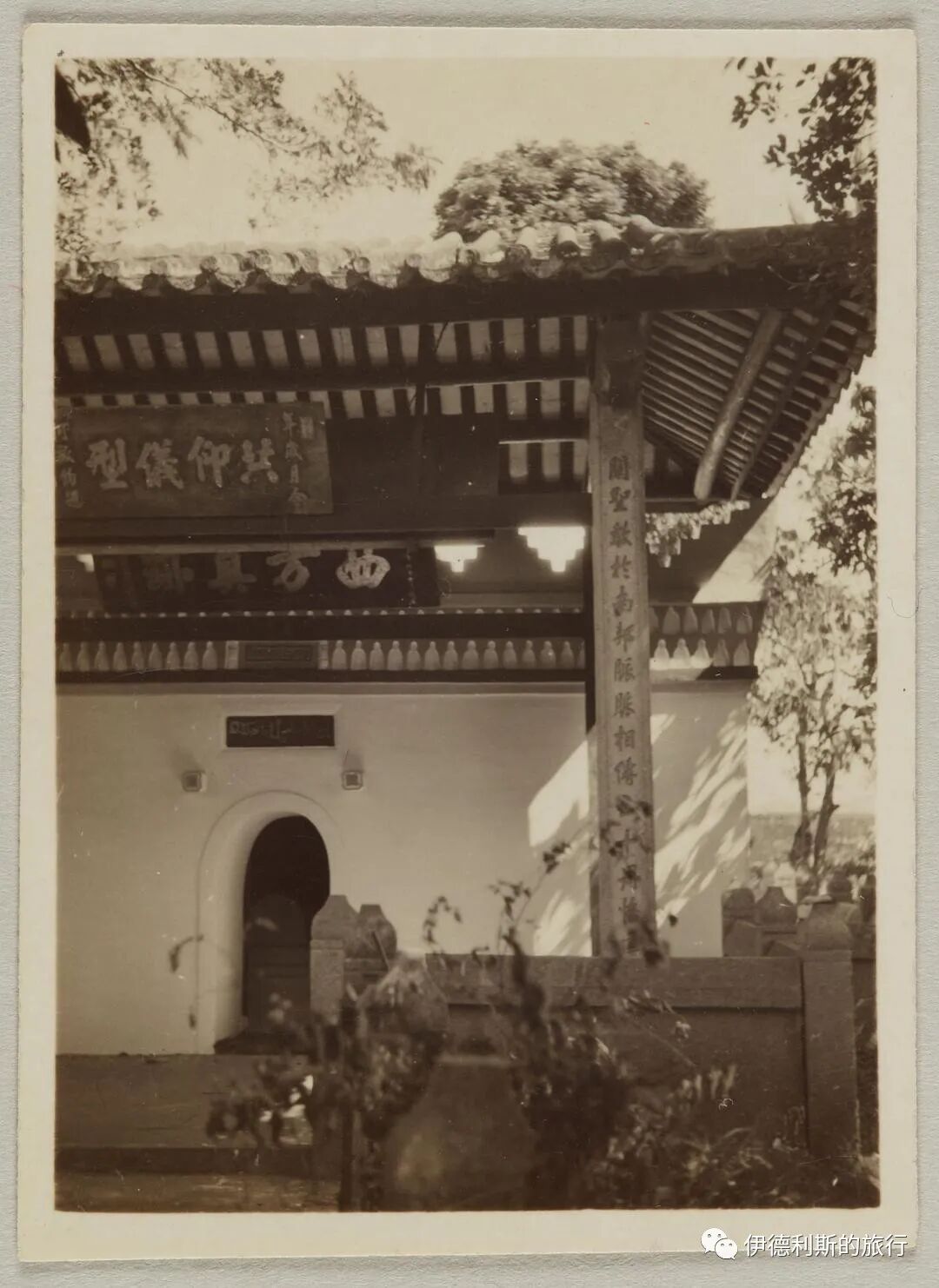
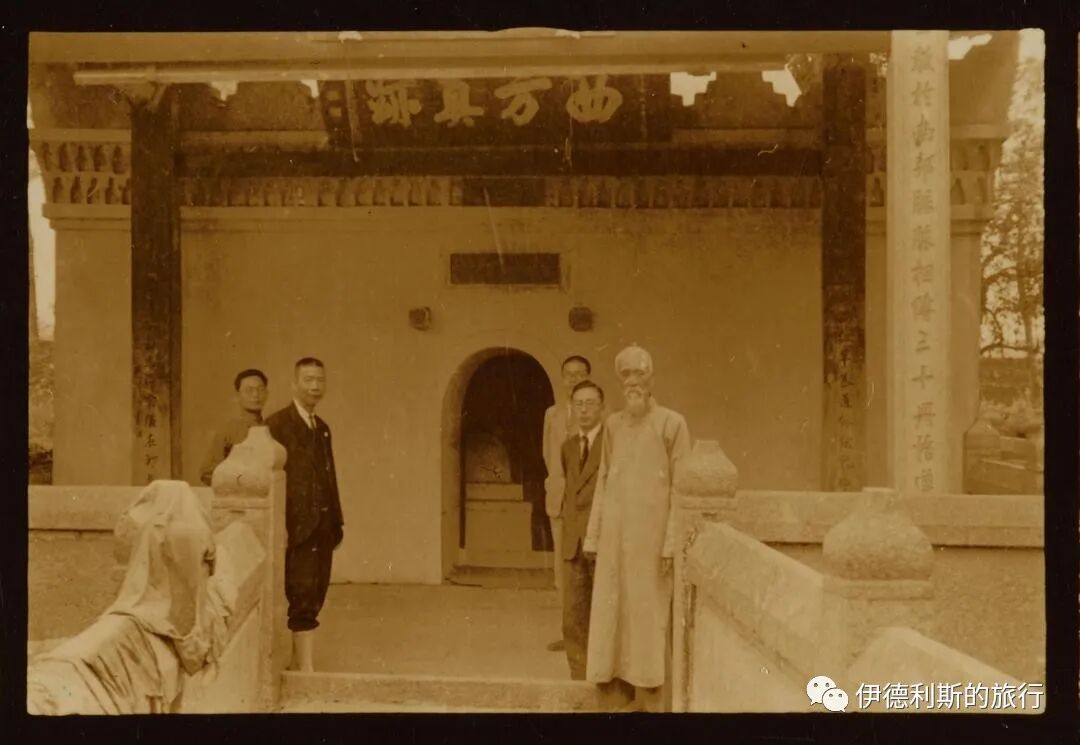
The Cemetery of the Worthies (Xianxian Mu) in Guangzhou in June 1941.
The ancient Cemetery of the Worthies is commonly known as the Hui Muslim Grave, the Great Man's Grave, or the Echoing Grave, and it has been a burial ground for Muslims in Guangzhou since the Tang Dynasty. The earliest record of the ancient Cemetery of the Worthies comes from the 1206 (the second year of the Kaixi era of the Southern Song) book "One Hundred Poems of the South Sea" by Fang Xinru: The foreign graves are ten miles west of the city, with thousands of mounds, all facing west with their heads to the south. The whale-like waves barely spare those they swallow, yet even a dying fox turns its head toward its home hill. My eyes strain across thirty thousand miles of vastness, and though a thousand pieces of gold are here, this life is already over.
The heart of the Ancient Sages' Tomb is the burial site of Wangesu, an Islamic sage who legend says came to China during the Tang Dynasty to spread his faith. Wangesu is known as Saheb Saad Wakkas. Most historical records about his tomb date from the Ming and Qing dynasties. Sources for his arrival time vary: the Qing-era Guangzhou Prefecture Gazetteer says 629 (the third year of the Tang Zhenguan era), the Qing-era Tianfang Zhengxue says 632 (the sixth year of the Tang Zhenguan era), and the Qing-era stele record for the renovation of the Sage Saierde tomb even suggests he arrived during the Sui Dynasty. Regarding his identity, he is variously described as an uncle, cousin, general, or envoy of the Prophet Muhammad.
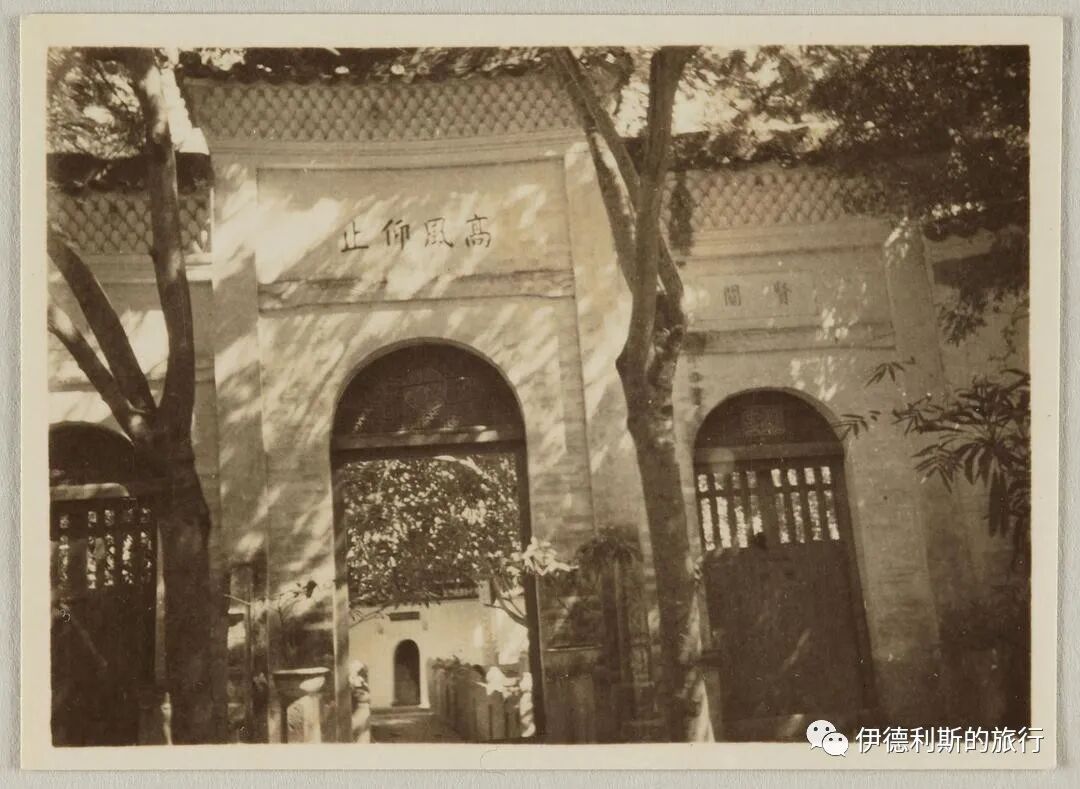
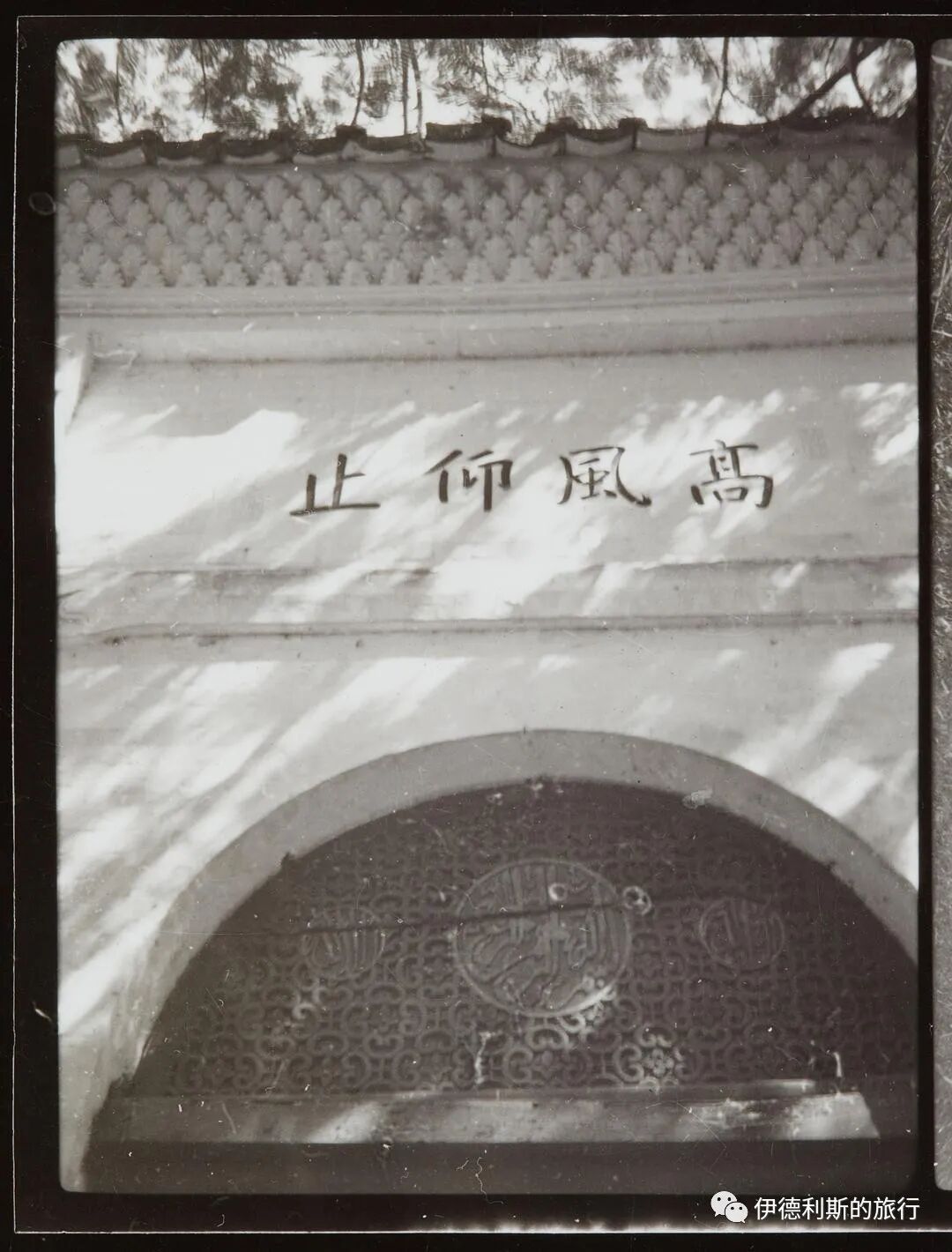
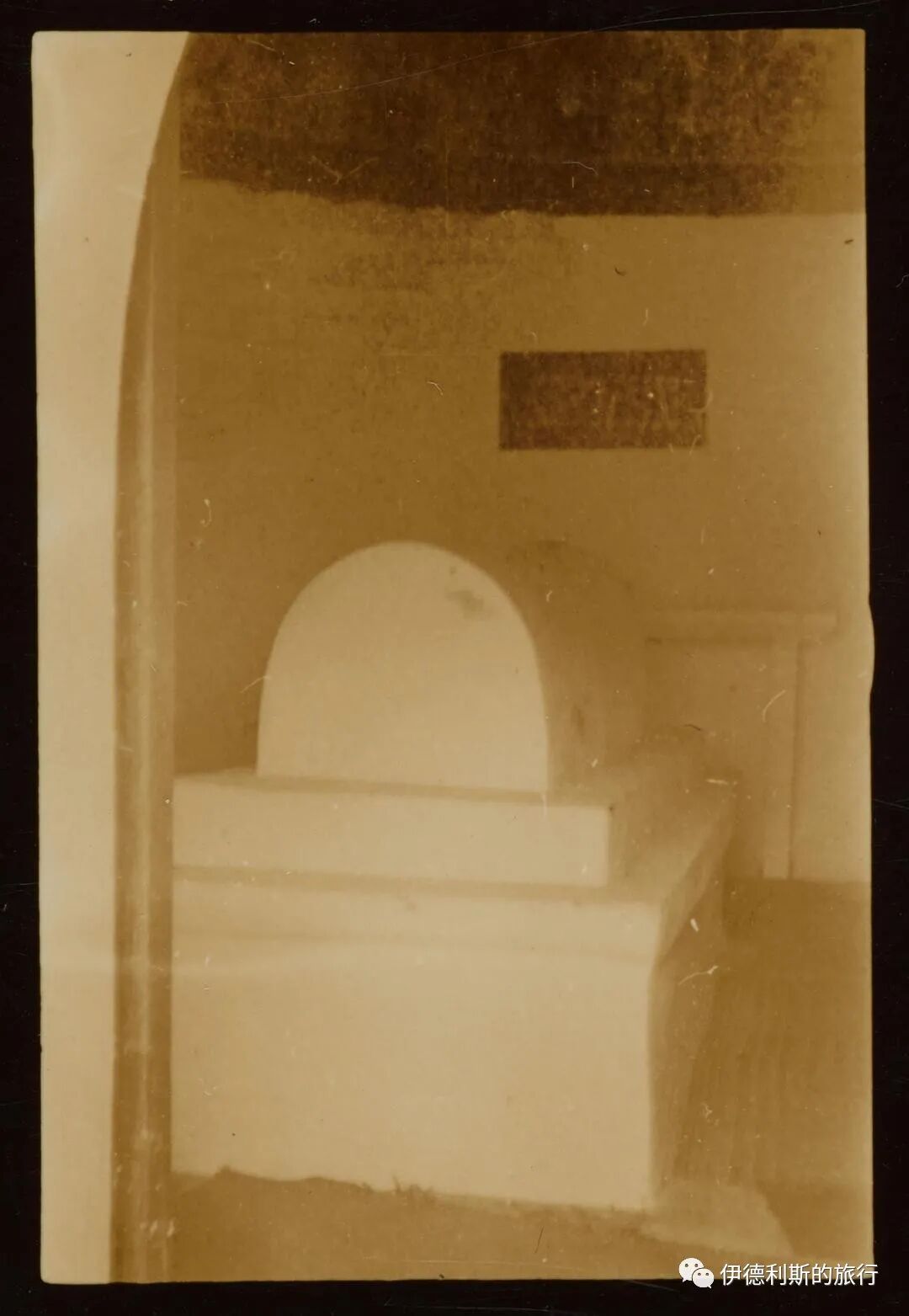
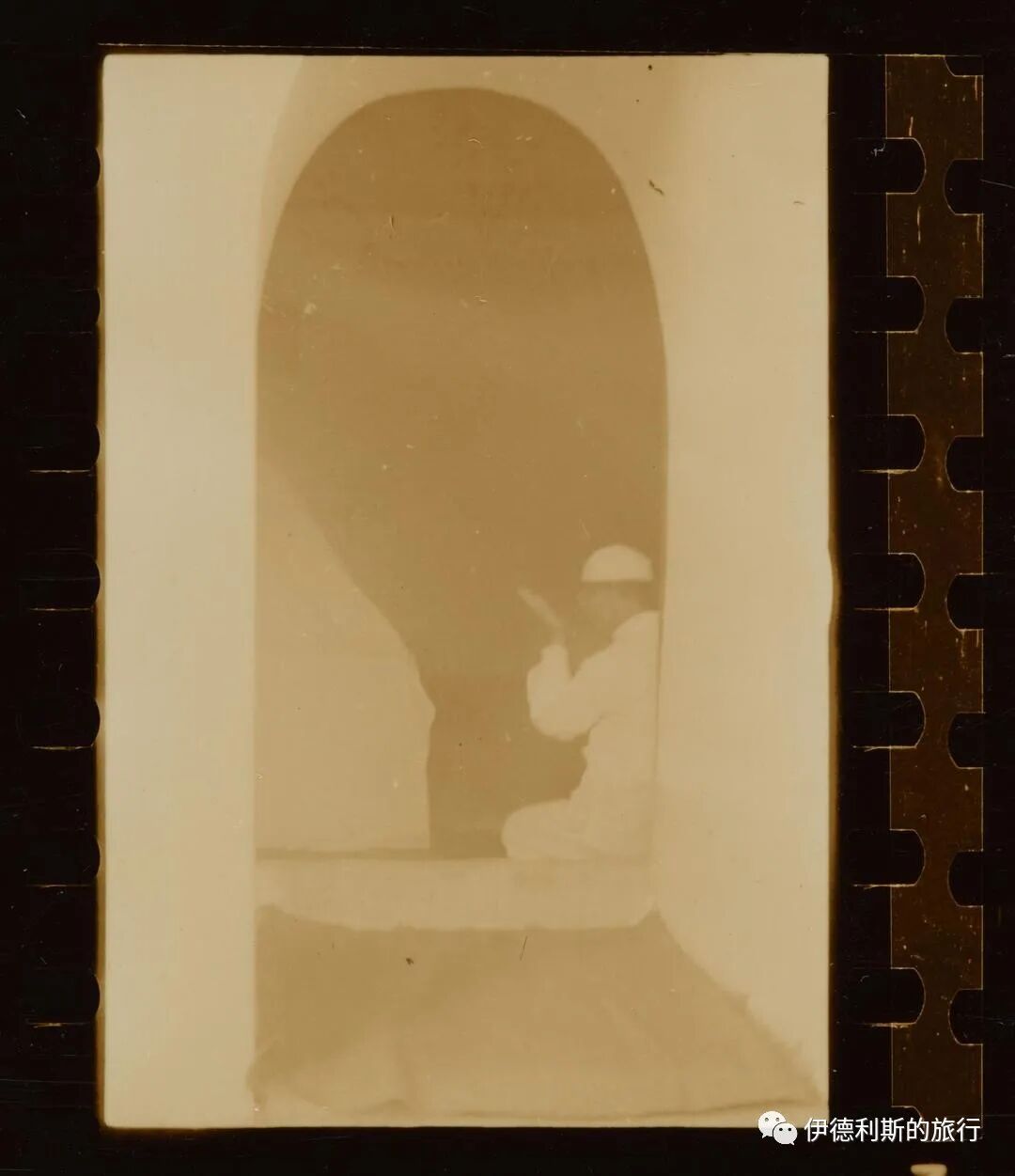
The Huihui people of Sanya
The Huihui people are a Muslim group living in Huihui Village and Huixin Village in Sanya, Hainan, with a population of nearly ten thousand. The Huihui language they speak belongs to the Austronesian language family and shares the same origin as the Chamic languages of southern Vietnam. The customs of the Huihui people are strongly influenced by local Hainan groups, yet they maintain a devout Islamic faith, making them a very unique group on China's southeast coast.
Starting in the 10th century, the Champa kingdom in southern Vietnam fought wars with Dai Viet, Chenla (Cambodia), and the Yuan Dynasty, causing many Arab and Persian merchants in Champa to sail across the sea to Hainan. The History of Song: Champa records that as early as 986, a Champa man named Pu Luo'e led over a hundred of his people to Danzhou, Hainan, to seek refuge.
During the Ming and Qing dynasties, Muslims living in places like Yazhou, Wanzhou, and Qiongshan in Hainan gradually moved to Suosanya Lifan Village (now Huixin Village in Sanya). During the Qing Dynasty, Muslim communities across Hainan underwent assimilation into Han, Li, or Dan cultures, leaving Suosanya Lifan Village as the only remaining Muslim community in Hainan, which eventually formed the modern Huihui people.
Some Huihui people also came from the mainland. The ancestors of the Ha family among the Huihui came from Shaanxi, later moving their whole family to Dadan Port in Yazhou, Hainan, before relocating to Suosanya Lifan Village with another group of Hui Muslims surnamed Liu during the late Ming and early Qing dynasties.
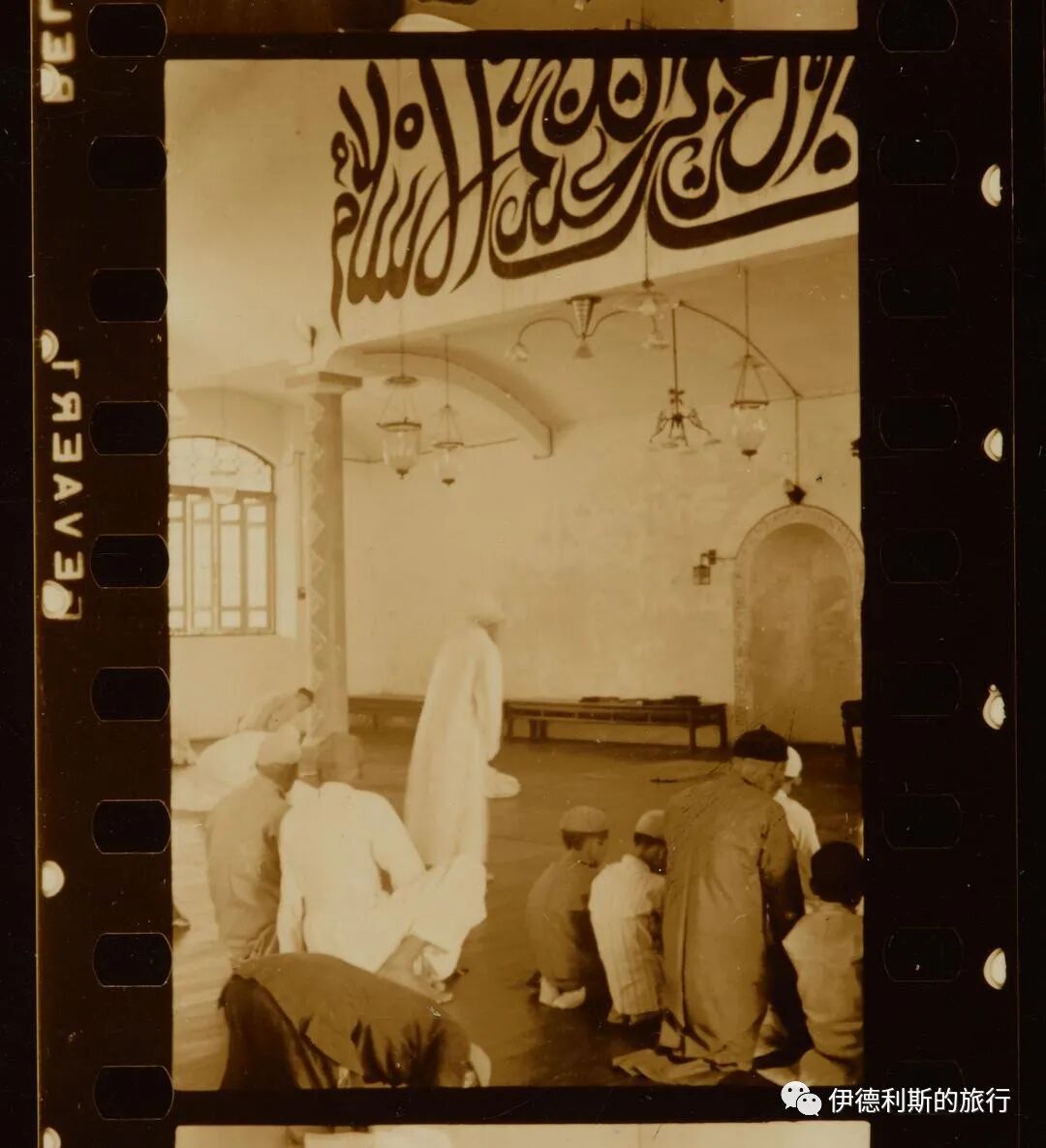
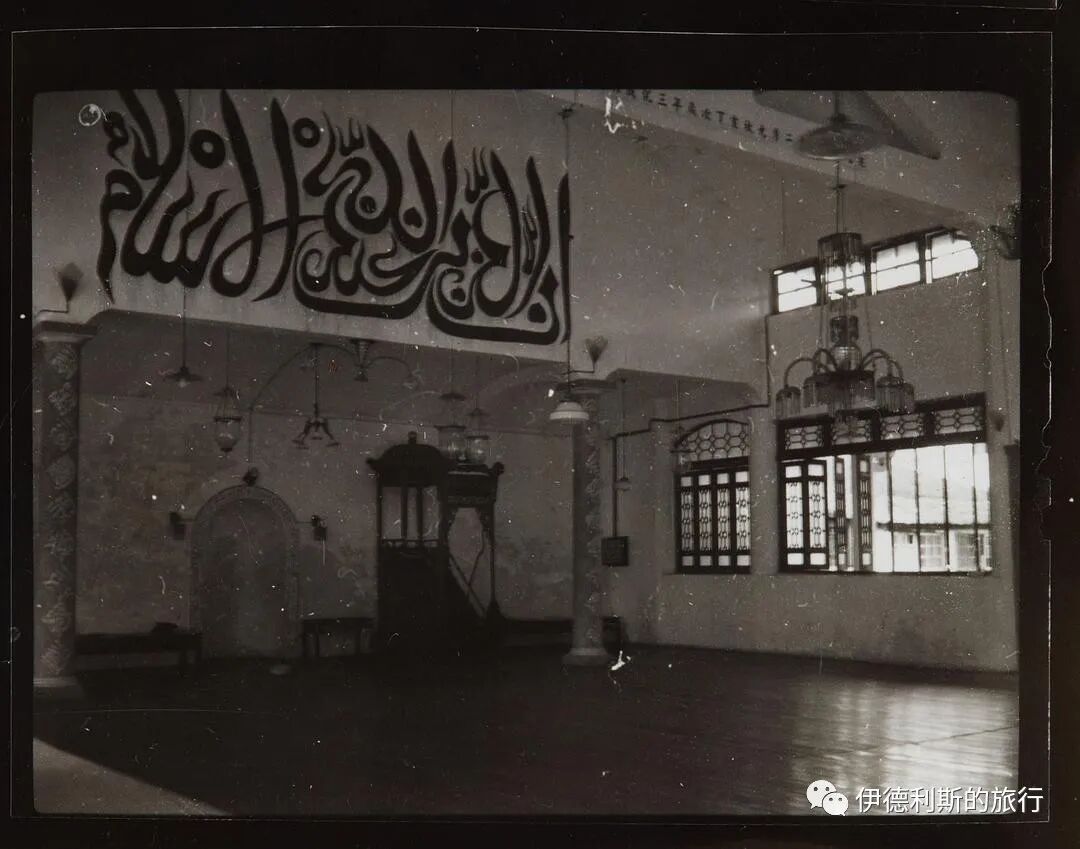
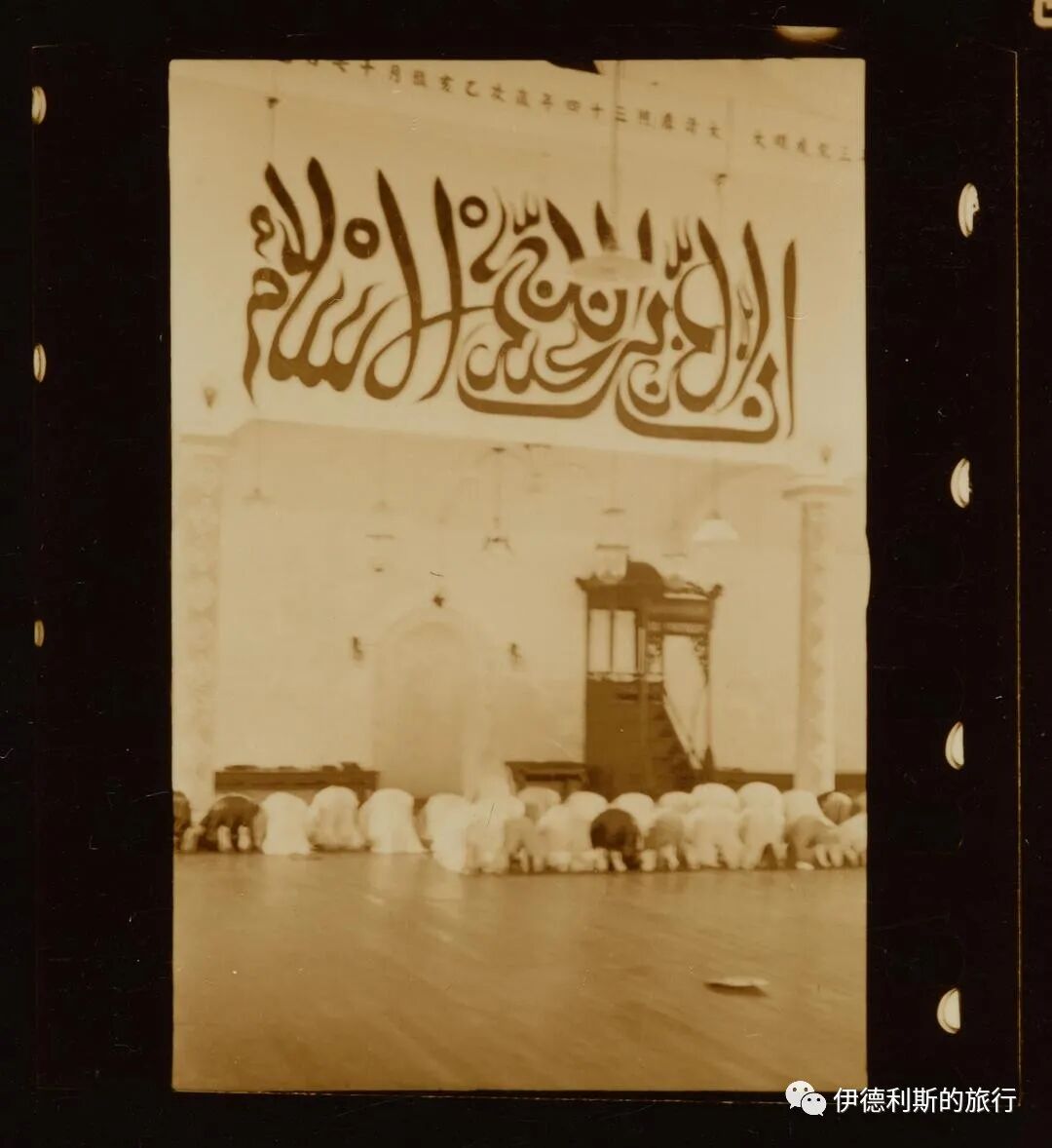
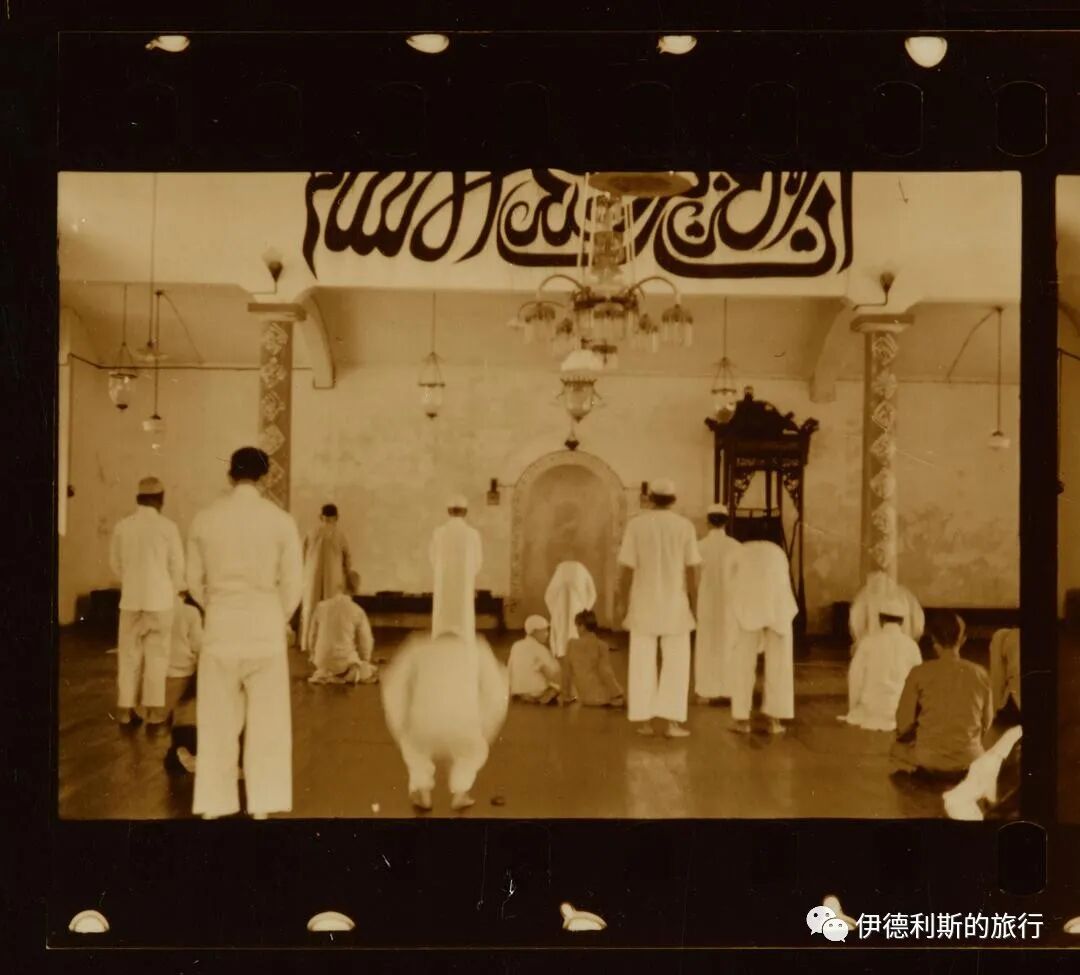
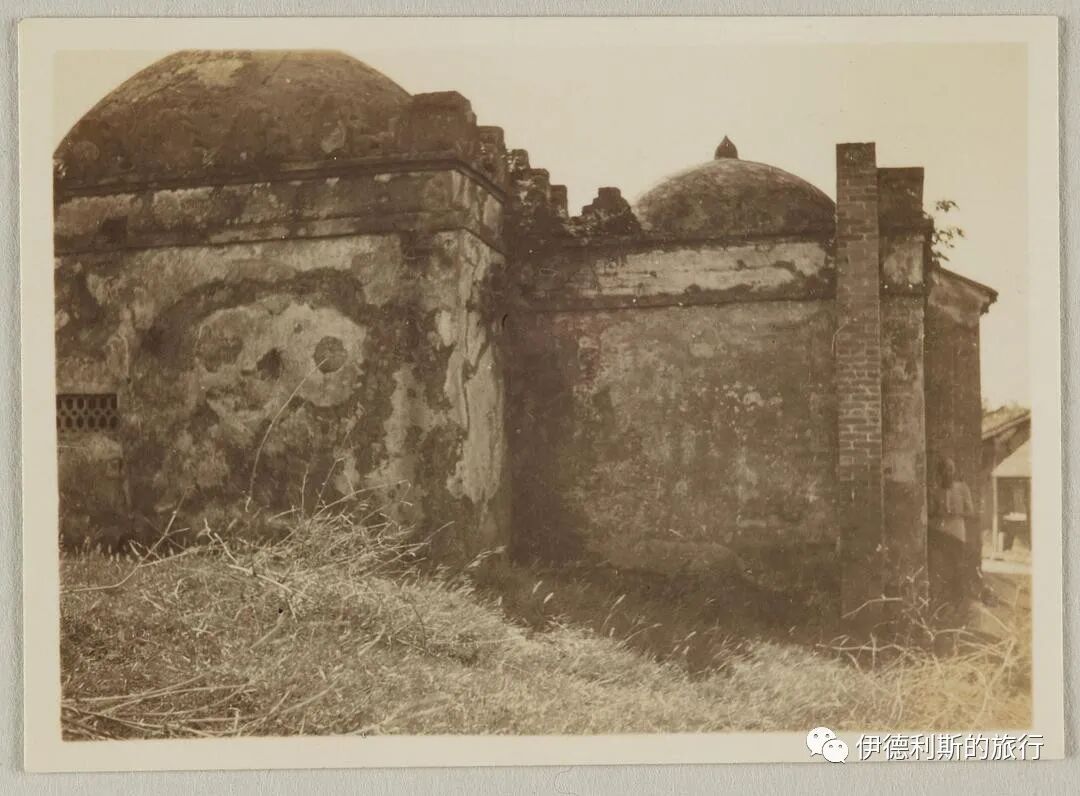
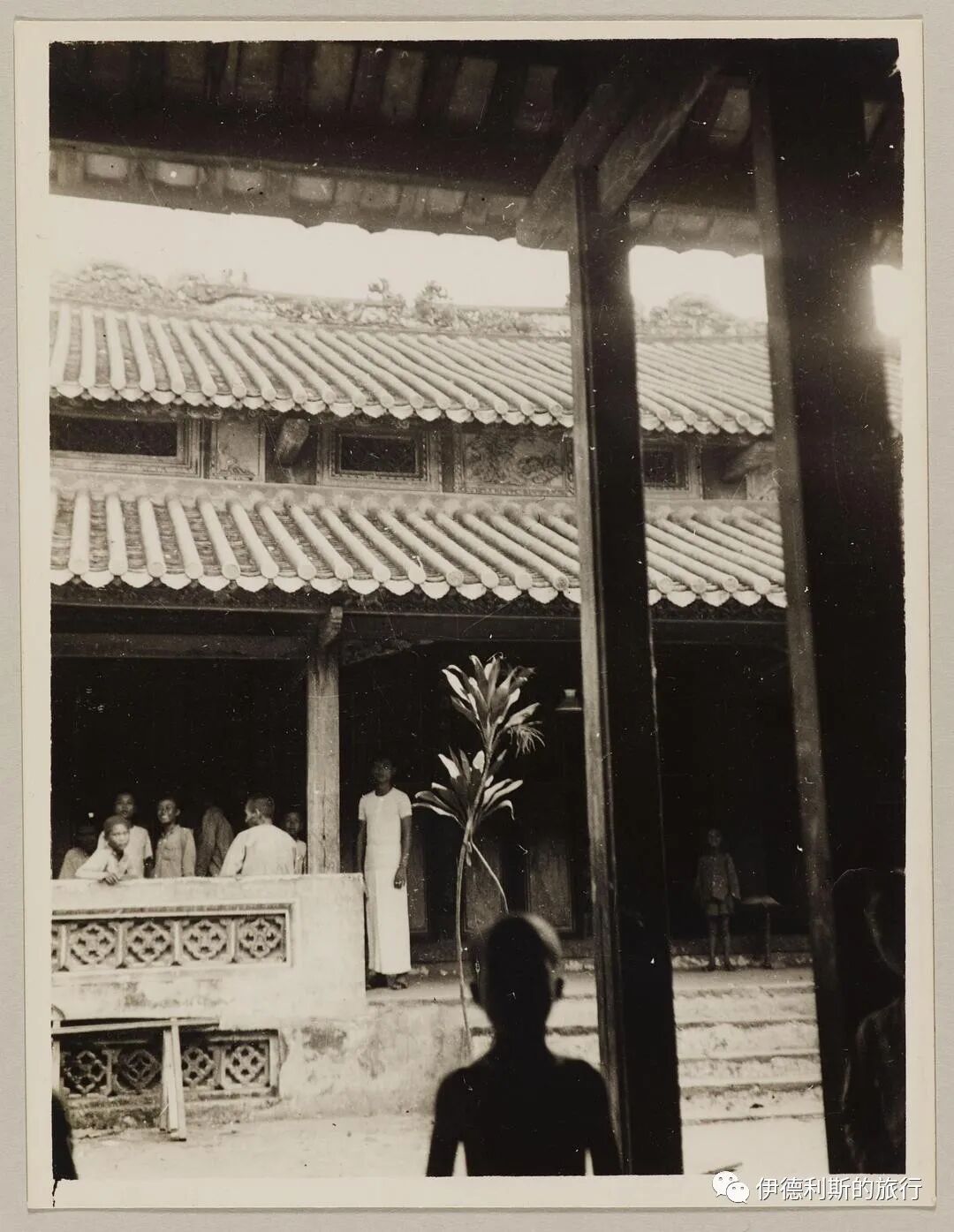
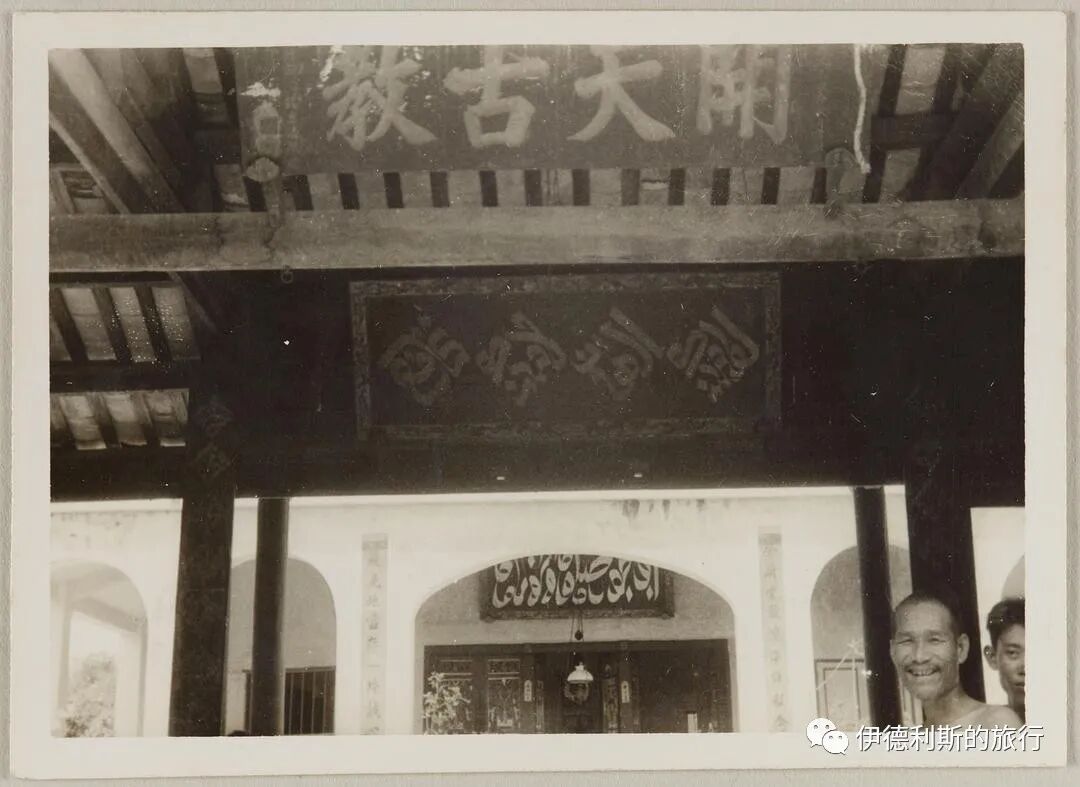
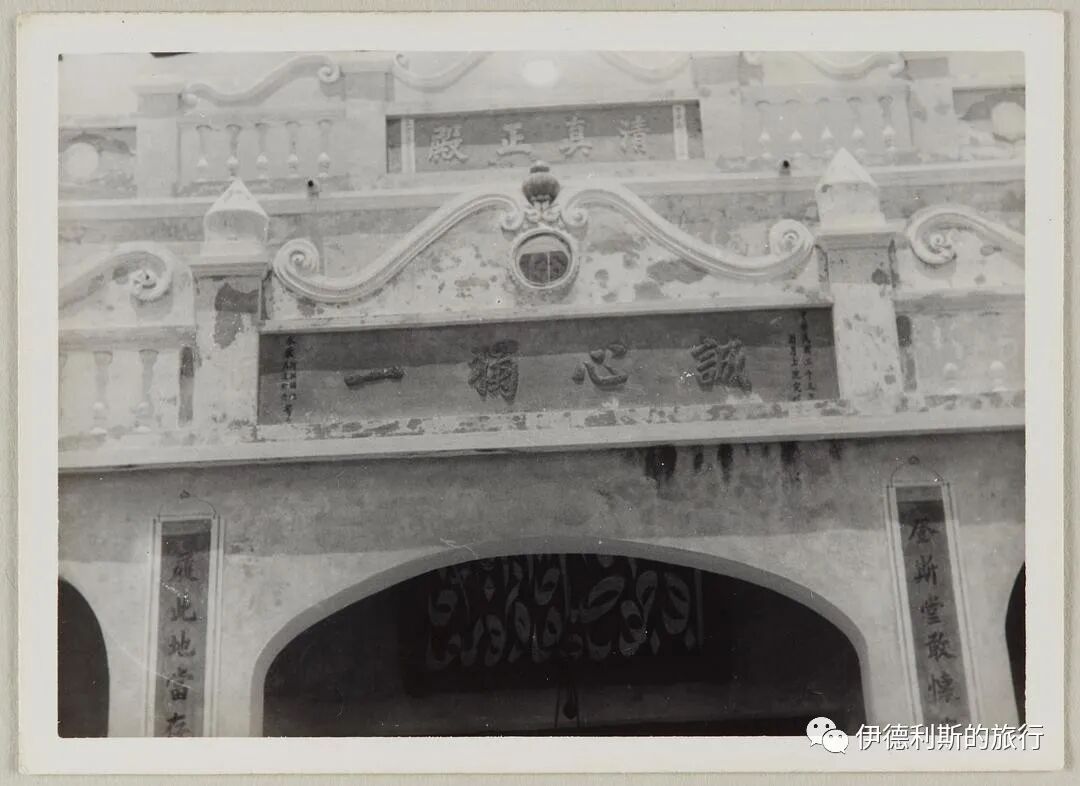
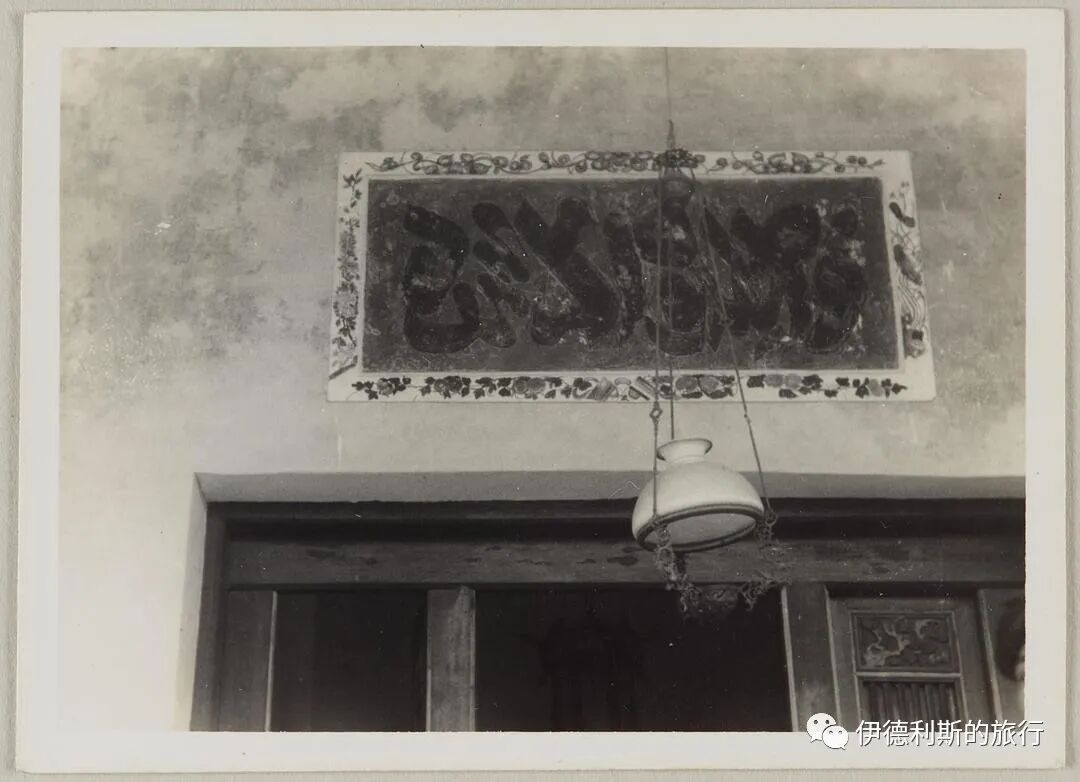
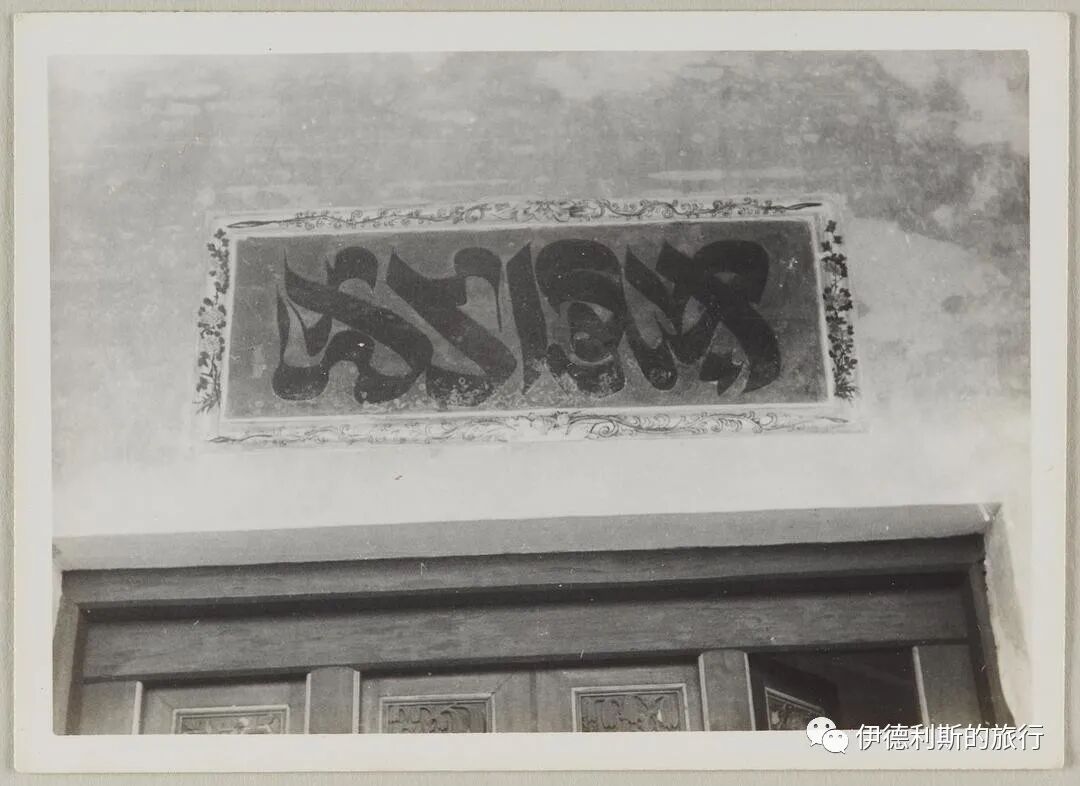
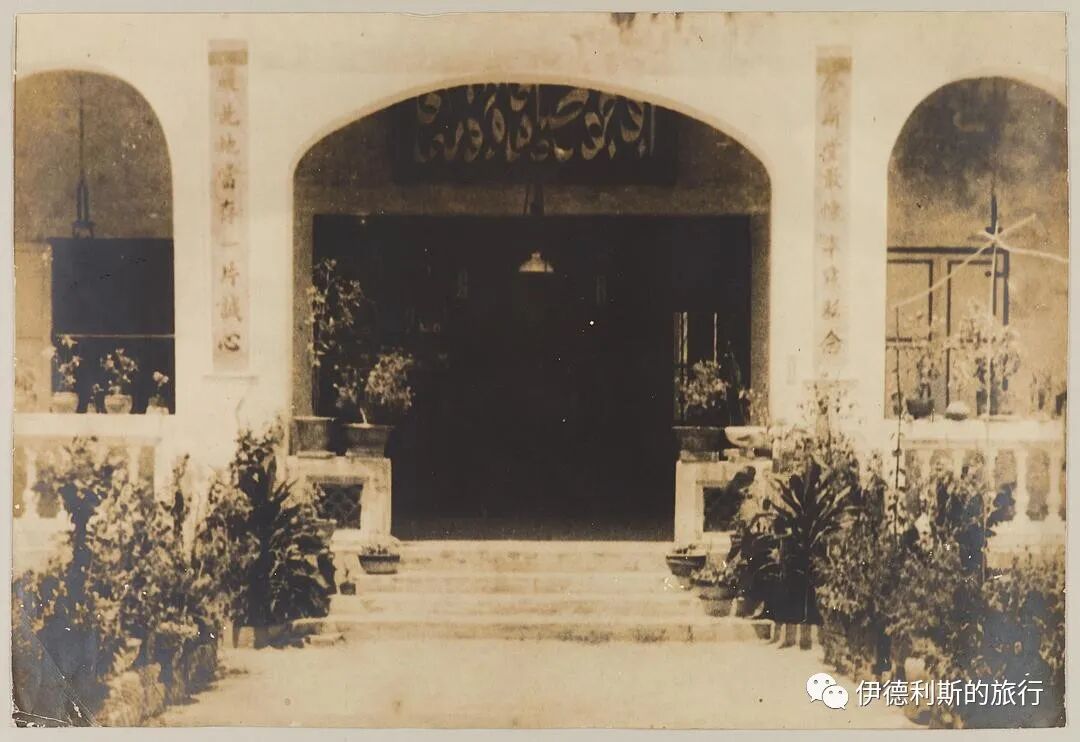
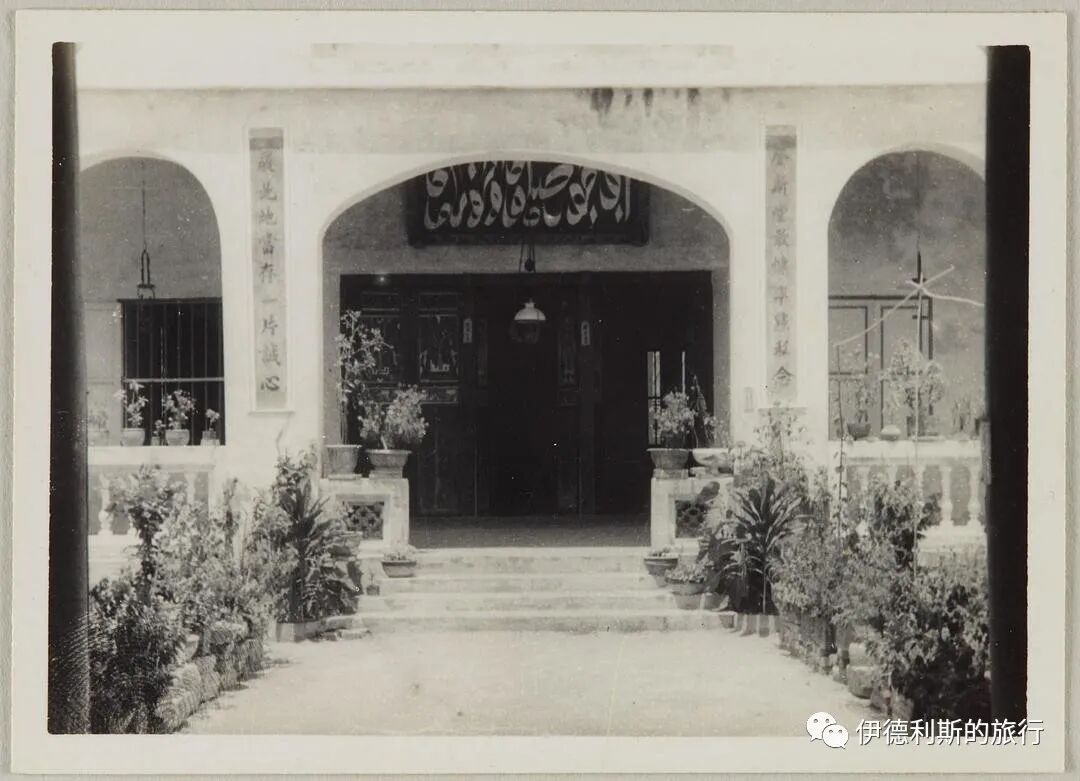
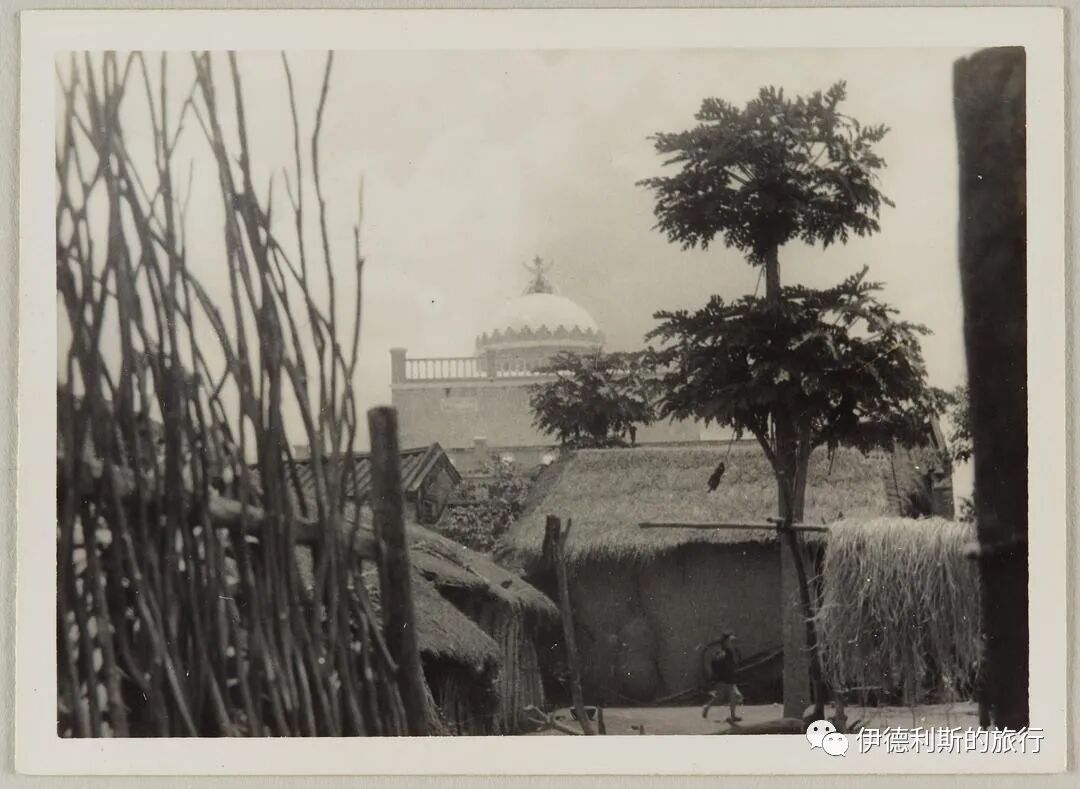
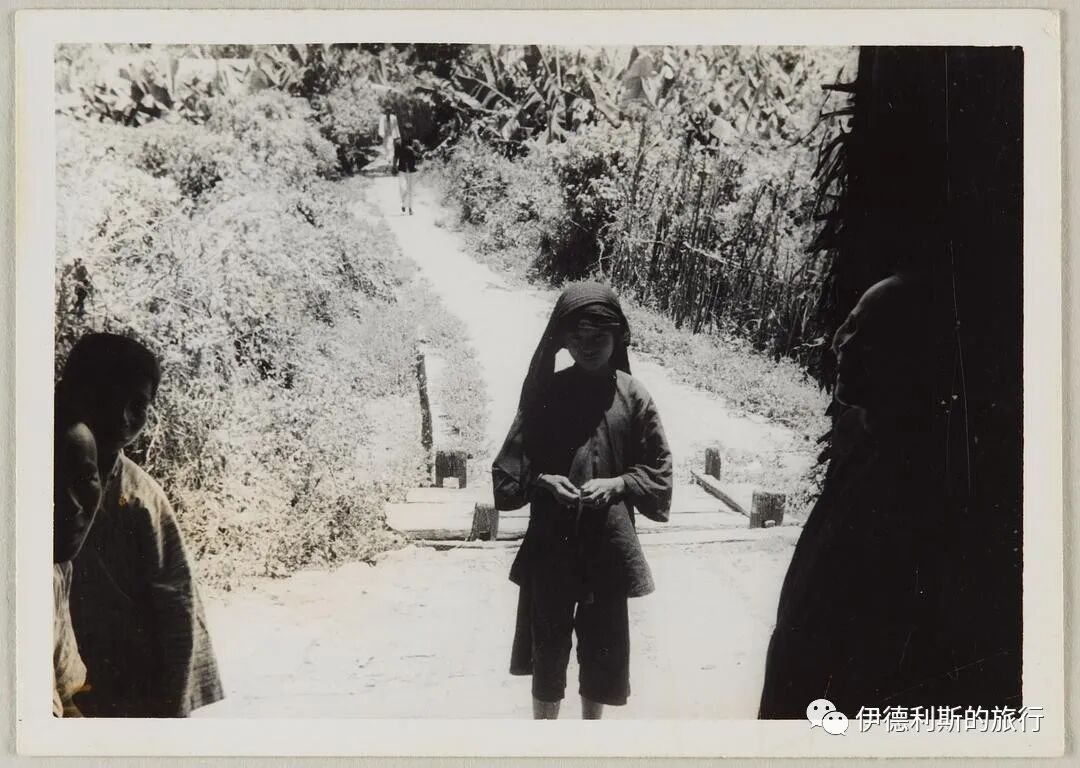
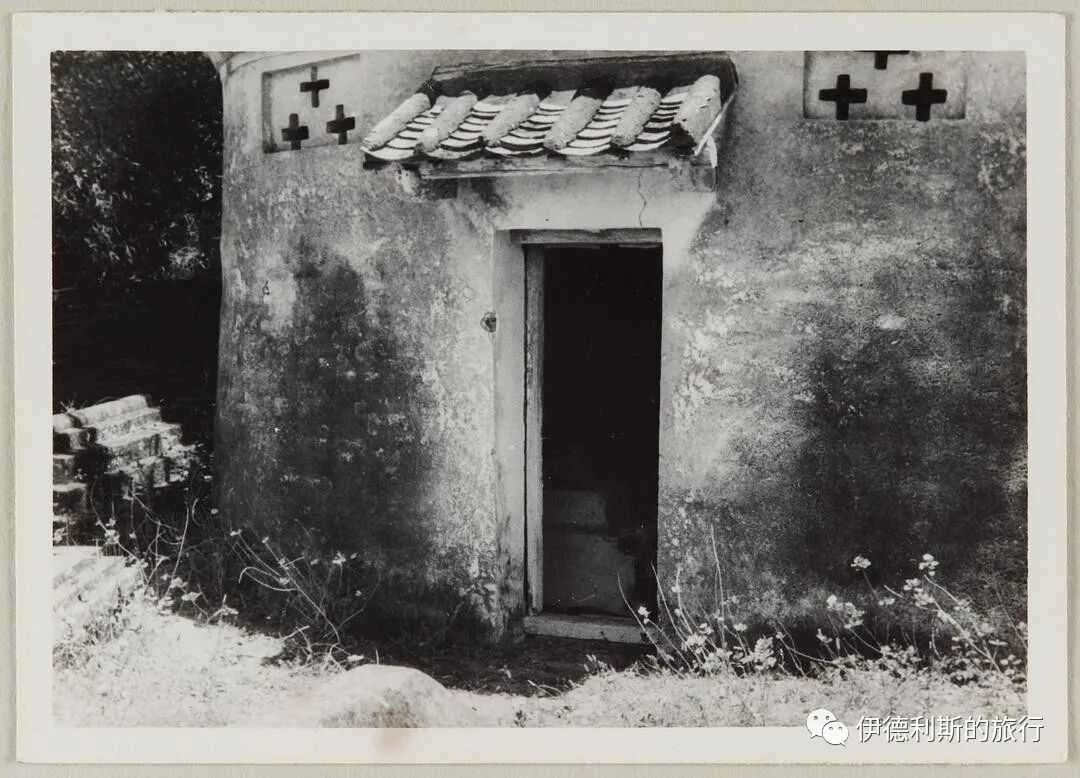
A mosque of the Huihui people in June 1941
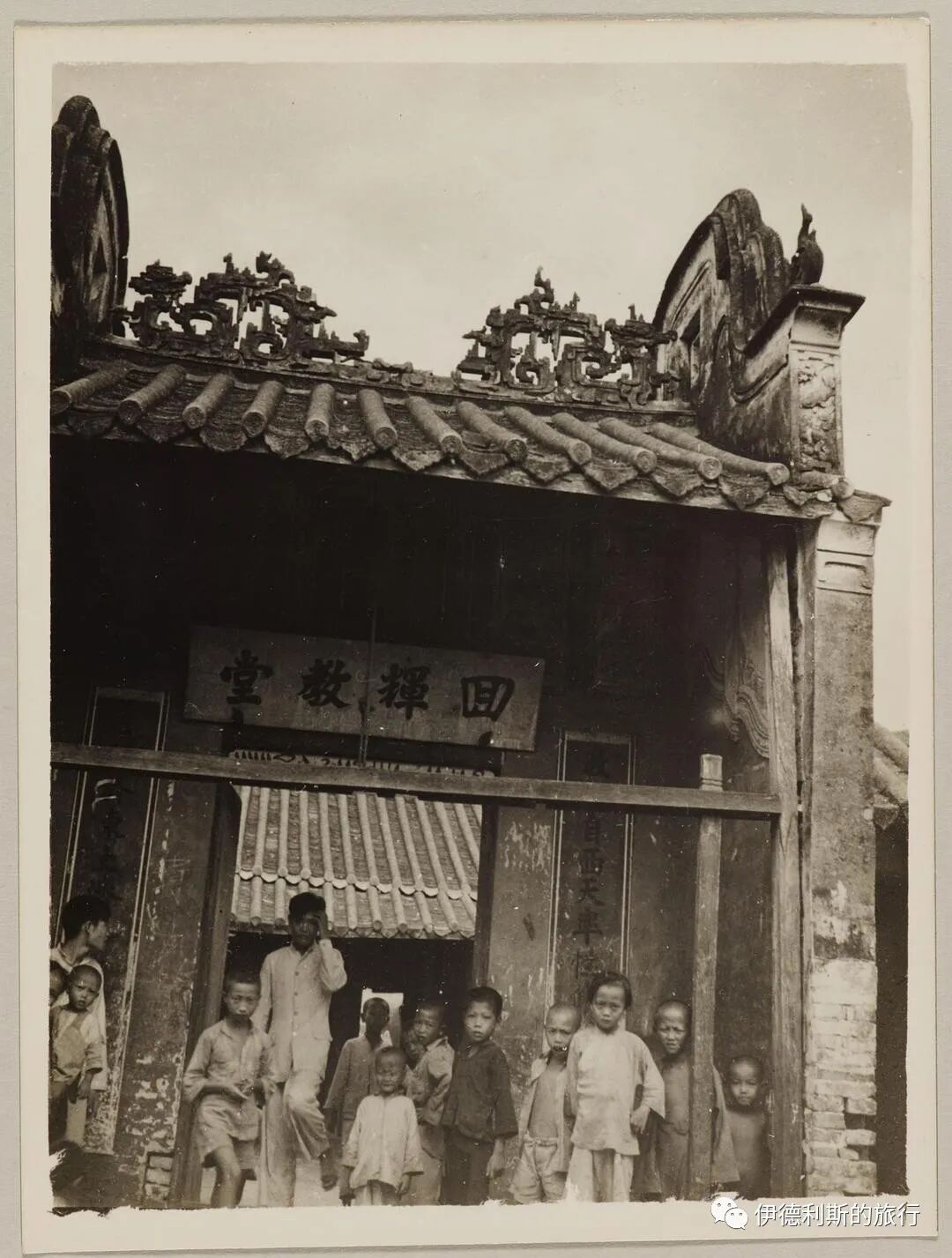
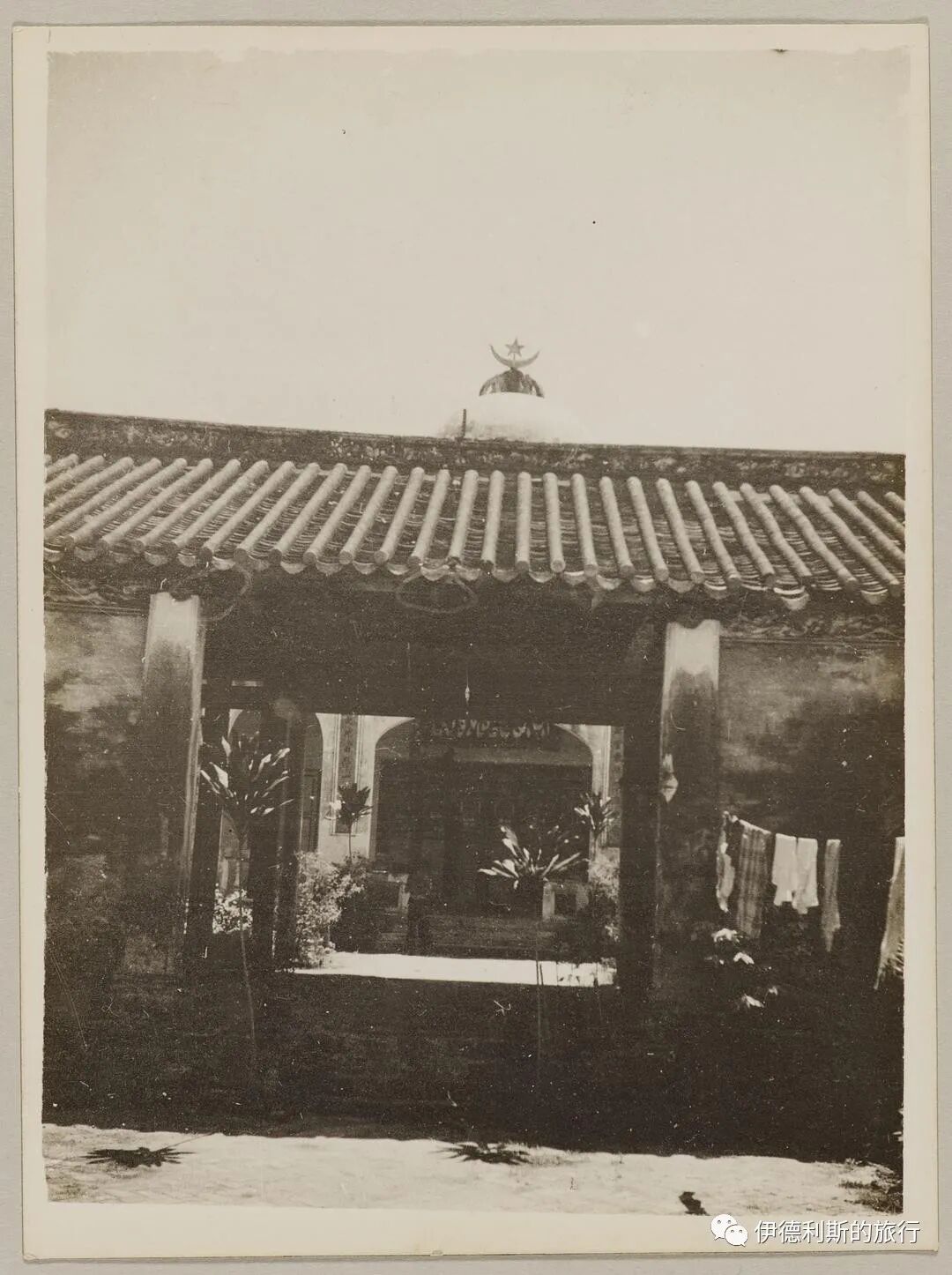
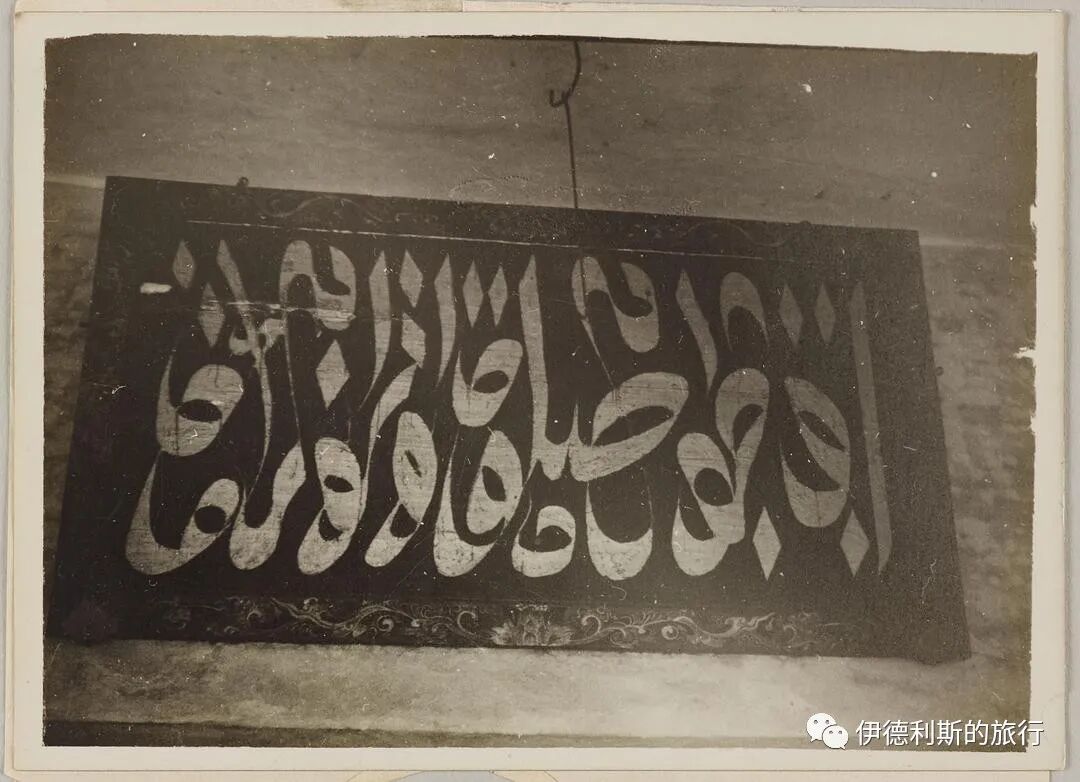
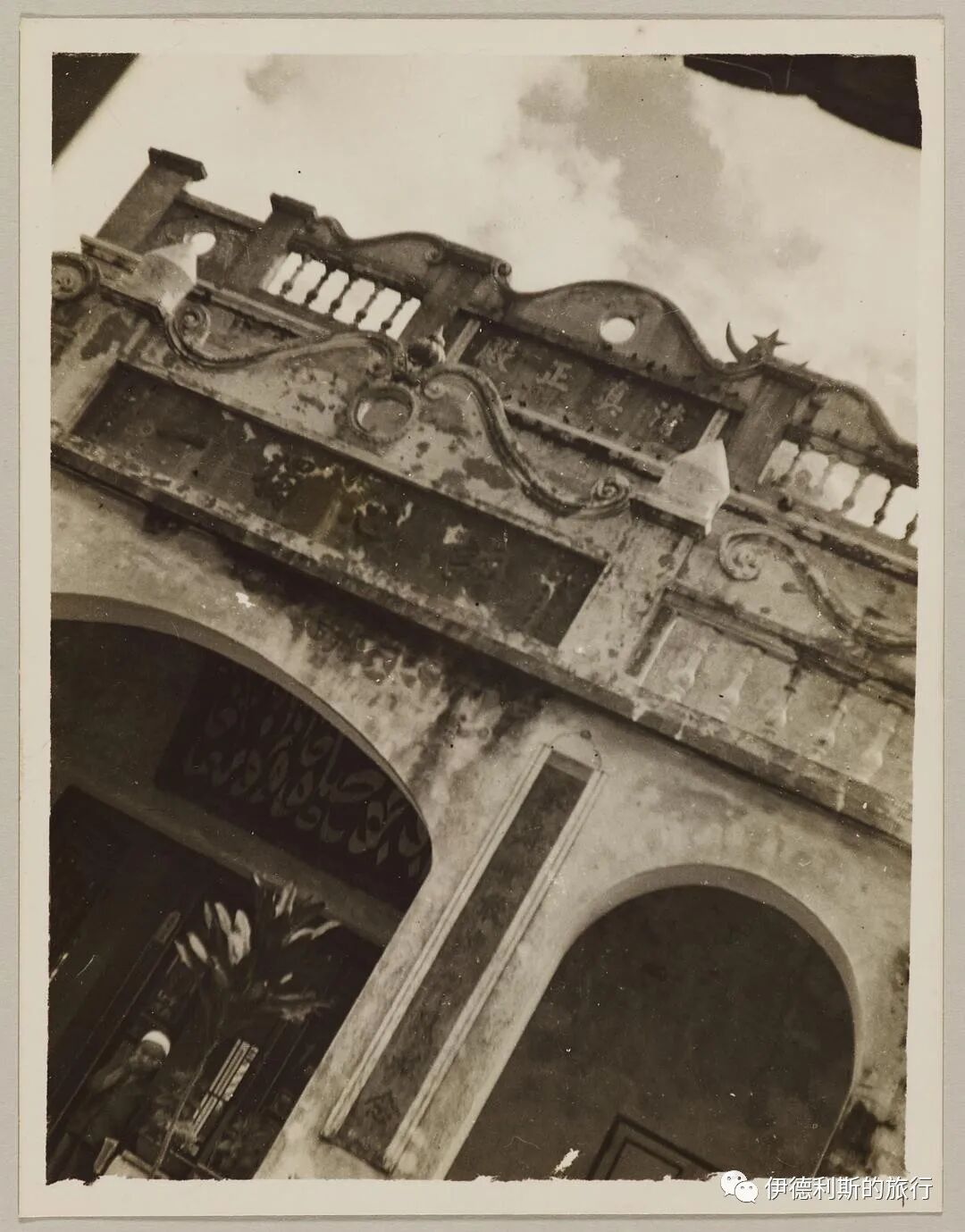
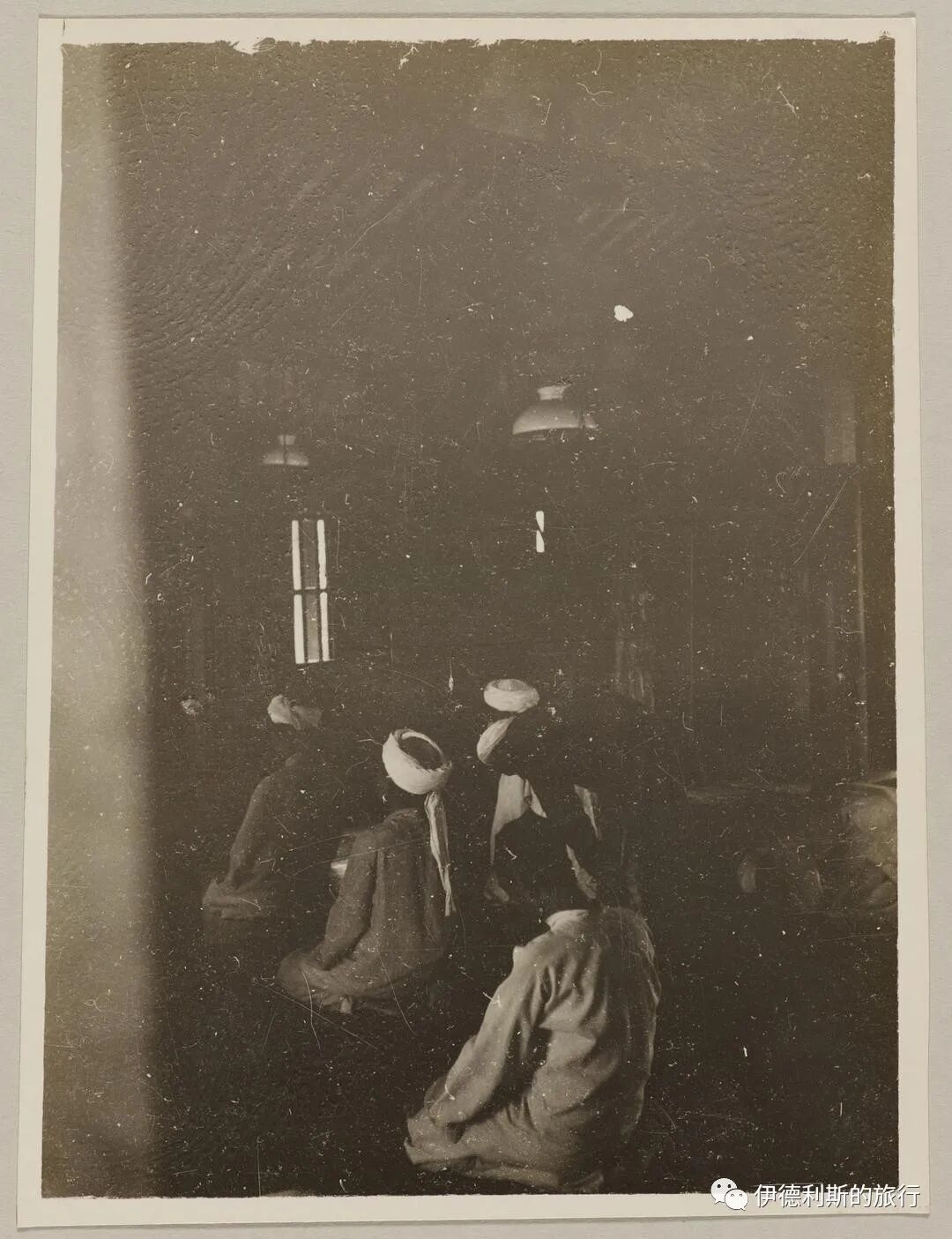
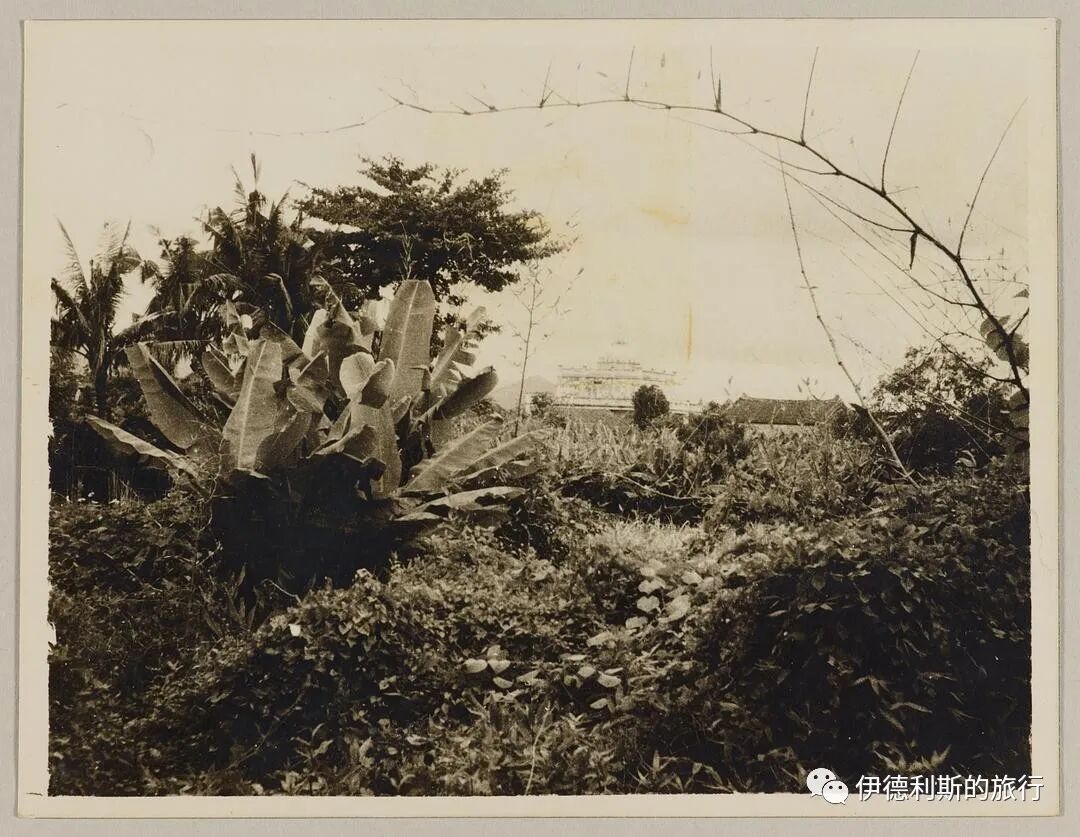
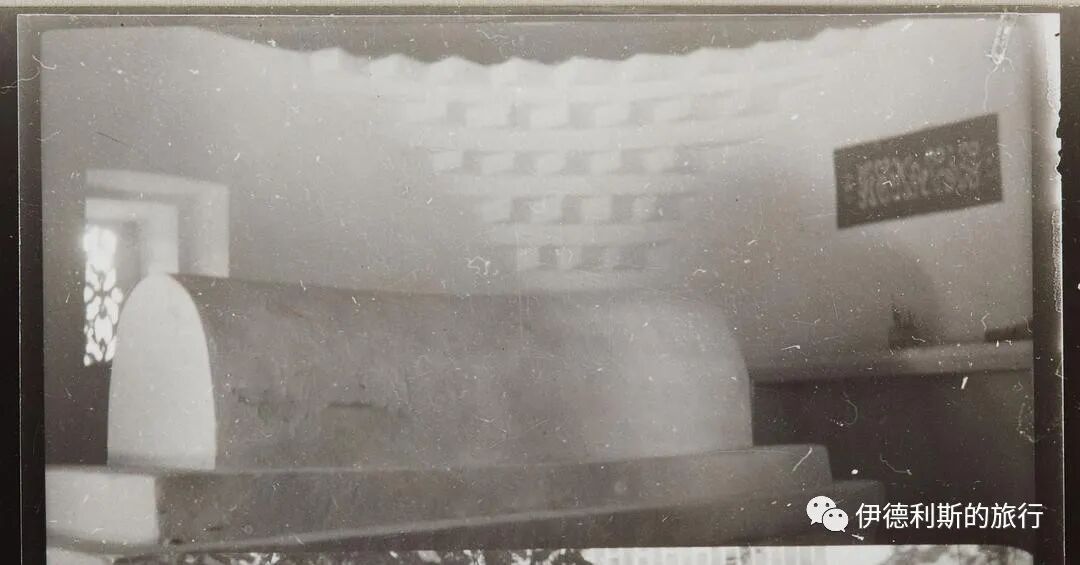
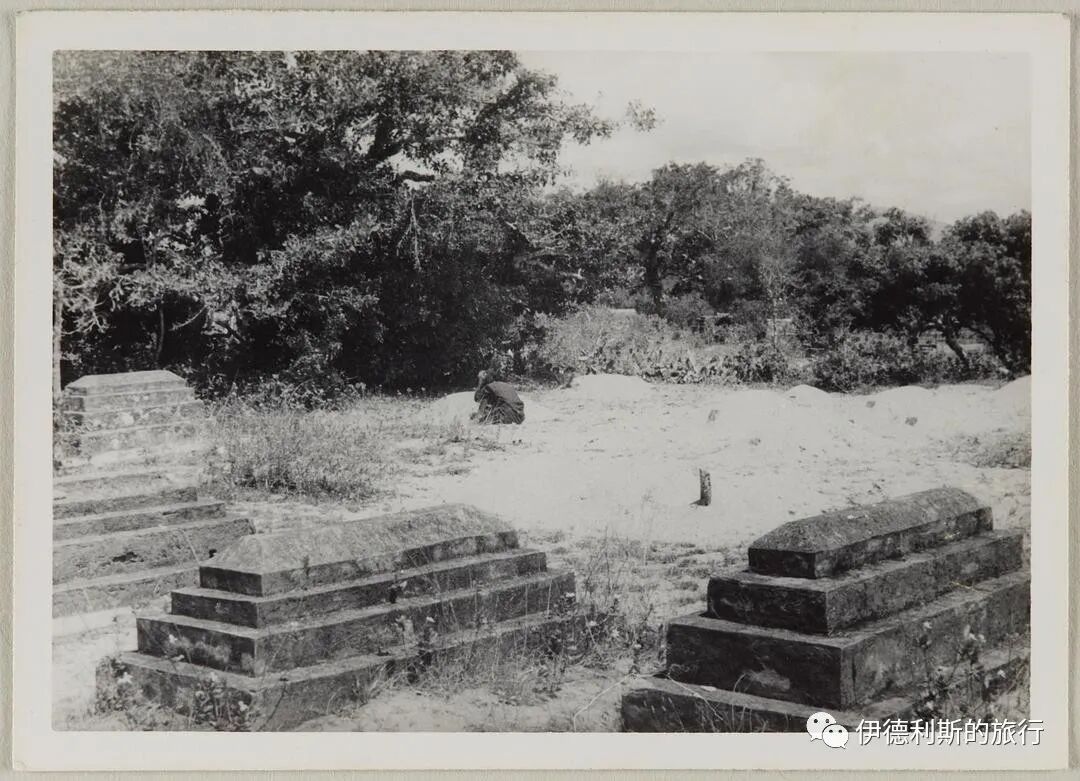
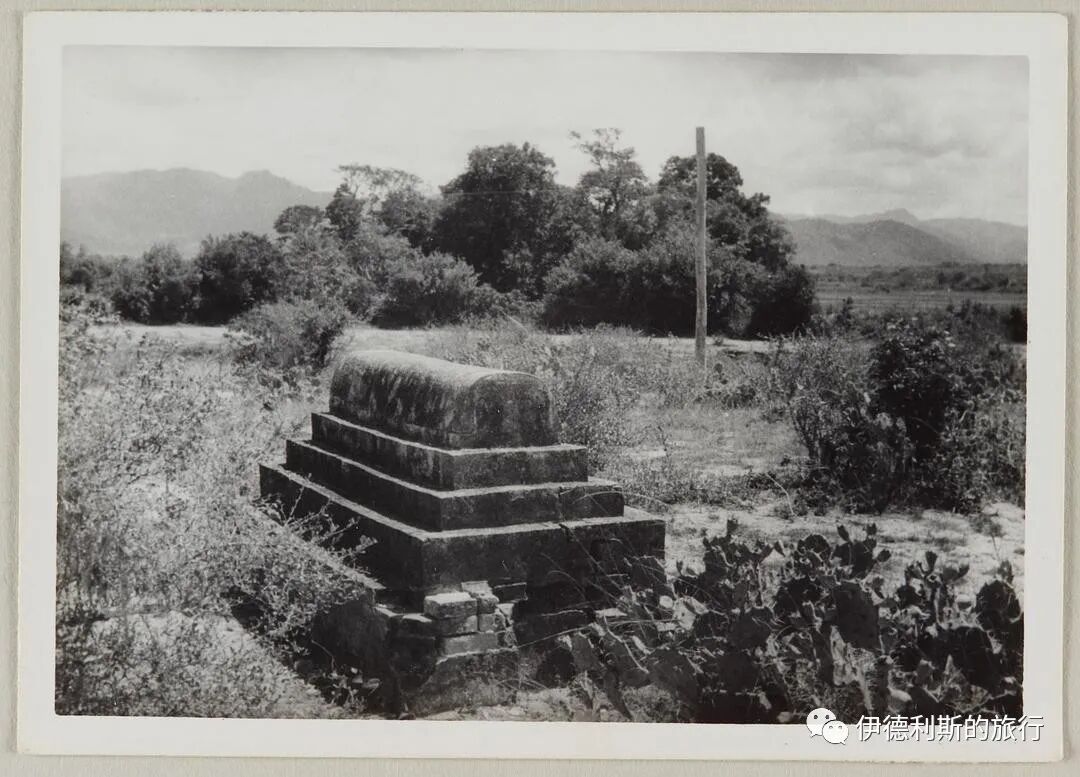
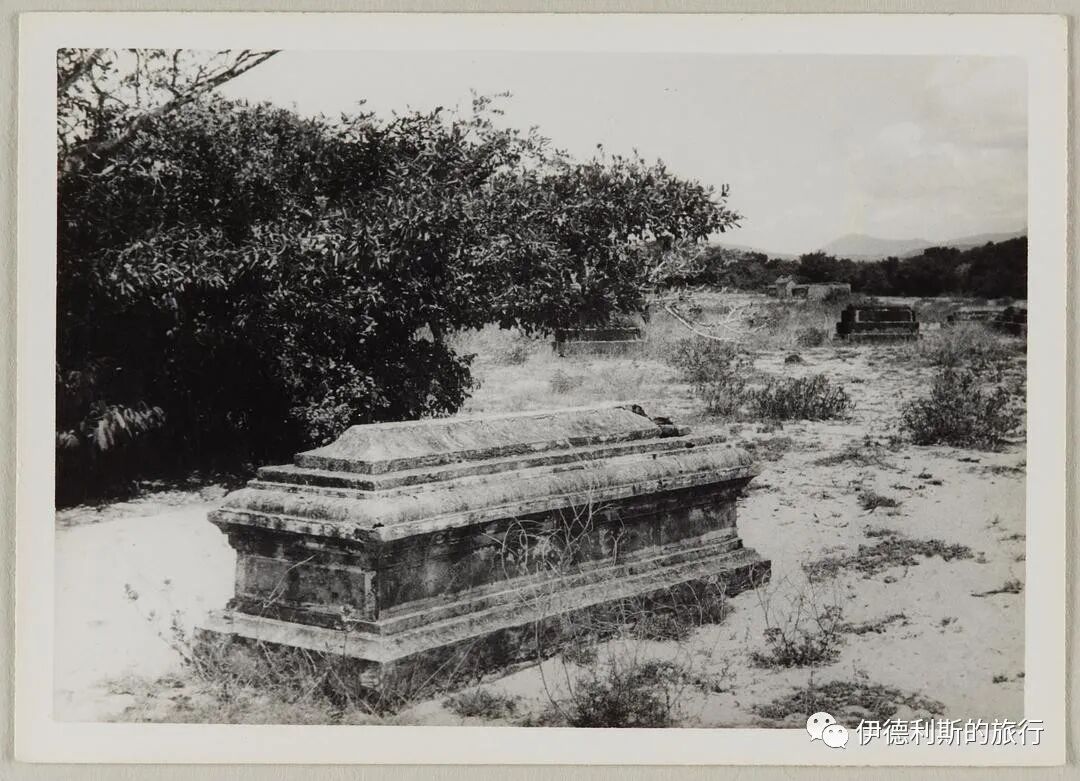
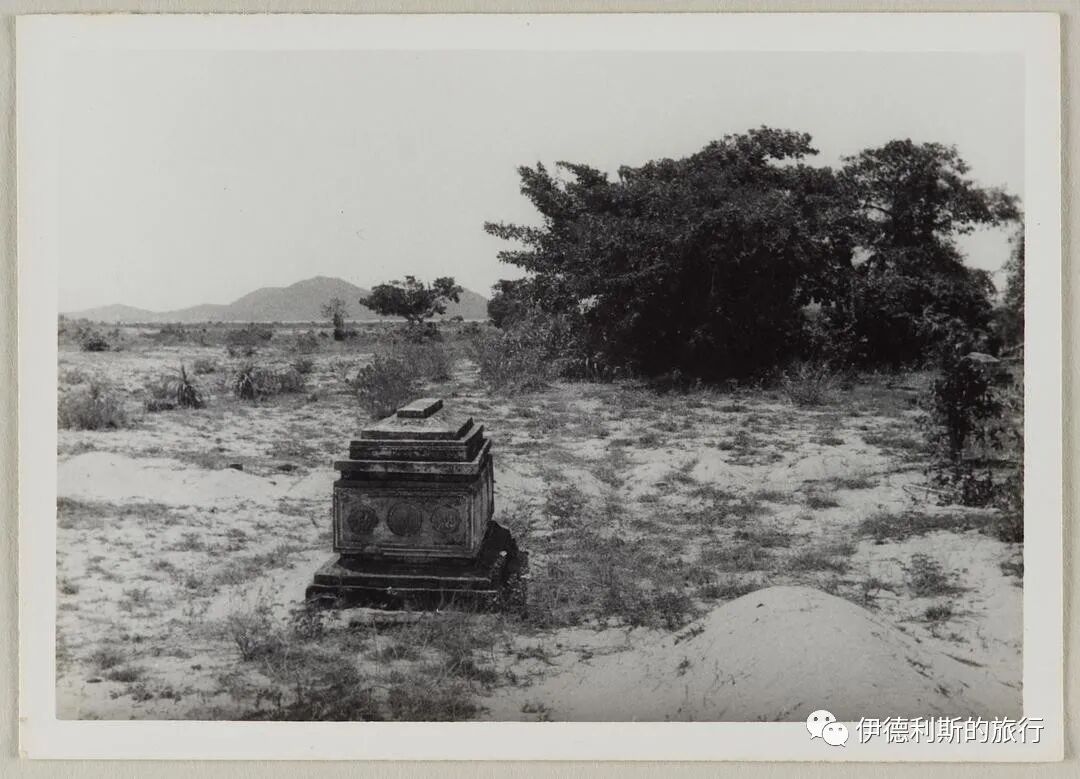
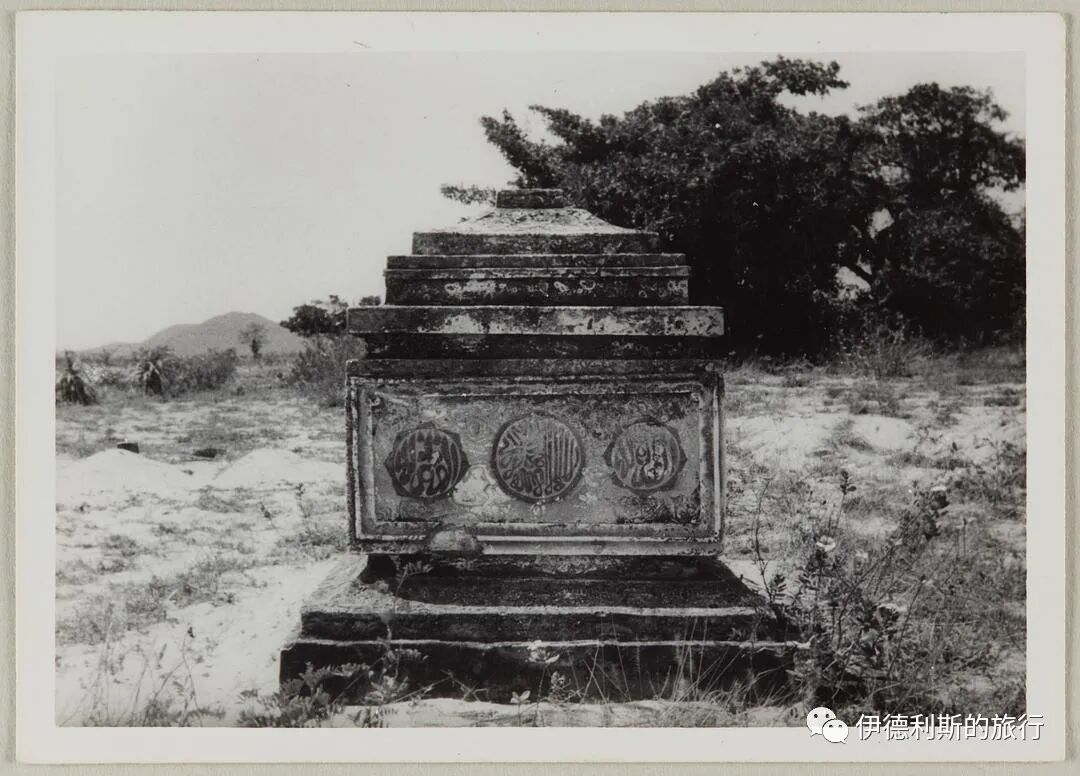
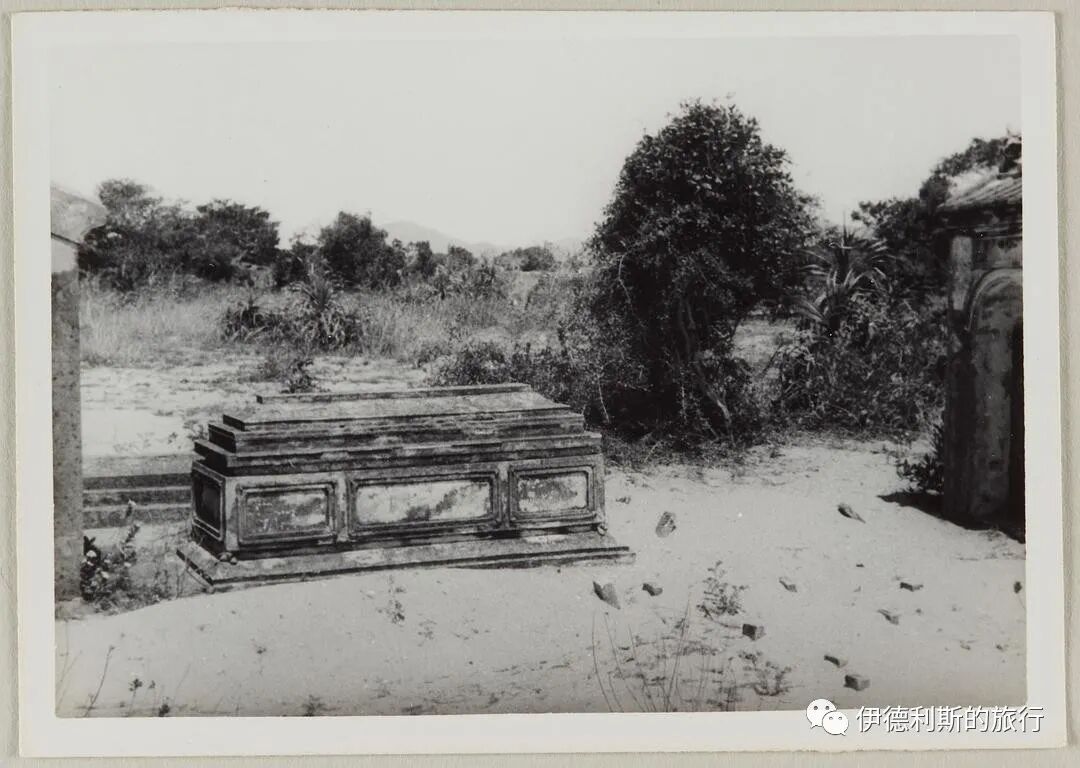
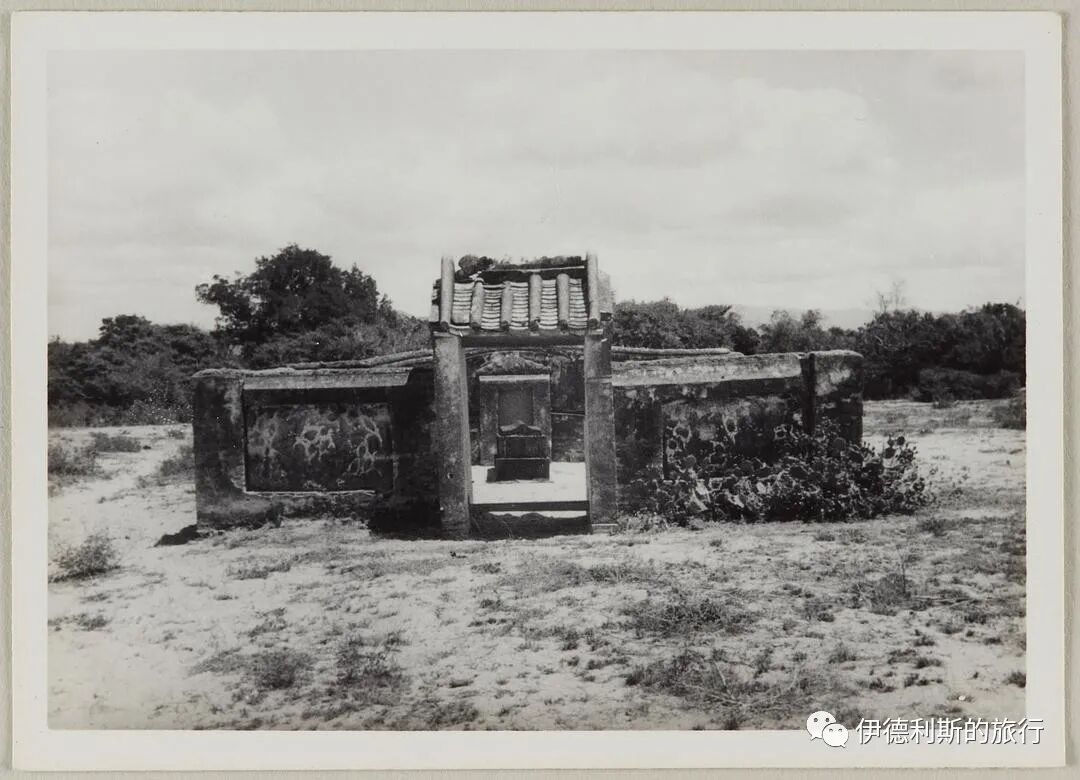
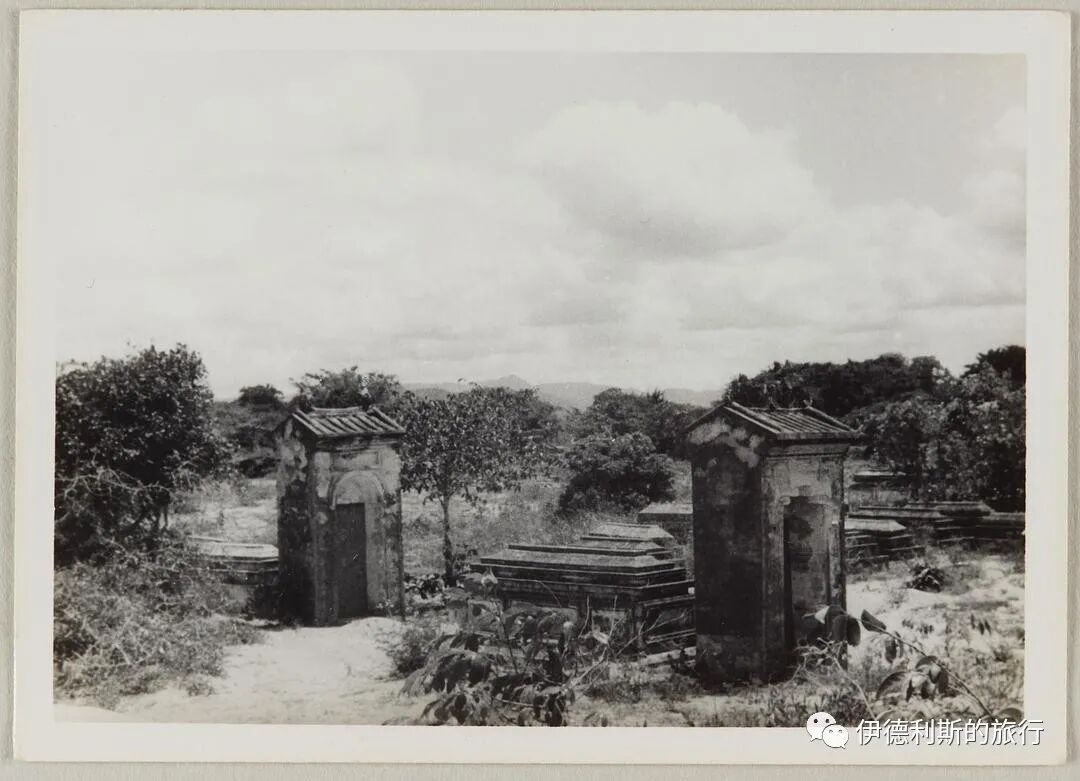
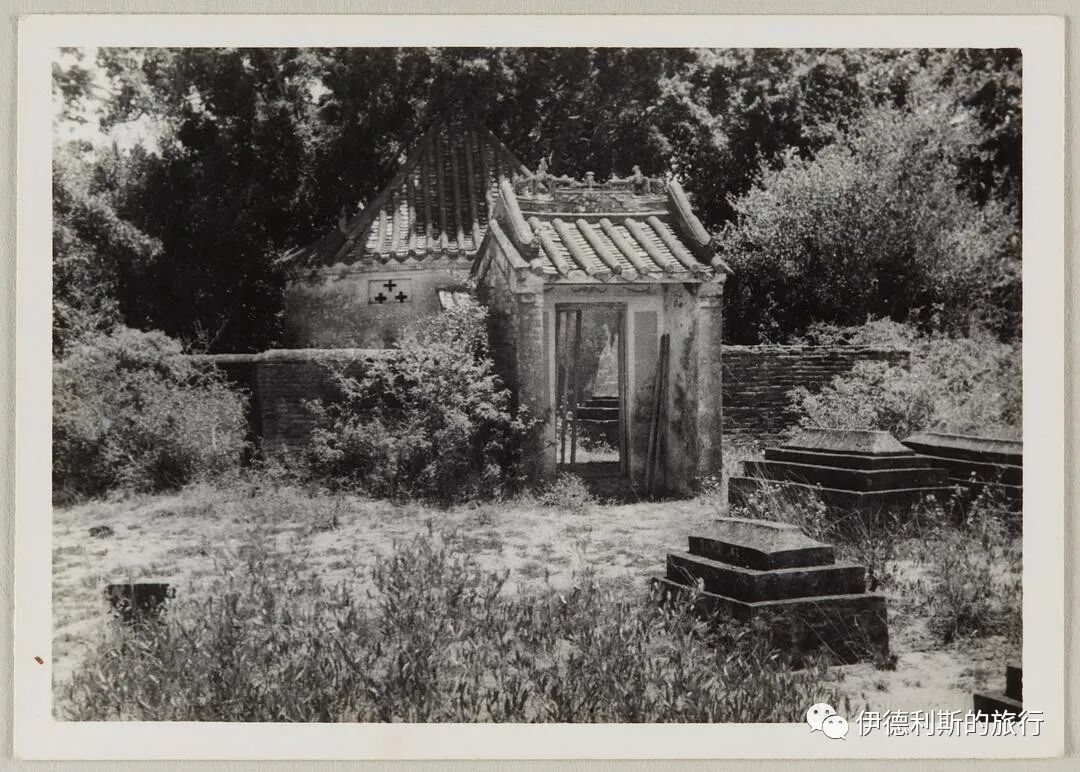
A cemetery of the Huihui people
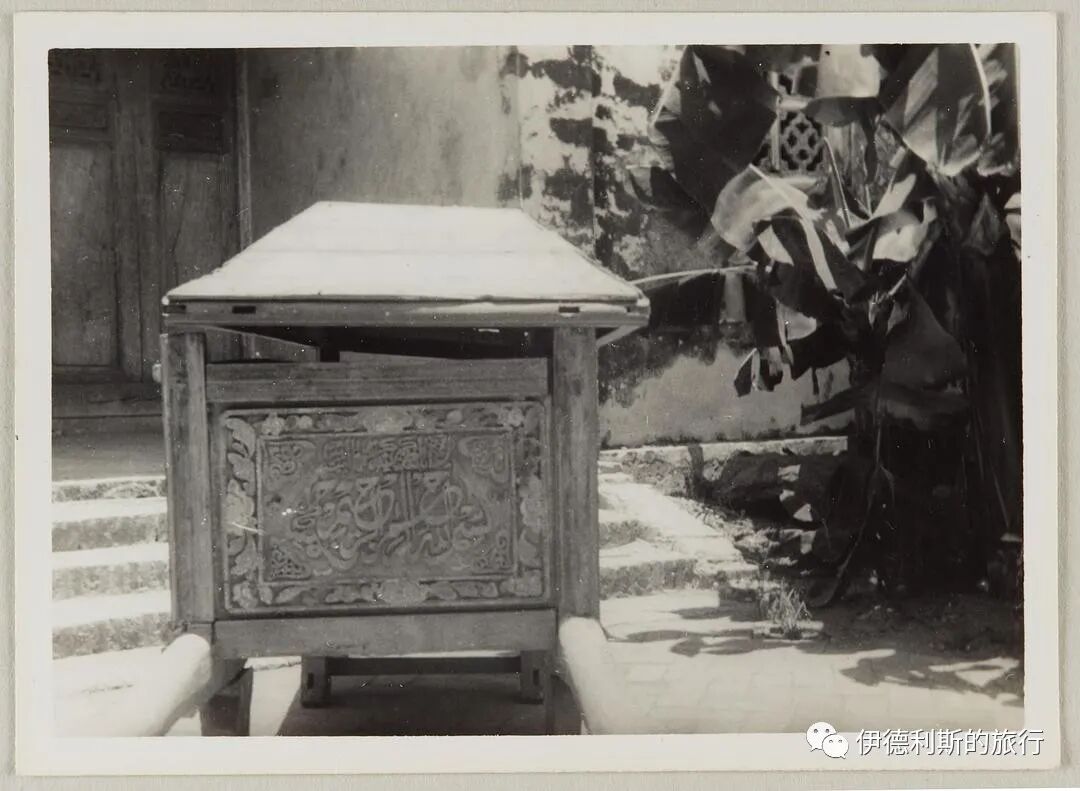
A wooden casket (tabu) used for transporting a body for burial
Summary: Old Photos of Hui Muslims in Guangzhou and Sanya: Waseda Library Collection is presented here as a firsthand travel account in clear English, beginning with this scene: Waseda University Library holds a large collection of old photos from the Greater Japan Muslim Association (Dai-Nippon Kaikyo Kyokai, or DNKK). The account keeps its focus on Hui Muslims, Old Photos, Guangzhou Muslims while preserving the names, places, food, and historical details from the Chinese source.
Waseda University Library holds a large collection of old photos from the Greater Japan Muslim Association (Dai-Nippon Kaikyo Kyokai, or DNKK). The DNKK was a wartime Japanese research organization for Islam. It started in 1938 and closed in 1945. They traveled to China and took many old photos of Hui Muslims. You can view them all online now.
Address: https://www.wul.waseda.ac.jp/k ... t.pdf
Guangzhou
After the Tang Dynasty, many Muslims from Arabia and Persia came to Guangzhou for business, and many of them chose to settle down. These Muslims were called "foreign guests" (fanke), and the communities where they lived were known as "foreign quarters" (fanfang).
The heart of the Guangzhou foreign quarter was the Huaisheng Mosque. The Huaisheng Mosque was rebuilt many times after the Yuan Dynasty, and today only the minaret, known as the "Light Tower" (Guangta), remains from before the Yuan period. Legend says the Huaisheng Mosque was built during the Tang Dynasty, and the earliest discovered record of the Light Tower comes from the Northern Song Dynasty poet Guo Xiangzheng. He arrived in Guangzhou in the first lunar month of 1088 (the third year of the Yuanyou era) and left in the second month. During his stay, he climbed the Light Tower of the Huaisheng Mosque and wrote the poems "Climbing the Foreign Tower with Ying Shu" and "Presenting to Commander Jiang at the Yue Wang Terrace in Guangzhou."
During the Southern Song Dynasty, Fang Xinru and Yue Ke both recorded the Light Tower of the Huaisheng Mosque.
In 1206 (the second year of the Kaixi era of the Southern Song), Fang Xinru wrote in "One Hundred Poems of the South Sea" (Nanhai Baiyong): The foreign tower began in the Tang Dynasty and is called the Huaisheng Tower. It rises straight up, about 16.5 zhang high, with no stairs inside. A golden rooster sits on top, turning with the wind. Every year in the fifth or sixth month, the foreigners climb to the top at the fifth watch to call out the name of Allah and pray for favorable winds. Below it is a prayer hall.
Yue Fei's grandson, the Southern Song writer Yue Ke, came to Guangzhou with his father at age 10 in 1192. In the "Foreigners in Panyu" section of his book "History of the Desk" (Tuo Shi), he described the Muslim community in Guangzhou at that time: Behind it is a stupa that reaches into the clouds. Its style is unlike other towers. It is surrounded by bricks to form a large base, built up layer by layer, with a rounded exterior covered in plaster, looking like a silver brush. There is a door at the bottom. You climb the steps and turn inside like a spiral, and you cannot see the stairs from the outside. Every few dozen steps, there is an opening. In the fourth or fifth month of the year, when the ships are about to arrive, the foreigners enter the tower and call out from the openings to pray for the south wind, and it often works. At the very top, there is a large golden rooster that replaces the traditional wheel, though it is now missing one foot.
The 1350 (the tenth year of the Zhizheng era of the Yuan) "Record of Rebuilding Huaisheng Mosque" states that the mosque was destroyed in 1343 (the third year of the Zhizheng era) and rebuilt in 1350: At the foot of White Cloud Mountain and the slope of Po Mountain, there is a pagoda. Its style is from the Western Regions, standing tall like stone. It is something not seen in the Central Plains, and legend says it began in the Tang Dynasty... When the mosque was destroyed in the year of Guwei of the Zhizheng era, the halls were left empty.
The opening ceremony of the Huaisheng Mosque Islamic Elementary School in the 1930s.
The red sandstone wall of the Moon-Watching Tower (Wangyue Lou) was rebuilt in the Ming Dynasty, and the top was rebuilt in the Qing Dynasty.
The Cemetery of the Worthies (Xianxian Mu) in Guangzhou in June 1941.
The ancient Cemetery of the Worthies is commonly known as the Hui Muslim Grave, the Great Man's Grave, or the Echoing Grave, and it has been a burial ground for Muslims in Guangzhou since the Tang Dynasty. The earliest record of the ancient Cemetery of the Worthies comes from the 1206 (the second year of the Kaixi era of the Southern Song) book "One Hundred Poems of the South Sea" by Fang Xinru: The foreign graves are ten miles west of the city, with thousands of mounds, all facing west with their heads to the south. The whale-like waves barely spare those they swallow, yet even a dying fox turns its head toward its home hill. My eyes strain across thirty thousand miles of vastness, and though a thousand pieces of gold are here, this life is already over.
The heart of the Ancient Sages' Tomb is the burial site of Wangesu, an Islamic sage who legend says came to China during the Tang Dynasty to spread his faith. Wangesu is known as Saheb Saad Wakkas. Most historical records about his tomb date from the Ming and Qing dynasties. Sources for his arrival time vary: the Qing-era Guangzhou Prefecture Gazetteer says 629 (the third year of the Tang Zhenguan era), the Qing-era Tianfang Zhengxue says 632 (the sixth year of the Tang Zhenguan era), and the Qing-era stele record for the renovation of the Sage Saierde tomb even suggests he arrived during the Sui Dynasty. Regarding his identity, he is variously described as an uncle, cousin, general, or envoy of the Prophet Muhammad.
The Huihui people of Sanya
The Huihui people are a Muslim group living in Huihui Village and Huixin Village in Sanya, Hainan, with a population of nearly ten thousand. The Huihui language they speak belongs to the Austronesian language family and shares the same origin as the Chamic languages of southern Vietnam. The customs of the Huihui people are strongly influenced by local Hainan groups, yet they maintain a devout Islamic faith, making them a very unique group on China's southeast coast.
Starting in the 10th century, the Champa kingdom in southern Vietnam fought wars with Dai Viet, Chenla (Cambodia), and the Yuan Dynasty, causing many Arab and Persian merchants in Champa to sail across the sea to Hainan. The History of Song: Champa records that as early as 986, a Champa man named Pu Luo'e led over a hundred of his people to Danzhou, Hainan, to seek refuge.
During the Ming and Qing dynasties, Muslims living in places like Yazhou, Wanzhou, and Qiongshan in Hainan gradually moved to Suosanya Lifan Village (now Huixin Village in Sanya). During the Qing Dynasty, Muslim communities across Hainan underwent assimilation into Han, Li, or Dan cultures, leaving Suosanya Lifan Village as the only remaining Muslim community in Hainan, which eventually formed the modern Huihui people.
Some Huihui people also came from the mainland. The ancestors of the Ha family among the Huihui came from Shaanxi, later moving their whole family to Dadan Port in Yazhou, Hainan, before relocating to Suosanya Lifan Village with another group of Hui Muslims surnamed Liu during the late Ming and early Qing dynasties.
A mosque of the Huihui people in June 1941
A cemetery of the Huihui people
A wooden casket (tabu) used for transporting a body for burial
