
Halal Travel Guide: Delhi Humayun's Tomb — Mughal Architecture and History
Reposted from the web
Summary: Delhi Humayun's Tomb — Mughal Architecture and History is presented here as a firsthand travel account in clear English, beginning with this scene: Humayun's Tomb (Maqbara-i Humayun) is the final resting place of Humayun, the second emperor of the Mughal Empire. The account keeps its focus on Humayun's Tomb, Mughal History, Delhi Travel while preserving the names, places, food, and historical details from the Chinese source.
Humayun's Tomb (Maqbara-i Humayun) is the final resting place of Humayun, the second emperor of the Mughal Empire. It was commissioned in 1558 by his wife, Bega Begum, and designed by a Persian architect. It is the first garden-style tomb in South Asia and the first grand red sandstone imperial tomb of the Mughal Empire. It was added to the World Heritage List in 1993.
In my book, The Sixth City of Delhi: The Birth of the Mughal Dynasty, I wrote about how Humayun built a new capital in Delhi in 1533 called Din Panah, which means 'Refuge of the Faith'. On January 24, 1556, Humayun was reading on the second floor of the library inside Din Panah. When the muezzin called the adhan, Humayun hurried downstairs to perform namaz. He tripped on the stairs, fell, and passed away. His 13-year-old son, Akbar, then took the throne.
Humayun's Tomb is located south of Din Panah, right next to the famous South Asian Sufi shrine, the Nizamuddin Dargah (Nizamuddin Mazar). Construction began in 1556 and finished in 1572, taking 16 years to complete. Records show that after Queen Bega Begum returned from Hajj, she dedicated herself to building the tomb. She chose the Persian architect Mirak Mirza Ghiyas from the ancient city of Herat to design it. Mirak Mirza Ghiyas had designed buildings in Herat, Bukhara, and other parts of India. He passed away before the tomb was finished, and his son, Sayyed Muhammad, completed the project.
Humayun's Tomb
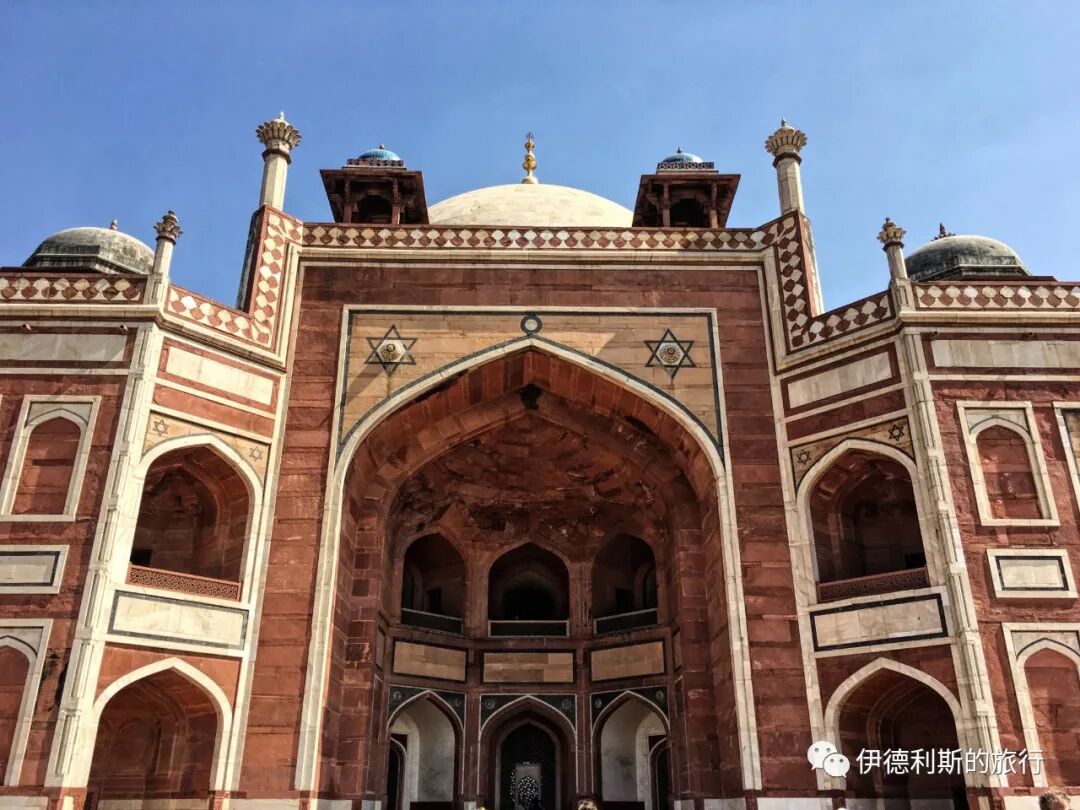
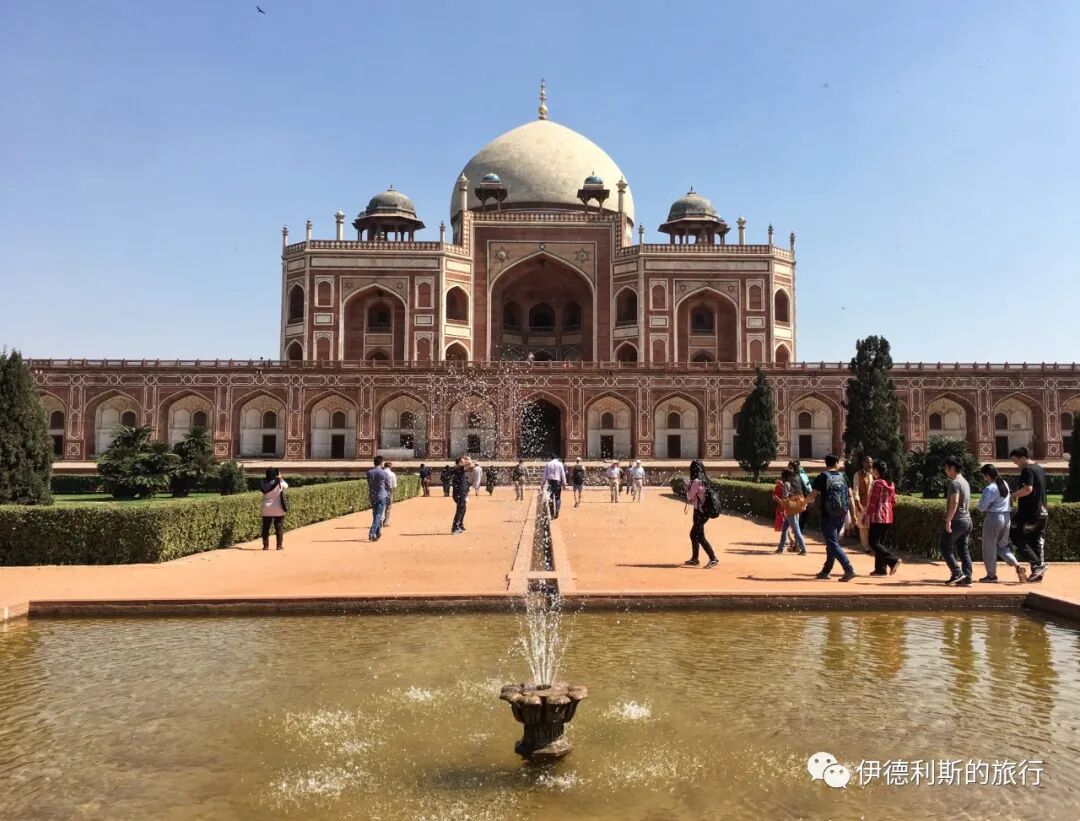
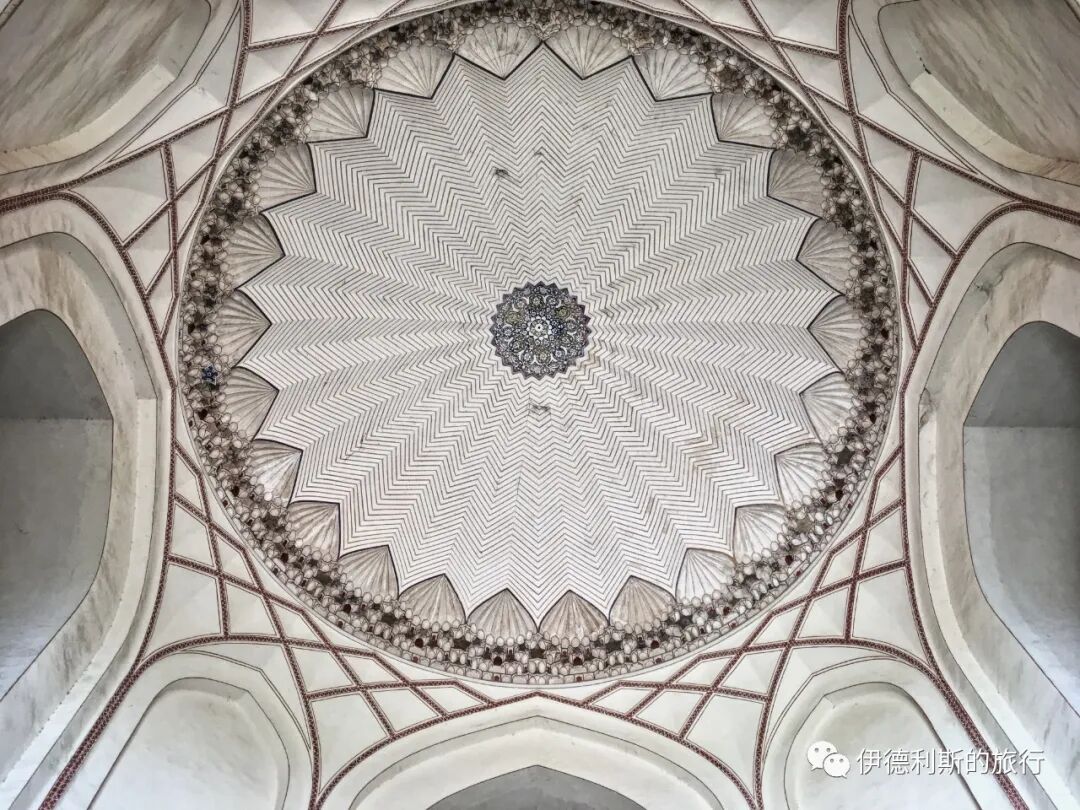
Humayun's Tomb carries on the Indo-Islamic architectural style developed since the Delhi Sultanate. It is the first Indian building to use a Persian double dome, which consists of an inner and outer Persian hemispherical dome.
The main dome is surrounded by Chhatri (domed pavilions) and smaller decorative spires called Guldasta, both of which are unique to Indo-Islamic architecture. Guldasta means 'bundled bouquet' in Persian, and in Indo-Islamic architecture, it usually takes the shape of a flower. Both of these designs are a fusion of Persian pavilions and the Hindu roof tower known as a Sikhara.
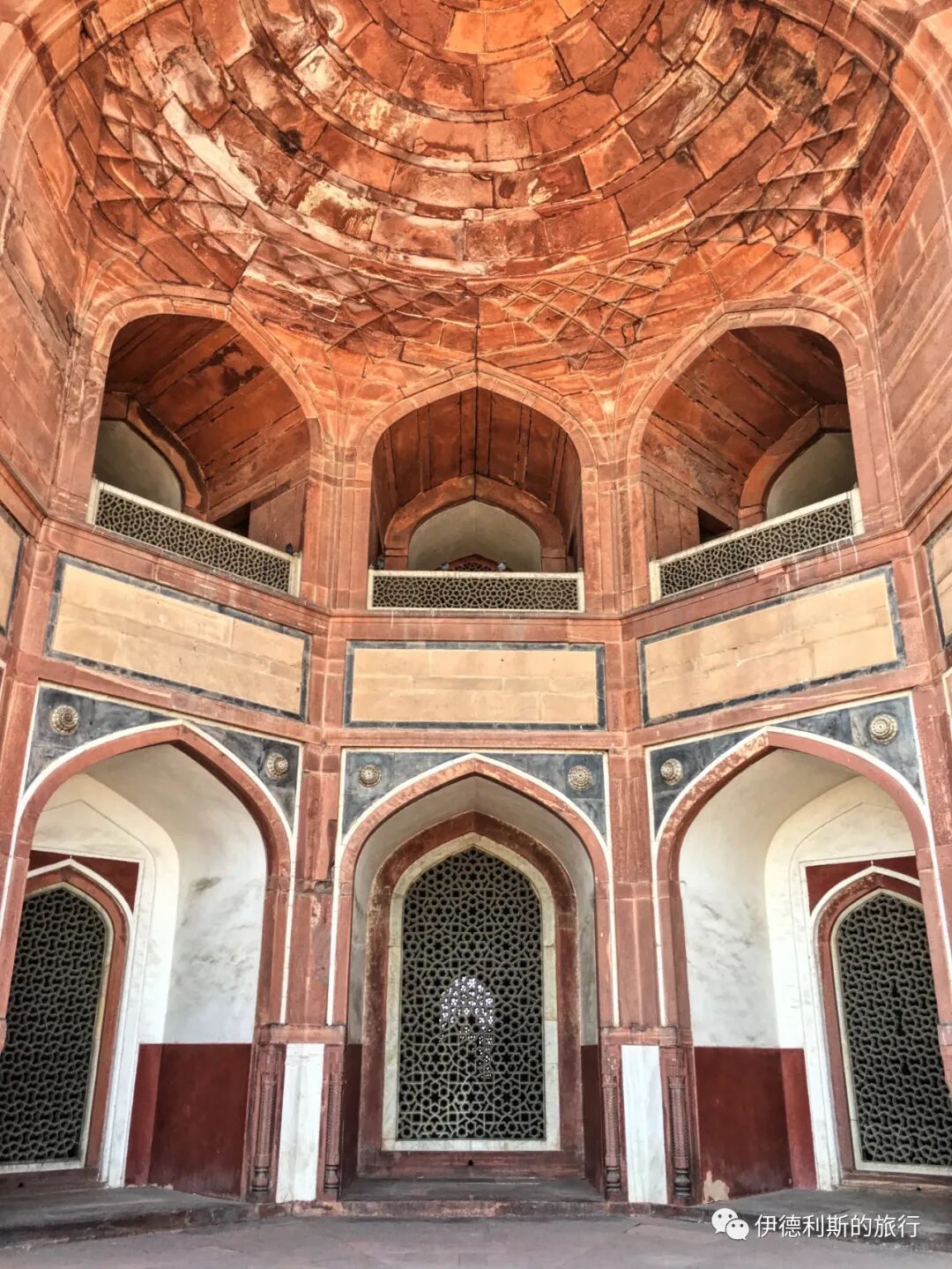
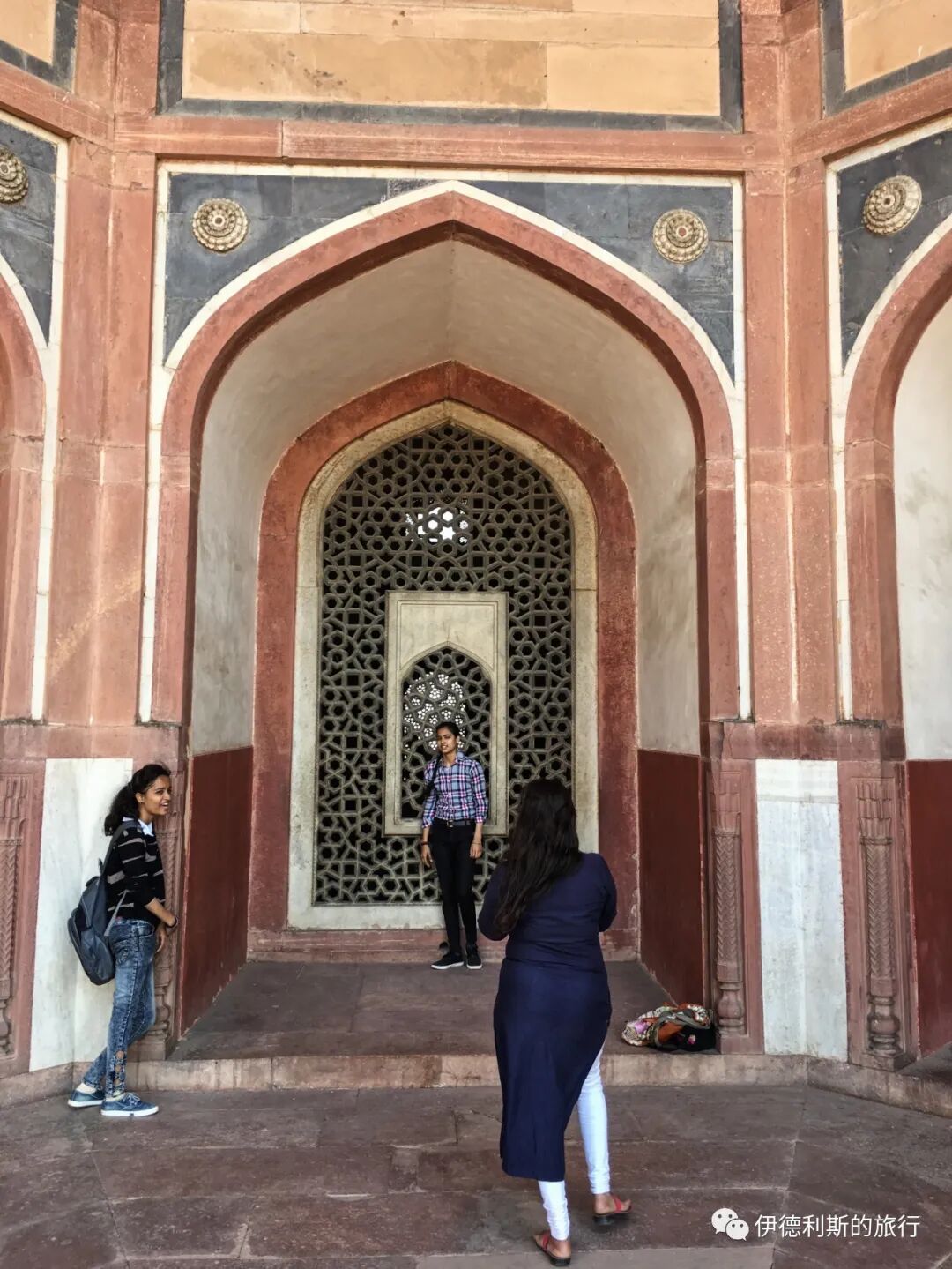
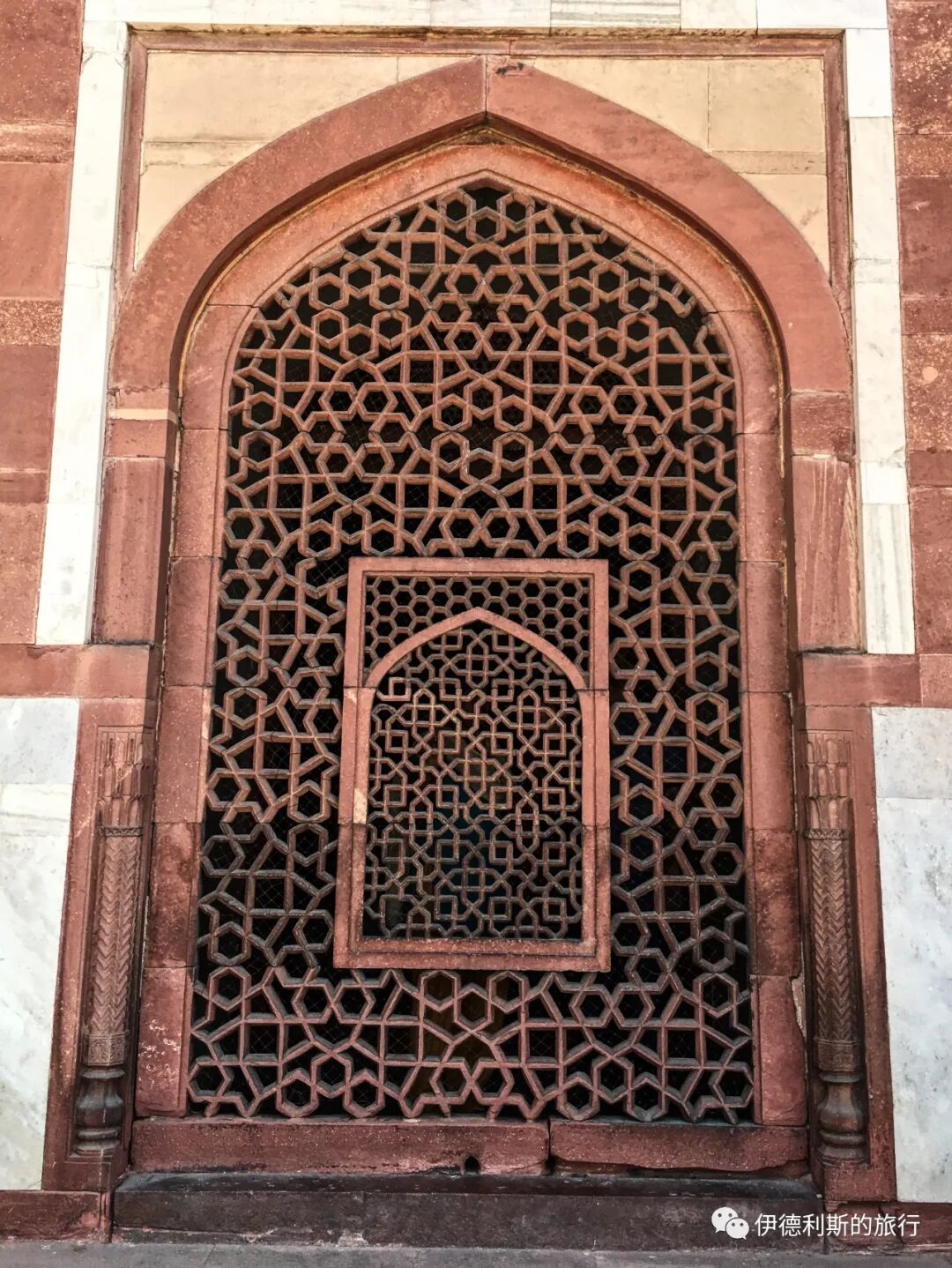
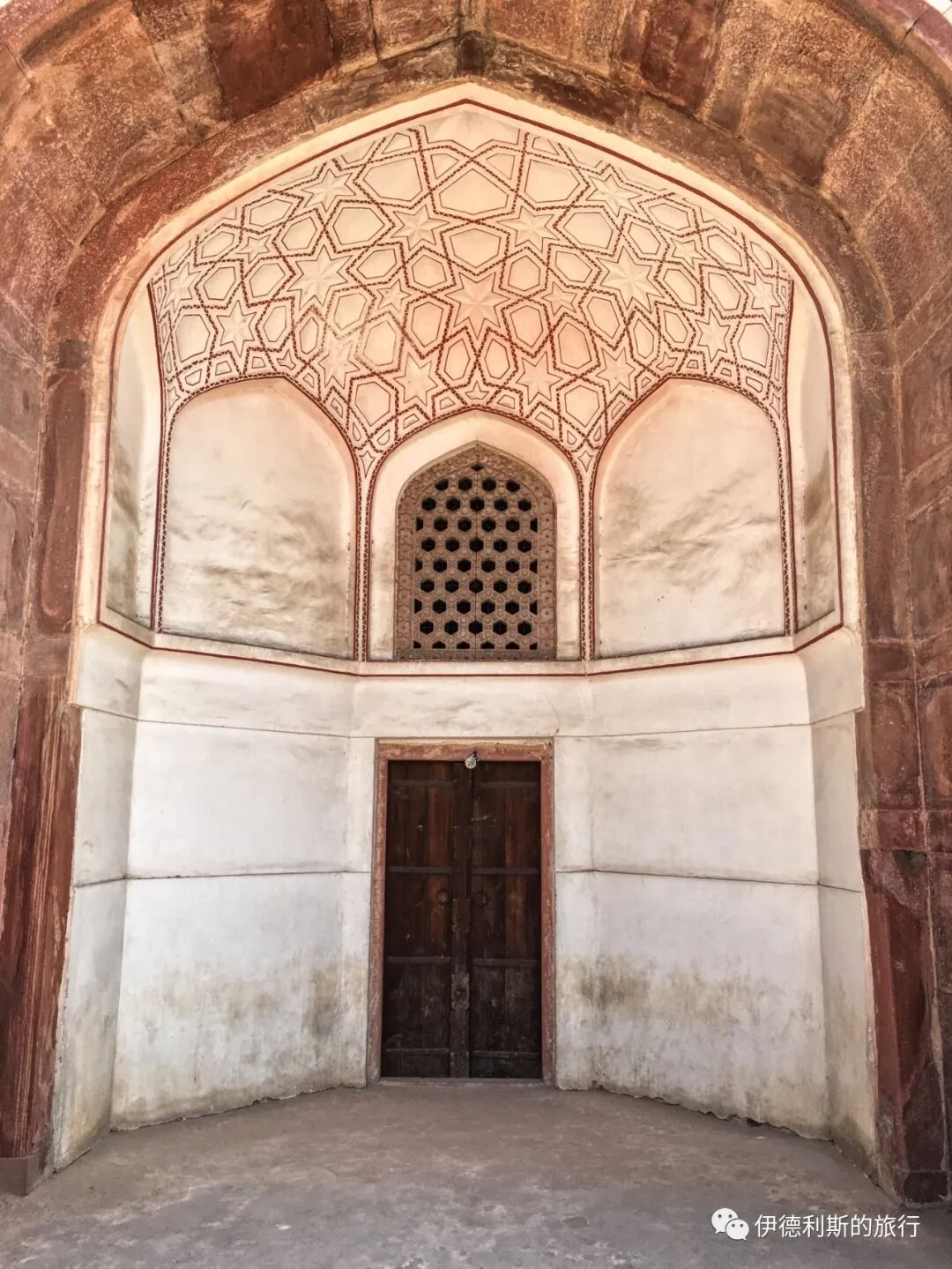
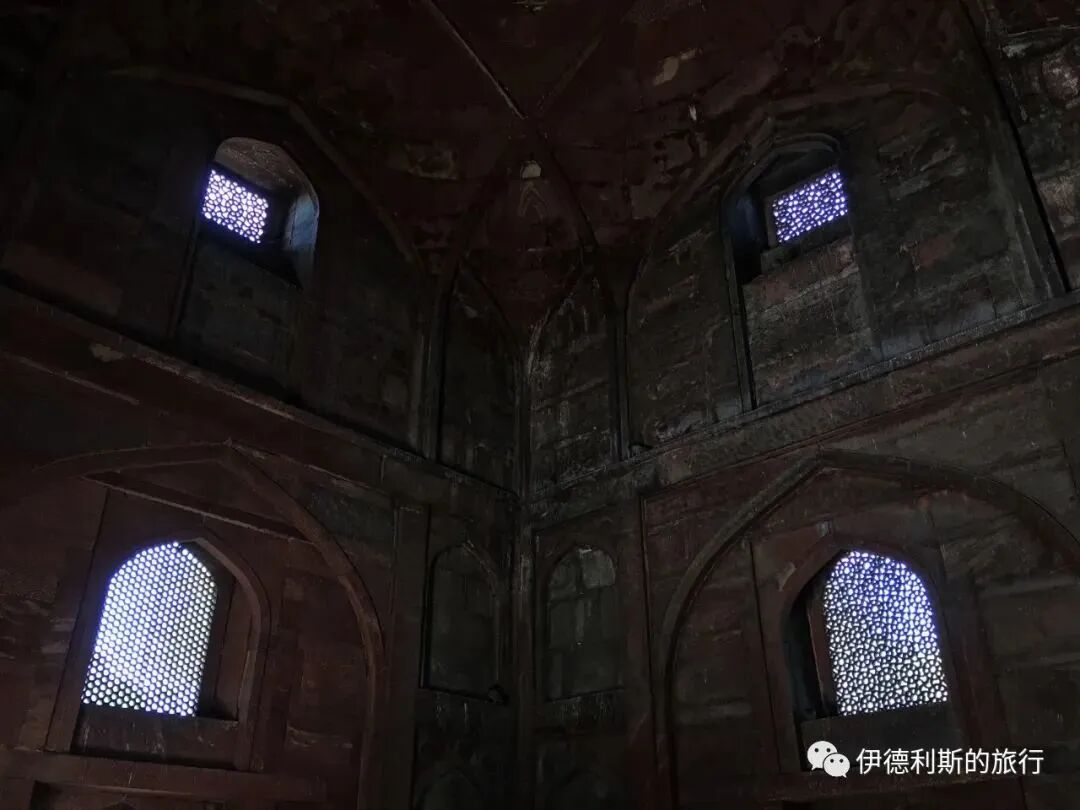
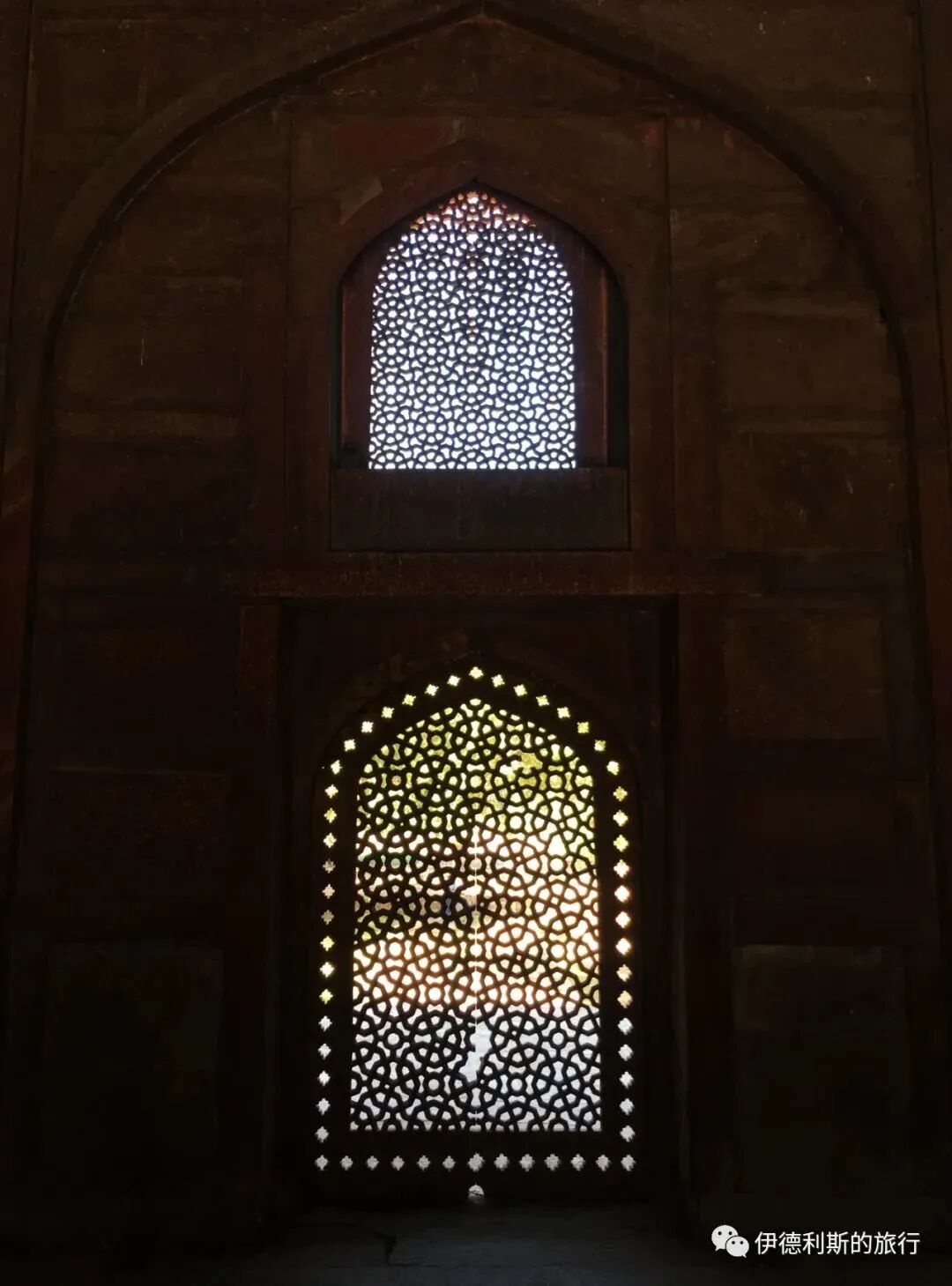
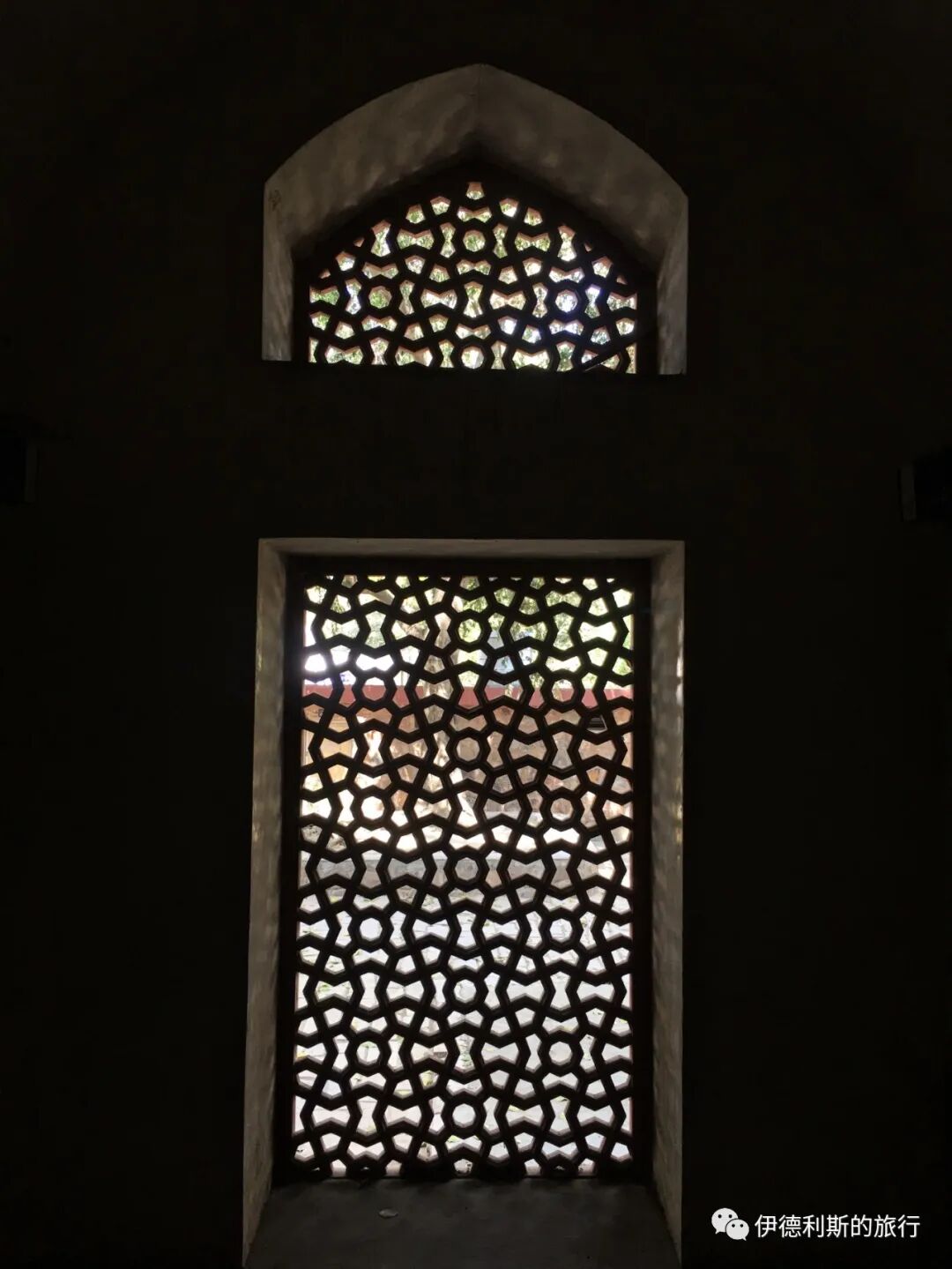
Below the pure white marble main dome, the main body of the structure is built from a mix of white marble and red and yellow sandstone. In the center is a Persian-style Iwan (arched gateway), surrounded by many Jali (lattice screens) typical of Indo-Islamic architecture. These windows are said to be closely related to the Mashrabiya lattice windows that originated in Arabia.
The main building sits on a massive 8-meter-high terrace, with its sides also decorated by a series of arched Iwan.
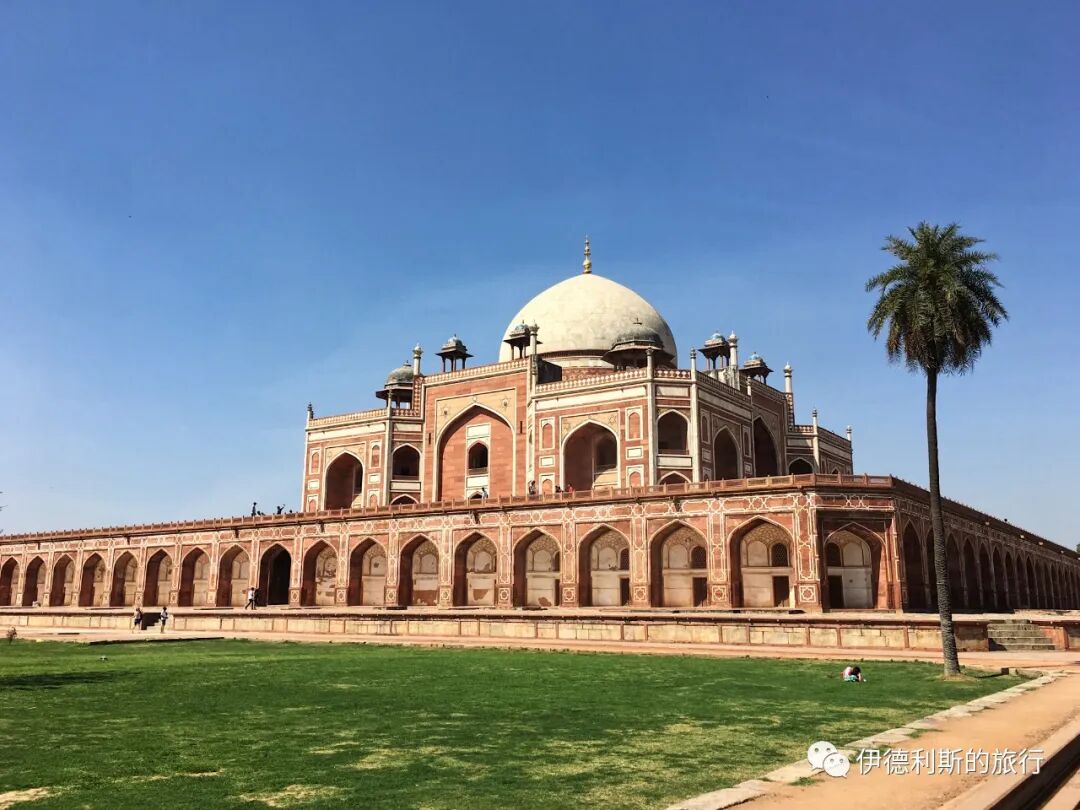
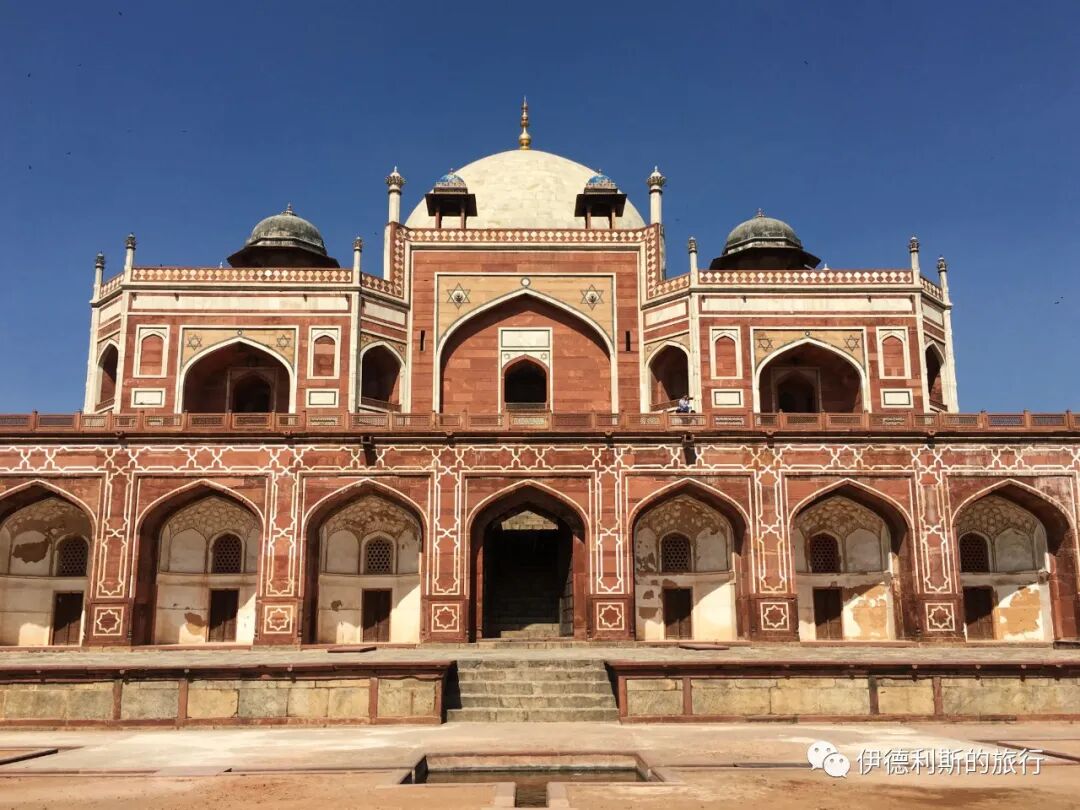
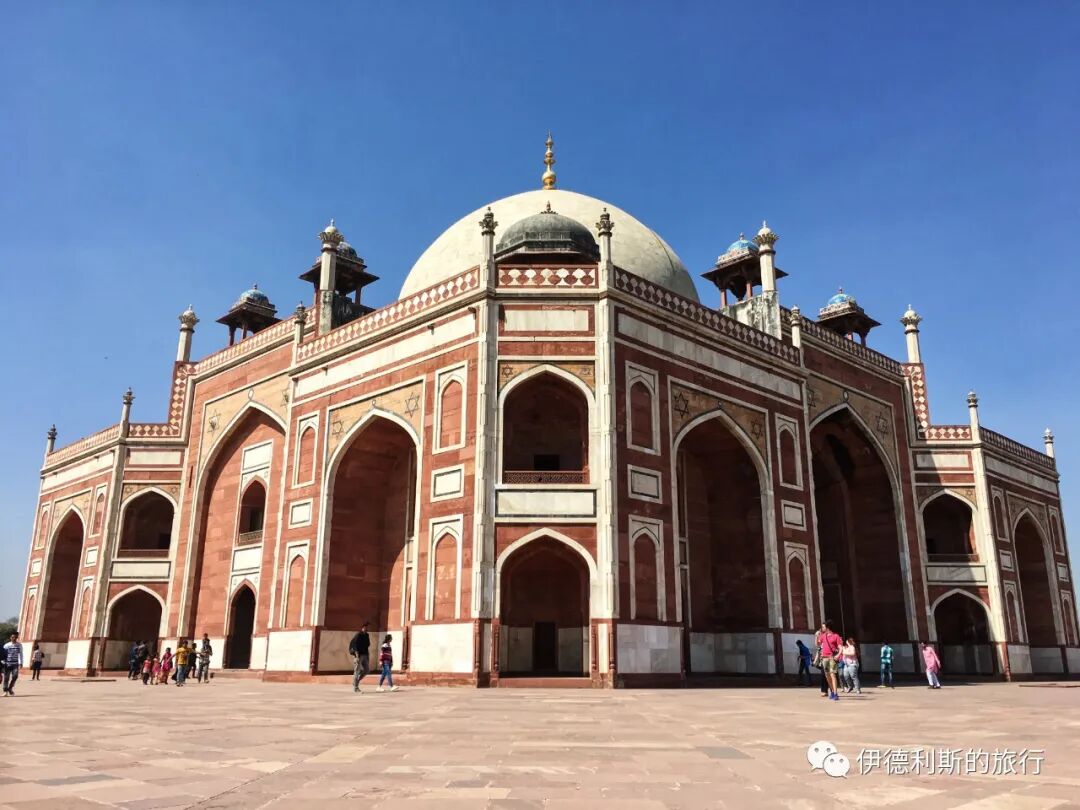
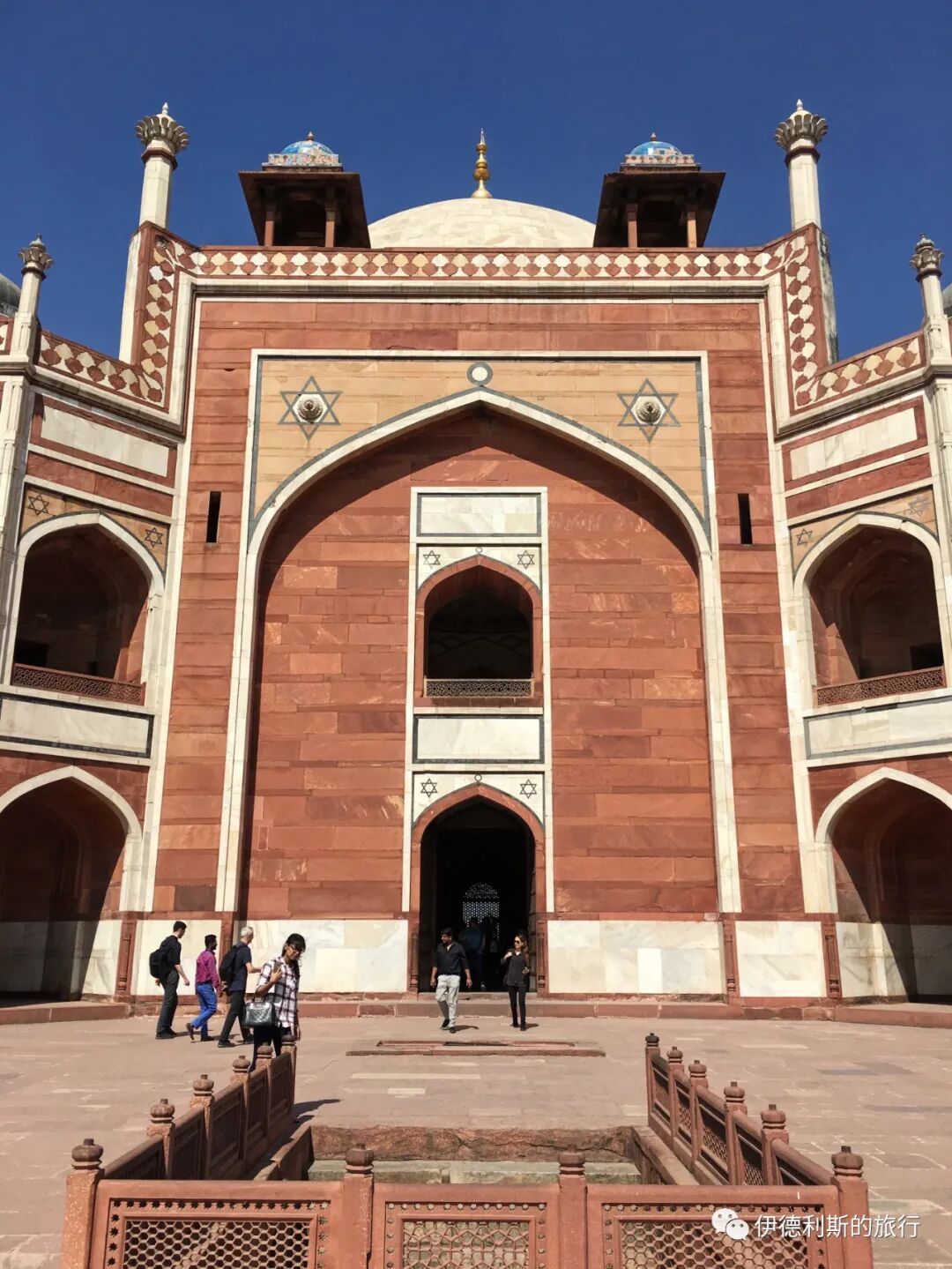
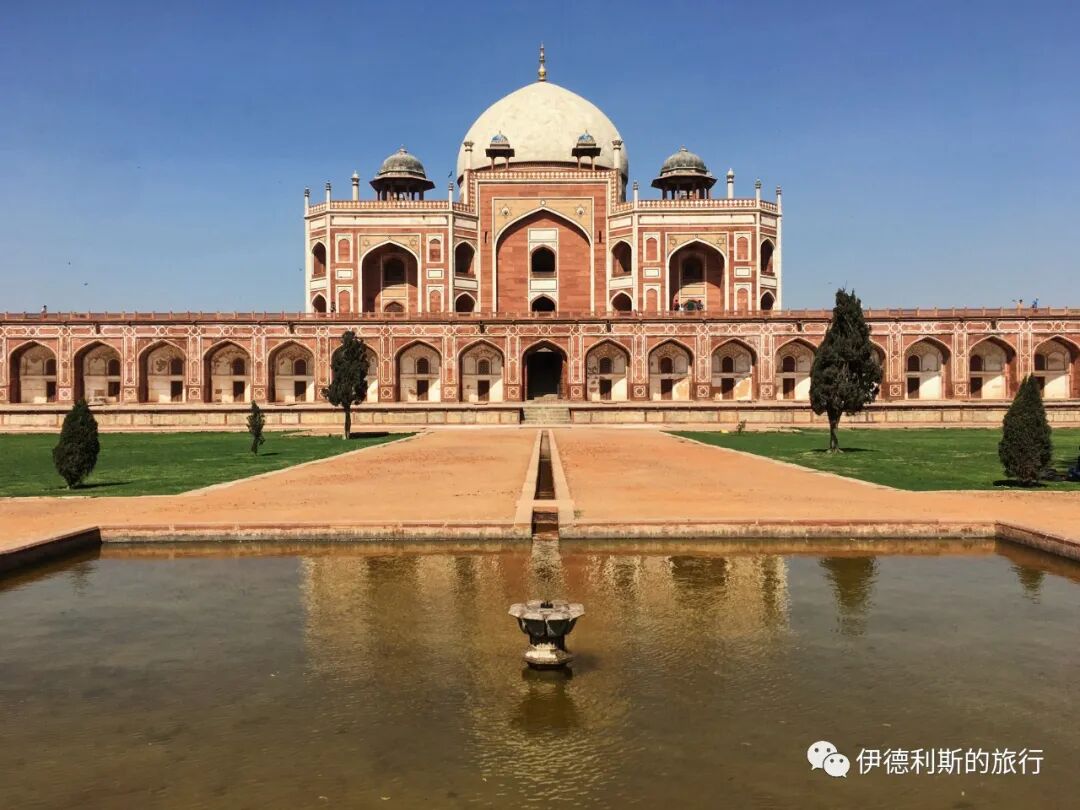
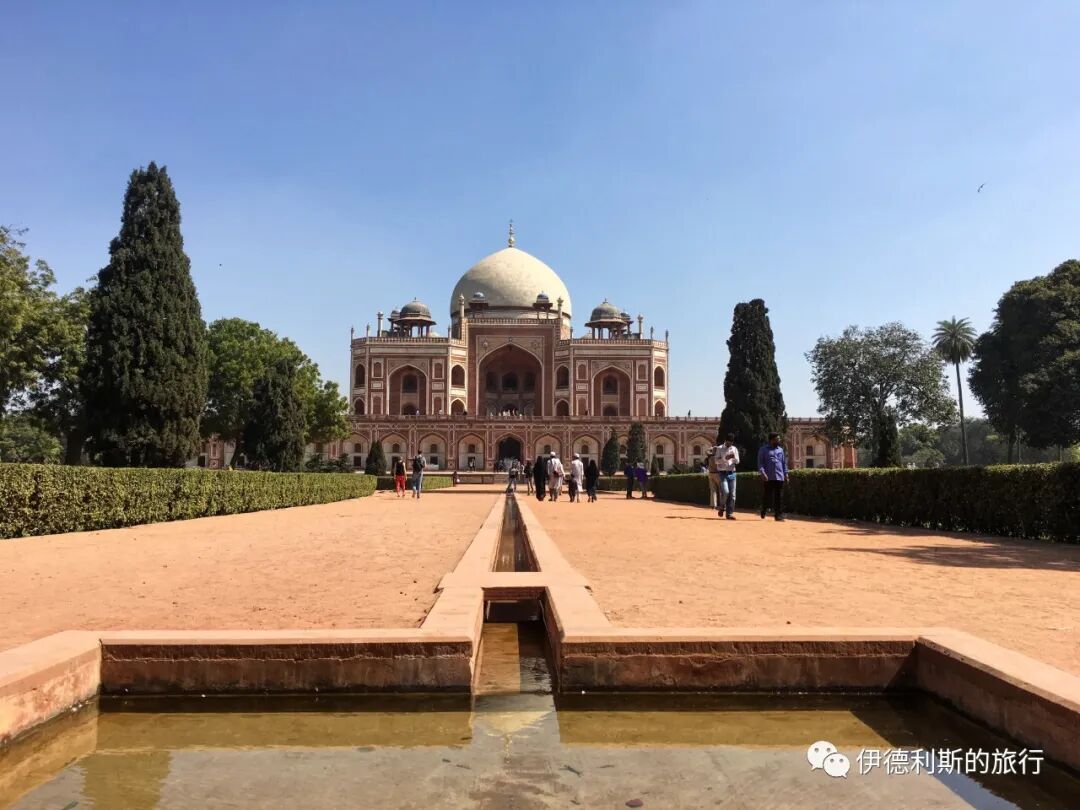
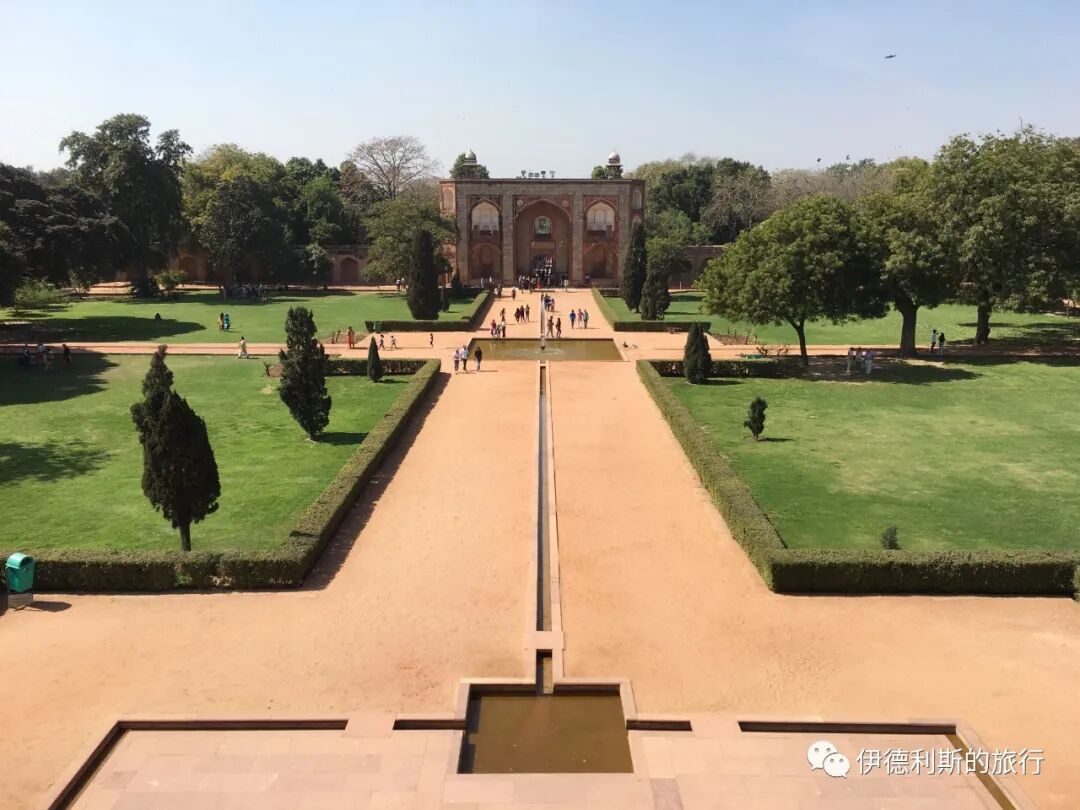
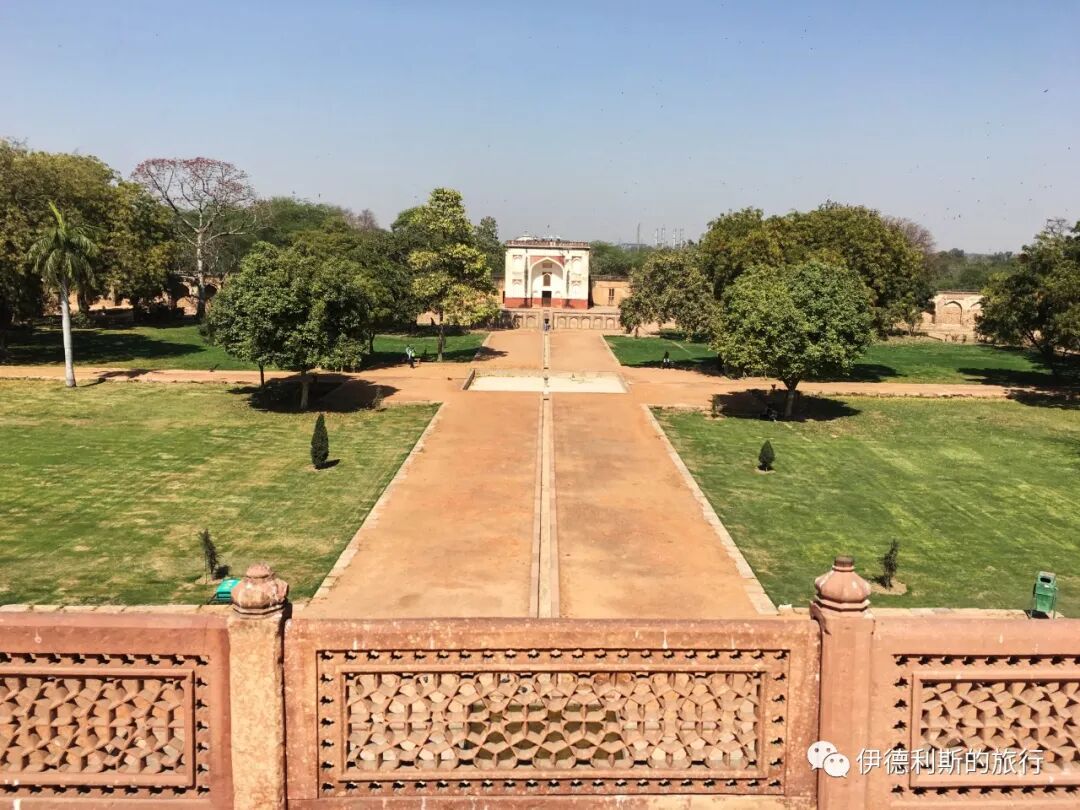
Humayun's Tomb is surrounded by a traditional Persian four-part garden called a Charbagh. The name means 'four gardens' in Persian and comes from the 'four gardens' mentioned in the Quran (55:46): 'But for he who has feared the position of his Lord are two gardens.' And (55:62): 'And below them both are two gardens.' The hallmark of a Charbagh garden is two axes that intersect at the center, dividing the garden into four sections. Babur, the founder of the Mughal Empire, used a Charbagh garden for his tomb in Kabul, Afghanistan, but Humayun's Tomb was the first time this Persian garden style was brought to India.
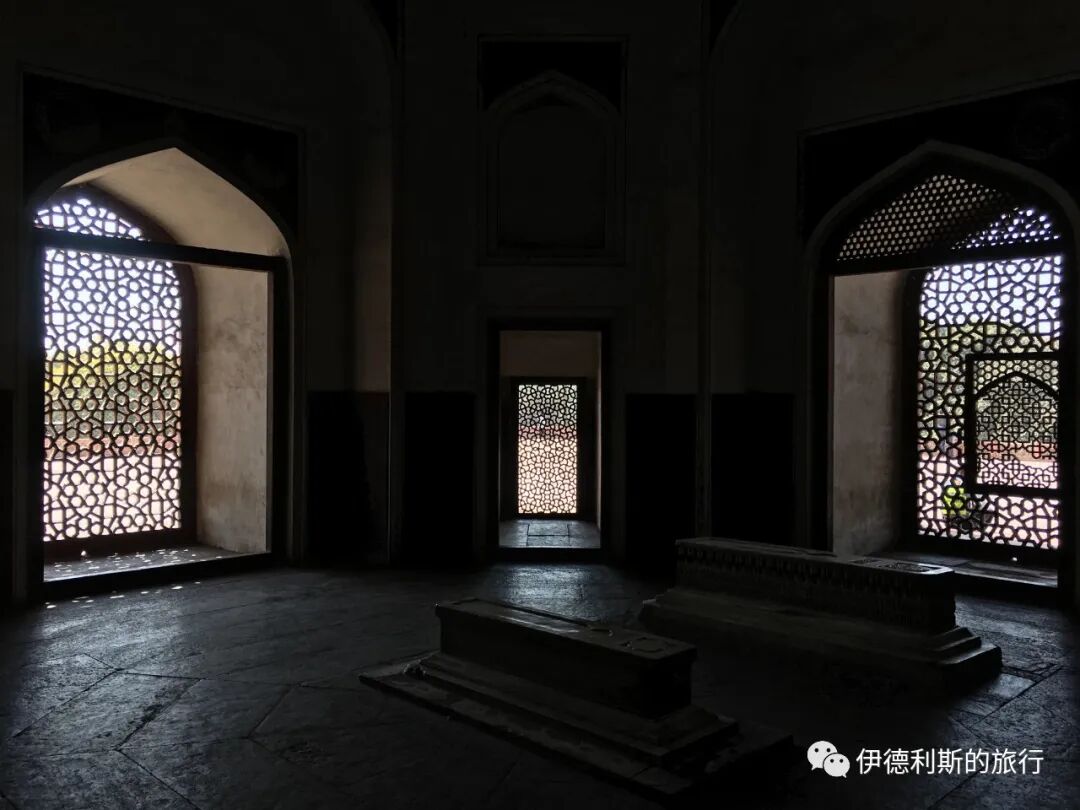
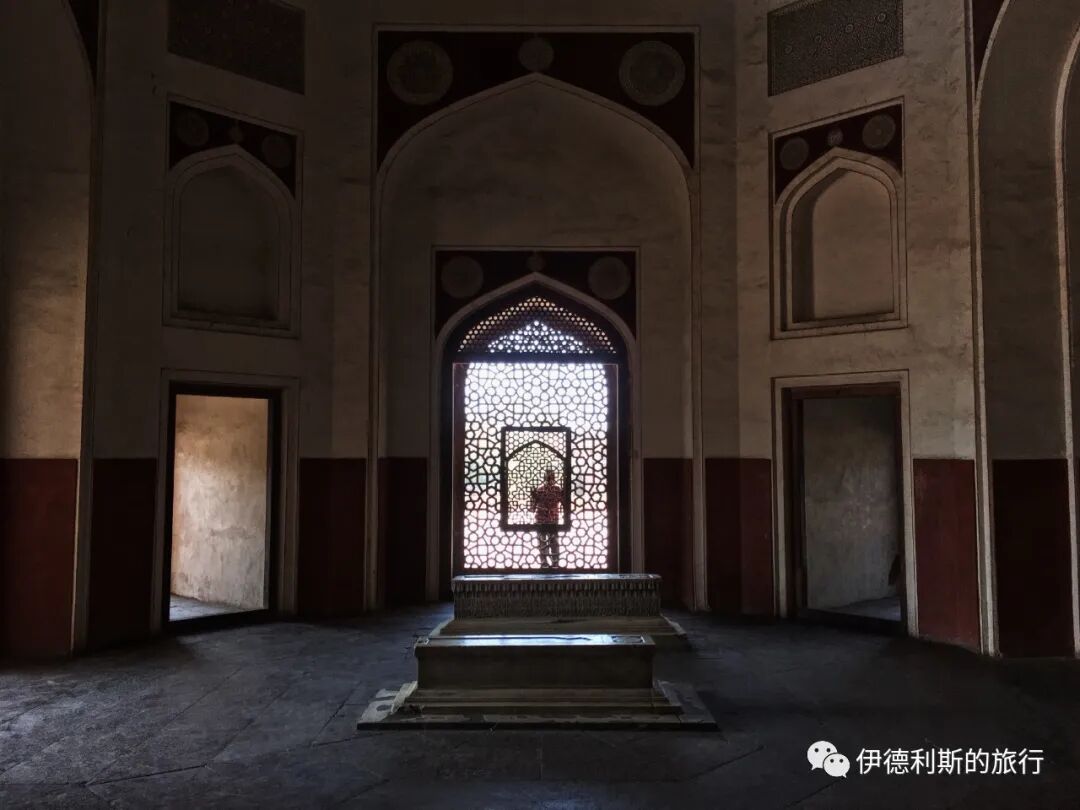
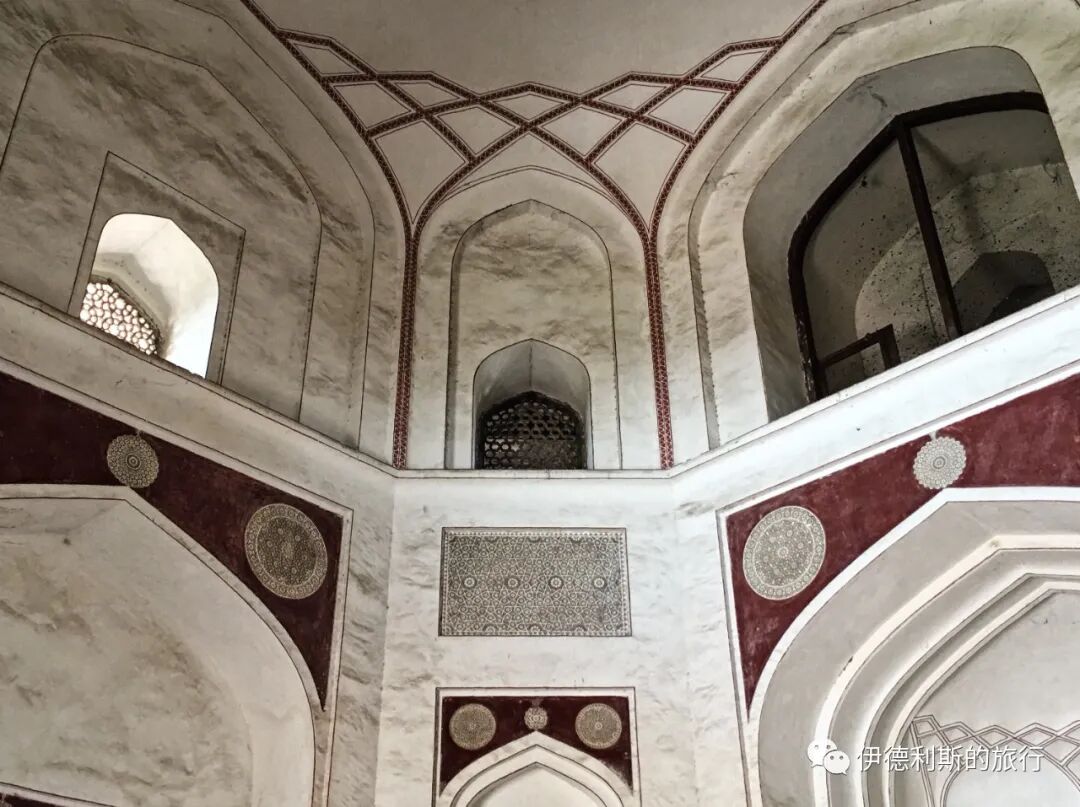
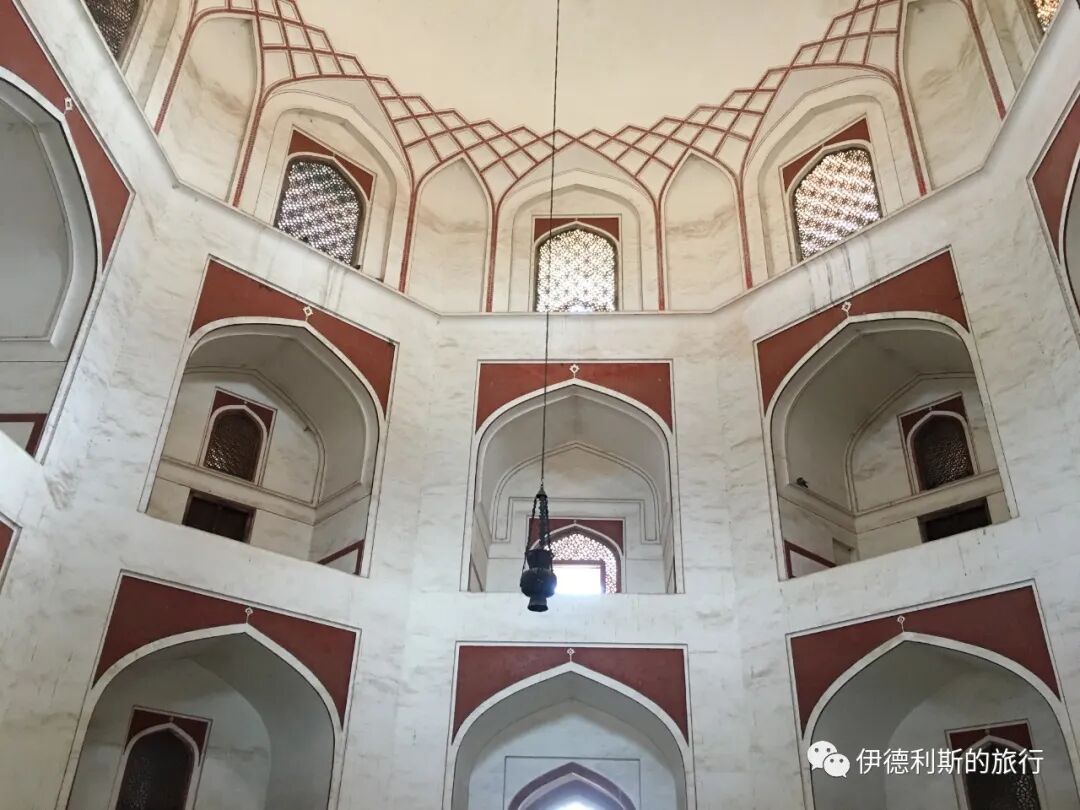
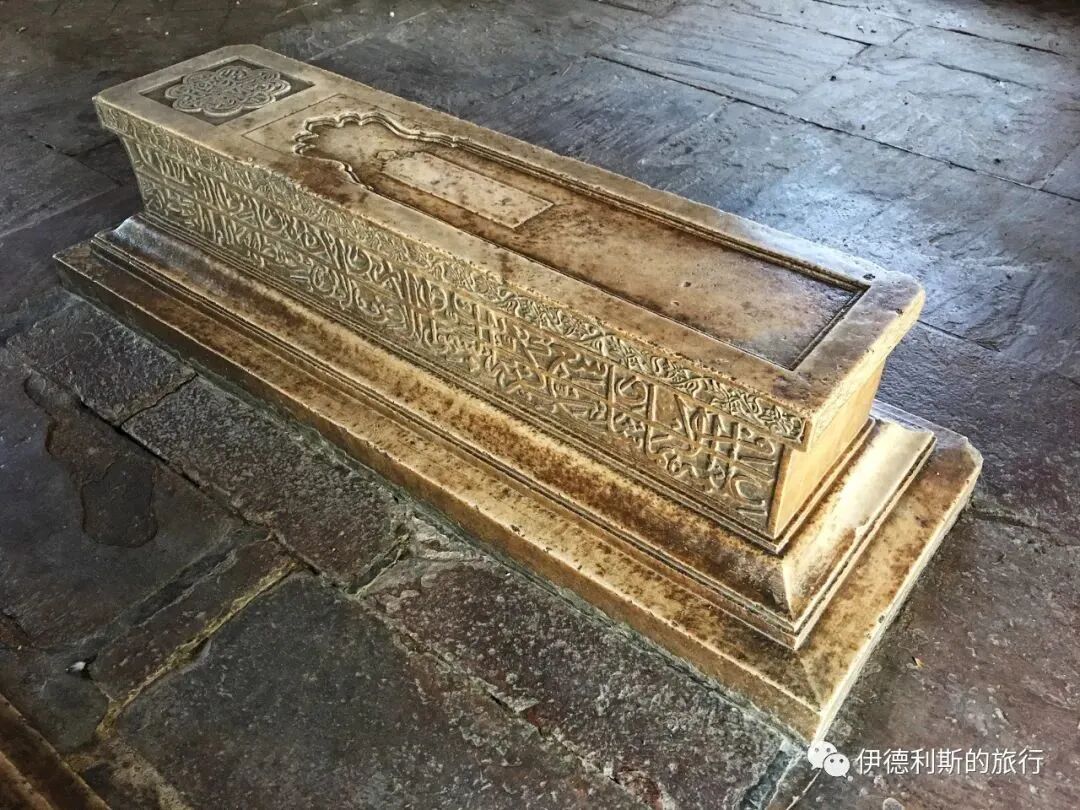
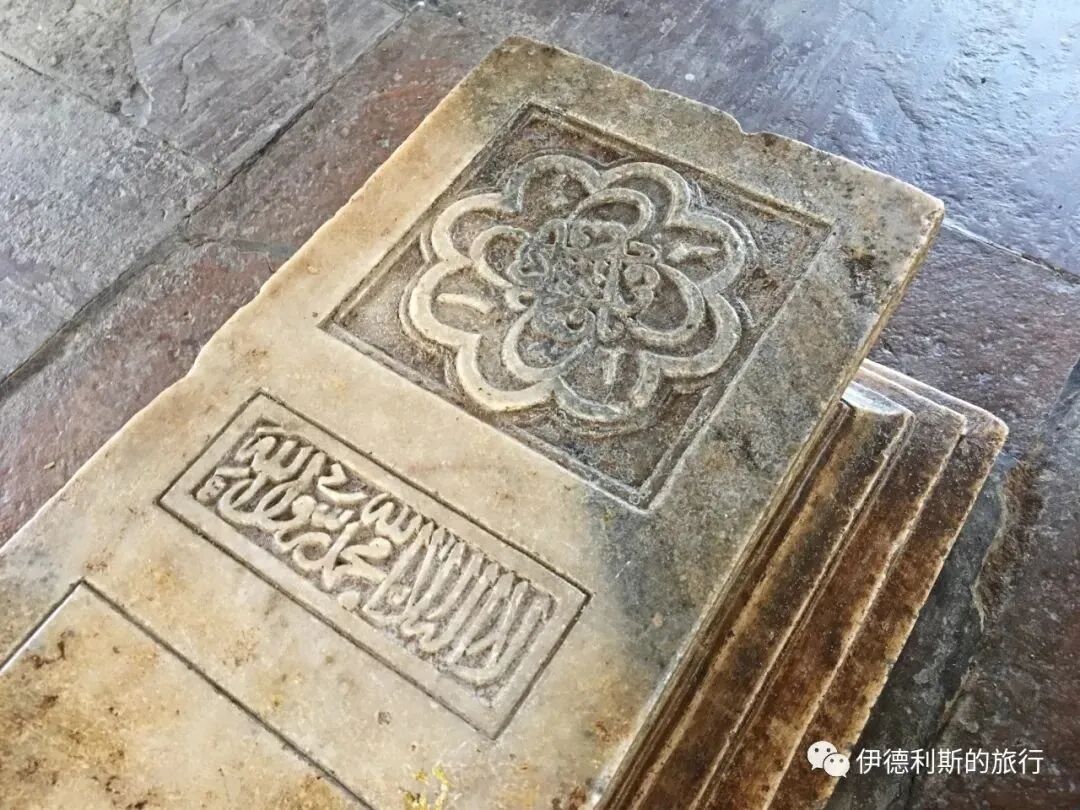
The interior of Humayun's Tomb consists of a main hall under the central dome and eight rooms arranged in two levels around it. Humayun's tombstone is in the center of the main hall, while his actual burial site is in a basement below the tombstone, accessible only through a separate passage outside the main structure. In 1611, English merchant William Finch visited Humayun's Tomb. He recorded that the interior had rich decorations and carpets, and the tombstone was covered by a Shamiana (ceremonial tent). He also noted that a Quran, Humayun's sword, turban, and shoes were on display, though none of these can be seen today.
Other rooms contain the graves of members of the Mughal court, including Humayun's queens Bega Begum and Hamida Begum, several of his daughters, and the seventh Mughal emperor, Bahadur Shah I. Unlike the Delhi Sultanate period, which built elaborate mihrab (prayer niches) on the west side of tombs, Humayun's Tomb cleverly uses Jali lattice screens as a mihrab. Light shines through the screens into the room, creating areas of brightness and shadow depending on the angle. The tomb also carefully displays the process of making Jali lattice screens.
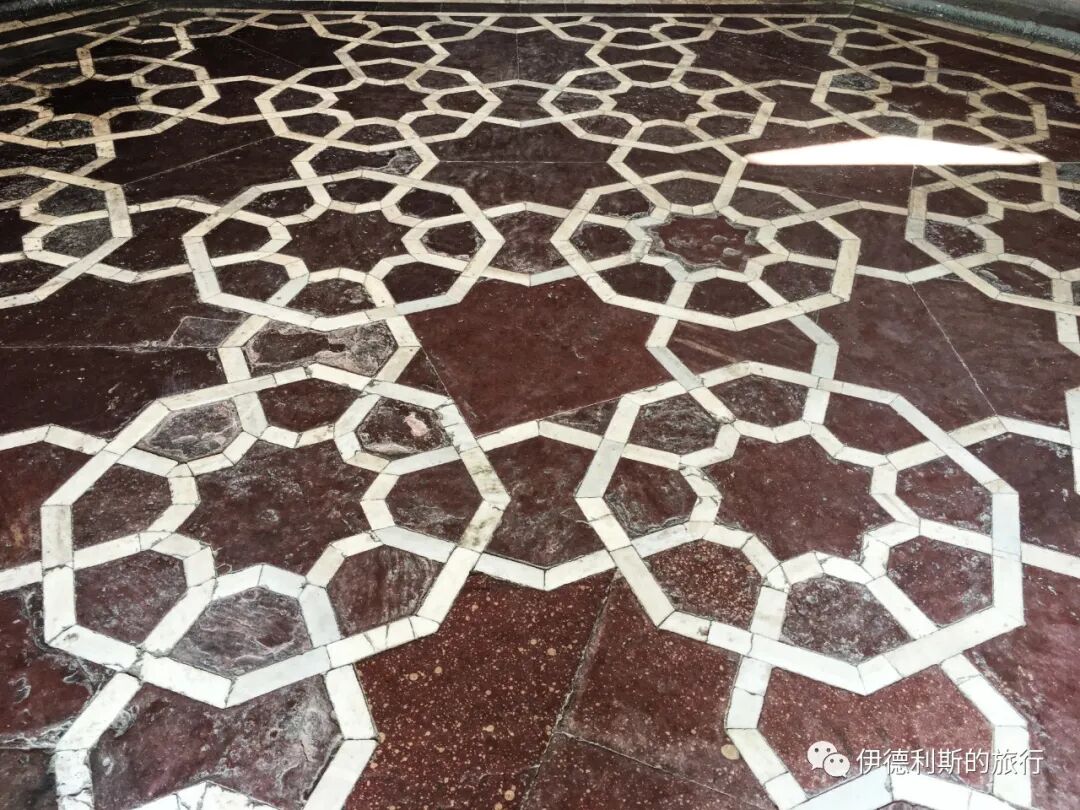
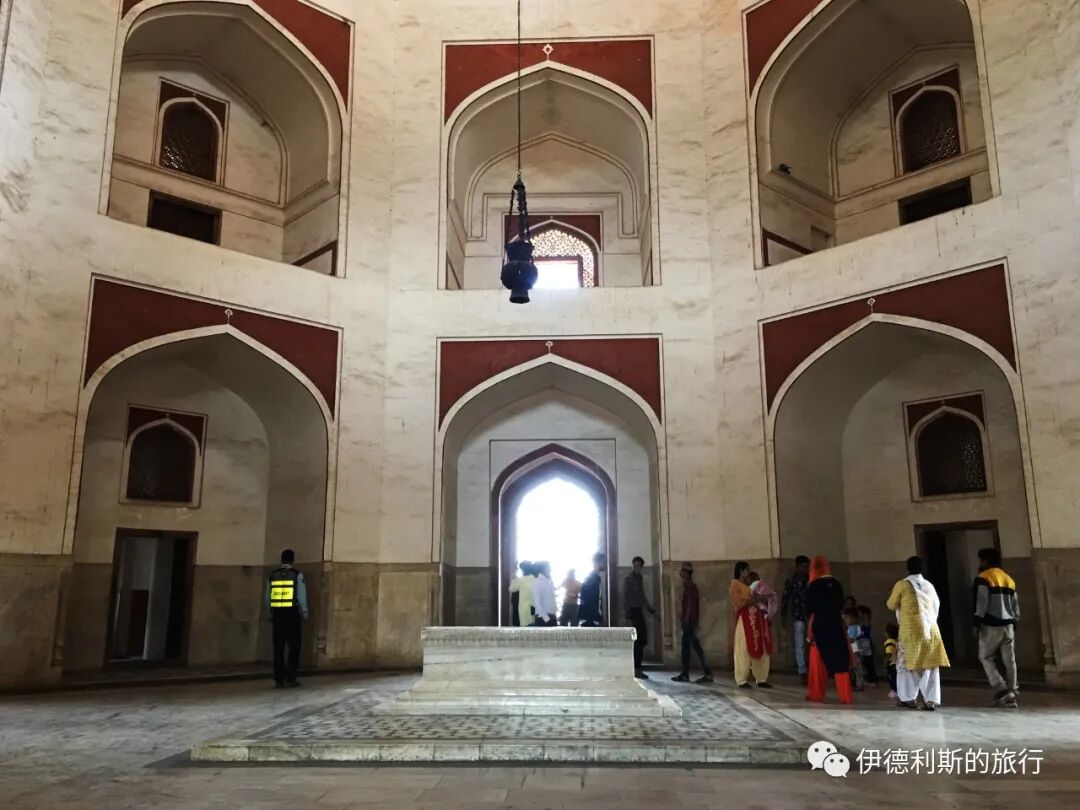
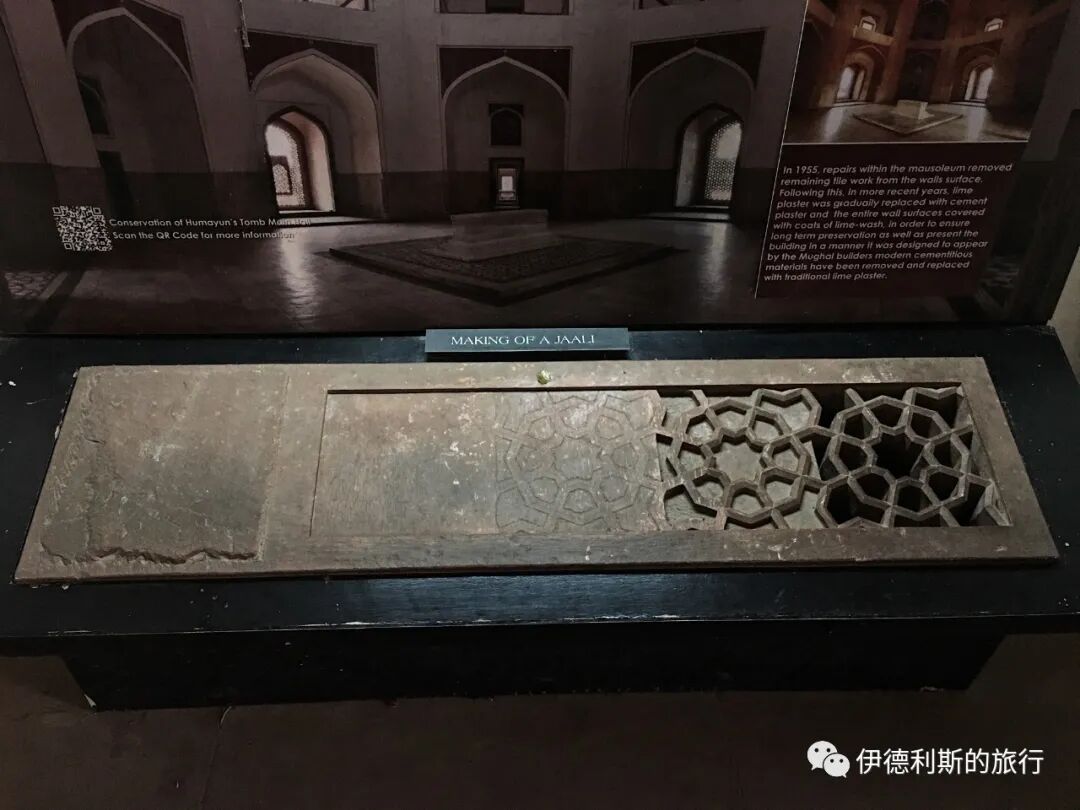
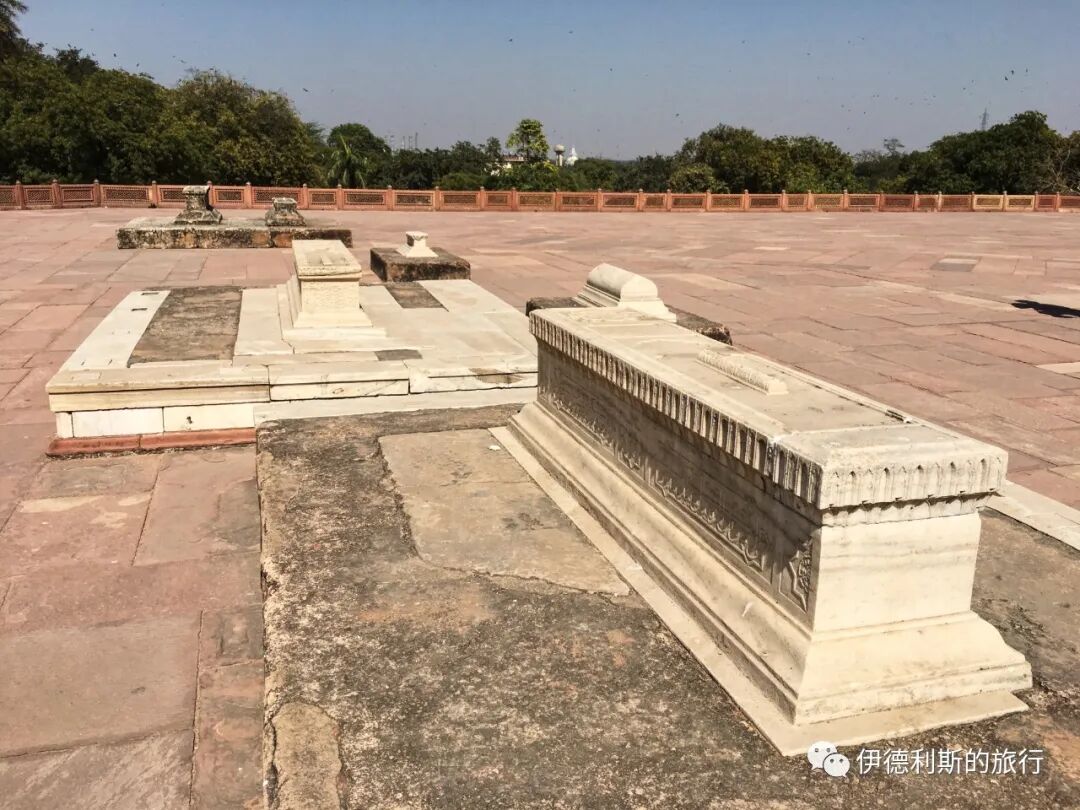
The terrace outside the main building also holds many tombstones of Mughal royalty and nobles, including Dara Shikoh, the eldest son of Shah Jahan who was murdered by Aurangzeb. Because of this, the area is also called the 'dormitory of the Mughals'.
Barber's Tomb
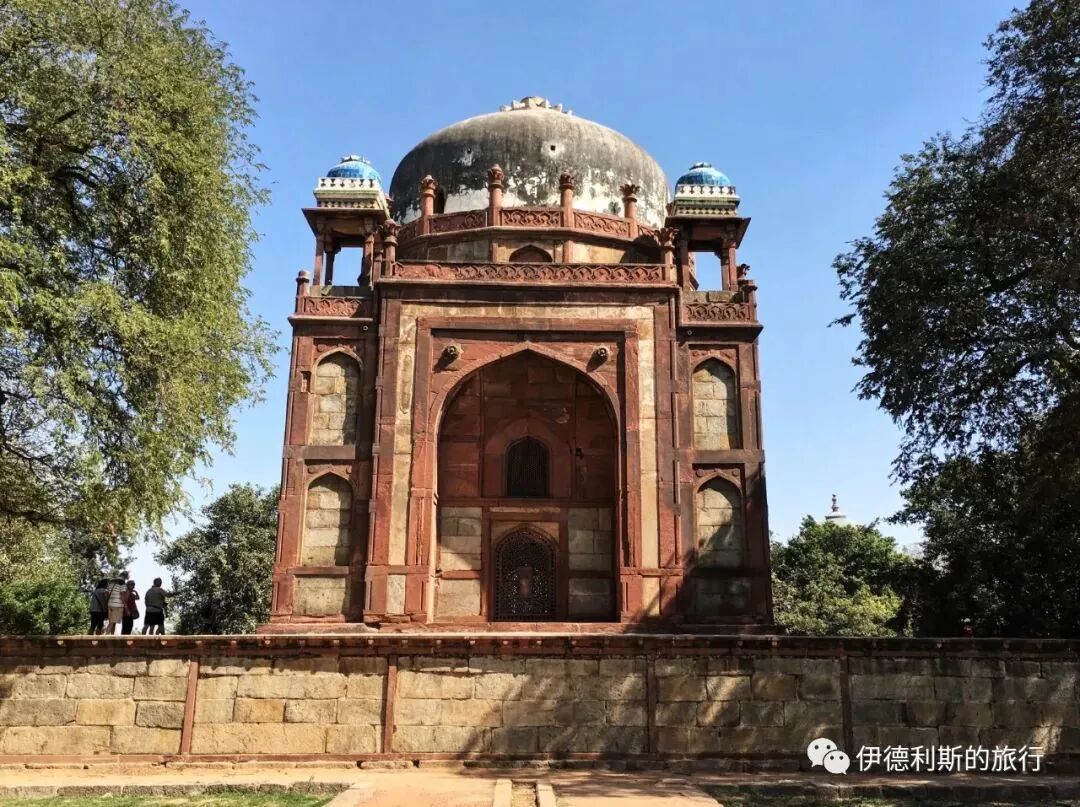
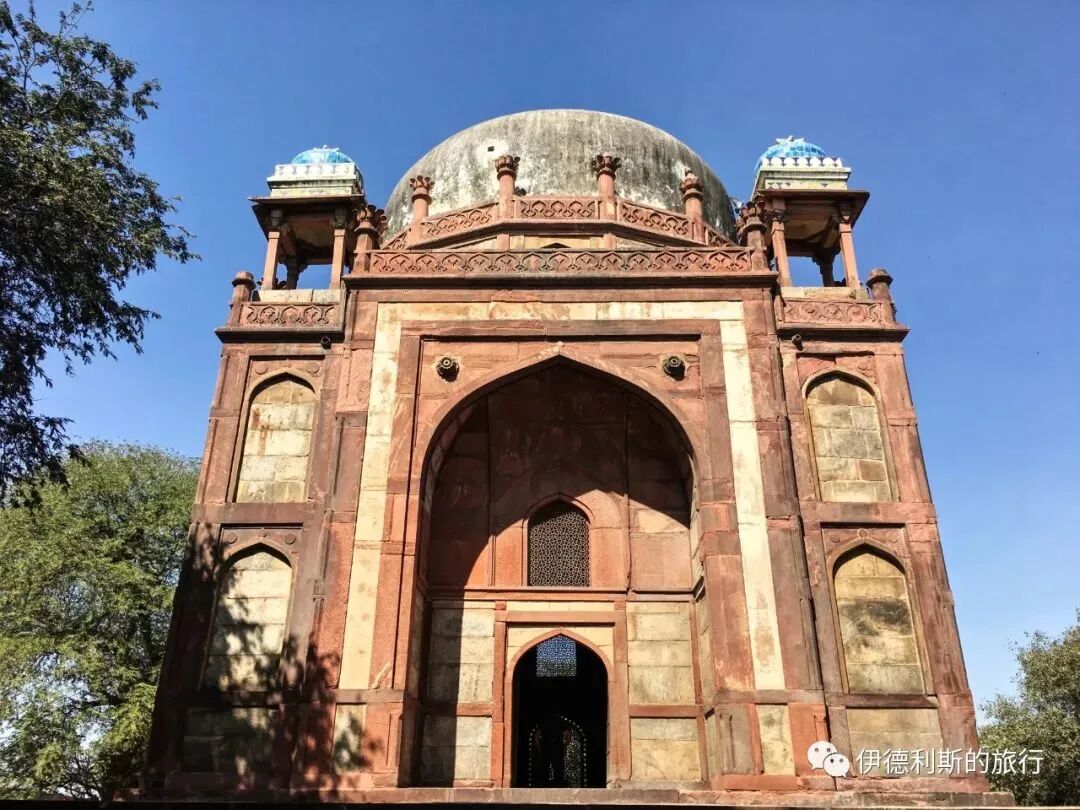
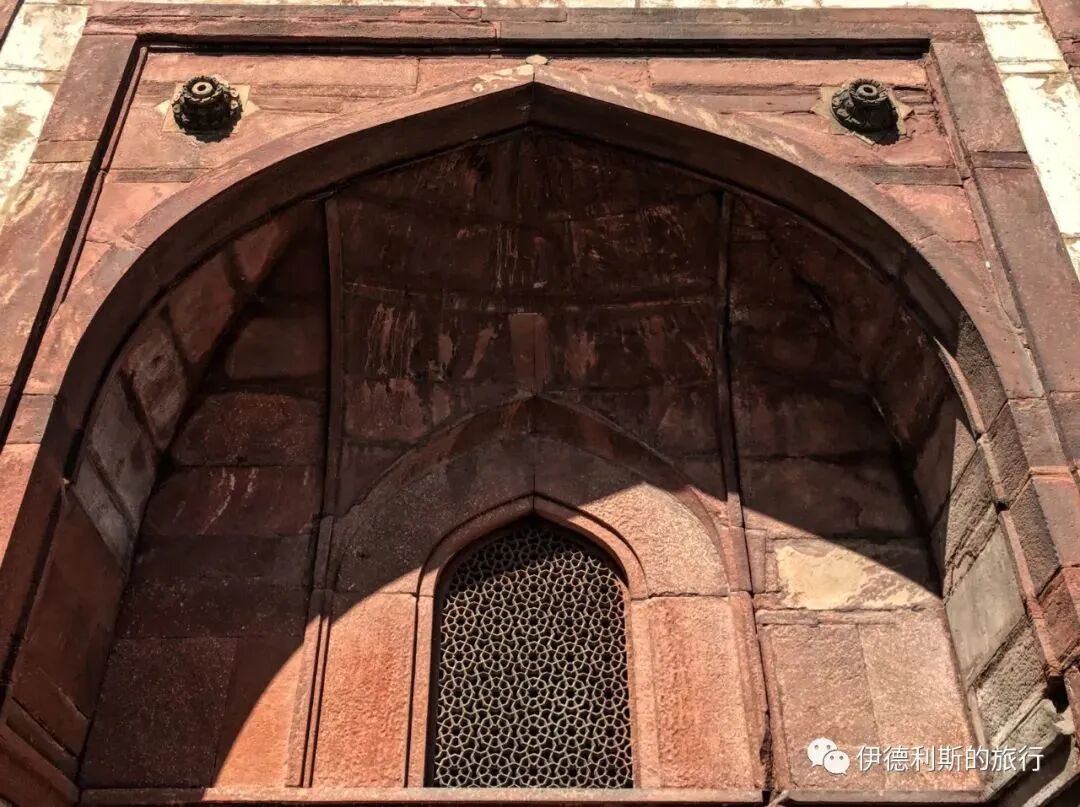
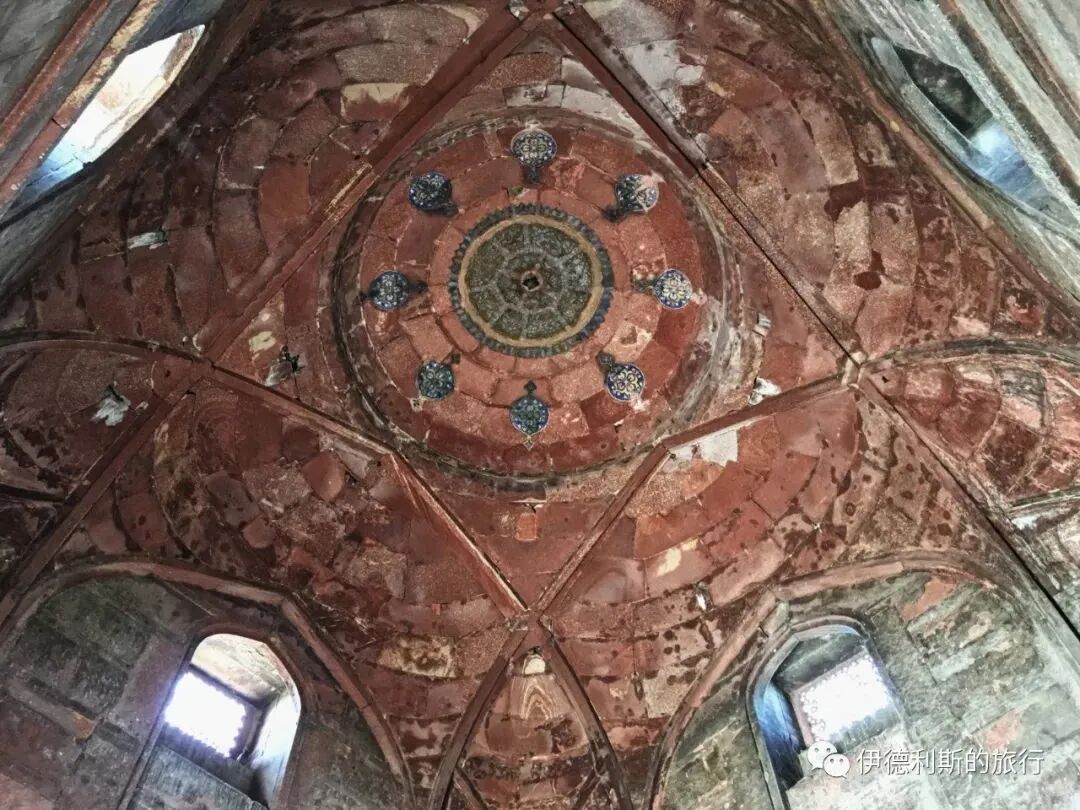
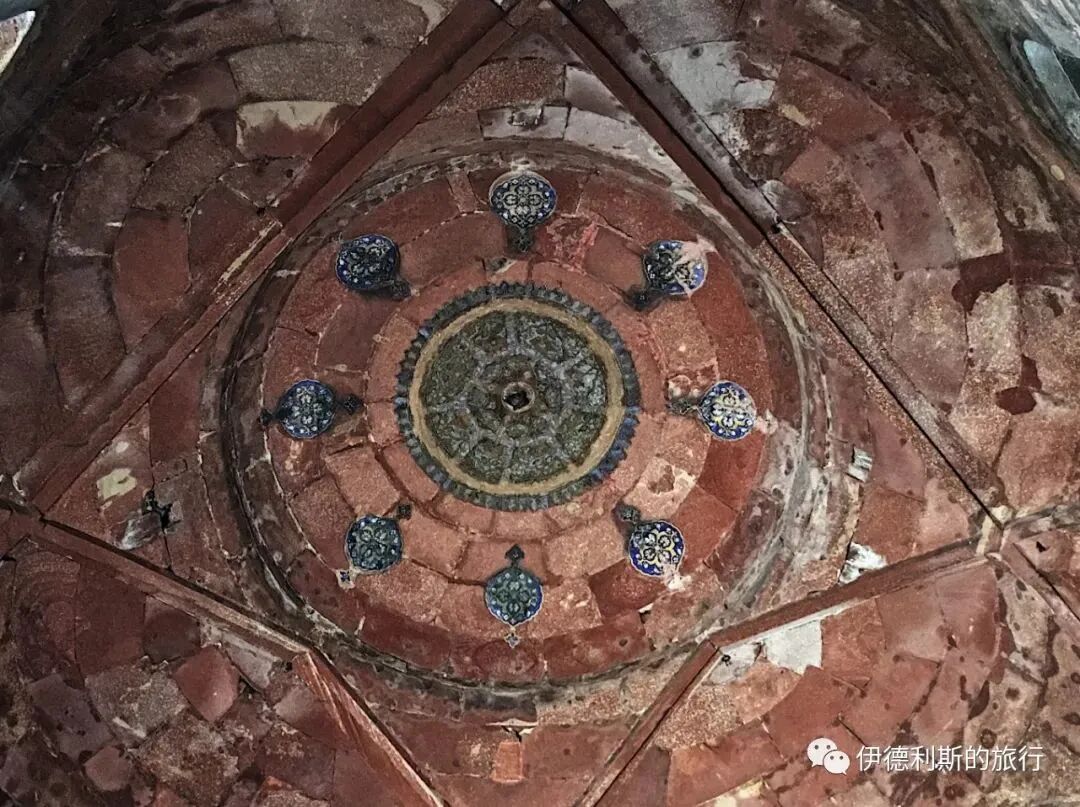
On the southeast side of Humayun's Tomb is the 'Barber's Tomb', built in 1590. It holds the grave of the personal barber to the third Mughal emperor, Akbar, who was also one of Akbar's closest servants. This tomb also features a Persian double-dome structure, appearing as two domes from the inside and outside, and has a Chhatri domed pavilion at each of the four corners.
West Gate
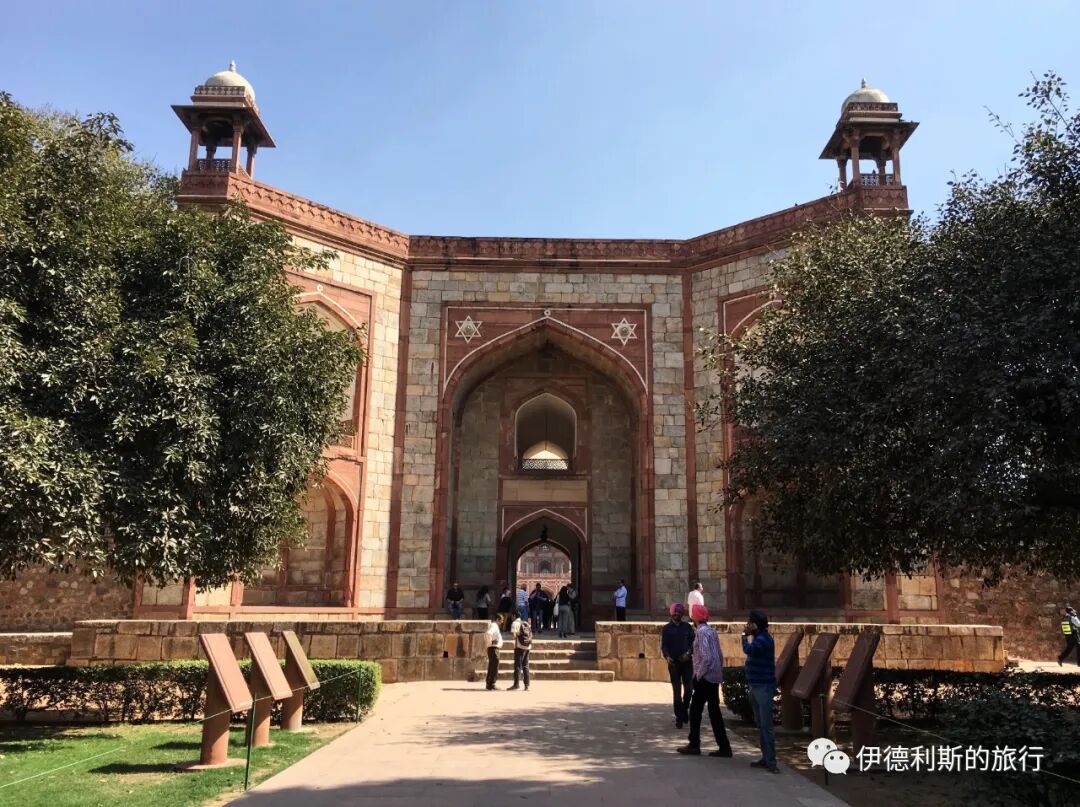
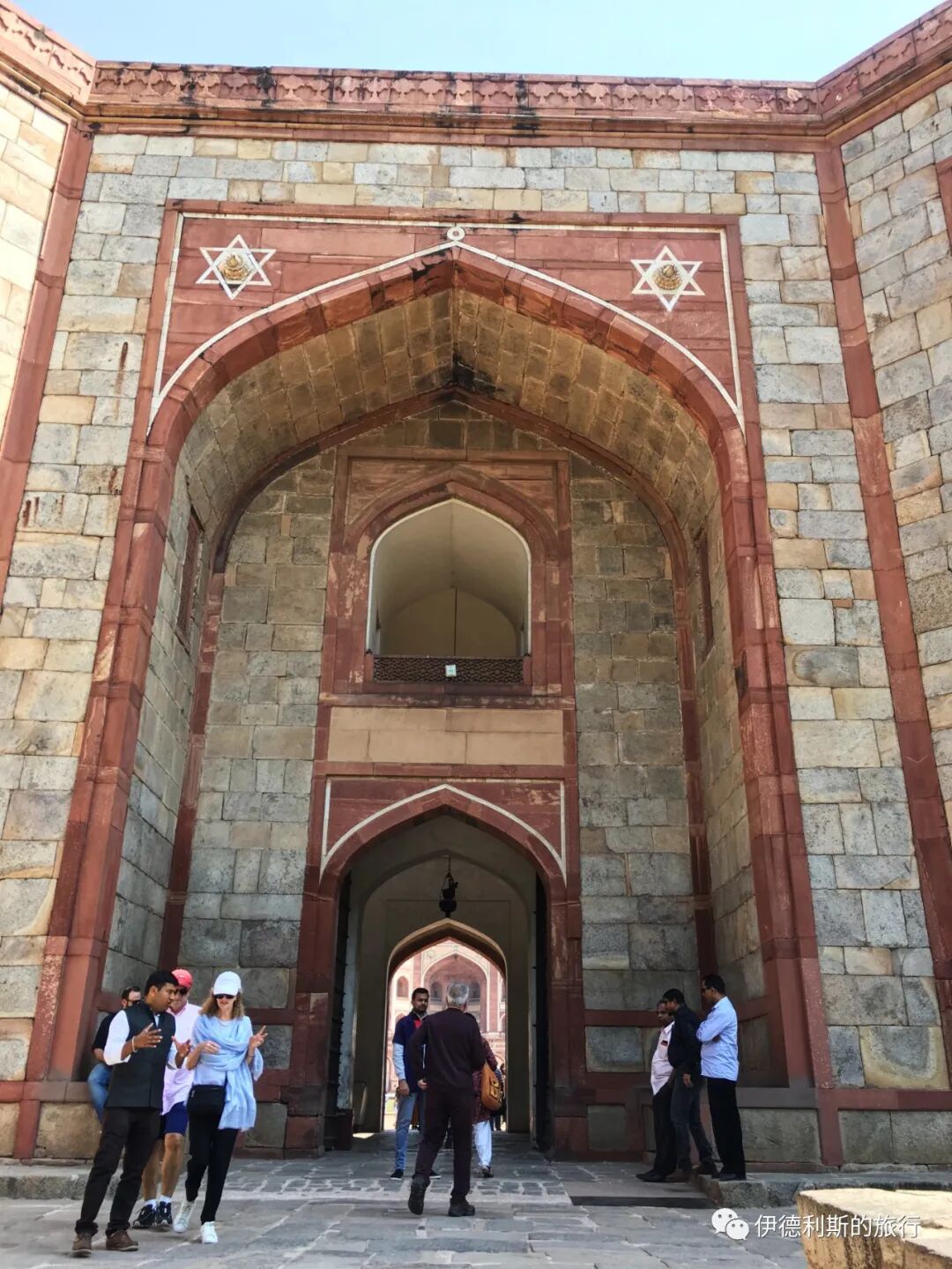
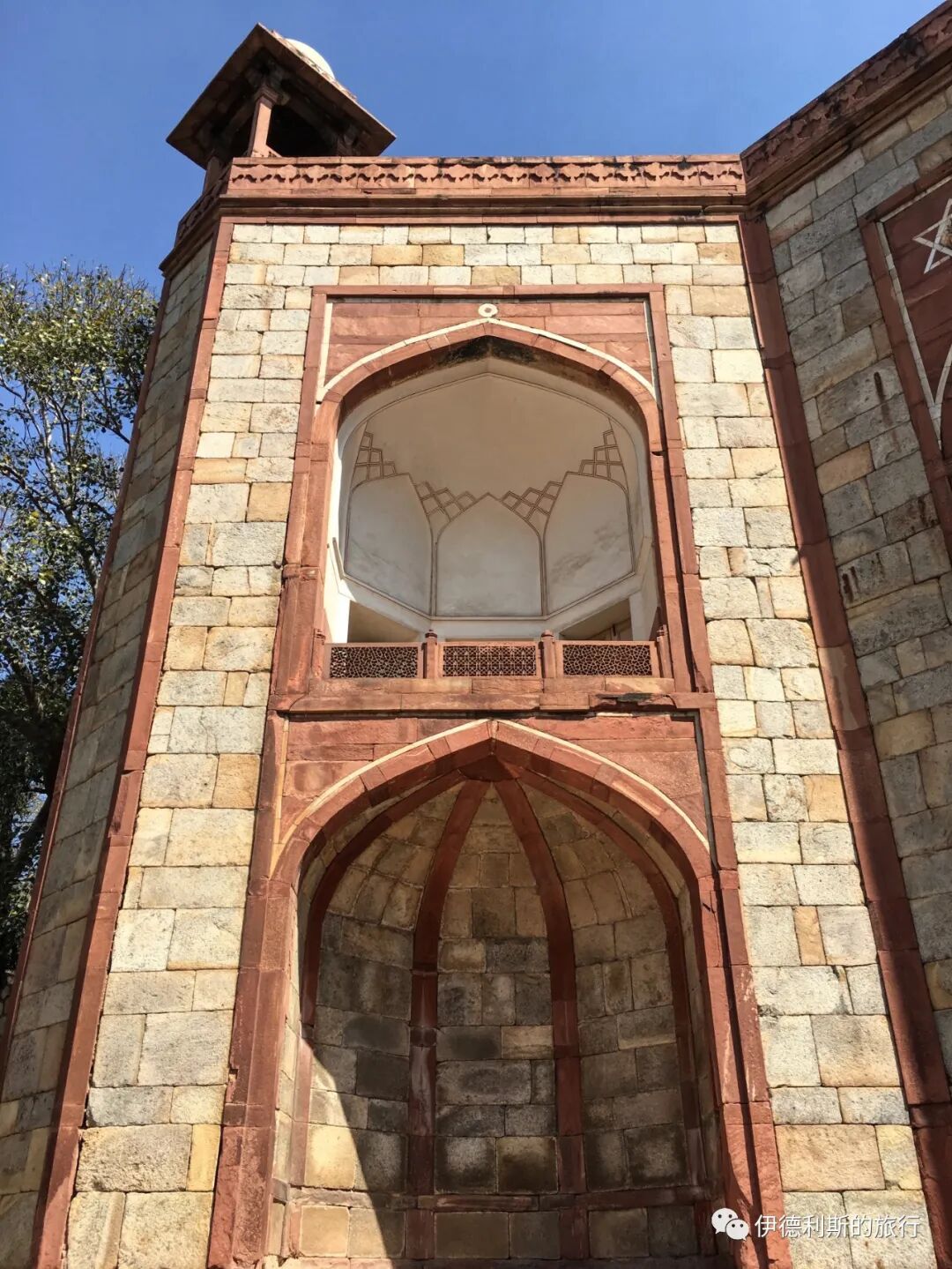
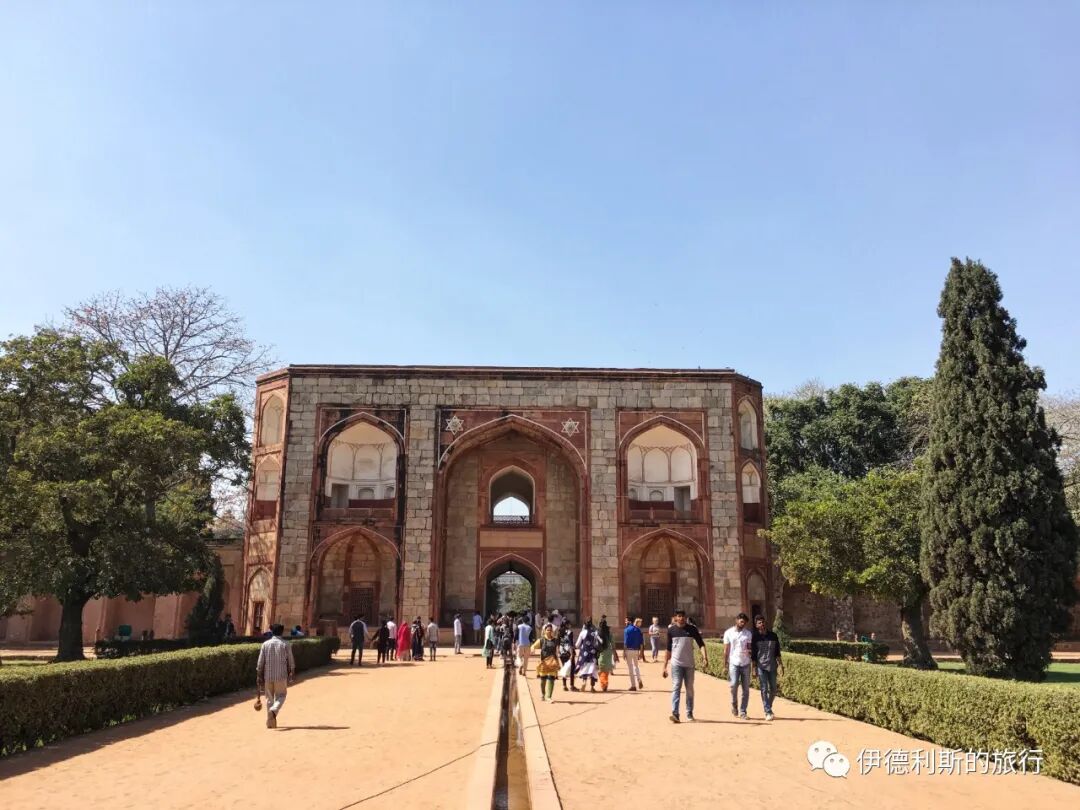
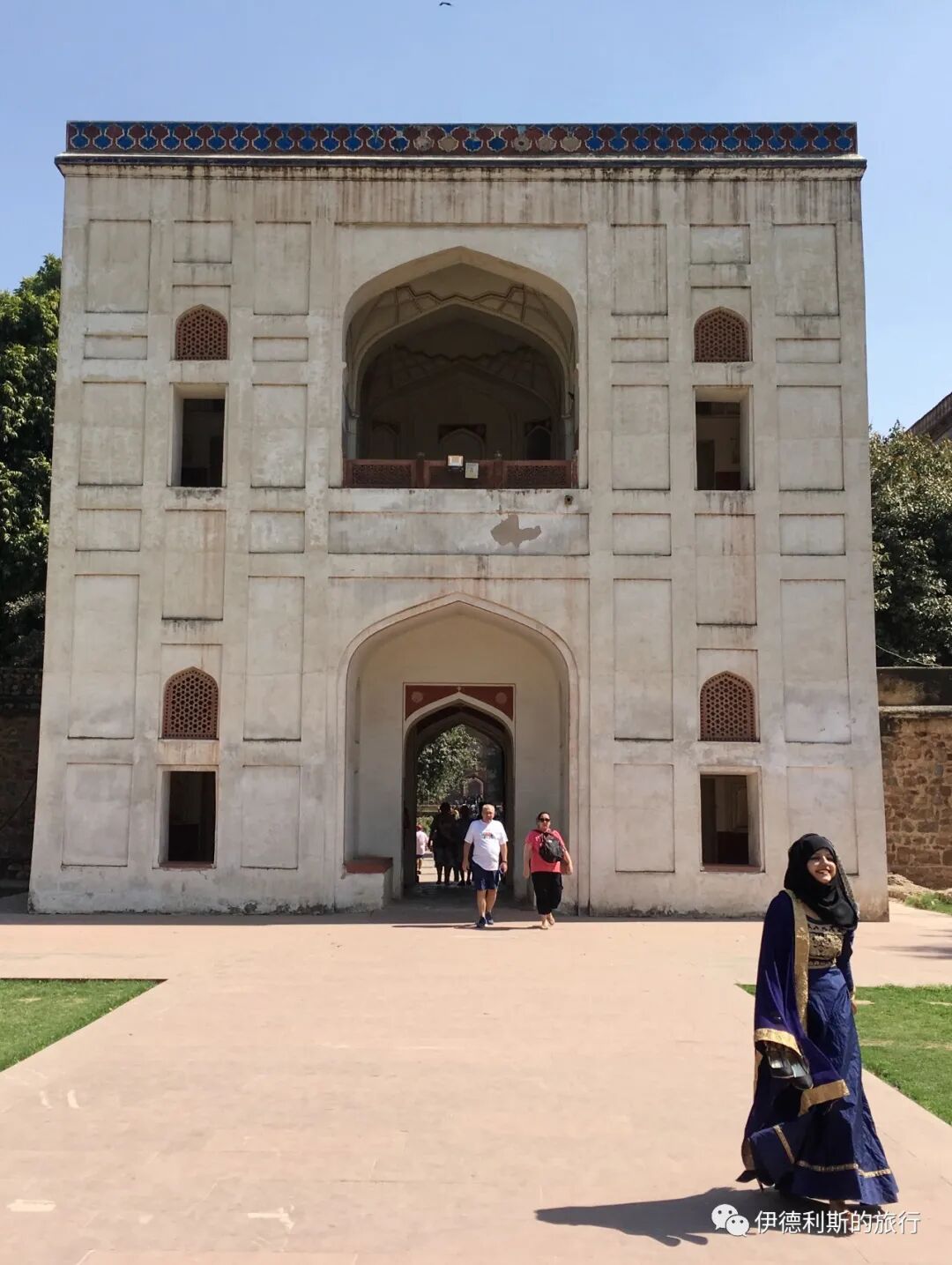
The Persian garden surrounding Humayun's Tomb has a gate on each side. The West Gate is the main entrance; it has an I-shaped structure with splayed walls on the west side and two Chhatri domed pavilions on top.
Bu Halima Garden Tomb Gate
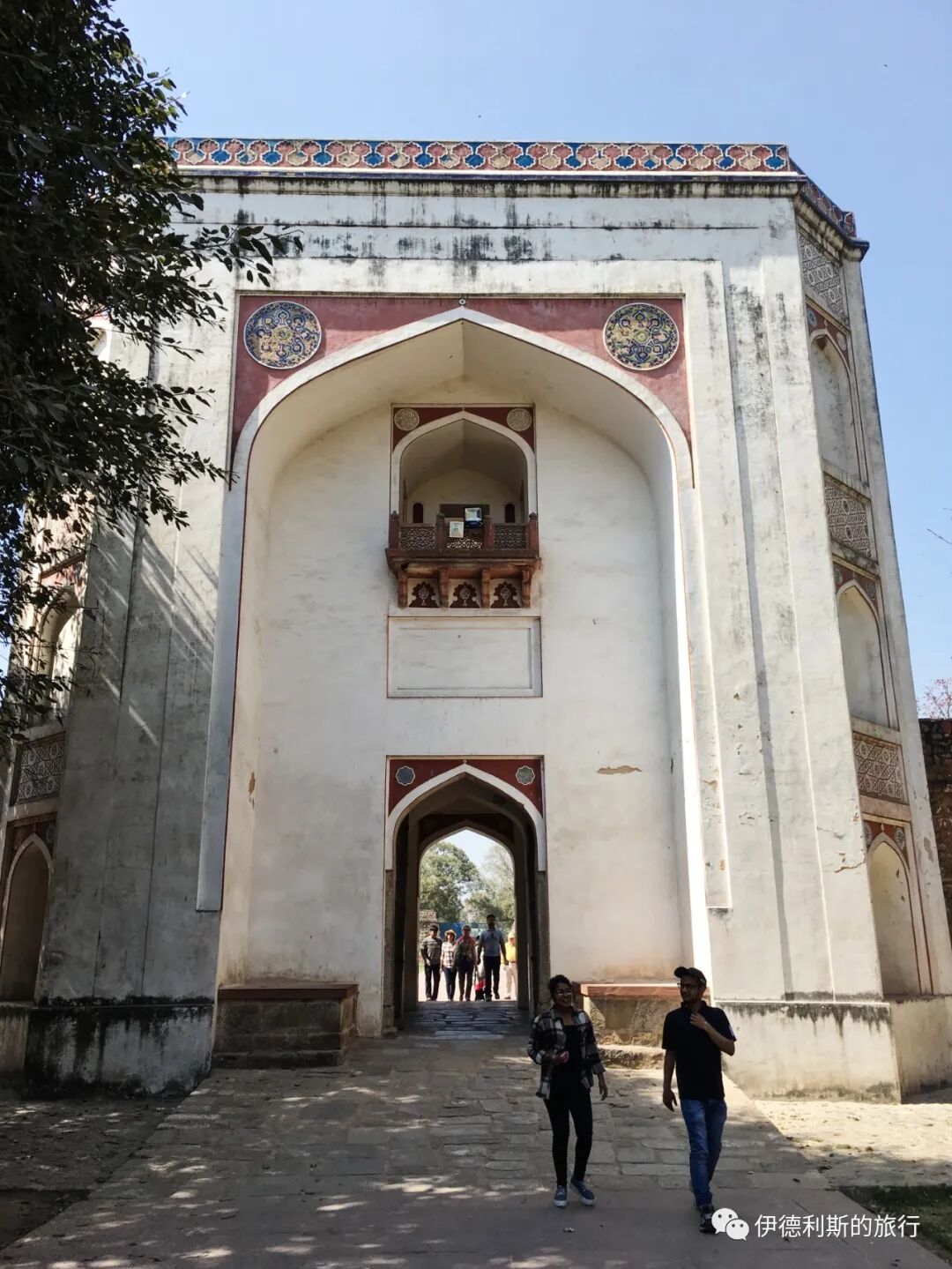
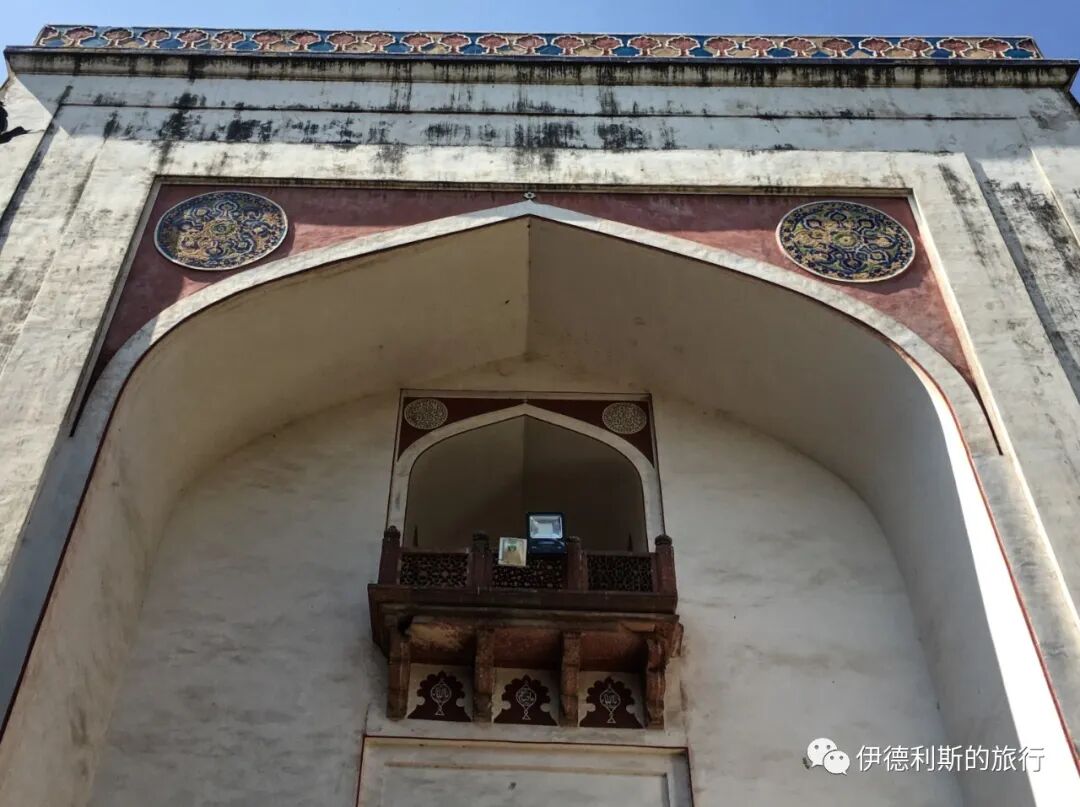
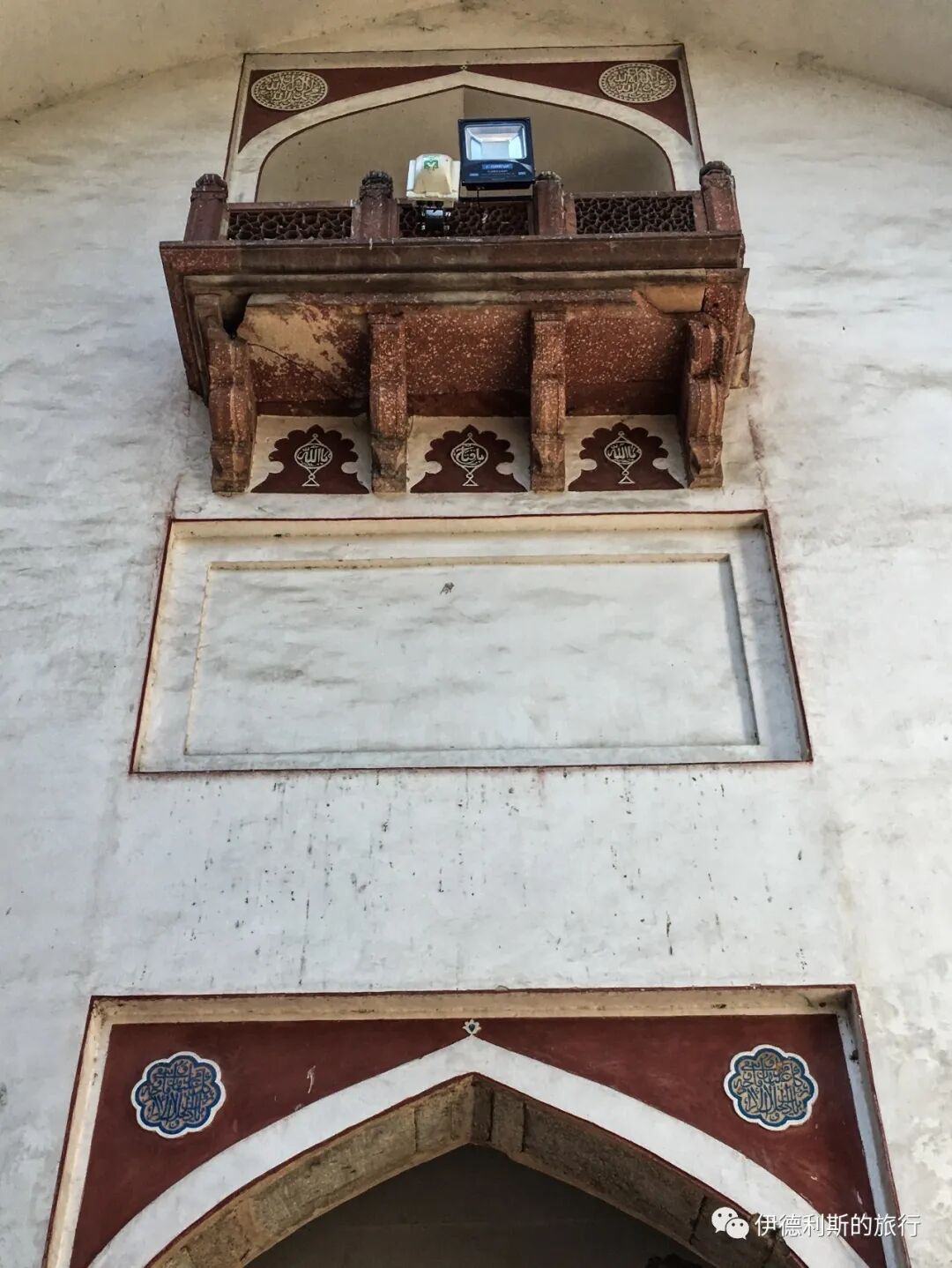
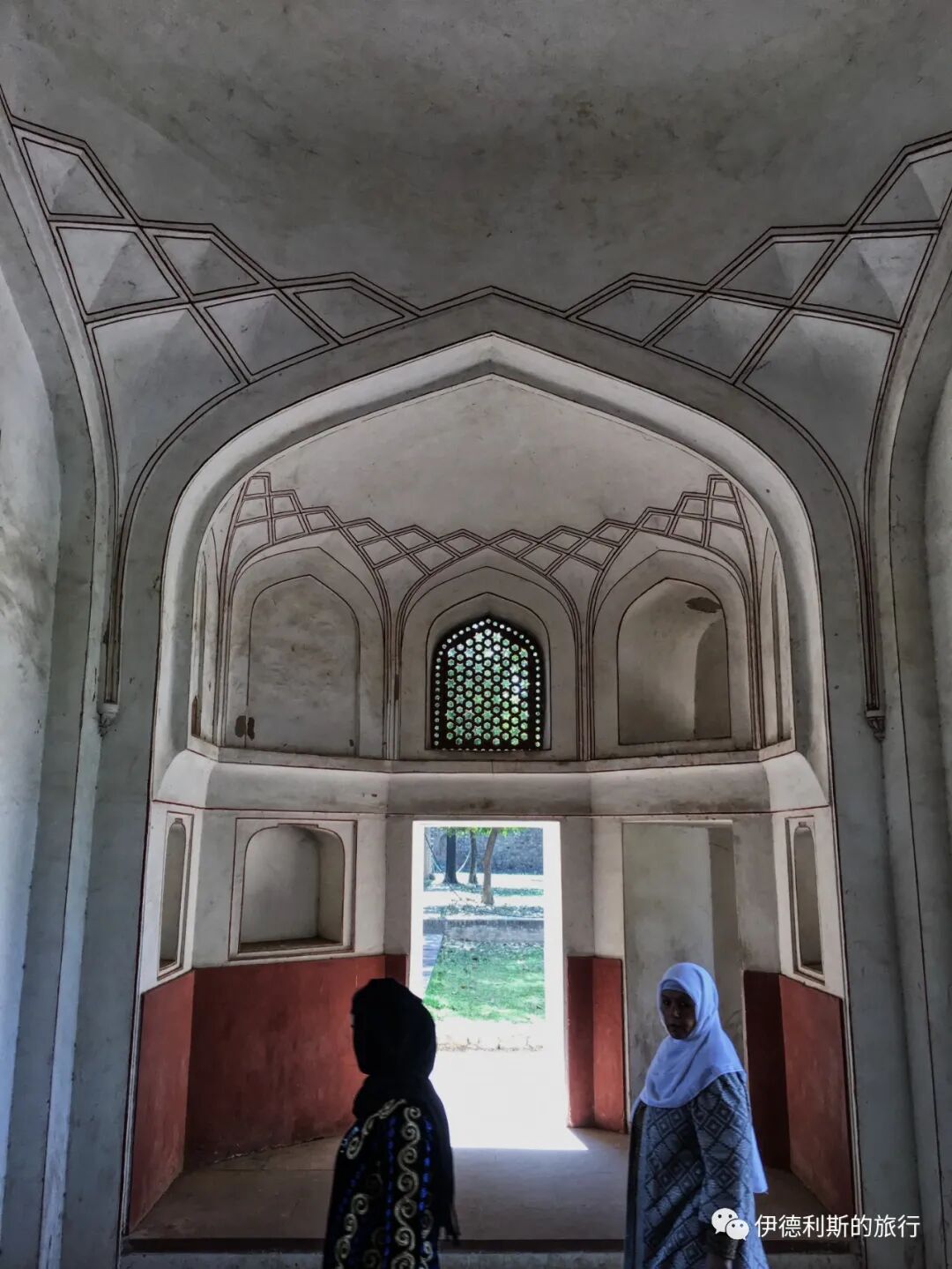
Directly across from the west gate of Humayun's Tomb stands the 16th-century gate of the Bu Halima Garden Tomb. There are no records identifying who Bu Halima was. The gate features a classic Indian-style stone window (jharokha), which is a signature element of ancient Indian building facades.
Between 2012 and 2013, the Aga Khan Trust for Culture hired craftsmen to restore the site using traditional techniques and materials. They replaced missing glazed tiles and mosaics and swapped modern cement for traditional lime mortar.
Afsarwala Tomb and Mosque
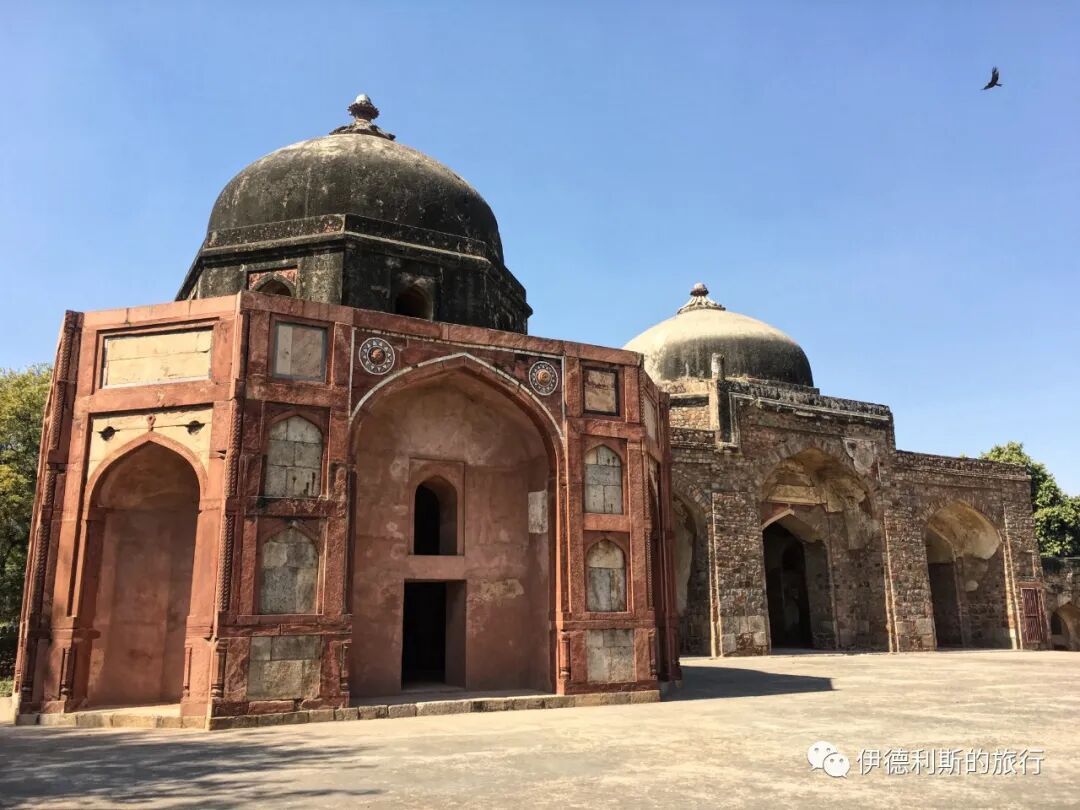
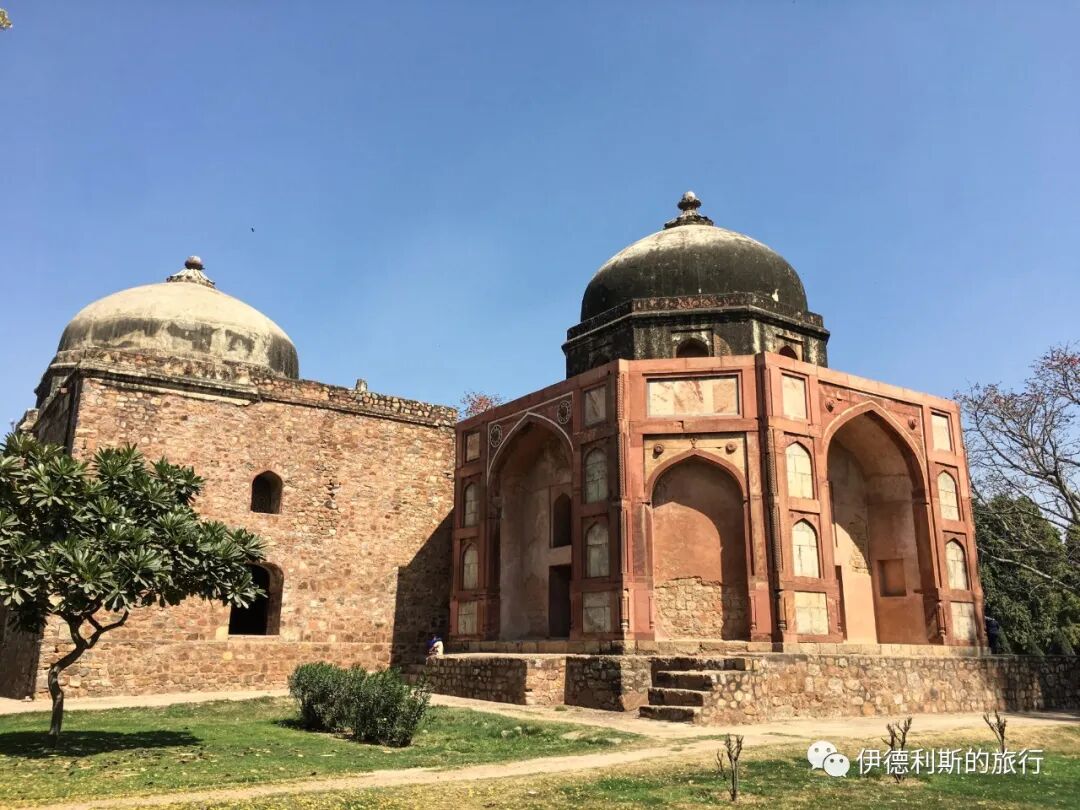
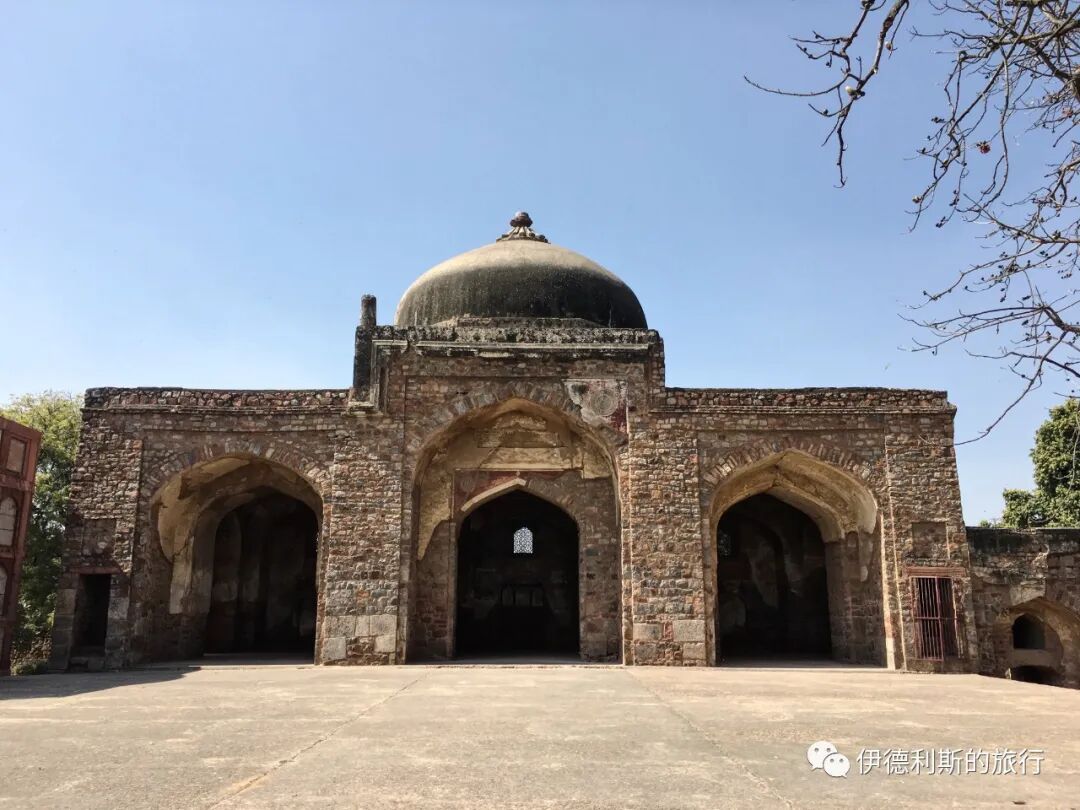
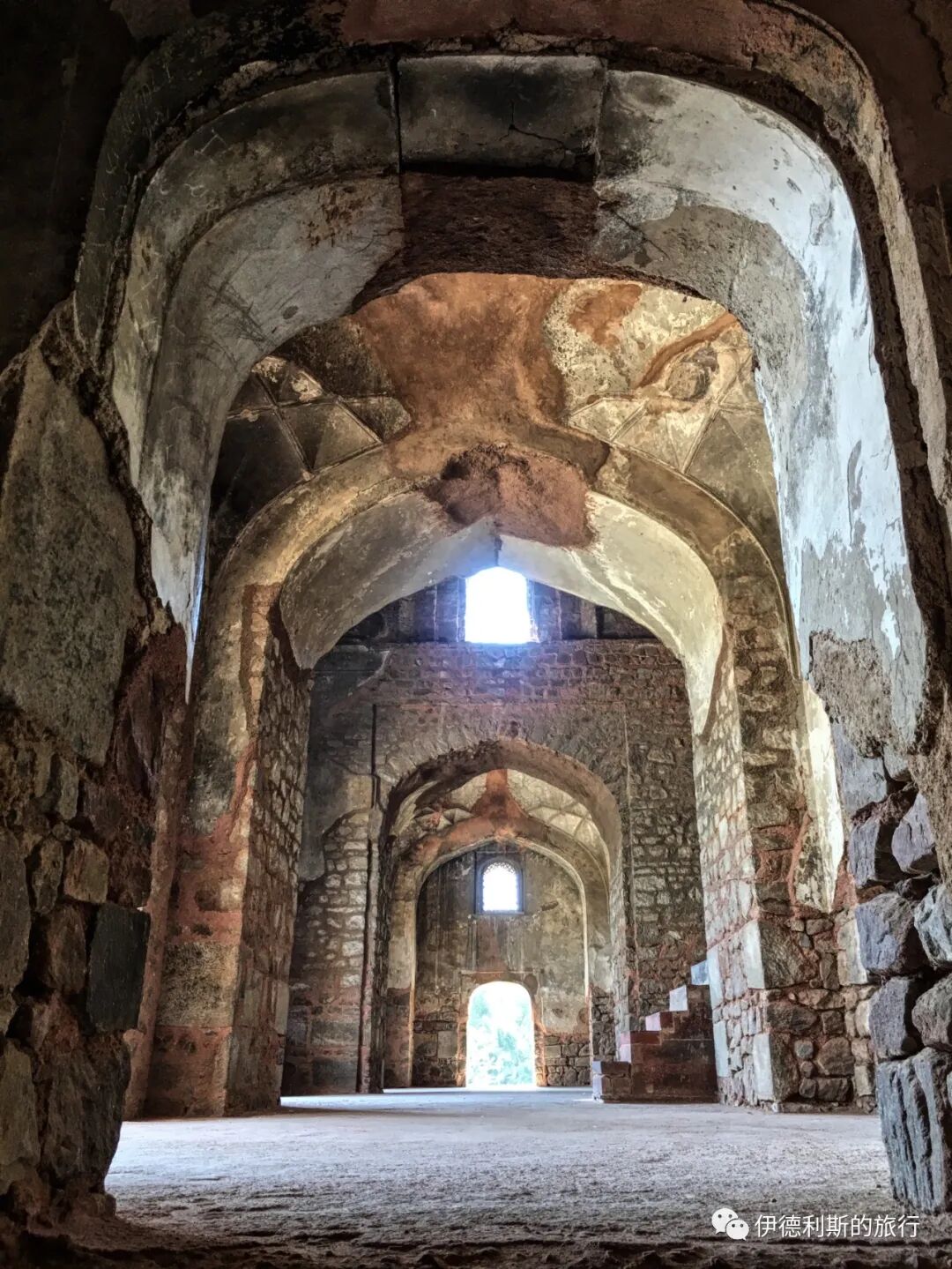
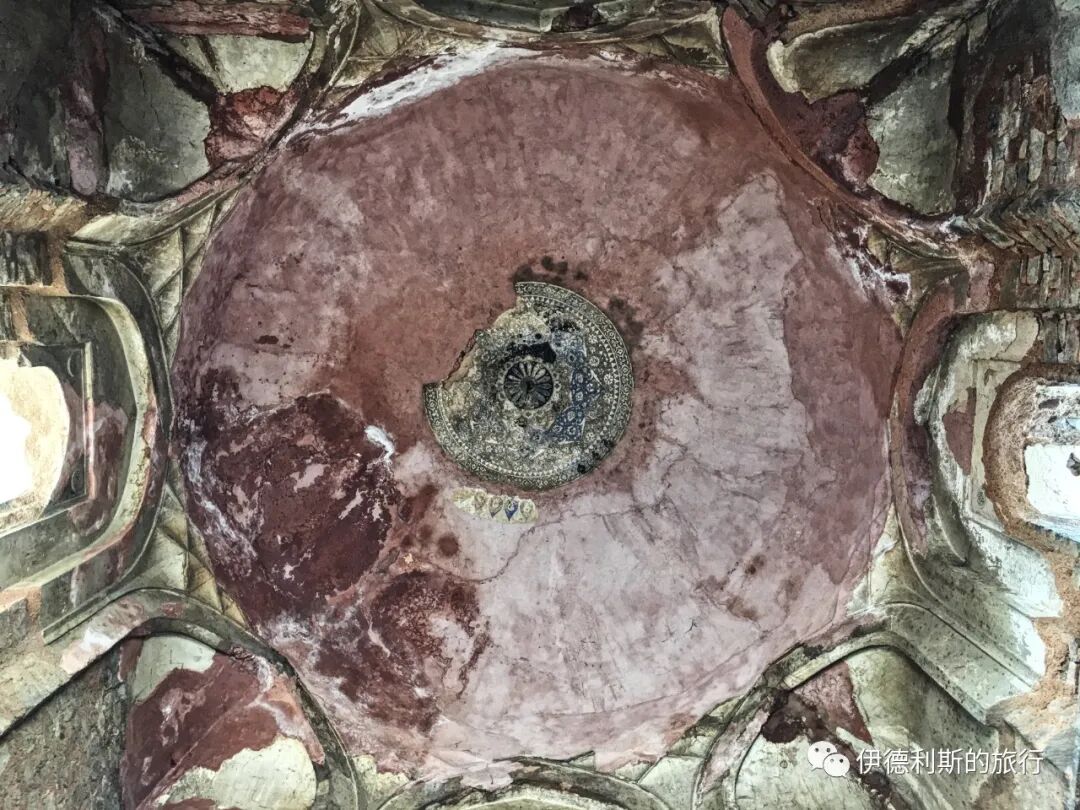
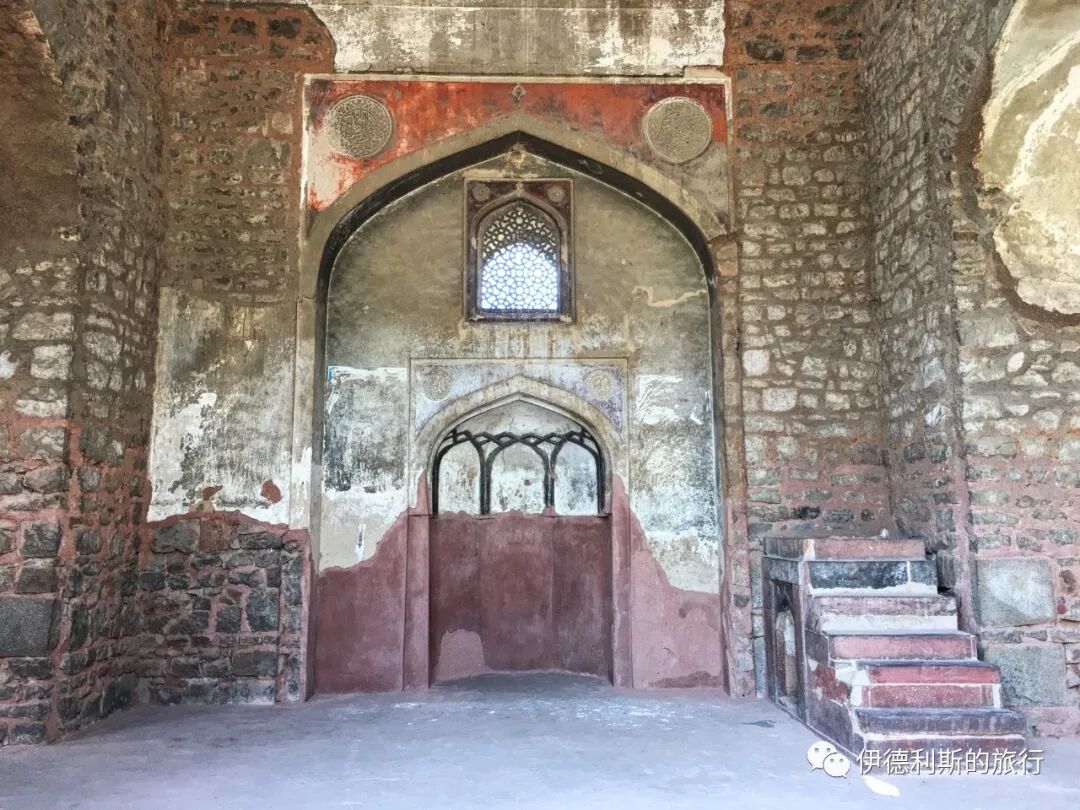
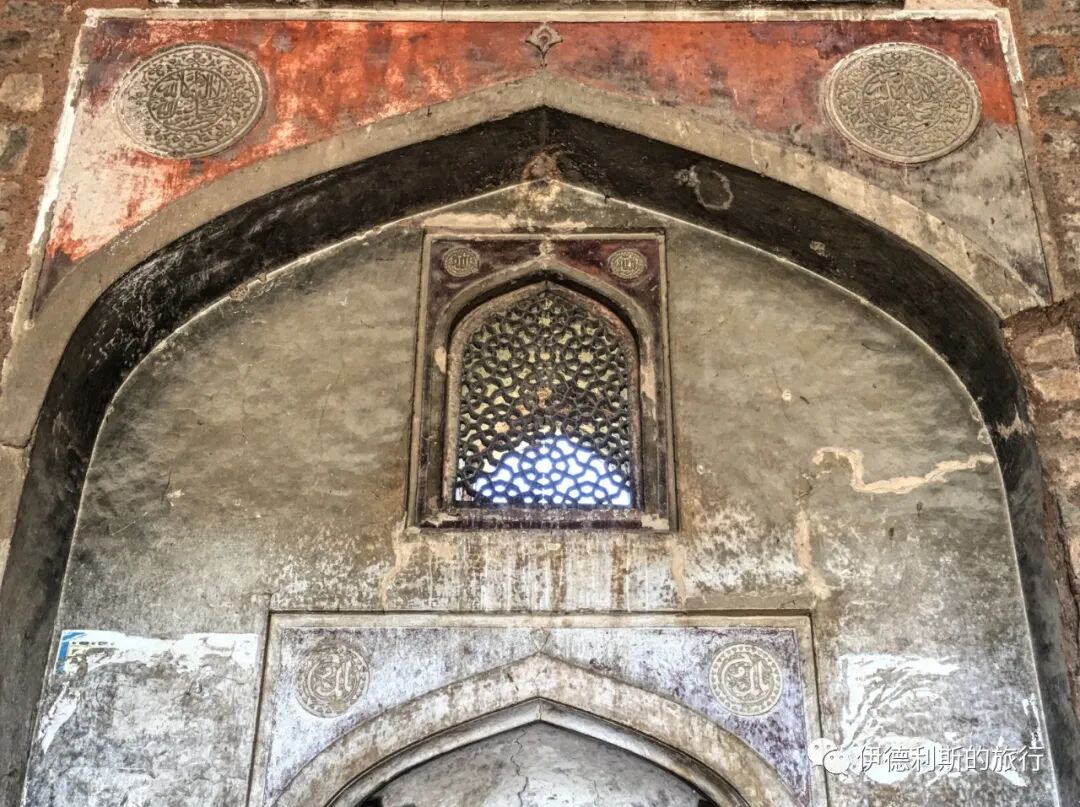
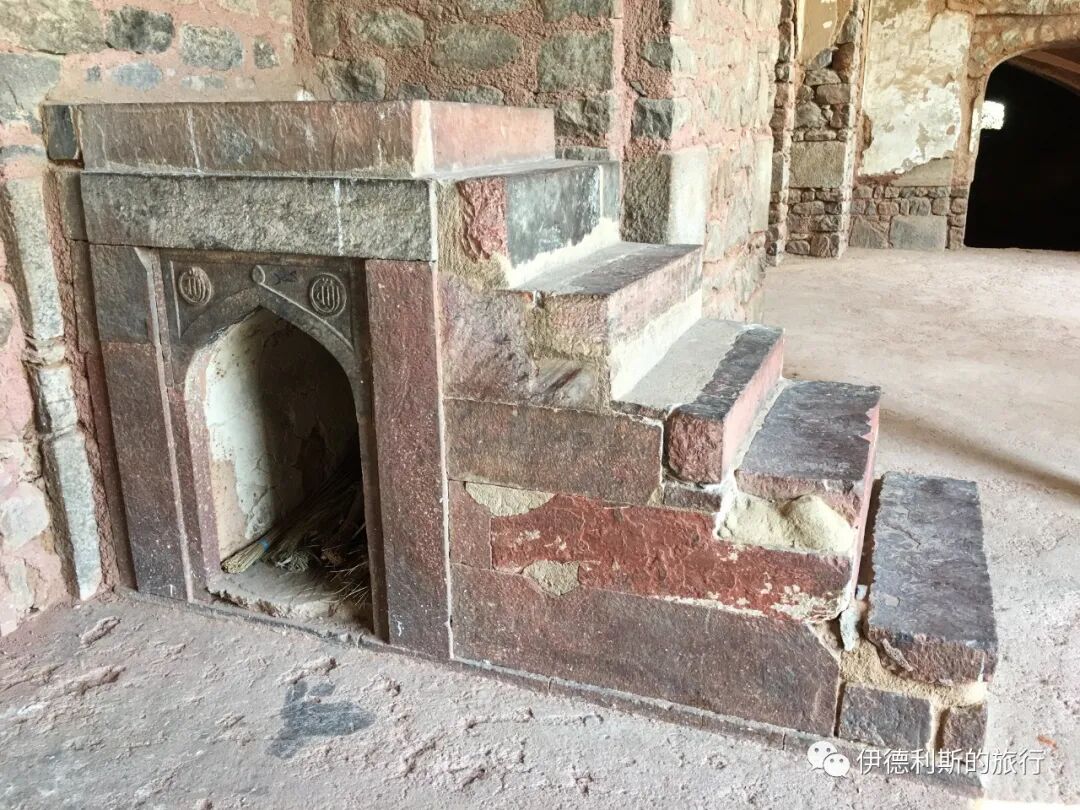
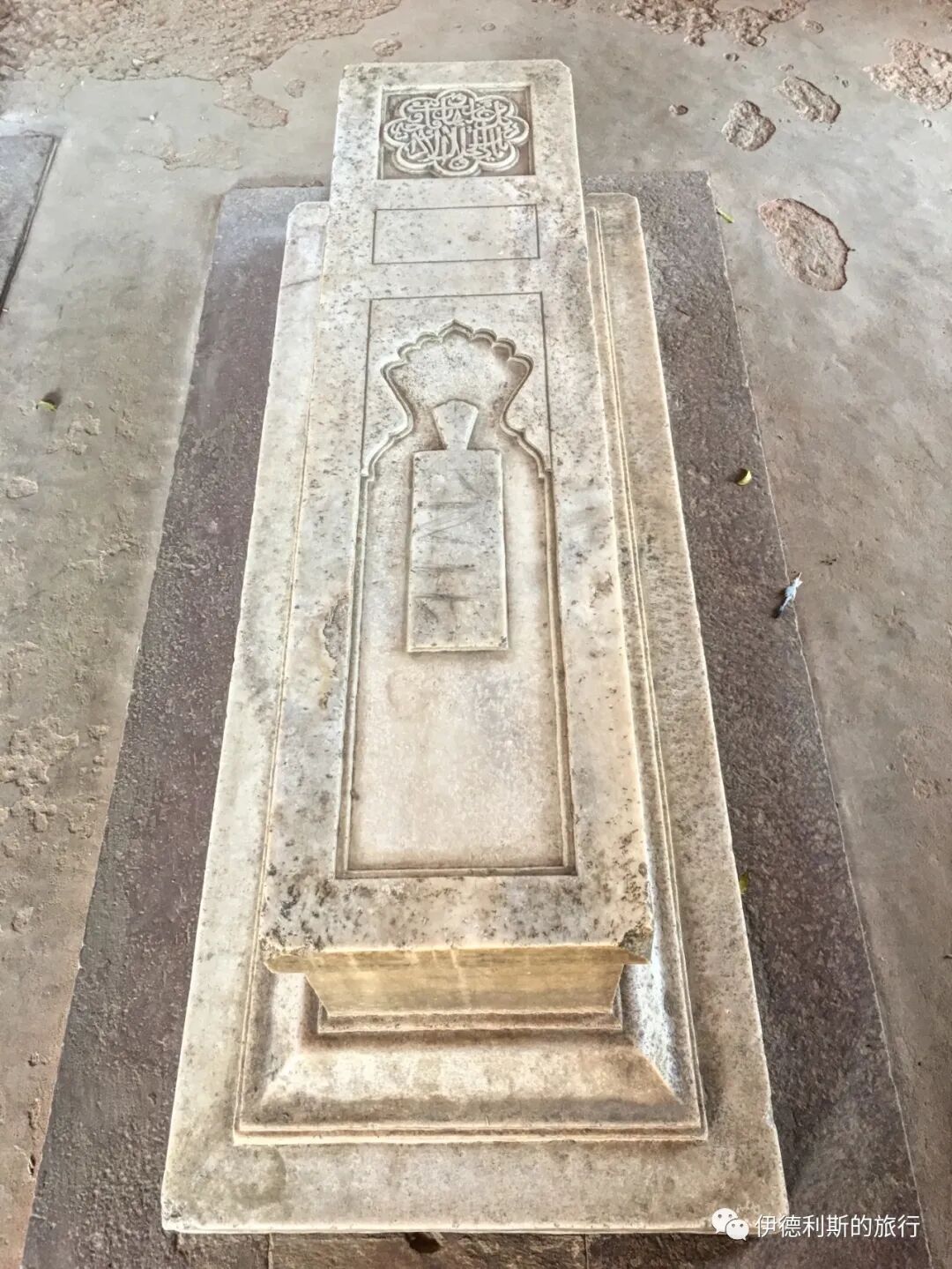
The Afsarwala Tomb and Mosque are located southwest of Humayun's Tomb and were built between 1566 and 1567. Unfortunately, the tombstone only lists the construction date and nothing about the person buried there. It is believed they were likely a noble in the court of the Mughal Emperor Akbar, as the name 'Afsarwala' suggests the person was a military officer.
North Gate of Arab Sarai
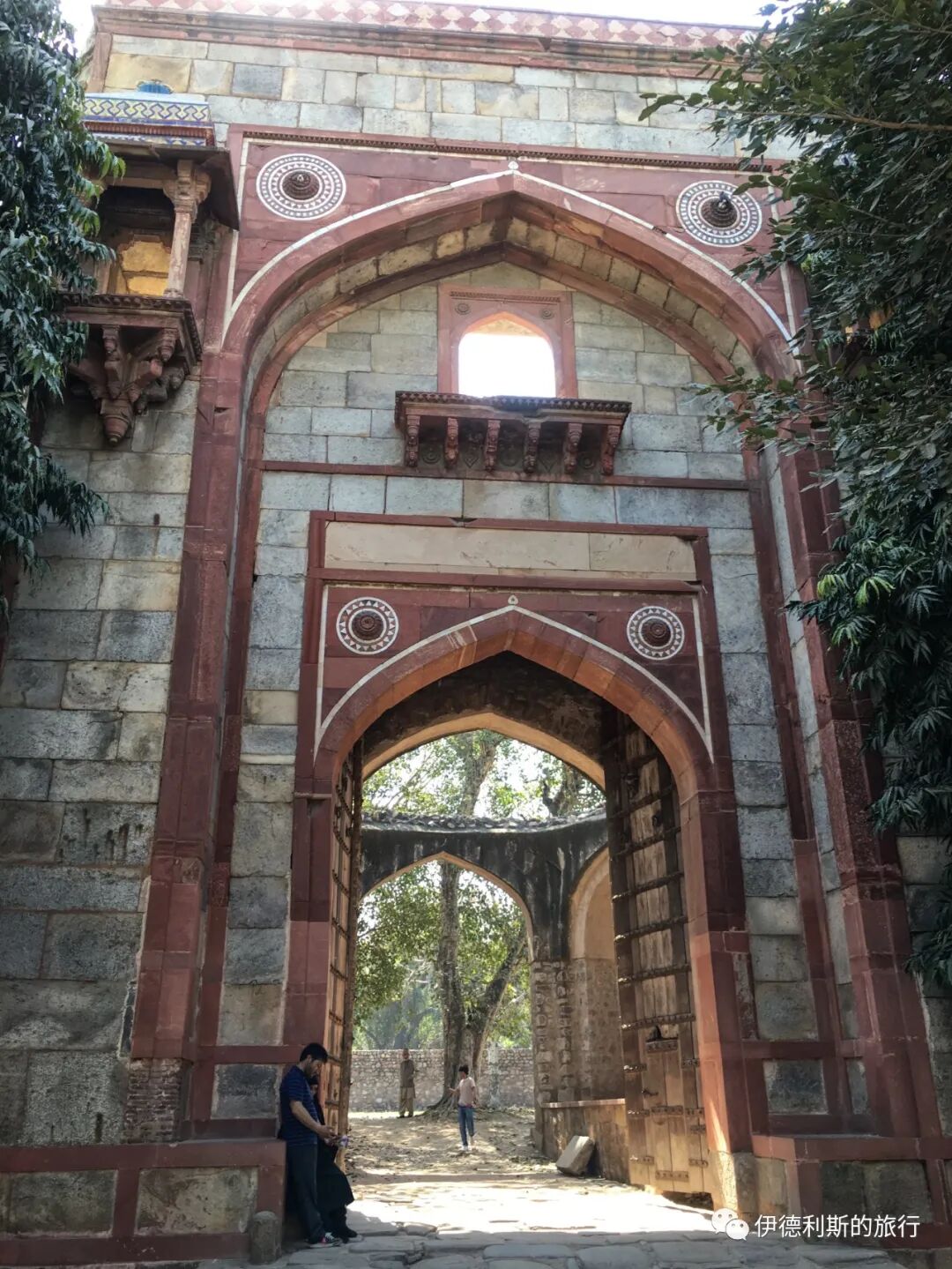
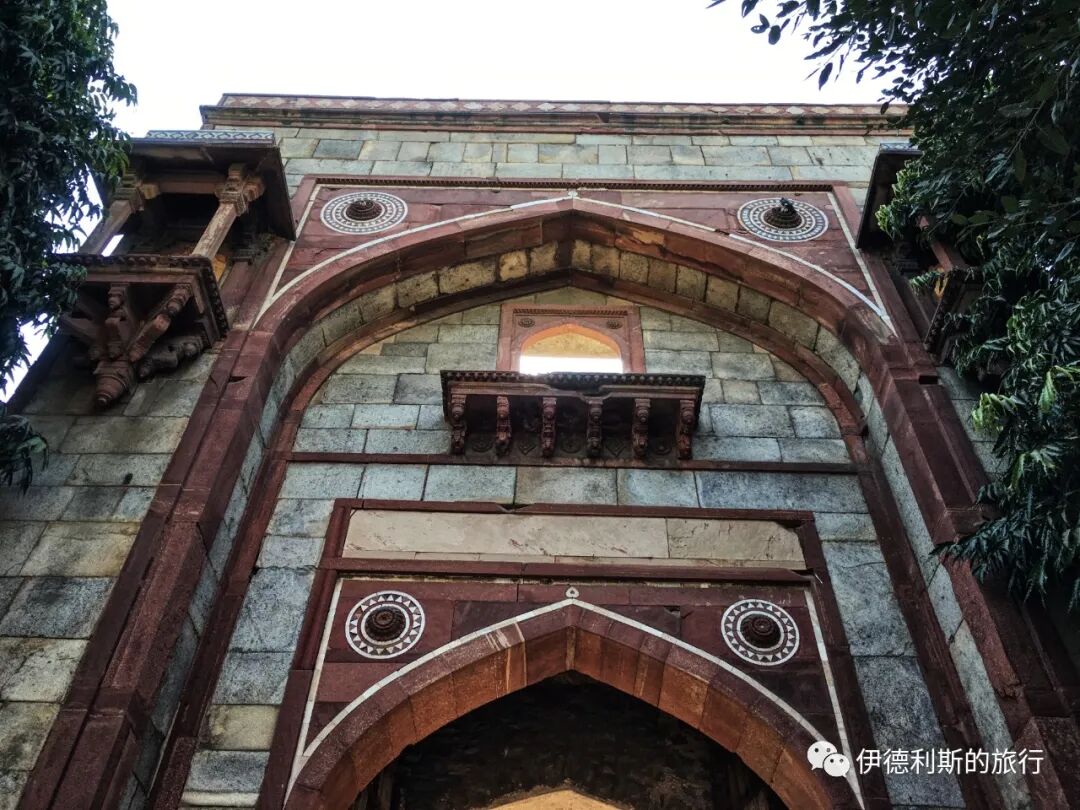
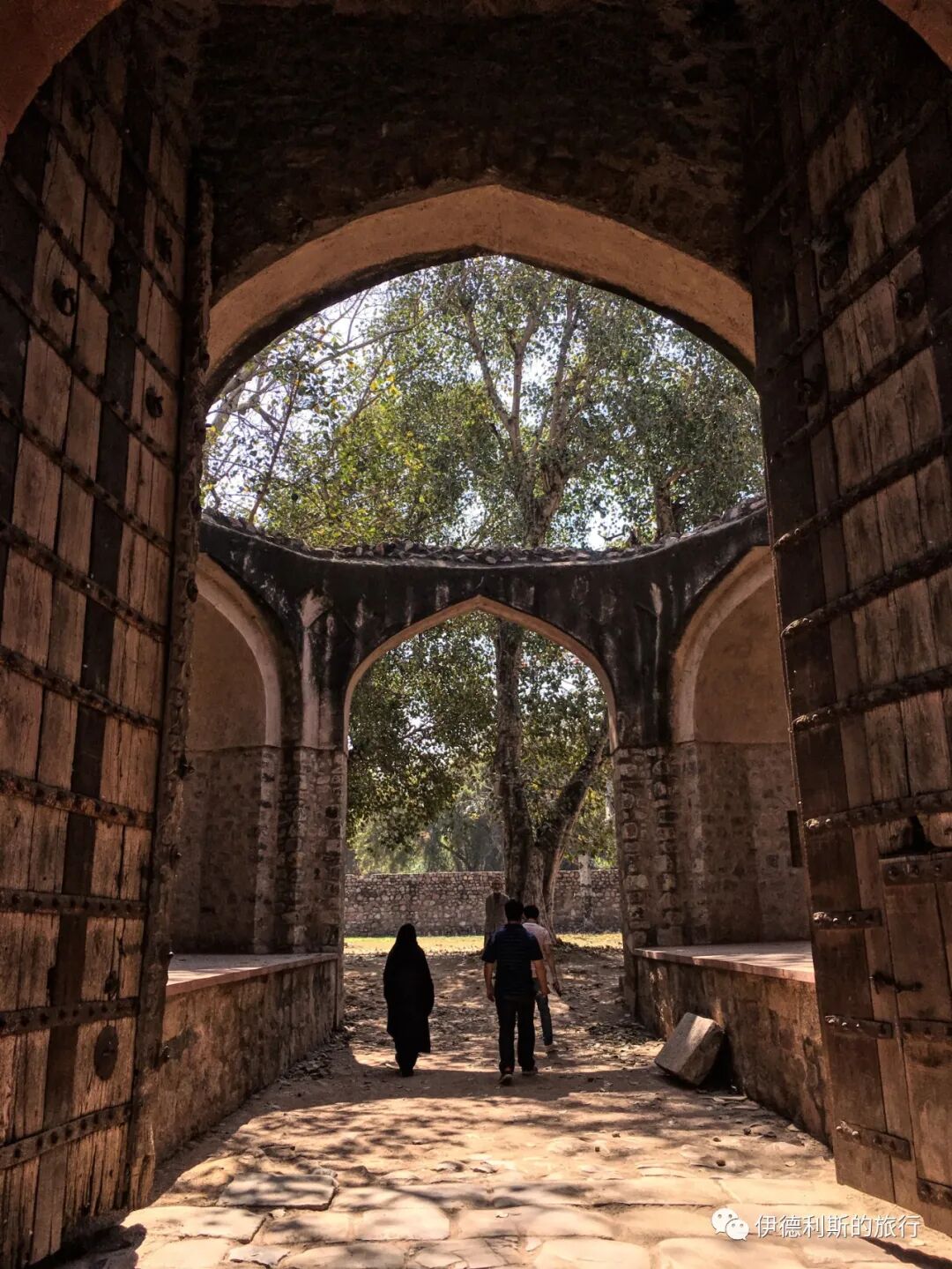
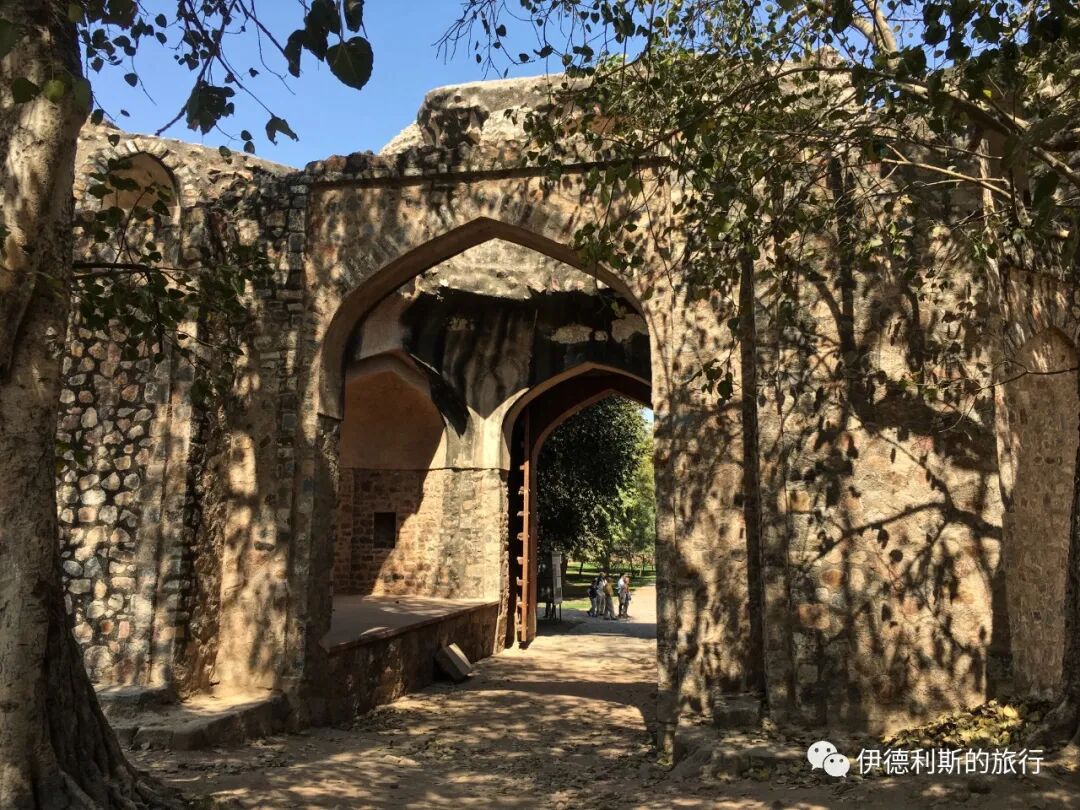
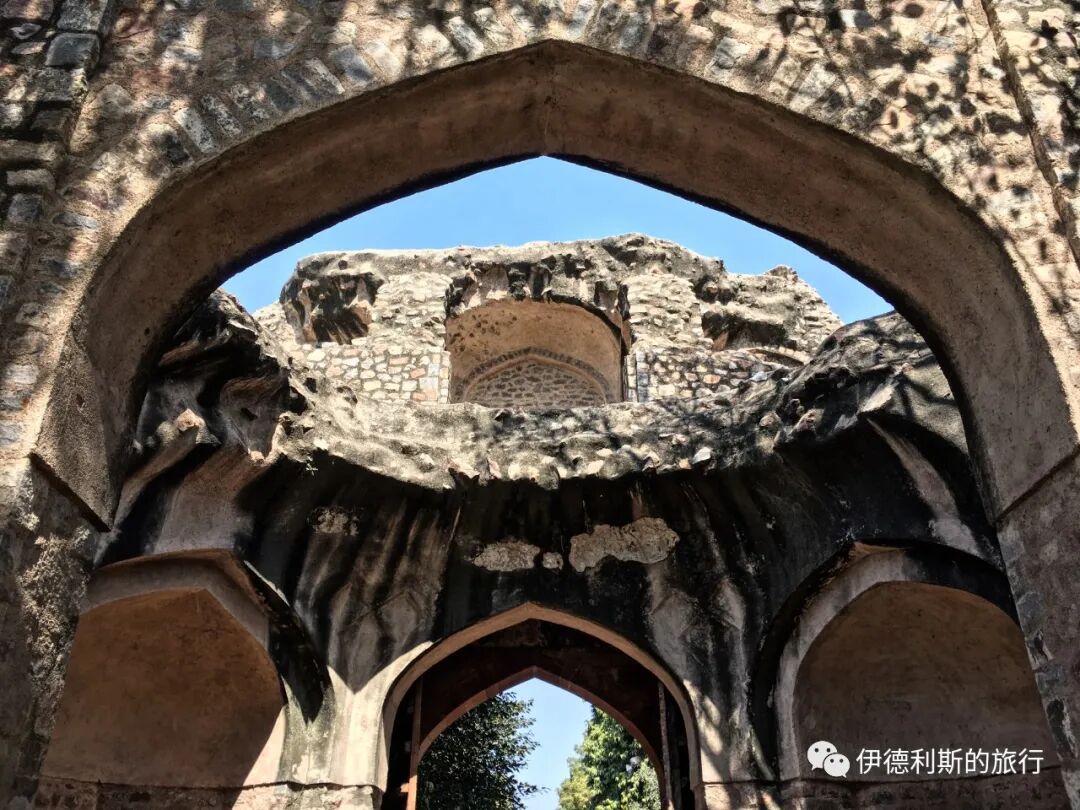
On the main road west of Humayun's Tomb stands the north gate of Arab Sarai. The original site of Arab Sarai is now an industrial training institute.
The gate originally included a main entrance and arched rooms on both sides, but most of it has collapsed, leaving only the facade well-preserved. The gate is built from light-colored quartzite and red sandstone, matching the style of Humayun's Tomb. The gate features exquisite traditional Indian stone windows (jharokha) decorated with colorful tiles.
Some say this was where the Persian craftsmen who built Humayun's Tomb lived, while legend has it that it housed 300 reciters brought back by Humayun's queen, Haji Begum, after her pilgrimage.
In recent years, the Aga Khan Trust for Culture restored the site, reinforcing the main structure and replacing missing tiles.
Sufi shrine (gongbei) Dargah Patte Waali
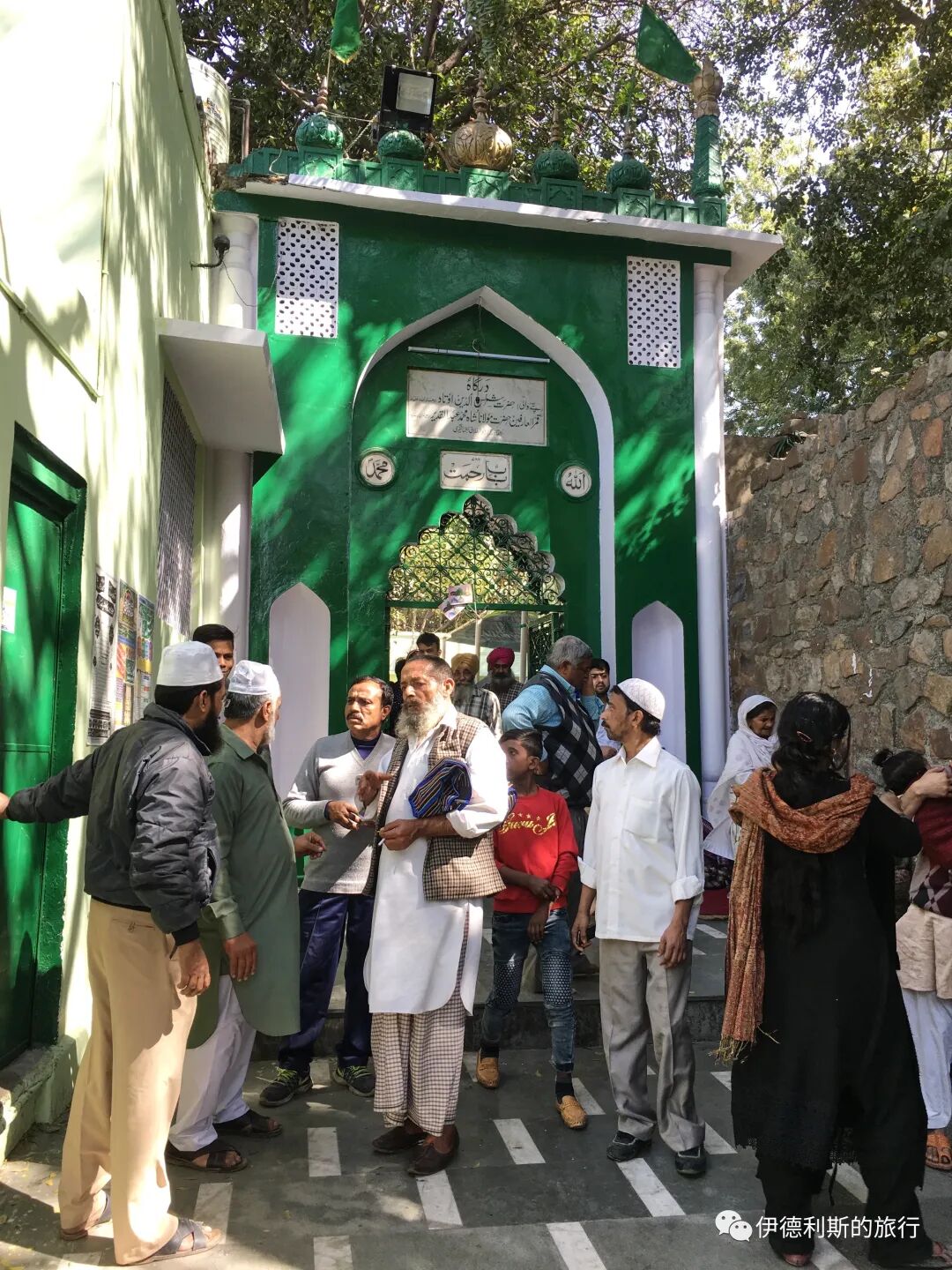
Northwest of Humayun's Tomb is a Sufi shrine (gongbei) called Dargah Patte Waali. It holds the graves of the famous Indian Sufi saints Hazrat Shamshuddin Patty Shah and Hazrat Maulana Abdul Qadir Jahangiri. They were said to be contemporaries of the famous nearby Sufi saint Nizamuddin, and the shrine was first ordered to be built in 1325 by the Tughlaq dynasty of the Delhi Sultanate.
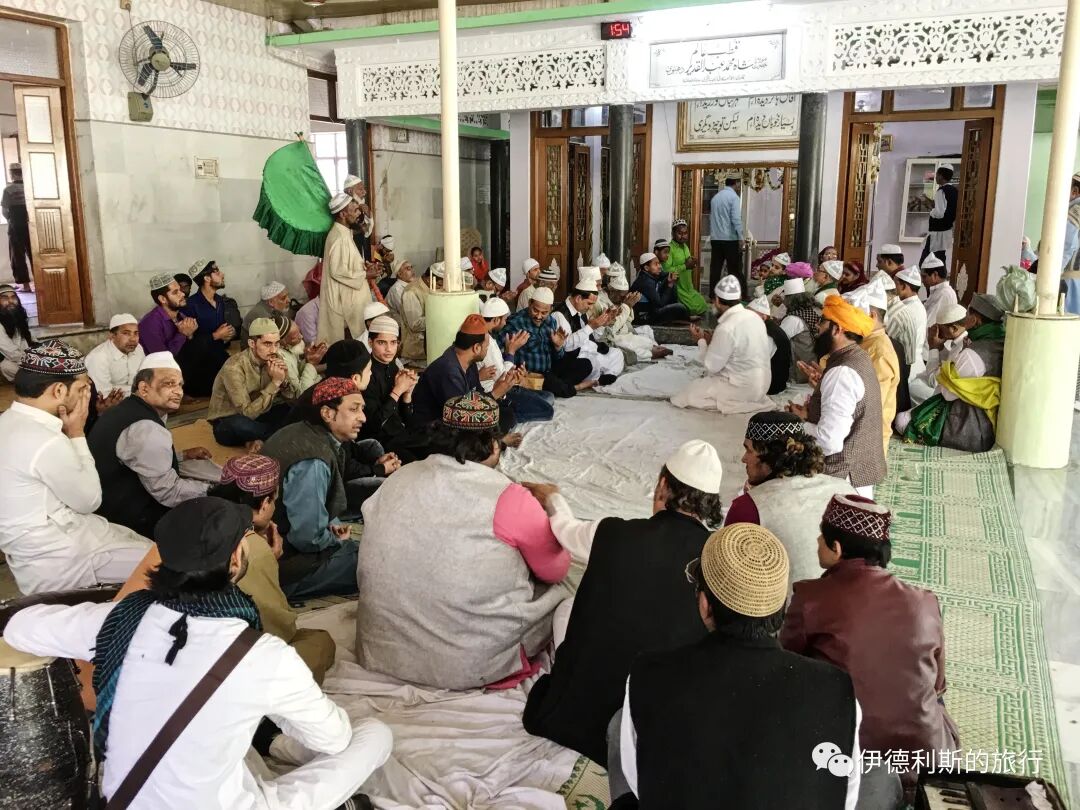
While walking through the Humayun's Tomb area, I faintly heard music outside the walls. I quickly left the site and went to Dargah Patte Waali outside the wall. Everyone was holding a gathering (mehfil) and performing Qawwali, the most distinctive form of devotional singing in South Asia. It was my first time hearing Qawwali live, and it was very moving. Unfortunately, I didn't have much information at the time. In fact, the nearby Nizamuddin Dargah hosts Qawwali performances every evening, and that is the birthplace of Qawwali. After returning home and looking it up, I realized I really want to go back to South Asia and experience the charm of Qawwali again.
Summary: Delhi Humayun's Tomb — Mughal Architecture and History is presented here as a firsthand travel account in clear English, beginning with this scene: Humayun's Tomb (Maqbara-i Humayun) is the final resting place of Humayun, the second emperor of the Mughal Empire. The account keeps its focus on Humayun's Tomb, Mughal History, Delhi Travel while preserving the names, places, food, and historical details from the Chinese source.
Humayun's Tomb (Maqbara-i Humayun) is the final resting place of Humayun, the second emperor of the Mughal Empire. It was commissioned in 1558 by his wife, Bega Begum, and designed by a Persian architect. It is the first garden-style tomb in South Asia and the first grand red sandstone imperial tomb of the Mughal Empire. It was added to the World Heritage List in 1993.
In my book, The Sixth City of Delhi: The Birth of the Mughal Dynasty, I wrote about how Humayun built a new capital in Delhi in 1533 called Din Panah, which means 'Refuge of the Faith'. On January 24, 1556, Humayun was reading on the second floor of the library inside Din Panah. When the muezzin called the adhan, Humayun hurried downstairs to perform namaz. He tripped on the stairs, fell, and passed away. His 13-year-old son, Akbar, then took the throne.
Humayun's Tomb is located south of Din Panah, right next to the famous South Asian Sufi shrine, the Nizamuddin Dargah (Nizamuddin Mazar). Construction began in 1556 and finished in 1572, taking 16 years to complete. Records show that after Queen Bega Begum returned from Hajj, she dedicated herself to building the tomb. She chose the Persian architect Mirak Mirza Ghiyas from the ancient city of Herat to design it. Mirak Mirza Ghiyas had designed buildings in Herat, Bukhara, and other parts of India. He passed away before the tomb was finished, and his son, Sayyed Muhammad, completed the project.
Humayun's Tomb
Humayun's Tomb carries on the Indo-Islamic architectural style developed since the Delhi Sultanate. It is the first Indian building to use a Persian double dome, which consists of an inner and outer Persian hemispherical dome.
The main dome is surrounded by Chhatri (domed pavilions) and smaller decorative spires called Guldasta, both of which are unique to Indo-Islamic architecture. Guldasta means 'bundled bouquet' in Persian, and in Indo-Islamic architecture, it usually takes the shape of a flower. Both of these designs are a fusion of Persian pavilions and the Hindu roof tower known as a Sikhara.
Below the pure white marble main dome, the main body of the structure is built from a mix of white marble and red and yellow sandstone. In the center is a Persian-style Iwan (arched gateway), surrounded by many Jali (lattice screens) typical of Indo-Islamic architecture. These windows are said to be closely related to the Mashrabiya lattice windows that originated in Arabia.
The main building sits on a massive 8-meter-high terrace, with its sides also decorated by a series of arched Iwan.
Humayun's Tomb is surrounded by a traditional Persian four-part garden called a Charbagh. The name means 'four gardens' in Persian and comes from the 'four gardens' mentioned in the Quran (55:46): 'But for he who has feared the position of his Lord are two gardens.' And (55:62): 'And below them both are two gardens.' The hallmark of a Charbagh garden is two axes that intersect at the center, dividing the garden into four sections. Babur, the founder of the Mughal Empire, used a Charbagh garden for his tomb in Kabul, Afghanistan, but Humayun's Tomb was the first time this Persian garden style was brought to India.
The interior of Humayun's Tomb consists of a main hall under the central dome and eight rooms arranged in two levels around it. Humayun's tombstone is in the center of the main hall, while his actual burial site is in a basement below the tombstone, accessible only through a separate passage outside the main structure. In 1611, English merchant William Finch visited Humayun's Tomb. He recorded that the interior had rich decorations and carpets, and the tombstone was covered by a Shamiana (ceremonial tent). He also noted that a Quran, Humayun's sword, turban, and shoes were on display, though none of these can be seen today.
Other rooms contain the graves of members of the Mughal court, including Humayun's queens Bega Begum and Hamida Begum, several of his daughters, and the seventh Mughal emperor, Bahadur Shah I. Unlike the Delhi Sultanate period, which built elaborate mihrab (prayer niches) on the west side of tombs, Humayun's Tomb cleverly uses Jali lattice screens as a mihrab. Light shines through the screens into the room, creating areas of brightness and shadow depending on the angle. The tomb also carefully displays the process of making Jali lattice screens.
The terrace outside the main building also holds many tombstones of Mughal royalty and nobles, including Dara Shikoh, the eldest son of Shah Jahan who was murdered by Aurangzeb. Because of this, the area is also called the 'dormitory of the Mughals'.
Barber's Tomb
On the southeast side of Humayun's Tomb is the 'Barber's Tomb', built in 1590. It holds the grave of the personal barber to the third Mughal emperor, Akbar, who was also one of Akbar's closest servants. This tomb also features a Persian double-dome structure, appearing as two domes from the inside and outside, and has a Chhatri domed pavilion at each of the four corners.
West Gate
The Persian garden surrounding Humayun's Tomb has a gate on each side. The West Gate is the main entrance; it has an I-shaped structure with splayed walls on the west side and two Chhatri domed pavilions on top.
Bu Halima Garden Tomb Gate
Directly across from the west gate of Humayun's Tomb stands the 16th-century gate of the Bu Halima Garden Tomb. There are no records identifying who Bu Halima was. The gate features a classic Indian-style stone window (jharokha), which is a signature element of ancient Indian building facades.
Between 2012 and 2013, the Aga Khan Trust for Culture hired craftsmen to restore the site using traditional techniques and materials. They replaced missing glazed tiles and mosaics and swapped modern cement for traditional lime mortar.
Afsarwala Tomb and Mosque
The Afsarwala Tomb and Mosque are located southwest of Humayun's Tomb and were built between 1566 and 1567. Unfortunately, the tombstone only lists the construction date and nothing about the person buried there. It is believed they were likely a noble in the court of the Mughal Emperor Akbar, as the name 'Afsarwala' suggests the person was a military officer.
North Gate of Arab Sarai
On the main road west of Humayun's Tomb stands the north gate of Arab Sarai. The original site of Arab Sarai is now an industrial training institute.
The gate originally included a main entrance and arched rooms on both sides, but most of it has collapsed, leaving only the facade well-preserved. The gate is built from light-colored quartzite and red sandstone, matching the style of Humayun's Tomb. The gate features exquisite traditional Indian stone windows (jharokha) decorated with colorful tiles.
Some say this was where the Persian craftsmen who built Humayun's Tomb lived, while legend has it that it housed 300 reciters brought back by Humayun's queen, Haji Begum, after her pilgrimage.
In recent years, the Aga Khan Trust for Culture restored the site, reinforcing the main structure and replacing missing tiles.
Sufi shrine (gongbei) Dargah Patte Waali
Northwest of Humayun's Tomb is a Sufi shrine (gongbei) called Dargah Patte Waali. It holds the graves of the famous Indian Sufi saints Hazrat Shamshuddin Patty Shah and Hazrat Maulana Abdul Qadir Jahangiri. They were said to be contemporaries of the famous nearby Sufi saint Nizamuddin, and the shrine was first ordered to be built in 1325 by the Tughlaq dynasty of the Delhi Sultanate.
While walking through the Humayun's Tomb area, I faintly heard music outside the walls. I quickly left the site and went to Dargah Patte Waali outside the wall. Everyone was holding a gathering (mehfil) and performing Qawwali, the most distinctive form of devotional singing in South Asia. It was my first time hearing Qawwali live, and it was very moving. Unfortunately, I didn't have much information at the time. In fact, the nearby Nizamuddin Dargah hosts Qawwali performances every evening, and that is the birthplace of Qawwali. After returning home and looking it up, I realized I really want to go back to South Asia and experience the charm of Qawwali again.
