
Islamic World in 1550: South Asia — Sultanates, Mughals and Muslim History
Reposted from the web
Summary: Islamic World in 1550: South Asia — Sultanates, Mughals and Muslim History is presented here as a firsthand travel account in clear English, beginning with this scene: In the first article, "A Journey Through the Islamic World in 1550 (Part 1)," we crossed the African continent, traveled from Egypt into the Ottoman Empire, and then visited Tabriz in Iran. The account keeps its focus on South Asian Islam, Mughal History, Islamic World while preserving the names, places, food, and historical details from the Chinese source.
In the first article, "A Journey Through the Islamic World in 1550 (Part 1)," we crossed the African continent, traveled from Egypt into the Ottoman Empire, and then visited Tabriz in Iran.
In the second article, "A Journey Through the Islamic World in 1550 (Part 2) — The Legacy of the Mongol Empire," we visited 12 countries ruled by descendants of Genghis Khan, moving from Eastern Europe into North and Central Asia, and finally into South Asia.
In the third article, we will experience the Islamic culture of South Asia, traveling from Delhi into Gujarat and central India, then moving to the Deccan Plateau to visit its five sultanates, and finally taking a boat to the Maldives to begin our Indian Ocean journey.
For North India, 1550 is a special point in time. The Mughal Empire and the Bengal Sultanate we are familiar with have disappeared from the map, replaced by the Sur Dynasty, an Afghan Pashtun state stretching from Pakistan and North India through Bengal to the Rakhine State in Myanmar.
The Sur Dynasty (1538-1556) that swept across North India.
The founder of the Sur Dynasty, Sher Shah Suri, came from the Afghan Pashtun Sur tribe and was originally a general in the Mughal Empire. In 1539, the Mughal Emperor Humayun led a large army to conquer Bengal, but he was defeated by Sher Shah. In 1540, Sher Shah followed up his victory and completely crushed Humayun. Humayun fled to Persia, and Sher Shah established the Suri Dynasty in Delhi.
After occupying Delhi, Sher Shah continued building Din Panah, the Mughal capital Humayun had started for himself in 1533, and renamed it Shergarh.
In 1550, the Suri Dynasty was ruled by Sher Shah's son, Islam Shah Suri. He continued his father's policy of strengthening central authority, defeated the counterattack by the Mughal Emperor Humayun, and maintained the Suri Dynasty's rule in North India.
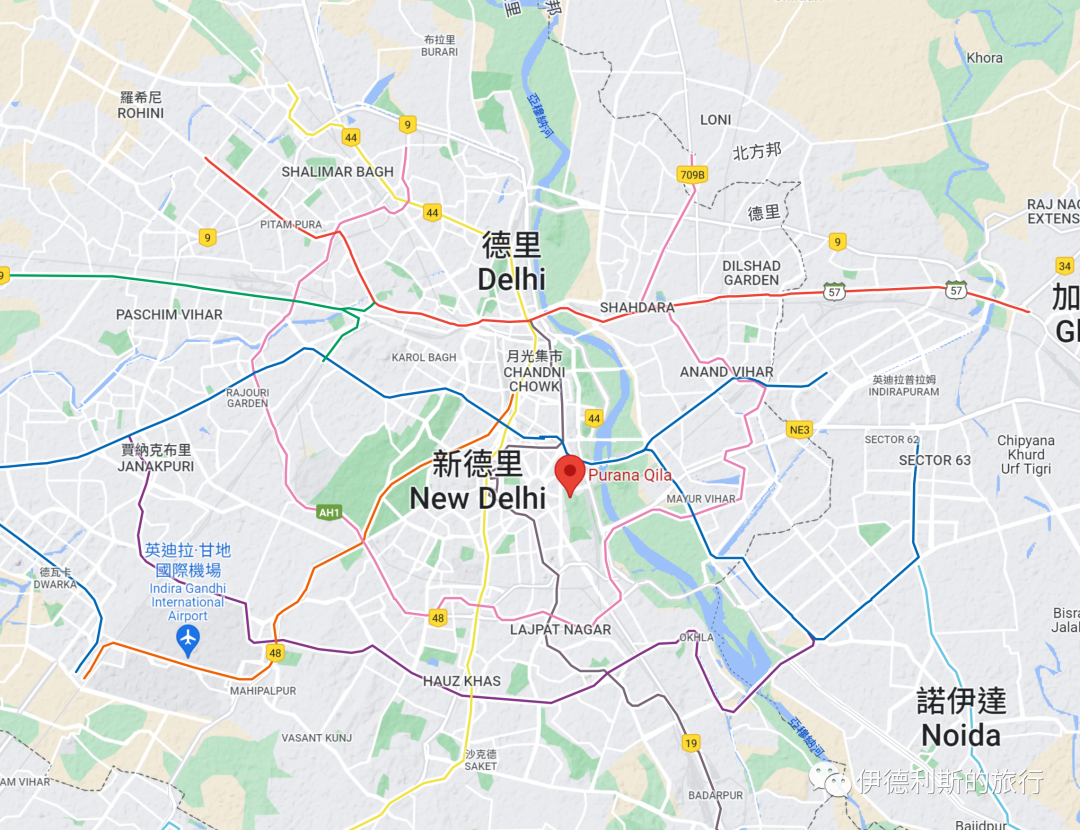
The location of Shergarh city.
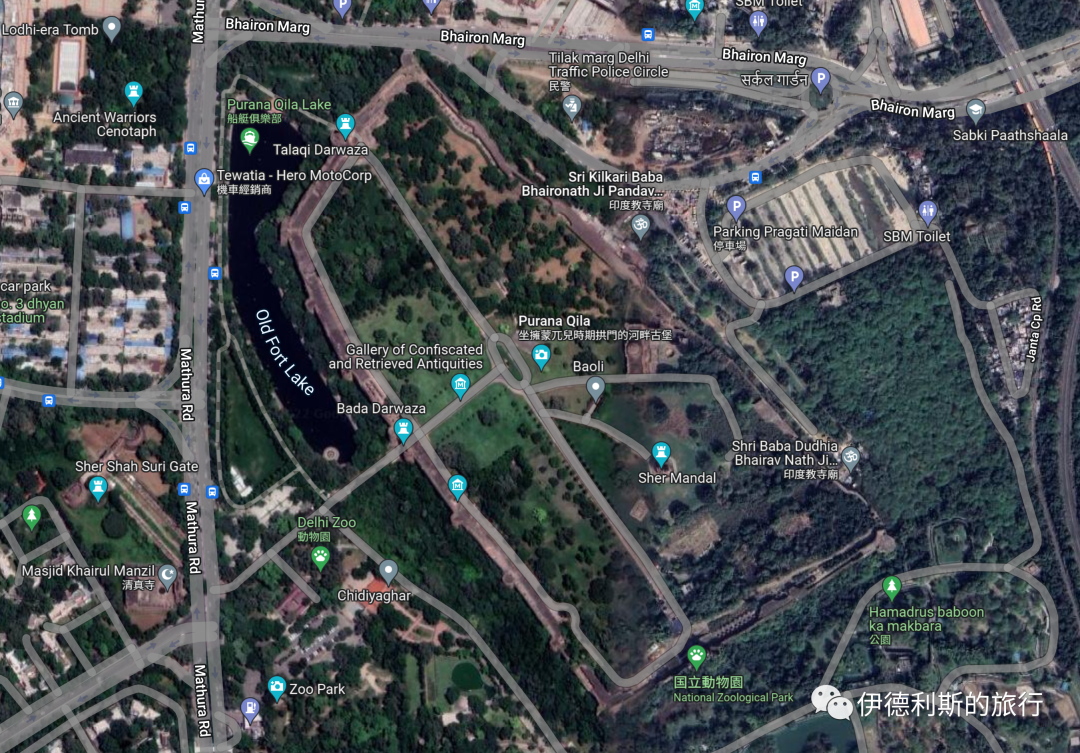
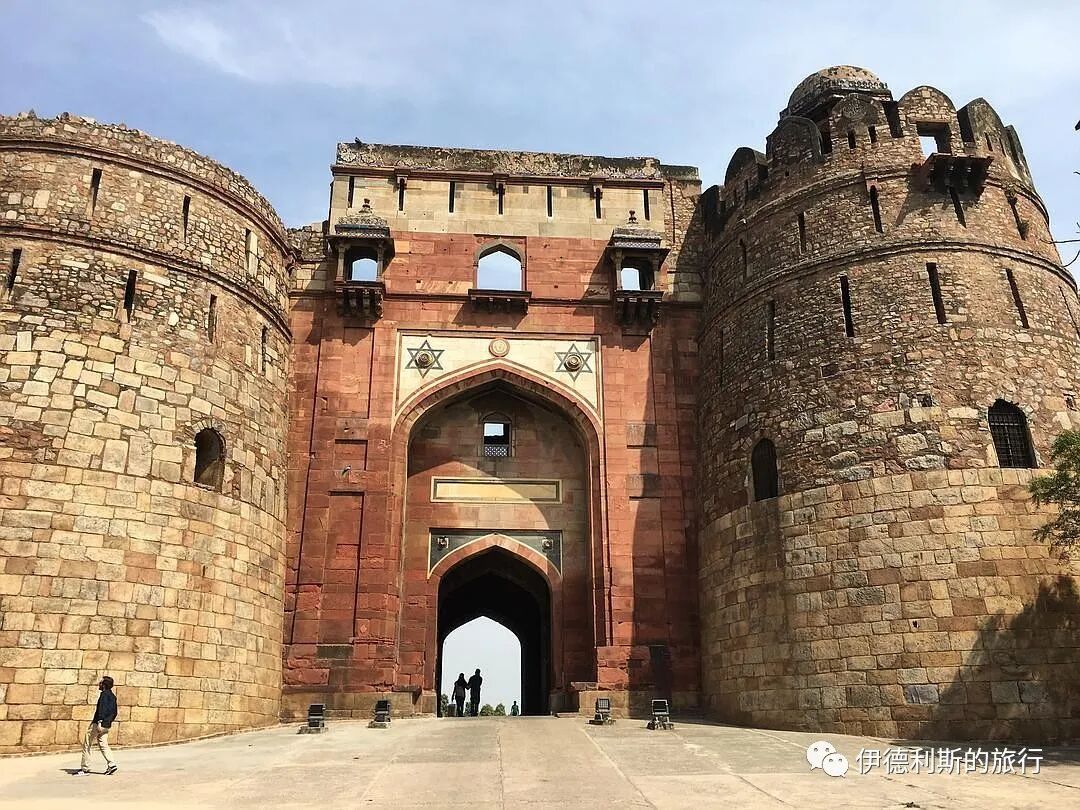
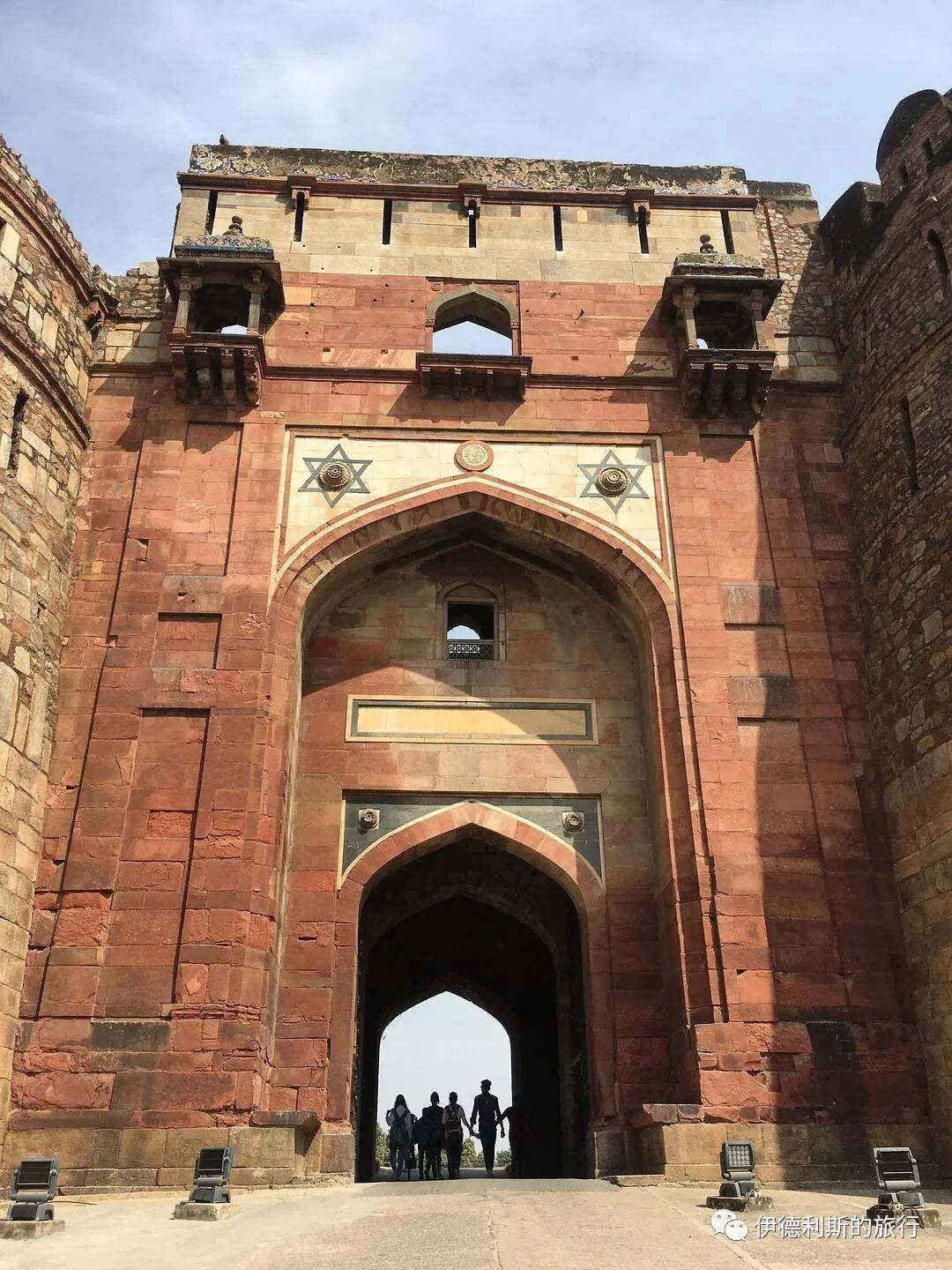
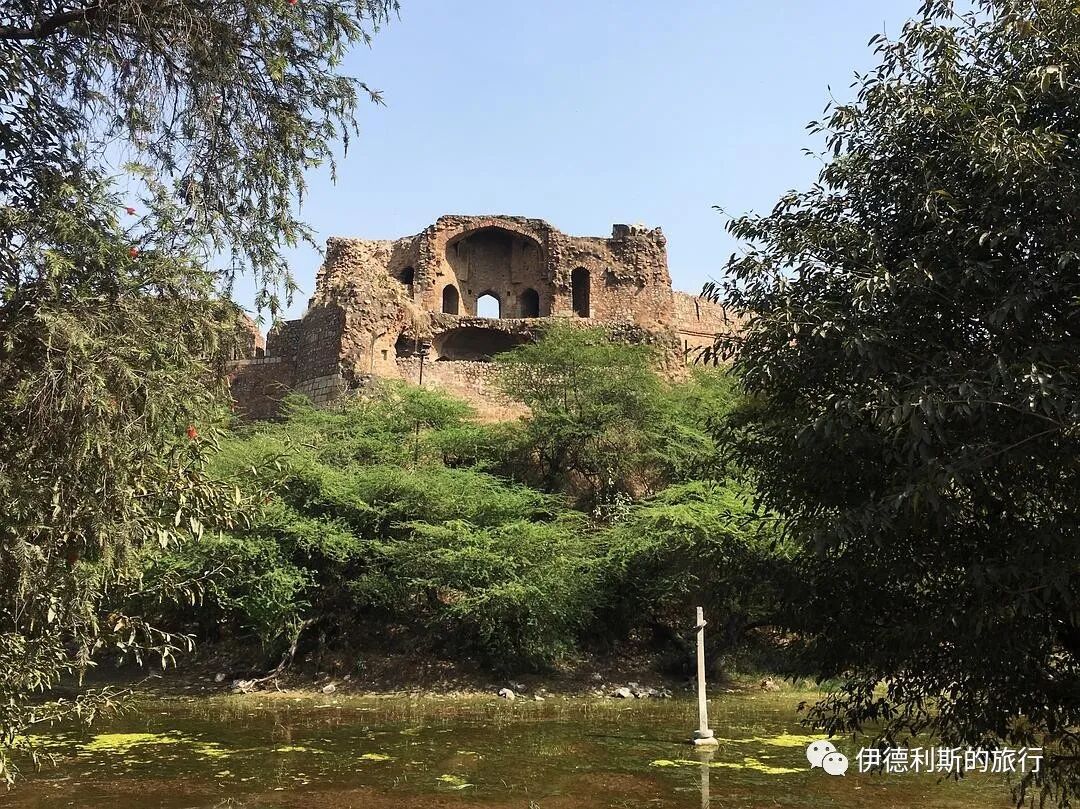
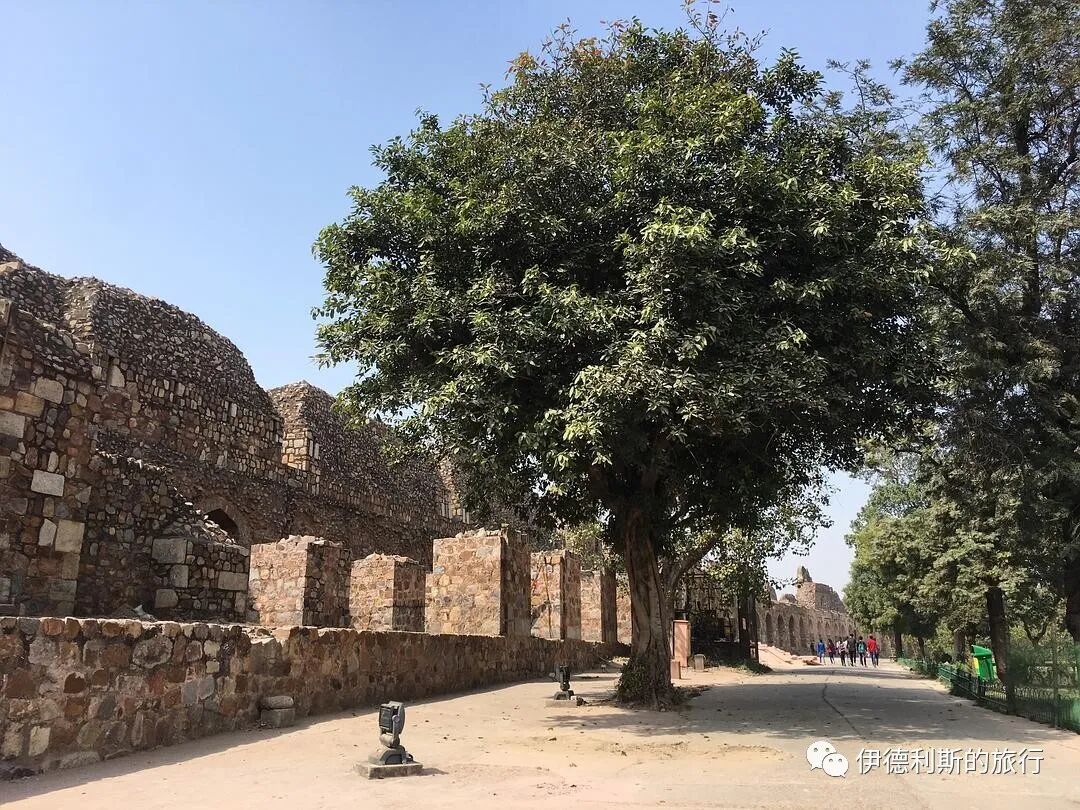
The walls of Shergarh are 18 meters high and 1.5 kilometers long, with three city gates. The west gate is the main entrance to the fortress and the tourist area, called Bara Darwaza. The south gate is called Humayun Darwaza. One theory is that Humayun built this gate, while another is that it faces Humayun's Tomb. The north gate is called Talaqi Darwaza, also known as the Forbidden Gate.
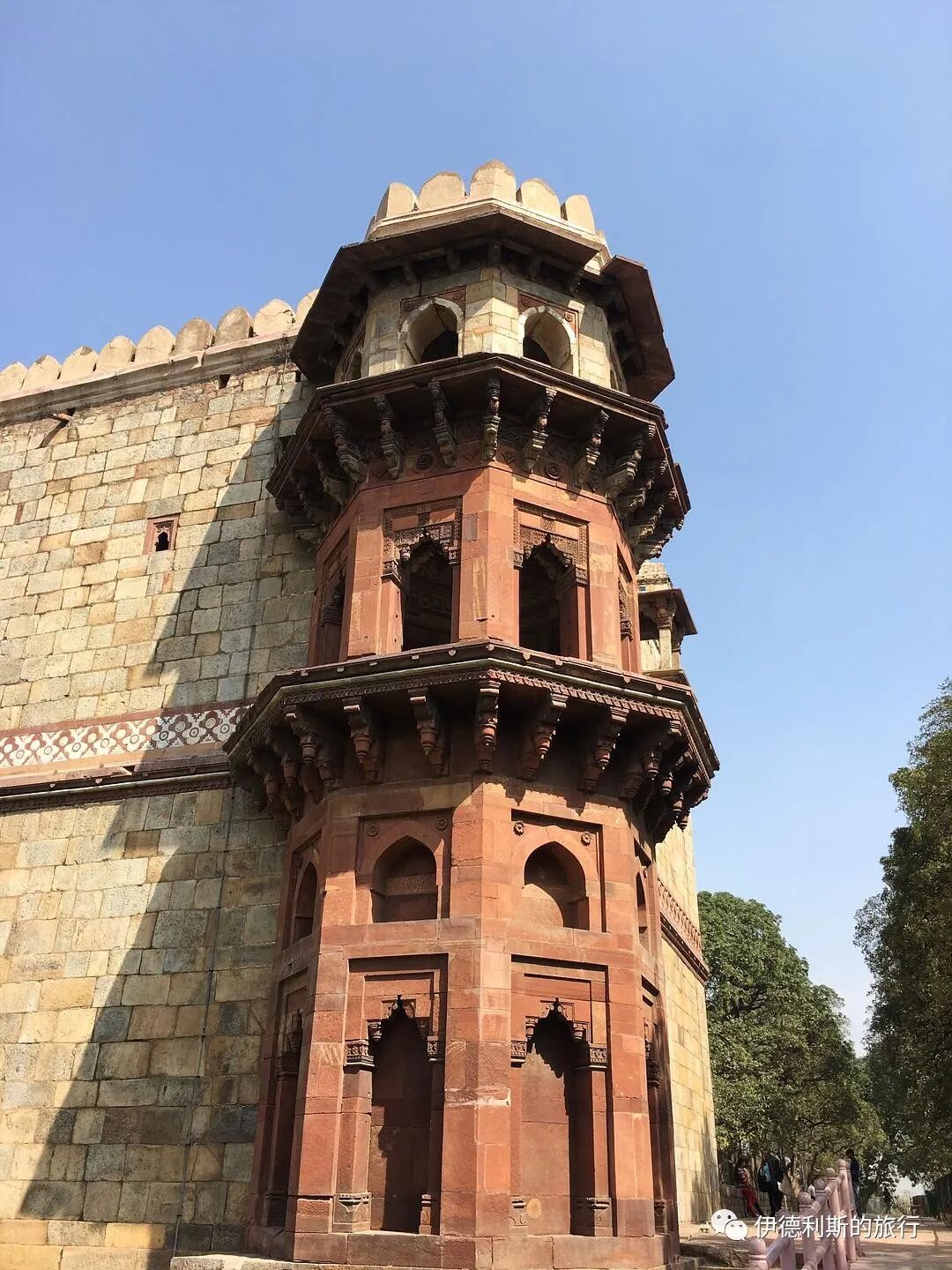
All three gates are double-layered sandstone structures with two huge semi-circular towers on either side. The gates have overhanging balconies and small pavilions (chhatris) on top, an architectural style that would be used repeatedly in later Mughal architecture.
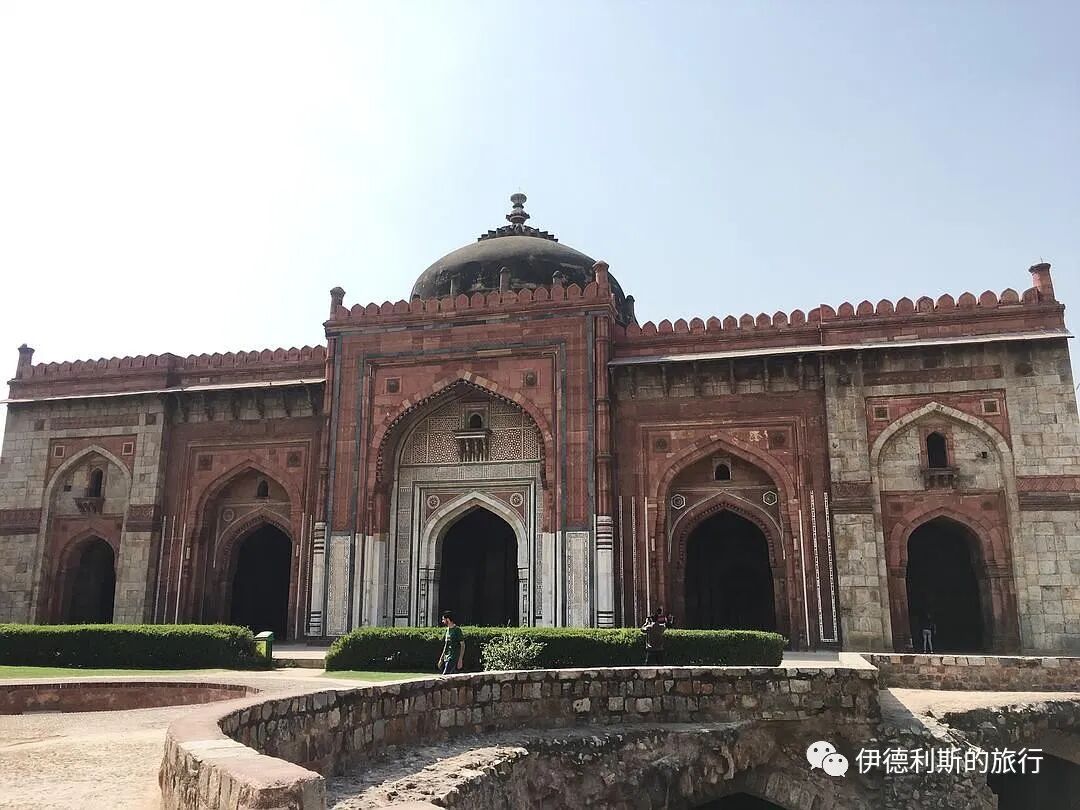
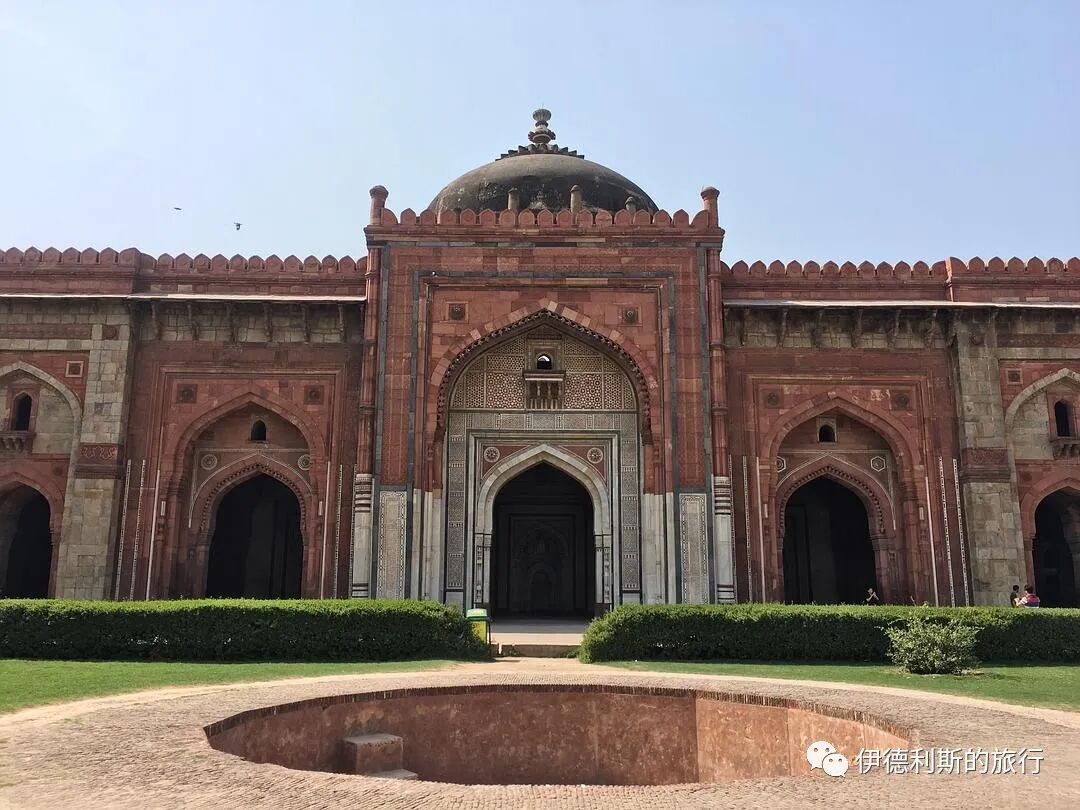
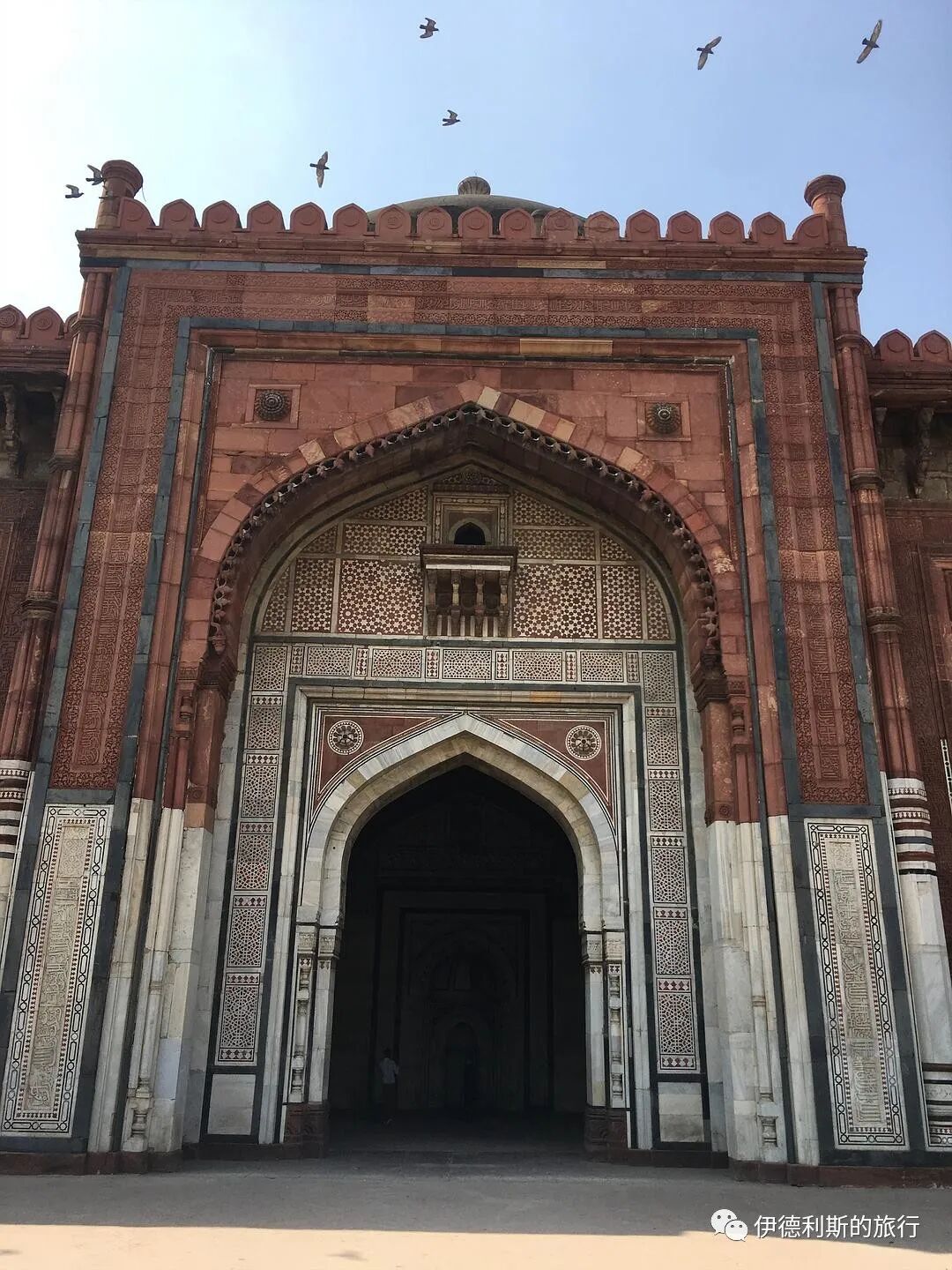
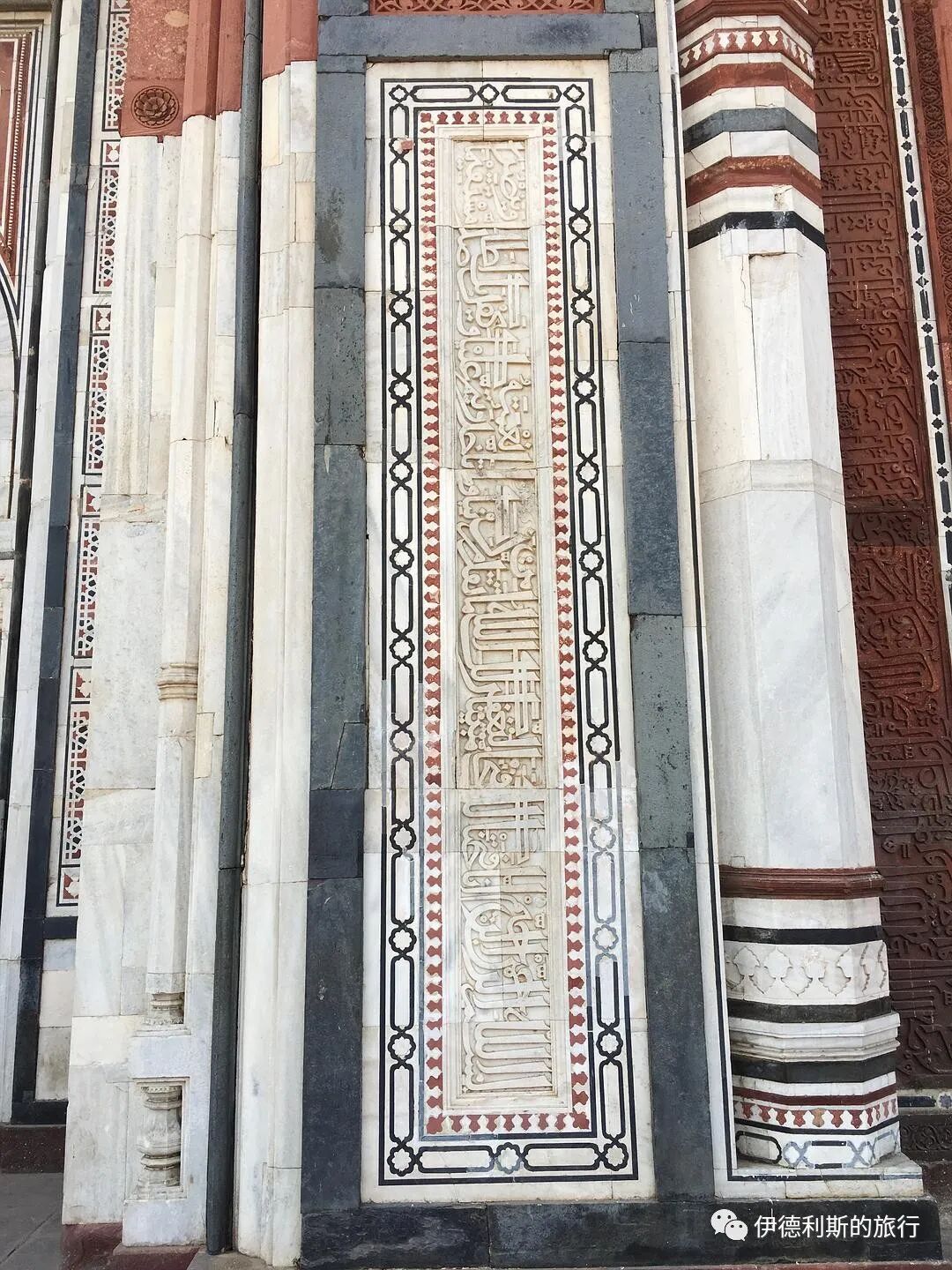
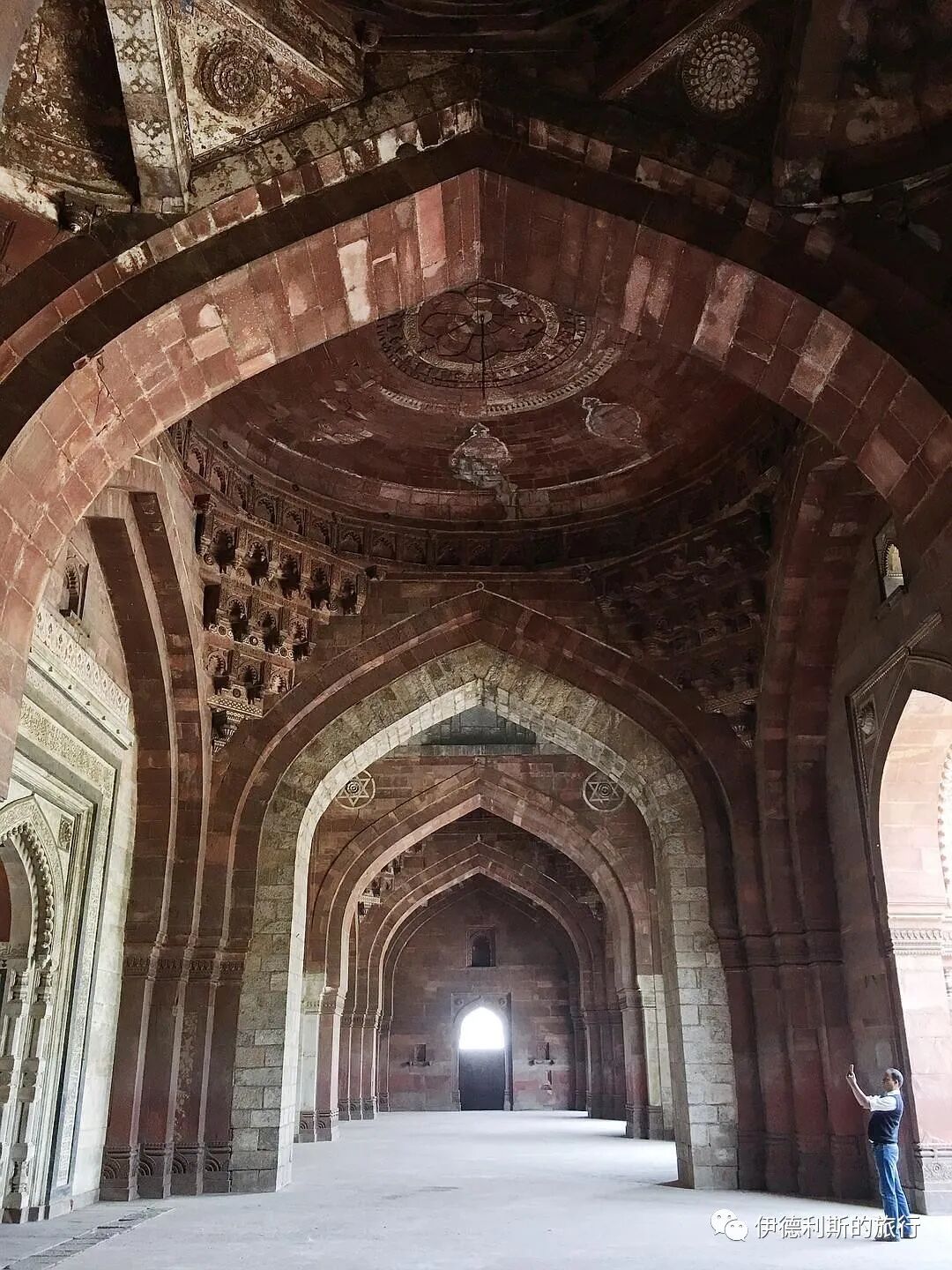
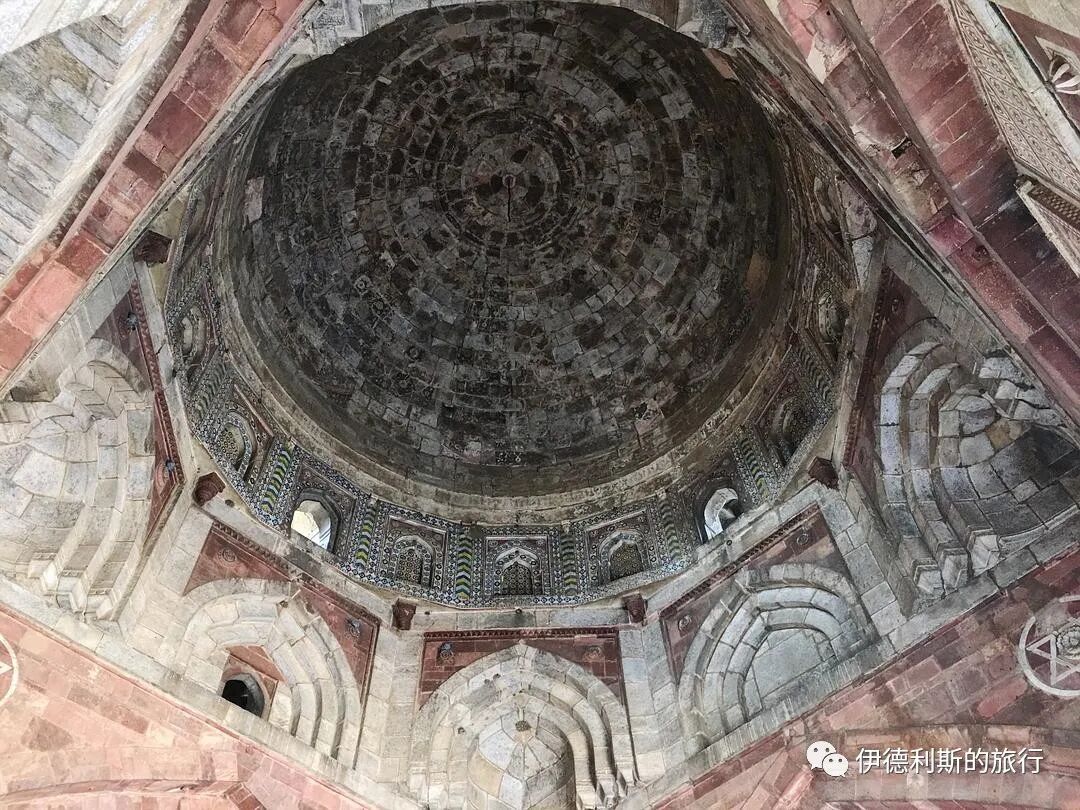
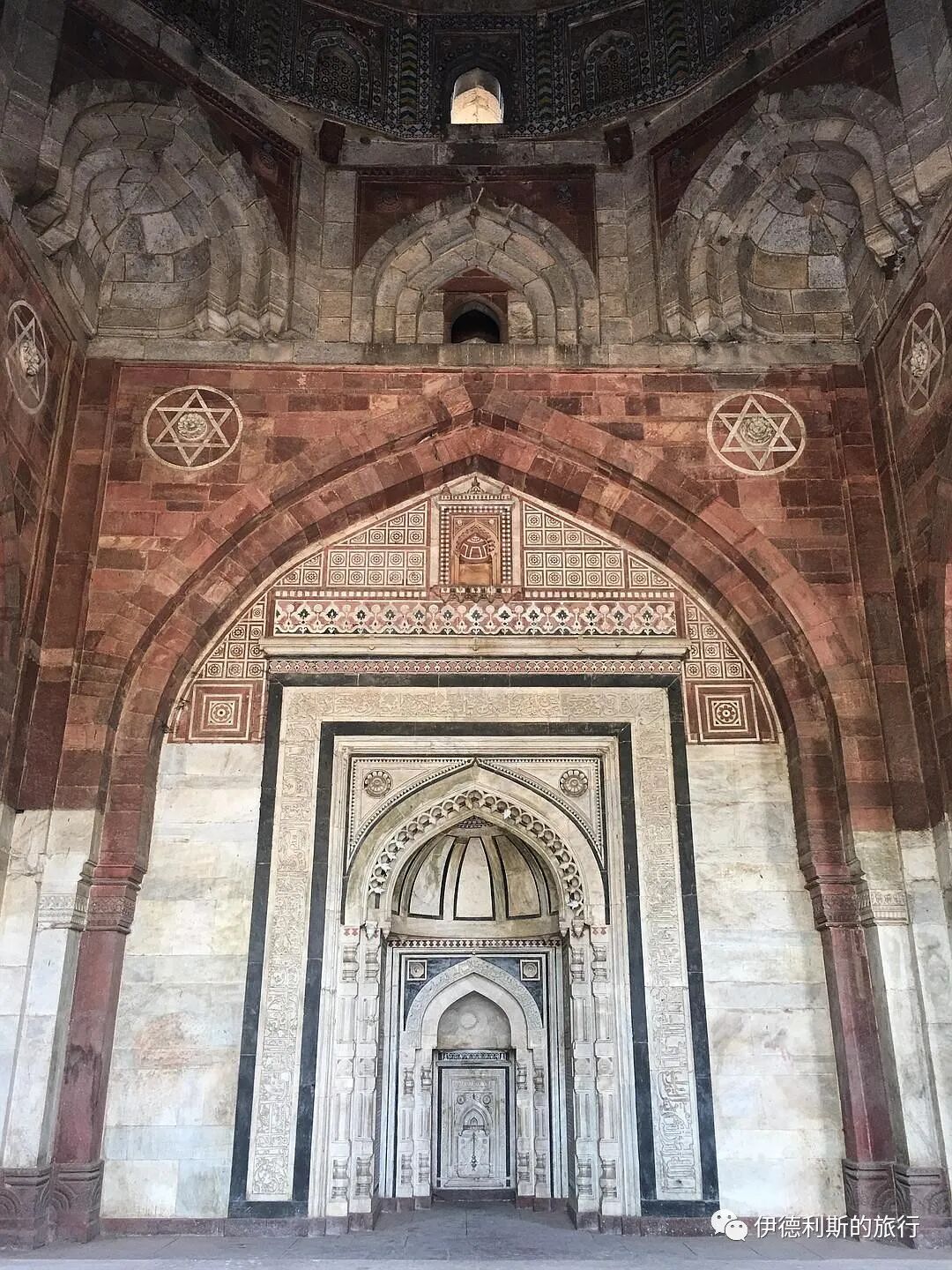
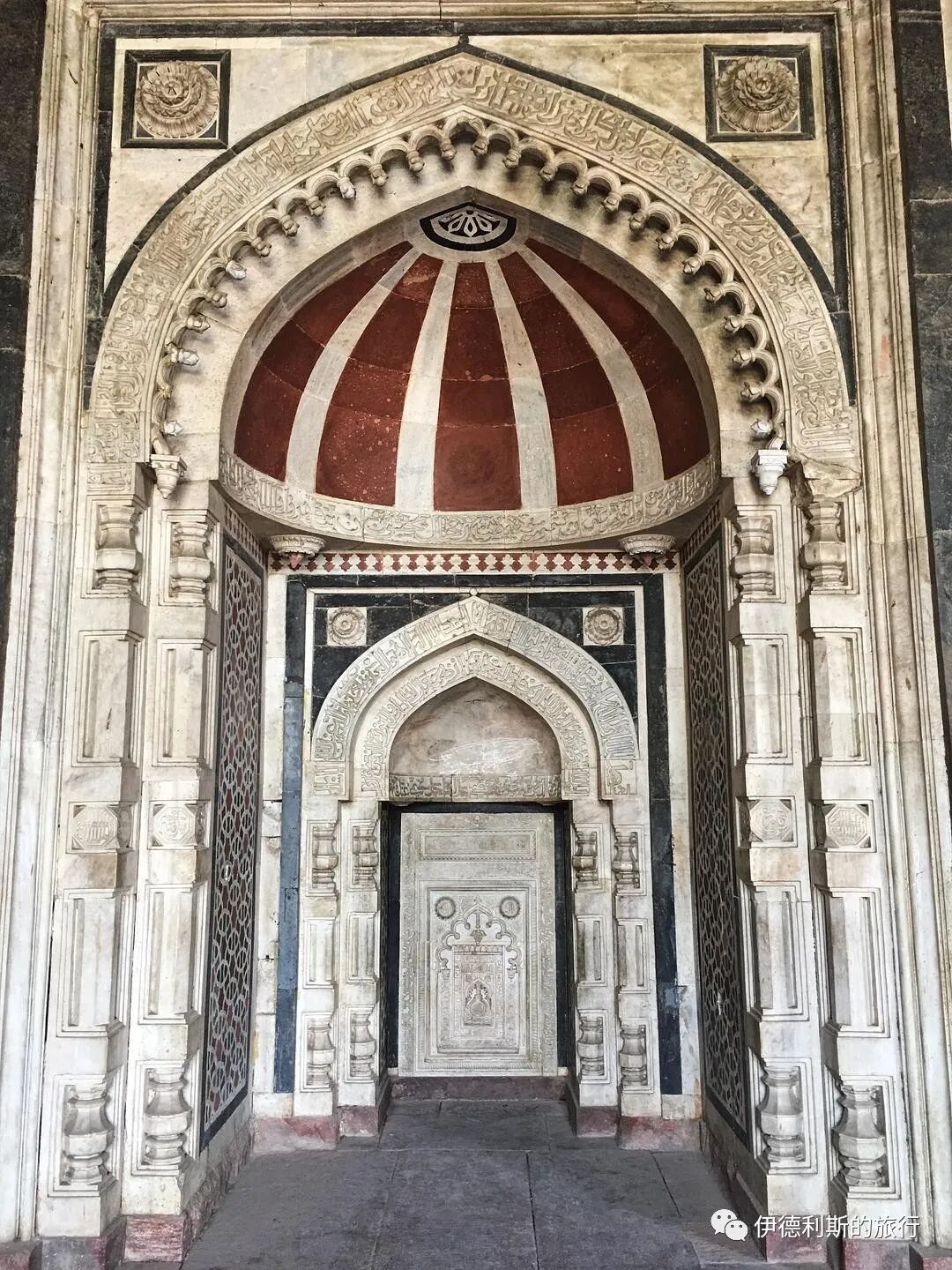
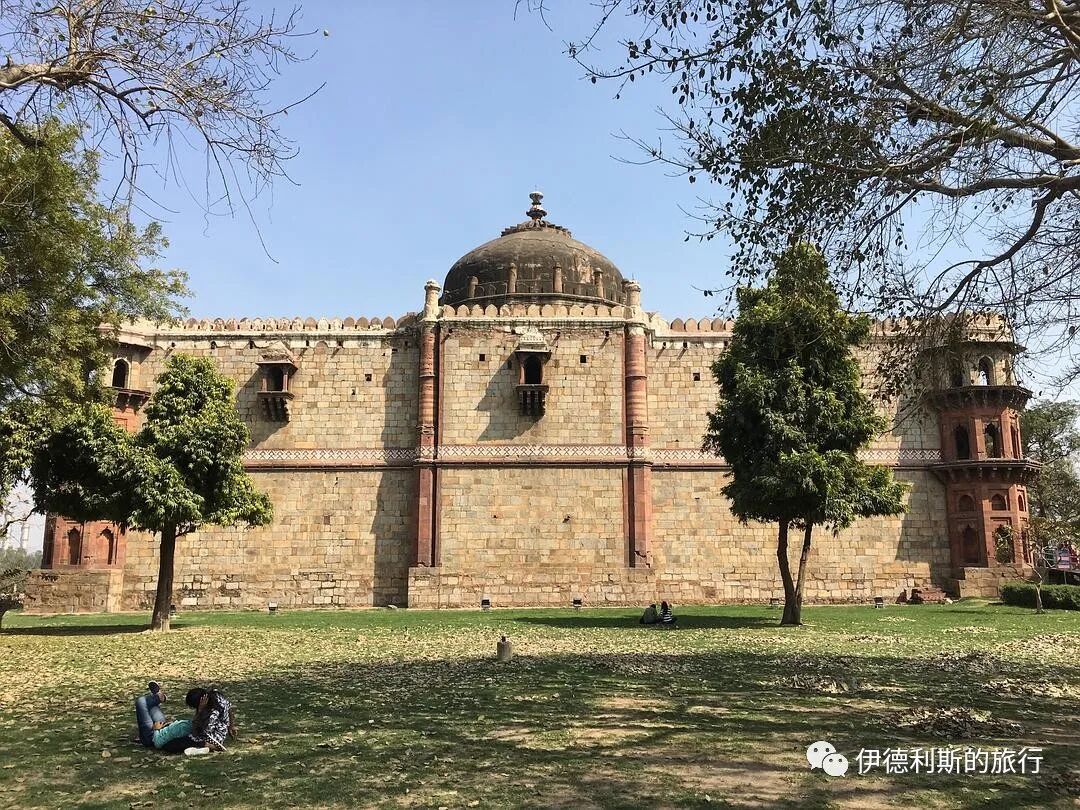
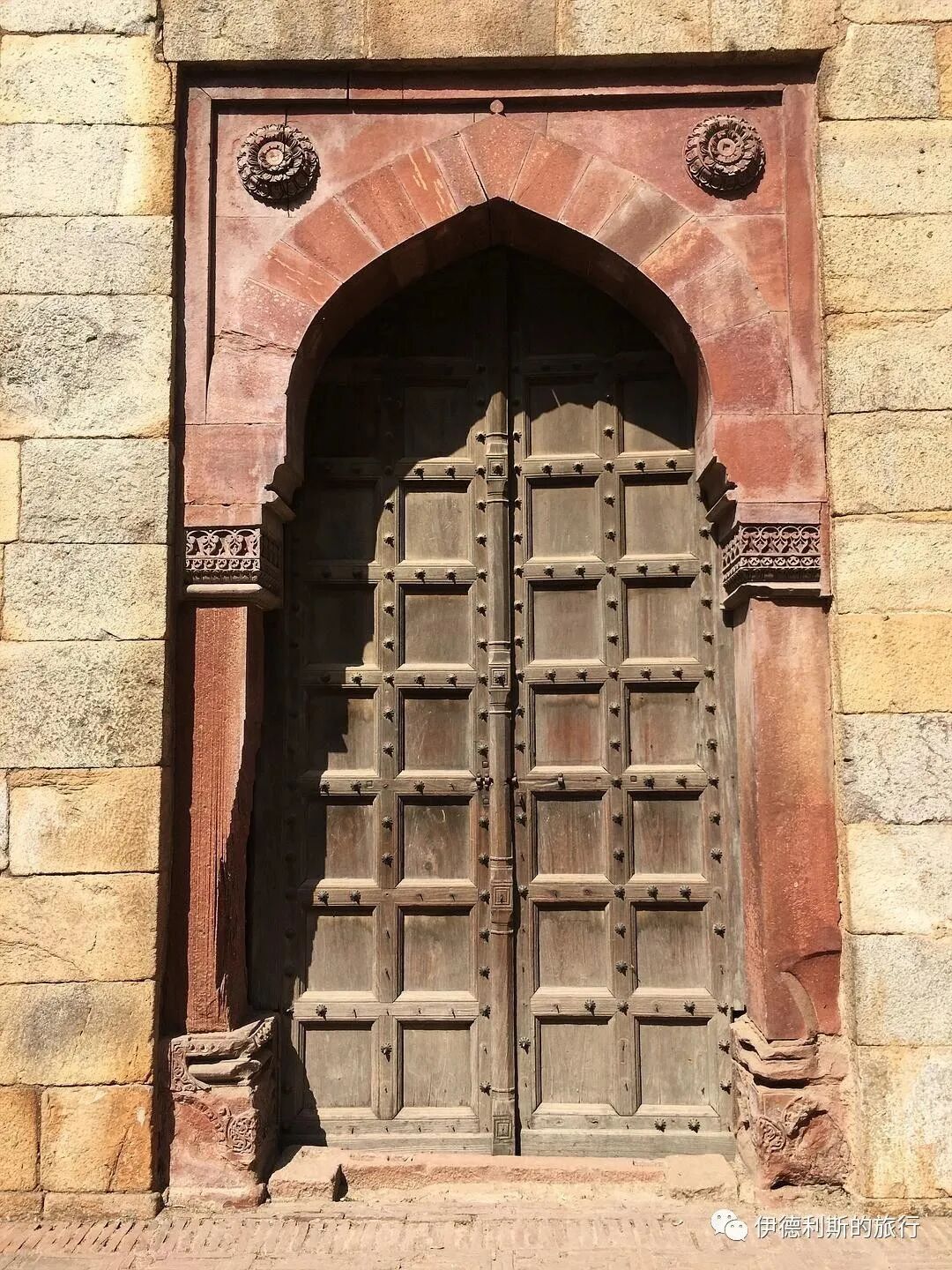
The Qila-i-Kuna mosque was built by Sher Shah in 1541 and served as the royal mosque of the Suri Dynasty. This semi-domed mosque is considered an important landmark in the transition of Indian Islamic architecture from the Lodi style to the Mughal style, and it is the largest and most exquisite of the five-arched mosques in India.
The five-arched mosque is an architectural style that developed during the Sayyid and Lodi dynasties of the Delhi Sultanate. The main hall of the mosque is divided into five sections by five arches, and each section has a mihrab. The mihrab inside the central arch is the largest, topped by a Lodi-style semi-circular dome.
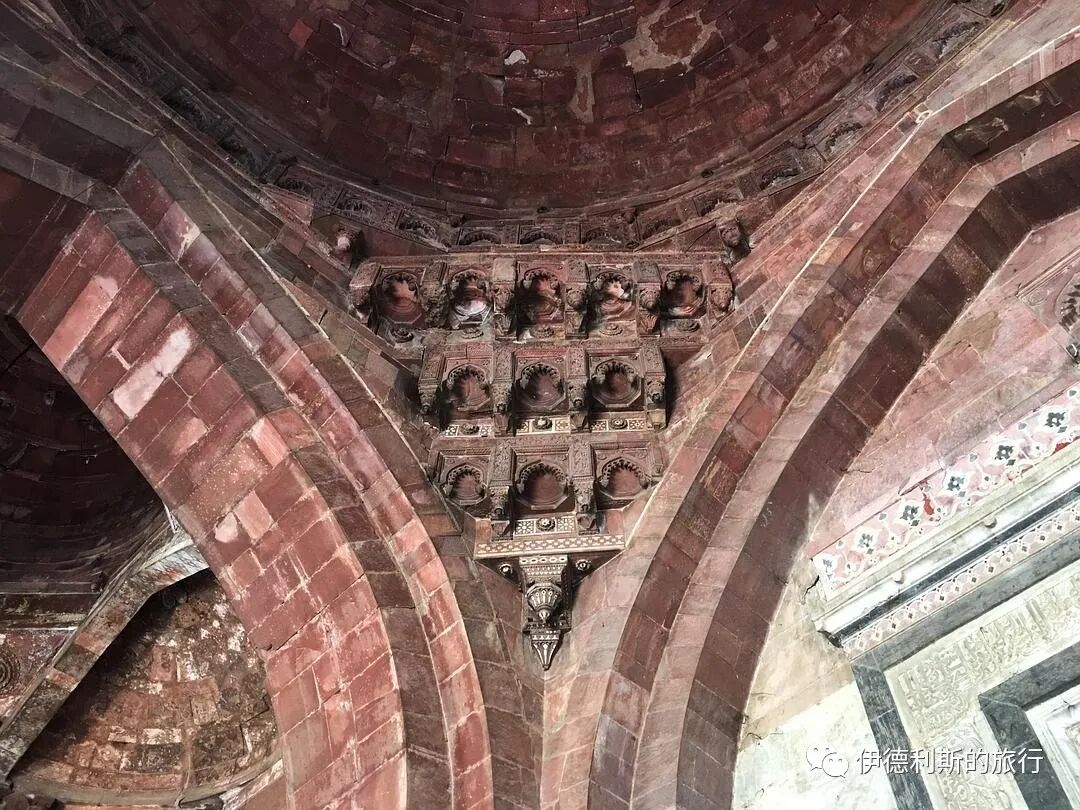
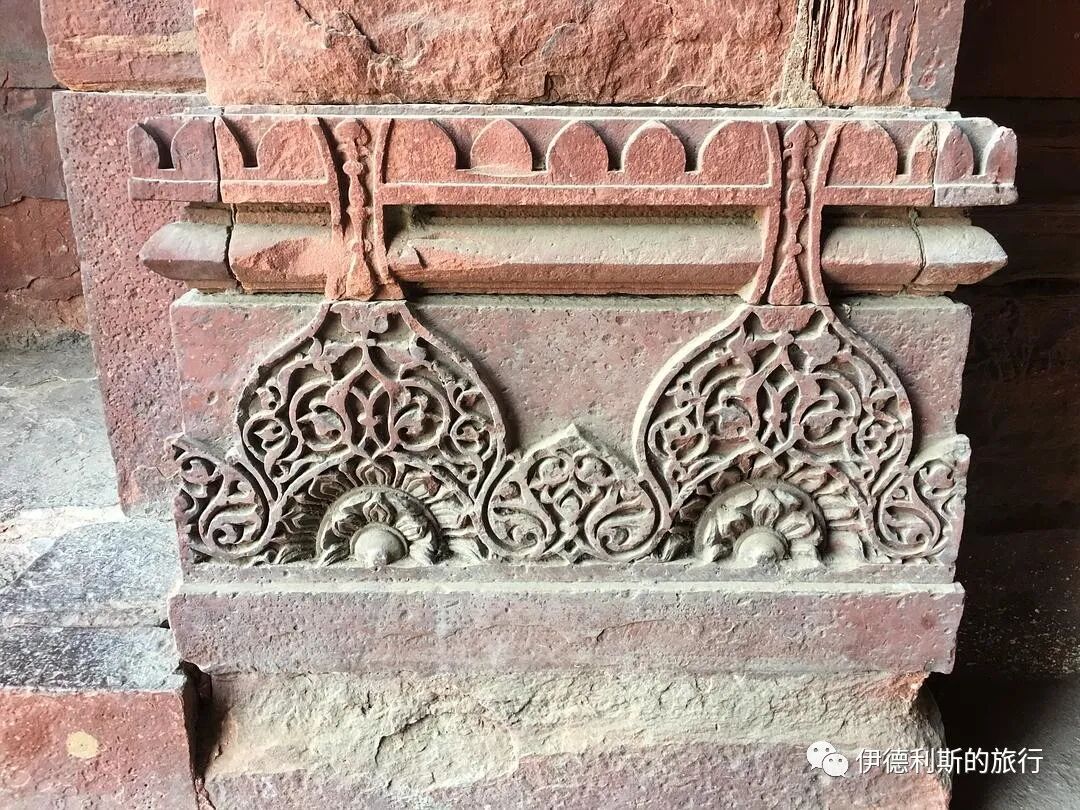
Sher Mandal is an octagonal pavilion with a very simple style. This beauty of simplicity comes from a return to Persian style, which is quite different from the architectural forms of the late Lodi dynasty of the Delhi Sultanate, and it is the earliest building of this style in Delhi.
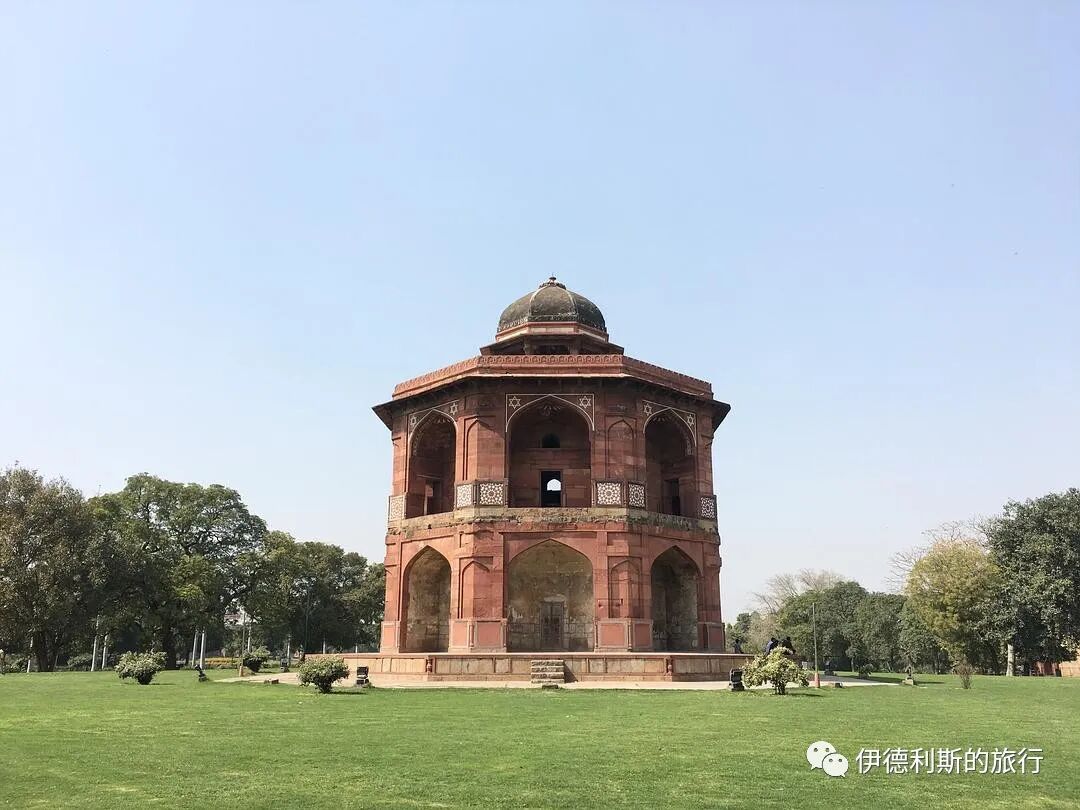
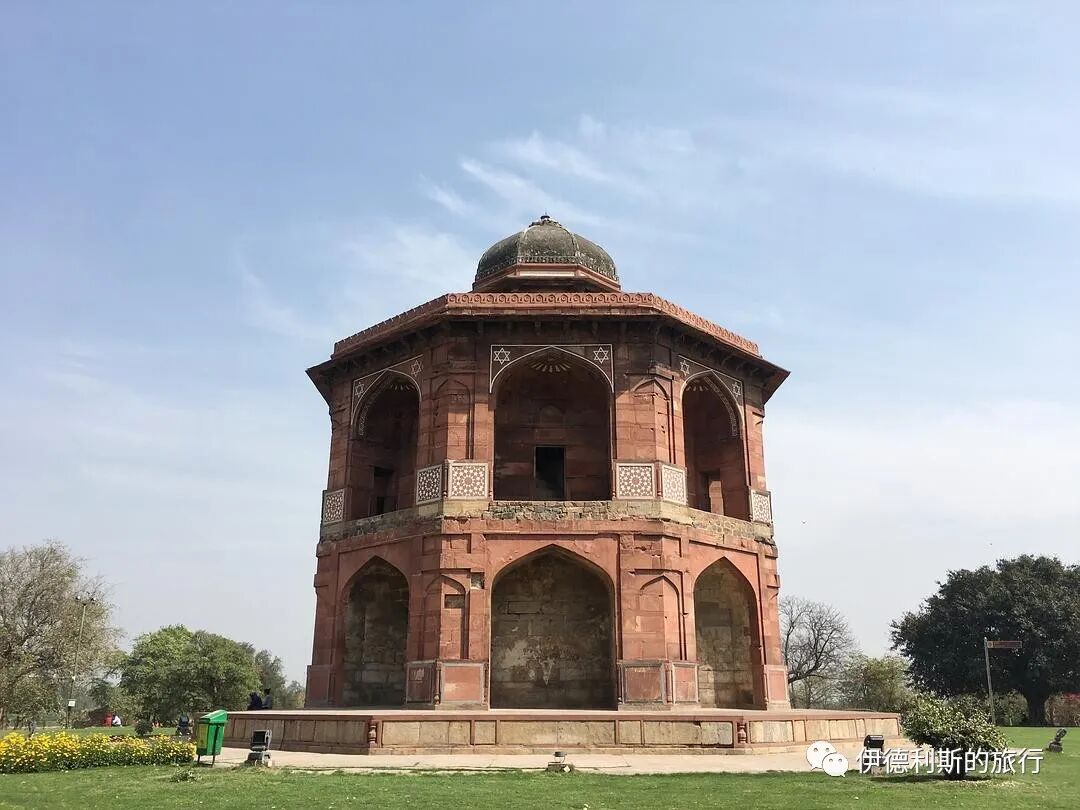
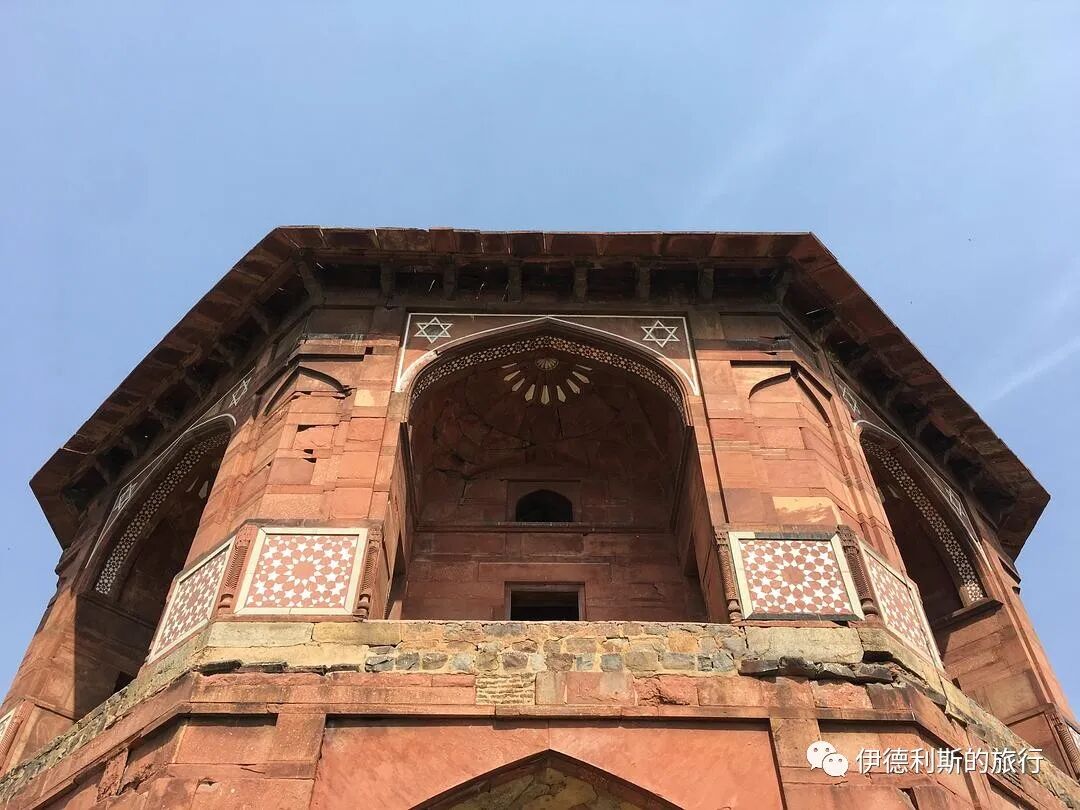
Although it looks like an early Mughal building, it is actually recognized as part of the palace built by Sher Shah, which was later converted by Humayun into a library and observatory. It is also known as the first observatory in Delhi.
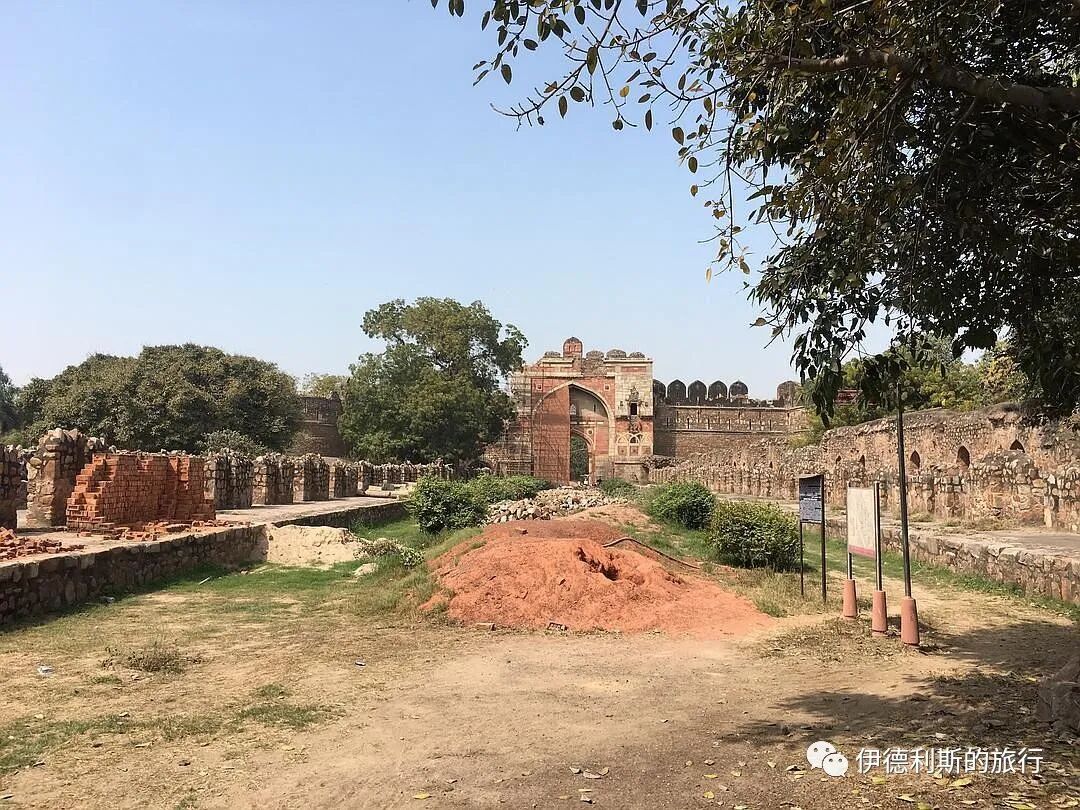
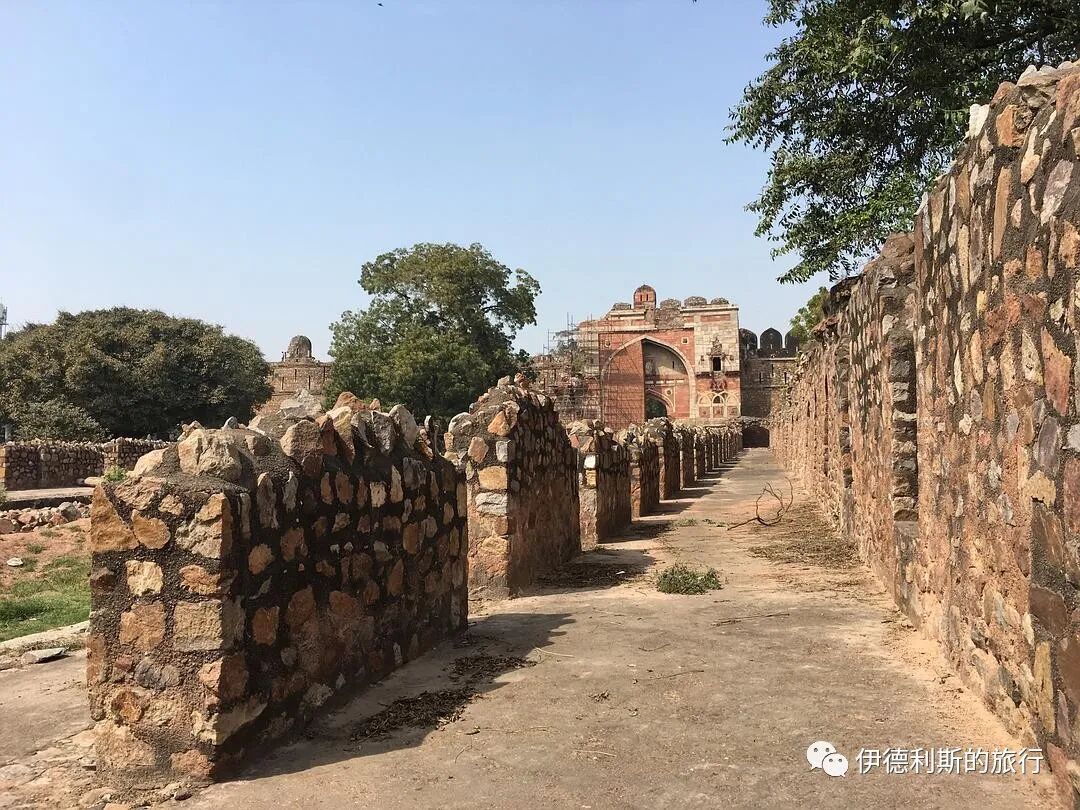
Salimgarh Fort is located on the north side of the Red Fort in Delhi and was built in 1546 by Salim Shah, the son of the Suri Dynasty ruler Sher Shah. People say before Humayun recaptured Delhi in 1555, he stayed here for three days.
Salimgarh Fort has many ghost stories, the most famous being that of Zebunnisa, the daughter of the Mughal Emperor Aurangzeb. Legend says she wore a black veil and sang poems she had written herself under the moonlight. Additionally, some people claim to hear the groans of Indian National Army soldiers who were tortured to death here at night.
In 2007, this site became a UNESCO World Heritage site.
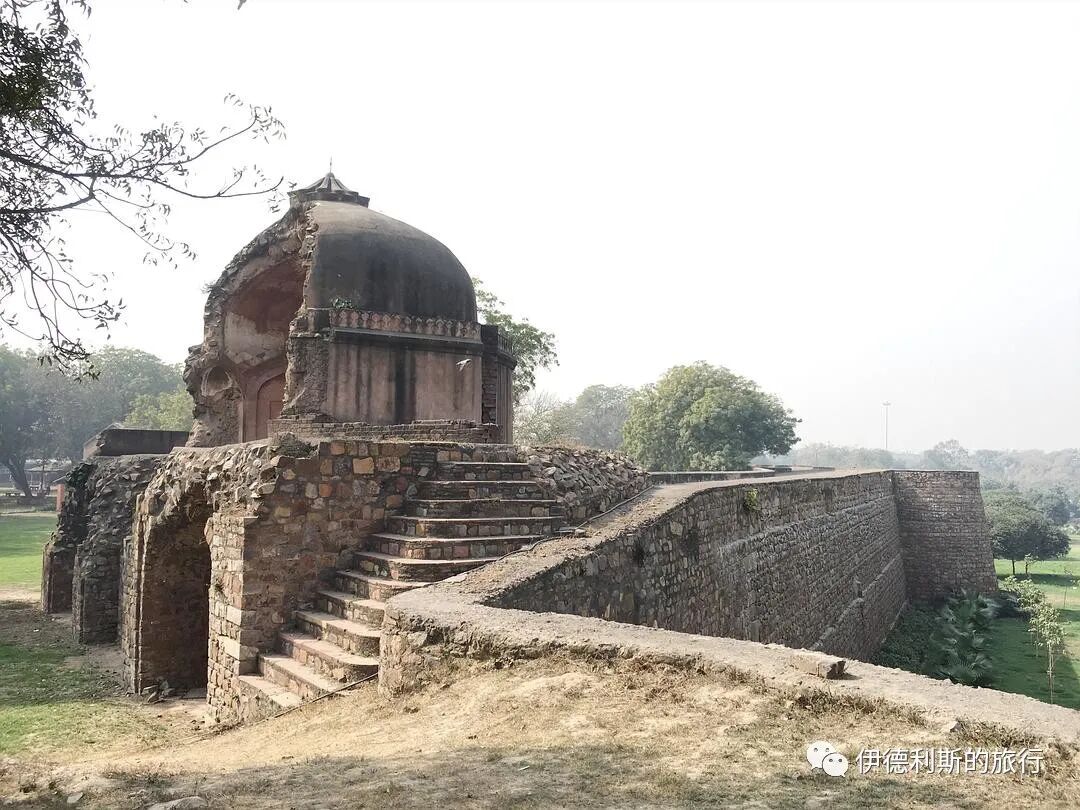
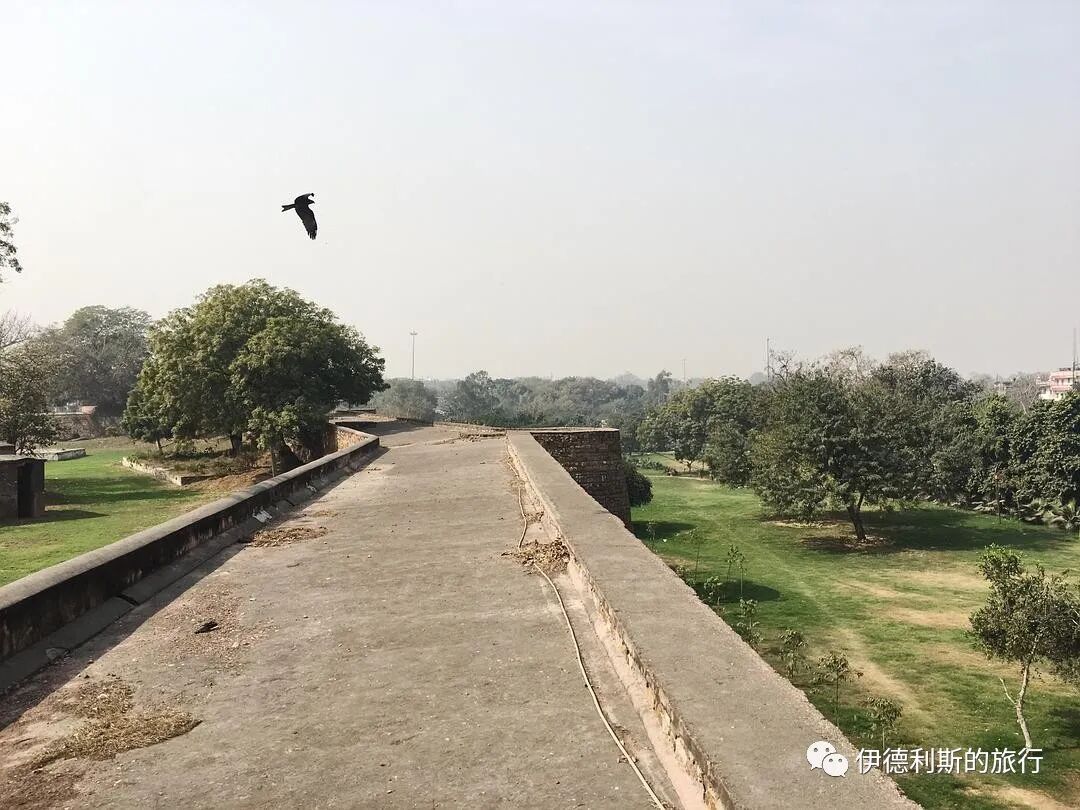
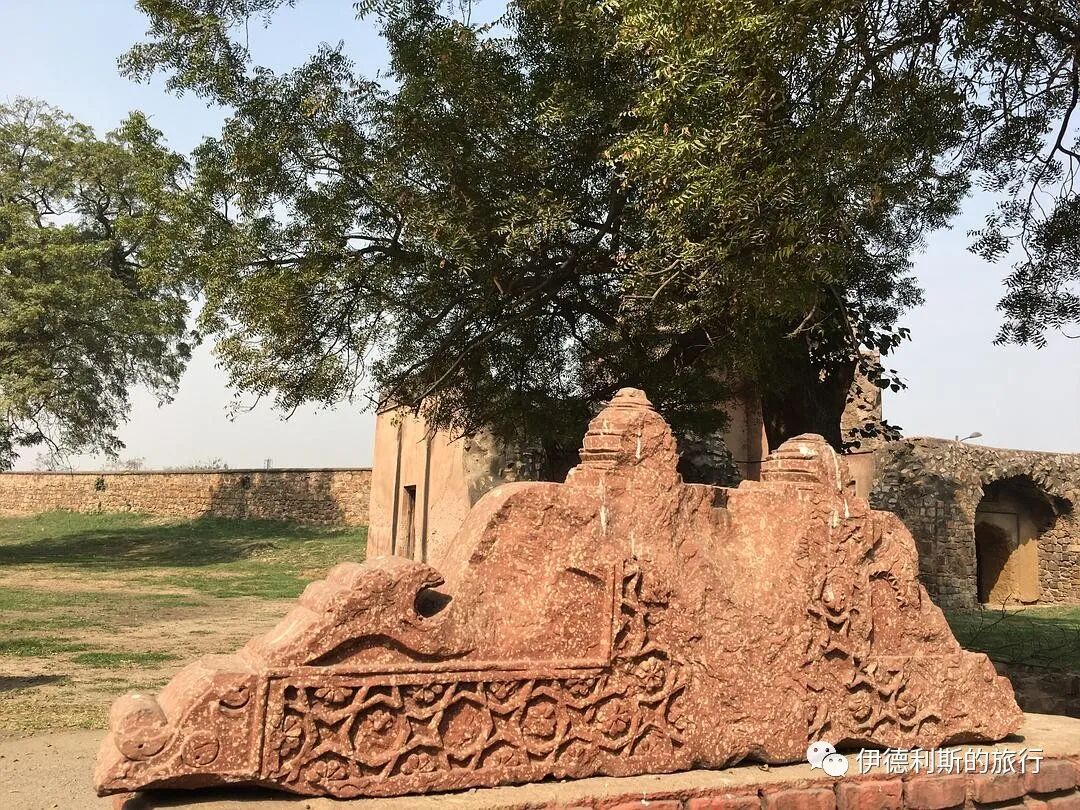
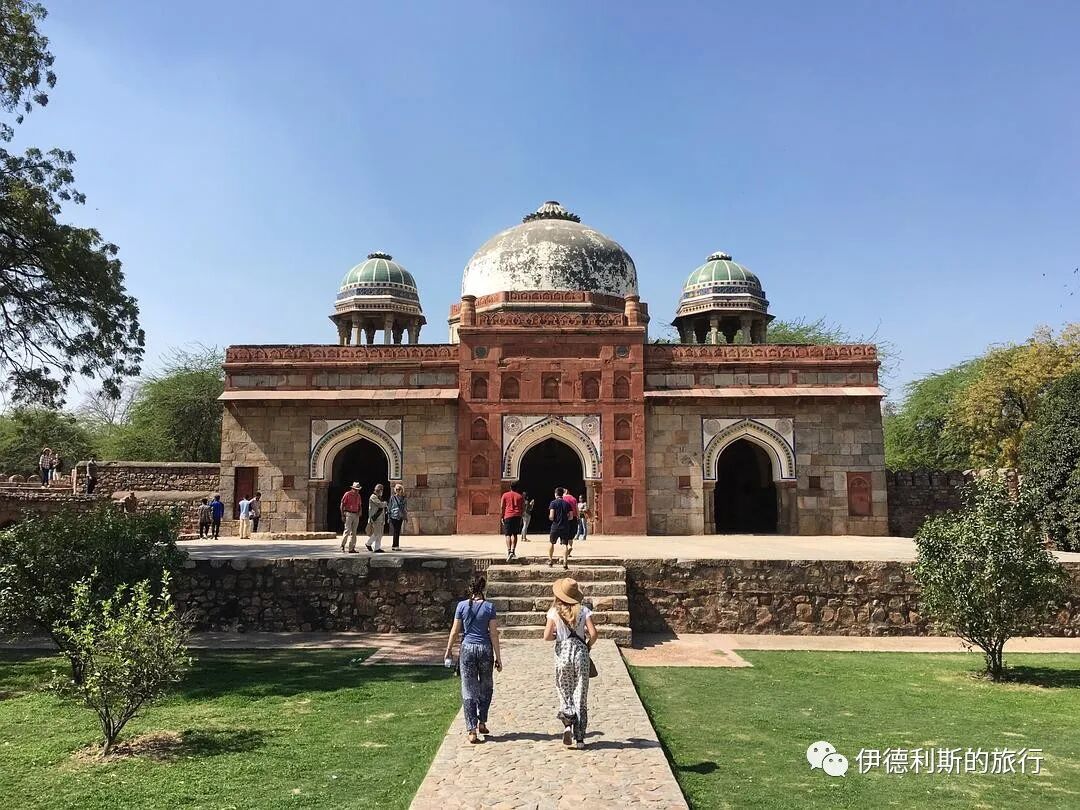
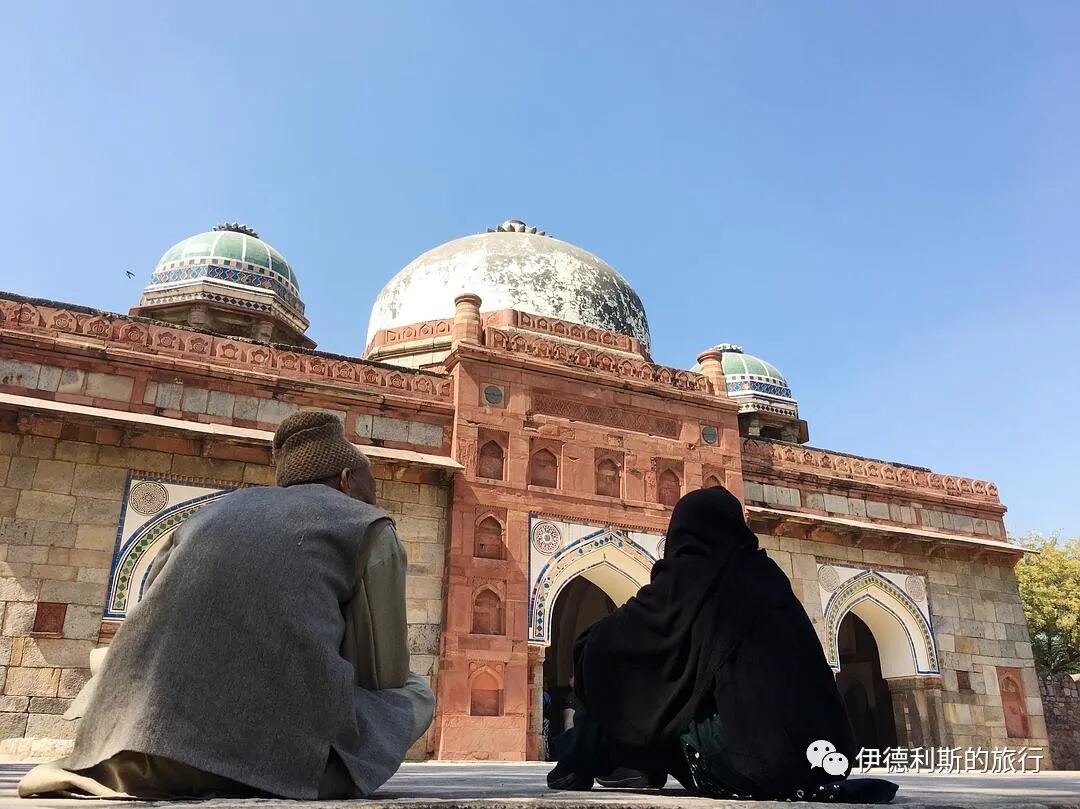
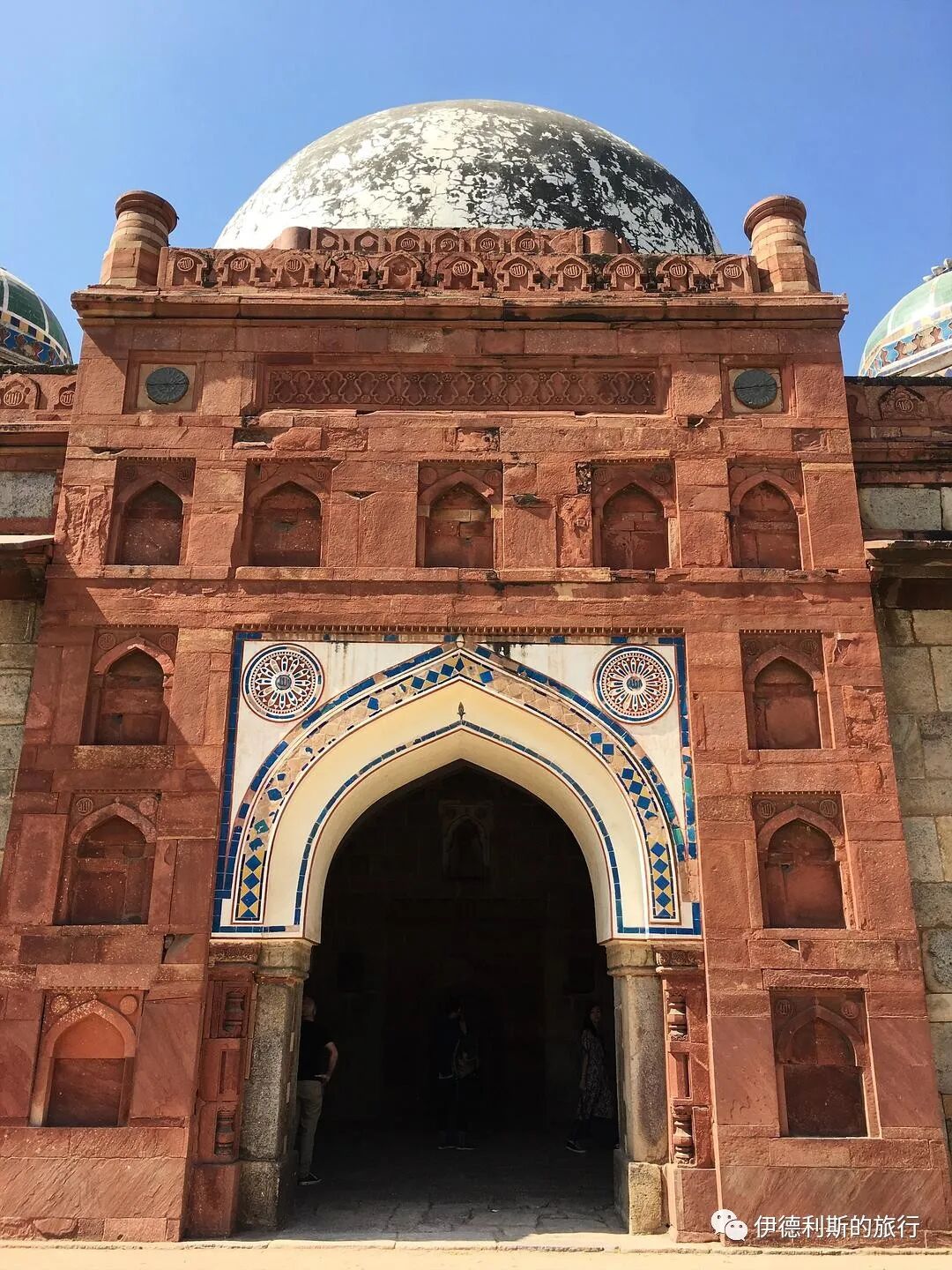
Isa Khan was a nobleman of the Sur Empire, coming from the Niazi tribe of the Pashtuns in Afghanistan. Isa Khan died in 1548. Before he passed away, he built his own tomb and mosque in the southern suburbs of Dinpanah, near the shrine of Nizamuddin. Later, this area also became the site of Humayun's tomb. As a prominent figure in the Sur Empire, Isa Khan was one of the last nobles of the dynasty to be buried in an Afghan-style tomb.
On August 5, 2011, the oldest sunken garden in India was discovered during the restoration of the tomb. This is considered the first Indian-style sunken garden attached to a tomb in India, a design that was later further developed at the tomb of Akbar and the Taj Mahal.
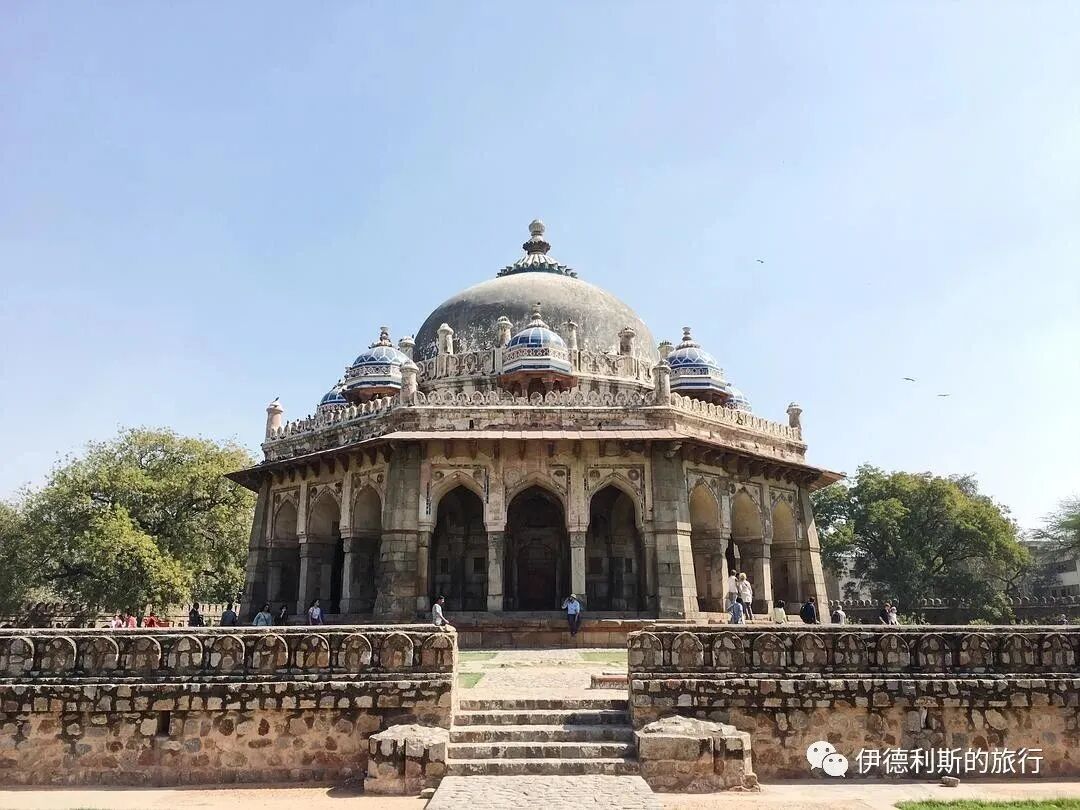
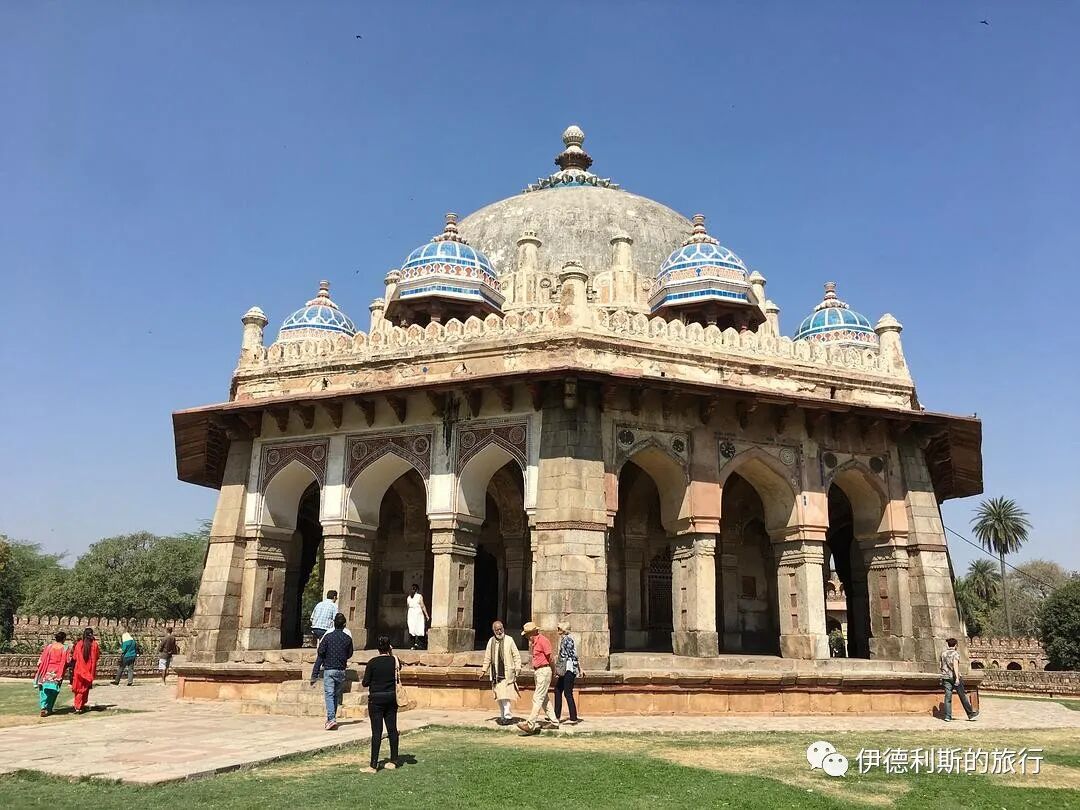
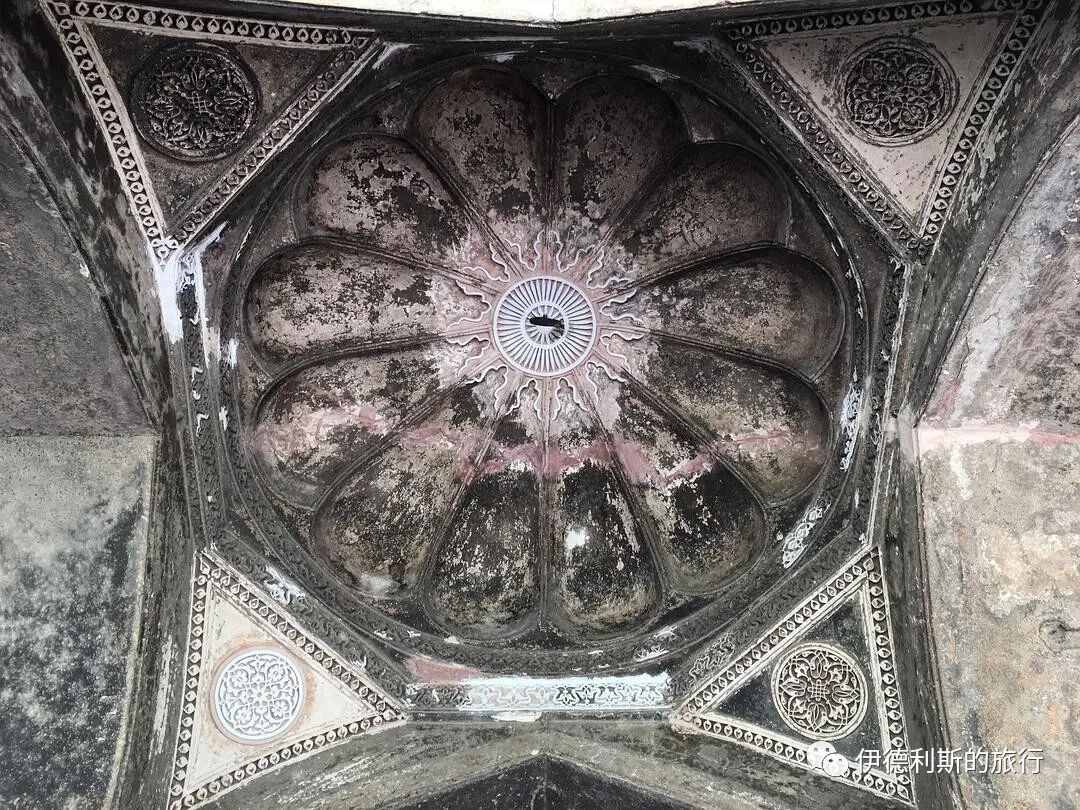
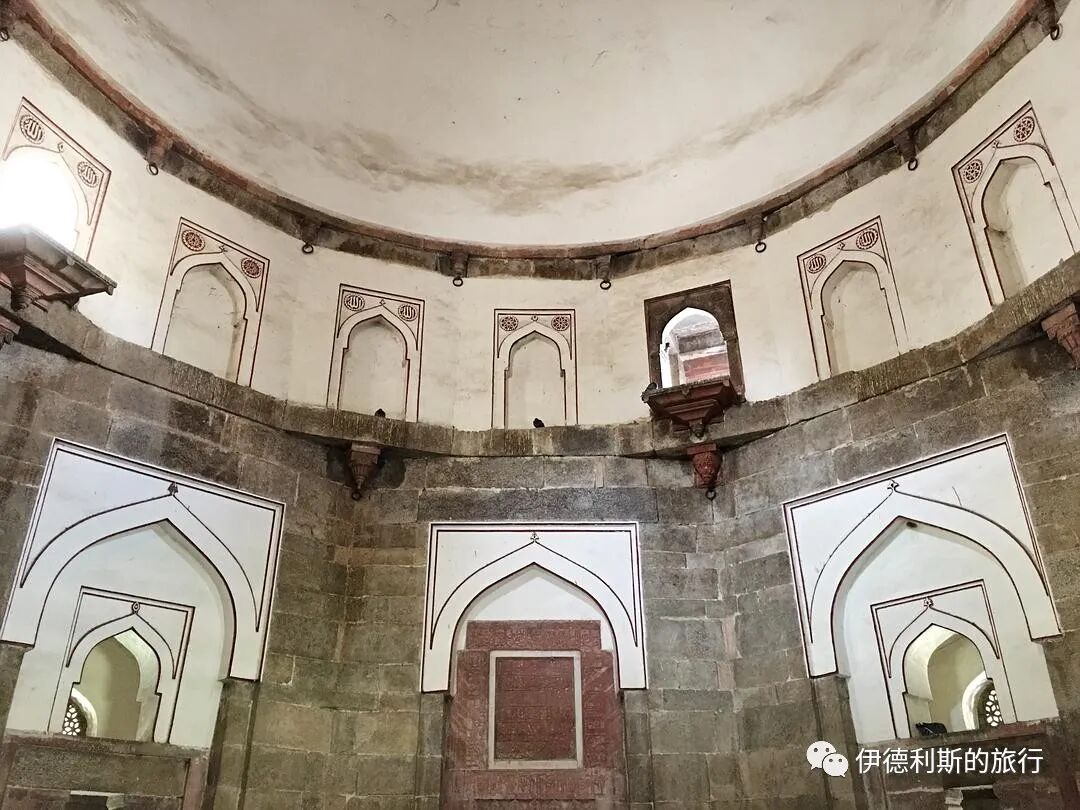
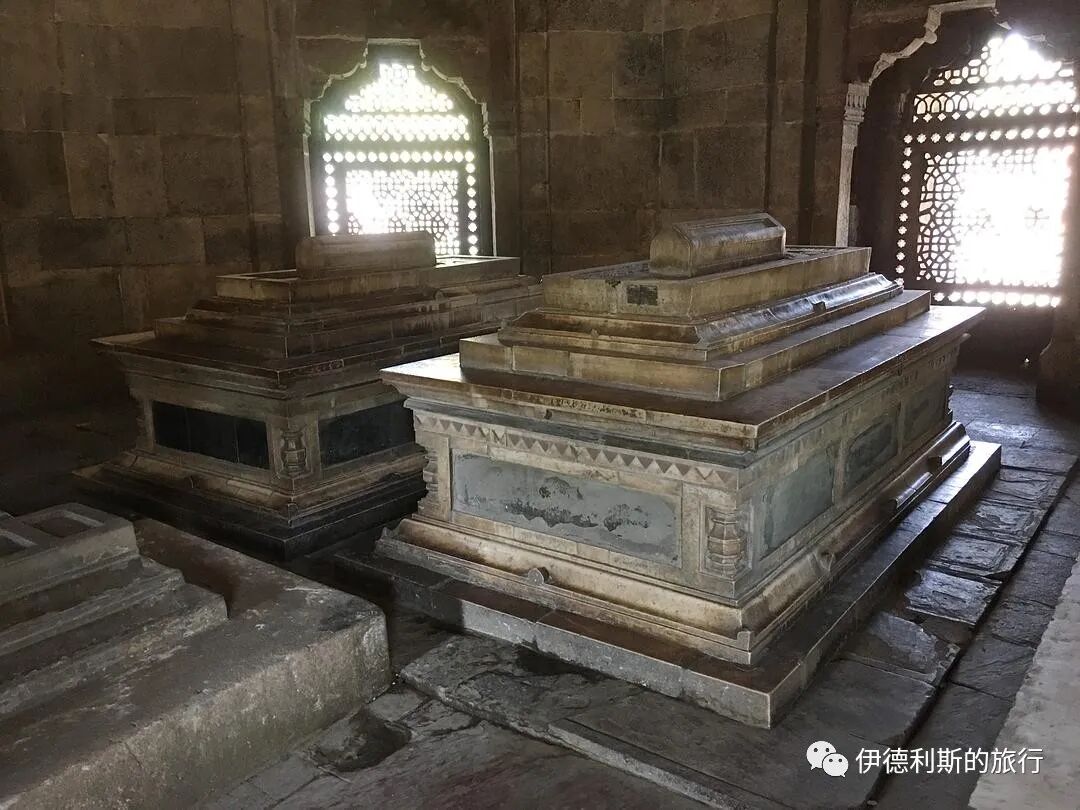
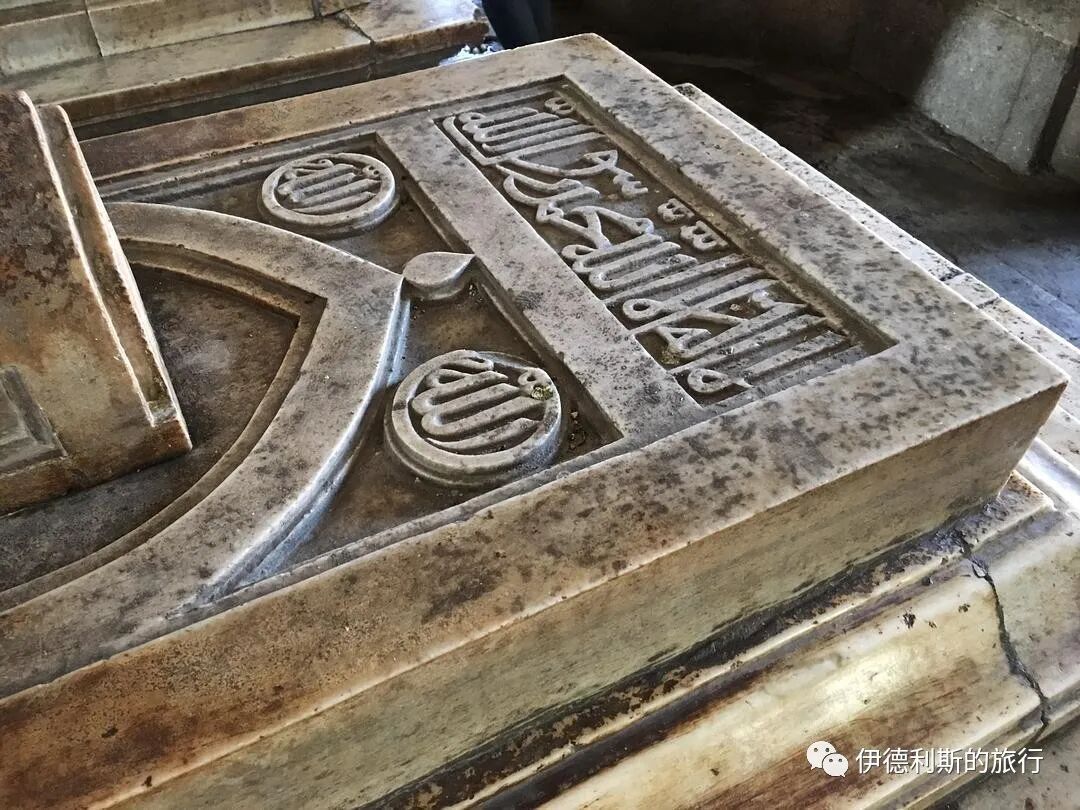
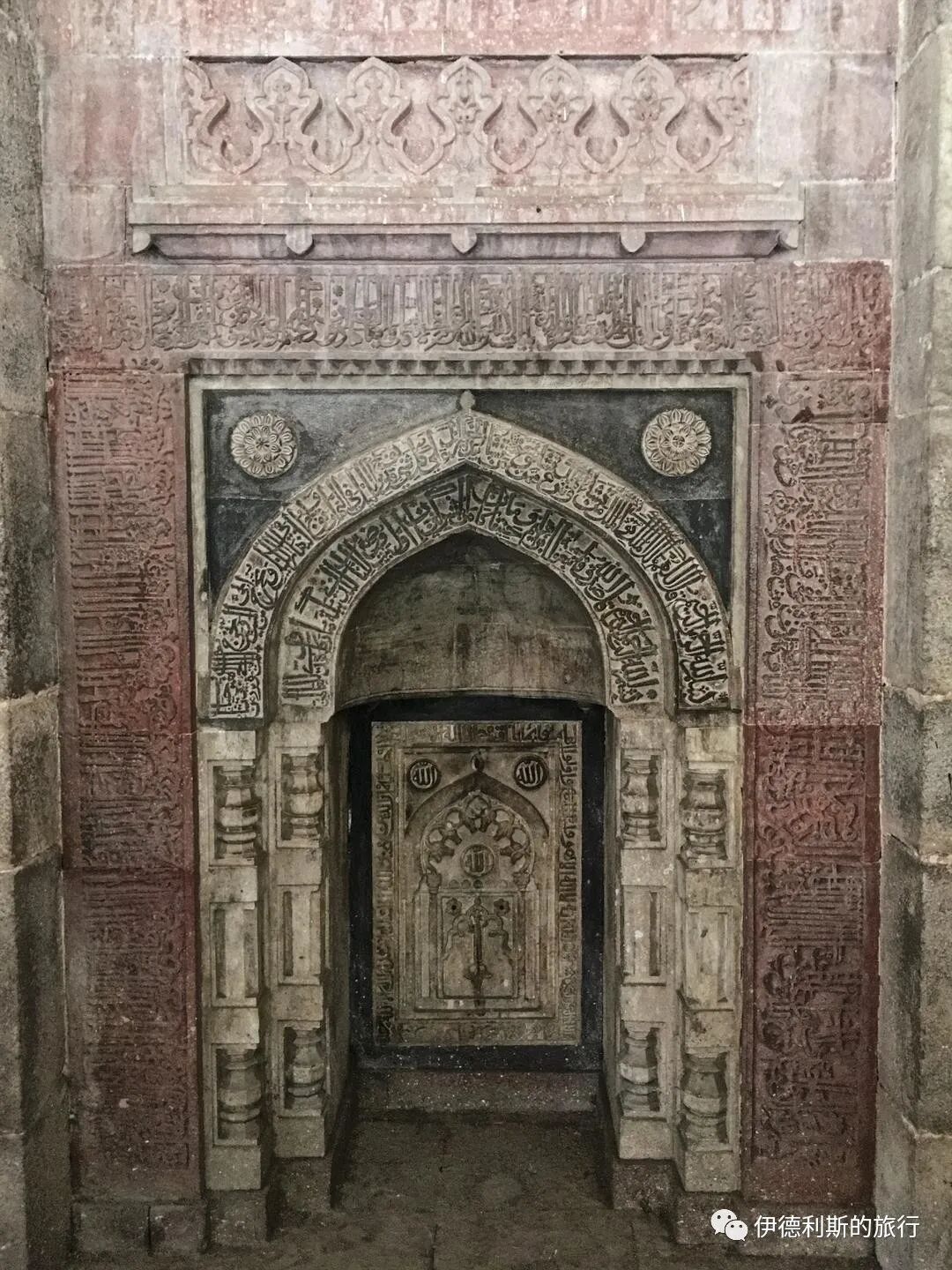
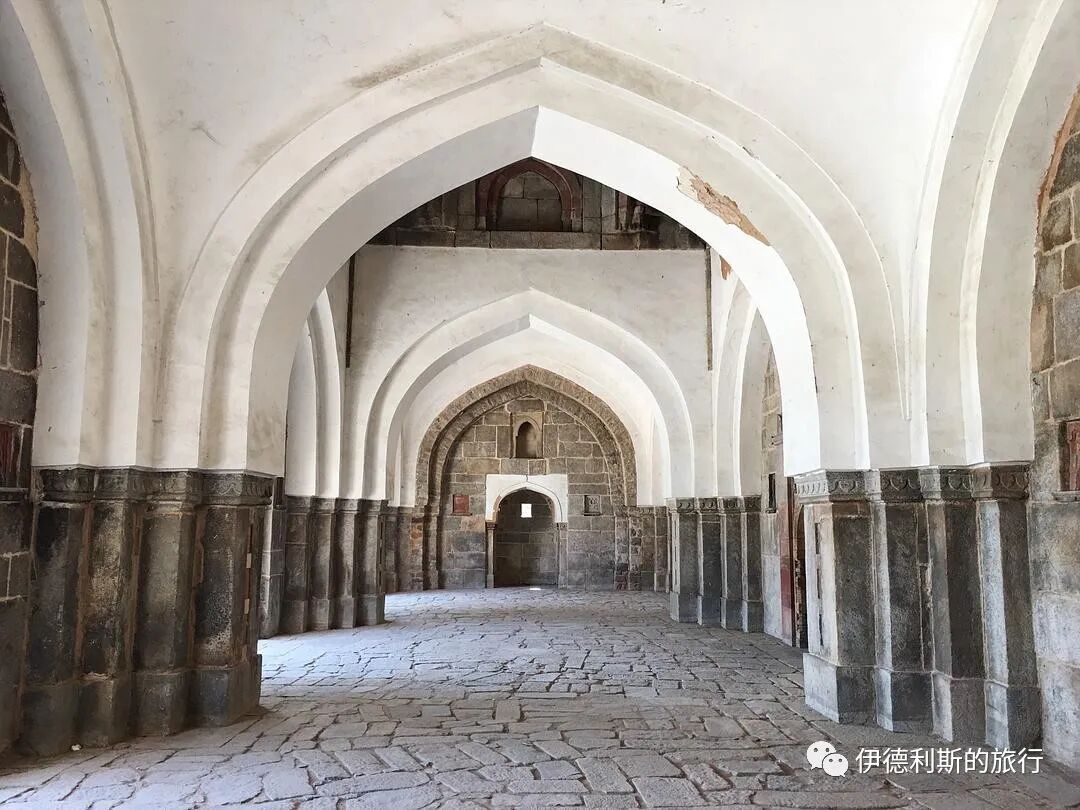
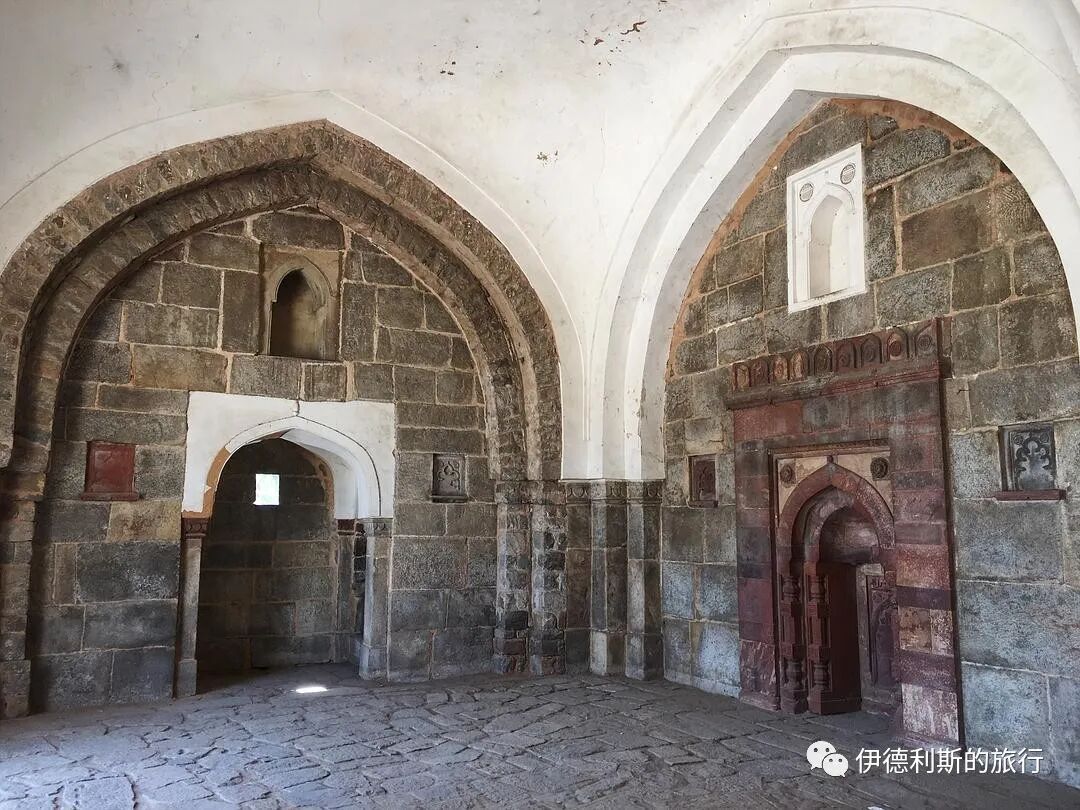
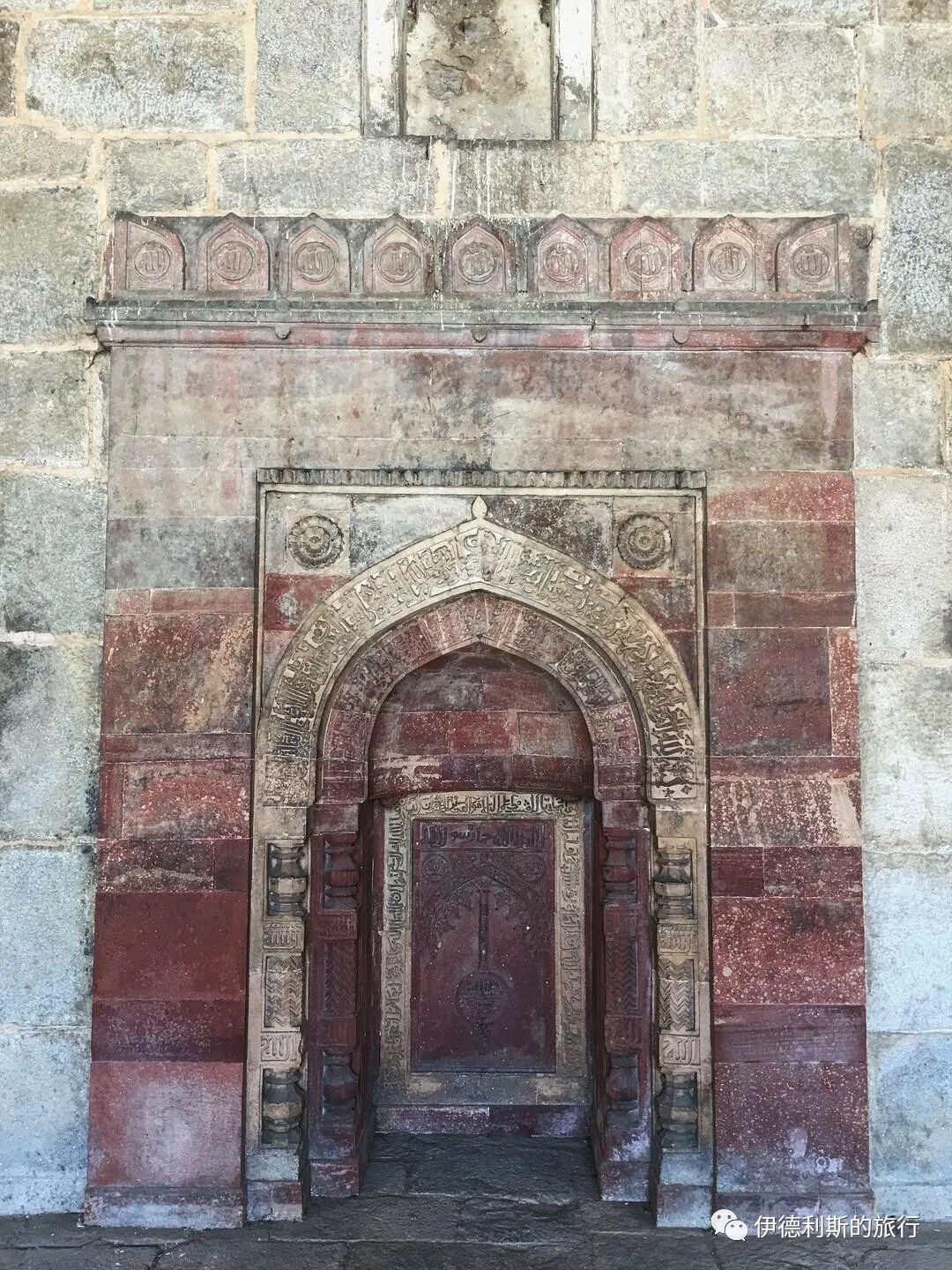
The Isa Khan Mosque was built during the same period as the tomb, and its biggest feature is the use of two pavilions instead of a dome. many details in the mosque were further developed in the later Humayun's Tomb.
Legacy of the Delhi Sultanate
We head south from Delhi to Gujarat to look at the state that became independent from the Delhi Sultanate.
1. The Gujarat Sultanate in Western India (1407–1573)
The Gujarat Sultanate was located in the state of Gujarat in western India. Its founder was originally the governor (Nawab) of the Delhi Sultanate in Gujarat, and he became officially independent after Timur invaded the Delhi Sultanate.
In the first half of the 16th century, the Gujarat Sultanate was invaded twice by the Rajputs and the Mughal Empire, but they were eventually driven away. In 1550, the Gujarat Sultanate was ruled by Sultan Mahmud Shah III (reigned 1537–1554).
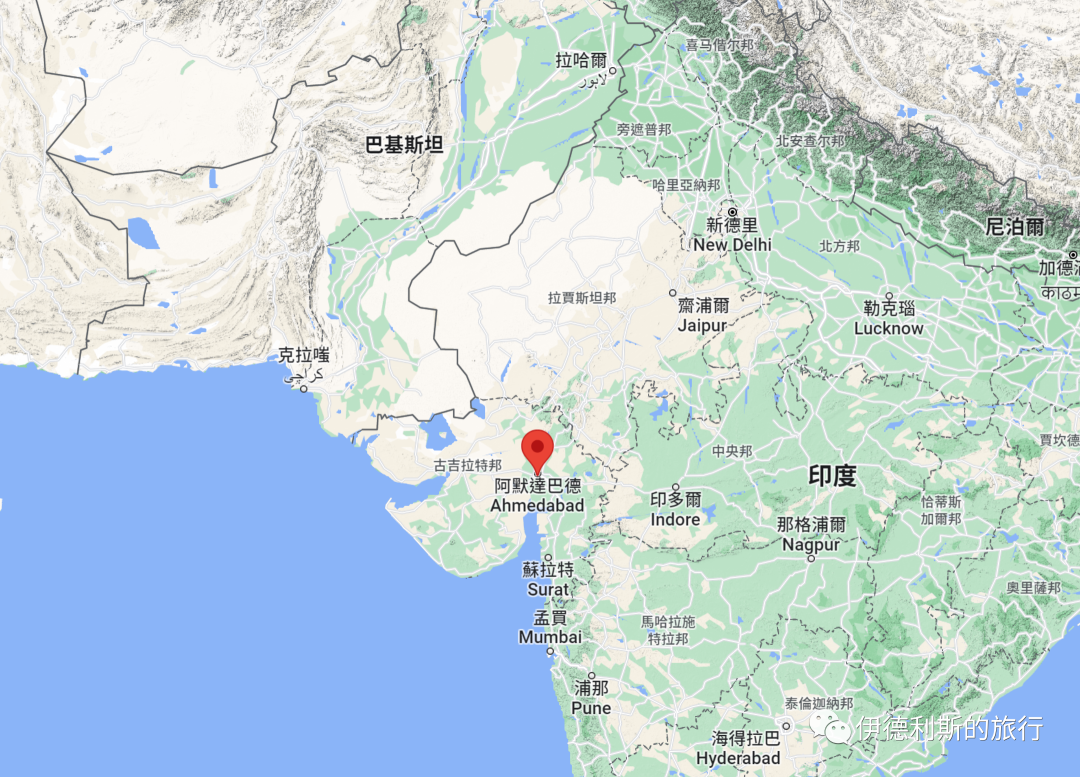
The Gujarat Sultanate is famous for its elegant Indo-Islamic architecture. They built many unique mosques in their capital, Ahmedabad, which had a great influence on the later development of Mughal architecture. In 2016, the Historic City of Ahmedabad was added to the UNESCO World Heritage List.
The location of Ahmedabad city.
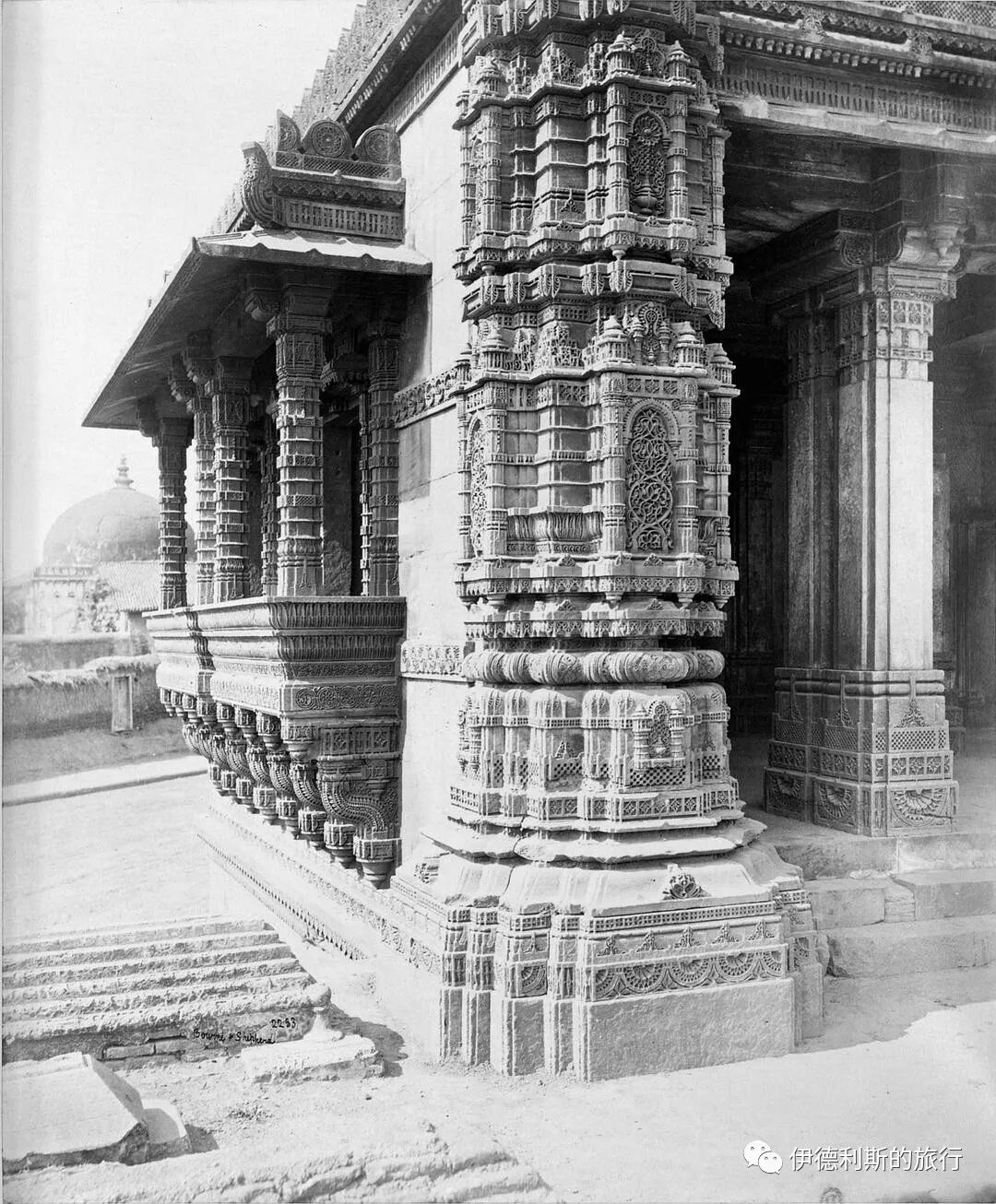
The Rani Sipri Mosque in Ahmedabad, built in 1514, has intricate carvings on its walls.
Photographed in 1874 by the Indian photography studio Bourne & Shepherd.
2. The Khandesh Sultanate in Central India (1382–1601)
The Khandesh Sultanate was located in the Khandesh region of central India. Its founder was originally a nobleman of the Delhi Sultanate who became a general due to his military achievements, and he became an independent sultanate in the late 14th century.
In the early 16th century, the Khandesh Sultanate was caught in wars with the neighboring Gujarat Sultanate and Malwa Sultanate.
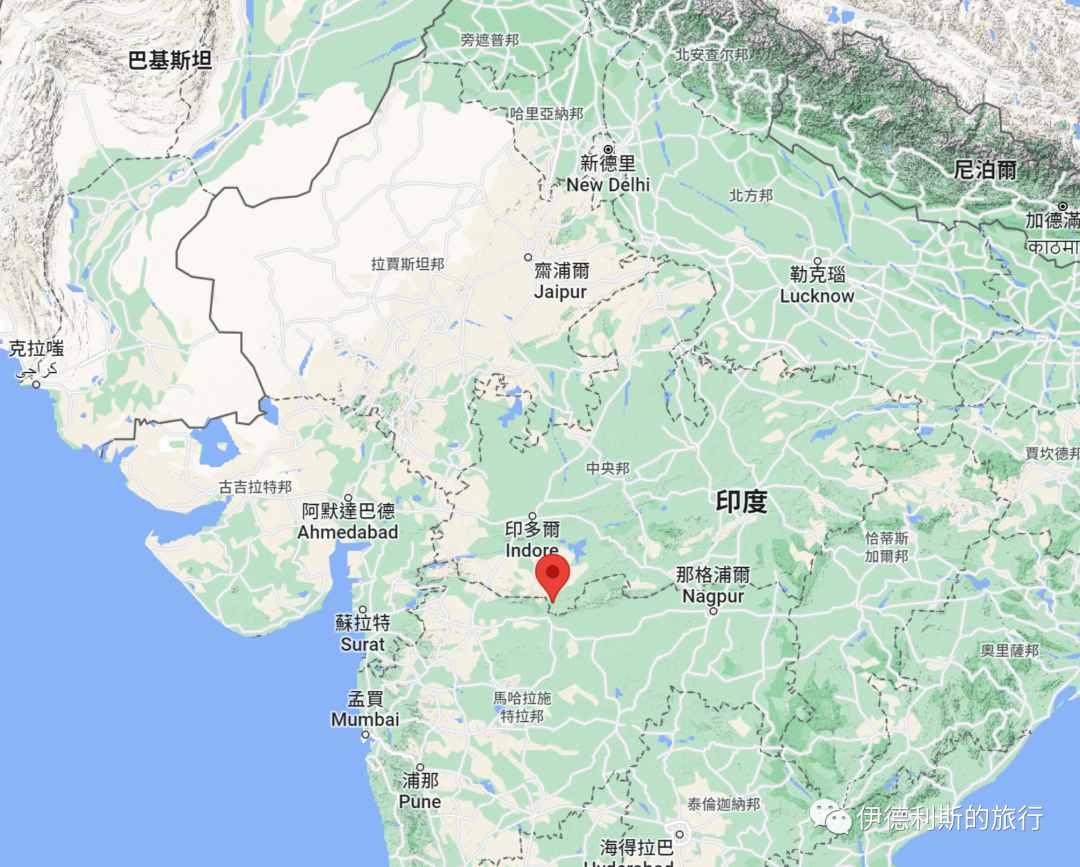
The capital of the Khandesh Sultanate was Burhanpur, located in the Indian state of Madhya Pradesh.
Five Deccan Sultanates
Let us continue south into the Deccan Plateau.
In the 14th and 15th centuries, the most powerful state on the Deccan Plateau was the Bahmani Sultanate, which was formed after the Delhi Sultanate's governor in the Deccan region became independent. At the end of the 15th century, the Bahmani Sultanate declined and split into five sultanates, collectively known to later generations as the five Deccan Sultanates.
1. The Berar Sultanate on the Deccan Plateau (1490–1572)
The Berar Sultanate was the first of the five Deccan Sultanates to become independent after the collapse of the Bahmani Sultanate. Its founder was originally a Hindu who converted to Islam after being captured by the Bahmani army.
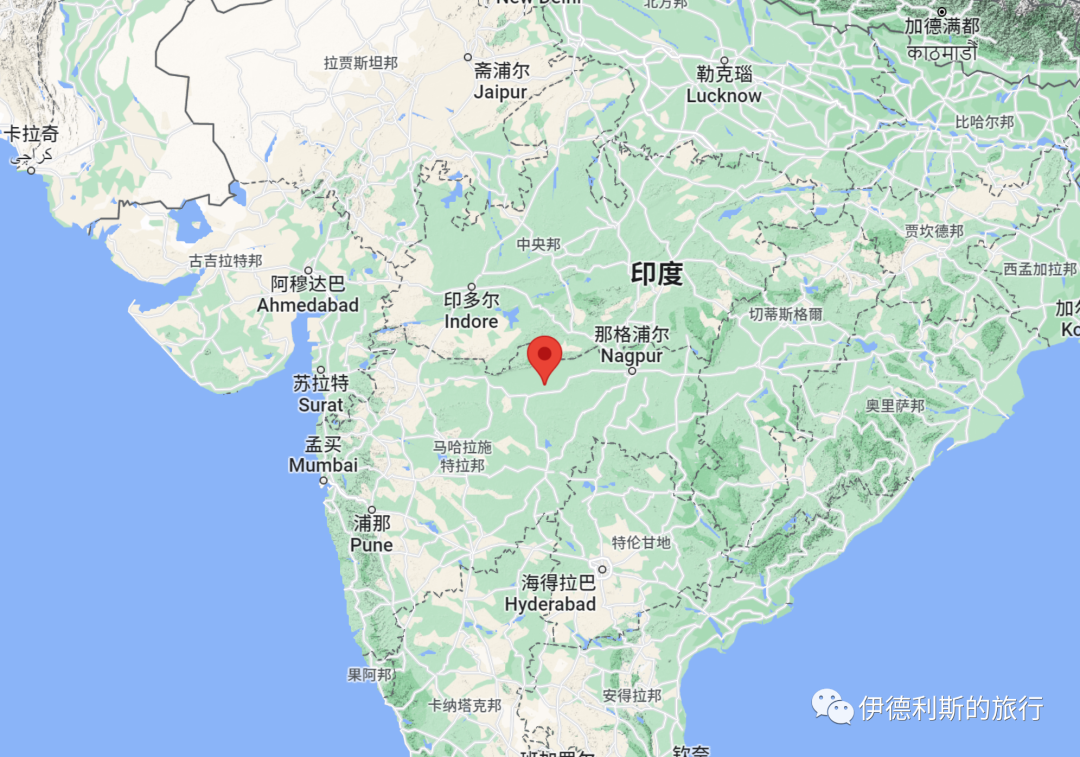
In 1550, the sultanate was ruled by Darya Imad Shah, who tried to use diplomacy for peaceful rule, which kept the sultanate relatively stable during this period. At the same time, he also built the city of Daryapur and named it after himself.
The location of Daryapur city.
2. The Ahmadnagar Sultanate on the Deccan Plateau (1490–1636)
The Ahmadnagar Sultanate was one of the five Deccan sultanates formed after the Bahmani Sultanate broke apart. It sat southeast of the Gujarat Sultanate, with Ahmadnagar as its capital. Its founder was originally a Brahmin from the Vijayanagara Empire in South India who later converted to Islam.
In 1550, the sultanate was ruled by Burhan Nizam Shah I. He was the first to switch from Sunni to Shia Islam, and the nobles and commoners soon followed his lead. Under his rule, there was religious tolerance, art flourished, and trade went smoothly, though small-scale conflicts with the Mughals and other sultanates continued.
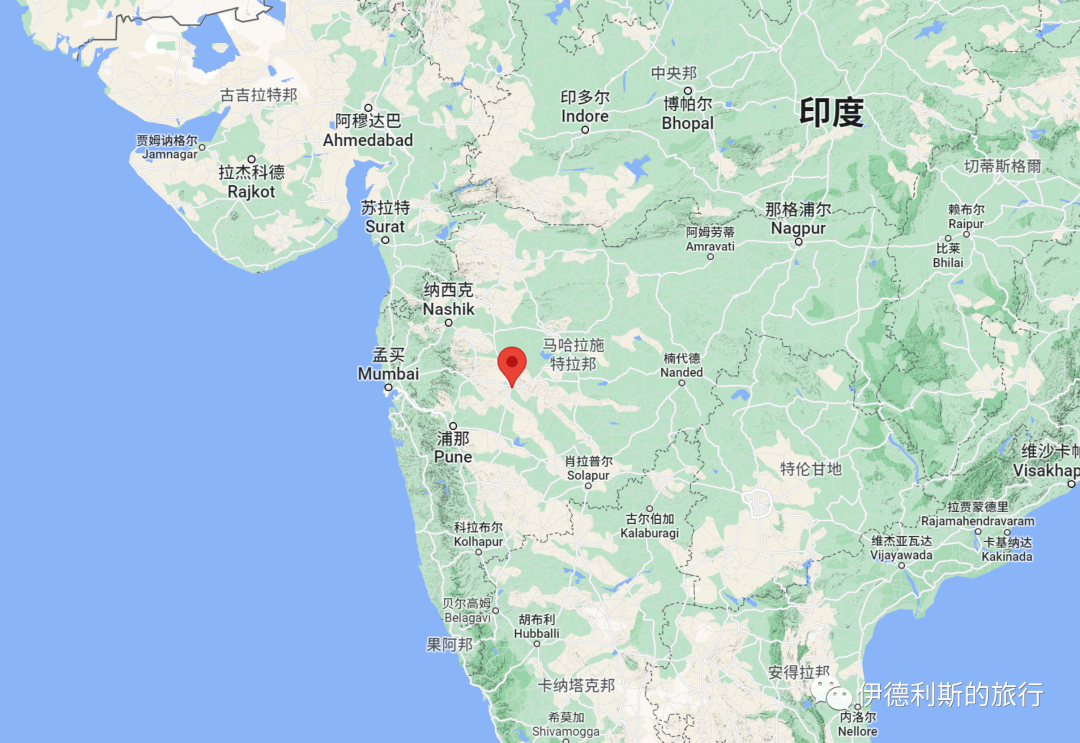
Ahmadnagar city is in the state of Maharashtra in western India. It is a small town now, but it still keeps dozens of architectural ruins from the sultanate era.
The location of Ahmadnagar city.
3. The Golconda Sultanate on the Deccan Plateau (1518–1687)
We head southeast to Hyderabad, the most famous city on the Deccan Plateau.
The founder of the Qutb Shahi dynasty, Quli Qutb Mulk (reigned 1512–1543), was a Turkmen from Hamadan, Iran. He was a descendant of Qara Yusuf, the ruler of the Kara Koyunlu (Black Sheep) dynasty. In the early 16th century, Quli traveled from Iran to India with some relatives and friends. They stayed in Delhi at first, then moved south to the Deccan to serve the Bahmani Sultanate. After the Bahmani Sultanate fell in the 15th century, Quli conquered Golconda Fort and started the Qutb Shahi dynasty. Over the next 60 years, three sultans expanded Golconda Fort into a massive complex, which is why the Qutb Shahi dynasty is also called the Golconda Sultanate.
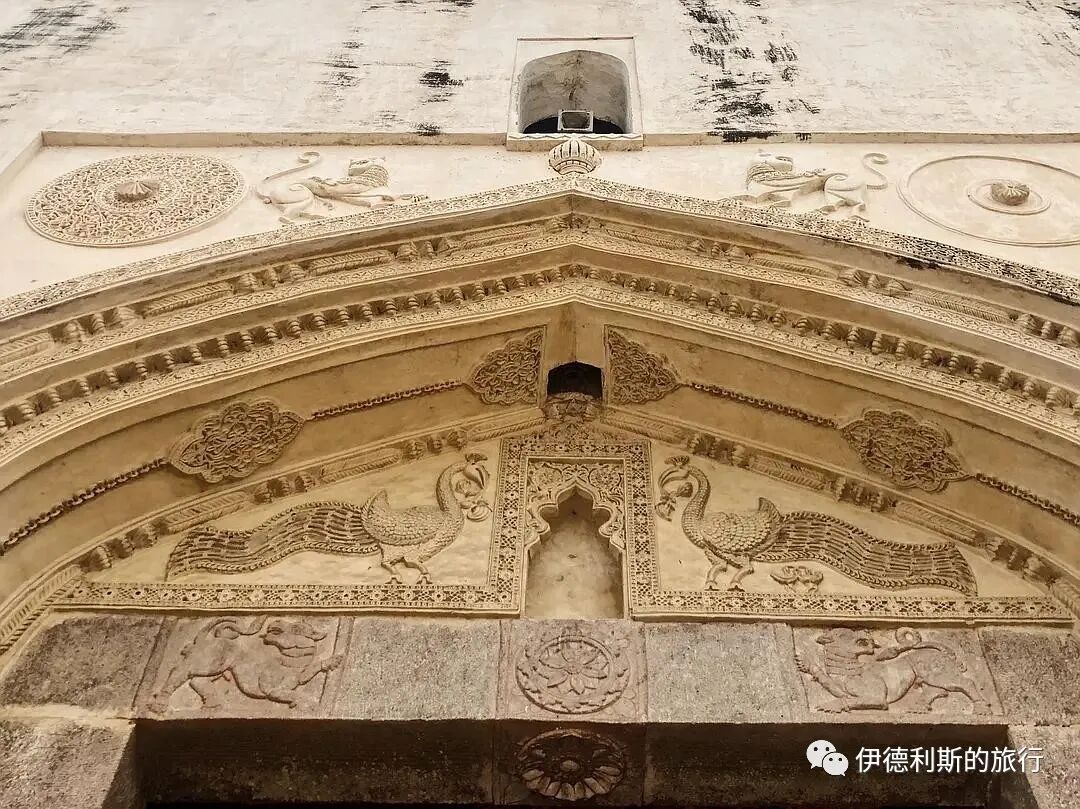
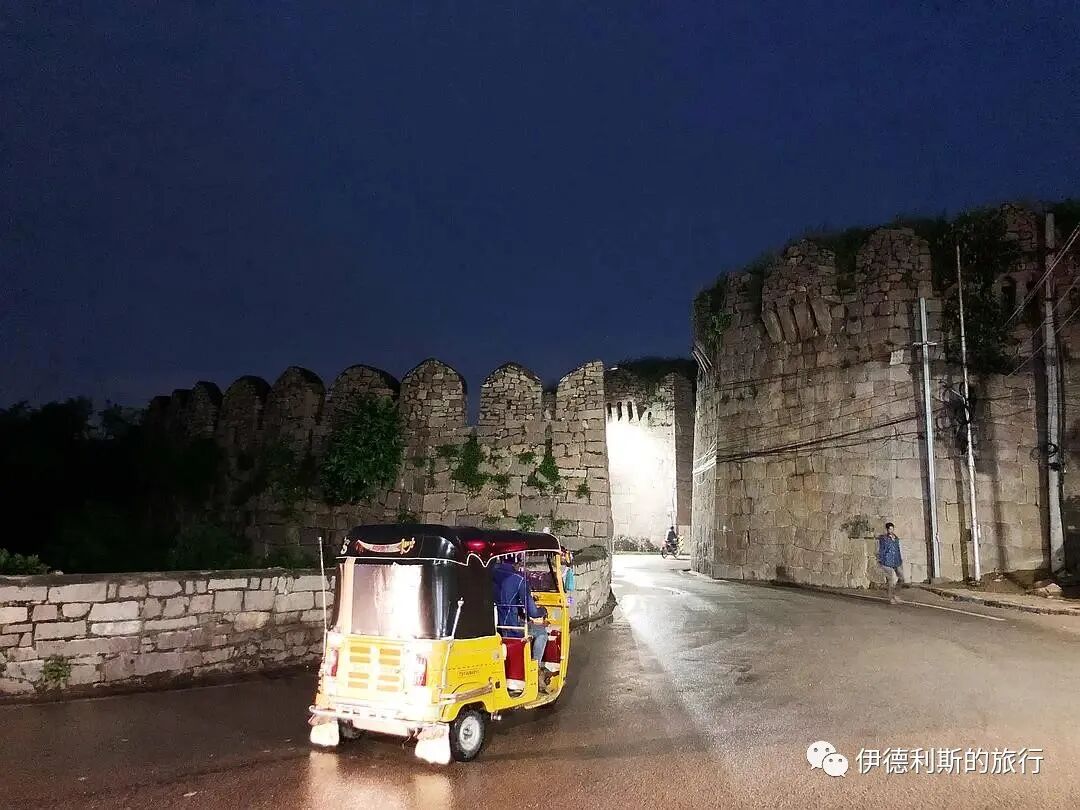
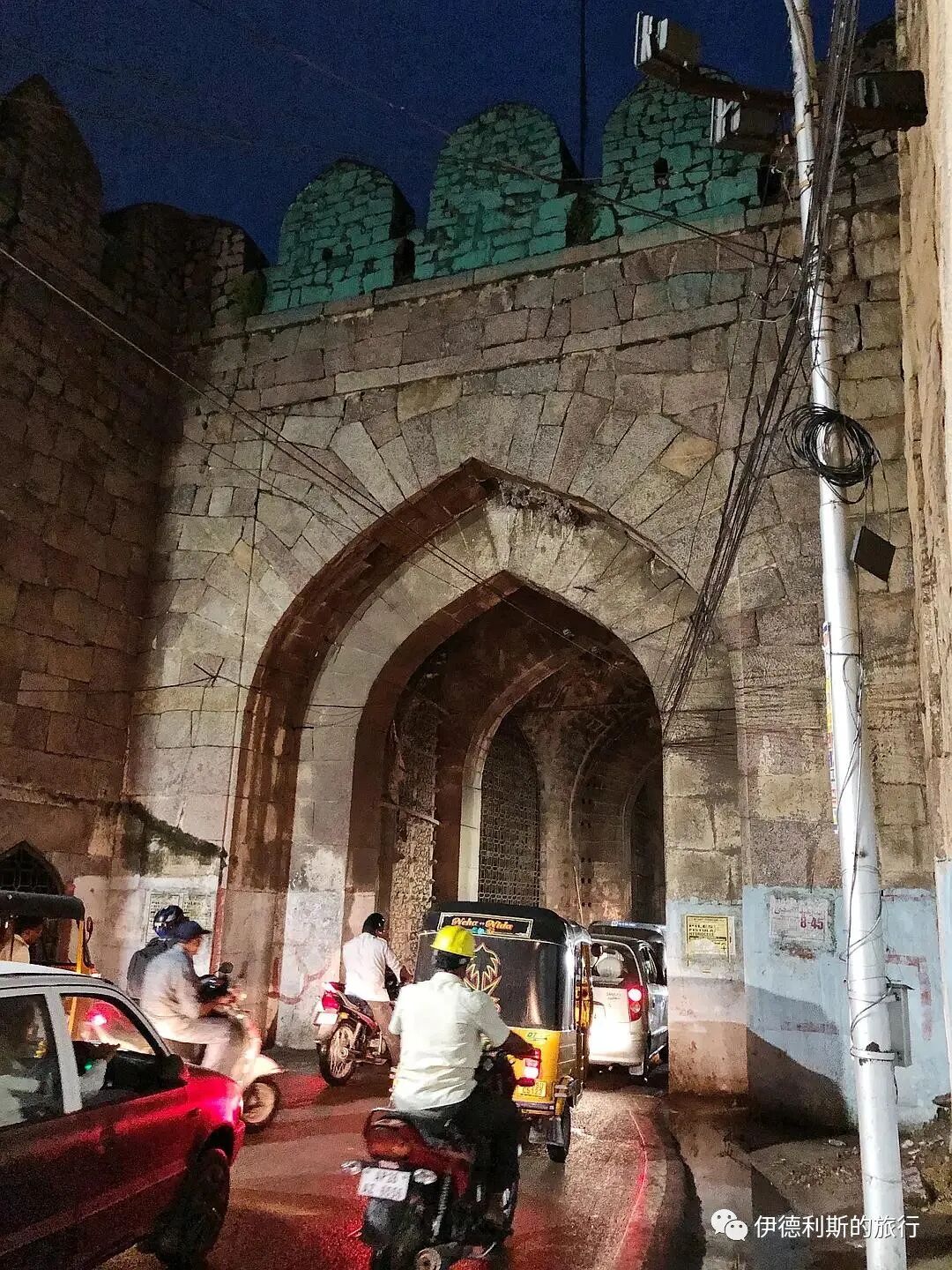
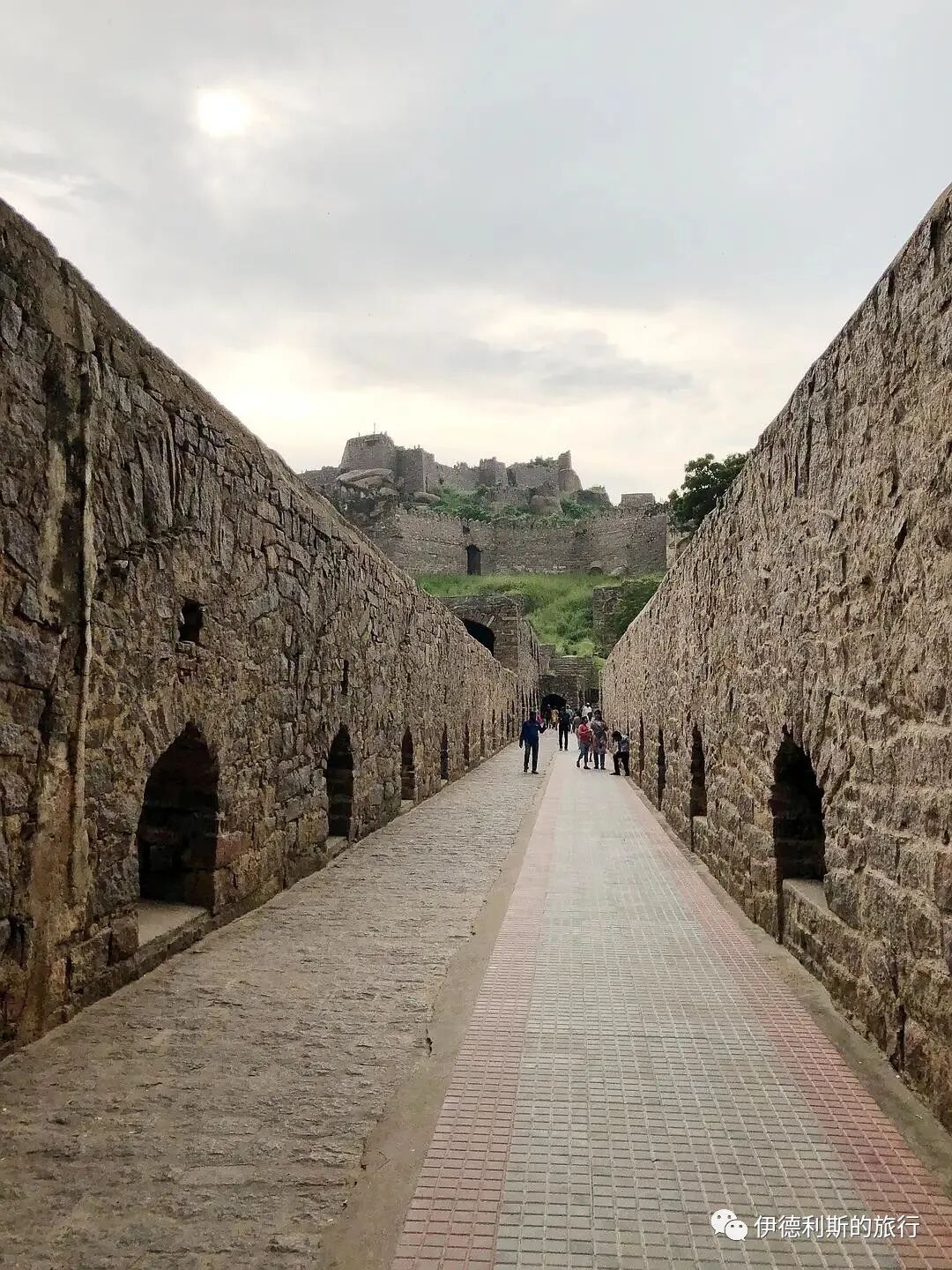
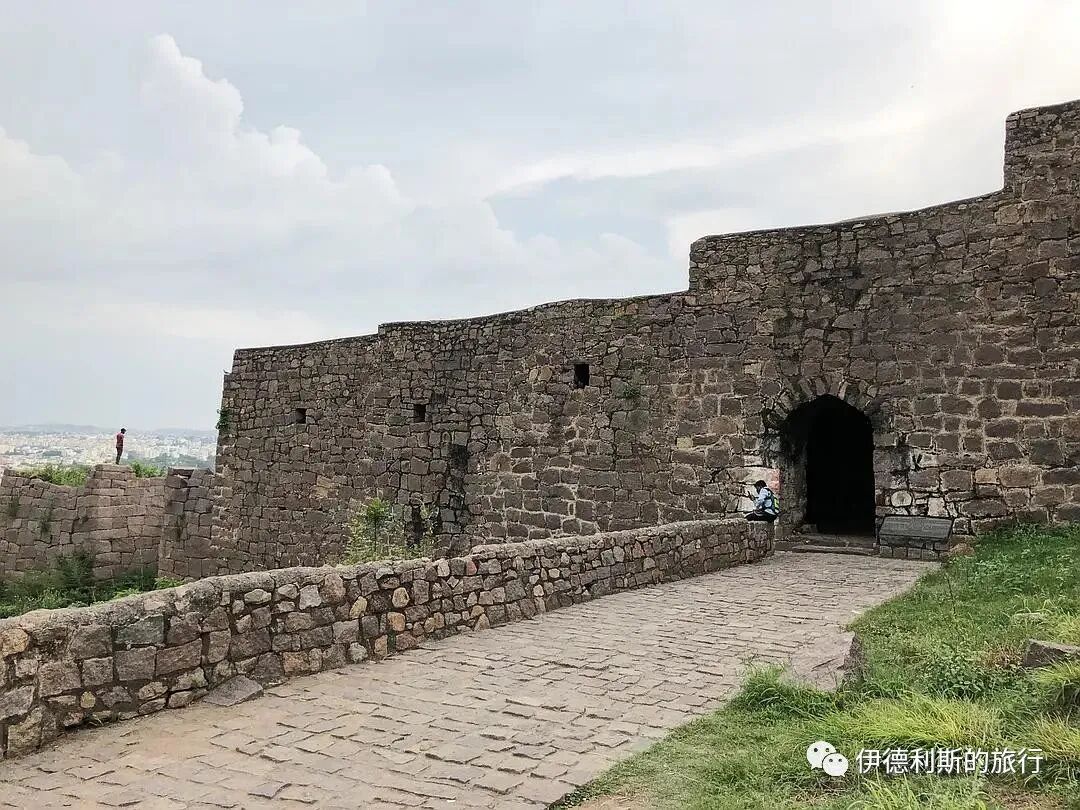
Golconda had the world's only diamond mines at the time and was a major diamond trading hub. In the West, the name Golconda became a synonym for immense wealth. Golconda Fort is actually made of four castles. Its outer wall is 10 kilometers long and features 87 semicircular bastions, 8 gates, and 4 drawbridges. The inner city sits on a 120-meter-high granite hill. Currently, only the east gate, Bala Hissar Darwaza, is open for visitors. Bala Hissar Darwaza is a huge archway with carvings of lions and peacocks, which are common in Hindu architecture. The gate also has iron spikes designed to stop Mughal war elephants.
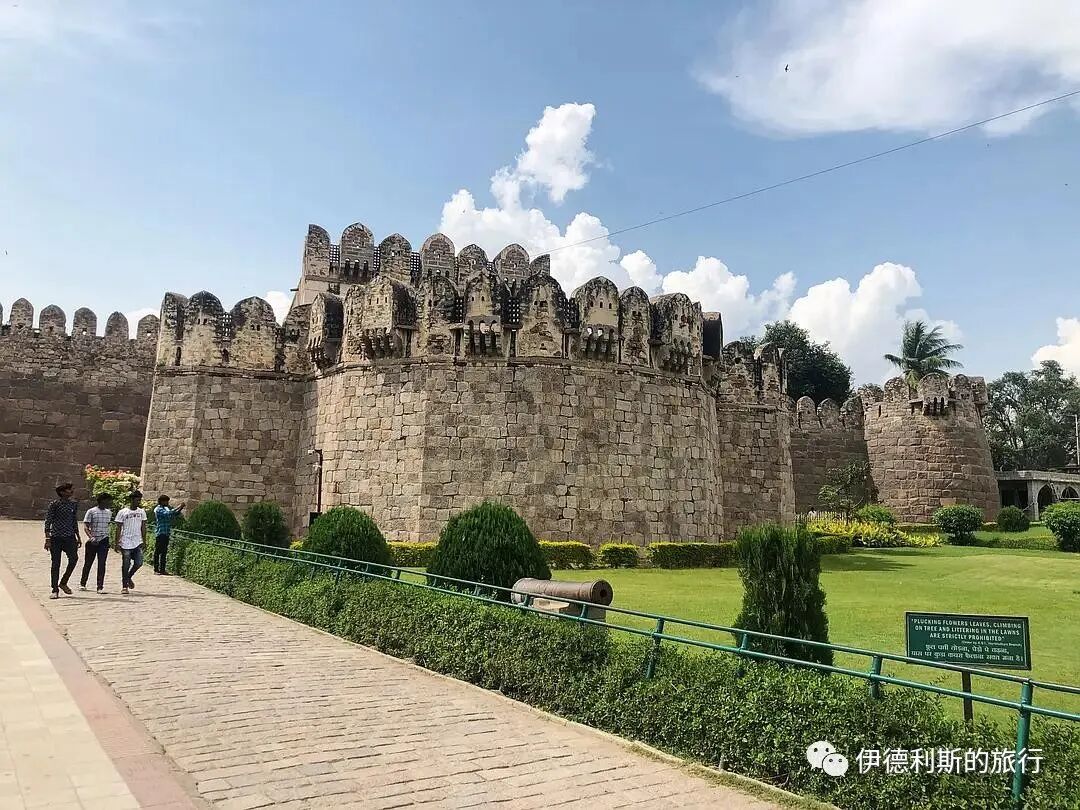
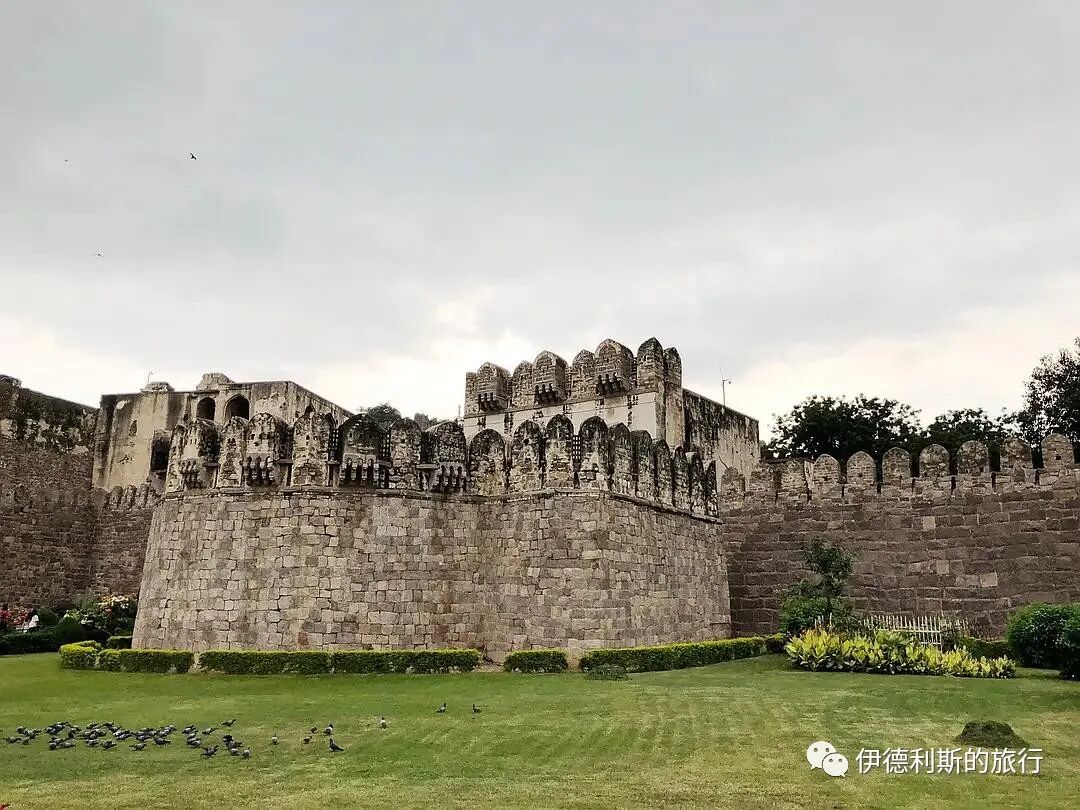
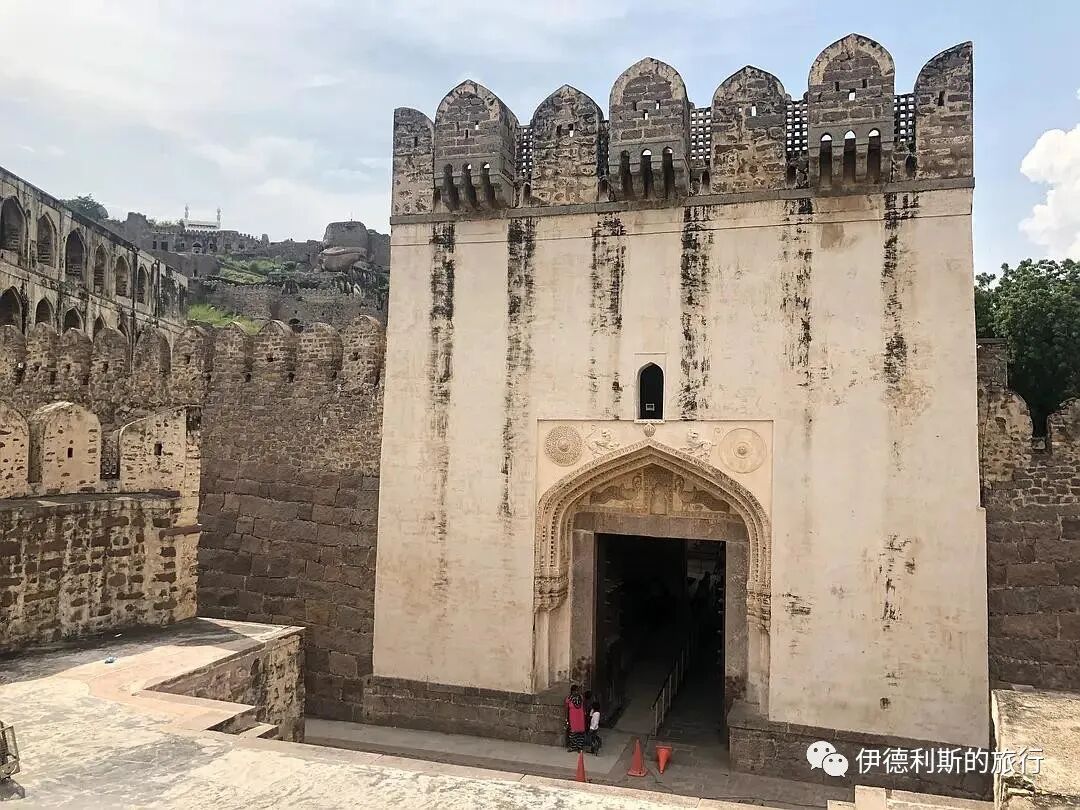
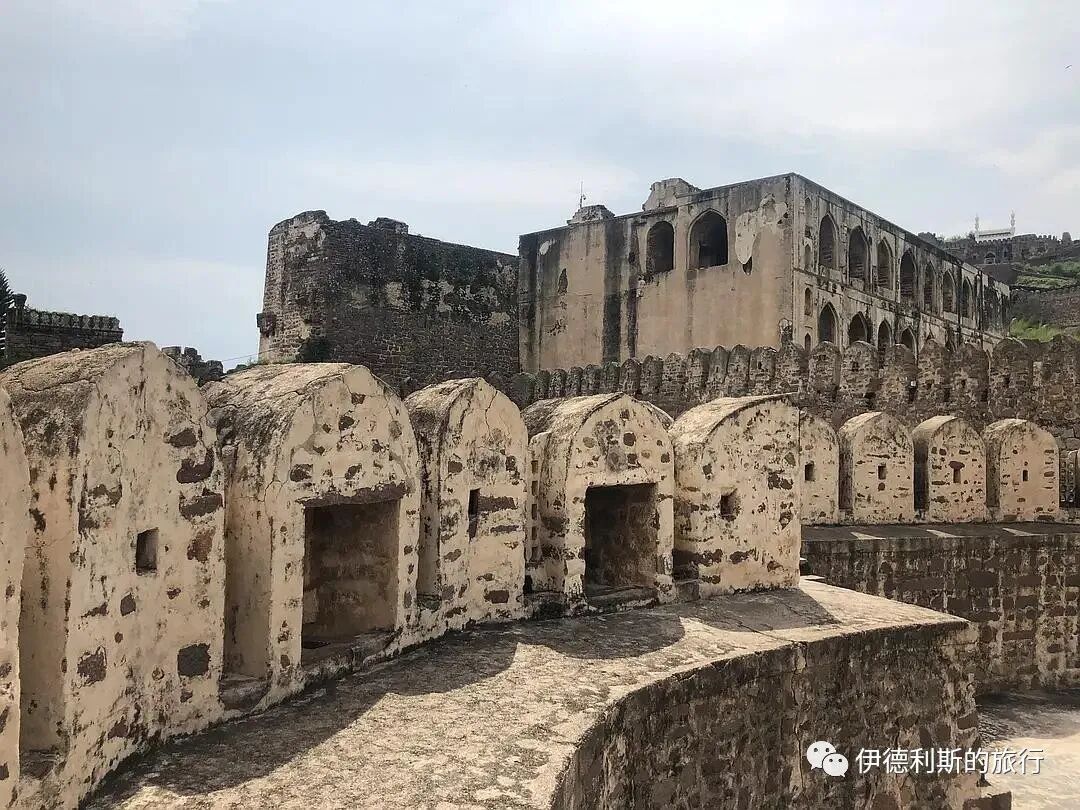
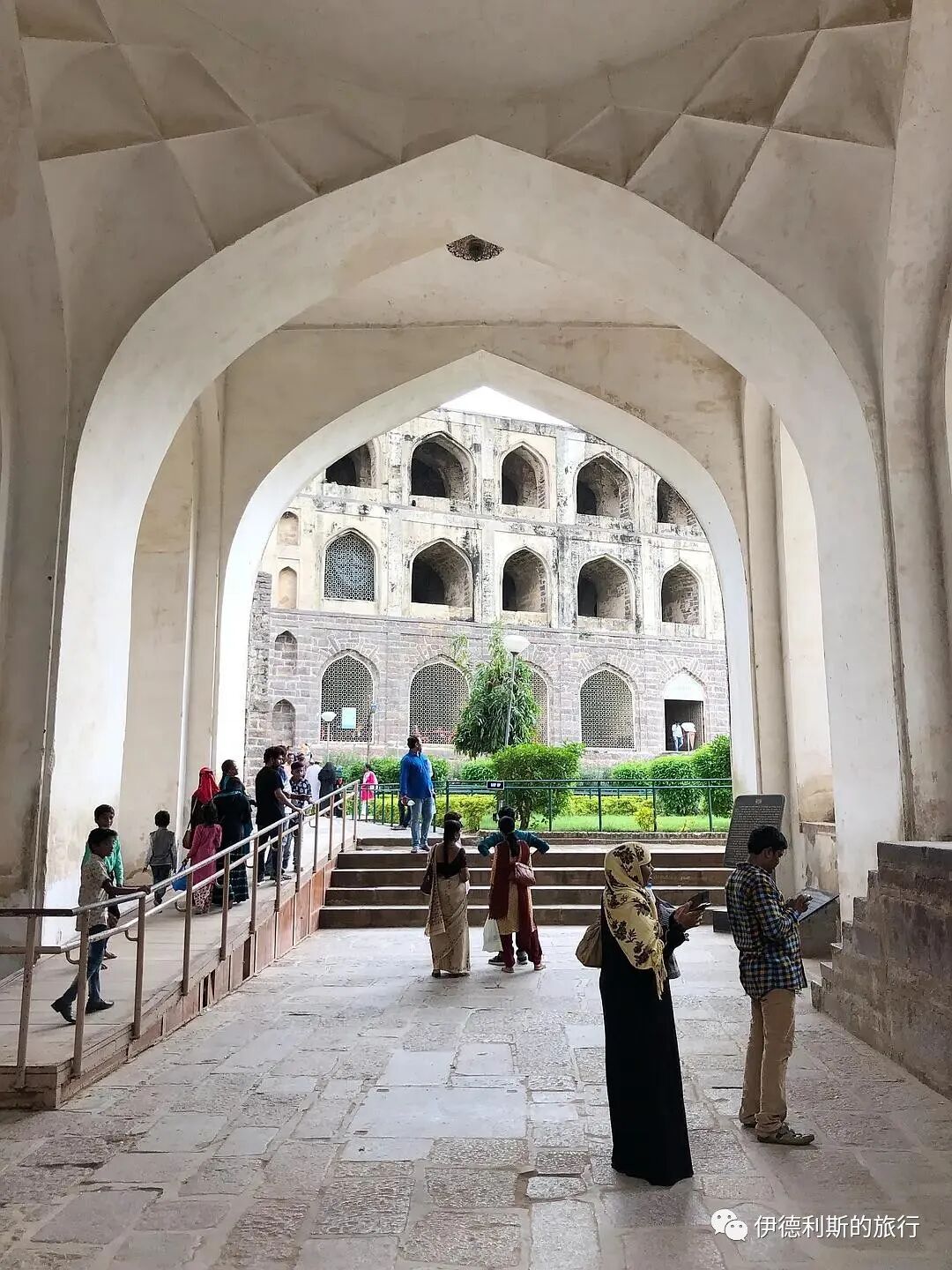
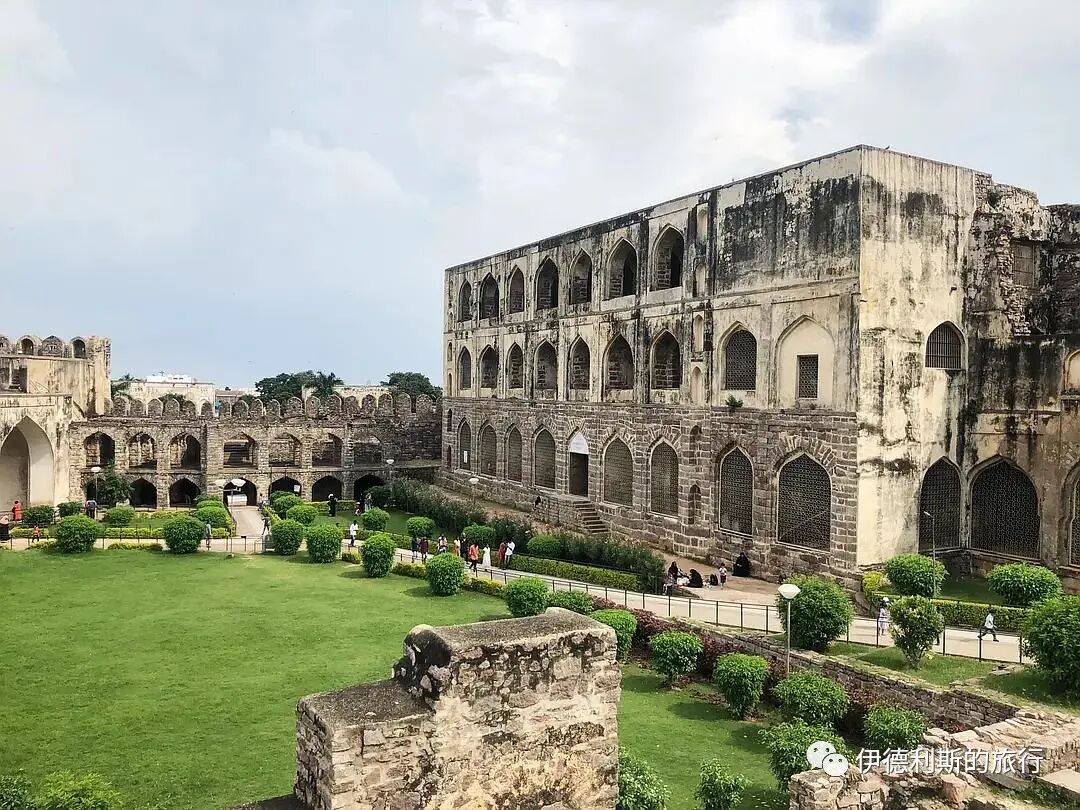
The tall, three-story building south of the gate is called the Aslah Khana armory. It held guns and ammunition during the Mughal era. Historians have found that during the Qutb Shahi dynasty, this was actually an office for various officials.
Nakkar Khana is a palace complex where archaeologists have now dug up a series of water channels.
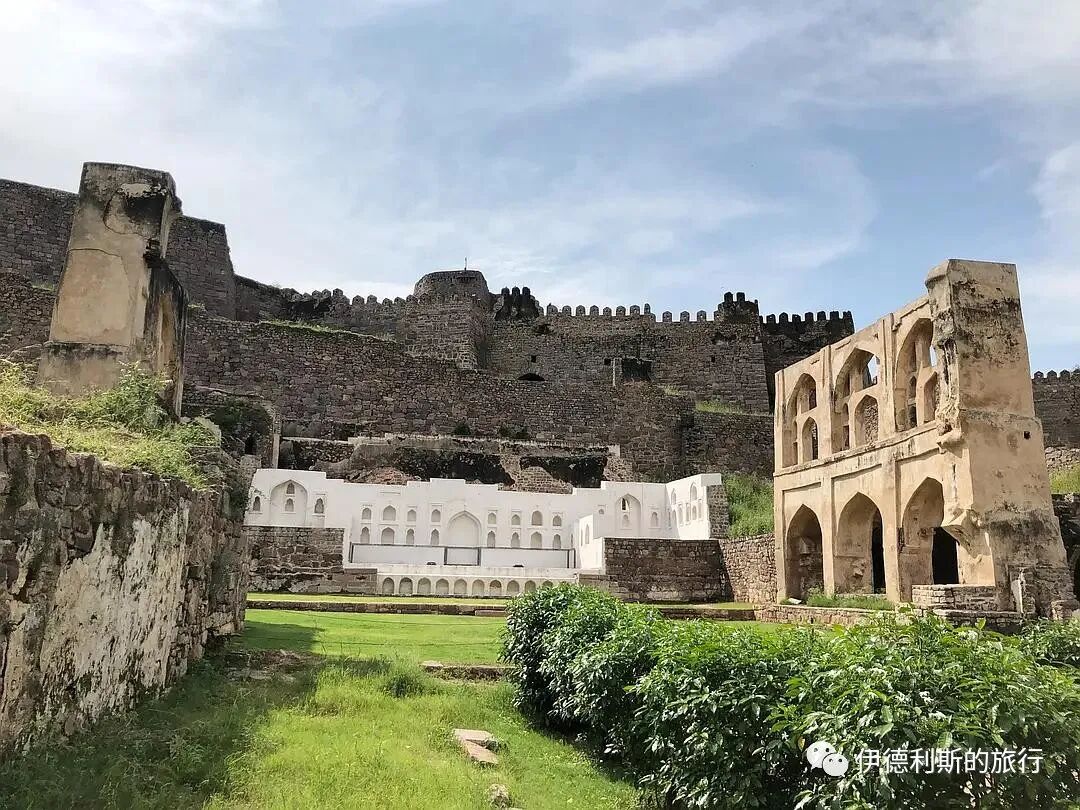
Taramati mosque, built in 1518, sits next to the palace area and was used by the sultan's court and nobles. This mosque has the classic Muslim architectural style of the Deccan region, with small lotus-topped onion domes on its balconies.
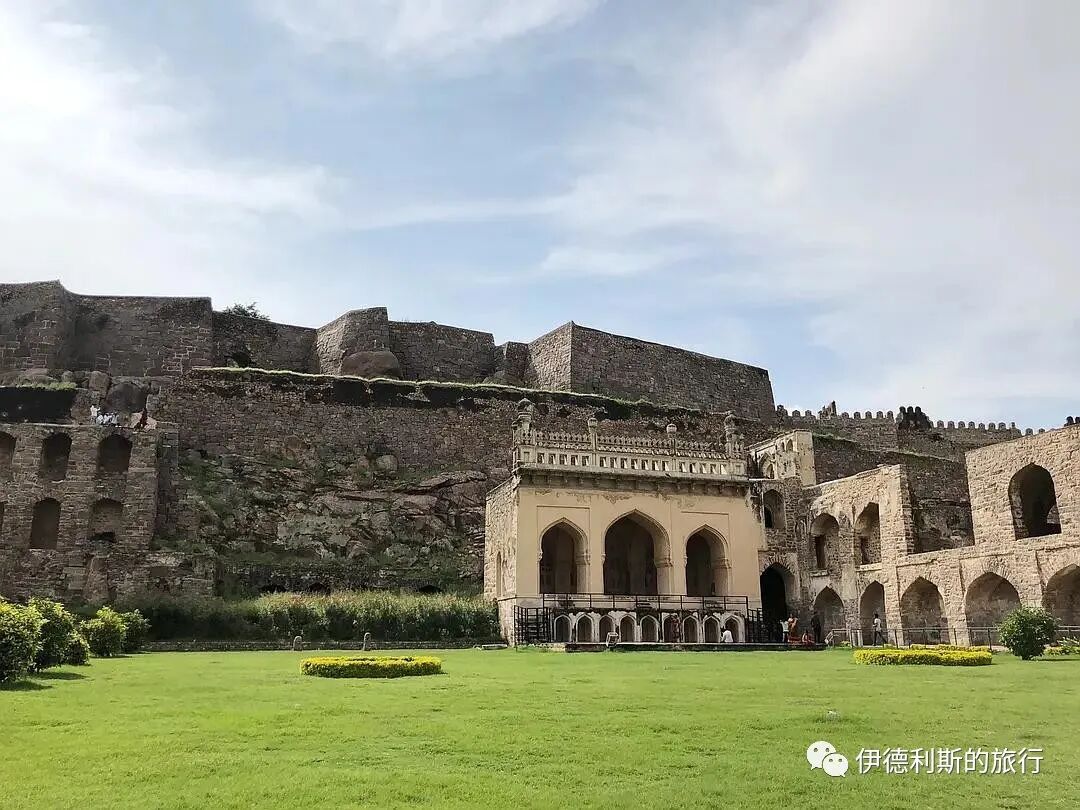
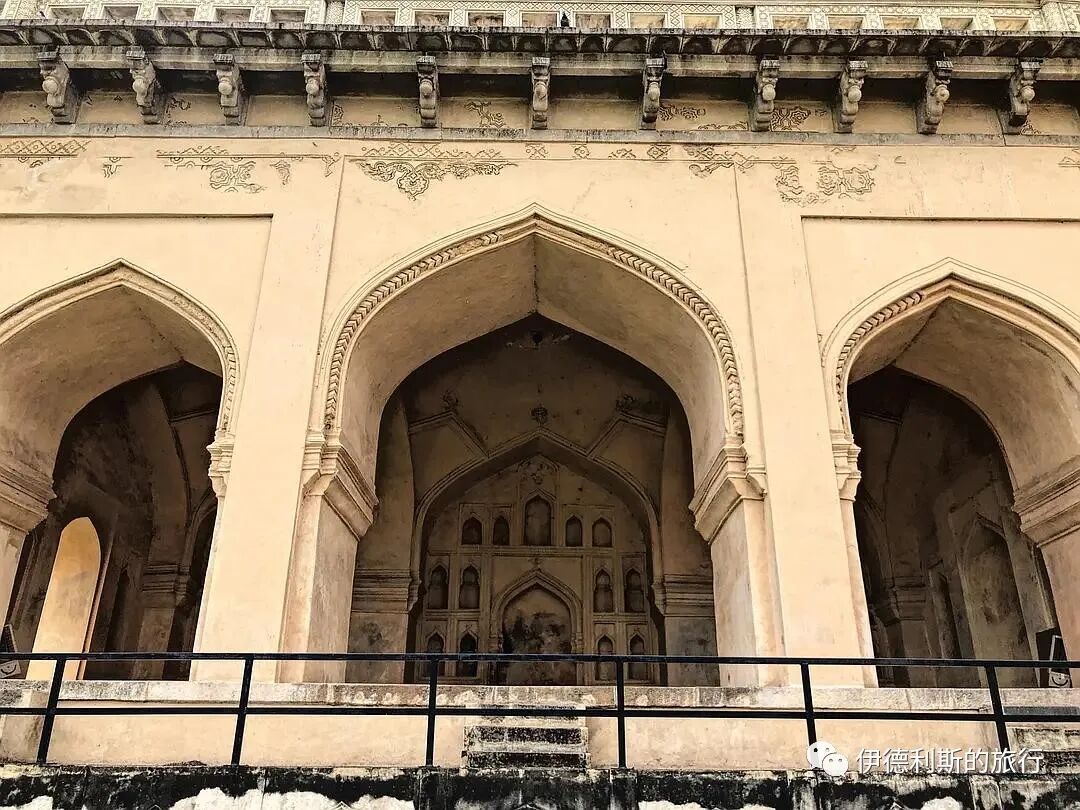
Walking further in, you reach the Bhagamati Palace.
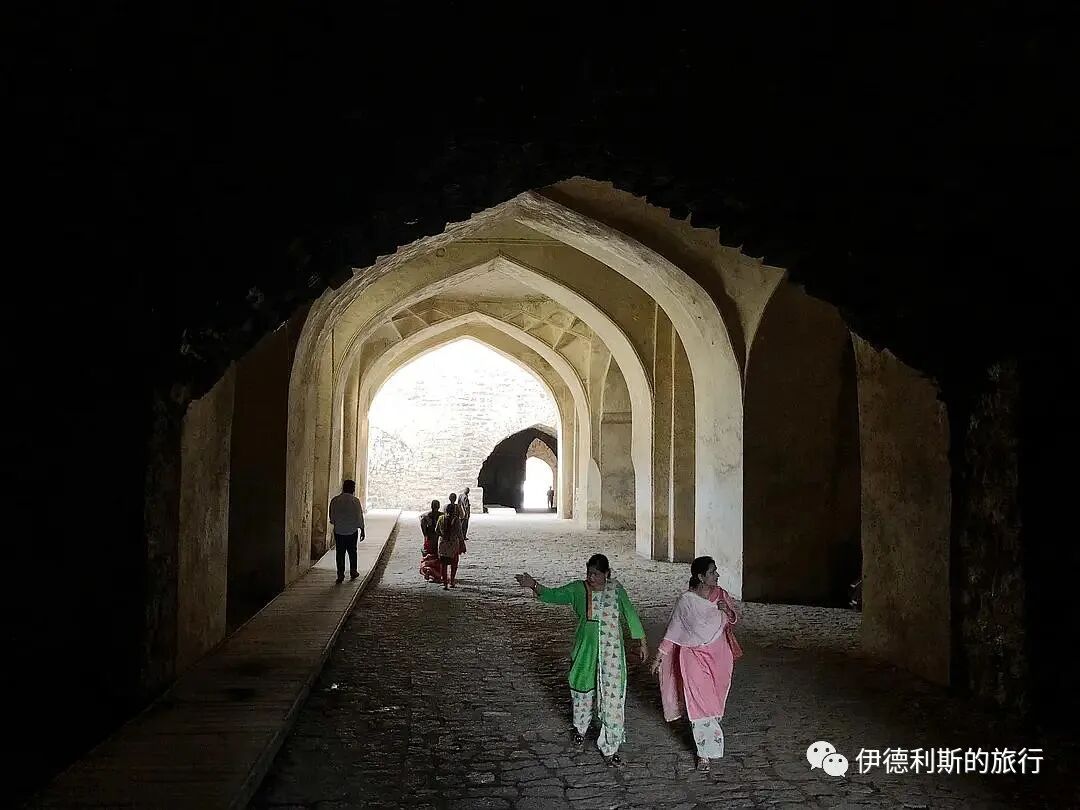
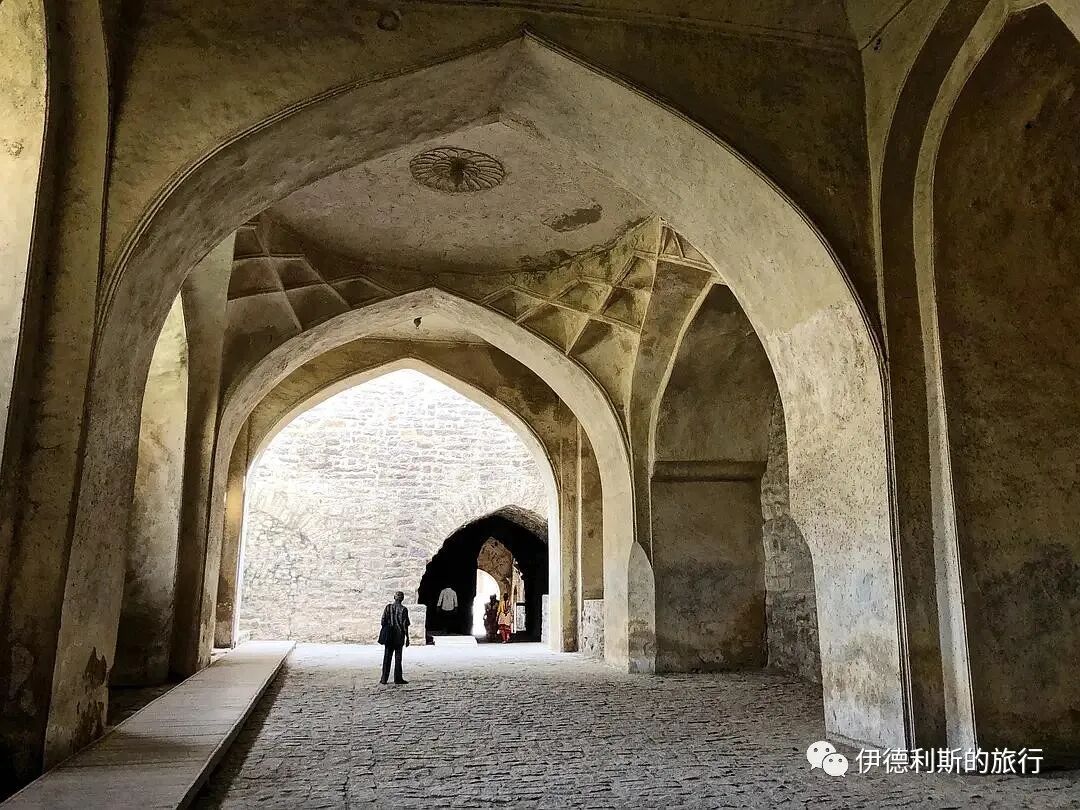
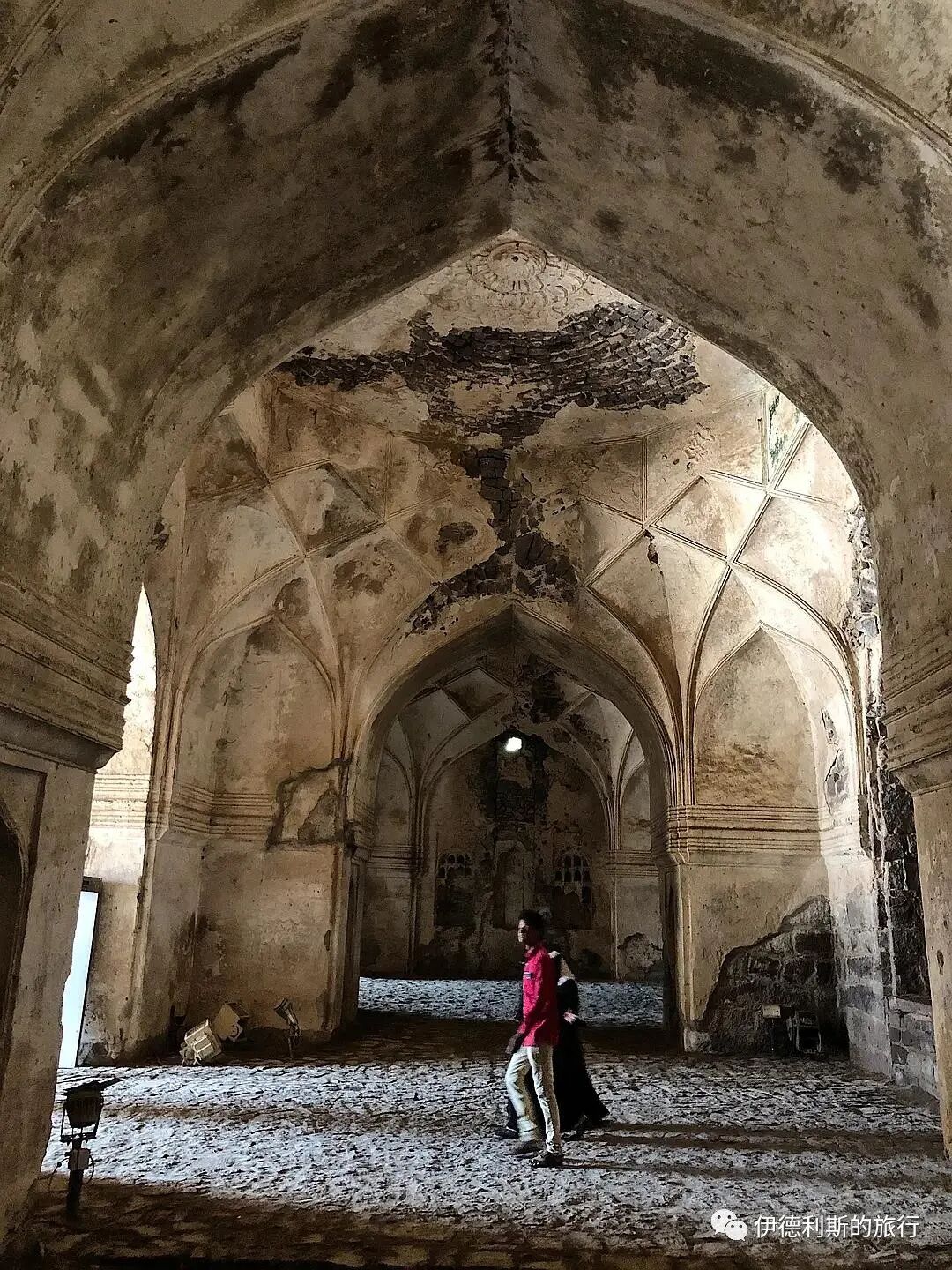
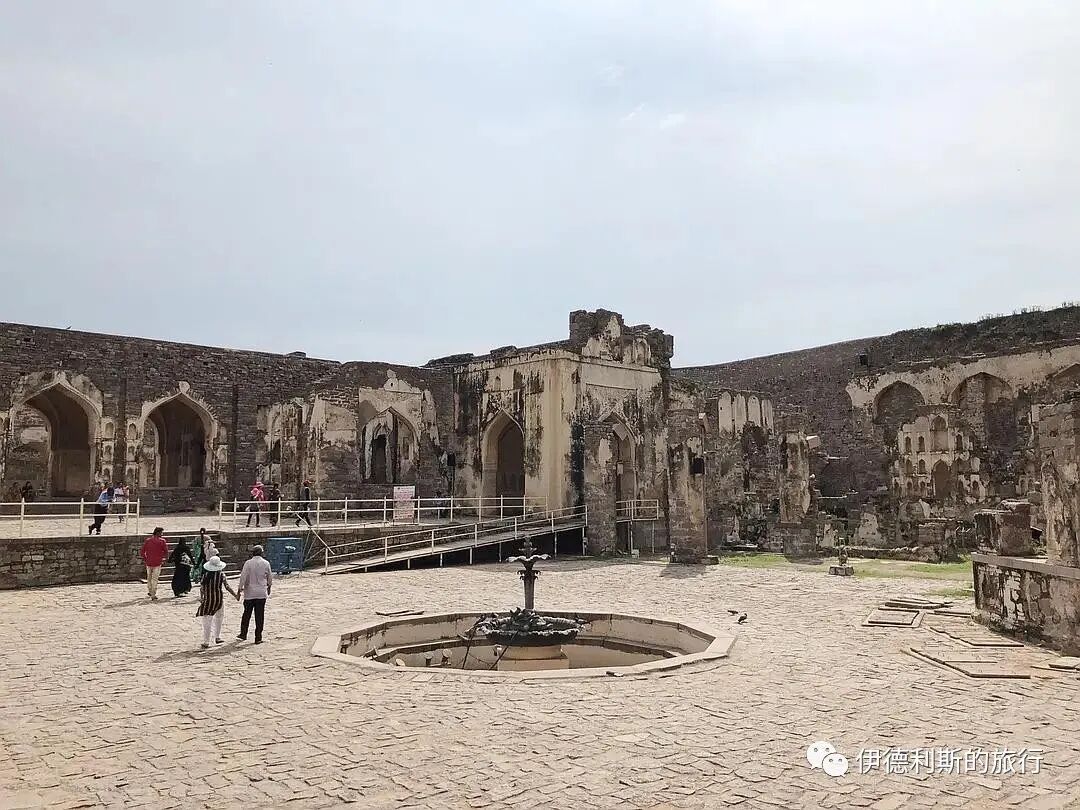
Passing through Bhagamati Palace brings you to the Rani Mahal area in the south of the fort, where a light and sound show is held at night. In the middle of the spacious courtyard is a complex metal fountain. During the Qutb Shahi era, the fountain could spray water on its own thanks to hydraulic engineering. When there was no rain, the fort's water system ran using Persian water wheels. Today, a set of clay drainage pipes that have survived for hundreds of years can still be found behind the Rani Mahal. Historians believe the palace now called Rani Mahal should actually be called Dad Mahal. This was the palace where the sultan handled state affairs and listened to the opinions of his subjects and the people.
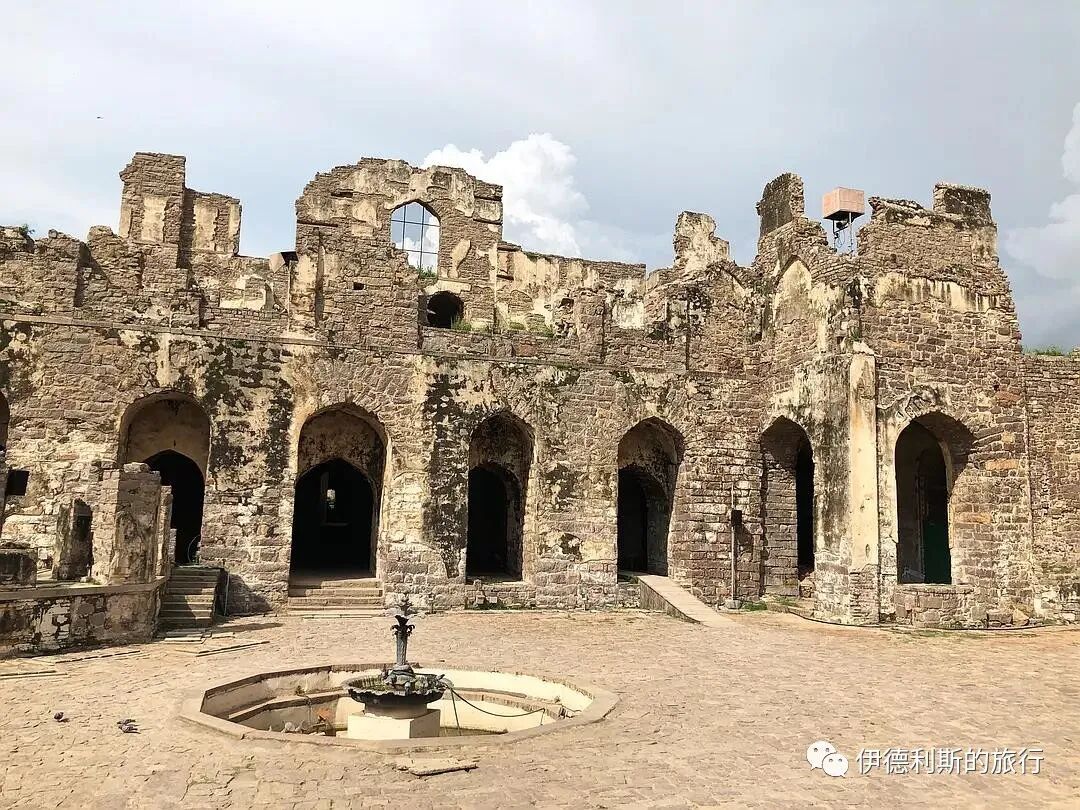
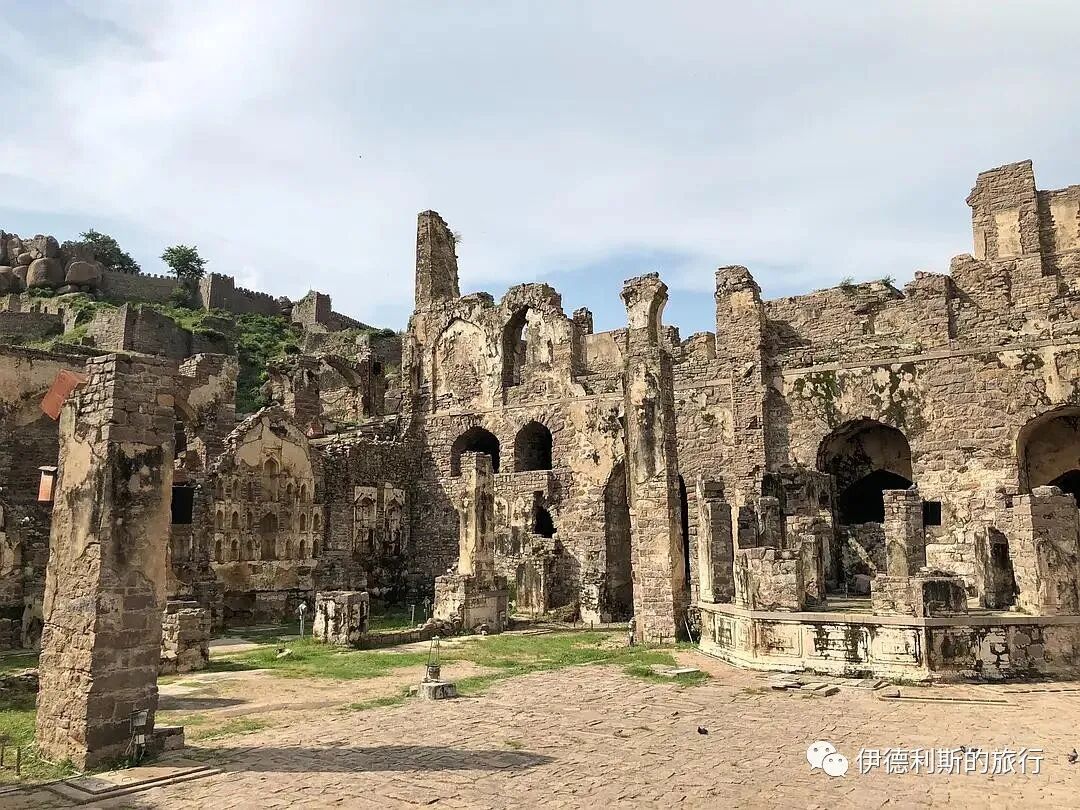
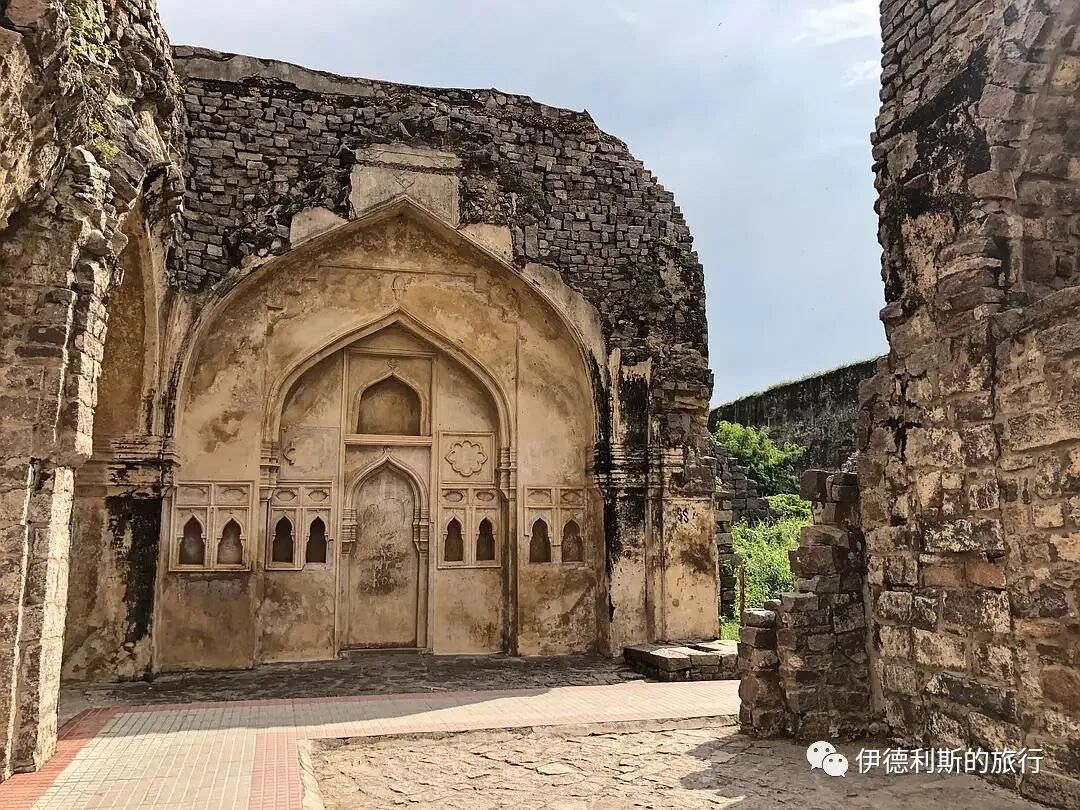
Behind the Rani Mahal is the Kilwat, the sultan's private bedroom. It is small but decorated beautifully. Those hollow lattices were once inlaid with Golconda's most famous diamonds and other gemstones.
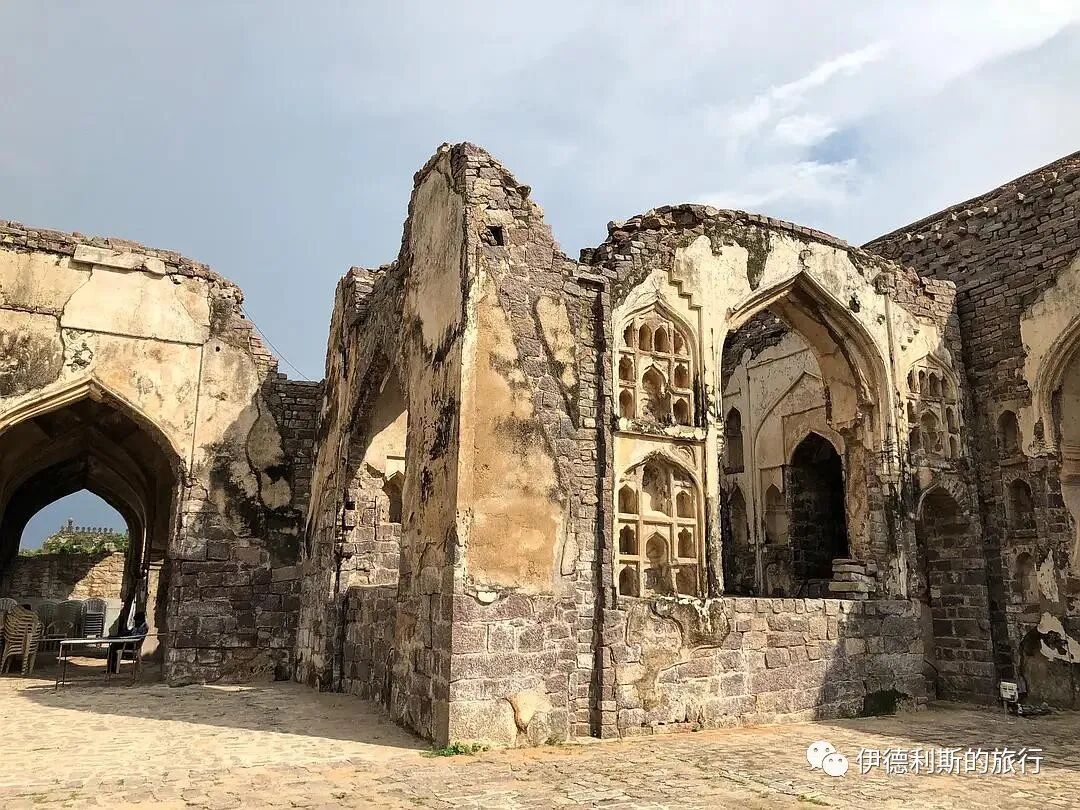
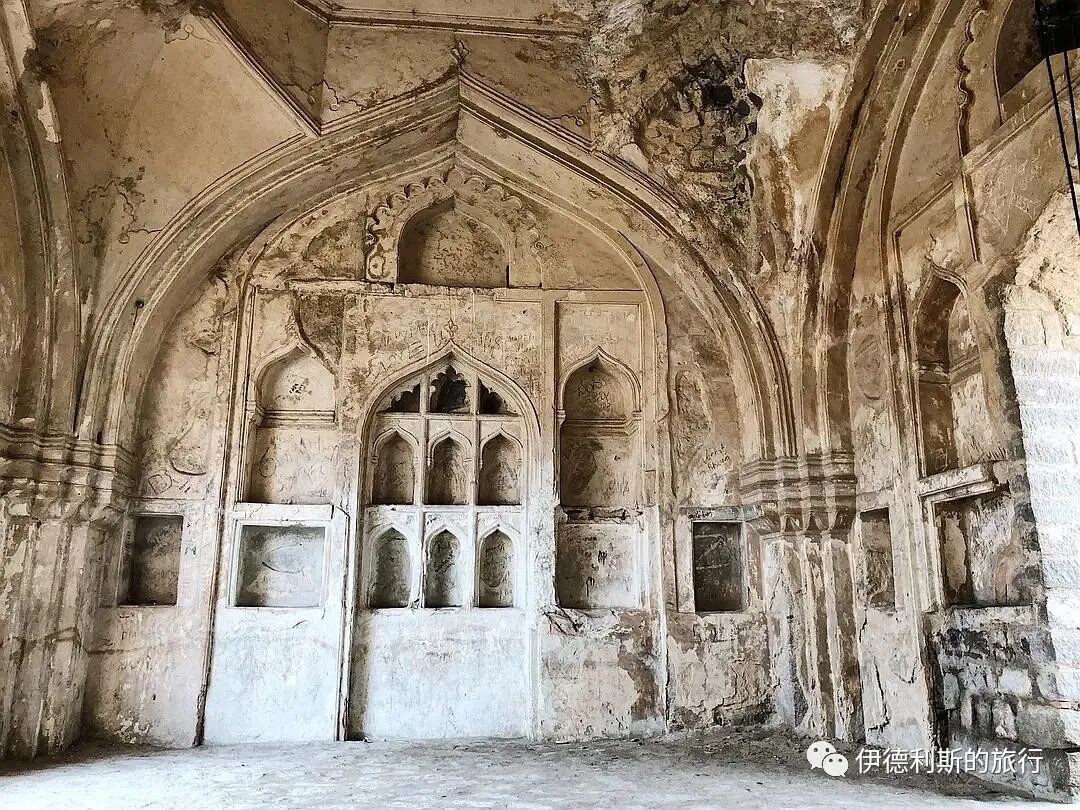
Heading west from the Rani Mahal area, you leave the palace grounds and can see the tall, multiple walls inside the fort. Behind one of these walls stands a mosque called Zanana, which still has its mihrab and courtyard.
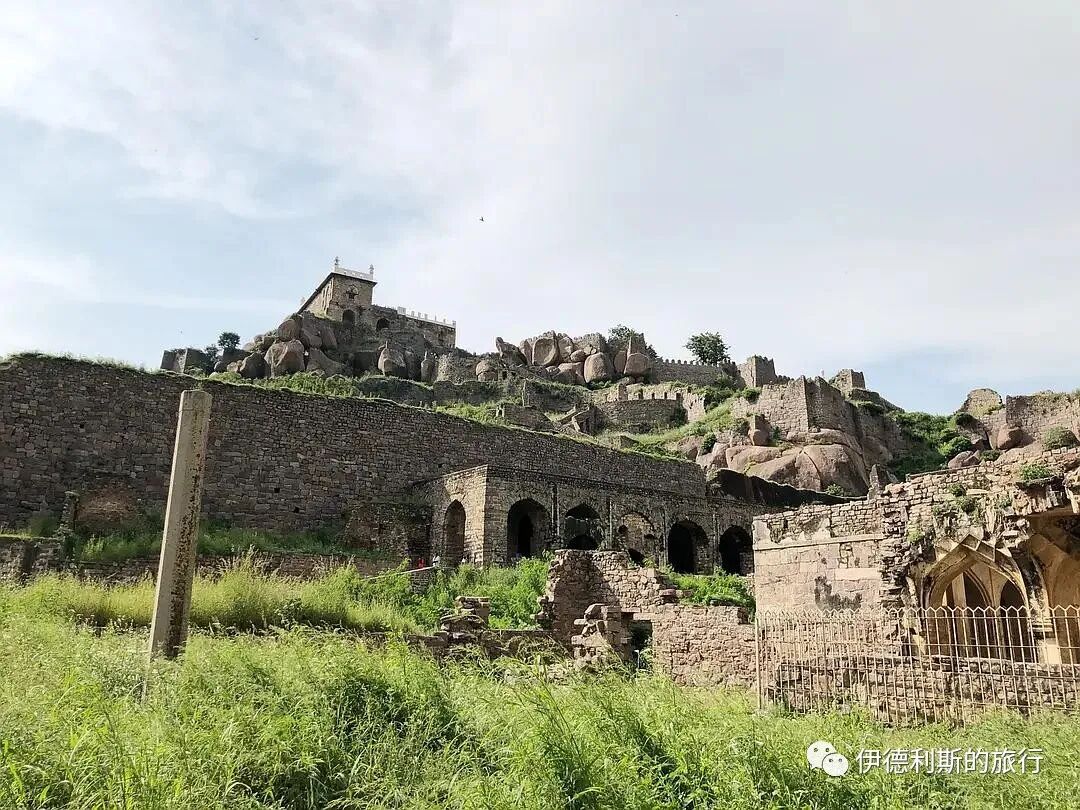
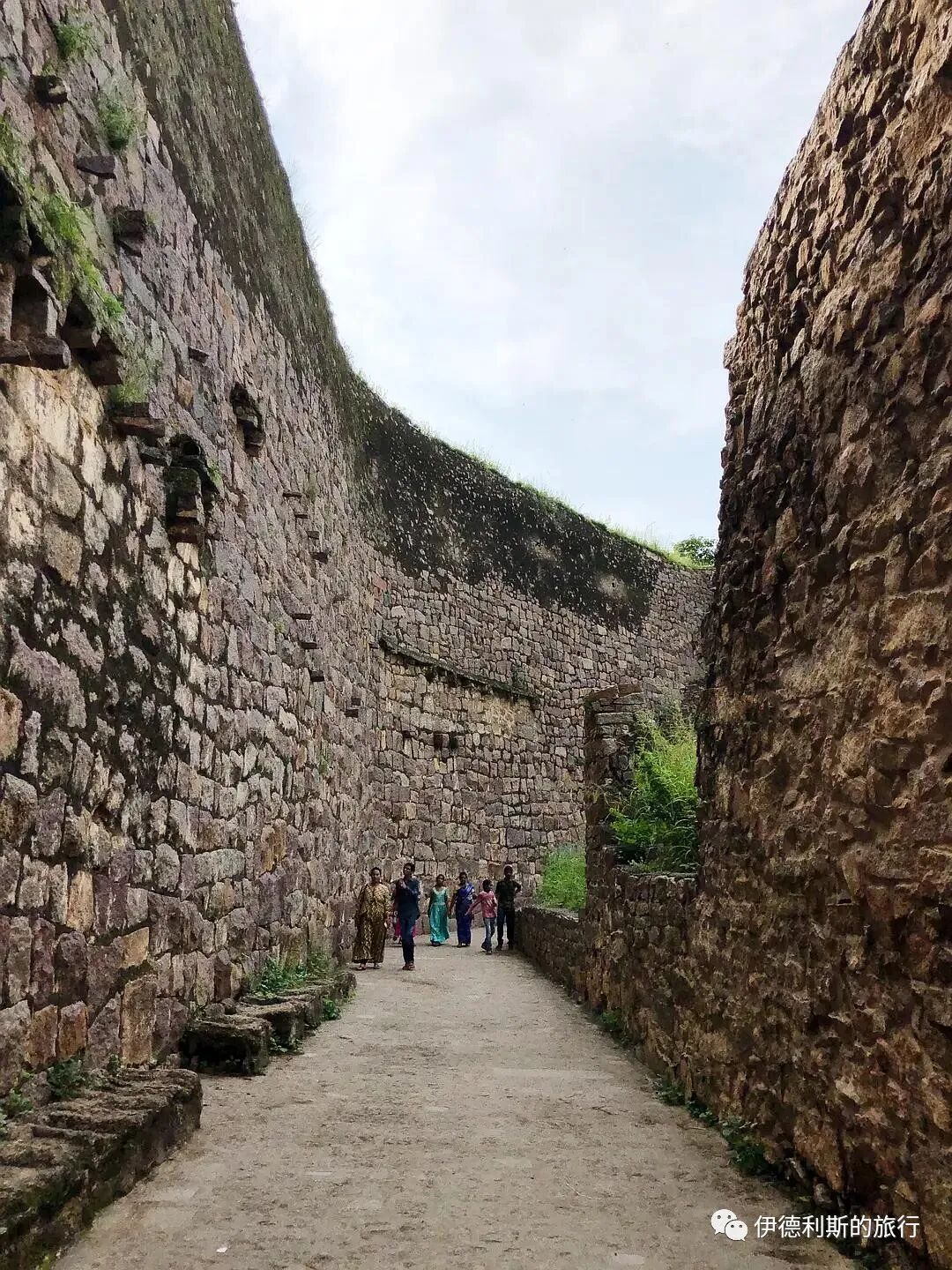
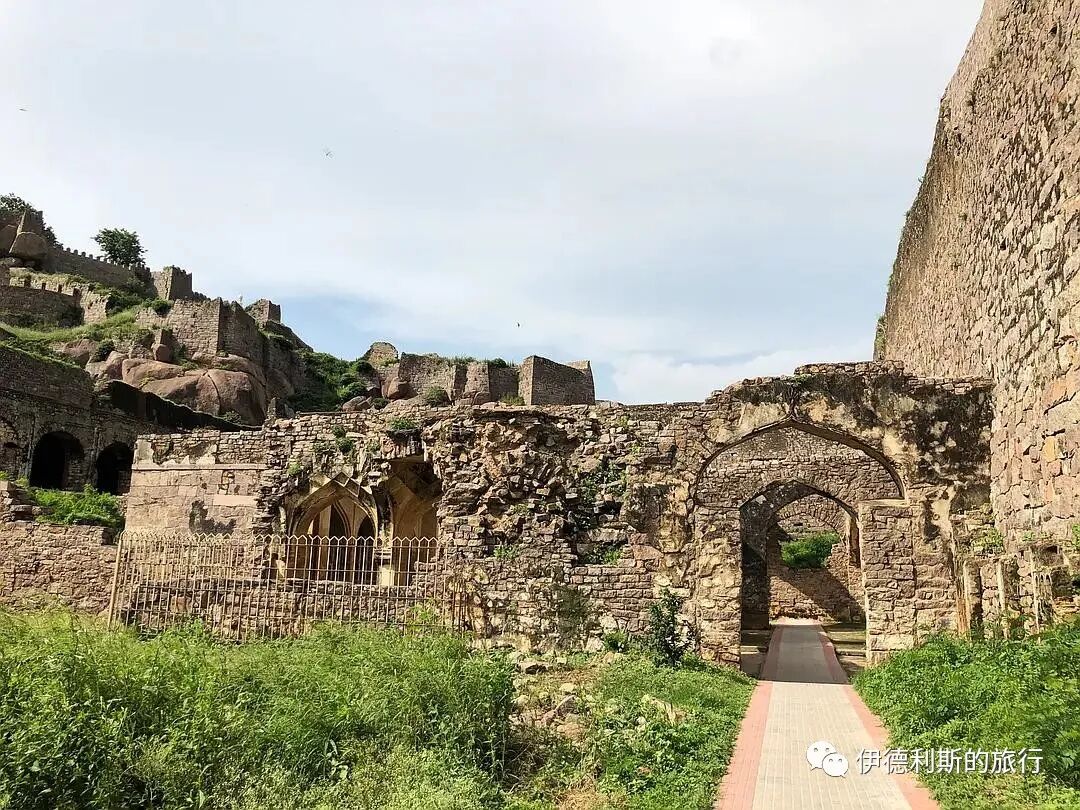
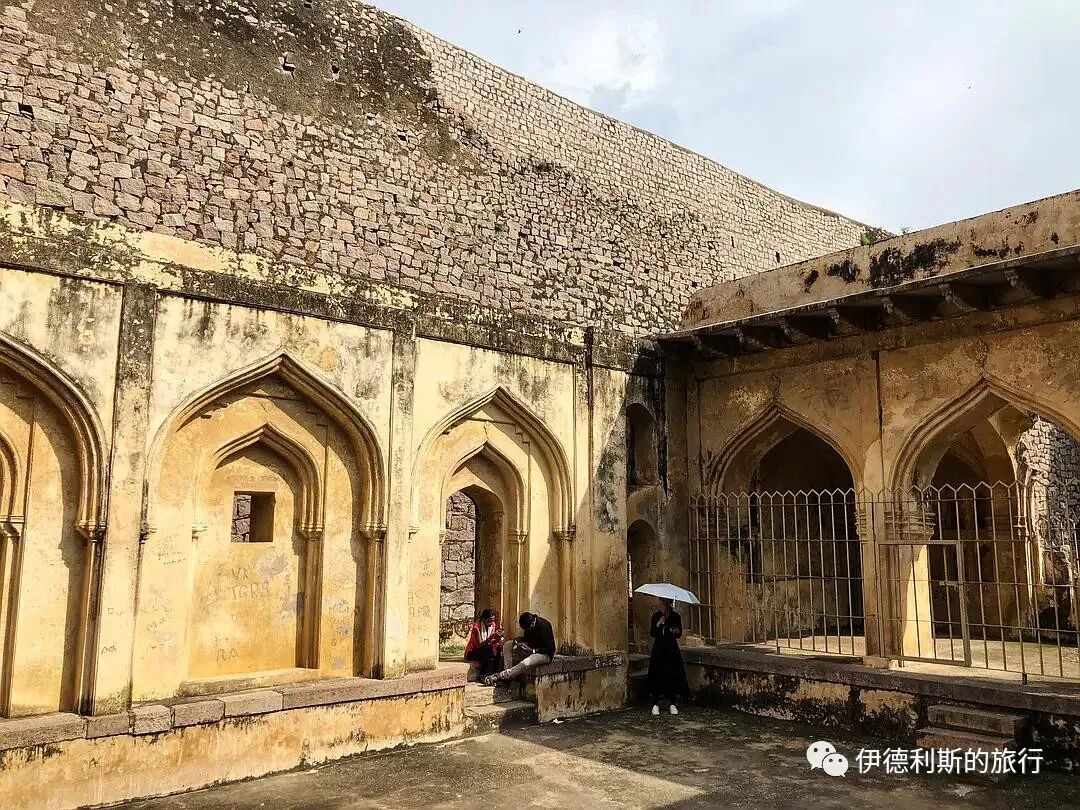
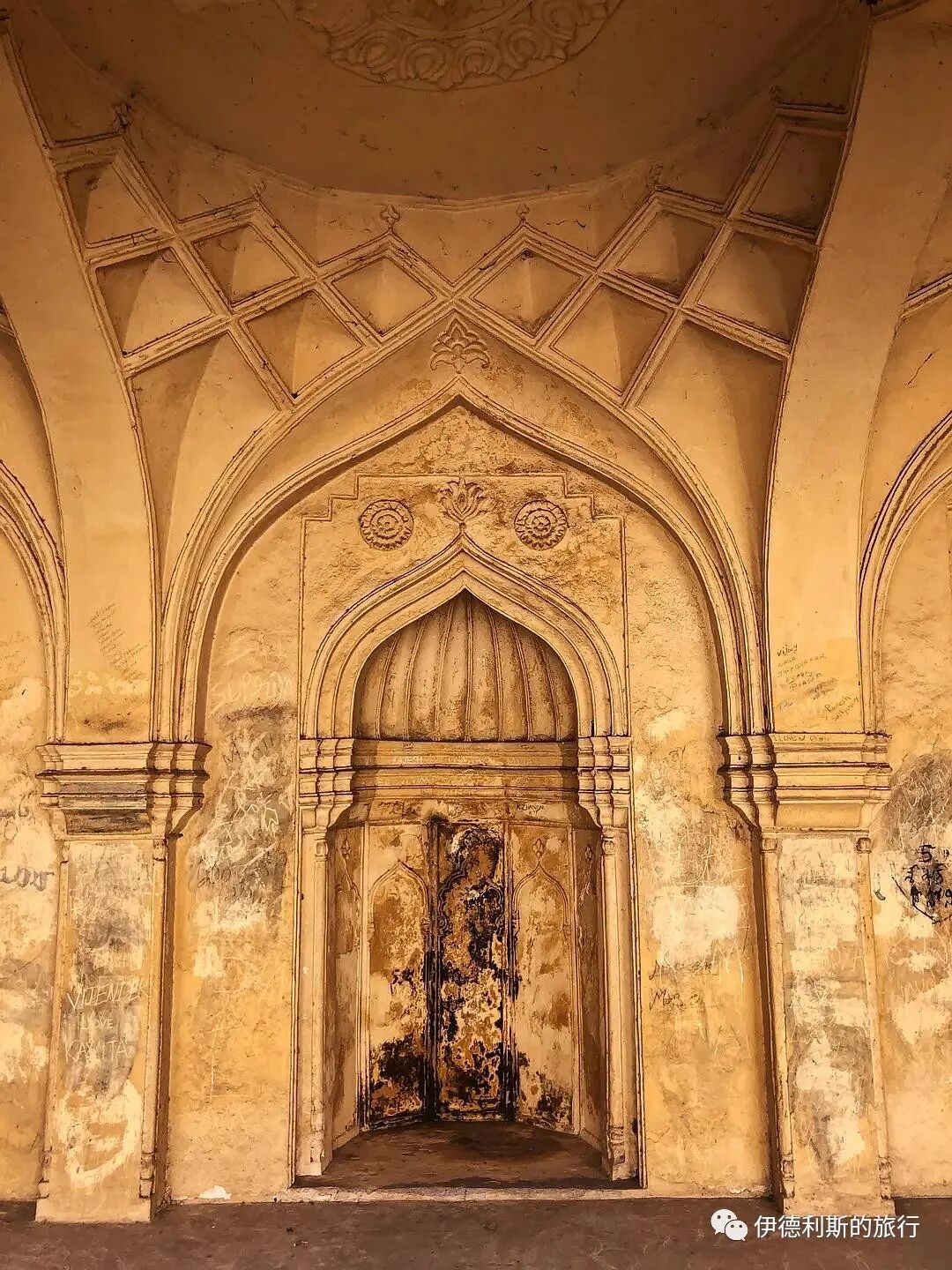
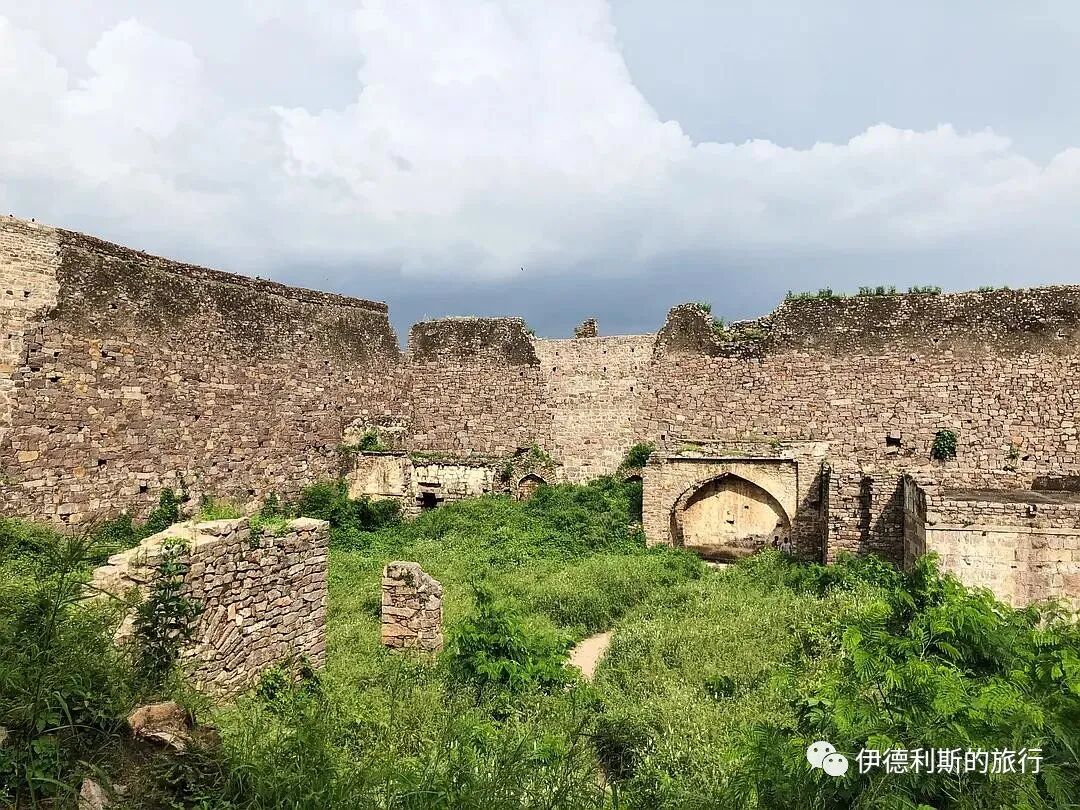
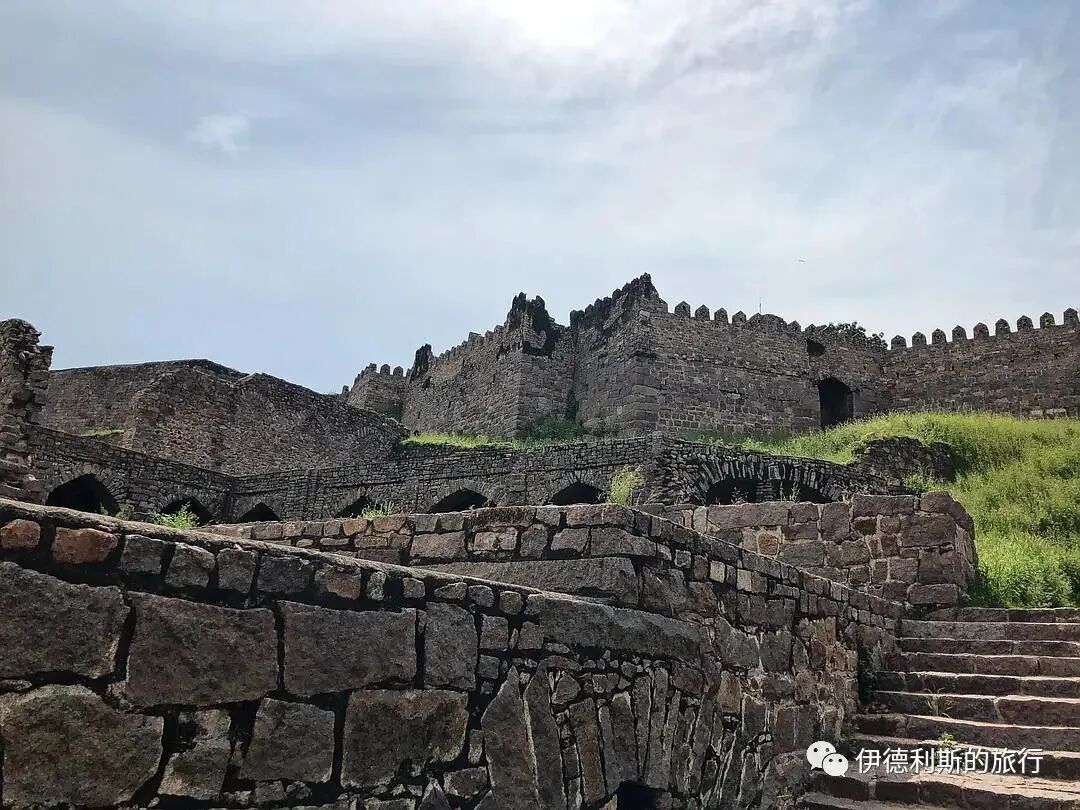
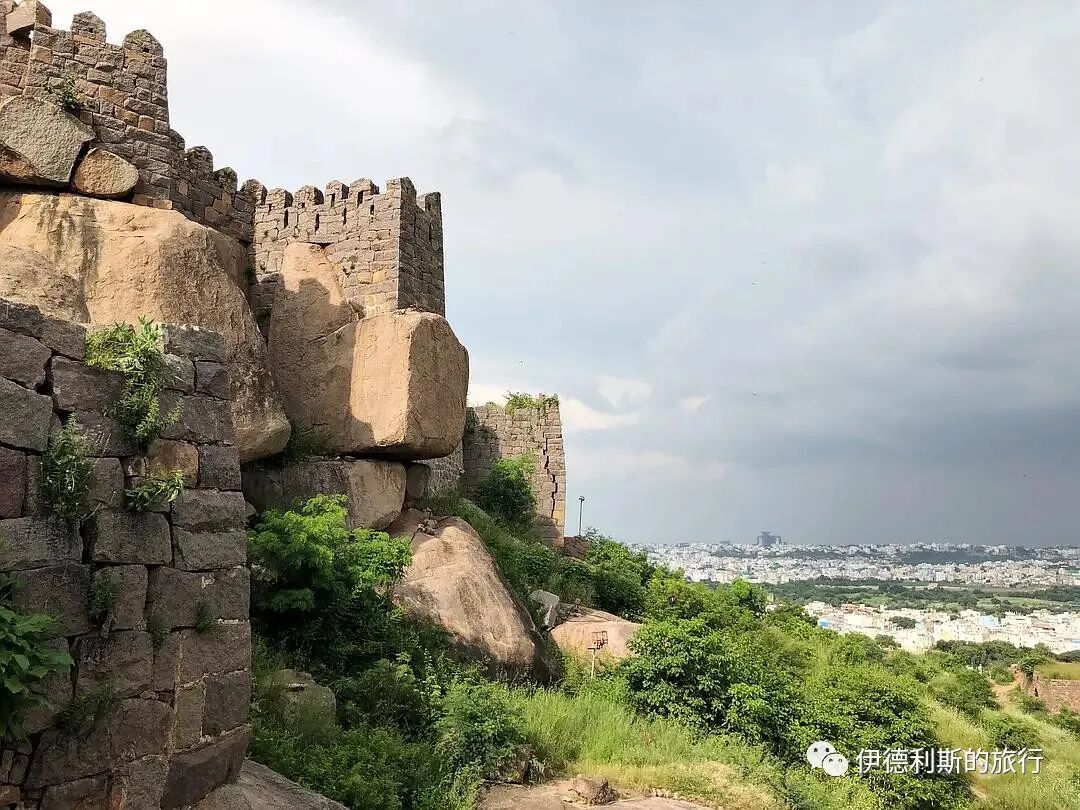
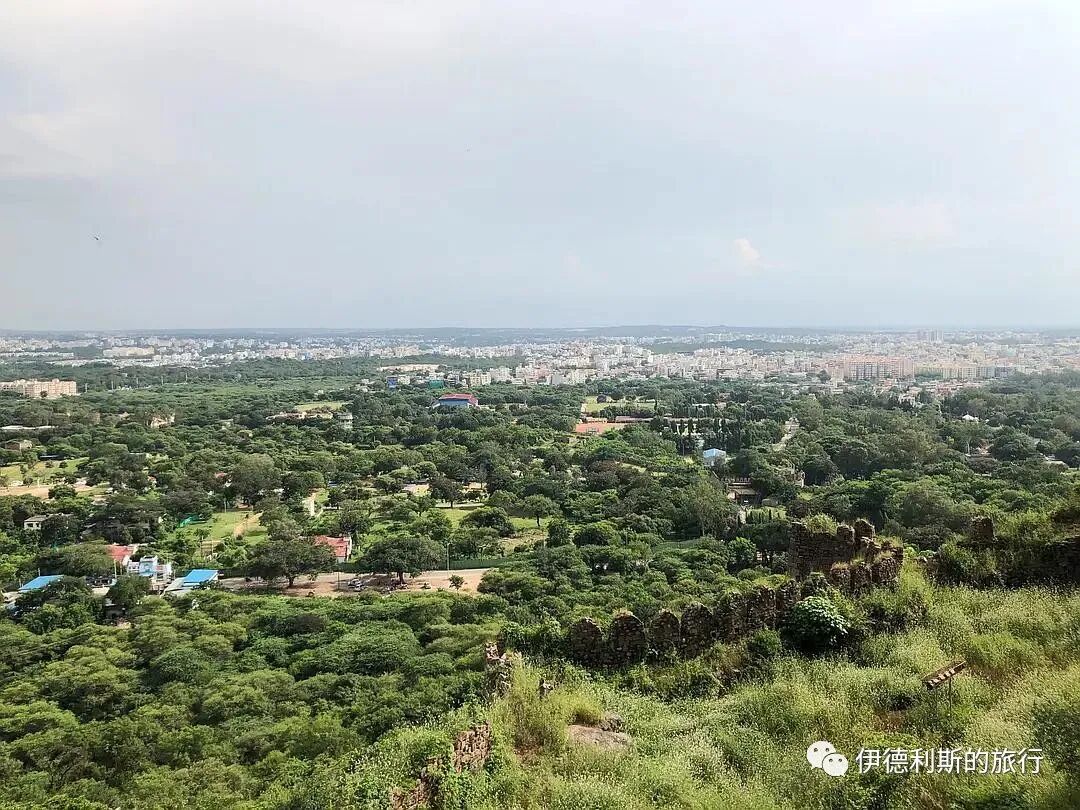
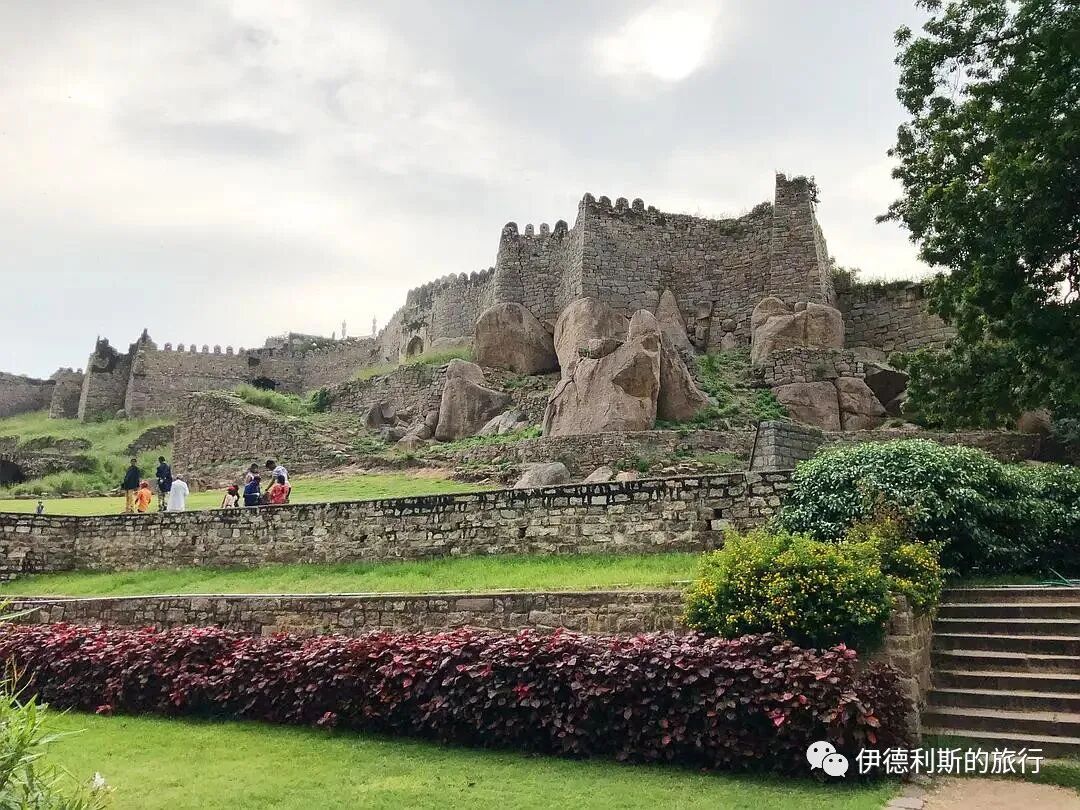
After passing through the Zanana mosque, you leave the palace area. A stone staircase leads to the fortress at the top of the hill. Some of the fortress walls are built directly onto giant boulders, and you can look down over the entire palace area from the steps. Once you reach the top, there is a building called Baradari (Darbar Hall), where you can look out over the vast area behind the fort.
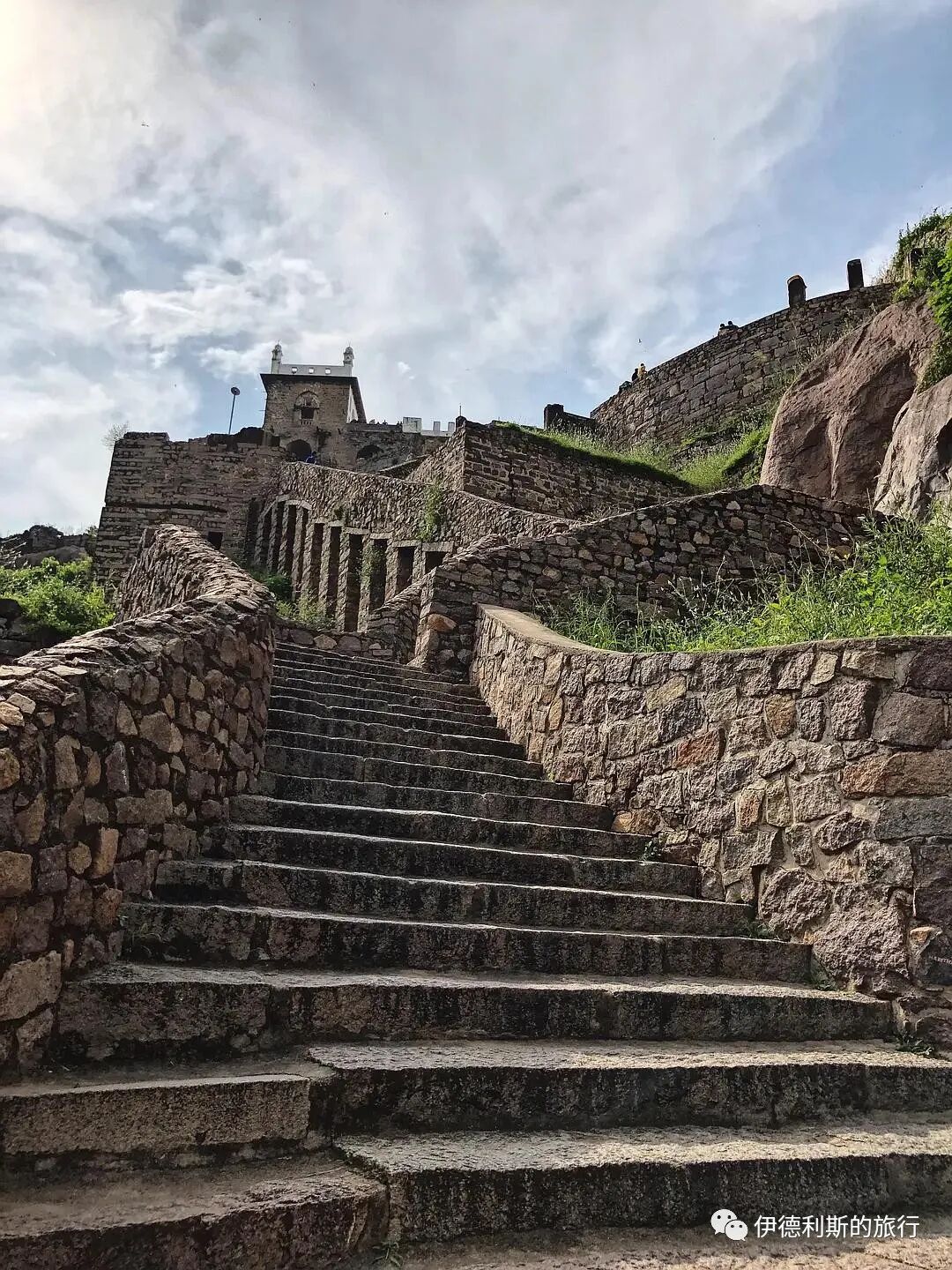
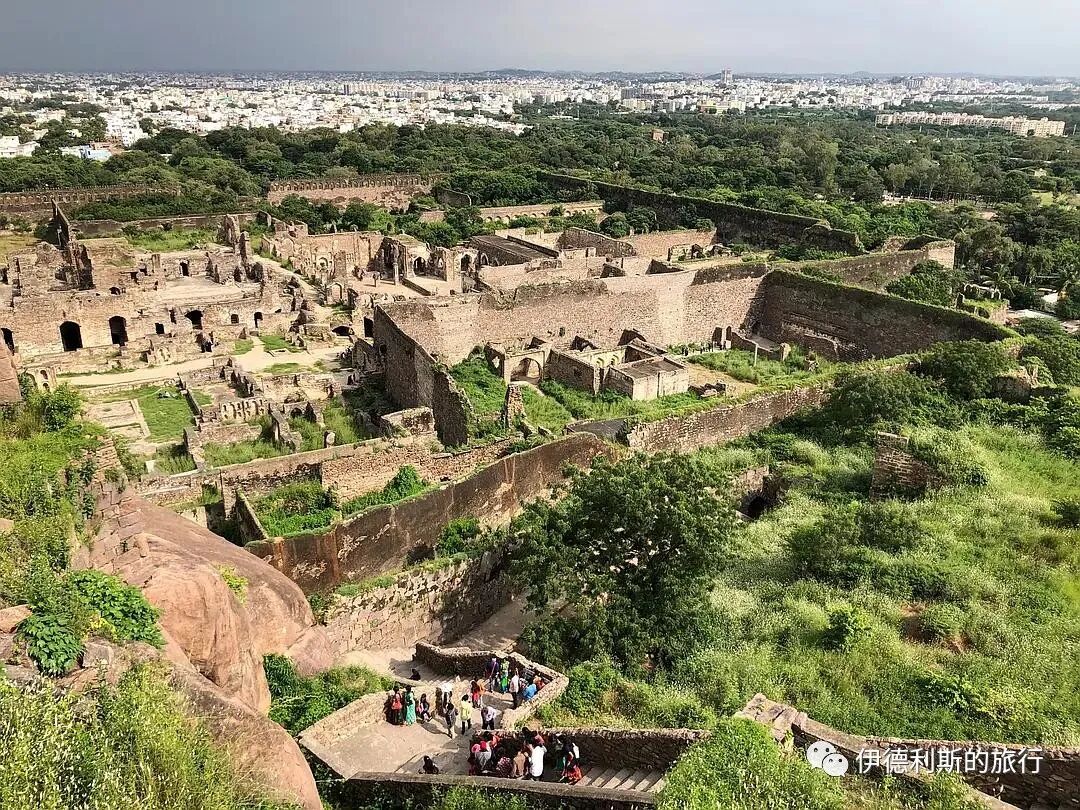
Continuing down the hill, you will pass the Ramdas prison.
Next to the main gate of the fort is a Turkish bath (hammam) building. It has pipes at different heights inside to mix scented cold and hot water, but it was not open when I visited. Historians still disagree on whether this bath was for women or for washing the bodies of the deceased.
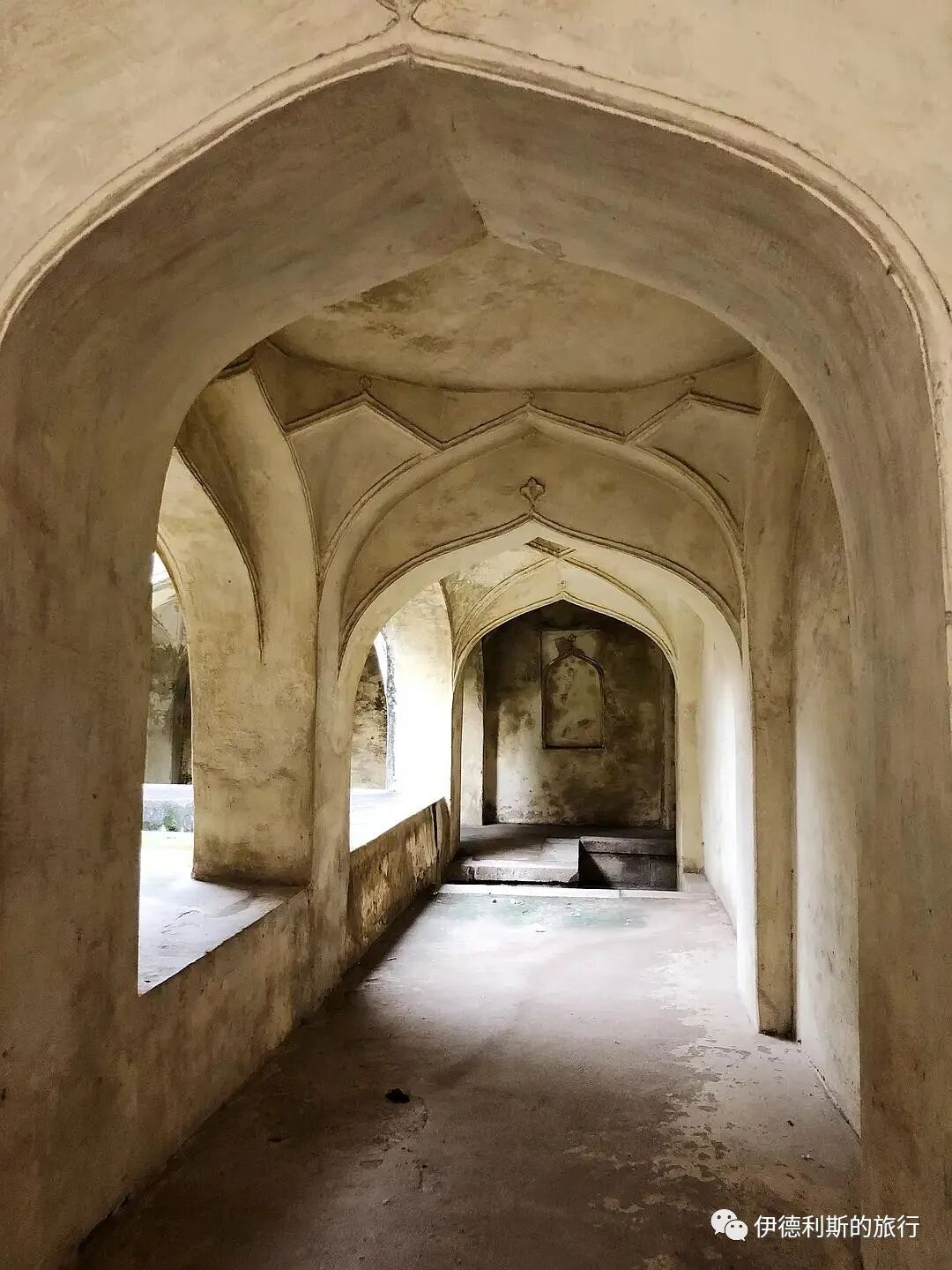
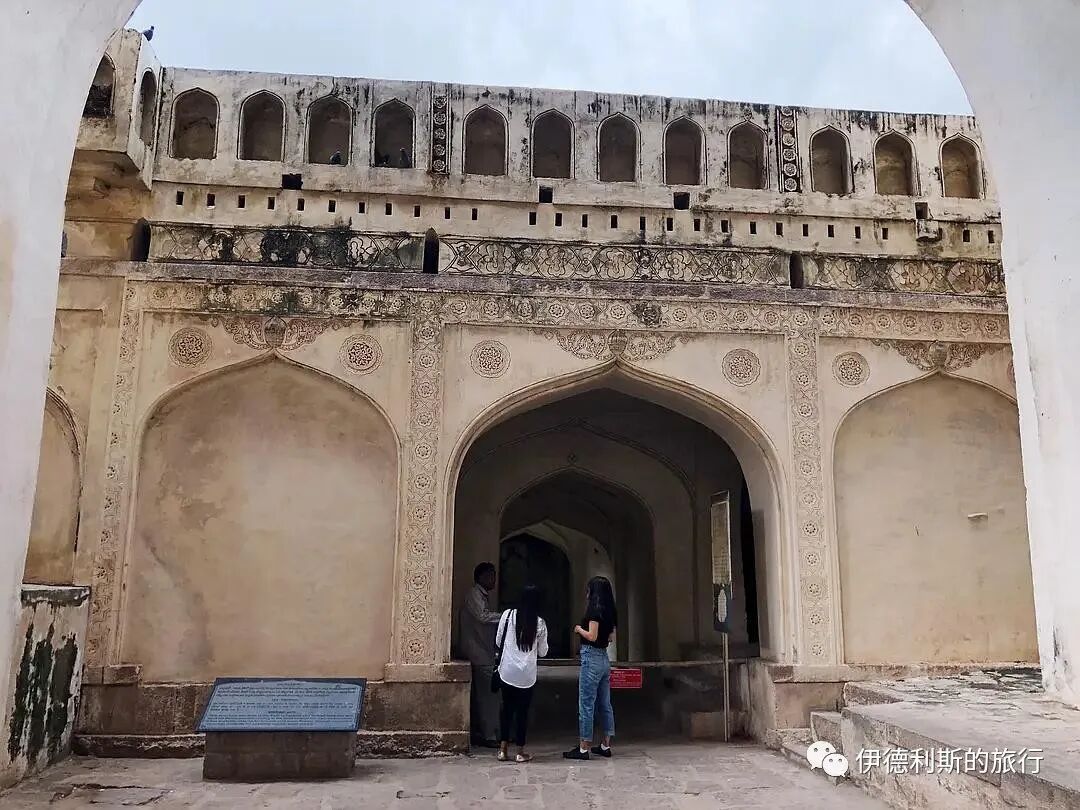
Two large pavilions outside the fort gate.
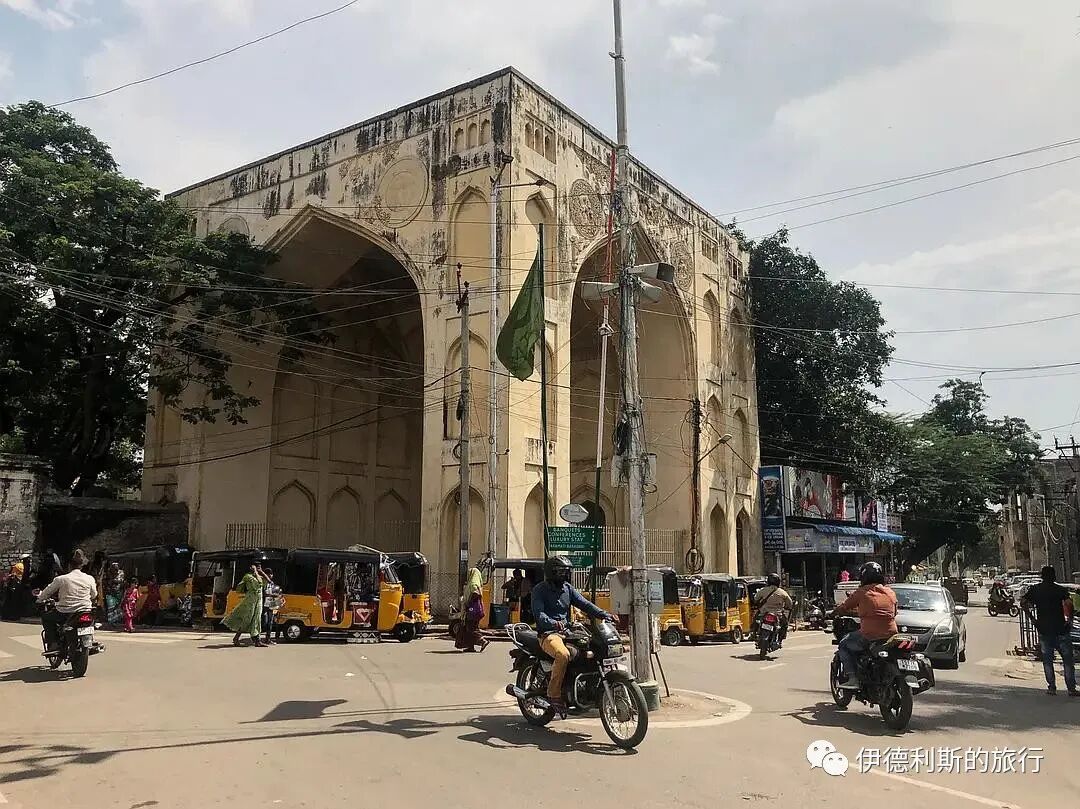
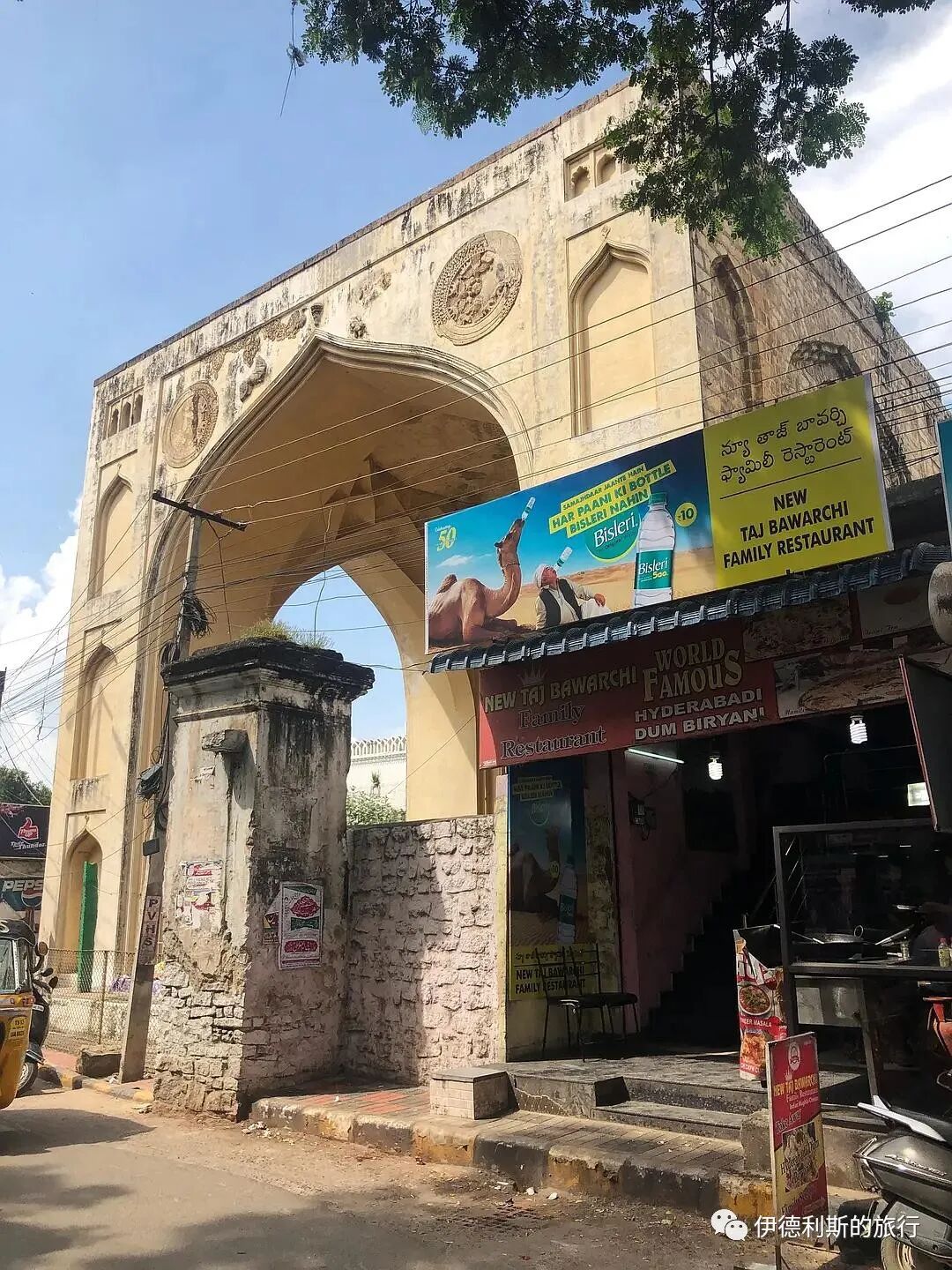
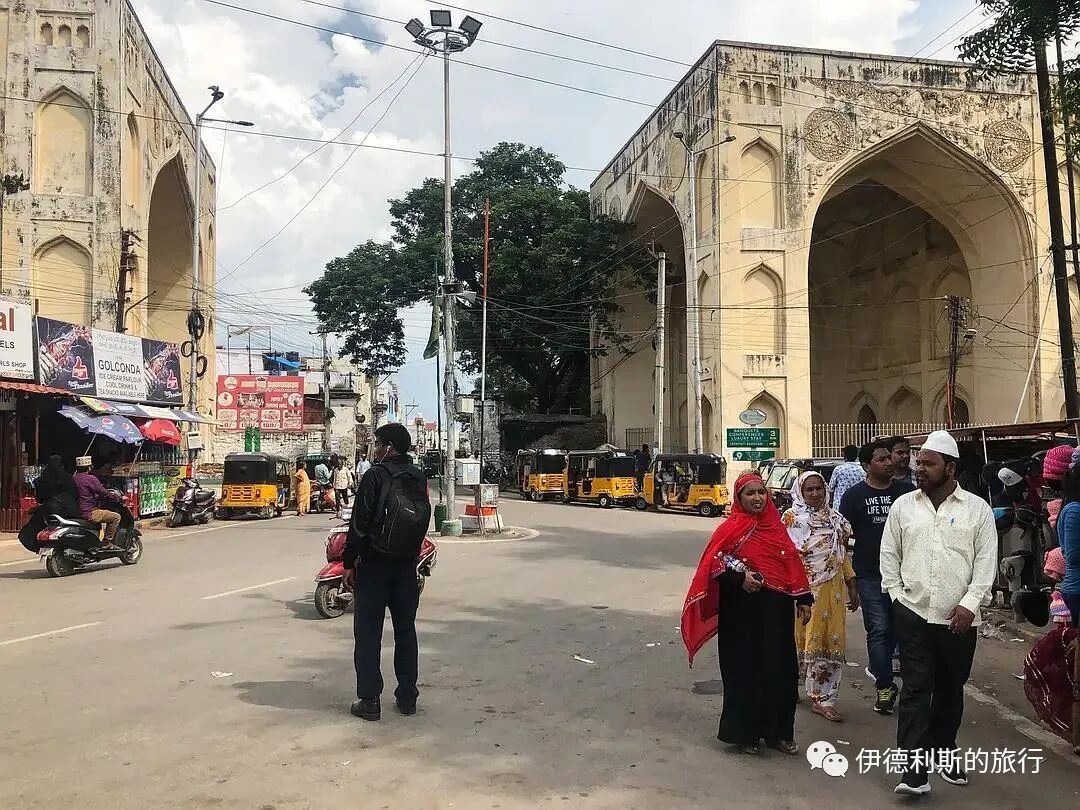
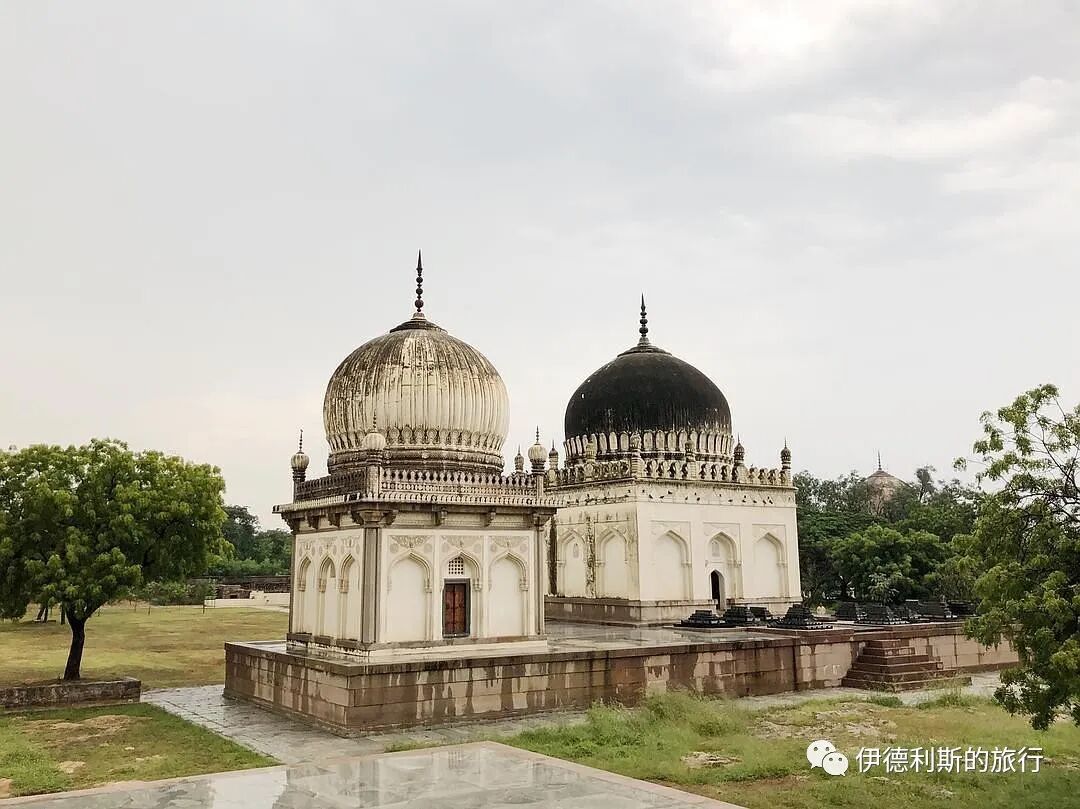
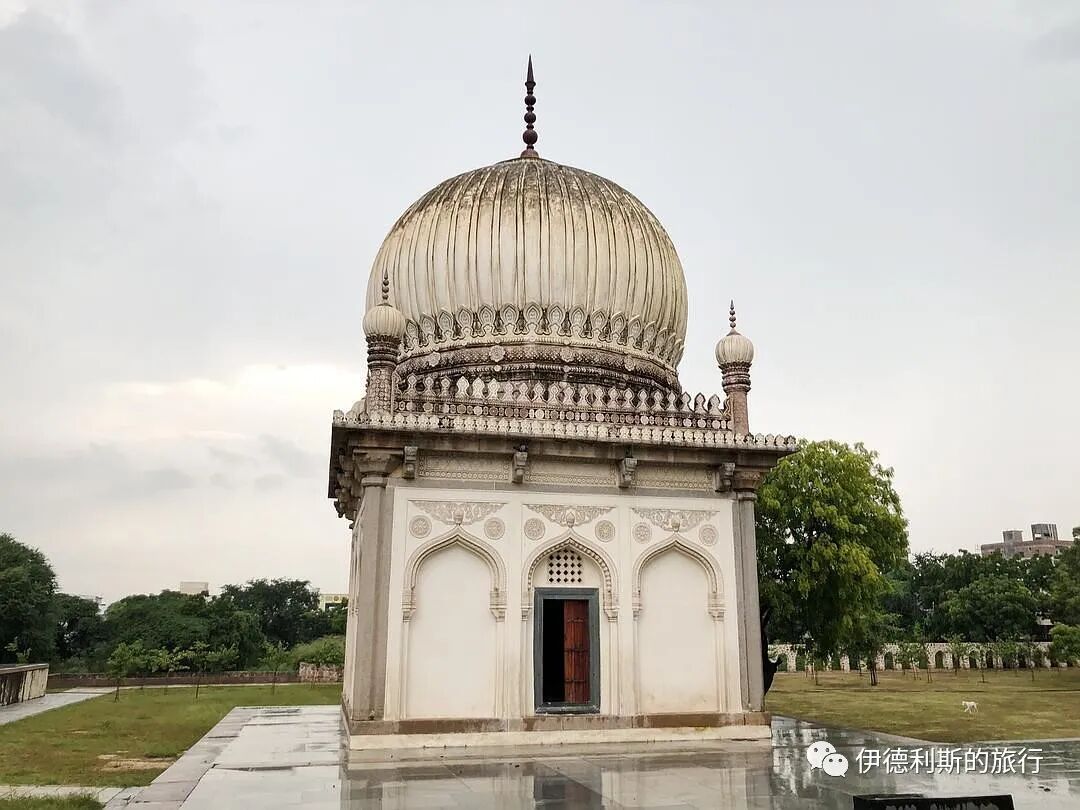
The Qutb Shahi tombs are located north of Golconda Fort and contain the tombs of the sultans of the Qutb Shahi dynasty along with their attached mosques. These tombs feature the typical style of Deccan Plateau Muslim architecture. The square base and round top are highlighted by decorative small towers, and the onion-shaped dome sits on a lotus-petal base, showing a blend of Persian and Indian architectural styles.
The tomb of Quli Qutb Mulk (reigned 1512–1543), the founder of the Qutb Shahi dynasty, is the oldest in the cemetery, and the designs of later tombs were all developed from this one. Quli was a Turkmen from Hamadan, Iran, and a descendant of Qara Yusuf (reigned 1380–1420), the ruler of the Black Sheep dynasty.
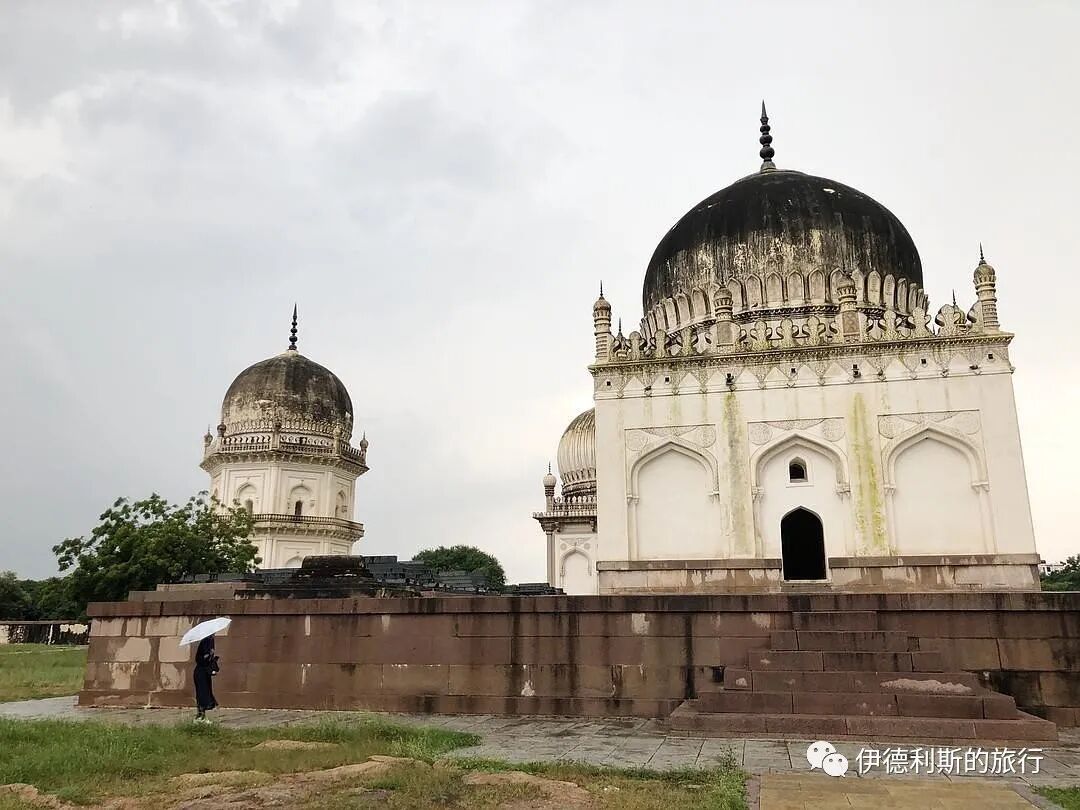
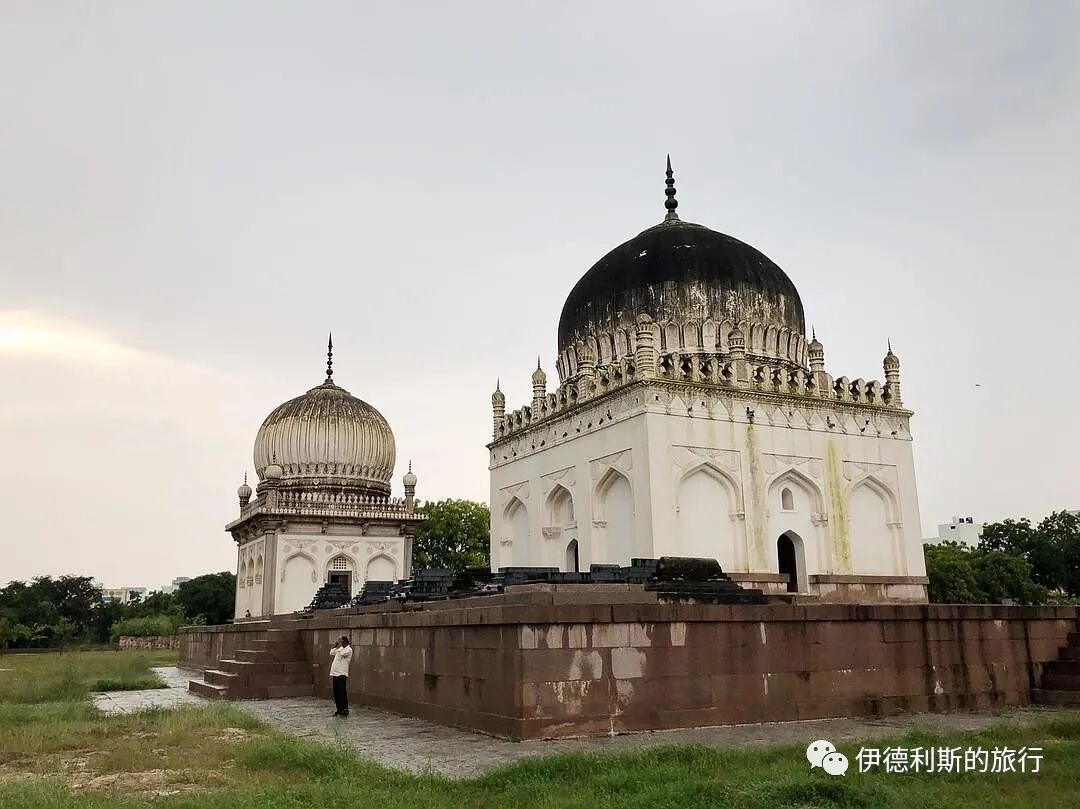
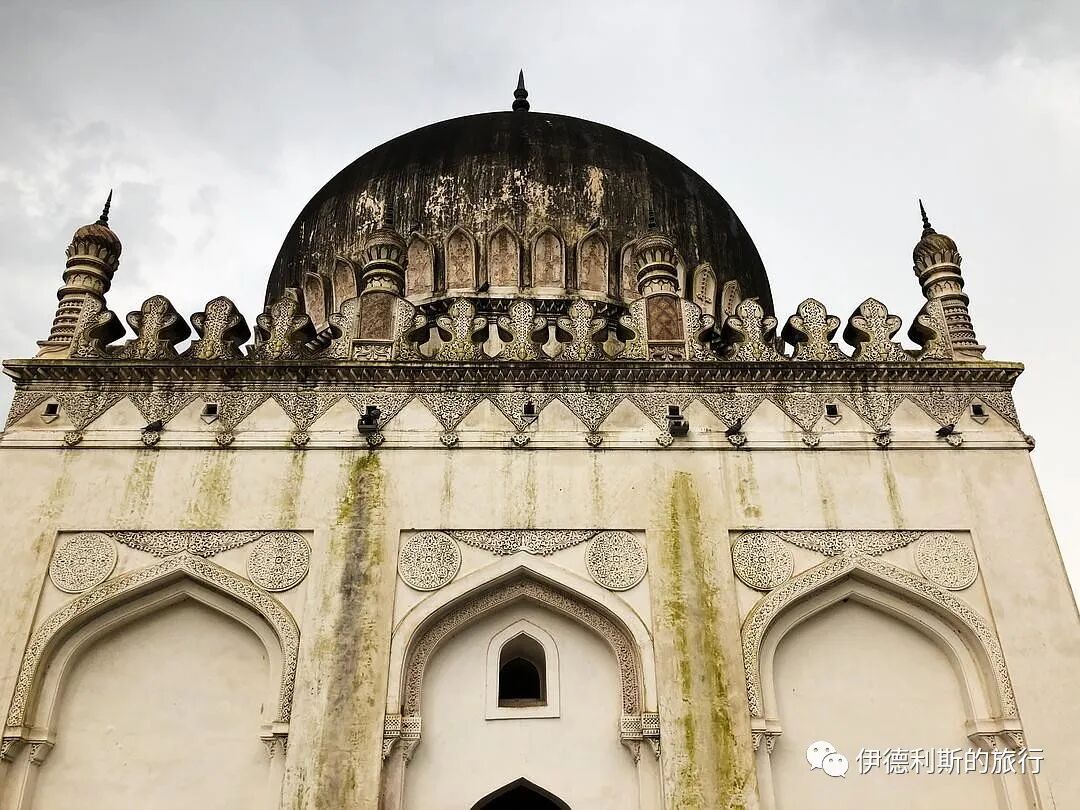
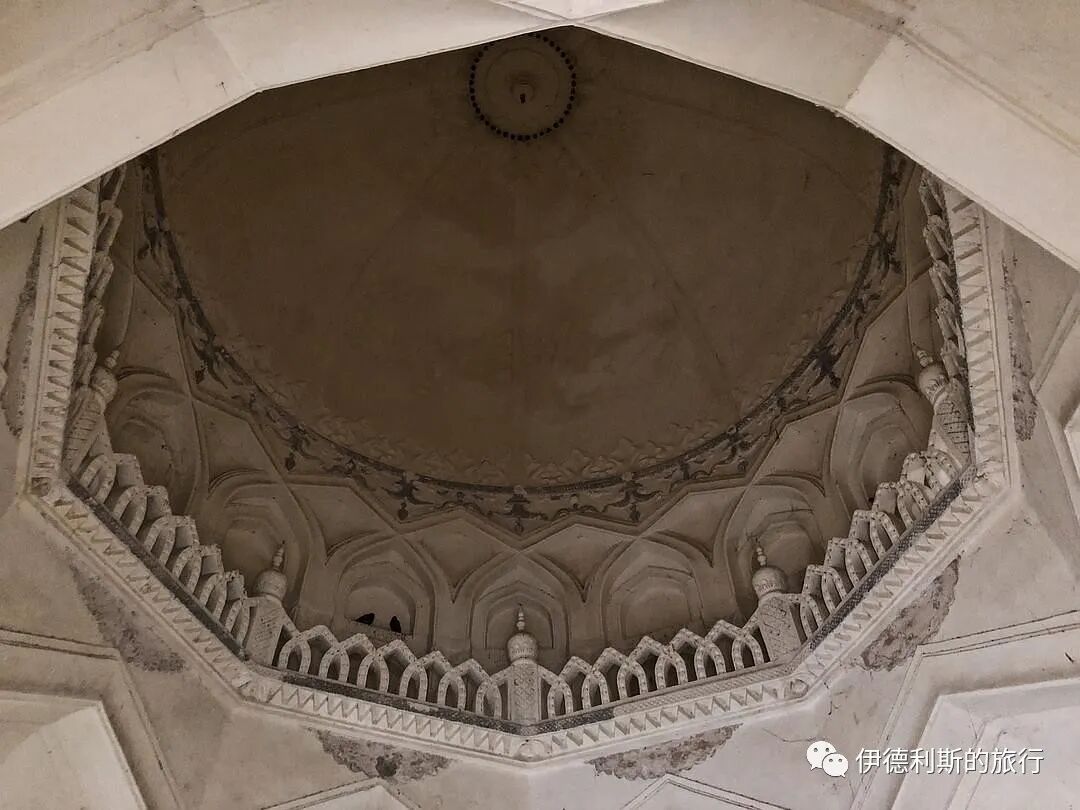
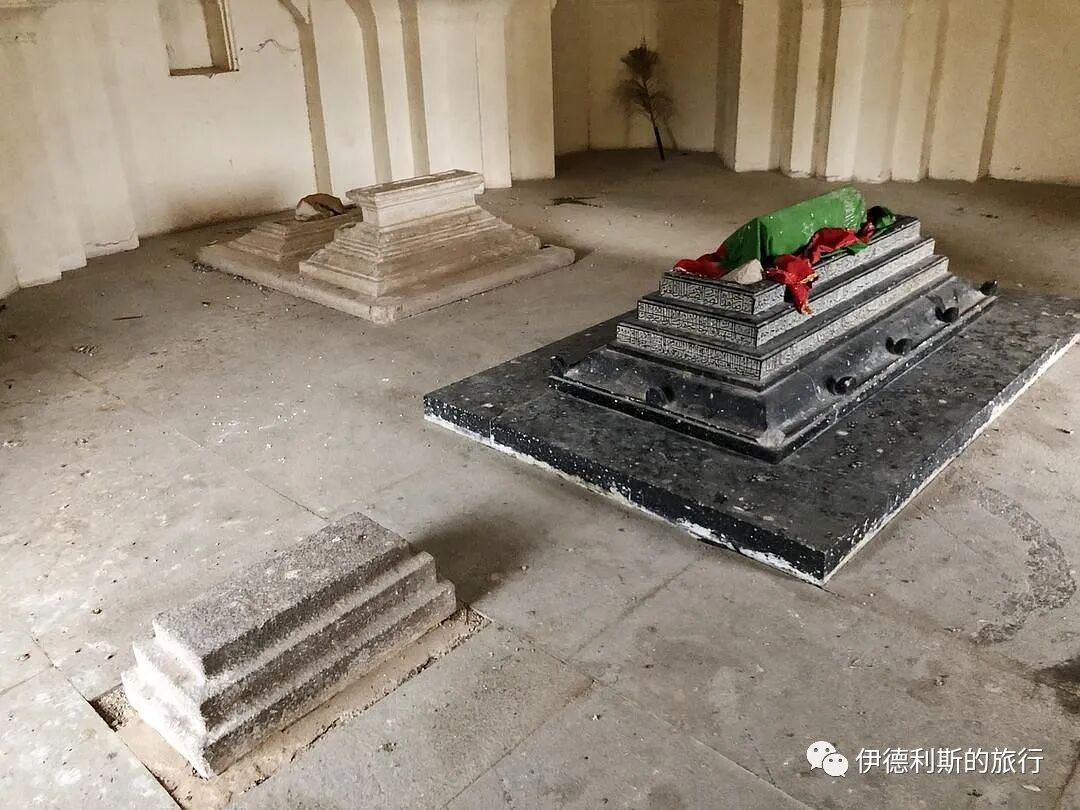
The tomb of the second sultan, Jamsheed Quli Qutb Shah (reigned 1543–1550), is the only sultan's tomb in the cemetery that does not use black basalt. Its design is also different from the others, consisting of two levels. Jamsheed took the throne in 1543 after assassinating his father. Few records remain of his reign, other than that it was very cruel. Jamsheed died of illness in 1550 and was buried next to his father's tomb.
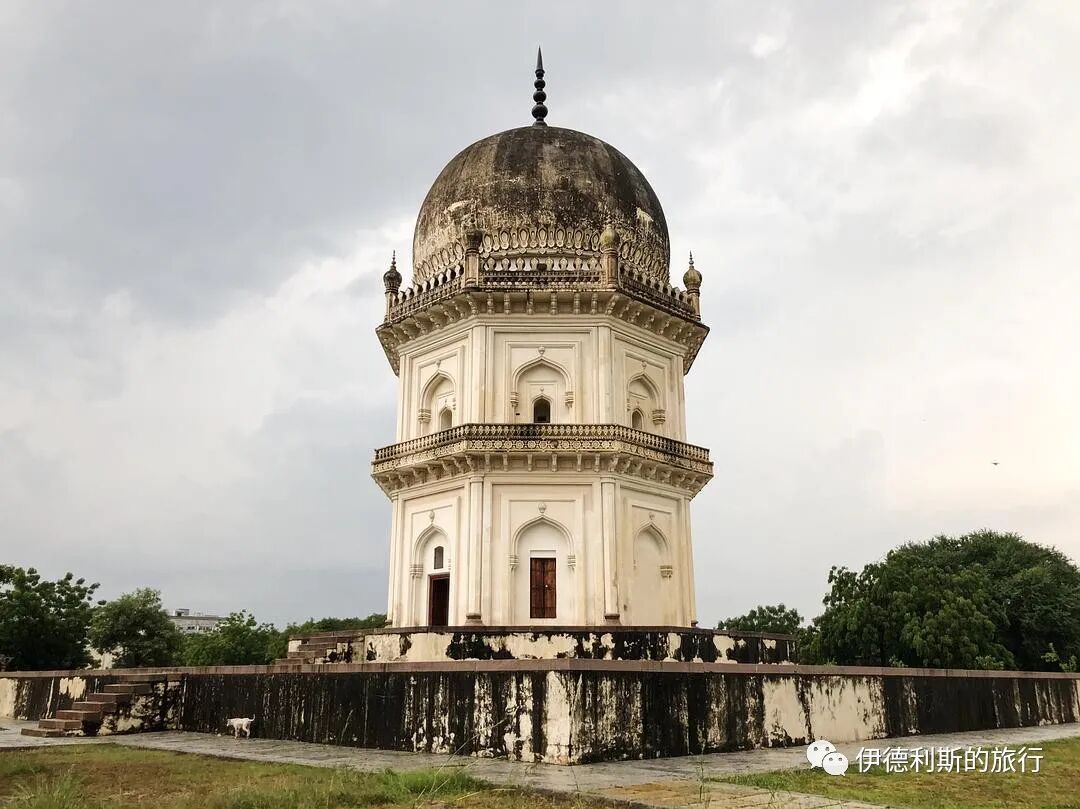
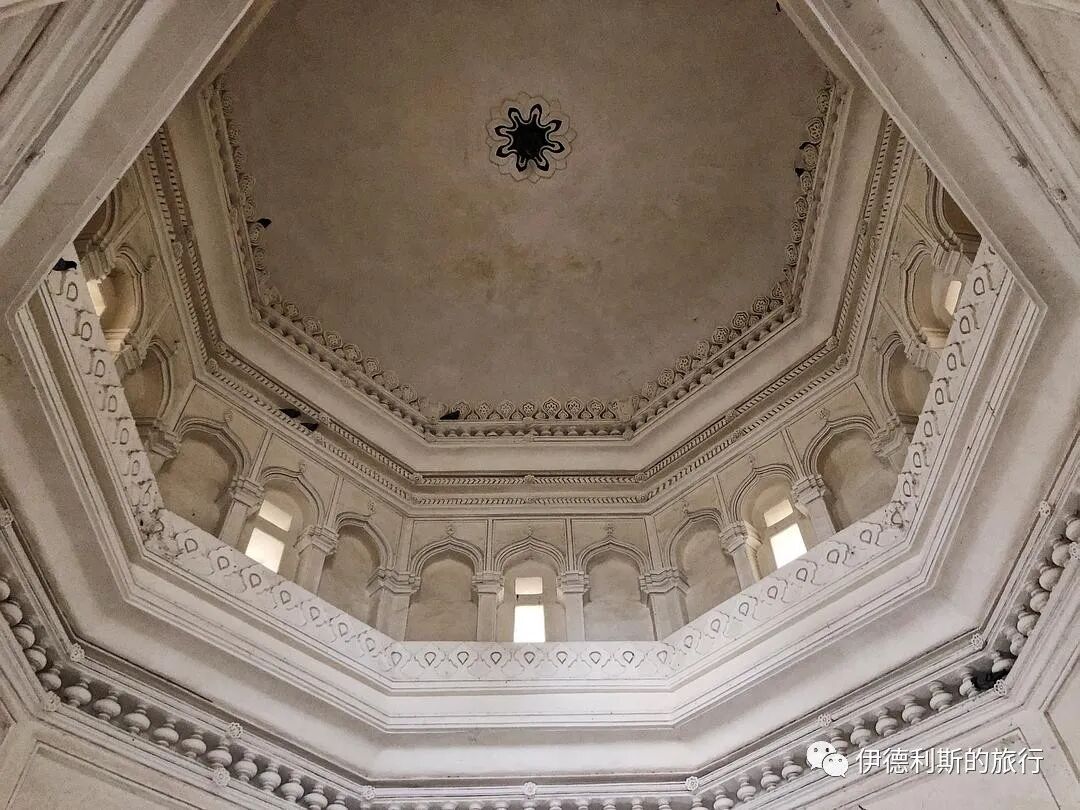
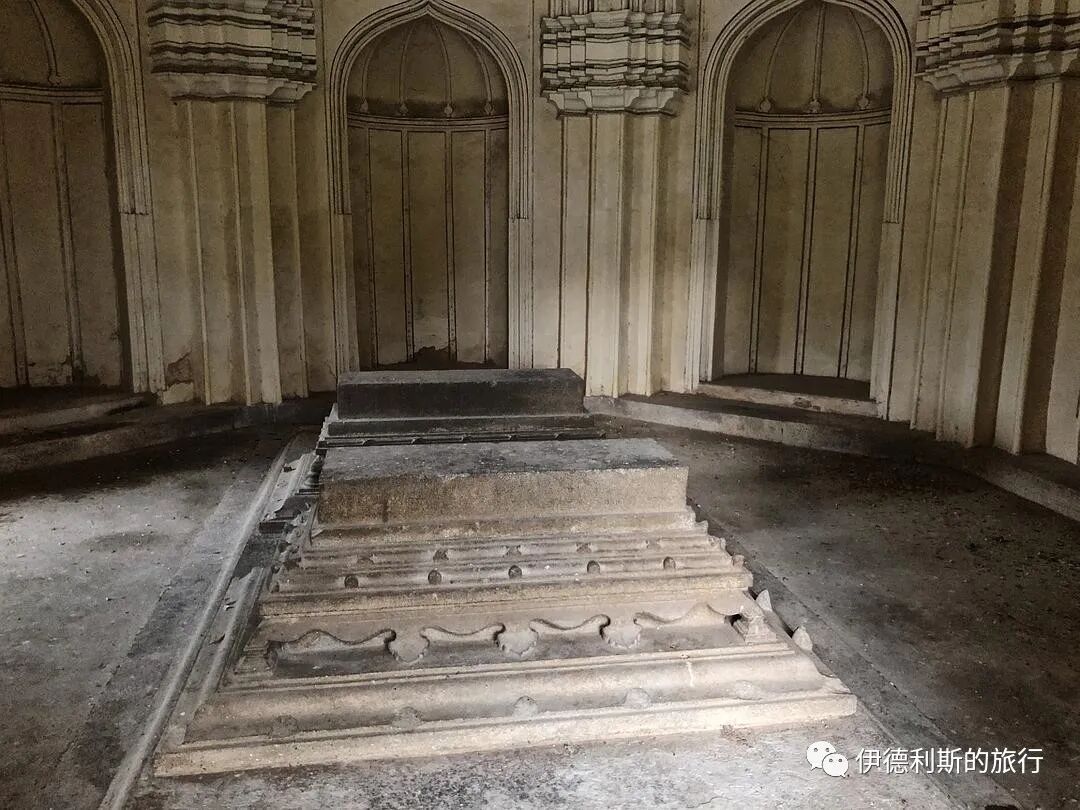
After the second sultan, Jamsheed, died of illness in 1550, his 7-year-old son, Subhan Quli Qutb Shah, took the throne. However, shortly after, Subhan's uncle, Ibrahim Quli Qutb Shah, rushed back to Golconda Fort to seize the throne. Subhan was deposed and died shortly after. Subhan's tomb is on the same platform as his grandfather, the first sultan Quli Qutb Mulk, and it is the smallest of all the sultan tombs.
4. The Bidar Sultanate of the Deccan Plateau (1492–1619)
The Bidar Sultanate was one of the five Deccan sultanates formed after the collapse of the Bahmani Sultanate. It was the smallest one and was surrounded by the other four. Its founder was originally a Georgian enslaved by the Turks who later became a general in the Bahmani Sultanate.
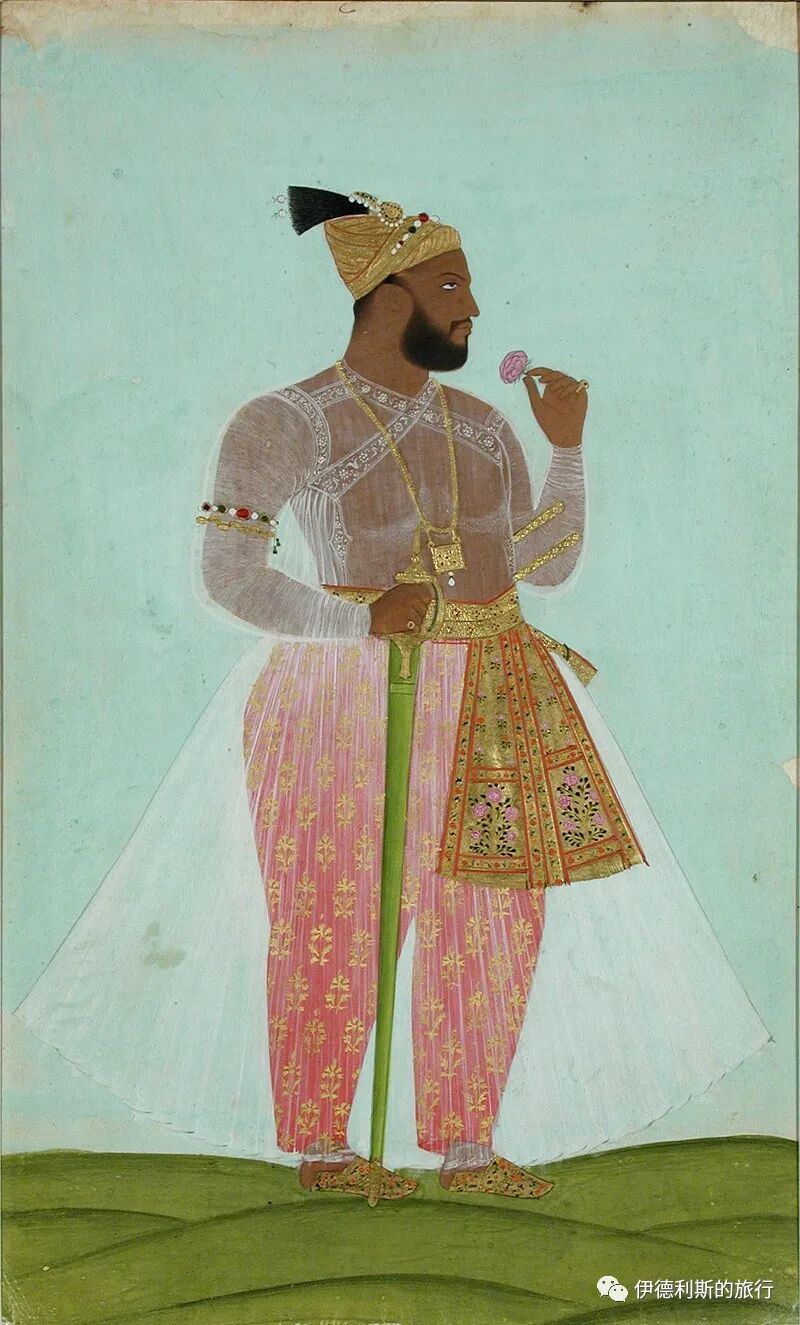
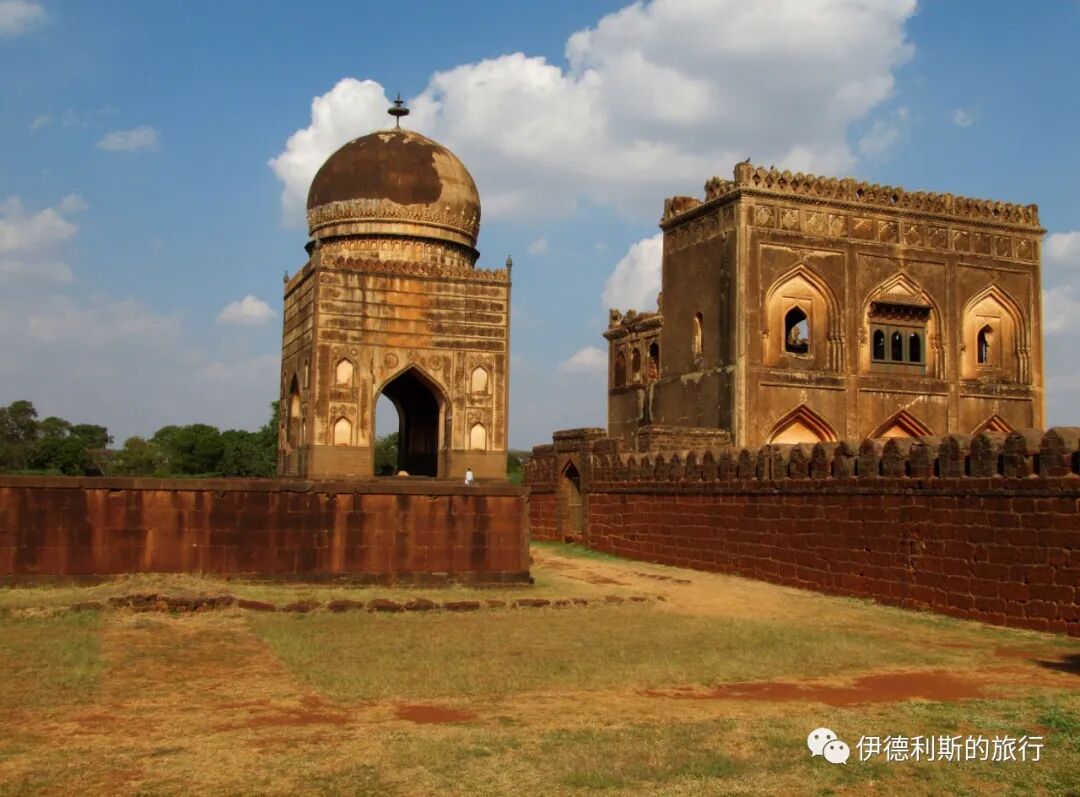
In 1550, the ruler of the sultanate was Ali Barid Shah I, who loved inviting scholars and craftsmen from all over India to his court.
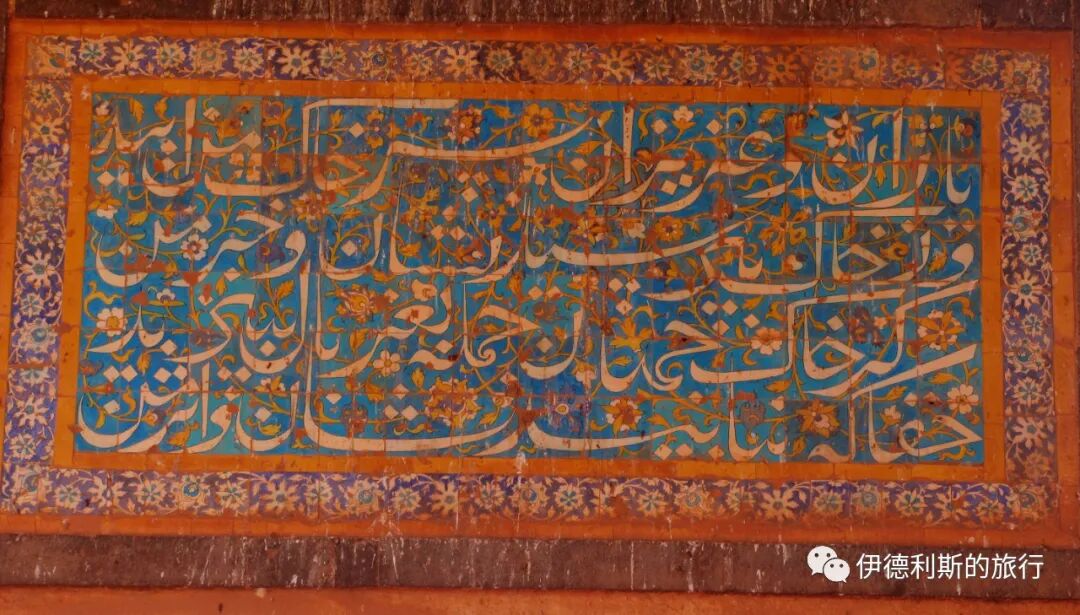
The Bidar Sultanate expanded Bidar Fort on a large scale. Because they hired Hindu architects, the buildings from this period incorporate many features of Hindu architecture.
A miniature painting of Ali Barid Shah in the collection of the San Diego Museum of Art.
A photo of the tomb of Ali Barid Shah taken by S N Barid in 2015.
5. The Bijapur Sultanate on the Deccan Plateau (1490–1686)
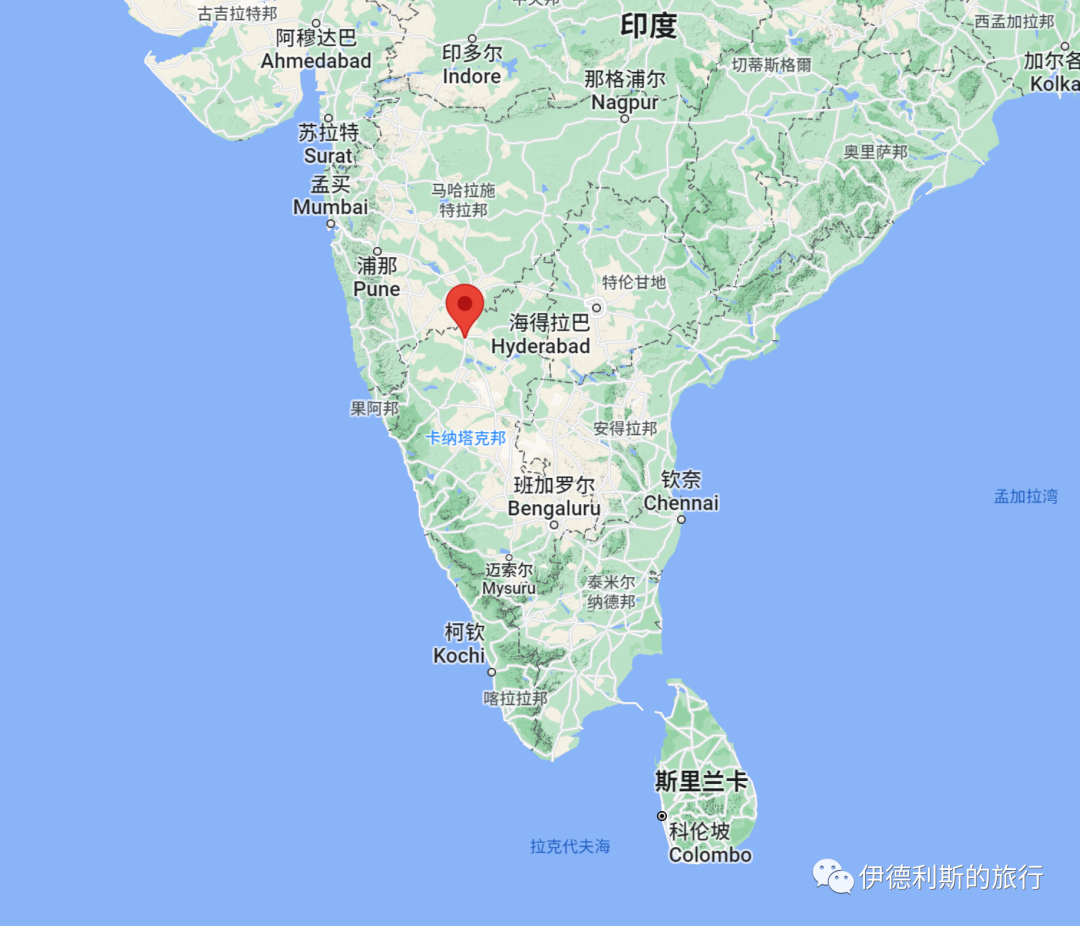
The Bijapur Sultanate was the most southwestern of the five major Deccan sultanates. Its founder was a Georgian slave bought from Iran by the Bahmani Sultanate.
In 1550, the ruler of the sultanate was Ibrahim Adil Shah I, the first Bijapur sultan to hold the title of Shah. After taking the throne, Ibrahim converted from Shia to Sunni. He removed the names of the Twelve Imams from the Friday khutbah, promoted local Deccan Sunni Muslims, and suppressed the Shia faction.
During his reign, Ibrahim constantly formed and broke alliances with the other four Deccan sultanates. Although there were continuous military campaigns, there was little territorial expansion.
During the rule of the Bijapur Sultanate, the city of Bijapur was a center for business, trade, and education on the Deccan Plateau, famous for its unique Bijapur culture.
The location of Bijapur city.
The Sultanate of the Maldives (1153-1968) in the Indian Ocean.
Let us leave the South Asian mainland and take a boat to the Maldives islands in the Indian Ocean.
As Arab merchants grew trade in the Indian Ocean, the Maldives changed from a Buddhist kingdom to an Islamic nation in the 12th century, becoming the Sultanate of the Maldives.
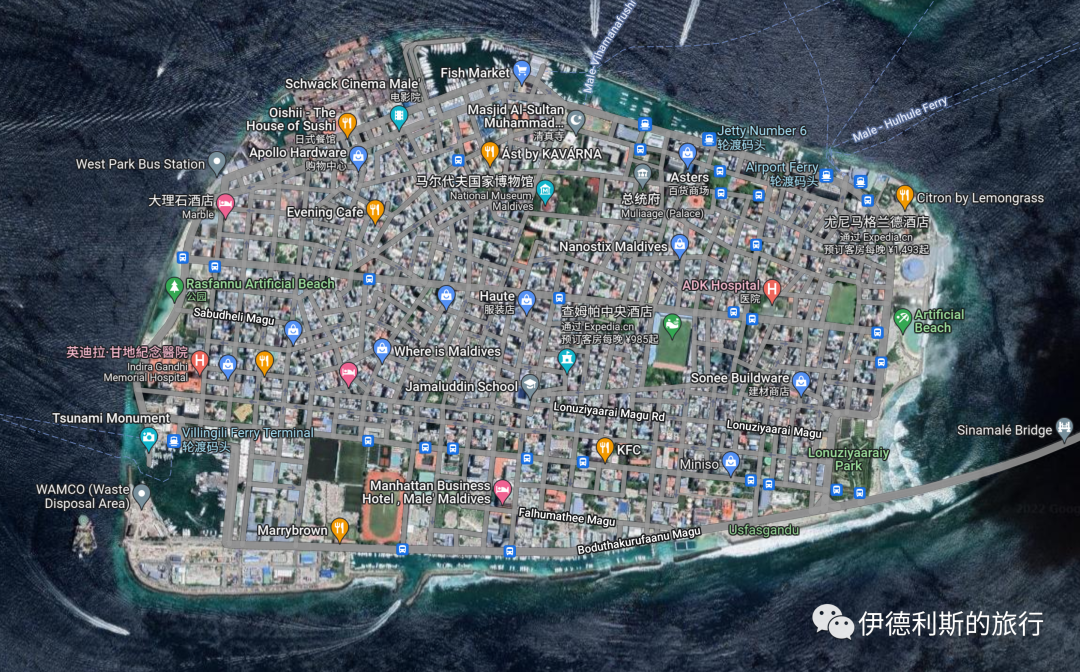
In 1550, the Sultanate of the Maldives was ruled by the Hilaalee dynasty, whose founder likely came from Somalia. In 1551, Sultan Muhammad III, who had only been in power for two years, was assassinated by his brother Hassan. Hassan was also the first Maldivian Sultan to convert to Christianity, but he was soon deposed.
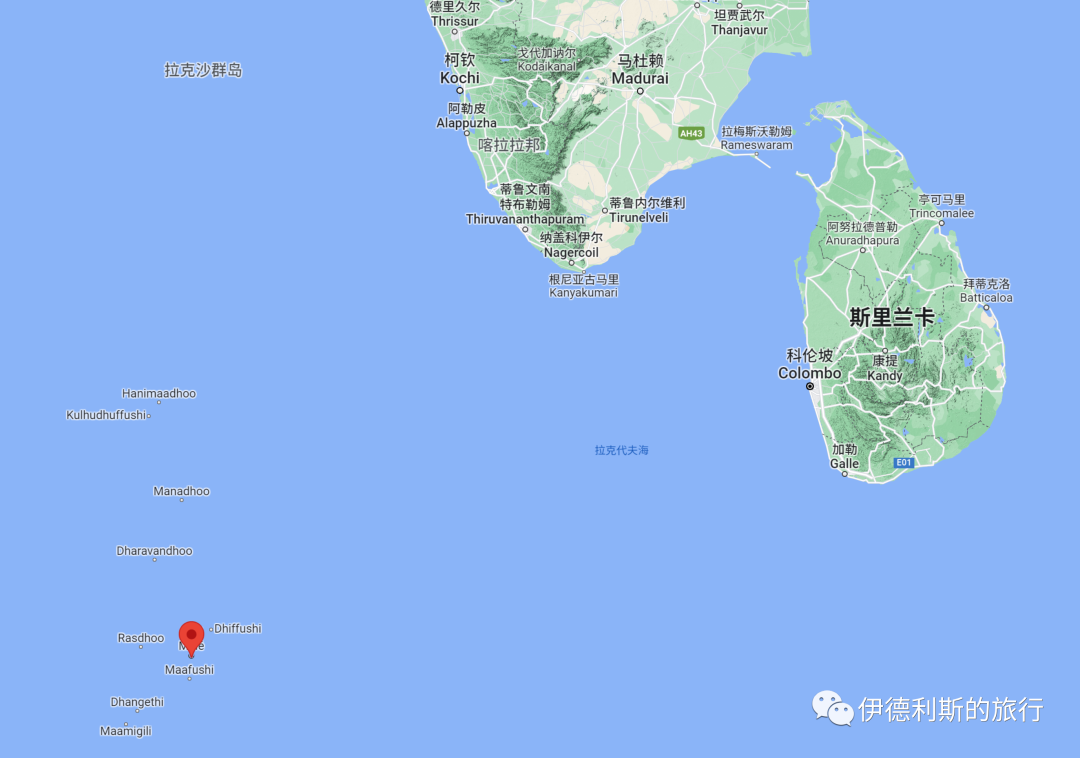
Male, the capital of the Sultanate of the Maldives.
In the next part, we will cross the Bay of Bengal to Southeast Asia to see the Islamic culture there in 1550.
Summary: Islamic World in 1550: South Asia — Sultanates, Mughals and Muslim History is presented here as a firsthand travel account in clear English, beginning with this scene: In the first article, "A Journey Through the Islamic World in 1550 (Part 1)," we crossed the African continent, traveled from Egypt into the Ottoman Empire, and then visited Tabriz in Iran. The account keeps its focus on South Asian Islam, Mughal History, Islamic World while preserving the names, places, food, and historical details from the Chinese source.
In the first article, "A Journey Through the Islamic World in 1550 (Part 1)," we crossed the African continent, traveled from Egypt into the Ottoman Empire, and then visited Tabriz in Iran.
In the second article, "A Journey Through the Islamic World in 1550 (Part 2) — The Legacy of the Mongol Empire," we visited 12 countries ruled by descendants of Genghis Khan, moving from Eastern Europe into North and Central Asia, and finally into South Asia.
In the third article, we will experience the Islamic culture of South Asia, traveling from Delhi into Gujarat and central India, then moving to the Deccan Plateau to visit its five sultanates, and finally taking a boat to the Maldives to begin our Indian Ocean journey.
For North India, 1550 is a special point in time. The Mughal Empire and the Bengal Sultanate we are familiar with have disappeared from the map, replaced by the Sur Dynasty, an Afghan Pashtun state stretching from Pakistan and North India through Bengal to the Rakhine State in Myanmar.
The Sur Dynasty (1538-1556) that swept across North India.
The founder of the Sur Dynasty, Sher Shah Suri, came from the Afghan Pashtun Sur tribe and was originally a general in the Mughal Empire. In 1539, the Mughal Emperor Humayun led a large army to conquer Bengal, but he was defeated by Sher Shah. In 1540, Sher Shah followed up his victory and completely crushed Humayun. Humayun fled to Persia, and Sher Shah established the Suri Dynasty in Delhi.
After occupying Delhi, Sher Shah continued building Din Panah, the Mughal capital Humayun had started for himself in 1533, and renamed it Shergarh.
In 1550, the Suri Dynasty was ruled by Sher Shah's son, Islam Shah Suri. He continued his father's policy of strengthening central authority, defeated the counterattack by the Mughal Emperor Humayun, and maintained the Suri Dynasty's rule in North India.
The location of Shergarh city.
The walls of Shergarh are 18 meters high and 1.5 kilometers long, with three city gates. The west gate is the main entrance to the fortress and the tourist area, called Bara Darwaza. The south gate is called Humayun Darwaza. One theory is that Humayun built this gate, while another is that it faces Humayun's Tomb. The north gate is called Talaqi Darwaza, also known as the Forbidden Gate.
All three gates are double-layered sandstone structures with two huge semi-circular towers on either side. The gates have overhanging balconies and small pavilions (chhatris) on top, an architectural style that would be used repeatedly in later Mughal architecture.
The Qila-i-Kuna mosque was built by Sher Shah in 1541 and served as the royal mosque of the Suri Dynasty. This semi-domed mosque is considered an important landmark in the transition of Indian Islamic architecture from the Lodi style to the Mughal style, and it is the largest and most exquisite of the five-arched mosques in India.
The five-arched mosque is an architectural style that developed during the Sayyid and Lodi dynasties of the Delhi Sultanate. The main hall of the mosque is divided into five sections by five arches, and each section has a mihrab. The mihrab inside the central arch is the largest, topped by a Lodi-style semi-circular dome.
Sher Mandal is an octagonal pavilion with a very simple style. This beauty of simplicity comes from a return to Persian style, which is quite different from the architectural forms of the late Lodi dynasty of the Delhi Sultanate, and it is the earliest building of this style in Delhi.
Although it looks like an early Mughal building, it is actually recognized as part of the palace built by Sher Shah, which was later converted by Humayun into a library and observatory. It is also known as the first observatory in Delhi.
Salimgarh Fort is located on the north side of the Red Fort in Delhi and was built in 1546 by Salim Shah, the son of the Suri Dynasty ruler Sher Shah. People say before Humayun recaptured Delhi in 1555, he stayed here for three days.
Salimgarh Fort has many ghost stories, the most famous being that of Zebunnisa, the daughter of the Mughal Emperor Aurangzeb. Legend says she wore a black veil and sang poems she had written herself under the moonlight. Additionally, some people claim to hear the groans of Indian National Army soldiers who were tortured to death here at night.
In 2007, this site became a UNESCO World Heritage site.
Isa Khan was a nobleman of the Sur Empire, coming from the Niazi tribe of the Pashtuns in Afghanistan. Isa Khan died in 1548. Before he passed away, he built his own tomb and mosque in the southern suburbs of Dinpanah, near the shrine of Nizamuddin. Later, this area also became the site of Humayun's tomb. As a prominent figure in the Sur Empire, Isa Khan was one of the last nobles of the dynasty to be buried in an Afghan-style tomb.
On August 5, 2011, the oldest sunken garden in India was discovered during the restoration of the tomb. This is considered the first Indian-style sunken garden attached to a tomb in India, a design that was later further developed at the tomb of Akbar and the Taj Mahal.
The Isa Khan Mosque was built during the same period as the tomb, and its biggest feature is the use of two pavilions instead of a dome. many details in the mosque were further developed in the later Humayun's Tomb.
Legacy of the Delhi Sultanate
We head south from Delhi to Gujarat to look at the state that became independent from the Delhi Sultanate.
1. The Gujarat Sultanate in Western India (1407–1573)
The Gujarat Sultanate was located in the state of Gujarat in western India. Its founder was originally the governor (Nawab) of the Delhi Sultanate in Gujarat, and he became officially independent after Timur invaded the Delhi Sultanate.
In the first half of the 16th century, the Gujarat Sultanate was invaded twice by the Rajputs and the Mughal Empire, but they were eventually driven away. In 1550, the Gujarat Sultanate was ruled by Sultan Mahmud Shah III (reigned 1537–1554).
The Gujarat Sultanate is famous for its elegant Indo-Islamic architecture. They built many unique mosques in their capital, Ahmedabad, which had a great influence on the later development of Mughal architecture. In 2016, the Historic City of Ahmedabad was added to the UNESCO World Heritage List.
The location of Ahmedabad city.
The Rani Sipri Mosque in Ahmedabad, built in 1514, has intricate carvings on its walls.
Photographed in 1874 by the Indian photography studio Bourne & Shepherd.
2. The Khandesh Sultanate in Central India (1382–1601)
The Khandesh Sultanate was located in the Khandesh region of central India. Its founder was originally a nobleman of the Delhi Sultanate who became a general due to his military achievements, and he became an independent sultanate in the late 14th century.
In the early 16th century, the Khandesh Sultanate was caught in wars with the neighboring Gujarat Sultanate and Malwa Sultanate.
The capital of the Khandesh Sultanate was Burhanpur, located in the Indian state of Madhya Pradesh.
Five Deccan Sultanates
Let us continue south into the Deccan Plateau.
In the 14th and 15th centuries, the most powerful state on the Deccan Plateau was the Bahmani Sultanate, which was formed after the Delhi Sultanate's governor in the Deccan region became independent. At the end of the 15th century, the Bahmani Sultanate declined and split into five sultanates, collectively known to later generations as the five Deccan Sultanates.
1. The Berar Sultanate on the Deccan Plateau (1490–1572)
The Berar Sultanate was the first of the five Deccan Sultanates to become independent after the collapse of the Bahmani Sultanate. Its founder was originally a Hindu who converted to Islam after being captured by the Bahmani army.
In 1550, the sultanate was ruled by Darya Imad Shah, who tried to use diplomacy for peaceful rule, which kept the sultanate relatively stable during this period. At the same time, he also built the city of Daryapur and named it after himself.
The location of Daryapur city.
2. The Ahmadnagar Sultanate on the Deccan Plateau (1490–1636)
The Ahmadnagar Sultanate was one of the five Deccan sultanates formed after the Bahmani Sultanate broke apart. It sat southeast of the Gujarat Sultanate, with Ahmadnagar as its capital. Its founder was originally a Brahmin from the Vijayanagara Empire in South India who later converted to Islam.
In 1550, the sultanate was ruled by Burhan Nizam Shah I. He was the first to switch from Sunni to Shia Islam, and the nobles and commoners soon followed his lead. Under his rule, there was religious tolerance, art flourished, and trade went smoothly, though small-scale conflicts with the Mughals and other sultanates continued.
Ahmadnagar city is in the state of Maharashtra in western India. It is a small town now, but it still keeps dozens of architectural ruins from the sultanate era.
The location of Ahmadnagar city.
3. The Golconda Sultanate on the Deccan Plateau (1518–1687)
We head southeast to Hyderabad, the most famous city on the Deccan Plateau.
The founder of the Qutb Shahi dynasty, Quli Qutb Mulk (reigned 1512–1543), was a Turkmen from Hamadan, Iran. He was a descendant of Qara Yusuf, the ruler of the Kara Koyunlu (Black Sheep) dynasty. In the early 16th century, Quli traveled from Iran to India with some relatives and friends. They stayed in Delhi at first, then moved south to the Deccan to serve the Bahmani Sultanate. After the Bahmani Sultanate fell in the 15th century, Quli conquered Golconda Fort and started the Qutb Shahi dynasty. Over the next 60 years, three sultans expanded Golconda Fort into a massive complex, which is why the Qutb Shahi dynasty is also called the Golconda Sultanate.
Golconda had the world's only diamond mines at the time and was a major diamond trading hub. In the West, the name Golconda became a synonym for immense wealth. Golconda Fort is actually made of four castles. Its outer wall is 10 kilometers long and features 87 semicircular bastions, 8 gates, and 4 drawbridges. The inner city sits on a 120-meter-high granite hill. Currently, only the east gate, Bala Hissar Darwaza, is open for visitors. Bala Hissar Darwaza is a huge archway with carvings of lions and peacocks, which are common in Hindu architecture. The gate also has iron spikes designed to stop Mughal war elephants.
The tall, three-story building south of the gate is called the Aslah Khana armory. It held guns and ammunition during the Mughal era. Historians have found that during the Qutb Shahi dynasty, this was actually an office for various officials.
Nakkar Khana is a palace complex where archaeologists have now dug up a series of water channels.
Taramati mosque, built in 1518, sits next to the palace area and was used by the sultan's court and nobles. This mosque has the classic Muslim architectural style of the Deccan region, with small lotus-topped onion domes on its balconies.
Walking further in, you reach the Bhagamati Palace.
Passing through Bhagamati Palace brings you to the Rani Mahal area in the south of the fort, where a light and sound show is held at night. In the middle of the spacious courtyard is a complex metal fountain. During the Qutb Shahi era, the fountain could spray water on its own thanks to hydraulic engineering. When there was no rain, the fort's water system ran using Persian water wheels. Today, a set of clay drainage pipes that have survived for hundreds of years can still be found behind the Rani Mahal. Historians believe the palace now called Rani Mahal should actually be called Dad Mahal. This was the palace where the sultan handled state affairs and listened to the opinions of his subjects and the people.
Behind the Rani Mahal is the Kilwat, the sultan's private bedroom. It is small but decorated beautifully. Those hollow lattices were once inlaid with Golconda's most famous diamonds and other gemstones.
Heading west from the Rani Mahal area, you leave the palace grounds and can see the tall, multiple walls inside the fort. Behind one of these walls stands a mosque called Zanana, which still has its mihrab and courtyard.
After passing through the Zanana mosque, you leave the palace area. A stone staircase leads to the fortress at the top of the hill. Some of the fortress walls are built directly onto giant boulders, and you can look down over the entire palace area from the steps. Once you reach the top, there is a building called Baradari (Darbar Hall), where you can look out over the vast area behind the fort.
Continuing down the hill, you will pass the Ramdas prison.
Next to the main gate of the fort is a Turkish bath (hammam) building. It has pipes at different heights inside to mix scented cold and hot water, but it was not open when I visited. Historians still disagree on whether this bath was for women or for washing the bodies of the deceased.
Two large pavilions outside the fort gate.
The Qutb Shahi tombs are located north of Golconda Fort and contain the tombs of the sultans of the Qutb Shahi dynasty along with their attached mosques. These tombs feature the typical style of Deccan Plateau Muslim architecture. The square base and round top are highlighted by decorative small towers, and the onion-shaped dome sits on a lotus-petal base, showing a blend of Persian and Indian architectural styles.
The tomb of Quli Qutb Mulk (reigned 1512–1543), the founder of the Qutb Shahi dynasty, is the oldest in the cemetery, and the designs of later tombs were all developed from this one. Quli was a Turkmen from Hamadan, Iran, and a descendant of Qara Yusuf (reigned 1380–1420), the ruler of the Black Sheep dynasty.
The tomb of the second sultan, Jamsheed Quli Qutb Shah (reigned 1543–1550), is the only sultan's tomb in the cemetery that does not use black basalt. Its design is also different from the others, consisting of two levels. Jamsheed took the throne in 1543 after assassinating his father. Few records remain of his reign, other than that it was very cruel. Jamsheed died of illness in 1550 and was buried next to his father's tomb.
After the second sultan, Jamsheed, died of illness in 1550, his 7-year-old son, Subhan Quli Qutb Shah, took the throne. However, shortly after, Subhan's uncle, Ibrahim Quli Qutb Shah, rushed back to Golconda Fort to seize the throne. Subhan was deposed and died shortly after. Subhan's tomb is on the same platform as his grandfather, the first sultan Quli Qutb Mulk, and it is the smallest of all the sultan tombs.
4. The Bidar Sultanate of the Deccan Plateau (1492–1619)
The Bidar Sultanate was one of the five Deccan sultanates formed after the collapse of the Bahmani Sultanate. It was the smallest one and was surrounded by the other four. Its founder was originally a Georgian enslaved by the Turks who later became a general in the Bahmani Sultanate.
In 1550, the ruler of the sultanate was Ali Barid Shah I, who loved inviting scholars and craftsmen from all over India to his court.
The Bidar Sultanate expanded Bidar Fort on a large scale. Because they hired Hindu architects, the buildings from this period incorporate many features of Hindu architecture.
A miniature painting of Ali Barid Shah in the collection of the San Diego Museum of Art.
A photo of the tomb of Ali Barid Shah taken by S N Barid in 2015.
5. The Bijapur Sultanate on the Deccan Plateau (1490–1686)
The Bijapur Sultanate was the most southwestern of the five major Deccan sultanates. Its founder was a Georgian slave bought from Iran by the Bahmani Sultanate.
In 1550, the ruler of the sultanate was Ibrahim Adil Shah I, the first Bijapur sultan to hold the title of Shah. After taking the throne, Ibrahim converted from Shia to Sunni. He removed the names of the Twelve Imams from the Friday khutbah, promoted local Deccan Sunni Muslims, and suppressed the Shia faction.
During his reign, Ibrahim constantly formed and broke alliances with the other four Deccan sultanates. Although there were continuous military campaigns, there was little territorial expansion.
During the rule of the Bijapur Sultanate, the city of Bijapur was a center for business, trade, and education on the Deccan Plateau, famous for its unique Bijapur culture.
The location of Bijapur city.
The Sultanate of the Maldives (1153-1968) in the Indian Ocean.
Let us leave the South Asian mainland and take a boat to the Maldives islands in the Indian Ocean.
As Arab merchants grew trade in the Indian Ocean, the Maldives changed from a Buddhist kingdom to an Islamic nation in the 12th century, becoming the Sultanate of the Maldives.
In 1550, the Sultanate of the Maldives was ruled by the Hilaalee dynasty, whose founder likely came from Somalia. In 1551, Sultan Muhammad III, who had only been in power for two years, was assassinated by his brother Hassan. Hassan was also the first Maldivian Sultan to convert to Christianity, but he was soon deposed.
Male, the capital of the Sultanate of the Maldives.
In the next part, we will cross the Bay of Bengal to Southeast Asia to see the Islamic culture there in 1550.
