
Halal Travel Guide: Weishan, Dali — Ancient Mosques and Hui Muslim Heritage
Reposted from the web
Summary: Weishan in Dali, Yunnan, has old mosques and Hui Muslim communities tied to local history, mountain roads, and everyday mosque life. This account closes the 2023 Dali route with visits to ancient mosques, local streets, and community scenes while preserving the original photos and order.
On January 30, I rode an electric scooter from Xiaguan in Dali to Weishan. This is my third visit to Weishan, following trips in 2017 and 2020. My main goal was to visit several mosques I missed during my first two trips.
During my first two trips to Weishan, I visited 20 traditional mosques in Dali, 16 of which were in Weishan. I wrote about them in my article, "Twenty Traditional Mosques in Dali." This time, I visited 5 new mosques in Weishan, bringing my total to 21 traditional mosques visited in the area.
1. Xincun Mosque
2. Chenjia Mosque
3. Xishulong Mosque
4. Shangxi Lianhua Mosque
5. Xiaxi Lianhua Mosque
6. Dong Lianhua Mosque
7. Sanjiacun Mosque
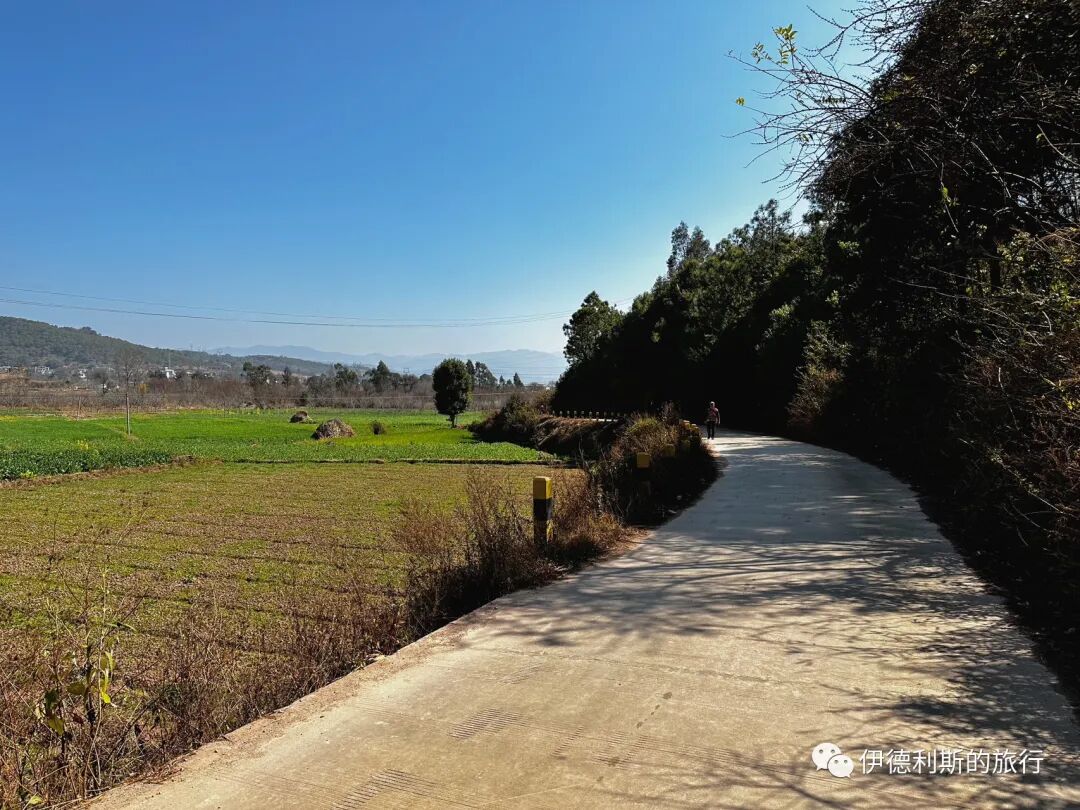
Riding an electric scooter from Xiaguan in Dali to Weishan was probably the most challenging route of my Dali cycling trips. The trip there included 17 kilometers of continuous downhill riding with crosswinds. I had to keep my eyes on the road and my hands on the brakes the whole time without relaxing. Dali also has a large temperature difference between day and night in winter. It was quite cold in the mountains in the morning, but it warmed up as soon as the sun came out at noon.
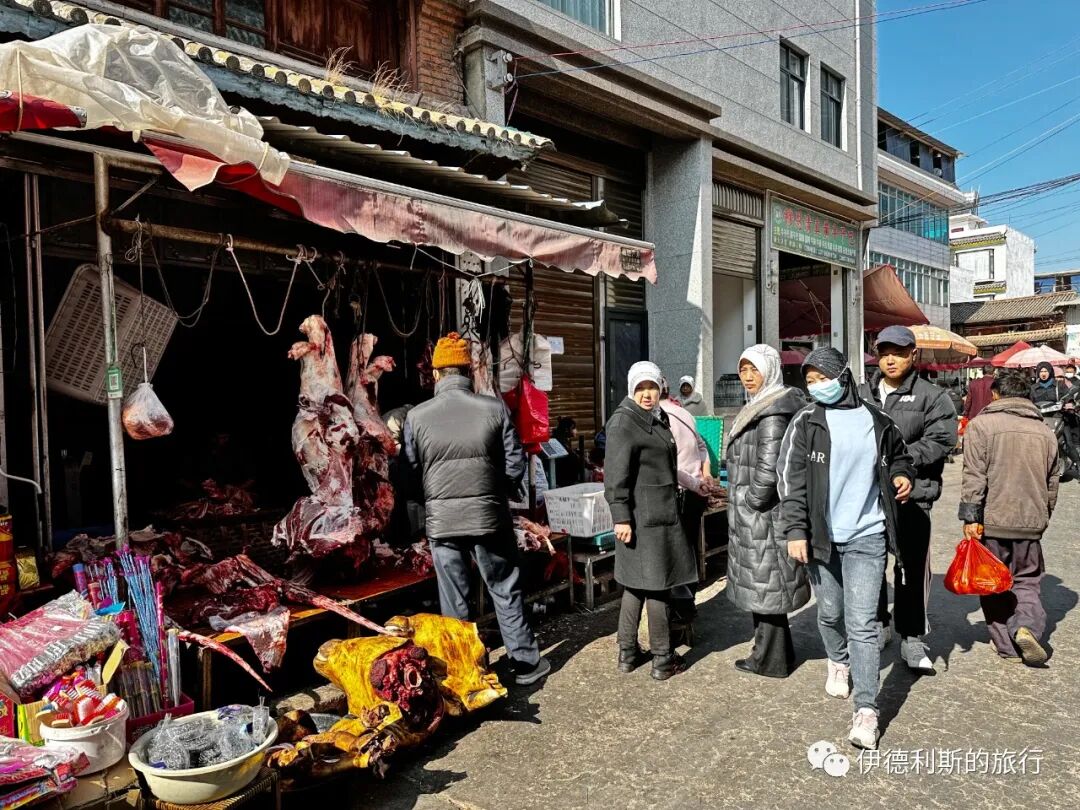
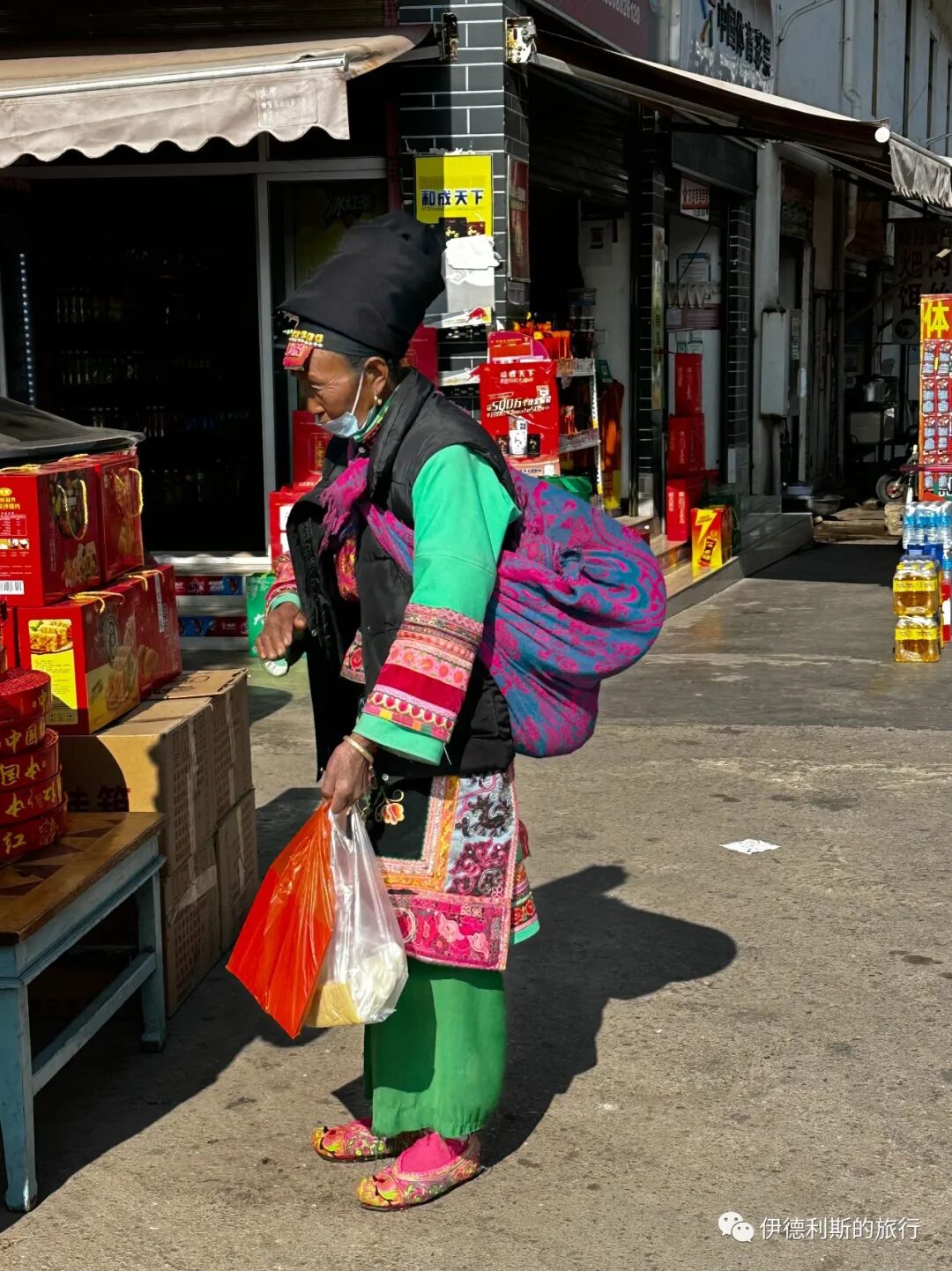
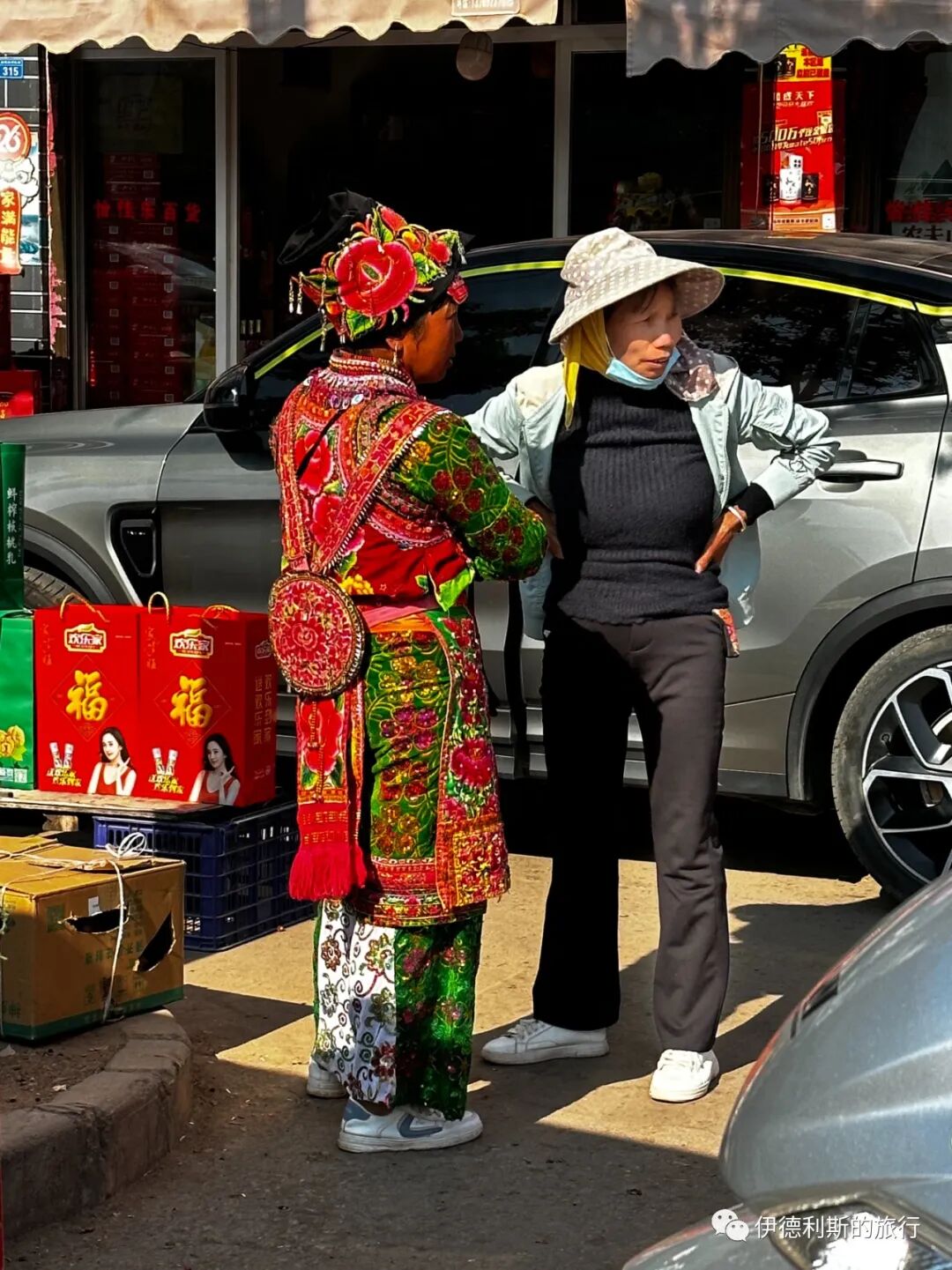
I didn't dare take any photos while crossing the mountains and only took out my phone once I reached Yongjian Town. This was my third time visiting the market on Hedi Street, and it was still very lively. The Yi ethnic aunties here wore bright, colorful clothes, which looked very different from the Yi clothing I saw in the Daliang Mountains a few days ago.
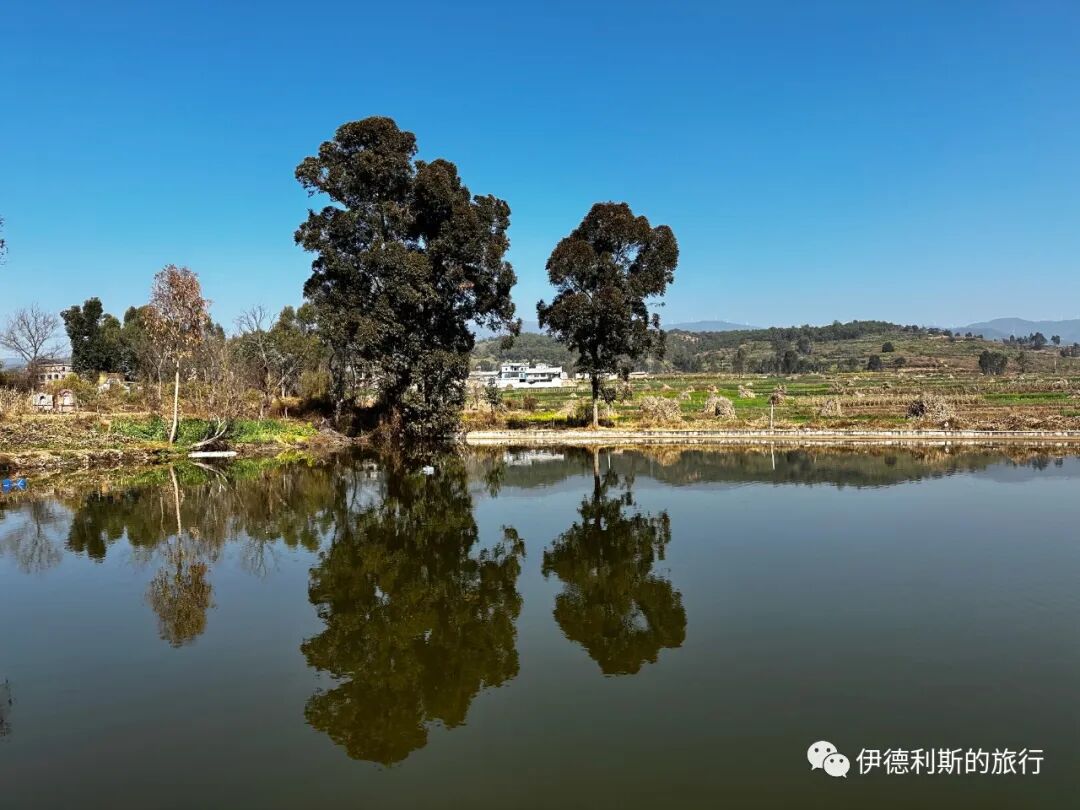
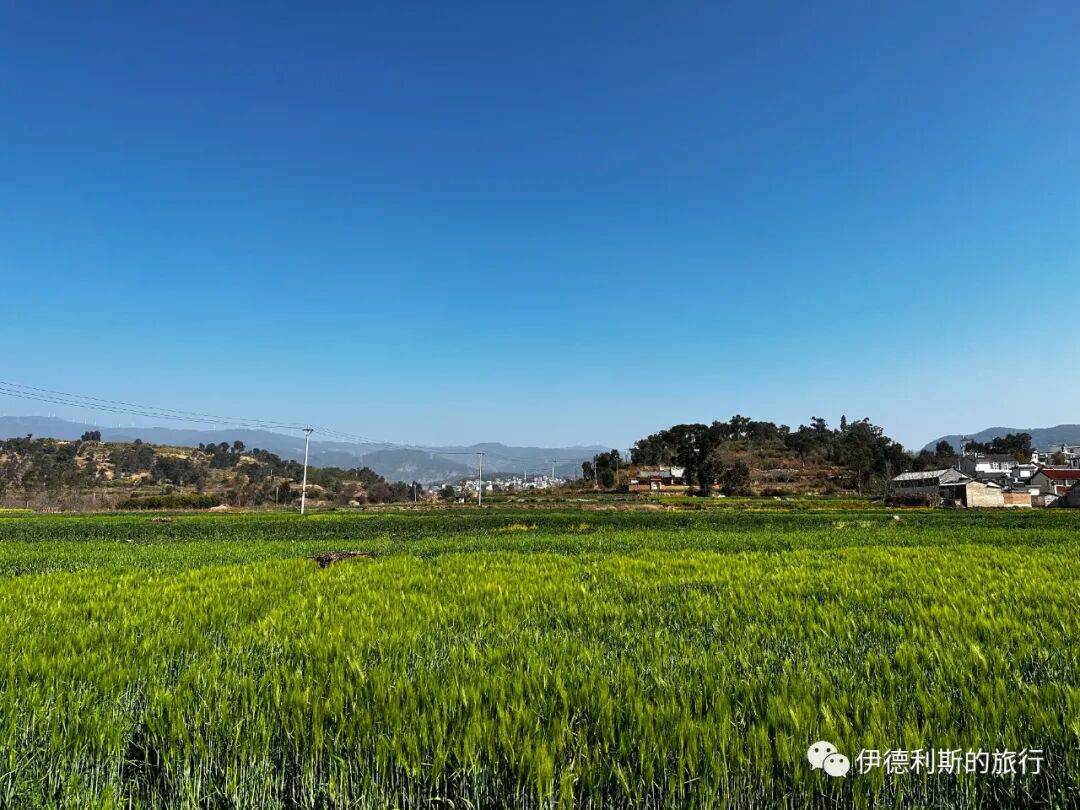
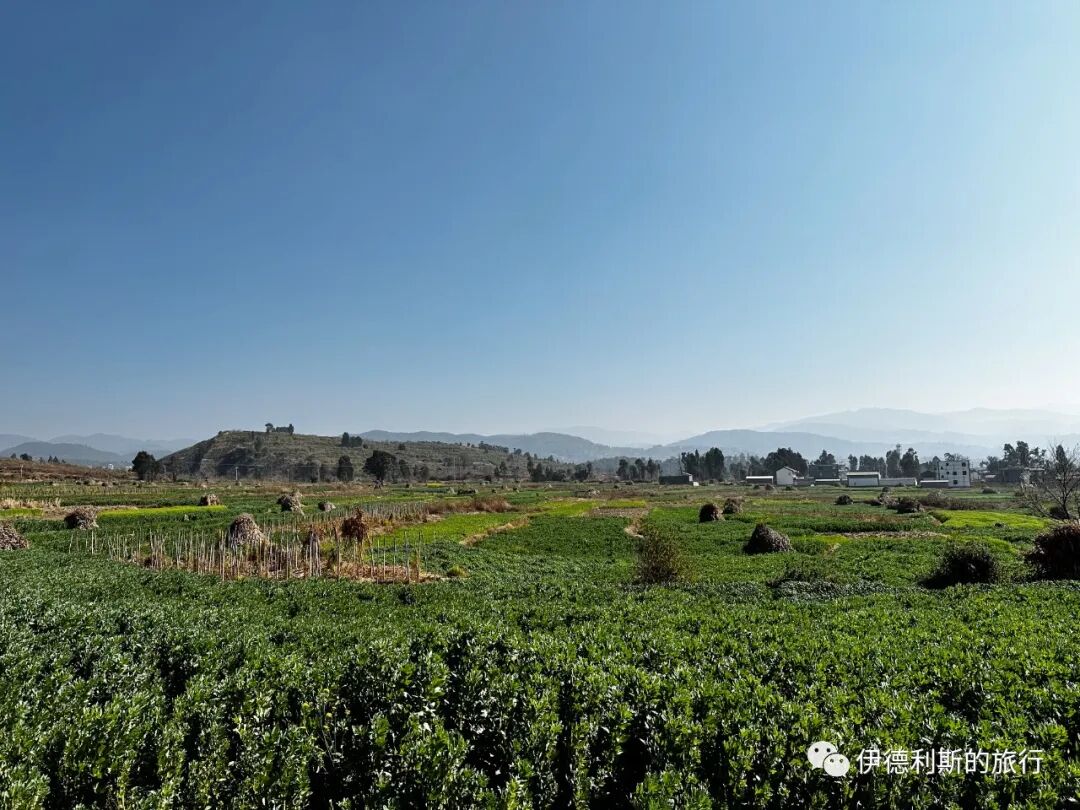
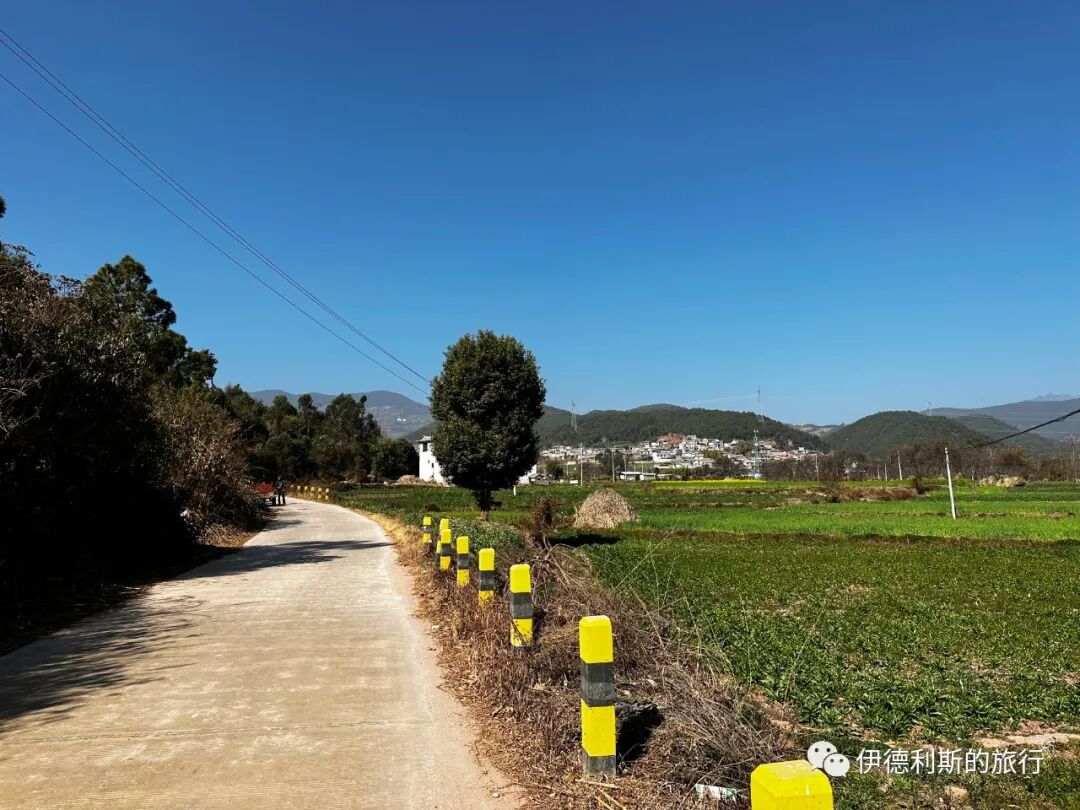
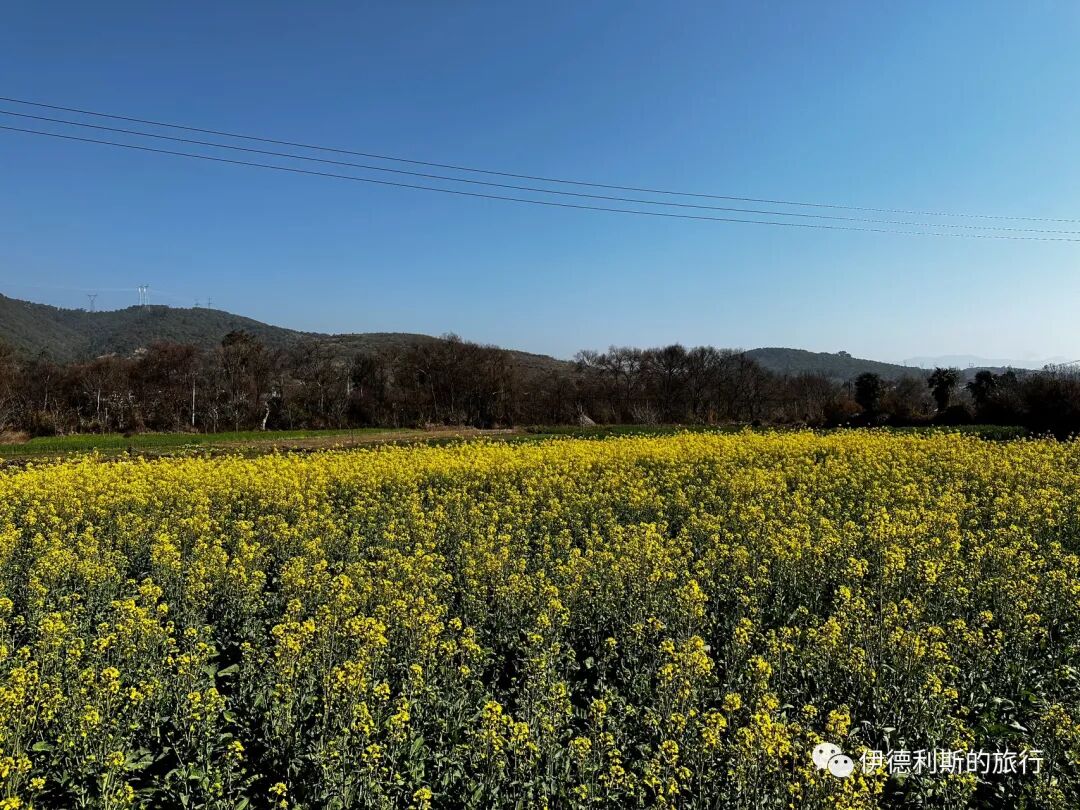
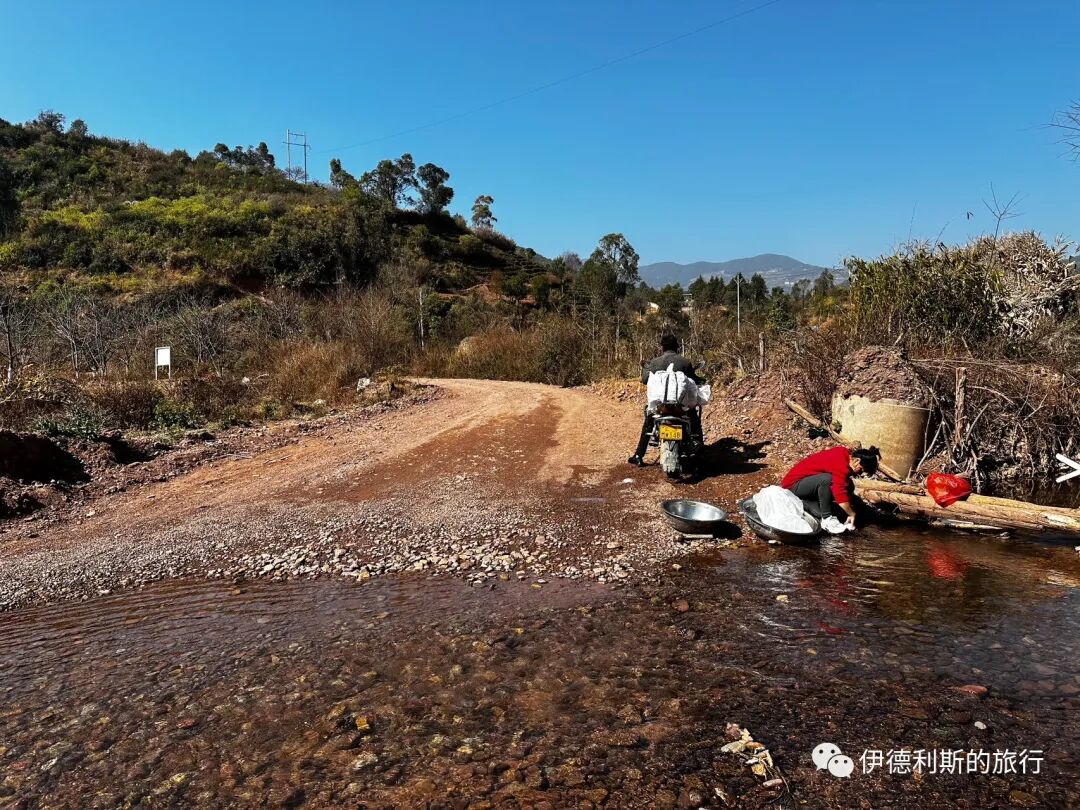
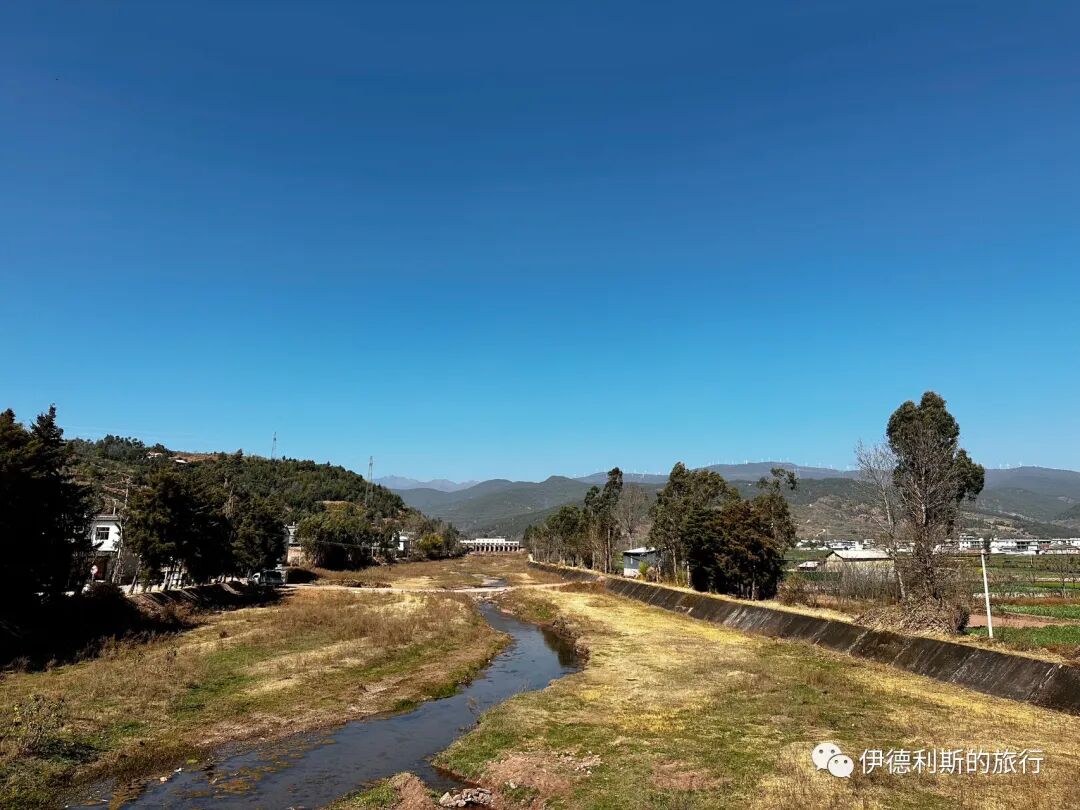
Riding my scooter through the villages of Yongjian Town to visit old mosques, the pastoral scenery along the way was refreshing. However, riding on country roads sometimes leads to unexpected situations. On my way to Xincun, the furthest Hui Muslim village in Yongjian Town, the road was suddenly cut off by a small, clear river where villagers were washing clothes and shoes. I didn't have time to enjoy the scenery because I was immediately worried. Taking another route meant going all the way back, which would waste a lot of time, but I had no experience riding a bike through water and was afraid I would slip and fall into the river with my bike. After a moment of hesitation, I decided to ride into the river. My bike shot into the middle of the river, and I lost control, heading straight toward the woman who was washing her shoes by the bank. I quickly put my foot down and pushed hard to steer the bike back in the right direction.
I made it across the river, but the shoe and sock on the foot I used to steady myself were completely soaked. Luckily, the midday sun in Dali was very strong, so I let my sock dry while I kept riding, and it was dry in no time.
Xincun Mosque
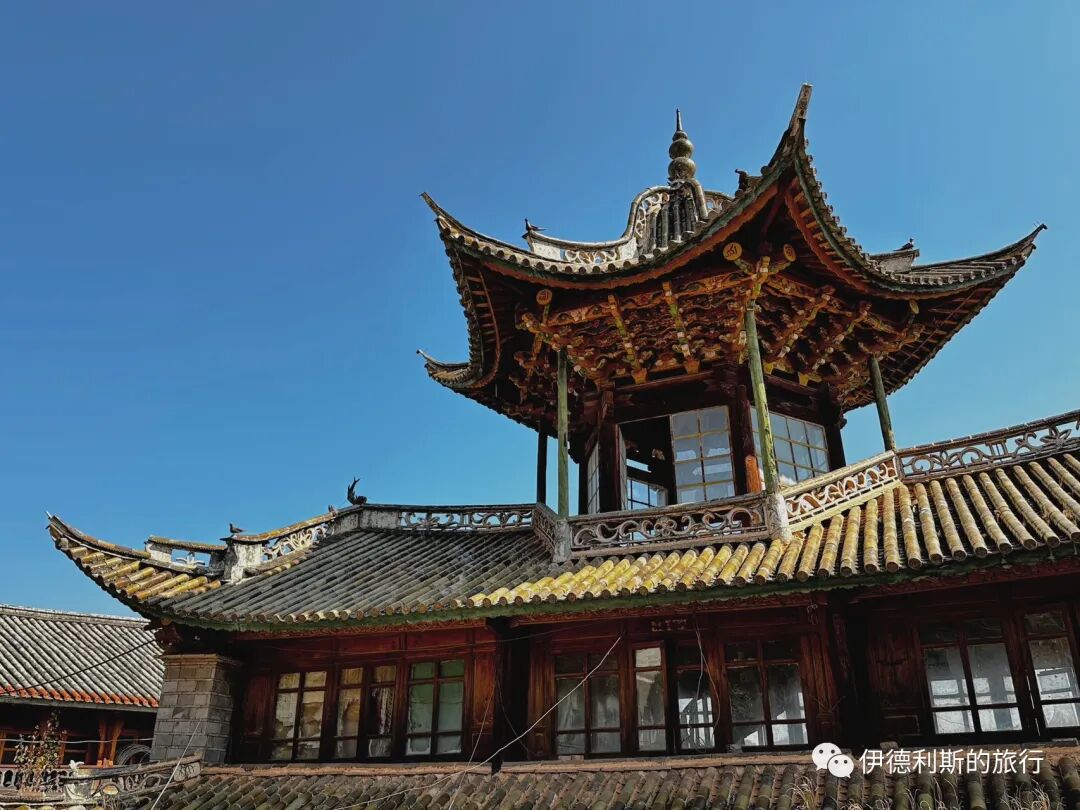
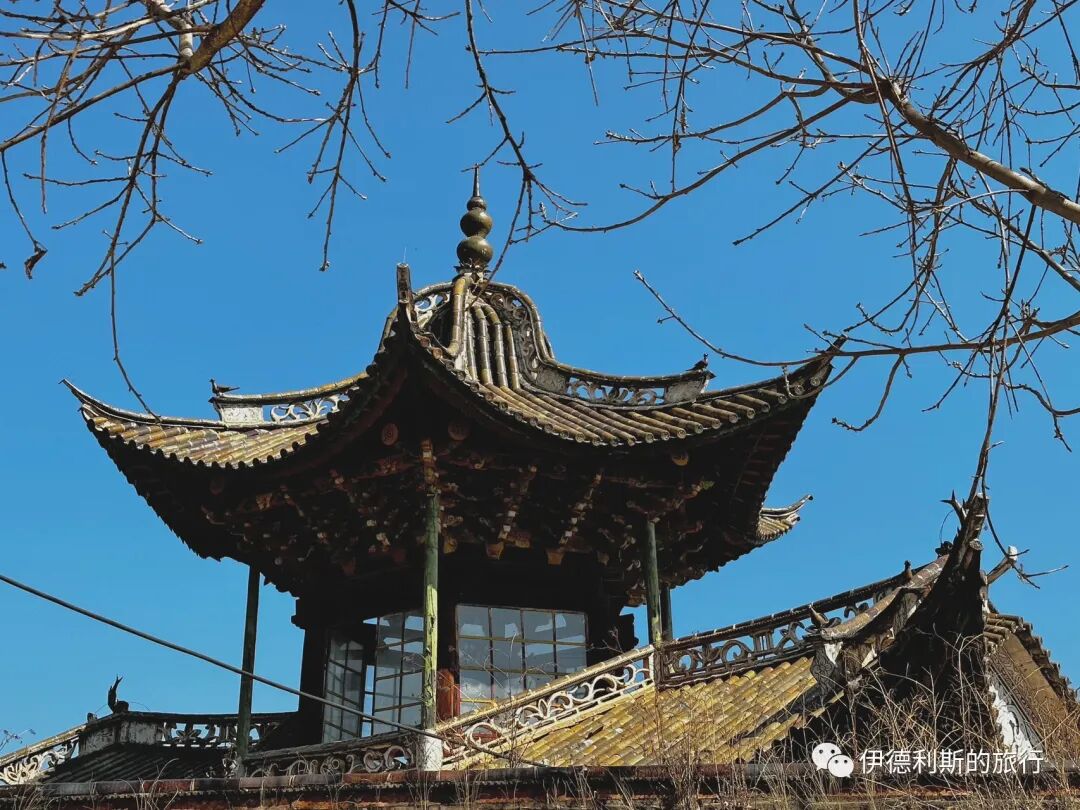
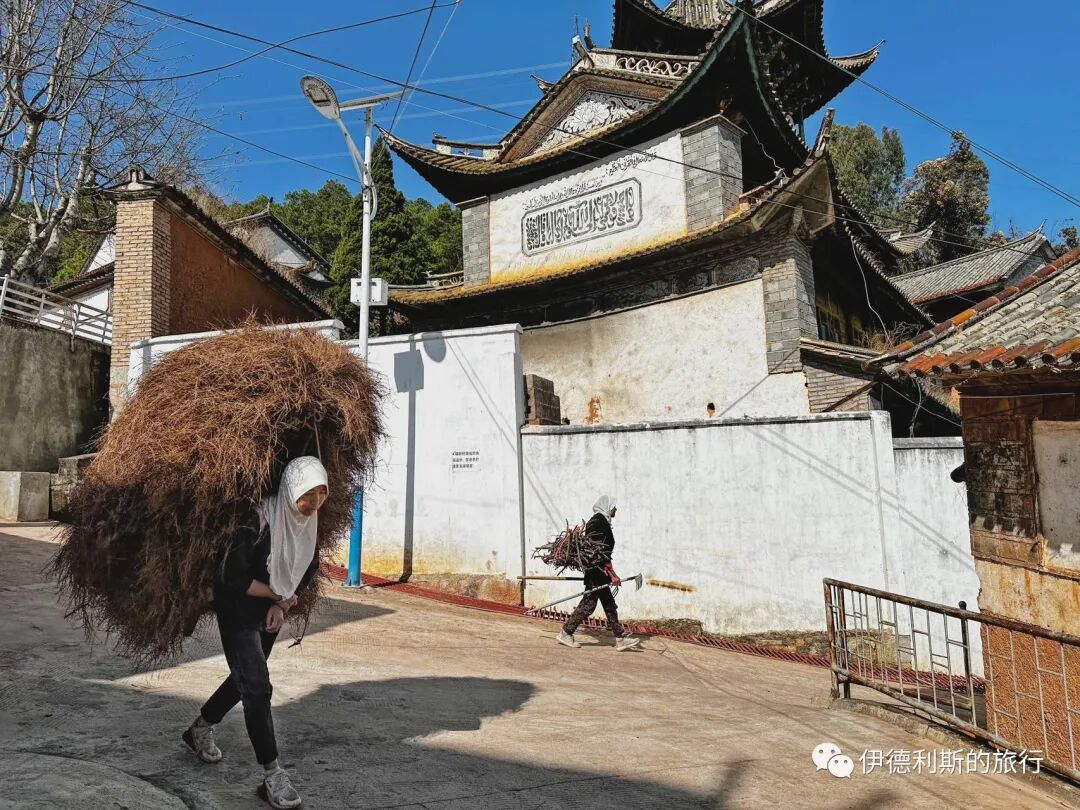
I first visited Xincun Mosque, which sits on a hillside at the far northwest end of the Weishan Basin. Xincun is known as the first Hui Muslim village at the source of the Red River, with a rushing river in front and lush greenery behind, making for a beautiful setting. The founding date of Xincun Mosque is unknown; it was destroyed in 1872 (the 11th year of the Tongzhi reign), rebuilt during the Guangxu reign, and the main hall was rebuilt again in 1994. The current main hall features a double-eave hip-and-gable roof and still maintains the traditional architectural style of the Dali region.
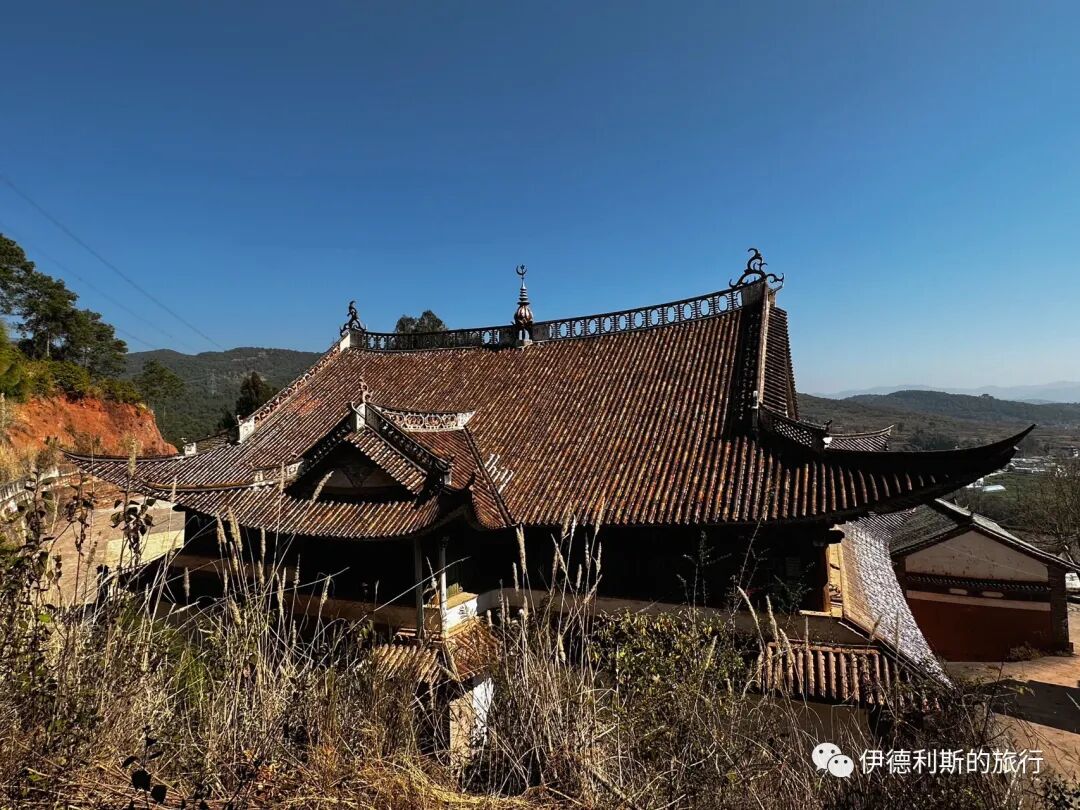
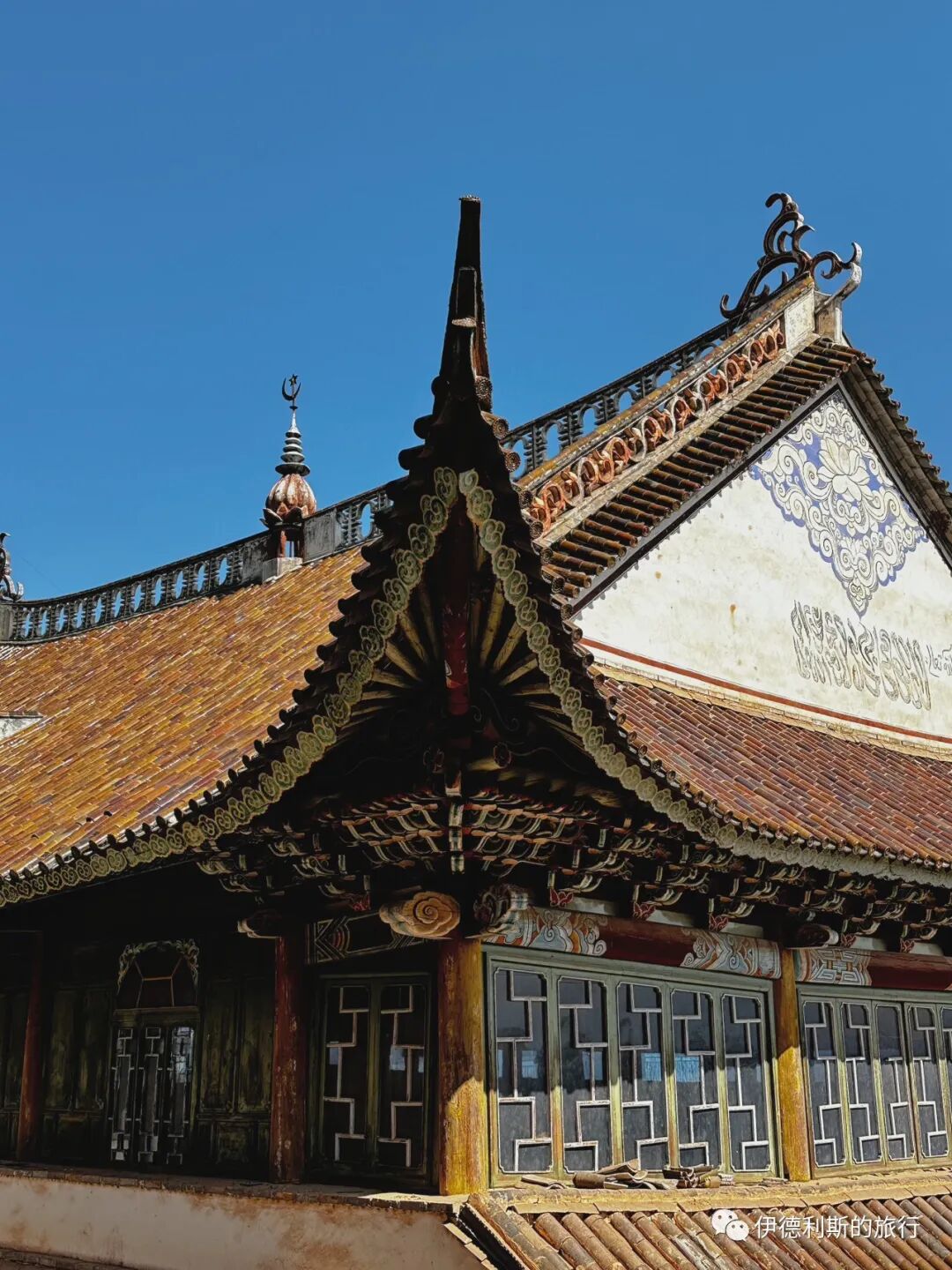
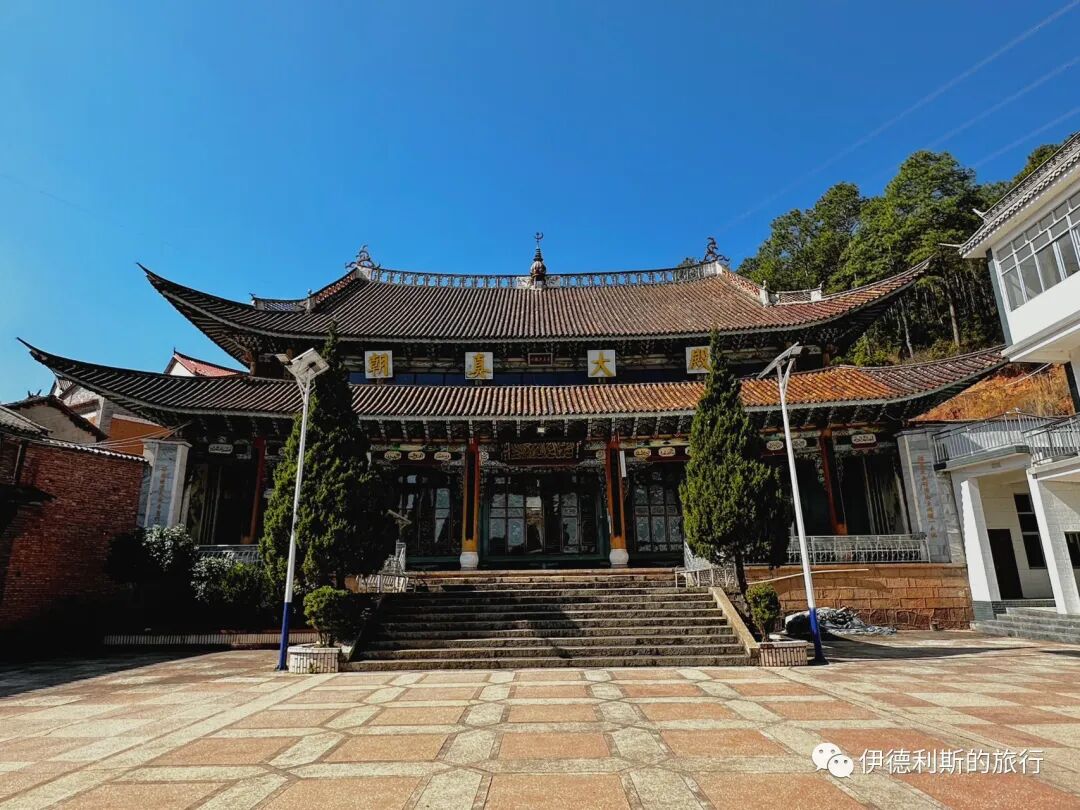
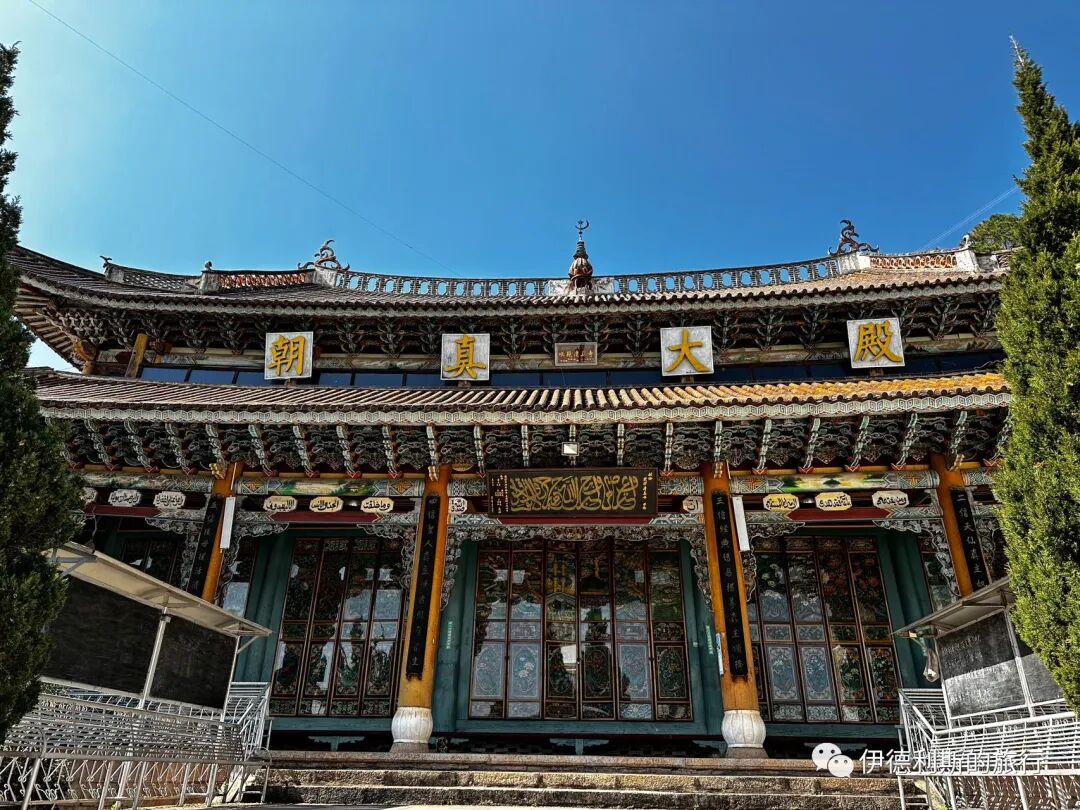
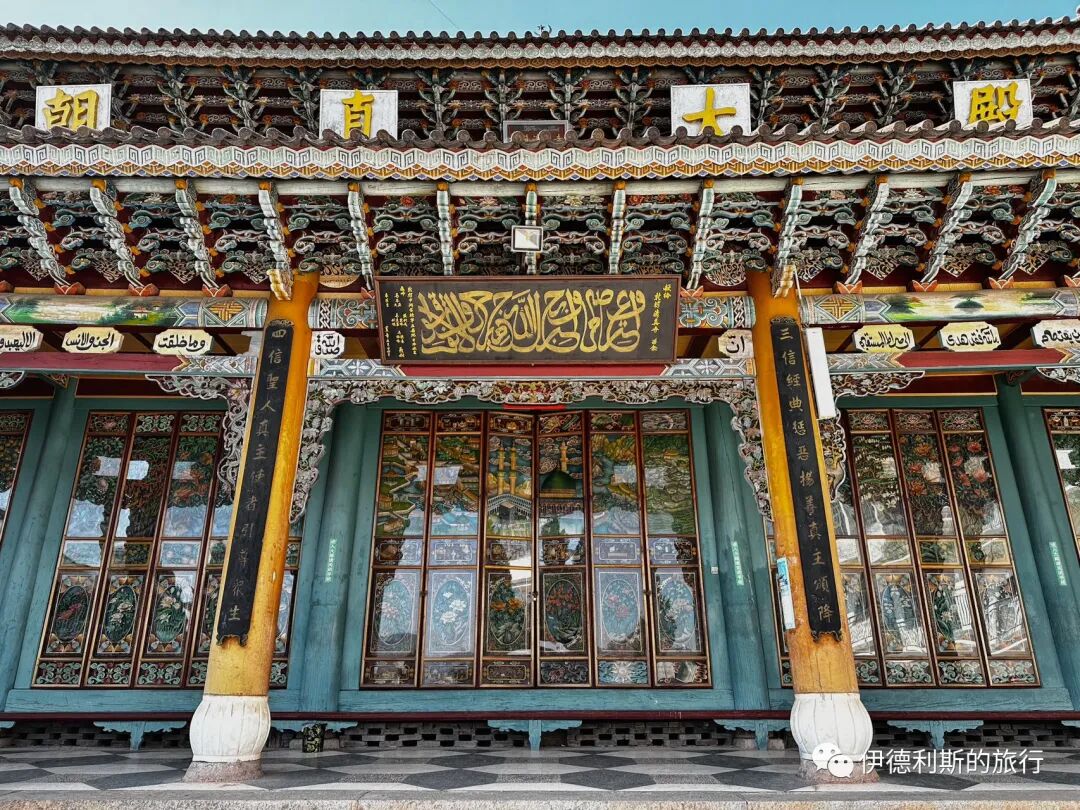
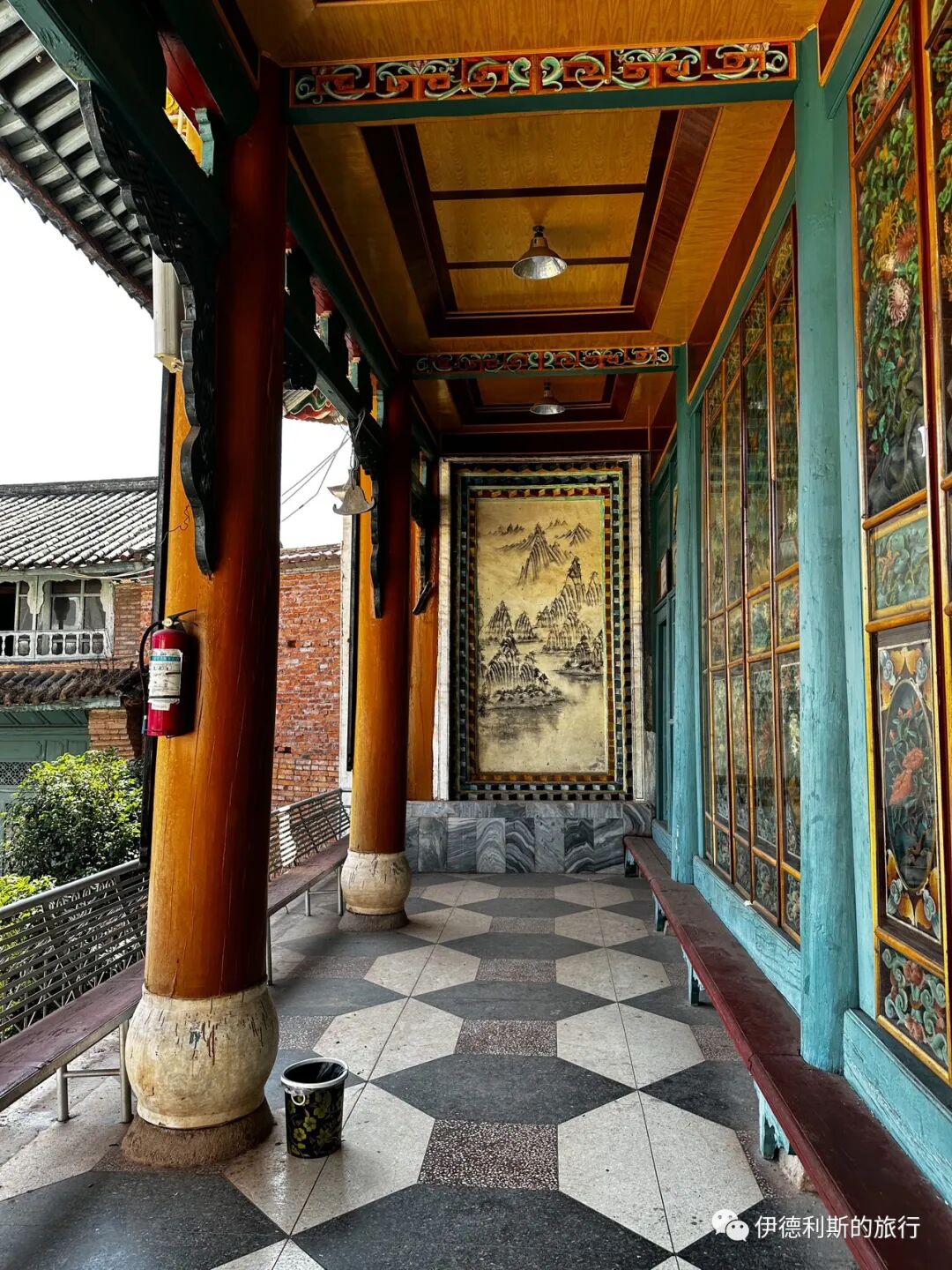
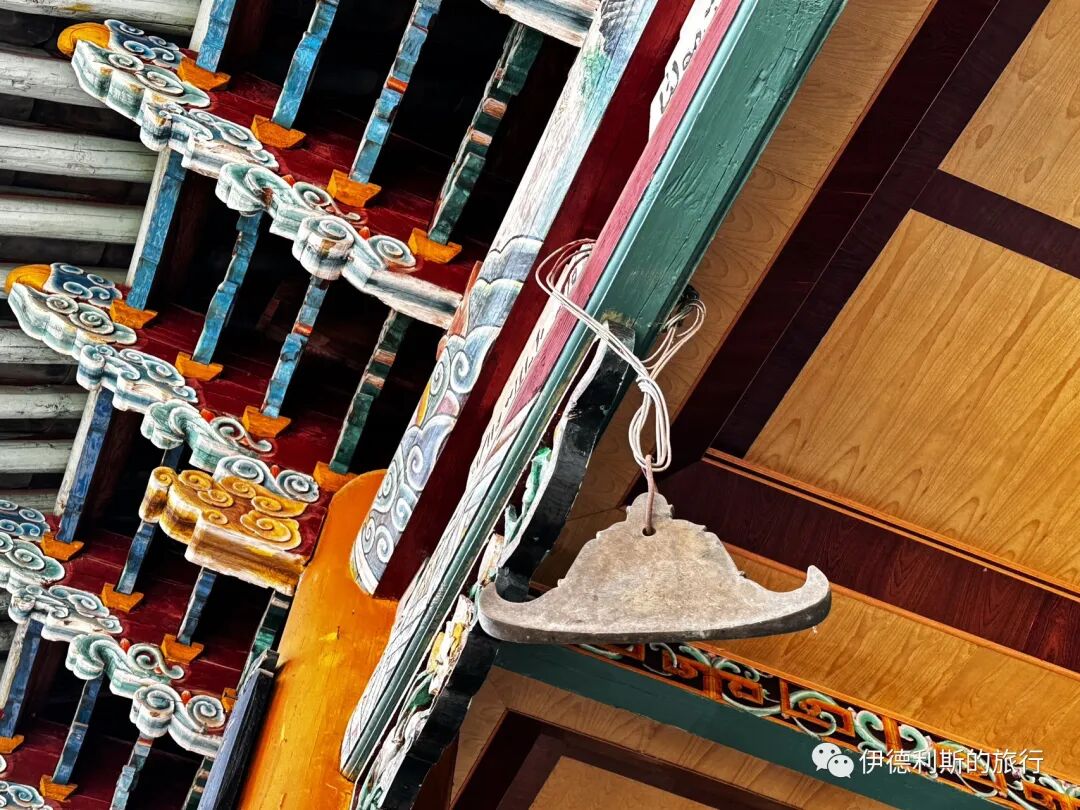
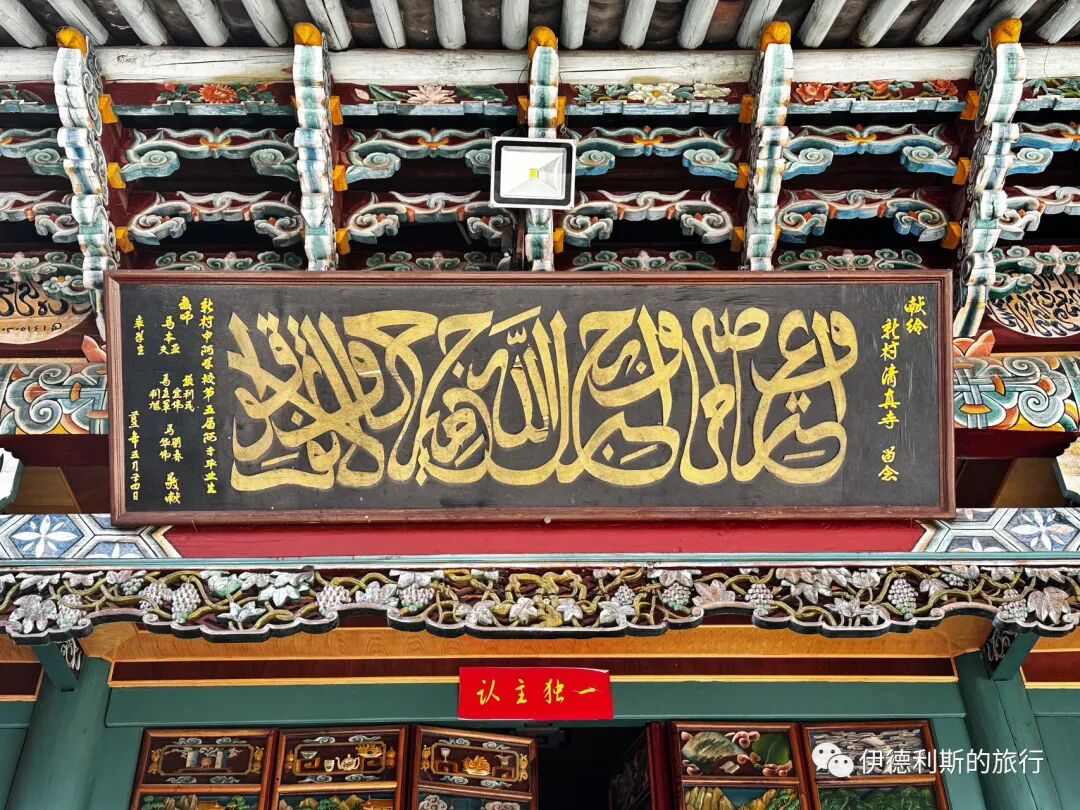
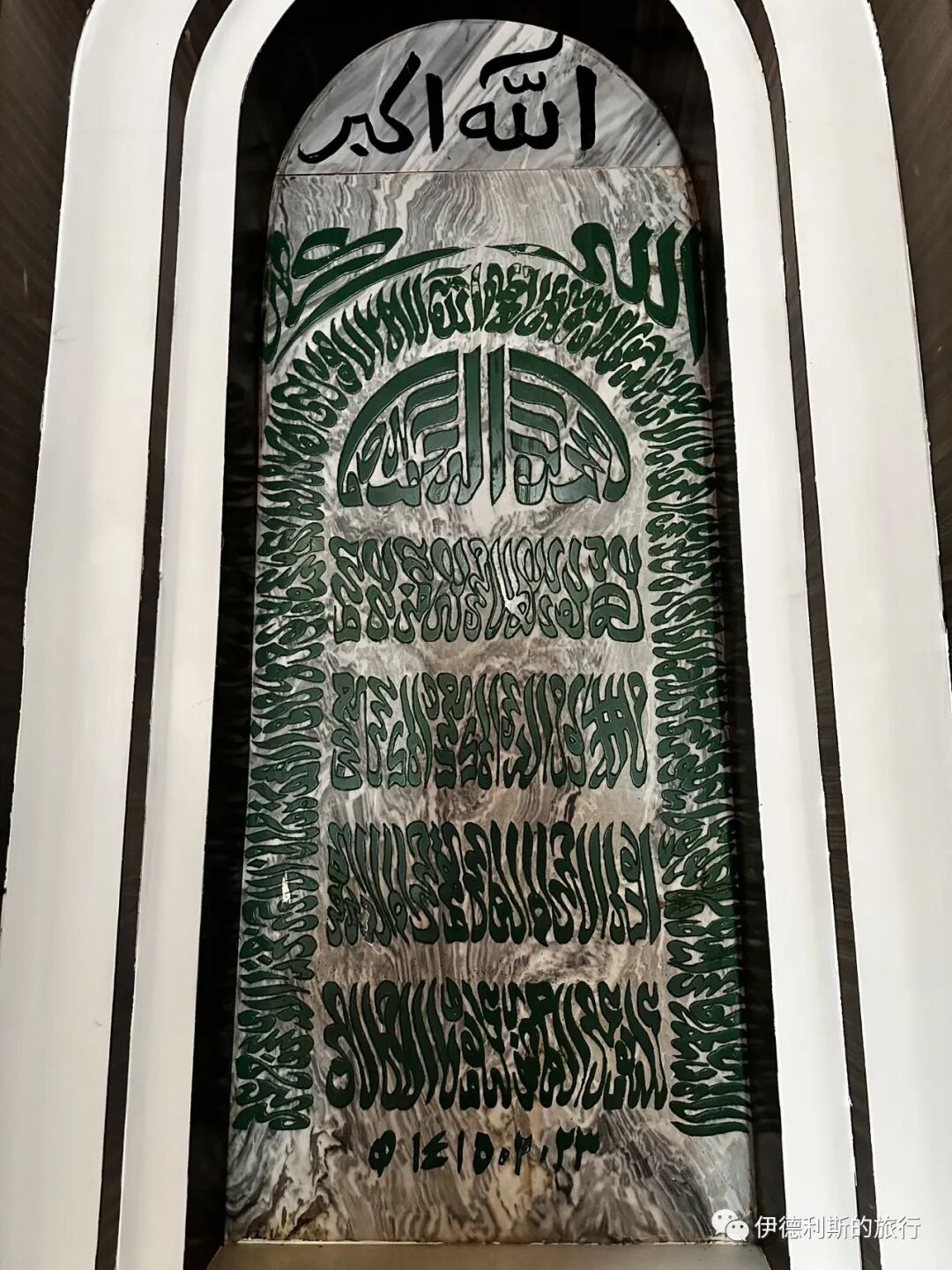
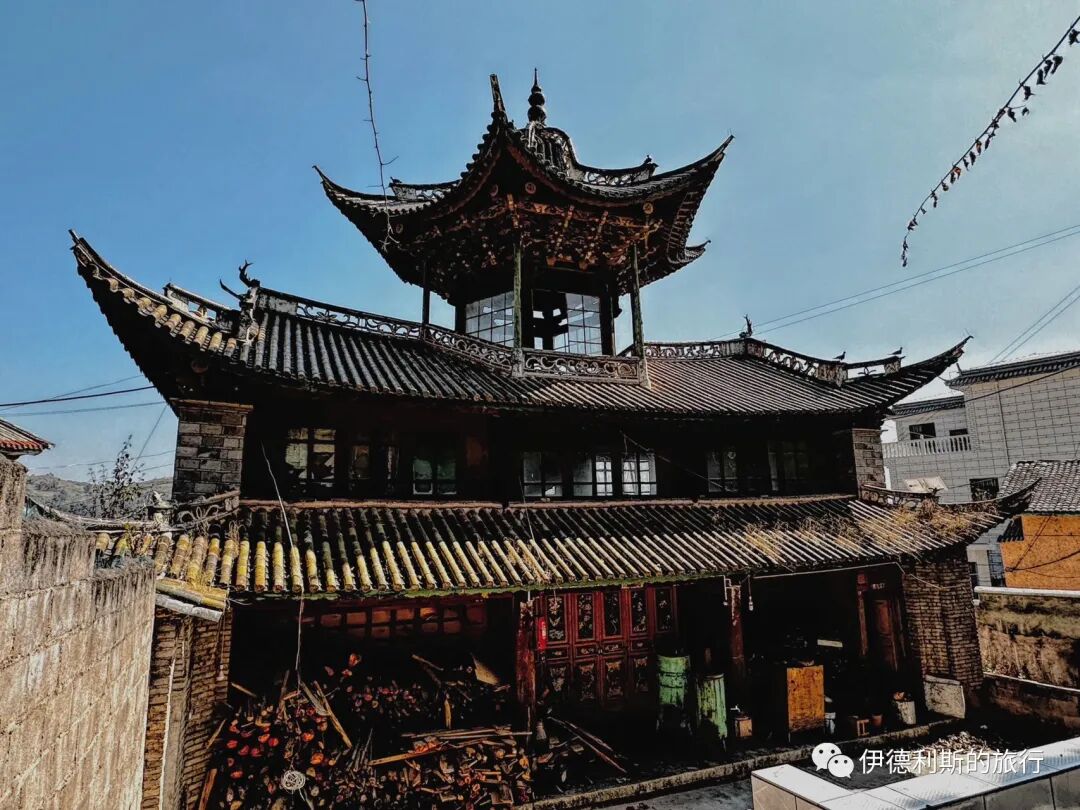
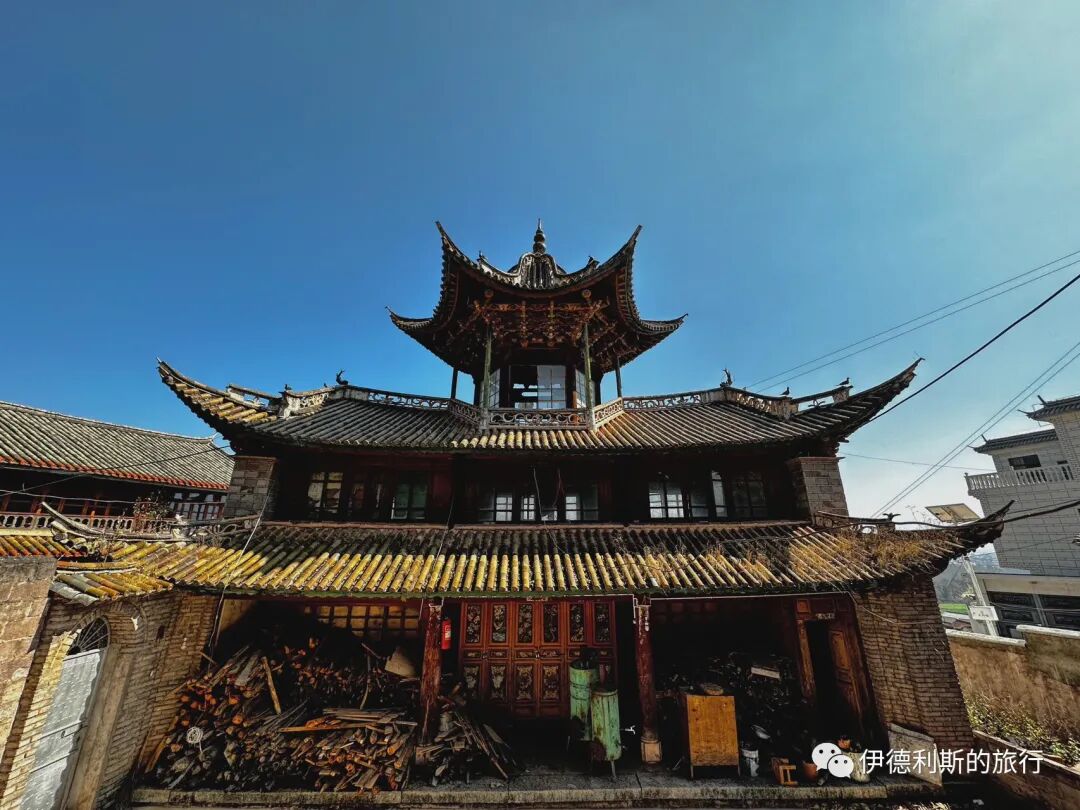
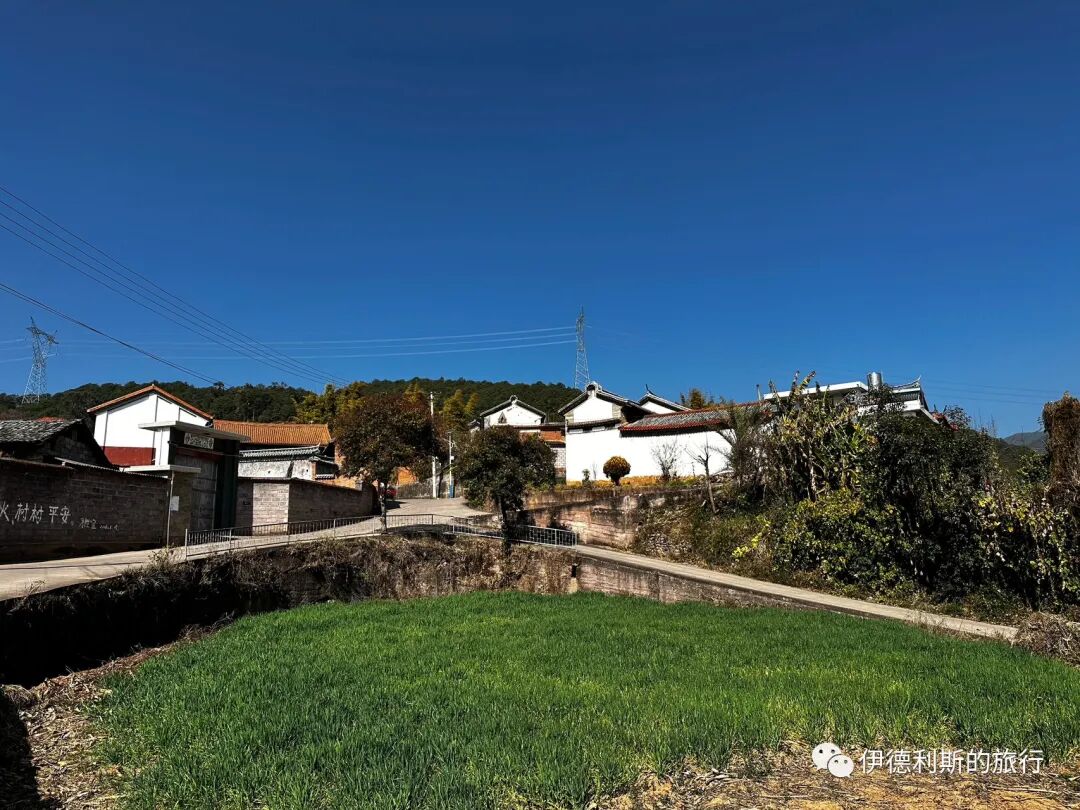
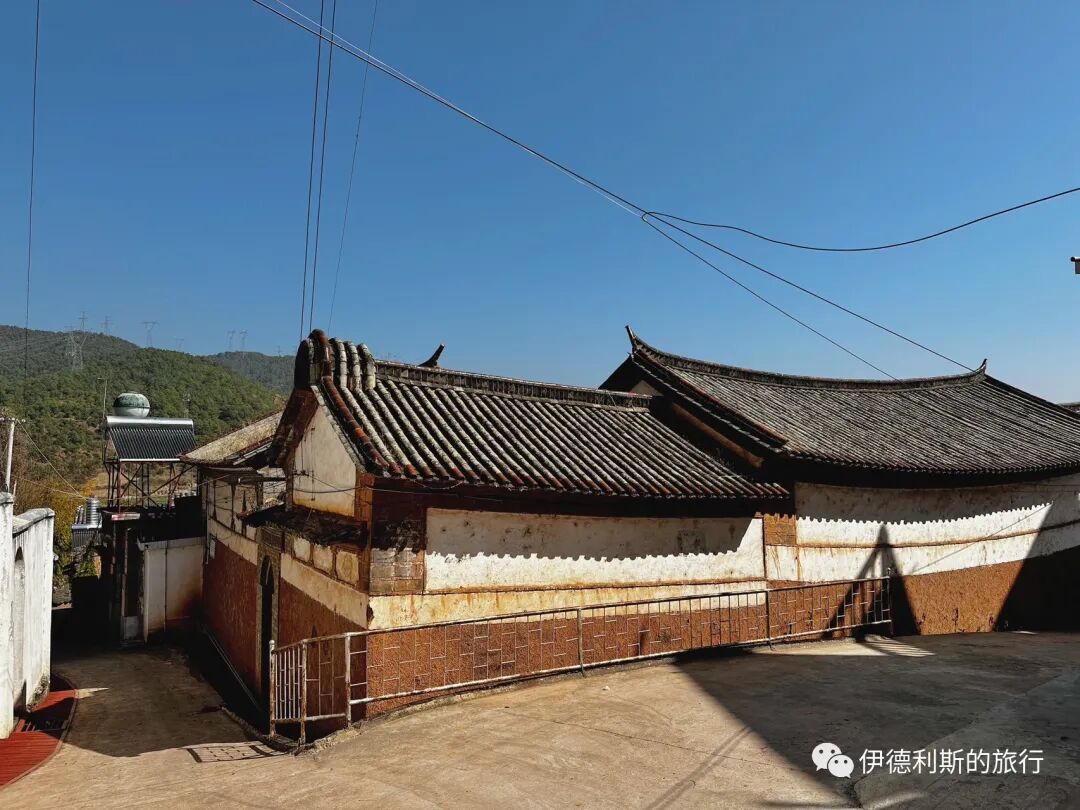
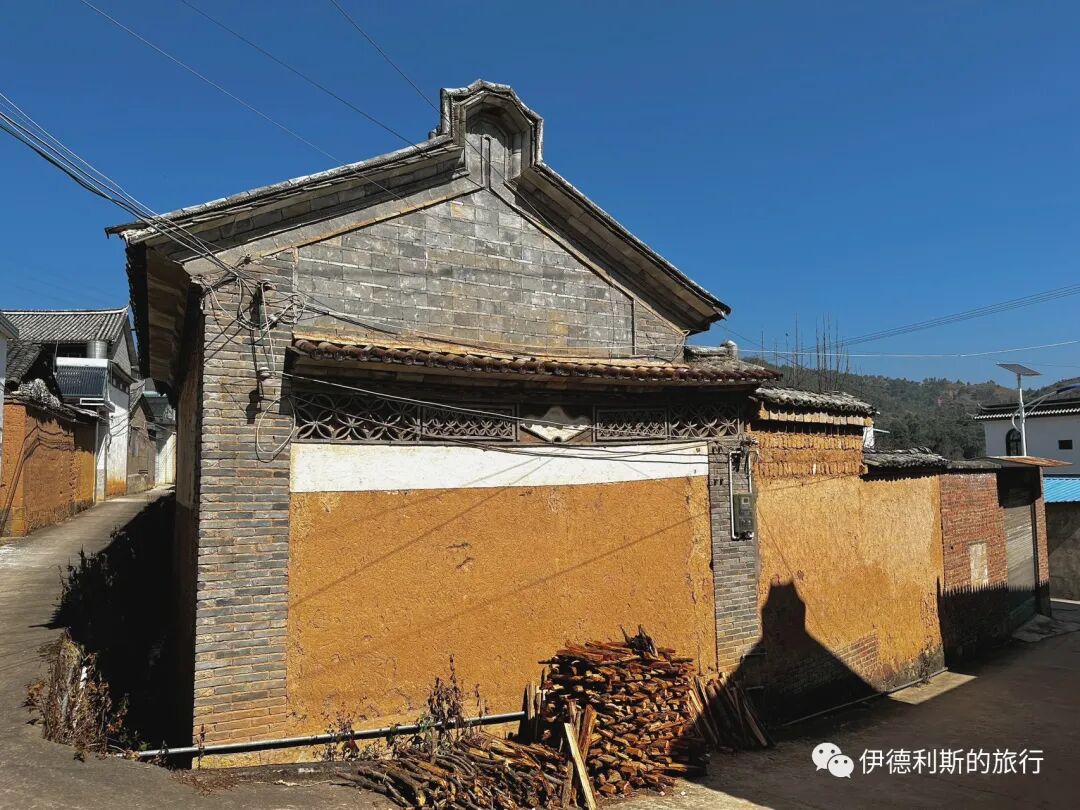
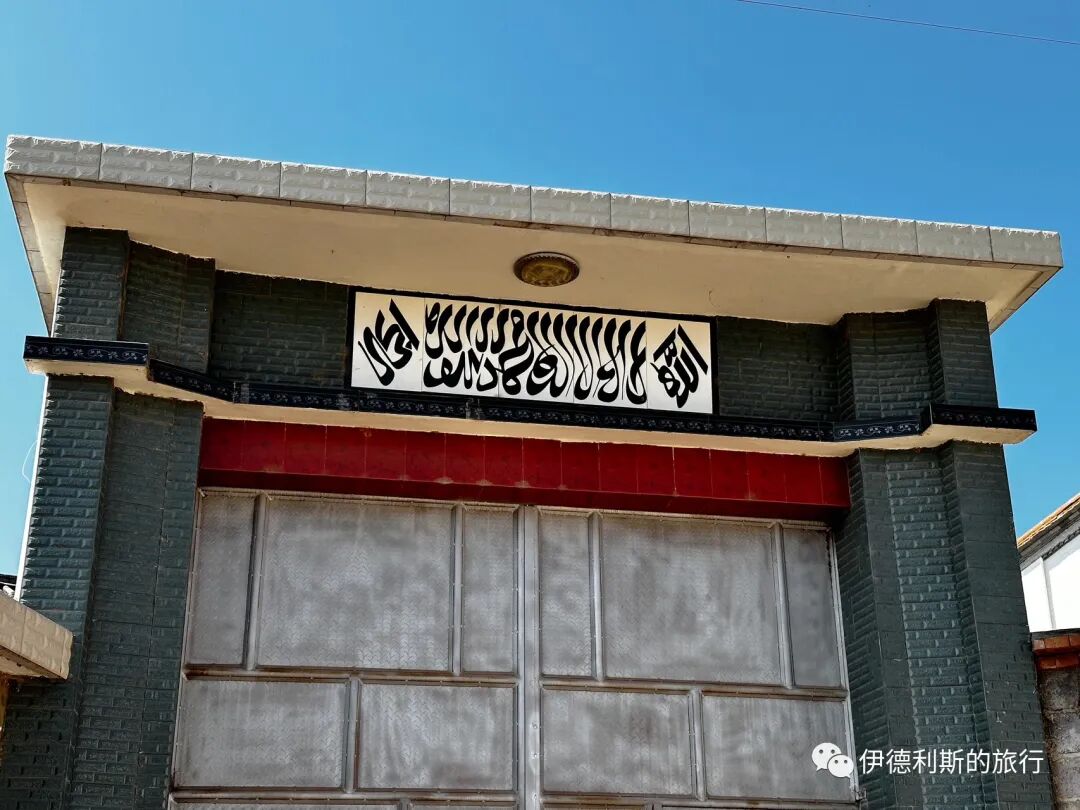
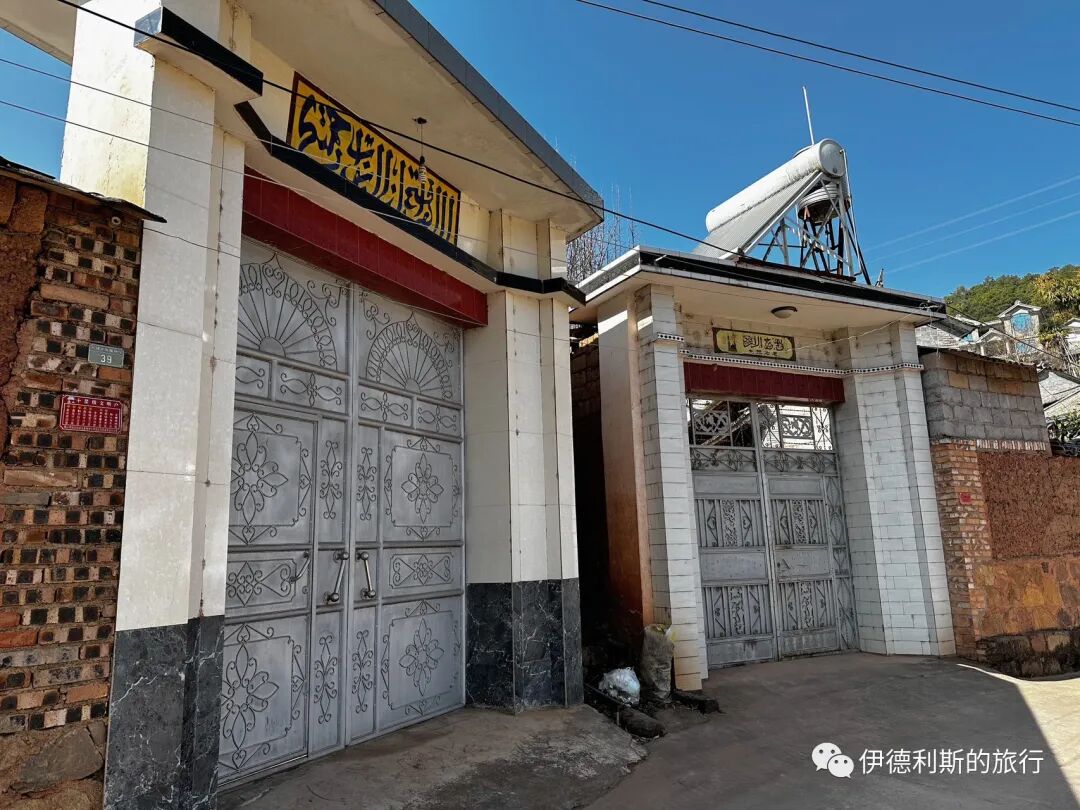
The minaret of Xincun Mosque was rebuilt in 1988 and has a hexagonal pointed roof. The following photos show the scenery in the village.
Hardworking fellow Muslims.
Chen Family Mosque (Chenjia Si)
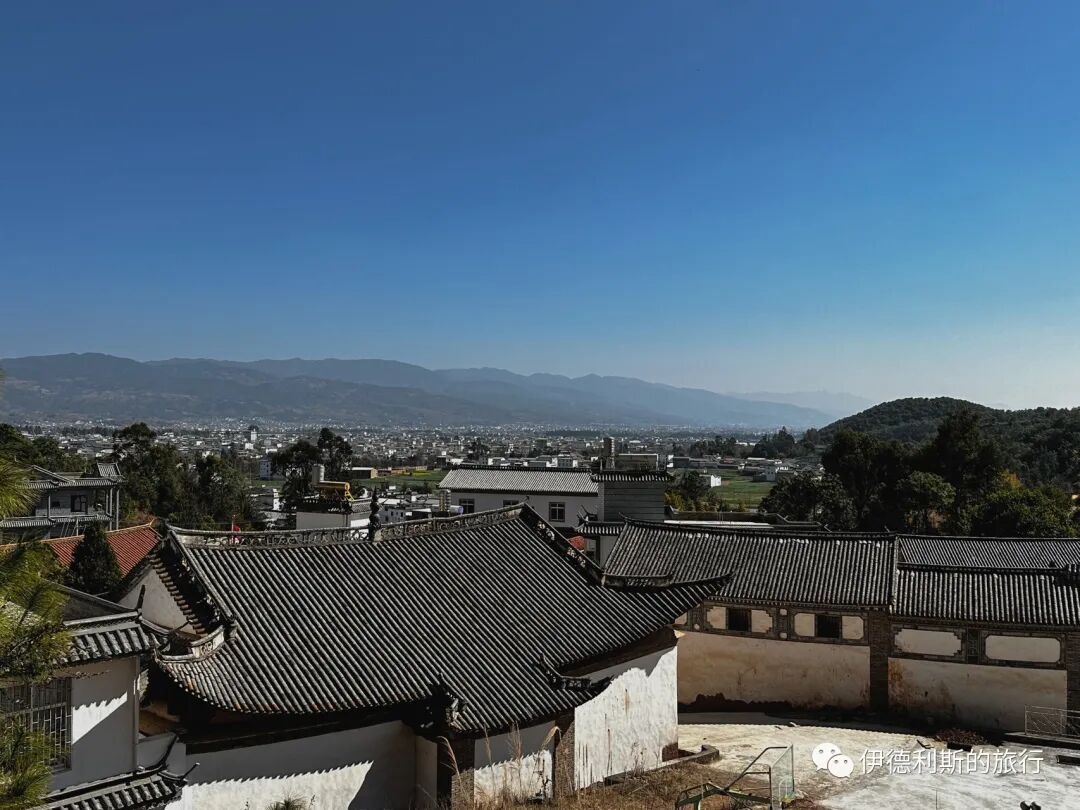
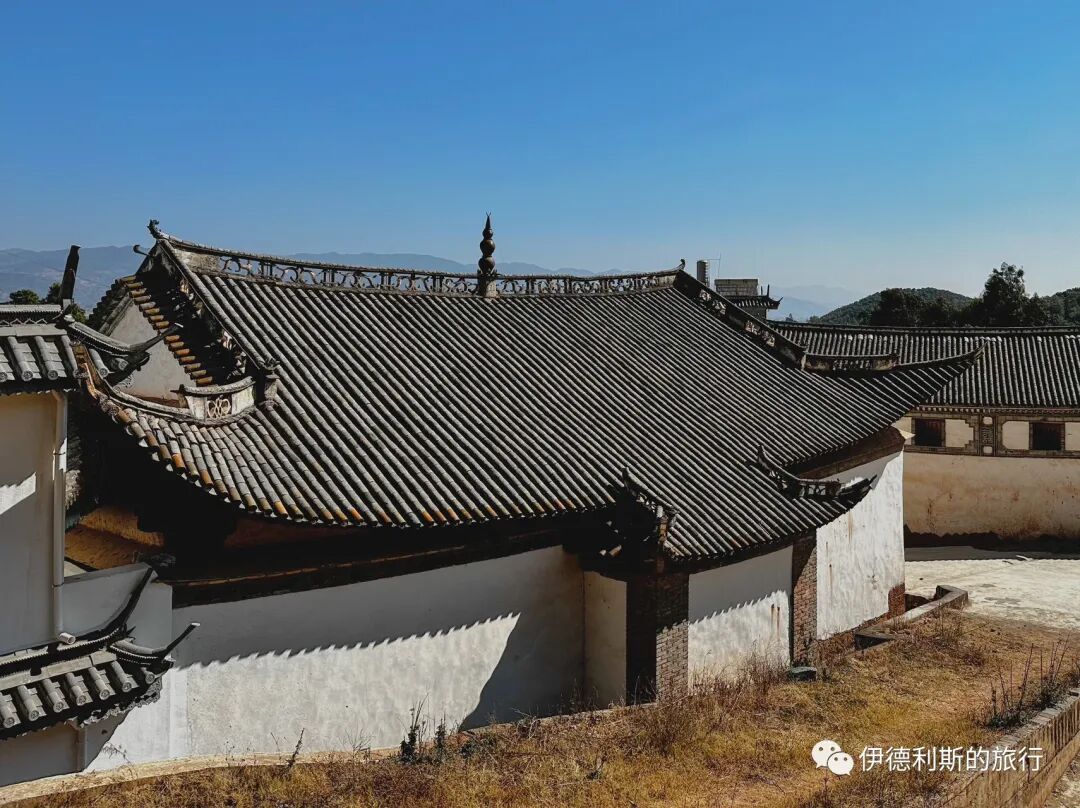
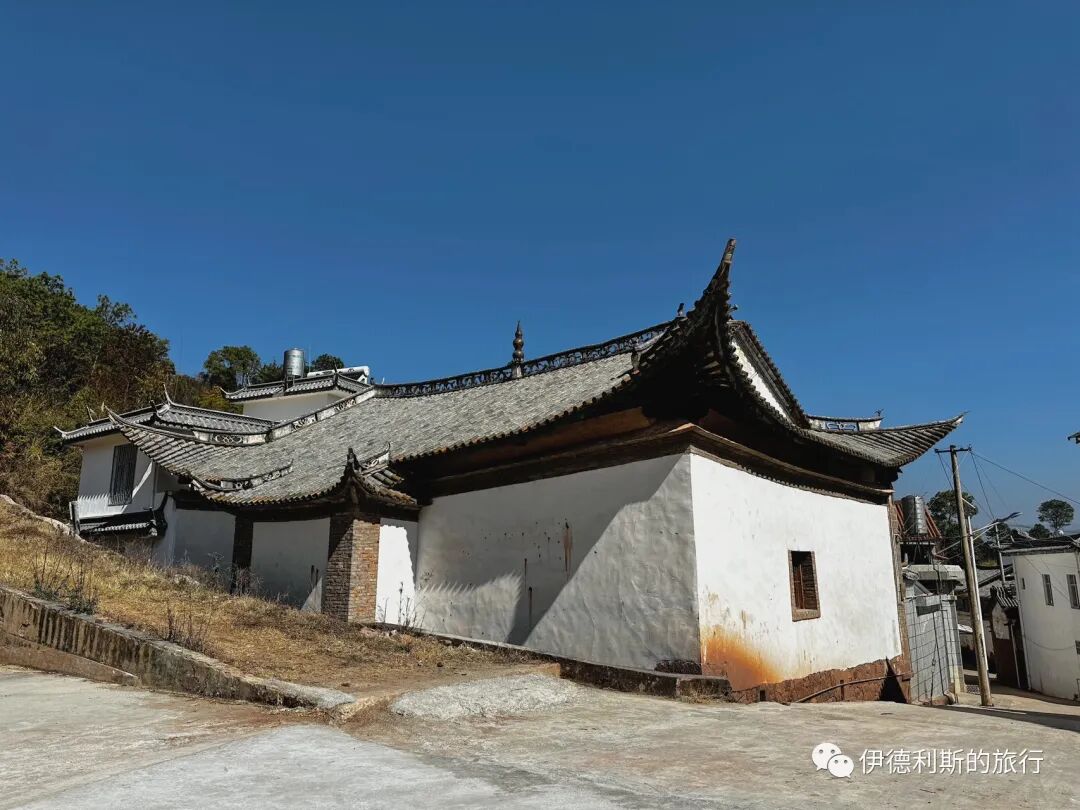
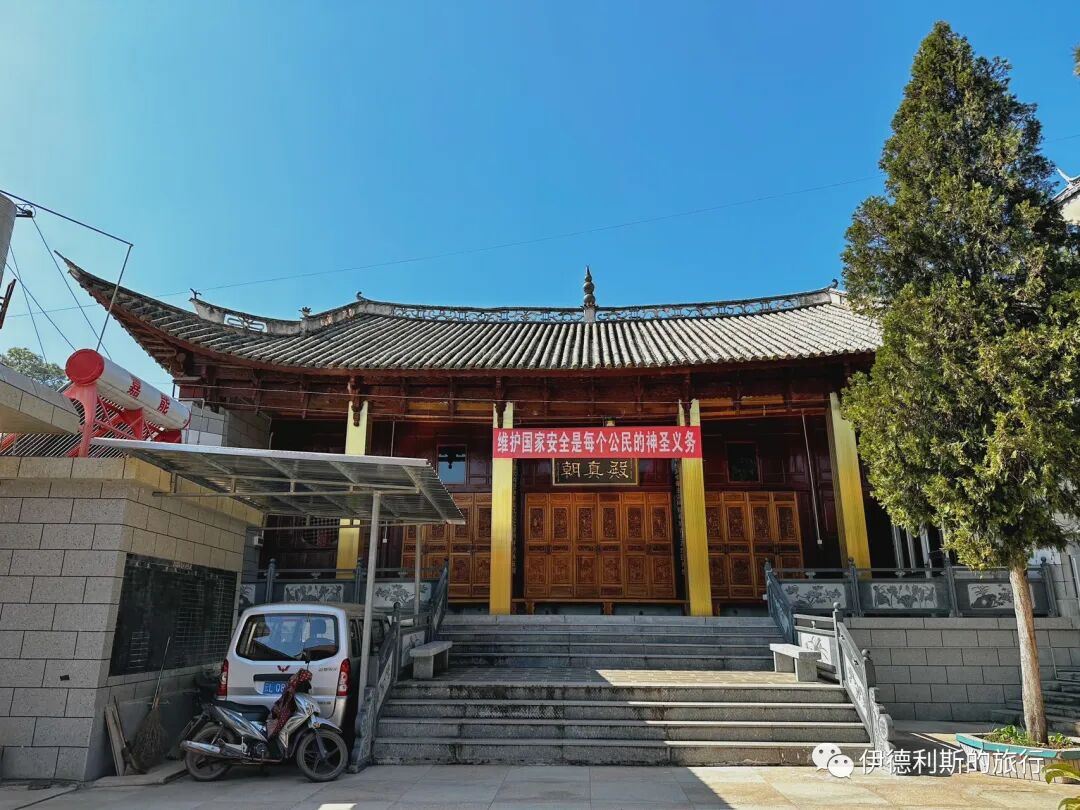
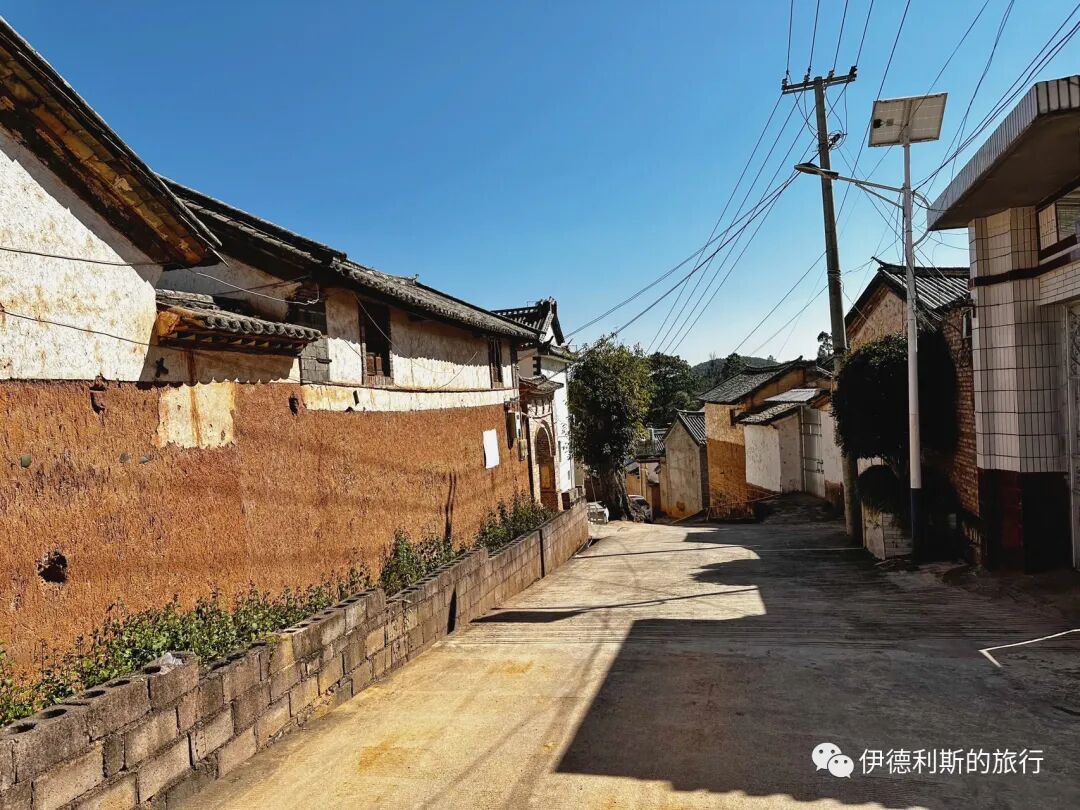
I rode my bike from Xincun to the Chen Family Mosque northwest of Xishulong Village. I missed this mosque when I visited Xishulong Village in 2020. The Chen Family Mosque was built by the Chen family of Xishulong Village. Its original construction date is unknown. The ancestors of the Chen family moved here from Shaanxi, settling down after several moves.
The Chen Family Mosque was rebuilt in 1902 (the 28th year of the Guangxu reign) and expanded into its current structure in 1987. It sits near the mountains and water, offering beautiful scenery.
Xishulong Mosque
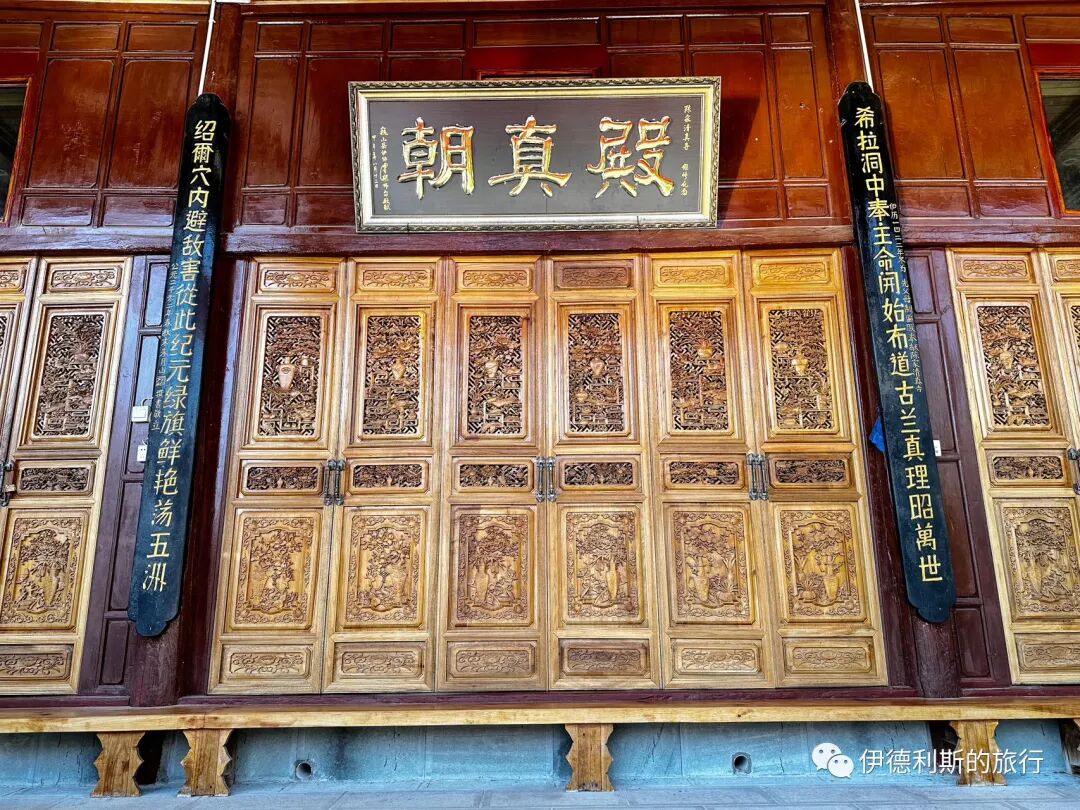
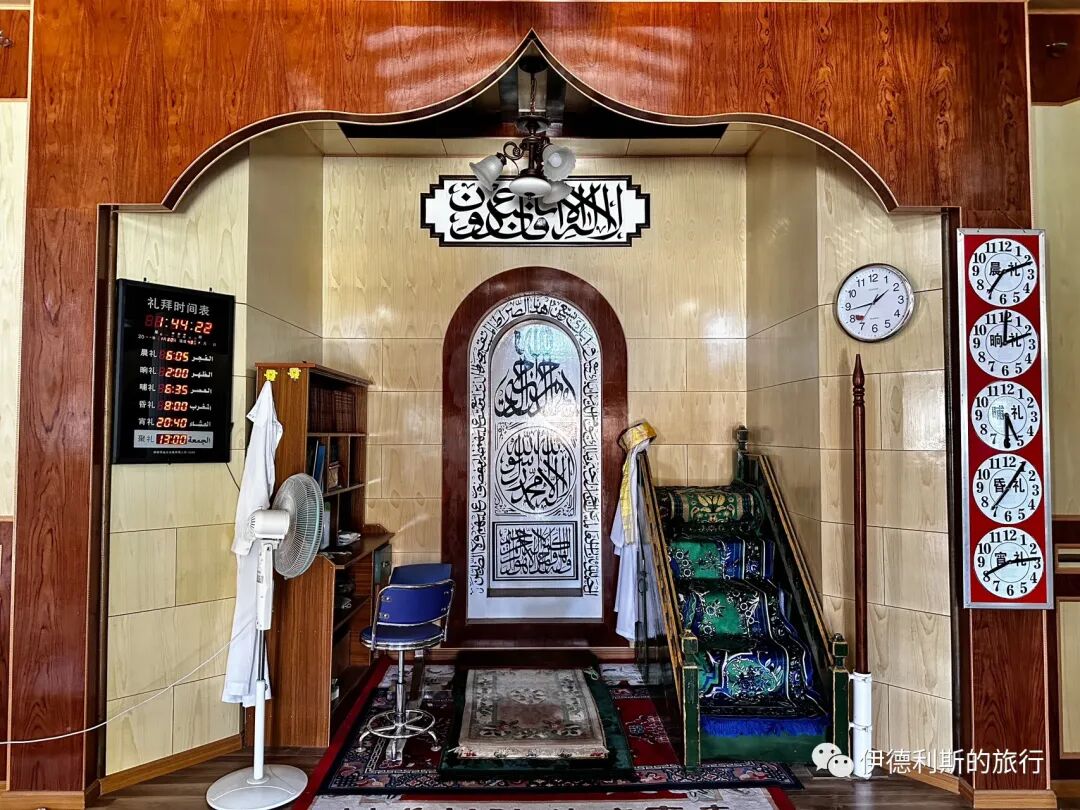
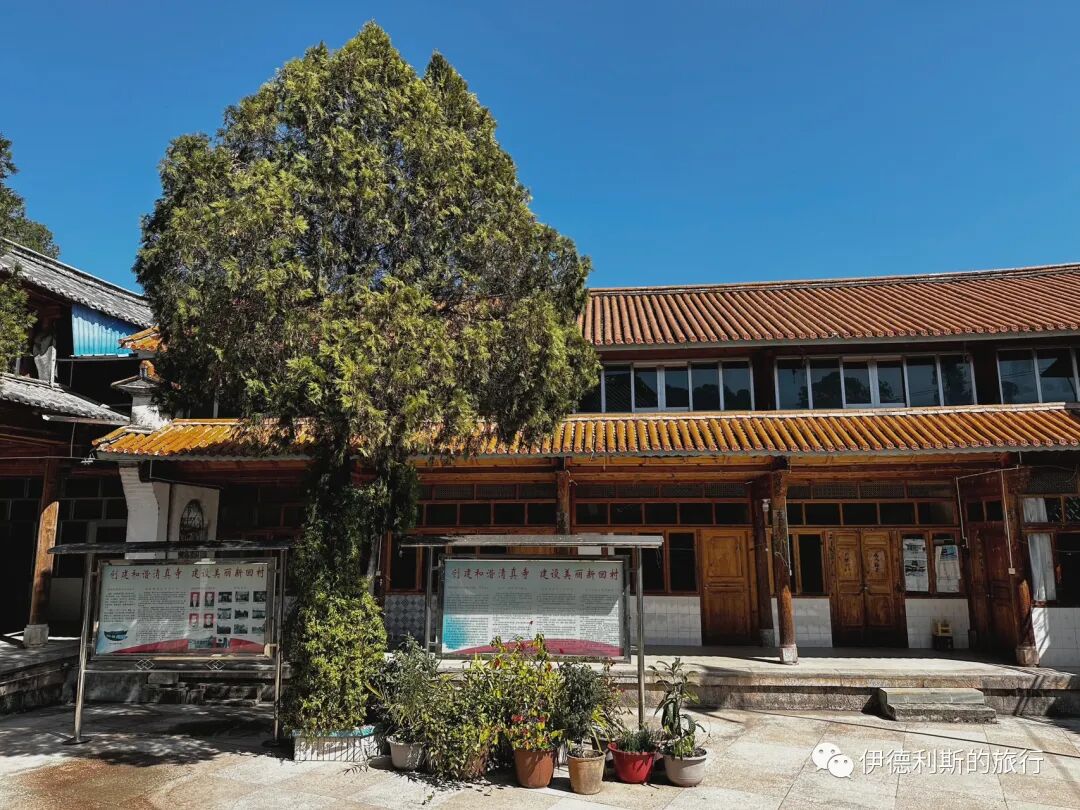
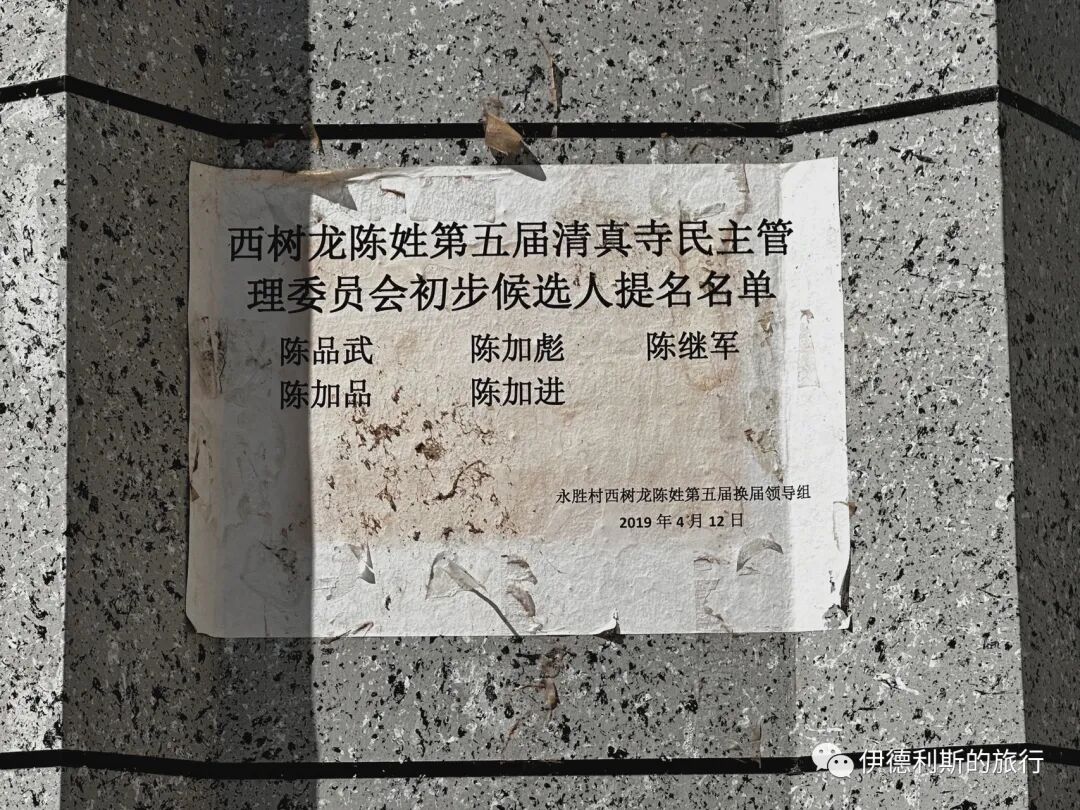
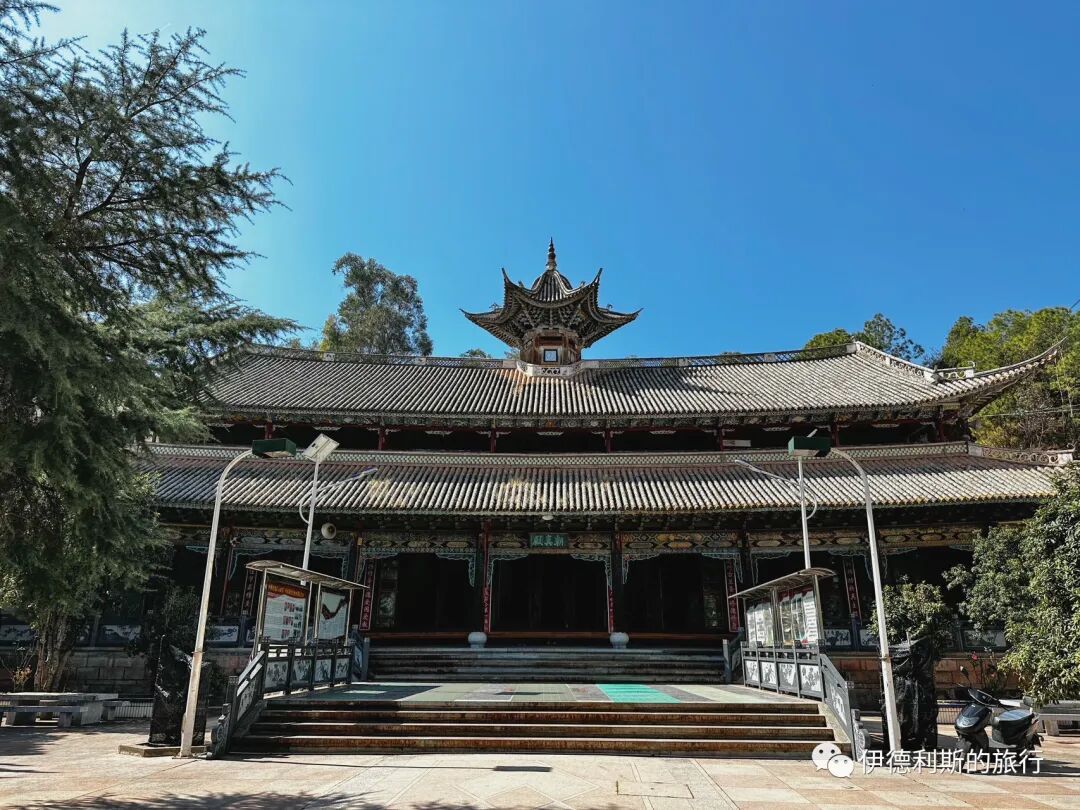
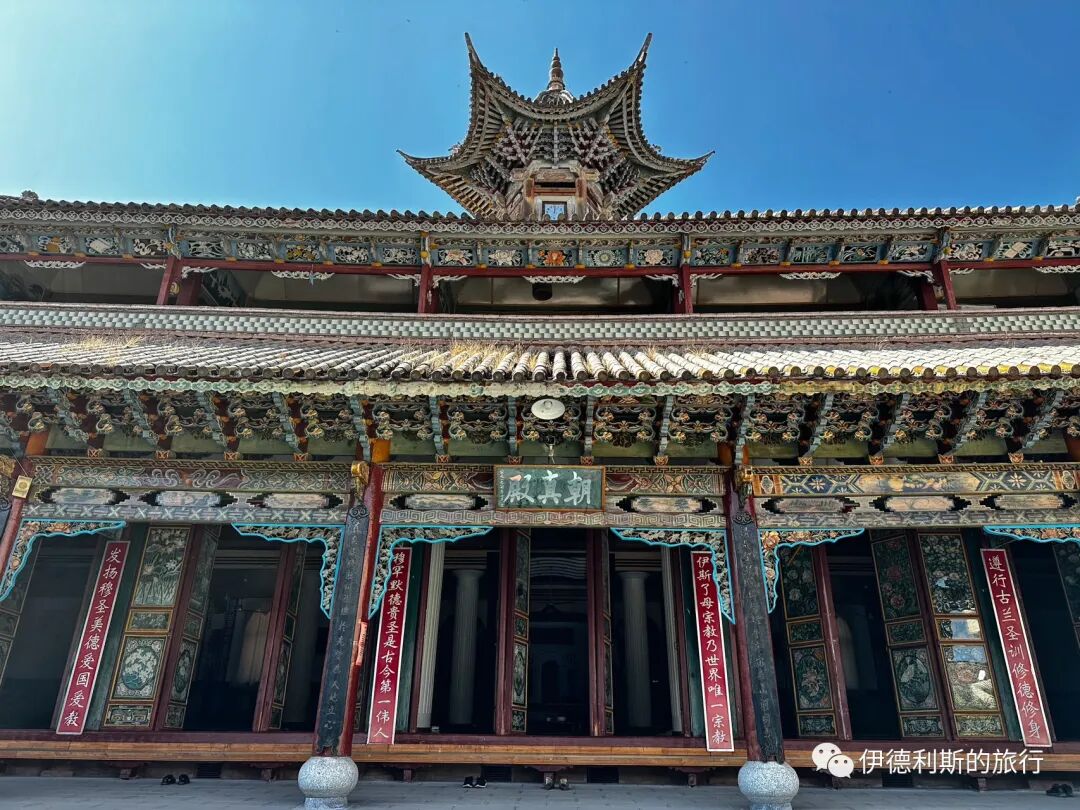
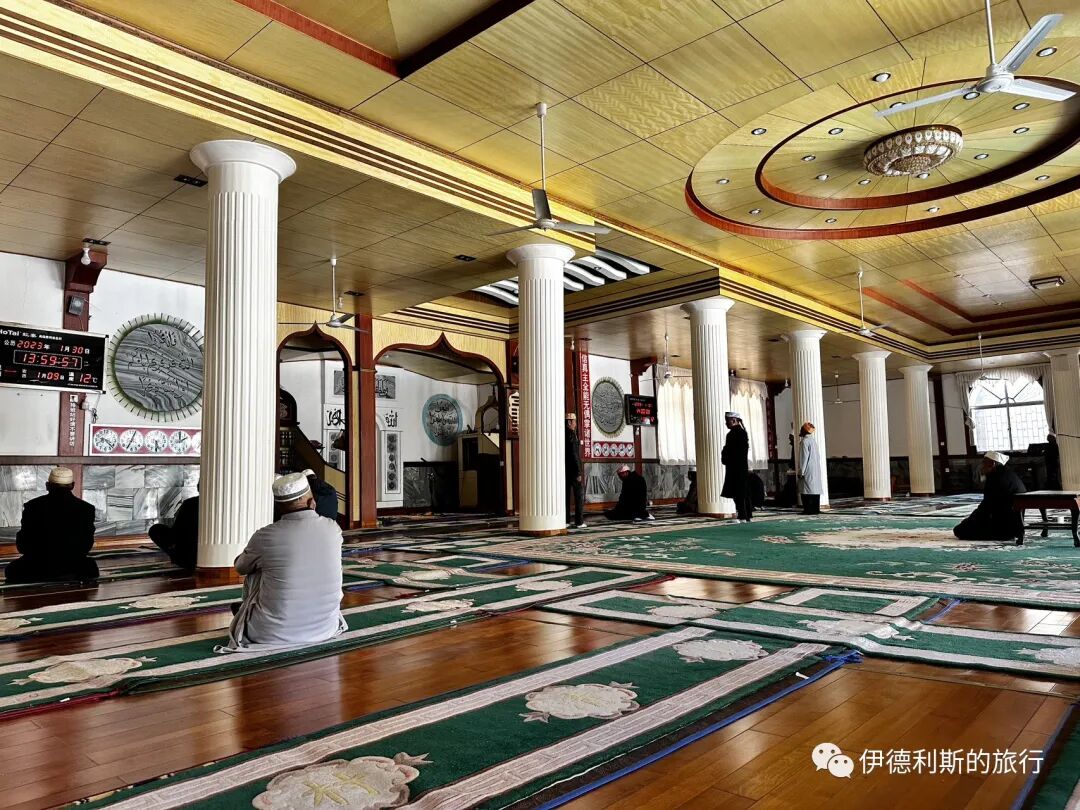
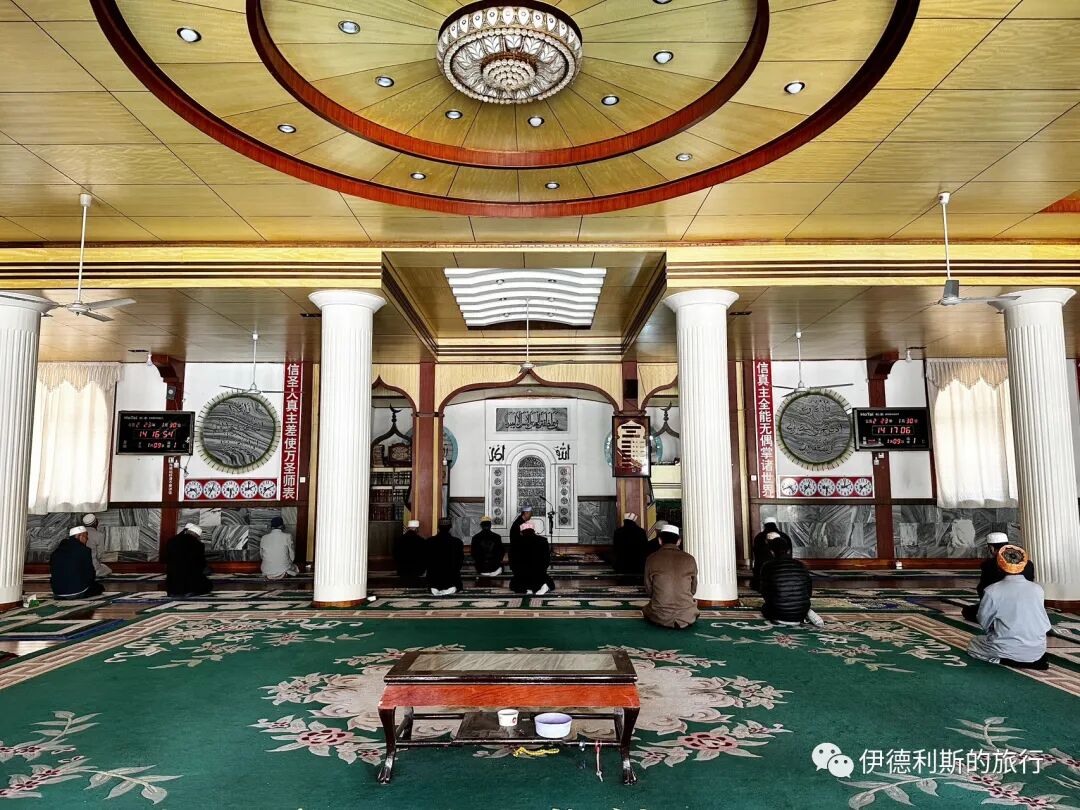
I performed the noon namaz at Xishulong Mosque. I visited Xishulong Mosque once in 2020, and this is my second time here. The original construction date of Xishulong Mosque is unknown. It was rebuilt in 1902 (the 28th year of the Guangxu reign) and rebuilt again in 1990 into its current form. The main hall has a double-eaved hip-and-gable roof with a unique hexagonal pavilion in the center of the roof ridge.
Shangxi Lianhua Mosque
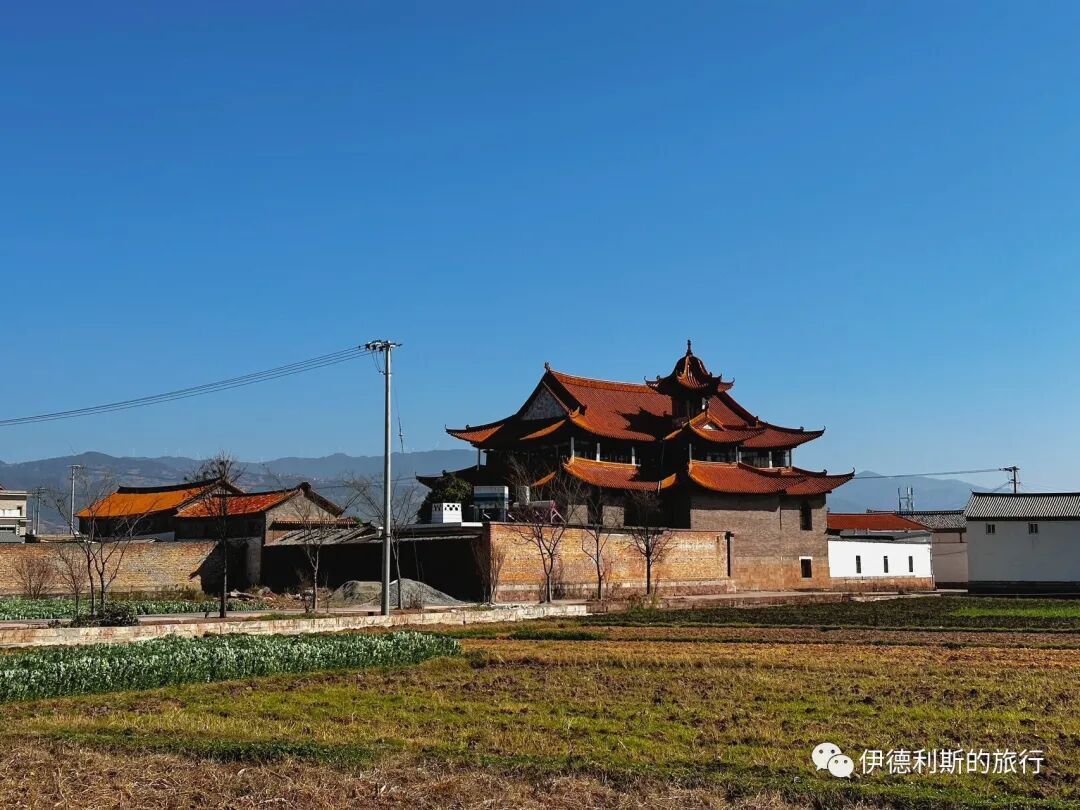
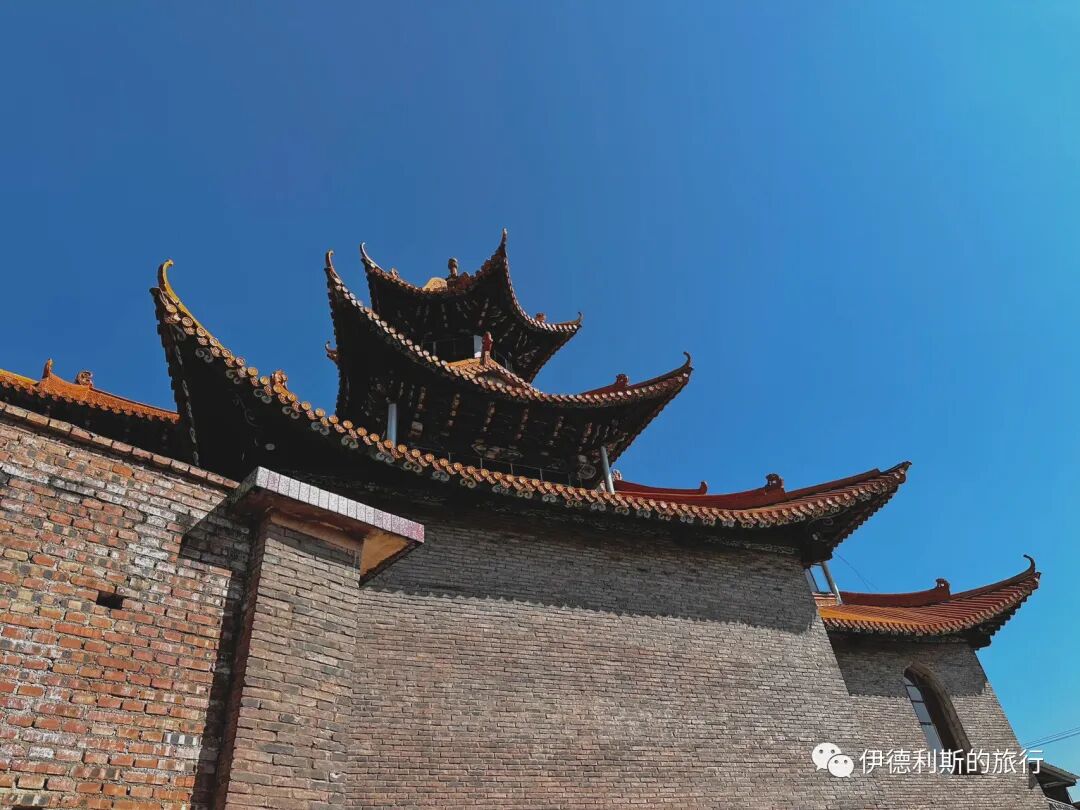
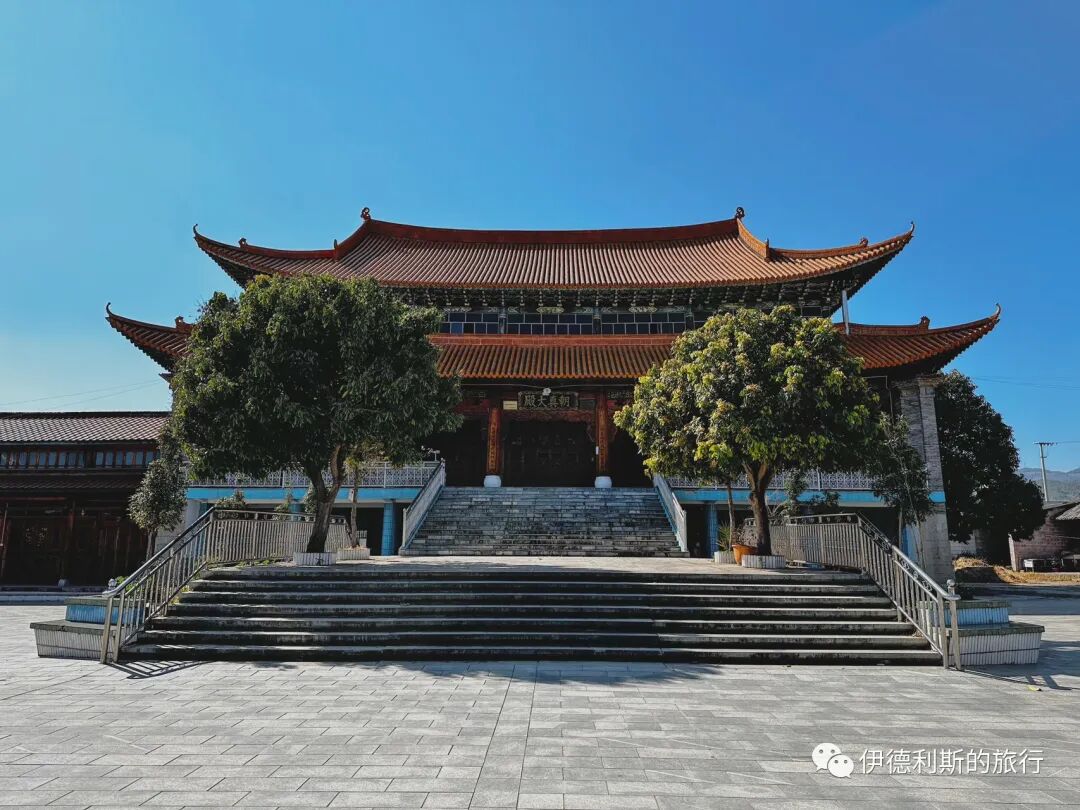
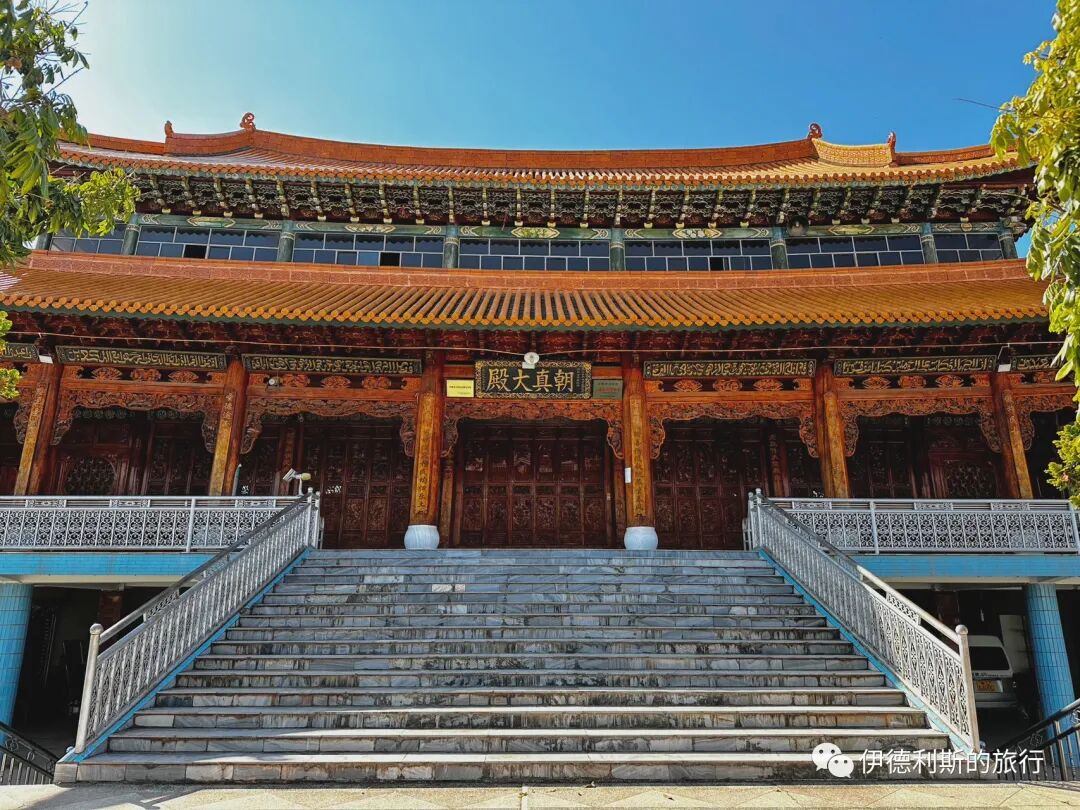
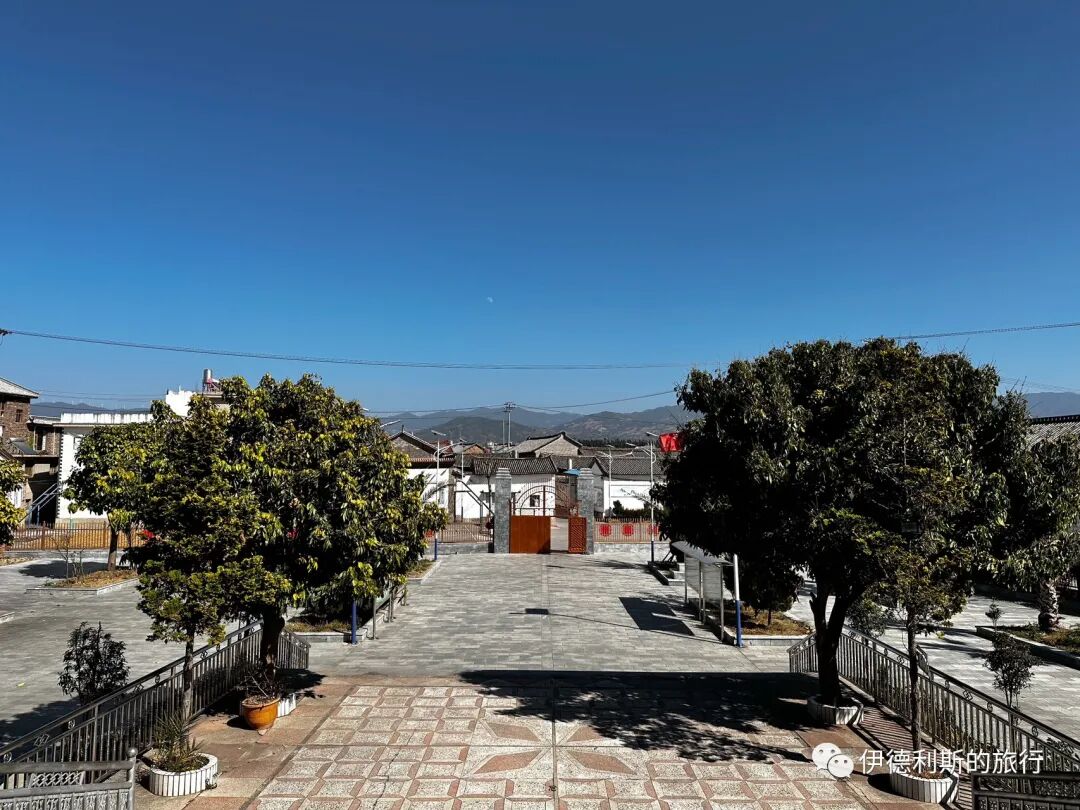
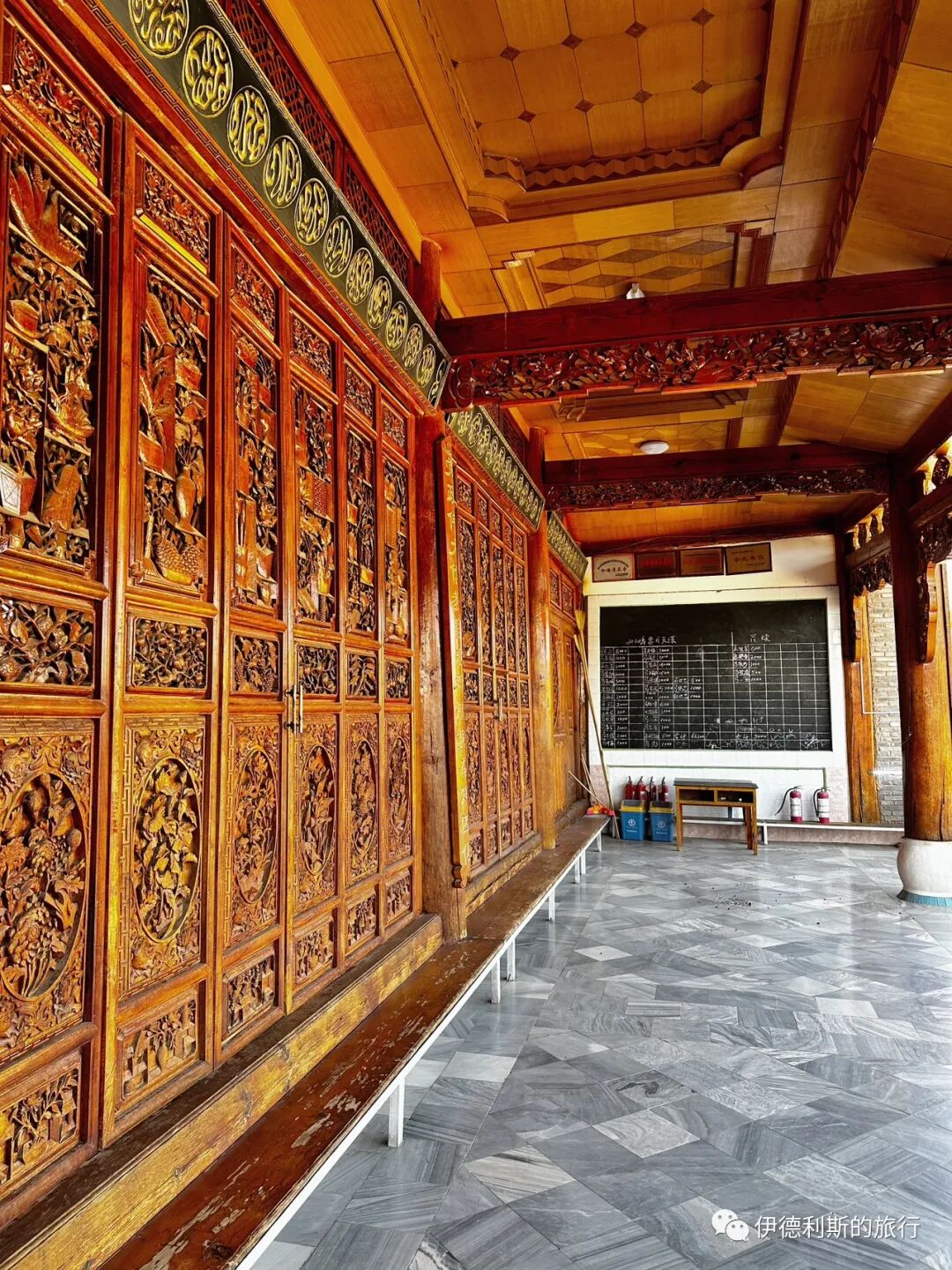
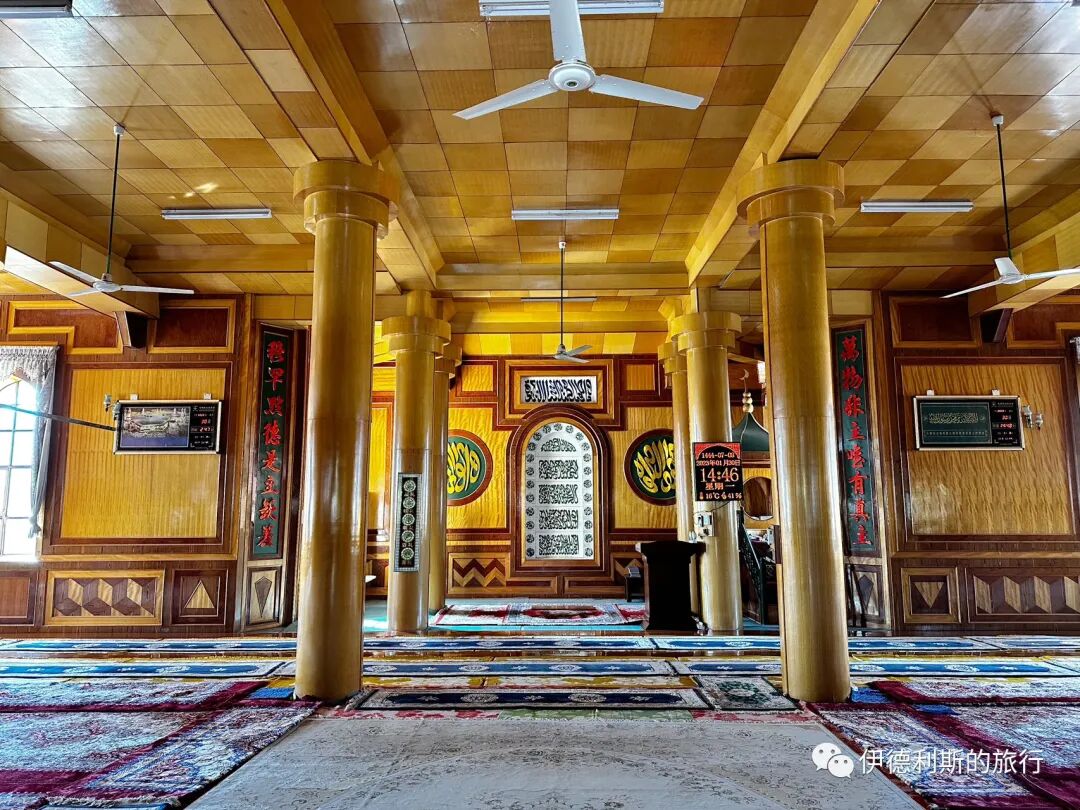
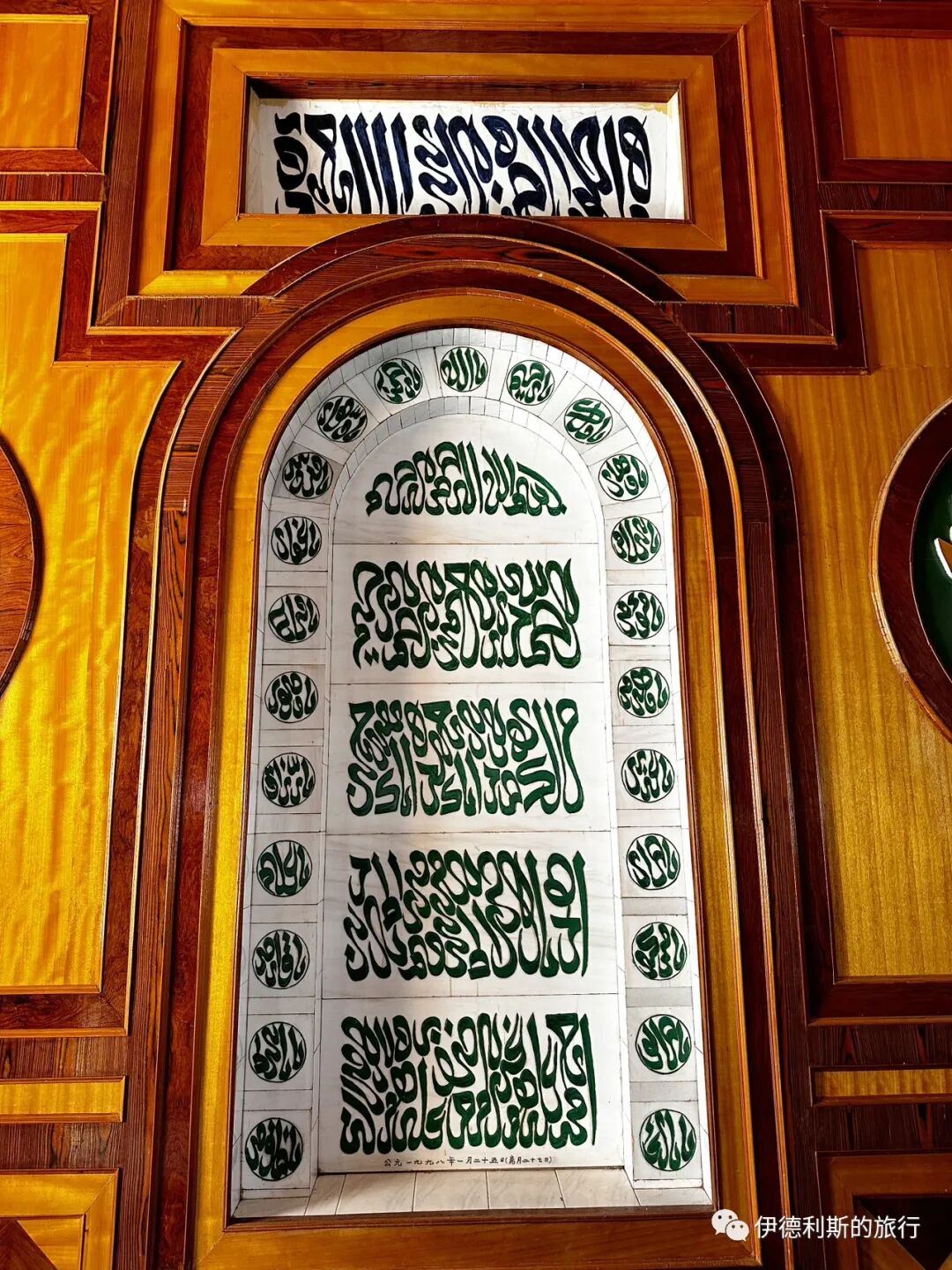
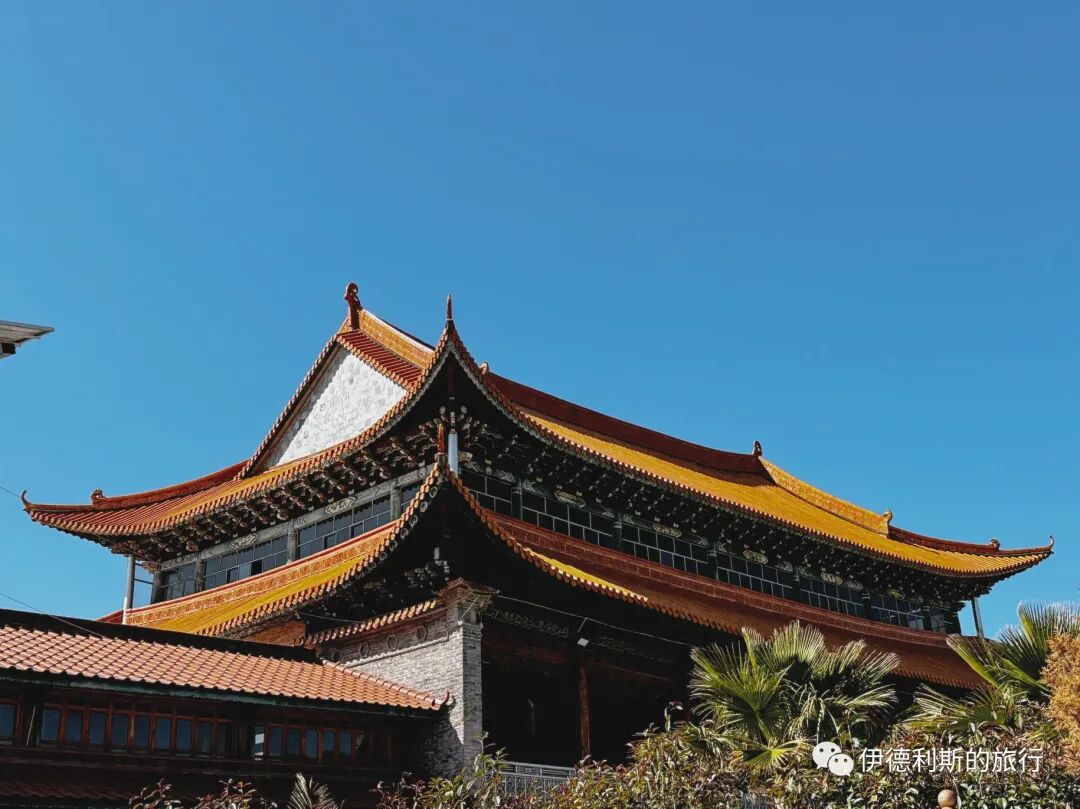
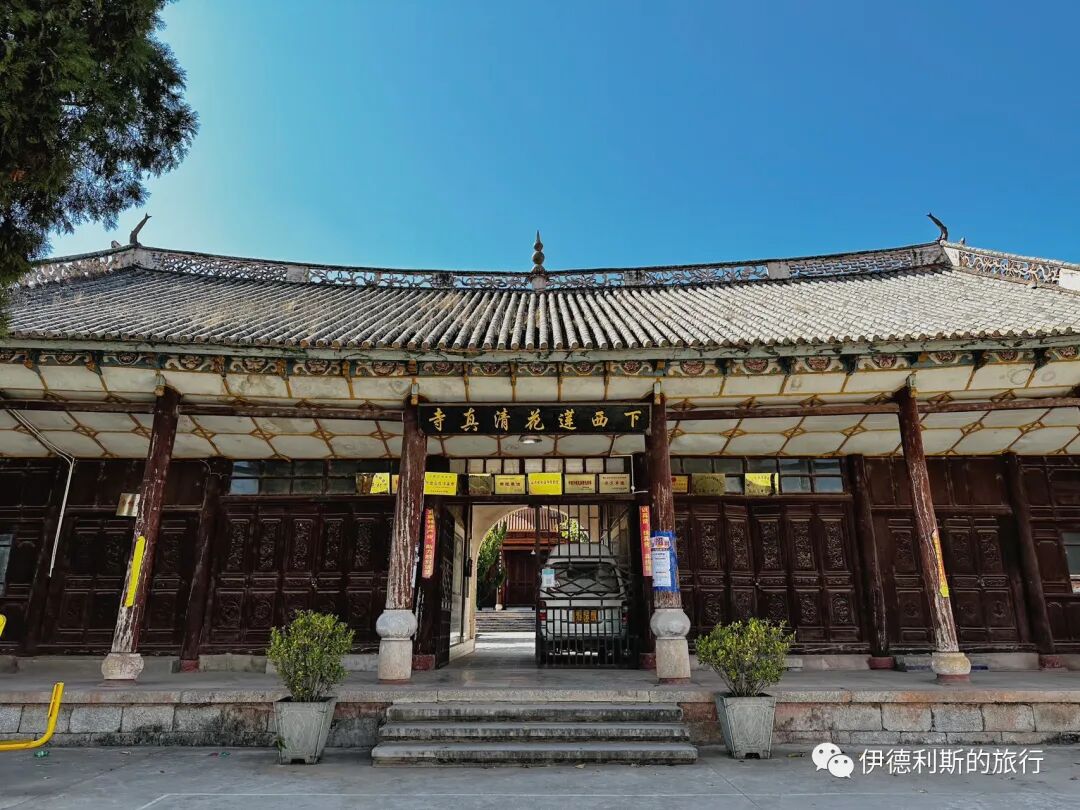
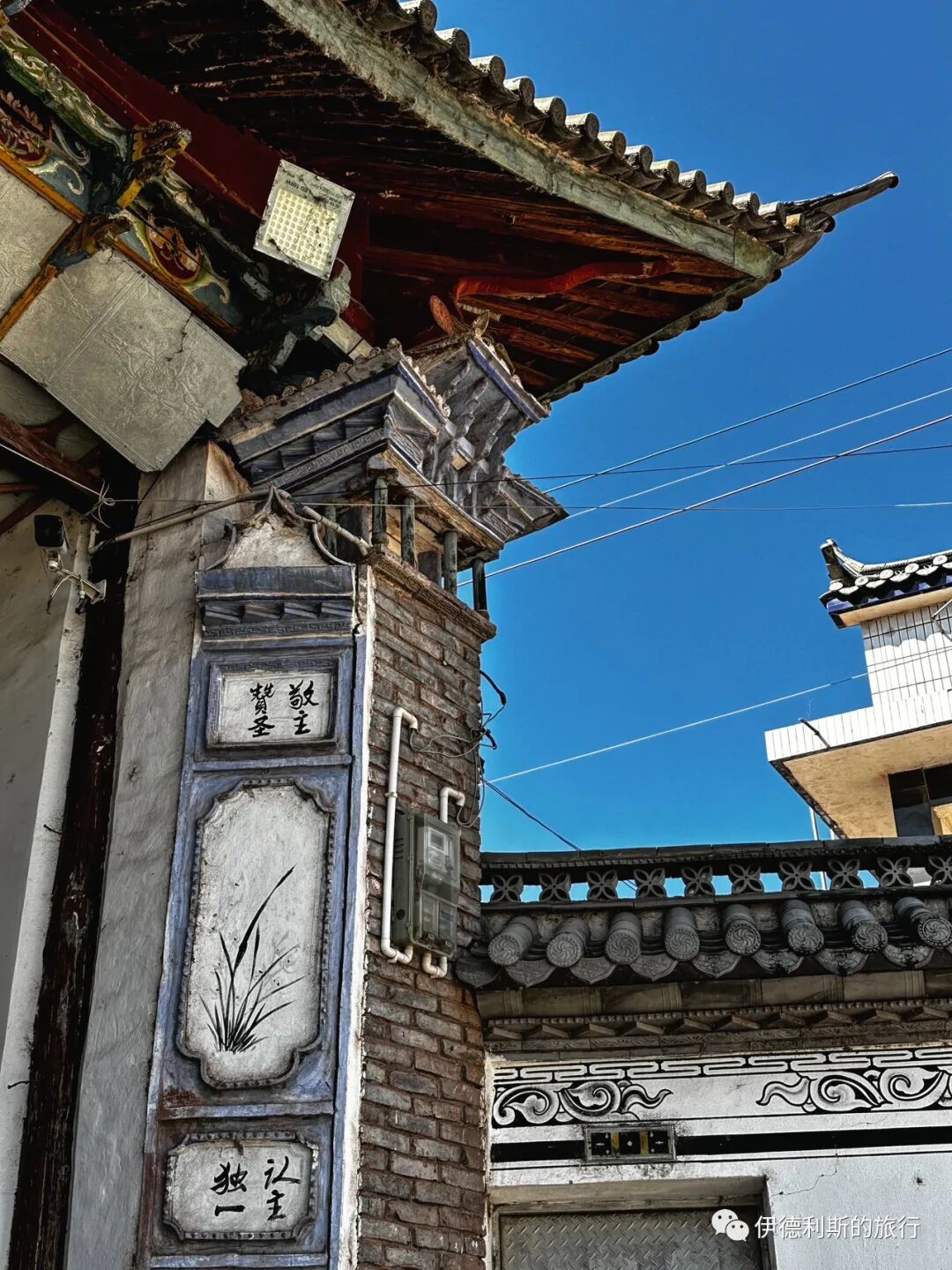
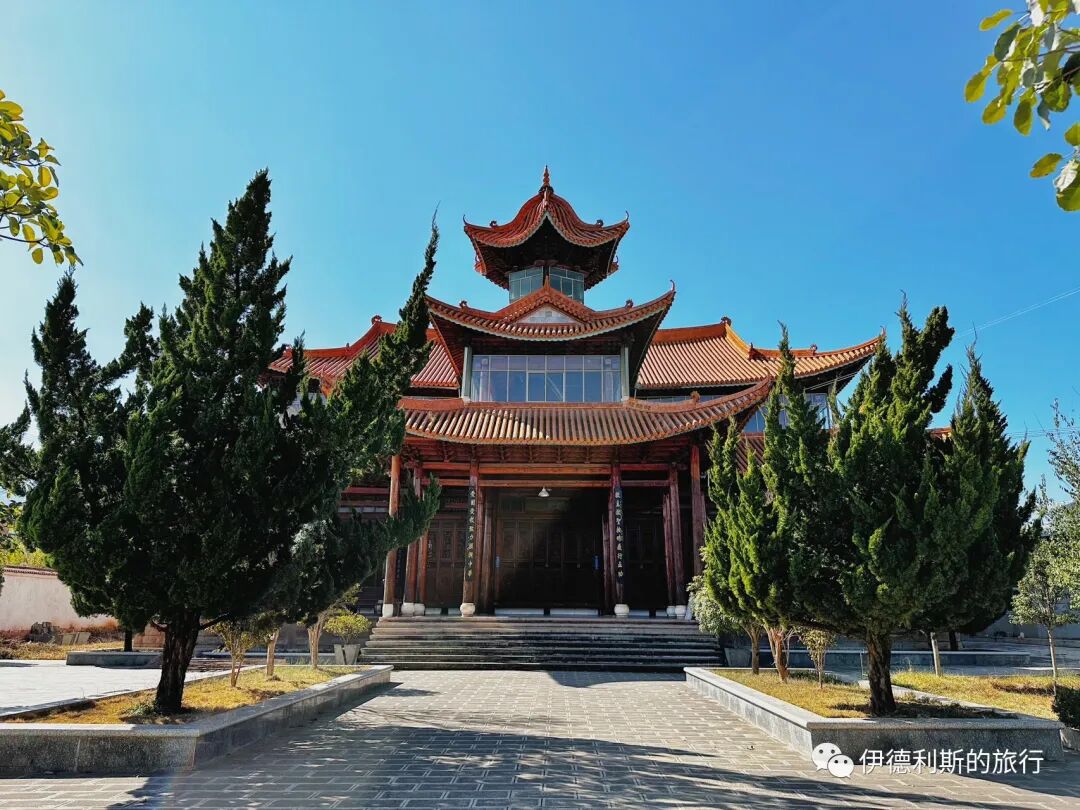
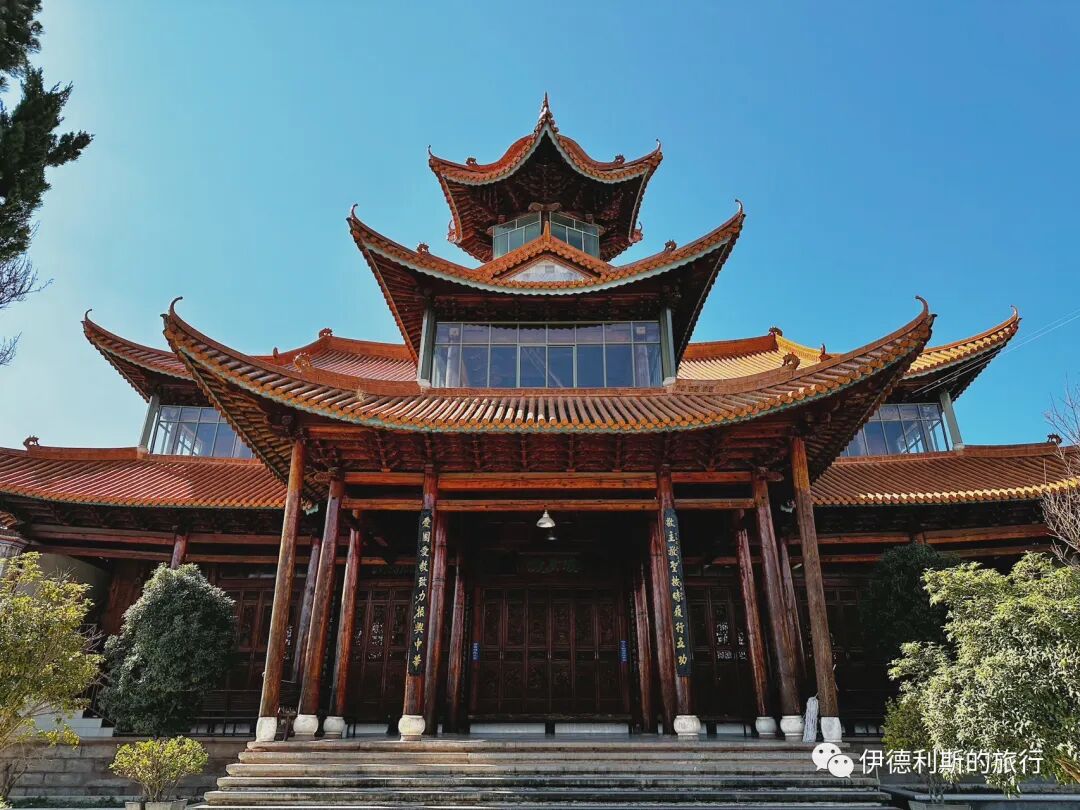
I rode south from Xishulong Village to Shangxi Lianhua Village to visit the Shangxi Lianhua Mosque. The original construction date of Shangxi Lianhua Mosque is unknown. It was destroyed in 1872 (the 11th year of the Tongzhi reign) and later rebuilt and expanded several times into its current structure.
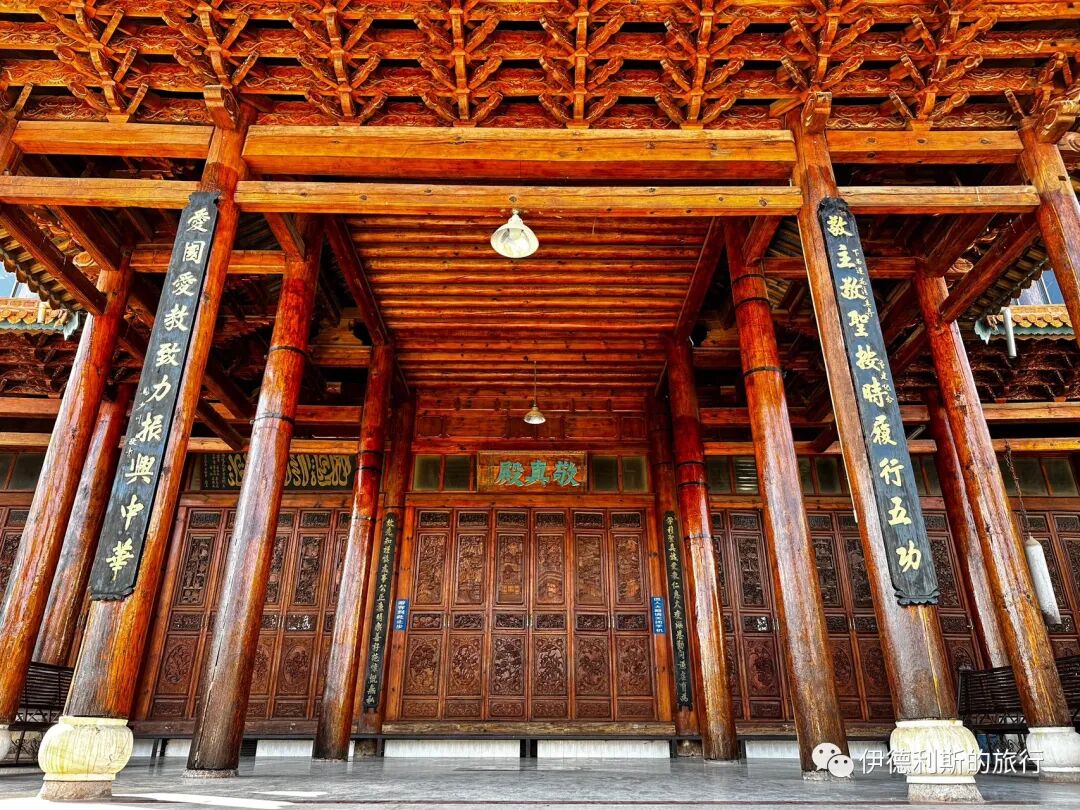
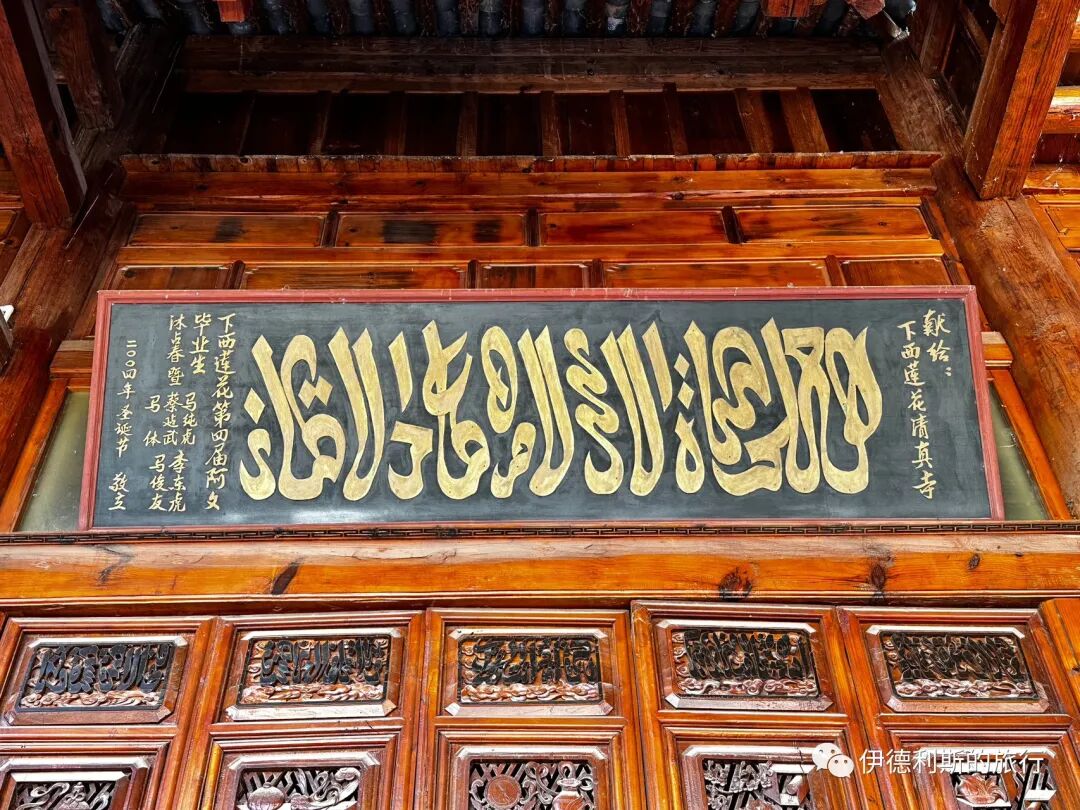
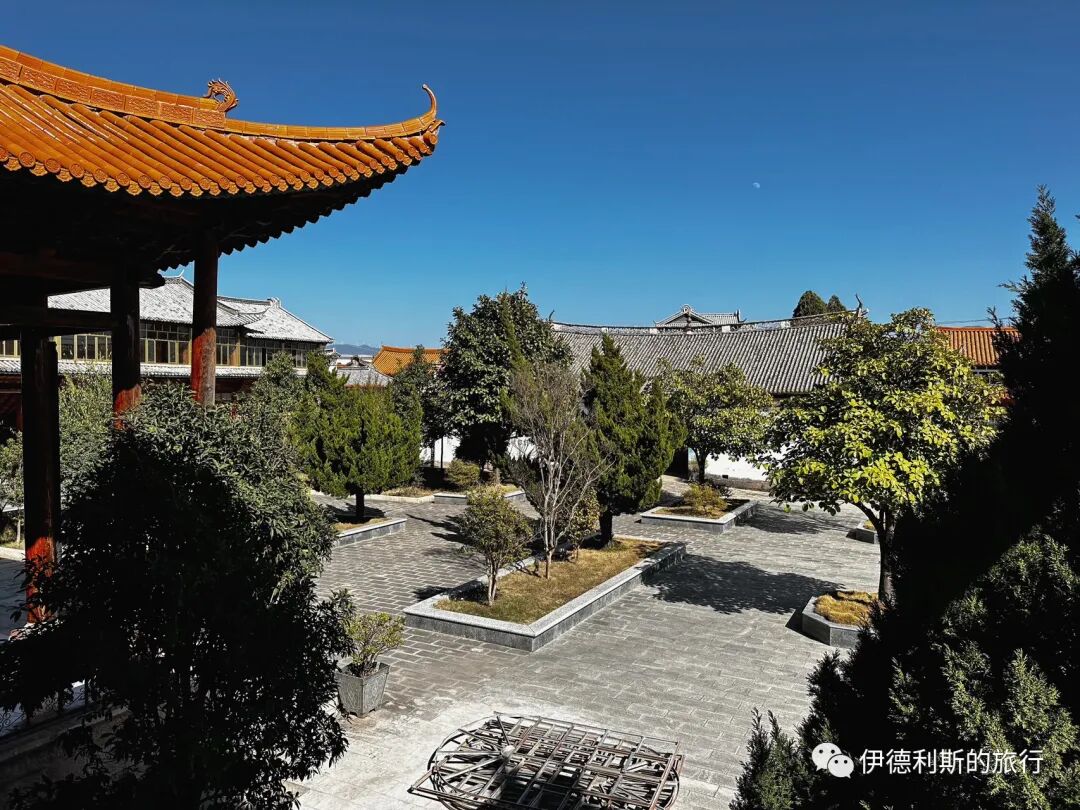
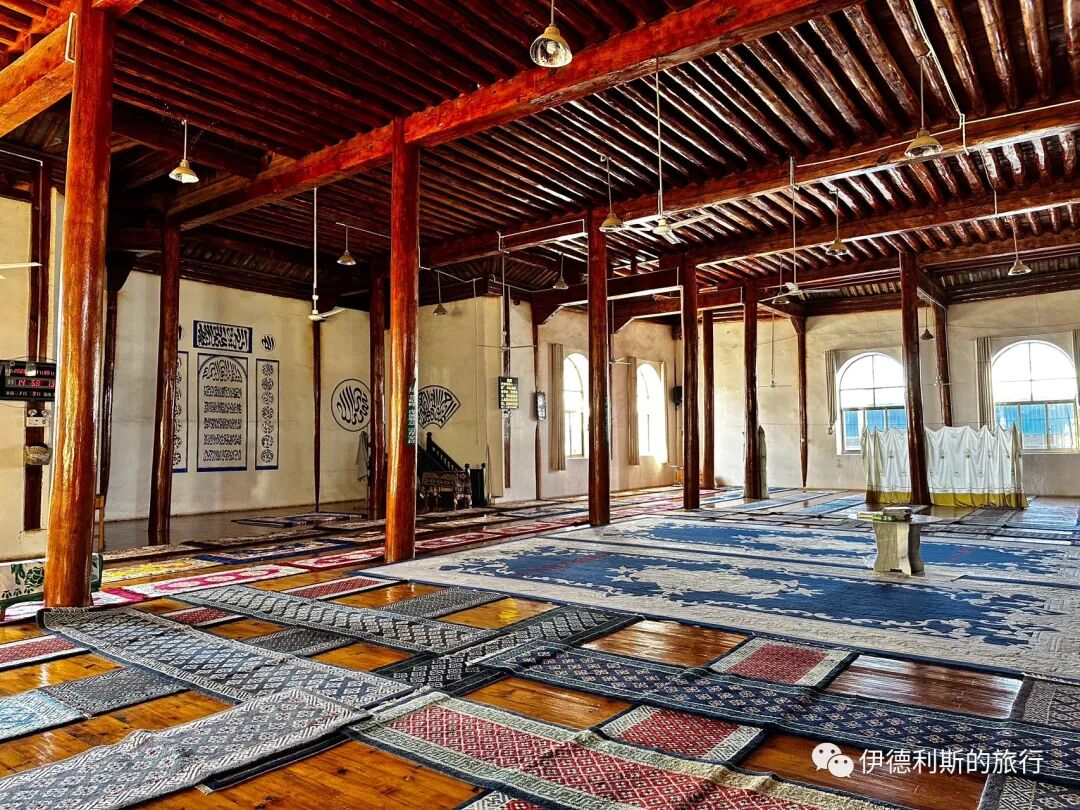
Xiaxi Lianhua Mosque
I traveled from Shangxi Lianhua Mosque to Xiaxi Lianhua Mosque. The original construction date of Xiaxi Lianhua Mosque is also unknown. It was destroyed in 1872 (the 11th year of the Tongzhi reign), rebuilt in 1925, and later rebuilt again into its current structure.
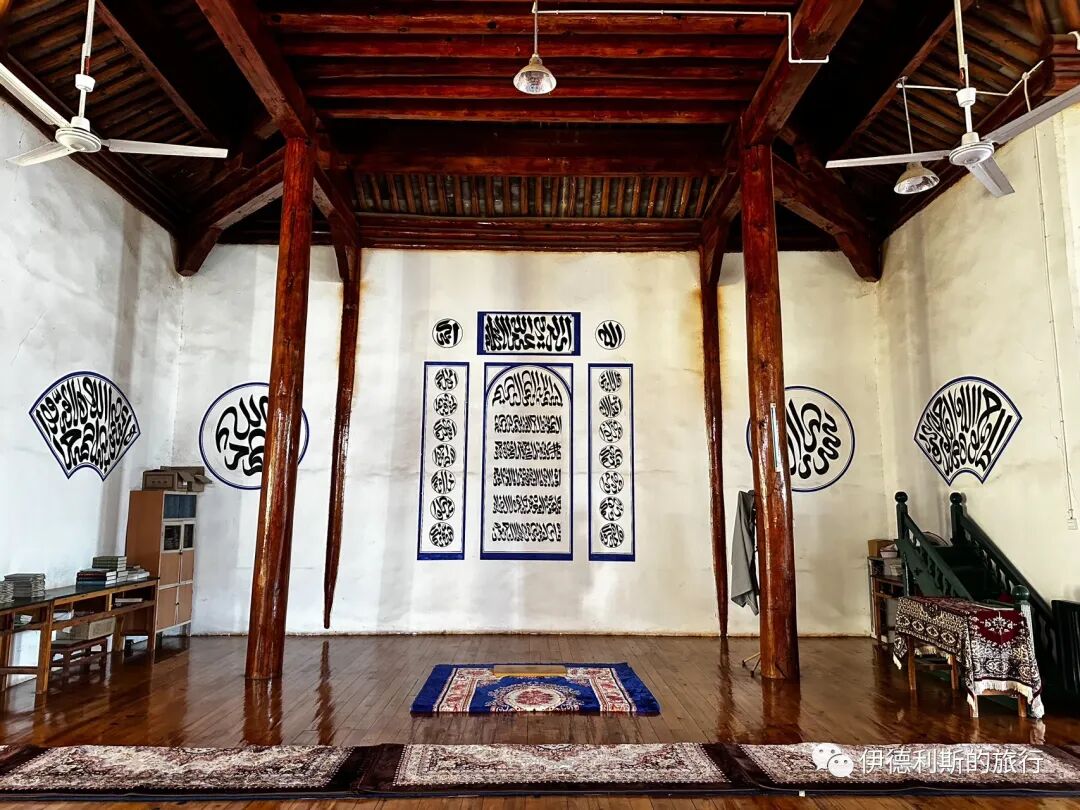
Dong Lianhua Mosque
I traveled from Xiaxi Lotus Mosque (Xiaxi Lianhua Si) to Donglianhua Village, the best-preserved village in Weishan. I visited three Ma family courtyards, which I wrote about in 'The Three Hui Muslim Caravan Courtyards of Donglianhua Village, Weishan, Dali,' and then I visited the Donglianhua Mosque.
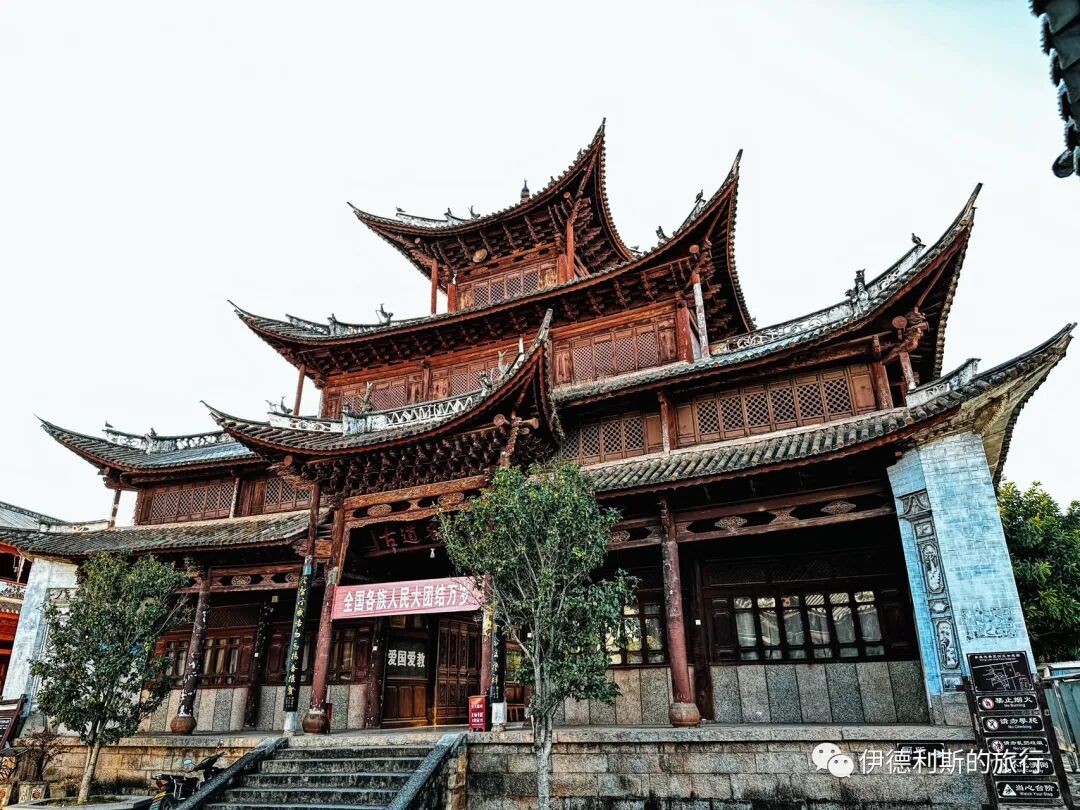
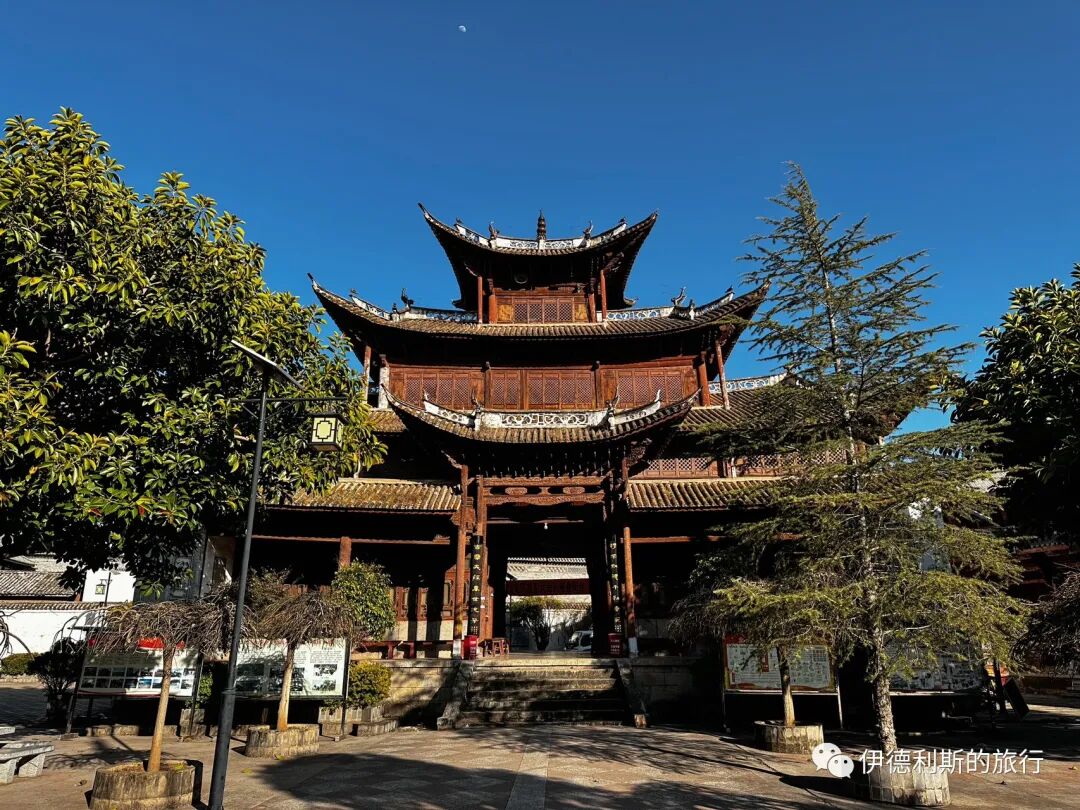
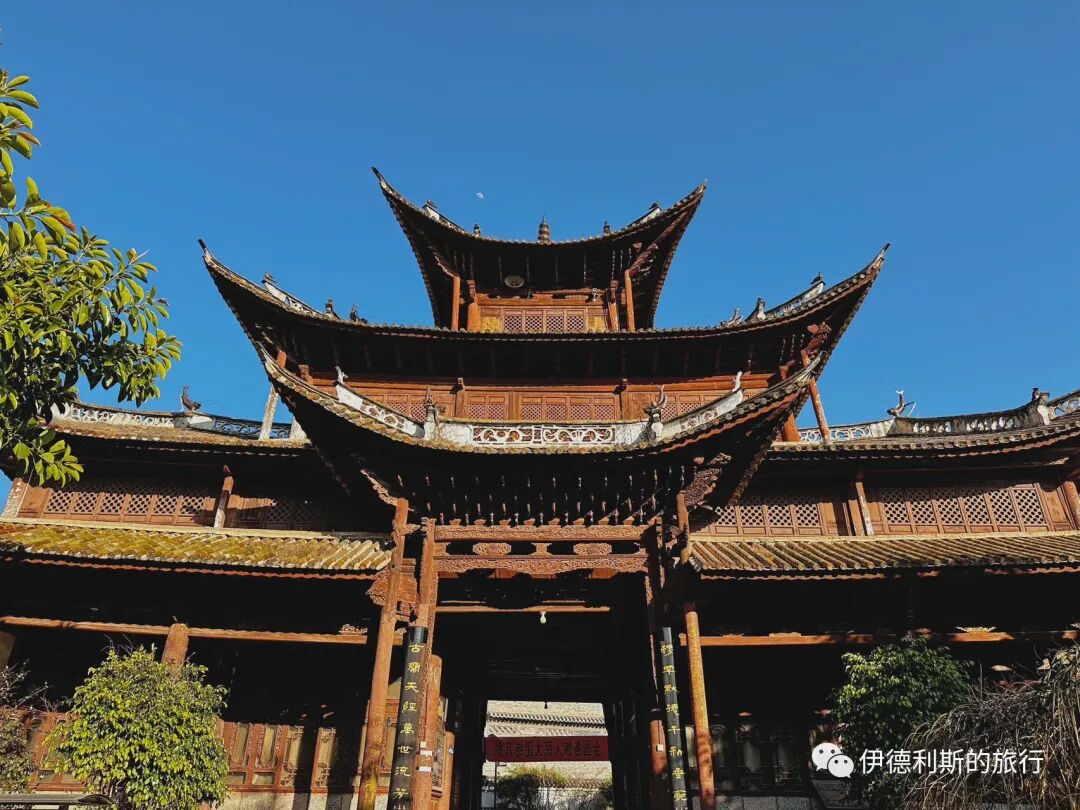
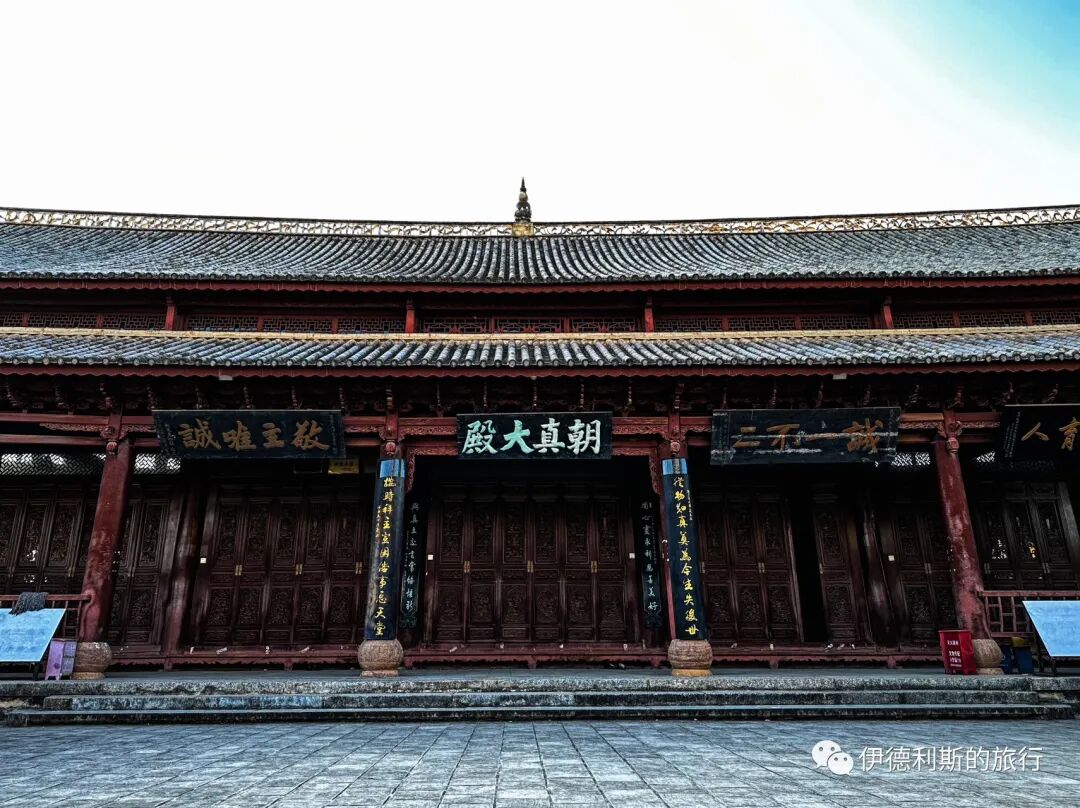
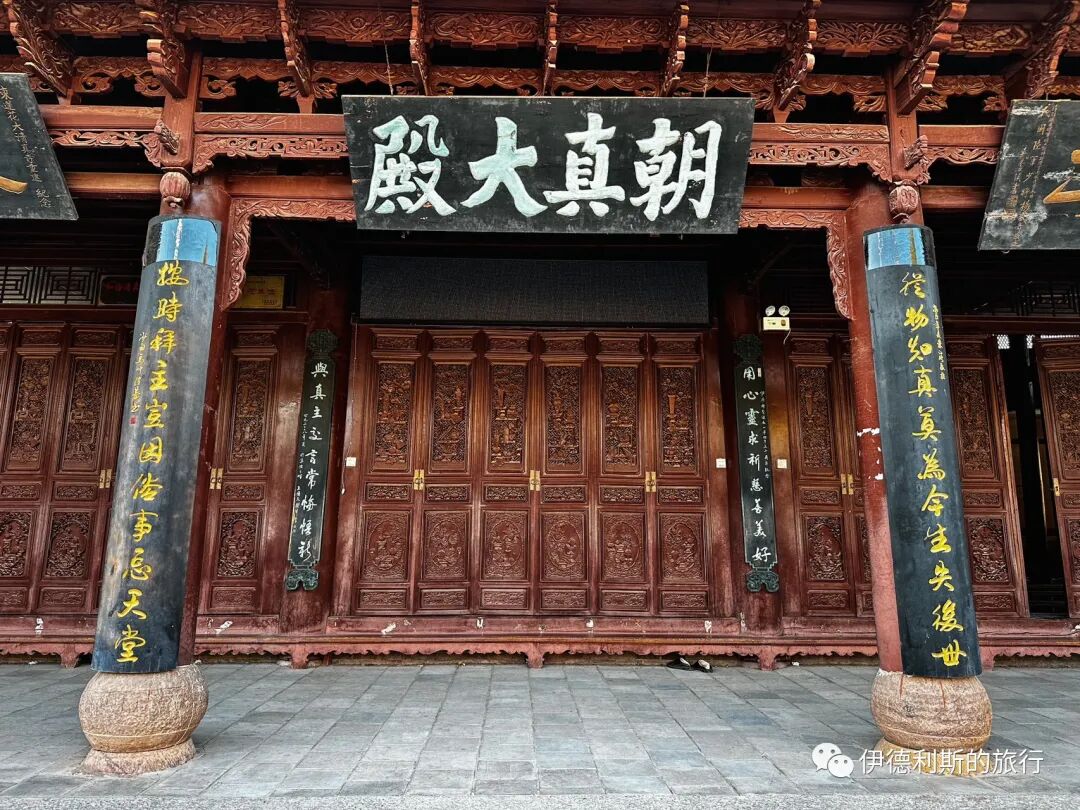
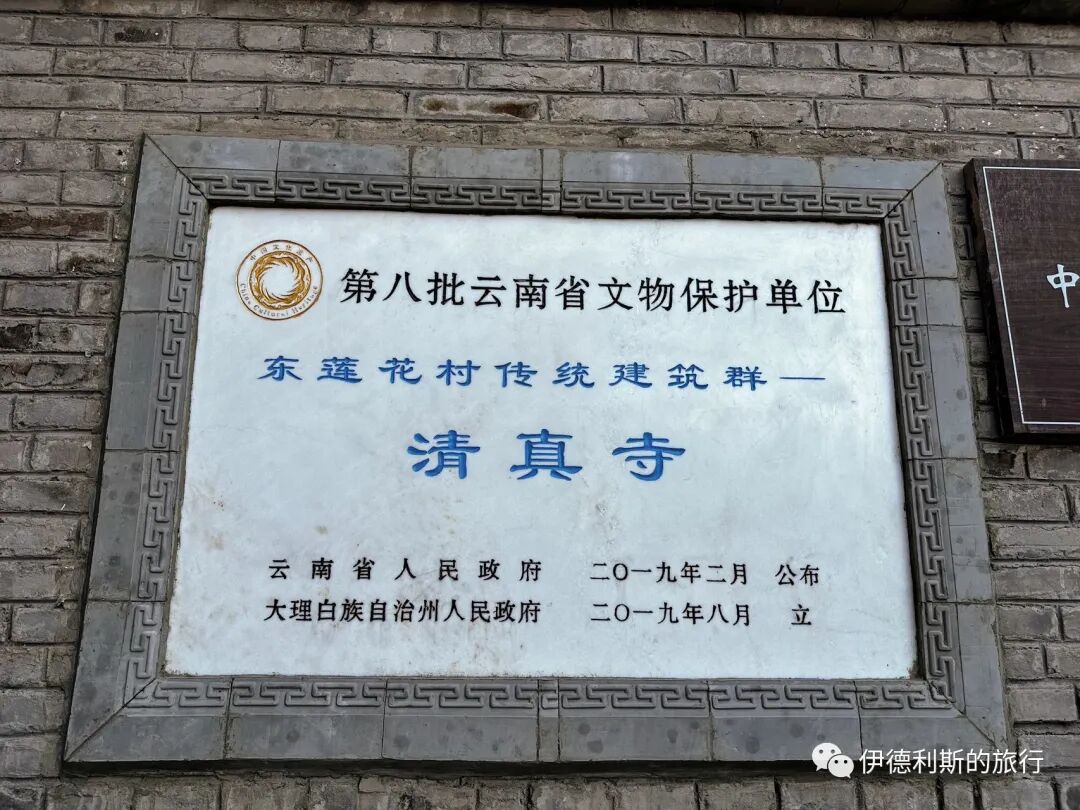
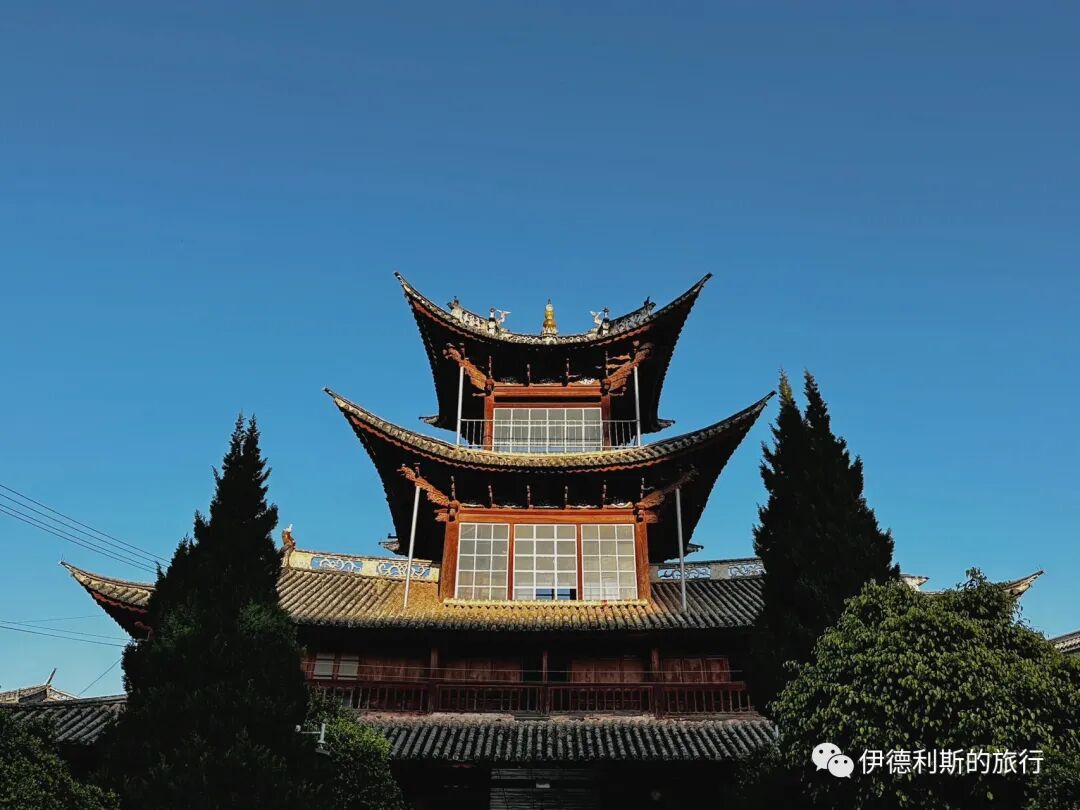
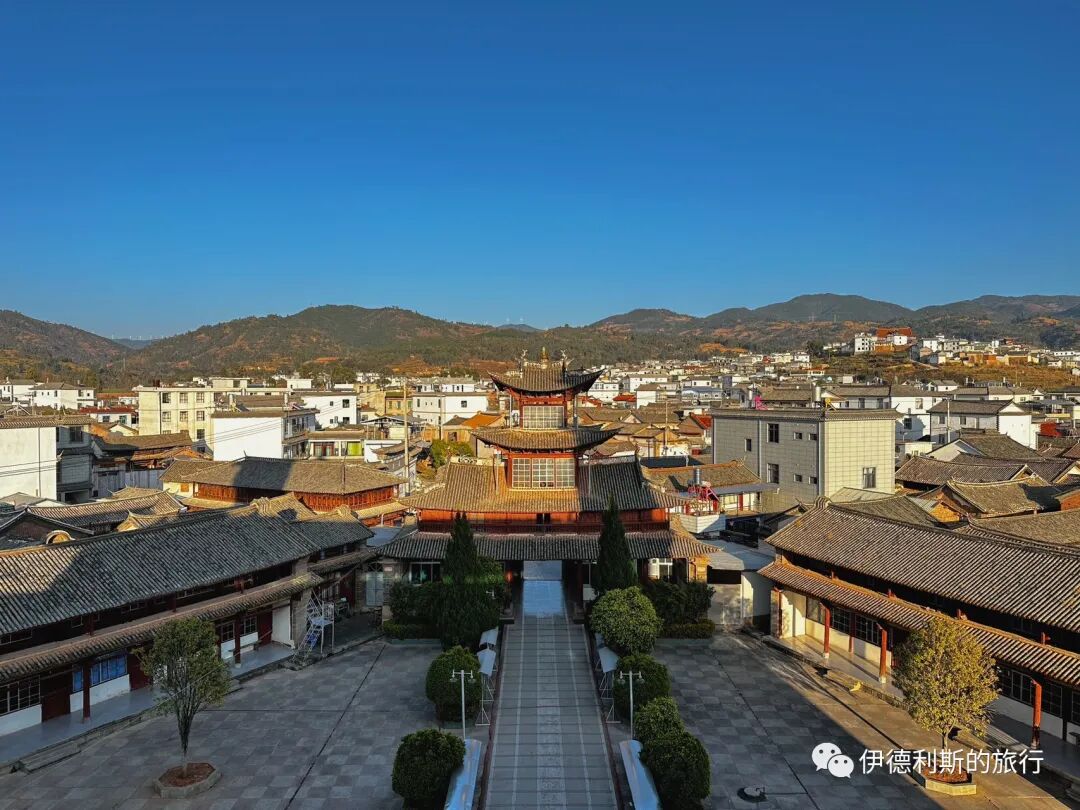
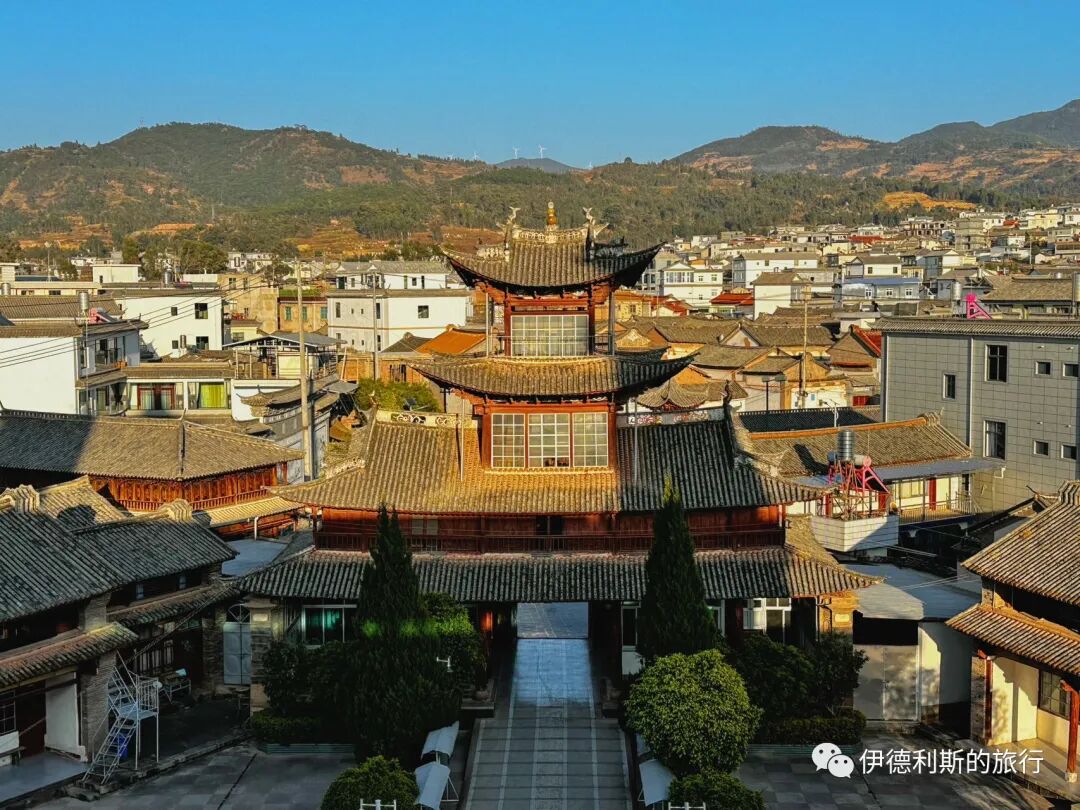
Donglianhua Mosque was first built during the Qing Dynasty and was expanded twice, in 1921 and 1987. The mosque layout runs from east to west, featuring the main gate, the minaret, and the main prayer hall (Chaozhen Dian). The minaret divides the courtyard into two sections.
The minaret was raised to four stories in 1987, following a five-five-three-one structural design. The first three floors serve as classrooms for holiday study groups, while the fourth floor is where the adhan is called.
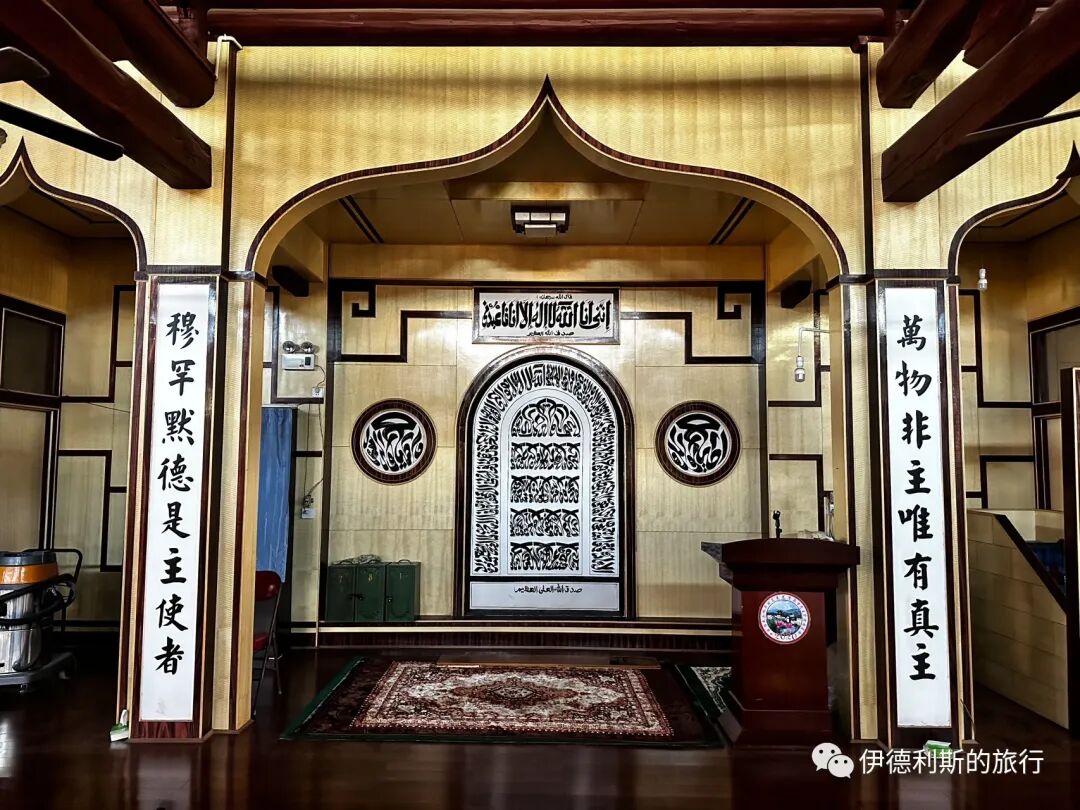
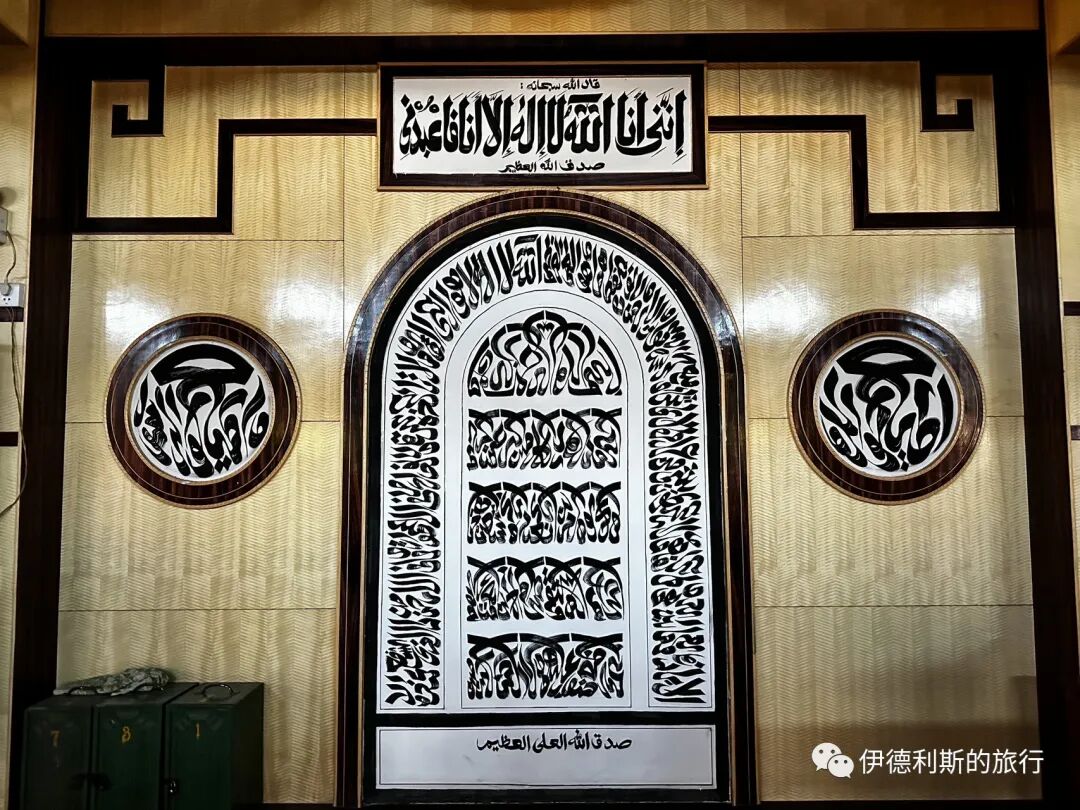
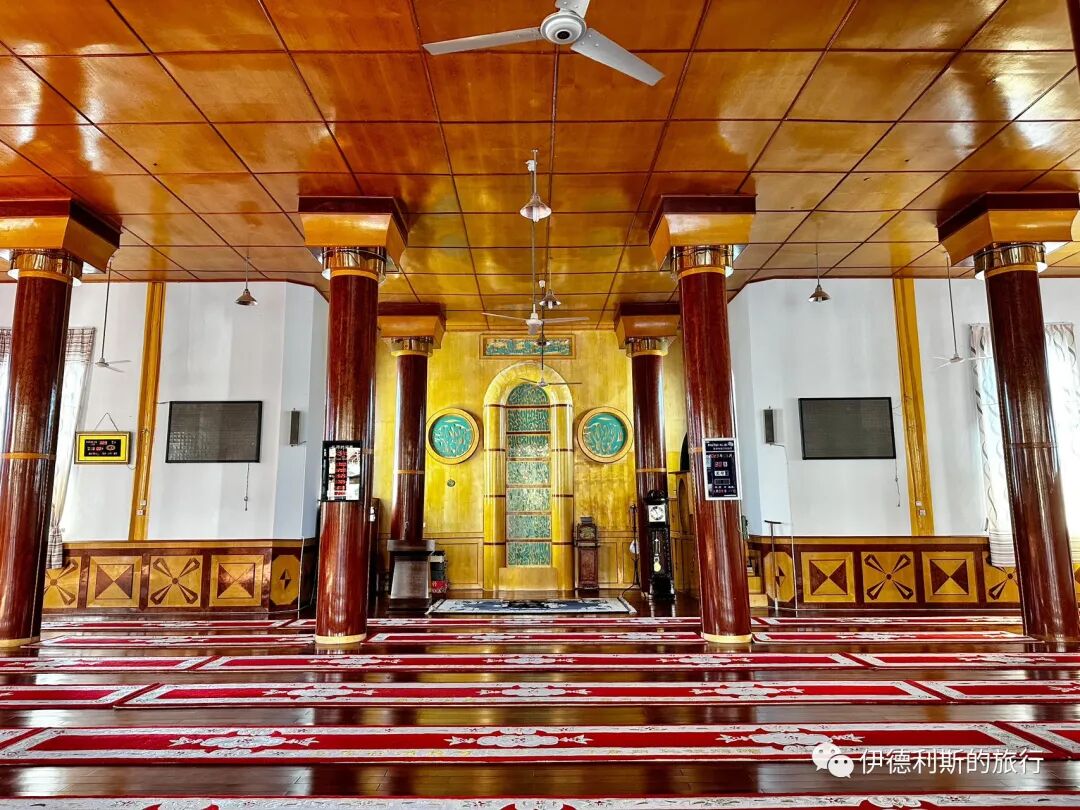
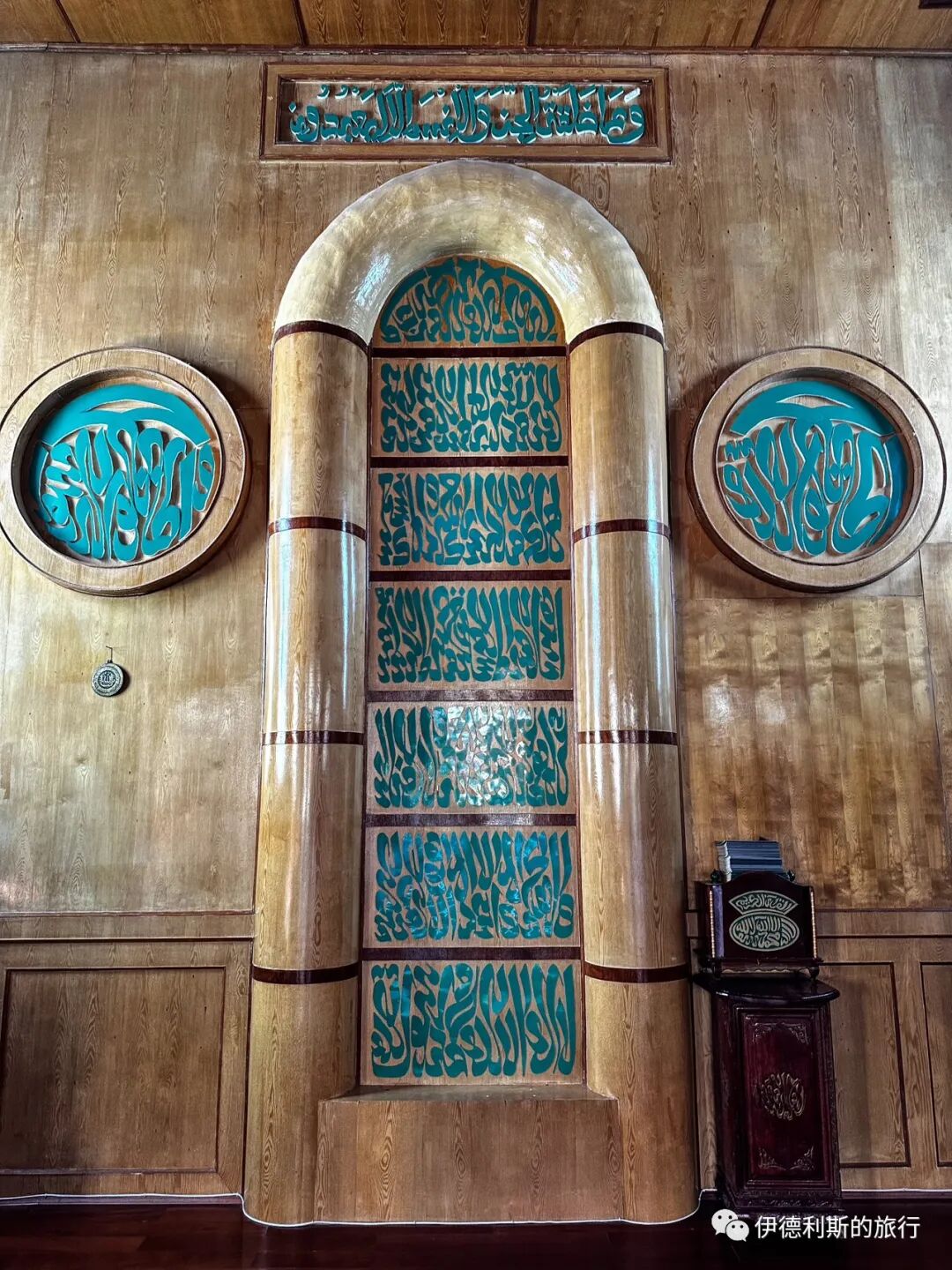
The main prayer hall was expanded in 1921 into a five-bay by seven-bay structure, and it was expanded again in 1987 into a nine-bay by eleven-bay structure. The mihrab features traditional Arabic calligraphy in the classic Yunnan style.
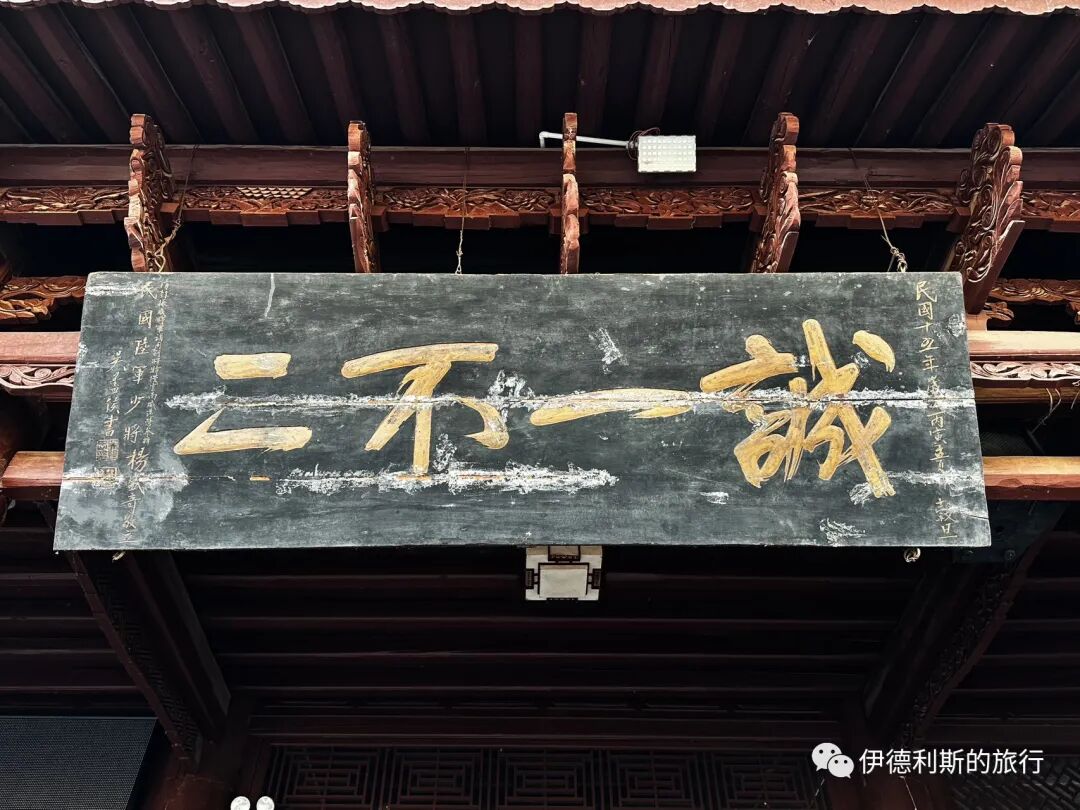
In front of the main prayer hall hangs a plaque inscribed with 'Cheng Yi Bu Er' (Sincerity is Unique), which was presented by Major General Yang Shengqi in 1926. General Yang Shengqi was close friends with Ma Ruji, a major caravan leader in Donglianhua. In 1926, he traveled from Kunming to visit Ma Ruji in Donglianhua and presented this plaque to the mosque.
Sanjia Village Mosque
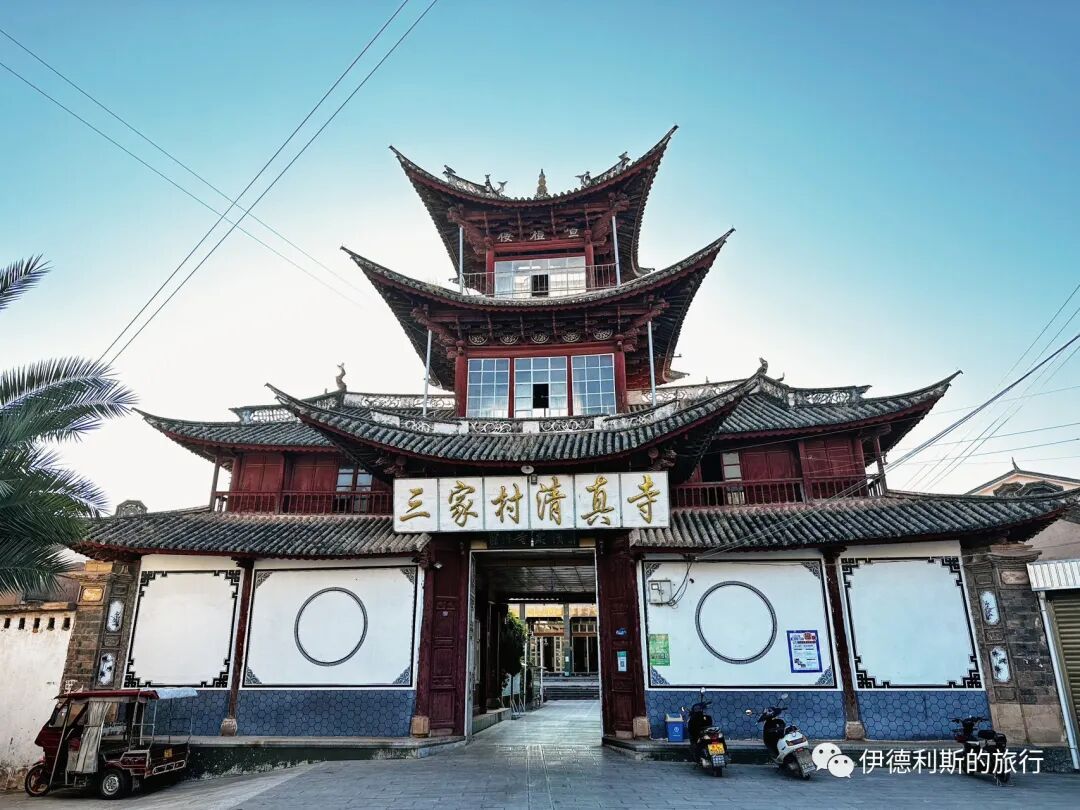
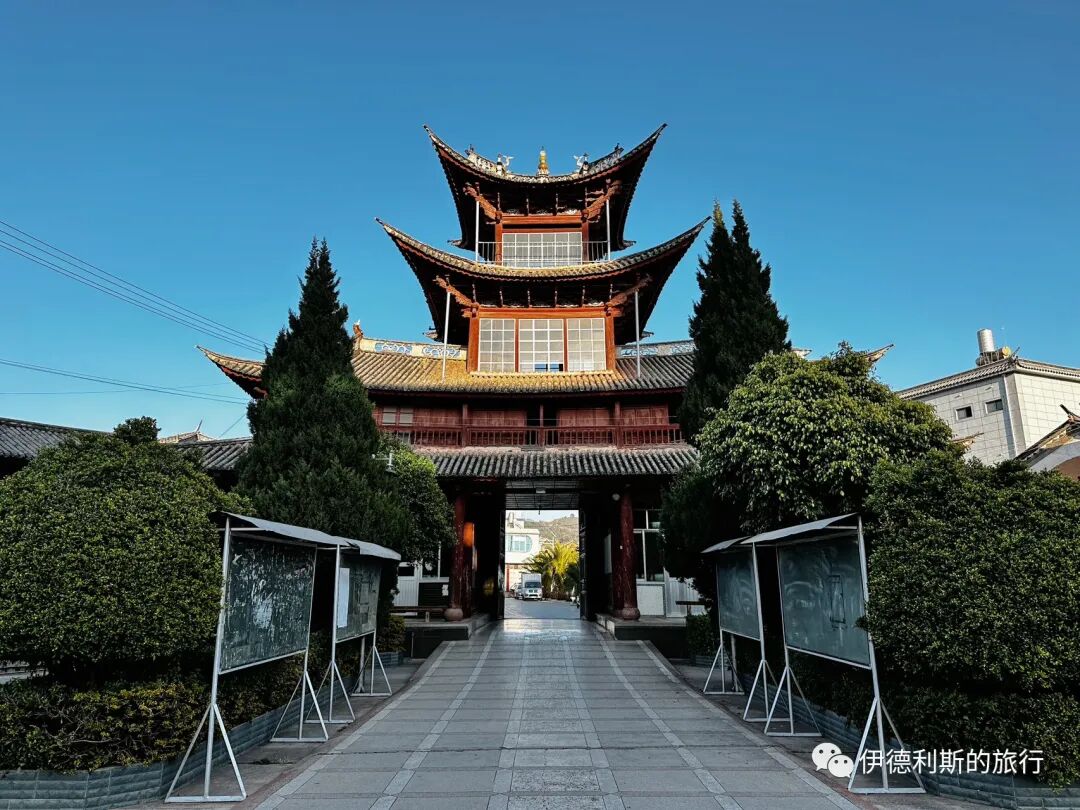
Finally, I visited the Sanjia Village Mosque. Sanjia Village was originally called Saijia Village. The Sai family were descendants of Masuh, the fifth son of Sayyid Ajjal Shams al-Din Omar. They moved from Daweigeng and Xiaweigeng villages in the mid-Ming Dynasty to establish Saijia Village. Later, many Hui Muslims with other surnames moved here, making it one of the larger Hui Muslim villages in the Yongjian Basin. During the Tongzhi reign, the entire village of over 3,500 people was killed. Later, three families returned to settle here, so the name was changed to Sanjia (Three Families) Village.
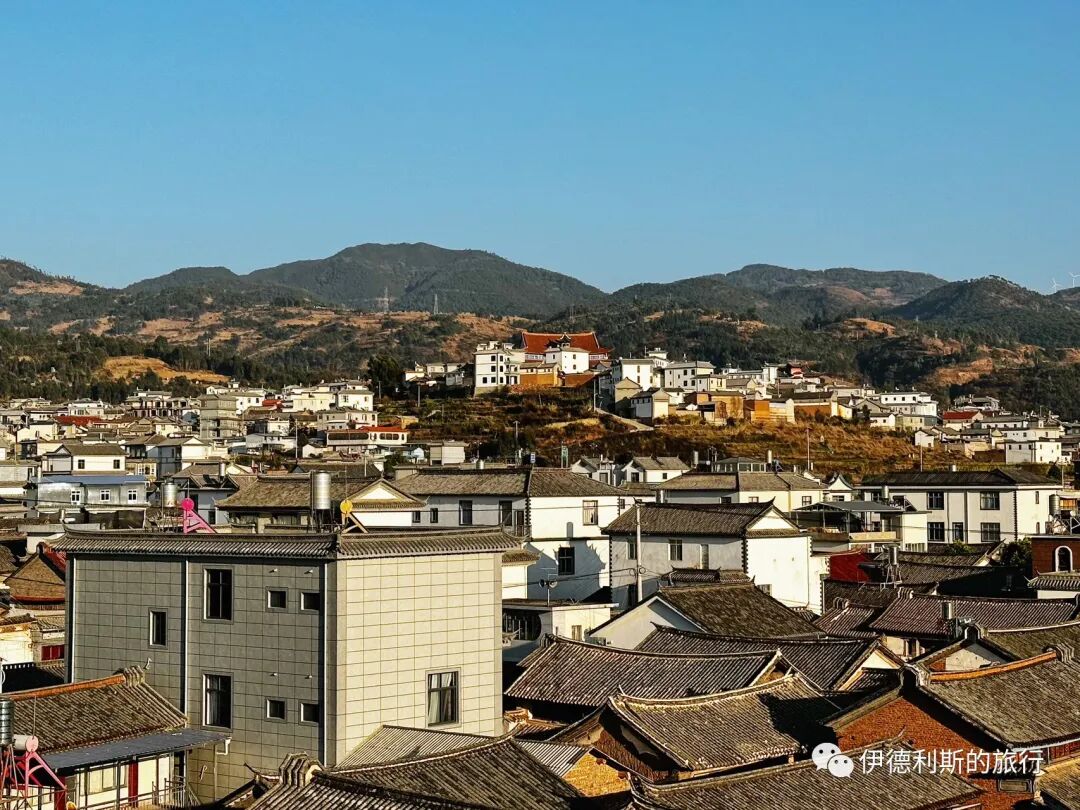
The current main prayer hall of the Sanjia Village Mosque was rebuilt in 1997, and from the top, you can look out over the scenery of the Yongjian Basin. The setting sun shone down, making the Yongjian Basin glow with a beautiful golden light.
Summary: Weishan in Dali, Yunnan, has old mosques and Hui Muslim communities tied to local history, mountain roads, and everyday mosque life. This account closes the 2023 Dali route with visits to ancient mosques, local streets, and community scenes while preserving the original photos and order.
On January 30, I rode an electric scooter from Xiaguan in Dali to Weishan. This is my third visit to Weishan, following trips in 2017 and 2020. My main goal was to visit several mosques I missed during my first two trips.
During my first two trips to Weishan, I visited 20 traditional mosques in Dali, 16 of which were in Weishan. I wrote about them in my article, "Twenty Traditional Mosques in Dali." This time, I visited 5 new mosques in Weishan, bringing my total to 21 traditional mosques visited in the area.
1. Xincun Mosque
2. Chenjia Mosque
3. Xishulong Mosque
4. Shangxi Lianhua Mosque
5. Xiaxi Lianhua Mosque
6. Dong Lianhua Mosque
7. Sanjiacun Mosque
Riding an electric scooter from Xiaguan in Dali to Weishan was probably the most challenging route of my Dali cycling trips. The trip there included 17 kilometers of continuous downhill riding with crosswinds. I had to keep my eyes on the road and my hands on the brakes the whole time without relaxing. Dali also has a large temperature difference between day and night in winter. It was quite cold in the mountains in the morning, but it warmed up as soon as the sun came out at noon.
I didn't dare take any photos while crossing the mountains and only took out my phone once I reached Yongjian Town. This was my third time visiting the market on Hedi Street, and it was still very lively. The Yi ethnic aunties here wore bright, colorful clothes, which looked very different from the Yi clothing I saw in the Daliang Mountains a few days ago.
Riding my scooter through the villages of Yongjian Town to visit old mosques, the pastoral scenery along the way was refreshing. However, riding on country roads sometimes leads to unexpected situations. On my way to Xincun, the furthest Hui Muslim village in Yongjian Town, the road was suddenly cut off by a small, clear river where villagers were washing clothes and shoes. I didn't have time to enjoy the scenery because I was immediately worried. Taking another route meant going all the way back, which would waste a lot of time, but I had no experience riding a bike through water and was afraid I would slip and fall into the river with my bike. After a moment of hesitation, I decided to ride into the river. My bike shot into the middle of the river, and I lost control, heading straight toward the woman who was washing her shoes by the bank. I quickly put my foot down and pushed hard to steer the bike back in the right direction.
I made it across the river, but the shoe and sock on the foot I used to steady myself were completely soaked. Luckily, the midday sun in Dali was very strong, so I let my sock dry while I kept riding, and it was dry in no time.
Xincun Mosque
I first visited Xincun Mosque, which sits on a hillside at the far northwest end of the Weishan Basin. Xincun is known as the first Hui Muslim village at the source of the Red River, with a rushing river in front and lush greenery behind, making for a beautiful setting. The founding date of Xincun Mosque is unknown; it was destroyed in 1872 (the 11th year of the Tongzhi reign), rebuilt during the Guangxu reign, and the main hall was rebuilt again in 1994. The current main hall features a double-eave hip-and-gable roof and still maintains the traditional architectural style of the Dali region.
The minaret of Xincun Mosque was rebuilt in 1988 and has a hexagonal pointed roof. The following photos show the scenery in the village.
Hardworking fellow Muslims.
Chen Family Mosque (Chenjia Si)
I rode my bike from Xincun to the Chen Family Mosque northwest of Xishulong Village. I missed this mosque when I visited Xishulong Village in 2020. The Chen Family Mosque was built by the Chen family of Xishulong Village. Its original construction date is unknown. The ancestors of the Chen family moved here from Shaanxi, settling down after several moves.
The Chen Family Mosque was rebuilt in 1902 (the 28th year of the Guangxu reign) and expanded into its current structure in 1987. It sits near the mountains and water, offering beautiful scenery.
Xishulong Mosque
I performed the noon namaz at Xishulong Mosque. I visited Xishulong Mosque once in 2020, and this is my second time here. The original construction date of Xishulong Mosque is unknown. It was rebuilt in 1902 (the 28th year of the Guangxu reign) and rebuilt again in 1990 into its current form. The main hall has a double-eaved hip-and-gable roof with a unique hexagonal pavilion in the center of the roof ridge.
Shangxi Lianhua Mosque
I rode south from Xishulong Village to Shangxi Lianhua Village to visit the Shangxi Lianhua Mosque. The original construction date of Shangxi Lianhua Mosque is unknown. It was destroyed in 1872 (the 11th year of the Tongzhi reign) and later rebuilt and expanded several times into its current structure.
Xiaxi Lianhua Mosque
I traveled from Shangxi Lianhua Mosque to Xiaxi Lianhua Mosque. The original construction date of Xiaxi Lianhua Mosque is also unknown. It was destroyed in 1872 (the 11th year of the Tongzhi reign), rebuilt in 1925, and later rebuilt again into its current structure.
Dong Lianhua Mosque
I traveled from Xiaxi Lotus Mosque (Xiaxi Lianhua Si) to Donglianhua Village, the best-preserved village in Weishan. I visited three Ma family courtyards, which I wrote about in 'The Three Hui Muslim Caravan Courtyards of Donglianhua Village, Weishan, Dali,' and then I visited the Donglianhua Mosque.
Donglianhua Mosque was first built during the Qing Dynasty and was expanded twice, in 1921 and 1987. The mosque layout runs from east to west, featuring the main gate, the minaret, and the main prayer hall (Chaozhen Dian). The minaret divides the courtyard into two sections.
The minaret was raised to four stories in 1987, following a five-five-three-one structural design. The first three floors serve as classrooms for holiday study groups, while the fourth floor is where the adhan is called.
The main prayer hall was expanded in 1921 into a five-bay by seven-bay structure, and it was expanded again in 1987 into a nine-bay by eleven-bay structure. The mihrab features traditional Arabic calligraphy in the classic Yunnan style.
In front of the main prayer hall hangs a plaque inscribed with 'Cheng Yi Bu Er' (Sincerity is Unique), which was presented by Major General Yang Shengqi in 1926. General Yang Shengqi was close friends with Ma Ruji, a major caravan leader in Donglianhua. In 1926, he traveled from Kunming to visit Ma Ruji in Donglianhua and presented this plaque to the mosque.
Sanjia Village Mosque
Finally, I visited the Sanjia Village Mosque. Sanjia Village was originally called Saijia Village. The Sai family were descendants of Masuh, the fifth son of Sayyid Ajjal Shams al-Din Omar. They moved from Daweigeng and Xiaweigeng villages in the mid-Ming Dynasty to establish Saijia Village. Later, many Hui Muslims with other surnames moved here, making it one of the larger Hui Muslim villages in the Yongjian Basin. During the Tongzhi reign, the entire village of over 3,500 people was killed. Later, three families returned to settle here, so the name was changed to Sanjia (Three Families) Village.
The current main prayer hall of the Sanjia Village Mosque was rebuilt in 1997, and from the top, you can look out over the scenery of the Yongjian Basin. The setting sun shone down, making the Yongjian Basin glow with a beautiful golden light.
