
Halal Travel Guide: Linqing, Shandong - Canal City Mosques, Food and History (Part 2)
Reposted from the web
Summary: Linqing, Shandong - Canal City Mosques, Food and History (Part 2) is presented as a clear English travel account for readers interested in Muslim life, halal food, mosques, and local history. The article keeps the original place names, food details, photographs, and cultural context while focusing on Linqing, Shandong, Canal History.
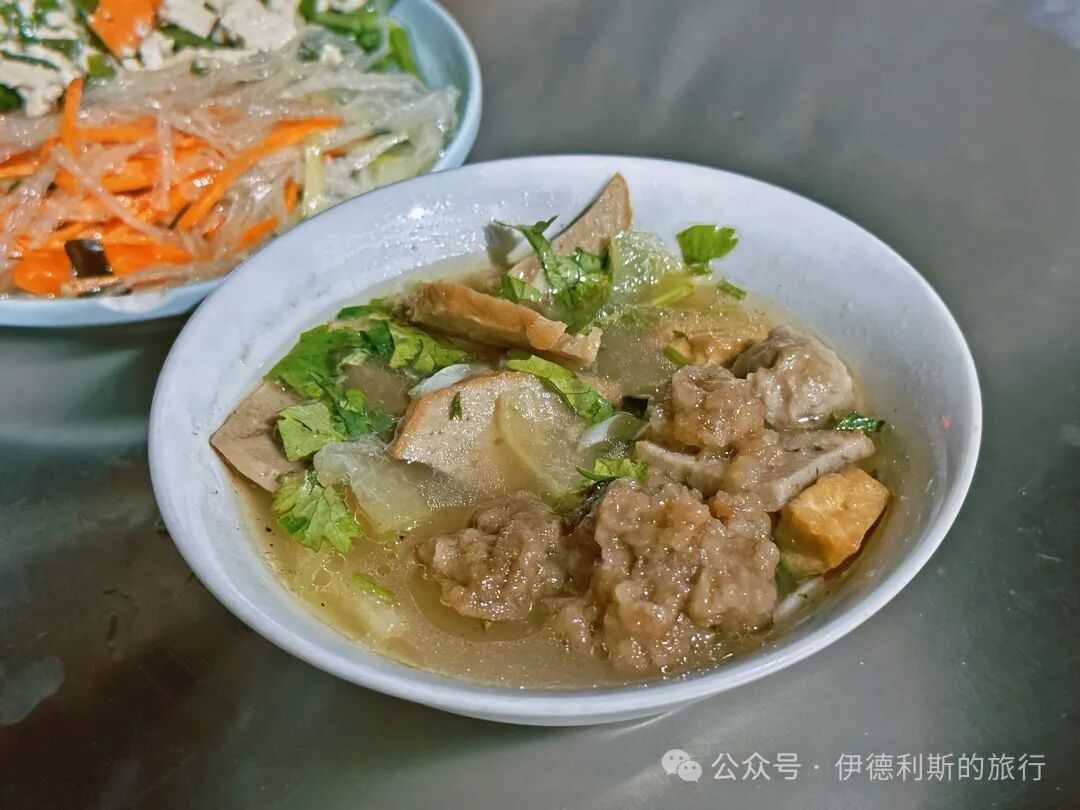
After the evening prayer (shamu), we ate big bowl dishes (dawan cai) at Erliang Diguo Millet Porridge, located at the intersection of Xianfeng Road and Dazhong Road in Linqing. They serve porridge and eight big bowls (ba da wan) in the morning, noodles in the afternoon, and big bowl dishes (dawan cai) at night, all of which look delicious. We ordered a serving of big bowl dishes and a cold appetizer. The big bowl dish had plenty of ingredients inside, and it felt very healthy to eat.
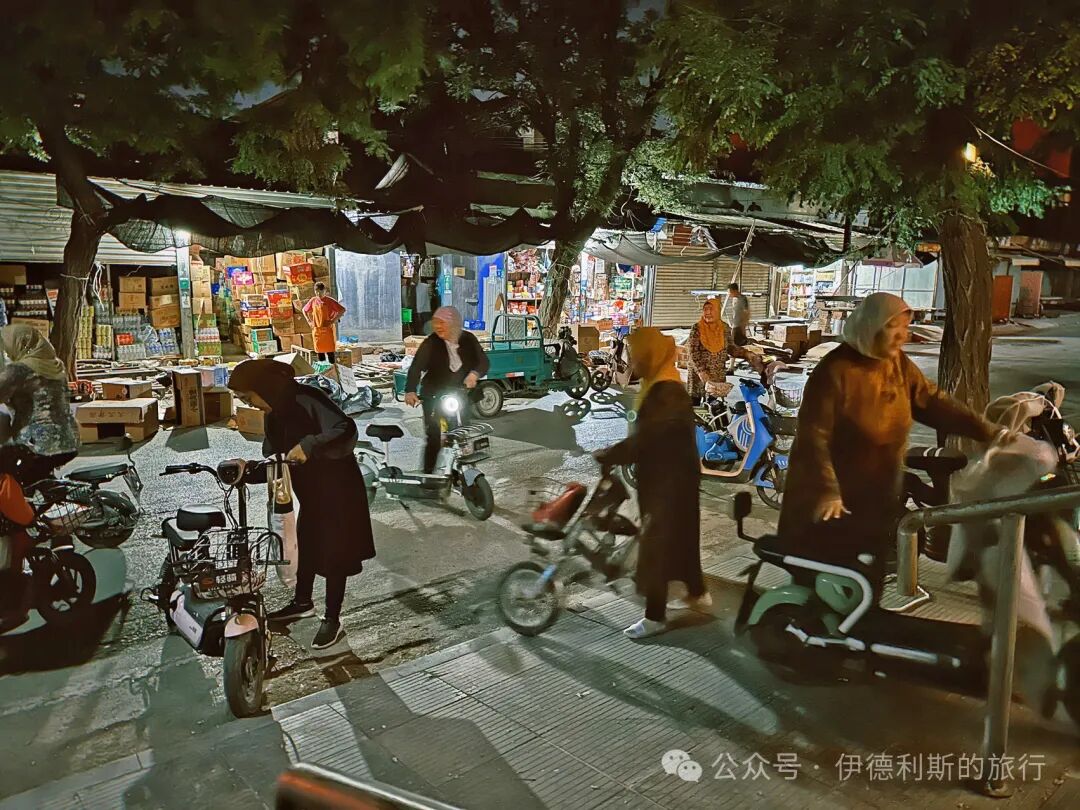
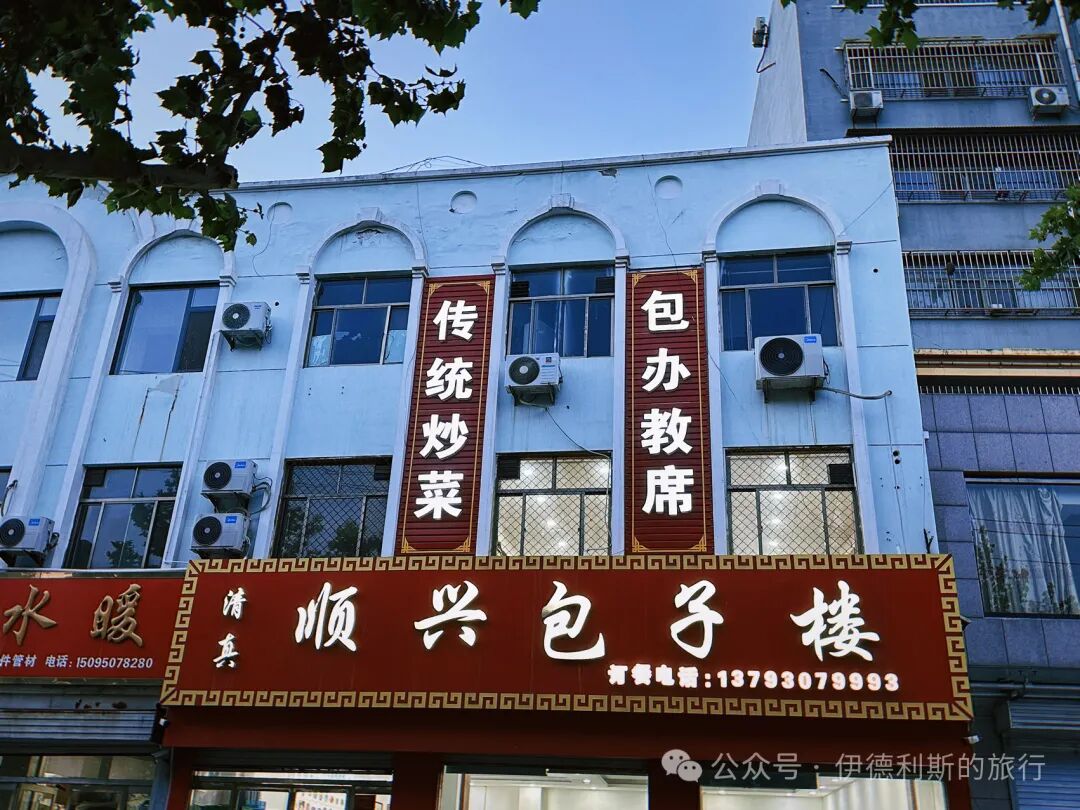
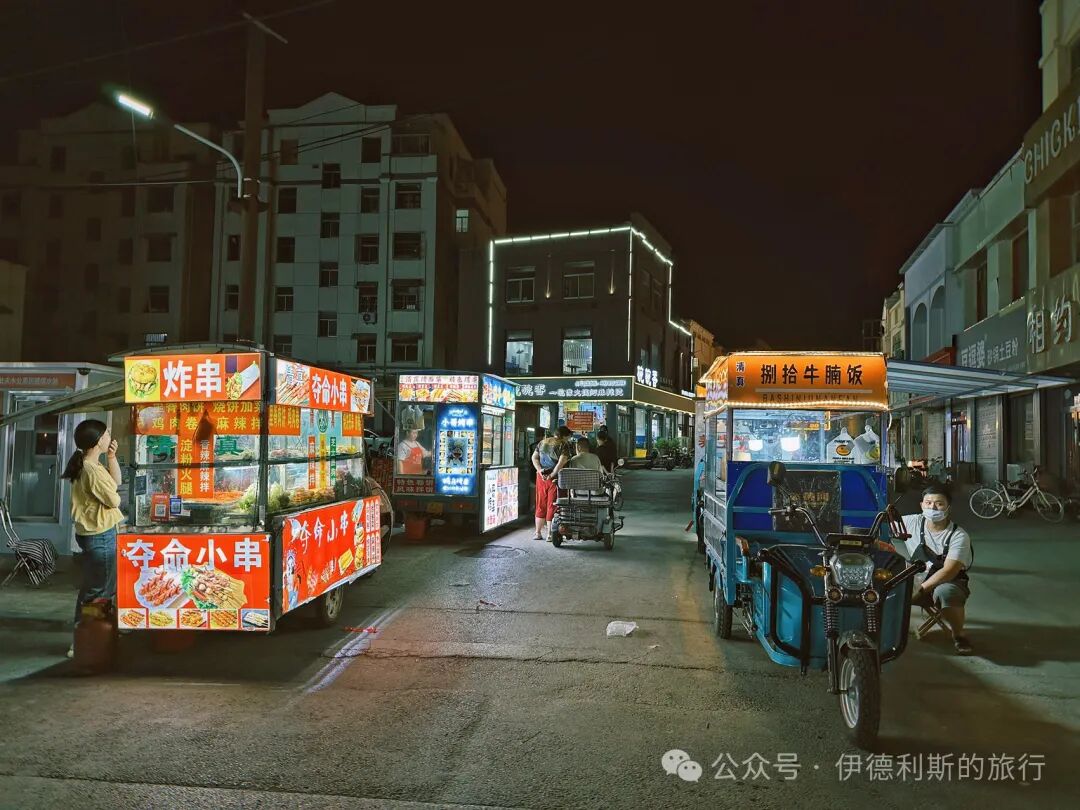
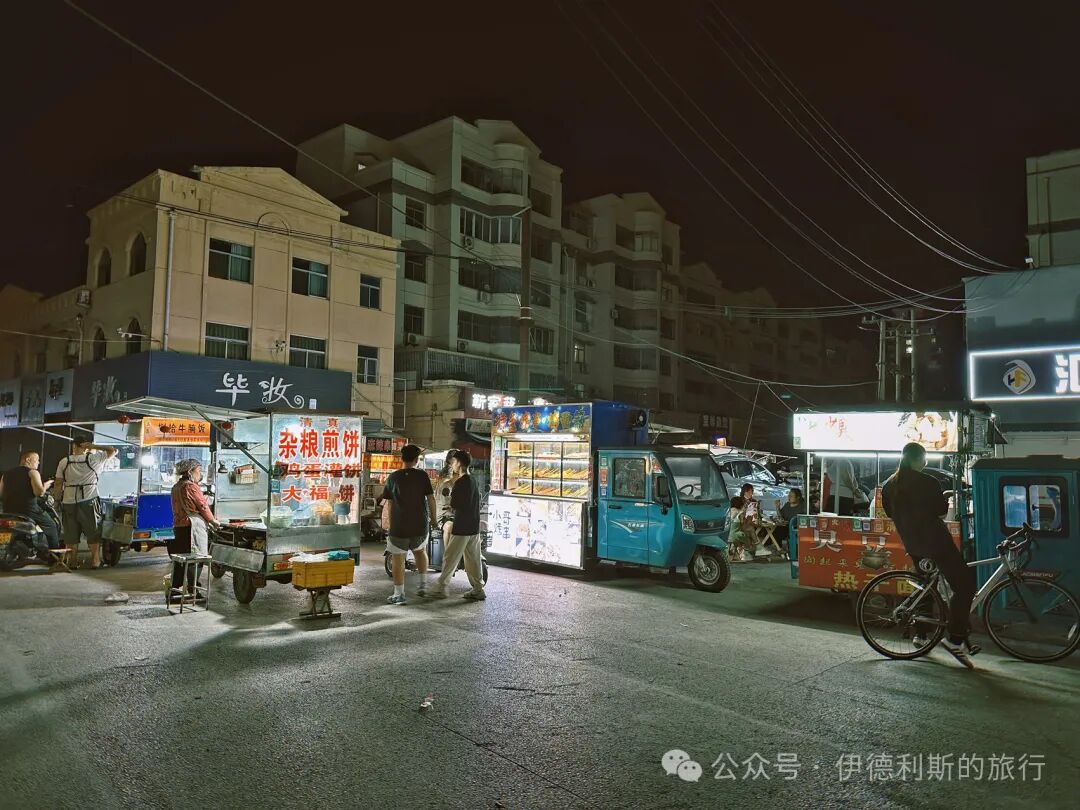
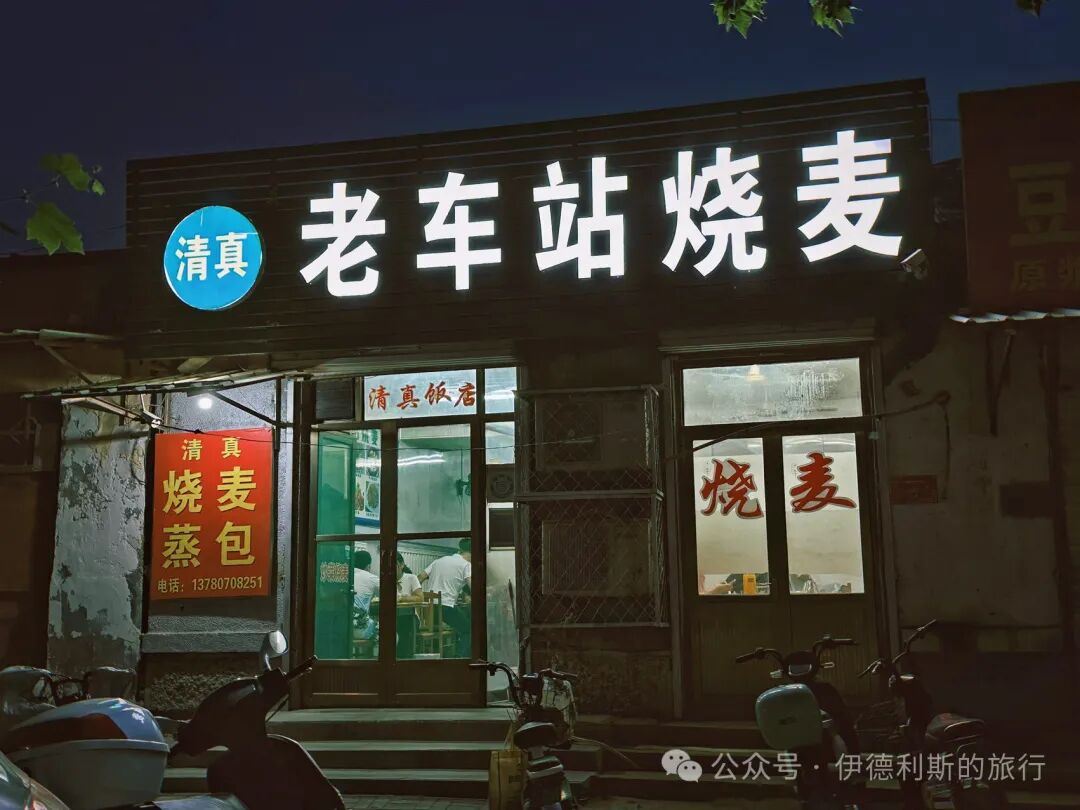
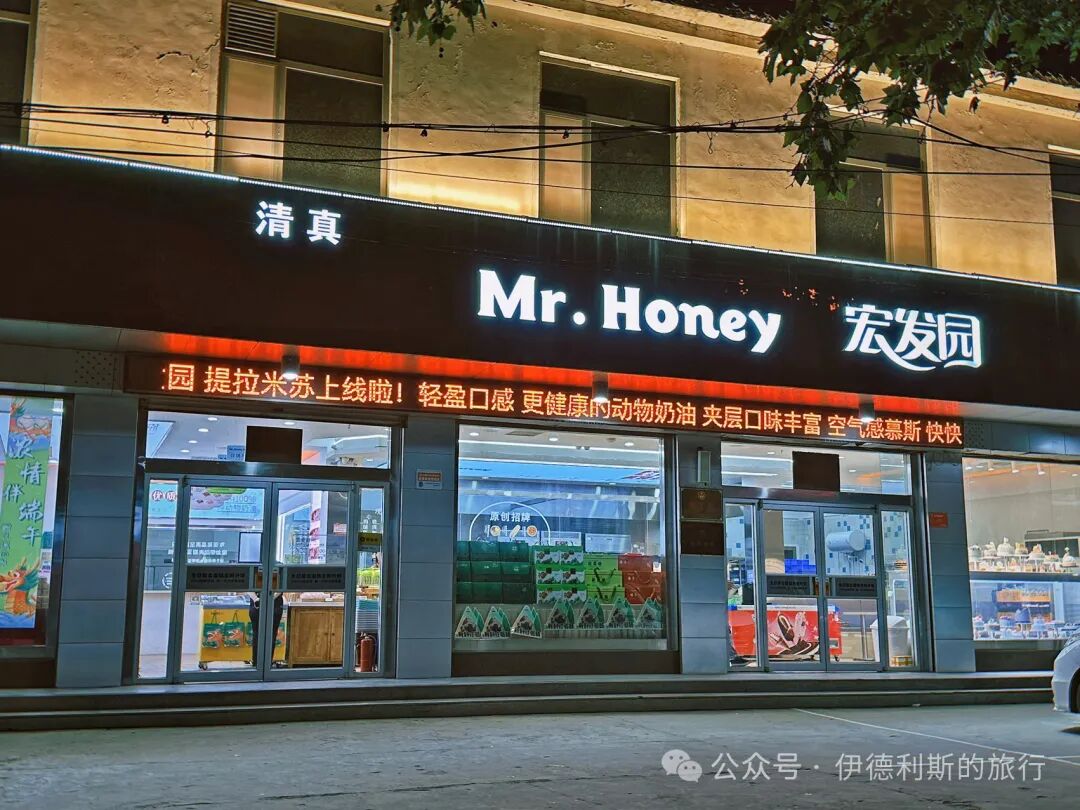
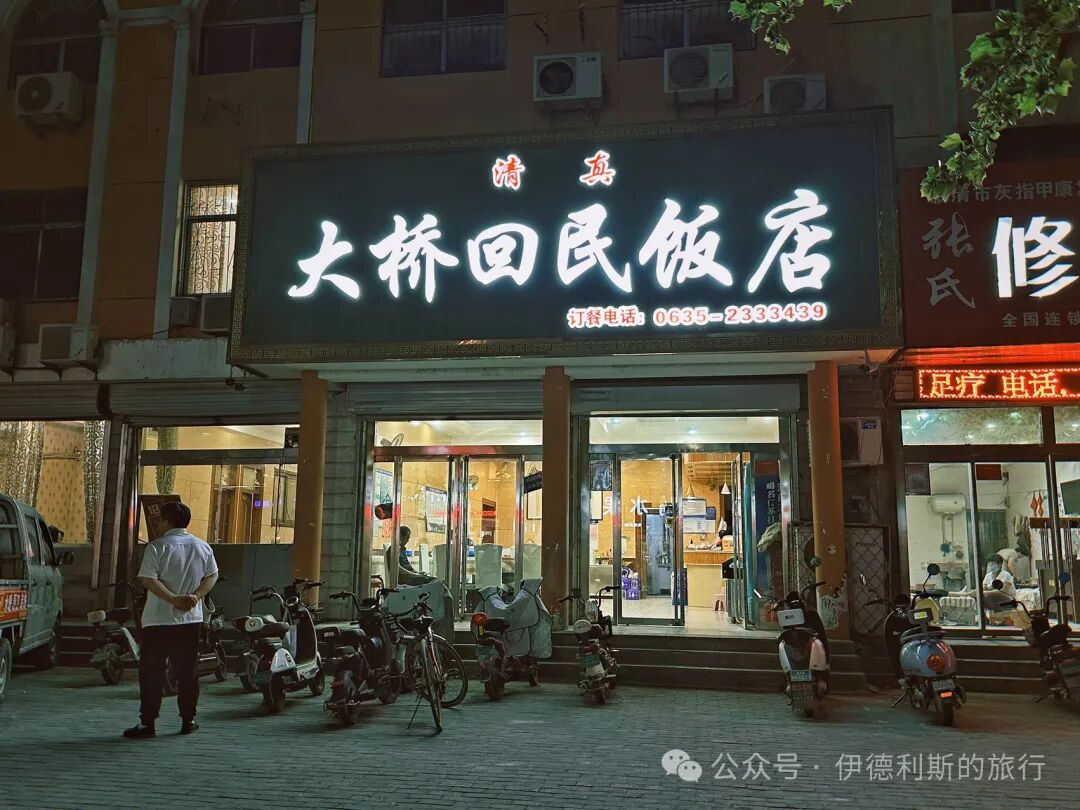
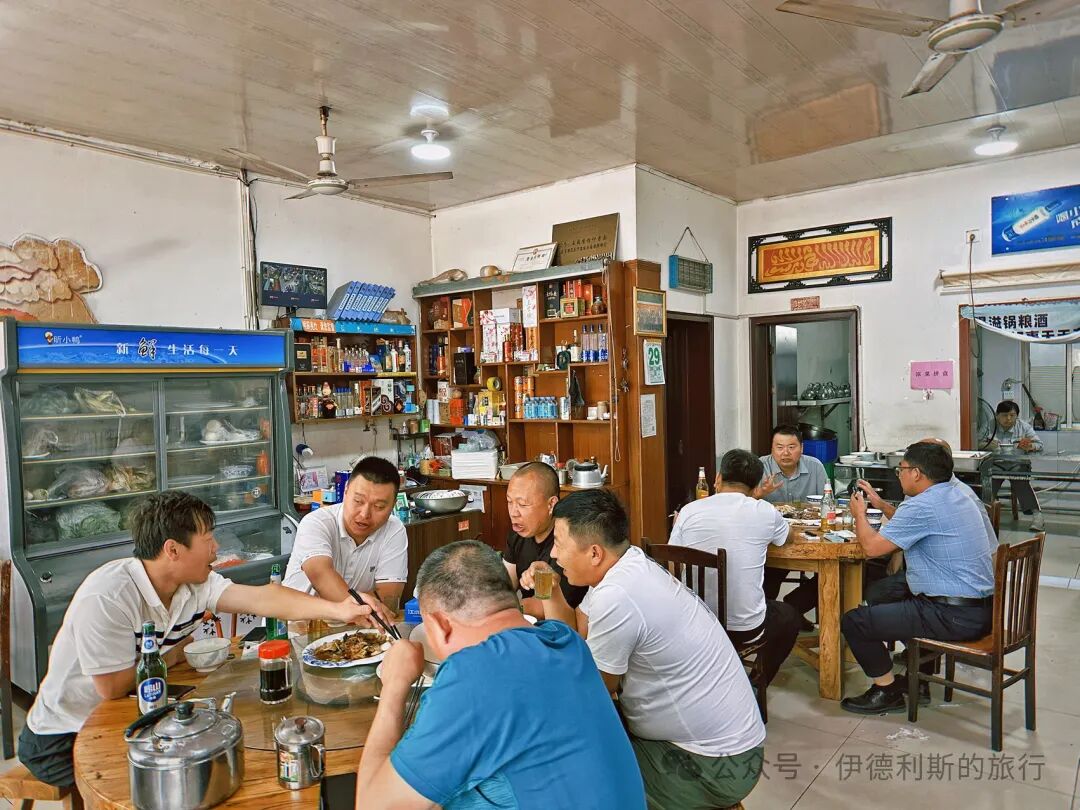
Zainab and I both really like the atmosphere in Linqing. There are few cars on the street at night, no delivery scooters, and it feels great to ride a shared electric bike around. There are many halal restaurants on Xianfeng Road. People sit on small stools outside the shops at night to eat and chat, which feels very relaxed.
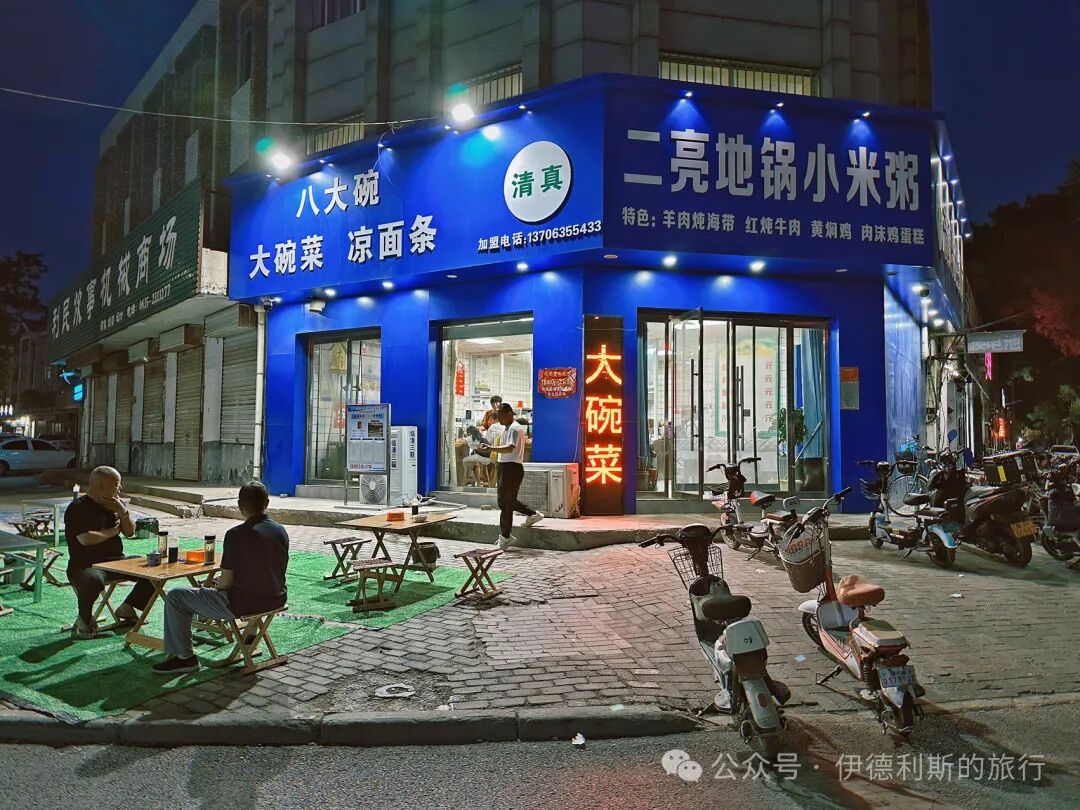
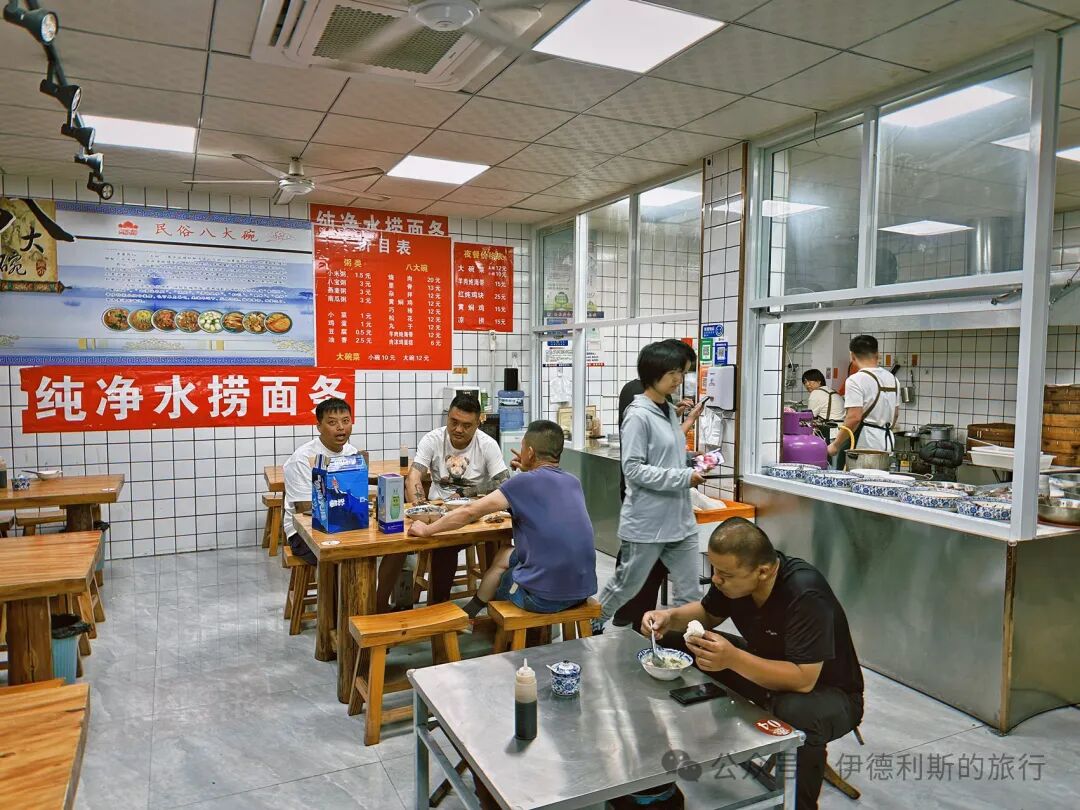
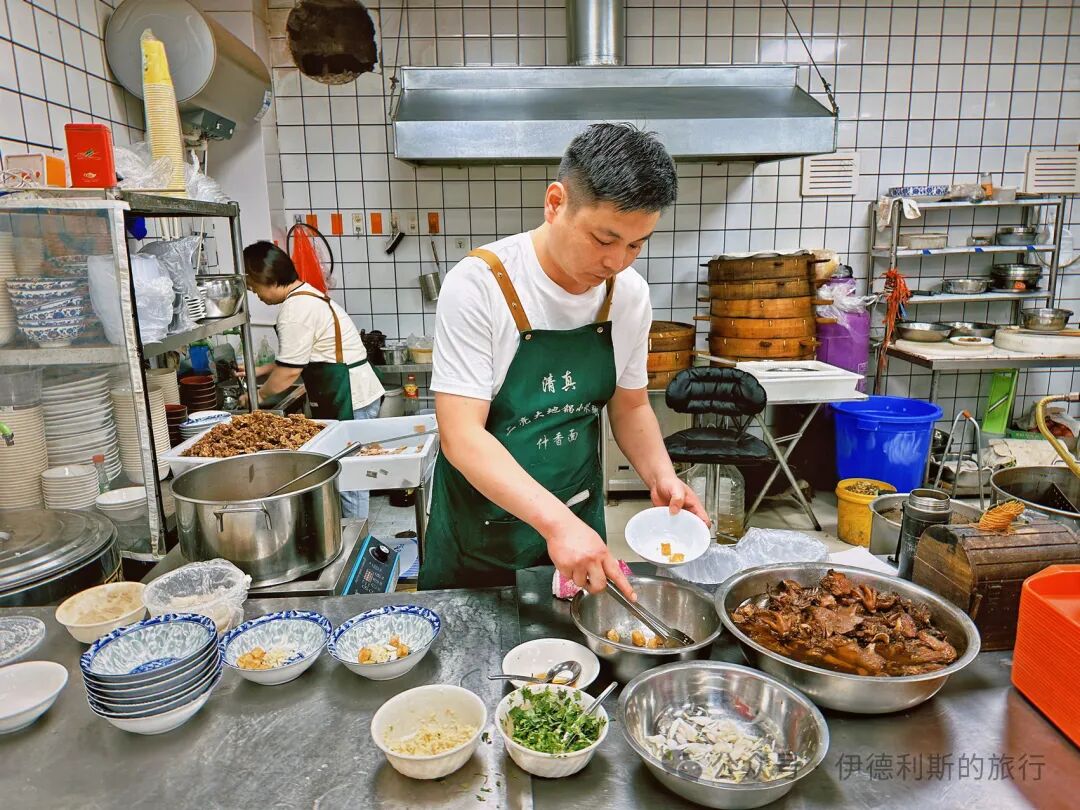
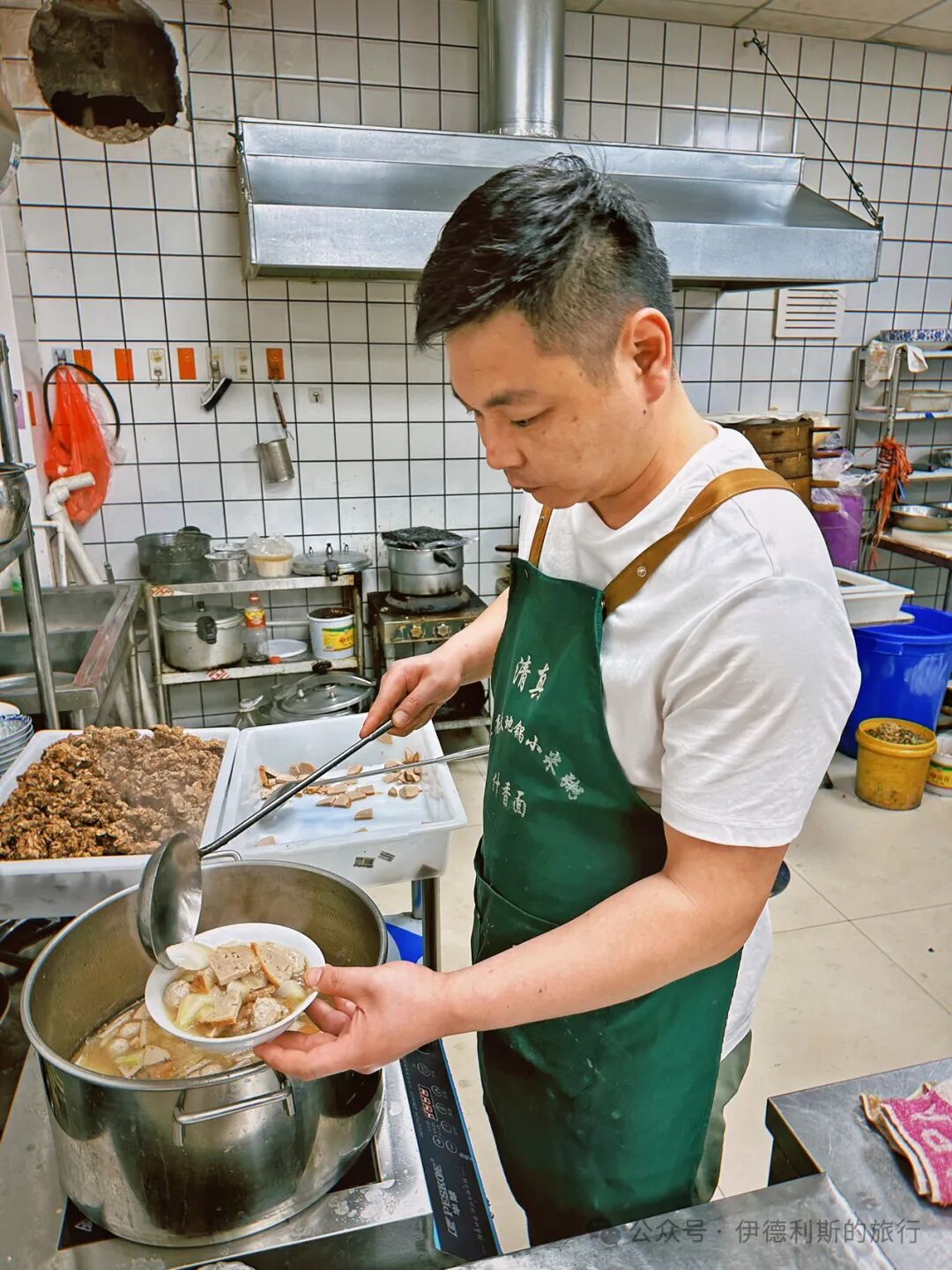
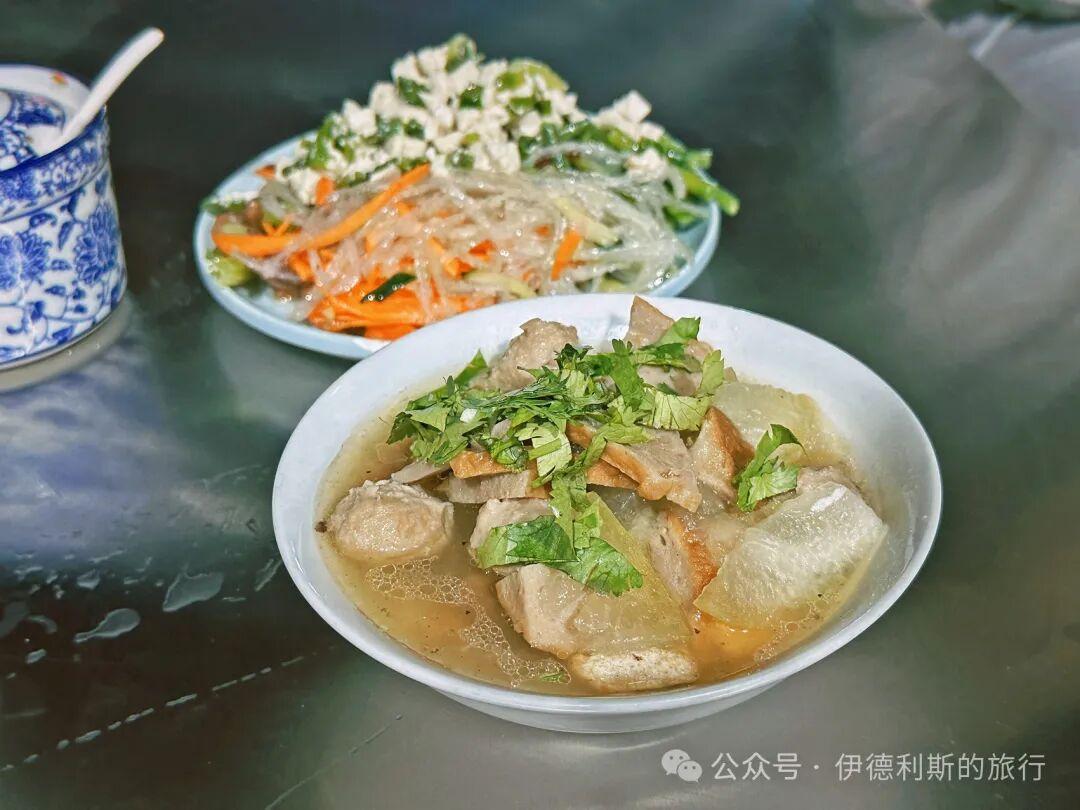
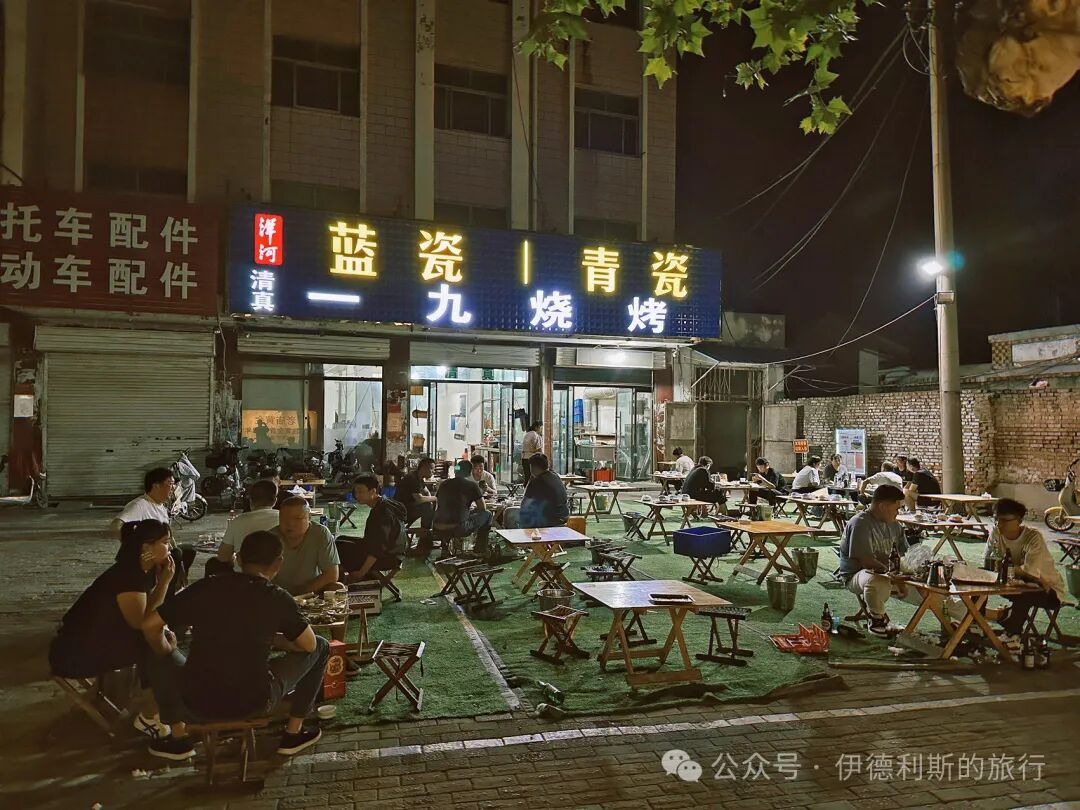
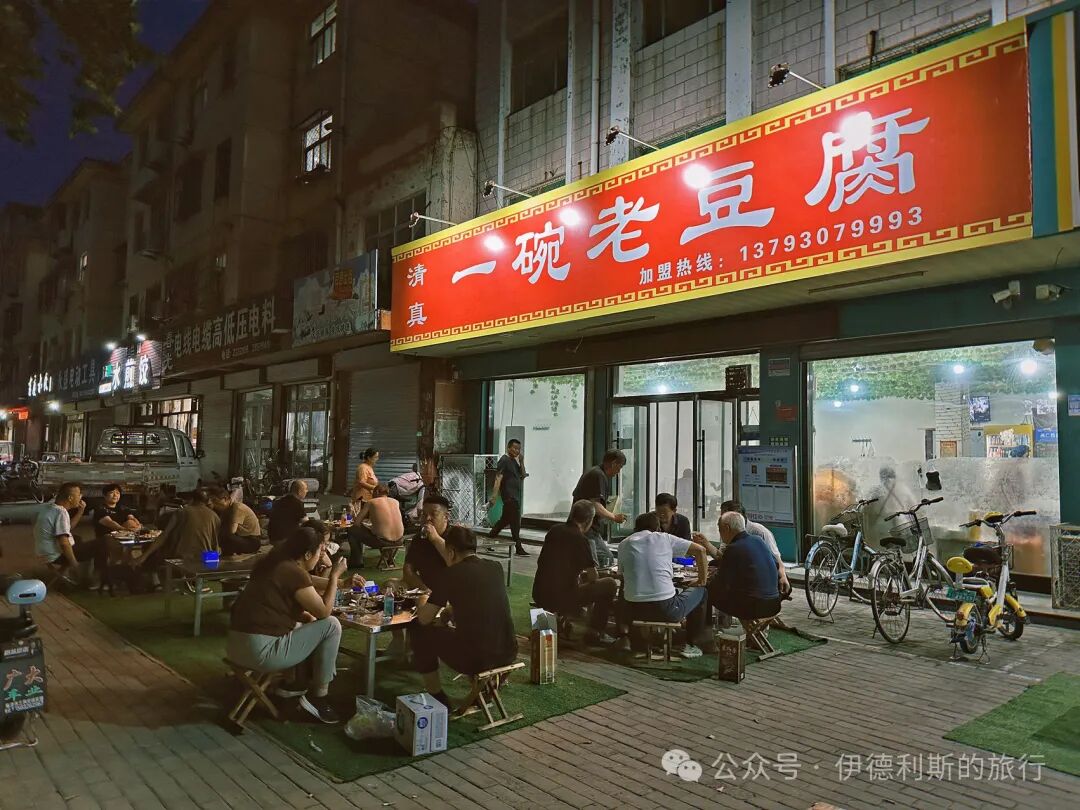
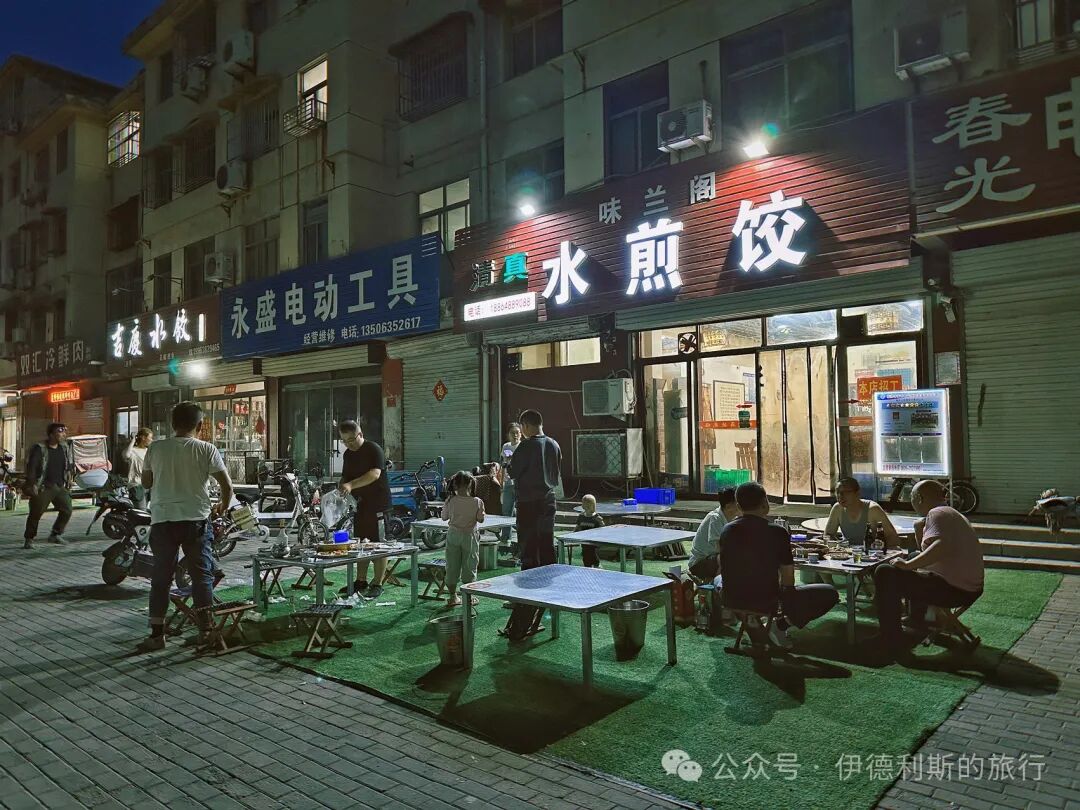
Linqing at night is full of various halal restaurants and even a small halal night market.
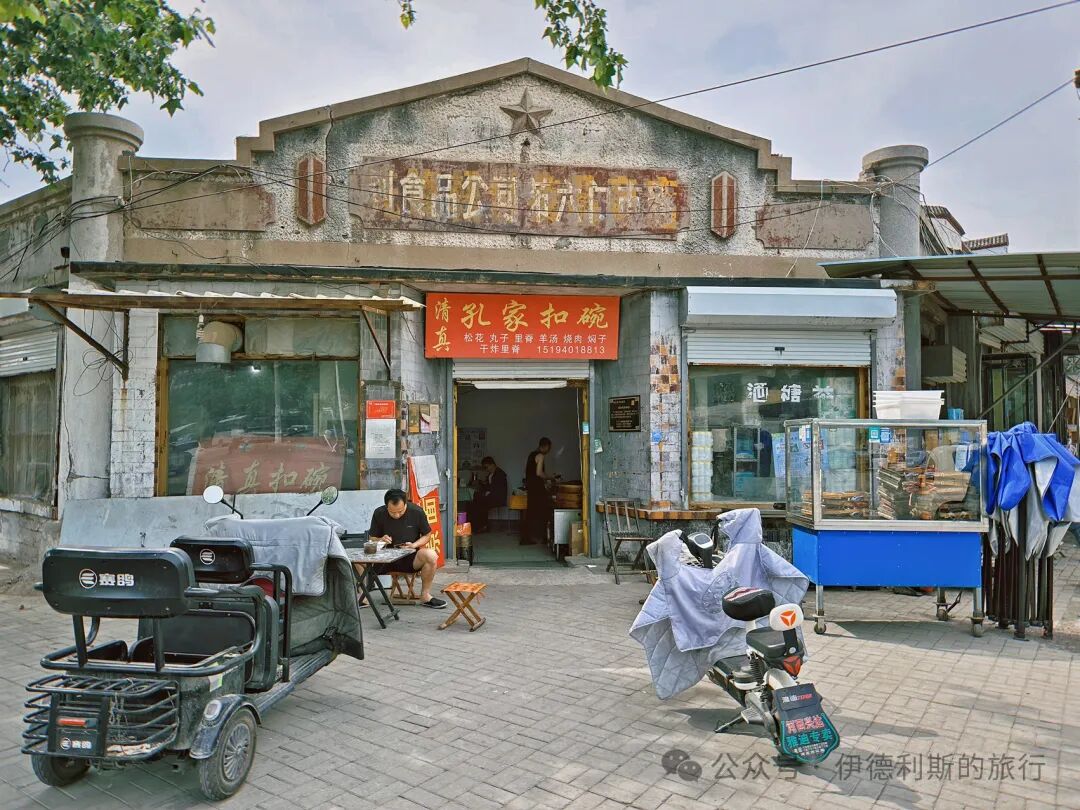
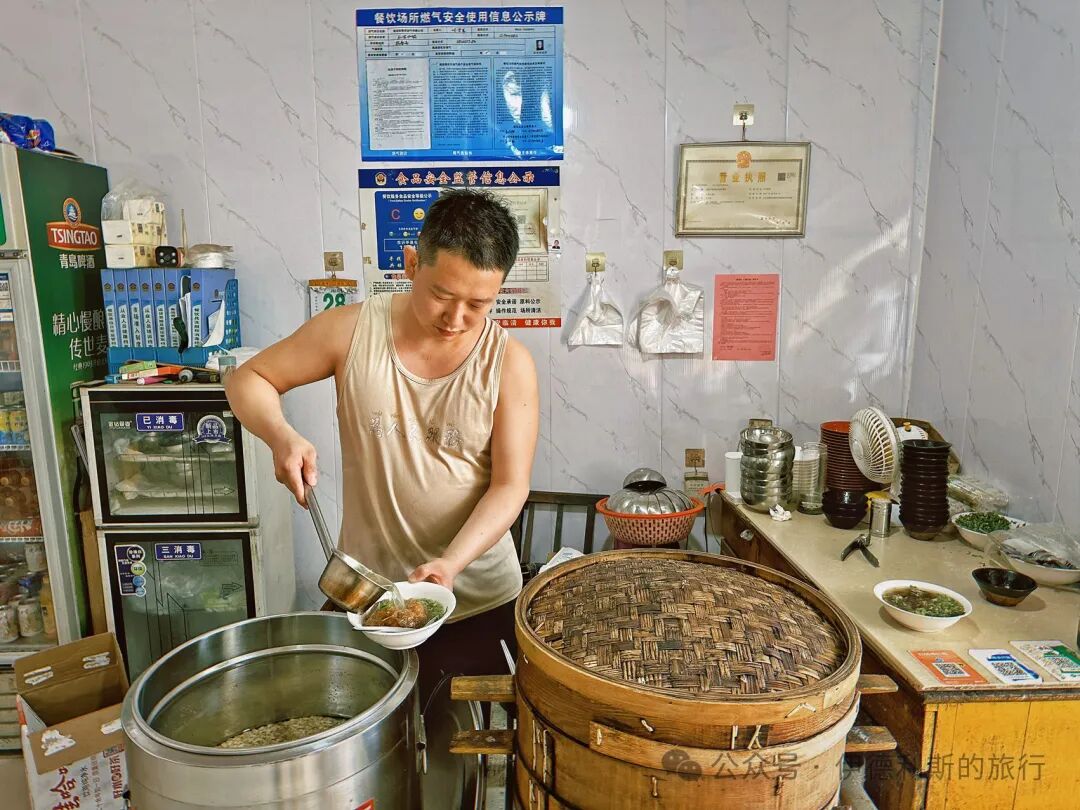
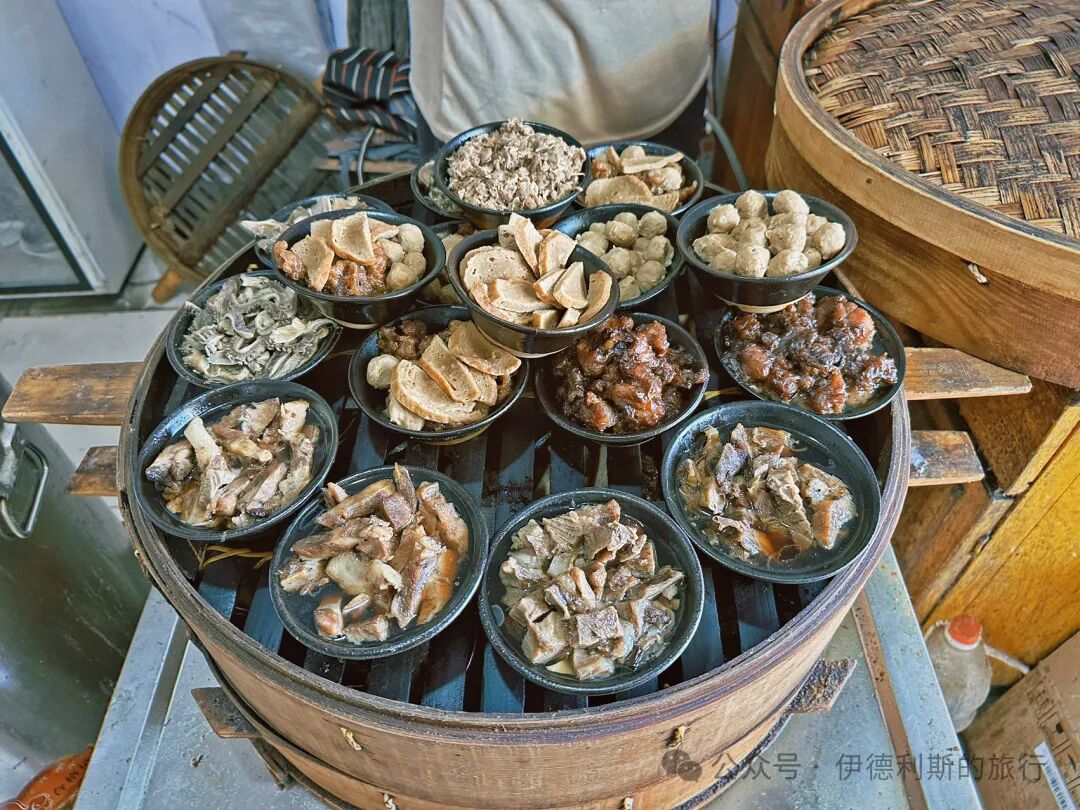
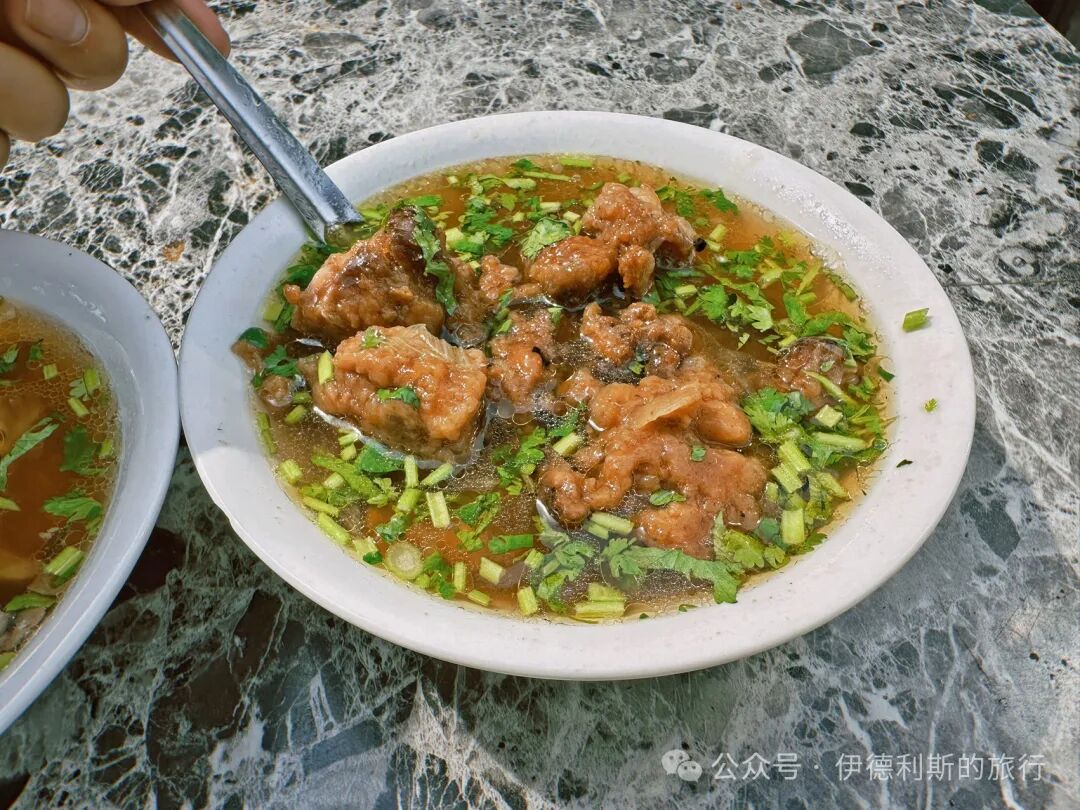
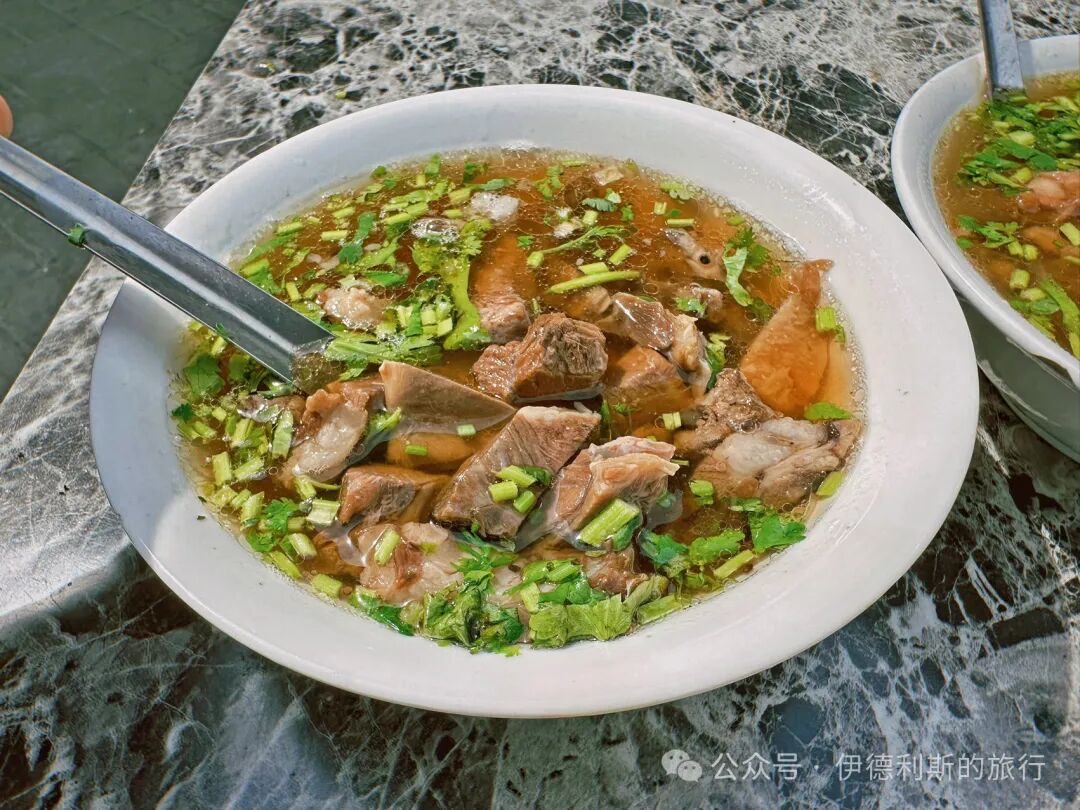
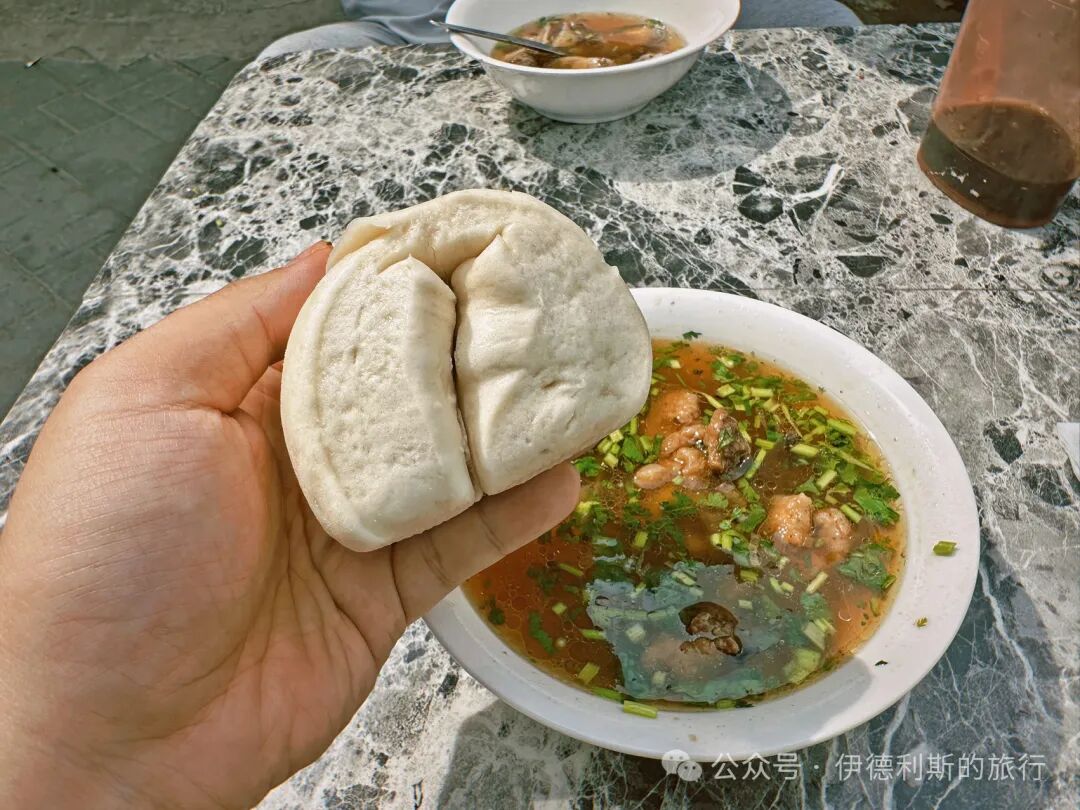
We had breakfast at Kong Family Steamed Bowls (Kongjia kouwan) at the intersection of Xianfeng Road, where we ate braised pork and steamed pork tenderloin (liji kouwan) with steamed buns (mantou). Turning the traditional steamed bowls (kouwan) from North China's scripture hall banquets into a breakfast seems to be a local specialty of Linqing, allowing tourists like us to enjoy traditional banquet dishes. They keep their steamed bowls (kouwan) in a large steamer. They have many kinds like pine-flower egg (songhua), meatballs (wanzi), pork tenderloin (liji), starch jelly (menzi), and braised pork (shaorou). You pick what you want, they flip it into a bowl, pour broth over it, and it is ready to eat.
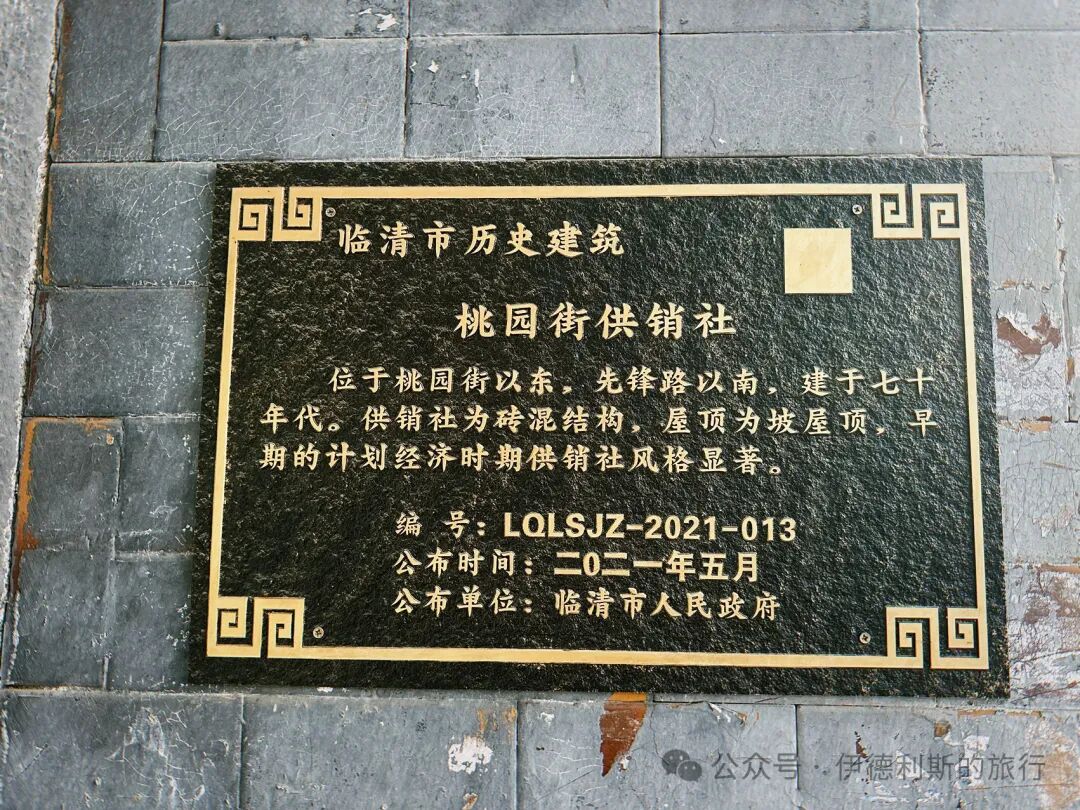
Their shop was originally the Taoyuan Street Supply and Marketing Cooperative built in the 1970s. Eating here feels very retro. Besides selling steamed bowls in the morning, they also sell cold noodles (liangmian) at noon, which is another specialty of Linqing.
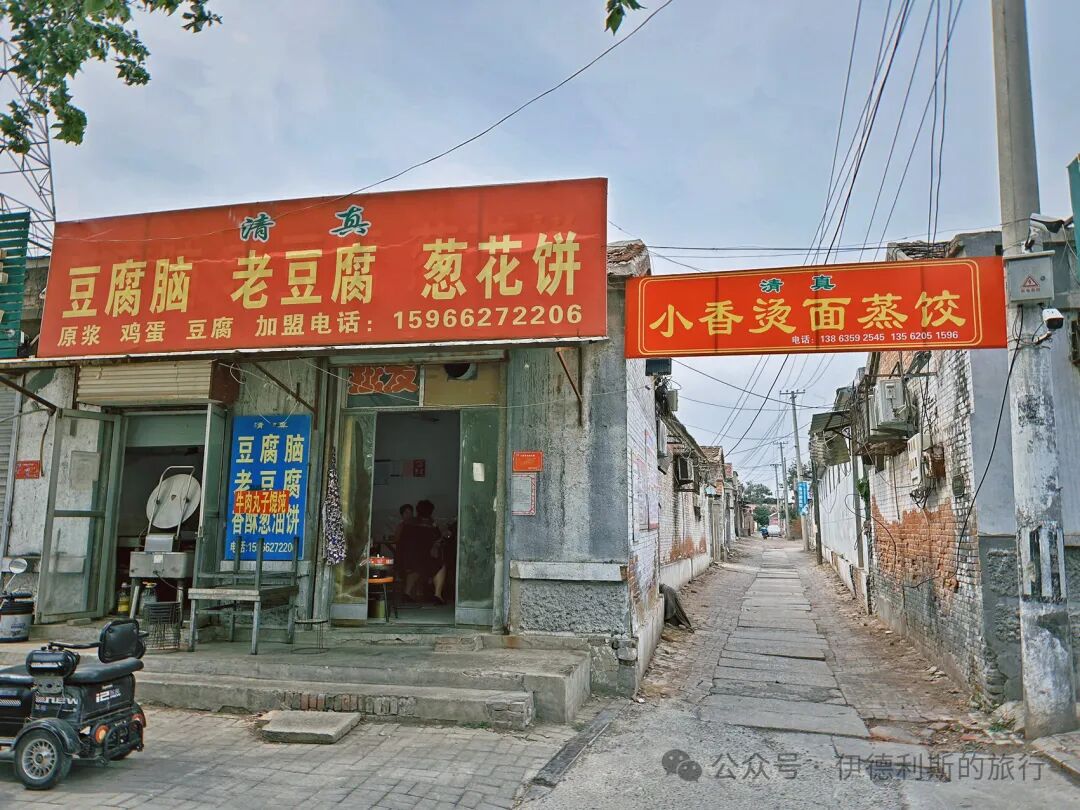
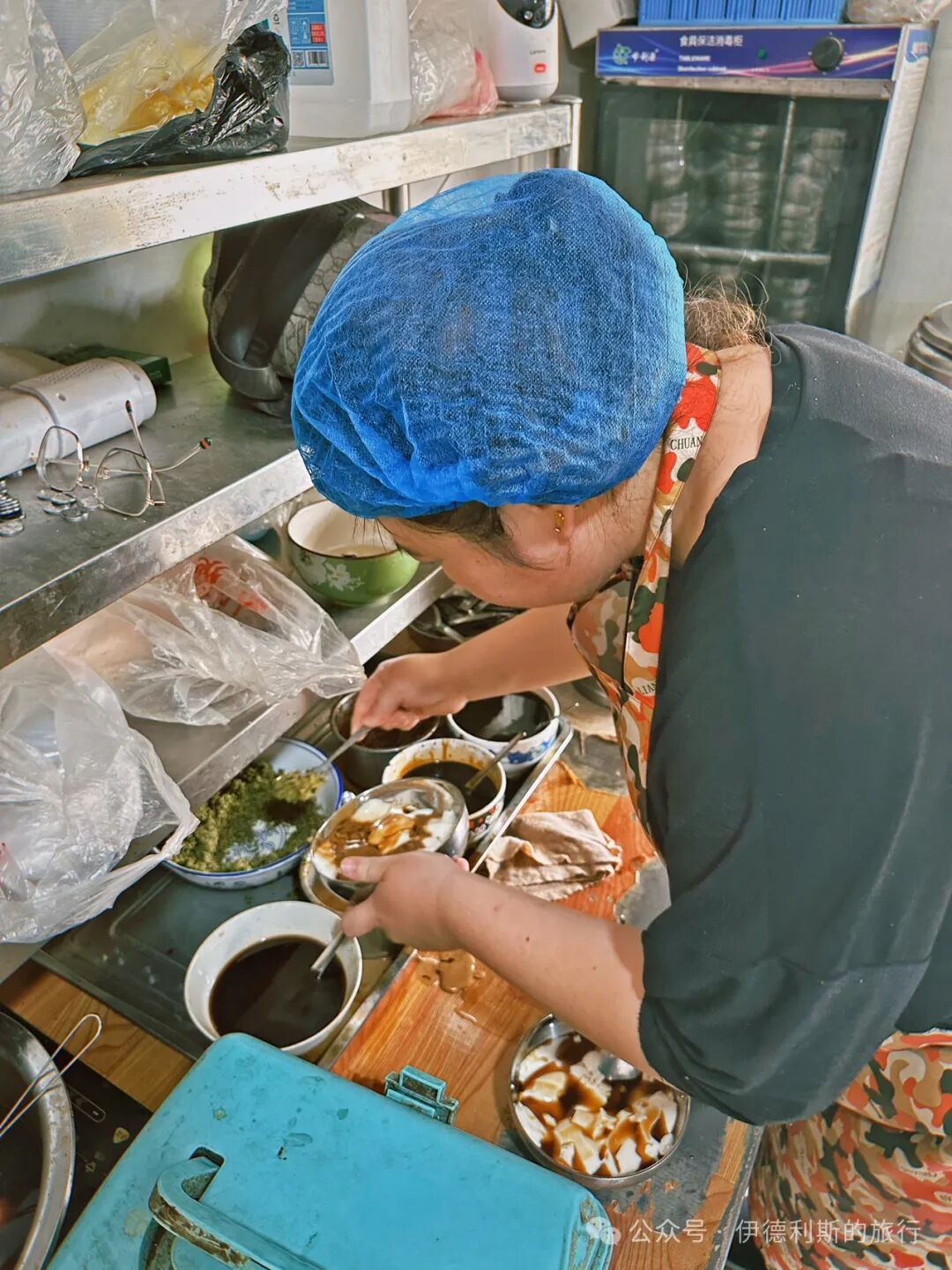
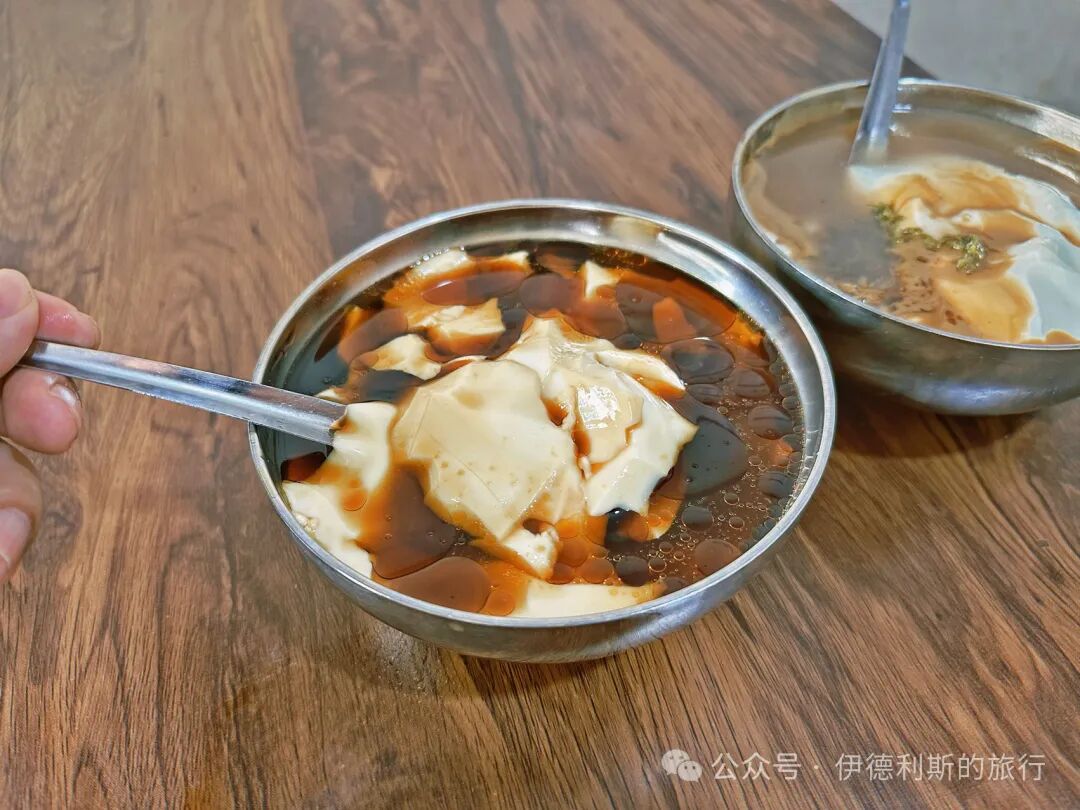
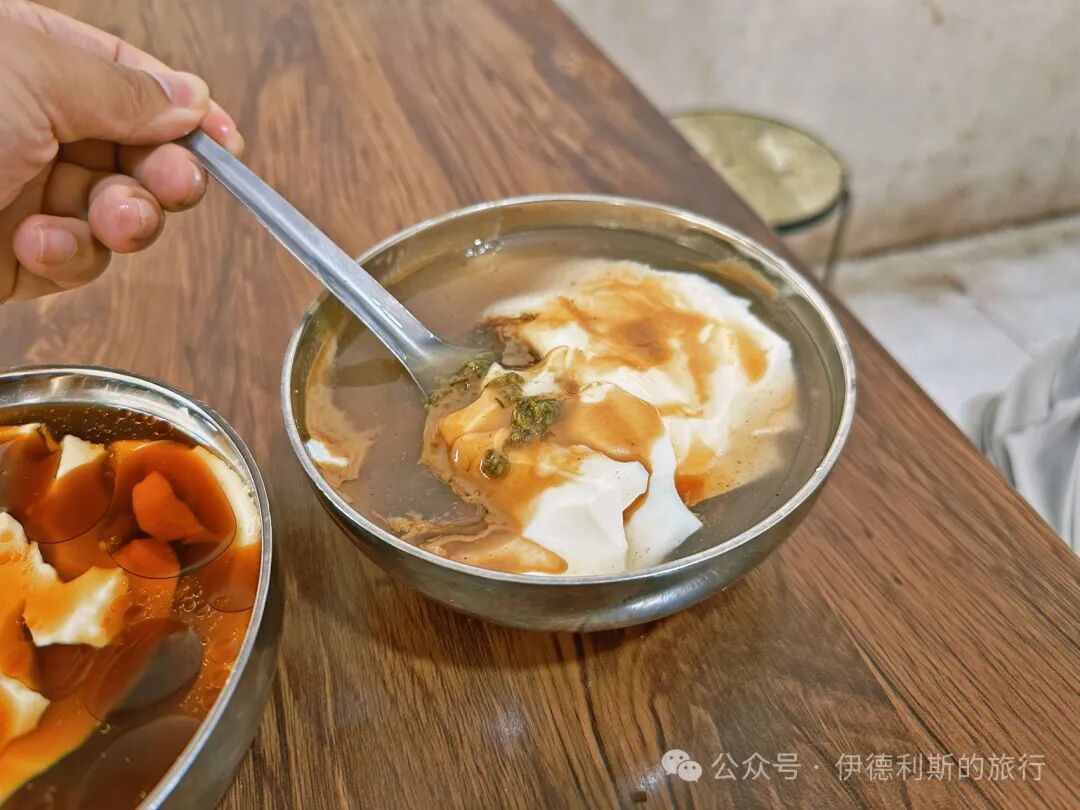
After finishing the steamed bowls, I went to Xianfeng Road to eat tofu pudding (doufunao) and firm tofu (laodoufu). Breakfast shops in Linqing sell both tofu pudding and firm tofu. The difference is that tofu pudding is set with gypsum, making the texture smooth and delicate. Firm tofu is set with brine, making the texture tough and chewy. I like both kinds.
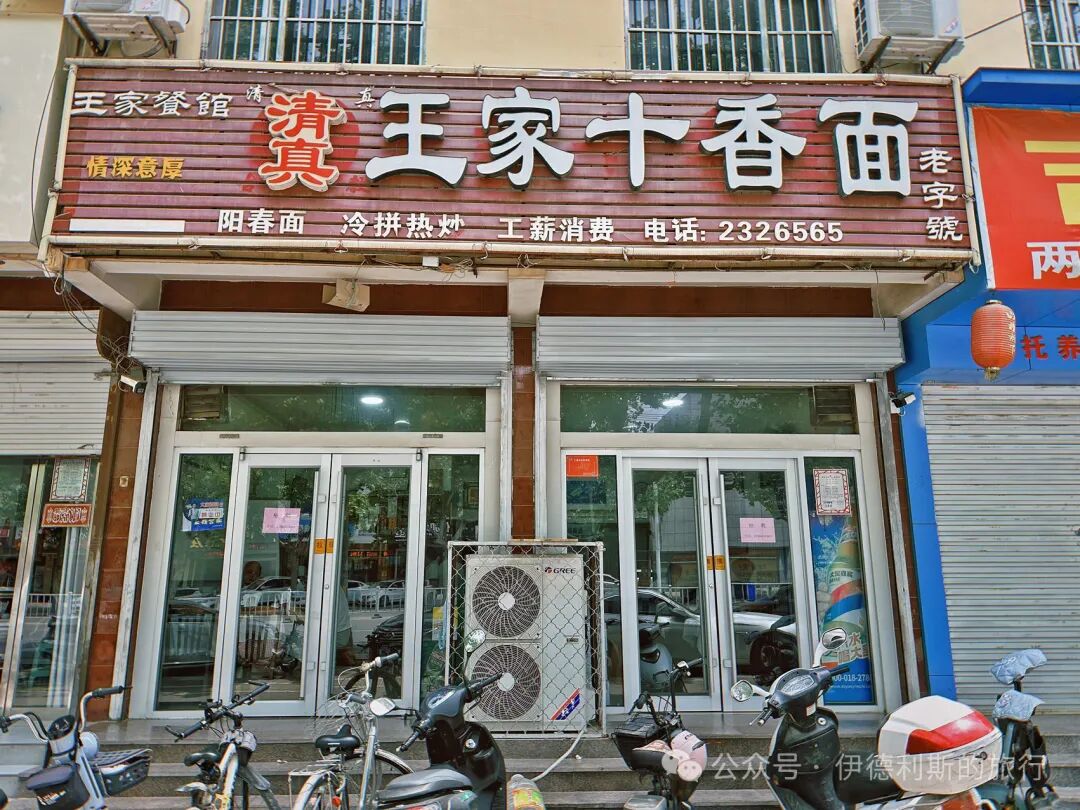
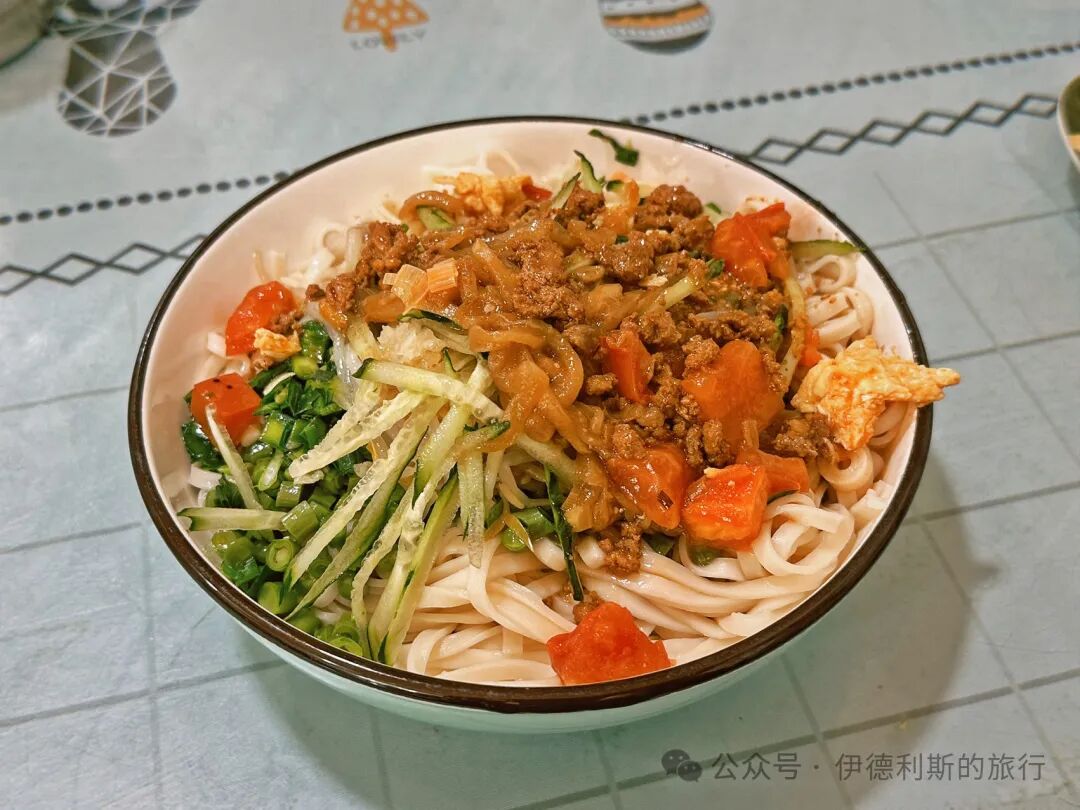
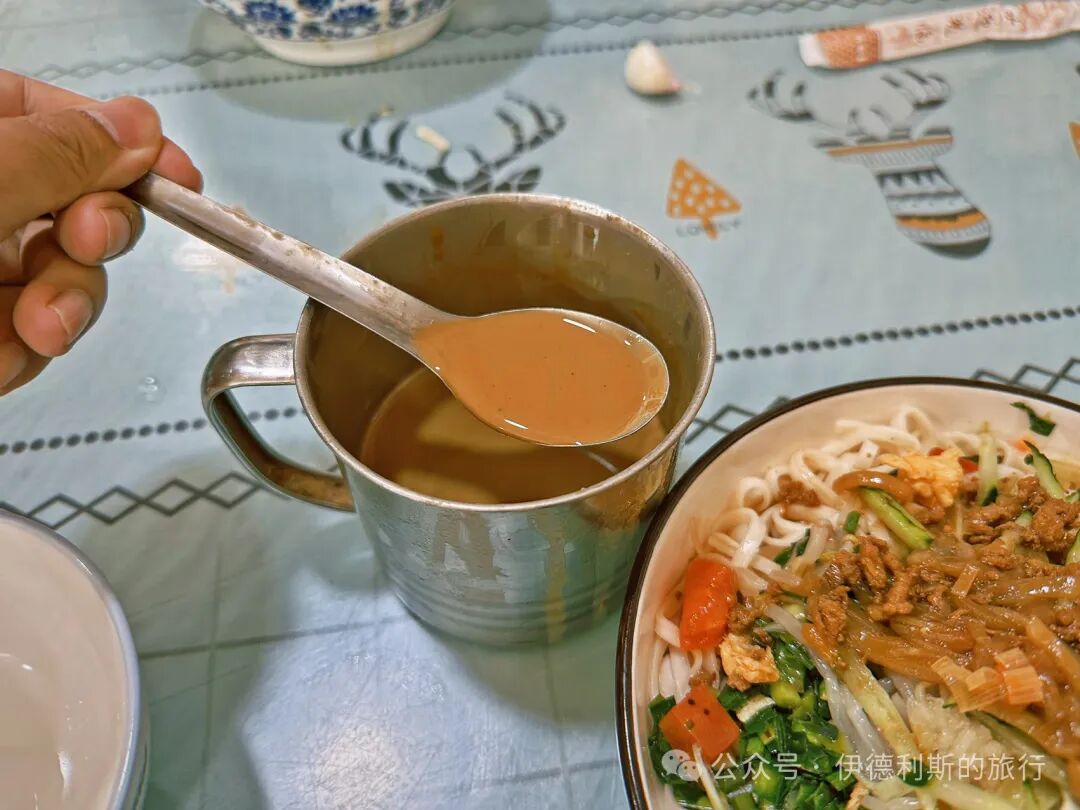
At noon, we ate Wang Family Ten-Fragrance Noodles (shixiangmian) on Xinhua Road. Ten-Fragrance Noodles are also called Assorted-Fragrance Noodles (shixiangmian). The main feature is the large variety of vegetable toppings. A deluxe bowl can have over eighteen types, and the ingredients change based on the solar terms. The toppings mainly include stir-fried minced meat with eggplant strips, mung bean sprouts, chives, minced garlic sprouts, minced green beans, and tomato with egg. You also get fresh shredded cucumber, minced carrots, and pickled vegetables like pickled melon (jianggua), salted mustard greens (xian gede), and minced chive flowers (jiuhua mo), all finished with a drizzle of sesame paste. The homemade version we ate wasn't quite as elaborate, but it still had plenty of variety.
Hongguanying Mosque
At noon, we went to the Hongguanying Mosque in Linxi County, Xingtai, Hebei. Linxi County in Xingtai is actually right on the west side of the Wei Canal in Linqing. Once you cross the Xianfeng Bridge, there is a bus that goes to Hongguanying.
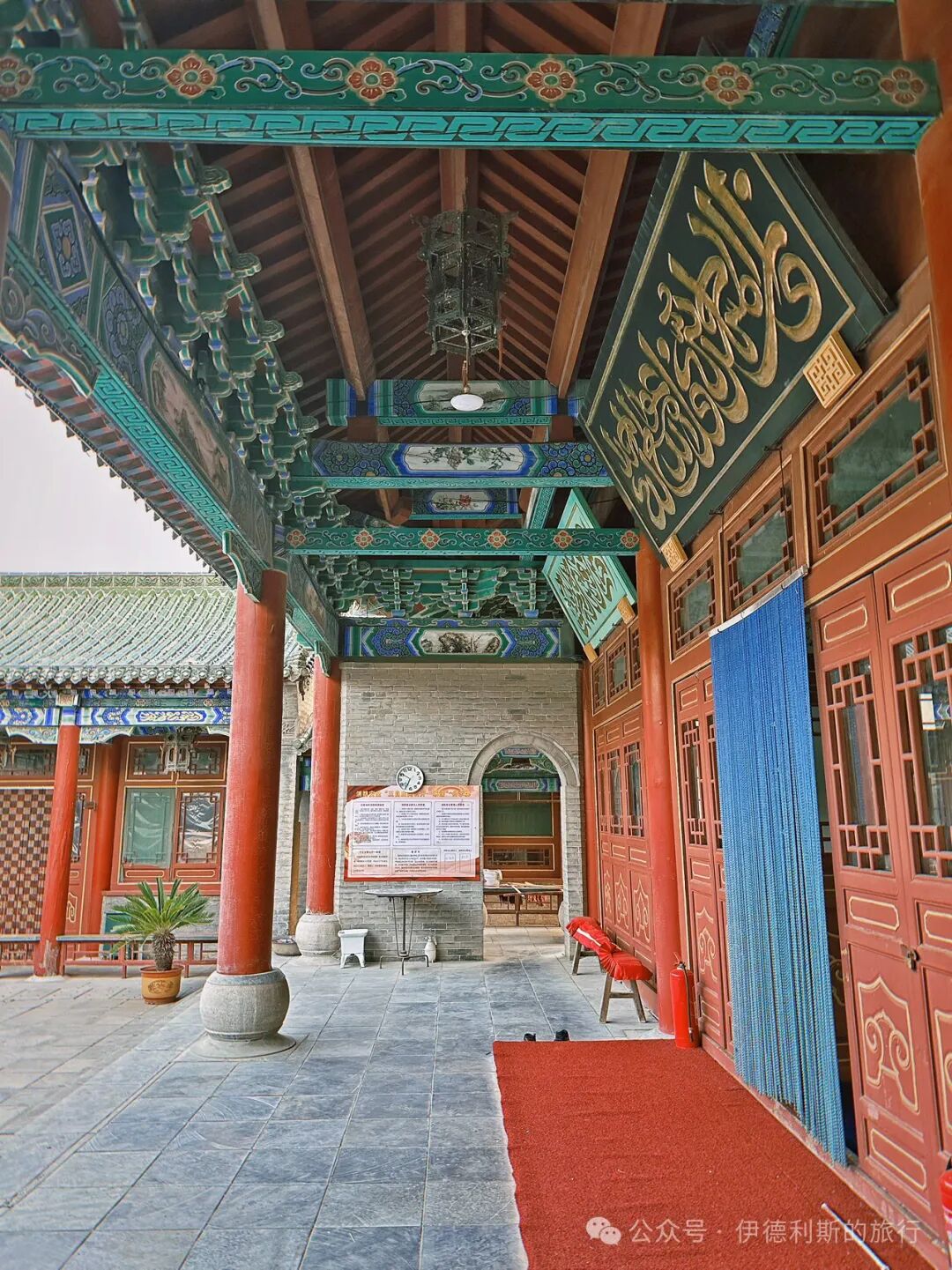
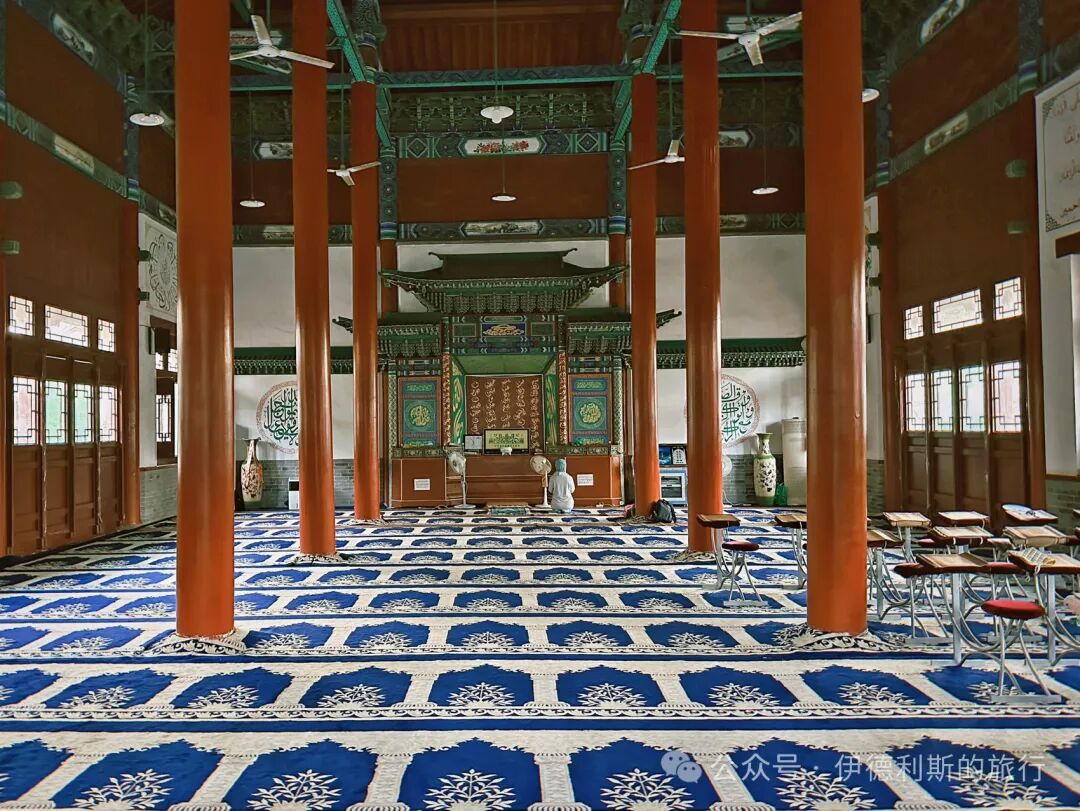
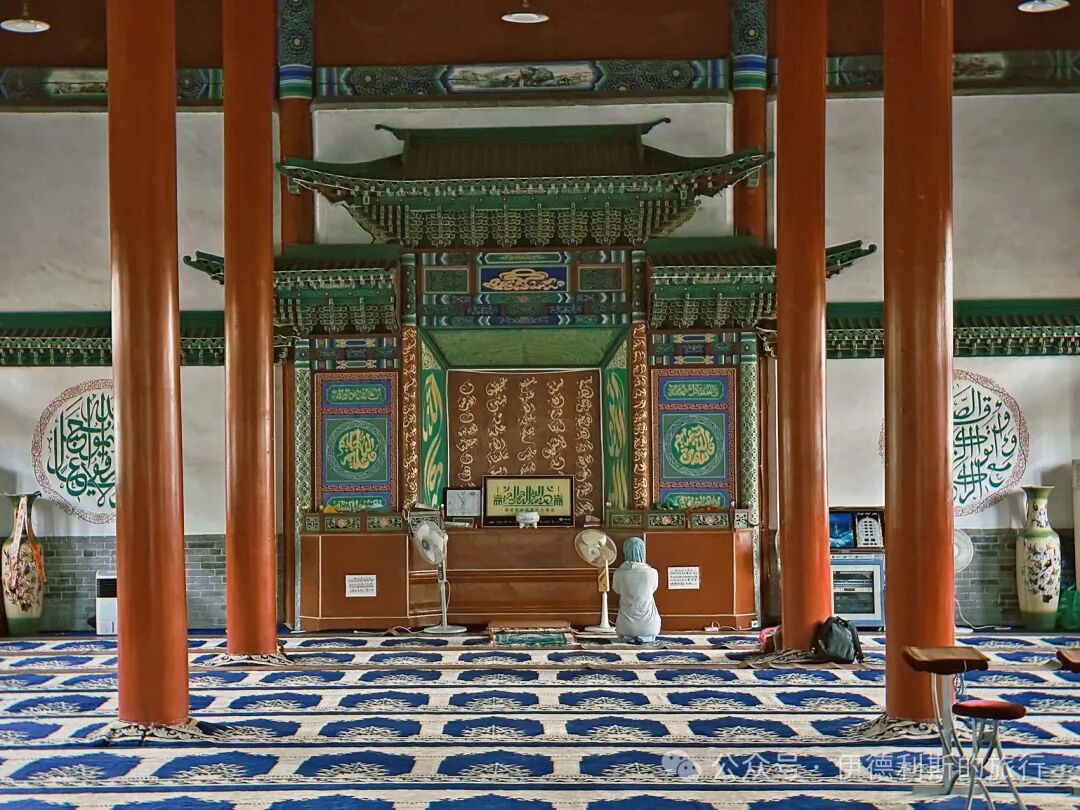
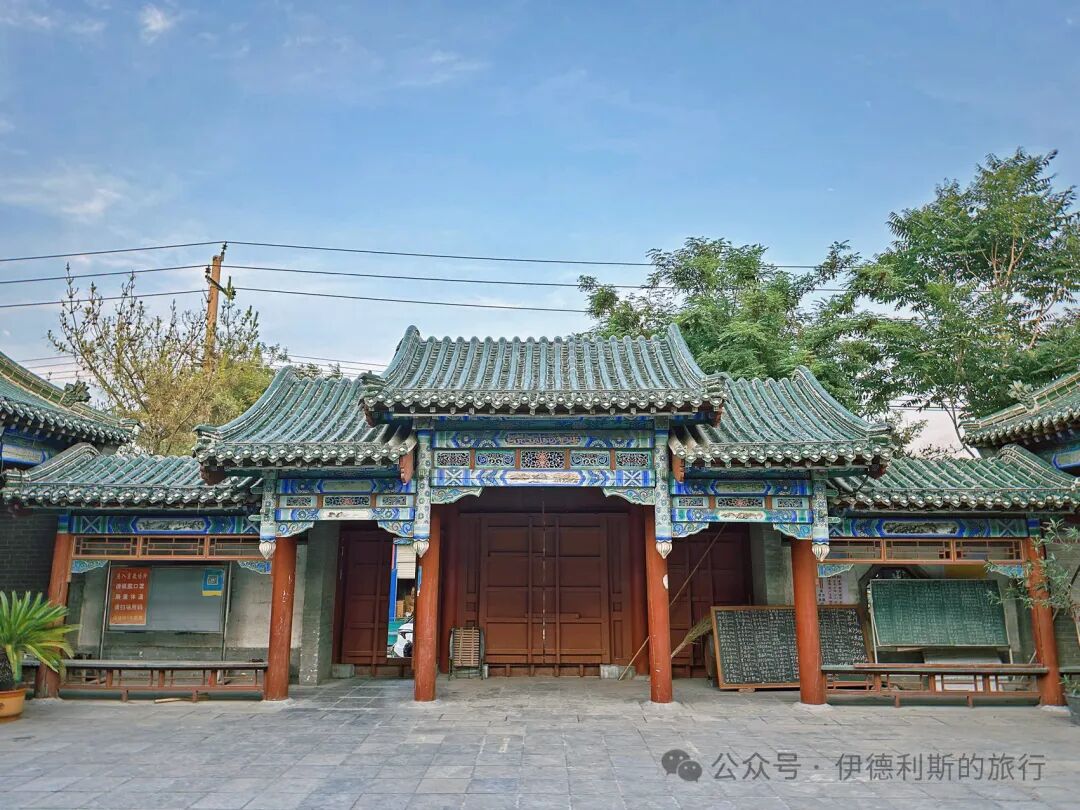
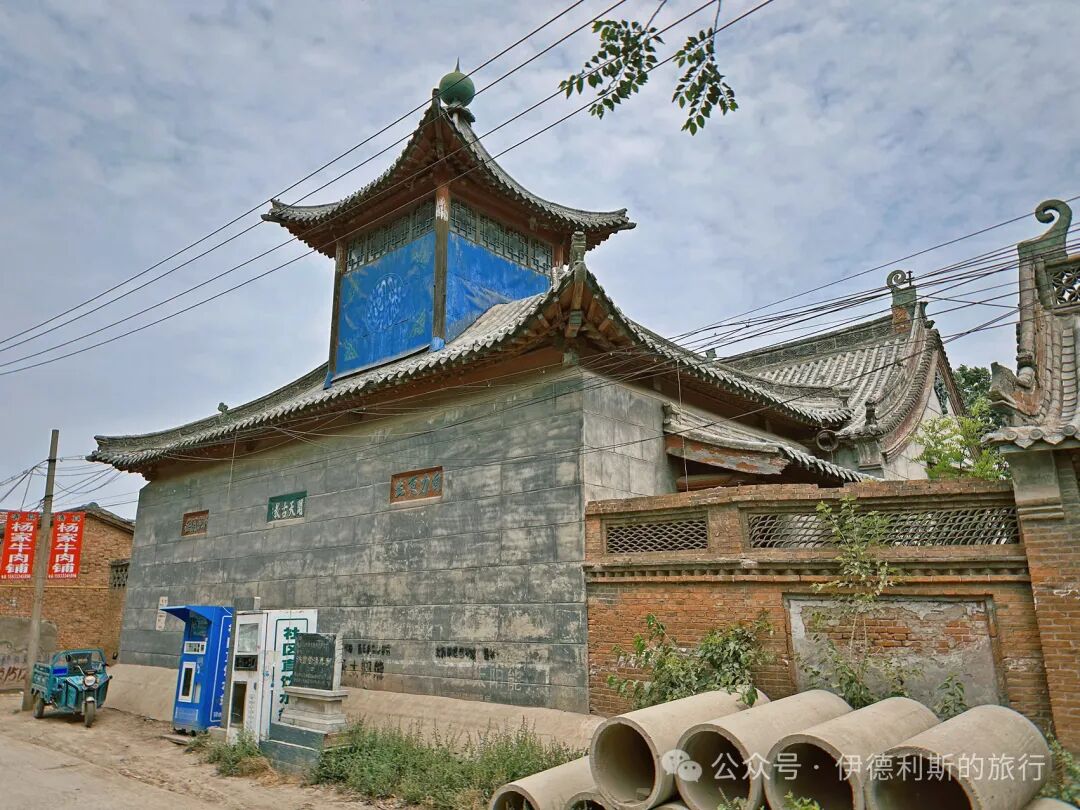
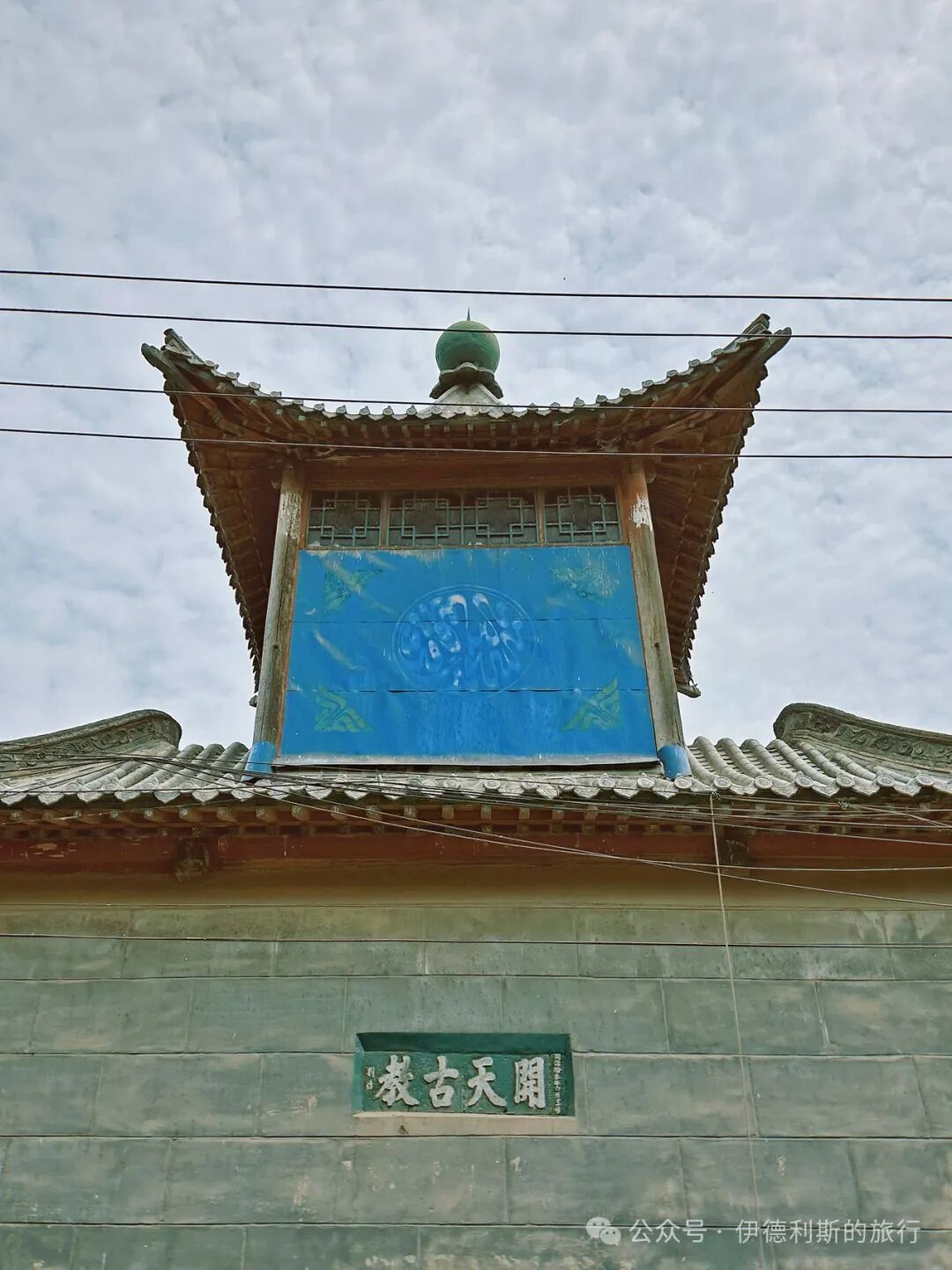
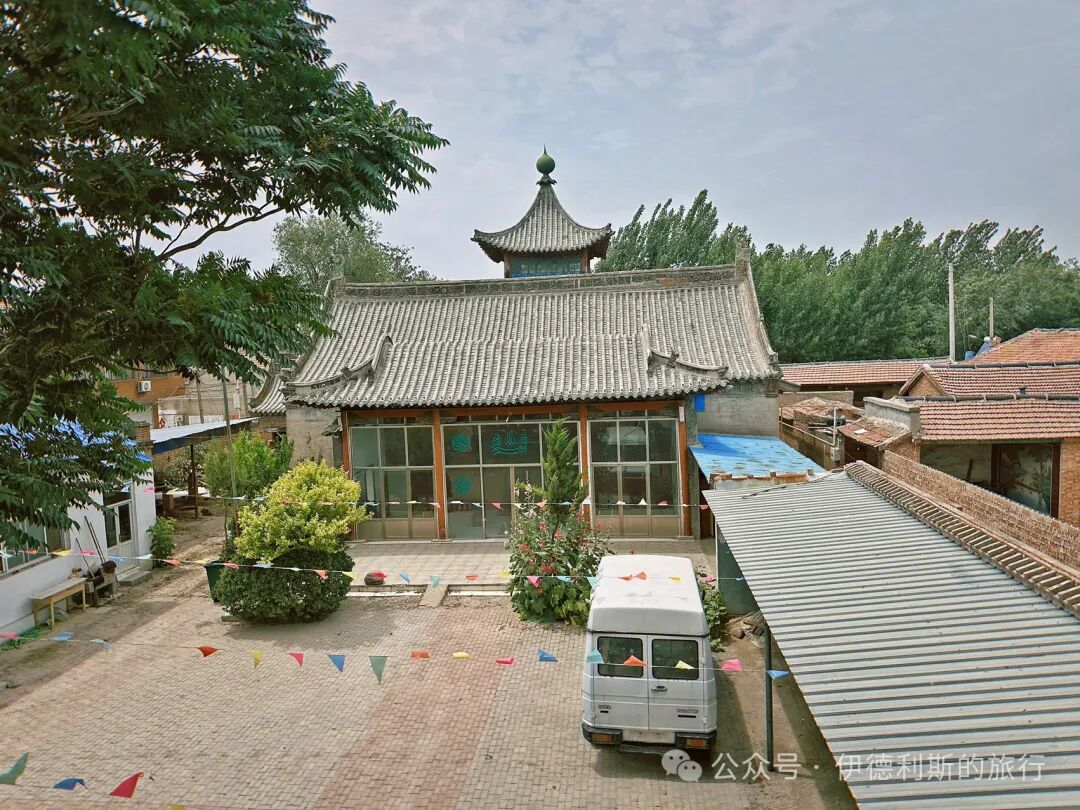
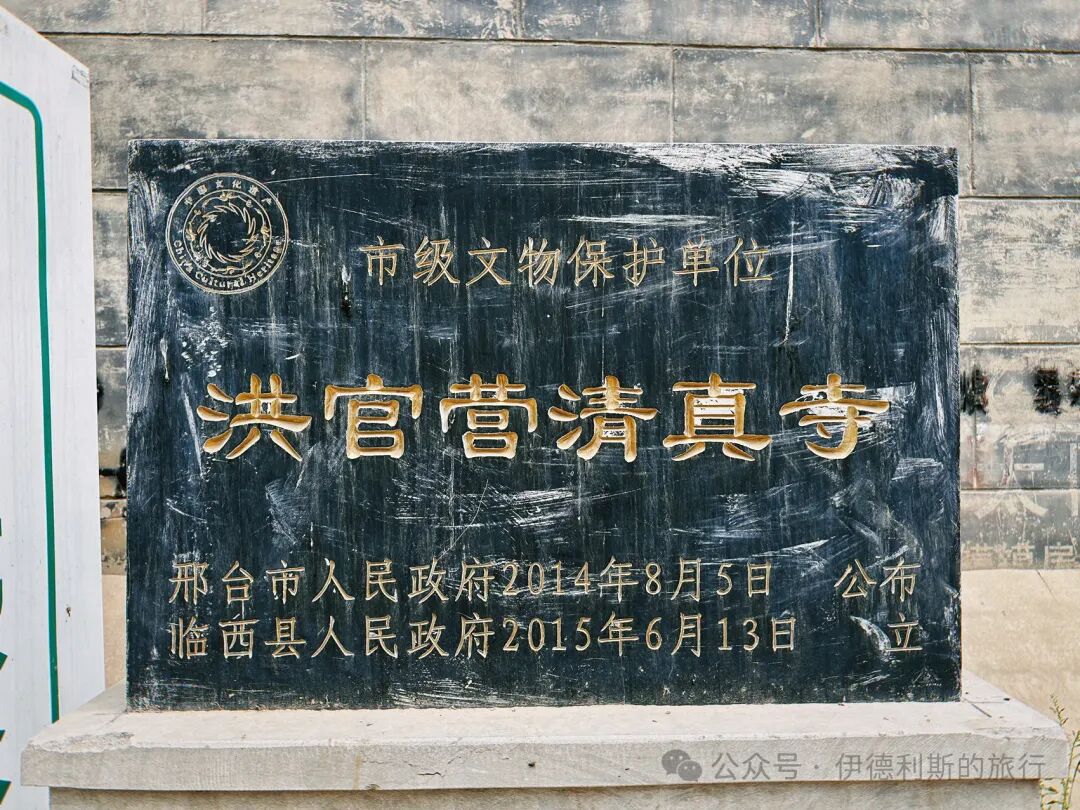
Hongguanying gets its name from the Hong family of Hui Muslims. According to the Linqing Hong Family Genealogy, the ancestor of the Hong family of Hui Muslims was Sayyid Ajjal Shams al-Din. His sixth-generation descendant, Hong Badan, served as an official in Linqing during the Ming Dynasty. His descendants took Hong as their surname and settled in Linqing. One branch settled in the urban area of Linqing and once built the Hong Family Mosque, but unfortunately, it no longer exists. Another group settled in Hongguanying Village and built the Hongguanying Mosque. The Hongguanying Mosque was first built between the Xuande and Tianshun periods of the Ming Dynasty. It was burned down in 1854 during the Northern Expedition of the Taiping Rebellion and rebuilt into its current form in 1874.
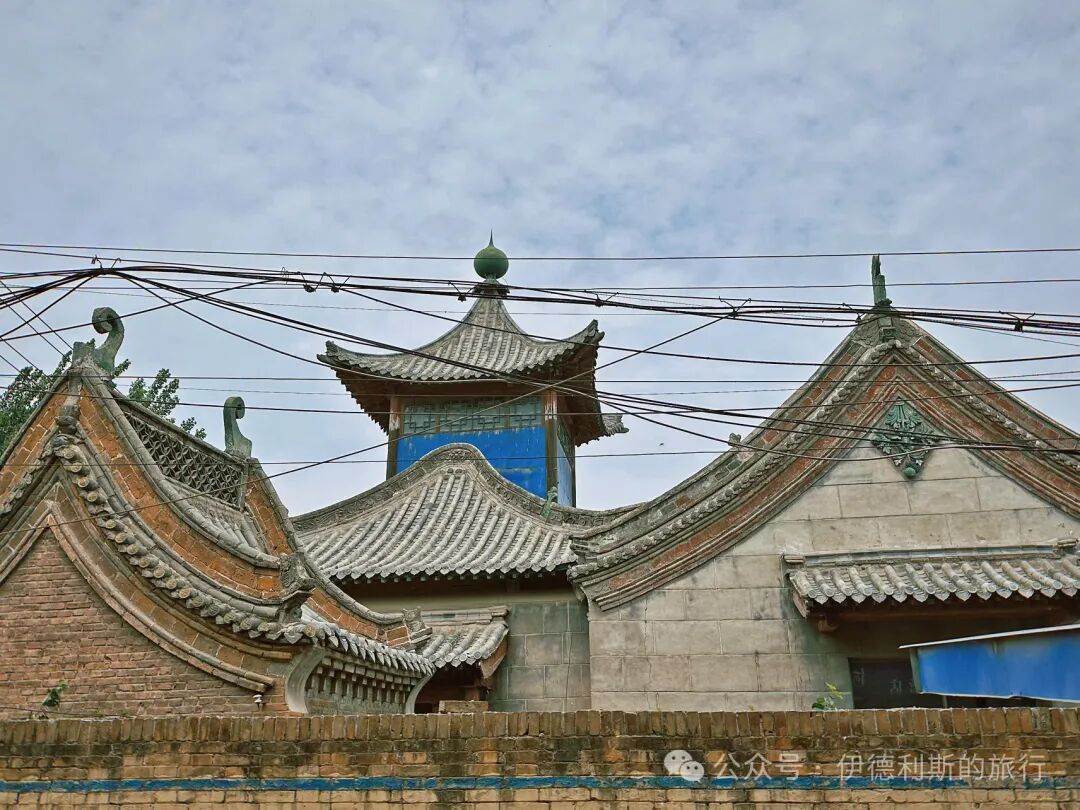
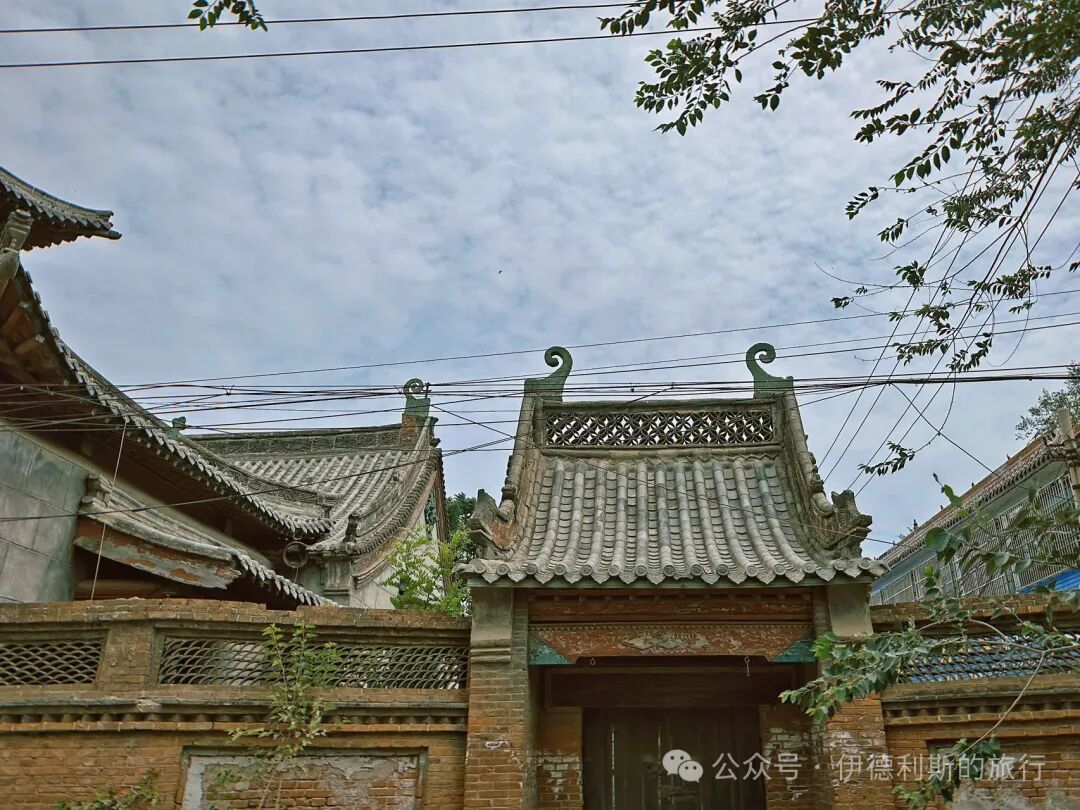
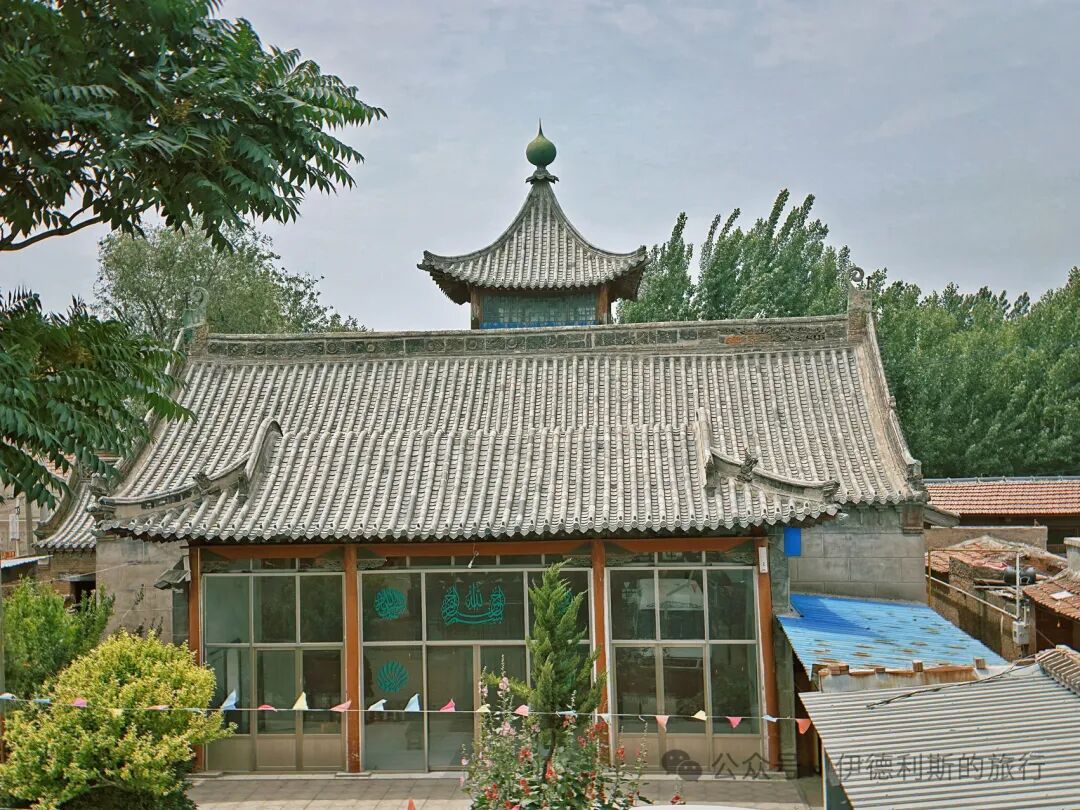
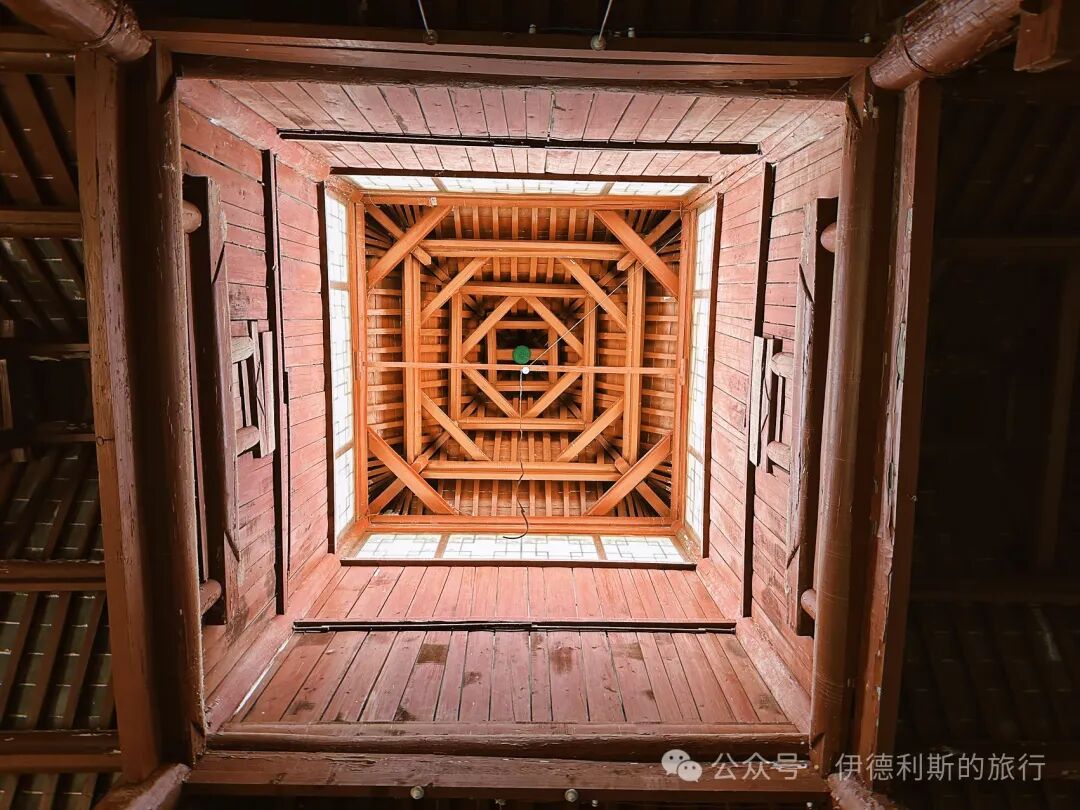
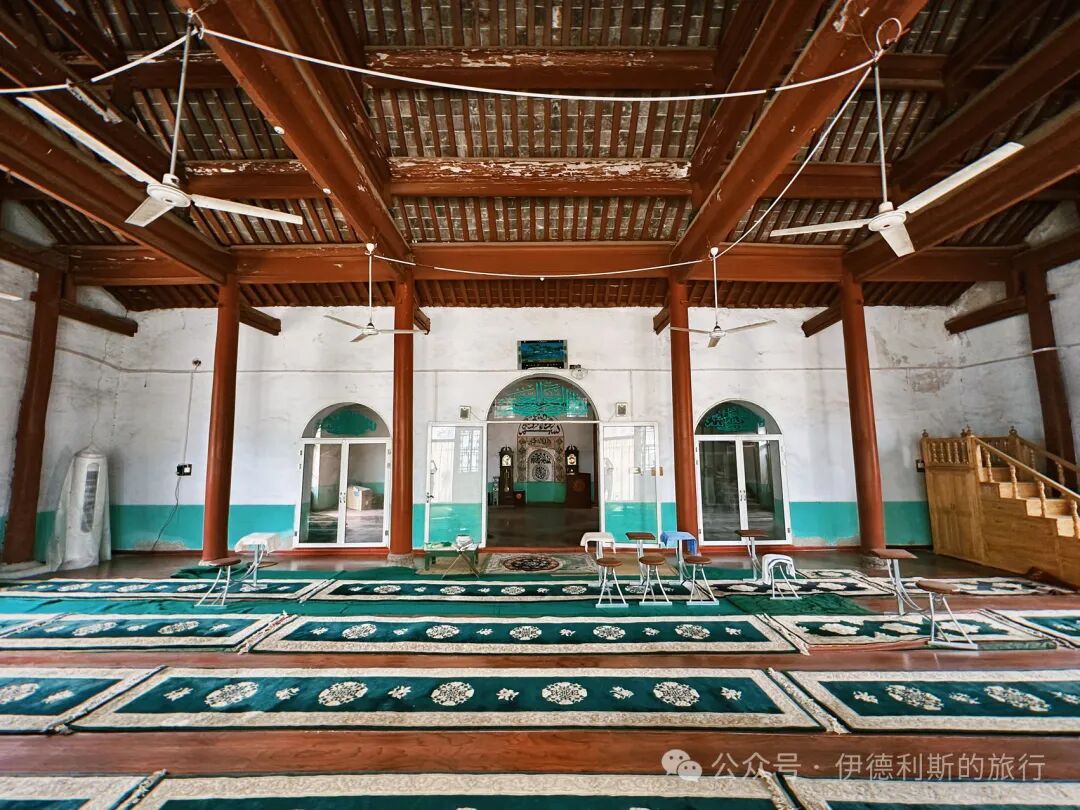
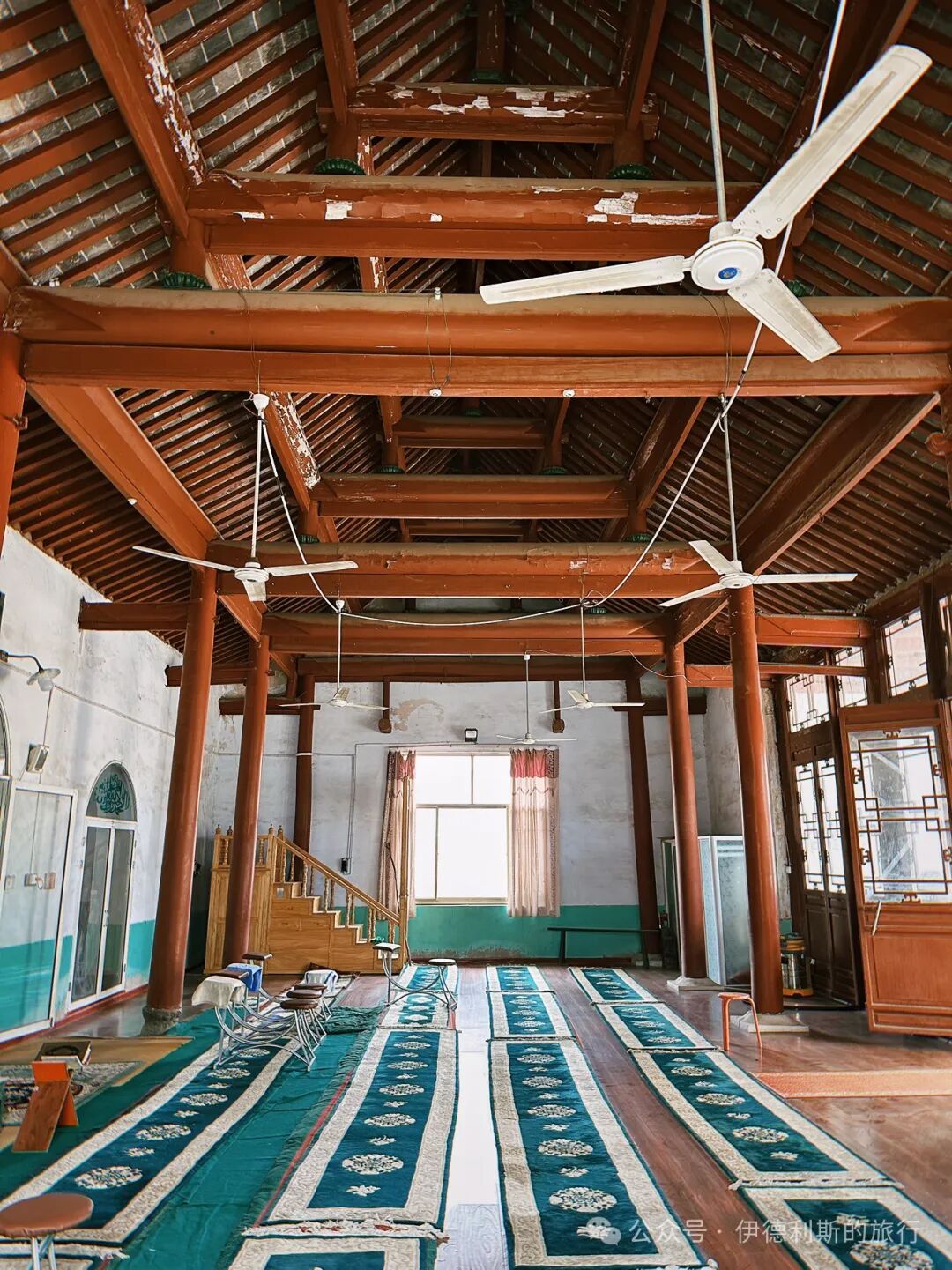
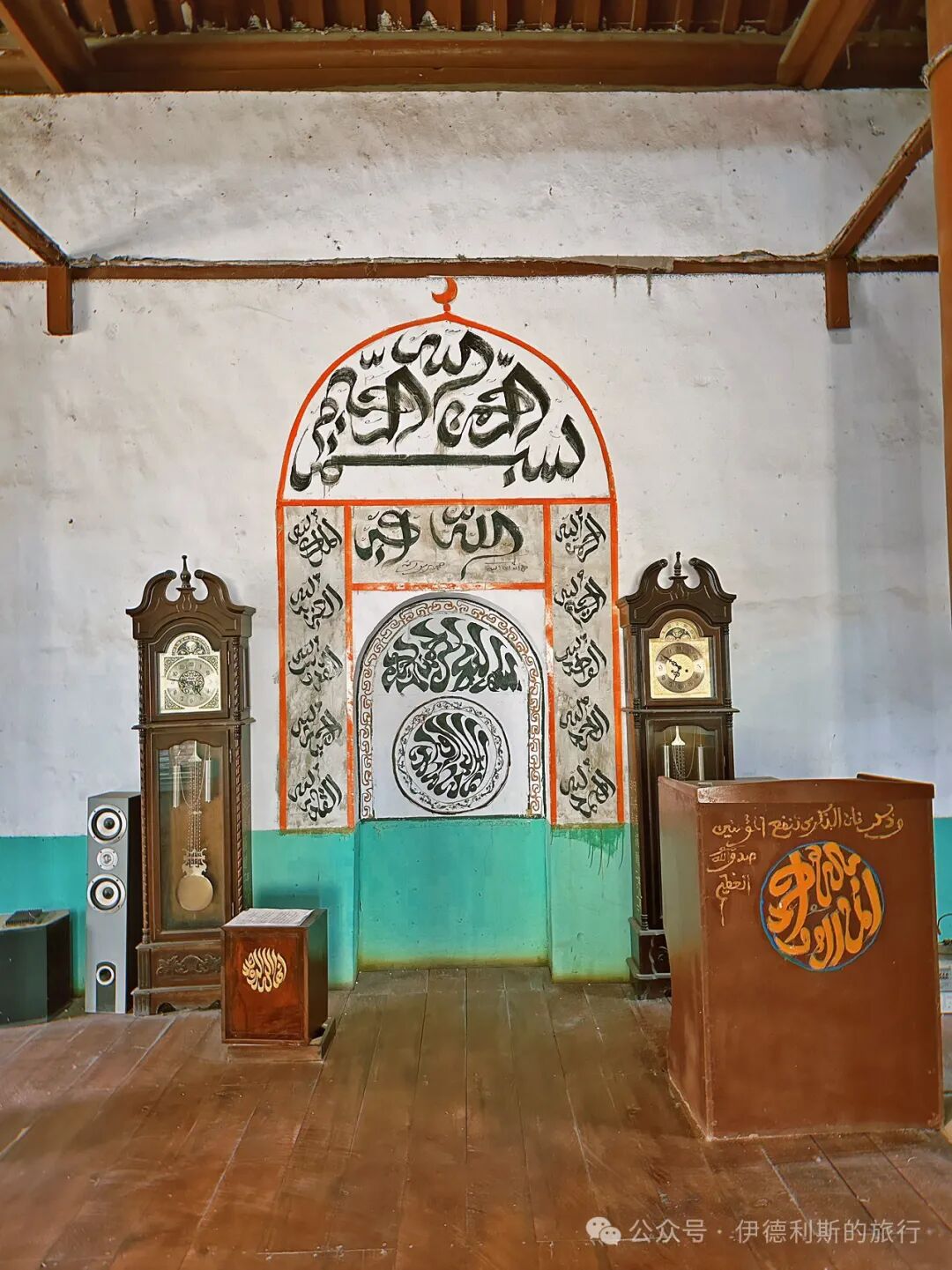
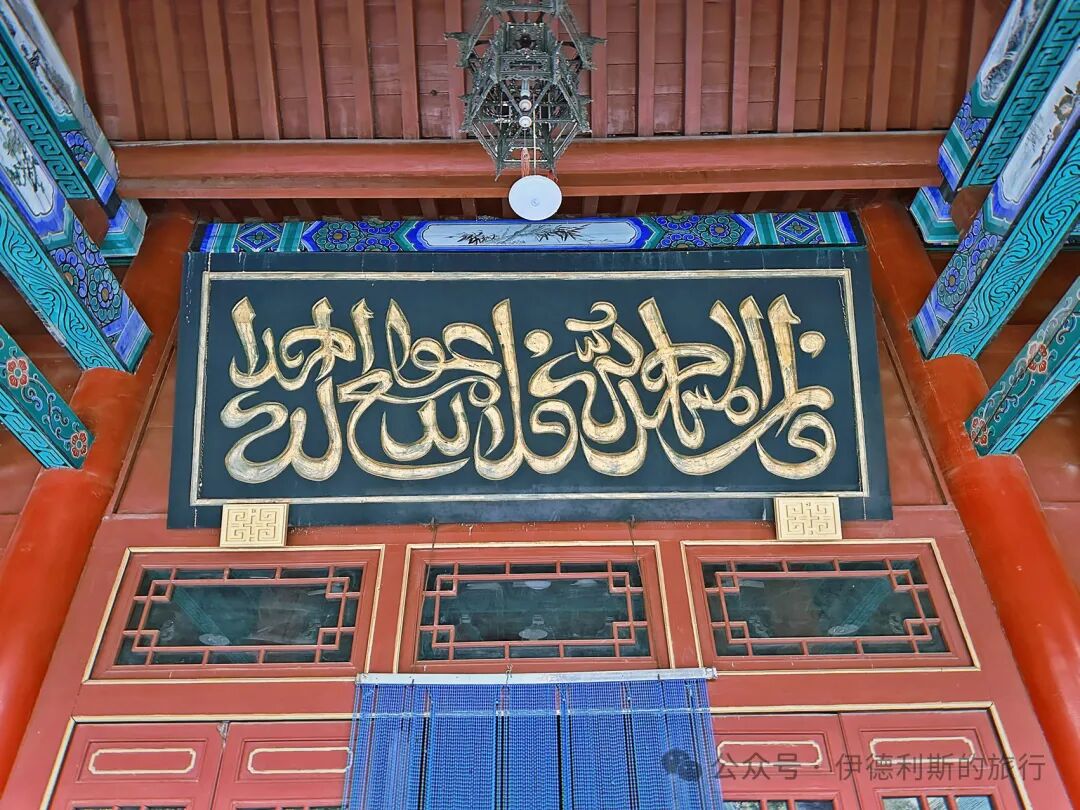
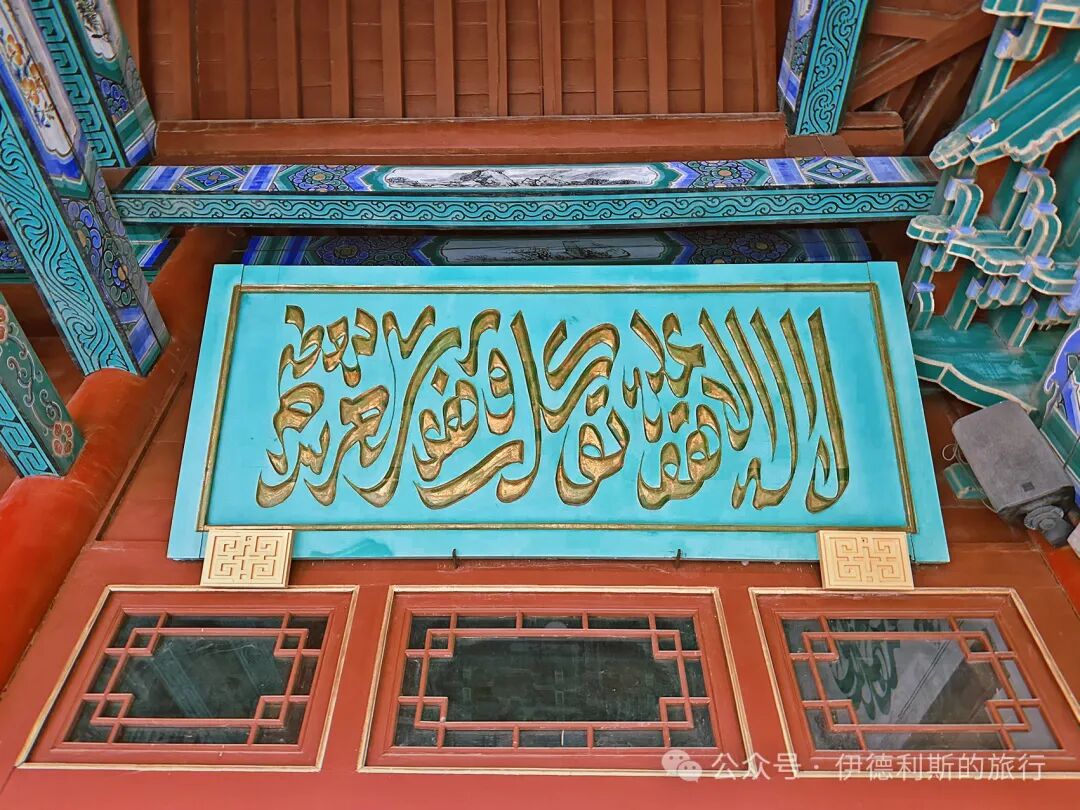
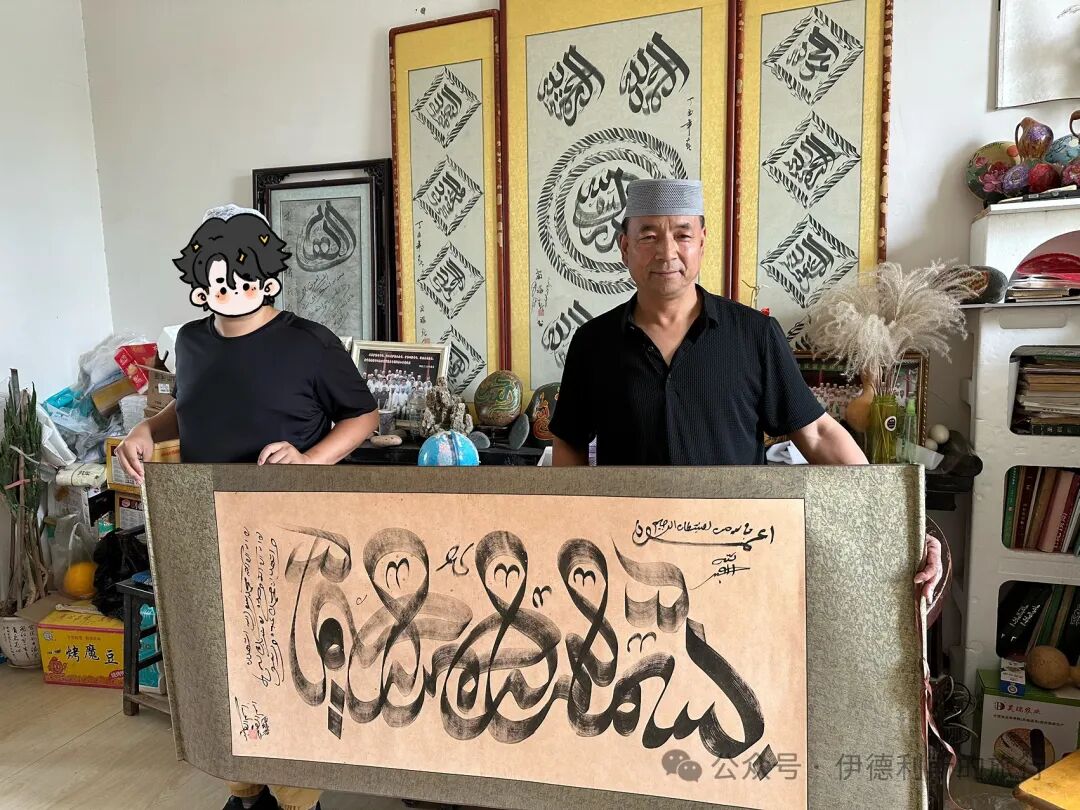
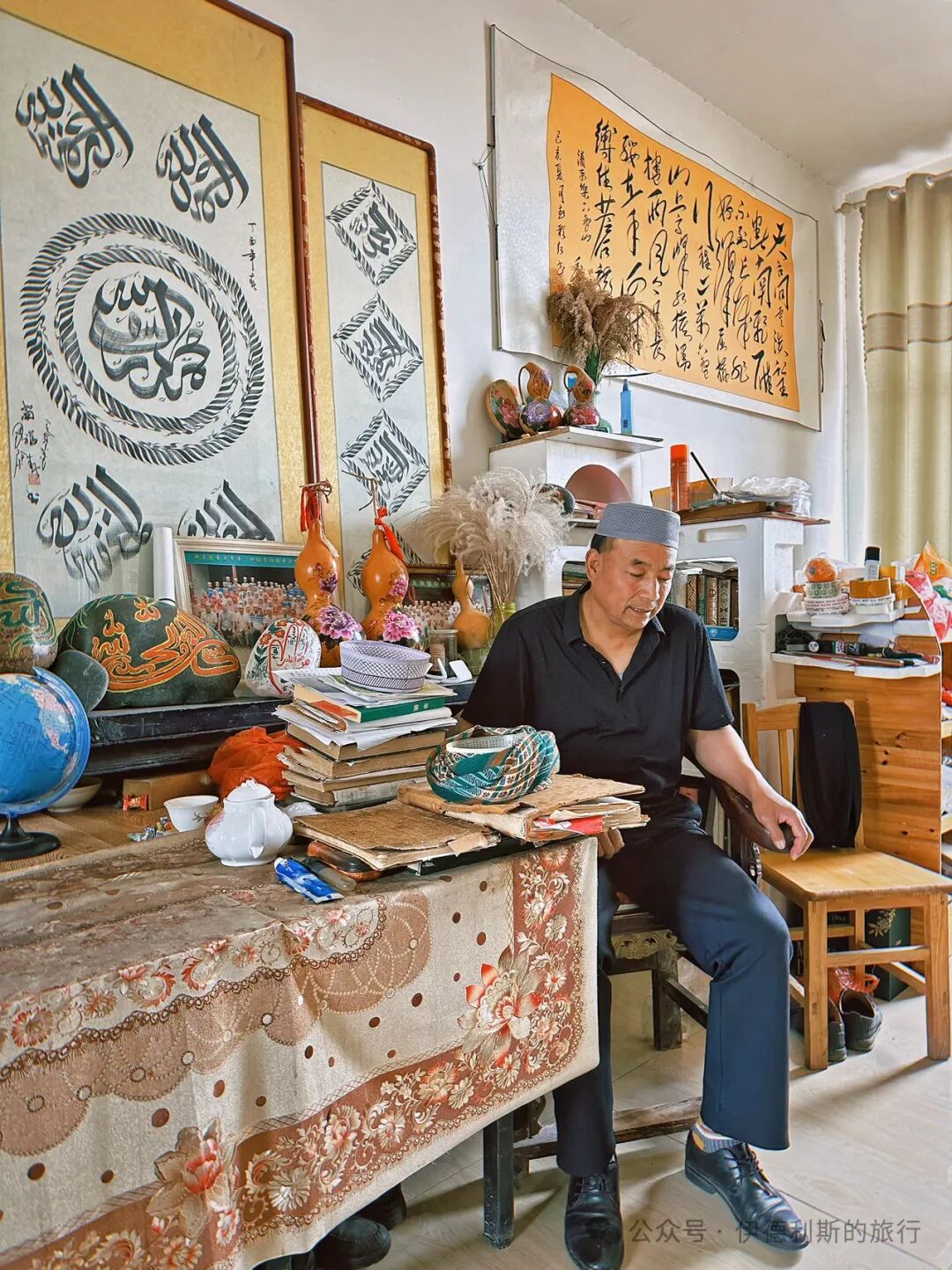
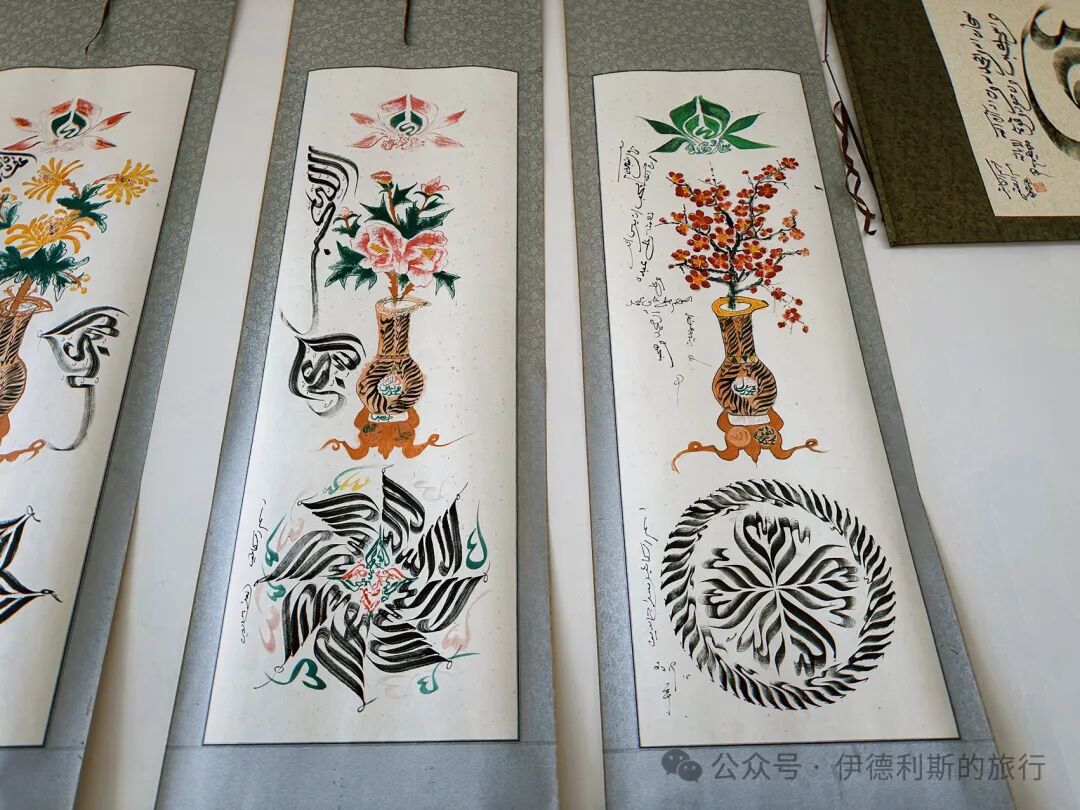
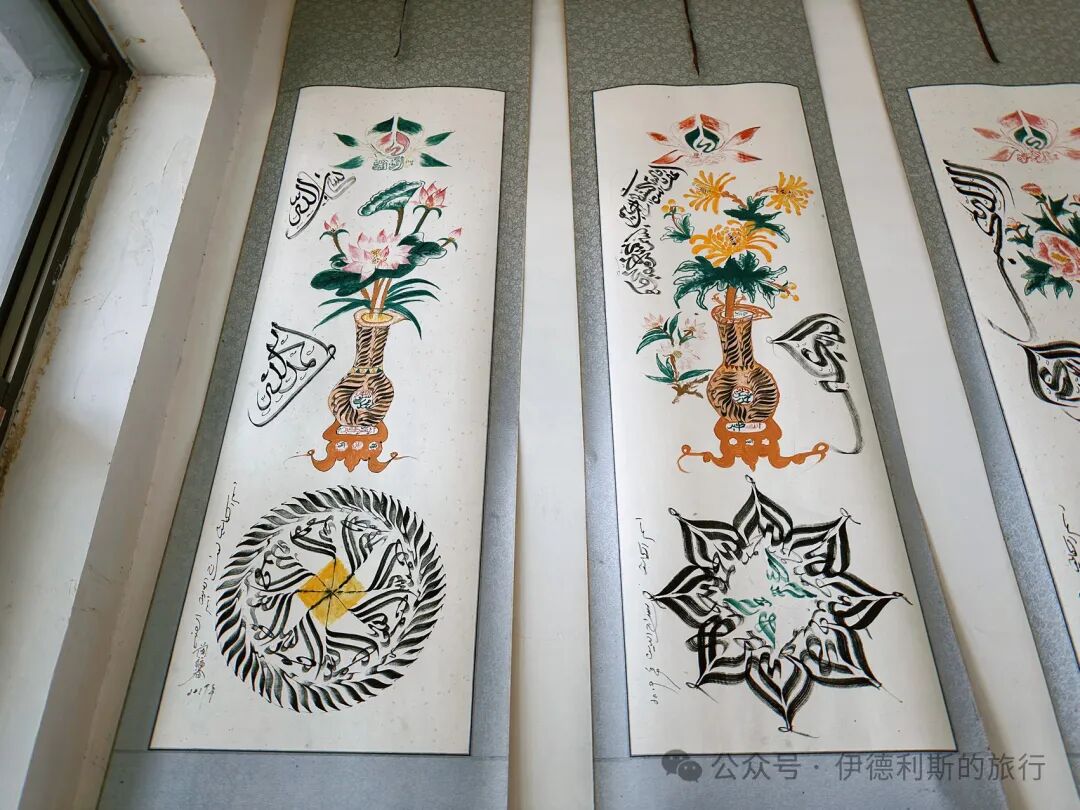
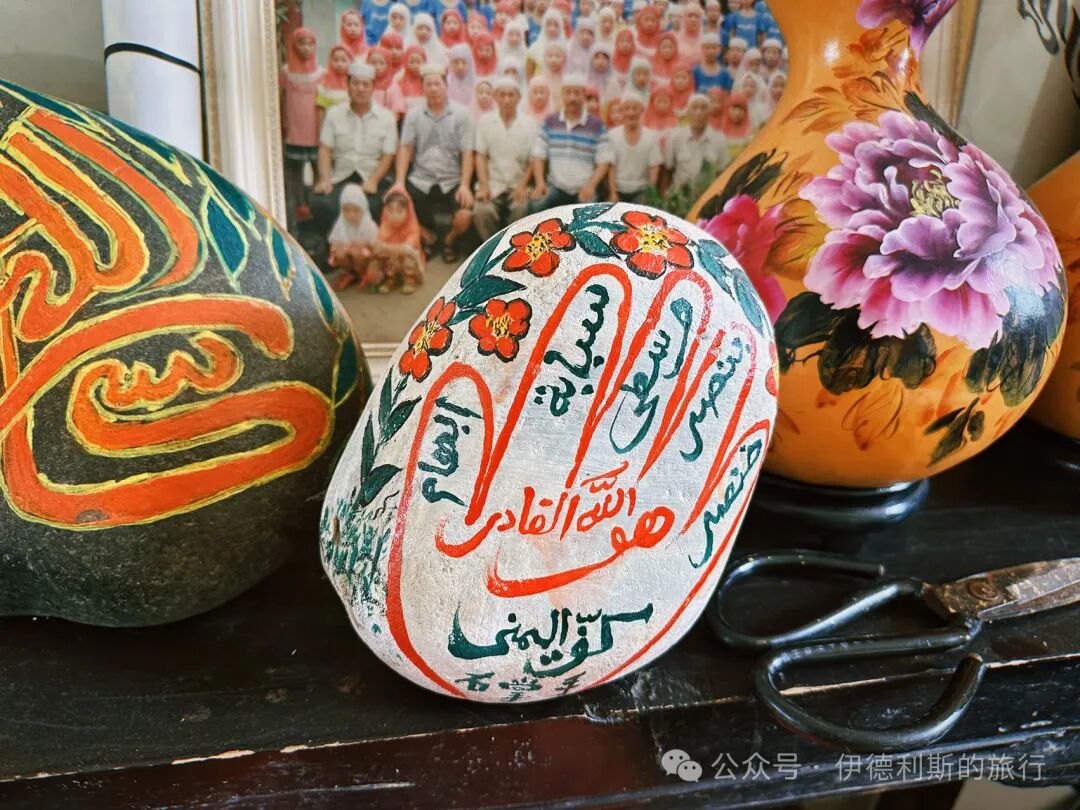
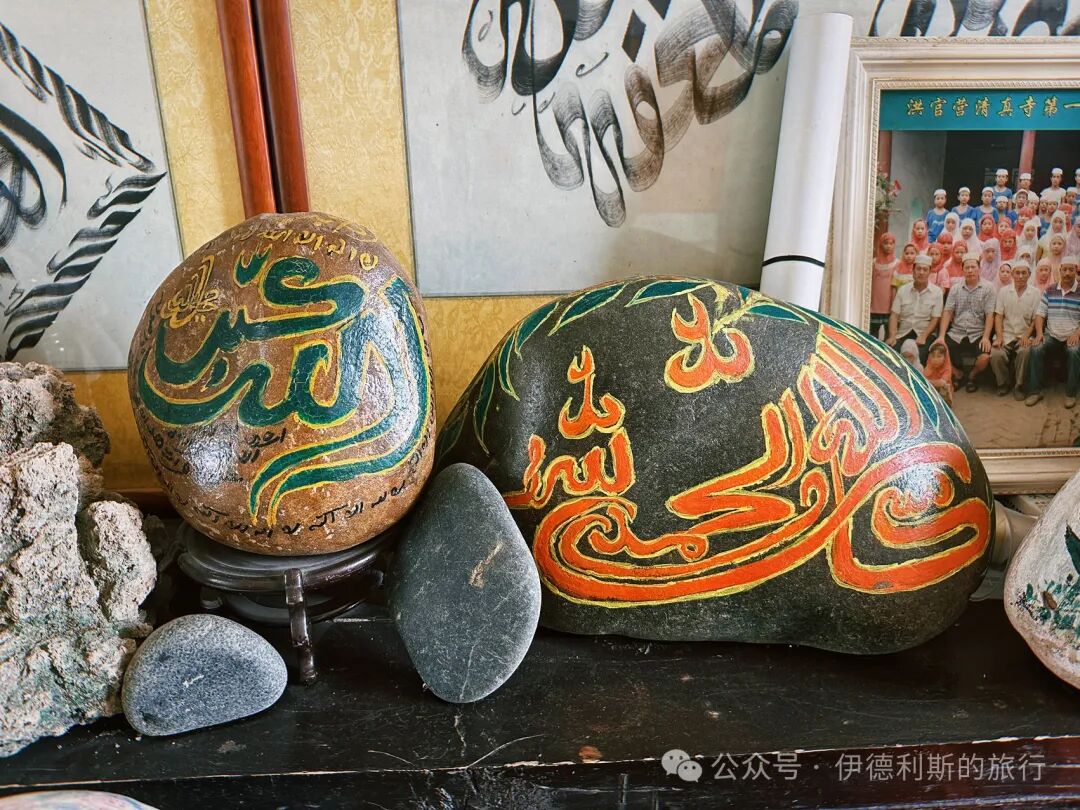
We were warmly welcomed at the Hongguanying Mosque by Imam Lan. He is skilled at Arabic calligraphy, and his scripture paintings and stone carvings are very impressive. I was very lucky to receive a one-stroke Basmala (tasmi) as a gift from Imam Lan.
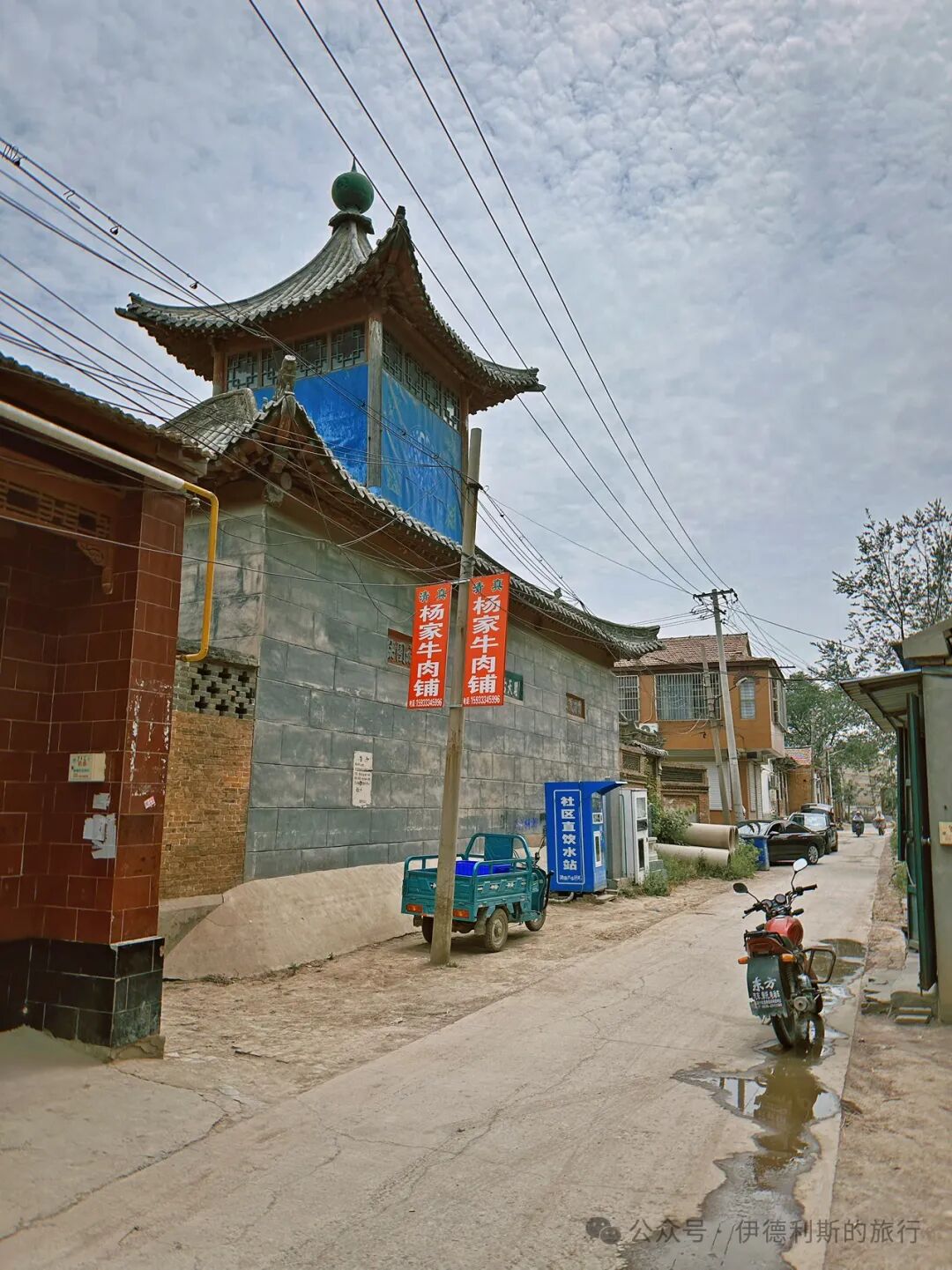
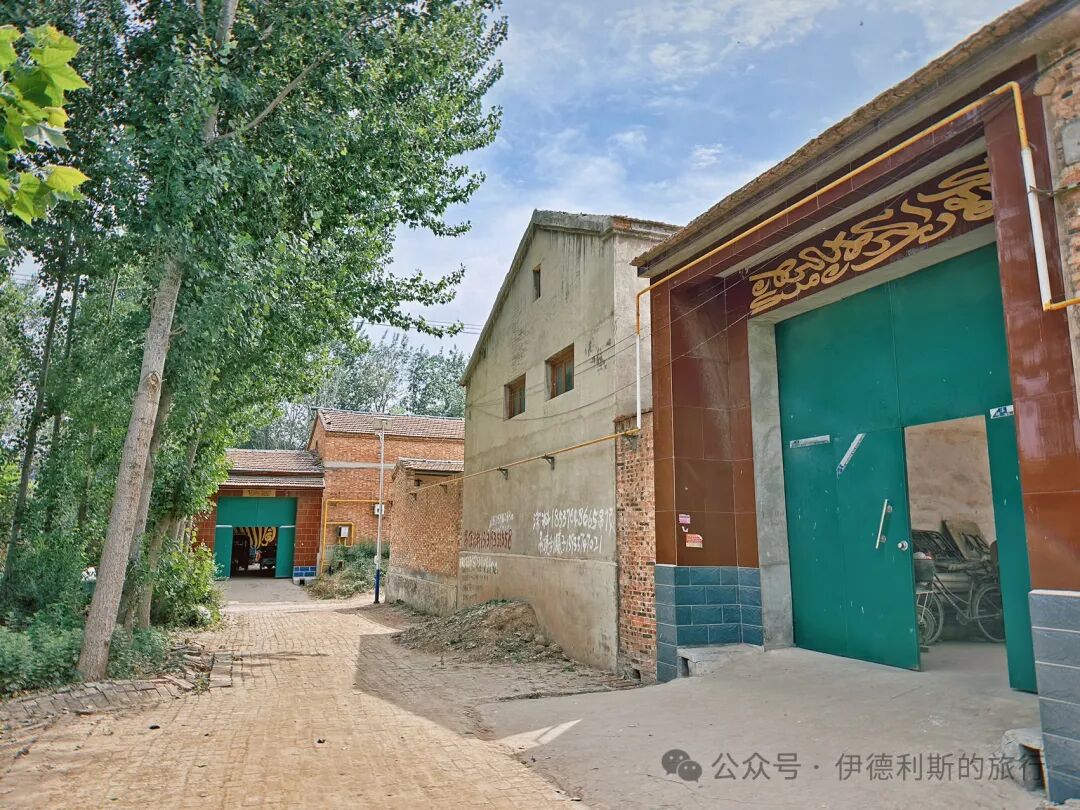
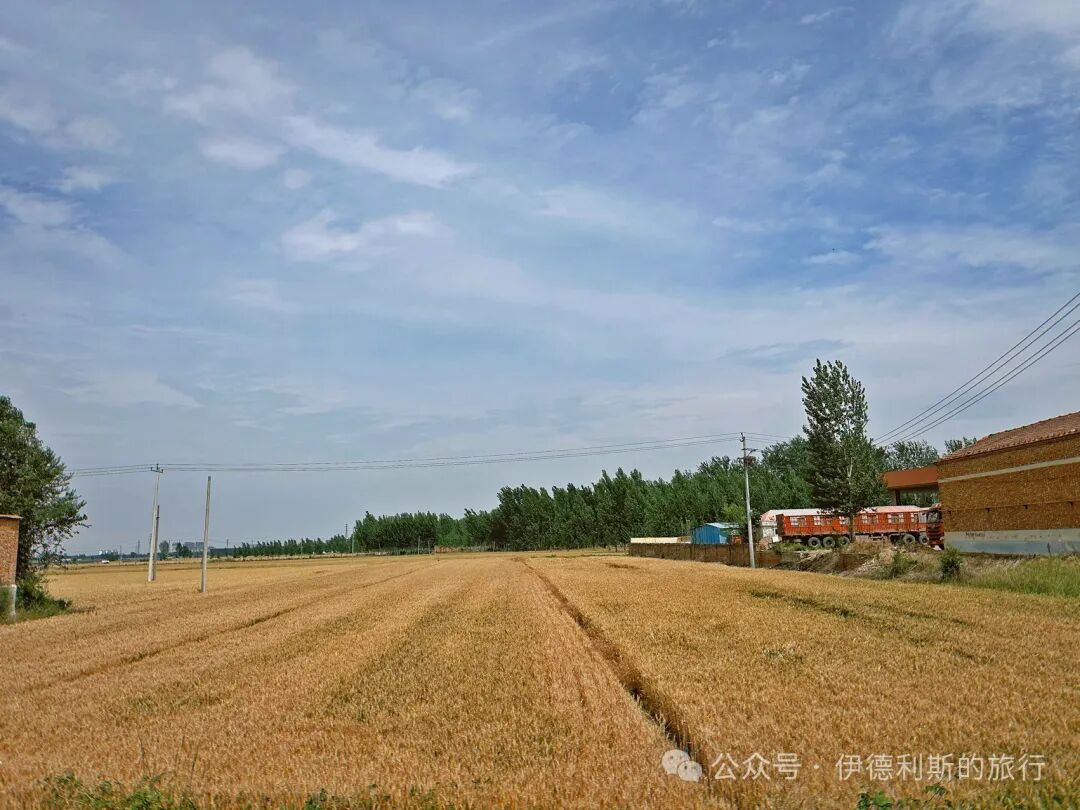
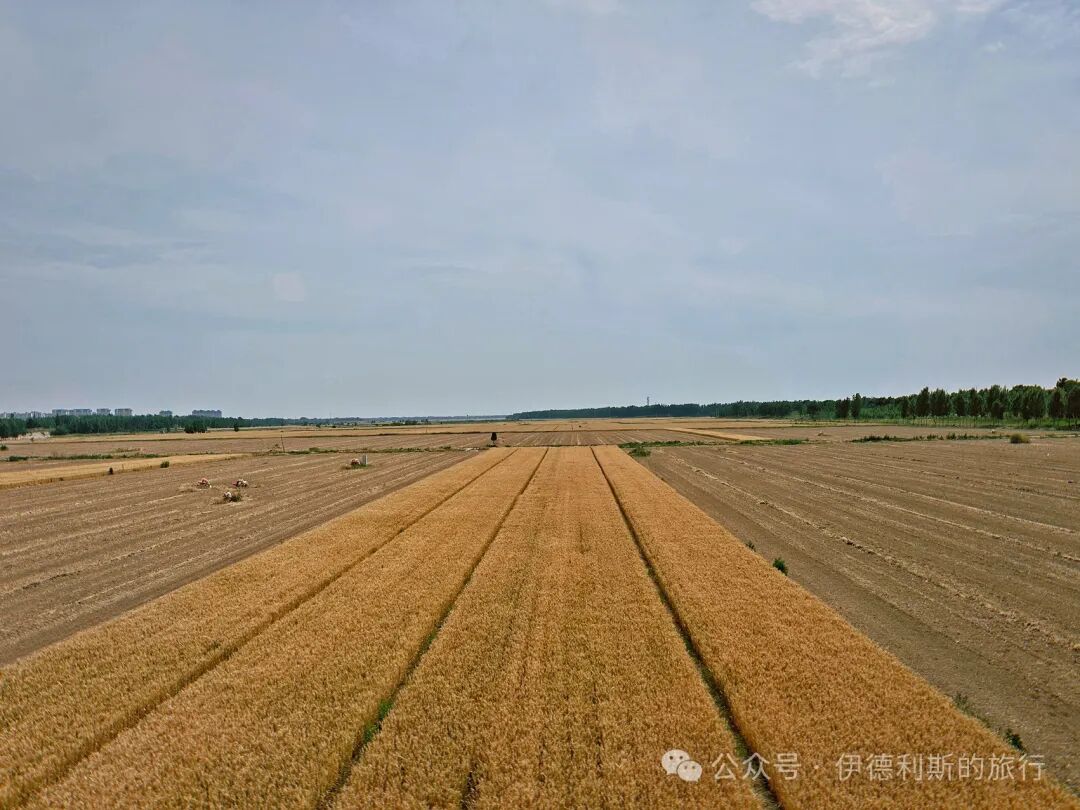
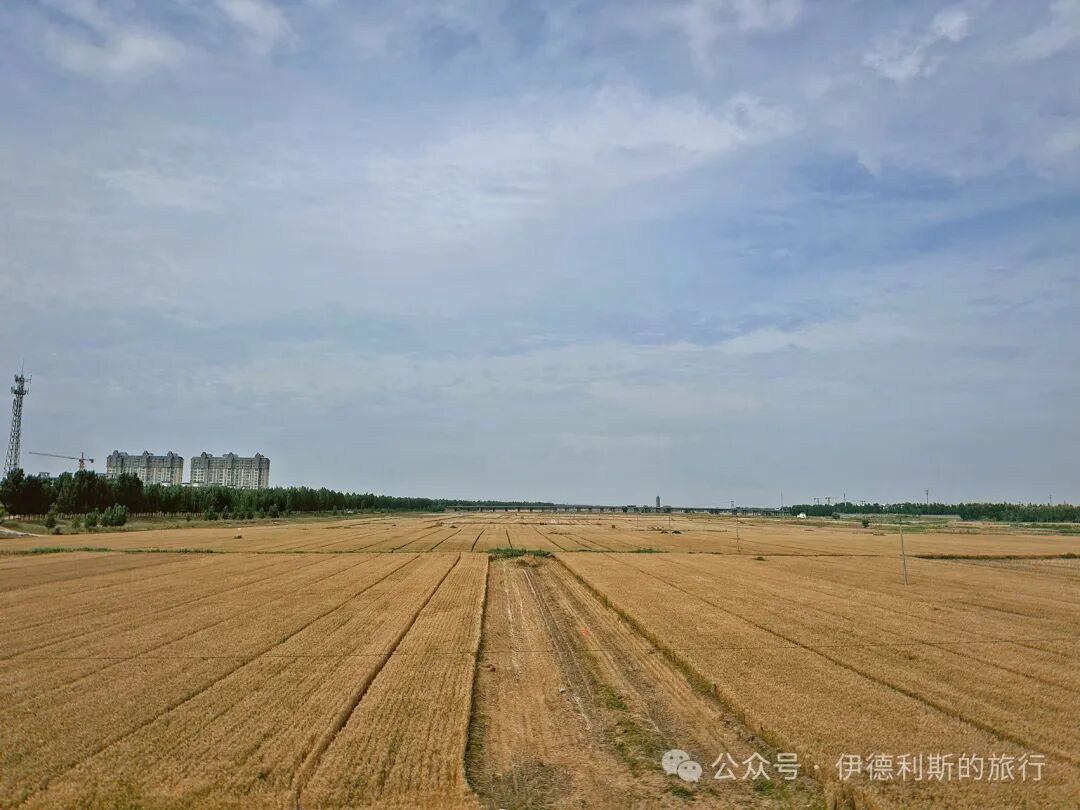
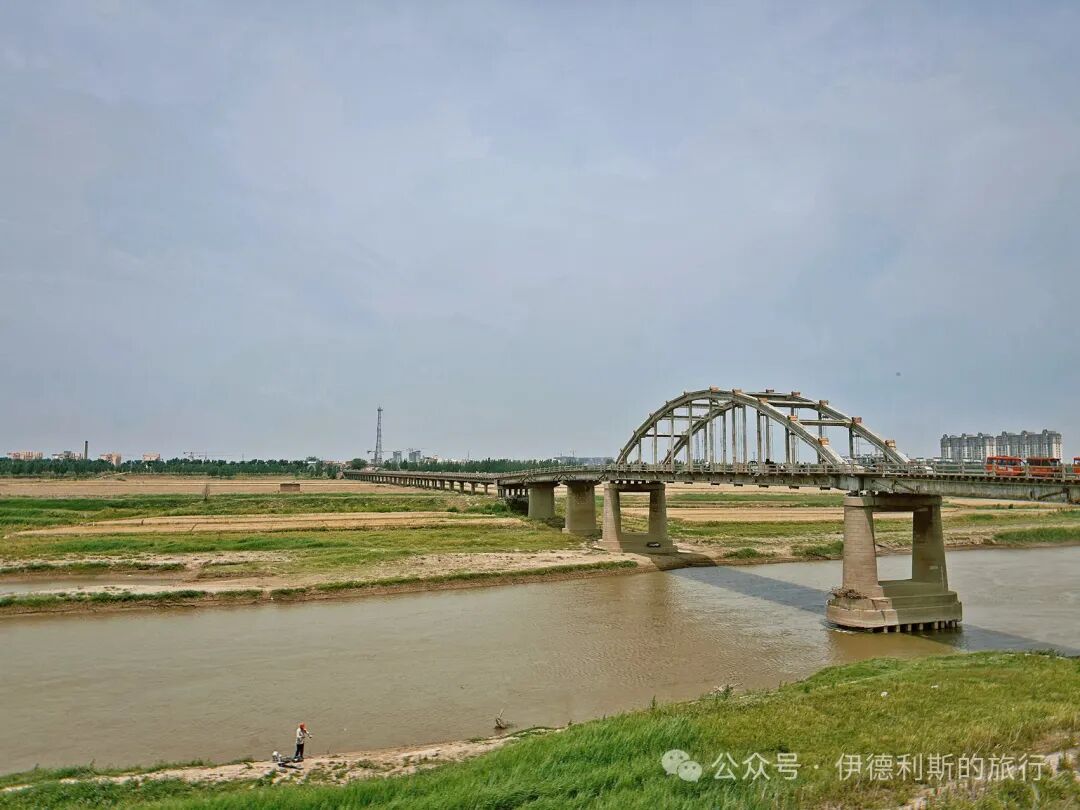
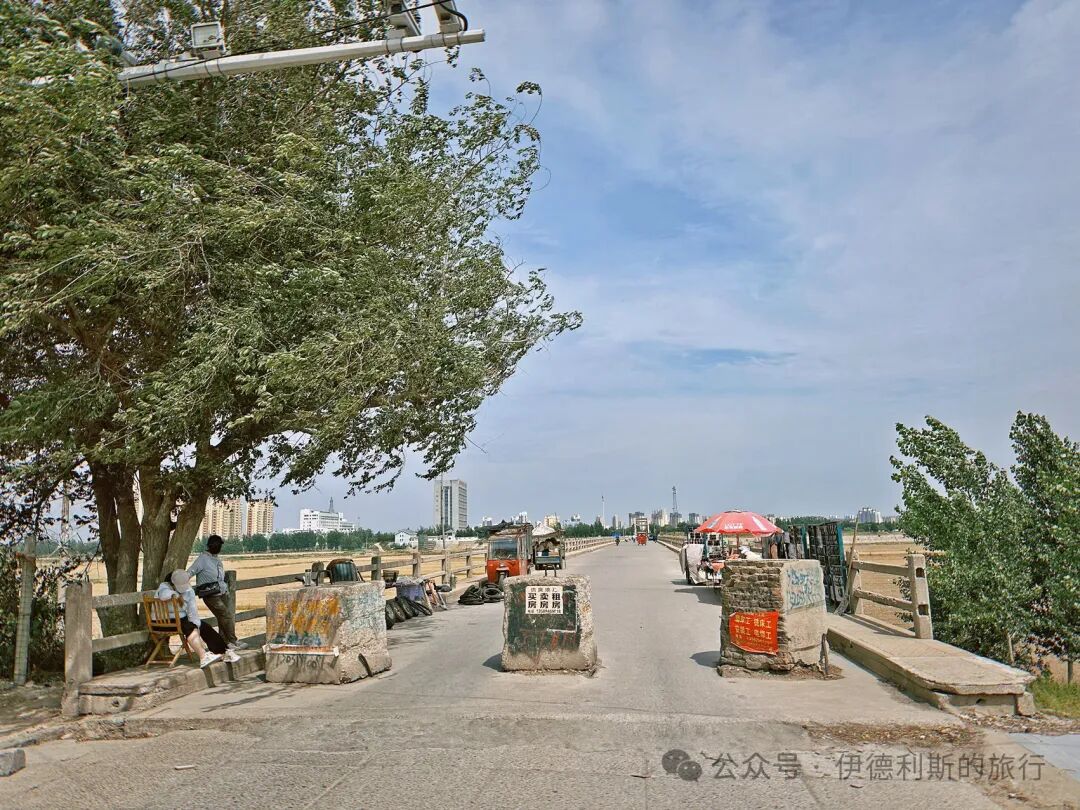
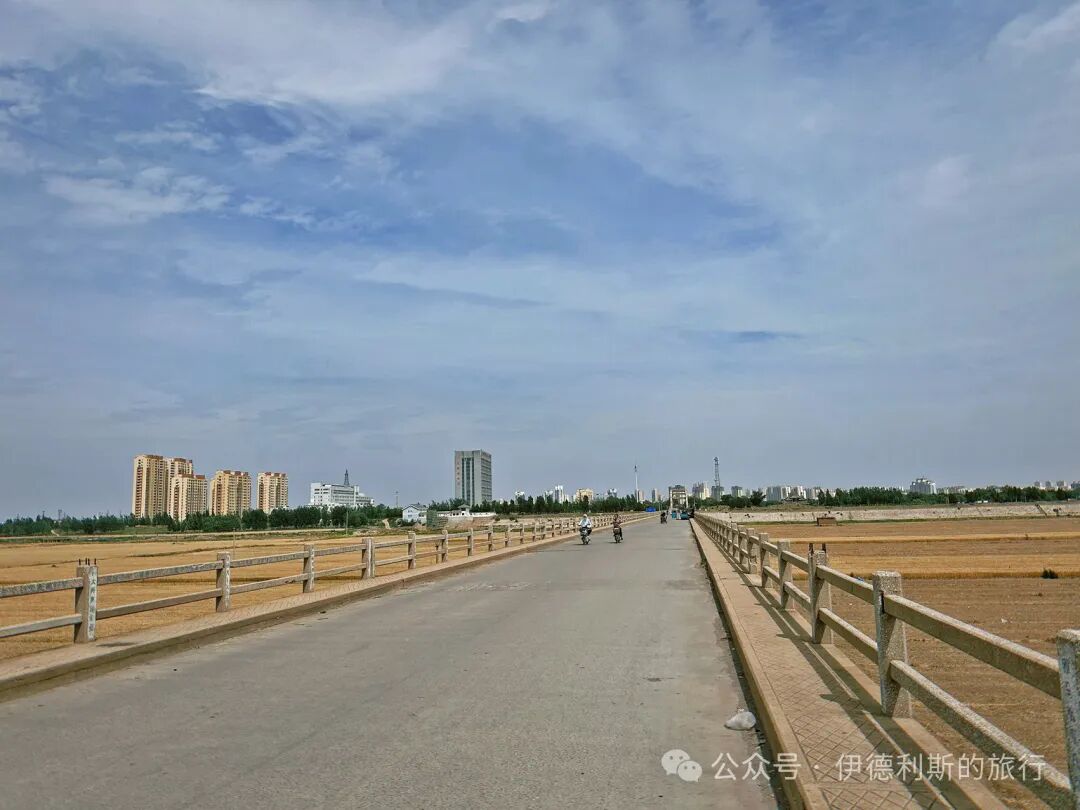
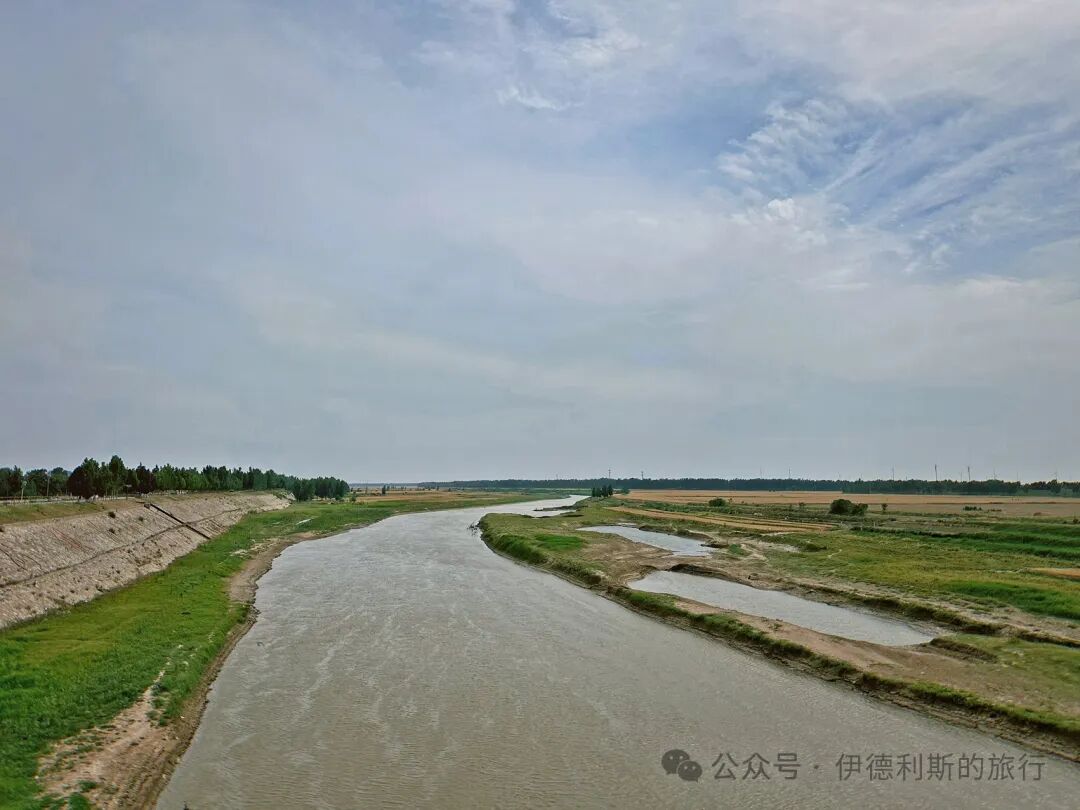
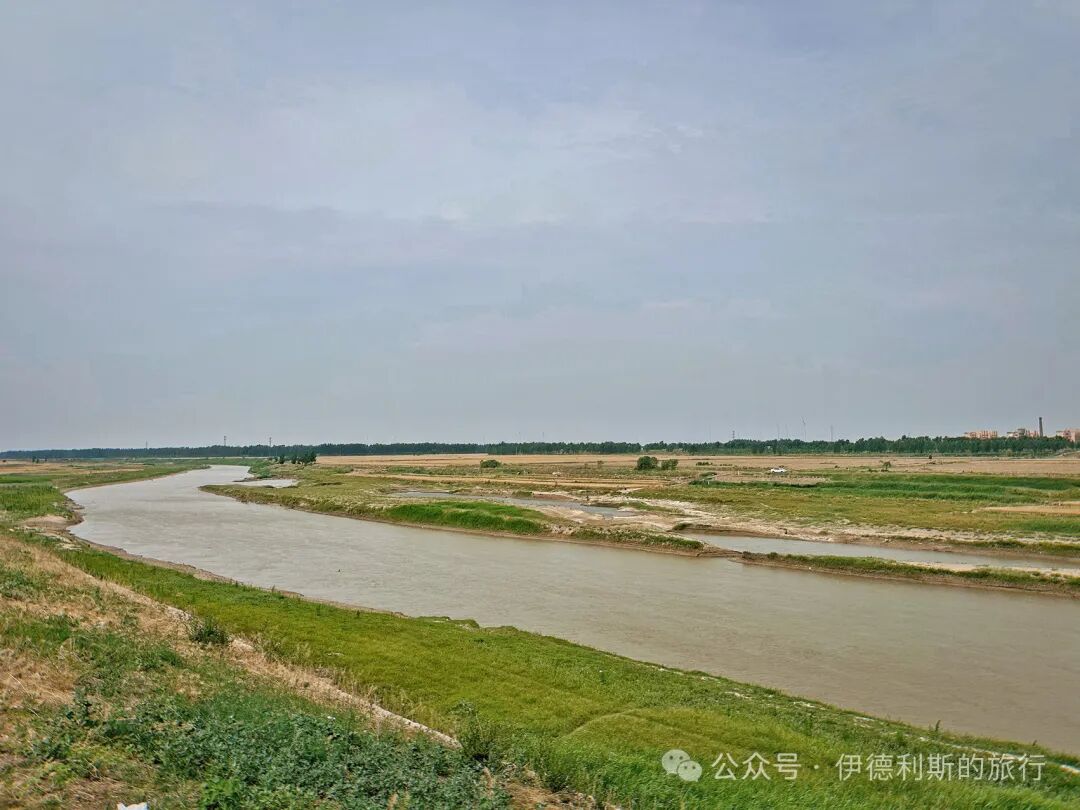
On the road heading west from Linqing to Hongguanying, we saw wheat fields, the Wei Canal, and Hui Muslim villages. The Xianfeng Bridge over the Wei Canal was built in 1959 and expanded in 1974. It was once very famous, but it stopped allowing motor vehicles in 1992 and is now a protected cultural site.
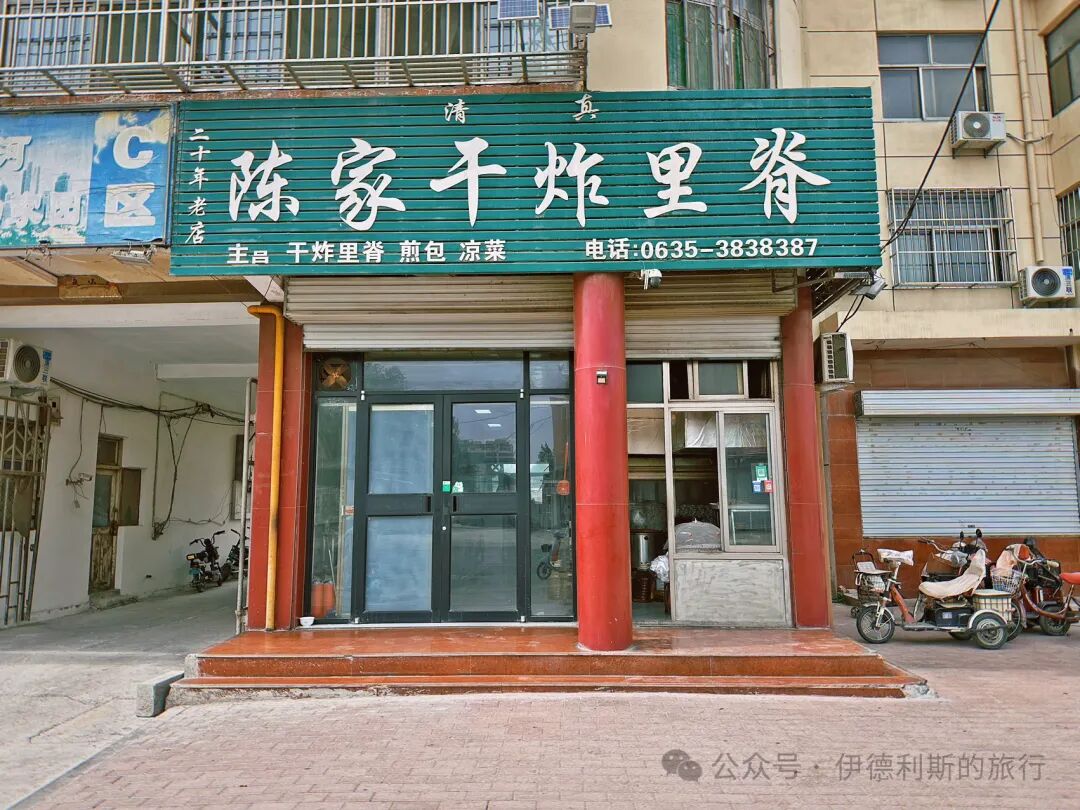
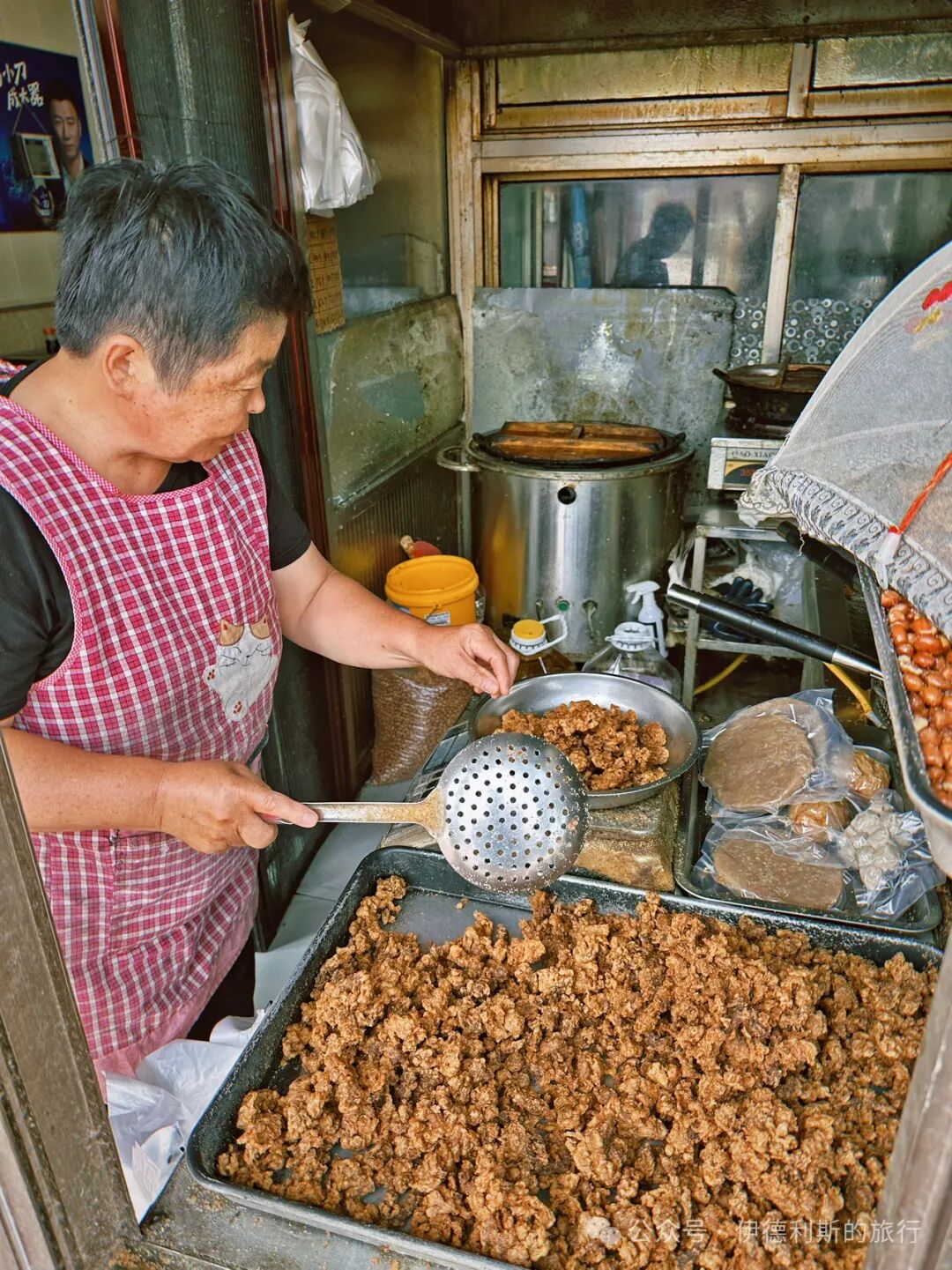
Returning from Hongguanying to downtown Linqing, we found that most restaurants here are closed between 2:00 PM and 5:00 PM. We found a place that sells deep-stir-fried meat tenderloin (ganzha liji) and bought some to eat on the train. I tried it as soon as I got on the train and it was super delicious! It was fried but not greasy at all. It even tasted great cold, just like a snack, and I couldn't stop eating it. Then we went to a shop that sells meat flatbreads (huoshao) and stuffed flatbreads (xian huoshao). There are many ways to make flatbreads here in Linqing. We bought a beef-stuffed flatbread, and it was packed with filling. I think it tasted much better than the ones I've had in Beijing.
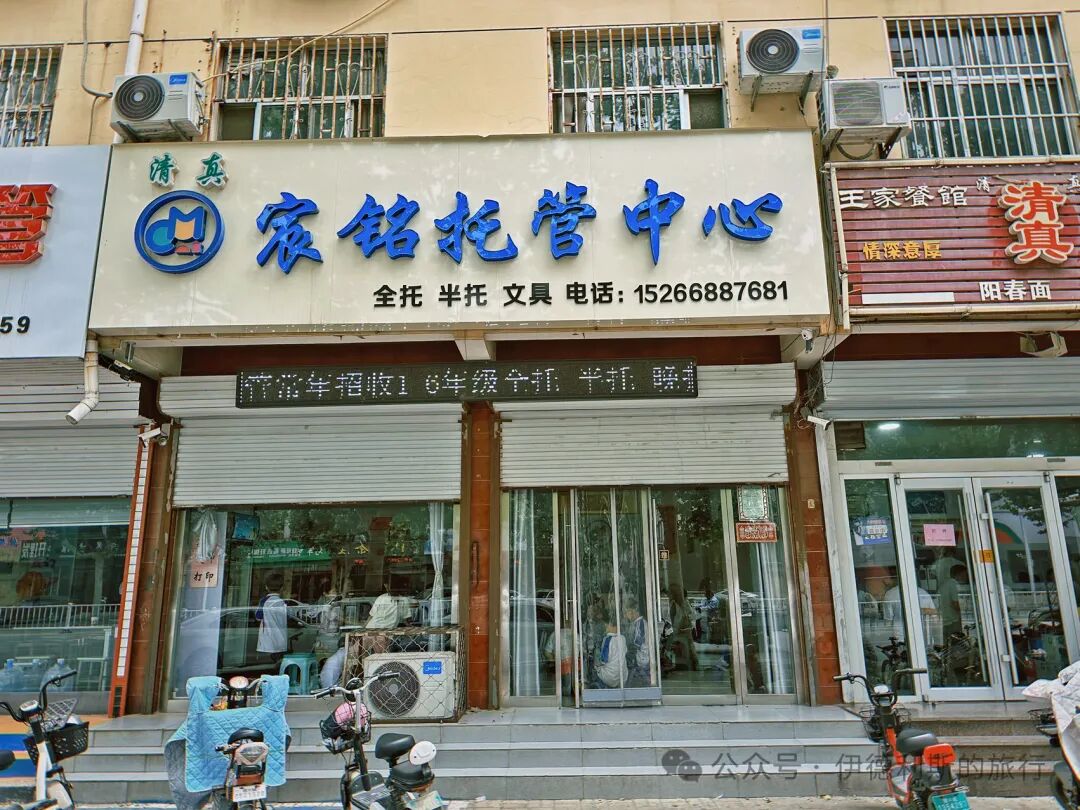
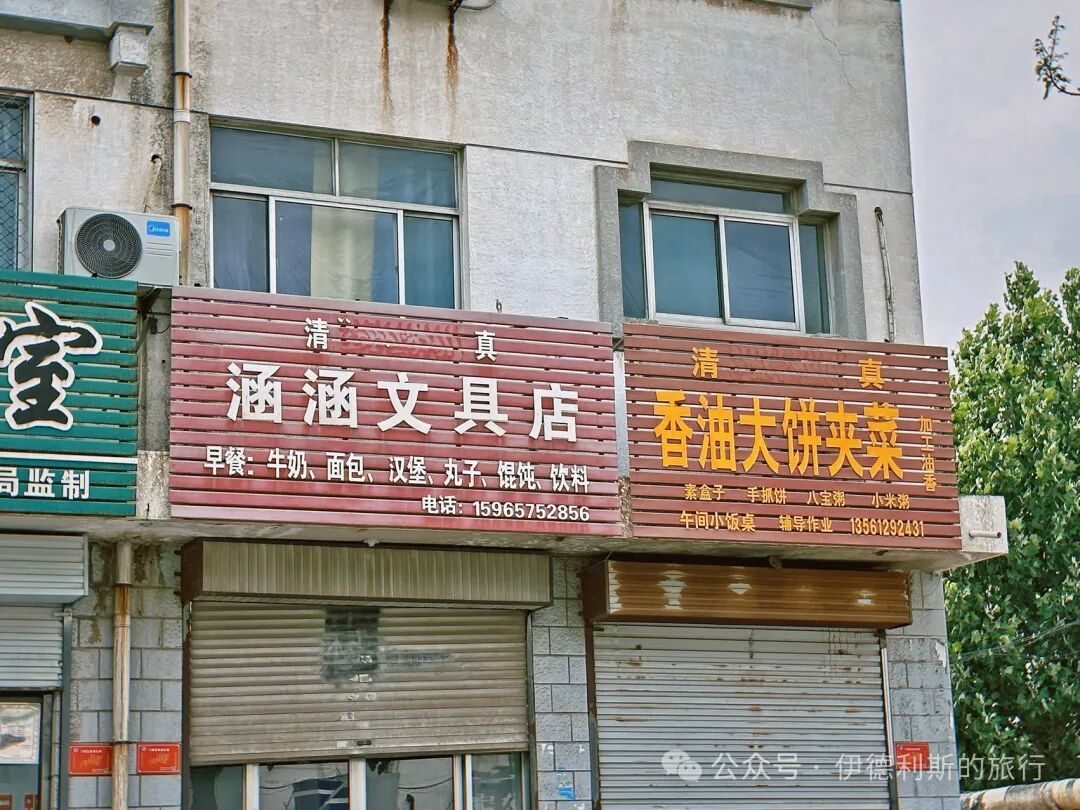
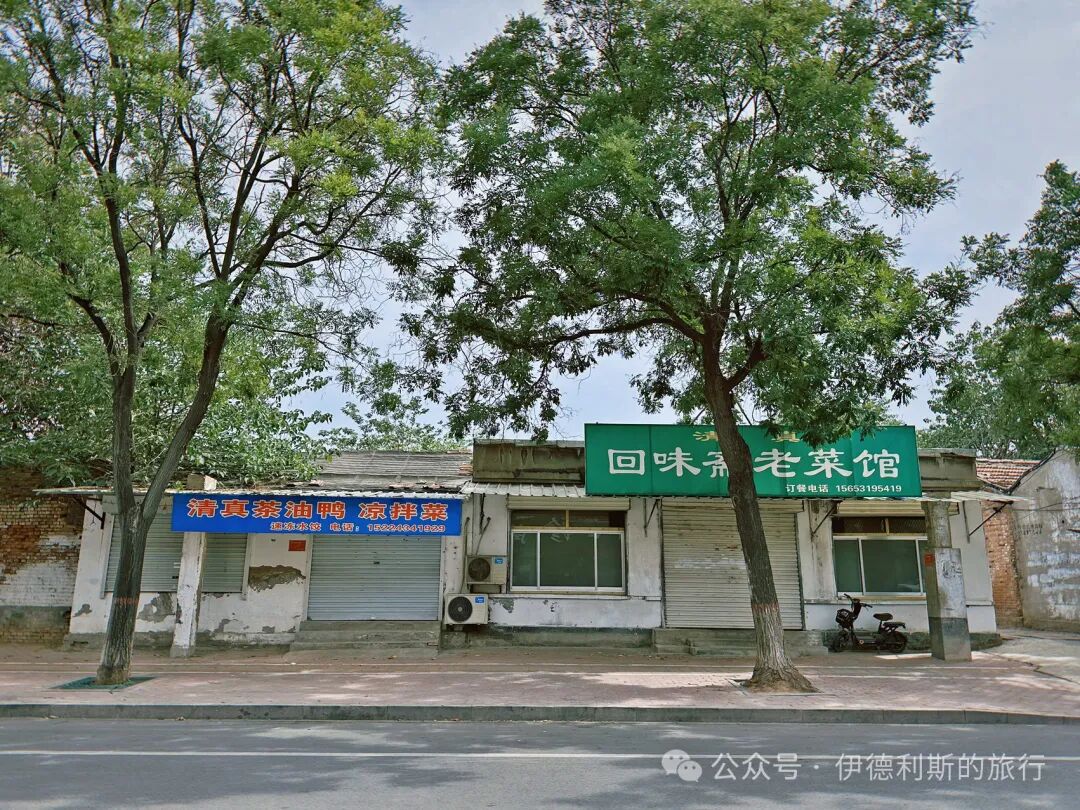
The last photo shows two shops next to the Linqing No. 1 Kindergarten. One is a stationery shop that also serves breakfast, and the other is a sesame oil shop that provides lunch and tutoring for students. I thought that was really interesting.
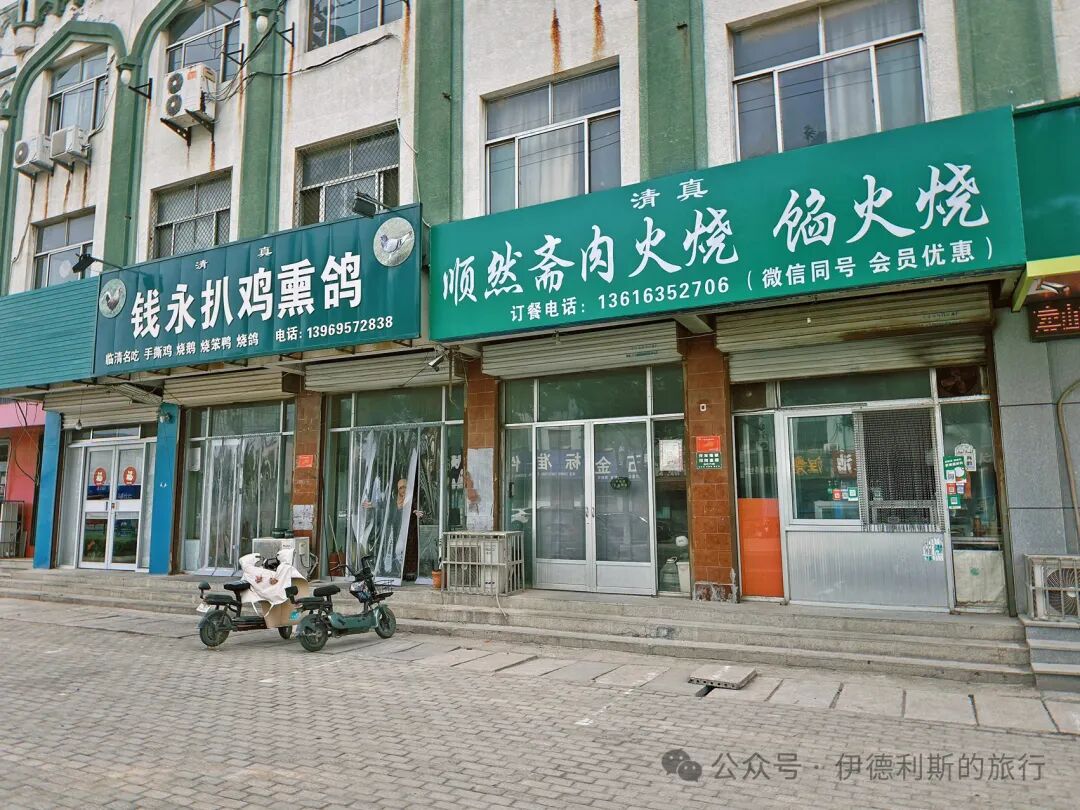
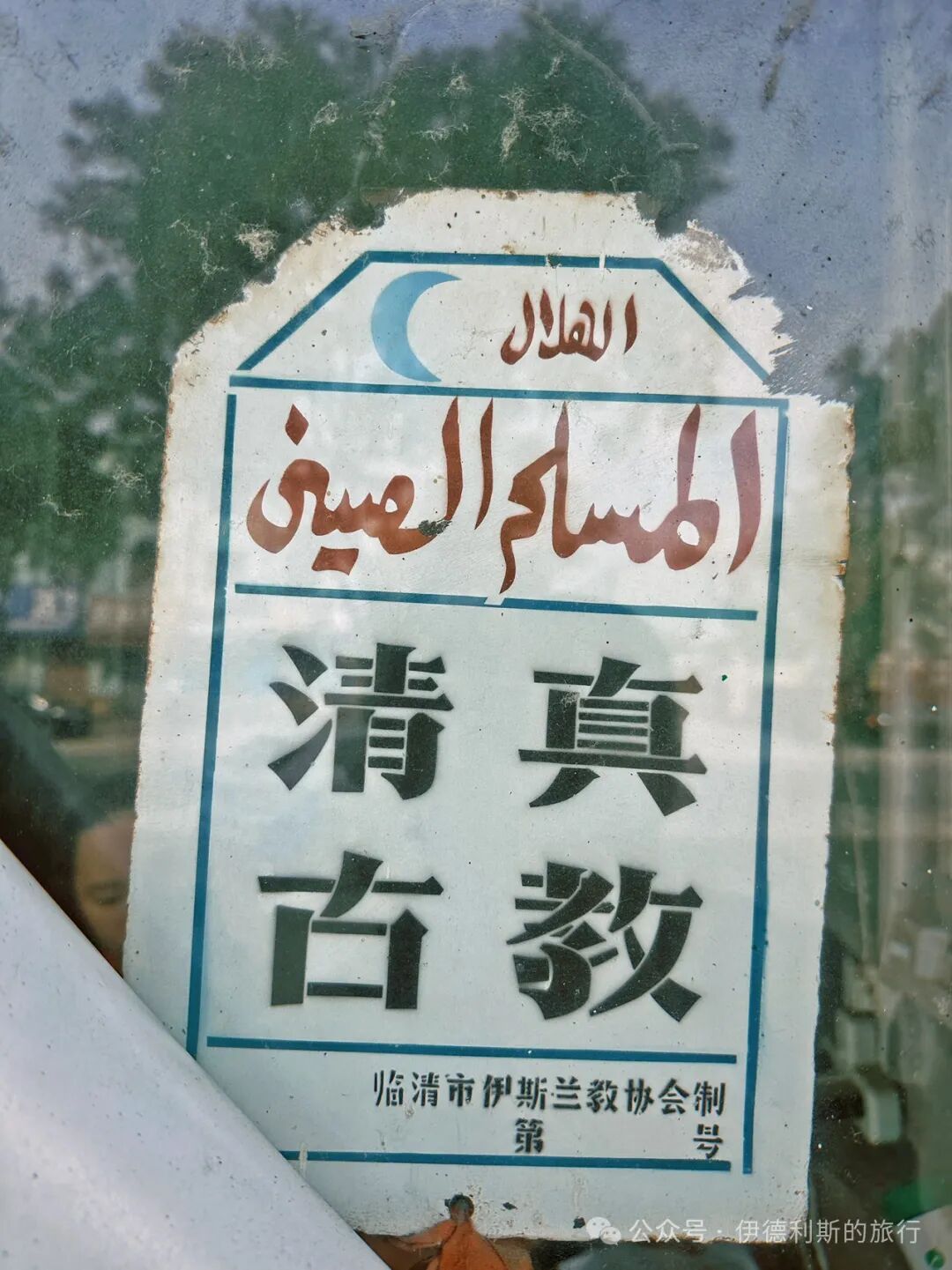
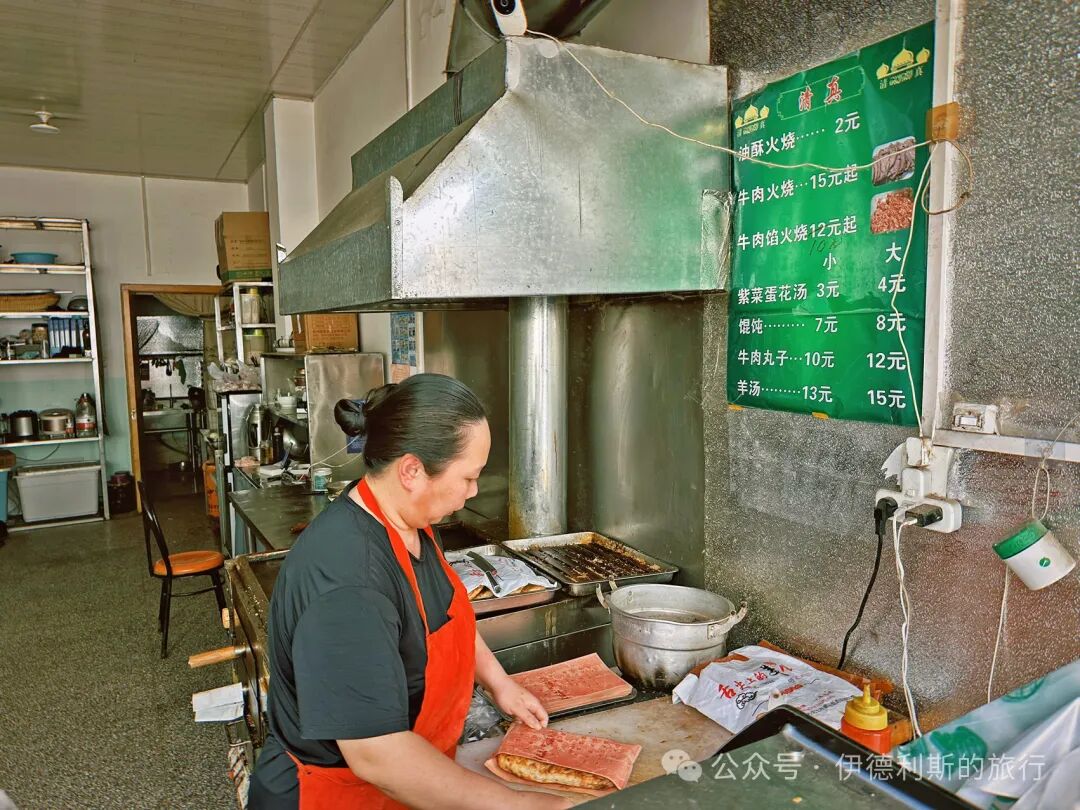
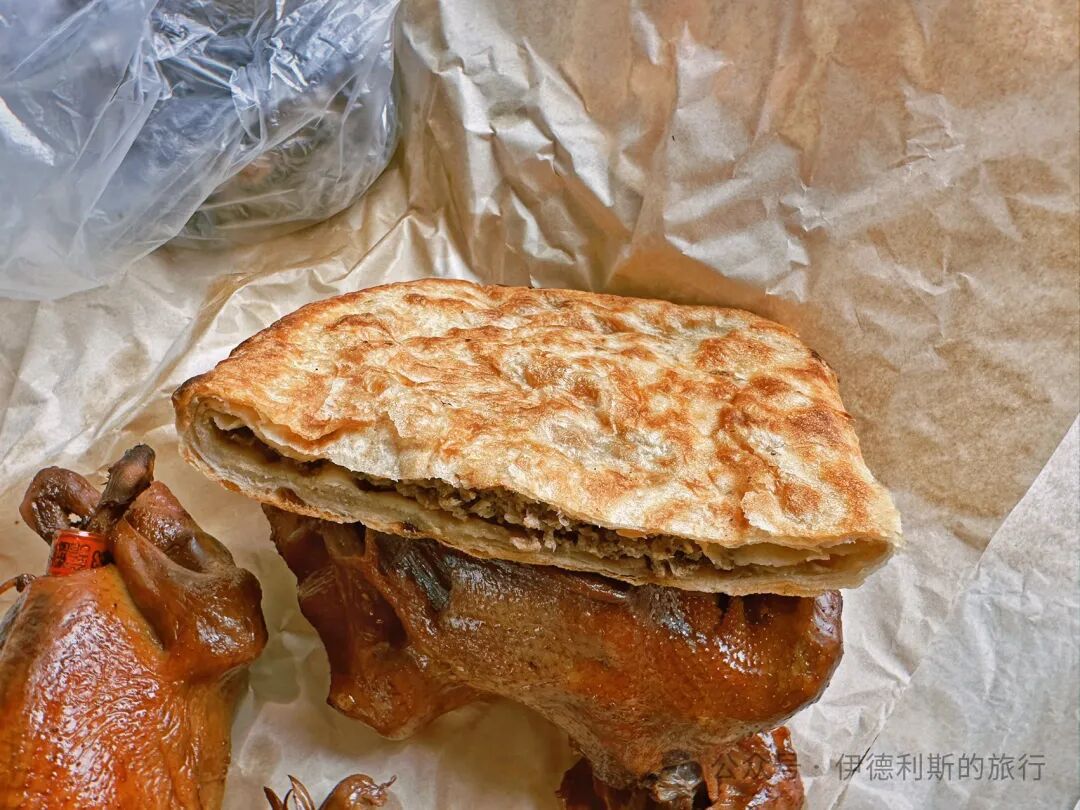
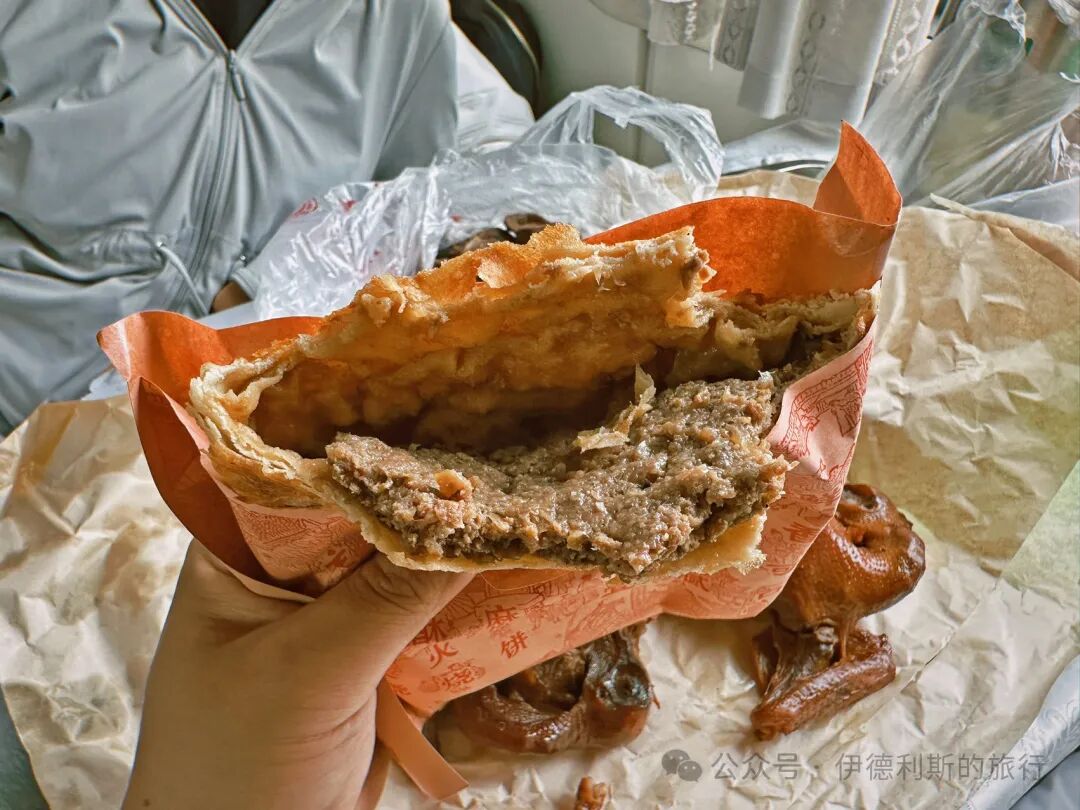
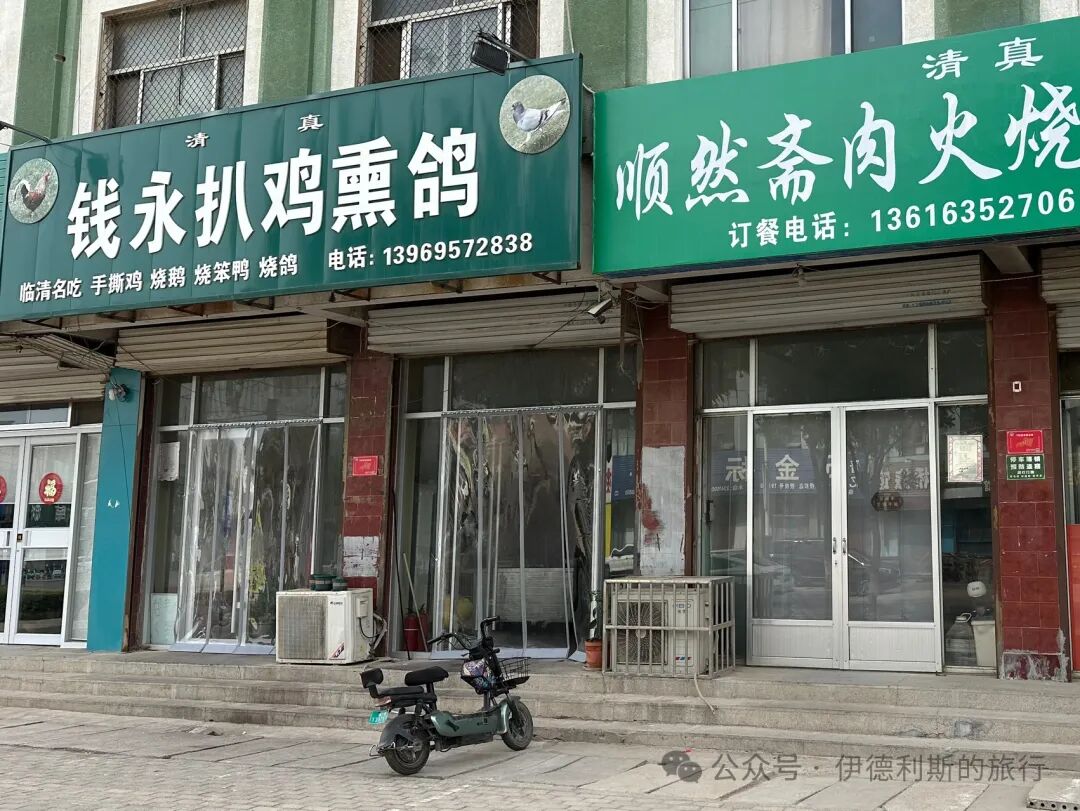
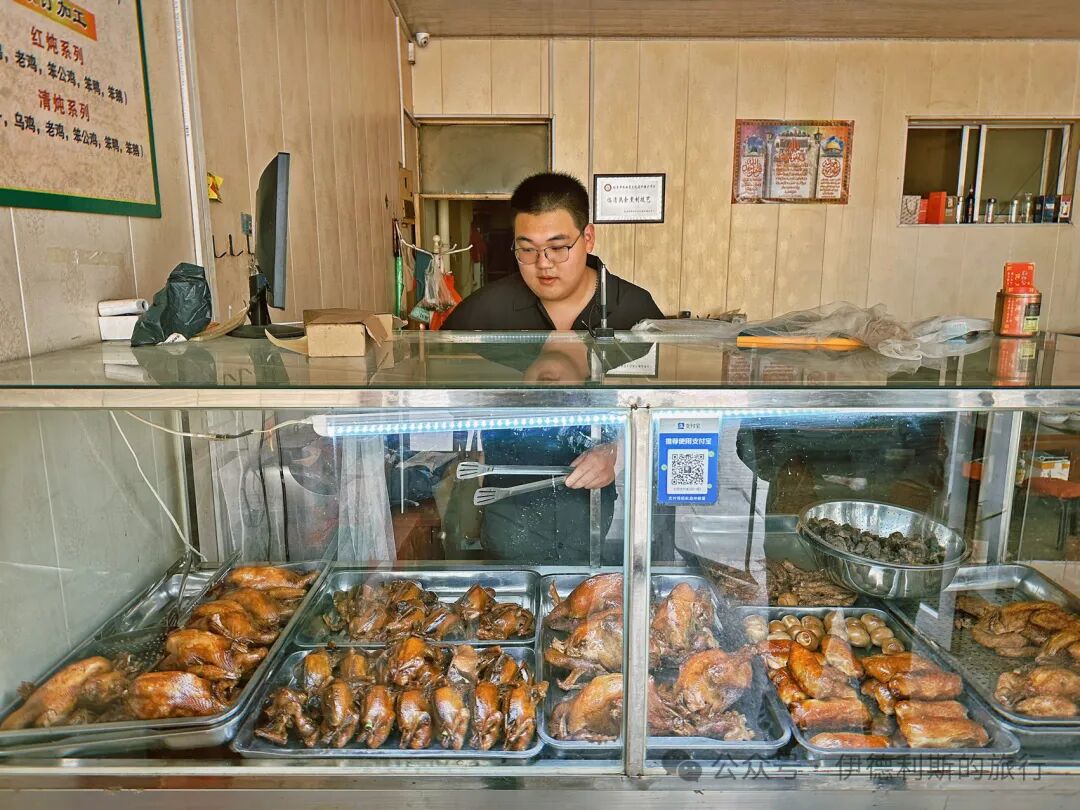
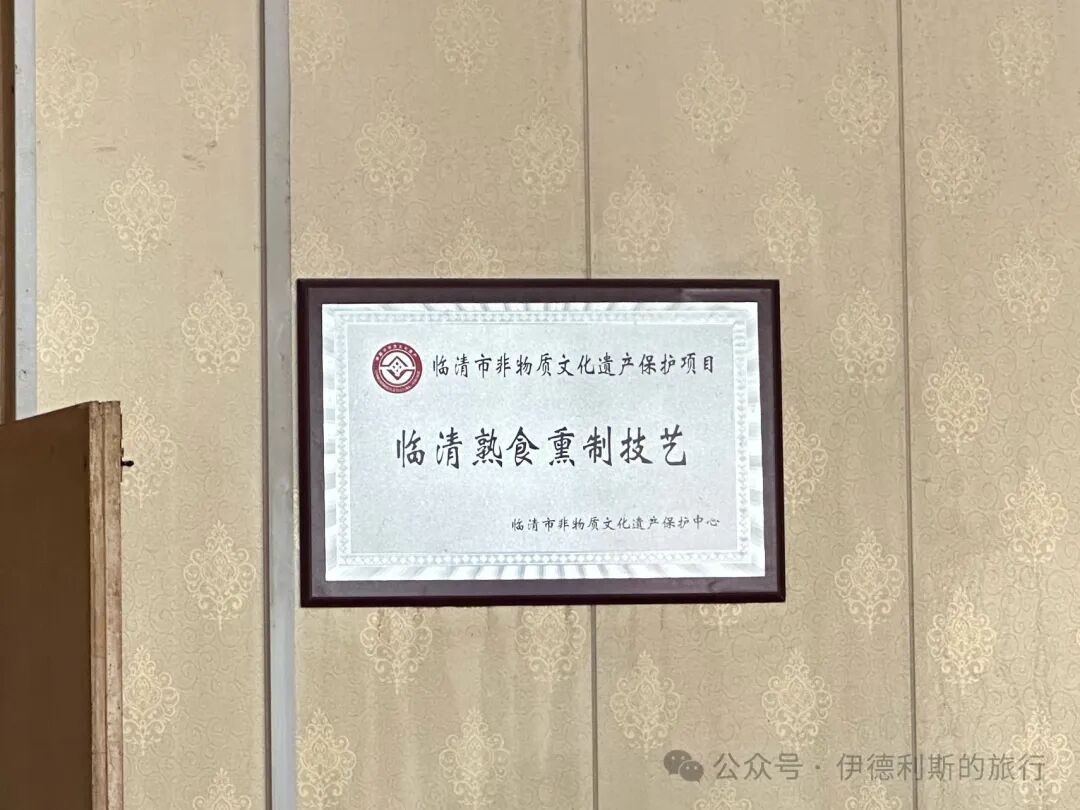
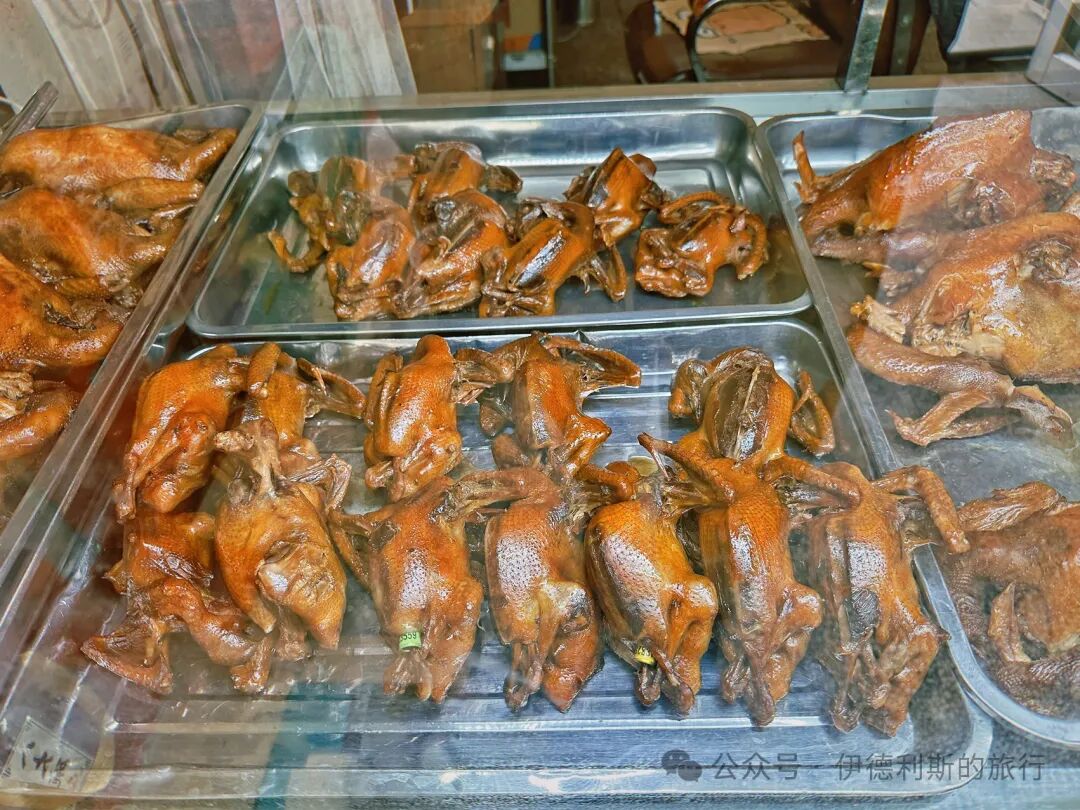
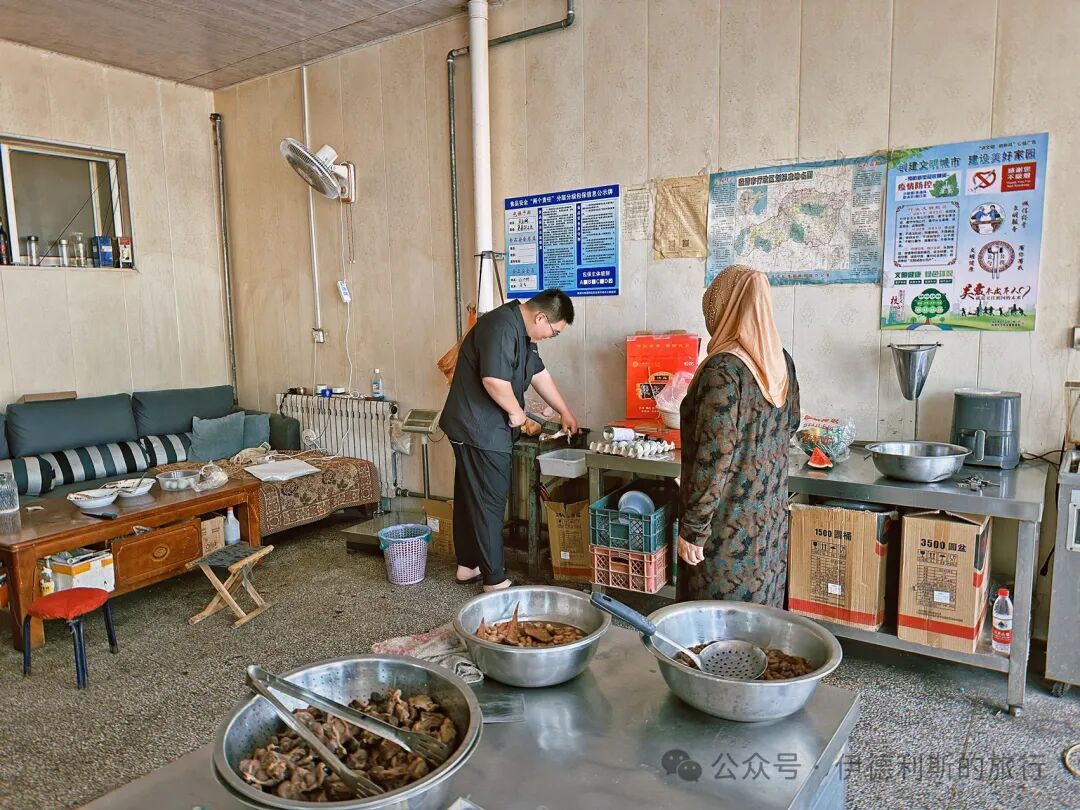
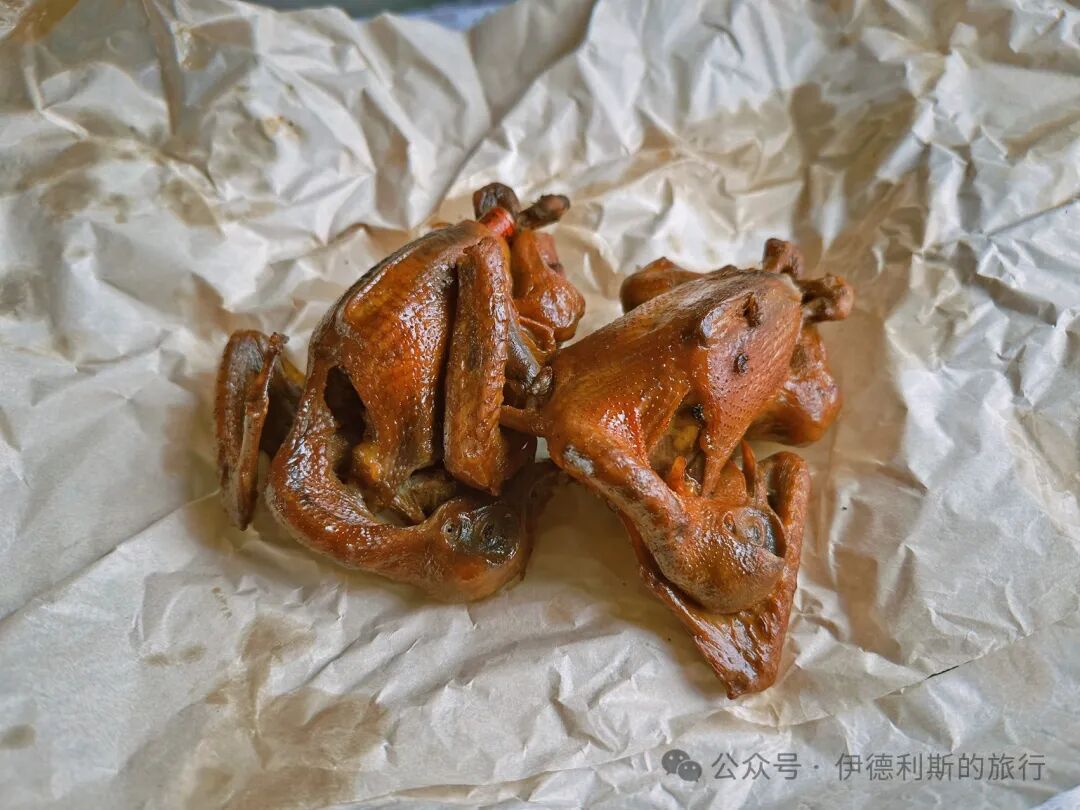
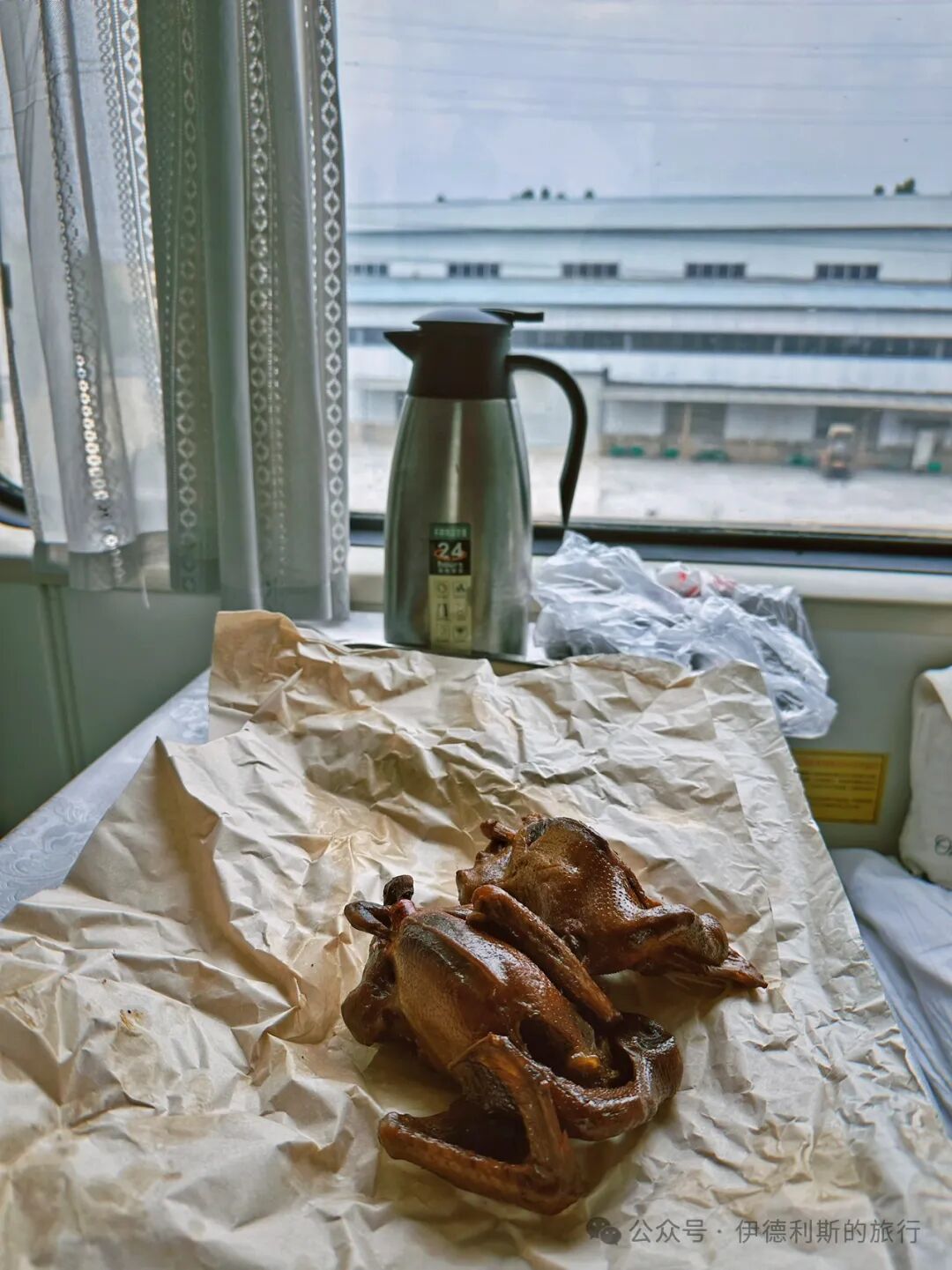
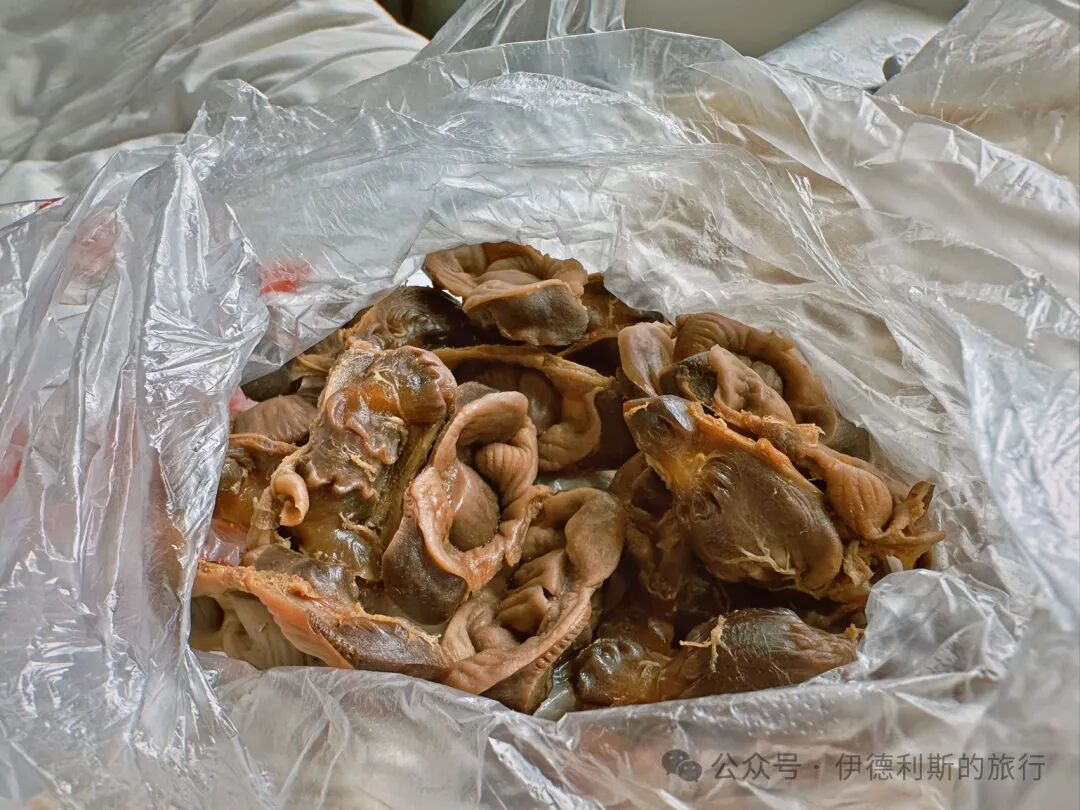
After buying the stuffed flatbread, we happened to run into the imam's wife from the Linqing Women's Mosque. She told us her family runs a braised chicken and smoked pigeon shop right next door, so we went in to take a look. Once inside, we learned that their shop is a city-level intangible cultural heritage site for Linqing smoked deli techniques. We bought two of their signature smoked pigeons and some chicken gizzards to eat on the train. The smoked pigeon was really fragrant. Even though it didn't have as much meat as chicken, the smoky flavor was delicious and worth eating.
Summary: Linqing, Shandong - Canal City Mosques, Food and History (Part 2) is presented as a clear English travel account for readers interested in Muslim life, halal food, mosques, and local history. The article keeps the original place names, food details, photographs, and cultural context while focusing on Linqing, Shandong, Canal History.
After the evening prayer (shamu), we ate big bowl dishes (dawan cai) at Erliang Diguo Millet Porridge, located at the intersection of Xianfeng Road and Dazhong Road in Linqing. They serve porridge and eight big bowls (ba da wan) in the morning, noodles in the afternoon, and big bowl dishes (dawan cai) at night, all of which look delicious. We ordered a serving of big bowl dishes and a cold appetizer. The big bowl dish had plenty of ingredients inside, and it felt very healthy to eat.
Zainab and I both really like the atmosphere in Linqing. There are few cars on the street at night, no delivery scooters, and it feels great to ride a shared electric bike around. There are many halal restaurants on Xianfeng Road. People sit on small stools outside the shops at night to eat and chat, which feels very relaxed.
Linqing at night is full of various halal restaurants and even a small halal night market.
We had breakfast at Kong Family Steamed Bowls (Kongjia kouwan) at the intersection of Xianfeng Road, where we ate braised pork and steamed pork tenderloin (liji kouwan) with steamed buns (mantou). Turning the traditional steamed bowls (kouwan) from North China's scripture hall banquets into a breakfast seems to be a local specialty of Linqing, allowing tourists like us to enjoy traditional banquet dishes. They keep their steamed bowls (kouwan) in a large steamer. They have many kinds like pine-flower egg (songhua), meatballs (wanzi), pork tenderloin (liji), starch jelly (menzi), and braised pork (shaorou). You pick what you want, they flip it into a bowl, pour broth over it, and it is ready to eat.
Their shop was originally the Taoyuan Street Supply and Marketing Cooperative built in the 1970s. Eating here feels very retro. Besides selling steamed bowls in the morning, they also sell cold noodles (liangmian) at noon, which is another specialty of Linqing.
After finishing the steamed bowls, I went to Xianfeng Road to eat tofu pudding (doufunao) and firm tofu (laodoufu). Breakfast shops in Linqing sell both tofu pudding and firm tofu. The difference is that tofu pudding is set with gypsum, making the texture smooth and delicate. Firm tofu is set with brine, making the texture tough and chewy. I like both kinds.
At noon, we ate Wang Family Ten-Fragrance Noodles (shixiangmian) on Xinhua Road. Ten-Fragrance Noodles are also called Assorted-Fragrance Noodles (shixiangmian). The main feature is the large variety of vegetable toppings. A deluxe bowl can have over eighteen types, and the ingredients change based on the solar terms. The toppings mainly include stir-fried minced meat with eggplant strips, mung bean sprouts, chives, minced garlic sprouts, minced green beans, and tomato with egg. You also get fresh shredded cucumber, minced carrots, and pickled vegetables like pickled melon (jianggua), salted mustard greens (xian gede), and minced chive flowers (jiuhua mo), all finished with a drizzle of sesame paste. The homemade version we ate wasn't quite as elaborate, but it still had plenty of variety.
Hongguanying Mosque
At noon, we went to the Hongguanying Mosque in Linxi County, Xingtai, Hebei. Linxi County in Xingtai is actually right on the west side of the Wei Canal in Linqing. Once you cross the Xianfeng Bridge, there is a bus that goes to Hongguanying.
Hongguanying gets its name from the Hong family of Hui Muslims. According to the Linqing Hong Family Genealogy, the ancestor of the Hong family of Hui Muslims was Sayyid Ajjal Shams al-Din. His sixth-generation descendant, Hong Badan, served as an official in Linqing during the Ming Dynasty. His descendants took Hong as their surname and settled in Linqing. One branch settled in the urban area of Linqing and once built the Hong Family Mosque, but unfortunately, it no longer exists. Another group settled in Hongguanying Village and built the Hongguanying Mosque. The Hongguanying Mosque was first built between the Xuande and Tianshun periods of the Ming Dynasty. It was burned down in 1854 during the Northern Expedition of the Taiping Rebellion and rebuilt into its current form in 1874.
We were warmly welcomed at the Hongguanying Mosque by Imam Lan. He is skilled at Arabic calligraphy, and his scripture paintings and stone carvings are very impressive. I was very lucky to receive a one-stroke Basmala (tasmi) as a gift from Imam Lan.
On the road heading west from Linqing to Hongguanying, we saw wheat fields, the Wei Canal, and Hui Muslim villages. The Xianfeng Bridge over the Wei Canal was built in 1959 and expanded in 1974. It was once very famous, but it stopped allowing motor vehicles in 1992 and is now a protected cultural site.
Returning from Hongguanying to downtown Linqing, we found that most restaurants here are closed between 2:00 PM and 5:00 PM. We found a place that sells deep-stir-fried meat tenderloin (ganzha liji) and bought some to eat on the train. I tried it as soon as I got on the train and it was super delicious! It was fried but not greasy at all. It even tasted great cold, just like a snack, and I couldn't stop eating it. Then we went to a shop that sells meat flatbreads (huoshao) and stuffed flatbreads (xian huoshao). There are many ways to make flatbreads here in Linqing. We bought a beef-stuffed flatbread, and it was packed with filling. I think it tasted much better than the ones I've had in Beijing.
The last photo shows two shops next to the Linqing No. 1 Kindergarten. One is a stationery shop that also serves breakfast, and the other is a sesame oil shop that provides lunch and tutoring for students. I thought that was really interesting.
After buying the stuffed flatbread, we happened to run into the imam's wife from the Linqing Women's Mosque. She told us her family runs a braised chicken and smoked pigeon shop right next door, so we went in to take a look. Once inside, we learned that their shop is a city-level intangible cultural heritage site for Linqing smoked deli techniques. We bought two of their signature smoked pigeons and some chicken gizzards to eat on the train. The smoked pigeon was really fragrant. Even though it didn't have as much meat as chicken, the smoky flavor was delicious and worth eating.
