
Halal Travel Guide: Linqing, Shandong - Canal City Mosques, Food and History (Part 1)
Reposted from the web
Summary: Linqing, Shandong - Canal City Mosques, Food and History (Part 1) is presented as a clear English travel account for readers interested in Muslim life, halal food, mosques, and local history. The article keeps the original place names, food details, photographs, and cultural context while focusing on Linqing, Shandong, Canal History.
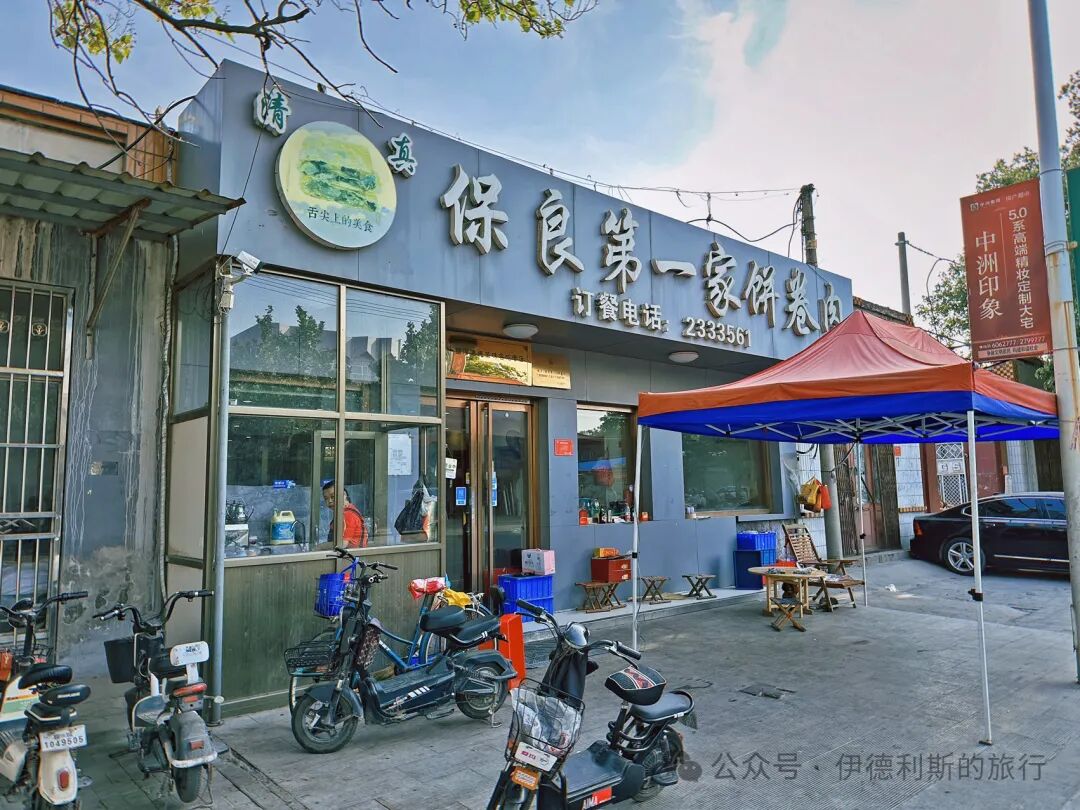
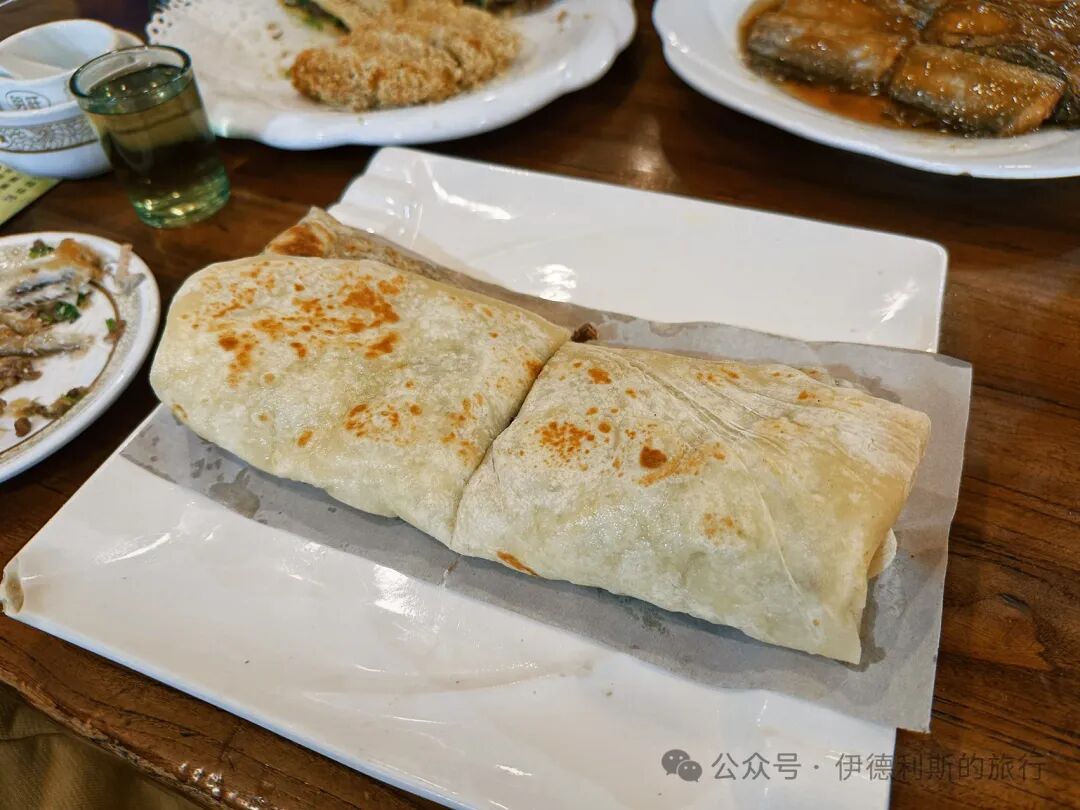
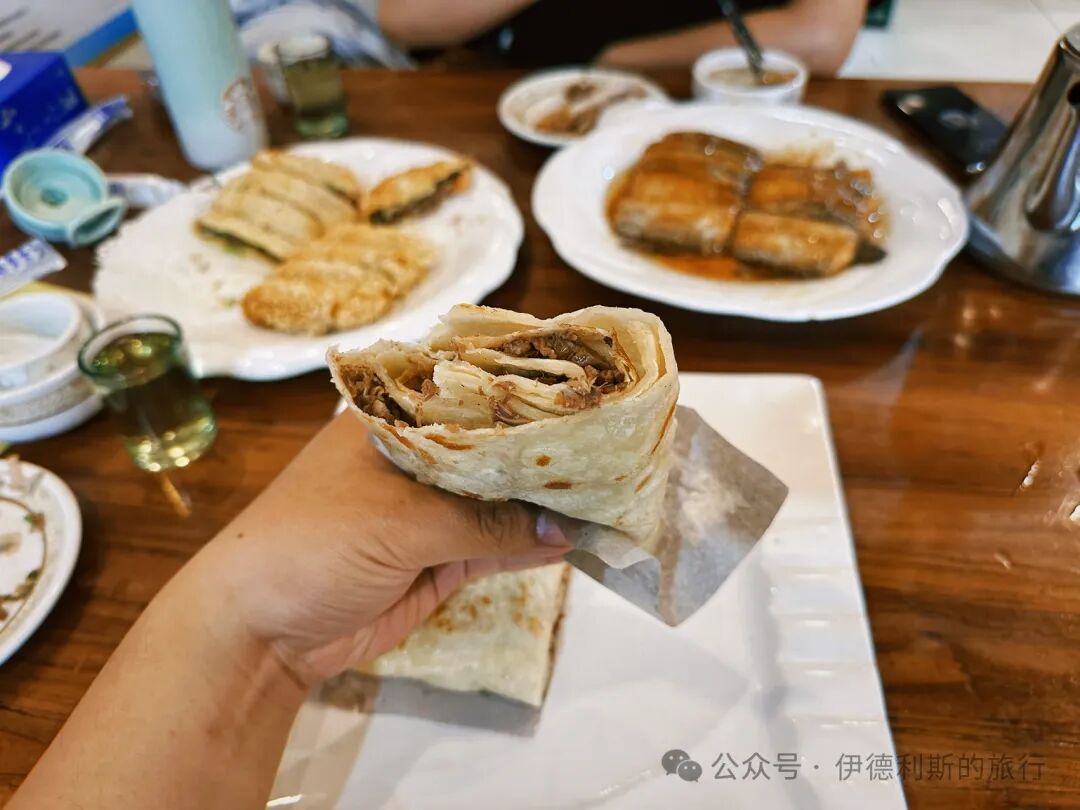
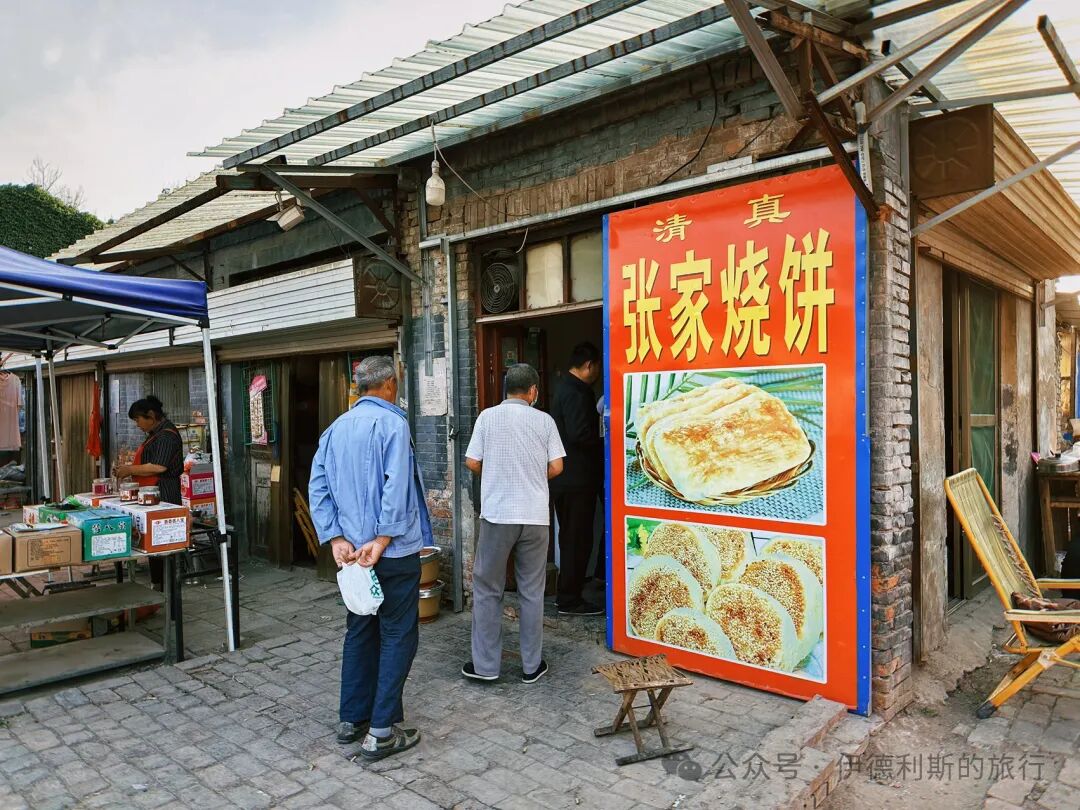
Following my last post, 'Revisiting the Big and Small Mosque Streets in Dongguan, Liaocheng,' we took an afternoon train from Liaocheng to Linqing. We went straight to Baoliang's First Shop for a meat-filled flatbread roll (bingjuanrou). Wang Baoliang opened this shop in the 1980s, so it has been around for 40 years now. I ate their meat-filled flatbread roll back in 2017, and it was truly satisfying. The price of the roll has gone up by 5 yuan since my last visit, but it still tastes great.
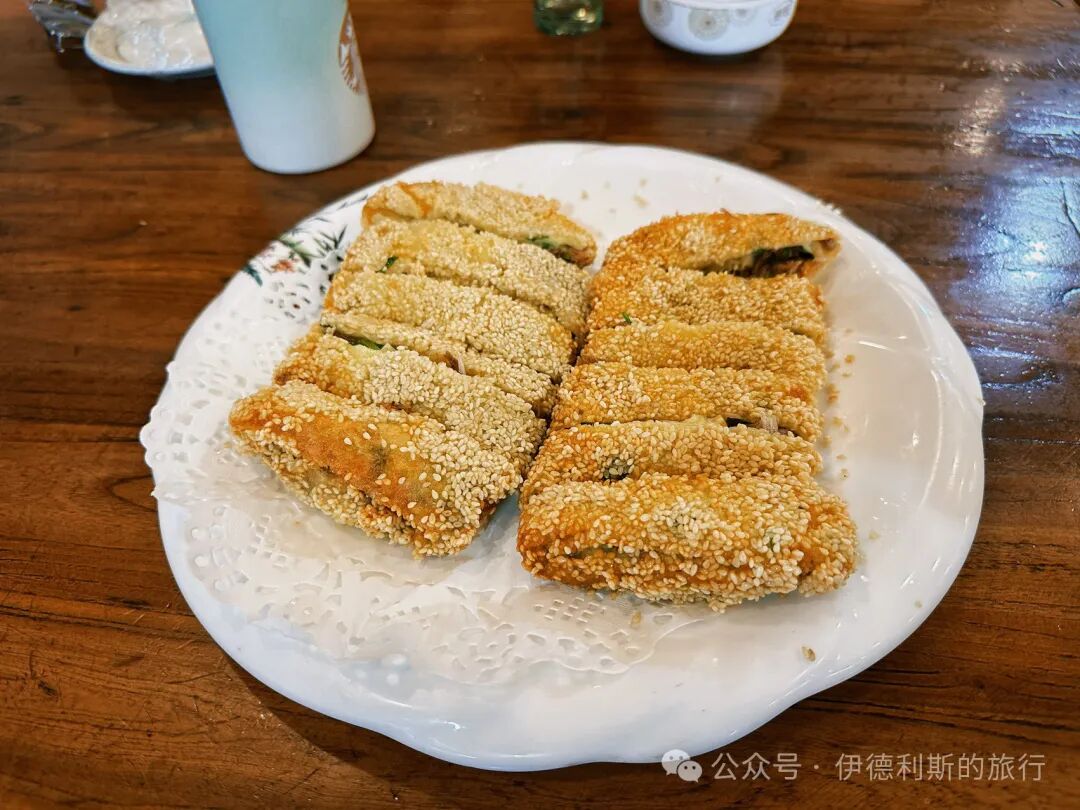
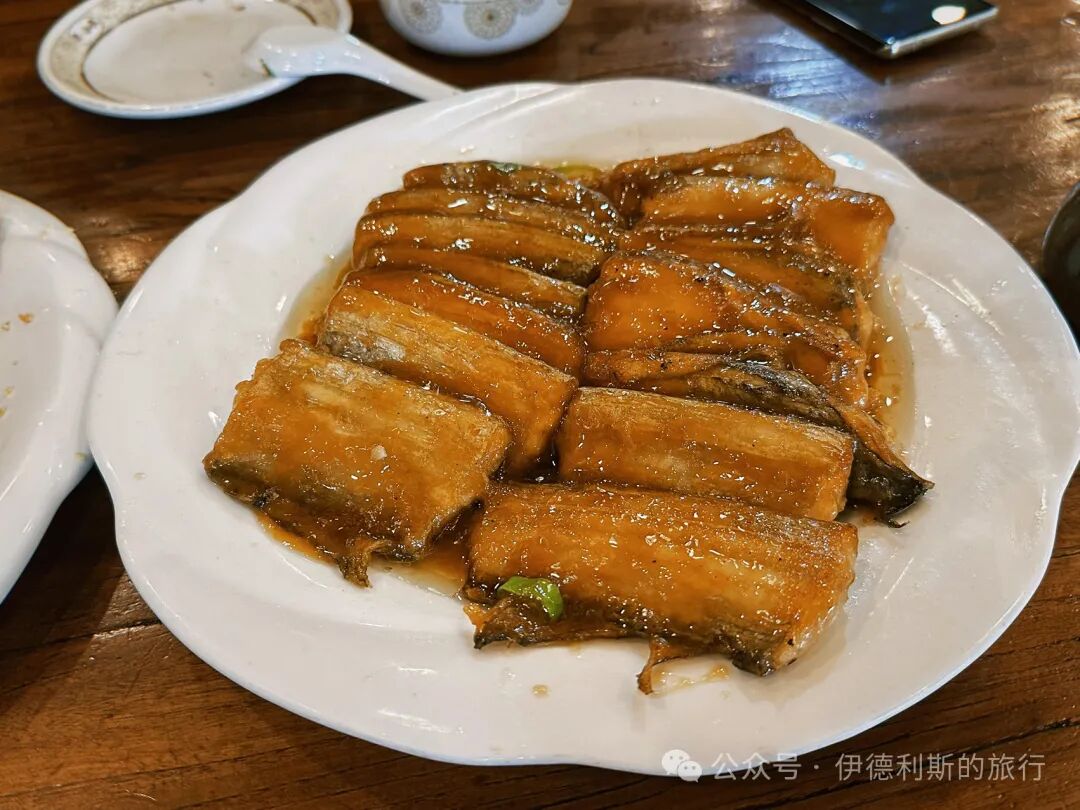
Last time, I ordered the braised butterfly fish head, which was delicious, but I did not choose my dishes as well this time. This time, I ordered sesame beef and pan-braised hairtail fish. The meat in the sesame beef is the same as the meat in the flatbread roll, so I ended up ordering the same thing twice. The pan-braised hairtail fish had a fishy smell. I think ordering the braised hairtail or fried hairtail would have been a better choice.
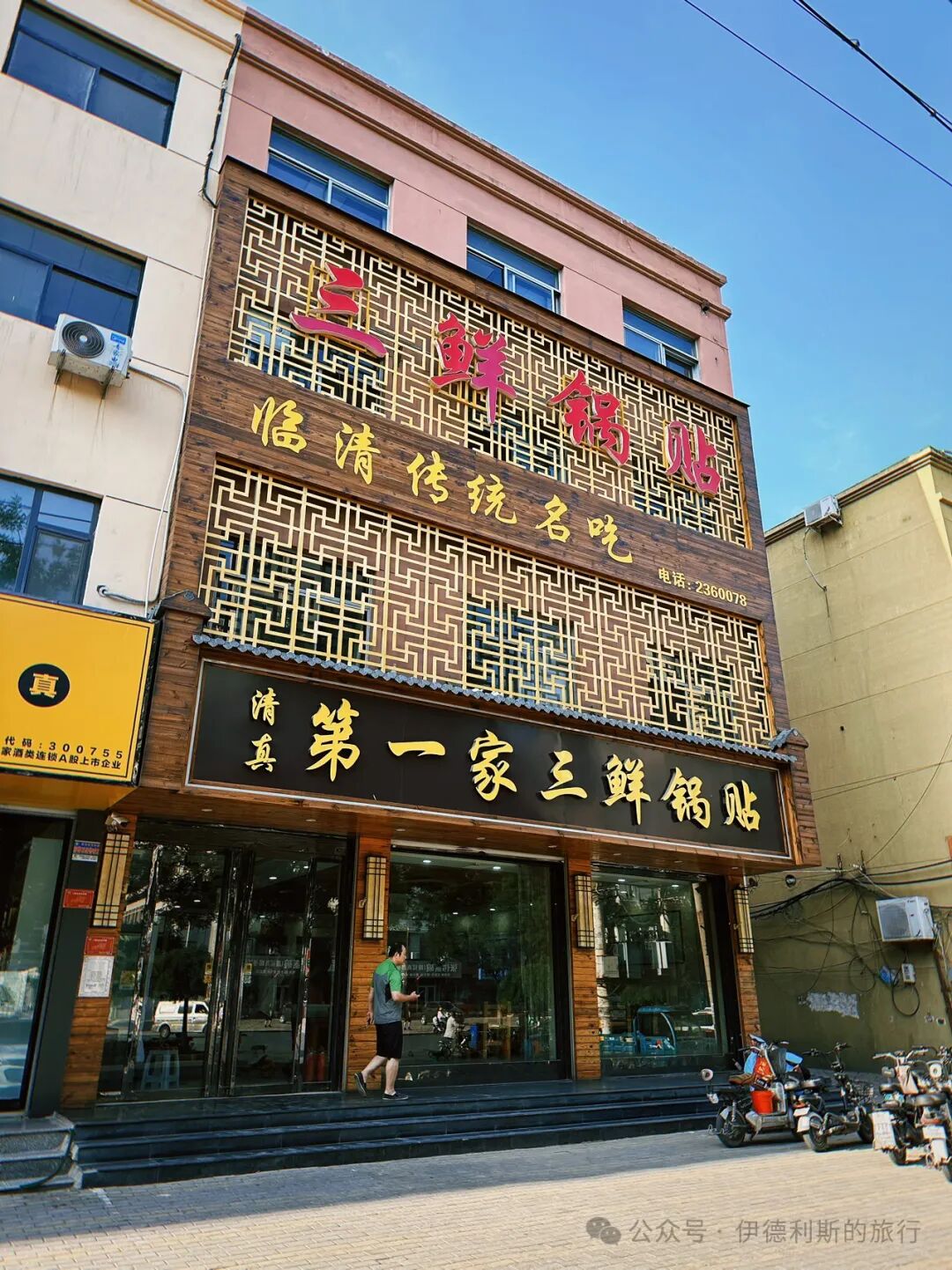
Leaving Linqing Railway Station, I passed by the First Family Three-Fresh Potstickers (diyijia sanxian guotie). I ate there when I visited Linqing 17 years ago, and it remains the best Shandong cuisine I have ever had, especially the sesame lamb which was delicious.
Linqing North Mosque
I spent the afternoon performing namaz at the Linqing North Mosque. Linqing North Mosque sits where the Huitong River and Wei River meet. It was first built in 1504 (the seventh year of the Hongzhi reign of the Ming Dynasty). It underwent major expansions in 1564 (the 43rd year of the Jiajing reign), 1779 (the 44th year of the Qianlong reign), and 1809 (the 14th year of the Jiaqing reign) to reach its current form.
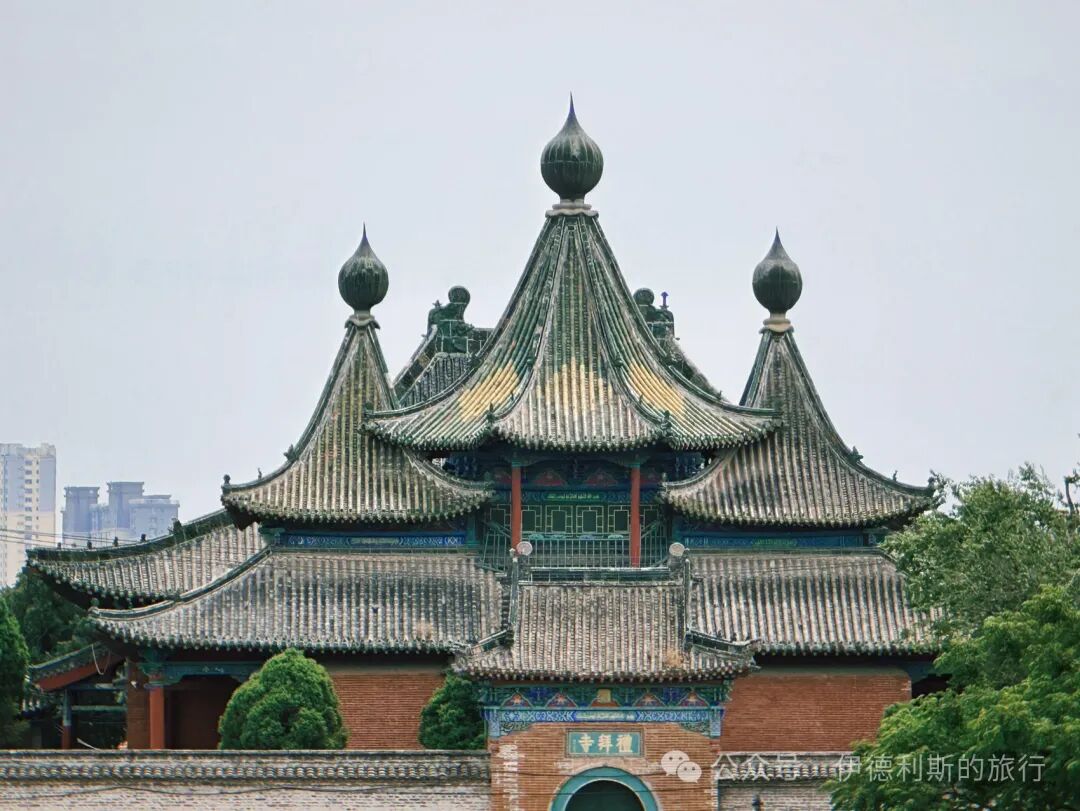
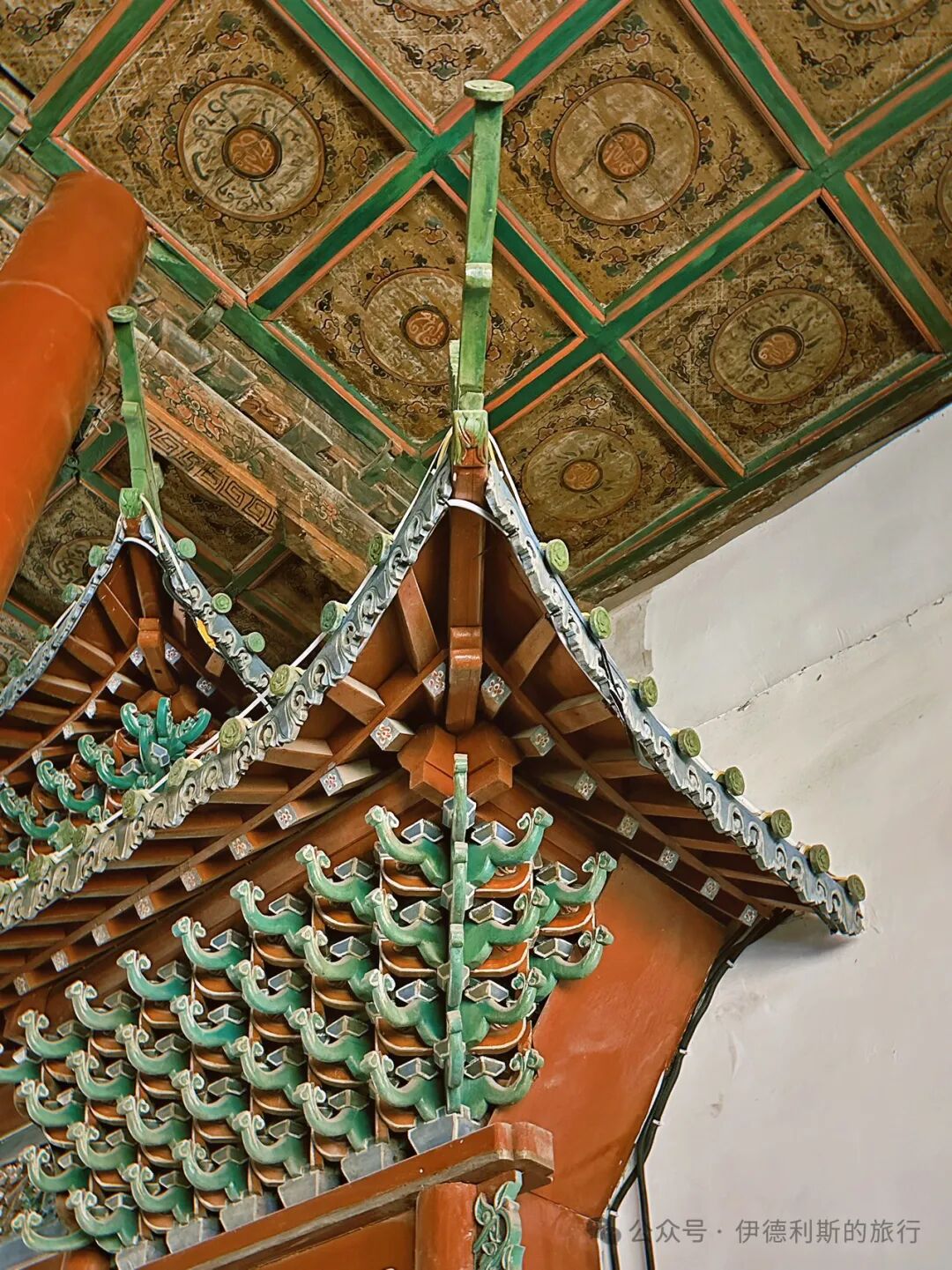
The main hall of Linqing North Mosque stands on a 1-meter-high stone platform and consists of a porch, the main hall, and a rear kiln-style hall (yaodian), making it very grand. The roof of the kiln-style hall has three moon-watching towers. The middle one has an octagonal pointed roof, while the two sides have square pointed roofs, all topped with peach-shaped finials.
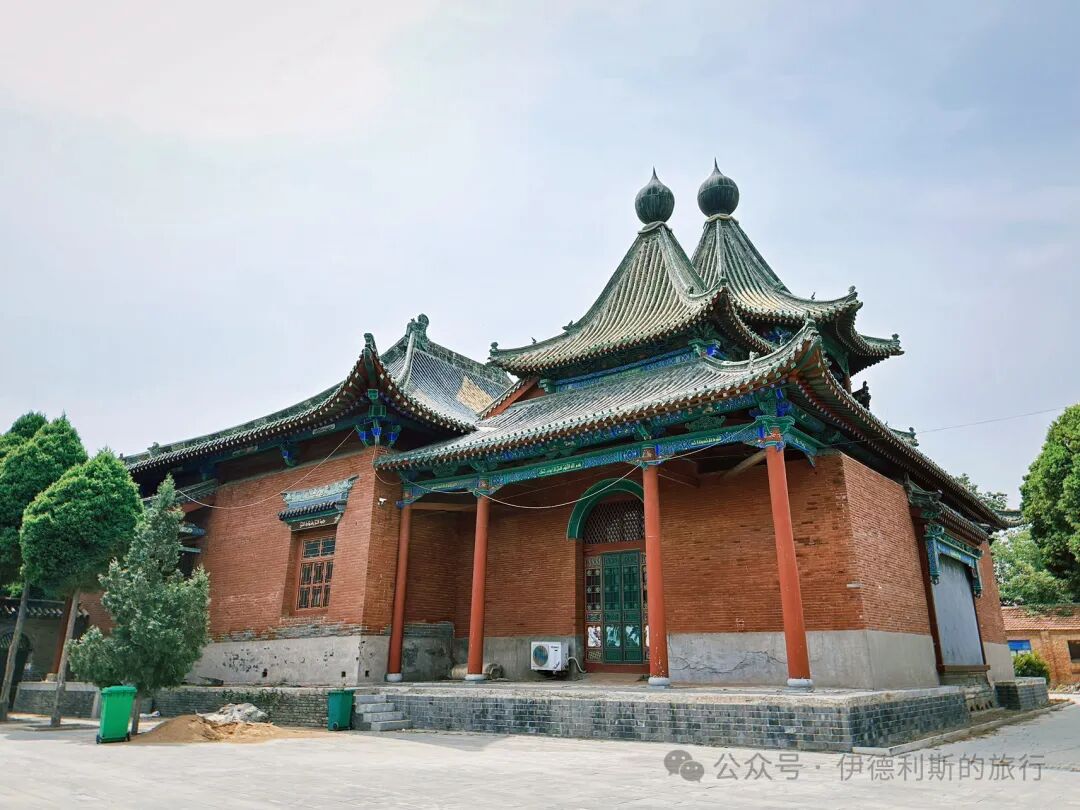
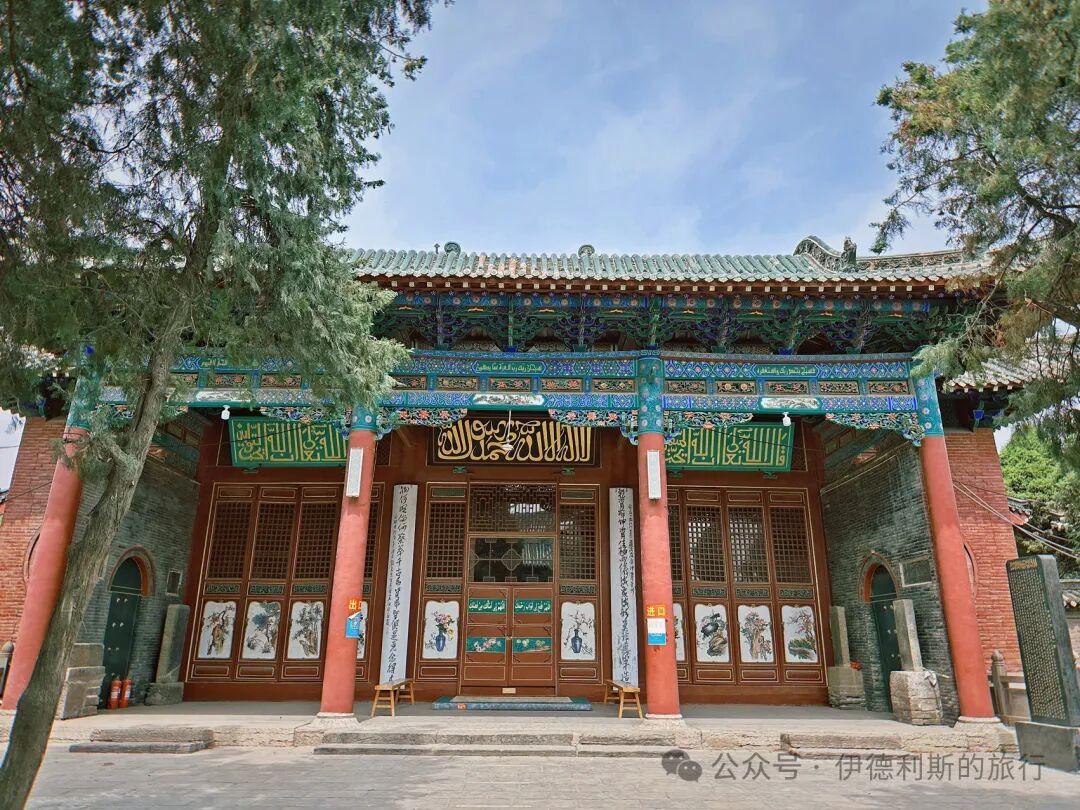
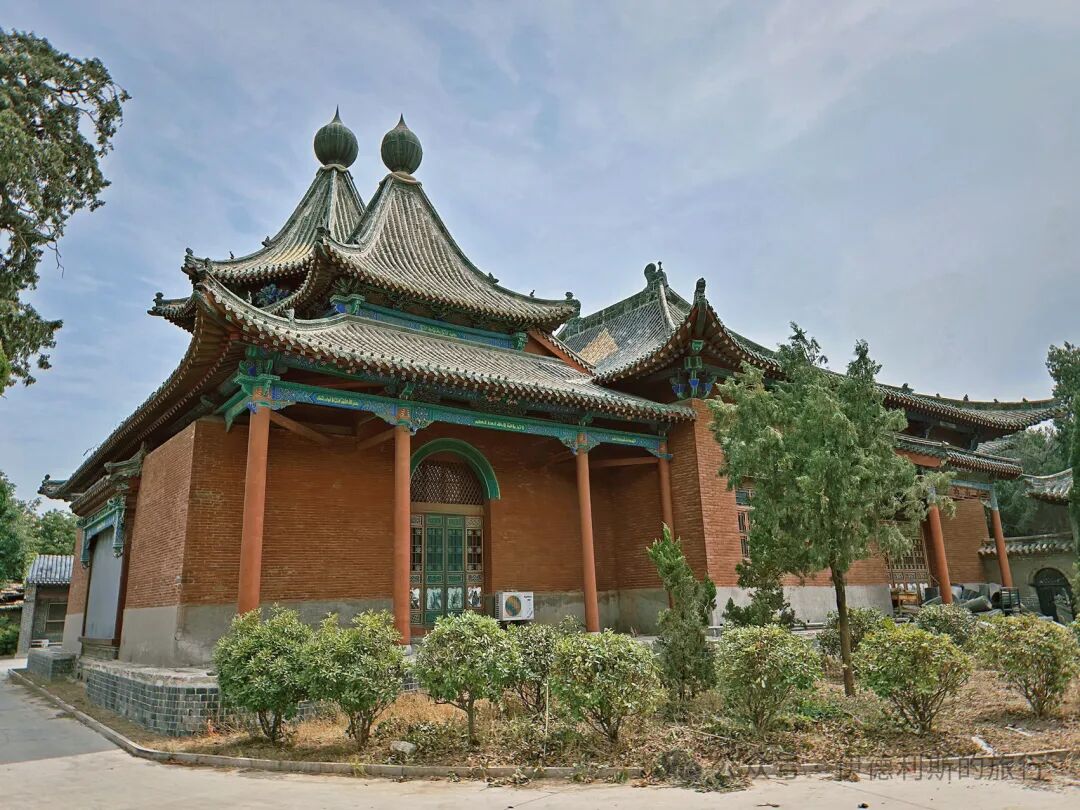
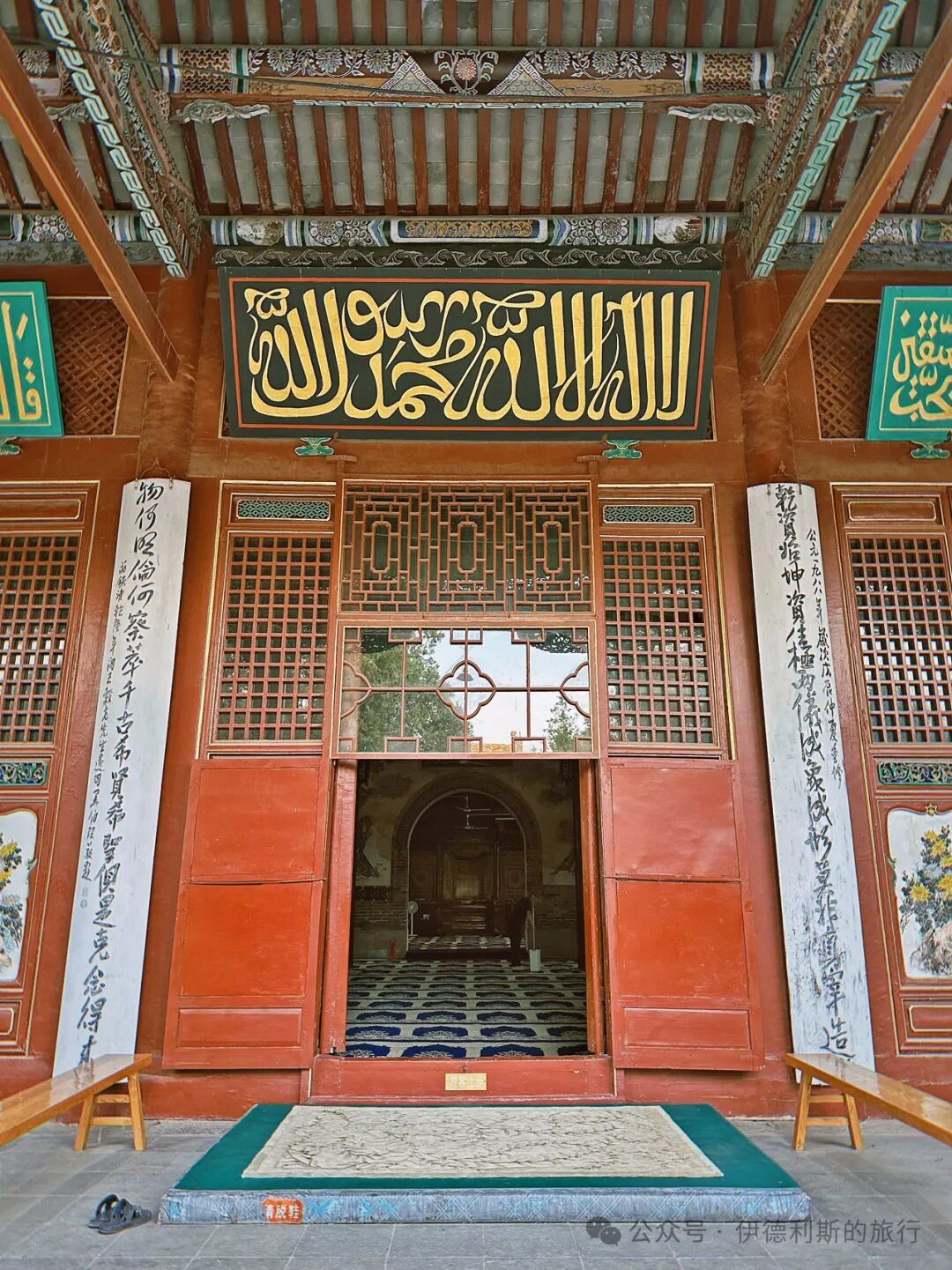
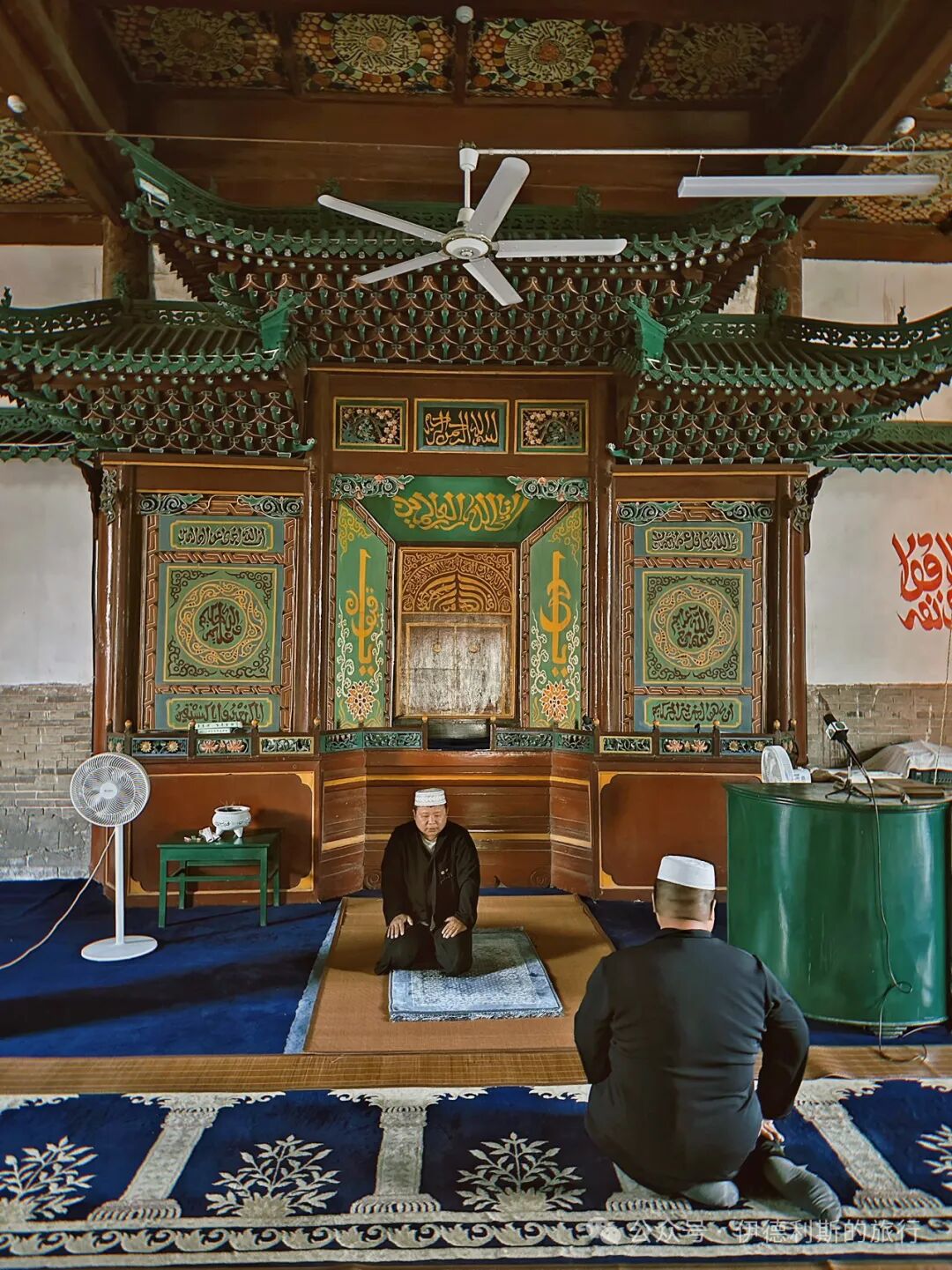
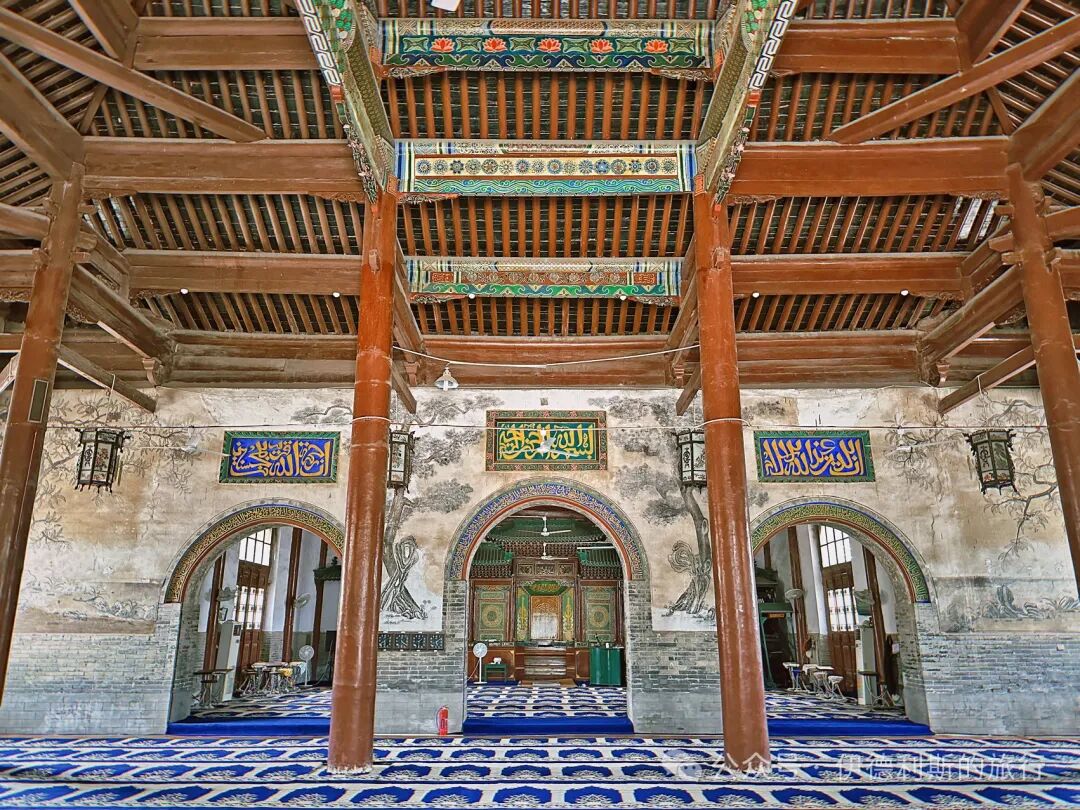
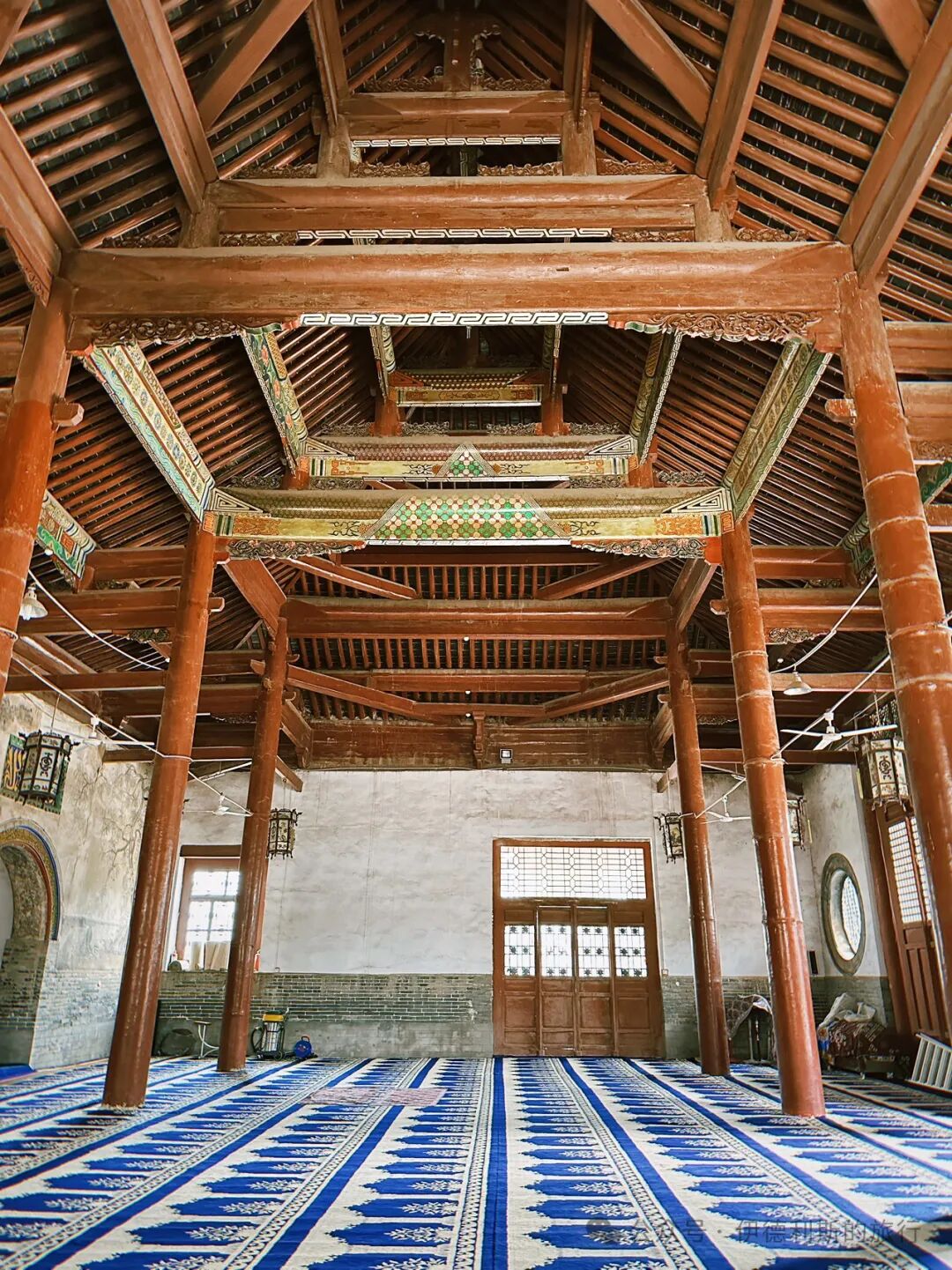
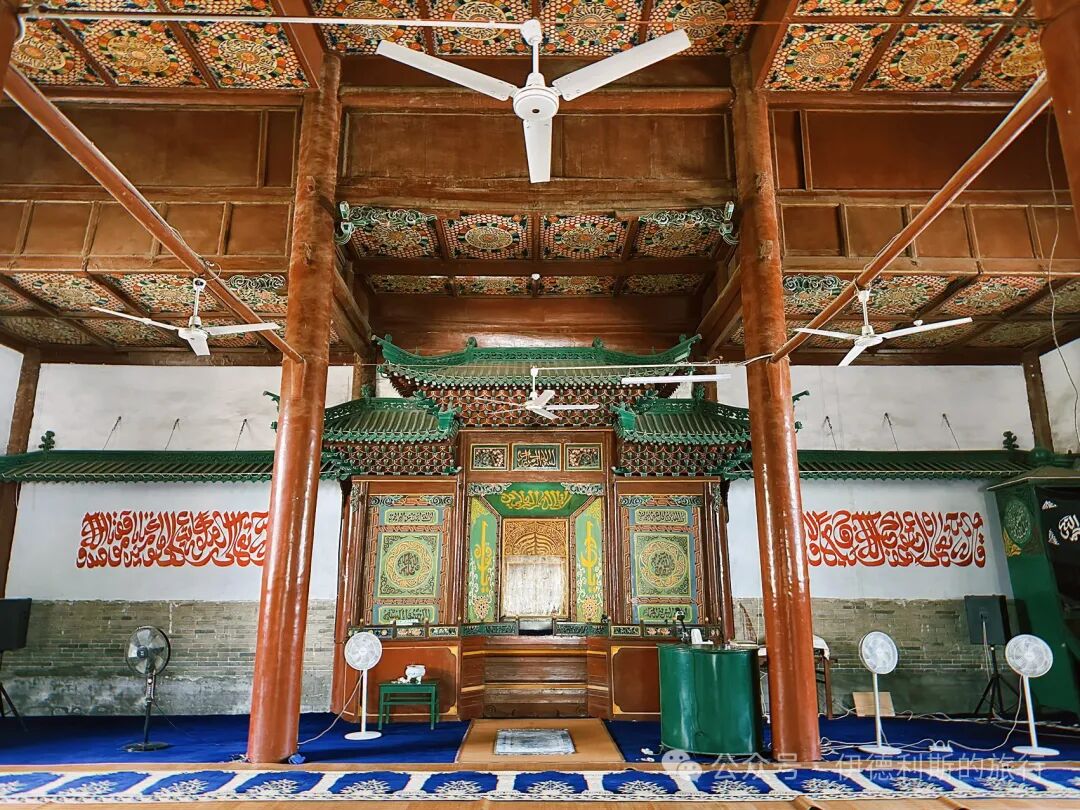
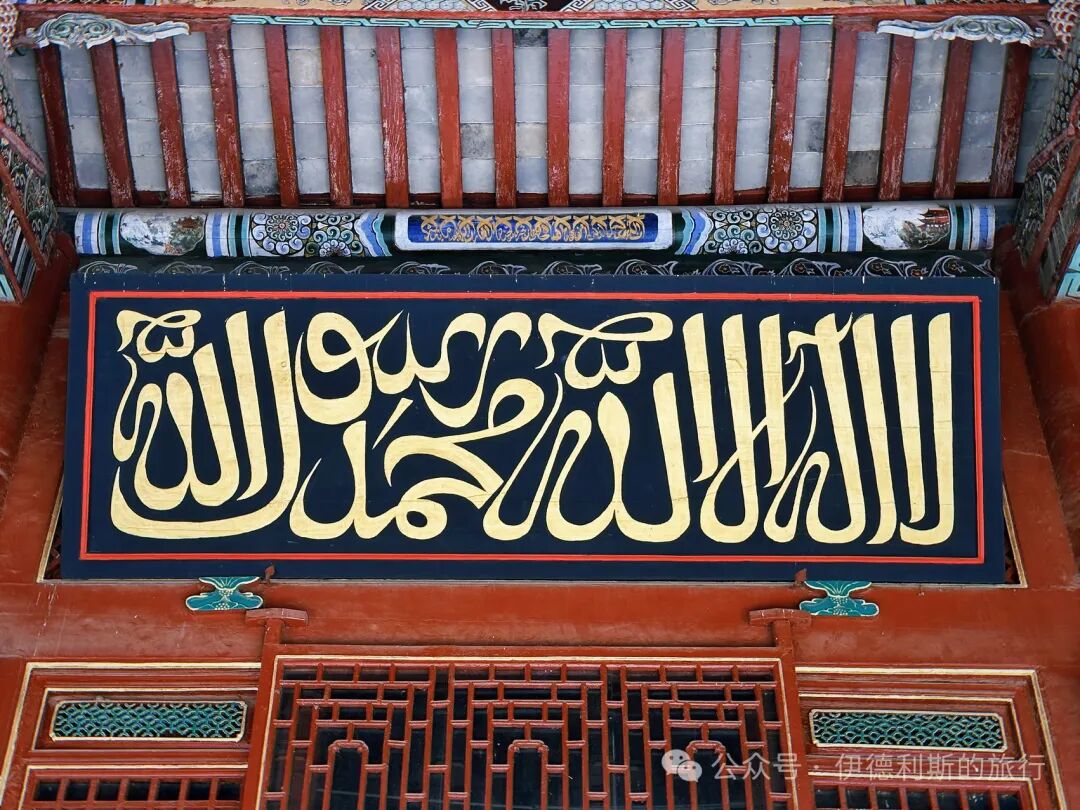
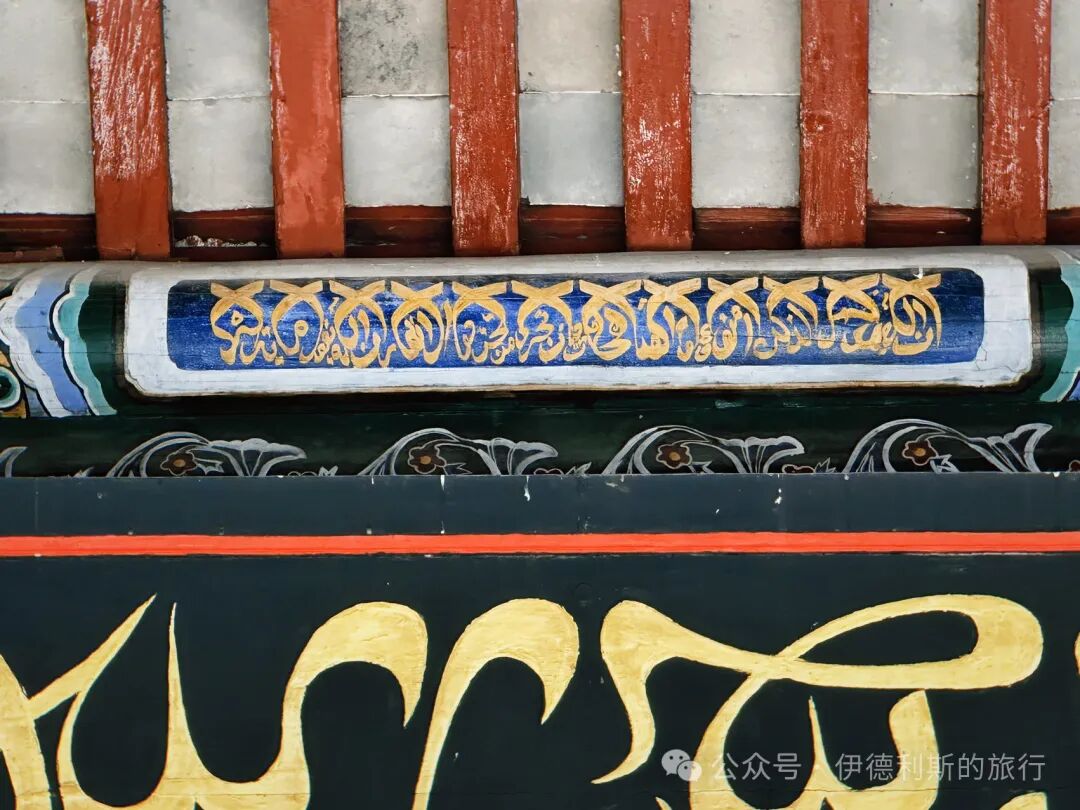
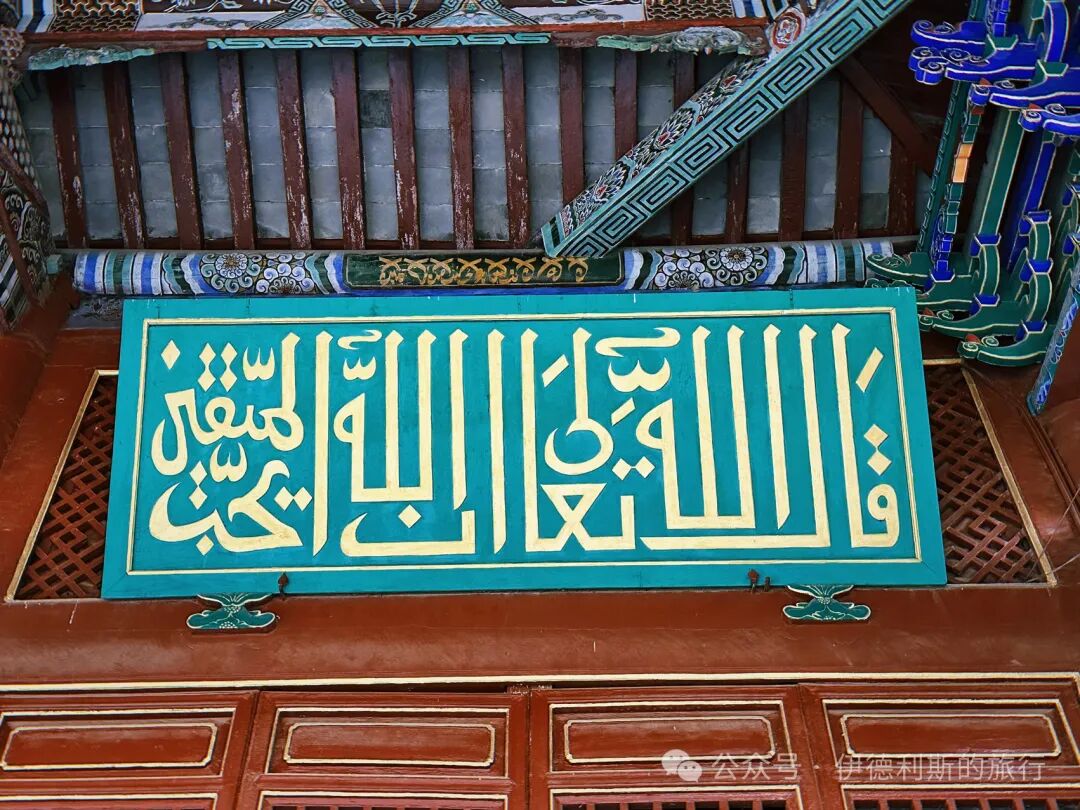
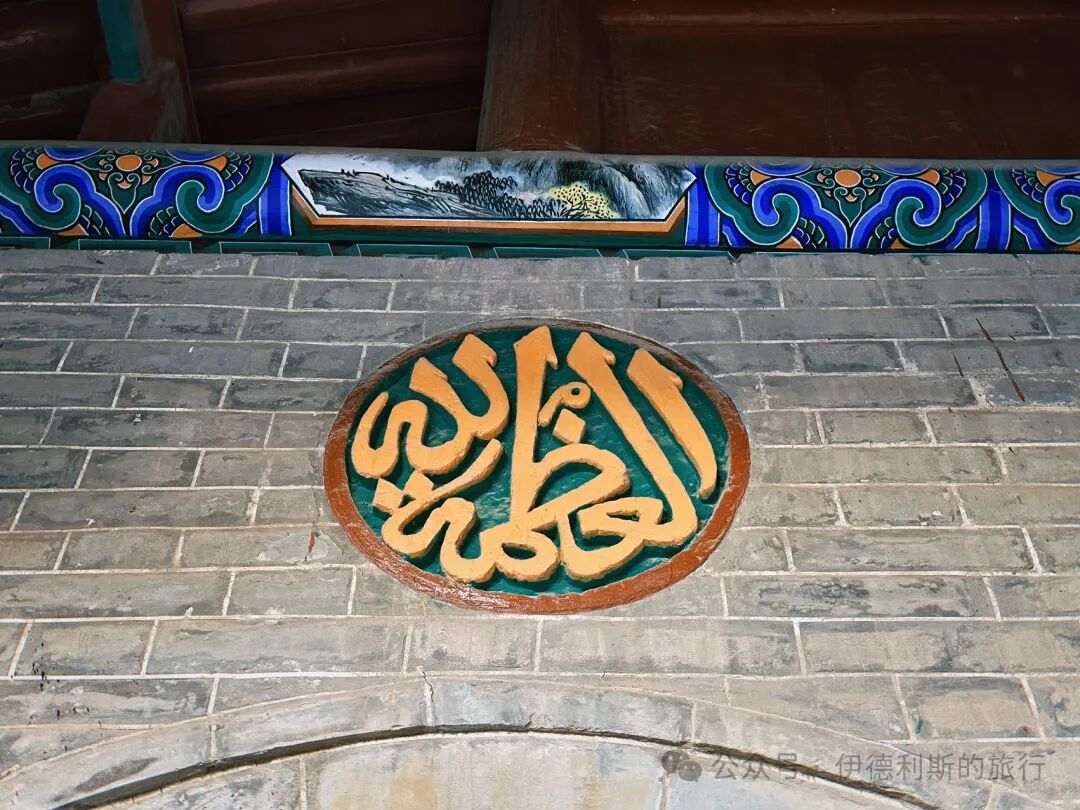
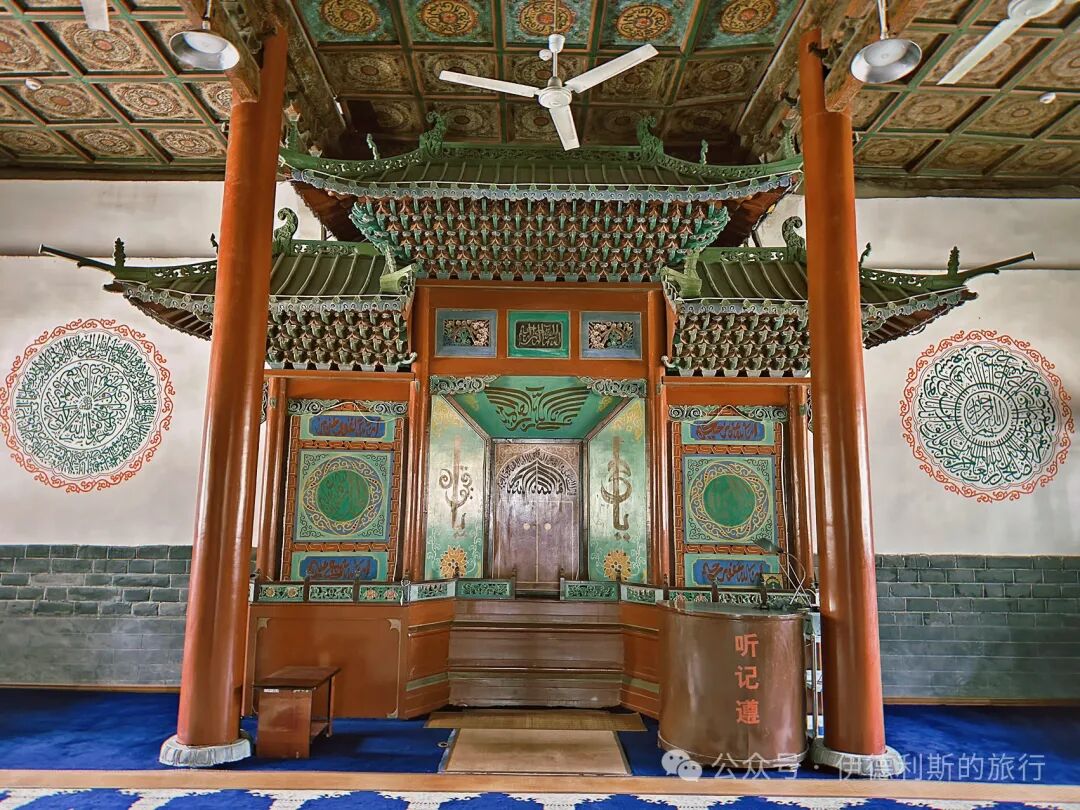
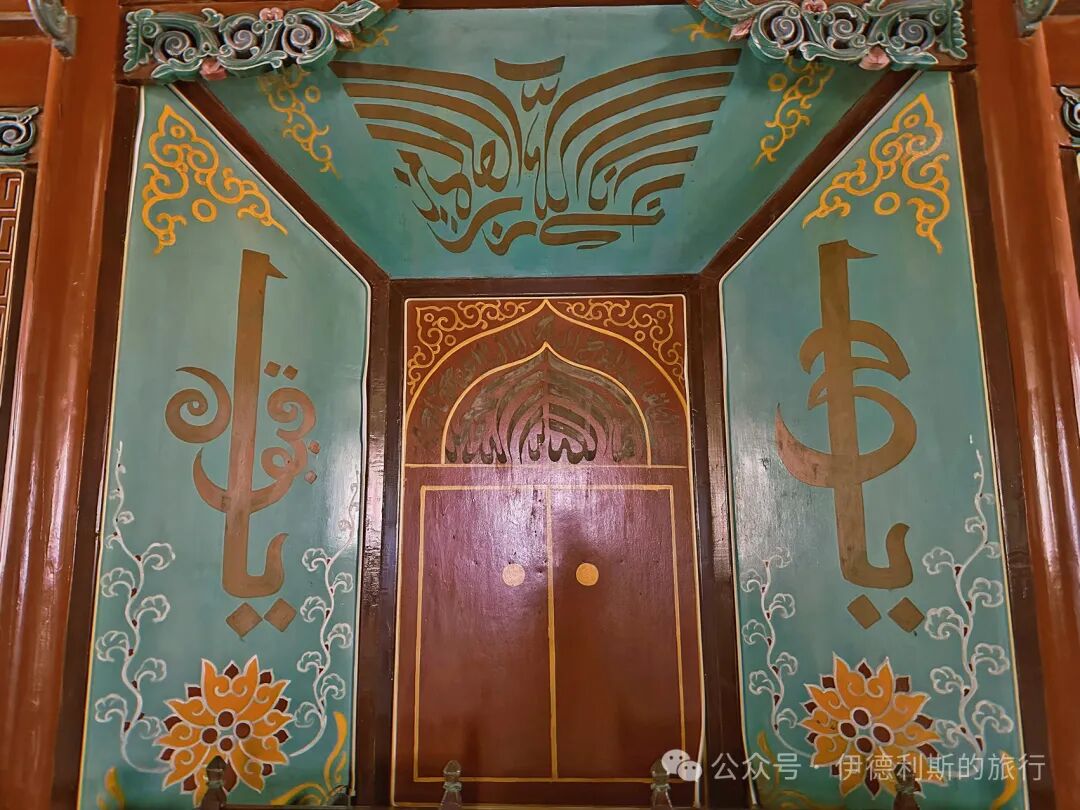
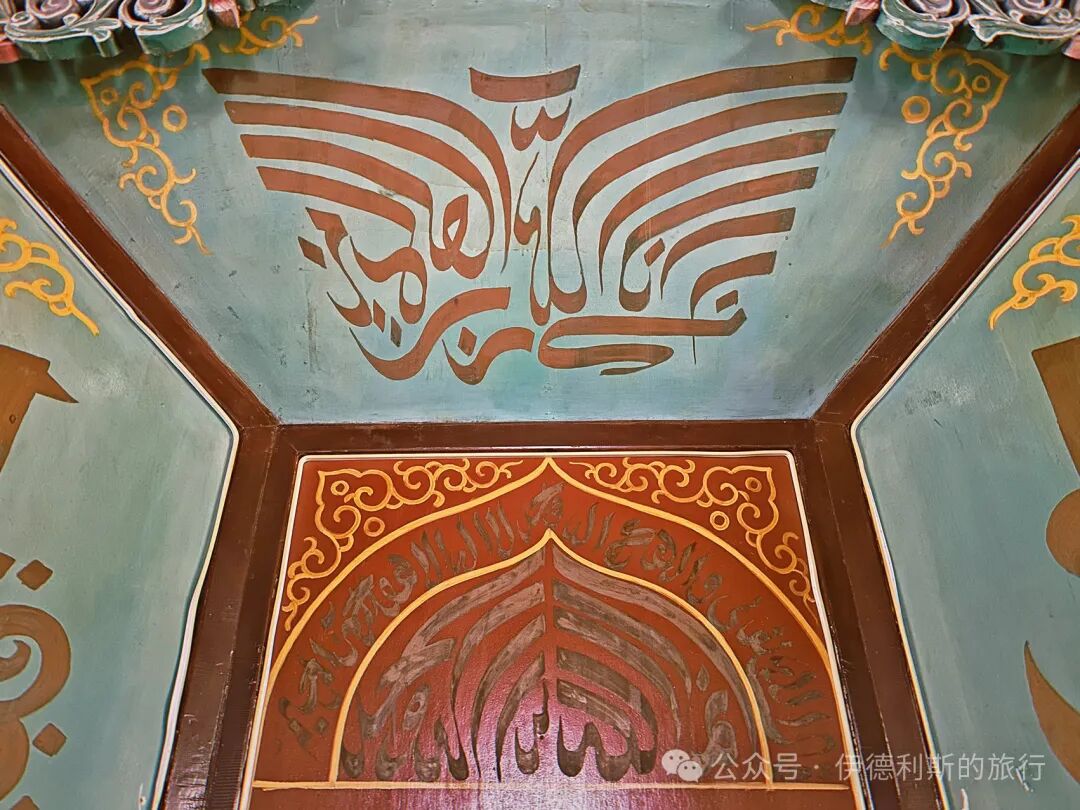
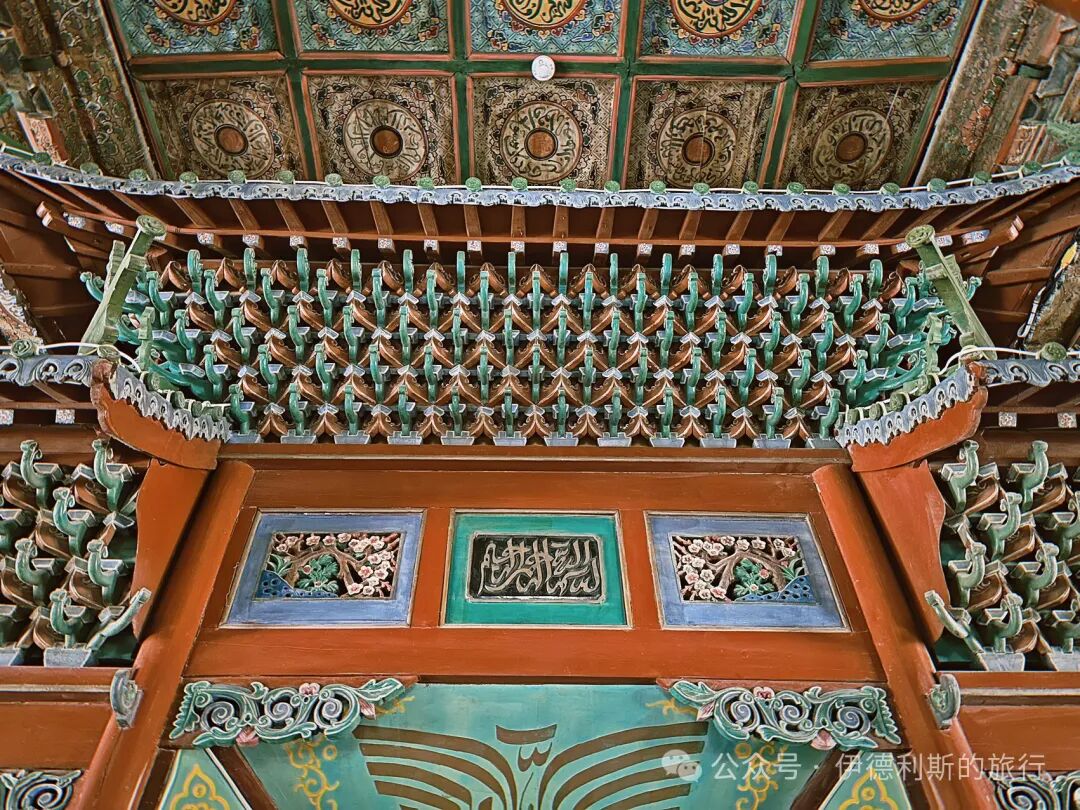
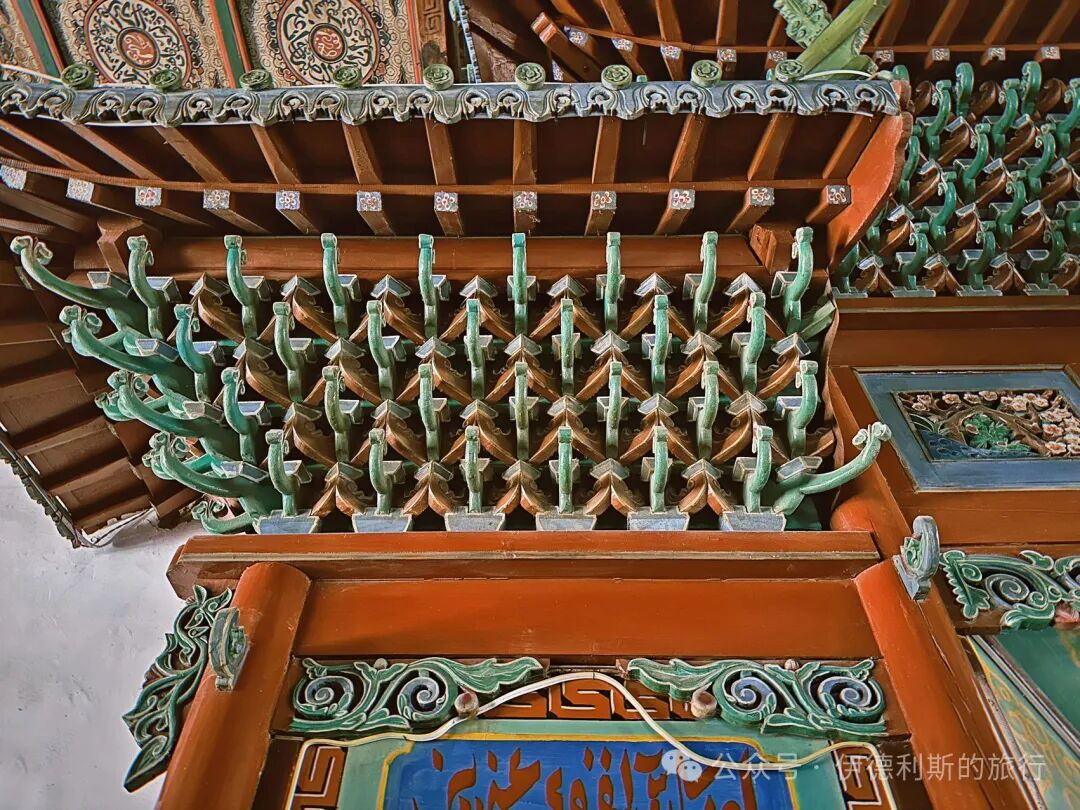
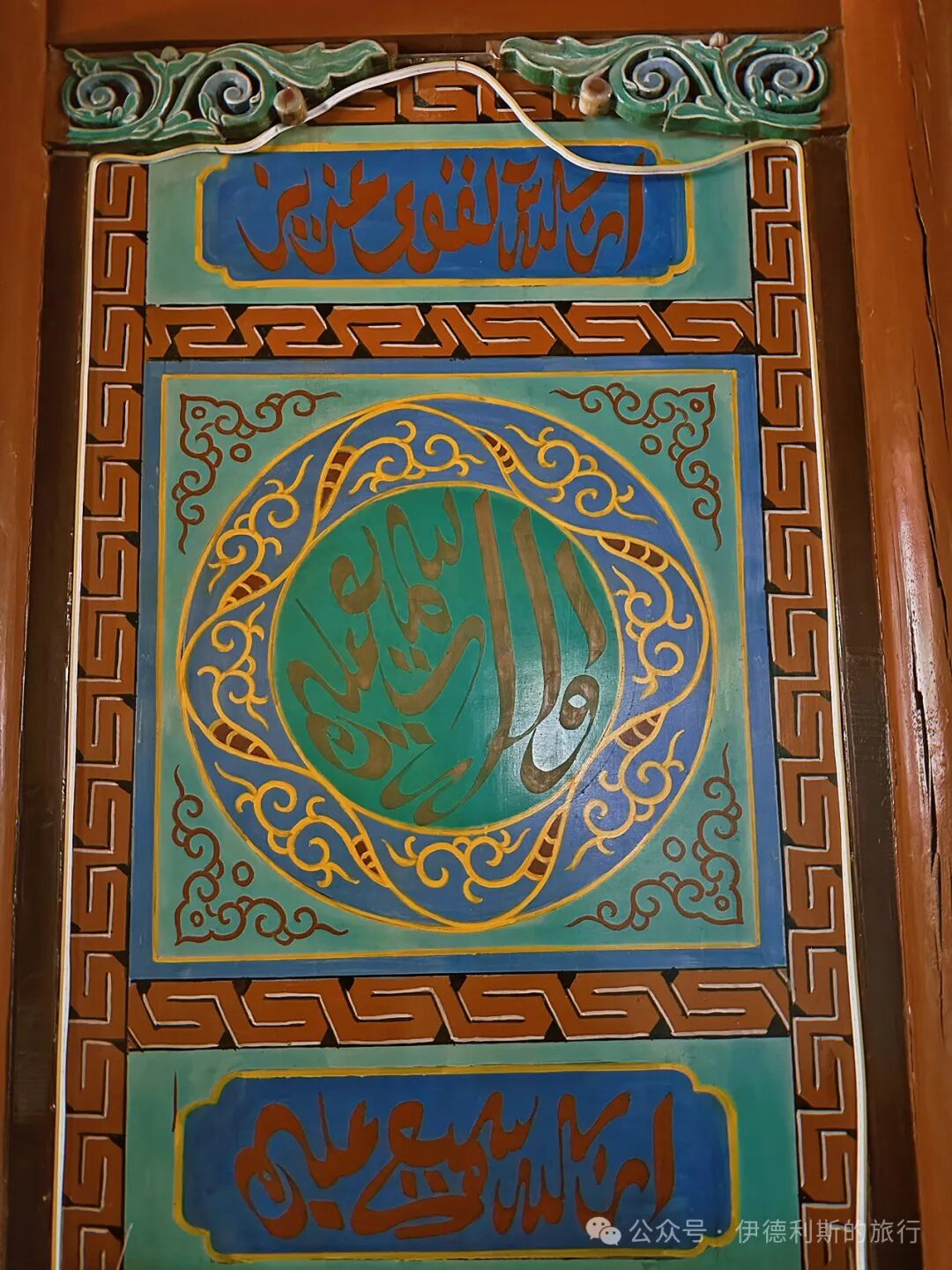
The mosque features a memorial archway-style mihrab decorated with floral patterns and Arabic calligraphy, and the ceiling of the kiln-style hall also displays Arabic calligraphy.
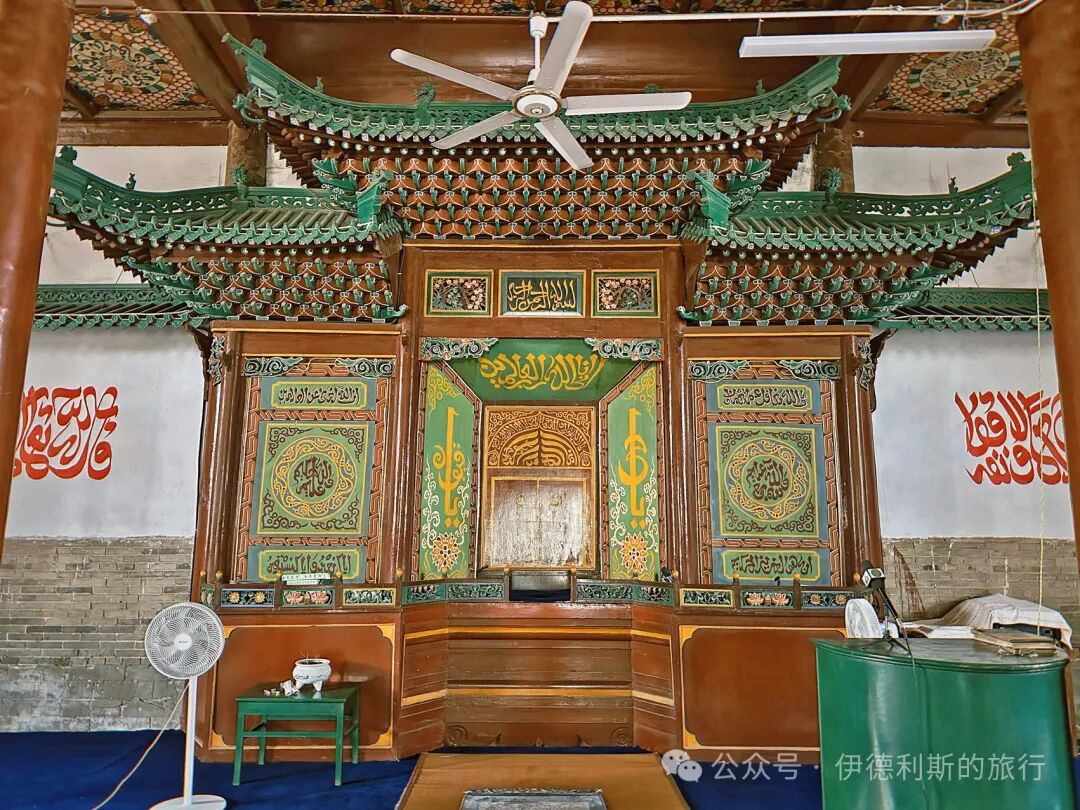
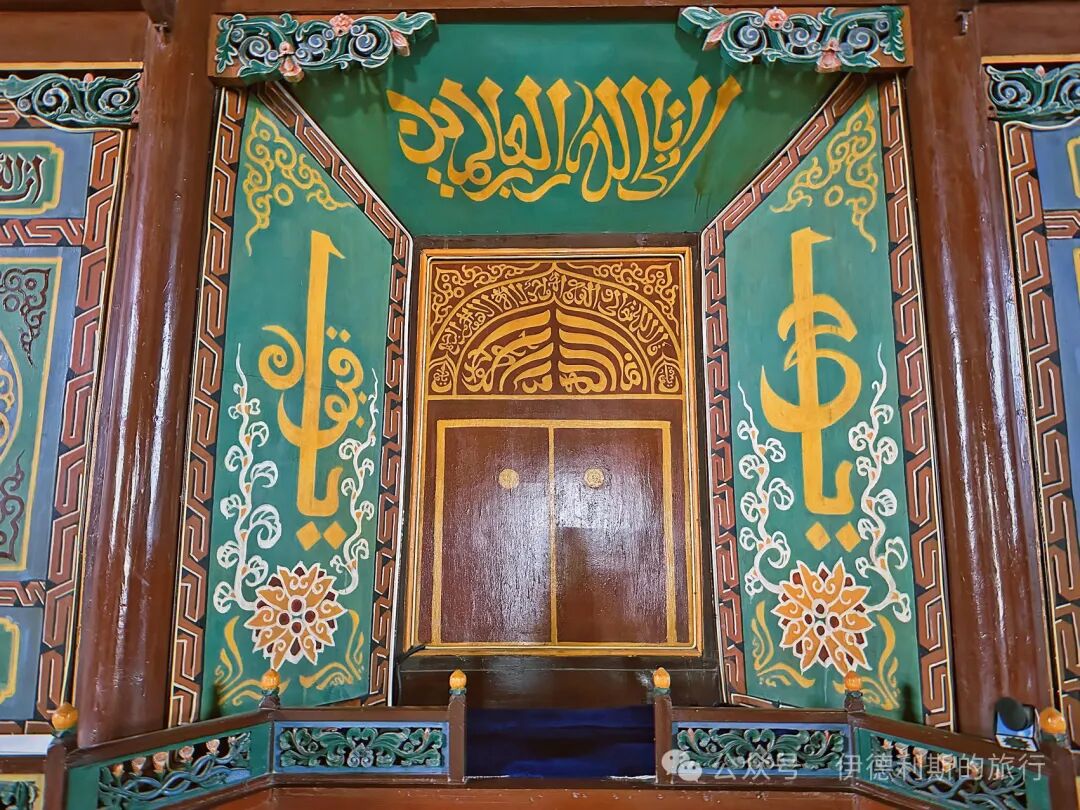
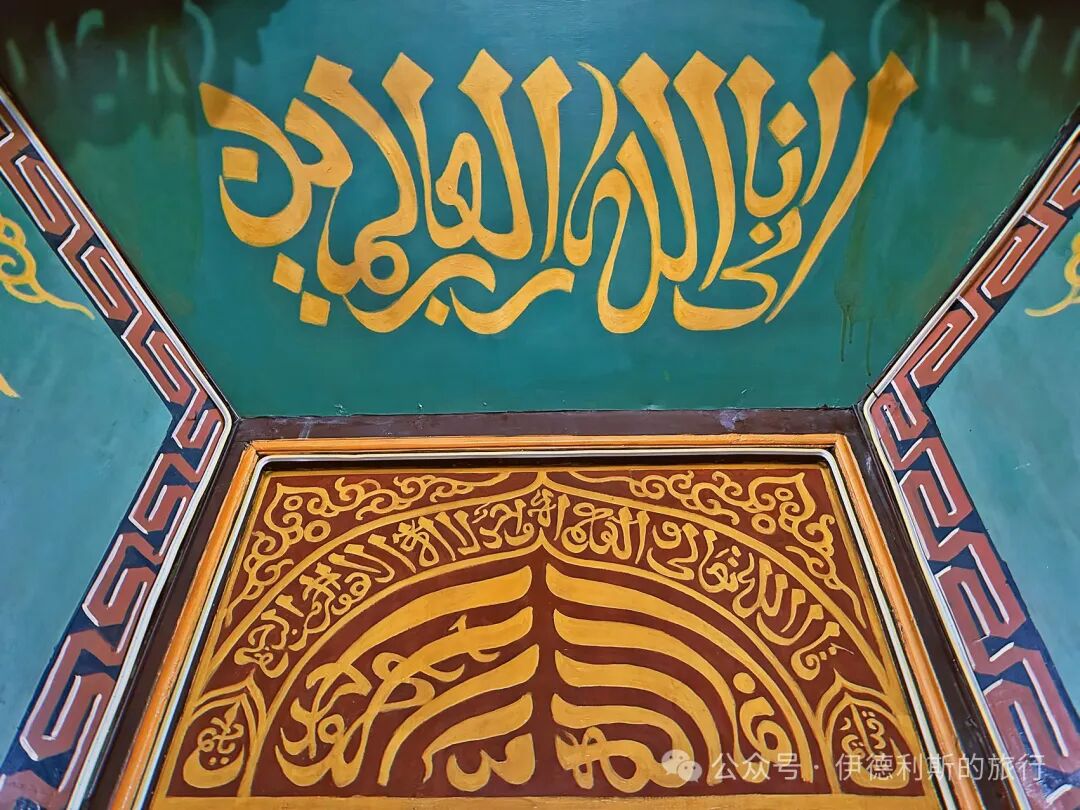
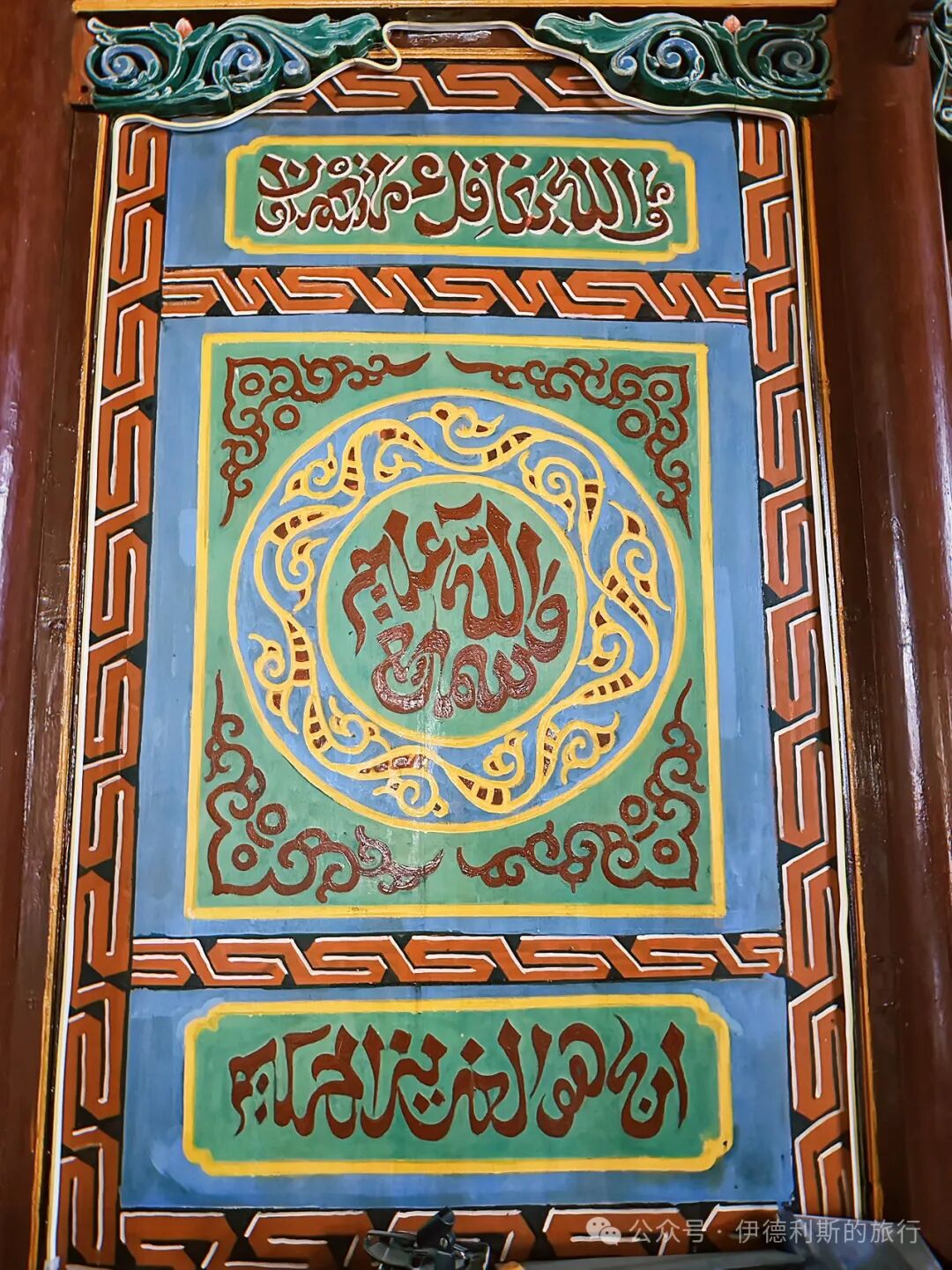
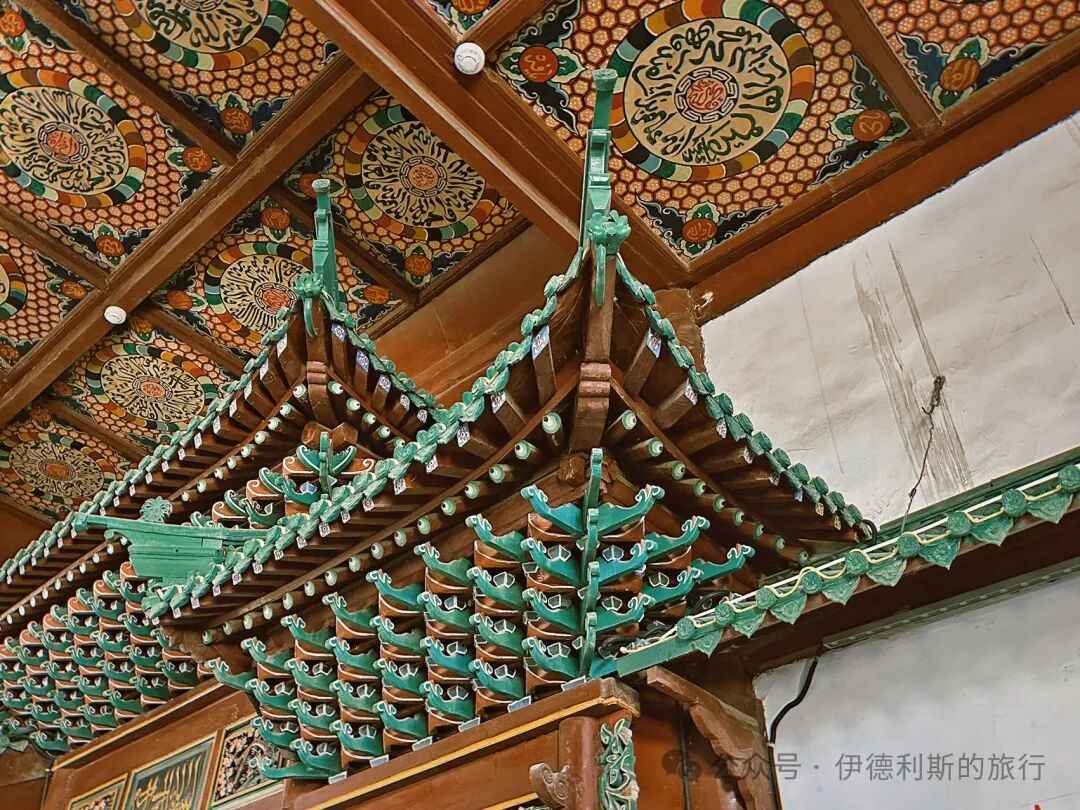
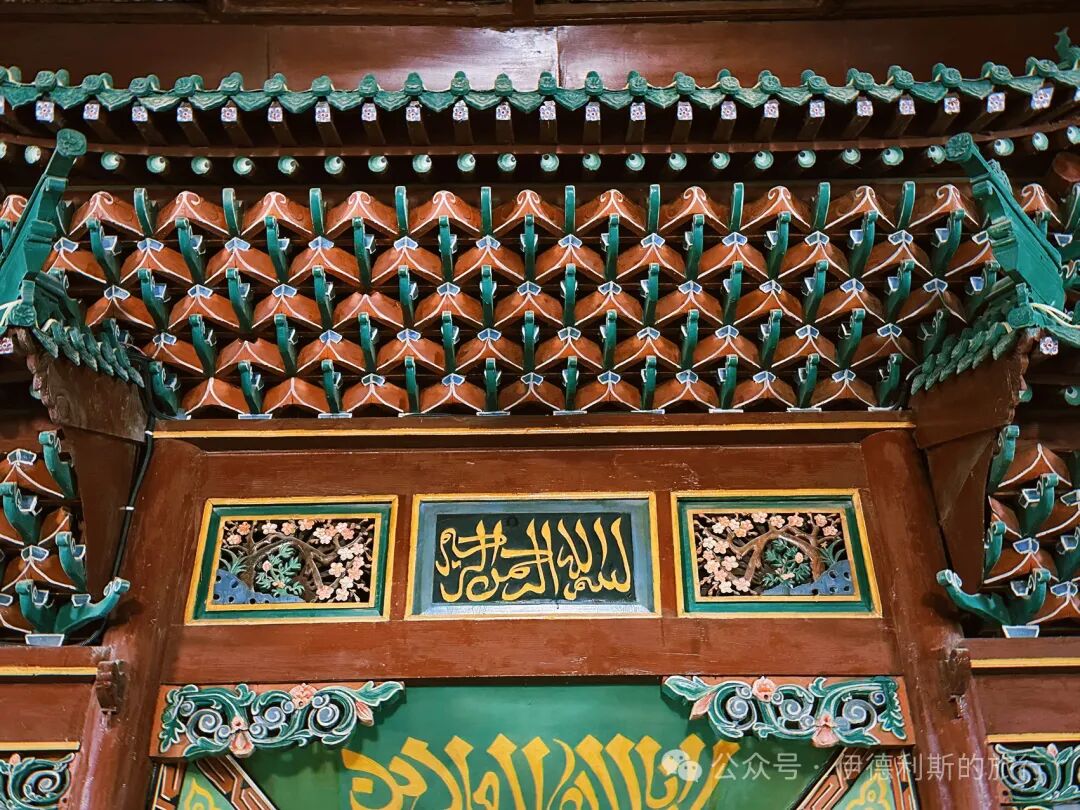
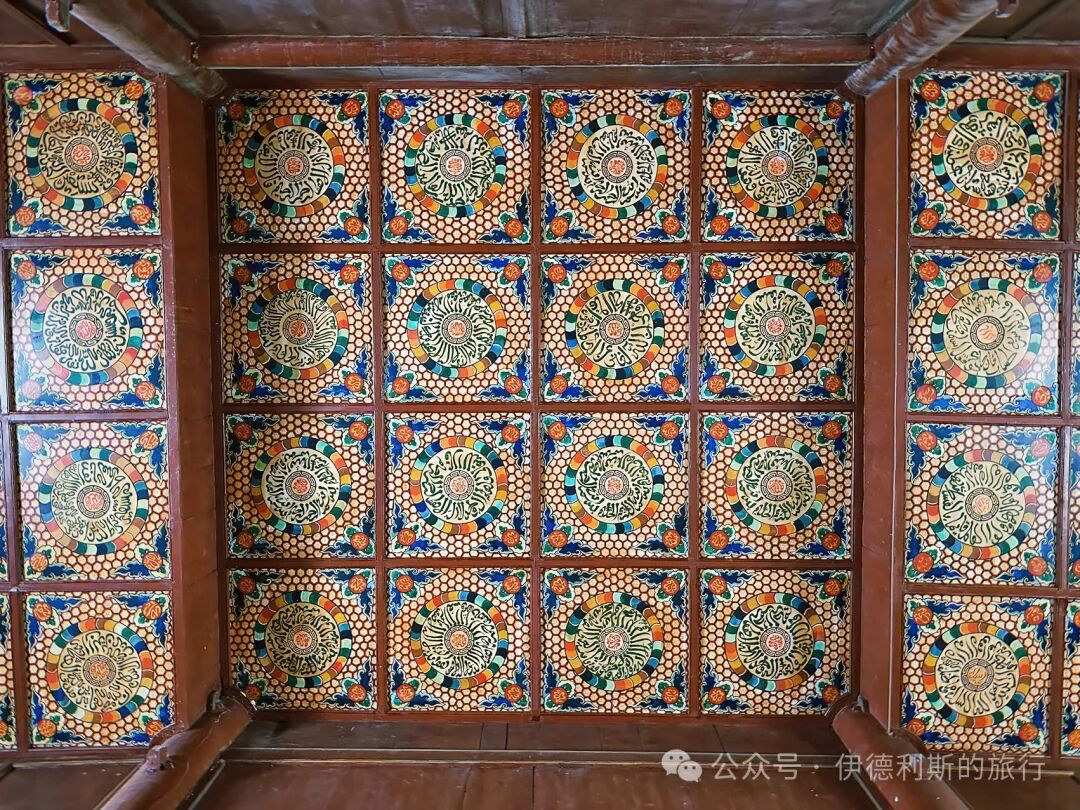
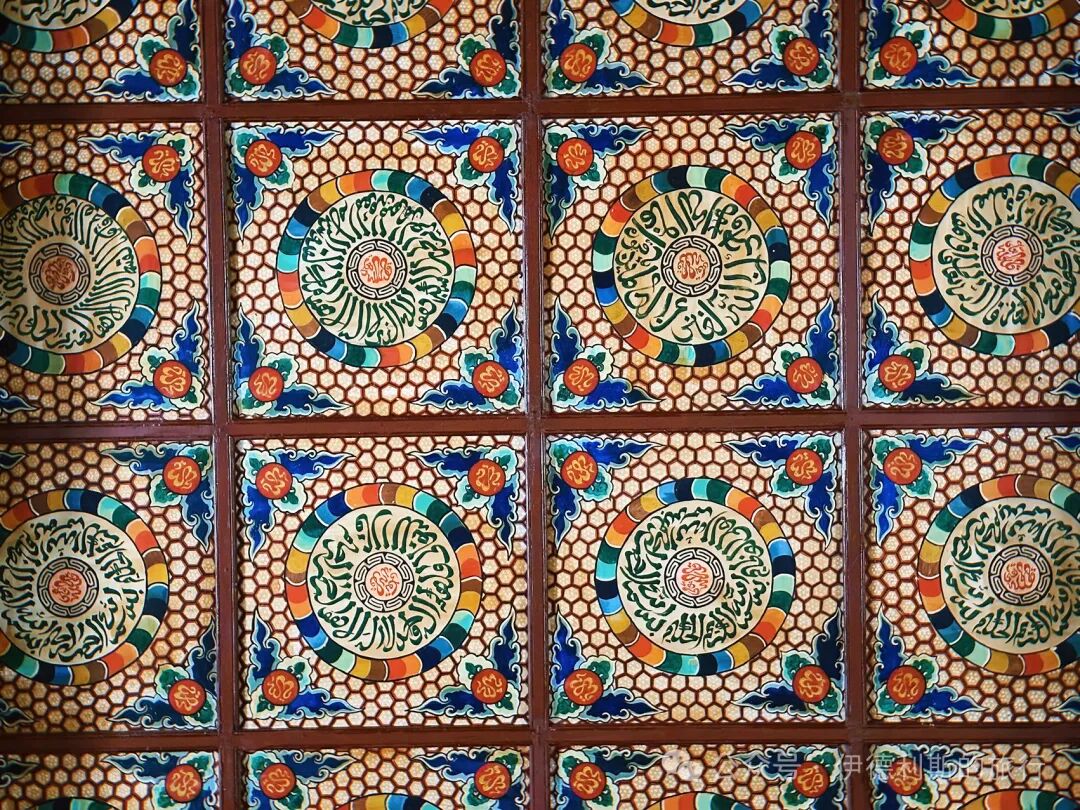
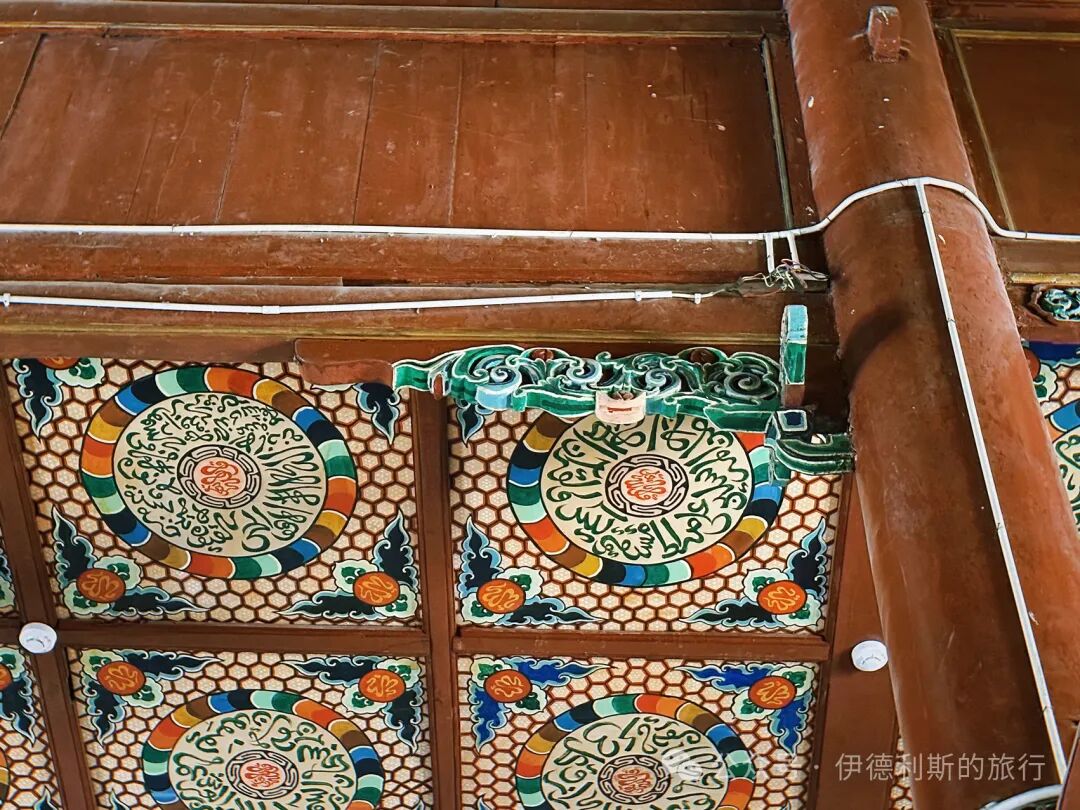
The main hall of the North Mosque preserves precious murals from the Qing Dynasty.
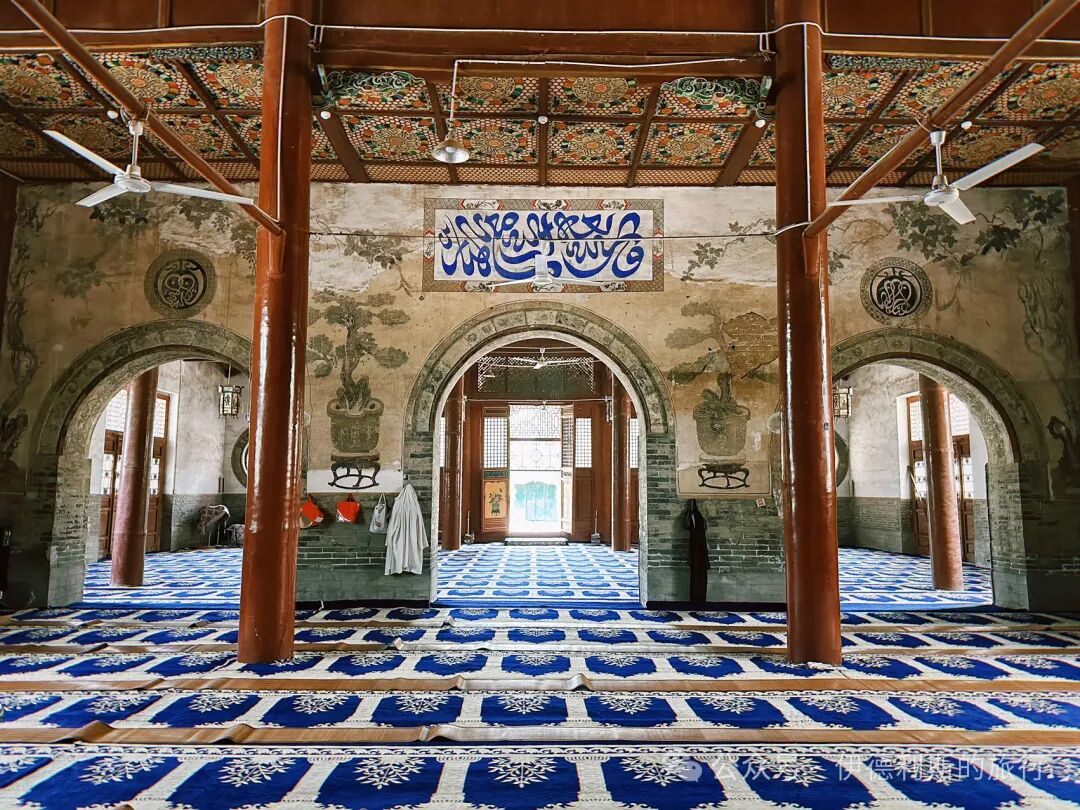
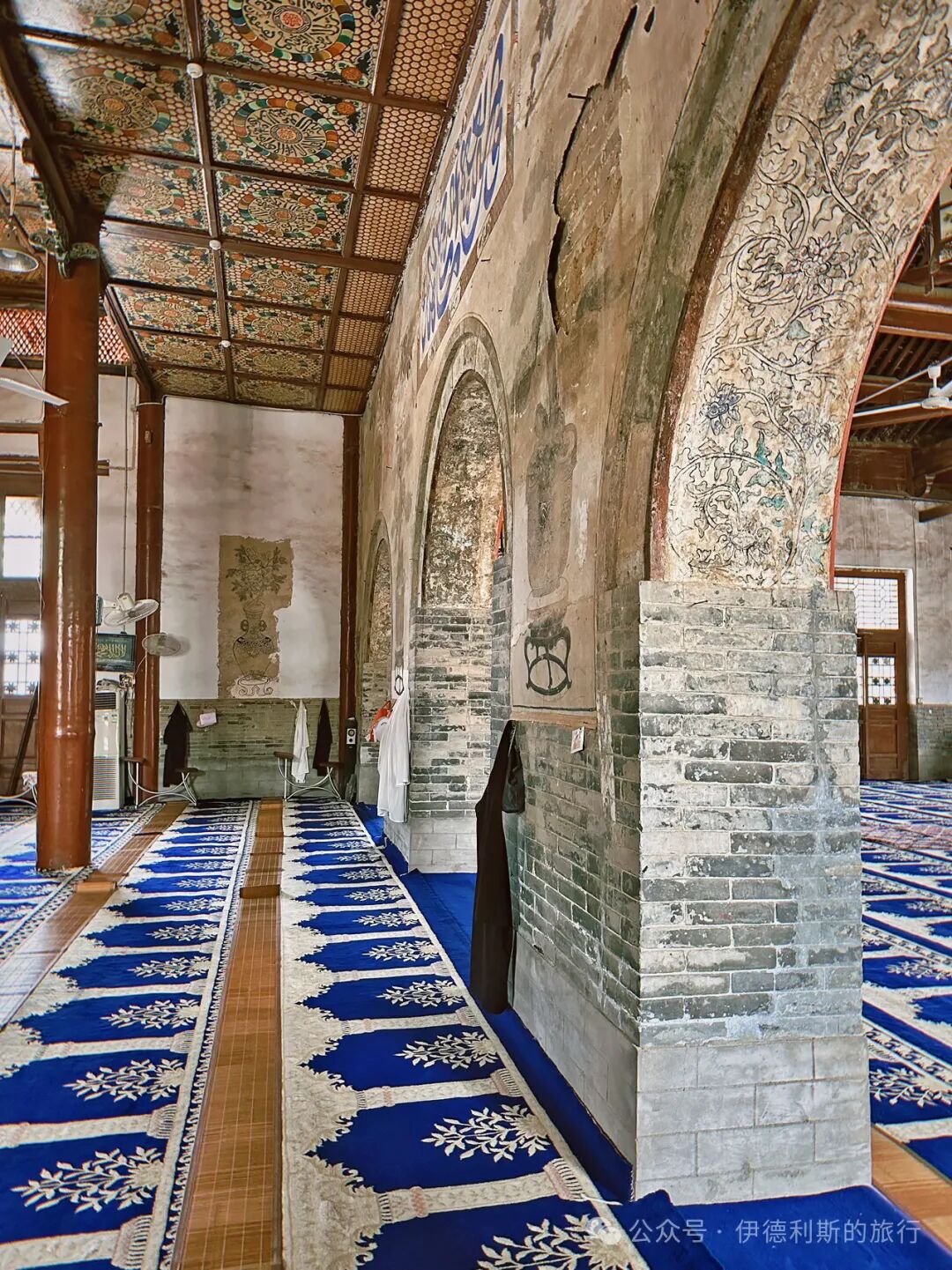
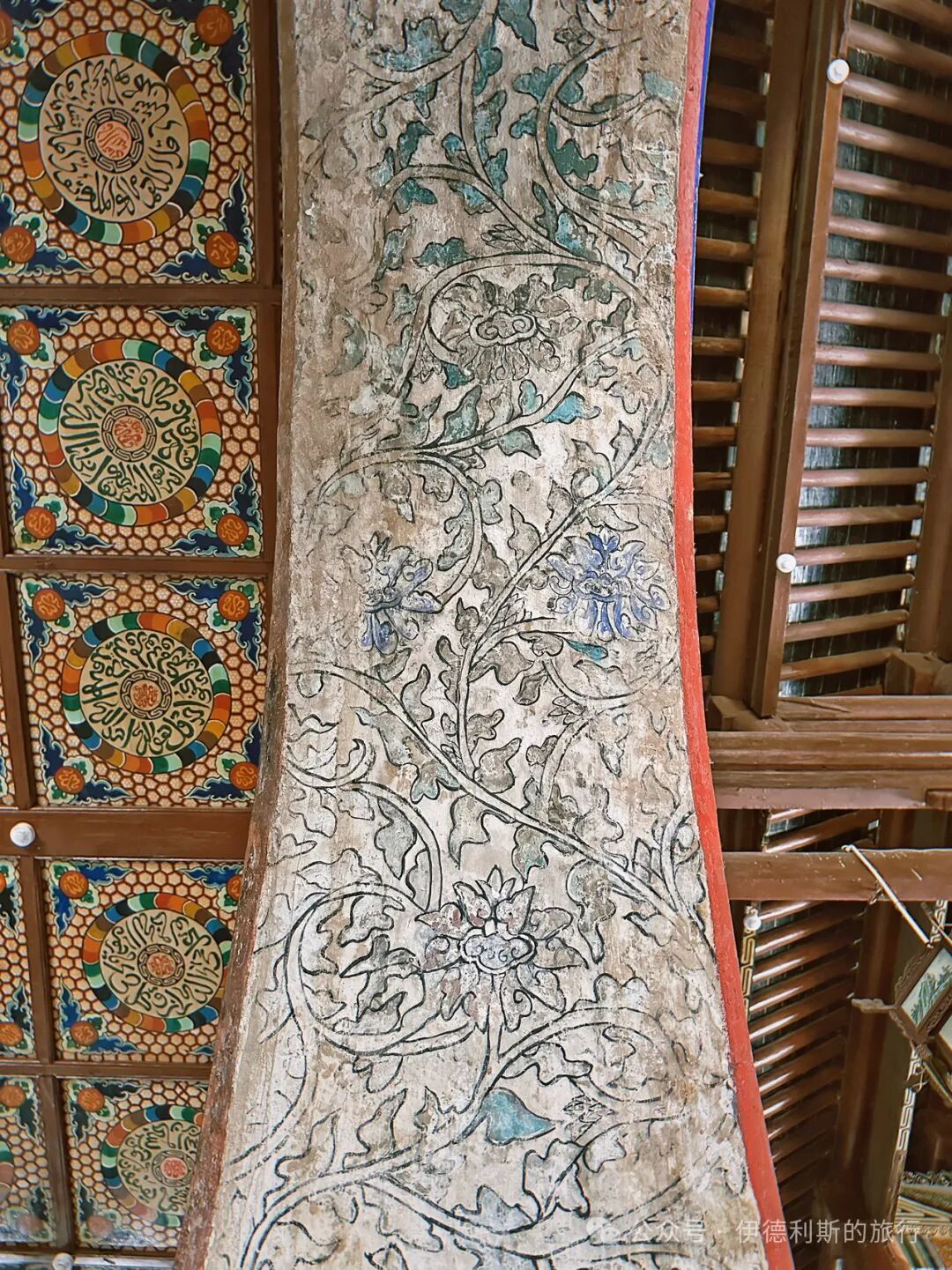
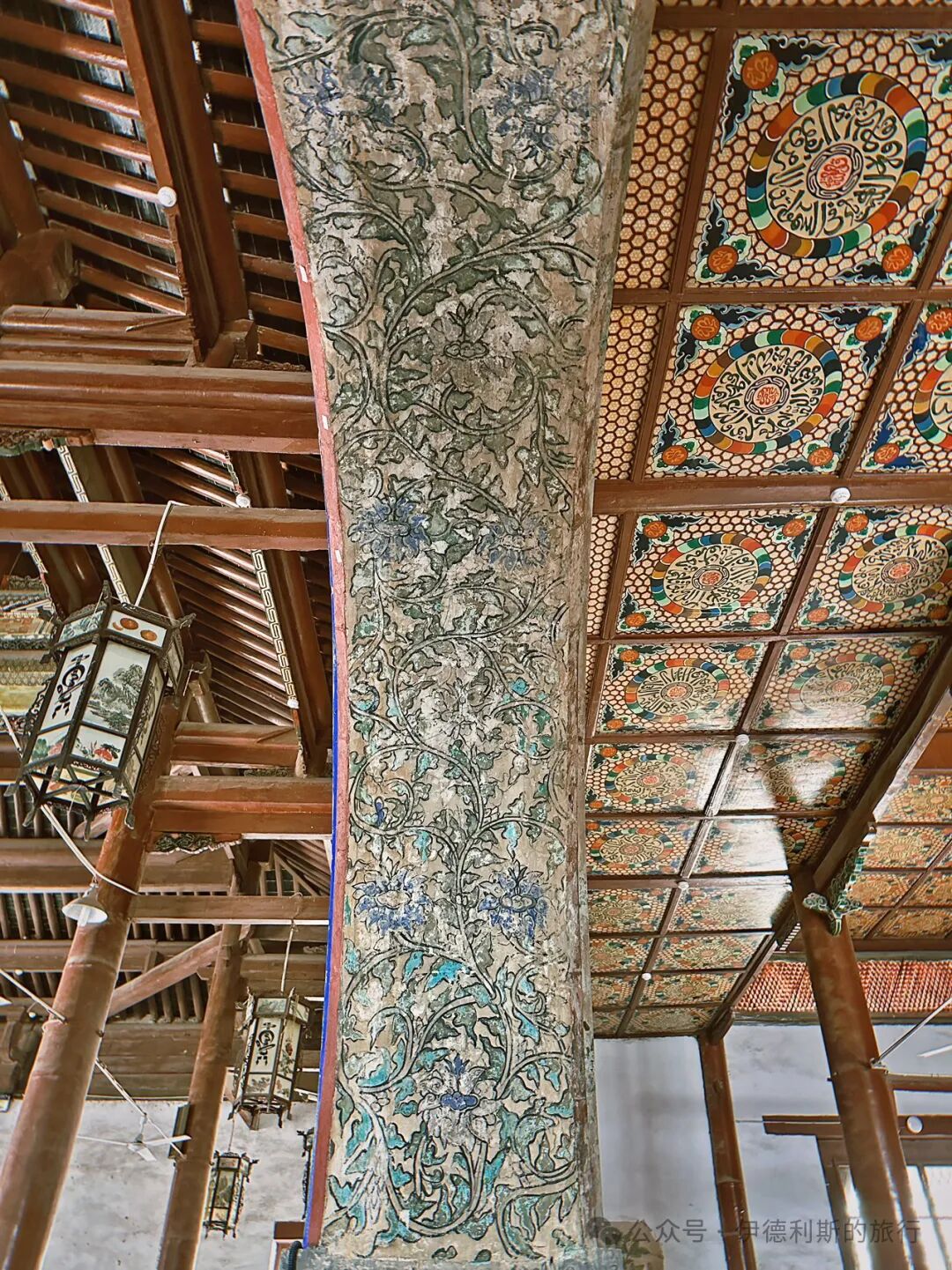
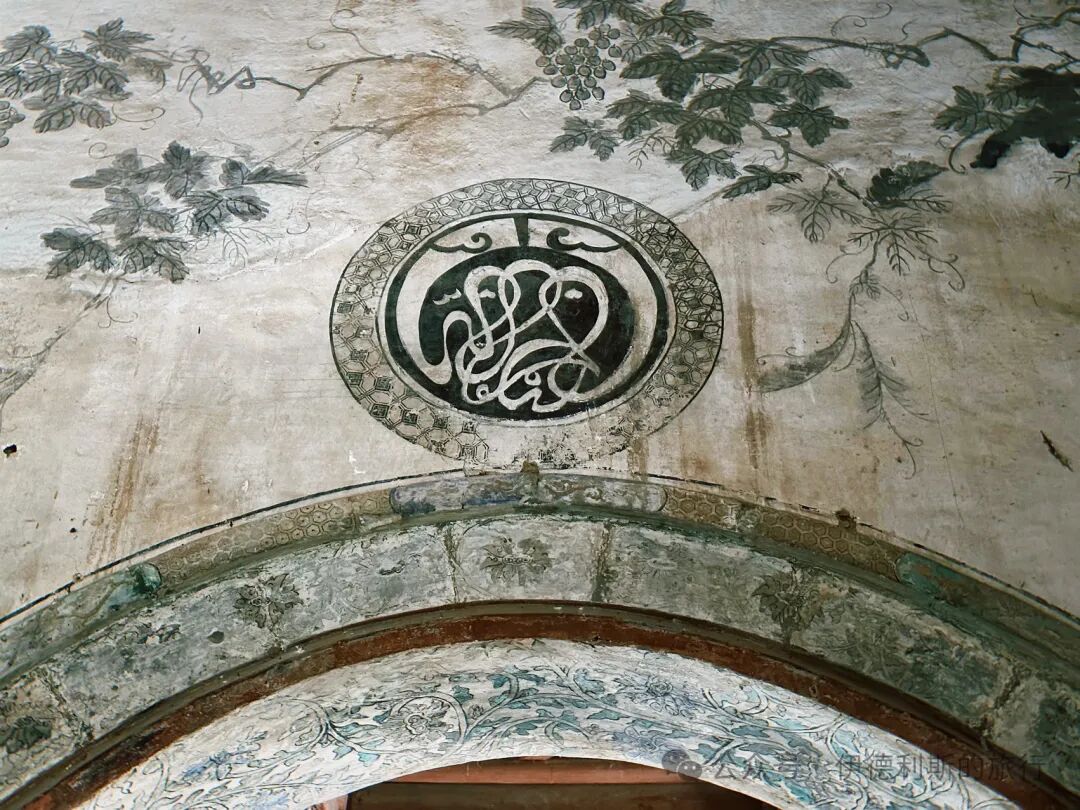
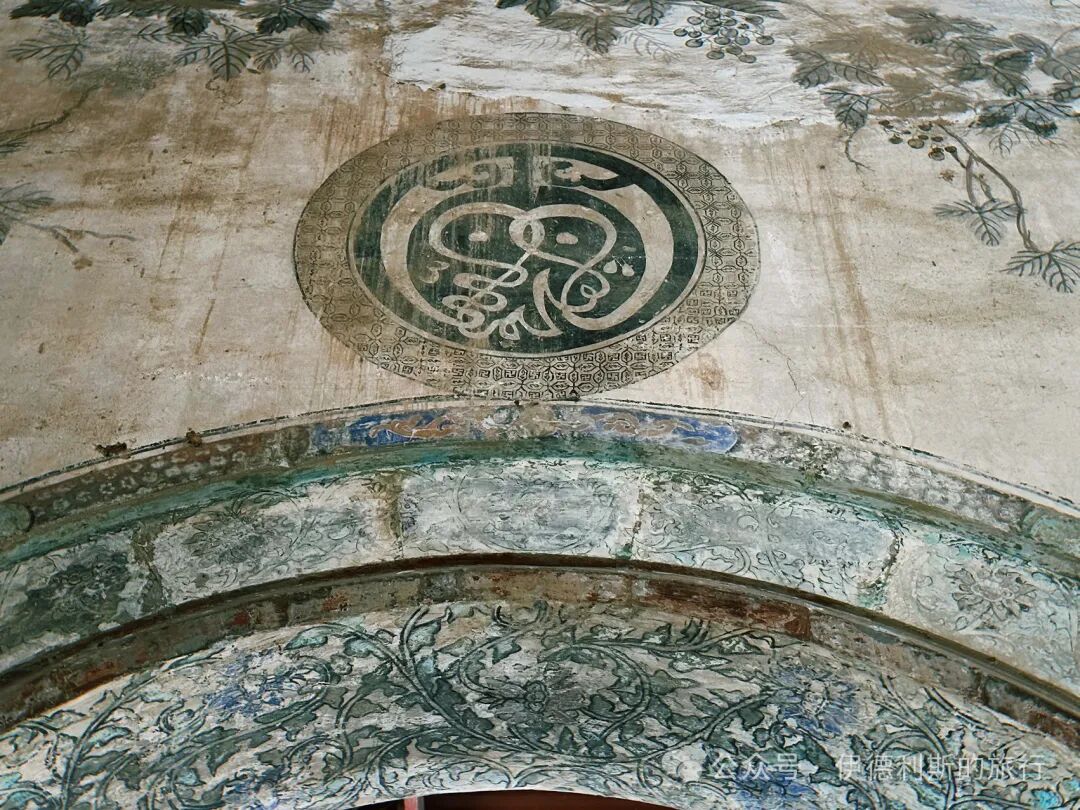
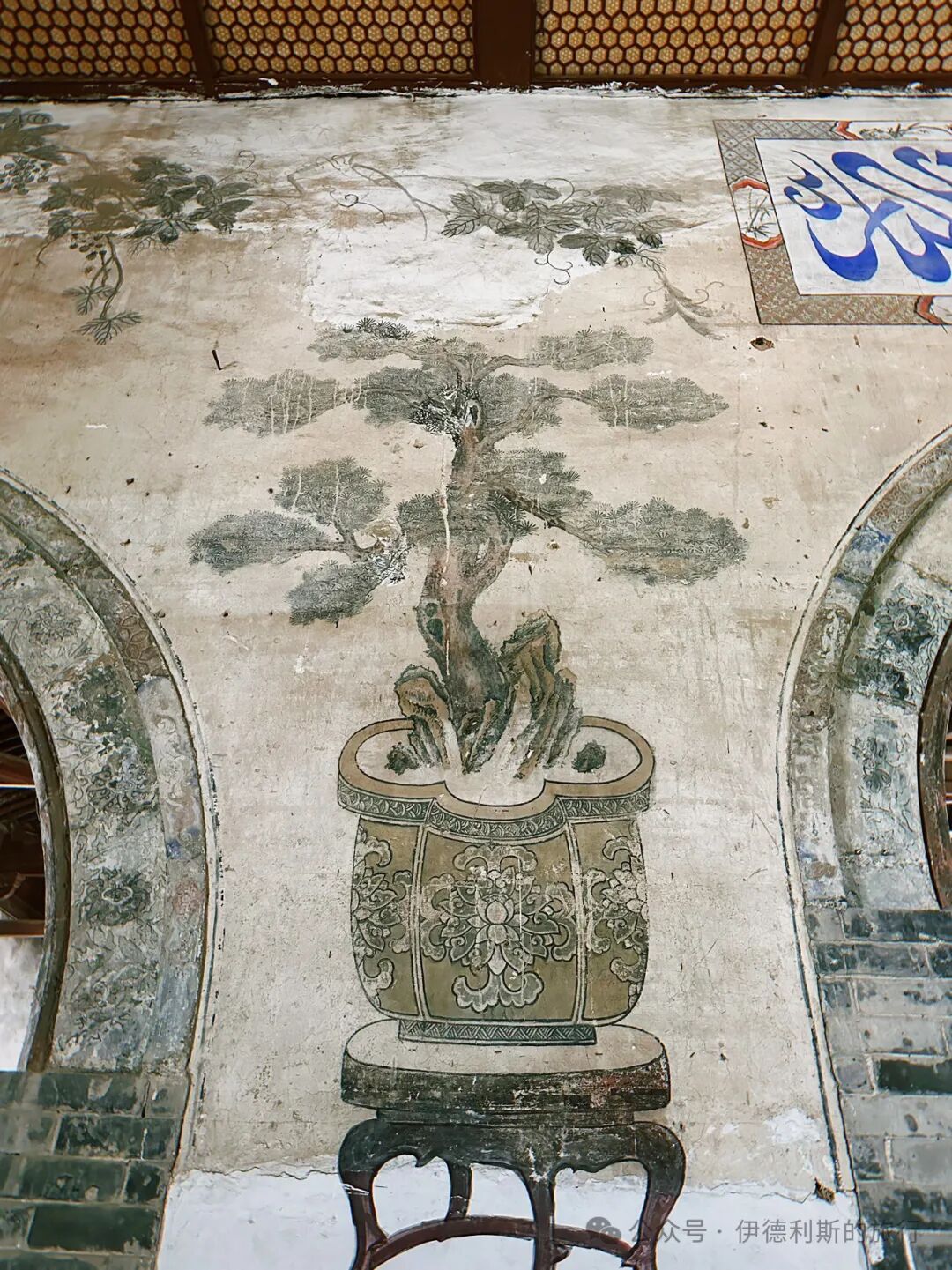
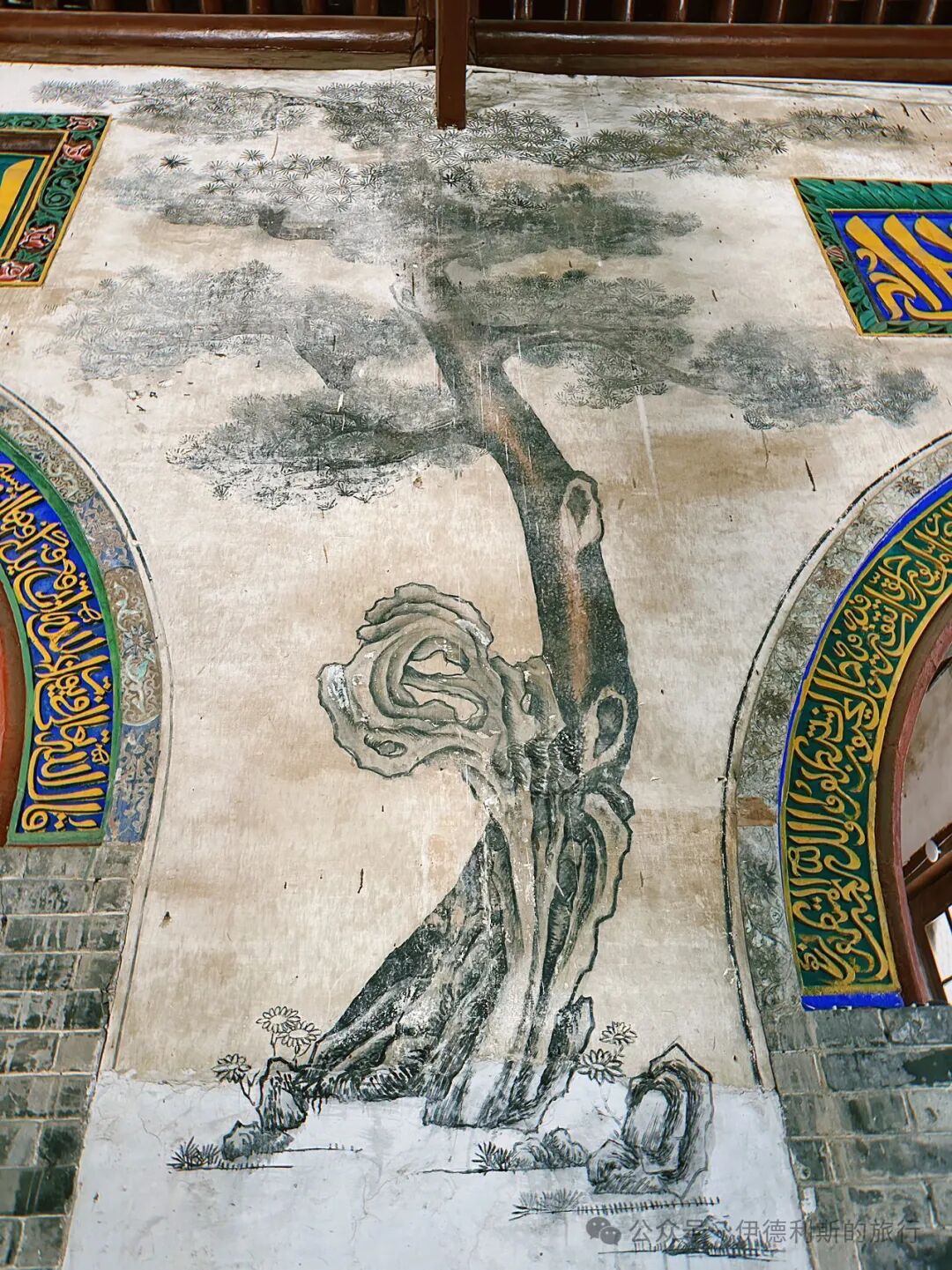
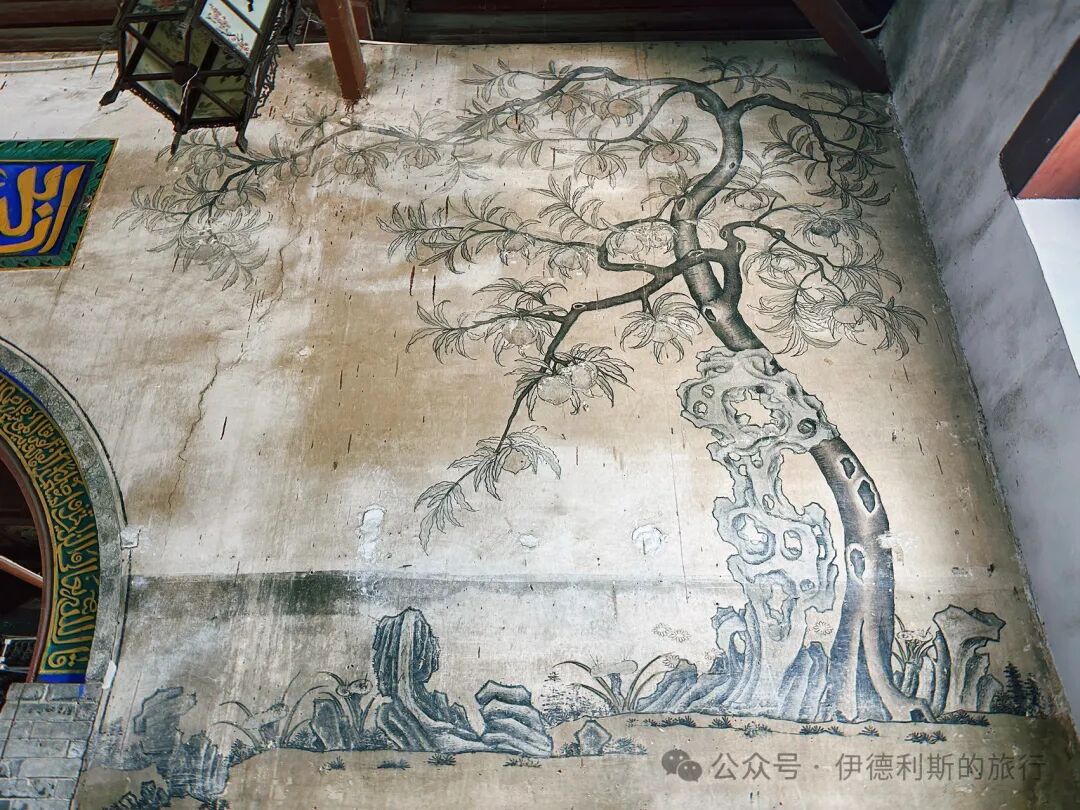
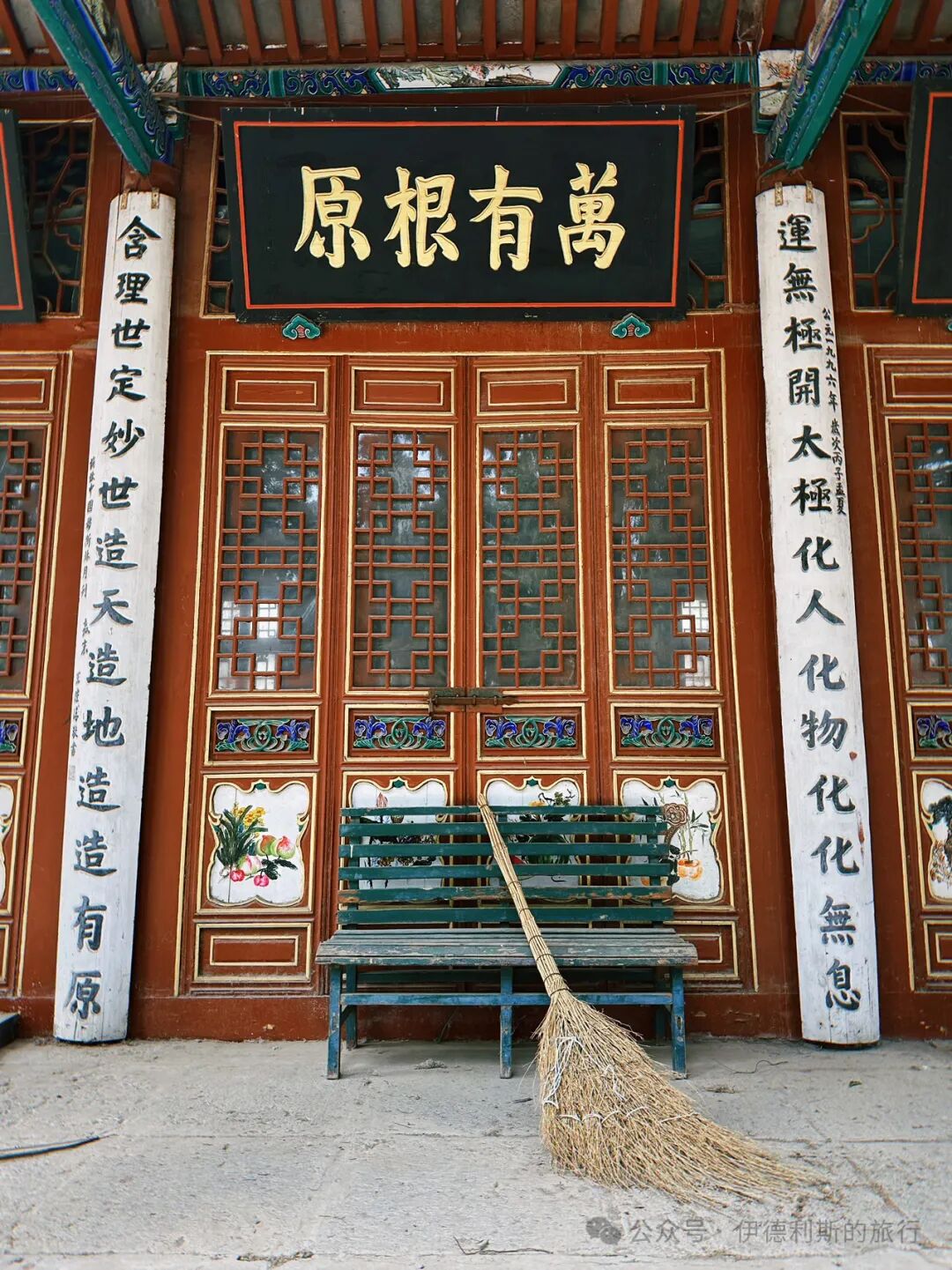
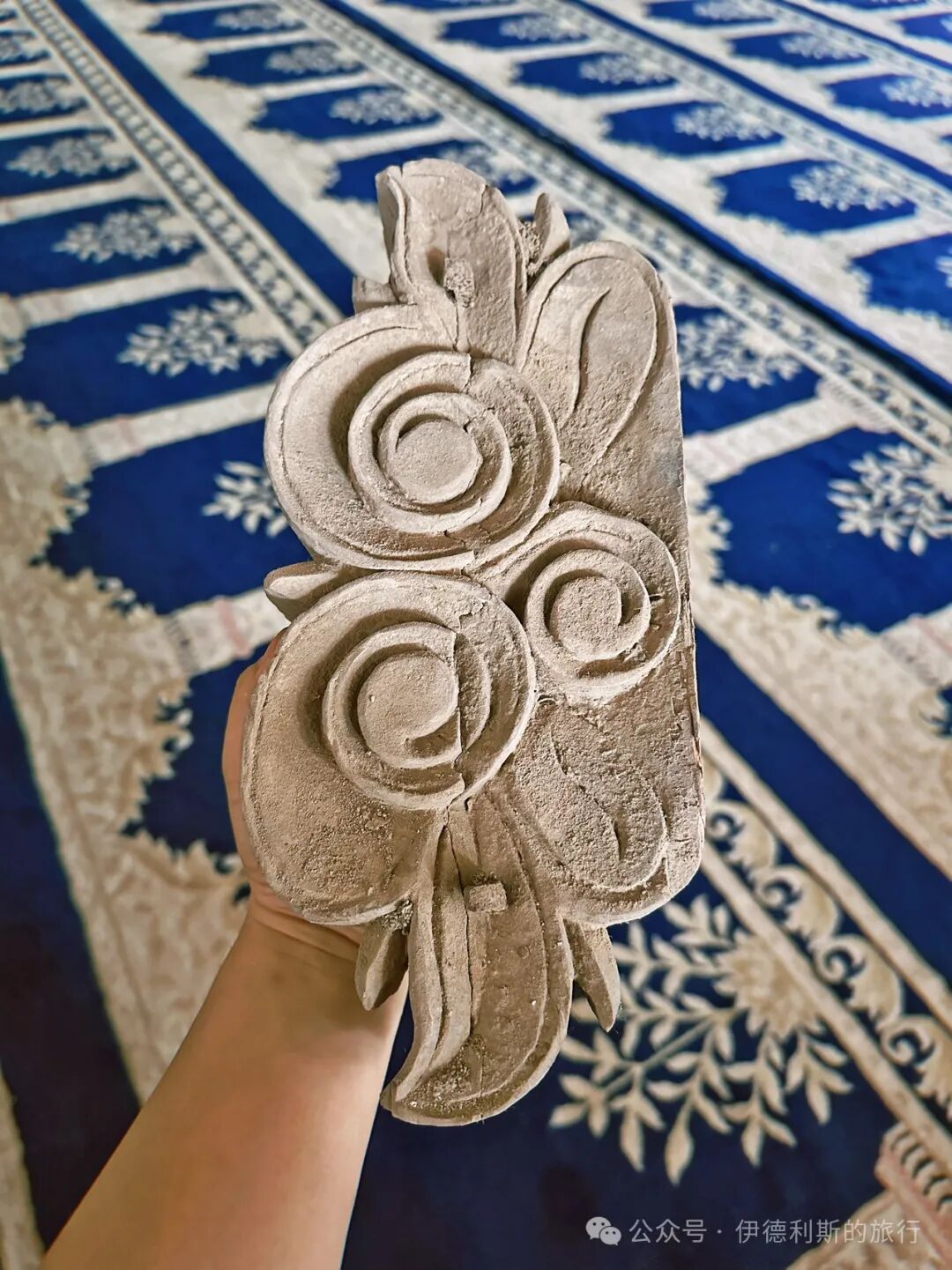
The North Mosque (Beidasi) features various forms of calligraphy, including palace lanterns (gongdeng), brick carvings, plaques, architectural paintings, and wood carvings.
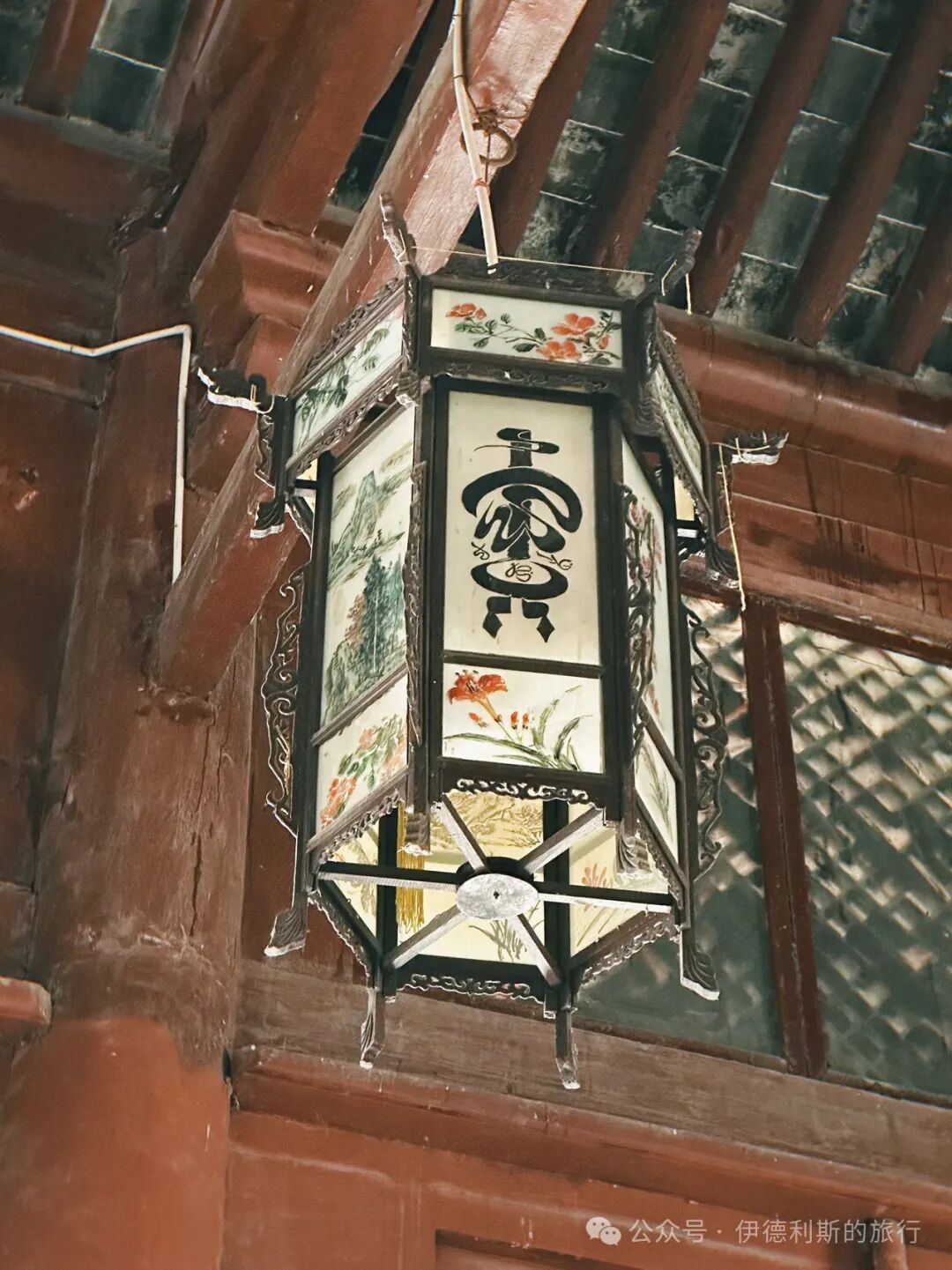
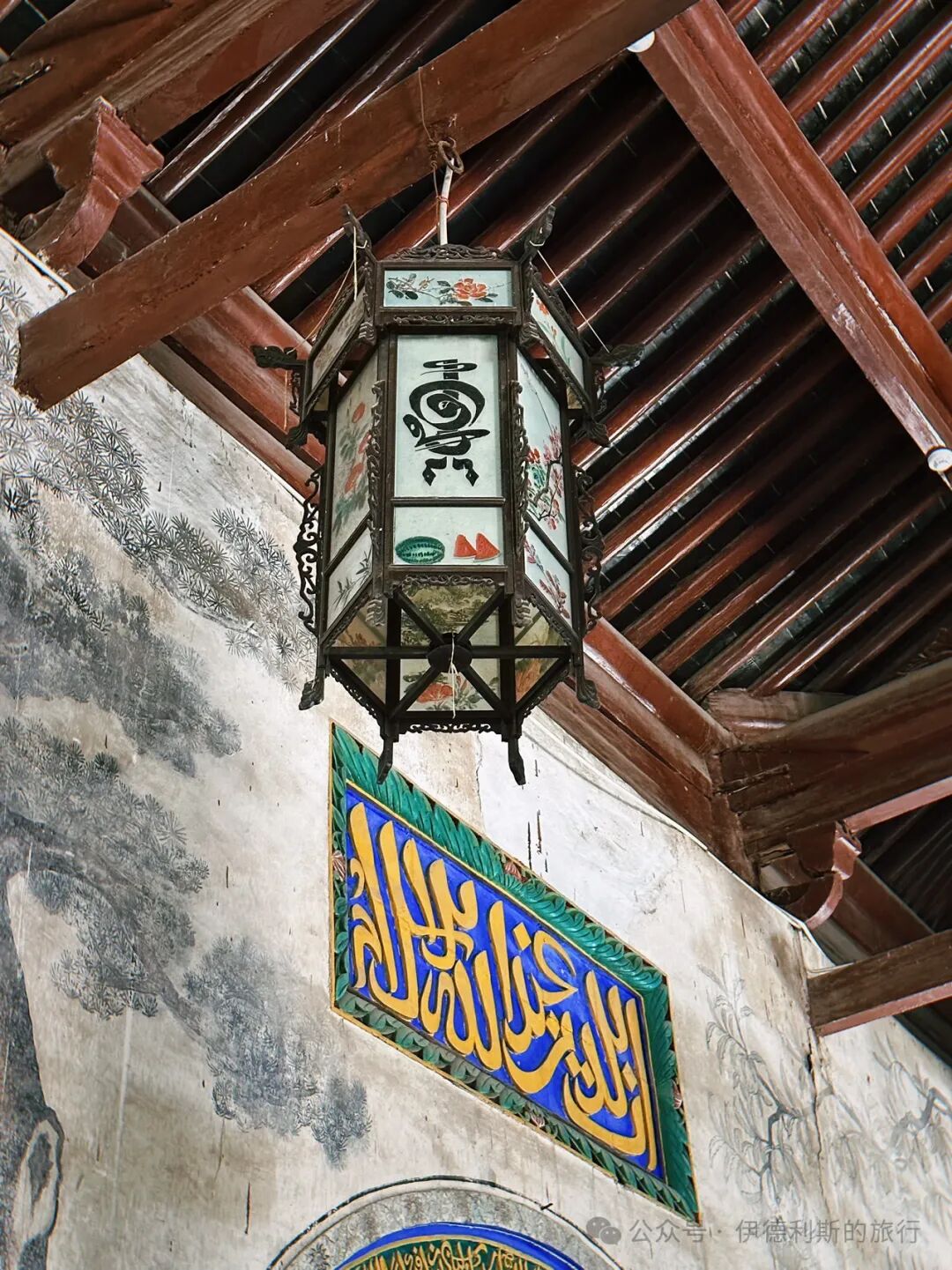
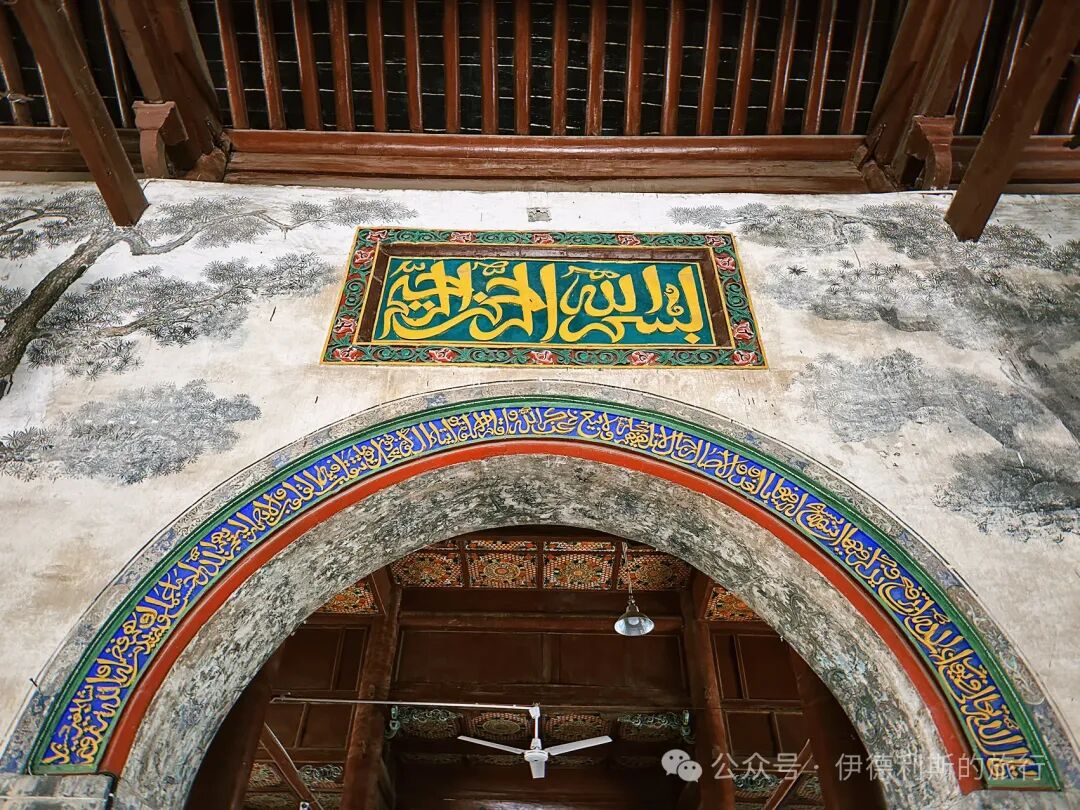
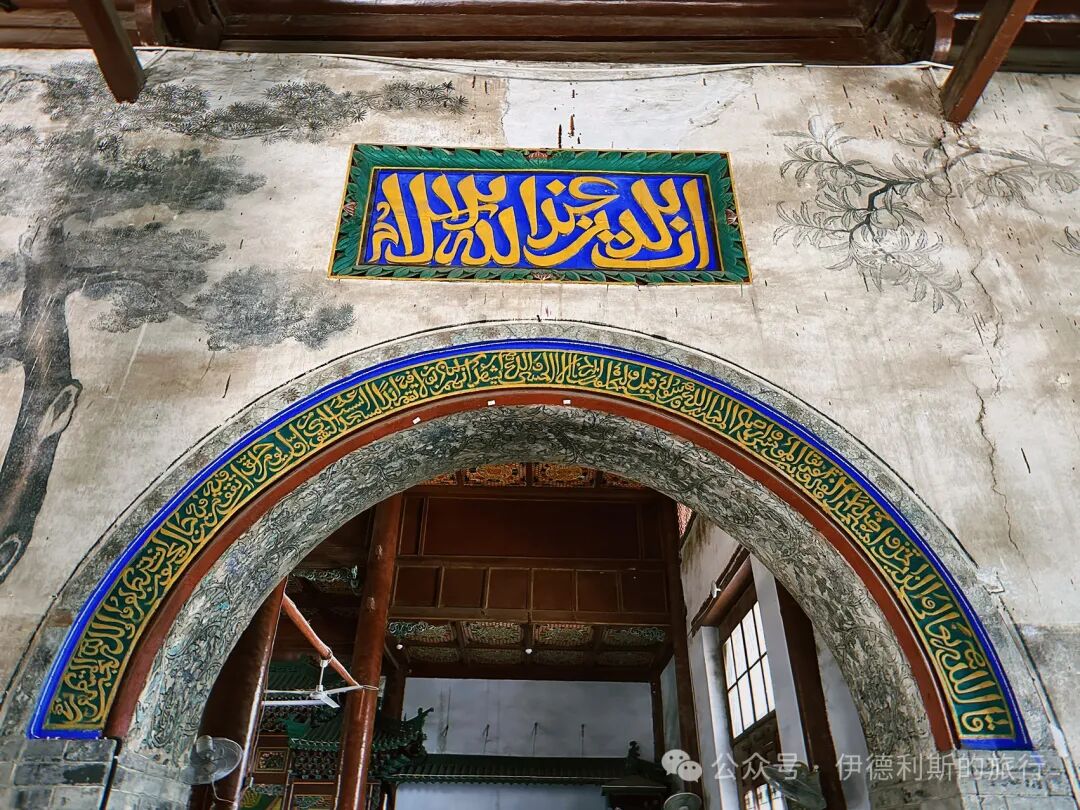
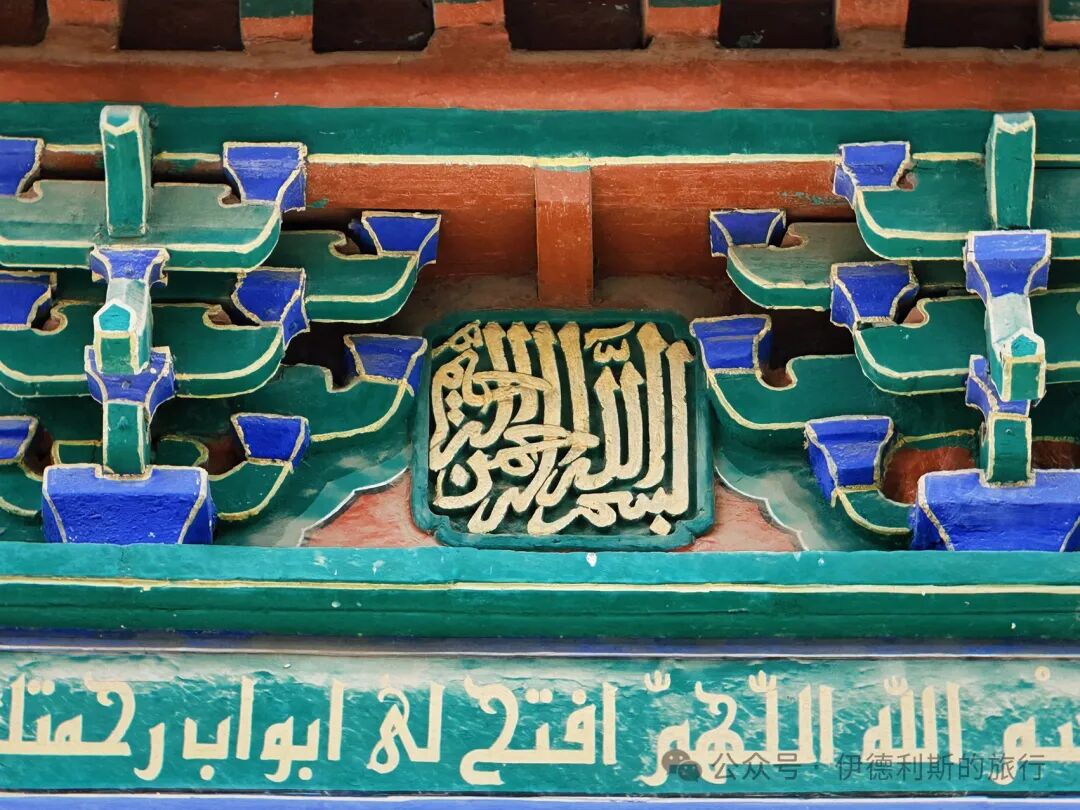
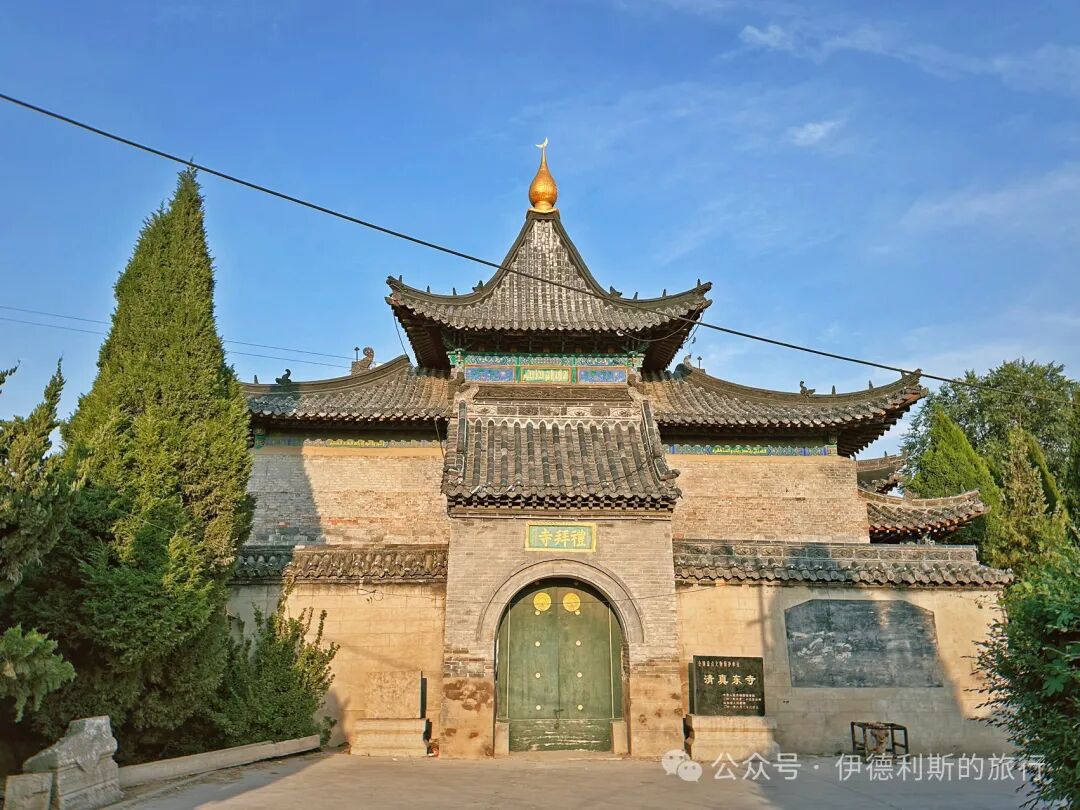
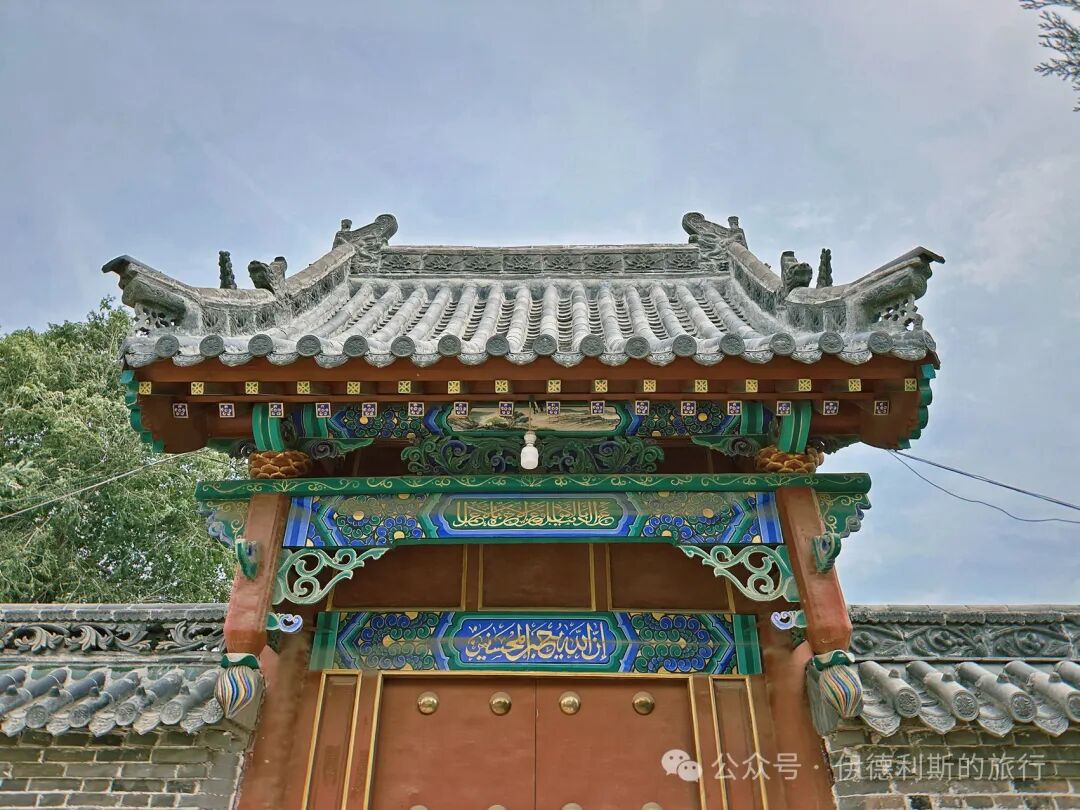
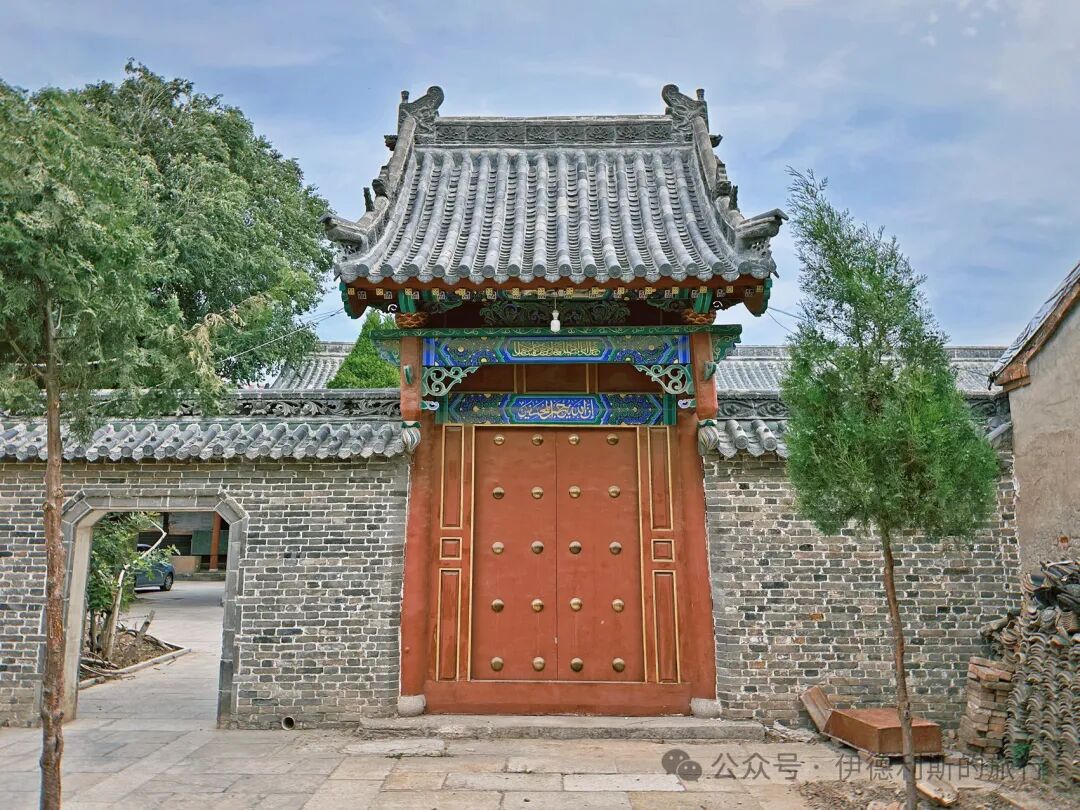
At the far east end of the North Mosque stands a gate in the style of a memorial archway (pailou), featuring delicate bracket sets (dougong) and upturned eaves.
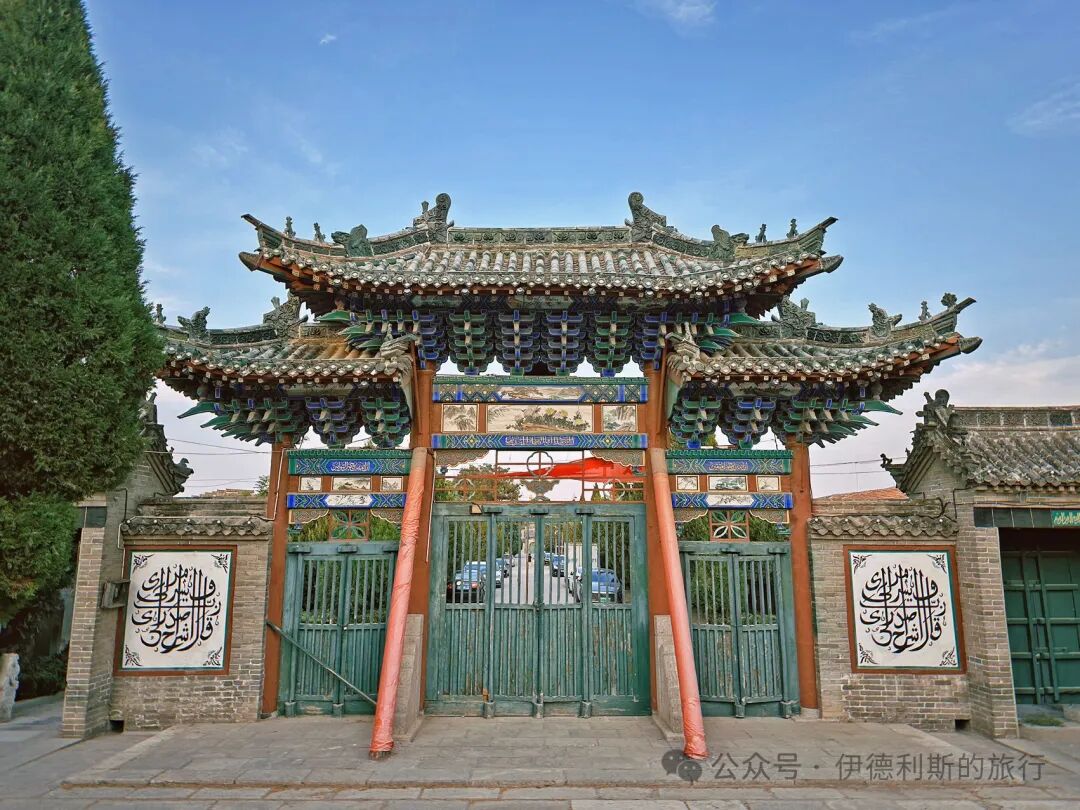
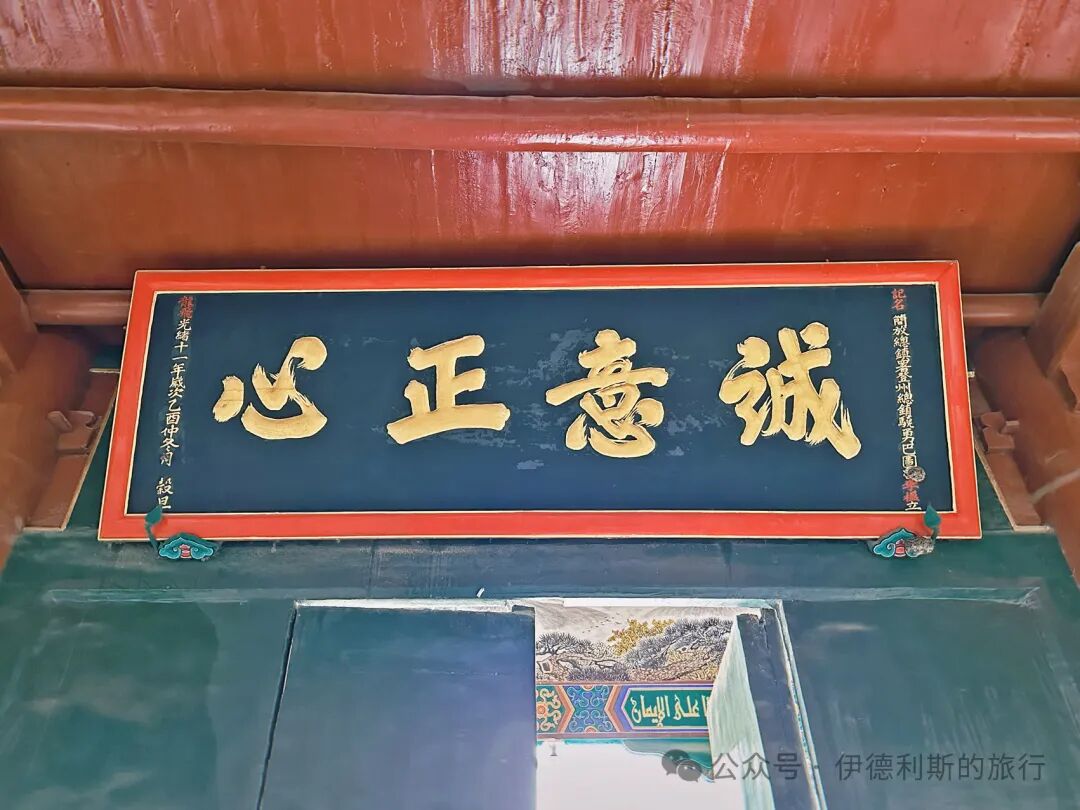
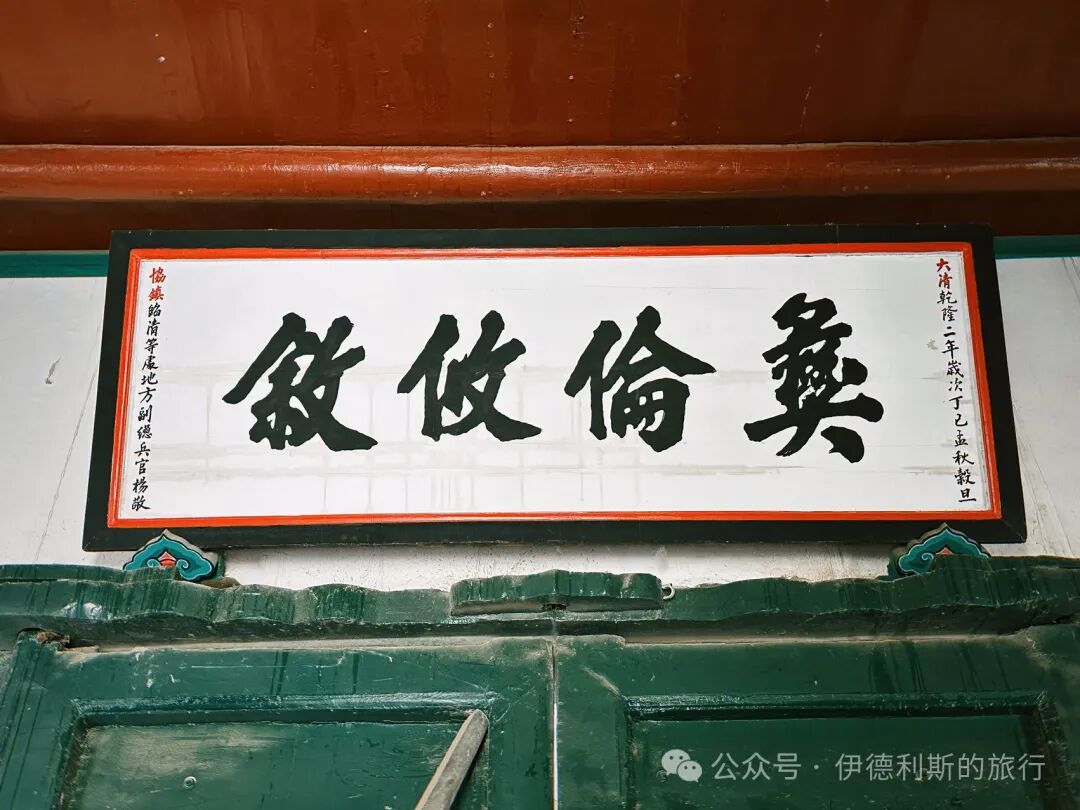
After entering the main gate, you reach a ceremonial gate (yimen) built in the style of a memorial archway. Two Qing Dynasty plaques hang on the ceremonial gate:
A plaque reading 'Sincerity and Rectitude' (Chengyi Zhengxin) erected in the 11th year of the Guangxu reign by Li Ying, a decorated military official.
A plaque reading 'Orderly Human Relations' (Yilun Youxu) from the 2nd year of the Qianlong reign by Yang Jing, a deputy military commander; this one appears to be a replica.
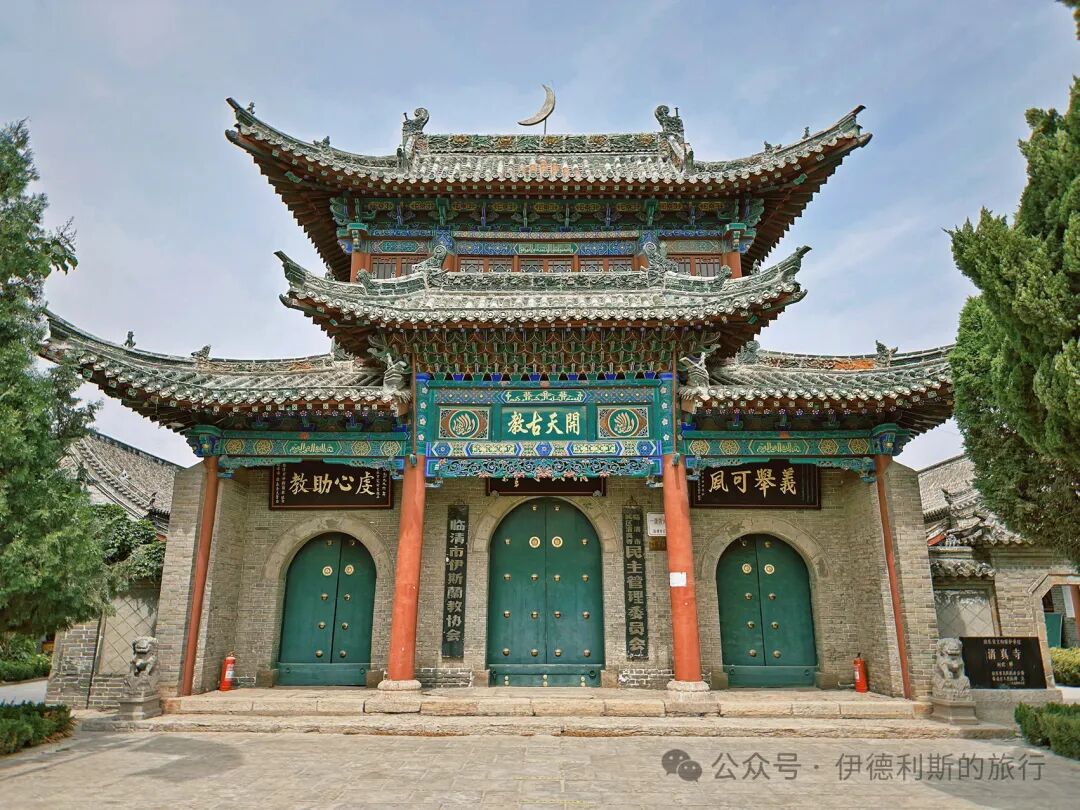
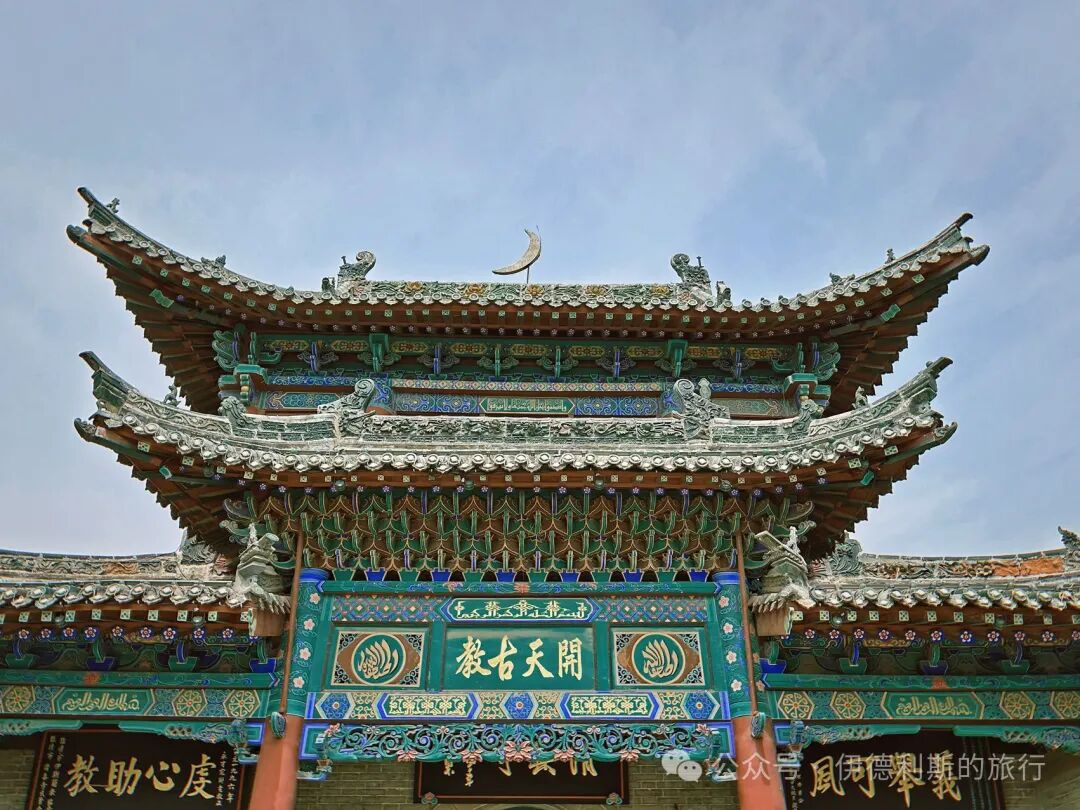
Behind the ceremonial gate is a path leading to the main prayer hall, with lecture halls (jiangtang) located on the north and south sides.
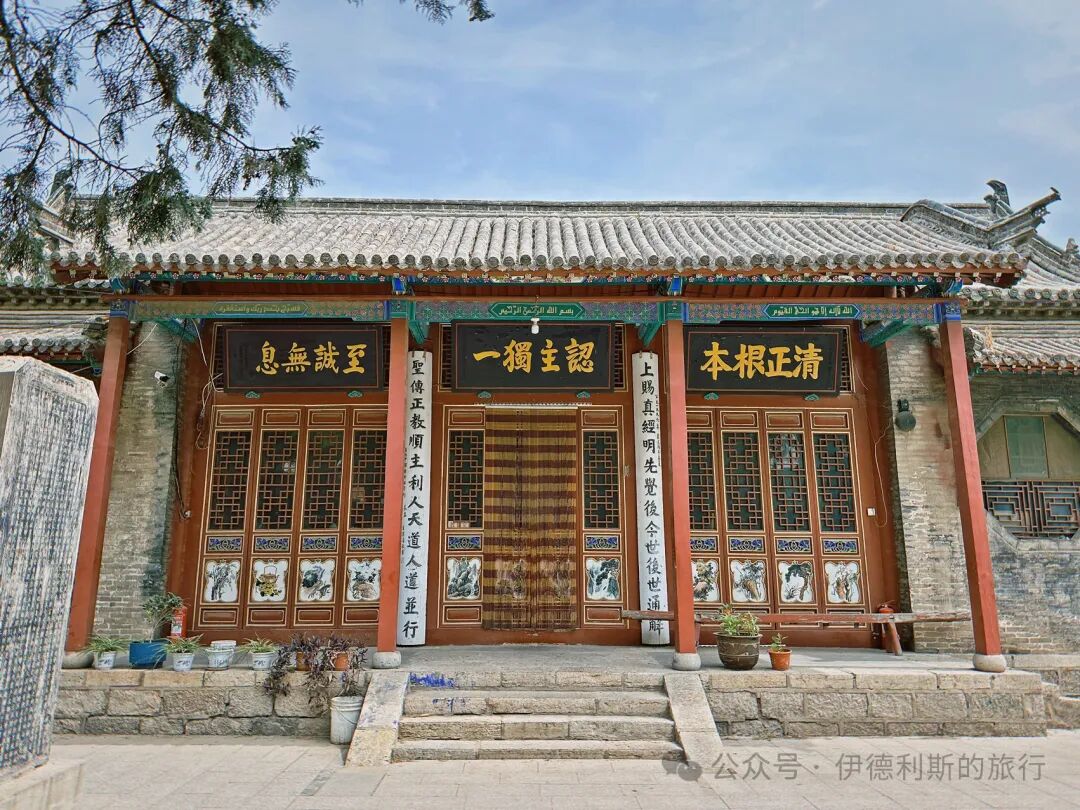
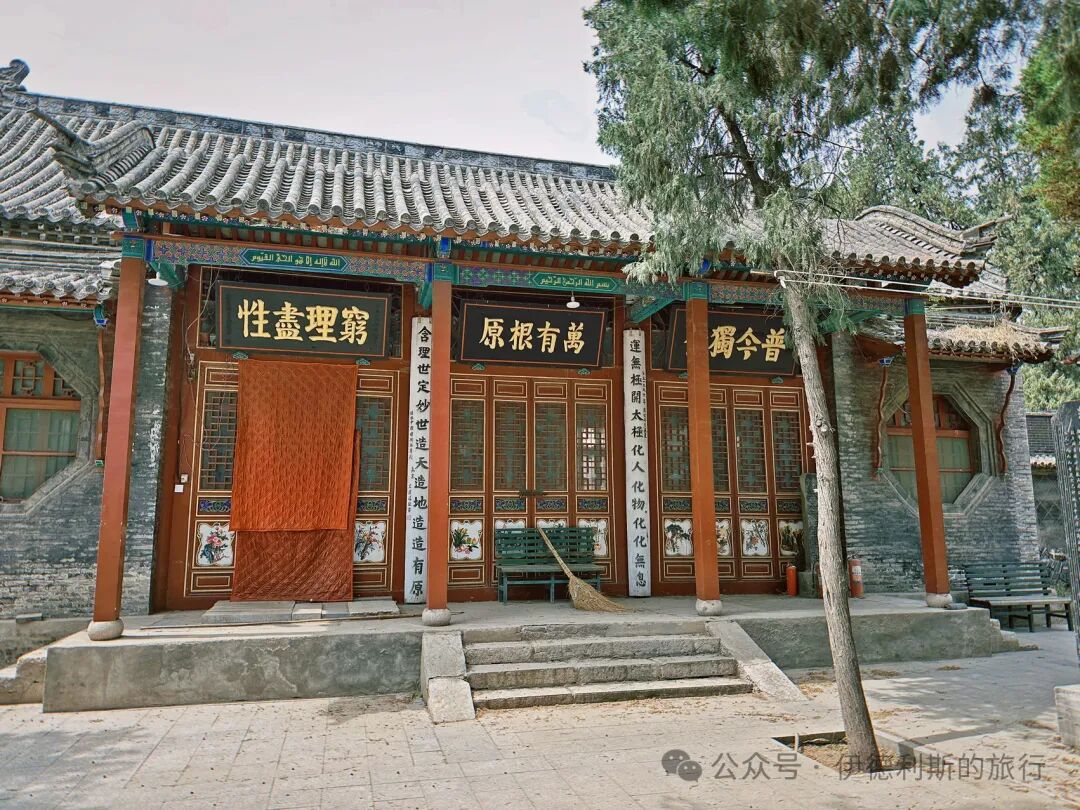
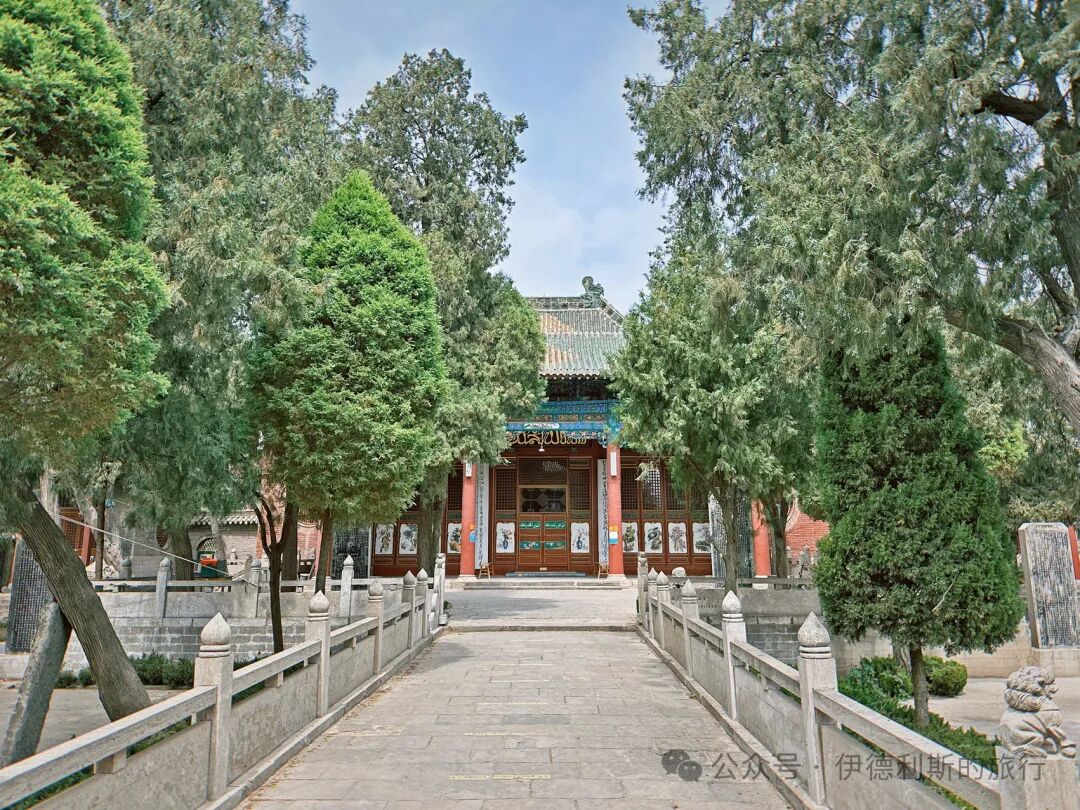
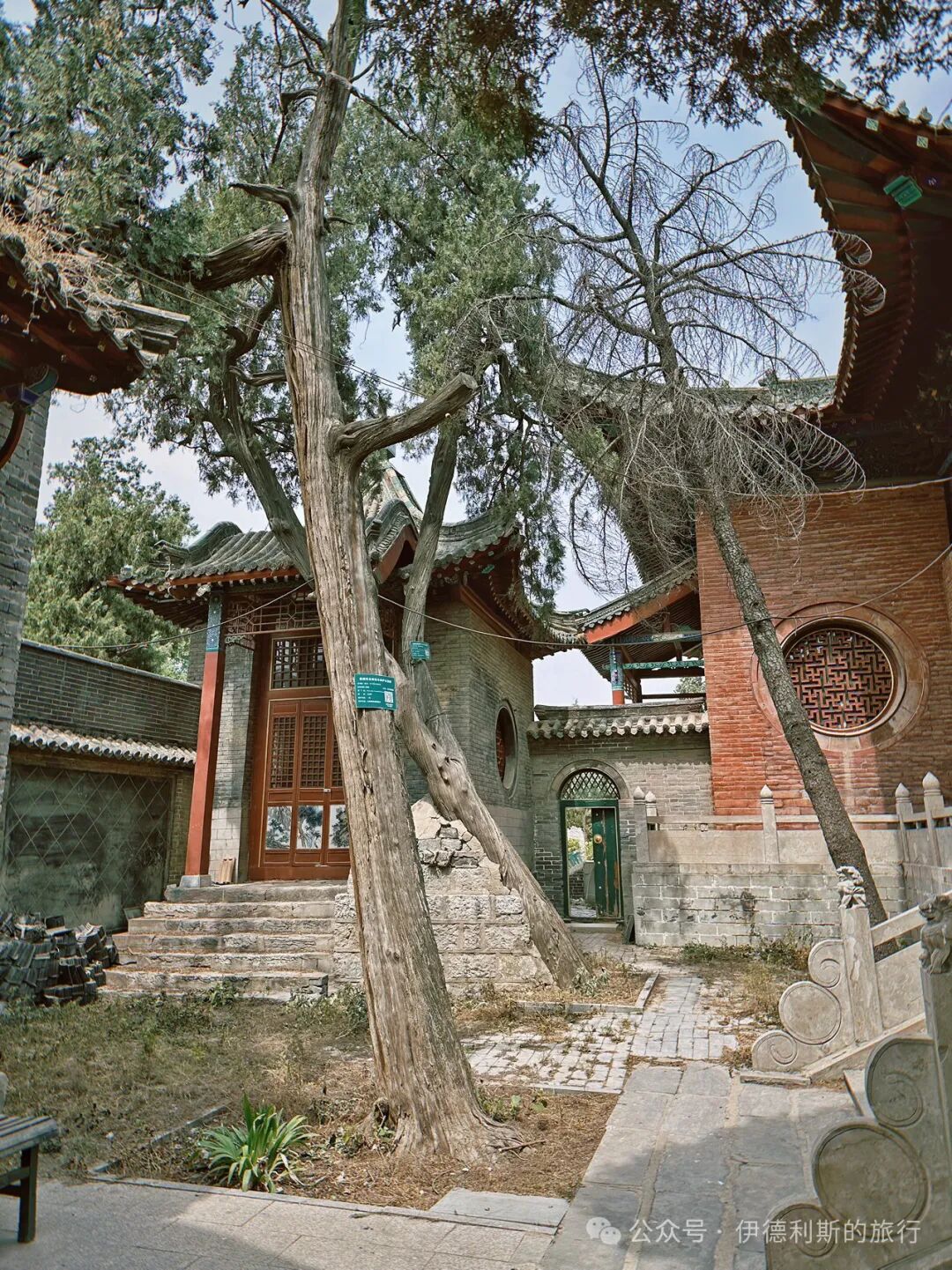
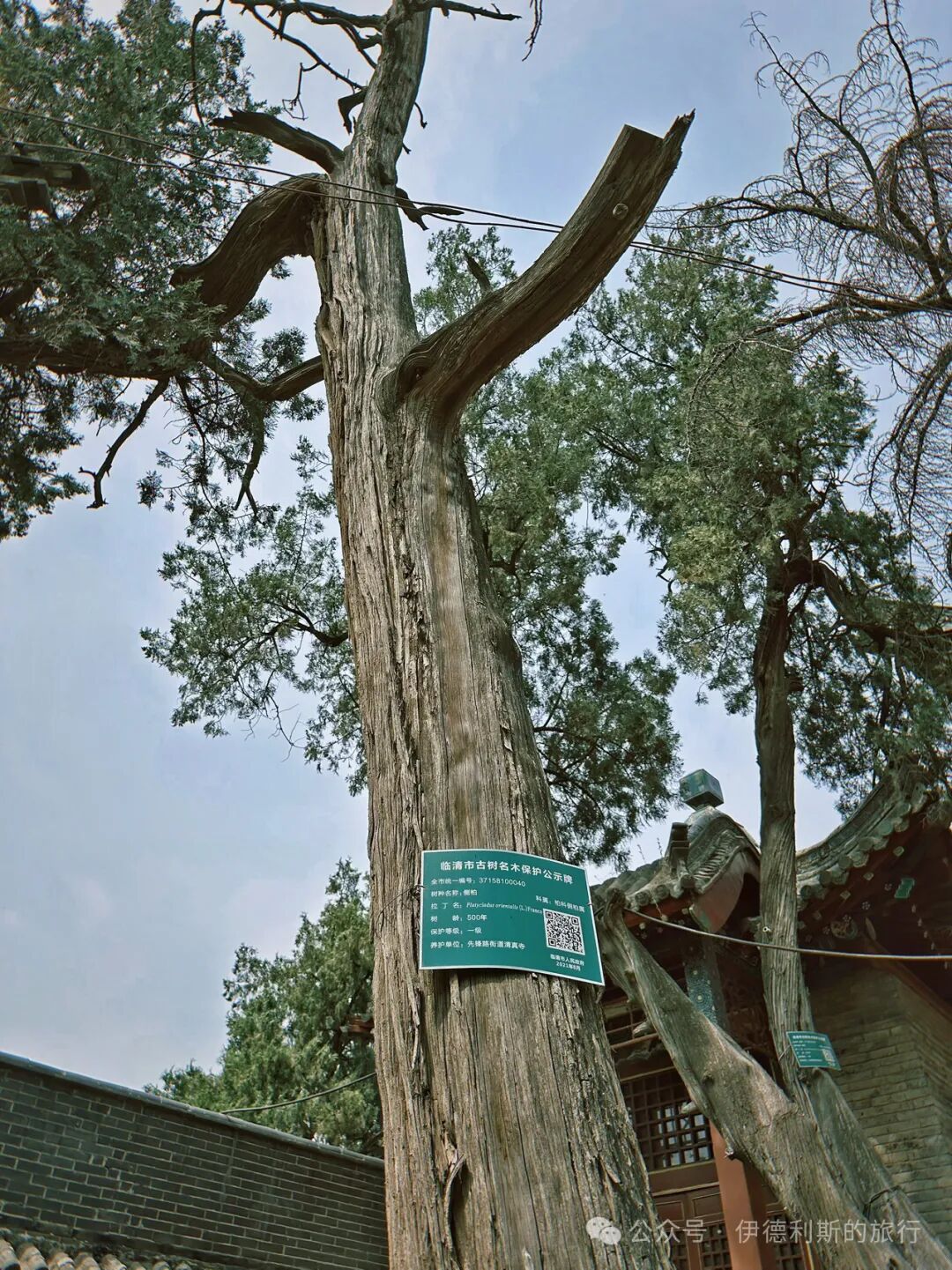
On the north and south sides of the main prayer hall are two scripture pavilions (cangjingting) with four-cornered pointed roofs and small porches (baoxia) in front of the doors. In front of the pavilion stands a 500-year-old Chinese arborvitae (cebai) planted when the mosque was built.
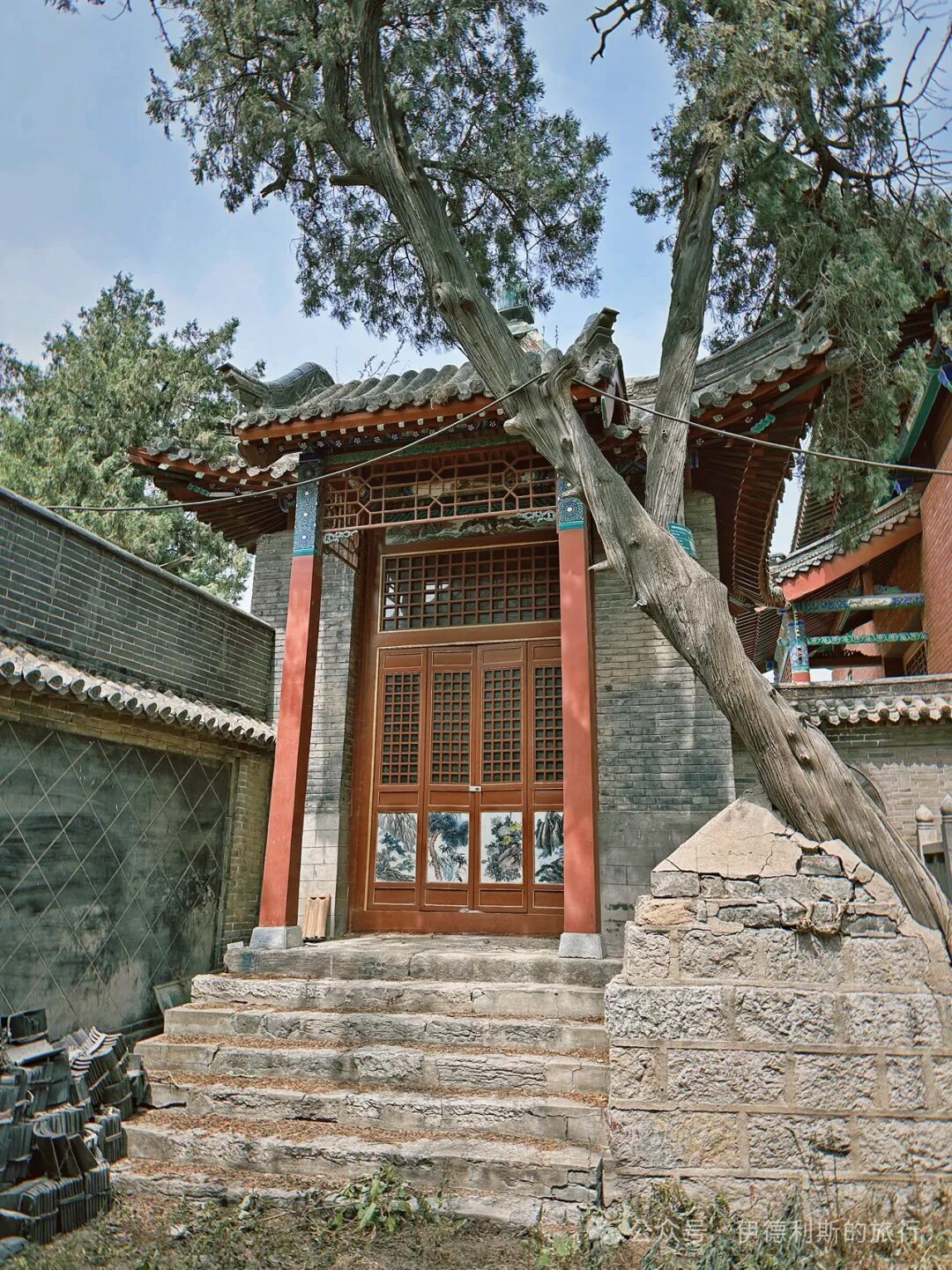
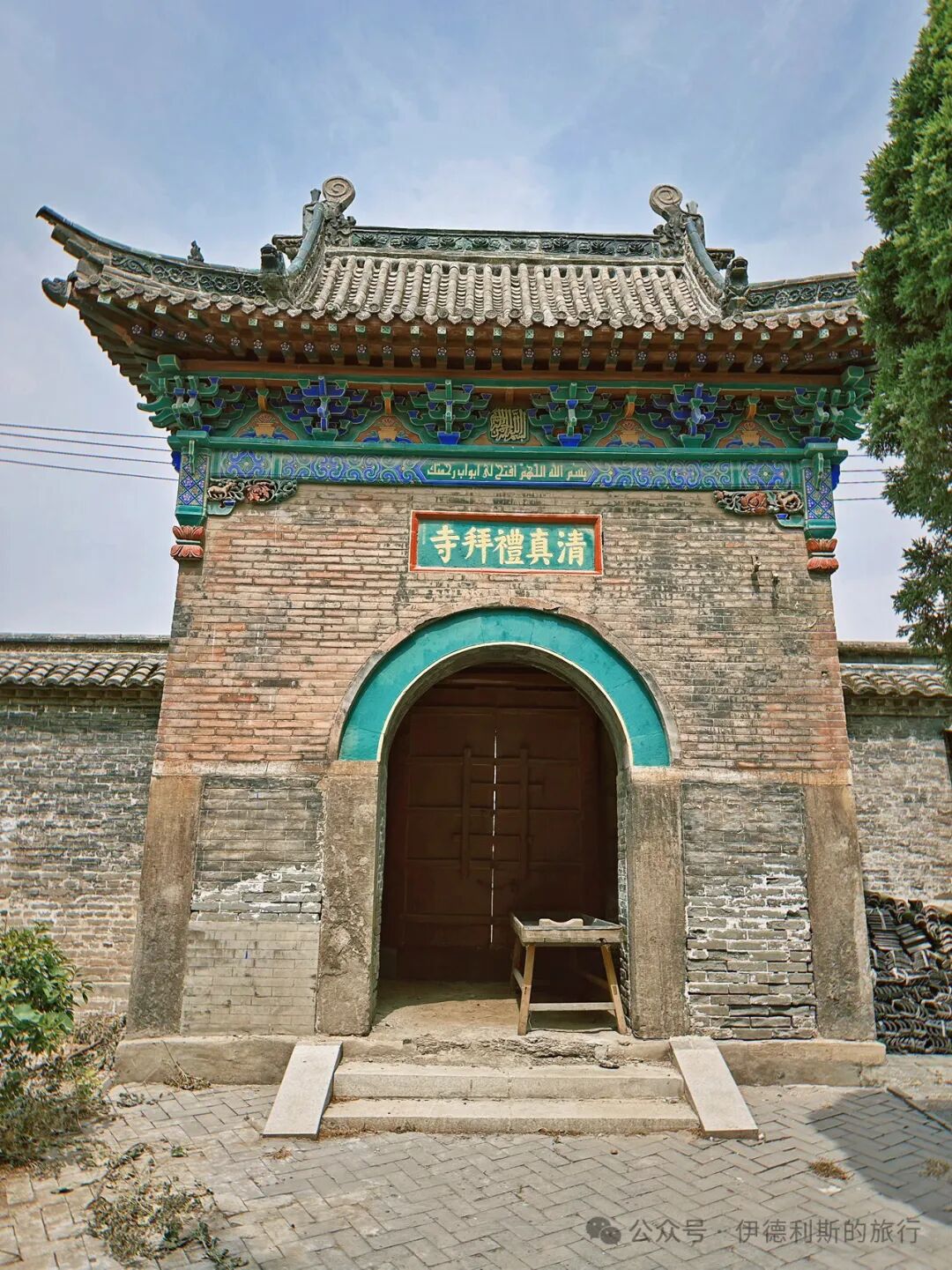
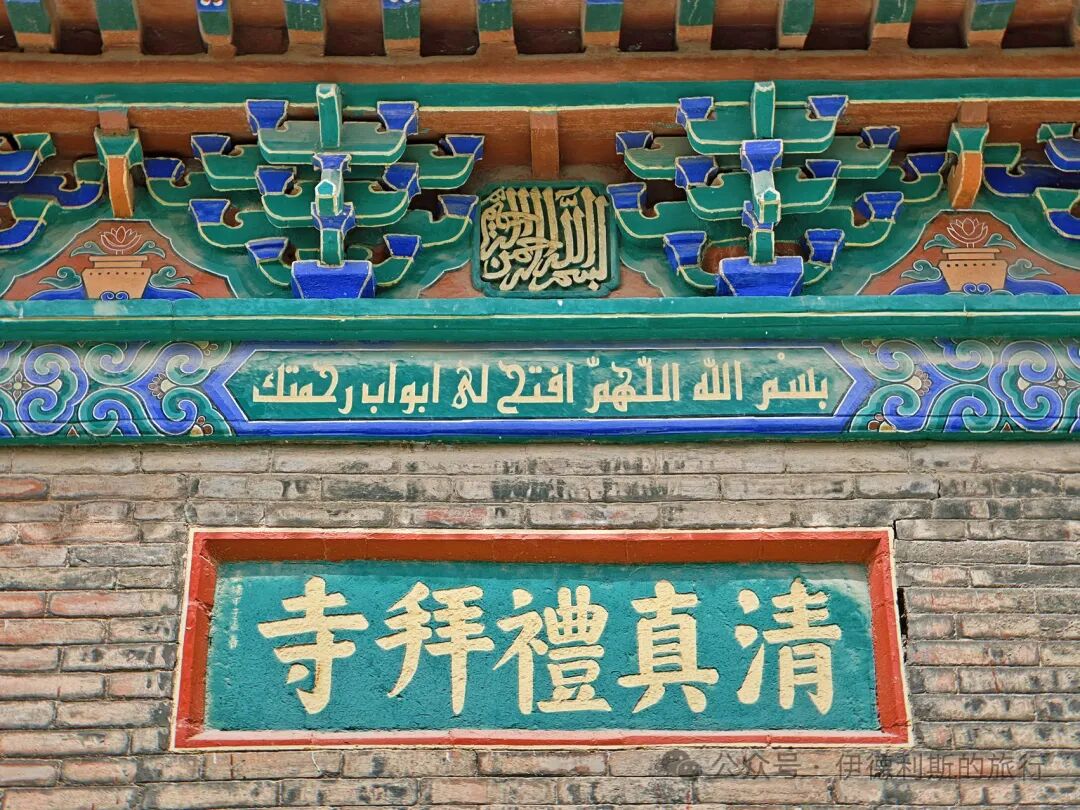
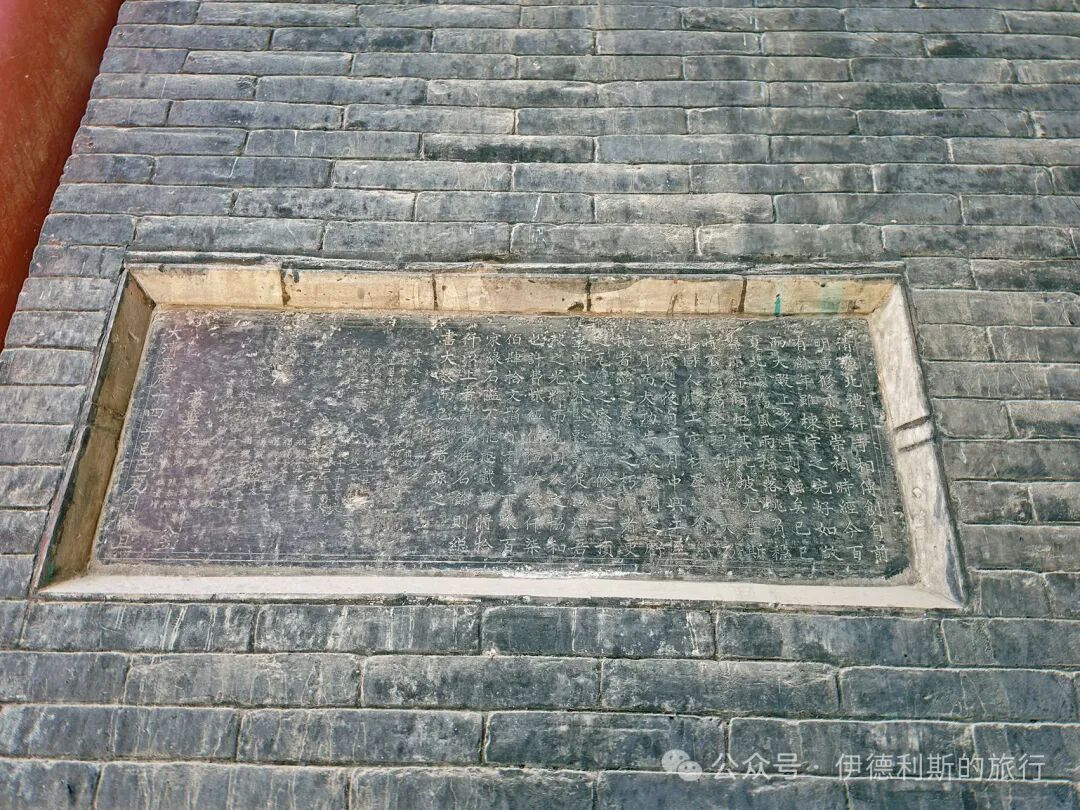
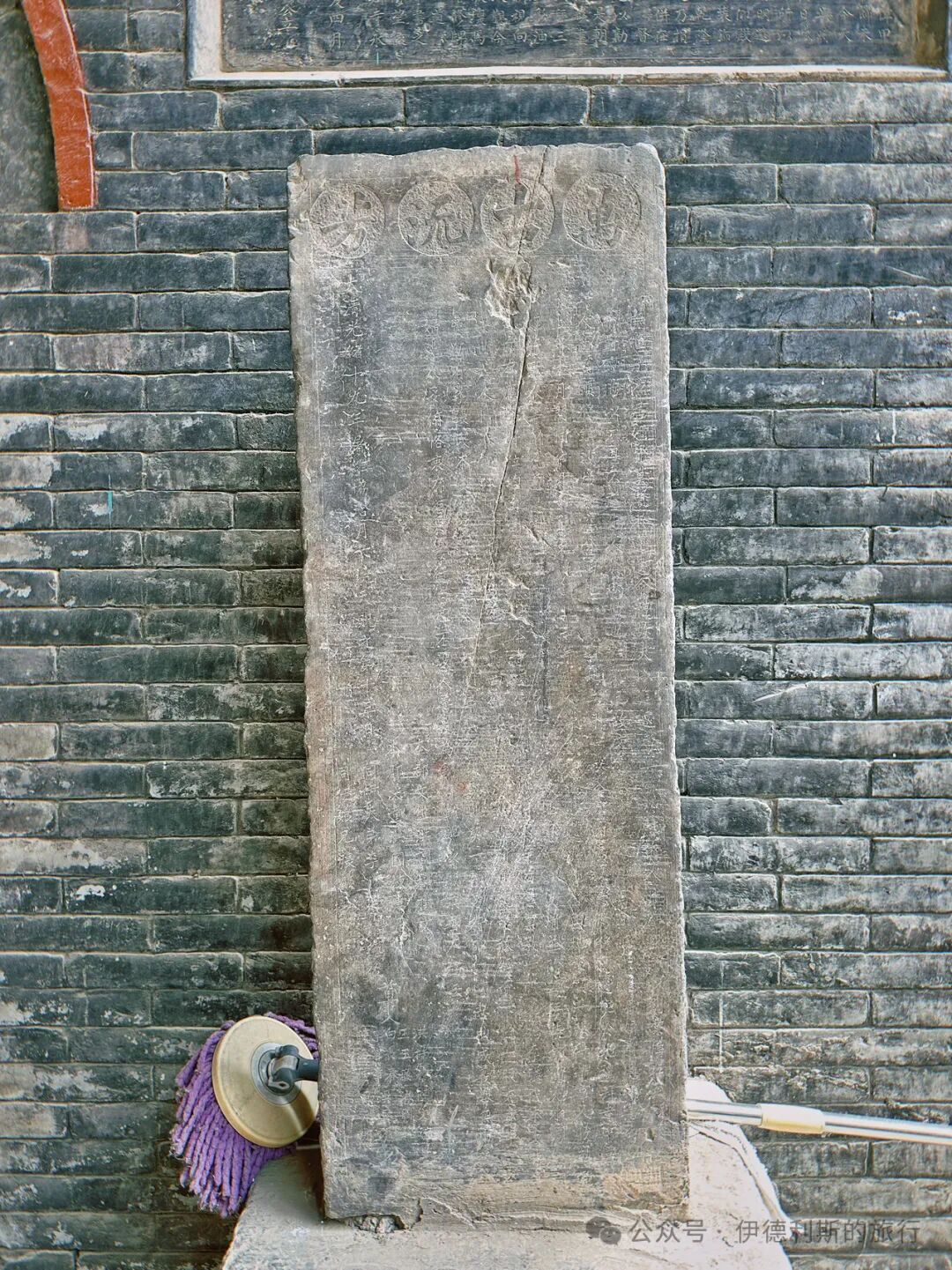
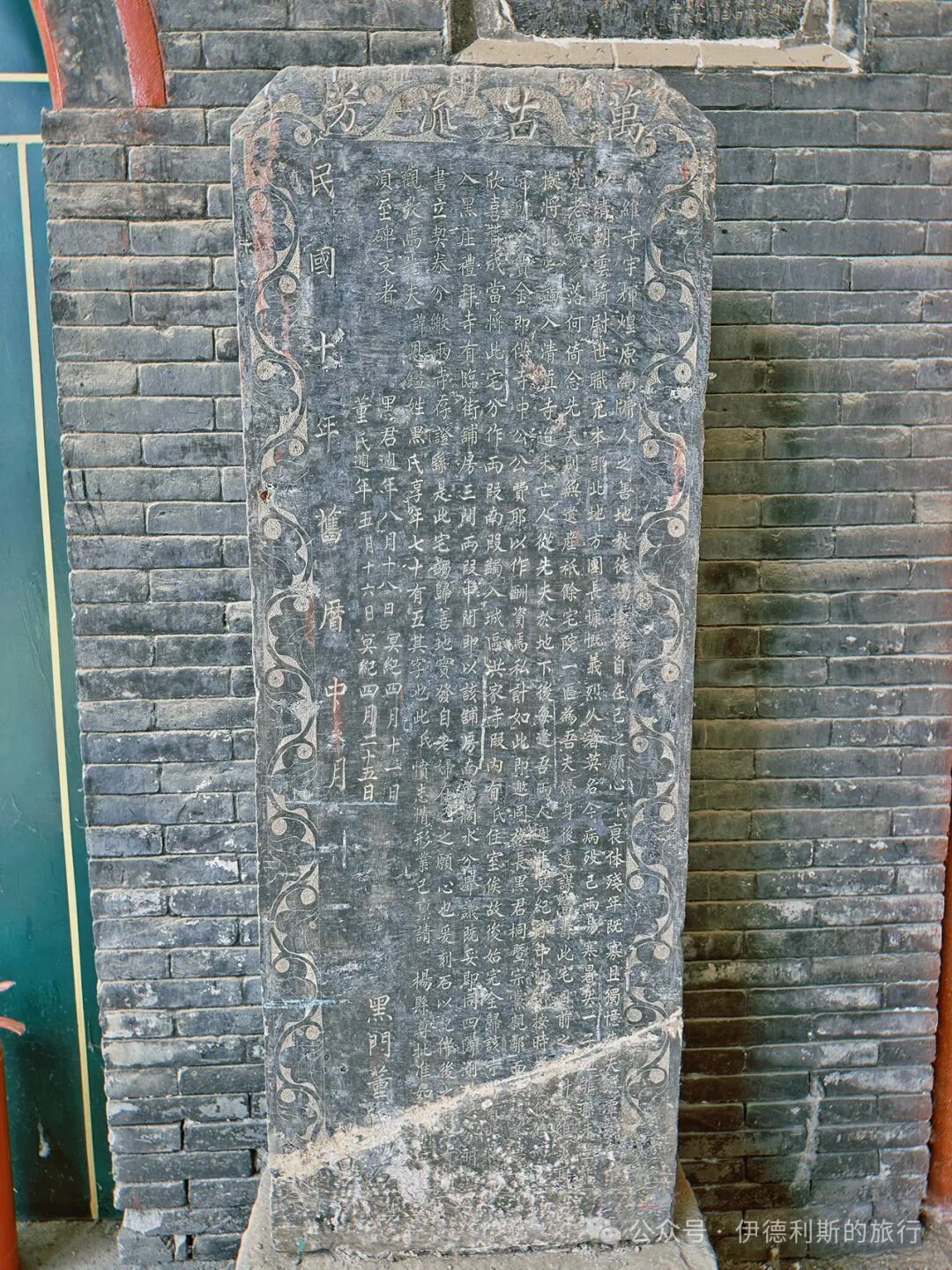
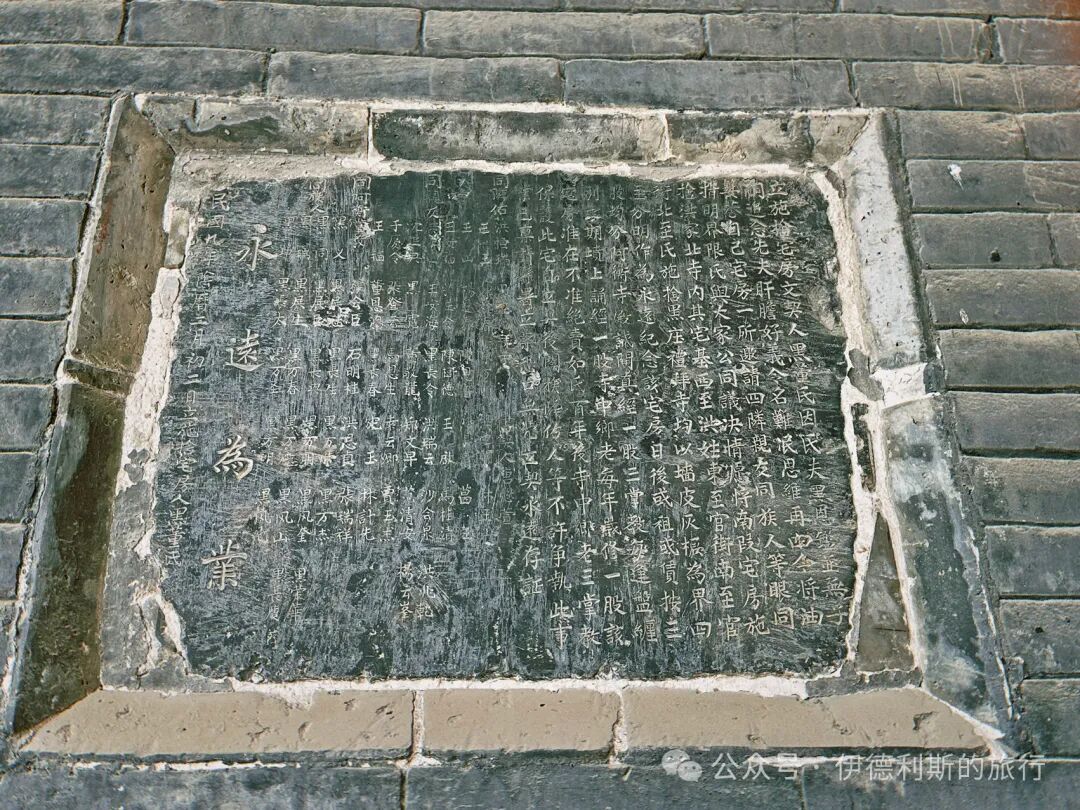
Behind the main hall is the back gate, which features a plaque inscribed with "Qingzhen Libaisi" (Mosque) dated to the first month of the Jiajing jiazi year. The mosque also houses several stone tablets from the Qing dynasty and the Republic of China era.
Linqing East Mosque
After leaving the Linqing North Mosque, I went across the street to the East Mosque to pay my respects at the tombs of the saints (shamu) and the Hufu cemetery (Hufutan). The Linqing East Mosque was first built in 1465 (the first year of the Chenghua reign of the Ming dynasty). It was renovated twice in 1583 (the eleventh year of the Wanli reign) and 1649 (the sixth year of the Shunzhi reign), then expanded again in 1734 (the twelfth year of the Yongzheng reign), resulting in its grand scale.
On the far west side of the Linqing East Mosque is the back gate, which features a "Libaisi" (Mosque) plaque inscribed during the renovation in the sixth year of the Shunzhi reign. Behind the back gate is the main prayer hall, which consists of a front porch (juanpeng), the main hall, and a rear vaulted hall (yaodian). The roof of the vaulted hall has four sloping sides meeting at a point, topped with a gilded gourd-shaped finial.
The main hall is nearly 30 meters deep, with 14 pillars supporting the roof beams. The mihrab is the same style as the one in the North Mosque, featuring a decorative archway design.
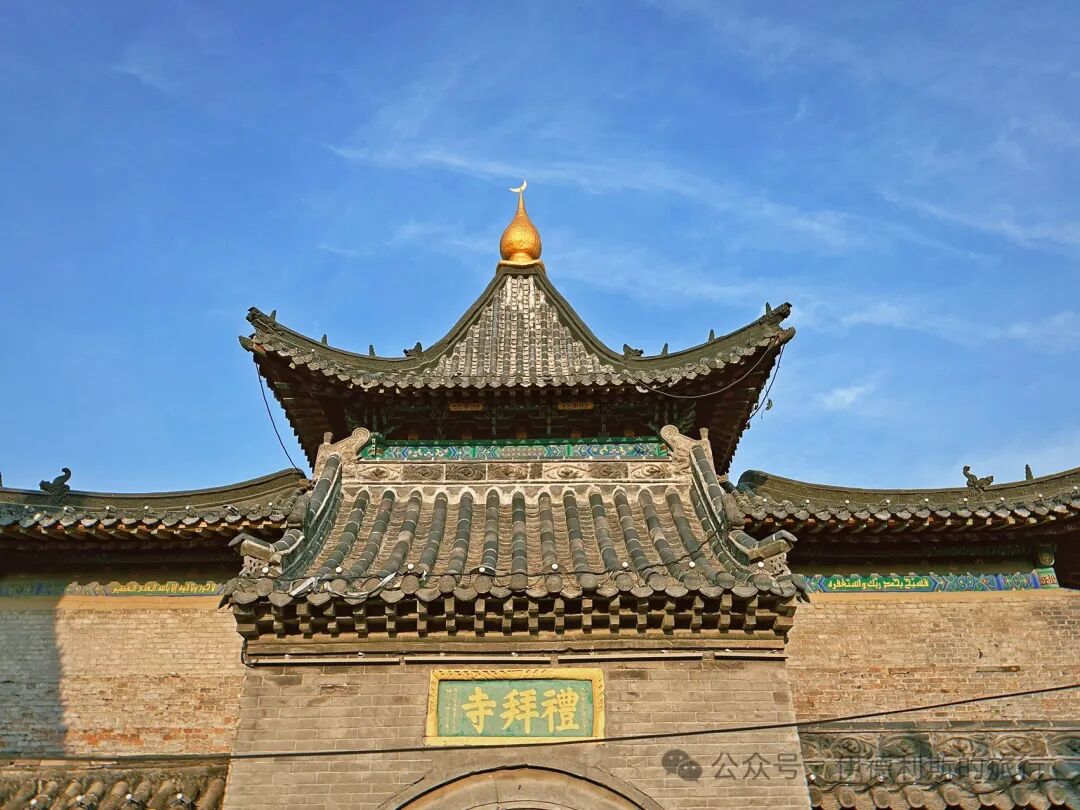
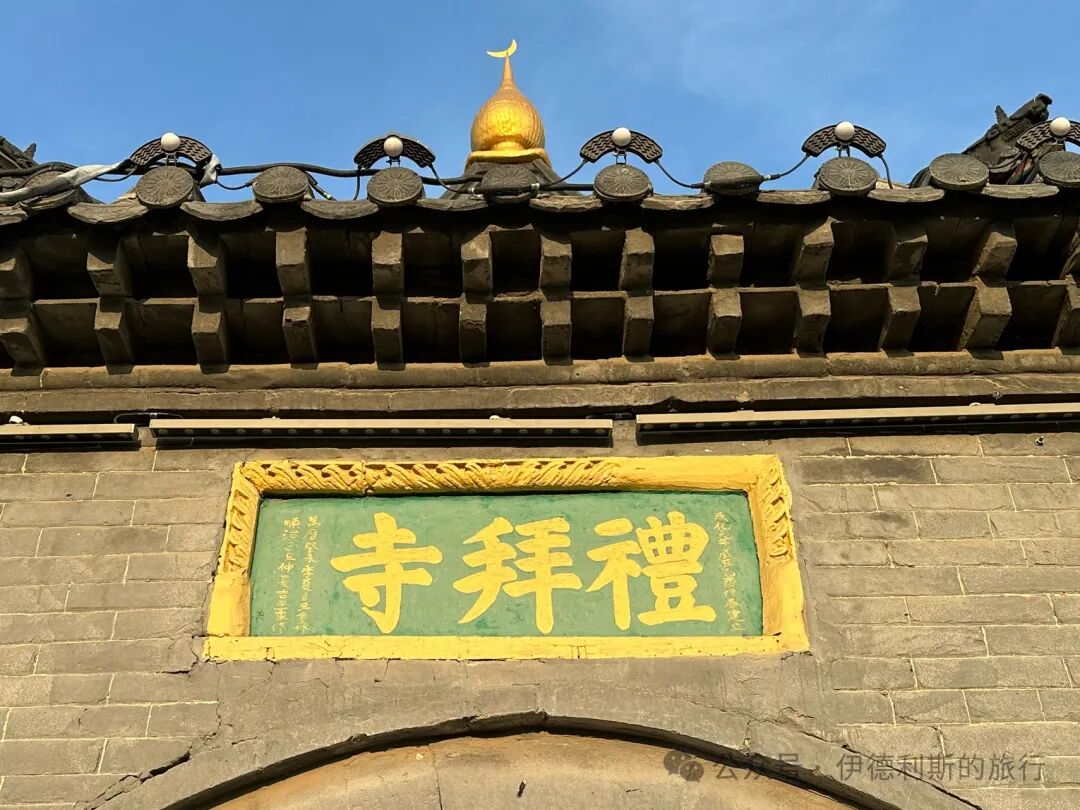
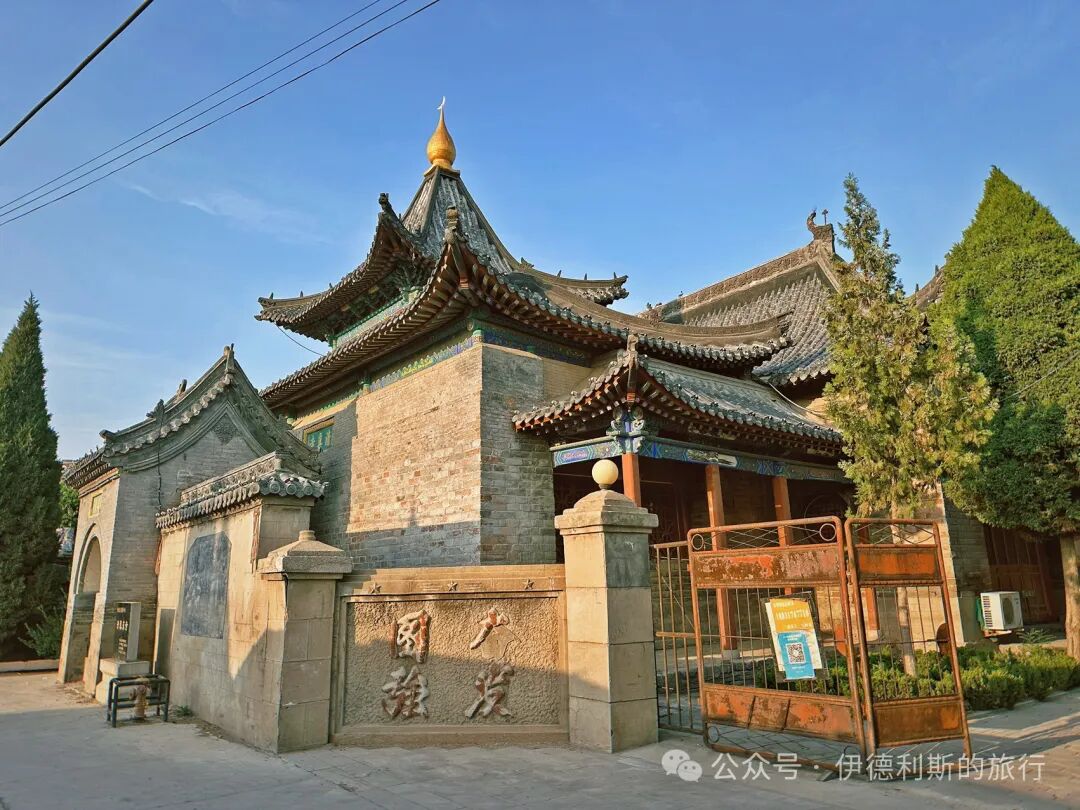
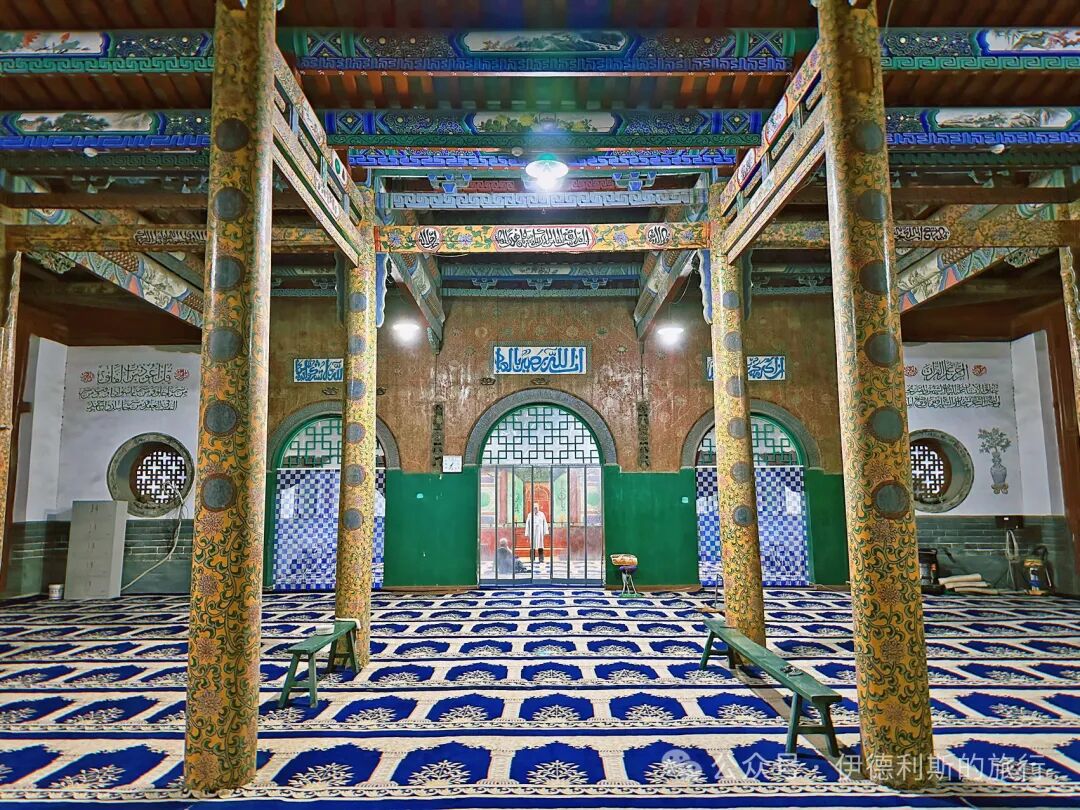
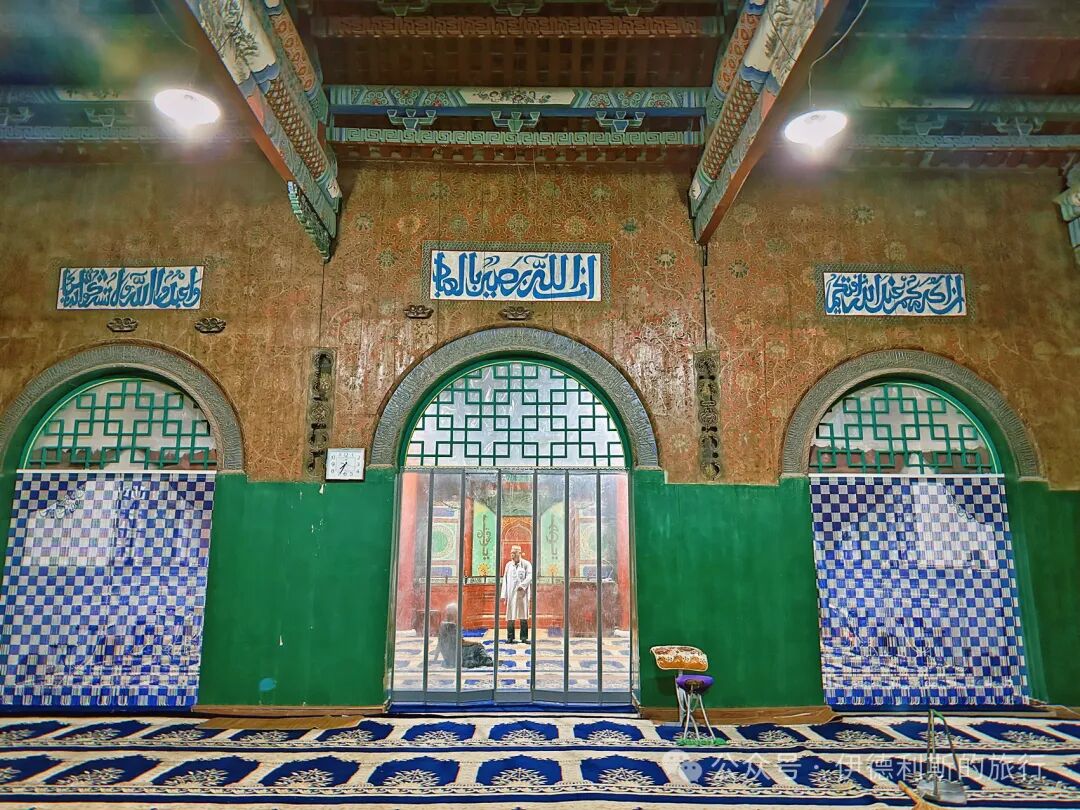
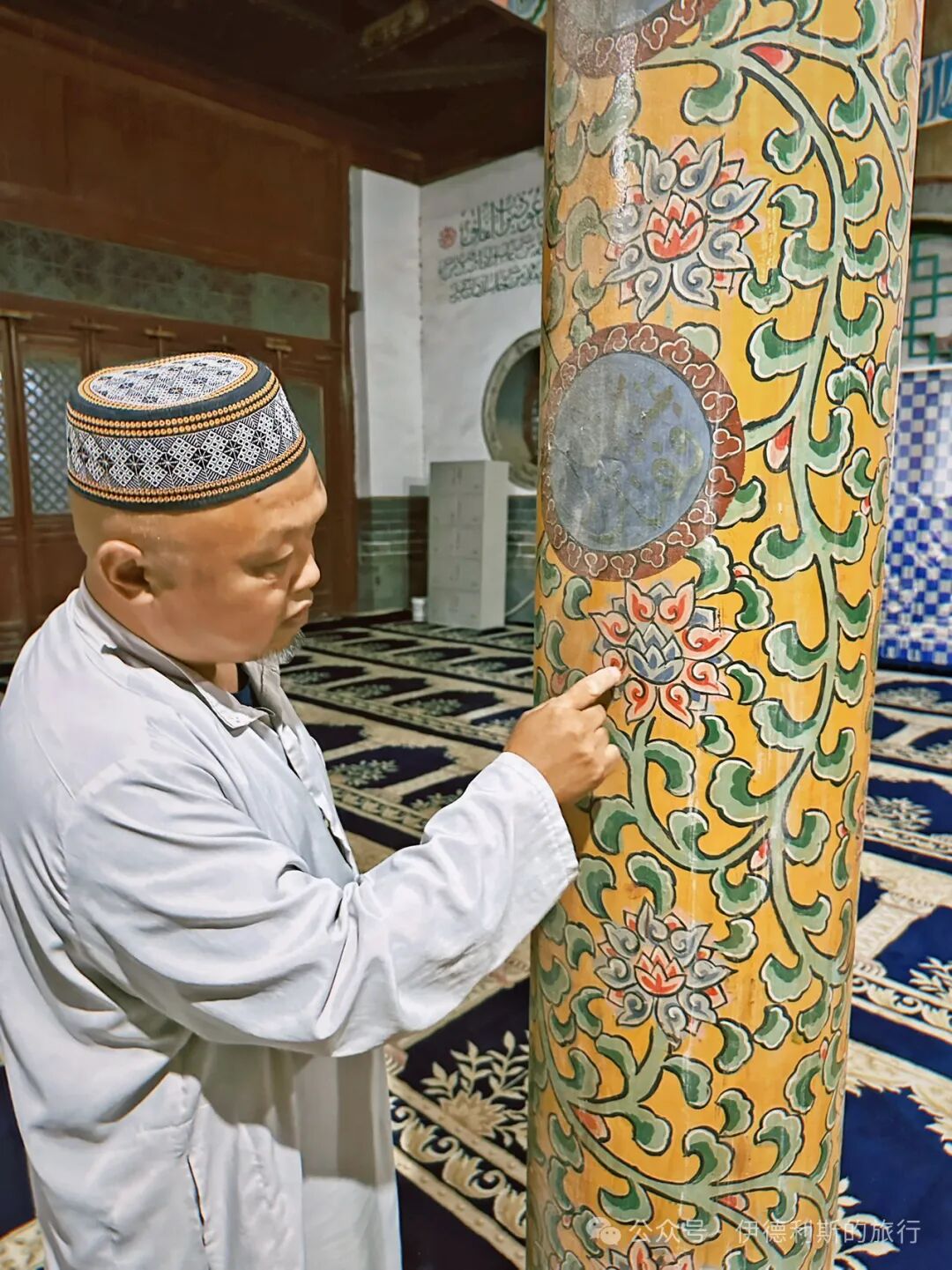
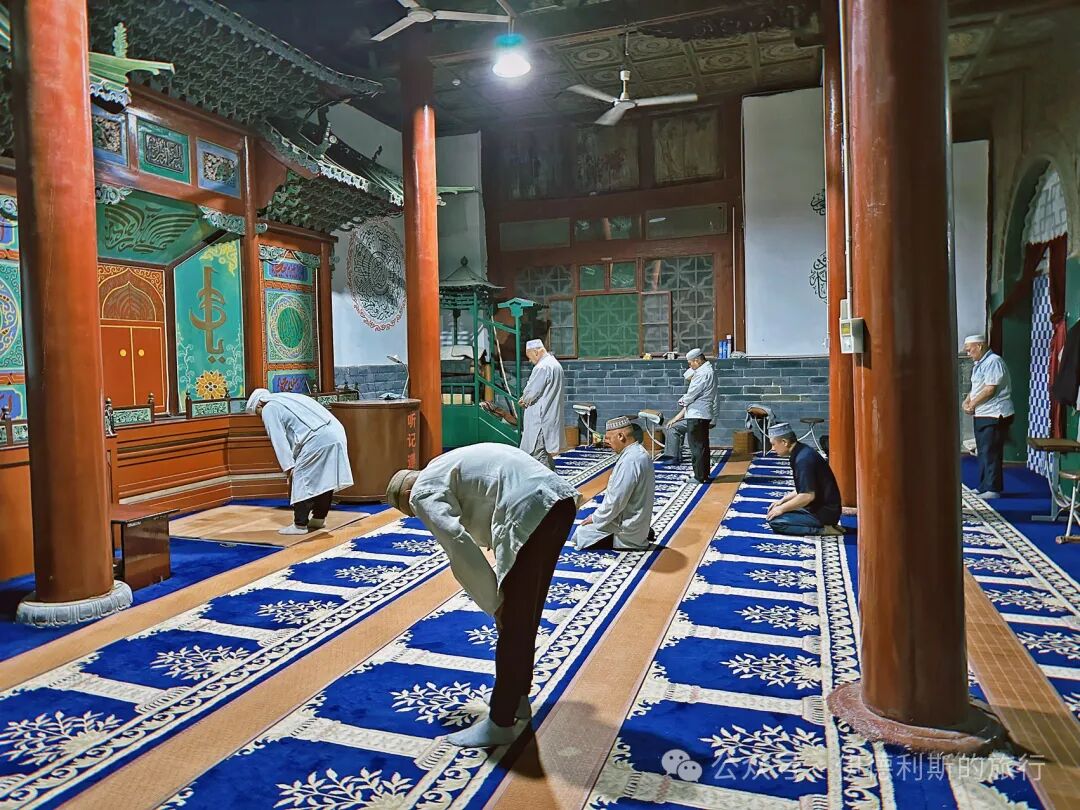
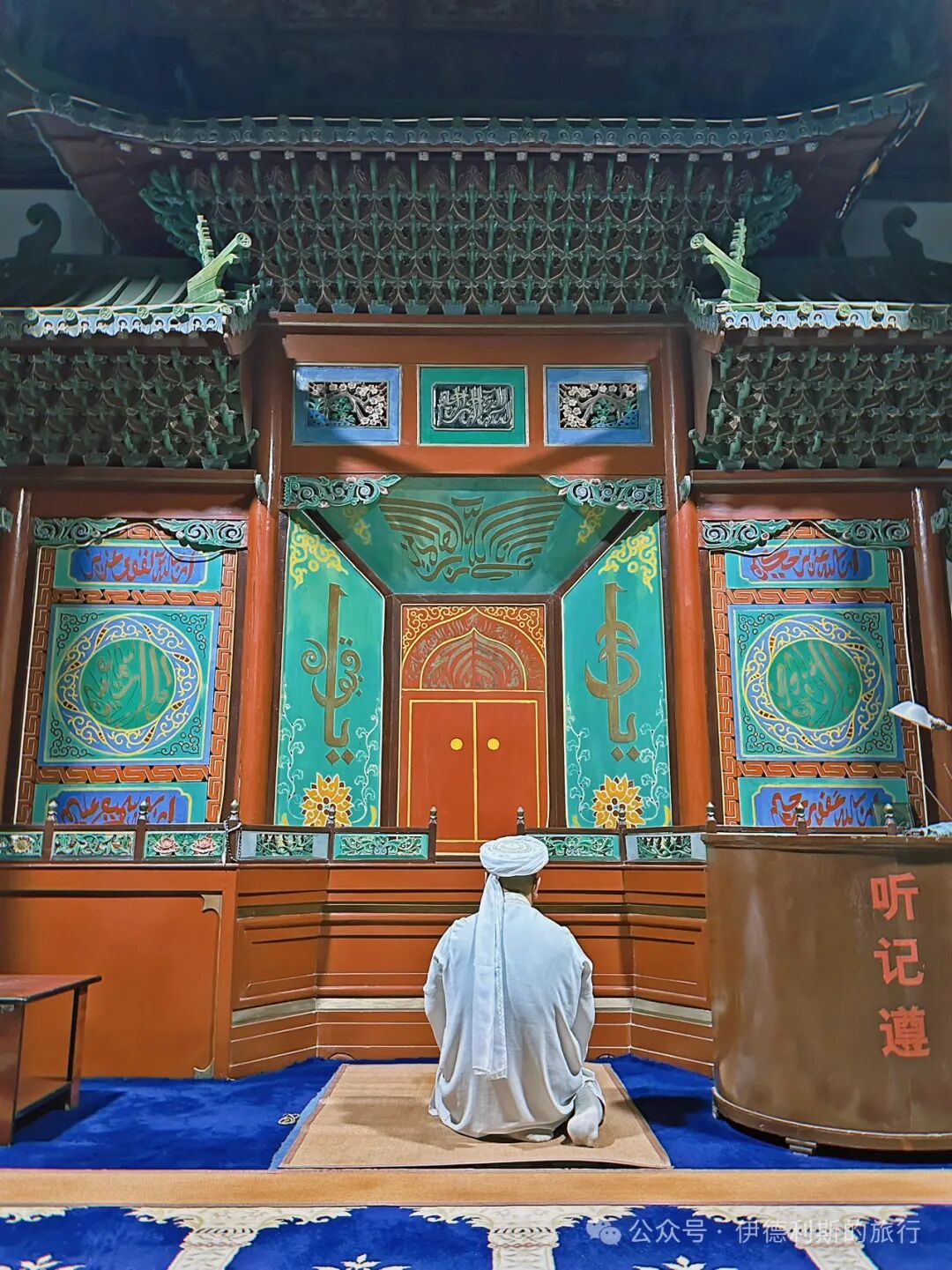
The East Mosque has a porch roof (juanpeng) over the main hall and traditional calligraphy preserved on the pillars inside.
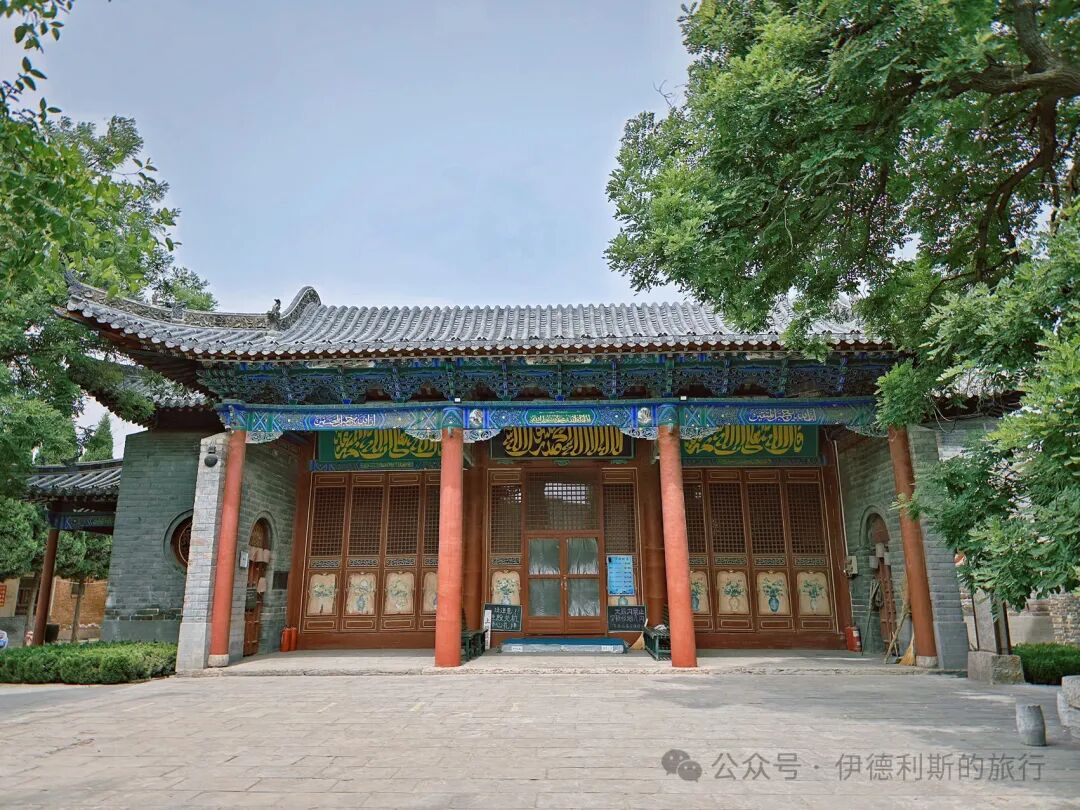
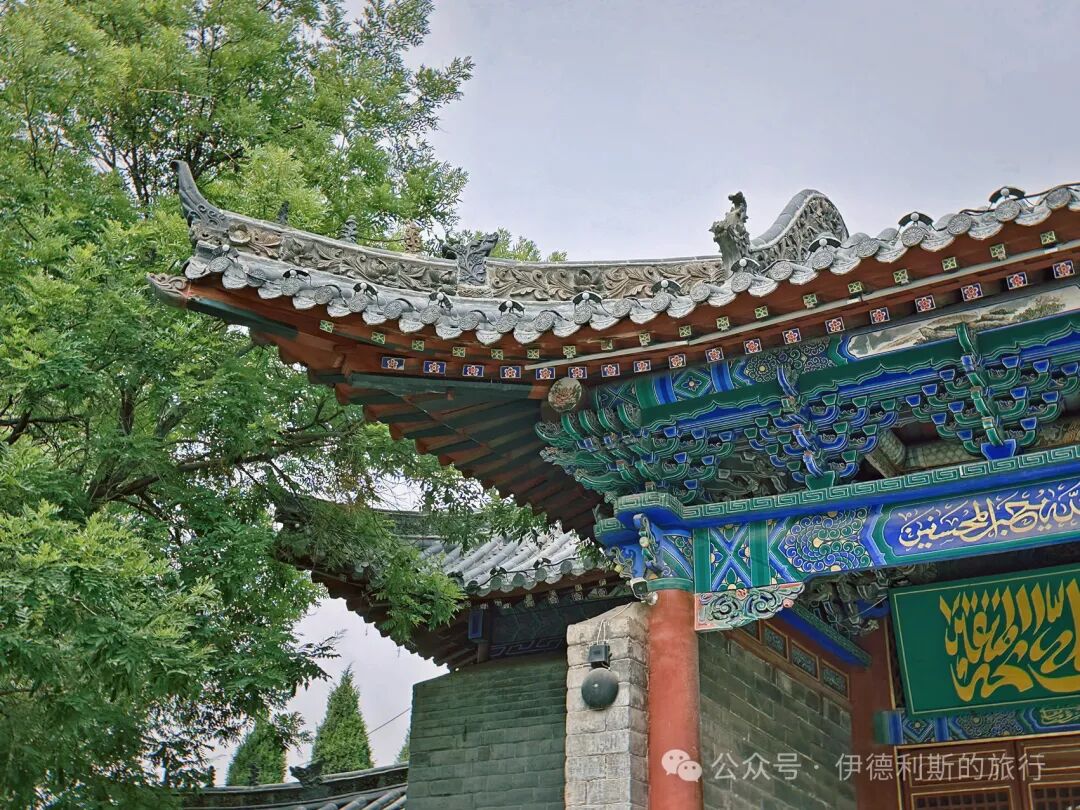
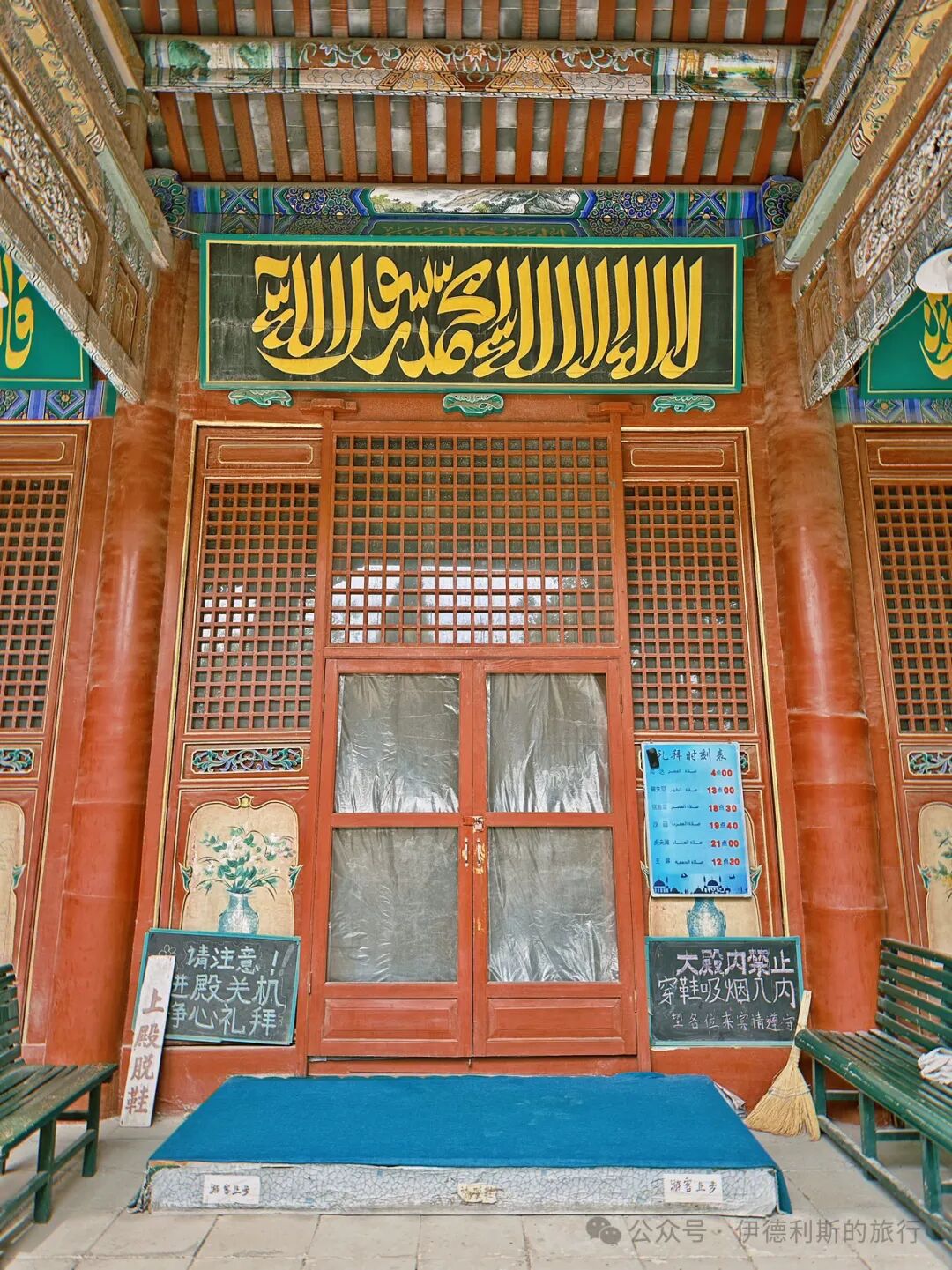
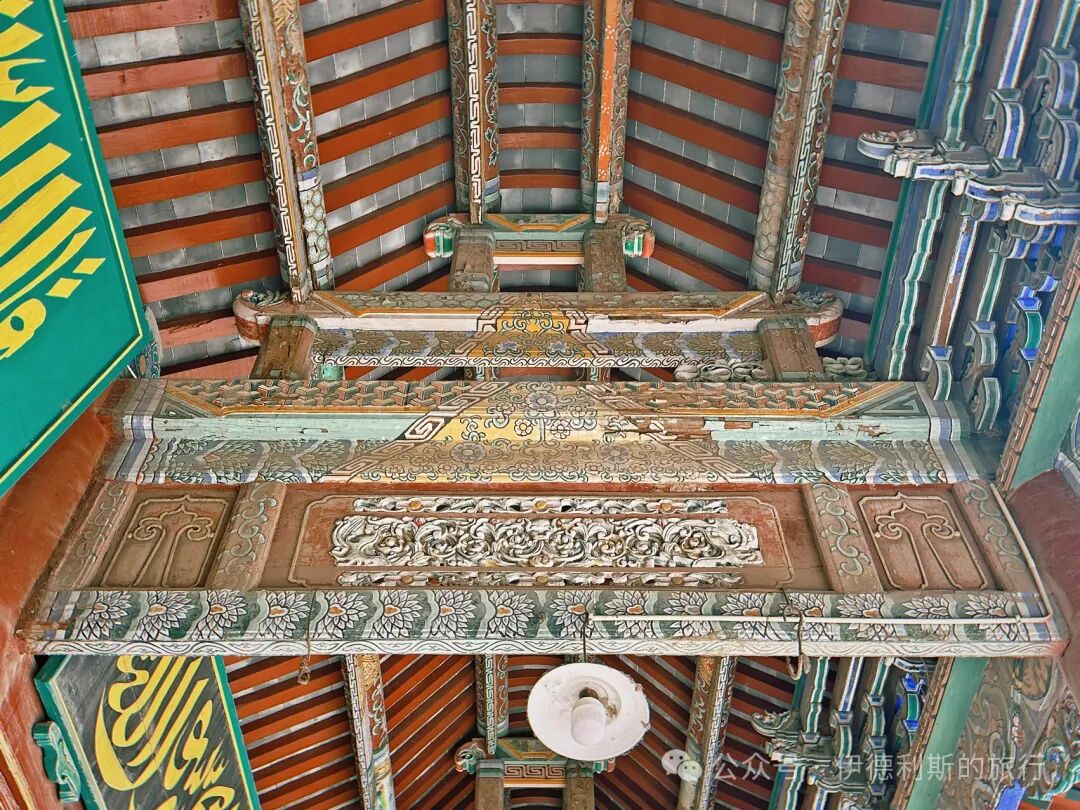
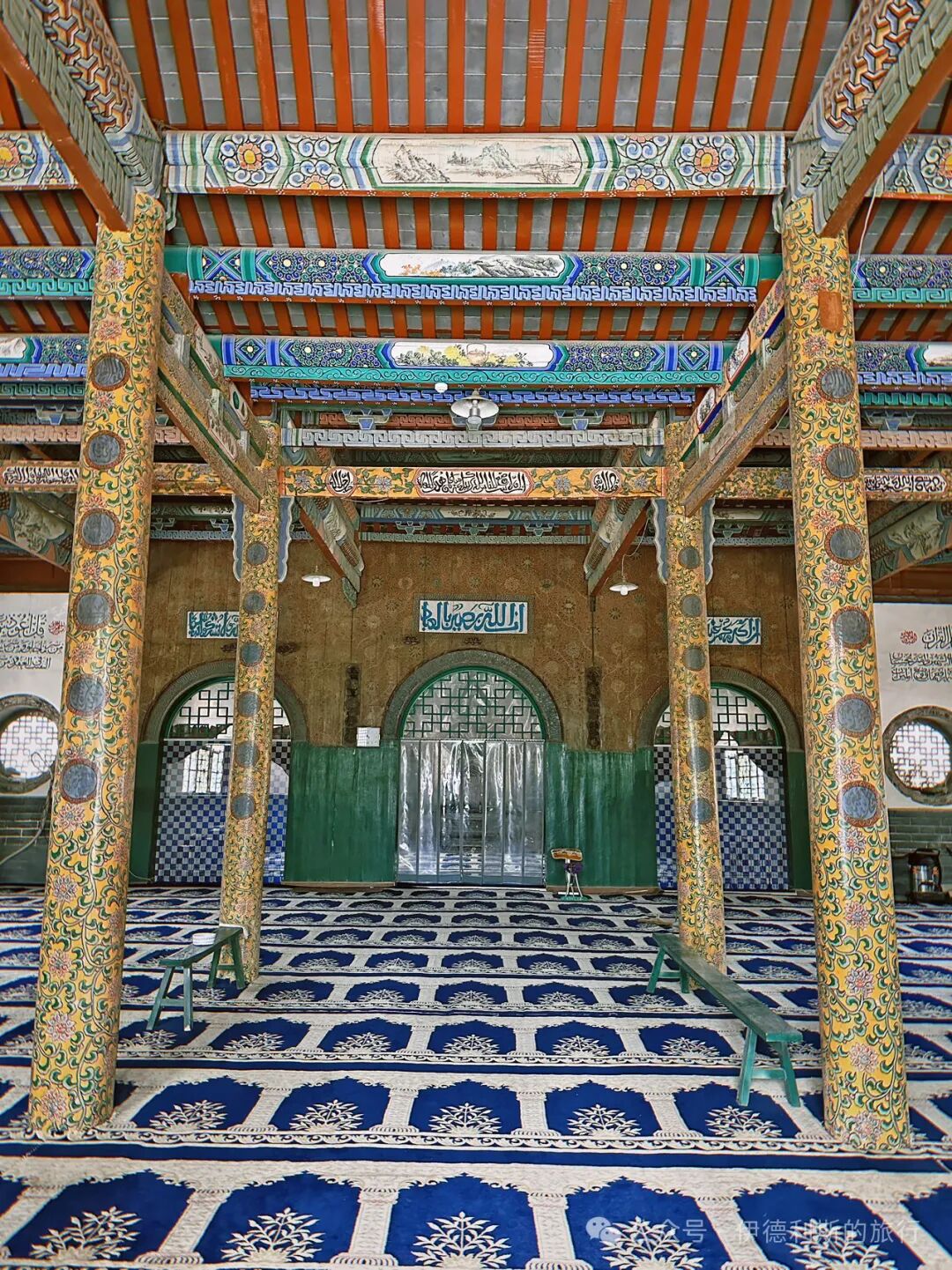
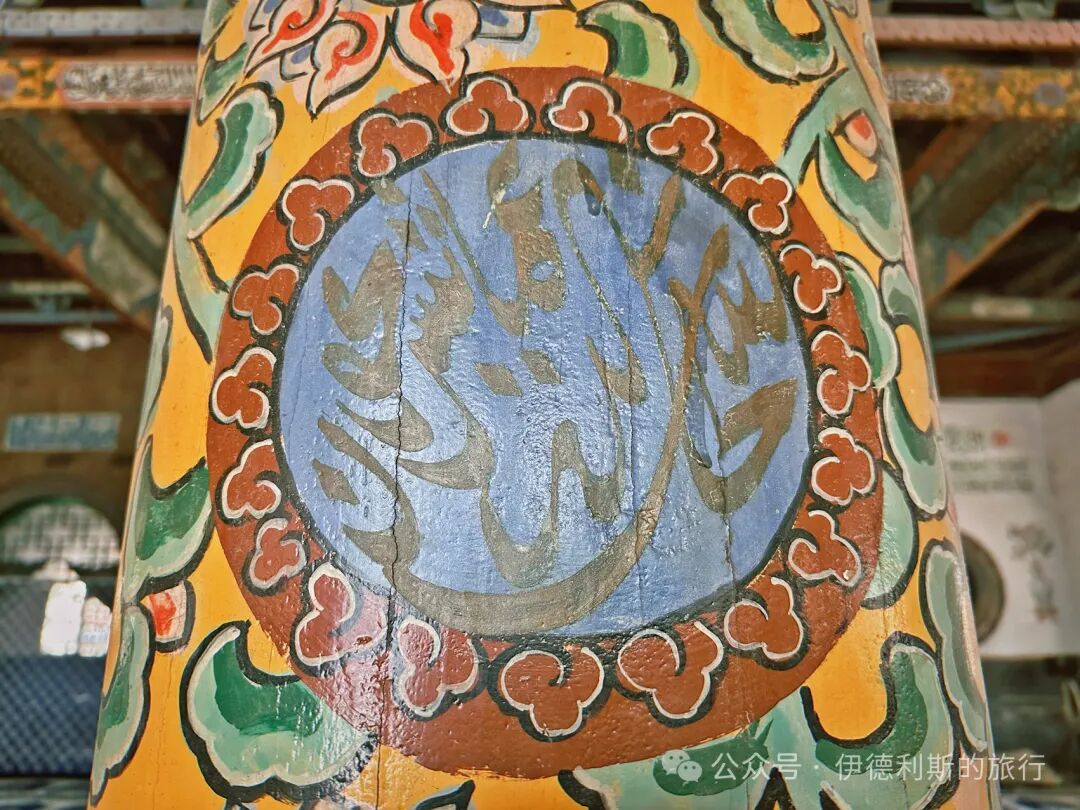
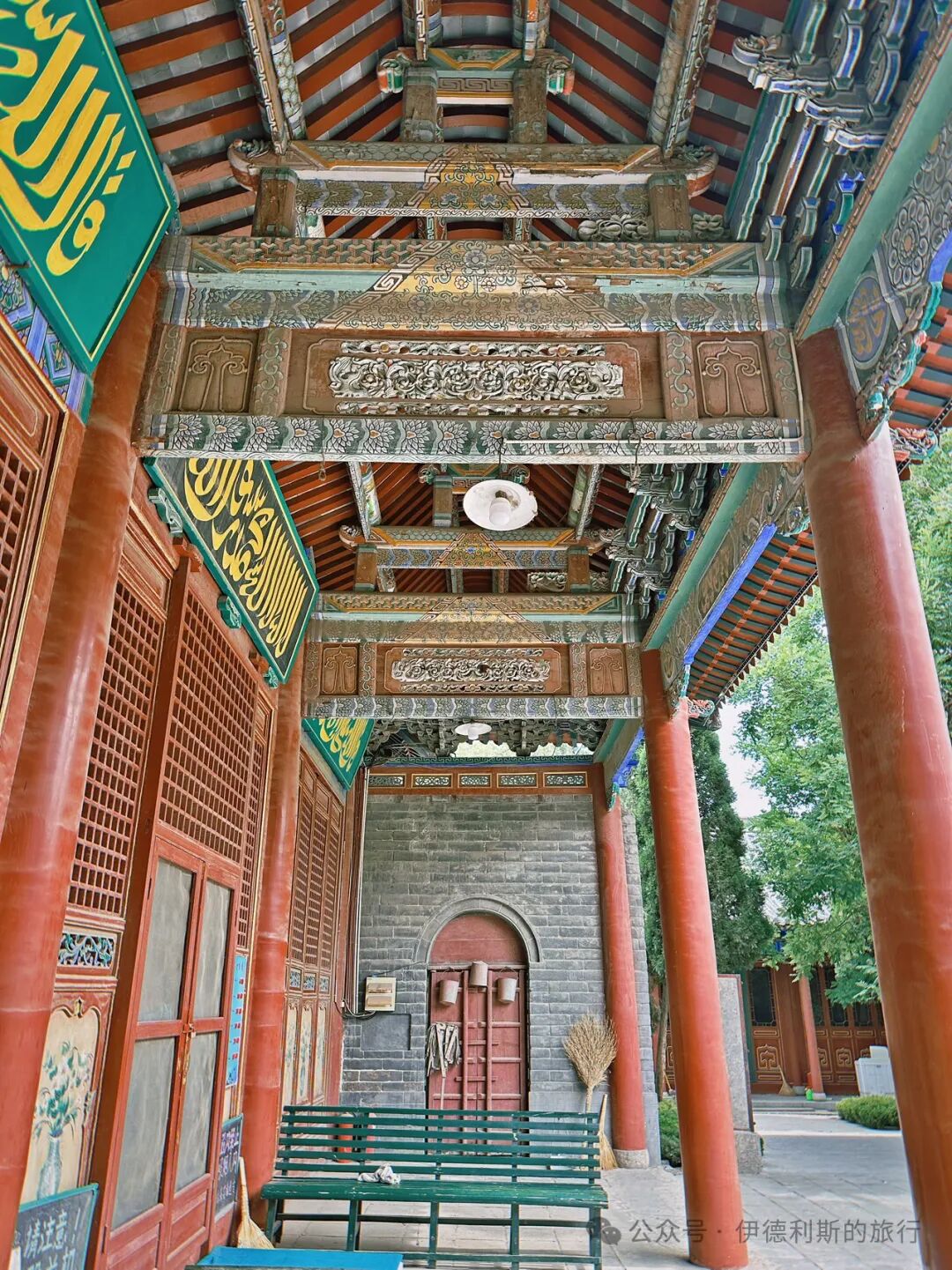
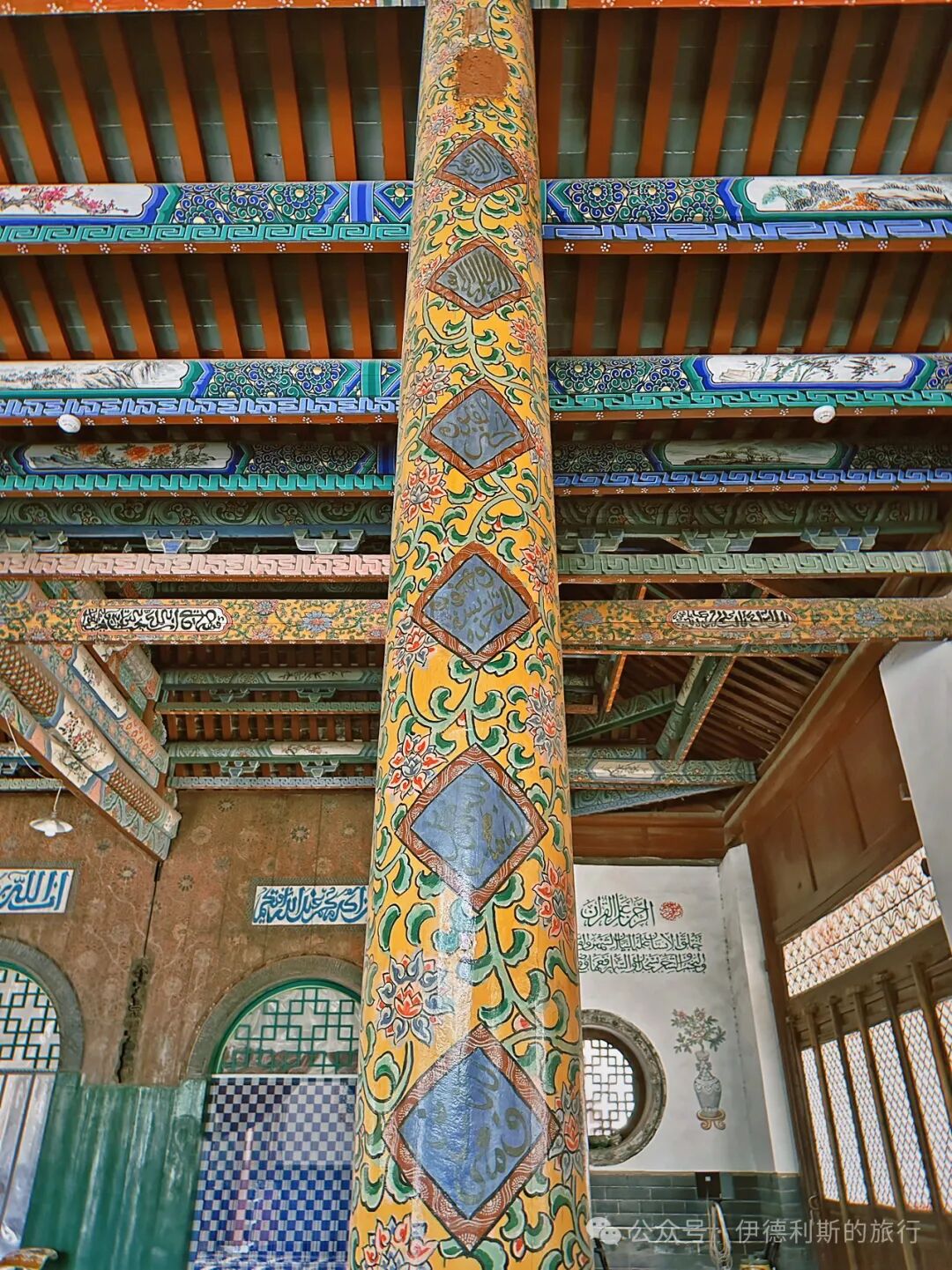
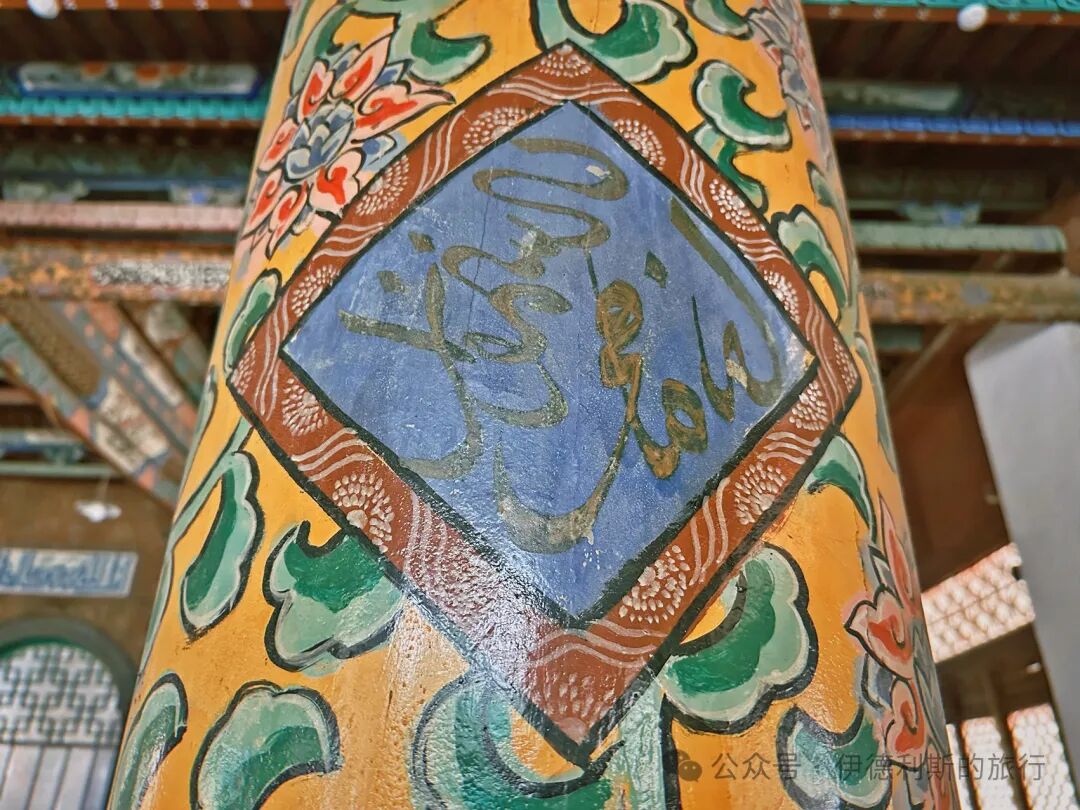
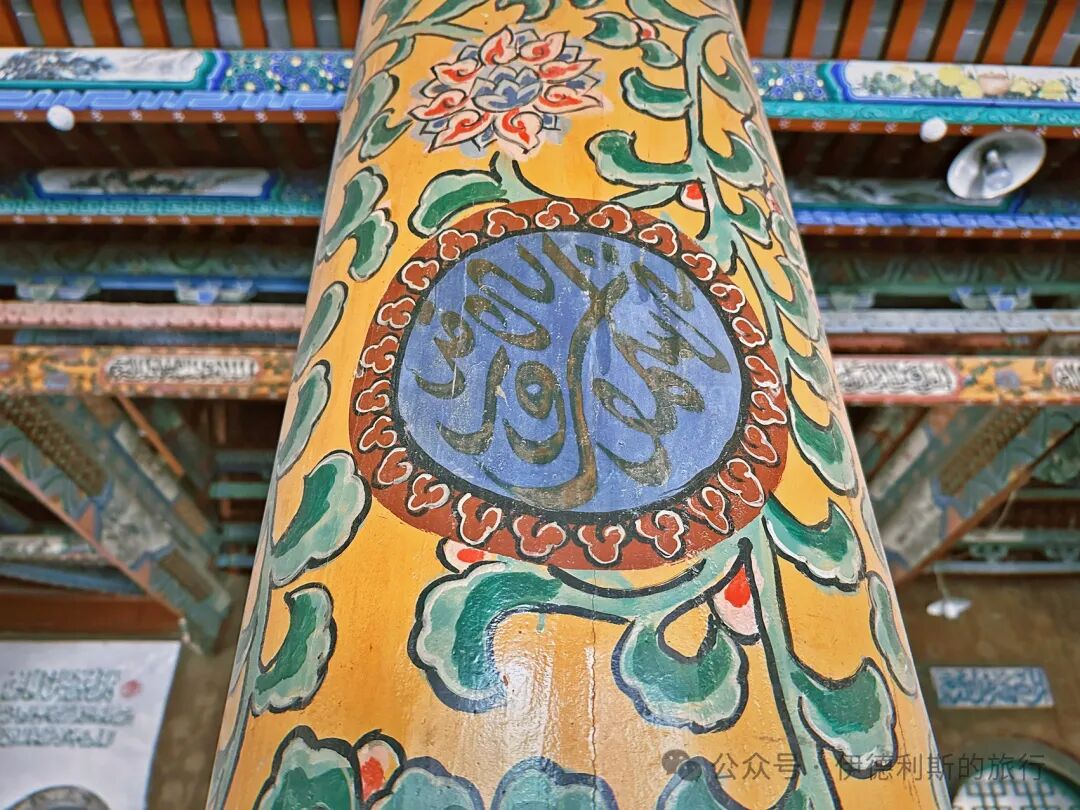
The main hall of the East Mosque features detailed roof beams and ridges, along with beautiful painted ceilings inside the prayer niche (yaodian).
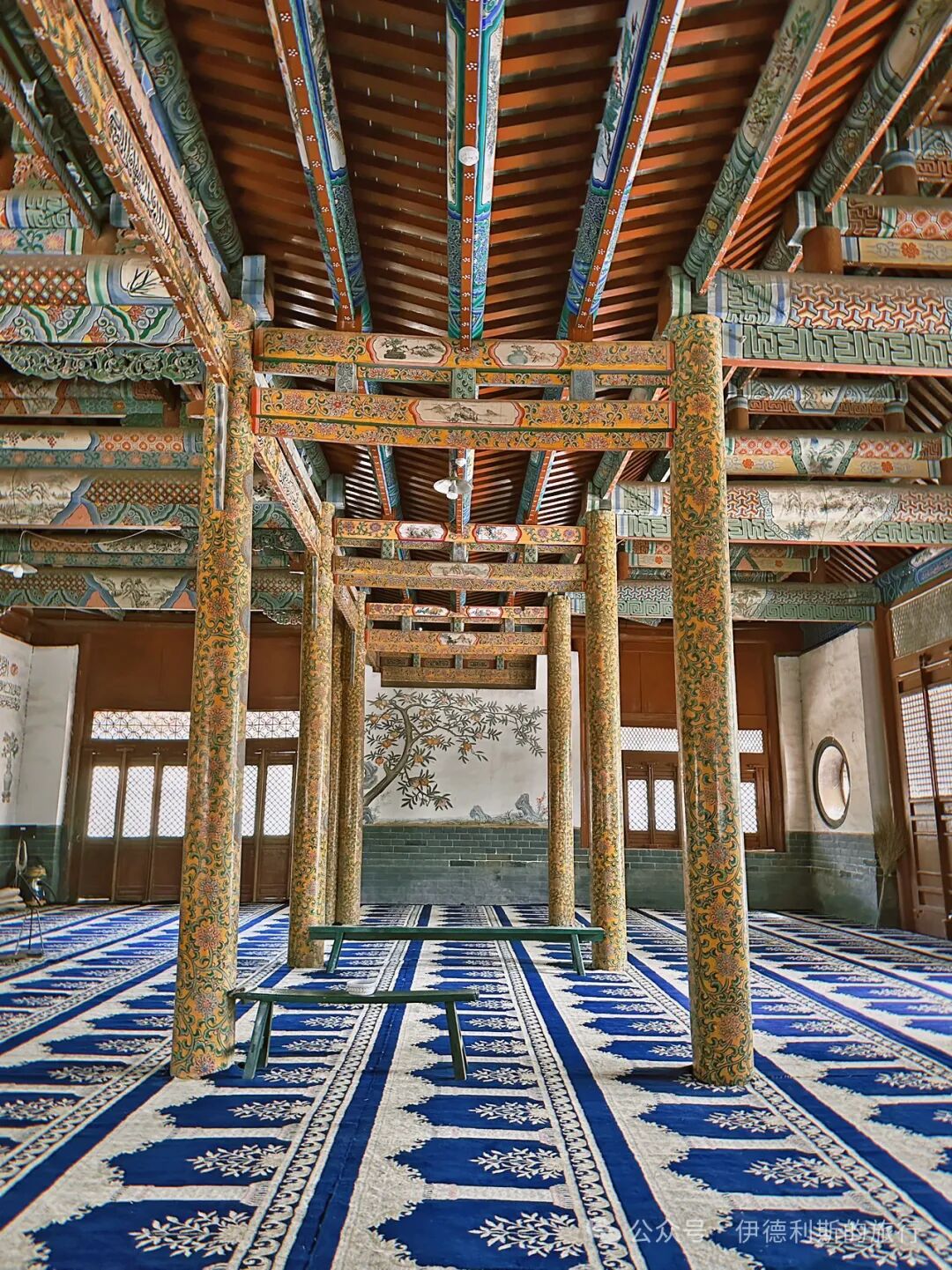
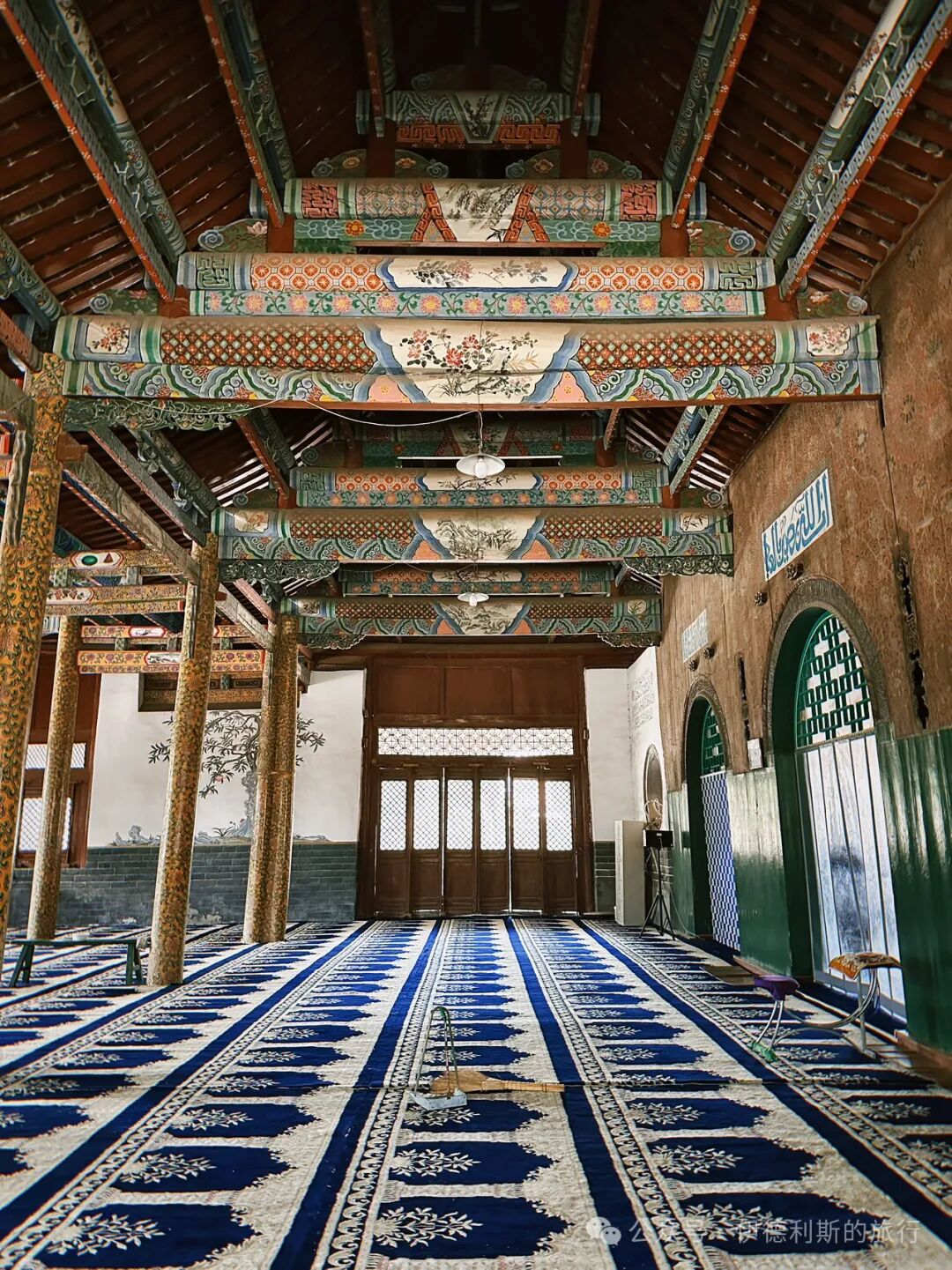
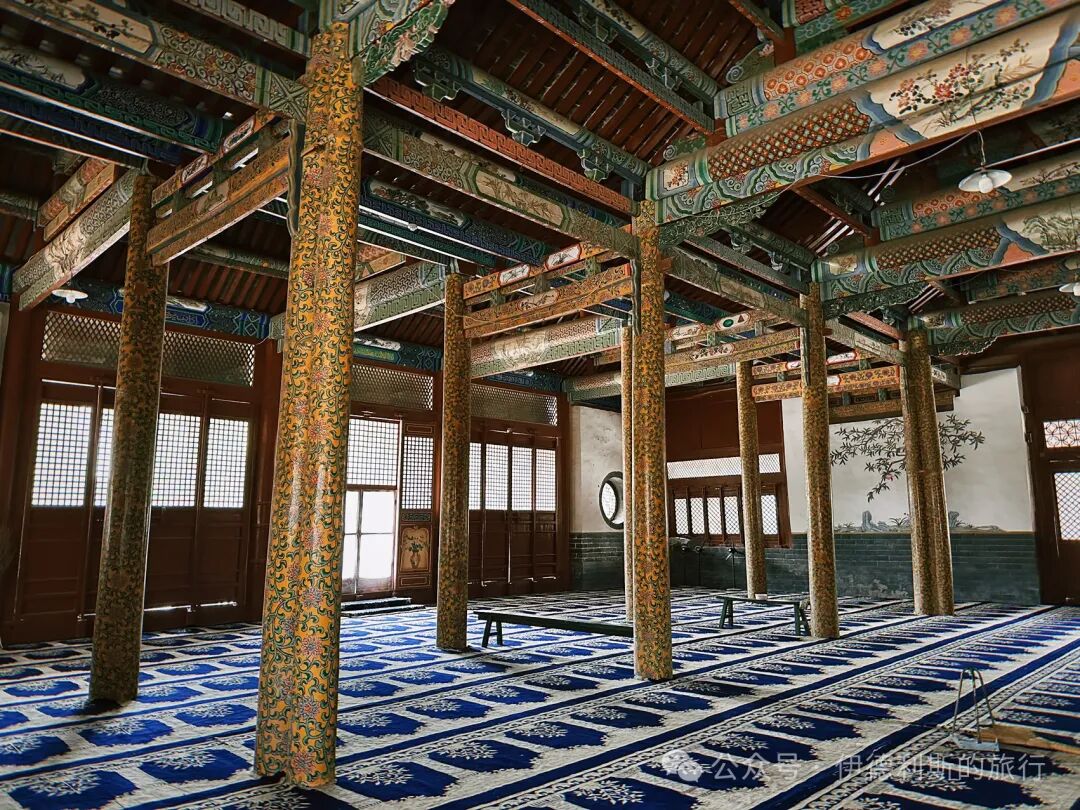
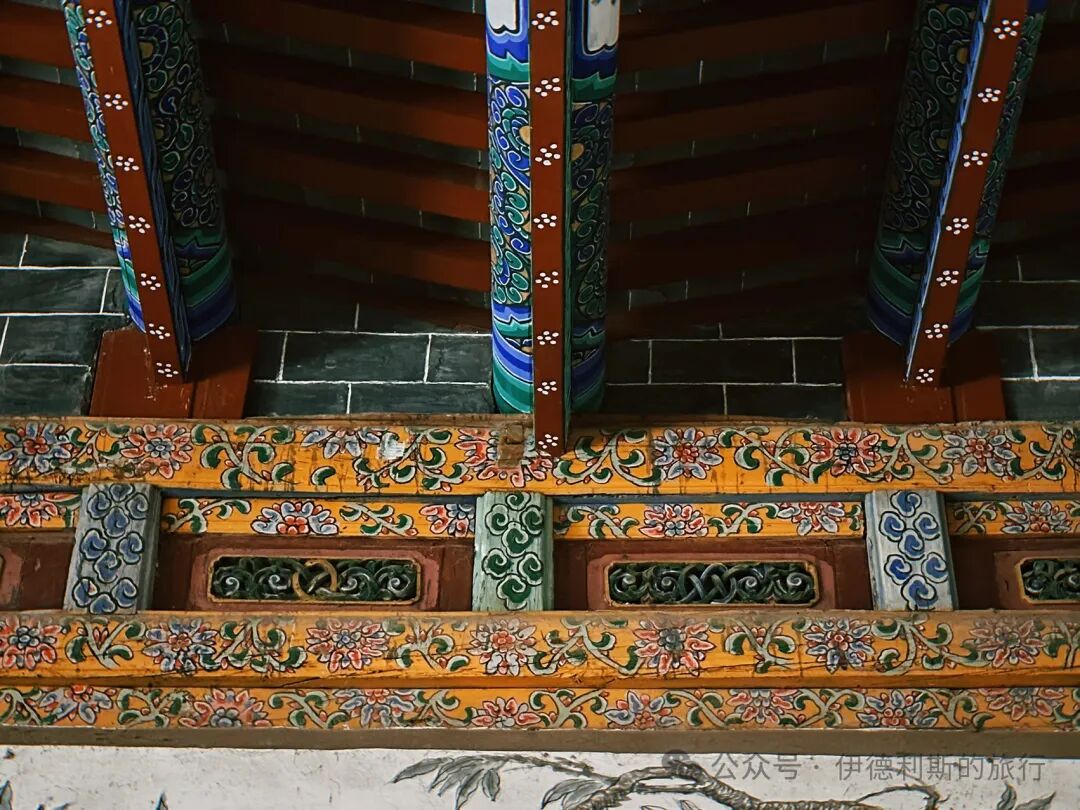
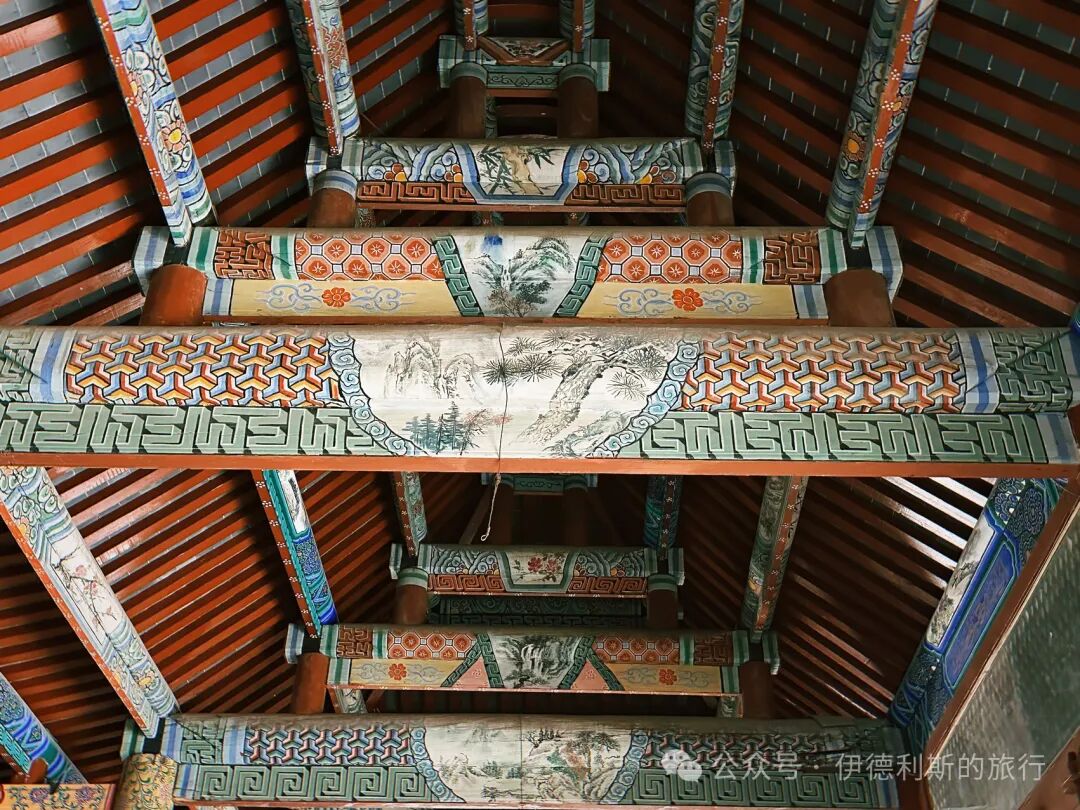
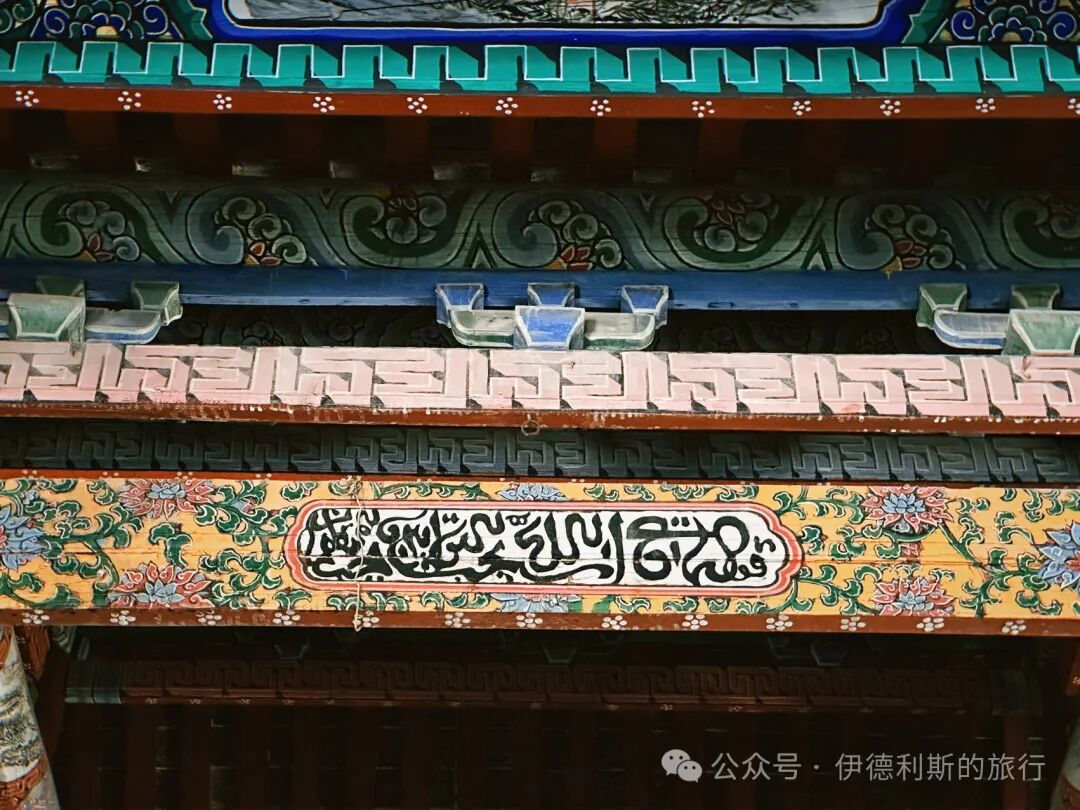
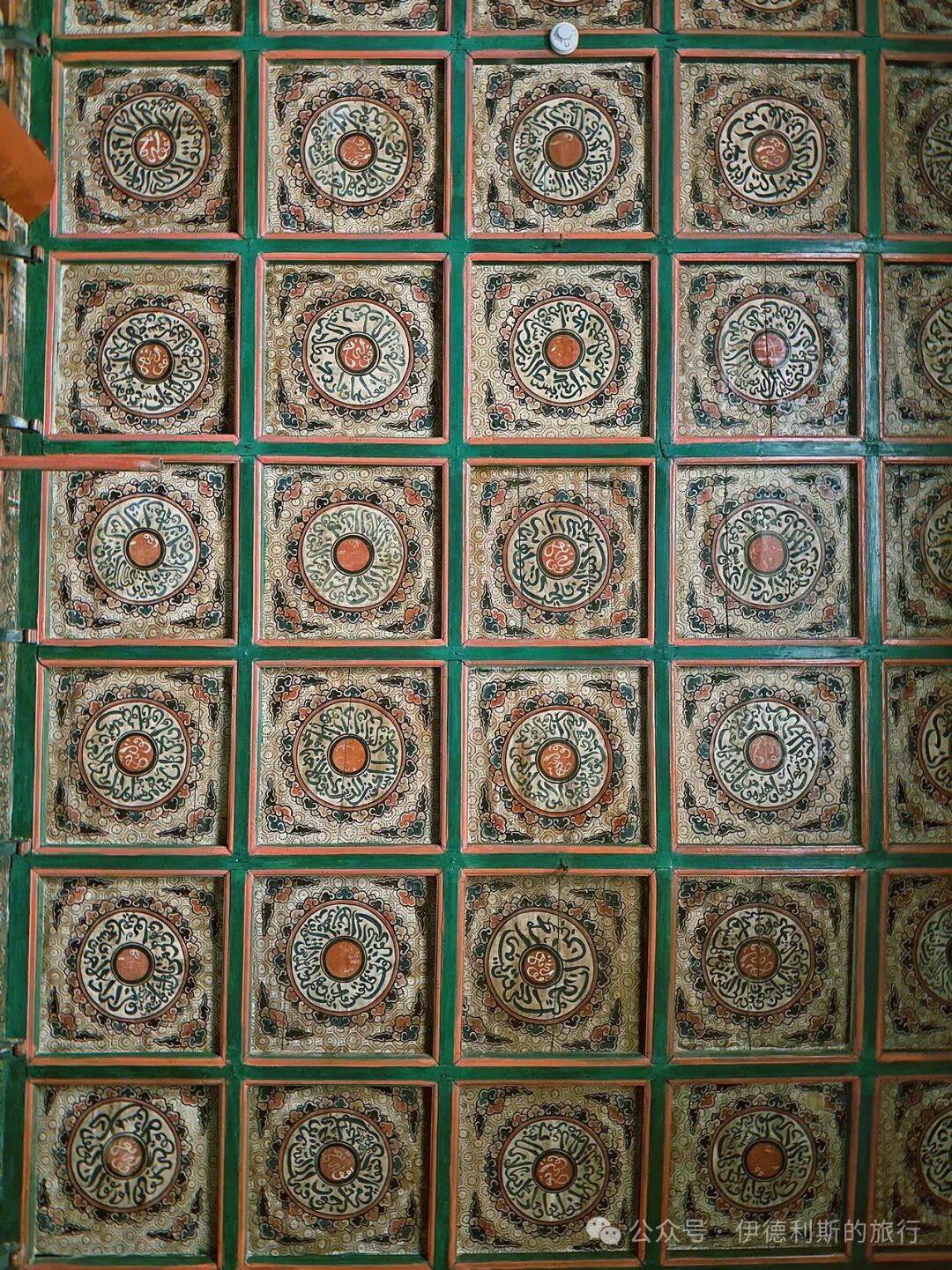
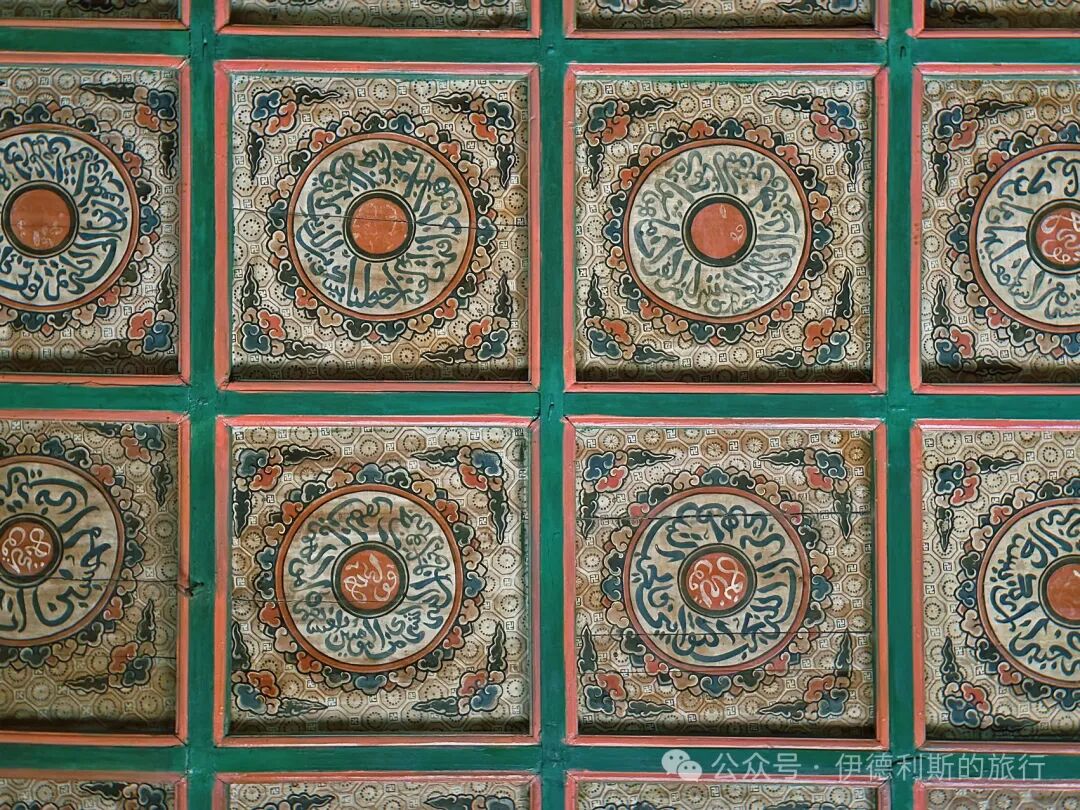
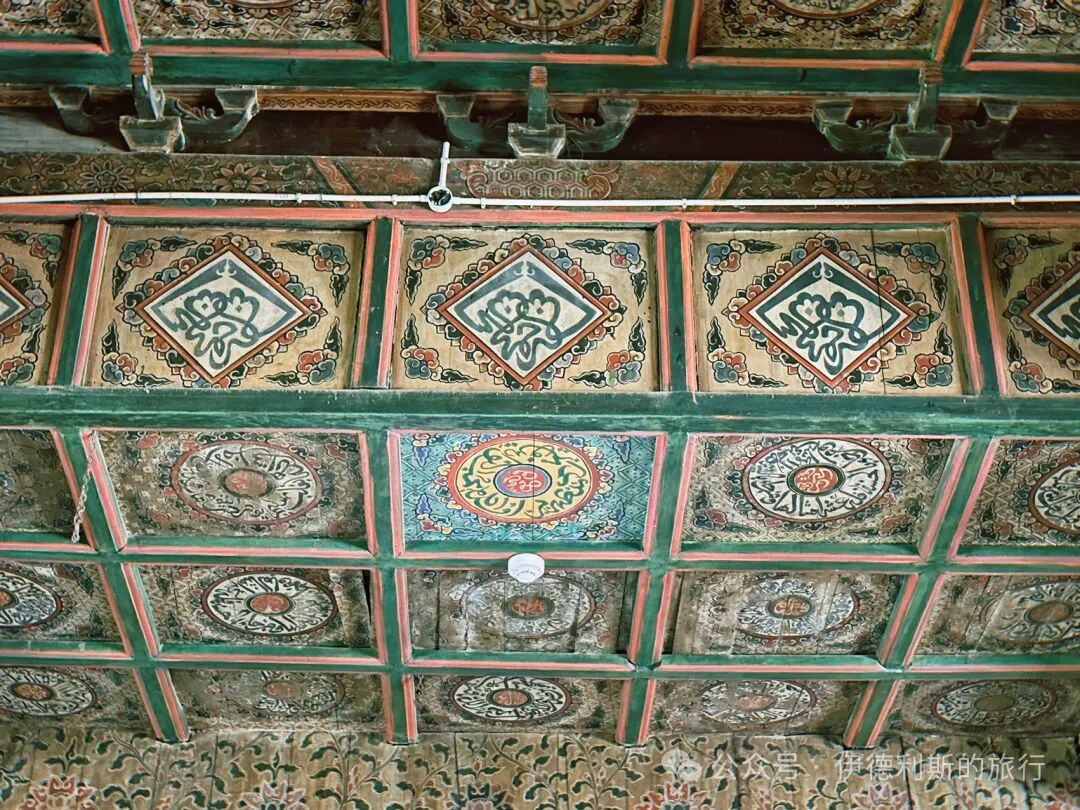
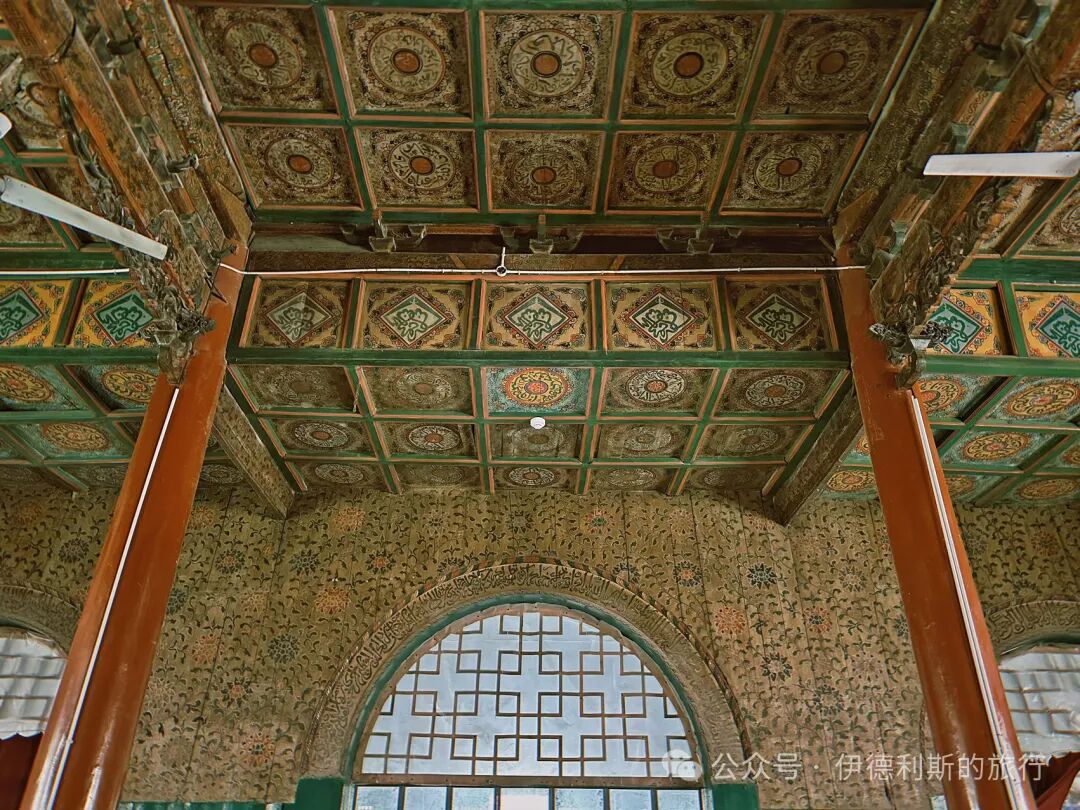
The partition wall between the main hall and the prayer niche (yaodian) once held beautiful paintings. On both sides of the arched door in the middle were rows of intricate openwork calligraphy wood carvings. They were very beautiful, but unfortunately, they were destroyed during a difficult period.
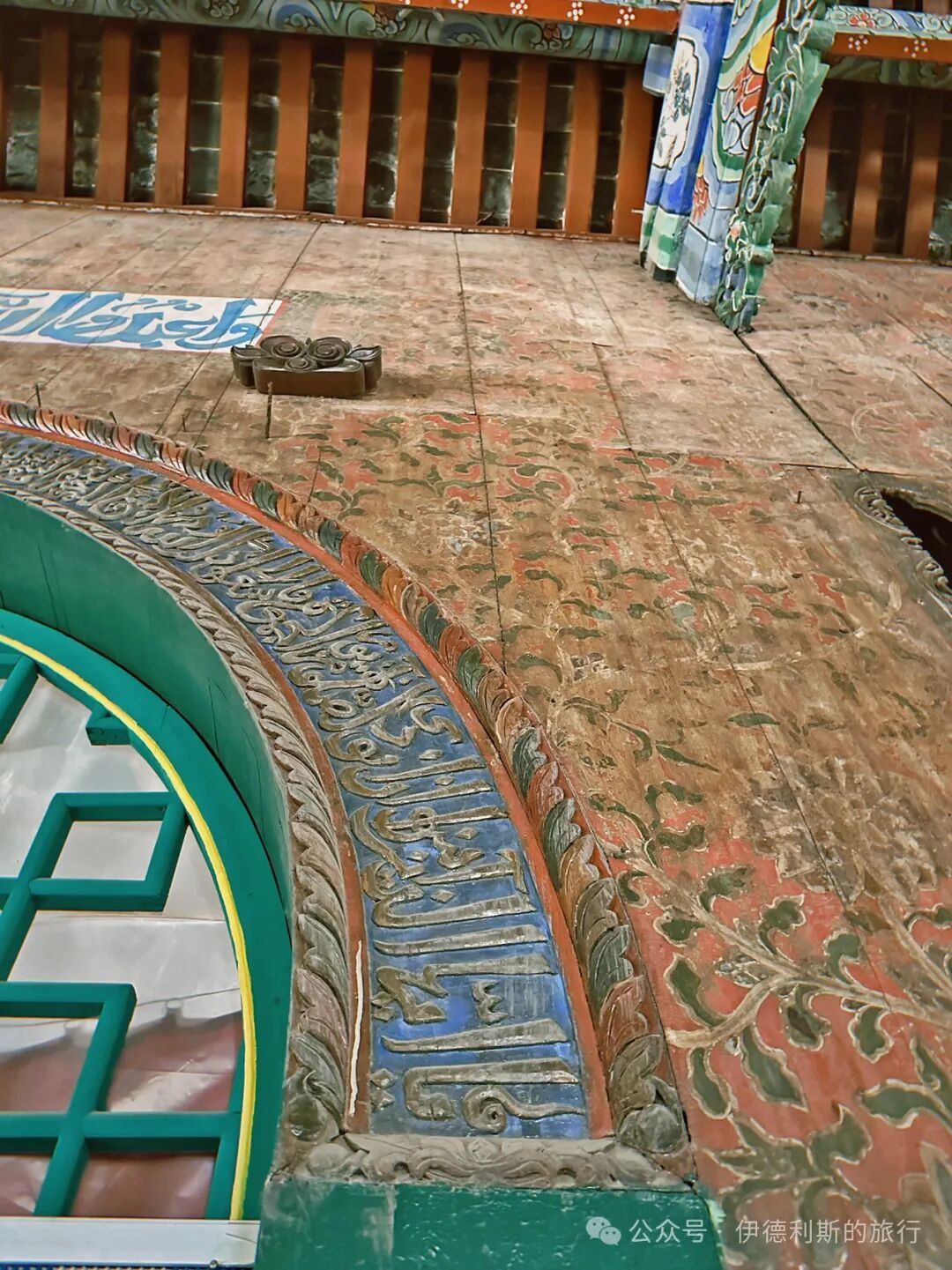
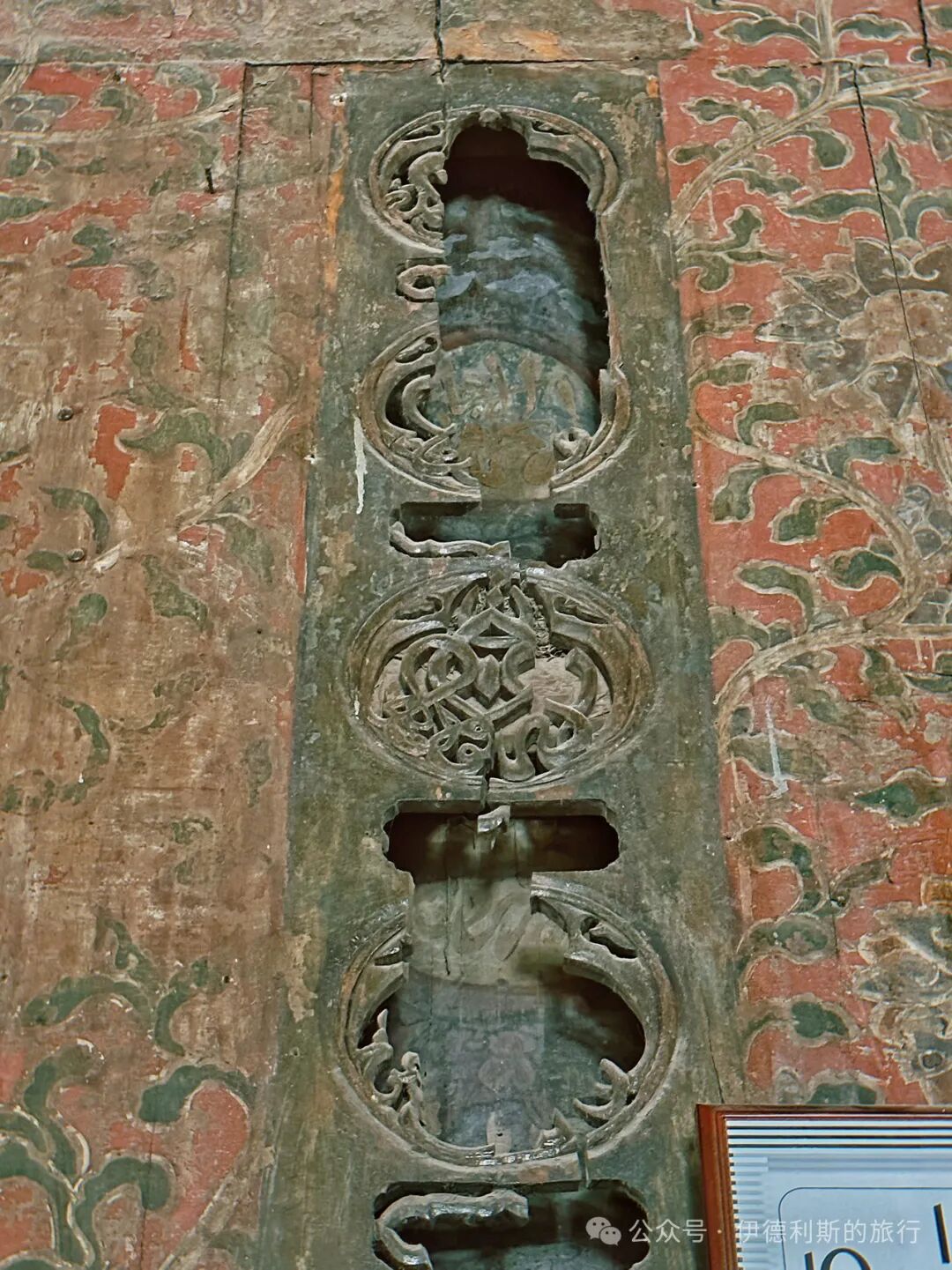
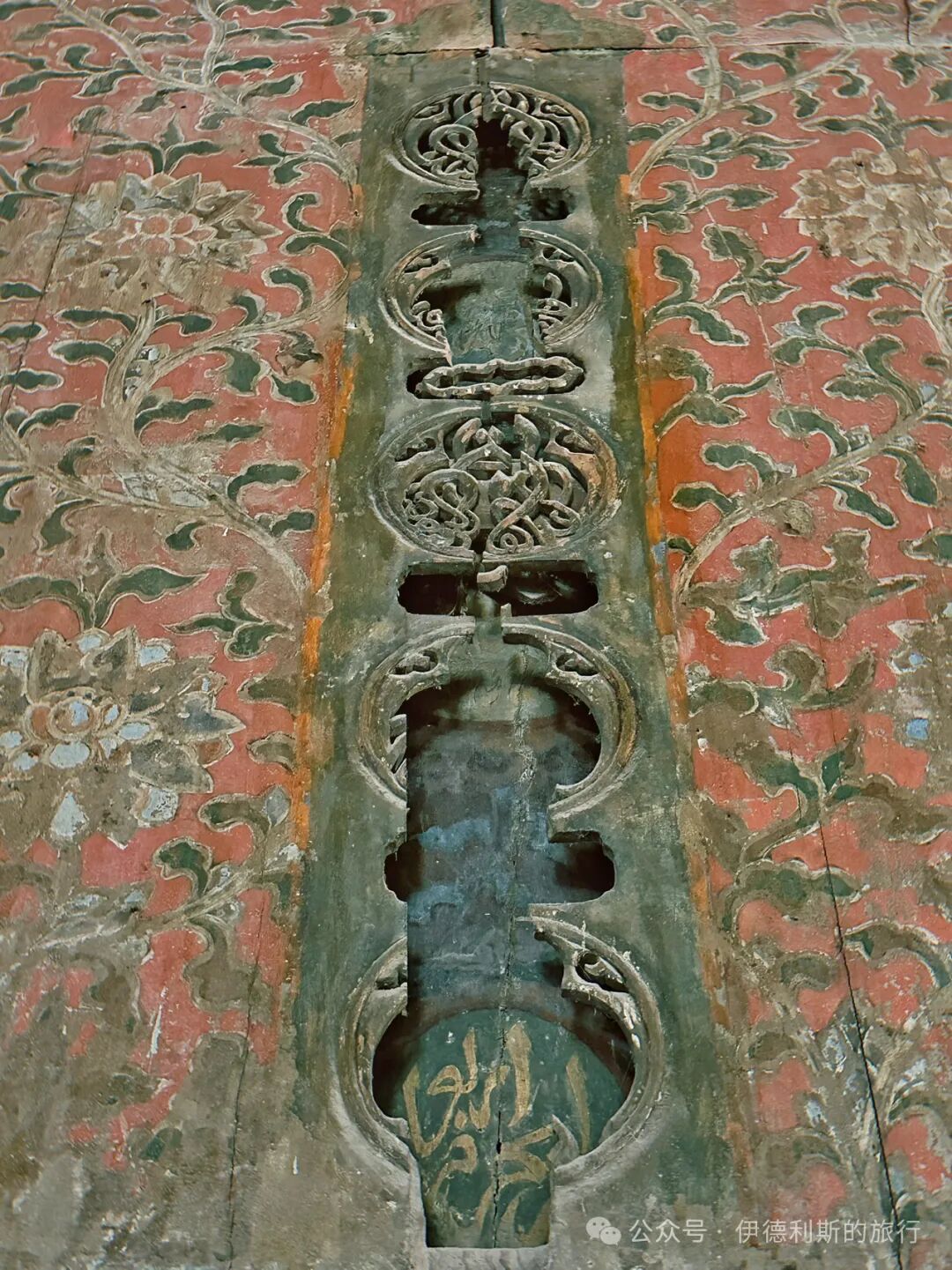
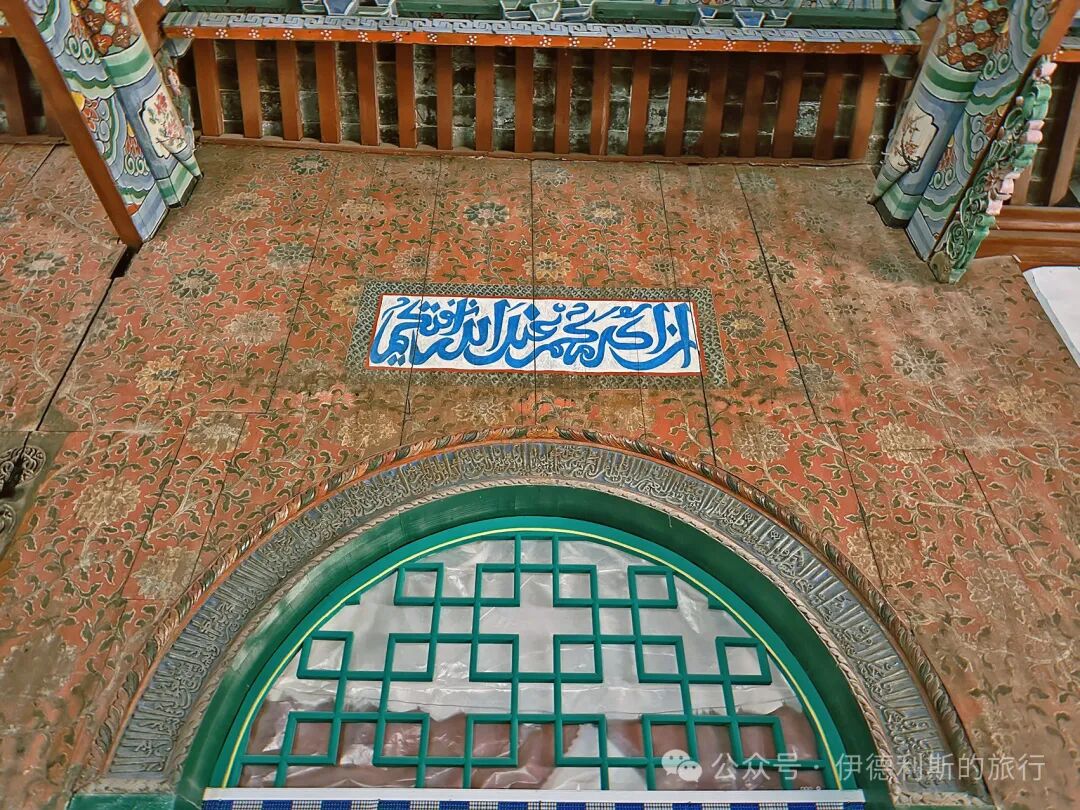
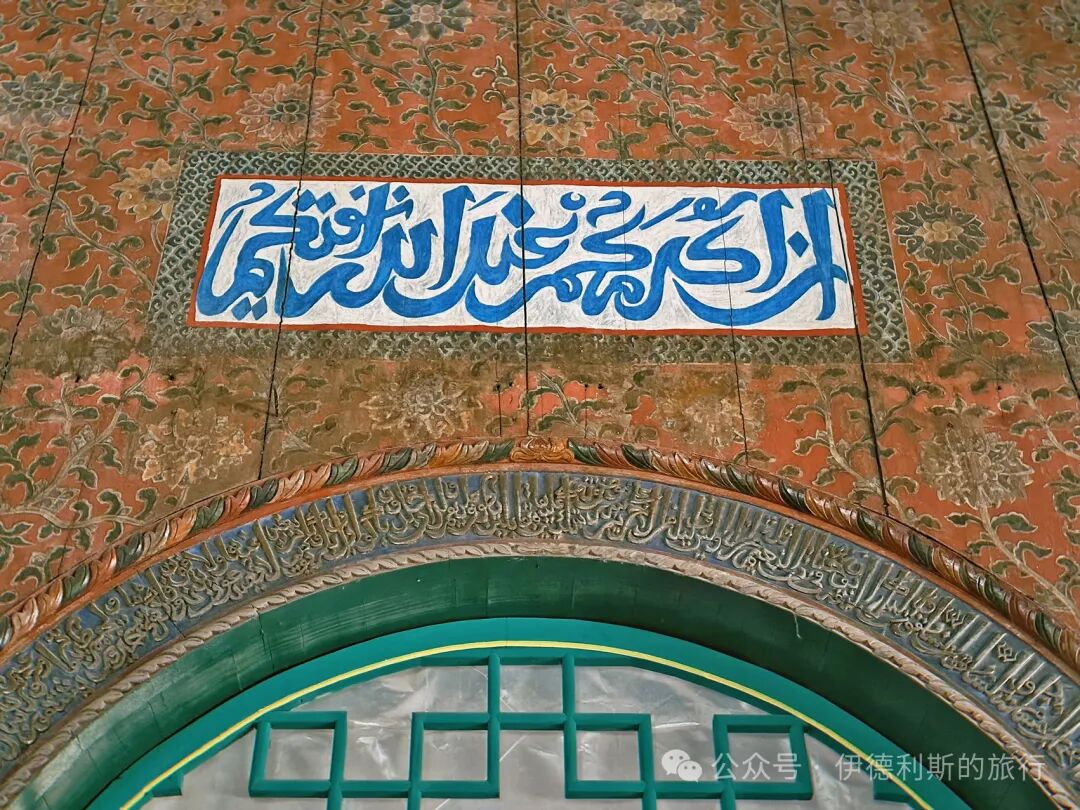
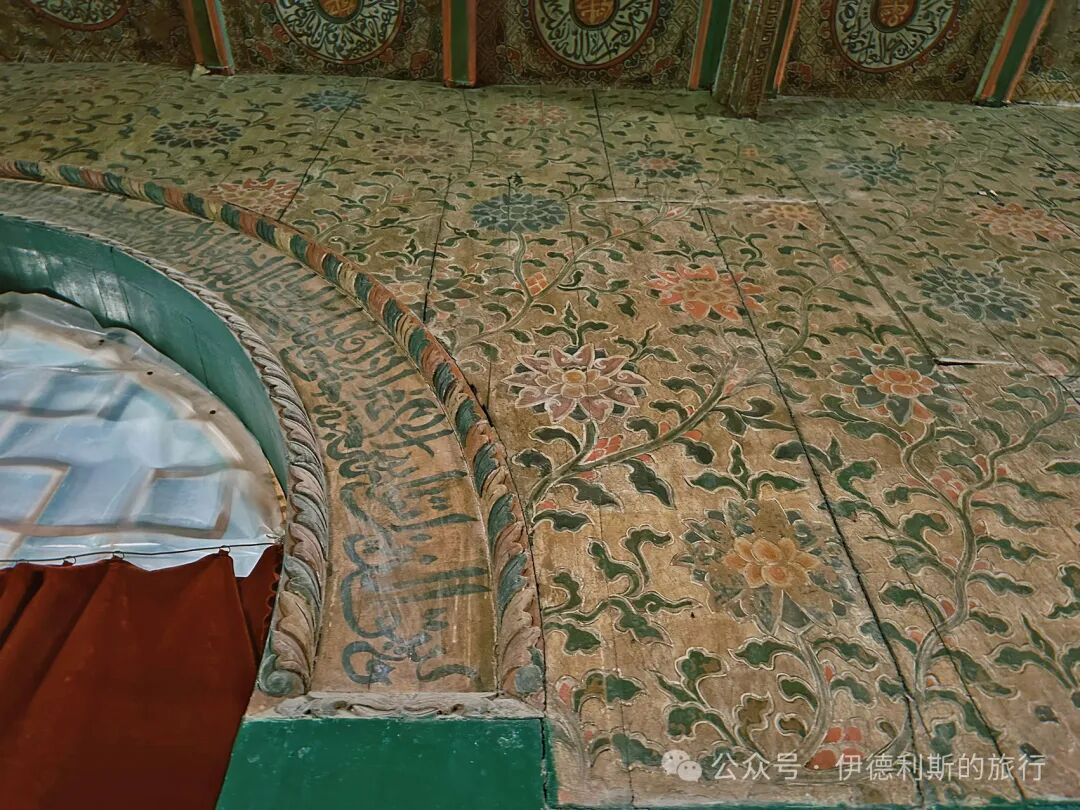
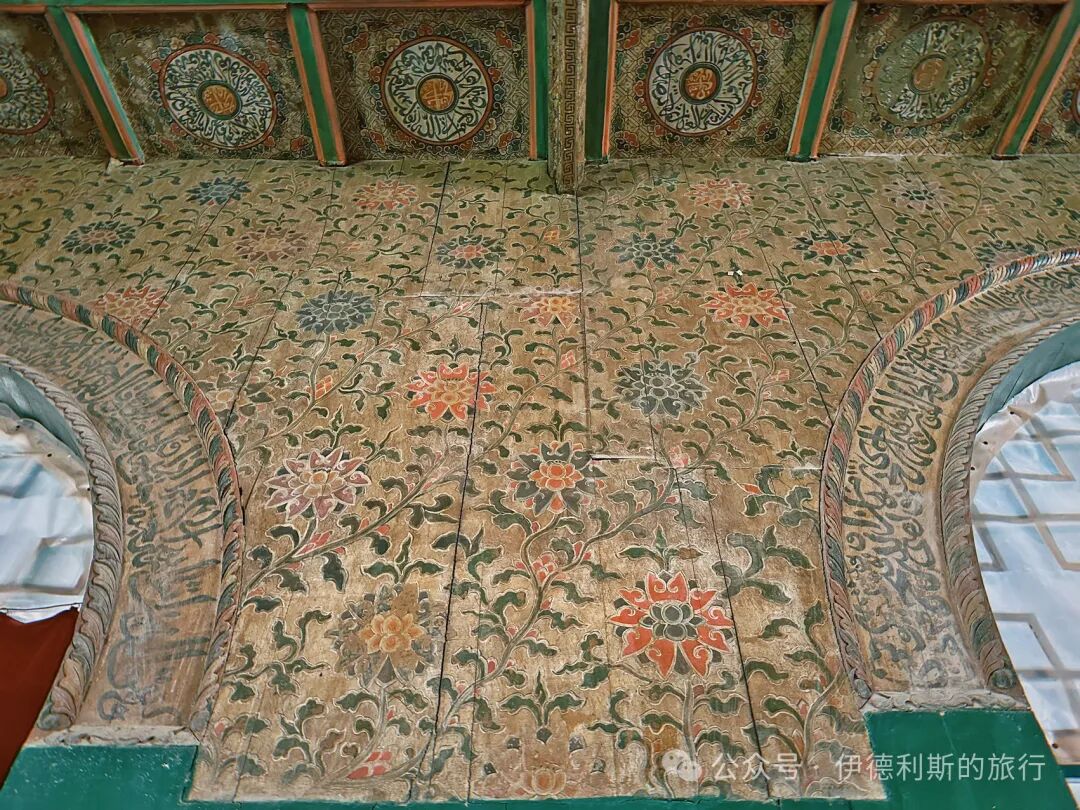
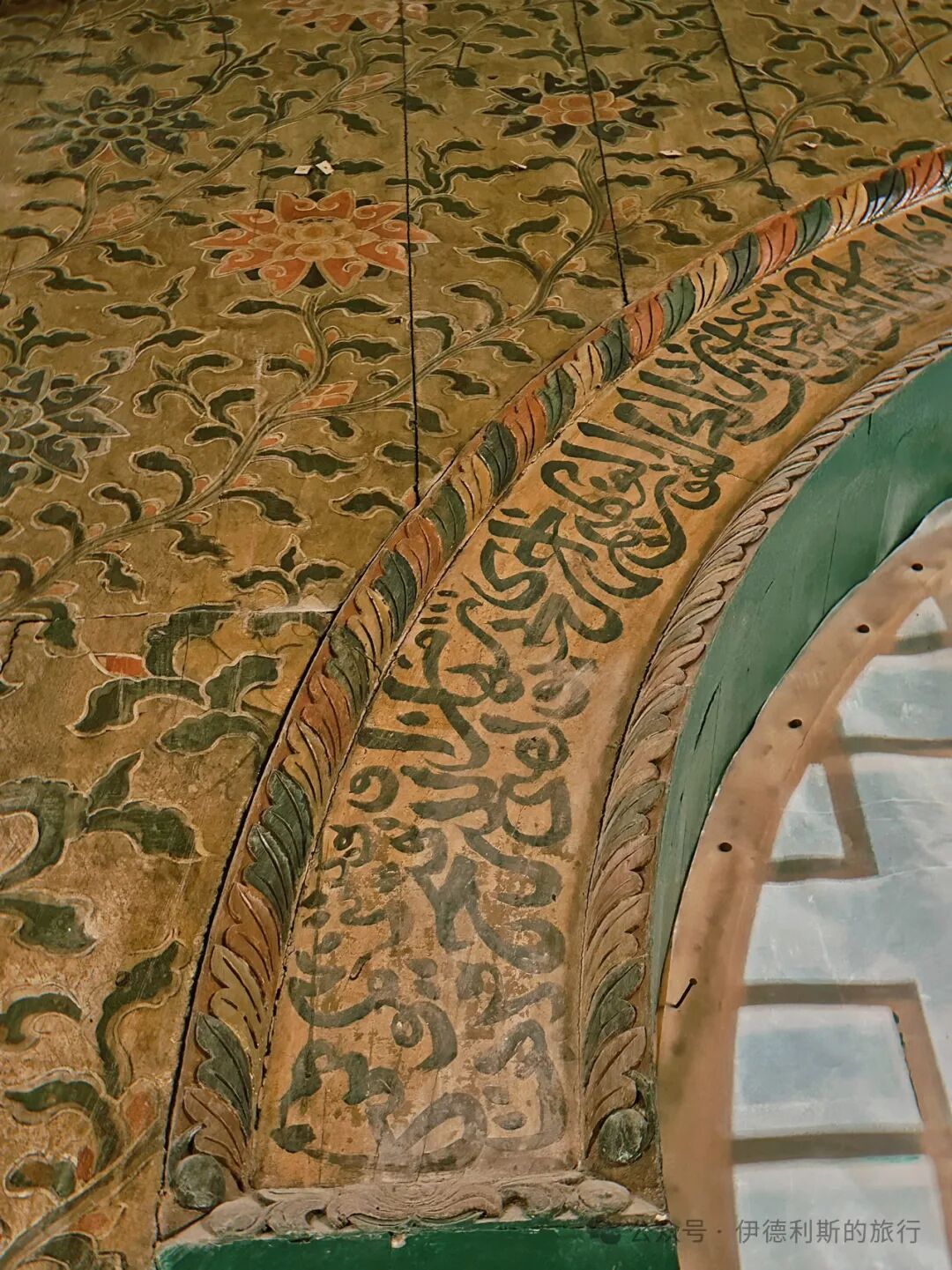
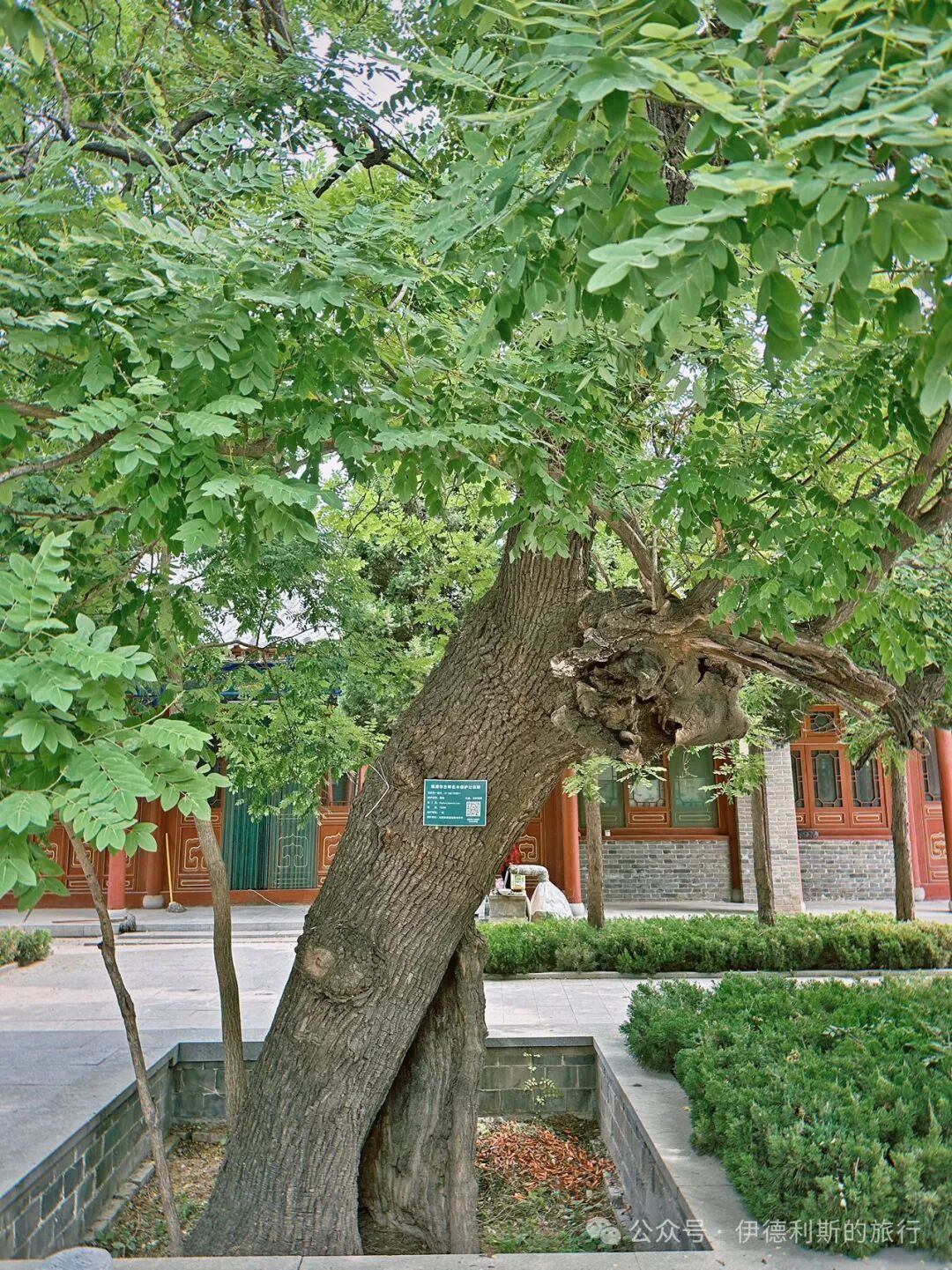
The East Mosque features an archway-style mihrab, traditional wooden structures, and a 700-year-old locust tree in the courtyard.
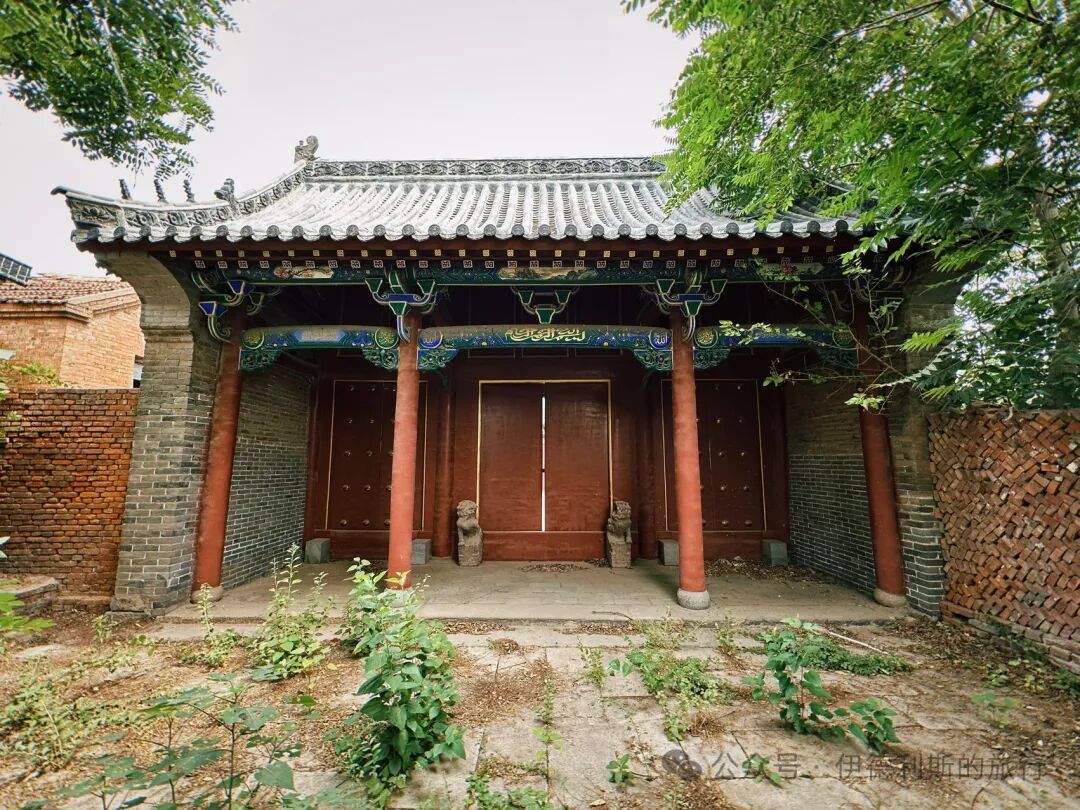
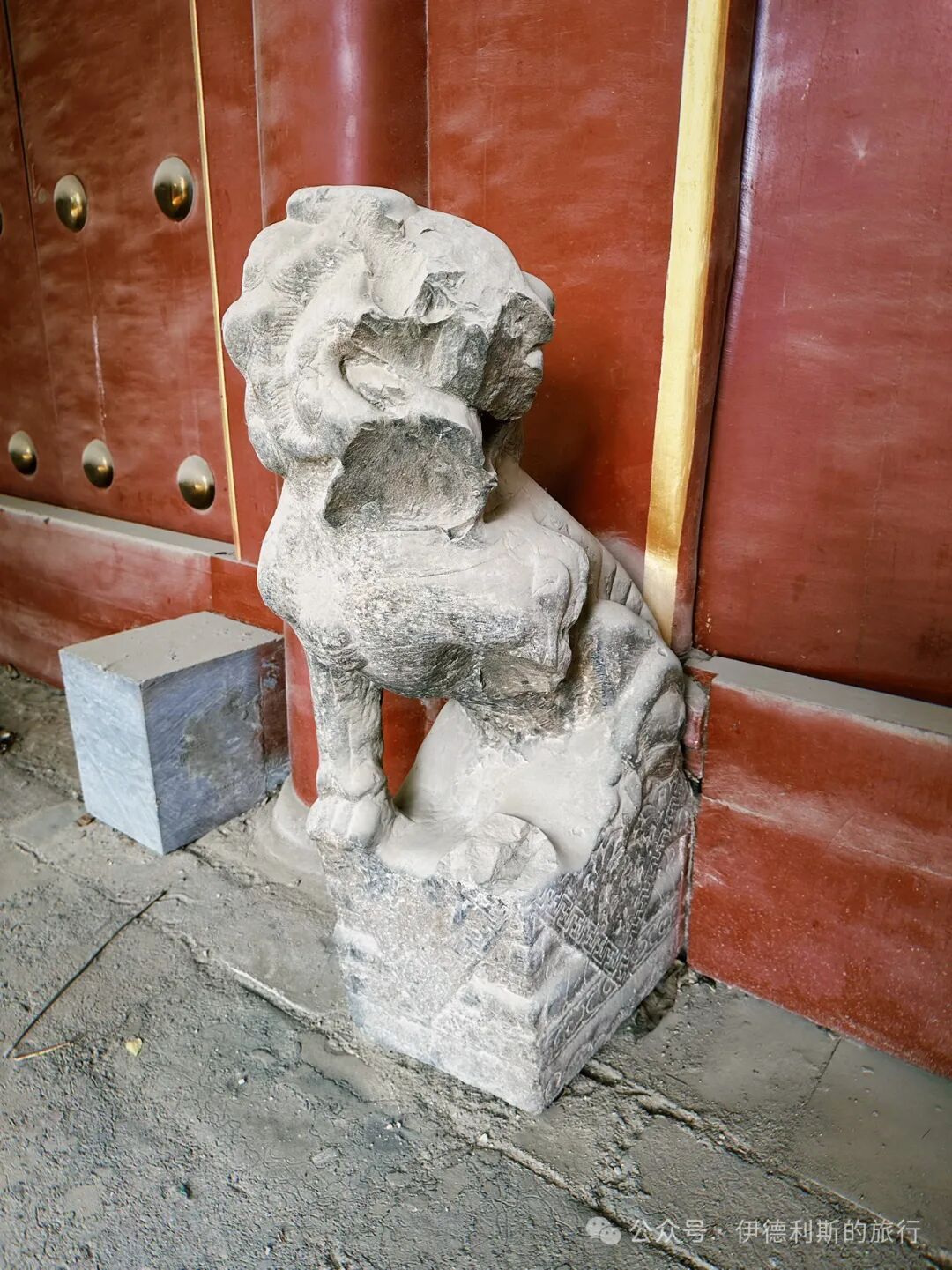
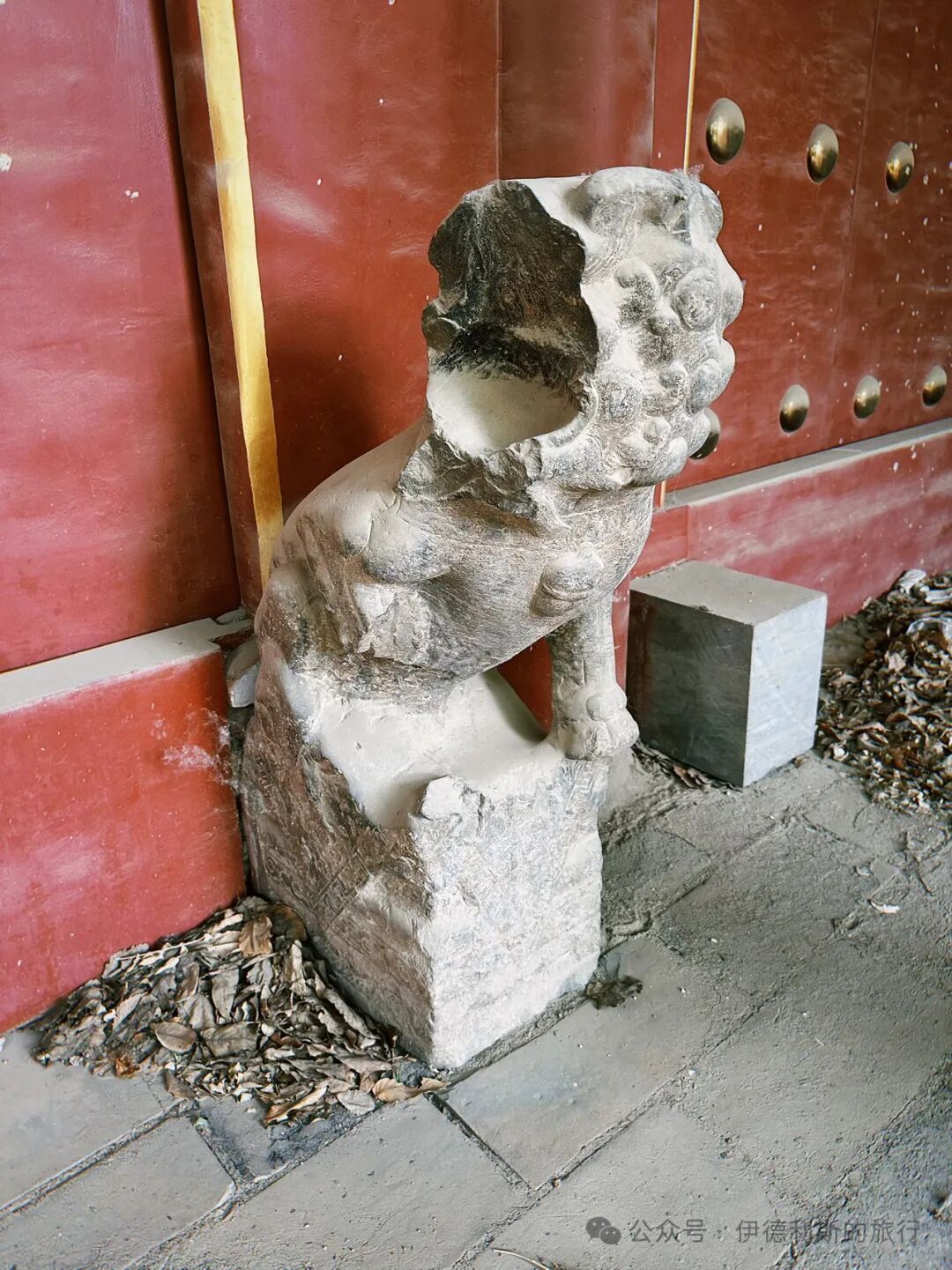
The south gate of the East Mosque is no longer in use, and a pair of damaged stone lions sit in front of it. After entering the main gate, you reach the first courtyard and the hanging flower gate (chuihuamen) on the north side. Moving further in, you find the second courtyard and the South Lecture Hall on the north side. You must pass through the South Lecture Hall to reach the main courtyard where the main hall is located.
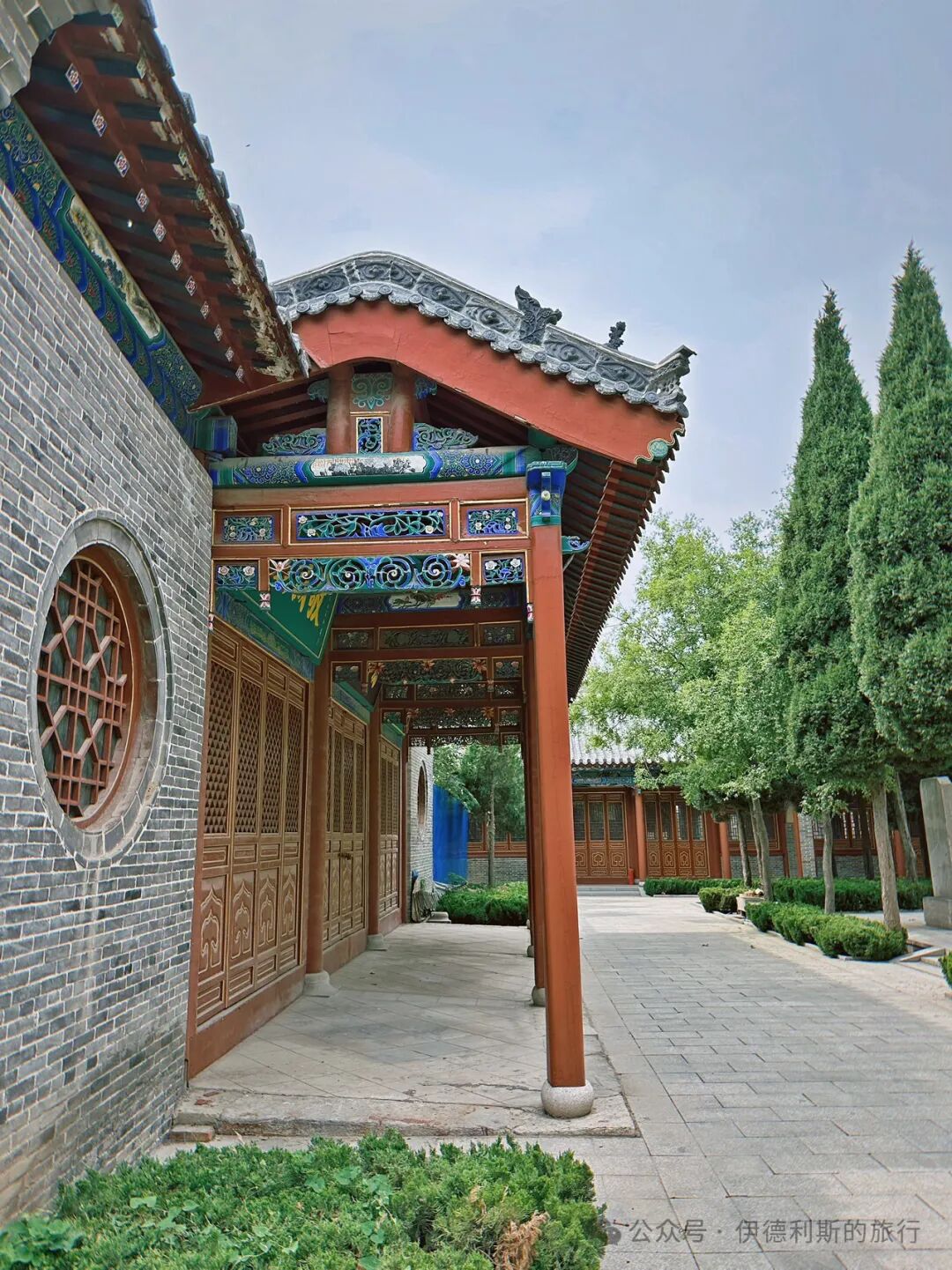
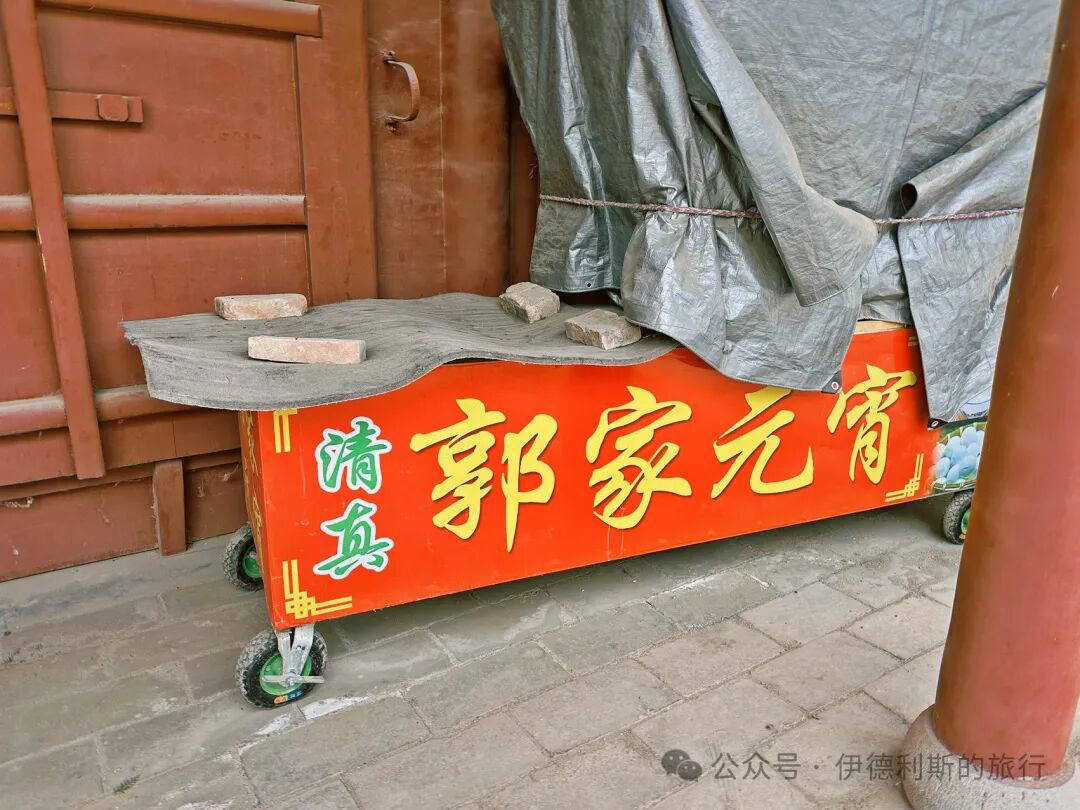
Linqing Women's Mosque
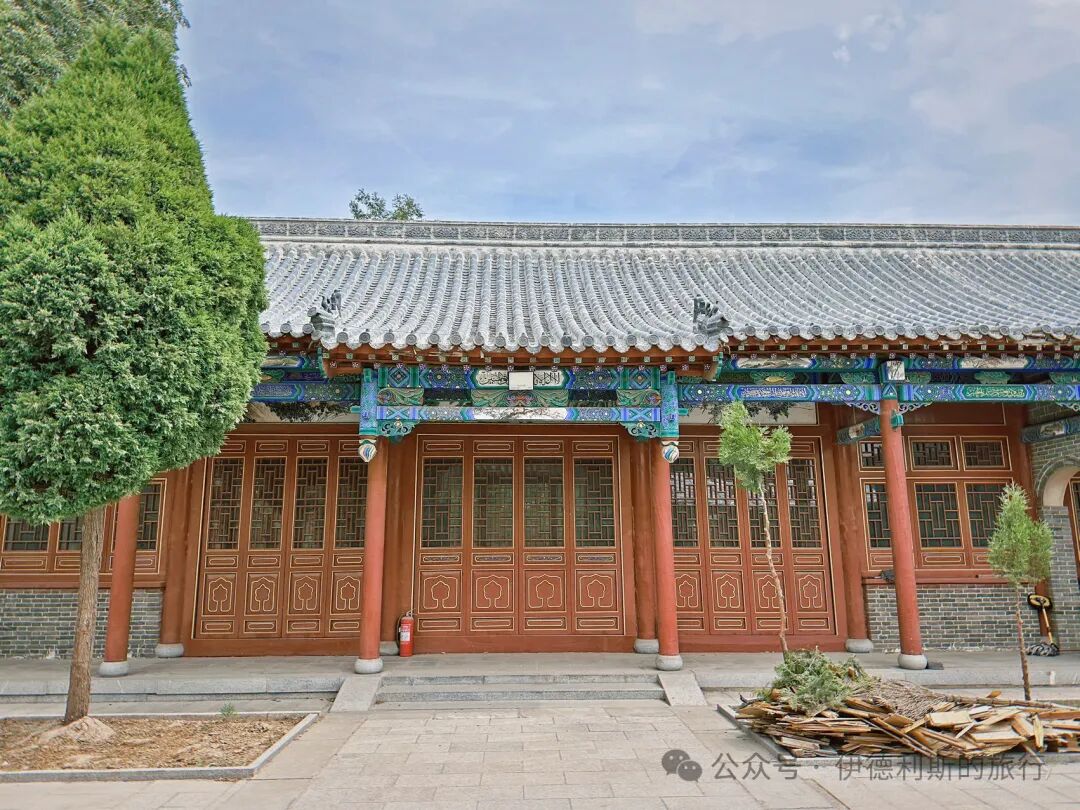
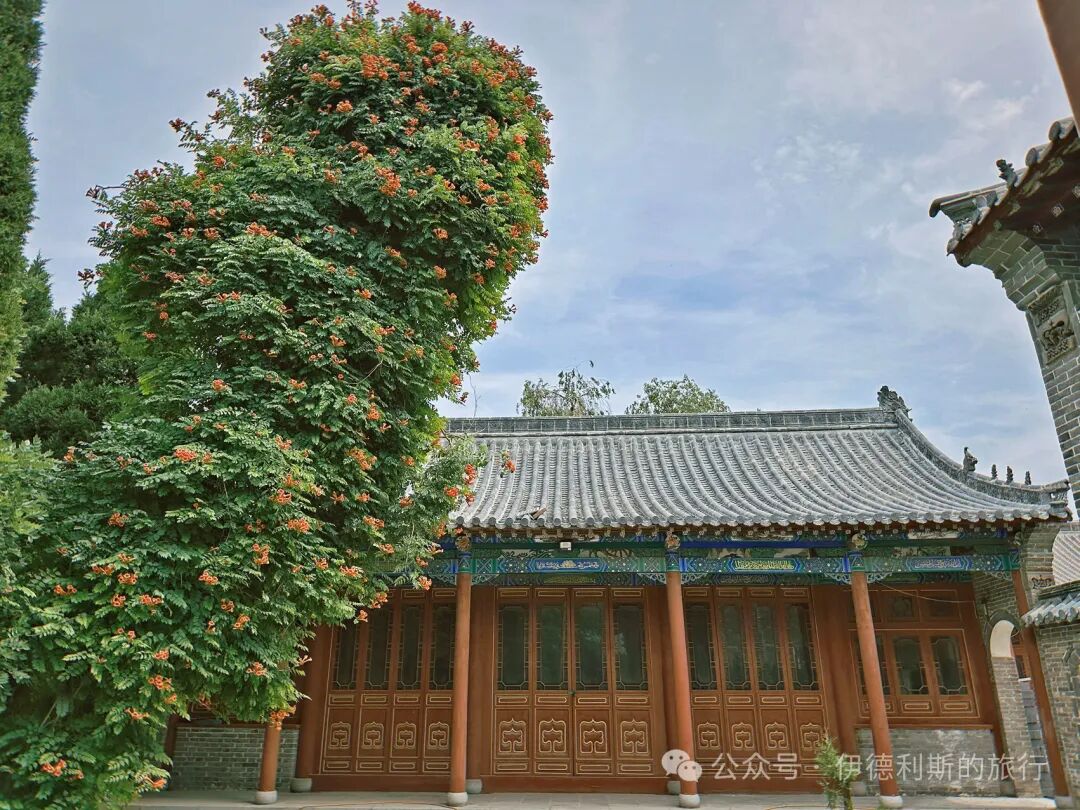
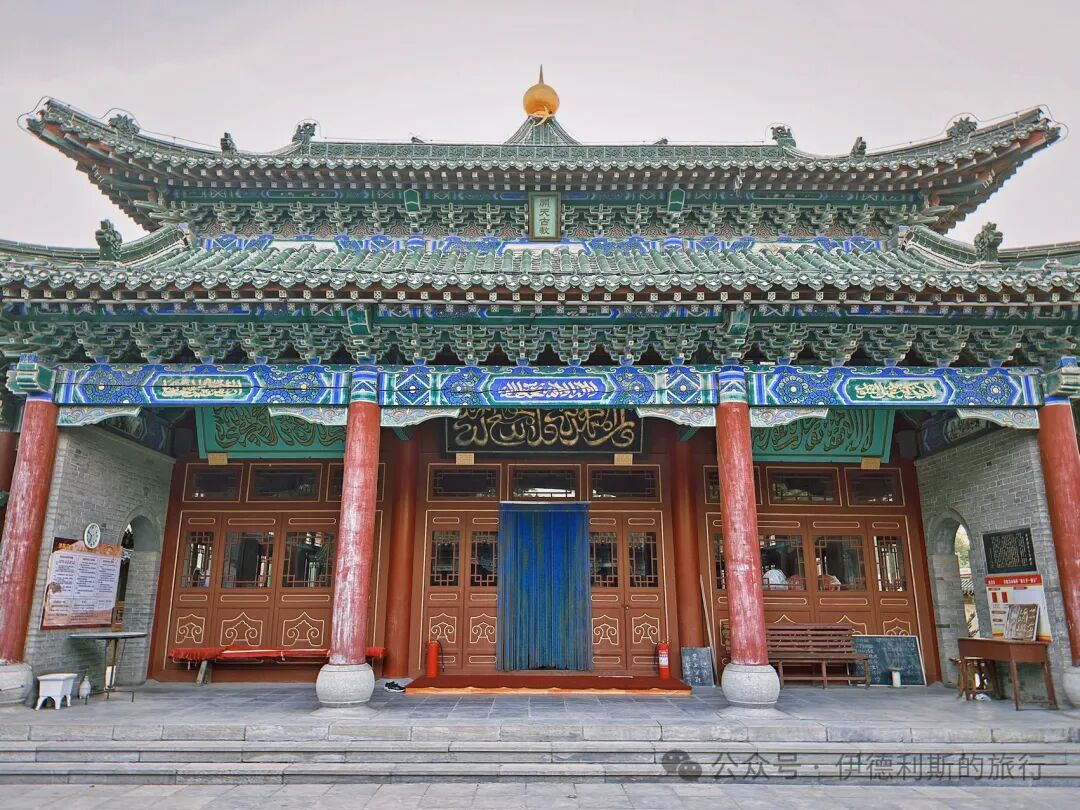
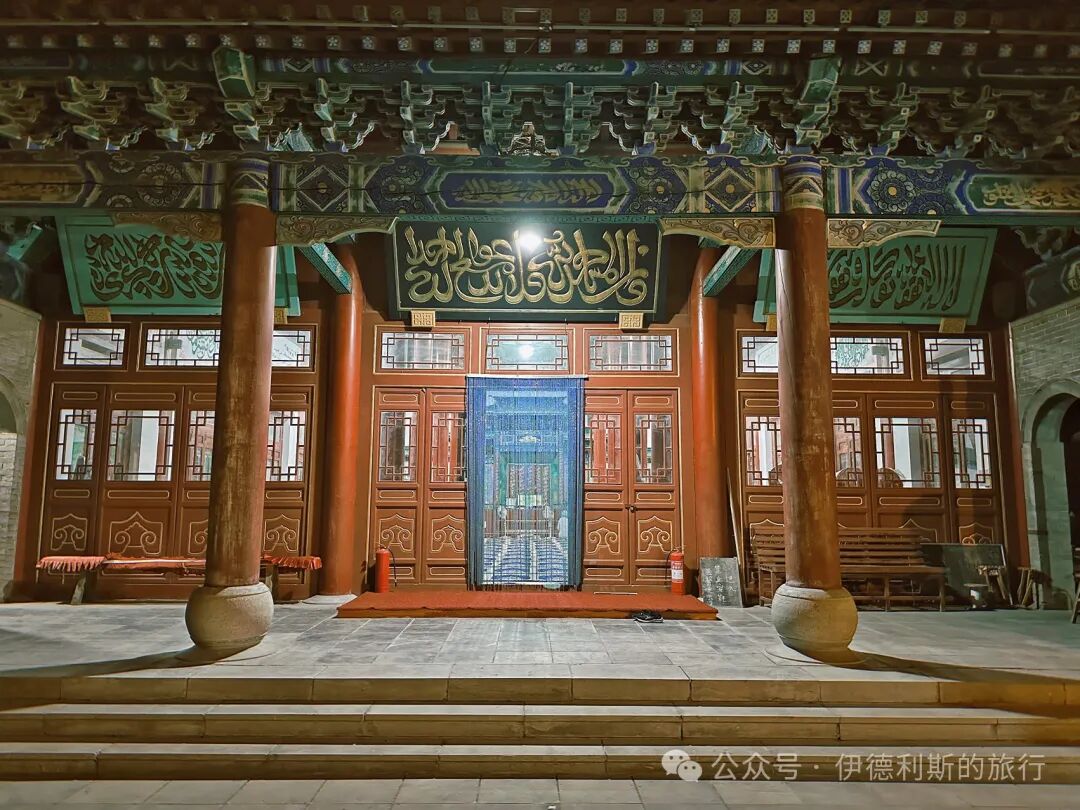
After leaving Hufu Beach, I rode my bike from the Linqing East Mosque to the Linqing Women's Mosque to find Zainab. The Linqing Women's Mosque was first built in 1924, making it exactly one hundred years old this year. In 2009, community elder Wan Yongcai and his wife Chen Zhong'e initiated the project, and their eldest son, Wan Qiusheng, chairman of the Linqing Sanhe Textile Group, along with his wife Hei Yuzhi, funded the reconstruction of the current building. This women's mosque is likely the largest one I have ever visited.
Summary: Linqing, Shandong - Canal City Mosques, Food and History (Part 1) is presented as a clear English travel account for readers interested in Muslim life, halal food, mosques, and local history. The article keeps the original place names, food details, photographs, and cultural context while focusing on Linqing, Shandong, Canal History.
Following my last post, 'Revisiting the Big and Small Mosque Streets in Dongguan, Liaocheng,' we took an afternoon train from Liaocheng to Linqing. We went straight to Baoliang's First Shop for a meat-filled flatbread roll (bingjuanrou). Wang Baoliang opened this shop in the 1980s, so it has been around for 40 years now. I ate their meat-filled flatbread roll back in 2017, and it was truly satisfying. The price of the roll has gone up by 5 yuan since my last visit, but it still tastes great.
Last time, I ordered the braised butterfly fish head, which was delicious, but I did not choose my dishes as well this time. This time, I ordered sesame beef and pan-braised hairtail fish. The meat in the sesame beef is the same as the meat in the flatbread roll, so I ended up ordering the same thing twice. The pan-braised hairtail fish had a fishy smell. I think ordering the braised hairtail or fried hairtail would have been a better choice.
Leaving Linqing Railway Station, I passed by the First Family Three-Fresh Potstickers (diyijia sanxian guotie). I ate there when I visited Linqing 17 years ago, and it remains the best Shandong cuisine I have ever had, especially the sesame lamb which was delicious.
Linqing North Mosque
I spent the afternoon performing namaz at the Linqing North Mosque. Linqing North Mosque sits where the Huitong River and Wei River meet. It was first built in 1504 (the seventh year of the Hongzhi reign of the Ming Dynasty). It underwent major expansions in 1564 (the 43rd year of the Jiajing reign), 1779 (the 44th year of the Qianlong reign), and 1809 (the 14th year of the Jiaqing reign) to reach its current form.
The main hall of Linqing North Mosque stands on a 1-meter-high stone platform and consists of a porch, the main hall, and a rear kiln-style hall (yaodian), making it very grand. The roof of the kiln-style hall has three moon-watching towers. The middle one has an octagonal pointed roof, while the two sides have square pointed roofs, all topped with peach-shaped finials.
The mosque features a memorial archway-style mihrab decorated with floral patterns and Arabic calligraphy, and the ceiling of the kiln-style hall also displays Arabic calligraphy.
The main hall of the North Mosque preserves precious murals from the Qing Dynasty.
The North Mosque (Beidasi) features various forms of calligraphy, including palace lanterns (gongdeng), brick carvings, plaques, architectural paintings, and wood carvings.
At the far east end of the North Mosque stands a gate in the style of a memorial archway (pailou), featuring delicate bracket sets (dougong) and upturned eaves.
After entering the main gate, you reach a ceremonial gate (yimen) built in the style of a memorial archway. Two Qing Dynasty plaques hang on the ceremonial gate:
A plaque reading 'Sincerity and Rectitude' (Chengyi Zhengxin) erected in the 11th year of the Guangxu reign by Li Ying, a decorated military official.
A plaque reading 'Orderly Human Relations' (Yilun Youxu) from the 2nd year of the Qianlong reign by Yang Jing, a deputy military commander; this one appears to be a replica.
Behind the ceremonial gate is a path leading to the main prayer hall, with lecture halls (jiangtang) located on the north and south sides.
On the north and south sides of the main prayer hall are two scripture pavilions (cangjingting) with four-cornered pointed roofs and small porches (baoxia) in front of the doors. In front of the pavilion stands a 500-year-old Chinese arborvitae (cebai) planted when the mosque was built.
Behind the main hall is the back gate, which features a plaque inscribed with "Qingzhen Libaisi" (Mosque) dated to the first month of the Jiajing jiazi year. The mosque also houses several stone tablets from the Qing dynasty and the Republic of China era.
Linqing East Mosque
After leaving the Linqing North Mosque, I went across the street to the East Mosque to pay my respects at the tombs of the saints (shamu) and the Hufu cemetery (Hufutan). The Linqing East Mosque was first built in 1465 (the first year of the Chenghua reign of the Ming dynasty). It was renovated twice in 1583 (the eleventh year of the Wanli reign) and 1649 (the sixth year of the Shunzhi reign), then expanded again in 1734 (the twelfth year of the Yongzheng reign), resulting in its grand scale.
On the far west side of the Linqing East Mosque is the back gate, which features a "Libaisi" (Mosque) plaque inscribed during the renovation in the sixth year of the Shunzhi reign. Behind the back gate is the main prayer hall, which consists of a front porch (juanpeng), the main hall, and a rear vaulted hall (yaodian). The roof of the vaulted hall has four sloping sides meeting at a point, topped with a gilded gourd-shaped finial.
The main hall is nearly 30 meters deep, with 14 pillars supporting the roof beams. The mihrab is the same style as the one in the North Mosque, featuring a decorative archway design.
The East Mosque has a porch roof (juanpeng) over the main hall and traditional calligraphy preserved on the pillars inside.
The main hall of the East Mosque features detailed roof beams and ridges, along with beautiful painted ceilings inside the prayer niche (yaodian).
The partition wall between the main hall and the prayer niche (yaodian) once held beautiful paintings. On both sides of the arched door in the middle were rows of intricate openwork calligraphy wood carvings. They were very beautiful, but unfortunately, they were destroyed during a difficult period.
The East Mosque features an archway-style mihrab, traditional wooden structures, and a 700-year-old locust tree in the courtyard.
The south gate of the East Mosque is no longer in use, and a pair of damaged stone lions sit in front of it. After entering the main gate, you reach the first courtyard and the hanging flower gate (chuihuamen) on the north side. Moving further in, you find the second courtyard and the South Lecture Hall on the north side. You must pass through the South Lecture Hall to reach the main courtyard where the main hall is located.
Linqing Women's Mosque
After leaving Hufu Beach, I rode my bike from the Linqing East Mosque to the Linqing Women's Mosque to find Zainab. The Linqing Women's Mosque was first built in 1924, making it exactly one hundred years old this year. In 2009, community elder Wan Yongcai and his wife Chen Zhong'e initiated the project, and their eldest son, Wan Qiusheng, chairman of the Linqing Sanhe Textile Group, along with his wife Hei Yuzhi, funded the reconstruction of the current building. This women's mosque is likely the largest one I have ever visited.
