
Islamic Architecture Guide: 131 Traditional Mihrabs in China, Part 2
Reposted from the web
Summary: This is the second part of a visual record of 131 traditional mihrabs in Chinese mosques. The English version keeps the original mosque names, image order, captions, and architectural details without adding new claims.
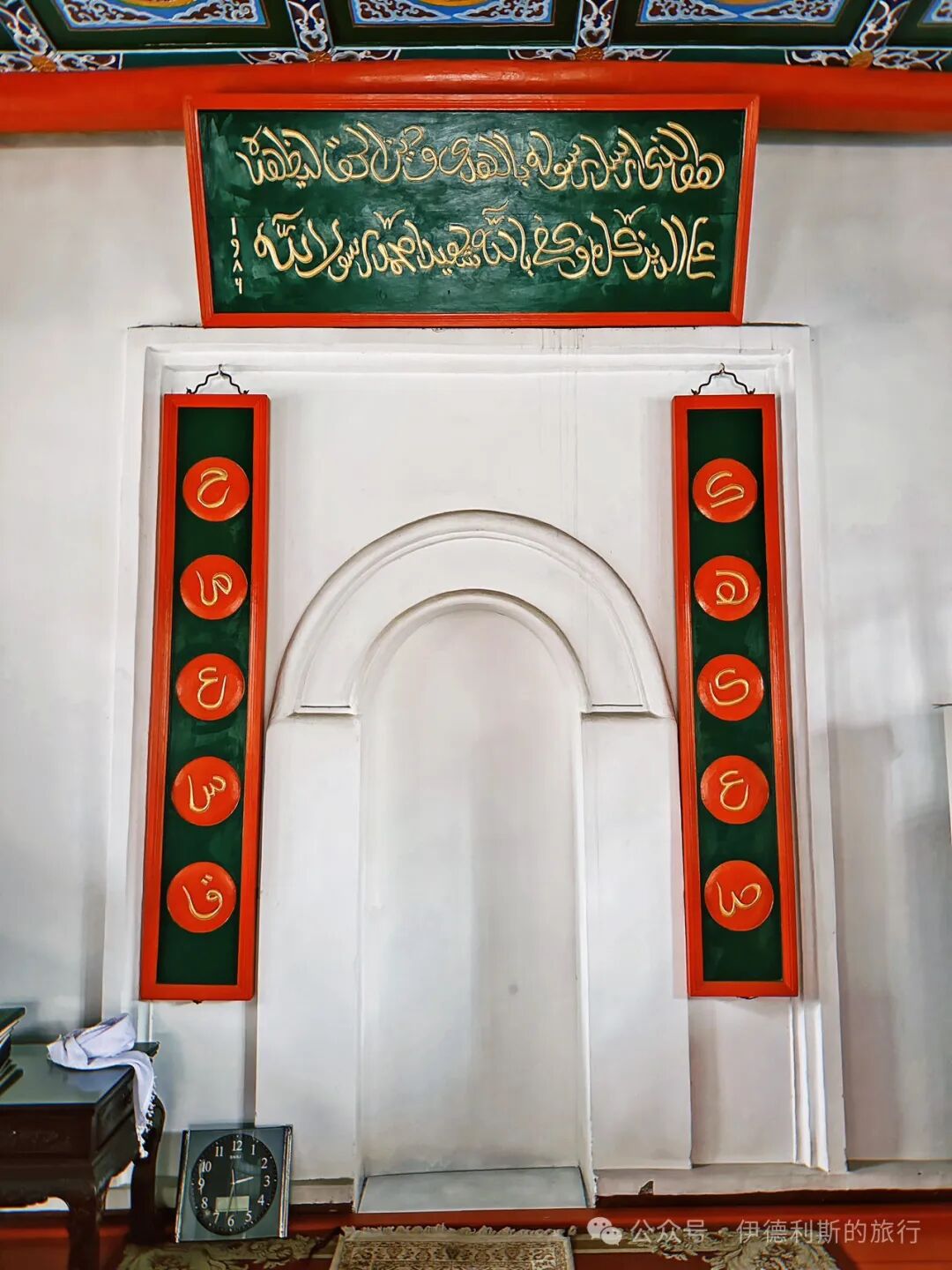
Hujia Mosque in Xindu District, Chengdu, was built in 1738 (the third year of the Qianlong reign). It has a rare mihrab with Chinese couplets. The right side reads 'Ten thousand generations of mountains and rivers return to one Lord,' the left side reads 'The sun and moon shine upon all living things,' and the horizontal plaque reads 'The Original One.'
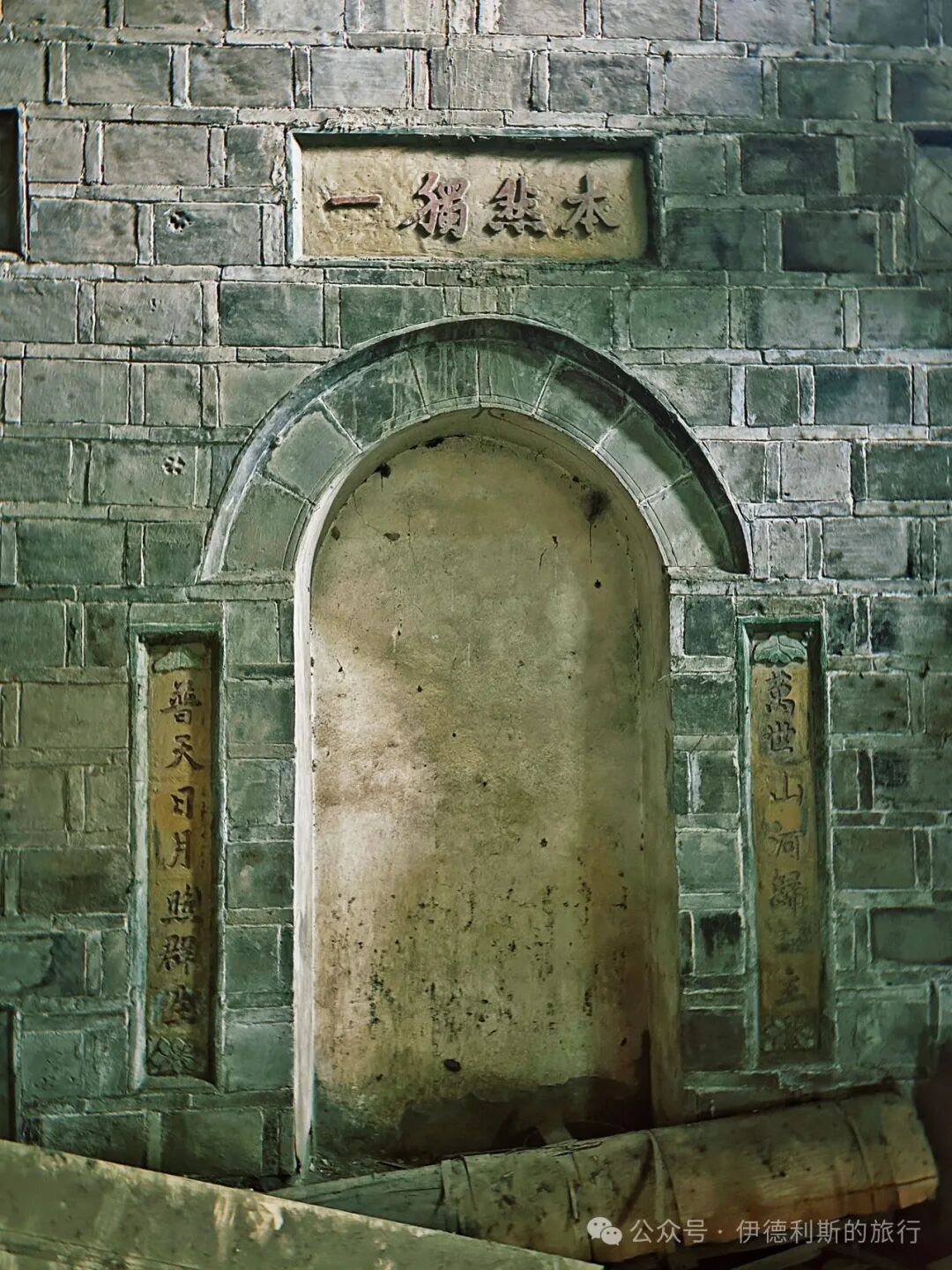
Yousuotun Mosque in Songpan has a door hood with an arched center. It looks more like the style found in Gansu than other mosques in Sichuan.
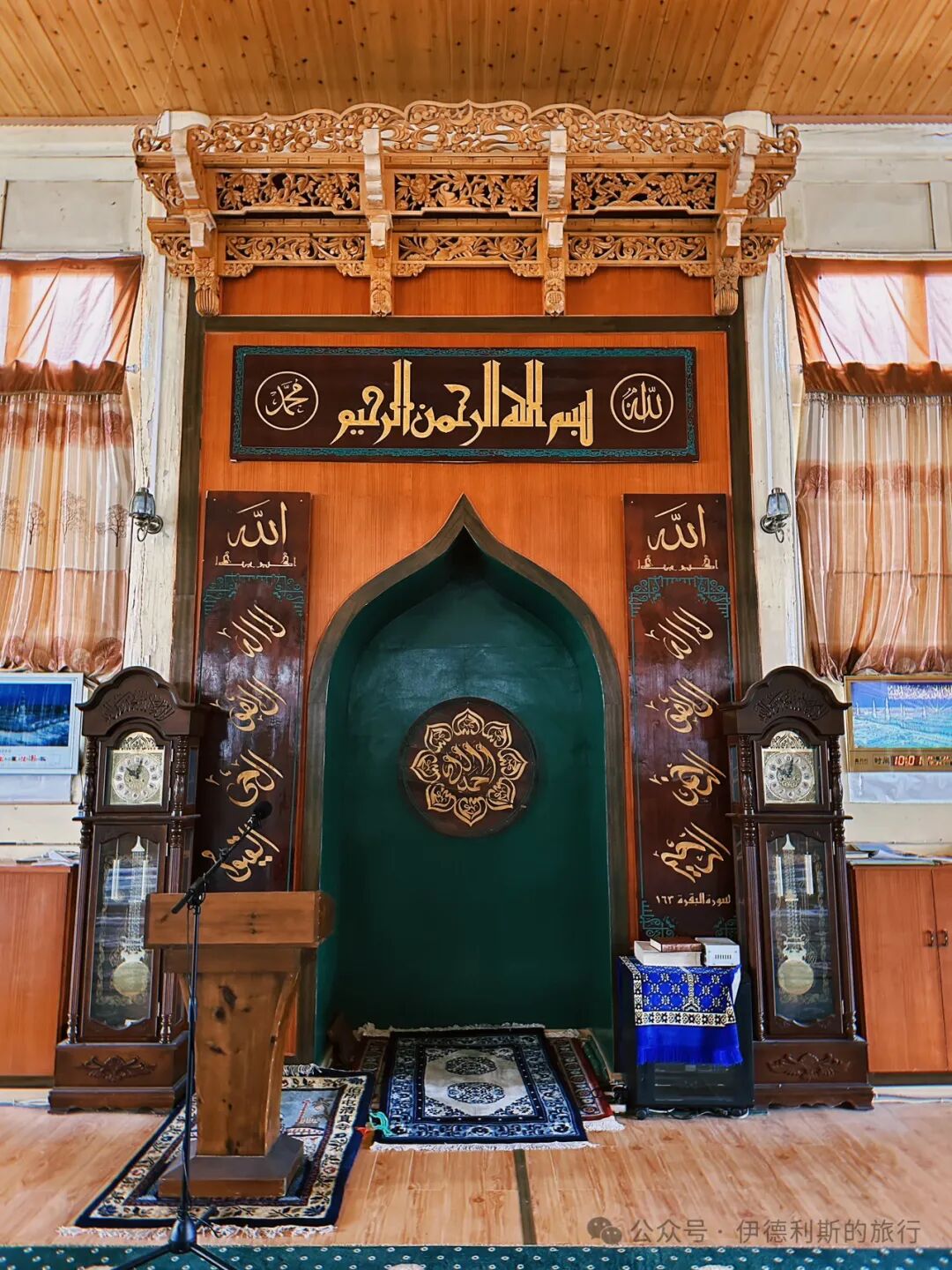
North Mosque in Songpan has very bright colors and lotus patterns.
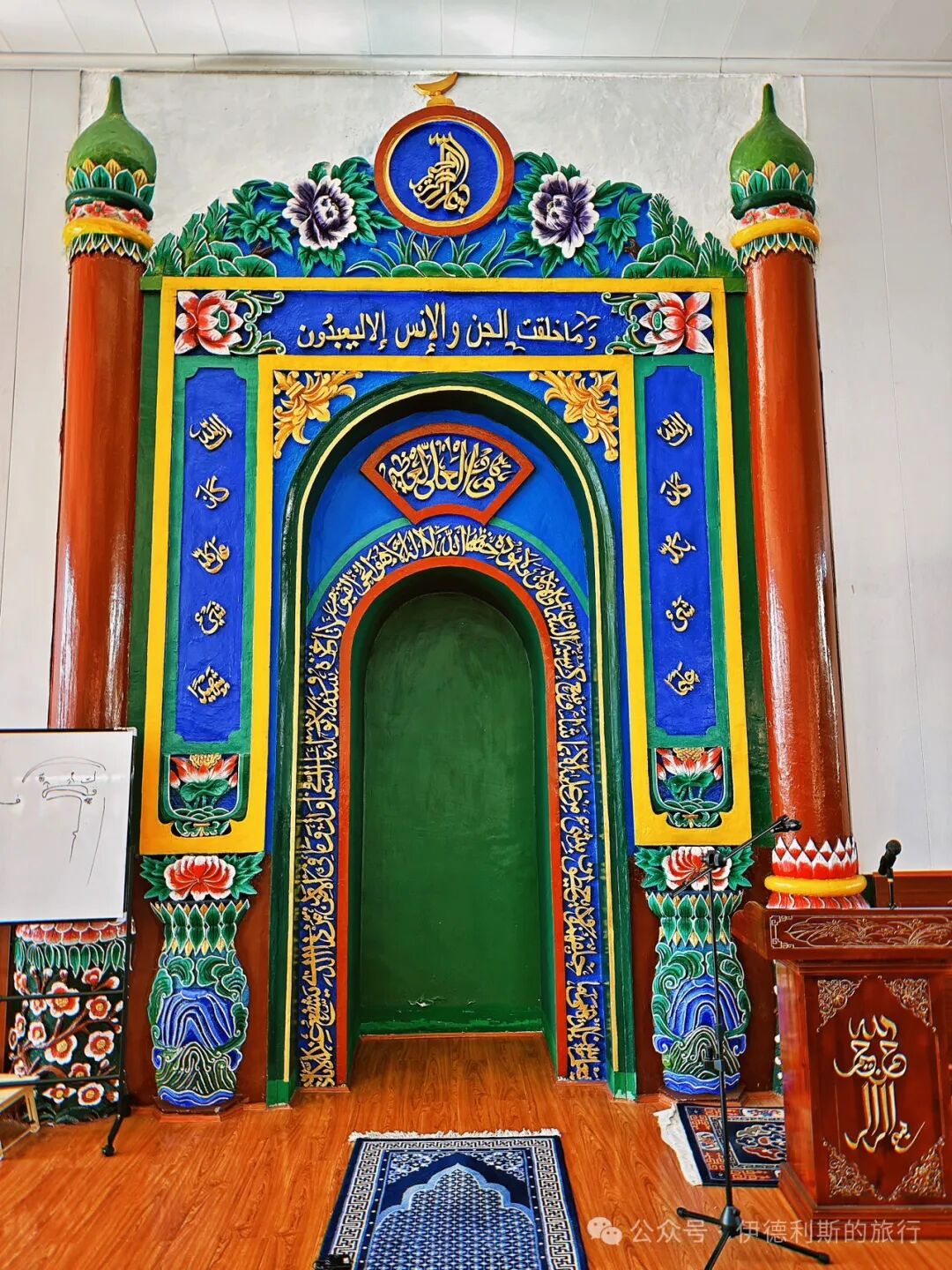
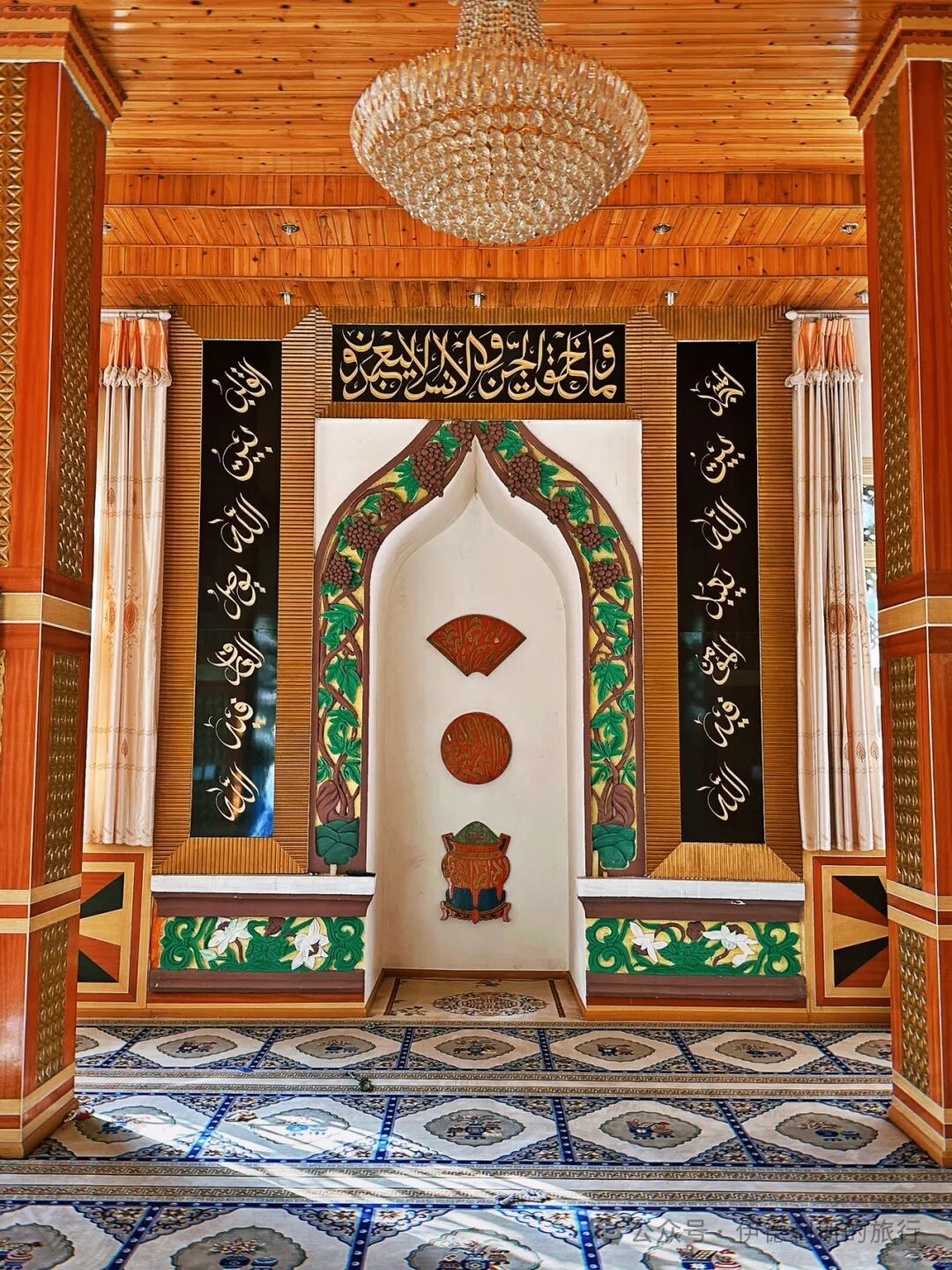
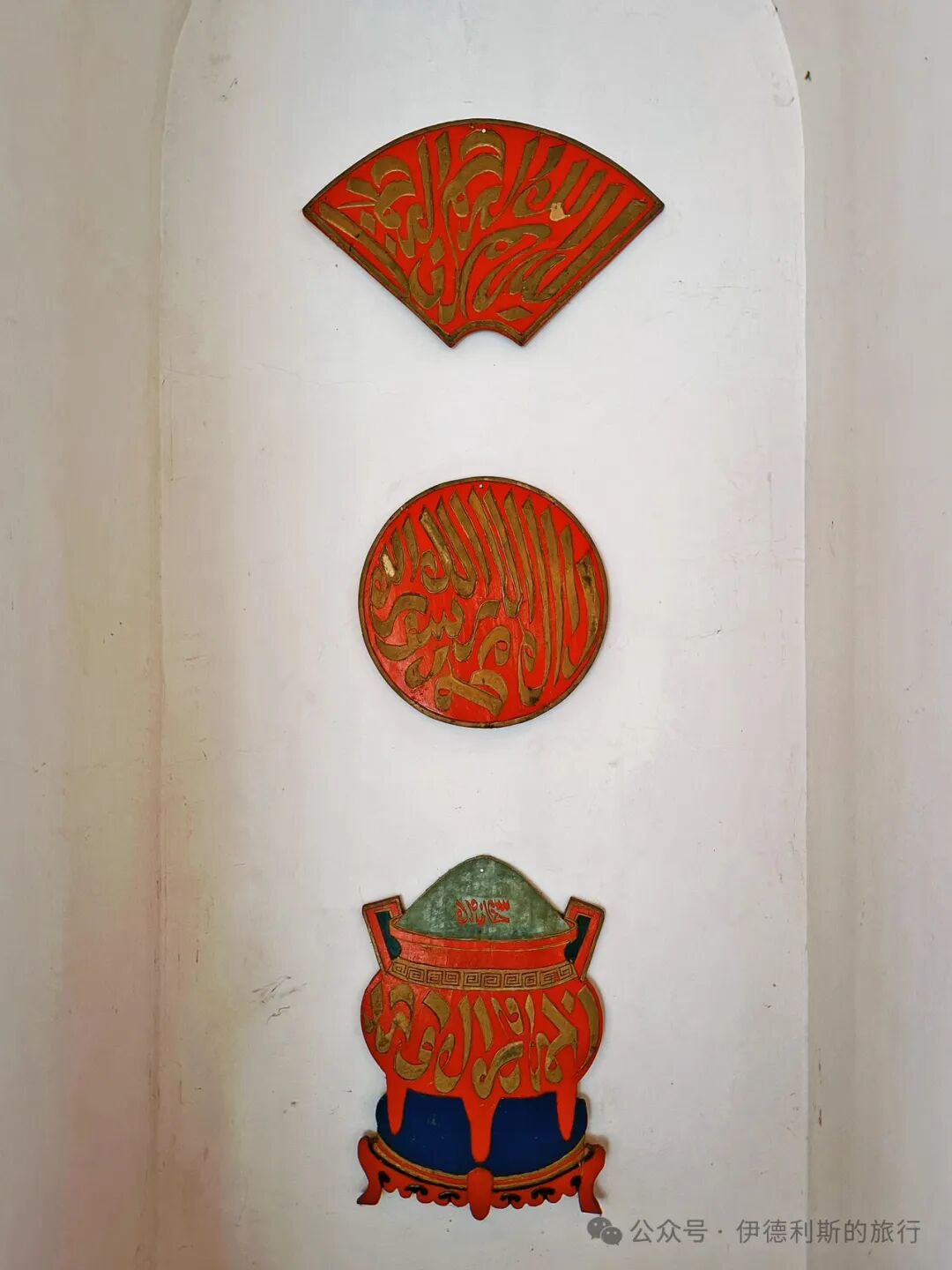
Gongbei Mosque in Songpan features wooden boards with calligraphy inside the arch, shaped like a folding fan, a circular light, and an incense burner.
Yunnan
Dianzhong Mosque in Weishan, Dali, features traditional stone-carved calligraphy.
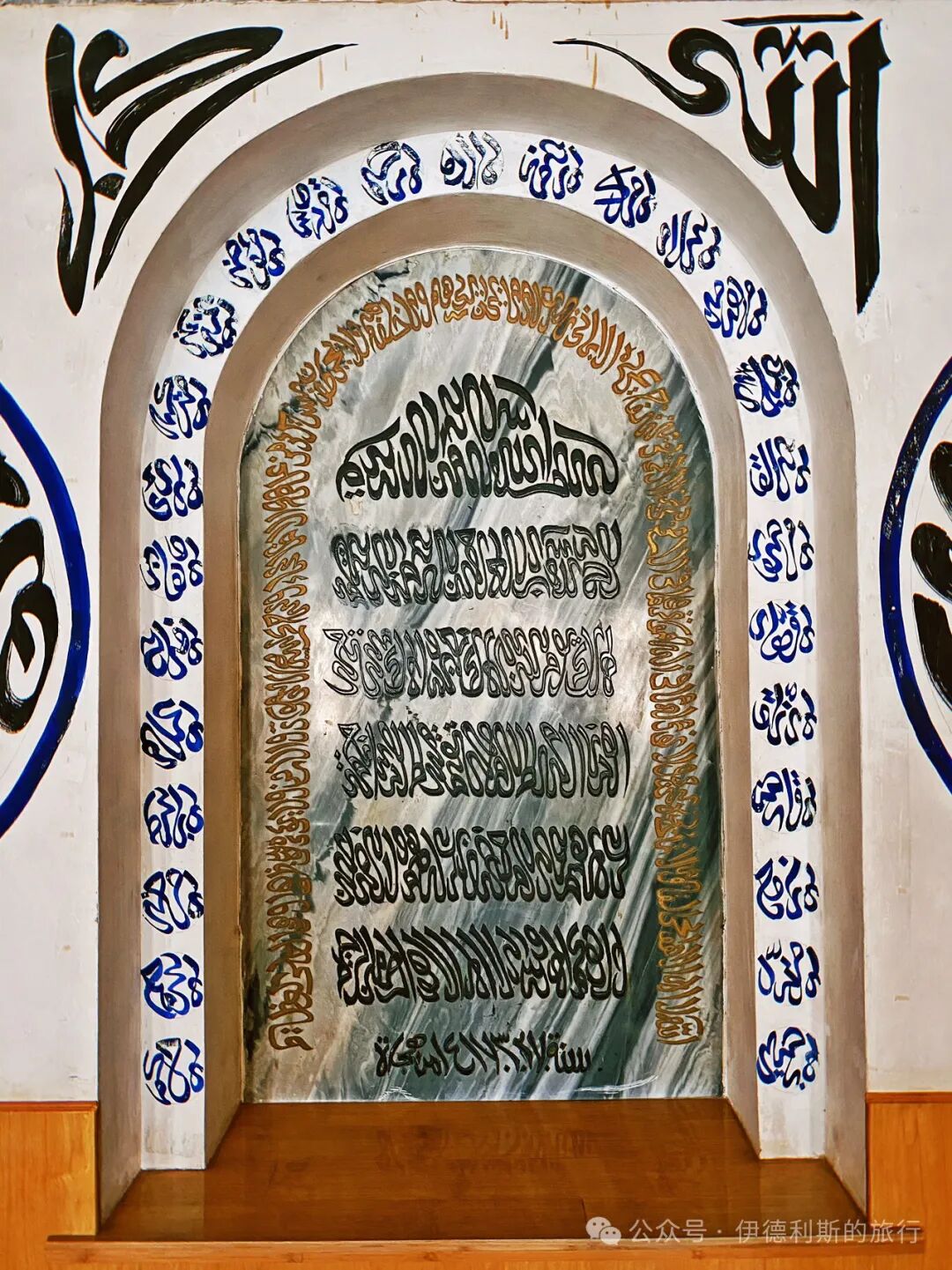
Ma Family Mosque in Mamichang, Weishan, Dali, features traditional stone-carved calligraphy.
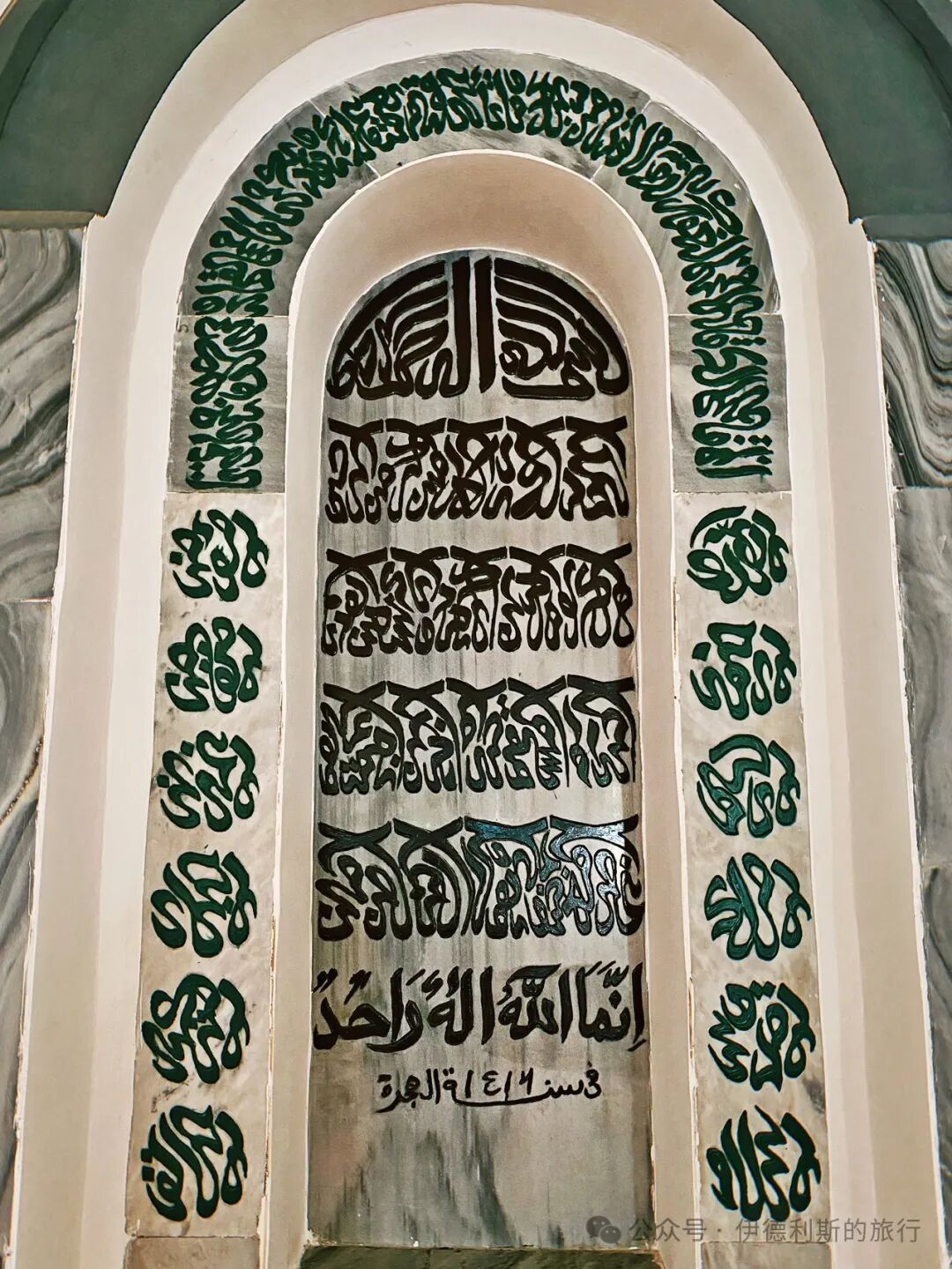
Hedijie Mosque in Weishan, Dali, features traditional calligraphy.
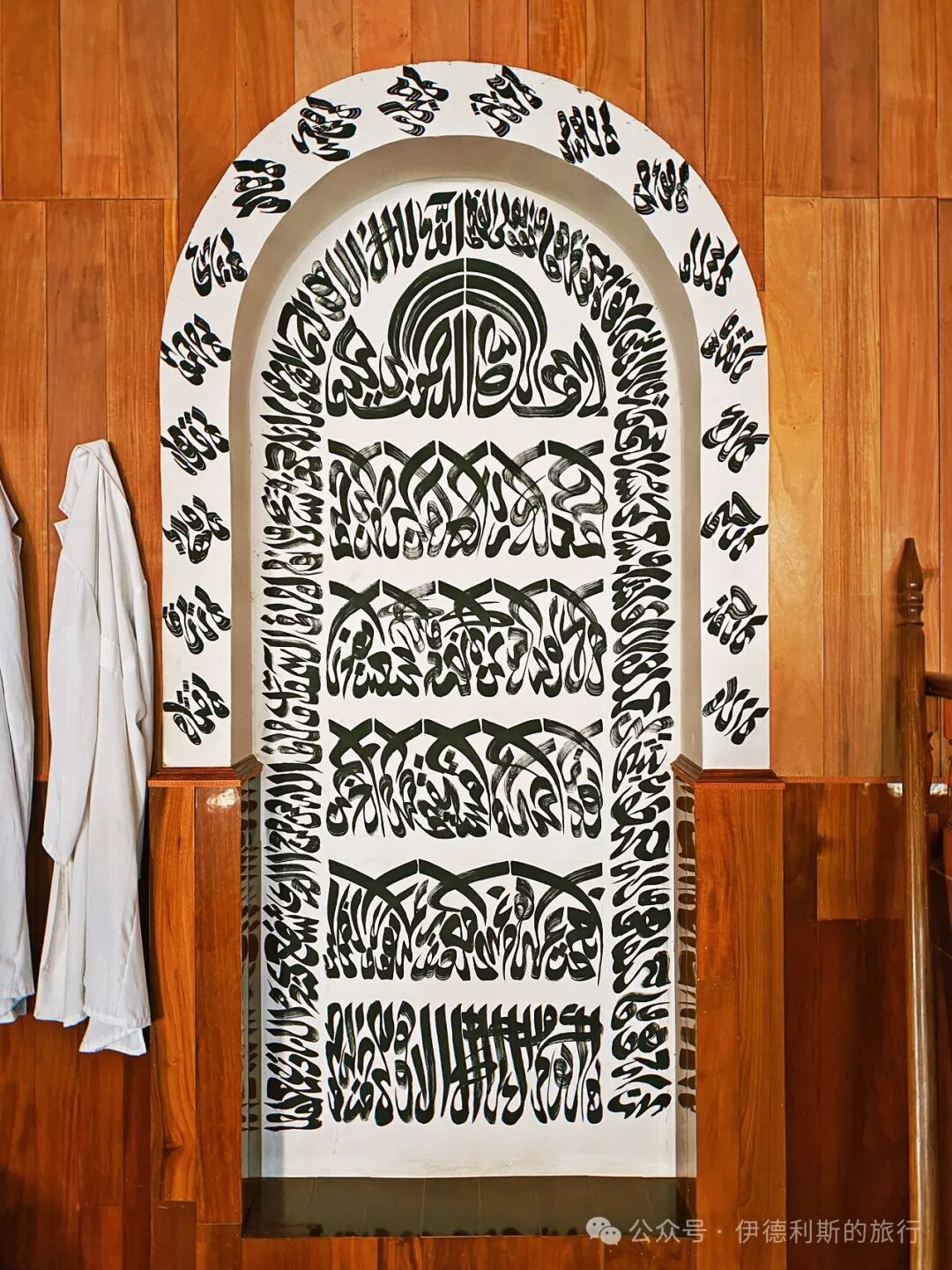
Qingmenkou Mosque in Weishan, Dali, features traditional calligraphy.
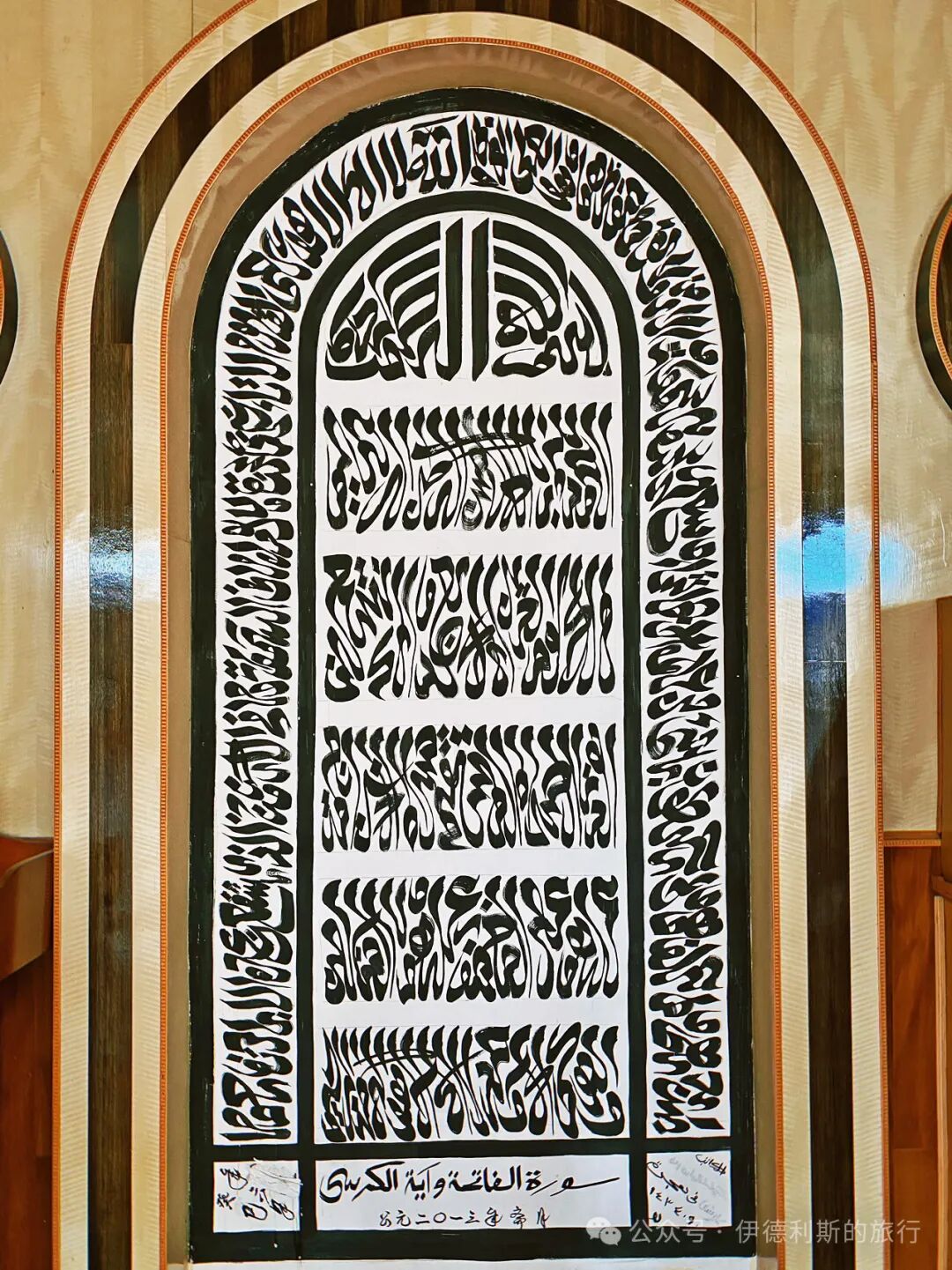
Xishulong Mosque in Weishan, Dali, features traditional stone-carved calligraphy.
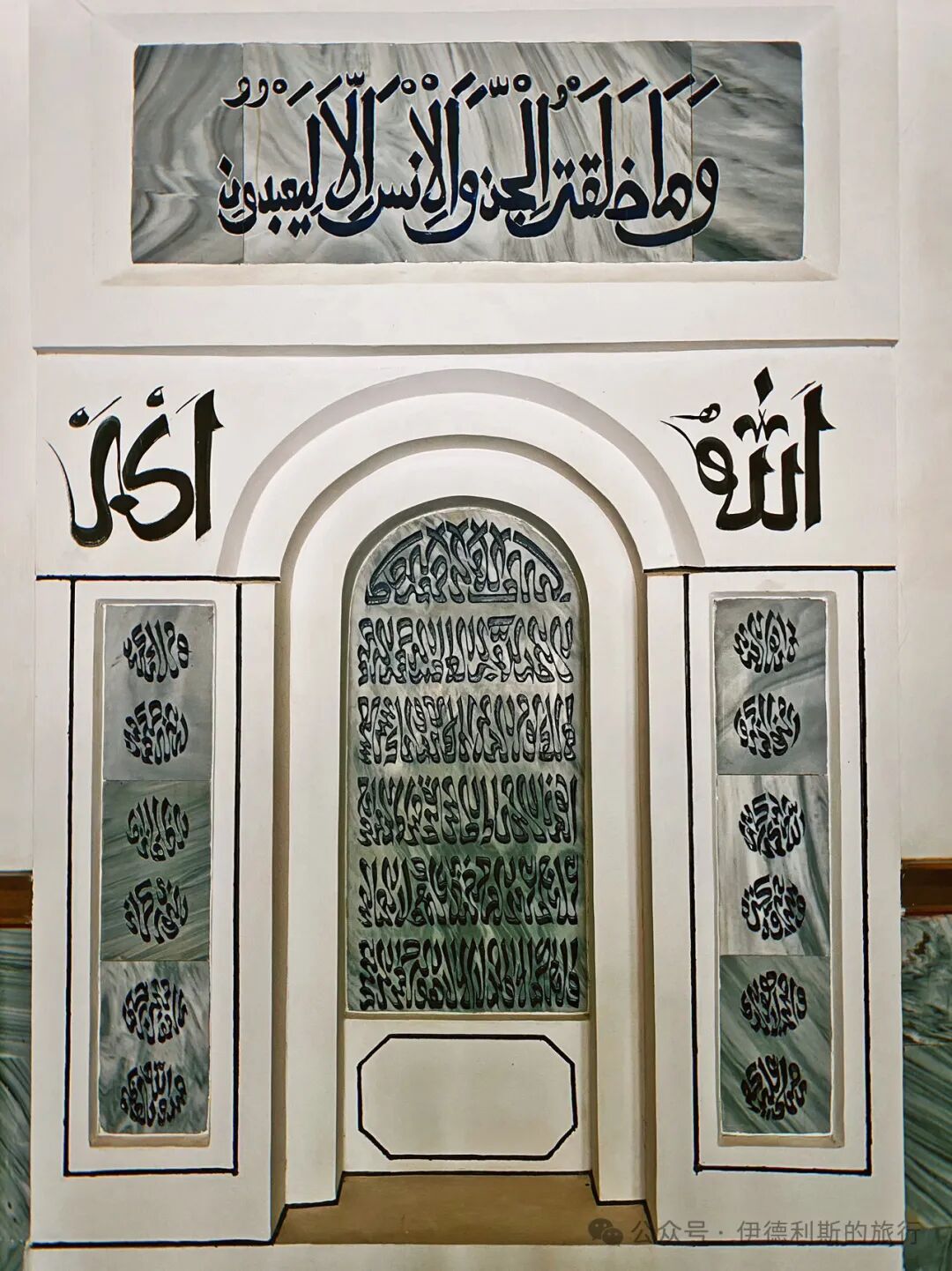
Xiaoweigeng Mosque in Weishan, Dali, features traditional calligraphy.
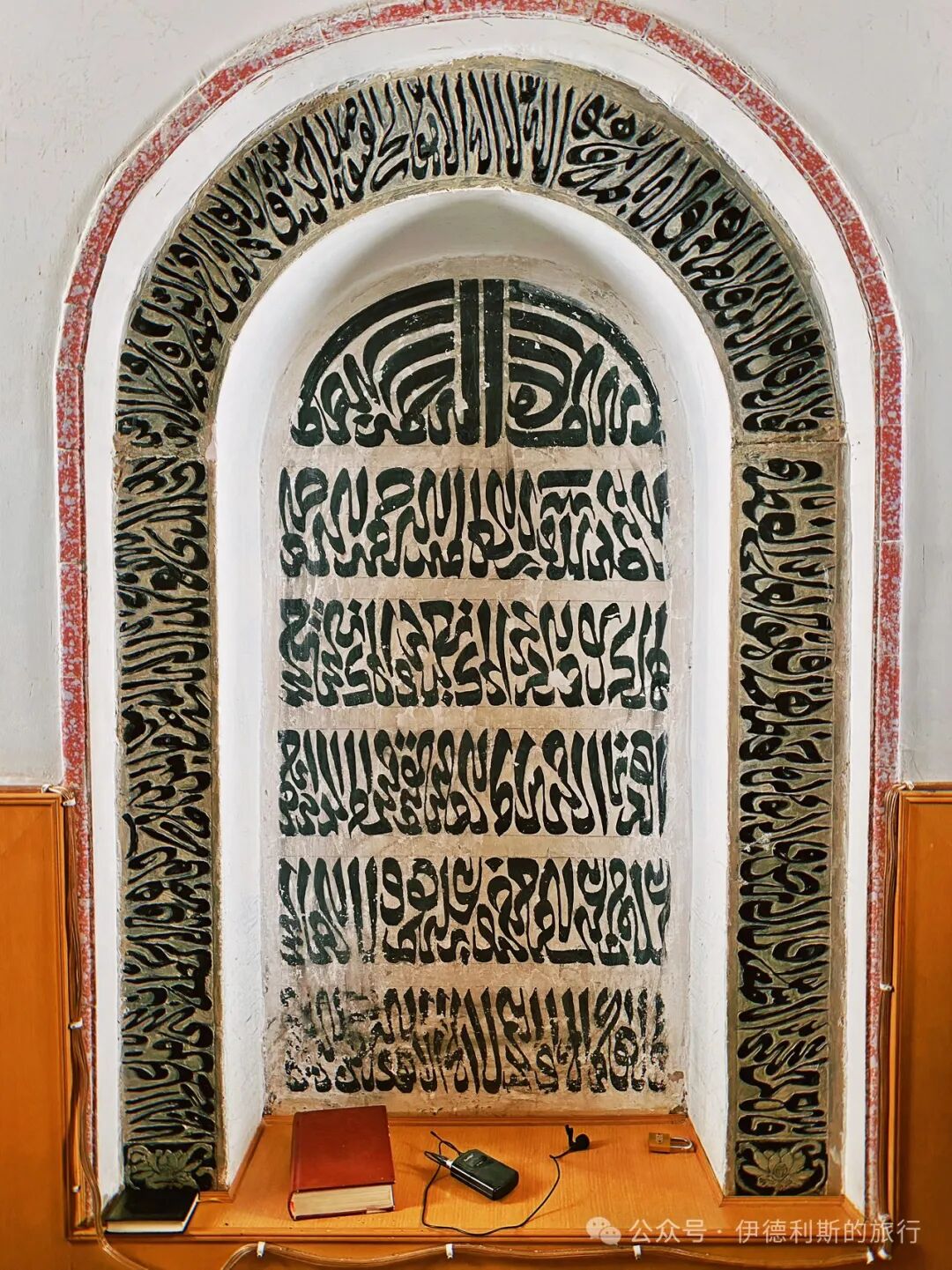
Dingjiachang Mosque in Weishan, Dali, is built in the traditional Dali architectural style with upturned eaves.
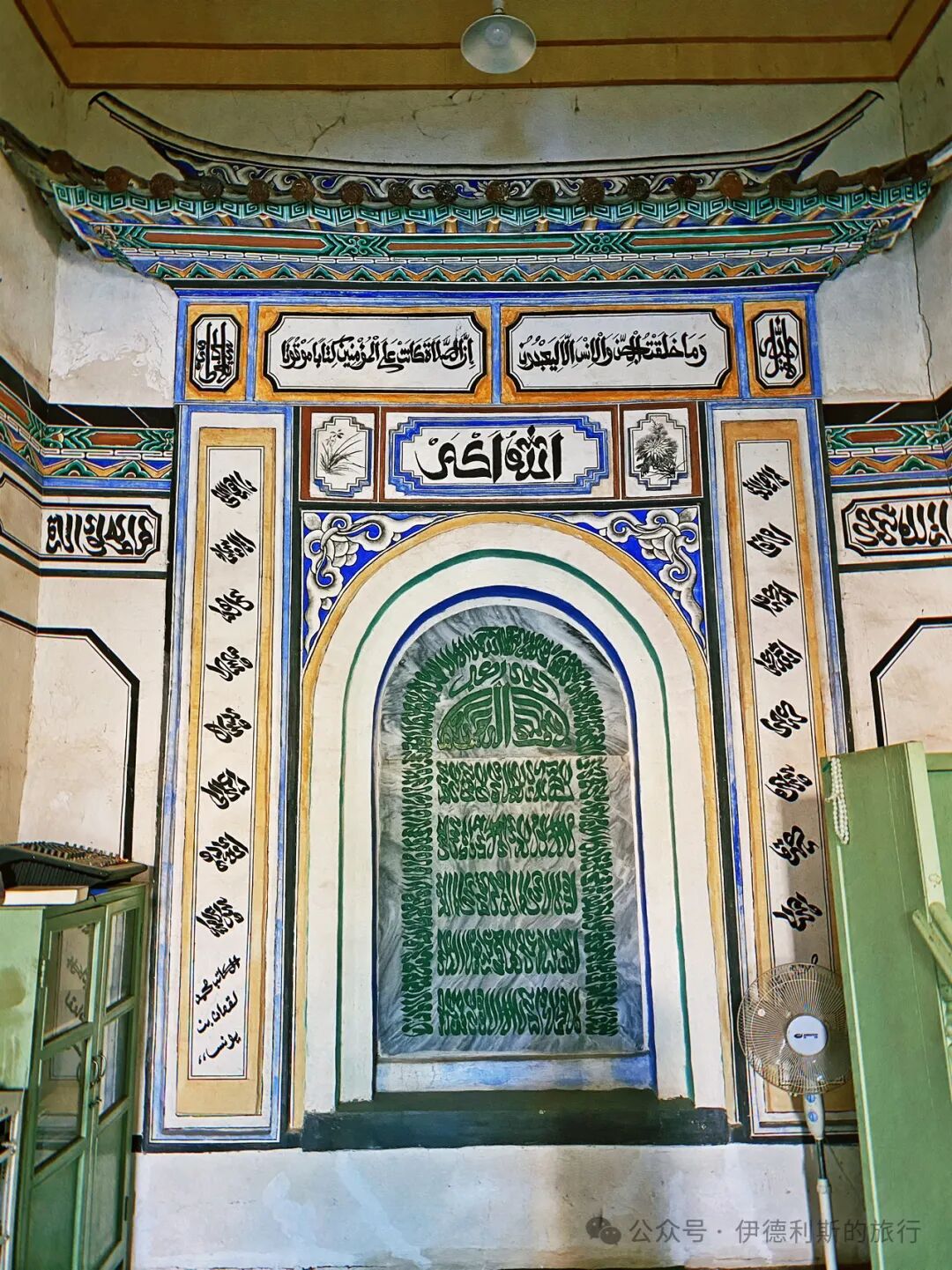
Baisha Village Mosque in Weishan, Dali, features traditional calligraphy.
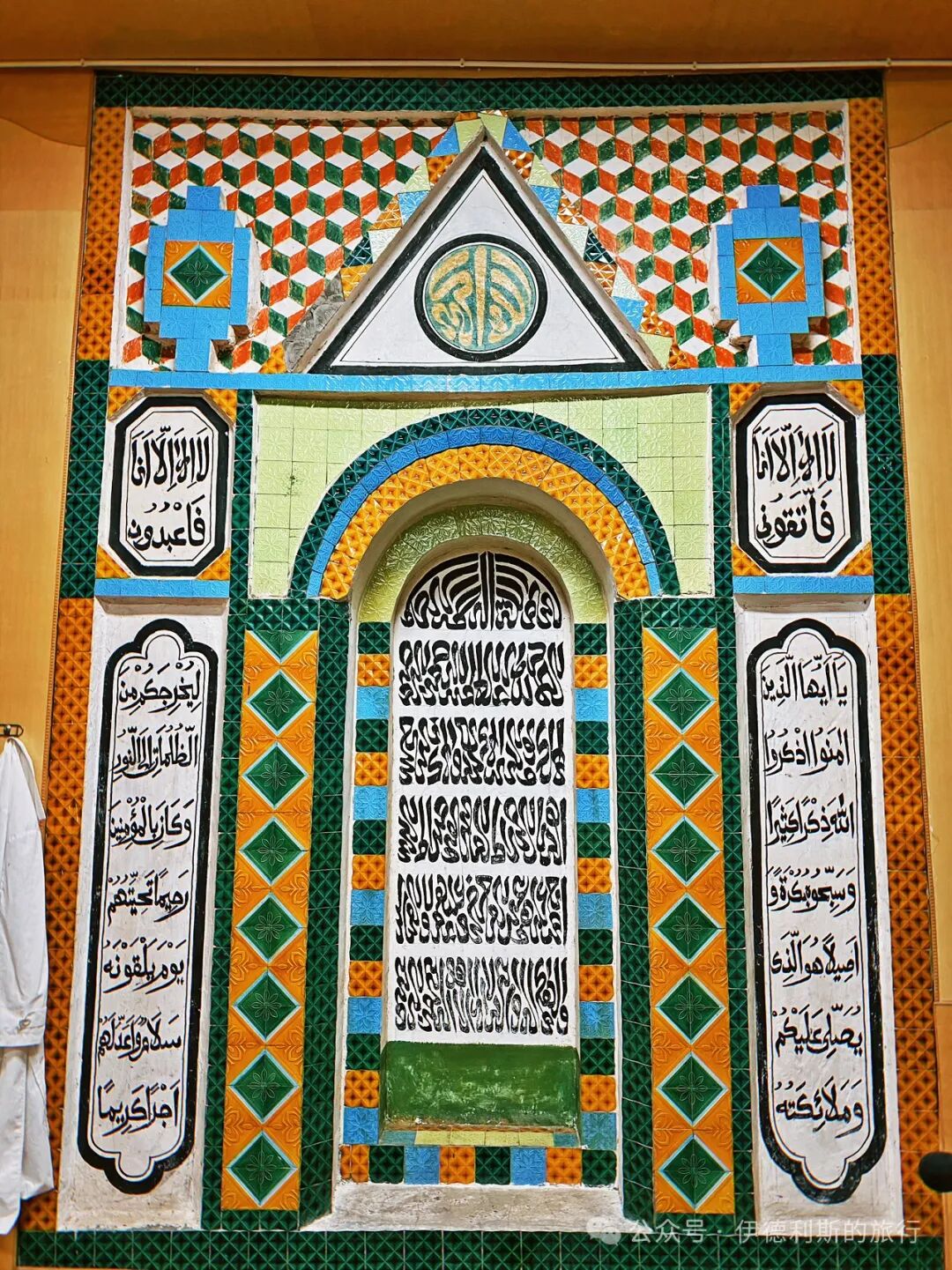
Dawulinmao Mosque in Weishan, Dali, is built in the traditional Dali architectural style with upturned eaves.
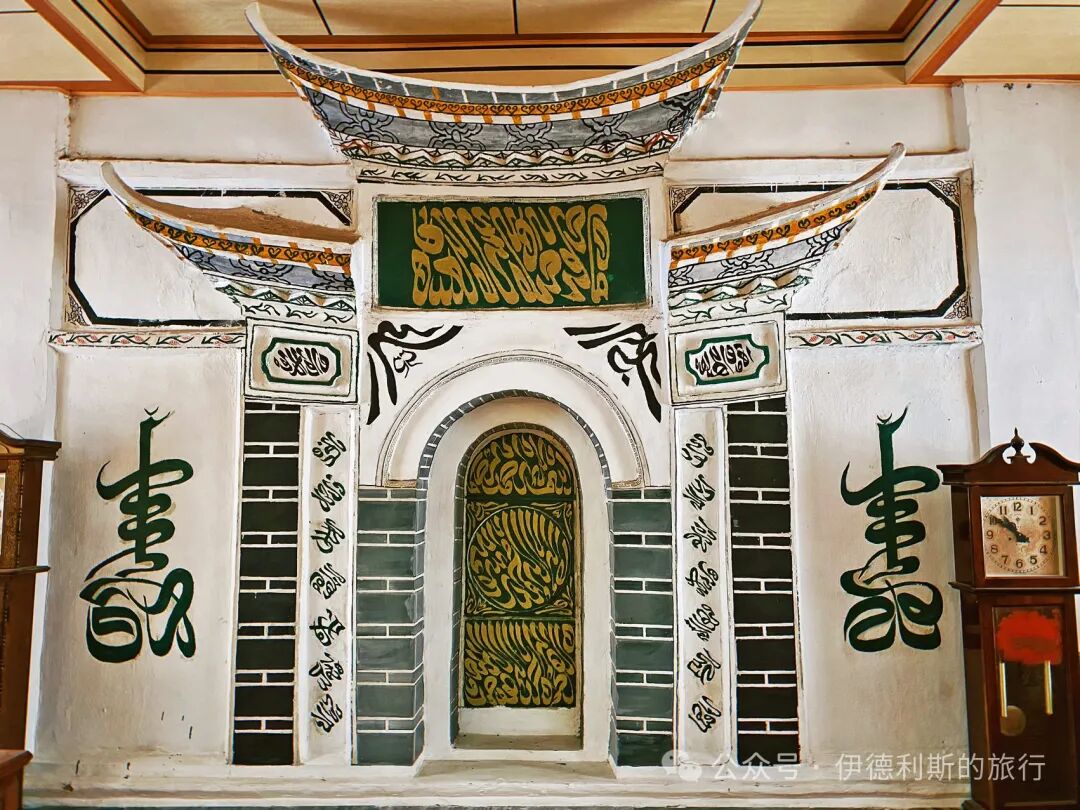
Xiajie Mosque in Yangbi, Dali, features wood-carved calligraphy.
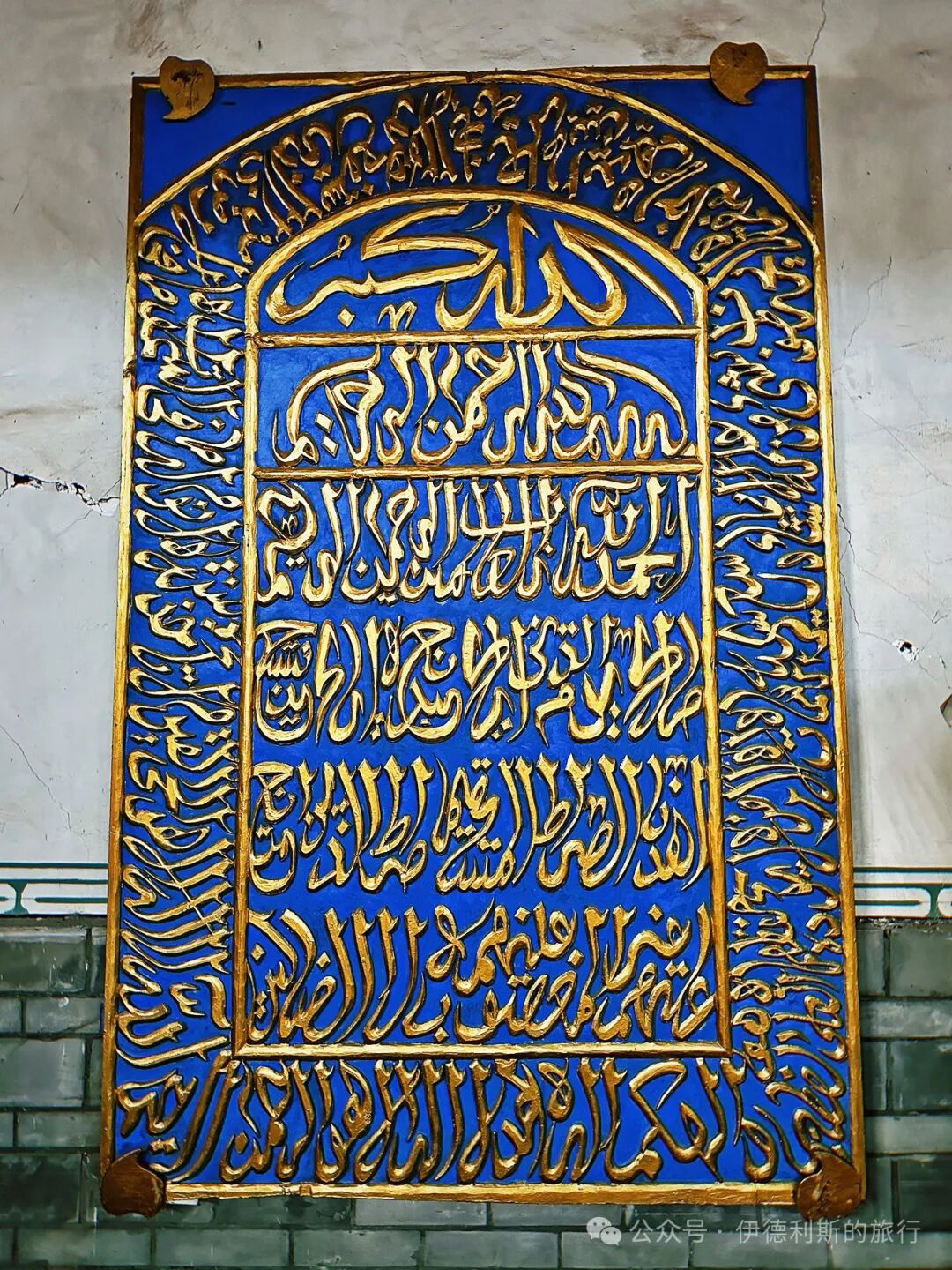
Shangxiang Mosque in Yangbi, Dali, features stone-carved calligraphy.
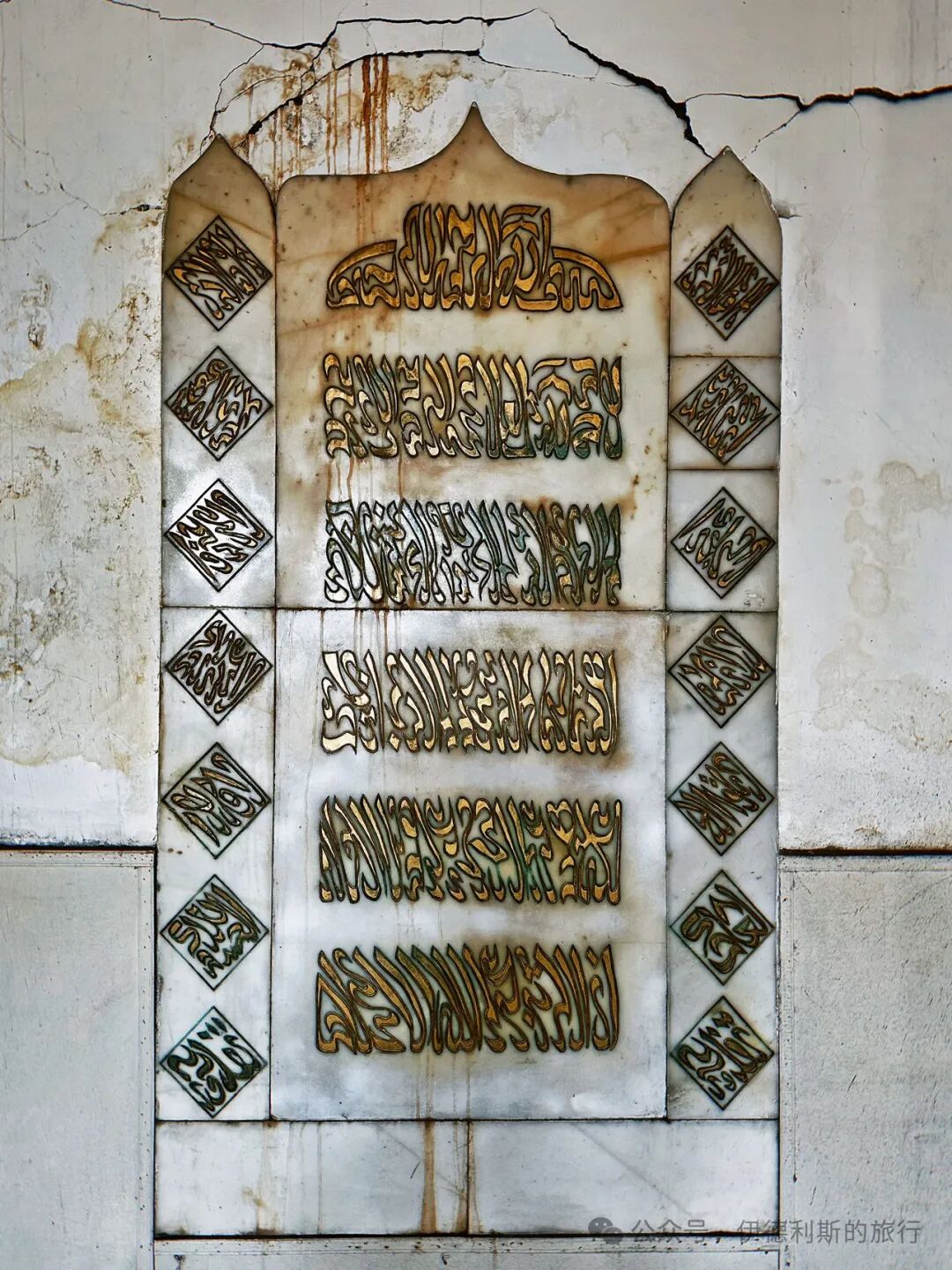
Shangjie Mosque in Yangbi, Dali, features stone-carved calligraphy.
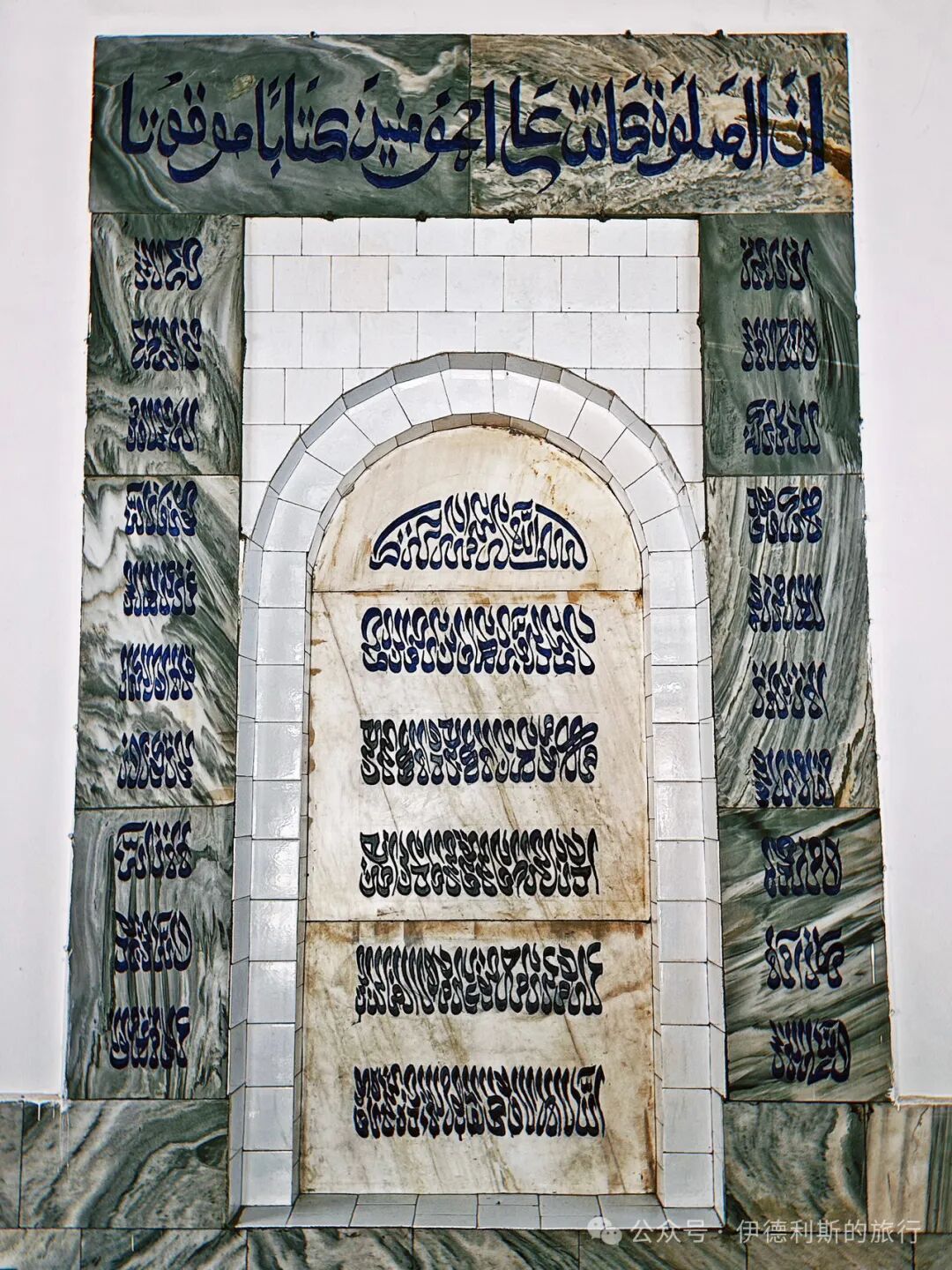
Shangxi Lianhua Mosque in Weishan, Dali, features stone-carved calligraphy.
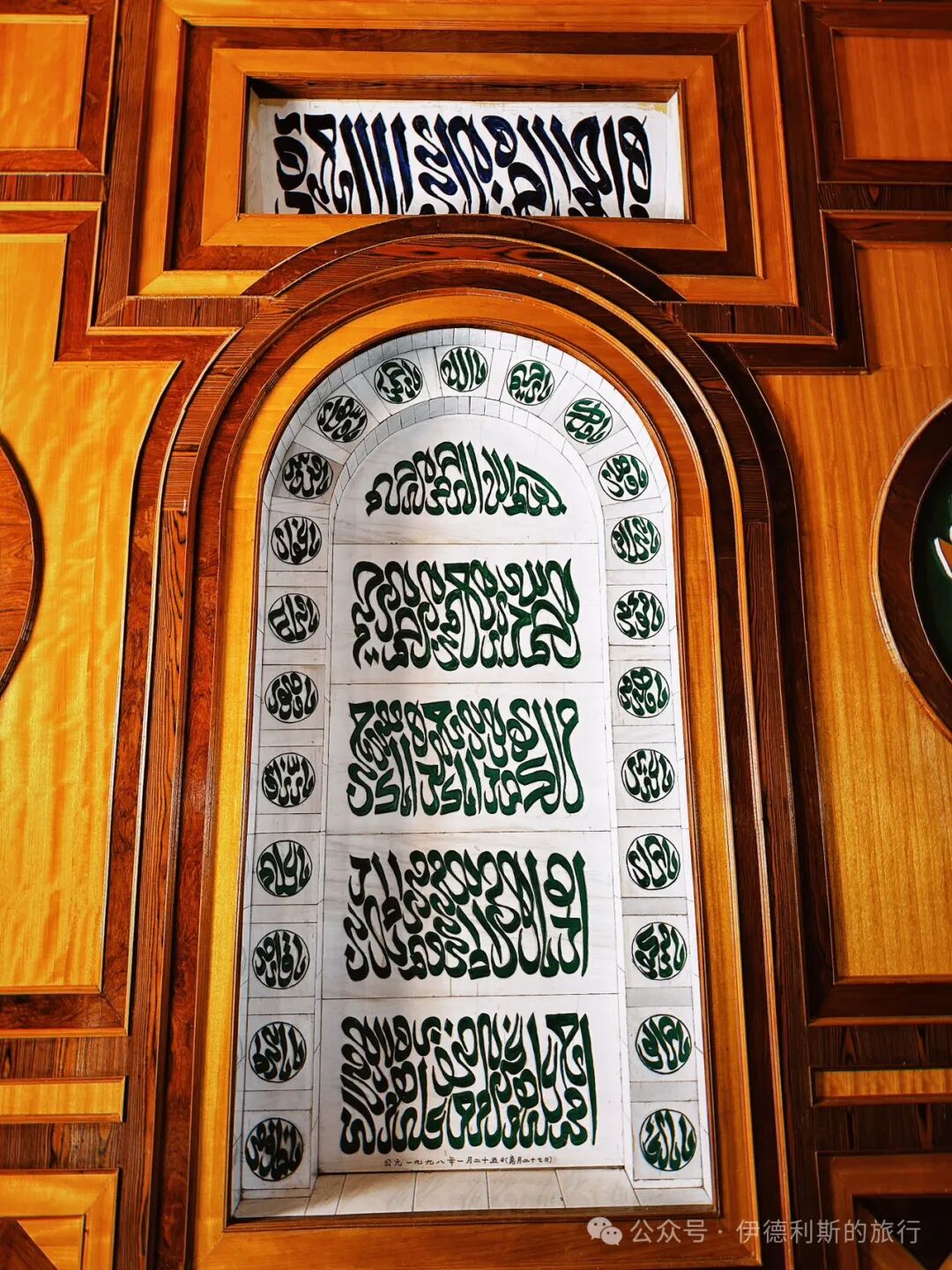
Xincun Mosque in Weishan, Dali, features stone-carved calligraphy.
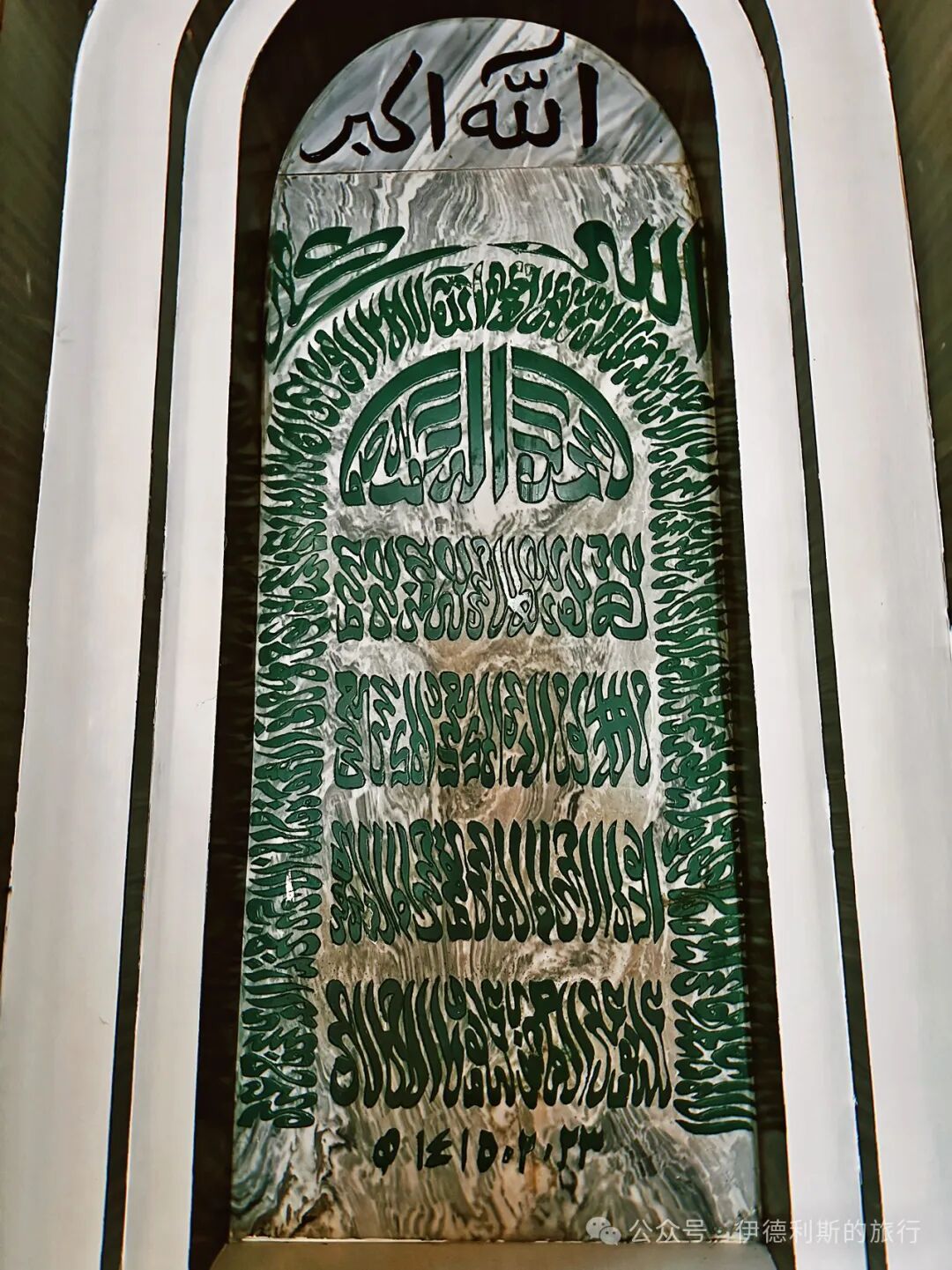
Xiaxi Lianhua Mosque in Weishan, Dali, features traditional calligraphy.
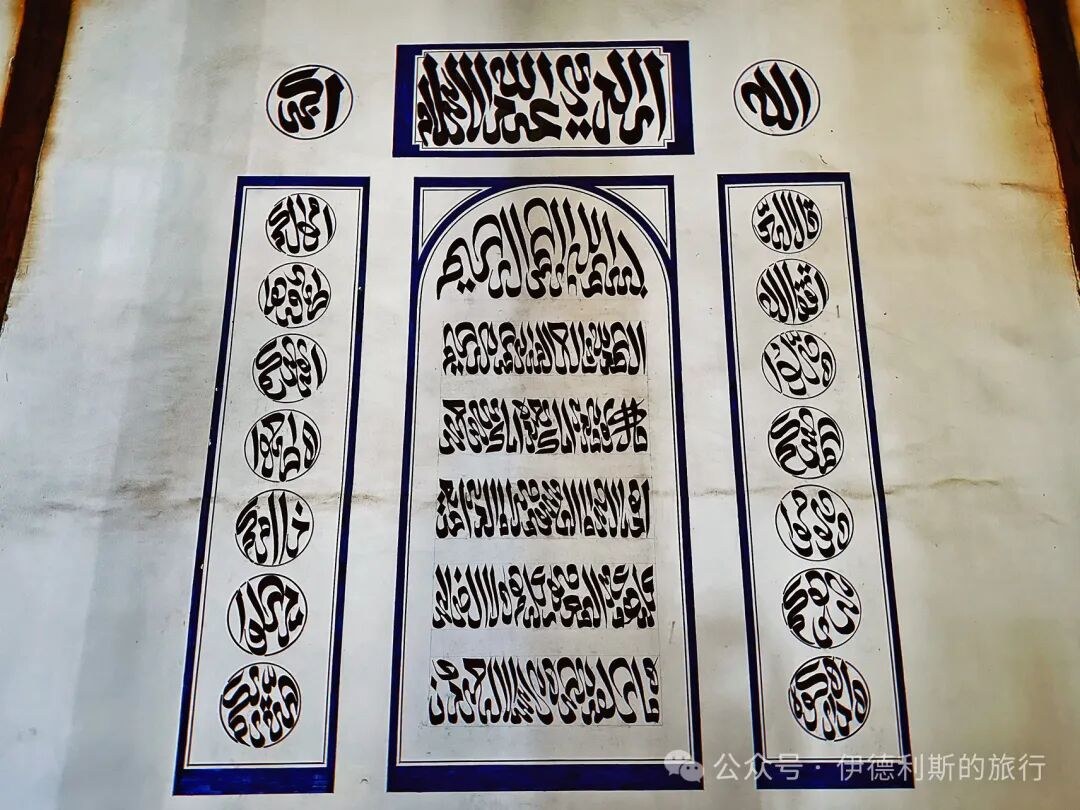
Donglianhua Mosque in Weishan, Dali, features traditional calligraphy.
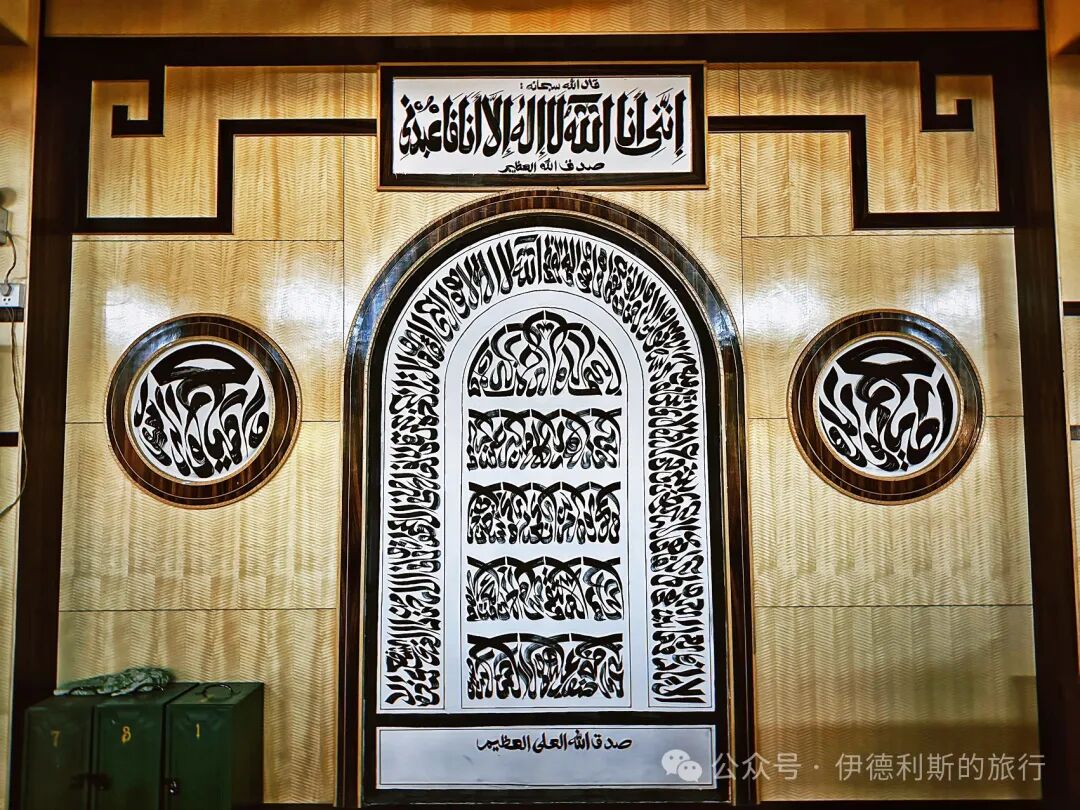
Fengyi Mosque in Dali features stone-carved calligraphy.
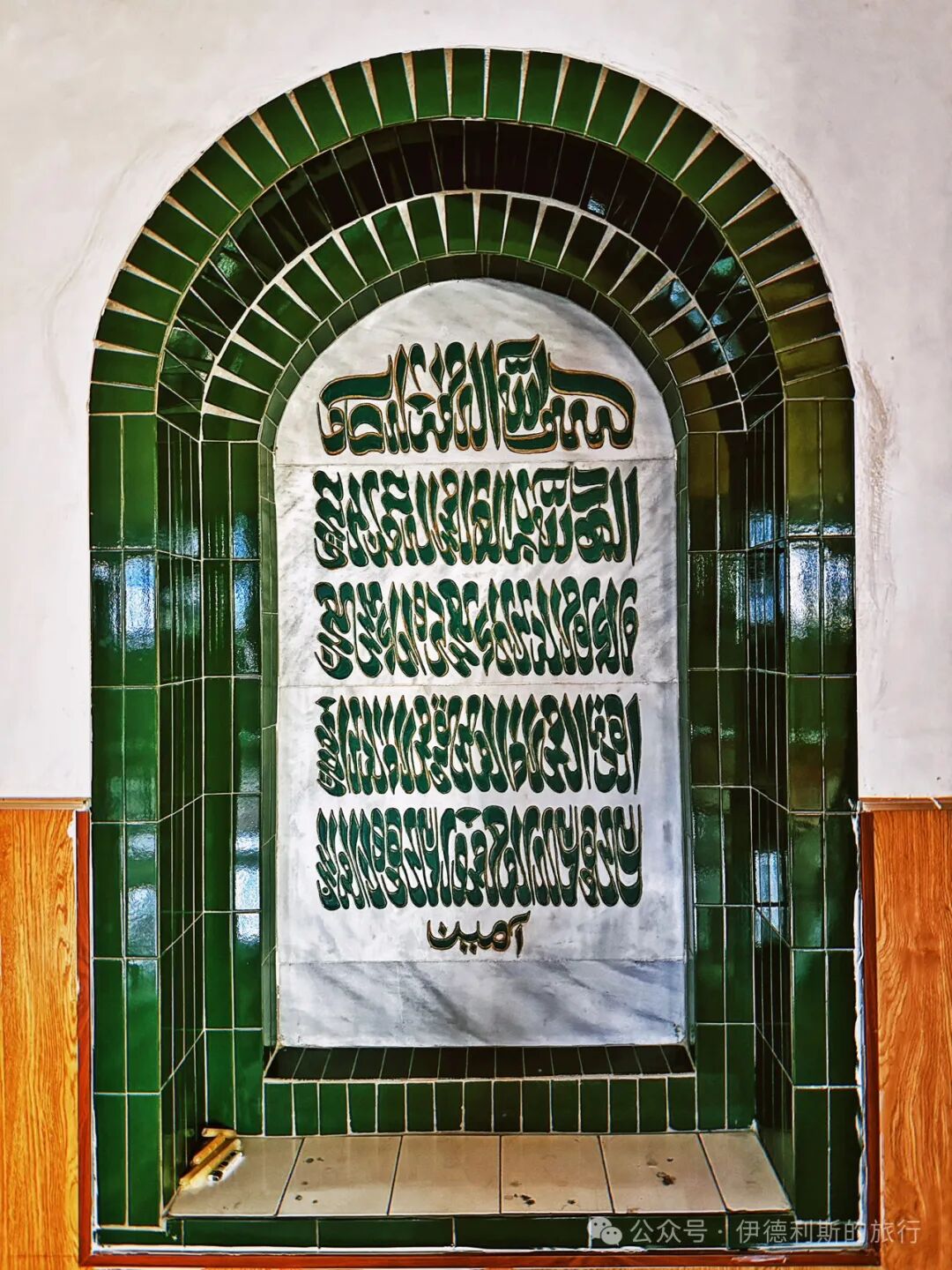
Binchuan Mosque in Dali features traditional calligraphy.
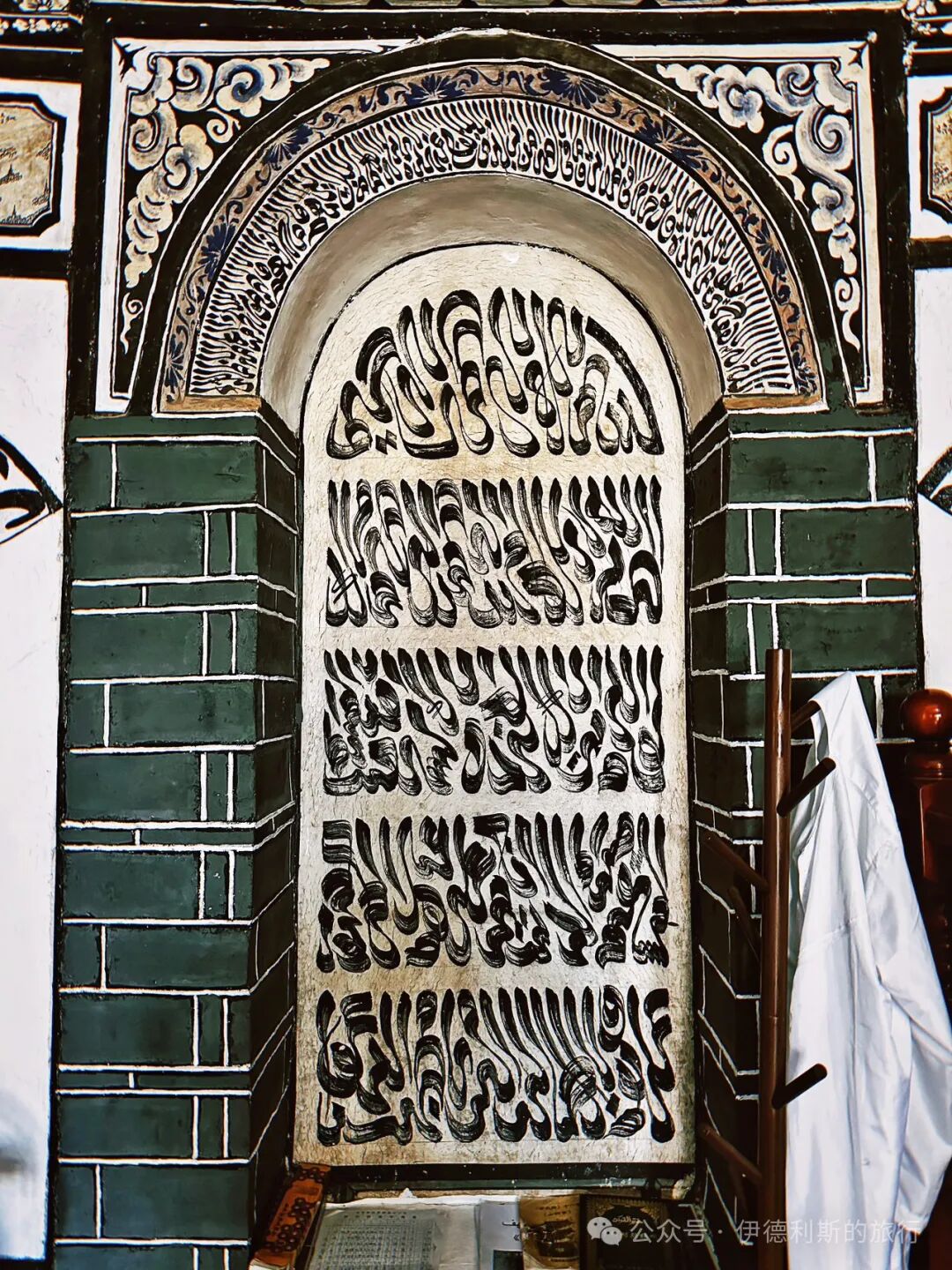
Yongning Mosque in Kunming is known as a masterpiece of Yunnan-style calligraphy.
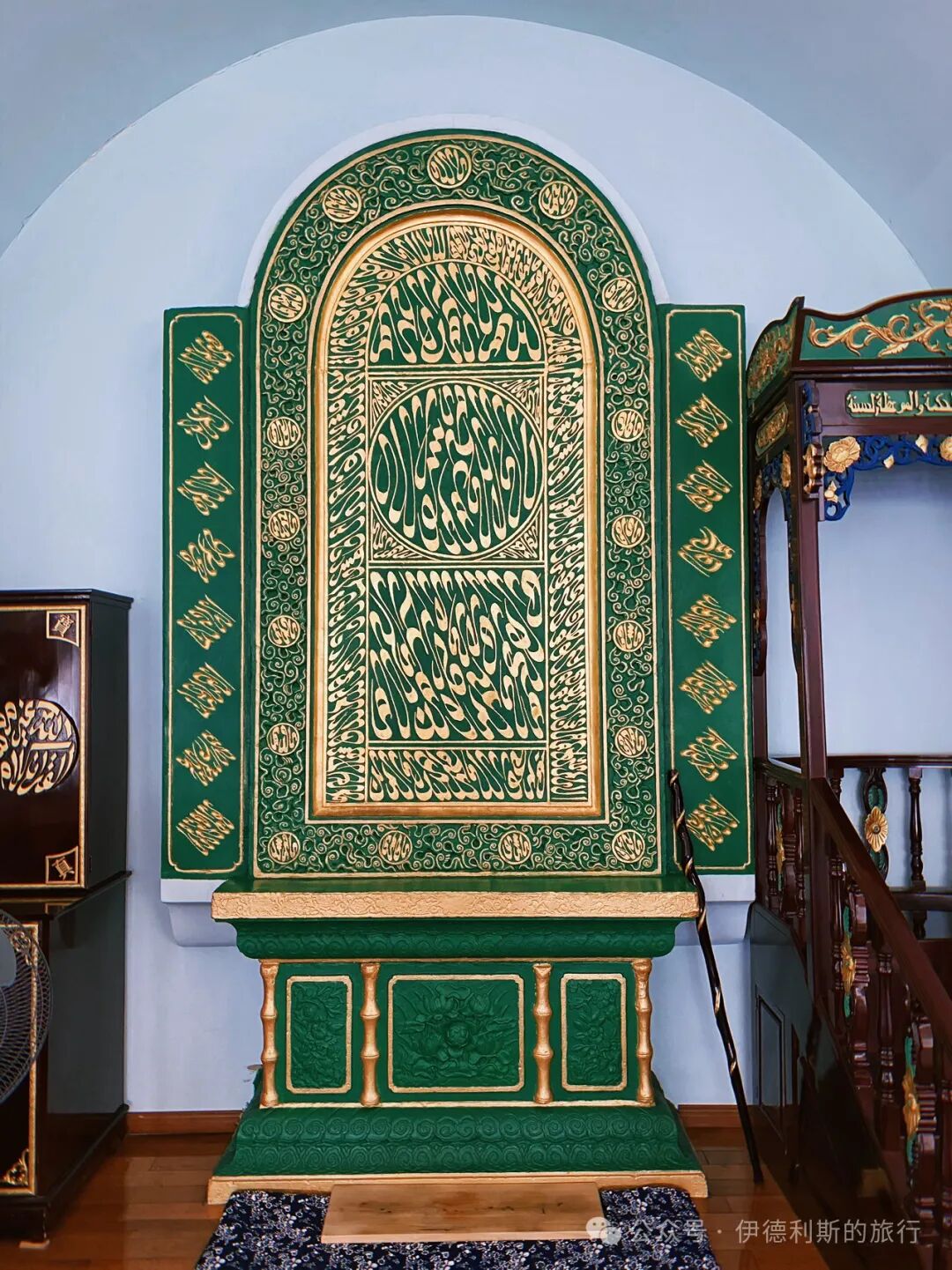
Jinniujie Mosque in Kunming features typical Yunnan-style calligraphy.
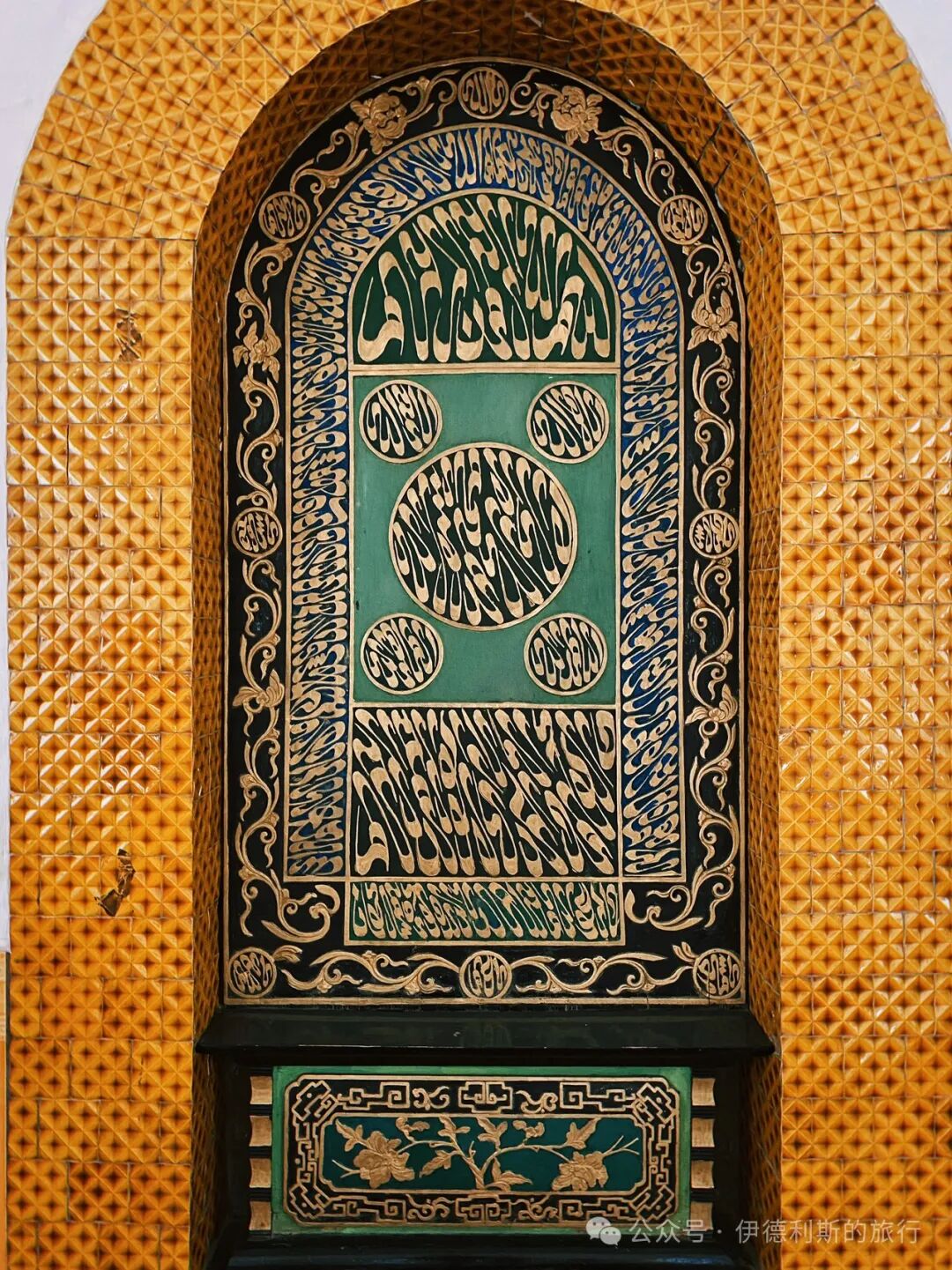
Liren Mosque in Haikou, Kunming, features typical Yunnan-style calligraphy.
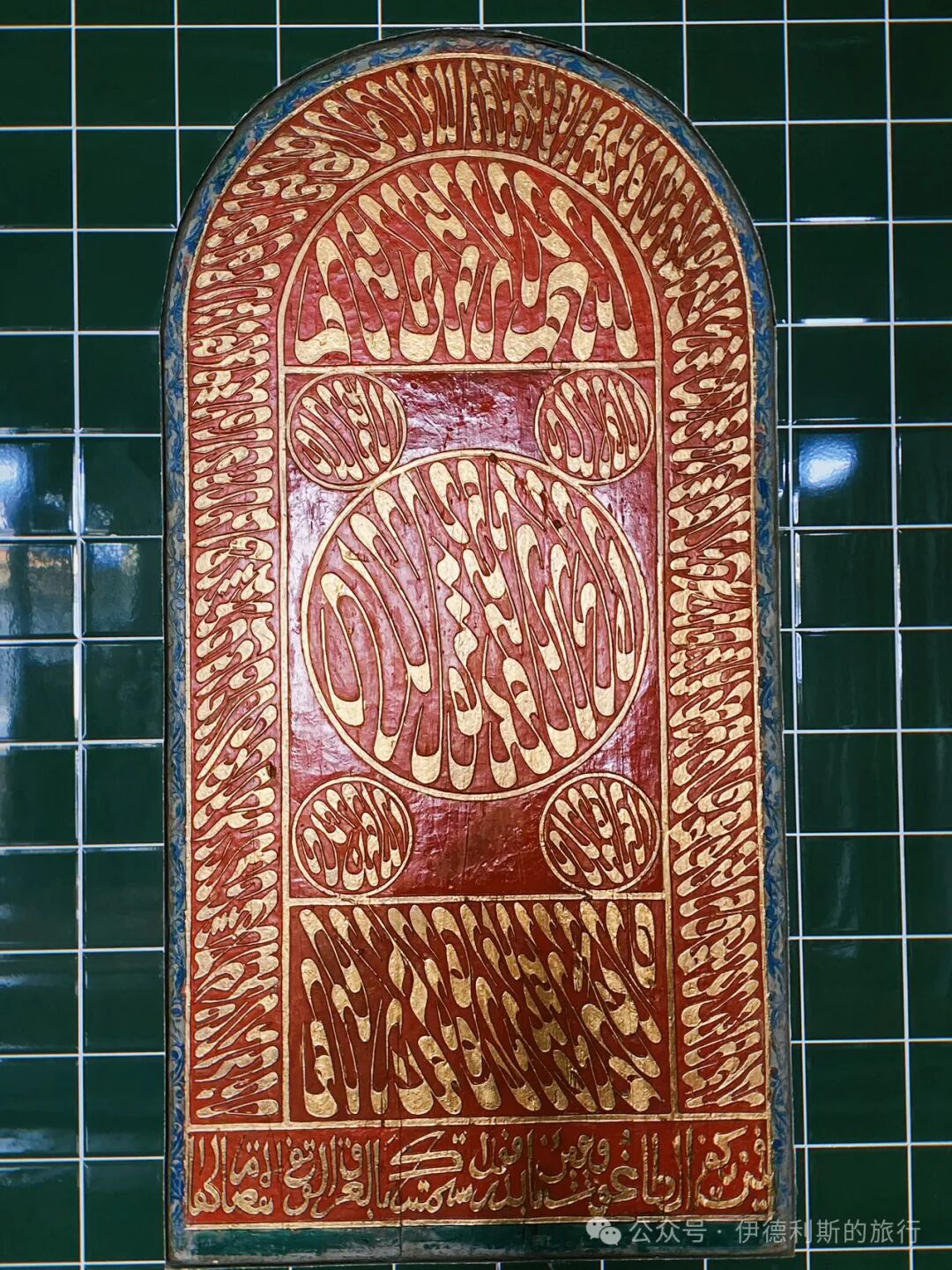
Beiying Mosque in Xundian features typical Yunnan-style calligraphy.
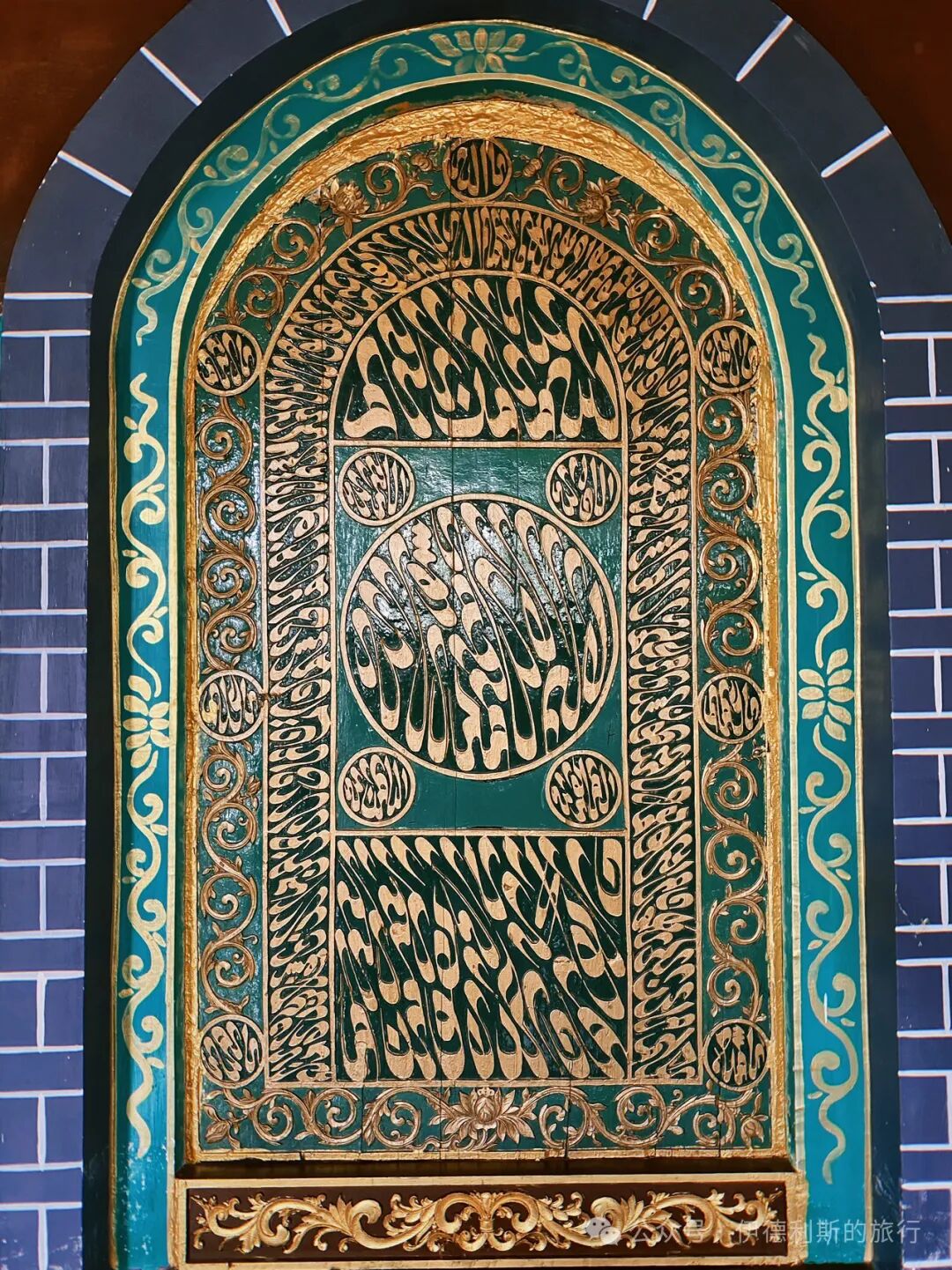
Huihuiying Mosque in Chenggong, Kunming, has very unique floral-style calligraphy in the center.
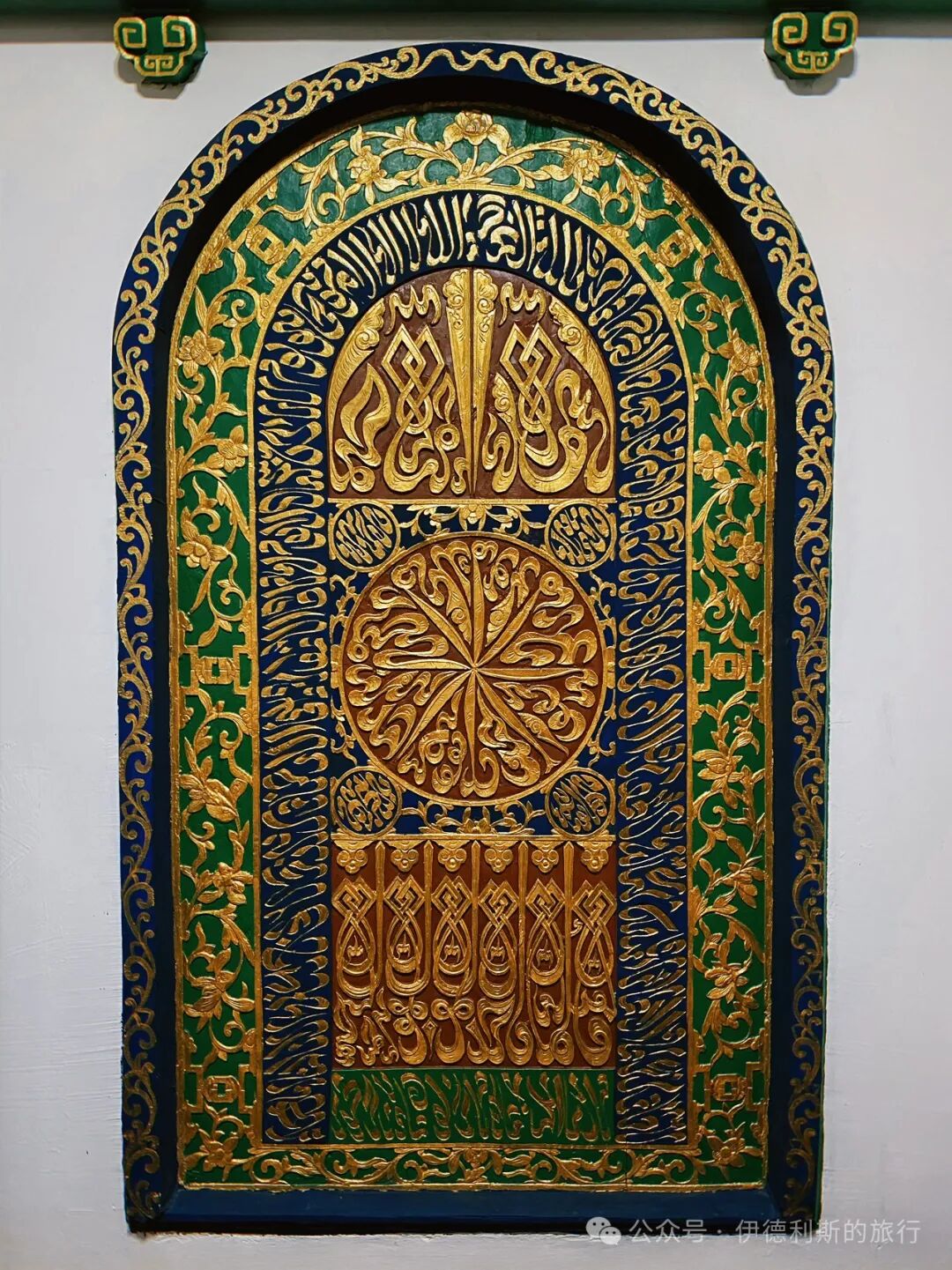
Dazhuang Mosque in Kaiyuan features traditional calligraphy in the center with a circular, interlocking design.
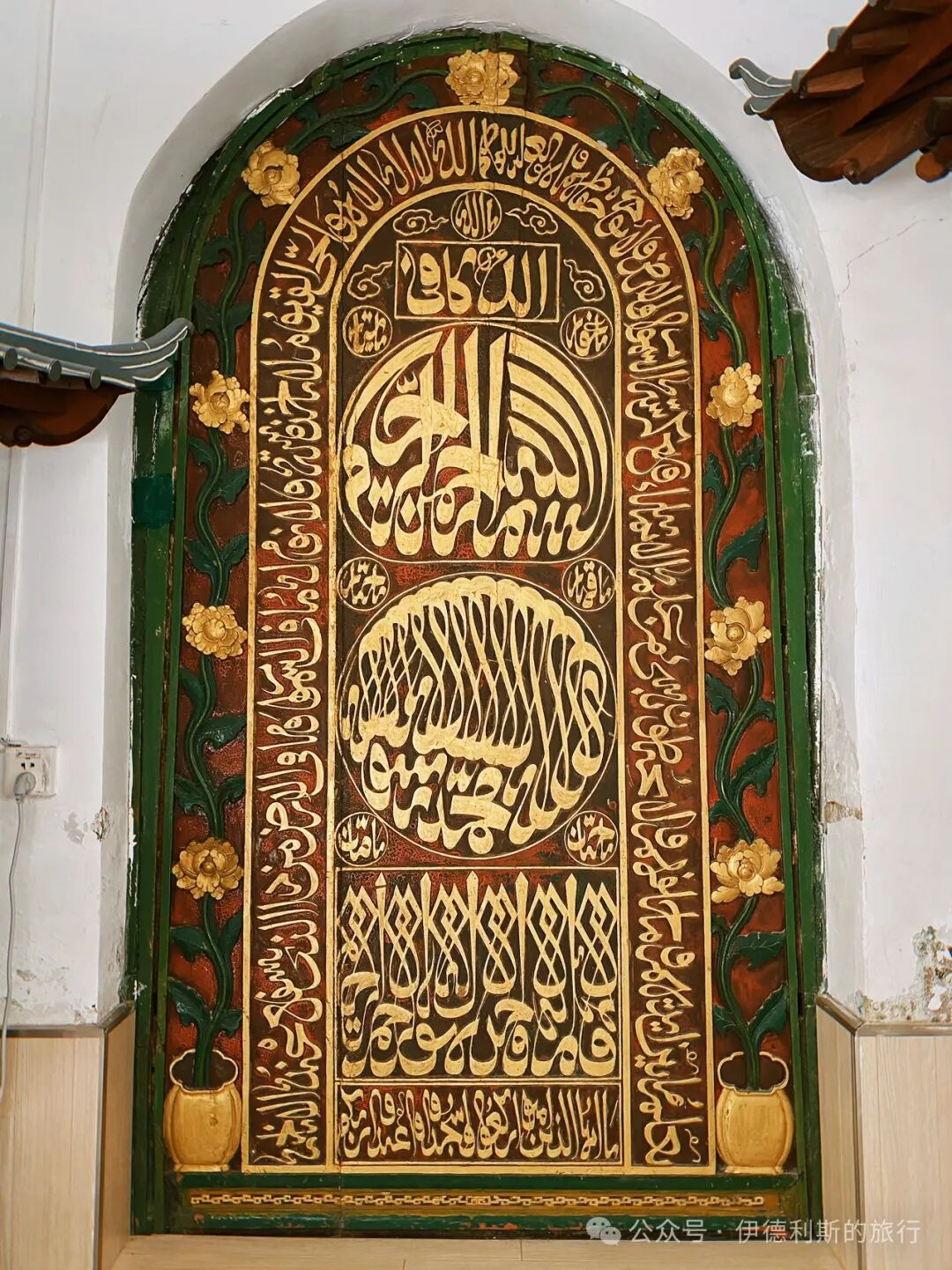
Tuogu Mosque in Ludian, Zhaotong, has traditional calligraphy on the couplets flanking the arch and in the circular center.
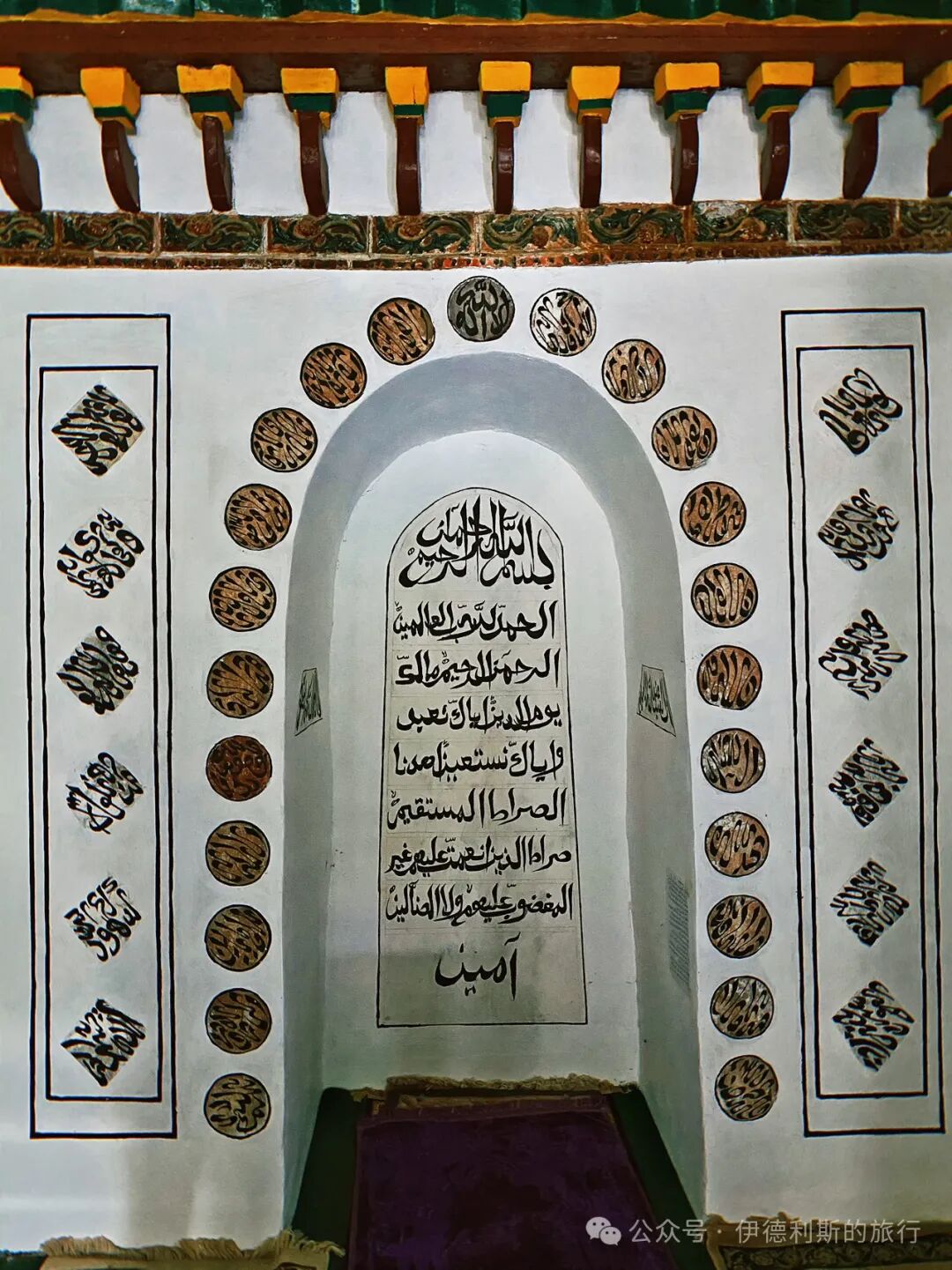
Longtoushan Mosque in Ludian, Zhaotong, features traditional-style calligraphy.
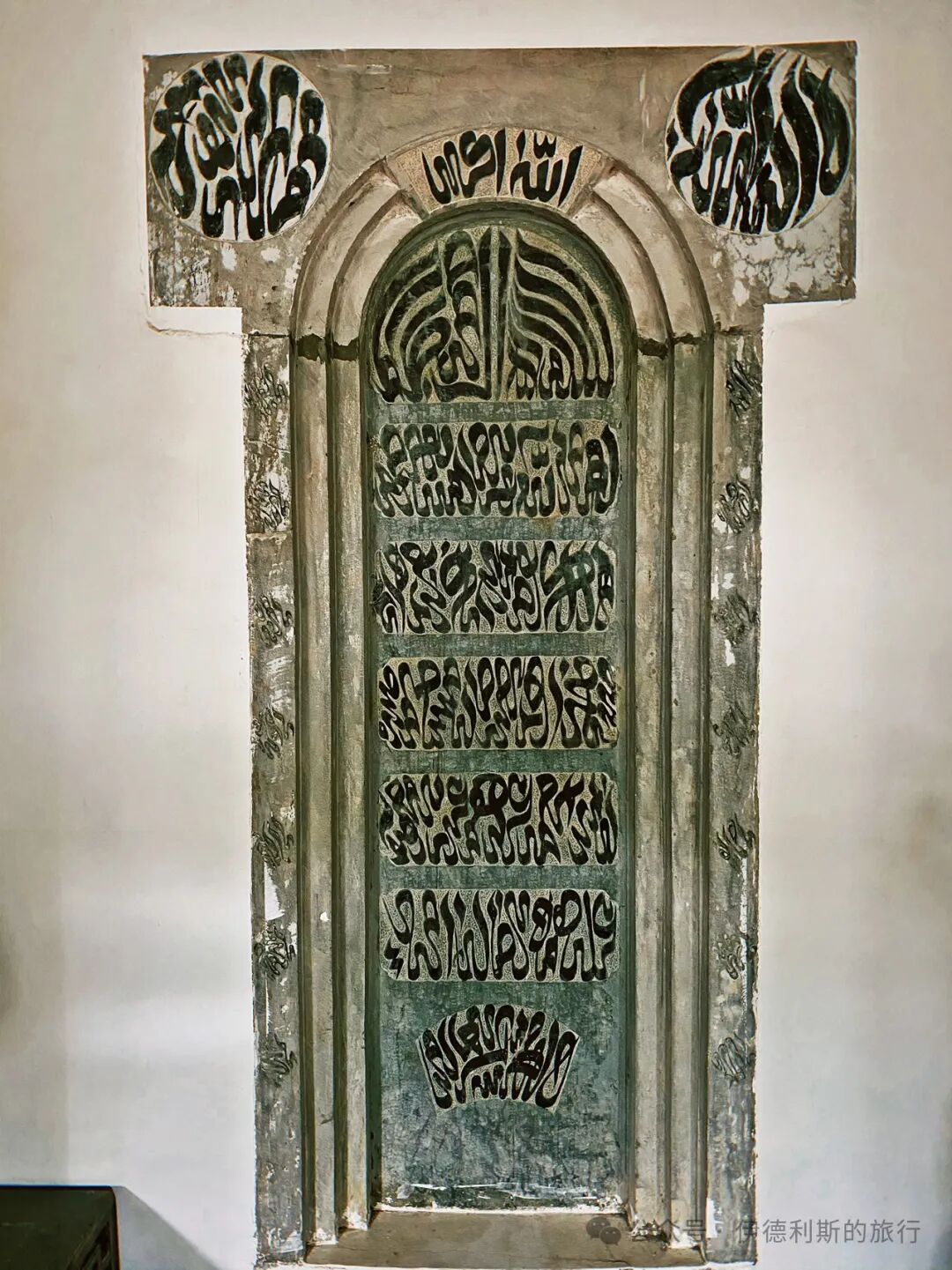
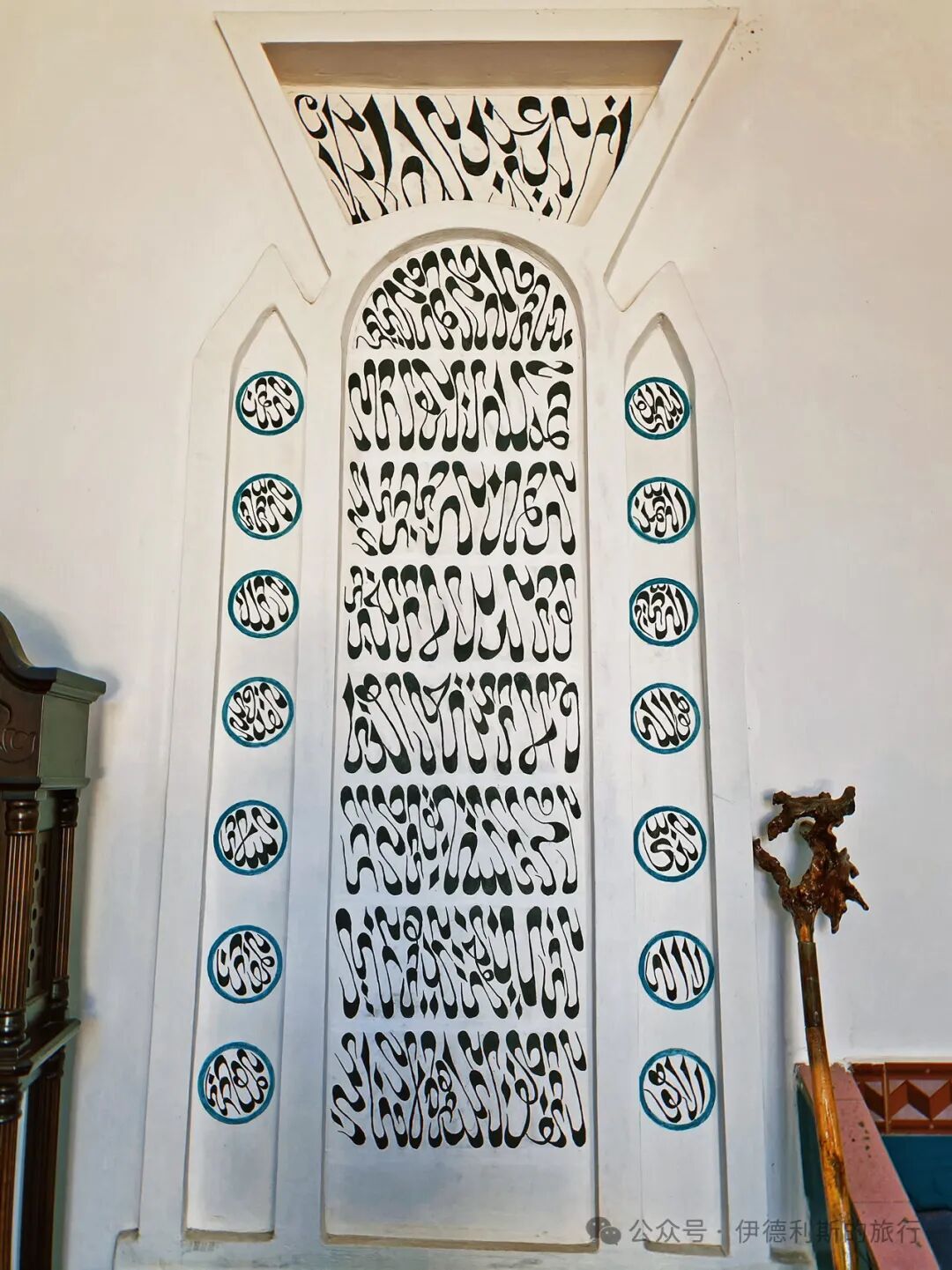
Taojiawan Mosque in Ludian, Zhaotong, features traditional Yunnan-style calligraphy.
Guangxi
Chongshan Road Mosque in Guilin was first built in 1734 (the 12th year of the Yongzheng reign). The rear hall was expanded in 1892 (the 18th year of the Guangxi reign) and features exquisite wood carvings of floral-style calligraphy.
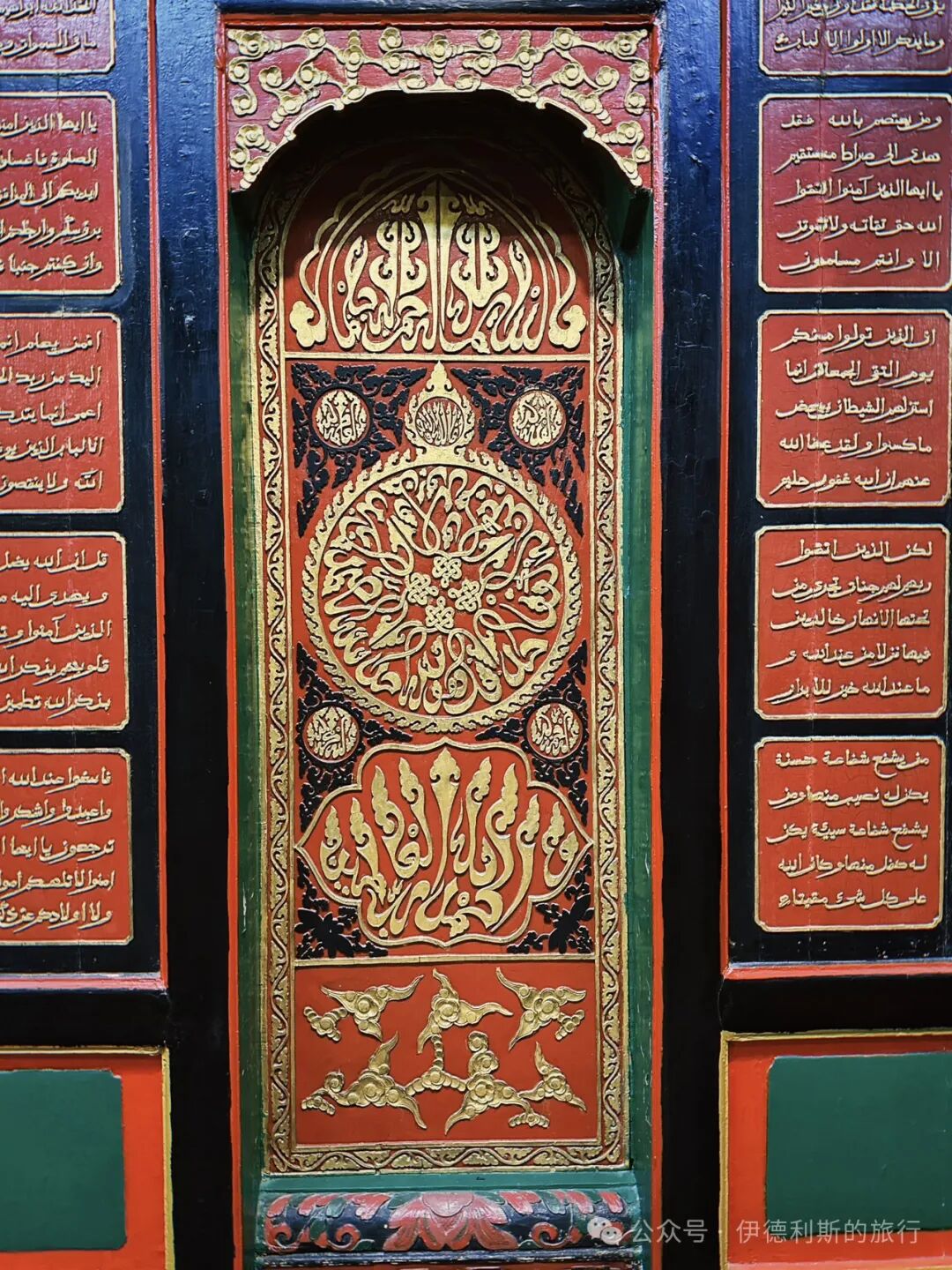
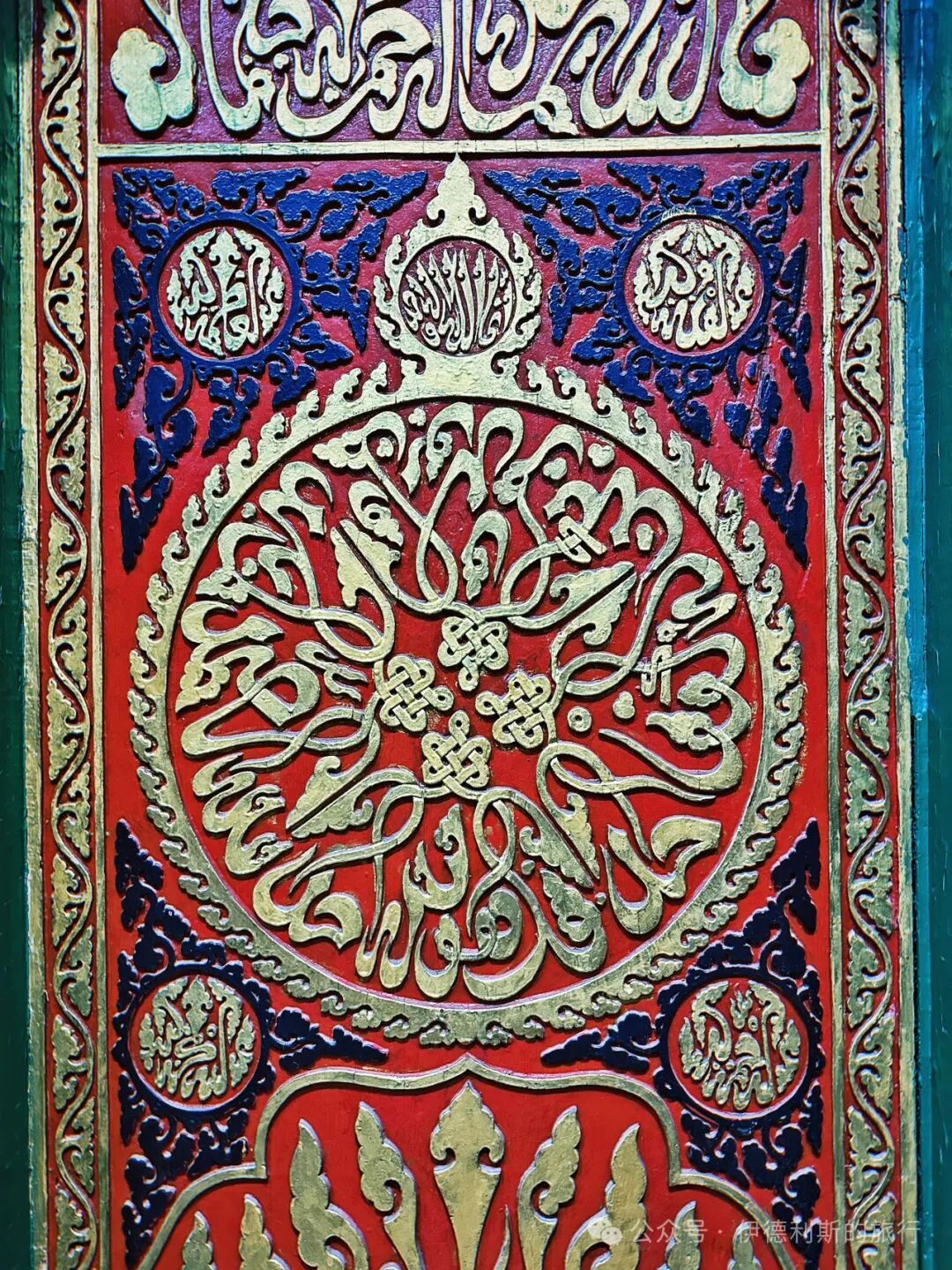
Wutong Mosque in Guilin was first built during the Qing Jiaqing reign and renovated in 1915. It has beautiful wood carvings of calligraphy.
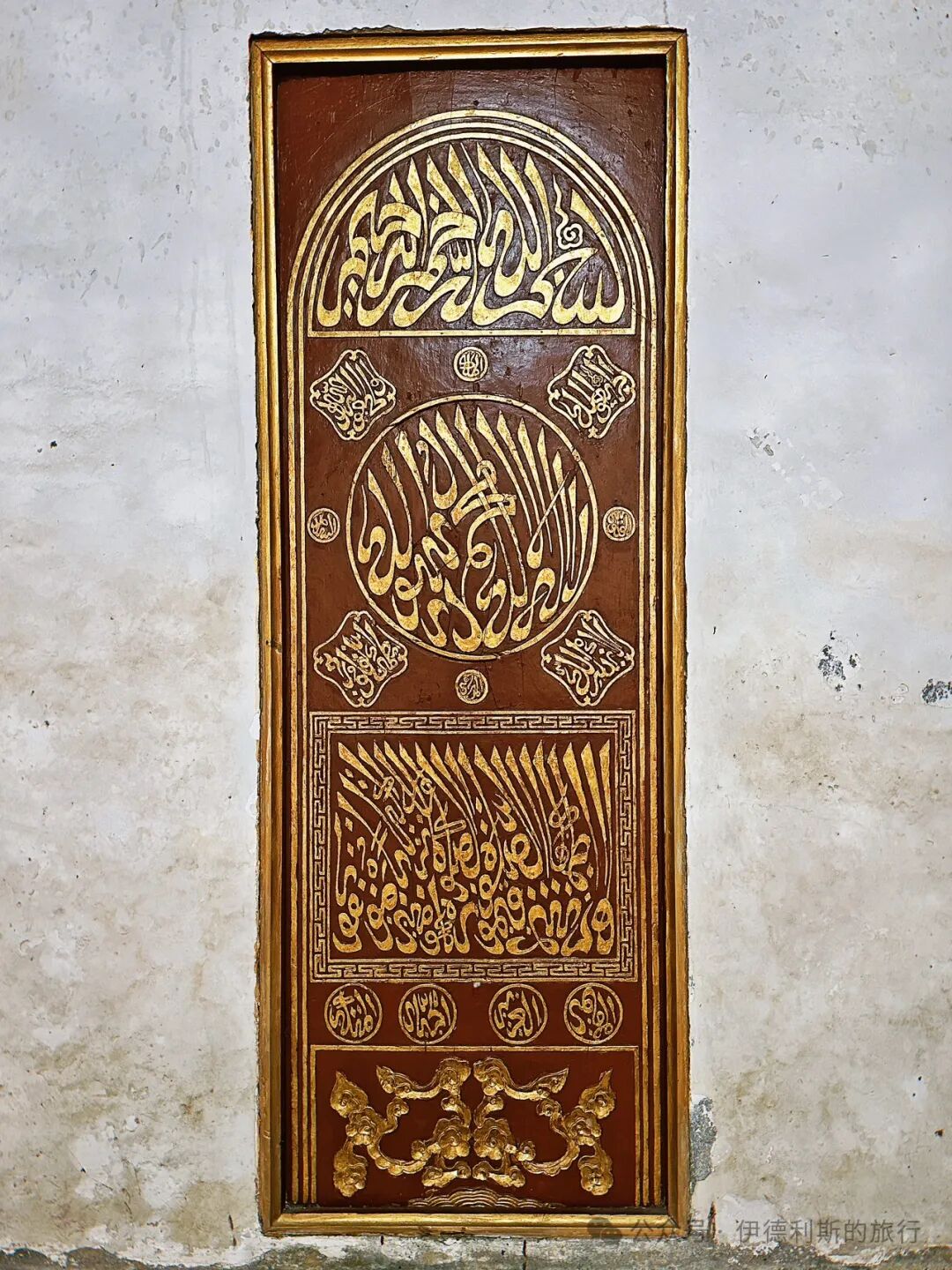
Liutang Mosque in Guilin was first built during the Qing Qianlong reign and has beautiful wood carvings of calligraphy.
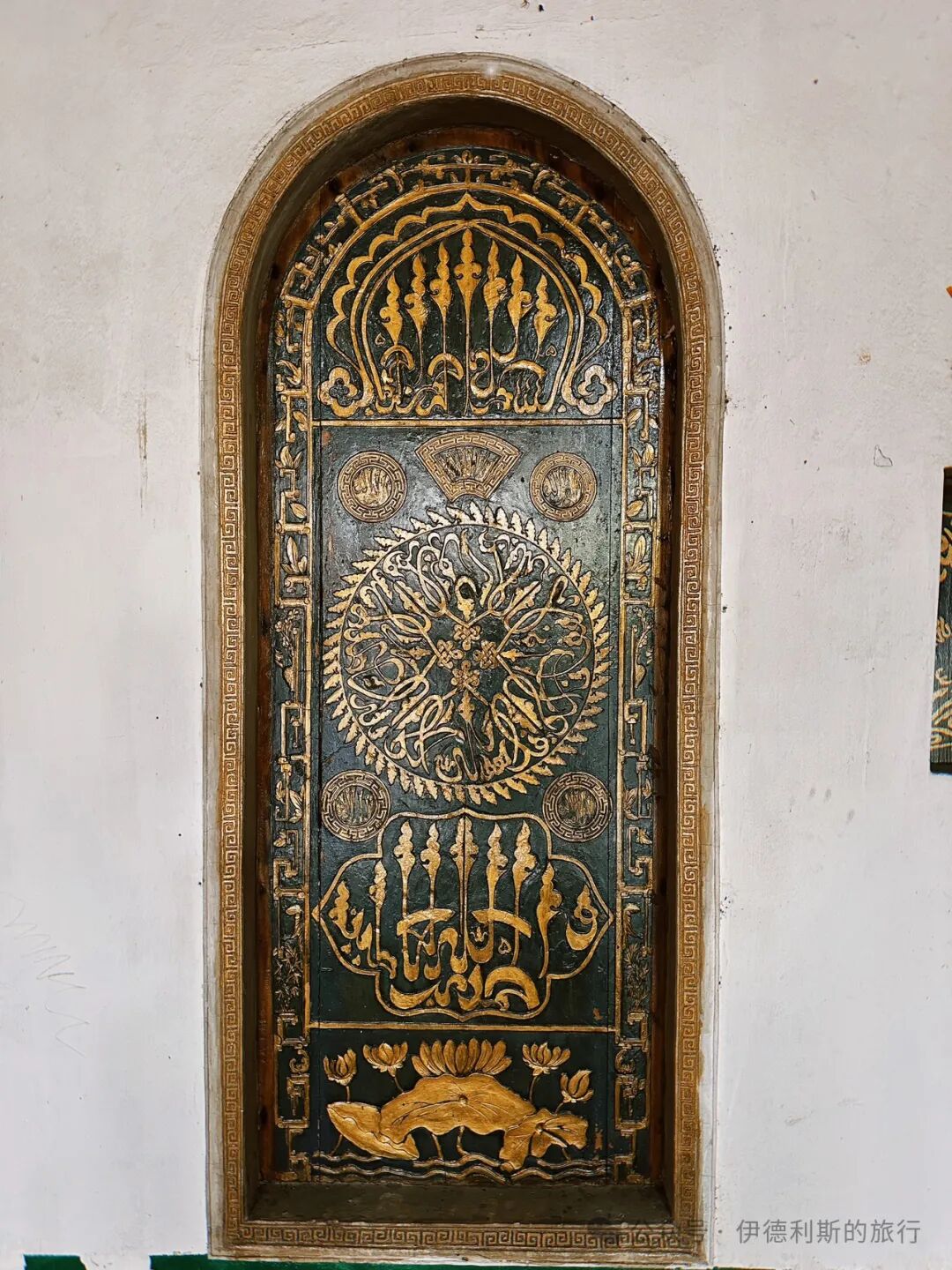
Jiucun Mosque in Guilin features wood carvings of calligraphy.
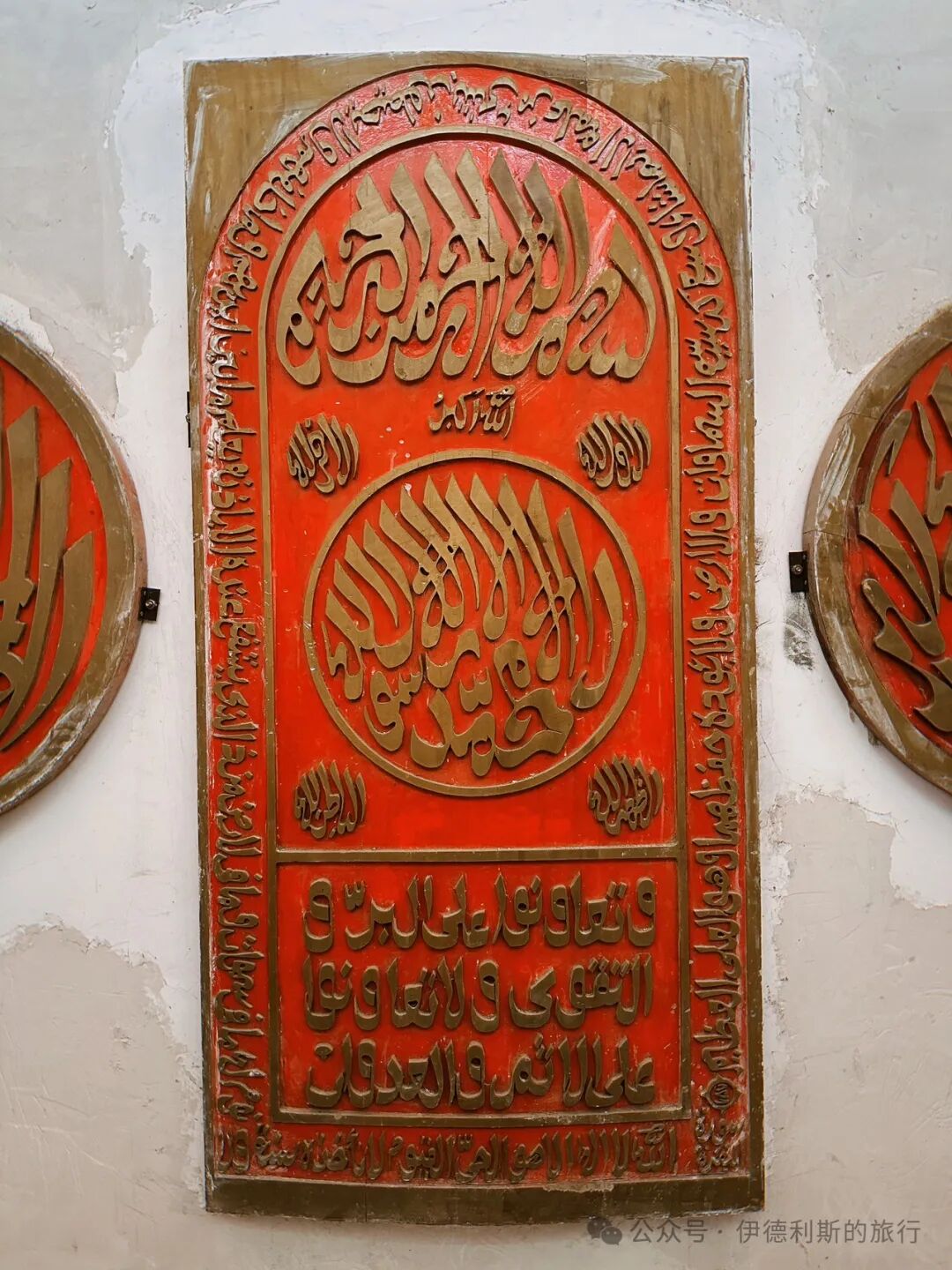
Daxu Mosque in Guilin features wood carvings of calligraphy.
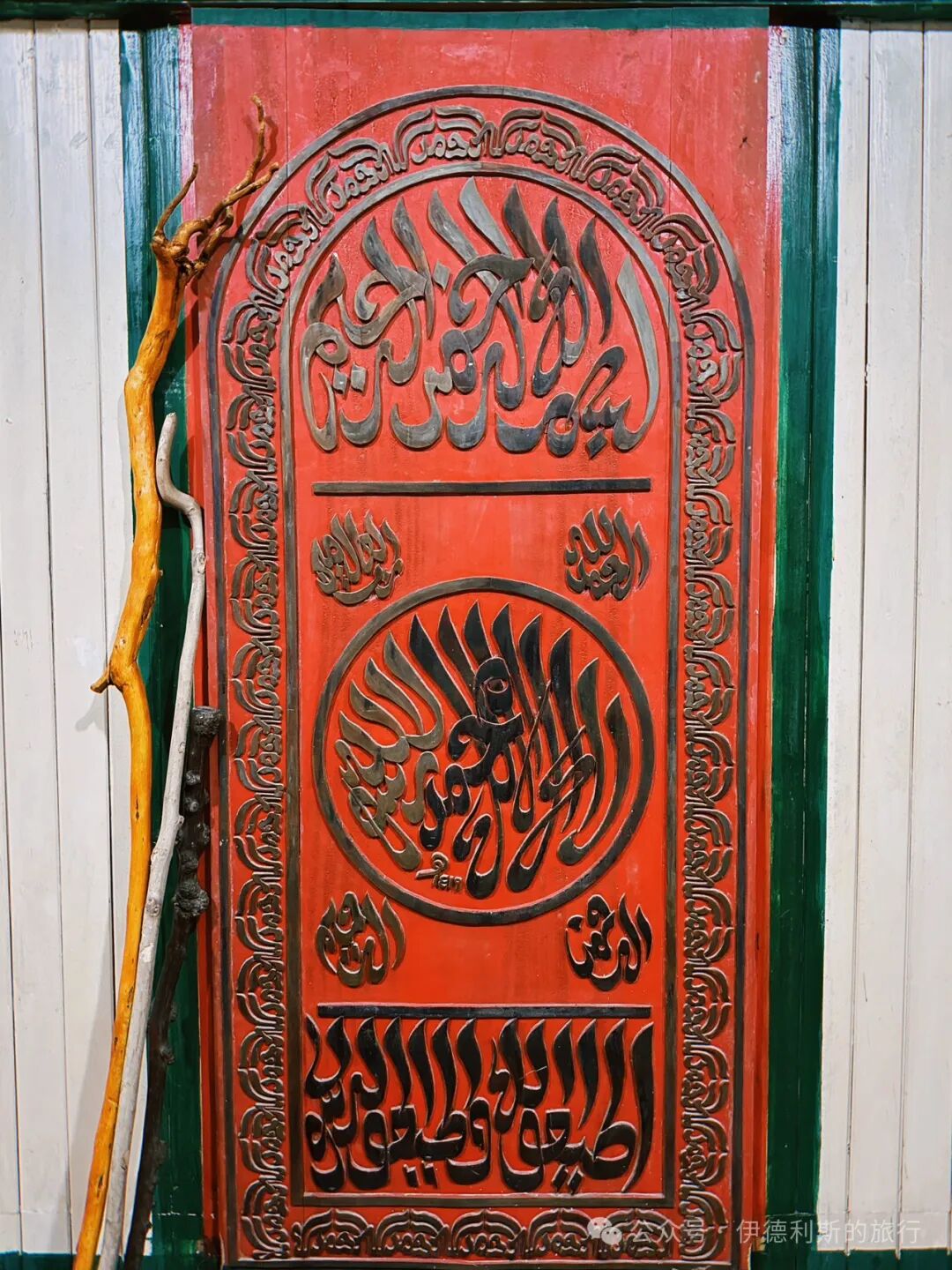
The Women's Mosque in Guilin features wood carvings of calligraphy.
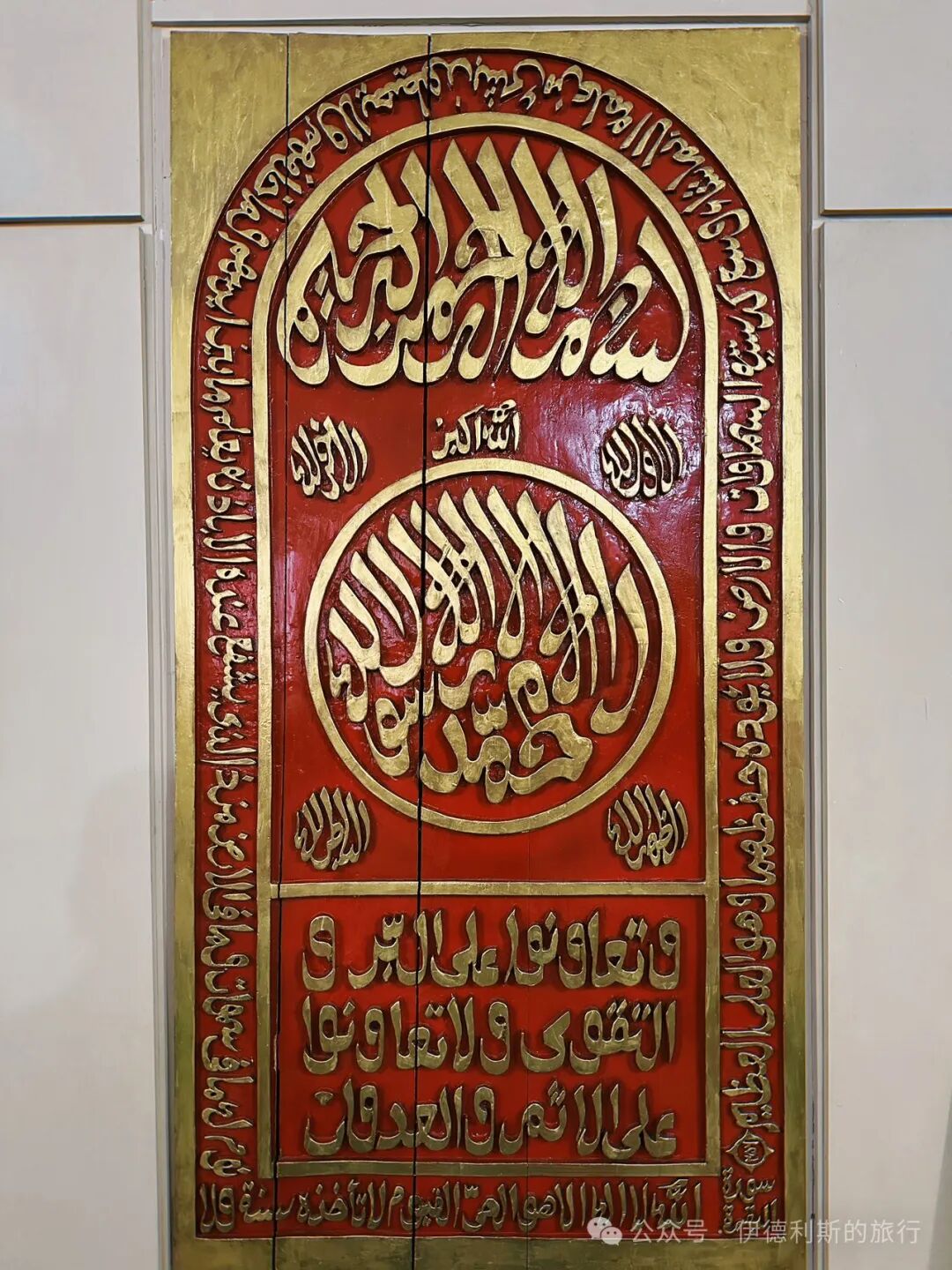
Maping Mosque in Guilin was first built in 1671 (the 10th year of the Kangxi reign). It was burned down by the Japanese army in 1944, rebuilt in 1948, and rebuilt again in 1987, but it still keeps the original wood carvings of the mihrab.
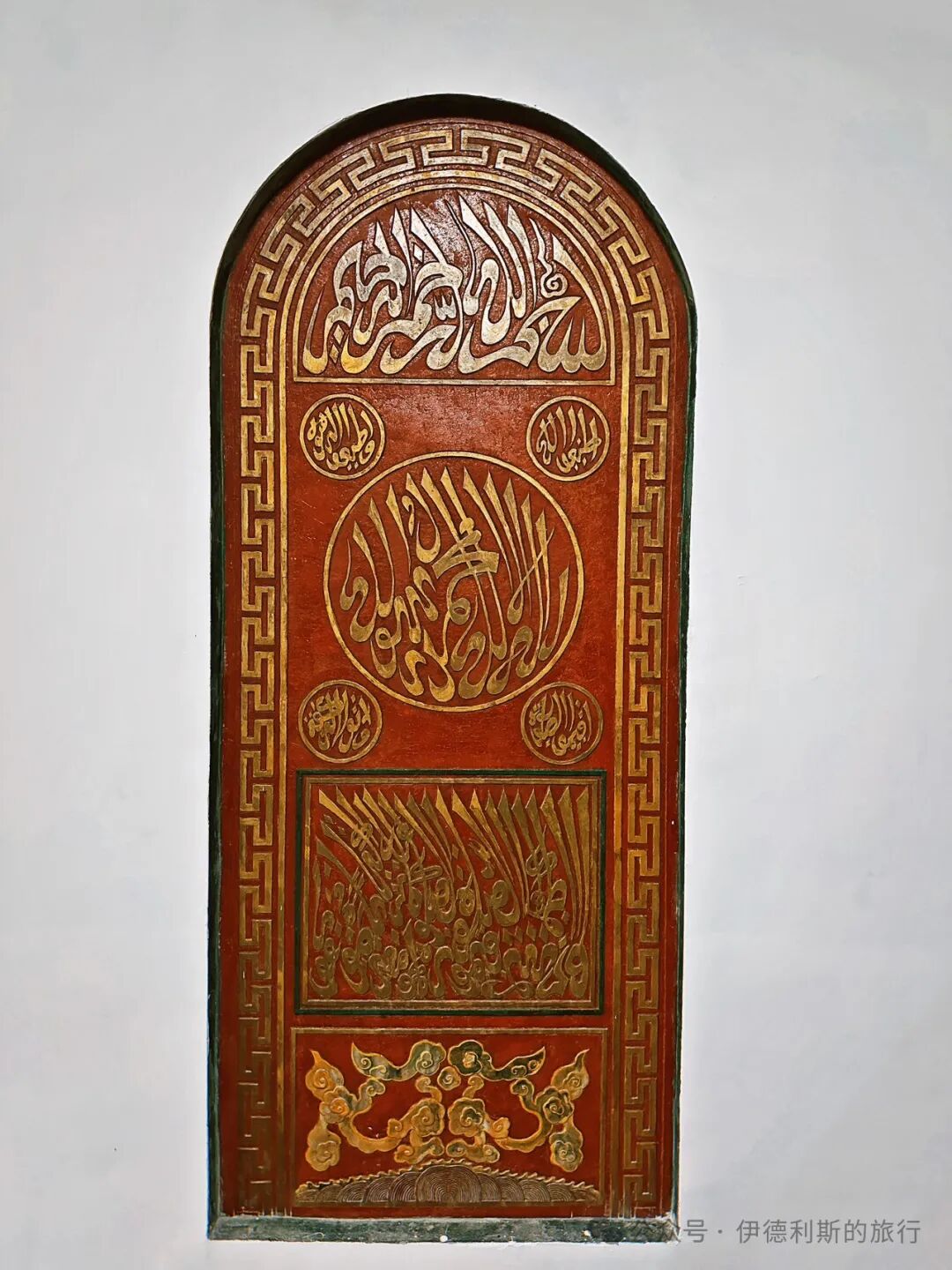
Guangdong
Chengxi Mosque in Zhaoqing, Guangdong, preserved its Qing Dynasty stone mihrab during the 1983 reconstruction, which features traditional calligraphic couplets.
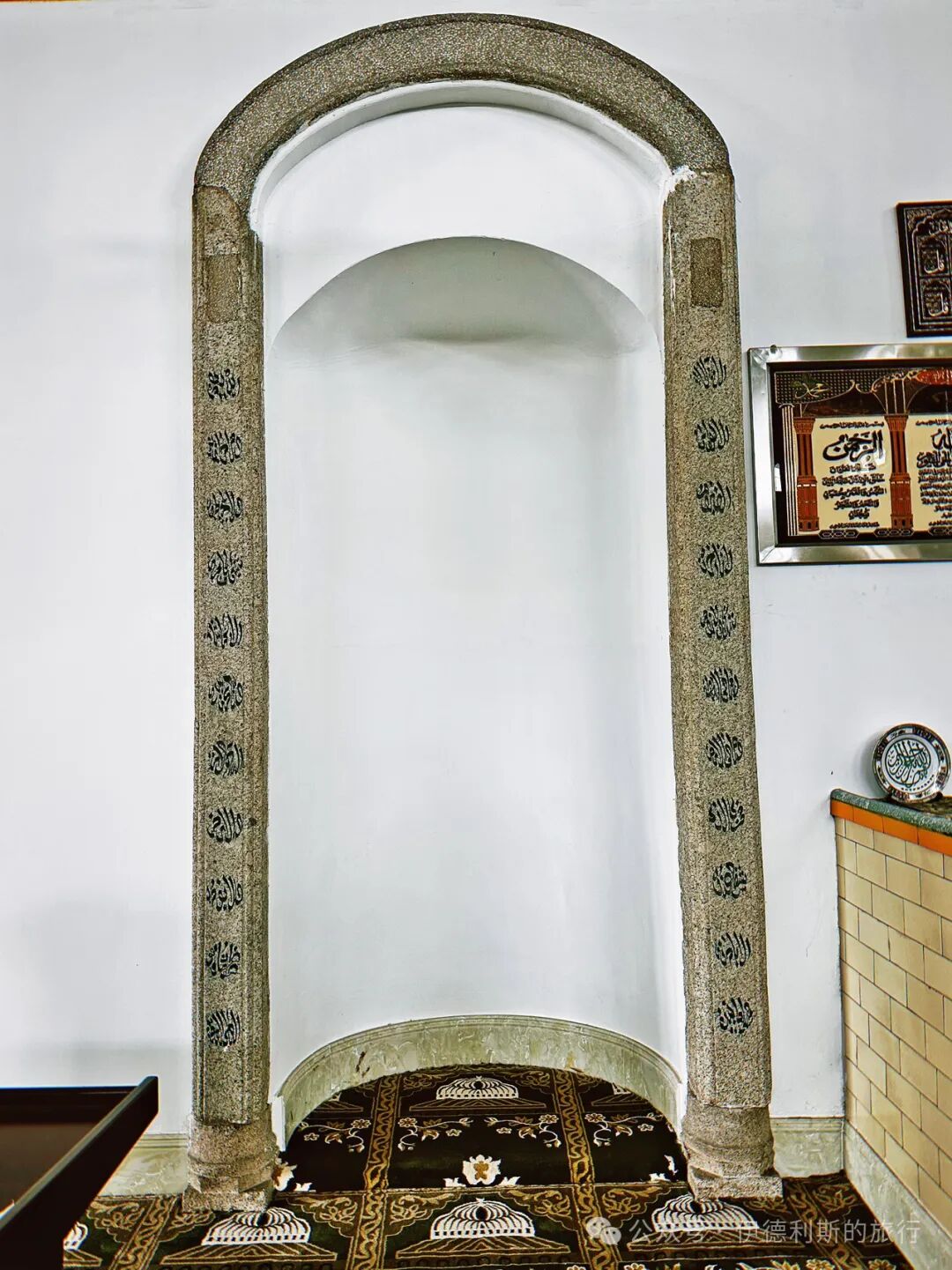
Chengdong Mosque in Zhaoqing, Guangdong, features Qing Dynasty wood-carved calligraphy.
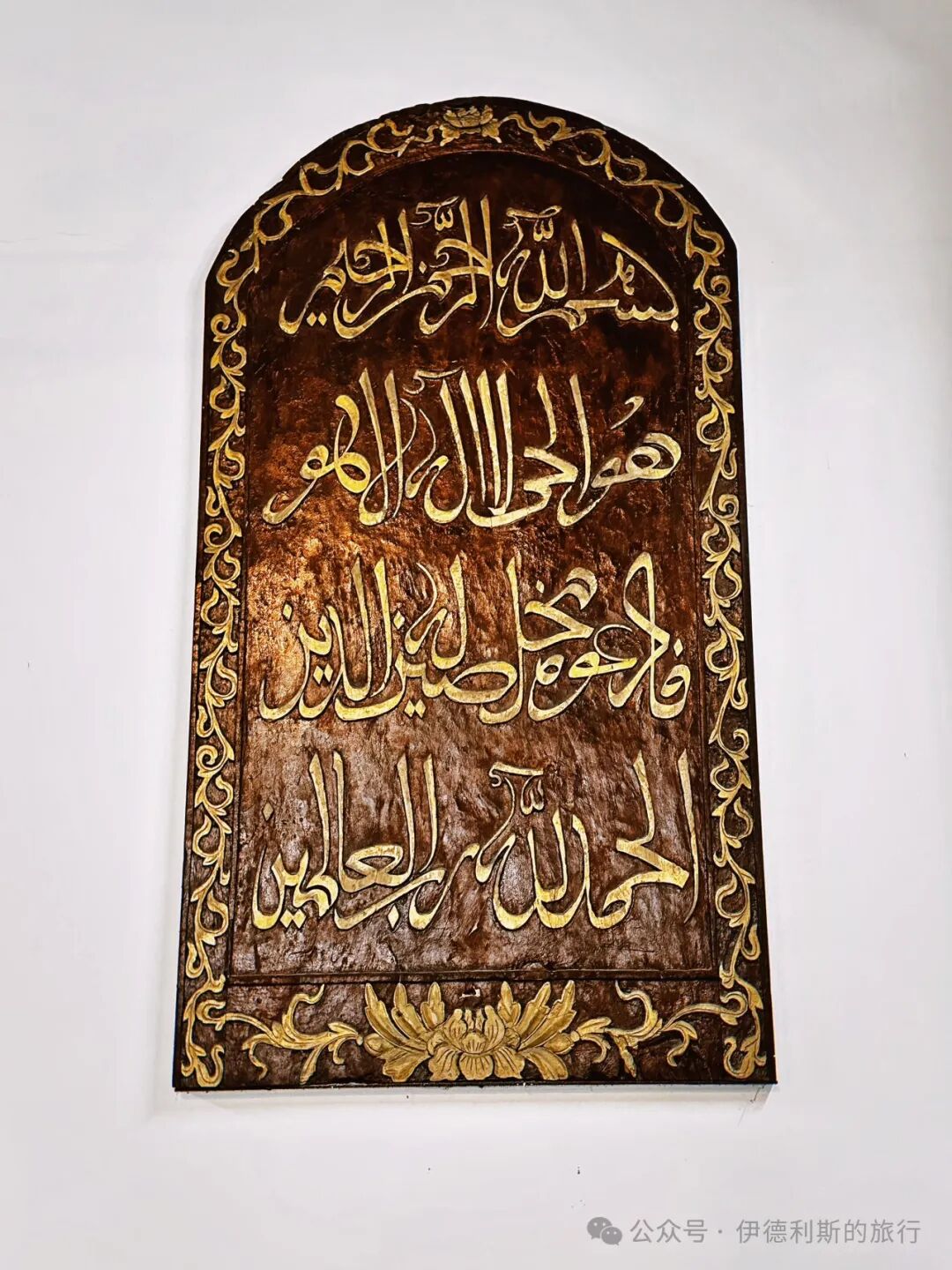
Hong Kong
Jamia Mosque on Shelley Street in Hong Kong has a mihrab built in 1915, designed in the Indian Mughal style.
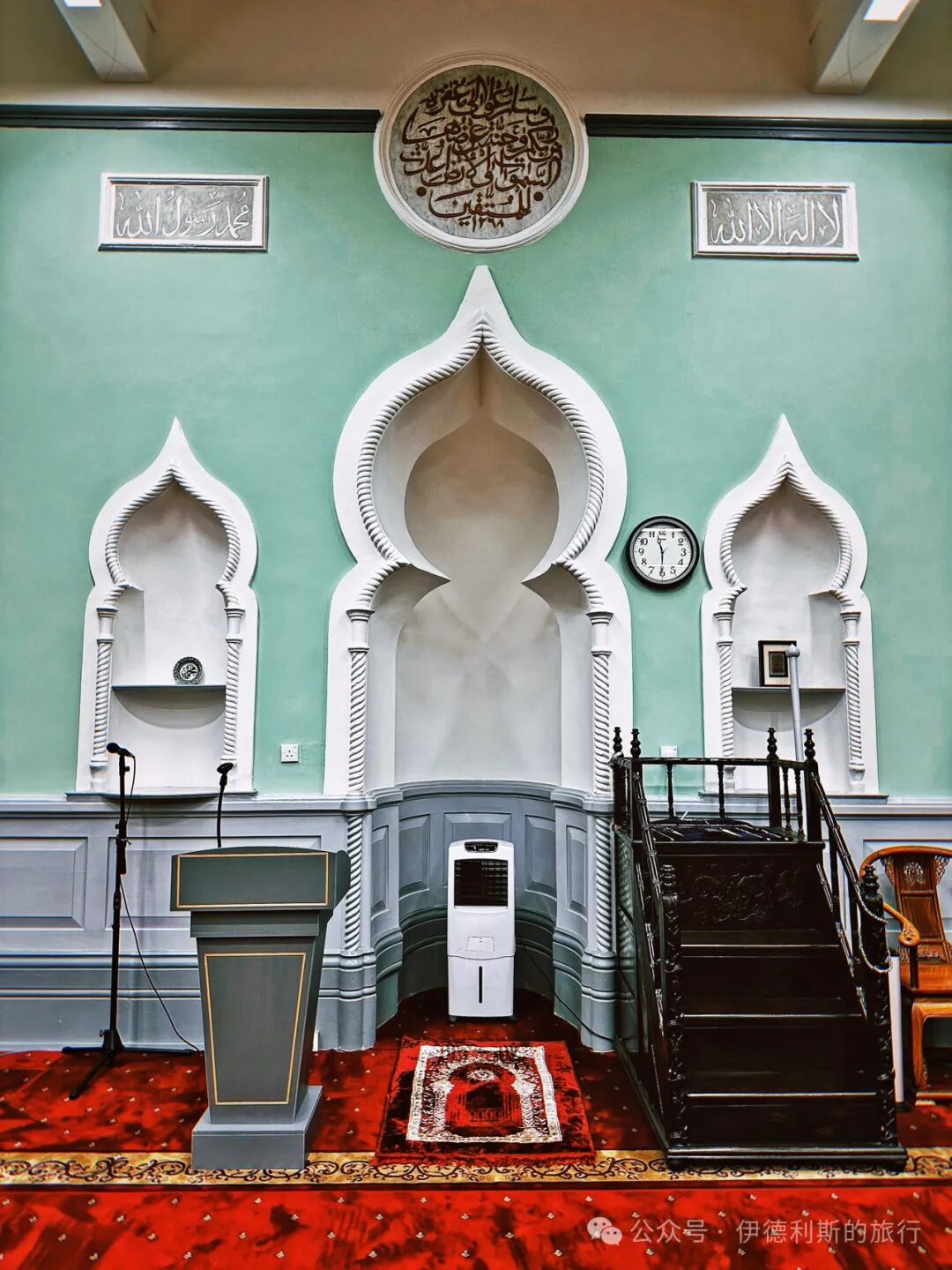
Fujian
Qingjing Mosque in Quanzhou, Fujian, was renovated in 1310. The prayer wall has seven pointed-arch niches, with the largest being the mihrab in the Fengtian Hall. In the old days, Hui Muslims in Quanzhou called the 27th night of Ramadan, the Night of Power (Laylat al-Qadr), the 'Twenty-eighth Night' (erba ming). Every Hui family in Quanzhou would prepare food on this day. That evening, they would light a pair of large red candles on both sides of the mihrab at the prayer hall, symbolizing that the revelation of the Quran from Allah is a brilliant light.
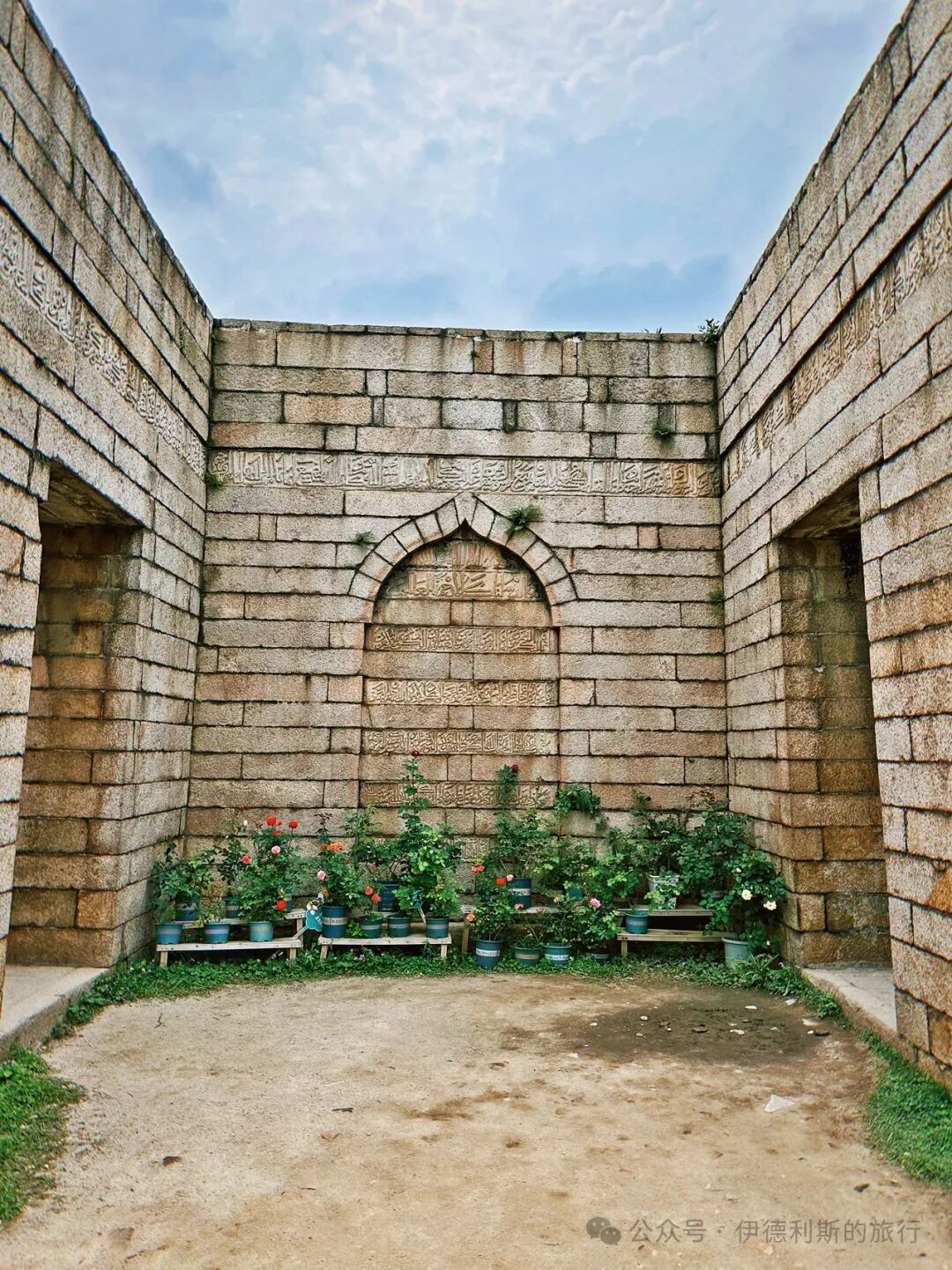
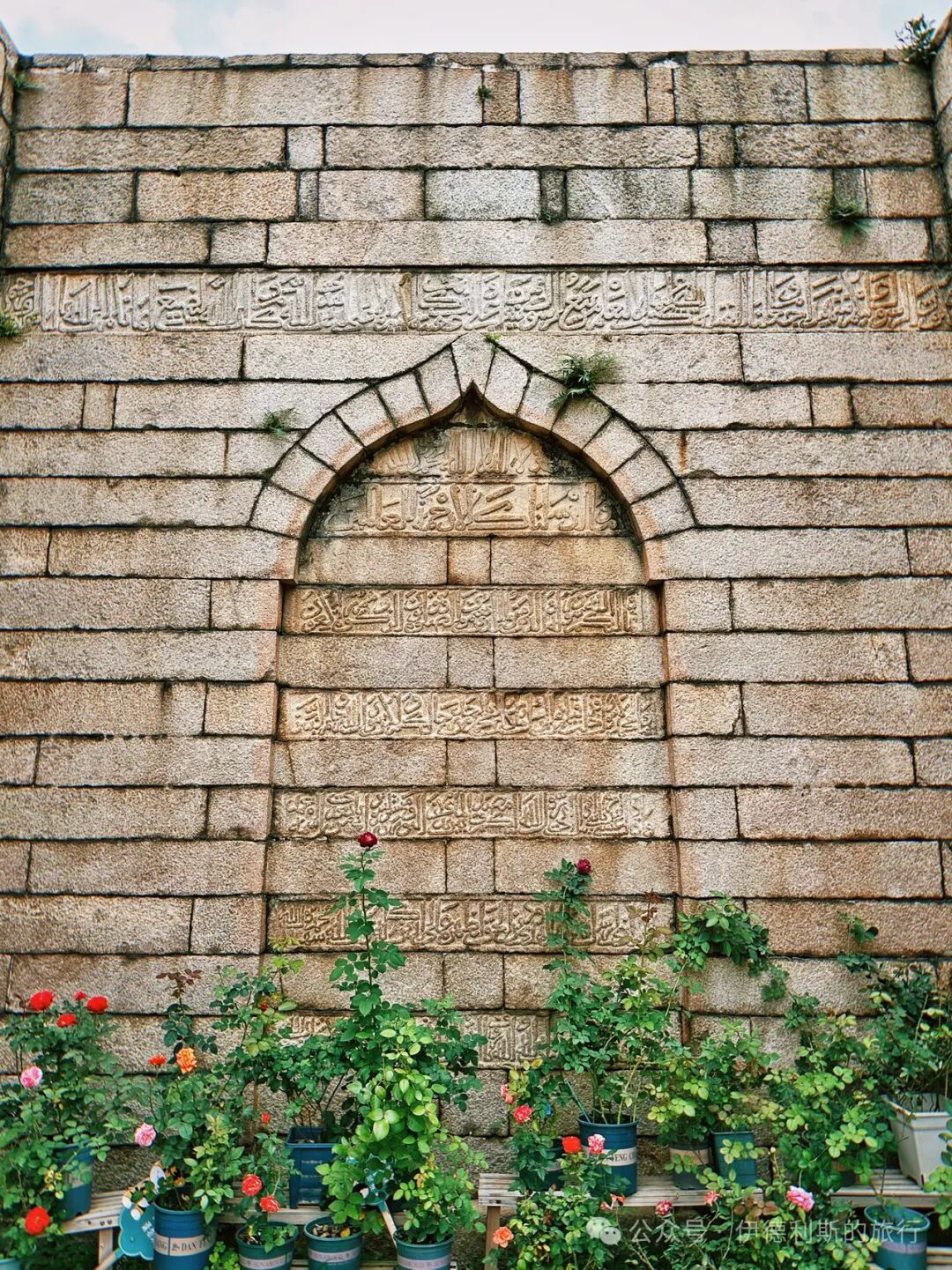
At the Mingshan Hall of the Qingjing Mosque in Quanzhou, Fujian, Jiang Changgui, the provincial military commander during the Tongzhi reign of the Qing Dynasty, collected many Yuan Dynasty Arabic stone tablets in Quanzhou and embedded them into the walls of the Mingshan Hall.
A lintel stone currently embedded above the mihrab in Mingshan Hall was unearthed at Qipanyuan in the late Qing Dynasty. It reads, 'Enter it in peace and security.' Embedded in the middle is a lintel stone unearthed near Qipanyuan in the late Qing Dynasty. The inscription is in Kufic script and reads, 'Every soul shall taste death.' 'Death is a door, and everyone must enter it.' Qipanyuan was the site of the foreign quarter and religious cemeteries in Quanzhou during the Song and Yuan dynasties, so it is likely these two lintel stones originally belonged to a gongbei tomb.
Embedded below is the 'Laji Aibikelimu Reconstruction Tablet of the Qingjing Mosque,' featuring scripture written in Kufic script. The stone tablet was unearthed underground at Qipanyuan in the southern drill ground of Quanzhou during the late Qing Dynasty. The script is similar to the 'Naina Umaer Reconstruction Tablet of the Qingjing Mosque' held by the Xiamen University Anthropology Museum, and the content is the same, so it is likely another tablet commemorating the mosque's reconstruction. The tablet was removed during the 1997 renovation of Mingshan Hall and was reinstalled shortly after. Later, according to an interpretation by Imam Zhang Haixing of the Qingjing Mosque, the back of the tablet reads, 'Laji Aibikelimu ordered the construction and management of this mosque... praying for the mercy of the Lord...'
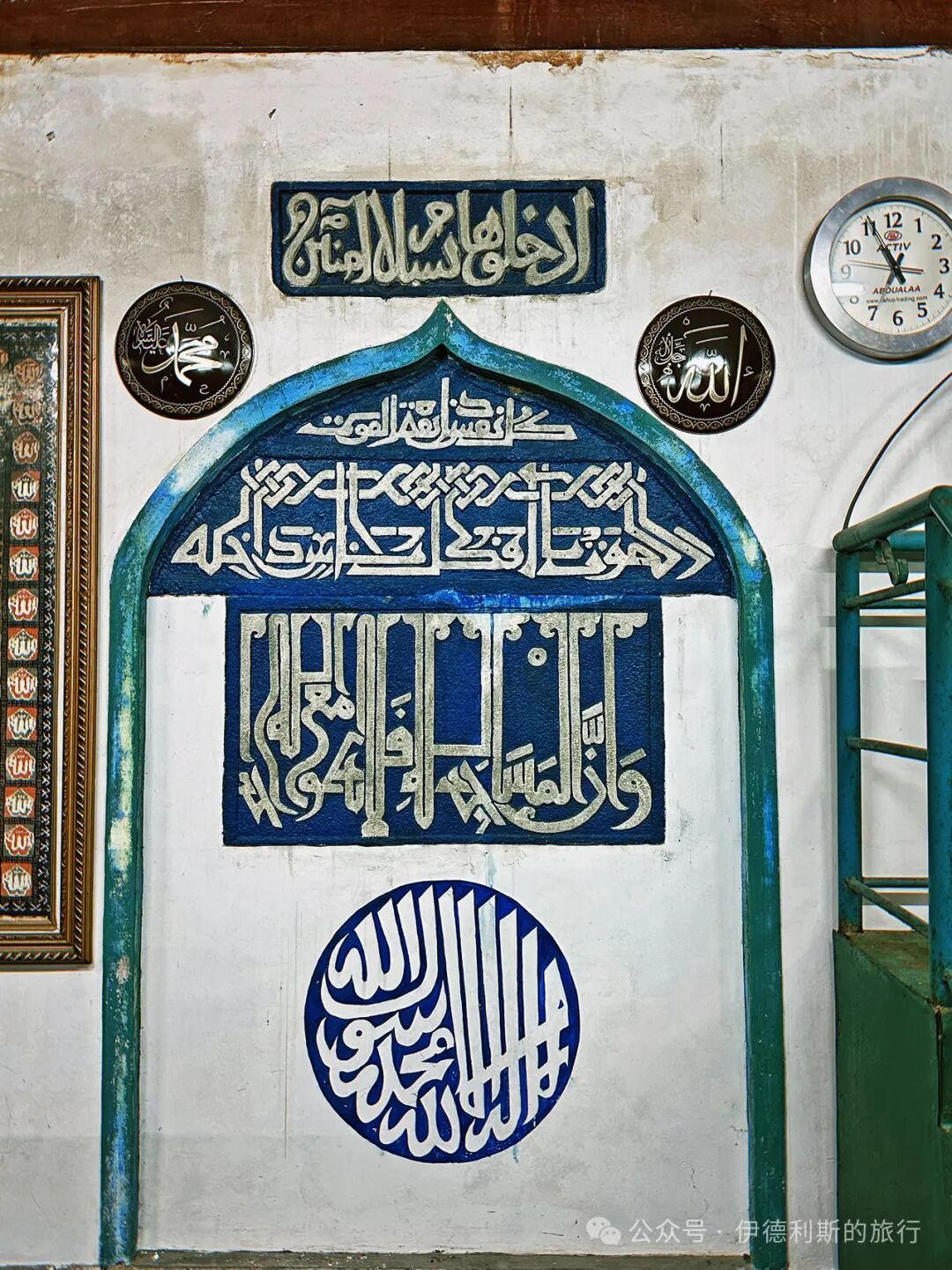
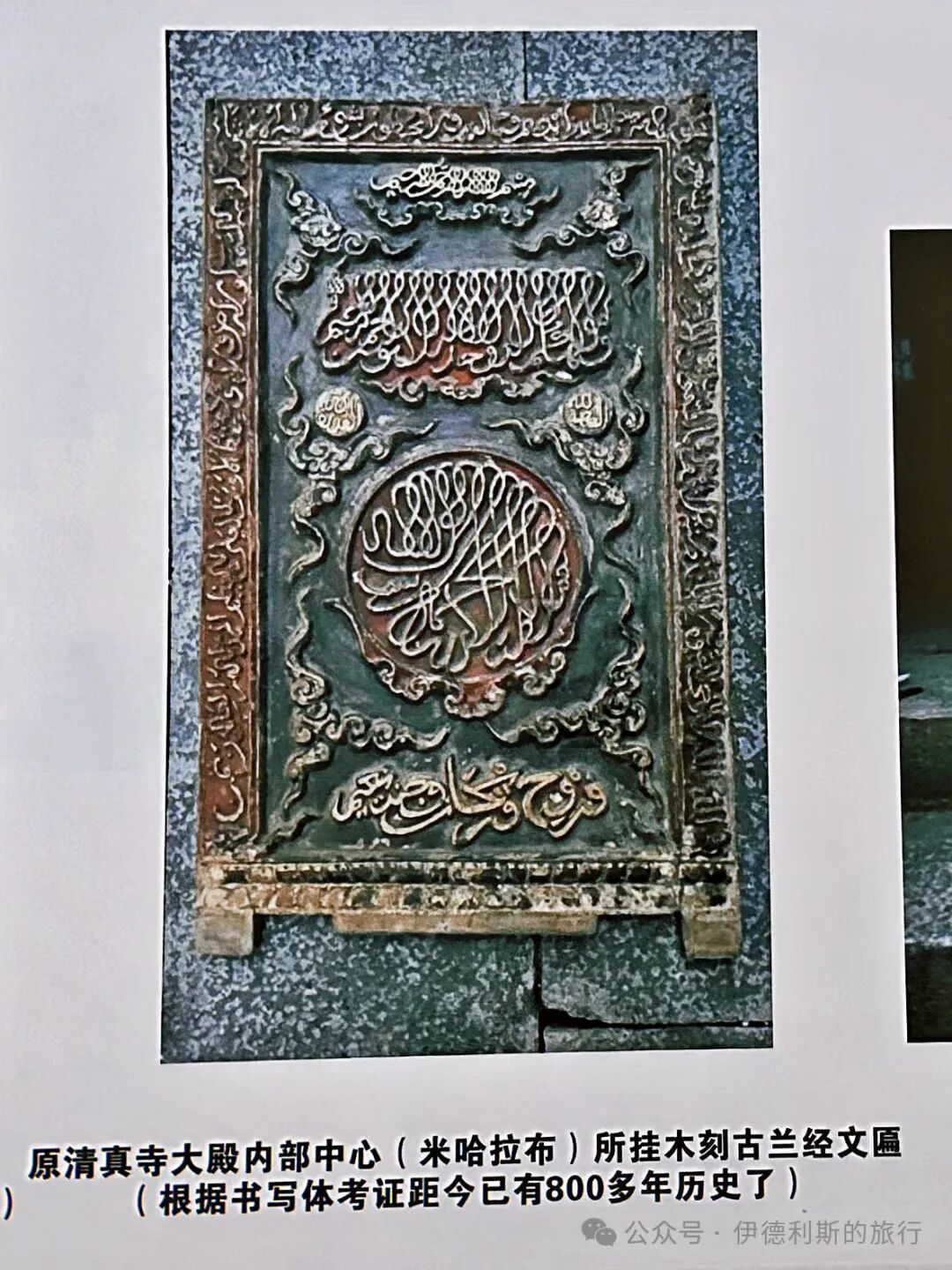
At the Fuzhou Mosque in Fujian, I could not see the original wooden mihrab, only photos of it on a display board in the mosque.
Zhejiang
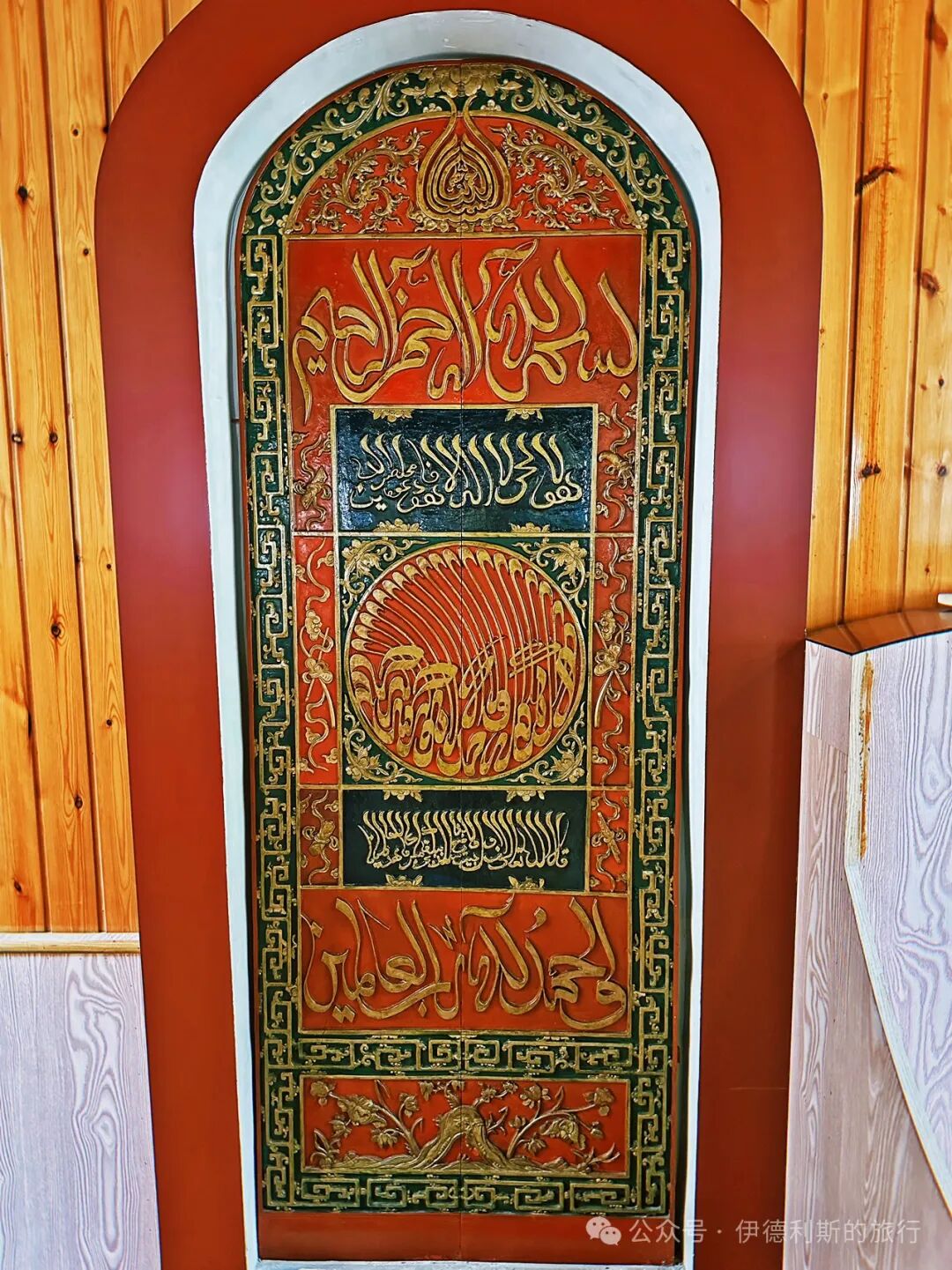
The Lishui Mosque in Zhejiang was built in 1886 (the 12th year of the Guangxu reign) and features traditional wood-carved calligraphy and auspicious patterns.
Jiangsu
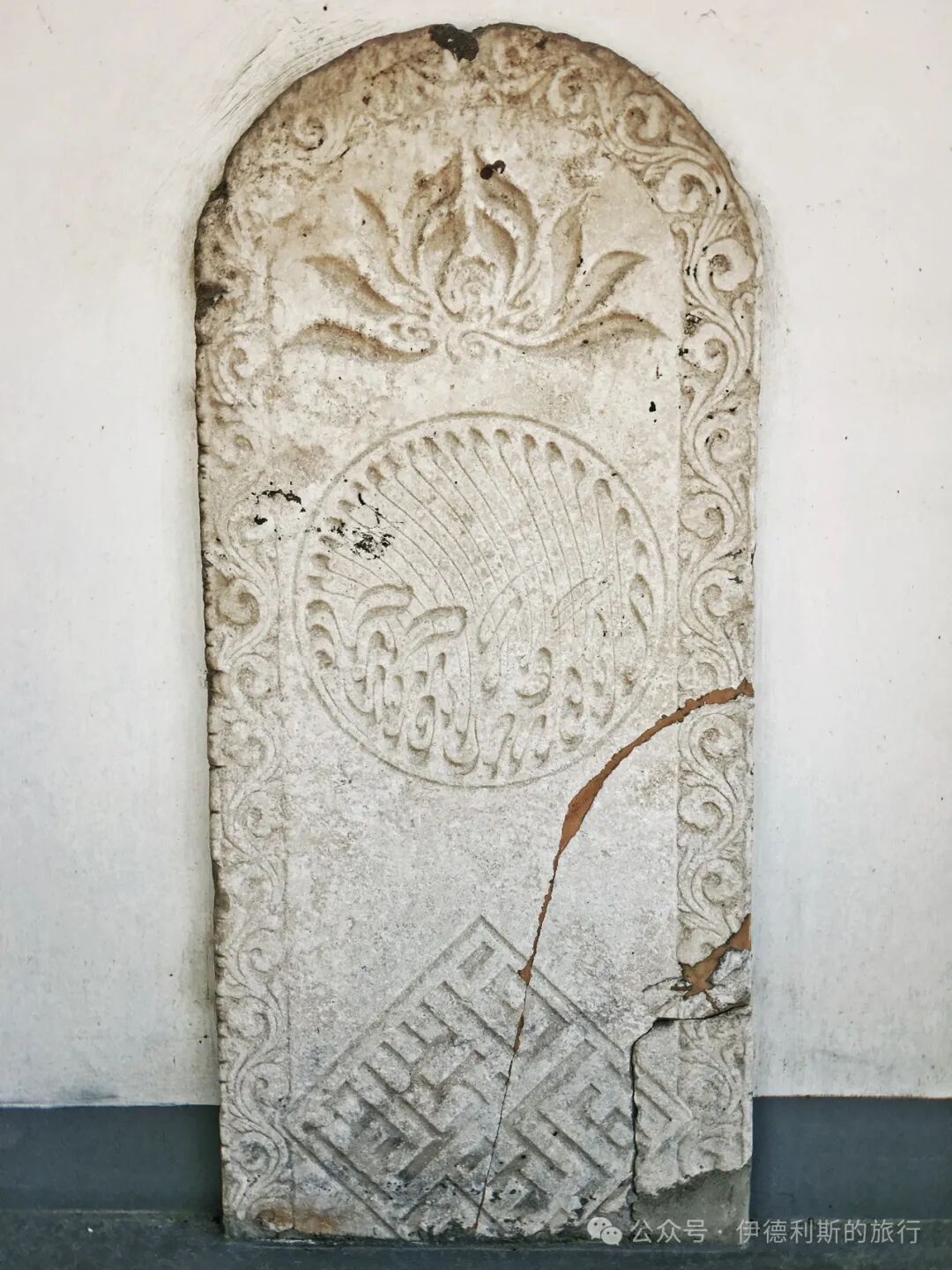
The mosque outside the South Gate in Zhenjiang, Jiangsu, is believed to have been built in the early Qing Dynasty. It was destroyed by war in 1937, and the niche stone carvings were kept by the Hua Bao-ren family next to the mosque until they were moved to the Guyun Mosque in 2005. It is carved with a lotus-shaped Basmala, which is very unique. In the center is a circular-light style excerpt from the Cow chapter (Al-Baqarah), and below is the Kufic script reading, 'Bow down, and worship your Lord.'
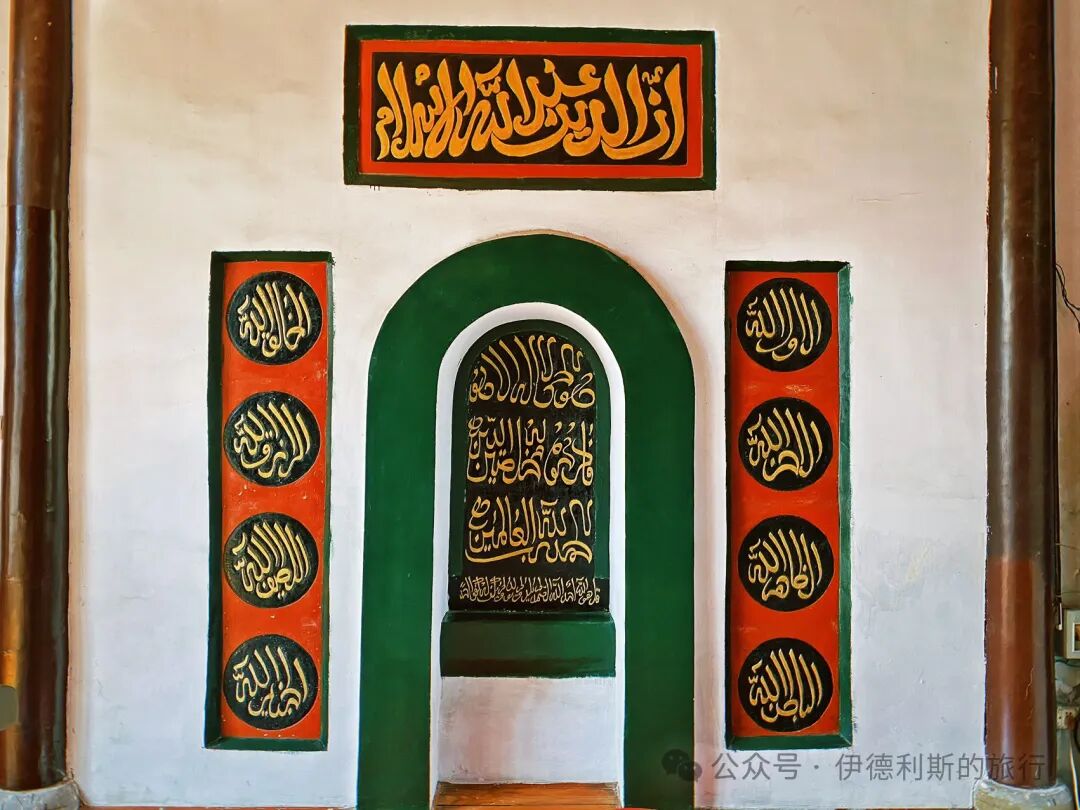
The Shanxiang Mosque in Zhenjiang, Jiangsu, was rebuilt in 1873 (the 12th year of the Tongzhi reign) and features traditional calligraphy carvings.
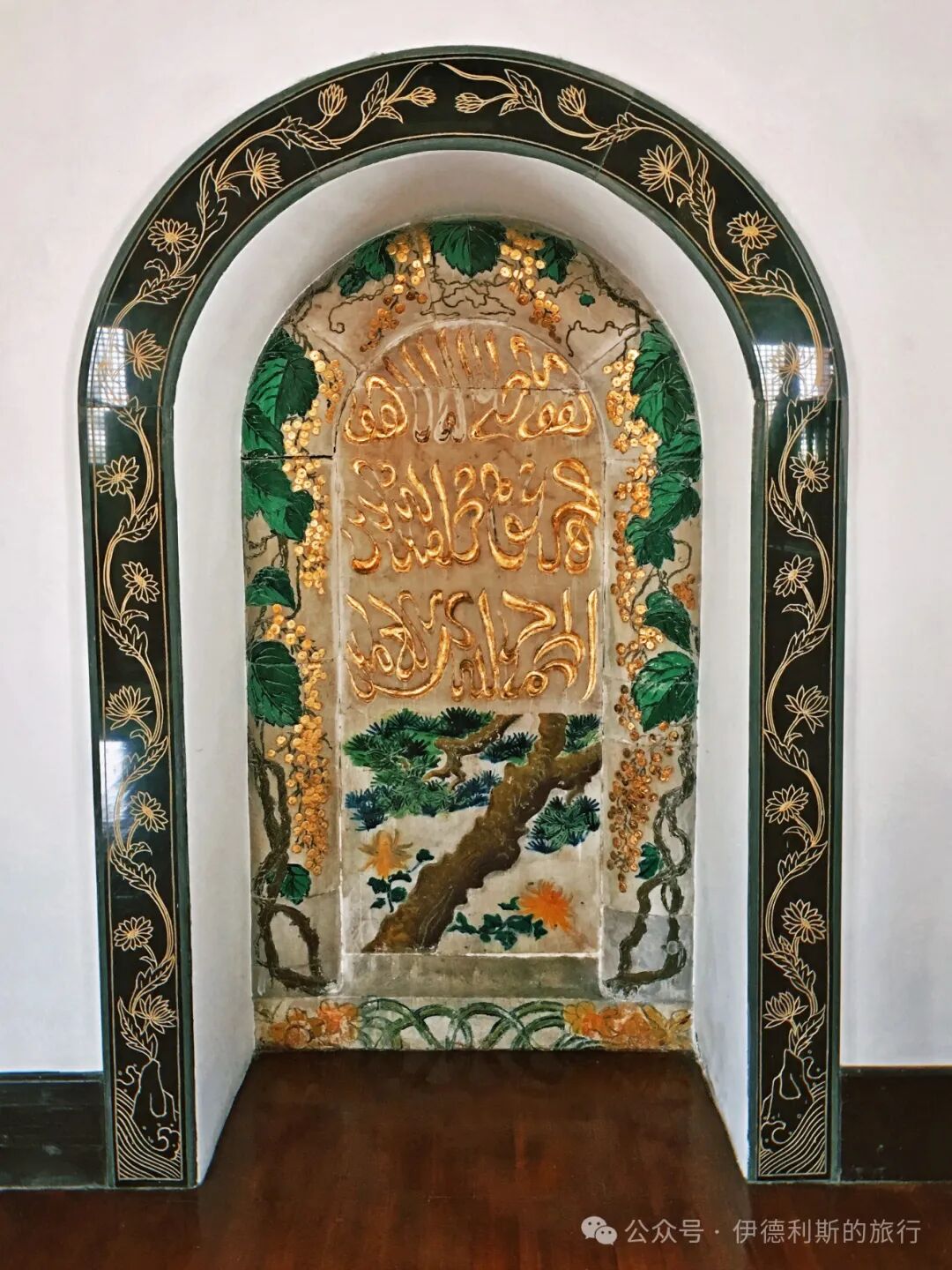
The Changjiang Road Mosque in Liuhe, Nanjing, Jiangsu, was rebuilt during the Guangxu reign. The prayer niche is painted with chrysanthemums, pine and cypress trees, and grapevines, which is very unique.
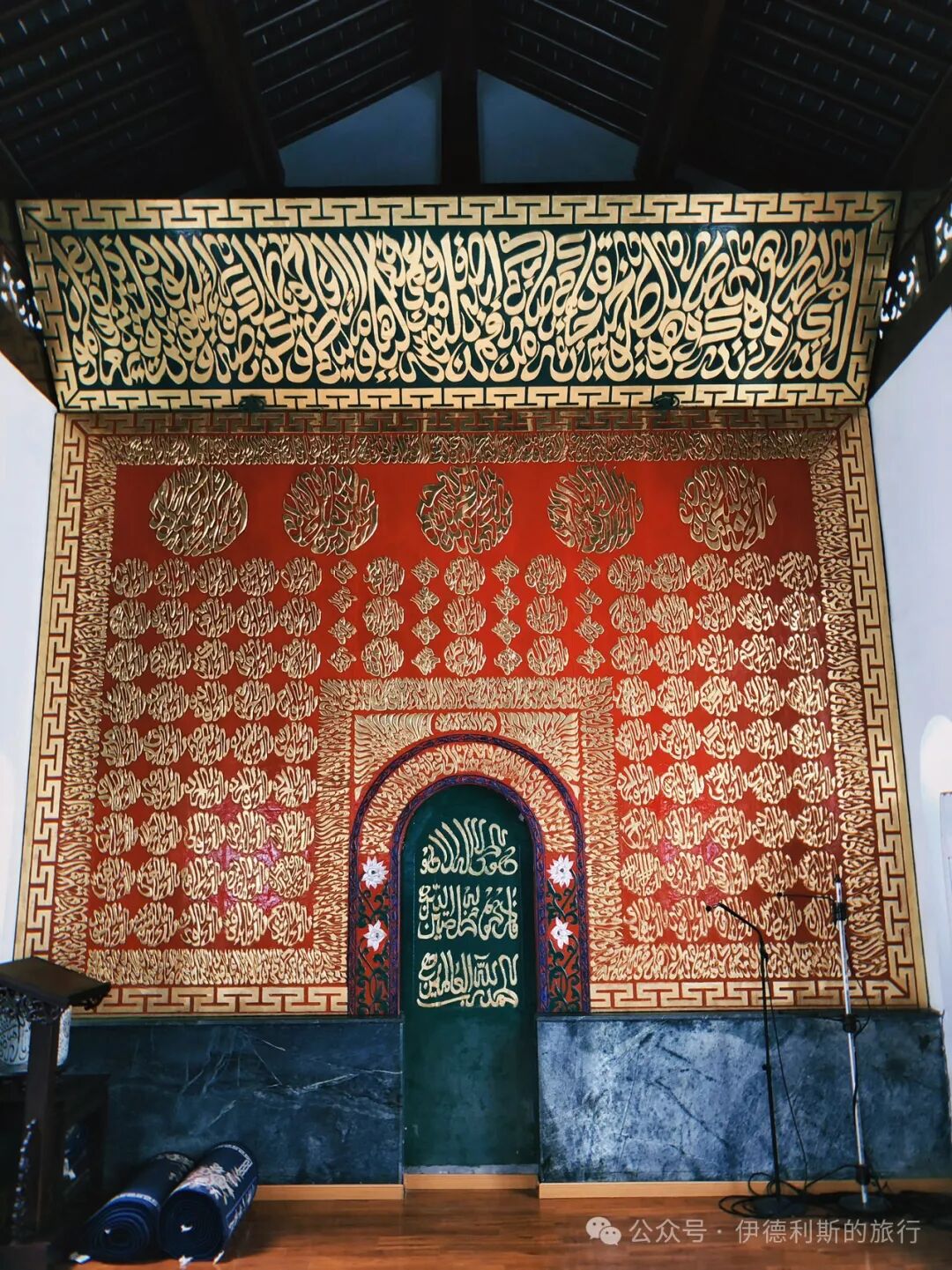
The Jingjue Mosque in Nanjing, Jiangsu, was rebuilt in 1877 (the 3rd year of the Guangxu reign) and features very dense gold-leaf calligraphy on a red background.
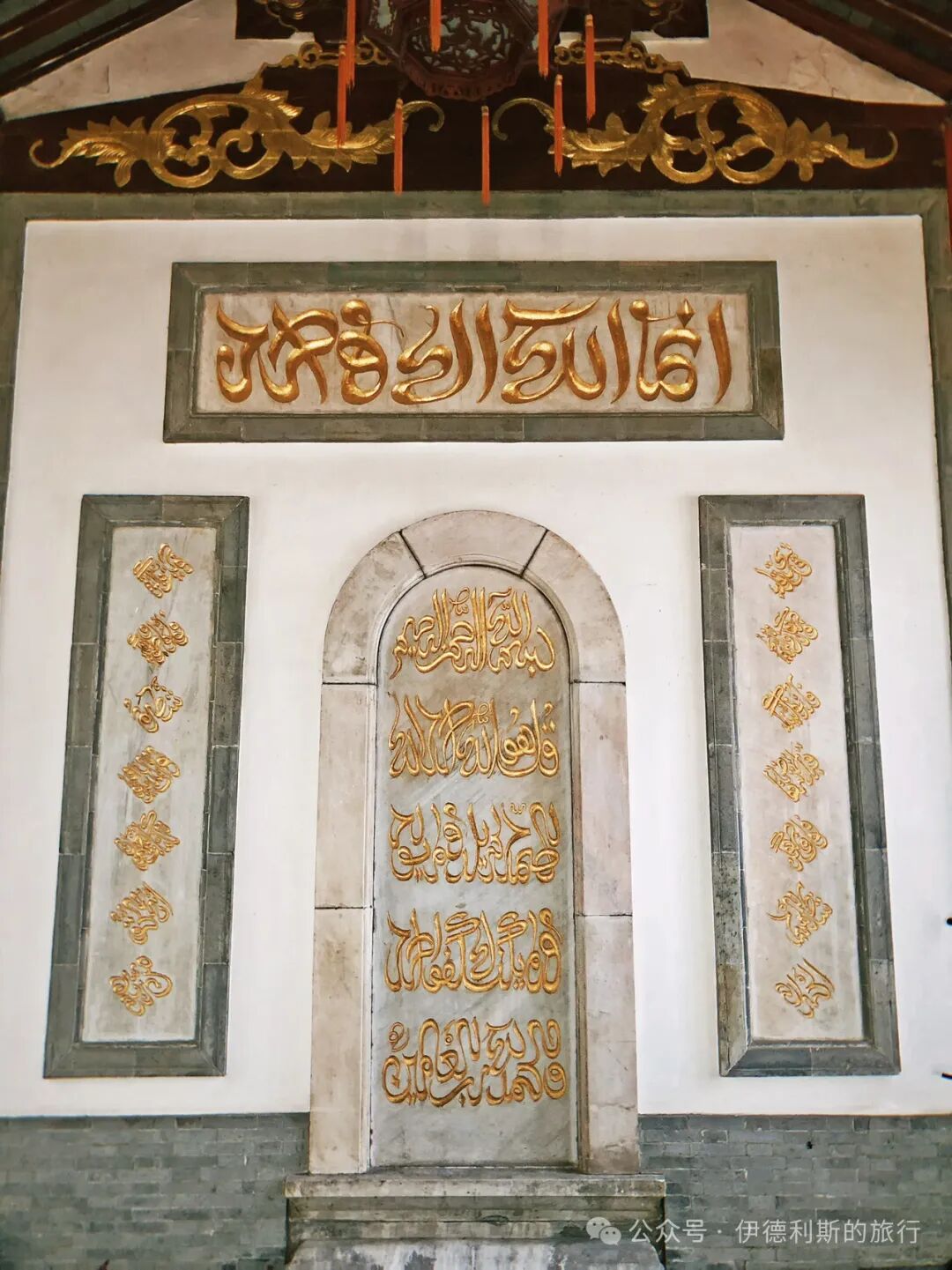
The main hall of the Caoqiao Mosque in Nanjing, Jiangsu, came from the Taiping Road Mosque. It was rebuilt in 1924 with funds donated by the brothers of the wealthy Nanjing merchant Jiang Guobang, and it was moved to the new Caoqiao Mosque in 2003.
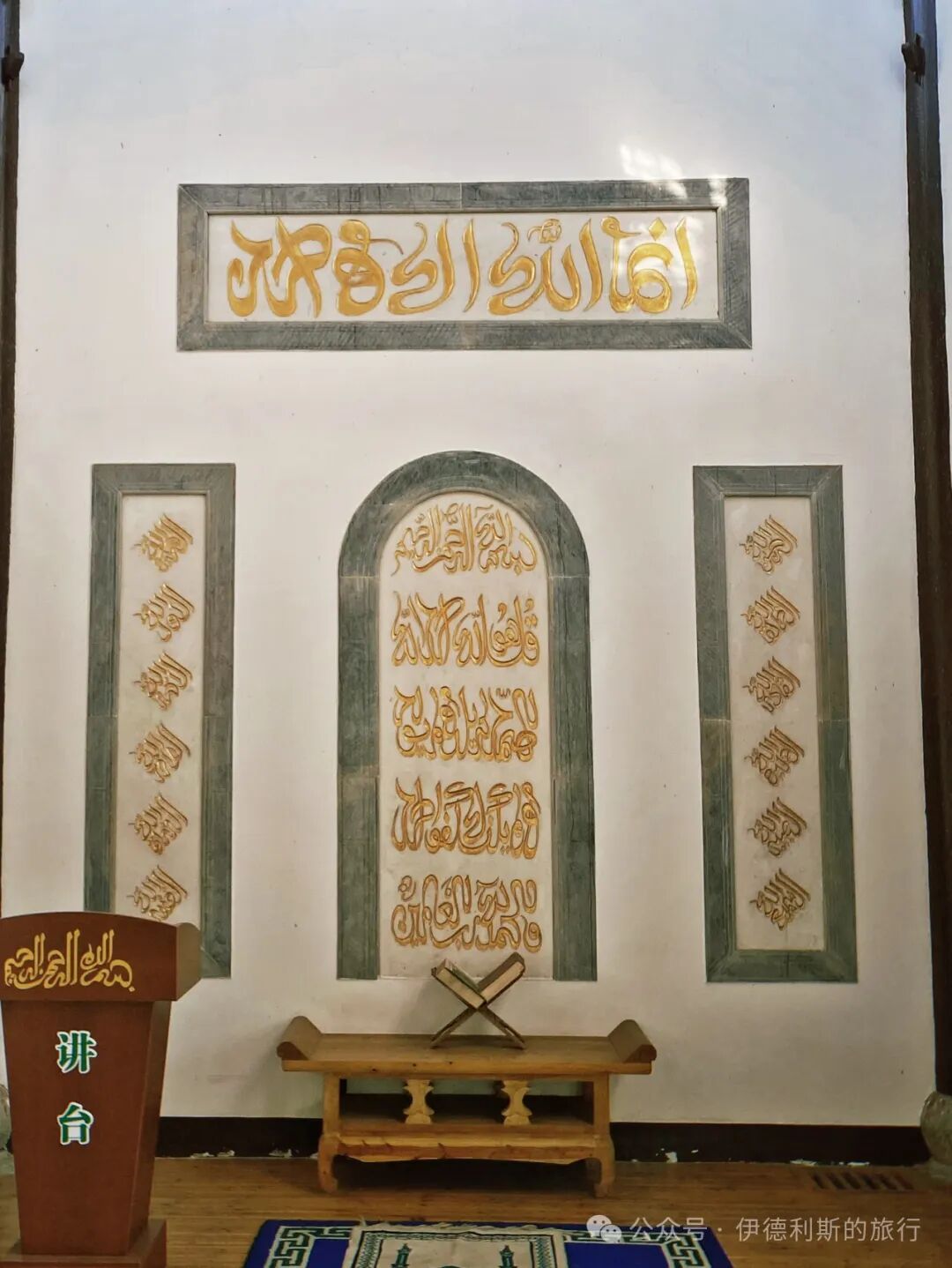
The Lingtang Ancient Mosque in Gaoyou, Jiangsu, was rebuilt in 1844 (the 24th year of the Daoguang reign) and expanded in 1921. Its structure is exactly the same as the Caoqiao Mosque.
Shanghai
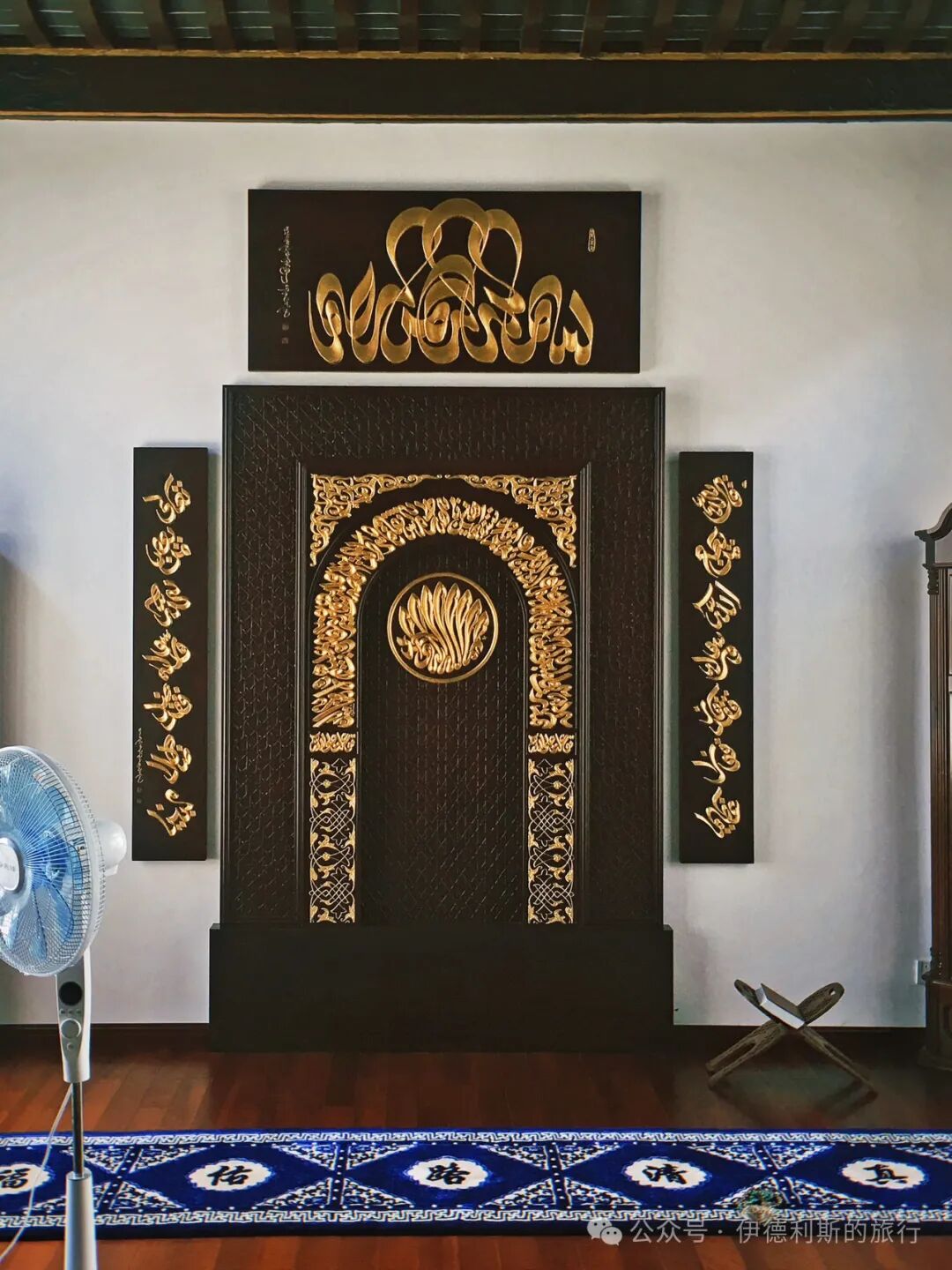
The Fuyou Road Mosque in Shanghai features traditional wood-carved calligraphy.
Summary: This is the second part of a visual record of 131 traditional mihrabs in Chinese mosques. The English version keeps the original mosque names, image order, captions, and architectural details without adding new claims.
Hujia Mosque in Xindu District, Chengdu, was built in 1738 (the third year of the Qianlong reign). It has a rare mihrab with Chinese couplets. The right side reads 'Ten thousand generations of mountains and rivers return to one Lord,' the left side reads 'The sun and moon shine upon all living things,' and the horizontal plaque reads 'The Original One.'
Yousuotun Mosque in Songpan has a door hood with an arched center. It looks more like the style found in Gansu than other mosques in Sichuan.
North Mosque in Songpan has very bright colors and lotus patterns.
Gongbei Mosque in Songpan features wooden boards with calligraphy inside the arch, shaped like a folding fan, a circular light, and an incense burner.
Yunnan
Dianzhong Mosque in Weishan, Dali, features traditional stone-carved calligraphy.
Ma Family Mosque in Mamichang, Weishan, Dali, features traditional stone-carved calligraphy.
Hedijie Mosque in Weishan, Dali, features traditional calligraphy.
Qingmenkou Mosque in Weishan, Dali, features traditional calligraphy.
Xishulong Mosque in Weishan, Dali, features traditional stone-carved calligraphy.
Xiaoweigeng Mosque in Weishan, Dali, features traditional calligraphy.
Dingjiachang Mosque in Weishan, Dali, is built in the traditional Dali architectural style with upturned eaves.
Baisha Village Mosque in Weishan, Dali, features traditional calligraphy.
Dawulinmao Mosque in Weishan, Dali, is built in the traditional Dali architectural style with upturned eaves.
Xiajie Mosque in Yangbi, Dali, features wood-carved calligraphy.
Shangxiang Mosque in Yangbi, Dali, features stone-carved calligraphy.
Shangjie Mosque in Yangbi, Dali, features stone-carved calligraphy.
Shangxi Lianhua Mosque in Weishan, Dali, features stone-carved calligraphy.
Xincun Mosque in Weishan, Dali, features stone-carved calligraphy.
Xiaxi Lianhua Mosque in Weishan, Dali, features traditional calligraphy.
Donglianhua Mosque in Weishan, Dali, features traditional calligraphy.
Fengyi Mosque in Dali features stone-carved calligraphy.
Binchuan Mosque in Dali features traditional calligraphy.
Yongning Mosque in Kunming is known as a masterpiece of Yunnan-style calligraphy.
Jinniujie Mosque in Kunming features typical Yunnan-style calligraphy.
Liren Mosque in Haikou, Kunming, features typical Yunnan-style calligraphy.
Beiying Mosque in Xundian features typical Yunnan-style calligraphy.
Huihuiying Mosque in Chenggong, Kunming, has very unique floral-style calligraphy in the center.
Dazhuang Mosque in Kaiyuan features traditional calligraphy in the center with a circular, interlocking design.
Tuogu Mosque in Ludian, Zhaotong, has traditional calligraphy on the couplets flanking the arch and in the circular center.
Longtoushan Mosque in Ludian, Zhaotong, features traditional-style calligraphy.
Taojiawan Mosque in Ludian, Zhaotong, features traditional Yunnan-style calligraphy.
Guangxi
Chongshan Road Mosque in Guilin was first built in 1734 (the 12th year of the Yongzheng reign). The rear hall was expanded in 1892 (the 18th year of the Guangxi reign) and features exquisite wood carvings of floral-style calligraphy.
Wutong Mosque in Guilin was first built during the Qing Jiaqing reign and renovated in 1915. It has beautiful wood carvings of calligraphy.
Liutang Mosque in Guilin was first built during the Qing Qianlong reign and has beautiful wood carvings of calligraphy.
Jiucun Mosque in Guilin features wood carvings of calligraphy.
Daxu Mosque in Guilin features wood carvings of calligraphy.
The Women's Mosque in Guilin features wood carvings of calligraphy.
Maping Mosque in Guilin was first built in 1671 (the 10th year of the Kangxi reign). It was burned down by the Japanese army in 1944, rebuilt in 1948, and rebuilt again in 1987, but it still keeps the original wood carvings of the mihrab.
Guangdong
Chengxi Mosque in Zhaoqing, Guangdong, preserved its Qing Dynasty stone mihrab during the 1983 reconstruction, which features traditional calligraphic couplets.
Chengdong Mosque in Zhaoqing, Guangdong, features Qing Dynasty wood-carved calligraphy.
Hong Kong
Jamia Mosque on Shelley Street in Hong Kong has a mihrab built in 1915, designed in the Indian Mughal style.
Fujian
Qingjing Mosque in Quanzhou, Fujian, was renovated in 1310. The prayer wall has seven pointed-arch niches, with the largest being the mihrab in the Fengtian Hall. In the old days, Hui Muslims in Quanzhou called the 27th night of Ramadan, the Night of Power (Laylat al-Qadr), the 'Twenty-eighth Night' (erba ming). Every Hui family in Quanzhou would prepare food on this day. That evening, they would light a pair of large red candles on both sides of the mihrab at the prayer hall, symbolizing that the revelation of the Quran from Allah is a brilliant light.
At the Mingshan Hall of the Qingjing Mosque in Quanzhou, Fujian, Jiang Changgui, the provincial military commander during the Tongzhi reign of the Qing Dynasty, collected many Yuan Dynasty Arabic stone tablets in Quanzhou and embedded them into the walls of the Mingshan Hall.
A lintel stone currently embedded above the mihrab in Mingshan Hall was unearthed at Qipanyuan in the late Qing Dynasty. It reads, 'Enter it in peace and security.' Embedded in the middle is a lintel stone unearthed near Qipanyuan in the late Qing Dynasty. The inscription is in Kufic script and reads, 'Every soul shall taste death.' 'Death is a door, and everyone must enter it.' Qipanyuan was the site of the foreign quarter and religious cemeteries in Quanzhou during the Song and Yuan dynasties, so it is likely these two lintel stones originally belonged to a gongbei tomb.
Embedded below is the 'Laji Aibikelimu Reconstruction Tablet of the Qingjing Mosque,' featuring scripture written in Kufic script. The stone tablet was unearthed underground at Qipanyuan in the southern drill ground of Quanzhou during the late Qing Dynasty. The script is similar to the 'Naina Umaer Reconstruction Tablet of the Qingjing Mosque' held by the Xiamen University Anthropology Museum, and the content is the same, so it is likely another tablet commemorating the mosque's reconstruction. The tablet was removed during the 1997 renovation of Mingshan Hall and was reinstalled shortly after. Later, according to an interpretation by Imam Zhang Haixing of the Qingjing Mosque, the back of the tablet reads, 'Laji Aibikelimu ordered the construction and management of this mosque... praying for the mercy of the Lord...'
At the Fuzhou Mosque in Fujian, I could not see the original wooden mihrab, only photos of it on a display board in the mosque.
Zhejiang
The Lishui Mosque in Zhejiang was built in 1886 (the 12th year of the Guangxu reign) and features traditional wood-carved calligraphy and auspicious patterns.
Jiangsu
The mosque outside the South Gate in Zhenjiang, Jiangsu, is believed to have been built in the early Qing Dynasty. It was destroyed by war in 1937, and the niche stone carvings were kept by the Hua Bao-ren family next to the mosque until they were moved to the Guyun Mosque in 2005. It is carved with a lotus-shaped Basmala, which is very unique. In the center is a circular-light style excerpt from the Cow chapter (Al-Baqarah), and below is the Kufic script reading, 'Bow down, and worship your Lord.'
The Shanxiang Mosque in Zhenjiang, Jiangsu, was rebuilt in 1873 (the 12th year of the Tongzhi reign) and features traditional calligraphy carvings.
The Changjiang Road Mosque in Liuhe, Nanjing, Jiangsu, was rebuilt during the Guangxu reign. The prayer niche is painted with chrysanthemums, pine and cypress trees, and grapevines, which is very unique.
The Jingjue Mosque in Nanjing, Jiangsu, was rebuilt in 1877 (the 3rd year of the Guangxu reign) and features very dense gold-leaf calligraphy on a red background.
The main hall of the Caoqiao Mosque in Nanjing, Jiangsu, came from the Taiping Road Mosque. It was rebuilt in 1924 with funds donated by the brothers of the wealthy Nanjing merchant Jiang Guobang, and it was moved to the new Caoqiao Mosque in 2003.
The Lingtang Ancient Mosque in Gaoyou, Jiangsu, was rebuilt in 1844 (the 24th year of the Daoguang reign) and expanded in 1921. Its structure is exactly the same as the Caoqiao Mosque.
Shanghai
The Fuyou Road Mosque in Shanghai features traditional wood-carved calligraphy.
