
Halal Travel Guide: Nanjing Mosques - Old South City, Liuhe and Zhuzhen, Part 2
Reposted from the web
Summary: The second part of the Nanjing mosque journey follows sites in the old south city, Liuhe, and Zhuzhen, with notes on mosque buildings, stone carvings, and local Hui Muslim history. This account keeps the original route, mosque names, dates, and photographs.
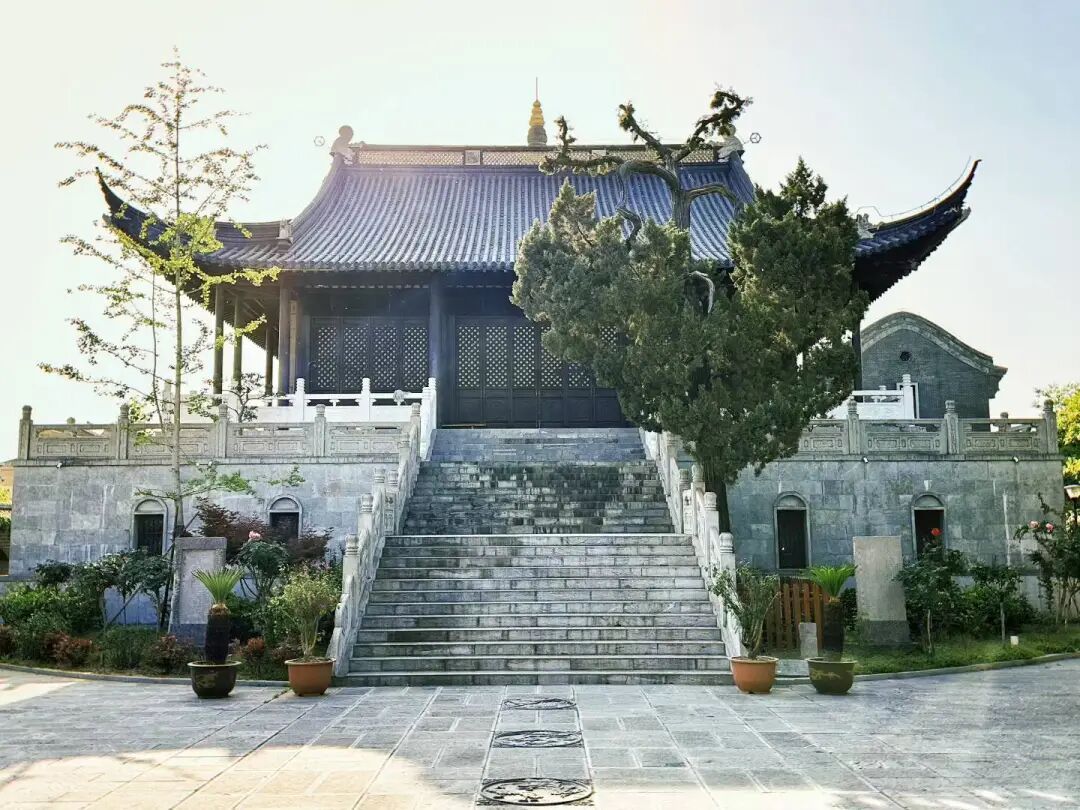
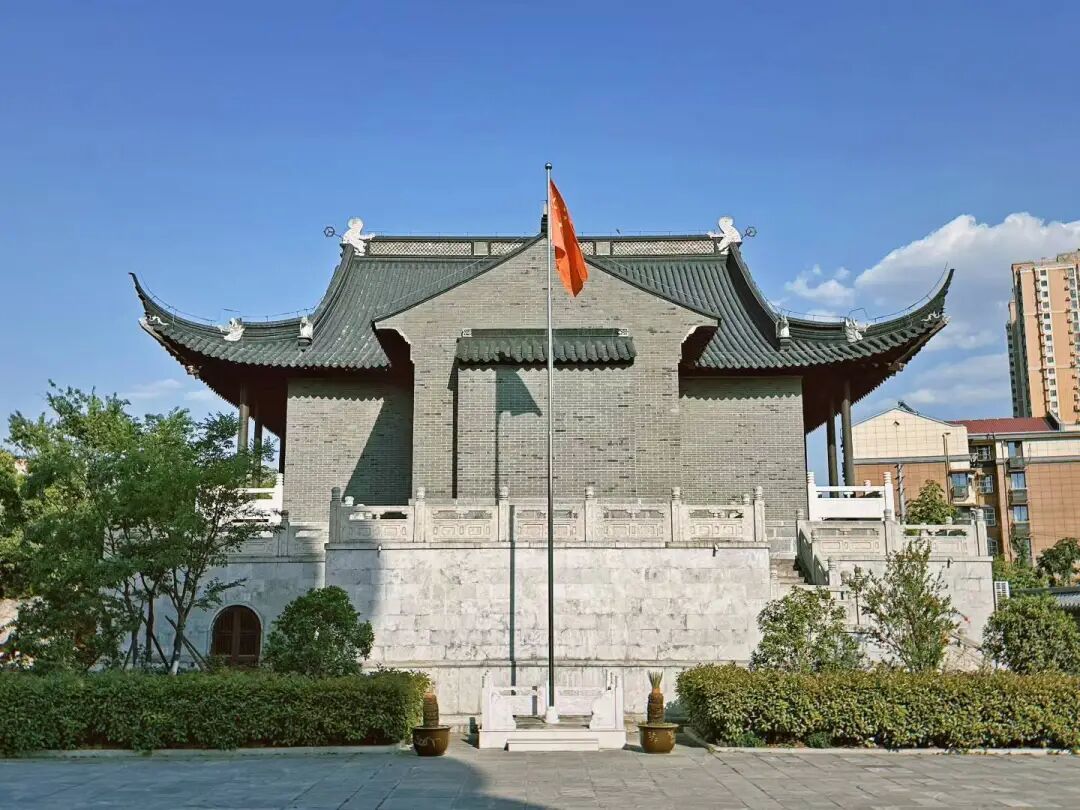
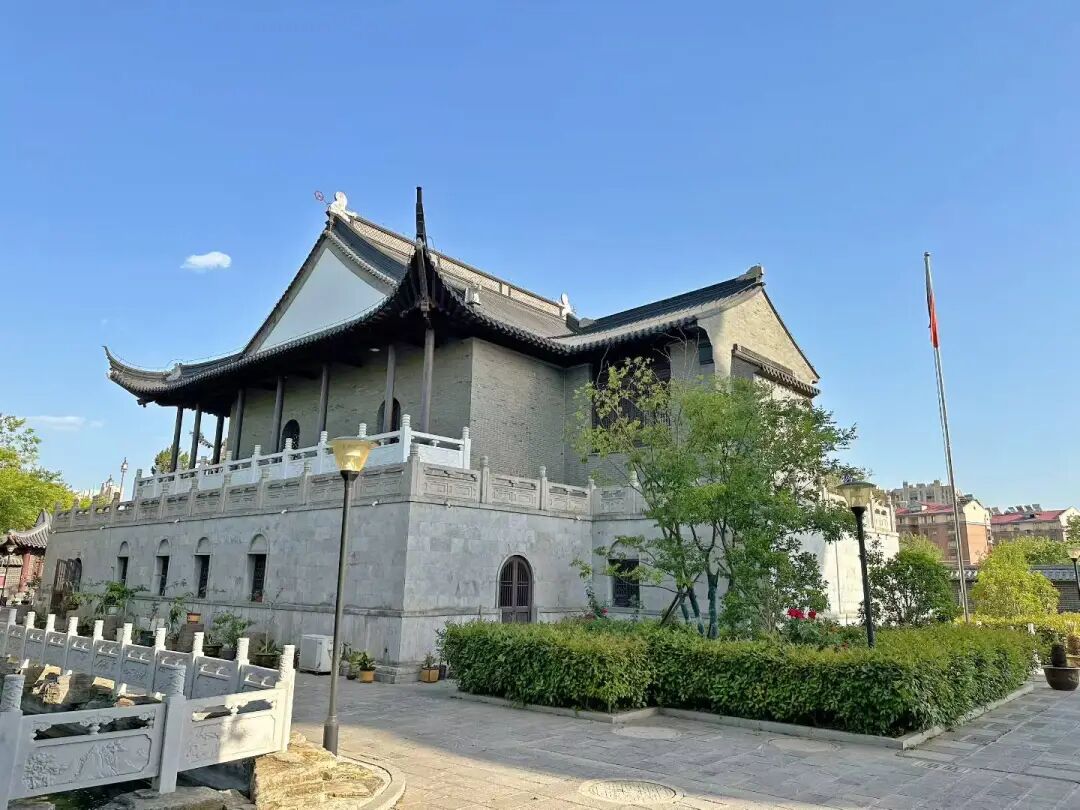
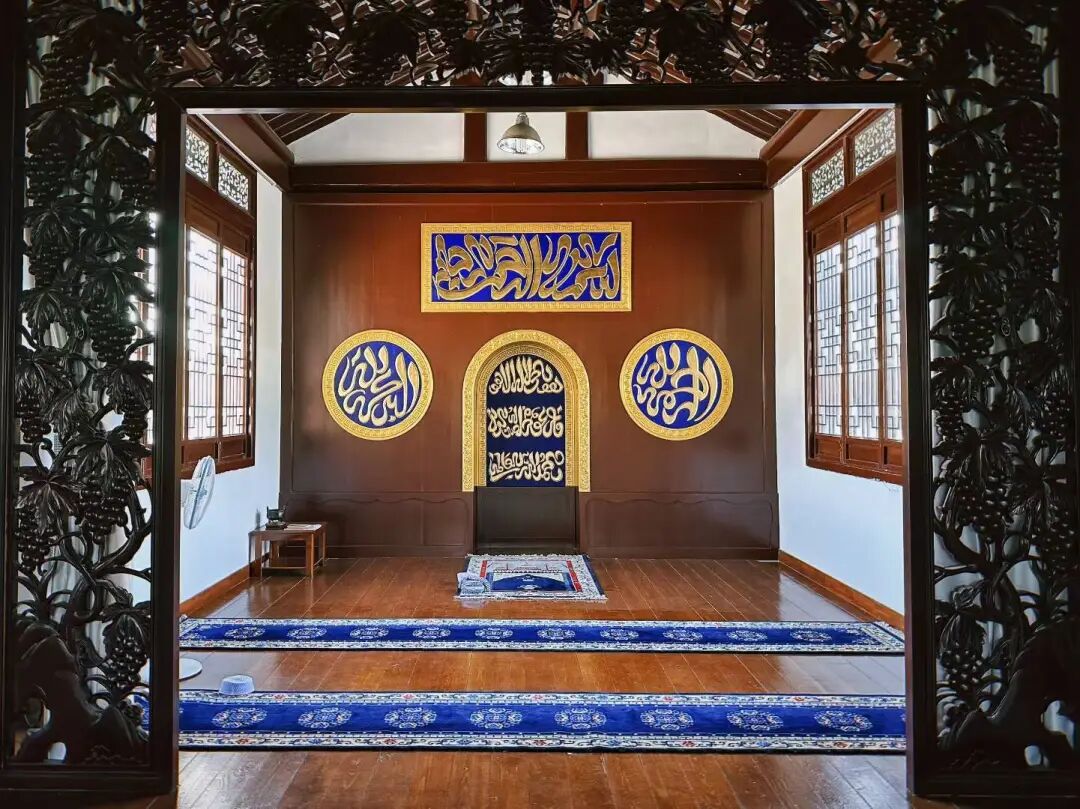
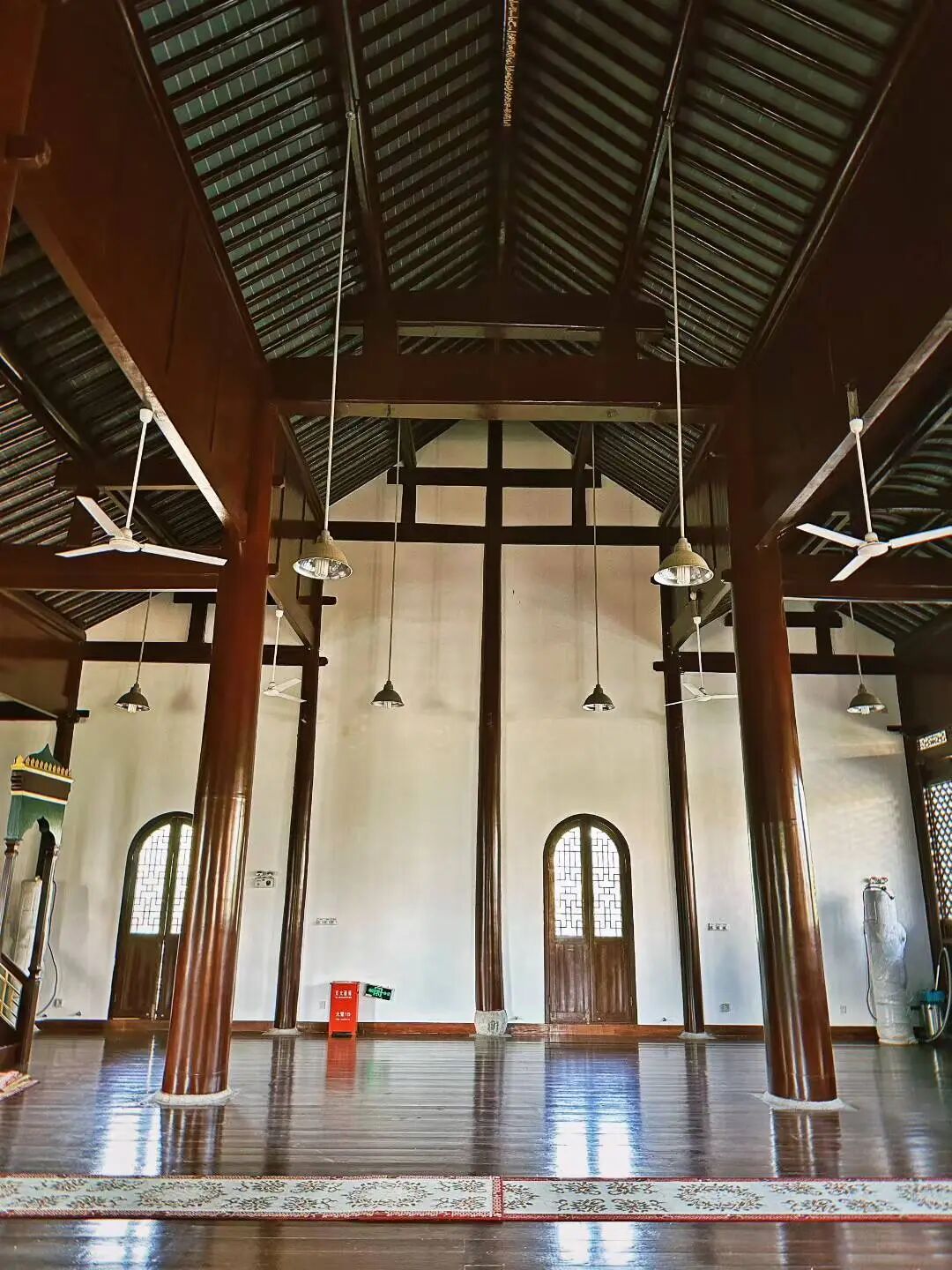
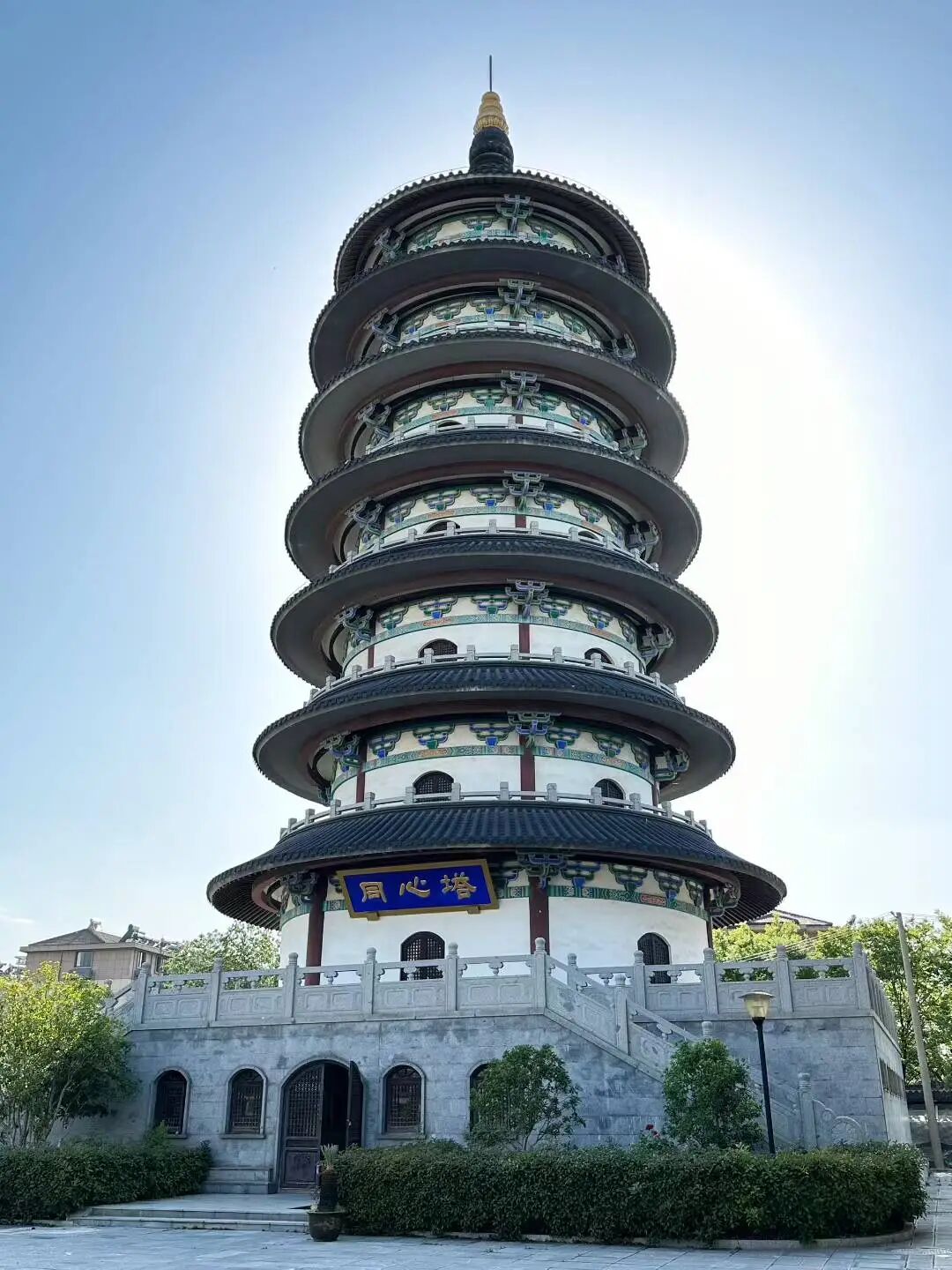
Stone carvings and ancient trees at the South Gate Mosque in Liuhe:
A stone tablet from the seventh year of the Daoguang reign recording a donation of property by a Hui Muslim named Li.
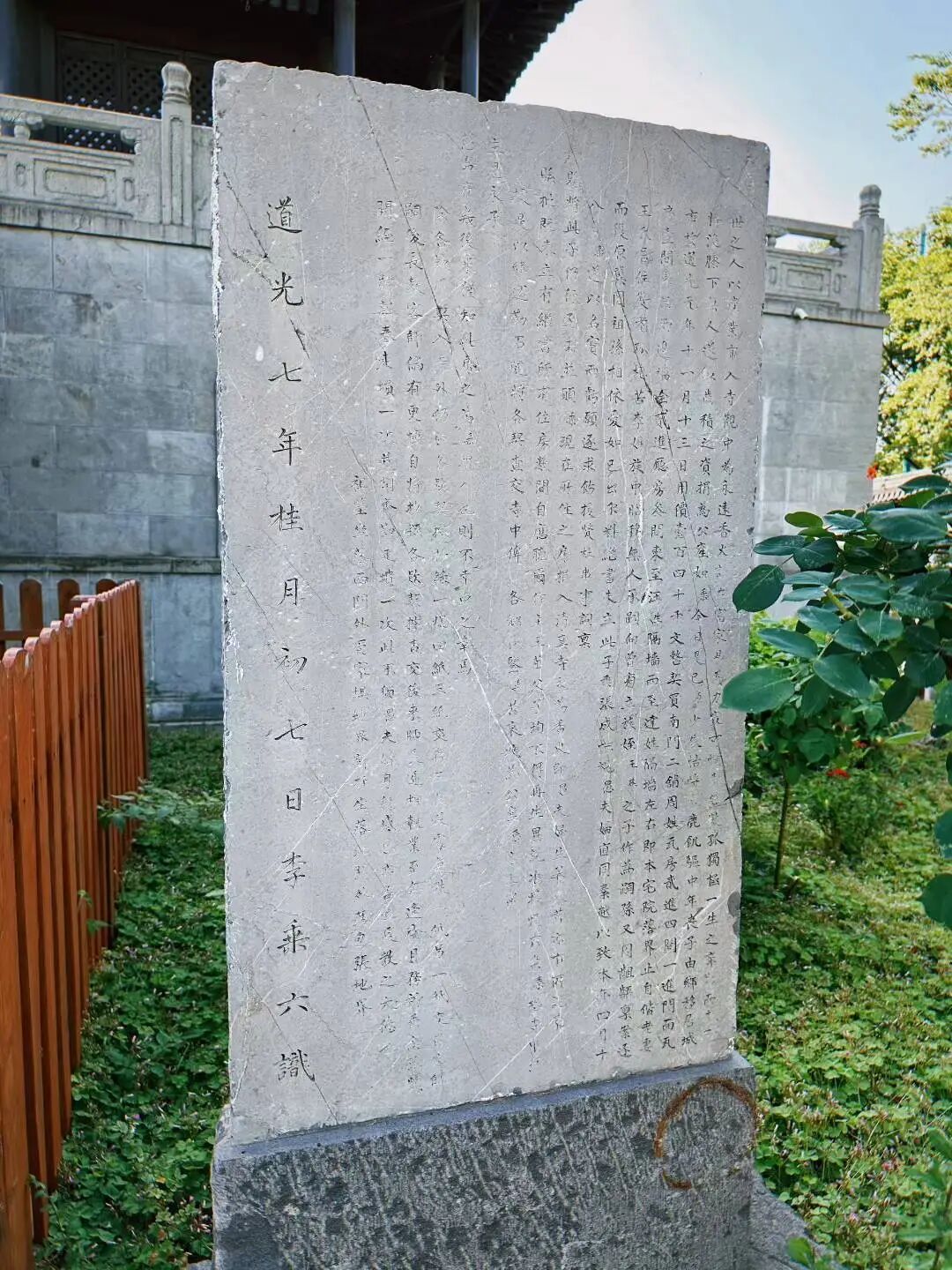
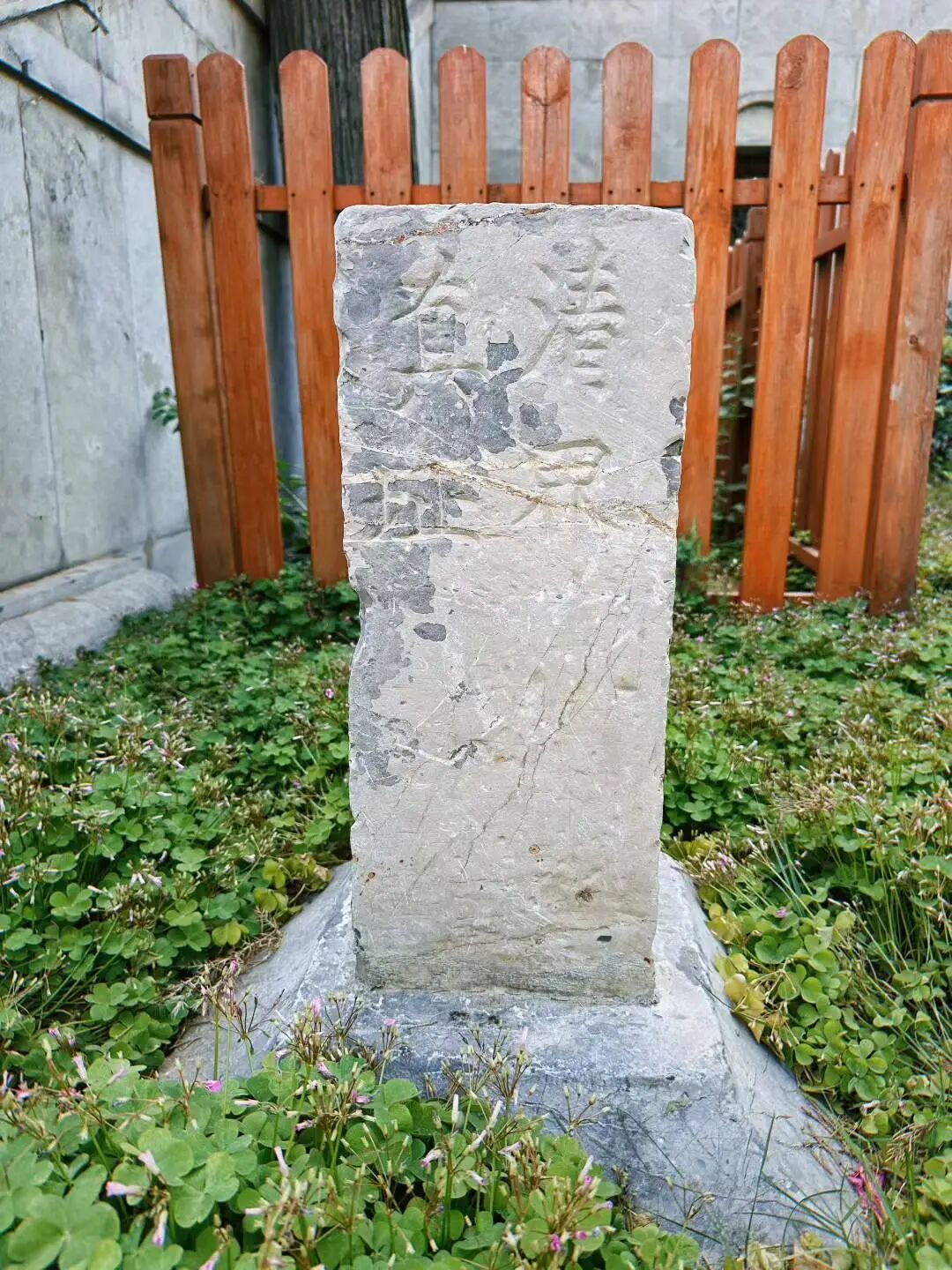
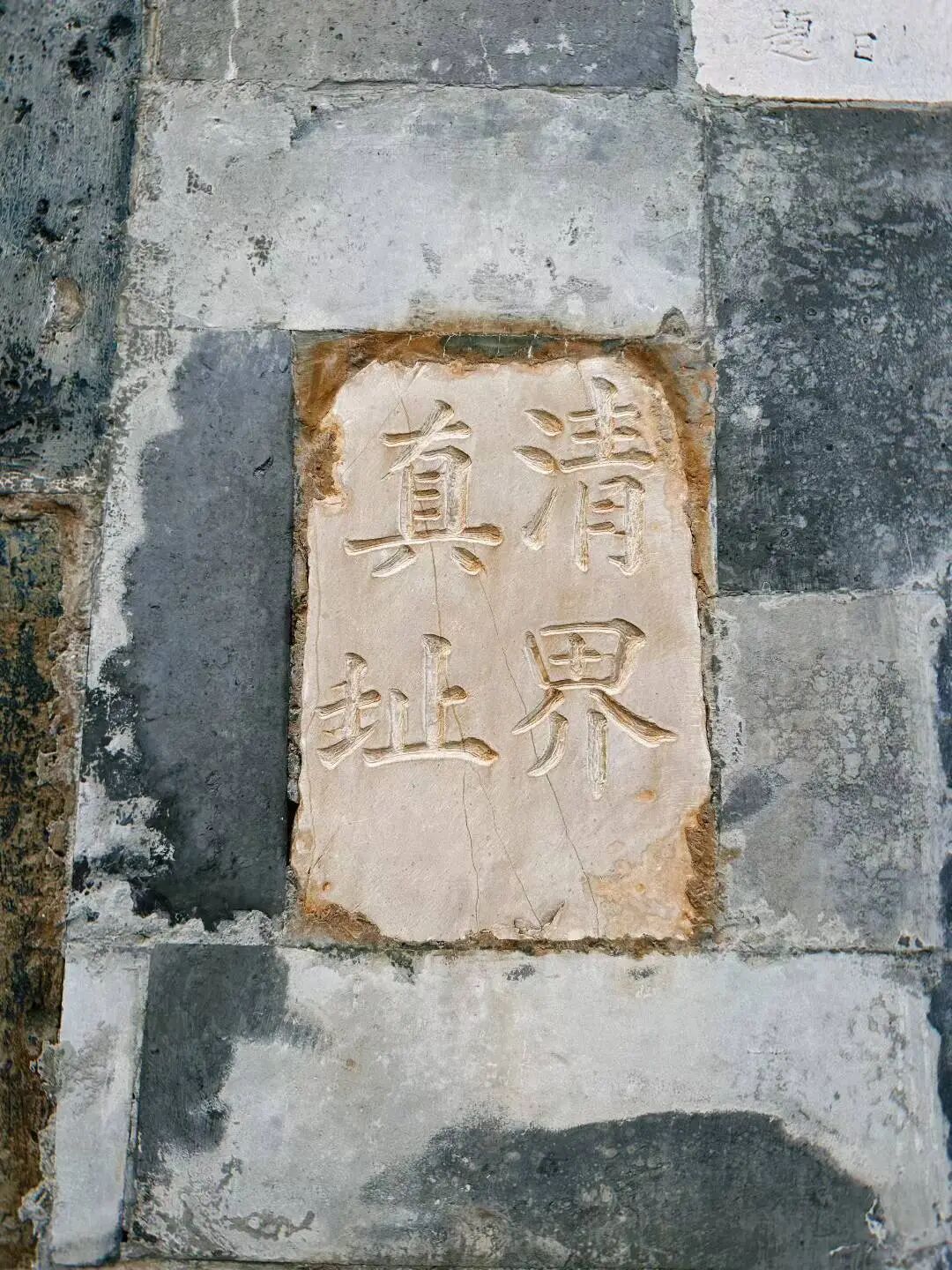
A boundary marker for the mosque.
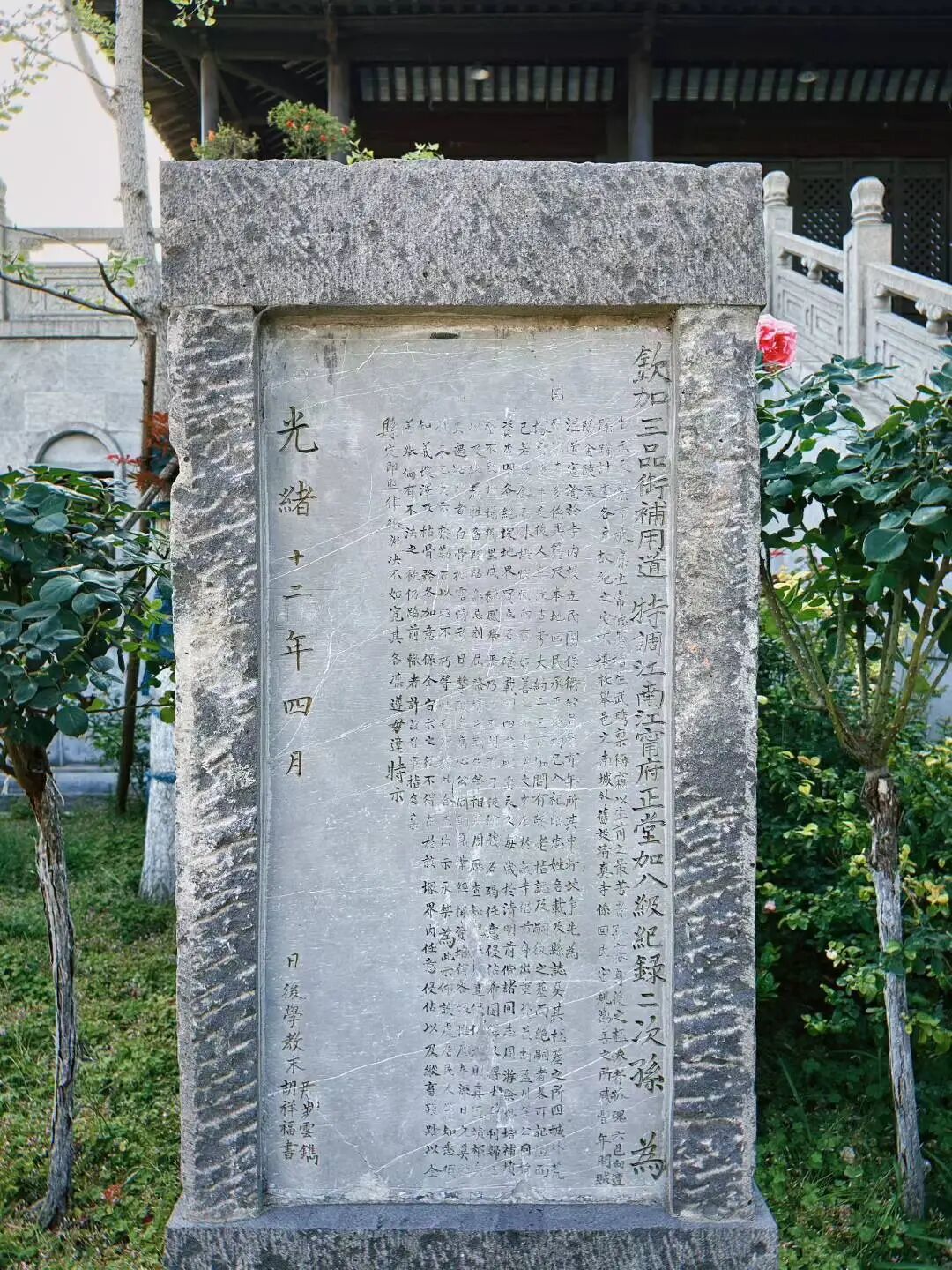
A stone tablet from the twelfth year of the Guangxu reign. It records that the South Gate Mosque was destroyed by the Taiping Heavenly Kingdom during the Xianfeng years. Many Hui Muslim militia members from the mosque died in battle, and the government later stepped in to protect their graves.
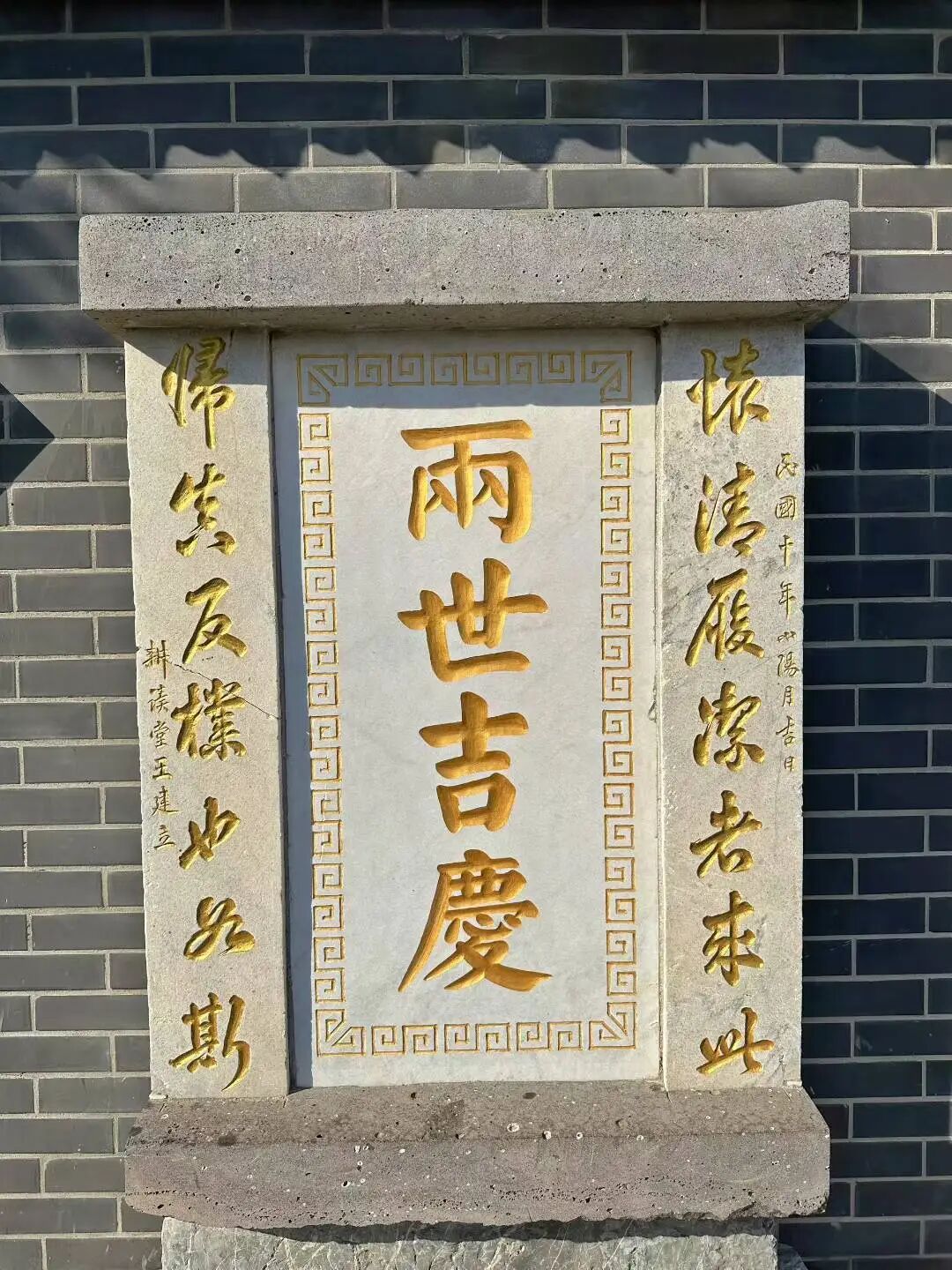
A couplet written by Wang Jianli in the tenth year of the Republic of China: To cherish purity and walk in cleanliness is to prepare for the afterlife; to return to the truth and simplicity is to be just like this.
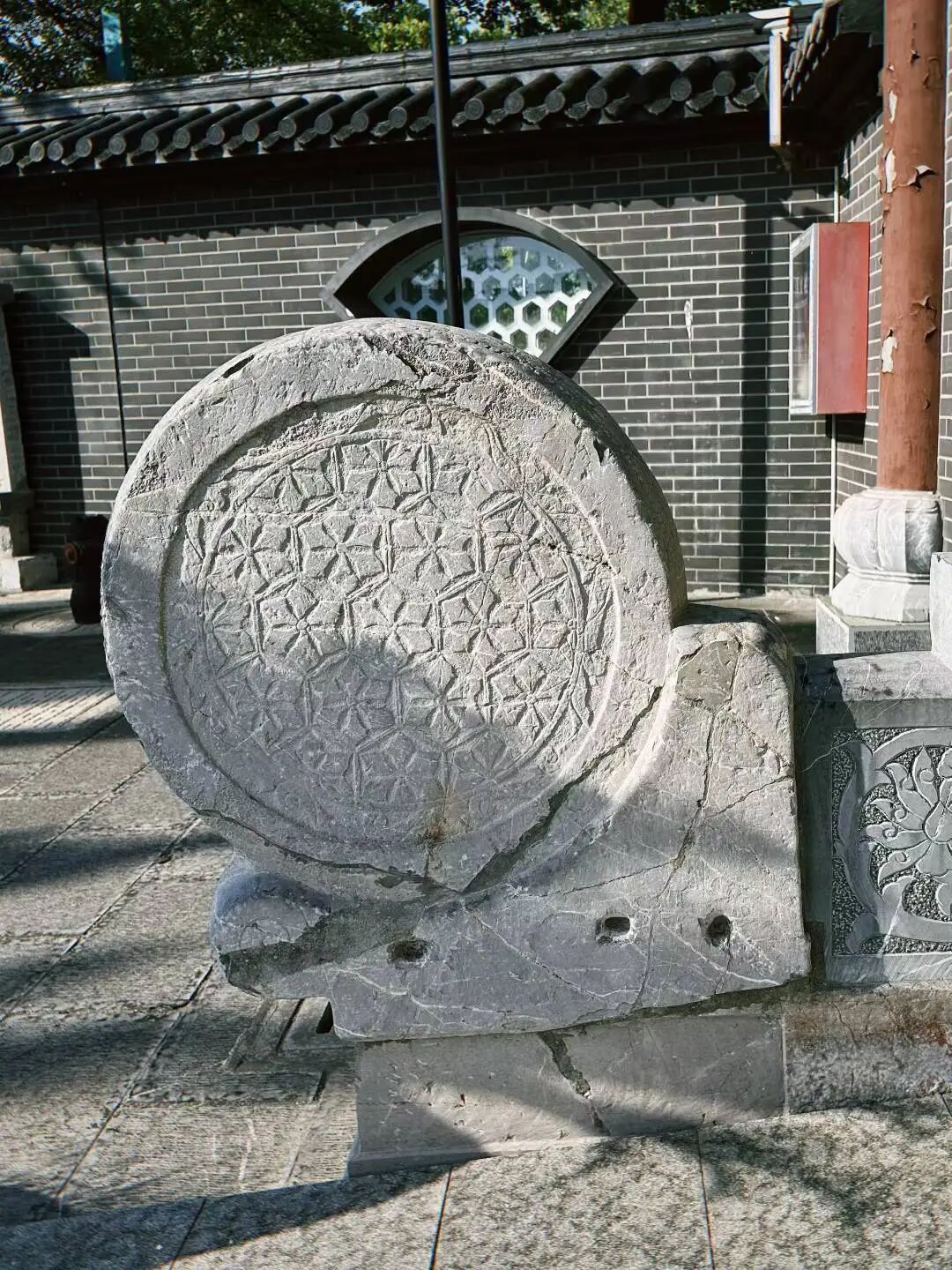
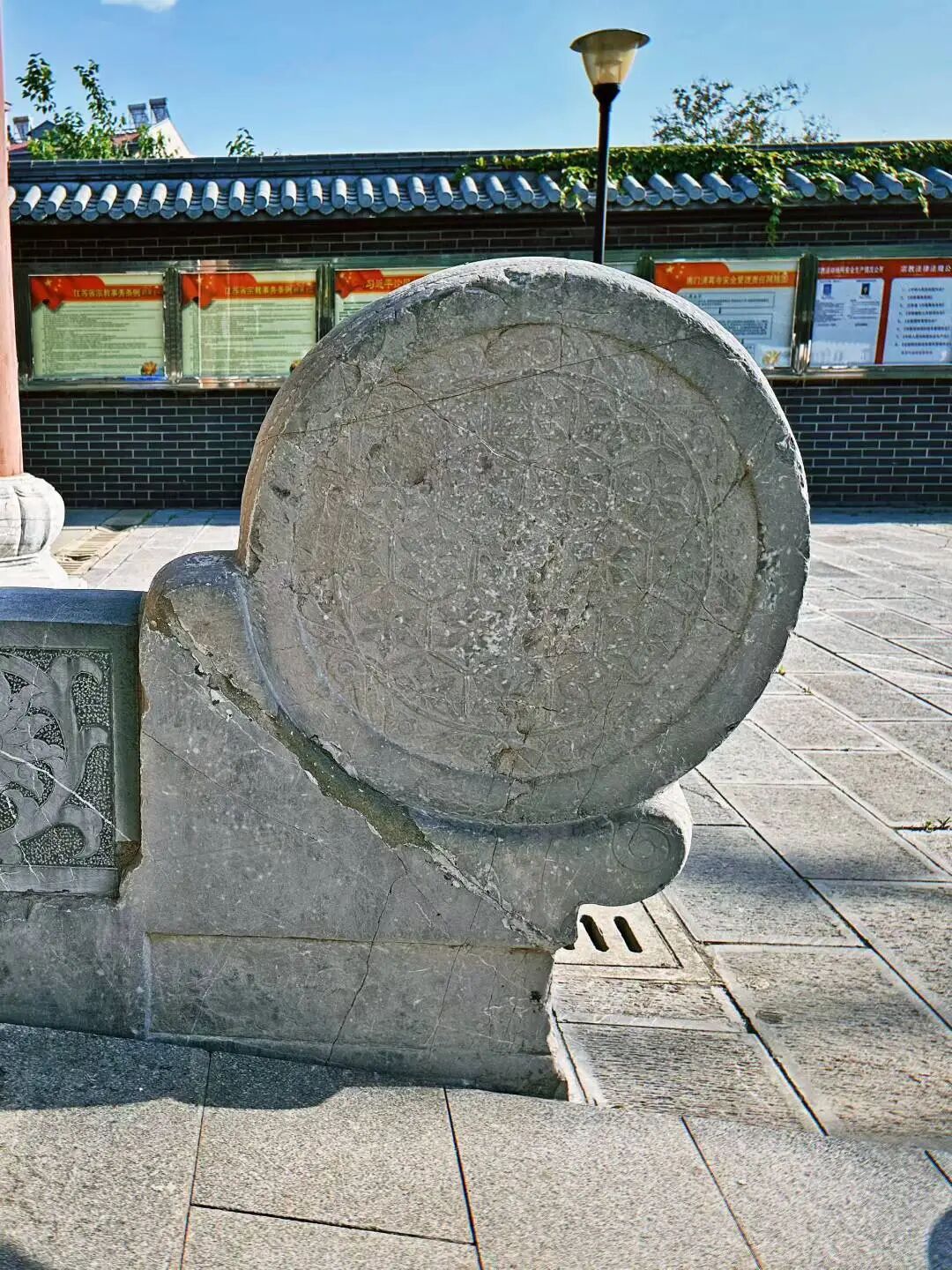
Qing dynasty drum-shaped stone bases (baogushi) in front of the main gate.
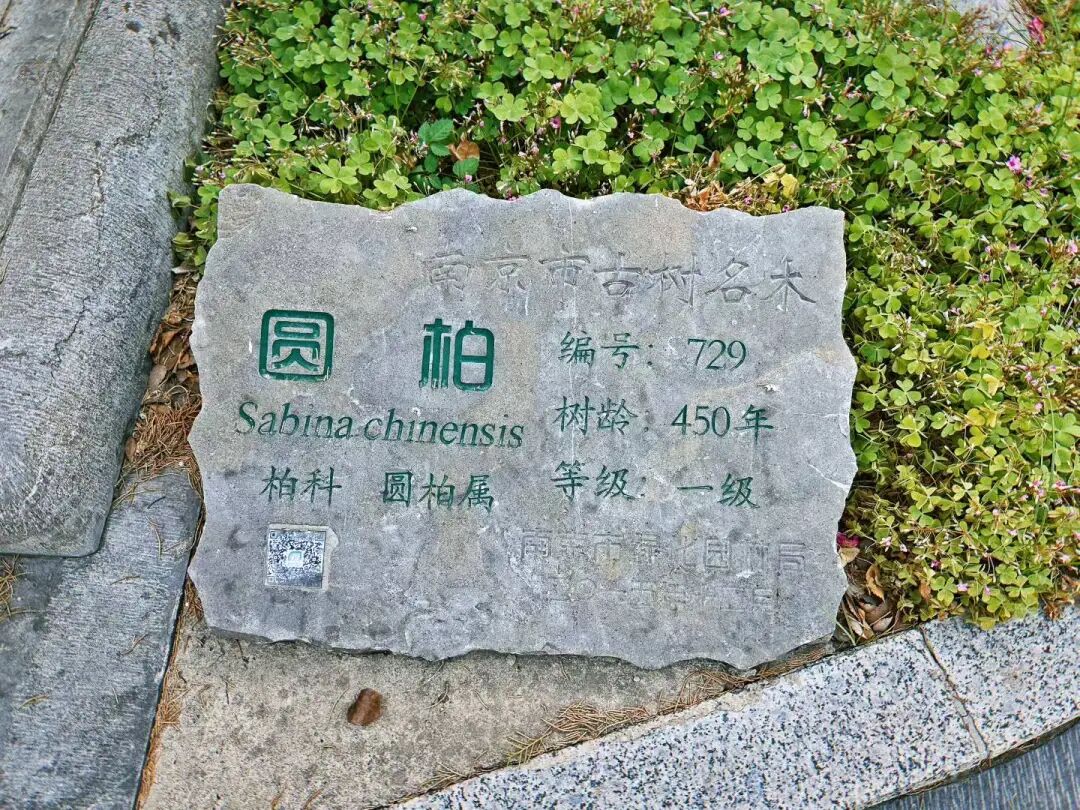
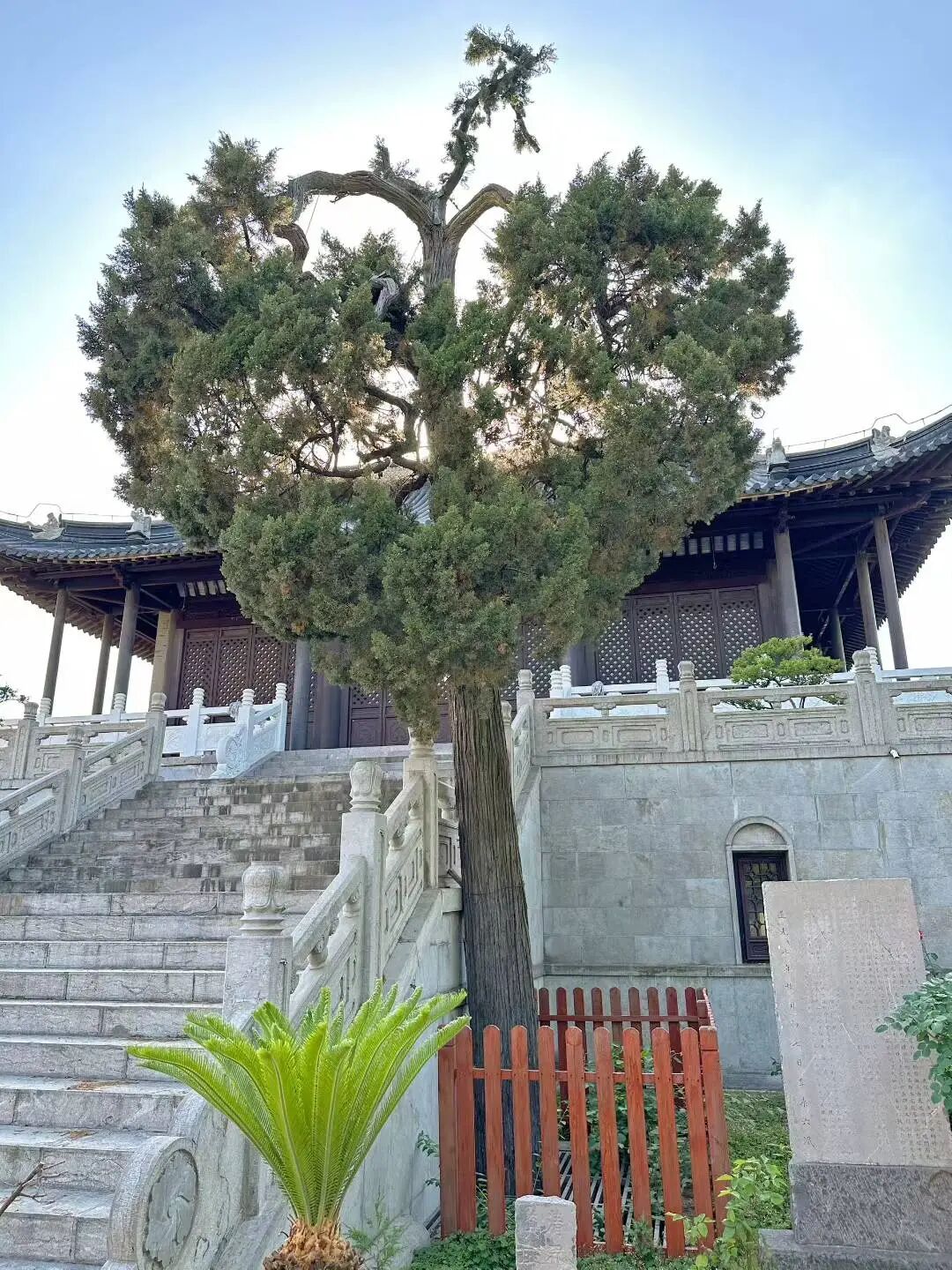
A 460-year-old Chinese juniper (yuanbai) in front of the main prayer hall, classified as a first-grade protected ancient tree.
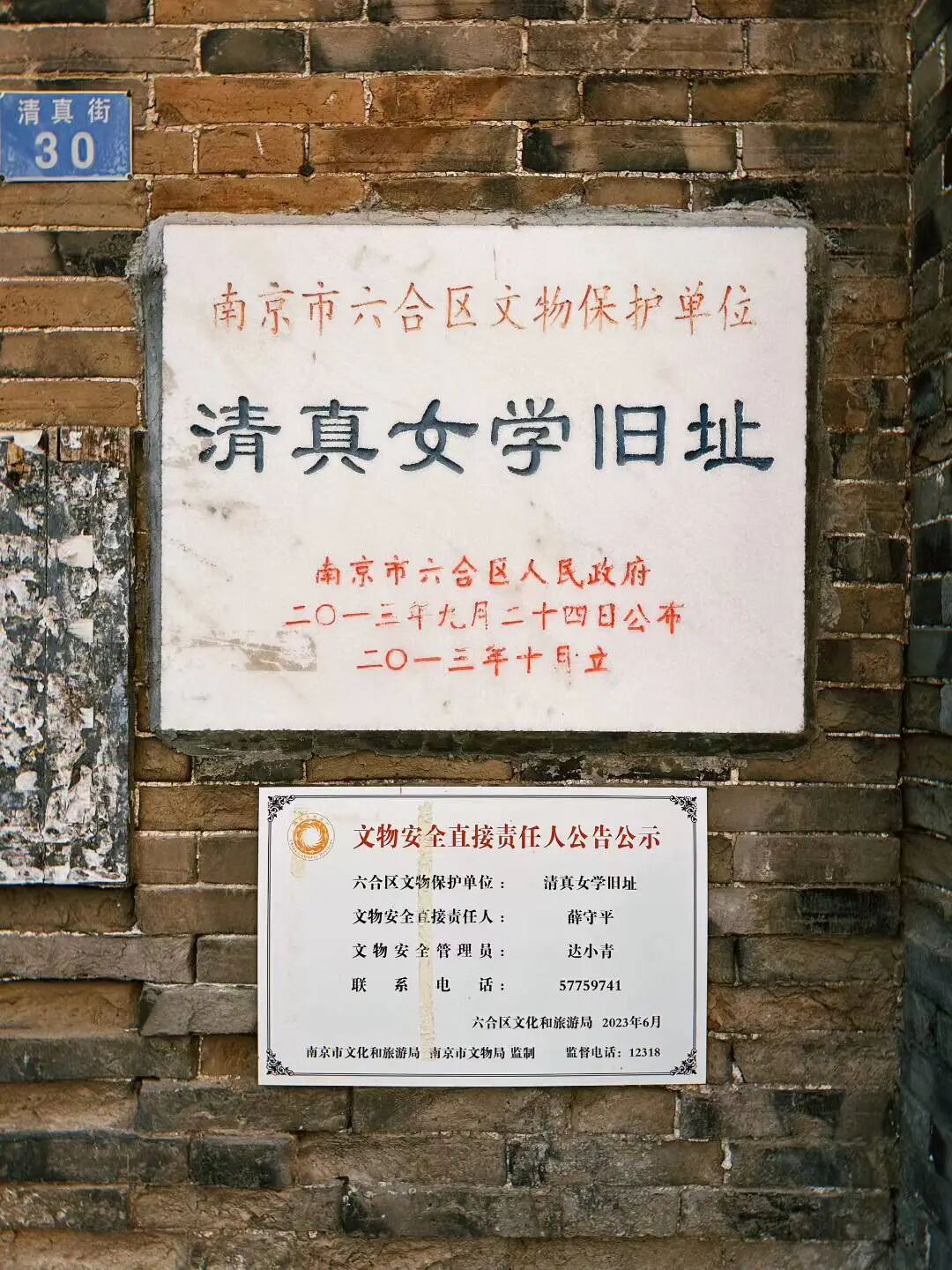
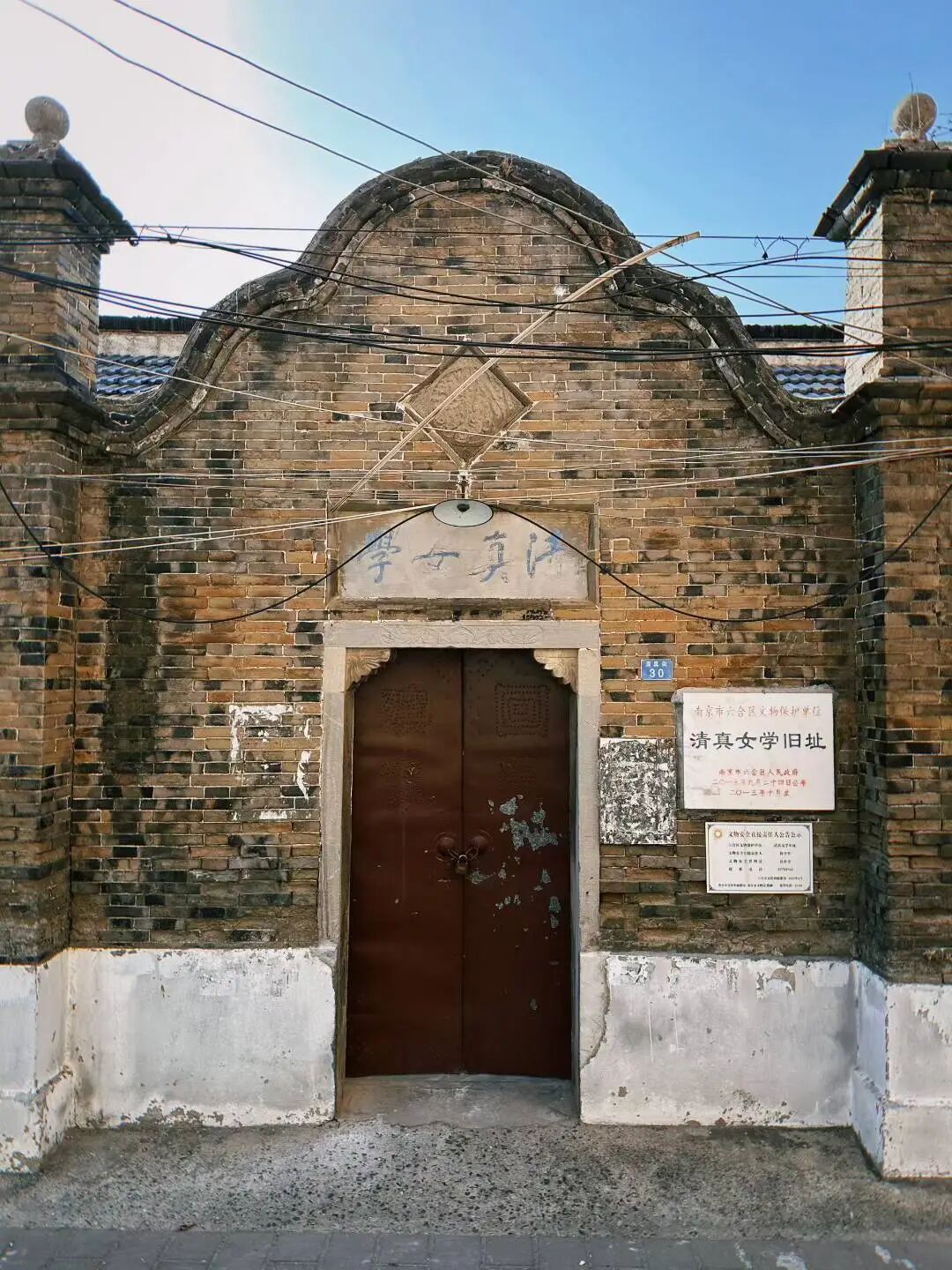
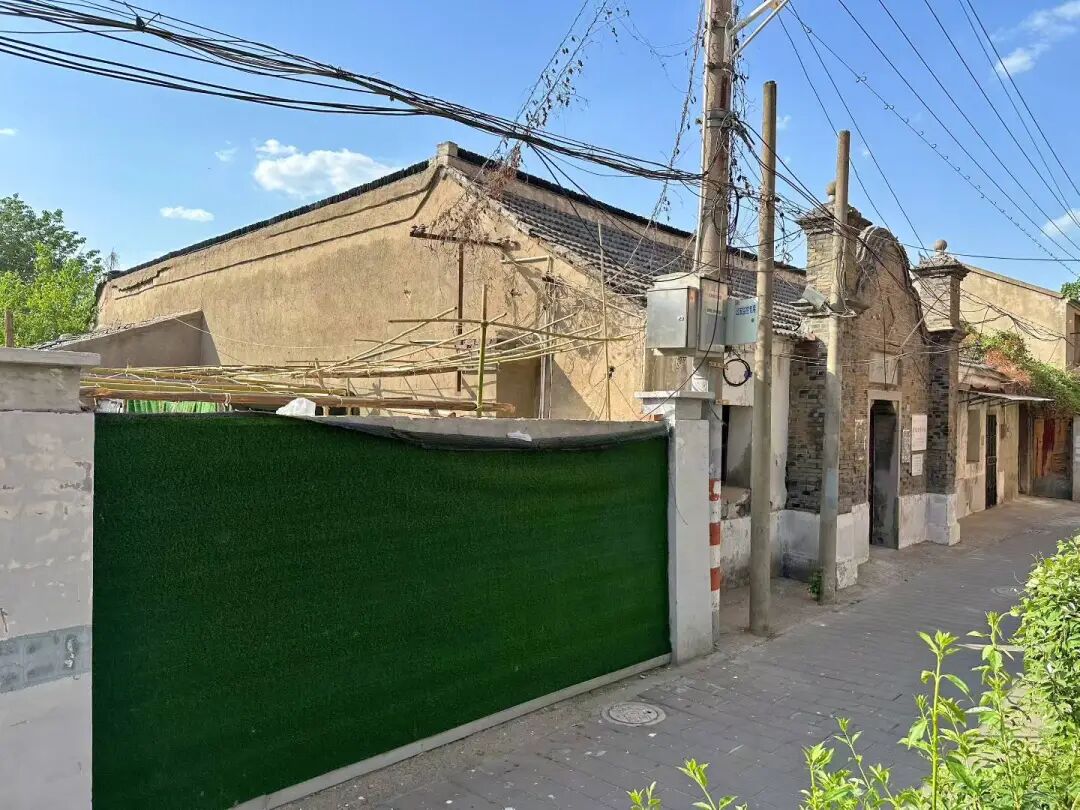
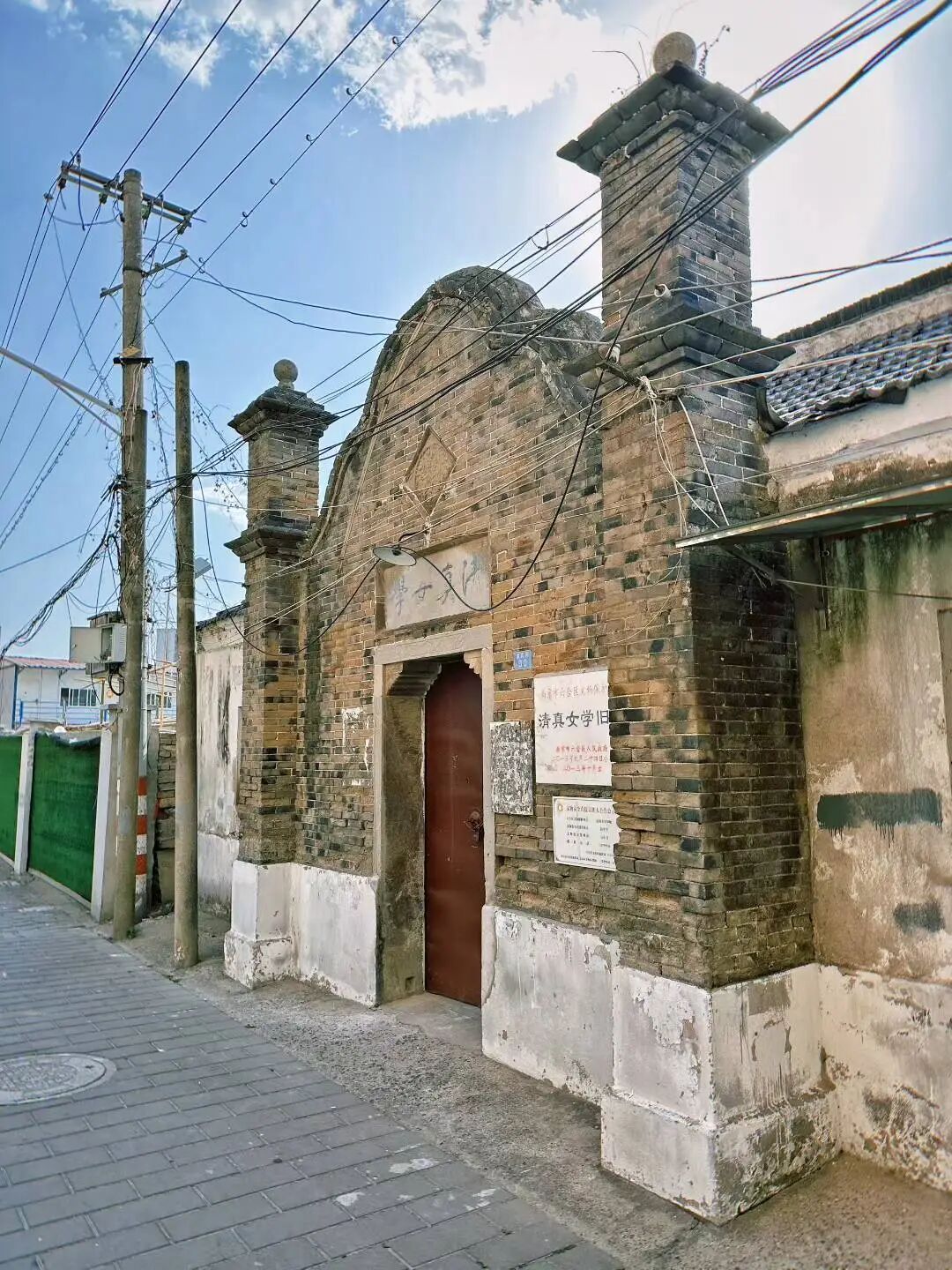
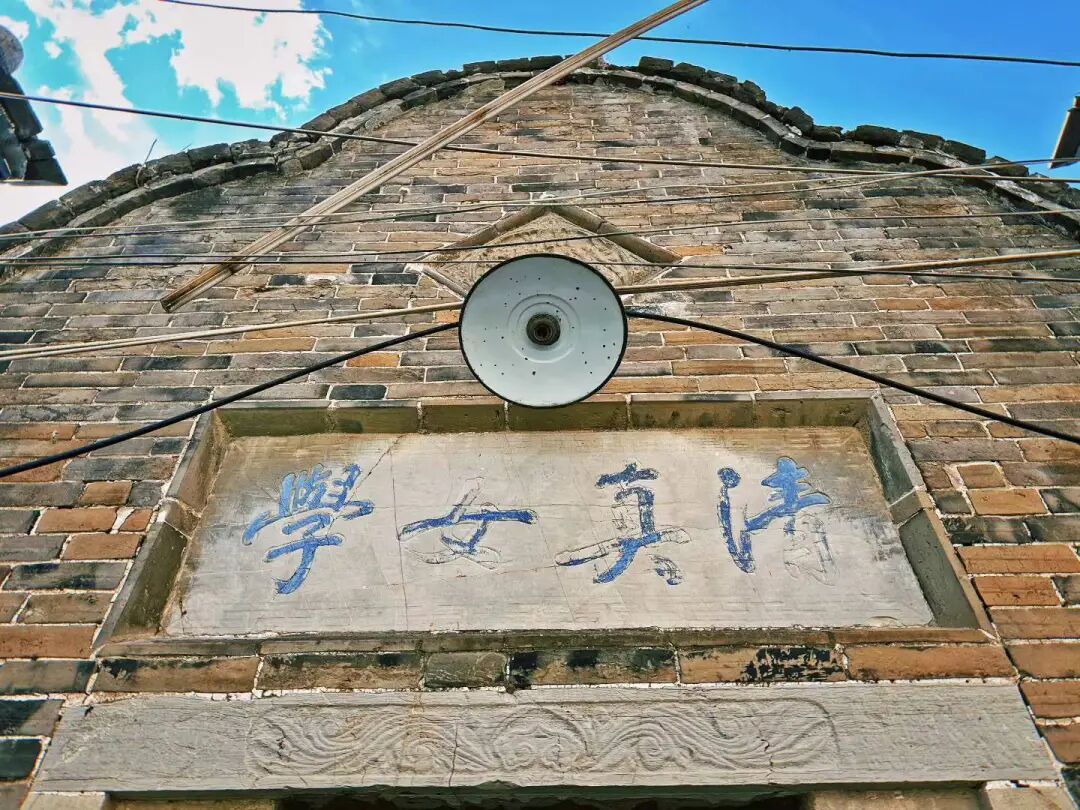
Liuhe Women's School.
The Liuhe Muslim Women's School started in 1912. The current building was constructed in 1930 and later used as a Hui Muslim funeral home. It is a rare surviving example of a Republican-era Muslim women's school and mosque.
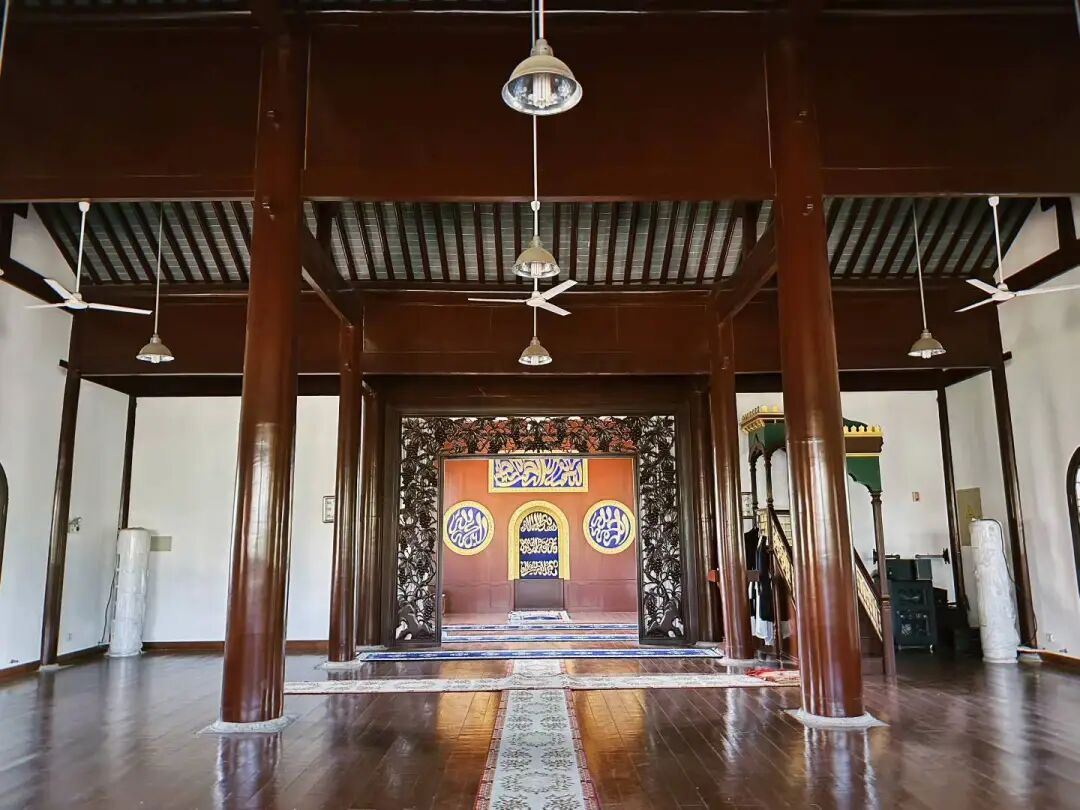
Traditionally, these women's schools do not form formal classes, do not call the adhan, do not hold Jumu'ah prayers, and do not hold Eid prayers. The female imam (shiniang) does not lead the prayer from the front but stands in the middle of the first row. The women's school does not have a minaret, and there is no minbar pulpit inside the main prayer hall. Besides leading the local women in their religious duties, the female imam (shiniang) also teaches various aspects of Islamic knowledge.
Women's schools emerged during the mid-to-late Qing dynasty, initially concentrated in Henan and the neighboring areas of Hebei, Shandong, and Anhui. In the early Republic of China, influenced by the New Culture Movement and the women's liberation movement, the ideas of promoting women's education, ending foot binding, and liberating women began to be understood by Hui Muslims. The number of women's schools increased rapidly, with over a hundred in Henan province alone, and others were built in various provinces.
During the Guangxu reign of the Qing dynasty, two women's schools were built in Nanjing at Hanximen and Changle Street. During the Republican era, four more were built at Fangjia Lane, Zhuganli, Shigu Road, and Dahuifu Lane, but all of these have been demolished. In the early Republican era, Liuhe built three women's schools at Houjie inside the city, outside the South Gate, and in Zhuzhen. The historical buildings at the South Gate and Zhuzhen are the only ones that remain.
Changjiang Road Mosque in Liuhe.
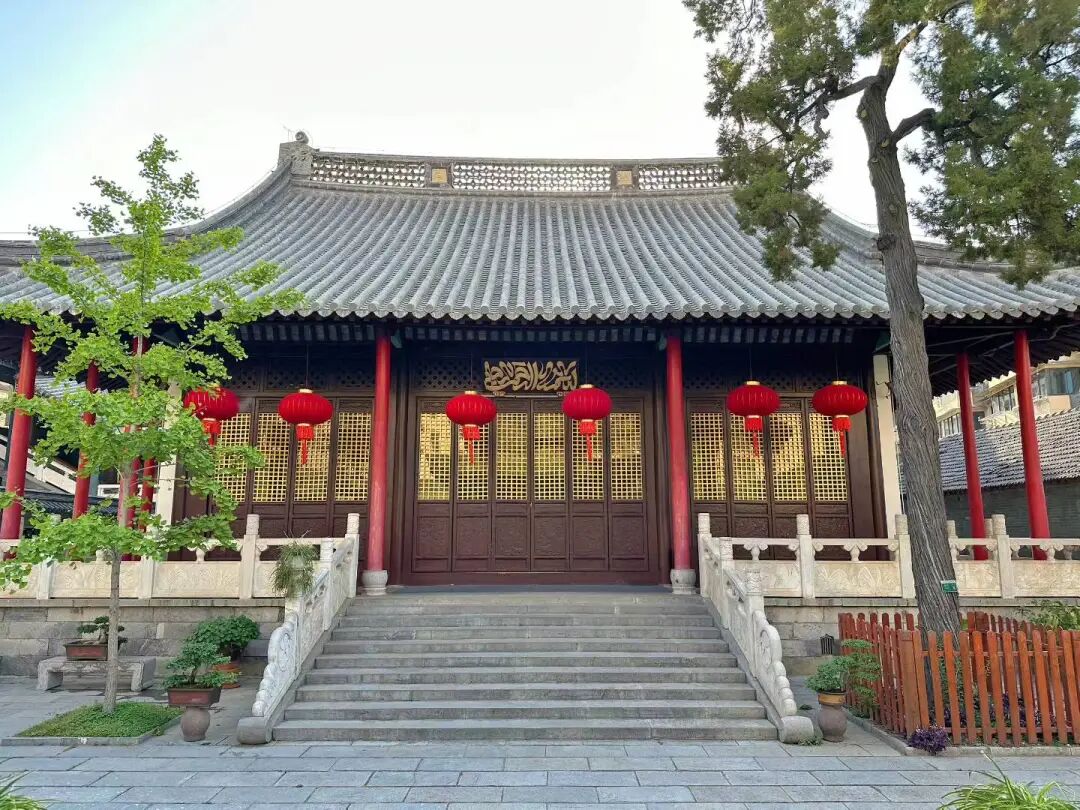
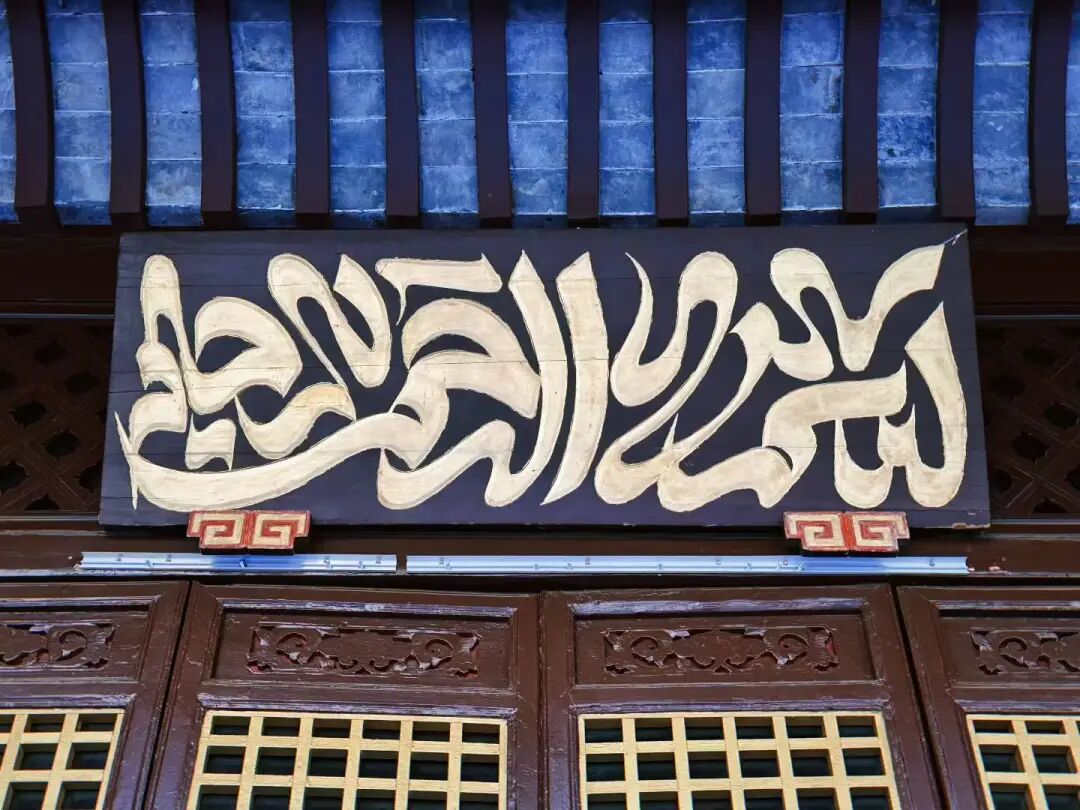
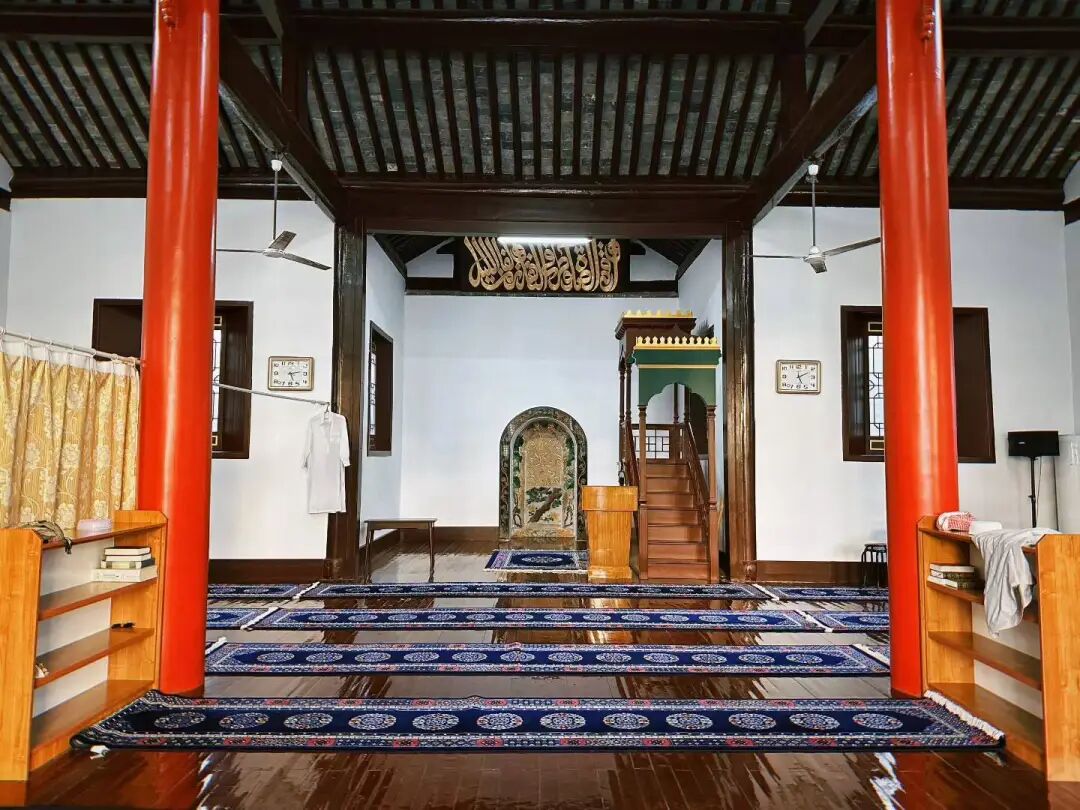
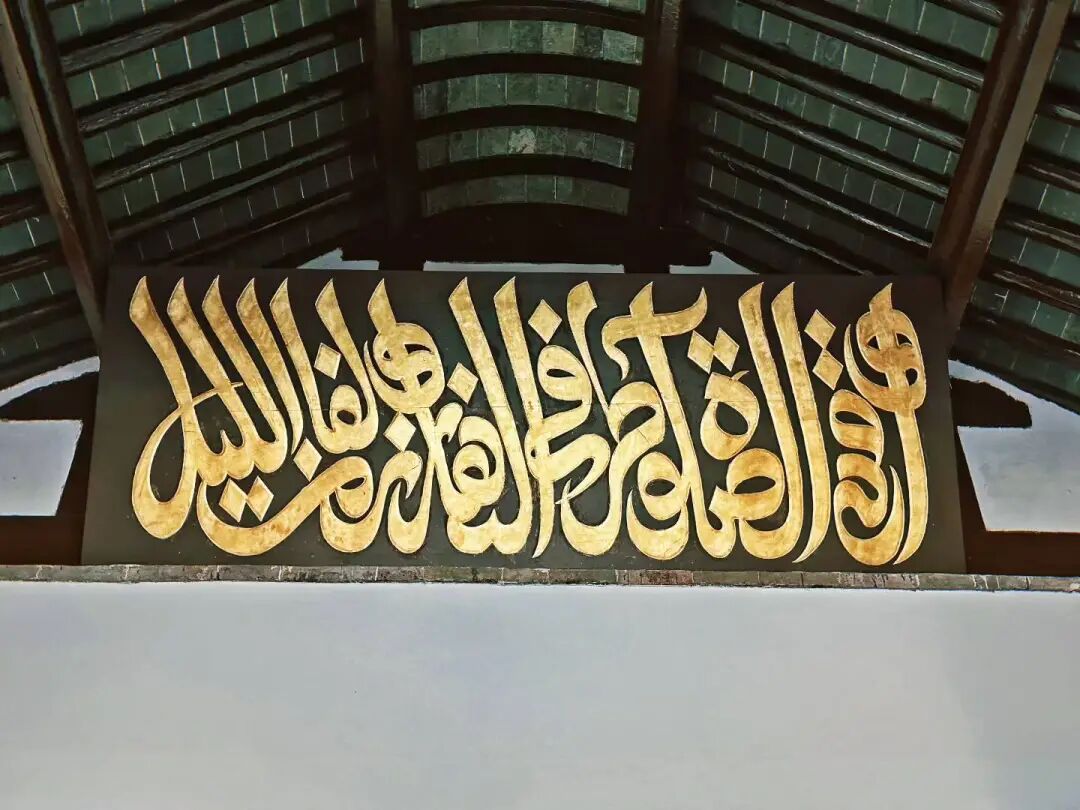
After leaving the South Gate Mosque in Liuhe, we went to the Changjiang Road Mosque in Liuhe to perform the prayer (namaz). The mosque has two imams, one middle-aged and one young. The young imam is from Zhenjiang and just graduated from an Islamic school (zhongjing). He is a very rare and talented young man.
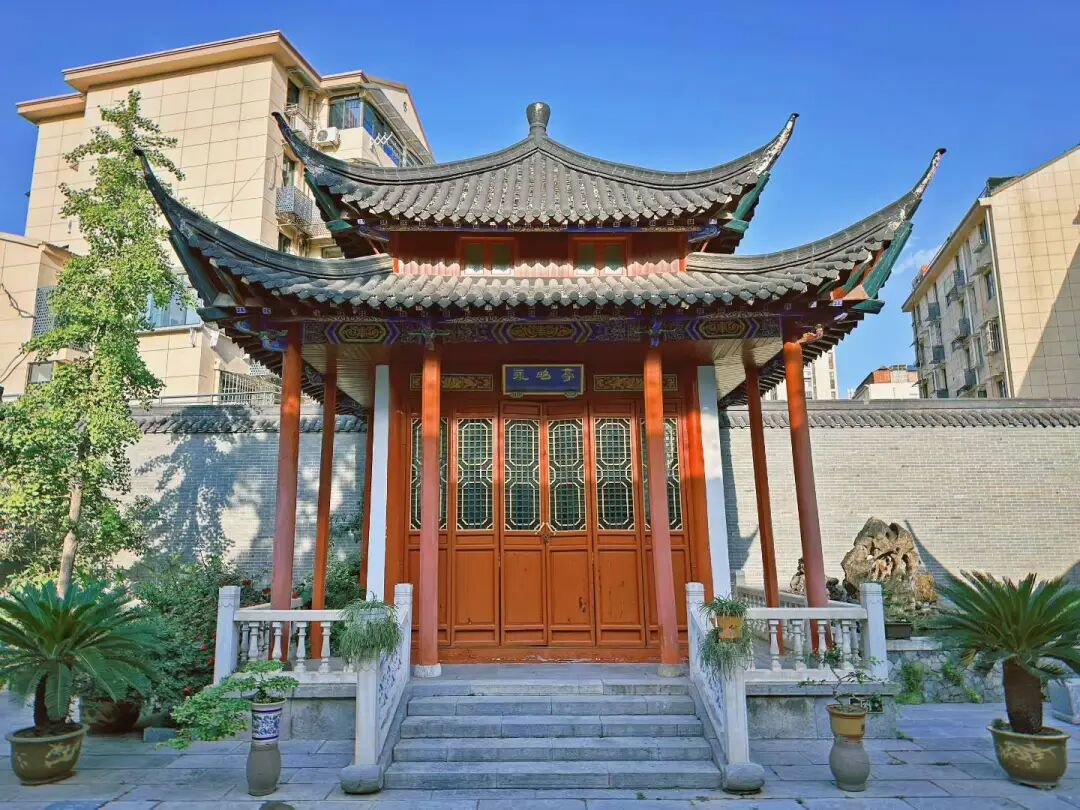
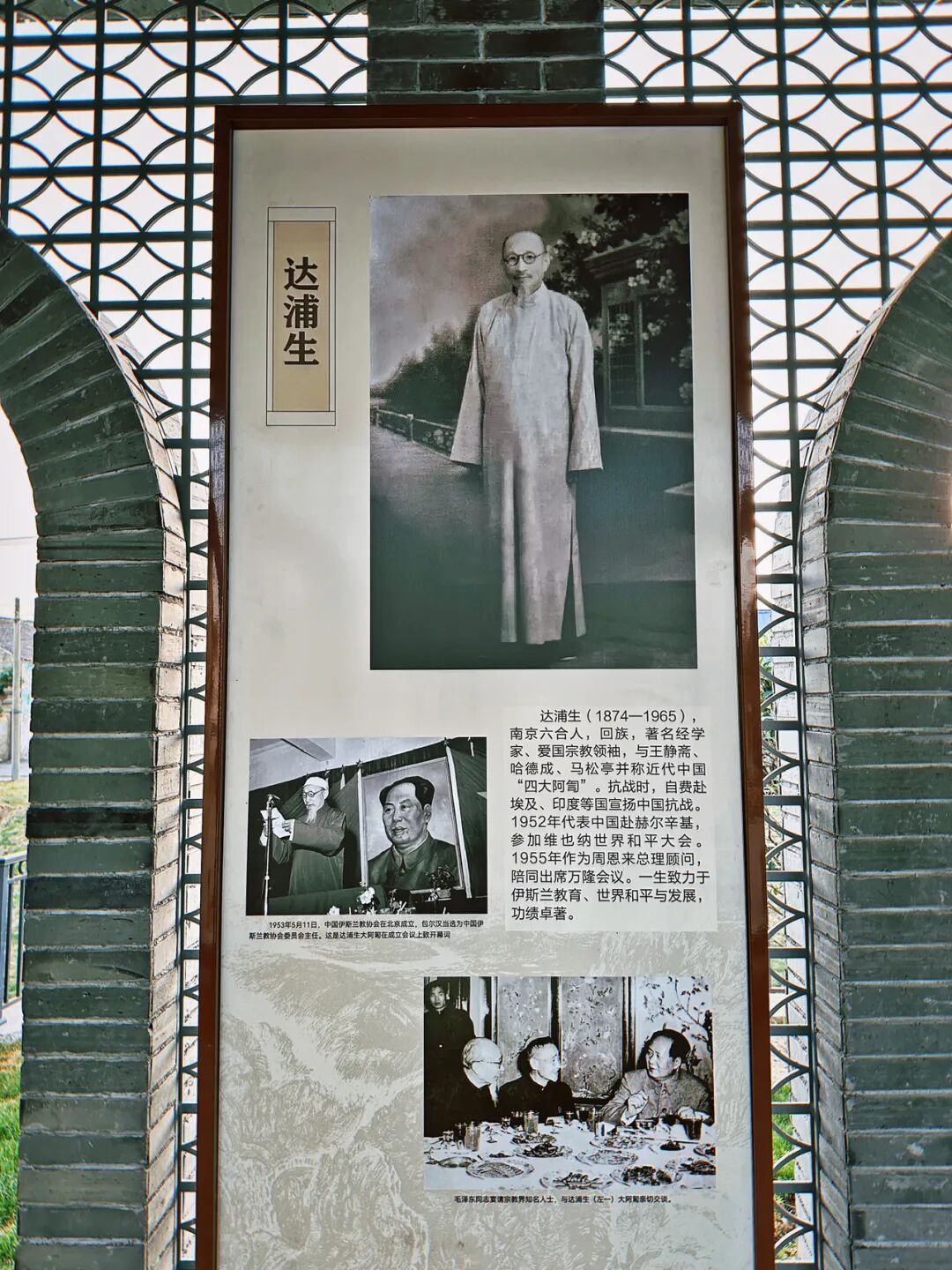
The Changjiang Road Mosque was originally called Chengqingfang. It is also known as the Liuhe North Mosque, the Inner City Mosque, and the Da Family Mosque. It was built in 1424 (the 22nd year of the Yongle reign of the Ming Dynasty) by the Da family of Baiyetang, who had lived in Liuhe for generations. The Changjiang Road Mosque was destroyed by the Taiping Heavenly Kingdom during the Xianfeng reign. Later, the leader Liu Weiting and local elders raised funds to rebuild it. In 1885 (the 11th year of the Guangxu reign), Da Guangyong donated money to build a reception hall. In 1928, Wang Dashi, the widow of the wealthy merchant Wang Zuochen and aunt of the great imam Da Pusheng, donated money to build the Wuxin Pavilion on the original site of the Moon-Watching Tower (Wangyuelou).
In 1899, the great imam Da Pusheng returned to his hometown of Liuhe from the Niujie Mosque in Beijing to serve as the imam of the Changjiang Road Mosque. It was not until 1905, when Imam Wang Kuan from Niujie went on the pilgrimage (hajj), that Imam Da returned to the Niujie Mosque to serve as the acting imam and lead religious affairs. Imam Da founded the Guangyi Primary School inside the Changjiang Road Mosque to promote modern education. He offered courses in Chinese and Arabic, scripture, geography, history, and mathematics. This pioneered the transition from traditional scripture hall teaching to modern education. In a memoir from the early 1950s, Imam Da wrote: 'I worked hard for six years. Perhaps moved by the achievements of Guangyi Primary School, the local Hui Muslims supported the school with great effort... Looking back now, how difficult it was to struggle at that time, to patiently persuade stubborn traditionalists, and to take on responsibilities despite everything without being denounced as anti-religious!'
After 1966, the Changjiang Road Mosque was occupied by a theater troupe and a cultural troupe. It was reclaimed and reopened in 1983.
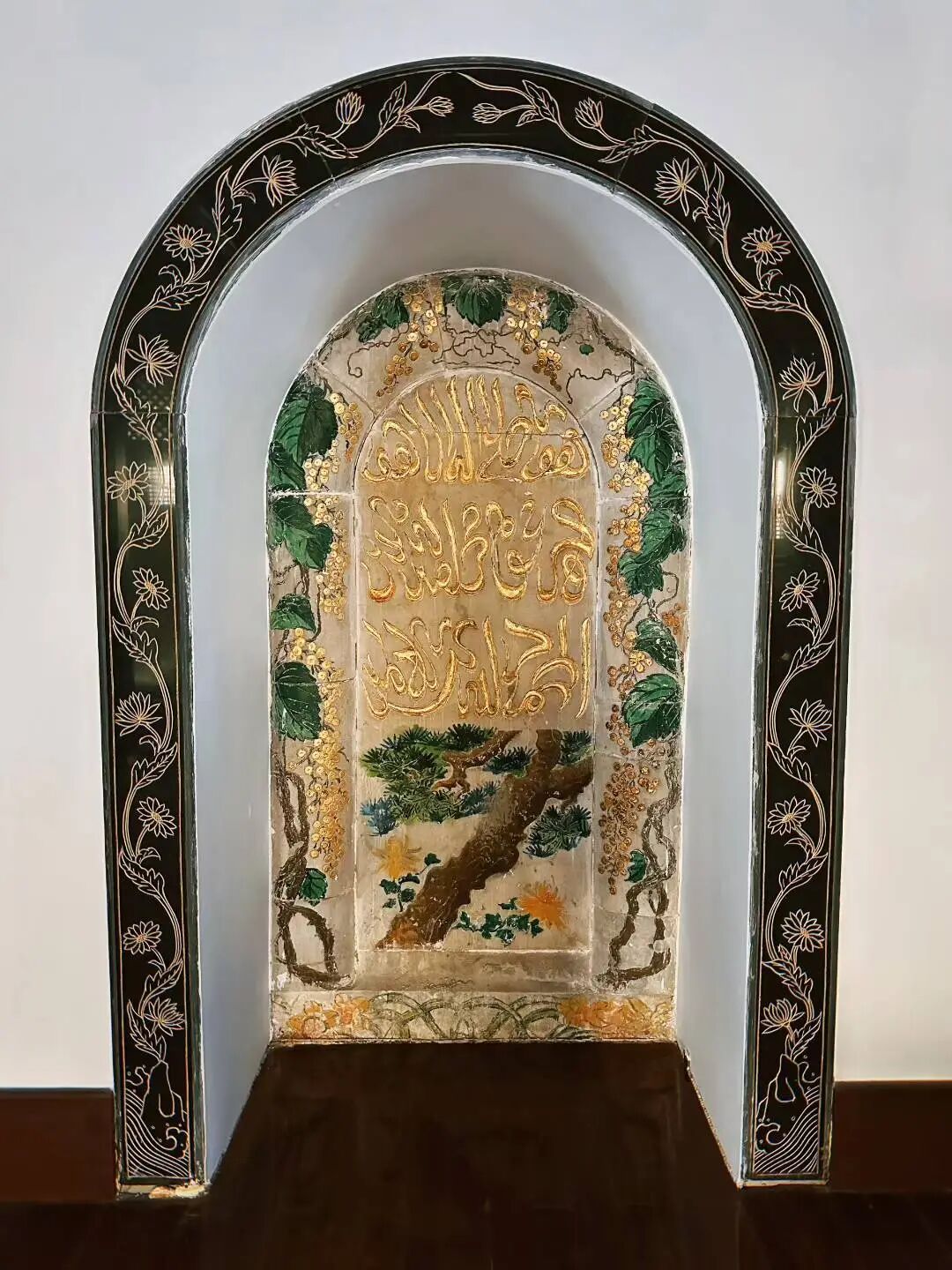
Existing stone tablets at the Liuhe Changjiang Road Mosque:
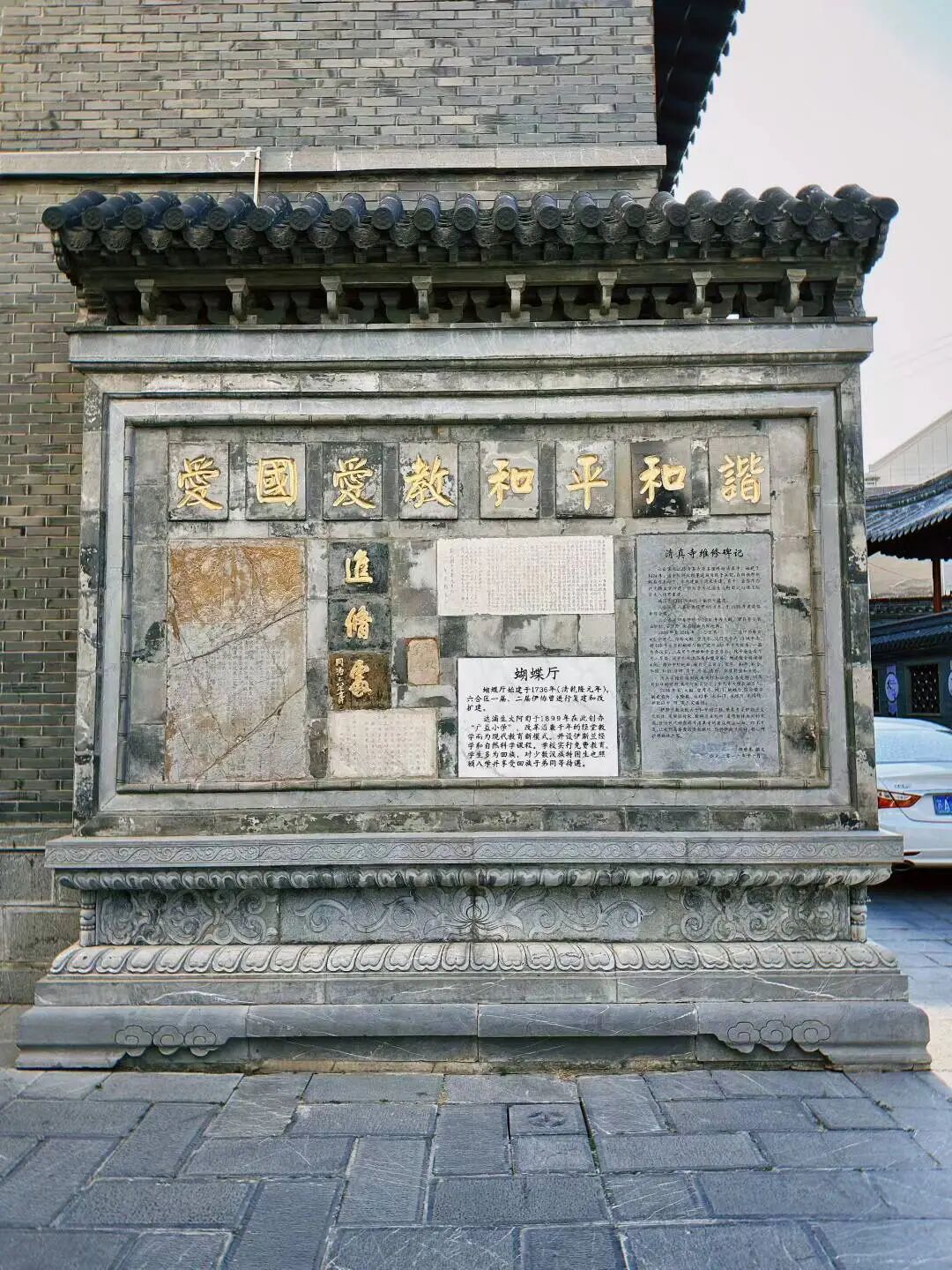
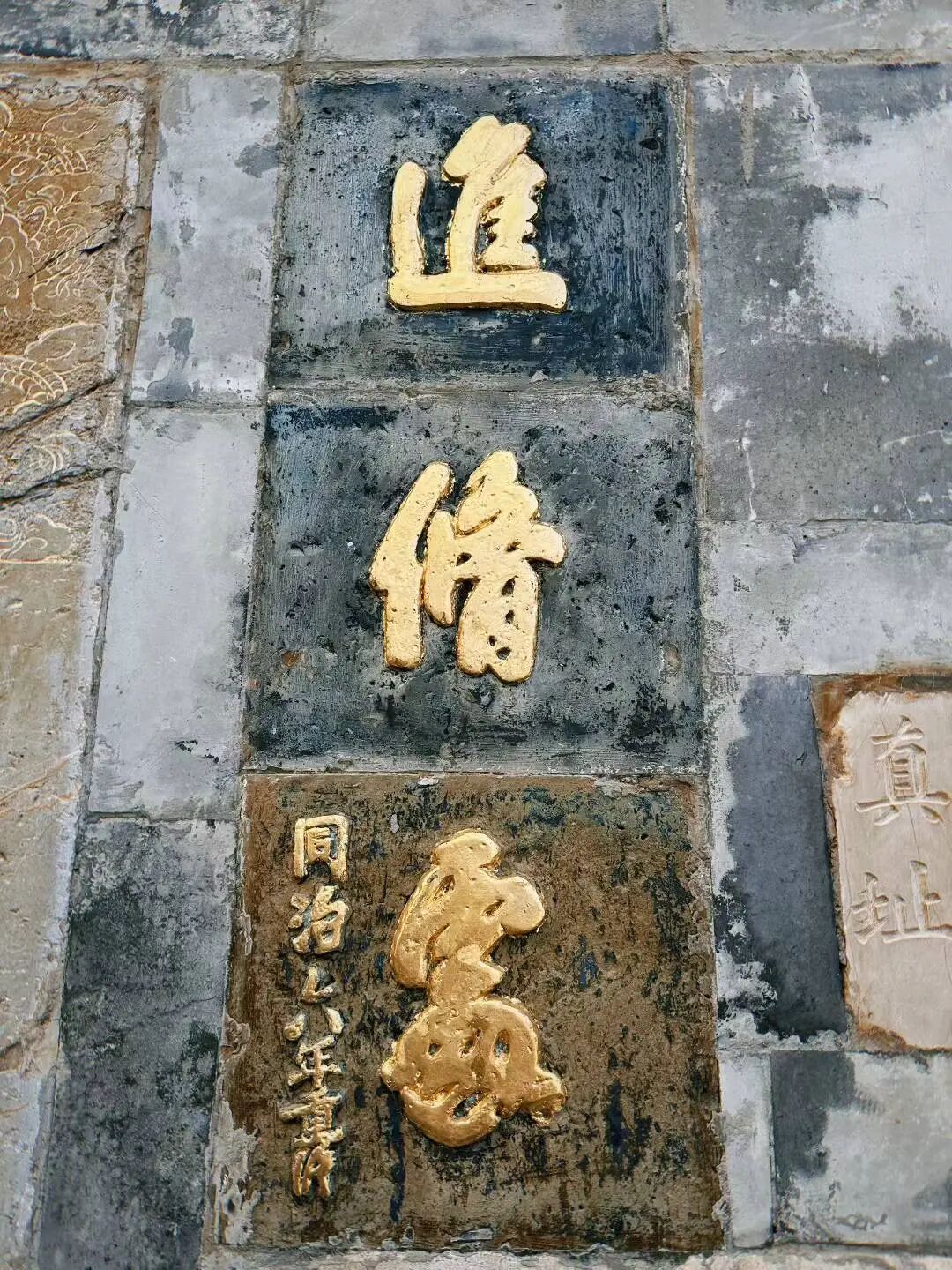
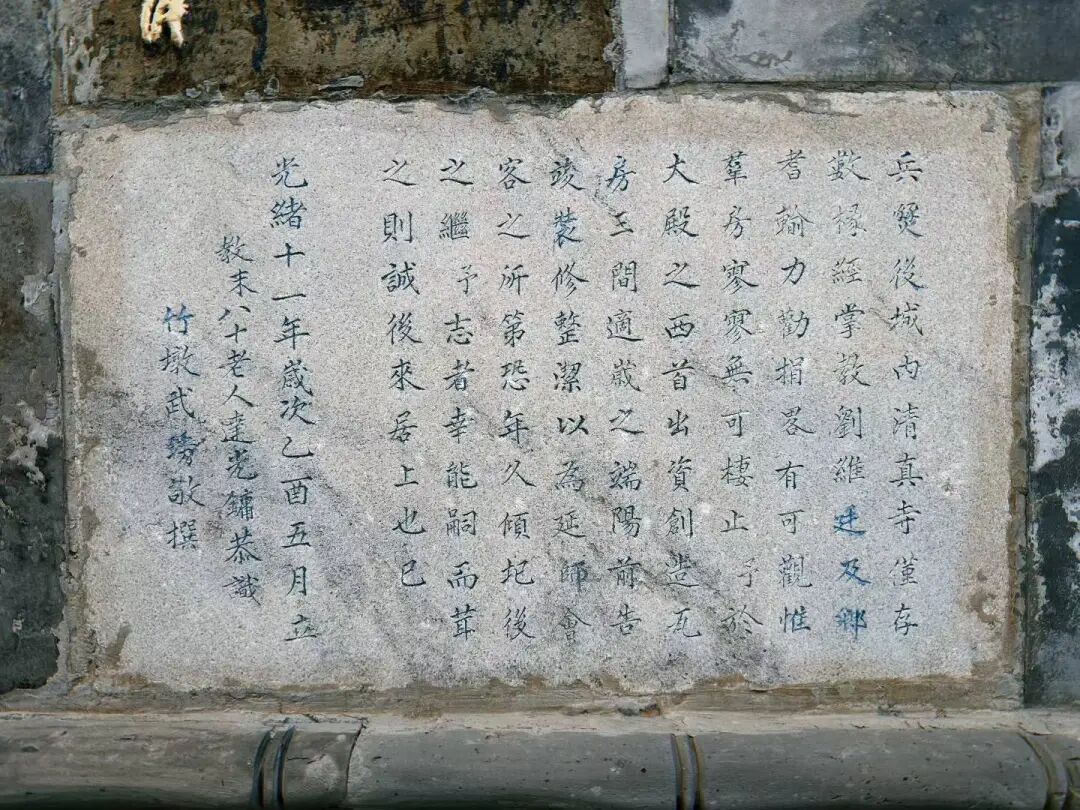
The 1885 (11th year of the Guangxu reign) tablet records that Da Guangyong funded the construction of the reception hall at the Inner City Mosque in Liuhe. Da Guangyong was the 18th-generation descendant of the Baiyetang Da family. He held the rank of ninth-grade official and lived to be 81.
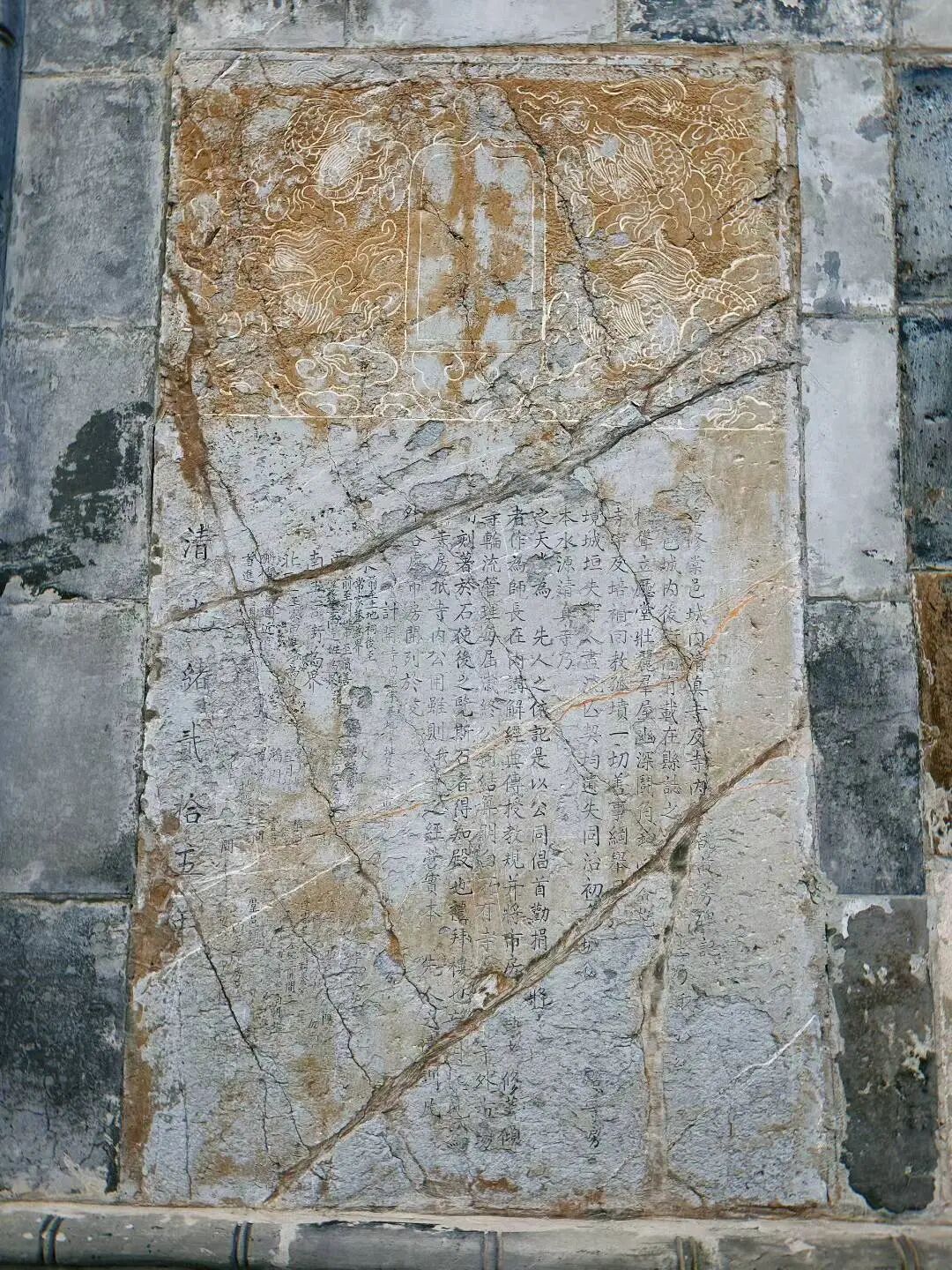
The 1899 (25th year of the Guangxu reign) tablet, titled 'Tablet on the Renovation of the Tangyi Inner City Mosque and the Market Houses Inside and Outside the Mosque,' records the specific situation of the Changjiang Road Mosque during the Guangxu reign. All the signatories were local Hui Muslims from the Da family.
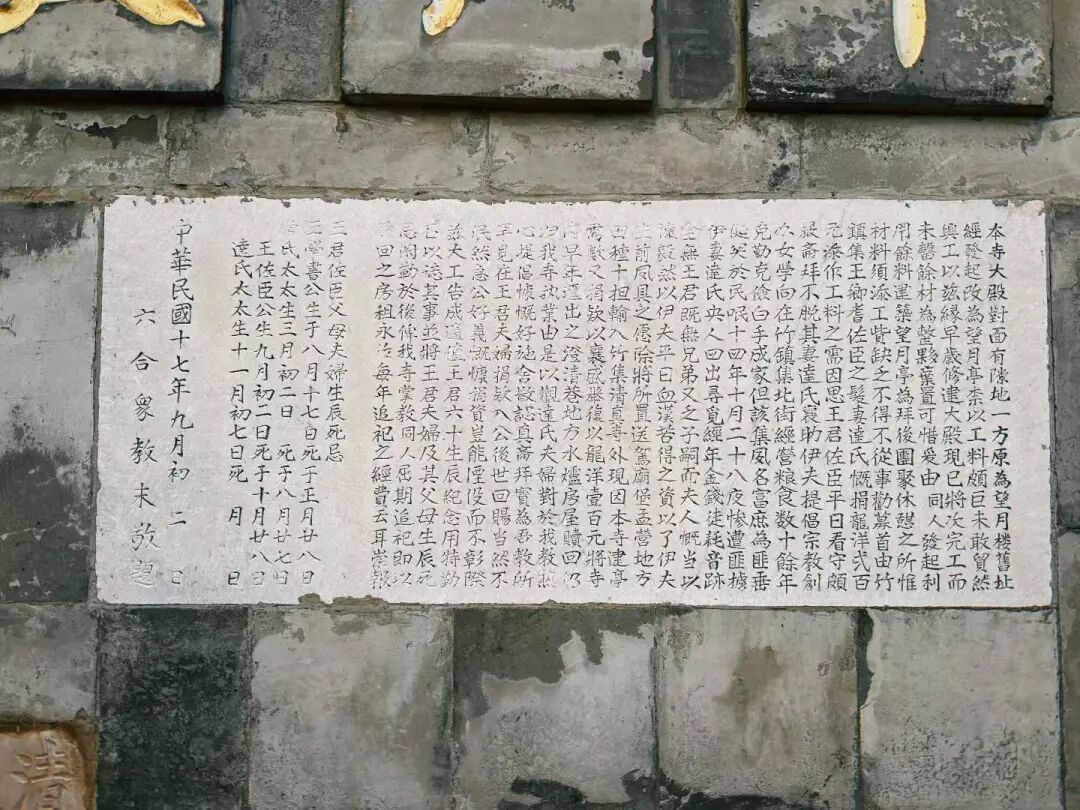
The 1928 (17th year of the Republic of China) tablet, titled 'Tablet on Wang Dashi's Donation to Repair the Moon-Watching Pavilion and Redeem Market Houses,' records that Dashi, the wife of the Zhuzhen elder Wang Zuochen, donated money to build the Moon-Watching Pavilion (Wangyue Ting). Wang Zuochen was a Hui Muslim from Zhuzhen in Liuhe. He ran a grain business on North Street in Zhuzhen for decades. He was very devout, never missing his daily namaz or fasting, but in 1925, bandits suddenly kidnapped him, and he was never heard from again. Wang Zuochen's wife, surnamed Da, was also very devout and founded the Zhuzhen Girls' School. After her husband went missing, Mrs. Da spent years asking people to help find him, but there was no result. Because Wang Zuochen had no brothers or children, Mrs. Da donated all the family's money to the Zhuzhen mosque and to build the Moon-Watching Pavilion (wangyueting) at the Changjiang Road mosque.
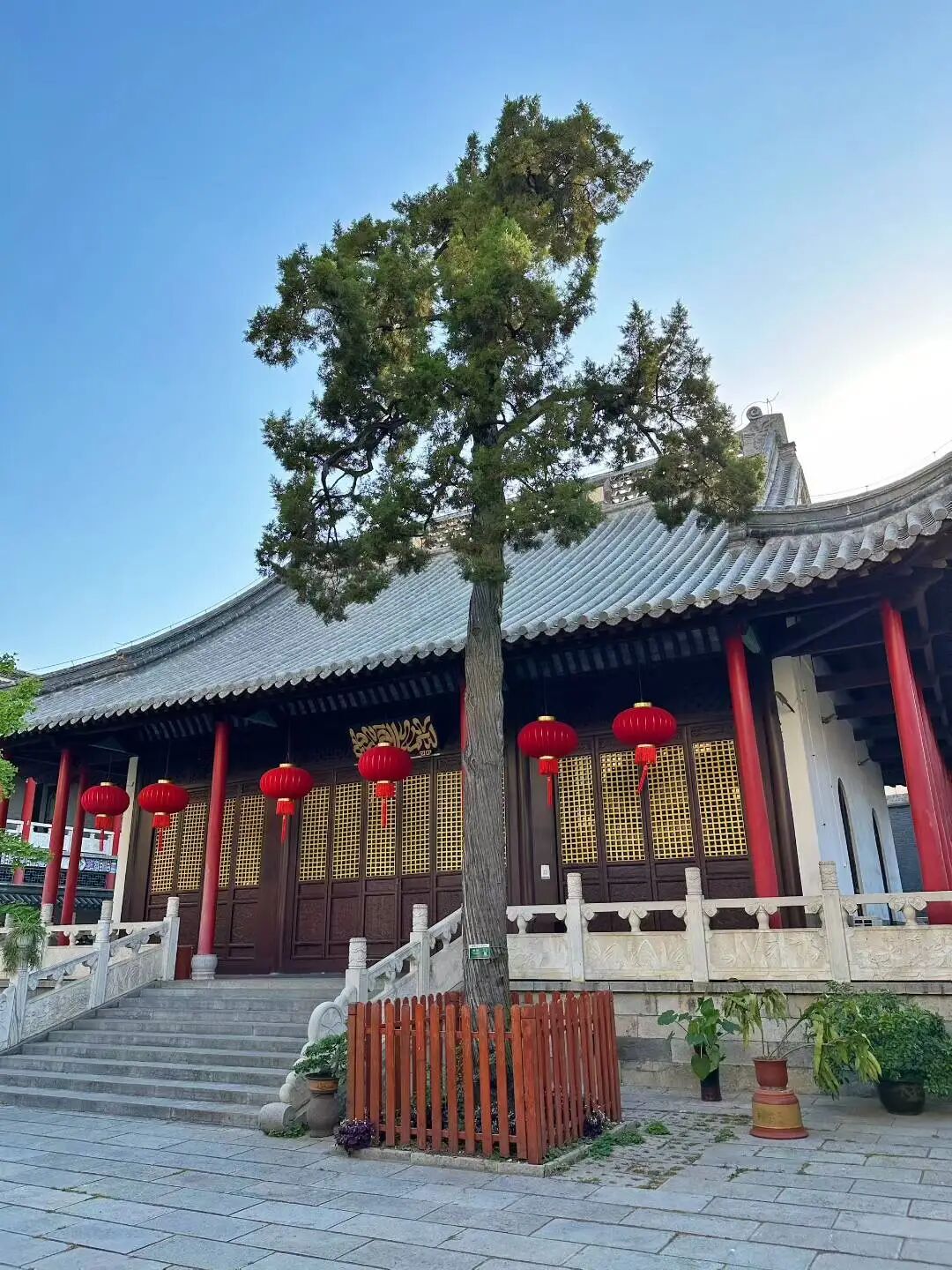
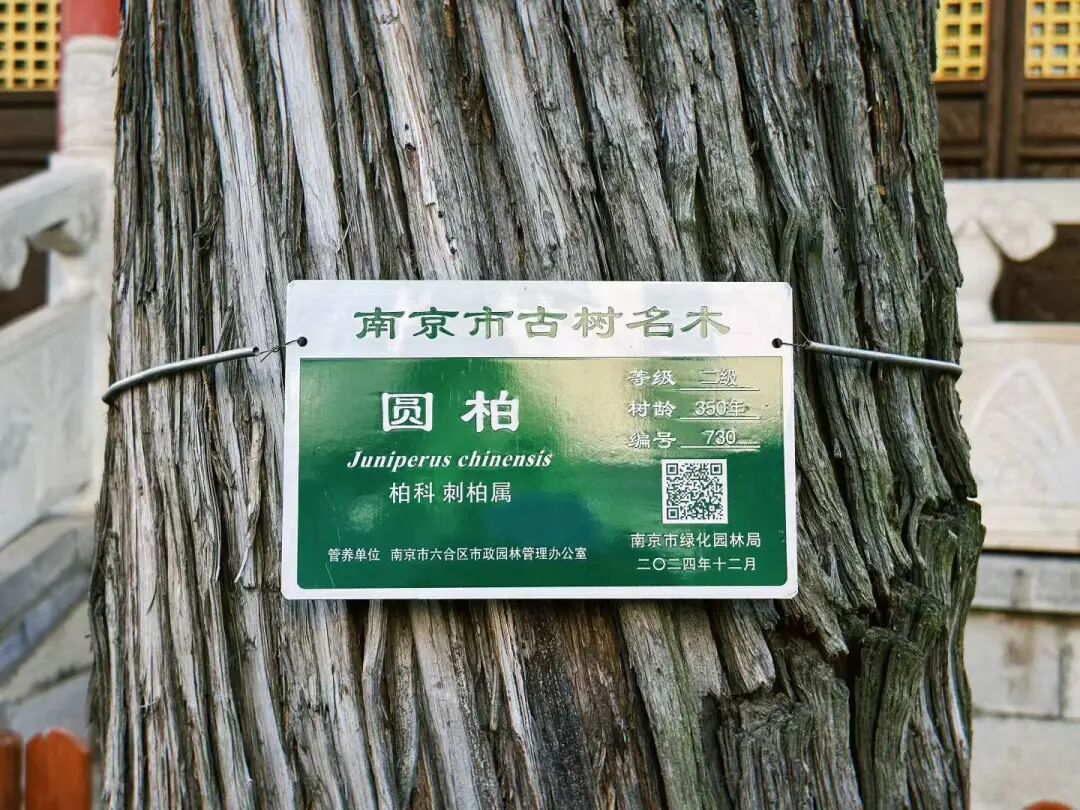
Inside the mosque, there is also a 350-year-old Chinese juniper (yuanbai) tree.
Zhuzhen Mosque
Continuing north from Liuhe, we arrived at Zhuzhen, the northernmost town in Nanjing.
The Zhuzhen mosque was originally located outside East Bridge. It was destroyed during the Taiping Rebellion and rebuilt in 1901 (the 27th year of the Guangxu reign) in Wang Family Lane in the middle of the old street. In 1968, the Zhuzhen mosque was turned into a dormitory for teachers at an agricultural middle school. It was reclaimed and reopened in 1983, and the main hall was rebuilt in 2001.
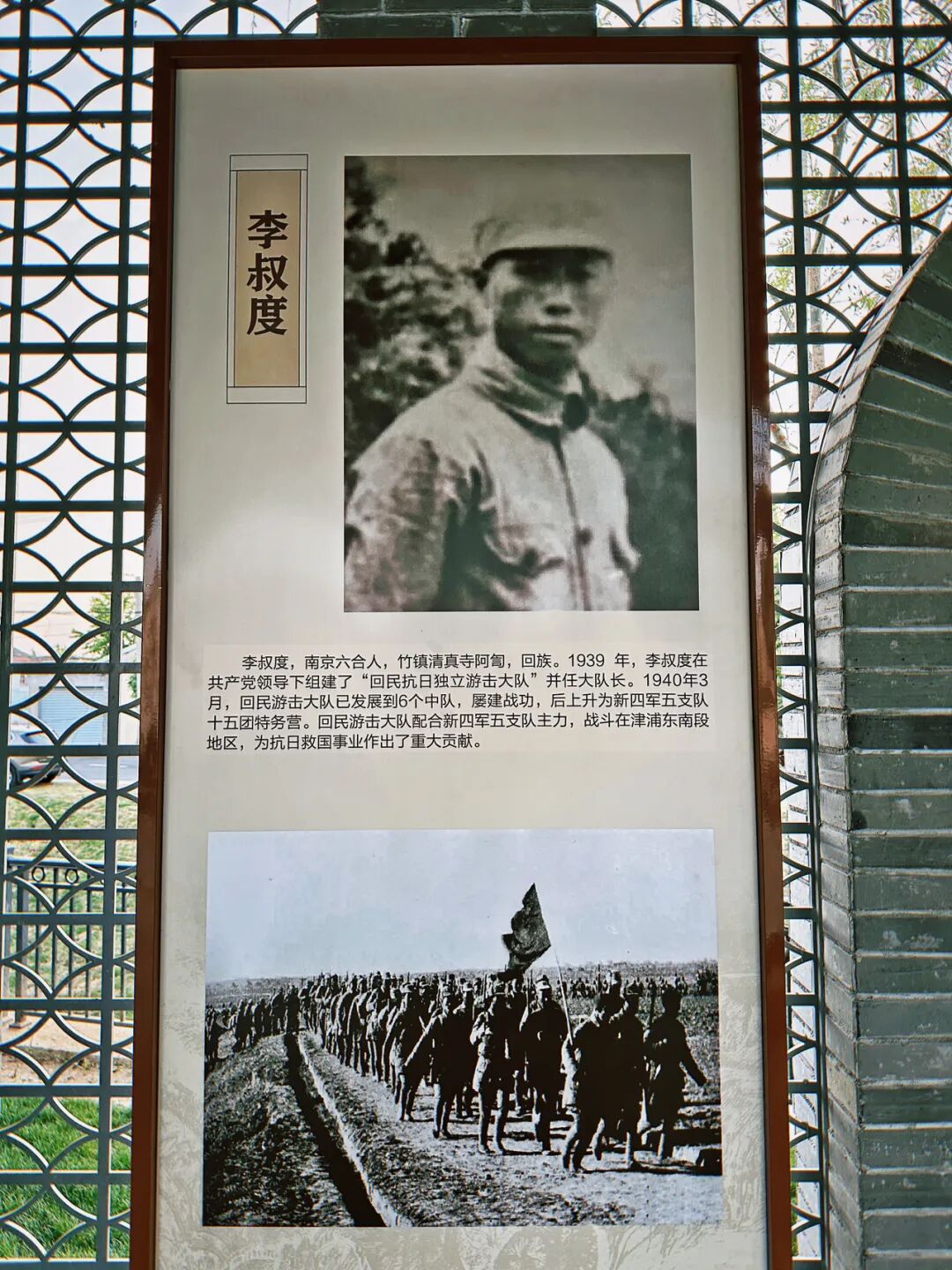
In 1939, the imam of Zhuzhen mosque, Li Shudu, formed the Hui Muslim Anti-Japanese Independent Guerrilla Battalion and served as its commander. He worked with the New Fourth Army and made significant contributions to the anti-Japanese cause.
Additionally, in 1939, Hui Muslims from the Bridge Group (qiaobang) in the Gaoyou and Lingtang areas built a mosque near Xinhua Garden on the west side of Zhuzhen. After 1966, it was converted into a Hui Muslim food processing factory.
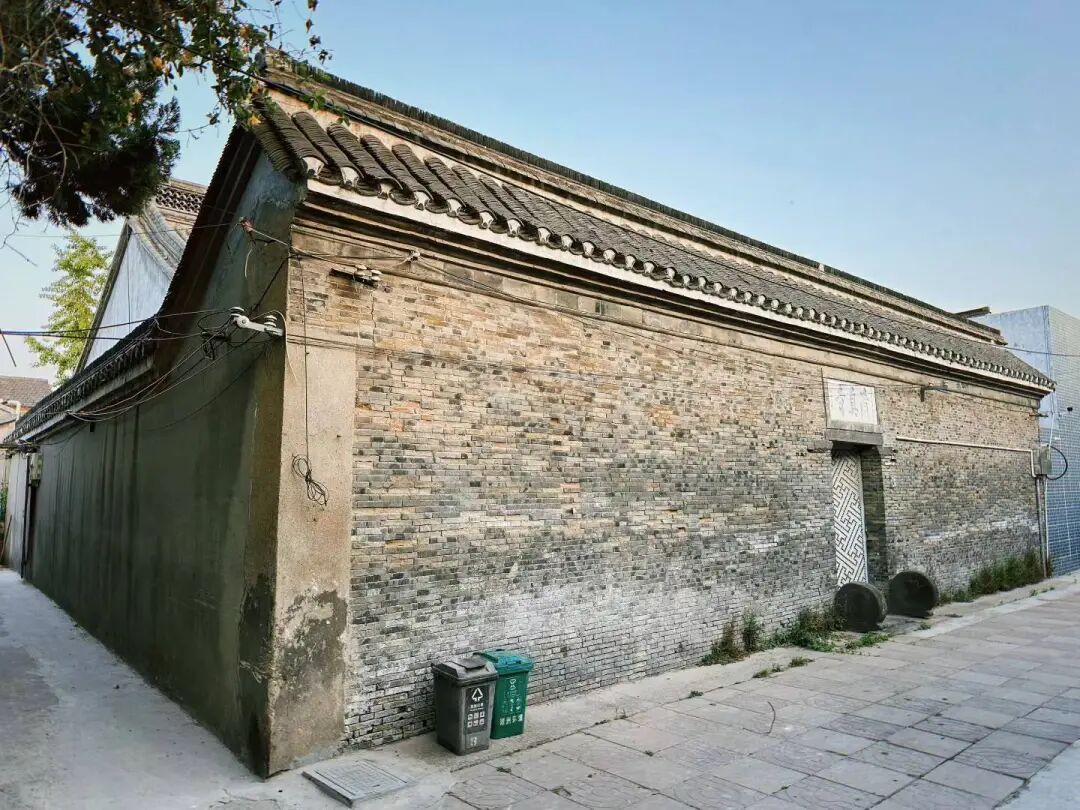
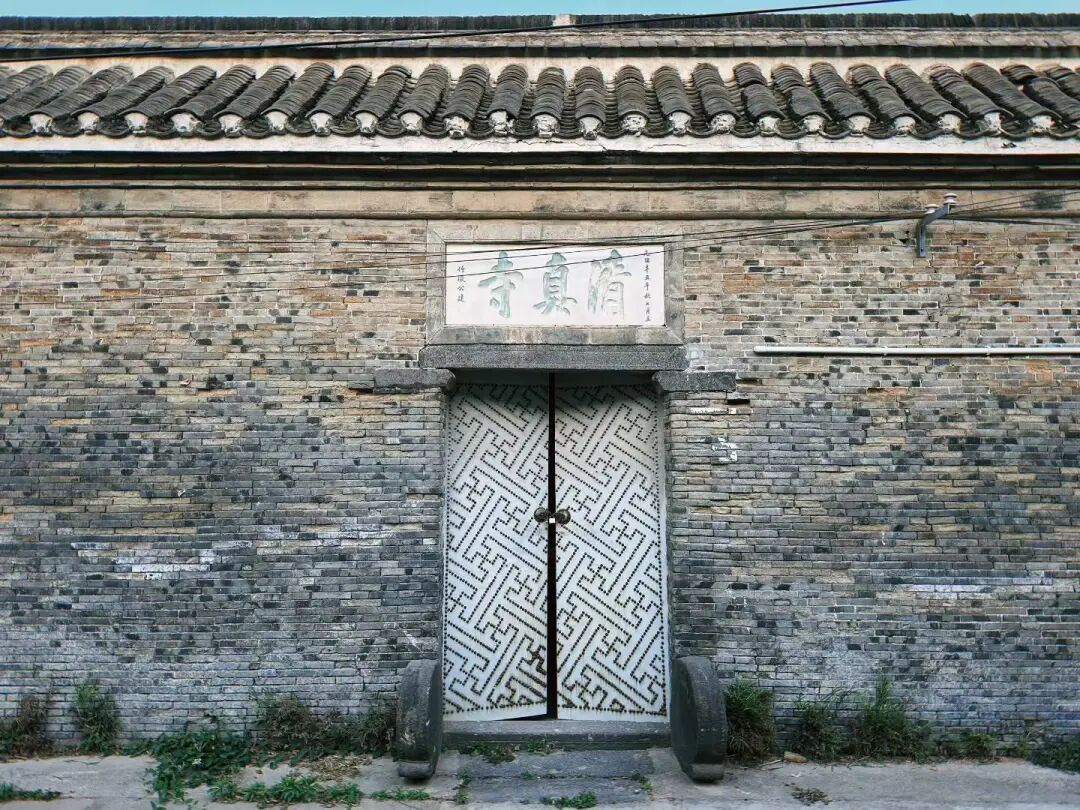
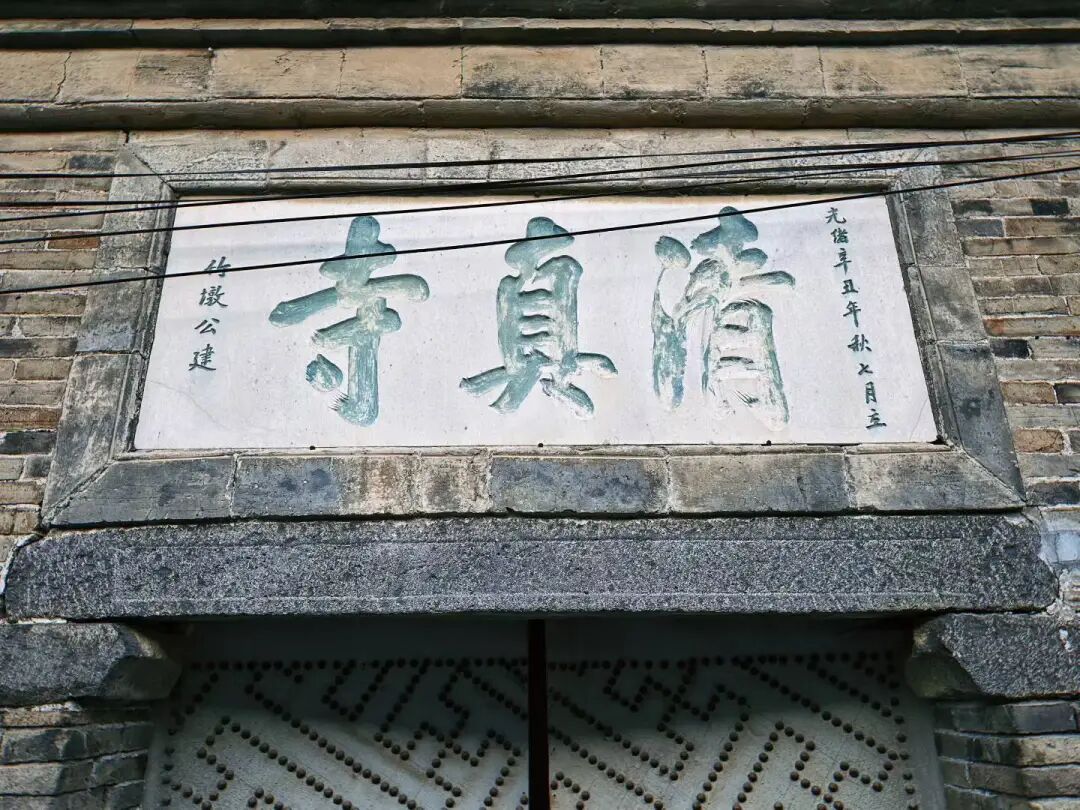
The Zhuzhen mosque still has a door lintel from the Qing Dynasty's Guangxu period inscribed with the words 'Built by the Zhudun Community.' Zhudun is the old name for Zhuzhen.
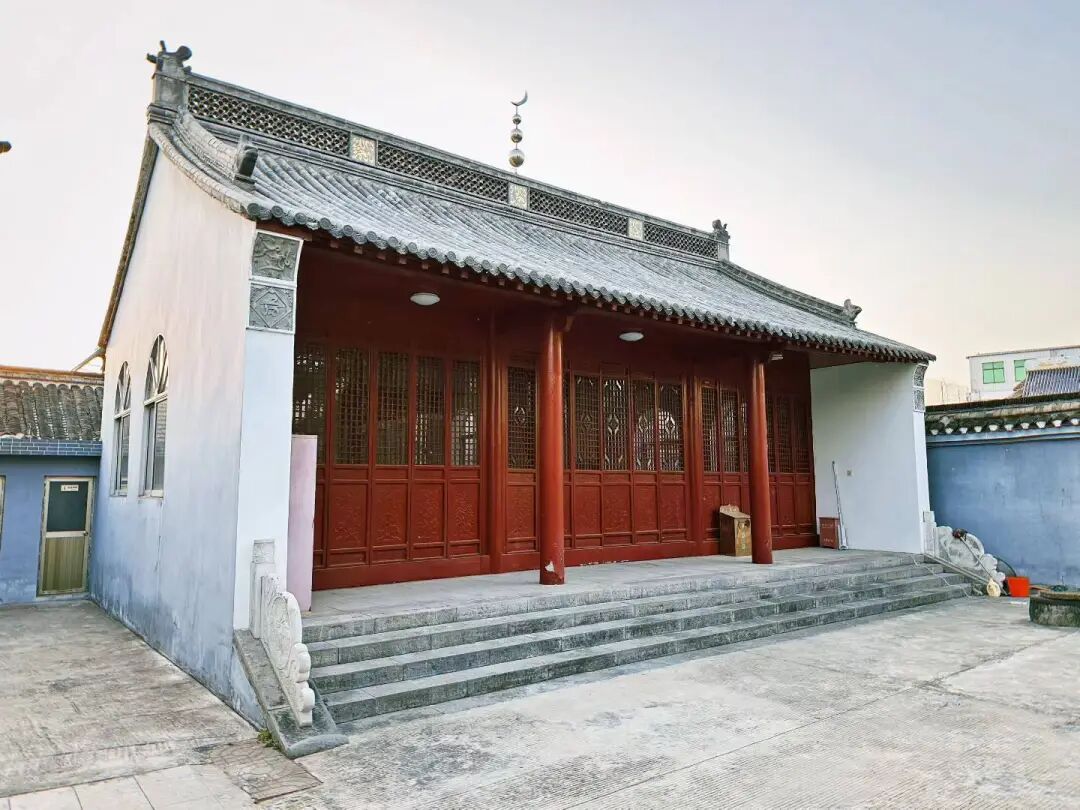
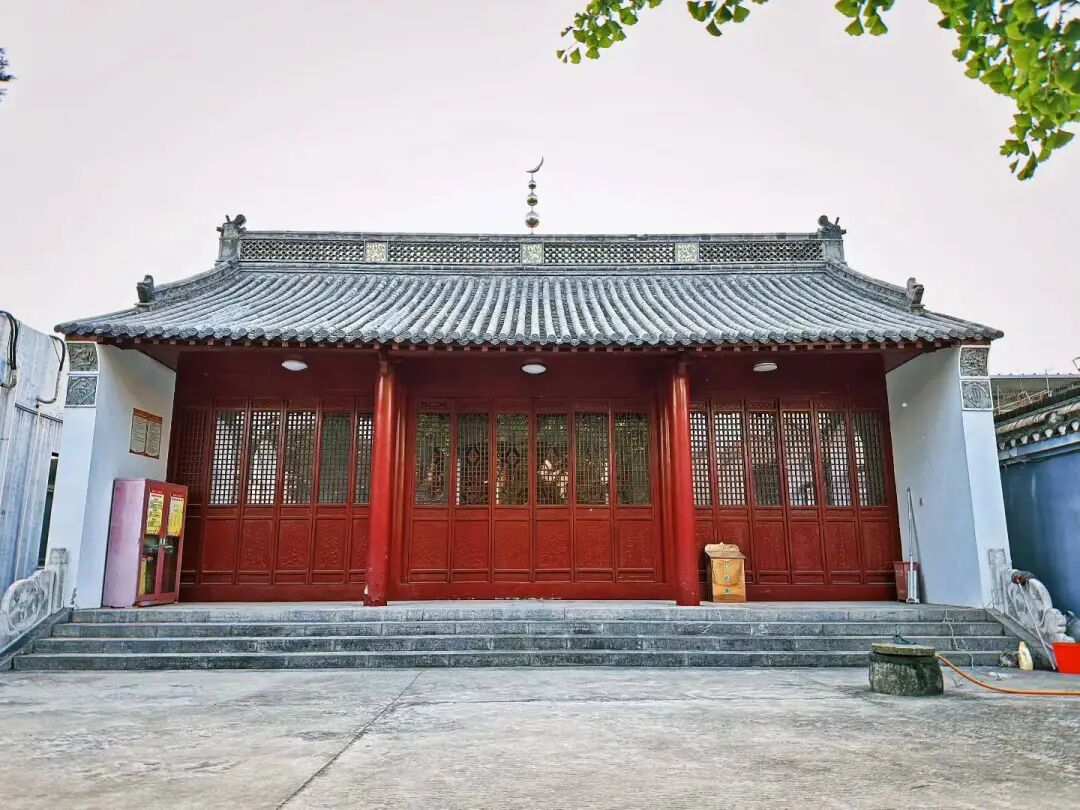
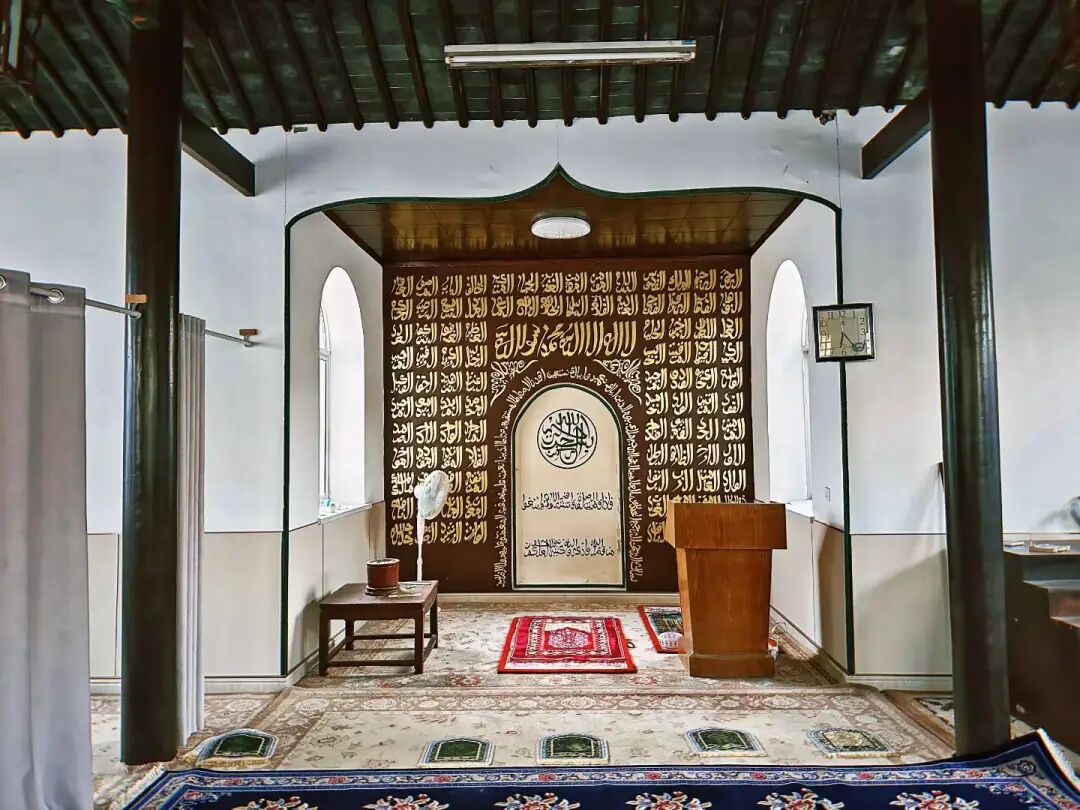
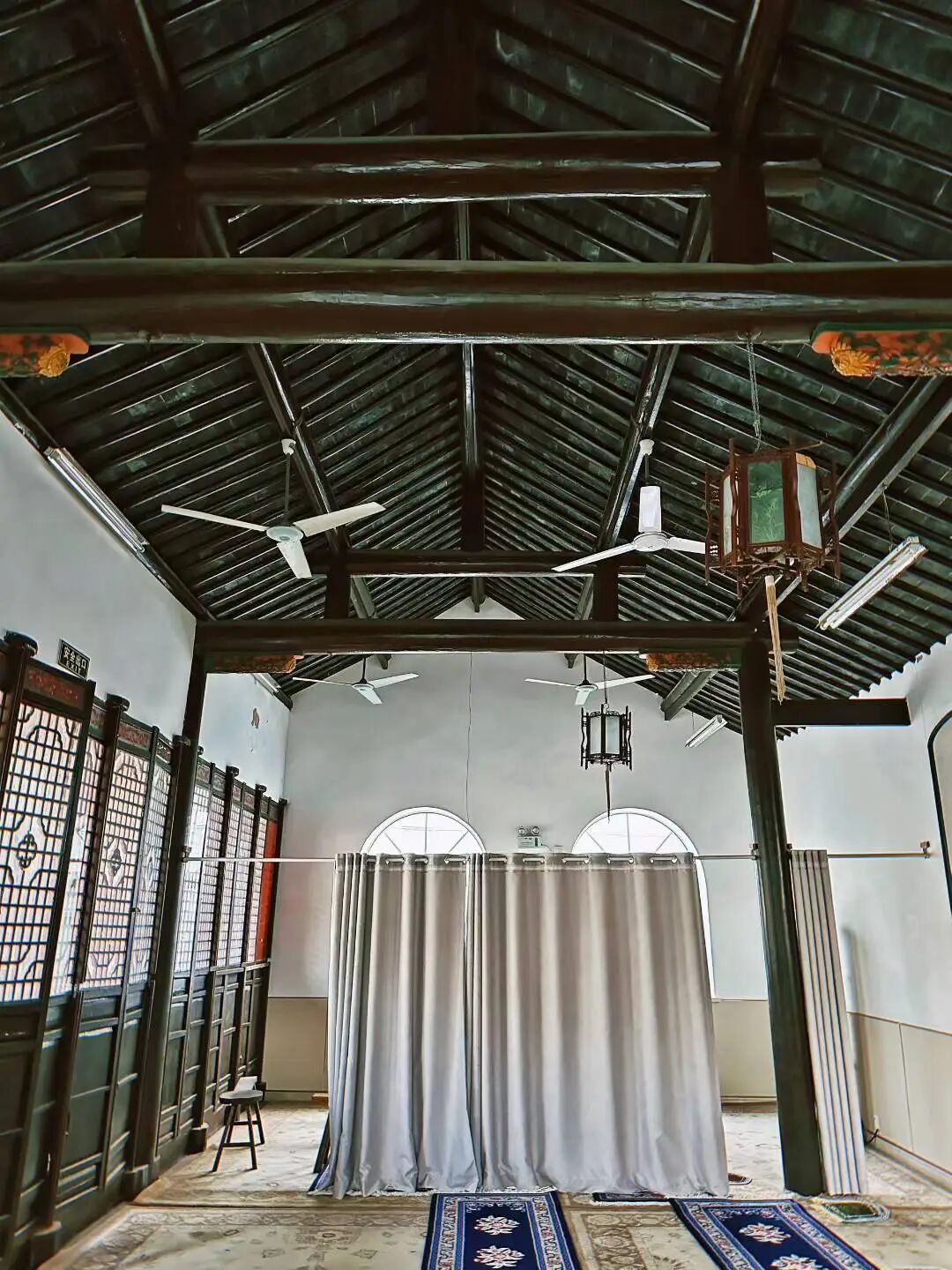
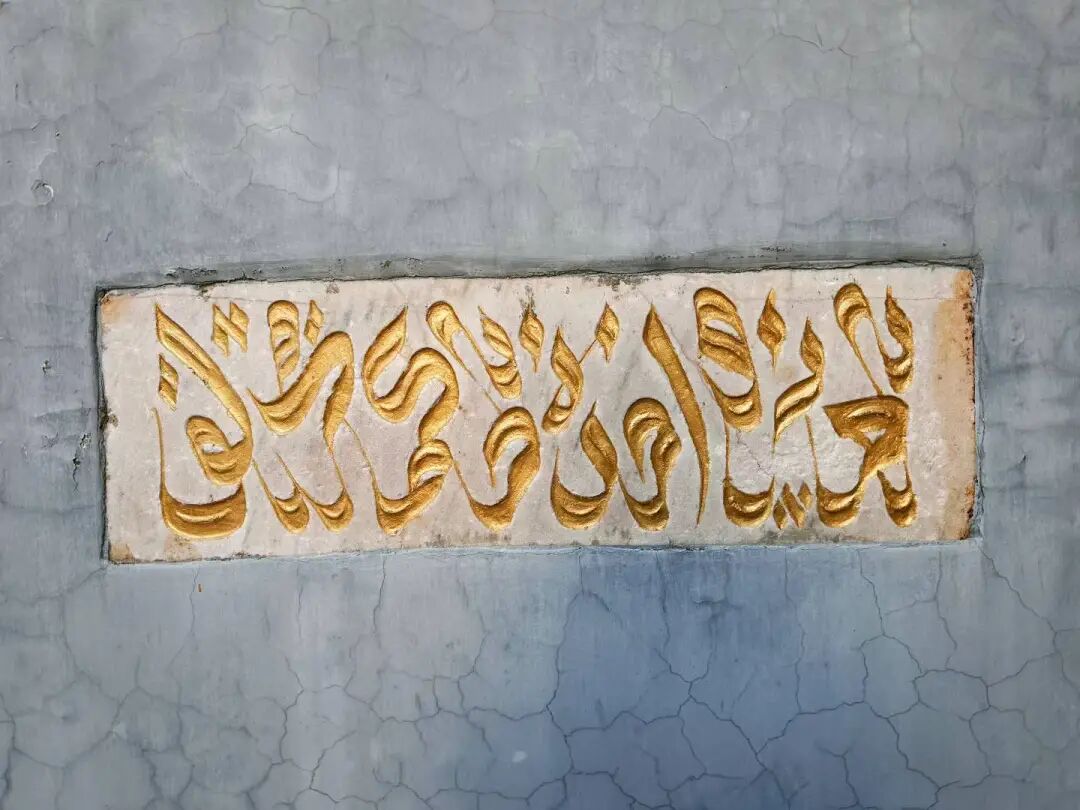
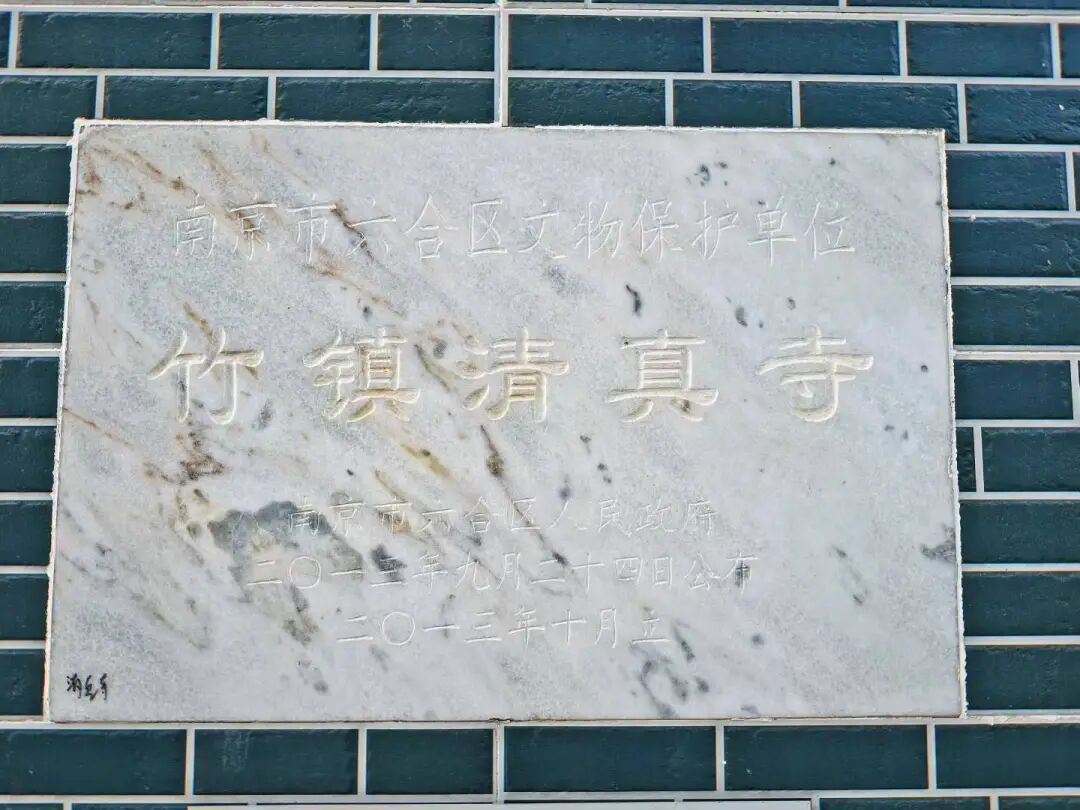
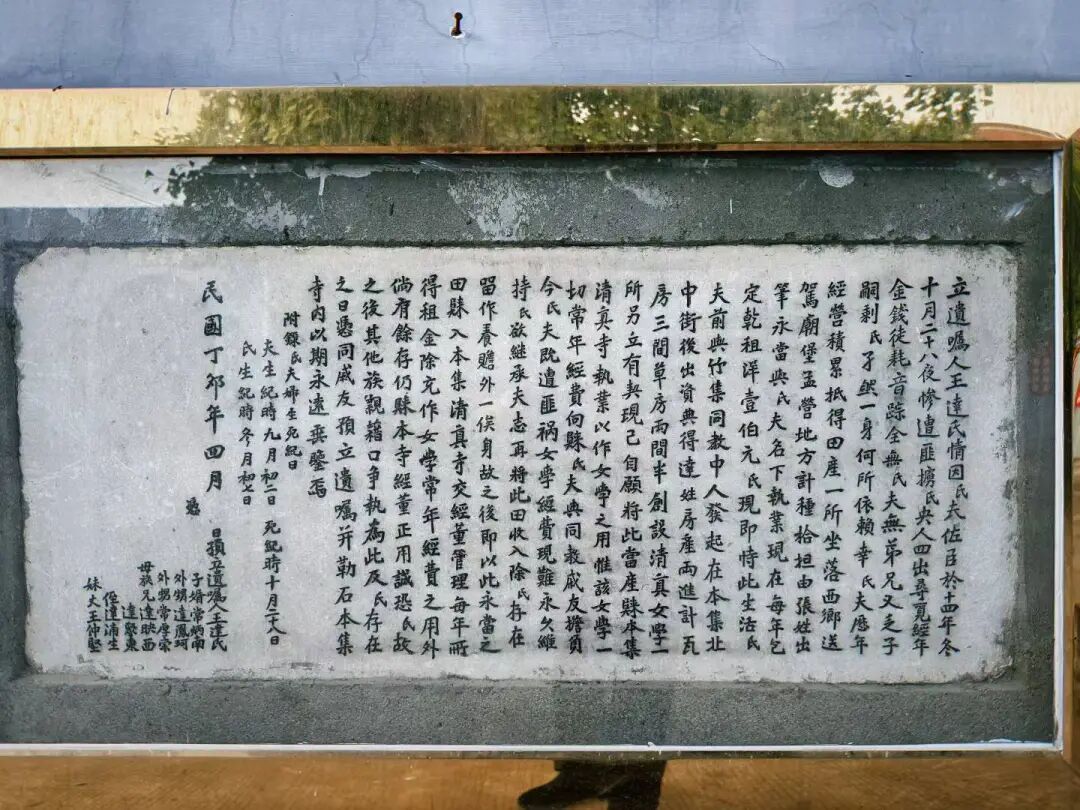
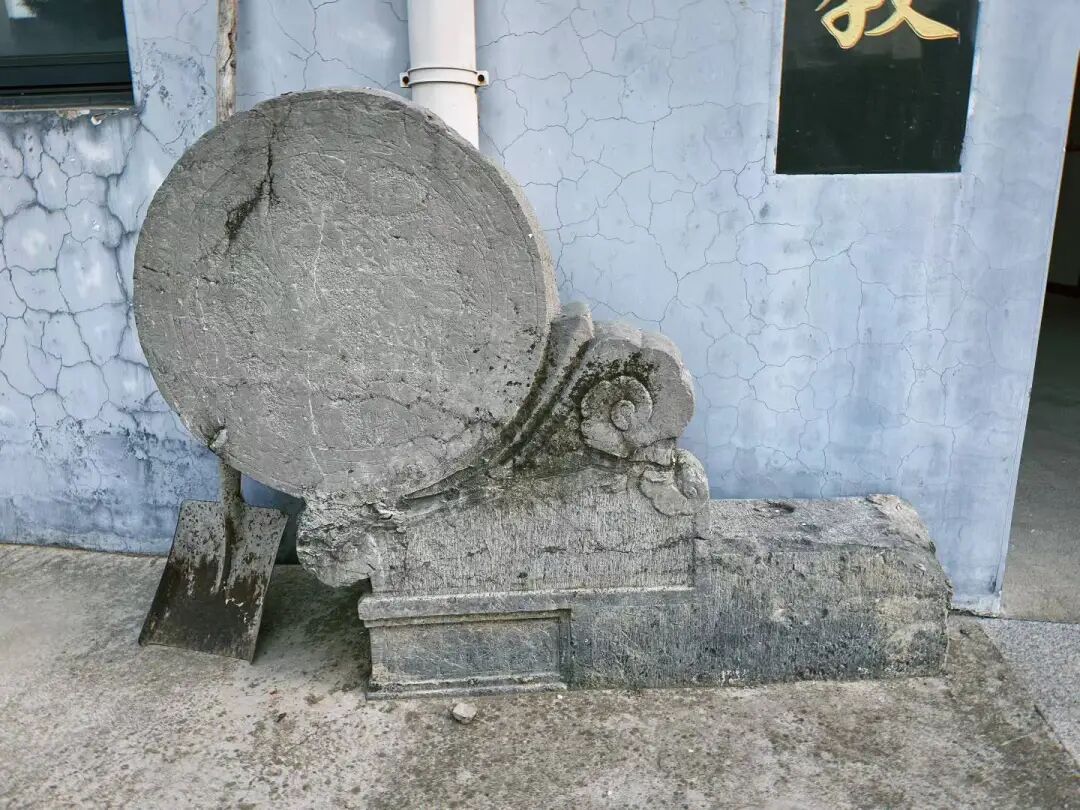
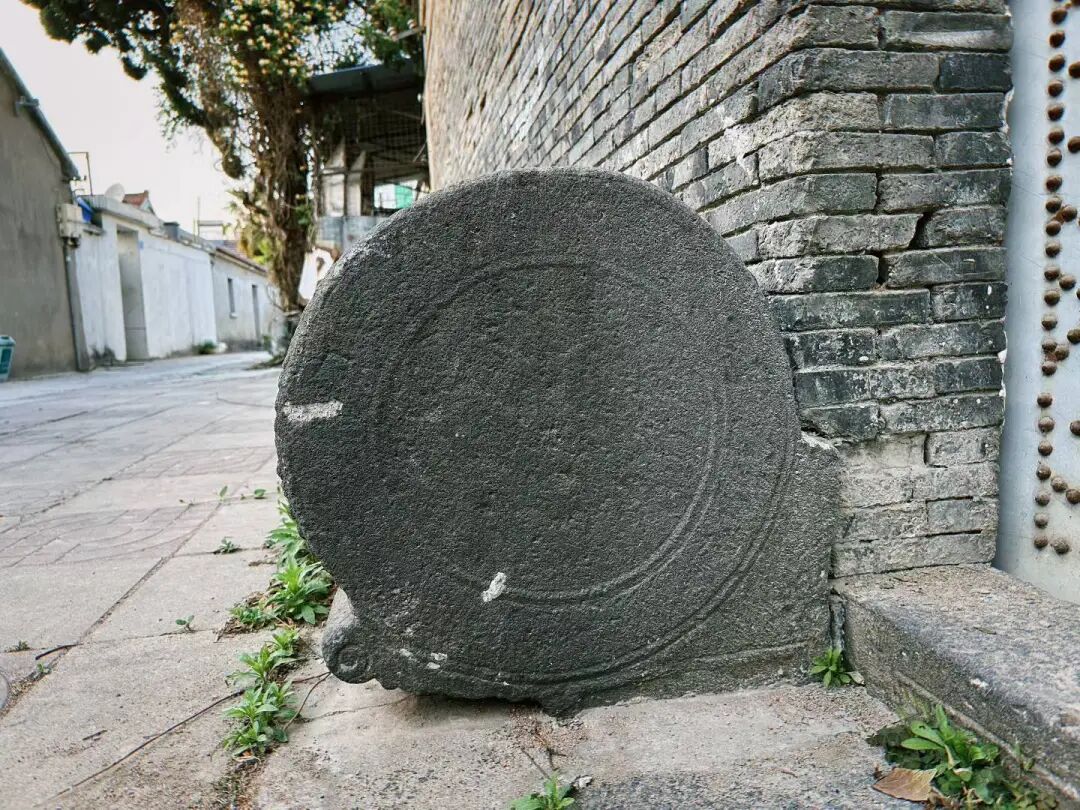
The Zhuzhen mosque in Liuhe houses a Qing Dynasty stone well called 'Pine Spring' (songquan), two pairs of drum-shaped stone bases (baogushi), and a stele from the 16th year of the Republic of China (1927) recording the will of Wang Zuochen's wife, Mrs. Da, who donated her property. Mrs. Da was the aunt of the great imam Da Pusheng. The inscription records that the Zhuzhen Girls' School was founded by Wang Zuochen and fellow members of the faith, with funding provided by Wang Zuochen and his fellow believers. Later, Wang Zuochen was kidnapped by bandits and remained missing for years. Because of this, Wang Zuochen's wife, Mrs. Da, decided to donate all their farmland and property, except for a portion kept for her own support. The funds were mainly used for the daily expenses of the Zhuzhen Girls' School, with the remainder going to the Zhuzhen mosque. The inscription mentions her 'nephew Da Pusheng'.
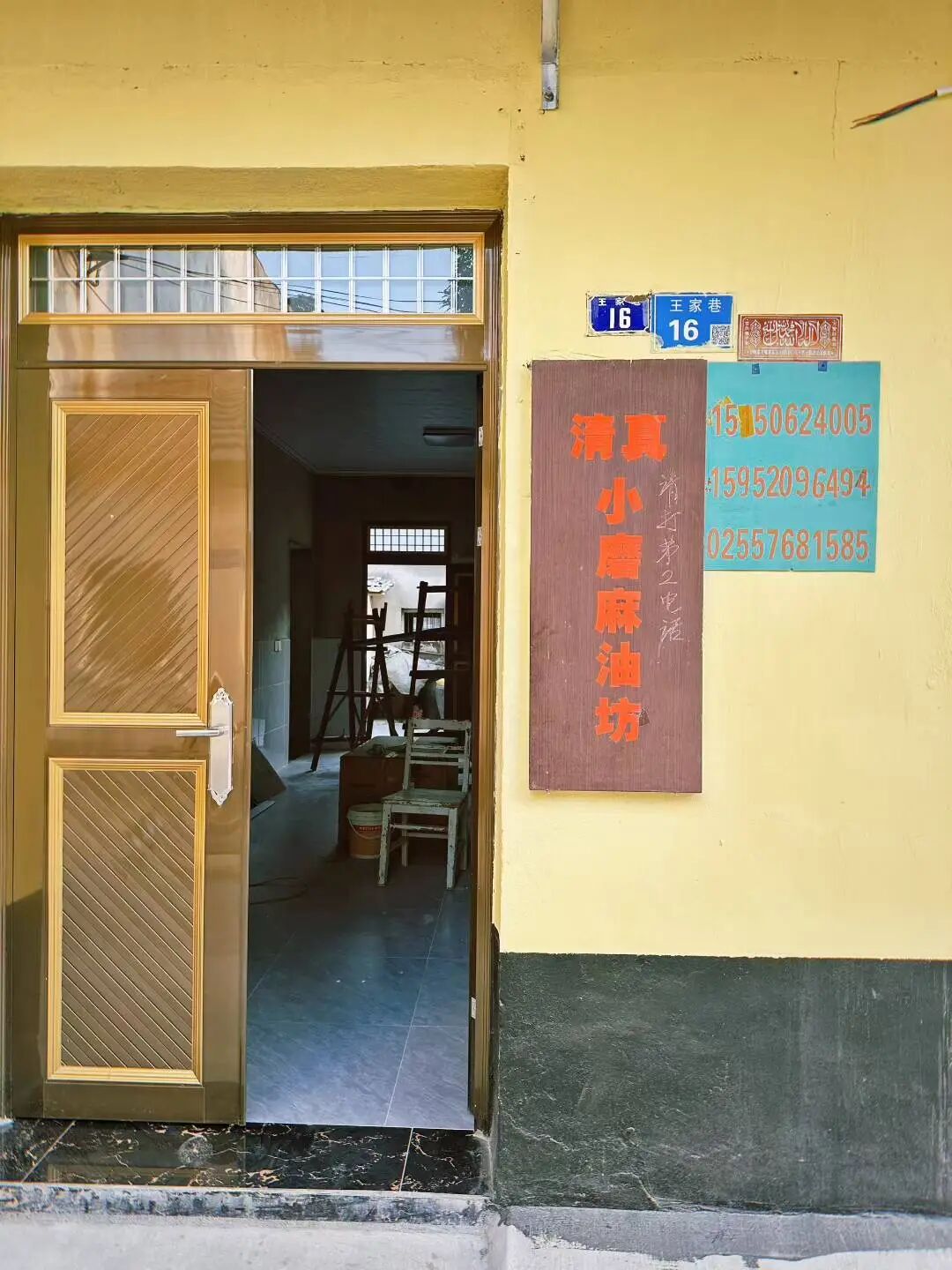
Across from the Zhuzhen Mosque, there is a shop selling small-mill sesame oil (xiaomo mayou), and the only restaurants in town serve hand-pulled noodles (lamian).
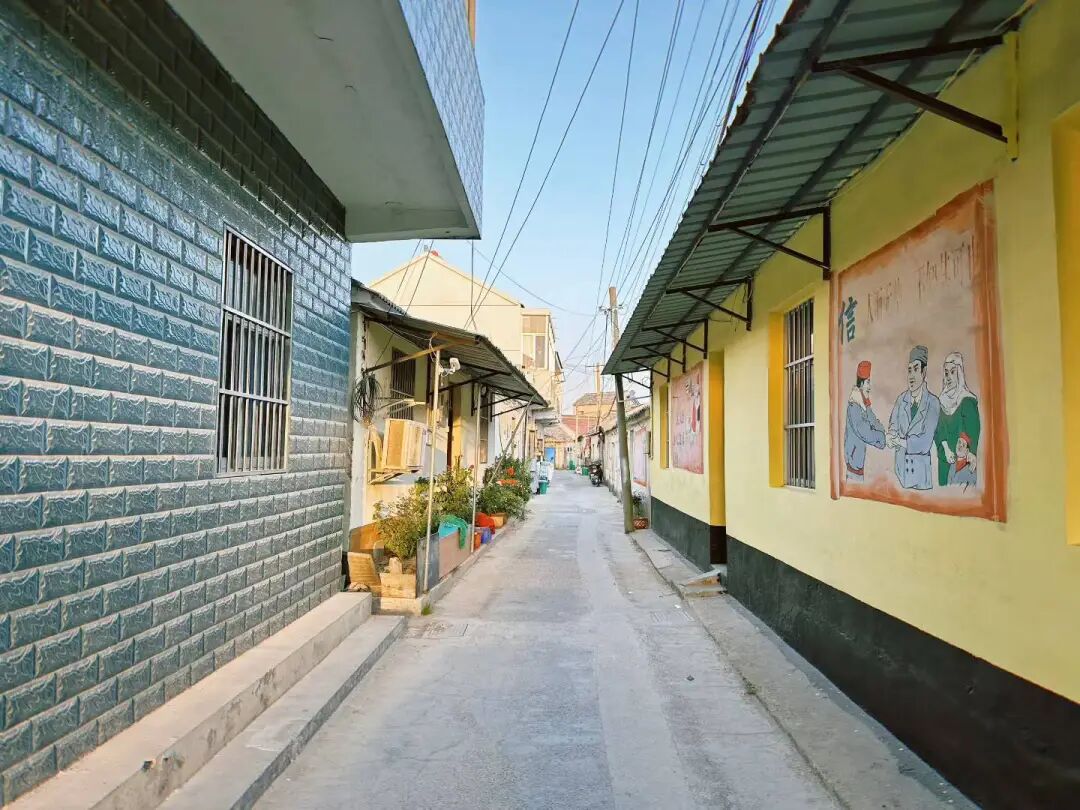
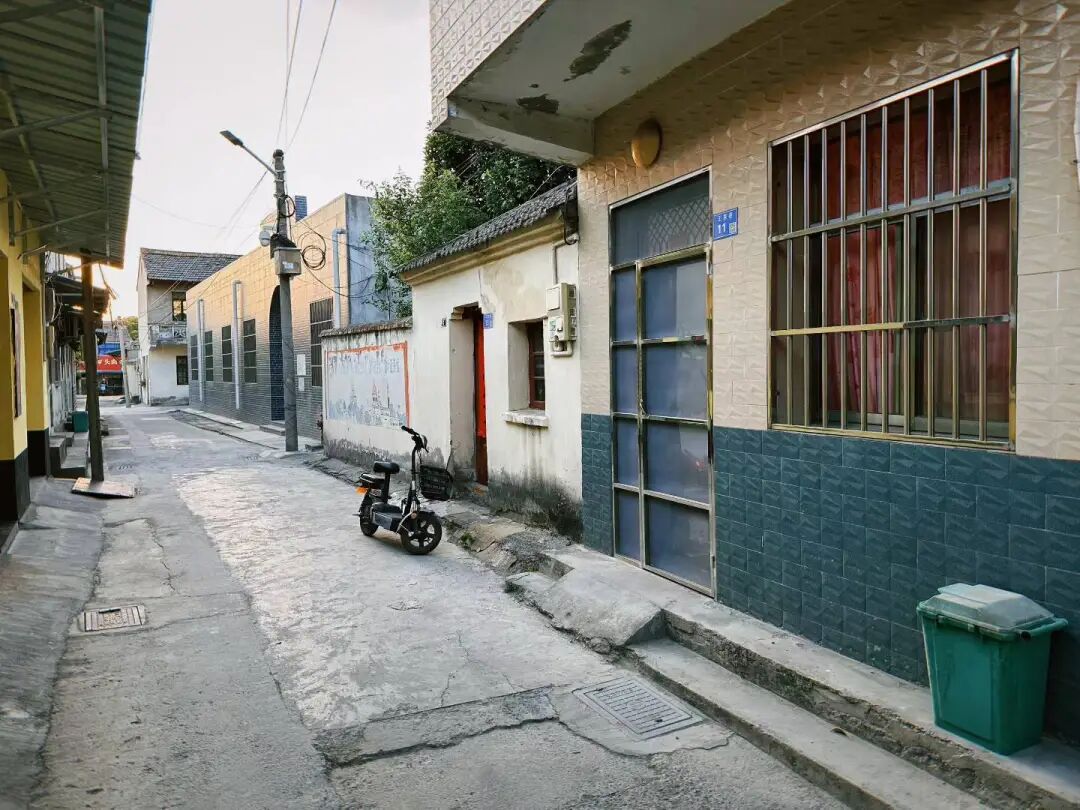
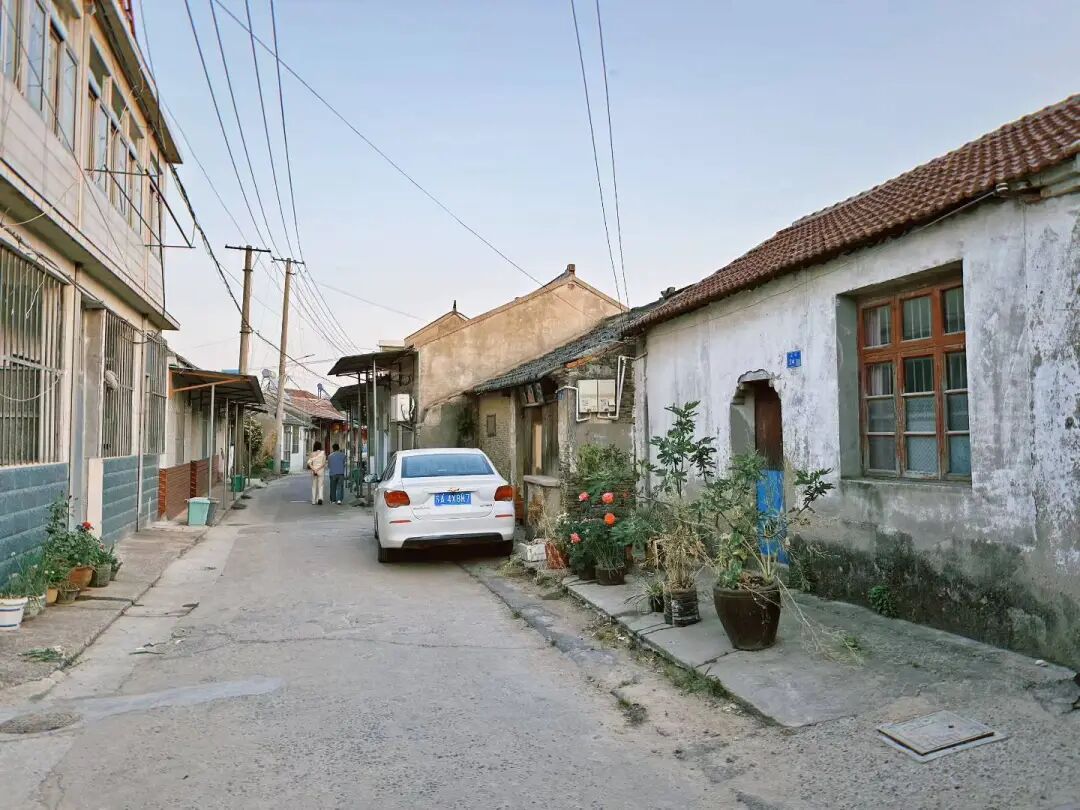
Liuhe Muslim Women's School
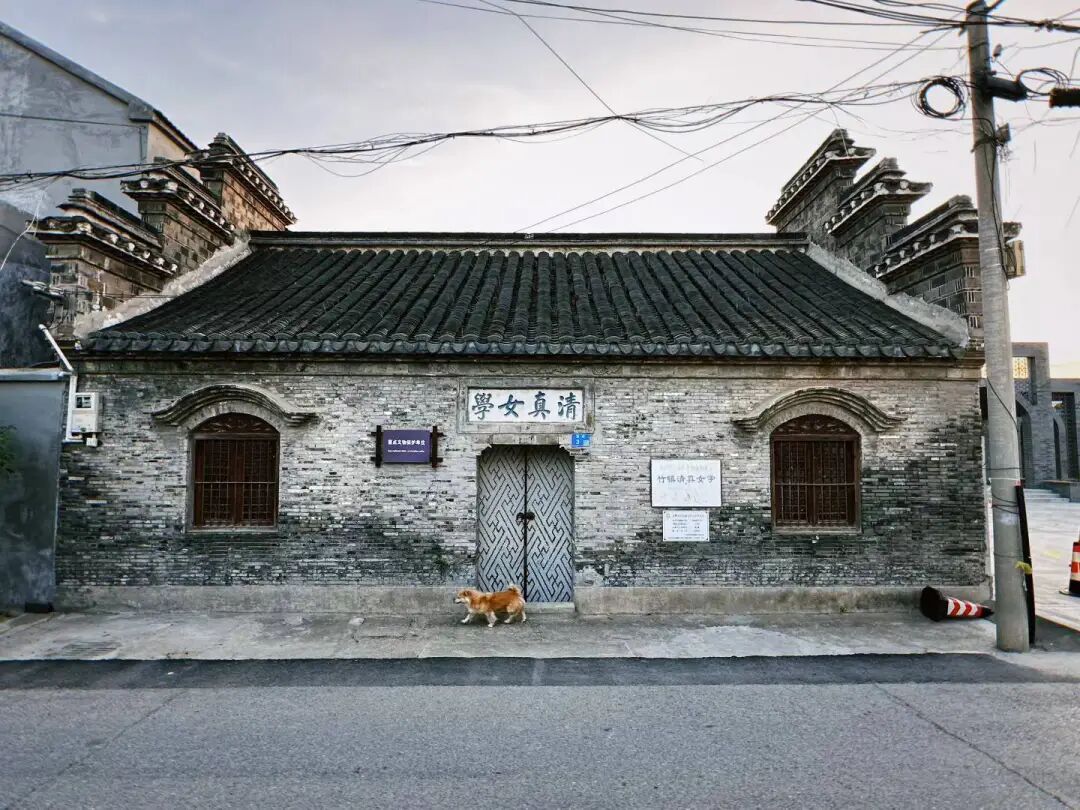
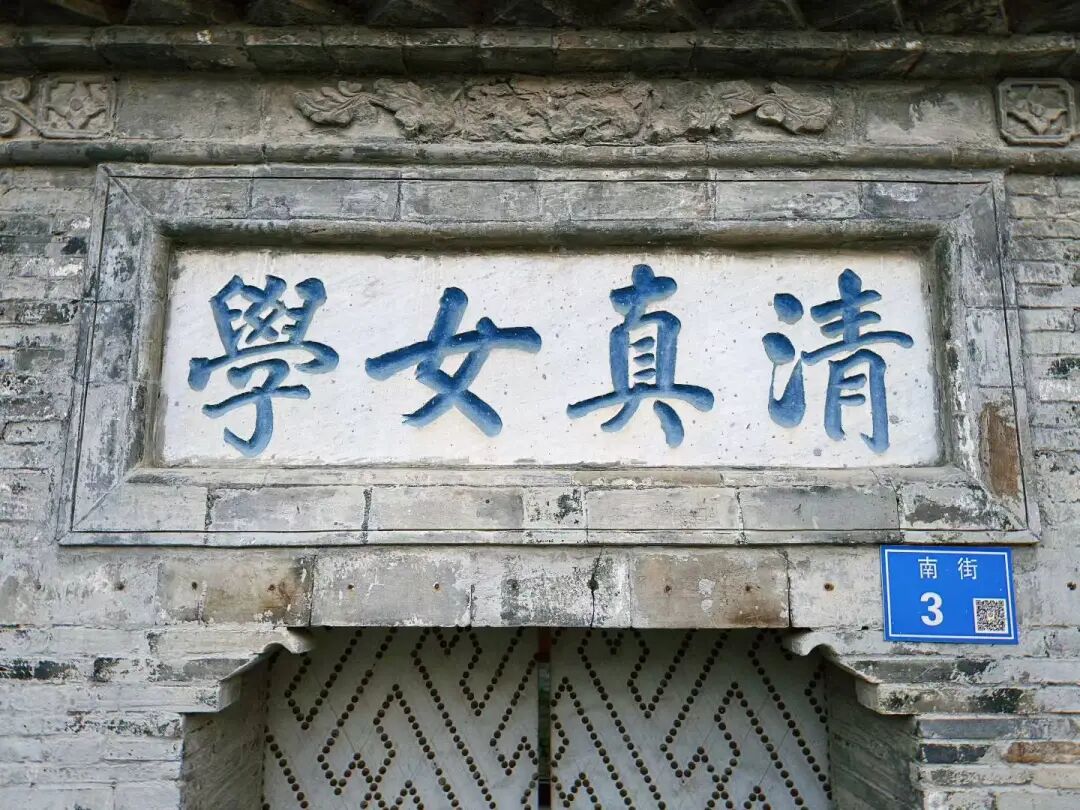
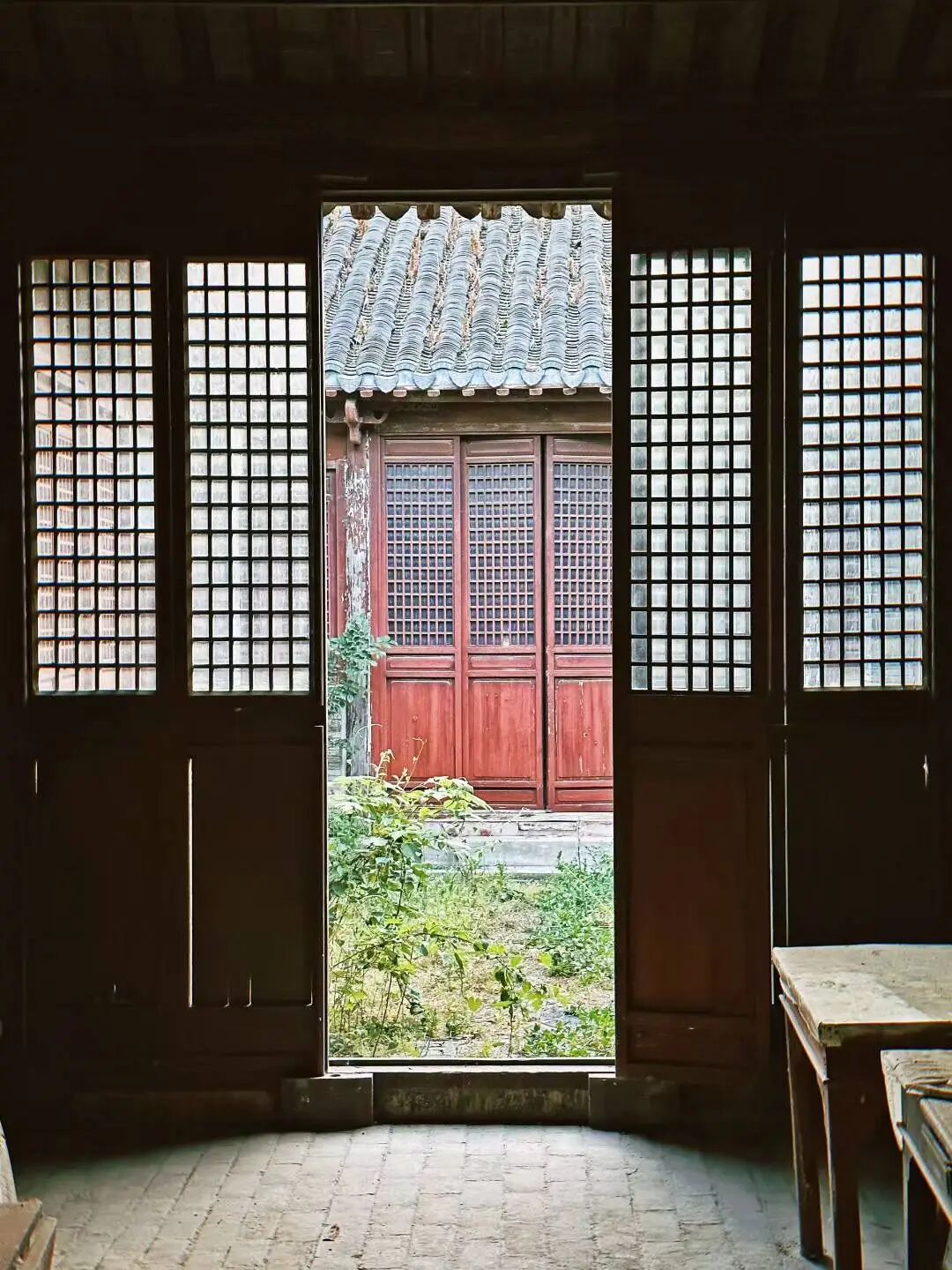
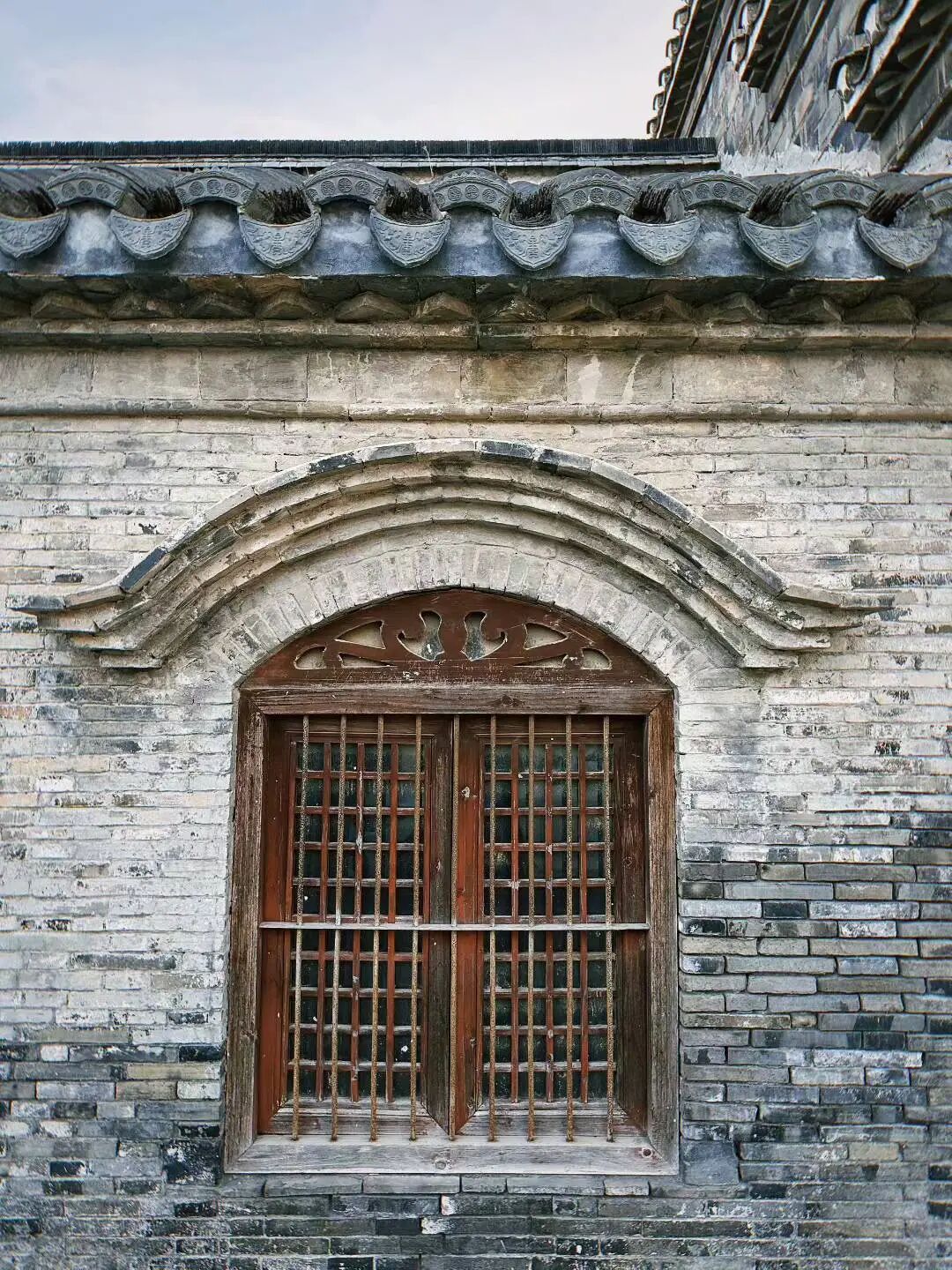
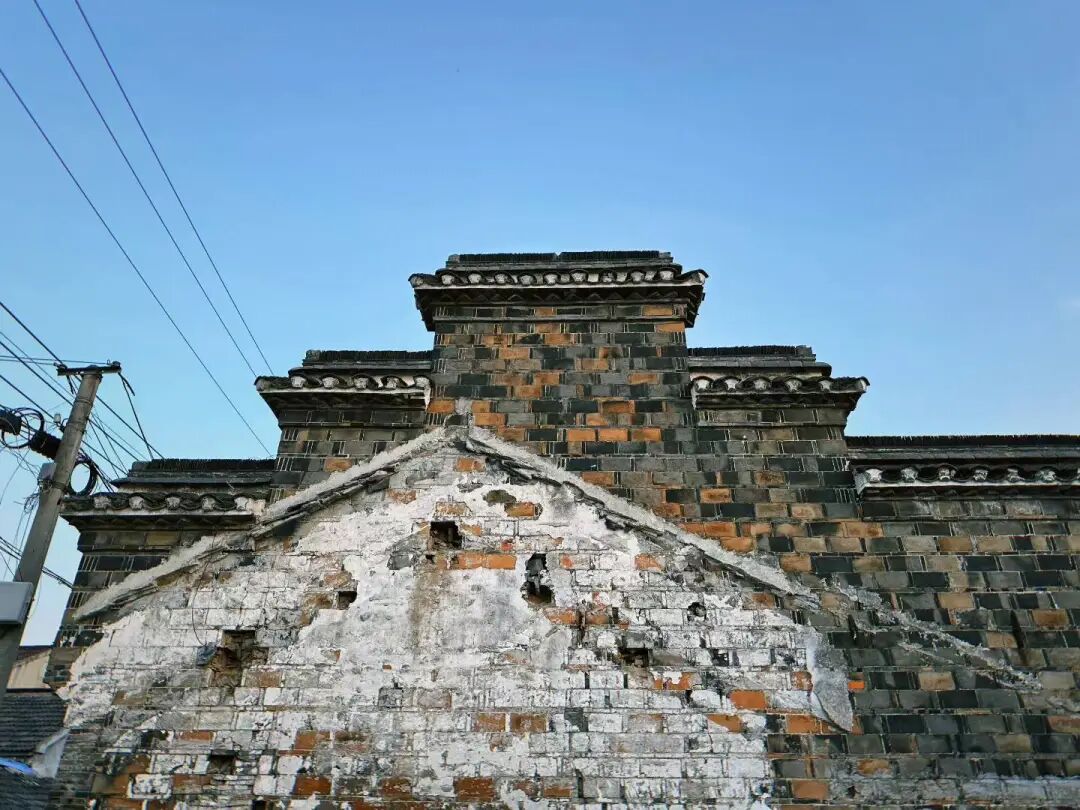
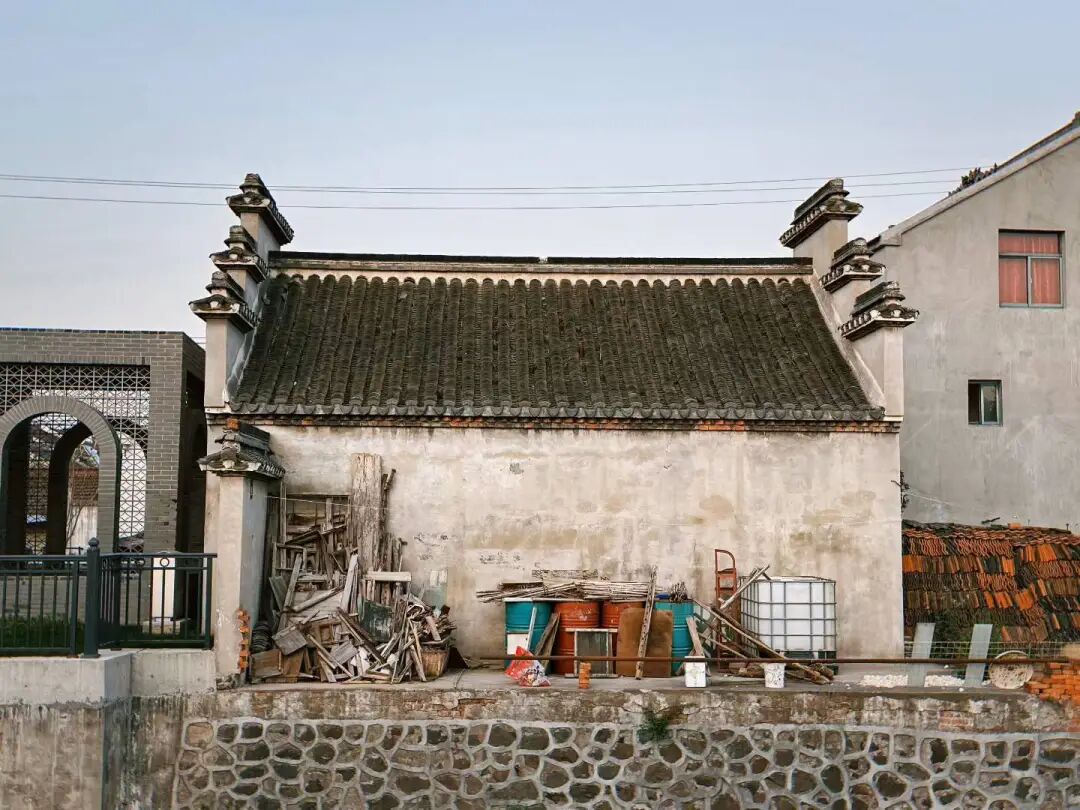
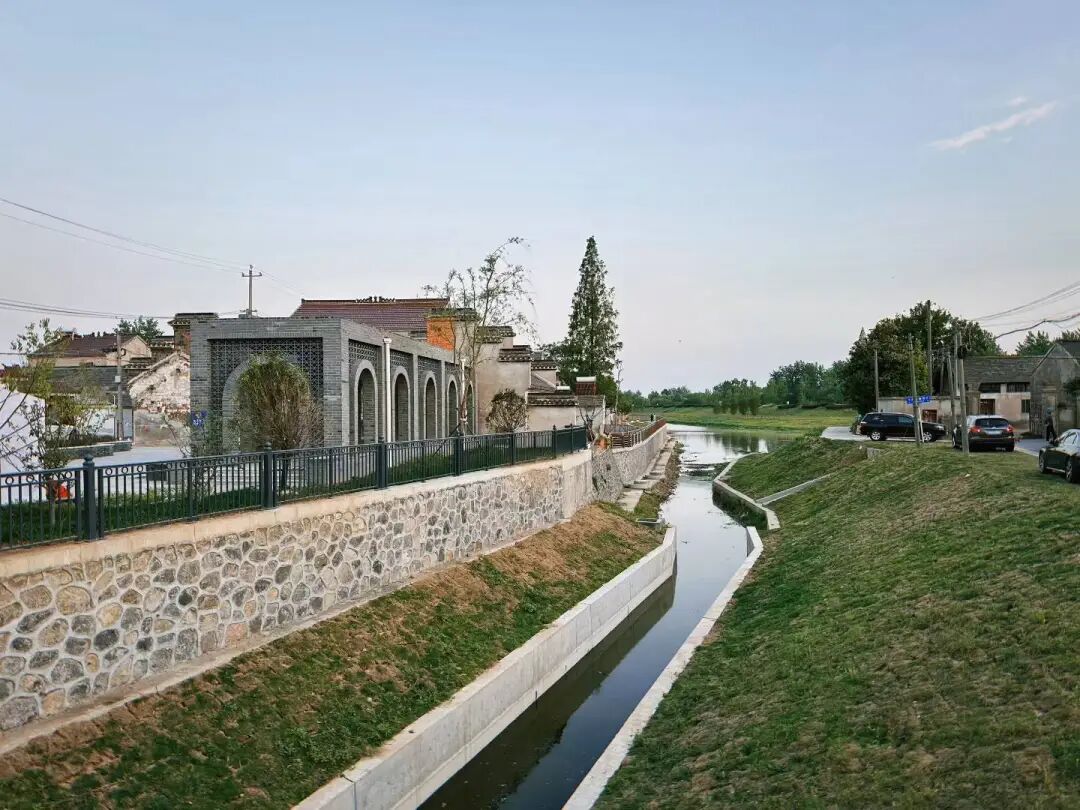
After leaving the Zhuzhen Mosque, I walked through the old street of Zhuzhen and arrived at the Zhuzhen Women's School by the river. The Zhuzhen Women's School is a classic example of Jianghuai architectural style, featuring a small courtyard formed by the entrance hall and the main hall, with traditional Huizhou-style horse-head walls on both sides.
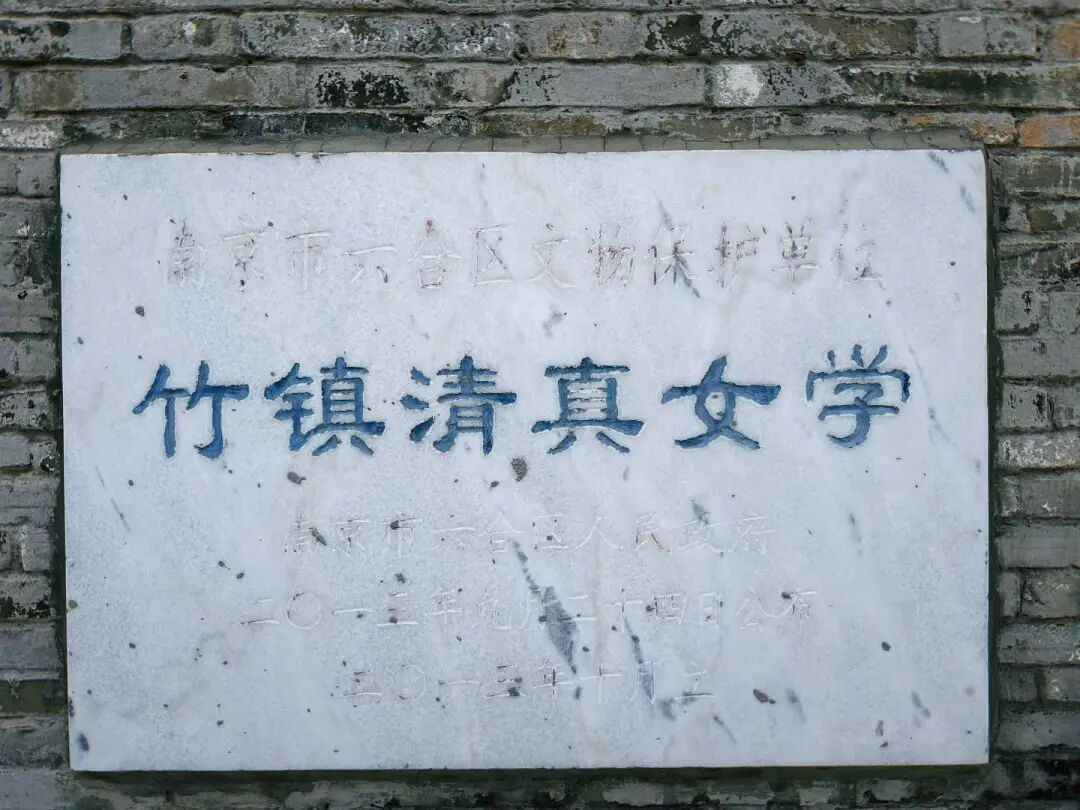
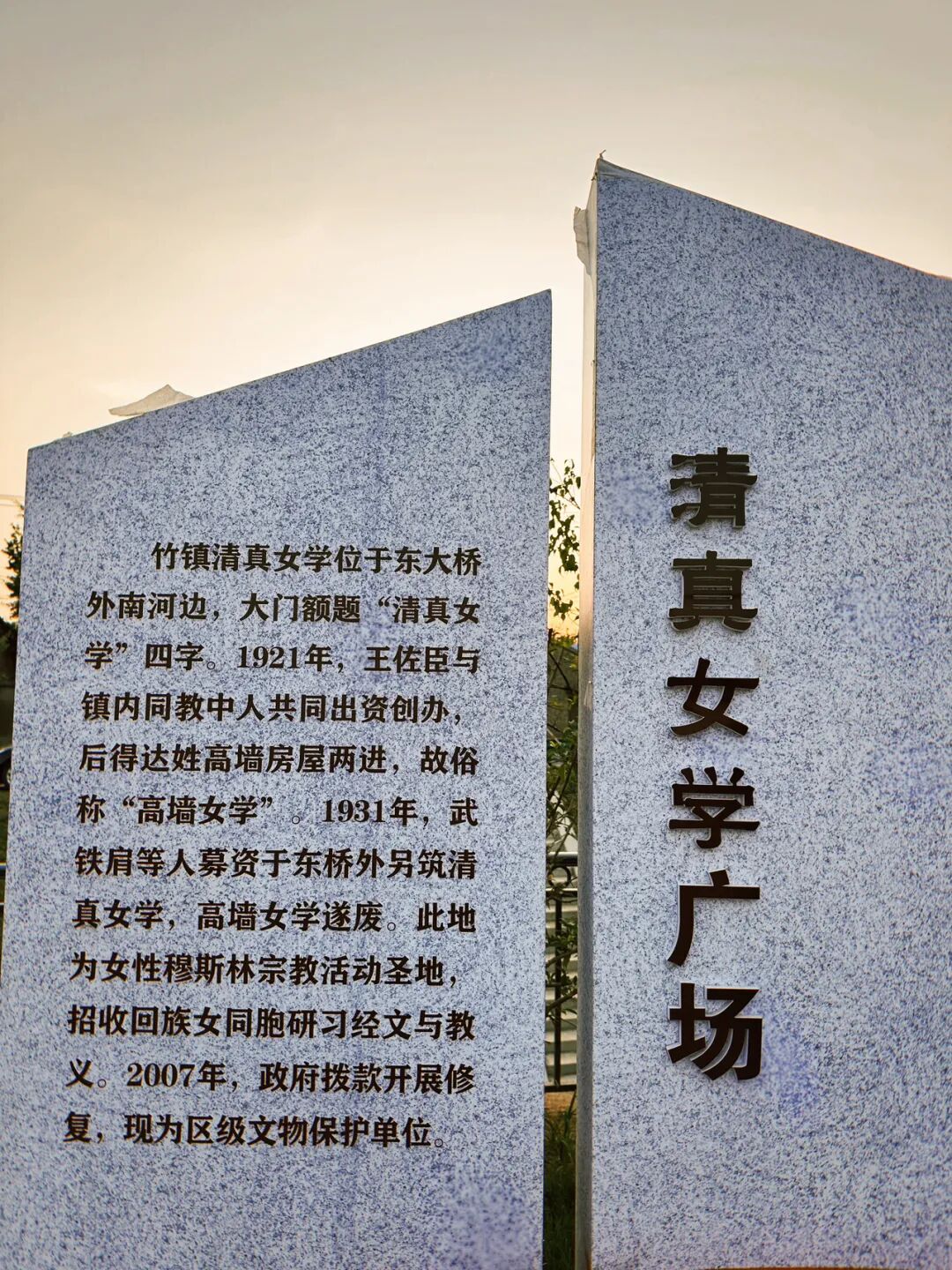
The Zhuzhen Women's School was founded in 1921 by Wang Zuochen, the uncle-in-law of the great imam Da Pusheng, along with other local Hui Muslims. It was originally located on Zhuzhen Middle Street, but in 1931, Wu Tiejian and others rebuilt it along the south riverbank outside the East Bridge of Zhuzhen. After 1966, the school was occupied by a Hui Muslim food processing factory. It was renovated in 2007 but is currently not open to the public. During the Republic of China era, the school was led by two female imams, Mistress Dai and Mistress Bai, who taught scriptures and religious doctrines to local Hui Muslim women.
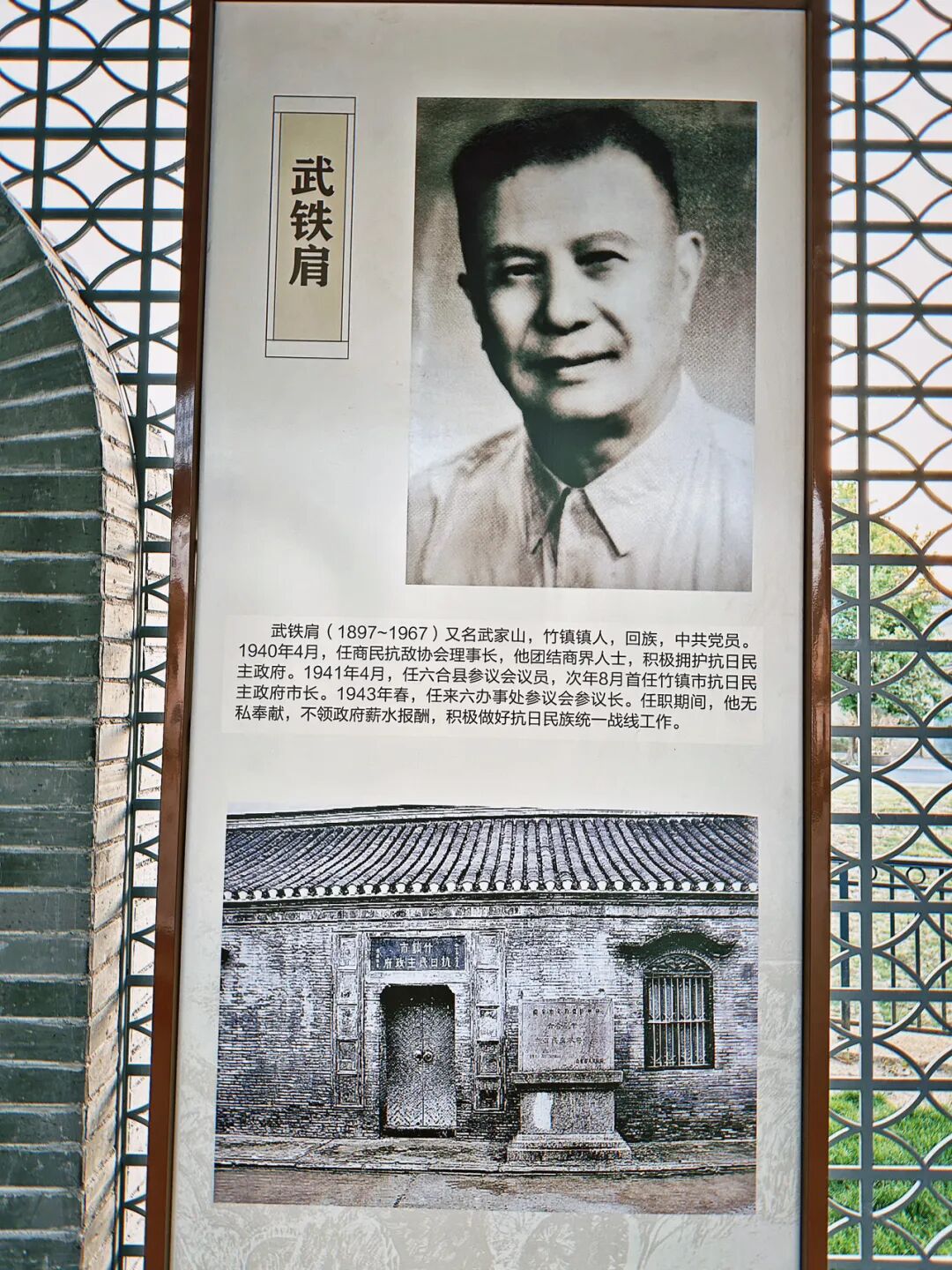
Wu Tiejian was a famous Hui Muslim businessman and patriot who resisted the Japanese. His original name was Wu Jiashan, and at age 22, he inherited his father's business, the Wudeyuan Grain Store. After the New Fourth Army entered Zhuzhen in 1938 to lead the resistance against Japan, Wu Tiejian was the first to donate grain, money, and guns, and he served as the chairman of the Zhuzhen Merchants and Citizens Anti-Enemy Association. In 1942, Wu Tiejian became the first mayor of the Zhuzhen Anti-Japanese Democratic Government. He took great risks to rescue and protect many comrades and also mobilized ambitious young people to join the revolution. After the founding of New China, Wu Tiejian was elected deputy director of the Nanjing Islamic Association, and he passed away (guizhen) in 1967.
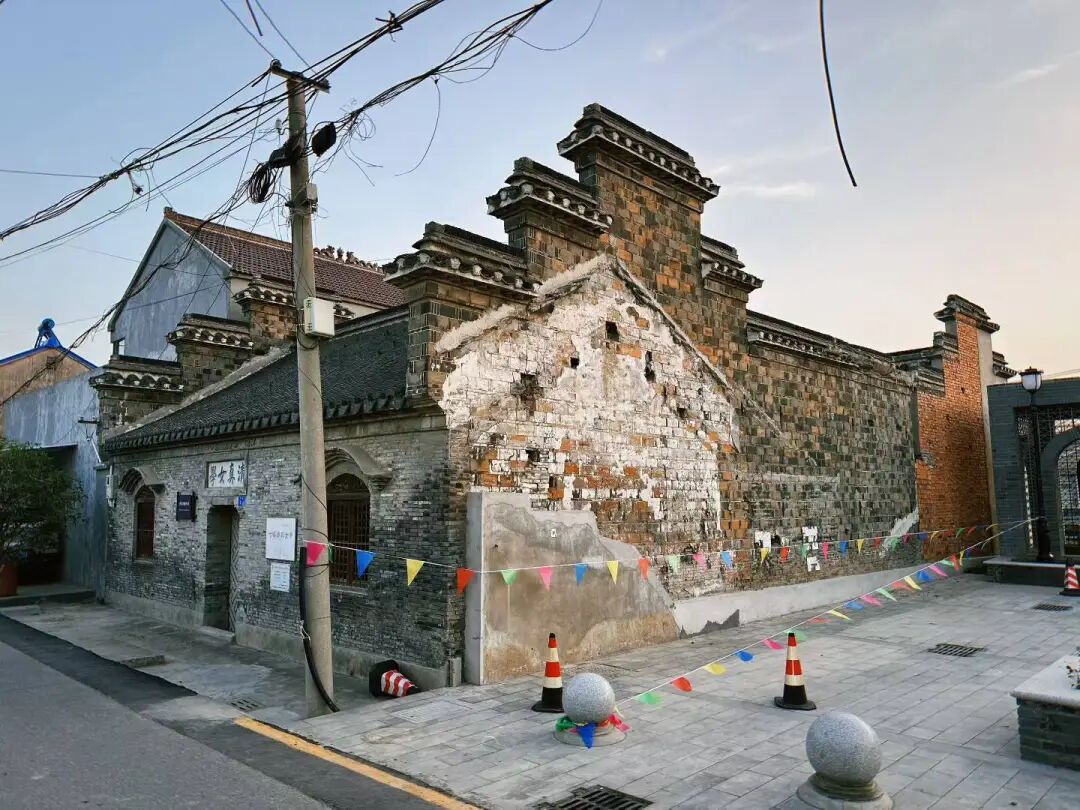
There is a square next to the mosque that introduces famous Hui Muslim figures from Liuhe.
Summary: The second part of the Nanjing mosque journey follows sites in the old south city, Liuhe, and Zhuzhen, with notes on mosque buildings, stone carvings, and local Hui Muslim history. This account keeps the original route, mosque names, dates, and photographs.
Stone carvings and ancient trees at the South Gate Mosque in Liuhe:
A stone tablet from the seventh year of the Daoguang reign recording a donation of property by a Hui Muslim named Li.
A boundary marker for the mosque.
A stone tablet from the twelfth year of the Guangxu reign. It records that the South Gate Mosque was destroyed by the Taiping Heavenly Kingdom during the Xianfeng years. Many Hui Muslim militia members from the mosque died in battle, and the government later stepped in to protect their graves.
A couplet written by Wang Jianli in the tenth year of the Republic of China: To cherish purity and walk in cleanliness is to prepare for the afterlife; to return to the truth and simplicity is to be just like this.
Qing dynasty drum-shaped stone bases (baogushi) in front of the main gate.
A 460-year-old Chinese juniper (yuanbai) in front of the main prayer hall, classified as a first-grade protected ancient tree.
Liuhe Women's School.
The Liuhe Muslim Women's School started in 1912. The current building was constructed in 1930 and later used as a Hui Muslim funeral home. It is a rare surviving example of a Republican-era Muslim women's school and mosque.
Traditionally, these women's schools do not form formal classes, do not call the adhan, do not hold Jumu'ah prayers, and do not hold Eid prayers. The female imam (shiniang) does not lead the prayer from the front but stands in the middle of the first row. The women's school does not have a minaret, and there is no minbar pulpit inside the main prayer hall. Besides leading the local women in their religious duties, the female imam (shiniang) also teaches various aspects of Islamic knowledge.
Women's schools emerged during the mid-to-late Qing dynasty, initially concentrated in Henan and the neighboring areas of Hebei, Shandong, and Anhui. In the early Republic of China, influenced by the New Culture Movement and the women's liberation movement, the ideas of promoting women's education, ending foot binding, and liberating women began to be understood by Hui Muslims. The number of women's schools increased rapidly, with over a hundred in Henan province alone, and others were built in various provinces.
During the Guangxu reign of the Qing dynasty, two women's schools were built in Nanjing at Hanximen and Changle Street. During the Republican era, four more were built at Fangjia Lane, Zhuganli, Shigu Road, and Dahuifu Lane, but all of these have been demolished. In the early Republican era, Liuhe built three women's schools at Houjie inside the city, outside the South Gate, and in Zhuzhen. The historical buildings at the South Gate and Zhuzhen are the only ones that remain.
Changjiang Road Mosque in Liuhe.
After leaving the South Gate Mosque in Liuhe, we went to the Changjiang Road Mosque in Liuhe to perform the prayer (namaz). The mosque has two imams, one middle-aged and one young. The young imam is from Zhenjiang and just graduated from an Islamic school (zhongjing). He is a very rare and talented young man.
The Changjiang Road Mosque was originally called Chengqingfang. It is also known as the Liuhe North Mosque, the Inner City Mosque, and the Da Family Mosque. It was built in 1424 (the 22nd year of the Yongle reign of the Ming Dynasty) by the Da family of Baiyetang, who had lived in Liuhe for generations. The Changjiang Road Mosque was destroyed by the Taiping Heavenly Kingdom during the Xianfeng reign. Later, the leader Liu Weiting and local elders raised funds to rebuild it. In 1885 (the 11th year of the Guangxu reign), Da Guangyong donated money to build a reception hall. In 1928, Wang Dashi, the widow of the wealthy merchant Wang Zuochen and aunt of the great imam Da Pusheng, donated money to build the Wuxin Pavilion on the original site of the Moon-Watching Tower (Wangyuelou).
In 1899, the great imam Da Pusheng returned to his hometown of Liuhe from the Niujie Mosque in Beijing to serve as the imam of the Changjiang Road Mosque. It was not until 1905, when Imam Wang Kuan from Niujie went on the pilgrimage (hajj), that Imam Da returned to the Niujie Mosque to serve as the acting imam and lead religious affairs. Imam Da founded the Guangyi Primary School inside the Changjiang Road Mosque to promote modern education. He offered courses in Chinese and Arabic, scripture, geography, history, and mathematics. This pioneered the transition from traditional scripture hall teaching to modern education. In a memoir from the early 1950s, Imam Da wrote: 'I worked hard for six years. Perhaps moved by the achievements of Guangyi Primary School, the local Hui Muslims supported the school with great effort... Looking back now, how difficult it was to struggle at that time, to patiently persuade stubborn traditionalists, and to take on responsibilities despite everything without being denounced as anti-religious!'
After 1966, the Changjiang Road Mosque was occupied by a theater troupe and a cultural troupe. It was reclaimed and reopened in 1983.
Existing stone tablets at the Liuhe Changjiang Road Mosque:
The 1885 (11th year of the Guangxu reign) tablet records that Da Guangyong funded the construction of the reception hall at the Inner City Mosque in Liuhe. Da Guangyong was the 18th-generation descendant of the Baiyetang Da family. He held the rank of ninth-grade official and lived to be 81.
The 1899 (25th year of the Guangxu reign) tablet, titled 'Tablet on the Renovation of the Tangyi Inner City Mosque and the Market Houses Inside and Outside the Mosque,' records the specific situation of the Changjiang Road Mosque during the Guangxu reign. All the signatories were local Hui Muslims from the Da family.
The 1928 (17th year of the Republic of China) tablet, titled 'Tablet on Wang Dashi's Donation to Repair the Moon-Watching Pavilion and Redeem Market Houses,' records that Dashi, the wife of the Zhuzhen elder Wang Zuochen, donated money to build the Moon-Watching Pavilion (Wangyue Ting). Wang Zuochen was a Hui Muslim from Zhuzhen in Liuhe. He ran a grain business on North Street in Zhuzhen for decades. He was very devout, never missing his daily namaz or fasting, but in 1925, bandits suddenly kidnapped him, and he was never heard from again. Wang Zuochen's wife, surnamed Da, was also very devout and founded the Zhuzhen Girls' School. After her husband went missing, Mrs. Da spent years asking people to help find him, but there was no result. Because Wang Zuochen had no brothers or children, Mrs. Da donated all the family's money to the Zhuzhen mosque and to build the Moon-Watching Pavilion (wangyueting) at the Changjiang Road mosque.
Inside the mosque, there is also a 350-year-old Chinese juniper (yuanbai) tree.
Zhuzhen Mosque
Continuing north from Liuhe, we arrived at Zhuzhen, the northernmost town in Nanjing.
The Zhuzhen mosque was originally located outside East Bridge. It was destroyed during the Taiping Rebellion and rebuilt in 1901 (the 27th year of the Guangxu reign) in Wang Family Lane in the middle of the old street. In 1968, the Zhuzhen mosque was turned into a dormitory for teachers at an agricultural middle school. It was reclaimed and reopened in 1983, and the main hall was rebuilt in 2001.
In 1939, the imam of Zhuzhen mosque, Li Shudu, formed the Hui Muslim Anti-Japanese Independent Guerrilla Battalion and served as its commander. He worked with the New Fourth Army and made significant contributions to the anti-Japanese cause.
Additionally, in 1939, Hui Muslims from the Bridge Group (qiaobang) in the Gaoyou and Lingtang areas built a mosque near Xinhua Garden on the west side of Zhuzhen. After 1966, it was converted into a Hui Muslim food processing factory.
The Zhuzhen mosque still has a door lintel from the Qing Dynasty's Guangxu period inscribed with the words 'Built by the Zhudun Community.' Zhudun is the old name for Zhuzhen.
The Zhuzhen mosque in Liuhe houses a Qing Dynasty stone well called 'Pine Spring' (songquan), two pairs of drum-shaped stone bases (baogushi), and a stele from the 16th year of the Republic of China (1927) recording the will of Wang Zuochen's wife, Mrs. Da, who donated her property. Mrs. Da was the aunt of the great imam Da Pusheng. The inscription records that the Zhuzhen Girls' School was founded by Wang Zuochen and fellow members of the faith, with funding provided by Wang Zuochen and his fellow believers. Later, Wang Zuochen was kidnapped by bandits and remained missing for years. Because of this, Wang Zuochen's wife, Mrs. Da, decided to donate all their farmland and property, except for a portion kept for her own support. The funds were mainly used for the daily expenses of the Zhuzhen Girls' School, with the remainder going to the Zhuzhen mosque. The inscription mentions her 'nephew Da Pusheng'.
Across from the Zhuzhen Mosque, there is a shop selling small-mill sesame oil (xiaomo mayou), and the only restaurants in town serve hand-pulled noodles (lamian).
Liuhe Muslim Women's School
After leaving the Zhuzhen Mosque, I walked through the old street of Zhuzhen and arrived at the Zhuzhen Women's School by the river. The Zhuzhen Women's School is a classic example of Jianghuai architectural style, featuring a small courtyard formed by the entrance hall and the main hall, with traditional Huizhou-style horse-head walls on both sides.
The Zhuzhen Women's School was founded in 1921 by Wang Zuochen, the uncle-in-law of the great imam Da Pusheng, along with other local Hui Muslims. It was originally located on Zhuzhen Middle Street, but in 1931, Wu Tiejian and others rebuilt it along the south riverbank outside the East Bridge of Zhuzhen. After 1966, the school was occupied by a Hui Muslim food processing factory. It was renovated in 2007 but is currently not open to the public. During the Republic of China era, the school was led by two female imams, Mistress Dai and Mistress Bai, who taught scriptures and religious doctrines to local Hui Muslim women.
Wu Tiejian was a famous Hui Muslim businessman and patriot who resisted the Japanese. His original name was Wu Jiashan, and at age 22, he inherited his father's business, the Wudeyuan Grain Store. After the New Fourth Army entered Zhuzhen in 1938 to lead the resistance against Japan, Wu Tiejian was the first to donate grain, money, and guns, and he served as the chairman of the Zhuzhen Merchants and Citizens Anti-Enemy Association. In 1942, Wu Tiejian became the first mayor of the Zhuzhen Anti-Japanese Democratic Government. He took great risks to rescue and protect many comrades and also mobilized ambitious young people to join the revolution. After the founding of New China, Wu Tiejian was elected deputy director of the Nanjing Islamic Association, and he passed away (guizhen) in 1967.
There is a square next to the mosque that introduces famous Hui Muslim figures from Liuhe.
