
Best Halal Food in Beijing: 10 Muslim-Friendly Restaurants Worth Trying (Part 7)
Reposted from the web
Summary: This seventh Beijing halal restaurant roundup covers JM Western Restaurant, Rose City Palestinian food, Baoding beef zhaobing, Pakistani food, Yunnan dishes, Turkish food, and more.
JM Western Restaurant Chaonei branch, Rose City Palestinian Restaurant, Baoding beef cover flatbread (niurou zhaobing), Al Rayyan Pakistani Restaurant, Yili Loulan Restaurant Guijie branch, Dianxinyuan Yunnan Cuisine, Heilongjiang Suihua Muxiangyuan Restaurant, Sanlitun Turkish Restaurant, Chaoyangmen fast food stall, and Habibi Pakistani buffet.
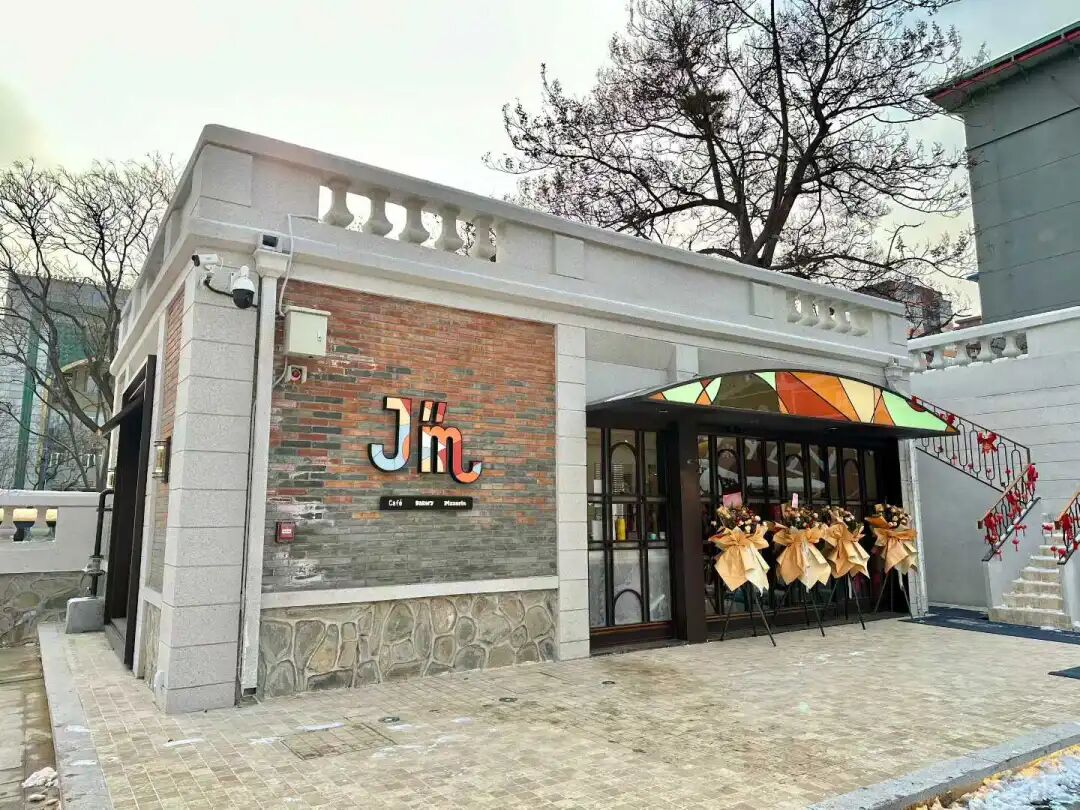
JM Western Restaurant Chaonei branch.
Our friend (dosti) Boss Ma from Xinjiang started JM with coffee roasting, and now they are expanding into pizza and pasta with more and more locations. I recently visited the popular Daji Lane branch for pizza, and this time I went to the newly opened Chaonei No. 81 branch. This is the second JM store in Dongsi. The Dongsi North Street branch is great for coffee and chatting, but the Chaonei branch is better for a full meal.
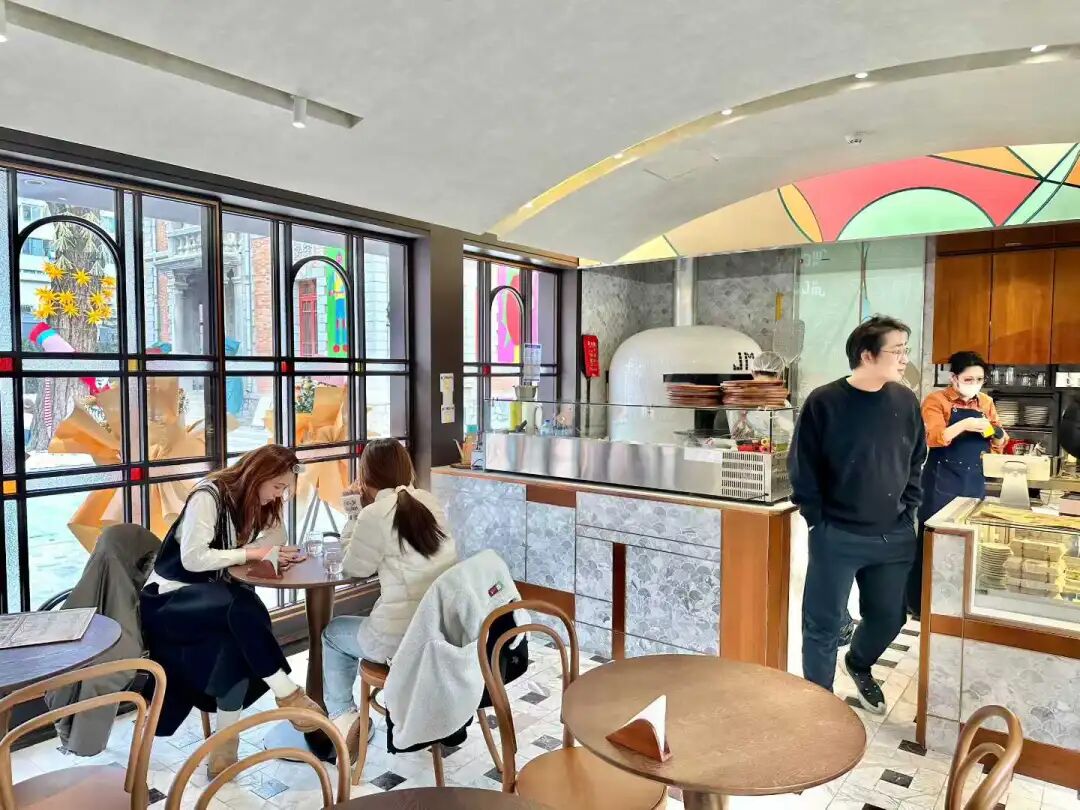
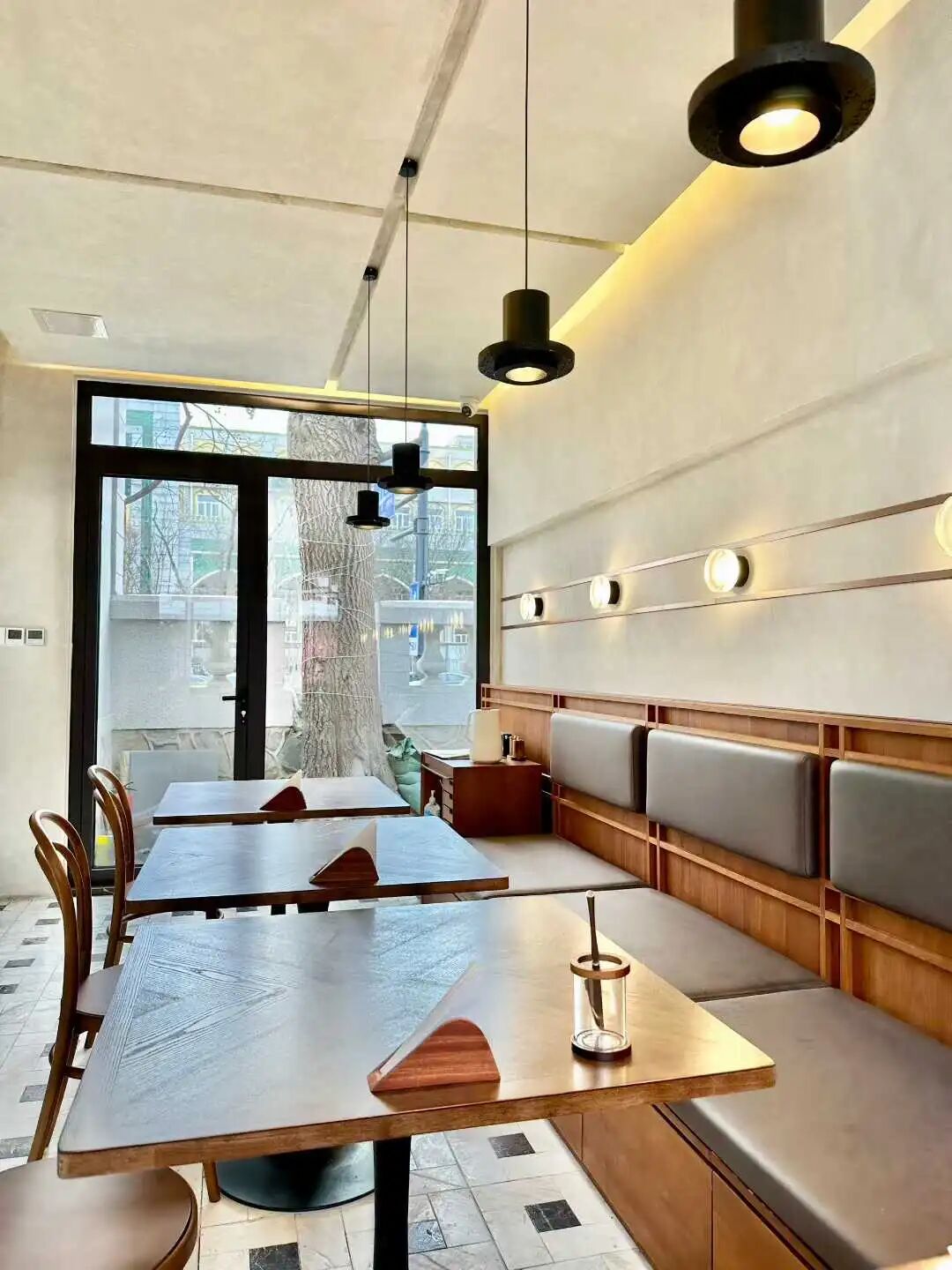
The JM Chaonei branch is right across from the Dongcheng Hui Muslim Primary School. It is a quiet, alcohol-free place with reliable ingredients. The atmosphere is great, but the space is relatively small with only three large tables. Since it just opened, there was no wait when we went, but it might get crowded once it becomes more popular.
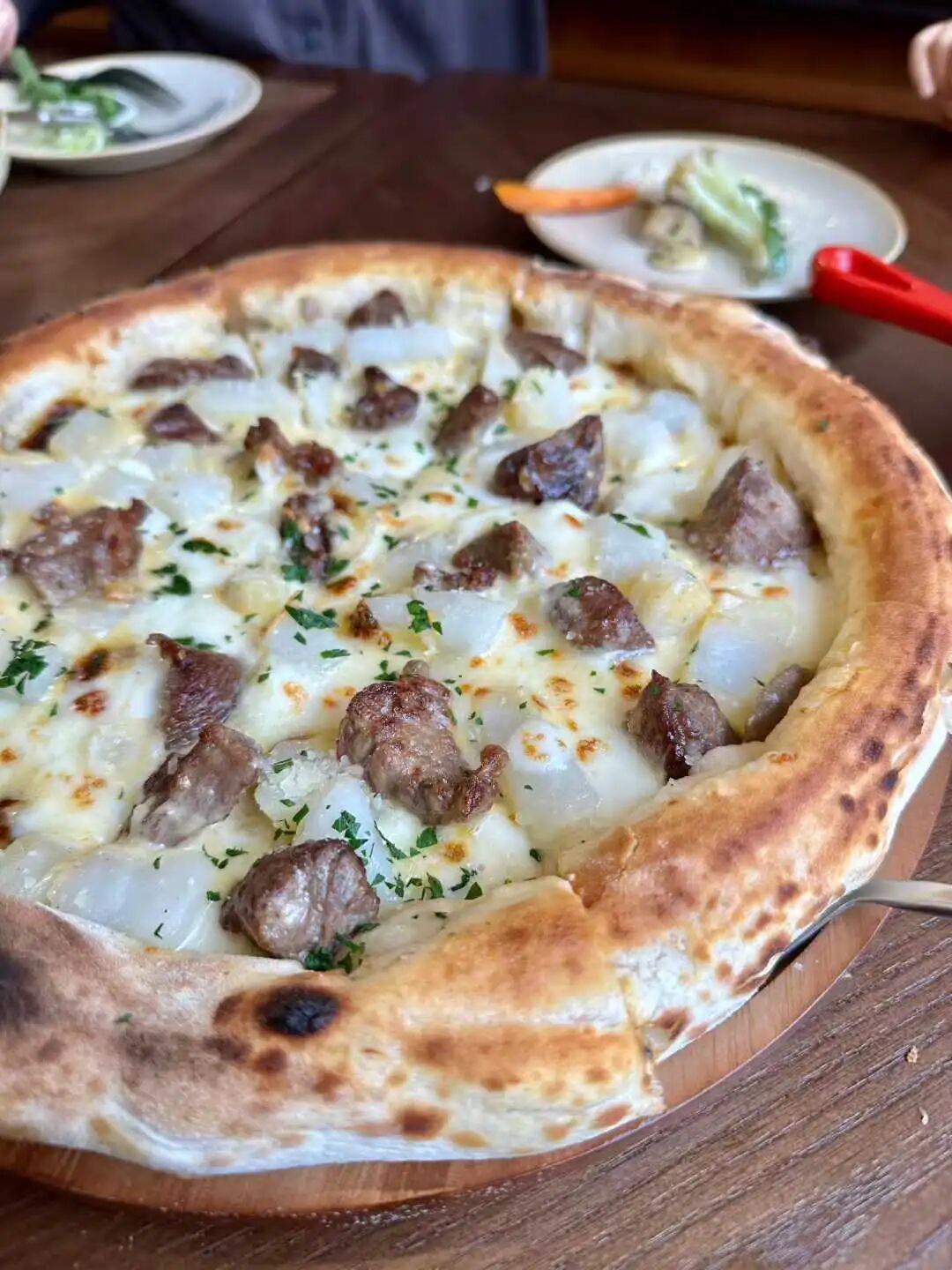
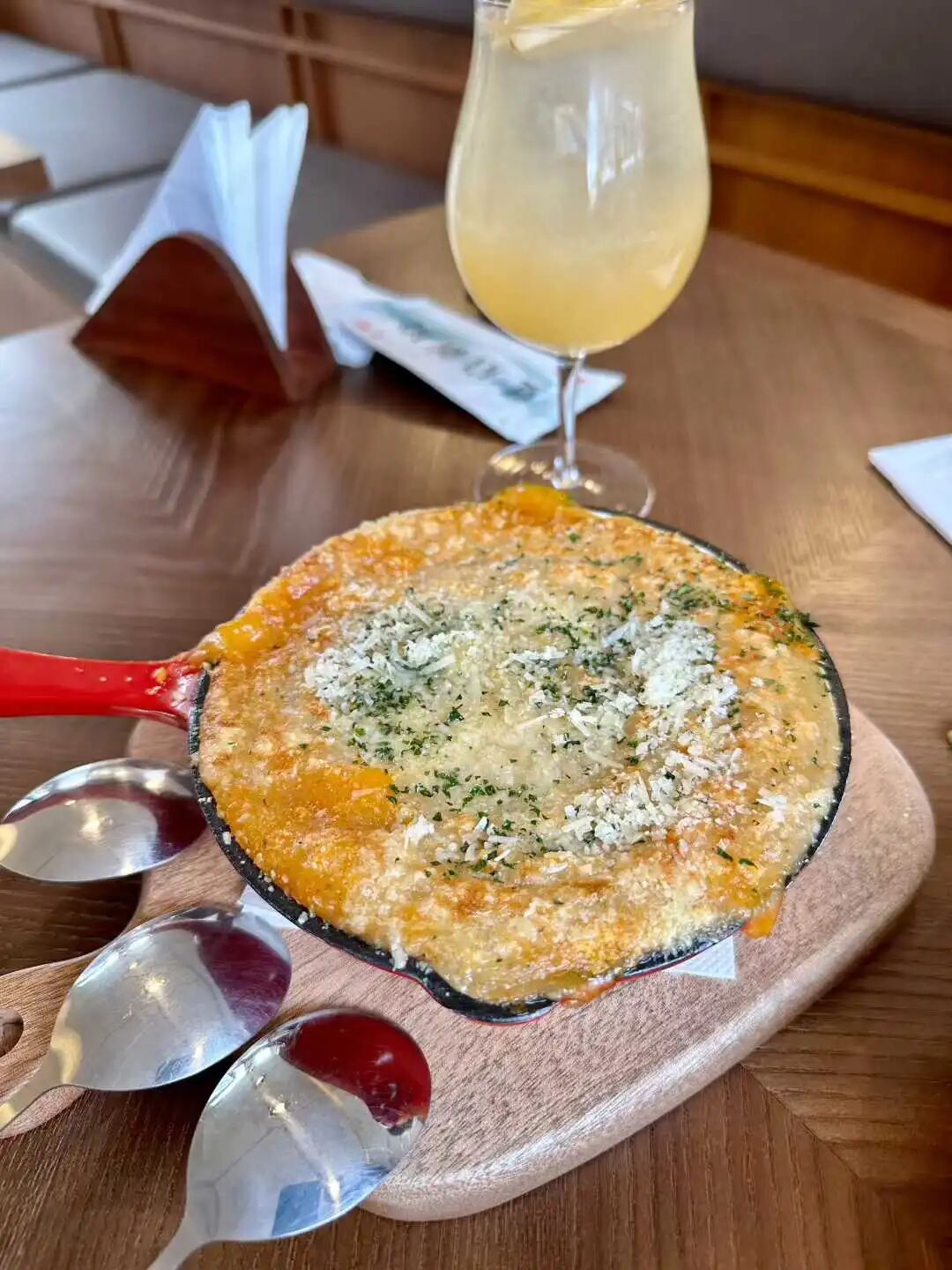
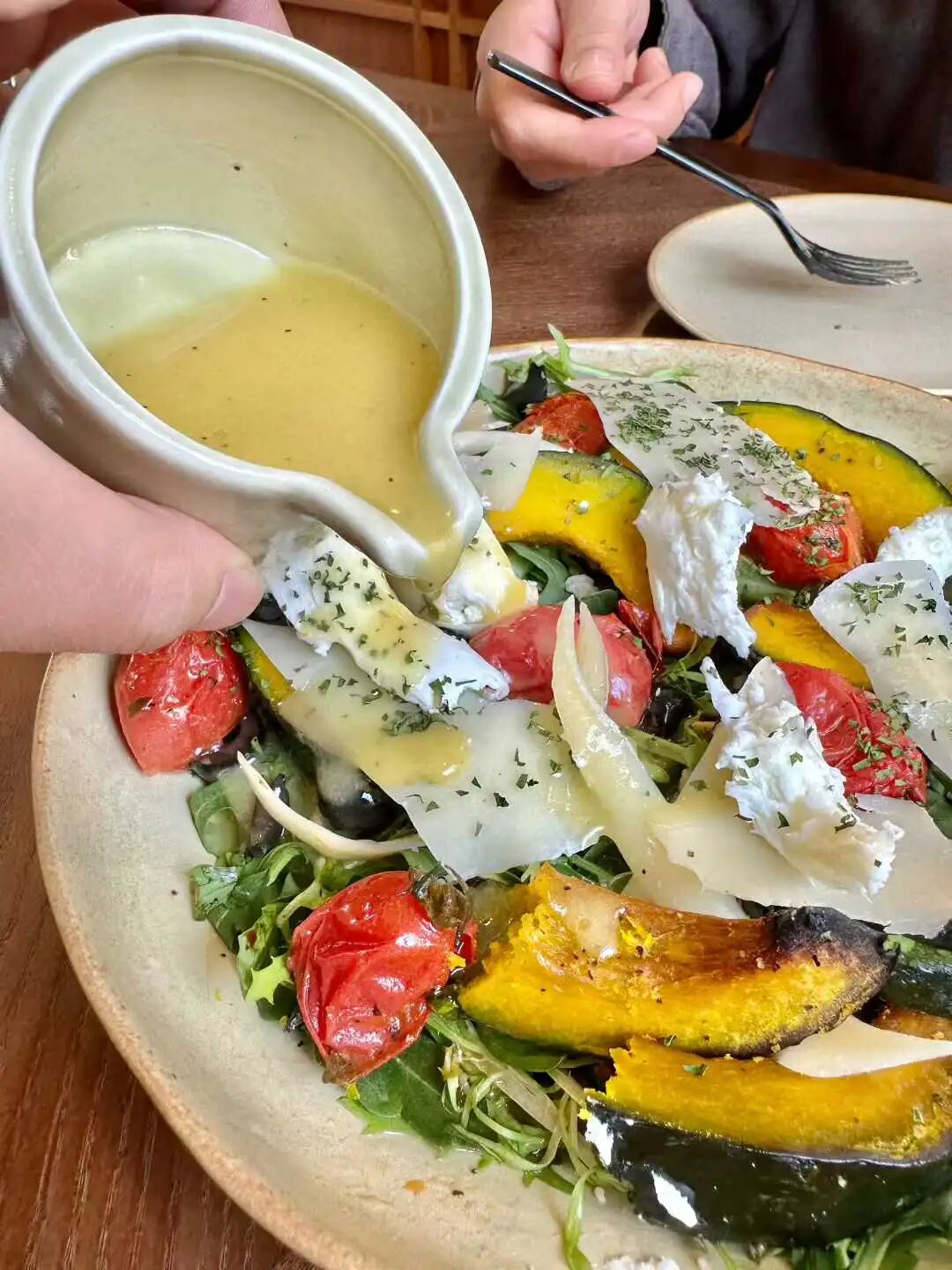
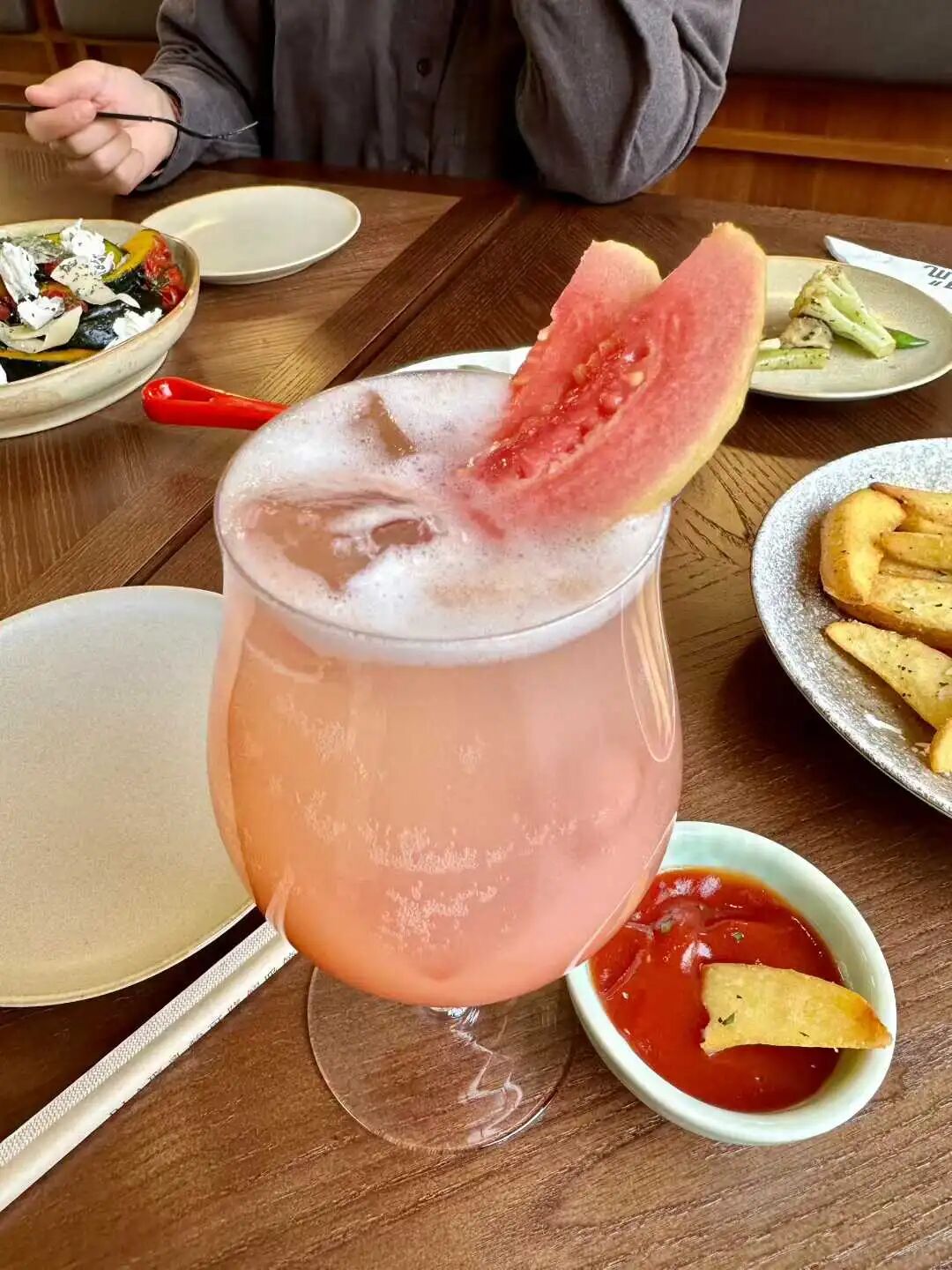
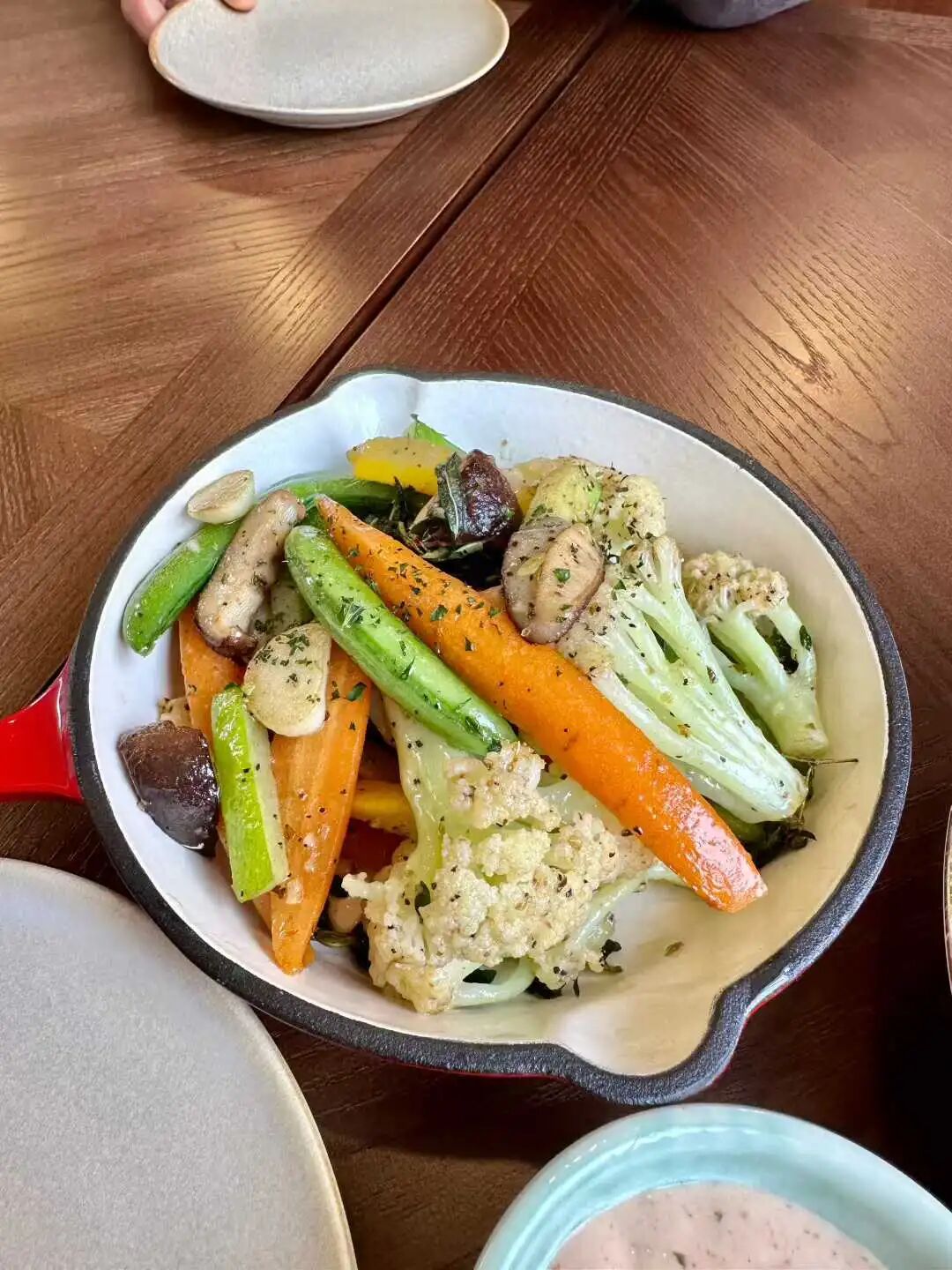
Like the Daji Lane branch, their signature dish is the big plate chicken pizza. We already had that last time, so we ordered the potato beef pizza, pumpkin cheese salad, shepherd's pie, potato wedges, and butter garlic vegetables. For drinks, we had guava juice and apple fizz.
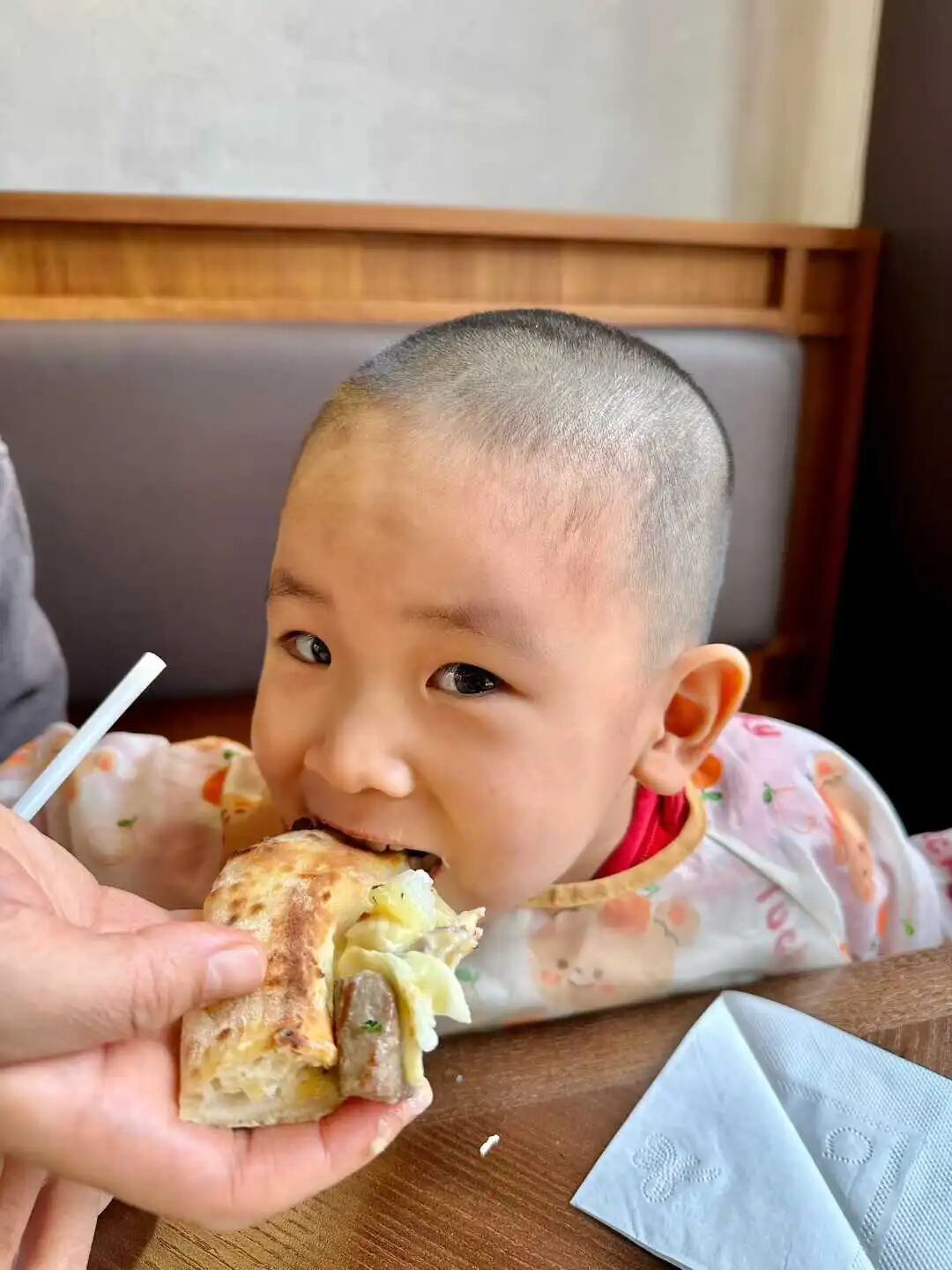
Their potato beef pizza is very mild, perfect for kids, and the beef is easy for children to chew. If you cannot eat spicy food, my friend (dosti), I recommend this one. The salad and vegetables are very healthy, though the salad can be a bit cold in winter. It comes with two types of cheese, both of which are excellent.
Shepherd's pie is a British dish made by topping cooked minced meat with mashed potatoes and baking it. After potatoes became a staple in the UK in the 18th century, shepherds in the north used leftover roasted meat and mashed potatoes to make these pies. It was simple and affordable, and it quickly became popular among the British working class after the 19th century.
Rose City Palestinian Restaurant.
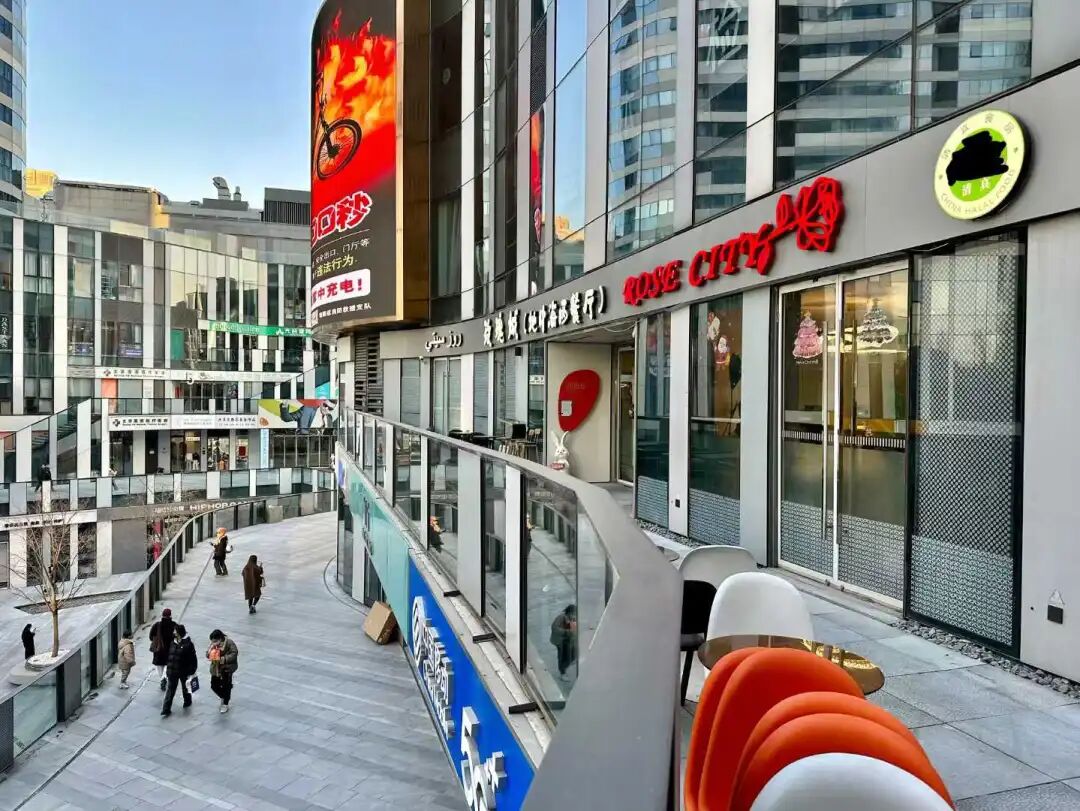
Shawarma City in Sanlitun SOHO has opened a large restaurant upstairs, right next to Haidilao. The owner is a Swedish-Palestinian. Although I have not been to Palestine yet, based on my experience eating Levantine food in Syria, Lebanon, and Jordan, their food is truly authentic. I cannot find a single fault!
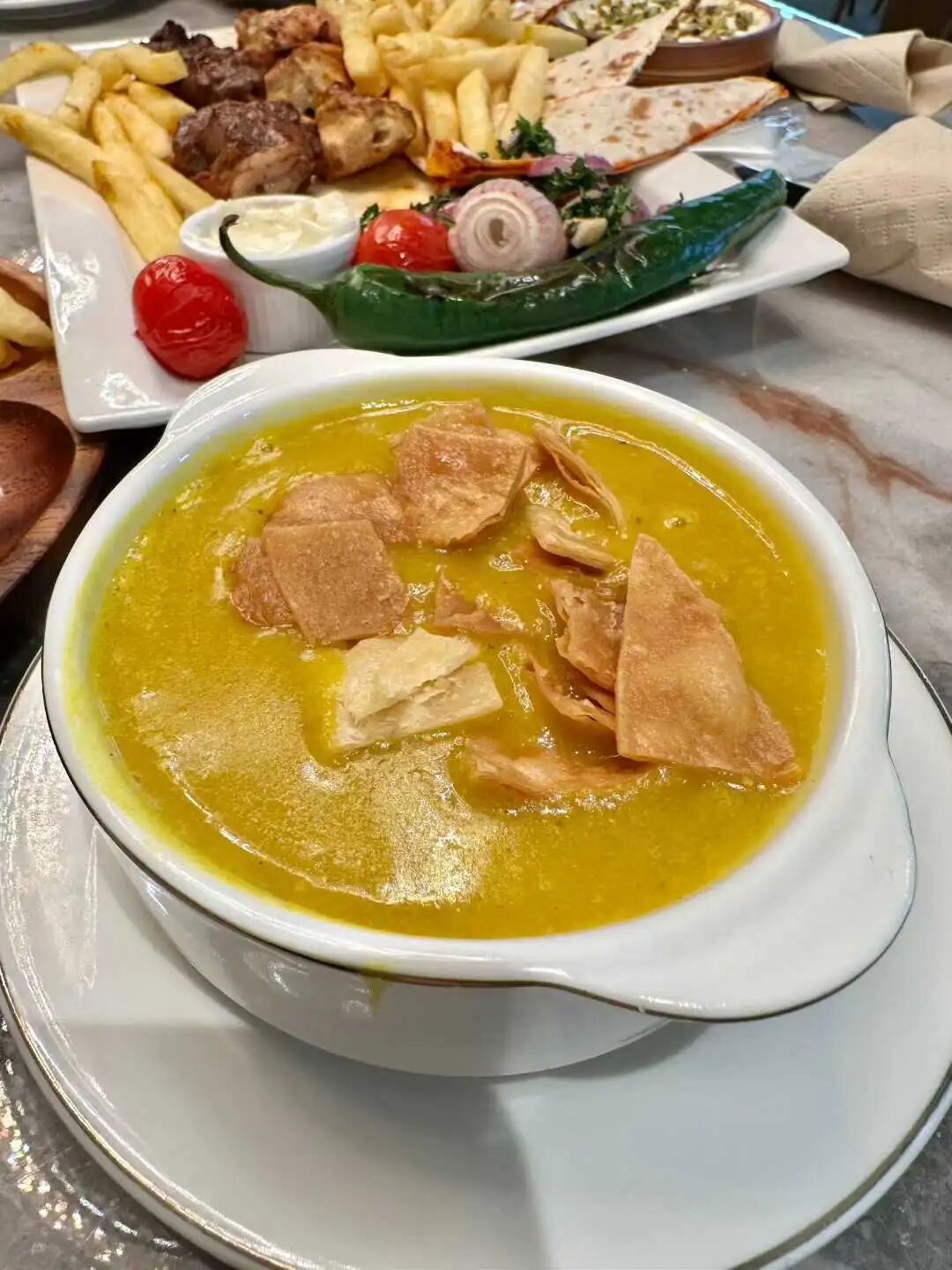
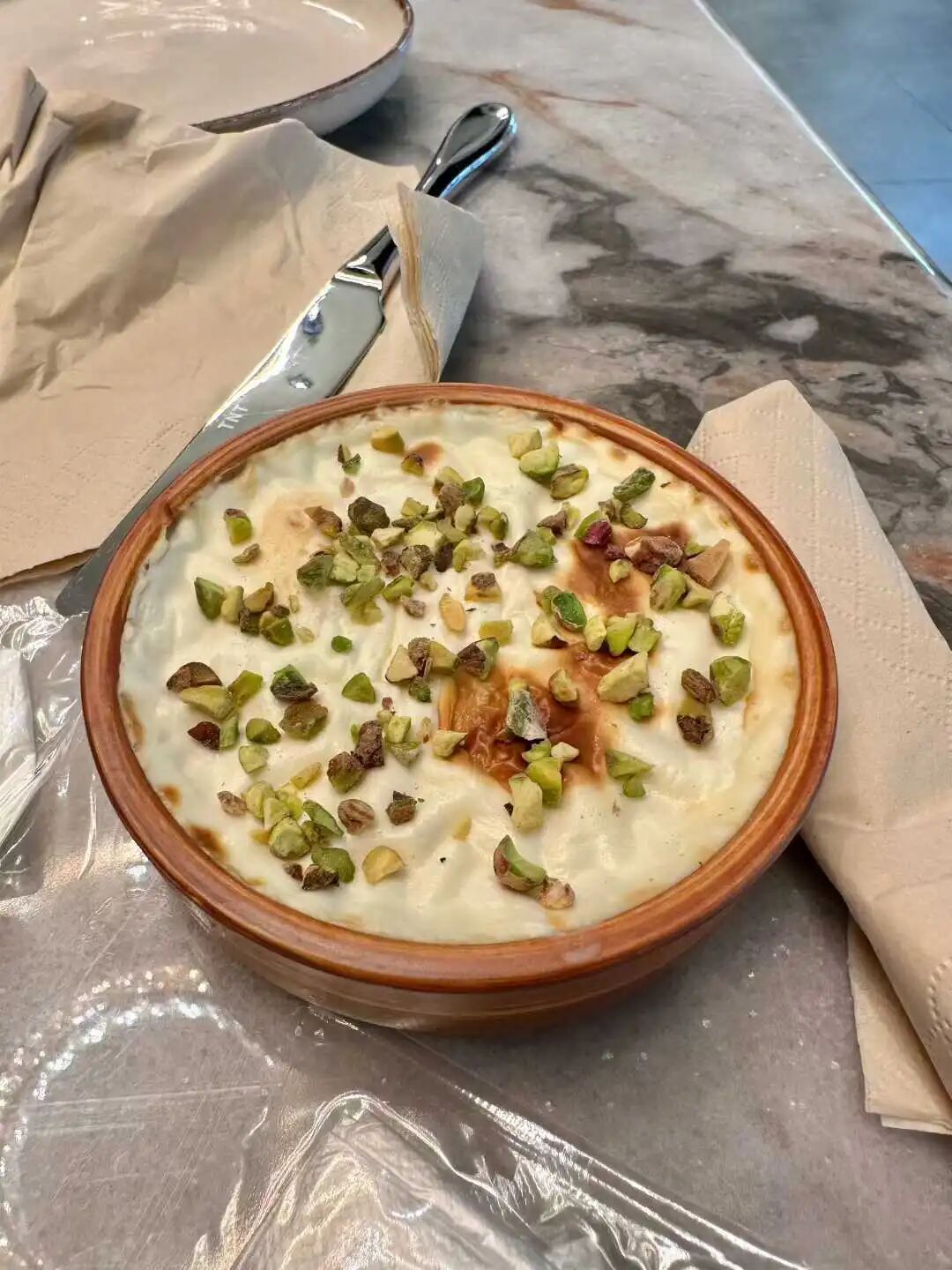
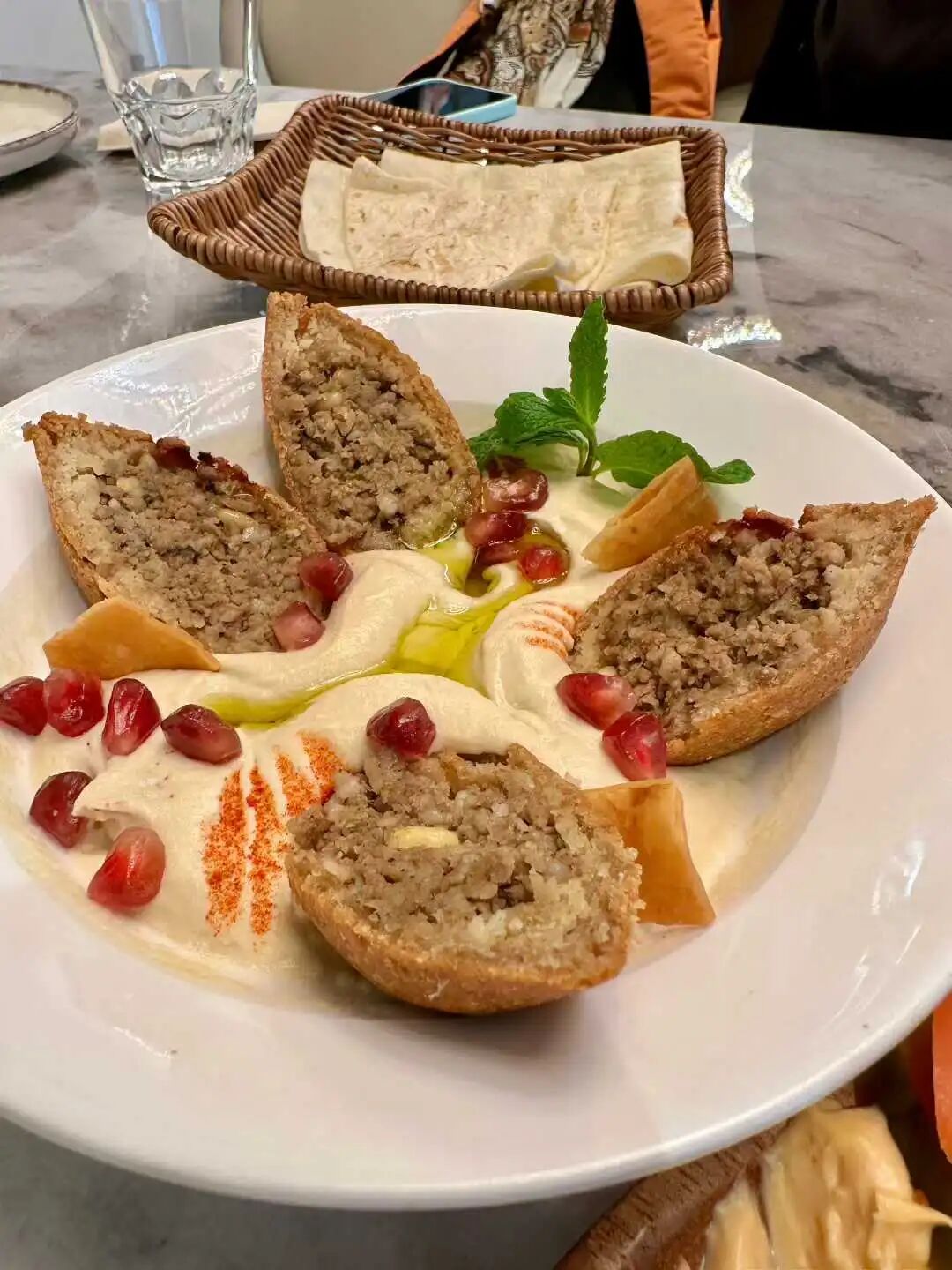
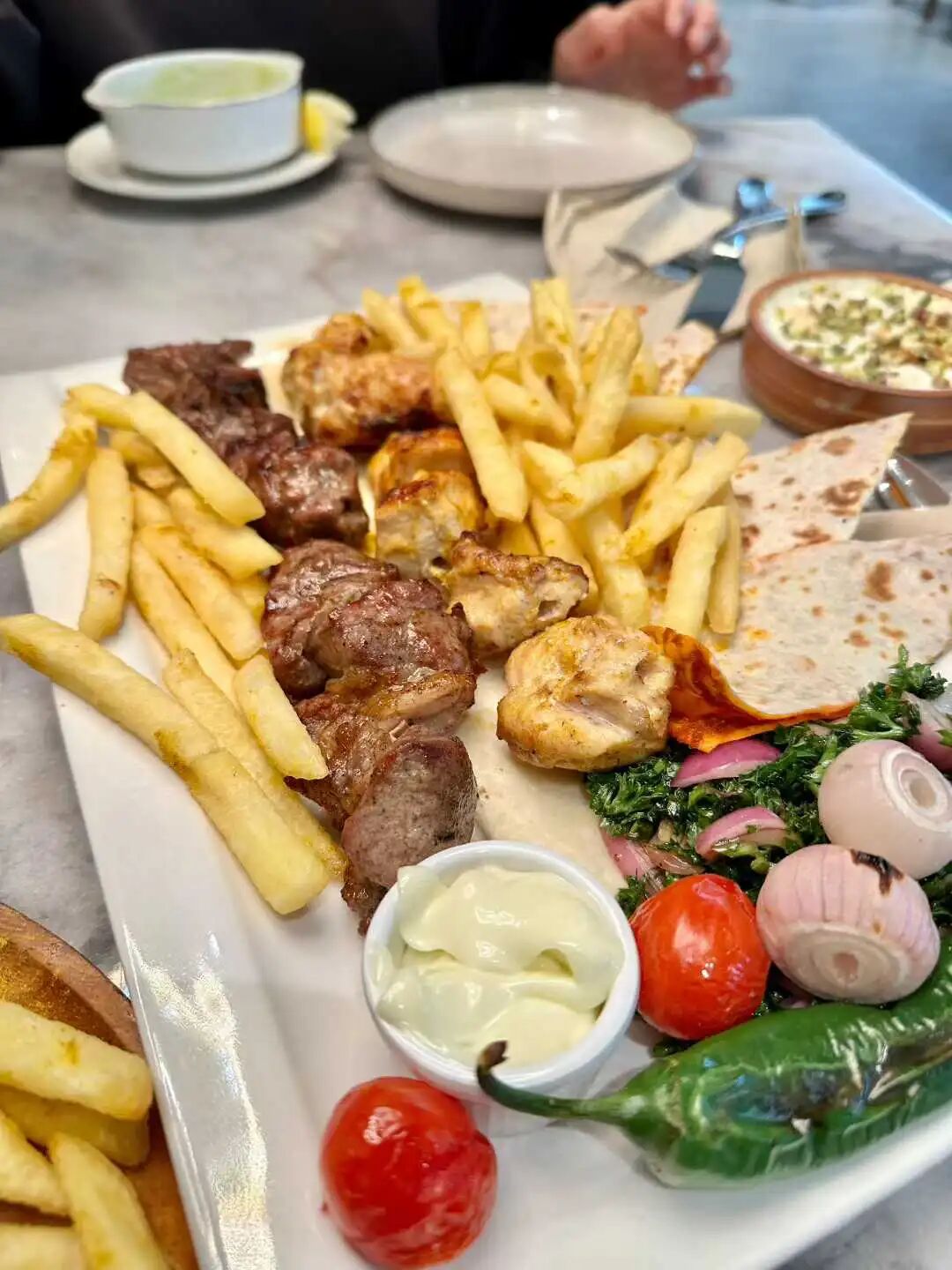
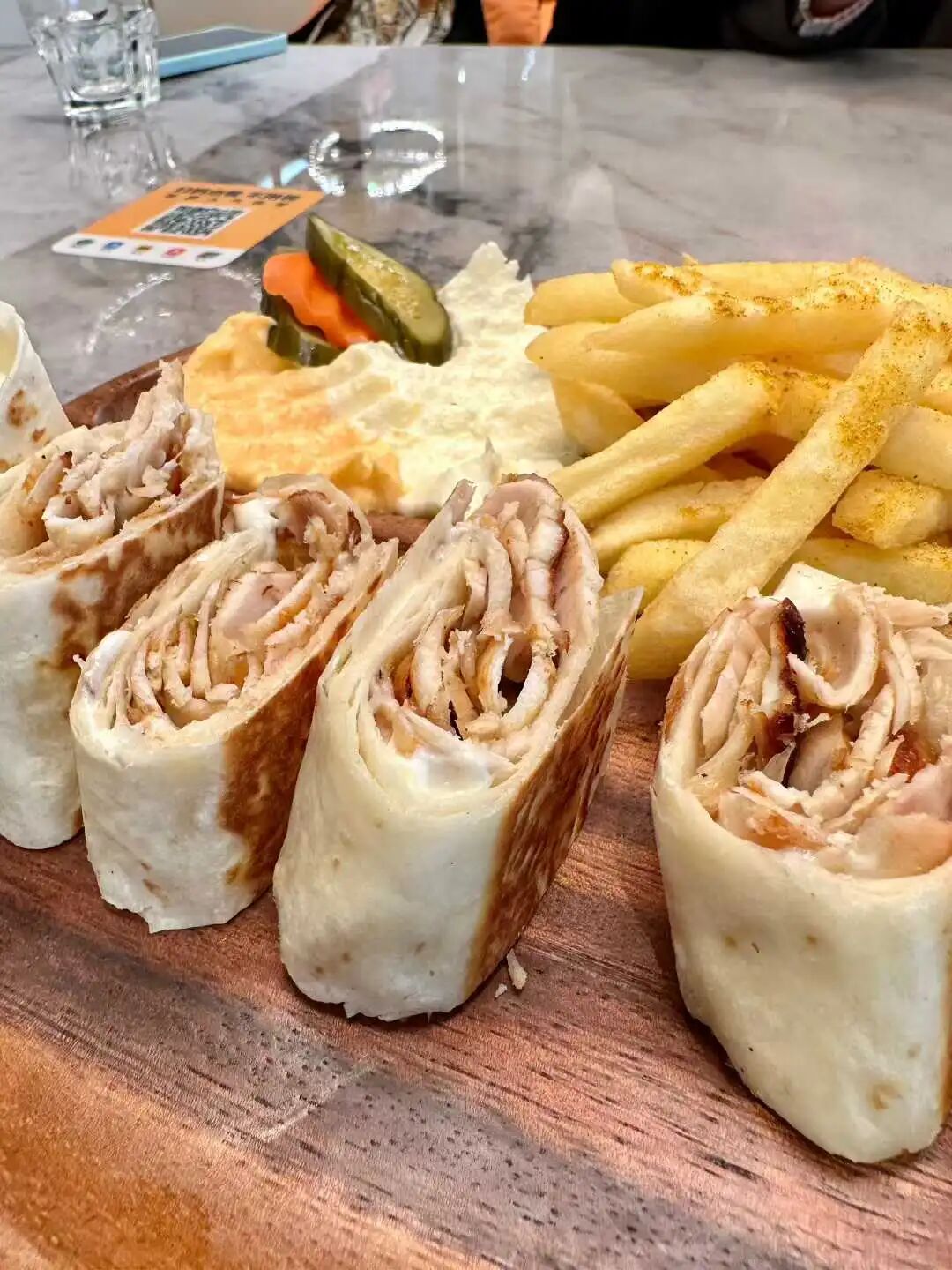
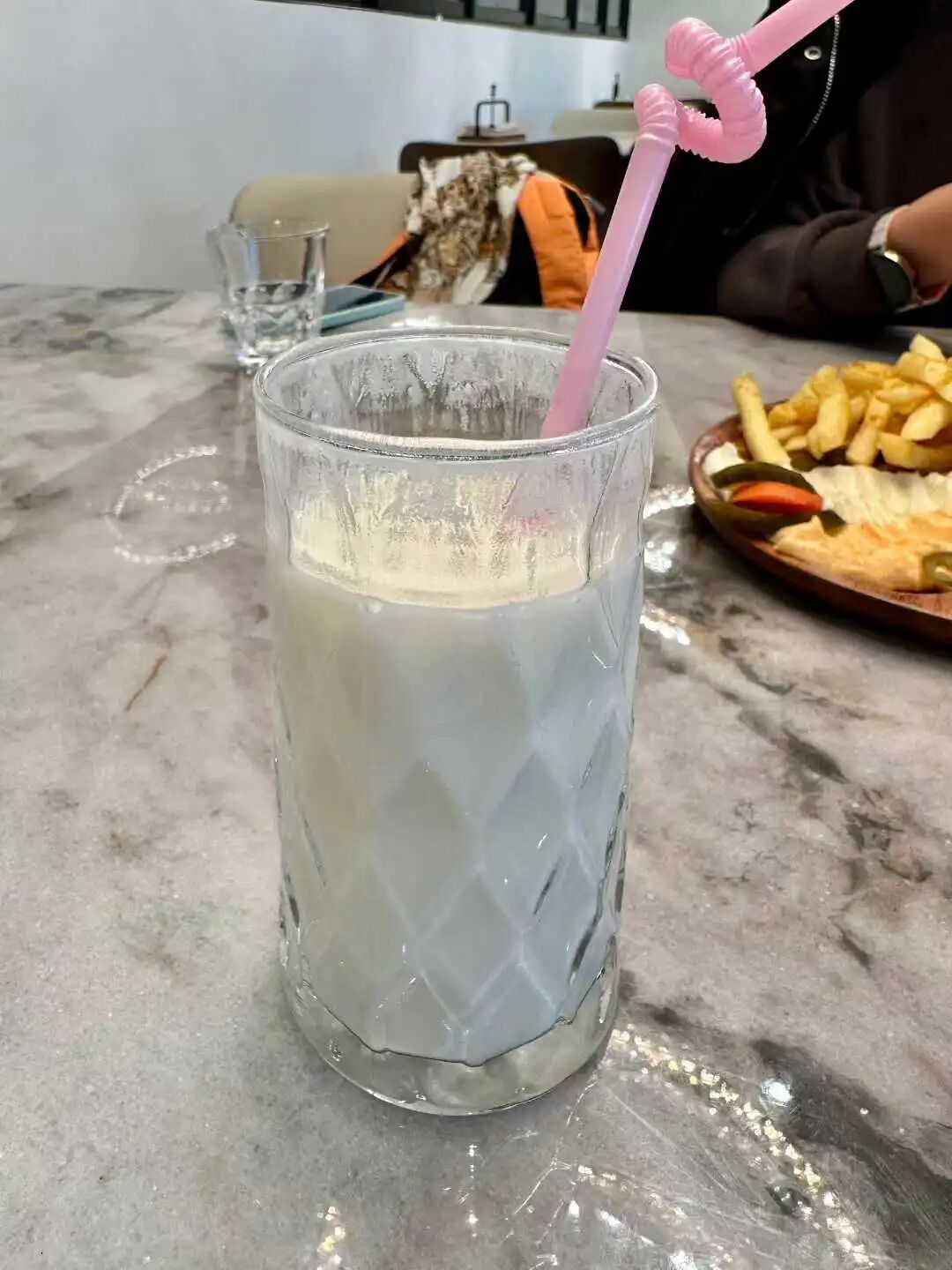
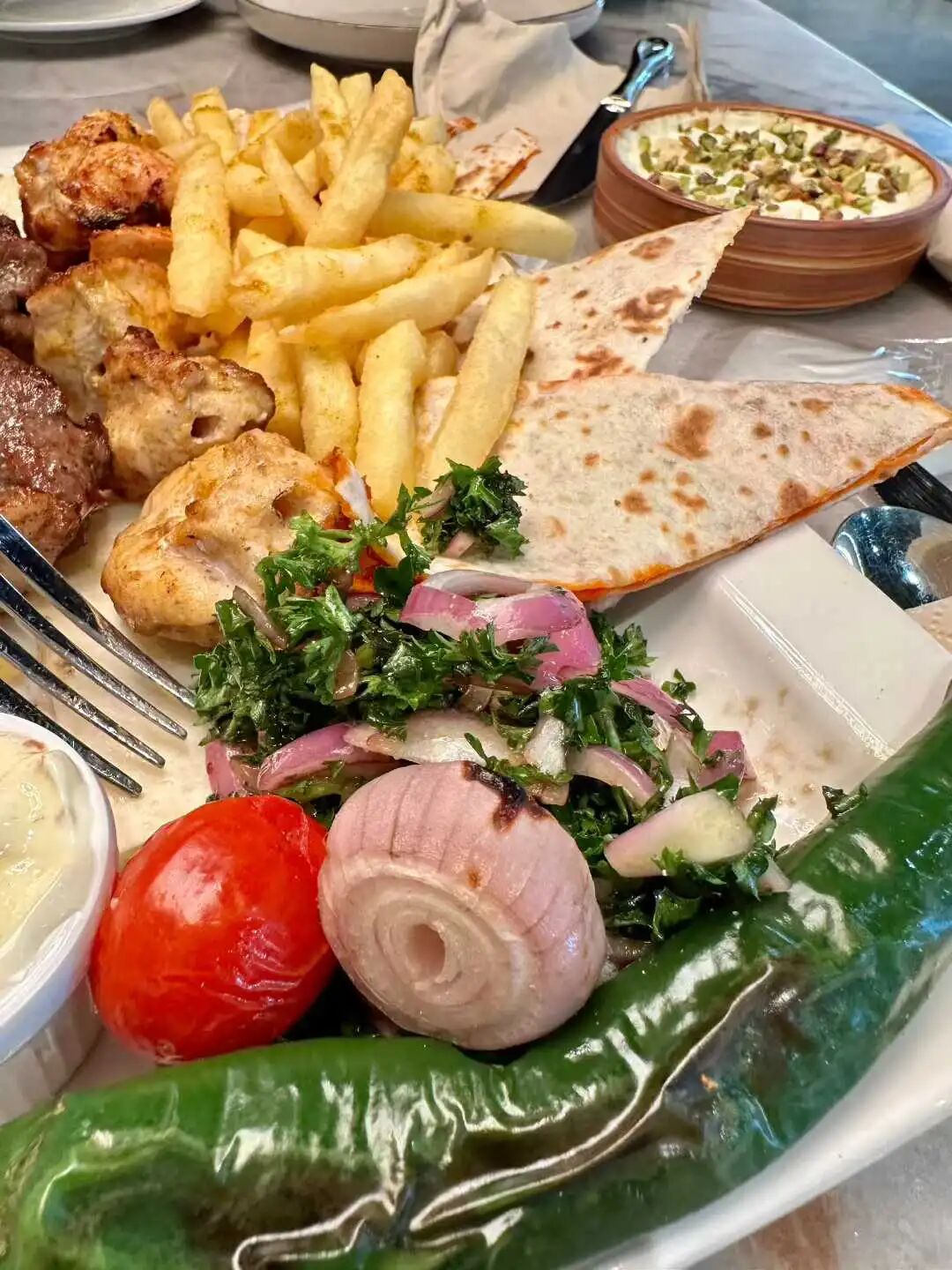
We ordered chicken shawarma, a chicken and lamb kebab platter, hummus with kibbeh beef meatballs, lentil soup, broccoli soup, and salty yogurt drink (ayran). The restaurant even gave us complimentary milk pudding.
The chicken shawarma tasted exactly like what I ate every day in Damascus. Garlic sauce is the essential soul of the dish. On the streets of Damascus, they pour it directly on, but here they serve it on the side for dipping.
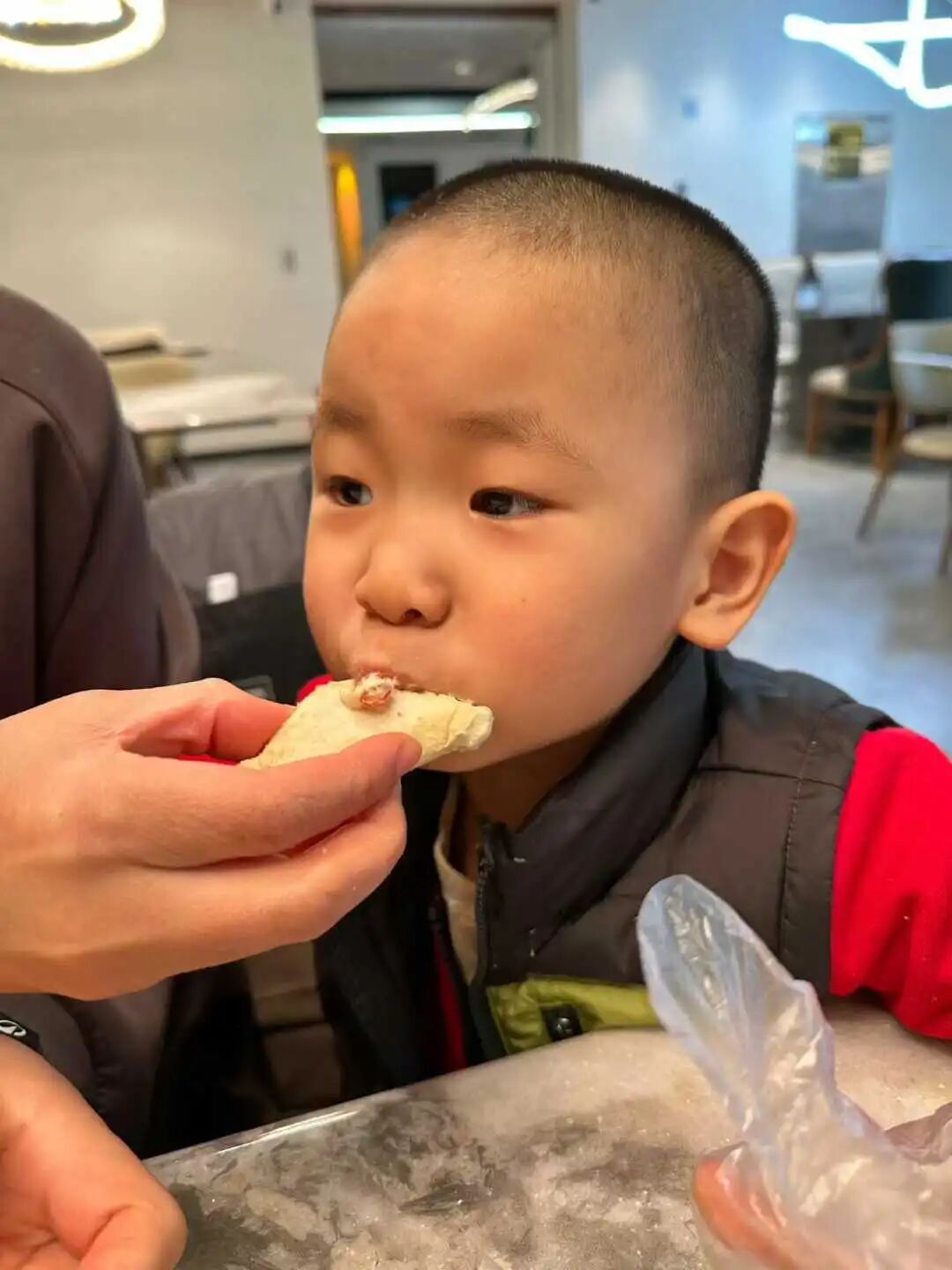
Their roasted lamb is very tender! The kids especially loved it.
The hummus with kibbeh is also very popular. Kibbeh is made from minced lean meat and bulgur wheat. Bulgur is wheat that has been parboiled, hulled, and dried. It has a mild flavor with a nutty aroma.
Lentil soup is a must-have for me when eating Levantine food, but their broccoli soup is also delicious. This is made by blending broccoli into a puree with cream, and it has a very rich aroma.
Their yogurt drink (ayran) is very sour, much more authentic than the ayran at many restaurants in Beijing.
Their milk pudding is not too sweet, making it perfect for children.
Baoding beef soup with flatbread (niurou zhaobing).
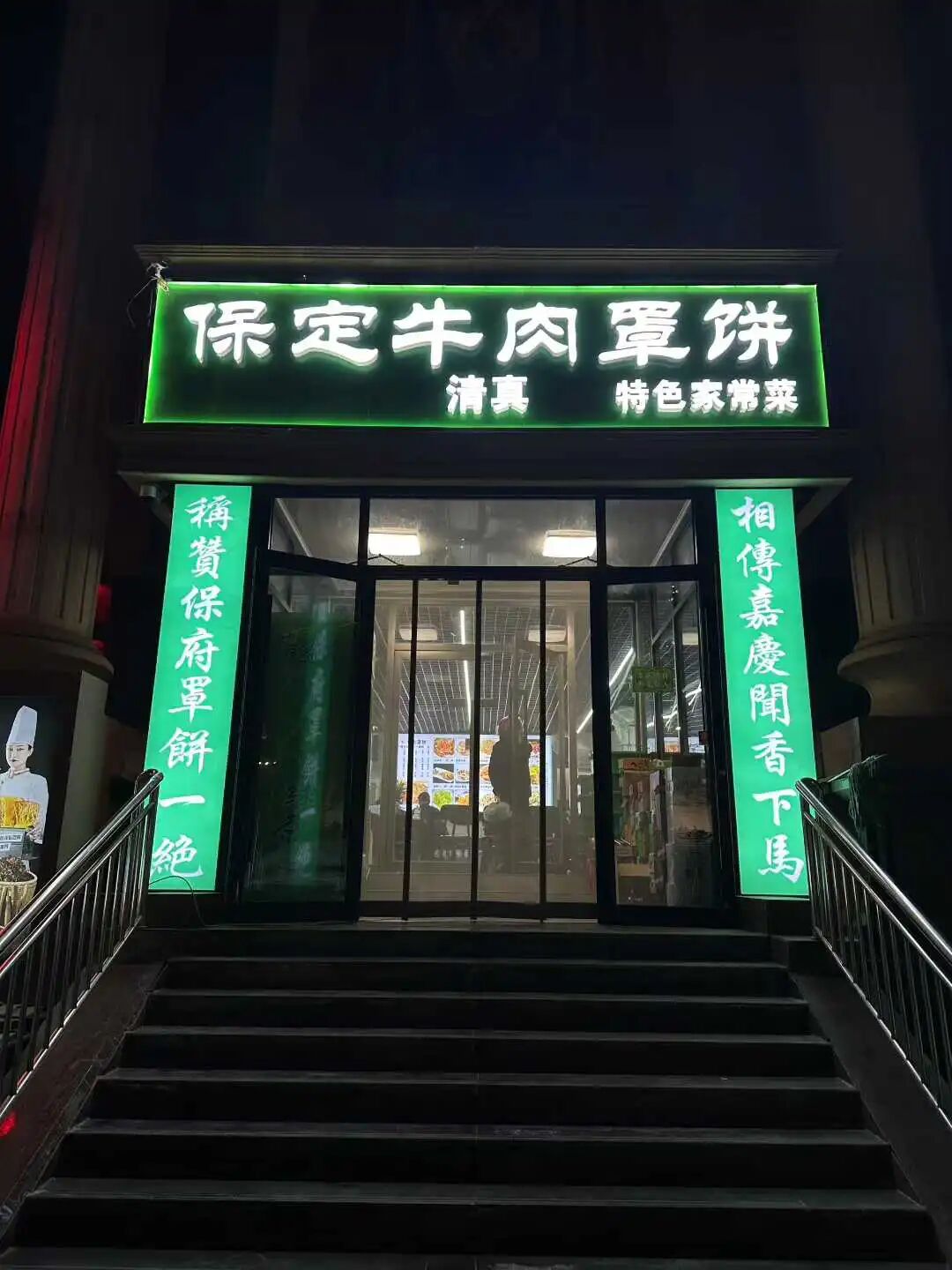
The Baoding beef soup with flatbread shop in Songjiazhuang has a nice environment, but the biggest problem is that too many people smoke inside. When we went, there were only a few tables, and two of them were smoking. If you are bothered by cigarette smoke, you should probably avoid this place.
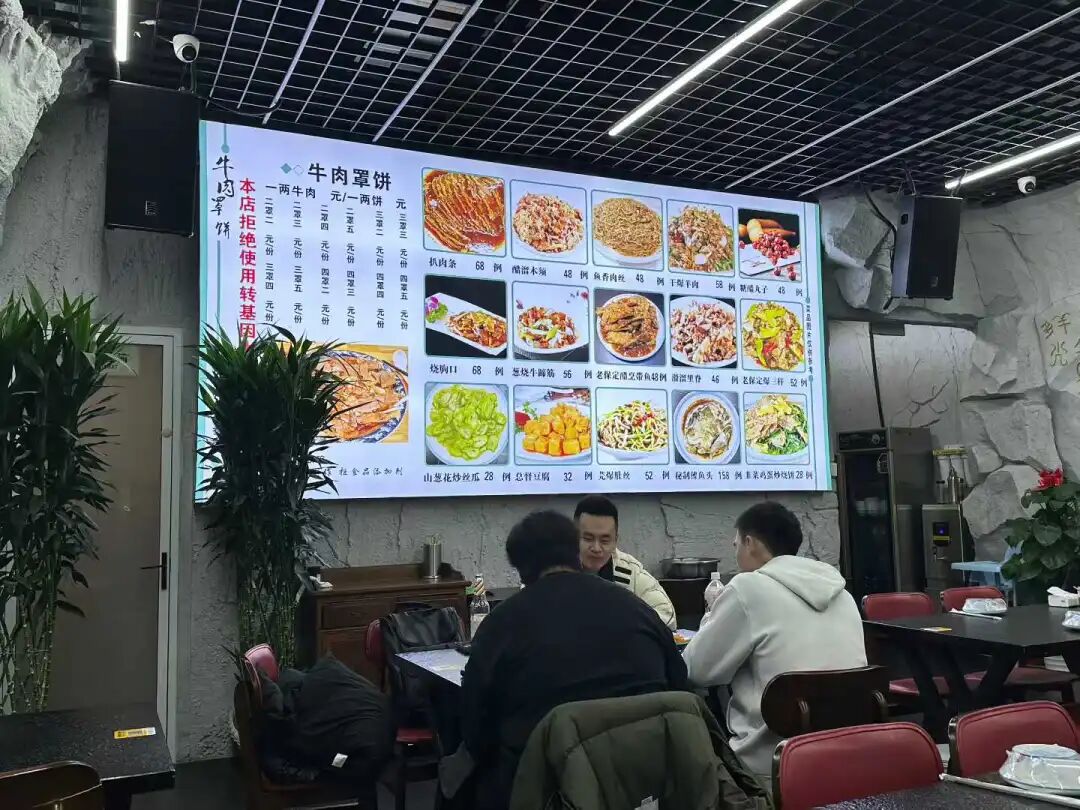
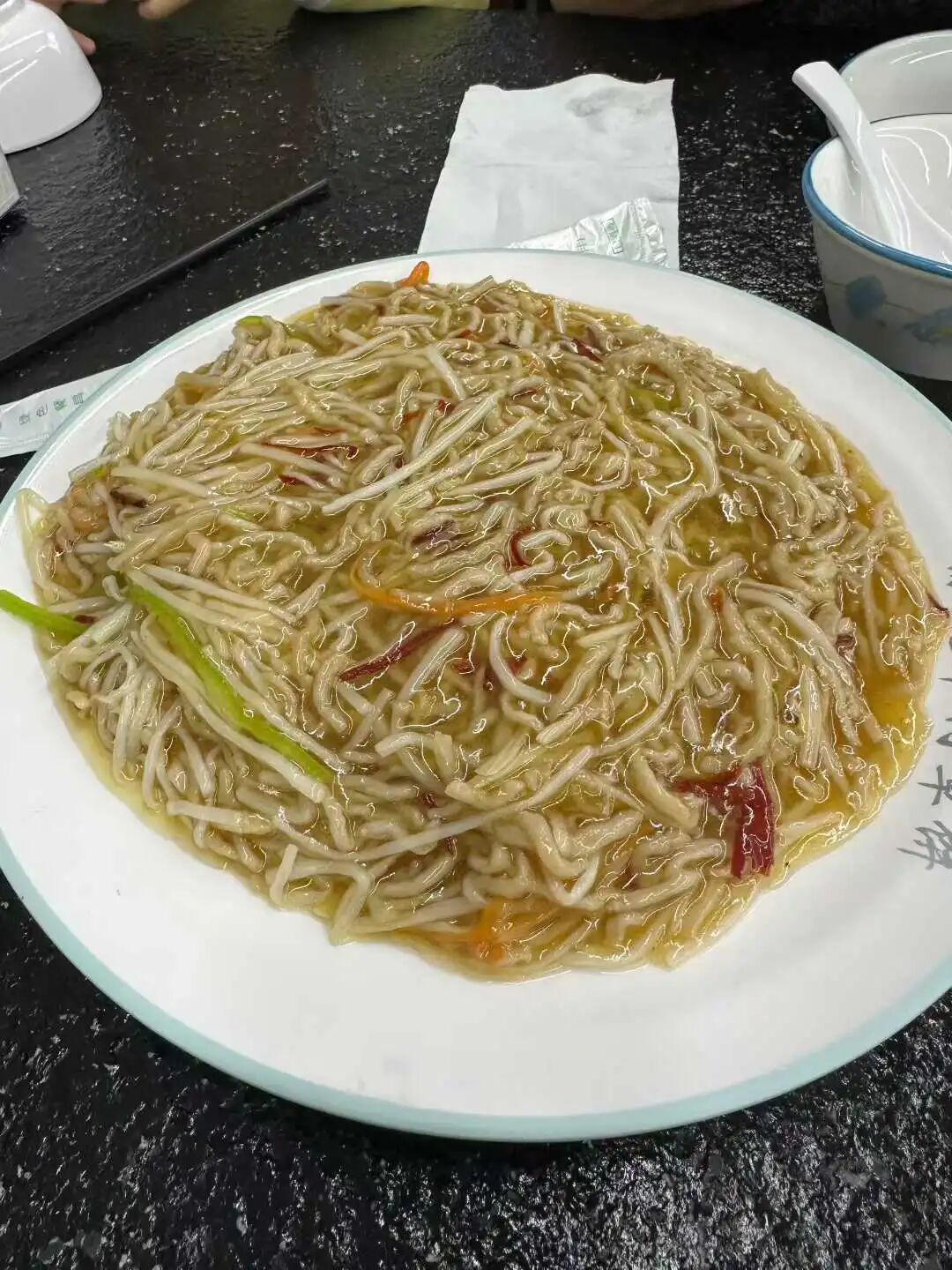
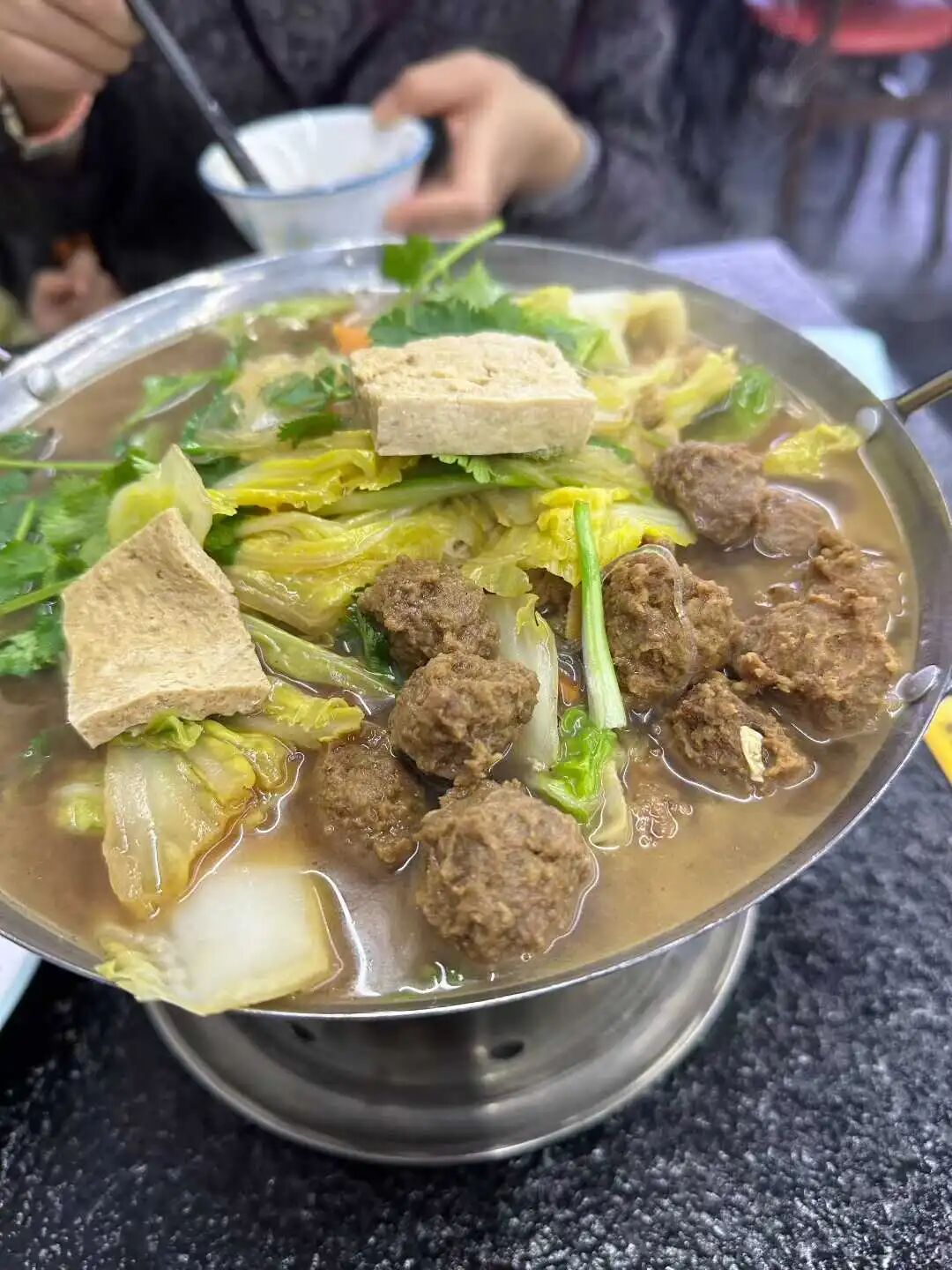
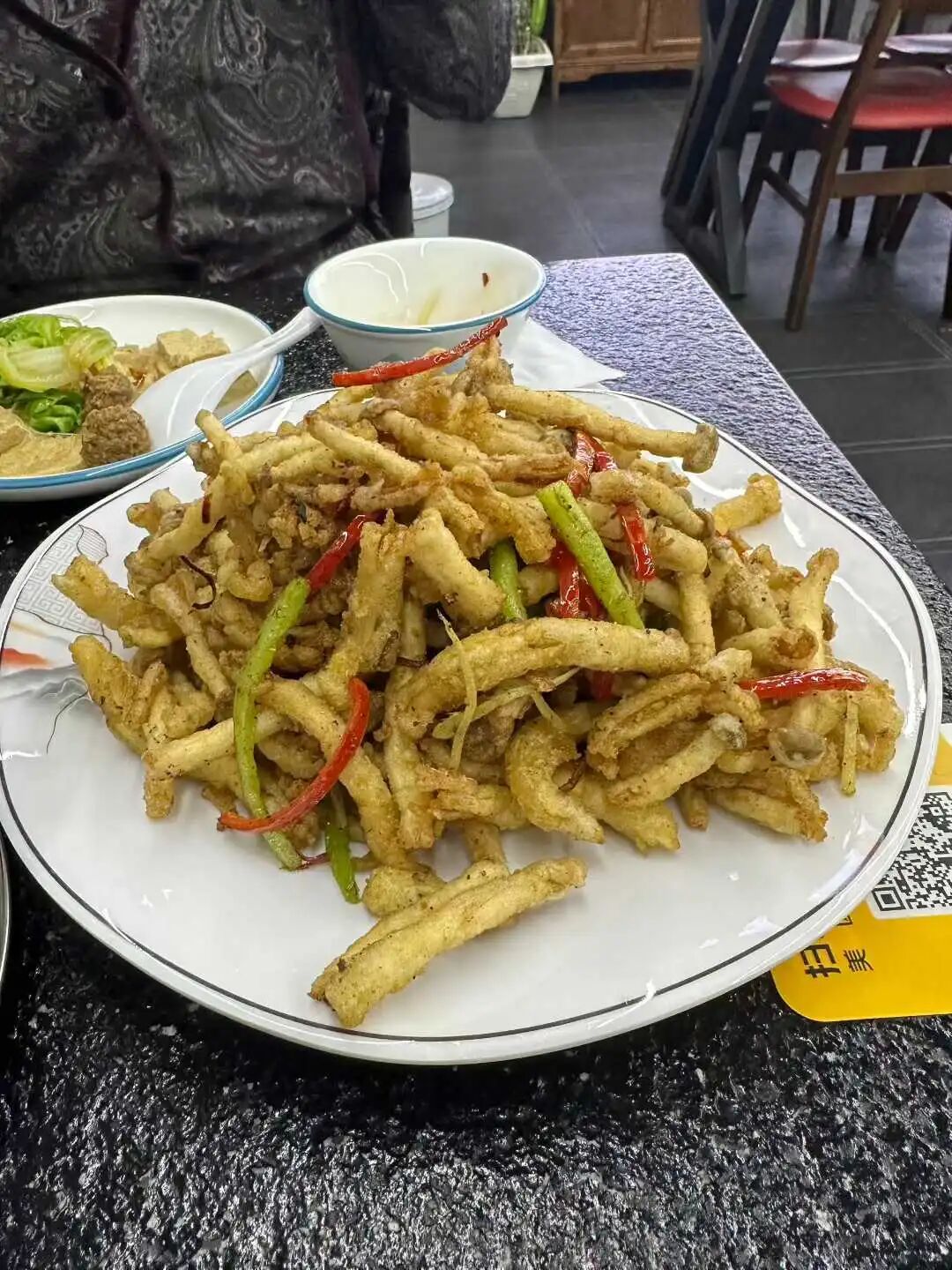
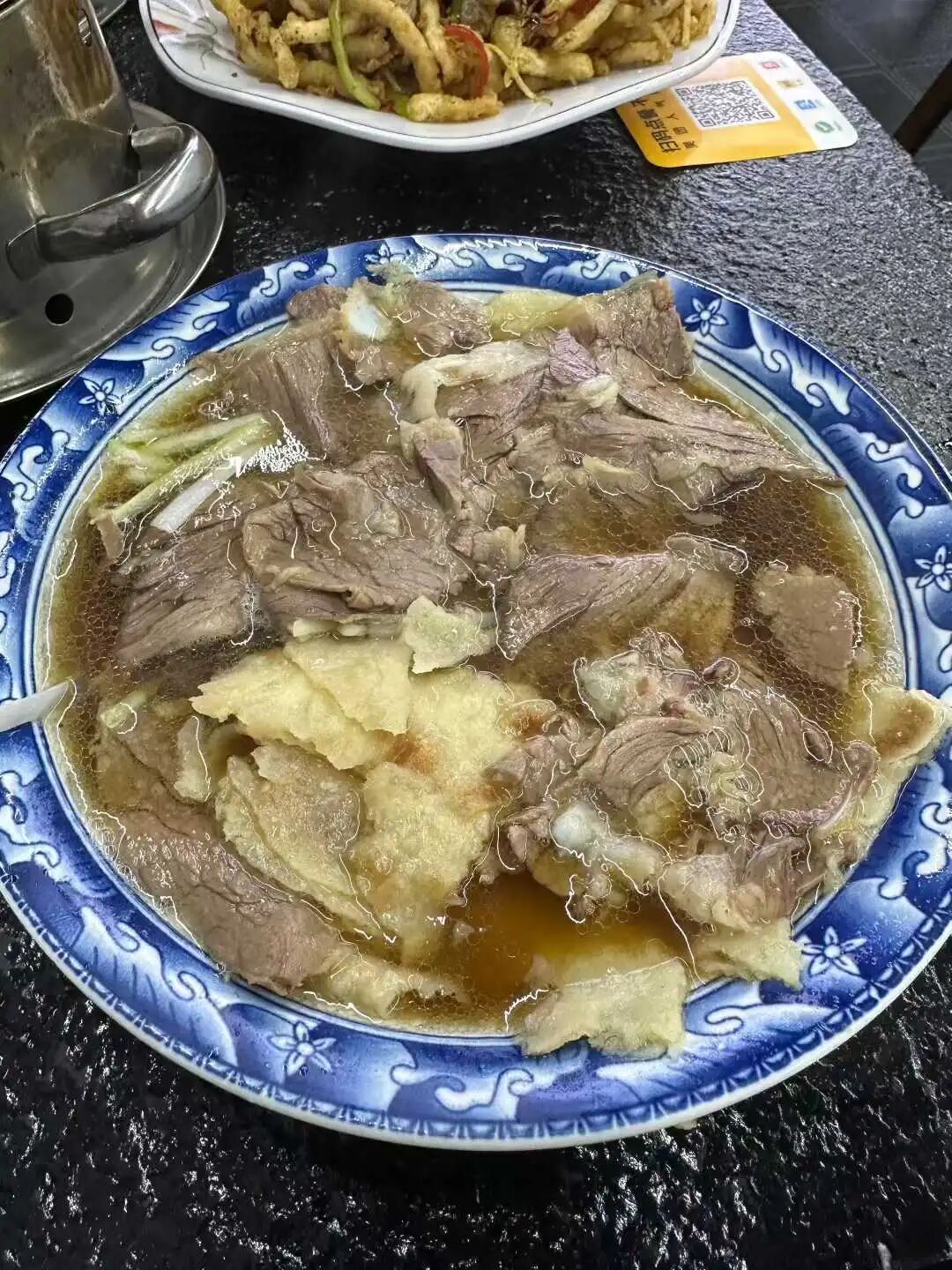
We ordered the three-layer beef and bread (san zhao san), shredded pork with garlic sauce (yuxiang rousi), meatball clay pot (shaguo wanzi), and salt and pepper crab leg mushrooms (jiaoyan xietui gu). First of all, the shredded pork with garlic sauce is not authentic at all. It has way too many bean sprouts and is cloyingly sweet. The shredded pork with garlic sauce I had in Baoding was made entirely of thin strips of meat with a balanced sweet and sour flavor; this place is far behind that standard.
The other dishes tasted pretty good. The meat in the three-layer beef and bread is not too tough, so children can eat it too. The meatball clay pot is very comforting in winter, and they give you plenty of meatballs. The portion of crab leg mushrooms is also very large, but it gets a bit greasy once it cools down, so you must eat it while it is hot.
Pakistani restaurant Al Rayyan.
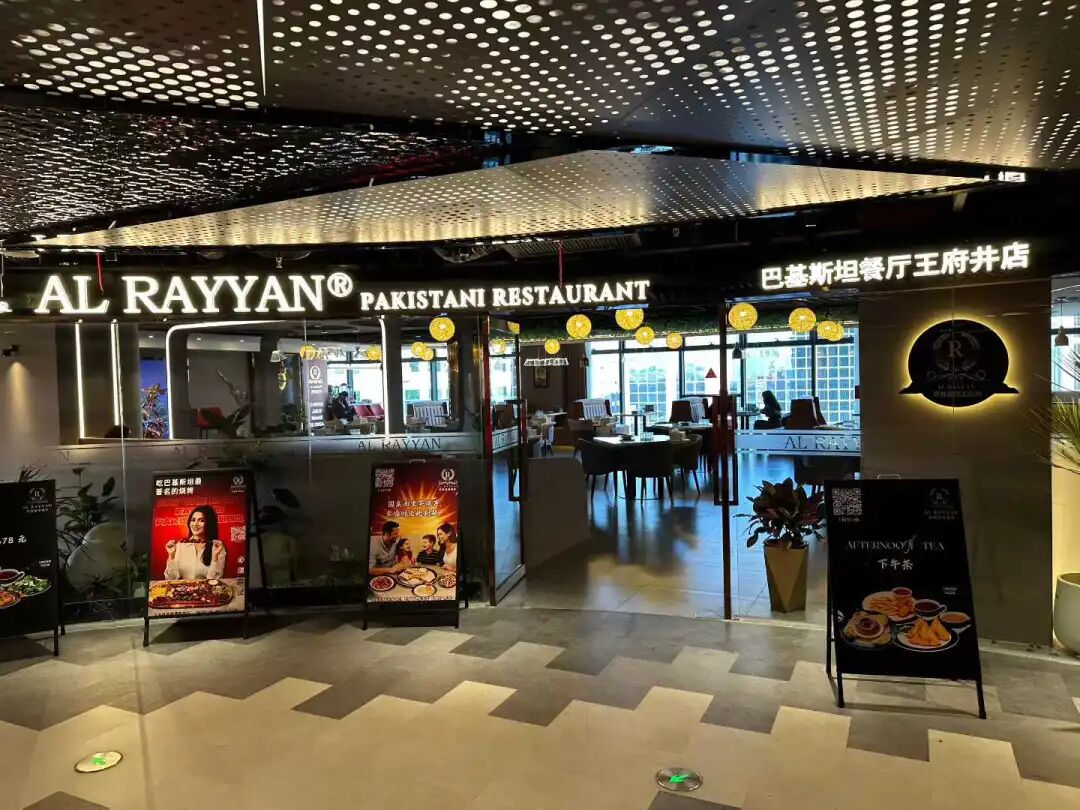
The newly opened Pakistani restaurant Al Rayyan is on the sixth floor of Joy City in Wangfujing. They used to have a shop in Changyang. The environment at the Wangfujing branch is excellent, and you can overlook Wangfujing Street.
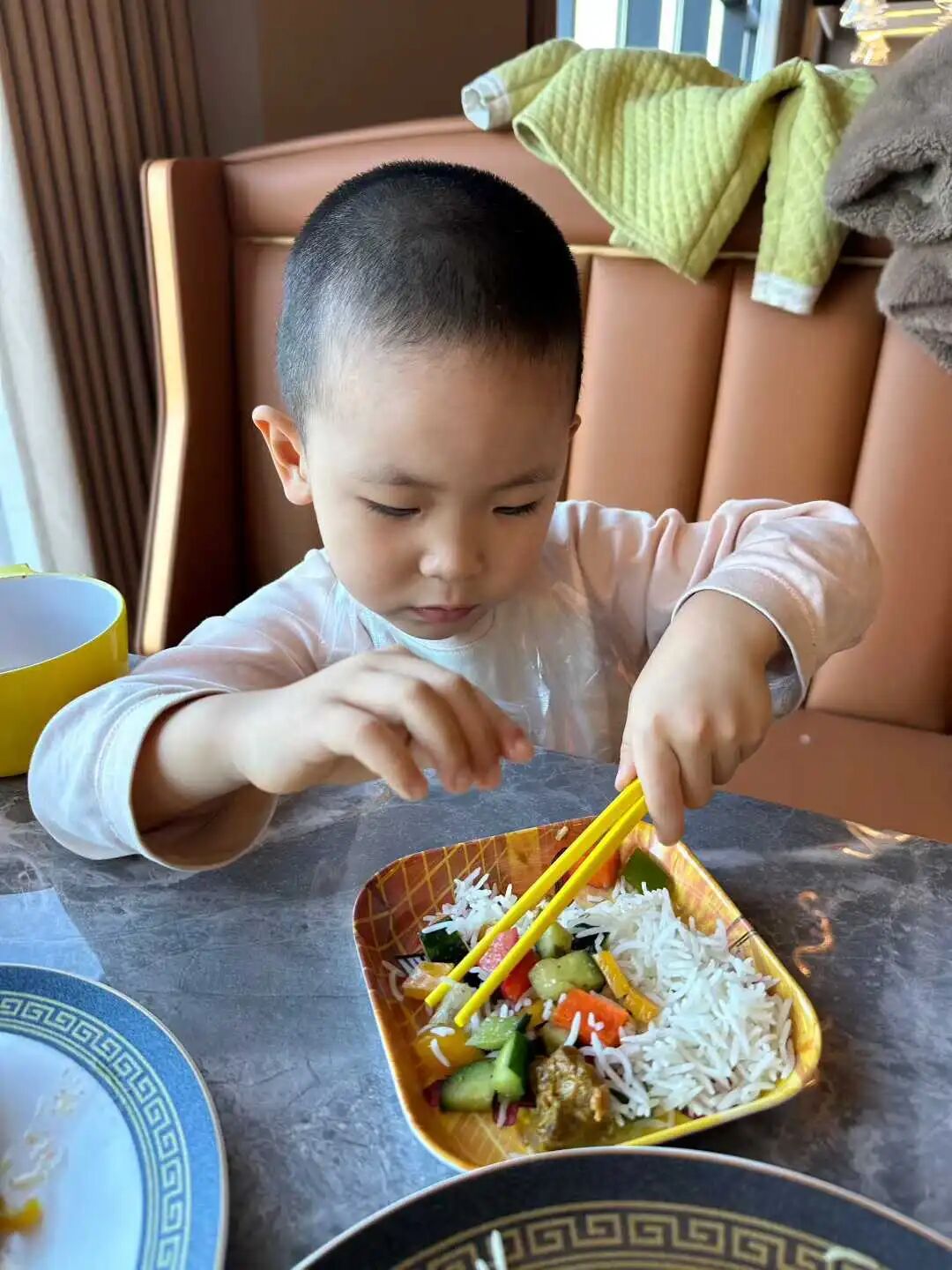
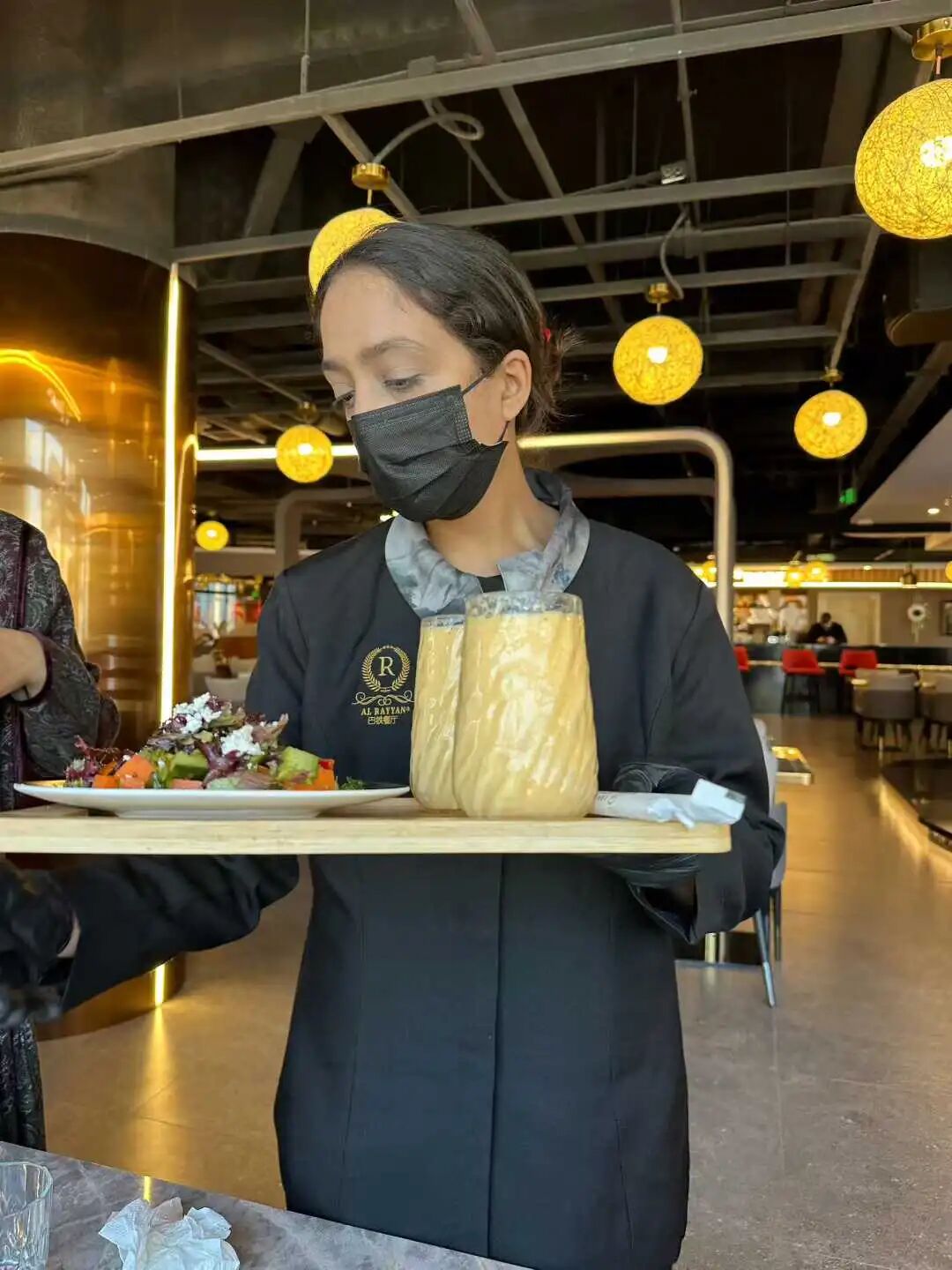
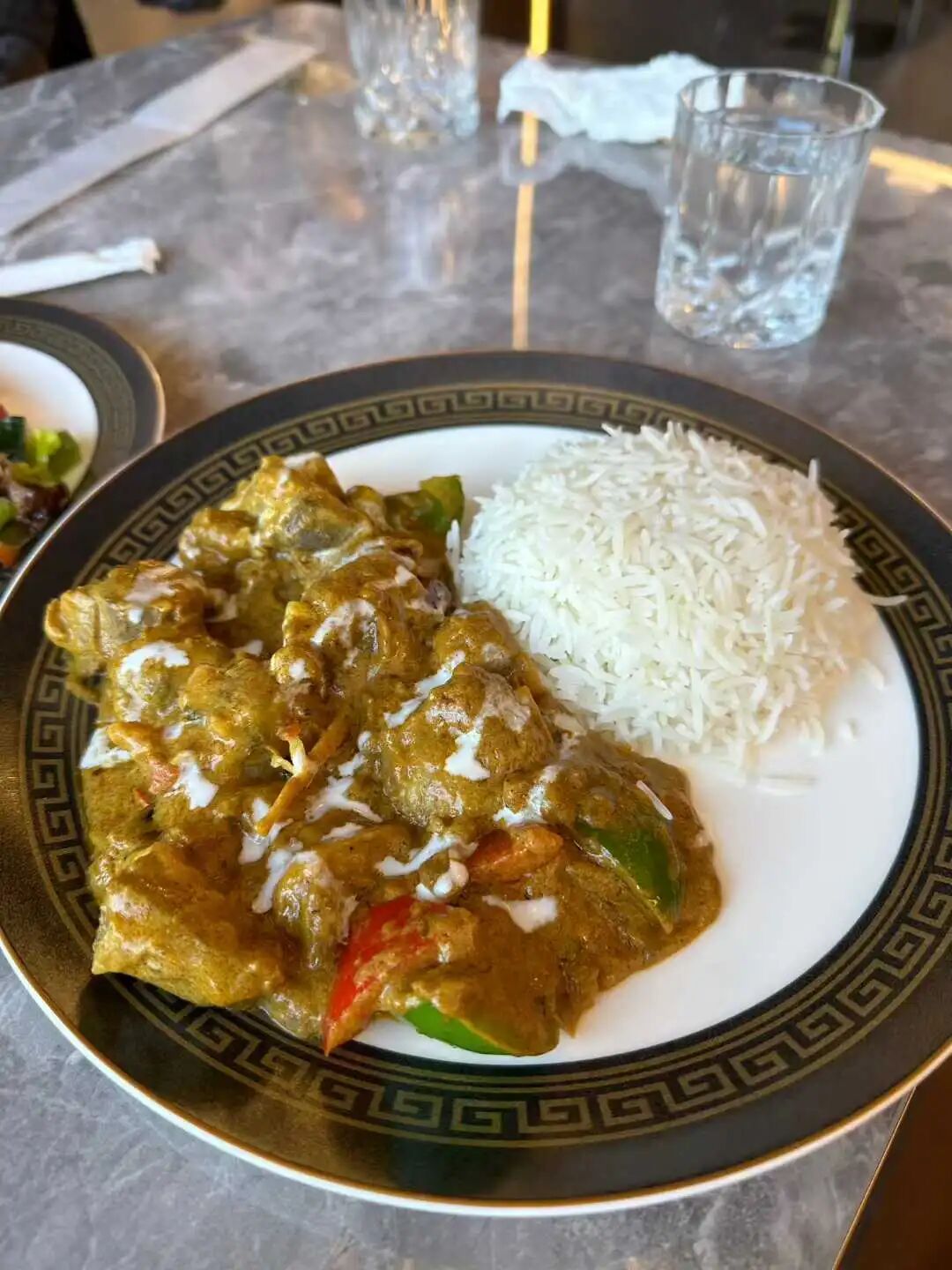
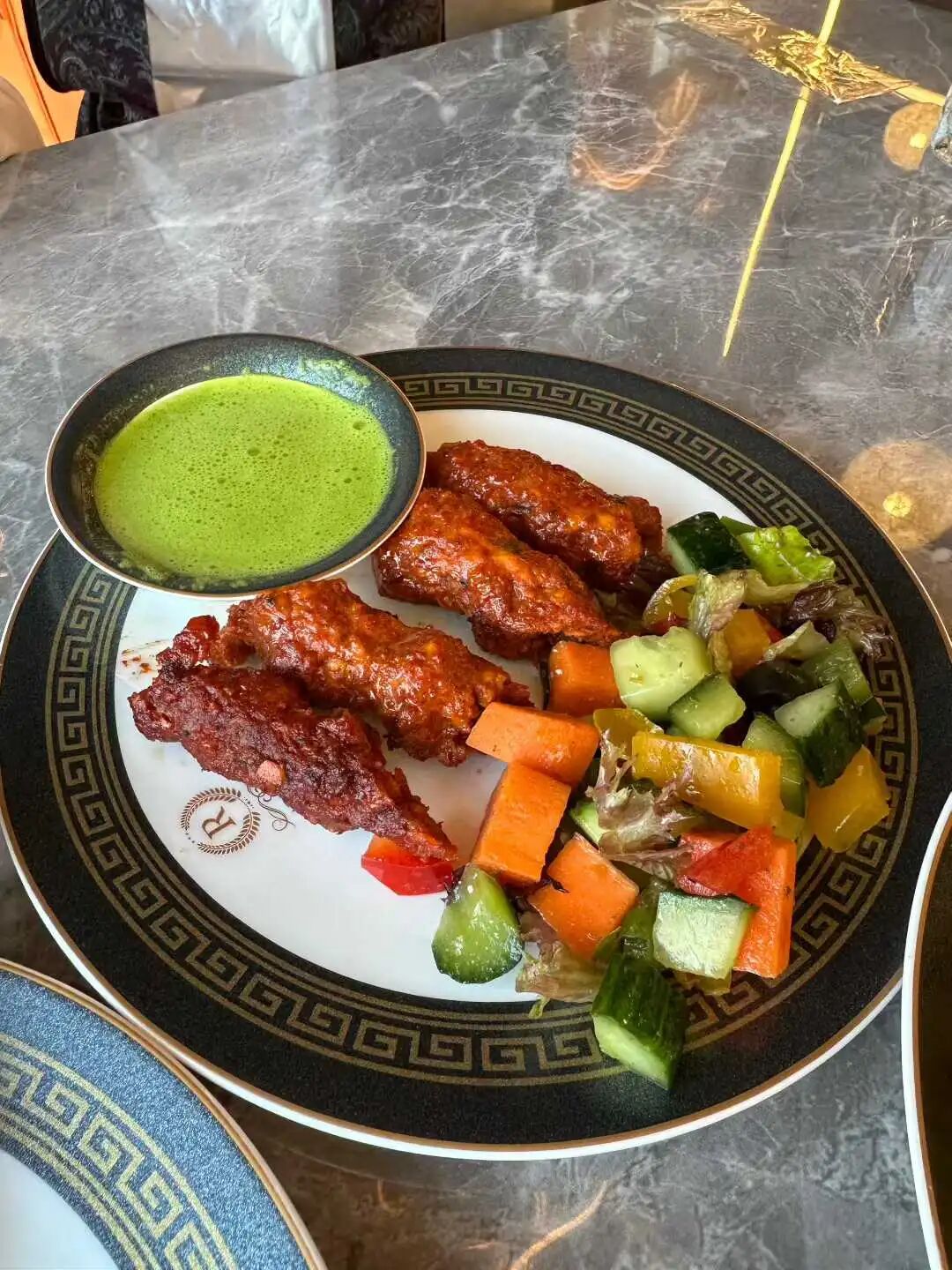
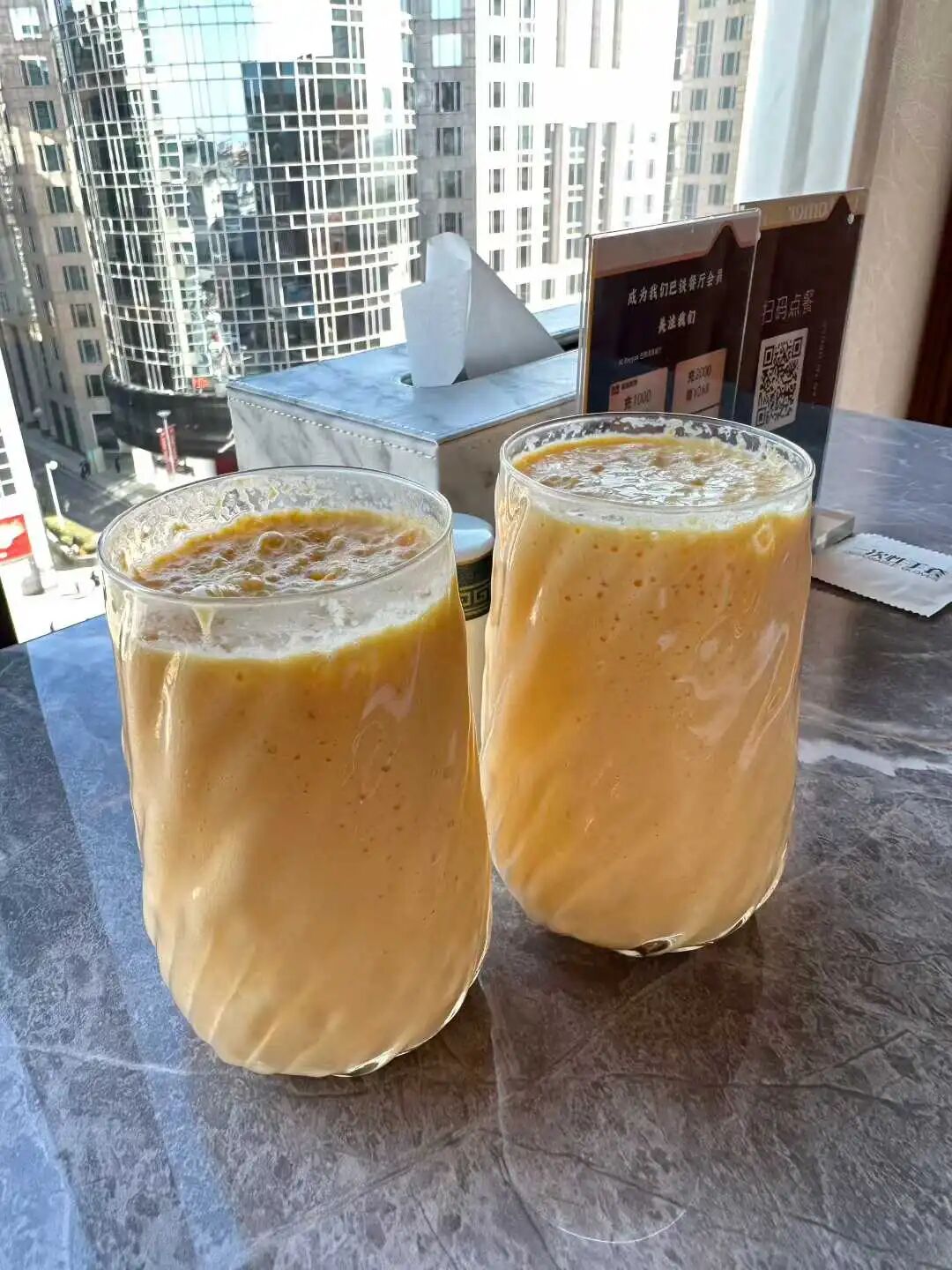
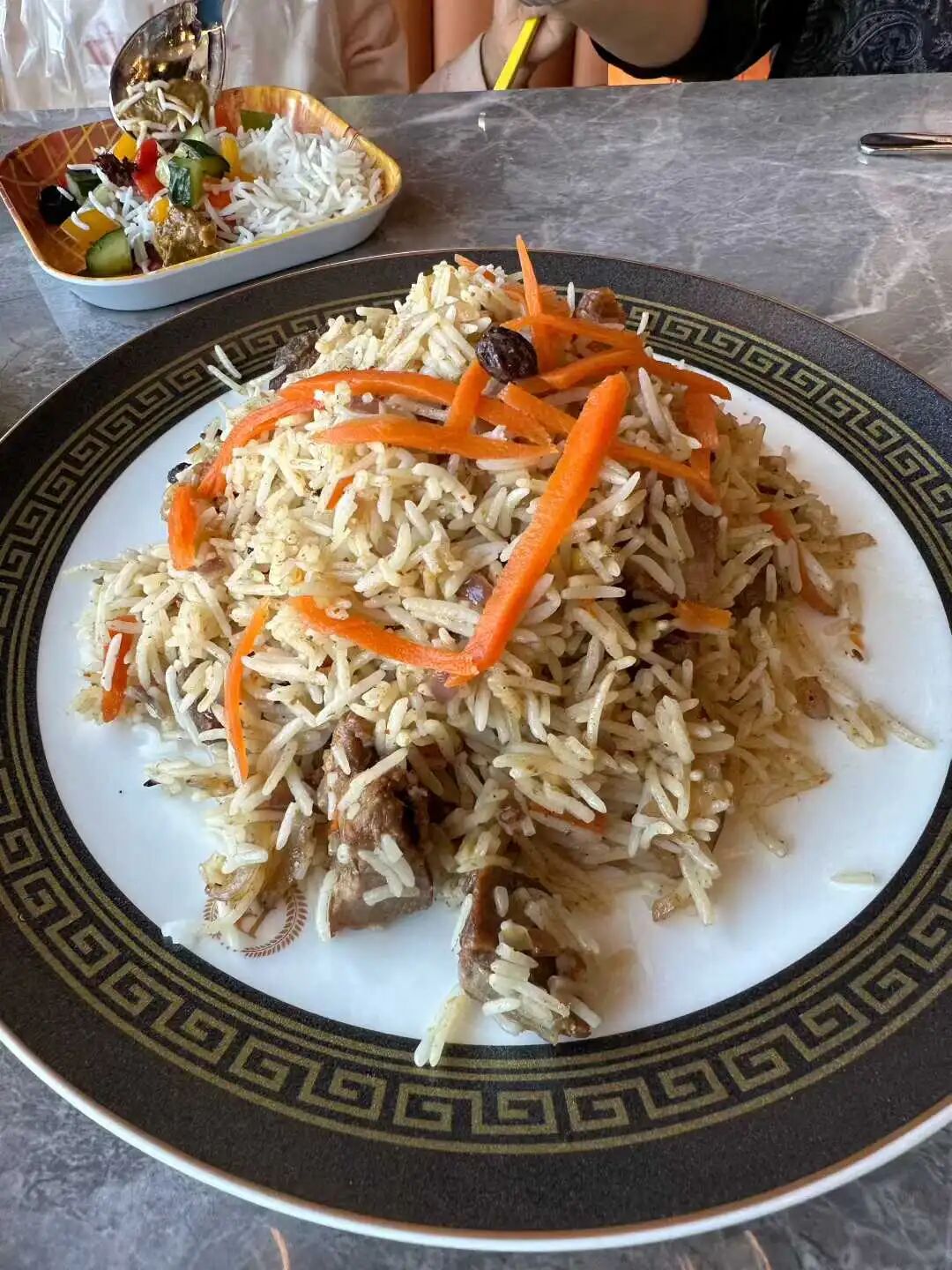
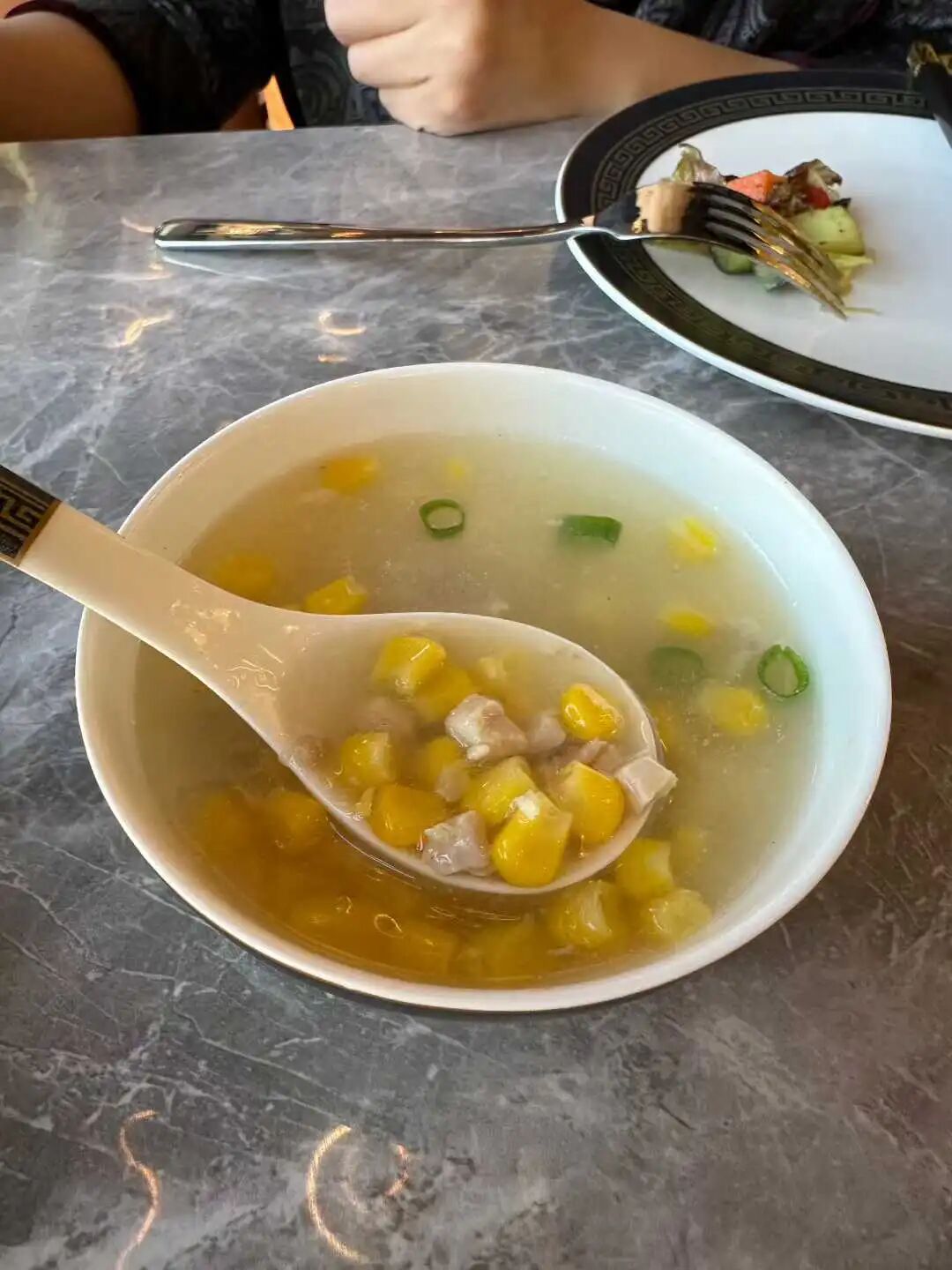
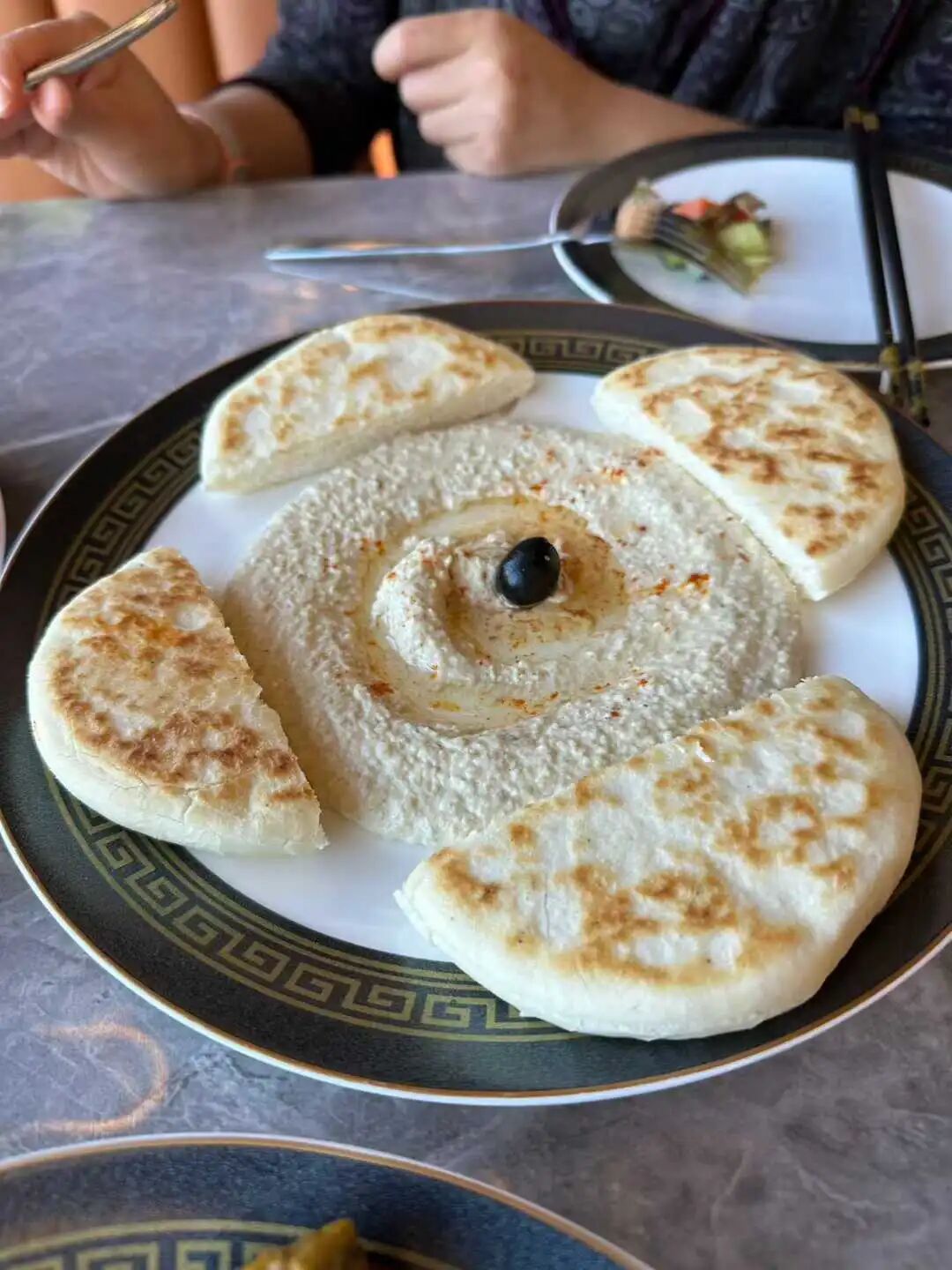
We ordered the Afghan pilaf set meal, which has a good discount for the first order. The set meal is quite substantial. Besides the Afghan pilaf, it includes butter-aromatic lamb handi with rice, lamb kafta kebab, hummus with flatbread, chicken corn soup, and mango juice. Two people can barely finish it. We hardly touched the pilaf, so we packed it up to take home for dinner the next night.
Afghan pilaf originated in the border region between northern Afghanistan and Uzbekistan. It is called Qabili Palaw in Afghanistan and later spread from there to West Asia, Central Asia, and Pakistan. The difference between Afghan pilaf and Xinjiang pilaf is the use of Indian long-grain fragrant rice, a small amount of saffron for color, and the use of ghee and vegetable oil when cooking the meat. The carrots are sliced thinly, and they add cinnamon, cardamom, and cloves, so it has more of a spice flavor than Xinjiang pilaf. The clay pot curry is slow-cooked in a handi clay pot. Modern kitchens sometimes use pressure cookers, but the flavor is not as good.
Yili Loulan Restaurant Guijie branch.
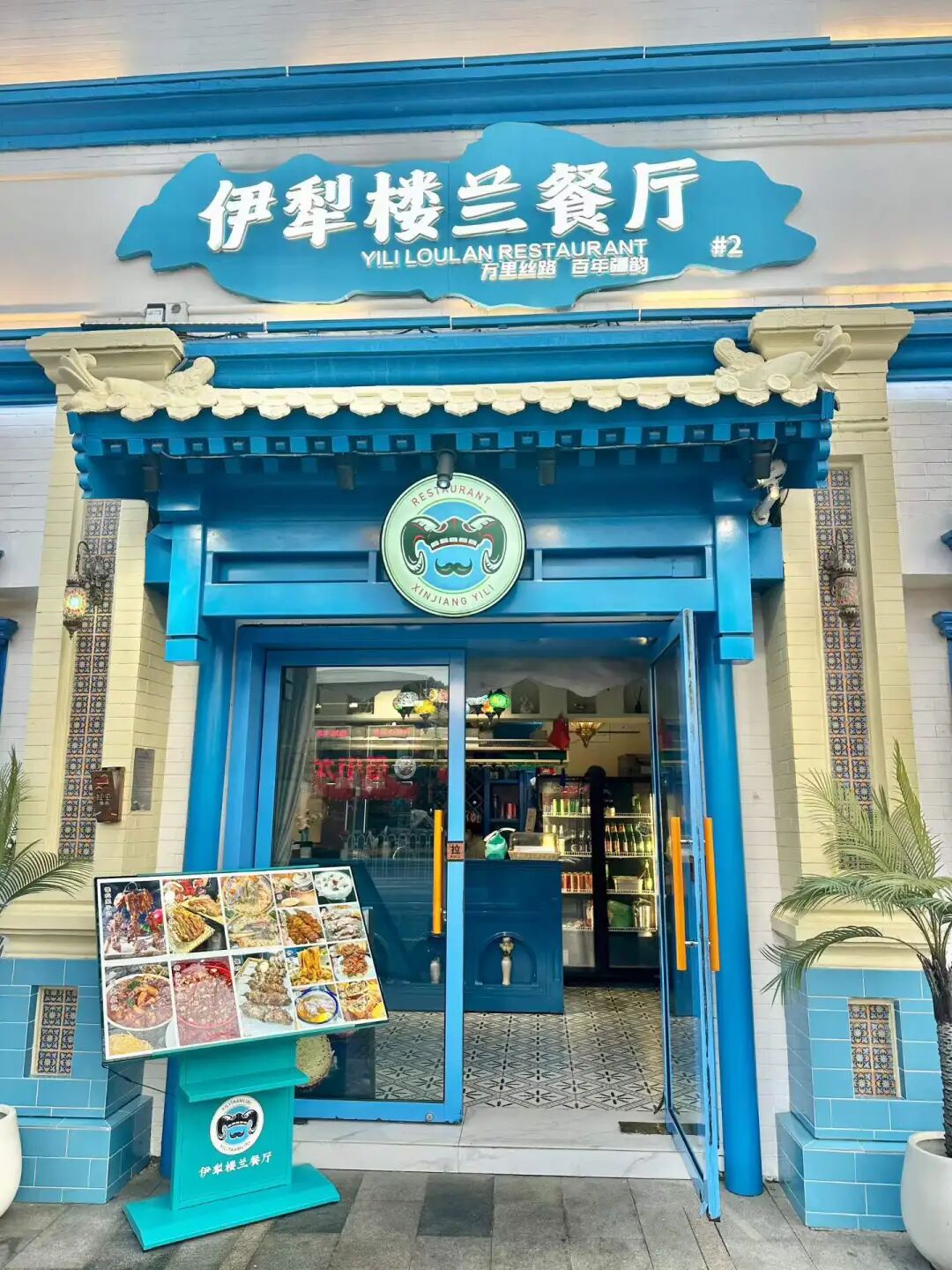
The Yili Loulan Restaurant at the Xinqiao intersection didn't have a sign for a long time. I only noticed the sign recently, so I came to eat here after the Guijie festival.
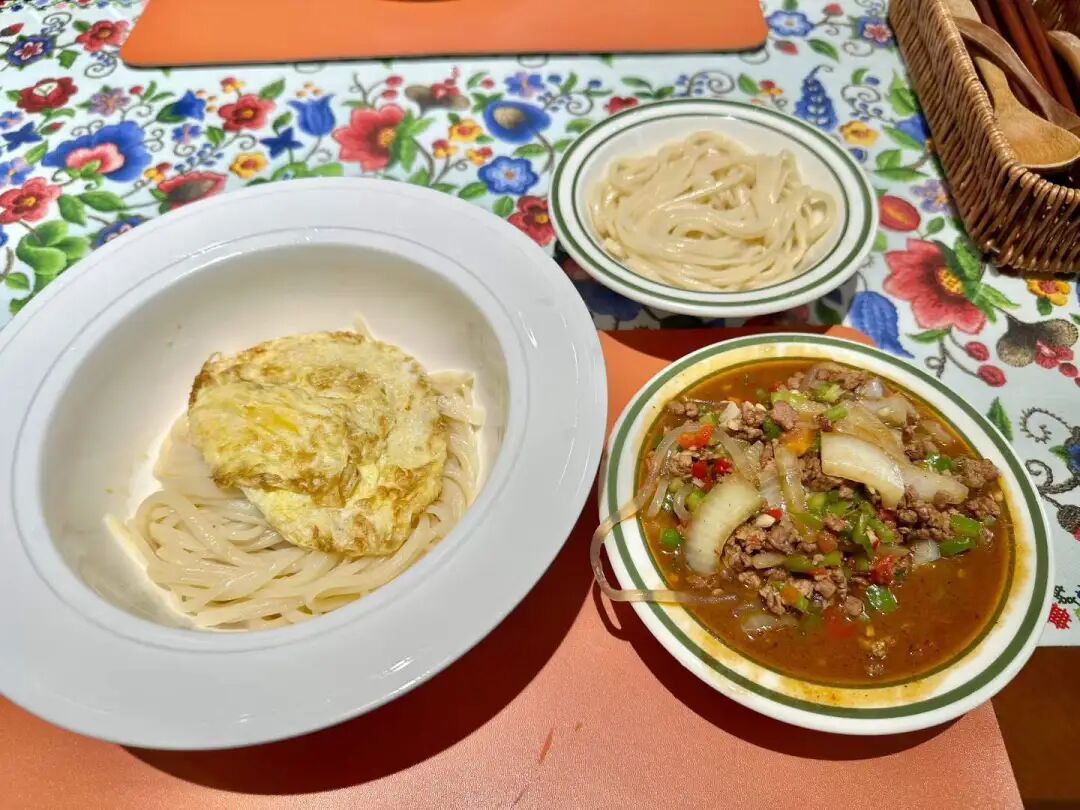
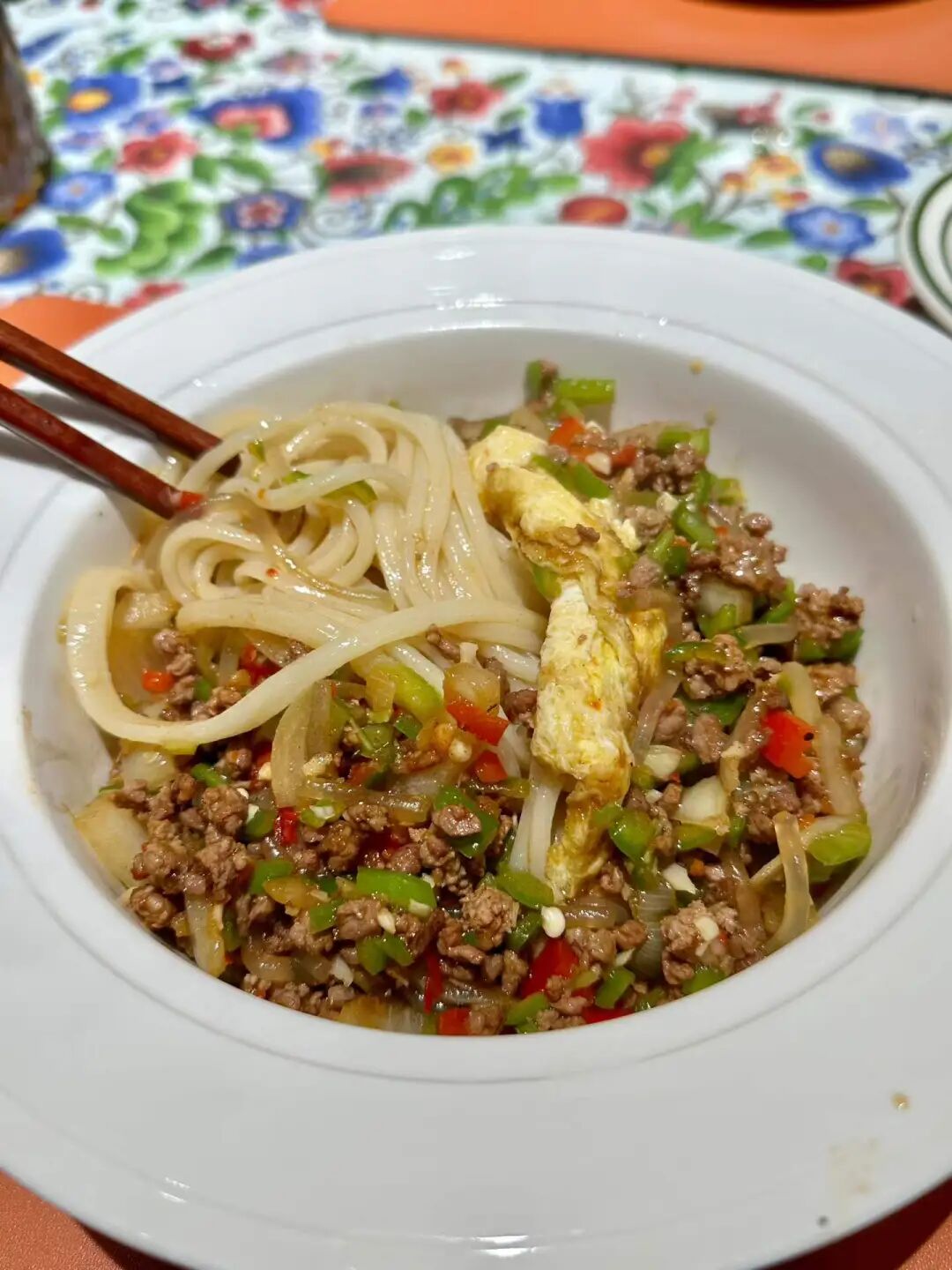
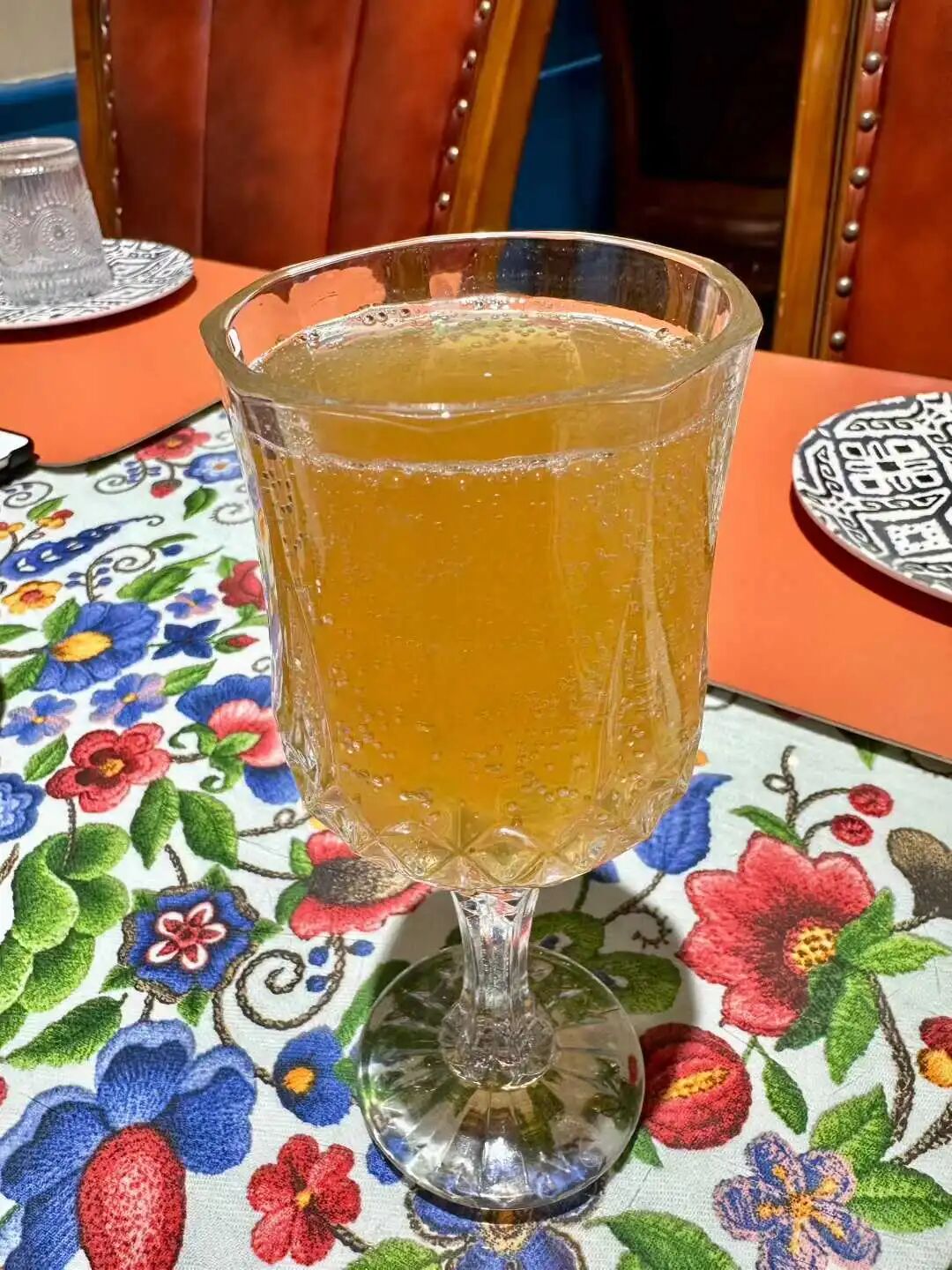
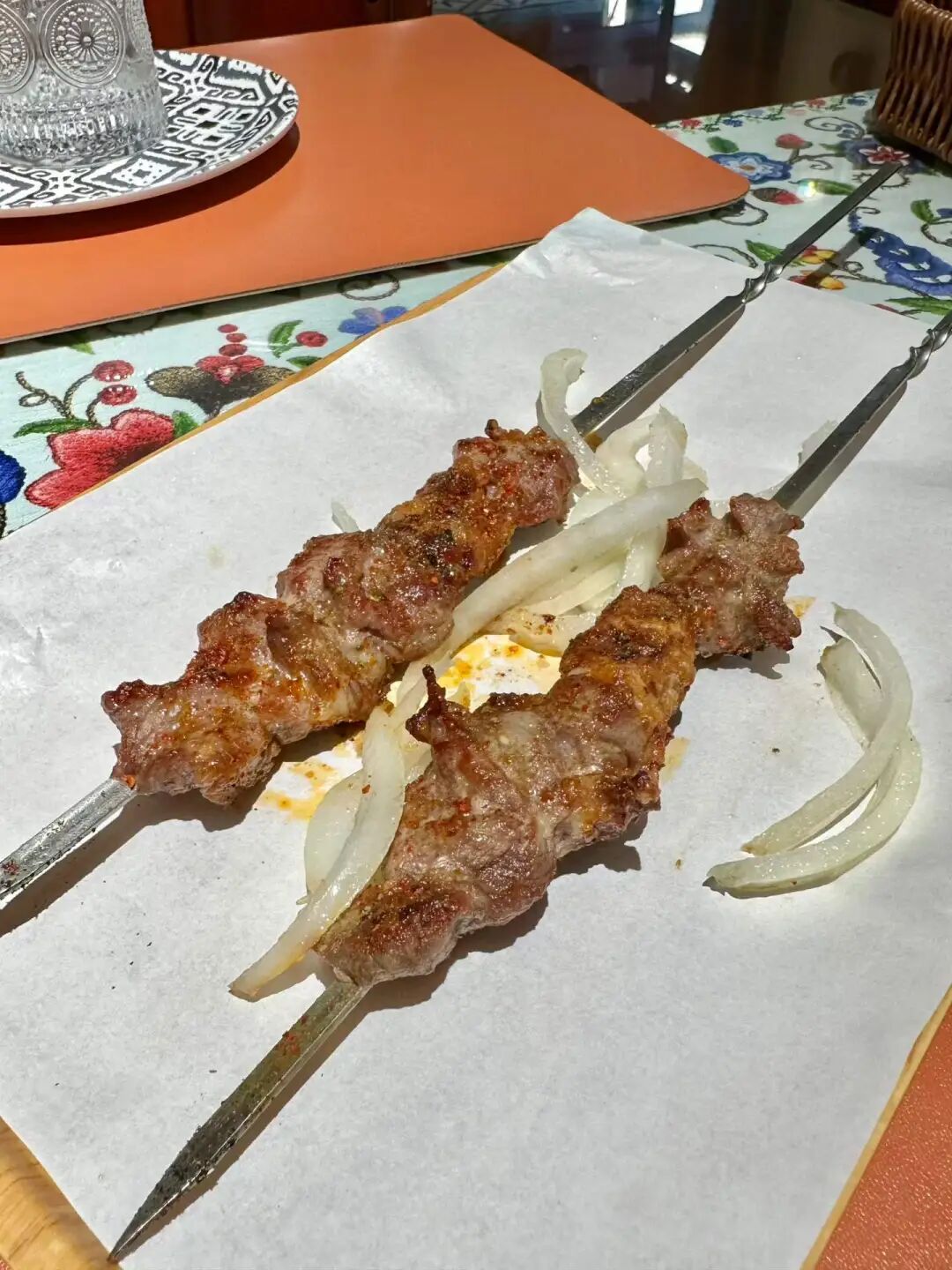
Their shop is at the intersection of Guijie, and the prices are higher than the average Uyghur restaurant. I bought a set meal voucher for mixed noodles, which included a bowl of Yili signature minced meat mixed noodles (banmian), two lamb skewers, and a glass of kvass. The mixed noodles (banmian) come with extra noodles added directly, which is great. The noodles are quite authentic and have a firmer texture, which some people really enjoy. The minced meat is very flavorful and topped with a fried egg. However, the bowl they use makes it hard to scoop up the minced meat; it would be better if they served it on a plate. The grilled meat (kaorou) is very tender. I heard they ship their meat all the way from Yili, which is why the prices are higher than elsewhere.
If you want to satisfy a craving for Yili-style food (dost), this is a good place to come, though it is a bit pricey for a regular meal.
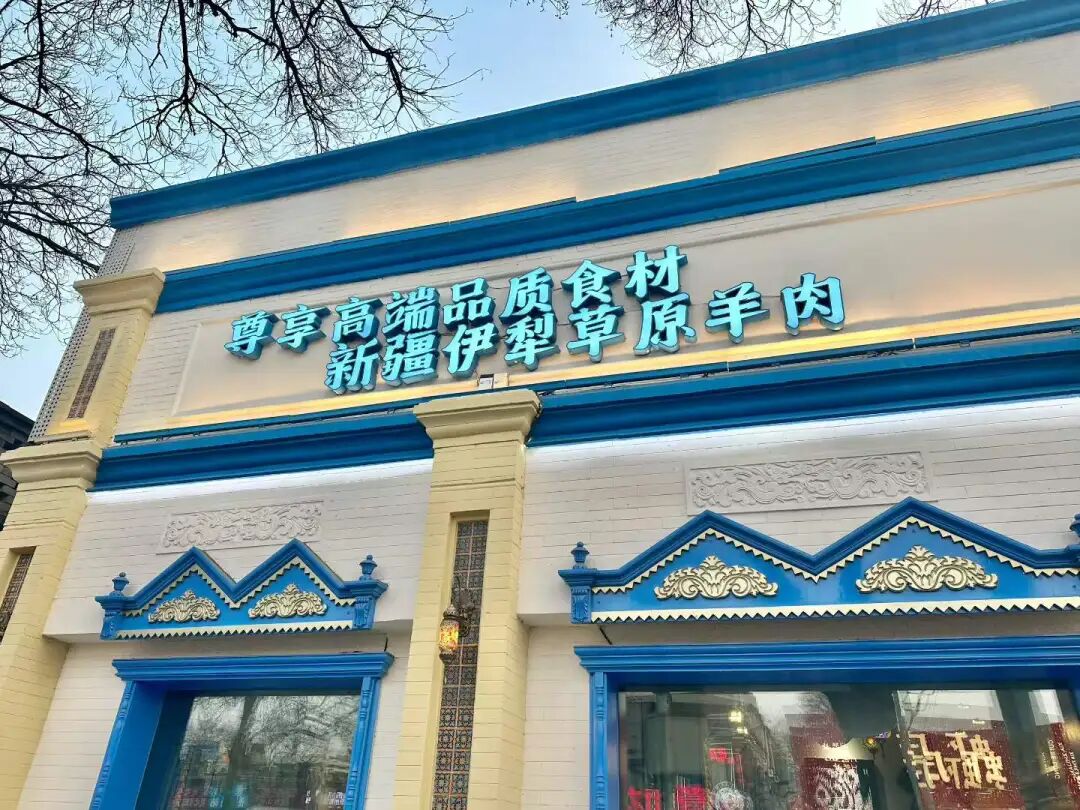
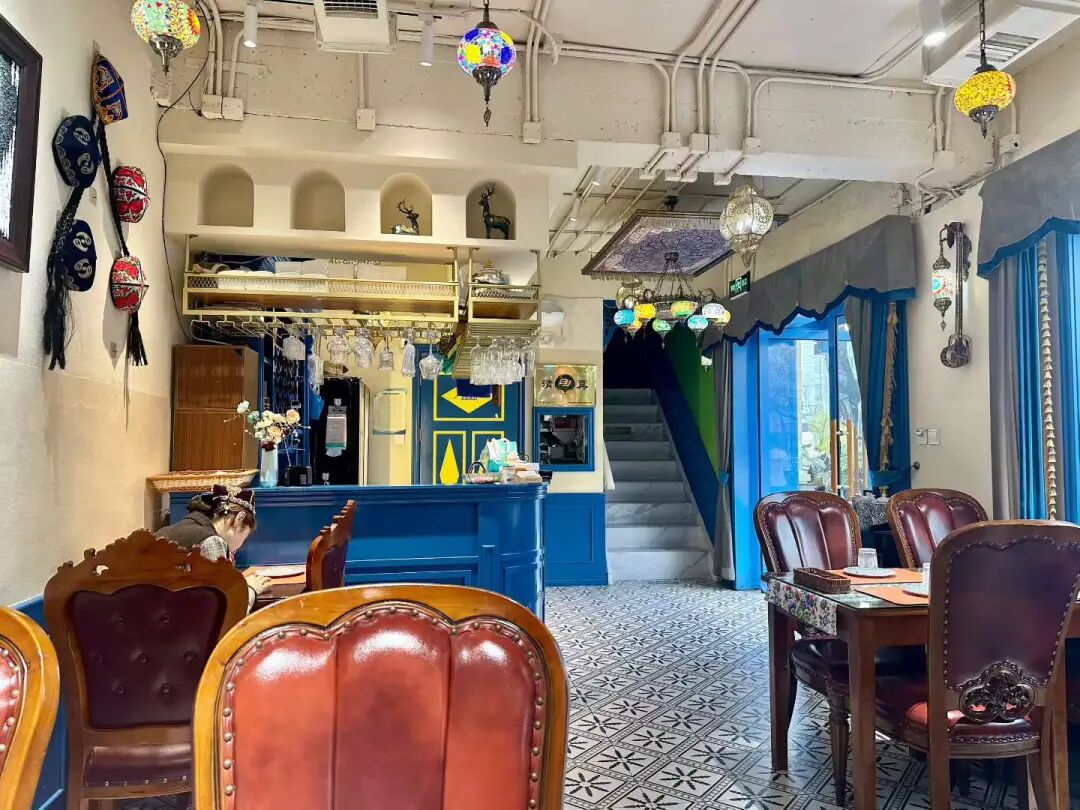
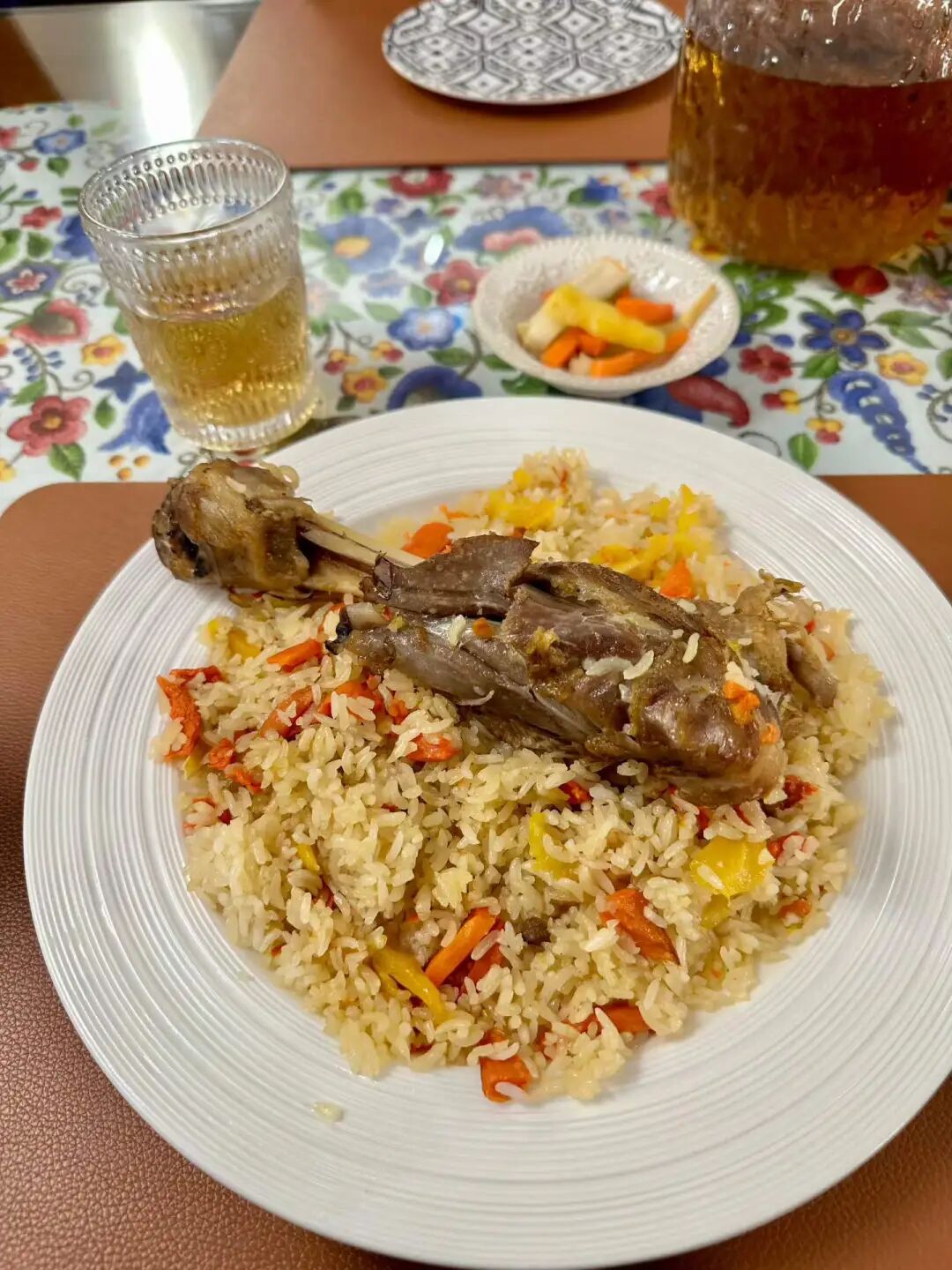
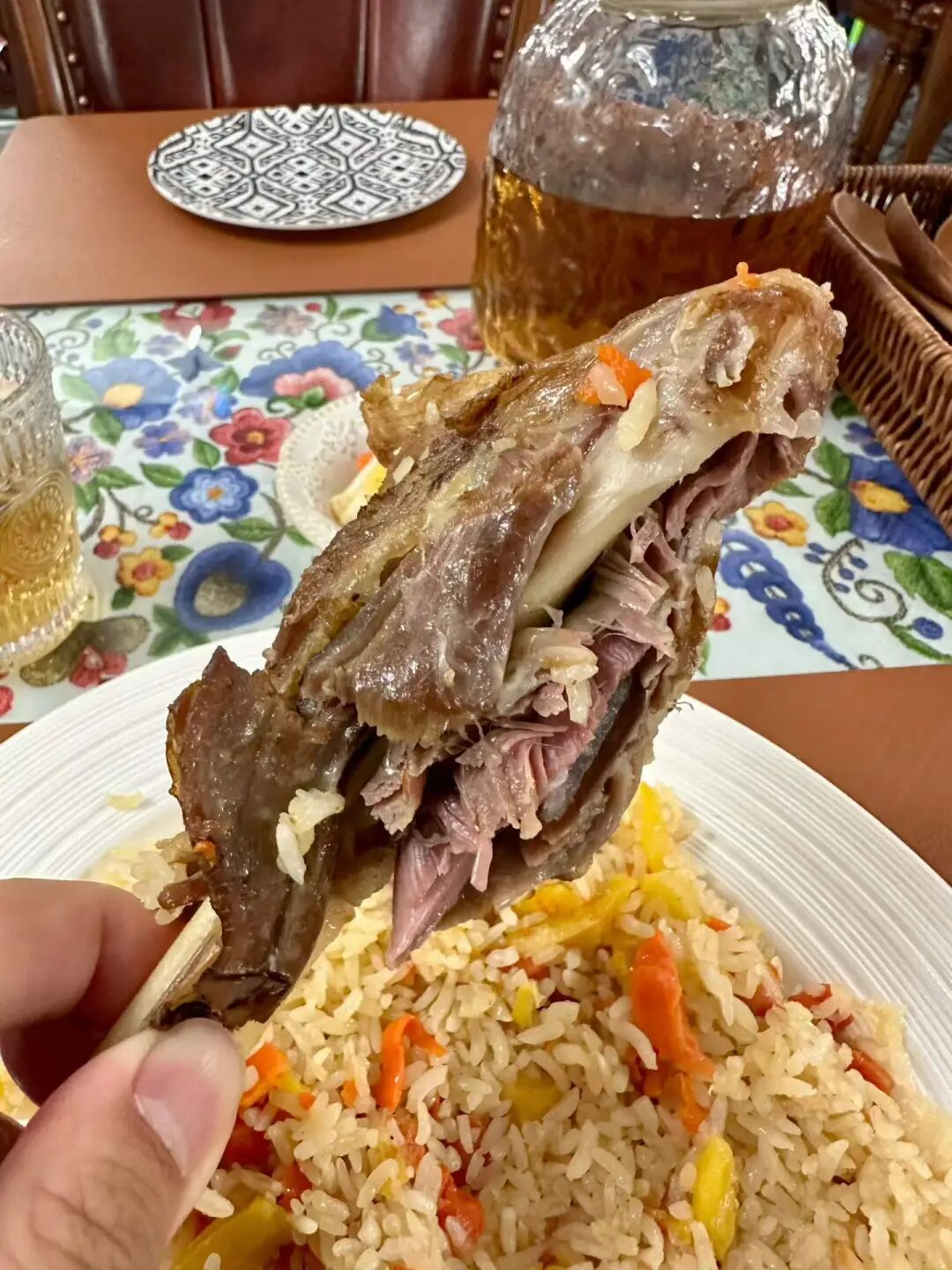
After work, I had lamb leg pilaf (zhuafan) at Yili Loulan Restaurant near the Beixinqiao intersection. It tasted excellent. You can tell the lamb is from Xinjiang; you cannot get this flavor from meat bought in Beijing. The restaurant gets quite busy on weekends. Last time I went at six, it was empty, but this time both the first and second floors were full. Maybe they were running out of pilaf, as the portion I got from the bottom of the pot had some dried-out carrots, but the overall taste was still very good. I have to complain about a restaurant run by people from Southern Xinjiang that I often visit; they have almost turned their pilaf into plain rice (ranfan).
Also, a heads-up: their wooden spoons have rough edges. I tried two and they both scratched my mouth, so please be careful.
Dianxinyuan Yunnan Cuisine
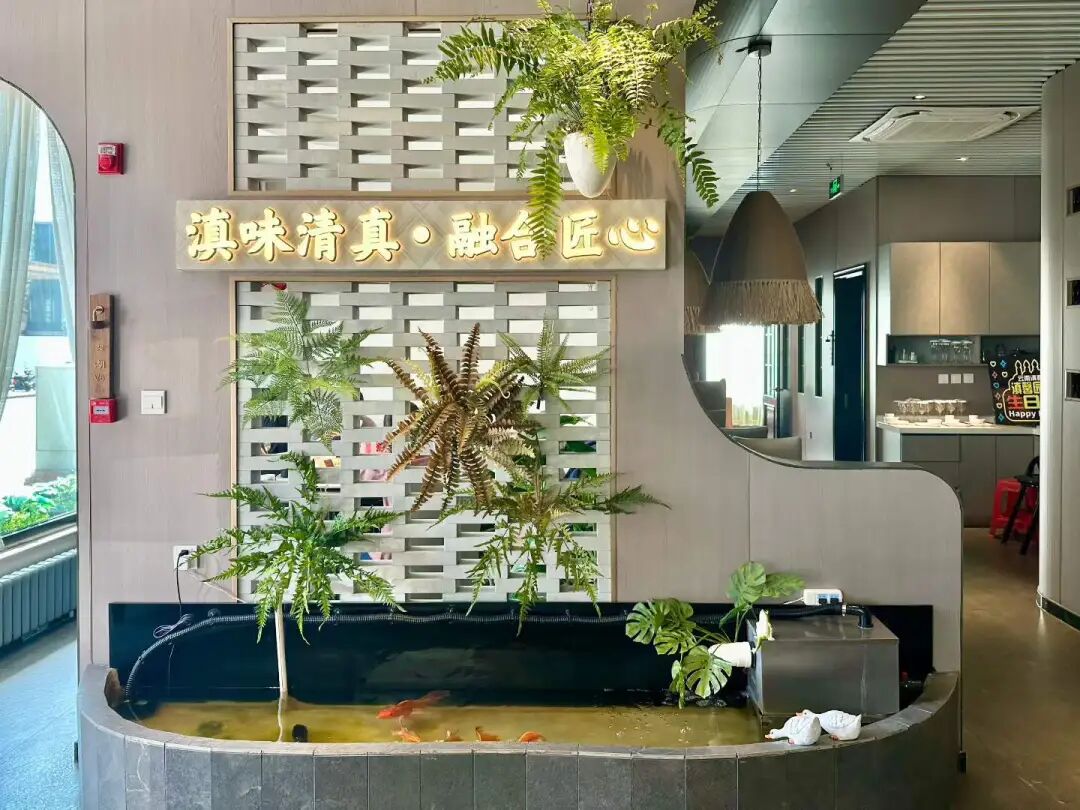
I went to Yizhuang for some errands on the weekend and stopped by Dianxinyuan for some Yunnan food. I ate at the original Dianxinyuan store many years ago and it left a deep impression on me. Because Yizhuang is so far away, it is not very convenient to visit, so it took many years before I ate there a second time. The new store has a very nice, clean, and bright interior.
The owner is a Hui Muslim named Lin from Shadian, Yunnan. The Lin family is a major clan in Shadian, with a saying that all members of the Lin family are elite. According to family records, the Shadian Lin family's ancestral home is in Putian, Fujian. They are descendants of Bigan from the Shang Dynasty and were given the surname Lin because their fief was at Changlin Mountain. In 1275 (the 11th year of the Zhiyuan era of the Yuan Dynasty), the ancestors of the Lin family entered Yunnan with the Xianyang King Sayyid Ajjal Shams al-Din, which led them to convert to Islam. Later, in the early years of the Chenghua era of the Ming Dynasty, the Lin family finally settled in Shadian.
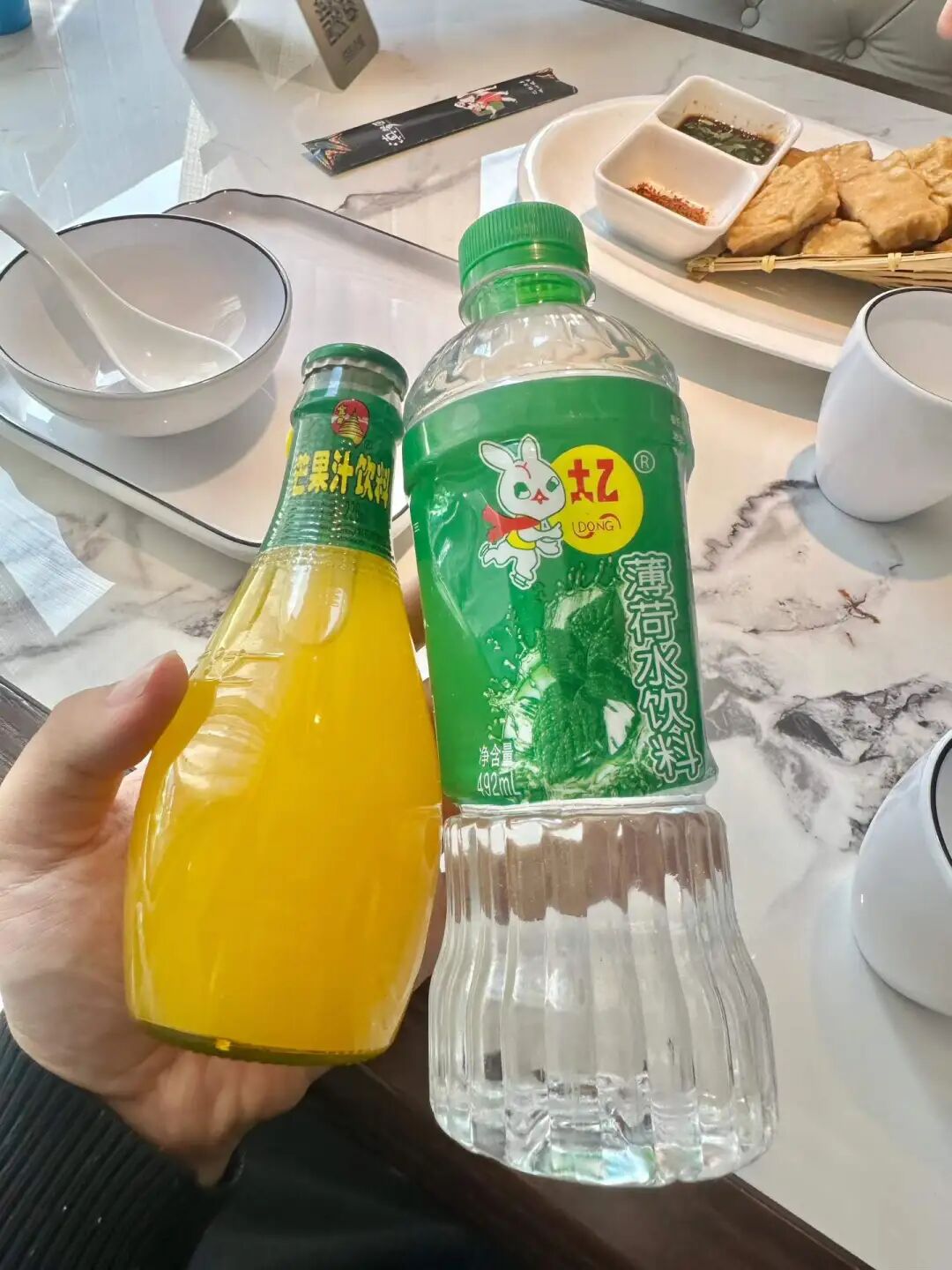
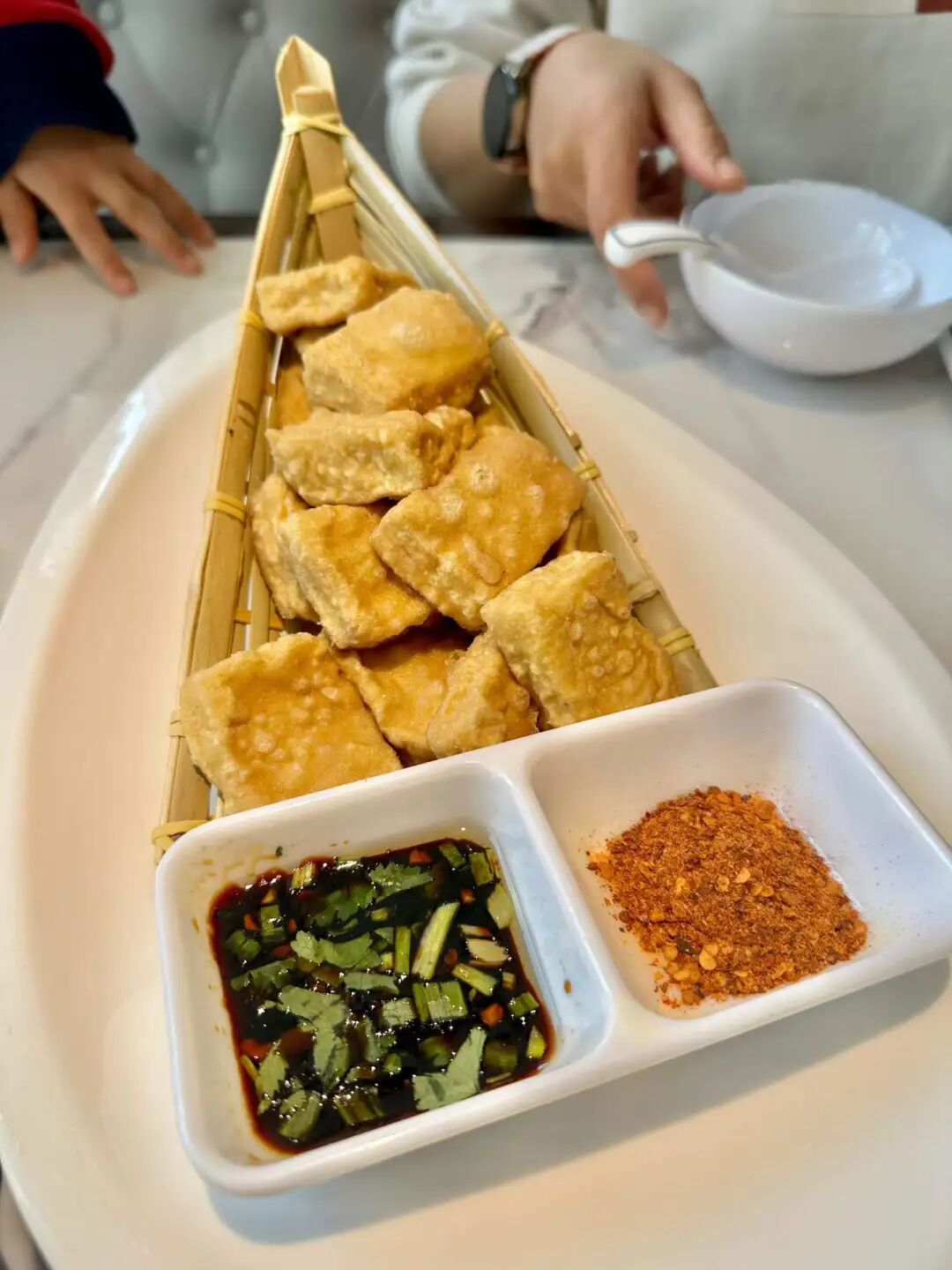
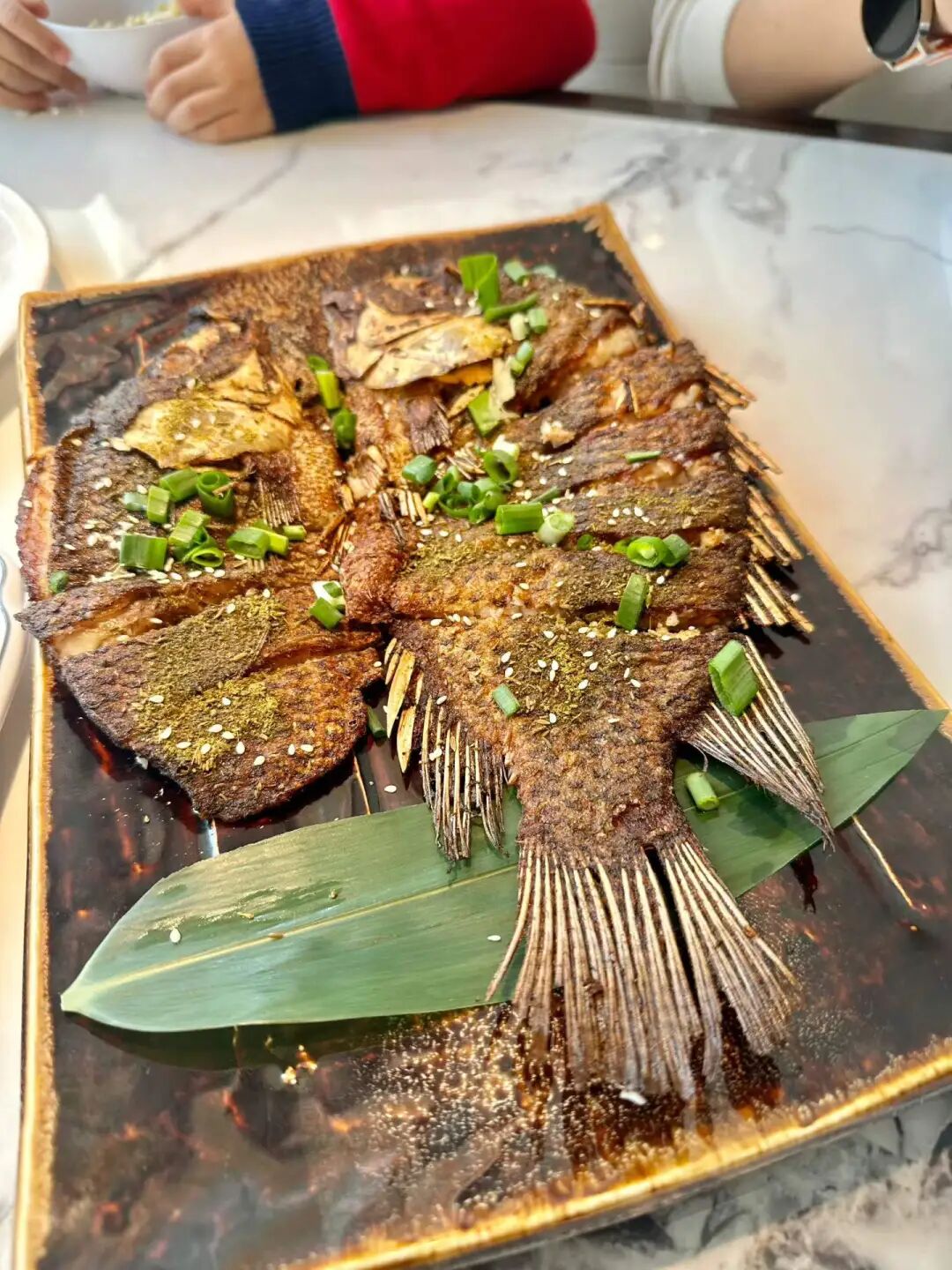
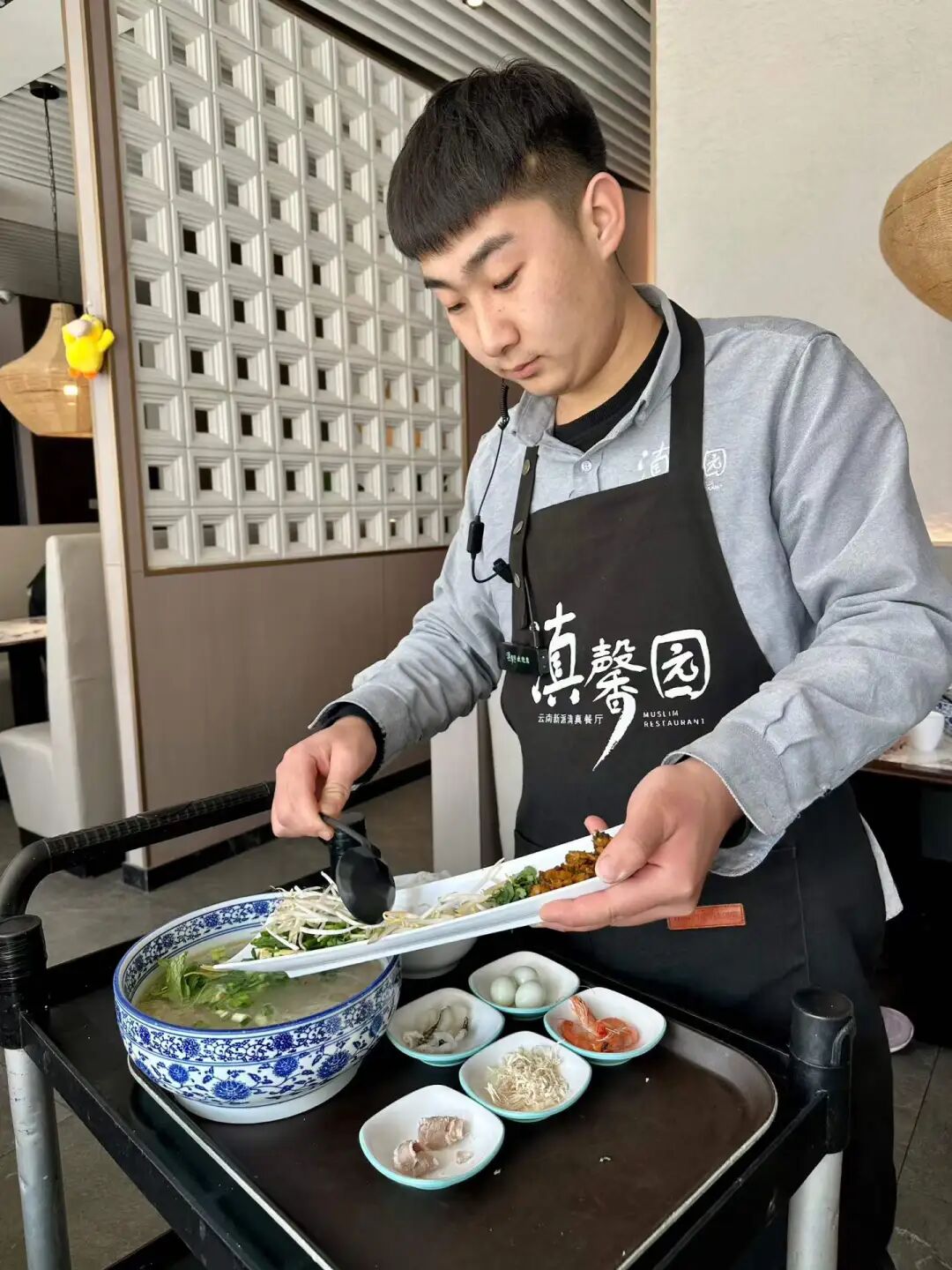
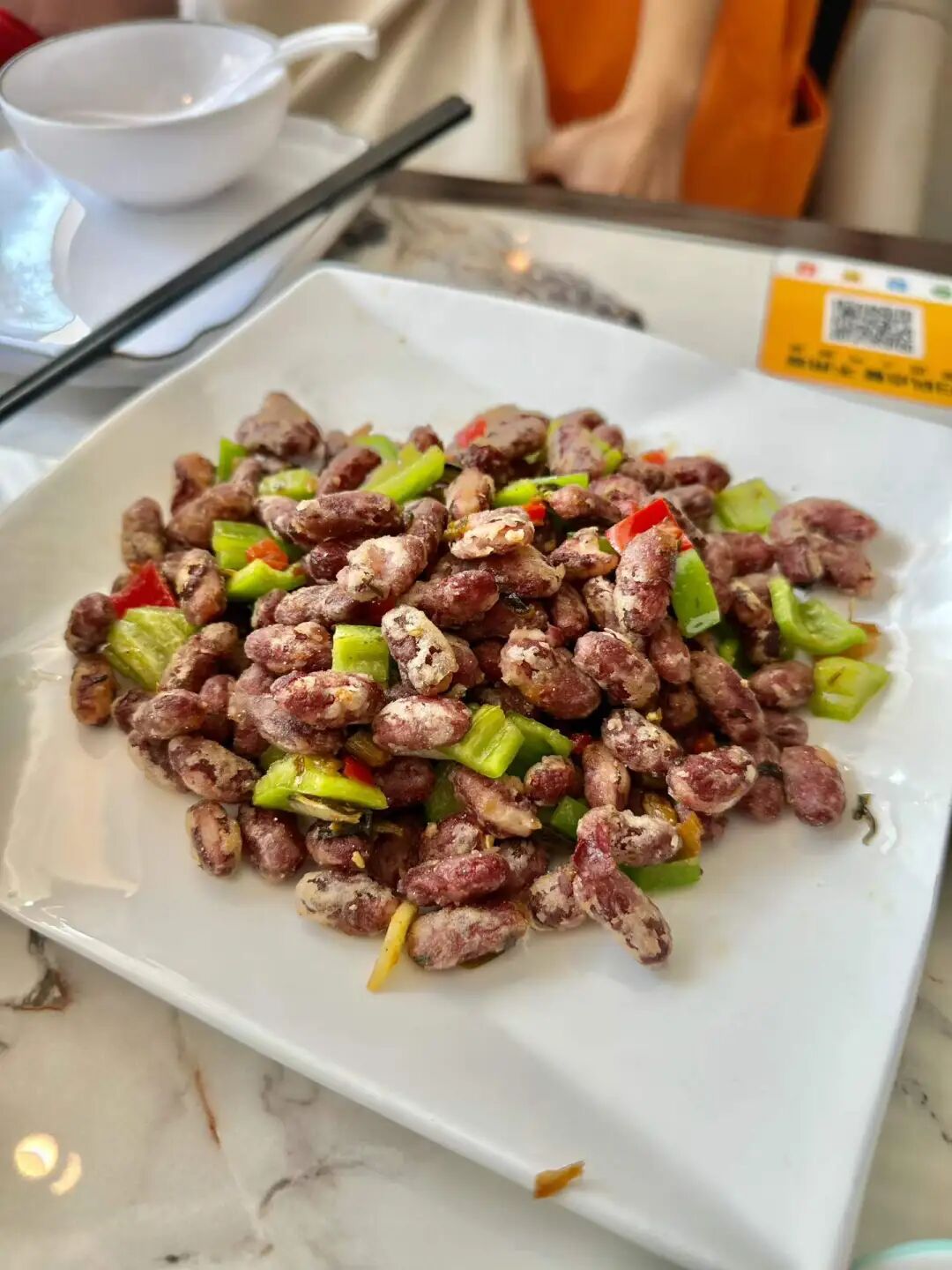
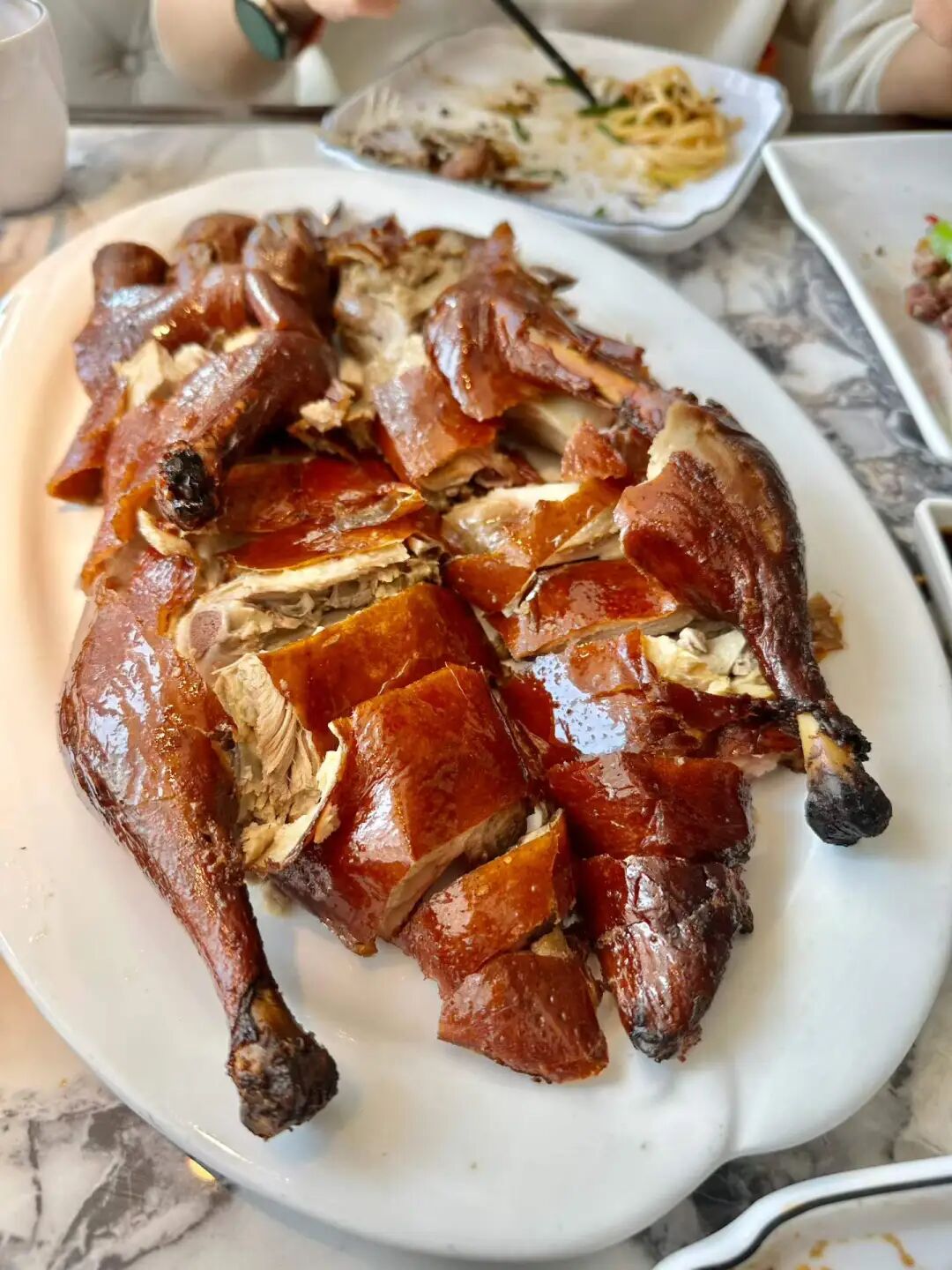
We ordered their set meal for two, which included Gejiu tilapia, Shiping tofu, bridge-crossing rice noodles (guoqiao mixian), and assorted cold rice noodles. We also ordered crispy red beans and Yiliang roast duck, and drank Kunming mint water and Ruili mango juice. The skin of the Gejiu tilapia was grilled until slightly charred and wrinkled, and the meat was tender without falling apart. There were a few small bones, but not many overall. The Shiping tofu was soft and dense inside, but the skin was also soft, so it was not freshly pan-fried.
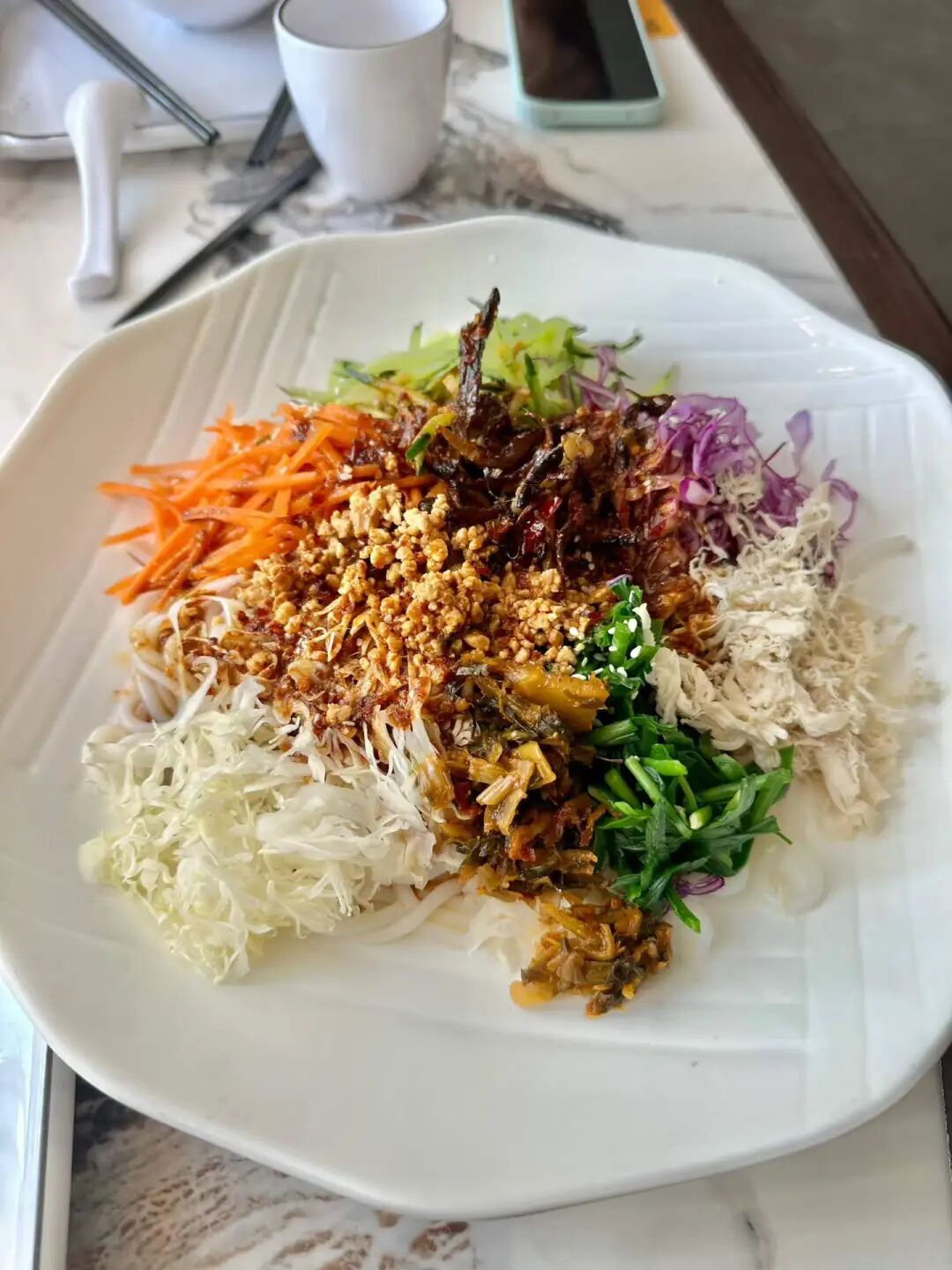
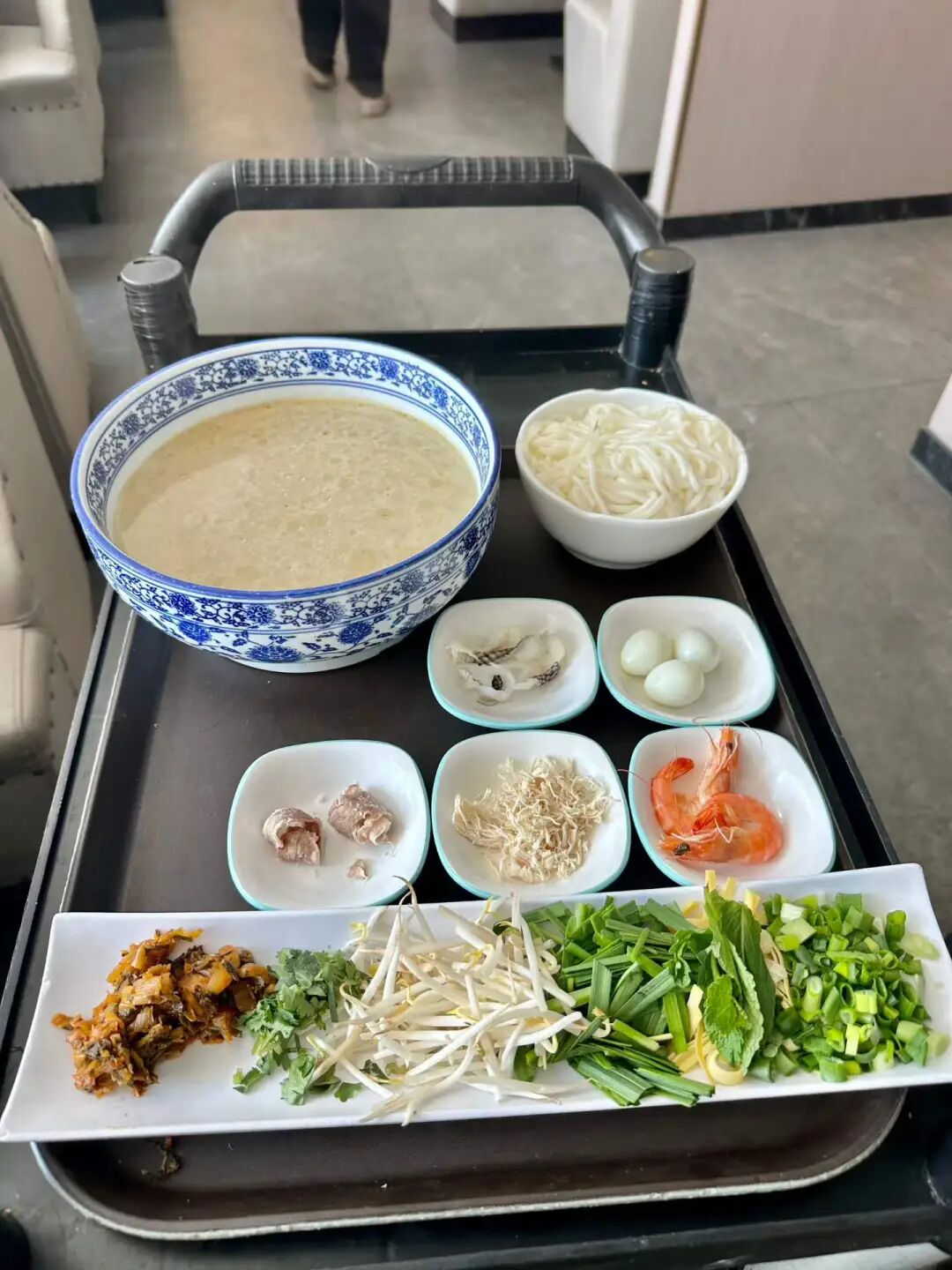
I highly recommend their rice noodles. If you are in Yizhuang on business by yourself, a bowl of rice noodles is a perfect meal. The broth for the bridge-crossing rice noodles is clear, fresh, and rich, and the ingredients are complete. After cooking, the rice noodles are smooth and refreshing. The assorted cold rice noodles have a very rich variety of side dishes, and the sweet and sour flavor is appetizing, while the cool texture is great for cutting through greasiness. The crispy red bean pastry (suhongdou) is crispy on the outside and powdery on the inside, but it is quite spicy, so Beijingers might find it too much. Yiliang roast duck (Yiliang kaoya) is the essence of Yunnan-style roast duck, with crispy skin and tender meat, lacking the heavy grease of Beijing-style roast duck, though the sauce here didn't taste as fragrant as what I had in Yunnan.
Muxiangyuan, a restaurant from Suihua, Heilongjiang.
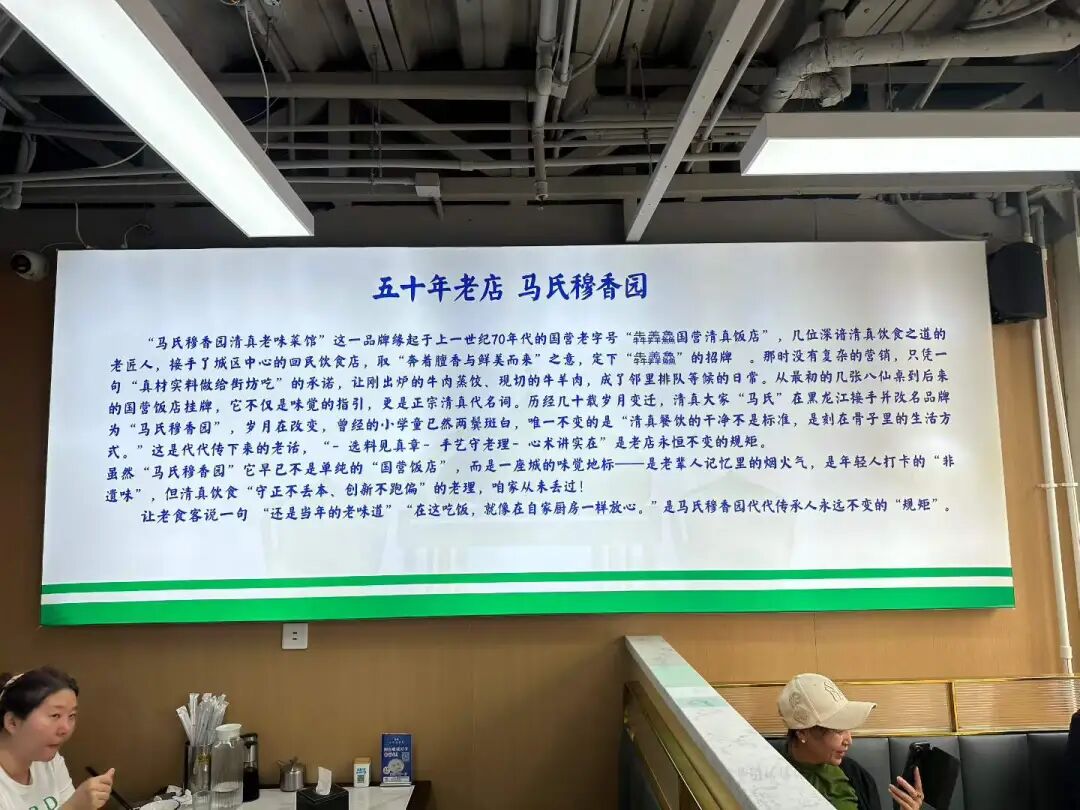
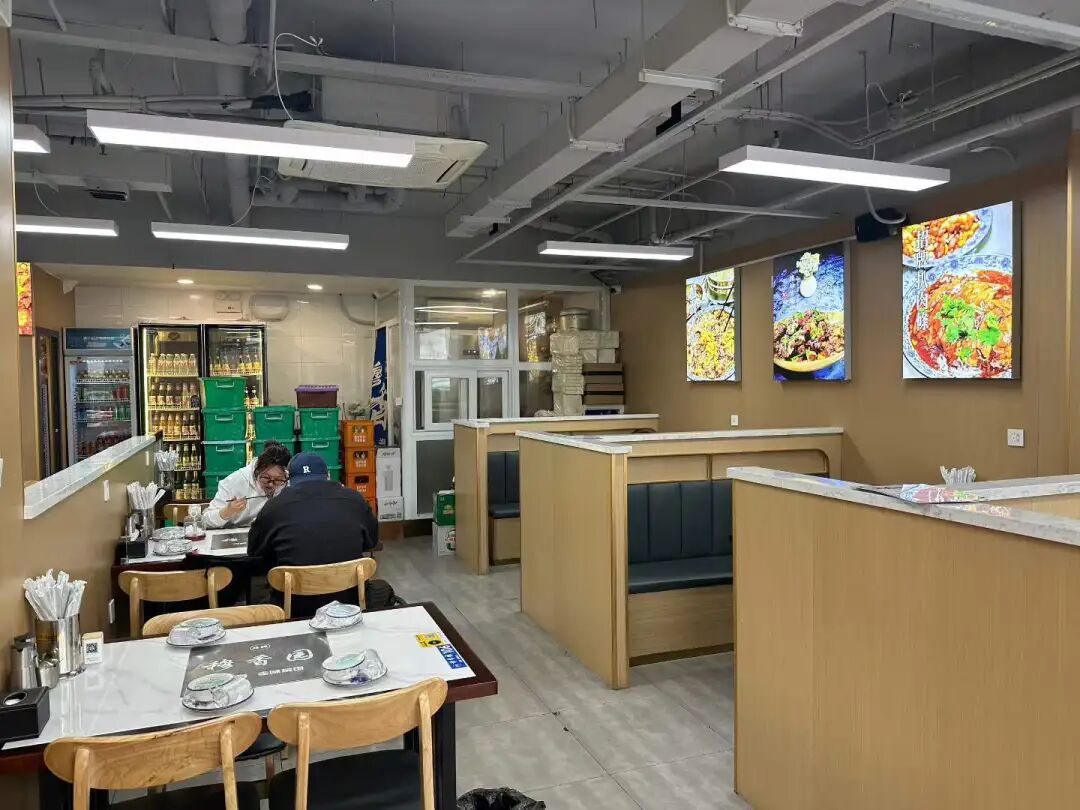
On Saturday at noon, I went to Muxiangyuan, a restaurant from Suihua, Heilongjiang, that opened in Fangzhuang last year. I had previously eaten Heilongjiang Hui Muslim stir-fry in Harbin and thought it was excellent, so I was happy to have Heilongjiang food again in Beijing.
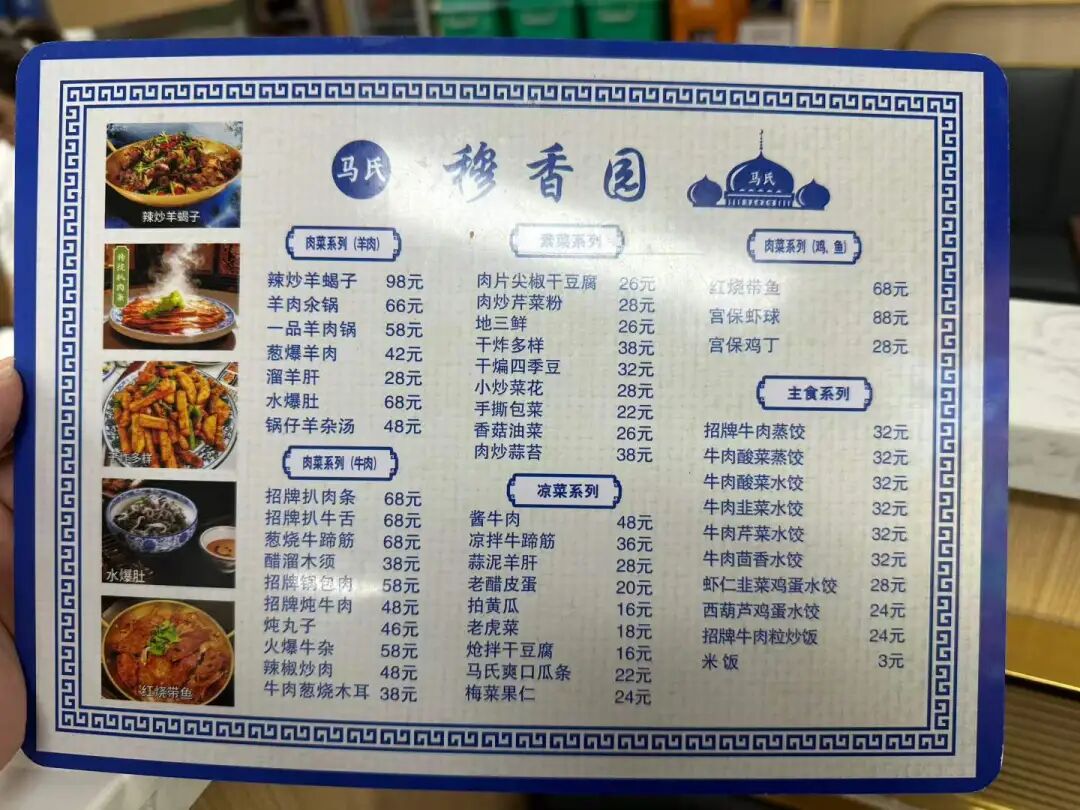
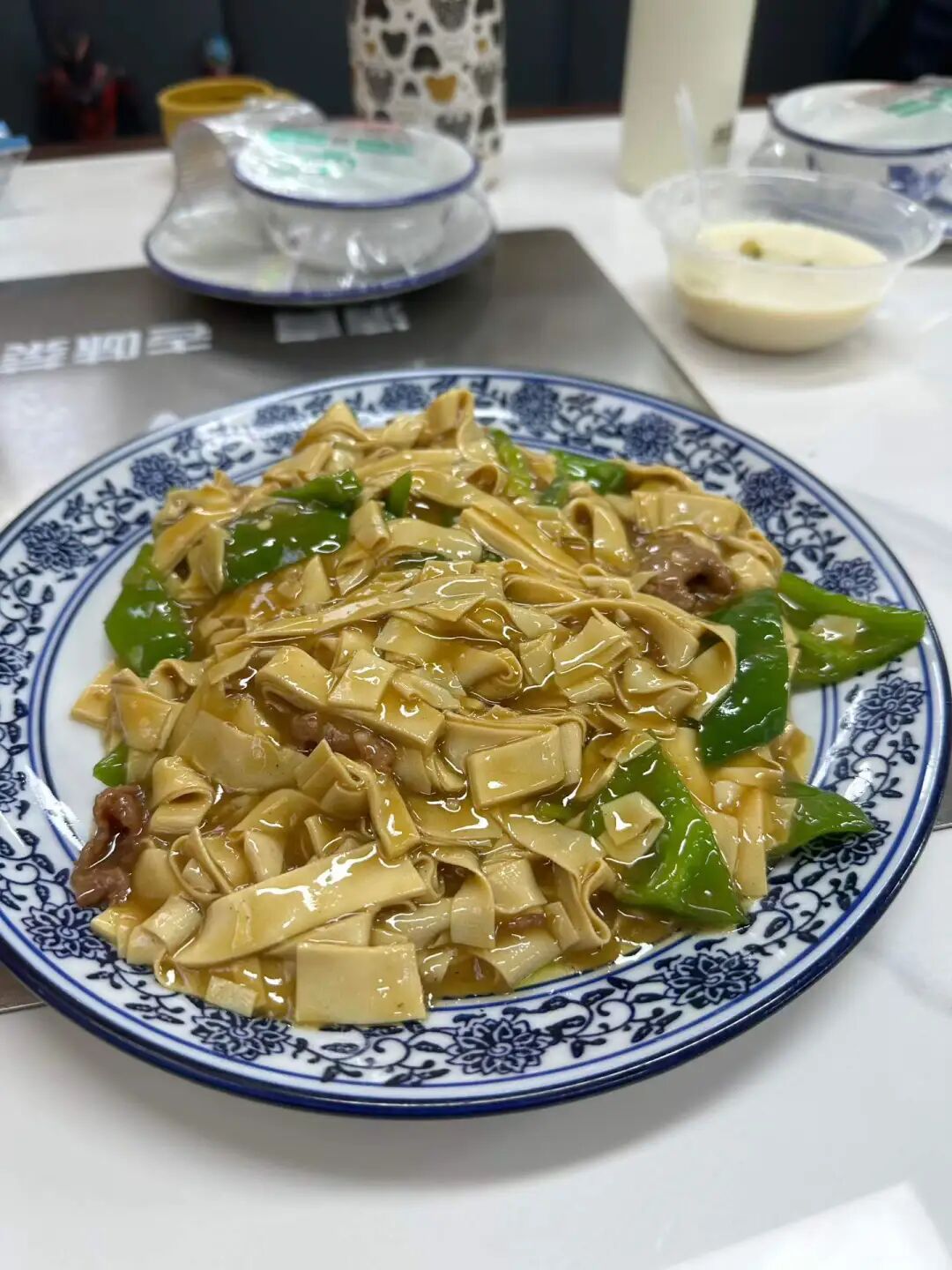
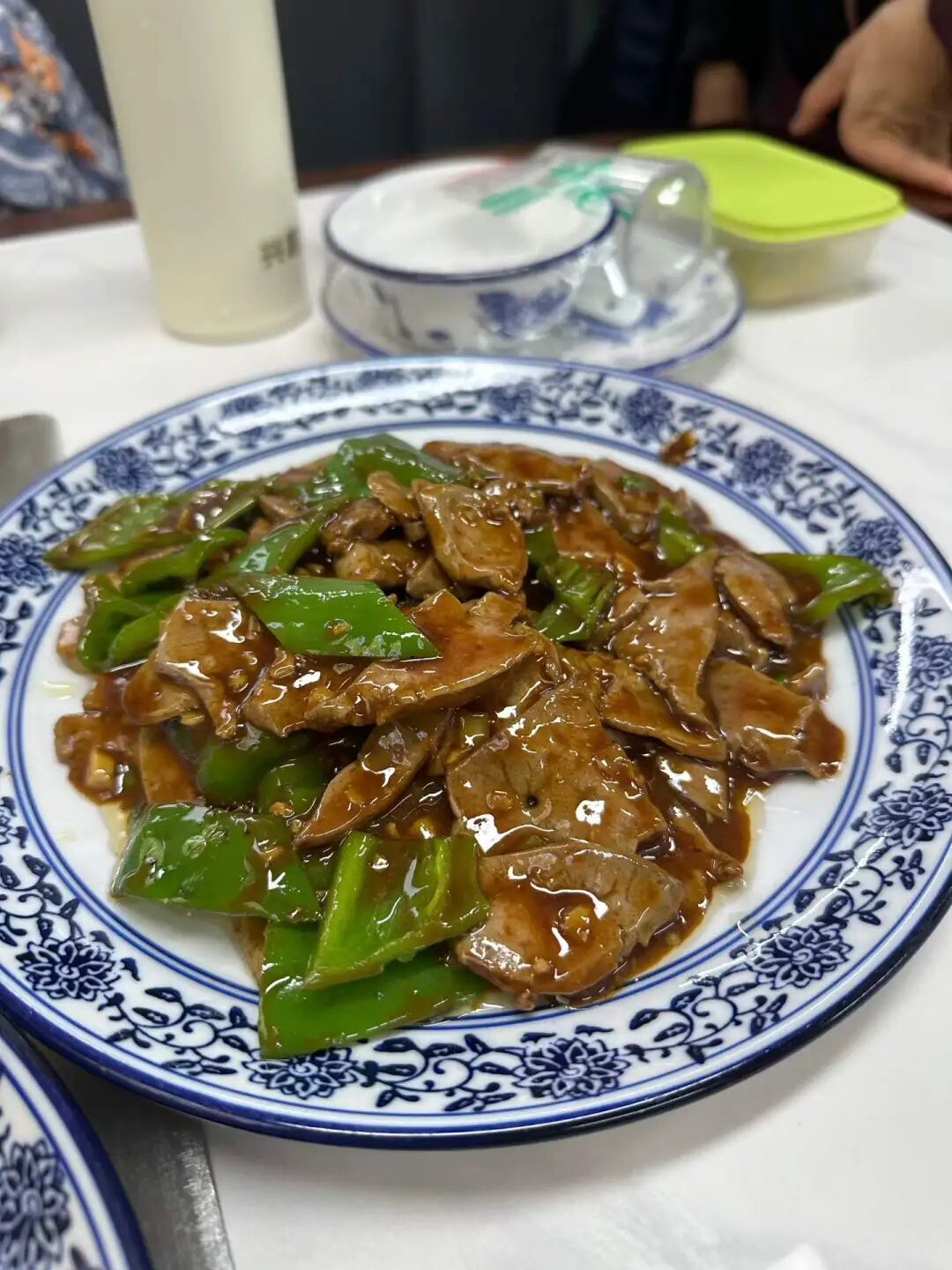
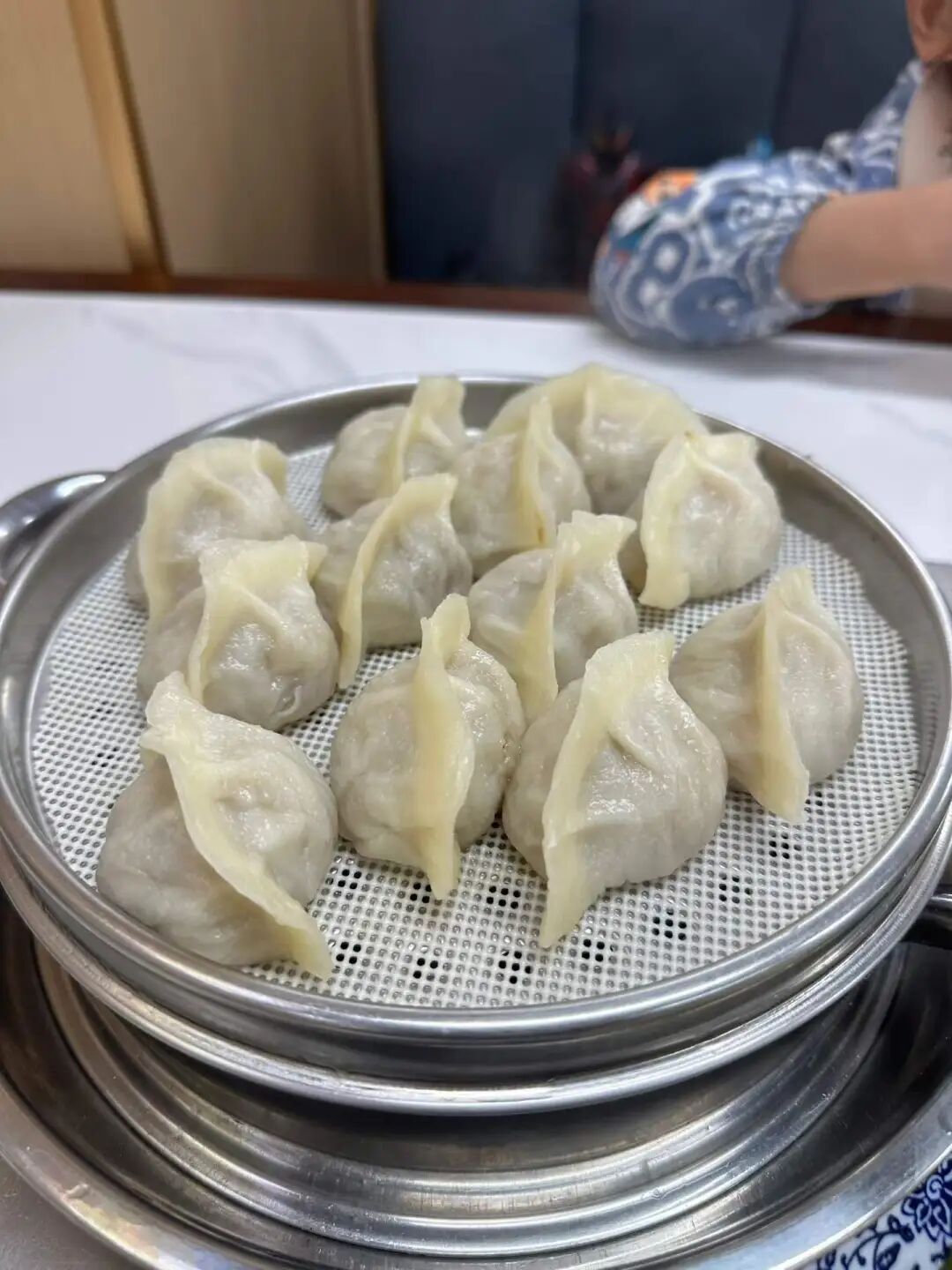
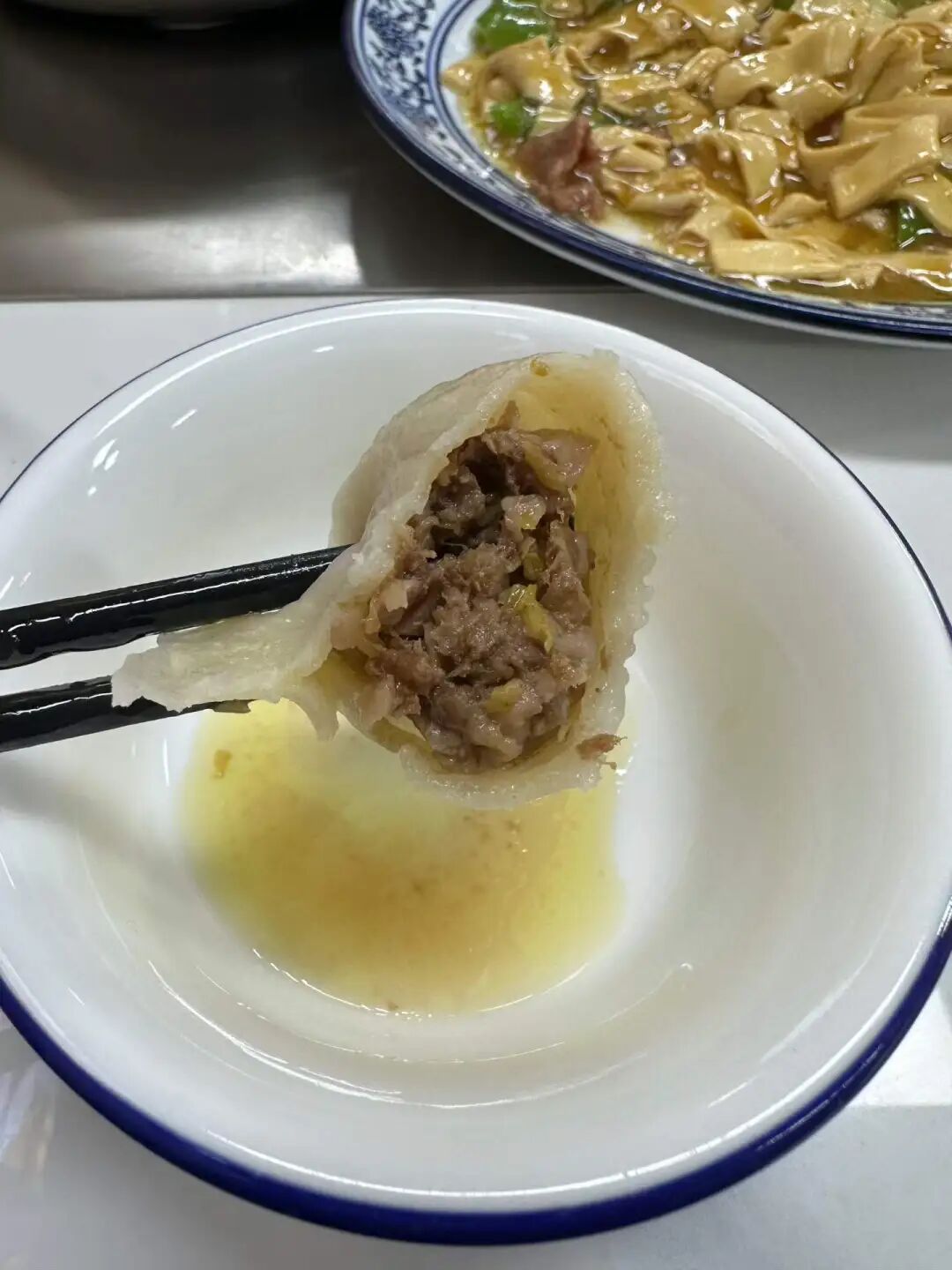
Their signature dishes are double-stir-fried meat (guobaorou) and braised meat strips (baroutiao). This time, I ordered stir-fried lamb liver (liuyanggan), stir-fried tofu skin with chili peppers (jianjiaogandoufu), and beef and pickled cabbage steamed dumplings (zhengjiao). The stir-fried lamb liver was very good. It wasn't too salty, the liver was very tender, and the kids loved it. The tofu skin is great with rice, but it's quite salty if you eat it alone. Northeastern food is naturally saltier than Beijing food, so friends (dost) who can't handle salt should mention it beforehand. The steamed dumplings were also delicious. The pickled cabbage added great flavor, and they were very juicy. You should bite into them and let them cool a bit before eating, or you might get burned.
Their prices are lower than many local Hui Muslim restaurants in Beijing. I ordered two dishes and a steamer of dumplings for only 90 yuan, which felt like a great deal.
Sanlitun Turkish Restaurant.
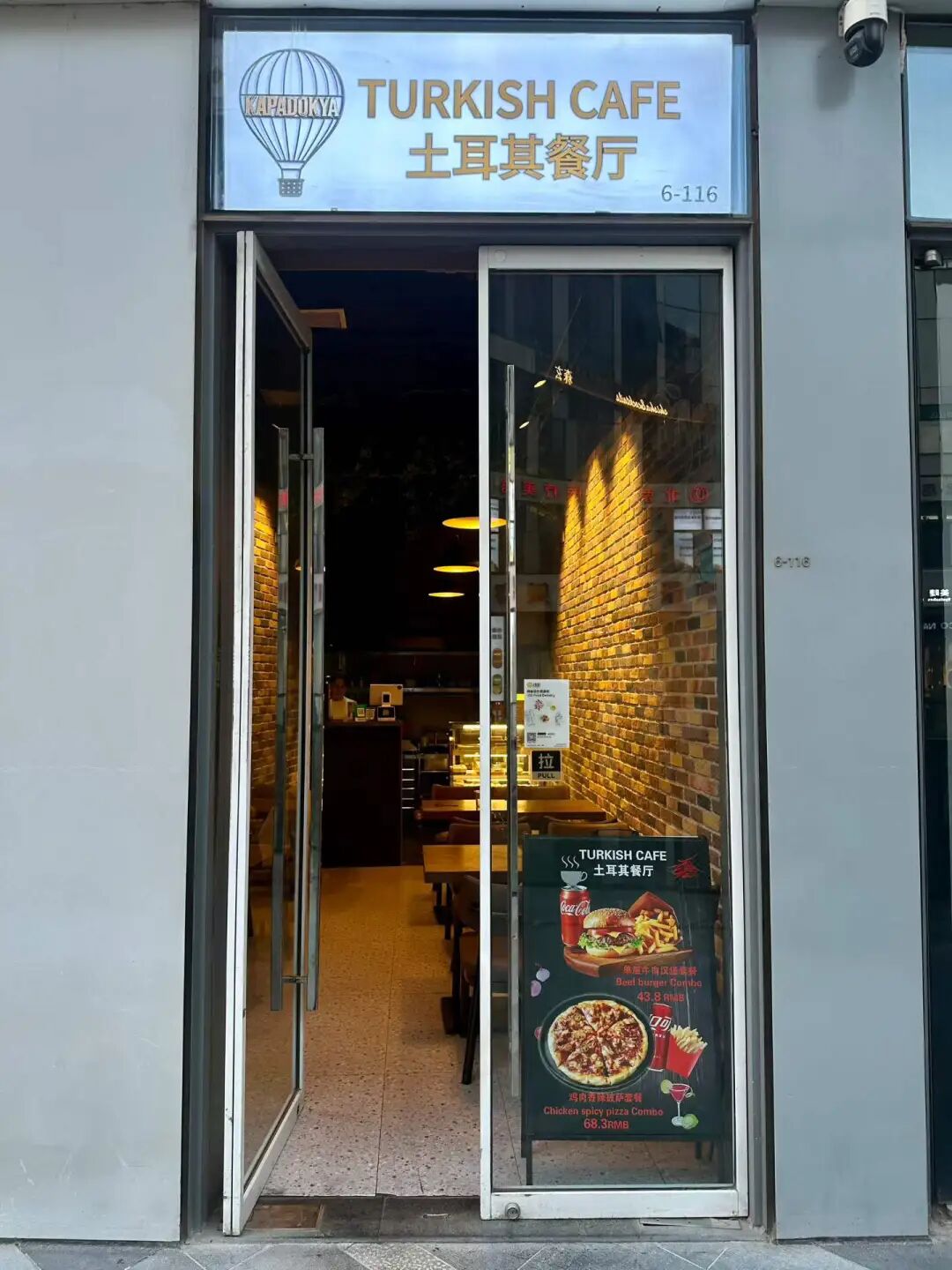
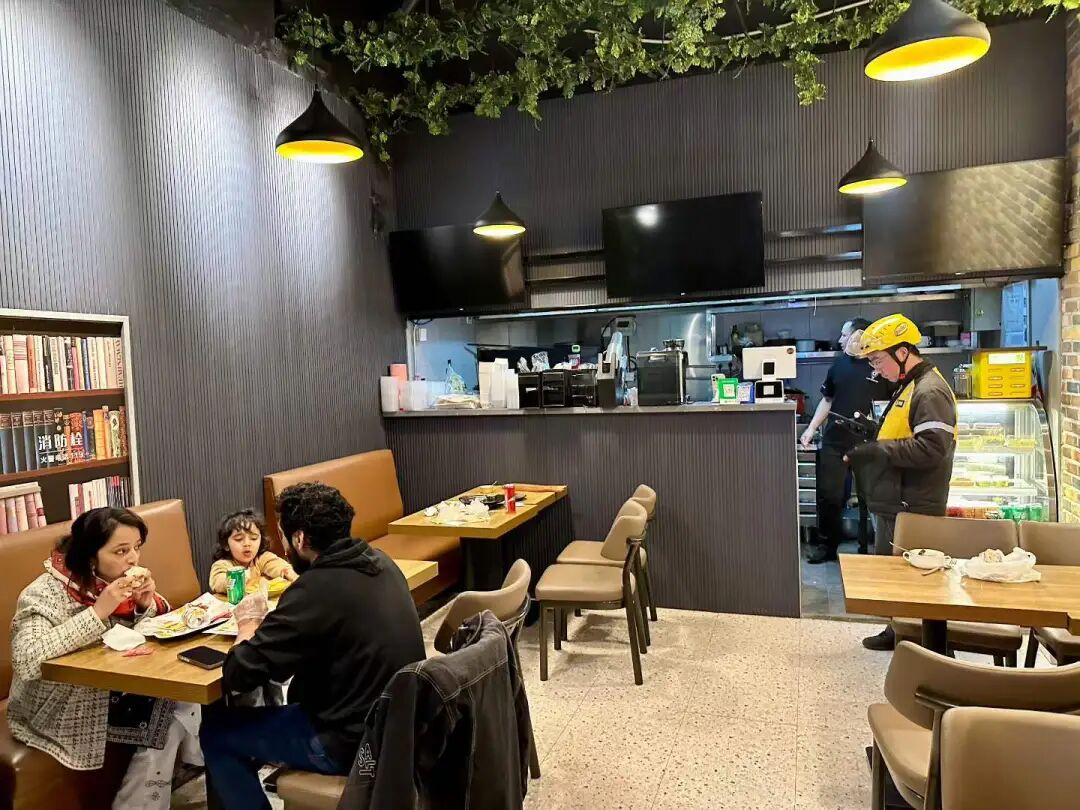
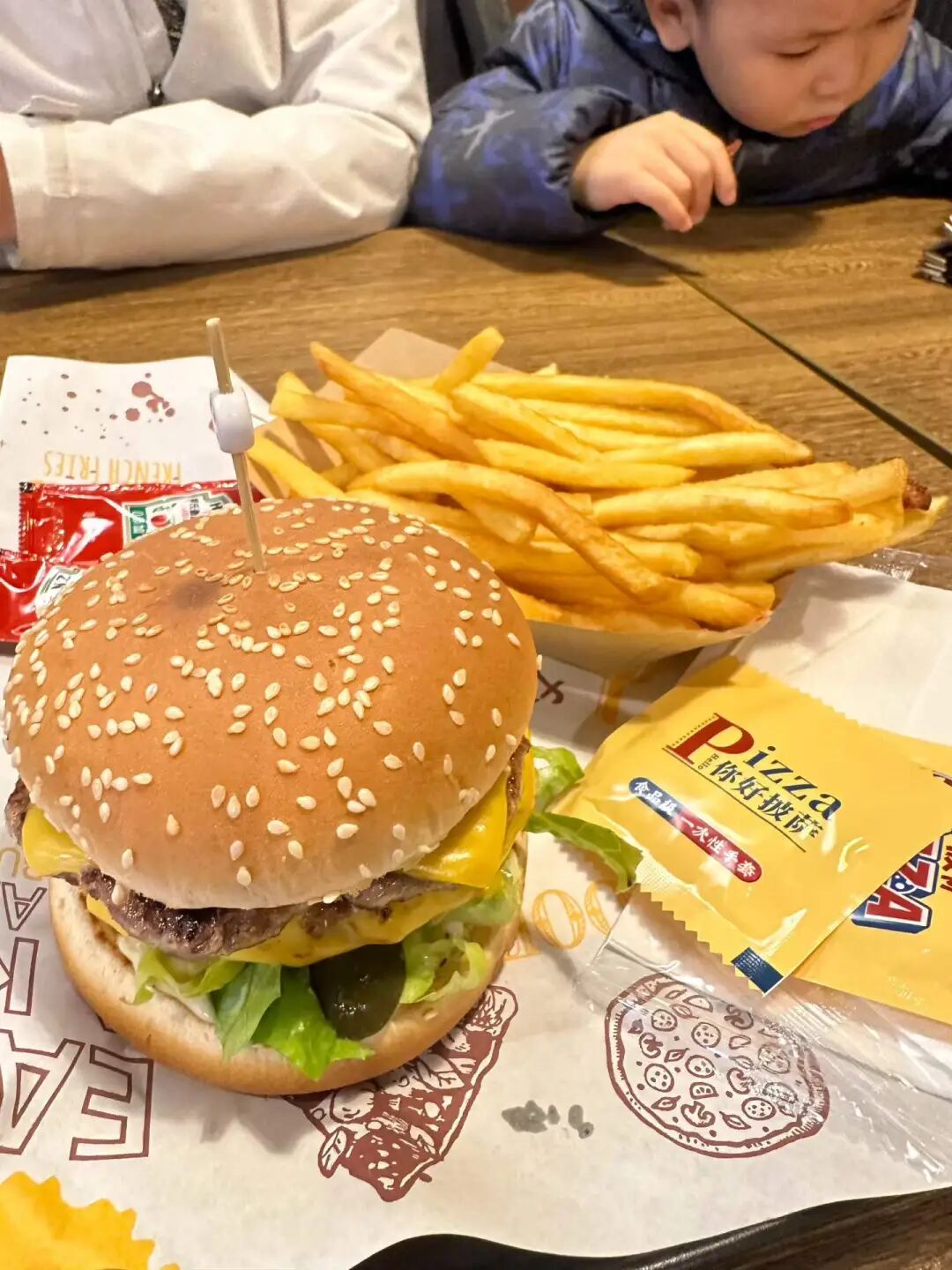
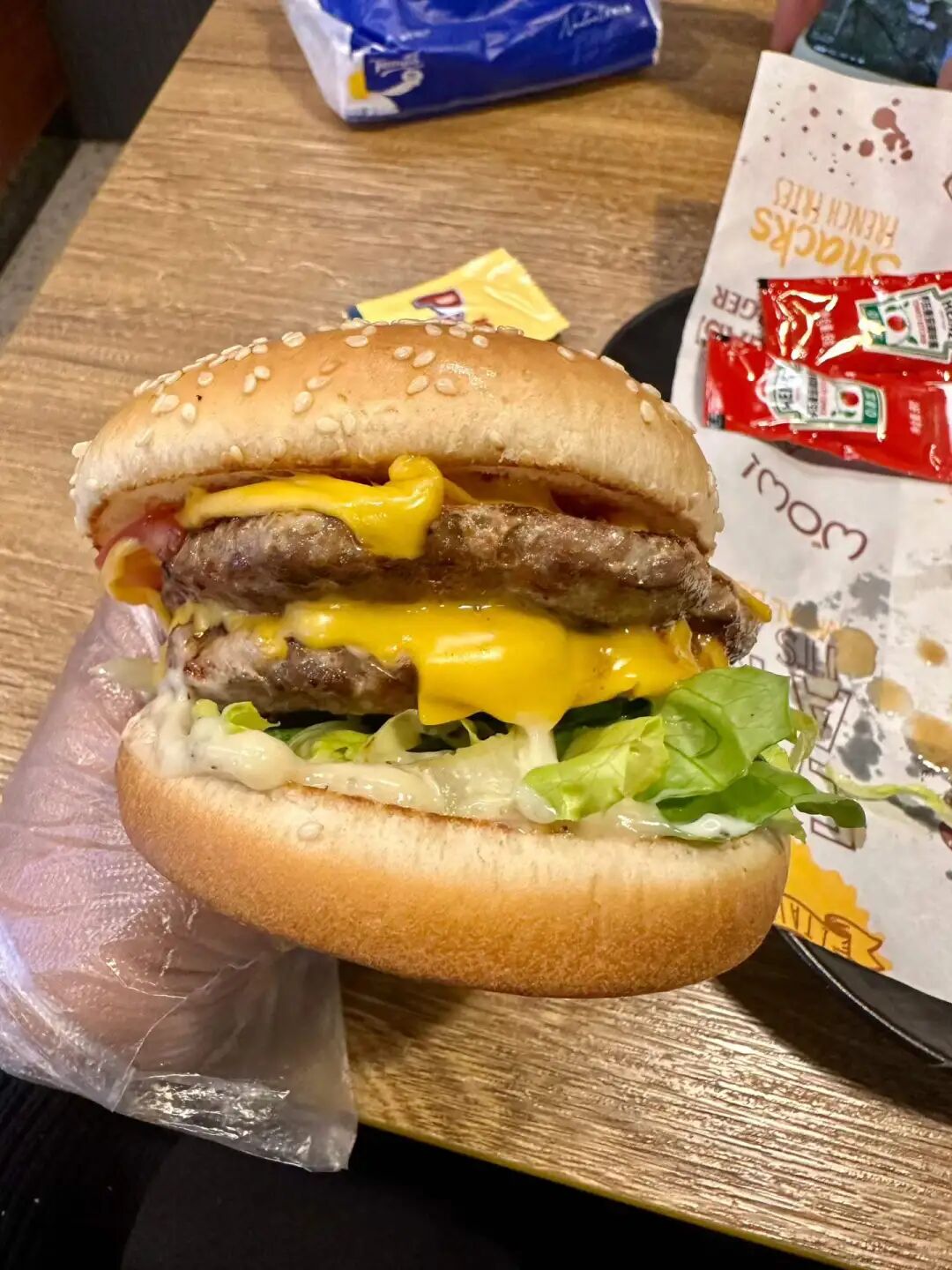
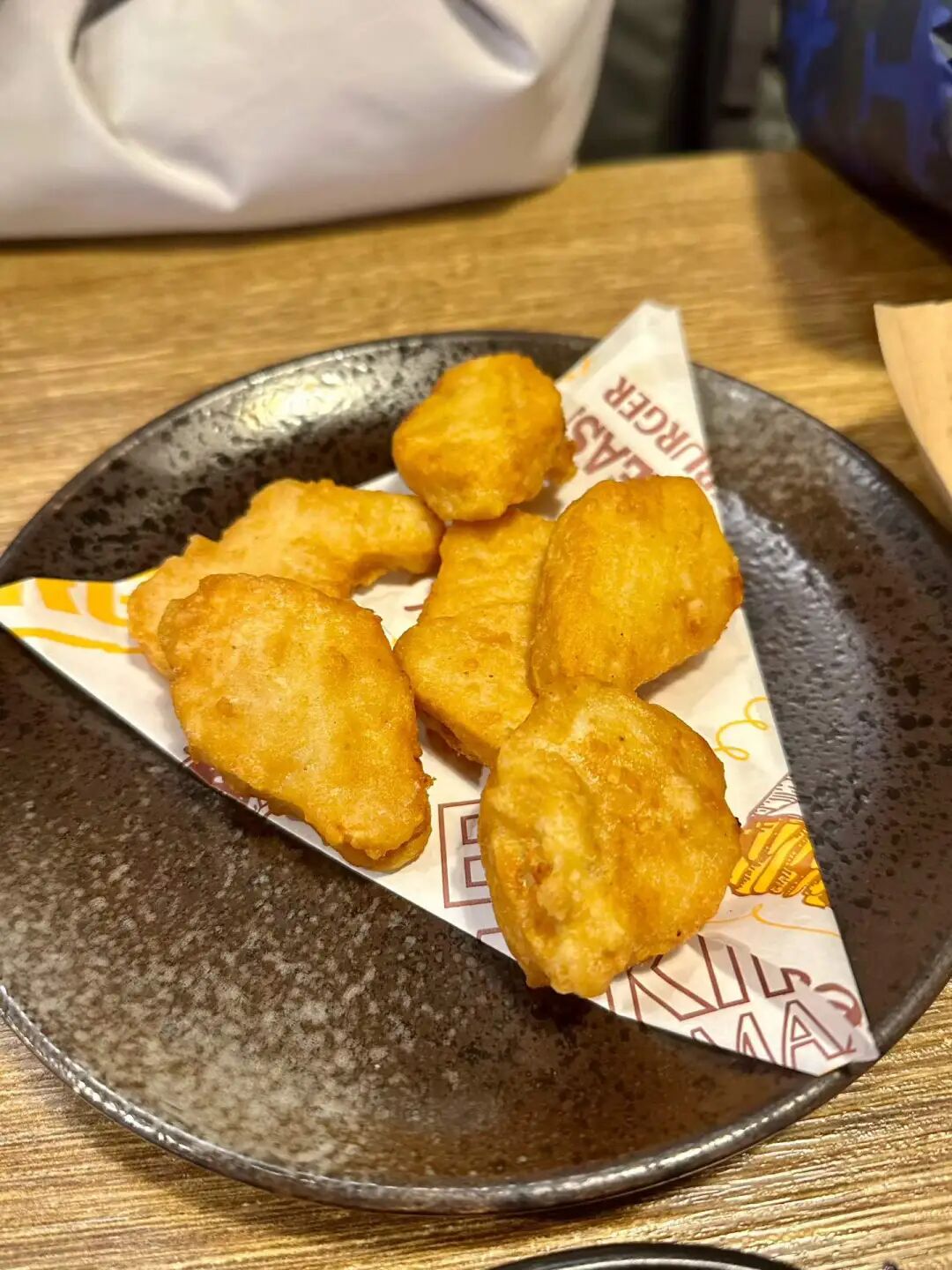
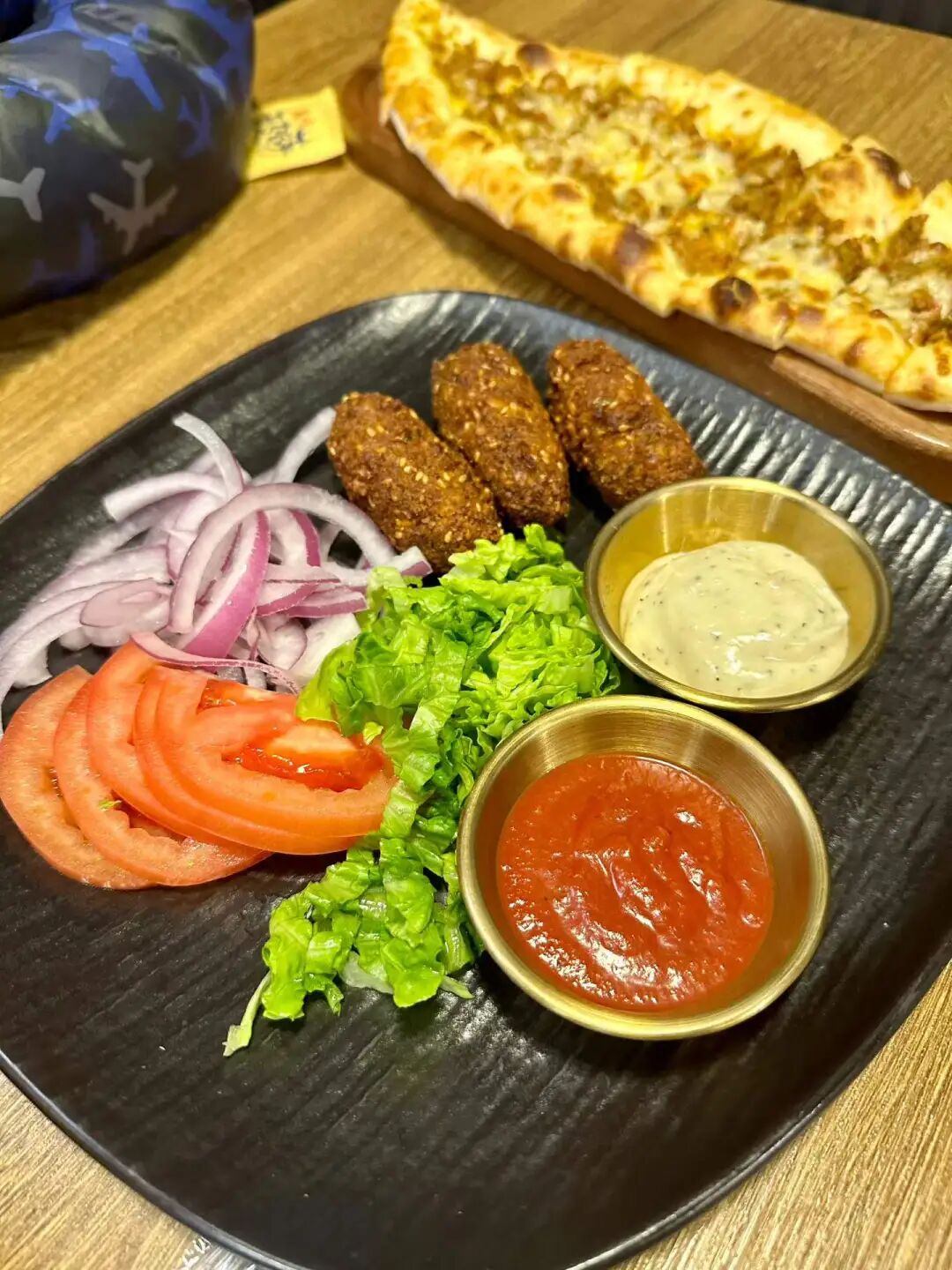
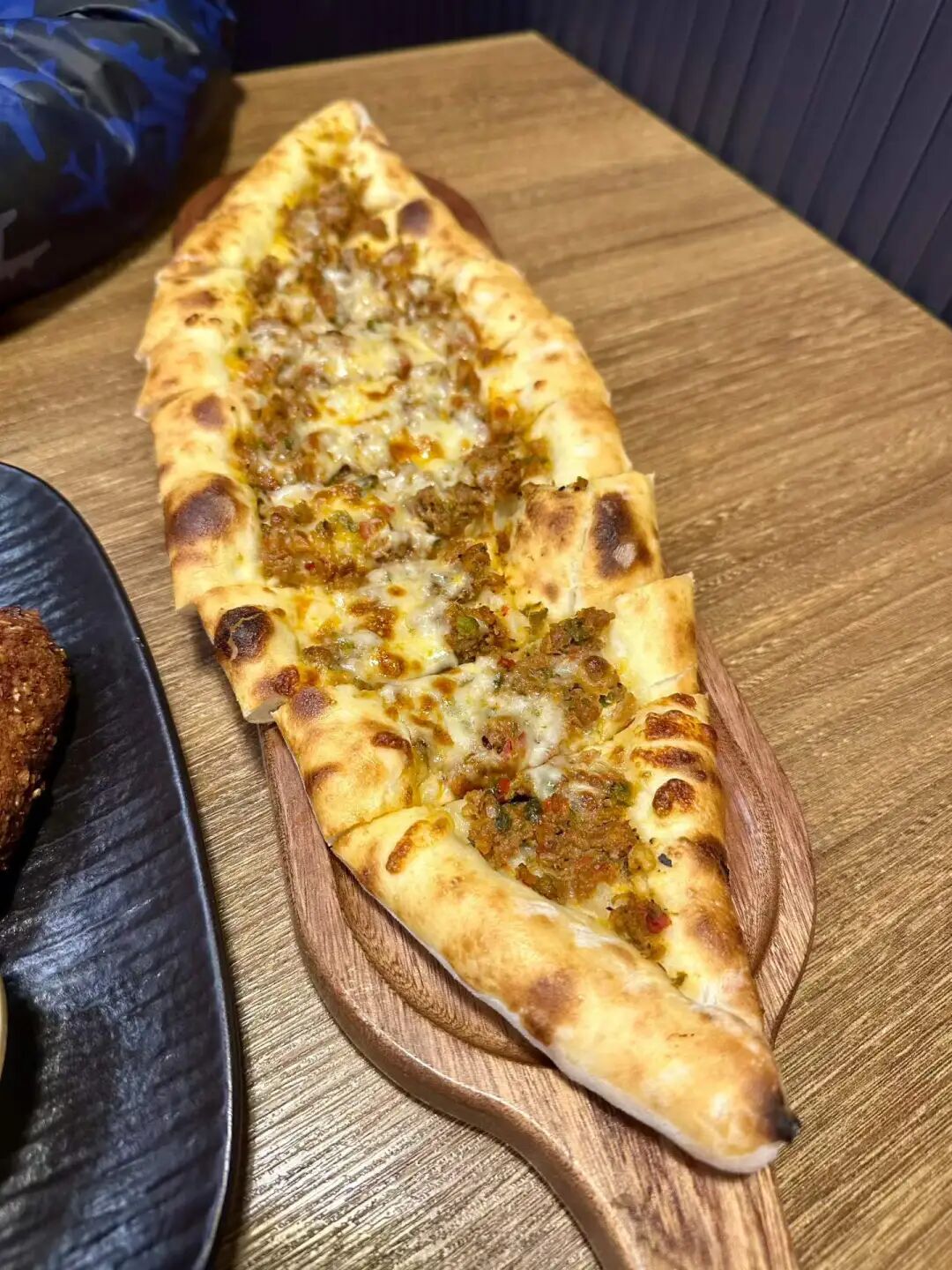
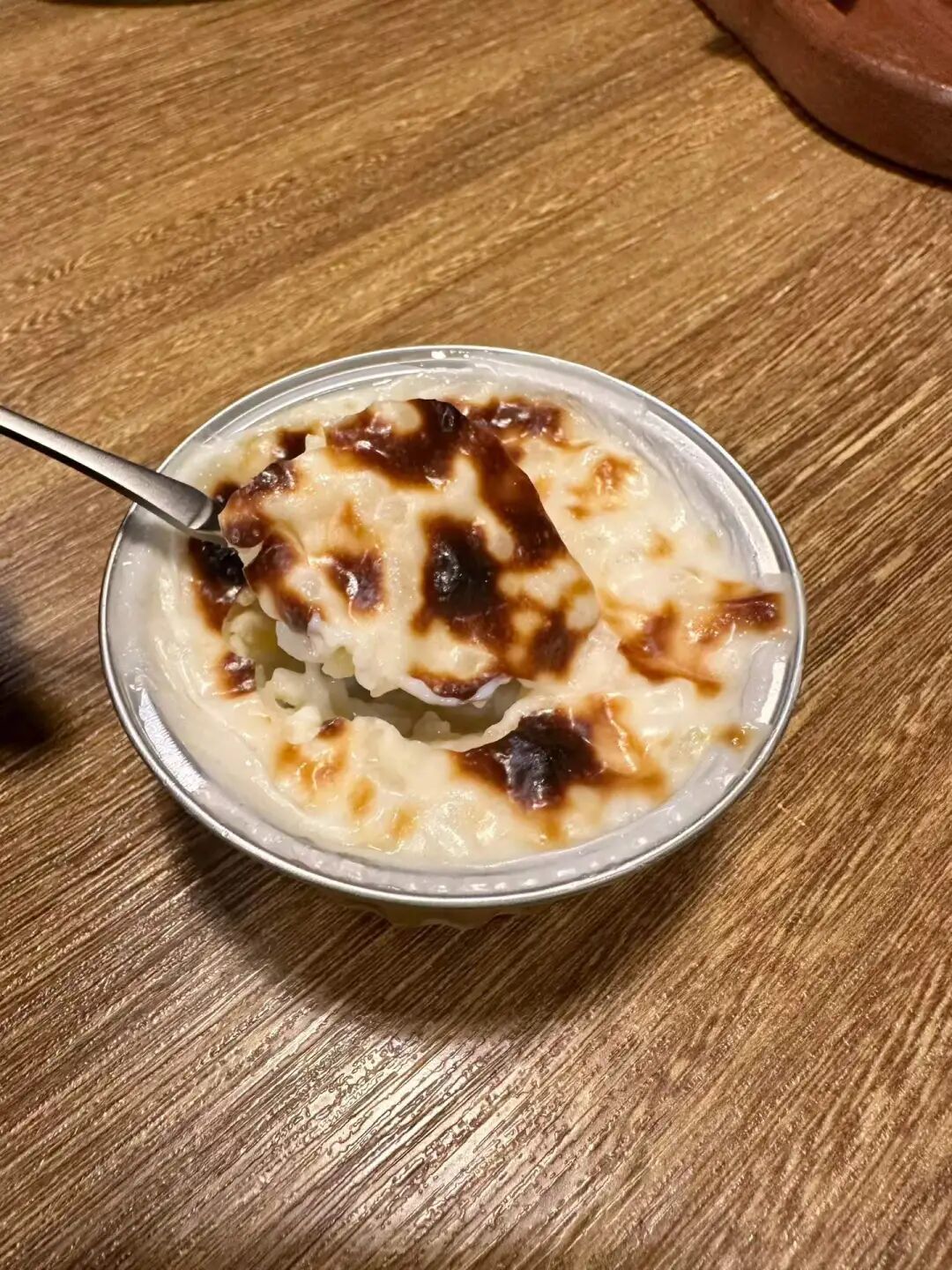
The Turkish cafe at the south entrance of Sanlitun SOHO used to be run by Dardanelles. I recently noticed the sign changed, and after asking, I found out it's now run by a couple from Urumqi. As a son-in-law from Urumqi, I consider them fellow hometown folks, haha. They still serve burgers, pizza, and Turkish fast food. We ordered a double beef burger, fries, cola, fried chicken nuggets, assorted pide, and also ordered falafel and rice pudding.
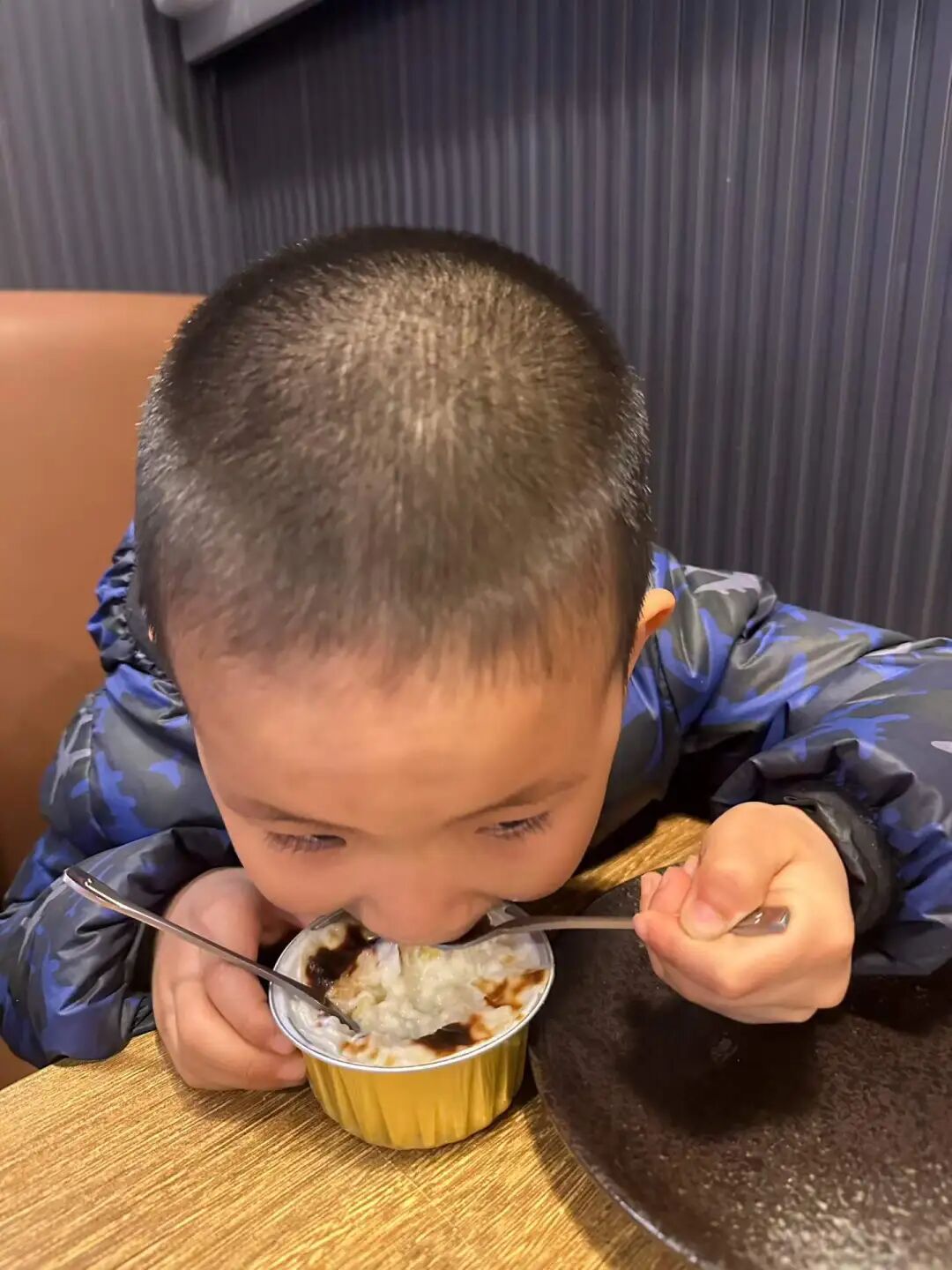
The taste is quite good, making it a great choice for friends (dost) who can't find Western-style fast food. The meat in the double beef burger was excellent and very satisfying to eat, though it would be even better if the bun was toasted a little. The pide was also very authentic, with a true Turkish flavor. The falafel was a bit hard, but the taste was fine, and the kids really liked the rice pudding.
Chaoyangmen Fast Food Stall.
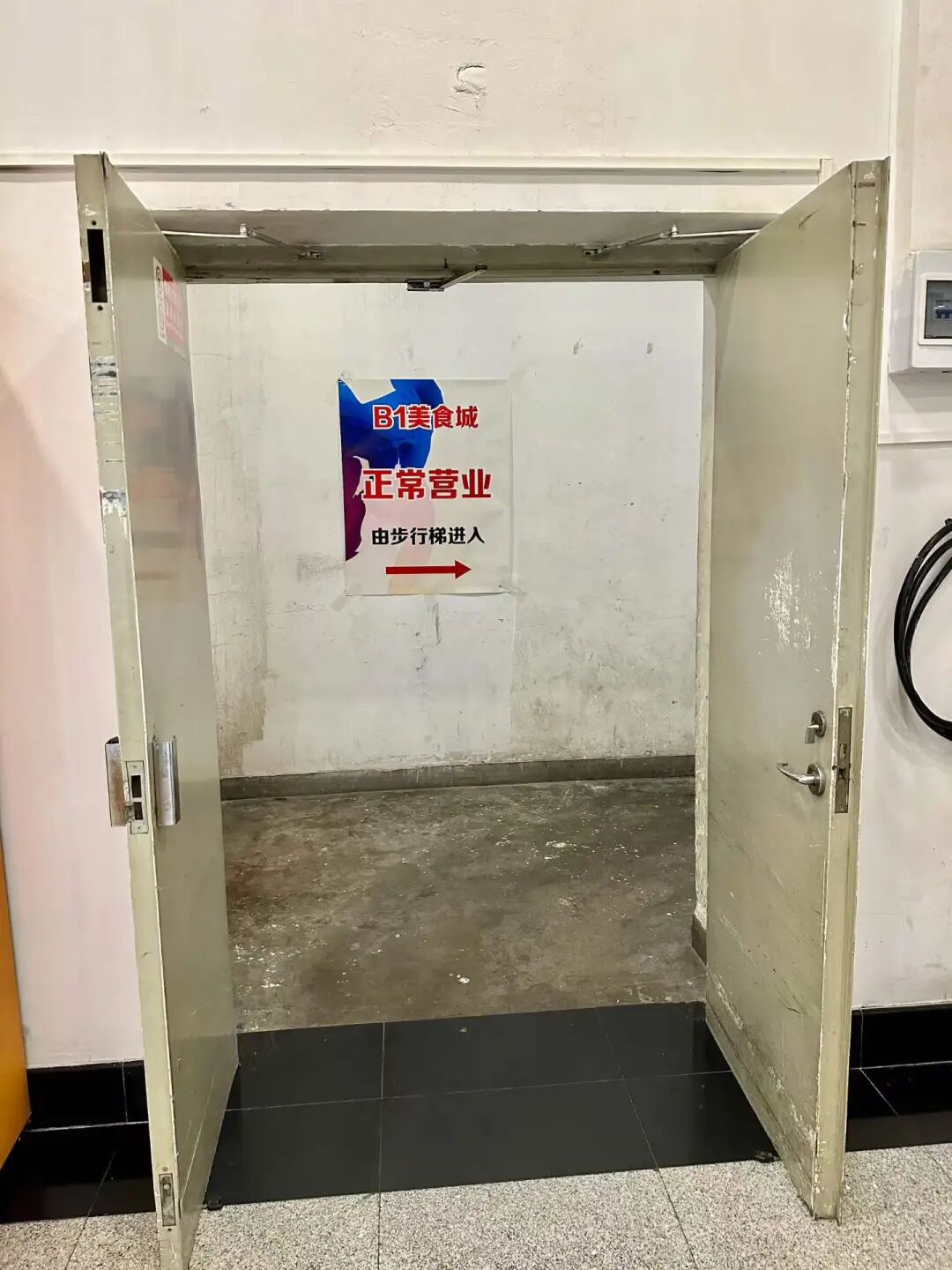
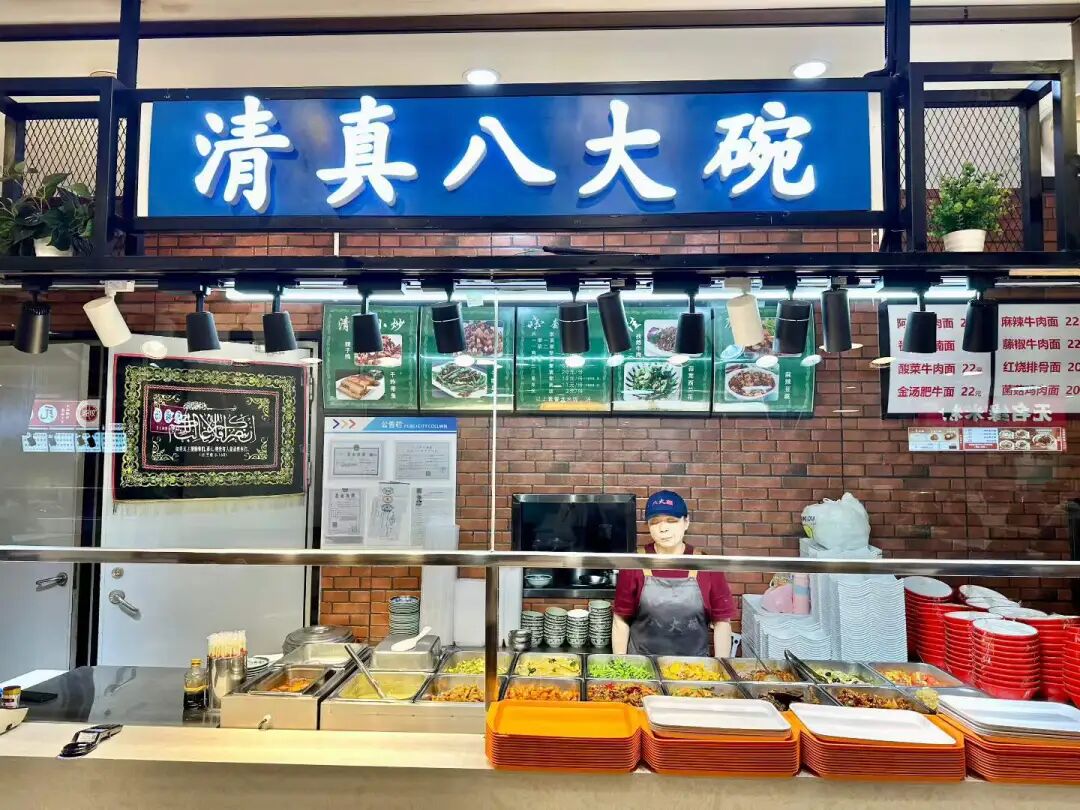
Today I went to the halal fast food stall in the food court on the basement level of the Union Building outside Chaoyangmen. You can see the entrance to the food court after entering from the south gate of the Union Building, though it is a bit hidden.
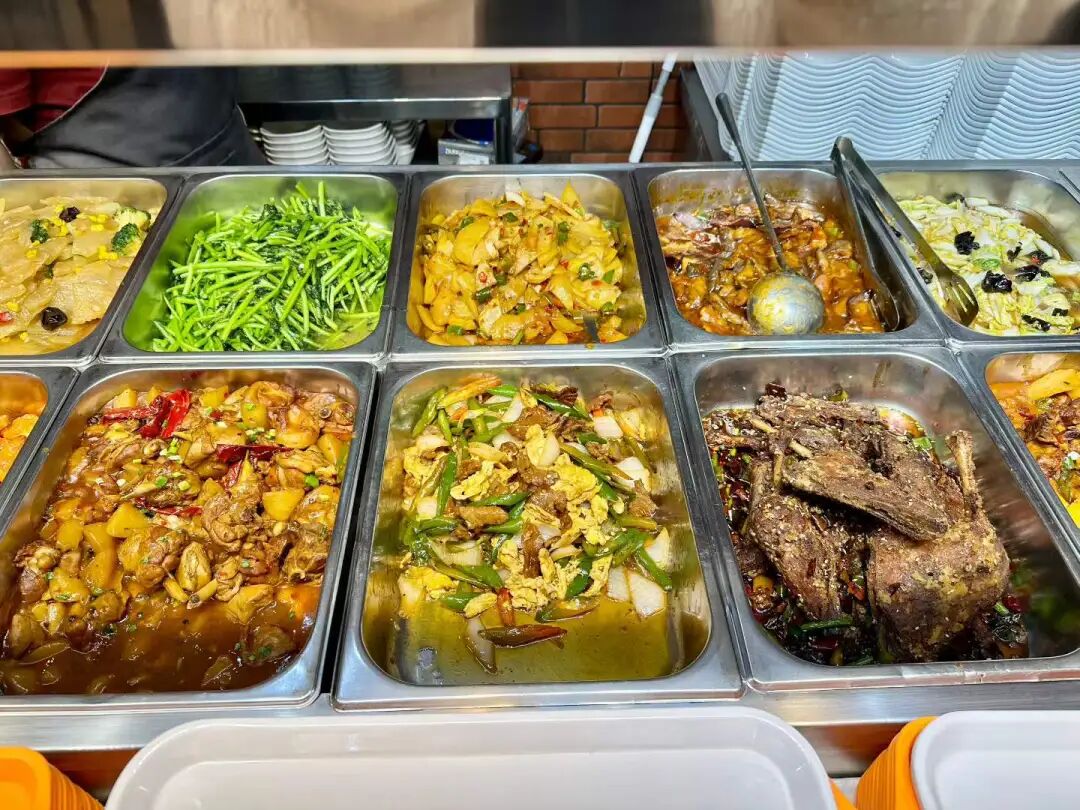
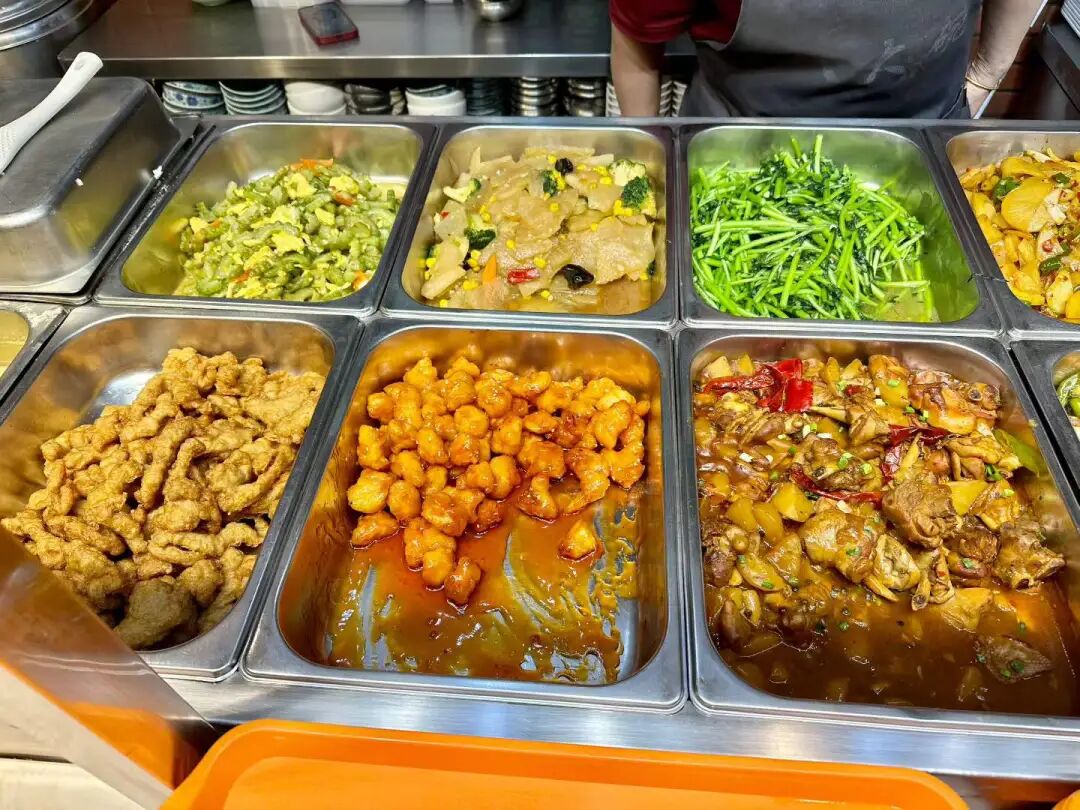
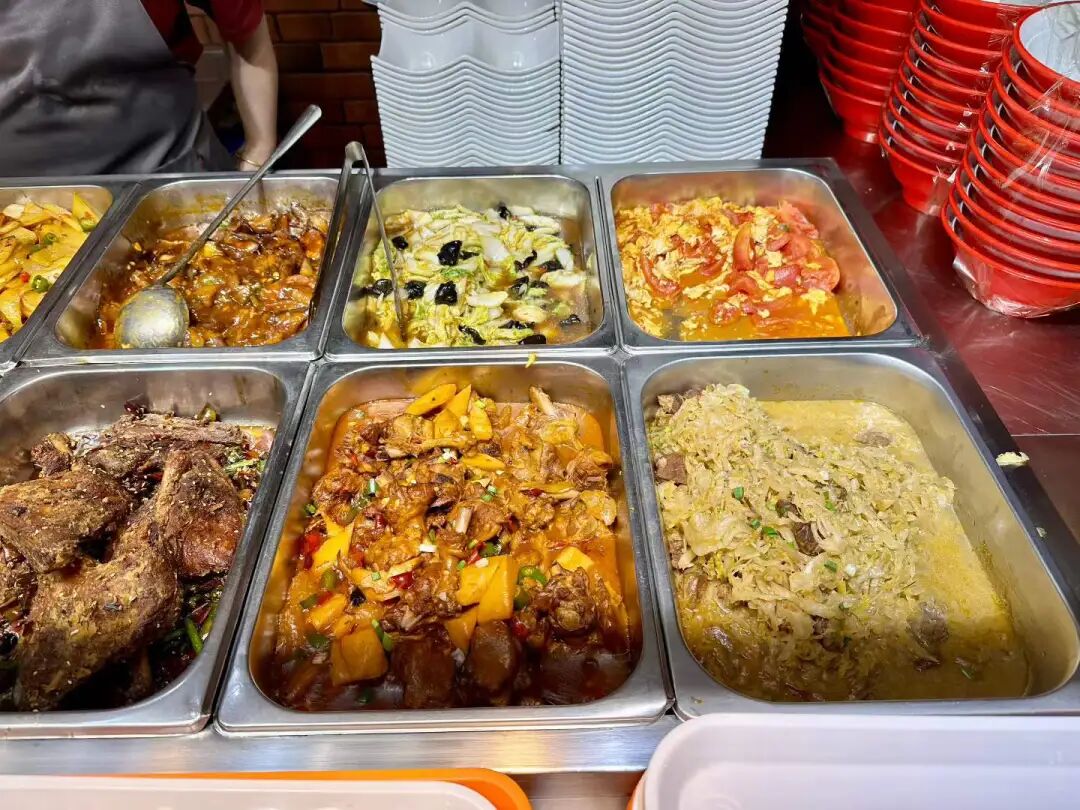
There are 14 types of fast food, including chicken, duck, and fish. Two meat dishes and one vegetable dish cost 24 yuan, with free refills on rice and cornmeal porridge. The lady there is very enthusiastic toward everyone and calls everyone 'handsome'.
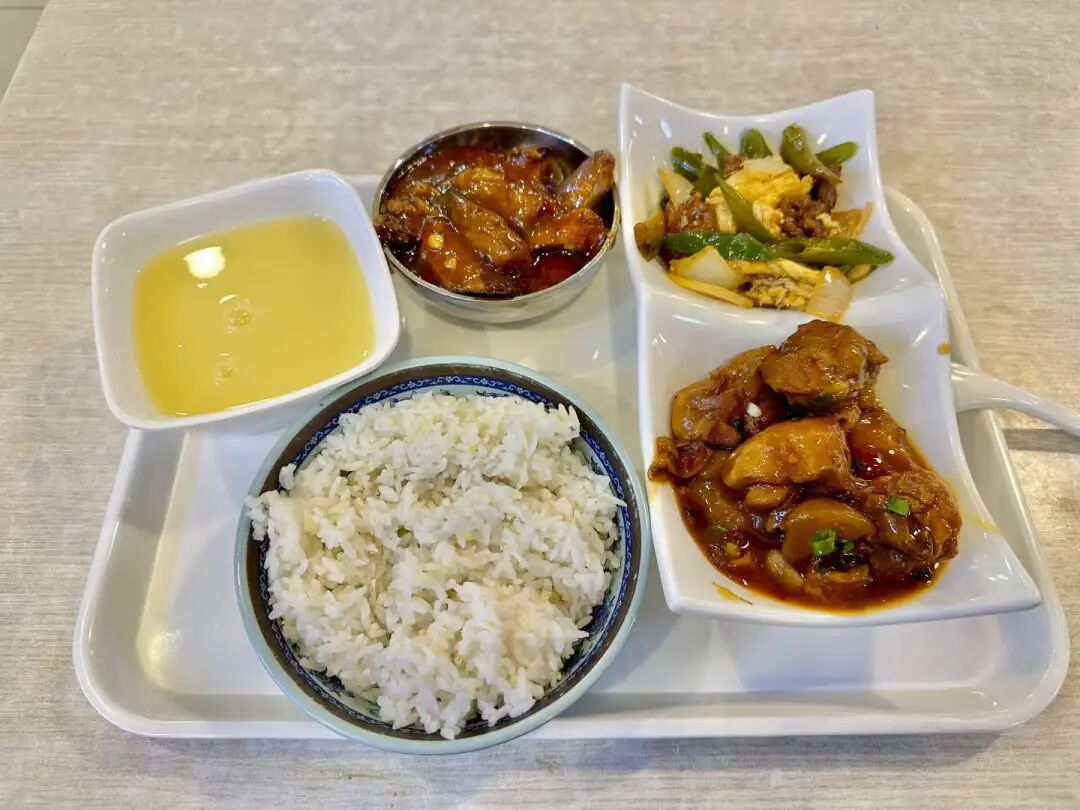
Chaoyangmen Fast Food Stall.
I went to the halal fast food stall in the food court on the basement level of the Union Building outside Chaoyangmen. You can see the entrance to the food court after entering from the south gate of the Union Building, though it is a bit hidden.
There are 14 types of fast food, including chicken, duck, and fish. Two meat dishes and one vegetable dish cost 24 yuan, with free refills on rice and cornmeal porridge. The lady there is very enthusiastic toward everyone and calls everyone 'handsome'.
Pakistani buffet at Habibi.
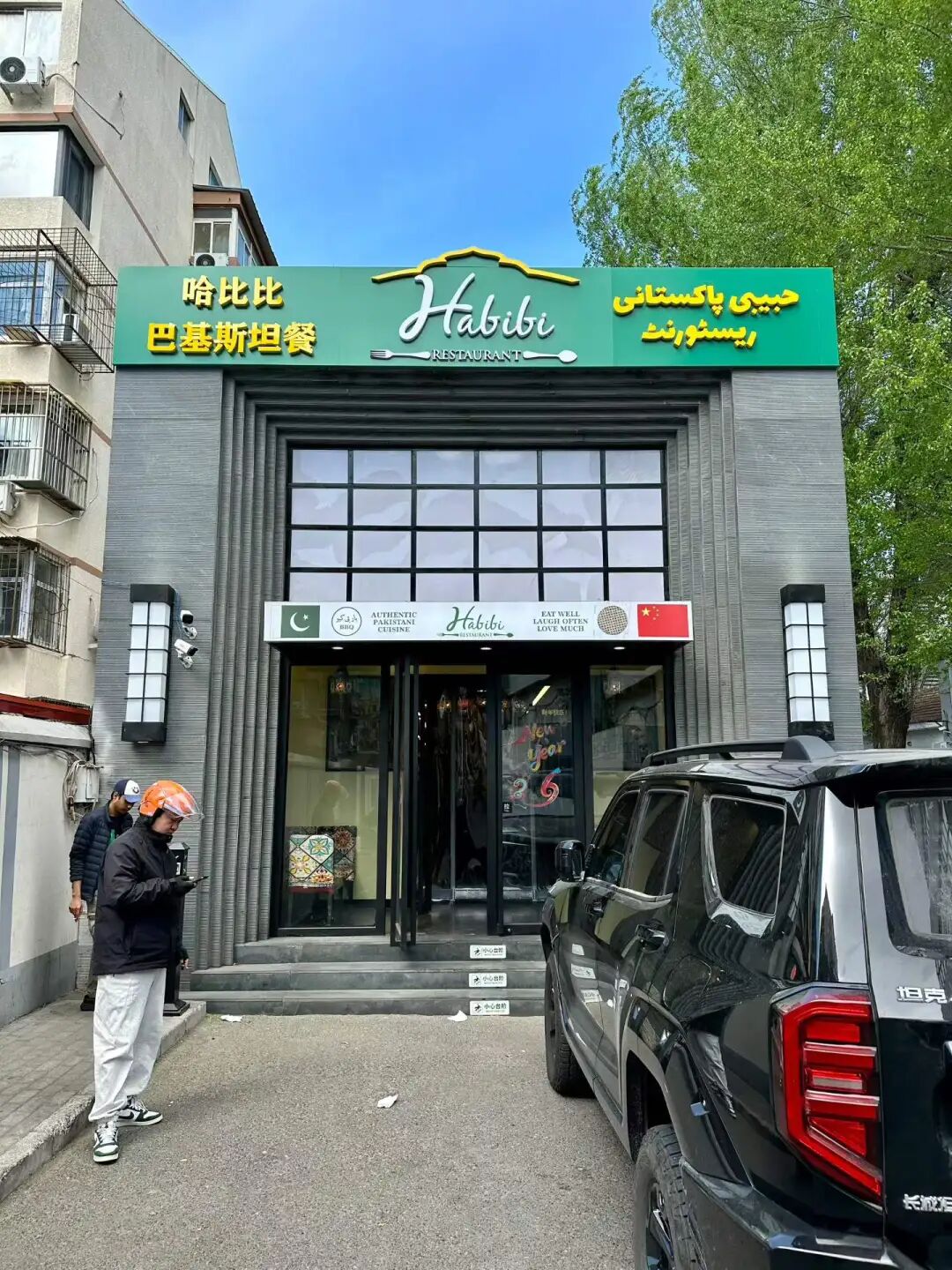
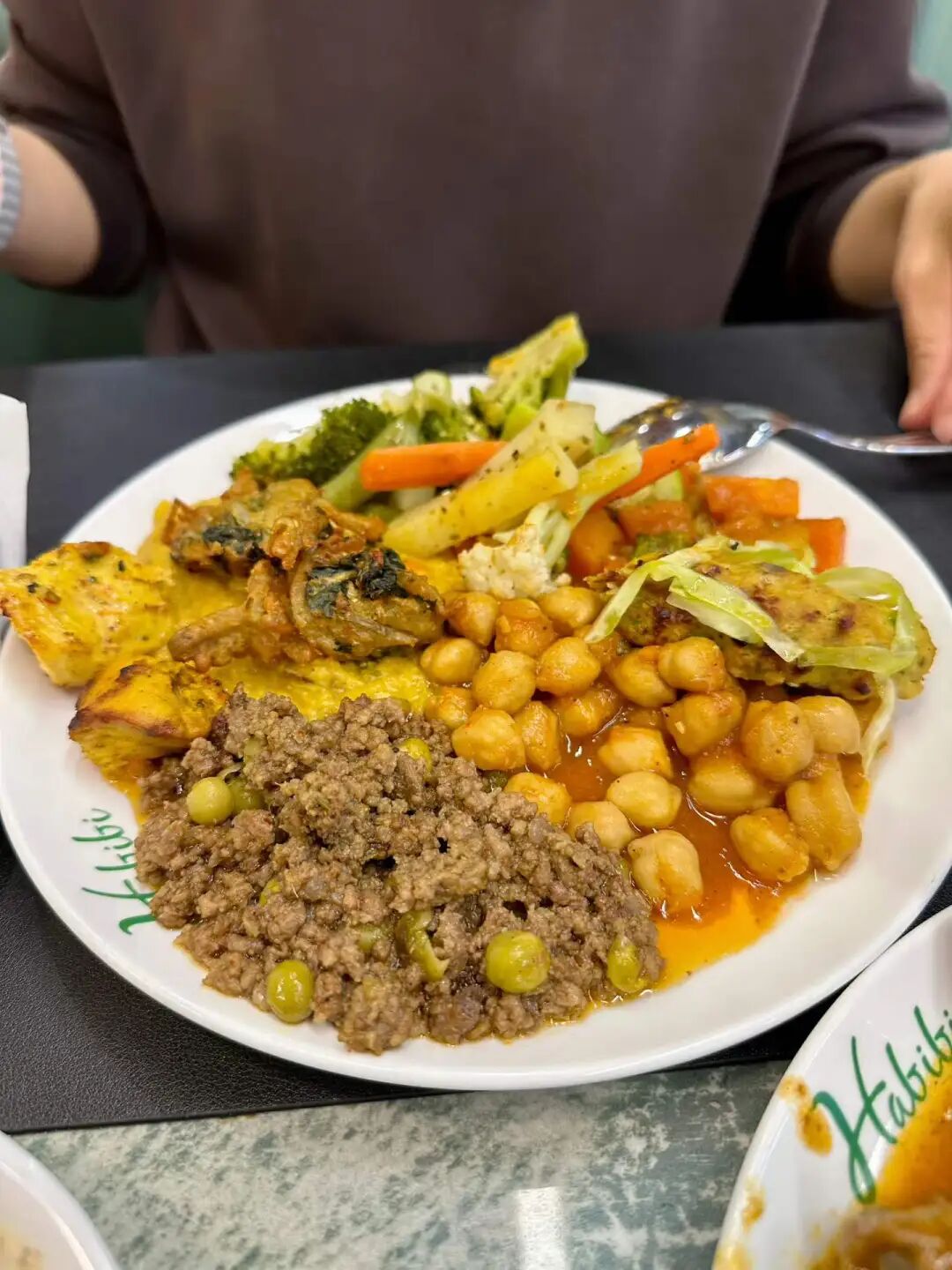
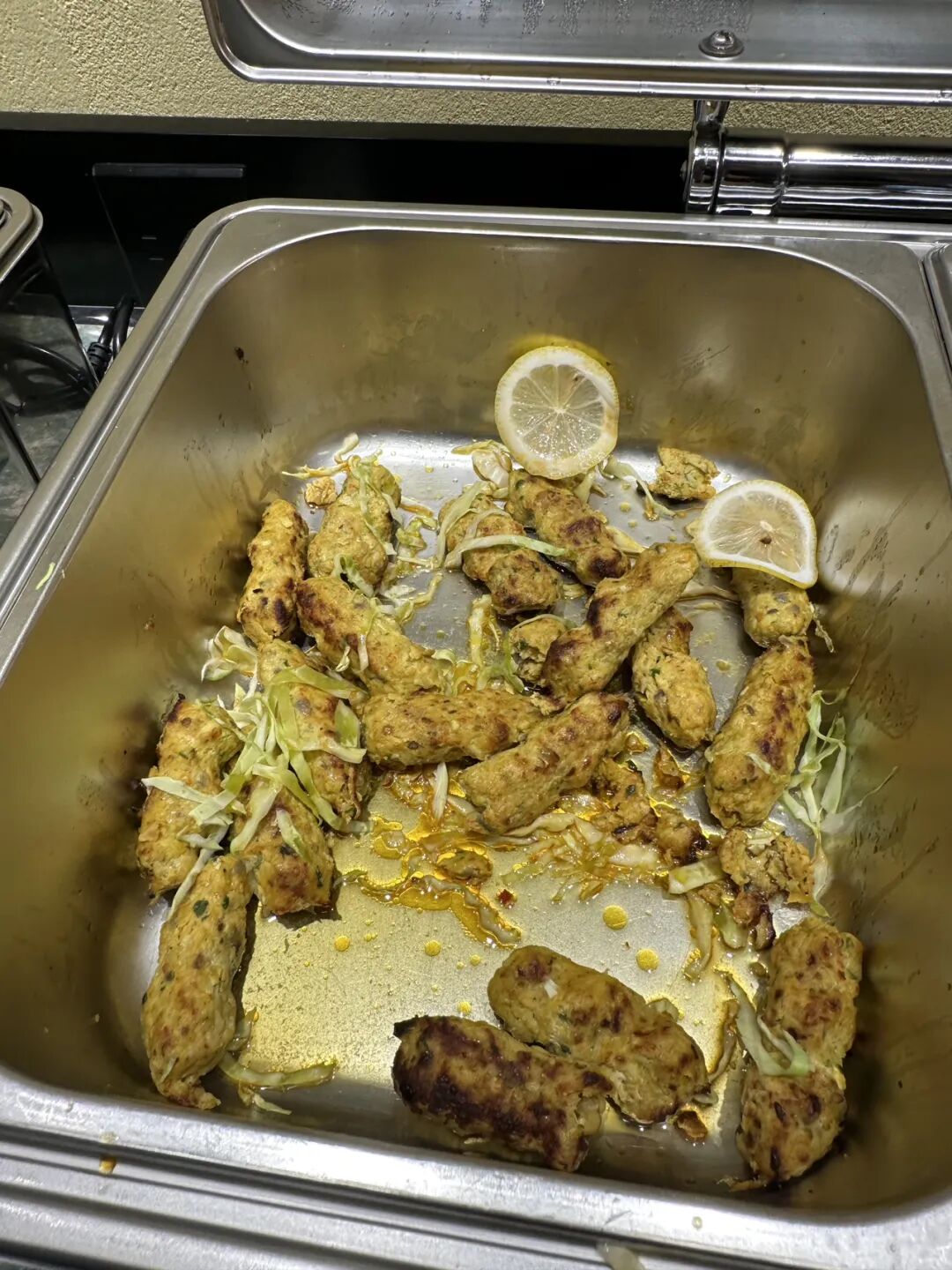
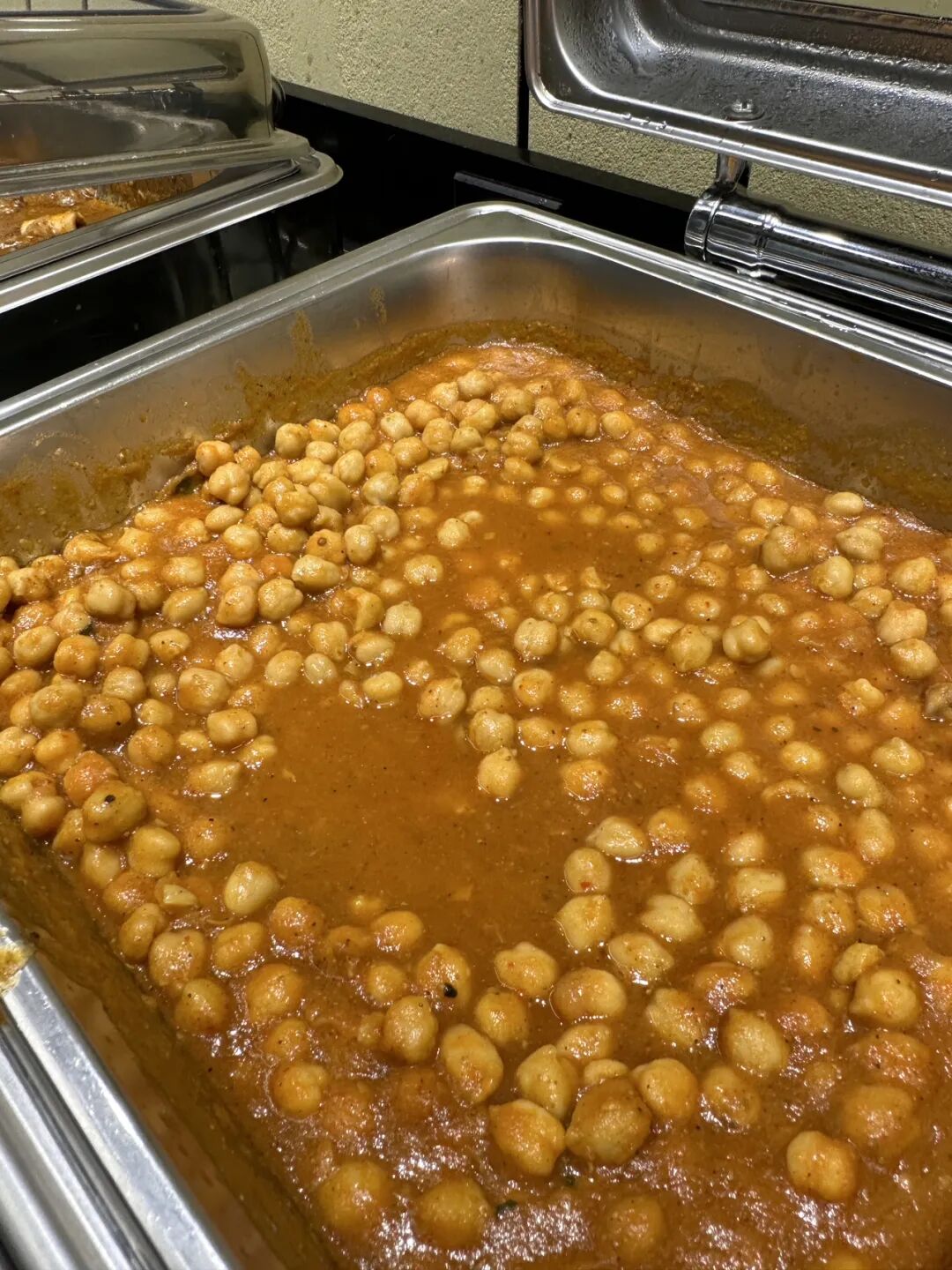
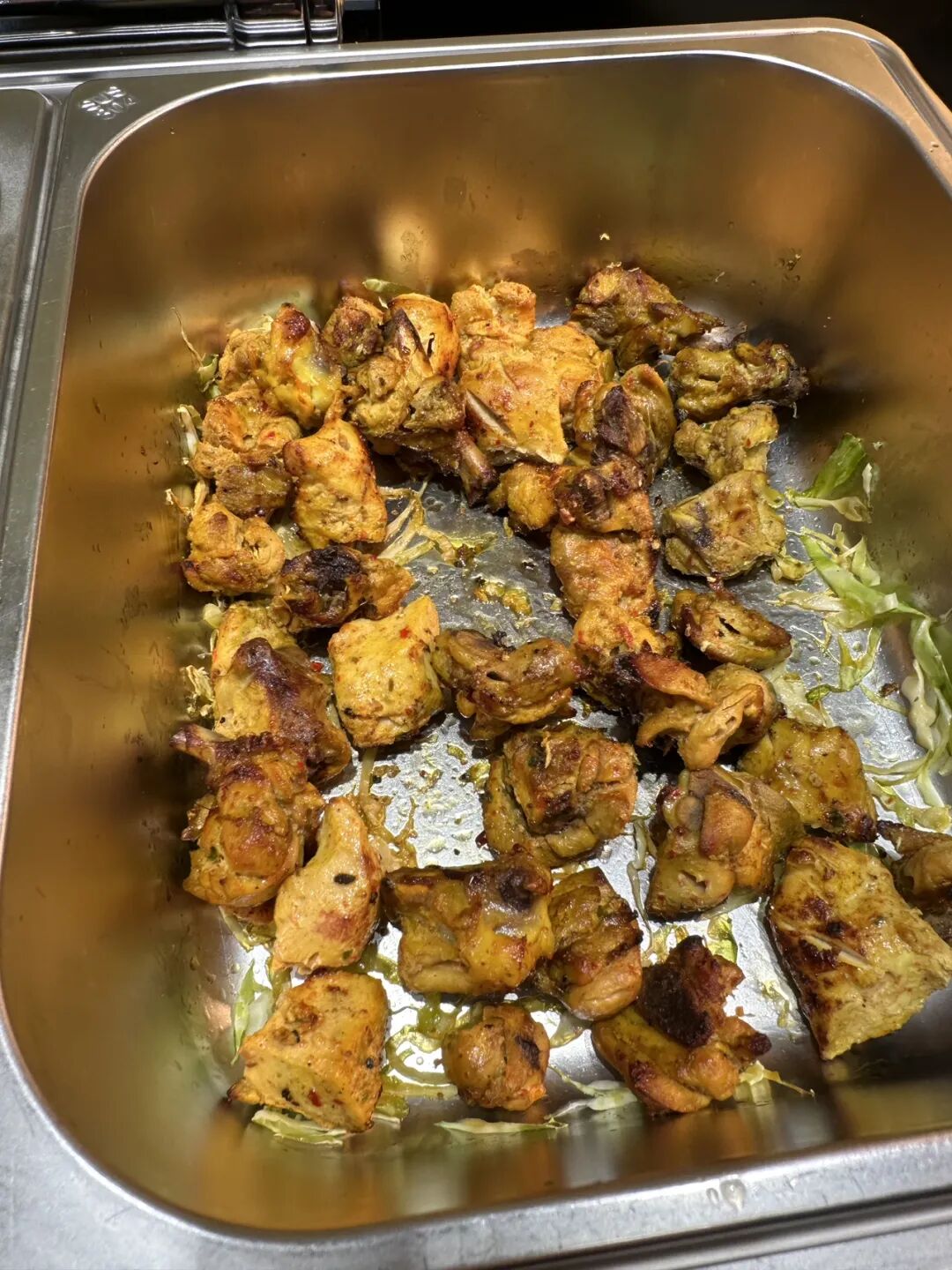
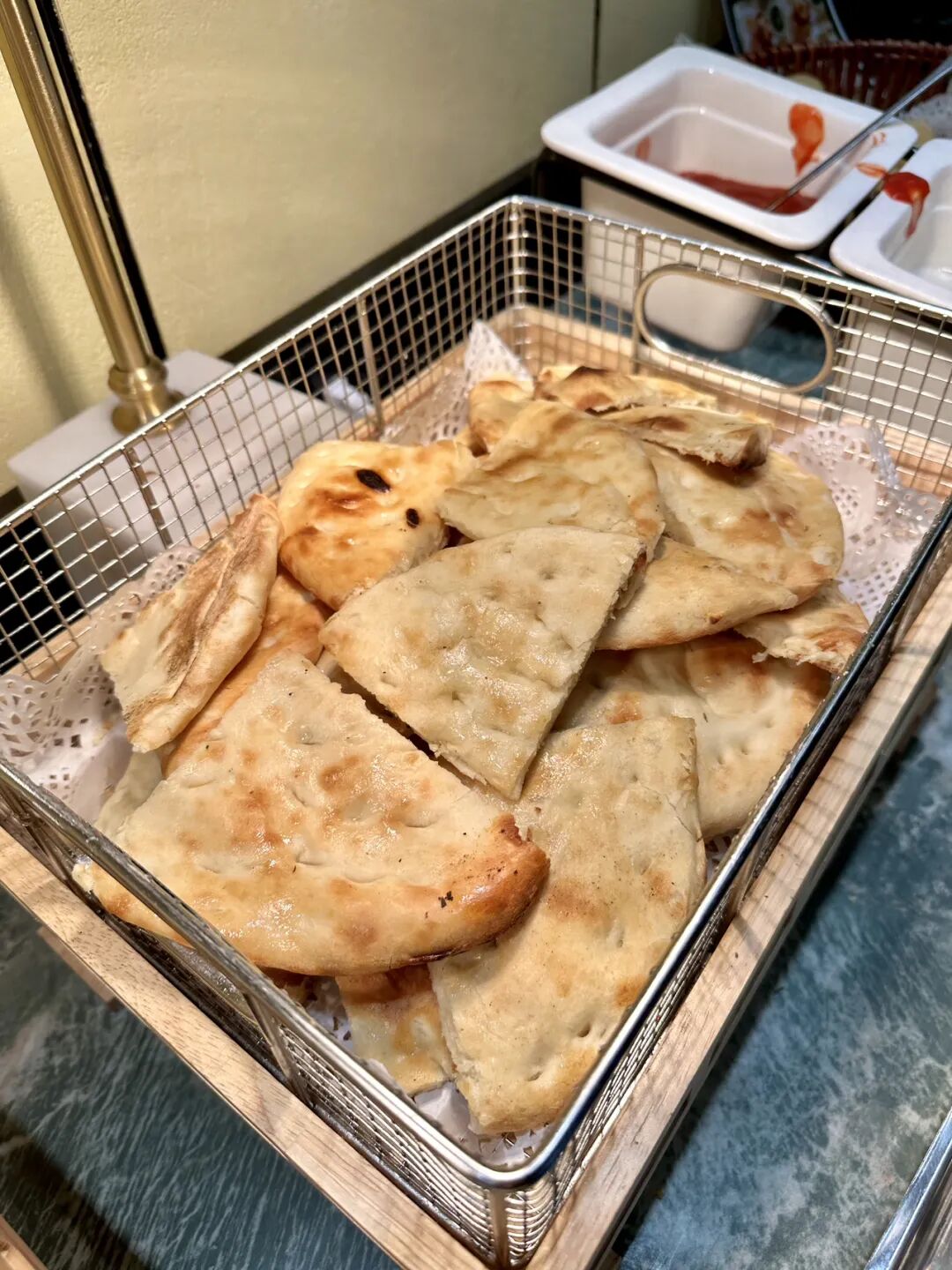
The Pakistani restaurant Habibi in Liudaokou specializes in buffets. It is really popular at lunch, and we had to wait a bit for a table, but we were seated quickly. The dishes are classic Pakistani food, mostly chicken, along with minced beef and lamb bones. They kept refilling the food while we were eating. The lamb bones were the most popular, and the freshly baked flatbread (naan) was very fragrant. Their curries are quite spicy, so there is not much for children to eat.
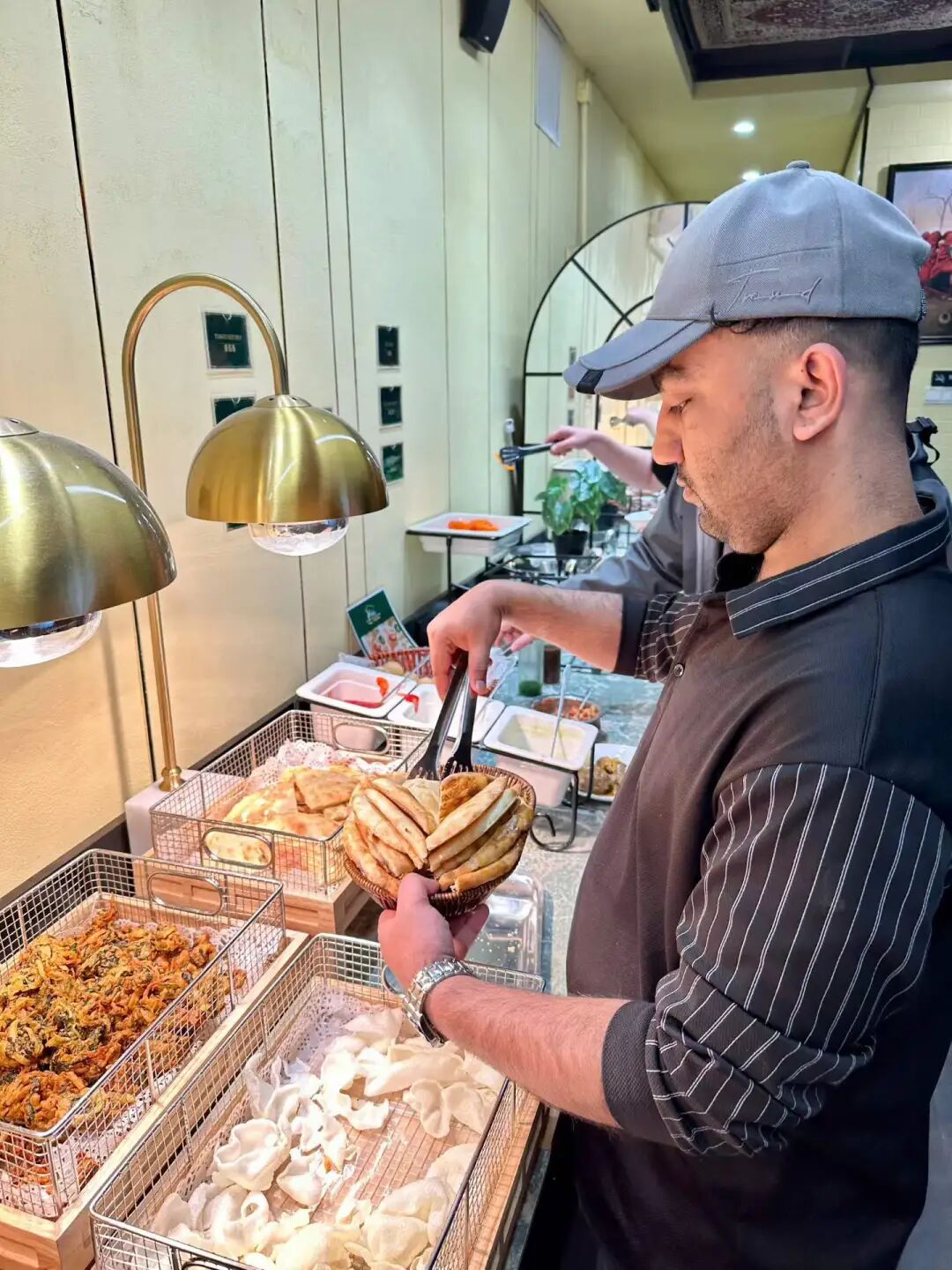
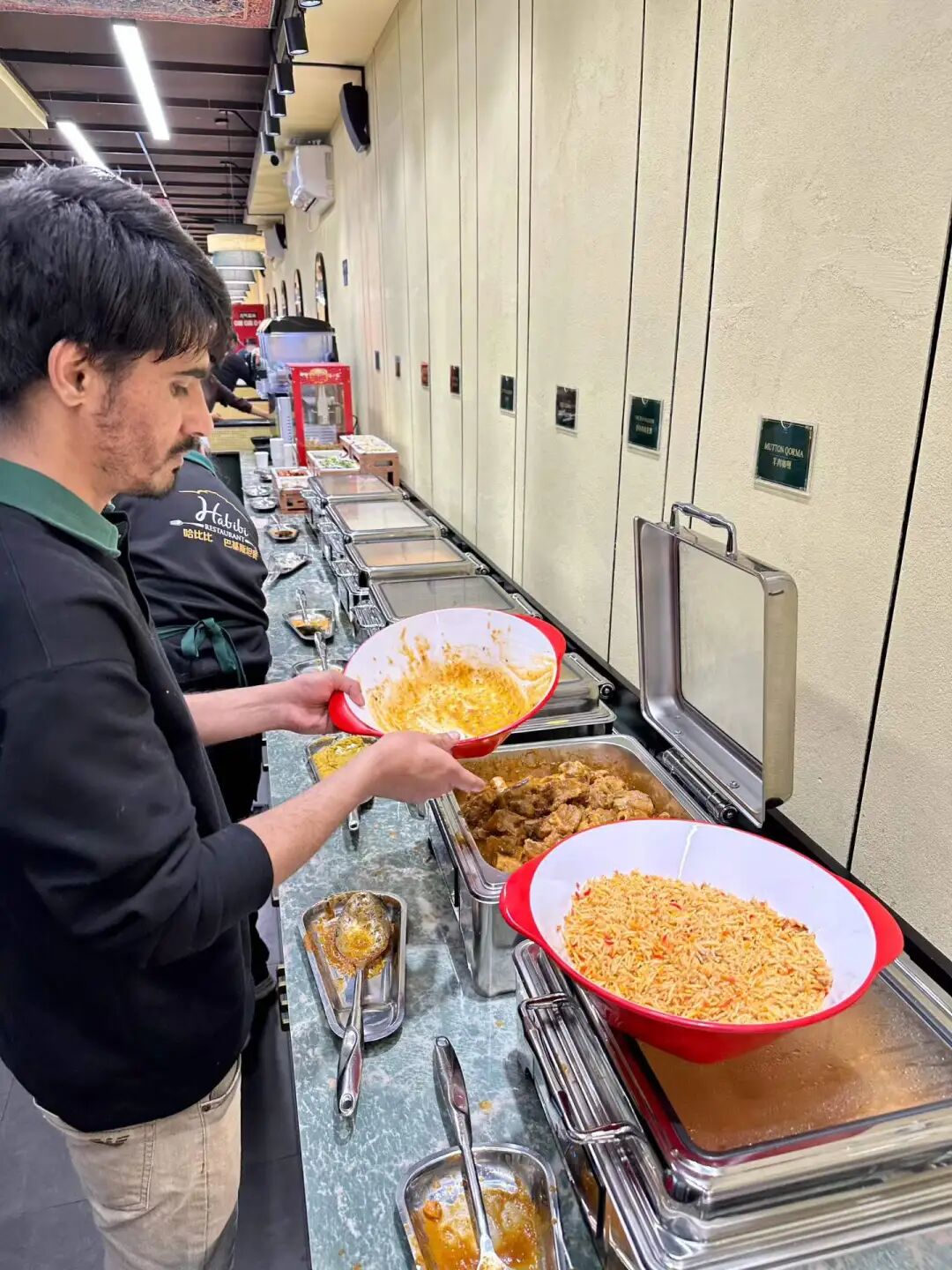
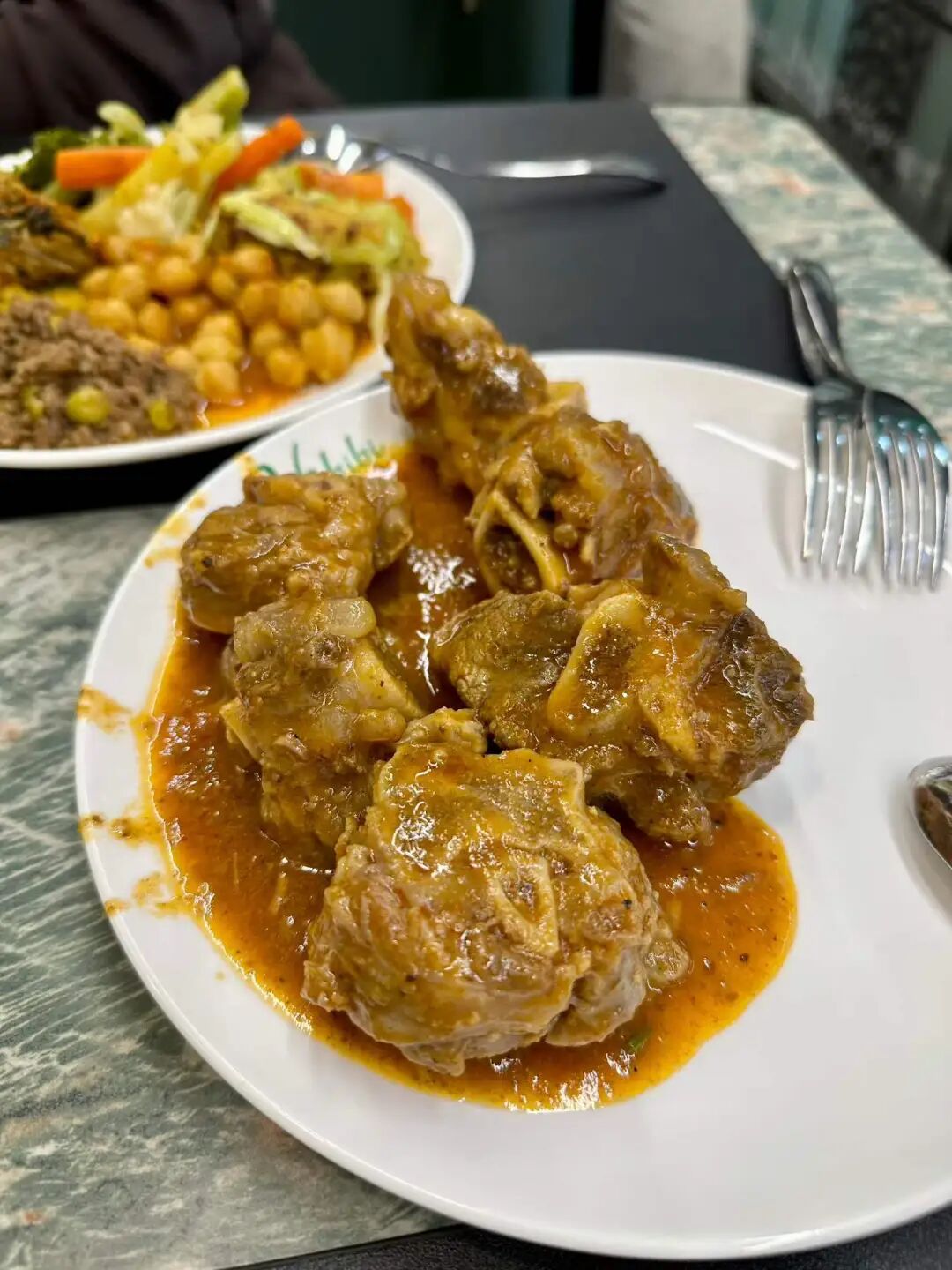
The lamb bones are prepared as korma, a type of curry stewed with coconut milk or yogurt. The word korma comes from the Turkic word qawirma, which originally meant fried, but it changed to mean stewed after entering the Urdu language. Korma is a typical Mughal court dish that originated in the 16th century. People say Shah Jahan ate korma with his guests at the banquet celebrating the completion of the Taj Mahal.
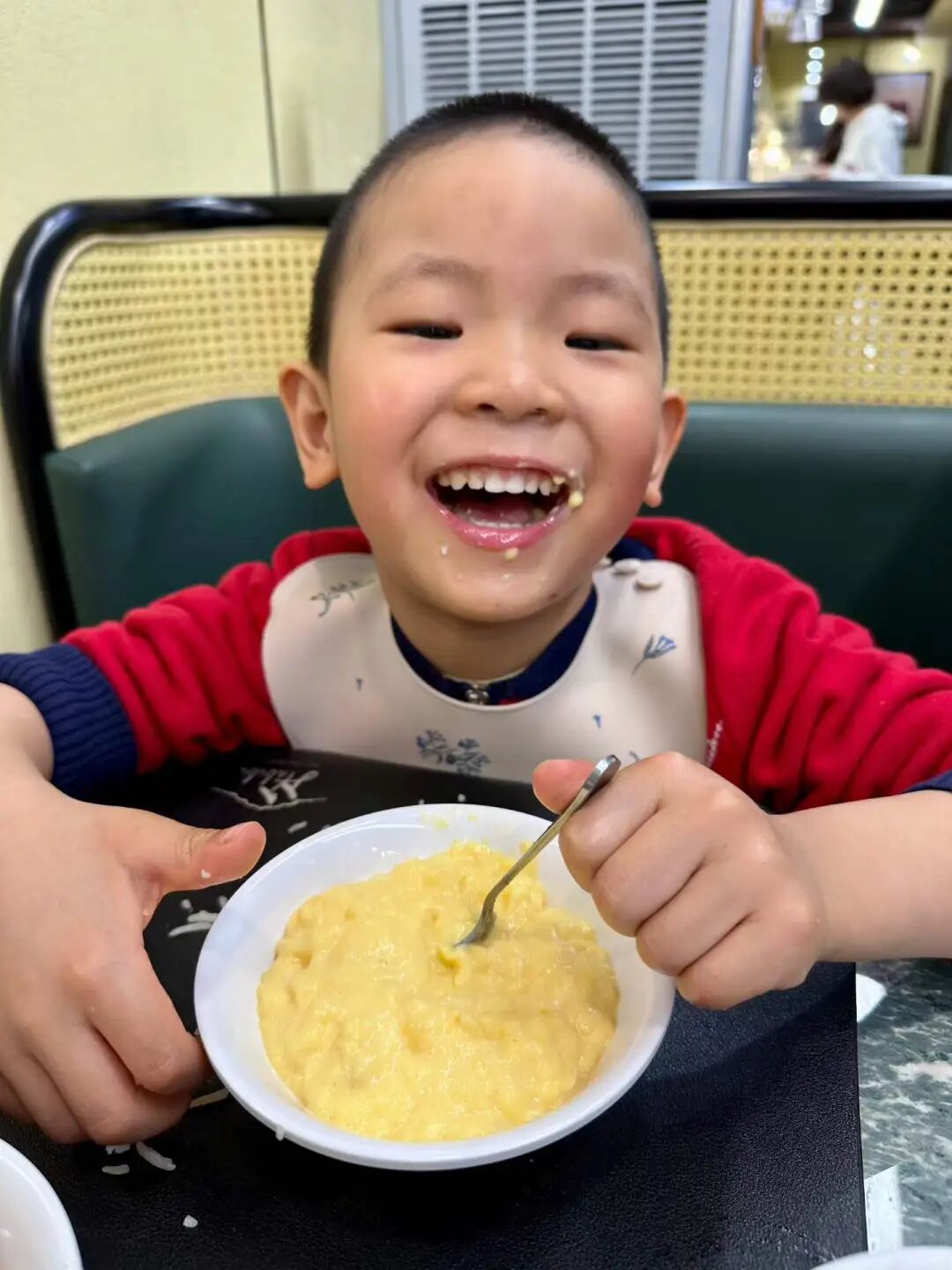
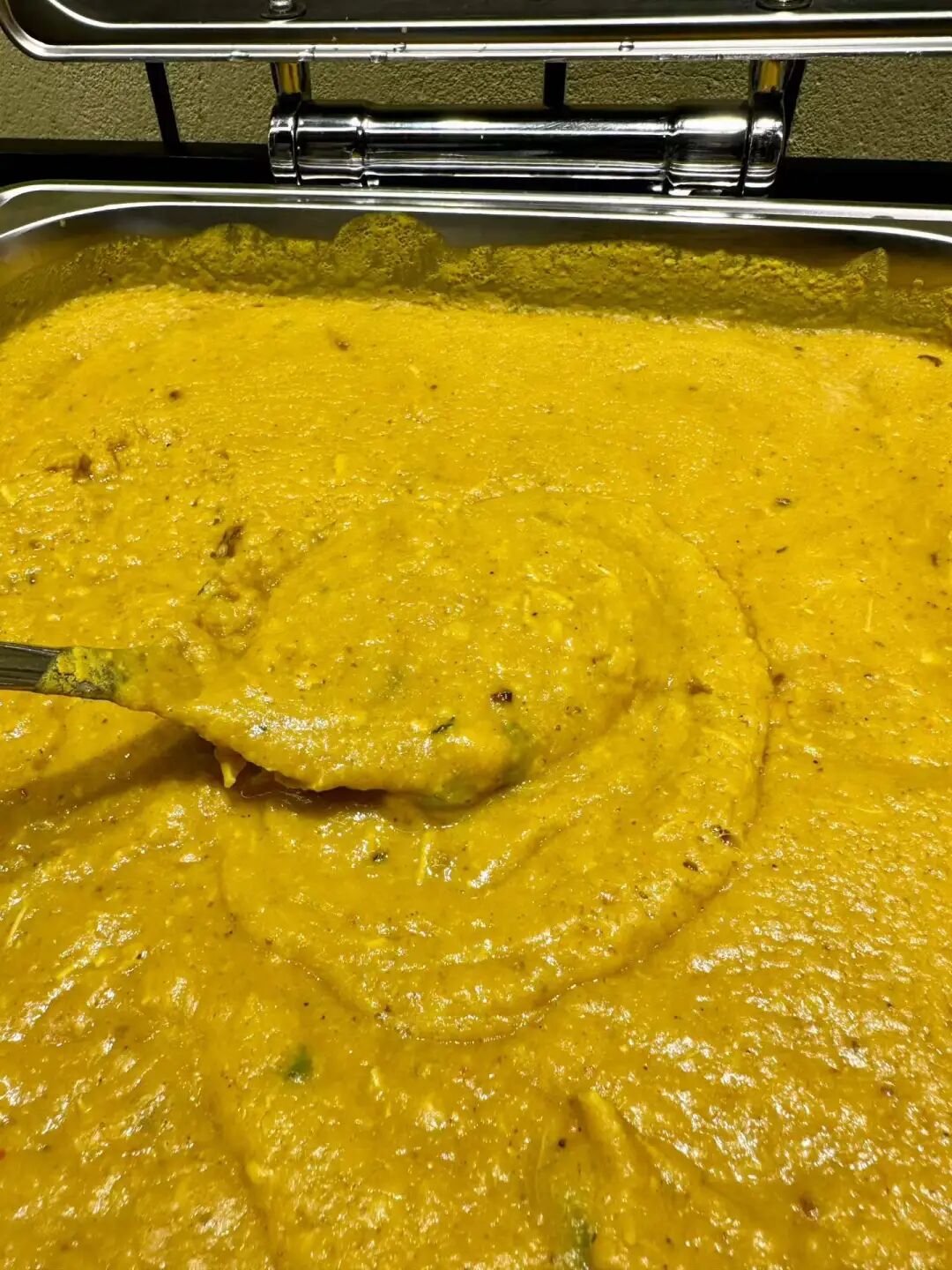
Another specialty of theirs is chicken porridge (haleem). Pakistani chicken porridge is similar to the meat porridge eaten by Hui Muslims, as both are often cooked for festivals and religious gatherings. The chicken is cooked for a long time until it completely breaks down. Once ready, it is topped with lemon, fried onions, and cilantro, and served with flatbread (naan) for a classic South Asian iftar meal.
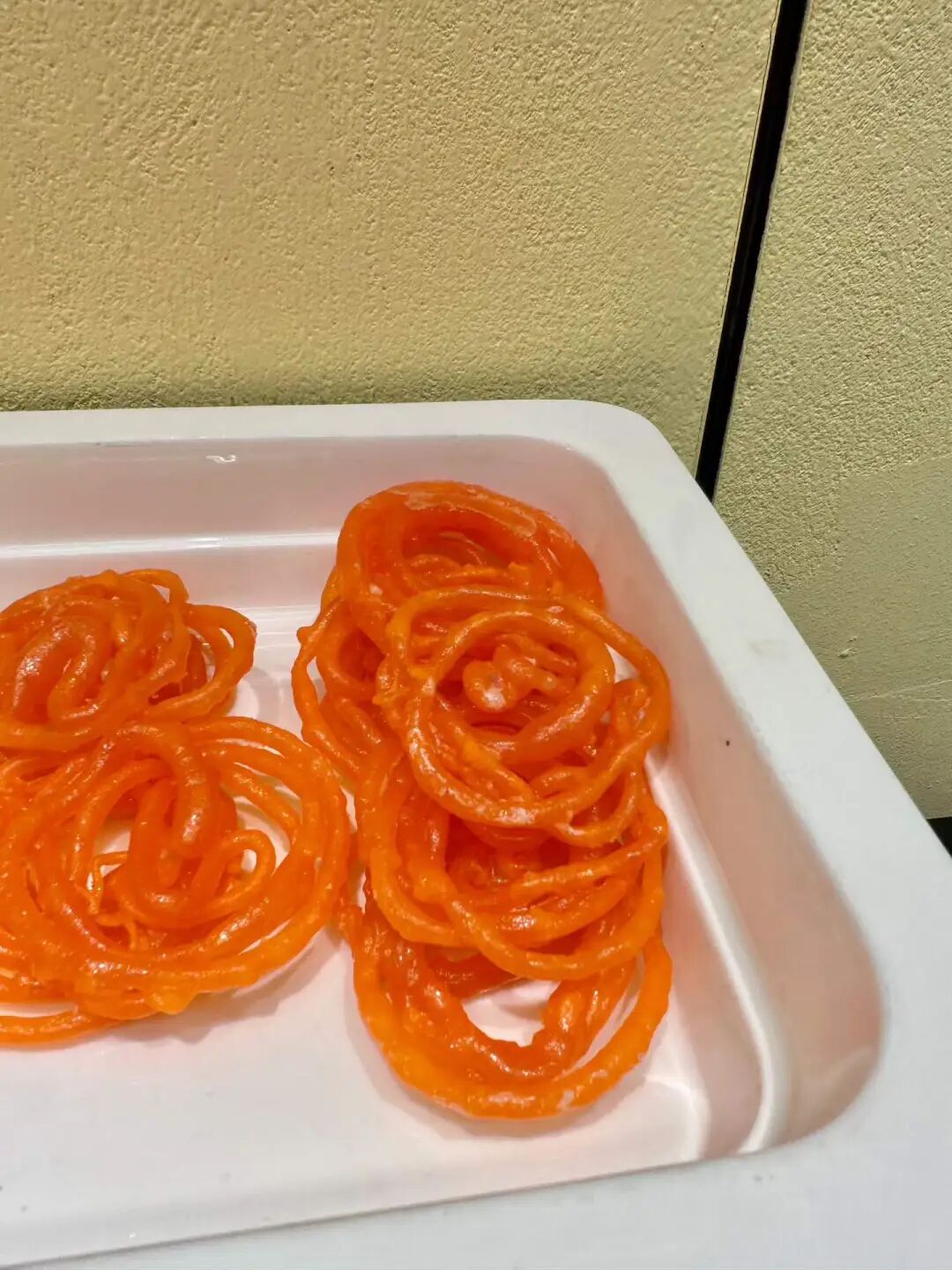
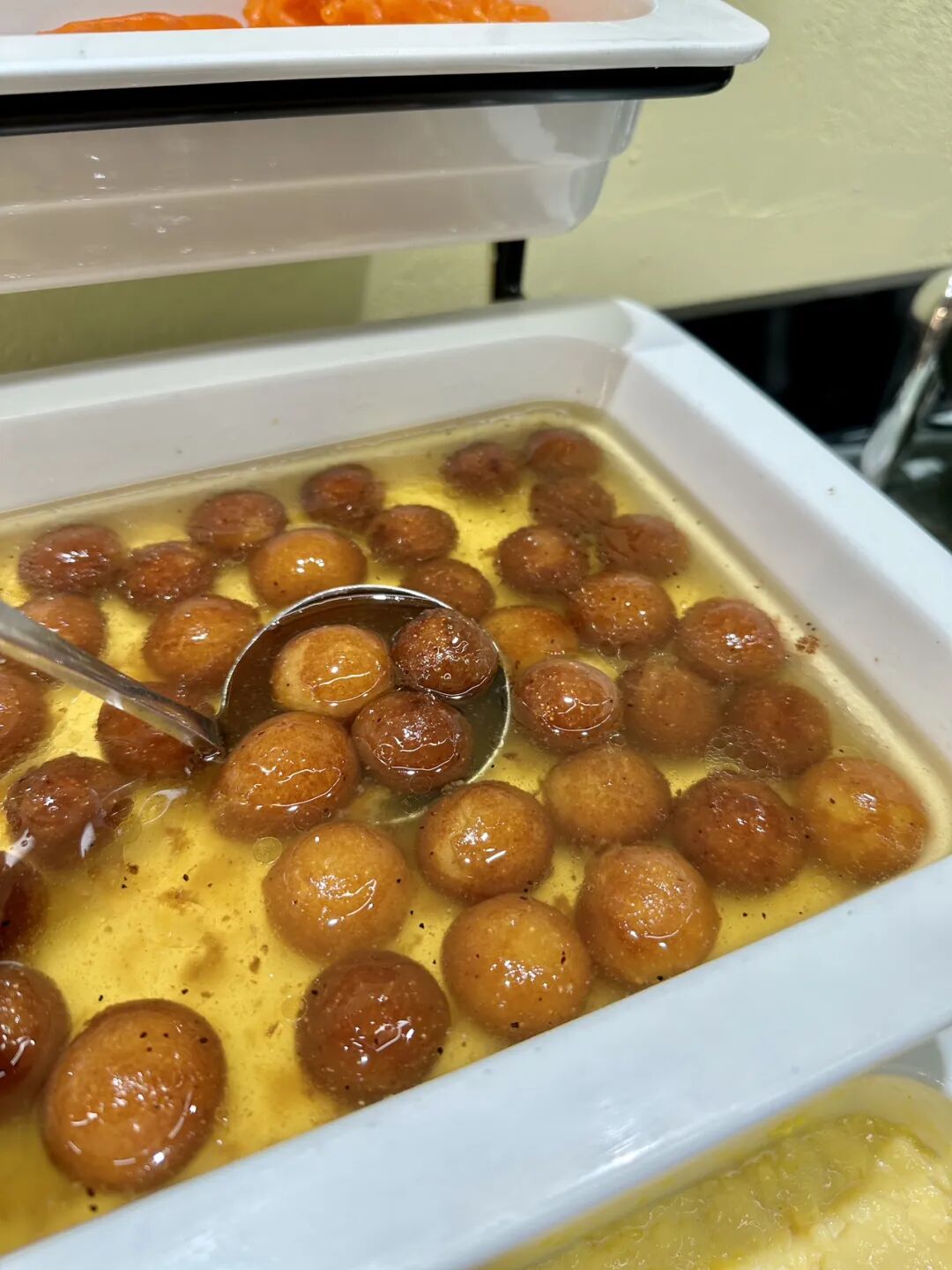
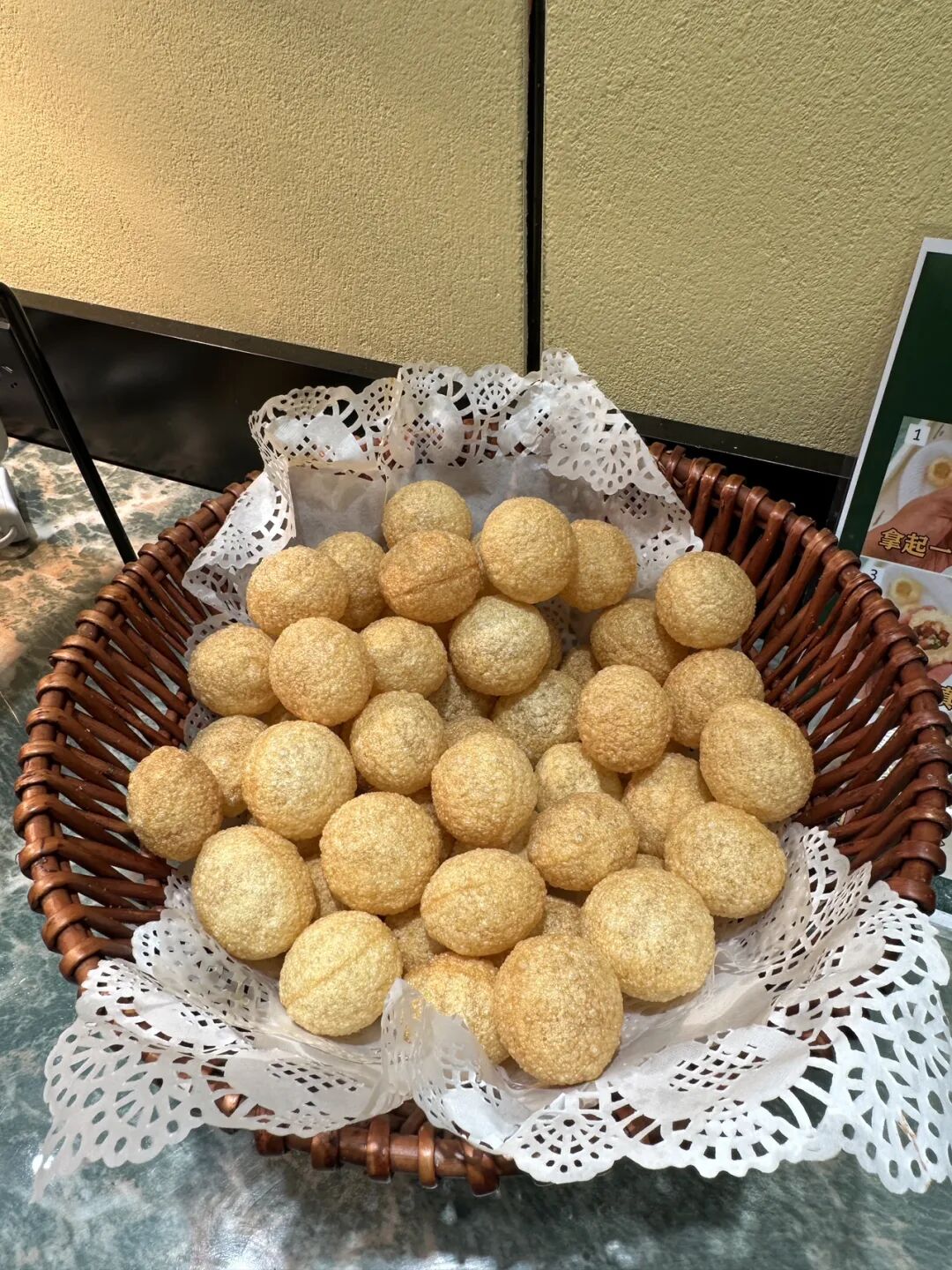
A unique dessert is the syrup-soaked fried dough rings (jalebi). It originally came from West Asia and later spread to South Asia, becoming a classic dessert for Pakistani weddings and celebrations. In winter, it is often eaten with warm milk. Milk and flour balls (gulab jamun) are a classic dessert in South and Southeast Asia. They are fried balls made of cheese and flour, then soaked in rose water and saffron syrup. They can be served with ice cream and are a classic dessert for Pakistanis during Eid al-Fitr and Eid al-Adha.
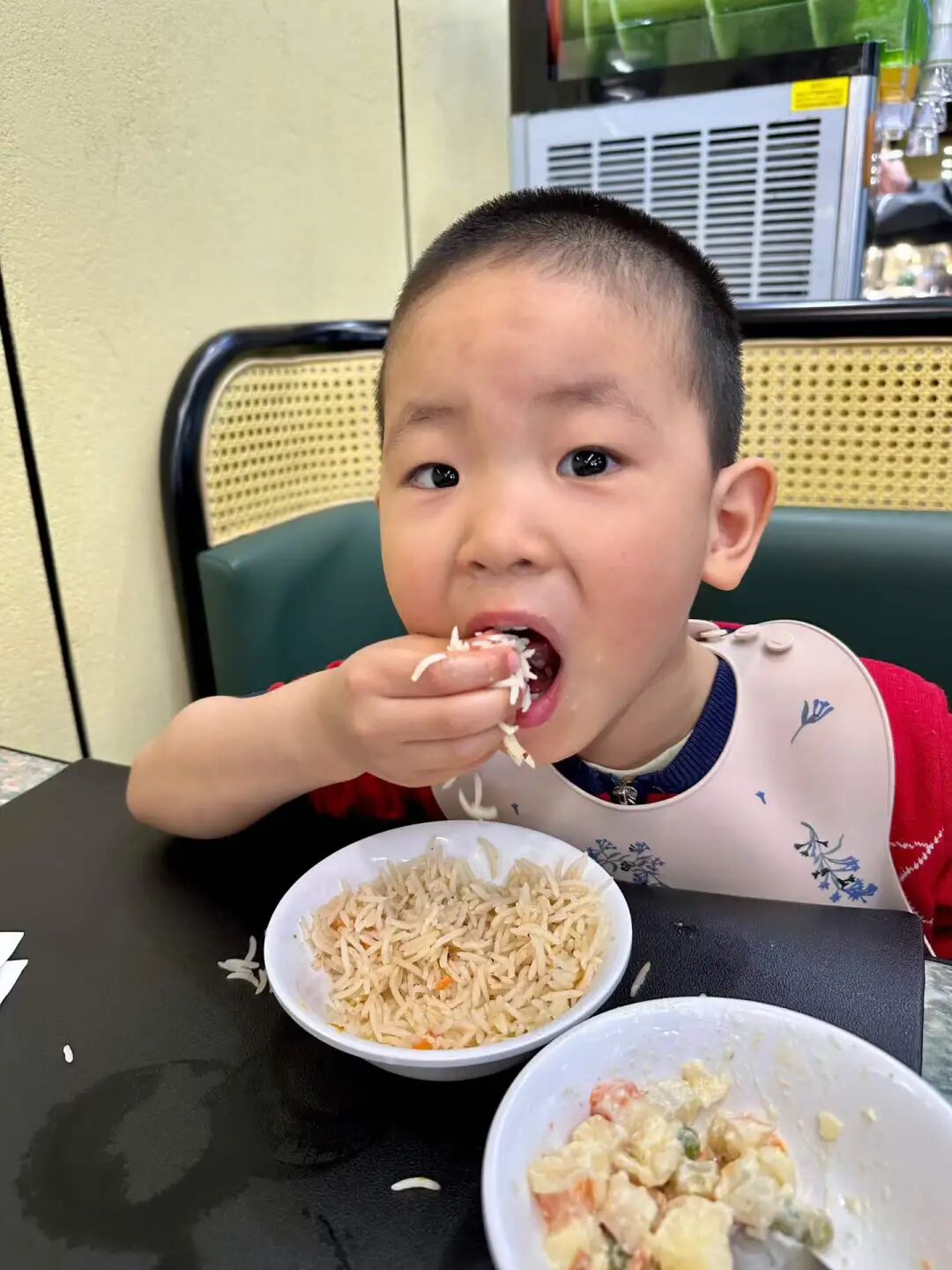
Their milk pudding is not too sweet, which is perfect for children. Suleiman also really likes their long-grain rice; he can eat a whole bowl plain.
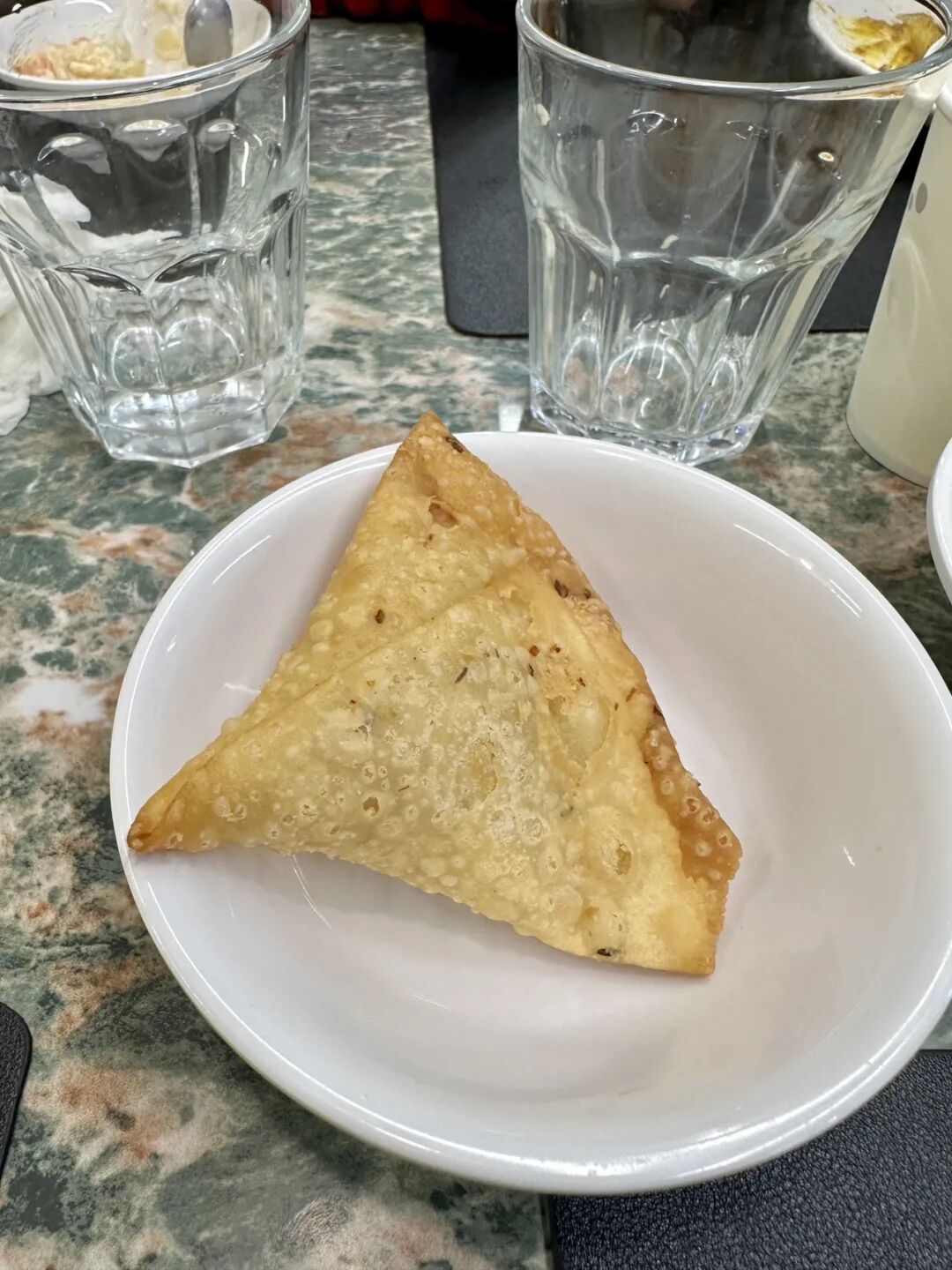
They also have curry puffs (samosa), which are fried until very crispy.
Part 1: 10 halal restaurants in Beijing worth trying: Lahore Courtyard, Mai Mai Hong beef knife-cut noodles in Jiaozuo, Henan, Hulun Aile halal Mongolian food, West African Ghana Tribe Garden, Xing Lao Si meatball spicy soup in Xi'an, Jin Ying meatball soup in Changji, Xinjiang, Hotan Canteen in Xinjiang, BRBR Syrian restaurant, Gulou Eating Noodles fusion food in Beijing, and Xilaishun traditional Beijing food.
Part 2: 10 halal restaurants in Beijing worth trying (Part 2): Gulf Mandi Restaurant (UAE food), Xihan meatball soup at Xinjiang Mansion, Altai afternoon tea in the lobby of Xinjiang Mansion, Muhejia revolving hot pot, Nazilan in Urumqi, Xinjiang (closed), Baoyuanzhai pastries in Beijing (closed), China-Pakistan Friendship Restaurant (Pakistani samosas), Master Ma's roast duck (closed), Bengal Benjiebi Restaurant, and Shihu Cheng Resort in Huairou.
Part 3: 10 recently tried Beijing restaurant recommendations: JM Italian Coffee Dongsi branch, Huixiangyun halal Hunan stir-fry Wangjing branch (closed), Old Ma's lamb soup and steamed dumplings in Dezhou, Shandong, Philadelphia cheesesteak in Sanlitun, Pakistani Roma Restaurant, Muyuzhai garlic lamb intestines, Inner Mongolia Lianying shaomai (steamed dumplings) at Grassland Pomegranate Red, Gansu spicy hot pot in Wangfujing, and Yuezhen Yayuan halal courtyard restaurant.
Part 4: 10 halal restaurants in Beijing worth trying (Part 4): Hotan Rose Pilaf Yizhuang branch, Taiba Western-style bakery, Taiba South Sanlitun street shop, Zhaotong small meat skewers at Ganmaya BBQ on Guijie (closed), Bai Xiaobei Heilongjiang BBQ, Yunnan Muwenzhai dry-pot beef, Xinjiang restaurant Jiangjiang in Sanlitun, Huixiangyun halal Hunan restaurant Zuojiazhuang branch, Bazaar Sweetheart Yili ice cream shop, and Qianyuan Hotel in Dongzhimen.
Part 5: 10 halal restaurants in Beijing worth trying (Part 5): Sandyq Kazakhstan restaurant, Kashgar restaurant, Ahmed restaurant, Jingbalang Naan Bazaar, MacMac Lebanese restaurant, Humaer Xinjiang specialty food, Old Huihui dumpling restaurant Zoo branch, Fresh Milk Town Shuangjing branch (closed), Nawab restaurant, and Liu's Watch Repair and BBQ.
Part 6: 10 halal restaurants in Beijing worth trying (Part 6): Hongyunlou Huaiyang cuisine, Sanhe beef noodles (closed), JM Coffee and Bakery Daji Lane branch, Wanhe fatty beef, Xiangqing roast duck (closed), Culture Pakistani restaurant, Firenze Italian restaurant, Niujie Dashuntang, Zhenweizhai Tianjin cuisine, and Dardanelles children's meal.
Summary: This seventh Beijing halal restaurant roundup covers JM Western Restaurant, Rose City Palestinian food, Baoding beef zhaobing, Pakistani food, Yunnan dishes, Turkish food, and more.
JM Western Restaurant Chaonei branch, Rose City Palestinian Restaurant, Baoding beef cover flatbread (niurou zhaobing), Al Rayyan Pakistani Restaurant, Yili Loulan Restaurant Guijie branch, Dianxinyuan Yunnan Cuisine, Heilongjiang Suihua Muxiangyuan Restaurant, Sanlitun Turkish Restaurant, Chaoyangmen fast food stall, and Habibi Pakistani buffet.
JM Western Restaurant Chaonei branch.
Our friend (dosti) Boss Ma from Xinjiang started JM with coffee roasting, and now they are expanding into pizza and pasta with more and more locations. I recently visited the popular Daji Lane branch for pizza, and this time I went to the newly opened Chaonei No. 81 branch. This is the second JM store in Dongsi. The Dongsi North Street branch is great for coffee and chatting, but the Chaonei branch is better for a full meal.
The JM Chaonei branch is right across from the Dongcheng Hui Muslim Primary School. It is a quiet, alcohol-free place with reliable ingredients. The atmosphere is great, but the space is relatively small with only three large tables. Since it just opened, there was no wait when we went, but it might get crowded once it becomes more popular.
Like the Daji Lane branch, their signature dish is the big plate chicken pizza. We already had that last time, so we ordered the potato beef pizza, pumpkin cheese salad, shepherd's pie, potato wedges, and butter garlic vegetables. For drinks, we had guava juice and apple fizz.
Their potato beef pizza is very mild, perfect for kids, and the beef is easy for children to chew. If you cannot eat spicy food, my friend (dosti), I recommend this one. The salad and vegetables are very healthy, though the salad can be a bit cold in winter. It comes with two types of cheese, both of which are excellent.
Shepherd's pie is a British dish made by topping cooked minced meat with mashed potatoes and baking it. After potatoes became a staple in the UK in the 18th century, shepherds in the north used leftover roasted meat and mashed potatoes to make these pies. It was simple and affordable, and it quickly became popular among the British working class after the 19th century.
Rose City Palestinian Restaurant.
Shawarma City in Sanlitun SOHO has opened a large restaurant upstairs, right next to Haidilao. The owner is a Swedish-Palestinian. Although I have not been to Palestine yet, based on my experience eating Levantine food in Syria, Lebanon, and Jordan, their food is truly authentic. I cannot find a single fault!
We ordered chicken shawarma, a chicken and lamb kebab platter, hummus with kibbeh beef meatballs, lentil soup, broccoli soup, and salty yogurt drink (ayran). The restaurant even gave us complimentary milk pudding.
The chicken shawarma tasted exactly like what I ate every day in Damascus. Garlic sauce is the essential soul of the dish. On the streets of Damascus, they pour it directly on, but here they serve it on the side for dipping.
Their roasted lamb is very tender! The kids especially loved it.
The hummus with kibbeh is also very popular. Kibbeh is made from minced lean meat and bulgur wheat. Bulgur is wheat that has been parboiled, hulled, and dried. It has a mild flavor with a nutty aroma.
Lentil soup is a must-have for me when eating Levantine food, but their broccoli soup is also delicious. This is made by blending broccoli into a puree with cream, and it has a very rich aroma.
Their yogurt drink (ayran) is very sour, much more authentic than the ayran at many restaurants in Beijing.
Their milk pudding is not too sweet, making it perfect for children.
Baoding beef soup with flatbread (niurou zhaobing).
The Baoding beef soup with flatbread shop in Songjiazhuang has a nice environment, but the biggest problem is that too many people smoke inside. When we went, there were only a few tables, and two of them were smoking. If you are bothered by cigarette smoke, you should probably avoid this place.
We ordered the three-layer beef and bread (san zhao san), shredded pork with garlic sauce (yuxiang rousi), meatball clay pot (shaguo wanzi), and salt and pepper crab leg mushrooms (jiaoyan xietui gu). First of all, the shredded pork with garlic sauce is not authentic at all. It has way too many bean sprouts and is cloyingly sweet. The shredded pork with garlic sauce I had in Baoding was made entirely of thin strips of meat with a balanced sweet and sour flavor; this place is far behind that standard.
The other dishes tasted pretty good. The meat in the three-layer beef and bread is not too tough, so children can eat it too. The meatball clay pot is very comforting in winter, and they give you plenty of meatballs. The portion of crab leg mushrooms is also very large, but it gets a bit greasy once it cools down, so you must eat it while it is hot.
Pakistani restaurant Al Rayyan.
The newly opened Pakistani restaurant Al Rayyan is on the sixth floor of Joy City in Wangfujing. They used to have a shop in Changyang. The environment at the Wangfujing branch is excellent, and you can overlook Wangfujing Street.
We ordered the Afghan pilaf set meal, which has a good discount for the first order. The set meal is quite substantial. Besides the Afghan pilaf, it includes butter-aromatic lamb handi with rice, lamb kafta kebab, hummus with flatbread, chicken corn soup, and mango juice. Two people can barely finish it. We hardly touched the pilaf, so we packed it up to take home for dinner the next night.
Afghan pilaf originated in the border region between northern Afghanistan and Uzbekistan. It is called Qabili Palaw in Afghanistan and later spread from there to West Asia, Central Asia, and Pakistan. The difference between Afghan pilaf and Xinjiang pilaf is the use of Indian long-grain fragrant rice, a small amount of saffron for color, and the use of ghee and vegetable oil when cooking the meat. The carrots are sliced thinly, and they add cinnamon, cardamom, and cloves, so it has more of a spice flavor than Xinjiang pilaf. The clay pot curry is slow-cooked in a handi clay pot. Modern kitchens sometimes use pressure cookers, but the flavor is not as good.
Yili Loulan Restaurant Guijie branch.
The Yili Loulan Restaurant at the Xinqiao intersection didn't have a sign for a long time. I only noticed the sign recently, so I came to eat here after the Guijie festival.
Their shop is at the intersection of Guijie, and the prices are higher than the average Uyghur restaurant. I bought a set meal voucher for mixed noodles, which included a bowl of Yili signature minced meat mixed noodles (banmian), two lamb skewers, and a glass of kvass. The mixed noodles (banmian) come with extra noodles added directly, which is great. The noodles are quite authentic and have a firmer texture, which some people really enjoy. The minced meat is very flavorful and topped with a fried egg. However, the bowl they use makes it hard to scoop up the minced meat; it would be better if they served it on a plate. The grilled meat (kaorou) is very tender. I heard they ship their meat all the way from Yili, which is why the prices are higher than elsewhere.
If you want to satisfy a craving for Yili-style food (dost), this is a good place to come, though it is a bit pricey for a regular meal.
After work, I had lamb leg pilaf (zhuafan) at Yili Loulan Restaurant near the Beixinqiao intersection. It tasted excellent. You can tell the lamb is from Xinjiang; you cannot get this flavor from meat bought in Beijing. The restaurant gets quite busy on weekends. Last time I went at six, it was empty, but this time both the first and second floors were full. Maybe they were running out of pilaf, as the portion I got from the bottom of the pot had some dried-out carrots, but the overall taste was still very good. I have to complain about a restaurant run by people from Southern Xinjiang that I often visit; they have almost turned their pilaf into plain rice (ranfan).
Also, a heads-up: their wooden spoons have rough edges. I tried two and they both scratched my mouth, so please be careful.
Dianxinyuan Yunnan Cuisine
I went to Yizhuang for some errands on the weekend and stopped by Dianxinyuan for some Yunnan food. I ate at the original Dianxinyuan store many years ago and it left a deep impression on me. Because Yizhuang is so far away, it is not very convenient to visit, so it took many years before I ate there a second time. The new store has a very nice, clean, and bright interior.
The owner is a Hui Muslim named Lin from Shadian, Yunnan. The Lin family is a major clan in Shadian, with a saying that all members of the Lin family are elite. According to family records, the Shadian Lin family's ancestral home is in Putian, Fujian. They are descendants of Bigan from the Shang Dynasty and were given the surname Lin because their fief was at Changlin Mountain. In 1275 (the 11th year of the Zhiyuan era of the Yuan Dynasty), the ancestors of the Lin family entered Yunnan with the Xianyang King Sayyid Ajjal Shams al-Din, which led them to convert to Islam. Later, in the early years of the Chenghua era of the Ming Dynasty, the Lin family finally settled in Shadian.
We ordered their set meal for two, which included Gejiu tilapia, Shiping tofu, bridge-crossing rice noodles (guoqiao mixian), and assorted cold rice noodles. We also ordered crispy red beans and Yiliang roast duck, and drank Kunming mint water and Ruili mango juice. The skin of the Gejiu tilapia was grilled until slightly charred and wrinkled, and the meat was tender without falling apart. There were a few small bones, but not many overall. The Shiping tofu was soft and dense inside, but the skin was also soft, so it was not freshly pan-fried.
I highly recommend their rice noodles. If you are in Yizhuang on business by yourself, a bowl of rice noodles is a perfect meal. The broth for the bridge-crossing rice noodles is clear, fresh, and rich, and the ingredients are complete. After cooking, the rice noodles are smooth and refreshing. The assorted cold rice noodles have a very rich variety of side dishes, and the sweet and sour flavor is appetizing, while the cool texture is great for cutting through greasiness. The crispy red bean pastry (suhongdou) is crispy on the outside and powdery on the inside, but it is quite spicy, so Beijingers might find it too much. Yiliang roast duck (Yiliang kaoya) is the essence of Yunnan-style roast duck, with crispy skin and tender meat, lacking the heavy grease of Beijing-style roast duck, though the sauce here didn't taste as fragrant as what I had in Yunnan.
Muxiangyuan, a restaurant from Suihua, Heilongjiang.
On Saturday at noon, I went to Muxiangyuan, a restaurant from Suihua, Heilongjiang, that opened in Fangzhuang last year. I had previously eaten Heilongjiang Hui Muslim stir-fry in Harbin and thought it was excellent, so I was happy to have Heilongjiang food again in Beijing.
Their signature dishes are double-stir-fried meat (guobaorou) and braised meat strips (baroutiao). This time, I ordered stir-fried lamb liver (liuyanggan), stir-fried tofu skin with chili peppers (jianjiaogandoufu), and beef and pickled cabbage steamed dumplings (zhengjiao). The stir-fried lamb liver was very good. It wasn't too salty, the liver was very tender, and the kids loved it. The tofu skin is great with rice, but it's quite salty if you eat it alone. Northeastern food is naturally saltier than Beijing food, so friends (dost) who can't handle salt should mention it beforehand. The steamed dumplings were also delicious. The pickled cabbage added great flavor, and they were very juicy. You should bite into them and let them cool a bit before eating, or you might get burned.
Their prices are lower than many local Hui Muslim restaurants in Beijing. I ordered two dishes and a steamer of dumplings for only 90 yuan, which felt like a great deal.
Sanlitun Turkish Restaurant.
The Turkish cafe at the south entrance of Sanlitun SOHO used to be run by Dardanelles. I recently noticed the sign changed, and after asking, I found out it's now run by a couple from Urumqi. As a son-in-law from Urumqi, I consider them fellow hometown folks, haha. They still serve burgers, pizza, and Turkish fast food. We ordered a double beef burger, fries, cola, fried chicken nuggets, assorted pide, and also ordered falafel and rice pudding.
The taste is quite good, making it a great choice for friends (dost) who can't find Western-style fast food. The meat in the double beef burger was excellent and very satisfying to eat, though it would be even better if the bun was toasted a little. The pide was also very authentic, with a true Turkish flavor. The falafel was a bit hard, but the taste was fine, and the kids really liked the rice pudding.
Chaoyangmen Fast Food Stall.
Today I went to the halal fast food stall in the food court on the basement level of the Union Building outside Chaoyangmen. You can see the entrance to the food court after entering from the south gate of the Union Building, though it is a bit hidden.
There are 14 types of fast food, including chicken, duck, and fish. Two meat dishes and one vegetable dish cost 24 yuan, with free refills on rice and cornmeal porridge. The lady there is very enthusiastic toward everyone and calls everyone 'handsome'.
Chaoyangmen Fast Food Stall.
I went to the halal fast food stall in the food court on the basement level of the Union Building outside Chaoyangmen. You can see the entrance to the food court after entering from the south gate of the Union Building, though it is a bit hidden.
There are 14 types of fast food, including chicken, duck, and fish. Two meat dishes and one vegetable dish cost 24 yuan, with free refills on rice and cornmeal porridge. The lady there is very enthusiastic toward everyone and calls everyone 'handsome'.
Pakistani buffet at Habibi.
The Pakistani restaurant Habibi in Liudaokou specializes in buffets. It is really popular at lunch, and we had to wait a bit for a table, but we were seated quickly. The dishes are classic Pakistani food, mostly chicken, along with minced beef and lamb bones. They kept refilling the food while we were eating. The lamb bones were the most popular, and the freshly baked flatbread (naan) was very fragrant. Their curries are quite spicy, so there is not much for children to eat.
The lamb bones are prepared as korma, a type of curry stewed with coconut milk or yogurt. The word korma comes from the Turkic word qawirma, which originally meant fried, but it changed to mean stewed after entering the Urdu language. Korma is a typical Mughal court dish that originated in the 16th century. People say Shah Jahan ate korma with his guests at the banquet celebrating the completion of the Taj Mahal.
Another specialty of theirs is chicken porridge (haleem). Pakistani chicken porridge is similar to the meat porridge eaten by Hui Muslims, as both are often cooked for festivals and religious gatherings. The chicken is cooked for a long time until it completely breaks down. Once ready, it is topped with lemon, fried onions, and cilantro, and served with flatbread (naan) for a classic South Asian iftar meal.
A unique dessert is the syrup-soaked fried dough rings (jalebi). It originally came from West Asia and later spread to South Asia, becoming a classic dessert for Pakistani weddings and celebrations. In winter, it is often eaten with warm milk. Milk and flour balls (gulab jamun) are a classic dessert in South and Southeast Asia. They are fried balls made of cheese and flour, then soaked in rose water and saffron syrup. They can be served with ice cream and are a classic dessert for Pakistanis during Eid al-Fitr and Eid al-Adha.
Their milk pudding is not too sweet, which is perfect for children. Suleiman also really likes their long-grain rice; he can eat a whole bowl plain.
They also have curry puffs (samosa), which are fried until very crispy.
Part 1: 10 halal restaurants in Beijing worth trying: Lahore Courtyard, Mai Mai Hong beef knife-cut noodles in Jiaozuo, Henan, Hulun Aile halal Mongolian food, West African Ghana Tribe Garden, Xing Lao Si meatball spicy soup in Xi'an, Jin Ying meatball soup in Changji, Xinjiang, Hotan Canteen in Xinjiang, BRBR Syrian restaurant, Gulou Eating Noodles fusion food in Beijing, and Xilaishun traditional Beijing food.
Part 2: 10 halal restaurants in Beijing worth trying (Part 2): Gulf Mandi Restaurant (UAE food), Xihan meatball soup at Xinjiang Mansion, Altai afternoon tea in the lobby of Xinjiang Mansion, Muhejia revolving hot pot, Nazilan in Urumqi, Xinjiang (closed), Baoyuanzhai pastries in Beijing (closed), China-Pakistan Friendship Restaurant (Pakistani samosas), Master Ma's roast duck (closed), Bengal Benjiebi Restaurant, and Shihu Cheng Resort in Huairou.
Part 3: 10 recently tried Beijing restaurant recommendations: JM Italian Coffee Dongsi branch, Huixiangyun halal Hunan stir-fry Wangjing branch (closed), Old Ma's lamb soup and steamed dumplings in Dezhou, Shandong, Philadelphia cheesesteak in Sanlitun, Pakistani Roma Restaurant, Muyuzhai garlic lamb intestines, Inner Mongolia Lianying shaomai (steamed dumplings) at Grassland Pomegranate Red, Gansu spicy hot pot in Wangfujing, and Yuezhen Yayuan halal courtyard restaurant.
Part 4: 10 halal restaurants in Beijing worth trying (Part 4): Hotan Rose Pilaf Yizhuang branch, Taiba Western-style bakery, Taiba South Sanlitun street shop, Zhaotong small meat skewers at Ganmaya BBQ on Guijie (closed), Bai Xiaobei Heilongjiang BBQ, Yunnan Muwenzhai dry-pot beef, Xinjiang restaurant Jiangjiang in Sanlitun, Huixiangyun halal Hunan restaurant Zuojiazhuang branch, Bazaar Sweetheart Yili ice cream shop, and Qianyuan Hotel in Dongzhimen.
Part 5: 10 halal restaurants in Beijing worth trying (Part 5): Sandyq Kazakhstan restaurant, Kashgar restaurant, Ahmed restaurant, Jingbalang Naan Bazaar, MacMac Lebanese restaurant, Humaer Xinjiang specialty food, Old Huihui dumpling restaurant Zoo branch, Fresh Milk Town Shuangjing branch (closed), Nawab restaurant, and Liu's Watch Repair and BBQ.
Part 6: 10 halal restaurants in Beijing worth trying (Part 6): Hongyunlou Huaiyang cuisine, Sanhe beef noodles (closed), JM Coffee and Bakery Daji Lane branch, Wanhe fatty beef, Xiangqing roast duck (closed), Culture Pakistani restaurant, Firenze Italian restaurant, Niujie Dashuntang, Zhenweizhai Tianjin cuisine, and Dardanelles children's meal.
