
Best Halal Food in Beijing: 10 Muslim-Friendly Restaurants Worth Trying (Part 8)
Reposted from the web
Summary: This eighth Beijing halal restaurant roundup covers Xinjiang, Hui Muslim, Palestinian, Pakistani, Turkish, and local Muslim-friendly food spots, with dishes and locations kept from the original guide.
Xinjiang Hui Muslim home-style cooking One Yellow Carrot (Yige Huangluobo), Liaoning Hui Muslim spicy hot pot (malatang), Hebei Daming Hui Muslim meat pie noodles (roubing yimian) Liaoyuan, Hebei Chengde Hui Muslim steamed dumplings (shaomai) Dongtucheng branch, Xilaishun Xisi branch, Longfu Mosque market, Heilongjiang Suihua Hui Muslim Ma's Muxiangyuan Baizhifang branch, Turpan Uyghur restaurant Tianshan, Niujie cafe Sanwanghu, and Heilongjiang Hui Muslim iron pot stew (tieguodun).
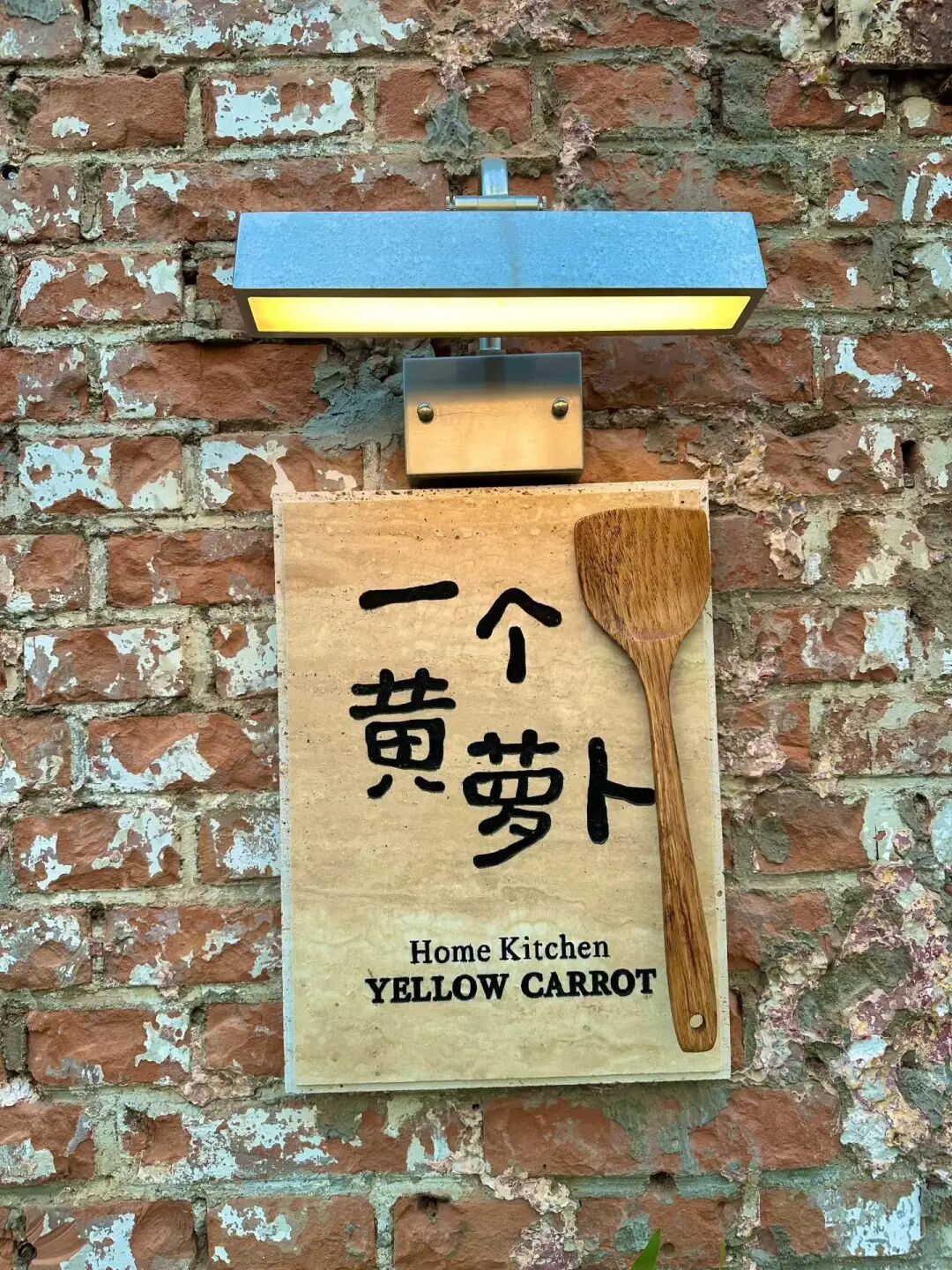
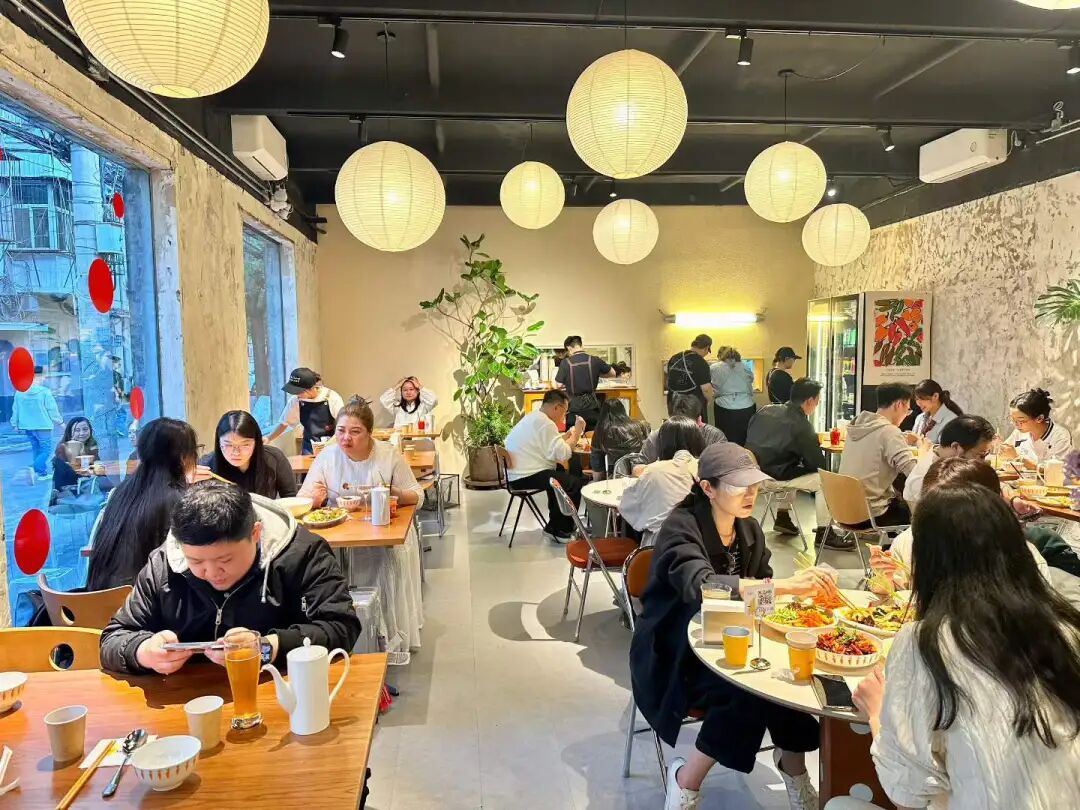
Xinjiang Hui Muslim home-style cooking One Yellow Carrot (Yige Huangluobo).
I wonder if any fellow friends (dosti) remember ten years ago in 2016, when there was a small shop in Beijing's Shifoying area called Two Spoons (Liangge Shaozi) run by two best friends from Changji. The head chefs were the sisters' mothers, and they made authentic Xinjiang Hui Muslim home-style food. Back then, I wanted to eat there every day. Their hand-pulled noodles (latiaozi) and meatball soup (wanzi tang) were the most authentic I had ever eaten in Beijing. Unfortunately, after the city started clearing out small shops that had broken through walls to create entrances, they were forced to close. Other Xinjiang Hui Muslim shops have opened in Beijing since, like the hand-pulled noodles (latiaozi) at Jianghu in Wangjing, which are very good. But for ten whole years, I never again tasted that specific home-cooked Xinjiang Hui Muslim flavor in Beijing.
A while ago, I heard that a new Xinjiang Hui Muslim family restaurant called One Yellow Carrot (Yige Huangluobo) opened in 798. It is also run by two Xinjiang sisters, with their mother as the head chef. I went to try it on the weekend. The place was packed, and we had to wait for a few tables to clear before we could get in. The service was great. The owner was very enthusiastic and introduced the dishes to every table.
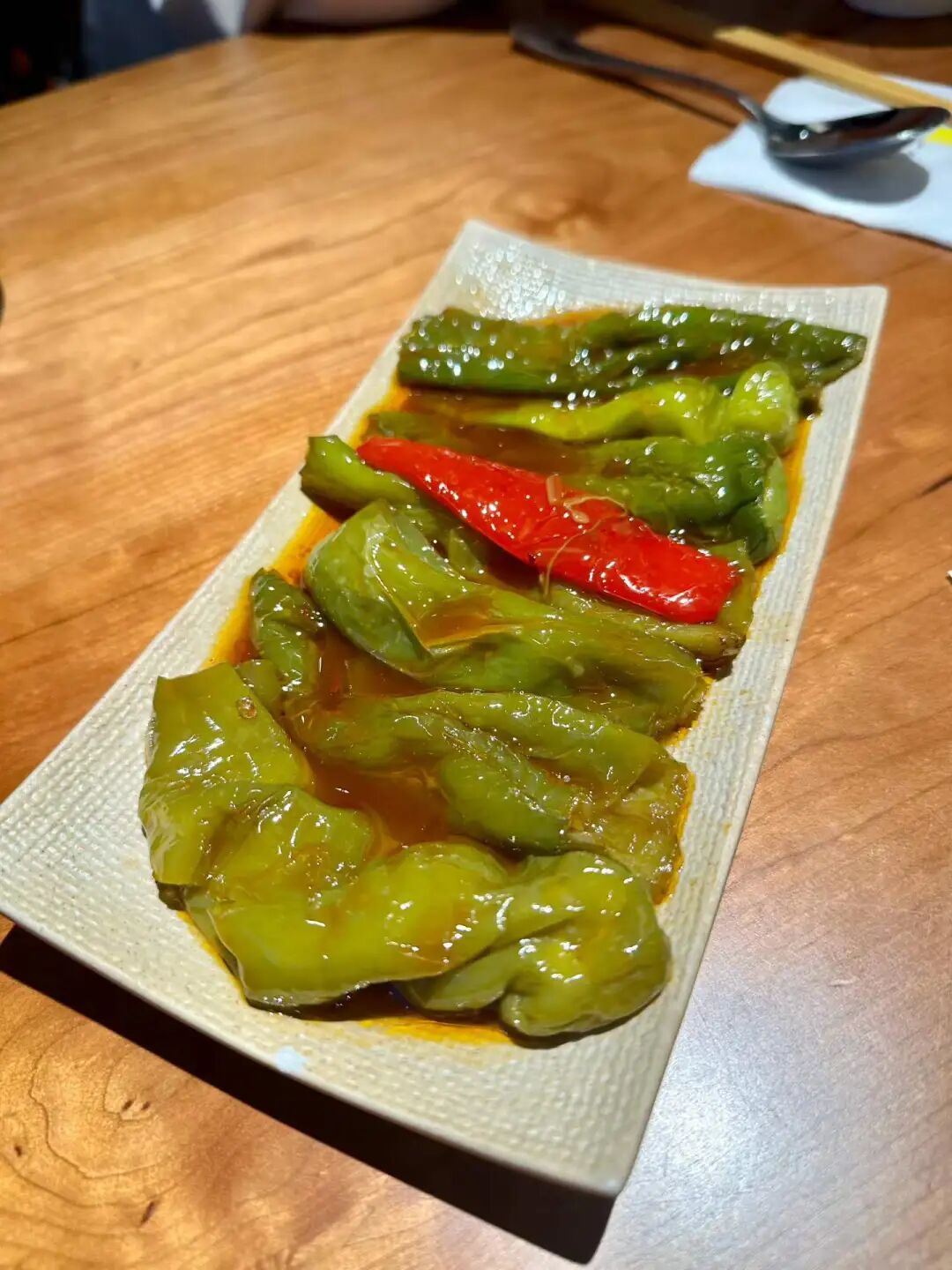
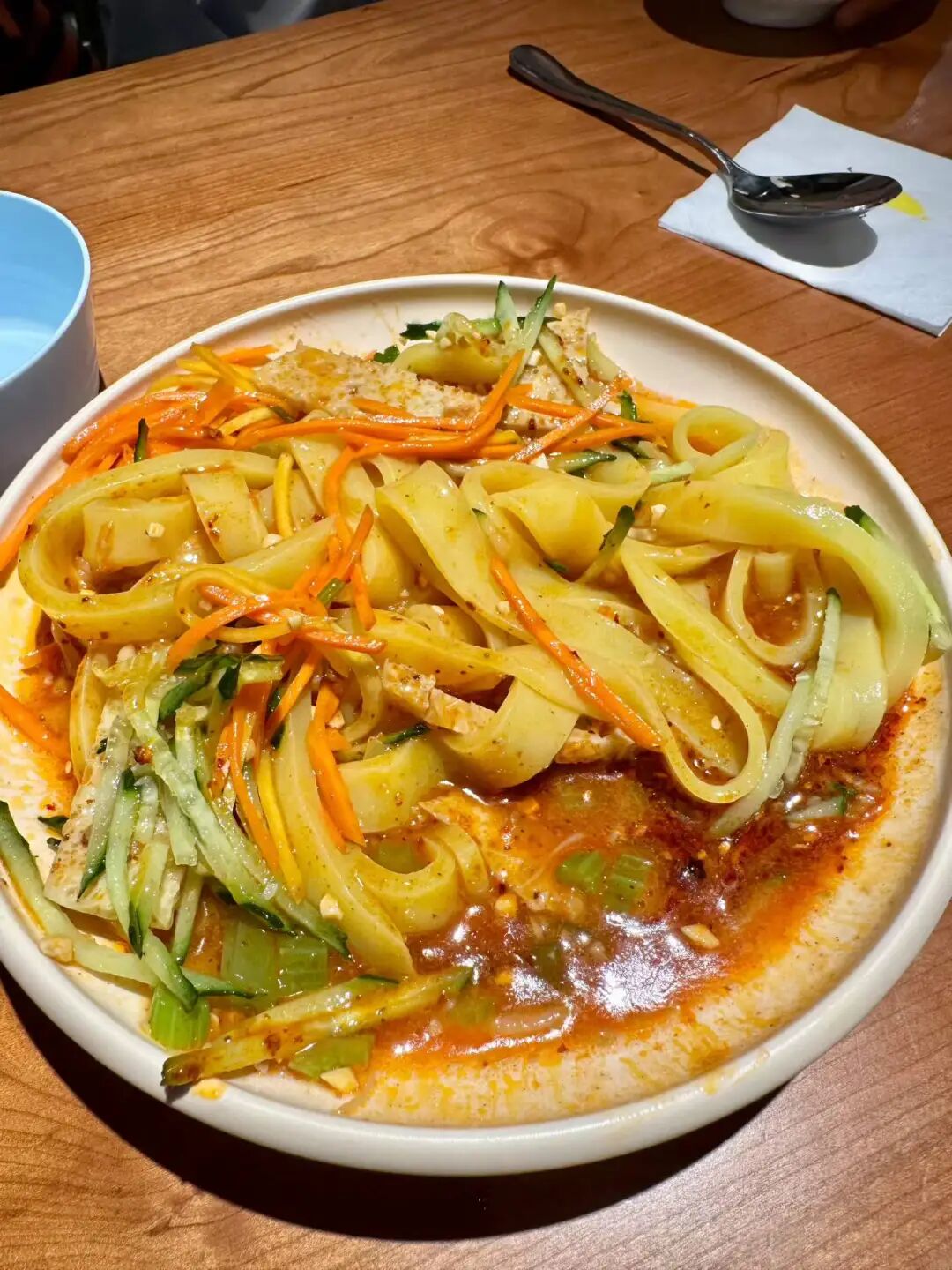
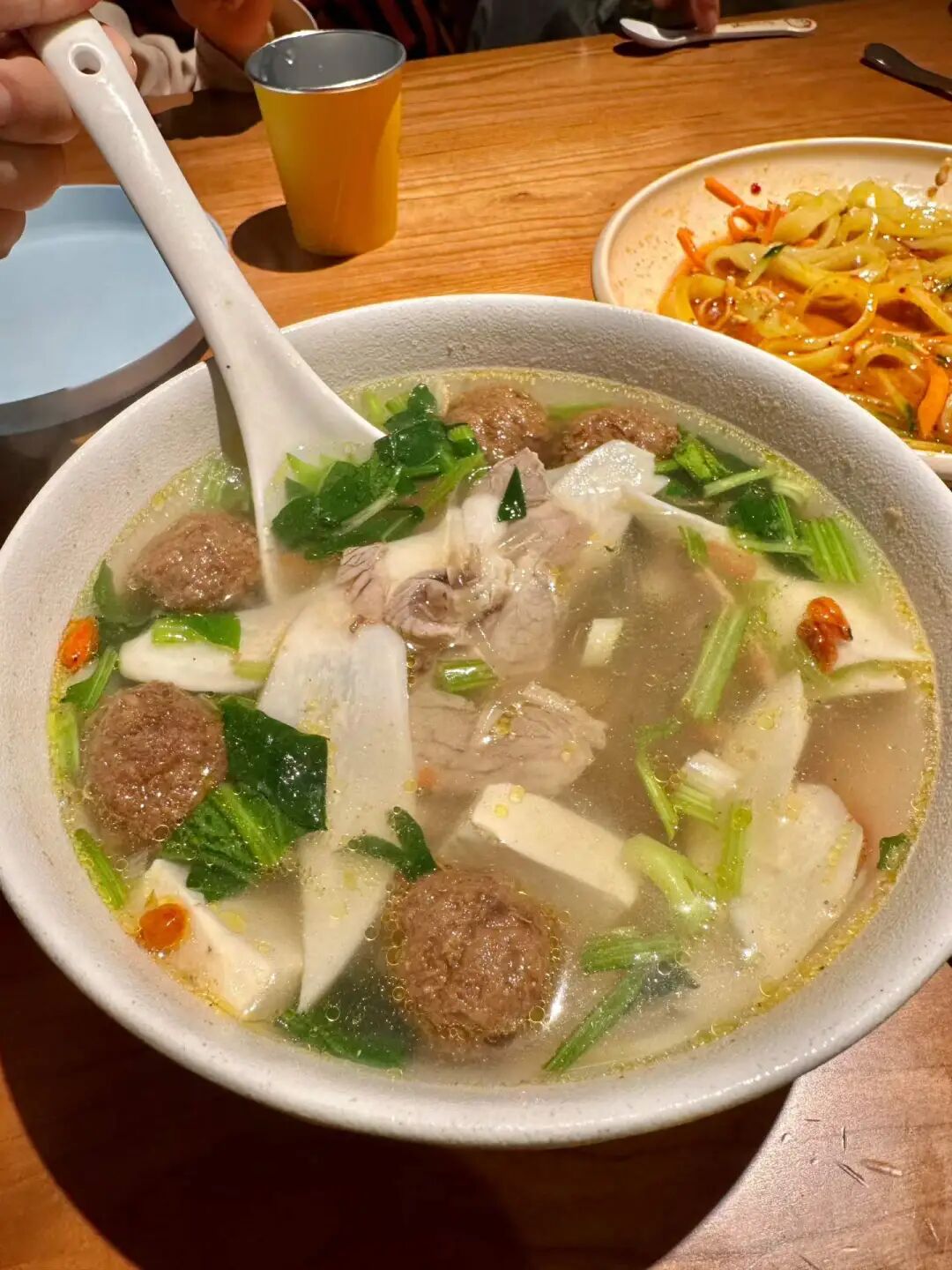
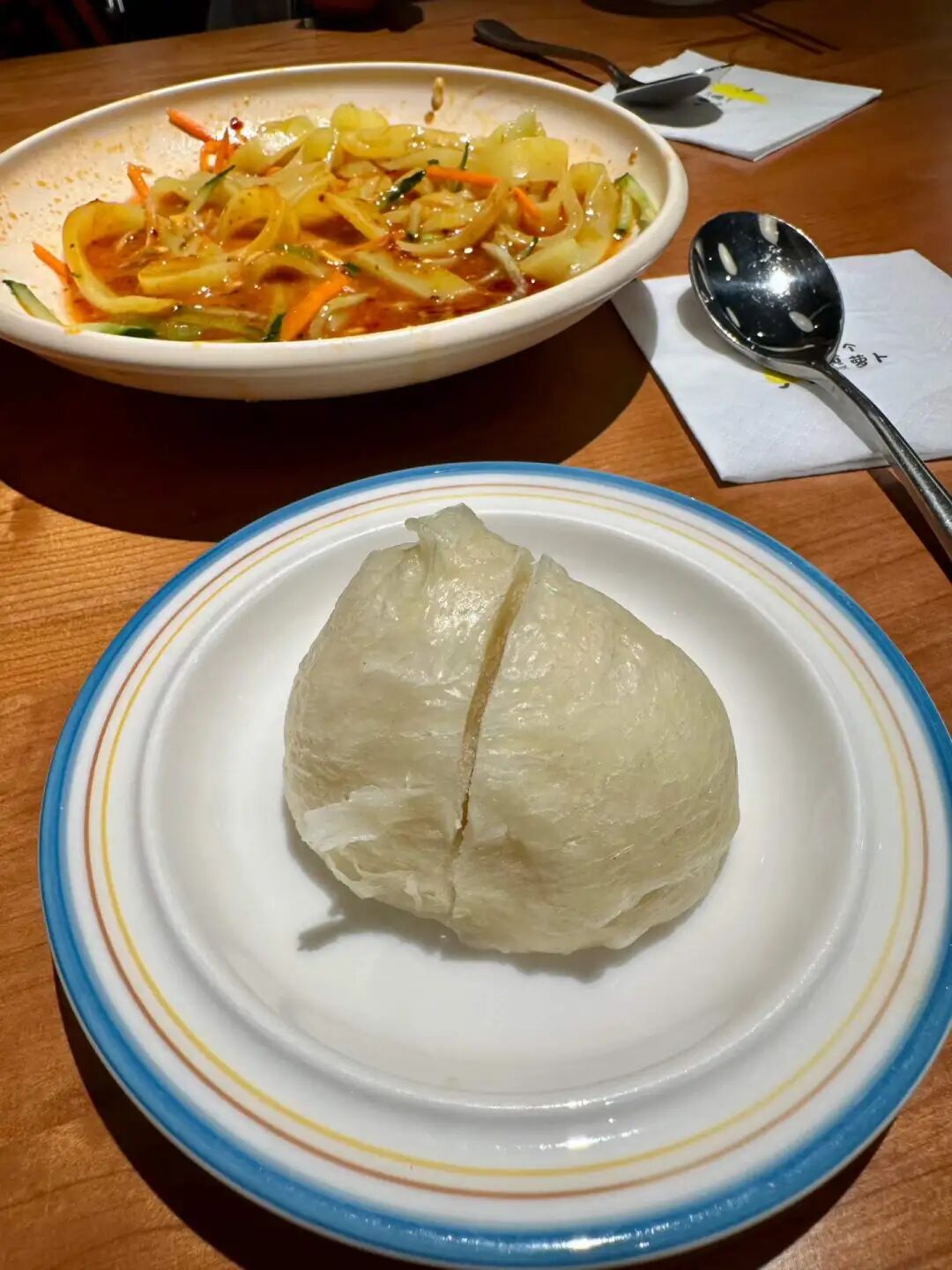
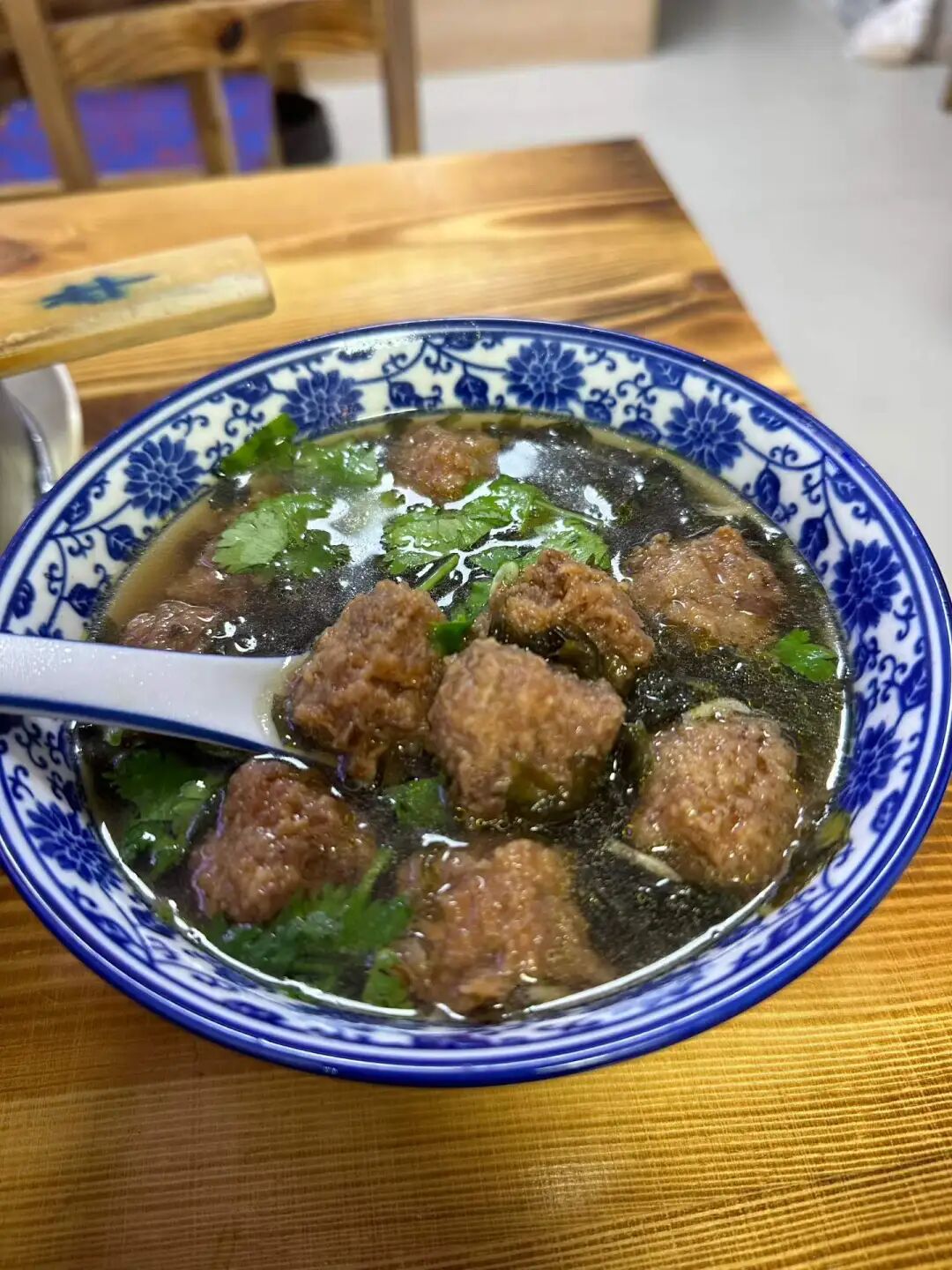
We ordered tiger skin peppers (hupi lazi), cold starch noodles (liangpizi), meatball soup (wanzi tang), pearl meatballs (zhenzhu wanzi), and beef stew (niurou huicai). The best thing they make is the meatballs; they taste exactly like the ones made at home. The meatball soup (wanzi tang) was good overall, but the biggest problem was that the broth was too clear. At first, I suspected it was just plain water, but I asked the staff and they confirmed it was beef bone broth. I feel it hadn't been simmered long enough to bring out the flavor. Also, they only give you one steamed oil flower roll (youtazi) and you cannot buy them separately. While I understand that many Beijingers might not want to eat oil flower rolls (youtazi), there are people like us who grew up with Xinjiang flavors and feel that meatball soup (wanzi tang) must be paired with a few of them.
The cold starch noodles (liangpizi) were also quite good. The sauce is probably the best-seasoned one in Beijing. Anyone who has eaten the three cold dishes (sanliang) at a Hui Muslim place in Xinjiang would recognize that their sauce is very authentic. However, I still think a hot sauce has more flavor.
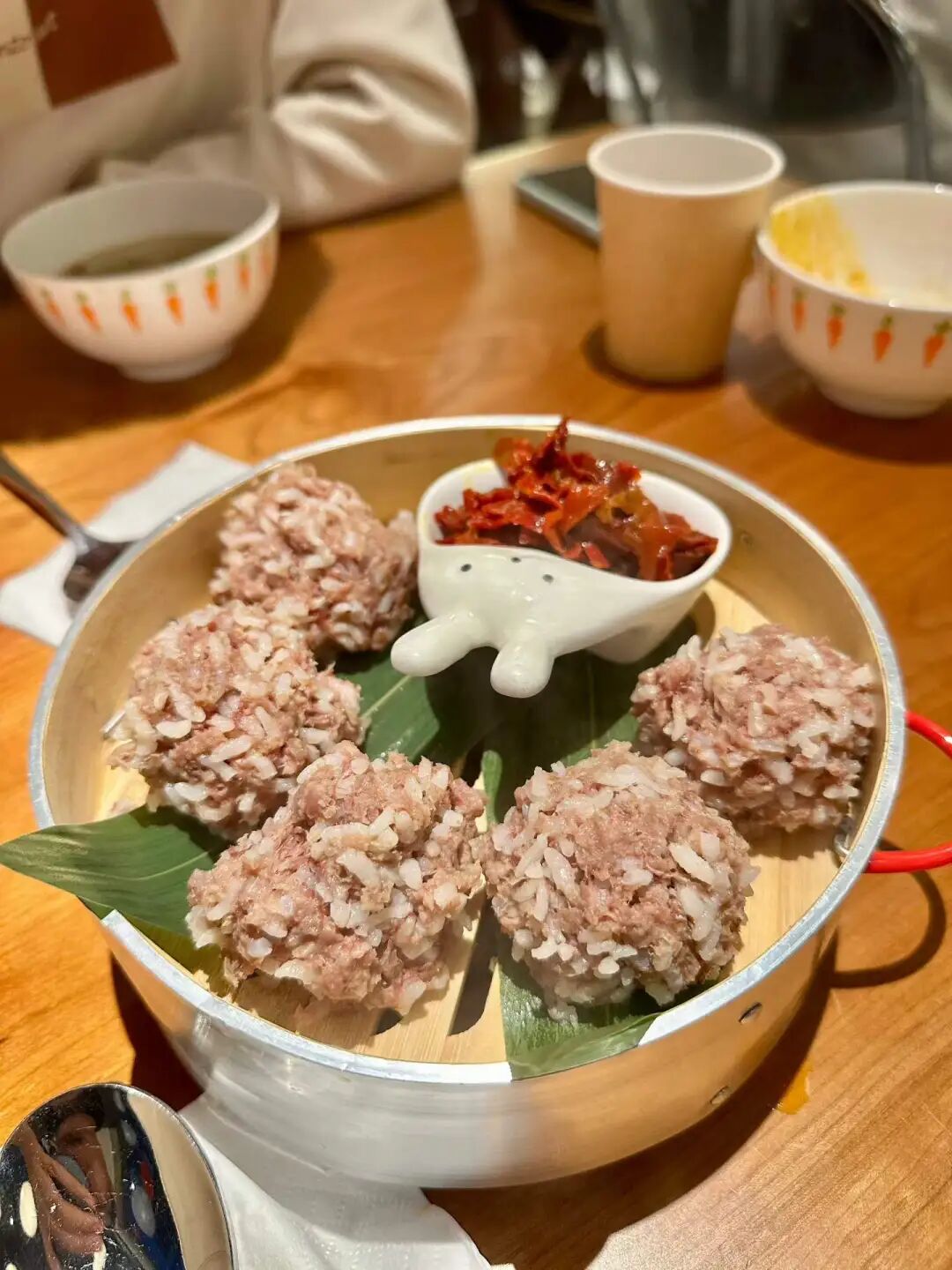
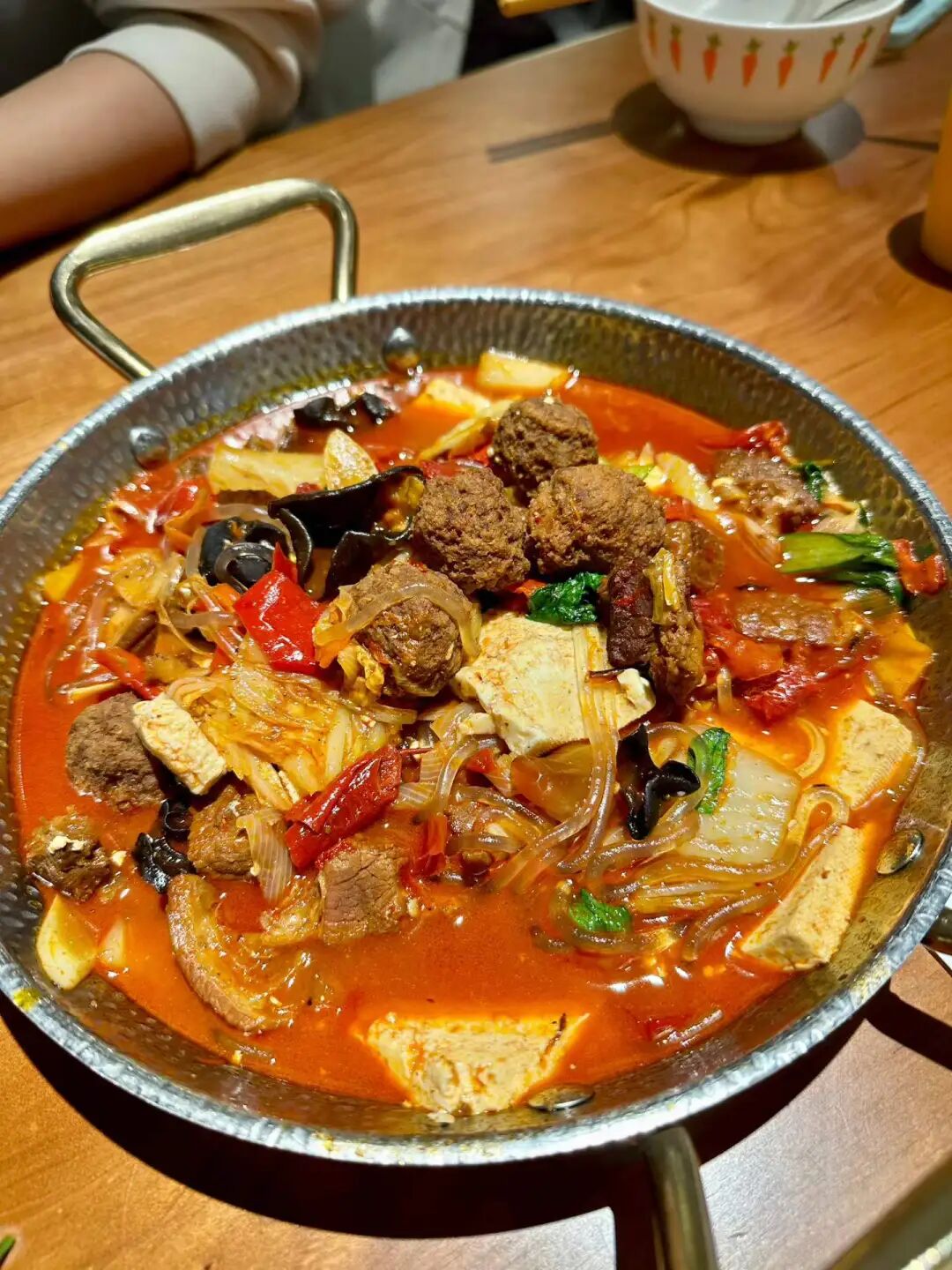
The pearl meatballs (zhenzhu wanzi) and beef stew (niurou huicai) were different from how we make them at home. Of course, I am used to the Hui Muslim style from the Saybagh District in Urumqi, and Hui Muslim cooking styles vary across Xinjiang. The pearl meatballs (zhenzhu wanzi) were a bit loose and fell apart as soon as I picked them up. I feel they should be firmer. The meatballs and beef in the beef stew (niurou huicai) were quite good, and the spicy pepper skins (lapi zi) were very authentic. They were extremely spicy, though, so friends (dosti) who cannot handle heat might struggle.
Overall, I am very happy that Beijing has another Xinjiang Hui Muslim family restaurant. I hope they continue to do well. Congratulations.
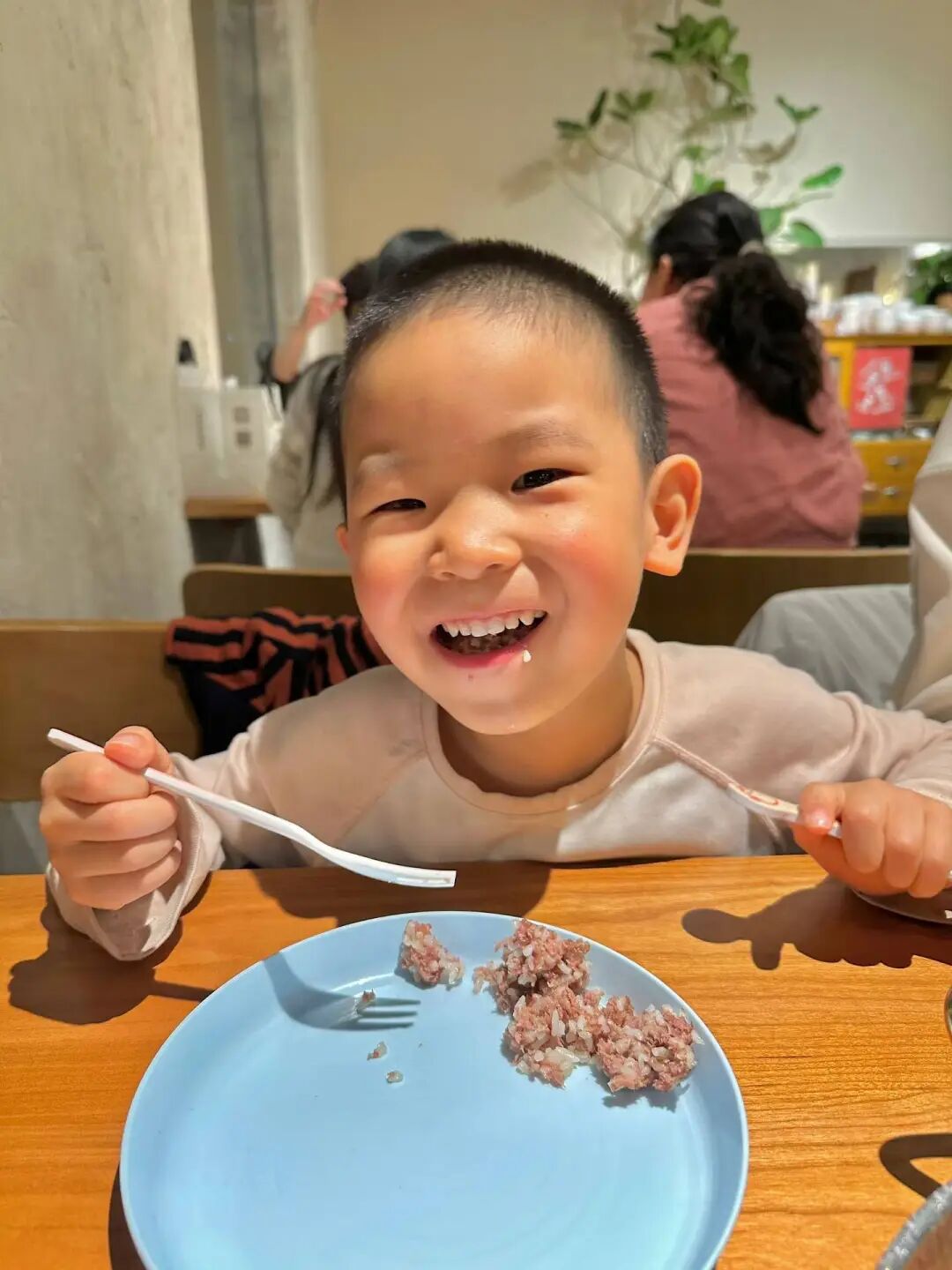
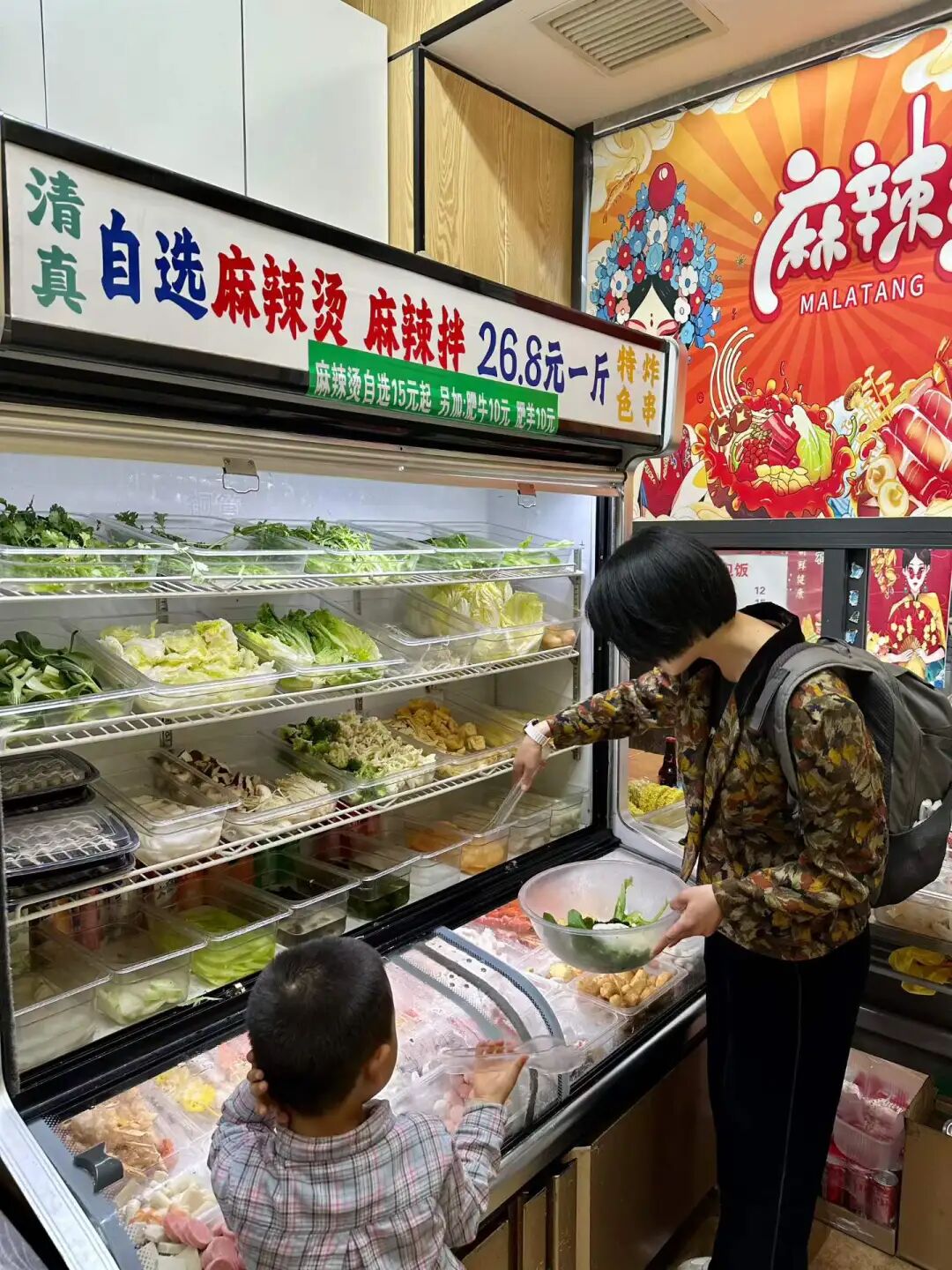
Liaoning Hui Muslim spicy hot pot (malatang).
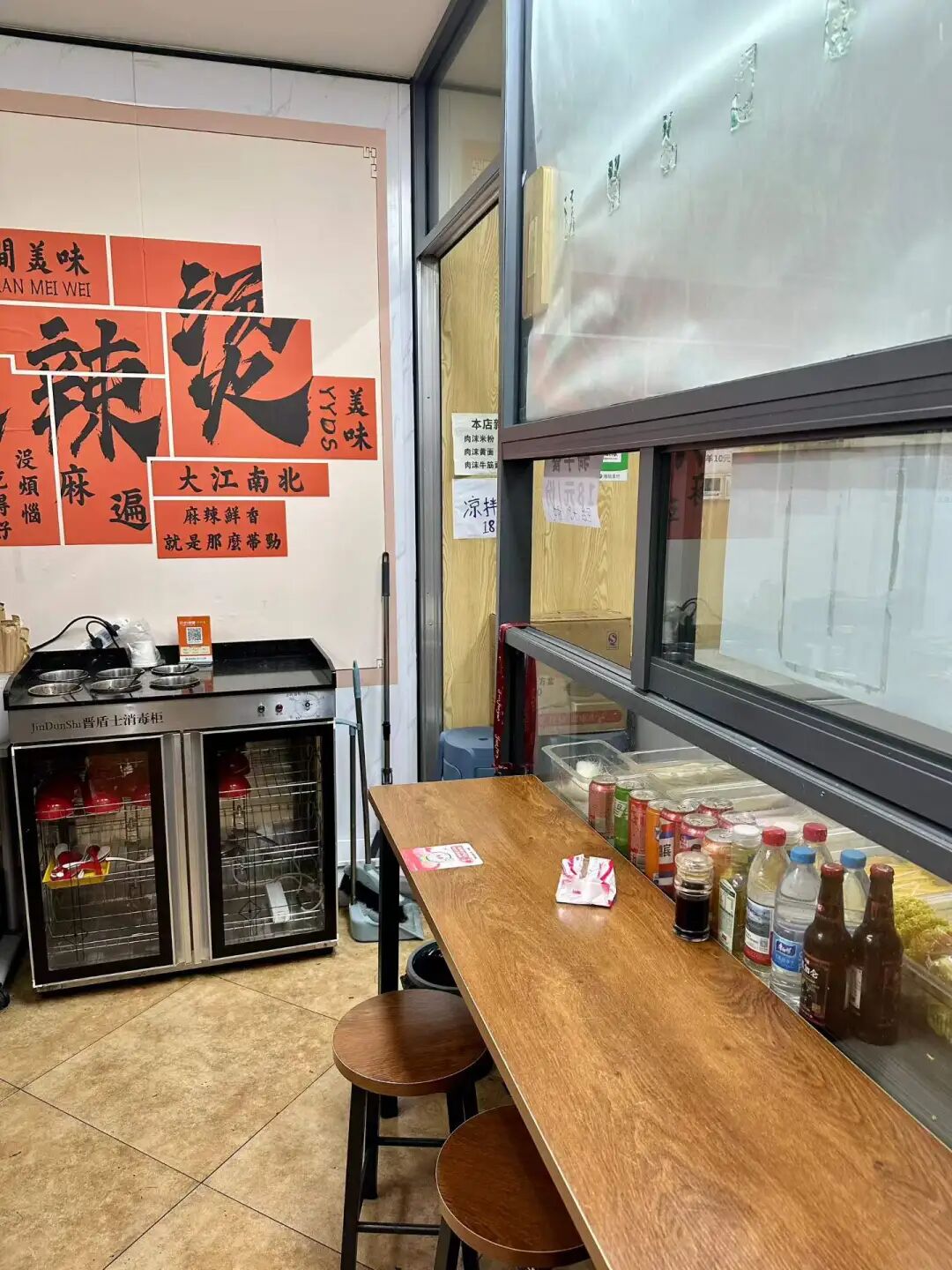
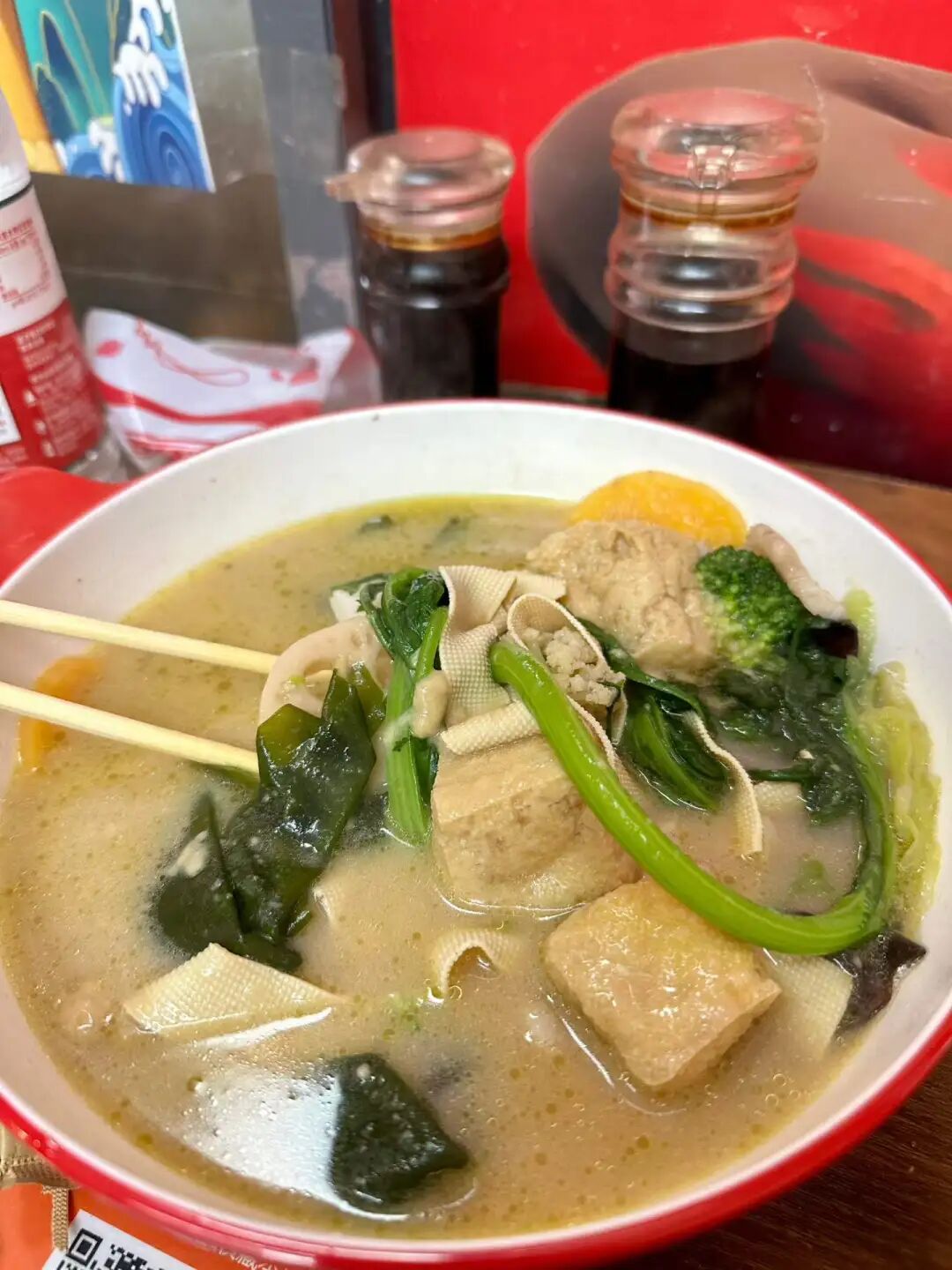
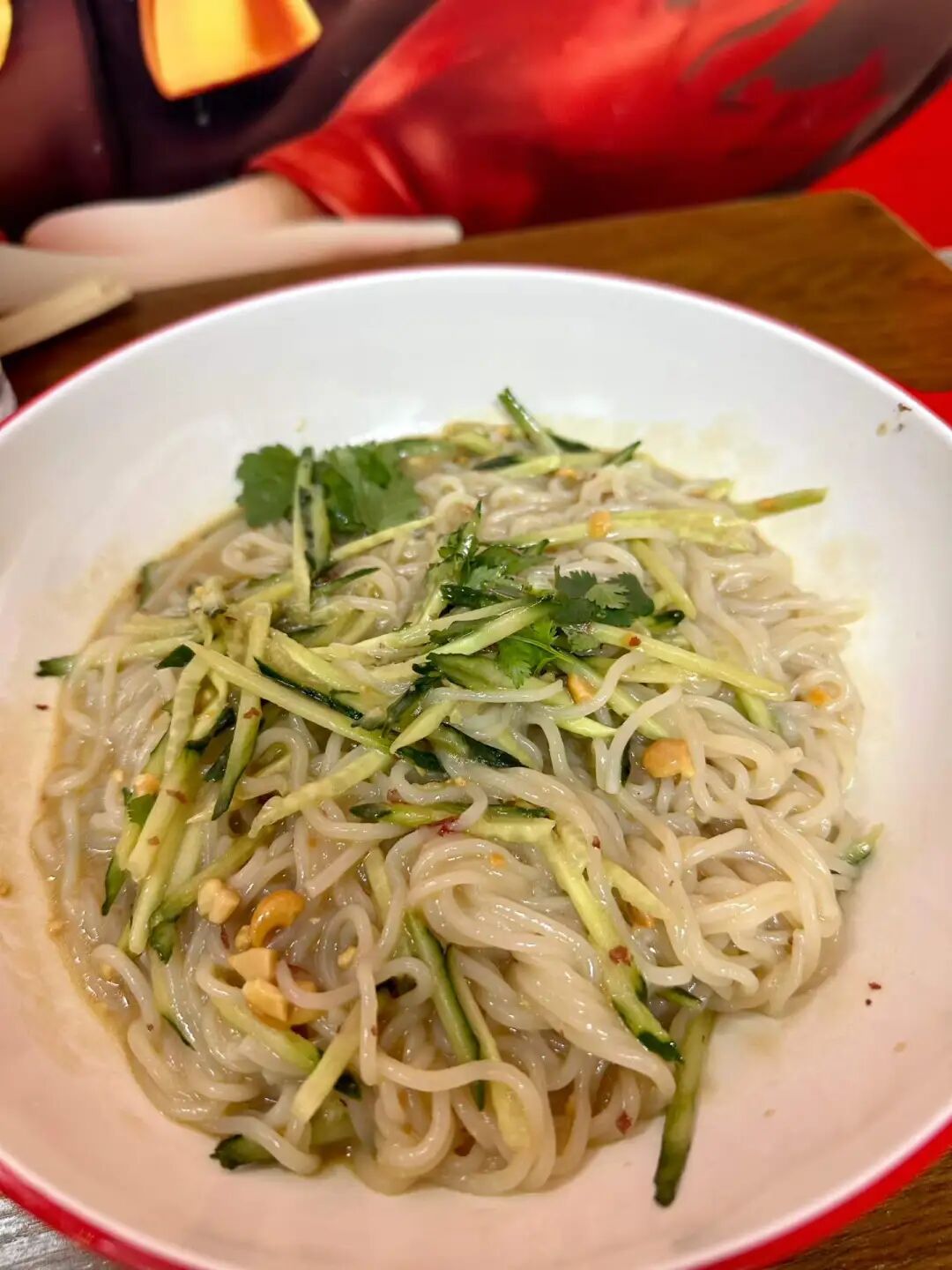
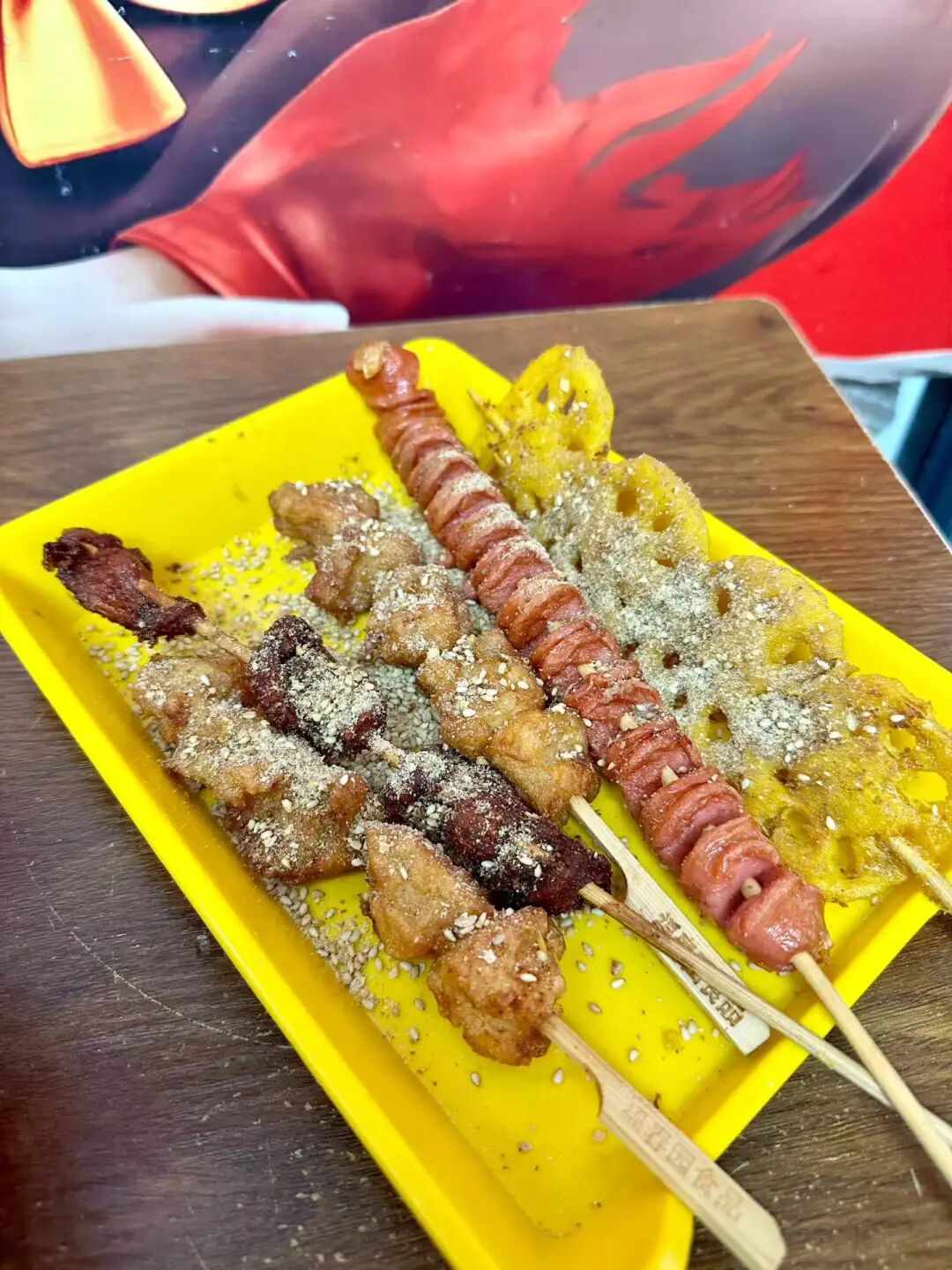
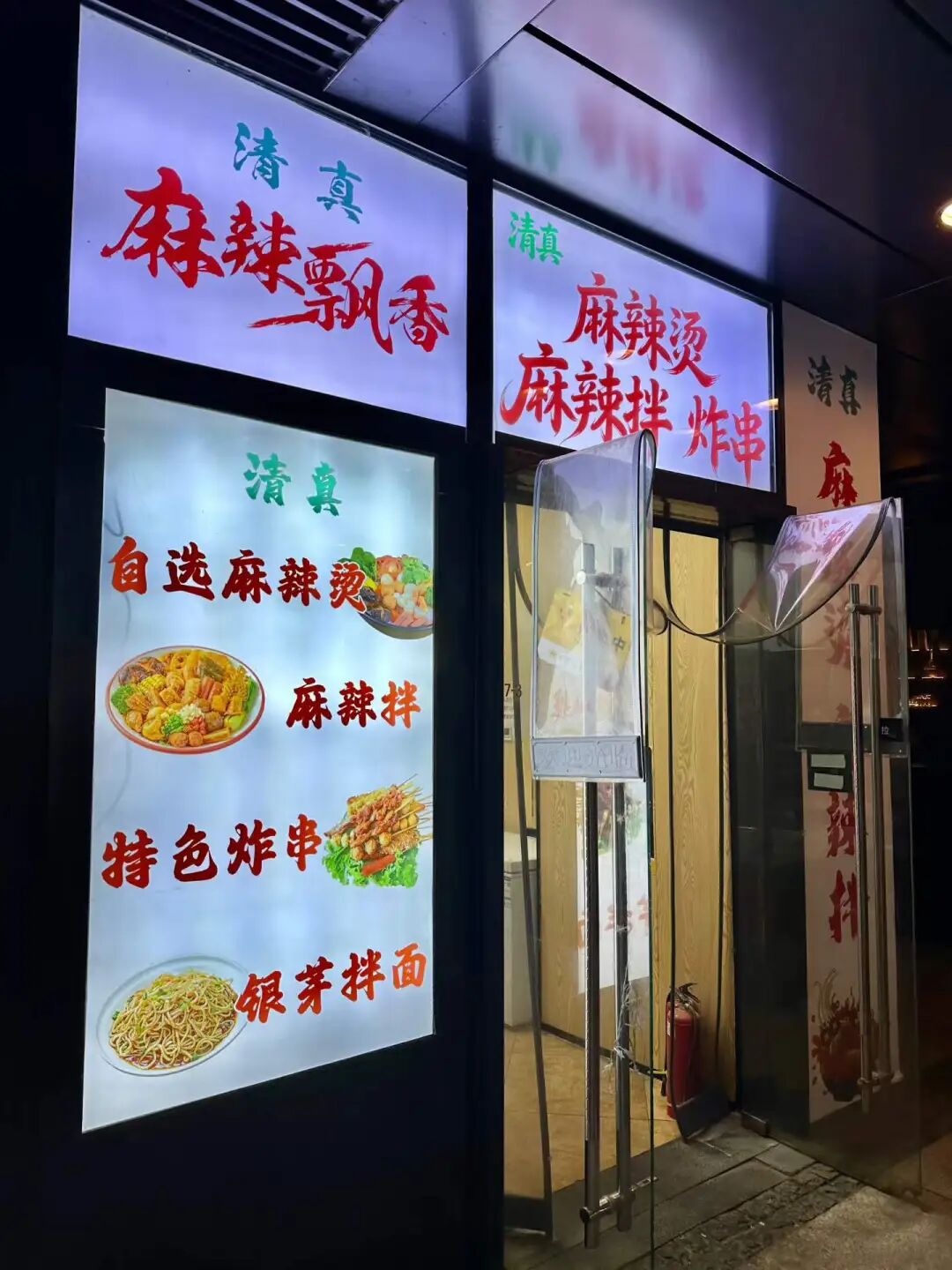
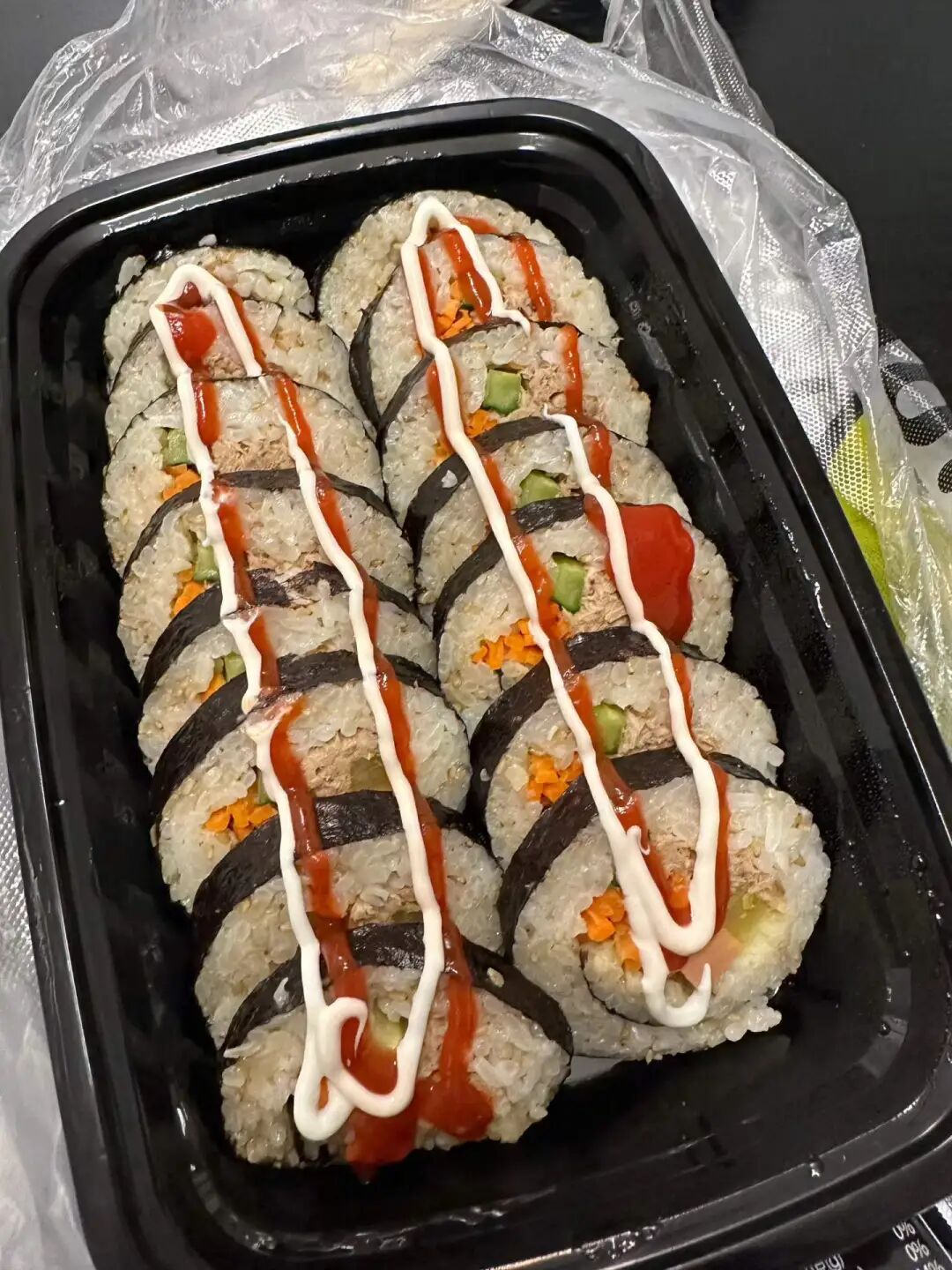
After work, I went to a spicy hot pot (malatang) shop run by a Liaoning Hui Muslim family at Chaowai SOHO. They have spicy hot pot (malatang), spicy mixed noodles (malaban), deep-fried skewers (zhachuan), mixed cold noodles (ban lengmian), and also sell seaweed rice rolls (zicai baofan). They mainly serve takeout for the office workers upstairs, and the dine-in area is very small.
The spicy hot pot (malatang) has that old-fashioned Northeast style with a thick sesame paste flavor. It is salty and sweet, which I really like. The deep-fried skewers (zhachuan) are sprinkled with a dry seasoning of cumin, sesame, and salt. The chicken and sausages were delicious, but the fried lotus root was a bit dry and hard. The mixed cold noodles have a good texture, but they are warm instead of cold, which I don't really like. I ended up packing the seaweed rice rolls (gimbap) to eat at the office the next day at noon.
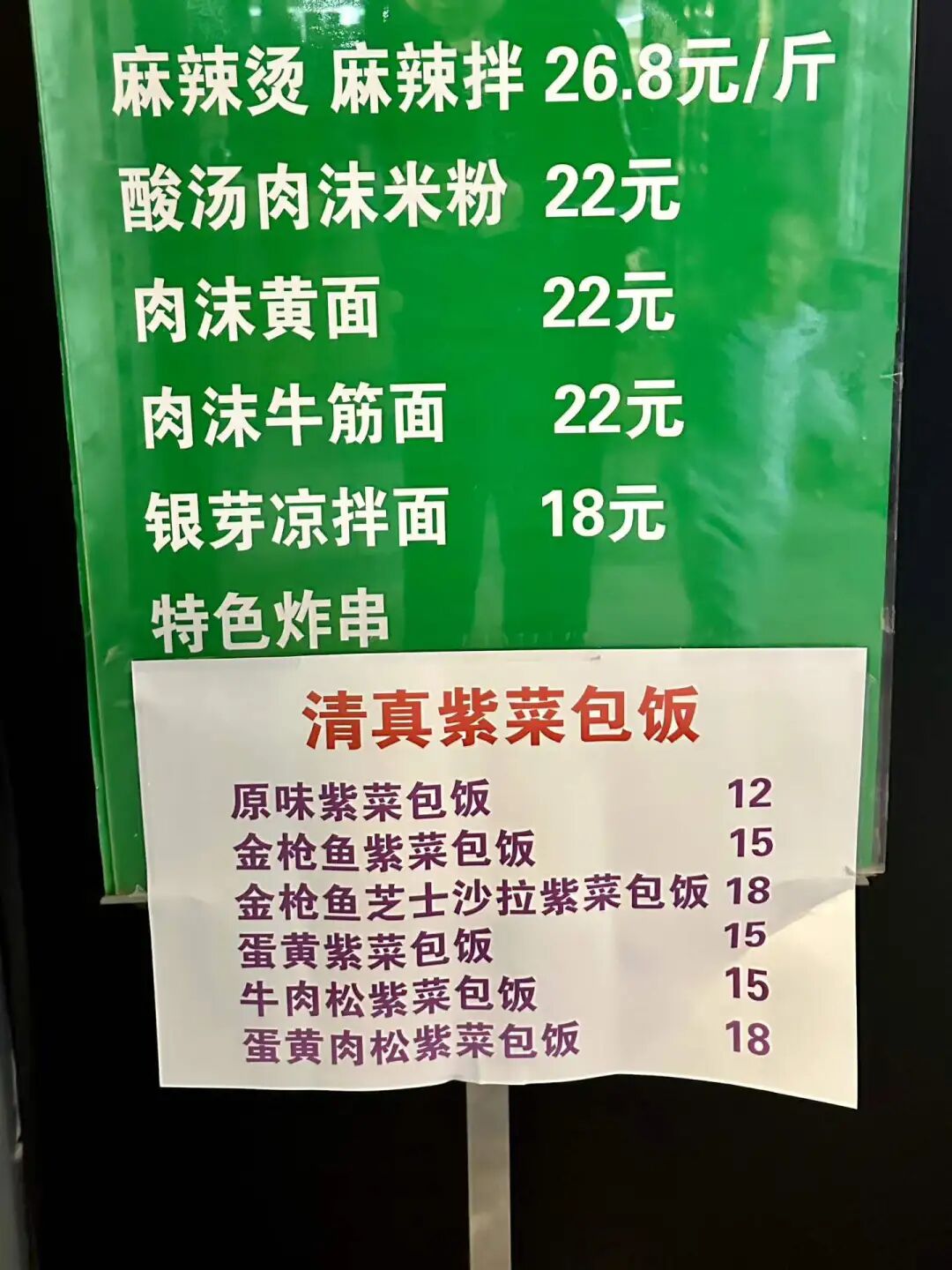
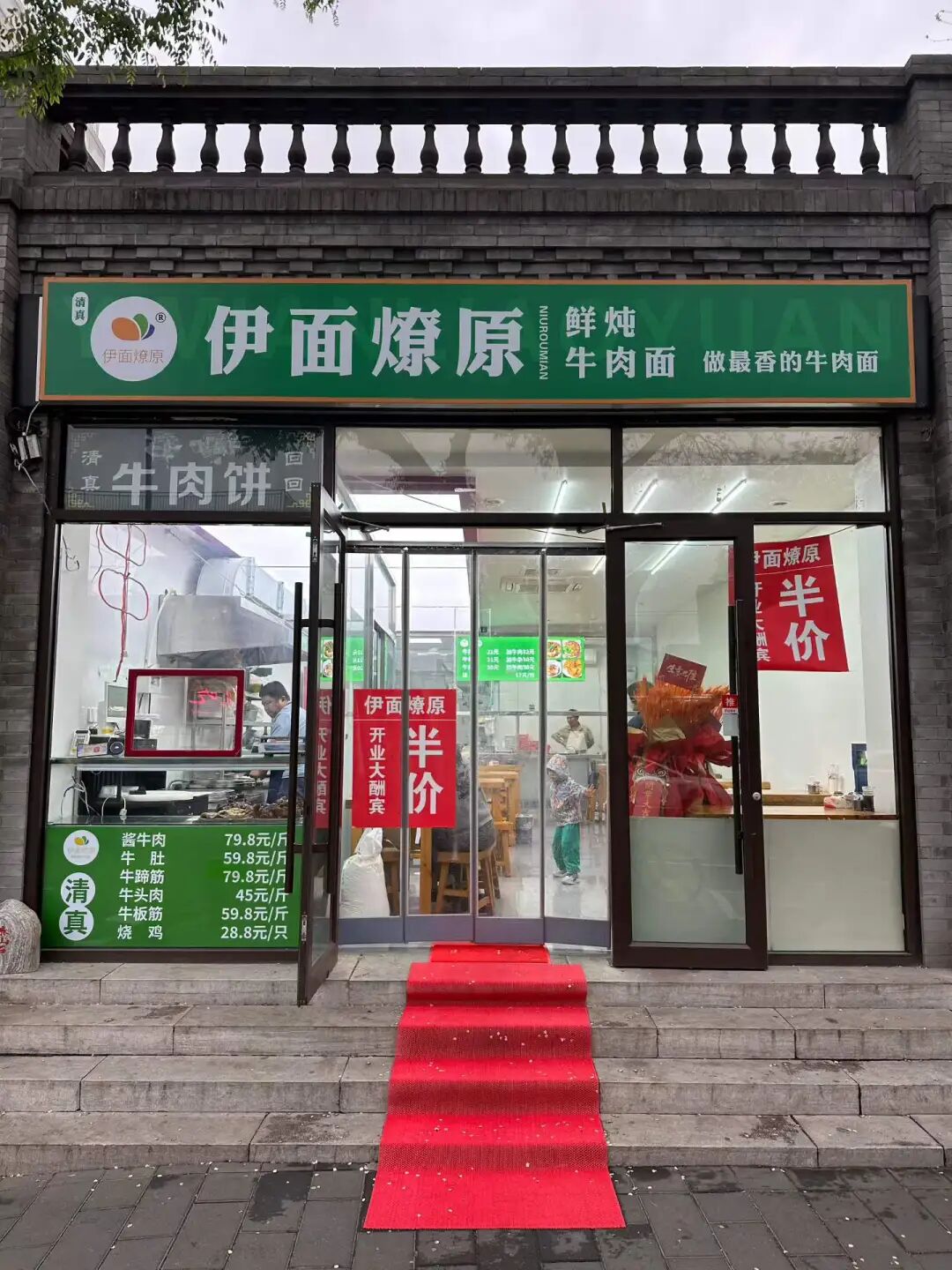
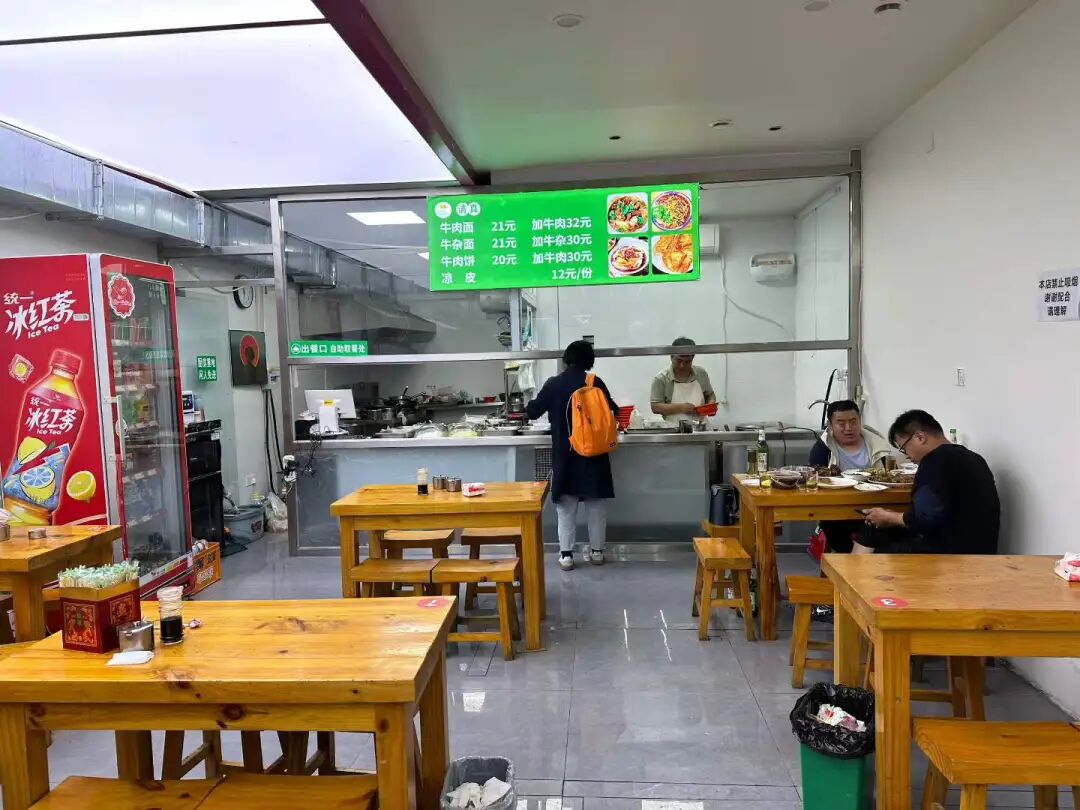
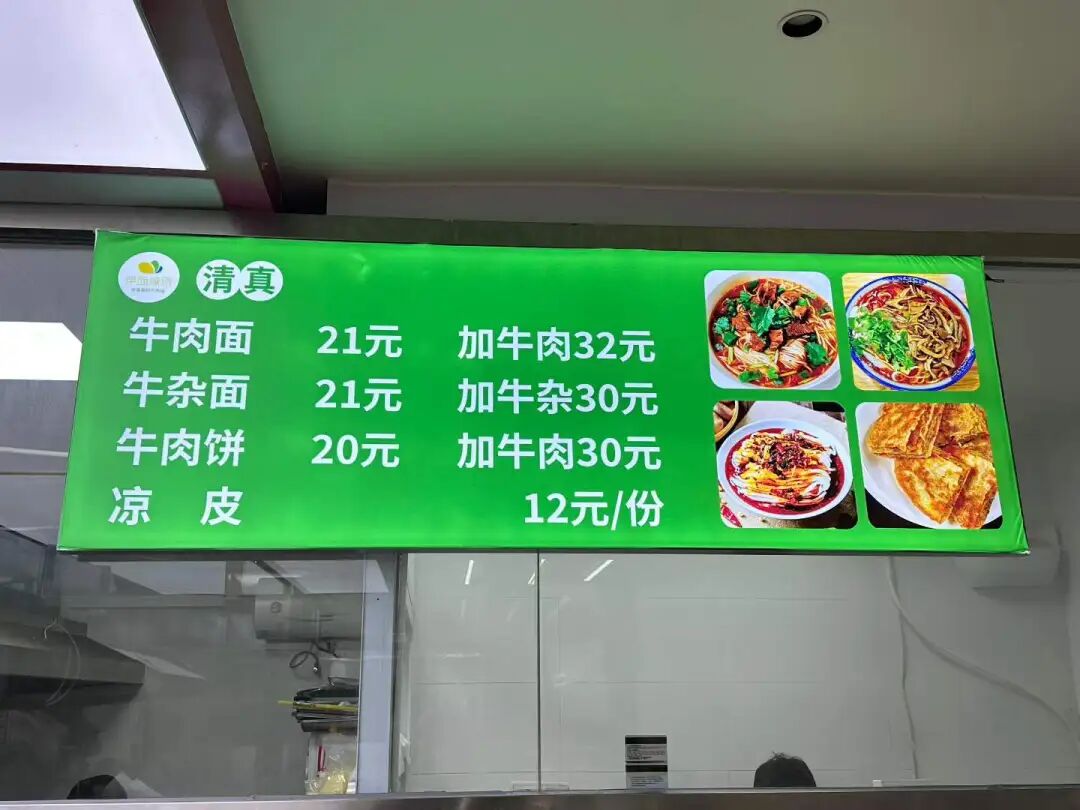
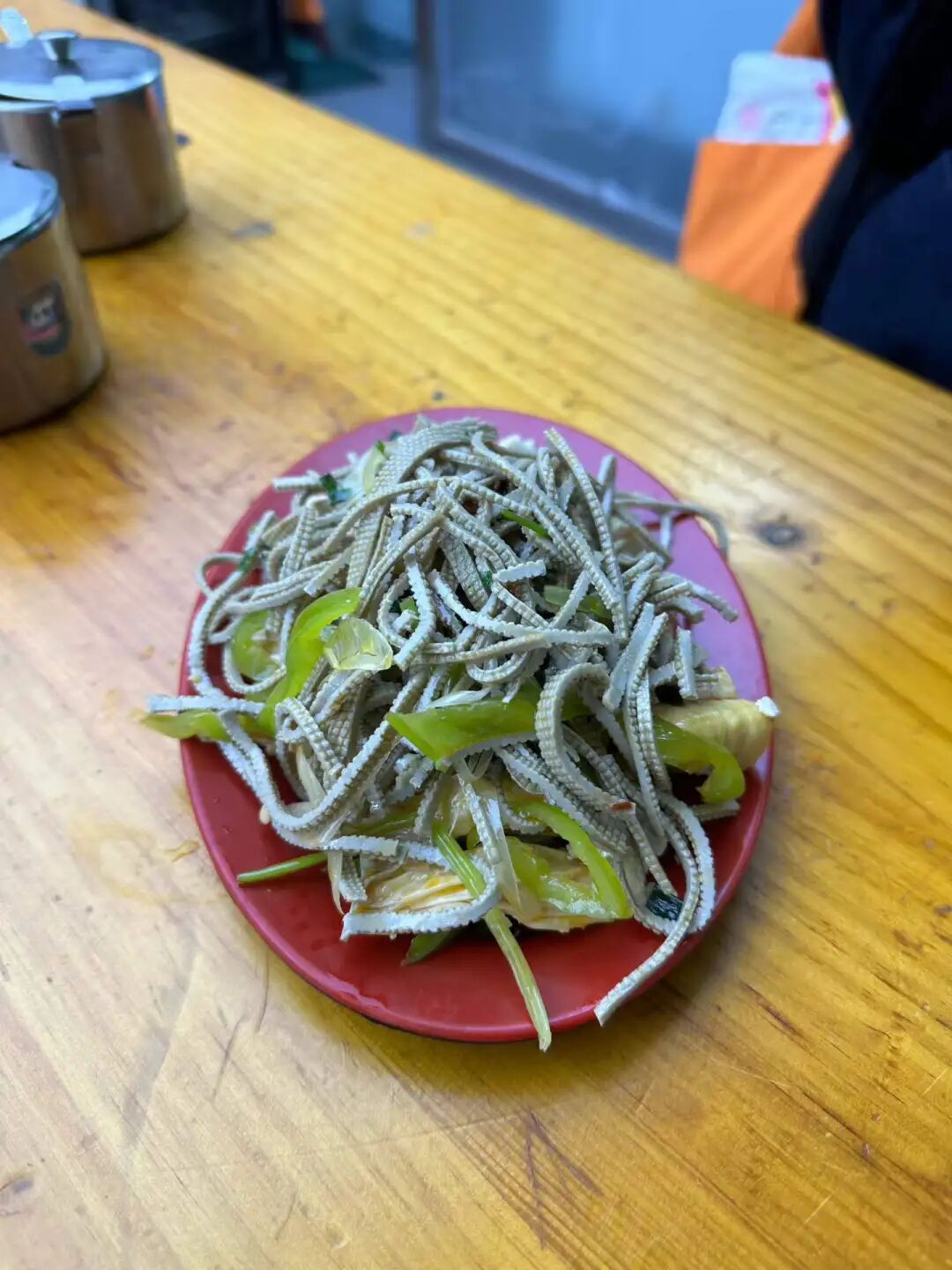
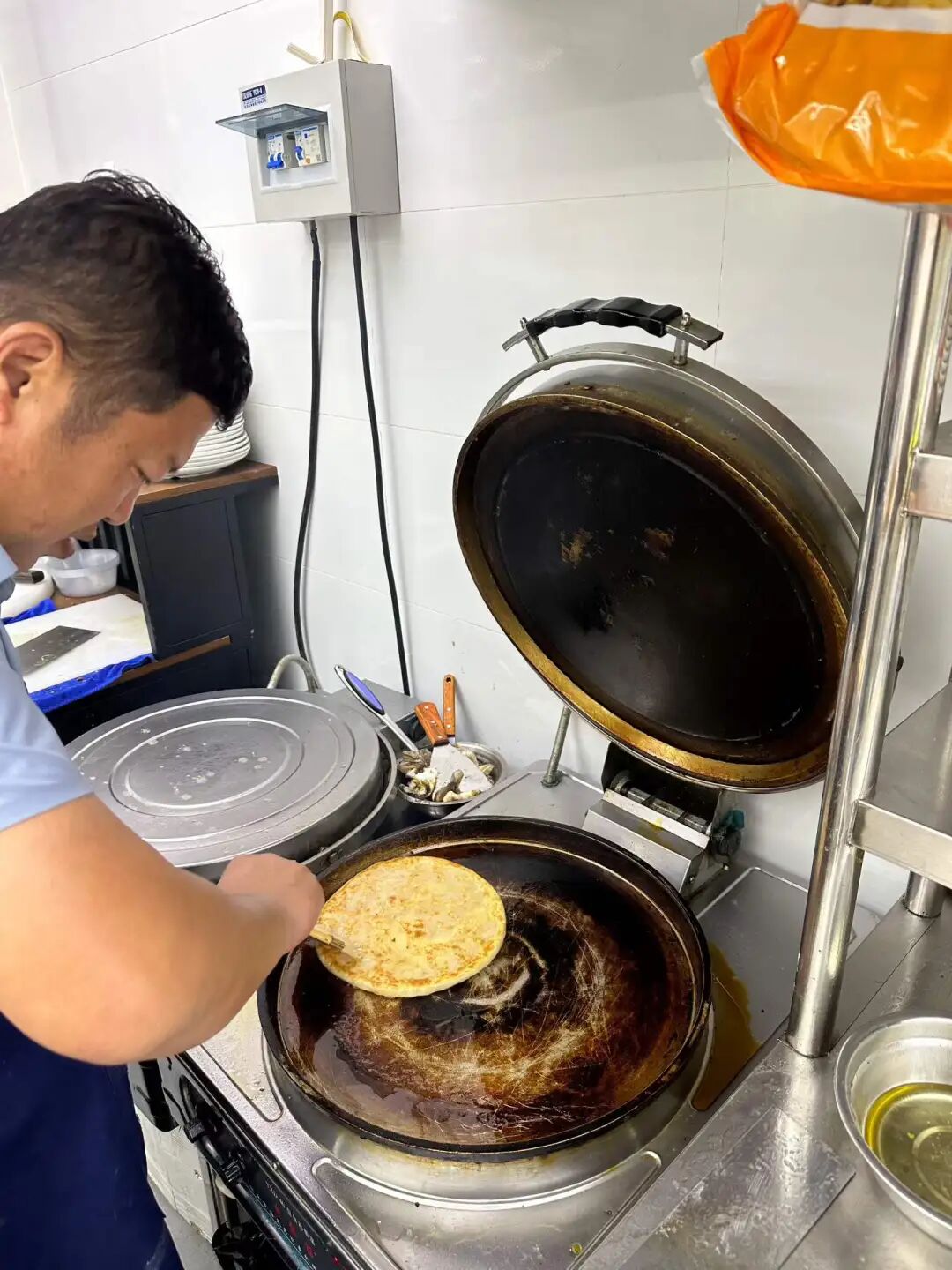
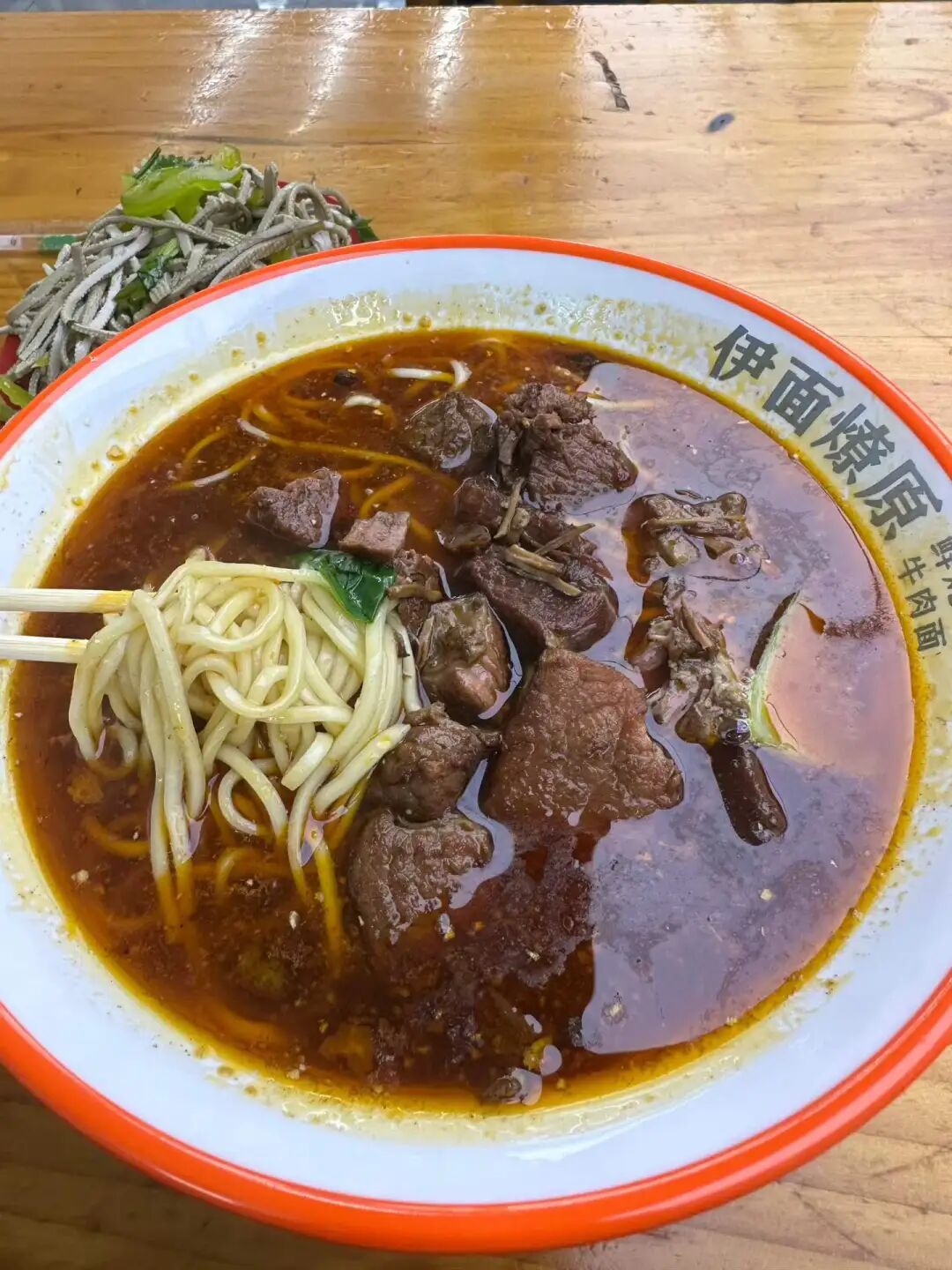
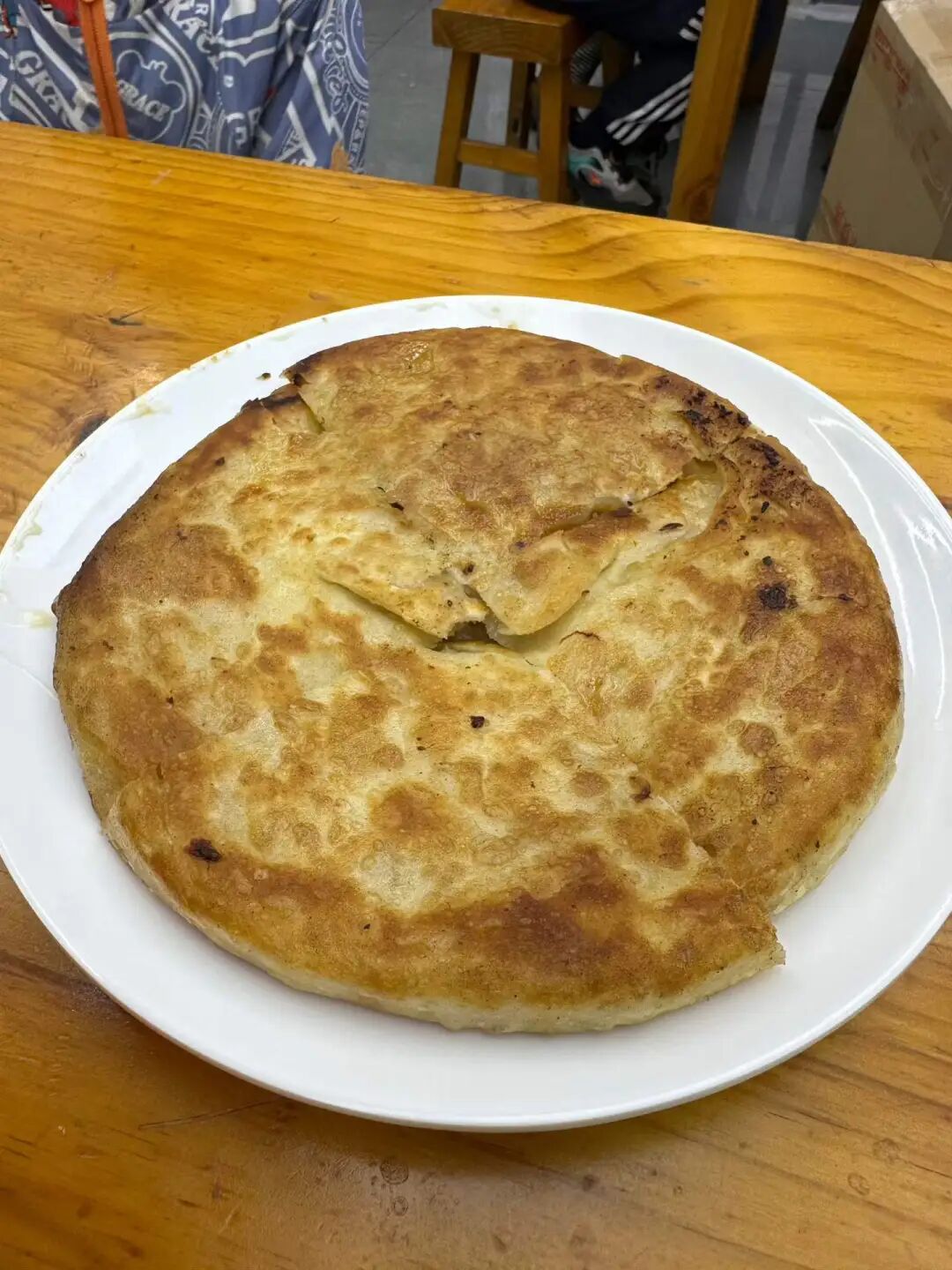
Hui Muslim meat pie (roubing) and braised noodles (yimian) at Liaoyuan in Daming, Hebei.
Hui Muslim steamed dumplings (shaomai) at the Dongtucheng branch in Chengde, Hebei.
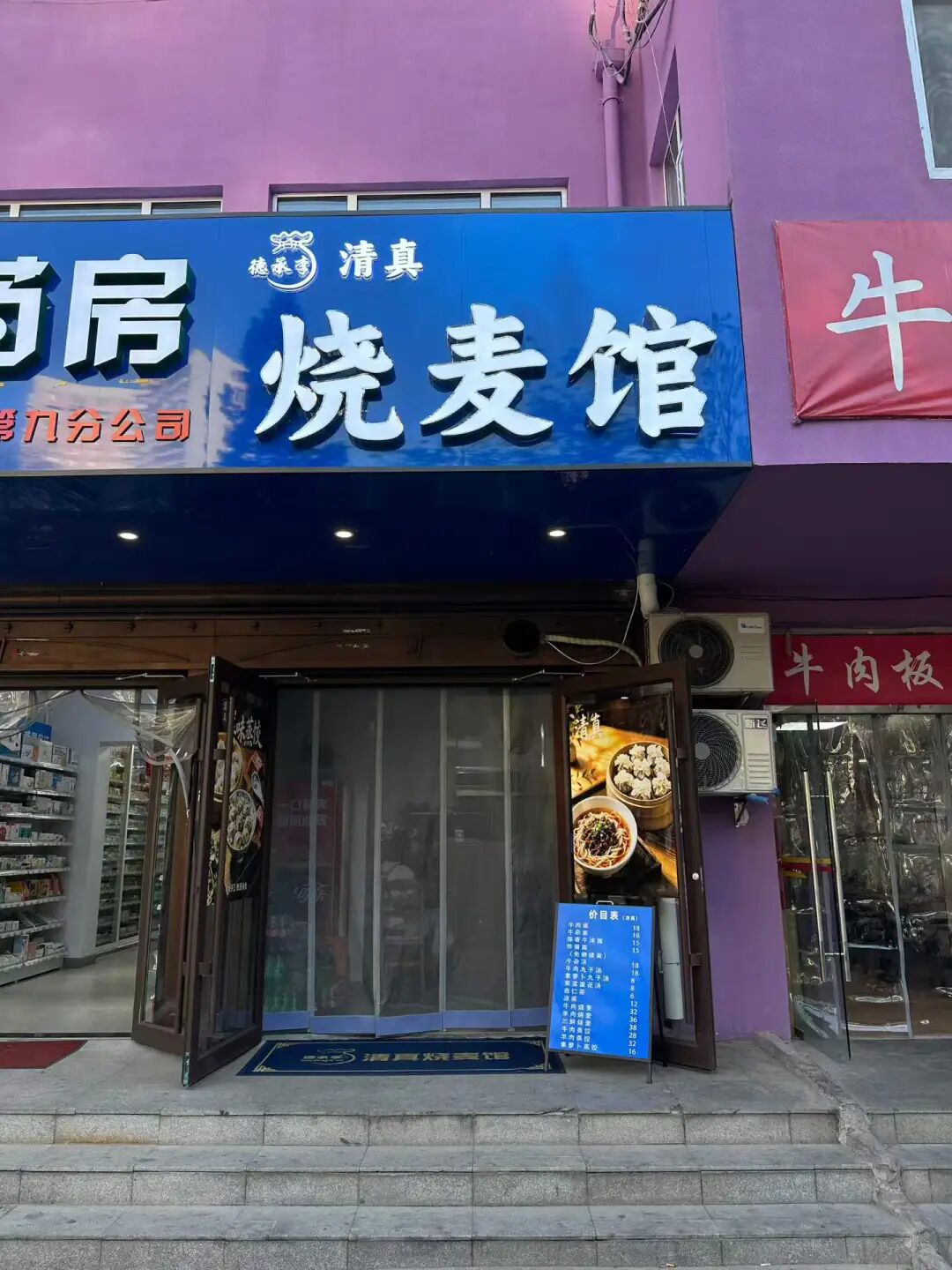
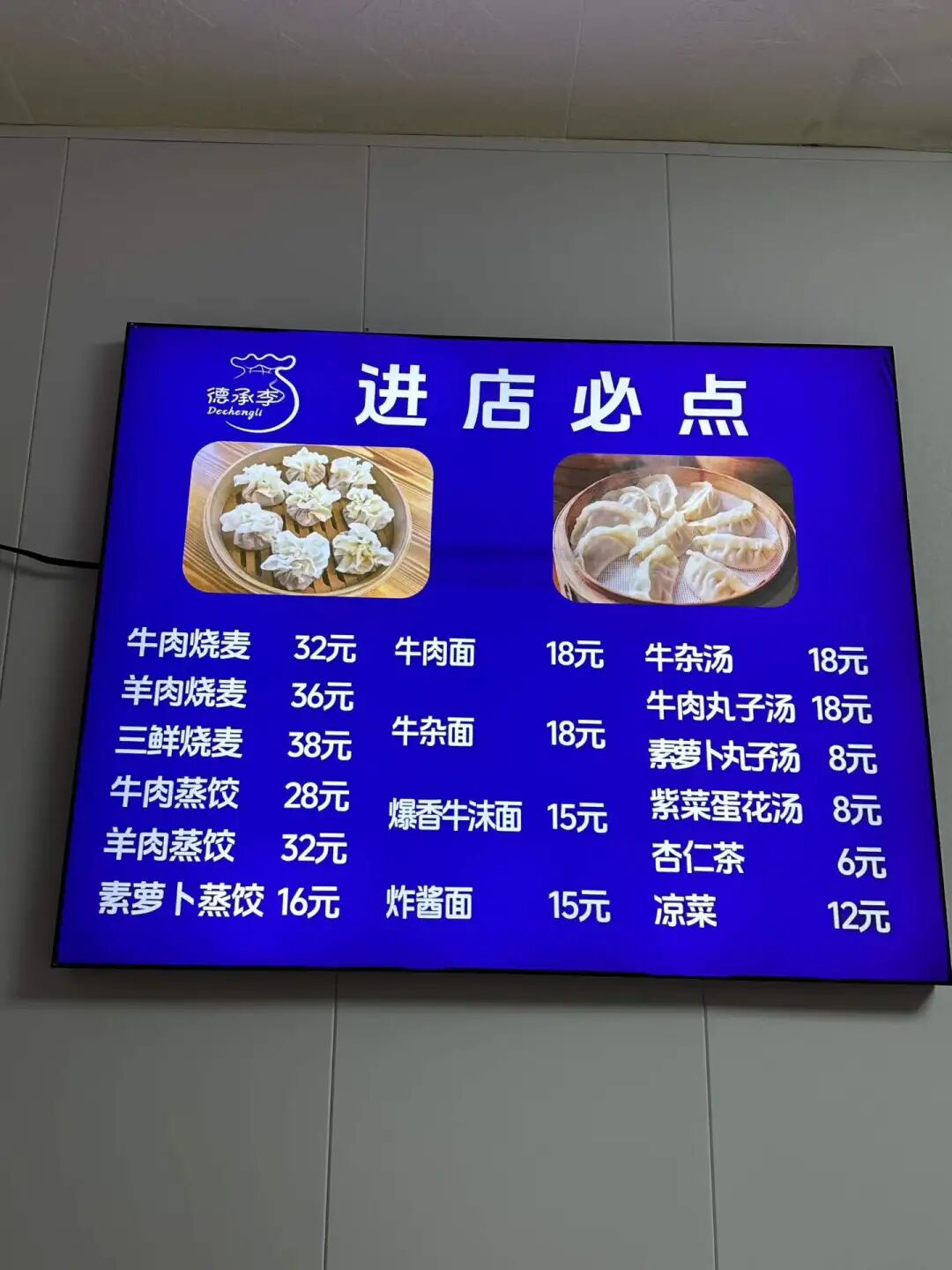
After work, I went to the newly opened Chengde steamed dumpling restaurant, Dechengli, in Dongtucheng. Their Fengtai branch is larger and sells the eight big bowls (badawan) feast, while the Dongtucheng branch is smaller and focuses on steamed dumplings, steamed meat dumplings (zhengjiao), and the Chengde specialty almond tea (xingrench).
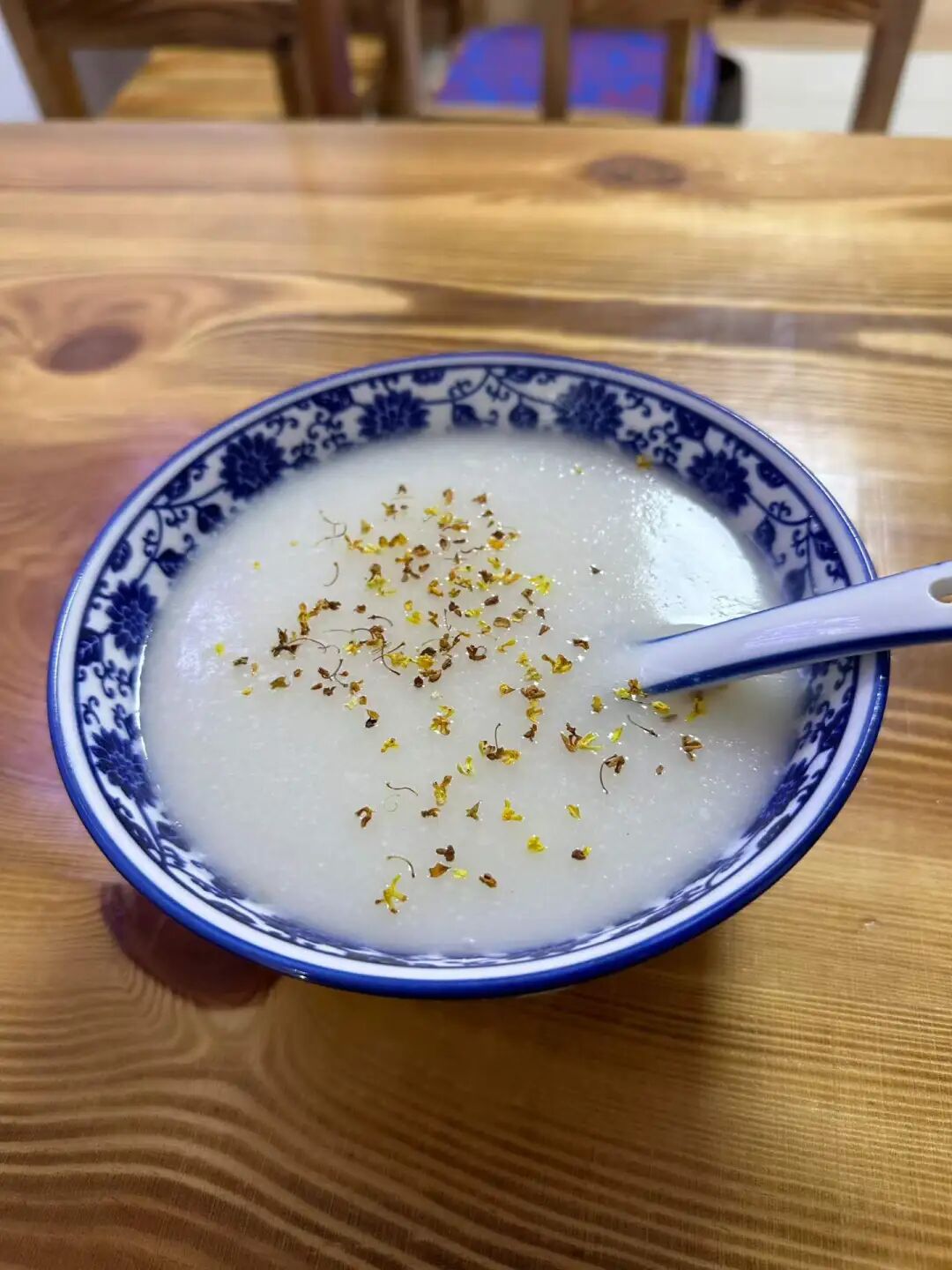
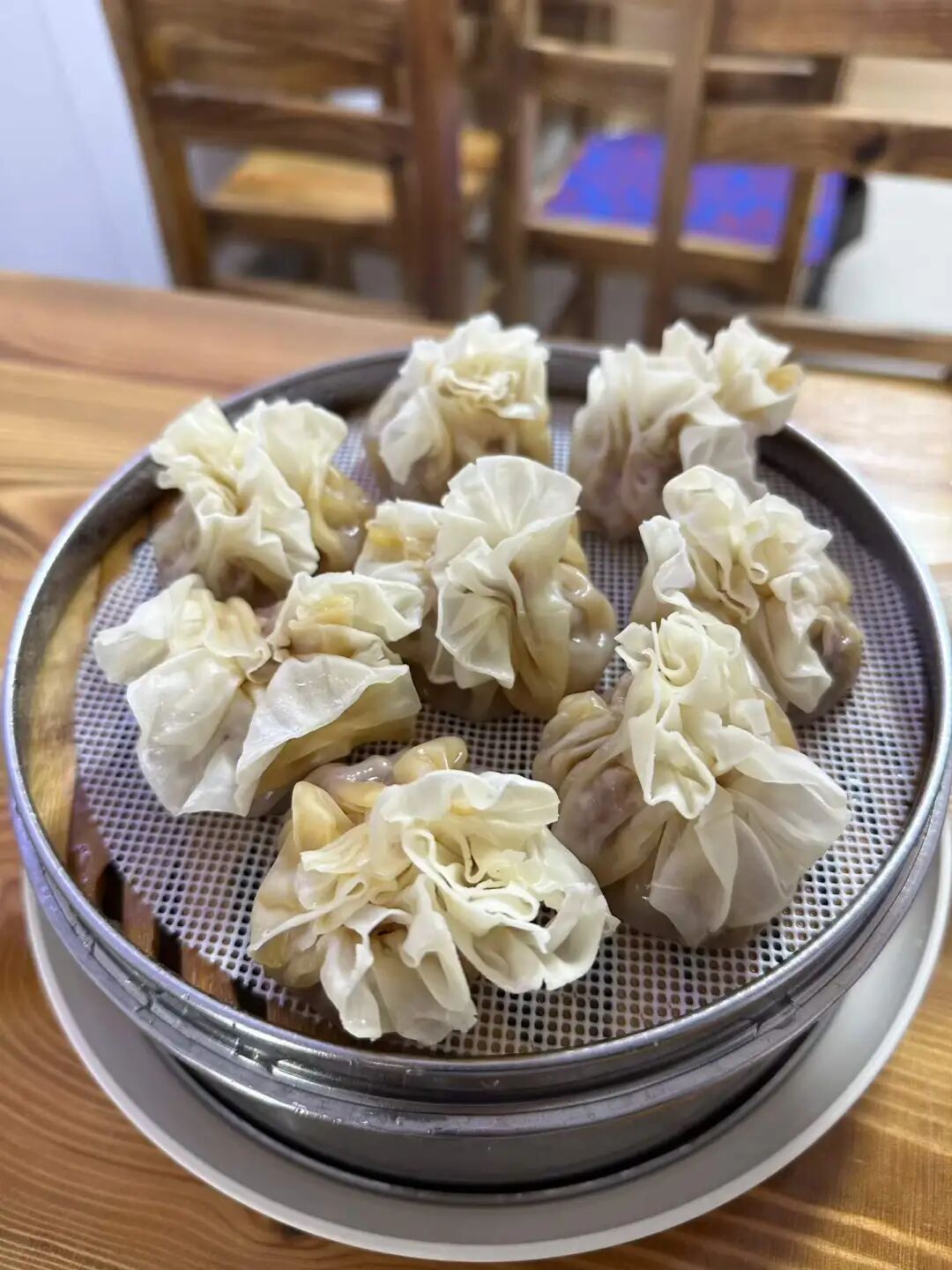
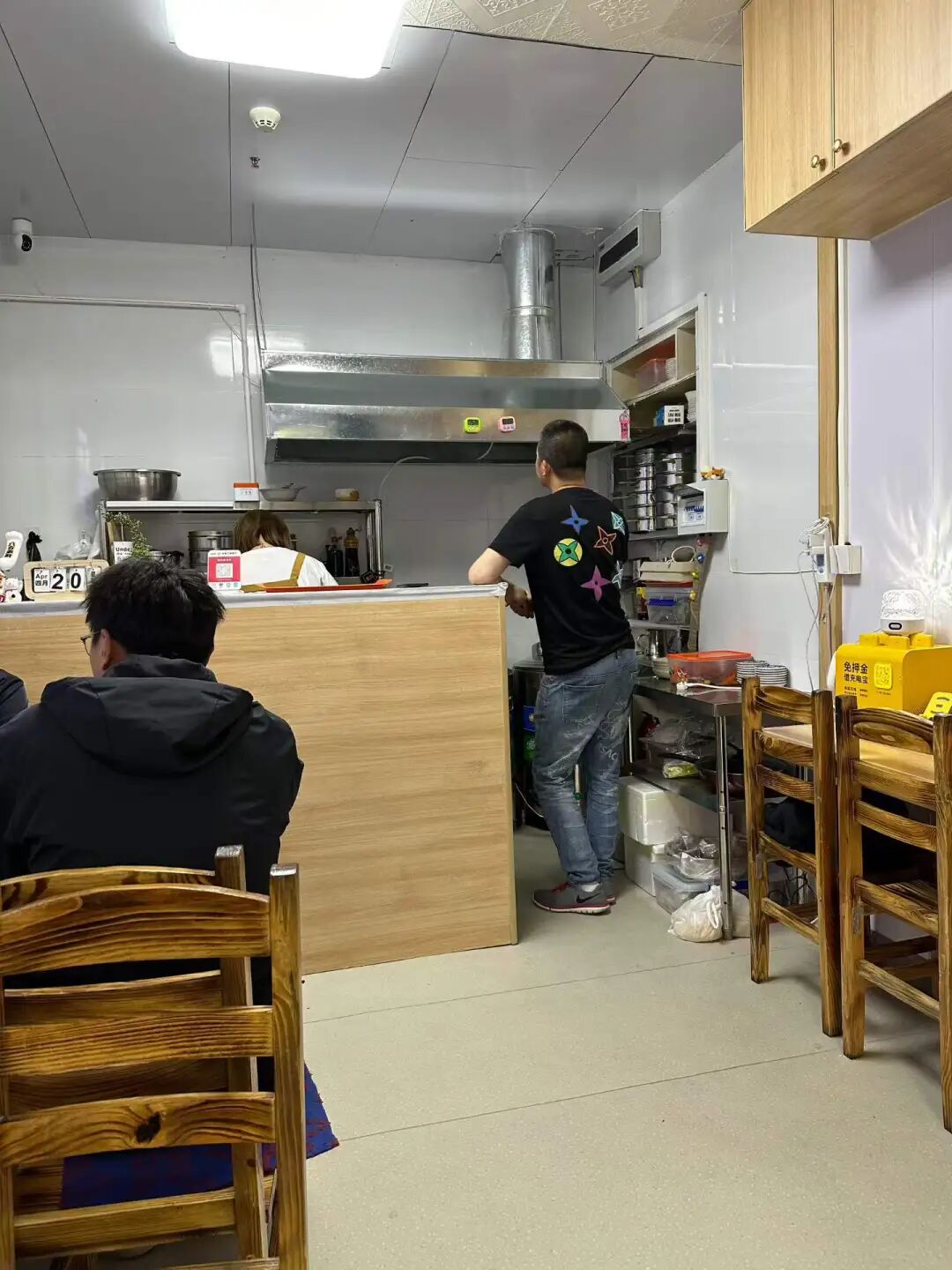
The shop is run by a Hui Muslim couple from Chengde. They steam the dumplings and brew the almond tea to order in an open, clean, and bright kitchen. I used a group-buying deal for steamed dumplings with a side of vegetarian radish ball soup. The steamer comes with eight dumplings; the skins are thin and the filling is firm, almost like a meatball. The vegetarian radish balls are also very good. The almond tea is six yuan for a big bowl. It has a very rich almond flavor and tastes great.
Xilaisun Xisi branch.
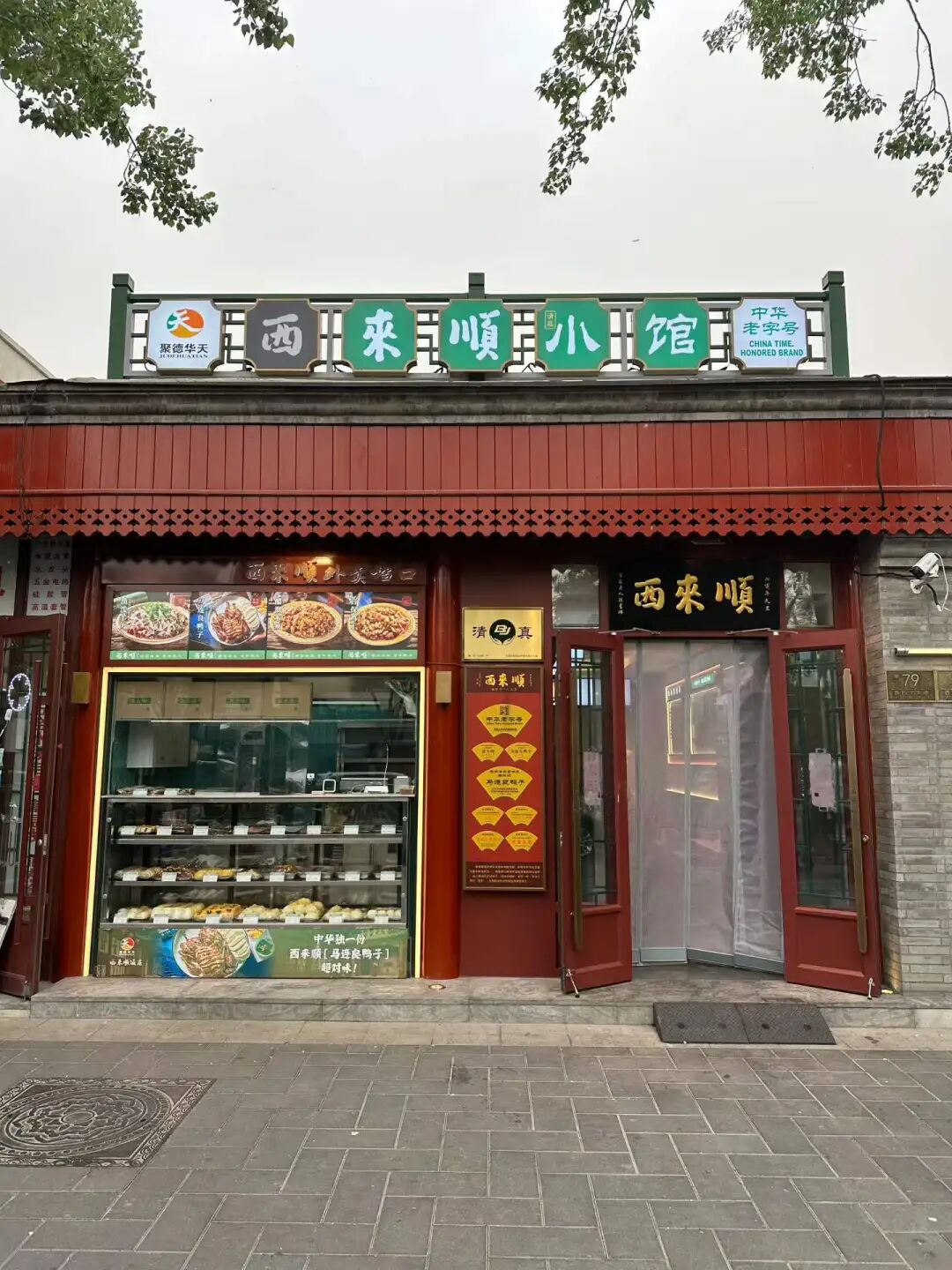
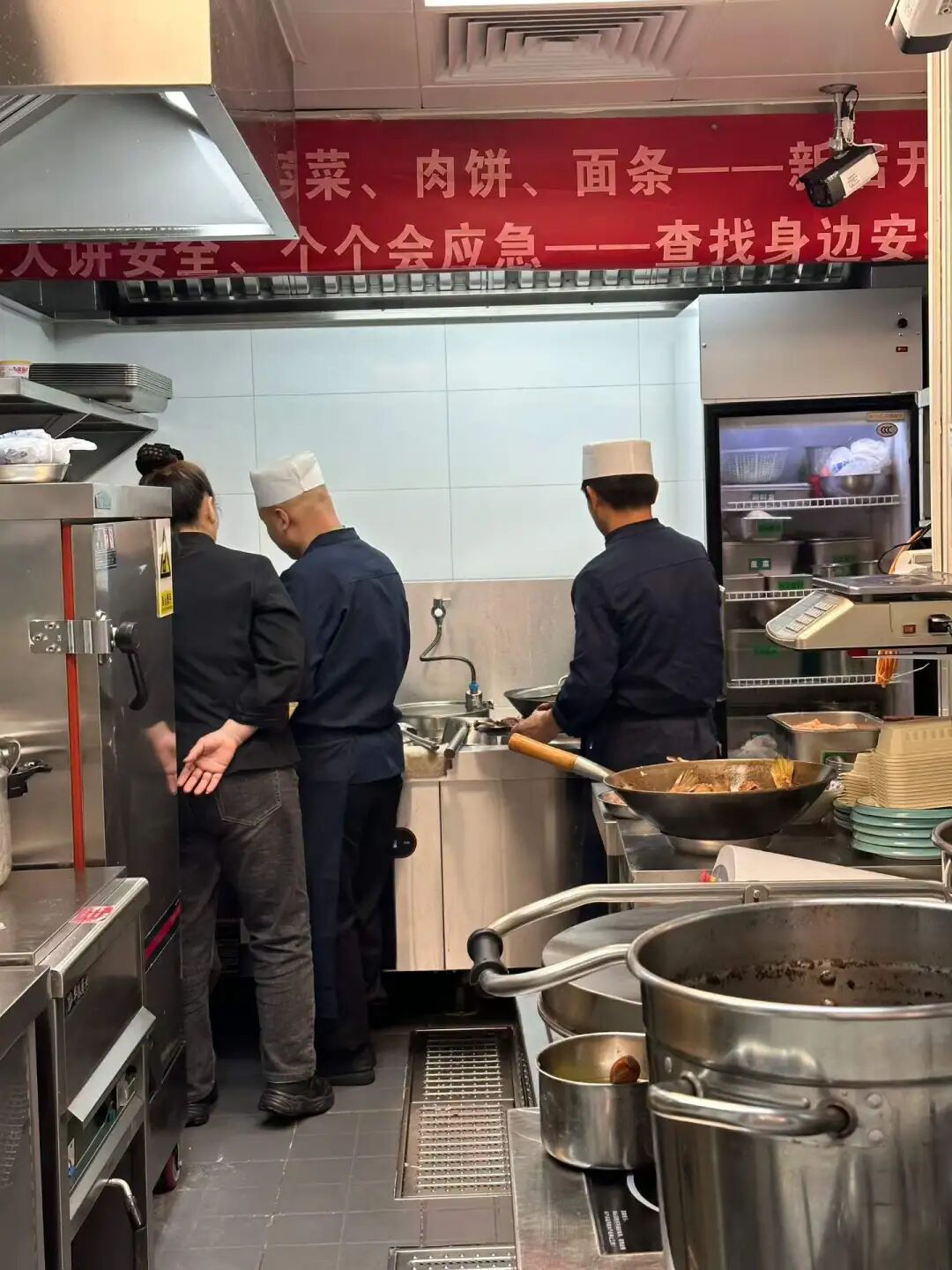
A new Xilaisun opened at the entrance of Xisi Sixth Alley, so I finally don't have to run to the Hepingmen branch every time. However, the Xisi branch is quite small and has fewer dishes. The staff said if you want to eat dishes from the main store, you can call one day in advance to order.
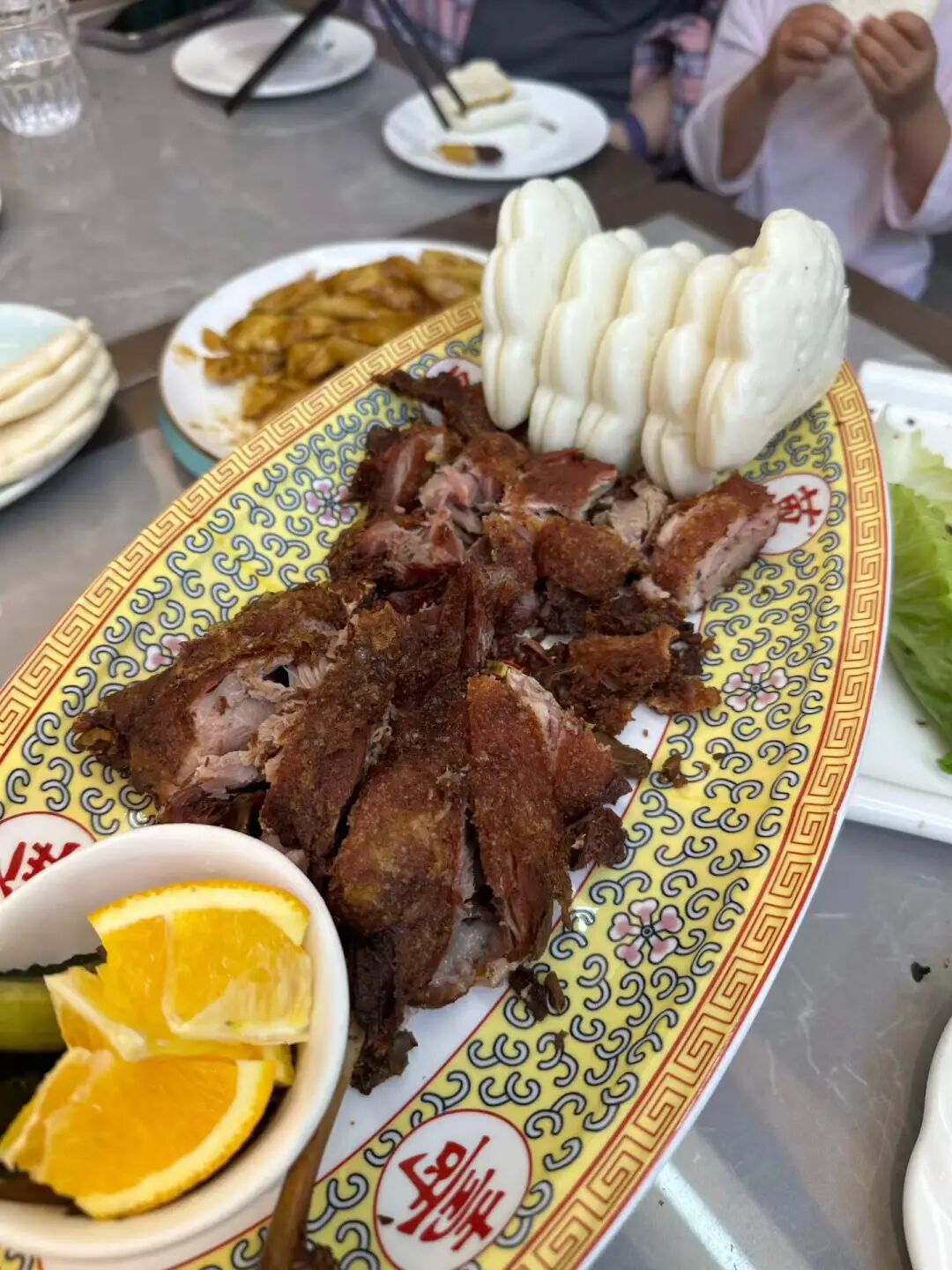
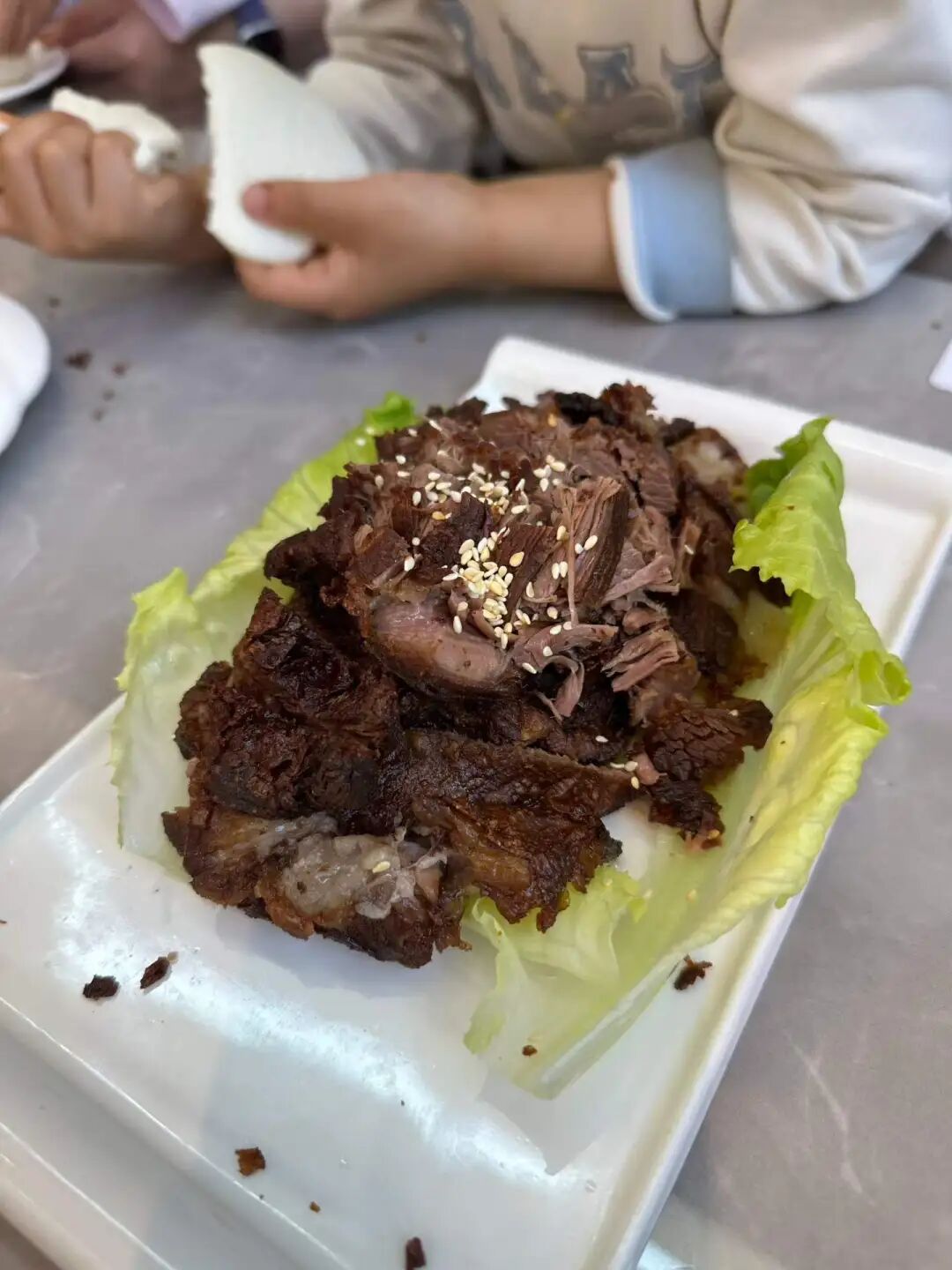
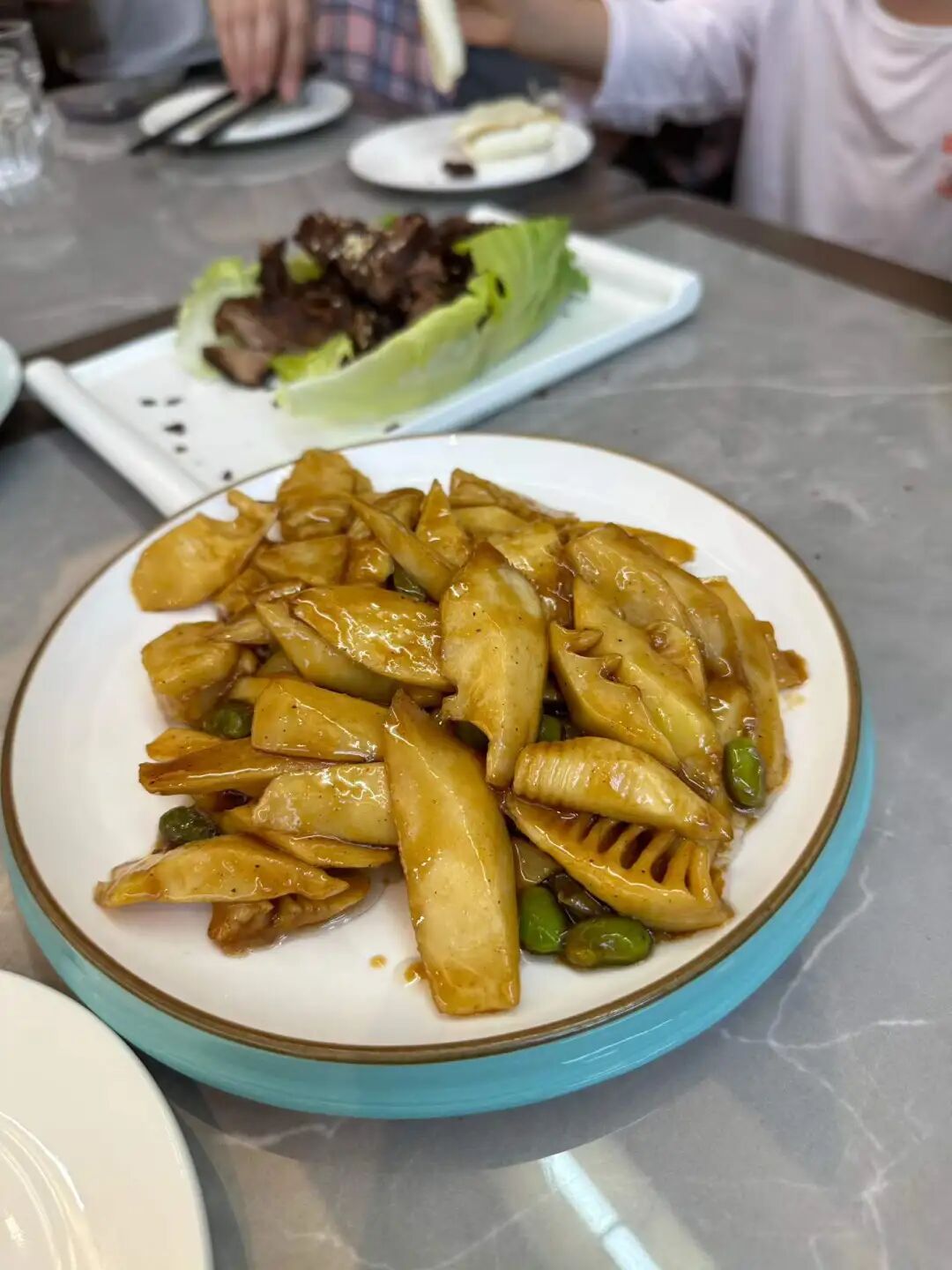
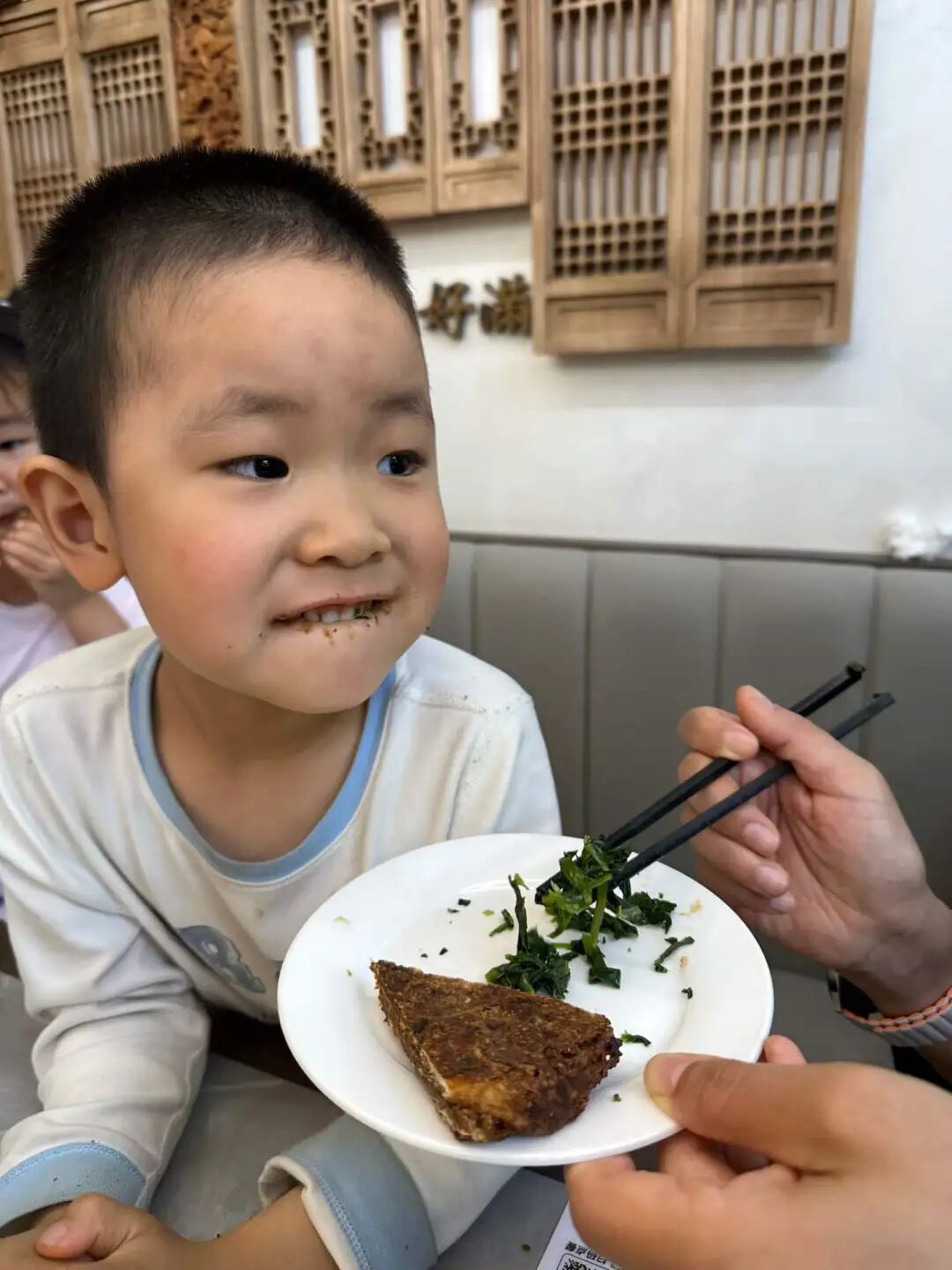
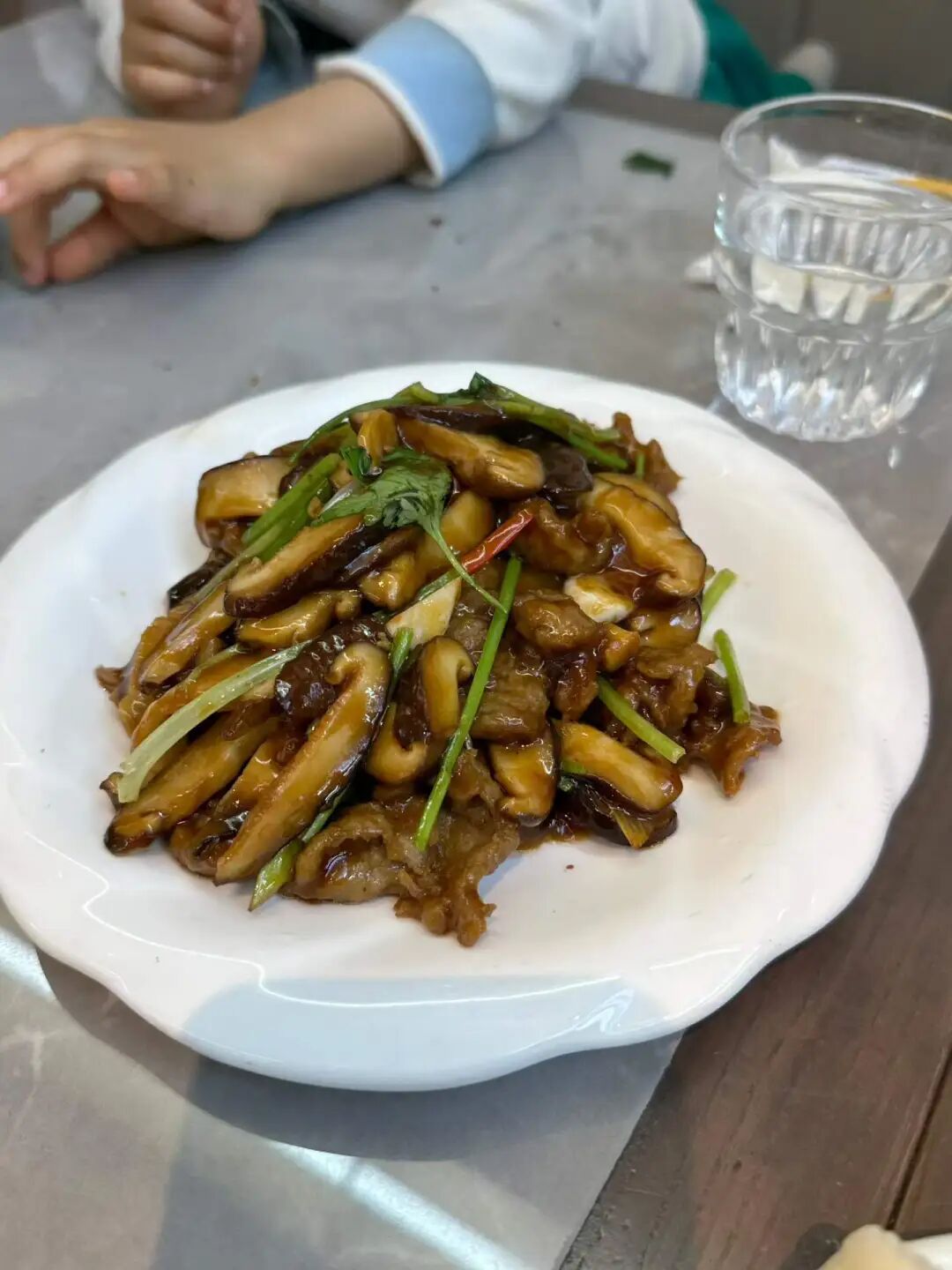
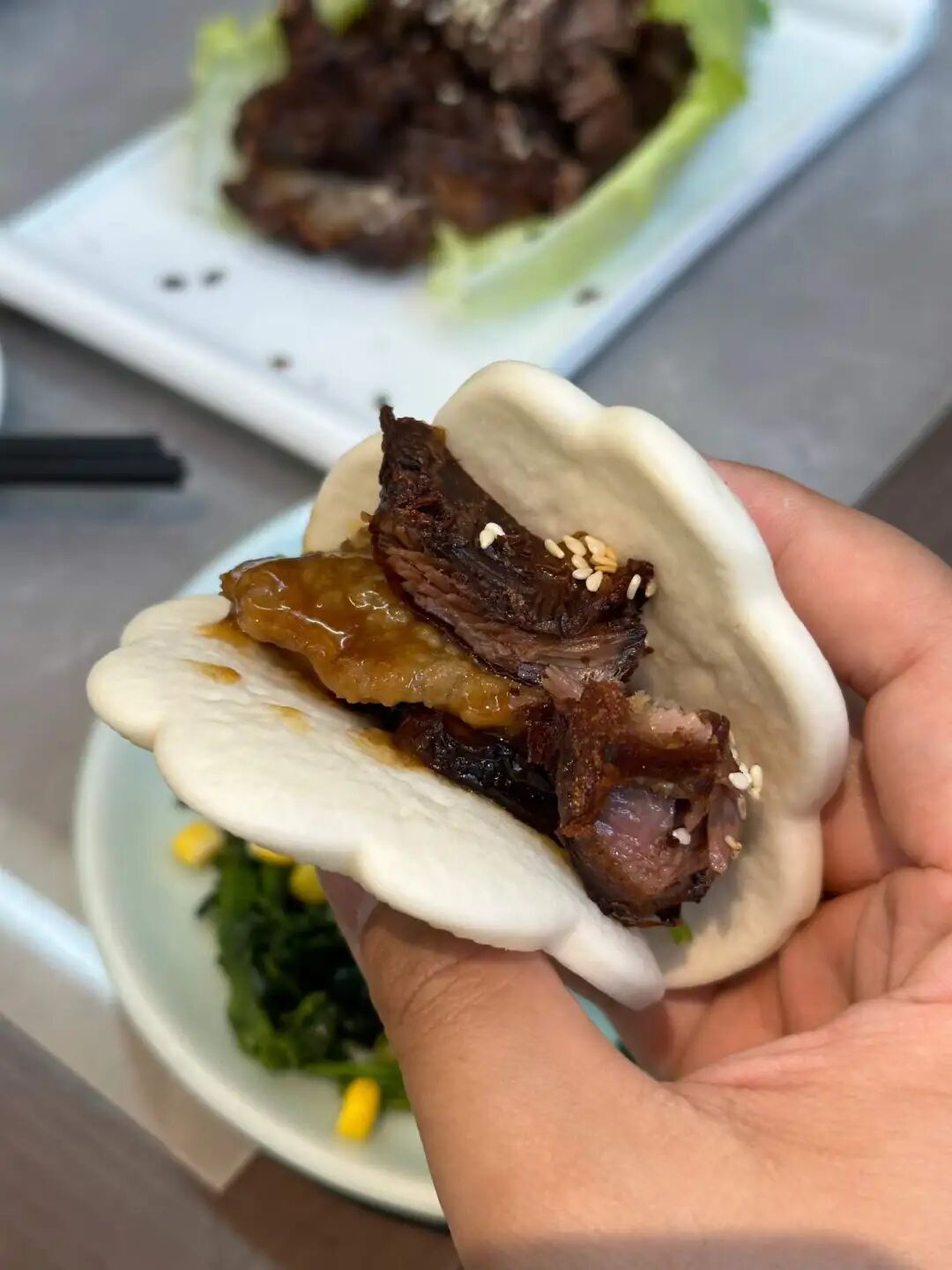
We ordered the classic Ma Lianliang duck, roasted lamb (shaoyangrou), stir-stir-fried meat slices with fresh mushrooms, diced chicken with cashews, mixed wild mountain vegetables, and sesame paste sugar flatbread (majiang tangbing). We also ordered an extra portion of lotus leaf buns (heyebing). Ma Lianliang duck is my favorite. I think it tastes better than Beijing roast duck, and the leavened lotus leaf buns are much better than the thin pancakes served with roast duck. Their roasted lamb skin is a bit hard, but the flavor is very fragrant, and it tastes great tucked inside a lotus leaf bun. The diced chicken with cashews is a little salty, but very fresh. The mixed wild mountain vegetables are not salty and are fine to eat on their own. The stir-stir-fried meat slices with mushrooms are delicious and go well with both rice and lotus leaf buns. The children really like the sesame paste sugar flatbread.
In short, Xilaisun has always been a Beijing restaurant I highly recommend. If you are in the north and have a small group, like a few friends or a family of three, I recommend coming here. Friends in the south should still go to the Hepingmen branch for a wider variety of dishes.
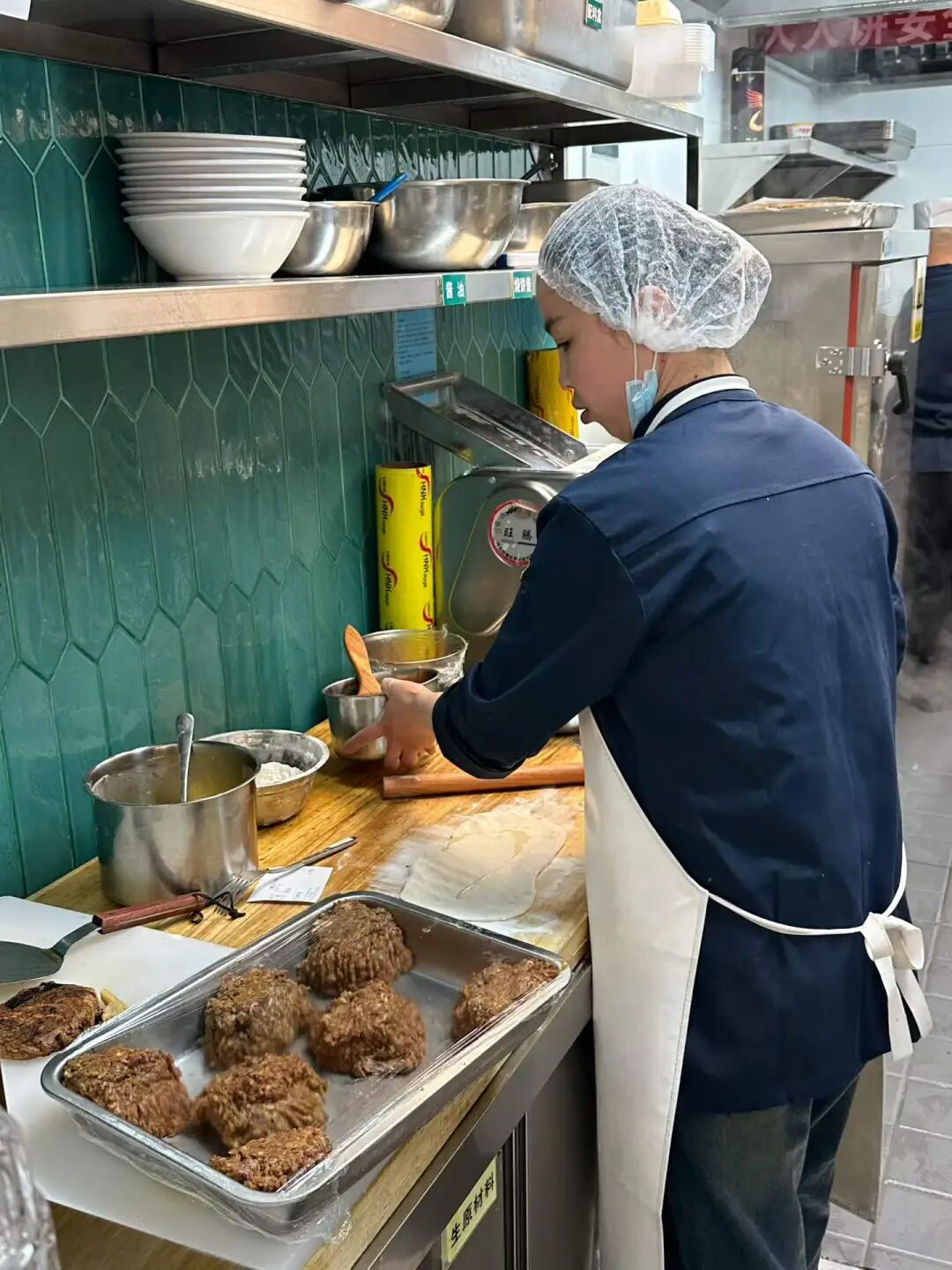
Longfusi Market.
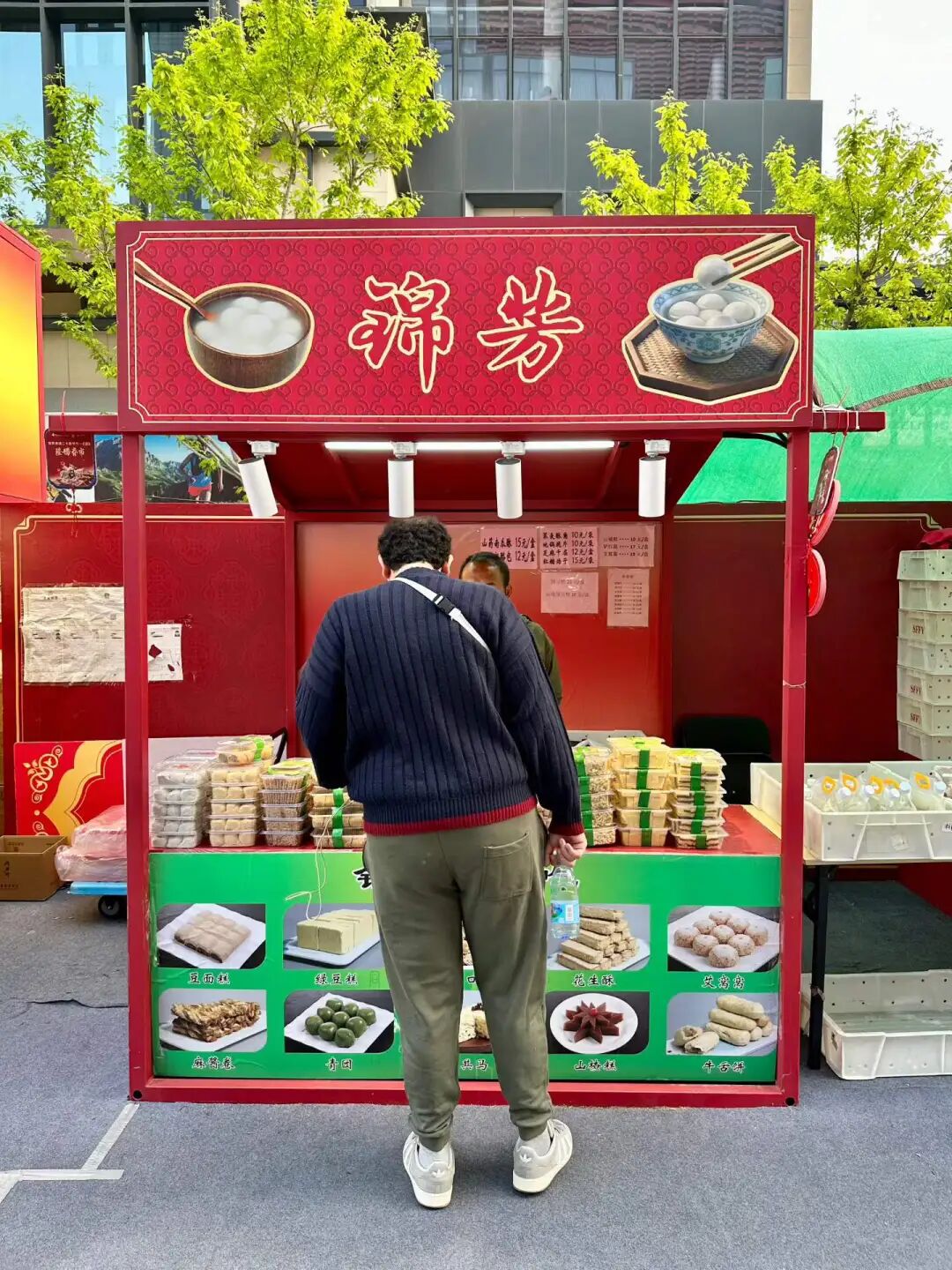
I went to the market at Longfu Mosque before the Spring Festival. I heard later that it became a permanent fixture, so I stopped by for a walk after work a while ago. Longfu Mosque has really turned into a pedestrian street now. There are security guards at every entrance to keep cars out, so you don't have to dodge traffic while walking around. The stalls in April are quite different from the ones in February. Coming in from the north, you'll find Longfu Mosque Snack Shop and Baikui. A bit further in is Wanhe Beef, and across from the main building entrance is Jinfang. To the east, by the entrance of the Donggong cinema, is Lianying Shaomai (steamed dumplings). The weather is warmer now, so it's easy to grab a snack outdoors after work. There are tables and chairs available.
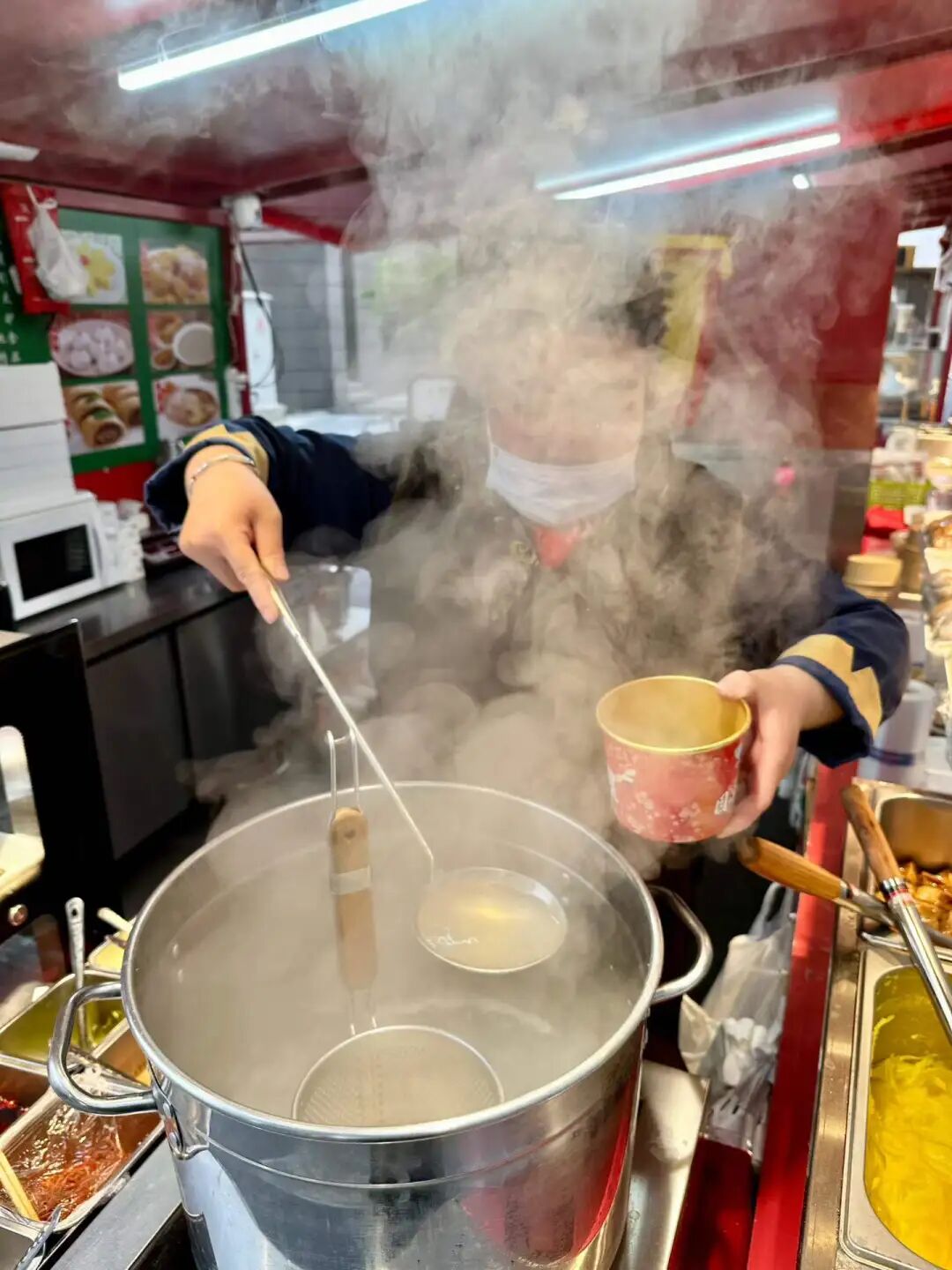
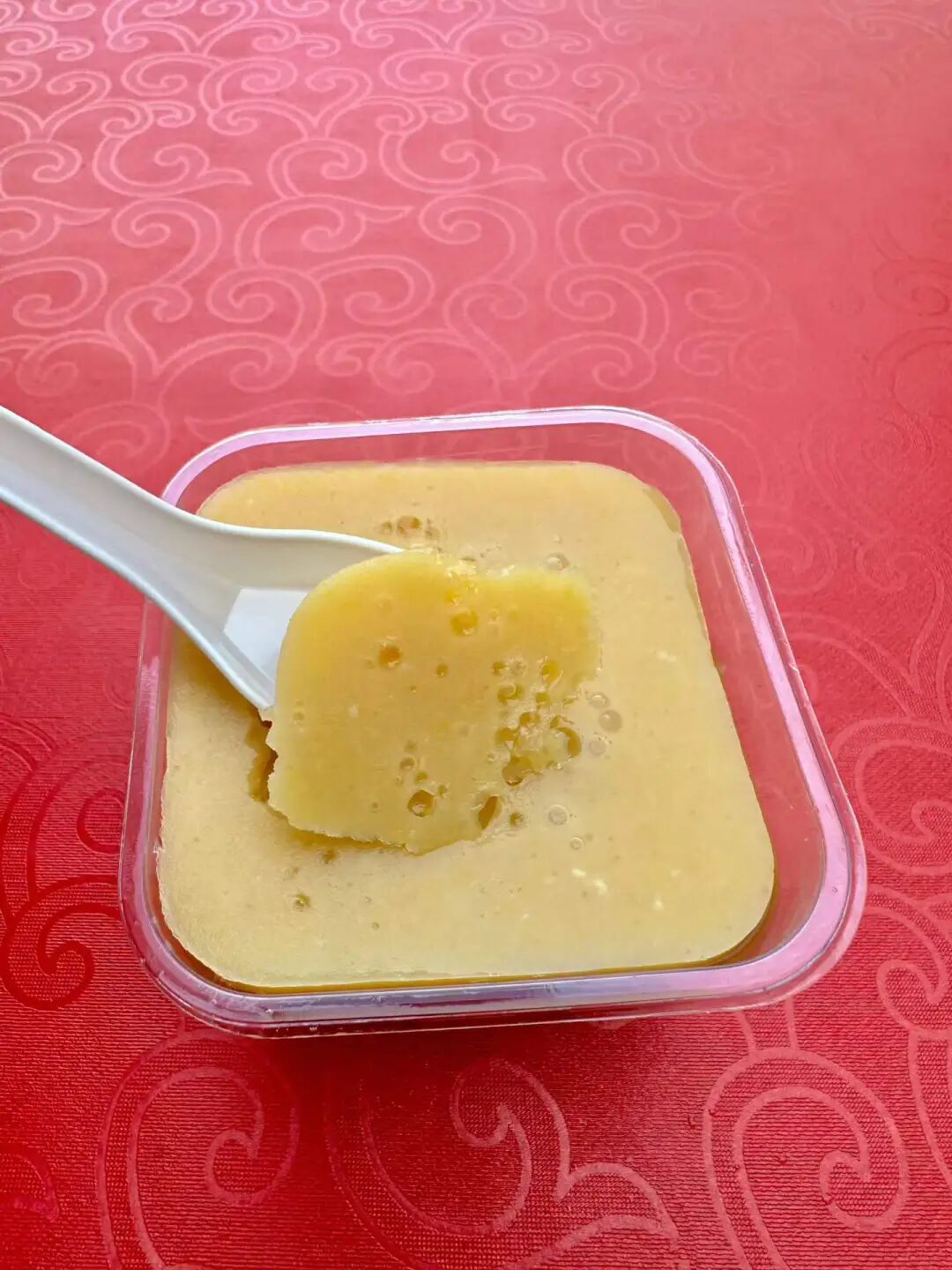
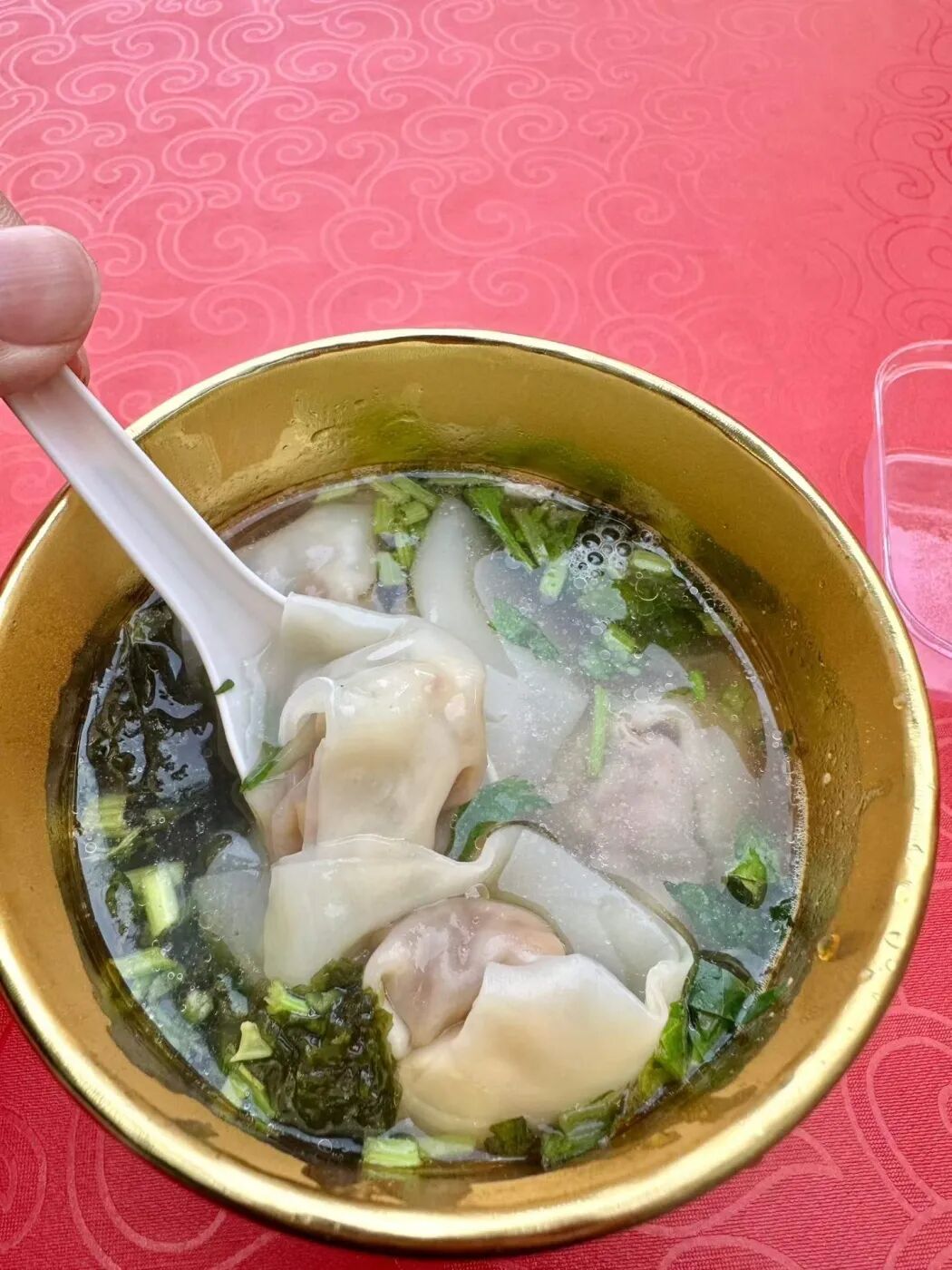
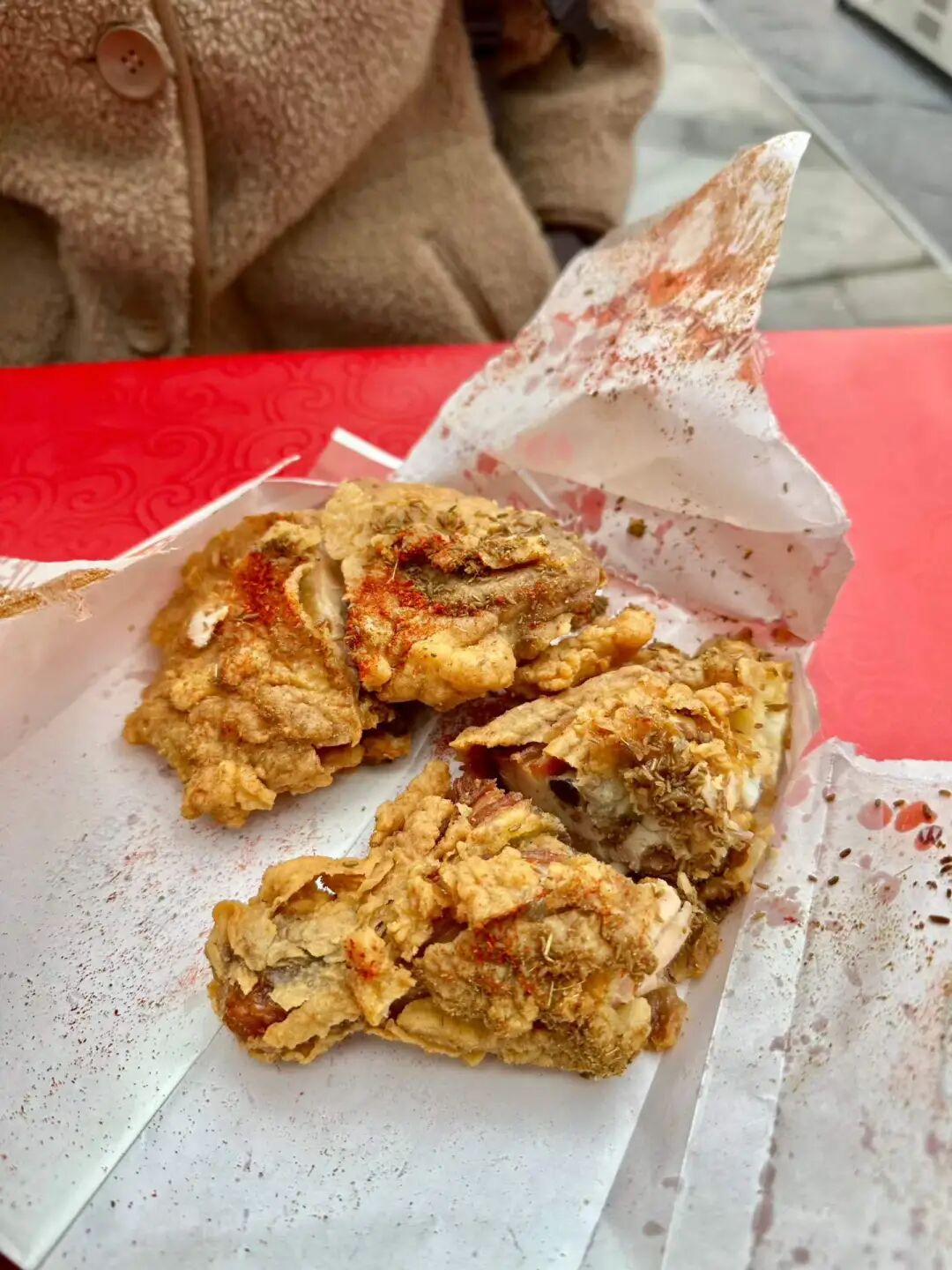
Longfu Mosque Snack Shop and Baikui are right next to each other with four tables. I arrived after 5:00 p.m. and it wasn't crowded, but it was full by 6:00 p.m. I started with the ingot-shaped dumpling soup (yuanbao tang) and pea flour cake (wandouhuang) at Longfu Mosque Snack Shop. It tasted just like the regular shop. The dumplings are wrapped fresh. Then I had a fried chicken leg at Baikui. It tasted the same as the shop, but it wasn't freshly fried and was only lukewarm. The skin got tough after I heated it in the microwave.
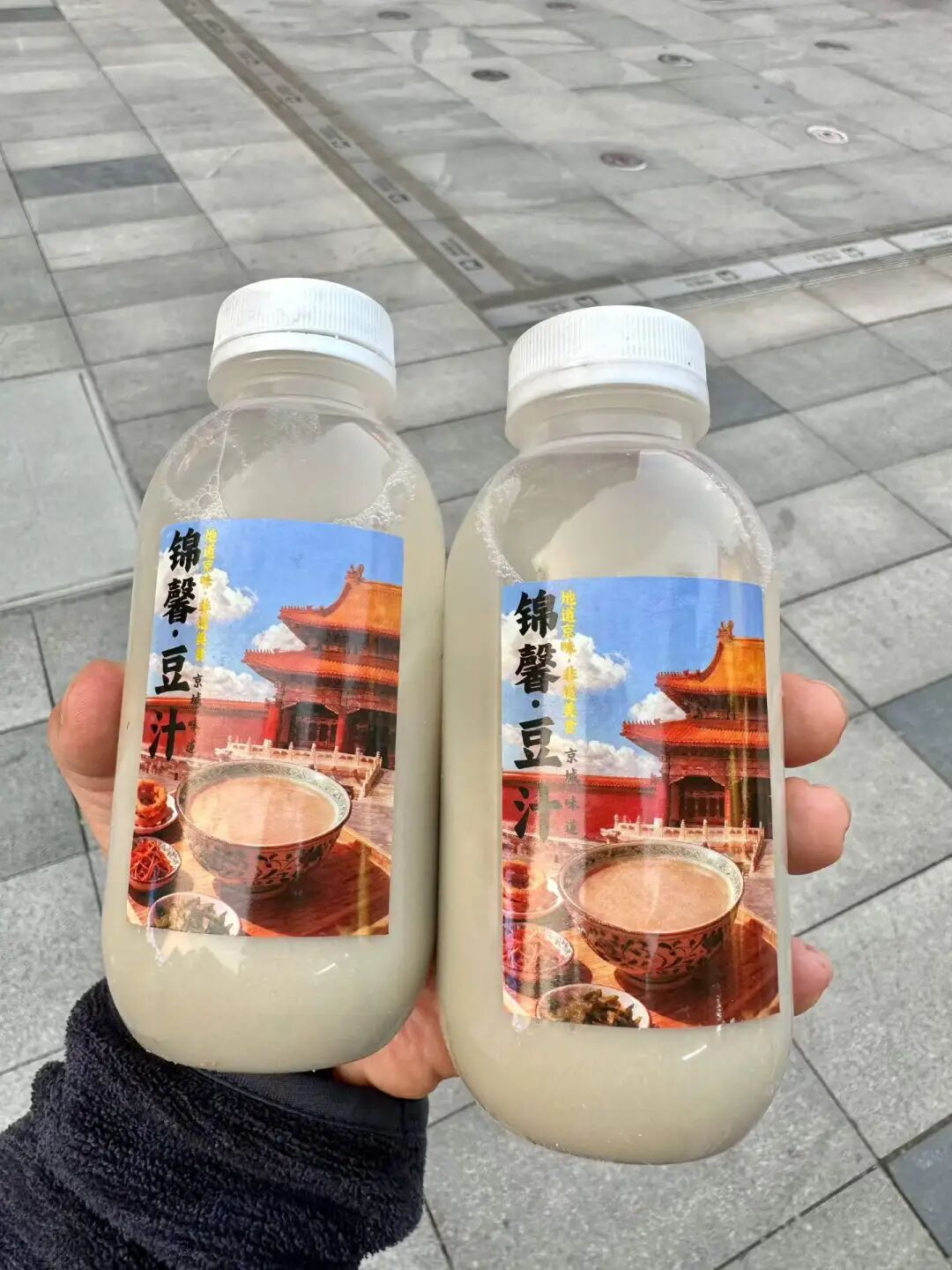
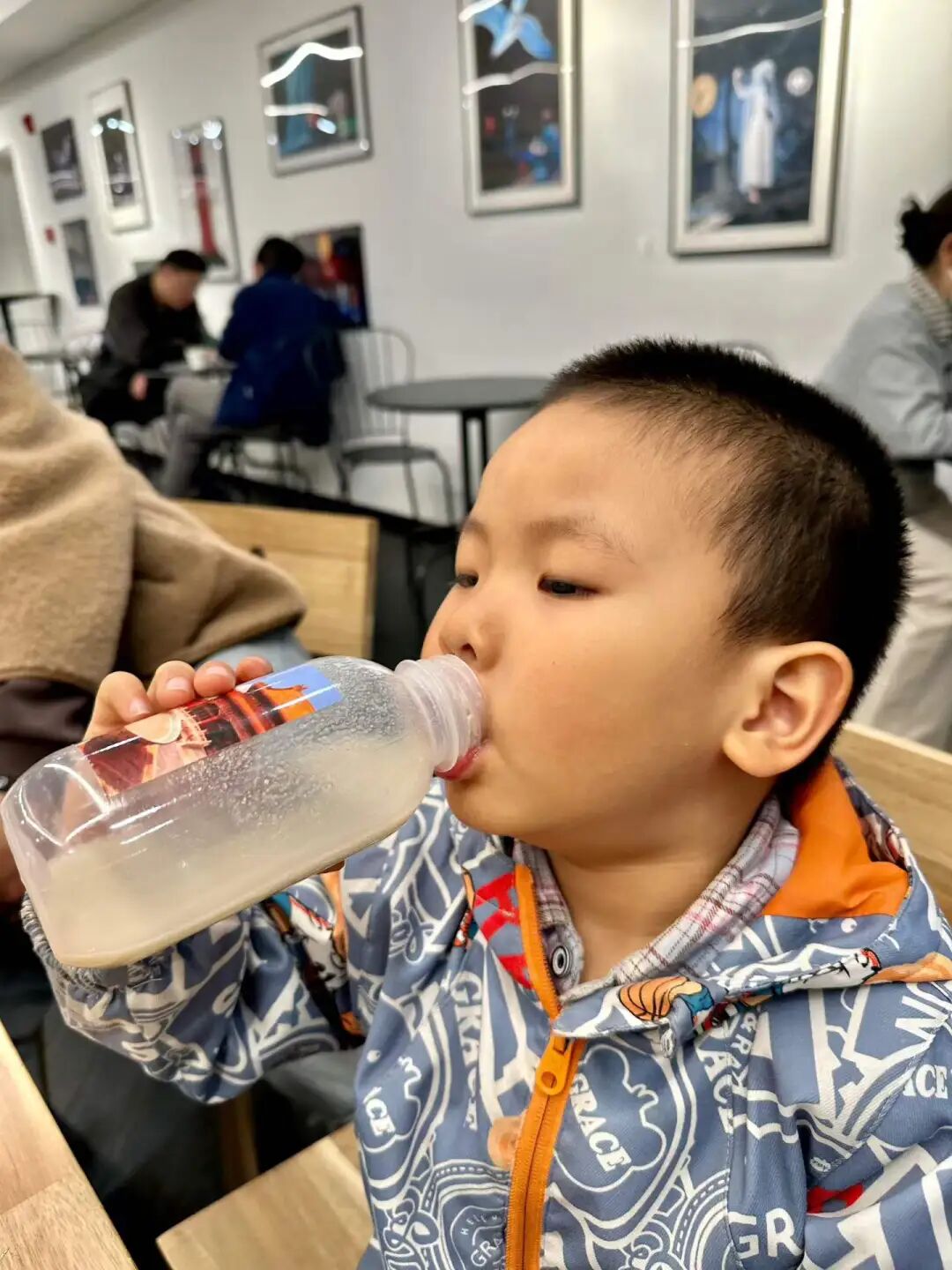
After eating, I bought some mung bean milk (douzhi) at Jinfang. The bagged mung bean milk at Jinfang is their own brand, while the bottled version is from Jinxin. It's time to drink cold mung bean milk in the summer. My son really likes it.
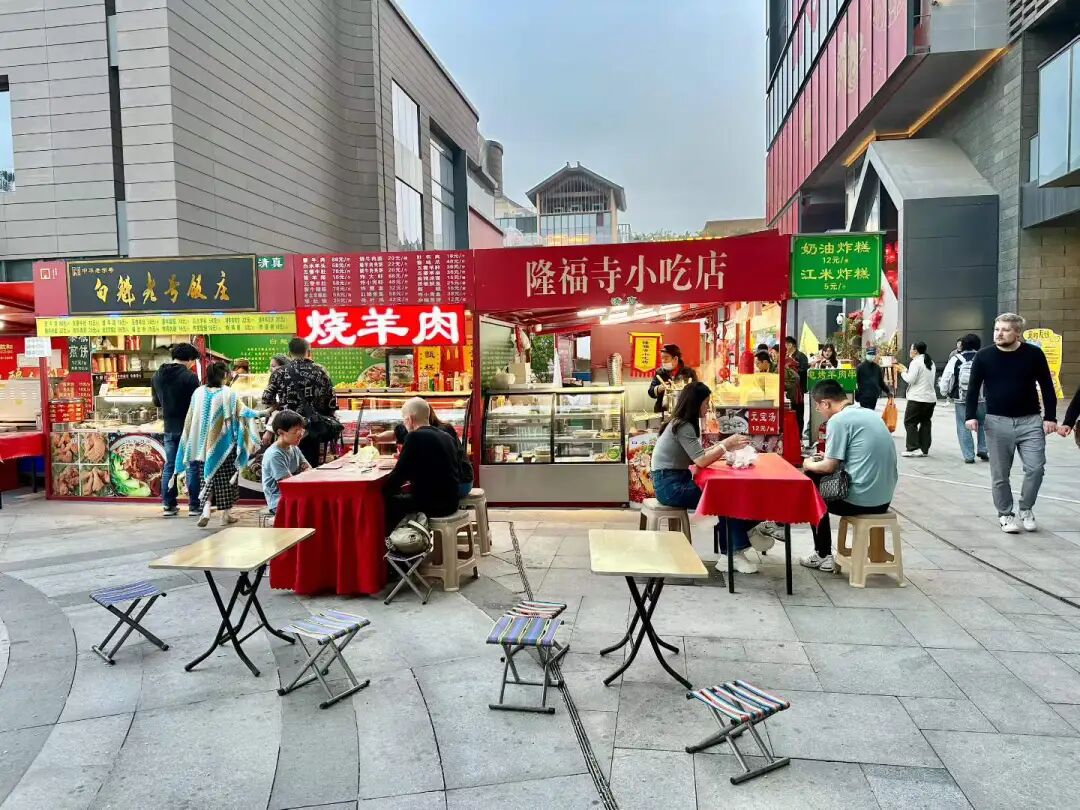
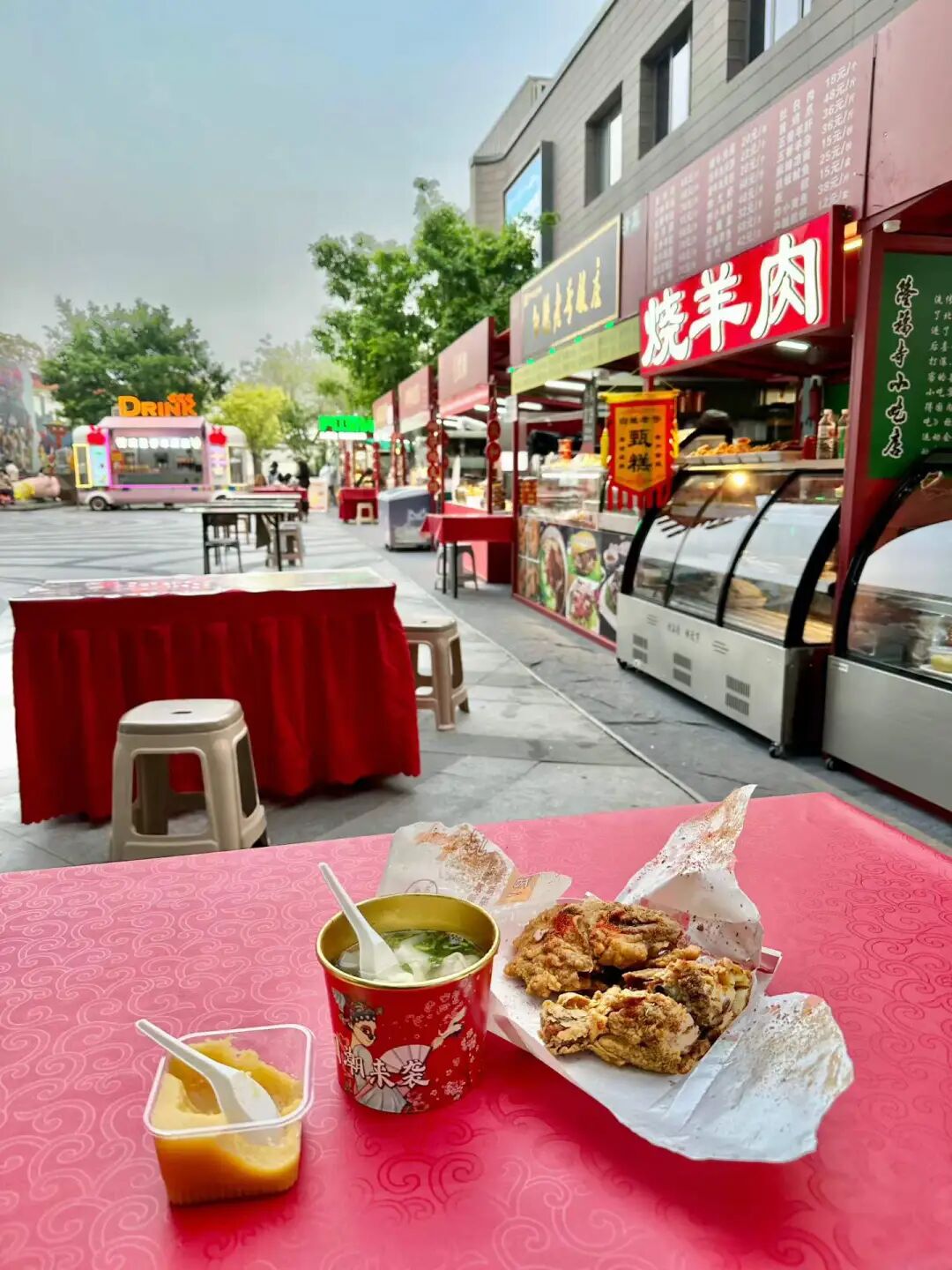
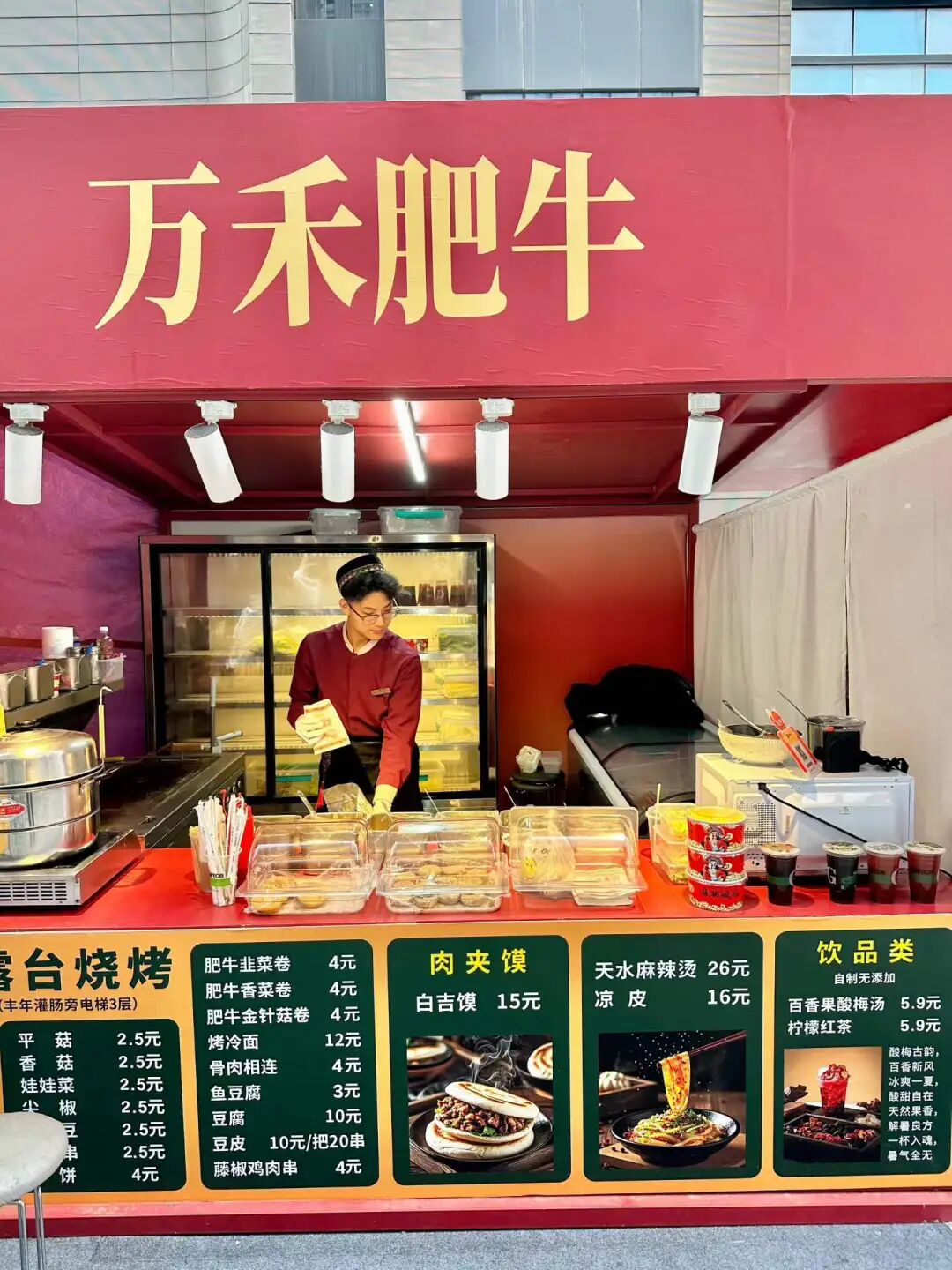
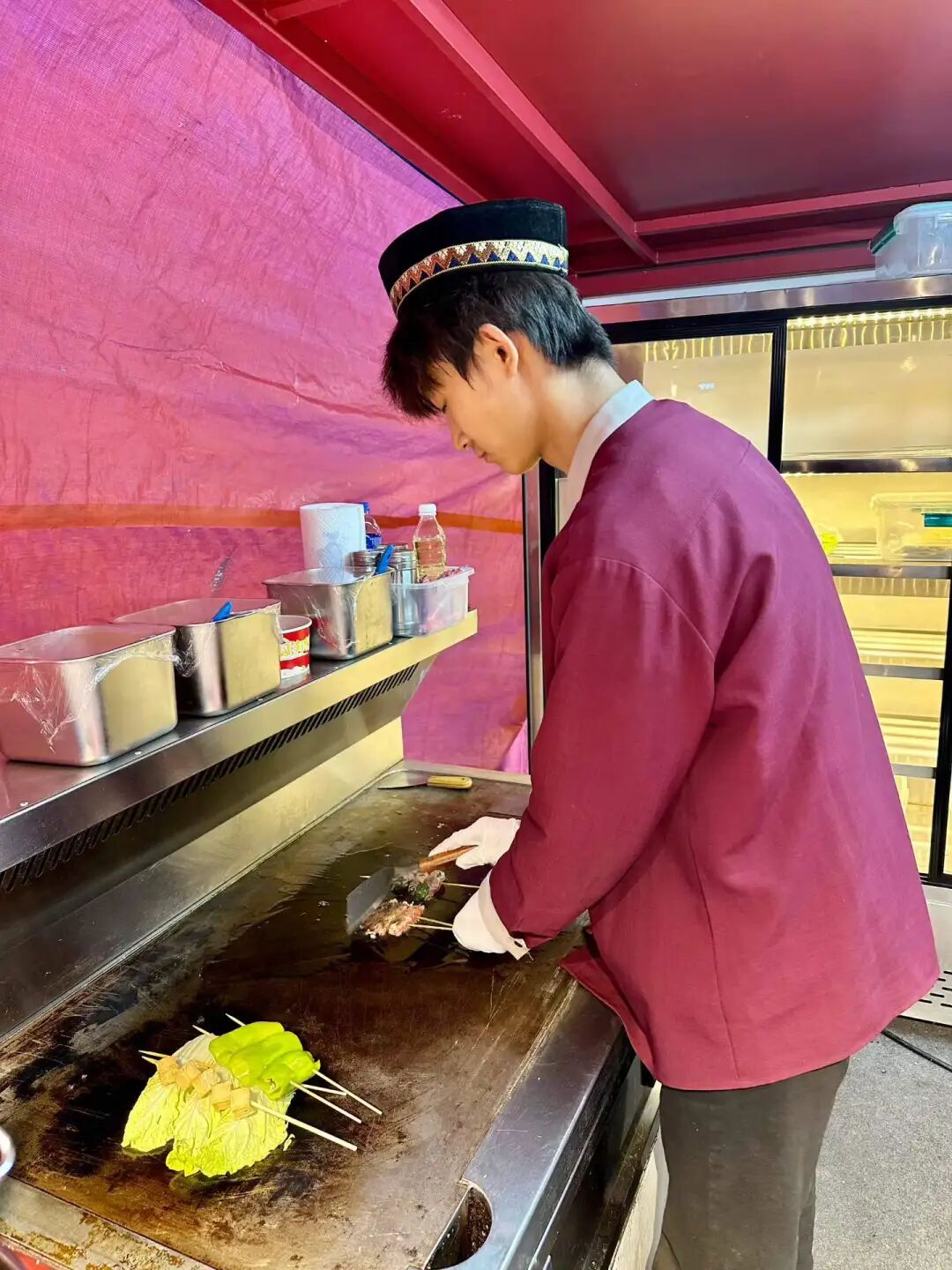
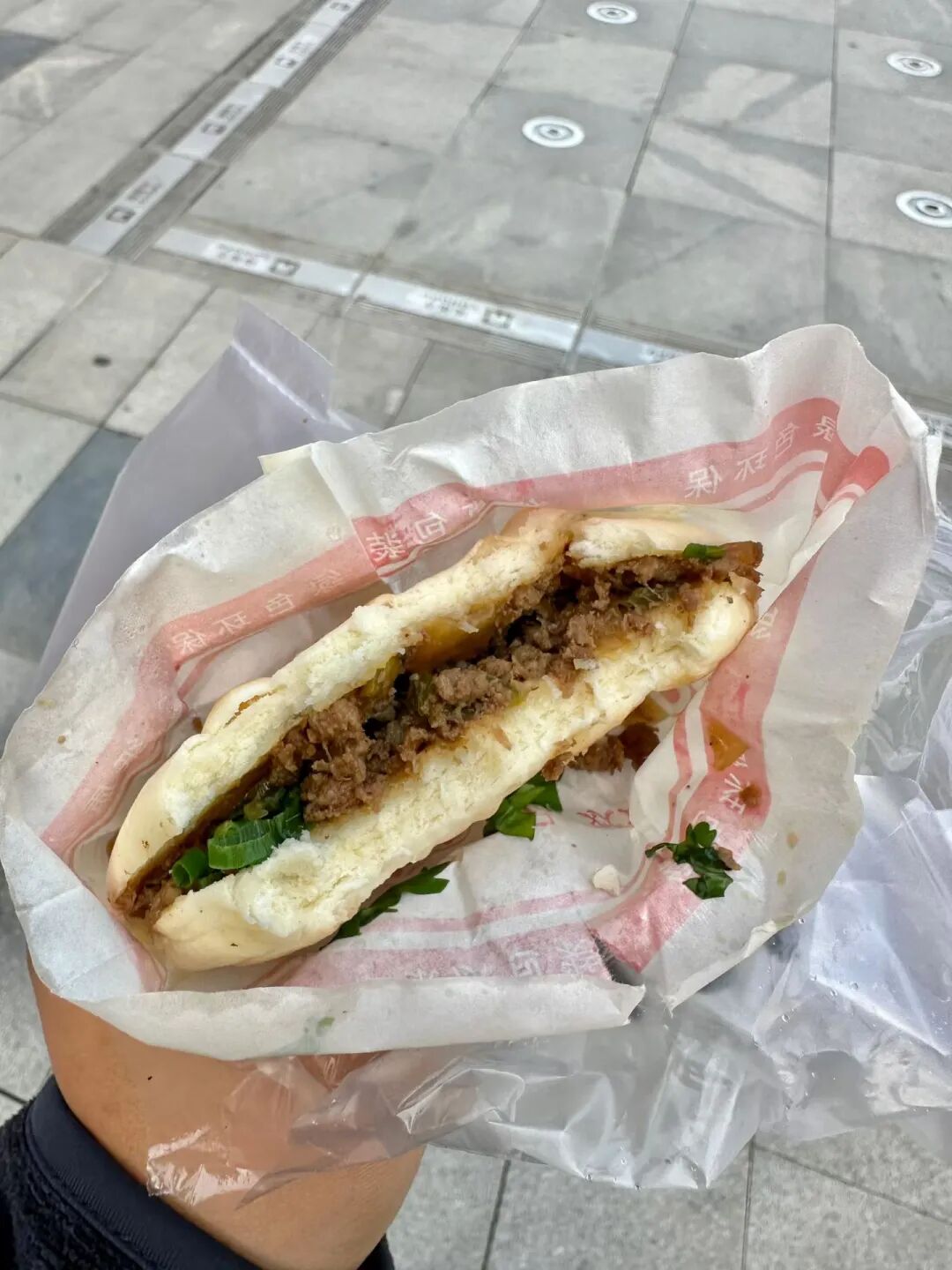
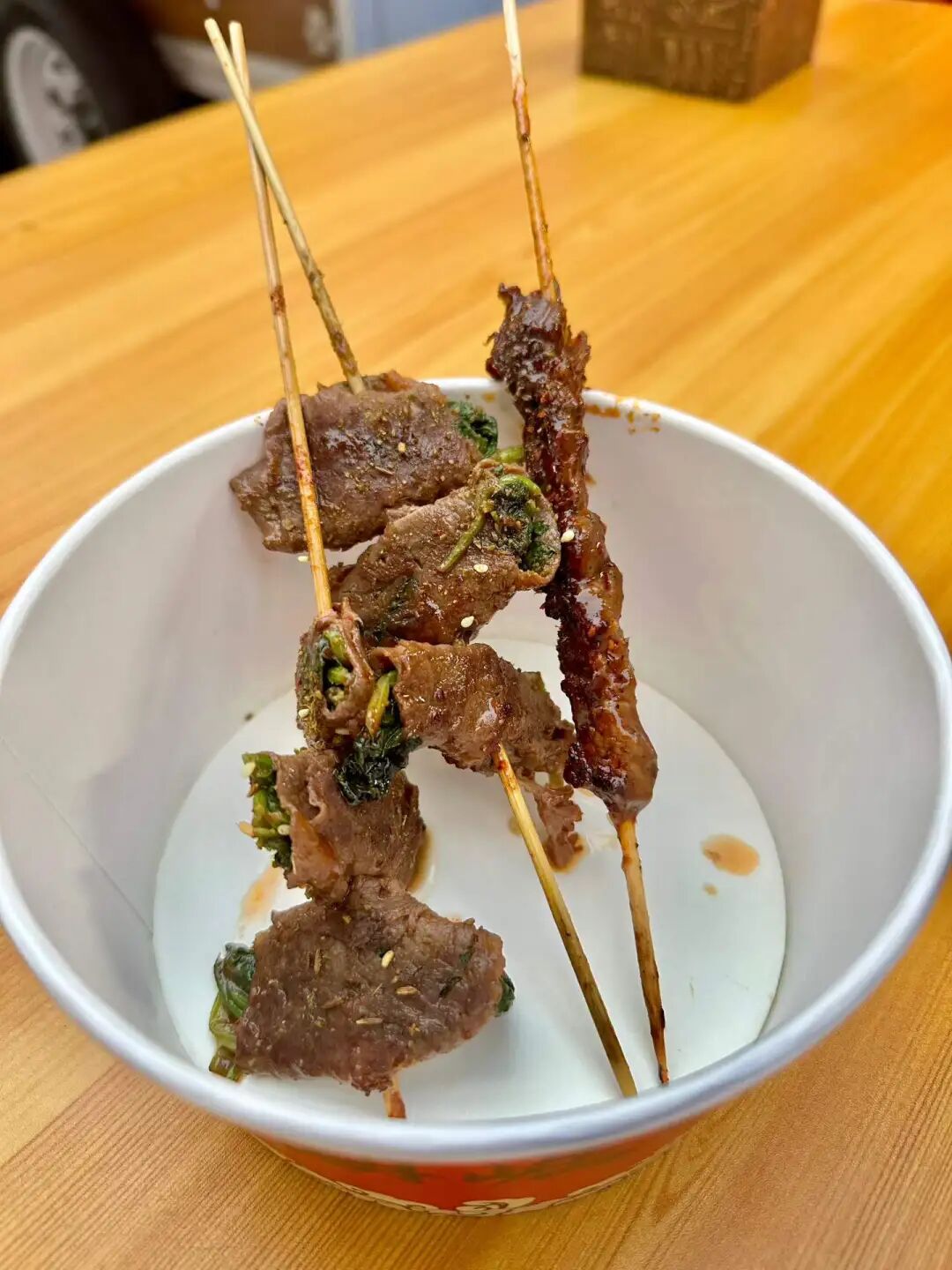
I had a beef and cilantro roll on a hot plate and a meat burger (roujiamo) at Wanhe Beef on Longfu Mosque Street. It's a Lanzhou-style restaurant, and there are seats in front of the stall. The beef and cilantro roll was 4 yuan and quite tasty. The meat burger was also good, but at 15 yuan, it didn't have much meat, so it wasn't really worth it.
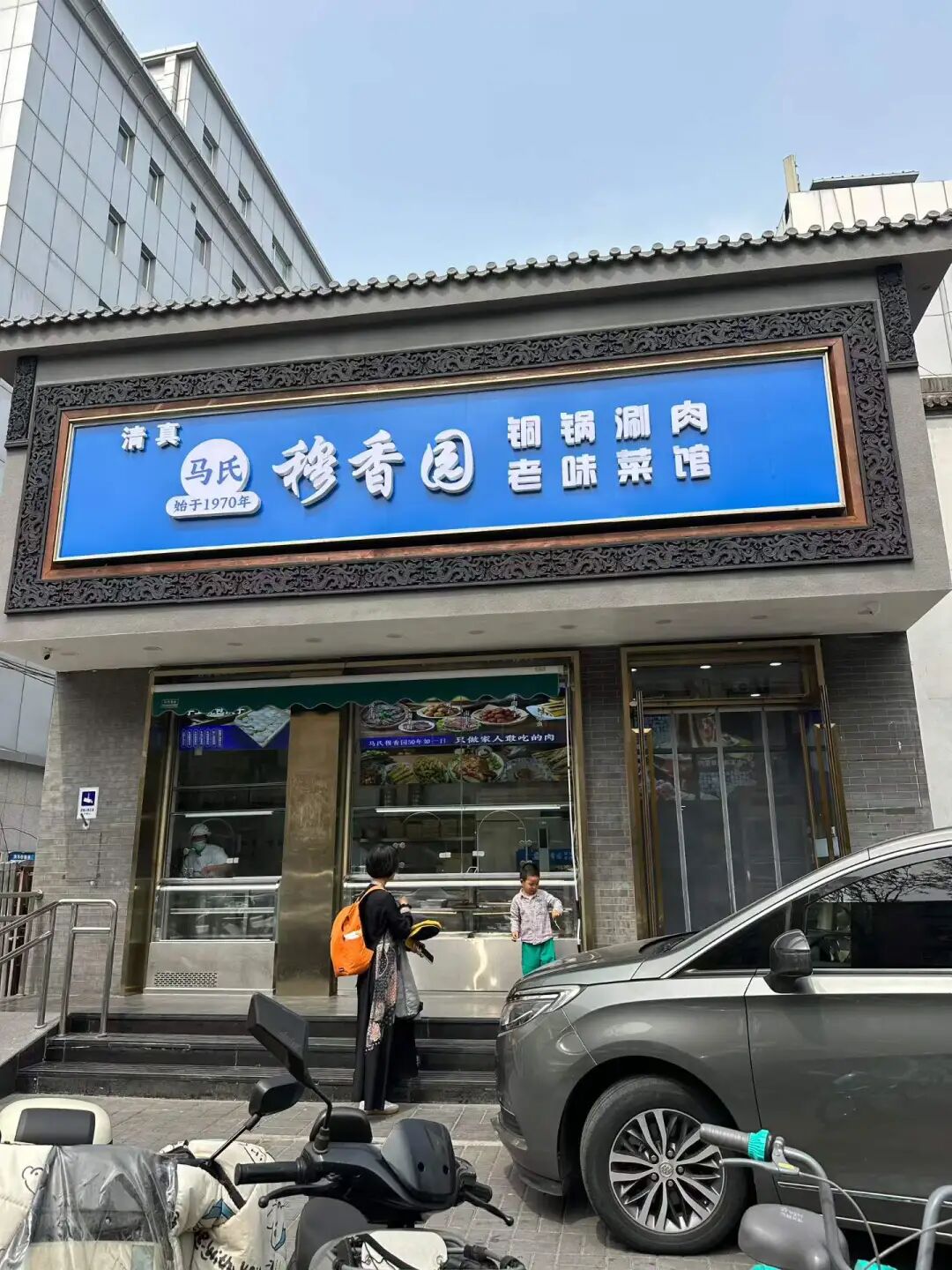
Mashi Muxiangyuan, a Hui Muslim restaurant from Suihua, Heilongjiang, at the Baizhifang branch.
A while ago, I ate at Mashi Muxiangyuan, a Hui Muslim restaurant from Suihua, Heilongjiang, in Fangzhuang. It tasted good and wasn't expensive. I recently heard they opened a new branch in Baizhifang, so a friend and I decided to go try it.
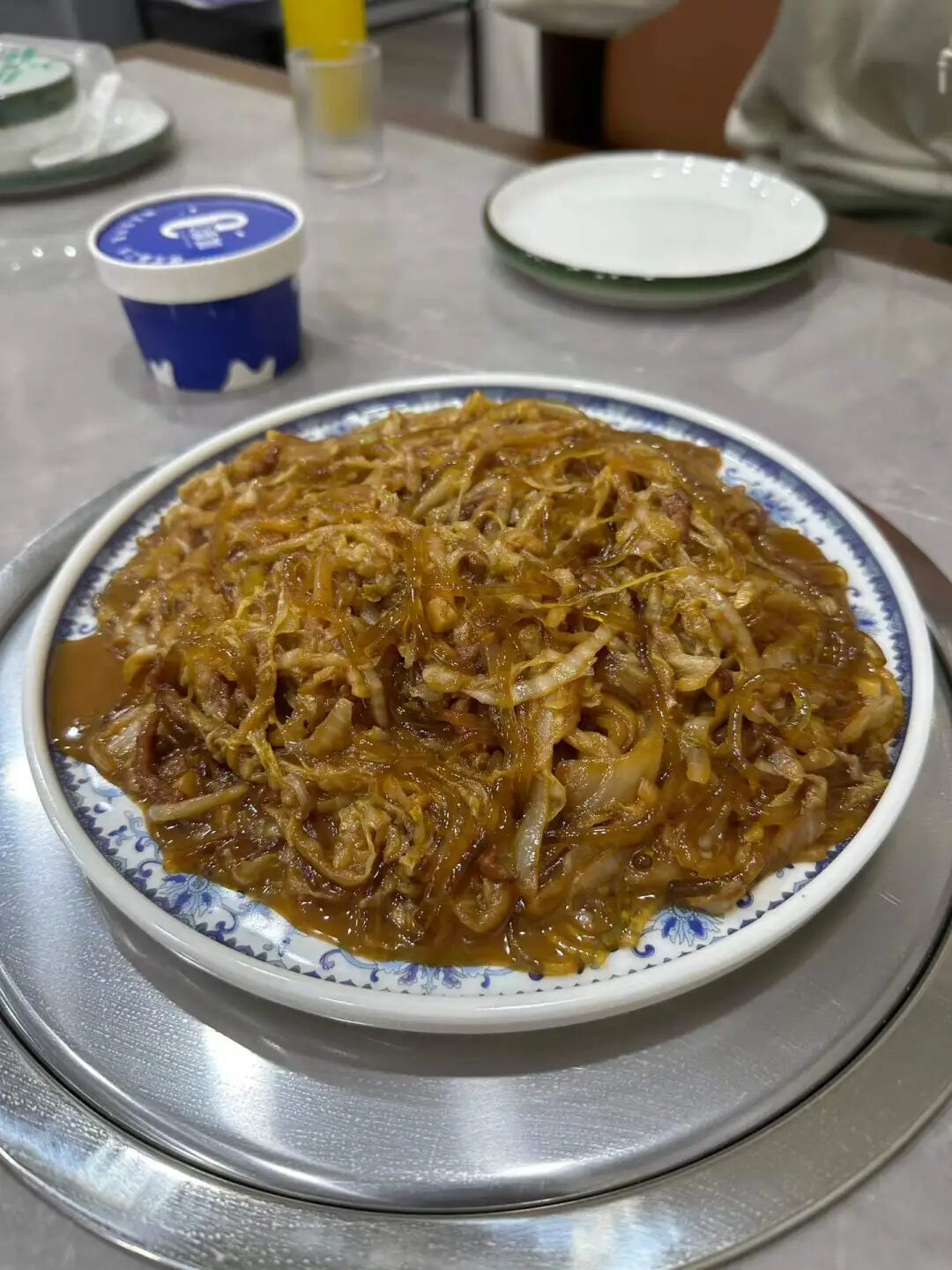
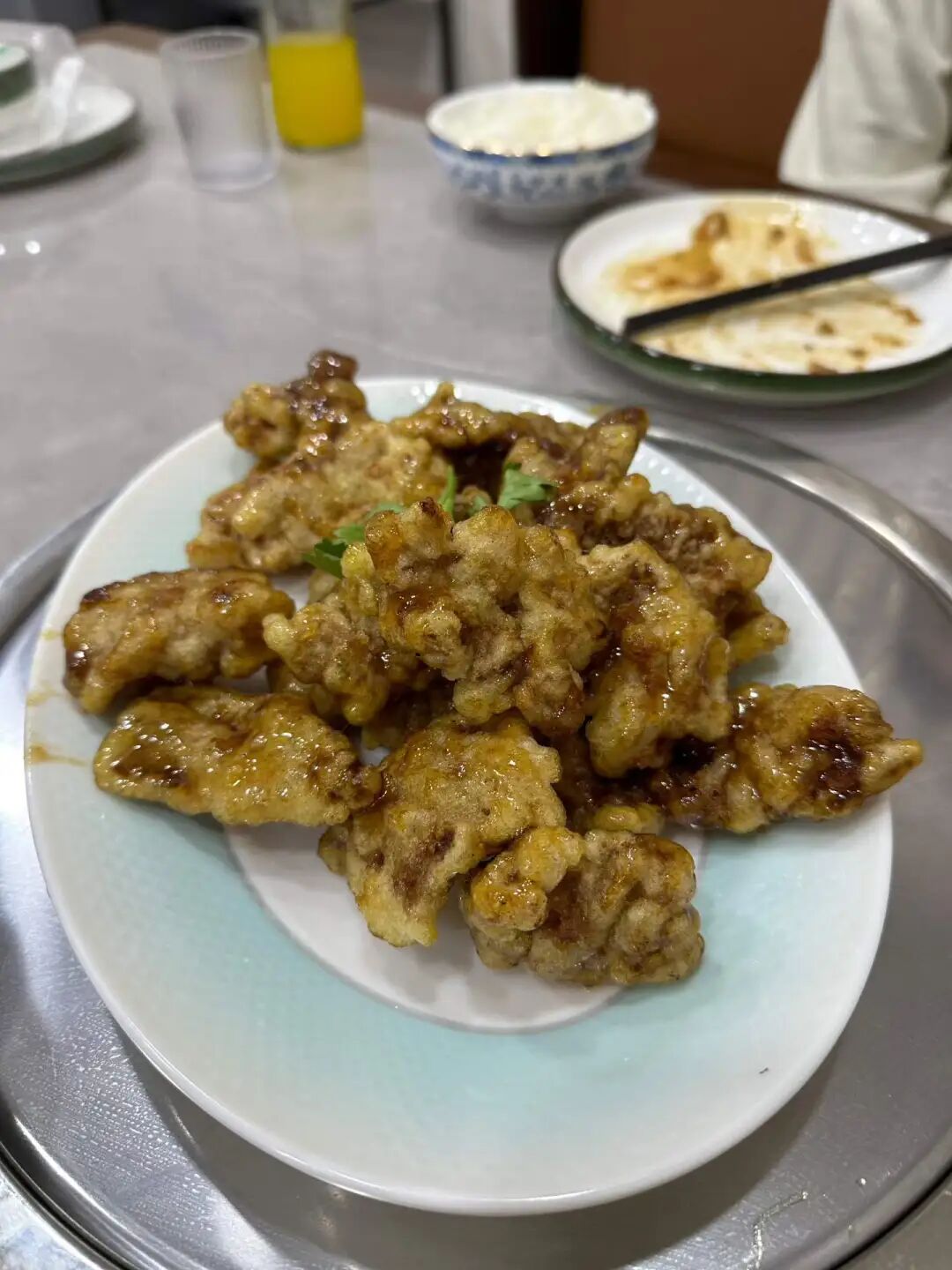
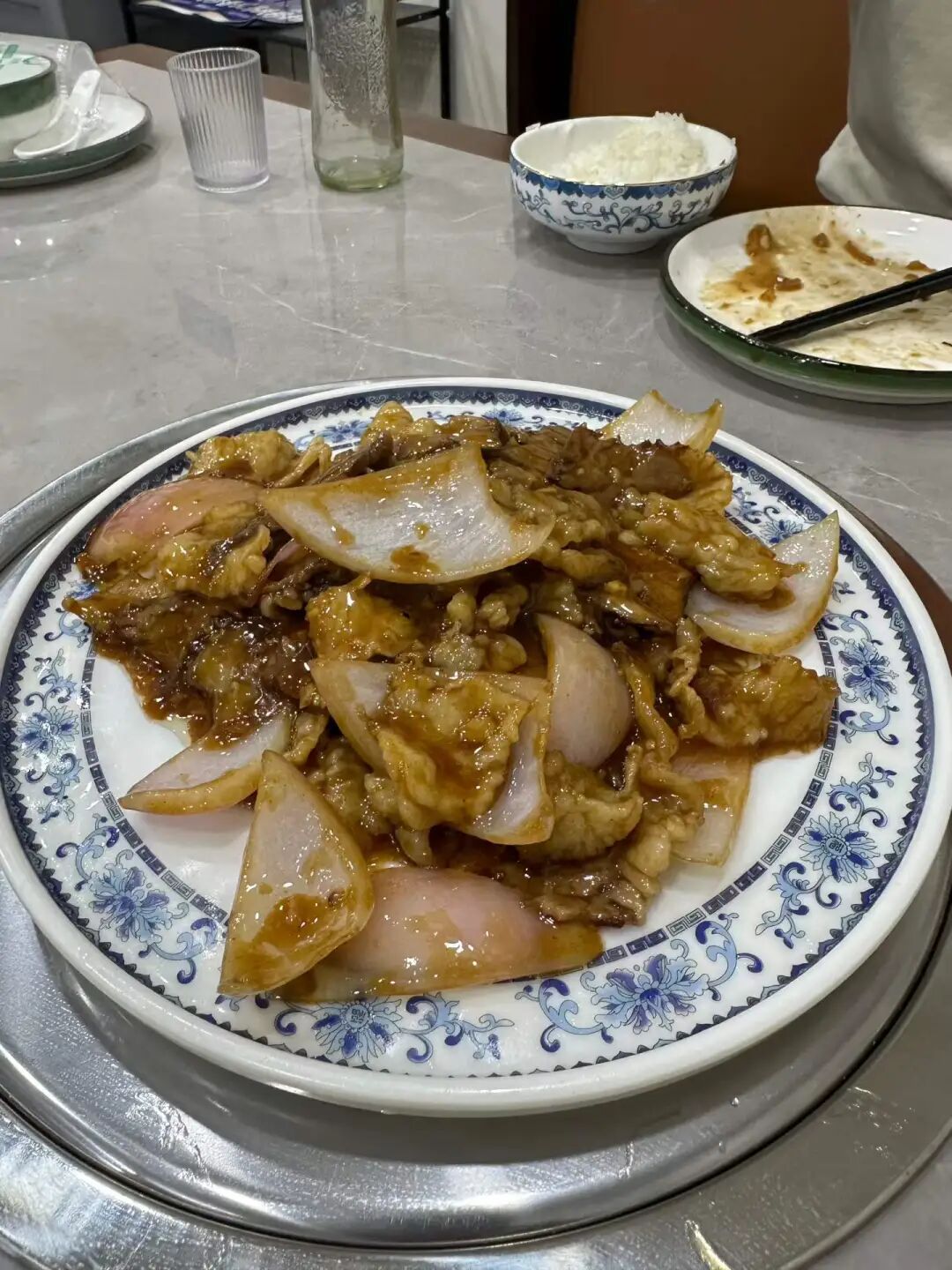
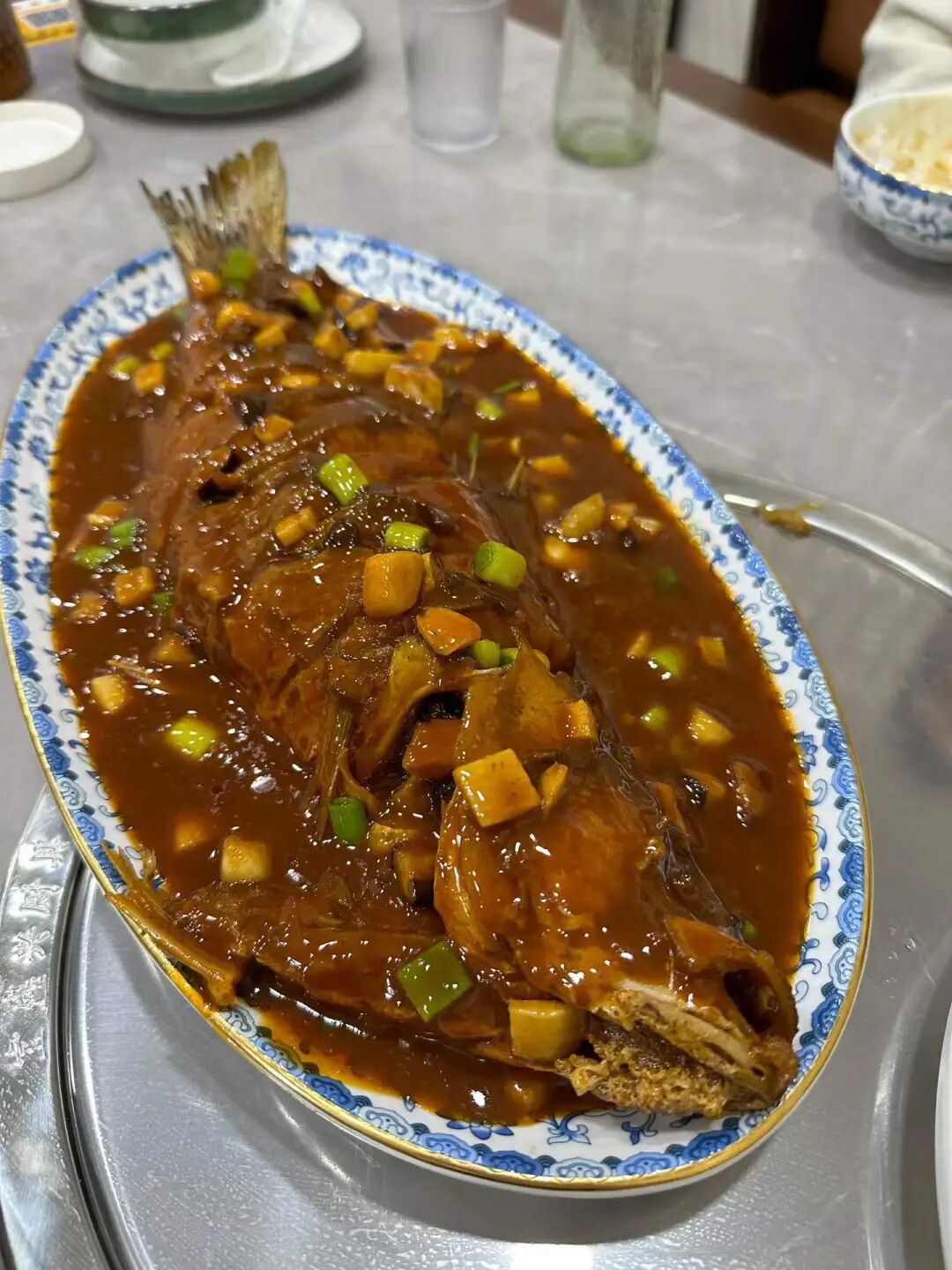
The new shop was busy. We ordered sweet and sour pork (guobaorou), pickled cabbage with vermicelli, stir-fried beef brisket (liu xiongkou), and dry-braised sea bass. The sweet and sour pork was appetizing, though the crust was a bit hard. Overall, it was okay. The pickled cabbage with vermicelli was the best. At 28 yuan, it was a good price and went perfectly with rice. We almost finished it as soon as it arrived. The dry-braised sea bass was also delicious. It was well-seasoned and had very few bones. I have to criticize the stir-fried beef brisket. The portion was small, so they added a lot of large onion chunks to fill the plate. That was unnecessary. I've never had it served with that many onions when eating in Northeast China. If the portion is small, they should just use a smaller plate.
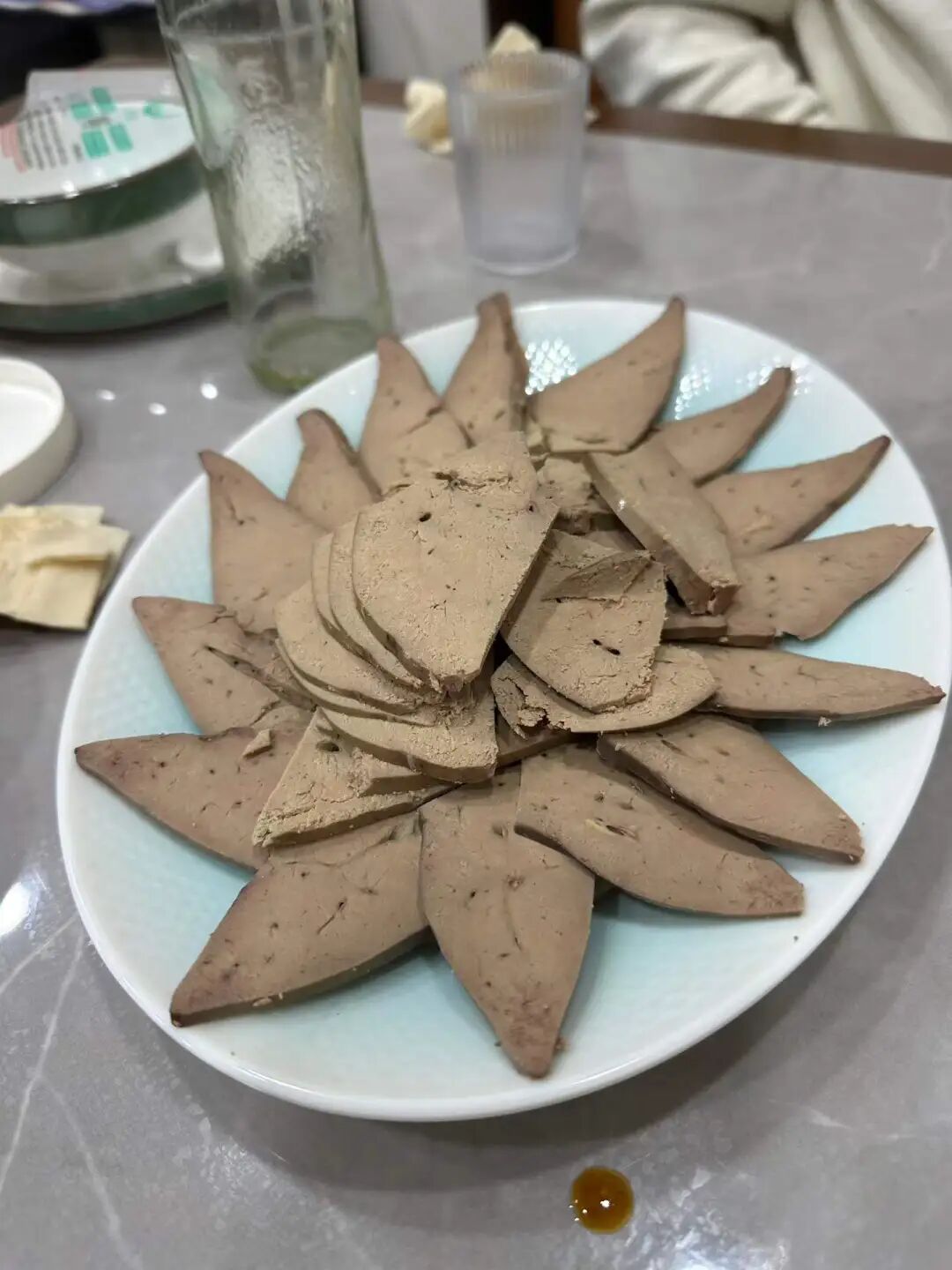
Because it was so crowded, we waited a long time for our food, so the restaurant gave us complimentary yogurt and lamb liver with garlic sauce. Their lamb liver was quite good. It didn't have any gamey smell at all and tasted great even on its own. I have to give them credit for that.
Tianshan, a Uyghur restaurant from Turpan.
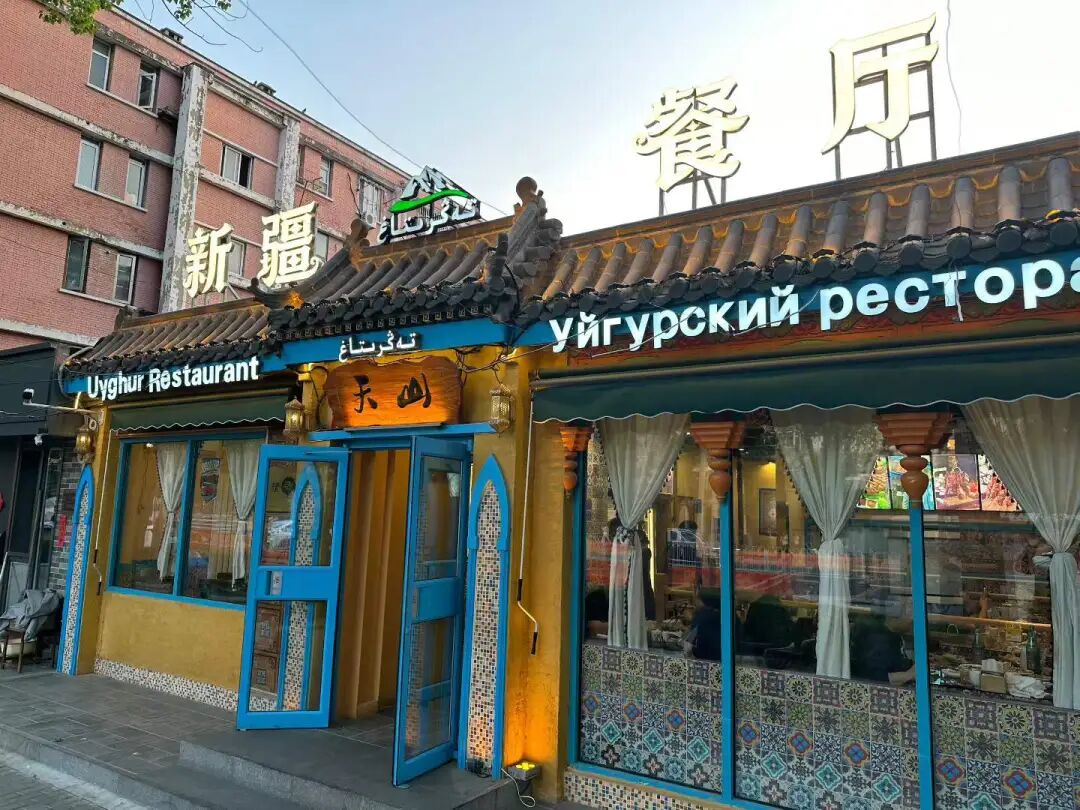
I used to go to those Uyghur restaurants on the upper street of Ritan Park every time I took my child there for a walk. I decided to try somewhere new this time, so I went to Tianshan Restaurant near Xiushui Street. It is actually not far from Ritan Park, but I rarely go that way, so this was my first time eating there.
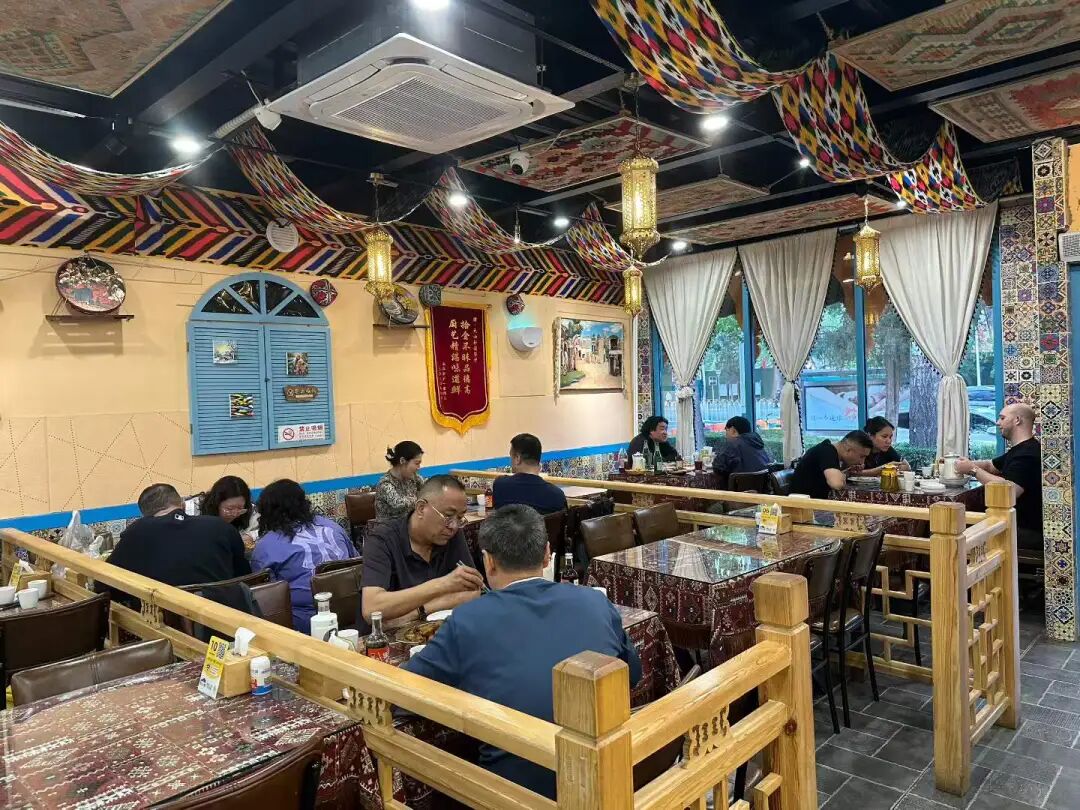
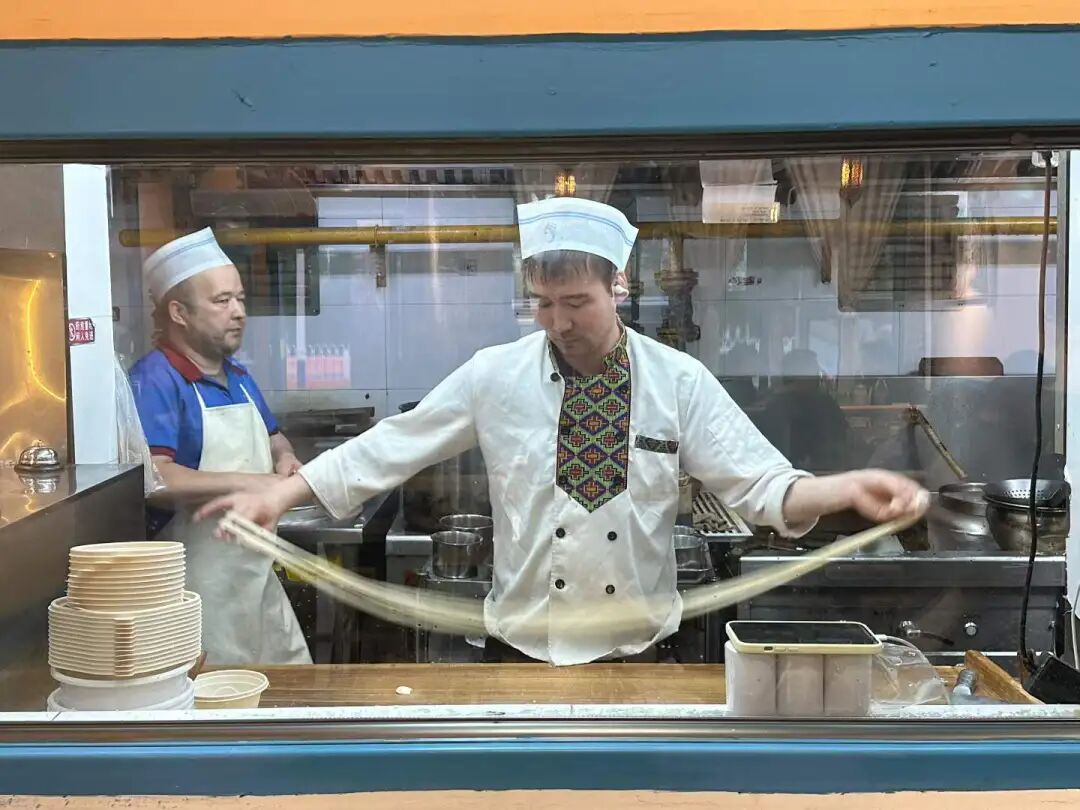
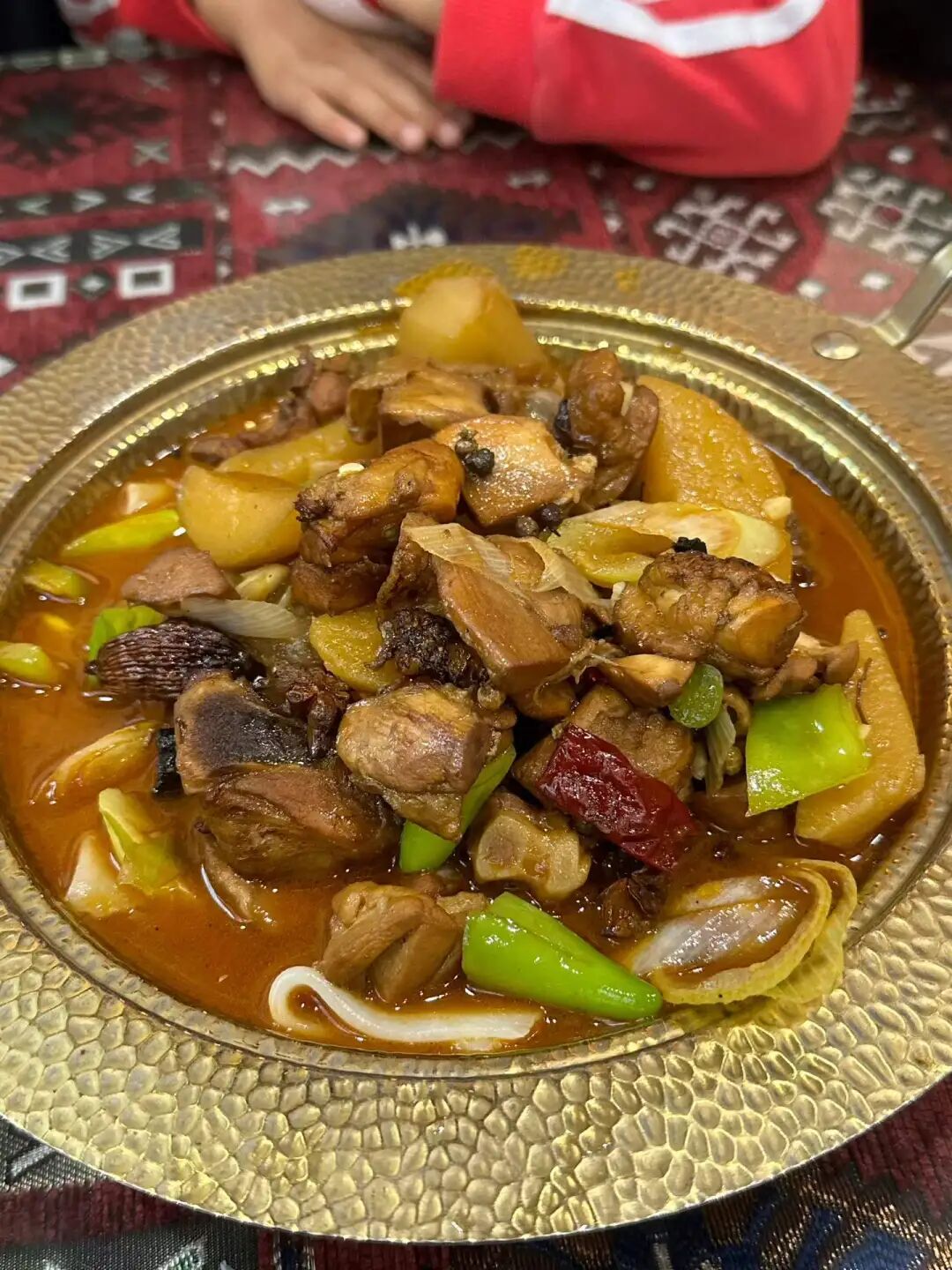
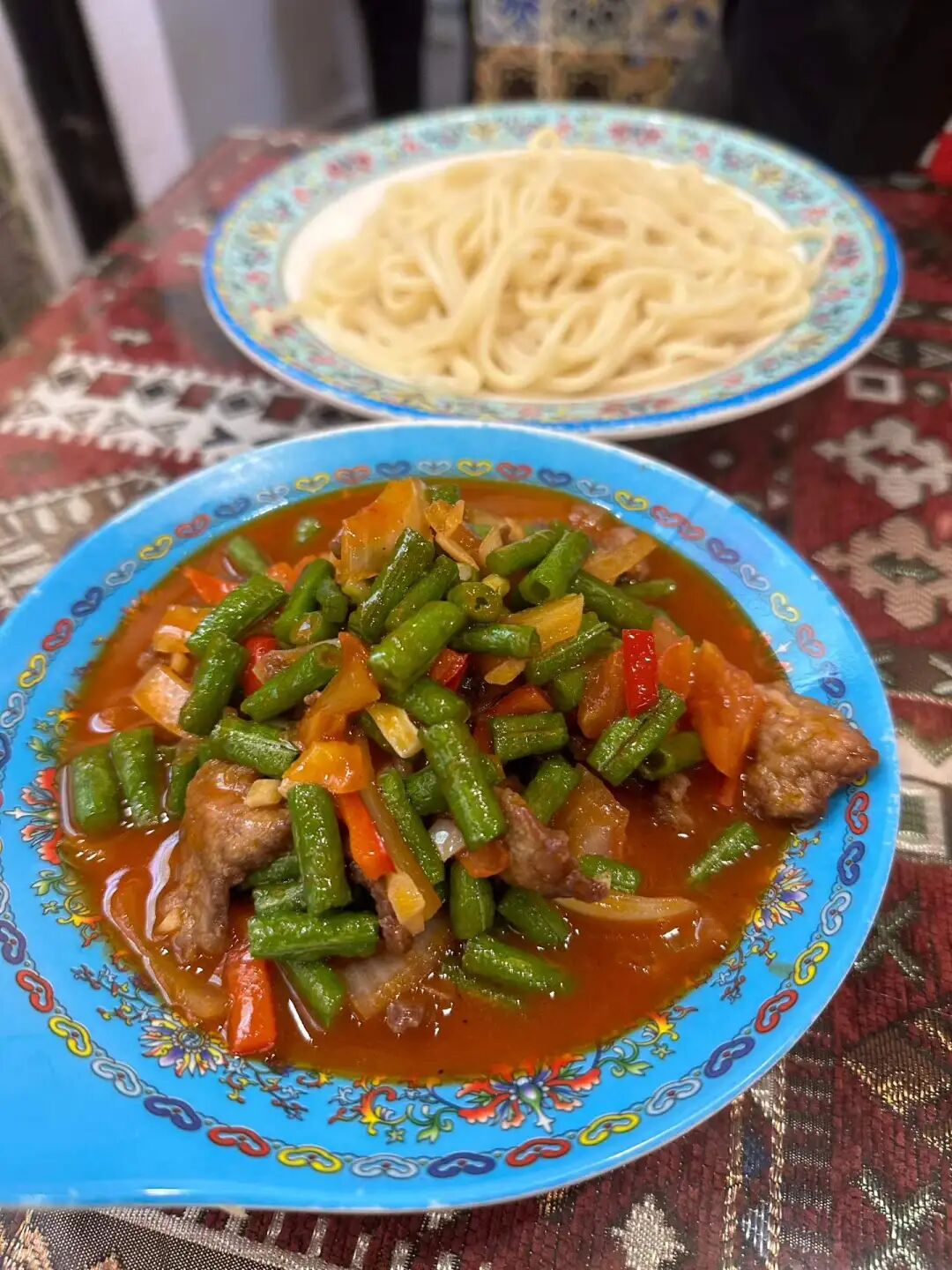
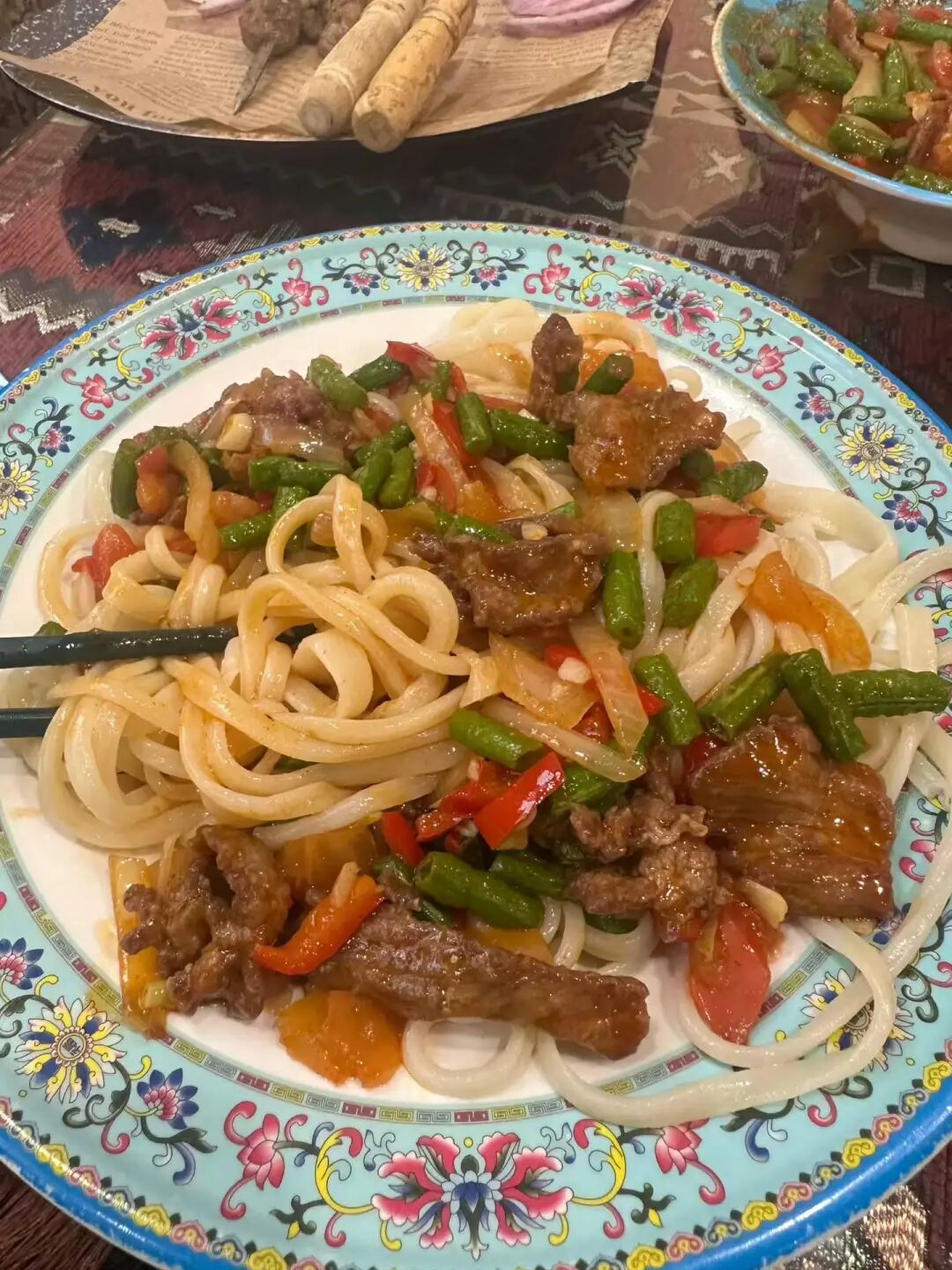
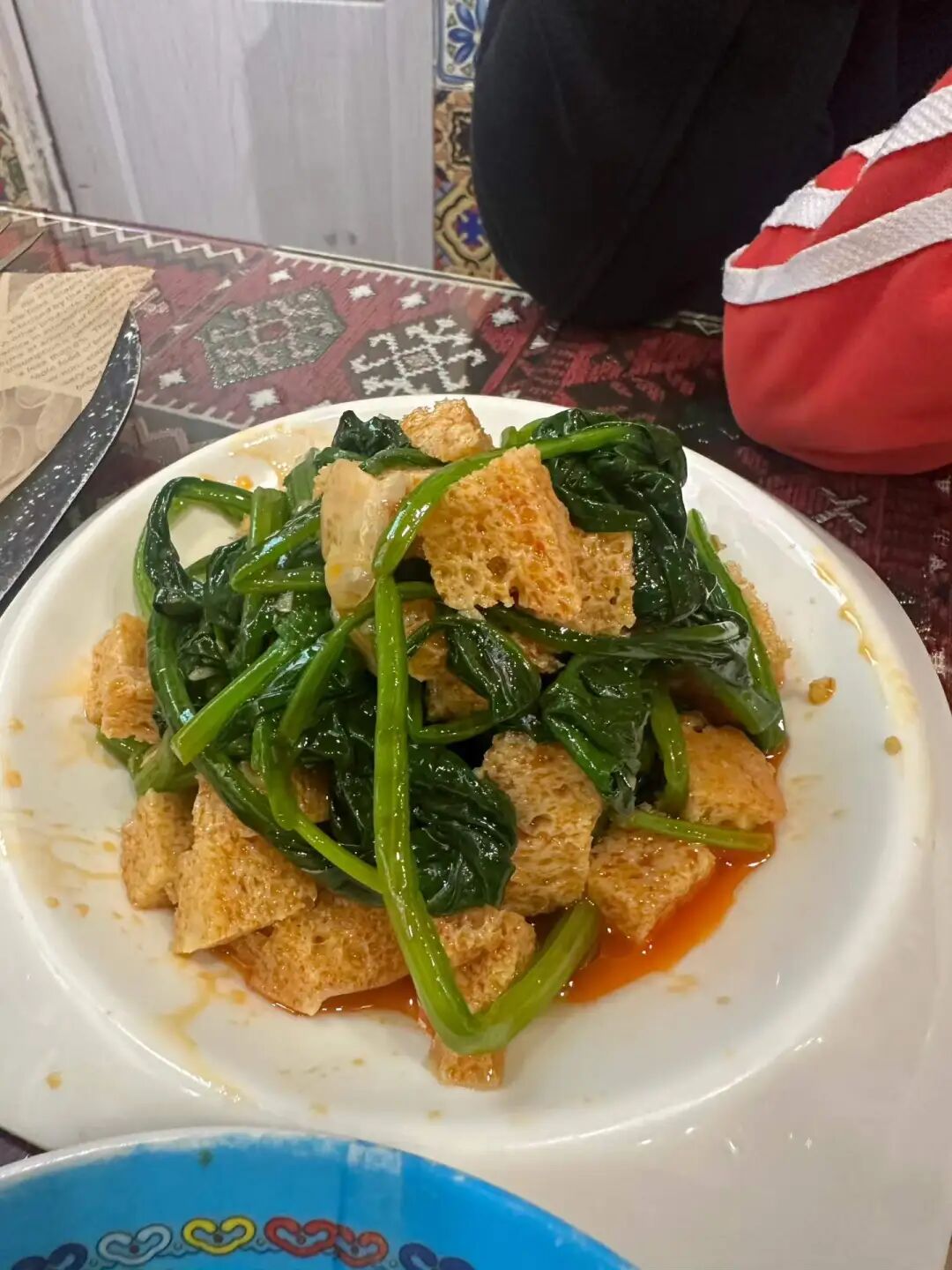
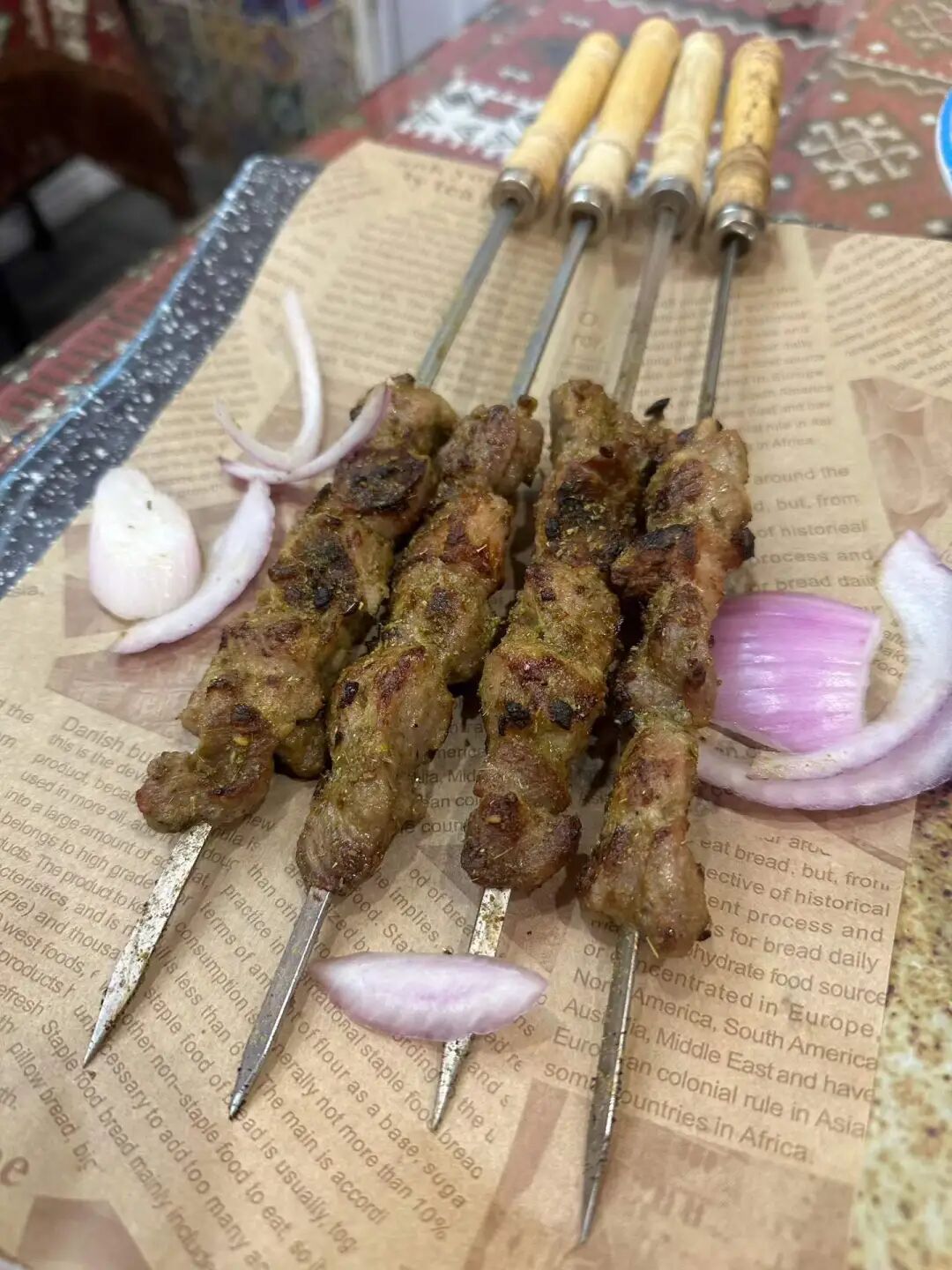
The owner is a Uyghur from Turpan and is very welcoming. We ordered big plate chicken (dapanji), mixed noodles with long beans (jiangdou banmian), spinach with gluten (bocai mianjin), and grilled meat skewers (kaorou). Overall, it was quite authentic. I watched them pull the noodles in the open kitchen; they were very chewy and on the firmer side, which my son loved so much he ate a lot by himself. The long bean dish was also great. The sauce tasted just right, and the meat was firm and chewy, not like the soft, soggy kind that has been marinated too long. The grilled meat skewers were very tender, which the kids especially liked. The big plate chicken was just okay. It used standard broiler chicken, but the flavor was decent. The spinach with gluten is hard to find in Beijing, and it was sour and very appetizing. The Uyghur style is a bit oilier; Hui Muslim families from Xinjiang usually use less oil when they cook.
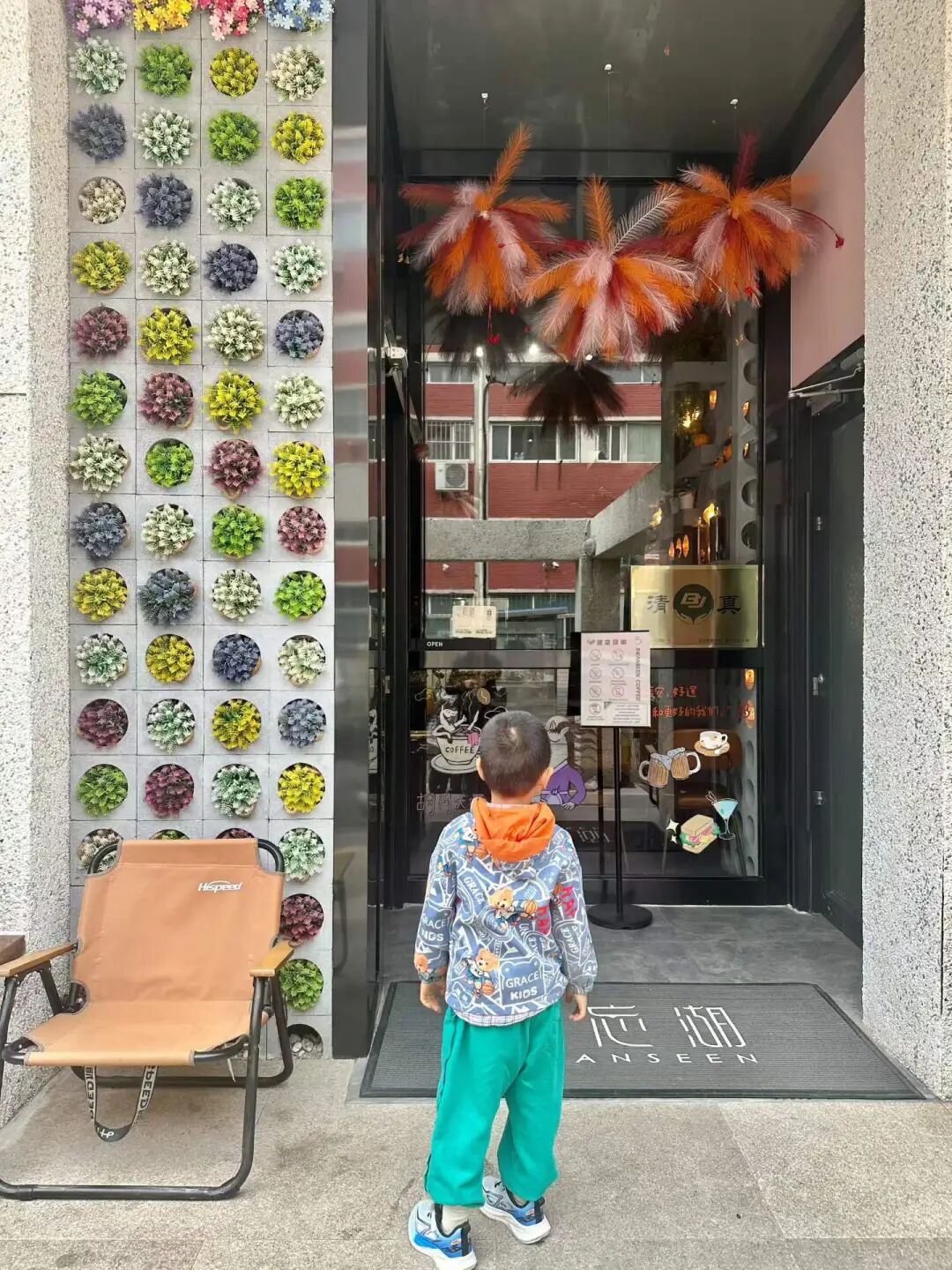
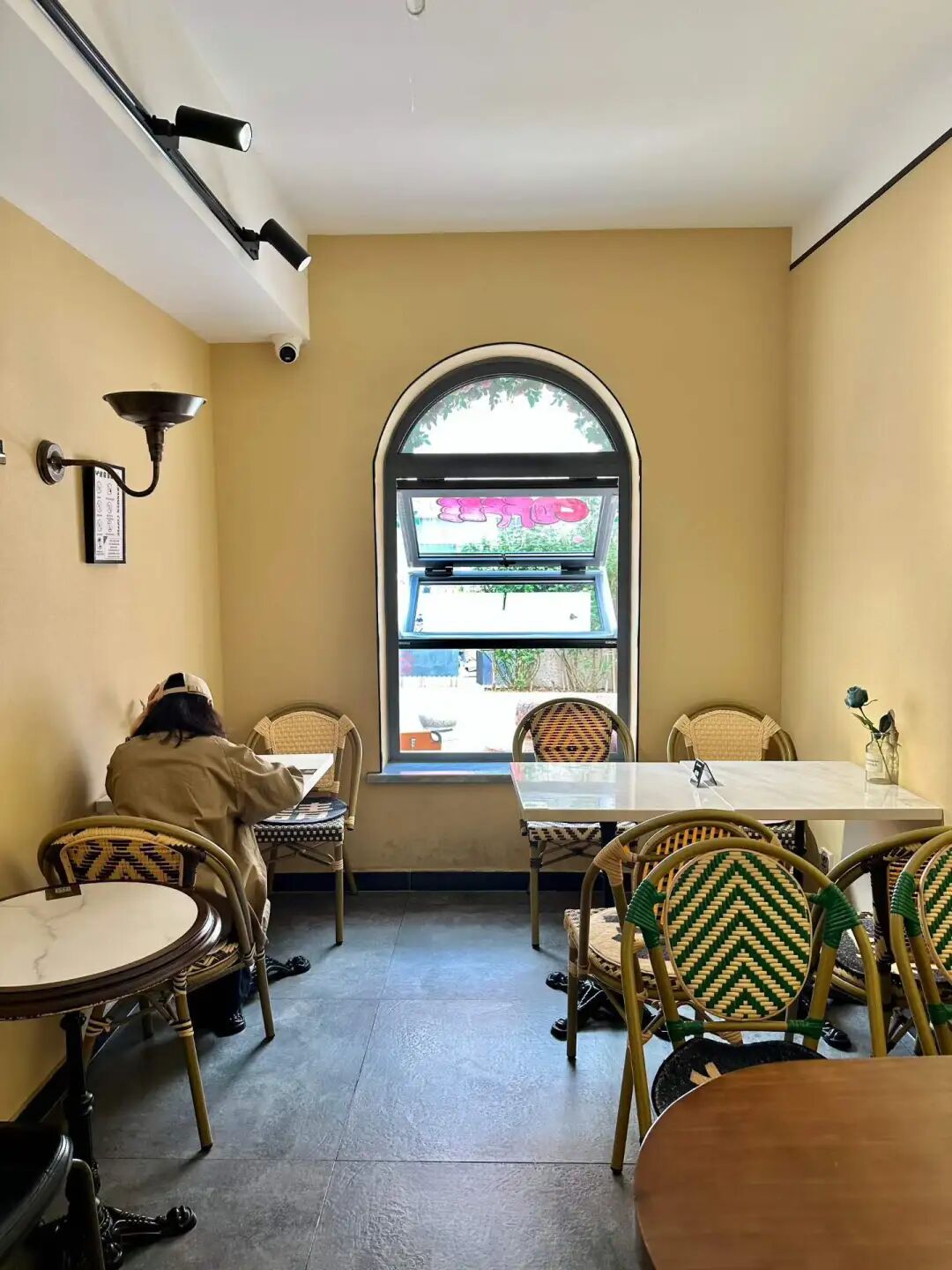
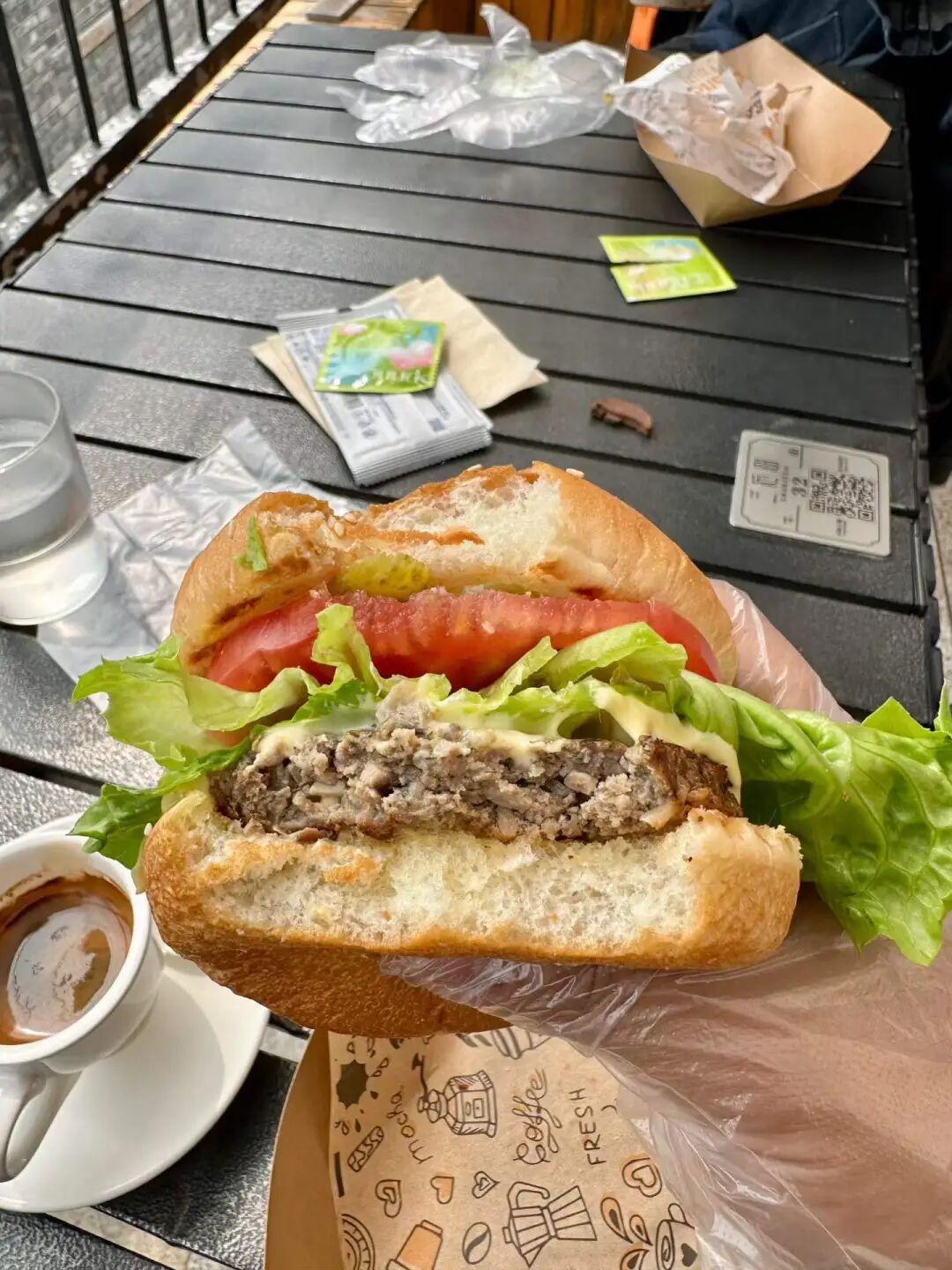
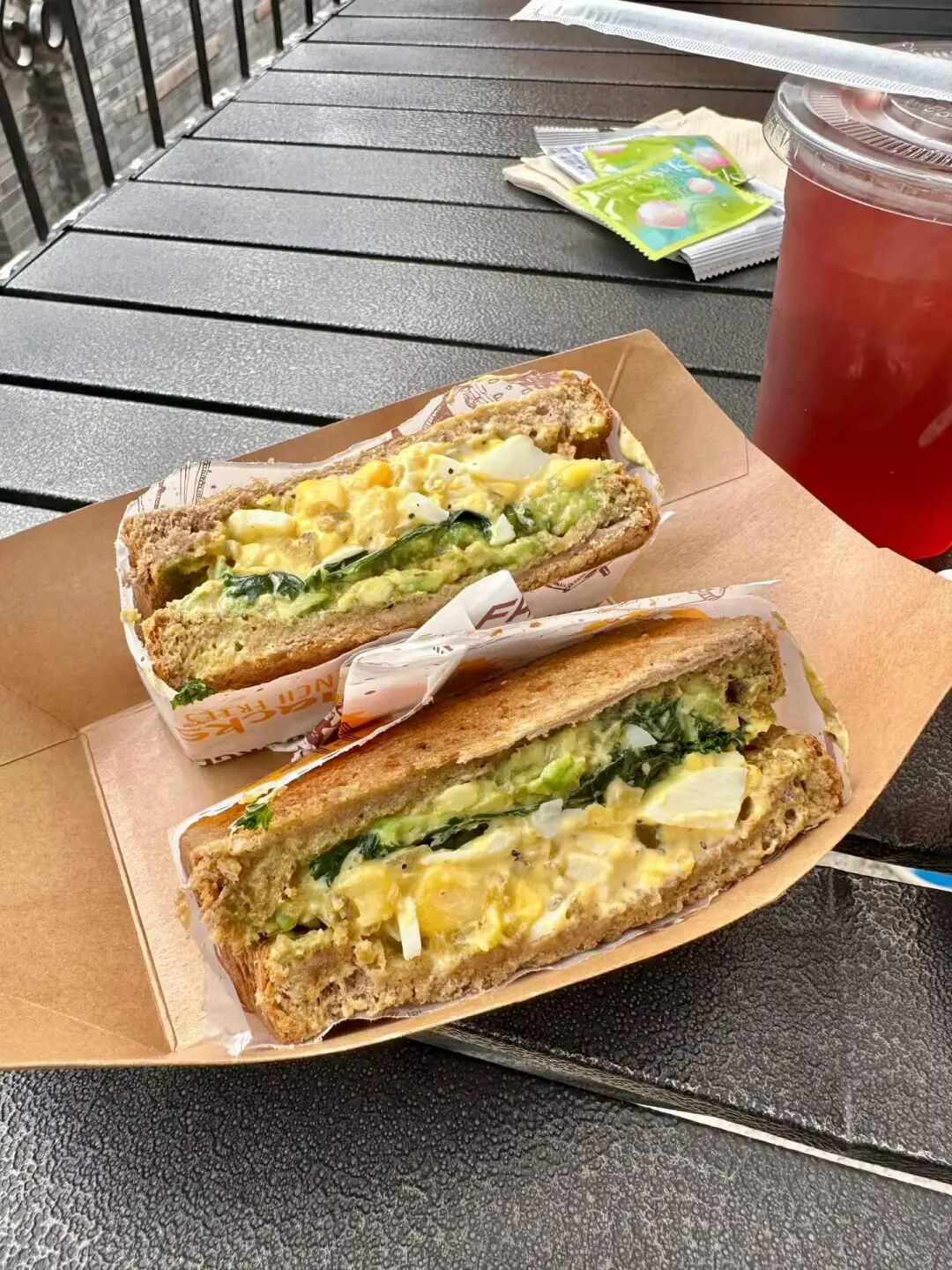
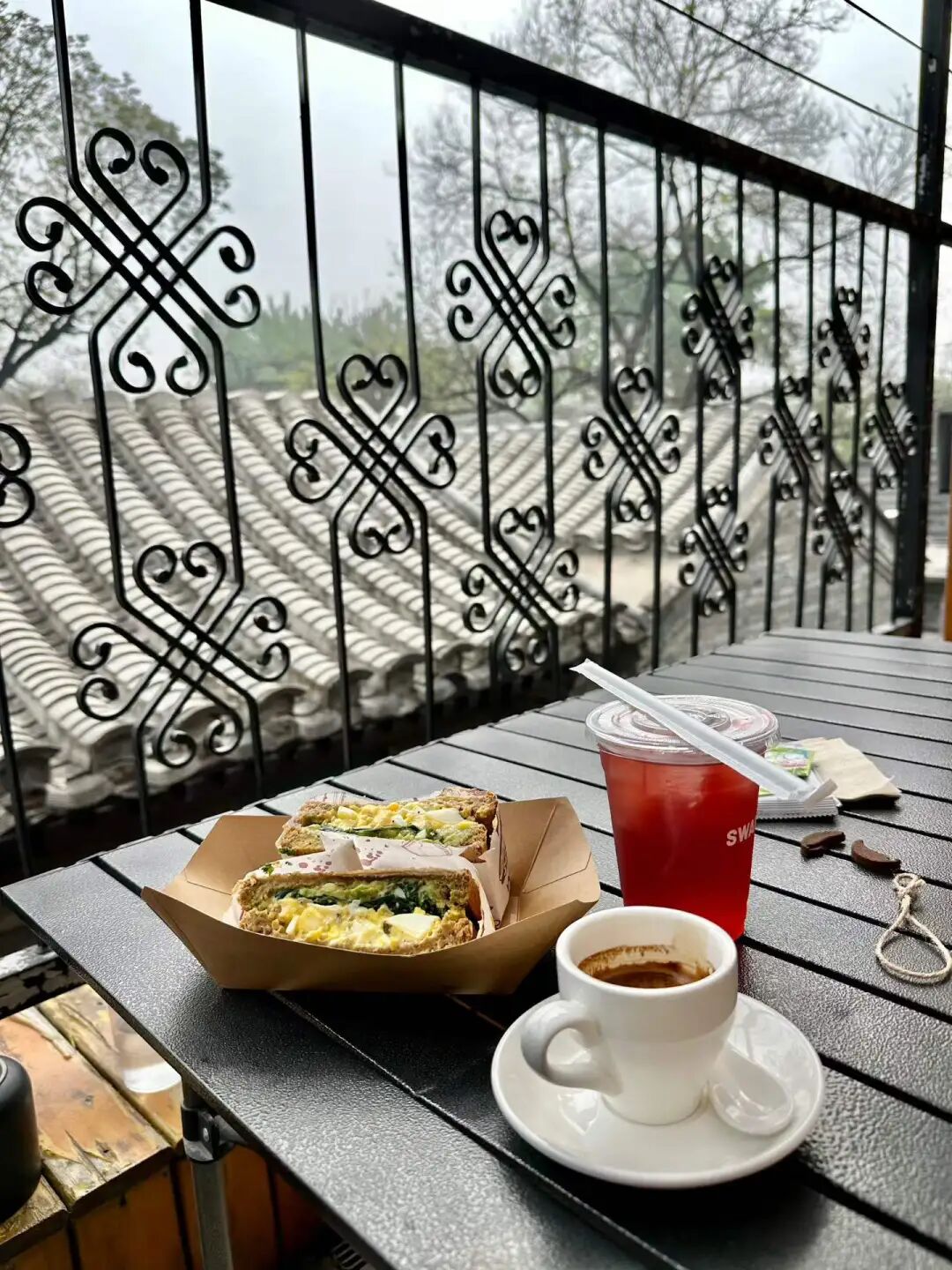
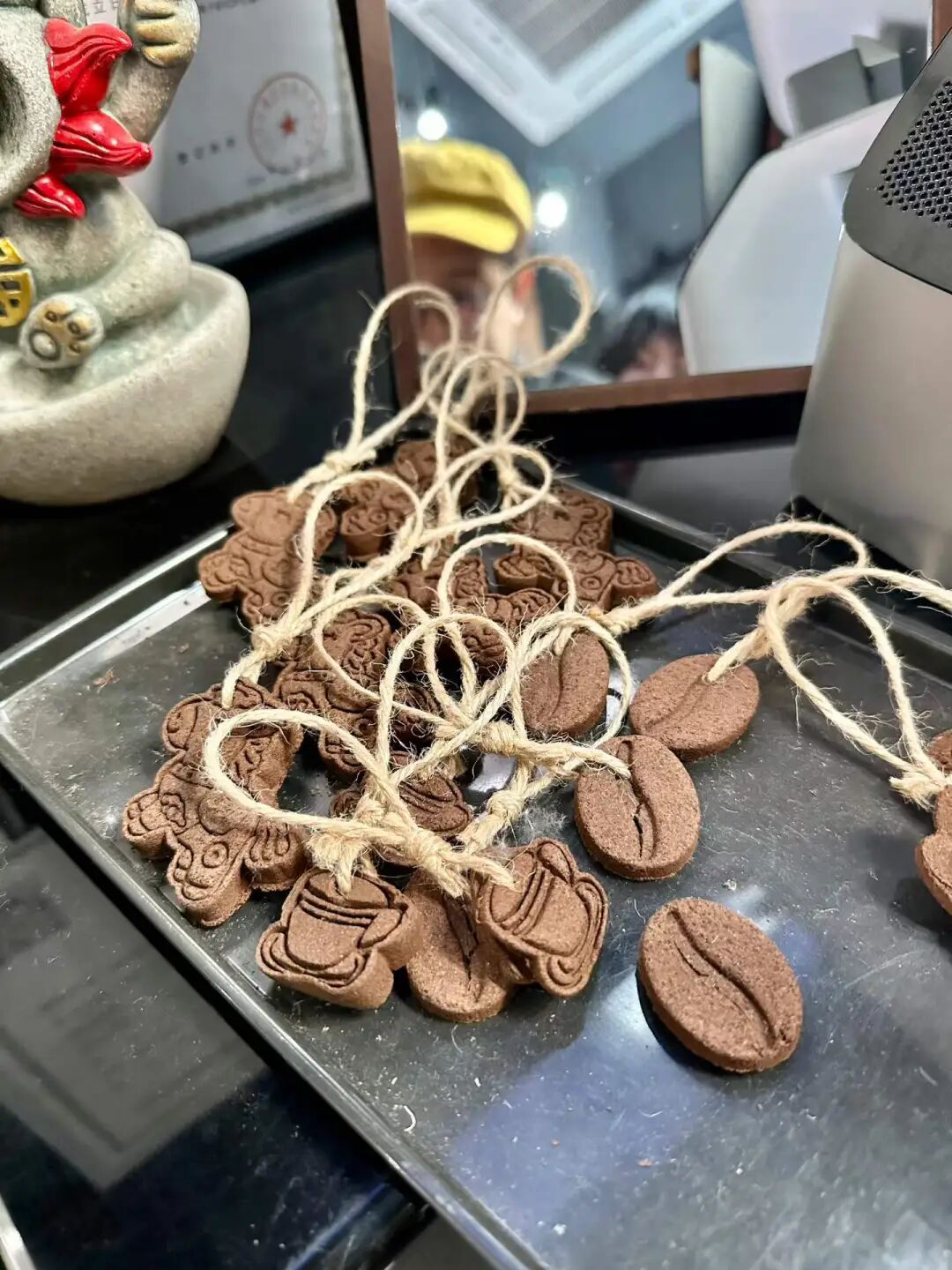
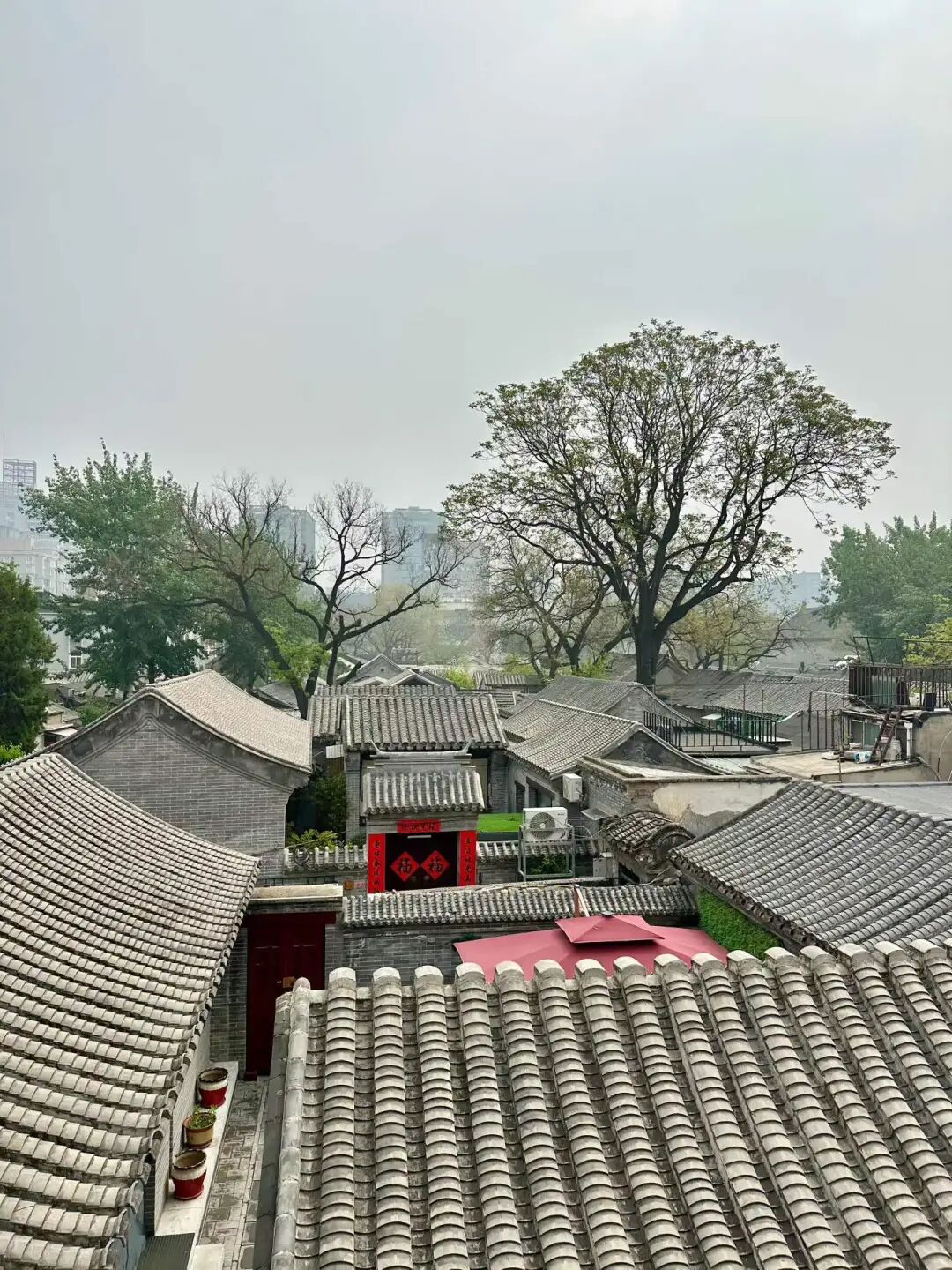
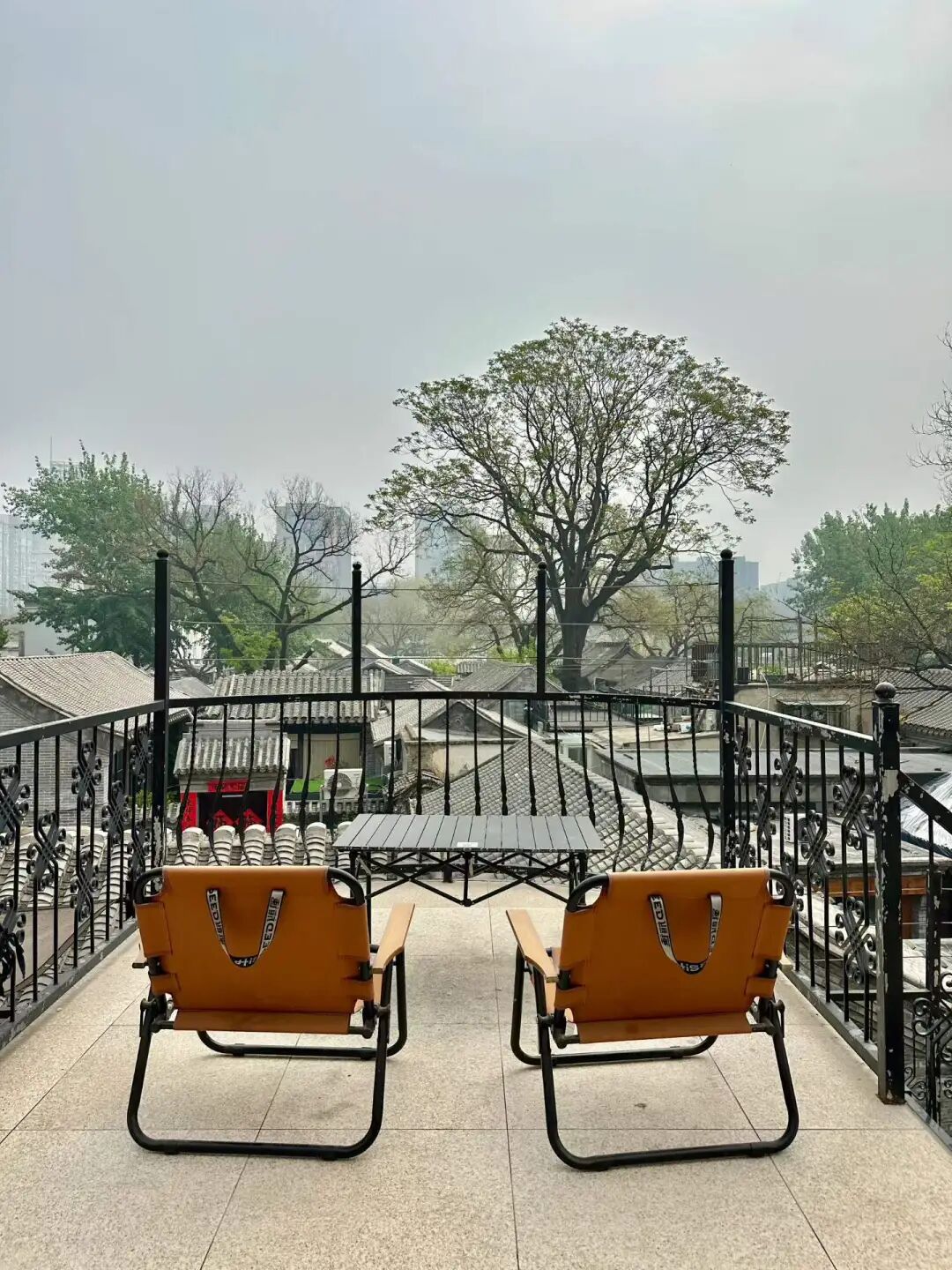
Niujie Cafe Sanwanghu.
Heilongjiang Hui Muslim Iron Pot Stew.
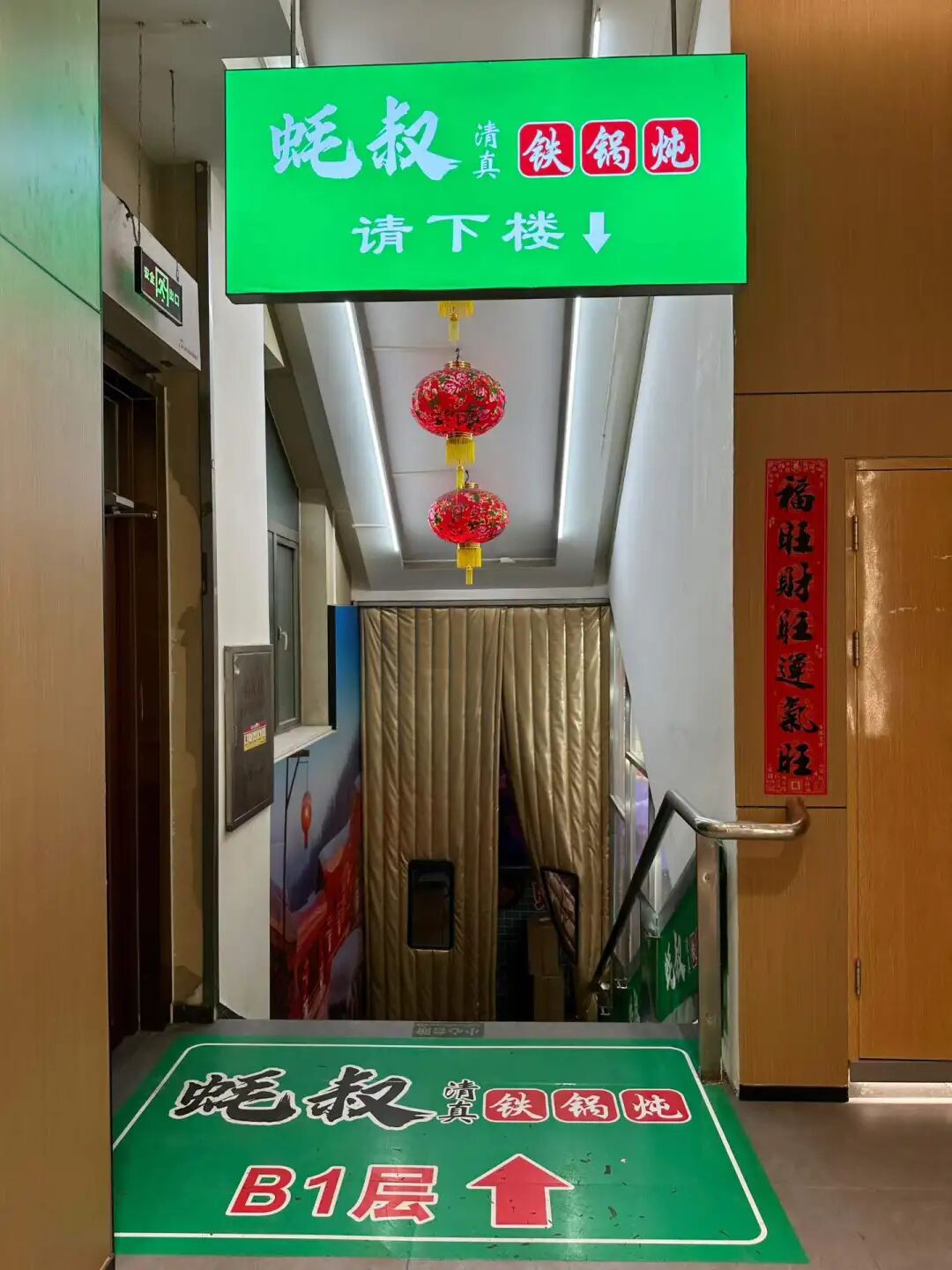
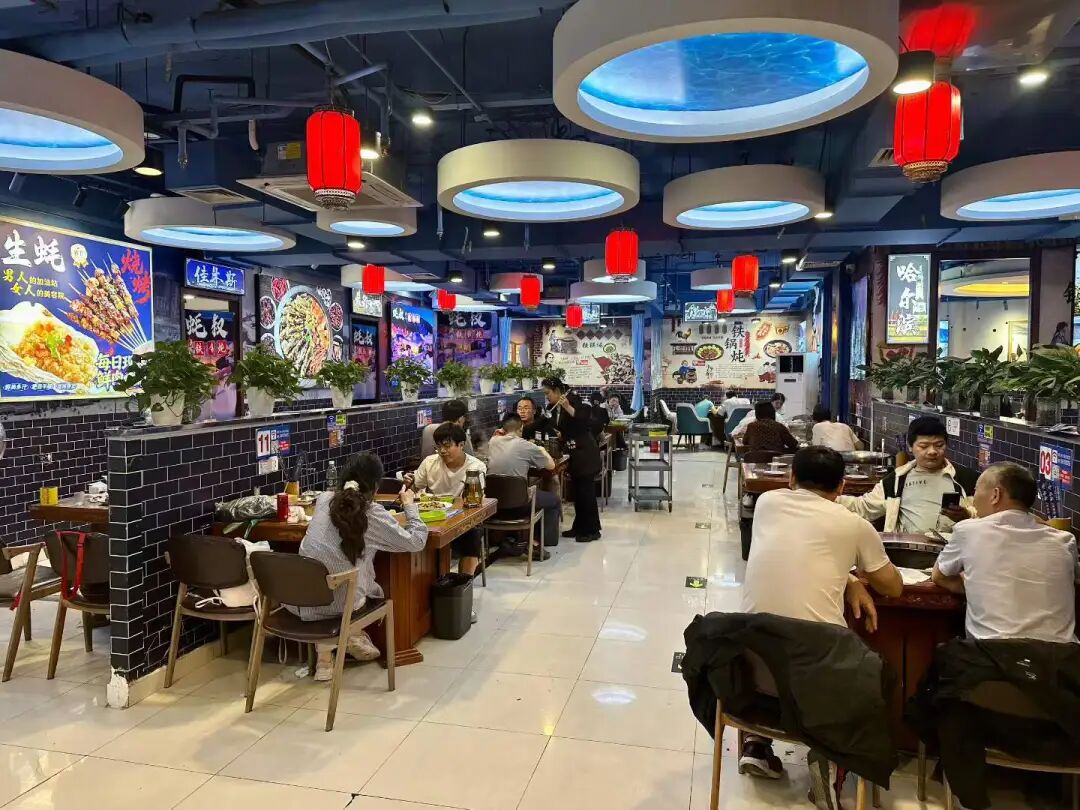
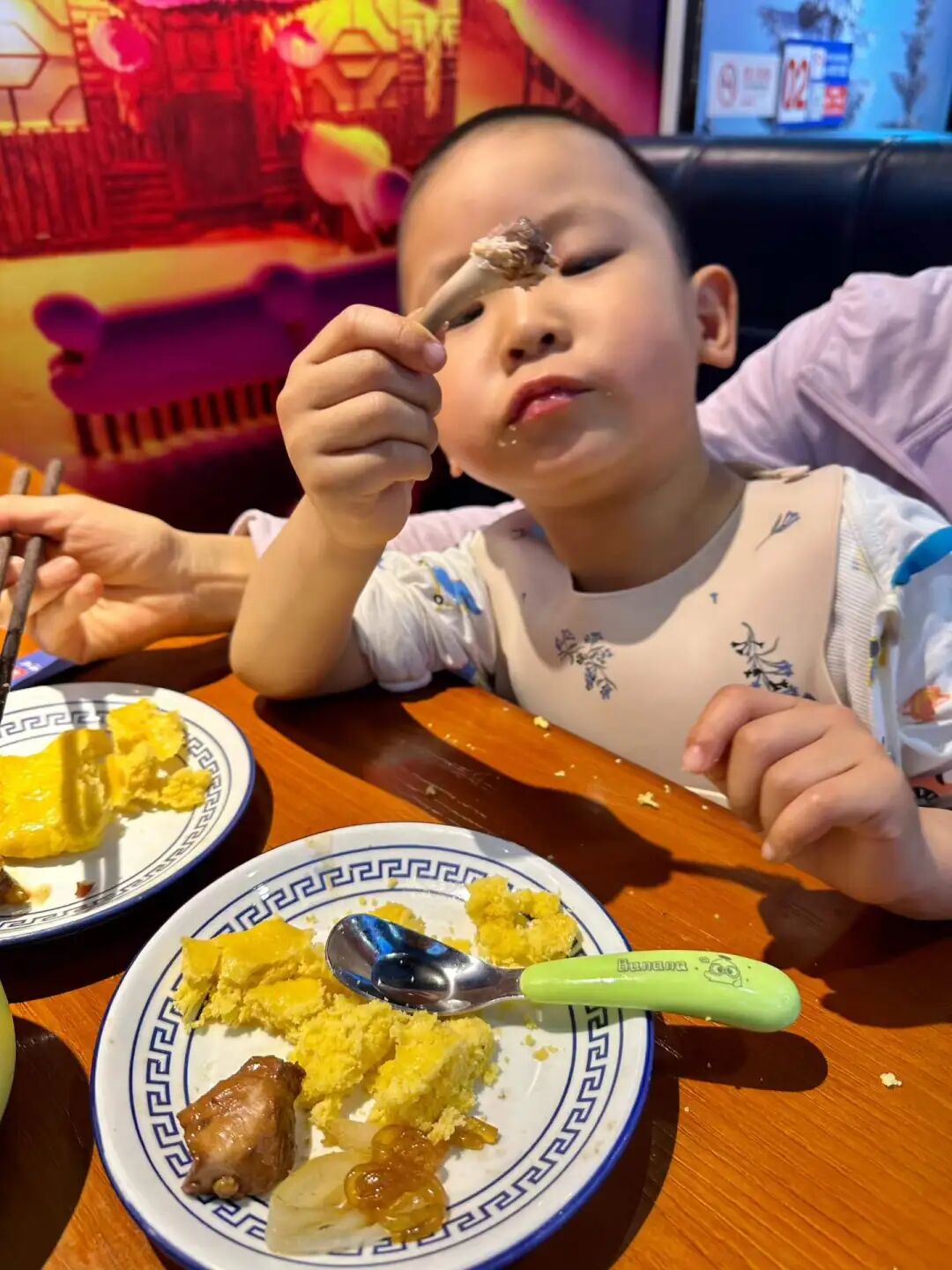
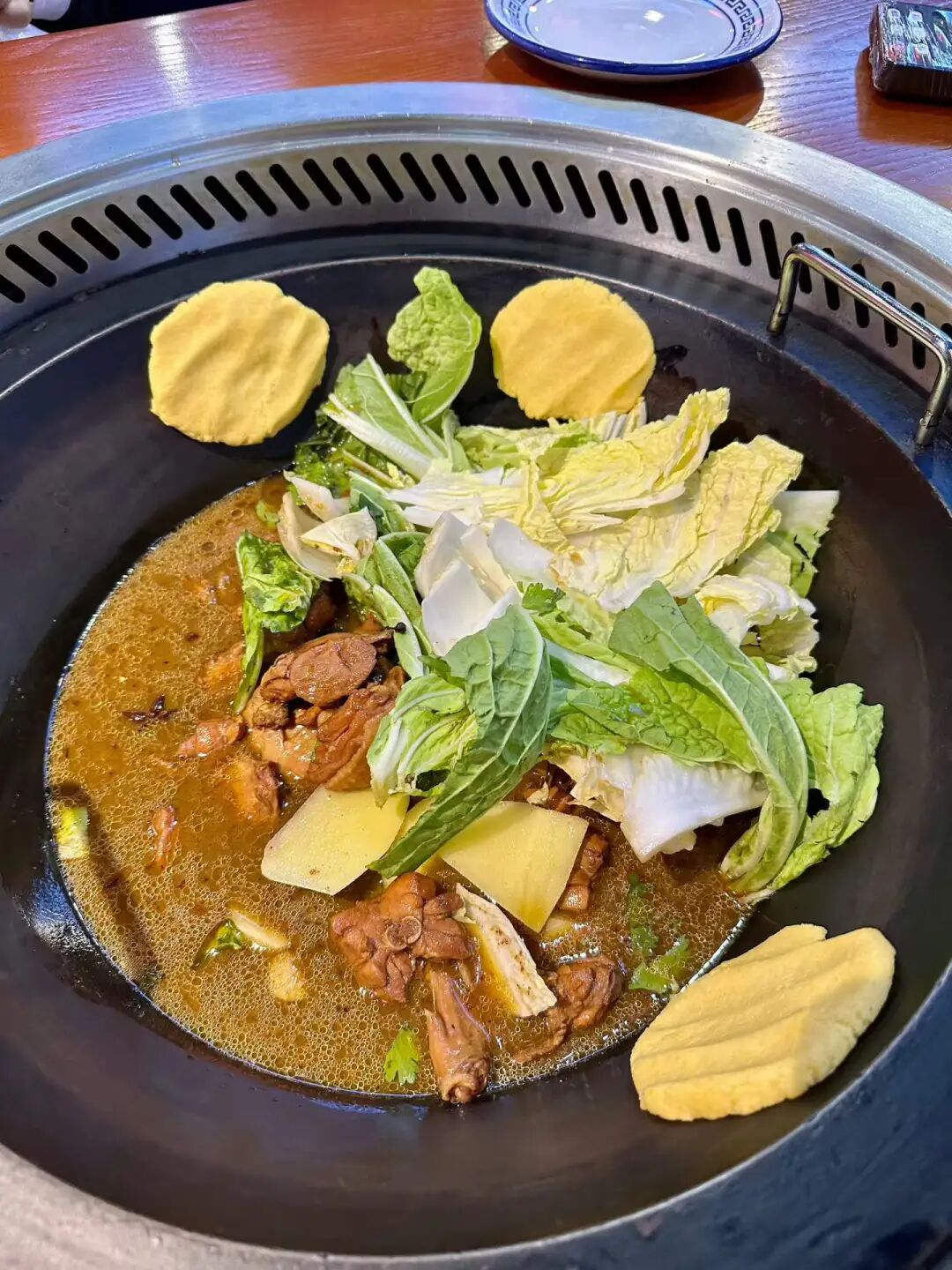
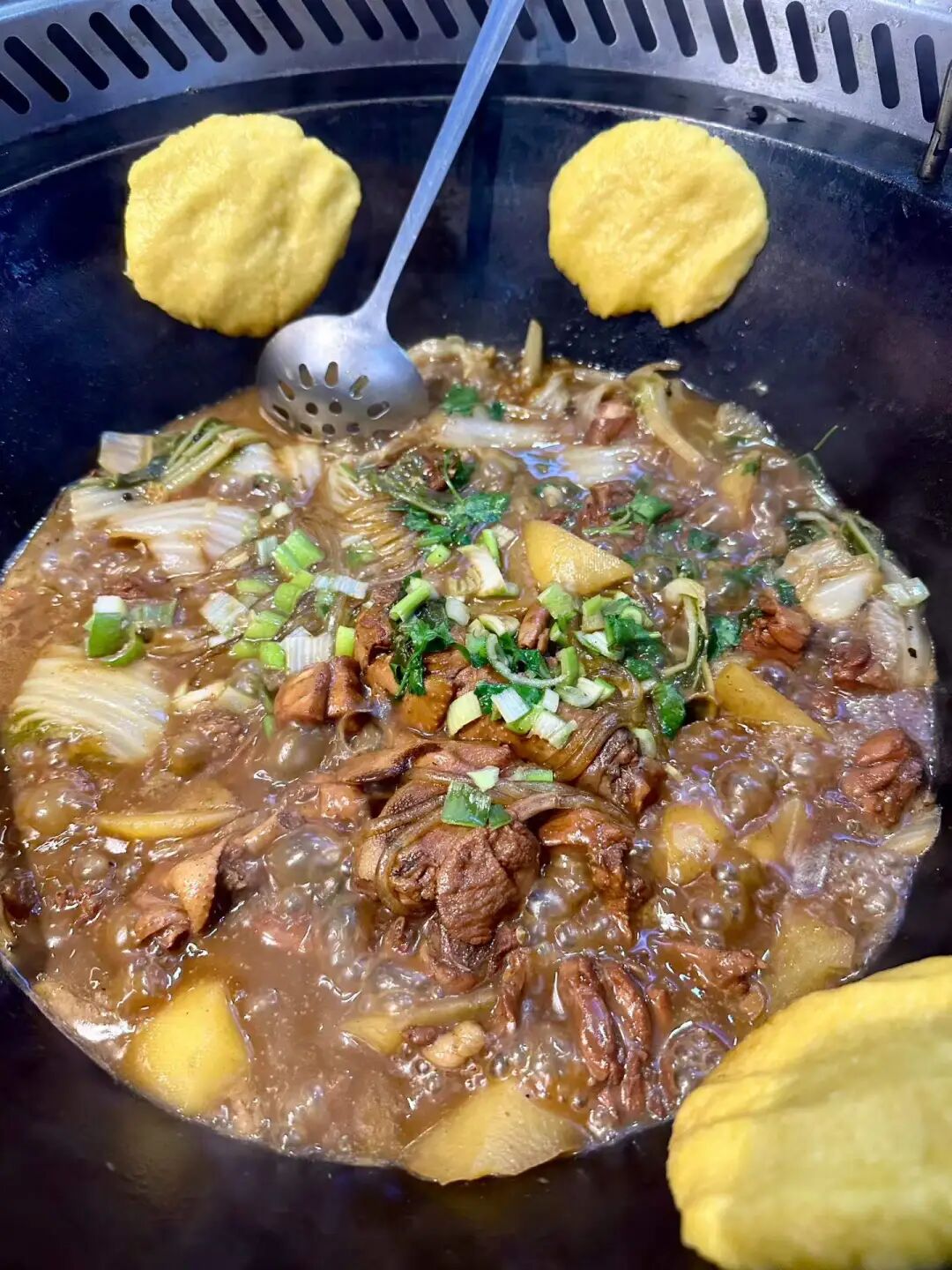
Last Sunday afternoon, I took my son to Madian Park to play on the slides and burn off some energy, then we went to eat at Uncle Oyster's Iron Pot Stew (Haoshu Tieguodun) in Jiandemen. The big rooster set meal is a great value. It includes half a chicken, cabbage, vermicelli, potatoes, three cornmeal flatbreads (tiebingzi), and a plate of smashed cucumber, plus they gave the kid some milk skin yogurt (naipizi suannai) for free.
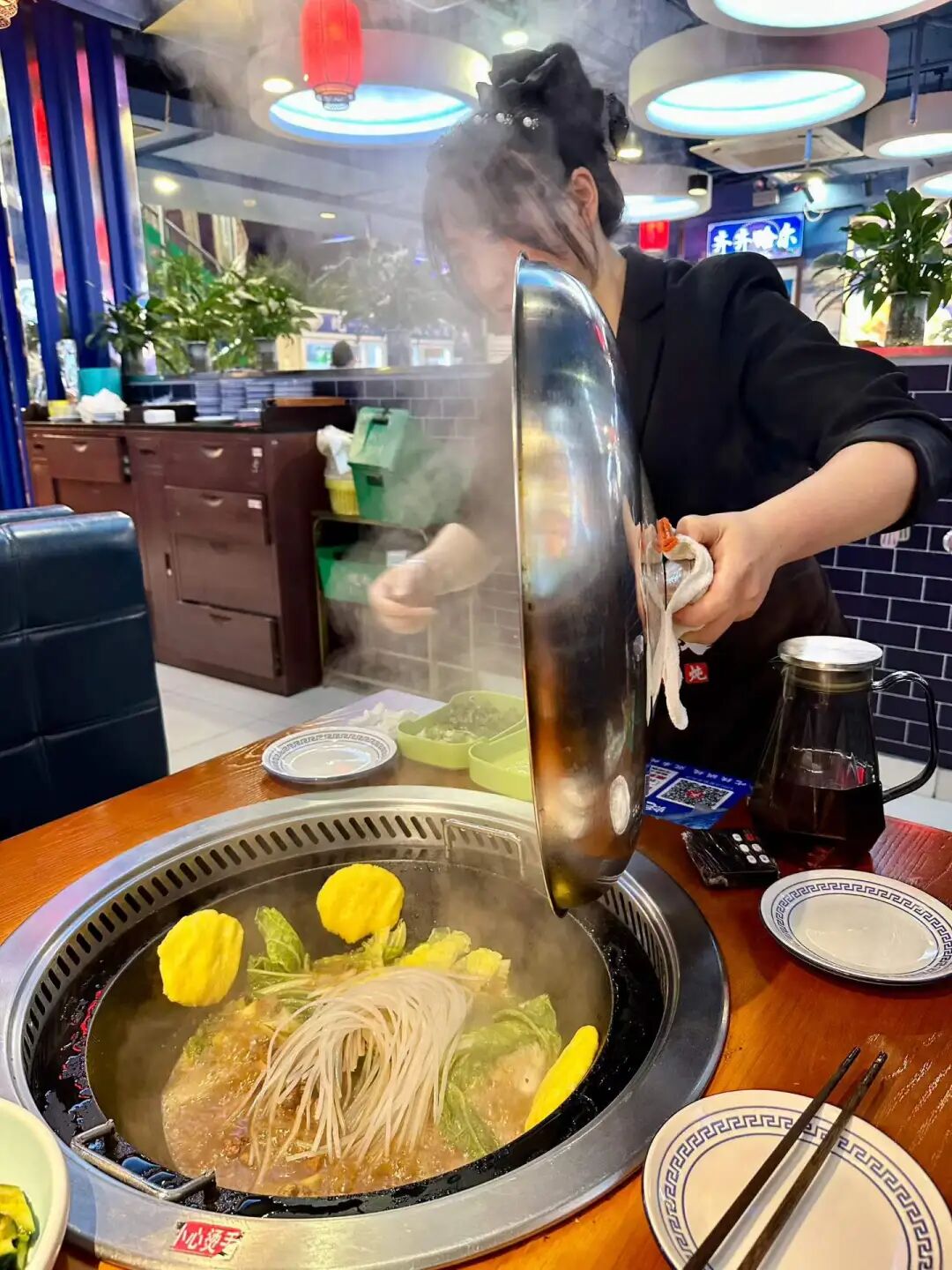
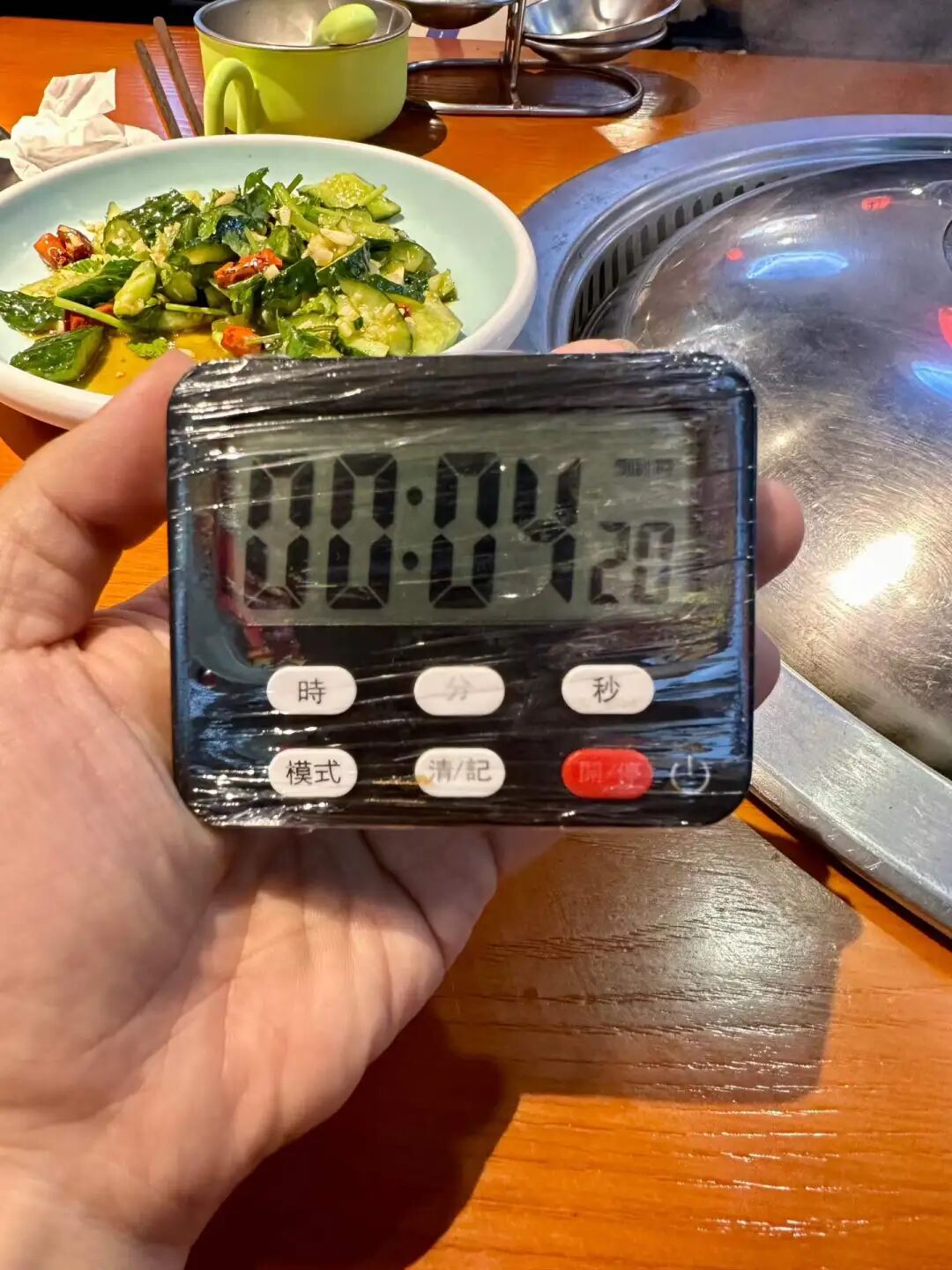
After the pot arrives, you stick the flatbreads on the side first, then set a timer for 15 minutes. When the time is up, you open the pot, add the vermicelli, and set another 5-minute timer before it is ready to eat. The saltiness is suited for Northern tastes. If you are from the South, you can tell the staff to make it lighter. We asked for it to be lighter because of my son, and he didn't find it too salty. The portion size of the set meal is plenty; it is just right for two adults.
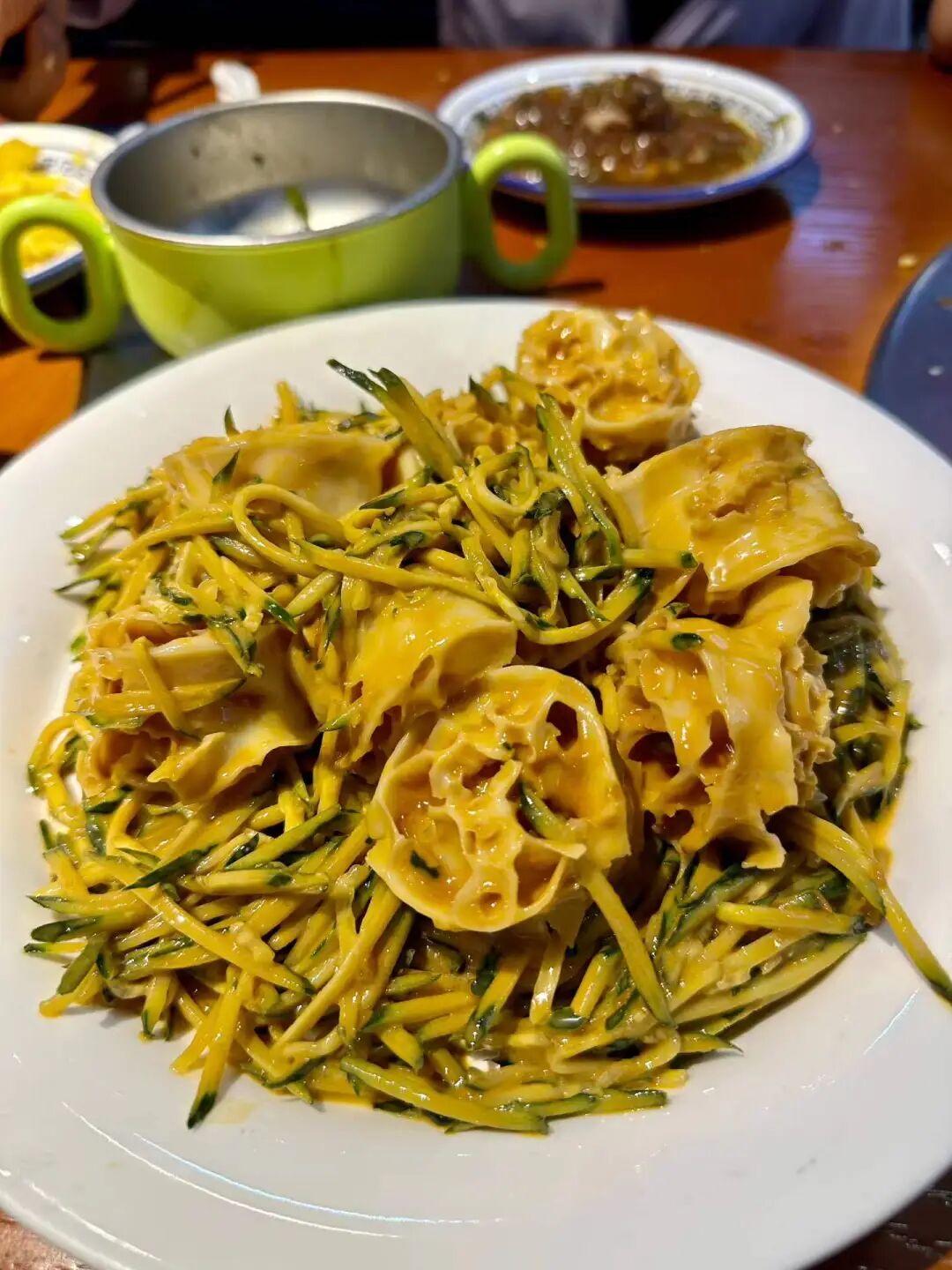
They also have noodle lotus root (mianou), which was my first time trying. I looked it up and it is popular in Shandong and Henan. It is basically tube-shaped gluten made from wheat flour, and it is very chewy. The usual way to serve it is with sesame paste and garlic. They make it with a very strong garlic flavor, which really brings out the taste.
Part 1: 10 Halal restaurants in Beijing worth trying: Pakistani restaurant Lahore Courtyard, Henan Jiaozuo beef knife-cut noodles Mai Mai Hong, Halal Mongolian food Hulun Aile, West African Ghana Tribe Garden, Xi'an Xing Laosi meatball spicy soup, Xinjiang Changji Jinying meatball soup, Xinjiang Hotan Canteen, Syrian BRBR, Beijing fusion food Gulou Eating Noodles, and Beijing traditional food Xilai Shun.
Part 2: 10 Halal restaurants in Beijing worth trying (Part 2): UAE restaurant Gulf Mandi, Xinjiang Mansion Xihan Meatball Soup, Xinjiang Mansion Lobby Altai Afternoon Tea, Muhejia Rotating Hot Pot, Xinjiang Urumqi Nazilan (closed), Beijing pastry shop Baoyuanzhai (closed), Pakistani Samosa China-Pakistan Friendship Restaurant, Master Ma's Roast Duck (closed), Bangladeshi Benjibi Restaurant, and Huairou Shihu Cheng Resort.
Part 3: 10 recently tried Beijing restaurant recommendations: JM Italian Coffee Dongsi Branch, Halal Hunan food Huixiangyun Stir-fry Wangjing Branch (closed), Shandong Dezhou Old Ma's Lamb Soup and Steamed Dumplings, Sanlitun Philly Cheesesteak, Pakistani Roma Restaurant, Muyuzhai Rotten Garlic Lamb Intestines, Inner Mongolia Lianying Shaomai Grassland Pomegranate Red, Wangfujing Gansu Spicy Hot Pot, and Yuezhen Yayuan Halal Courtyard Restaurant.
Part 4: 10 Halal restaurants in Beijing worth trying (Part 4): Hotan Rose Pilaf Yizhuang Branch, Taiba Western Bakery, Taiba South Sanlitun Road Street Shop, Zhaotong Small Meat Skewers Guijie Ganmaya BBQ (closed), Bai Xiaobei Heilongjiang BBQ, Yunnan Muwenzhai Dry Pot Beef, Sanlitun Xinjiang restaurant Jiangjiang, Huixiangyun Halal Hunan Restaurant Zuojiazhuang Branch, Yili Ice Cream Shop Bazaar Sweetheart, and Dongzhimen Inner Street Qianyuan Hotel.
Part 5: 10 halal restaurants in Beijing worth trying (Part 5). Sandyq Kazakh Restaurant, Kashgar Restaurant, Ahmed Restaurant, Jingbalang Naan Bazaar, MacMac Lebanese Restaurant, Humaer Xinjiang Specialty Food, Lao Huihui Dumpling Restaurant (Zoo branch), Fresh Milk Town (Shuangjing branch, now closed), Nawab Restaurant, and Liu's Watch Repair and Barbecue.
Part 6: 10 halal restaurants in Beijing worth trying (Part 6). Hongyunlou Huaiyang Cuisine, Sanhe Beef Noodles (now closed), JM Coffee and Bakery (Daji Lane branch), Wanhe Fatty Beef, Xiangqing Roast Duck (now closed), Culture Pakistani Restaurant, Firenze Italian Restaurant, Niujie Dashuntang, Zhenweizhai Tianjin Cuisine, and Dardanelles Kids' Meal.
Part 7: 10 halal restaurants in Beijing worth trying (Part 7). JM Western Restaurant (Chaonei branch), Rose City Palestinian Restaurant, Baoding beef cover pancake (niurou zhaobing), Al Rayyan Pakistani Restaurant, Yili Loulan Restaurant (Guijie branch), Dianxinyuan Yunnan Cuisine, Muxiangyuan Heilongjiang Suihua Restaurant, Sanli Tun Turkish Restaurant, Chaoyangmen fast food stall, and Habibi Pakistani buffet.
Summary: This eighth Beijing halal restaurant roundup covers Xinjiang, Hui Muslim, Palestinian, Pakistani, Turkish, and local Muslim-friendly food spots, with dishes and locations kept from the original guide.
Xinjiang Hui Muslim home-style cooking One Yellow Carrot (Yige Huangluobo), Liaoning Hui Muslim spicy hot pot (malatang), Hebei Daming Hui Muslim meat pie noodles (roubing yimian) Liaoyuan, Hebei Chengde Hui Muslim steamed dumplings (shaomai) Dongtucheng branch, Xilaishun Xisi branch, Longfu Mosque market, Heilongjiang Suihua Hui Muslim Ma's Muxiangyuan Baizhifang branch, Turpan Uyghur restaurant Tianshan, Niujie cafe Sanwanghu, and Heilongjiang Hui Muslim iron pot stew (tieguodun).
Xinjiang Hui Muslim home-style cooking One Yellow Carrot (Yige Huangluobo).
I wonder if any fellow friends (dosti) remember ten years ago in 2016, when there was a small shop in Beijing's Shifoying area called Two Spoons (Liangge Shaozi) run by two best friends from Changji. The head chefs were the sisters' mothers, and they made authentic Xinjiang Hui Muslim home-style food. Back then, I wanted to eat there every day. Their hand-pulled noodles (latiaozi) and meatball soup (wanzi tang) were the most authentic I had ever eaten in Beijing. Unfortunately, after the city started clearing out small shops that had broken through walls to create entrances, they were forced to close. Other Xinjiang Hui Muslim shops have opened in Beijing since, like the hand-pulled noodles (latiaozi) at Jianghu in Wangjing, which are very good. But for ten whole years, I never again tasted that specific home-cooked Xinjiang Hui Muslim flavor in Beijing.
A while ago, I heard that a new Xinjiang Hui Muslim family restaurant called One Yellow Carrot (Yige Huangluobo) opened in 798. It is also run by two Xinjiang sisters, with their mother as the head chef. I went to try it on the weekend. The place was packed, and we had to wait for a few tables to clear before we could get in. The service was great. The owner was very enthusiastic and introduced the dishes to every table.
We ordered tiger skin peppers (hupi lazi), cold starch noodles (liangpizi), meatball soup (wanzi tang), pearl meatballs (zhenzhu wanzi), and beef stew (niurou huicai). The best thing they make is the meatballs; they taste exactly like the ones made at home. The meatball soup (wanzi tang) was good overall, but the biggest problem was that the broth was too clear. At first, I suspected it was just plain water, but I asked the staff and they confirmed it was beef bone broth. I feel it hadn't been simmered long enough to bring out the flavor. Also, they only give you one steamed oil flower roll (youtazi) and you cannot buy them separately. While I understand that many Beijingers might not want to eat oil flower rolls (youtazi), there are people like us who grew up with Xinjiang flavors and feel that meatball soup (wanzi tang) must be paired with a few of them.
The cold starch noodles (liangpizi) were also quite good. The sauce is probably the best-seasoned one in Beijing. Anyone who has eaten the three cold dishes (sanliang) at a Hui Muslim place in Xinjiang would recognize that their sauce is very authentic. However, I still think a hot sauce has more flavor.
The pearl meatballs (zhenzhu wanzi) and beef stew (niurou huicai) were different from how we make them at home. Of course, I am used to the Hui Muslim style from the Saybagh District in Urumqi, and Hui Muslim cooking styles vary across Xinjiang. The pearl meatballs (zhenzhu wanzi) were a bit loose and fell apart as soon as I picked them up. I feel they should be firmer. The meatballs and beef in the beef stew (niurou huicai) were quite good, and the spicy pepper skins (lapi zi) were very authentic. They were extremely spicy, though, so friends (dosti) who cannot handle heat might struggle.
Overall, I am very happy that Beijing has another Xinjiang Hui Muslim family restaurant. I hope they continue to do well. Congratulations.
Liaoning Hui Muslim spicy hot pot (malatang).
After work, I went to a spicy hot pot (malatang) shop run by a Liaoning Hui Muslim family at Chaowai SOHO. They have spicy hot pot (malatang), spicy mixed noodles (malaban), deep-fried skewers (zhachuan), mixed cold noodles (ban lengmian), and also sell seaweed rice rolls (zicai baofan). They mainly serve takeout for the office workers upstairs, and the dine-in area is very small.
The spicy hot pot (malatang) has that old-fashioned Northeast style with a thick sesame paste flavor. It is salty and sweet, which I really like. The deep-fried skewers (zhachuan) are sprinkled with a dry seasoning of cumin, sesame, and salt. The chicken and sausages were delicious, but the fried lotus root was a bit dry and hard. The mixed cold noodles have a good texture, but they are warm instead of cold, which I don't really like. I ended up packing the seaweed rice rolls (gimbap) to eat at the office the next day at noon.
Hui Muslim meat pie (roubing) and braised noodles (yimian) at Liaoyuan in Daming, Hebei.
Hui Muslim steamed dumplings (shaomai) at the Dongtucheng branch in Chengde, Hebei.
After work, I went to the newly opened Chengde steamed dumpling restaurant, Dechengli, in Dongtucheng. Their Fengtai branch is larger and sells the eight big bowls (badawan) feast, while the Dongtucheng branch is smaller and focuses on steamed dumplings, steamed meat dumplings (zhengjiao), and the Chengde specialty almond tea (xingrench).
The shop is run by a Hui Muslim couple from Chengde. They steam the dumplings and brew the almond tea to order in an open, clean, and bright kitchen. I used a group-buying deal for steamed dumplings with a side of vegetarian radish ball soup. The steamer comes with eight dumplings; the skins are thin and the filling is firm, almost like a meatball. The vegetarian radish balls are also very good. The almond tea is six yuan for a big bowl. It has a very rich almond flavor and tastes great.
Xilaisun Xisi branch.
A new Xilaisun opened at the entrance of Xisi Sixth Alley, so I finally don't have to run to the Hepingmen branch every time. However, the Xisi branch is quite small and has fewer dishes. The staff said if you want to eat dishes from the main store, you can call one day in advance to order.
We ordered the classic Ma Lianliang duck, roasted lamb (shaoyangrou), stir-stir-fried meat slices with fresh mushrooms, diced chicken with cashews, mixed wild mountain vegetables, and sesame paste sugar flatbread (majiang tangbing). We also ordered an extra portion of lotus leaf buns (heyebing). Ma Lianliang duck is my favorite. I think it tastes better than Beijing roast duck, and the leavened lotus leaf buns are much better than the thin pancakes served with roast duck. Their roasted lamb skin is a bit hard, but the flavor is very fragrant, and it tastes great tucked inside a lotus leaf bun. The diced chicken with cashews is a little salty, but very fresh. The mixed wild mountain vegetables are not salty and are fine to eat on their own. The stir-stir-fried meat slices with mushrooms are delicious and go well with both rice and lotus leaf buns. The children really like the sesame paste sugar flatbread.
In short, Xilaisun has always been a Beijing restaurant I highly recommend. If you are in the north and have a small group, like a few friends or a family of three, I recommend coming here. Friends in the south should still go to the Hepingmen branch for a wider variety of dishes.
Longfusi Market.
I went to the market at Longfu Mosque before the Spring Festival. I heard later that it became a permanent fixture, so I stopped by for a walk after work a while ago. Longfu Mosque has really turned into a pedestrian street now. There are security guards at every entrance to keep cars out, so you don't have to dodge traffic while walking around. The stalls in April are quite different from the ones in February. Coming in from the north, you'll find Longfu Mosque Snack Shop and Baikui. A bit further in is Wanhe Beef, and across from the main building entrance is Jinfang. To the east, by the entrance of the Donggong cinema, is Lianying Shaomai (steamed dumplings). The weather is warmer now, so it's easy to grab a snack outdoors after work. There are tables and chairs available.
Longfu Mosque Snack Shop and Baikui are right next to each other with four tables. I arrived after 5:00 p.m. and it wasn't crowded, but it was full by 6:00 p.m. I started with the ingot-shaped dumpling soup (yuanbao tang) and pea flour cake (wandouhuang) at Longfu Mosque Snack Shop. It tasted just like the regular shop. The dumplings are wrapped fresh. Then I had a fried chicken leg at Baikui. It tasted the same as the shop, but it wasn't freshly fried and was only lukewarm. The skin got tough after I heated it in the microwave.
After eating, I bought some mung bean milk (douzhi) at Jinfang. The bagged mung bean milk at Jinfang is their own brand, while the bottled version is from Jinxin. It's time to drink cold mung bean milk in the summer. My son really likes it.
I had a beef and cilantro roll on a hot plate and a meat burger (roujiamo) at Wanhe Beef on Longfu Mosque Street. It's a Lanzhou-style restaurant, and there are seats in front of the stall. The beef and cilantro roll was 4 yuan and quite tasty. The meat burger was also good, but at 15 yuan, it didn't have much meat, so it wasn't really worth it.
Mashi Muxiangyuan, a Hui Muslim restaurant from Suihua, Heilongjiang, at the Baizhifang branch.
A while ago, I ate at Mashi Muxiangyuan, a Hui Muslim restaurant from Suihua, Heilongjiang, in Fangzhuang. It tasted good and wasn't expensive. I recently heard they opened a new branch in Baizhifang, so a friend and I decided to go try it.
The new shop was busy. We ordered sweet and sour pork (guobaorou), pickled cabbage with vermicelli, stir-fried beef brisket (liu xiongkou), and dry-braised sea bass. The sweet and sour pork was appetizing, though the crust was a bit hard. Overall, it was okay. The pickled cabbage with vermicelli was the best. At 28 yuan, it was a good price and went perfectly with rice. We almost finished it as soon as it arrived. The dry-braised sea bass was also delicious. It was well-seasoned and had very few bones. I have to criticize the stir-fried beef brisket. The portion was small, so they added a lot of large onion chunks to fill the plate. That was unnecessary. I've never had it served with that many onions when eating in Northeast China. If the portion is small, they should just use a smaller plate.
Because it was so crowded, we waited a long time for our food, so the restaurant gave us complimentary yogurt and lamb liver with garlic sauce. Their lamb liver was quite good. It didn't have any gamey smell at all and tasted great even on its own. I have to give them credit for that.
Tianshan, a Uyghur restaurant from Turpan.
I used to go to those Uyghur restaurants on the upper street of Ritan Park every time I took my child there for a walk. I decided to try somewhere new this time, so I went to Tianshan Restaurant near Xiushui Street. It is actually not far from Ritan Park, but I rarely go that way, so this was my first time eating there.
The owner is a Uyghur from Turpan and is very welcoming. We ordered big plate chicken (dapanji), mixed noodles with long beans (jiangdou banmian), spinach with gluten (bocai mianjin), and grilled meat skewers (kaorou). Overall, it was quite authentic. I watched them pull the noodles in the open kitchen; they were very chewy and on the firmer side, which my son loved so much he ate a lot by himself. The long bean dish was also great. The sauce tasted just right, and the meat was firm and chewy, not like the soft, soggy kind that has been marinated too long. The grilled meat skewers were very tender, which the kids especially liked. The big plate chicken was just okay. It used standard broiler chicken, but the flavor was decent. The spinach with gluten is hard to find in Beijing, and it was sour and very appetizing. The Uyghur style is a bit oilier; Hui Muslim families from Xinjiang usually use less oil when they cook.
Niujie Cafe Sanwanghu.
Heilongjiang Hui Muslim Iron Pot Stew.
Last Sunday afternoon, I took my son to Madian Park to play on the slides and burn off some energy, then we went to eat at Uncle Oyster's Iron Pot Stew (Haoshu Tieguodun) in Jiandemen. The big rooster set meal is a great value. It includes half a chicken, cabbage, vermicelli, potatoes, three cornmeal flatbreads (tiebingzi), and a plate of smashed cucumber, plus they gave the kid some milk skin yogurt (naipizi suannai) for free.
After the pot arrives, you stick the flatbreads on the side first, then set a timer for 15 minutes. When the time is up, you open the pot, add the vermicelli, and set another 5-minute timer before it is ready to eat. The saltiness is suited for Northern tastes. If you are from the South, you can tell the staff to make it lighter. We asked for it to be lighter because of my son, and he didn't find it too salty. The portion size of the set meal is plenty; it is just right for two adults.
They also have noodle lotus root (mianou), which was my first time trying. I looked it up and it is popular in Shandong and Henan. It is basically tube-shaped gluten made from wheat flour, and it is very chewy. The usual way to serve it is with sesame paste and garlic. They make it with a very strong garlic flavor, which really brings out the taste.
Part 1: 10 Halal restaurants in Beijing worth trying: Pakistani restaurant Lahore Courtyard, Henan Jiaozuo beef knife-cut noodles Mai Mai Hong, Halal Mongolian food Hulun Aile, West African Ghana Tribe Garden, Xi'an Xing Laosi meatball spicy soup, Xinjiang Changji Jinying meatball soup, Xinjiang Hotan Canteen, Syrian BRBR, Beijing fusion food Gulou Eating Noodles, and Beijing traditional food Xilai Shun.
Part 2: 10 Halal restaurants in Beijing worth trying (Part 2): UAE restaurant Gulf Mandi, Xinjiang Mansion Xihan Meatball Soup, Xinjiang Mansion Lobby Altai Afternoon Tea, Muhejia Rotating Hot Pot, Xinjiang Urumqi Nazilan (closed), Beijing pastry shop Baoyuanzhai (closed), Pakistani Samosa China-Pakistan Friendship Restaurant, Master Ma's Roast Duck (closed), Bangladeshi Benjibi Restaurant, and Huairou Shihu Cheng Resort.
Part 3: 10 recently tried Beijing restaurant recommendations: JM Italian Coffee Dongsi Branch, Halal Hunan food Huixiangyun Stir-fry Wangjing Branch (closed), Shandong Dezhou Old Ma's Lamb Soup and Steamed Dumplings, Sanlitun Philly Cheesesteak, Pakistani Roma Restaurant, Muyuzhai Rotten Garlic Lamb Intestines, Inner Mongolia Lianying Shaomai Grassland Pomegranate Red, Wangfujing Gansu Spicy Hot Pot, and Yuezhen Yayuan Halal Courtyard Restaurant.
Part 4: 10 Halal restaurants in Beijing worth trying (Part 4): Hotan Rose Pilaf Yizhuang Branch, Taiba Western Bakery, Taiba South Sanlitun Road Street Shop, Zhaotong Small Meat Skewers Guijie Ganmaya BBQ (closed), Bai Xiaobei Heilongjiang BBQ, Yunnan Muwenzhai Dry Pot Beef, Sanlitun Xinjiang restaurant Jiangjiang, Huixiangyun Halal Hunan Restaurant Zuojiazhuang Branch, Yili Ice Cream Shop Bazaar Sweetheart, and Dongzhimen Inner Street Qianyuan Hotel.
Part 5: 10 halal restaurants in Beijing worth trying (Part 5). Sandyq Kazakh Restaurant, Kashgar Restaurant, Ahmed Restaurant, Jingbalang Naan Bazaar, MacMac Lebanese Restaurant, Humaer Xinjiang Specialty Food, Lao Huihui Dumpling Restaurant (Zoo branch), Fresh Milk Town (Shuangjing branch, now closed), Nawab Restaurant, and Liu's Watch Repair and Barbecue.
Part 6: 10 halal restaurants in Beijing worth trying (Part 6). Hongyunlou Huaiyang Cuisine, Sanhe Beef Noodles (now closed), JM Coffee and Bakery (Daji Lane branch), Wanhe Fatty Beef, Xiangqing Roast Duck (now closed), Culture Pakistani Restaurant, Firenze Italian Restaurant, Niujie Dashuntang, Zhenweizhai Tianjin Cuisine, and Dardanelles Kids' Meal.
Part 7: 10 halal restaurants in Beijing worth trying (Part 7). JM Western Restaurant (Chaonei branch), Rose City Palestinian Restaurant, Baoding beef cover pancake (niurou zhaobing), Al Rayyan Pakistani Restaurant, Yili Loulan Restaurant (Guijie branch), Dianxinyuan Yunnan Cuisine, Muxiangyuan Heilongjiang Suihua Restaurant, Sanli Tun Turkish Restaurant, Chaoyangmen fast food stall, and Habibi Pakistani buffet.
