
Muslim Friendly China: Shenzhen Huawei Halal Cafeteria, Tanyang Lamb and Hui Muslim Community
Reposted from the web
Summary: This Muslim friendly China guide follows a visit to Huawei Bantian campus in Shenzhen, its halal cafeteria stalls, Ningxia Tanyang lamb, Northwest Chinese food, and the young Hui Muslim community the author met there.
A Halal Food Tour in Shenzhen: The Salt-lake Lamb (Tanyang) at the Huawei Cafeteria Is Really Delicious is presented here as a firsthand travel account in clear English, beginning with this scene: When I first visited Shenzhen in 2015, the Great Mosque was not yet finished. By my second visit in 2019, it was already in use. The account keeps its focus on Halal Travel, Yiwu Food, Mosque Travel while preserving the names, places, food, and historical details from the Chinese source.
When I first visited Shenzhen in 2015, the Great Mosque was not yet finished. By my second visit in 2019, it was already in use. This third visit in 2023 was driven by the current religious atmosphere in Shenzhen. The young, devout, and life-loving Hui Muslims I met left a deep impression on me.
I went straight from the airport to Huawei headquarters before checking into my hotel. I had long heard that Huawei treats Muslims well, even launching a Middle Eastern version of their phone that could locate mosques. Huawei's international vision has earned them significant profits.
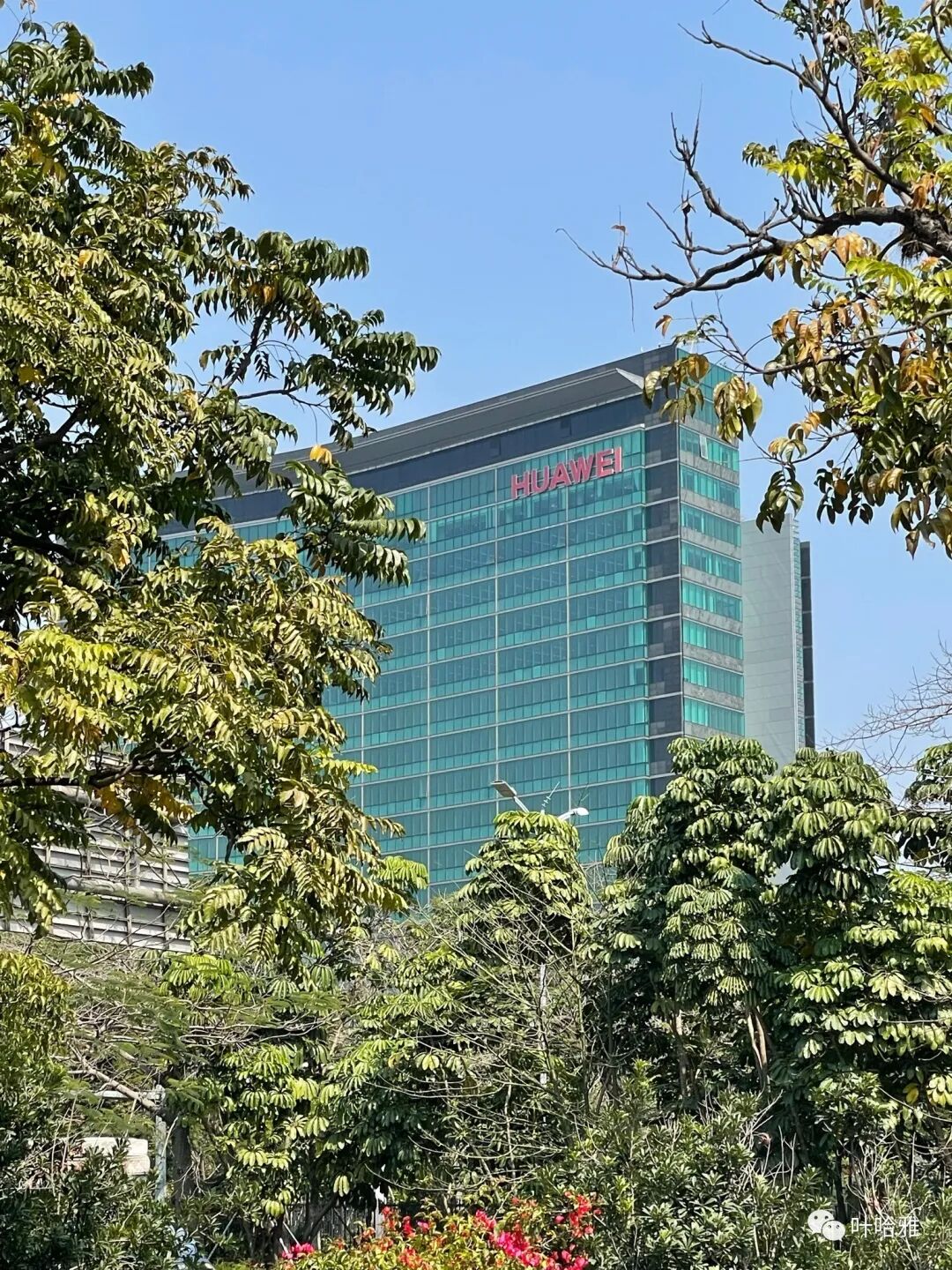
I met with many Muslim brothers (siti) at the Huawei Bantian base in Shenzhen. People say the scenery here rivals a royal garden. If you want to visit Huawei, I recommend the Bantian base, Area B, entering through the East Gate.
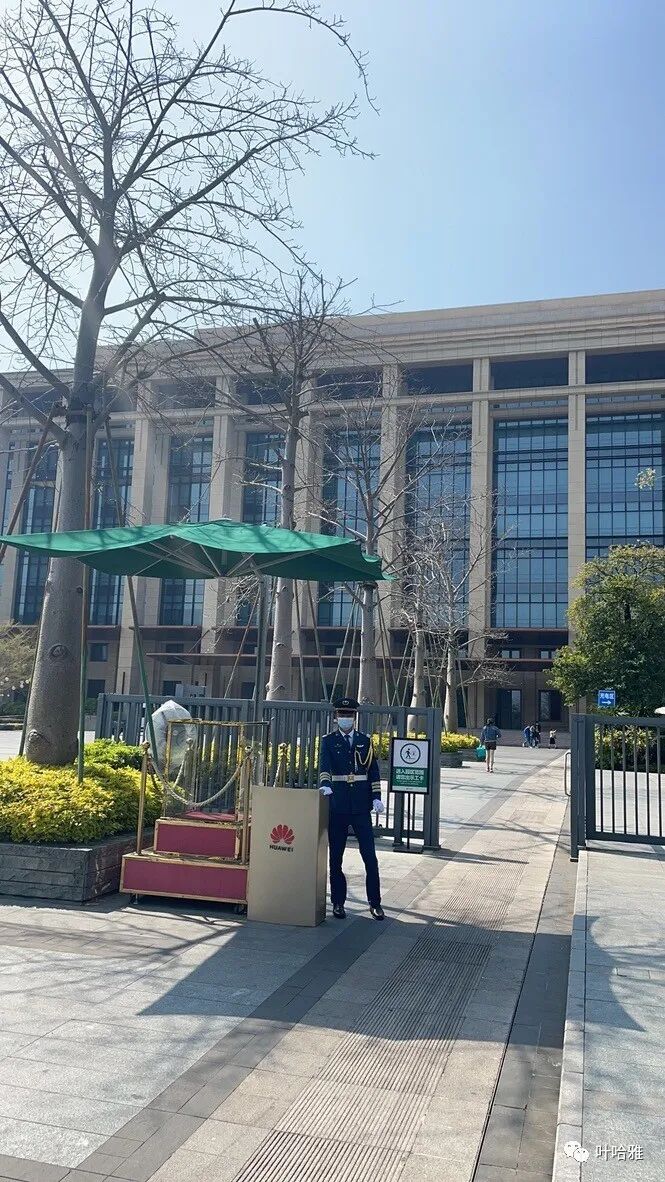
A friend from Huawei met me at the gate. You just need to register and state your purpose to enter the campus. We just said we were going to grab a meal and got in.
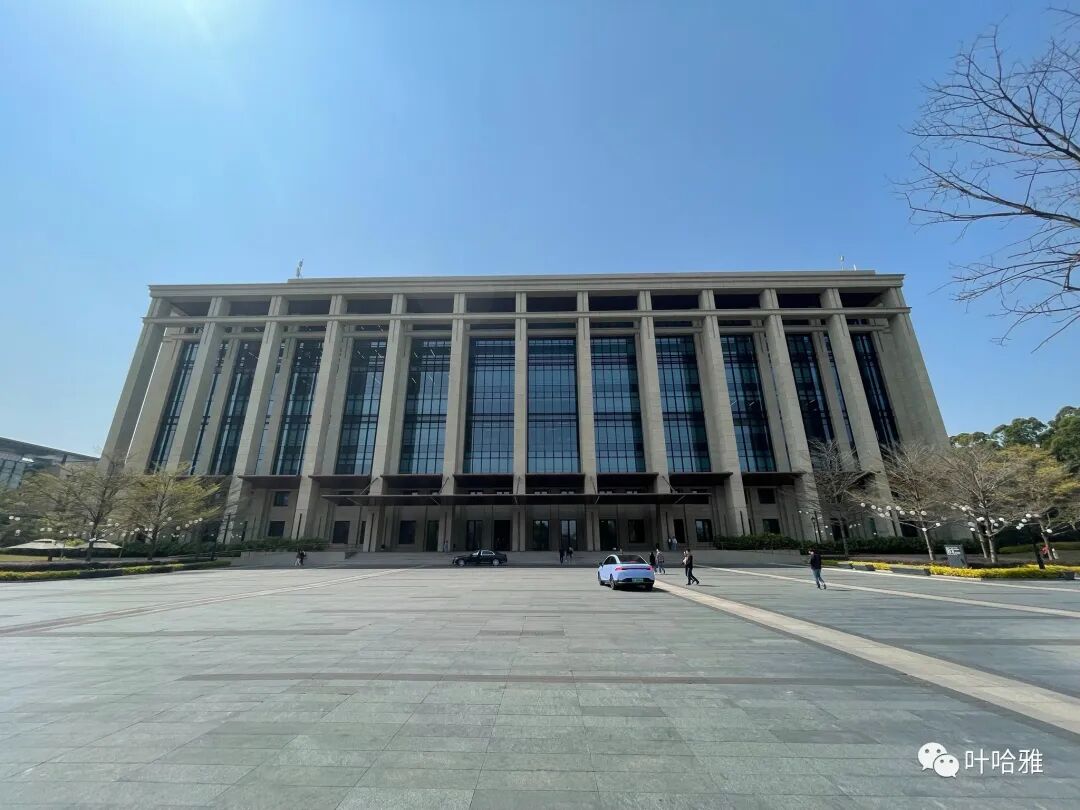
The East Gate faces the Huawei Finance Building, and the office of the eldest princess, Meng Wanzhou, is right next door.
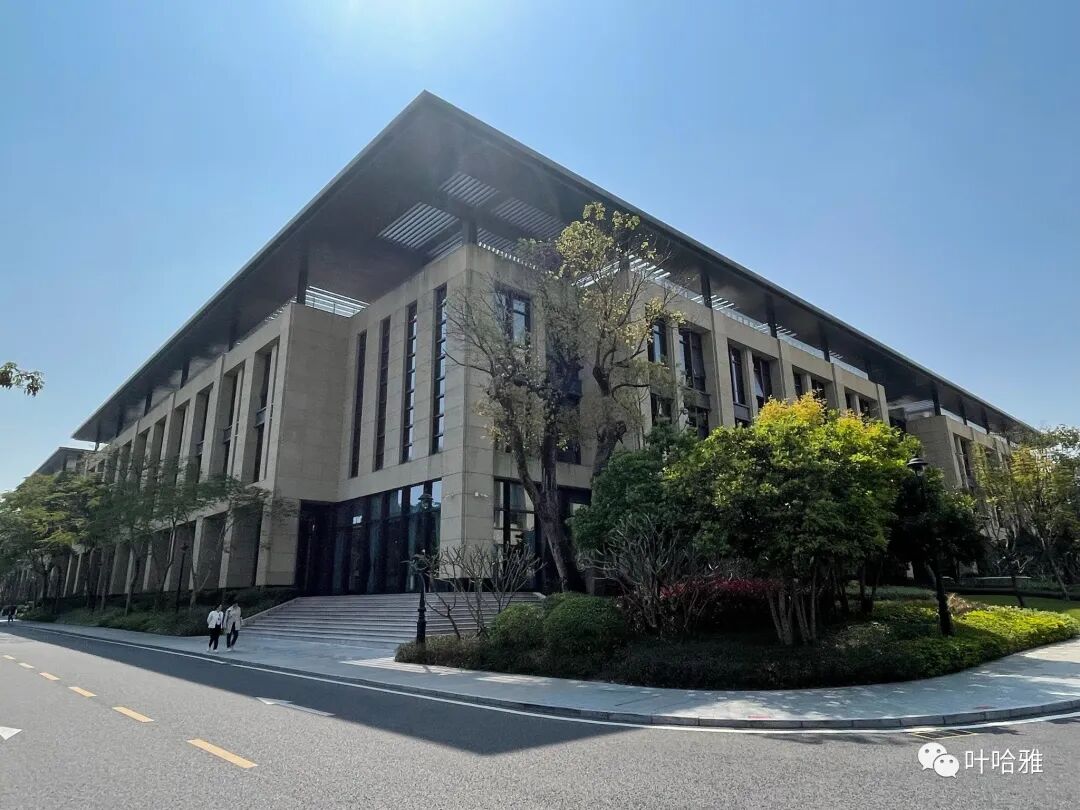
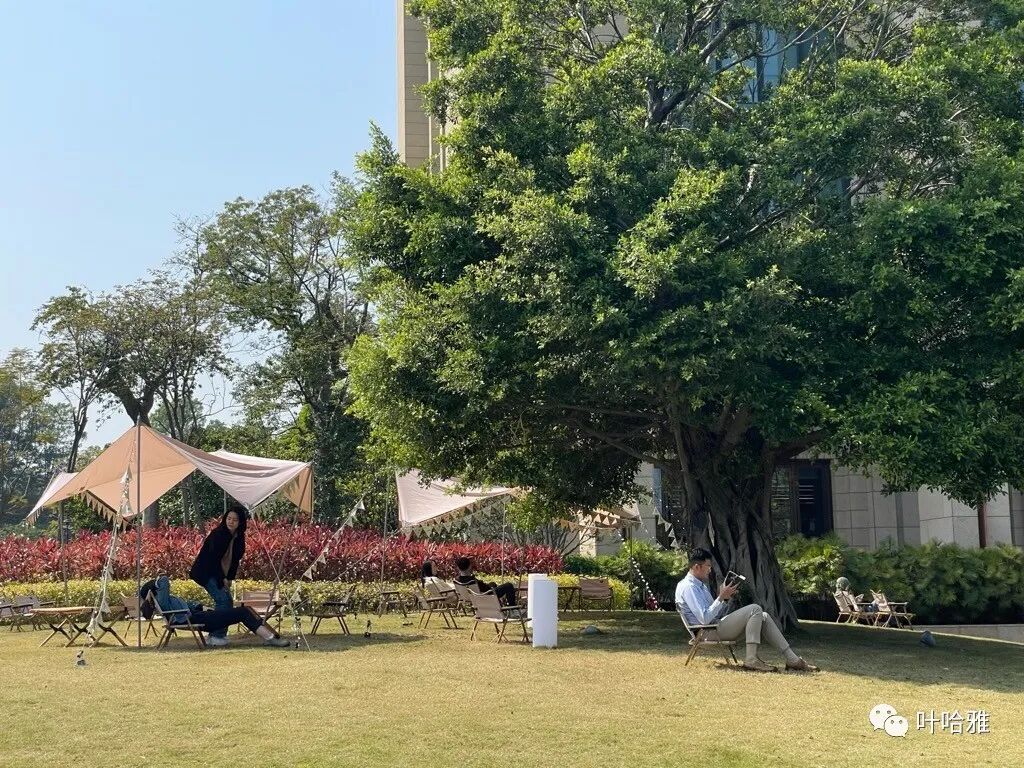
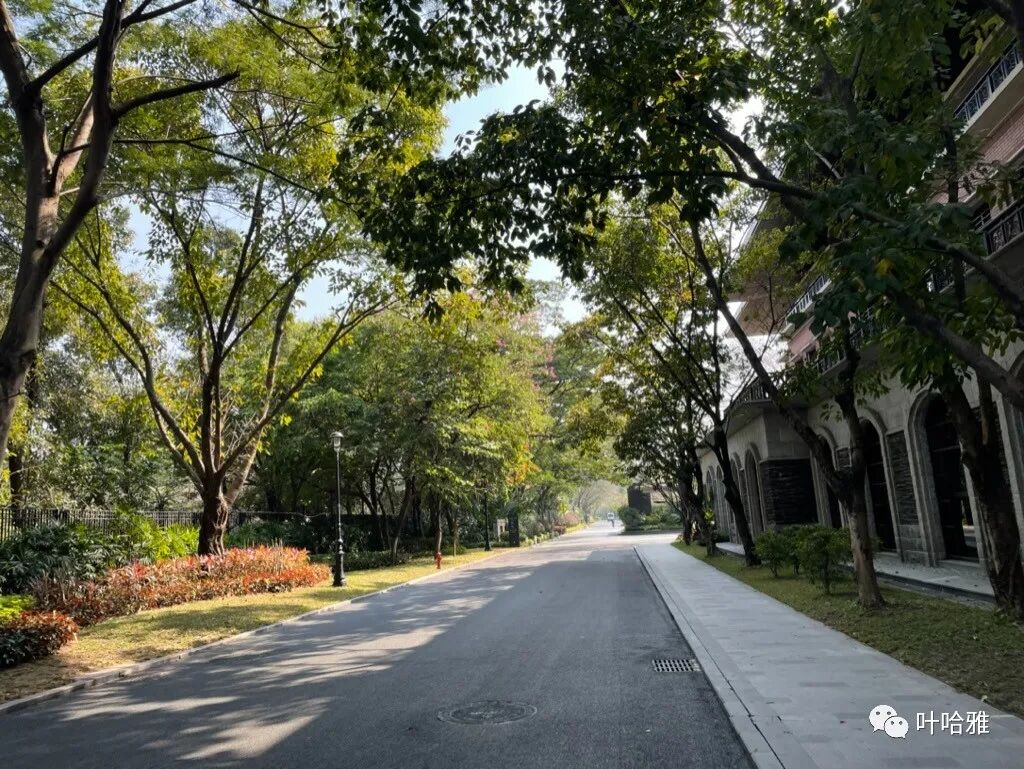
Canopies were set up under the trees on campus, with young men and women reading in the shade. The weather in Shenzhen in late February is mild and sunny. You don't feel cold in short sleeves, and you don't feel hot in long sleeves.
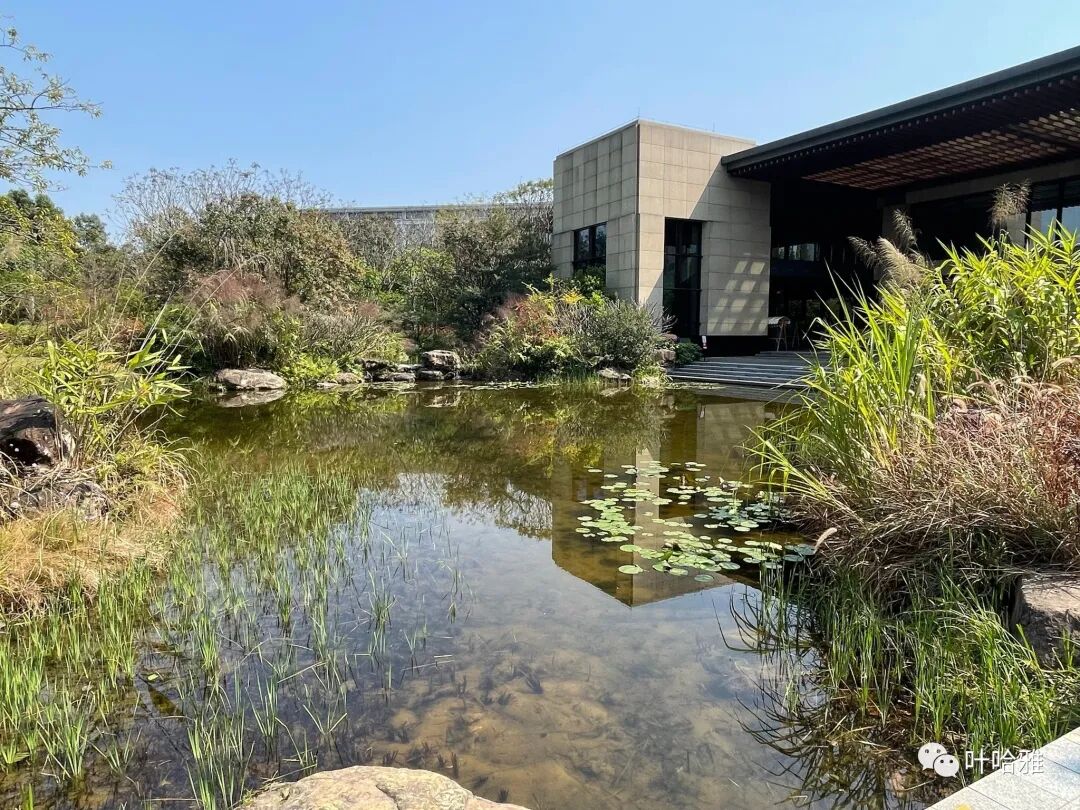
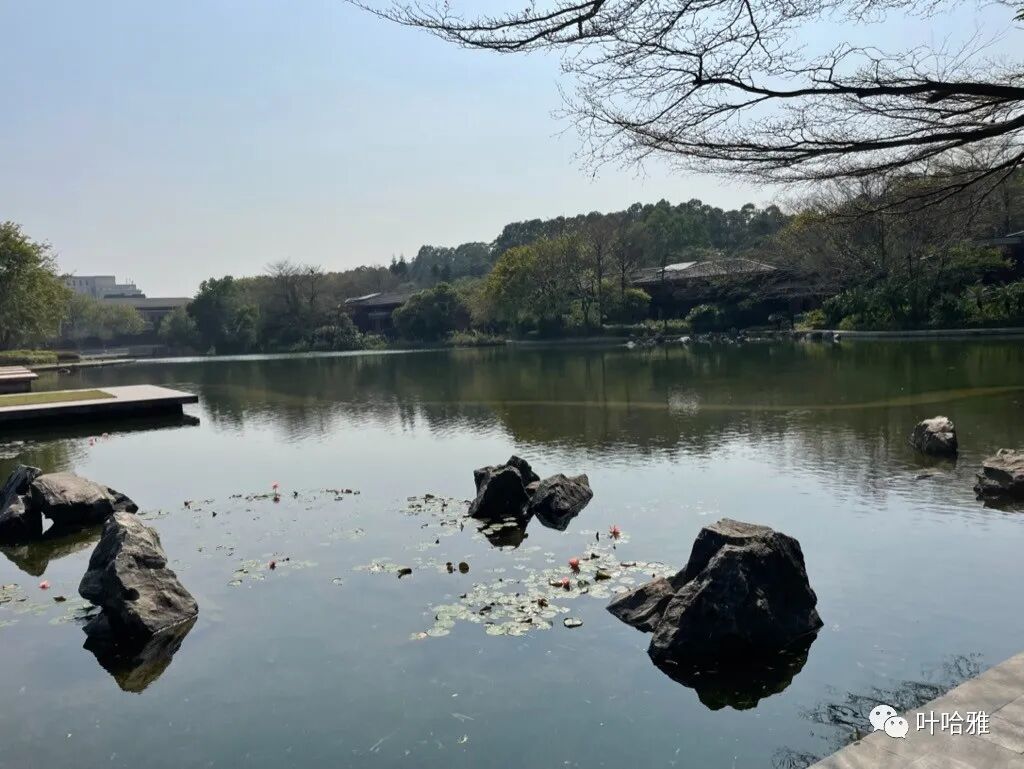
There is a pond in front of the cafeteria. The campus landscape is designed purely for artistic beauty without considering practicality, which makes it feel less like a company and more like a university. That Huawei's top management has this aesthetic sense shows their broad-mindedness, as aesthetics are a projection of one's inner world.
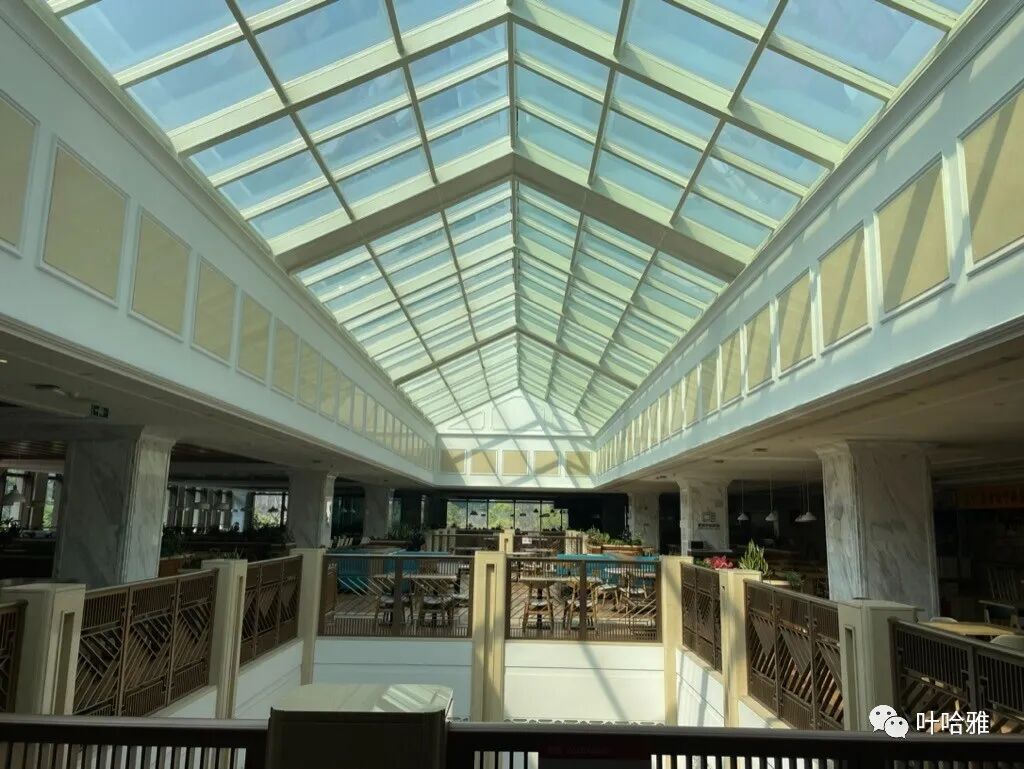
Huawei's cafeteria is very spacious with comfortable spacing between tables and chairs, so it never feels crowded. The simple design style feels like being in an IKEA restaurant.
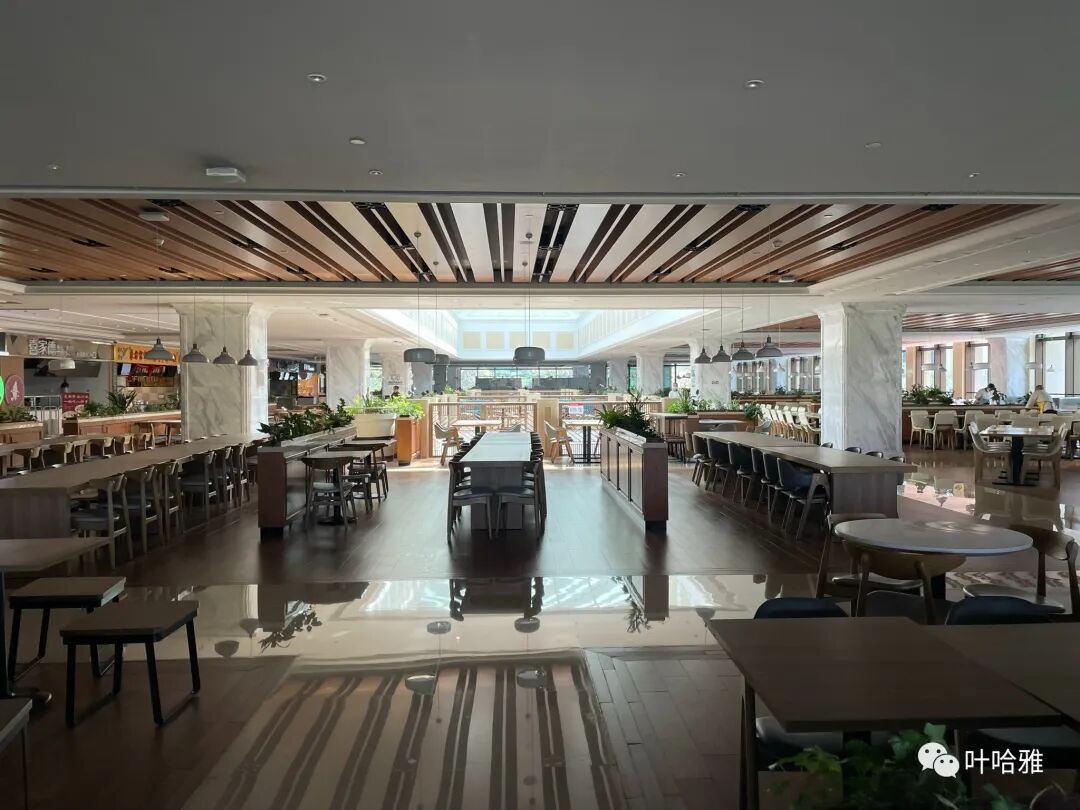
There is even an Industrial and Commercial Bank of China branch inside the cafeteria that handles simple cash transactions. This is very convenient for employees, as many people can only run errands during their lunch break. At Huawei, you can stay on campus and have all your basic needs met.
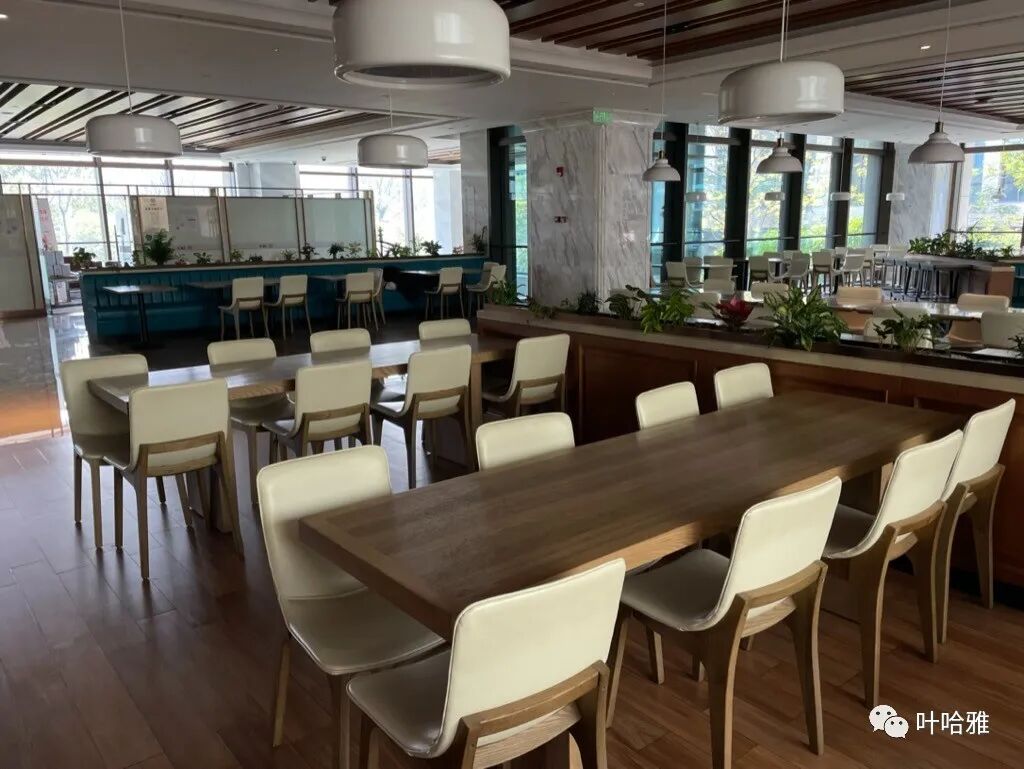
The restaurant has three halal stalls: Dongfanggong, Jiuwan Shisihua, and Qiaoxiangcun. They all serve Northwest Chinese flavors. Qiaoxiangcun can prepare stir-fried dishes, which are suitable for business dinners.
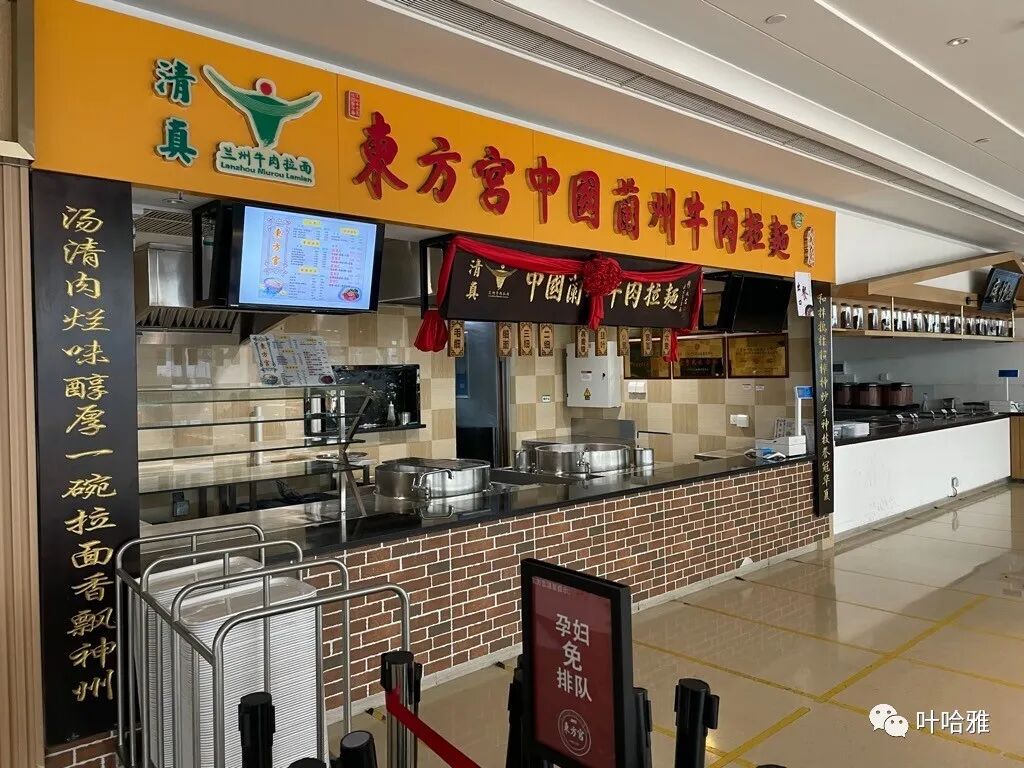
Dongfanggong Lanzhou beef hand-pulled noodles (lamian).
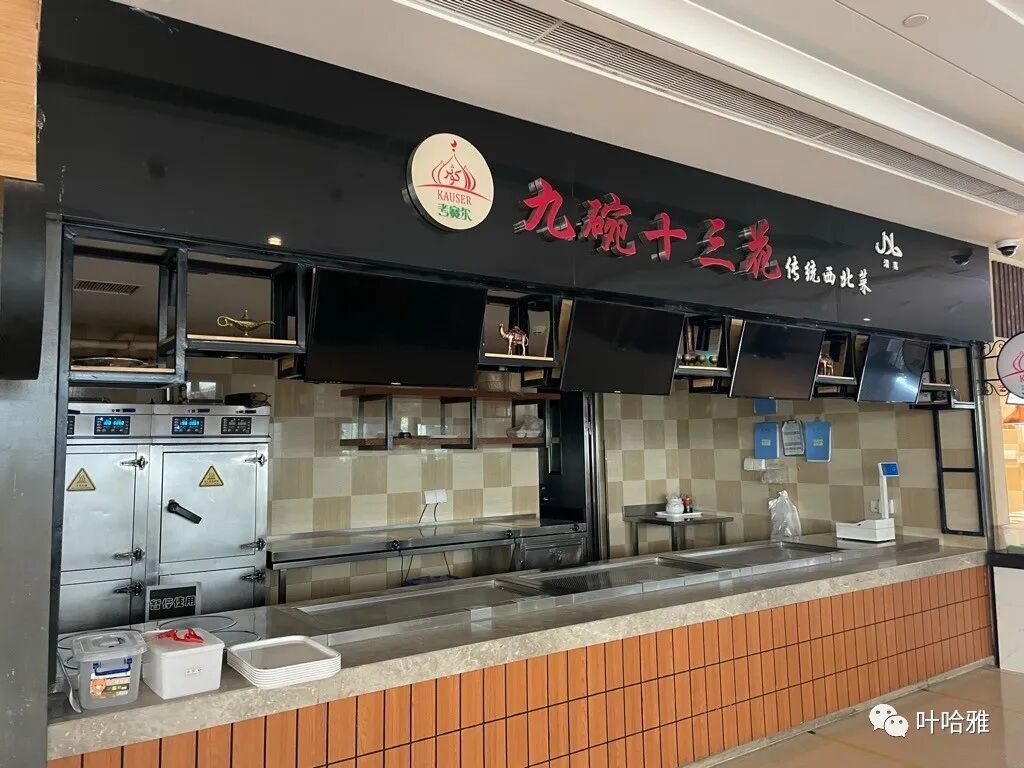
Nine bowls and thirteen flower dishes (jiuwan shisanhua).
Northwest cuisine at Qiaoxiang Village (no alcohol served).
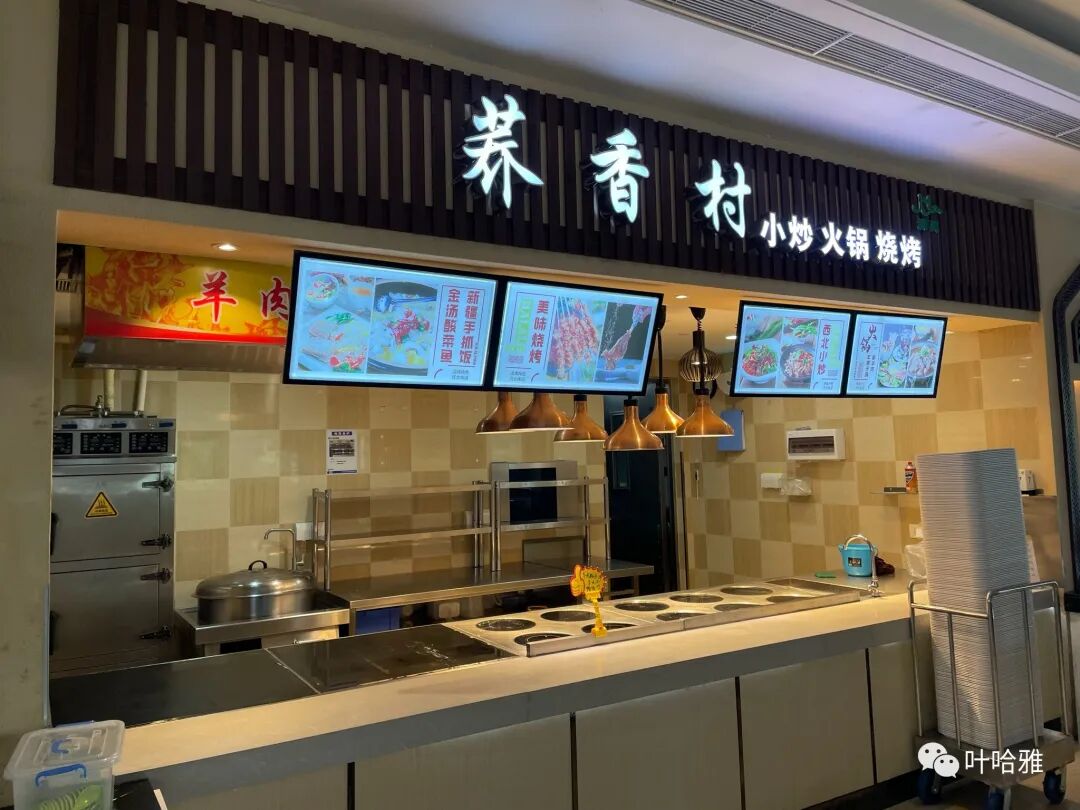
The cooking at Qiaoxiang Village is excellent. They use salt-lake lamb (tanyang), and because they do not pay rent, the prices are even cheaper than other restaurants.
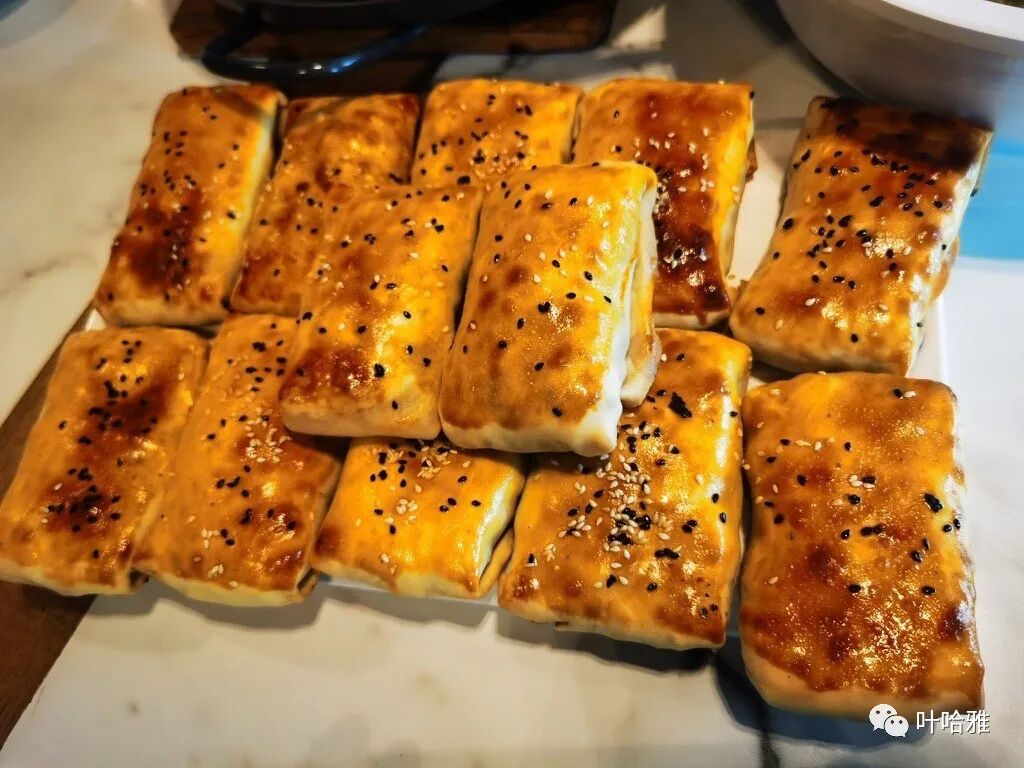
Salt-lake lamb baked buns (tanyang kaobaozi).
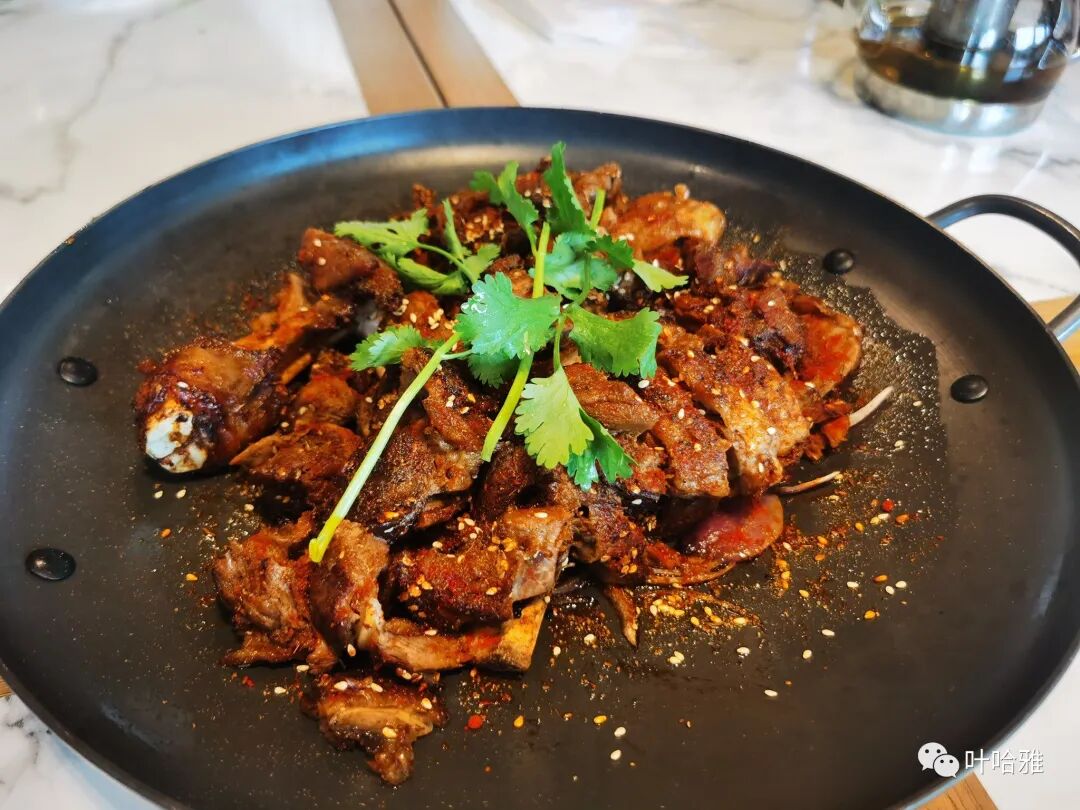
Roasted lamb chops (kaoyangpai)
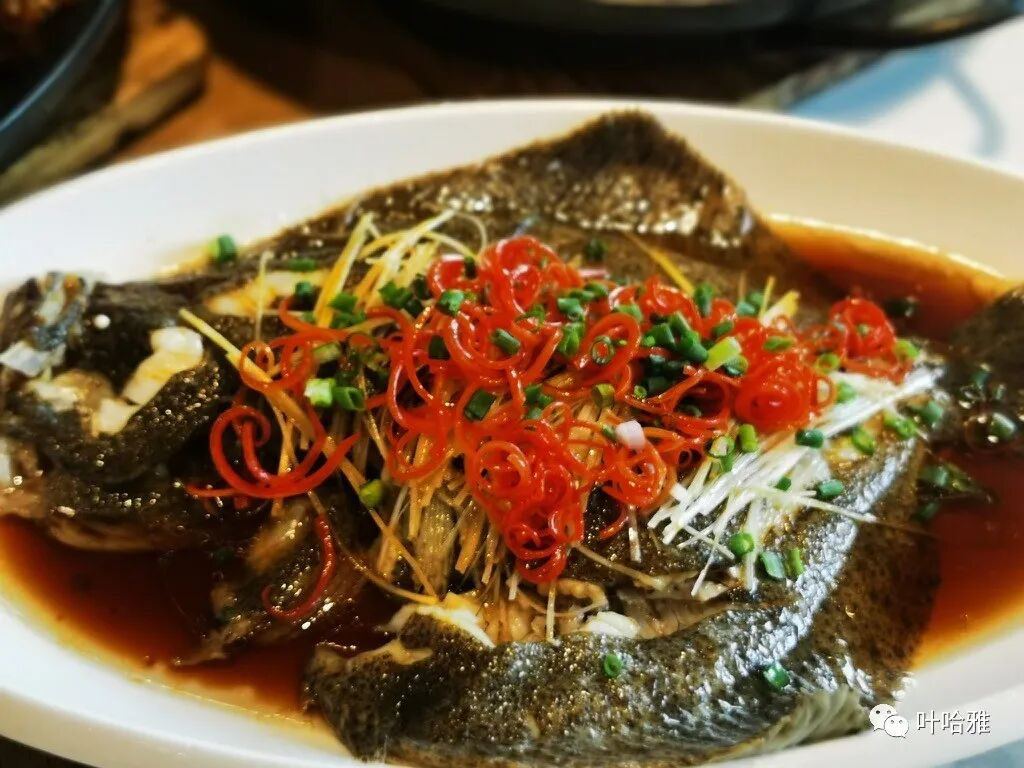
Steamed turbot (qingzheng duobaoyu).
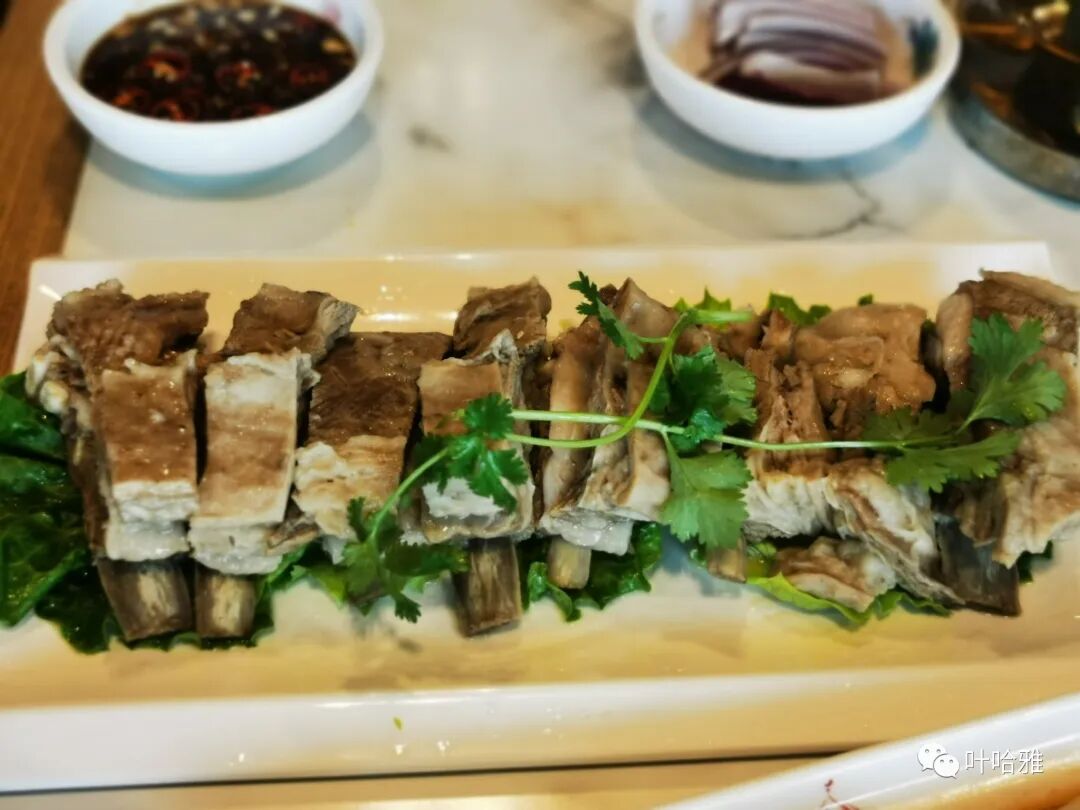
Hand-grabbed lamb (shouzhuayangrou).
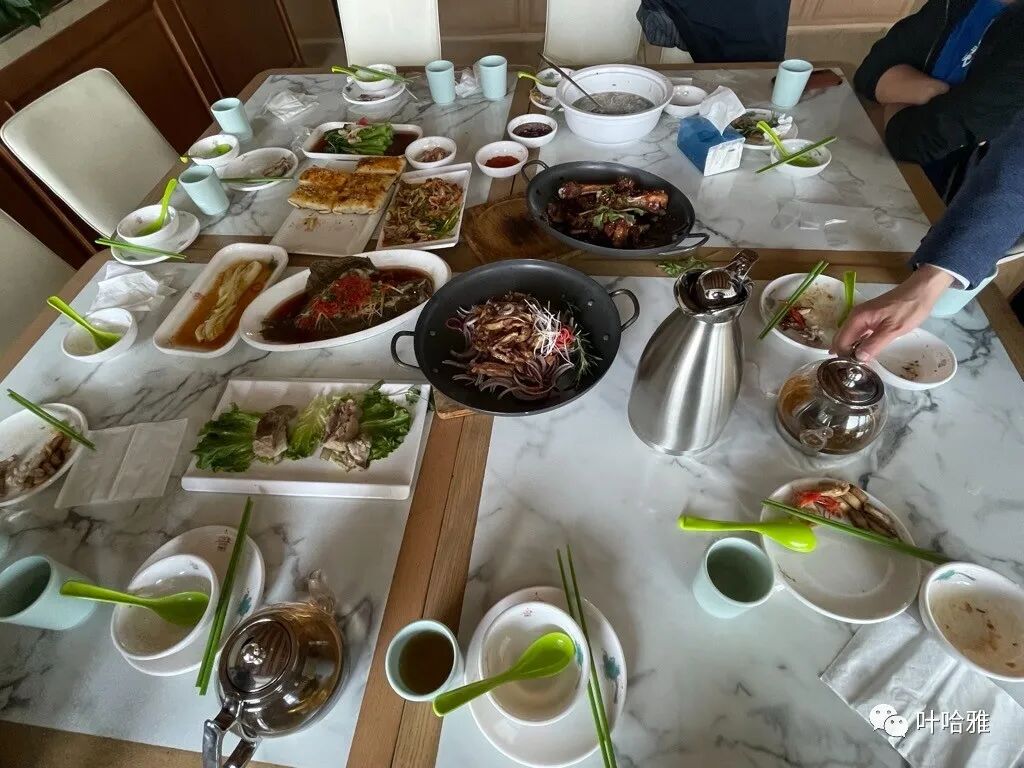
A senior Huawei colleague hosted the meal. This table had ten dishes: roasted lamb leg from the desert, hand-grabbed lamb, black pepper beef short ribs, steamed turbot, Hui Muslim style spicy chicken, stir-fried vermicelli with meat, blanched choy sum, lamb baked buns, baby bok choy with scallion oil, and West Lake beef soup. The standard of this meal was better than eating out. I arrived late, but the restaurant kindly reheated the cold food for me, and I was so full I couldn't finish it.
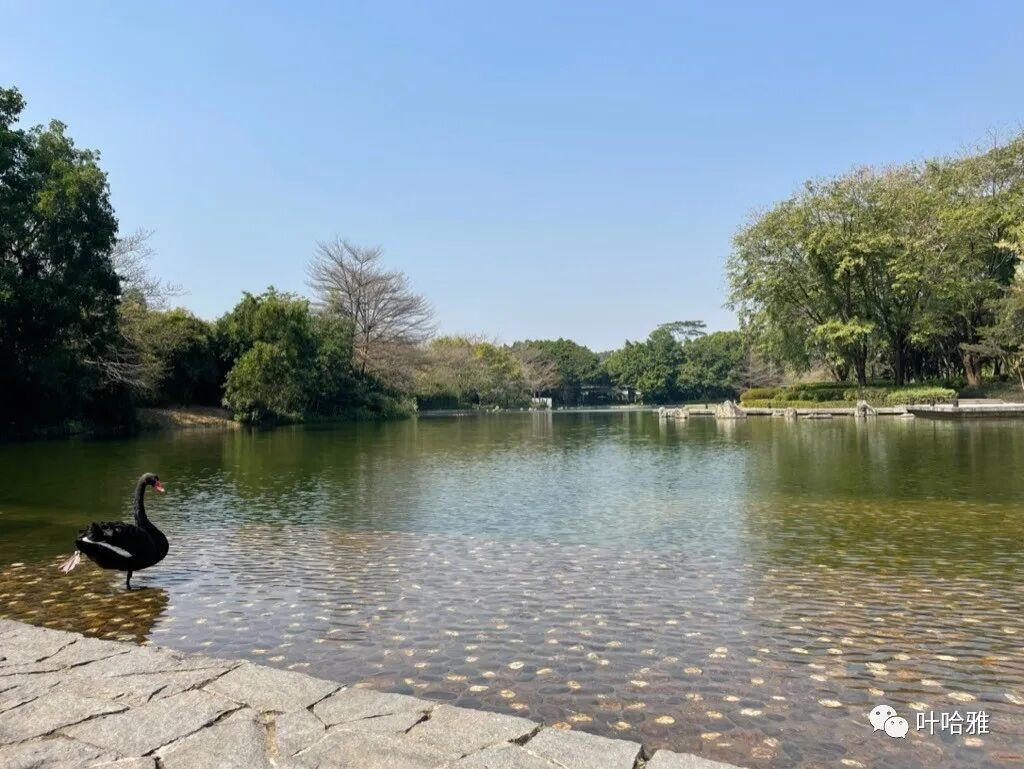
After eating and finishing namaz, some people went off to meetings. Huawei has a dedicated prayer room inside a storage area. For a modern multinational company, this should be standard. When I visited the Shiroi Koibito chocolate factory in Japan, they even had a room for employees to perform wudu and namaz.
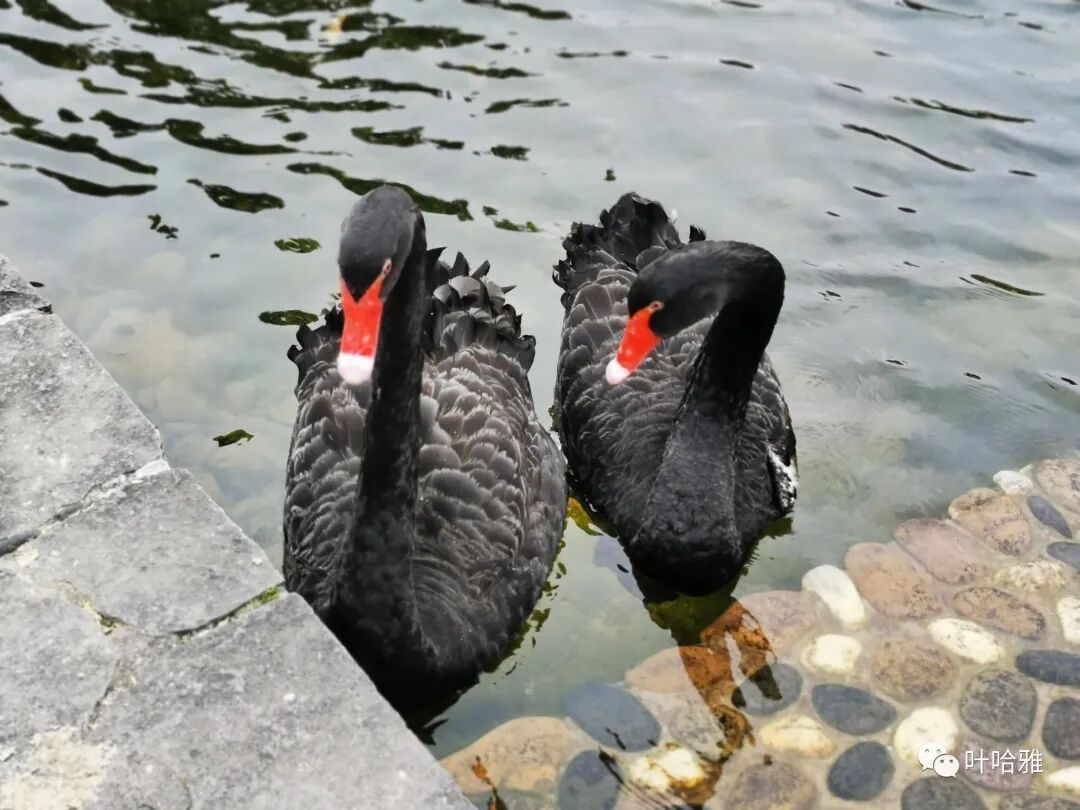
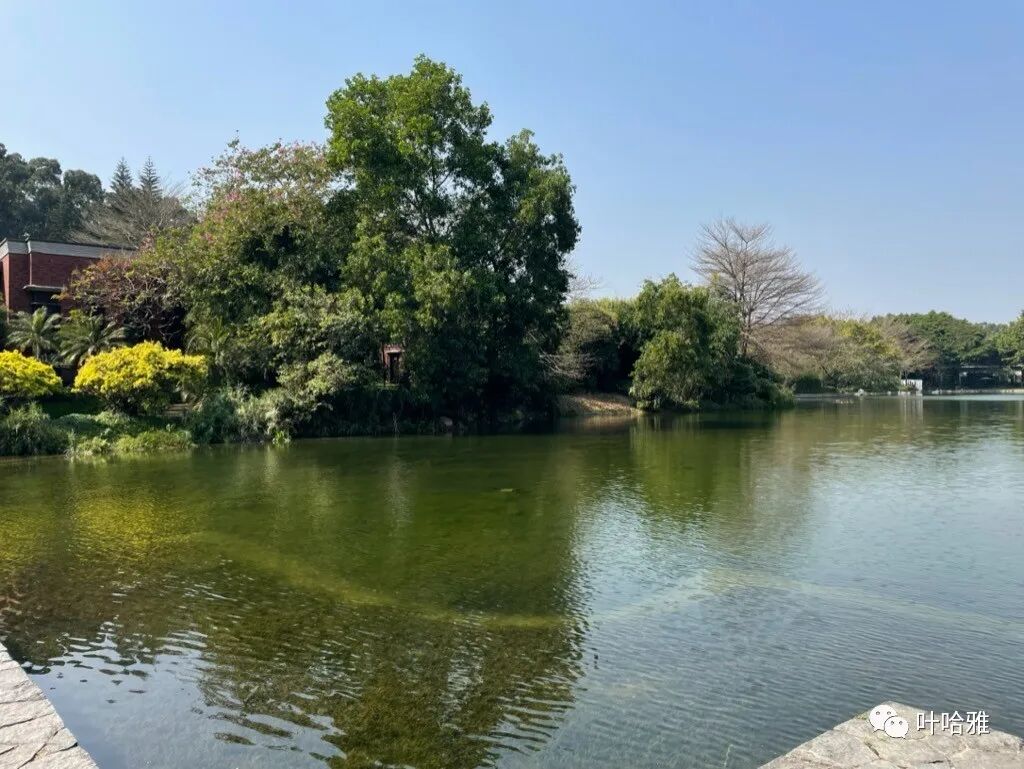
In the afternoon, a colleague with free time drove me around the campus. Yes, the campus is so big that you need a car to get around. Some say the Huawei Bantian base looks like a Japanese garden, but it is more accurate to say it reflects the Tang Dynasty style that Japan has preserved.
While walking, I asked my colleague about some rumors regarding Huawei, such as the claim that Huawei encourages older employees to leave to save on retirement costs. The Huawei colleague said it is not that exaggerated. Many employees retire from Huawei on schedule. Huawei contracts are renewed every eight years, and some people do not meet the requirements for renewal when their contract expires. Being let go is a normal part of corporate personnel turnover. Huawei distributes stock options to all employees, and these options do not become void when an employee leaves, which is already much better than many other companies.
Most of the Huawei partners I know have worked there for over 10 years. It is not easy to stay at one company for three years, let alone 10. This shows the company is stable and employees feel a strong sense of belonging, which is very rare for a private enterprise.
I said goodbye to my Huawei brothers in the afternoon to head to dinner. The evening was hosted by a group of Tencent friends (dosti). Shenzhen is Tencent's home base, and most of the people there were young internet professionals.
Yunnan Cuisine: Garden of Eden (Yidianyuan)
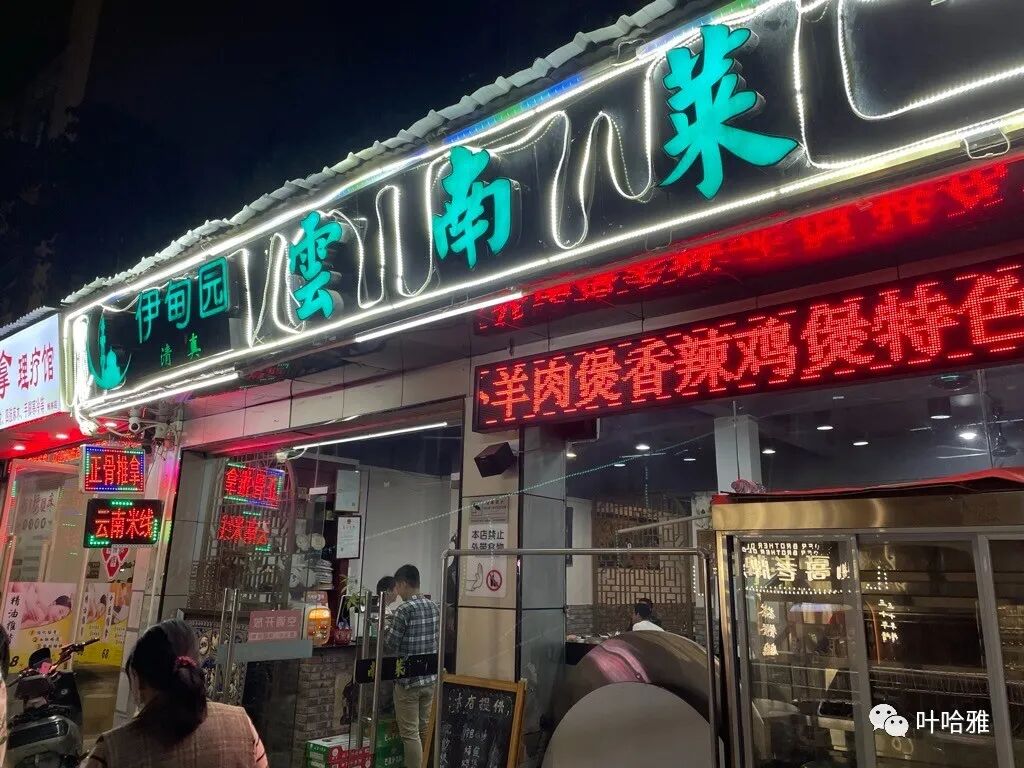
Garden of Eden (Yidianyuan) Yunnan Cuisine is a restaurant highly recommended by many Shenzhen friends (dosti). It is located in the alley behind the Shenzhen Mosque and has two private rooms that seat 10 people each.
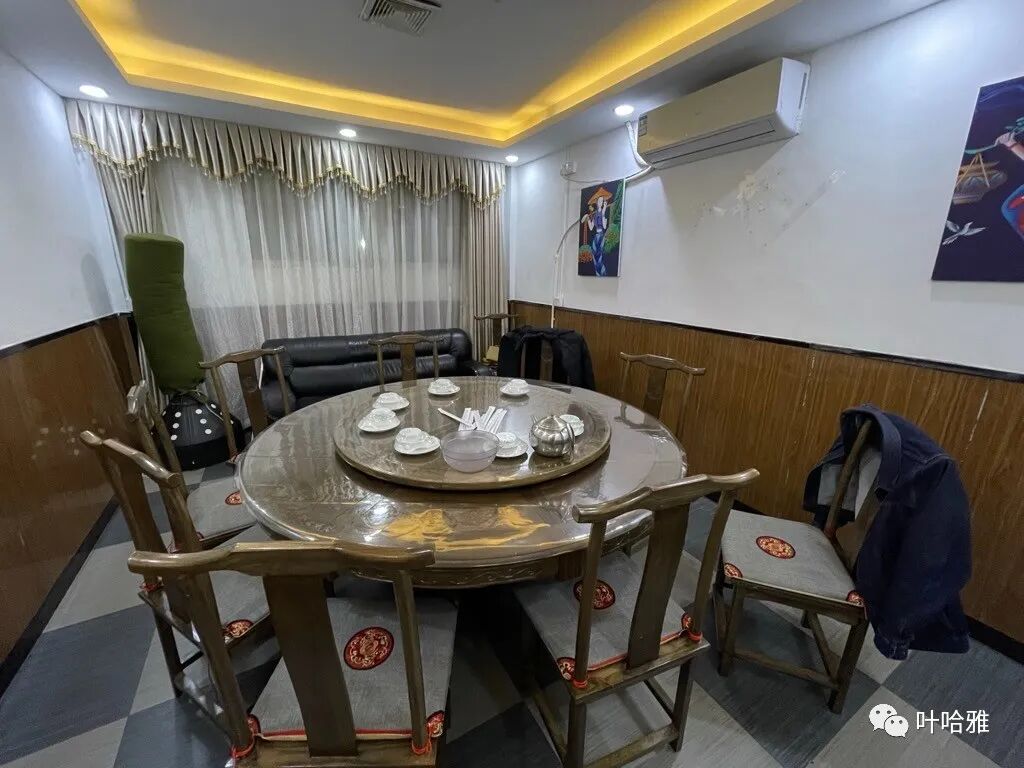
The dinner was scheduled after the evening prayer (hufutan). Since it is close to the mosque, many friends (dosti) came only after finishing their namaz.
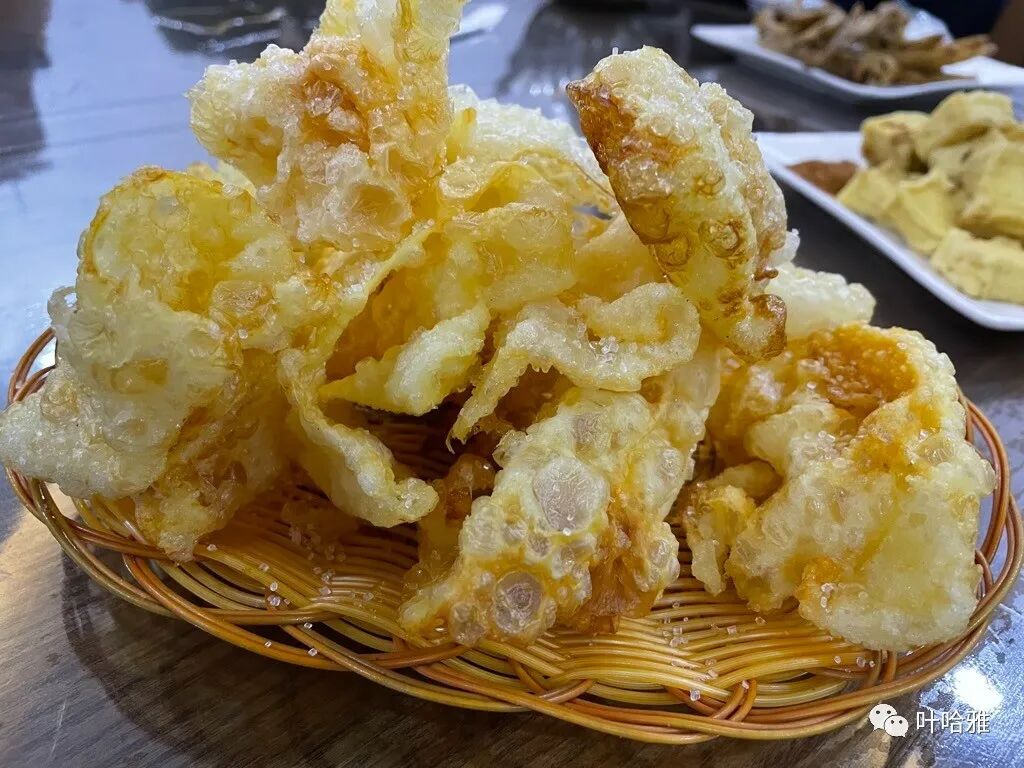
Fried milk fan cheese (zha rushan)
Garden of Eden (Yidianyuan) combines common specialty dishes from all over Yunnan. It has all the Yunnan food I can think of, and the taste is authentic. The average cost is about 100 yuan per person. If you are in Shenzhen and do not want to eat Northwest Chinese food but want something special, Garden of Eden (Yidianyuan) is a great choice.
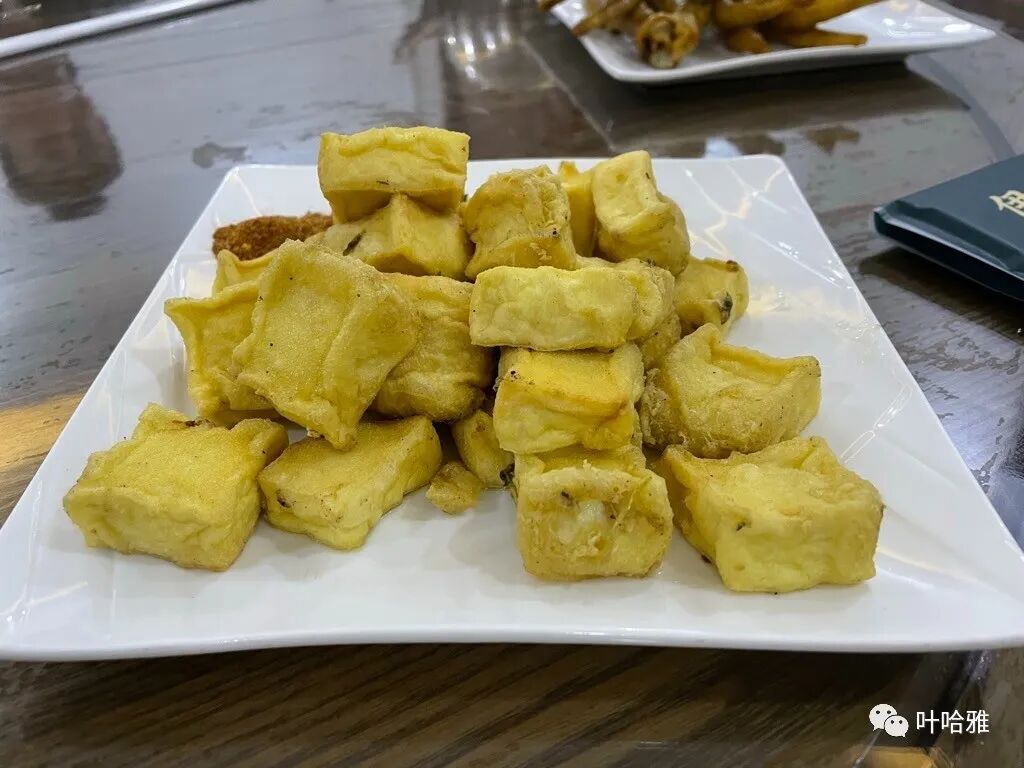
Grilled Shiping tofu (kao shiping doufu)
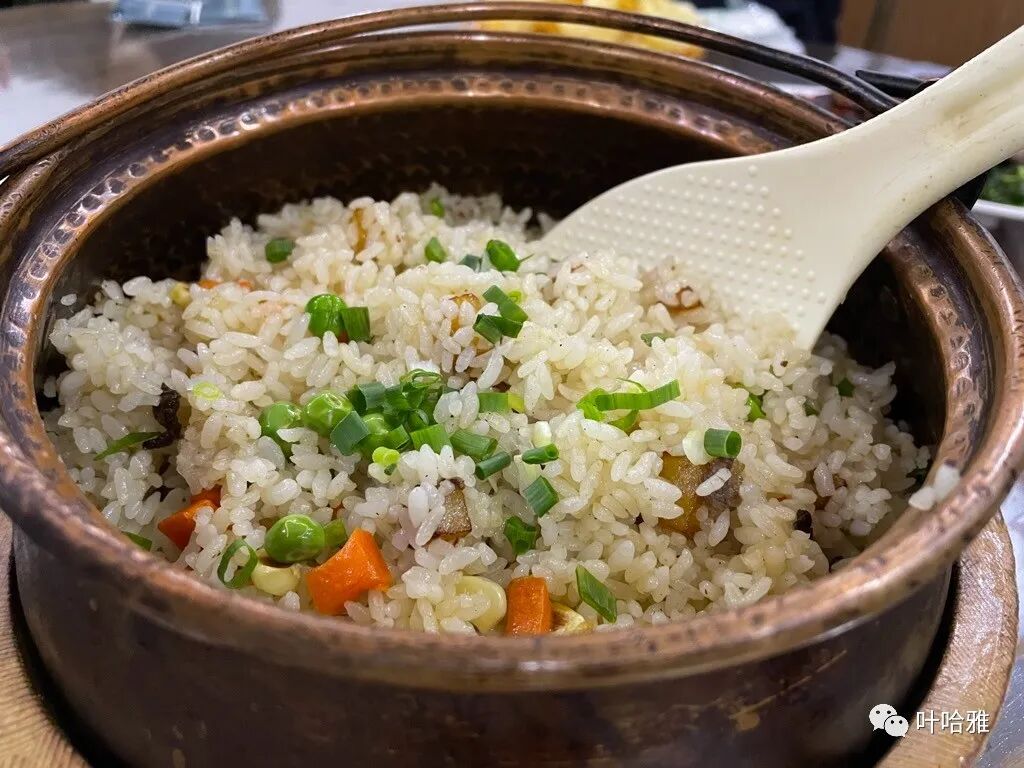
Copper pot rice (tongguo fan)
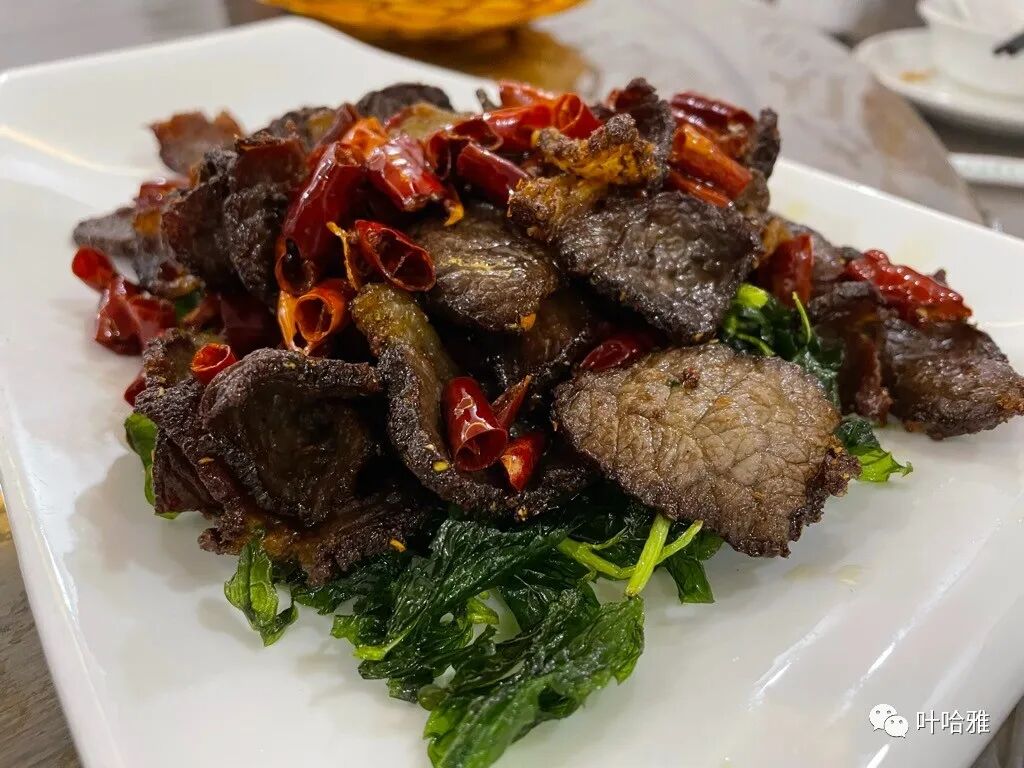
Dried beef jerky (niu ganba)
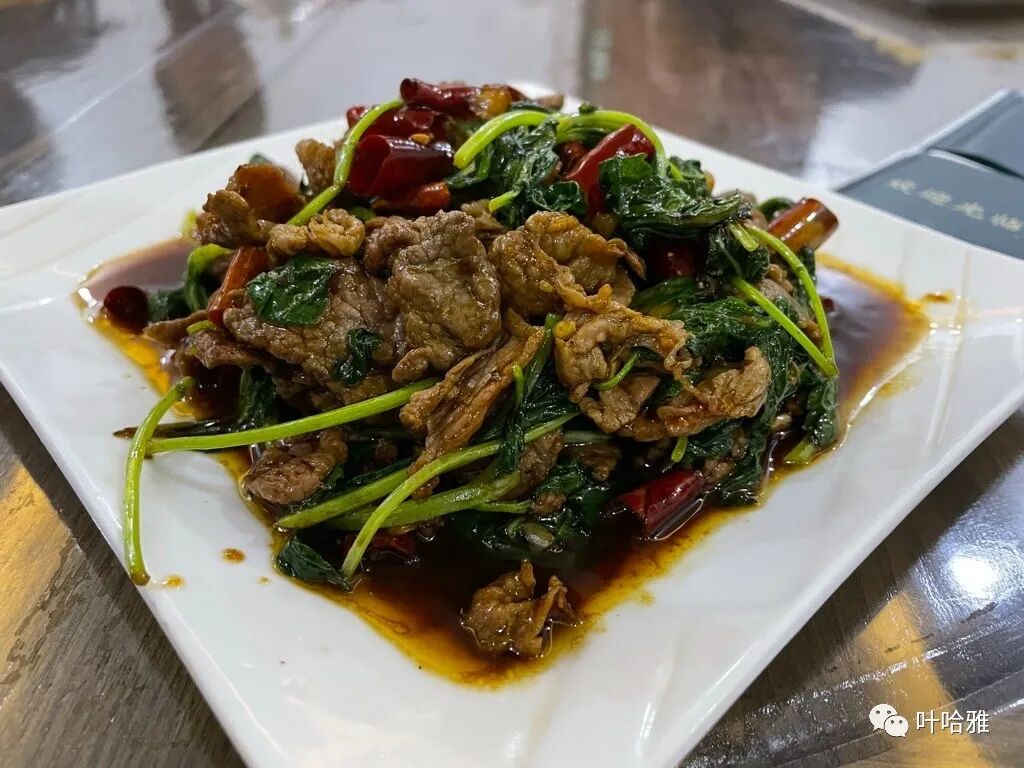
Stir-fried beef with mint (bohe chao niurou)
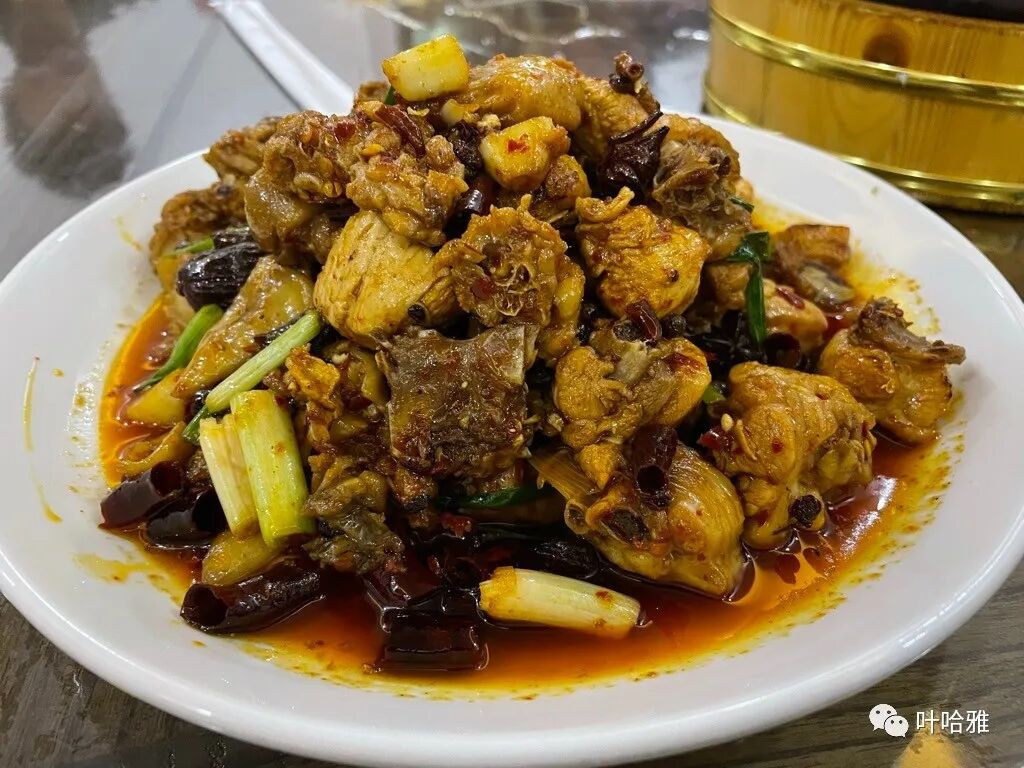
Hani-style stir-fried chicken (Hani xiaochaoji)
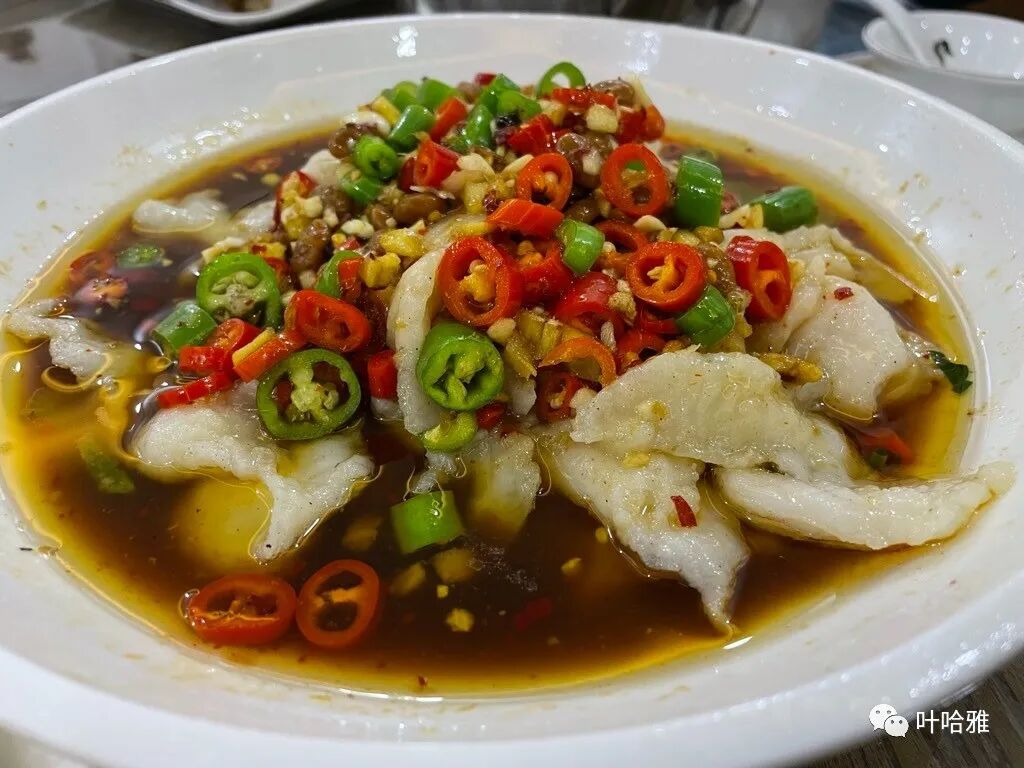
Flavorful tilapia (fengwei luofeiyu)
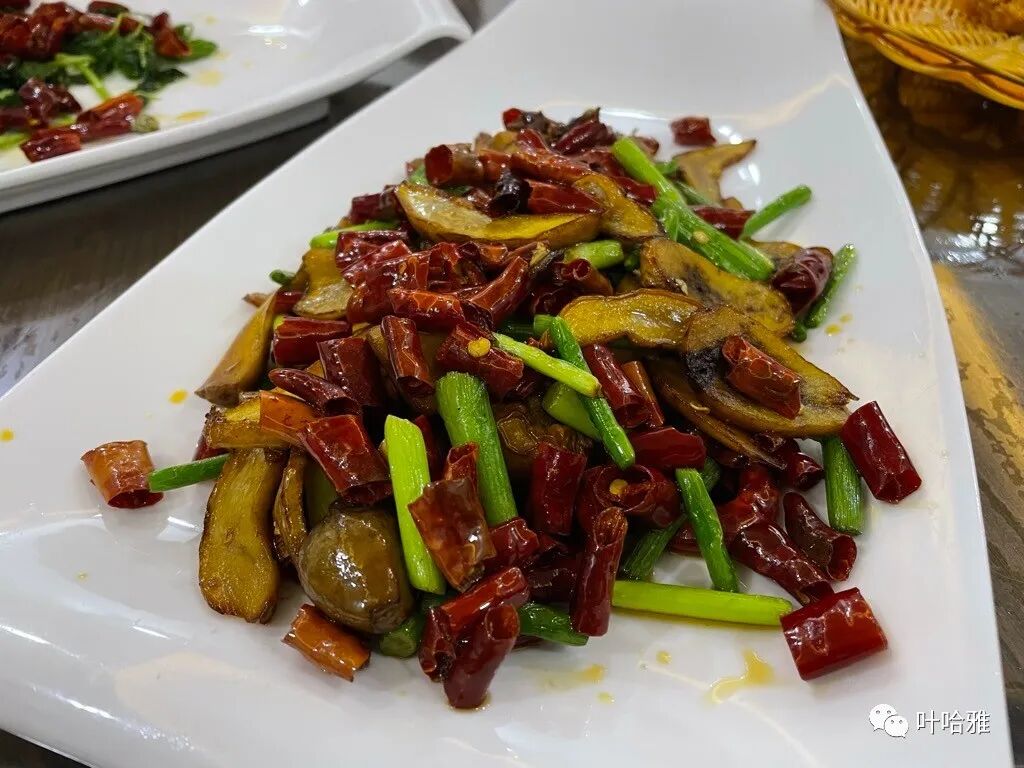
Fresh porcini mushrooms (xinxian niugan jun)
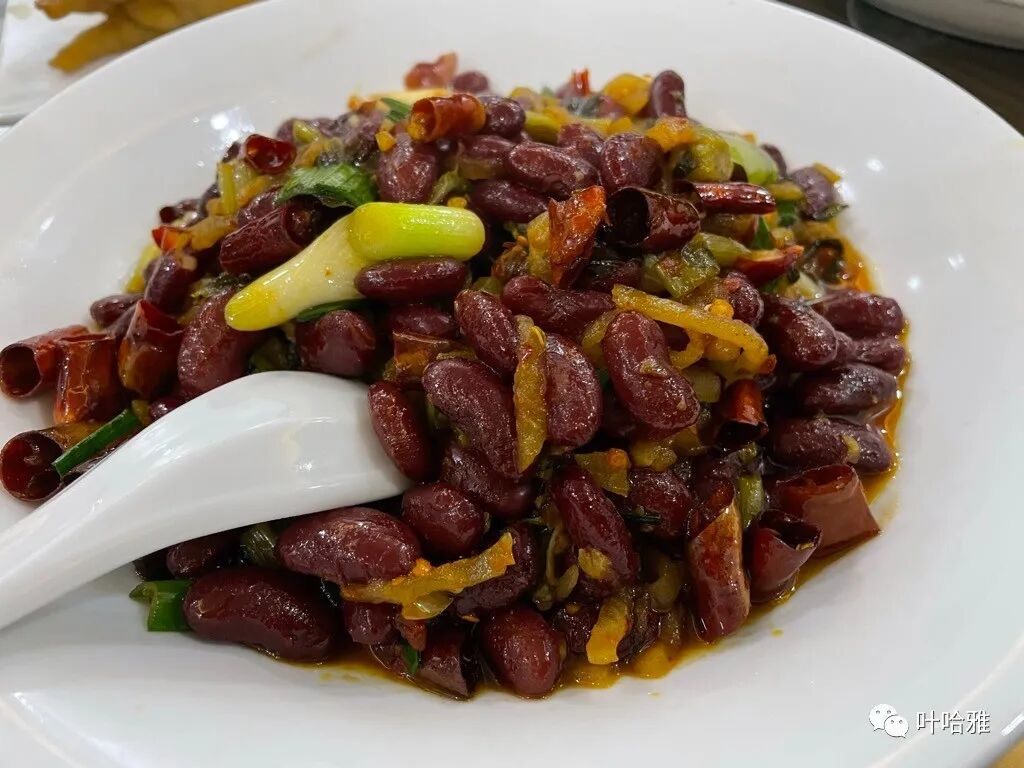
Crispy red beans (xin xiangsu hongdou)
Northwest cuisine at Northwest Leader Lamb (Xibei Lingtouyang)
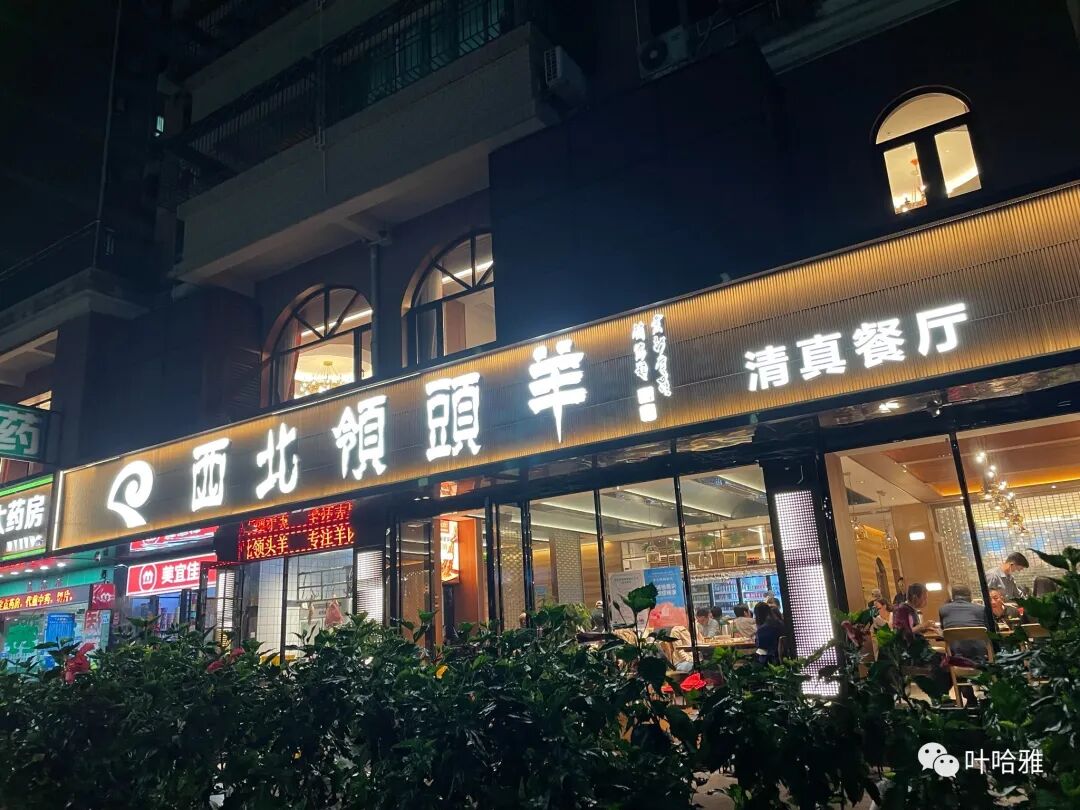
Northwest Leader Lamb is one of the most popular halal restaurants in Shenzhen right now. It is quite large and sits right next to the mosque. I passed by twice before but never went in. This time, I met an old friend on Friday for Jumu'ah and they brought me here.
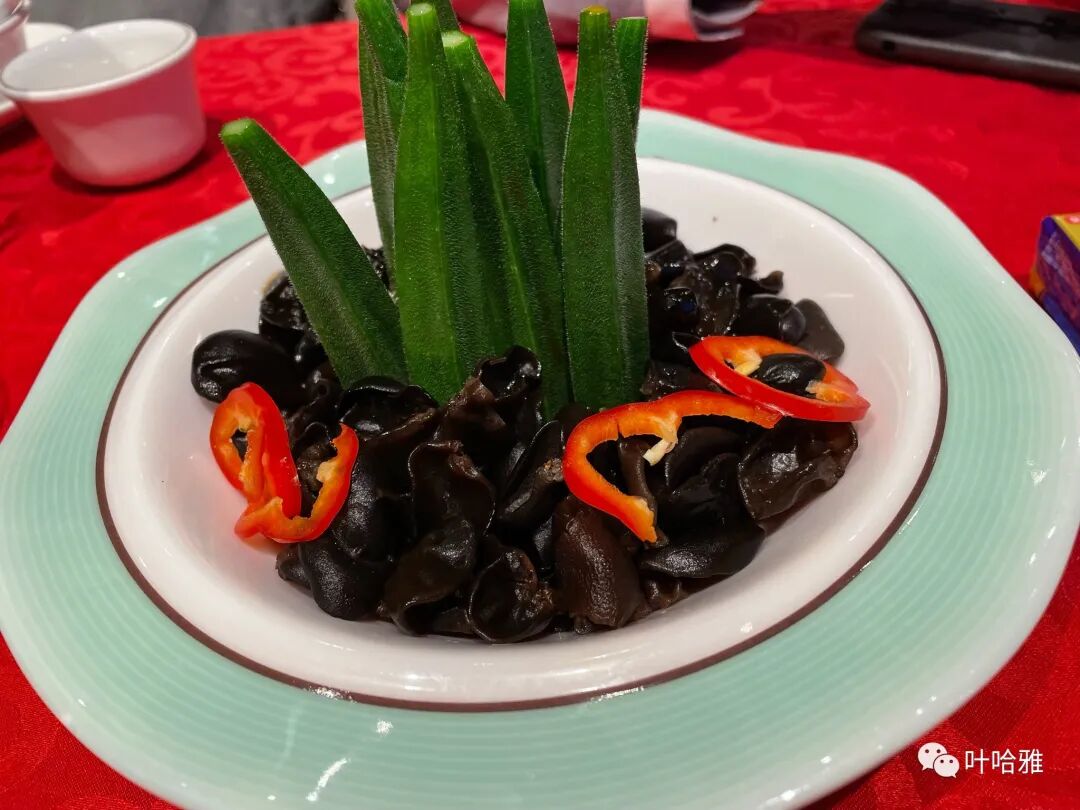
Wood ear mushrooms with okra (mu'er qiukui)
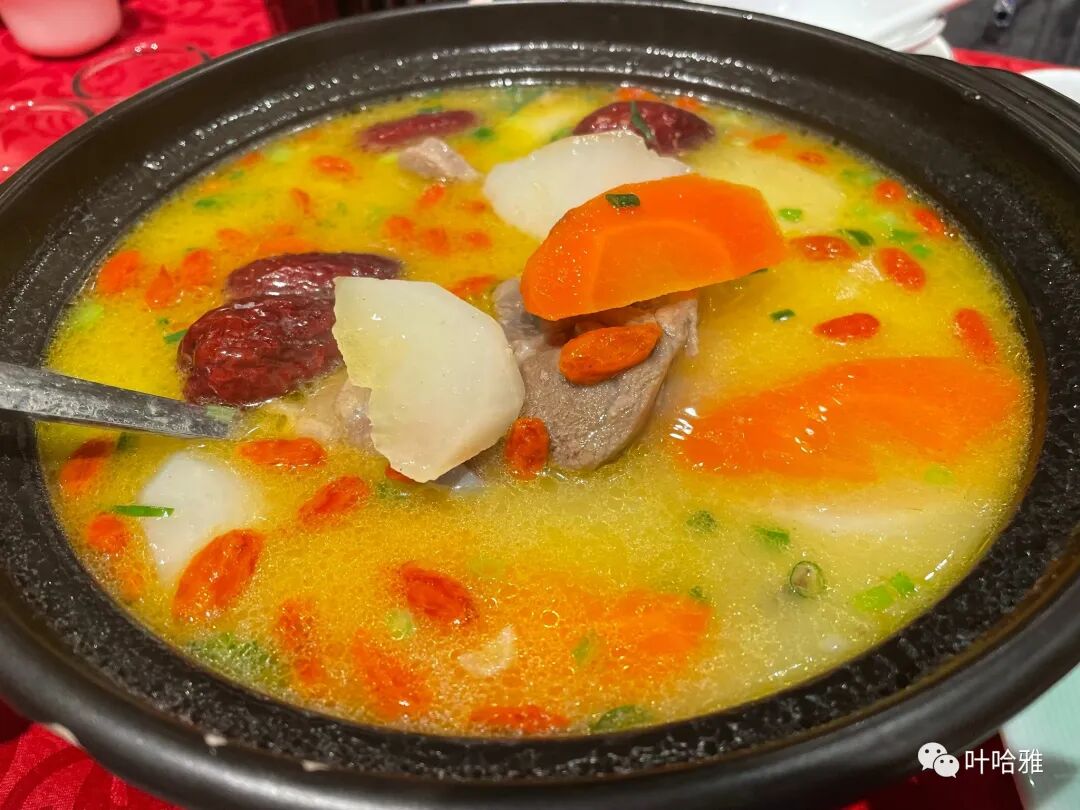
Fresh lamb hot pot (xinxian yangrou bao)
This lamb hot pot tastes a lot like the open-pot lamb (kaiguo yangrou) from Lanzhou. I have to admit, the lamb at this restaurant is delicious.
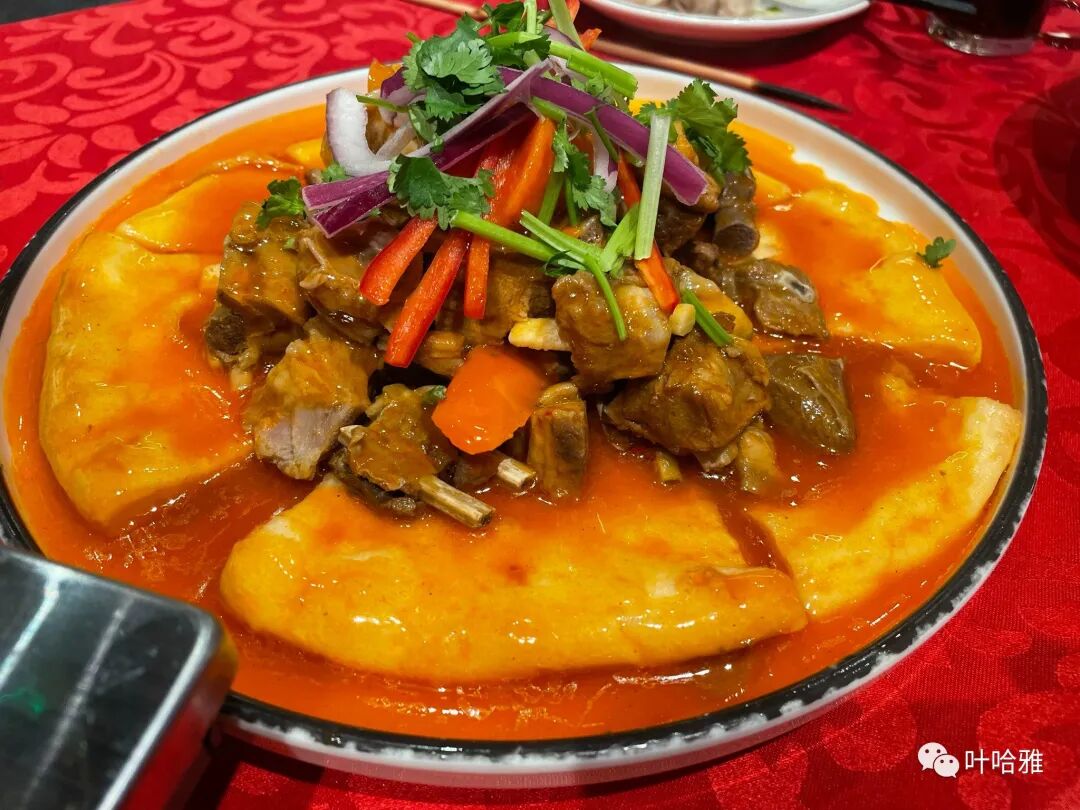
Meat in naan bread (nang bao rou)
Cantonese-style morning tea (zaocha) at Zhongfayuan
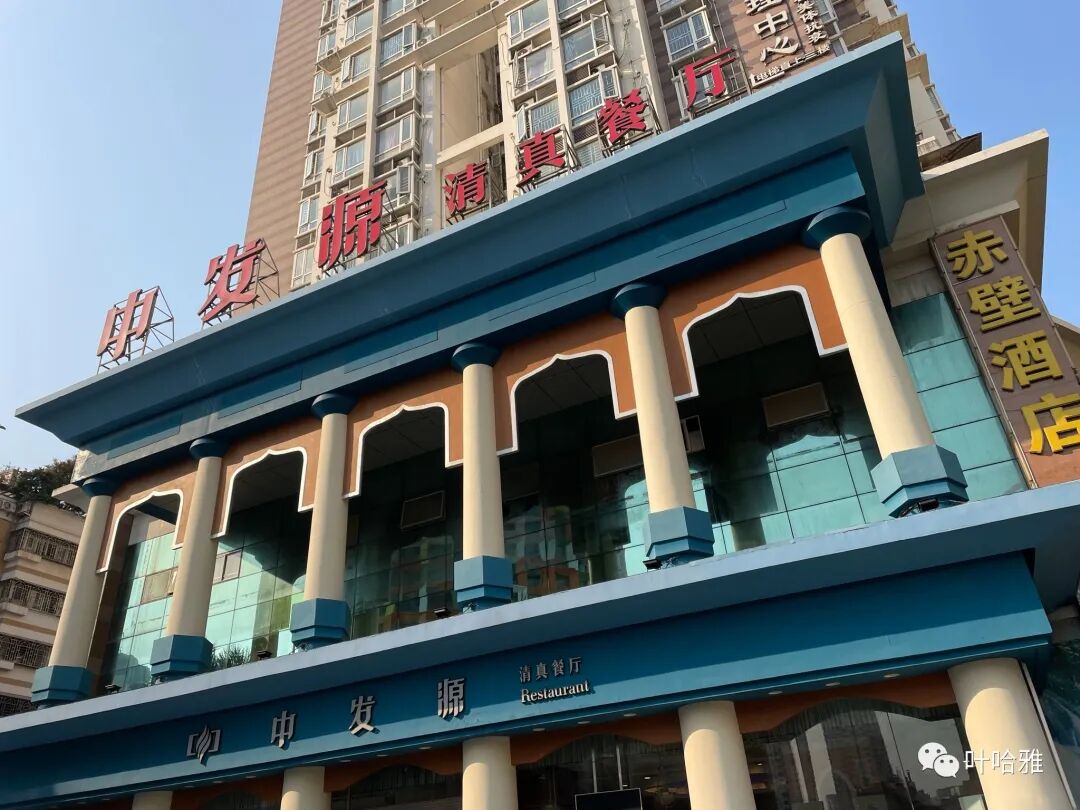
Zhongfayuan is a Northwest-style restaurant, but it is the only place in Shenzhen that serves halal Cantonese morning tea. Only three of their chain locations offer it. I cannot remember which three, but the Jingtian branch definitely does. Call to confirm before you go. Unlike the Guangzhou Hui Muslim Restaurant and Xinjiang Building where morning tea starts at 7:00 a.m., morning tea here does not begin until 9:00 a.m. Very few people come on weekdays, though it gets busier on weekends. It seems people in Shenzhen are too busy making money in the morning to have time for tea.
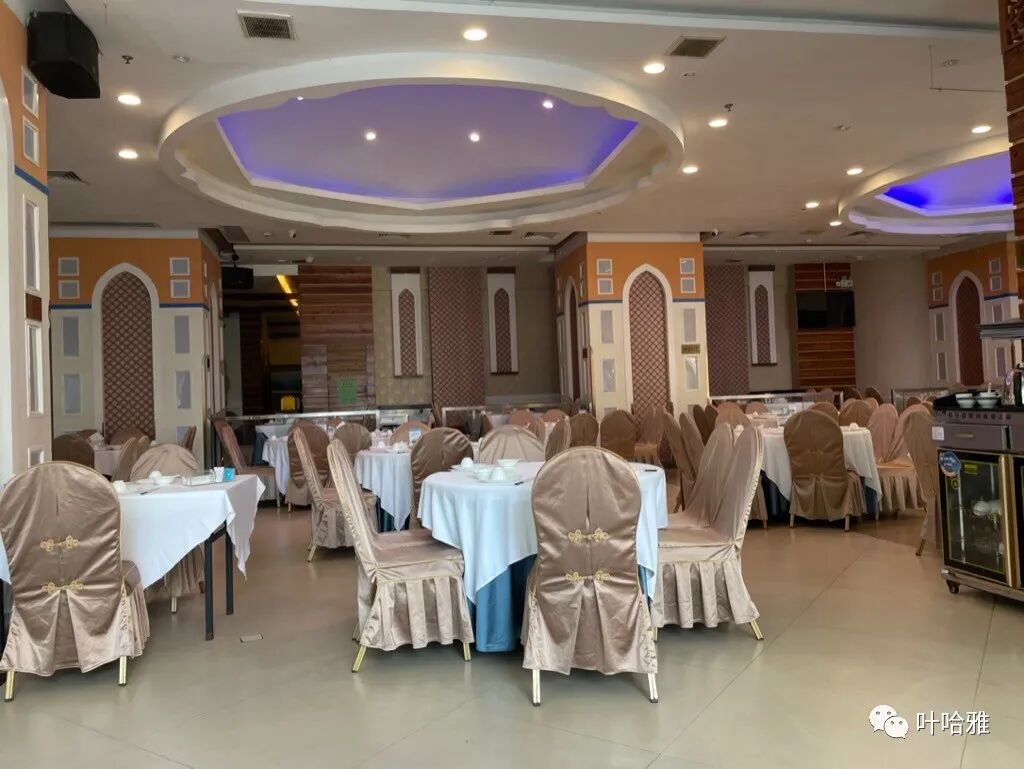
The friends I had dinner with the night before all went to work the next morning. Only a brother from Tencent stayed to have tea with me for a while, but he also took a taxi to his company for a meeting after 10:00 a.m. You can really see how fast the pace of life is in Shenzhen.
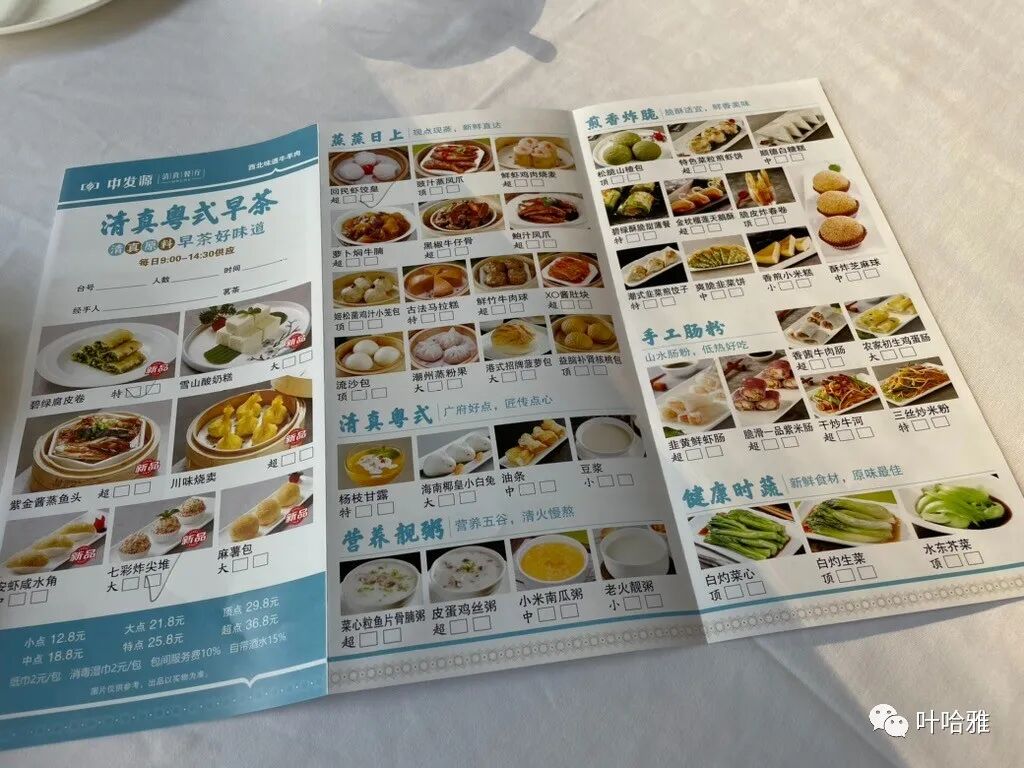
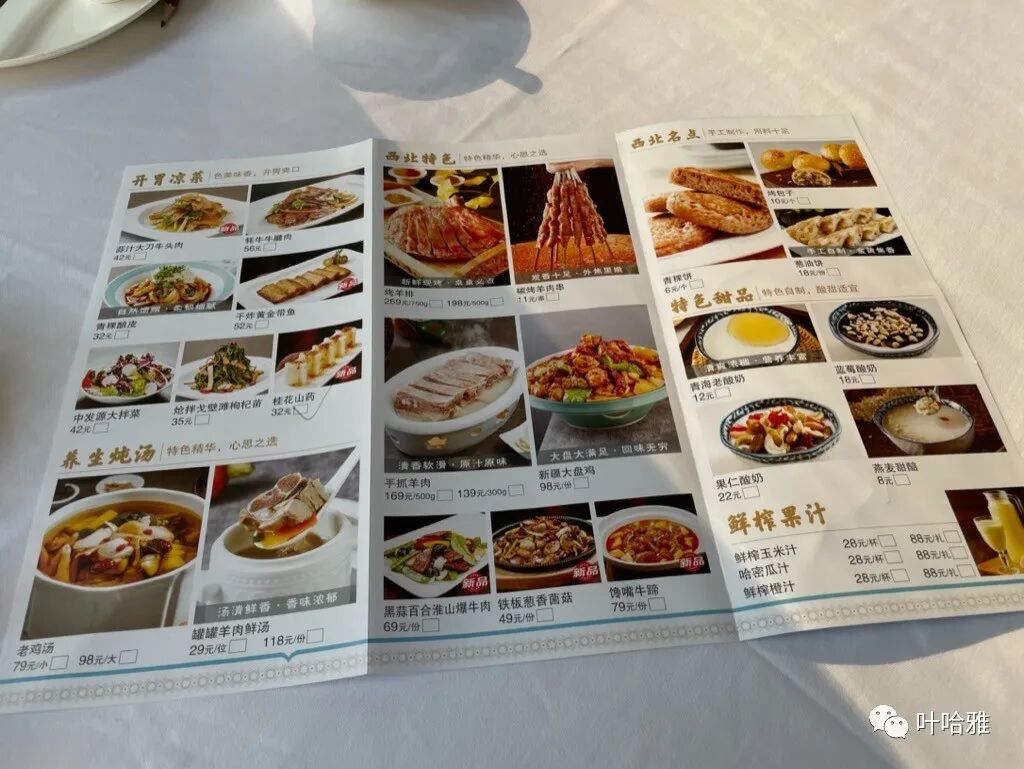
The morning tea menu at Zhongfayuan features traditional Cantonese-style dim sum on the front and improved Northwest-style snacks on the back. It is a creative touch that suits people from different regions.
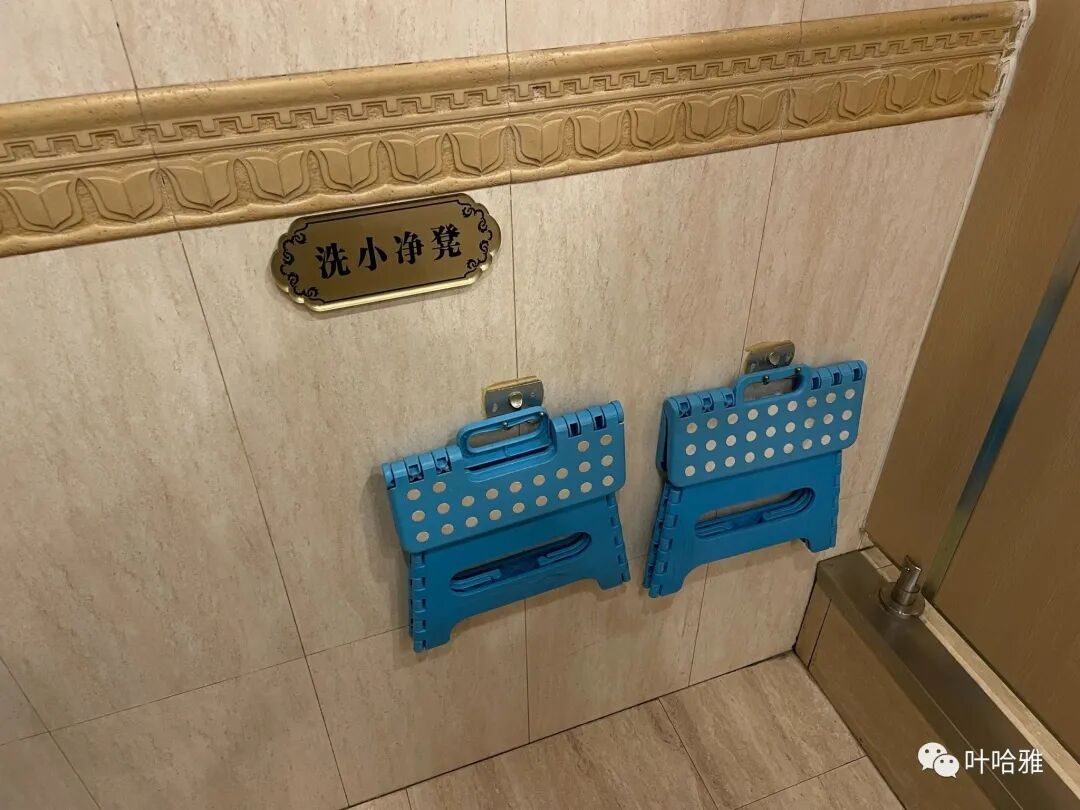
The restroom even provides a stool for performing wudu, which is a nice detail.
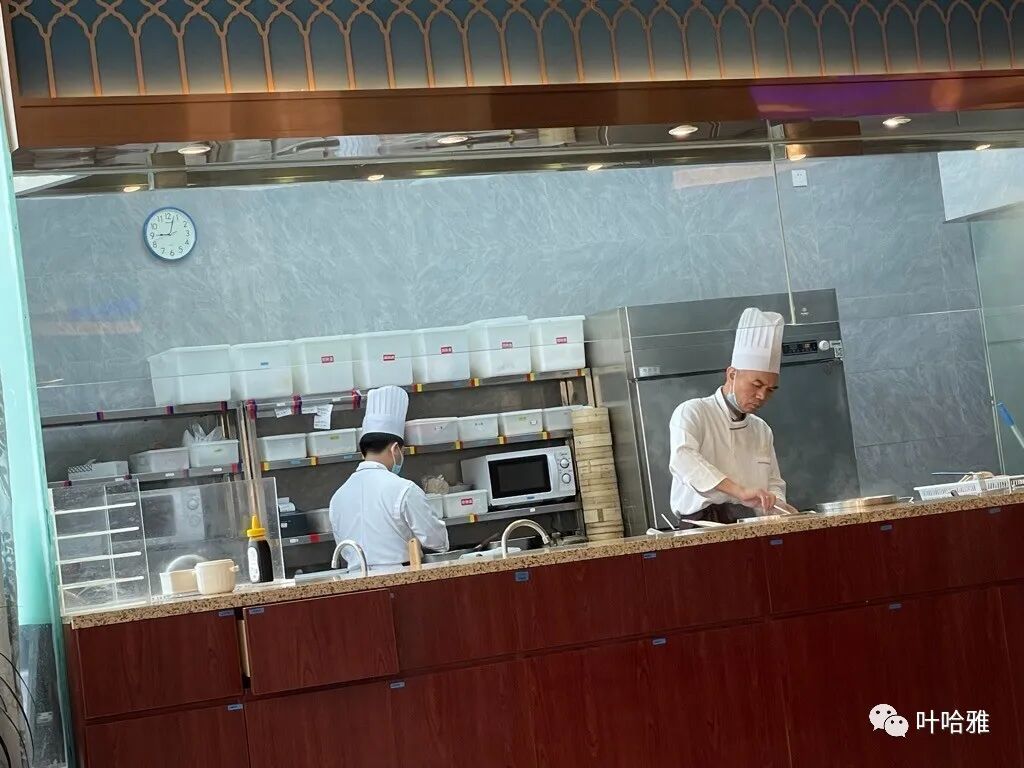
The kitchen is open and visible. Judging by their appearance, the chefs are not Hui Muslims and were likely hired from the local Han Chinese population in the south, but this does not change the halal nature of the food.
The portions for morning tea at Zhongfayuan are larger than in Guangzhou, though there are fewer varieties. I think the taste is about the same, but I prefer a better dining environment with fewer people in the morning. Zhongfayuan is good in this regard. Xinjiang Building has a nice environment but is crowded, while the Hui Muslim Restaurant is both crowded and has a poor environment.
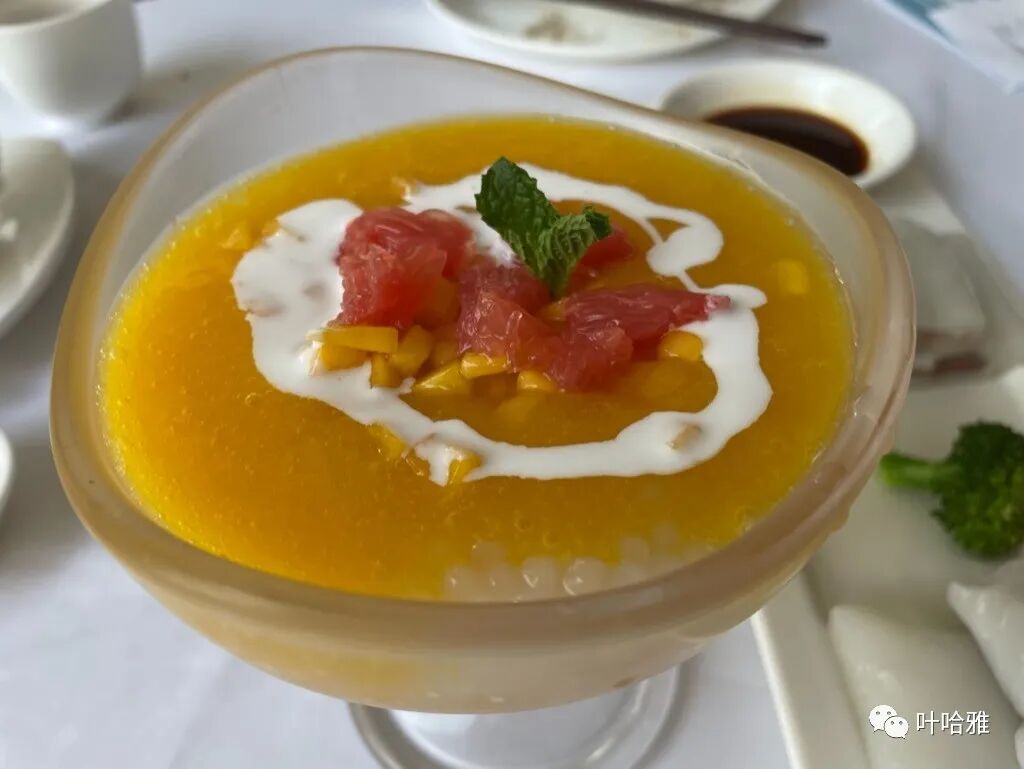
Mango pomelo sago (yangzhi ganlu)
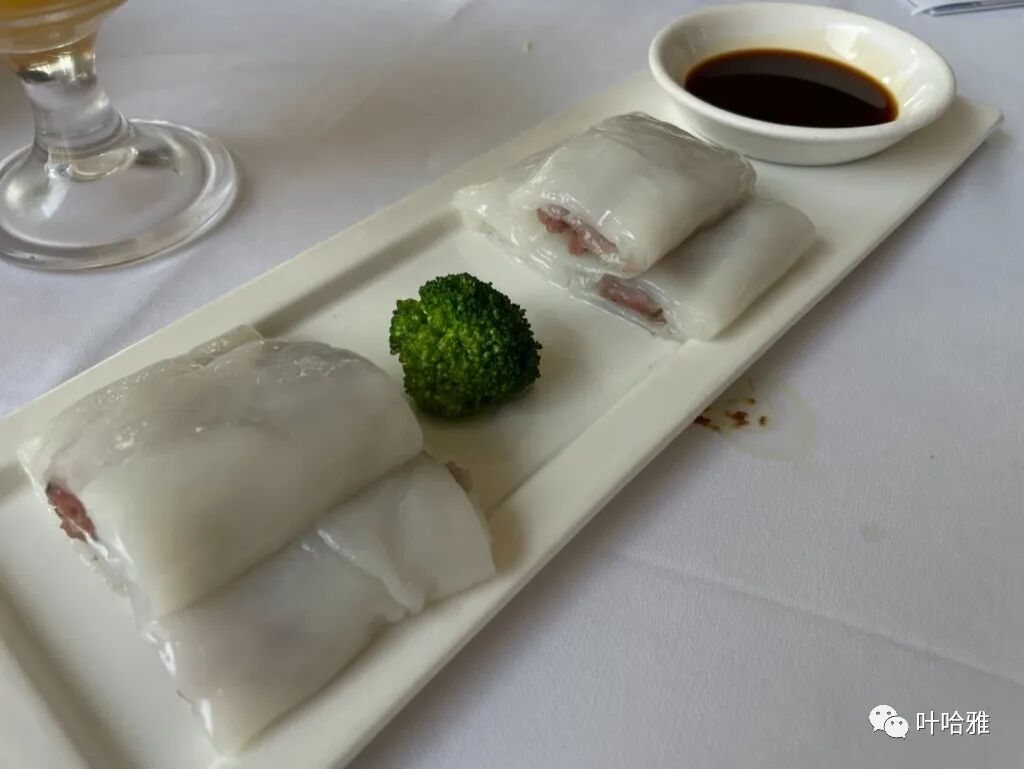
Coriander beef rice noodle rolls (xiangqian niurou changfen)
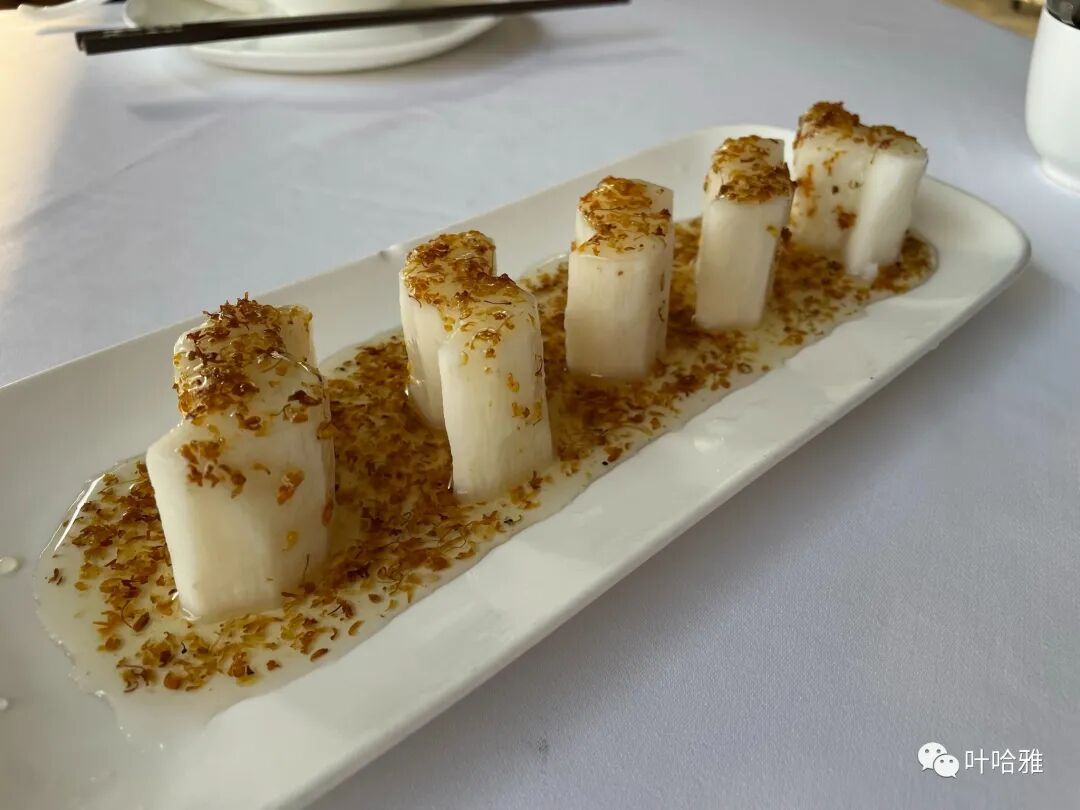
Osmanthus yam (guihua shanyao)
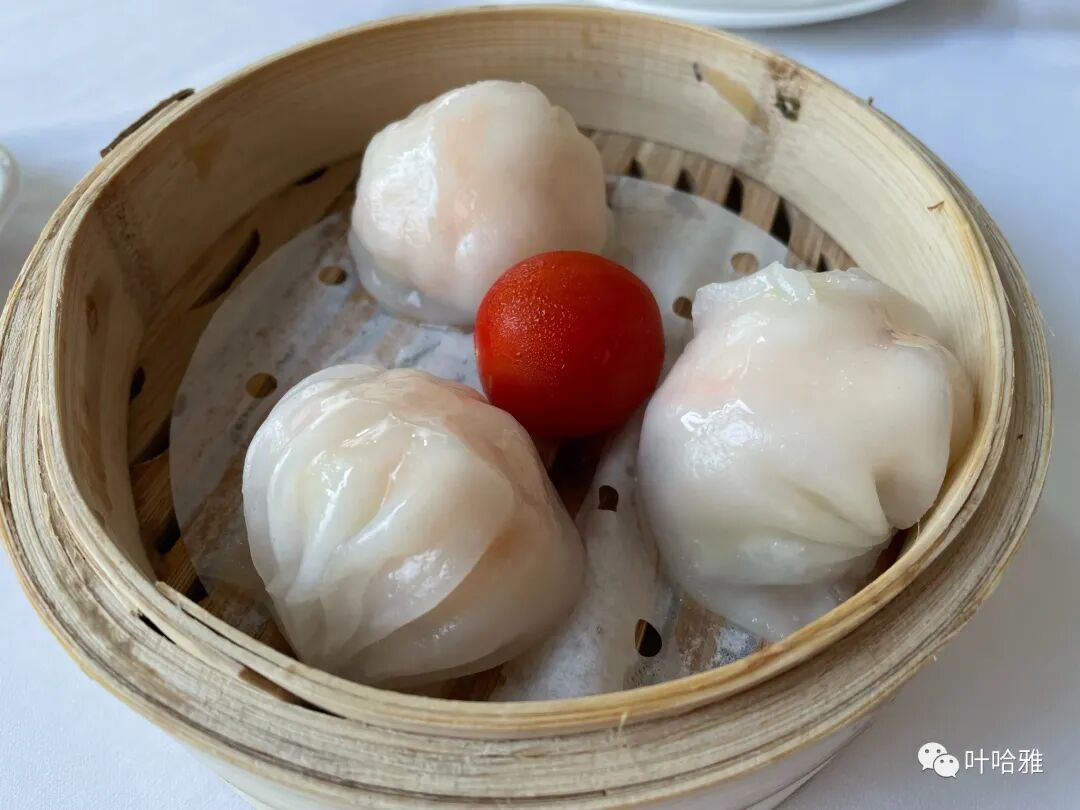
Hui Muslim shrimp dumplings (huimin xiajiao huang)
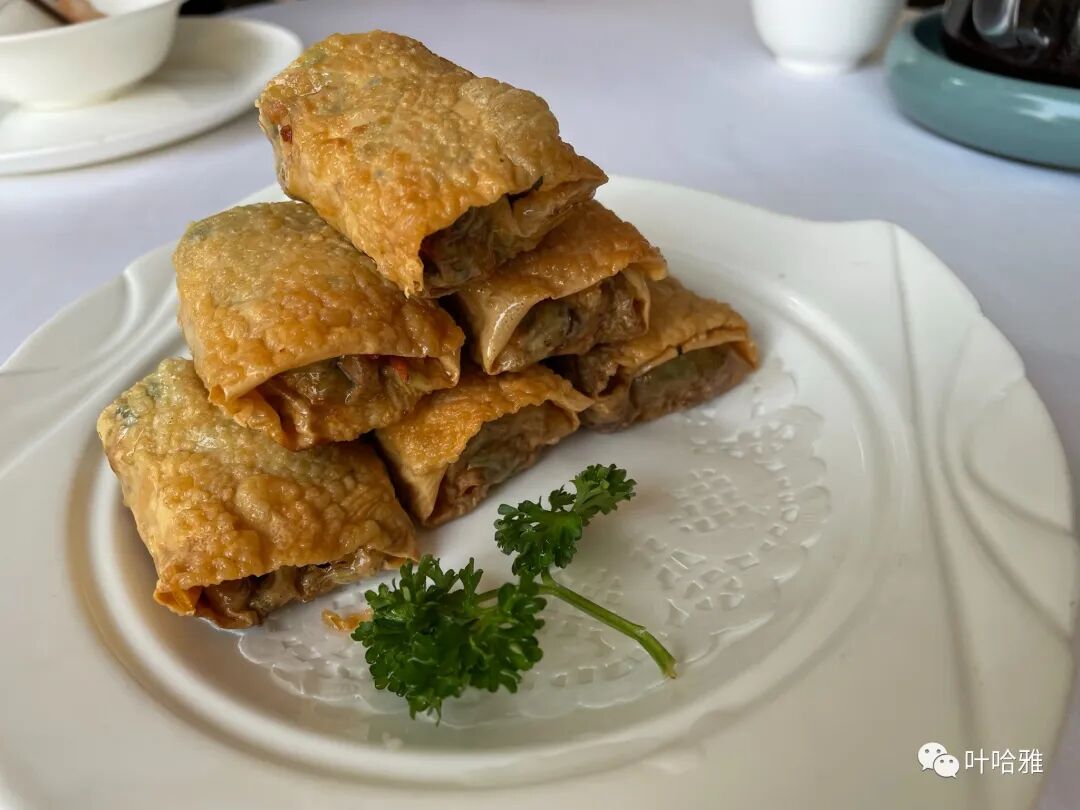
Green bean curd skin rolls (bilu fupi juan)
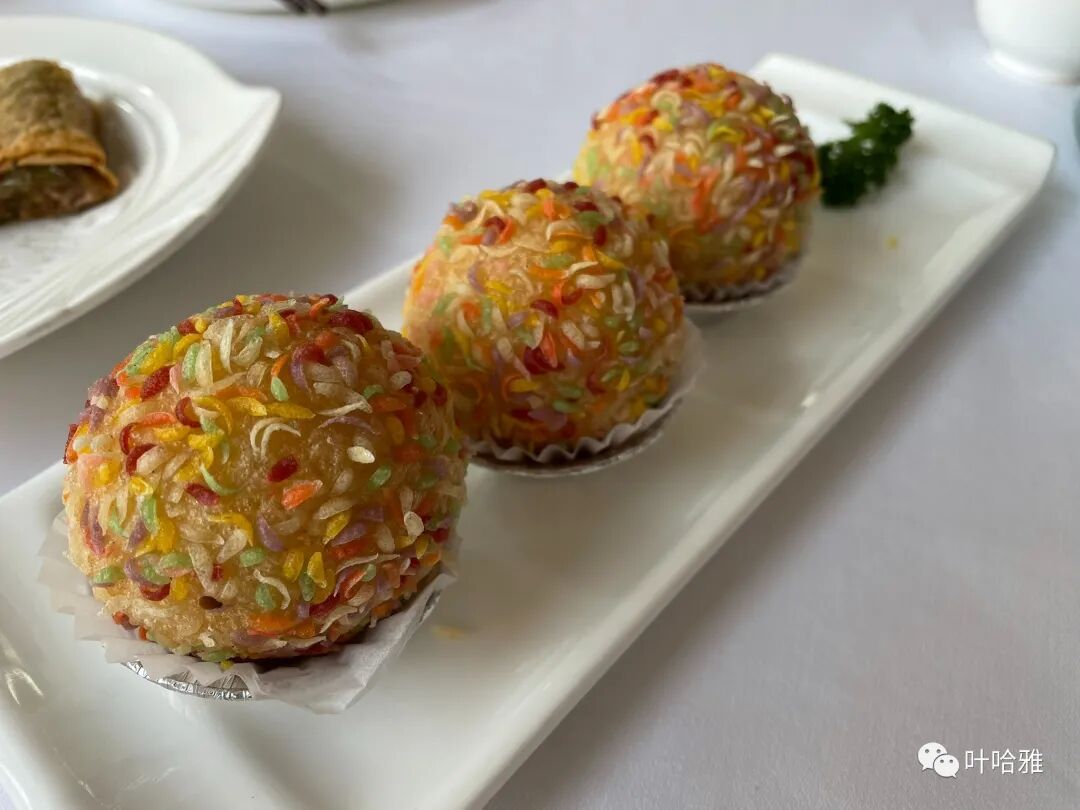
Colorful fried sesame balls (qicai zha jiandui)
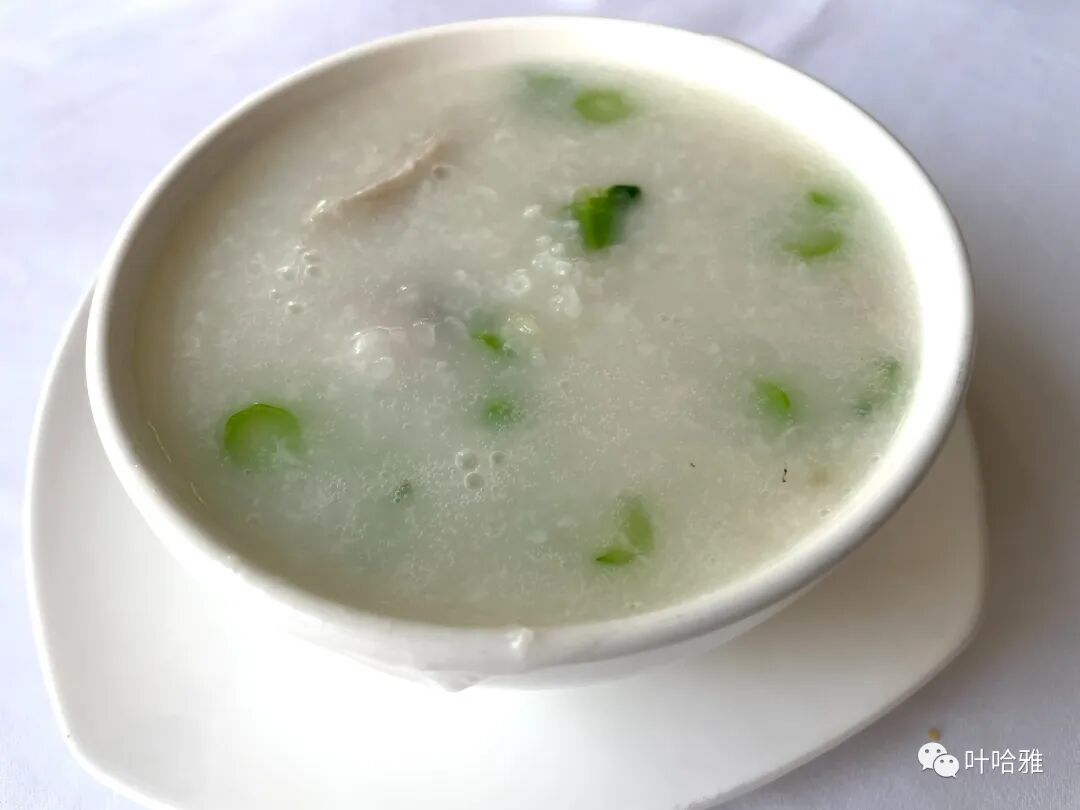
Fish fillet and bone-in belly congee with diced choy sum (caixinli yupian gunan zhou).
Shenzhen Mosque.
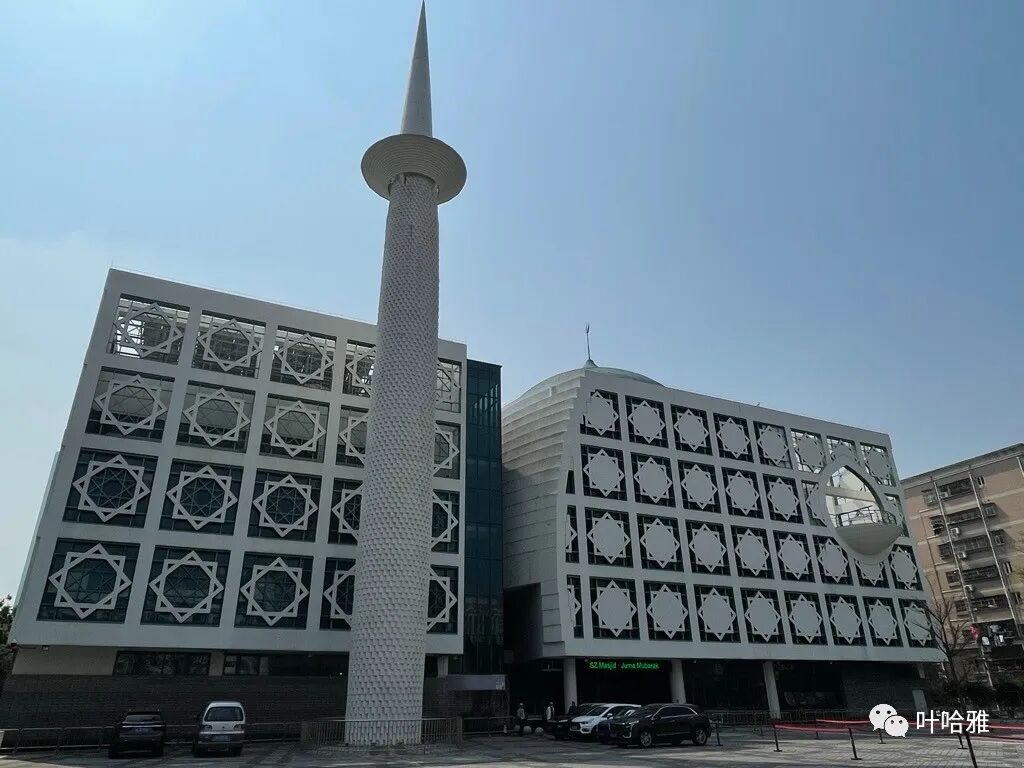
The current Shenzhen Mosque was built and opened in 2016. It covers a total area of about 6,600 square meters with a total floor area of 10,800 square meters. The building was constructed to the government's Class A (highest level) public project standards. It has four floors plus an elevated ground floor and an underground parking garage. The building is divided into east and west sides. The east side is the office area, and the west side is the prayer hall, which can hold over 3,500 people.
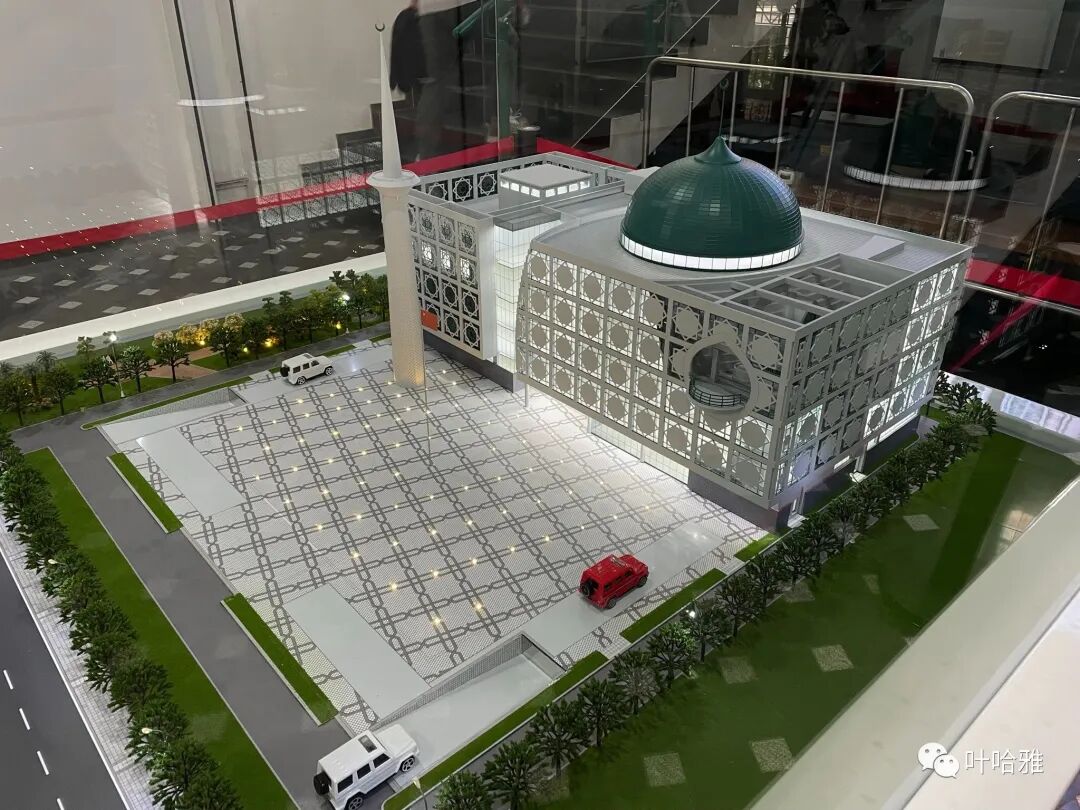
Shenzhen Mosque is one of the few mosques in China with its own website: http://www.szmosque.com/gyqzs.htm
Although there is not much information on it.
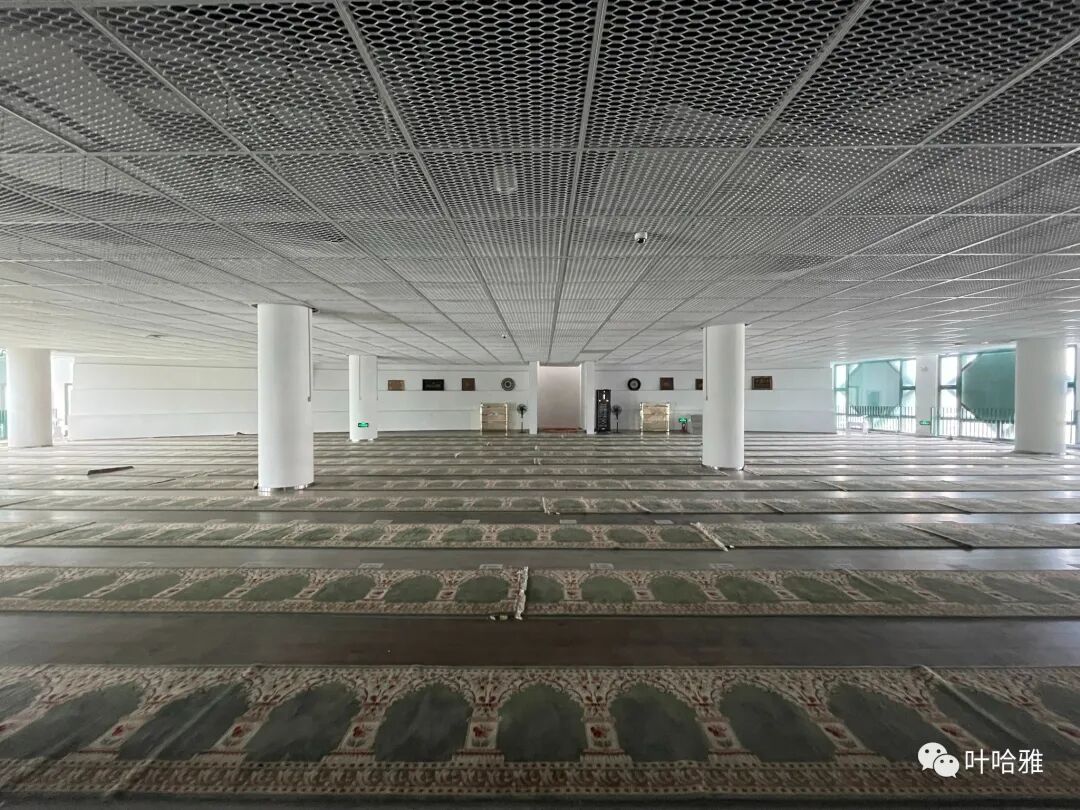
Shenzhen has no history of Muslim life from ancient times. The earliest recorded Muslim in Shenzhen was Pan Shun'an, a Hui Muslim from Jiangxi who wandered to Shenzhen during the Republic of China era. After the liberation, he was transferred to work at the Dachan branch of the Kowloon Customs of the People's Republic of China. He passed away in Shenzhen on December 1, 2000, at the age of 89. Pan Shun'an's nephew, Pan Zhaoming, was the first Hui Muslim born in Shenzhen. There are now about 80,000 to 100,000 Muslims in Shenzhen.
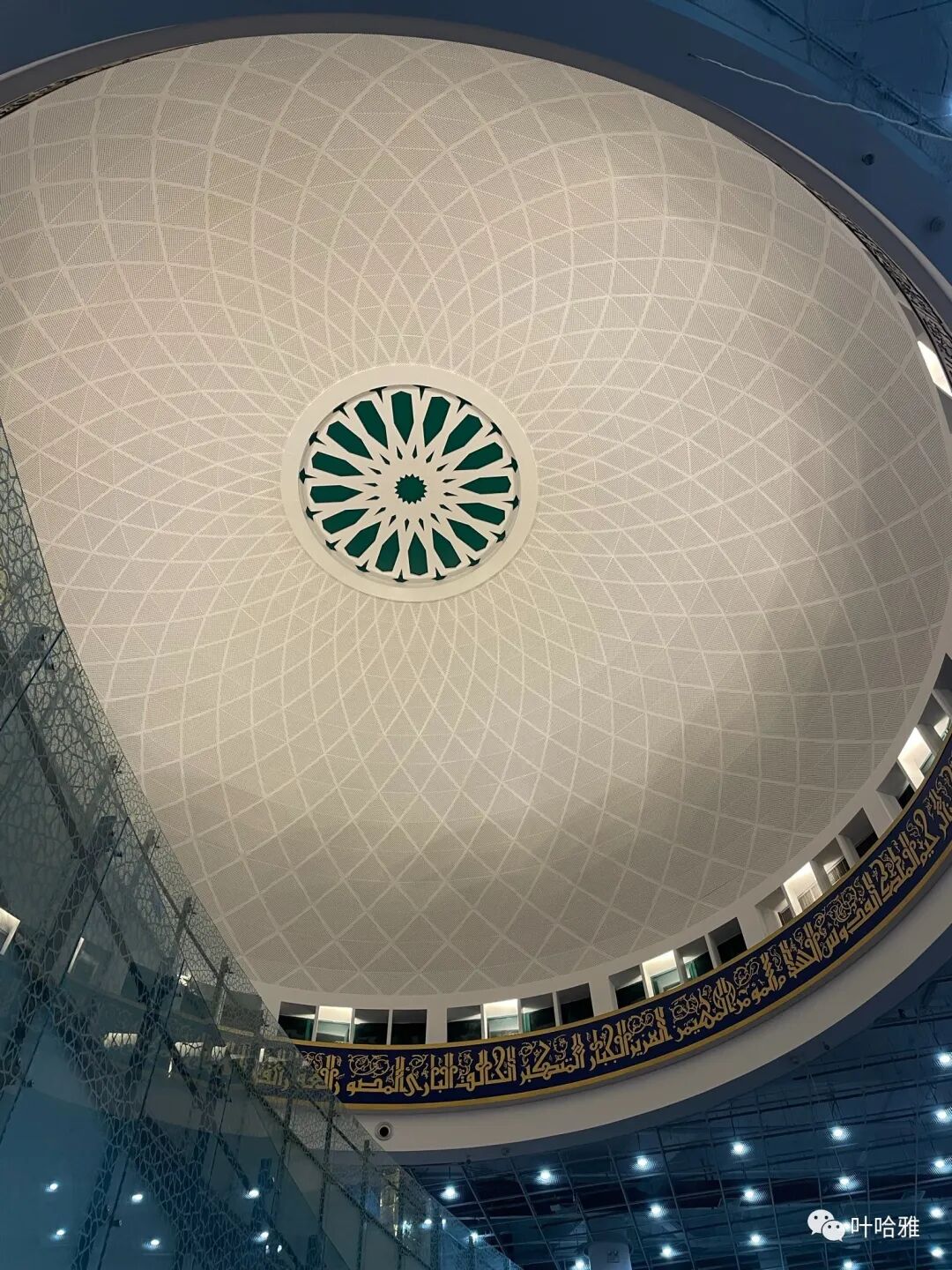
When I was in Beijing, I was lucky to meet Uncle Ma, the first director of the mosque management committee when the Shenzhen mosque was first built. This time, introduced by a friend (dosti), I met the current deputy director, Brother Ma. Both administrations have been highly praised by many friends, which is different from the community I live in. In Beijing, our mosque management committees are usually criticized.
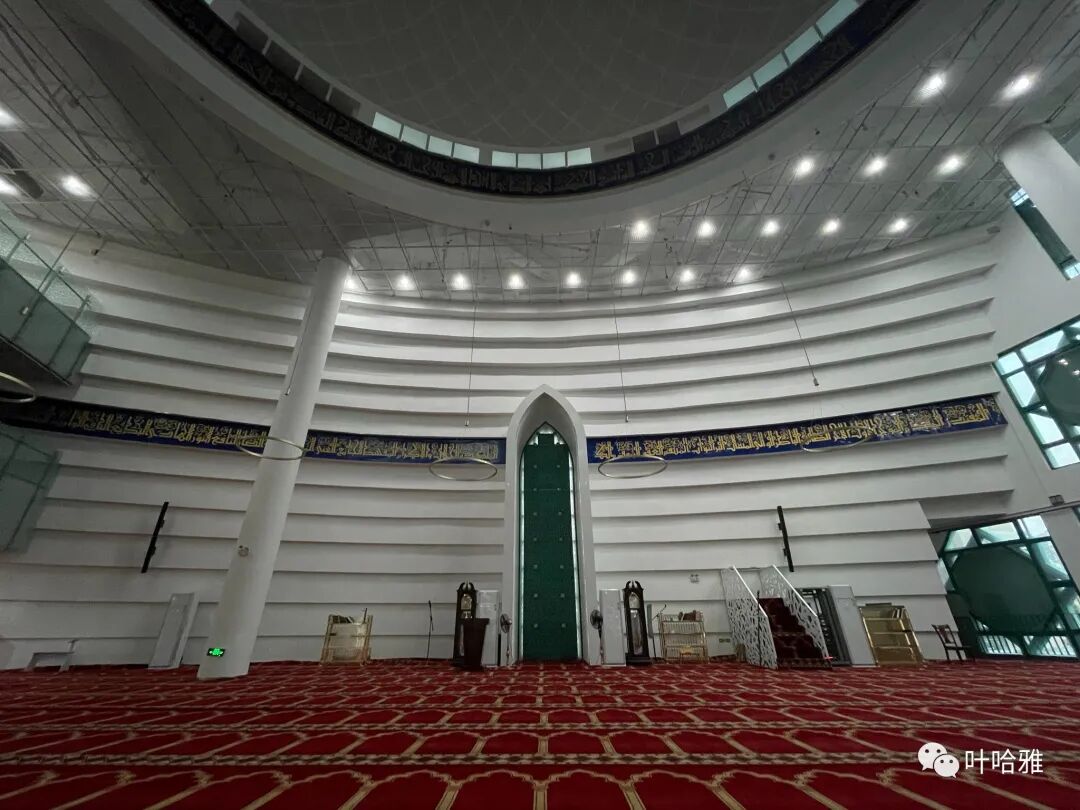
Take the current deputy director, Brother Ma, for example. I did not know him before I came here, but the young talents in Shenzhen all spoke highly of him when they mentioned him. It is truly not easy to get everyone to say good things about you. Another thing that draws me to Brother Ma is that he has been an insurance agent for fourteen years. However, the elders say he never actively pushes products on people around him, and he looks at the products he sells objectively and never misleads anyone.
During Ramadan, Brother Ma insists on inviting friends (dosti) to his home for iftar every single day. He sets up four or five tables each time and cooks everything himself. We even ate his stir-fried dishes at the mosque over the weekend, as shown in the photo below.
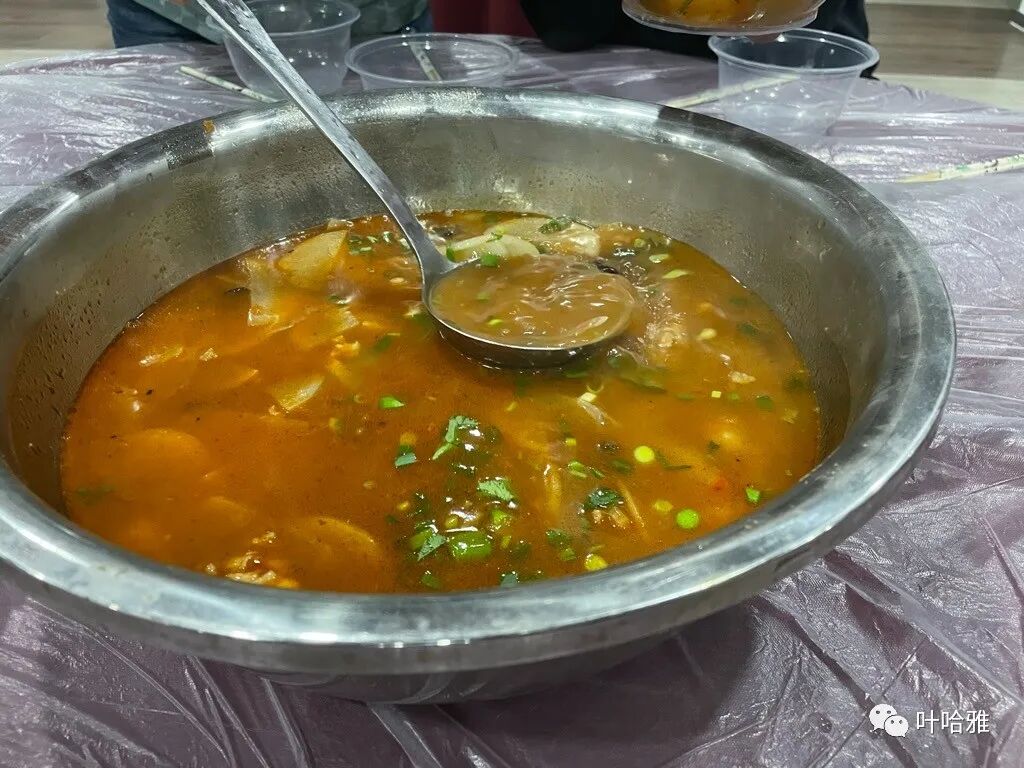
If you come to the mosque between Maghrib (sham) on Friday or Saturday, you can eat and drink for free. It is busier on Saturdays. The mosque has a library where you can study, so both your spirit and your stomach will be satisfied.
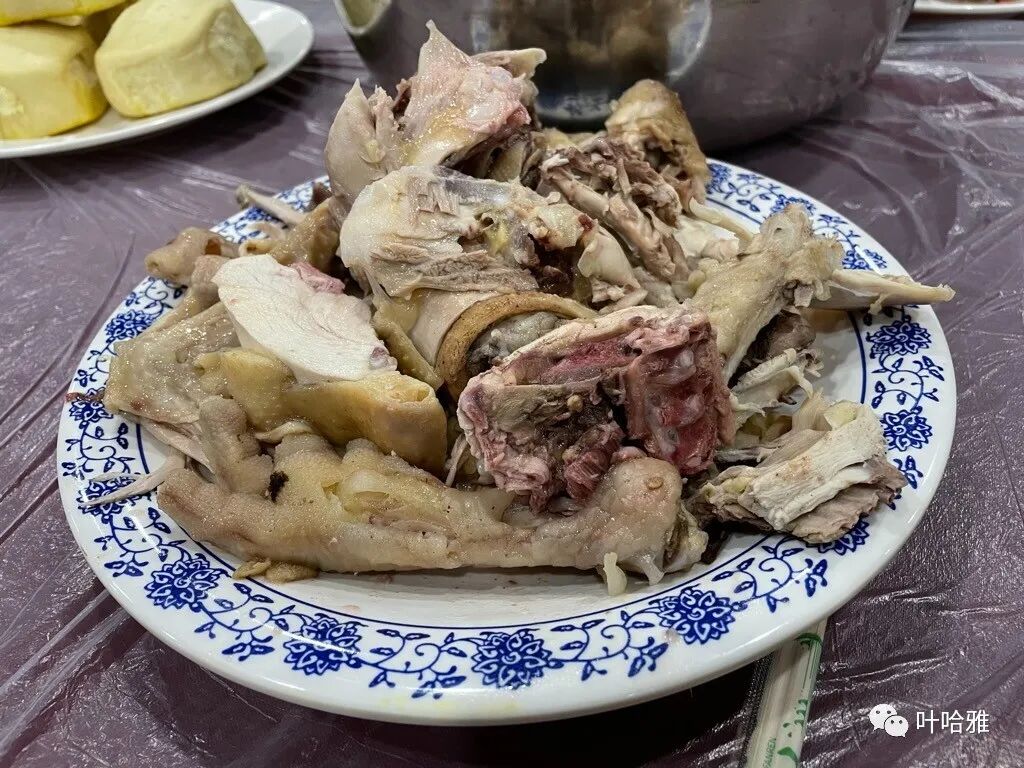
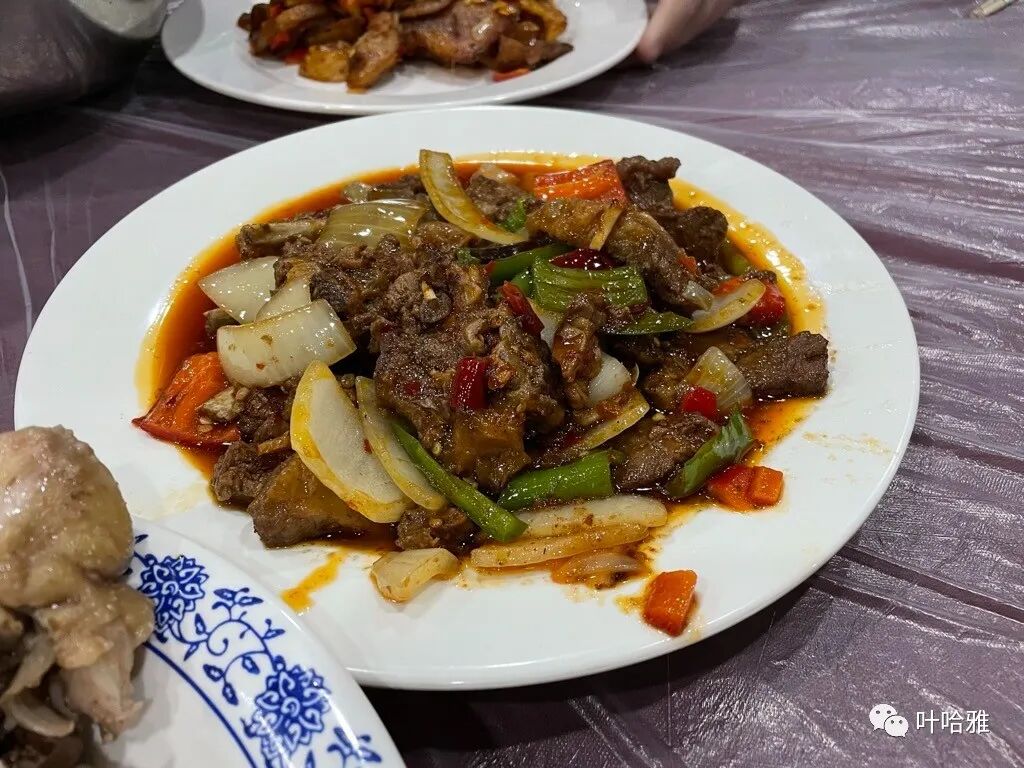
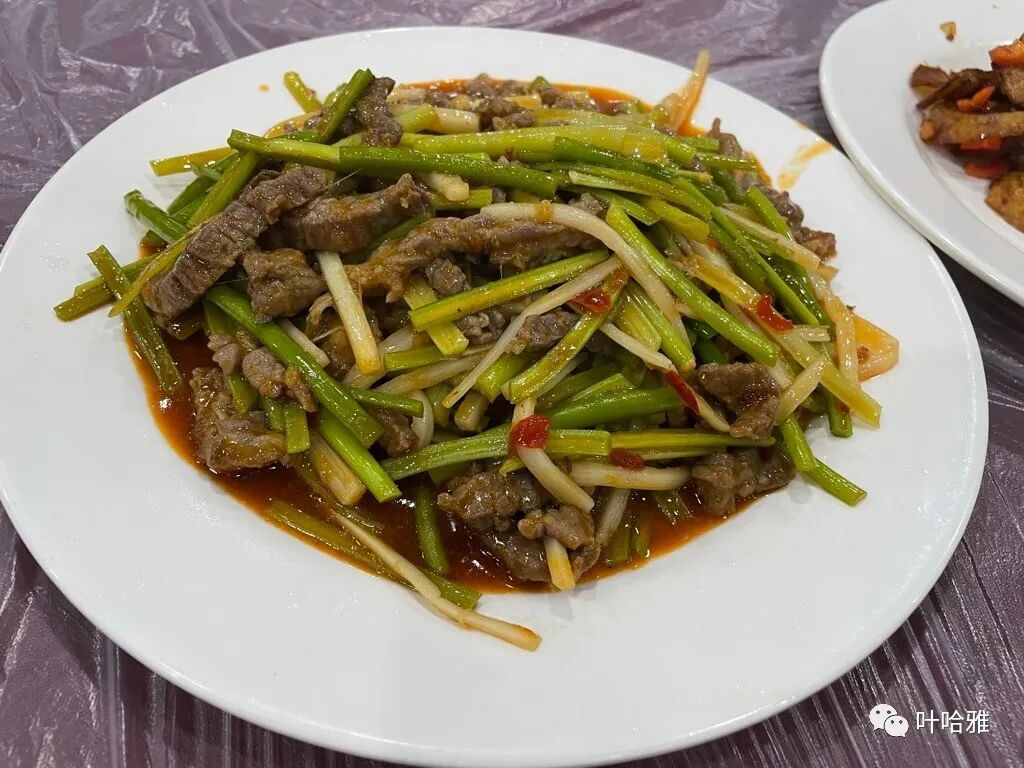
No matter how good restaurant food is, it is not as blessed as the food at the mosque. After the Hufu Beach (Hufutan), a Huawei executive took me to see the facilities inside the mosque.
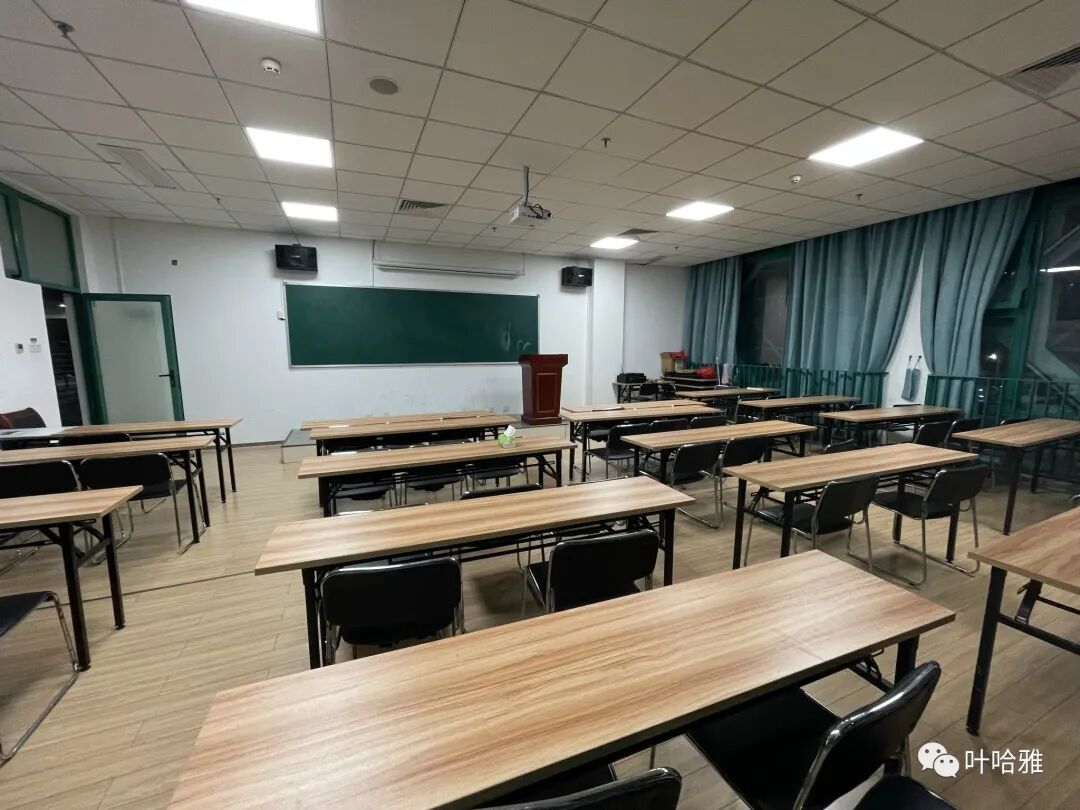
This is truly the mosque with the most complete facilities I have ever seen in China. It meets the needs of men, women, the elderly, and children.
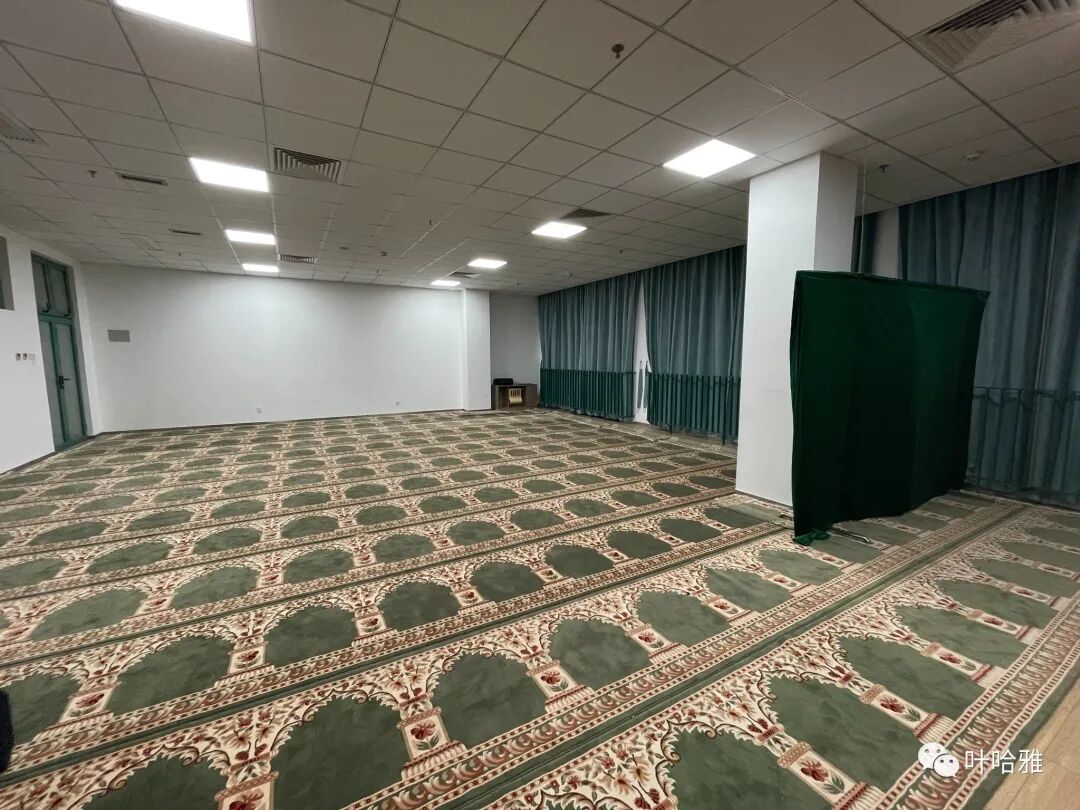
If you plan to visit the Shenzhen mosque, I suggest you go between Maghrib (sham) on Friday or Saturday and Hufu Beach (Hufutan).
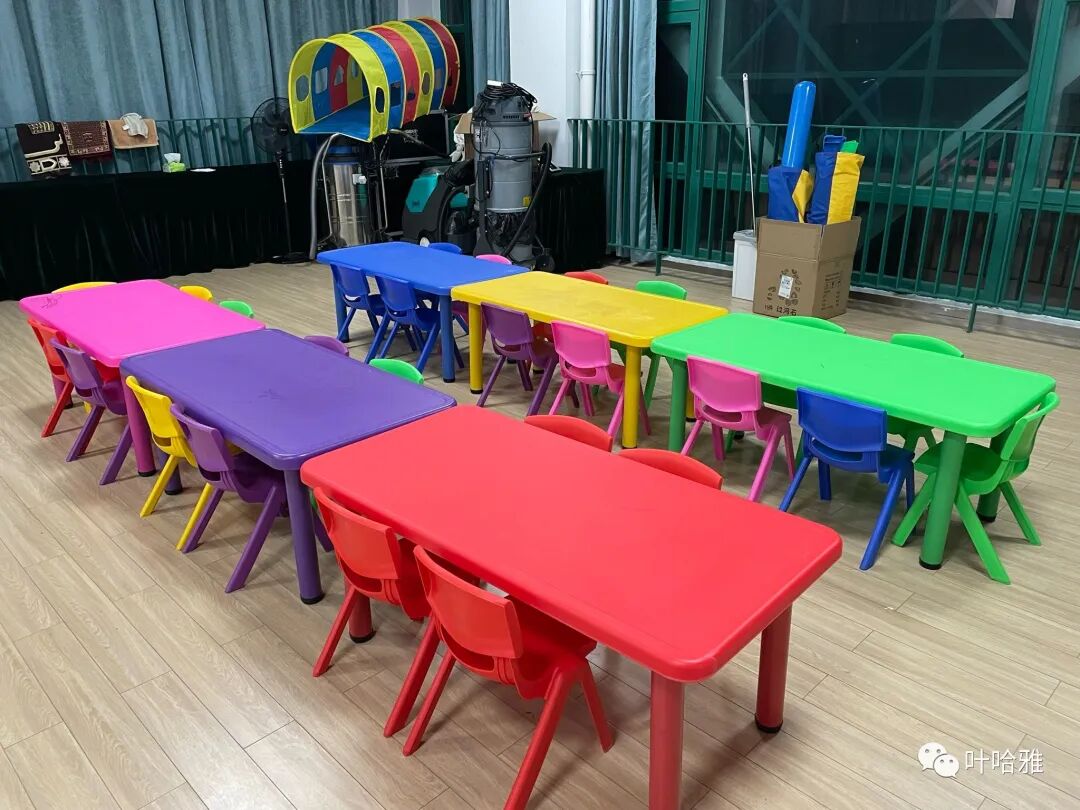
Hong Kong and Macau are now open for entry. Before you head there, come to Shenzhen to experience the halal atmosphere here. I promise it will be a trip worth taking.
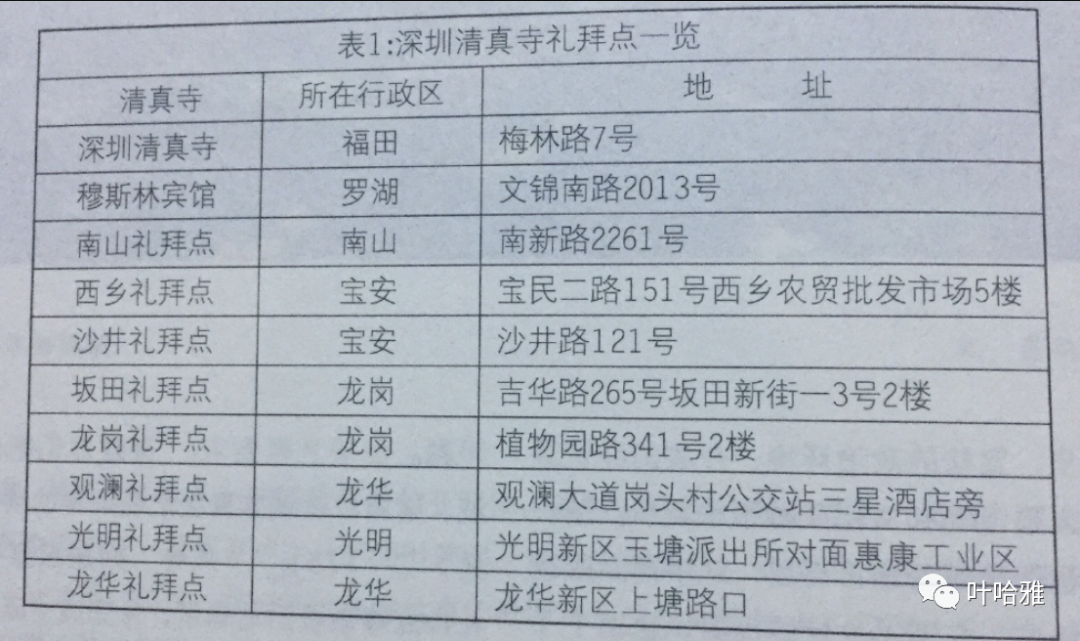
Screenshot from Shenzhen Muslim magazine.
Summary: This Muslim friendly China guide follows a visit to Huawei Bantian campus in Shenzhen, its halal cafeteria stalls, Ningxia Tanyang lamb, Northwest Chinese food, and the young Hui Muslim community the author met there.
A Halal Food Tour in Shenzhen: The Salt-lake Lamb (Tanyang) at the Huawei Cafeteria Is Really Delicious is presented here as a firsthand travel account in clear English, beginning with this scene: When I first visited Shenzhen in 2015, the Great Mosque was not yet finished. By my second visit in 2019, it was already in use. The account keeps its focus on Halal Travel, Yiwu Food, Mosque Travel while preserving the names, places, food, and historical details from the Chinese source.
When I first visited Shenzhen in 2015, the Great Mosque was not yet finished. By my second visit in 2019, it was already in use. This third visit in 2023 was driven by the current religious atmosphere in Shenzhen. The young, devout, and life-loving Hui Muslims I met left a deep impression on me.
I went straight from the airport to Huawei headquarters before checking into my hotel. I had long heard that Huawei treats Muslims well, even launching a Middle Eastern version of their phone that could locate mosques. Huawei's international vision has earned them significant profits.
I met with many Muslim brothers (siti) at the Huawei Bantian base in Shenzhen. People say the scenery here rivals a royal garden. If you want to visit Huawei, I recommend the Bantian base, Area B, entering through the East Gate.
A friend from Huawei met me at the gate. You just need to register and state your purpose to enter the campus. We just said we were going to grab a meal and got in.
The East Gate faces the Huawei Finance Building, and the office of the eldest princess, Meng Wanzhou, is right next door.
Canopies were set up under the trees on campus, with young men and women reading in the shade. The weather in Shenzhen in late February is mild and sunny. You don't feel cold in short sleeves, and you don't feel hot in long sleeves.
There is a pond in front of the cafeteria. The campus landscape is designed purely for artistic beauty without considering practicality, which makes it feel less like a company and more like a university. That Huawei's top management has this aesthetic sense shows their broad-mindedness, as aesthetics are a projection of one's inner world.
Huawei's cafeteria is very spacious with comfortable spacing between tables and chairs, so it never feels crowded. The simple design style feels like being in an IKEA restaurant.
There is even an Industrial and Commercial Bank of China branch inside the cafeteria that handles simple cash transactions. This is very convenient for employees, as many people can only run errands during their lunch break. At Huawei, you can stay on campus and have all your basic needs met.
The restaurant has three halal stalls: Dongfanggong, Jiuwan Shisihua, and Qiaoxiangcun. They all serve Northwest Chinese flavors. Qiaoxiangcun can prepare stir-fried dishes, which are suitable for business dinners.
Dongfanggong Lanzhou beef hand-pulled noodles (lamian).
Nine bowls and thirteen flower dishes (jiuwan shisanhua).
Northwest cuisine at Qiaoxiang Village (no alcohol served).
The cooking at Qiaoxiang Village is excellent. They use salt-lake lamb (tanyang), and because they do not pay rent, the prices are even cheaper than other restaurants.
Salt-lake lamb baked buns (tanyang kaobaozi).
Roasted lamb chops (kaoyangpai)
Steamed turbot (qingzheng duobaoyu).
Hand-grabbed lamb (shouzhuayangrou).
A senior Huawei colleague hosted the meal. This table had ten dishes: roasted lamb leg from the desert, hand-grabbed lamb, black pepper beef short ribs, steamed turbot, Hui Muslim style spicy chicken, stir-fried vermicelli with meat, blanched choy sum, lamb baked buns, baby bok choy with scallion oil, and West Lake beef soup. The standard of this meal was better than eating out. I arrived late, but the restaurant kindly reheated the cold food for me, and I was so full I couldn't finish it.
After eating and finishing namaz, some people went off to meetings. Huawei has a dedicated prayer room inside a storage area. For a modern multinational company, this should be standard. When I visited the Shiroi Koibito chocolate factory in Japan, they even had a room for employees to perform wudu and namaz.
In the afternoon, a colleague with free time drove me around the campus. Yes, the campus is so big that you need a car to get around. Some say the Huawei Bantian base looks like a Japanese garden, but it is more accurate to say it reflects the Tang Dynasty style that Japan has preserved.
While walking, I asked my colleague about some rumors regarding Huawei, such as the claim that Huawei encourages older employees to leave to save on retirement costs. The Huawei colleague said it is not that exaggerated. Many employees retire from Huawei on schedule. Huawei contracts are renewed every eight years, and some people do not meet the requirements for renewal when their contract expires. Being let go is a normal part of corporate personnel turnover. Huawei distributes stock options to all employees, and these options do not become void when an employee leaves, which is already much better than many other companies.
Most of the Huawei partners I know have worked there for over 10 years. It is not easy to stay at one company for three years, let alone 10. This shows the company is stable and employees feel a strong sense of belonging, which is very rare for a private enterprise.
I said goodbye to my Huawei brothers in the afternoon to head to dinner. The evening was hosted by a group of Tencent friends (dosti). Shenzhen is Tencent's home base, and most of the people there were young internet professionals.
Yunnan Cuisine: Garden of Eden (Yidianyuan)
Garden of Eden (Yidianyuan) Yunnan Cuisine is a restaurant highly recommended by many Shenzhen friends (dosti). It is located in the alley behind the Shenzhen Mosque and has two private rooms that seat 10 people each.
The dinner was scheduled after the evening prayer (hufutan). Since it is close to the mosque, many friends (dosti) came only after finishing their namaz.
Fried milk fan cheese (zha rushan)
Garden of Eden (Yidianyuan) combines common specialty dishes from all over Yunnan. It has all the Yunnan food I can think of, and the taste is authentic. The average cost is about 100 yuan per person. If you are in Shenzhen and do not want to eat Northwest Chinese food but want something special, Garden of Eden (Yidianyuan) is a great choice.
Grilled Shiping tofu (kao shiping doufu)
Copper pot rice (tongguo fan)
Dried beef jerky (niu ganba)
Stir-fried beef with mint (bohe chao niurou)
Hani-style stir-fried chicken (Hani xiaochaoji)
Flavorful tilapia (fengwei luofeiyu)
Fresh porcini mushrooms (xinxian niugan jun)
Crispy red beans (xin xiangsu hongdou)
Northwest cuisine at Northwest Leader Lamb (Xibei Lingtouyang)
Northwest Leader Lamb is one of the most popular halal restaurants in Shenzhen right now. It is quite large and sits right next to the mosque. I passed by twice before but never went in. This time, I met an old friend on Friday for Jumu'ah and they brought me here.
Wood ear mushrooms with okra (mu'er qiukui)
Fresh lamb hot pot (xinxian yangrou bao)
This lamb hot pot tastes a lot like the open-pot lamb (kaiguo yangrou) from Lanzhou. I have to admit, the lamb at this restaurant is delicious.
Meat in naan bread (nang bao rou)
Cantonese-style morning tea (zaocha) at Zhongfayuan
Zhongfayuan is a Northwest-style restaurant, but it is the only place in Shenzhen that serves halal Cantonese morning tea. Only three of their chain locations offer it. I cannot remember which three, but the Jingtian branch definitely does. Call to confirm before you go. Unlike the Guangzhou Hui Muslim Restaurant and Xinjiang Building where morning tea starts at 7:00 a.m., morning tea here does not begin until 9:00 a.m. Very few people come on weekdays, though it gets busier on weekends. It seems people in Shenzhen are too busy making money in the morning to have time for tea.
The friends I had dinner with the night before all went to work the next morning. Only a brother from Tencent stayed to have tea with me for a while, but he also took a taxi to his company for a meeting after 10:00 a.m. You can really see how fast the pace of life is in Shenzhen.
The morning tea menu at Zhongfayuan features traditional Cantonese-style dim sum on the front and improved Northwest-style snacks on the back. It is a creative touch that suits people from different regions.
The restroom even provides a stool for performing wudu, which is a nice detail.
The kitchen is open and visible. Judging by their appearance, the chefs are not Hui Muslims and were likely hired from the local Han Chinese population in the south, but this does not change the halal nature of the food.
The portions for morning tea at Zhongfayuan are larger than in Guangzhou, though there are fewer varieties. I think the taste is about the same, but I prefer a better dining environment with fewer people in the morning. Zhongfayuan is good in this regard. Xinjiang Building has a nice environment but is crowded, while the Hui Muslim Restaurant is both crowded and has a poor environment.
Mango pomelo sago (yangzhi ganlu)
Coriander beef rice noodle rolls (xiangqian niurou changfen)
Osmanthus yam (guihua shanyao)
Hui Muslim shrimp dumplings (huimin xiajiao huang)
Green bean curd skin rolls (bilu fupi juan)
Colorful fried sesame balls (qicai zha jiandui)
Fish fillet and bone-in belly congee with diced choy sum (caixinli yupian gunan zhou).
Shenzhen Mosque.
The current Shenzhen Mosque was built and opened in 2016. It covers a total area of about 6,600 square meters with a total floor area of 10,800 square meters. The building was constructed to the government's Class A (highest level) public project standards. It has four floors plus an elevated ground floor and an underground parking garage. The building is divided into east and west sides. The east side is the office area, and the west side is the prayer hall, which can hold over 3,500 people.
Shenzhen Mosque is one of the few mosques in China with its own website: http://www.szmosque.com/gyqzs.htm
Although there is not much information on it.
Shenzhen has no history of Muslim life from ancient times. The earliest recorded Muslim in Shenzhen was Pan Shun'an, a Hui Muslim from Jiangxi who wandered to Shenzhen during the Republic of China era. After the liberation, he was transferred to work at the Dachan branch of the Kowloon Customs of the People's Republic of China. He passed away in Shenzhen on December 1, 2000, at the age of 89. Pan Shun'an's nephew, Pan Zhaoming, was the first Hui Muslim born in Shenzhen. There are now about 80,000 to 100,000 Muslims in Shenzhen.
When I was in Beijing, I was lucky to meet Uncle Ma, the first director of the mosque management committee when the Shenzhen mosque was first built. This time, introduced by a friend (dosti), I met the current deputy director, Brother Ma. Both administrations have been highly praised by many friends, which is different from the community I live in. In Beijing, our mosque management committees are usually criticized.
Take the current deputy director, Brother Ma, for example. I did not know him before I came here, but the young talents in Shenzhen all spoke highly of him when they mentioned him. It is truly not easy to get everyone to say good things about you. Another thing that draws me to Brother Ma is that he has been an insurance agent for fourteen years. However, the elders say he never actively pushes products on people around him, and he looks at the products he sells objectively and never misleads anyone.
During Ramadan, Brother Ma insists on inviting friends (dosti) to his home for iftar every single day. He sets up four or five tables each time and cooks everything himself. We even ate his stir-fried dishes at the mosque over the weekend, as shown in the photo below.
If you come to the mosque between Maghrib (sham) on Friday or Saturday, you can eat and drink for free. It is busier on Saturdays. The mosque has a library where you can study, so both your spirit and your stomach will be satisfied.
No matter how good restaurant food is, it is not as blessed as the food at the mosque. After the Hufu Beach (Hufutan), a Huawei executive took me to see the facilities inside the mosque.
This is truly the mosque with the most complete facilities I have ever seen in China. It meets the needs of men, women, the elderly, and children.
If you plan to visit the Shenzhen mosque, I suggest you go between Maghrib (sham) on Friday or Saturday and Hufu Beach (Hufutan).
Hong Kong and Macau are now open for entry. Before you head there, come to Shenzhen to experience the halal atmosphere here. I promise it will be a trip worth taking.
Screenshot from Shenzhen Muslim magazine.
