
Best Halal Restaurants in Beijing: 10 Local Muslim Food Spots Worth Trying (Part 3 of 5)
Reposted from the web
Summary: This guide to the best halal restaurants in Beijing keeps the original list of local Muslim food spots, Hui Muslim food, and practical halal dining details.
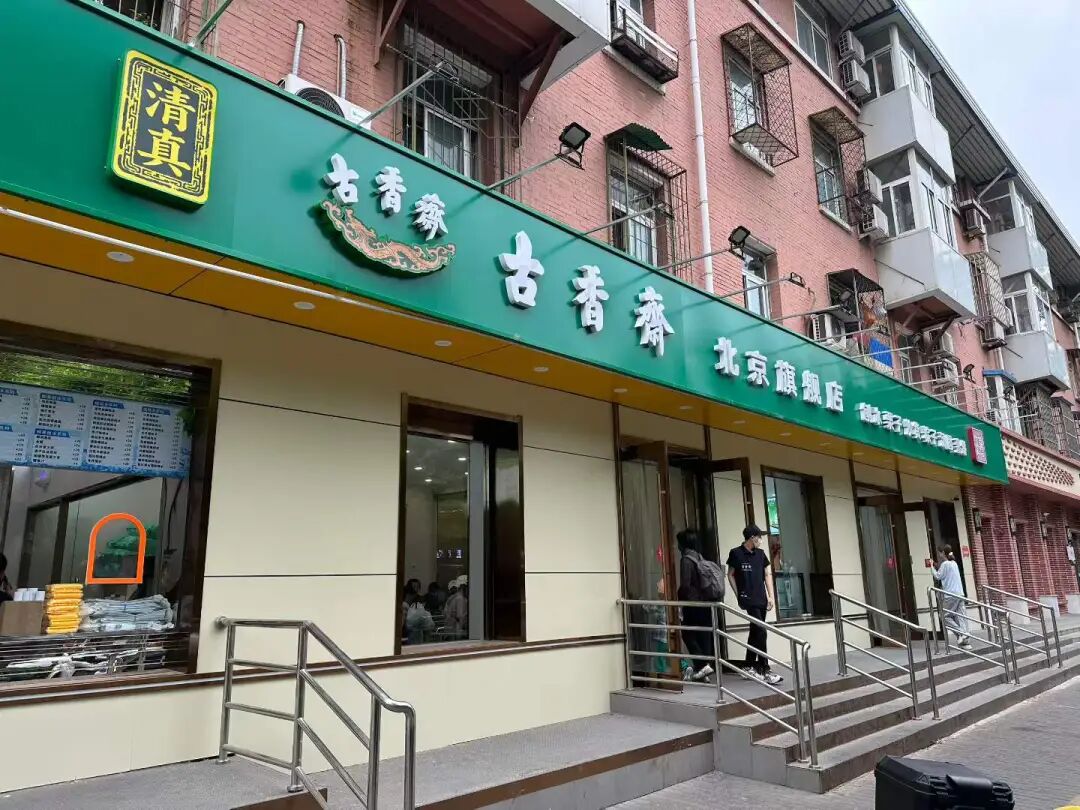
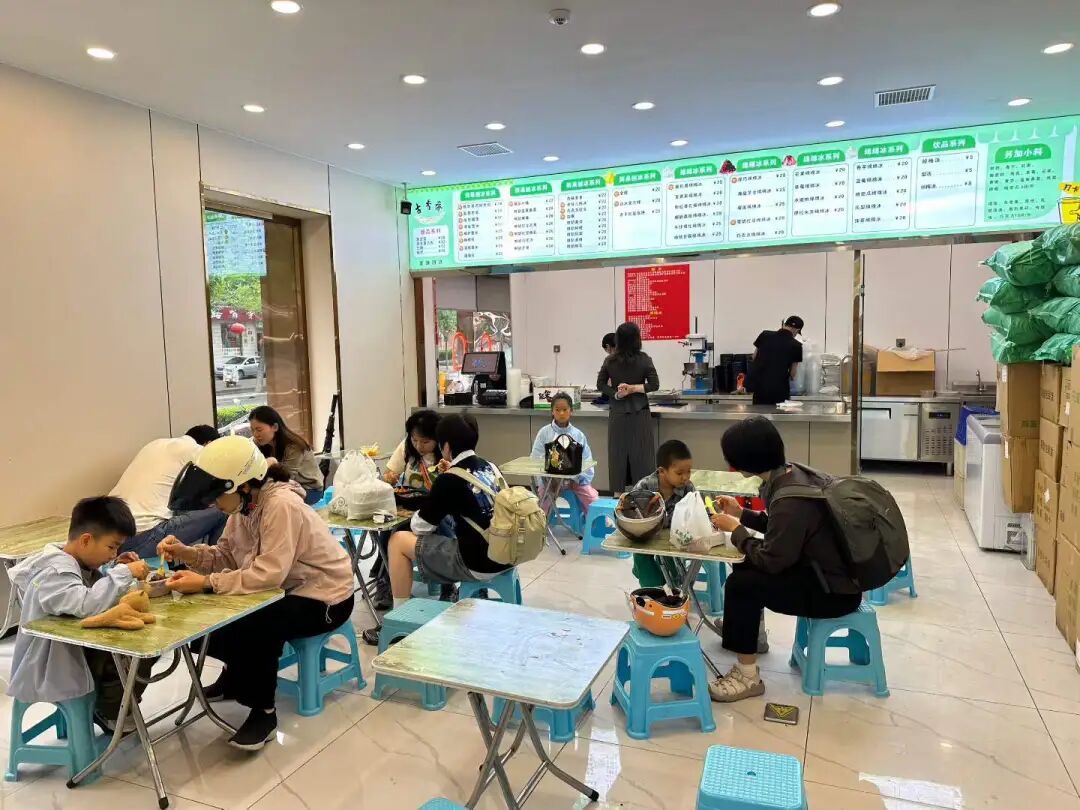
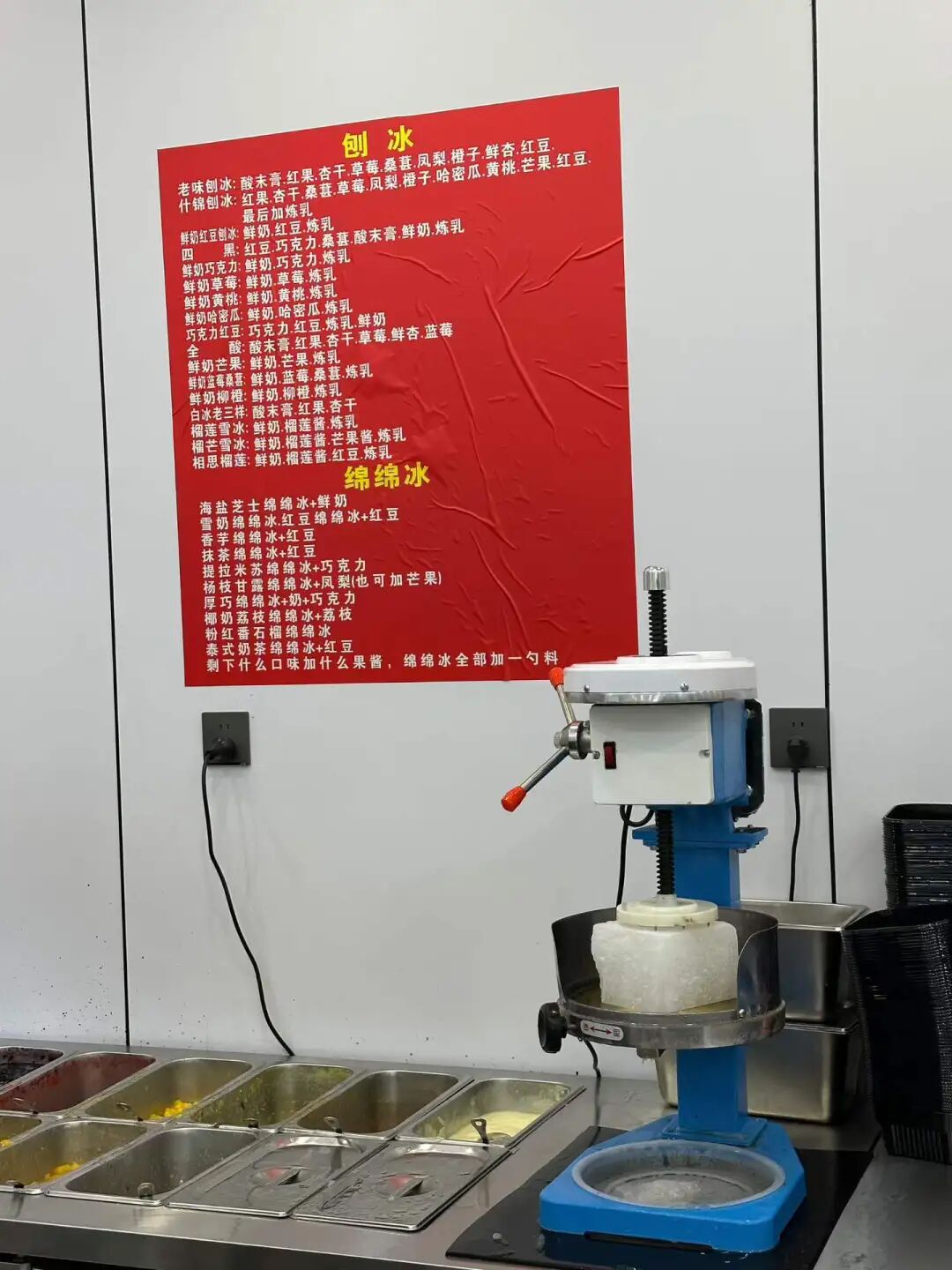
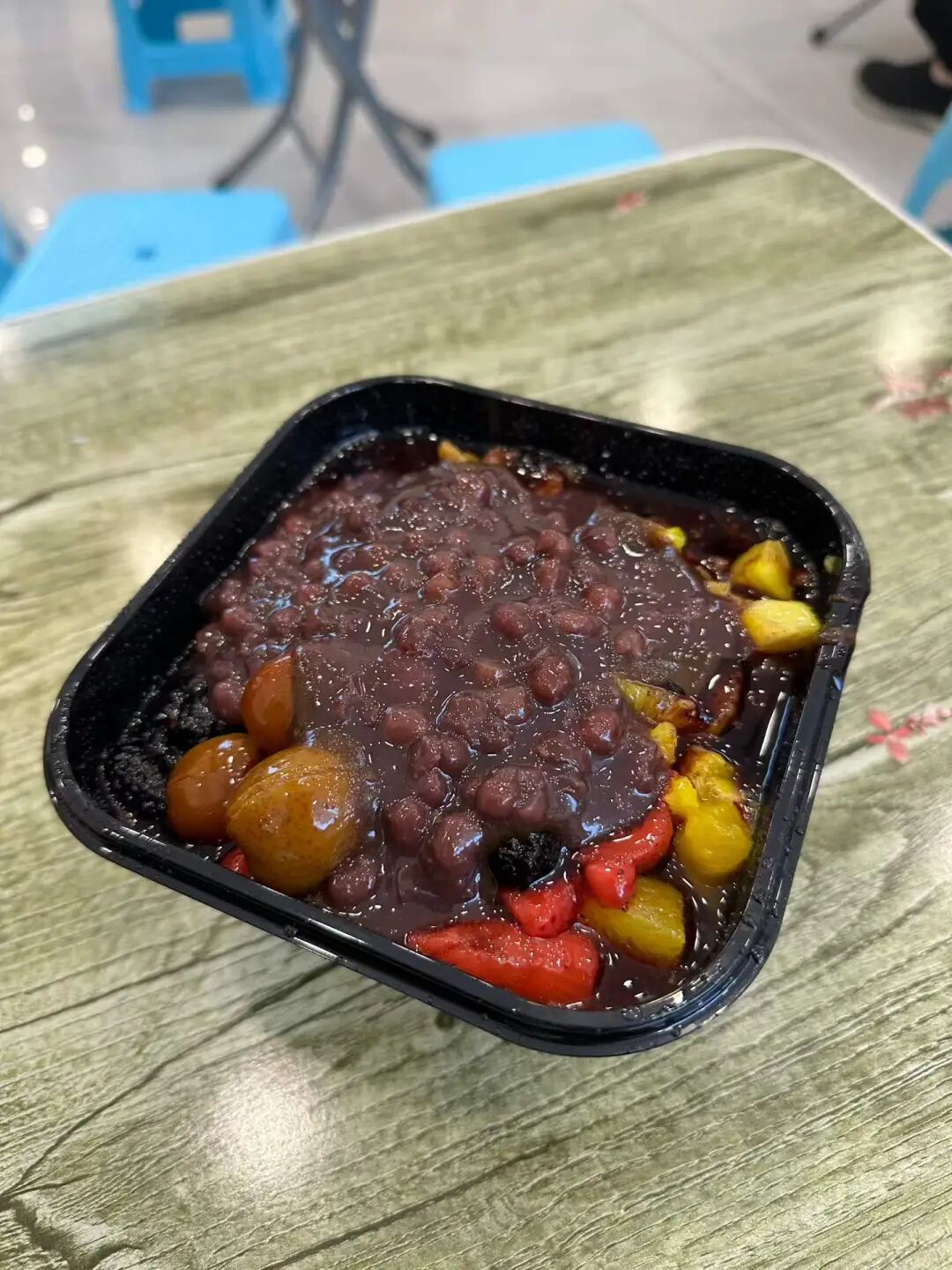
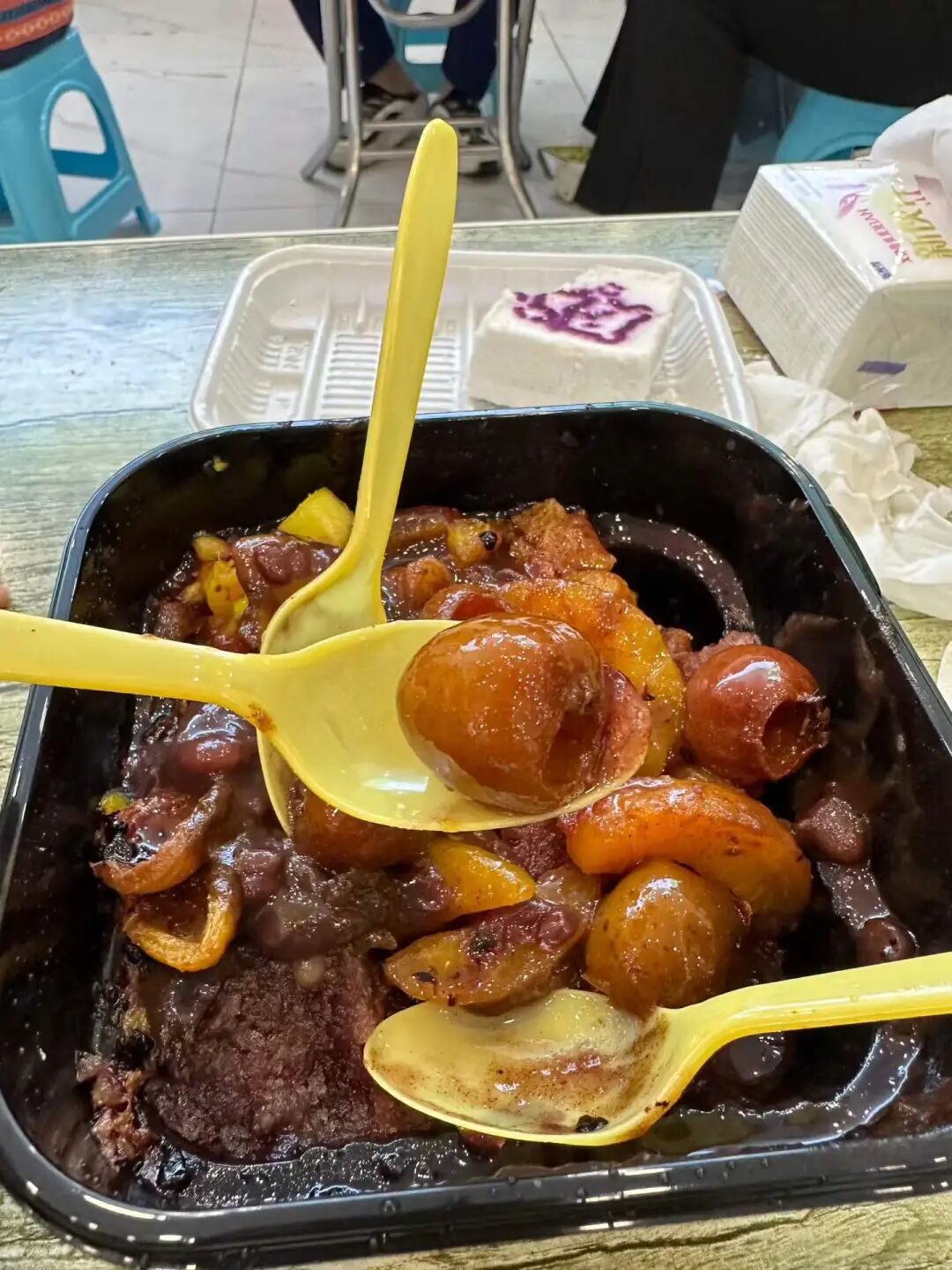
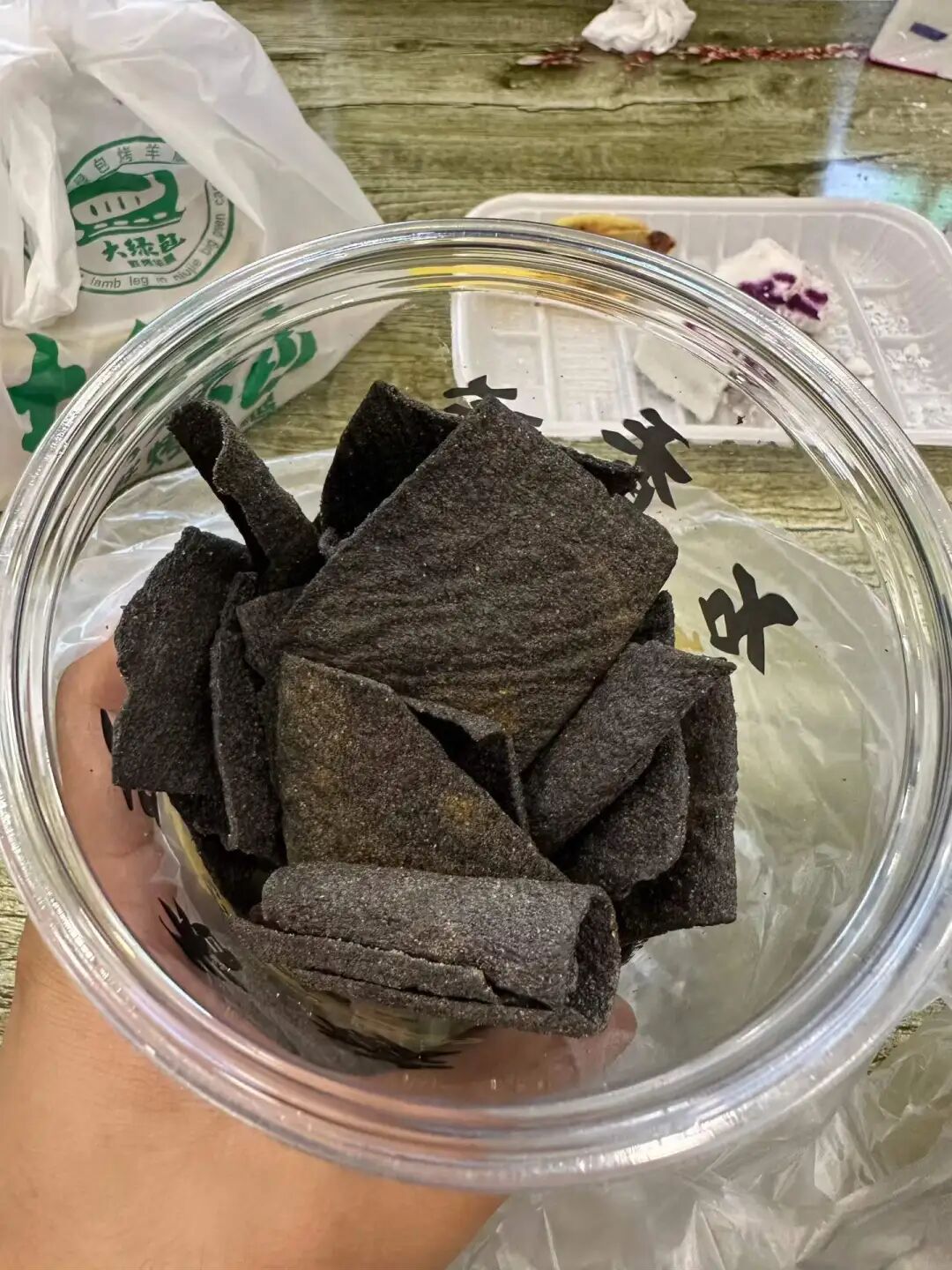
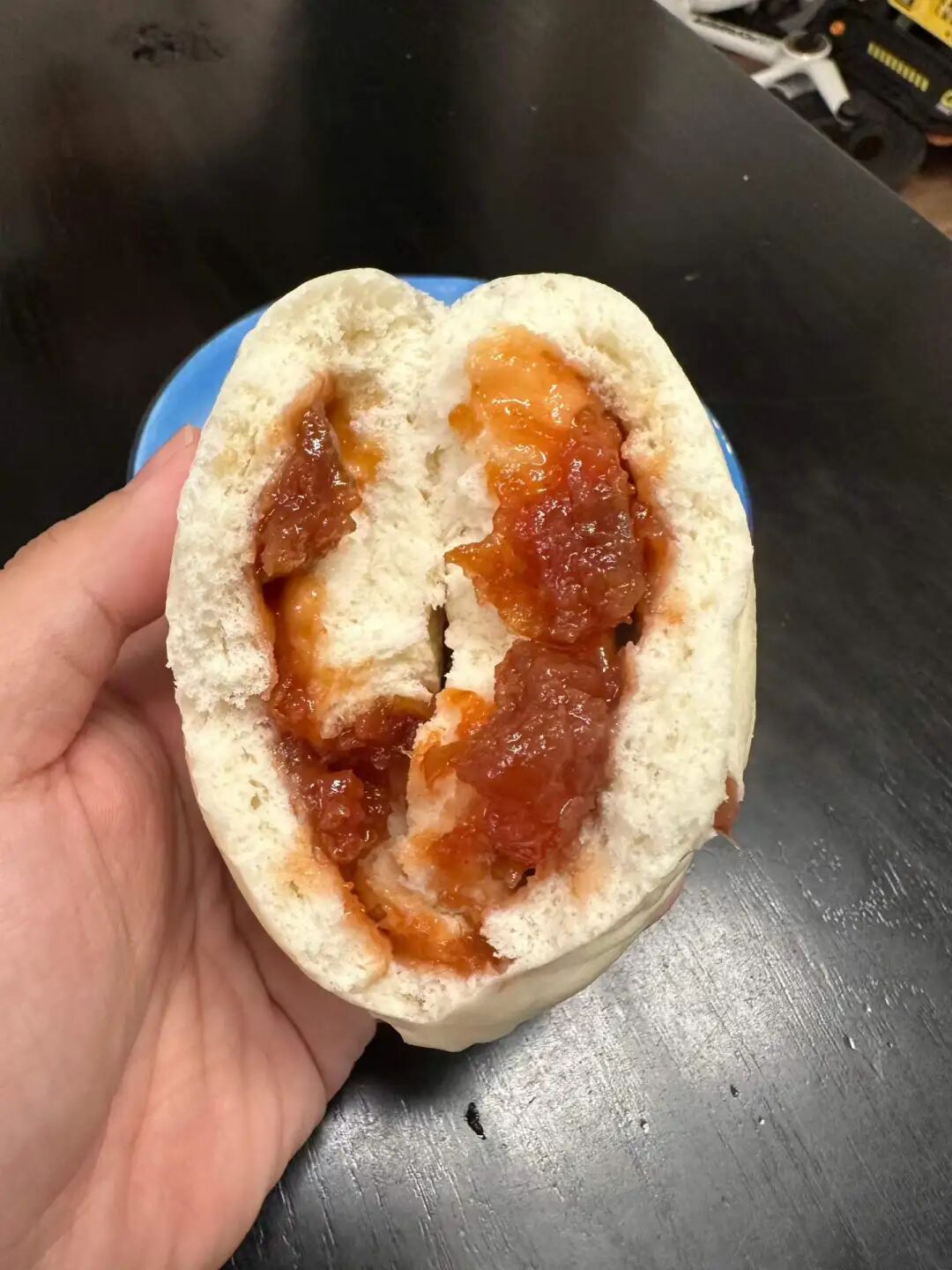
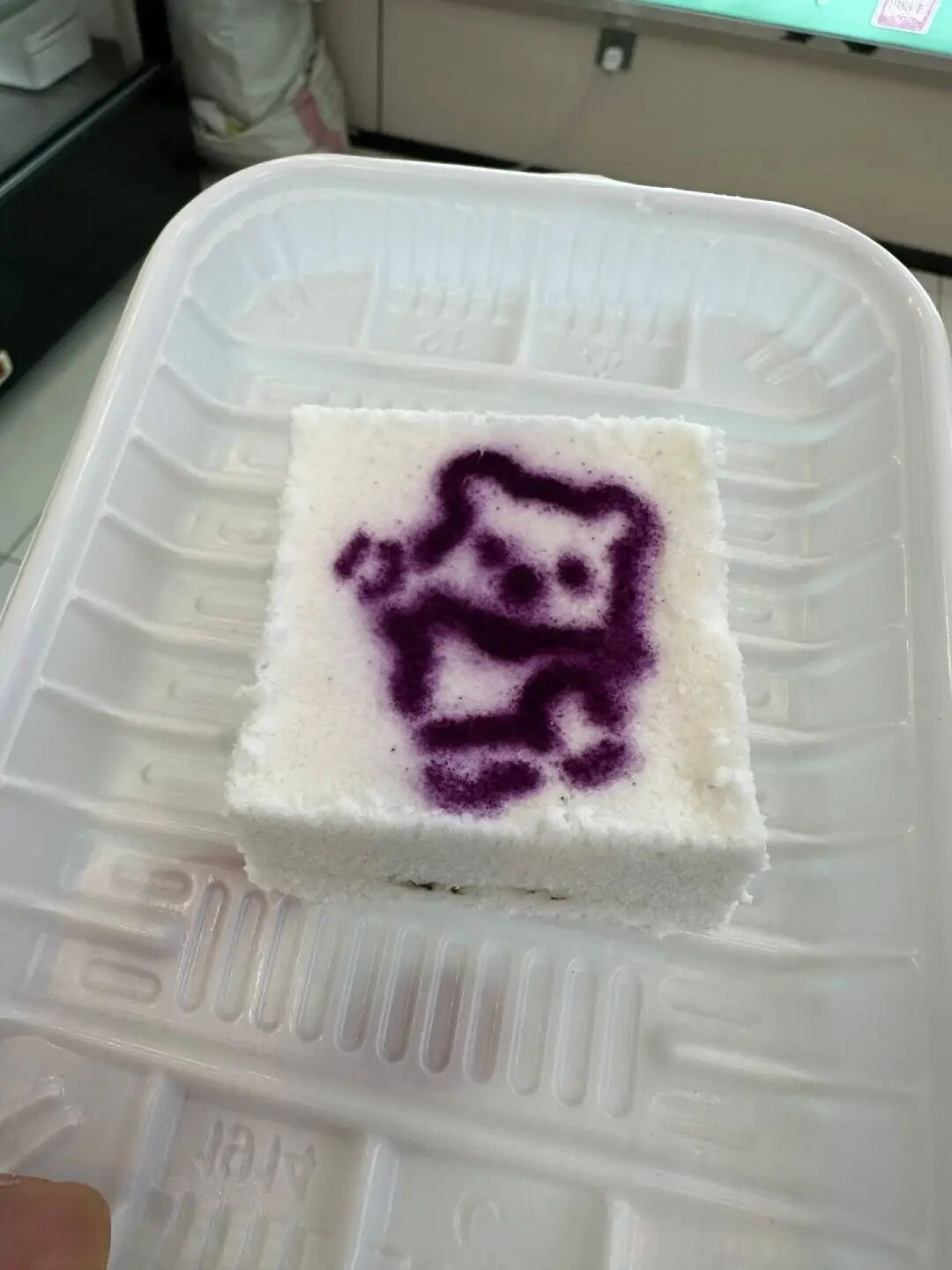
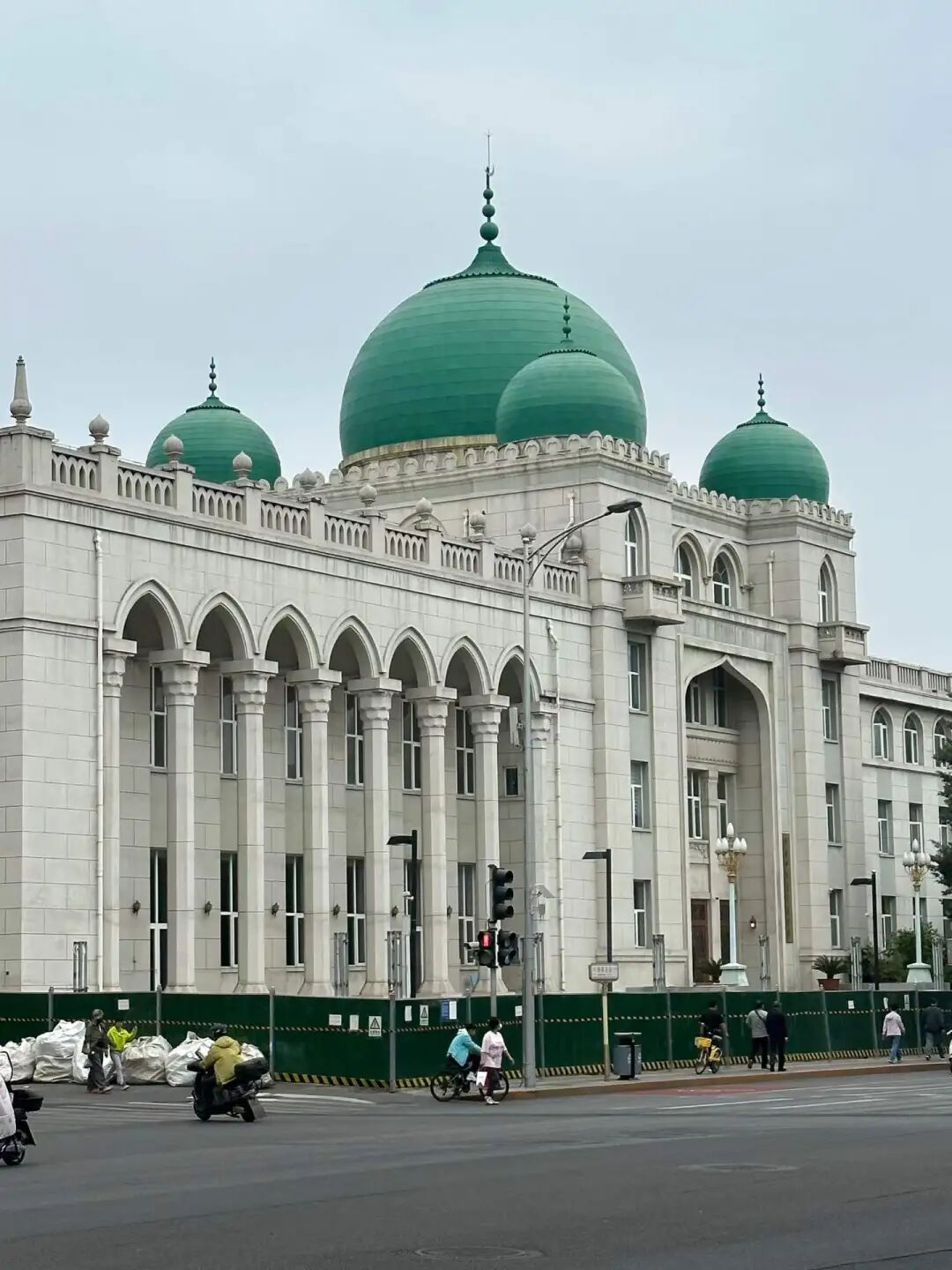
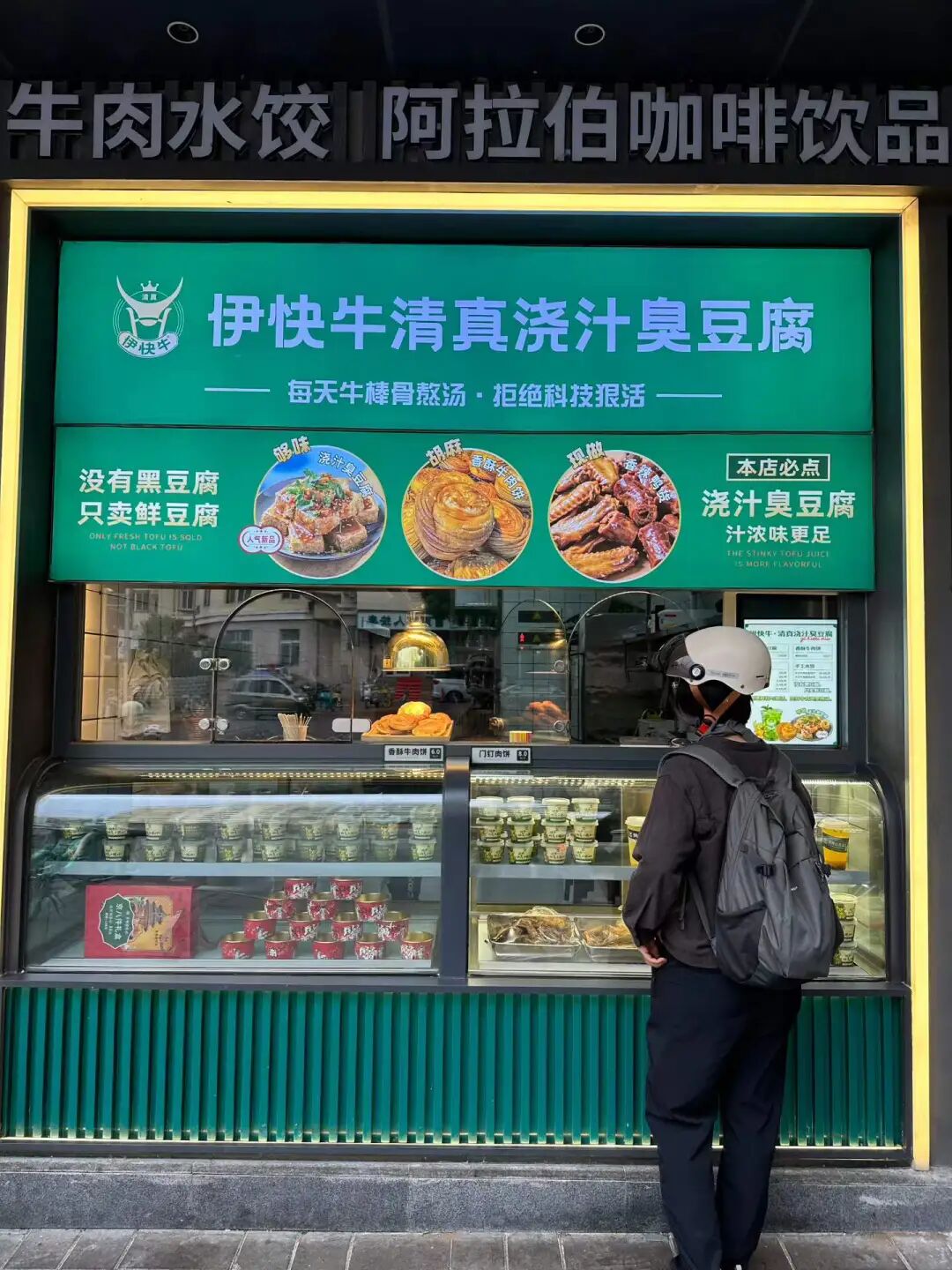
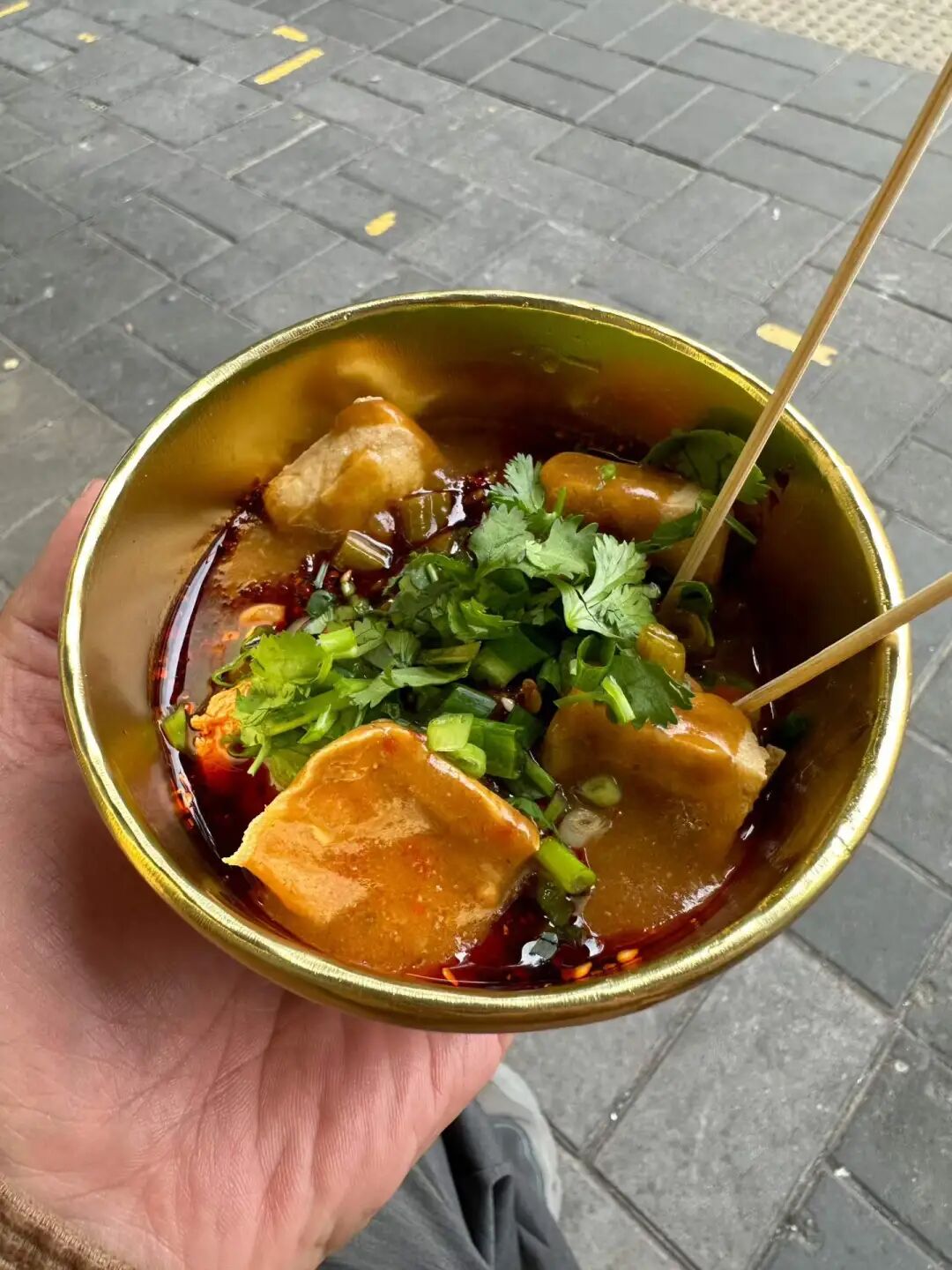
Across from the China Academy of Chinese Medical Sciences on Niujie Street, the roast lamb leg shop with the big green sign sells stinky tofu with sauce. The sauce is made from beef bone broth (niubanggu aotang), and it really has a meaty flavor. I remember eating fried stinky tofu topped with fermented bean curd sauce from a cart run by local Hui Muslims on Binjiang Road in Tianjin. That flavor was truly satisfying.
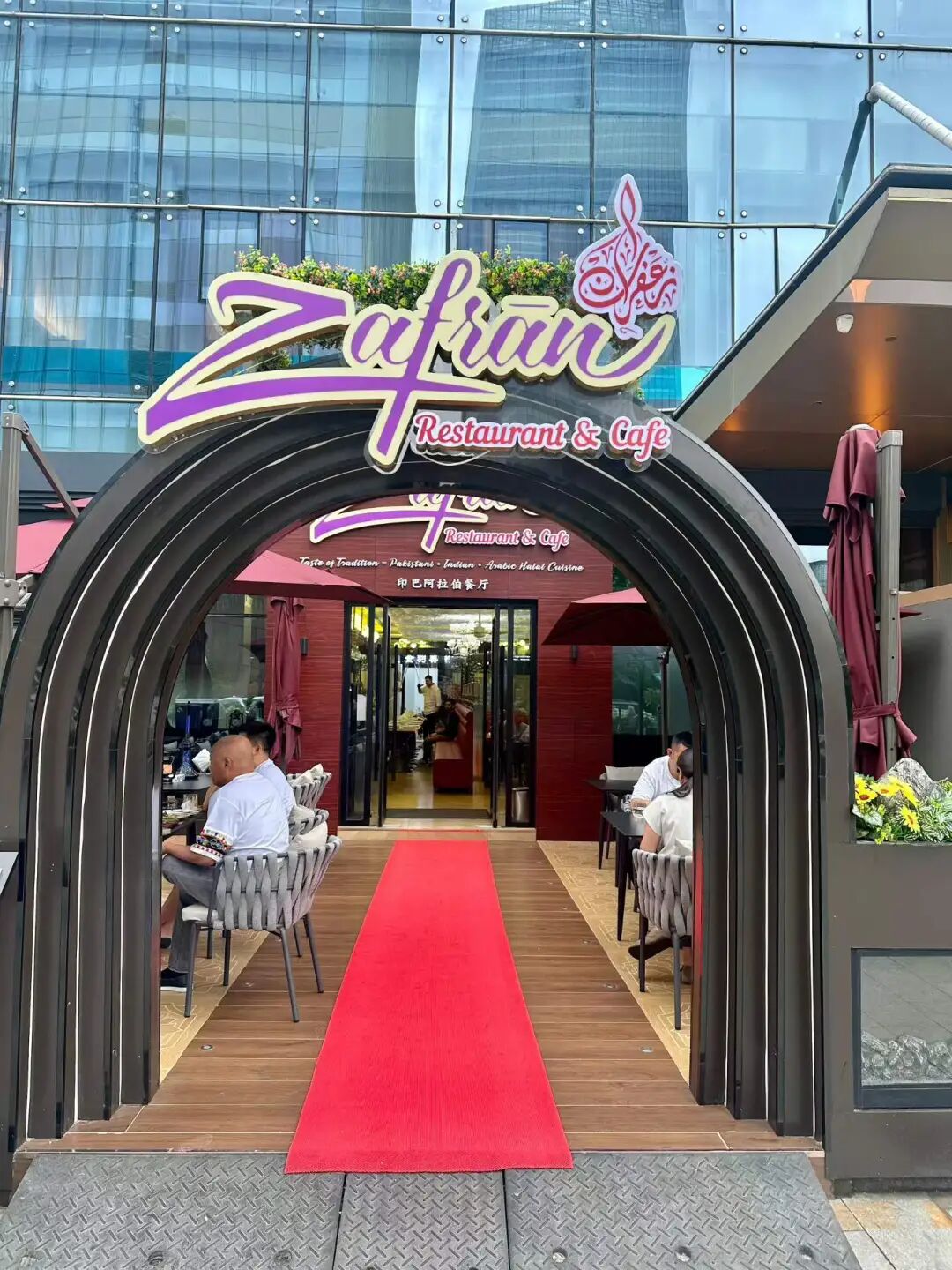
A new alcohol-free Pakistani restaurant called Zafran just opened in Jiayi Plaza near Liangmaqiao. It is very close to the Liangma River, and since it only opened a few days ago, I came specifically to try it.
I looked at the menu and was surprised to find many Afghan Pashtun dishes. I asked the server, and he is a Pashtun from Peshawar. I decided to order a few Pashtun dishes to try, as some of them cannot be found in other Pakistani restaurants.
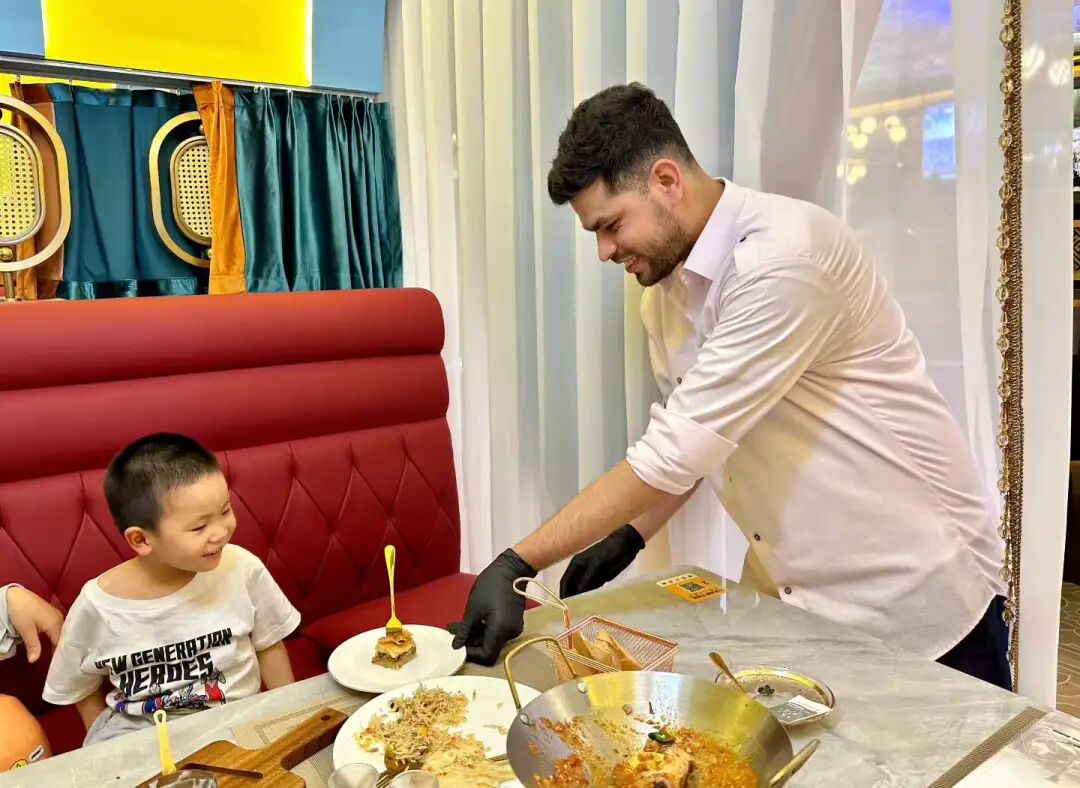
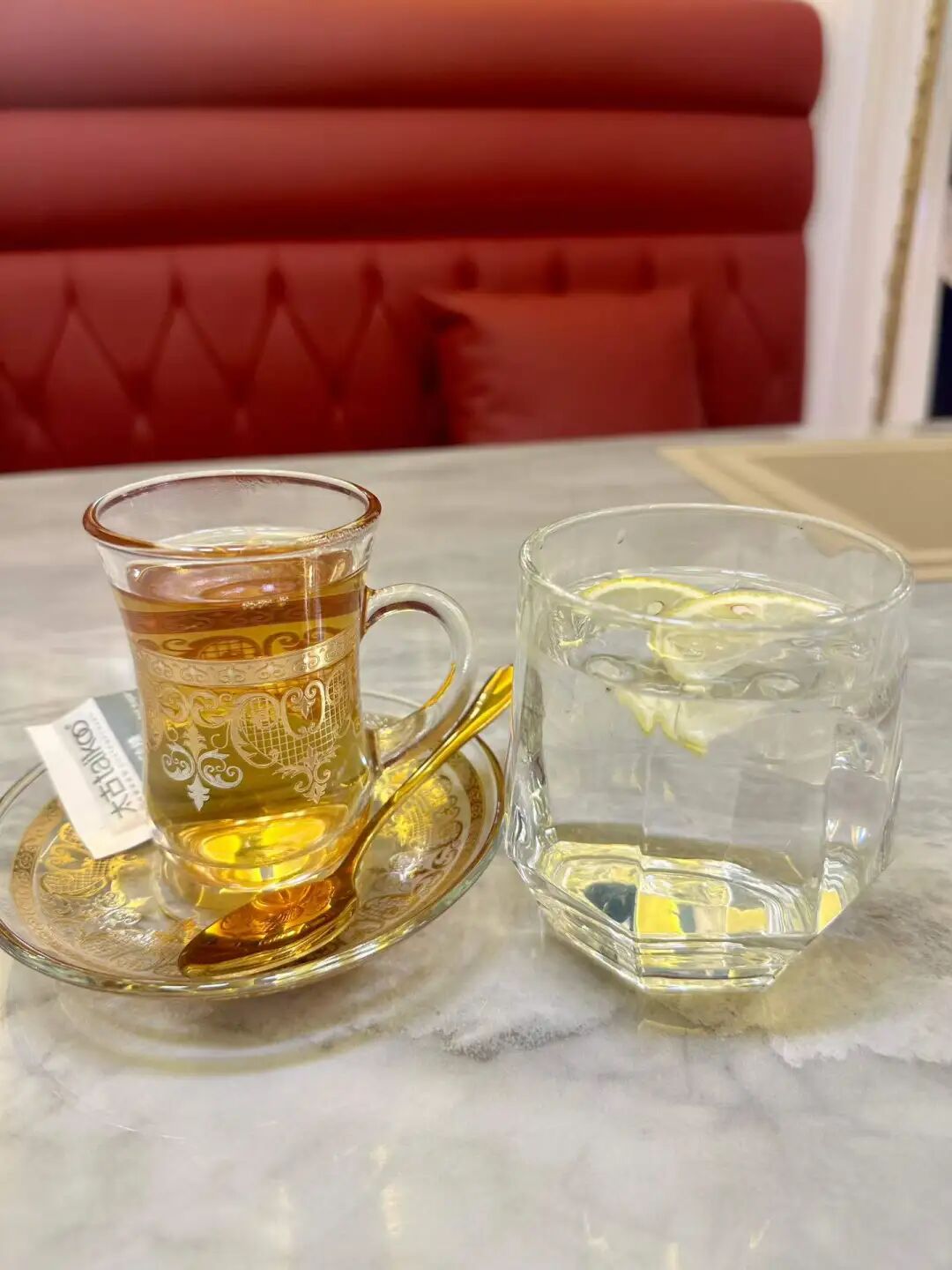
First, I must praise their excellent service. The Pashtun waiter, Anas Khan, always greeted us with a smile and even did a fist bump with my son, Suleiman. As soon as we sat down, they brought us black tea, lemon water, and fried dough twists (mayezi). Later, they served a special dried fruit milkshake with walnuts and almonds. Finally, they gave Suleiman a small cup of thin yogurt drink (lassi) and a piece of baklava, which made him very happy.
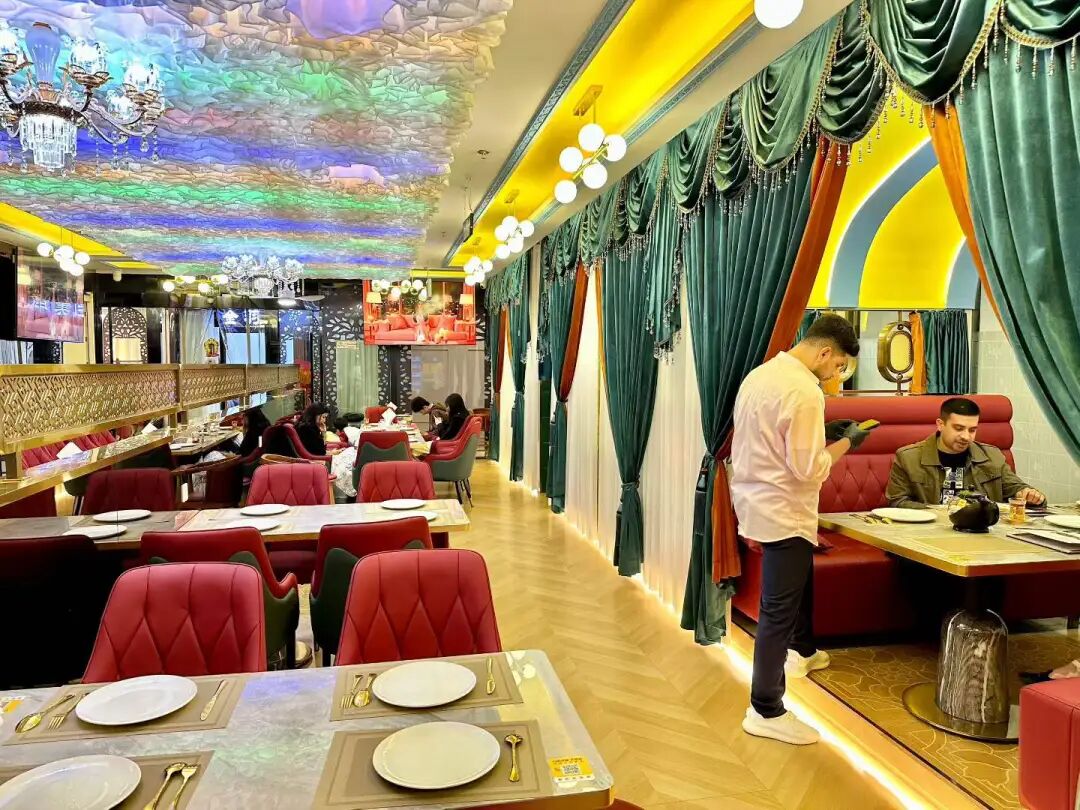
The atmosphere is also very nice, with curtained sofa areas on one side that are perfect for families. There are no large private rooms, but if you have a big group, you can push tables together in the main dining area. There is also outdoor seating at the entrance, which is great for having desserts and drinks in the summer.
We ordered Afghan pilaf, Peshawar-style lamb, and Kandahar naan. You can tell these are Pashtun specialties just by their names. We also ordered a Caesar salad, french fries, and salty yogurt drink (lassi). Since they just opened, they gave us a 30% discount, which was a great deal.
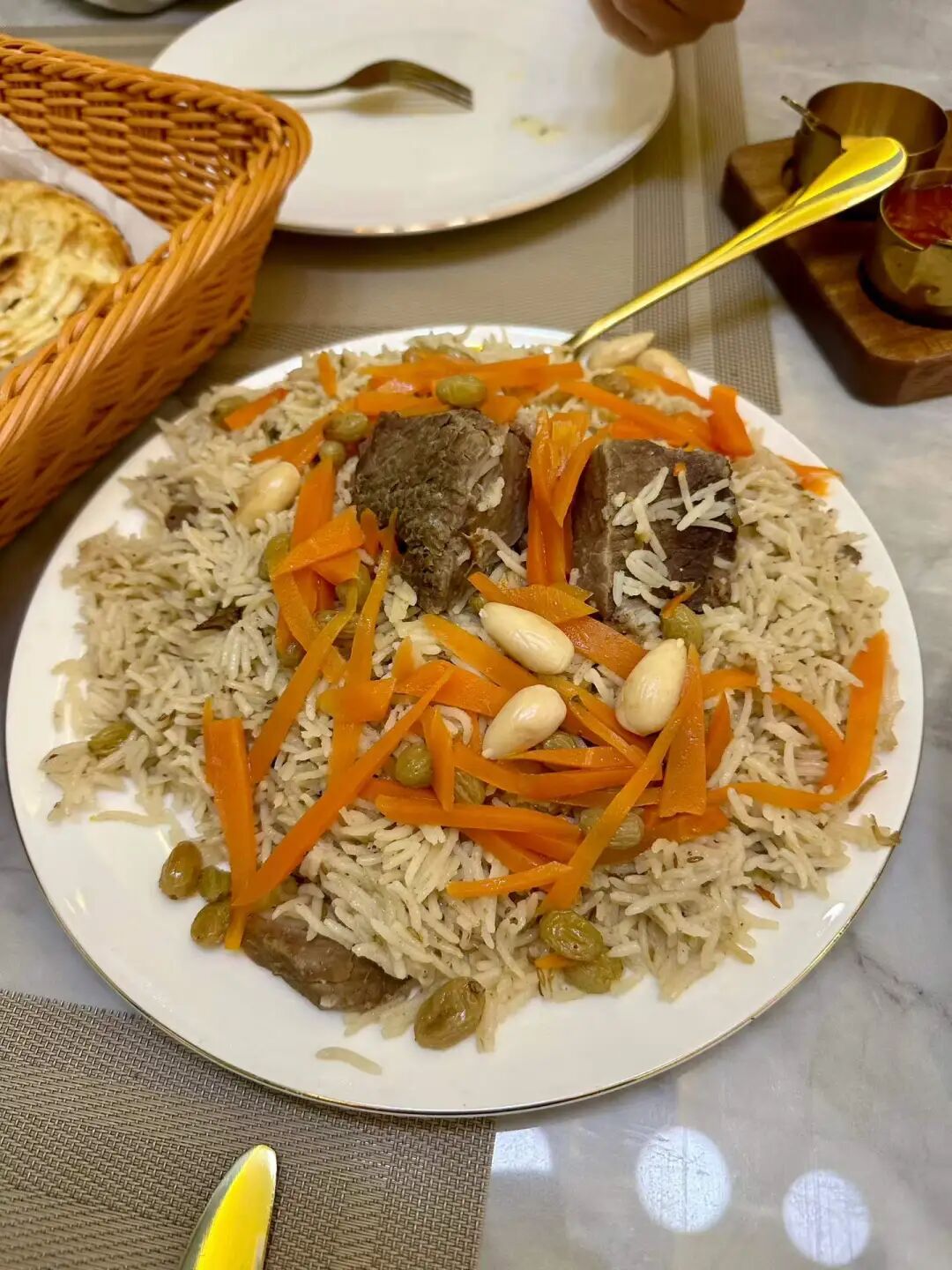
Afghan pilaf originated in the border region between northern Afghanistan and Uzbekistan. It is known as Qabili Palaw in Afghanistan and later spread from there to West Asia, Central Asia, and Pakistan. Afghan pilaf (pulao) differs from Xinjiang pilaf because it uses long-grain aromatic rice from South Asia and a bit of saffron for color. It is cooked with ghee and vegetable oil, and the carrots are sliced thinly. It also includes cinnamon, cardamom, and cloves, giving it a stronger spice flavor than Xinjiang pilaf. Their Afghan pilaf includes fresh almonds and raisins, but the meat is a bit tough and hard for children to chew. The spice flavor is very rich.
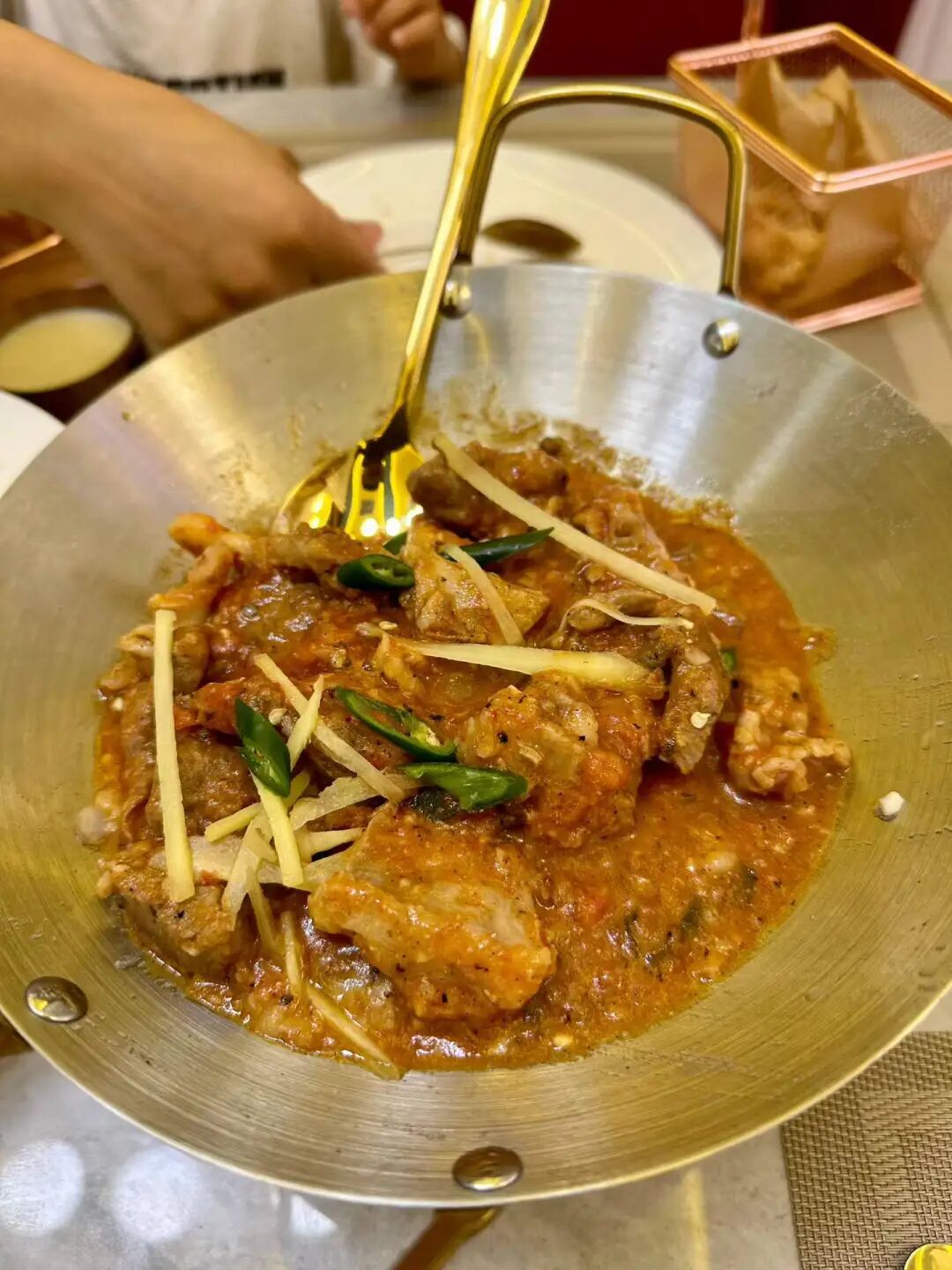
This was my first time eating Peshawar Shinwari lamb, and I highly recommend it! The lamb is very tender and the seasoning is excellent. Peshawar Shinwari lamb is cooked in a metal wok called a karahi. It is a classic main dish for the Pashtun people in northern Pakistan, especially prepared after the animal sacrifice during Eid al-Adha. It is made with fresh bone-in lamb, salt, garlic, and green chilies, without the heavy spices found in southern Pakistan.
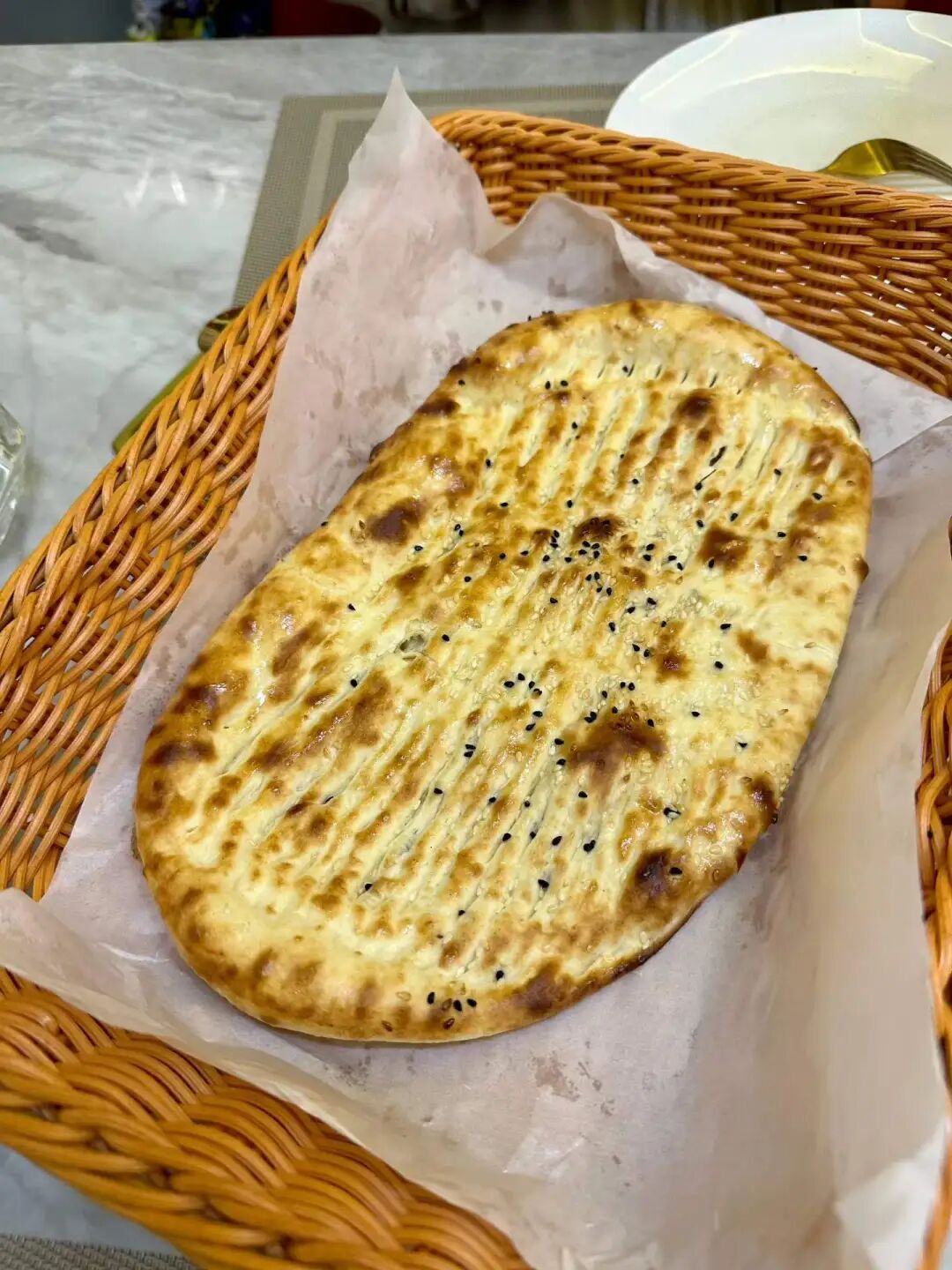
Their Kandahar flatbread (nan) is also amazing and pairs perfectly with the Peshawar lamb. Kandahar flatbread is also popular in Pakistan. It is very fluffy because milk and sugar are added to the dough, making it more fragrant.
I also recommend their yogurt drink (lassi). It is not too sour, but it is very appetizing.
Summary: This guide to the best halal restaurants in Beijing keeps the original list of local Muslim food spots, Hui Muslim food, and practical halal dining details.
Across from the China Academy of Chinese Medical Sciences on Niujie Street, the roast lamb leg shop with the big green sign sells stinky tofu with sauce. The sauce is made from beef bone broth (niubanggu aotang), and it really has a meaty flavor. I remember eating fried stinky tofu topped with fermented bean curd sauce from a cart run by local Hui Muslims on Binjiang Road in Tianjin. That flavor was truly satisfying.
A new alcohol-free Pakistani restaurant called Zafran just opened in Jiayi Plaza near Liangmaqiao. It is very close to the Liangma River, and since it only opened a few days ago, I came specifically to try it.
I looked at the menu and was surprised to find many Afghan Pashtun dishes. I asked the server, and he is a Pashtun from Peshawar. I decided to order a few Pashtun dishes to try, as some of them cannot be found in other Pakistani restaurants.
First, I must praise their excellent service. The Pashtun waiter, Anas Khan, always greeted us with a smile and even did a fist bump with my son, Suleiman. As soon as we sat down, they brought us black tea, lemon water, and fried dough twists (mayezi). Later, they served a special dried fruit milkshake with walnuts and almonds. Finally, they gave Suleiman a small cup of thin yogurt drink (lassi) and a piece of baklava, which made him very happy.
The atmosphere is also very nice, with curtained sofa areas on one side that are perfect for families. There are no large private rooms, but if you have a big group, you can push tables together in the main dining area. There is also outdoor seating at the entrance, which is great for having desserts and drinks in the summer.
We ordered Afghan pilaf, Peshawar-style lamb, and Kandahar naan. You can tell these are Pashtun specialties just by their names. We also ordered a Caesar salad, french fries, and salty yogurt drink (lassi). Since they just opened, they gave us a 30% discount, which was a great deal.
Afghan pilaf originated in the border region between northern Afghanistan and Uzbekistan. It is known as Qabili Palaw in Afghanistan and later spread from there to West Asia, Central Asia, and Pakistan. Afghan pilaf (pulao) differs from Xinjiang pilaf because it uses long-grain aromatic rice from South Asia and a bit of saffron for color. It is cooked with ghee and vegetable oil, and the carrots are sliced thinly. It also includes cinnamon, cardamom, and cloves, giving it a stronger spice flavor than Xinjiang pilaf. Their Afghan pilaf includes fresh almonds and raisins, but the meat is a bit tough and hard for children to chew. The spice flavor is very rich.
This was my first time eating Peshawar Shinwari lamb, and I highly recommend it! The lamb is very tender and the seasoning is excellent. Peshawar Shinwari lamb is cooked in a metal wok called a karahi. It is a classic main dish for the Pashtun people in northern Pakistan, especially prepared after the animal sacrifice during Eid al-Adha. It is made with fresh bone-in lamb, salt, garlic, and green chilies, without the heavy spices found in southern Pakistan.
Their Kandahar flatbread (nan) is also amazing and pairs perfectly with the Peshawar lamb. Kandahar flatbread is also popular in Pakistan. It is very fluffy because milk and sugar are added to the dough, making it more fragrant.
I also recommend their yogurt drink (lassi). It is not too sour, but it is very appetizing.
