
Best Halal Restaurants in Beijing: 10 Local Muslim Food Spots Worth Trying
Reposted from the web
Summary: This guide to the best halal restaurants in Beijing keeps the original list of local Muslim food spots, Hui Muslim food, and practical halal dining details.
This article summarizes the key points of '10 Halal Restaurants in Beijing Worth Trying (Part 9),' keeping the original paragraph and image order. It is for readers interested in Muslim life, Islamic culture, and Chinese Islamic articles, and makes it easy to search for topics like Uyghur culture, marriage and family, and the ninth installment.
The list includes Shunhexiang Harbin-style stir-fry in Tongzhou, Fenghong Old Beijing Flavor in Changping, Aidamu Xinjiang street barbecue in Shilihe, Ruilin Azerbaijani restaurant near Ritan, Yilan Liyuan American-style burgers on Niujie, Guxiangzhai Tianjin-style shaved ice in Hufangqiao, Niujie's Big Green Bag stinky tofu, Zafran Pakistani restaurant in Xinyuanli, Jinfang Snack Bar in Dongdaqiao, and Ali & Wang's rotating kebab in Sanlitun.
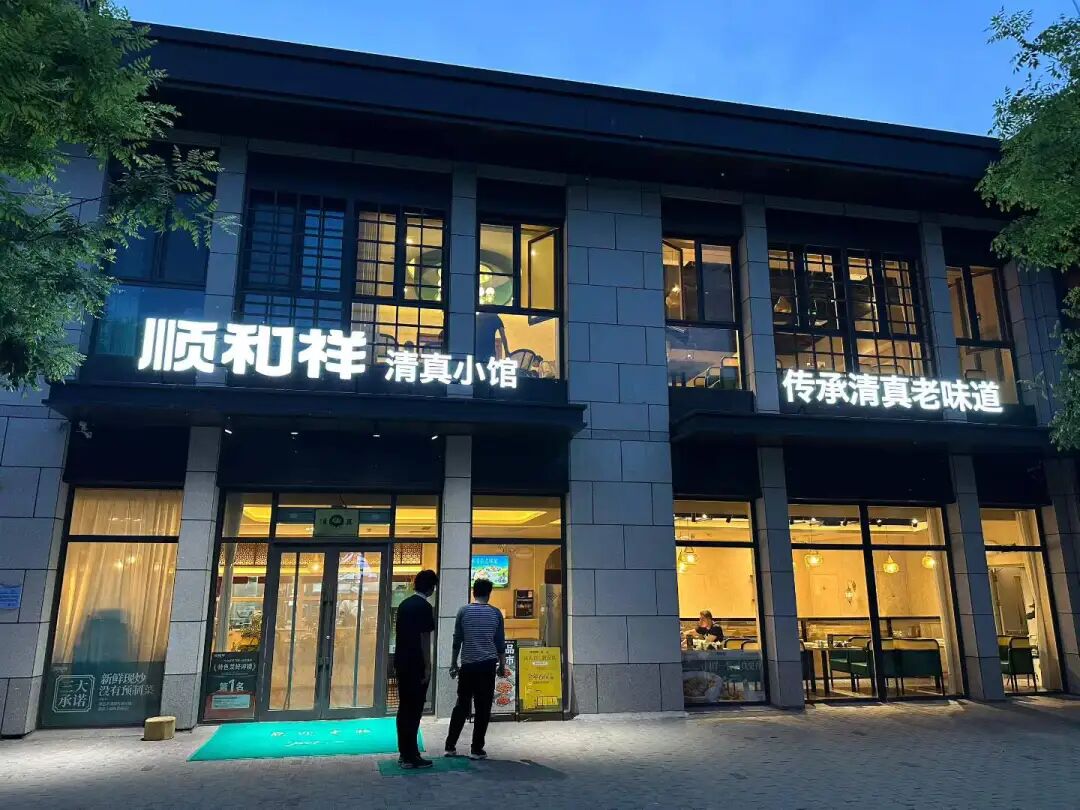
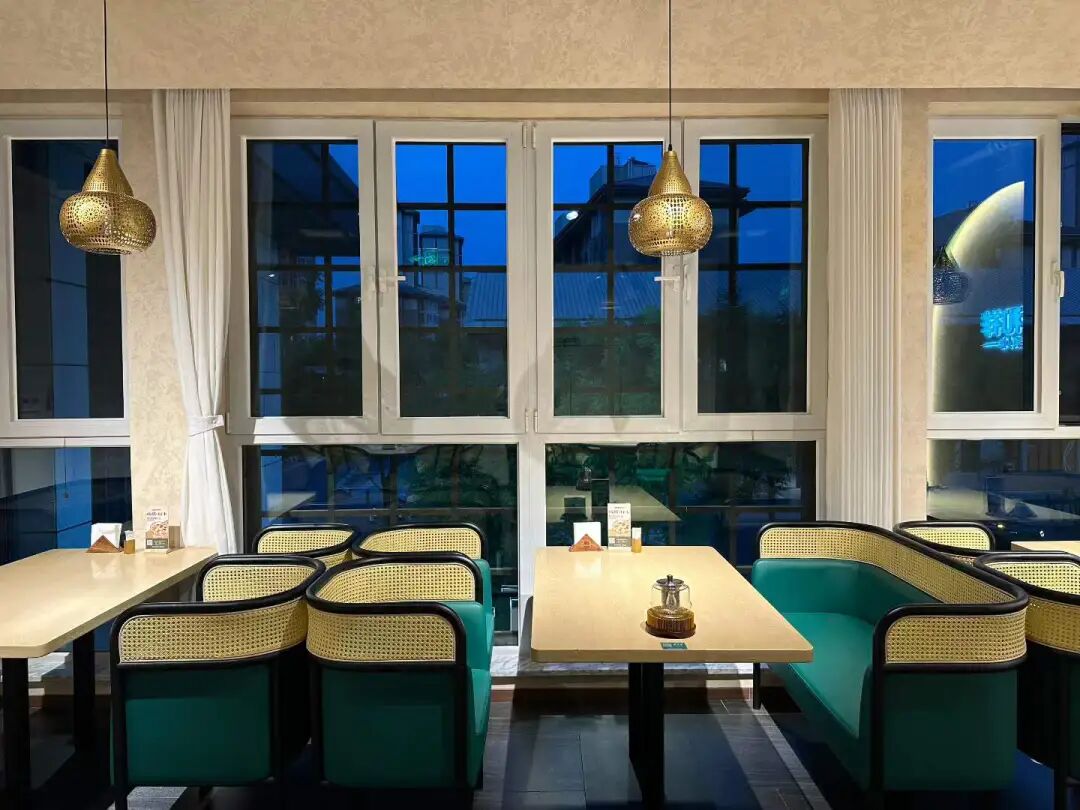
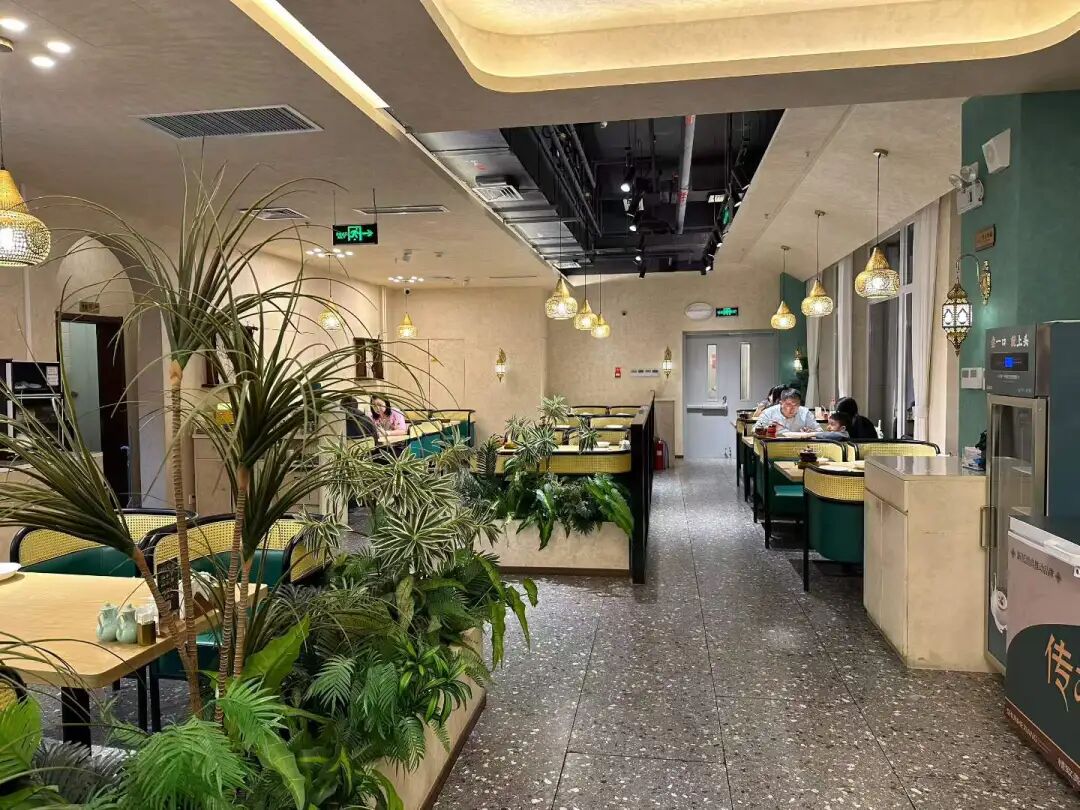
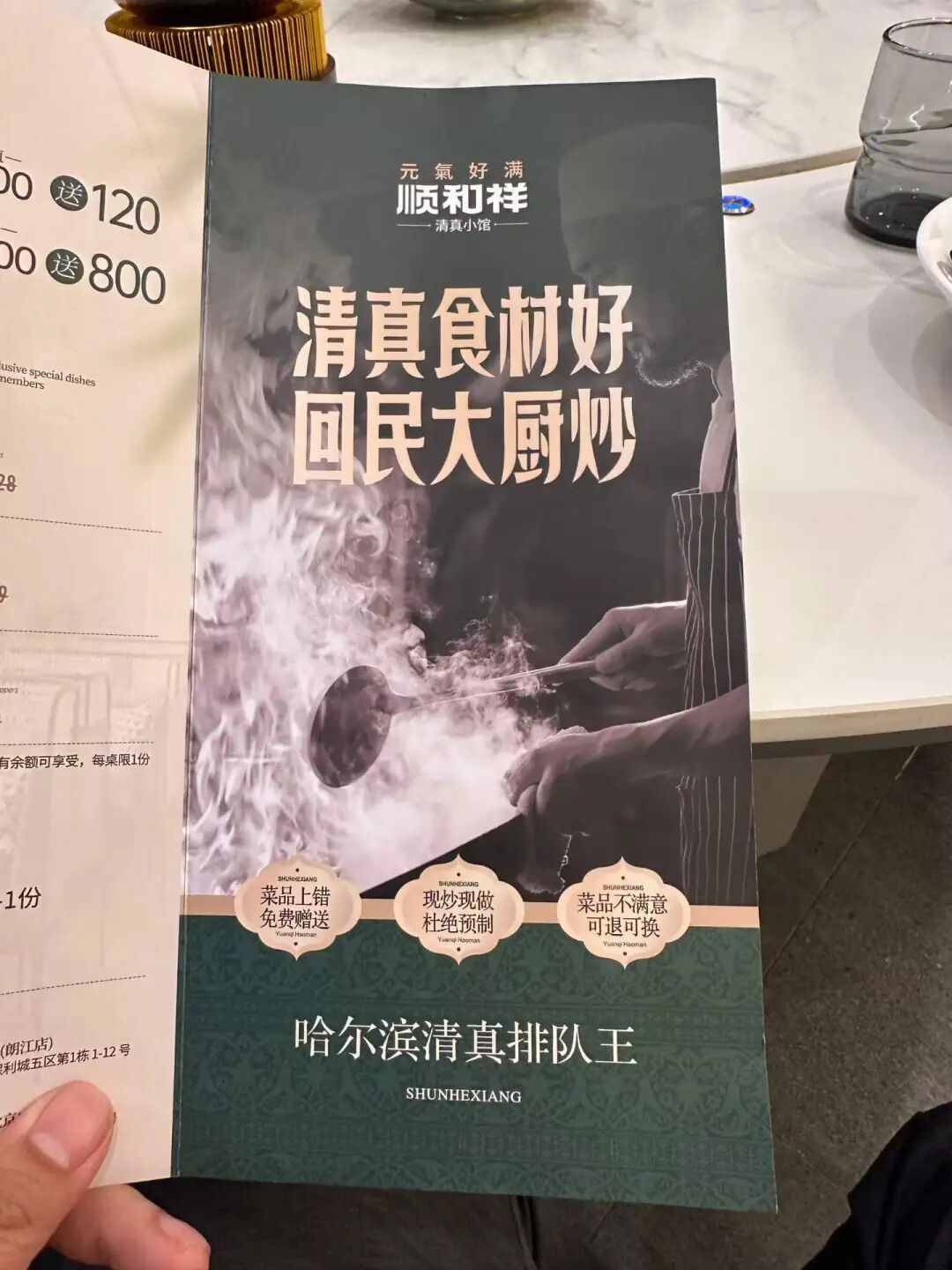
I heard that the Harbin Hui Muslim stir-fry restaurant Shunhexiang opened in Beijing's Tongzhou sub-center, so I came to try it out for dinner. The restaurant is located in a new residential complex along the Grand Canal in Tongzhou. The environment is great, and the private room's turntable is button-controlled, making it easy to reach the dishes.
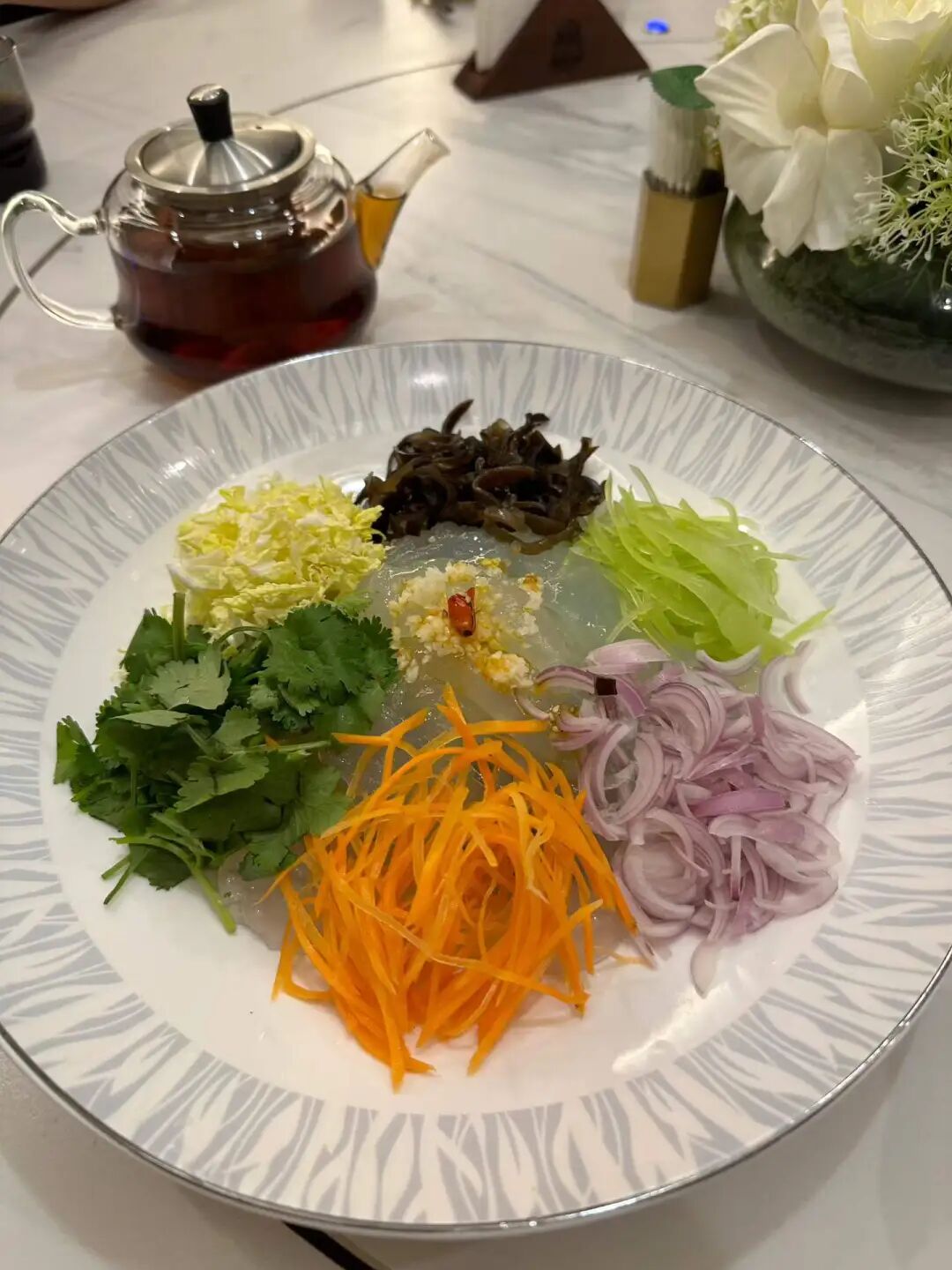
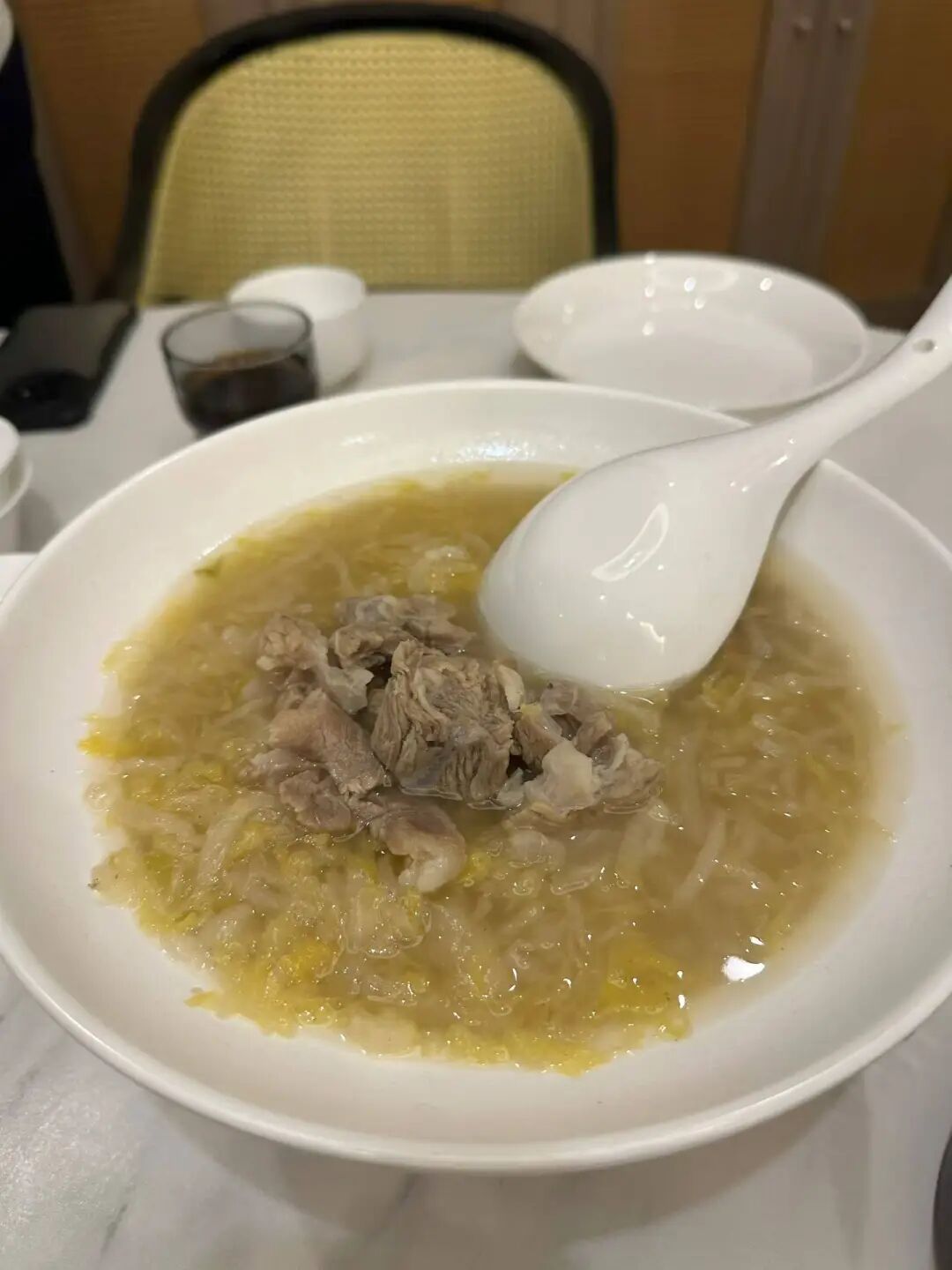
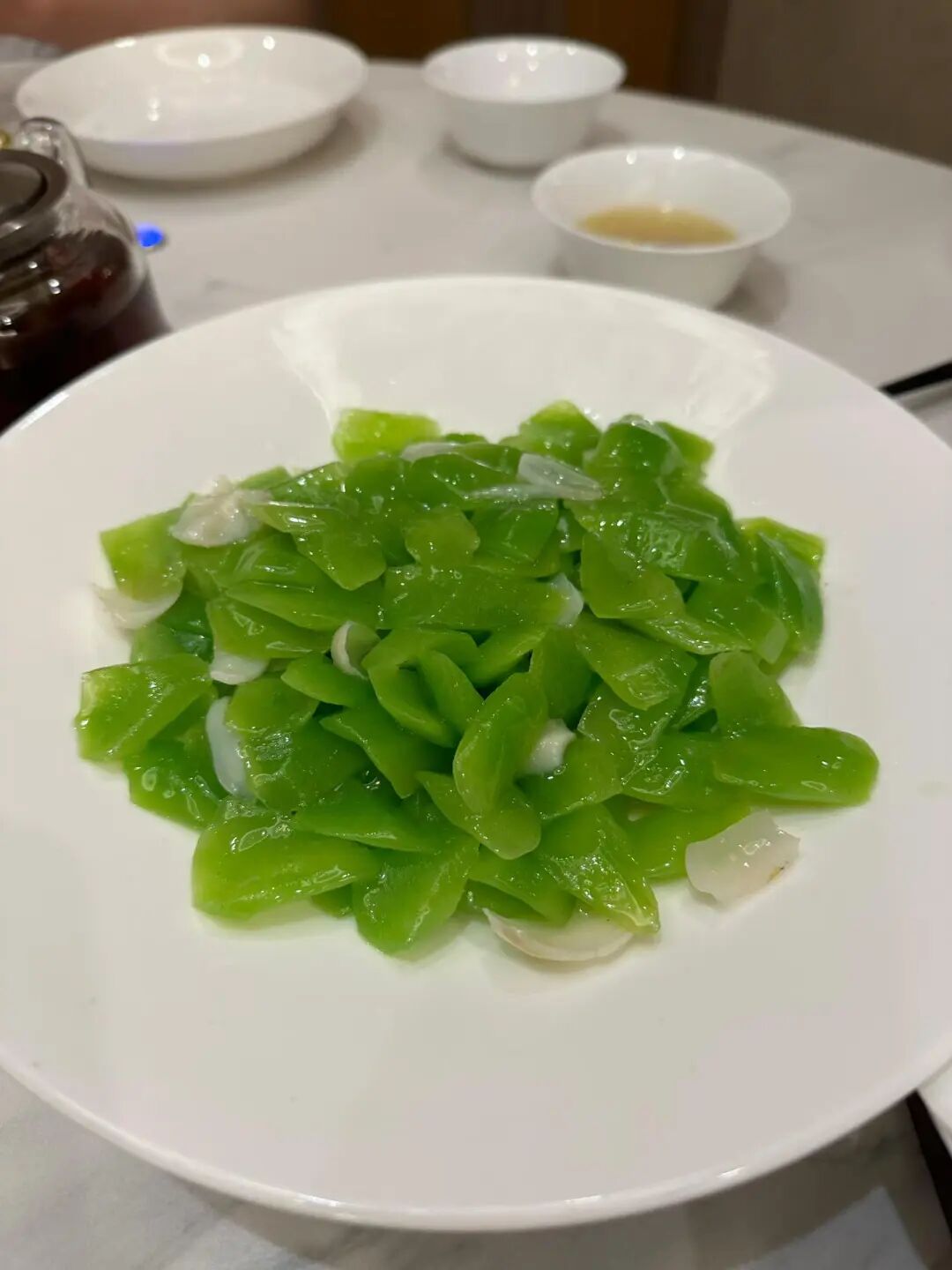
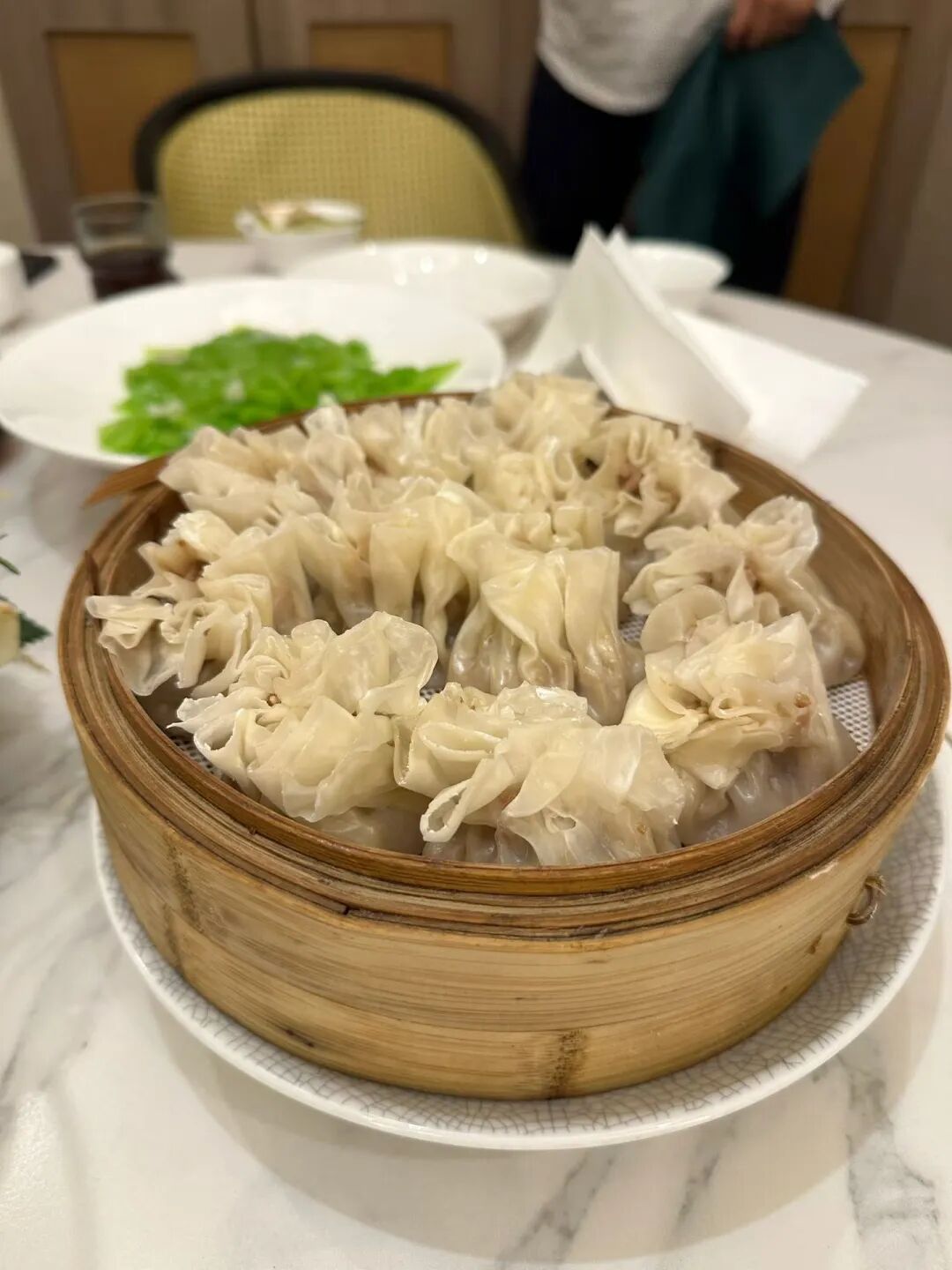
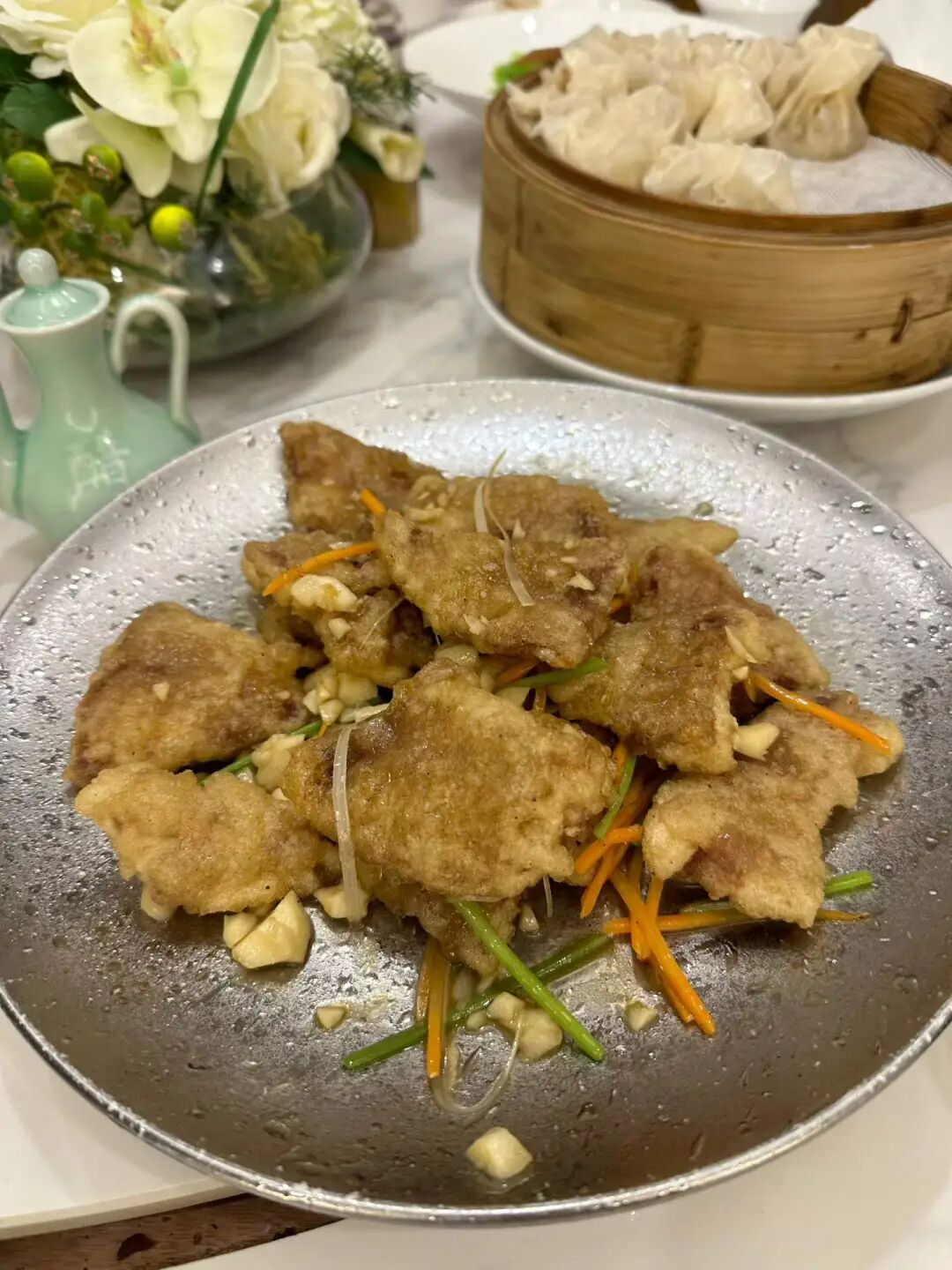
They specialize in Heilongjiang Hui Muslim cuisine and have also added some southern Chinese dishes to their menu. We ordered the savory sweet and sour pork (guobaorou), sauerkraut beef rib stew, colorful starch noodles (dalapi), stir-fried lily bulbs with bamboo shoots, and beef steamed dumplings (shaomai). The best of these was the steamed dumplings. The skin was thin and chewy, and the filling was fragrant and not greasy. I think they are better than the other Hui Muslim steamed dumplings currently in Beijing. The sweet and sour pork had a good texture and wasn't fried too hard. I think it's better than another Heilongjiang Hui Muslim restaurant in Beijing. The sauerkraut tasted great, but there was very little beef, and there were very few lily bulbs in the lily bulb and bamboo shoot dish. Overall, the restaurant is definitely worth a visit. The biggest problem is that it is too far from the city center, almost reaching Hebei. It is best suited for those driving there or people working in the sub-center.
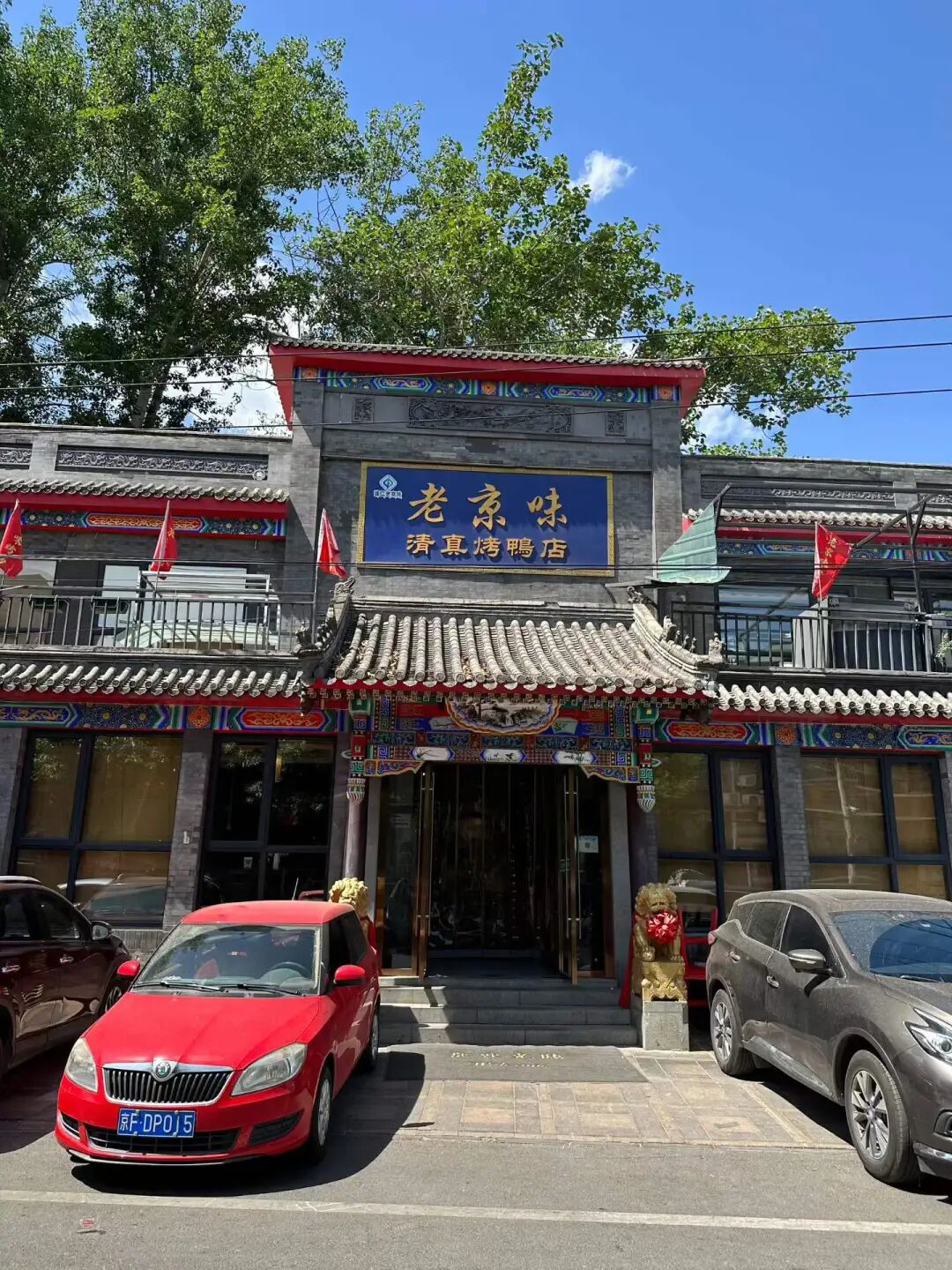
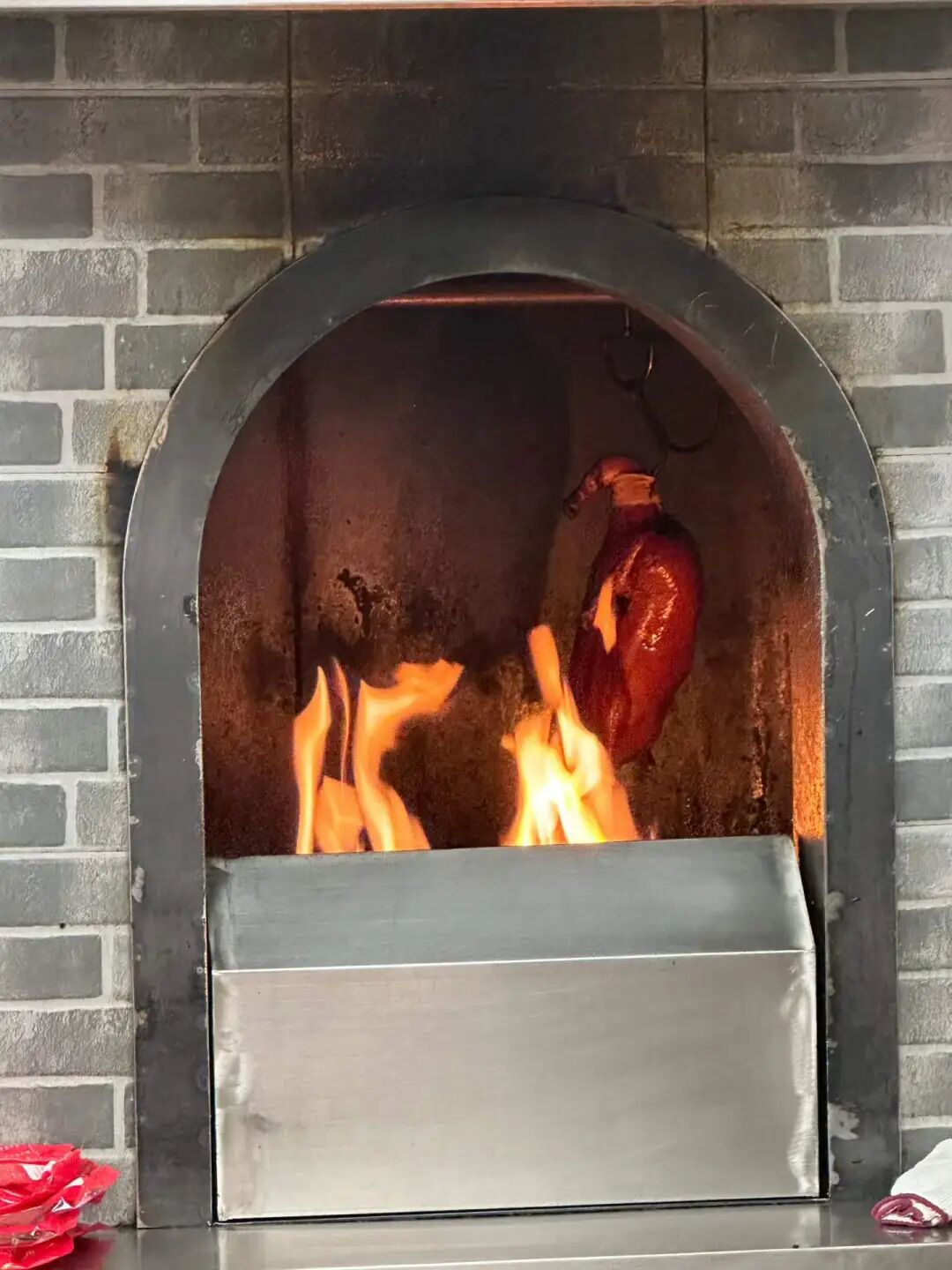
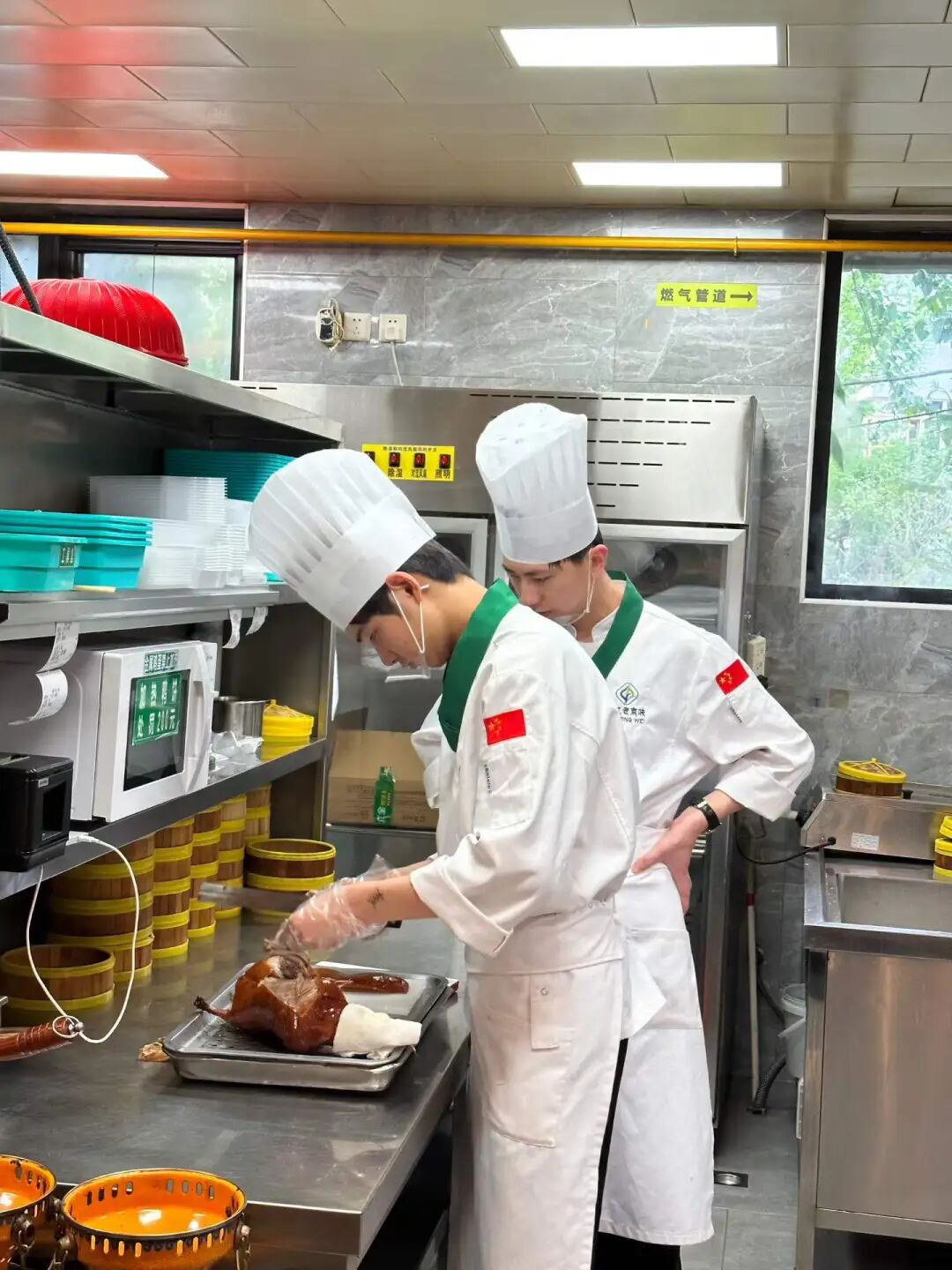
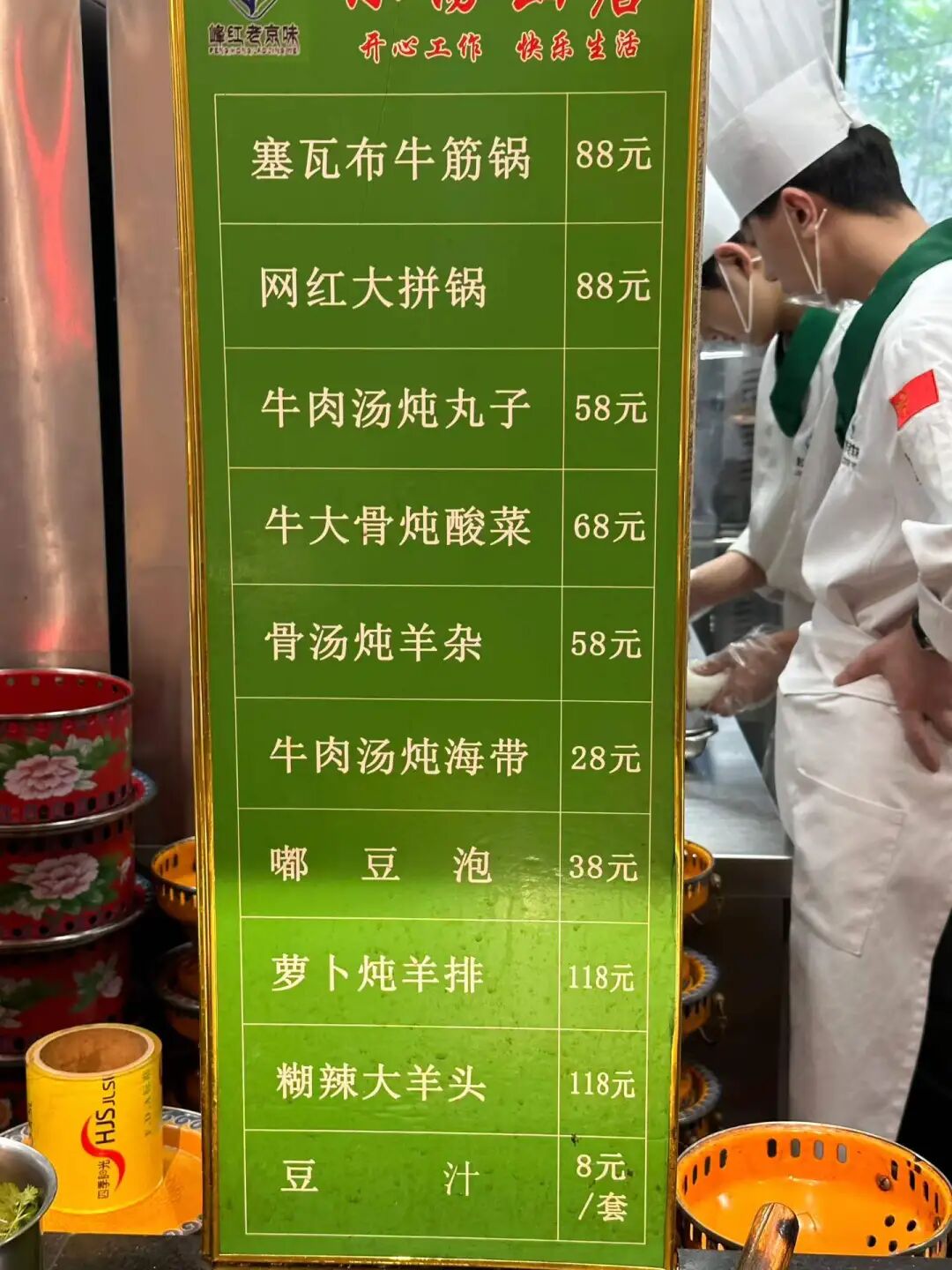
On Sunday, I was in Changping and had Beijing-style food for lunch at Fenghong Old Beijing Flavor in Xiaotangshan.
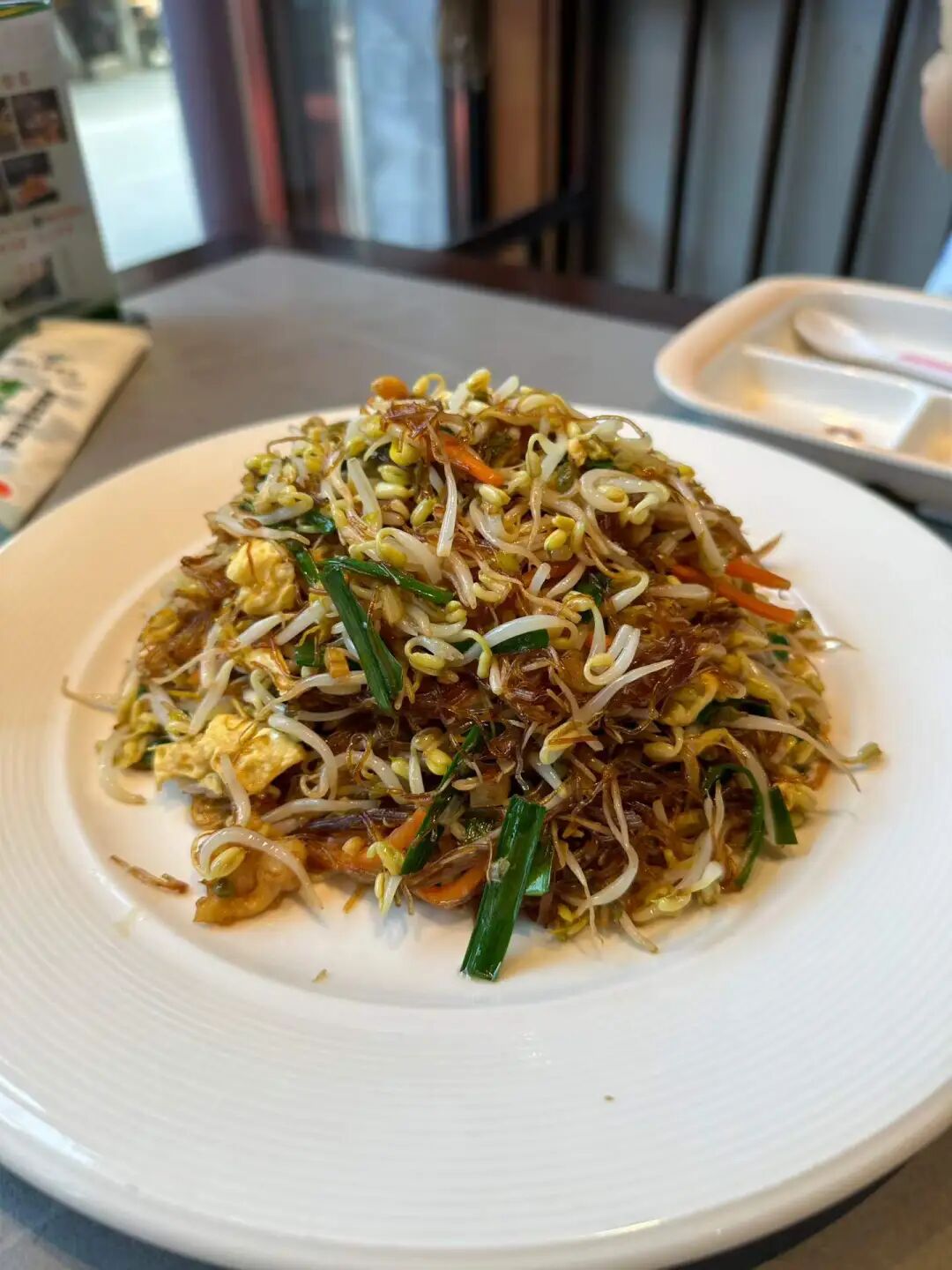
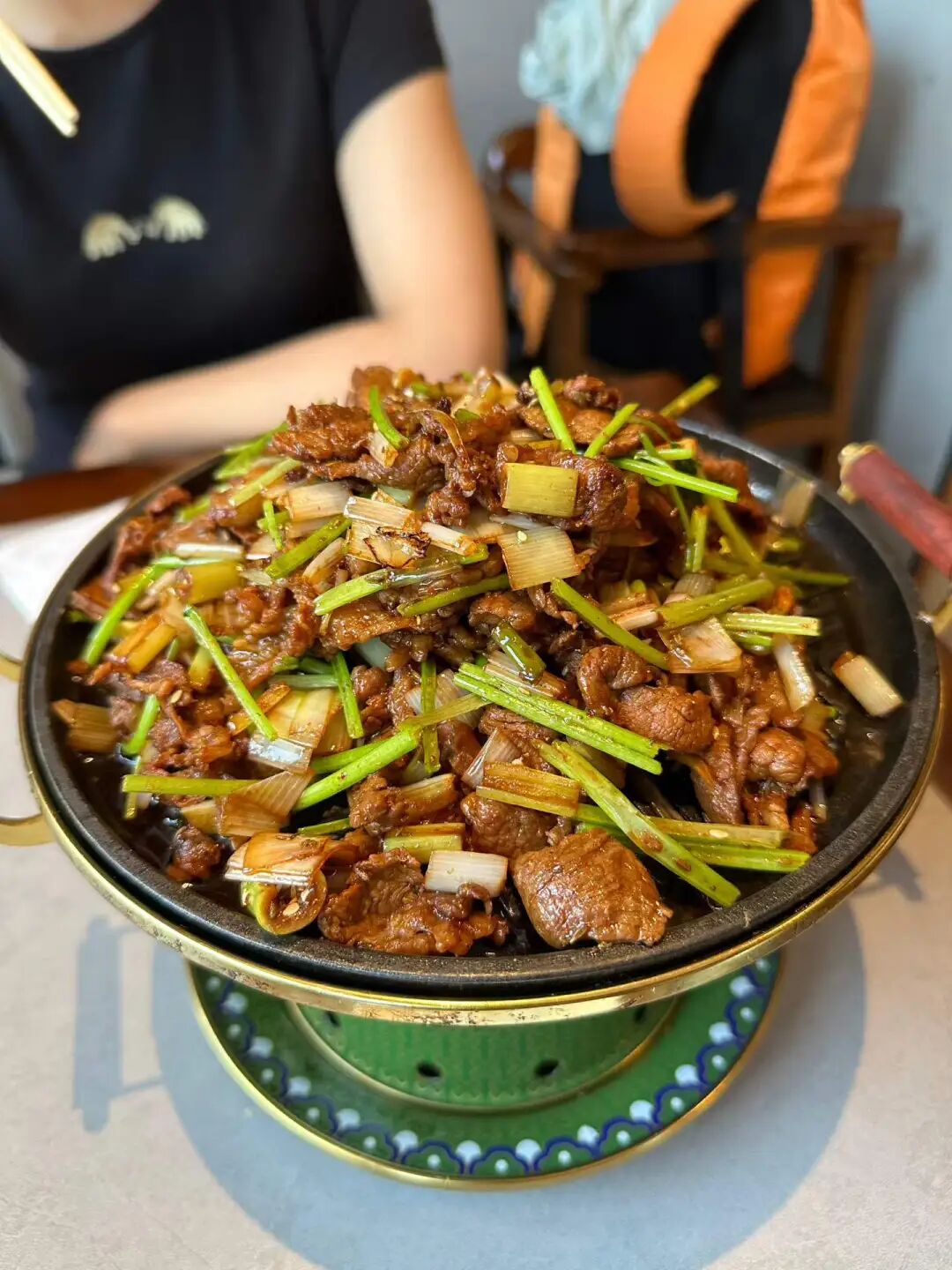
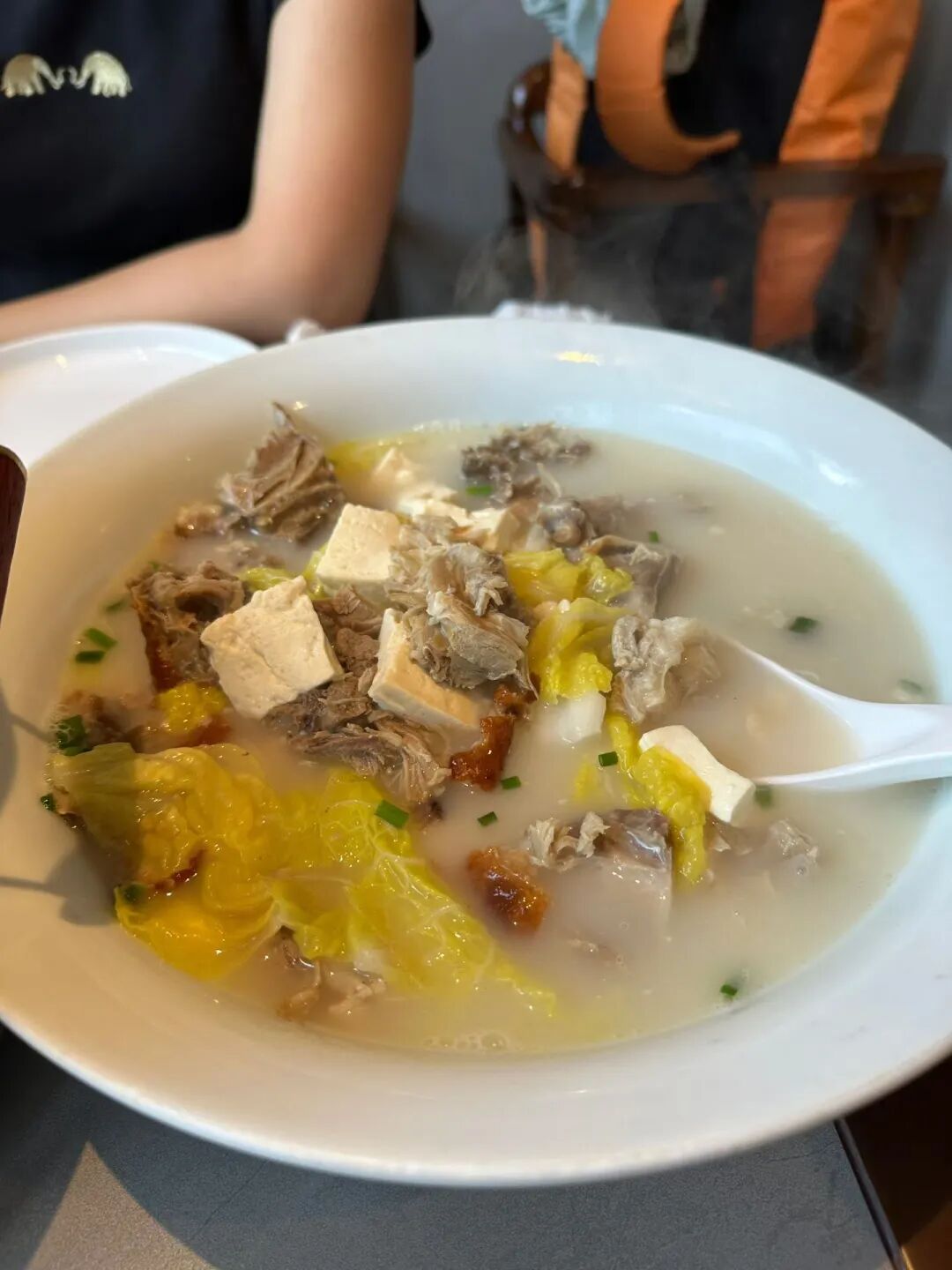
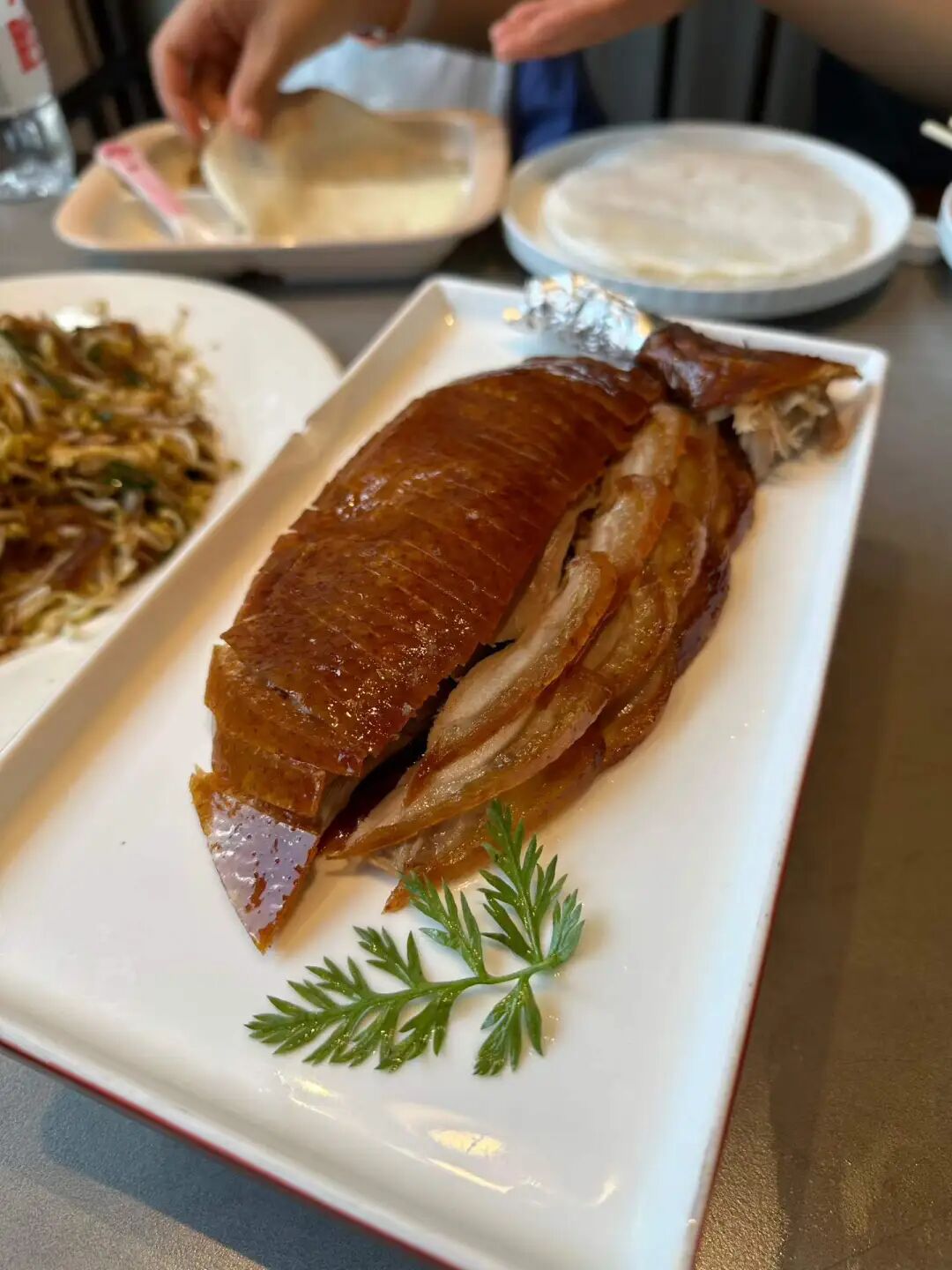
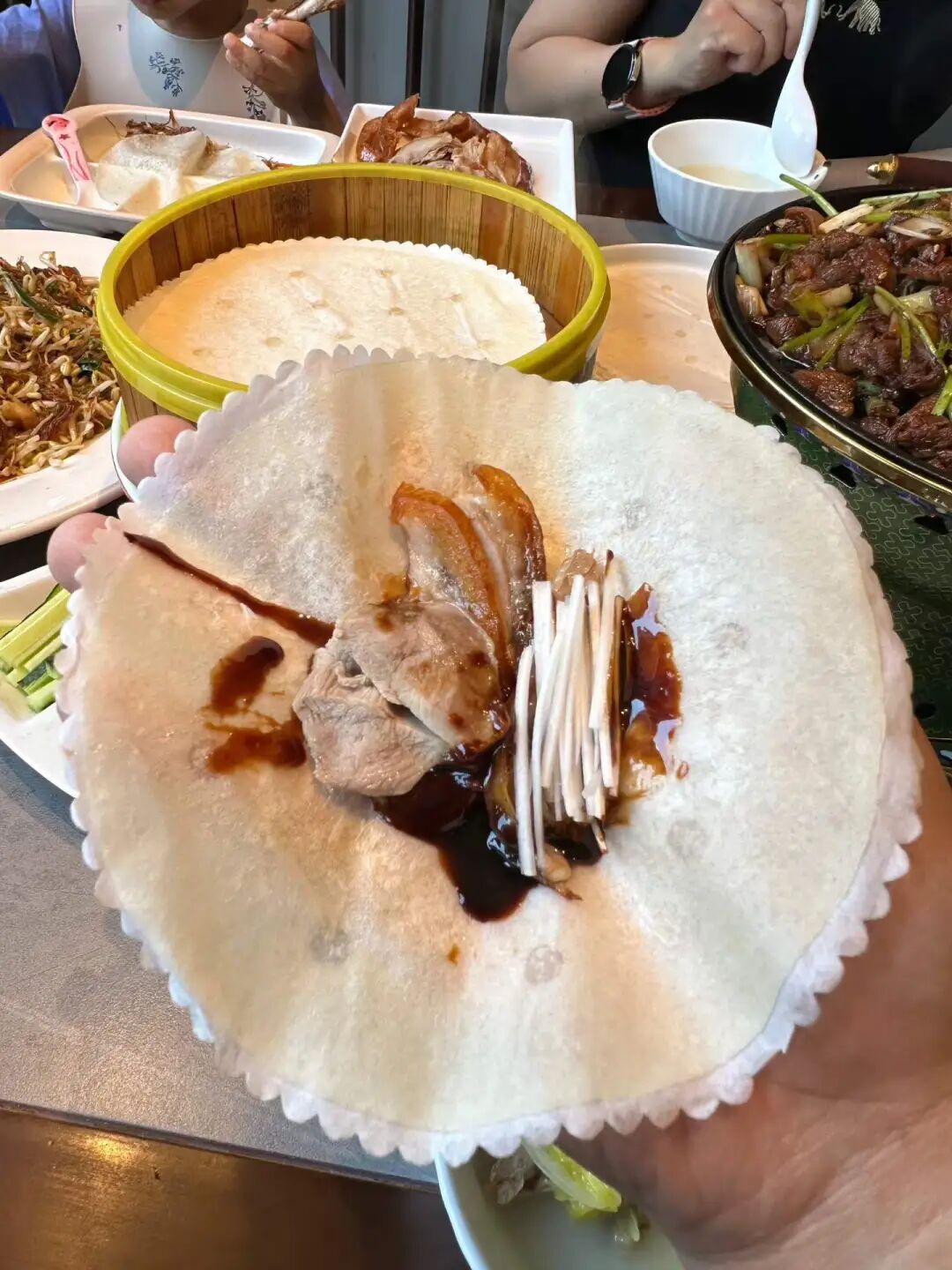
We ordered the three-person set meal, which included half a roast duck, grilled meat on a round iron plate (zhizi kaorou), stir-fried mixed vegetables (chao hecai), and duck frame tofu soup. This three-person set is a great value, and we were stuffed after finishing it. The duck tasted good, and the kids really liked it. The portion of stir-fried mixed vegetables (chao hecai) was huge, and it tasted great too.
The grilled meat on a round iron plate (zhizi kaorou) was a hit with both the Xinjiang and Hunan people at our table; the meat was tender but still had a nice chew. However, it must have been pre-marinated because it was spicy and couldn't be made mild, so the kids couldn't eat it. Duck frame soup is a must-have with roast duck; it was very savory and we couldn't stop drinking it.
Besides roast duck, they also serve traditional Hui Muslims' eight big bowls (badawan). If you are visiting Changping, you should come here to eat. They don't close in the afternoon, so it is perfect for a late meal after sightseeing.
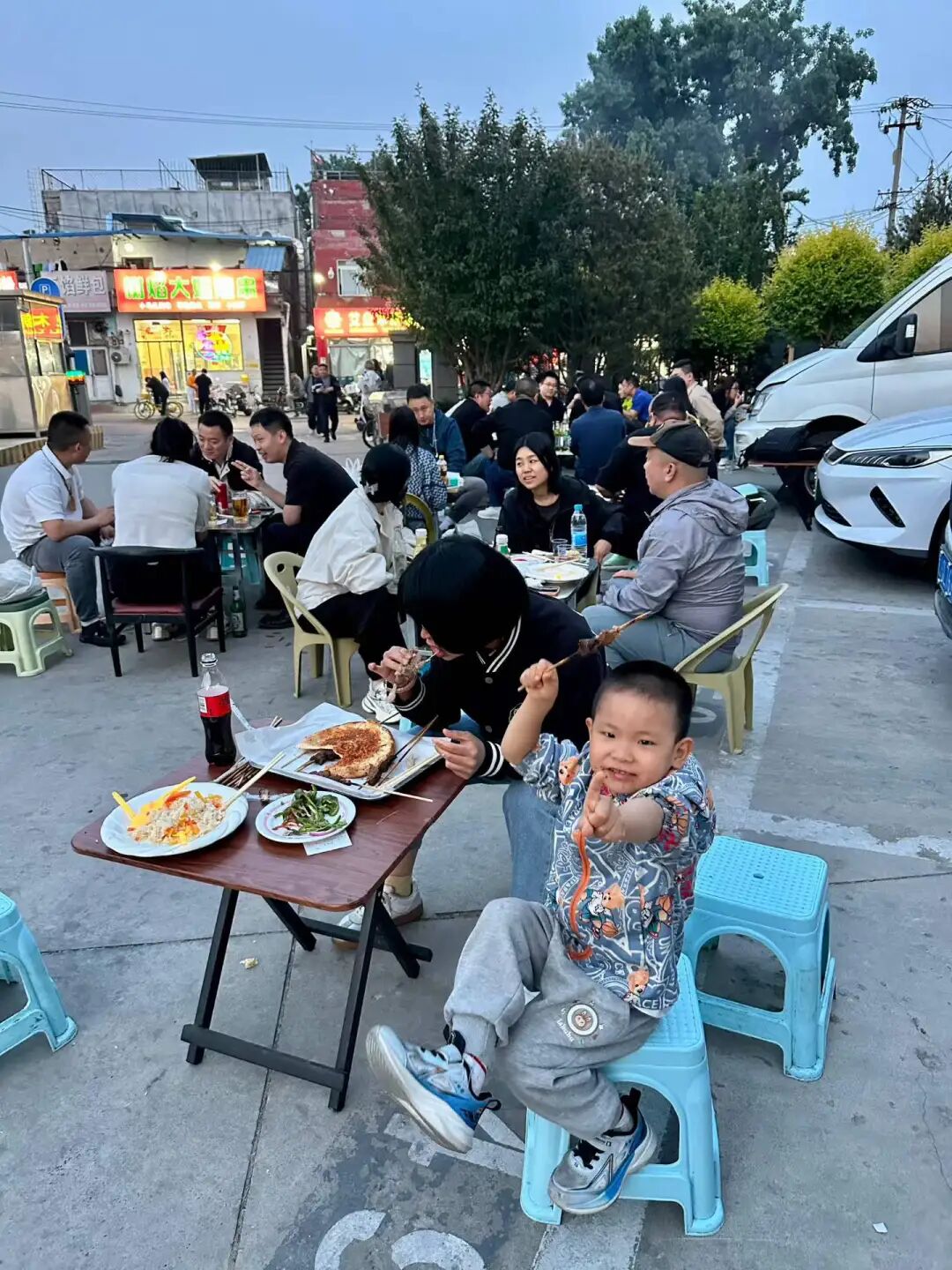
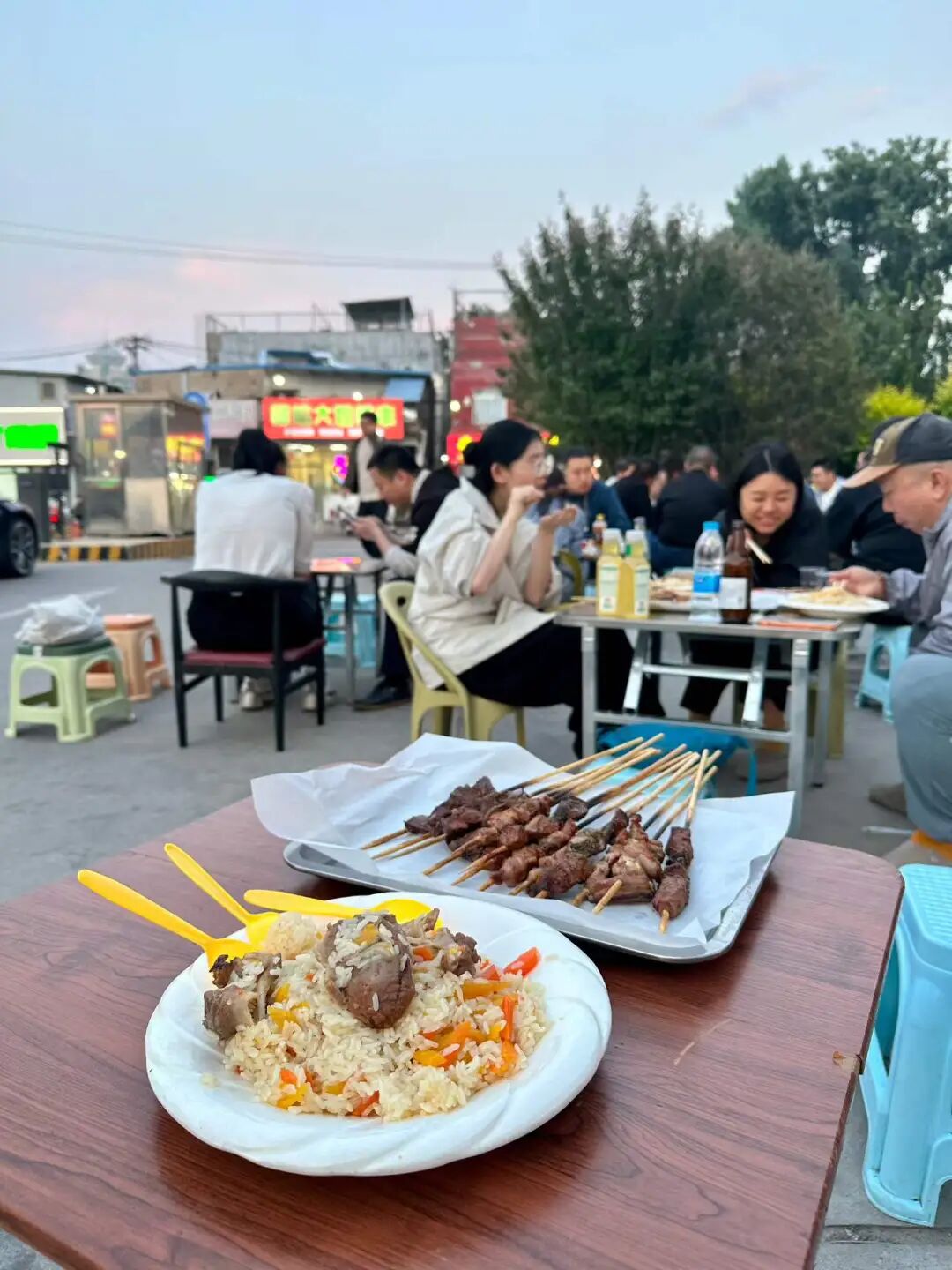
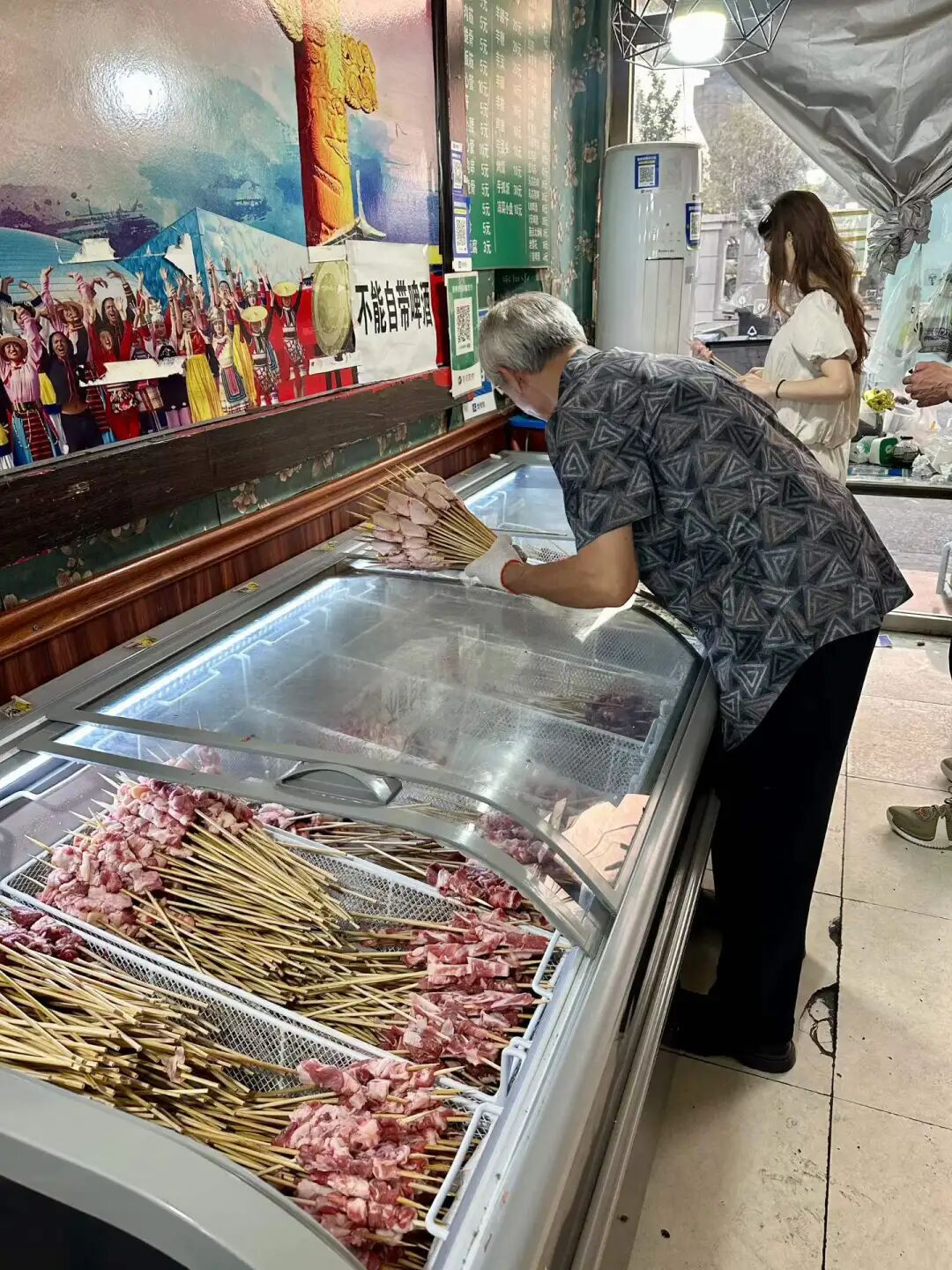
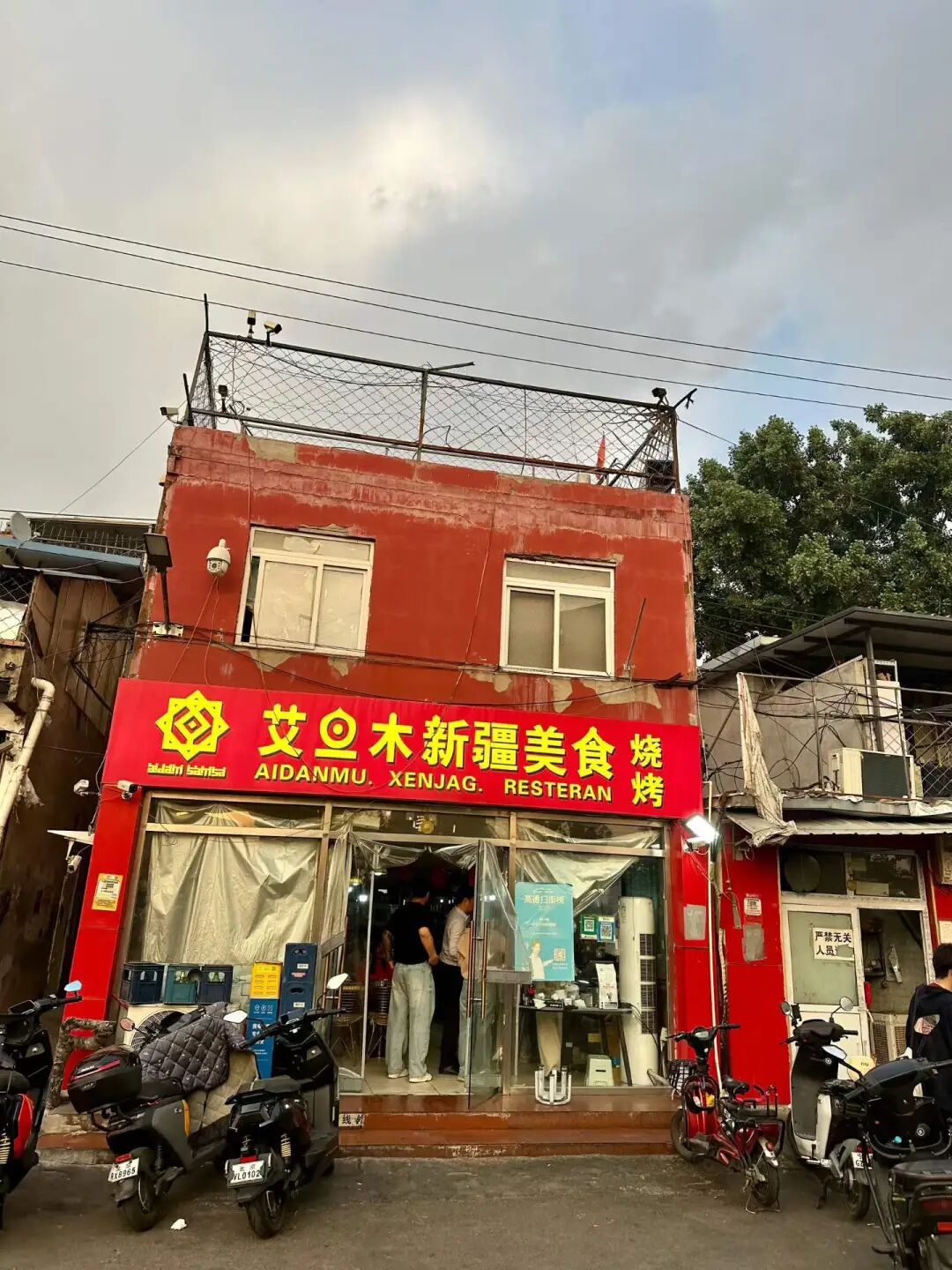
In the evening, we went to Shilihe to eat barbecue at Aidamu. I had heard they were very famous, but this was my first time eating there, and I was truly impressed. They have basically brought the level of a local Xinjiang night market to Beijing; eating there felt just like being back in Xinjiang.
There is a large parking lot right across from the restaurant, making it very convenient if you drive there. When we arrived at 6:30, the place was already packed, so we set up a table in the parking lot across the street. Since the temperature has risen in May, it is perfect for eating barbecue outdoors.
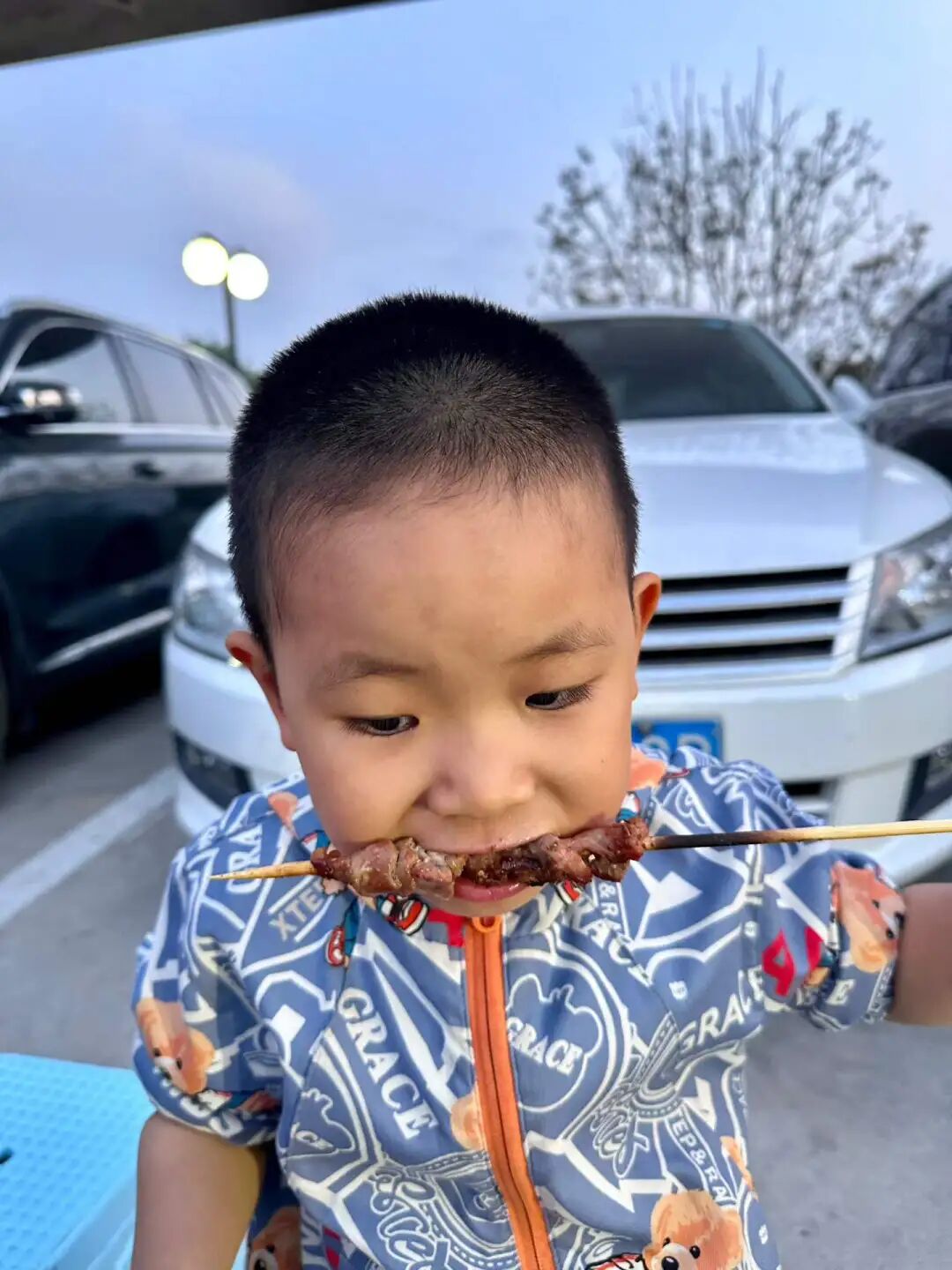
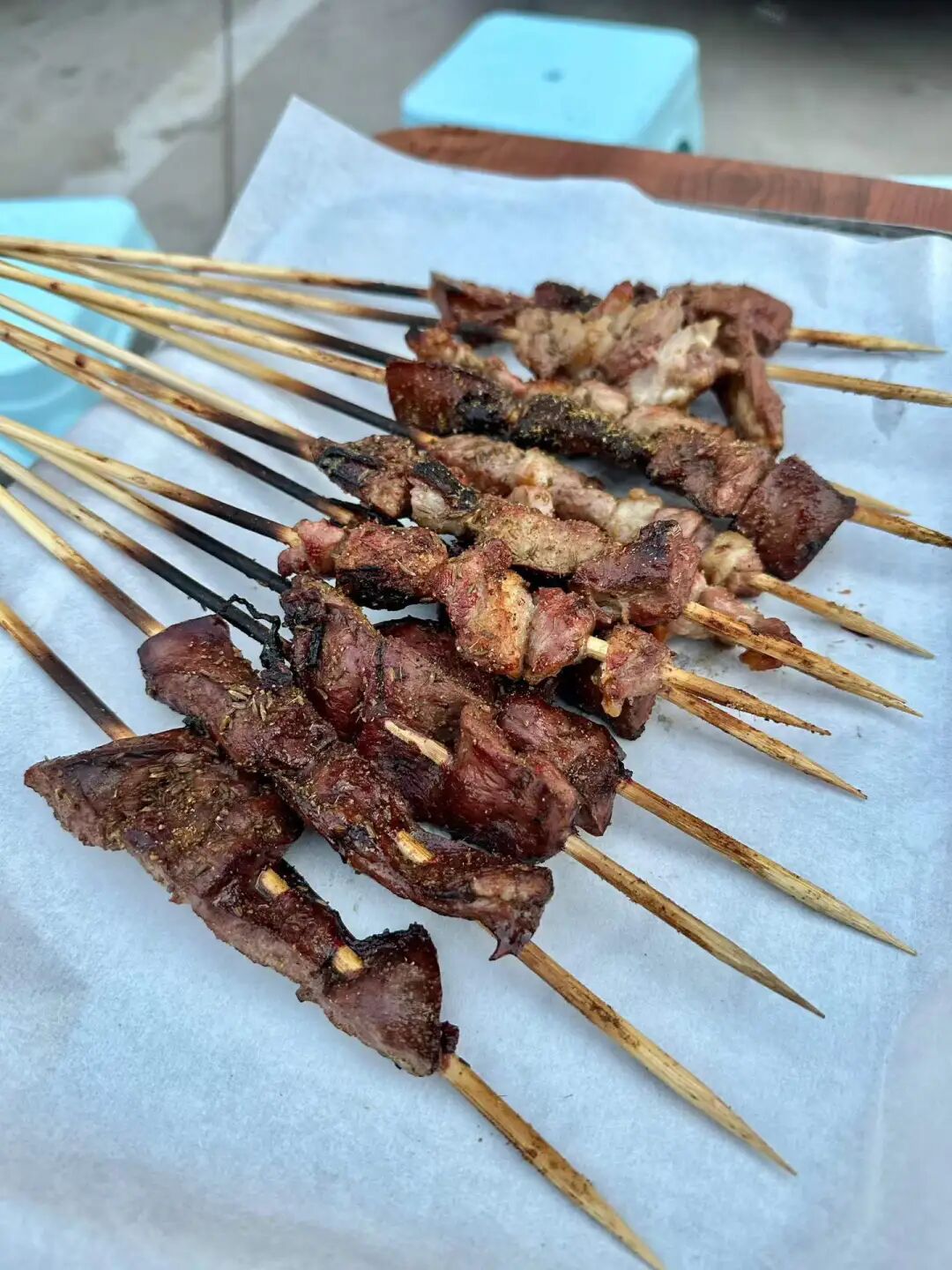
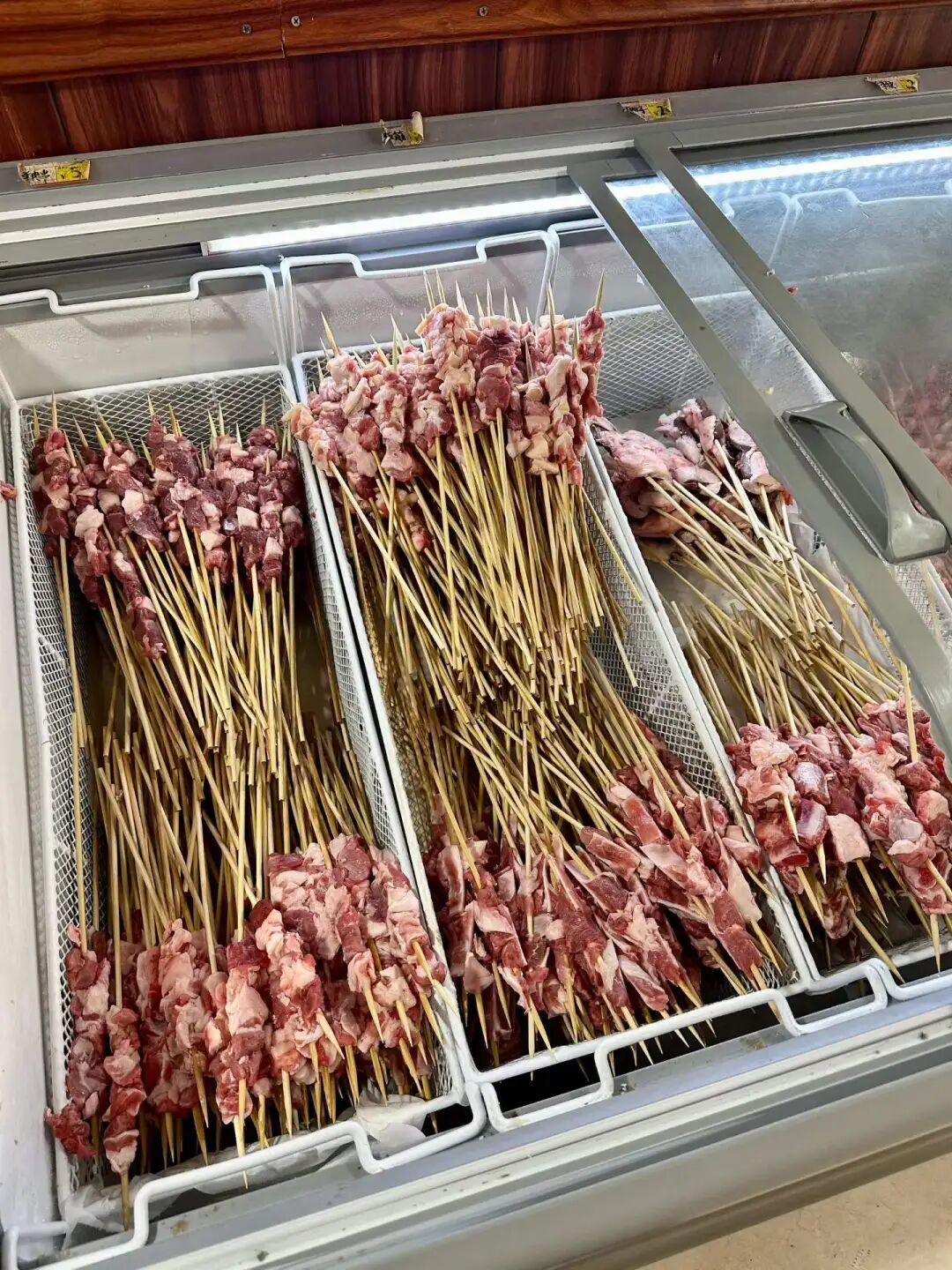
At their place, you grab the skewers yourself from the freezer. We had lamb liver, lamb heart, lamb skewers, and lamb chops. The lamb liver was very tender, definitely top-tier for Beijing. The lamb heart had more chew than the liver, and it was also quite good. The lamb skewers had no gamey smell at all, just the pure aroma of lamb, which is very rare in Beijing.
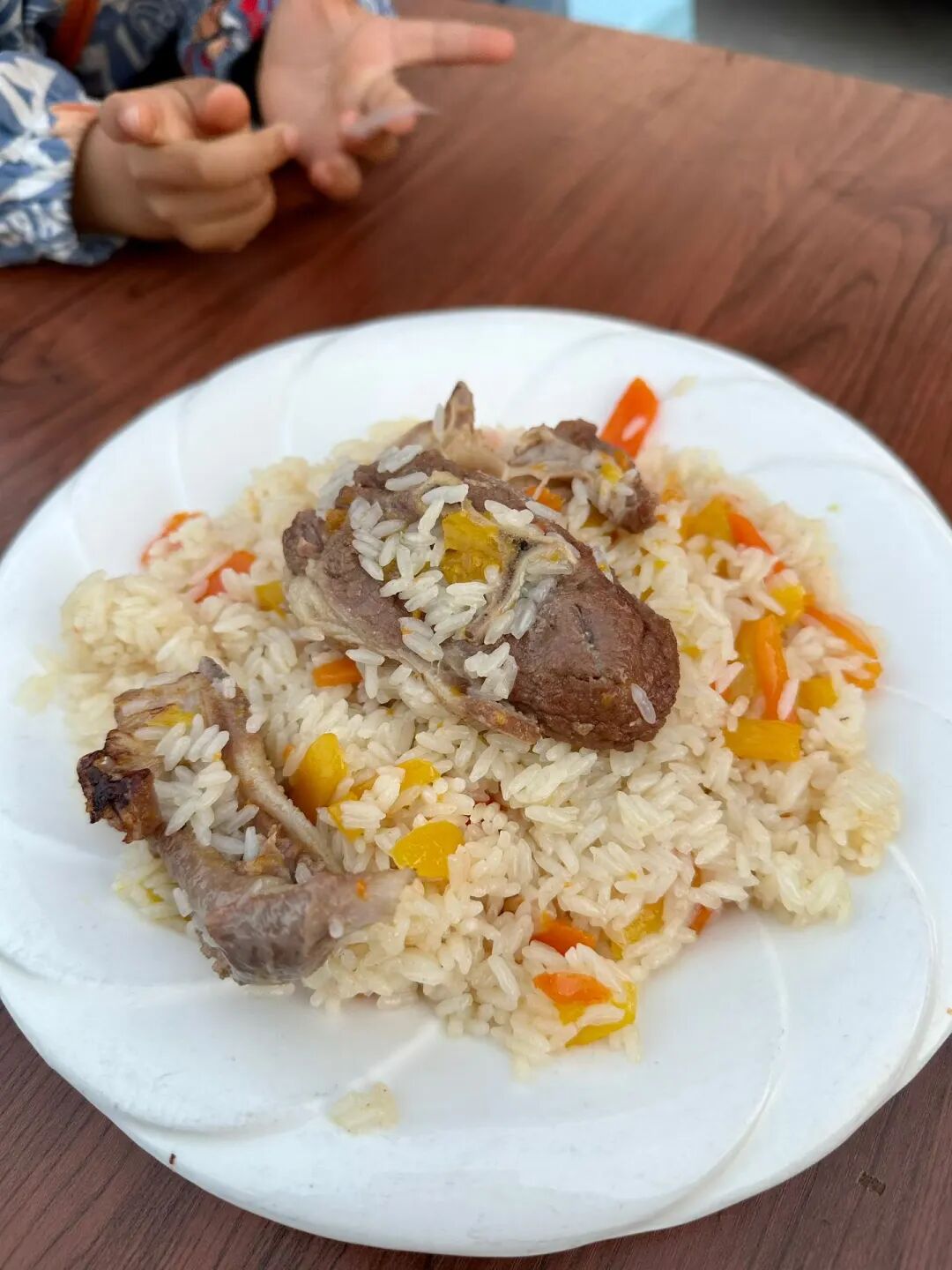
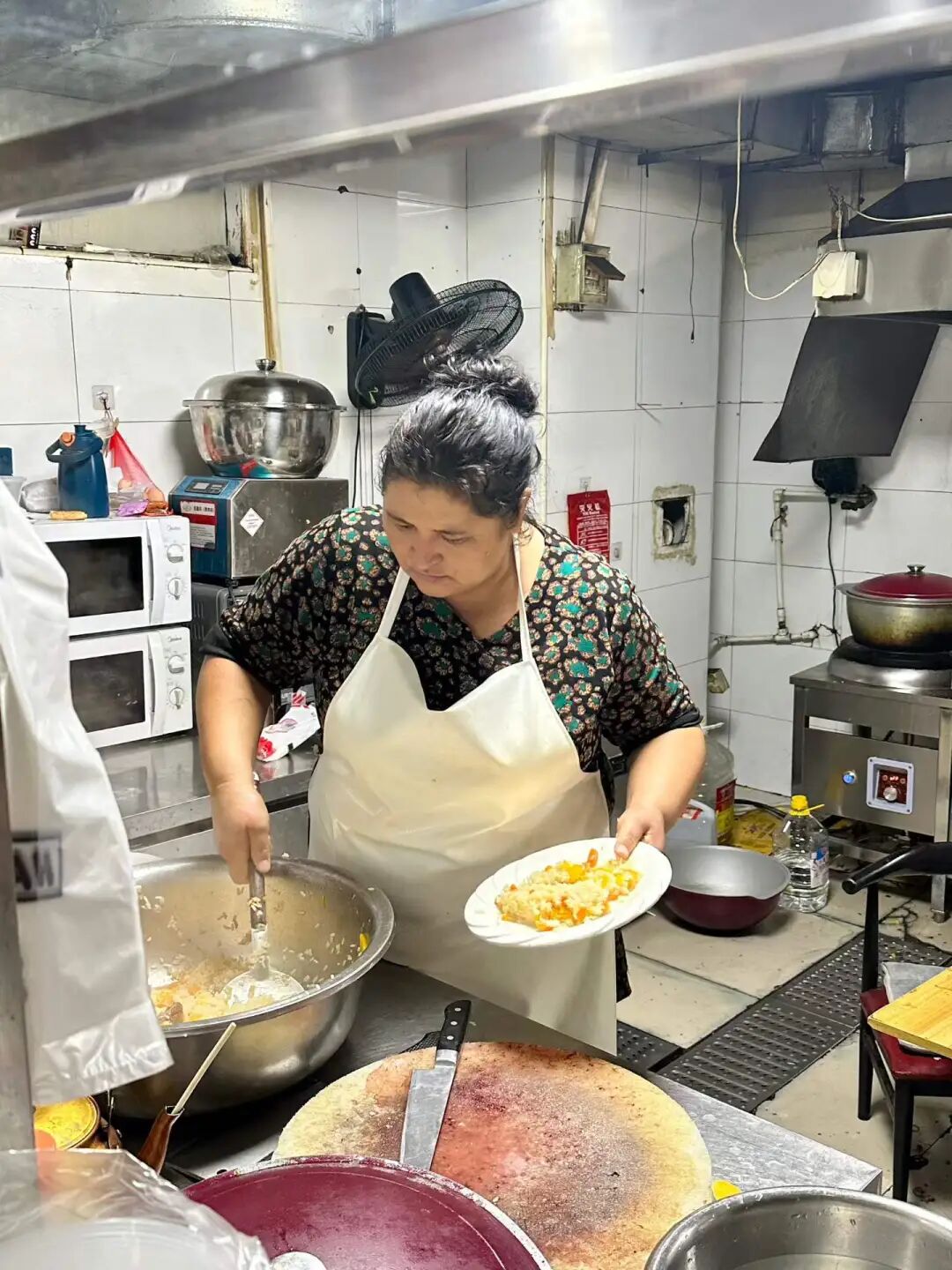
We had the pilaf (zhuafan) fresh out of the pot at seven o'clock. It was shiny and oily, though the lamb was a bit tougher compared to the skewers. Overall, it was still good. I happened to hear the table next to us complaining that their rice was undercooked. Actually, I think pilaf is only good when the rice is a bit firm. If the rice is too soft and mushy, it just becomes regular steamed rice.
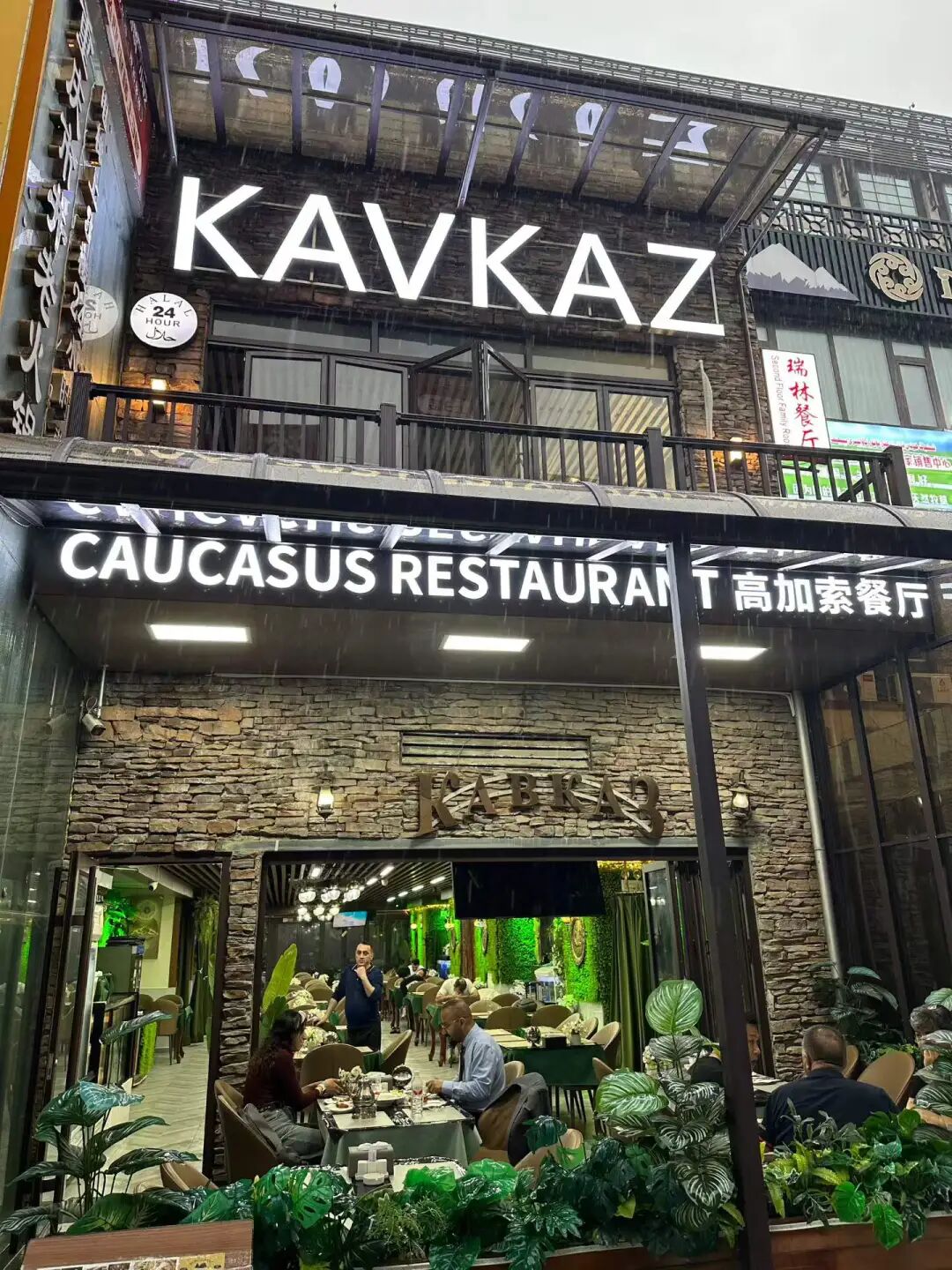
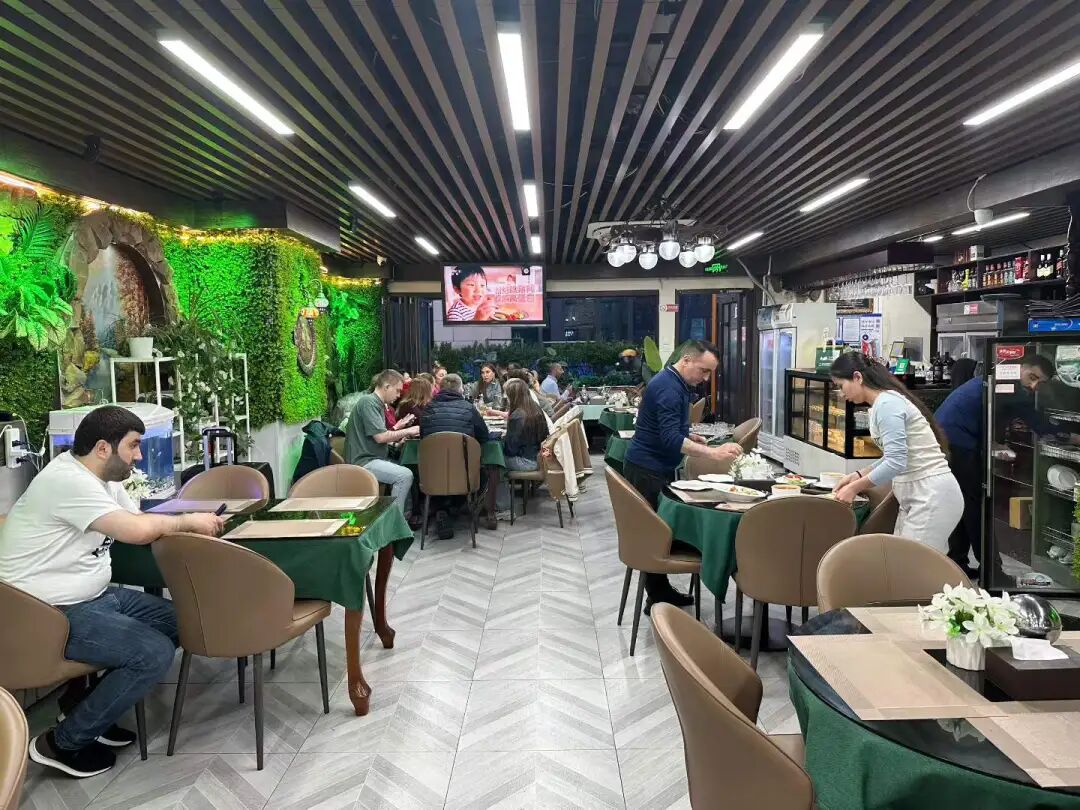
On the weekend, we had dinner at Kavkaz Ruilin, a long-standing Azerbaijani restaurant on Ritan Upper Street, to enjoy some Russian and Caucasian food. This is a classic former Soviet-style restaurant in Beijing that has been open for over a decade. It mostly serves merchants from Russian-speaking regions who come to Yabaolu to source goods. Its Chinese name used to be Ruilin, but it has been changed to Ruilin.
After the Soviet Union collapsed in the 1990s, many traders (daoye) took green-skinned trains to Beijing and headed straight to Yabaolu to stock up on goods. They brought down jackets, leather shoes, toys, and other small items back home to sell for huge profits. Yabaolu gradually grew from street stalls and tents into Beijing's largest wholesale market for Russian-speaking regions, and more former Soviet-style restaurants opened up on nearby Ritan Upper Street. Over a decade ago, Ritan Upper Street was mainly home to Central Asian and Azerbaijani restaurants, including Uzbek and Kazakh spots.
Over the last decade, Russia's economic decline, the shift of markets to places like Yiwu, Guangzhou, and Suifenhe, and the rise of cross-border e-commerce have caused trade with Russia on Yabaolu to shrink. Yitan Shangjie has gradually become a hub for Uyghur restaurants. Besides Dardanelles and Desert Rose, which focus on Turkish food, the only other Azerbaijani restaurant is Ruilin. For Central Asian food, there is the Turkmenistan restaurant Merv downstairs, which also serves Russian dishes.
At first, Ruilin had dim lighting, making it a good spot for traders to talk business, but many Chinese people were afraid to go inside. In recent years, the lighting at Ruilin has become brighter, but when we visited, there were only Russian-speaking customers, and we did not see any other Chinese people eating there.
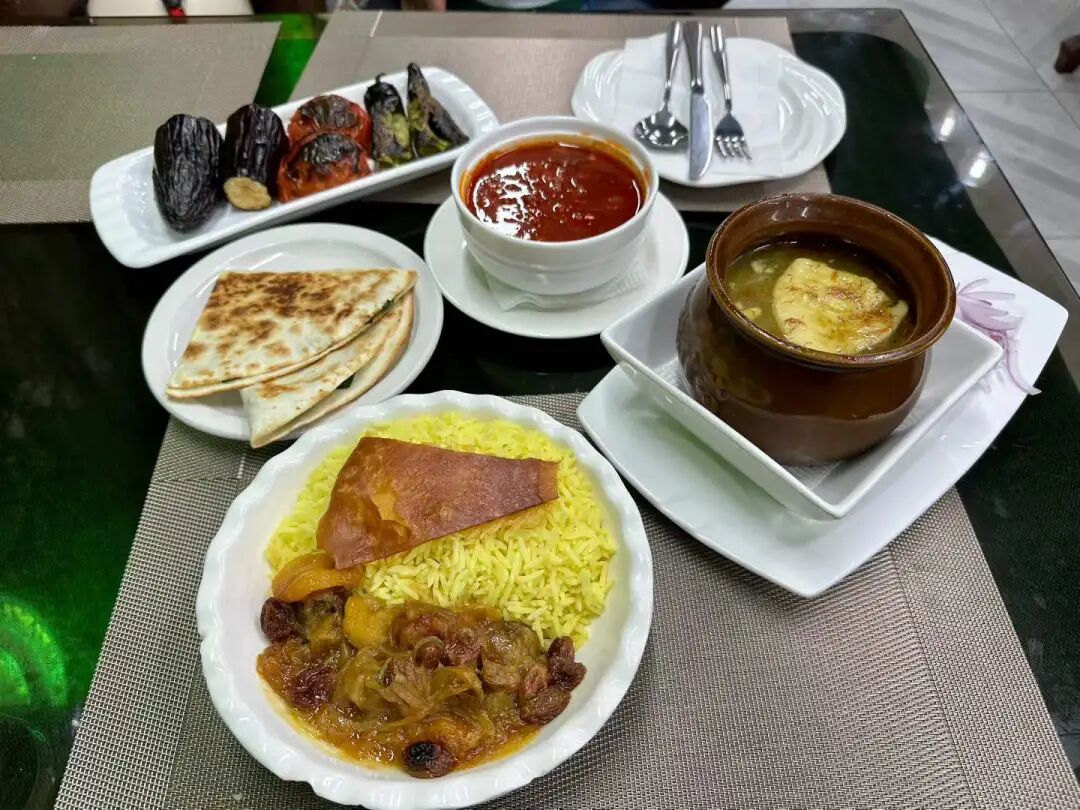
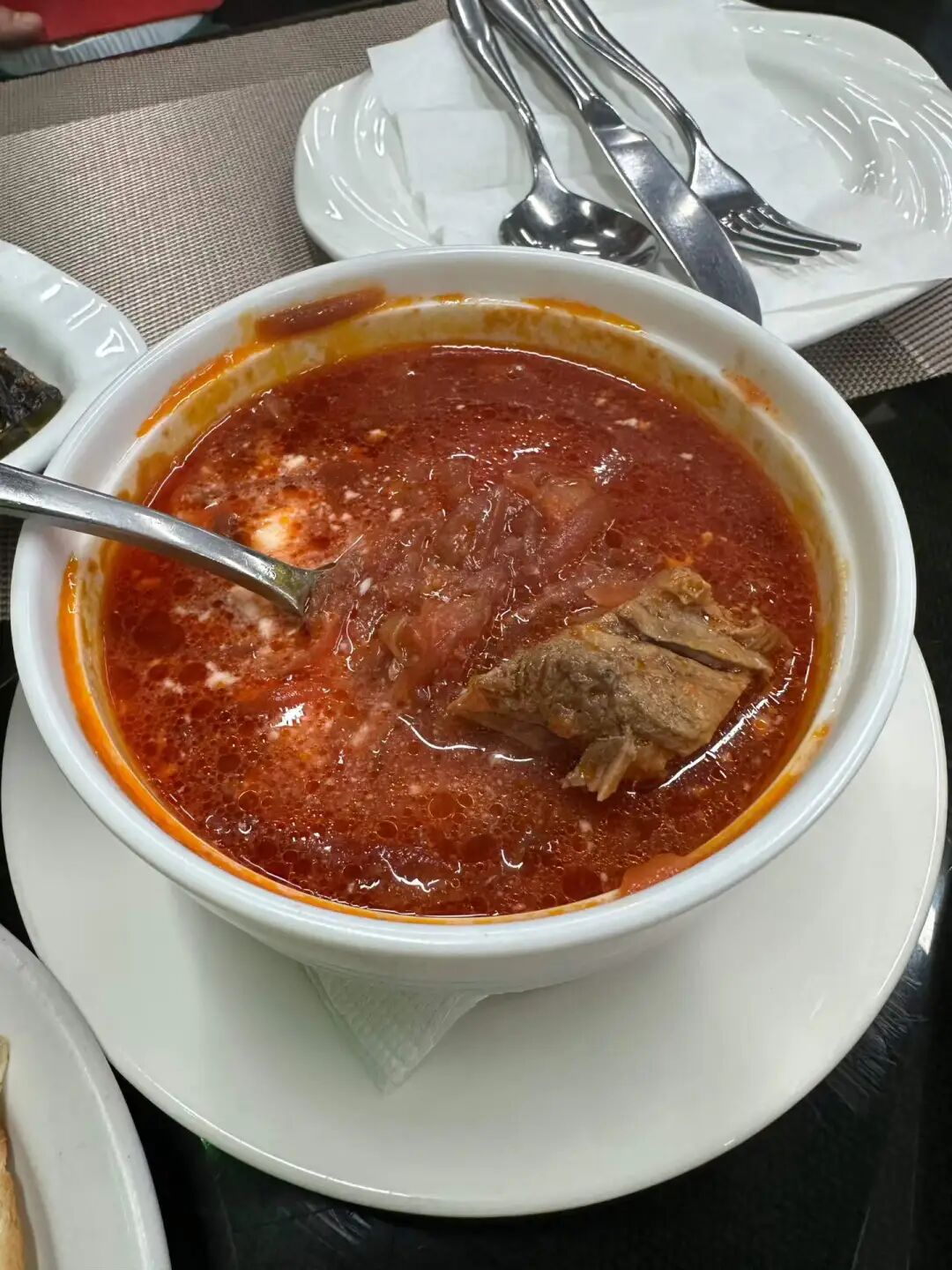
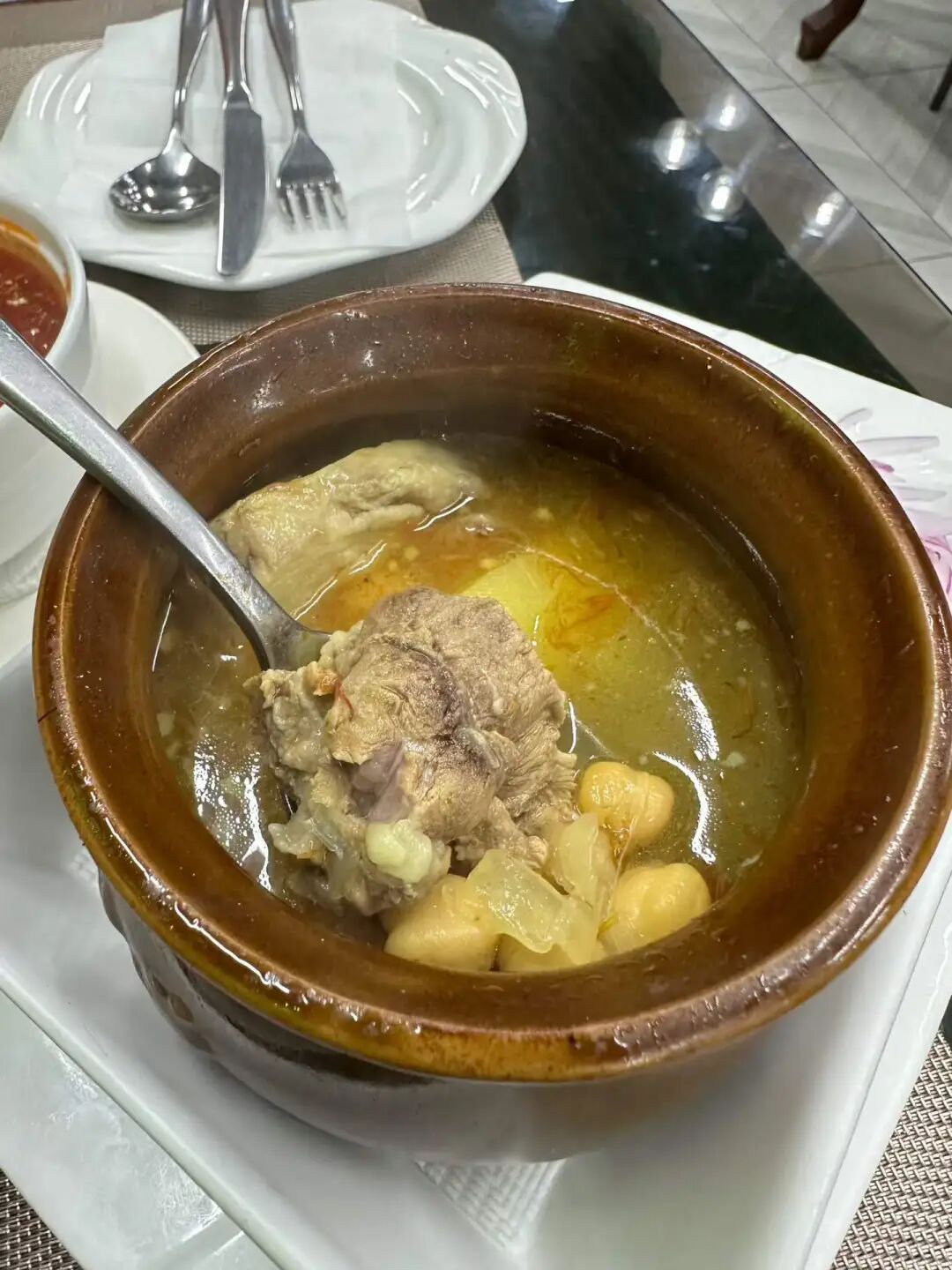
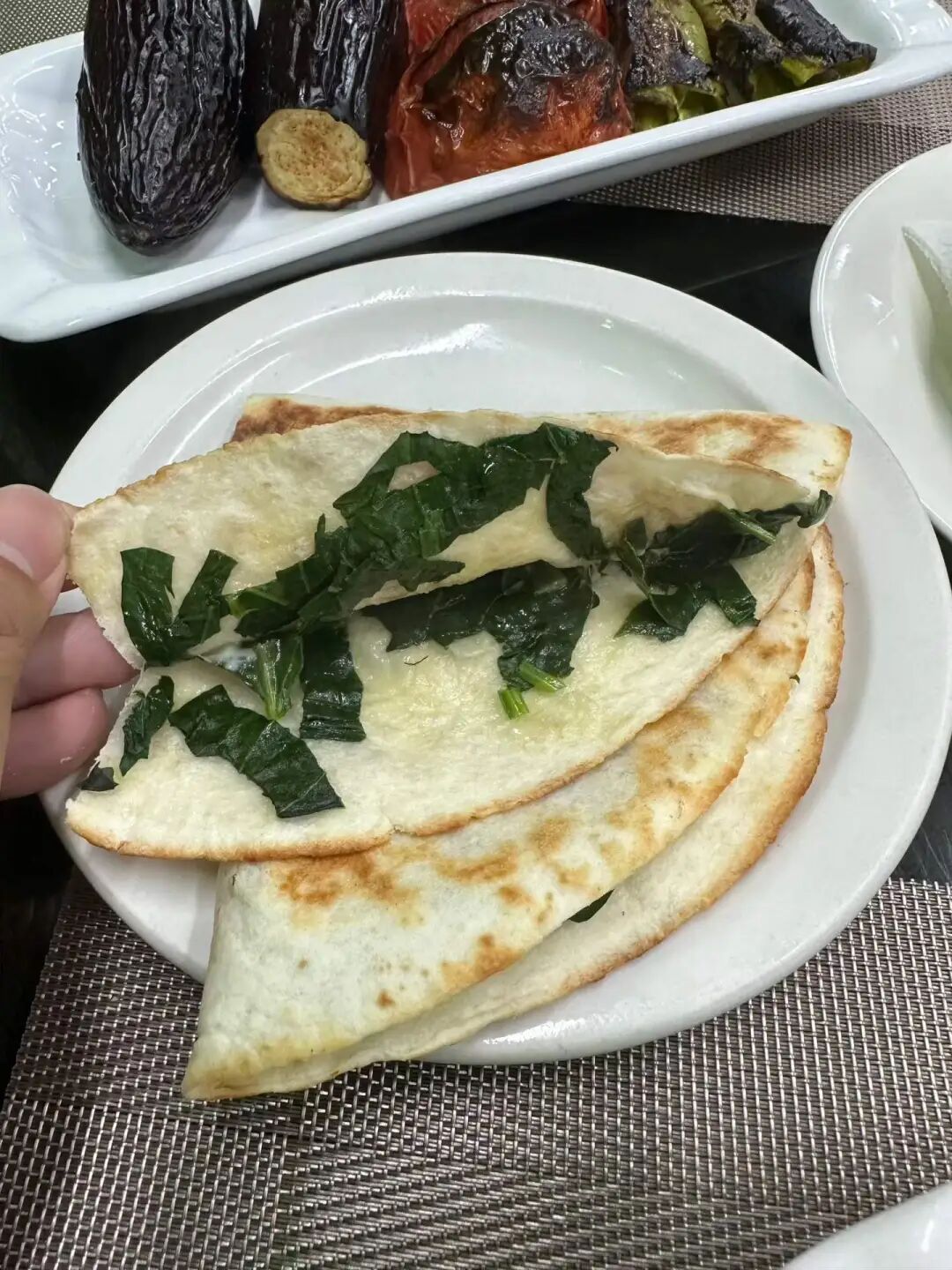
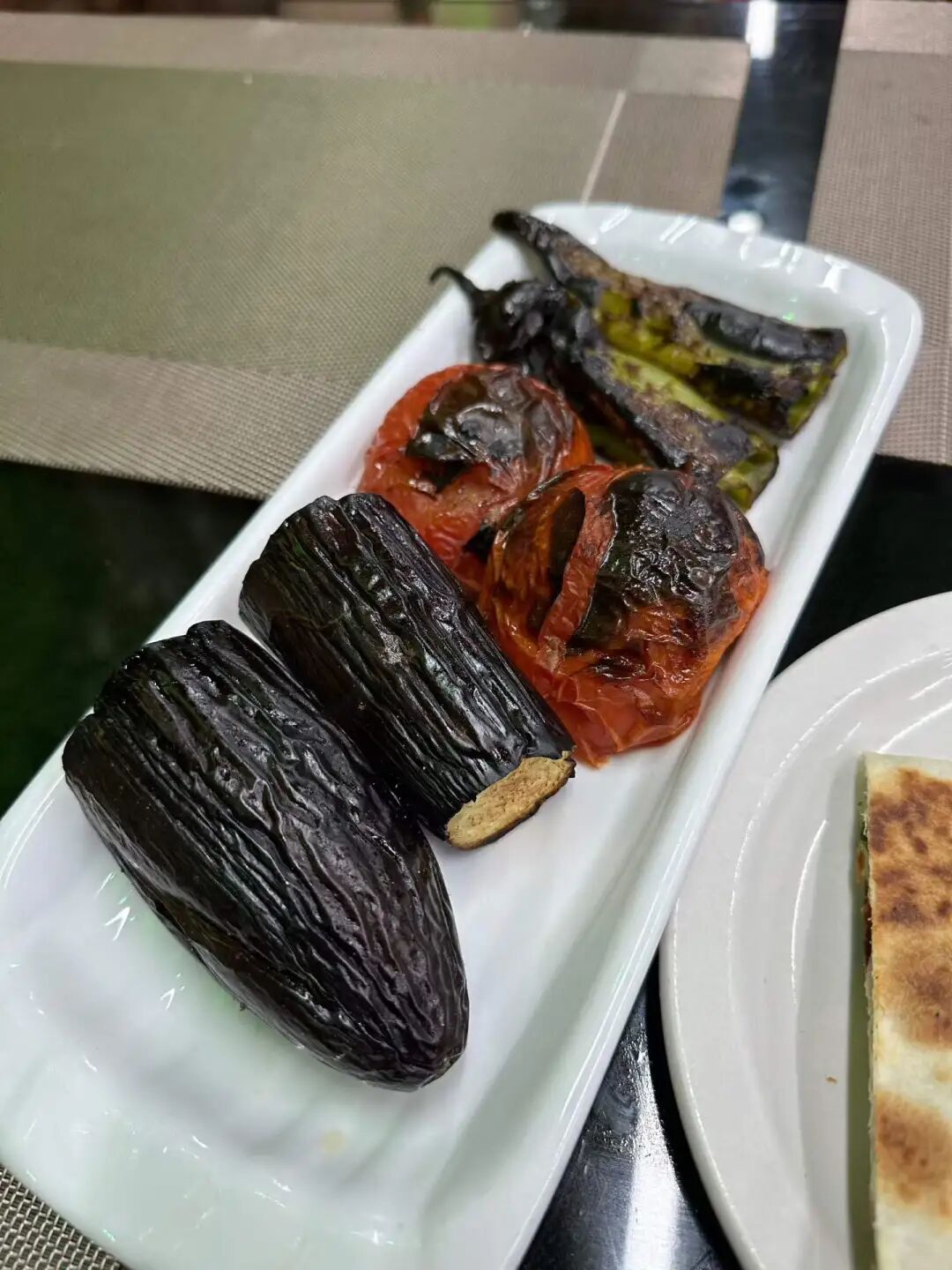
We ordered borscht (hongcaitang), pot-stewed lamb (manguan yangrou), chive pancakes (jiucaibing), Azerbaijani pilaf (zhuafan), and grilled vegetables. Their borscht is closer to the Russian style than the one at Merv. Merv's beef soup has a stronger flavor, while their version has a more intense beet taste, which is also quite good.
Pot-stewed lamb is a classic Russian main course. Traditionally, it is cooked during long, cold winters by stewing meat in a clay pot over a wood-burning fireplace, then sealing the lid and burying it in the fireplace embers for several hours. Their pot-stewed lamb broth is very fresh, similar to Xinjiang cup-stewed lamb (gangzirou), but the lamb is a bit tough rather than tender.
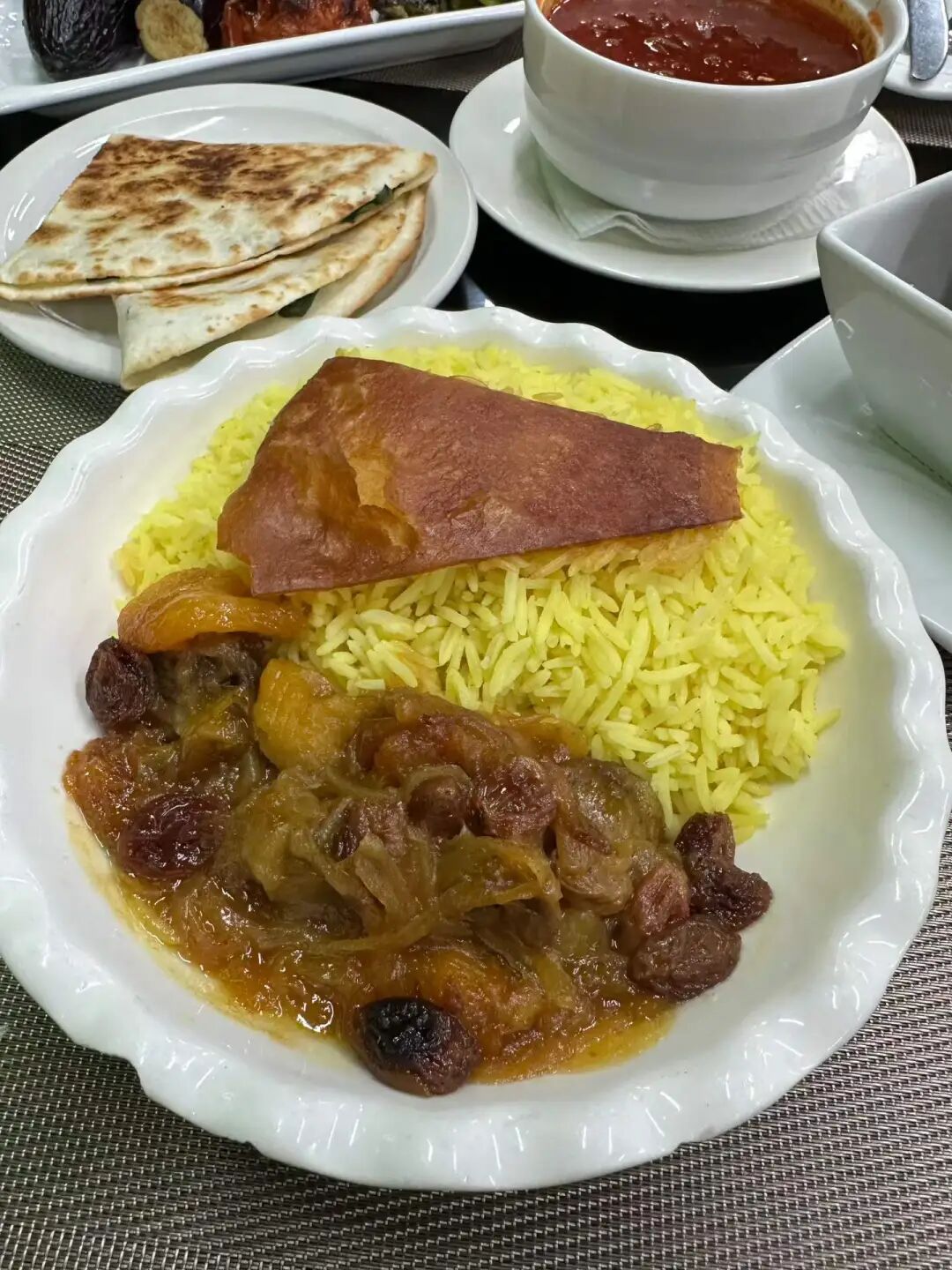
I really like the Azerbaijani pilaf. I made sure to eat the authentic version when I visited Azerbaijan, and after coming back, I think both Ruilin and Dardanelles make a good version. Azerbaijani pilaf is dyed yellow with saffron and includes dried apricots, prunes, chestnuts, and raisins. The lamb is salty and savory, while the dried fruits add sweetness, creating a very rich flavor profile.

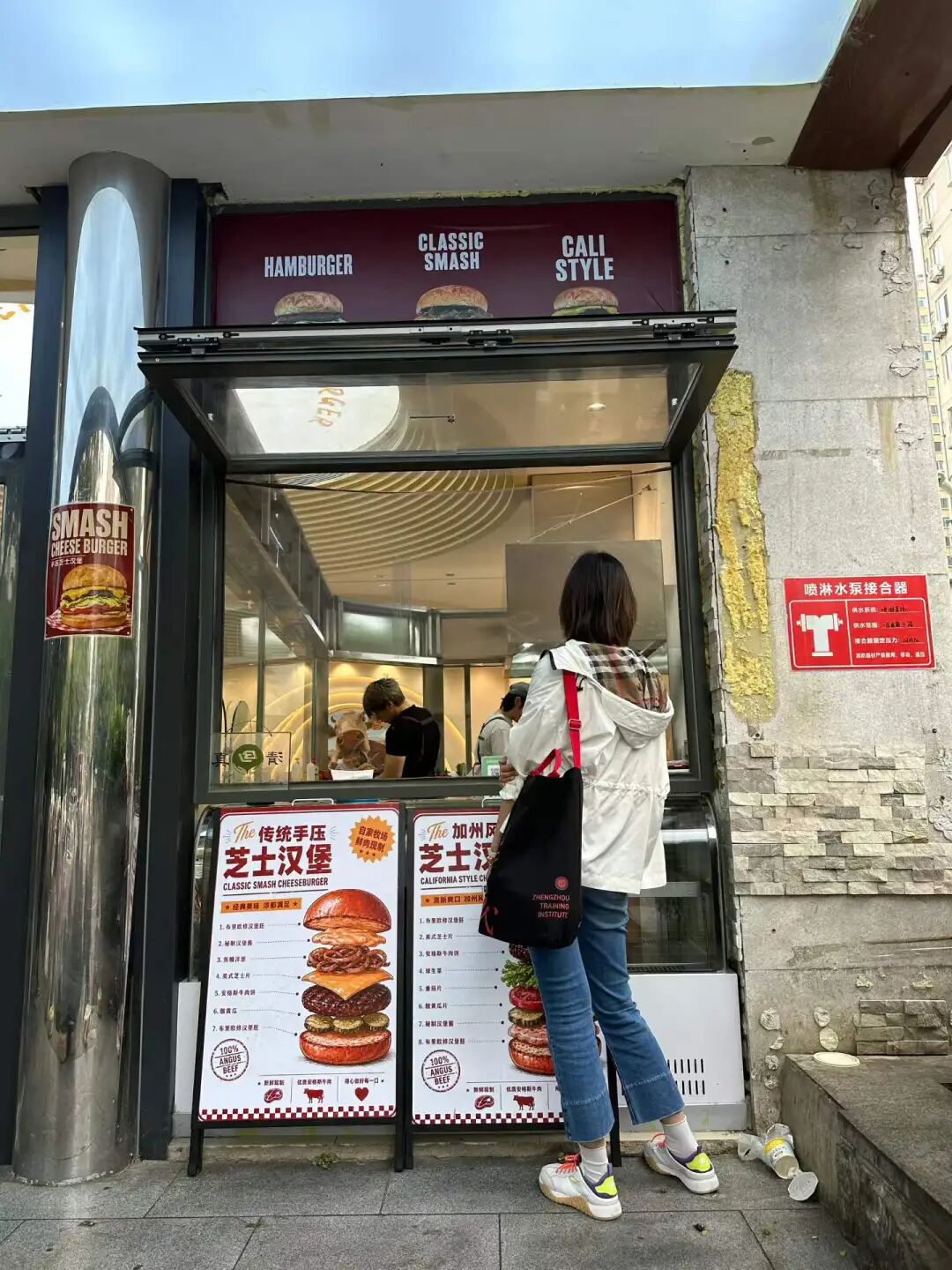
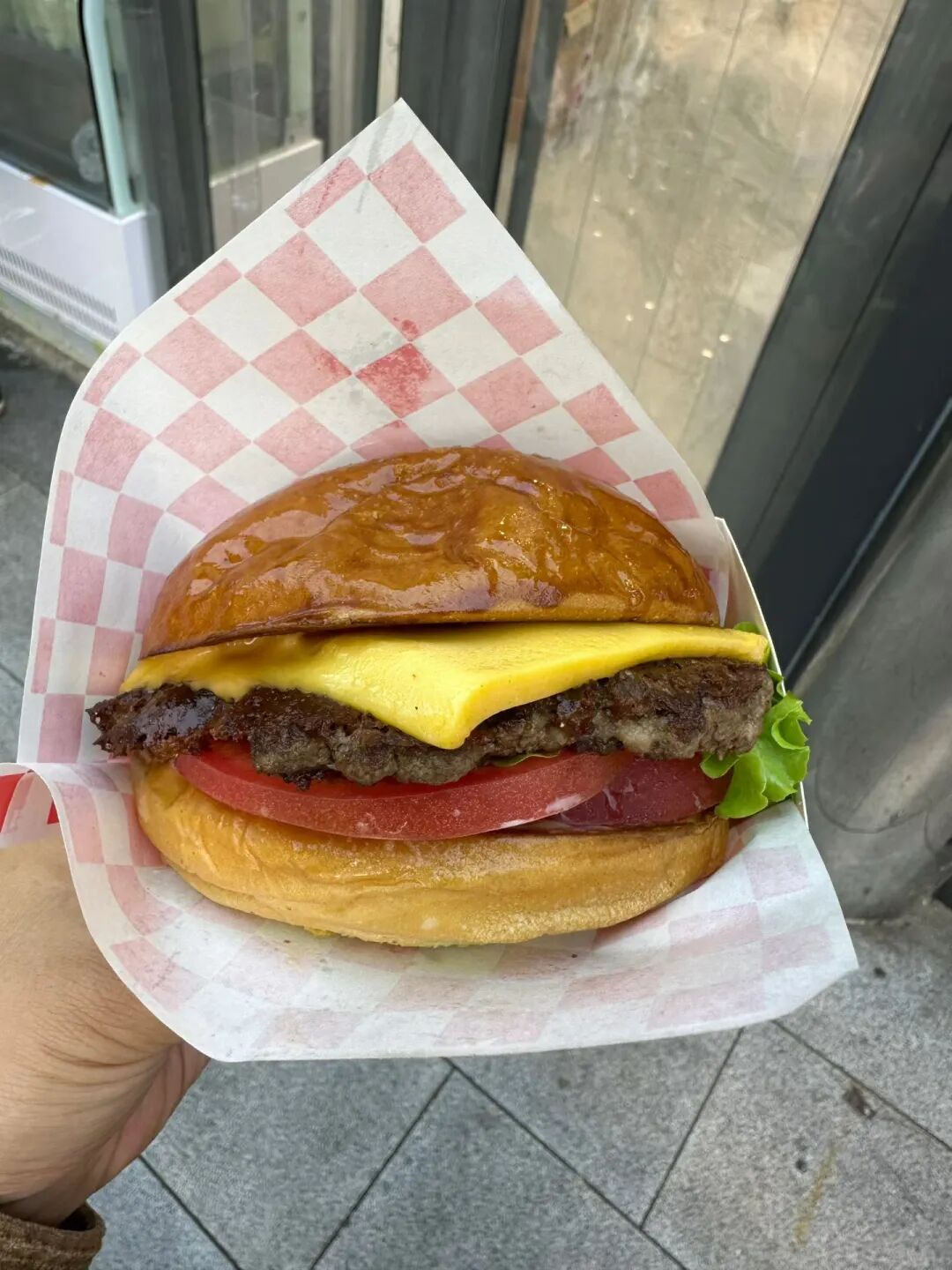
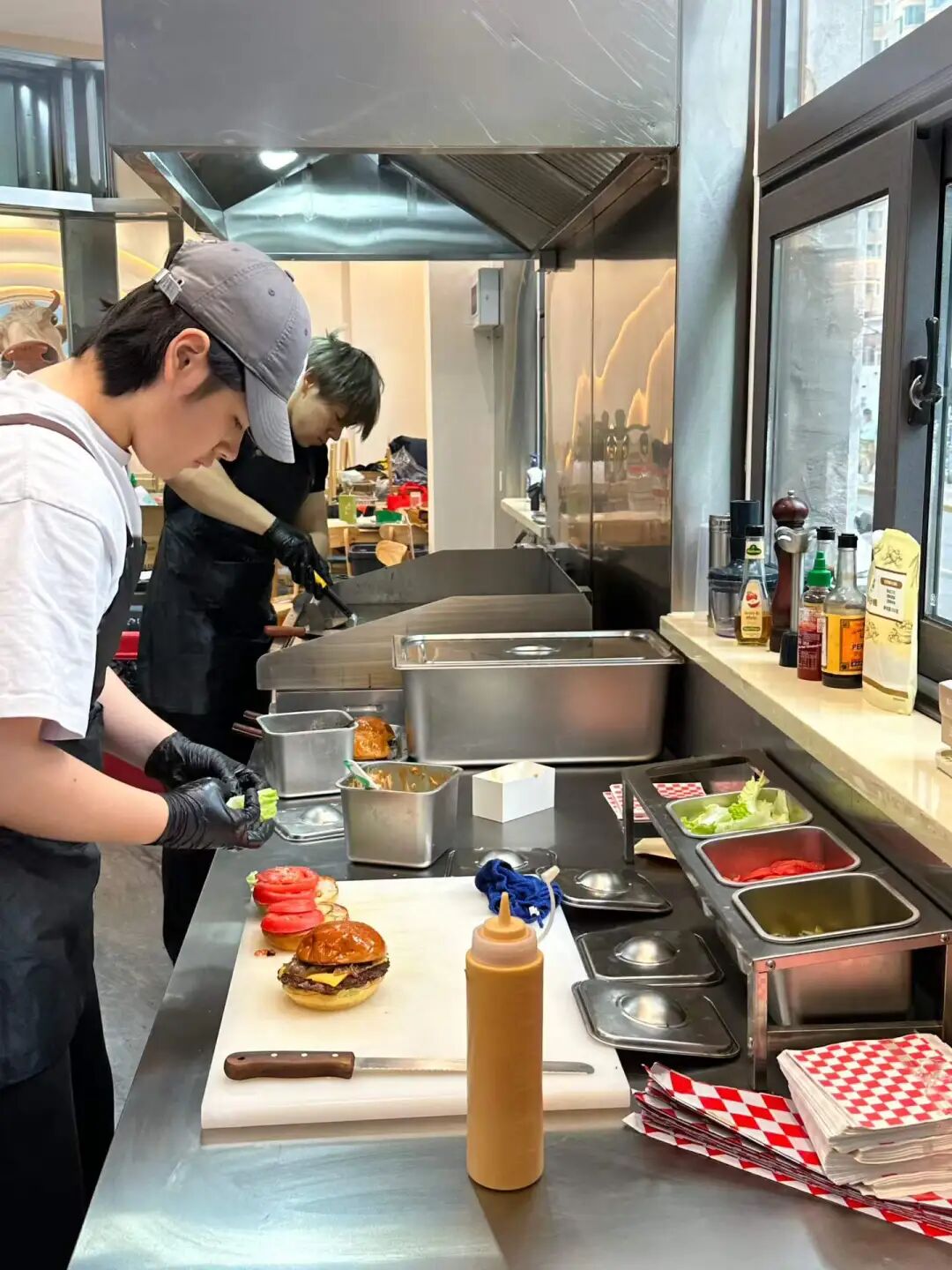
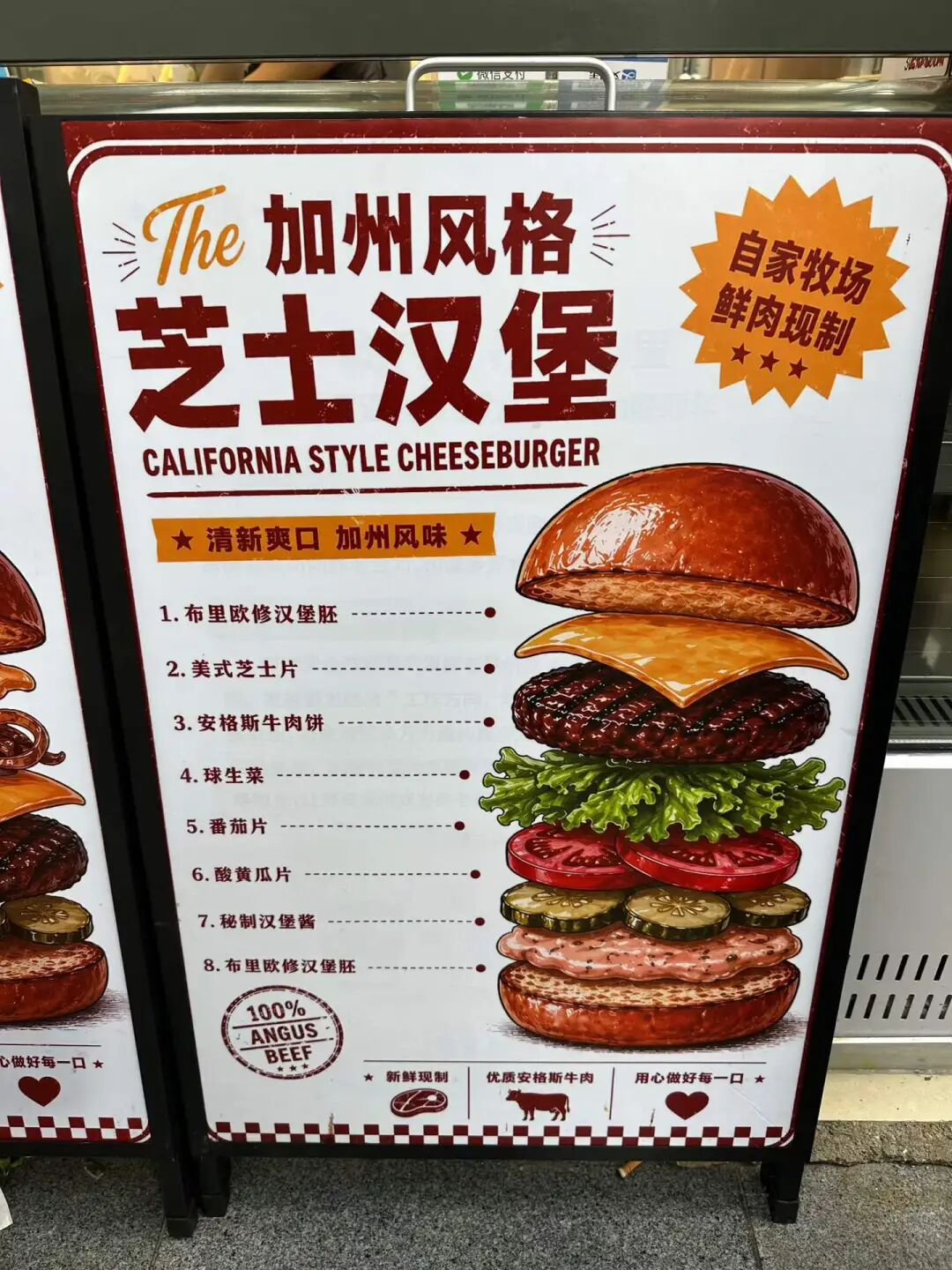
I finally had the cheese beef burger at Yilan Liyuan on Niujie this weekend. They only have regular and California-style options now. The California-style burger adds lettuce and tomato, and you can order it as a single or double patty. They do not let you eat inside the shop, so you have to eat at the entrance or take it away. I waited five minutes at the door and it was ready. The single-layer size is decent, and the crust was baked hot on the spot, but the filling felt a bit dense and not very fluffy. The meat pie tastes good, but it feels a bit loose, as if it wasn't packed tightly enough. Overall it is pretty good, but it would be even better if there were other things to pair it with.
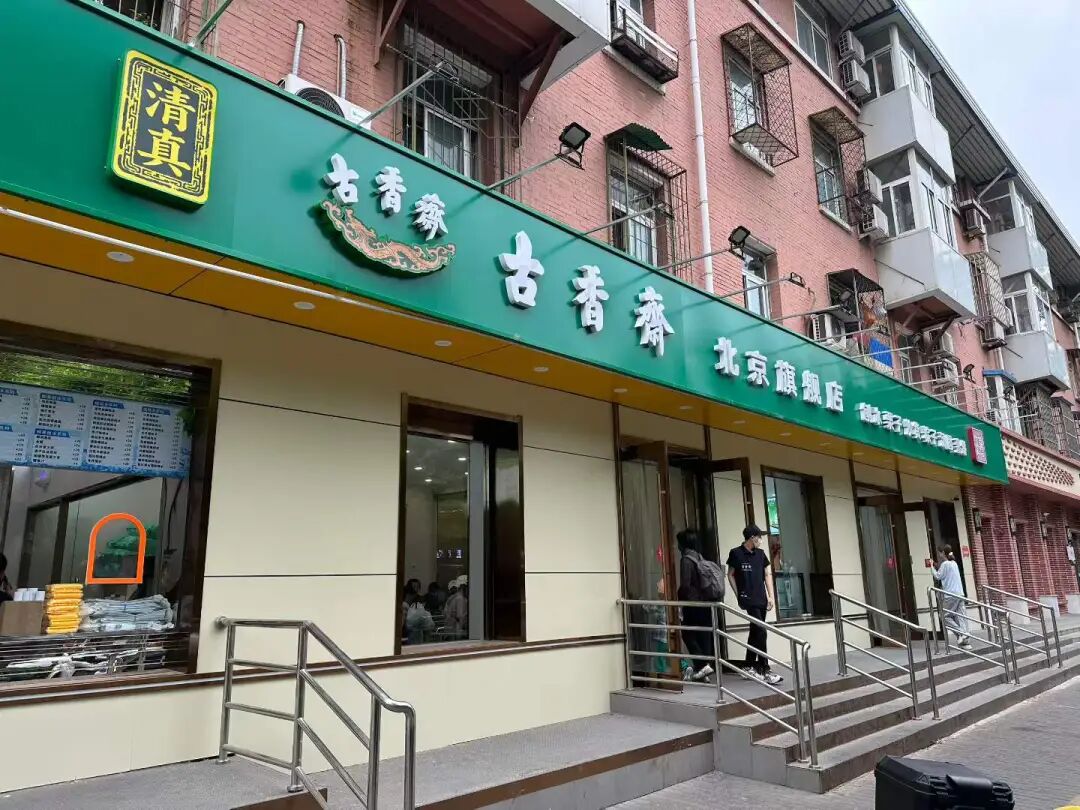
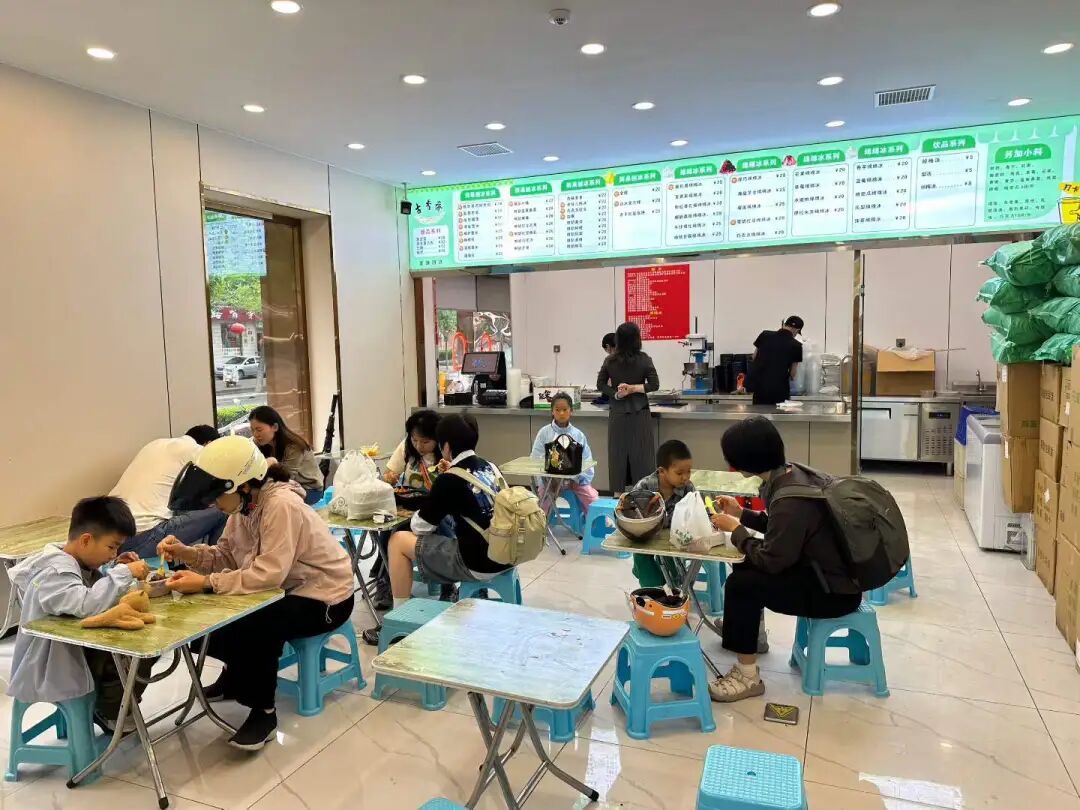
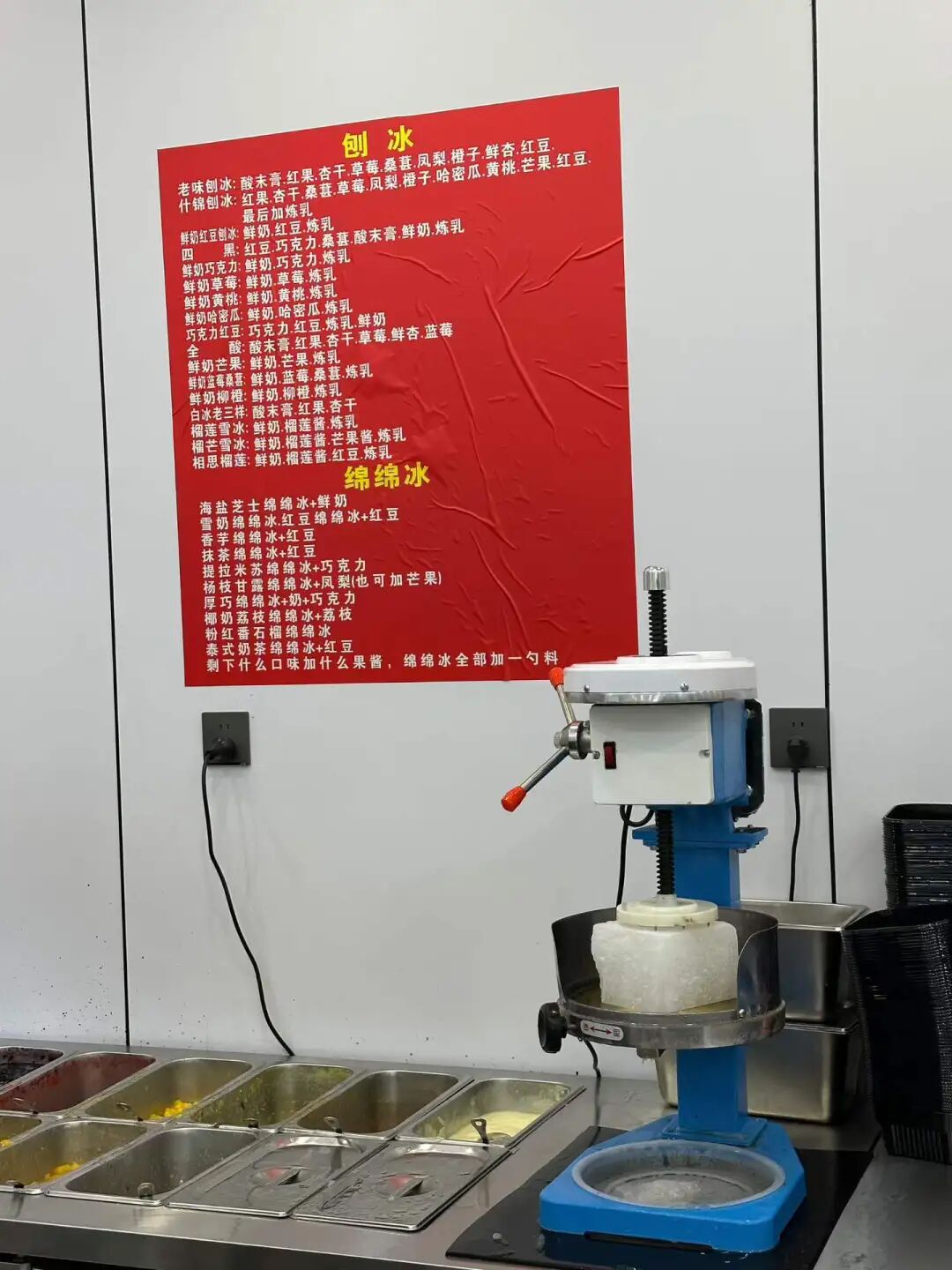
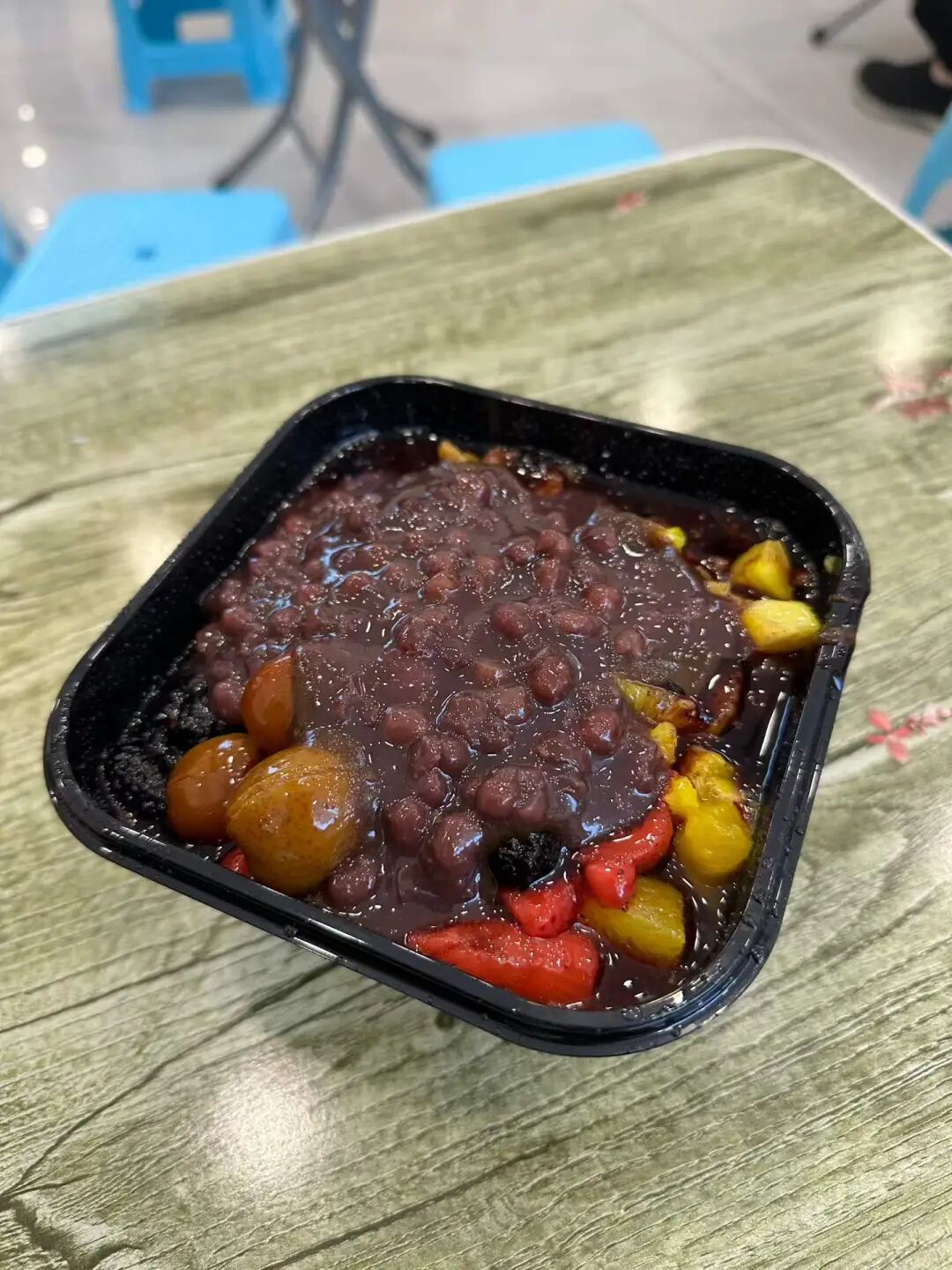
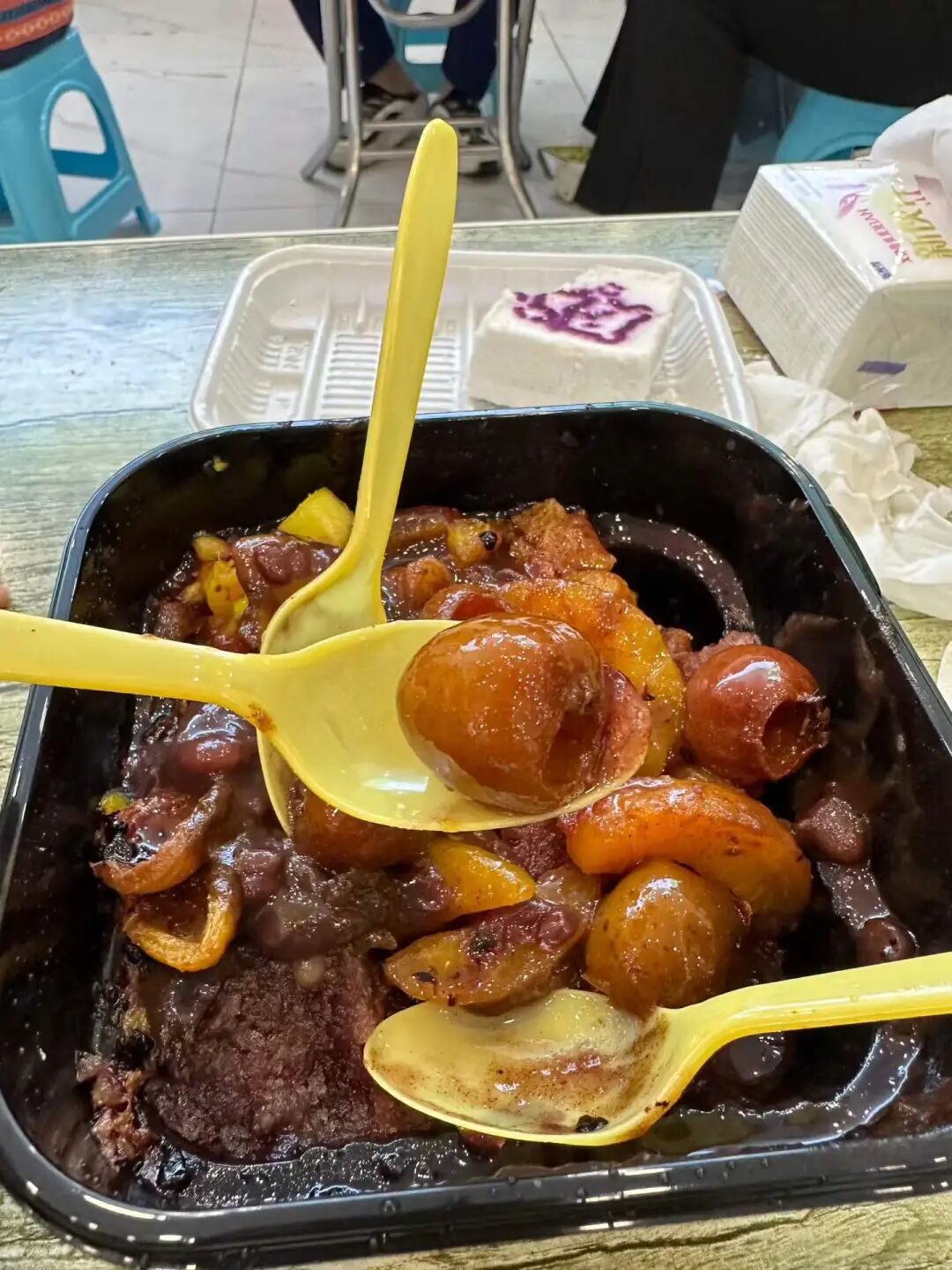
A Tianjin halal shaved ice and steamed pancake (zhengbing) shop called Guxiangzhai has opened at Hufangqiao. Since the weather is getting warmer lately, many people are coming to eat shaved ice. For my first visit, I chose the traditional-style shaved ice. It contains sour hawthorn paste (suanmogao), red hawthorn fruit, dried apricots, strawberries, mulberries, pineapple, orange, fresh apricots, and red beans. It actually has more ingredients than the truly traditional version, and it is mainly sweet and sour to whet your appetite. Sour hawthorn paste (suanmogao) is the soul of Tianjin traditional shaved ice. It is made by grinding dried wild sour jujubes into powder and boiling it with rock sugar. You can buy large blocks of sour hawthorn paste (suanmogao) at the entrance of the archway of the South Mosque (Nandasi) in the Northwest Corner. It also tastes great when mixed directly with water.
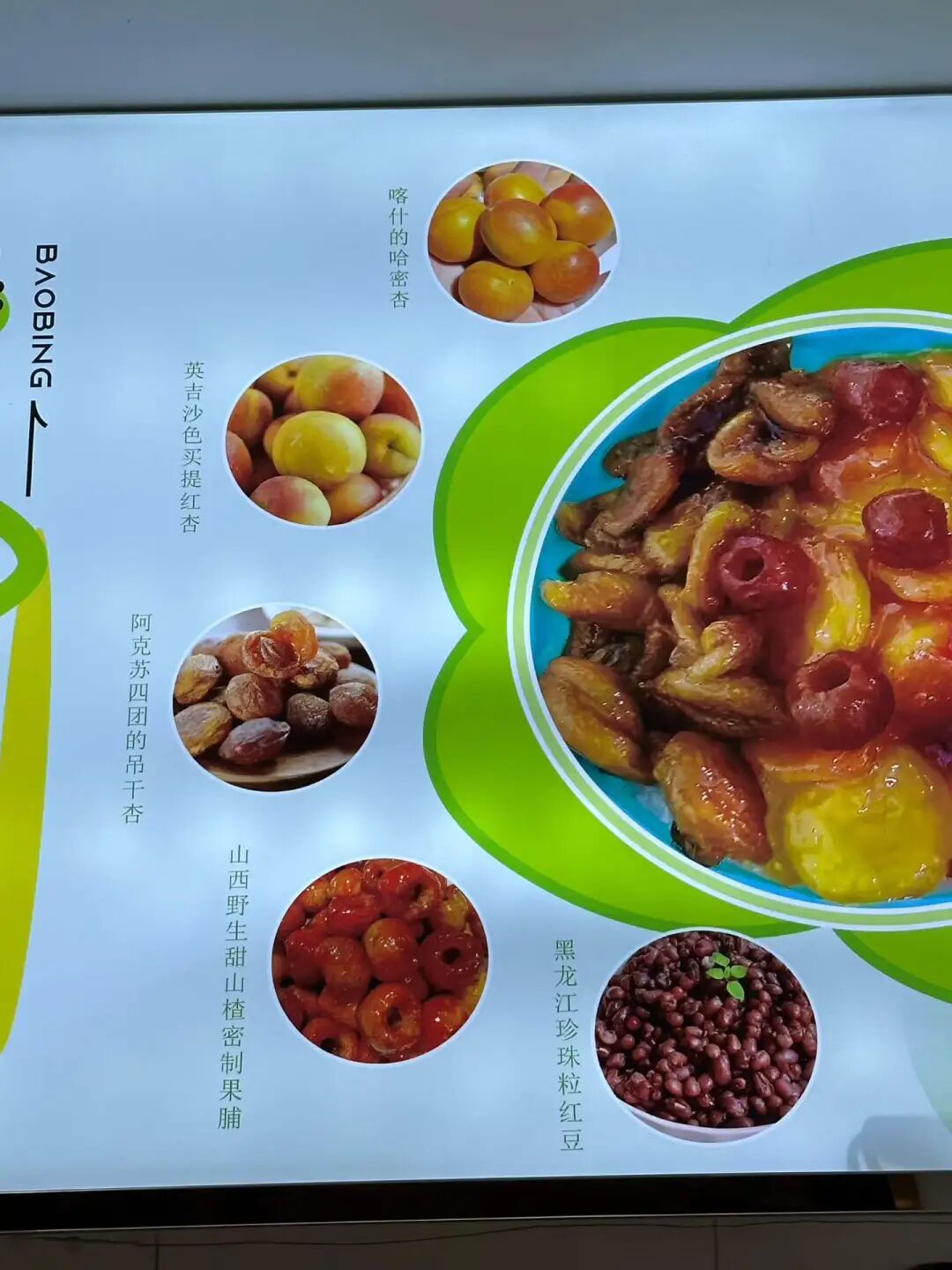
Their dinosaur egg three-apricot shaved ice is also a signature item. It contains Kashgar Hami apricots, Yengisar Saimaiti red apricots, Aksu Situan dried apricots, and secret-recipe preserved fruit made from wild hawthorn from Shanxi. It sounds very good.
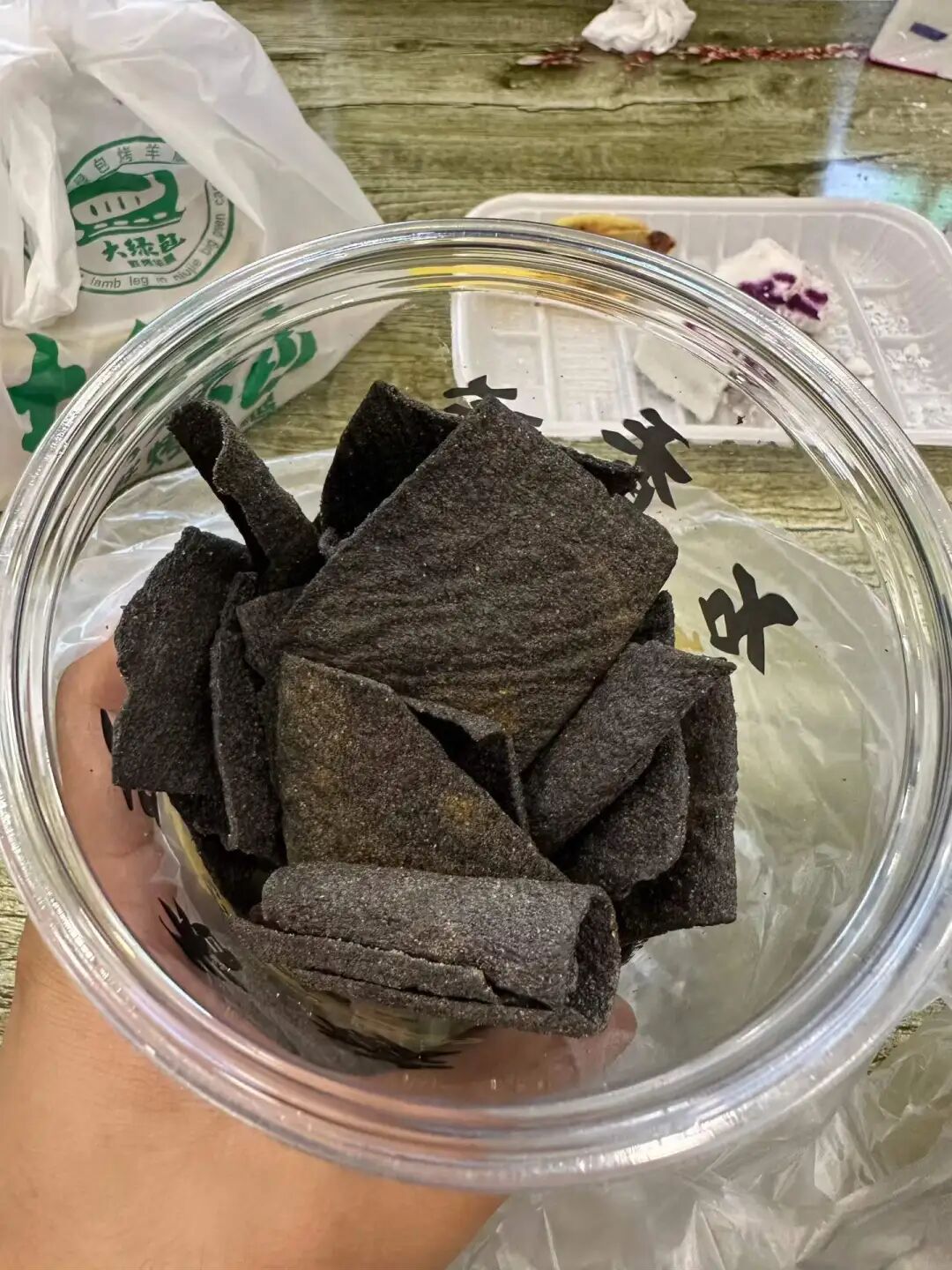
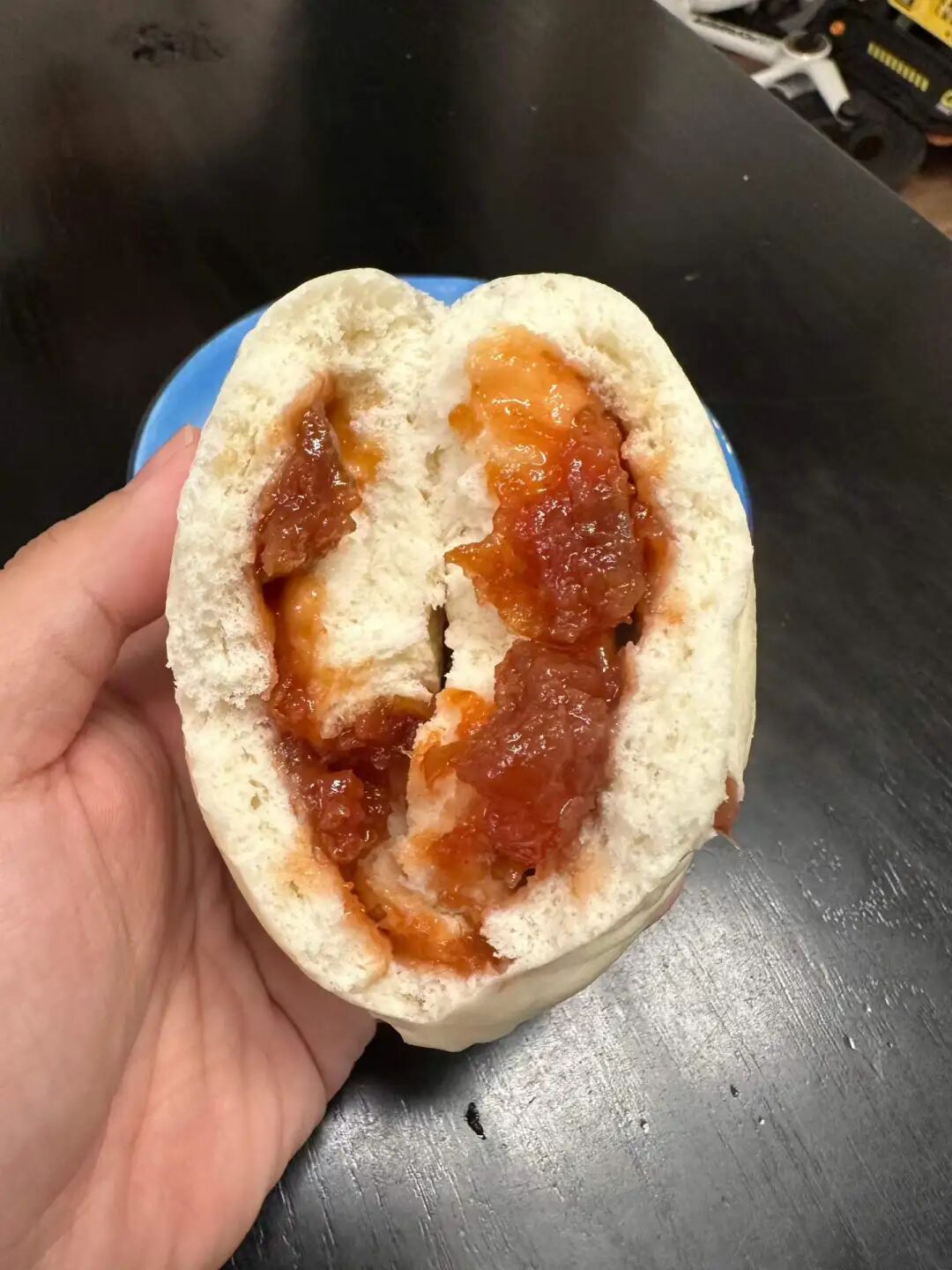
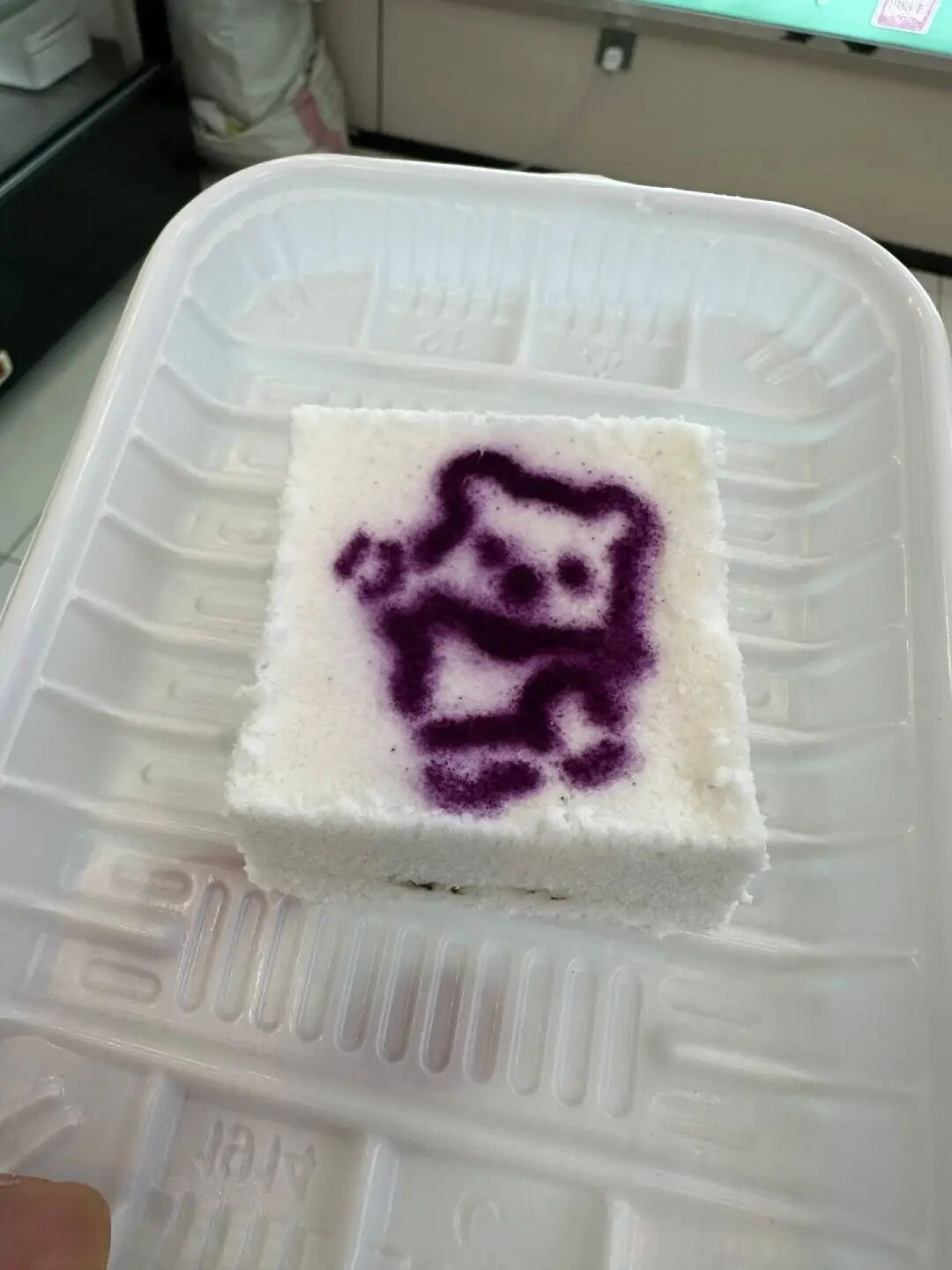
They also sell various snacks. We bought a steamed pancake (zhengbing) with a red hawthorn filling, which is sweet and sour and perfect for breakfast. It is a pity that the rice cakes (gaogan) were sold out, so I bought a rice cake (migao) with a sour hawthorn paste flavor. It was a bit dry, but the taste was still good. I also bought a snack called "five blacks," which contains black rice, black beans, black mulberries, black goji berries, and black sesame seeds. It sounds very healthy.
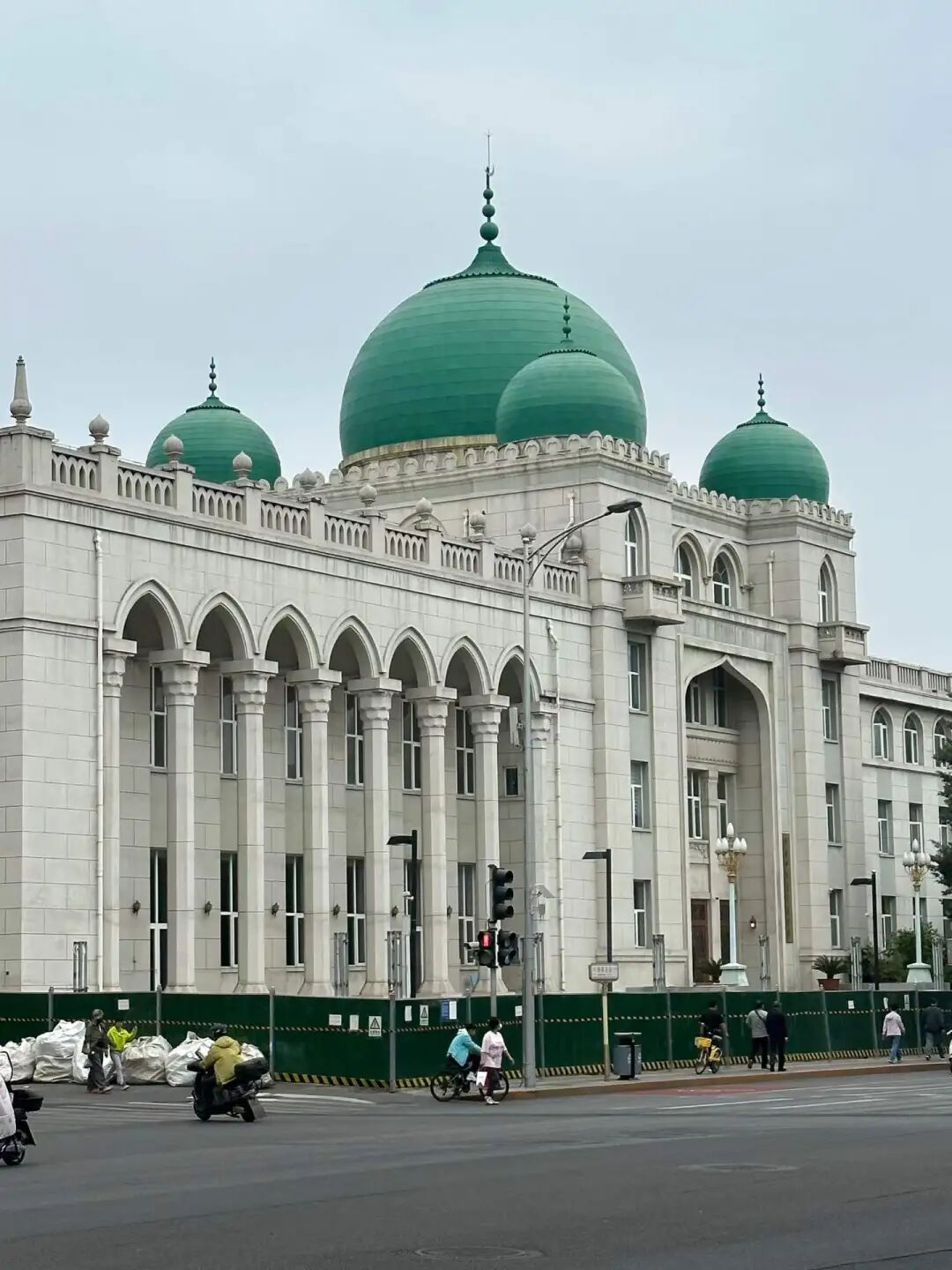
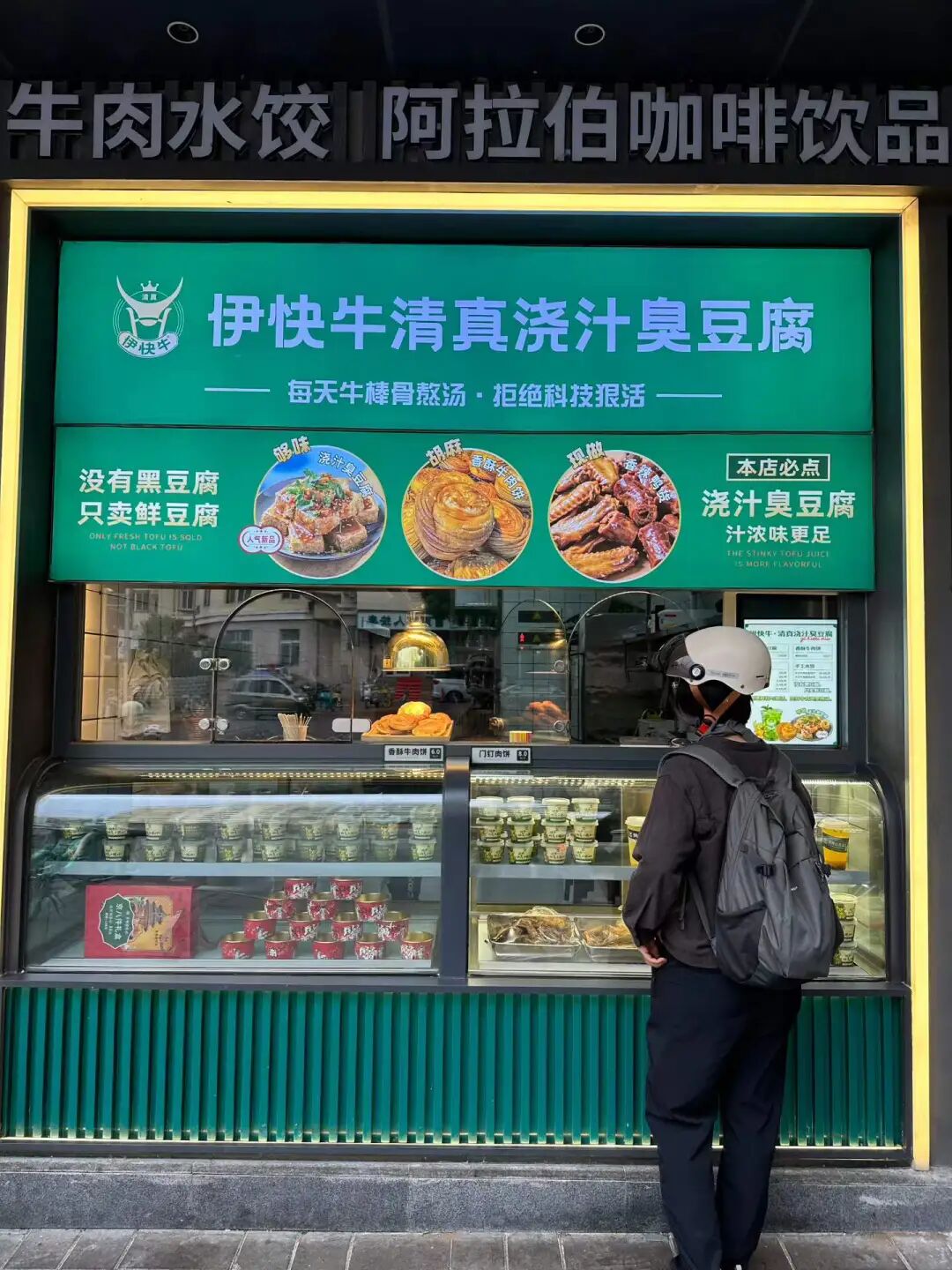
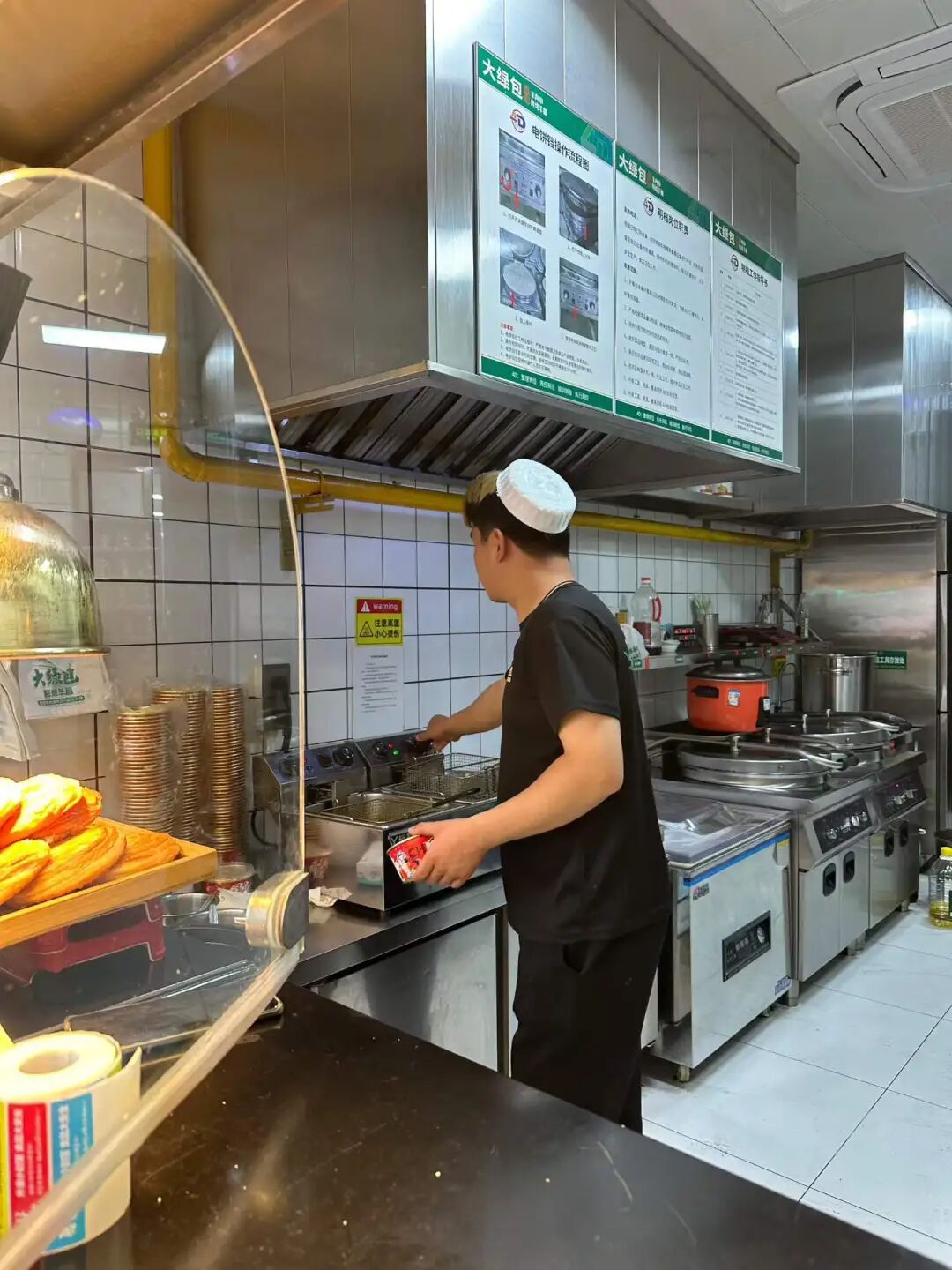
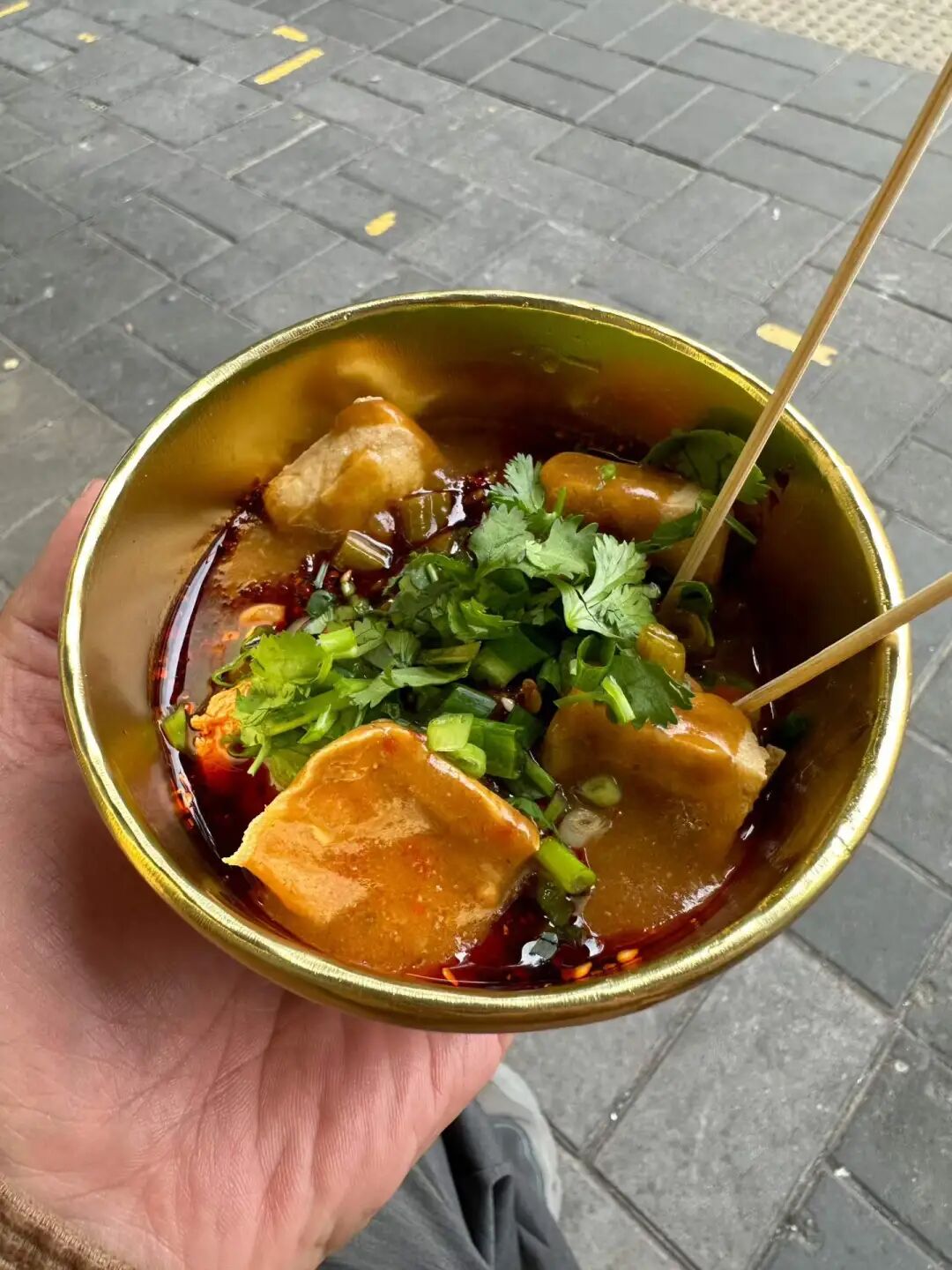
Across from the China Academy of Chinese Medical Sciences on Niujie Street, the roast lamb leg shop with the big green sign sells stinky tofu with sauce. The sauce is made from beef bone broth (niubanggu aotang), and it really has a meaty flavor. I remember eating fried stinky tofu topped with fermented bean curd sauce from a cart run by local Hui Muslims on Binjiang Road in Tianjin. That flavor was truly satisfying.
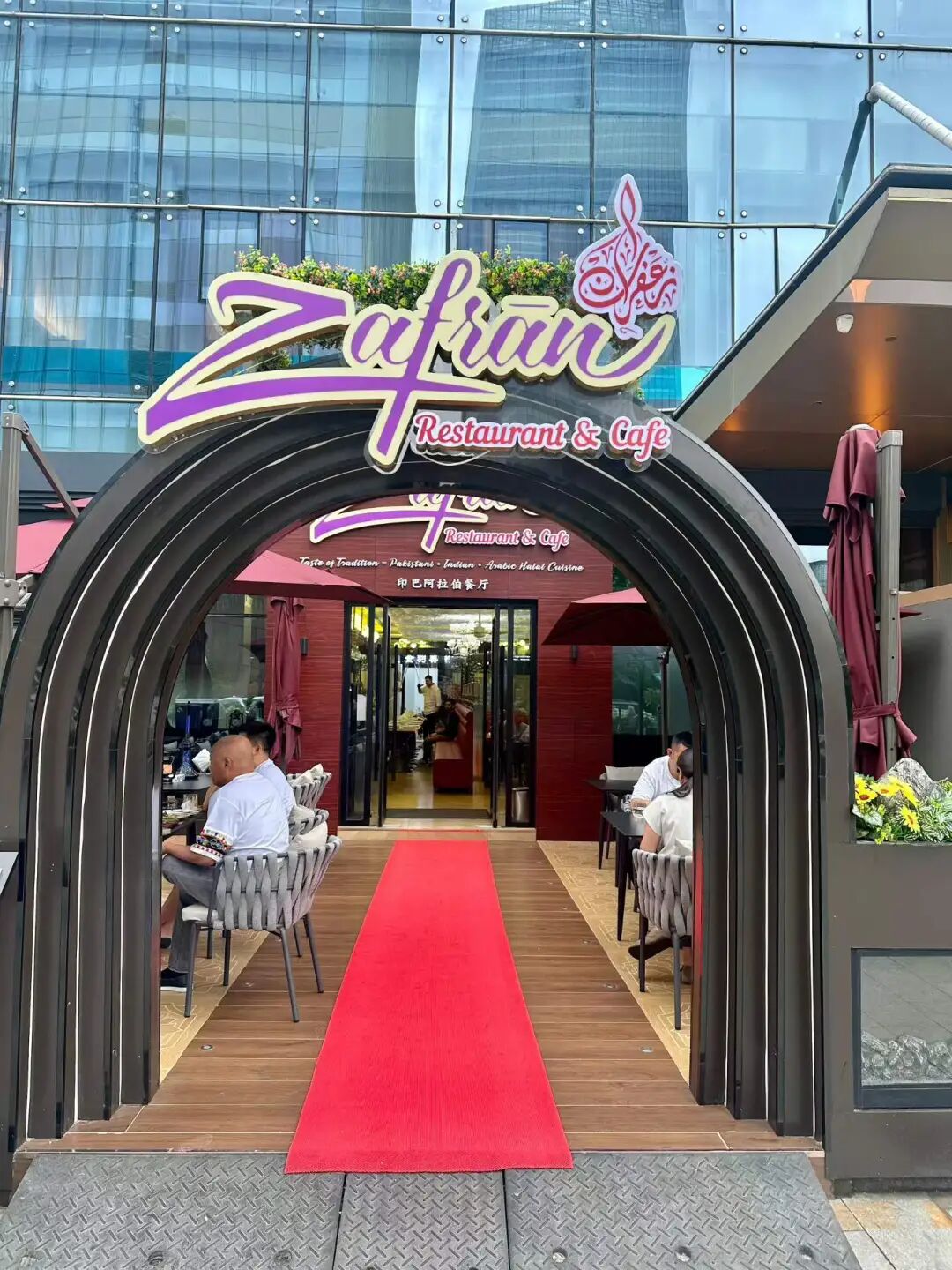
A new alcohol-free Pakistani restaurant called Zafran just opened in Jiayi Plaza near Liangmaqiao. It is very close to the Liangma River, and since it only opened a few days ago, I came specifically to try it.
I looked at the menu and was surprised to find many Afghan Pashtun dishes. I asked the server, and he is a Pashtun from Peshawar. I decided to order a few Pashtun dishes to try, as some of them cannot be found in other Pakistani restaurants.
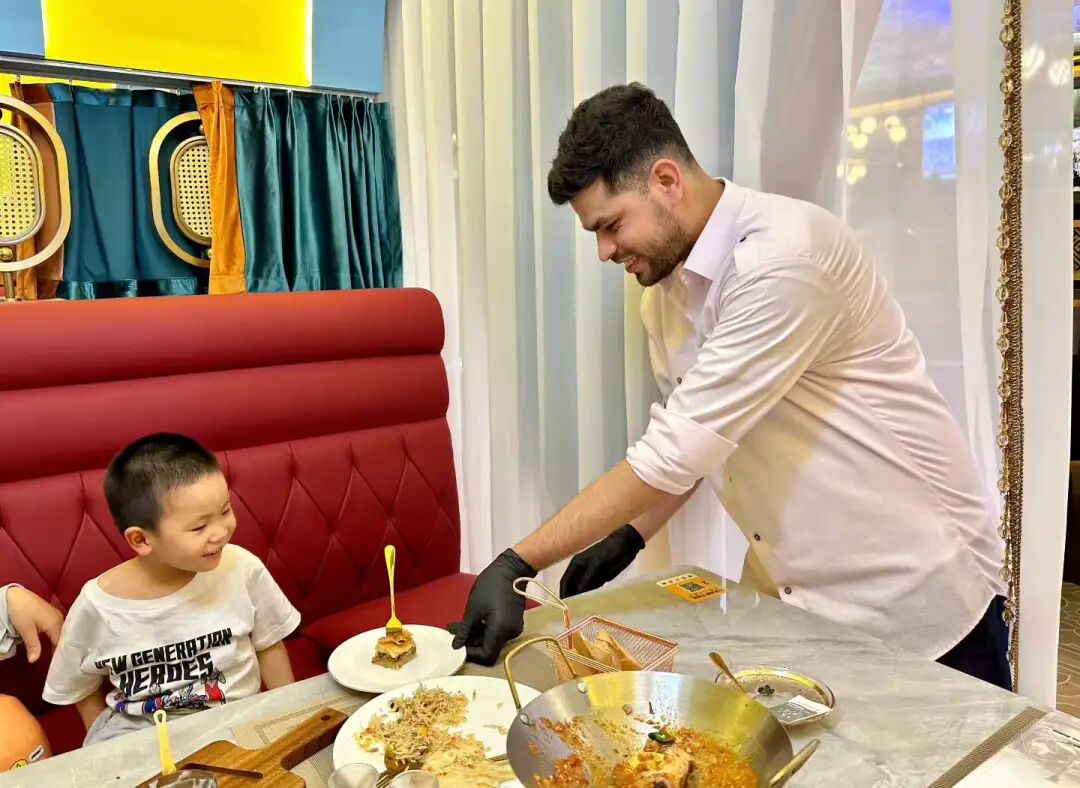
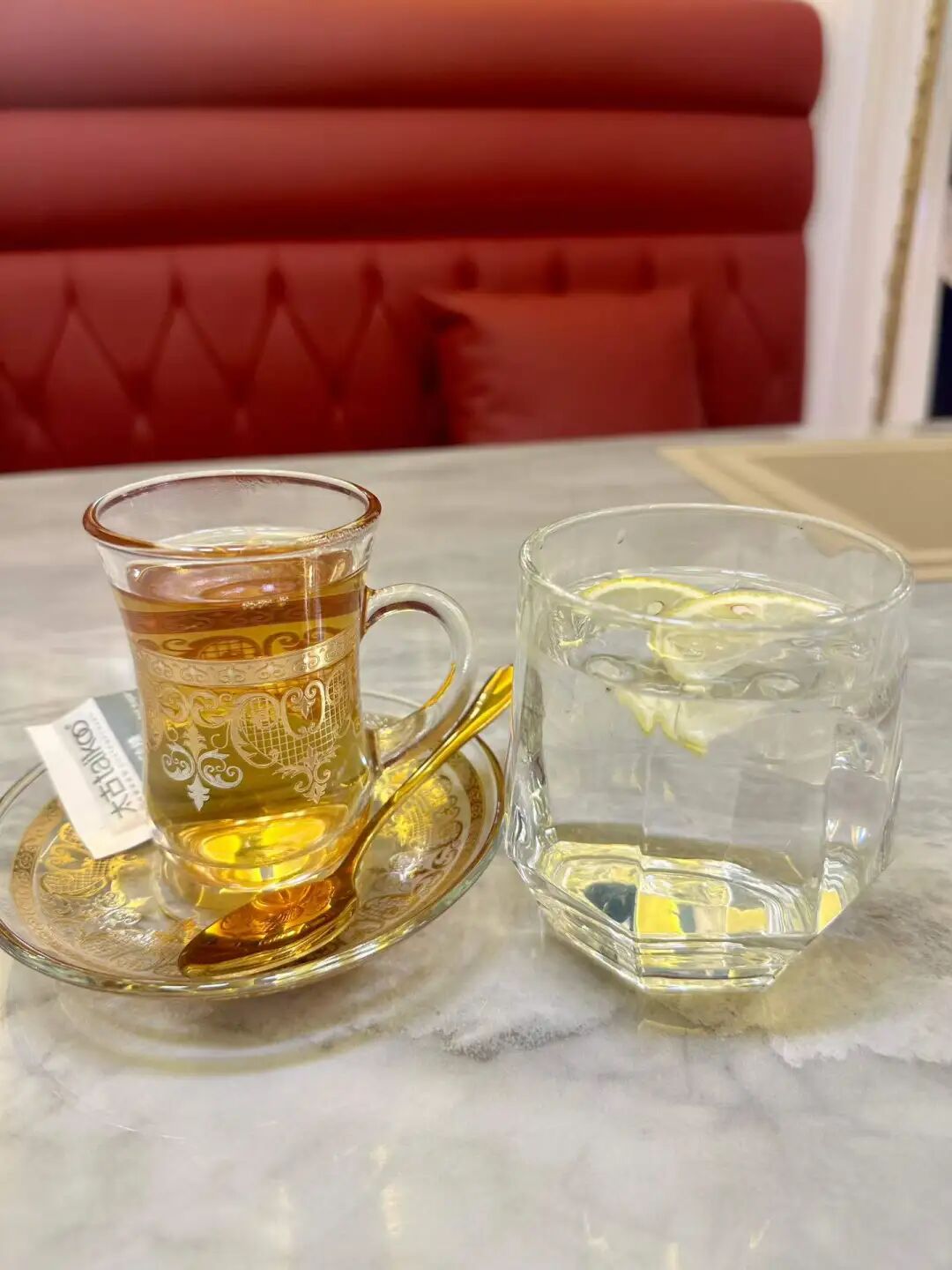
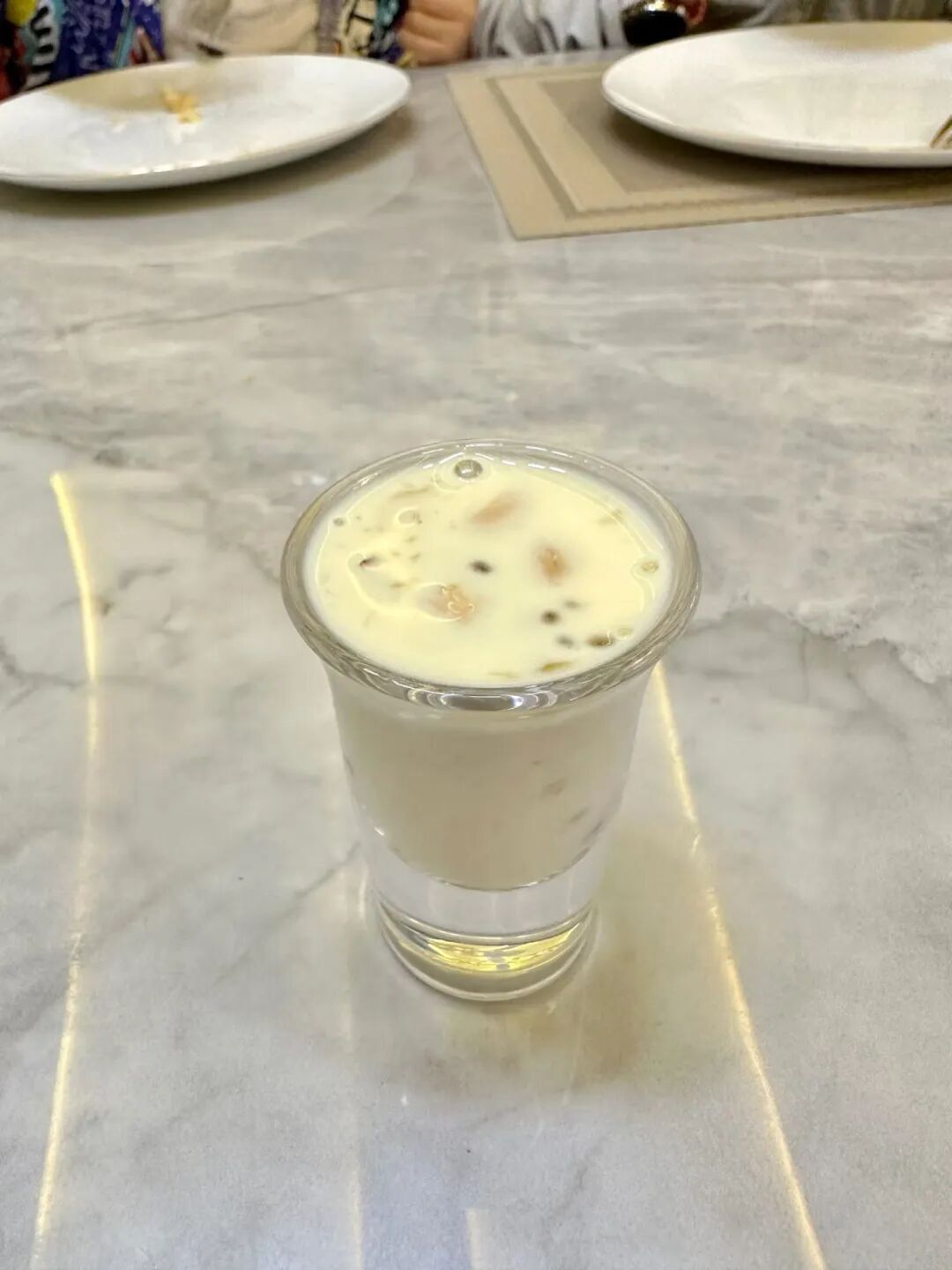
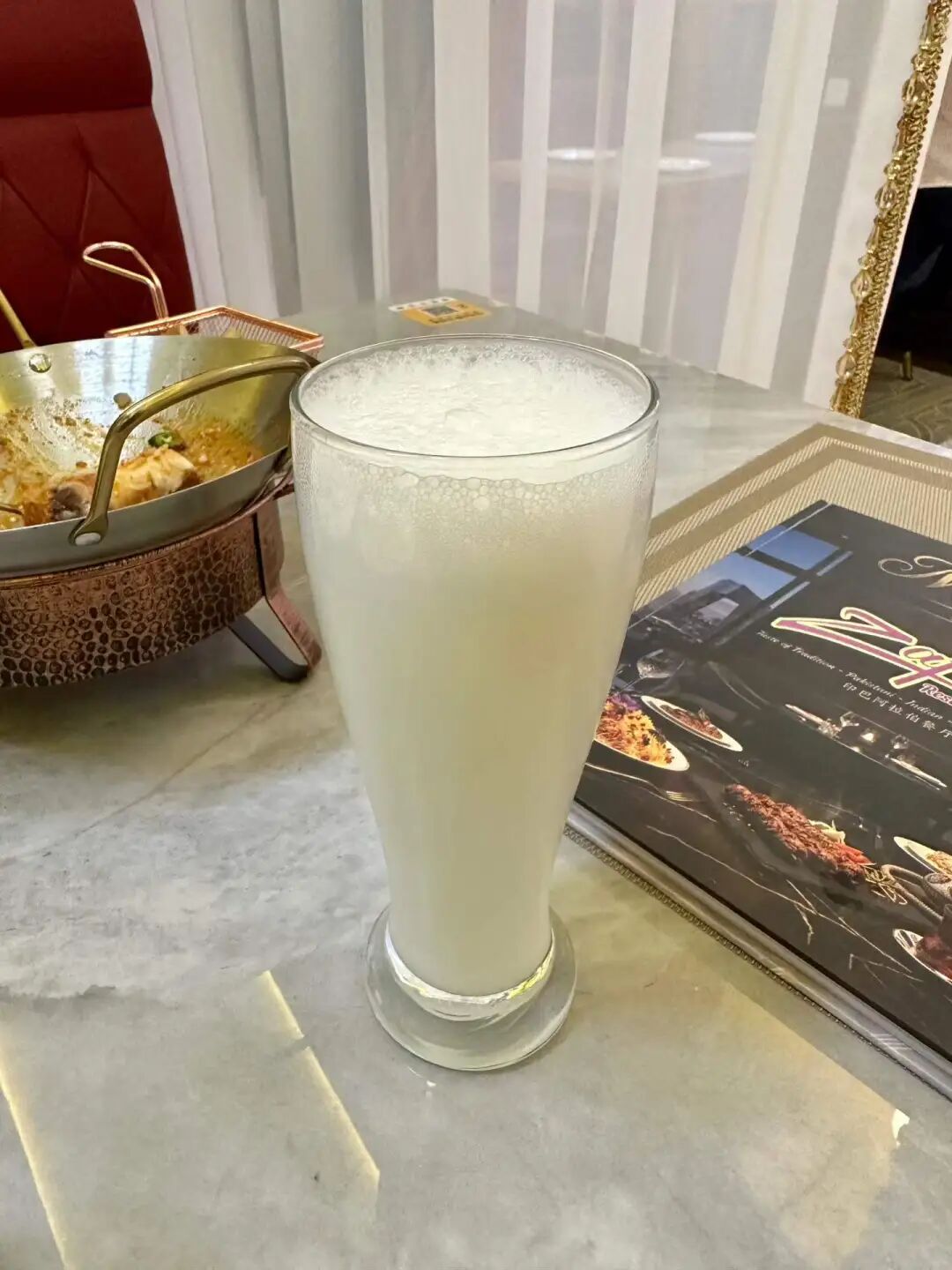
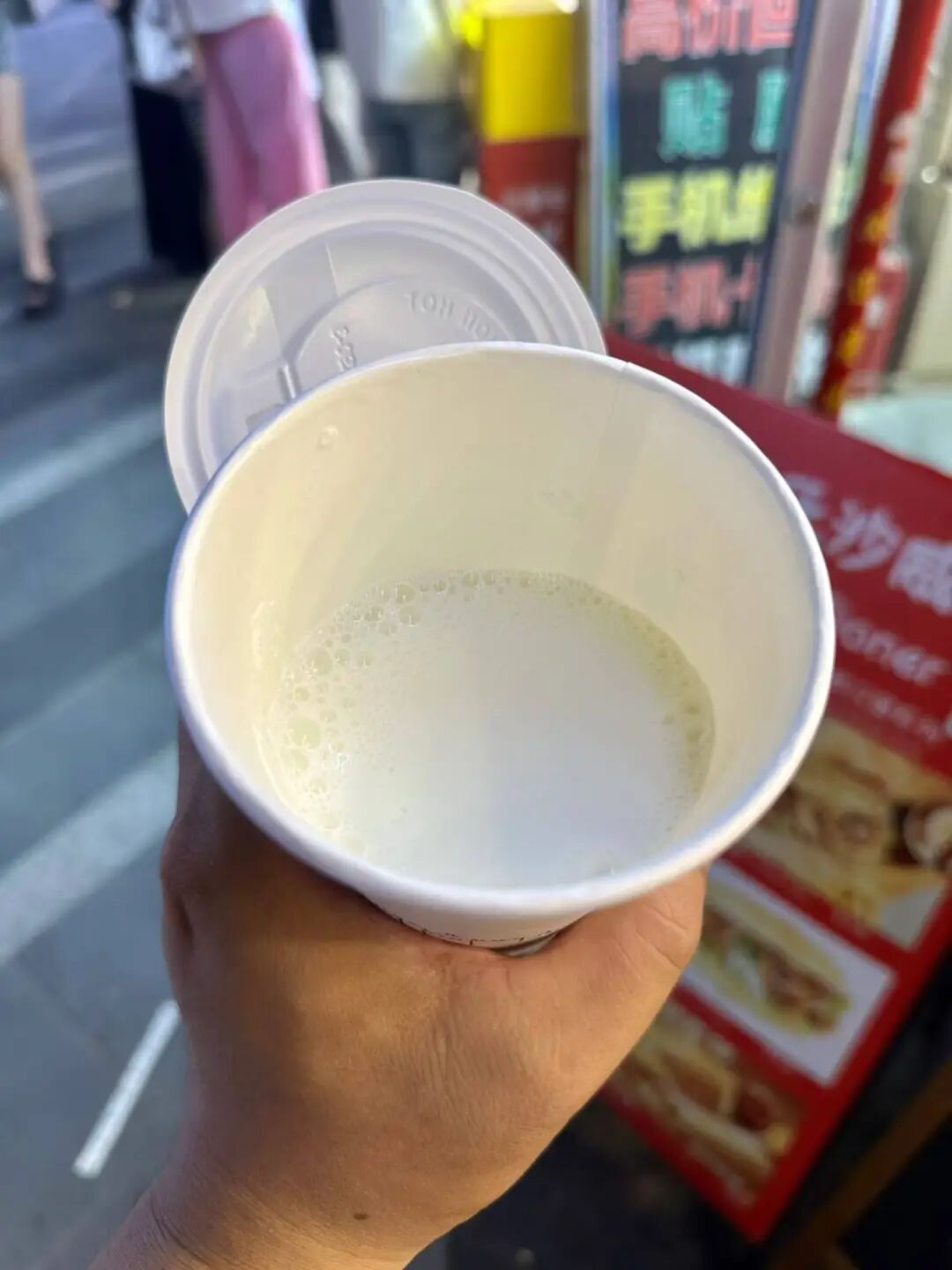
First, I must praise their excellent service. The Pashtun waiter, Anas Khan, always greeted us with a smile and even did a fist bump with my son, Suleiman. As soon as we sat down, they brought us black tea, lemon water, and fried dough twists (mayezi). Later, they served a special dried fruit milkshake with walnuts and almonds. Finally, they gave Suleiman a small cup of thin yogurt drink (lassi) and a piece of baklava, which made him very happy.
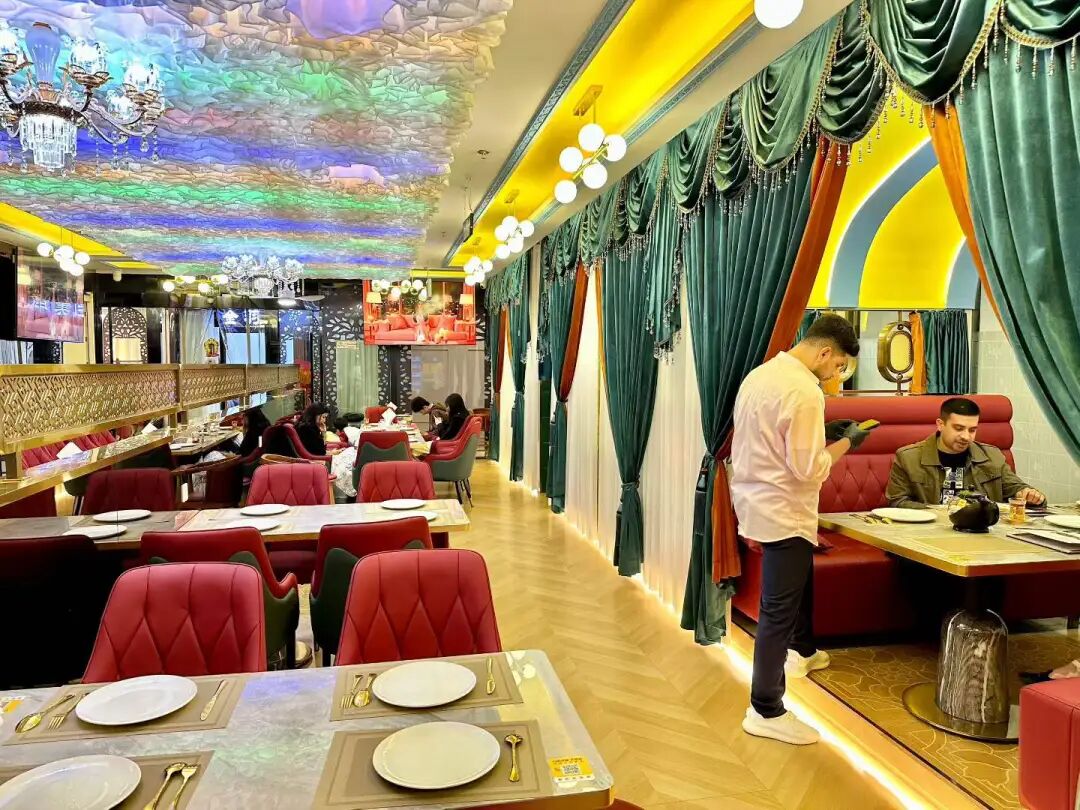
The atmosphere is also very nice, with curtained sofa areas on one side that are perfect for families. There are no large private rooms, but if you have a big group, you can push tables together in the main dining area. There is also outdoor seating at the entrance, which is great for having desserts and drinks in the summer.
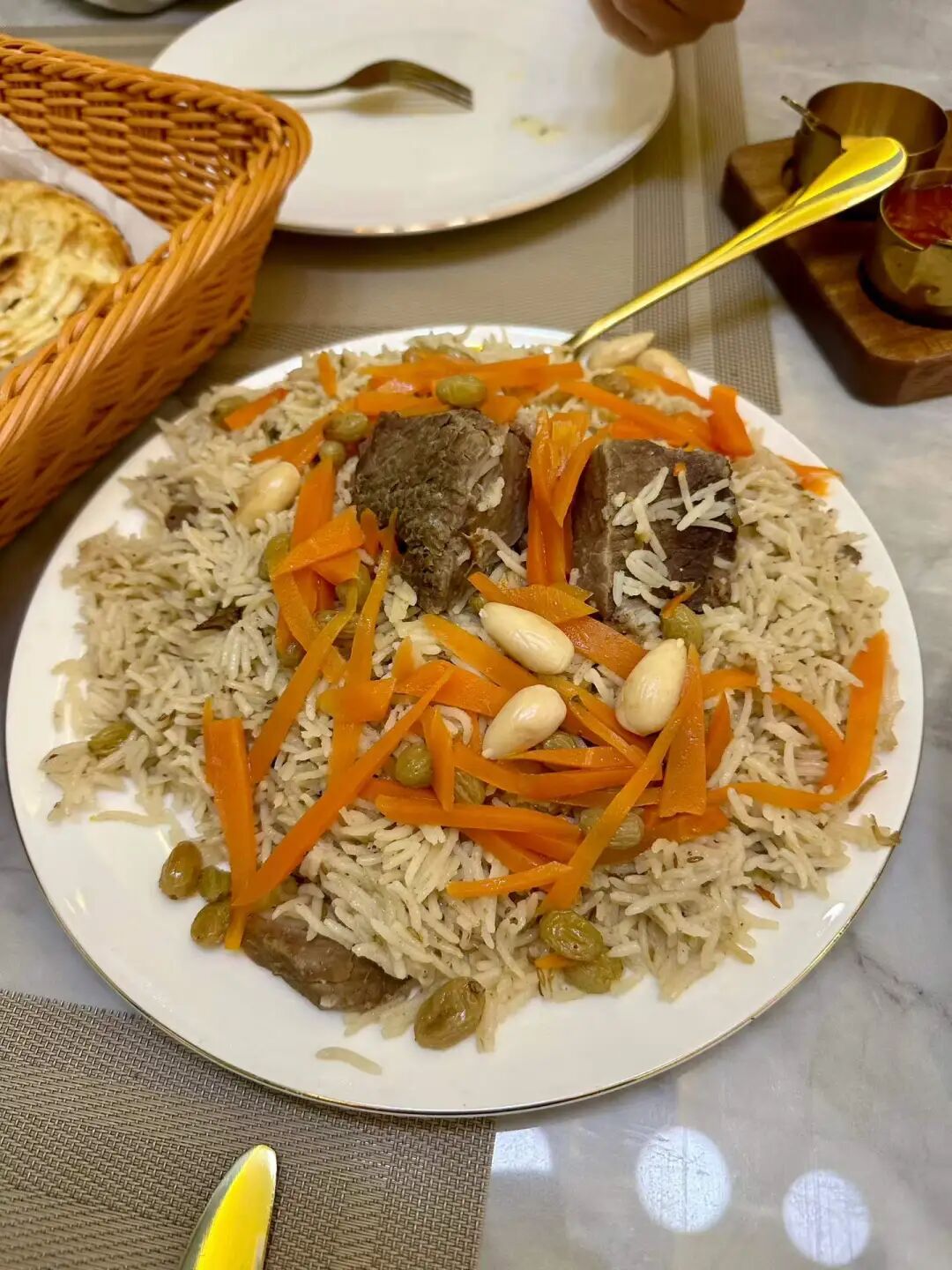
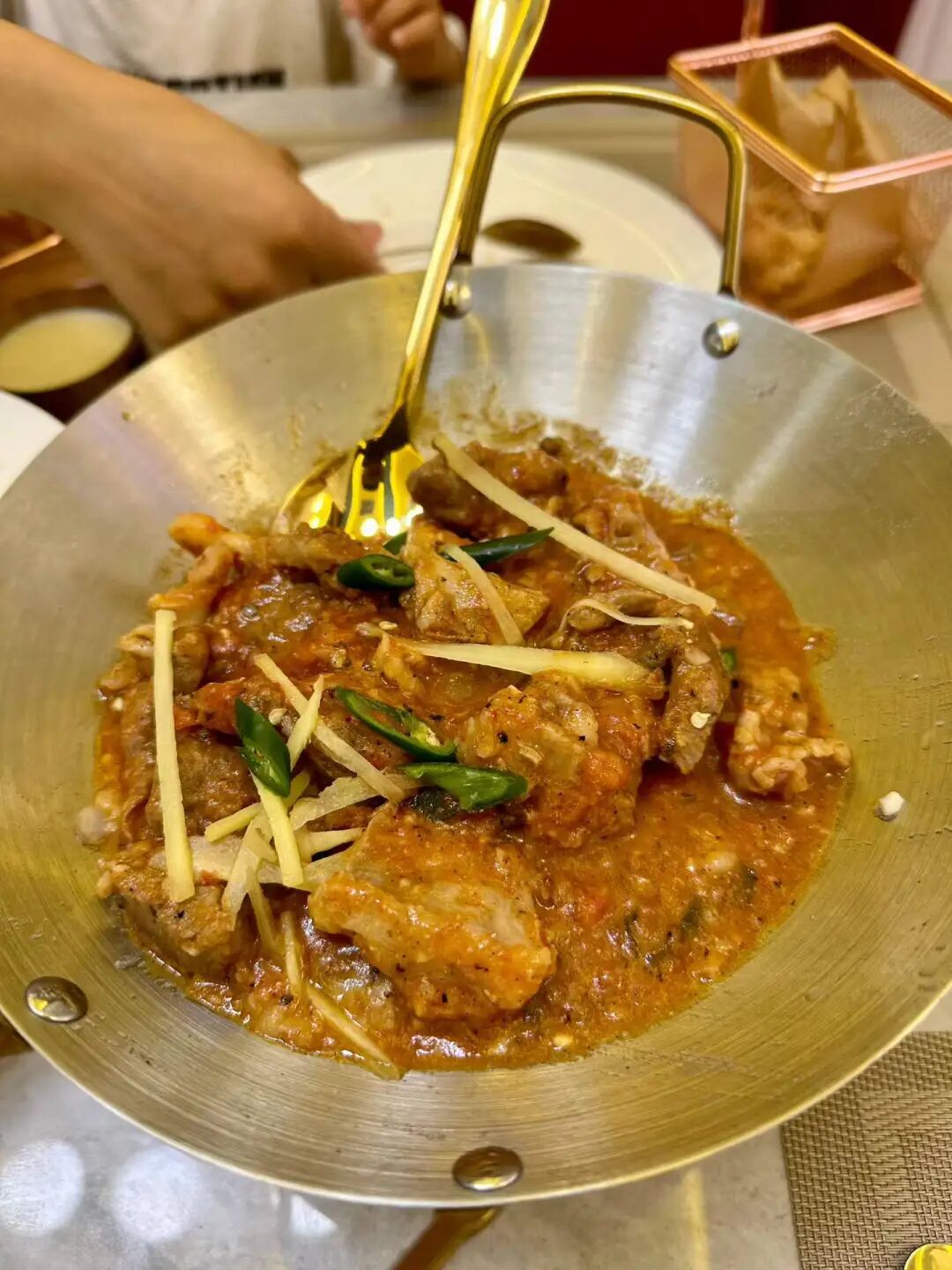
We ordered Afghan pilaf, Peshawar-style lamb, and Kandahar naan. You can tell these are Pashtun specialties just by their names. We also ordered a Caesar salad, french fries, and salty yogurt drink (lassi). Since they just opened, they gave us a 30% discount, which was a great deal.
Afghan pilaf originated in the border region between northern Afghanistan and Uzbekistan. It is known as Qabili Palaw in Afghanistan and later spread from there to West Asia, Central Asia, and Pakistan. Afghan pilaf (pulao) differs from Xinjiang pilaf because it uses long-grain aromatic rice from South Asia and a bit of saffron for color. It is cooked with ghee and vegetable oil, and the carrots are sliced thinly. It also includes cinnamon, cardamom, and cloves, giving it a stronger spice flavor than Xinjiang pilaf. Their Afghan pilaf includes fresh almonds and raisins, but the meat is a bit tough and hard for children to chew. The spice flavor is very rich.
This was my first time eating Peshawar Shinwari lamb, and I highly recommend it! The lamb is very tender and the seasoning is excellent. Peshawar Shinwari lamb is cooked in a metal wok called a karahi. It is a classic main dish for the Pashtun people in northern Pakistan, especially prepared after the animal sacrifice during Eid al-Adha. It is made with fresh bone-in lamb, salt, garlic, and green chilies, without the heavy spices found in southern Pakistan.
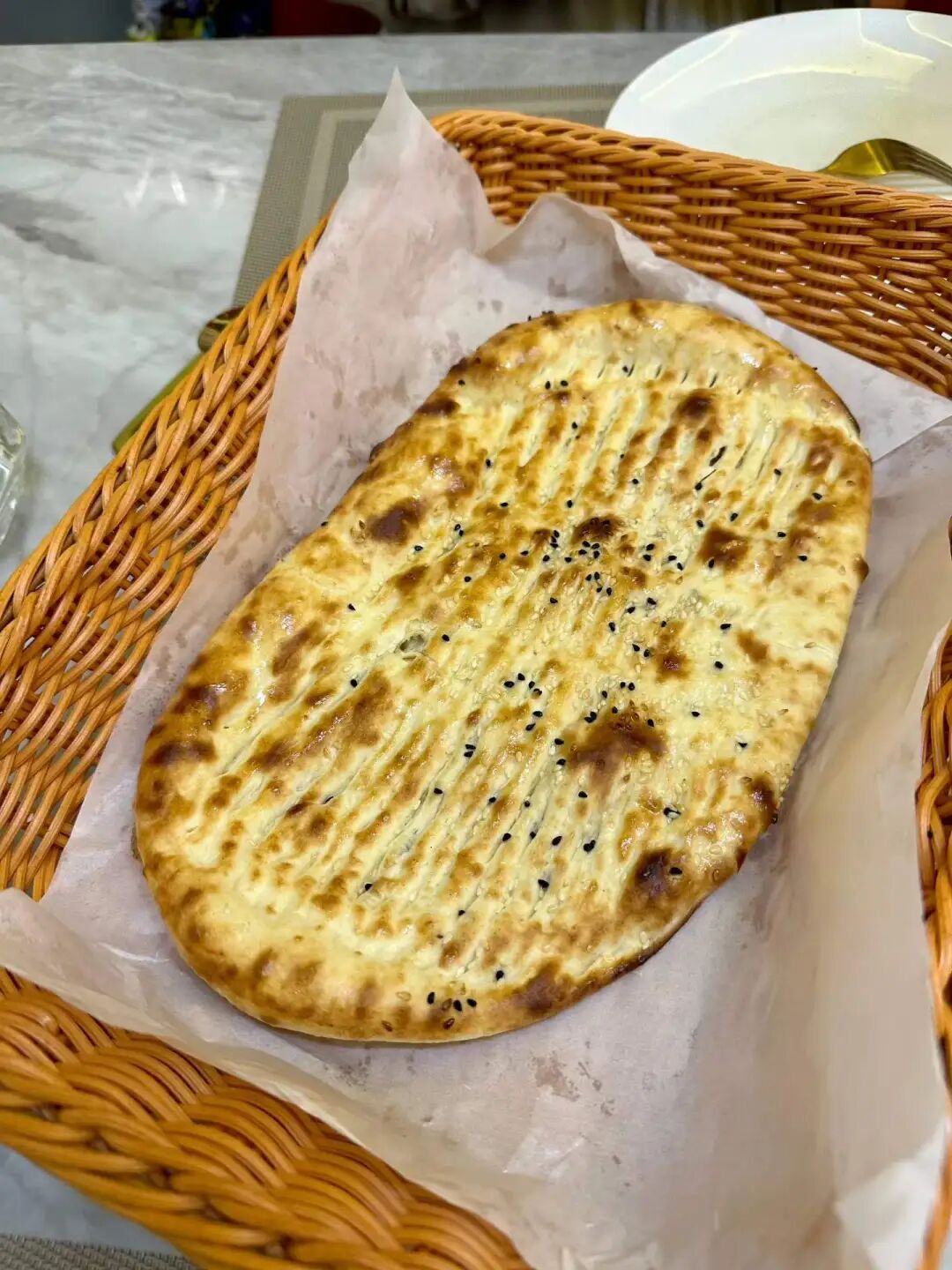
Their Kandahar flatbread (nan) is also amazing and pairs perfectly with the Peshawar lamb. Kandahar flatbread is also popular in Pakistan. It is very fluffy because milk and sugar are added to the dough, making it more fragrant.
I also recommend their yogurt drink (lassi). It is not too sour, but it is very appetizing.
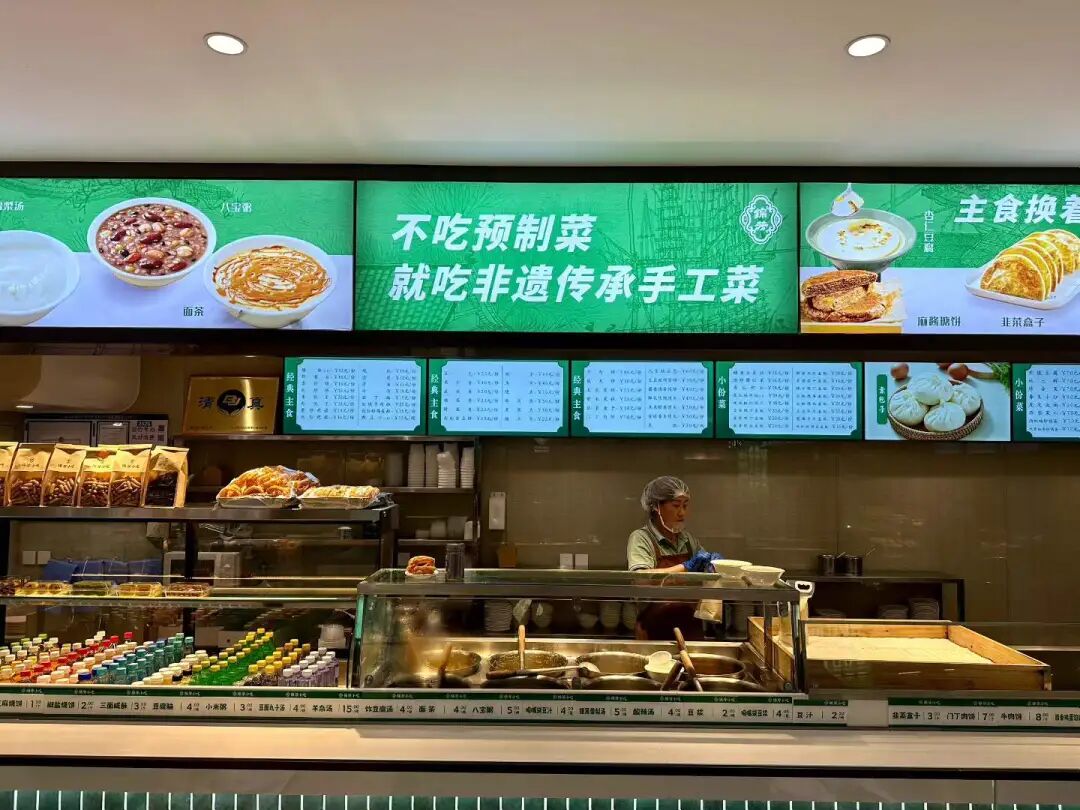
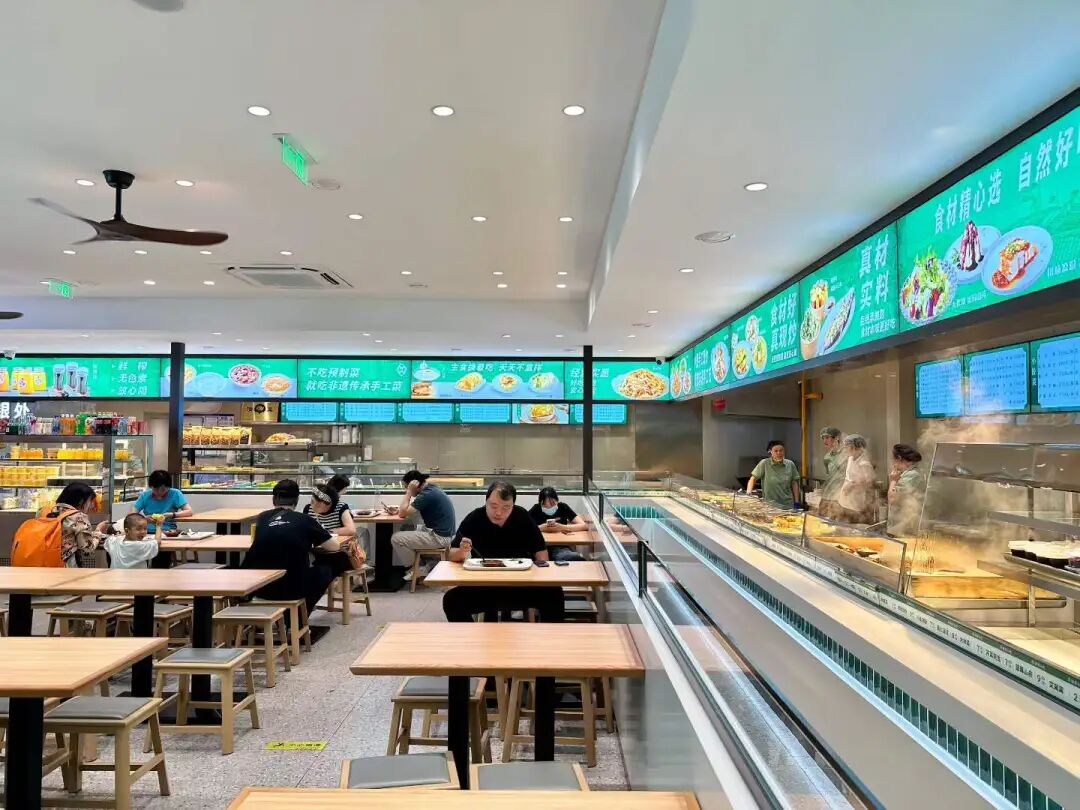
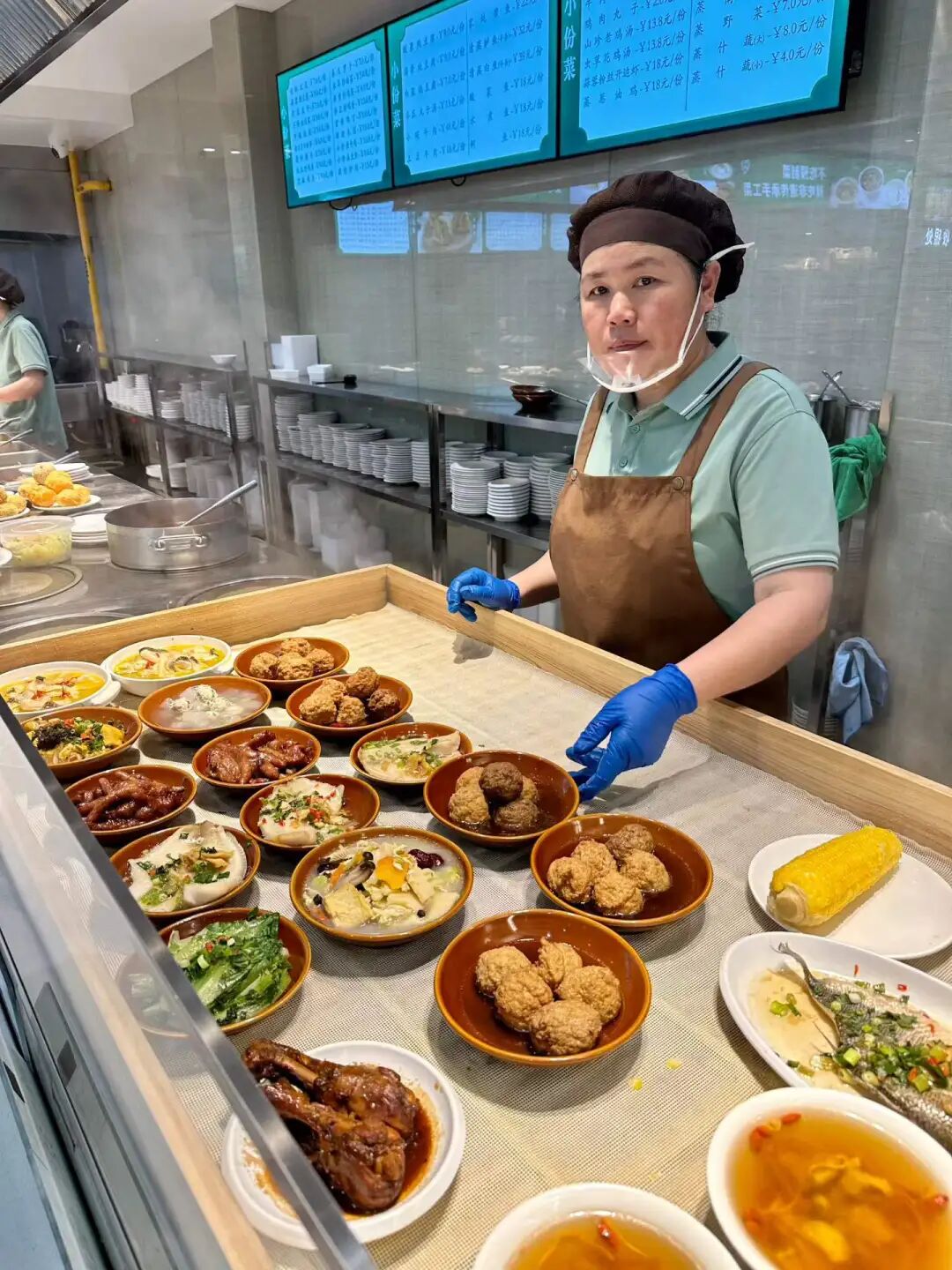
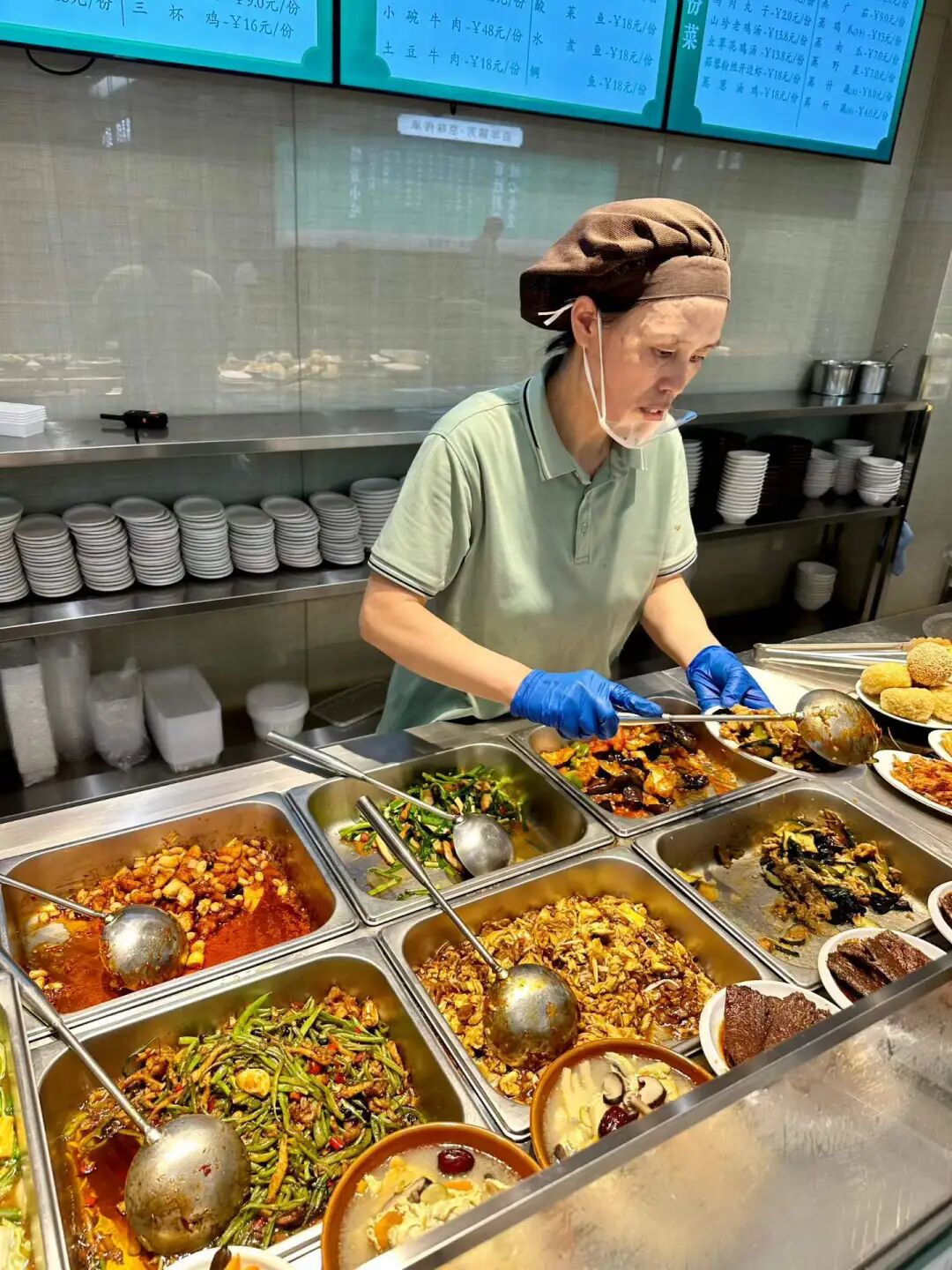
The Qingxiangge restaurant at Dongdaqiao was replaced by Jinfang Snacks this year, and I just went to try it recently. Once inside, I found it is completely different from the old shop at Ciqikou. It uses a self-service tray system with small bowls of stewed dishes, small portions of stir-fries, and a huge variety of mixed salads, noodles, and snacks. It is incredibly rich in options. Small bowls and small plates are rare in traditional Beijing restaurants, making them perfect for people who want to try several different dishes.
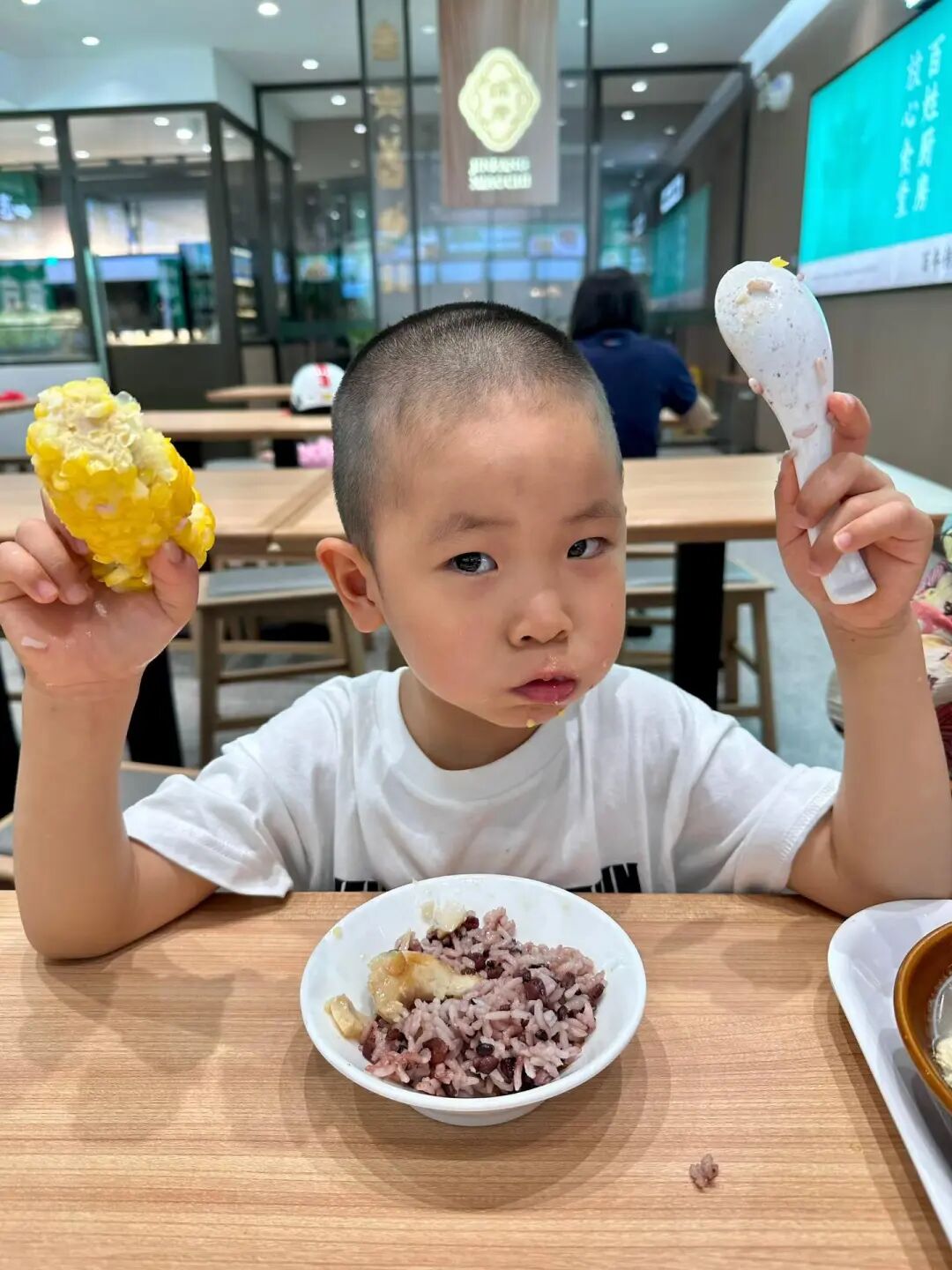
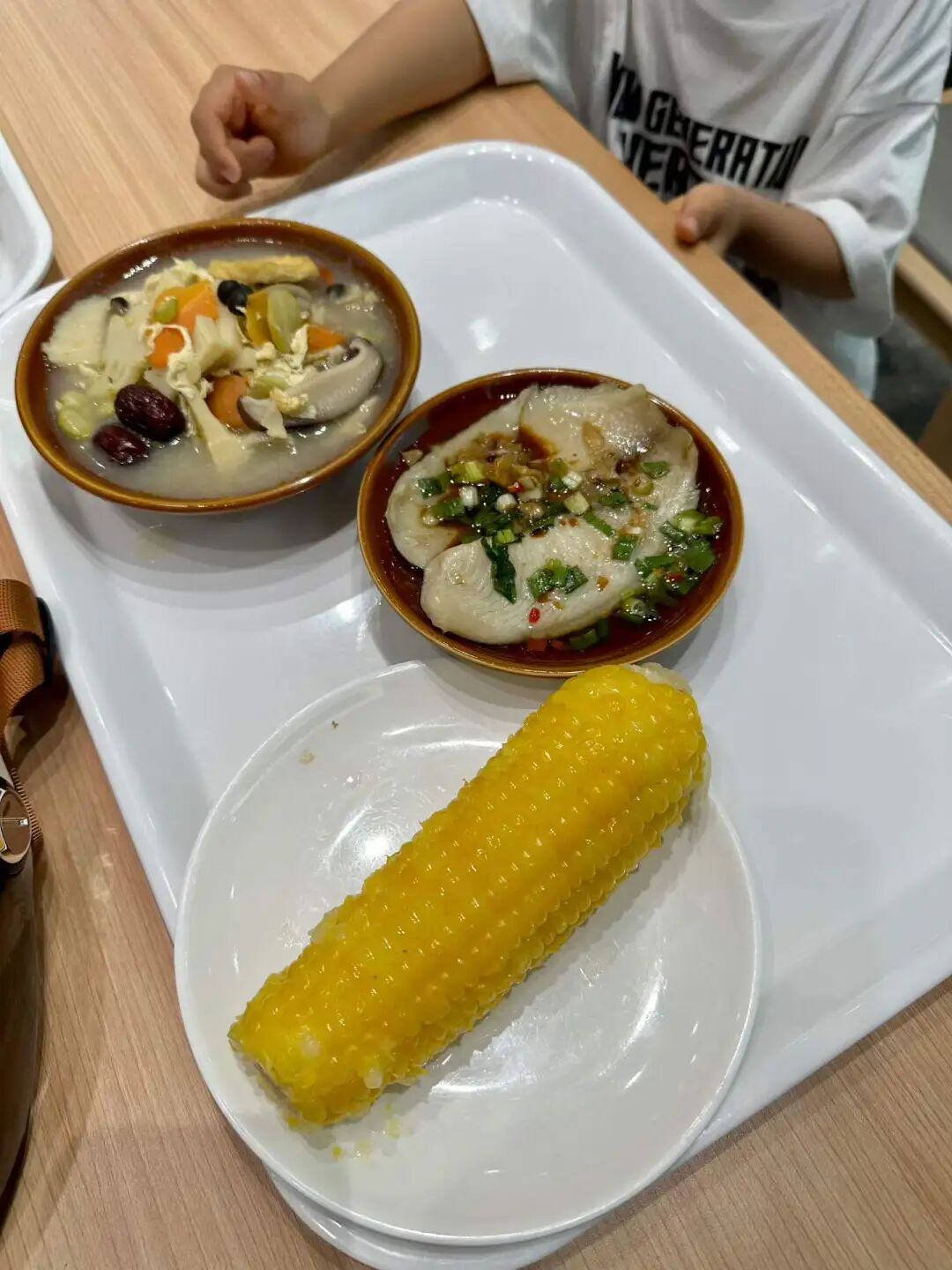
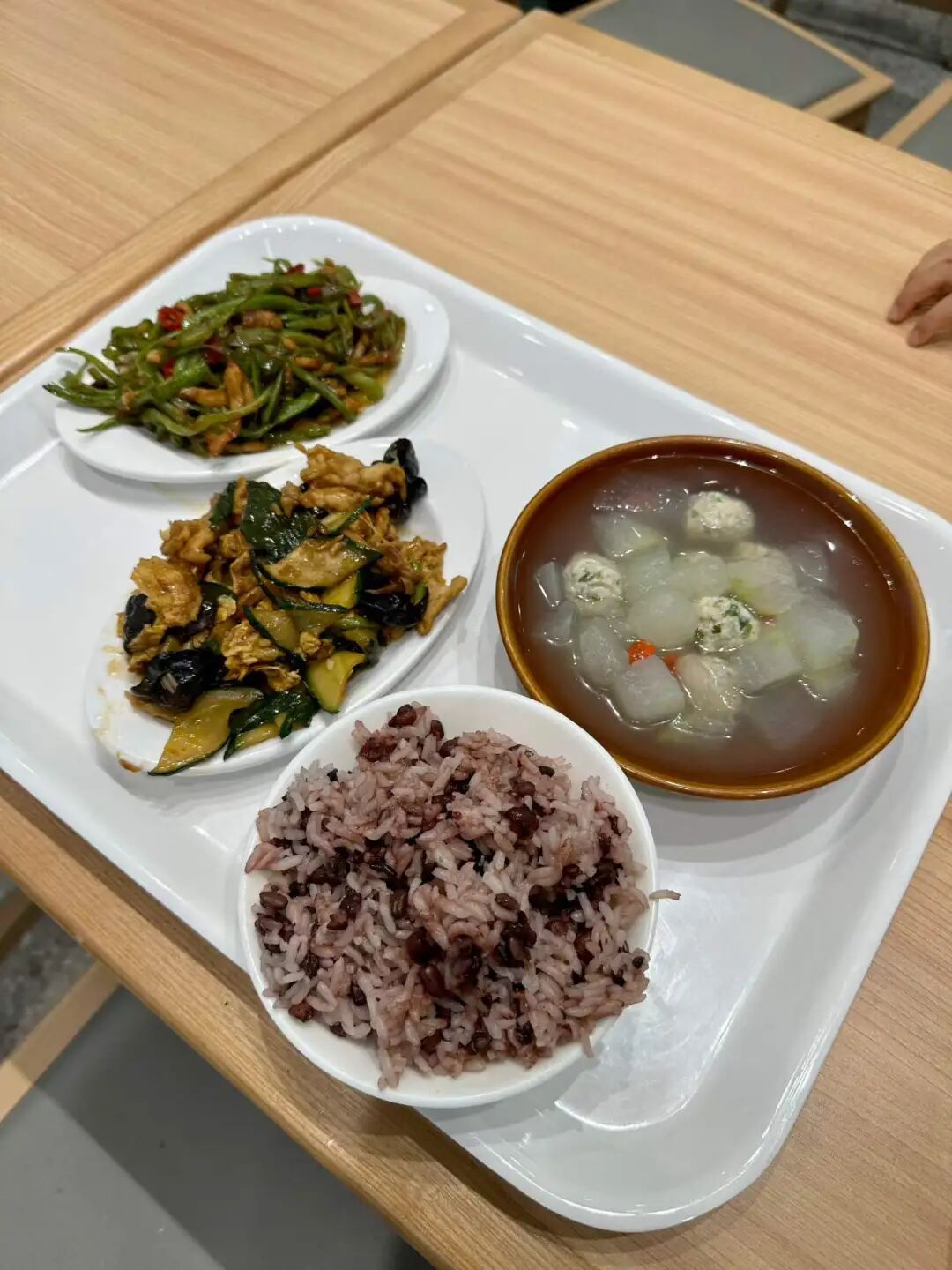
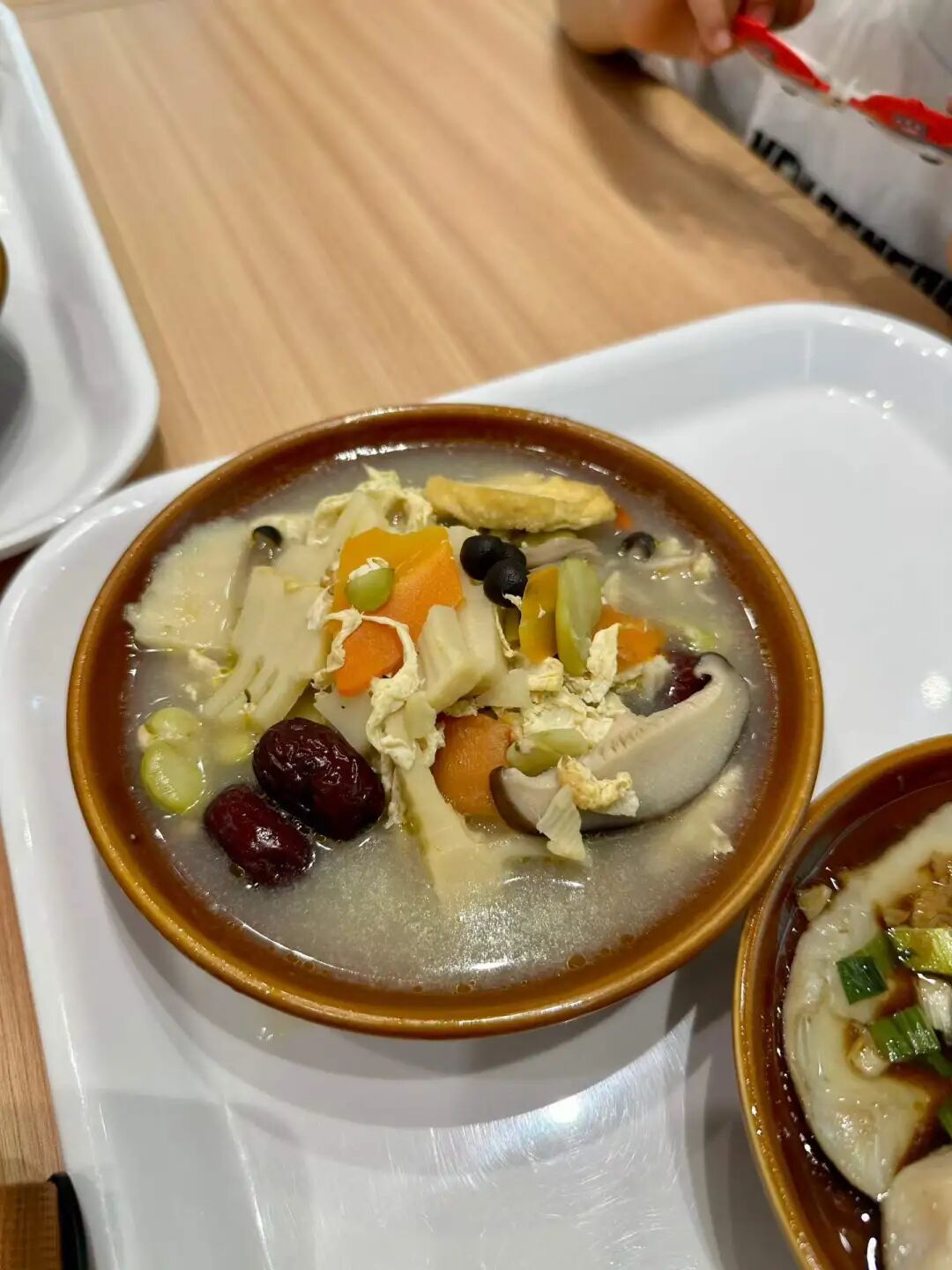
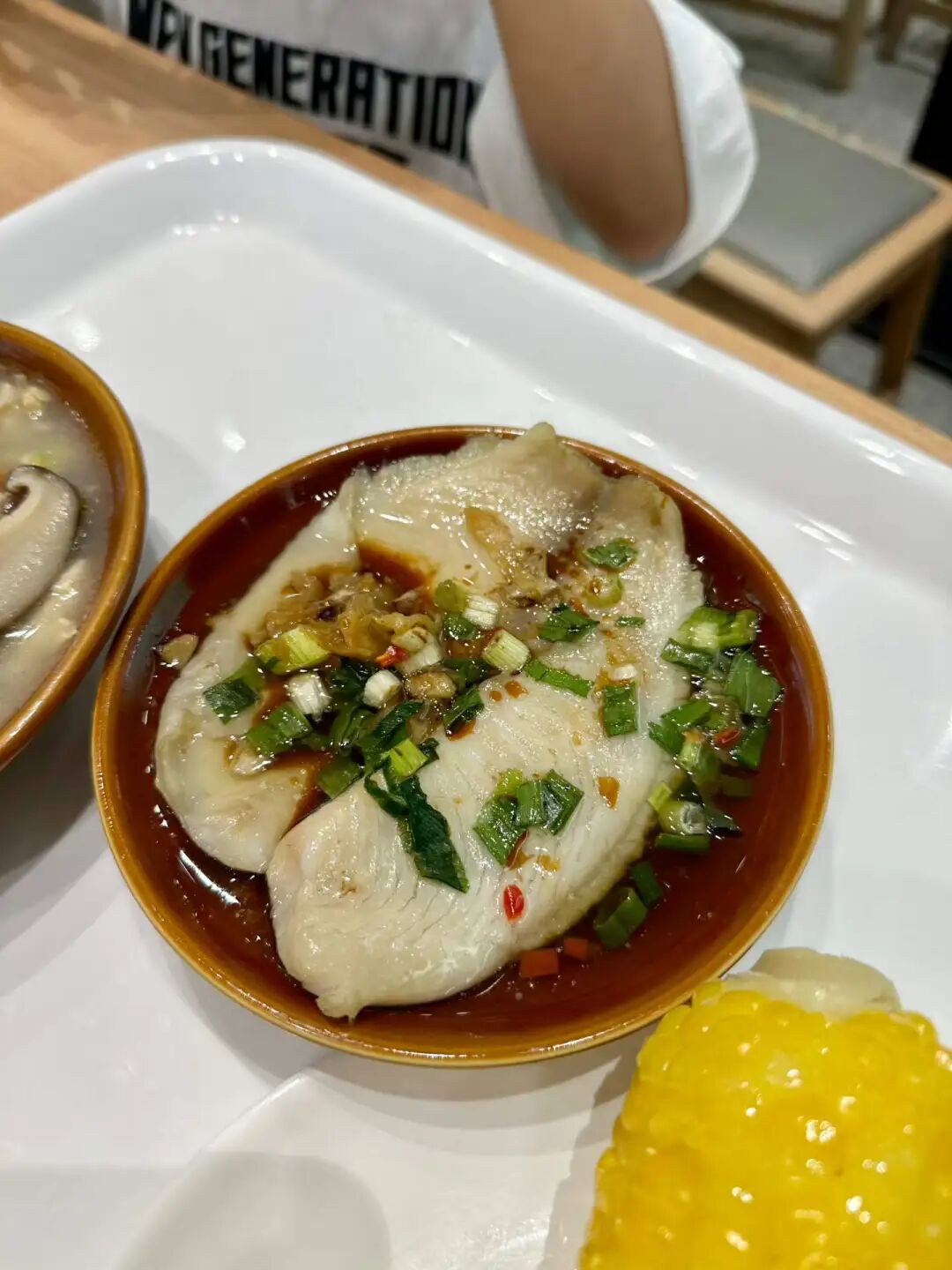
We ordered winter melon meatball soup (donggua cuan wanzi), stir-stir-fried meat with eggs and wood ear mushrooms (muxu rou), stir-fried green beans with pork (biandou chaorou), sea bream fillets (diaoyu pian), and healthy mixed vegetables (yangsheng cai), with corn and red bean rice for our main course. The cheaper meat dishes are mostly chicken, while the beef stew is priced like a standard old Beijing restaurant for Hui Muslims. The winter melon meatball soup goes great with rice, and eating rice soaked in the broth feels just like being a kid again.
Jinfang Snack Shop is celebrating its 100th anniversary this year, so it can finally call itself a century-old shop. Jinfang was originally called Rongxiangcheng Hui Muslim Snack Shop, founded in 1926 outside Chongwenmen by Man Leting (known as Man Liu), a Hui Muslim from Dezhou, Shandong. Man Leting started out with beef and mutton. At first, he bought high-quality cattle and sheep every autumn to raise in Madian, slaughtering and selling them as needed. His business improved significantly in the 1940s, so he expanded his storefront and later began selling cooked foods like roasted mutton (shao yangrou).
In the past, spring and summer were the growing seasons for sheep, so they were usually only slaughtered after autumn. Because of this, some mutton shops would switch to selling cold food during the summer. In the 1940s, Man Leting bought Japanese refrigeration equipment to sell homemade popsicles, soda, and other cold drinks, and business was booming. In 1949, mutton shipments from Inner Mongolia to Beijing were blocked, and the sheep trade hit rock bottom. Just then, Man Leiting's fellow townsman Man Kaiqi came to join him. Man Kaiqi had a background in a pastry shop, so Man Liu stopped selling lamb and switched to snacks and cold dishes, making Rongxiangcheng a famous Hui Muslim snack shop outside Chongwenmen. After the public-private partnership in 1956, Man Leiting's son Man Kaitong became the manager, and in 1958, they stopped making popsicles to focus on snacks like almond tofu (xingren doufu) and sweet rice balls (yuanxiao). In 1966, Rongxiangcheng was officially renamed Jinfang Hui Muslim Snack Shop, and in 1971, it began to focus on sweet rice balls (yuanxiao), which have drawn long lines every year around the Lantern Festival since the 1990s.
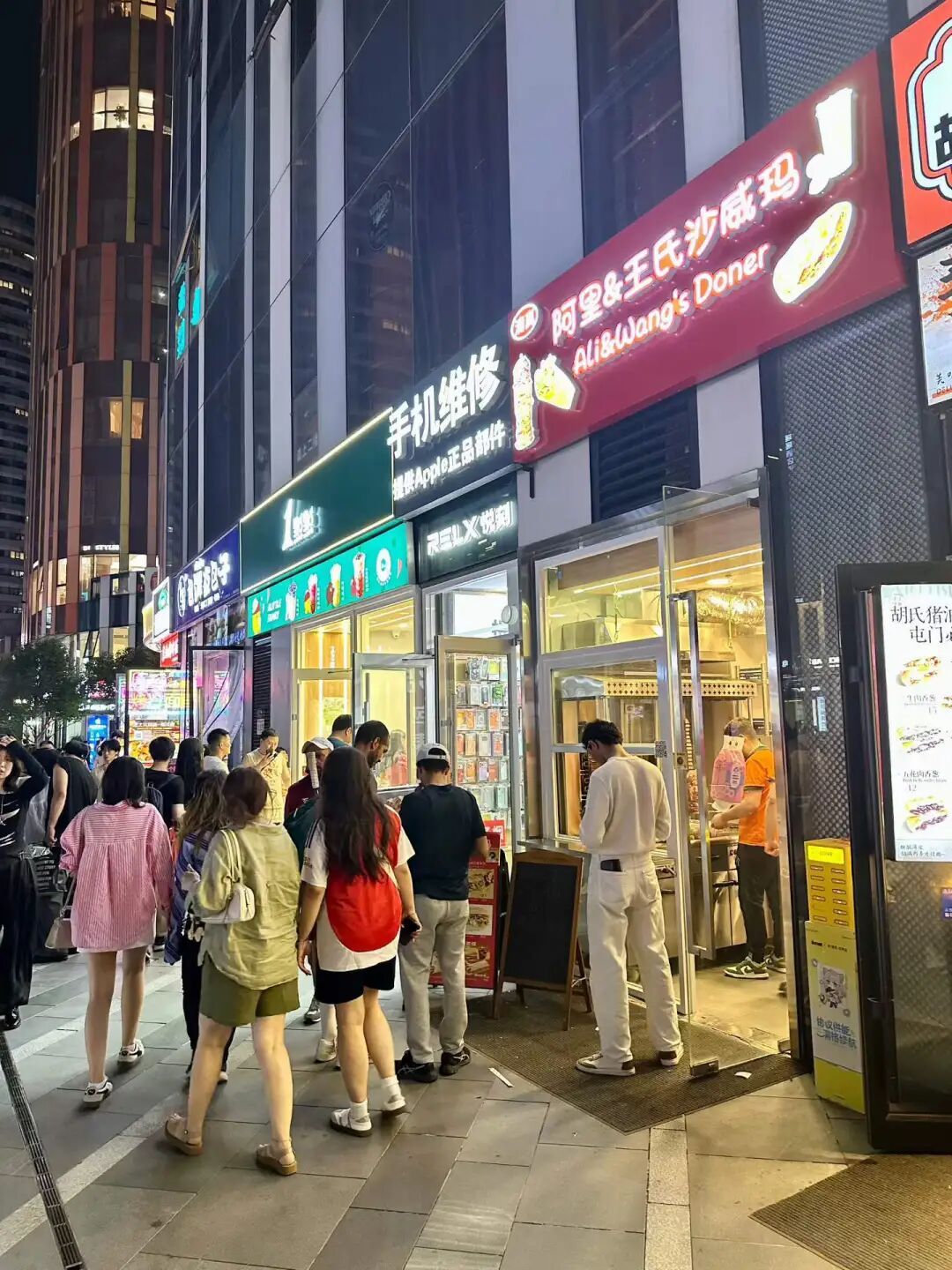
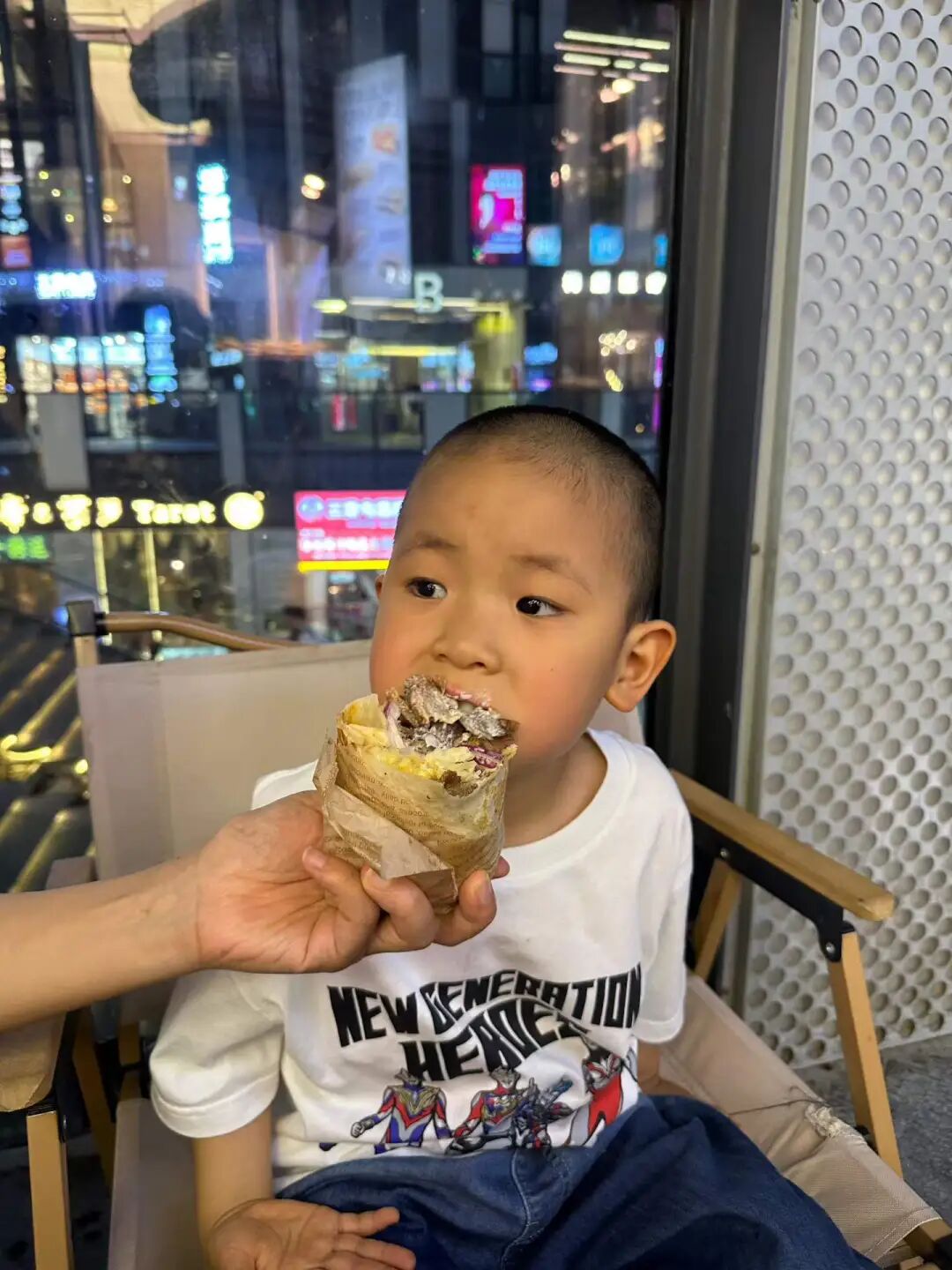
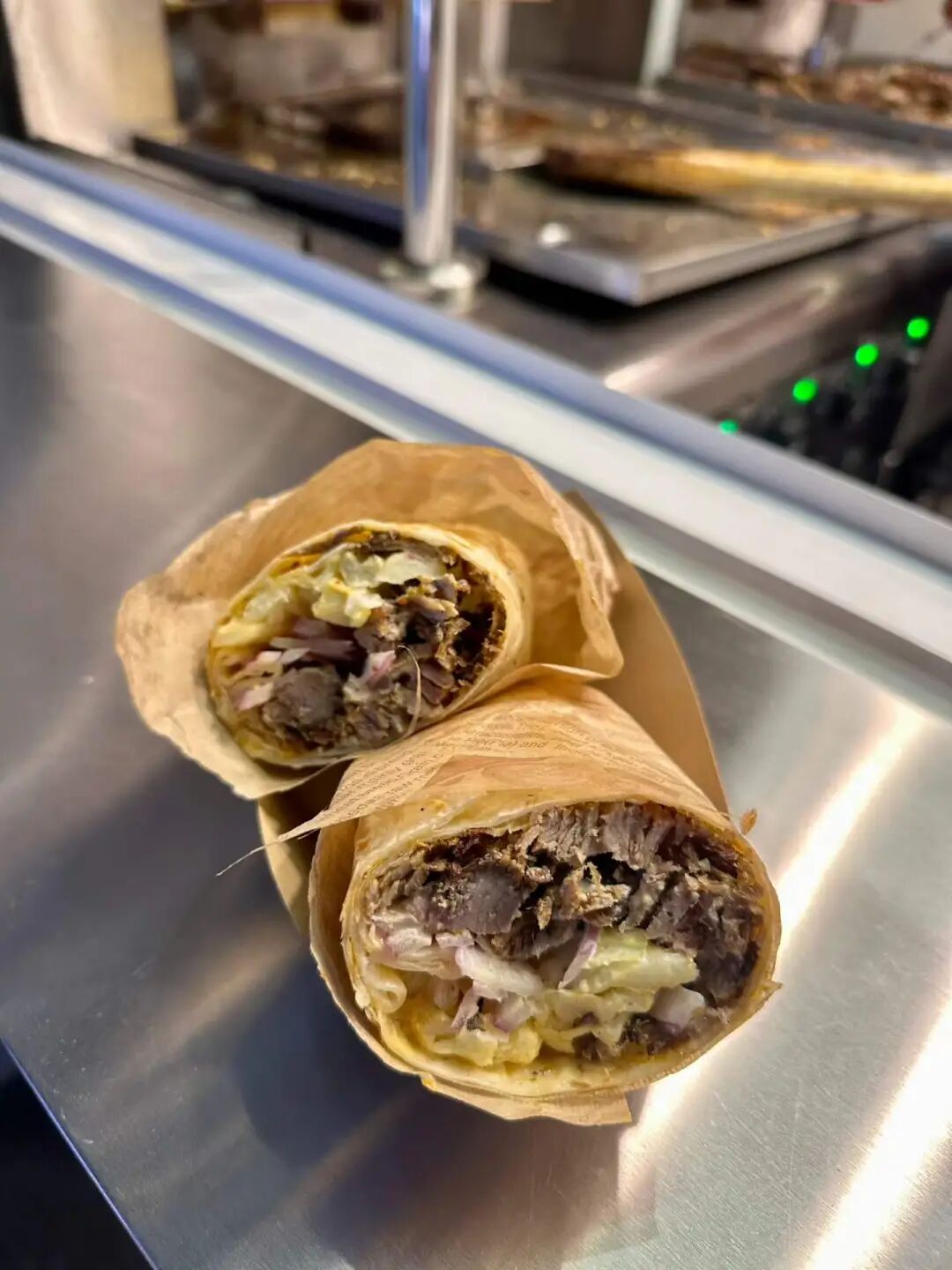
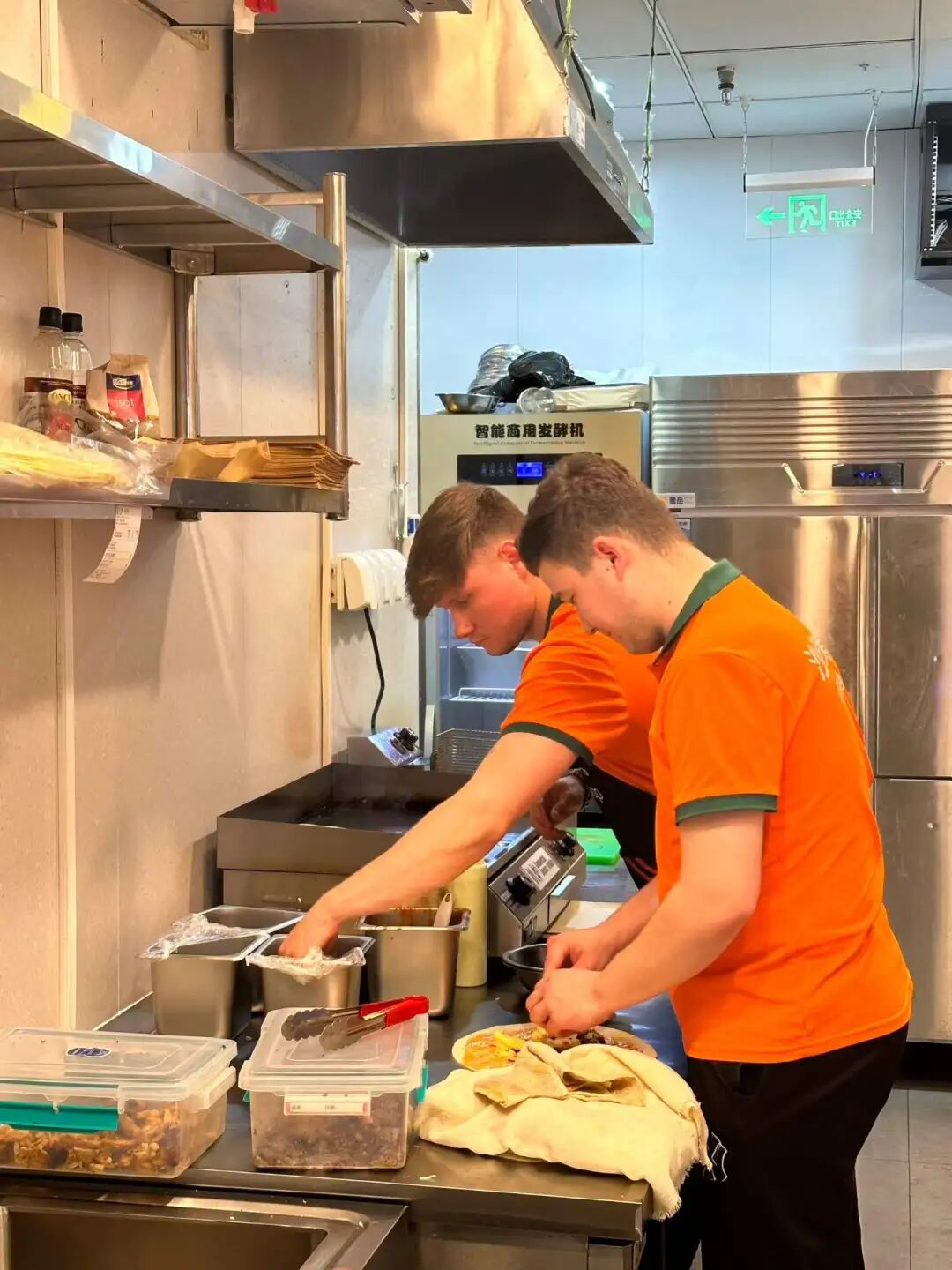
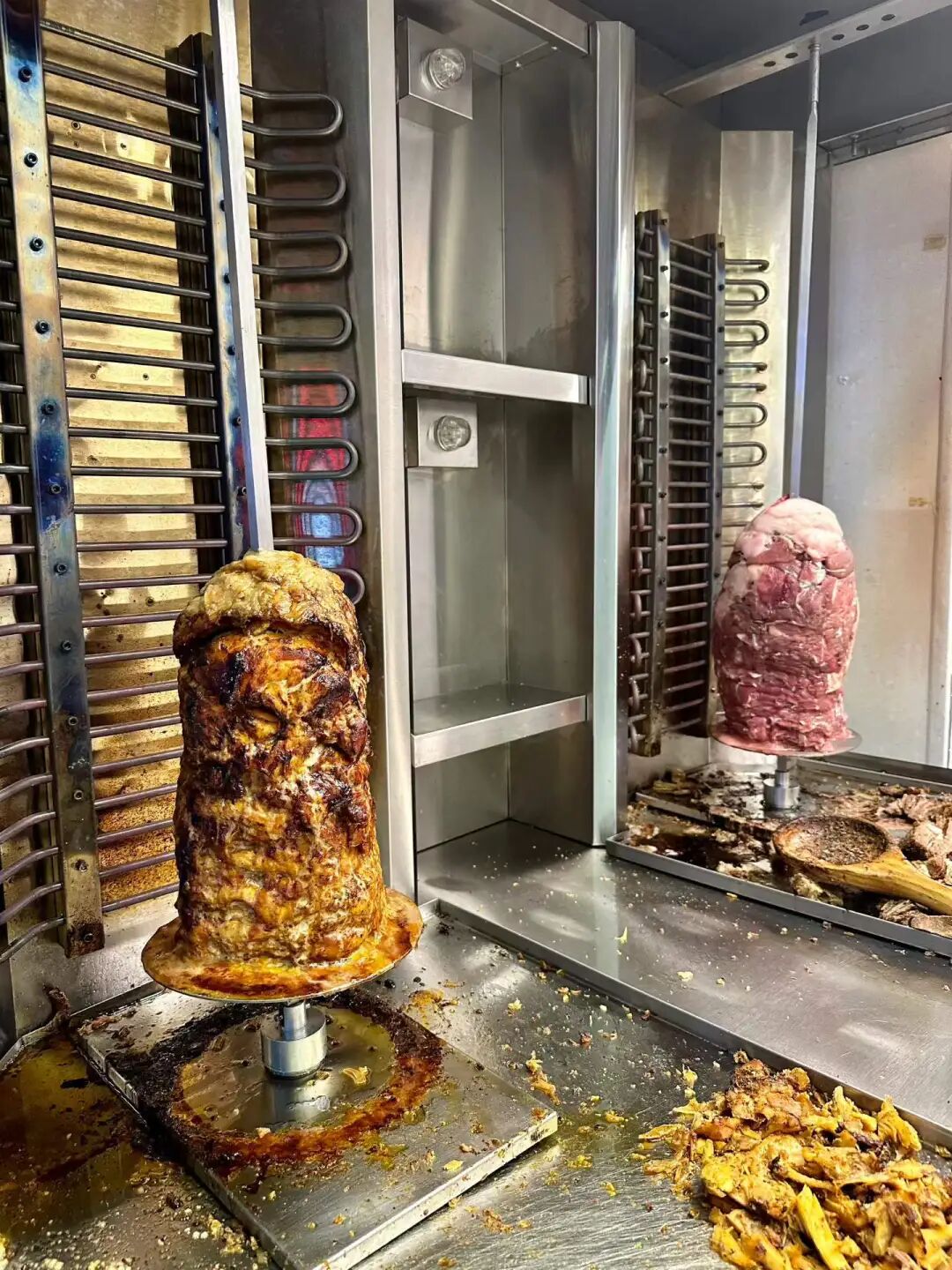
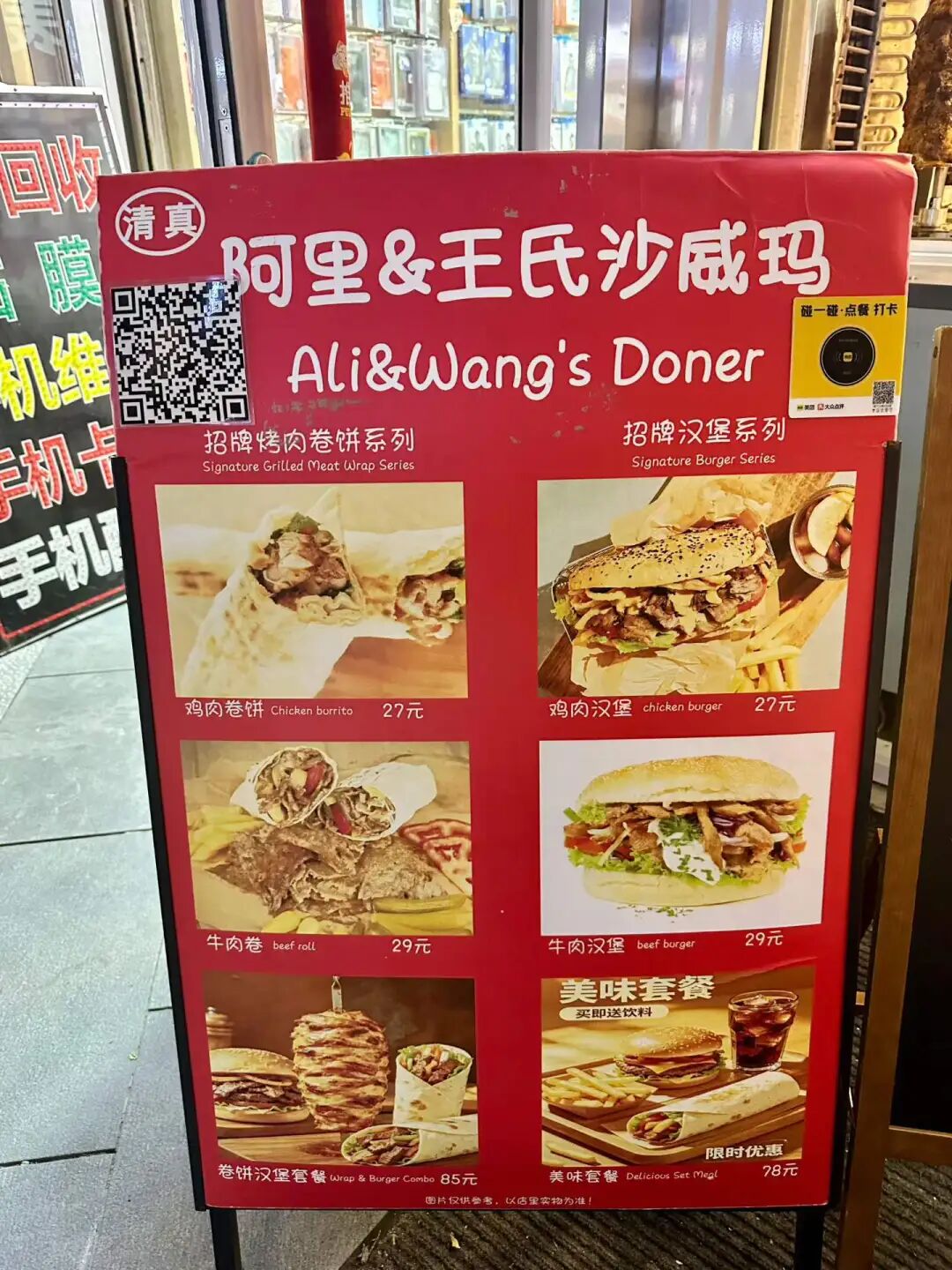
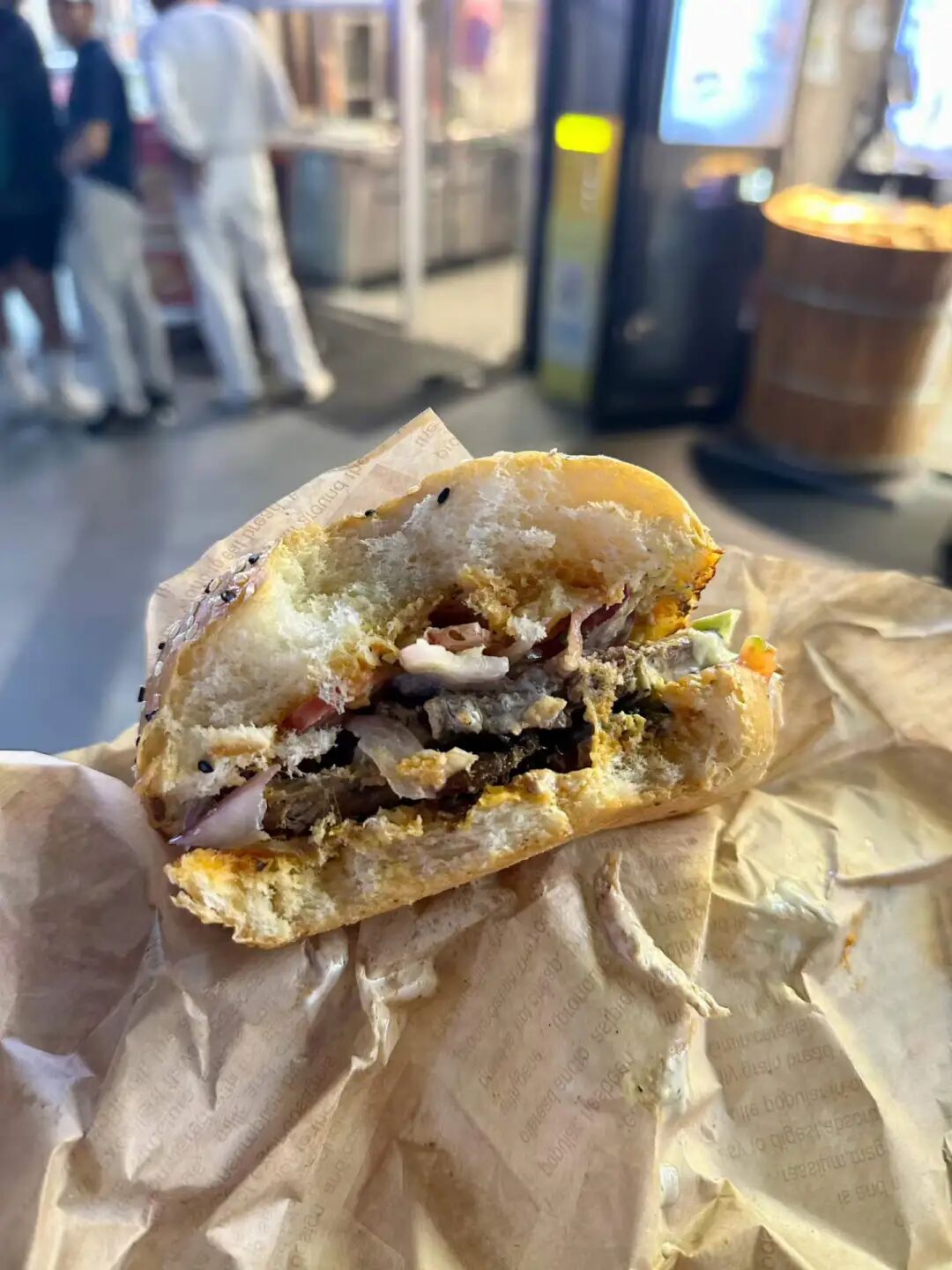
A new shawarma rotisserie shop just opened at the north entrance of Sanlitun SOHO. We went there for dinner; one of the guys working there is from Turkmenistan and the other is from Russia, and almost all the customers were foreigners. The wraps and burgers tasted okay, though the garlic sauce was quite strong. But when we went, they were just starting to roast a new batch of beef, so the pre-sliced beef wasn't very hot. Also, the flatbread wraps they used weren't warm. Still, the vibe is just like a rotisserie shop on a Middle Eastern street; there are no seats, so you grab one to eat on the go and pretend you are in Damascus.
Part 1: 10 halal restaurants in Beijing worth trying: Pakistani restaurant Lahore Courtyard, Henan Jiaozuo beef knife-cut noodles Maimairehong, halal Mongolian food Hulun Aile, West African Ghana Tribe Garden, Xi'an Xing Laosi meatball spicy soup, Xinjiang Changji Jinying meatball soup, Xinjiang Hotan Canteen, Syrian BRBR, Beijing fusion food Gulou Chimian, and Beijing traditional food Xilaisun.
Part 2: 10 halal restaurants in Beijing worth trying (Part 2): UAE restaurant Gulf Mandi Restaurant, Xinjiang Mansion Xihan meatball soup, Xinjiang Mansion lobby Altay afternoon tea, Muhejia revolving hot pot, Xinjiang Urumqi Nazilan (closed), Beijing pastry shop Baoyuanzhai (closed), Pakistani Samosa China-Pakistan Friendship Restaurant, Ma Ye Roast Duck (closed), Bangladeshi Benjibi Restaurant, and Huairou Shihu Cheng Resort.
Part 3: 10 new Beijing restaurants I recently tried. JM Italian Coffee Dongsi branch, halal Hunan-style stir-fry Huixiangyun (now closed) Wangjing branch, Shandong Dezhou Old Ma's lamb soup (yangtang) and steamed dumplings (zhengjiao), Sanlitun Philly cheesesteak (now closed), Pakistani Roma Restaurant (now closed), Muyuzhai garlic lamb intestines (lan suan yang chang), Inner Mongolia Lianying steamed dumplings (shaomai) Caoyuan Shiliuhong, Wangfujing Gansu spicy hot pot (malatang), and Yuezhen Yayuan halal courtyard restaurant.
Part 4: 10 halal restaurants in Beijing worth trying. Hotan rose pilaf (zhua fan) Yizhuang branch, Taiba Western-style bakery, Taiba South Sanlitun Road street shop, Zhaotong small meat skewers Guijie Ganmaya BBQ (now closed), Baixiaobei Heilongjiang BBQ shop, Yunnan Muwenzhai dry-pot beef, Sanlitun Xinjiang restaurant Jiangjiang, Huixiangyun halal Hunan restaurant Zuojiazhuang branch, Yili ice cream shop Bazaar Sweetheart, and Dongzhimen Inner Qianyuan Hotel.
Part 5: 10 halal restaurants in Beijing worth trying. Sandyq Kazakhstan restaurant, Kashgar restaurant, Ahmed restaurant, Jingbalang Naan Bazaar, MacMac Lebanese restaurant, Humaer Xinjiang specialty food, Lao Huihui dumpling restaurant Zoo branch, Fresh Milk Town (now closed) Shuangjing branch, Nawab restaurant, and Liuji Watch Repair BBQ shop.
Part 6: 10 halal restaurants in Beijing worth trying. Hongyunlou Huaiyang cuisine, Sanhe beef noodles (now closed), JM Coffee and Bakery Dajixiang branch, Wanhe fatty beef, Xiangqing roast duck (now closed), Culture Pakistani restaurant, Italian Firenze Western restaurant, Niujie Dashuntang, Zhenweizhai Tianjin cuisine, and Dardanelles children's meal.
Part 7: 10 halal restaurants in Beijing worth trying. JM Western restaurant Chaonei branch, Palestinian restaurant Rose City, Baoding beef soup with flatbread (niurou zhaobing), Pakistani restaurant Al Rayyan, Yili Loulan restaurant Guijie branch, Dianxinyuan Yunnan cuisine, Heilongjiang Suihua restaurant Muxiangyuan, Sanlitun Turkish restaurant, Chaoyangmen fast food stall, and Pakistani buffet Habibi.
Part 8: 10 halal restaurants in Beijing worth trying. Xinjiang Hui Muslim home-style cooking Yige Huangluobo, Liaoning Hui Muslim spicy hot pot (malatang), Hebei Daming Hui Muslim meat pie (roubing) Yimian Liaoyuan (now closed), Hebei Chengde Hui Muslim steamed dumplings (shaomai) Dongtucheng branch, Xilaishun Xisi branch, Longfusi market, Heilongjiang Suihua Hui Muslim Mashi Muxiangyuan Baizhifang branch, Turpan Uyghur restaurant Tianshan, Niujie cafe Sanwanghu, and Heilongjiang Hui Muslim iron pot stew (tieguo dun).
Summary: This guide to the best halal restaurants in Beijing keeps the original list of local Muslim food spots, Hui Muslim food, and practical halal dining details.
This article summarizes the key points of '10 Halal Restaurants in Beijing Worth Trying (Part 9),' keeping the original paragraph and image order. It is for readers interested in Muslim life, Islamic culture, and Chinese Islamic articles, and makes it easy to search for topics like Uyghur culture, marriage and family, and the ninth installment.
The list includes Shunhexiang Harbin-style stir-fry in Tongzhou, Fenghong Old Beijing Flavor in Changping, Aidamu Xinjiang street barbecue in Shilihe, Ruilin Azerbaijani restaurant near Ritan, Yilan Liyuan American-style burgers on Niujie, Guxiangzhai Tianjin-style shaved ice in Hufangqiao, Niujie's Big Green Bag stinky tofu, Zafran Pakistani restaurant in Xinyuanli, Jinfang Snack Bar in Dongdaqiao, and Ali & Wang's rotating kebab in Sanlitun.
I heard that the Harbin Hui Muslim stir-fry restaurant Shunhexiang opened in Beijing's Tongzhou sub-center, so I came to try it out for dinner. The restaurant is located in a new residential complex along the Grand Canal in Tongzhou. The environment is great, and the private room's turntable is button-controlled, making it easy to reach the dishes.
They specialize in Heilongjiang Hui Muslim cuisine and have also added some southern Chinese dishes to their menu. We ordered the savory sweet and sour pork (guobaorou), sauerkraut beef rib stew, colorful starch noodles (dalapi), stir-fried lily bulbs with bamboo shoots, and beef steamed dumplings (shaomai). The best of these was the steamed dumplings. The skin was thin and chewy, and the filling was fragrant and not greasy. I think they are better than the other Hui Muslim steamed dumplings currently in Beijing. The sweet and sour pork had a good texture and wasn't fried too hard. I think it's better than another Heilongjiang Hui Muslim restaurant in Beijing. The sauerkraut tasted great, but there was very little beef, and there were very few lily bulbs in the lily bulb and bamboo shoot dish. Overall, the restaurant is definitely worth a visit. The biggest problem is that it is too far from the city center, almost reaching Hebei. It is best suited for those driving there or people working in the sub-center.
On Sunday, I was in Changping and had Beijing-style food for lunch at Fenghong Old Beijing Flavor in Xiaotangshan.
We ordered the three-person set meal, which included half a roast duck, grilled meat on a round iron plate (zhizi kaorou), stir-fried mixed vegetables (chao hecai), and duck frame tofu soup. This three-person set is a great value, and we were stuffed after finishing it. The duck tasted good, and the kids really liked it. The portion of stir-fried mixed vegetables (chao hecai) was huge, and it tasted great too.
The grilled meat on a round iron plate (zhizi kaorou) was a hit with both the Xinjiang and Hunan people at our table; the meat was tender but still had a nice chew. However, it must have been pre-marinated because it was spicy and couldn't be made mild, so the kids couldn't eat it. Duck frame soup is a must-have with roast duck; it was very savory and we couldn't stop drinking it.
Besides roast duck, they also serve traditional Hui Muslims' eight big bowls (badawan). If you are visiting Changping, you should come here to eat. They don't close in the afternoon, so it is perfect for a late meal after sightseeing.
In the evening, we went to Shilihe to eat barbecue at Aidamu. I had heard they were very famous, but this was my first time eating there, and I was truly impressed. They have basically brought the level of a local Xinjiang night market to Beijing; eating there felt just like being back in Xinjiang.
There is a large parking lot right across from the restaurant, making it very convenient if you drive there. When we arrived at 6:30, the place was already packed, so we set up a table in the parking lot across the street. Since the temperature has risen in May, it is perfect for eating barbecue outdoors.
At their place, you grab the skewers yourself from the freezer. We had lamb liver, lamb heart, lamb skewers, and lamb chops. The lamb liver was very tender, definitely top-tier for Beijing. The lamb heart had more chew than the liver, and it was also quite good. The lamb skewers had no gamey smell at all, just the pure aroma of lamb, which is very rare in Beijing.
We had the pilaf (zhuafan) fresh out of the pot at seven o'clock. It was shiny and oily, though the lamb was a bit tougher compared to the skewers. Overall, it was still good. I happened to hear the table next to us complaining that their rice was undercooked. Actually, I think pilaf is only good when the rice is a bit firm. If the rice is too soft and mushy, it just becomes regular steamed rice.
On the weekend, we had dinner at Kavkaz Ruilin, a long-standing Azerbaijani restaurant on Ritan Upper Street, to enjoy some Russian and Caucasian food. This is a classic former Soviet-style restaurant in Beijing that has been open for over a decade. It mostly serves merchants from Russian-speaking regions who come to Yabaolu to source goods. Its Chinese name used to be Ruilin, but it has been changed to Ruilin.
After the Soviet Union collapsed in the 1990s, many traders (daoye) took green-skinned trains to Beijing and headed straight to Yabaolu to stock up on goods. They brought down jackets, leather shoes, toys, and other small items back home to sell for huge profits. Yabaolu gradually grew from street stalls and tents into Beijing's largest wholesale market for Russian-speaking regions, and more former Soviet-style restaurants opened up on nearby Ritan Upper Street. Over a decade ago, Ritan Upper Street was mainly home to Central Asian and Azerbaijani restaurants, including Uzbek and Kazakh spots.
Over the last decade, Russia's economic decline, the shift of markets to places like Yiwu, Guangzhou, and Suifenhe, and the rise of cross-border e-commerce have caused trade with Russia on Yabaolu to shrink. Yitan Shangjie has gradually become a hub for Uyghur restaurants. Besides Dardanelles and Desert Rose, which focus on Turkish food, the only other Azerbaijani restaurant is Ruilin. For Central Asian food, there is the Turkmenistan restaurant Merv downstairs, which also serves Russian dishes.
At first, Ruilin had dim lighting, making it a good spot for traders to talk business, but many Chinese people were afraid to go inside. In recent years, the lighting at Ruilin has become brighter, but when we visited, there were only Russian-speaking customers, and we did not see any other Chinese people eating there.
We ordered borscht (hongcaitang), pot-stewed lamb (manguan yangrou), chive pancakes (jiucaibing), Azerbaijani pilaf (zhuafan), and grilled vegetables. Their borscht is closer to the Russian style than the one at Merv. Merv's beef soup has a stronger flavor, while their version has a more intense beet taste, which is also quite good.
Pot-stewed lamb is a classic Russian main course. Traditionally, it is cooked during long, cold winters by stewing meat in a clay pot over a wood-burning fireplace, then sealing the lid and burying it in the fireplace embers for several hours. Their pot-stewed lamb broth is very fresh, similar to Xinjiang cup-stewed lamb (gangzirou), but the lamb is a bit tough rather than tender.
I really like the Azerbaijani pilaf. I made sure to eat the authentic version when I visited Azerbaijan, and after coming back, I think both Ruilin and Dardanelles make a good version. Azerbaijani pilaf is dyed yellow with saffron and includes dried apricots, prunes, chestnuts, and raisins. The lamb is salty and savory, while the dried fruits add sweetness, creating a very rich flavor profile.
I finally had the cheese beef burger at Yilan Liyuan on Niujie this weekend. They only have regular and California-style options now. The California-style burger adds lettuce and tomato, and you can order it as a single or double patty. They do not let you eat inside the shop, so you have to eat at the entrance or take it away. I waited five minutes at the door and it was ready. The single-layer size is decent, and the crust was baked hot on the spot, but the filling felt a bit dense and not very fluffy. The meat pie tastes good, but it feels a bit loose, as if it wasn't packed tightly enough. Overall it is pretty good, but it would be even better if there were other things to pair it with.
A Tianjin halal shaved ice and steamed pancake (zhengbing) shop called Guxiangzhai has opened at Hufangqiao. Since the weather is getting warmer lately, many people are coming to eat shaved ice. For my first visit, I chose the traditional-style shaved ice. It contains sour hawthorn paste (suanmogao), red hawthorn fruit, dried apricots, strawberries, mulberries, pineapple, orange, fresh apricots, and red beans. It actually has more ingredients than the truly traditional version, and it is mainly sweet and sour to whet your appetite. Sour hawthorn paste (suanmogao) is the soul of Tianjin traditional shaved ice. It is made by grinding dried wild sour jujubes into powder and boiling it with rock sugar. You can buy large blocks of sour hawthorn paste (suanmogao) at the entrance of the archway of the South Mosque (Nandasi) in the Northwest Corner. It also tastes great when mixed directly with water.
Their dinosaur egg three-apricot shaved ice is also a signature item. It contains Kashgar Hami apricots, Yengisar Saimaiti red apricots, Aksu Situan dried apricots, and secret-recipe preserved fruit made from wild hawthorn from Shanxi. It sounds very good.
They also sell various snacks. We bought a steamed pancake (zhengbing) with a red hawthorn filling, which is sweet and sour and perfect for breakfast. It is a pity that the rice cakes (gaogan) were sold out, so I bought a rice cake (migao) with a sour hawthorn paste flavor. It was a bit dry, but the taste was still good. I also bought a snack called "five blacks," which contains black rice, black beans, black mulberries, black goji berries, and black sesame seeds. It sounds very healthy.
Across from the China Academy of Chinese Medical Sciences on Niujie Street, the roast lamb leg shop with the big green sign sells stinky tofu with sauce. The sauce is made from beef bone broth (niubanggu aotang), and it really has a meaty flavor. I remember eating fried stinky tofu topped with fermented bean curd sauce from a cart run by local Hui Muslims on Binjiang Road in Tianjin. That flavor was truly satisfying.
A new alcohol-free Pakistani restaurant called Zafran just opened in Jiayi Plaza near Liangmaqiao. It is very close to the Liangma River, and since it only opened a few days ago, I came specifically to try it.
I looked at the menu and was surprised to find many Afghan Pashtun dishes. I asked the server, and he is a Pashtun from Peshawar. I decided to order a few Pashtun dishes to try, as some of them cannot be found in other Pakistani restaurants.
First, I must praise their excellent service. The Pashtun waiter, Anas Khan, always greeted us with a smile and even did a fist bump with my son, Suleiman. As soon as we sat down, they brought us black tea, lemon water, and fried dough twists (mayezi). Later, they served a special dried fruit milkshake with walnuts and almonds. Finally, they gave Suleiman a small cup of thin yogurt drink (lassi) and a piece of baklava, which made him very happy.
The atmosphere is also very nice, with curtained sofa areas on one side that are perfect for families. There are no large private rooms, but if you have a big group, you can push tables together in the main dining area. There is also outdoor seating at the entrance, which is great for having desserts and drinks in the summer.
We ordered Afghan pilaf, Peshawar-style lamb, and Kandahar naan. You can tell these are Pashtun specialties just by their names. We also ordered a Caesar salad, french fries, and salty yogurt drink (lassi). Since they just opened, they gave us a 30% discount, which was a great deal.
Afghan pilaf originated in the border region between northern Afghanistan and Uzbekistan. It is known as Qabili Palaw in Afghanistan and later spread from there to West Asia, Central Asia, and Pakistan. Afghan pilaf (pulao) differs from Xinjiang pilaf because it uses long-grain aromatic rice from South Asia and a bit of saffron for color. It is cooked with ghee and vegetable oil, and the carrots are sliced thinly. It also includes cinnamon, cardamom, and cloves, giving it a stronger spice flavor than Xinjiang pilaf. Their Afghan pilaf includes fresh almonds and raisins, but the meat is a bit tough and hard for children to chew. The spice flavor is very rich.
This was my first time eating Peshawar Shinwari lamb, and I highly recommend it! The lamb is very tender and the seasoning is excellent. Peshawar Shinwari lamb is cooked in a metal wok called a karahi. It is a classic main dish for the Pashtun people in northern Pakistan, especially prepared after the animal sacrifice during Eid al-Adha. It is made with fresh bone-in lamb, salt, garlic, and green chilies, without the heavy spices found in southern Pakistan.
Their Kandahar flatbread (nan) is also amazing and pairs perfectly with the Peshawar lamb. Kandahar flatbread is also popular in Pakistan. It is very fluffy because milk and sugar are added to the dough, making it more fragrant.
I also recommend their yogurt drink (lassi). It is not too sour, but it is very appetizing.
The Qingxiangge restaurant at Dongdaqiao was replaced by Jinfang Snacks this year, and I just went to try it recently. Once inside, I found it is completely different from the old shop at Ciqikou. It uses a self-service tray system with small bowls of stewed dishes, small portions of stir-fries, and a huge variety of mixed salads, noodles, and snacks. It is incredibly rich in options. Small bowls and small plates are rare in traditional Beijing restaurants, making them perfect for people who want to try several different dishes.
We ordered winter melon meatball soup (donggua cuan wanzi), stir-stir-fried meat with eggs and wood ear mushrooms (muxu rou), stir-fried green beans with pork (biandou chaorou), sea bream fillets (diaoyu pian), and healthy mixed vegetables (yangsheng cai), with corn and red bean rice for our main course. The cheaper meat dishes are mostly chicken, while the beef stew is priced like a standard old Beijing restaurant for Hui Muslims. The winter melon meatball soup goes great with rice, and eating rice soaked in the broth feels just like being a kid again.
Jinfang Snack Shop is celebrating its 100th anniversary this year, so it can finally call itself a century-old shop. Jinfang was originally called Rongxiangcheng Hui Muslim Snack Shop, founded in 1926 outside Chongwenmen by Man Leting (known as Man Liu), a Hui Muslim from Dezhou, Shandong. Man Leting started out with beef and mutton. At first, he bought high-quality cattle and sheep every autumn to raise in Madian, slaughtering and selling them as needed. His business improved significantly in the 1940s, so he expanded his storefront and later began selling cooked foods like roasted mutton (shao yangrou).
In the past, spring and summer were the growing seasons for sheep, so they were usually only slaughtered after autumn. Because of this, some mutton shops would switch to selling cold food during the summer. In the 1940s, Man Leting bought Japanese refrigeration equipment to sell homemade popsicles, soda, and other cold drinks, and business was booming. In 1949, mutton shipments from Inner Mongolia to Beijing were blocked, and the sheep trade hit rock bottom. Just then, Man Leiting's fellow townsman Man Kaiqi came to join him. Man Kaiqi had a background in a pastry shop, so Man Liu stopped selling lamb and switched to snacks and cold dishes, making Rongxiangcheng a famous Hui Muslim snack shop outside Chongwenmen. After the public-private partnership in 1956, Man Leiting's son Man Kaitong became the manager, and in 1958, they stopped making popsicles to focus on snacks like almond tofu (xingren doufu) and sweet rice balls (yuanxiao). In 1966, Rongxiangcheng was officially renamed Jinfang Hui Muslim Snack Shop, and in 1971, it began to focus on sweet rice balls (yuanxiao), which have drawn long lines every year around the Lantern Festival since the 1990s.
A new shawarma rotisserie shop just opened at the north entrance of Sanlitun SOHO. We went there for dinner; one of the guys working there is from Turkmenistan and the other is from Russia, and almost all the customers were foreigners. The wraps and burgers tasted okay, though the garlic sauce was quite strong. But when we went, they were just starting to roast a new batch of beef, so the pre-sliced beef wasn't very hot. Also, the flatbread wraps they used weren't warm. Still, the vibe is just like a rotisserie shop on a Middle Eastern street; there are no seats, so you grab one to eat on the go and pretend you are in Damascus.
Part 1: 10 halal restaurants in Beijing worth trying: Pakistani restaurant Lahore Courtyard, Henan Jiaozuo beef knife-cut noodles Maimairehong, halal Mongolian food Hulun Aile, West African Ghana Tribe Garden, Xi'an Xing Laosi meatball spicy soup, Xinjiang Changji Jinying meatball soup, Xinjiang Hotan Canteen, Syrian BRBR, Beijing fusion food Gulou Chimian, and Beijing traditional food Xilaisun.
Part 2: 10 halal restaurants in Beijing worth trying (Part 2): UAE restaurant Gulf Mandi Restaurant, Xinjiang Mansion Xihan meatball soup, Xinjiang Mansion lobby Altay afternoon tea, Muhejia revolving hot pot, Xinjiang Urumqi Nazilan (closed), Beijing pastry shop Baoyuanzhai (closed), Pakistani Samosa China-Pakistan Friendship Restaurant, Ma Ye Roast Duck (closed), Bangladeshi Benjibi Restaurant, and Huairou Shihu Cheng Resort.
Part 3: 10 new Beijing restaurants I recently tried. JM Italian Coffee Dongsi branch, halal Hunan-style stir-fry Huixiangyun (now closed) Wangjing branch, Shandong Dezhou Old Ma's lamb soup (yangtang) and steamed dumplings (zhengjiao), Sanlitun Philly cheesesteak (now closed), Pakistani Roma Restaurant (now closed), Muyuzhai garlic lamb intestines (lan suan yang chang), Inner Mongolia Lianying steamed dumplings (shaomai) Caoyuan Shiliuhong, Wangfujing Gansu spicy hot pot (malatang), and Yuezhen Yayuan halal courtyard restaurant.
Part 4: 10 halal restaurants in Beijing worth trying. Hotan rose pilaf (zhua fan) Yizhuang branch, Taiba Western-style bakery, Taiba South Sanlitun Road street shop, Zhaotong small meat skewers Guijie Ganmaya BBQ (now closed), Baixiaobei Heilongjiang BBQ shop, Yunnan Muwenzhai dry-pot beef, Sanlitun Xinjiang restaurant Jiangjiang, Huixiangyun halal Hunan restaurant Zuojiazhuang branch, Yili ice cream shop Bazaar Sweetheart, and Dongzhimen Inner Qianyuan Hotel.
Part 5: 10 halal restaurants in Beijing worth trying. Sandyq Kazakhstan restaurant, Kashgar restaurant, Ahmed restaurant, Jingbalang Naan Bazaar, MacMac Lebanese restaurant, Humaer Xinjiang specialty food, Lao Huihui dumpling restaurant Zoo branch, Fresh Milk Town (now closed) Shuangjing branch, Nawab restaurant, and Liuji Watch Repair BBQ shop.
Part 6: 10 halal restaurants in Beijing worth trying. Hongyunlou Huaiyang cuisine, Sanhe beef noodles (now closed), JM Coffee and Bakery Dajixiang branch, Wanhe fatty beef, Xiangqing roast duck (now closed), Culture Pakistani restaurant, Italian Firenze Western restaurant, Niujie Dashuntang, Zhenweizhai Tianjin cuisine, and Dardanelles children's meal.
Part 7: 10 halal restaurants in Beijing worth trying. JM Western restaurant Chaonei branch, Palestinian restaurant Rose City, Baoding beef soup with flatbread (niurou zhaobing), Pakistani restaurant Al Rayyan, Yili Loulan restaurant Guijie branch, Dianxinyuan Yunnan cuisine, Heilongjiang Suihua restaurant Muxiangyuan, Sanlitun Turkish restaurant, Chaoyangmen fast food stall, and Pakistani buffet Habibi.
Part 8: 10 halal restaurants in Beijing worth trying. Xinjiang Hui Muslim home-style cooking Yige Huangluobo, Liaoning Hui Muslim spicy hot pot (malatang), Hebei Daming Hui Muslim meat pie (roubing) Yimian Liaoyuan (now closed), Hebei Chengde Hui Muslim steamed dumplings (shaomai) Dongtucheng branch, Xilaishun Xisi branch, Longfusi market, Heilongjiang Suihua Hui Muslim Mashi Muxiangyuan Baizhifang branch, Turpan Uyghur restaurant Tianshan, Niujie cafe Sanwanghu, and Heilongjiang Hui Muslim iron pot stew (tieguo dun).
