
Best Halal Restaurants in Beijing: 10 Local Muslim Food Spots Worth Trying (Segment 1 of 3)
Reposted from the web
Summary: This guide to the best halal restaurants in Beijing keeps the original list of local Muslim food spots, Hui Muslim food, and practical halal dining details.
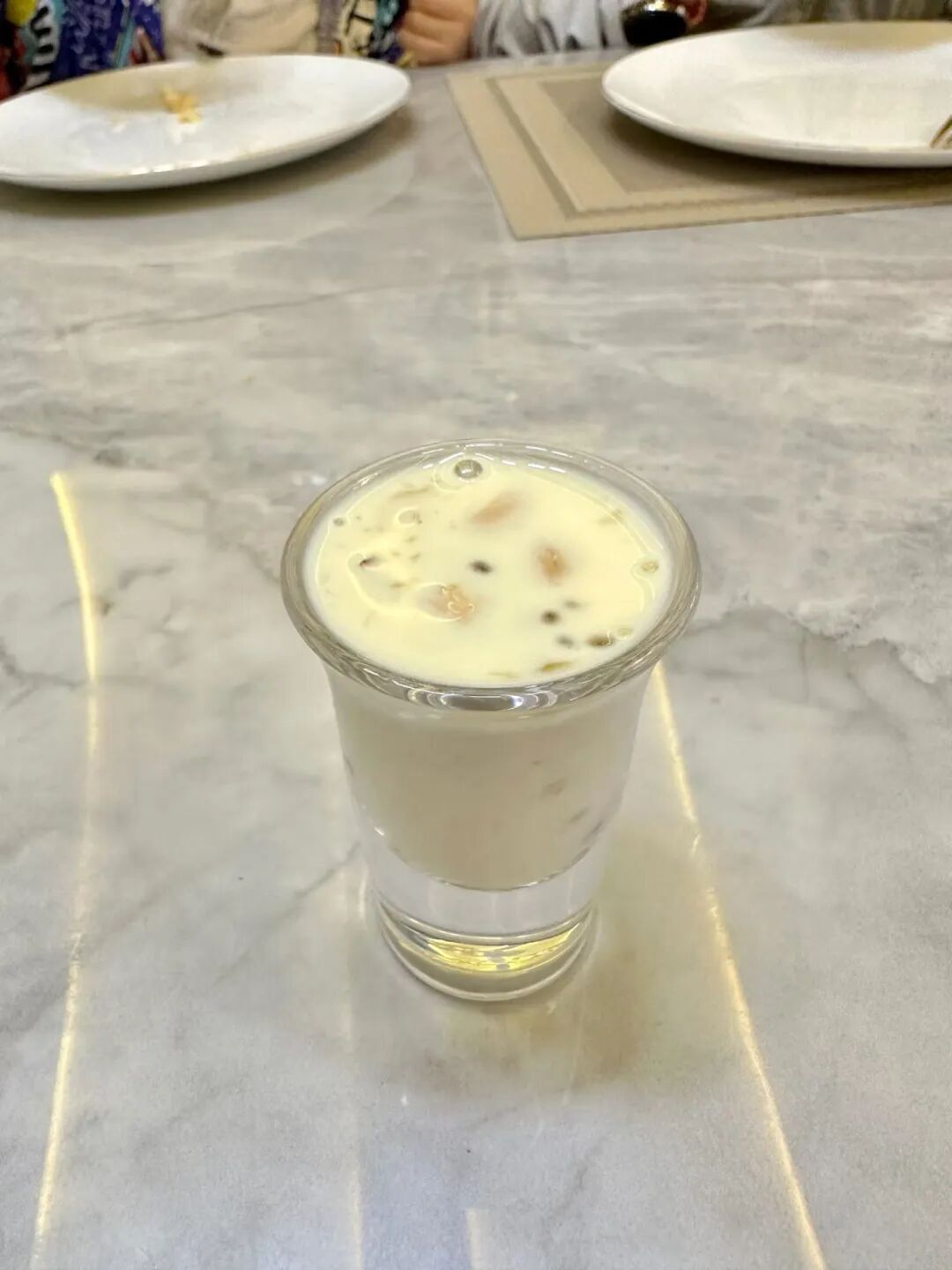
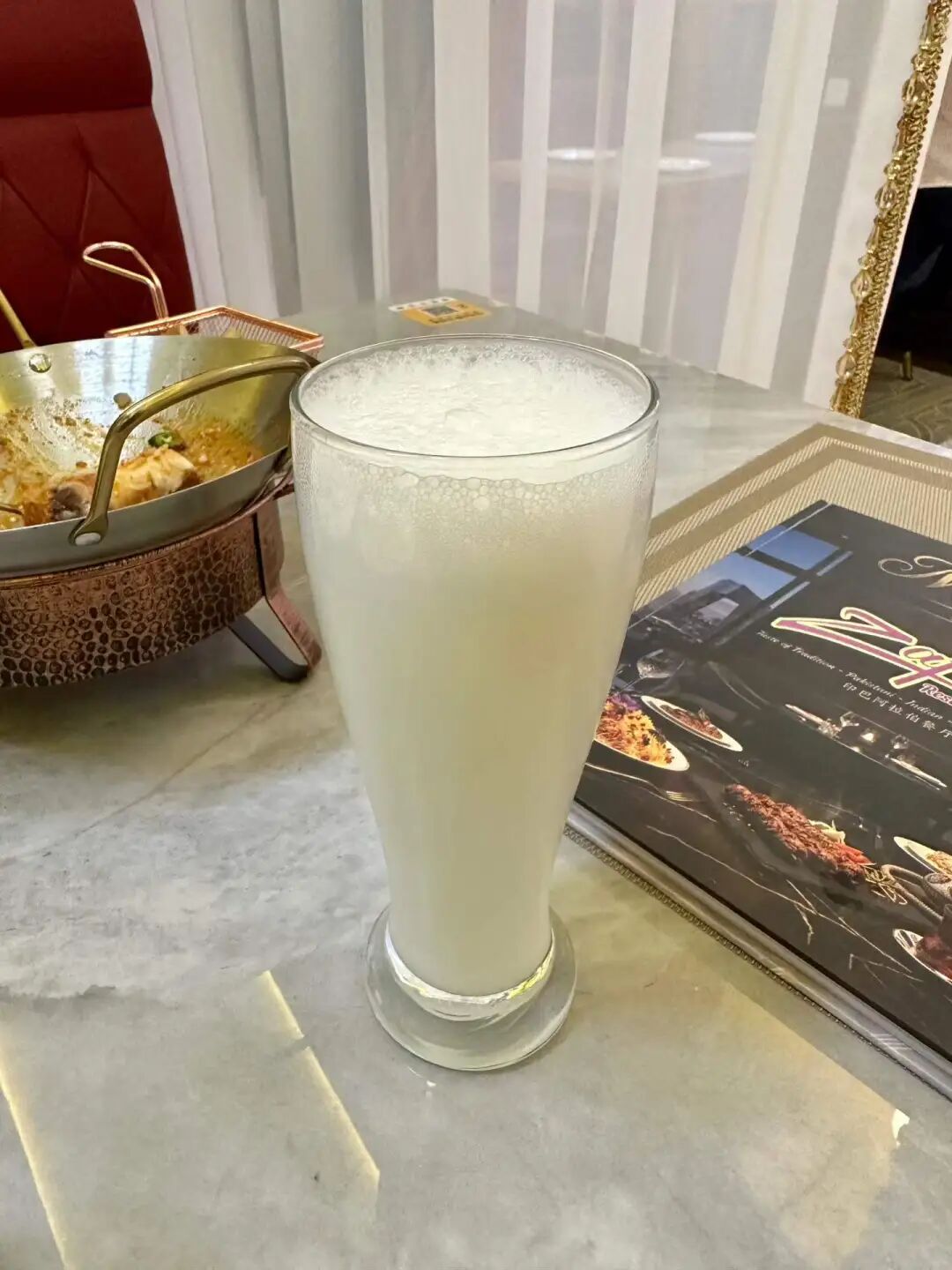
The Qingxiangge restaurant at Dongdaqiao was replaced by Jinfang Snacks this year, and I just went to try it recently. Once inside, I found it is completely different from the old shop at Ciqikou. It uses a self-service tray system with small bowls of stewed dishes, small portions of stir-fries, and a huge variety of mixed salads, noodles, and snacks. It is incredibly rich in options. Small bowls and small plates are rare in traditional Beijing restaurants, making them perfect for people who want to try several different dishes.
We ordered winter melon meatball soup (donggua cuan wanzi), stir-stir-fried meat with eggs and wood ear mushrooms (muxu rou), stir-fried green beans with pork (biandou chaorou), sea bream fillets (diaoyu pian), and healthy mixed vegetables (yangsheng cai), with corn and red bean rice for our main course. The cheaper meat dishes are mostly chicken, while the beef stew is priced like a standard old Beijing restaurant for Hui Muslims. The winter melon meatball soup goes great with rice, and eating rice soaked in the broth feels just like being a kid again.
Jinfang Snack Shop is celebrating its 100th anniversary this year, so it can finally call itself a century-old shop. Jinfang was originally called Rongxiangcheng Hui Muslim Snack Shop, founded in 1926 outside Chongwenmen by Man Leting (known as Man Liu), a Hui Muslim from Dezhou, Shandong. Man Leting started out with beef and mutton. At first, he bought high-quality cattle and sheep every autumn to raise in Madian, slaughtering and selling them as needed. His business improved significantly in the 1940s, so he expanded his storefront and later began selling cooked foods like roasted mutton (shao yangrou).
Summary: This guide to the best halal restaurants in Beijing keeps the original list of local Muslim food spots, Hui Muslim food, and practical halal dining details.
The Qingxiangge restaurant at Dongdaqiao was replaced by Jinfang Snacks this year, and I just went to try it recently. Once inside, I found it is completely different from the old shop at Ciqikou. It uses a self-service tray system with small bowls of stewed dishes, small portions of stir-fries, and a huge variety of mixed salads, noodles, and snacks. It is incredibly rich in options. Small bowls and small plates are rare in traditional Beijing restaurants, making them perfect for people who want to try several different dishes.
We ordered winter melon meatball soup (donggua cuan wanzi), stir-stir-fried meat with eggs and wood ear mushrooms (muxu rou), stir-fried green beans with pork (biandou chaorou), sea bream fillets (diaoyu pian), and healthy mixed vegetables (yangsheng cai), with corn and red bean rice for our main course. The cheaper meat dishes are mostly chicken, while the beef stew is priced like a standard old Beijing restaurant for Hui Muslims. The winter melon meatball soup goes great with rice, and eating rice soaked in the broth feels just like being a kid again.
Jinfang Snack Shop is celebrating its 100th anniversary this year, so it can finally call itself a century-old shop. Jinfang was originally called Rongxiangcheng Hui Muslim Snack Shop, founded in 1926 outside Chongwenmen by Man Leting (known as Man Liu), a Hui Muslim from Dezhou, Shandong. Man Leting started out with beef and mutton. At first, he bought high-quality cattle and sheep every autumn to raise in Madian, slaughtering and selling them as needed. His business improved significantly in the 1940s, so he expanded his storefront and later began selling cooked foods like roasted mutton (shao yangrou).
