
When Edgar Snow Stayed at QuDong Mosque: Yunnan Hui Muslim History & Red Footprints
[Internet Repost]
When Edgar Snow Stayed at Qudong Mosque: Yunnan's Hui Muslim History, Red Footprints, and Memories of Dali's Mosques
Abstract: This article compiles the main points of "When Edgar Snow Stayed at Qudong Mosque: Yunnan's Hui Muslim History, Red Footprints, and Memories of Dali's Mosques," preserving the original paragraph and image sequence. It is designed for readers searching for long-tail keywords related to the Qudong Mosque, Yunnan Hui Muslims, and Edgar Snow's footprints.
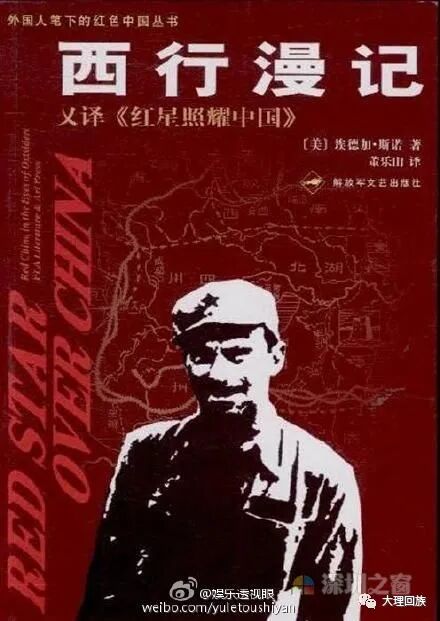
Edgar Snow (1905–1972) was one of the 20th century's most famous and influential American journalists and writers. Mao Zedong once remarked, "Mr. Snow was the first person to pave the way for establishing friendly relations." Party and state leaders like Zhou Enlai maintained close ties with Snow, utilizing him to broadcast the true conditions of the Red Army in Northern Shaanxi and the New China to the entire world, which played a monumental role in winning over people globally. His book Red Star Over China depicted the deeds of the Workers' and Red Army along with major historical events, opening a window for the entire world to truly understand the Chinese revolution. Under the White Terror, it was renamed Red Dust (published in Chinese as Xixing Miji) and widely circulated to every corner, inspiring a powerful chorus cheering for the Chinese revolution.
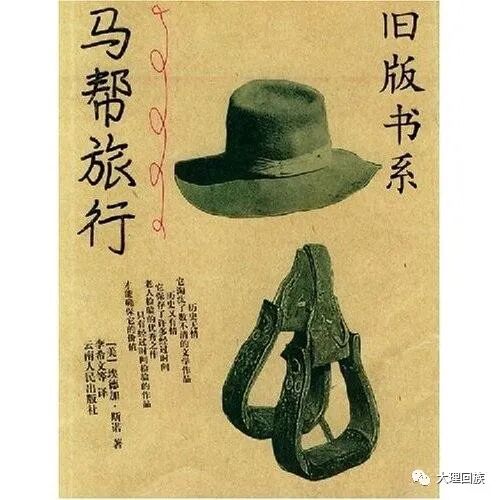
Prior to this, in 1931, Snow formed a small caravan consisting of six mules and horses along with three attendants in Dali. In his autobiography, he wrote, "I hoped to walk from China to Burma and then enter India." The copy of Caravan Travel I have on hand is a brilliant essay chronicling this journey, marking an important trajectory in his life. Writer Zhou Liangpei noted in the book's foreword that "it can be said to be a book unknown to many readers."
Perhaps because I am a Muslim, when I read one particular chapter, it sparked my immense interest and excitement. The title was: "The Reason Why I Was Able to Spend the Night in a Mosque Was Largely Due to a Nearly Forgotten Persian Idiom."
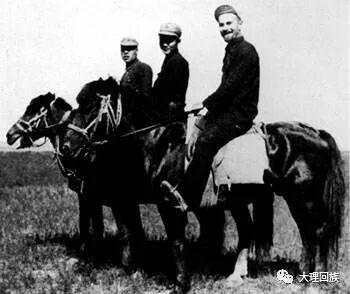
On February 22, 1931, following his small caravan into Yongping County, he stayed overnight at the Qudong Mosque (Qudong Mosque). In this article, from a unique perspective and with deep affection, he painted a captivating picture of the solemn, serene, and tranquil Qudong Mosque of that era. With down-to-earth and concise strokes, he sketched the scenery of the Qudong Mosque: "The minaret looked like a Chinese pagoda, except that the top was rectangular, gradually tapering to a point, crowned with a golden globe at the very top." Inside the mosque, it was "very clean, and poppies with pale purple and milky white flowers were planted in the courtyard."
With a reverent and deep affection, Snow vividly described the pious, solemn, and serene Asr prayer of the Qudong Muslims: fifty or sixty people gathered in the hall behind the minaret, "suddenly everyone fell silent, raising their eyes to look upward." A man in a white robe "stood on what should be called the balcony of the minaret," facing the sky dyed fiery red by the setting sun and the direction of Mecca, "raising both hands high and calling out the dua to Allah in a loud, rhythmic voice, repeating it three times." "Everyone followed the Imam in making dua inside the hall, which was fragrant with blooming flowers."

This article meticulously chronicled the dialogue, communication, and mutual understanding between him and the local Muslims—from initial rejection to a warm welcome—and vividly and philosophically described his boundless gratitude for being able to comfortably stay at the Qudong Mosque. The article transports us back to that vivid scene 79 years ago, where every sound and face felt palpable.
"I had just arrived and was already very tired. The inn had no empty rooms, and I wanted to stay here tonight." Yet, "upon seeing a foreigner, they were already shocked, and hearing this unusual request made them even more astonished." The responses he received were "No," "That's impossible," "There is no charcoal for you to make a fire," "This isn't an inn," and "No foreigner has ever stayed here before"... "Right at that critical moment," "I suddenly remembered a sentence I had memorized when I was studying Persian," and so he quickly said: "La ilaha illa Allah, Muhammad rasul Allah!" Obviously, this was a very inaccurate and awkward "Shahada" (Islamic declaration of faith). Yet, it was precisely this noble Shahada—the creed of Islamic faith—that instantly opened up the open-minded mentality of the Qudong Muslims. "They were greatly surprised and overjoyed," and "their attitude changed," becoming extremely friendly. Immediately, "they called a gatekeeper," "immediately brought water and charcoal," and "cleaned up a small attic" to accommodate him. Snow shouted with ecstatic joy, "No pork for dinner tonight!" "Several Imams laughed." Viewed through today's perspective, this was a positive, civilized dialogue of mutual respect, communication, and harmony achieved among people of different countries, ethnicities, faiths, and values. It could also be said to be the practical embodiment of the philosophy of "harmony in diversity" within Hui Muslim culture, while vividly demonstrating that one does not abandon their own faith for the sake of "harmony."
Snow's overnight stay was a culturally significant event in the history of the Qudong Mosque—ordinary yet extraordinary, extraordinary yet ordinary. After experiencing the unique charm and eternal humanistic spirit of an exotic mosque, he passionately wrote this article, which was published in the New York Sun on September 1, 1931. It forever anchors the scene in the space-time of history, becoming an unalterable and un-re-creatable piece of history, leaving us with an understanding and artistic inspiration that will endure forever.
When Edgar Snow Stayed at Qudong Mosque: Yunnan's Hui Muslim History, Red Footprints, and Memories of Dali's Mosques
Abstract: This article compiles the main points of "When Edgar Snow Stayed at Qudong Mosque: Yunnan's Hui Muslim History, Red Footprints, and Memories of Dali's Mosques," preserving the original paragraph and image sequence. It is designed for readers searching for long-tail keywords related to the Qudong Mosque, Yunnan Hui Muslims, and Edgar Snow's footprints.
Edgar Snow (1905–1972) was one of the 20th century's most famous and influential American journalists and writers. Mao Zedong once remarked, "Mr. Snow was the first person to pave the way for establishing friendly relations." Party and state leaders like Zhou Enlai maintained close ties with Snow, utilizing him to broadcast the true conditions of the Red Army in Northern Shaanxi and the New China to the entire world, which played a monumental role in winning over people globally. His book Red Star Over China depicted the deeds of the Workers' and Red Army along with major historical events, opening a window for the entire world to truly understand the Chinese revolution. Under the White Terror, it was renamed Red Dust (published in Chinese as Xixing Miji) and widely circulated to every corner, inspiring a powerful chorus cheering for the Chinese revolution.
Prior to this, in 1931, Snow formed a small caravan consisting of six mules and horses along with three attendants in Dali. In his autobiography, he wrote, "I hoped to walk from China to Burma and then enter India." The copy of Caravan Travel I have on hand is a brilliant essay chronicling this journey, marking an important trajectory in his life. Writer Zhou Liangpei noted in the book's foreword that "it can be said to be a book unknown to many readers."
Perhaps because I am a Muslim, when I read one particular chapter, it sparked my immense interest and excitement. The title was: "The Reason Why I Was Able to Spend the Night in a Mosque Was Largely Due to a Nearly Forgotten Persian Idiom."
On February 22, 1931, following his small caravan into Yongping County, he stayed overnight at the Qudong Mosque (Qudong Mosque). In this article, from a unique perspective and with deep affection, he painted a captivating picture of the solemn, serene, and tranquil Qudong Mosque of that era. With down-to-earth and concise strokes, he sketched the scenery of the Qudong Mosque: "The minaret looked like a Chinese pagoda, except that the top was rectangular, gradually tapering to a point, crowned with a golden globe at the very top." Inside the mosque, it was "very clean, and poppies with pale purple and milky white flowers were planted in the courtyard."
With a reverent and deep affection, Snow vividly described the pious, solemn, and serene Asr prayer of the Qudong Muslims: fifty or sixty people gathered in the hall behind the minaret, "suddenly everyone fell silent, raising their eyes to look upward." A man in a white robe "stood on what should be called the balcony of the minaret," facing the sky dyed fiery red by the setting sun and the direction of Mecca, "raising both hands high and calling out the dua to Allah in a loud, rhythmic voice, repeating it three times." "Everyone followed the Imam in making dua inside the hall, which was fragrant with blooming flowers."
This article meticulously chronicled the dialogue, communication, and mutual understanding between him and the local Muslims—from initial rejection to a warm welcome—and vividly and philosophically described his boundless gratitude for being able to comfortably stay at the Qudong Mosque. The article transports us back to that vivid scene 79 years ago, where every sound and face felt palpable.
"I had just arrived and was already very tired. The inn had no empty rooms, and I wanted to stay here tonight." Yet, "upon seeing a foreigner, they were already shocked, and hearing this unusual request made them even more astonished." The responses he received were "No," "That's impossible," "There is no charcoal for you to make a fire," "This isn't an inn," and "No foreigner has ever stayed here before"... "Right at that critical moment," "I suddenly remembered a sentence I had memorized when I was studying Persian," and so he quickly said: "La ilaha illa Allah, Muhammad rasul Allah!" Obviously, this was a very inaccurate and awkward "Shahada" (Islamic declaration of faith). Yet, it was precisely this noble Shahada—the creed of Islamic faith—that instantly opened up the open-minded mentality of the Qudong Muslims. "They were greatly surprised and overjoyed," and "their attitude changed," becoming extremely friendly. Immediately, "they called a gatekeeper," "immediately brought water and charcoal," and "cleaned up a small attic" to accommodate him. Snow shouted with ecstatic joy, "No pork for dinner tonight!" "Several Imams laughed." Viewed through today's perspective, this was a positive, civilized dialogue of mutual respect, communication, and harmony achieved among people of different countries, ethnicities, faiths, and values. It could also be said to be the practical embodiment of the philosophy of "harmony in diversity" within Hui Muslim culture, while vividly demonstrating that one does not abandon their own faith for the sake of "harmony."
Snow's overnight stay was a culturally significant event in the history of the Qudong Mosque—ordinary yet extraordinary, extraordinary yet ordinary. After experiencing the unique charm and eternal humanistic spirit of an exotic mosque, he passionately wrote this article, which was published in the New York Sun on September 1, 1931. It forever anchors the scene in the space-time of history, becoming an unalterable and un-re-creatable piece of history, leaving us with an understanding and artistic inspiration that will endure forever.
