
Exploring Jiucaiping Gongbei: Sufi Shrines, Great Wall Ruins & Hui Muslim Heritage in Haiyuan, Ningxia
[Internet Repost]
Wandering Through Jiucaiping Gongbei in Haiyuan County: Sufi Domes and Northwest Vibes Beneath the Ming Great Wall Beacons
Abstract:
A visual and travel diary documenting a journey to Jiucaiping Gongbei in Haiyuan County, Ningxia. Explore Islamic domed architecture set against the vast Loess Plateau and ancient Ming Great Wall ruins, while diving into the architectural design of gongbei (Sufi shrine / mausoleum complex) and the deep-rooted devotion of Hui Muslims honoring their spiritual ancestors.
August 20, 2022 | Jiucaiping Gongbei, Haiyuan County
The word gongbei comes from the Arabic for "dome," and over time it came to refer to the round structures built over mosques or the tombs of Sufi masters.

In Ningxia, gongbei refers specifically to the mausoleums of masters from the Qadiriyya and Jahriyya menhuan (Sufi orders / brotherhoods), serving as sacred spaces where Hui Muslims gather to honor ancestors and practice their faith.
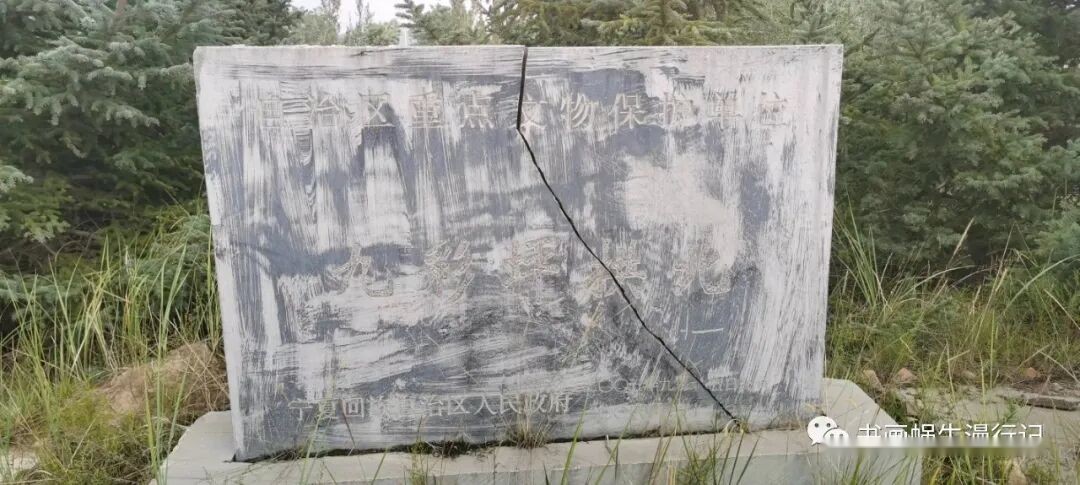
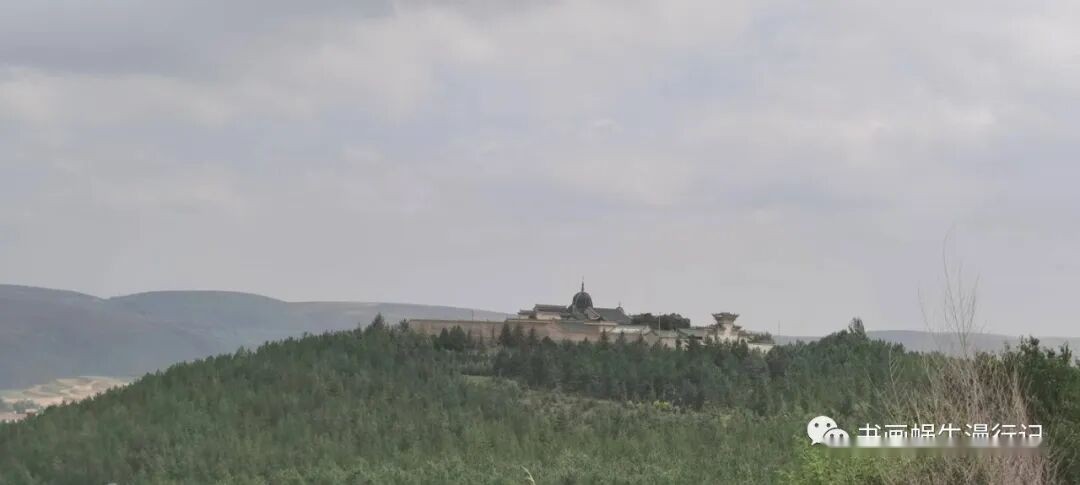
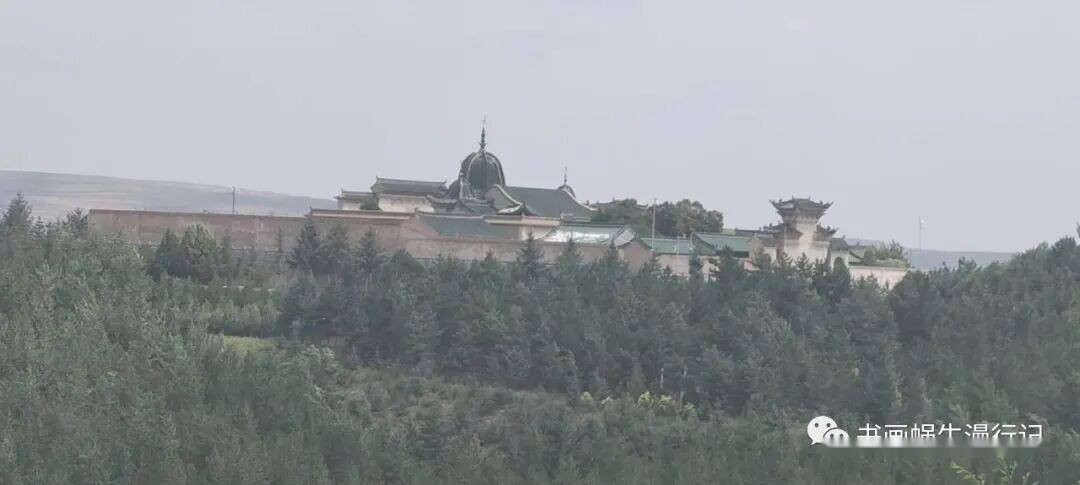
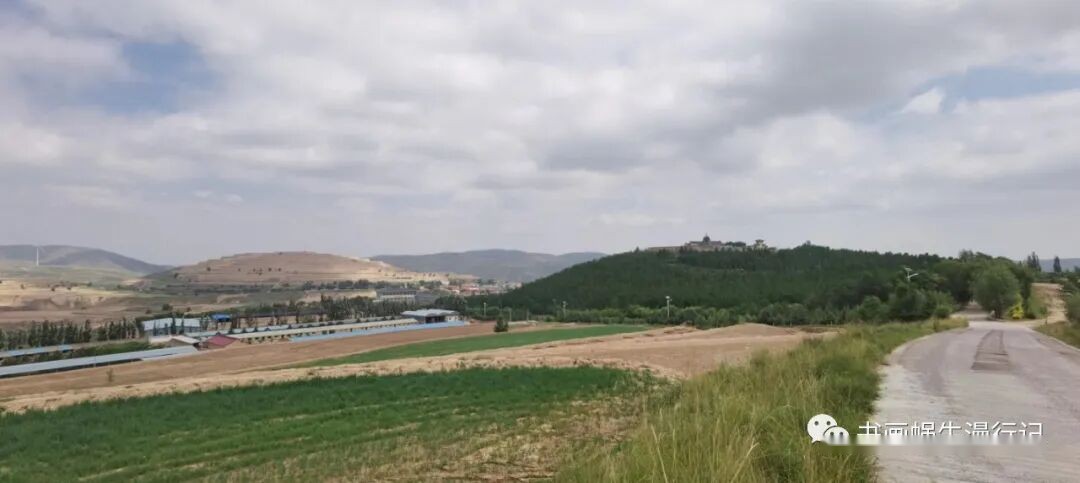
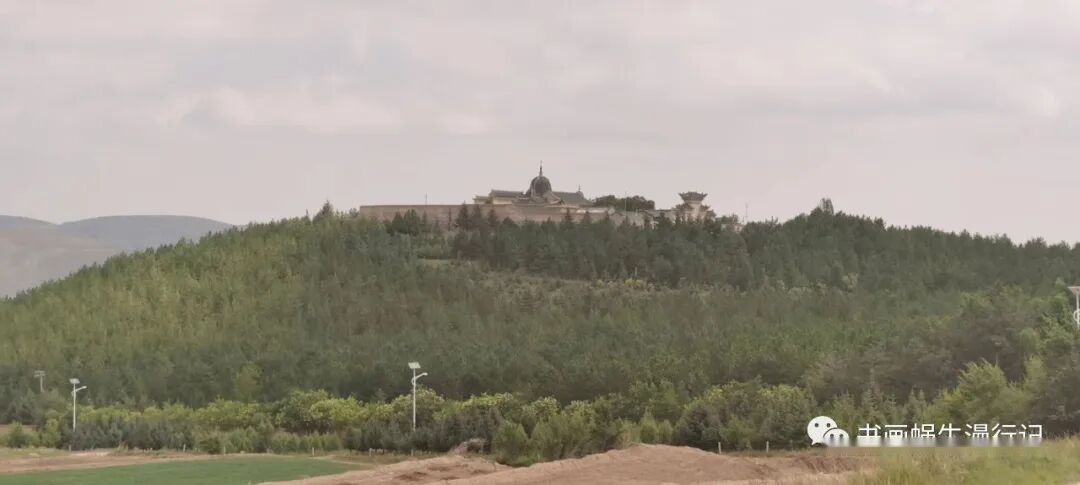
Perched on a small hill in Haiyuan County, Jiucaiping Gongbei is a majestic mausoleum complex housing sixteen Sufi masters. According to local Hui Muslims, it boasts a history spanning a thousand years. The name "Jiucaiping" (Nine Colors Terrace) comes from the legend that the site was surveyed nine times before the final resting place was chosen.
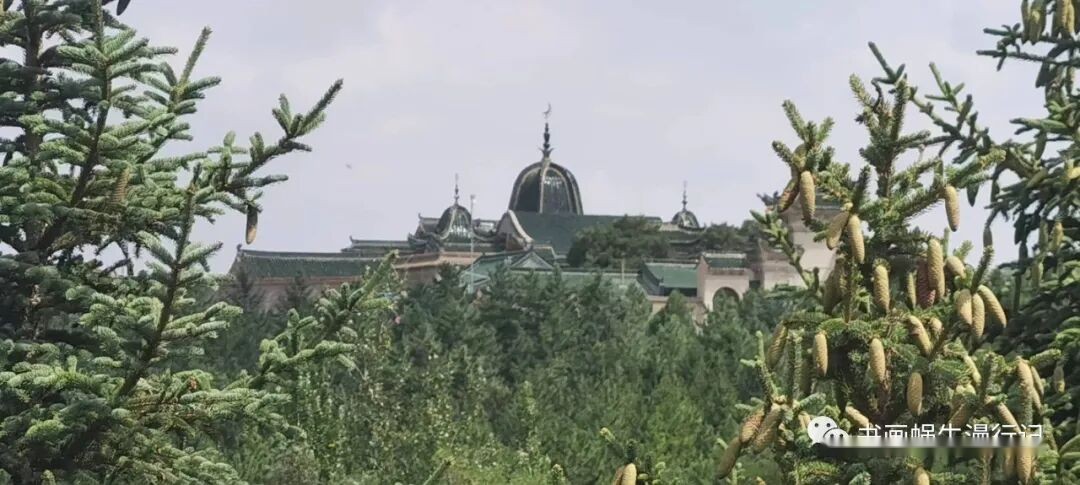
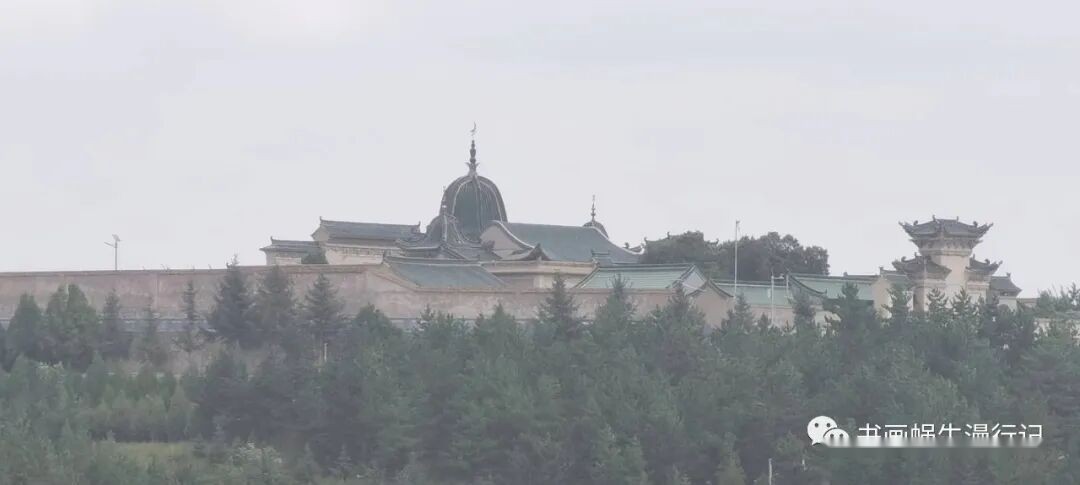
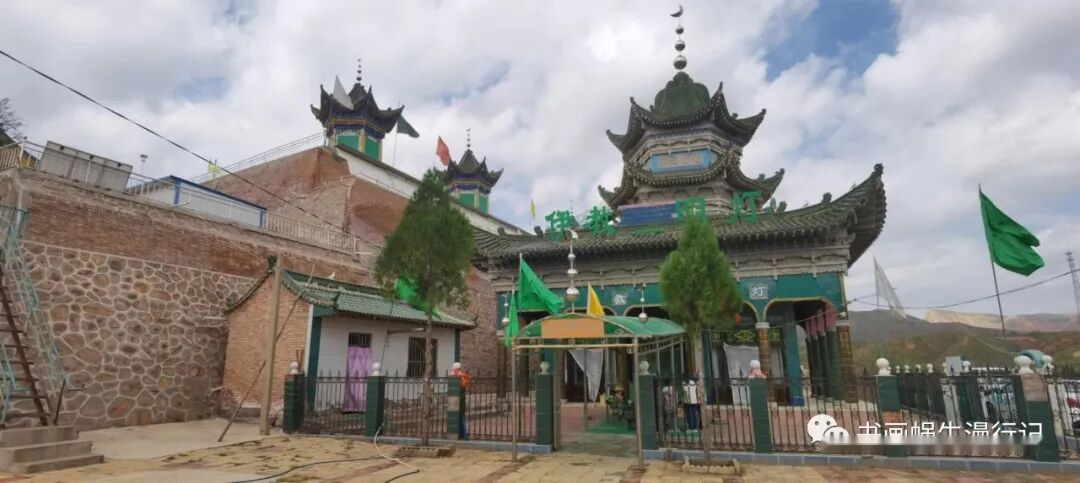
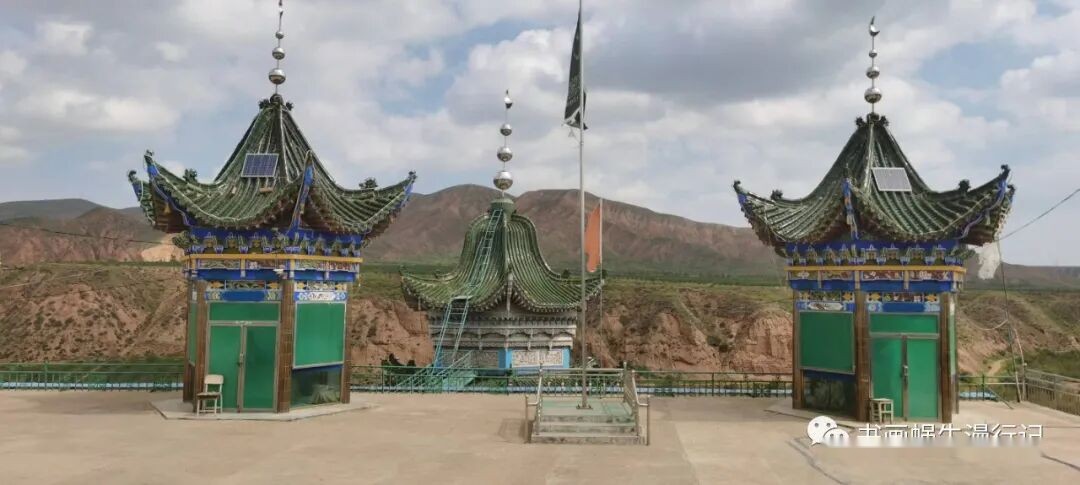
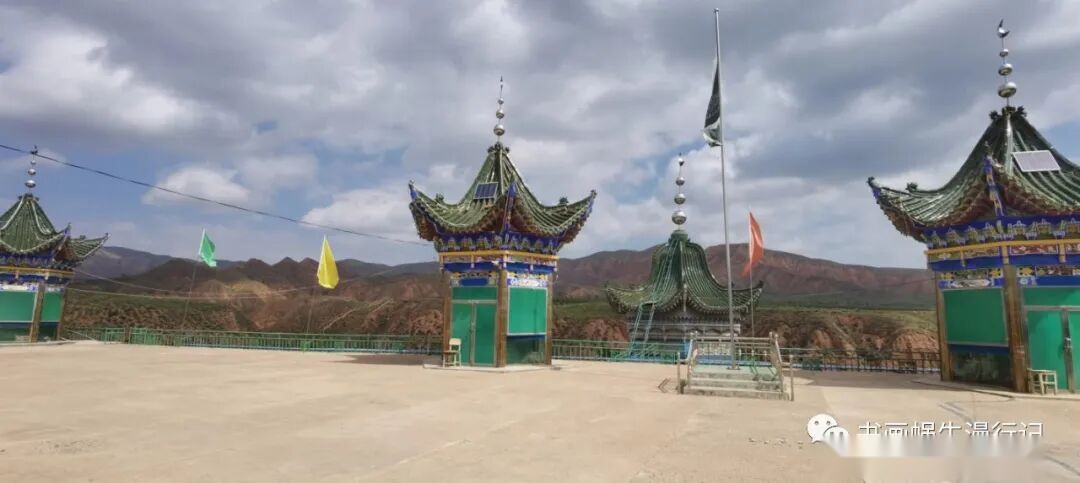
The architecture of the gongbei is breathtakingly ornate, featuring emerald-green tiled domes and exquisite craftsmanship, all tucked away amidst lush groves of trees.
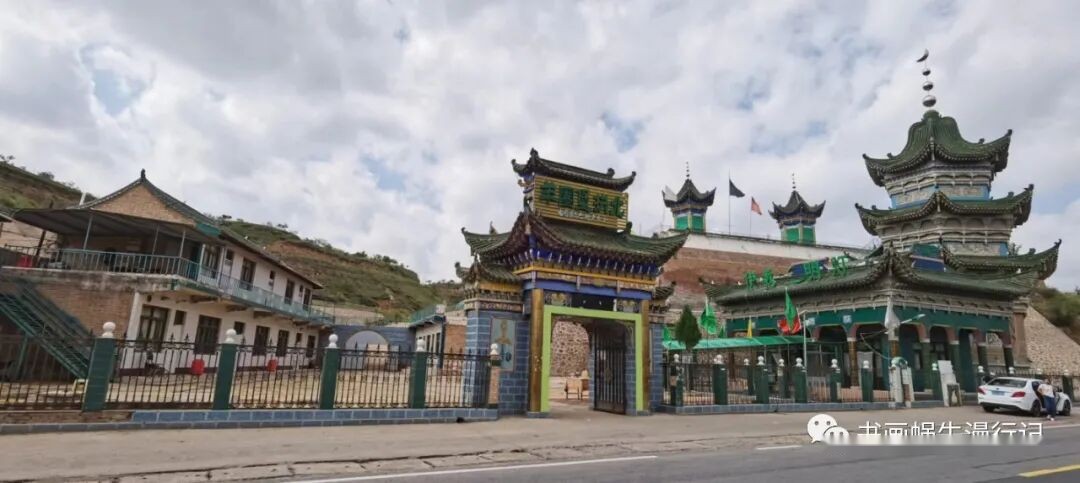
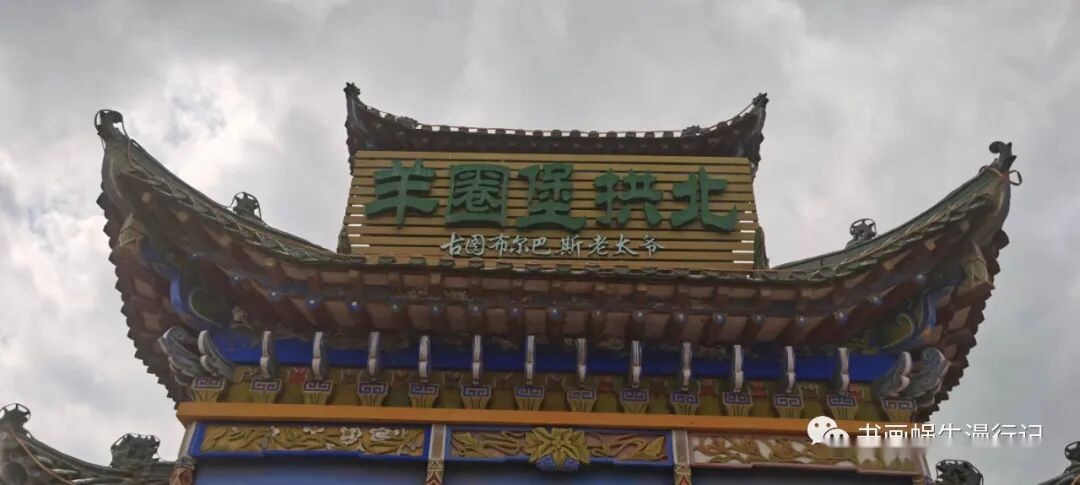
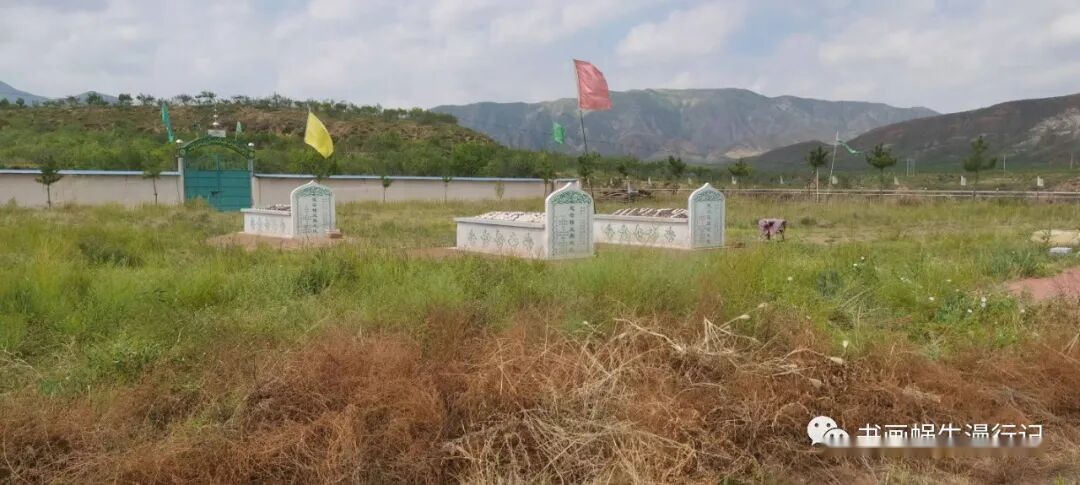
Along the way, we also stumbled upon a smaller shrine: the Yangquanbao Gongbei. Though modest in size, it boasts striking and distinct architectural details.
Dislike

Wandering Through Jiucaiping Gongbei in Haiyuan County: Sufi Domes and Northwest Vibes Beneath the Ming Great Wall Beacons
Abstract:
A visual and travel diary documenting a journey to Jiucaiping Gongbei in Haiyuan County, Ningxia. Explore Islamic domed architecture set against the vast Loess Plateau and ancient Ming Great Wall ruins, while diving into the architectural design of gongbei (Sufi shrine / mausoleum complex) and the deep-rooted devotion of Hui Muslims honoring their spiritual ancestors.
August 20, 2022 | Jiucaiping Gongbei, Haiyuan County
The word gongbei comes from the Arabic for "dome," and over time it came to refer to the round structures built over mosques or the tombs of Sufi masters.
In Ningxia, gongbei refers specifically to the mausoleums of masters from the Qadiriyya and Jahriyya menhuan (Sufi orders / brotherhoods), serving as sacred spaces where Hui Muslims gather to honor ancestors and practice their faith.
Perched on a small hill in Haiyuan County, Jiucaiping Gongbei is a majestic mausoleum complex housing sixteen Sufi masters. According to local Hui Muslims, it boasts a history spanning a thousand years. The name "Jiucaiping" (Nine Colors Terrace) comes from the legend that the site was surveyed nine times before the final resting place was chosen.
The architecture of the gongbei is breathtakingly ornate, featuring emerald-green tiled domes and exquisite craftsmanship, all tucked away amidst lush groves of trees.
Along the way, we also stumbled upon a smaller shrine: the Yangquanbao Gongbei. Though modest in size, it boasts striking and distinct architectural details.
Dislike
