
Exploring Ningxia Muslim Heritage: Ancient Mosques, Sufi Gongbei & Hui Culture
[Internet Repost]
Tracing Muslim Roots in Northern China: The Traditional Architecture and Mountain Retreat Memories of Laorengou Gongbei
Abstract:
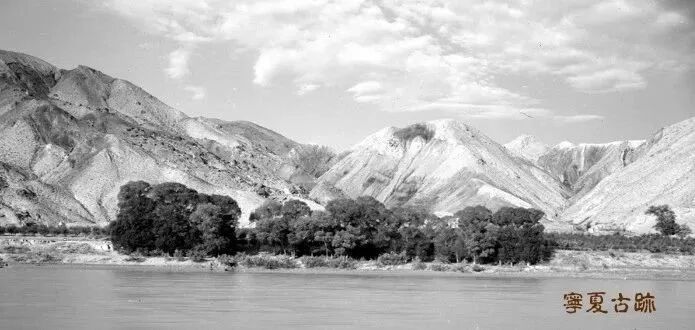
Visiting Laorengou Gongbei, hidden deep within the mountain canyons of Ningxia. Set to the evocative tunes of classical silk-and-bamboo melodies, we capture the traditional blue-brick and gray-tile mausoleum architecture against vast, earthy loess mountain ranges, documenting the tranquil atmosphere of the spiritual legacies and ascetic hermitages left by Northwest China's Muslim forebears.
Selected from Minoru Miki's 'Koto Ballads Collection Vol. 4 - Autumn / Akemi Yamada': Coming from the East (Live Recording, Performed by Suzuko Kimura). Minoru Miki: Japanese composer and master of Japanese traditional music, born on March 16, 1930, in Tokushima City, Tokushima Prefecture. He studied composition under seniors like Tomojiro Ikeuchi and Akira Ifukube, co-founded Pro Musica Nipponia with fourteen members in 1964, and dedicated his life to developing and spreading Japanese traditional music until his passing in 2011 in Mitaka City, Tokyo. Japanese Koto: An important traditional instrument of Japanese music, originating from the guzheng of China's Sui and Tang dynasties. Early koto players were predominantly blind monks, branching into the Yamada and Ikuta schools. In modern times, koto players are mainly professional artists........
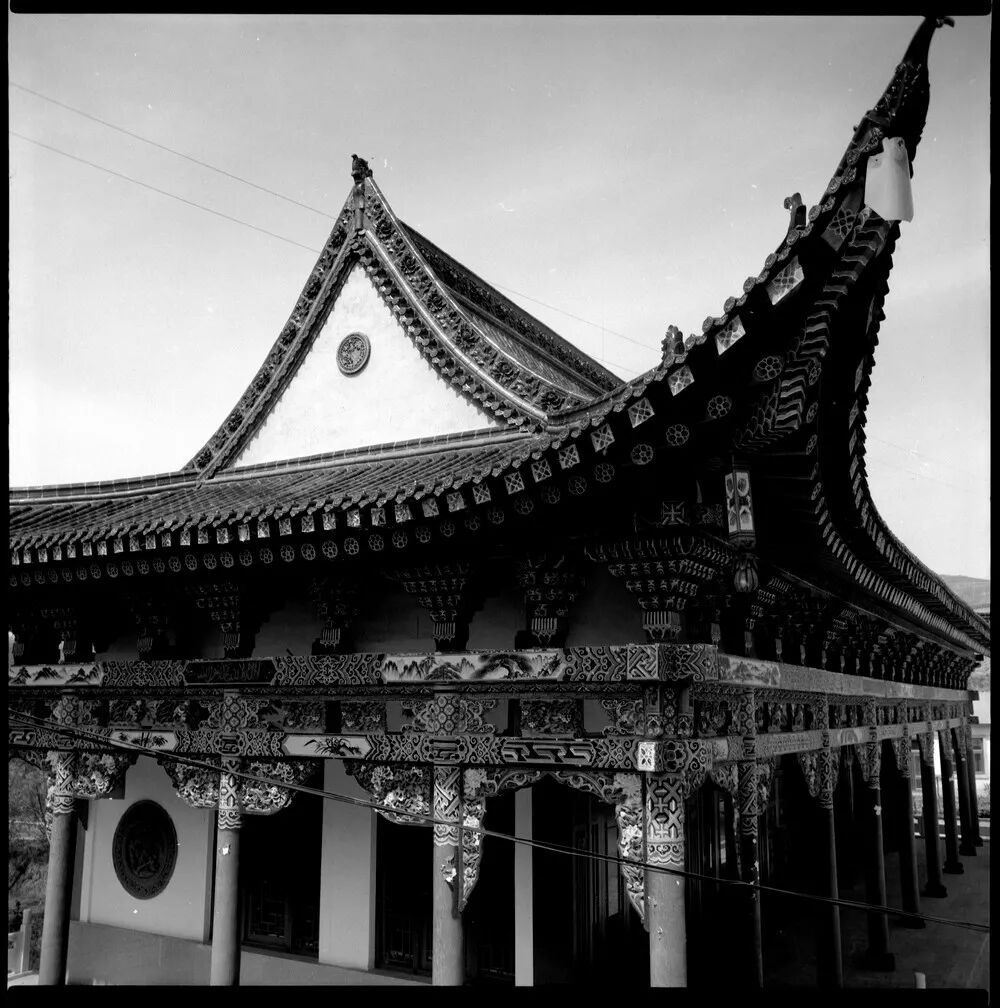
The term 'gongbei' is a transliteration of the Arabic word Qubbah, originally referring to religious architectural styles in Arab, Persian, and Central Asian regions. In Central Asia, Persia, and China's Xinjiang region, they are known as 'mazar'. Ningxia gongbei architecture mainly falls into three categories: Gutubu gongbei, where 'Gutubu' means axis, extreme point, or leader, considered a special 'Wali' hidden among humanity and an important figure beloved by Allah; Menhuan Laorenjia and Murshed gongbei, where the founders and spiritual guides of Sufi orders are generally called 'Laorenjia' (Elder), 'Daozu' (Patriarch), or 'Murshed' (Guide); and Hailifan gongbei, where 'Hailifan' means successor, referring to the senior disciples, successors, or deputies of the Murshed. There are also a few other types of gongbei. The gongbei is a primary religious characteristic of Ningxia's Sufi orders and an important cultural heritage of the Hui people in Ningxia.
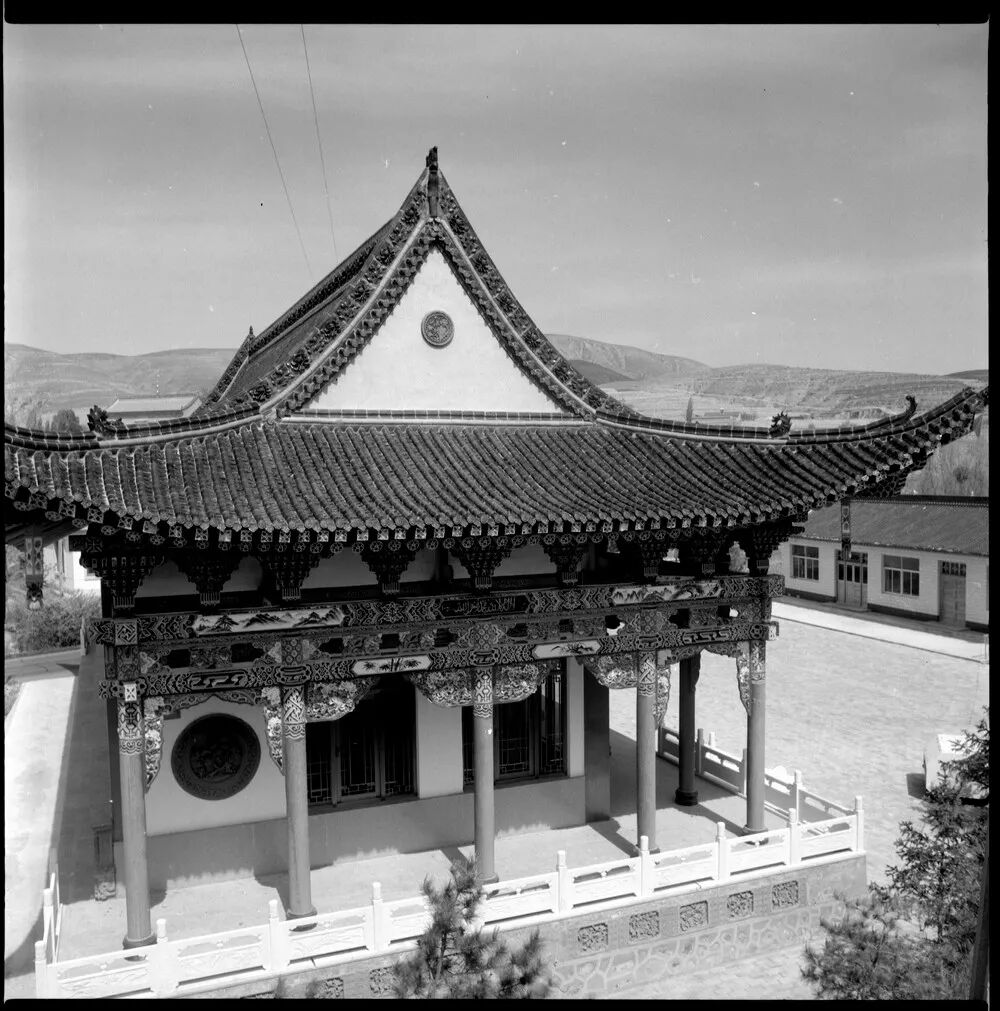
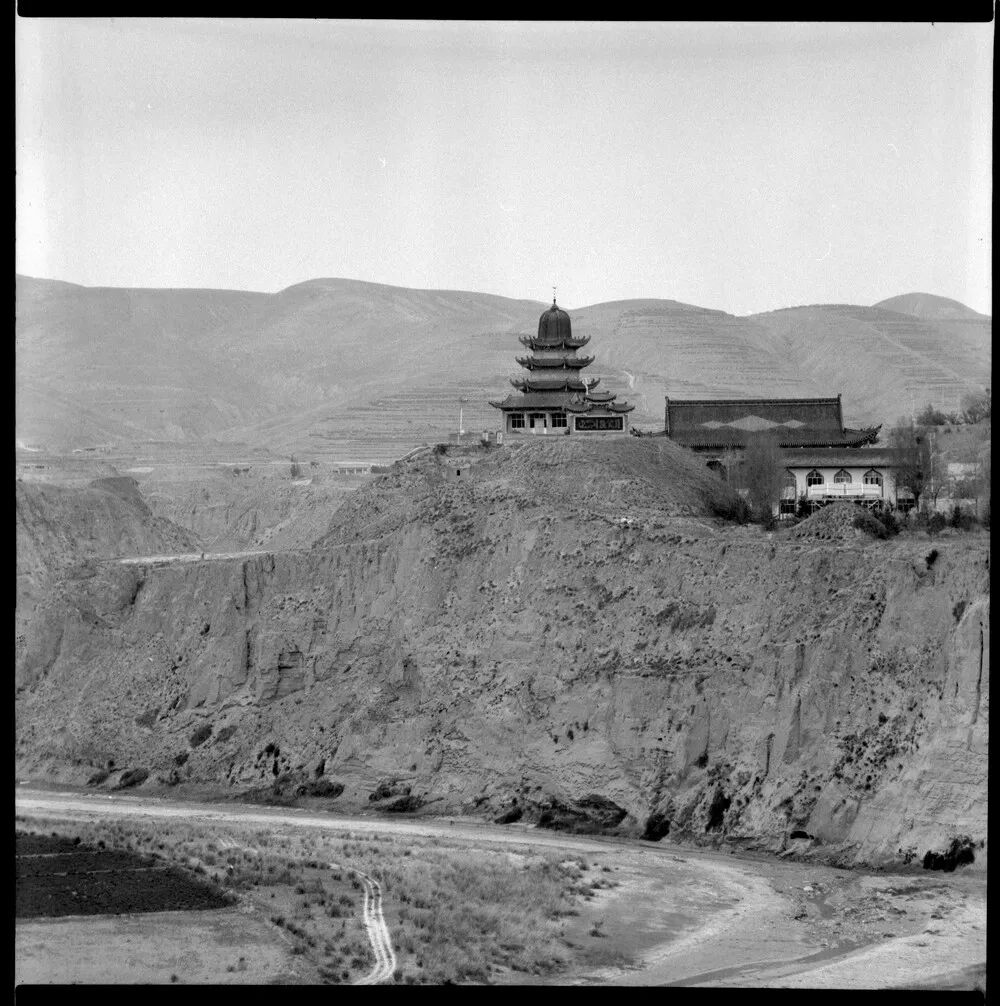
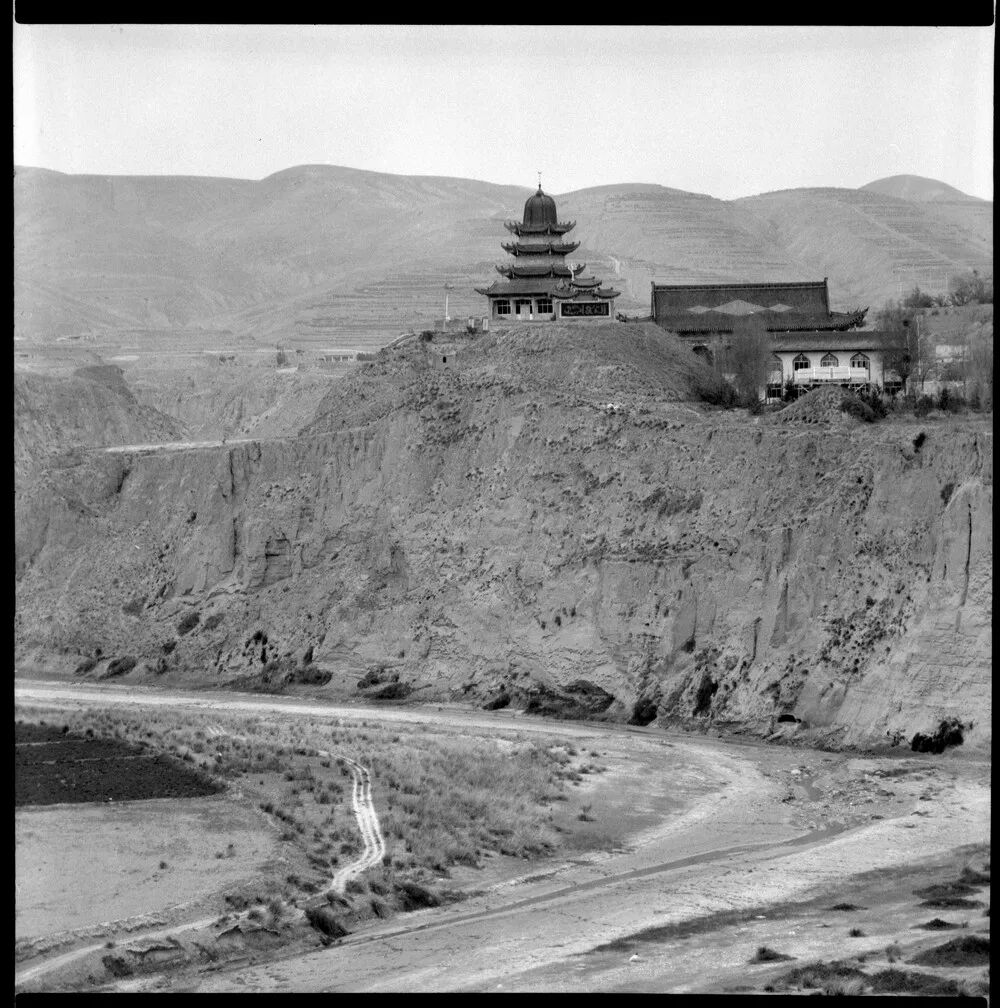
Laorengou Gongbei is located near Nanping Village, alongside National Highway 203 in Yuanzhou District, Guyuan City, Ningxia. With a long and ancient history, it is very likely the oldest gongbei in Ningxia, and was rebuilt in the 1990s.
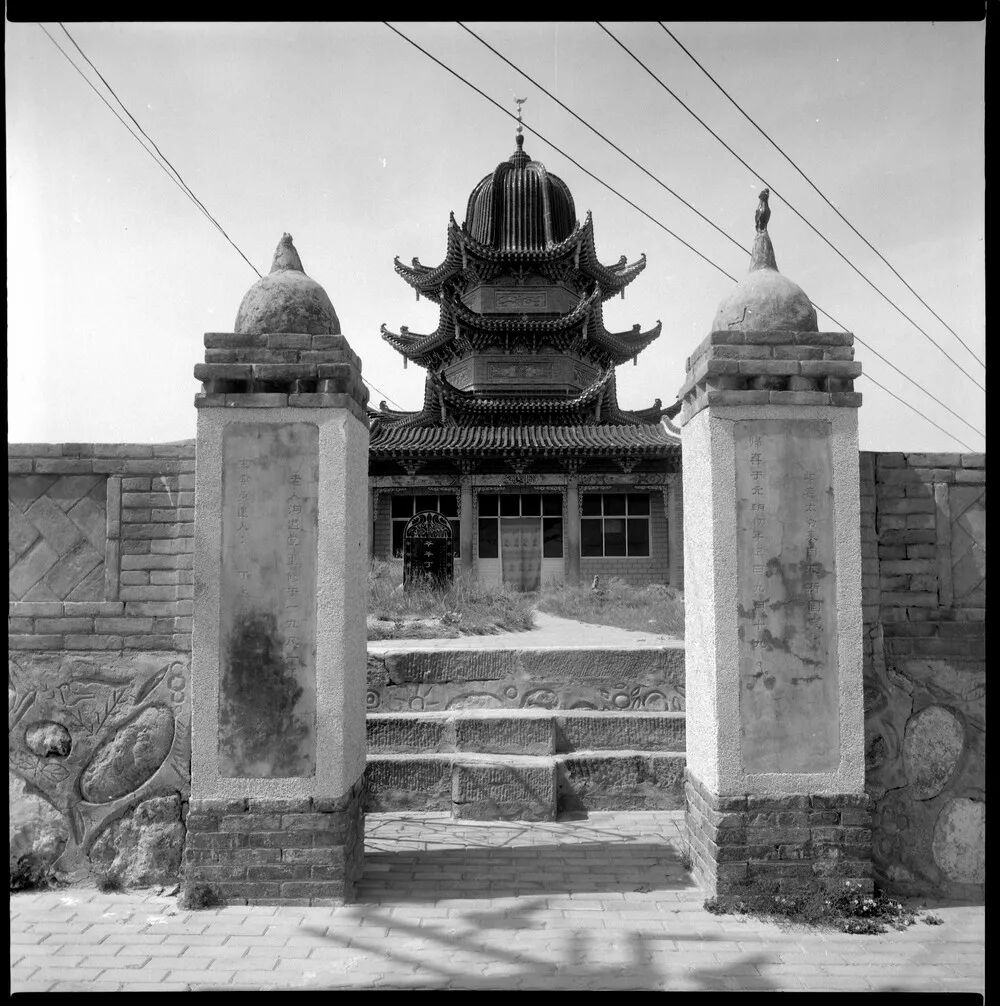
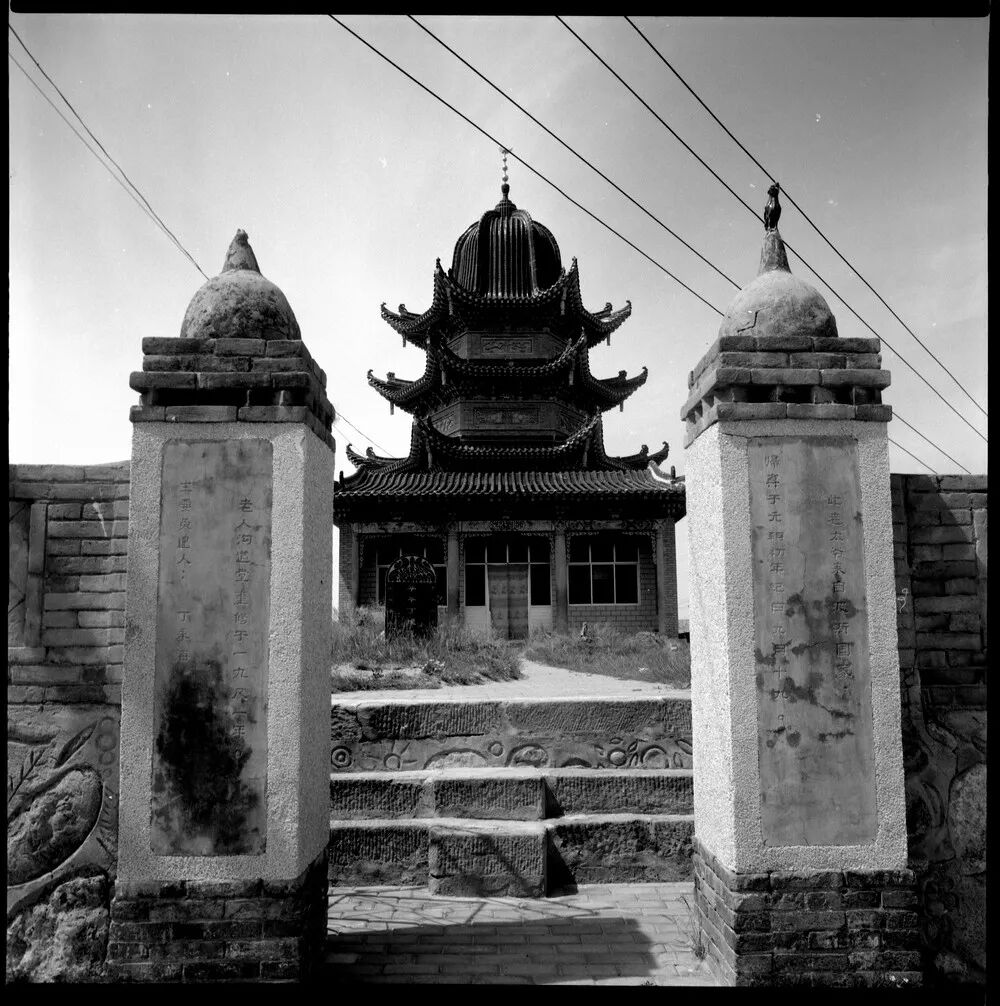
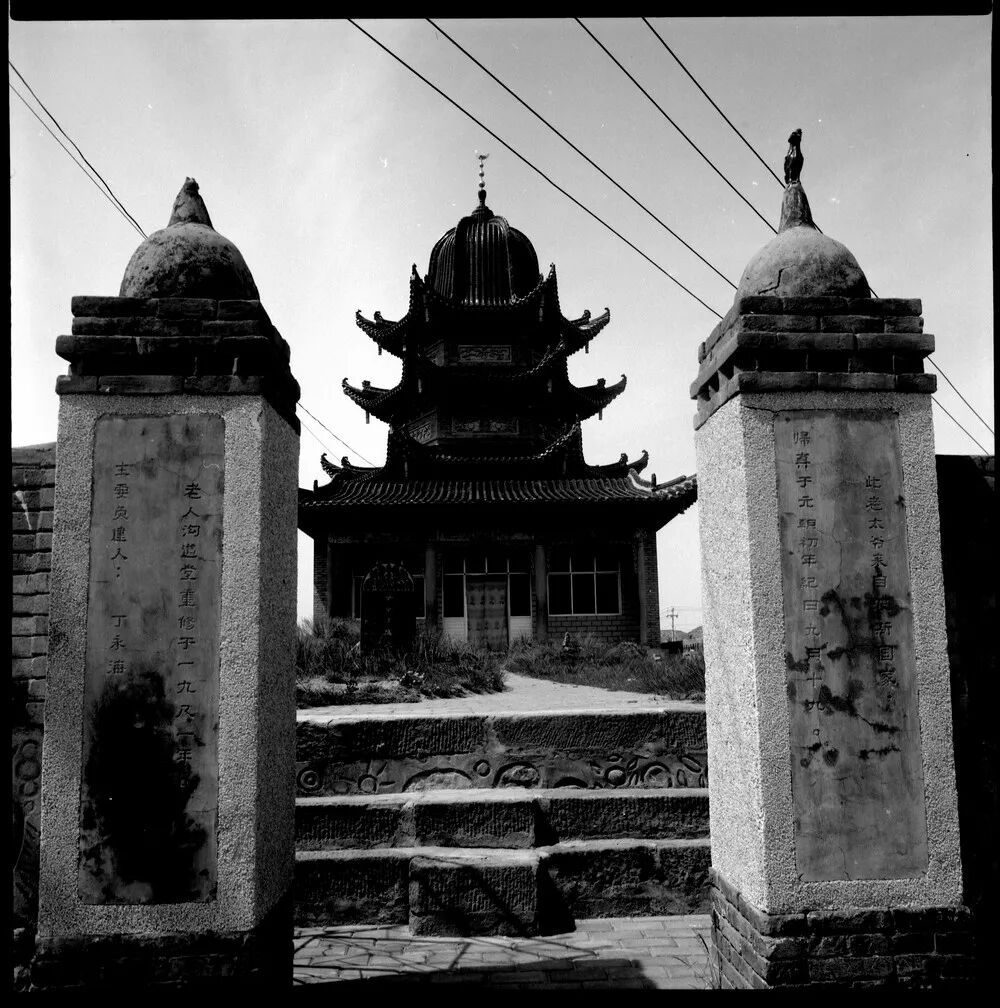
Excerpts from the stele inscription at the ancient Gutubu Gongbei in Laorengou are recorded by hand as follows:
......
II. Spiritual Trajectory
Through the changing tides of time, the ancient Gutubu Gongbei at Laorengou has weathered immense hardships, with devoted 'dostans' (companions/followers) performing moving stories to protect this sacred spiritual sanctuary. Once upon a time, countless dedicated individuals tirelessly worked to repair and purify this holy ground, with Ding Sheh standing out foremost among the most meritorious contributors. Sheh, whose surname was Ding and personal name Yonghai, was born in 1947 and passed away on the 25th day of the 11th lunar month in 2004. Since childhood, Sheh studied religious texts, and by his teens, he devoted himself wholeheartedly to the faith, working day and night without sleep. He journeyed to the tombs of numerous sages and repeatedly sought out renowned masters to absorb the essence of their teachings. Guided by religious teachers, he underwent multiple sessions of 'zuojing' (silent meditation and retreat), clearing his mind, sharpening his resolve, wisdom, and insight to truly grasp the divine truths. He constantly sought to transcend the mundane and undergo a profound spiritual rebirth. Throughout his self-cultivation, he especially benefited from the spiritual guidance of the elder masters, holding them in lifelong reverence and guarding them like the apples of his eyes. He spent forty years repeatedly repairing the gongbei, often single-handedly undertaking difficult tasks in pursuit of perfection. Hauling stones up steep, isolated hills to build walls was a staggering challenge; carrying construction materials to the top of Yangjiao Mountain to pave roads required superhuman willpower. Yet even more demanding was the construction of the present gongbei, carried out during times of extreme shortage of funds and food; working at dangerous heights with his life hanging on the scaffolding beams; Sheh stood alone and carried the burden through grueling days and nights. Finally, on the 19th day of the 9th lunar month in 2004, the grand project was successfully completed, bringing immense relief to his heart. Having exhausted his physical and mental energy, Sheh fell seriously ill from overwork. Just over two months after the completion of his monumental work, he passed away to join the forebears, his heart returning to Allah.
......
Shot using a Mamaiya C330 Sekor lens on black-and-white film, with self-developed negatives scanned directly into digital files
Note: Traditional photography captures clear images by letting external light pass through a lens onto the flat film surface inside a sealed camera back. When exposed, the image transforms into a silver halide latent image. Developing chemicals are then used to wash and clear the silver halide particles, reducing the latent image back into silver particles on the film, creating the original negative. To produce a print, the silver salt particles on the negative are projected via an enlarger system onto photographic paper in a darkroom.
The charm of black-and-white film remains irreplaceable by any digital equipment since the birth of photography. The wide exposure latitude of black-and-white film is significantly superior to color film. Using different darkroom techniques, silver-salt works with rich tonal ranges, soft contrasts, and sharp details can be created. Today's digitally output large-format black-and-white photos still fall quite short in detail compared to traditional silver-salt works. Darkroom craftsmanship is unrepeatable, and every single photograph made is unique—which is precisely where its magic lies.
Tracing Muslim Roots in Northern China: The Traditional Architecture and Mountain Retreat Memories of Laorengou Gongbei
Abstract:
Visiting Laorengou Gongbei, hidden deep within the mountain canyons of Ningxia. Set to the evocative tunes of classical silk-and-bamboo melodies, we capture the traditional blue-brick and gray-tile mausoleum architecture against vast, earthy loess mountain ranges, documenting the tranquil atmosphere of the spiritual legacies and ascetic hermitages left by Northwest China's Muslim forebears.
Selected from Minoru Miki's 'Koto Ballads Collection Vol. 4 - Autumn / Akemi Yamada': Coming from the East (Live Recording, Performed by Suzuko Kimura). Minoru Miki: Japanese composer and master of Japanese traditional music, born on March 16, 1930, in Tokushima City, Tokushima Prefecture. He studied composition under seniors like Tomojiro Ikeuchi and Akira Ifukube, co-founded Pro Musica Nipponia with fourteen members in 1964, and dedicated his life to developing and spreading Japanese traditional music until his passing in 2011 in Mitaka City, Tokyo. Japanese Koto: An important traditional instrument of Japanese music, originating from the guzheng of China's Sui and Tang dynasties. Early koto players were predominantly blind monks, branching into the Yamada and Ikuta schools. In modern times, koto players are mainly professional artists........
The term 'gongbei' is a transliteration of the Arabic word Qubbah, originally referring to religious architectural styles in Arab, Persian, and Central Asian regions. In Central Asia, Persia, and China's Xinjiang region, they are known as 'mazar'. Ningxia gongbei architecture mainly falls into three categories: Gutubu gongbei, where 'Gutubu' means axis, extreme point, or leader, considered a special 'Wali' hidden among humanity and an important figure beloved by Allah; Menhuan Laorenjia and Murshed gongbei, where the founders and spiritual guides of Sufi orders are generally called 'Laorenjia' (Elder), 'Daozu' (Patriarch), or 'Murshed' (Guide); and Hailifan gongbei, where 'Hailifan' means successor, referring to the senior disciples, successors, or deputies of the Murshed. There are also a few other types of gongbei. The gongbei is a primary religious characteristic of Ningxia's Sufi orders and an important cultural heritage of the Hui people in Ningxia.
Laorengou Gongbei is located near Nanping Village, alongside National Highway 203 in Yuanzhou District, Guyuan City, Ningxia. With a long and ancient history, it is very likely the oldest gongbei in Ningxia, and was rebuilt in the 1990s.
Excerpts from the stele inscription at the ancient Gutubu Gongbei in Laorengou are recorded by hand as follows:
......
II. Spiritual Trajectory
Through the changing tides of time, the ancient Gutubu Gongbei at Laorengou has weathered immense hardships, with devoted 'dostans' (companions/followers) performing moving stories to protect this sacred spiritual sanctuary. Once upon a time, countless dedicated individuals tirelessly worked to repair and purify this holy ground, with Ding Sheh standing out foremost among the most meritorious contributors. Sheh, whose surname was Ding and personal name Yonghai, was born in 1947 and passed away on the 25th day of the 11th lunar month in 2004. Since childhood, Sheh studied religious texts, and by his teens, he devoted himself wholeheartedly to the faith, working day and night without sleep. He journeyed to the tombs of numerous sages and repeatedly sought out renowned masters to absorb the essence of their teachings. Guided by religious teachers, he underwent multiple sessions of 'zuojing' (silent meditation and retreat), clearing his mind, sharpening his resolve, wisdom, and insight to truly grasp the divine truths. He constantly sought to transcend the mundane and undergo a profound spiritual rebirth. Throughout his self-cultivation, he especially benefited from the spiritual guidance of the elder masters, holding them in lifelong reverence and guarding them like the apples of his eyes. He spent forty years repeatedly repairing the gongbei, often single-handedly undertaking difficult tasks in pursuit of perfection. Hauling stones up steep, isolated hills to build walls was a staggering challenge; carrying construction materials to the top of Yangjiao Mountain to pave roads required superhuman willpower. Yet even more demanding was the construction of the present gongbei, carried out during times of extreme shortage of funds and food; working at dangerous heights with his life hanging on the scaffolding beams; Sheh stood alone and carried the burden through grueling days and nights. Finally, on the 19th day of the 9th lunar month in 2004, the grand project was successfully completed, bringing immense relief to his heart. Having exhausted his physical and mental energy, Sheh fell seriously ill from overwork. Just over two months after the completion of his monumental work, he passed away to join the forebears, his heart returning to Allah.
......
Shot using a Mamaiya C330 Sekor lens on black-and-white film, with self-developed negatives scanned directly into digital files
Note: Traditional photography captures clear images by letting external light pass through a lens onto the flat film surface inside a sealed camera back. When exposed, the image transforms into a silver halide latent image. Developing chemicals are then used to wash and clear the silver halide particles, reducing the latent image back into silver particles on the film, creating the original negative. To produce a print, the silver salt particles on the negative are projected via an enlarger system onto photographic paper in a darkroom.
The charm of black-and-white film remains irreplaceable by any digital equipment since the birth of photography. The wide exposure latitude of black-and-white film is significantly superior to color film. Using different darkroom techniques, silver-salt works with rich tonal ranges, soft contrasts, and sharp details can be created. Today's digitally output large-format black-and-white photos still fall quite short in detail compared to traditional silver-salt works. Darkroom craftsmanship is unrepeatable, and every single photograph made is unique—which is precisely where its magic lies.
