
Exploring Tongxin Great Mosque: A Masterpiece of Chinese Timberwork and Islamic Heritage in Ningxia
[Internet Repost]
Exploring Tongxin Great Mosque: A National-Level Historic Monument Blending Song-Ming Timber Architecture with Islamic Spirit

Abstract:
A firsthand look inside the Tongxin Great Mosque, a hidden gem tucked away in the mountainous southern region of Ningxia. We're breaking down its unique architecture—dating back to the late Yuan and early Ming dynasties, where traditional Chinese timber-framing meets Islamic arches and domes—giving you a taste of an uncrowded, highly sophisticated Northwest architectural treasure.
If you're looking for the oldest and best-preserved ancient mosque in the Ningxia Hui Autonomous Region, it's definitely the Tongxin Great Mosque in Tongxin County, Wuzhong City.
It was originally founded during the Yuan dynasty, starting out as a Tibetan Buddhist monastery. During the Yuan, Prince Anxi Anada (grandson of Kublai Khan) was raised by Muslim foster parents as a child and converted to Islam as an adult. When he was stationed in Ningxia, he led a massive following to convert to Islam as well. As a result, the original monastery gradually fell into disuse, and some parts were converted into a mosque.
On October 20, 1936, during the Red Army's Long March, the Shaan-Gan-Ning Yuhai County Hui Autonomous Representative Conference was held at the Tongxin Great Mosque, where the Shaan-Gan-Ning Yuhai County Hui Autonomous Government was elected and established. This site also serves as the former location of the founding assembly of that Hui autonomous government.
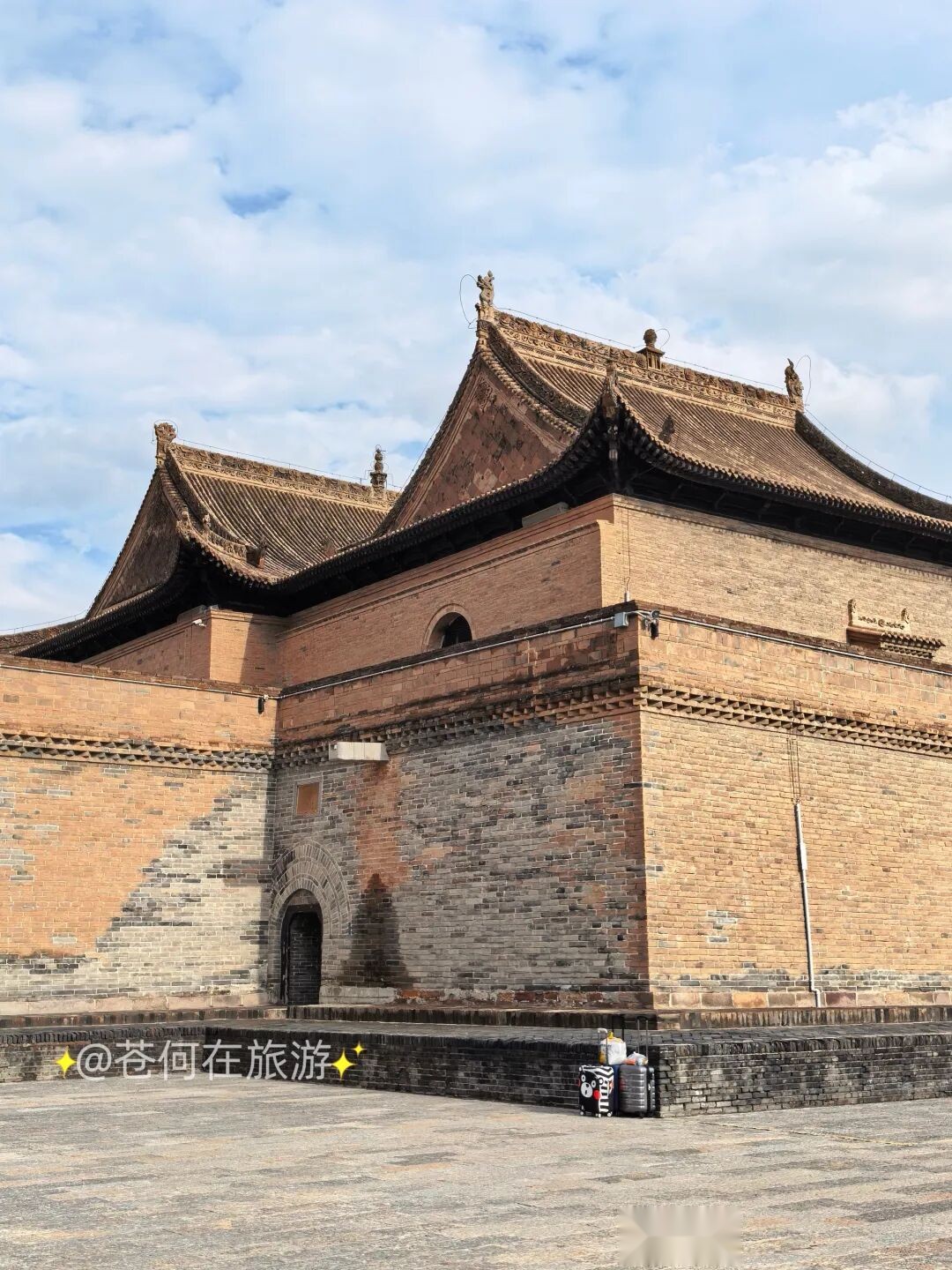
The Tongxin Great Mosque is built on a 7-meter-high platform enclosed by dark grey bricks, utilizing traditional Chinese timber-framing techniques while incorporating Islamic-style decorations, making it a stellar example of two cultures coming together.
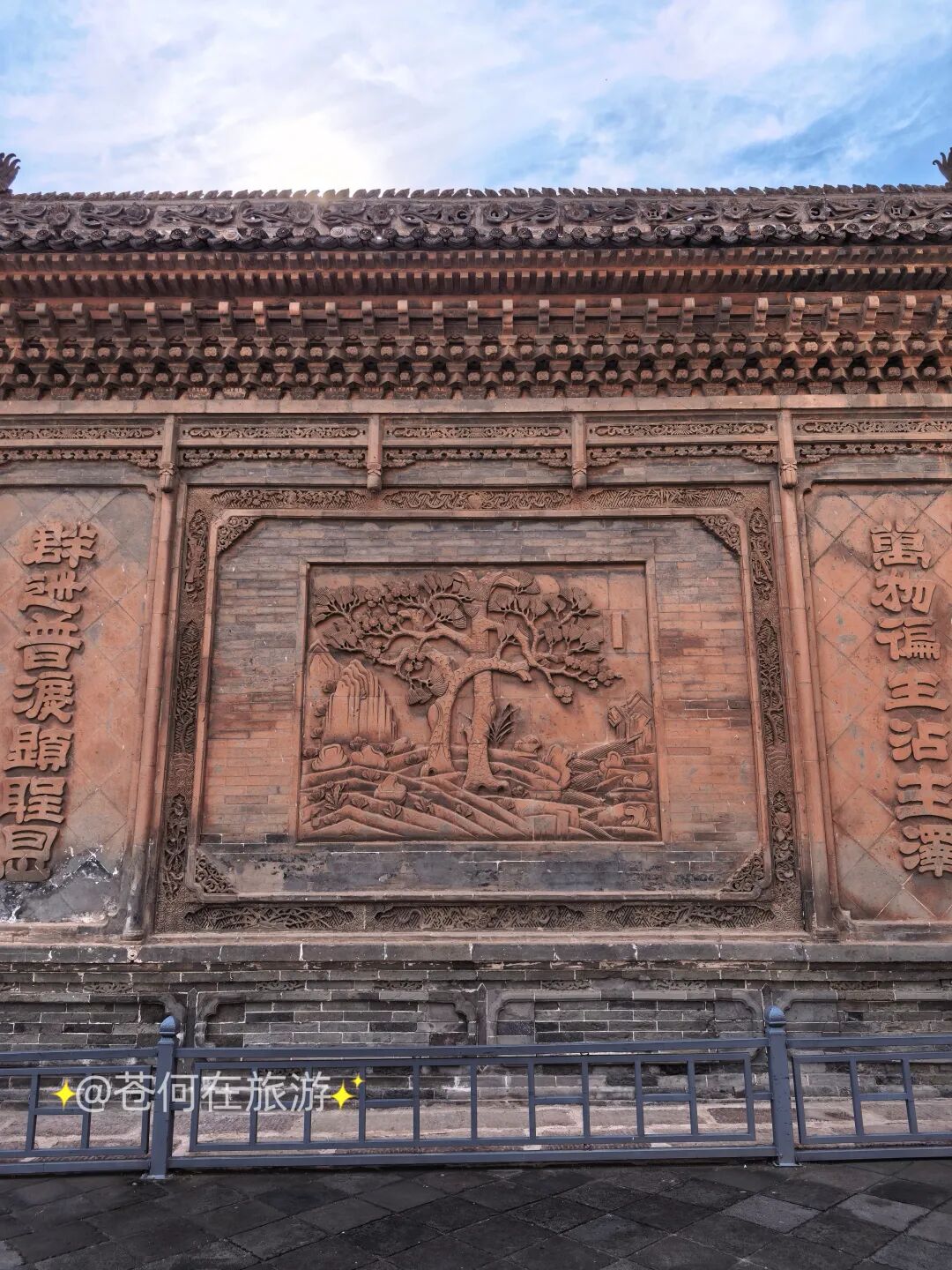
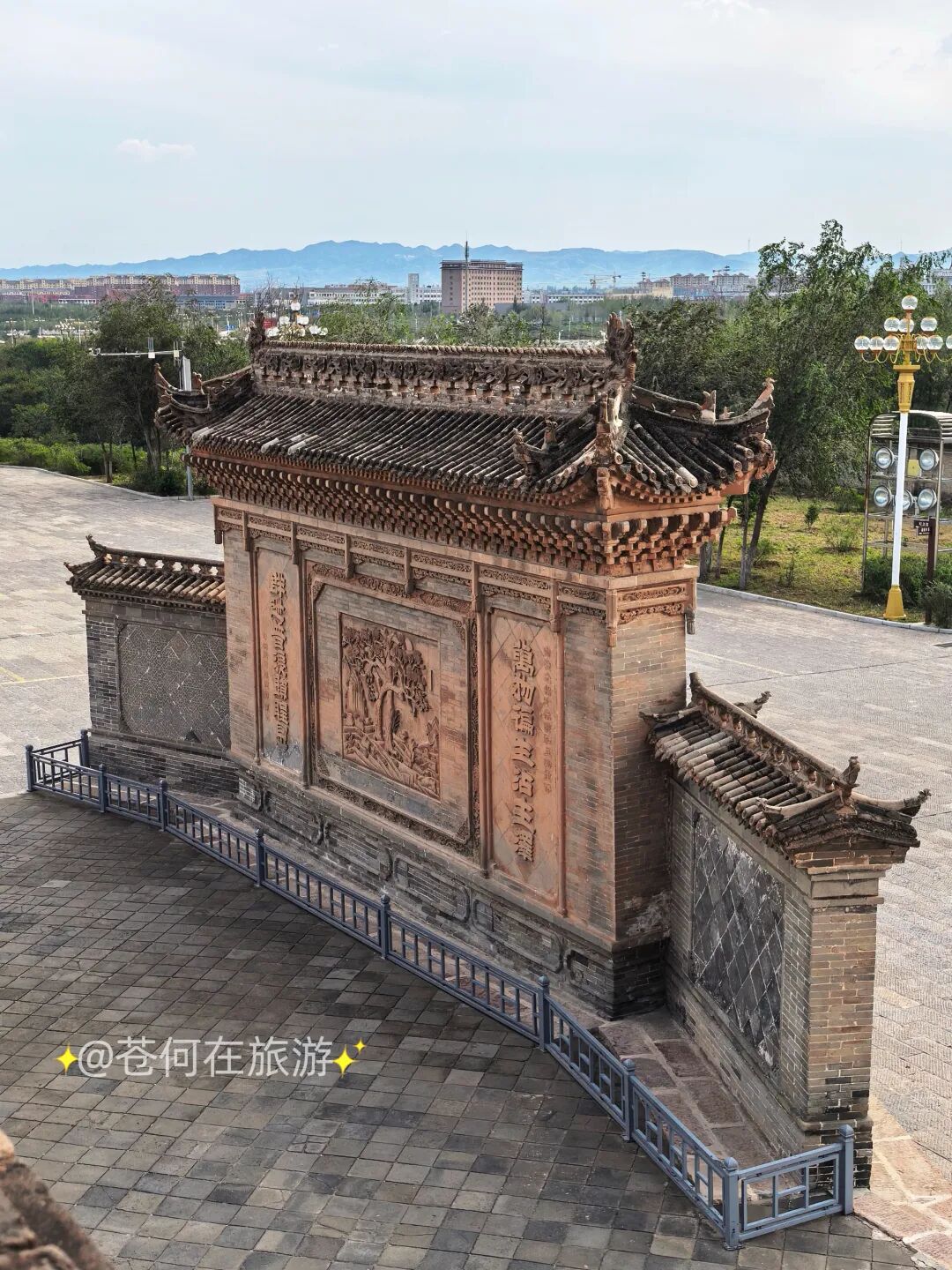
The dark brick spirit wall (zhaobi) in front of the mosque is a classic case in point. The front features the name 'Tongxin Great Mosque' written in both Chinese and Arabic script. The center of the back features a brick-carved 'Moon Hiding in the Pines' motif, flanked by couplets carved in official script (lishi) dating back to the Guangxu reign.
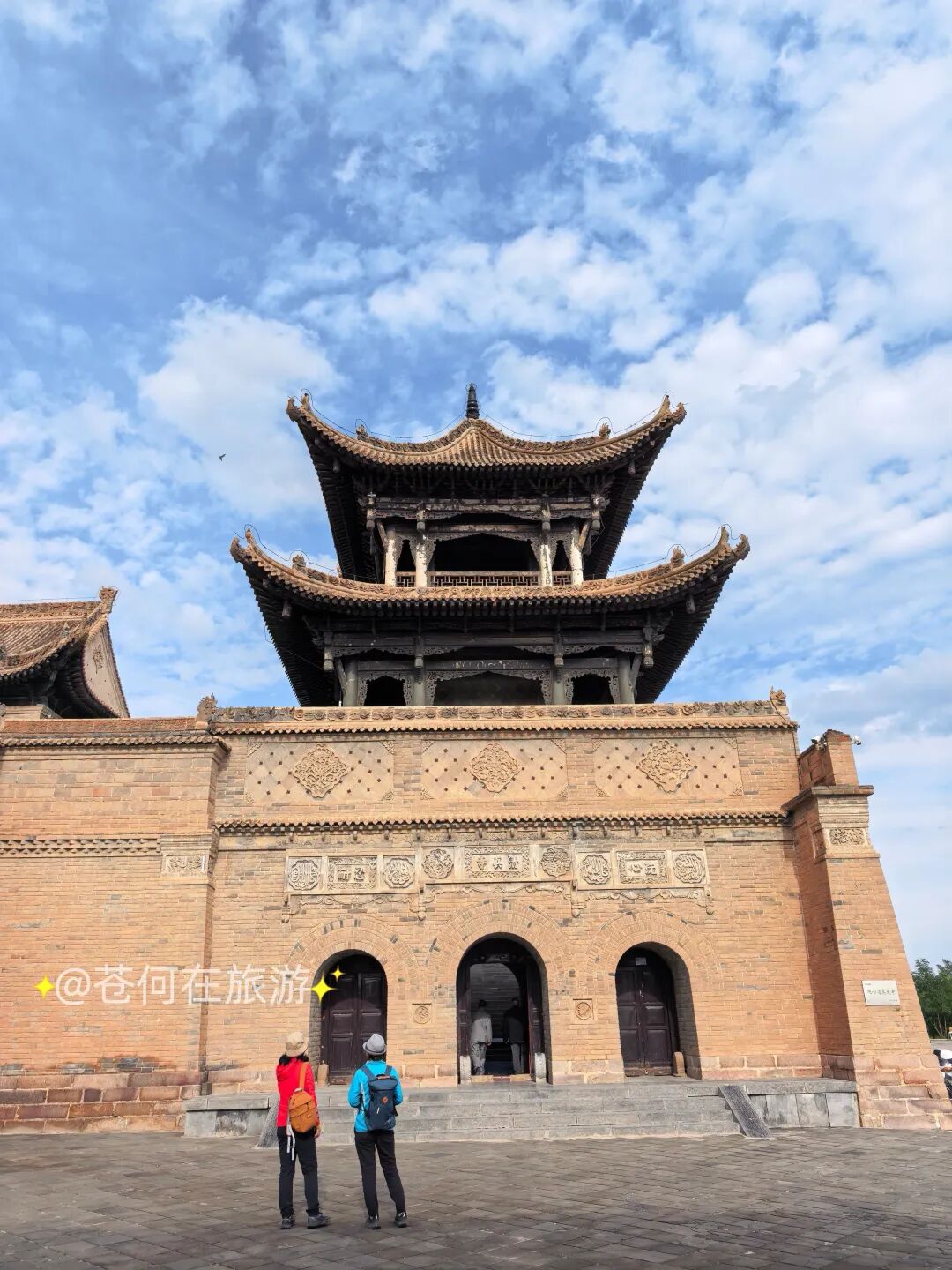
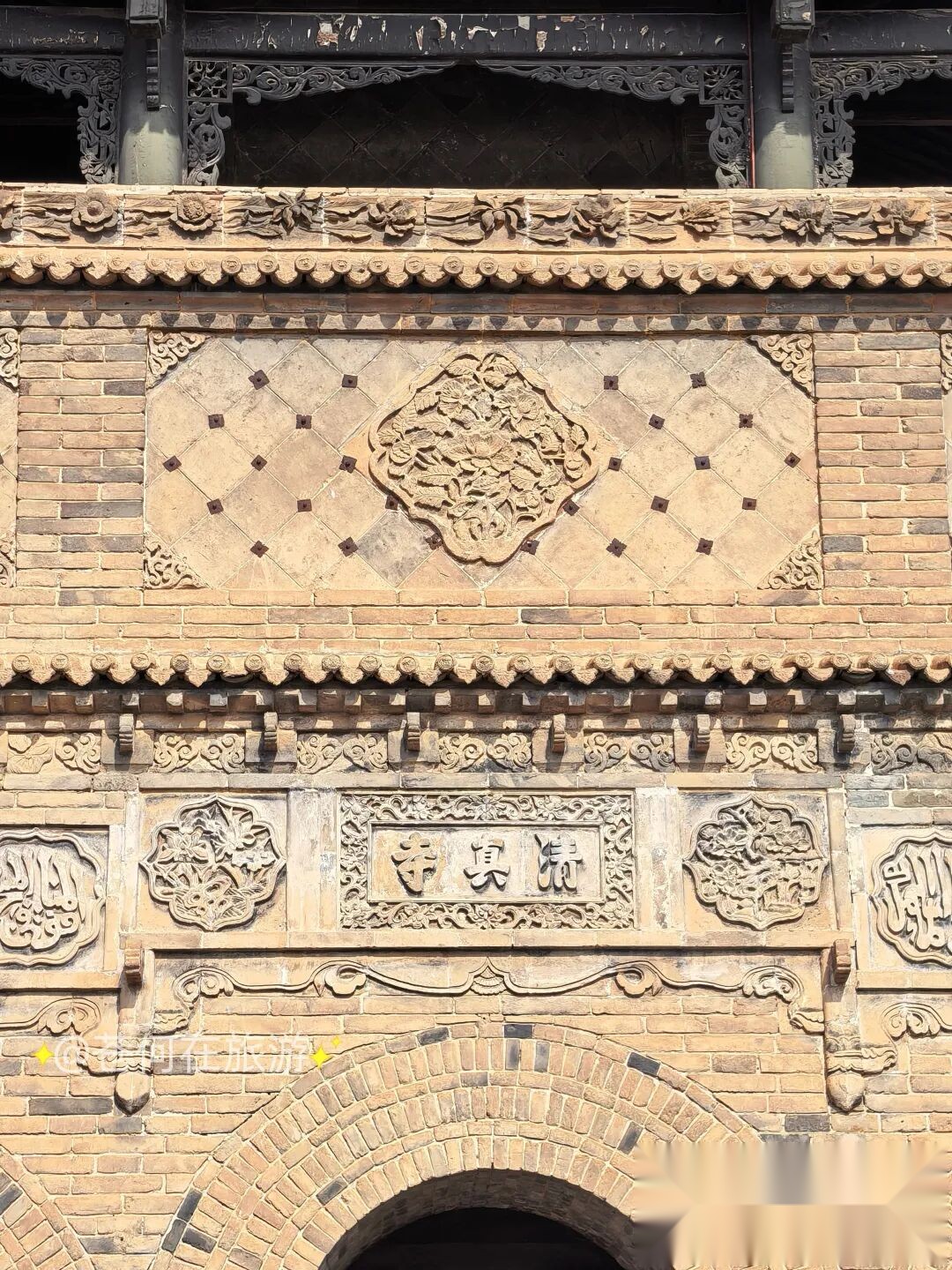
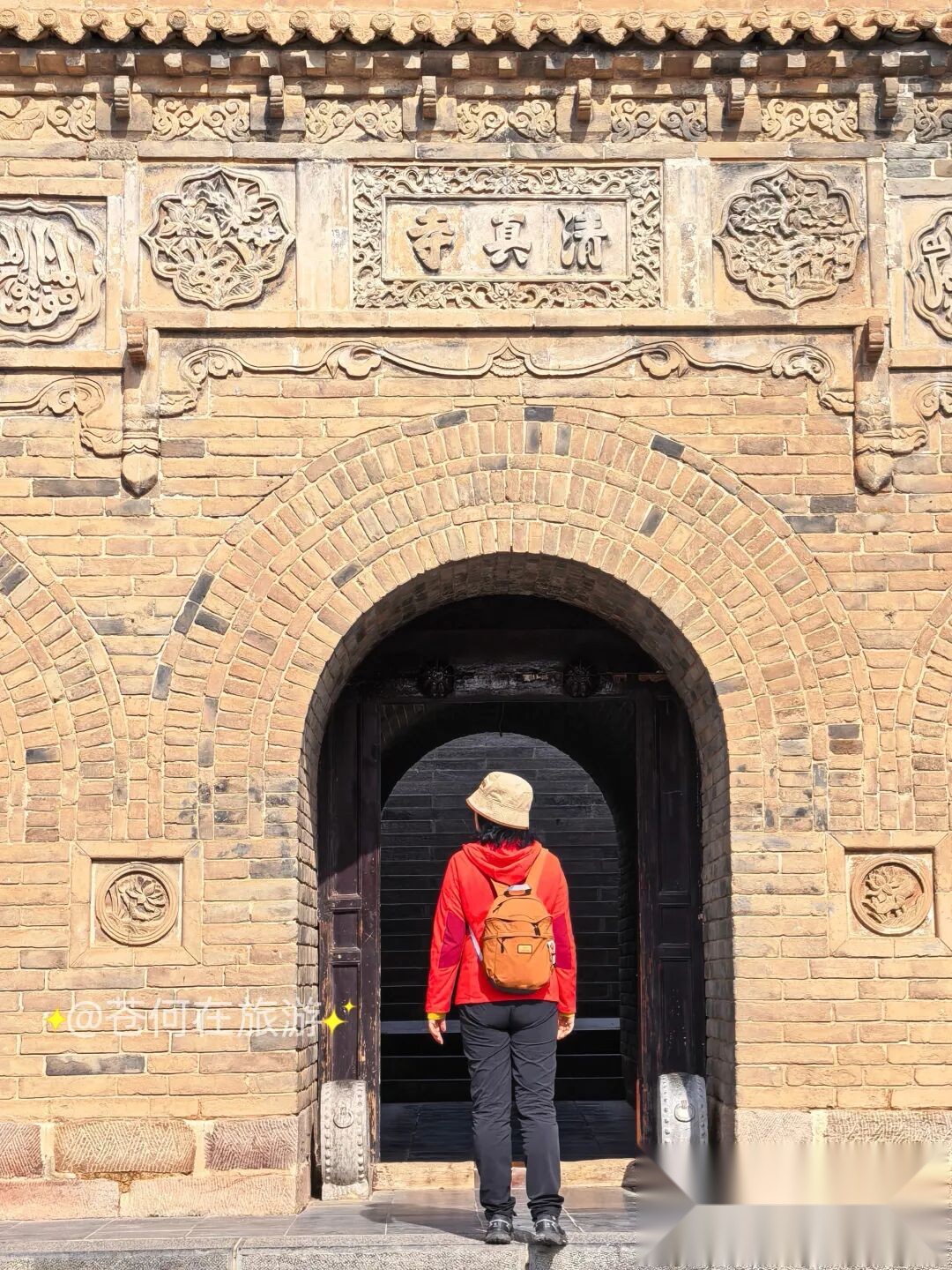
Next up are the arched gates: the lintel of the main central gate is brick-carved with the three characters for 'Mosque' (Qingzhensi), while the side gates feature the words 'Purify the Heart' (Xixin) and 'Patience' (Rennai), topped off with intricate Arabic calligraphy and floral brick carvings.

What makes the entire complex super unique is its 'reverse-curtain' layout. To walk inside, visitors first have to pass through three brick-arched gates (facing east) and a dark underground passage, then climb the stairs up onto the grey-brick high platform. You’ll spot the minaret (bangkelou) before stepping into the main courtyard, where you'll finally see the prayer hall facing west toward Mecca.
That right there is the mosque's reverse-curtain layout.
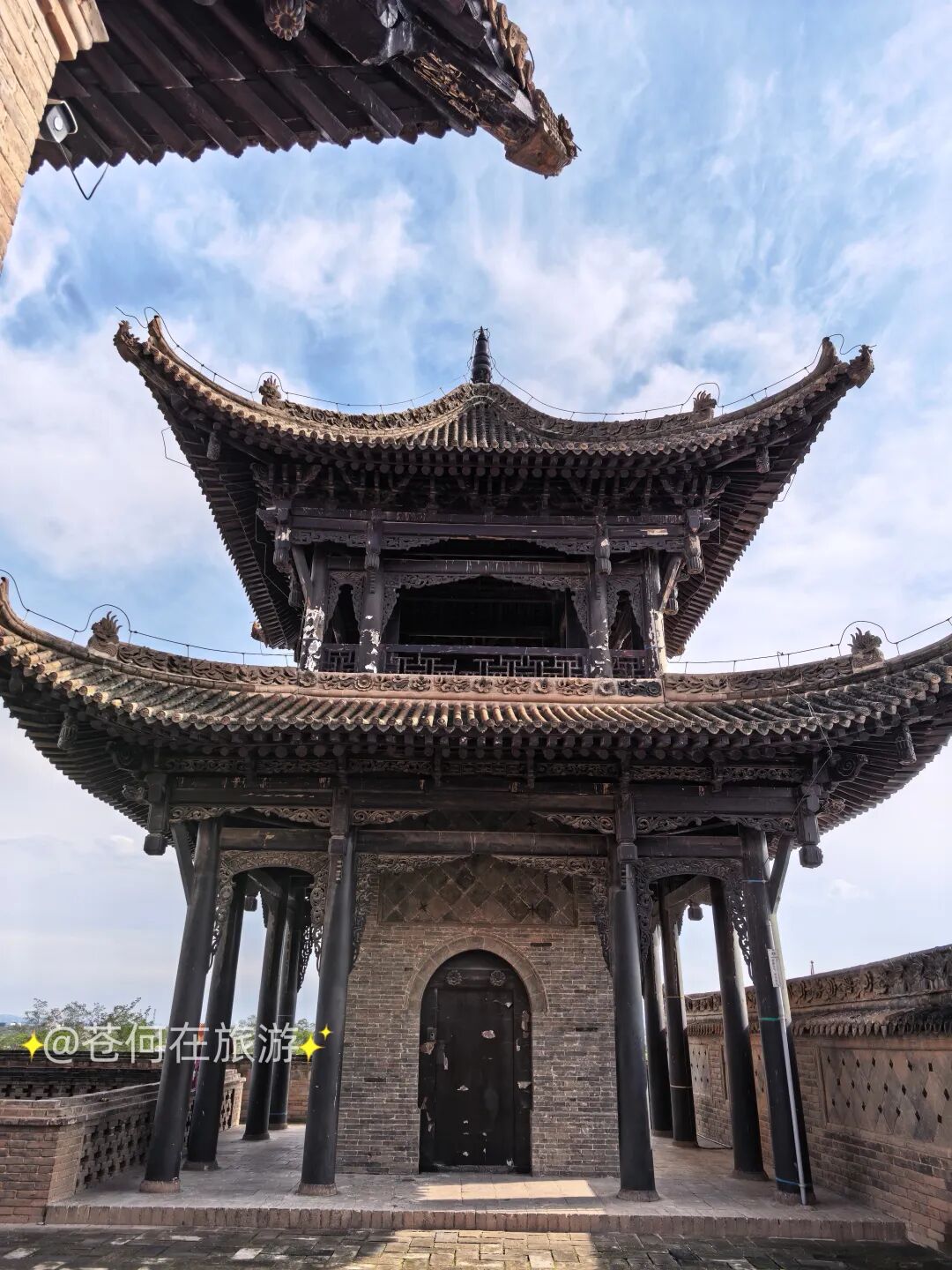
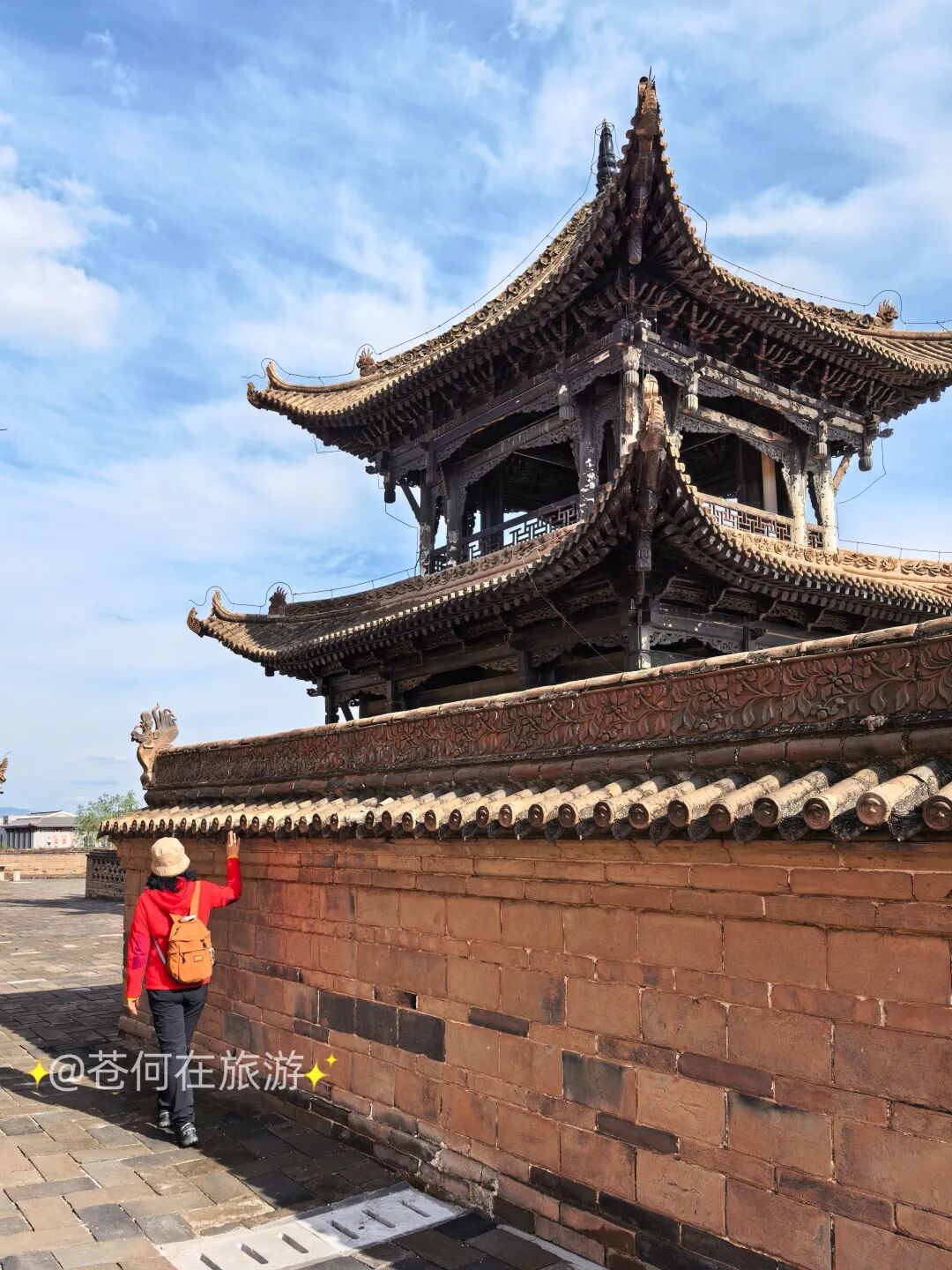
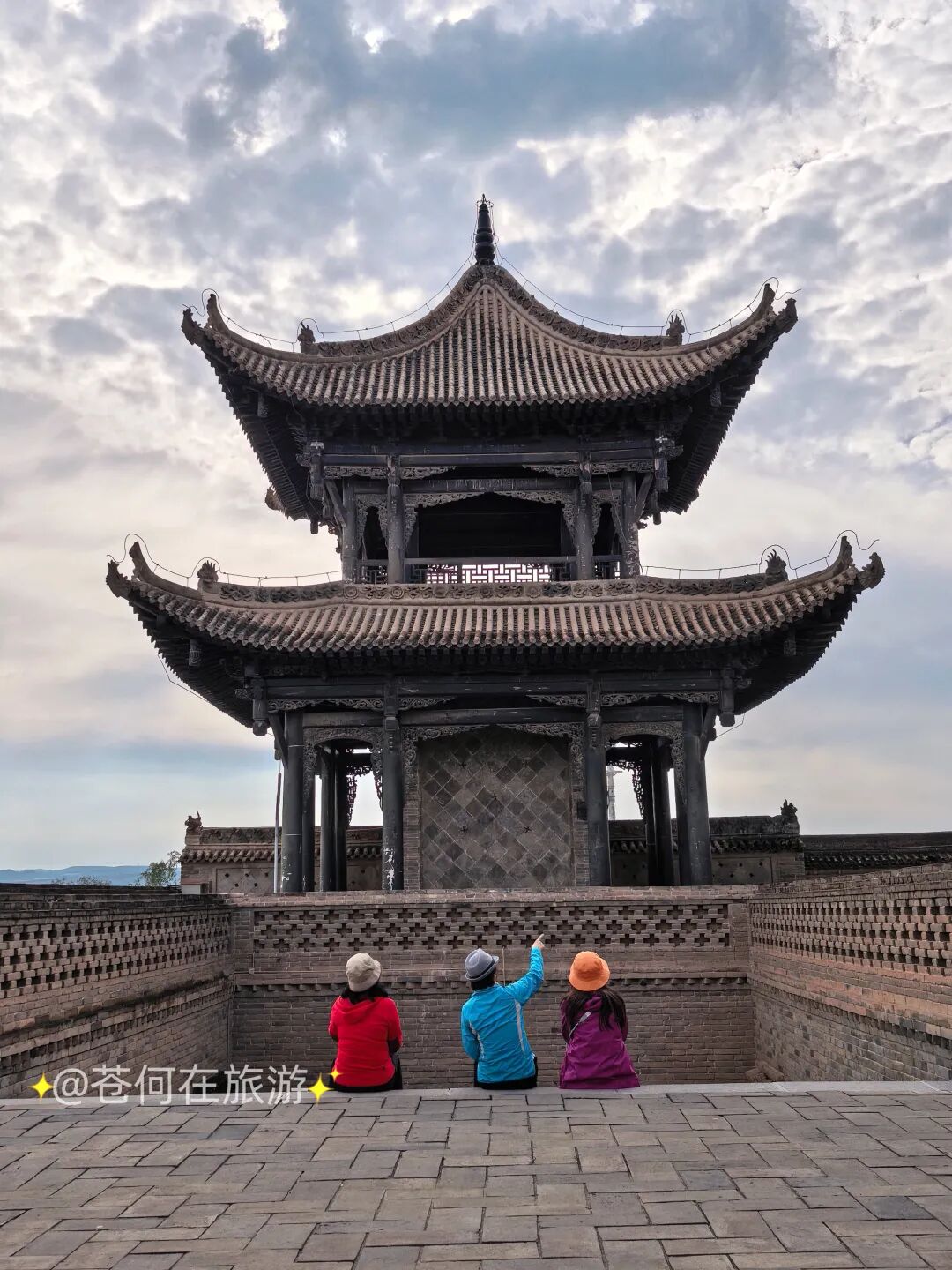
The bangkelou (minaret / prayer tower). Its second floor features a four-sided pyramidal roof in a classic Chinese pavilion style, complete with gorgeous brick and wood carvings. Built high up on the terrace, you can spot it from miles away.
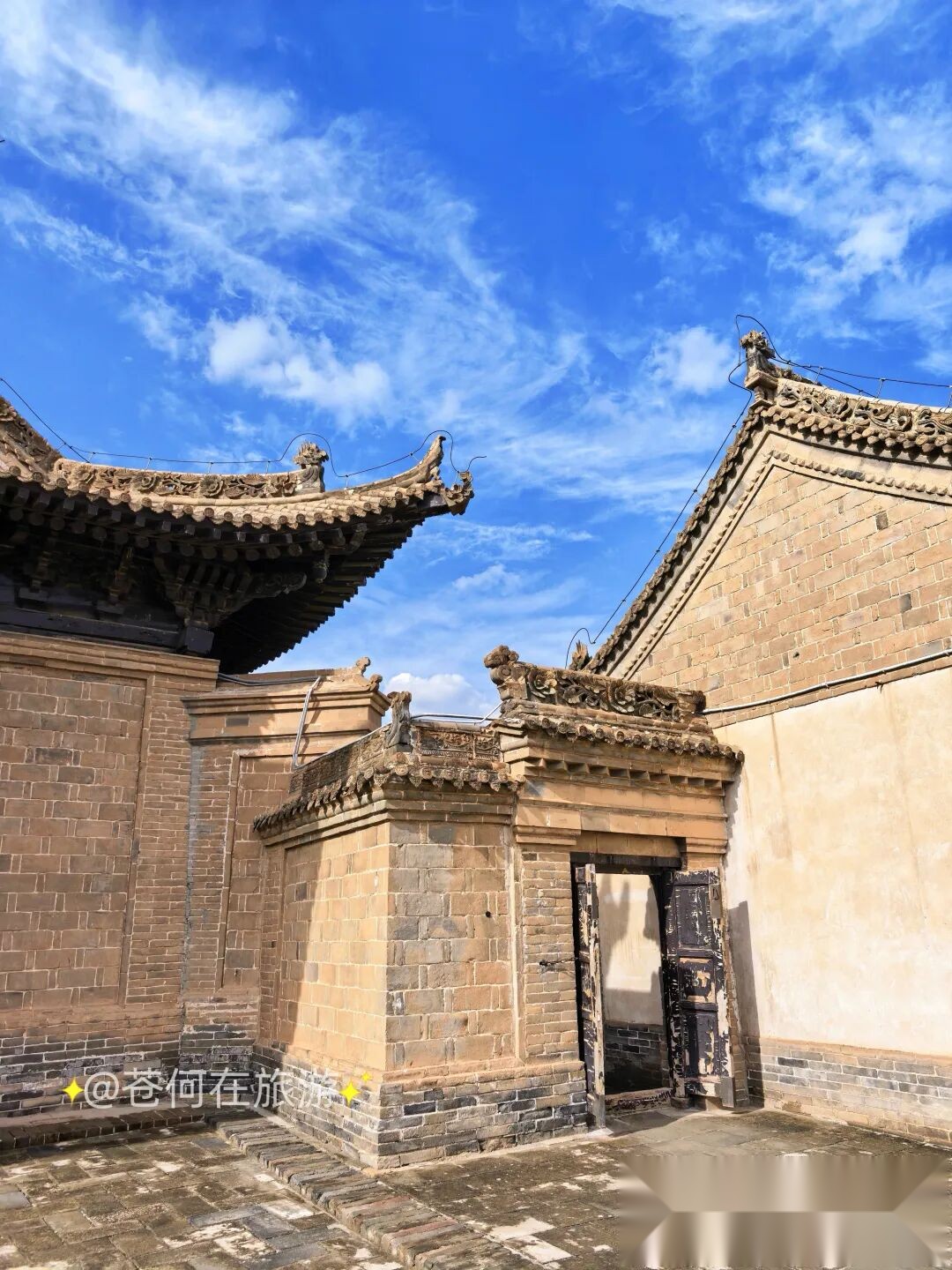
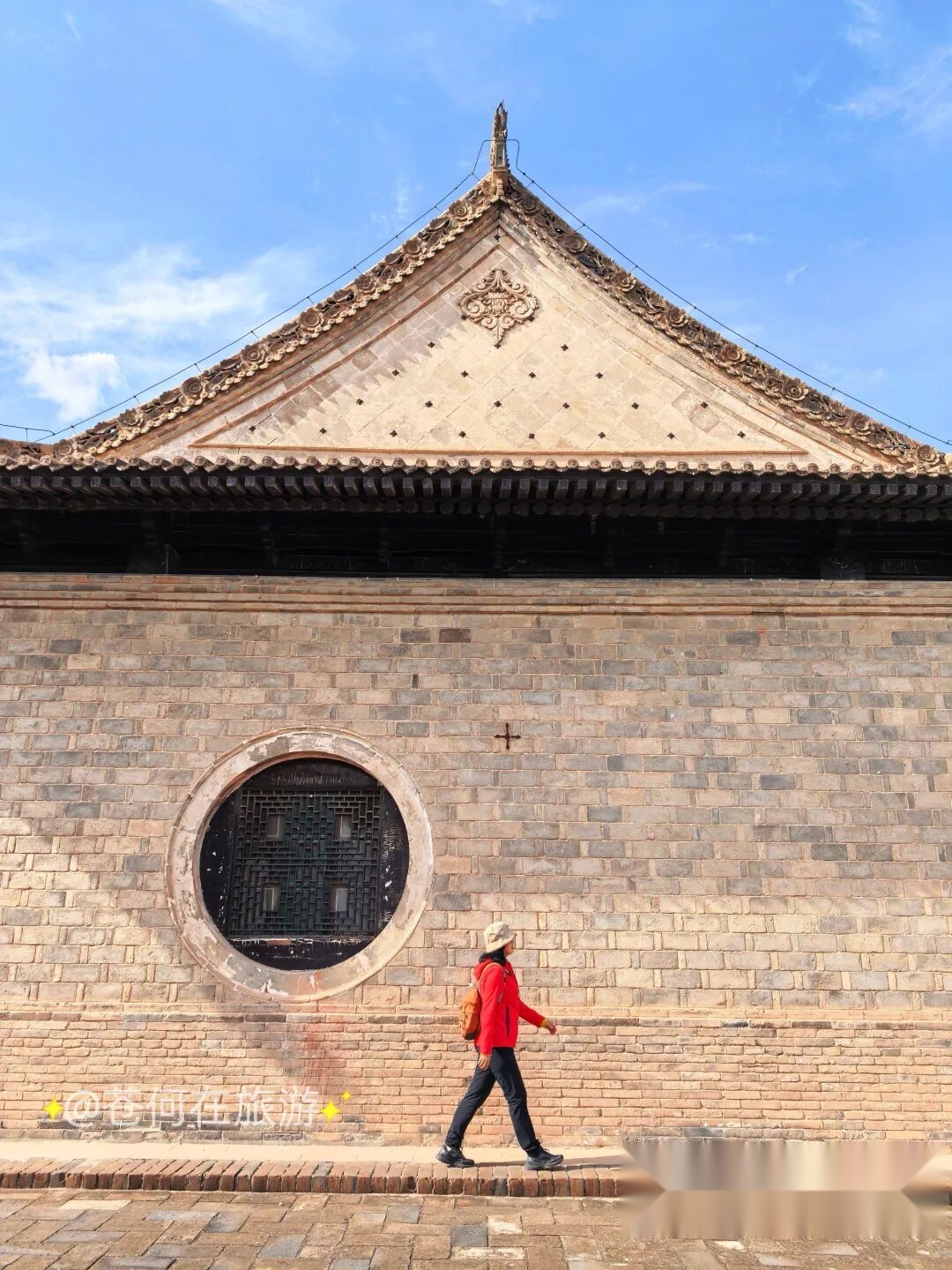
The prayer hall is the beating heart of the entire complex, sitting on the west side and facing east. The roof utilizes a connected-ridge technique, linking a rolled-shed roof (juanshan) and two hip-and-gable roofs (xieshan) end-to-end to form one massive hall. The interior of the prayer hall is currently closed to non-Muslim visitors.
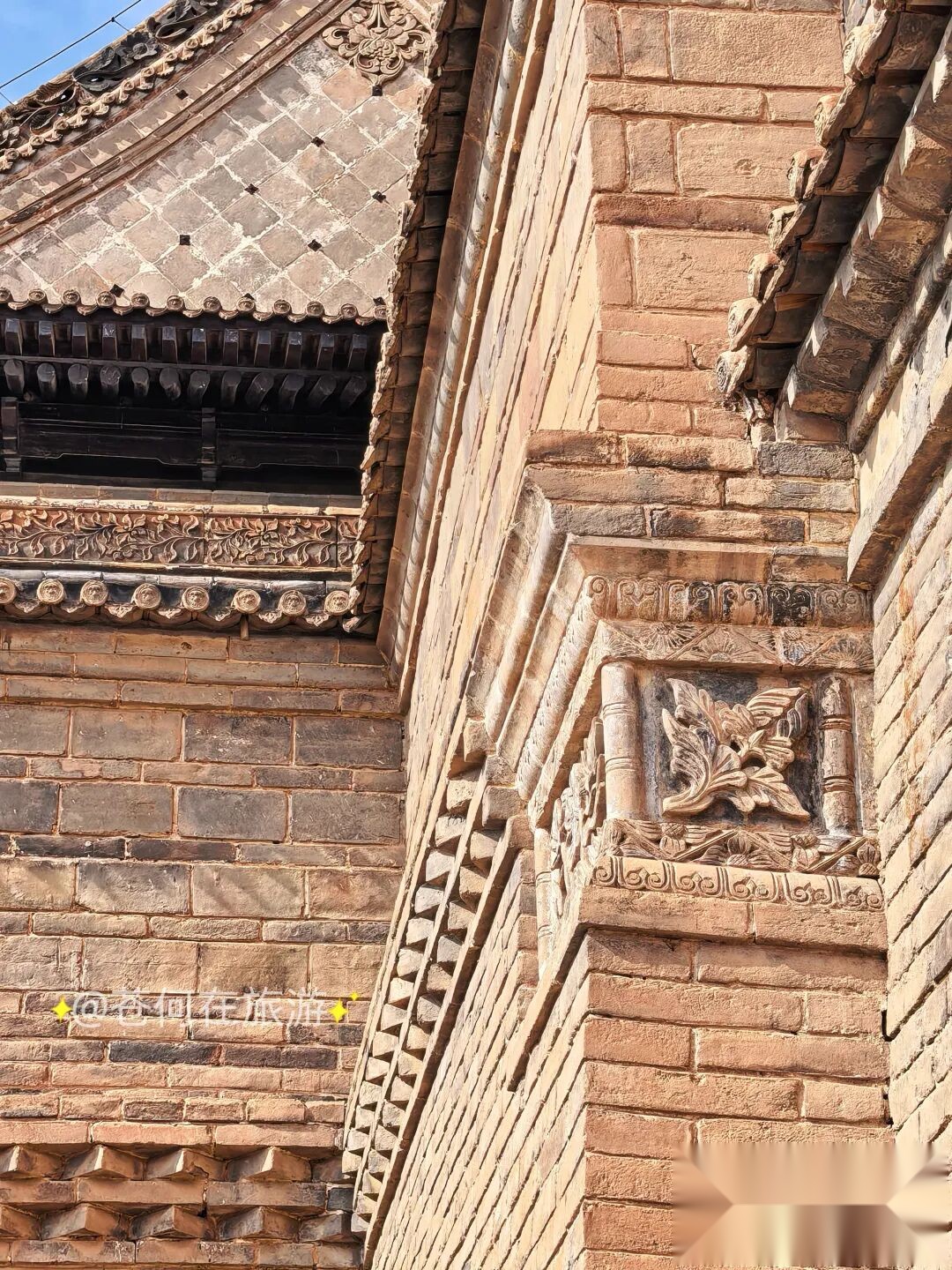
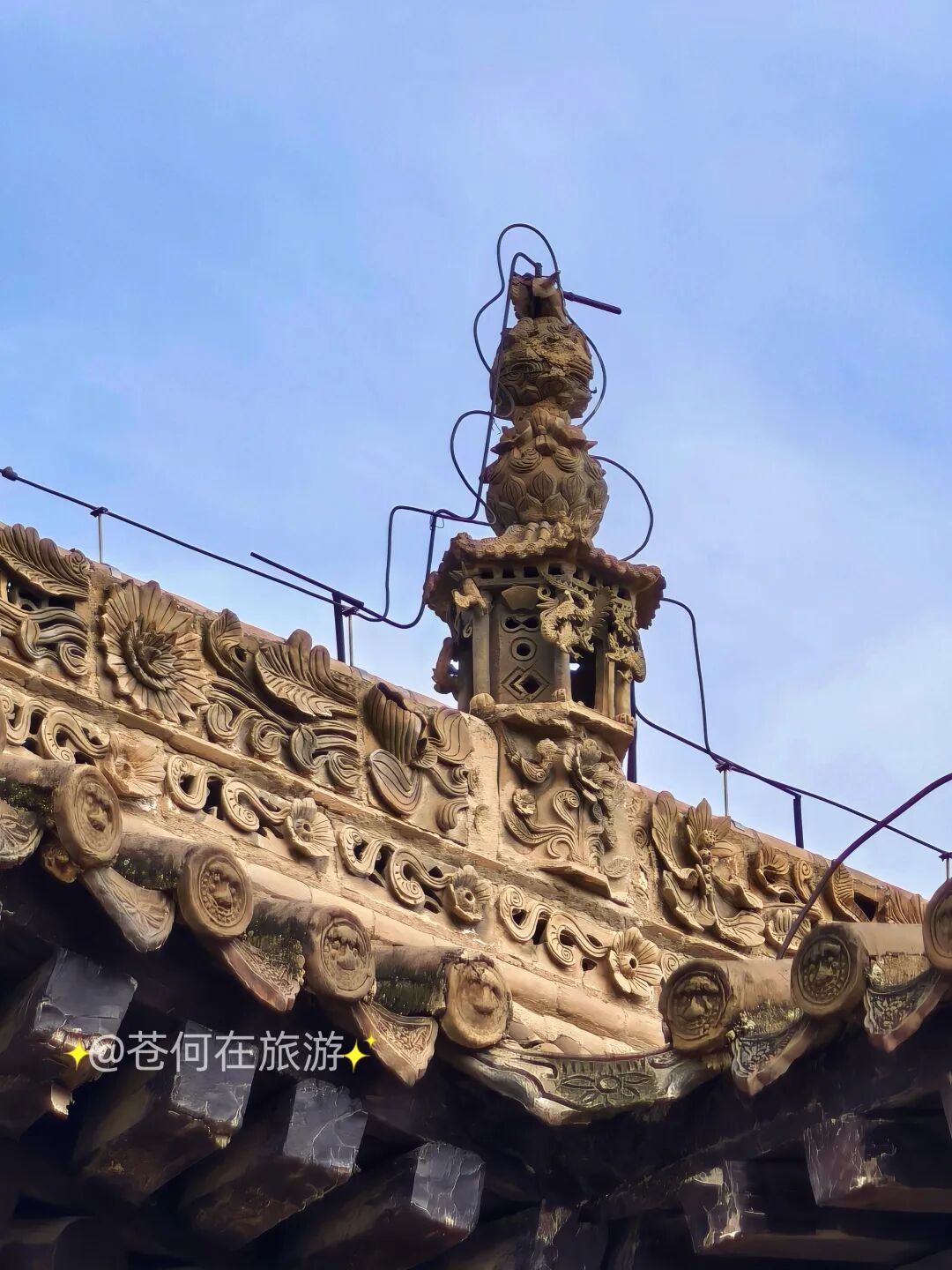
The most striking takeaway from hanging out here is the insane amount of detailed brick carving everywhere you look. Aside from the spirit wall, arched gates, and minaret we just mentioned, you'll spot brick carvings all over the main roof ridges, ridge terminals, gable walls, tie-beams (fang), and the walls flanking both sides of the corridors.
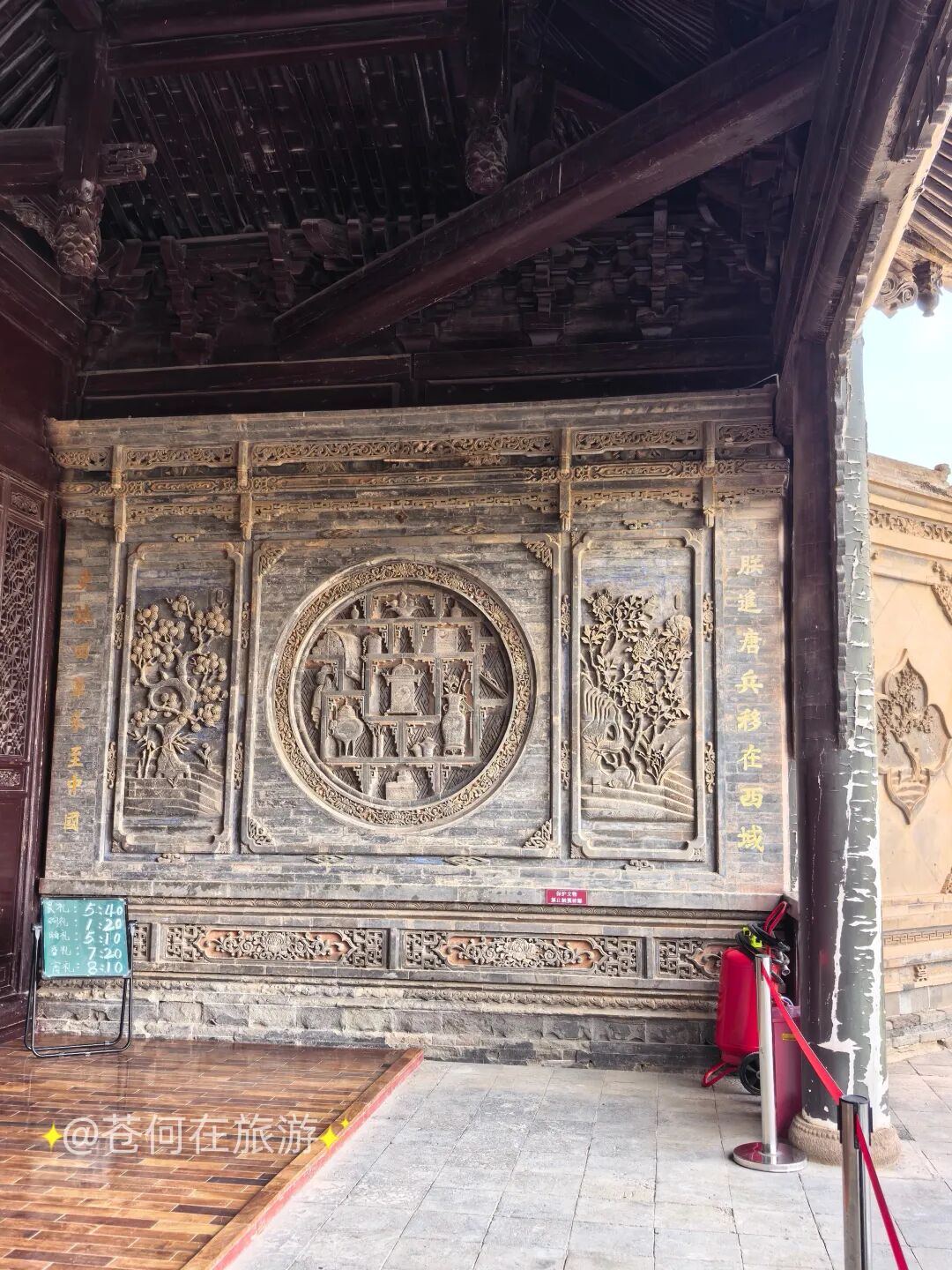
For example, on the walls flanking the front porch of the prayer hall, the south wall's center brick carving features a 'bogu' antique display rack alongside sutras, paired with bamboo and lotus motifs. The north wall features another bogu rack and a clock, paired with pine and chrysanthemum motifs.
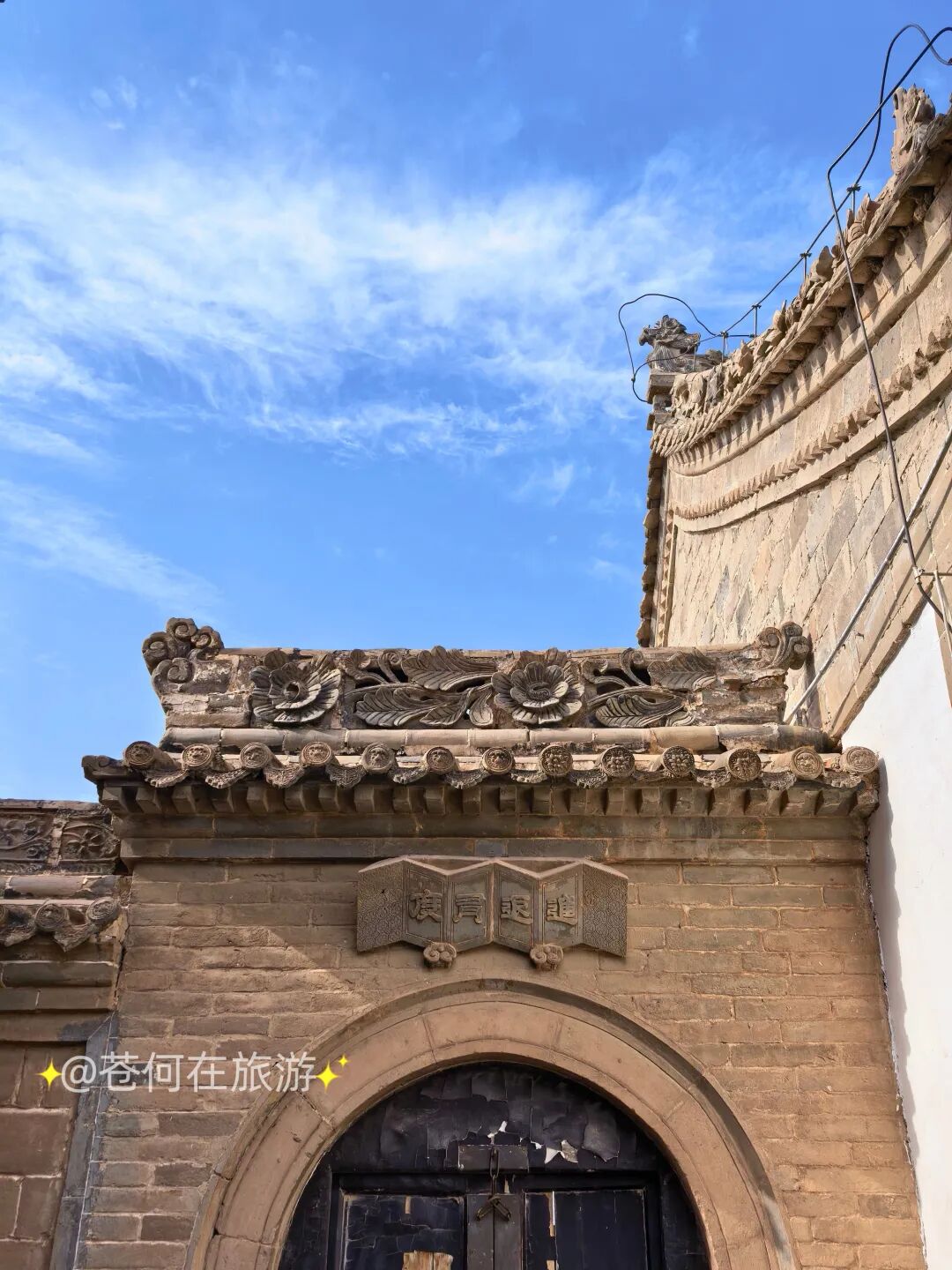
The plaques on the side gates leading in and out of the main prayer courtyard are also super unique, featuring book-page-style brick plaques inscribed with 'Entering and Leaving is a Gate' on one side, and 'Advance and Retreat with Propriety' on the other.
Bathed in blue skies and fluffy white clouds, the Tongxin Great Mosque oozes ancient vibes, making it the ultimate spot for moody, storytelling travel shots.
A few photography tips and takeaways:
You can snag a sweeping panoramic shot of the entire mosque from the side of the spirit wall, and a full shot of the back of the spirit wall from up on the high platform.

Use a telephoto lens at the arched gates to capture that atmospheric, stepping-into-the-mosque vibe.
Sit on the steps with the minaret in the background for a cinematic, storytelling portrait—the shot below was taken by setting up our own tripod.
Snapping candid walking shots along the walls of the prayer courtyard keeps the frame super clean and looks amazing.
✅ Travel Guide:
Address: Beside Provincial Highway 101, near the Red Army Long March Memorial Museum – Tongxin Great Mosque, Tongxin County, Wuzhong City, Ningxia
Hours: 8:00 AM – 6:00 PM
Admission: Free
Exploring Tongxin Great Mosque: A National-Level Historic Monument Blending Song-Ming Timber Architecture with Islamic Spirit
Abstract:
A firsthand look inside the Tongxin Great Mosque, a hidden gem tucked away in the mountainous southern region of Ningxia. We're breaking down its unique architecture—dating back to the late Yuan and early Ming dynasties, where traditional Chinese timber-framing meets Islamic arches and domes—giving you a taste of an uncrowded, highly sophisticated Northwest architectural treasure.
If you're looking for the oldest and best-preserved ancient mosque in the Ningxia Hui Autonomous Region, it's definitely the Tongxin Great Mosque in Tongxin County, Wuzhong City.
It was originally founded during the Yuan dynasty, starting out as a Tibetan Buddhist monastery. During the Yuan, Prince Anxi Anada (grandson of Kublai Khan) was raised by Muslim foster parents as a child and converted to Islam as an adult. When he was stationed in Ningxia, he led a massive following to convert to Islam as well. As a result, the original monastery gradually fell into disuse, and some parts were converted into a mosque.
On October 20, 1936, during the Red Army's Long March, the Shaan-Gan-Ning Yuhai County Hui Autonomous Representative Conference was held at the Tongxin Great Mosque, where the Shaan-Gan-Ning Yuhai County Hui Autonomous Government was elected and established. This site also serves as the former location of the founding assembly of that Hui autonomous government.
The Tongxin Great Mosque is built on a 7-meter-high platform enclosed by dark grey bricks, utilizing traditional Chinese timber-framing techniques while incorporating Islamic-style decorations, making it a stellar example of two cultures coming together.
The dark brick spirit wall (zhaobi) in front of the mosque is a classic case in point. The front features the name 'Tongxin Great Mosque' written in both Chinese and Arabic script. The center of the back features a brick-carved 'Moon Hiding in the Pines' motif, flanked by couplets carved in official script (lishi) dating back to the Guangxu reign.
Next up are the arched gates: the lintel of the main central gate is brick-carved with the three characters for 'Mosque' (Qingzhensi), while the side gates feature the words 'Purify the Heart' (Xixin) and 'Patience' (Rennai), topped off with intricate Arabic calligraphy and floral brick carvings.
What makes the entire complex super unique is its 'reverse-curtain' layout. To walk inside, visitors first have to pass through three brick-arched gates (facing east) and a dark underground passage, then climb the stairs up onto the grey-brick high platform. You’ll spot the minaret (bangkelou) before stepping into the main courtyard, where you'll finally see the prayer hall facing west toward Mecca.
That right there is the mosque's reverse-curtain layout.
The bangkelou (minaret / prayer tower). Its second floor features a four-sided pyramidal roof in a classic Chinese pavilion style, complete with gorgeous brick and wood carvings. Built high up on the terrace, you can spot it from miles away.
The prayer hall is the beating heart of the entire complex, sitting on the west side and facing east. The roof utilizes a connected-ridge technique, linking a rolled-shed roof (juanshan) and two hip-and-gable roofs (xieshan) end-to-end to form one massive hall. The interior of the prayer hall is currently closed to non-Muslim visitors.
The most striking takeaway from hanging out here is the insane amount of detailed brick carving everywhere you look. Aside from the spirit wall, arched gates, and minaret we just mentioned, you'll spot brick carvings all over the main roof ridges, ridge terminals, gable walls, tie-beams (fang), and the walls flanking both sides of the corridors.
For example, on the walls flanking the front porch of the prayer hall, the south wall's center brick carving features a 'bogu' antique display rack alongside sutras, paired with bamboo and lotus motifs. The north wall features another bogu rack and a clock, paired with pine and chrysanthemum motifs.
The plaques on the side gates leading in and out of the main prayer courtyard are also super unique, featuring book-page-style brick plaques inscribed with 'Entering and Leaving is a Gate' on one side, and 'Advance and Retreat with Propriety' on the other.
Bathed in blue skies and fluffy white clouds, the Tongxin Great Mosque oozes ancient vibes, making it the ultimate spot for moody, storytelling travel shots.
A few photography tips and takeaways:
You can snag a sweeping panoramic shot of the entire mosque from the side of the spirit wall, and a full shot of the back of the spirit wall from up on the high platform.
Use a telephoto lens at the arched gates to capture that atmospheric, stepping-into-the-mosque vibe.
Sit on the steps with the minaret in the background for a cinematic, storytelling portrait—the shot below was taken by setting up our own tripod.
Snapping candid walking shots along the walls of the prayer courtyard keeps the frame super clean and looks amazing.
✅ Travel Guide:
Address: Beside Provincial Highway 101, near the Red Army Long March Memorial Museum – Tongxin Great Mosque, Tongxin County, Wuzhong City, Ningxia
Hours: 8:00 AM – 6:00 PM
Admission: Free
