
Hiking Qilian Mountains & Xining Mosque Guide: Authentic Hui Muslim Cuisine and Ancient Architecture Tours
[Internet Repost]
This trip features 87 high-definition photos capturing a pastoral hiking journey through Qingyang Valley in Qilian County, Qinghai. Along the way, we explored the ancient Epu City, visited the Dongguan and Nanguan mosques in downtown Xining, climbed Fenghuang Terrace at Nanshan Park for a panoramic view of the highland city, and hunted for halal eats at the Mojia Street and Daxin Street night markets.
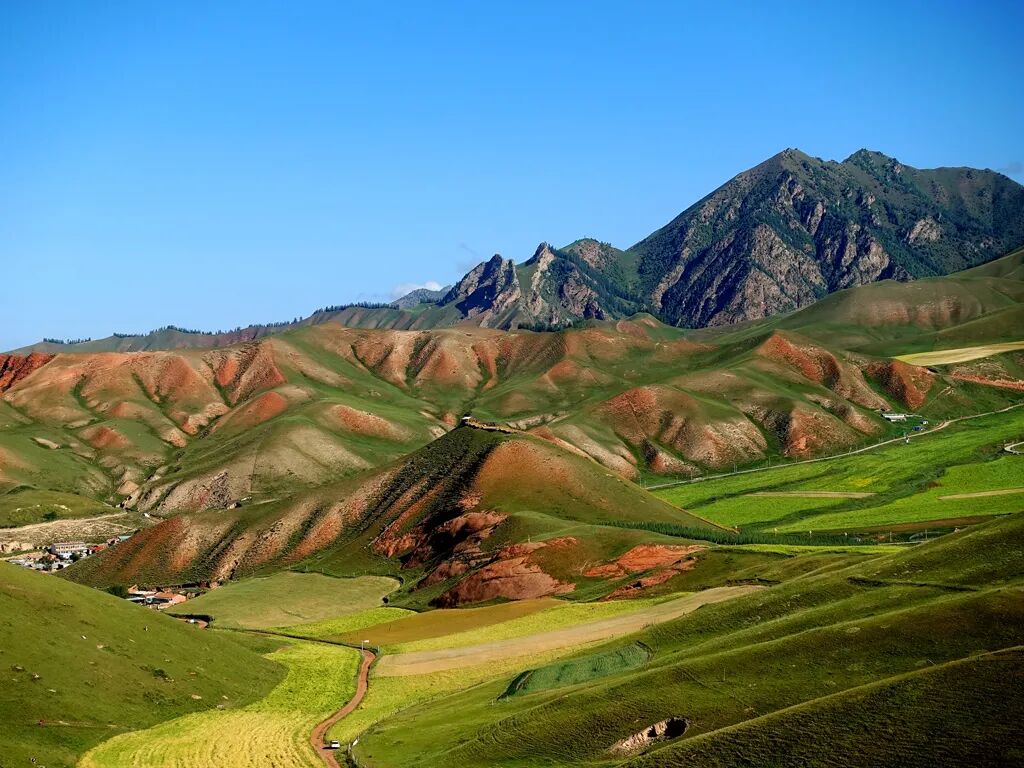
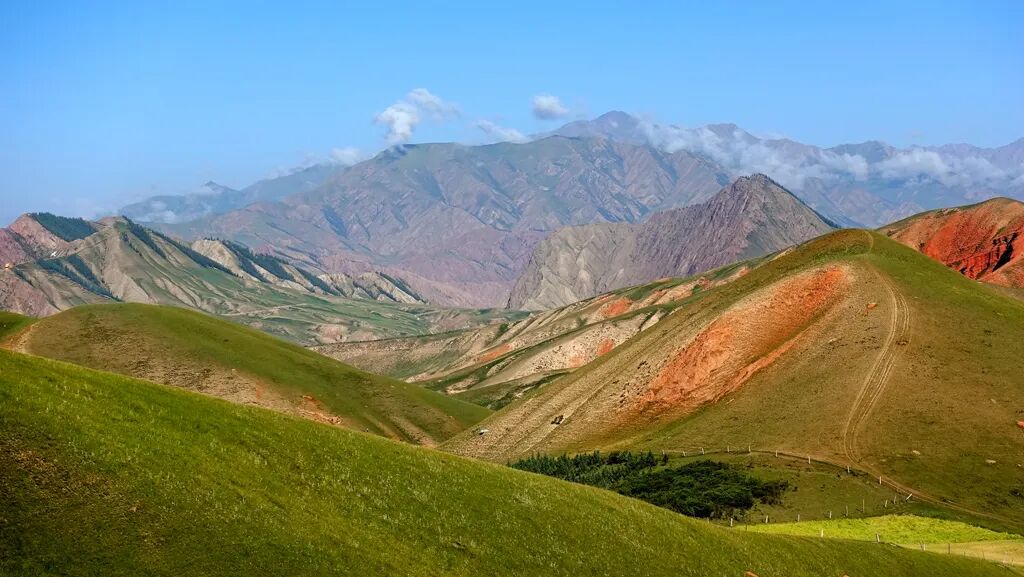
Today’s hike took us through Qingyang Valley in Qilian County, tucked away behind the backside of Zhuoer Mountain. The route is only about 3 miles (5 kilometers) long with minimal elevation gain, but I took it incredibly slow. It wasn’t because the trail was tough—it was just impossible to pull myself away from the scenery. Usually, I’m the one charging ahead, but today I found myself lagging behind. The place was just too beautiful; I couldn't bear to rush through it.


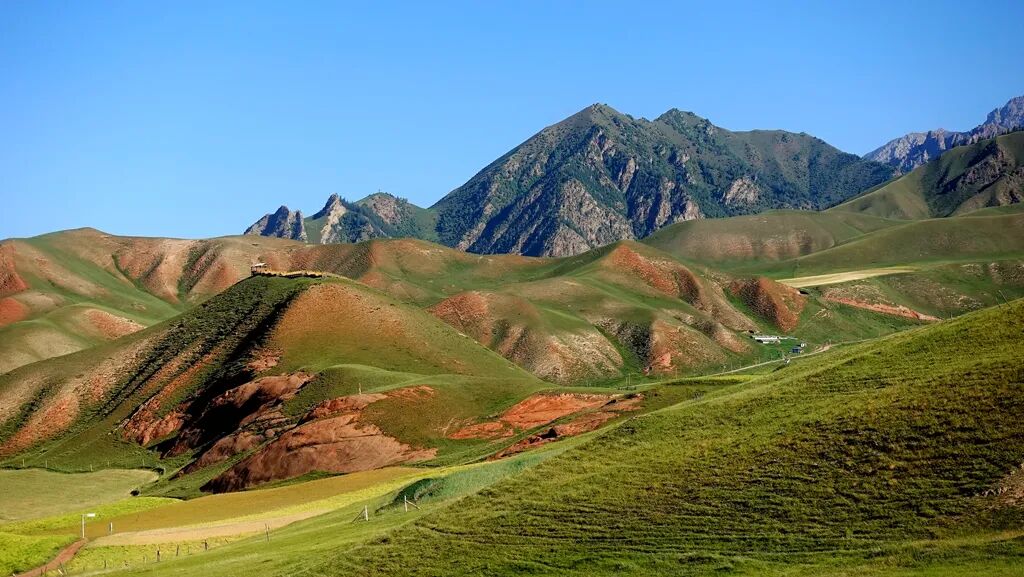
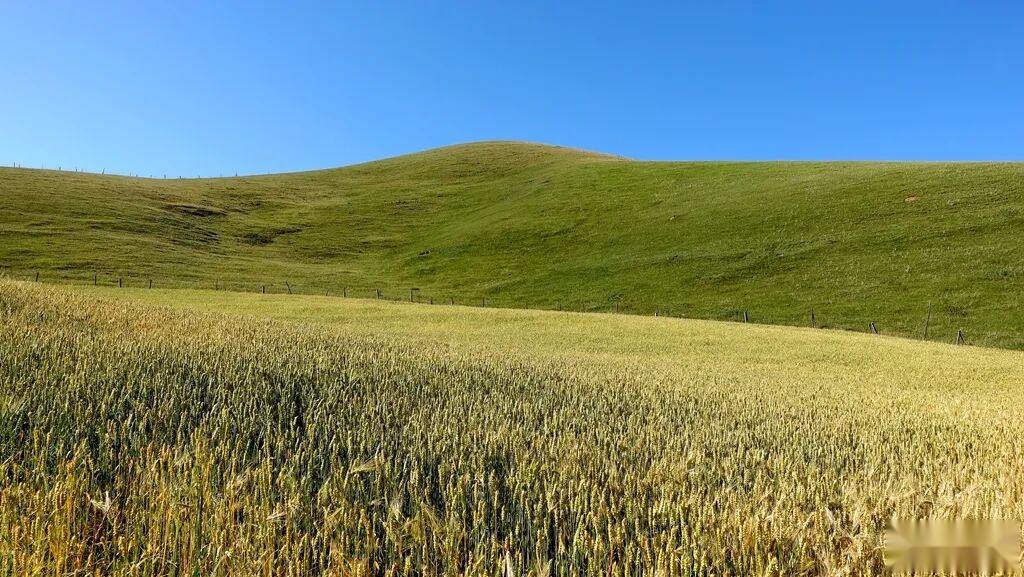
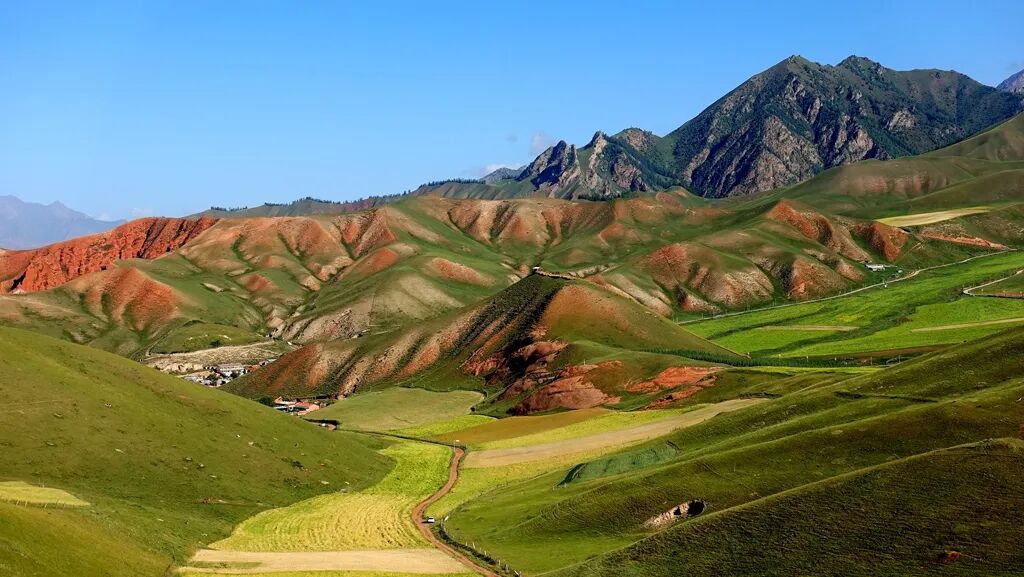
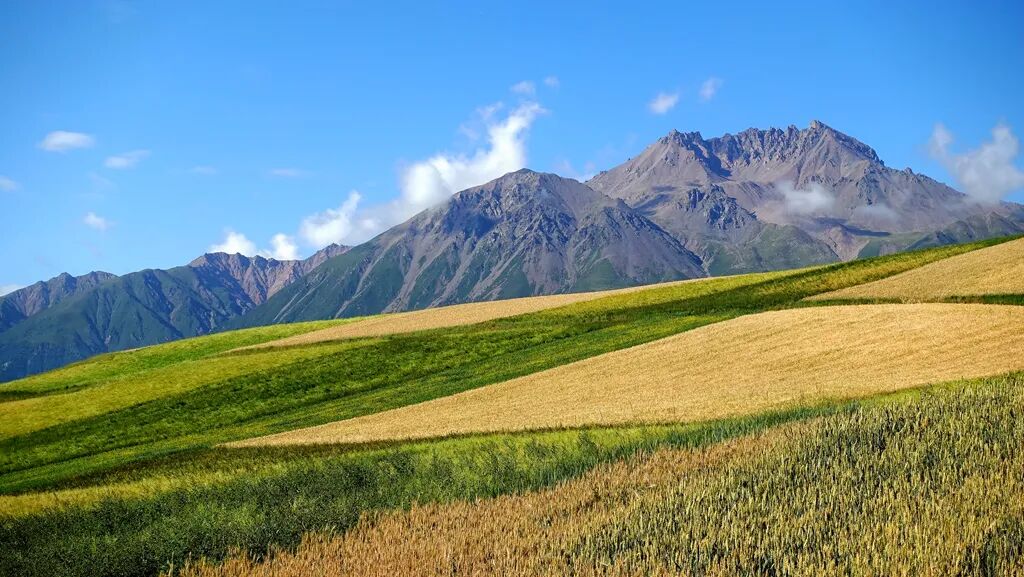
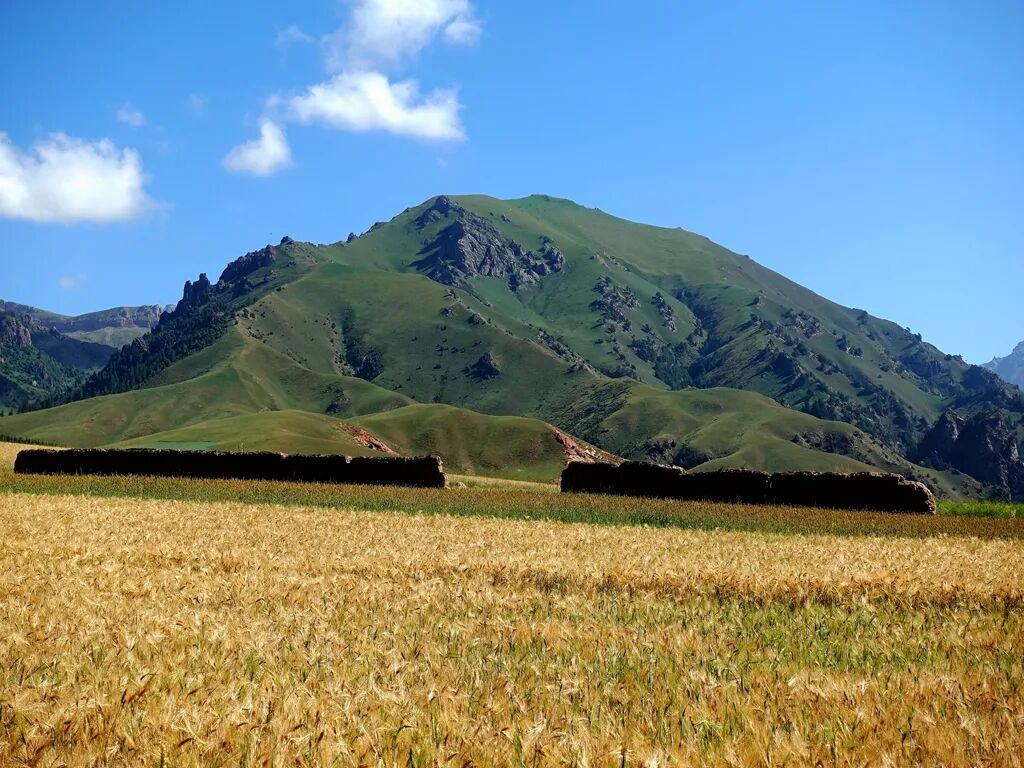
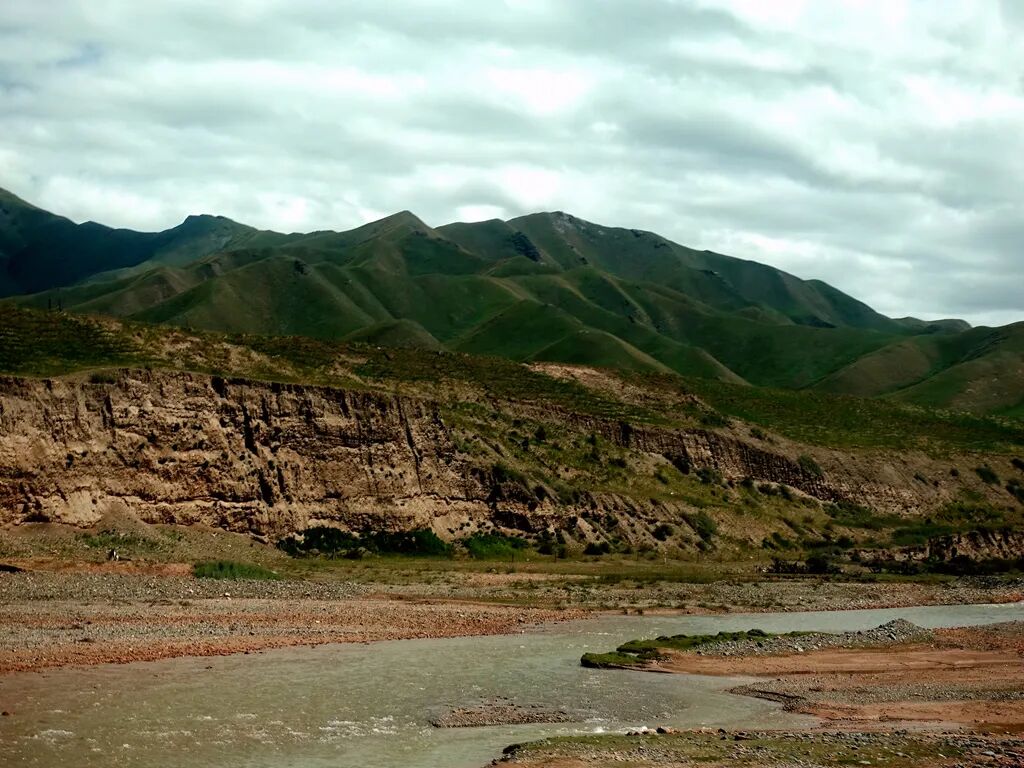
We started our hike at the Malahe Village Kindergarten in Babao Town, Qilian County. As we strolled along the dirt paths behind the village, we were surrounded by golden, ripe highland barley and wheat, along with withered, seed-bearing rapeseed flowers—a total pastoral dream. Every once in a while, I’d turn back, and the view would blow me away. Below the highland meadows of the rear Zhuoer Mountain, exposed red sandstone and conglomerate looked like a Danxia landscape painted onto the earth’s canvas. Reaching the hilltop and sitting on the soft grass to quietly take in the rolling mountains and sprawling fields was a soul-stirring experience.
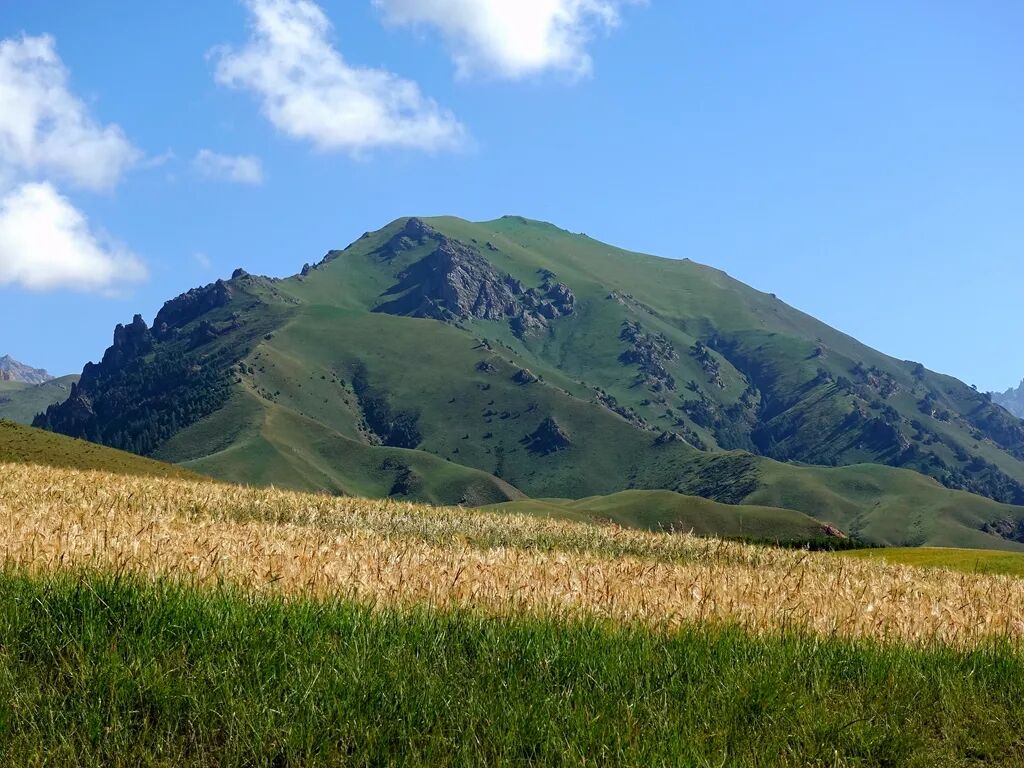
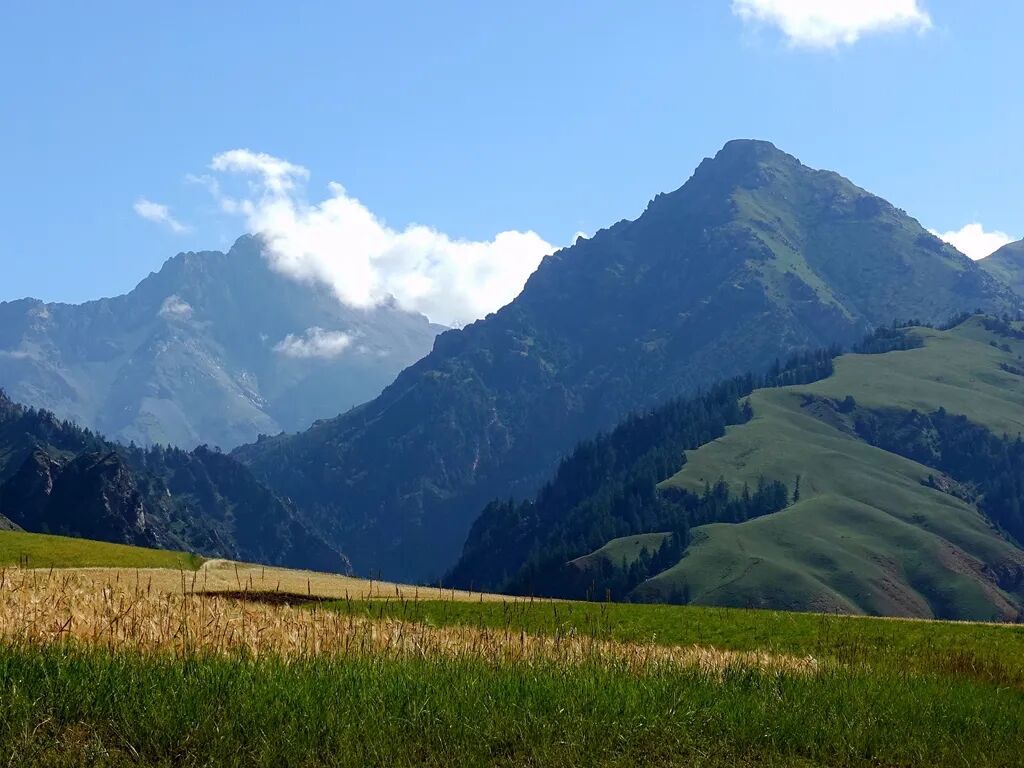
Think that was it? Once you cross the mountain pass, the views get even more intense. To the right in the distance, you’ll see Niuxin Mountain—or 'Ami Dongsu' in Tibetan—which is the sacred mountain of Qilian, where I hiked yesterday. Looking across the Babao River valley, the main peak of Niuxin Mountain is imposing, with clouds drifting below its summit. The mountains stretch eastward, dipping down into slopes covered in pristine, ancient forests. Down closer, the golden barley and wheat fields weave through the slopes, and there was even a patch of late-blooming rapeseed flowers waiting for us latecomers. It felt like walking right through a landscape painting.








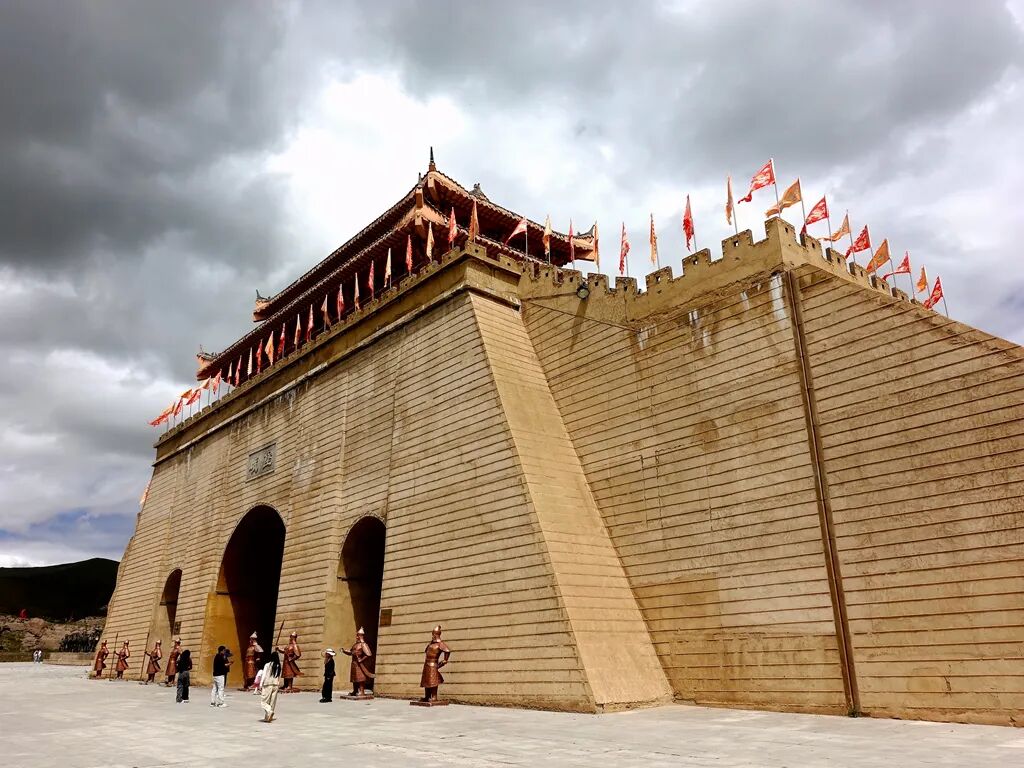
We ended the hike at Ladong Village in Babao Town and drove about four hours back to Xining. We grabbed lunch at the ancient Epu City, feasting on banmian (hand-pulled noodles with potato and beef), yogurt, and lamb skewers. This former Silk Road outpost was a major junction: head north to cross Biandu Pass into the Hexi Corridor, west into the Qilian grasslands, or east toward Xining and Lanzhou. Epu City had fallen into ruins, but it’s been revitalized thanks to the tourism boom. You can check out the 'Highway 9' signs and the Epu city gate, where you’ll find remnants of the old city walls nearby.


Once we hit downtown Xining, we freshened up and headed straight to the Nanguan and Dongguan mosques. They’re only about 600 meters apart, so you can easily do both in one go. Just a heads-up: they’re closed to visitors during prayer times, and non-Muslims aren't allowed inside the main prayer halls at any time.
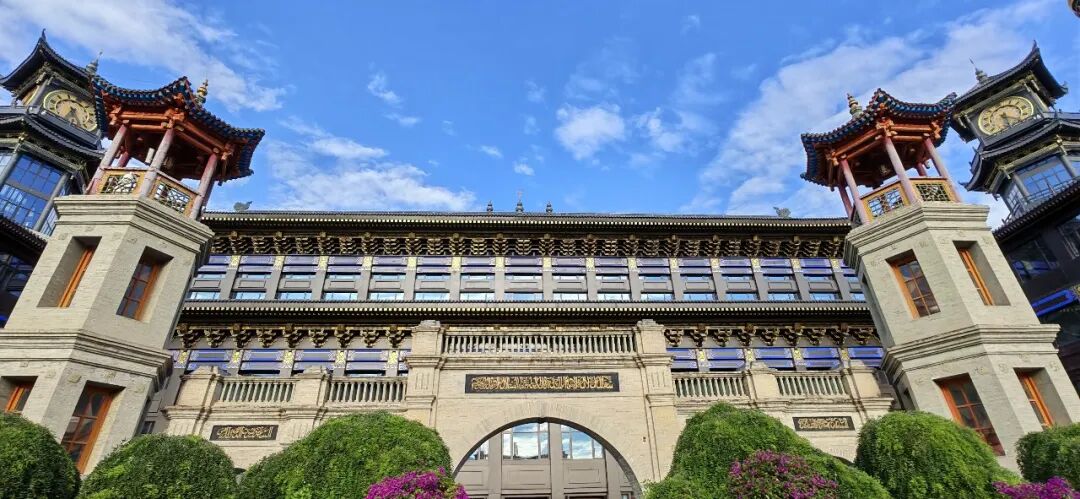
The Dongguan Great Mosque was originally built during the Hongwu era of the Ming Dynasty. It’s one of the four largest mosques in Northwest China. After being renovated and expanded over several generations, the main hall now features a traditional Chinese palace-style roof with 'feiyan dougong' (upturned eaves and interlocking wooden brackets), blending Islamic style with Tibetan architectural elements. It’s a textbook example of how Central Plains architecture and Islamic culture mesh together.
The Nanguan Mosque dates back to 1934 and was completely rebuilt in 2013. It sports a classic Arabic Islamic design with white walls and golden domes, complete with arched corridors and columns—it feels totally exotic. You can tour inside the Dongguan Mosque, but you can only take photos from the entrance of the Nanguan Mosque. One is old, one is new; one has Chinese-style halls, the other has Arabic domes—together, they tell the story of Xining’s religious heritage and its history of multi-ethnic harmony.


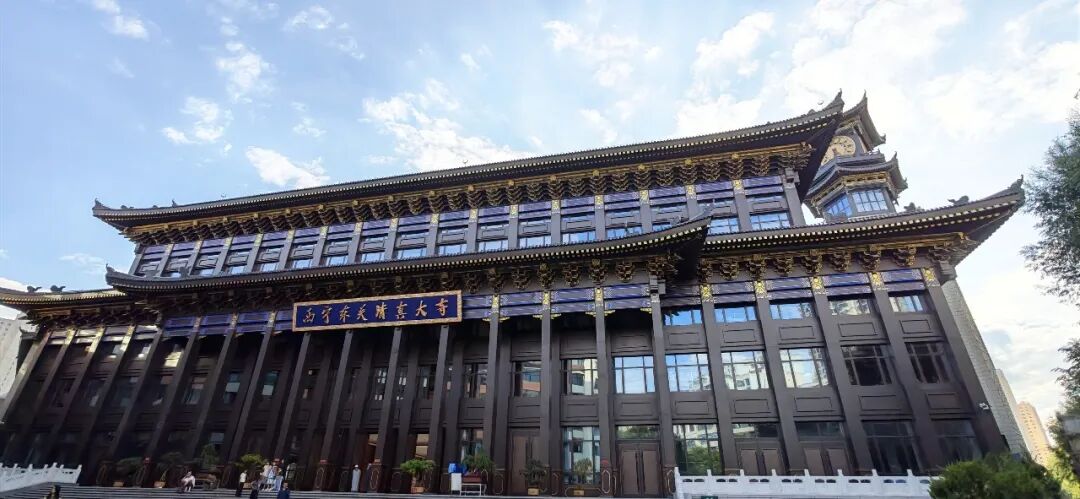
To get to Nanshan Park from the Dongguan Mosque, grab a taxi. Once you’re in, walk straight to the observation deck, then turn right and head up the slope to Fenghuang Terrace. You can go up to the second floor for a killer view of Xining. Keep in mind that trees block the sunset view from the west side of the terrace. The secret spot for the sunset isn't on the terrace itself; walk around to the back, take the wooden boardwalk down to the small protruding balcony, and you’ll get the perfect shot of the overpass, the TV tower, and the golden sunset glow.
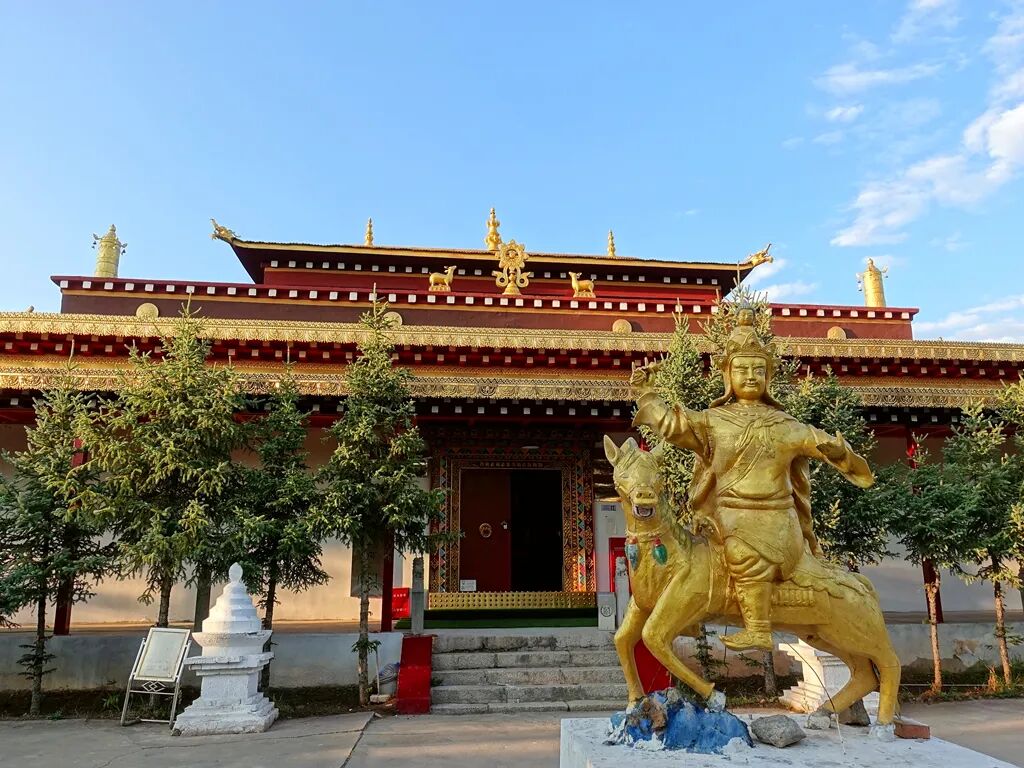
Below Fenghuang Terrace, there’s a massive complex of ancient buildings. It’s known as the 'Ghadiriyya' Gongbei (shrine), which holds the tomb of the Islamic sage Qutb al-Rabbani Abd al-Rahman, a descendant of the Prophet from Baghdad. Originally built during the Yuan Dynasty under the order of the Prince of Xining, it’s been destroyed and rebuilt several times throughout the Ming and Qing dynasties. The octagonal tower with flying eaves we see today was restored in the 1980s. With its Chinese-style eaves and brackets mixed with Islamic architectural flair, it has stood on this hilltop for 700 years, watching over Xining and bearing witness to the fusion of cultures in the Hehuang region.
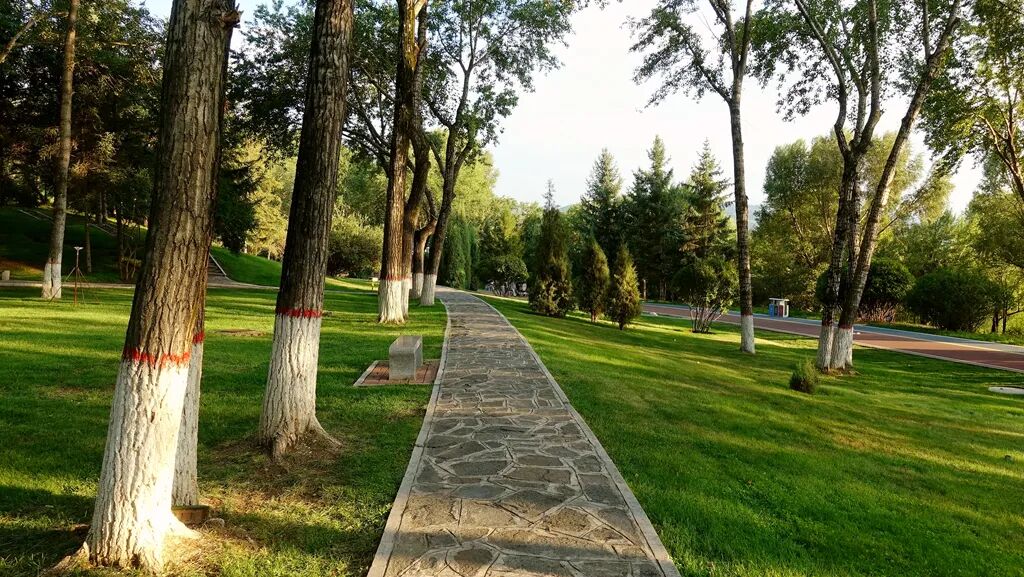
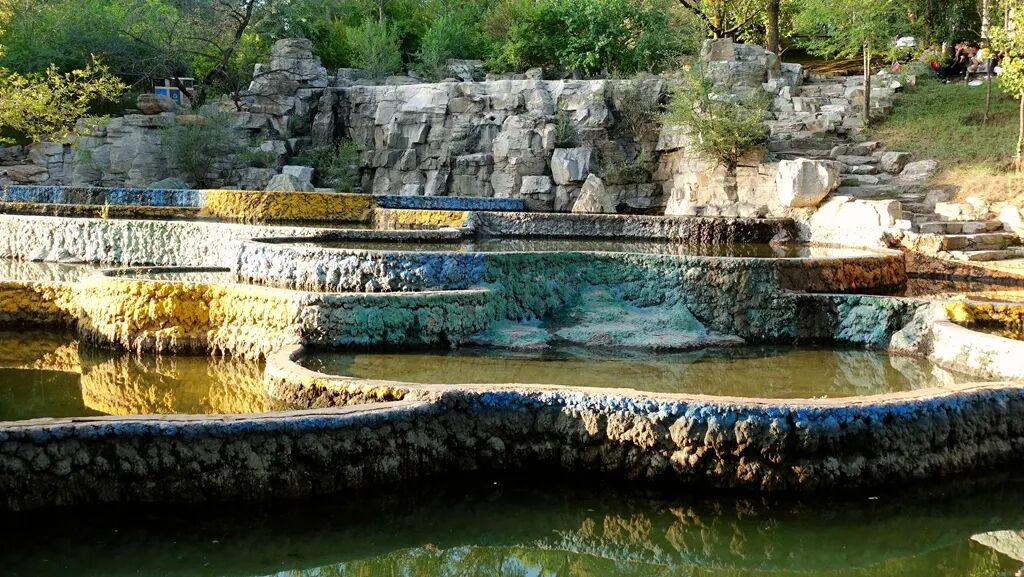
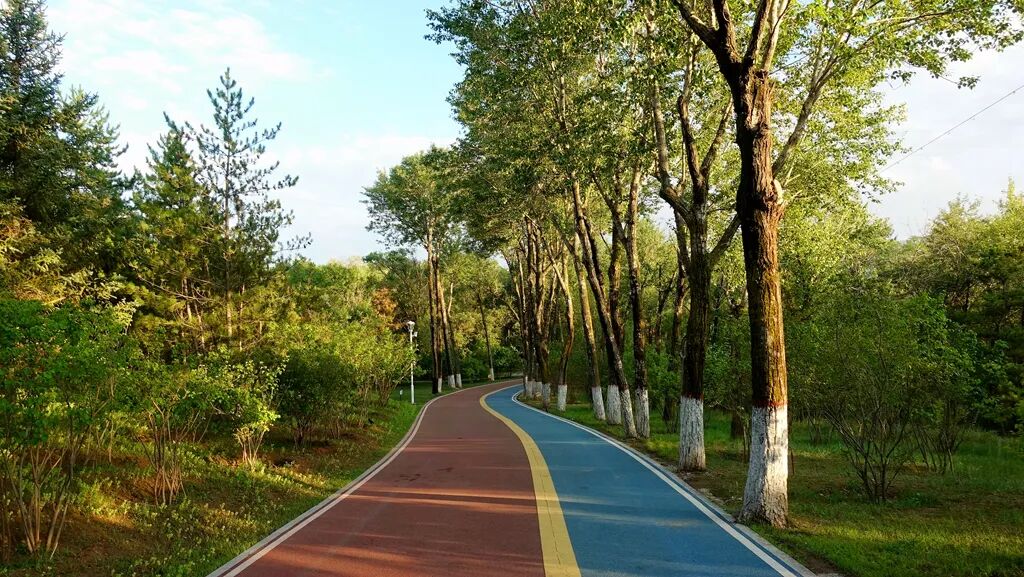


Getting a taxi down from Nanshan Park can be tricky, especially after 8:30 PM when everyone is leaving the night view. We caught a tricycle for 10 yuan to the bottom of the hill and hailed a cab there to the Mojia Street night market. Traffic gets heavy near the market, so it’s easier to just have the driver drop you off at a nearby side street and walk the rest of the way.
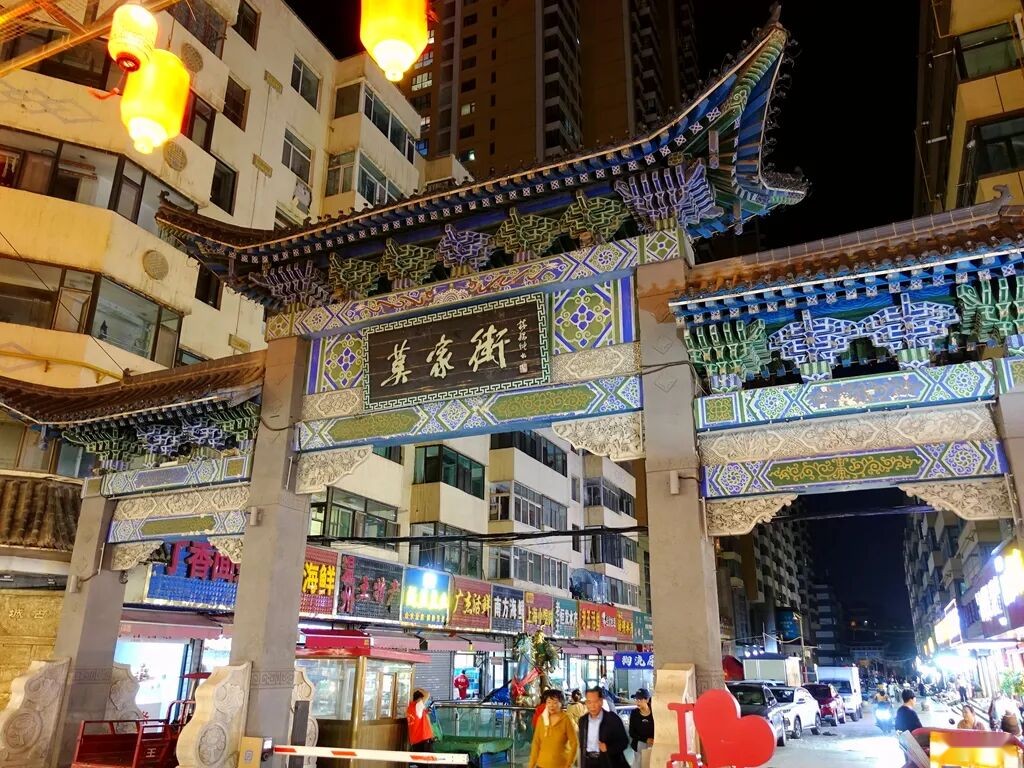
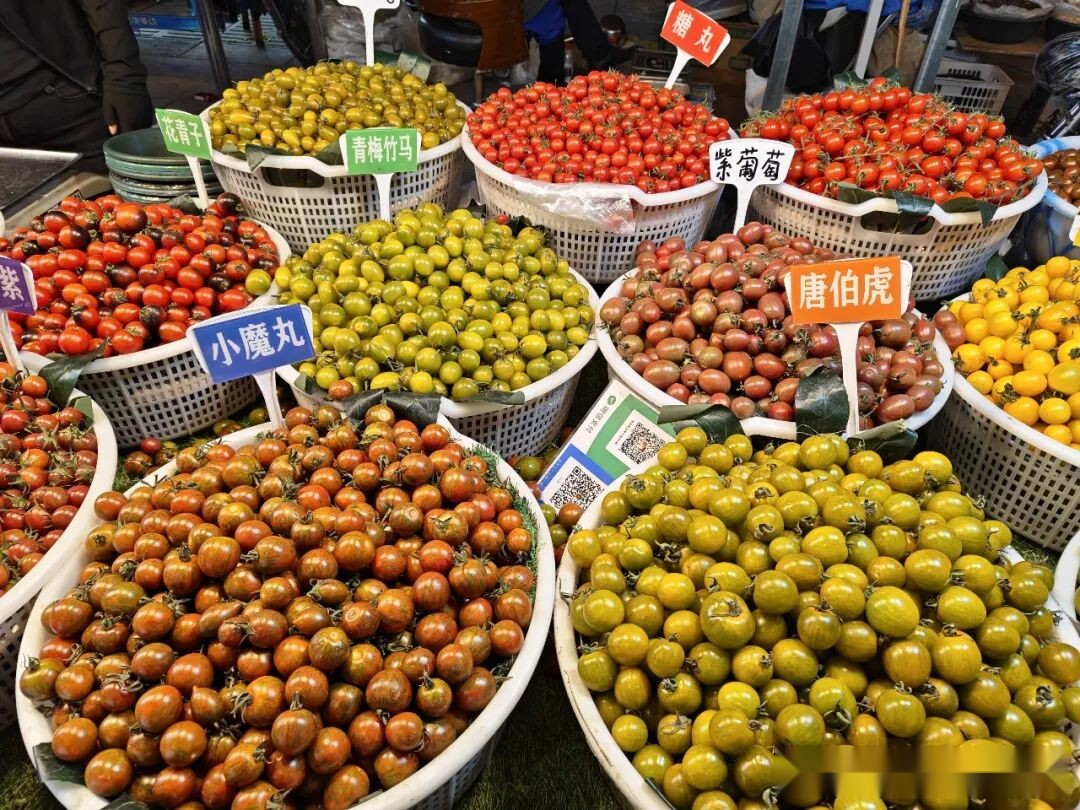
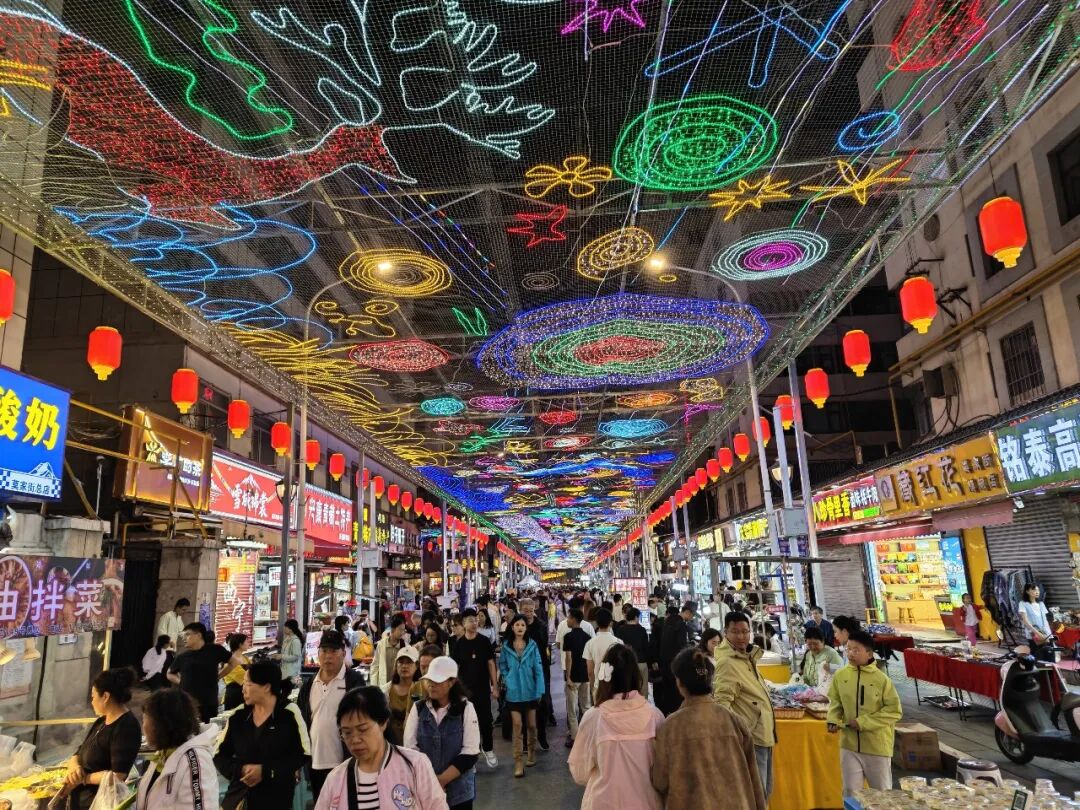
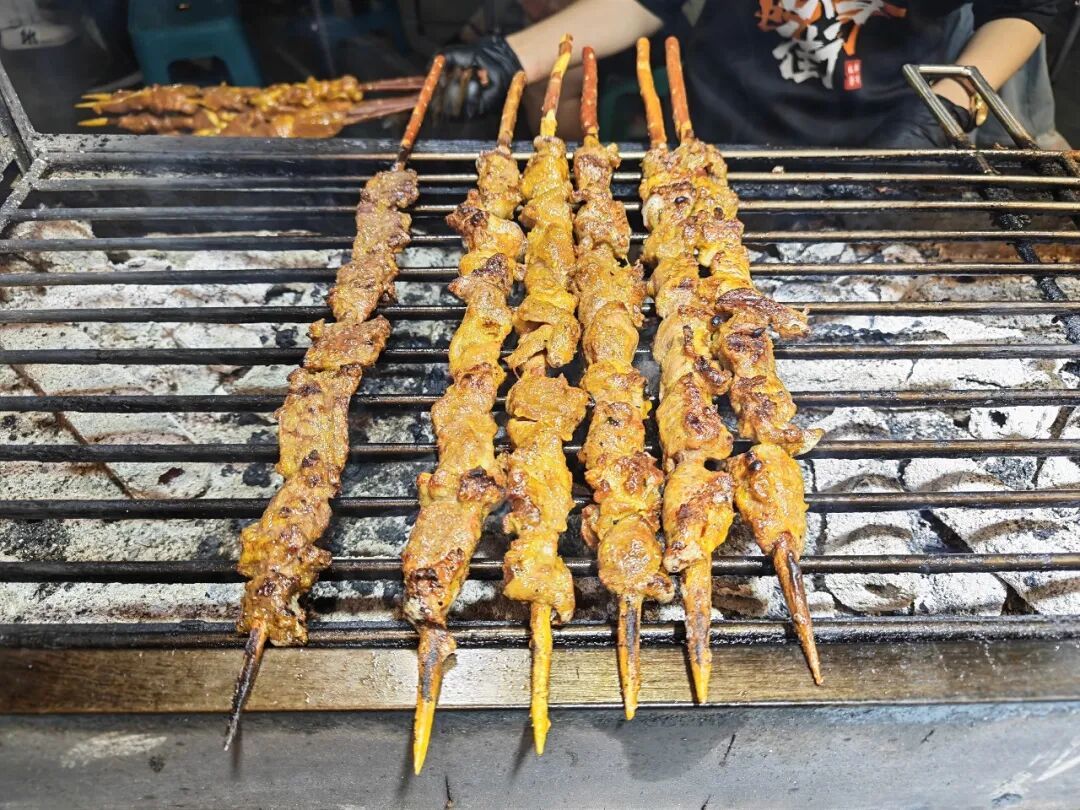
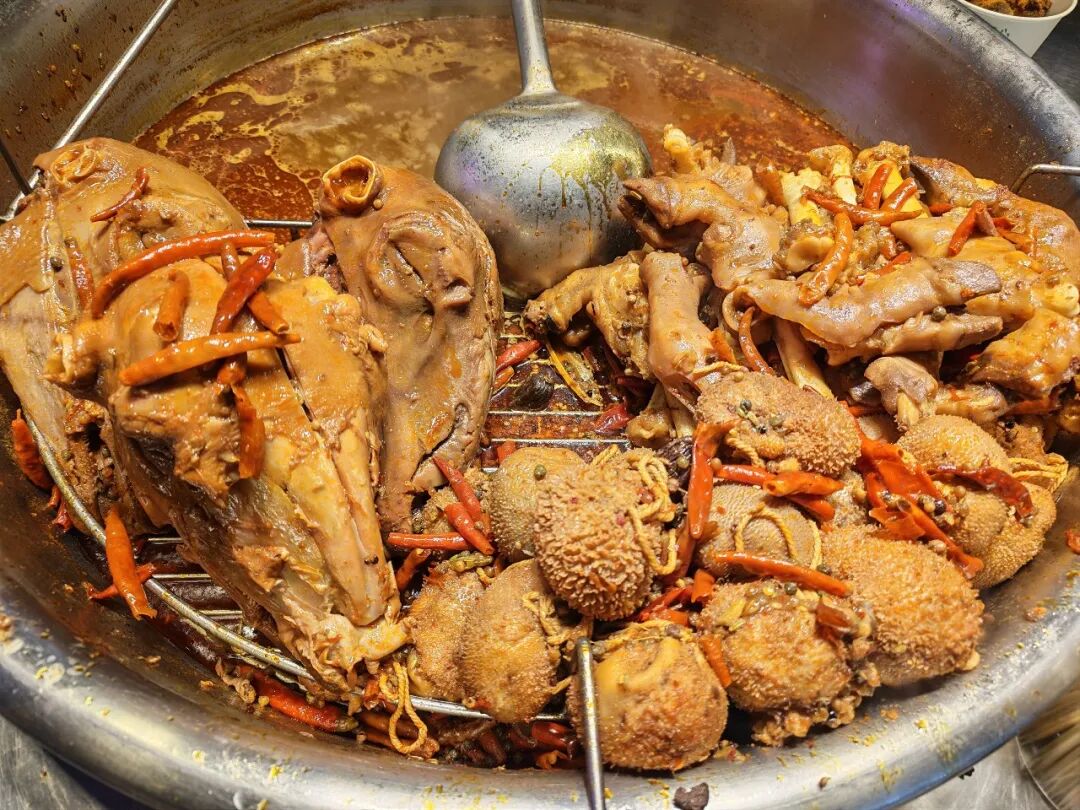
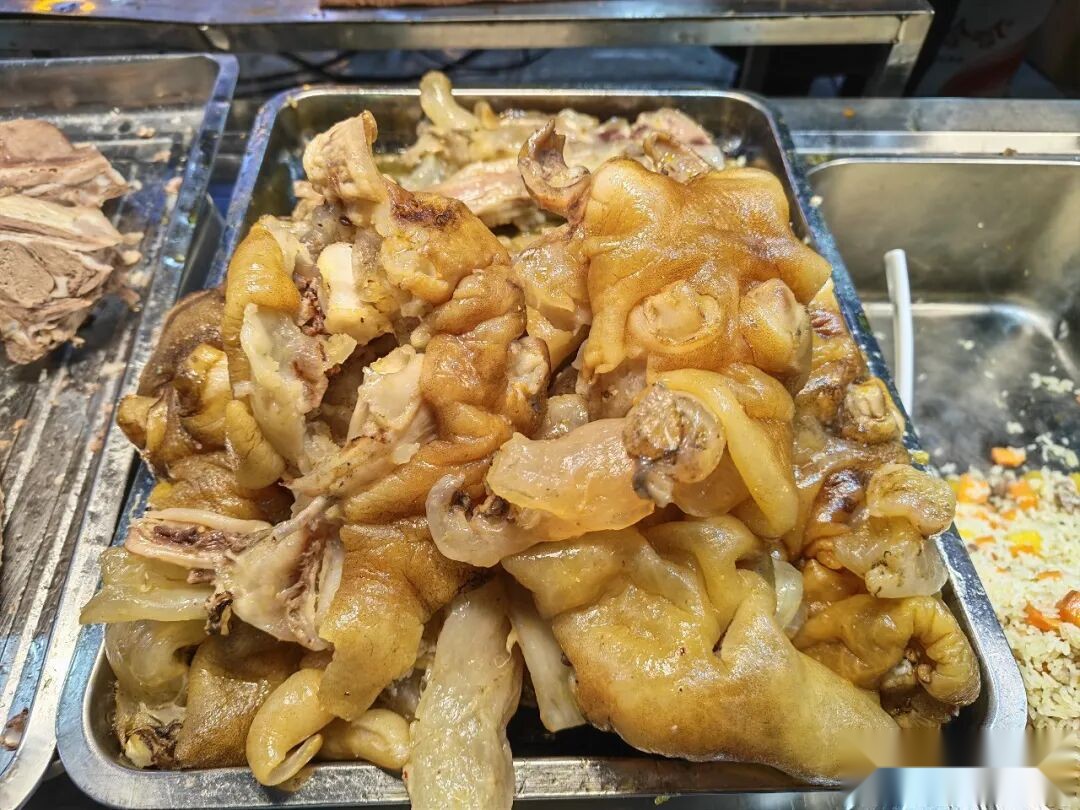
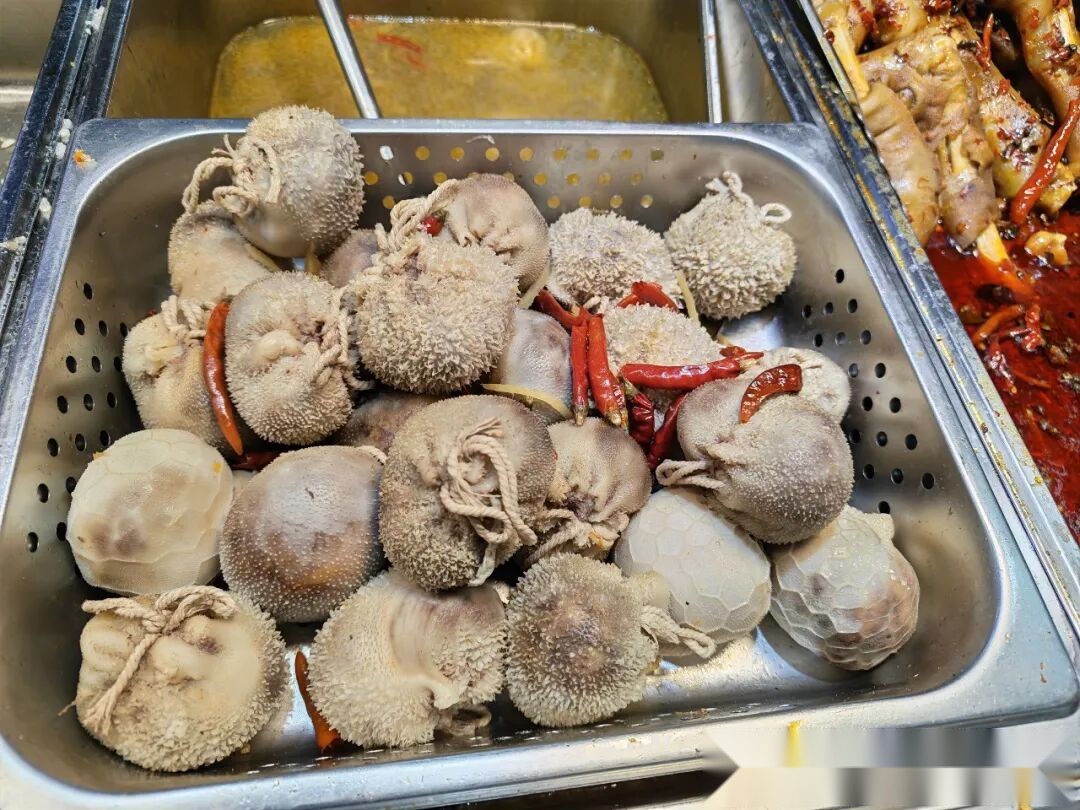
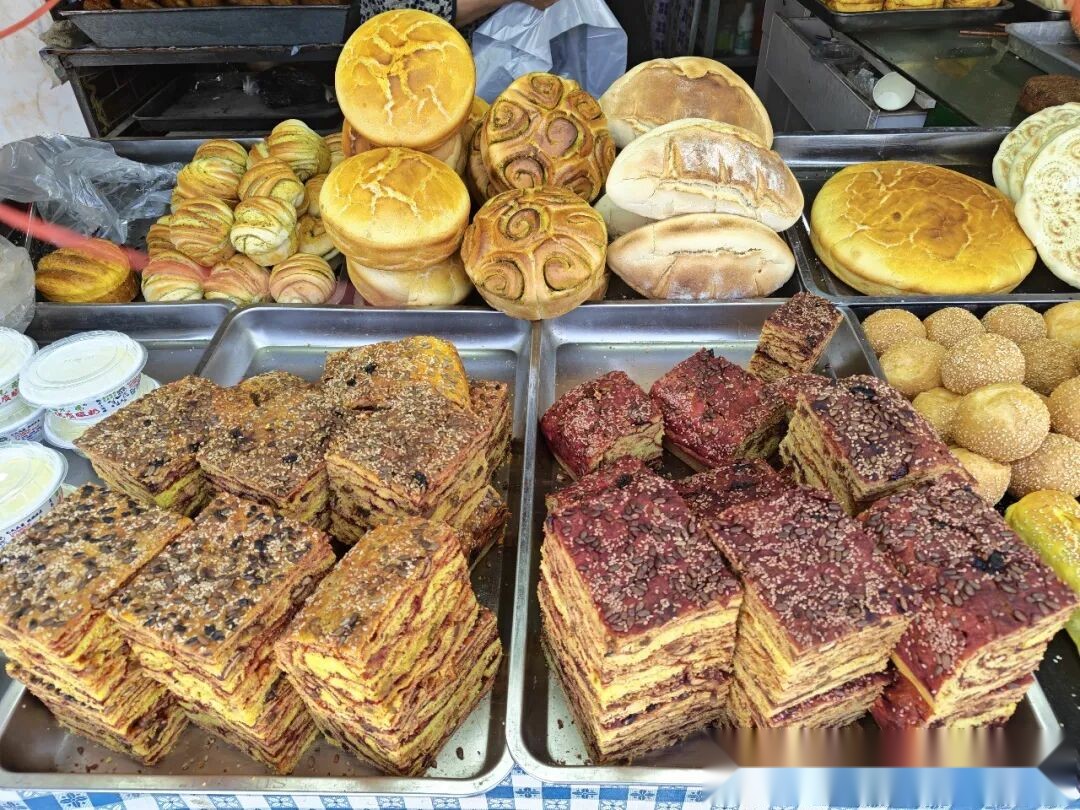
Walk Mojia Street from south to north, then turn right at the end to hit the Daxin Street night market. The intersection of the two is the best place to catch a ride out. Try to stick to the local specialties—skip the grilled squid and stinky tofu. When you’re looking for 'liu-liu yangrou' (grilled lamb skewers on red willow branches), go for the stalls that slice and skewer the meat right in front of you. I wouldn’t recommend the 'ganbian yangchang' (dry-fried lamb intestine), as it’s stuffed with bean flour and tastes a bit off. The 'doubao rou' (lamb tripe stuffed with beef) is great. There are tons of tiny tomatoes here that are super eye-catching, and the 'yangyu jinjin' (stir-fried potato strips with bean sprouts, onions, and green peppers) is way better than you’d expect. You should definitely try the lamb head and trotters. The lamb skewers are pretty standard everywhere. If you get thirsty, grab some yogurt, 'tianpeizi' (fermented highland barley), milk tea, or 'jidan niunai lauzao' (sweet fermented rice with egg and milk). Honestly, there weren't as many 'unique' foods as I expected, but that’s probably because I’d spent several days eating my way through Lanzhou, Wuwei, and Qilian, so my standards were pretty high. I rushed through Xining on my previous Qinghai-Gansu road trip, so it was nice to really explore it this time.

This trip features 87 high-definition photos capturing a pastoral hiking journey through Qingyang Valley in Qilian County, Qinghai. Along the way, we explored the ancient Epu City, visited the Dongguan and Nanguan mosques in downtown Xining, climbed Fenghuang Terrace at Nanshan Park for a panoramic view of the highland city, and hunted for halal eats at the Mojia Street and Daxin Street night markets.
Today’s hike took us through Qingyang Valley in Qilian County, tucked away behind the backside of Zhuoer Mountain. The route is only about 3 miles (5 kilometers) long with minimal elevation gain, but I took it incredibly slow. It wasn’t because the trail was tough—it was just impossible to pull myself away from the scenery. Usually, I’m the one charging ahead, but today I found myself lagging behind. The place was just too beautiful; I couldn't bear to rush through it.
We started our hike at the Malahe Village Kindergarten in Babao Town, Qilian County. As we strolled along the dirt paths behind the village, we were surrounded by golden, ripe highland barley and wheat, along with withered, seed-bearing rapeseed flowers—a total pastoral dream. Every once in a while, I’d turn back, and the view would blow me away. Below the highland meadows of the rear Zhuoer Mountain, exposed red sandstone and conglomerate looked like a Danxia landscape painted onto the earth’s canvas. Reaching the hilltop and sitting on the soft grass to quietly take in the rolling mountains and sprawling fields was a soul-stirring experience.
Think that was it? Once you cross the mountain pass, the views get even more intense. To the right in the distance, you’ll see Niuxin Mountain—or 'Ami Dongsu' in Tibetan—which is the sacred mountain of Qilian, where I hiked yesterday. Looking across the Babao River valley, the main peak of Niuxin Mountain is imposing, with clouds drifting below its summit. The mountains stretch eastward, dipping down into slopes covered in pristine, ancient forests. Down closer, the golden barley and wheat fields weave through the slopes, and there was even a patch of late-blooming rapeseed flowers waiting for us latecomers. It felt like walking right through a landscape painting.
We ended the hike at Ladong Village in Babao Town and drove about four hours back to Xining. We grabbed lunch at the ancient Epu City, feasting on banmian (hand-pulled noodles with potato and beef), yogurt, and lamb skewers. This former Silk Road outpost was a major junction: head north to cross Biandu Pass into the Hexi Corridor, west into the Qilian grasslands, or east toward Xining and Lanzhou. Epu City had fallen into ruins, but it’s been revitalized thanks to the tourism boom. You can check out the 'Highway 9' signs and the Epu city gate, where you’ll find remnants of the old city walls nearby.
Once we hit downtown Xining, we freshened up and headed straight to the Nanguan and Dongguan mosques. They’re only about 600 meters apart, so you can easily do both in one go. Just a heads-up: they’re closed to visitors during prayer times, and non-Muslims aren't allowed inside the main prayer halls at any time.
The Dongguan Great Mosque was originally built during the Hongwu era of the Ming Dynasty. It’s one of the four largest mosques in Northwest China. After being renovated and expanded over several generations, the main hall now features a traditional Chinese palace-style roof with 'feiyan dougong' (upturned eaves and interlocking wooden brackets), blending Islamic style with Tibetan architectural elements. It’s a textbook example of how Central Plains architecture and Islamic culture mesh together.
The Nanguan Mosque dates back to 1934 and was completely rebuilt in 2013. It sports a classic Arabic Islamic design with white walls and golden domes, complete with arched corridors and columns—it feels totally exotic. You can tour inside the Dongguan Mosque, but you can only take photos from the entrance of the Nanguan Mosque. One is old, one is new; one has Chinese-style halls, the other has Arabic domes—together, they tell the story of Xining’s religious heritage and its history of multi-ethnic harmony.
To get to Nanshan Park from the Dongguan Mosque, grab a taxi. Once you’re in, walk straight to the observation deck, then turn right and head up the slope to Fenghuang Terrace. You can go up to the second floor for a killer view of Xining. Keep in mind that trees block the sunset view from the west side of the terrace. The secret spot for the sunset isn't on the terrace itself; walk around to the back, take the wooden boardwalk down to the small protruding balcony, and you’ll get the perfect shot of the overpass, the TV tower, and the golden sunset glow.
Below Fenghuang Terrace, there’s a massive complex of ancient buildings. It’s known as the 'Ghadiriyya' Gongbei (shrine), which holds the tomb of the Islamic sage Qutb al-Rabbani Abd al-Rahman, a descendant of the Prophet from Baghdad. Originally built during the Yuan Dynasty under the order of the Prince of Xining, it’s been destroyed and rebuilt several times throughout the Ming and Qing dynasties. The octagonal tower with flying eaves we see today was restored in the 1980s. With its Chinese-style eaves and brackets mixed with Islamic architectural flair, it has stood on this hilltop for 700 years, watching over Xining and bearing witness to the fusion of cultures in the Hehuang region.
Getting a taxi down from Nanshan Park can be tricky, especially after 8:30 PM when everyone is leaving the night view. We caught a tricycle for 10 yuan to the bottom of the hill and hailed a cab there to the Mojia Street night market. Traffic gets heavy near the market, so it’s easier to just have the driver drop you off at a nearby side street and walk the rest of the way.
Walk Mojia Street from south to north, then turn right at the end to hit the Daxin Street night market. The intersection of the two is the best place to catch a ride out. Try to stick to the local specialties—skip the grilled squid and stinky tofu. When you’re looking for 'liu-liu yangrou' (grilled lamb skewers on red willow branches), go for the stalls that slice and skewer the meat right in front of you. I wouldn’t recommend the 'ganbian yangchang' (dry-fried lamb intestine), as it’s stuffed with bean flour and tastes a bit off. The 'doubao rou' (lamb tripe stuffed with beef) is great. There are tons of tiny tomatoes here that are super eye-catching, and the 'yangyu jinjin' (stir-fried potato strips with bean sprouts, onions, and green peppers) is way better than you’d expect. You should definitely try the lamb head and trotters. The lamb skewers are pretty standard everywhere. If you get thirsty, grab some yogurt, 'tianpeizi' (fermented highland barley), milk tea, or 'jidan niunai lauzao' (sweet fermented rice with egg and milk). Honestly, there weren't as many 'unique' foods as I expected, but that’s probably because I’d spent several days eating my way through Lanzhou, Wuwei, and Qilian, so my standards were pretty high. I rushed through Xining on my previous Qinghai-Gansu road trip, so it was nice to really explore it this time.
