
Hongshuiquan Mosque in Qinghai: 600-Year-Old Ming Dynasty Architecture and Masterpiece Brick Carvings
[Internet Repost]
We headed out to explore the Hongshuiquan Mosque, a 600-year-old Ming Dynasty gem located in the Ping'an District of Haidong, Qinghai. We’re zooming in on the one-of-a-kind 'Tianluosan' (Heaven-descended umbrella) caisson ceiling, the beam-less gate structure supported by intricate dougong (traditional interlocking wooden brackets) known as 'ergui tiaodan' (two spirits carrying a load), and a 100-meter-long brick-carved screen wall featuring over 200 distinct patterns—a true testament to the blend of Han, Tibetan, and Hui Muslim architectural artistry.
Seeing the 'Tianluosan' caisson ceiling at Hongshuiquan Mosque in person is truly the 'GOAT' of all ceilings. The name isn't just for show! The entire wooden structure fans out from the top down, looking exactly like a giant umbrella dropping from the heavens. It’s a design so unique that you won’t find another one like it in any other mosque across the country.
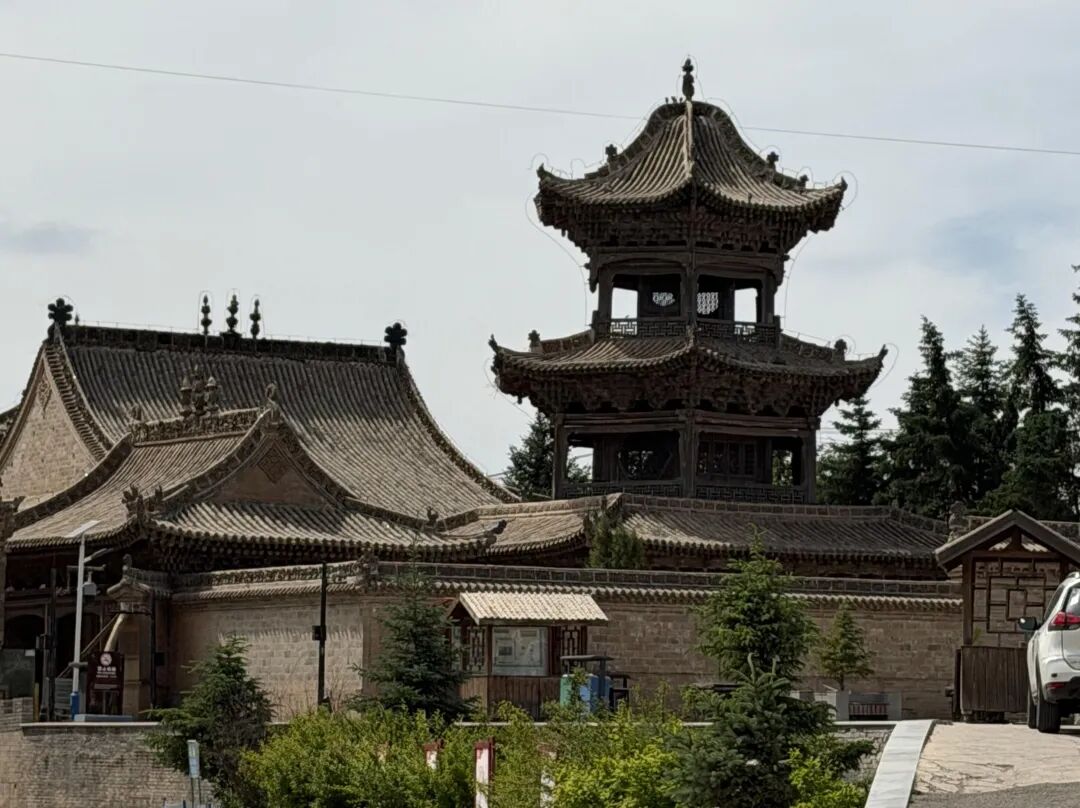
Hidden away in a mountain valley, this 600-year-old Ming Dynasty mosque is the ultimate example of Han, Tibetan, and Hui Muslim cultural fusion. The whole complex is designed as a classic Chinese siheyuan (quadrangle courtyard). You won't find any Arabic domes here; instead, it features a screen wall, a ceremonial archway, and a three-tiered bangke lou (minaret/call-to-prayer tower) that flow together to create something both grand and incredibly detailed.
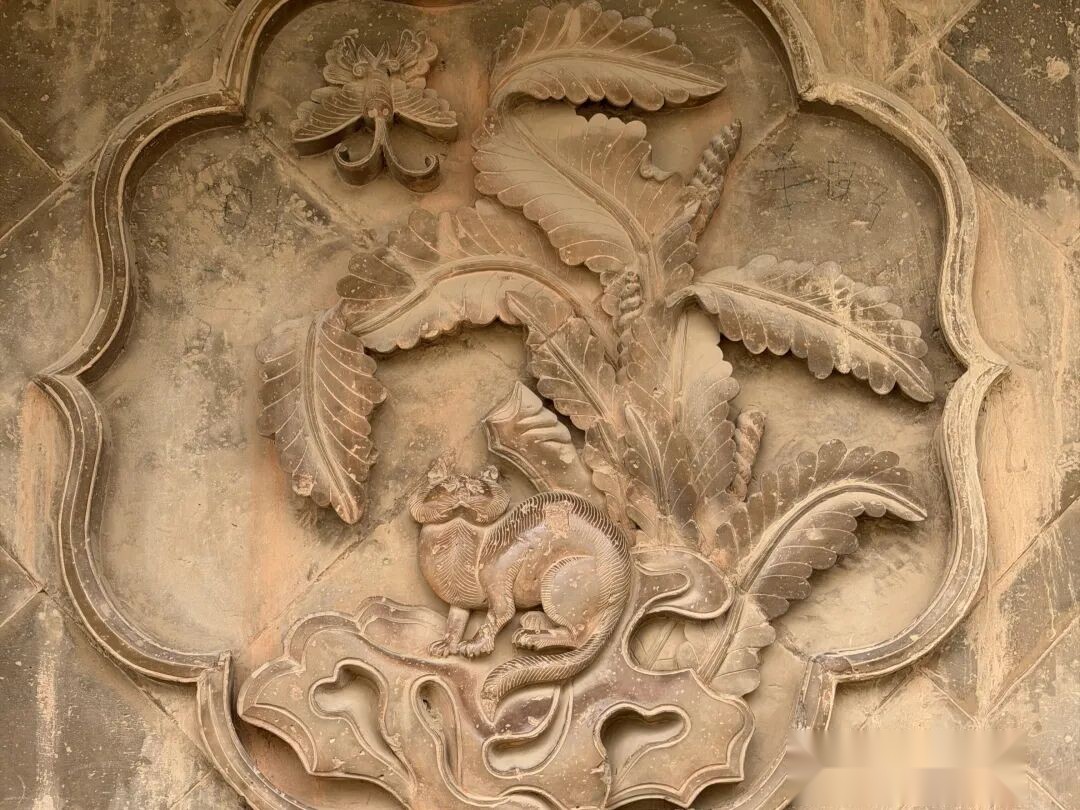
The coolest part has to be the 'wuliang shanmen' (beam-less gate)! It’s held up entirely by interlocking dougong, which locals call 'ergui tiaodan'—the genius of our ancestors is honestly mind-blowing. Then there’s that 100-meter-long screen wall, carved with over 200 unique motifs, from dragons and phoenixes to qilin (mythical hooved chimeras) and the Anbaxian (eight immortals' symbols). Every single carve tells a story.
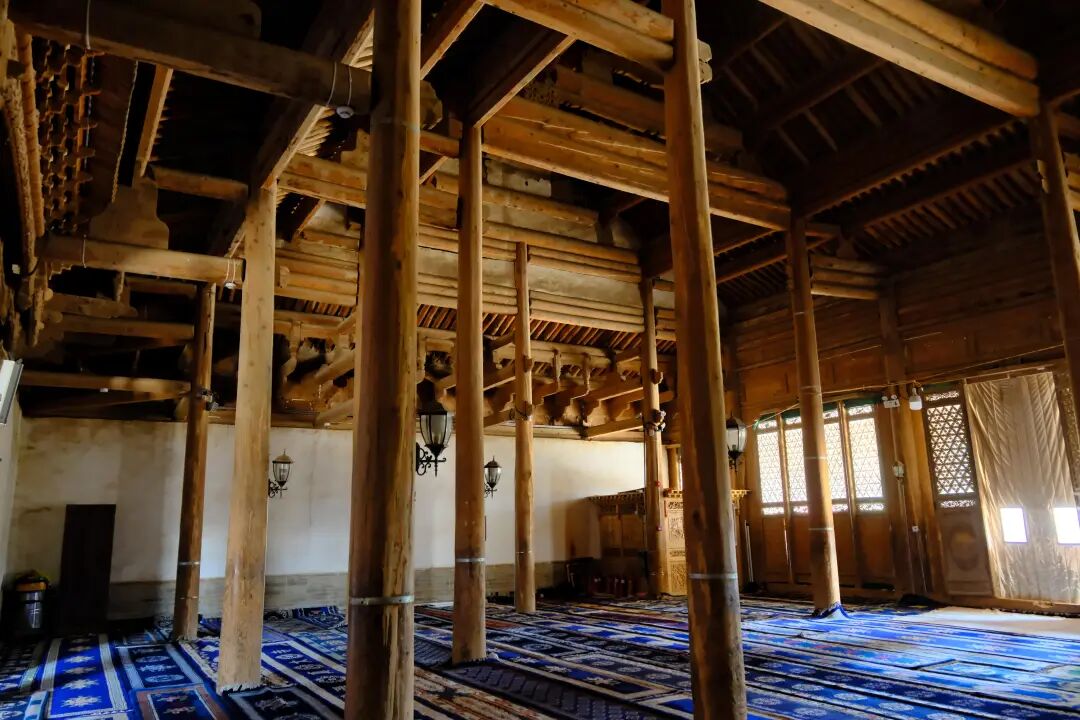

The main body of the caisson ceiling hasn't been dismantled or undergone major repairs since it was built, with only routine maintenance like wood preservation over the centuries, yet it remains in perfect condition today. It’s a shame there are no original blueprints left; the construction methods were passed down through word of mouth. While minor repairs are doable, a complete rebuild or exact replica is pretty much impossible. There’s a quiet, isolated beauty to this place that’s hard to put into words—I was totally captivated the moment I saw it.
We headed out to explore the Hongshuiquan Mosque, a 600-year-old Ming Dynasty gem located in the Ping'an District of Haidong, Qinghai. We’re zooming in on the one-of-a-kind 'Tianluosan' (Heaven-descended umbrella) caisson ceiling, the beam-less gate structure supported by intricate dougong (traditional interlocking wooden brackets) known as 'ergui tiaodan' (two spirits carrying a load), and a 100-meter-long brick-carved screen wall featuring over 200 distinct patterns—a true testament to the blend of Han, Tibetan, and Hui Muslim architectural artistry.
Seeing the 'Tianluosan' caisson ceiling at Hongshuiquan Mosque in person is truly the 'GOAT' of all ceilings. The name isn't just for show! The entire wooden structure fans out from the top down, looking exactly like a giant umbrella dropping from the heavens. It’s a design so unique that you won’t find another one like it in any other mosque across the country.
Hidden away in a mountain valley, this 600-year-old Ming Dynasty mosque is the ultimate example of Han, Tibetan, and Hui Muslim cultural fusion. The whole complex is designed as a classic Chinese siheyuan (quadrangle courtyard). You won't find any Arabic domes here; instead, it features a screen wall, a ceremonial archway, and a three-tiered bangke lou (minaret/call-to-prayer tower) that flow together to create something both grand and incredibly detailed.
The coolest part has to be the 'wuliang shanmen' (beam-less gate)! It’s held up entirely by interlocking dougong, which locals call 'ergui tiaodan'—the genius of our ancestors is honestly mind-blowing. Then there’s that 100-meter-long screen wall, carved with over 200 unique motifs, from dragons and phoenixes to qilin (mythical hooved chimeras) and the Anbaxian (eight immortals' symbols). Every single carve tells a story.
The main body of the caisson ceiling hasn't been dismantled or undergone major repairs since it was built, with only routine maintenance like wood preservation over the centuries, yet it remains in perfect condition today. It’s a shame there are no original blueprints left; the construction methods were passed down through word of mouth. While minor repairs are doable, a complete rebuild or exact replica is pretty much impossible. There’s a quiet, isolated beauty to this place that’s hard to put into words—I was totally captivated the moment I saw it.
