
Eid al-Adha in Yunnan: Exploring the Historic Hui Muslim Heritage of Dahuicun Village, Tonghai
[Internet Repost]
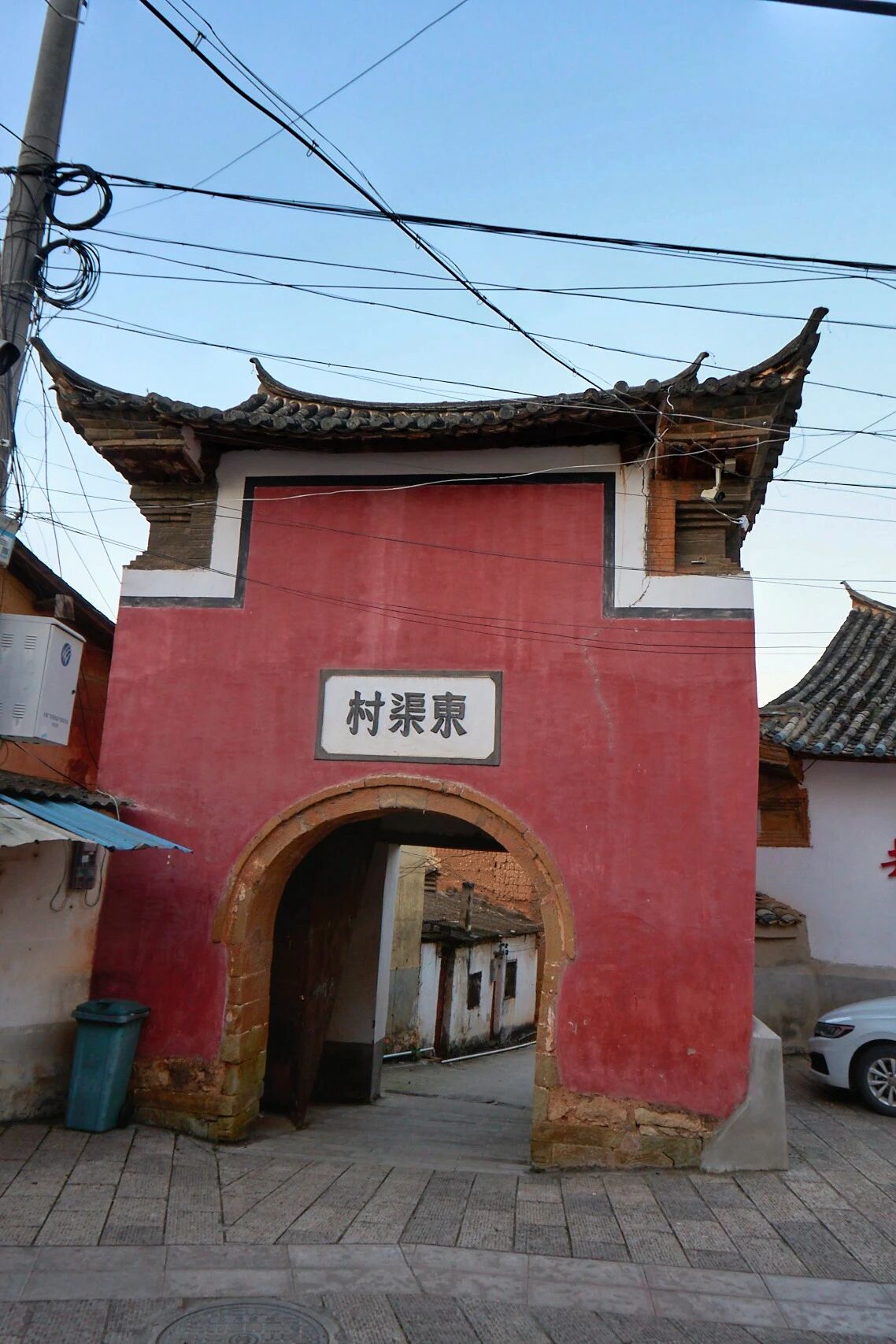
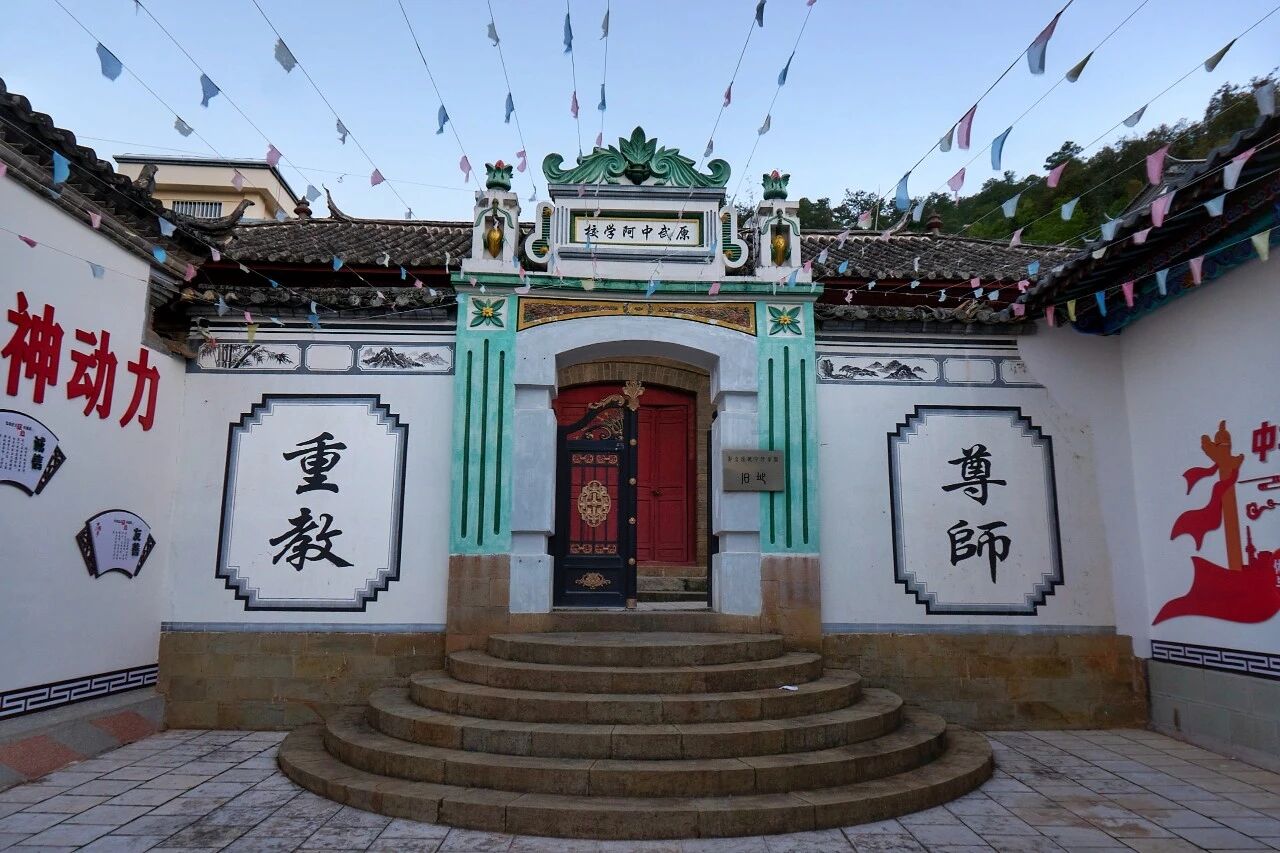
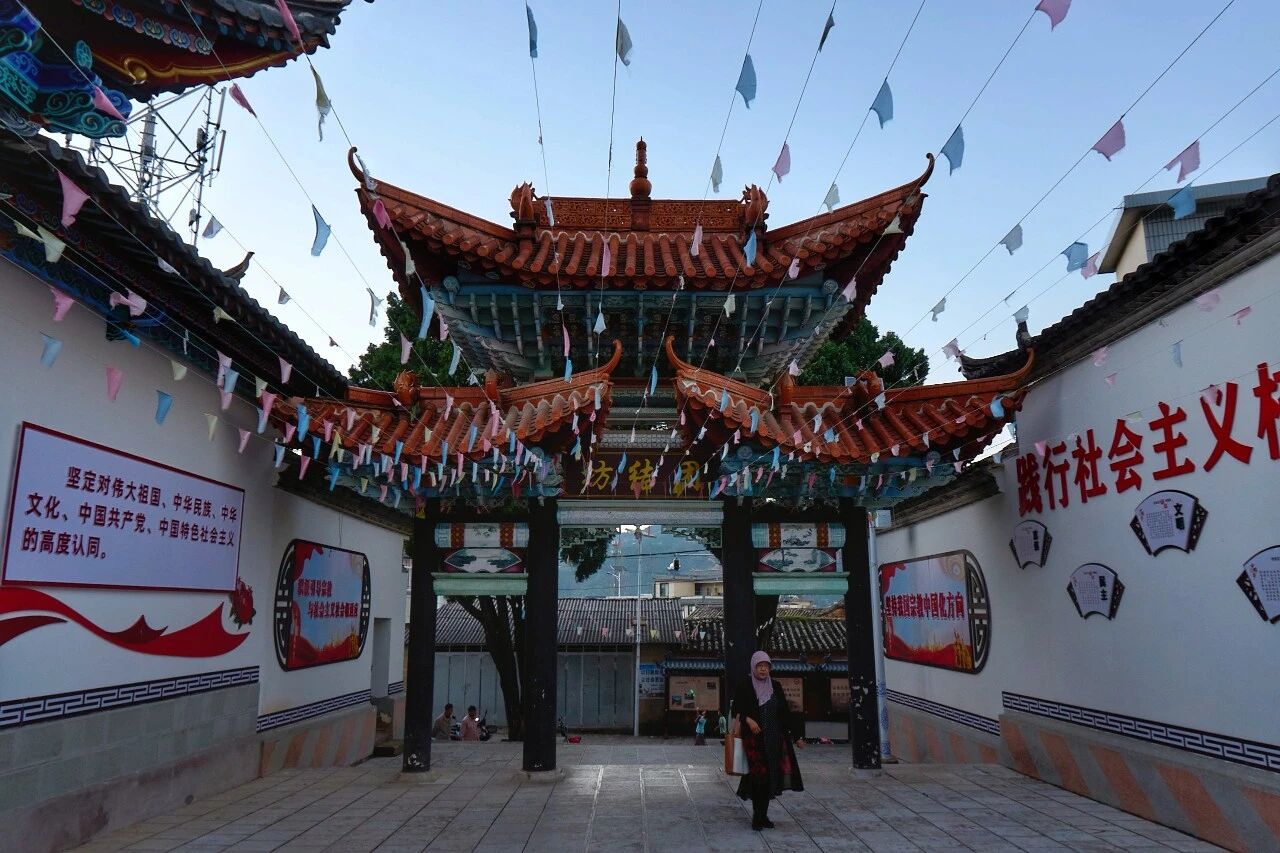
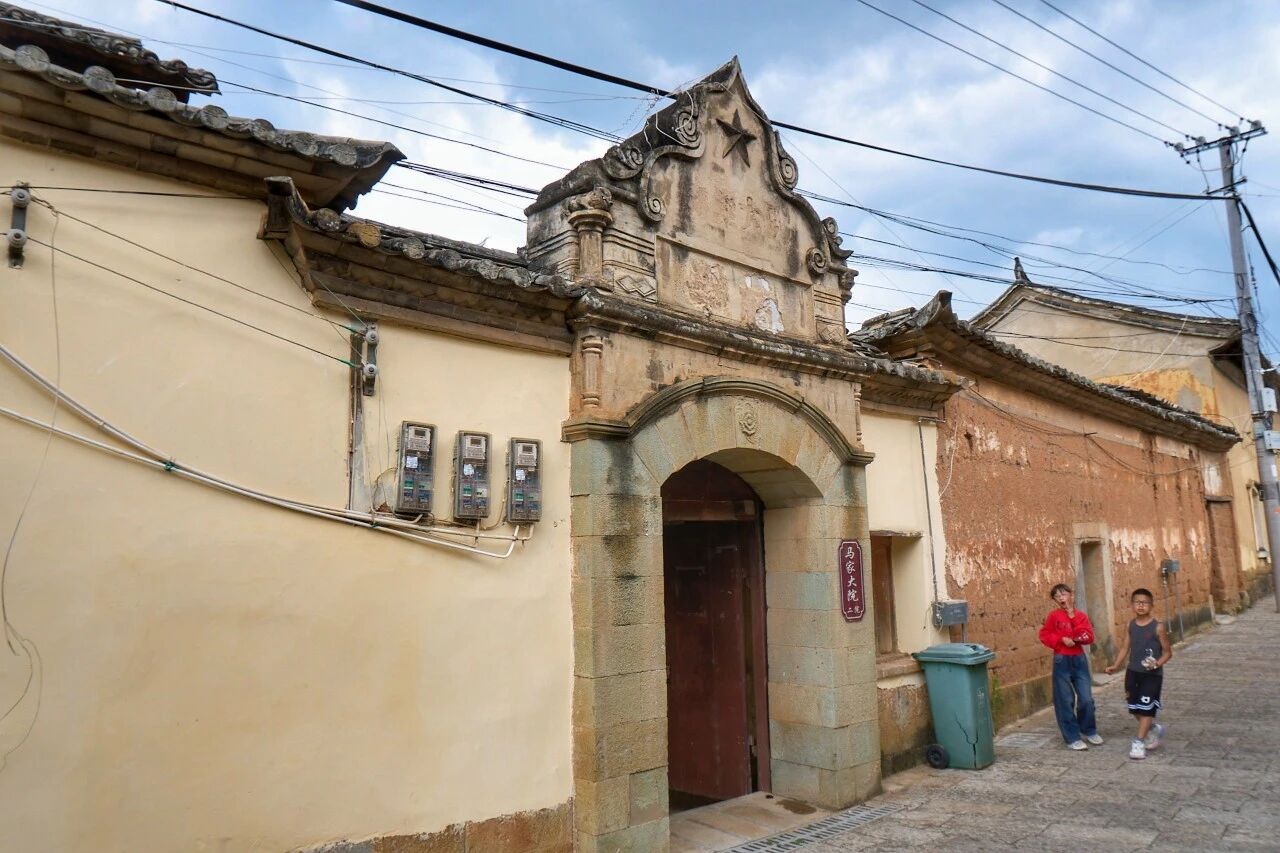
Check out these 20 photos capturing the Eid al-Adha celebrations in Dahuicun (formerly known as Dadonggou), located in Hexi Town, Tonghai County, Yuxi City, Yunnan. We’re diving into the history of the Hui Muslims who migrated from the Northwest during the Qianlong era of the Qing Dynasty to settle in Southern Yunnan, showcasing the traditions and rituals of this mountain-locked community.
When I first read about Dadonggou, I pictured a massive valley tucked between mountains, but seeing it in person, I realized it’s really just a village. It’s wild to think that a century and a half ago, a few thousand Hui fighters managed to hold their own against ten thousand Qing soldiers for three years right here in this tiny spot.
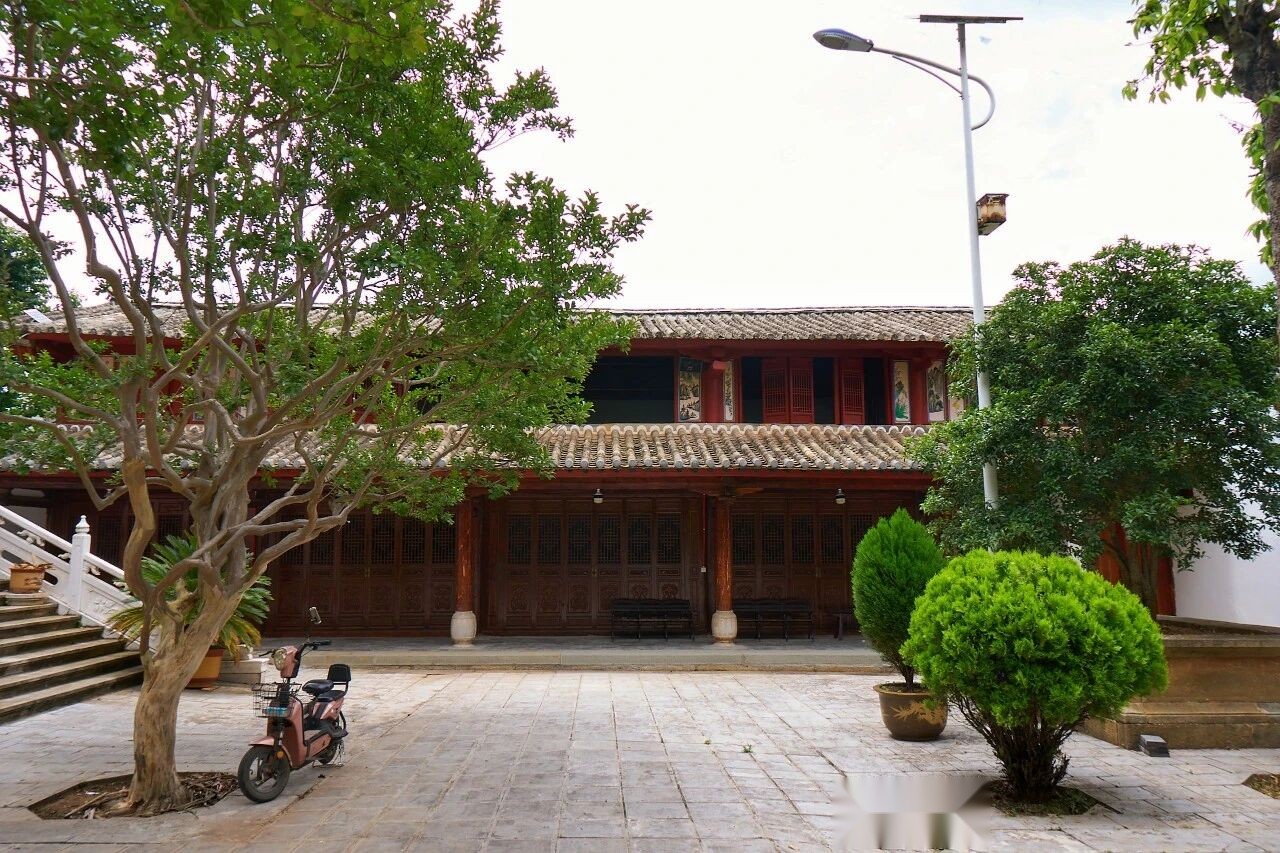
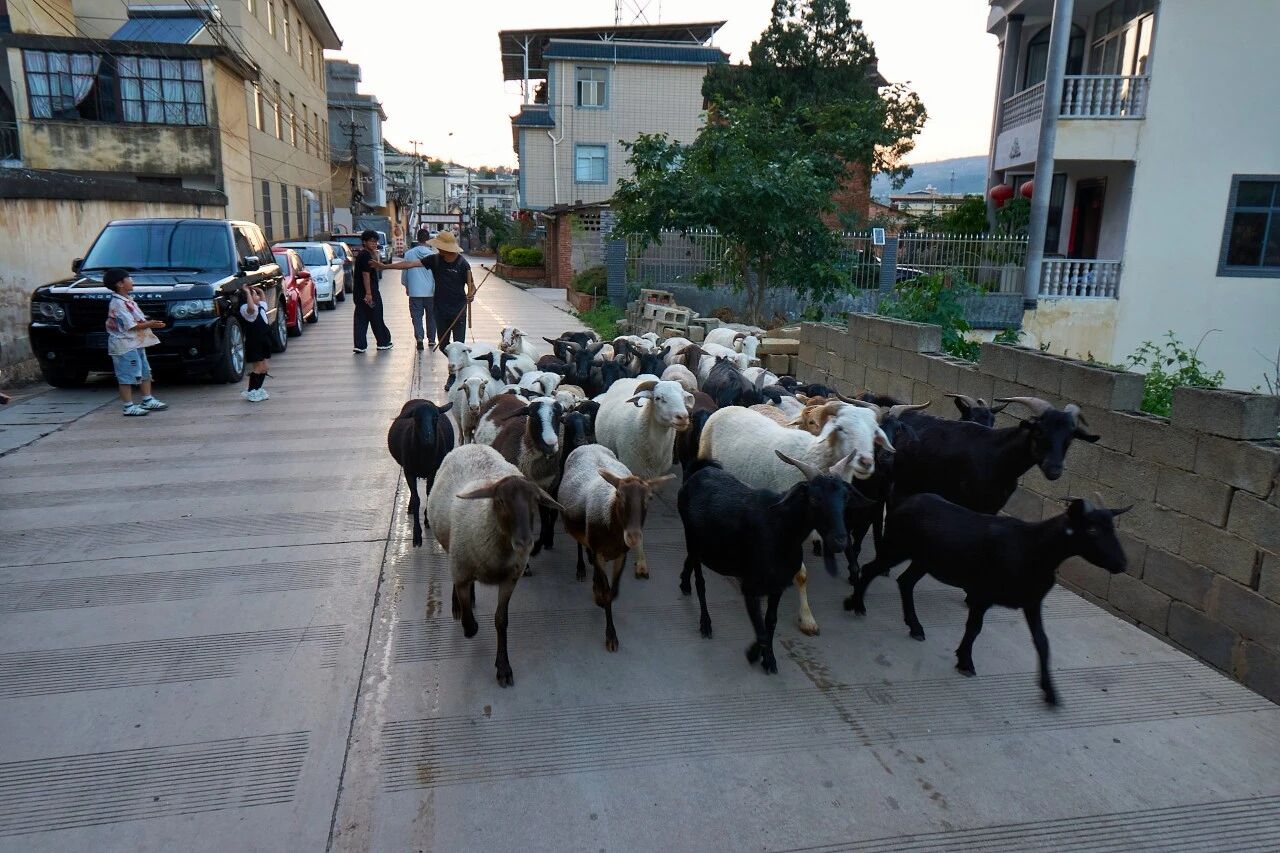
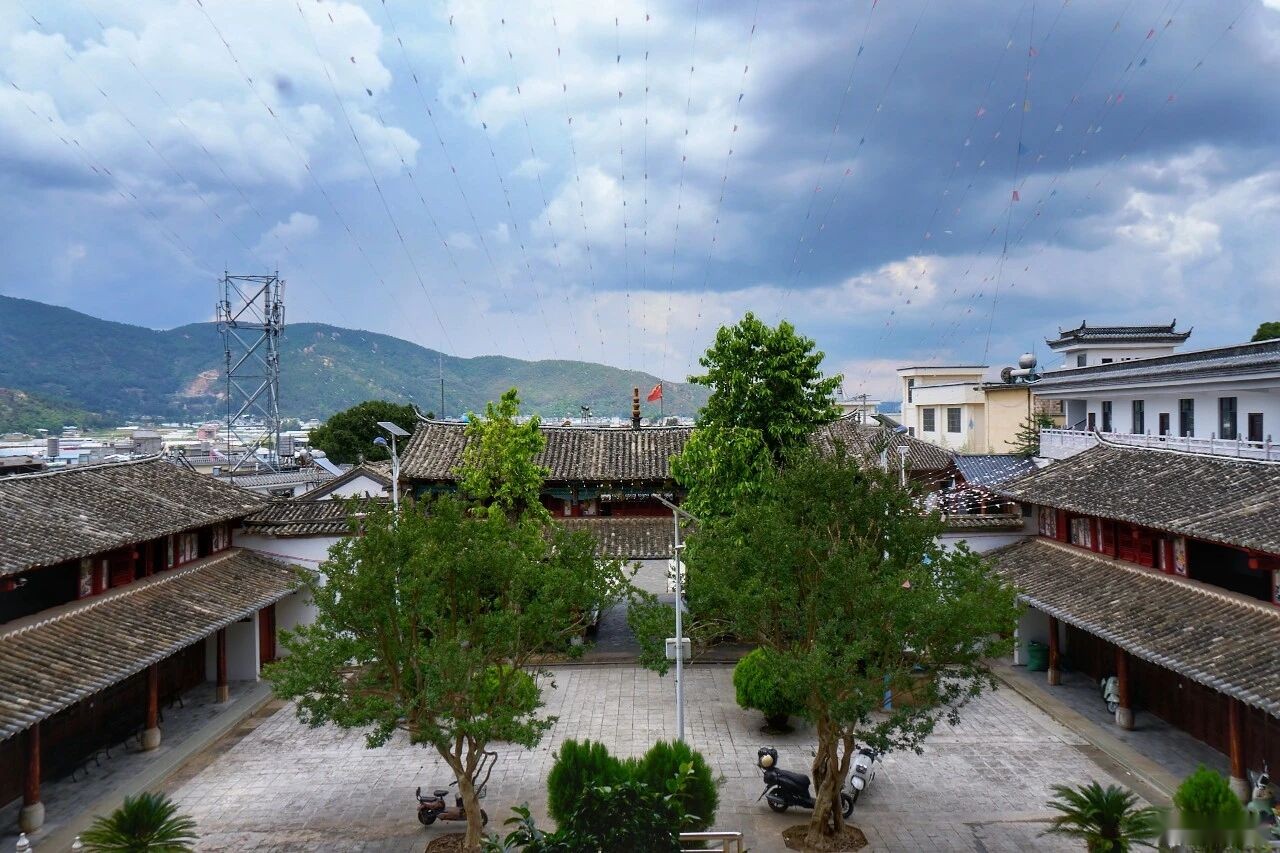
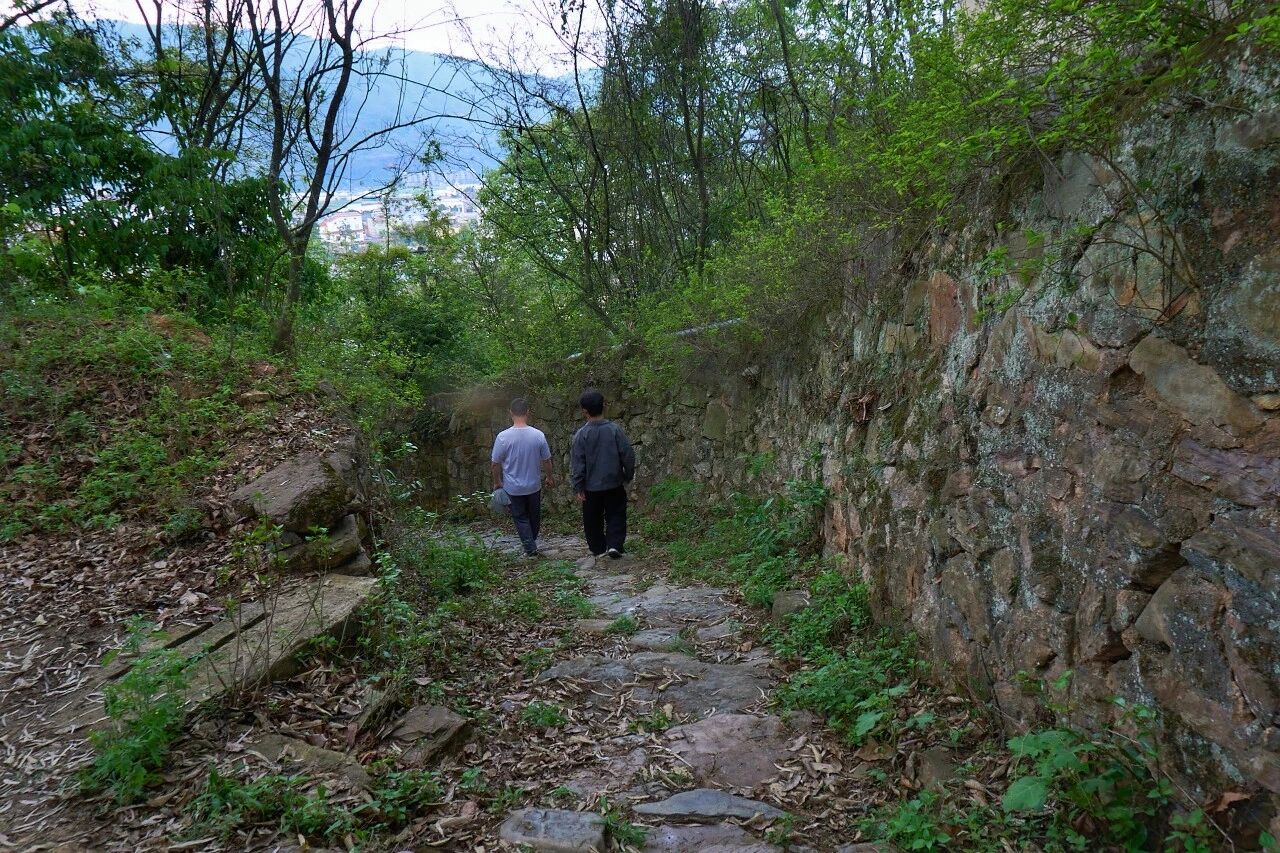
To be fair, Dadonggou isn’t exactly a mountain gorge; it’s a flat plain surrounded by mountains, which we call a 'bazi' in the Yunnan dialect. The area where the Hui Muslims live, Dahuicun in Hexi Town, Yuxi, sits right up against the edge of these mountains.
Back in 1781, after the Jahriyya uprising led by Su 43 failed, the male descendants of the Jahriyya founder, Ma Mingxin, were exiled to Yunnan. His eldest son, Ma Shunqing (revered as Talang Taiye), survived by living in exile in Talang Village (modern-day Mojiang County, Pu'er City). By the 1850s, Ma Shunqing’s sons moved to Dadonggou, making it the hub for the Jahriyya sect in Yunnan. Shortly after, during the chaos of the anti-Hui massacres in the region, the Dadonggou Jahriyya followers rose up in rebellion, coordinating with the Zhongyitang insurgents in Dali until the fall of the movement following Du Wenxiu’s death.
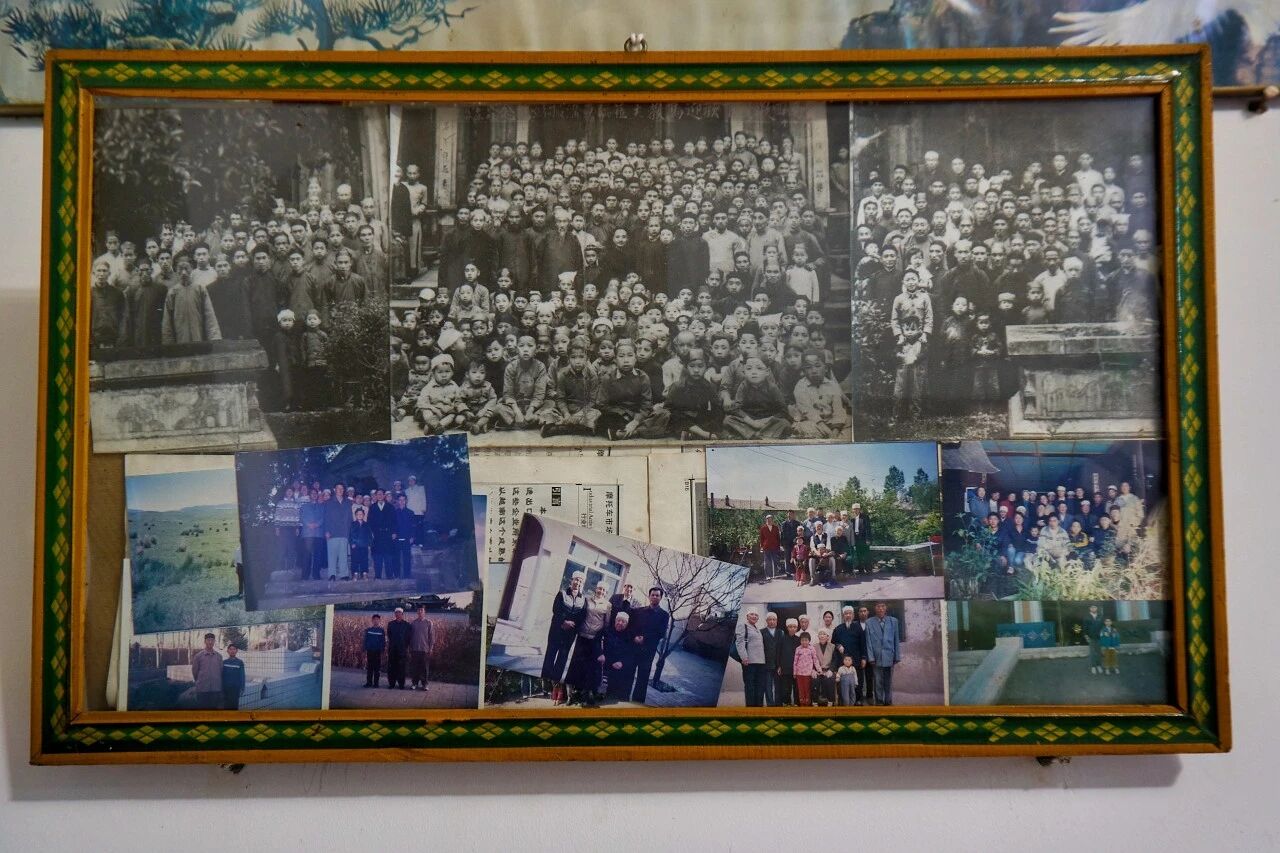
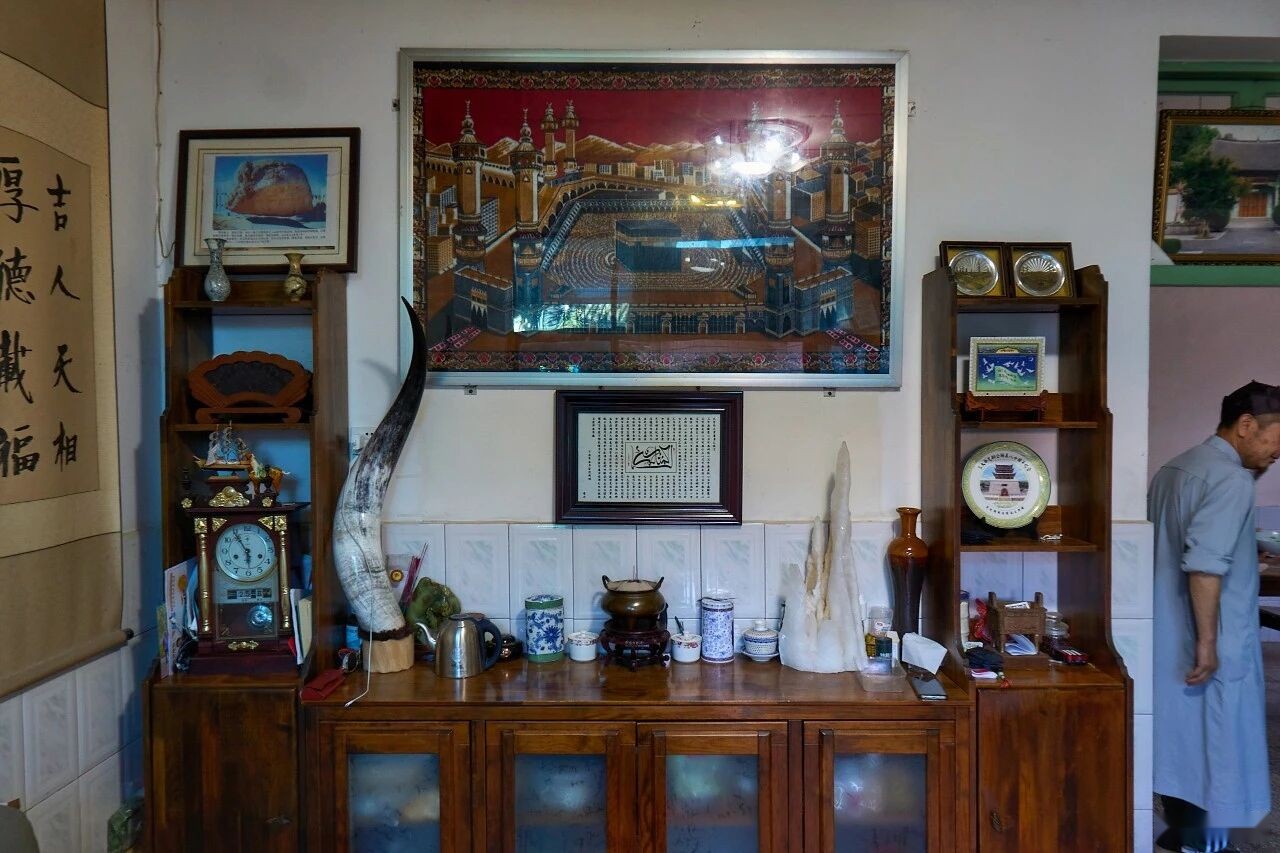
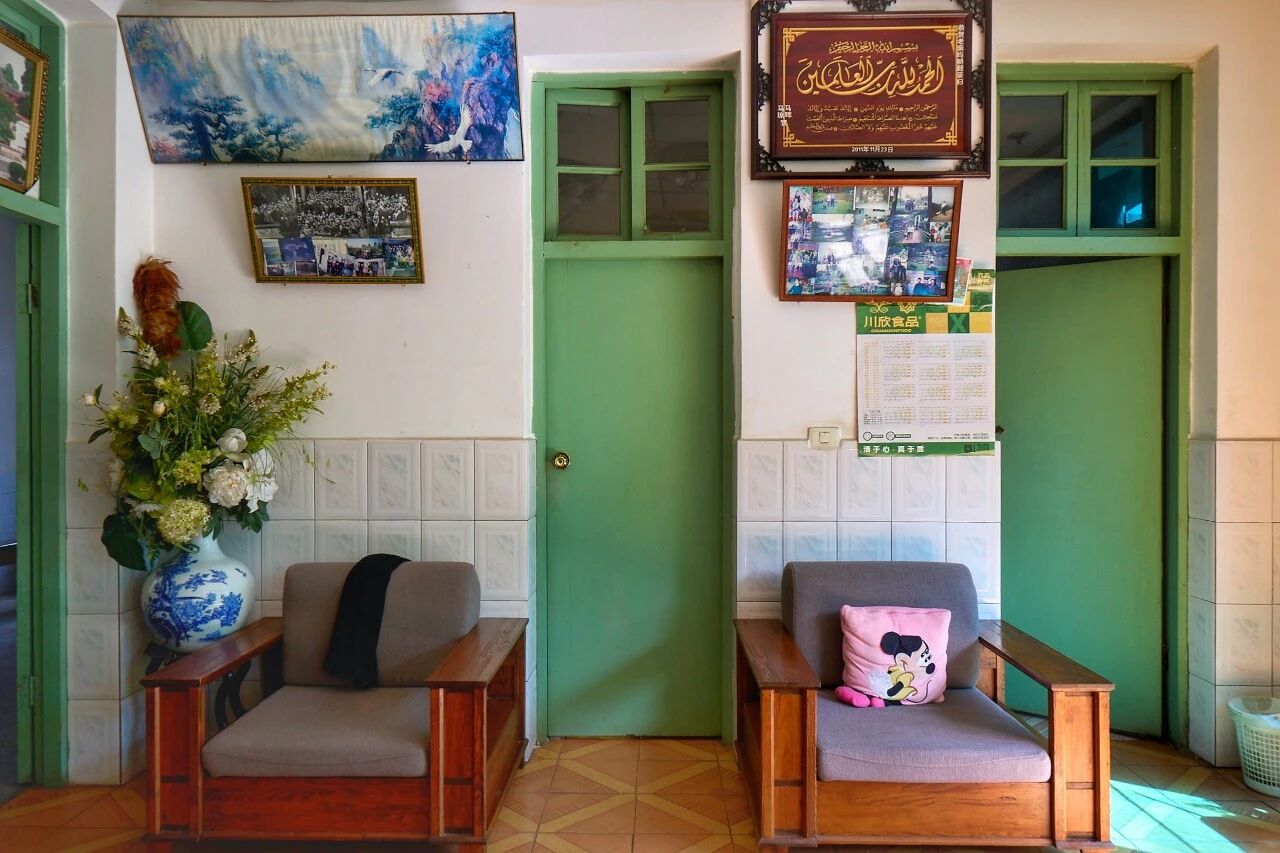
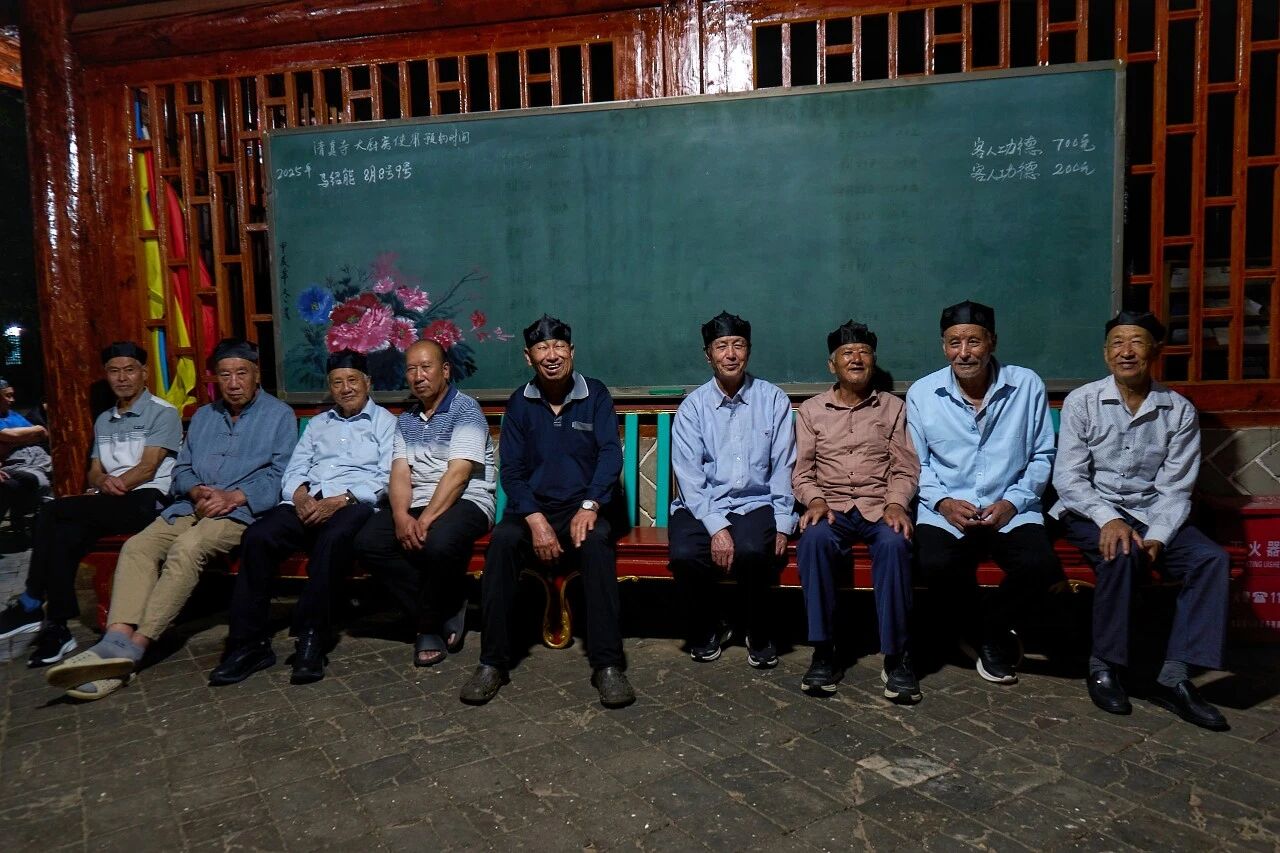
I was invited by a friend to spend Eid al-Adha (the Festival of Sacrifice) at Dahuicun. My friend’s family are descendants of Talang Taiye, and I was lucky enough to see the historic records they keep and join them at the local mosque to hear the 'Muhammas' (a type of devotional poetry praising the Prophet). Staying at their home, I noticed their living space was simple yet orderly—it felt so much like my own home that it honestly made me a bit nostalgic.
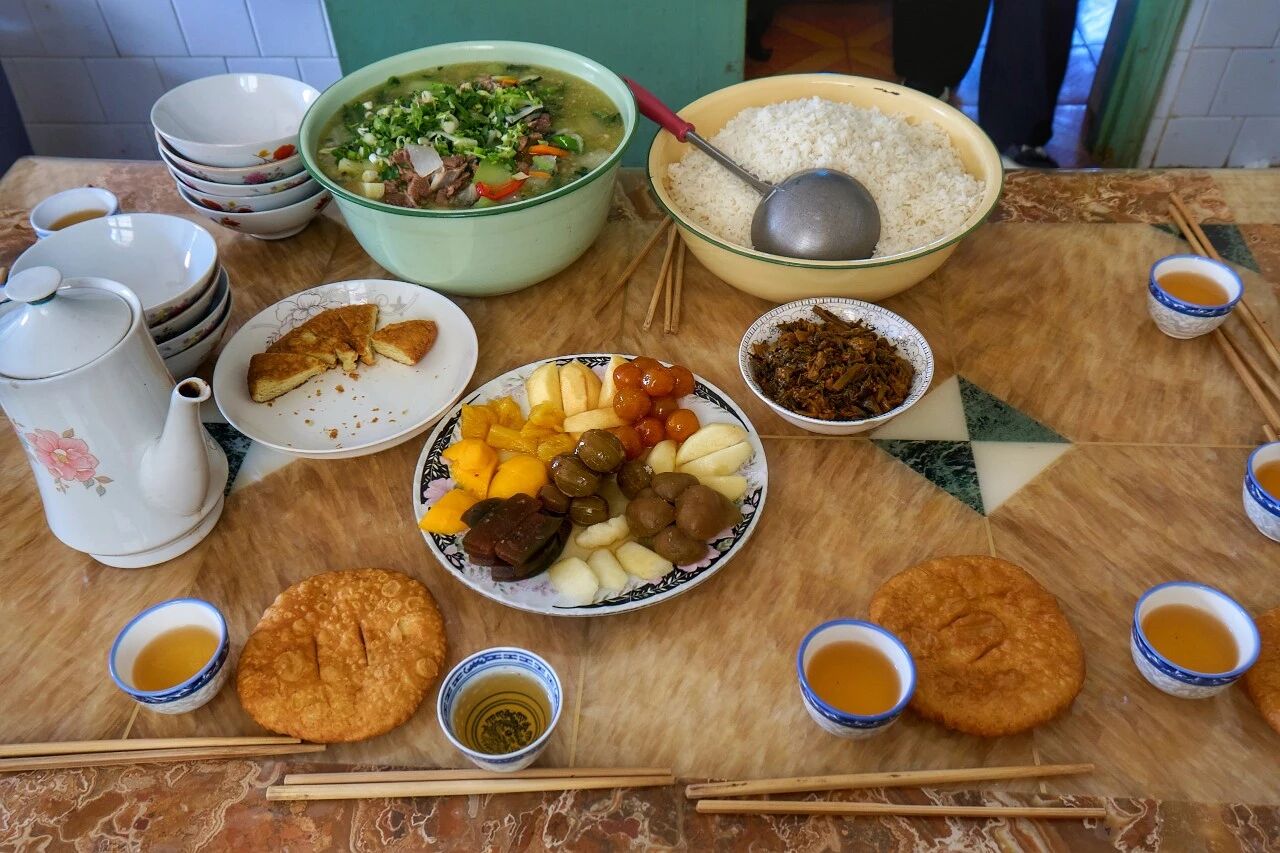
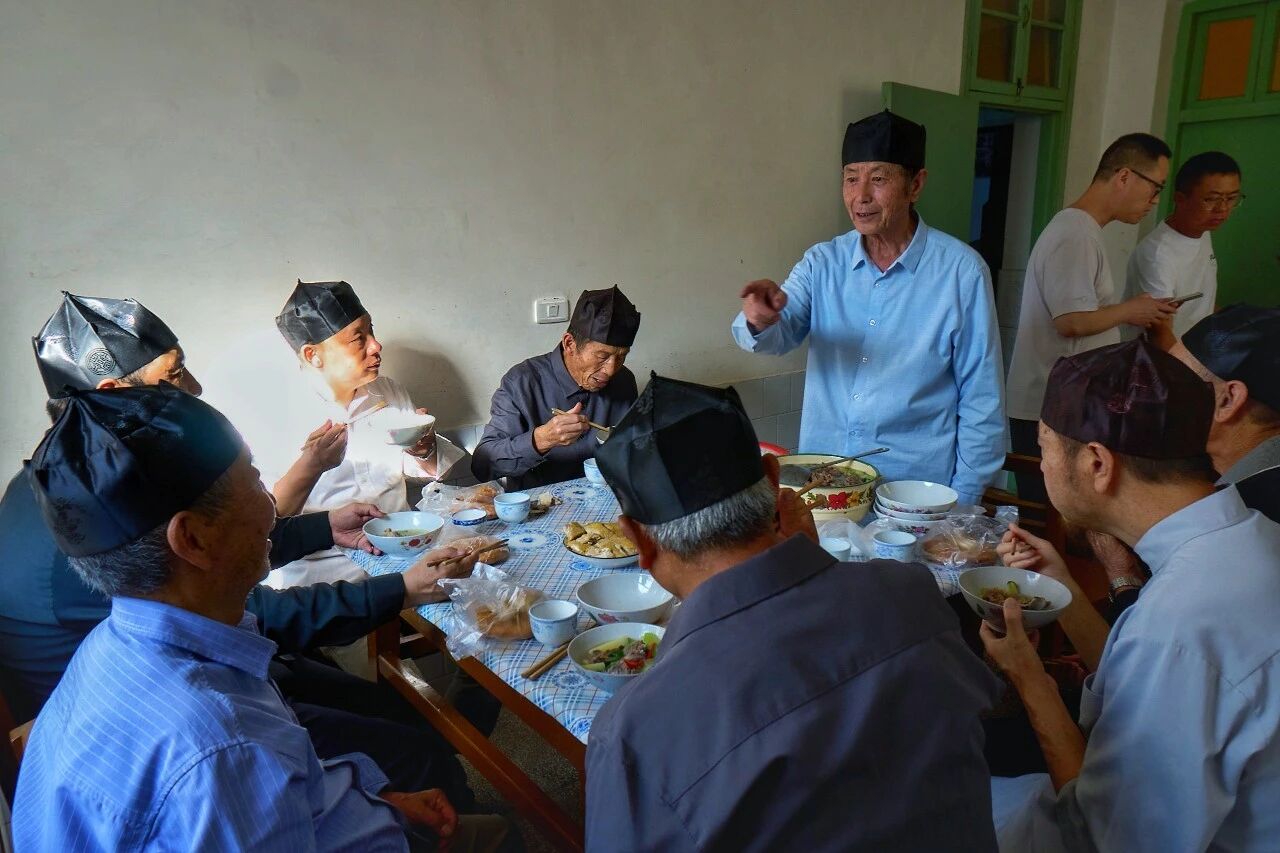
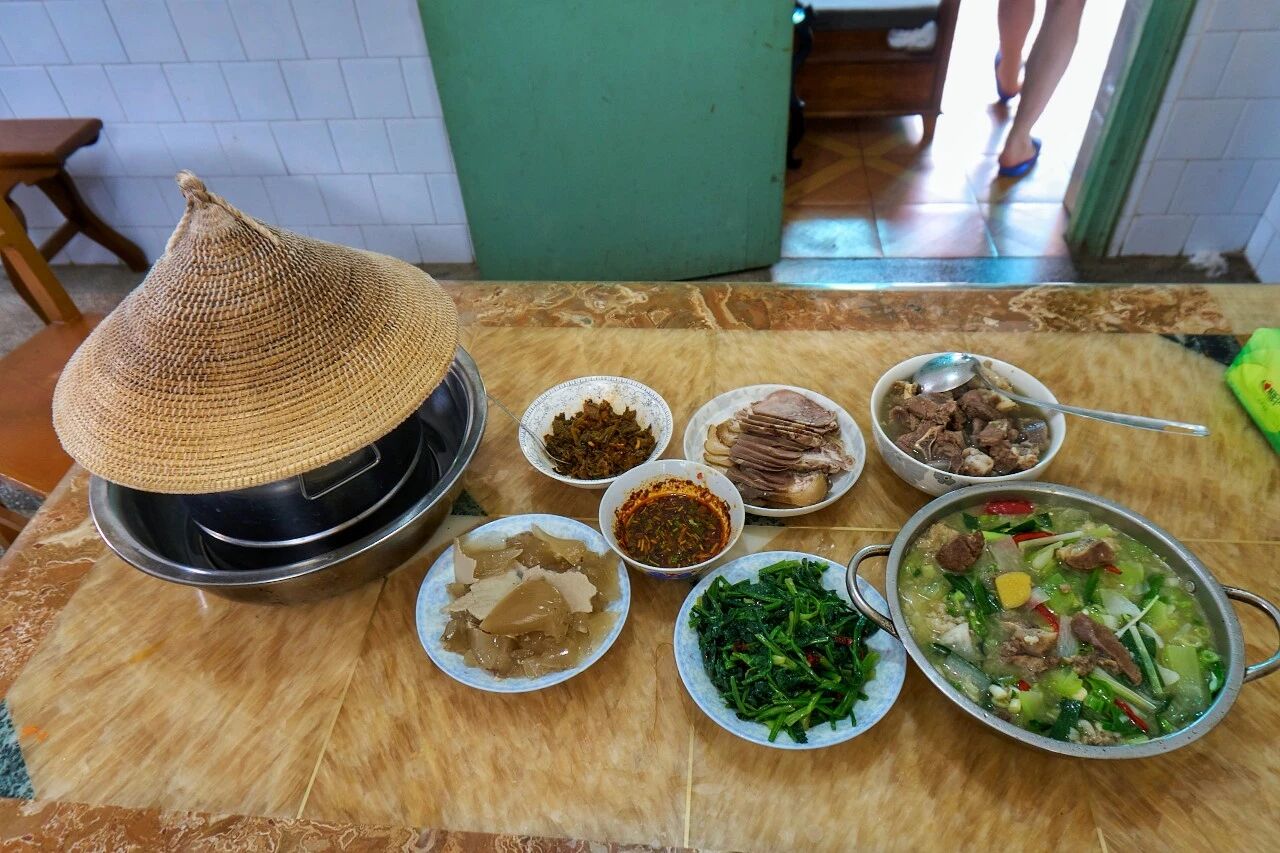
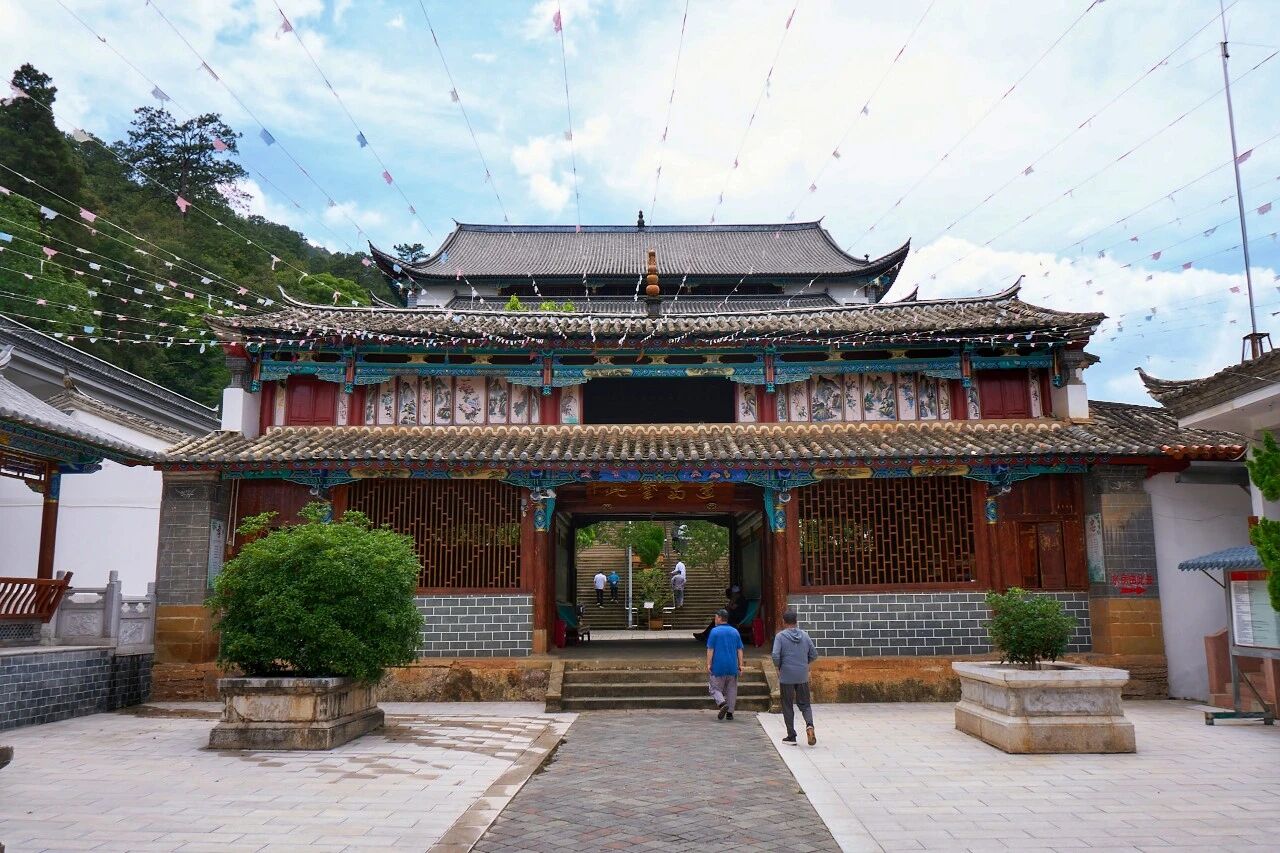
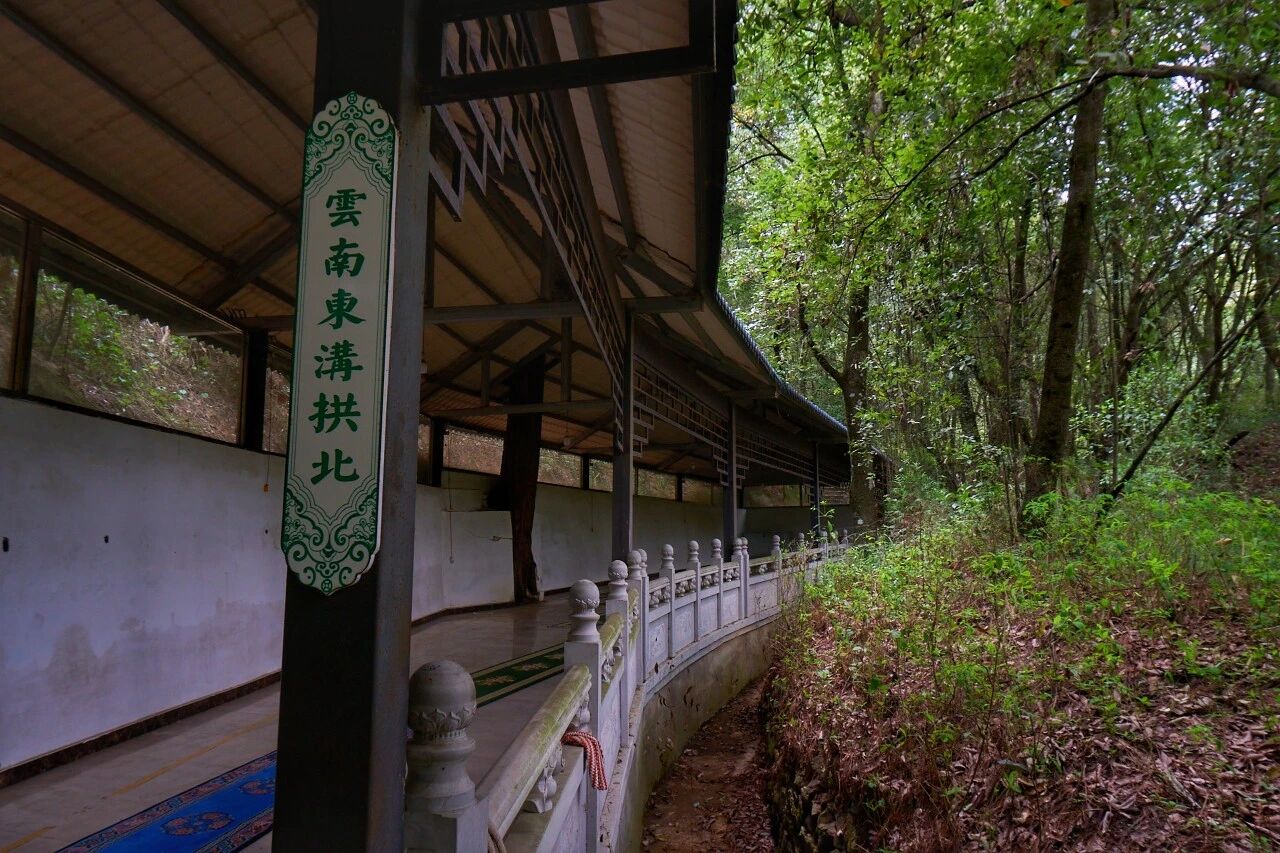
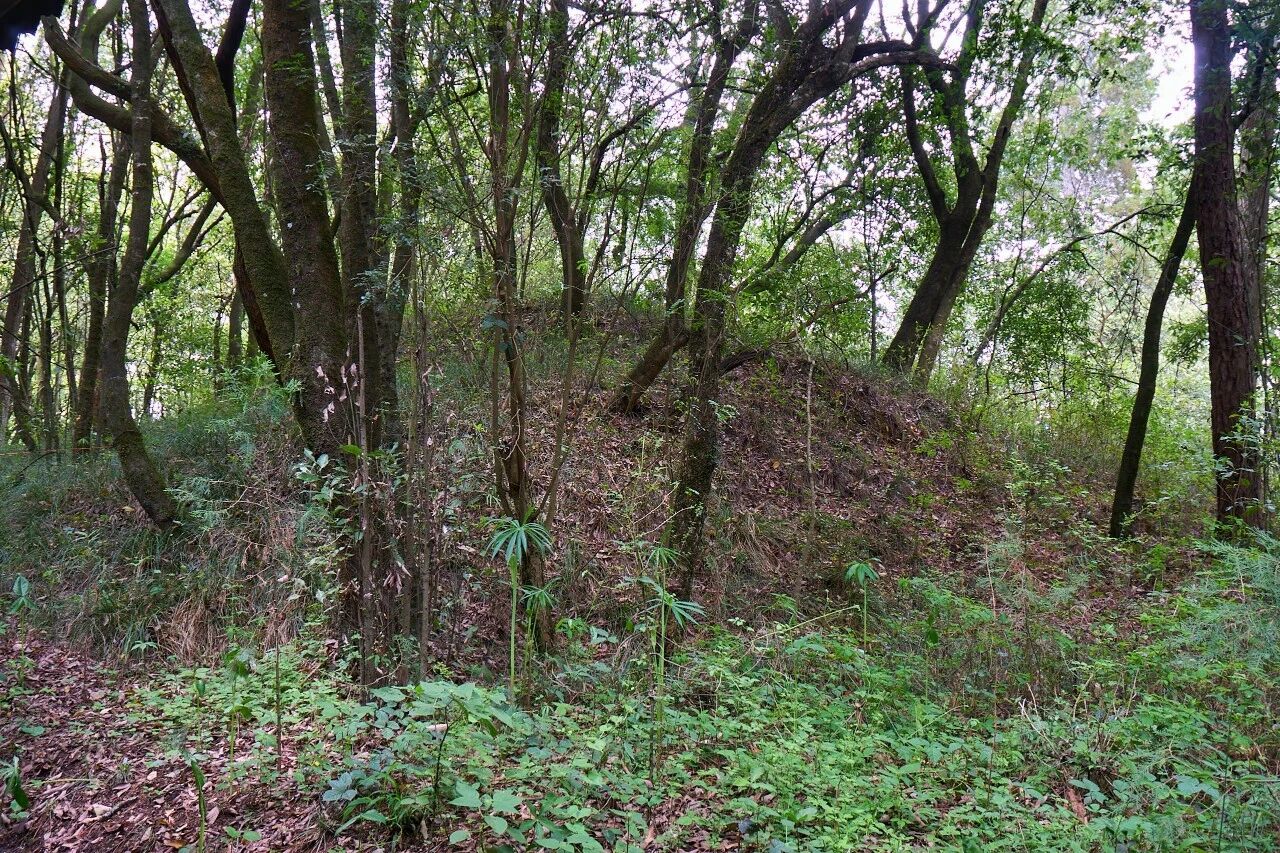
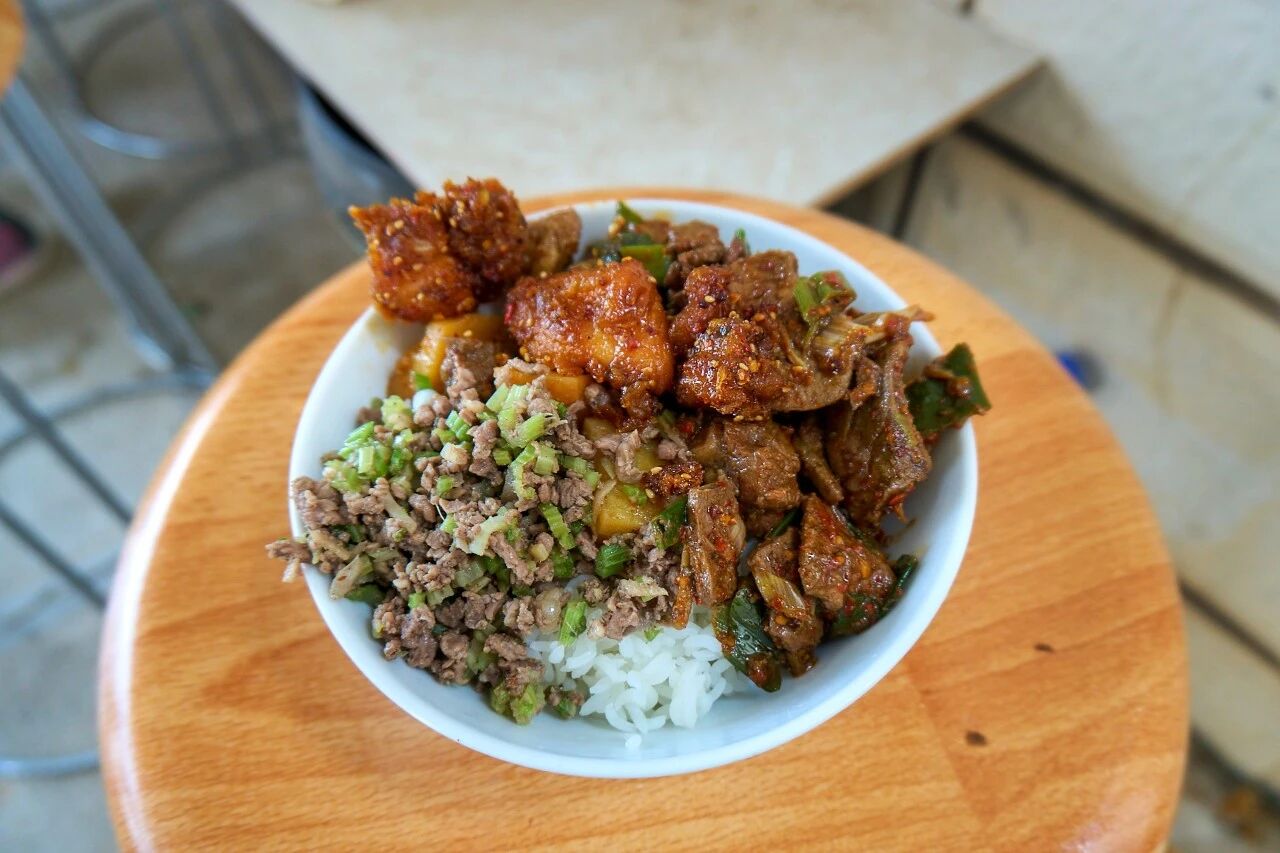
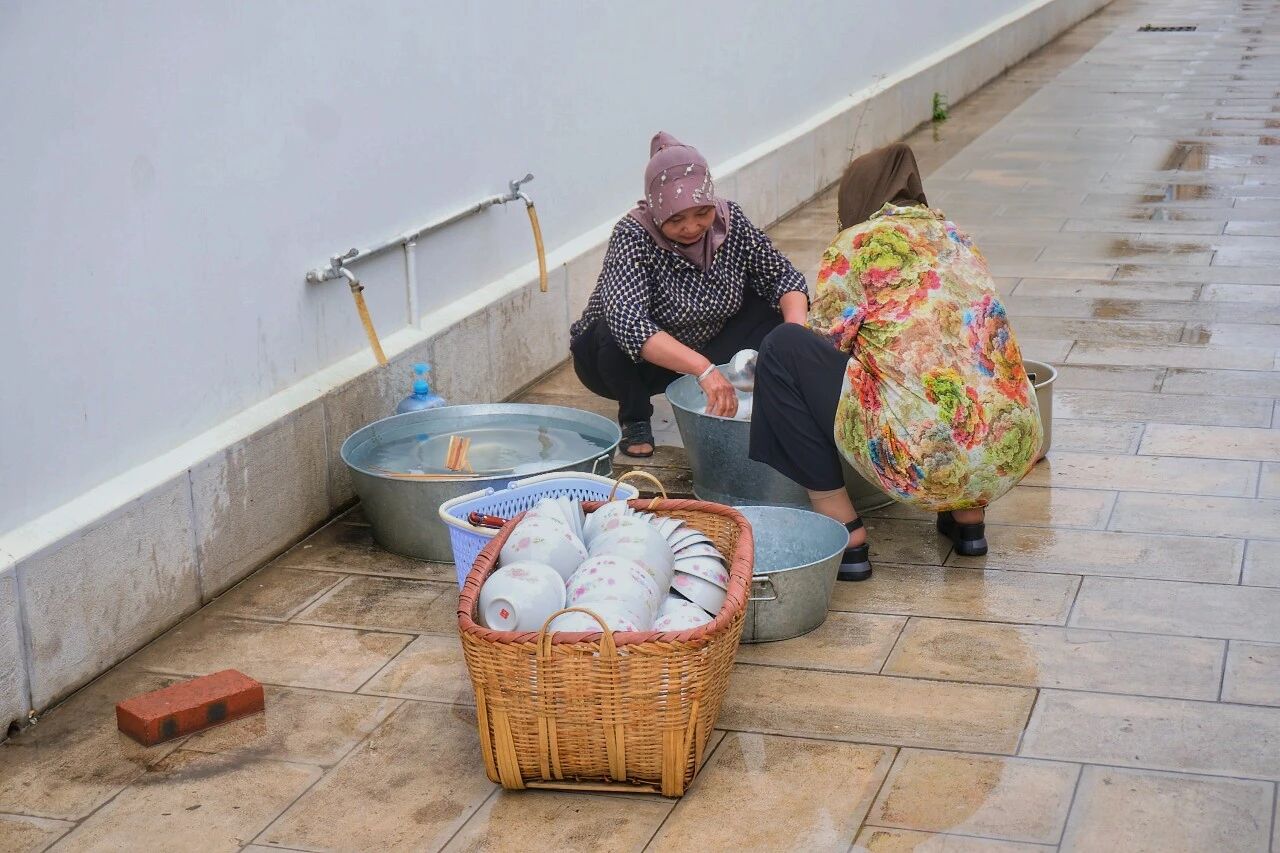
The next day, after performing wudu (the ritual washing before prayer), I headed up to the Donggou Gongbei (a shrine dedicated to a Sufi saint) to pay my respects at the tomb of Shuhai Dayi. After the prayers were finished, we headed over to their relatives' place for the Qurbani (the ritual sacrifice). After the feast, I headed back to Kunming.
Check out these 20 photos capturing the Eid al-Adha celebrations in Dahuicun (formerly known as Dadonggou), located in Hexi Town, Tonghai County, Yuxi City, Yunnan. We’re diving into the history of the Hui Muslims who migrated from the Northwest during the Qianlong era of the Qing Dynasty to settle in Southern Yunnan, showcasing the traditions and rituals of this mountain-locked community.
When I first read about Dadonggou, I pictured a massive valley tucked between mountains, but seeing it in person, I realized it’s really just a village. It’s wild to think that a century and a half ago, a few thousand Hui fighters managed to hold their own against ten thousand Qing soldiers for three years right here in this tiny spot.
To be fair, Dadonggou isn’t exactly a mountain gorge; it’s a flat plain surrounded by mountains, which we call a 'bazi' in the Yunnan dialect. The area where the Hui Muslims live, Dahuicun in Hexi Town, Yuxi, sits right up against the edge of these mountains.
Back in 1781, after the Jahriyya uprising led by Su 43 failed, the male descendants of the Jahriyya founder, Ma Mingxin, were exiled to Yunnan. His eldest son, Ma Shunqing (revered as Talang Taiye), survived by living in exile in Talang Village (modern-day Mojiang County, Pu'er City). By the 1850s, Ma Shunqing’s sons moved to Dadonggou, making it the hub for the Jahriyya sect in Yunnan. Shortly after, during the chaos of the anti-Hui massacres in the region, the Dadonggou Jahriyya followers rose up in rebellion, coordinating with the Zhongyitang insurgents in Dali until the fall of the movement following Du Wenxiu’s death.
I was invited by a friend to spend Eid al-Adha (the Festival of Sacrifice) at Dahuicun. My friend’s family are descendants of Talang Taiye, and I was lucky enough to see the historic records they keep and join them at the local mosque to hear the 'Muhammas' (a type of devotional poetry praising the Prophet). Staying at their home, I noticed their living space was simple yet orderly—it felt so much like my own home that it honestly made me a bit nostalgic.
The next day, after performing wudu (the ritual washing before prayer), I headed up to the Donggou Gongbei (a shrine dedicated to a Sufi saint) to pay my respects at the tomb of Shuhai Dayi. After the prayers were finished, we headed over to their relatives' place for the Qurbani (the ritual sacrifice). After the feast, I headed back to Kunming.
