
Discover Mengzi Mosque: A Deep Dive into Yunnan's Hui Muslim Heritage and Islamic Architecture
Here is an exclusive look at the Mengzi Mosque in Honghe Prefecture, Yunnan, captured in 13 high-definition photos. We’re exploring this historic site located near Taiyuan Street off Renmin West Road, showcasing the solemn prayer hall, traditional classrooms, and tranquil courtyards that stand as a testament to the enduring Hui Muslim legacy in Southern Yunnan.
On July 27th, during the Jiachen Year of the Dragon, after the Fajr (dawn) prayer, a group of us planned a visit to the Honghe Prefecture Library and Museum. On the afternoon of August 11th, we messaged each other to organize a trip to Mengzi, but due to a tight schedule, we had to postpone. Finally, on August 15th, we headed to the Mengzi city mosque to pay our respects, offer dua (prayers), and visit Nanhai Park.
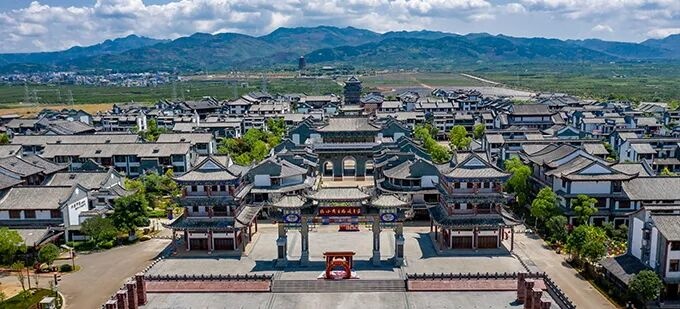
The Mengzi City Mosque is located at No. 20 Taiyuan Street, on the north side of Renmin West Road in the Wenlan sub-district. Mengzi serves as the government seat of the Honghe Hani and Yi Autonomous Prefecture. Situated in the southeast of Yunnan, it borders Wenshan, Pingbian, Gejiu, and Kaiyuan. The city covers 2,308 square kilometers with a mild climate—no extreme heat or cold. It includes several sub-districts and towns. The name 'Mengzi' is widely believed to come from 'Muze Mountain' (a mountain located 15km away), which the Yuan Dynasty records describe as a place where local indigenous people once built fortifications. Whether it refers to the mountain peak touching the clouds or the fact that the peak is visible as soon as you look up, the connection to the mountain is the accepted origin of the name.
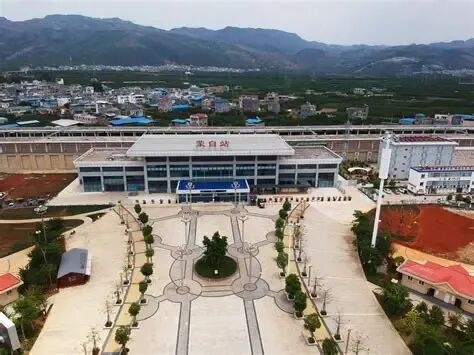
Mengzi boasts over 10,000 years of human activity and 2,100 years of history as a county, making it a cradle of Yunnan civilization and a gateway for opening up to the world. It’s home to many 'firsts,' including China’s first private railway and the first foreign bank in Yunnan. It is famously known for three cultural calling cards: the century-old Yunnan-Vietnam Railway, its history of open trade, and the famous crossing-the-bridge rice noodles. After becoming an independent city in 2010, Mengzi has been recognized as a 'Top 100 County in Western China' and a national model of civilization.
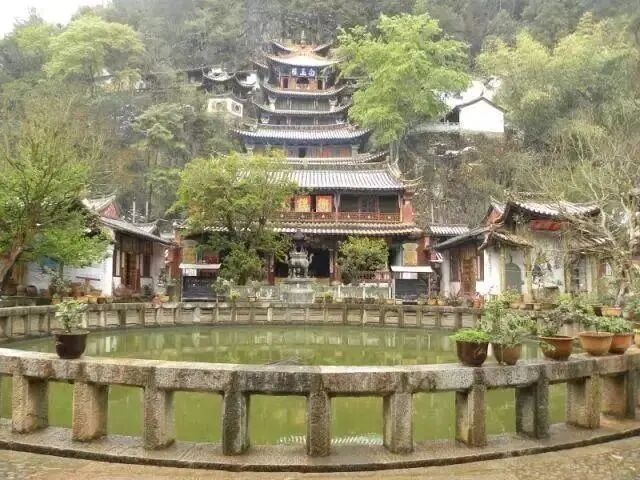
By the end of 2025, Mengzi had a population of 601,300, home to many ethnic groups like the Yi, Zhuang, Bai, Hani, and Hui Muslims. Unlike many other regions in Yunnan where Yi and Zhuang populations dominate, the Hui Muslim population here is quite small, numbering fewer than 5,000—about 1% of the total. Most arrived during the late Qing Dynasty. Beyond the main city mosque, other mosques in the area include those in Zhicun Town, Chengzi Village, Juanzao Village, and Caoba Town.
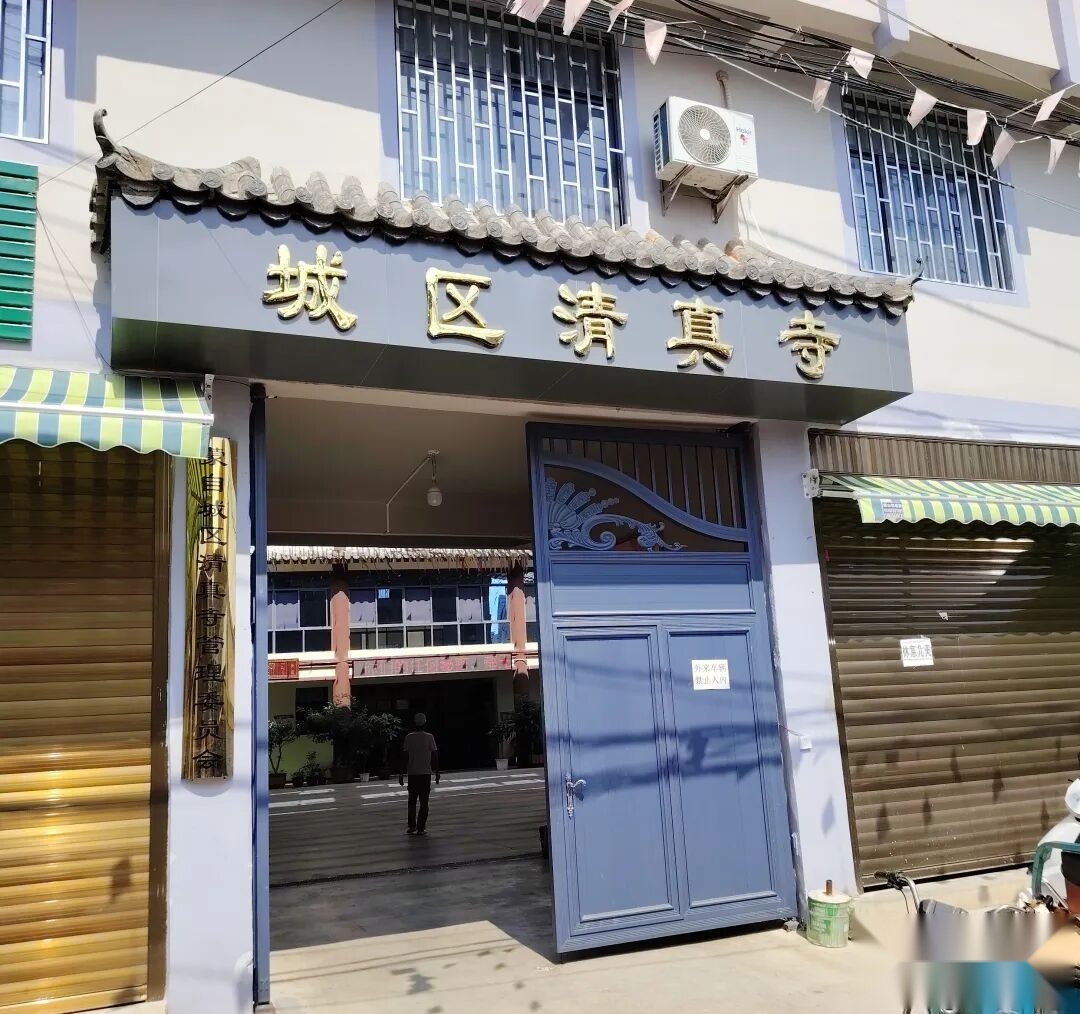
The Wenlan sub-district sits in the northern part of central Mengzi. Historically known as Luoyuan Township in the Yuan and Ming dynasties, it has evolved through various administrative changes over the centuries. In 2020, the area was restructured into its current form, encompassing 14 communities and 4 administrative villages, serving as the urban heart of the region.
In 1907, a group of local and foreign Muslims purchased land near the West Gate to build the first mosque in Mengzi. Unfortunately, that original structure was destroyed in a massive fire around 1937.
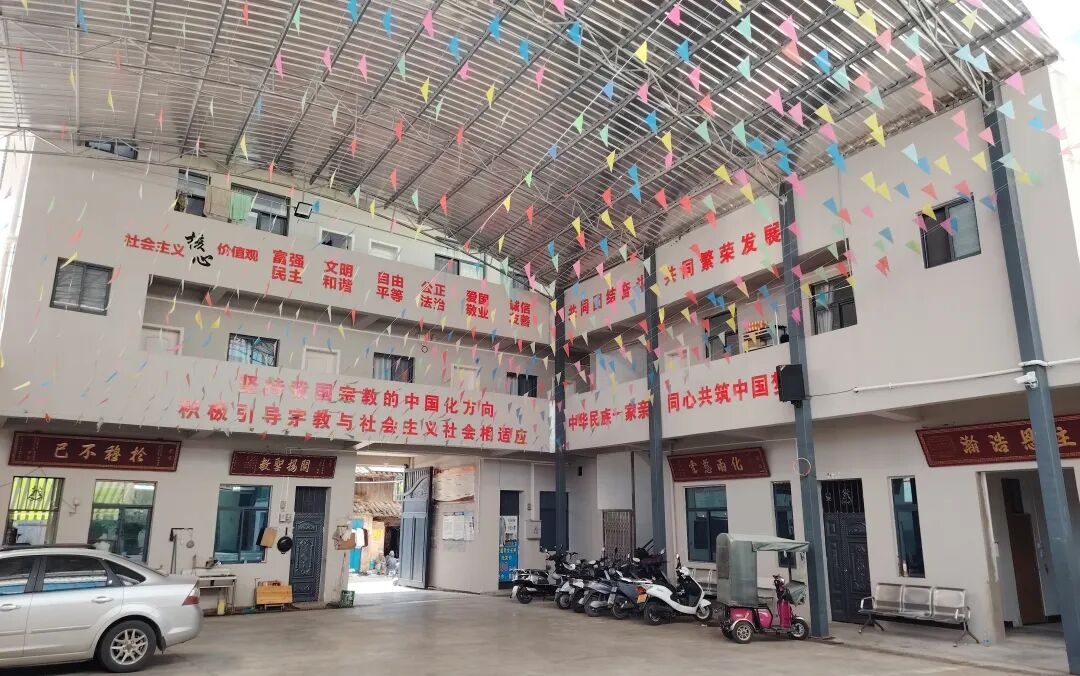
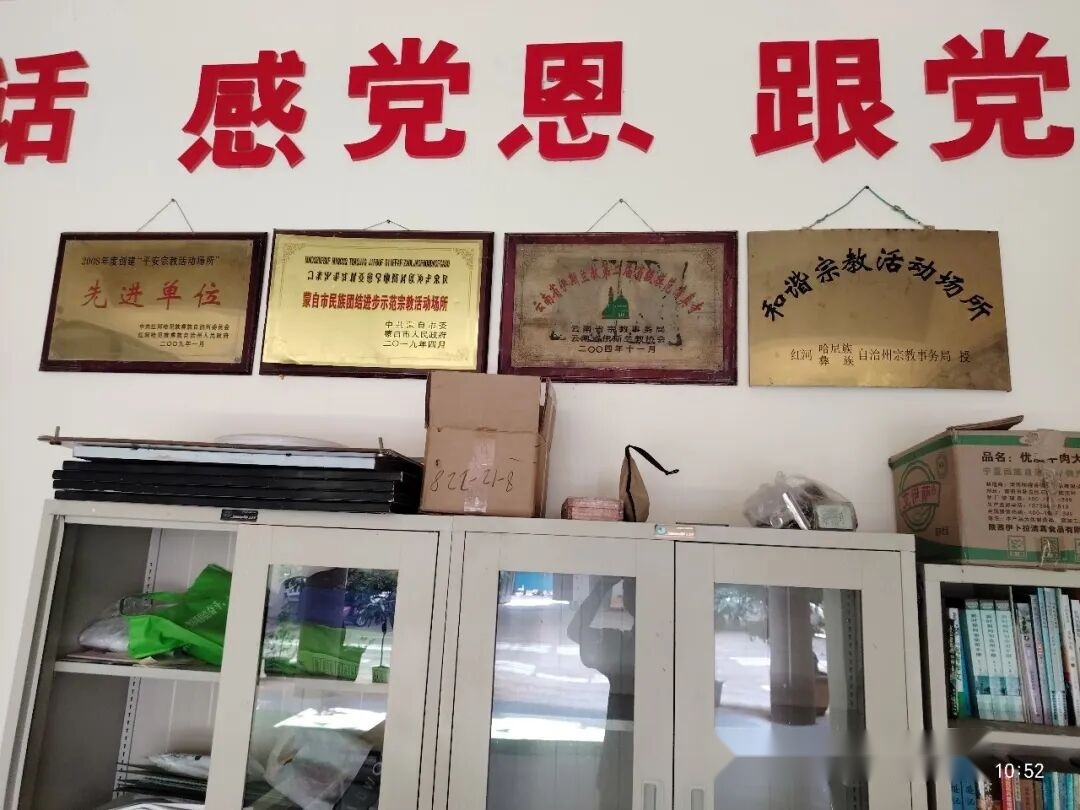
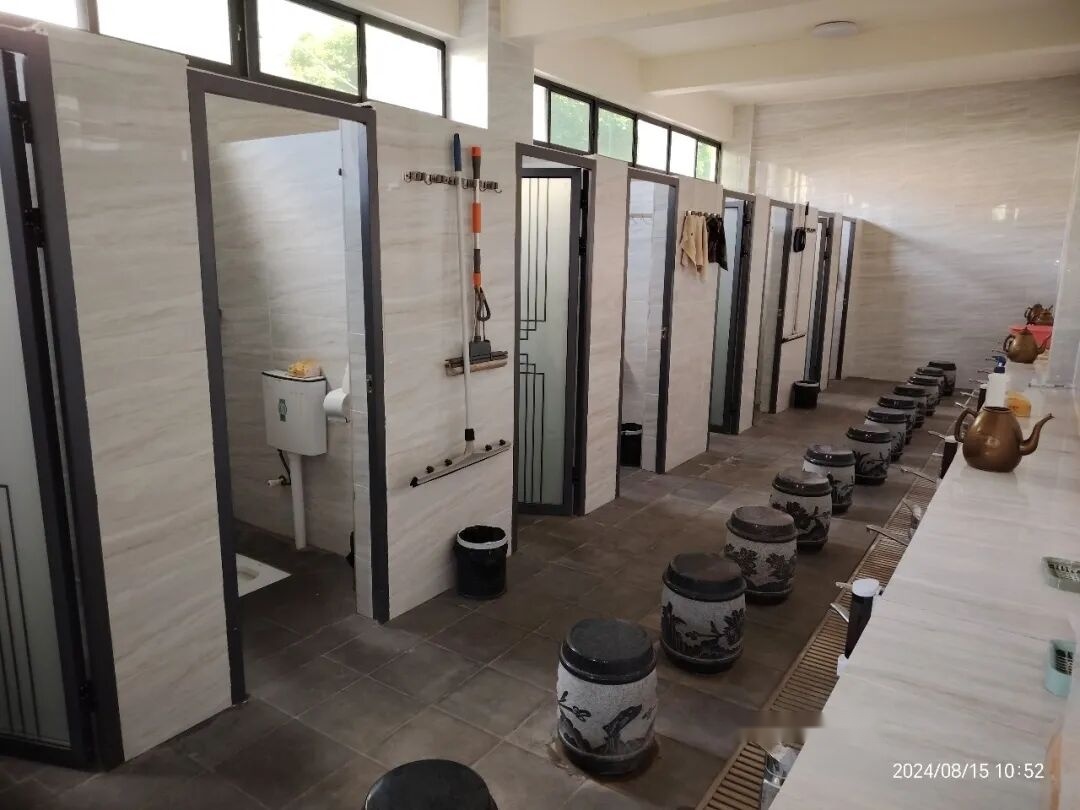
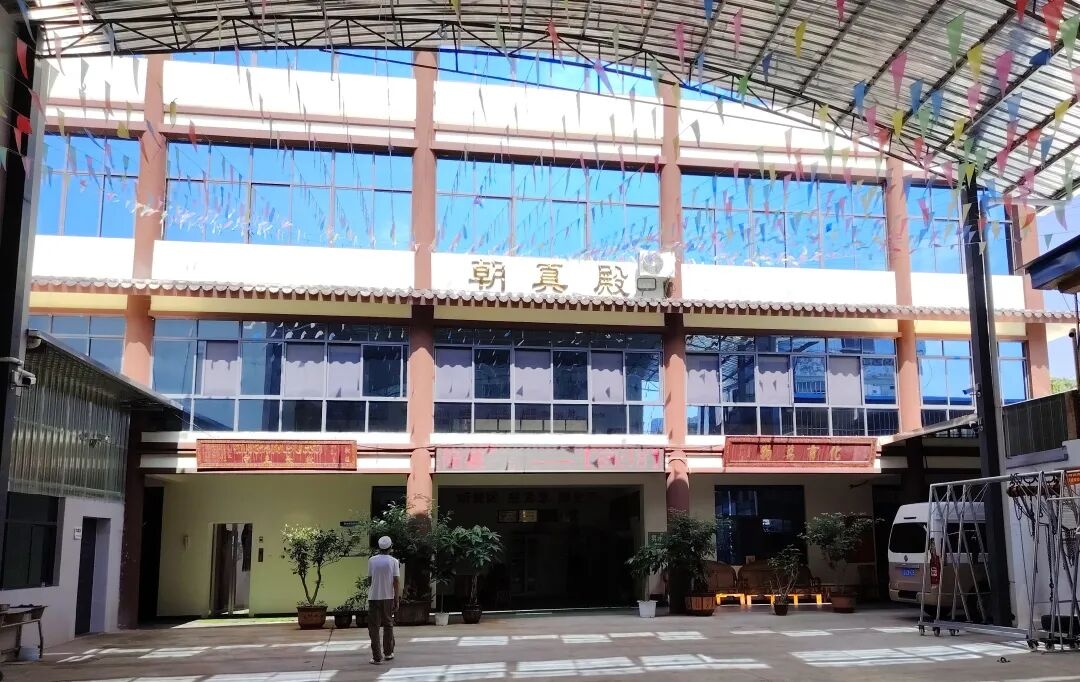
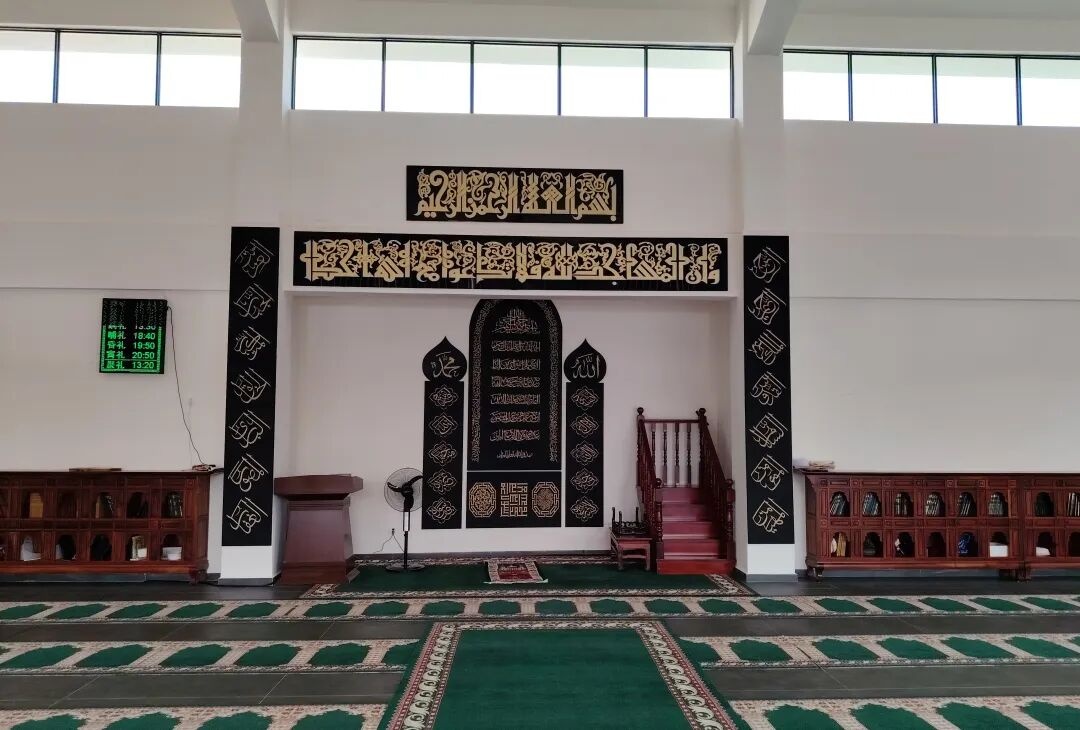
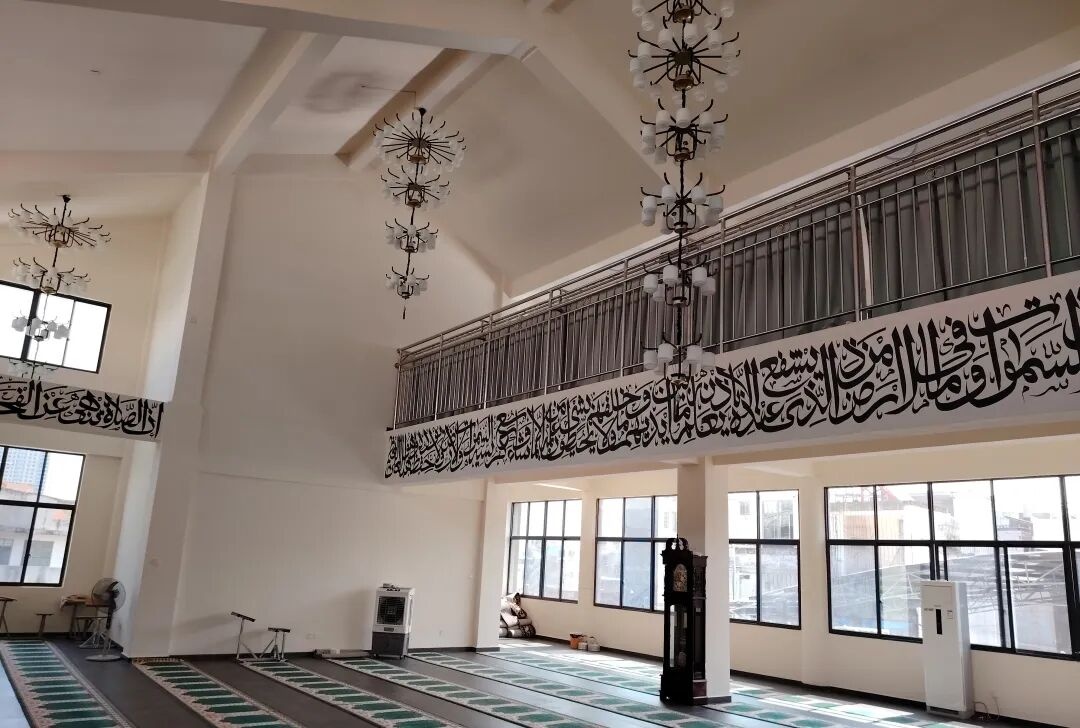
The current Mengzi Mosque was established in 1938 at the site of a former tile-roofed house. After years of renovations, a major project was completed in November 2023. The new building is three stories high: the first floor serves as the wudu (ablution) area, the second floor houses classrooms, the third floor is the main men’s prayer hall, and the fourth floor is a partial balcony for women's prayer. The courtyard remains largely unchanged, though the complex now includes a two-story building for communal use.
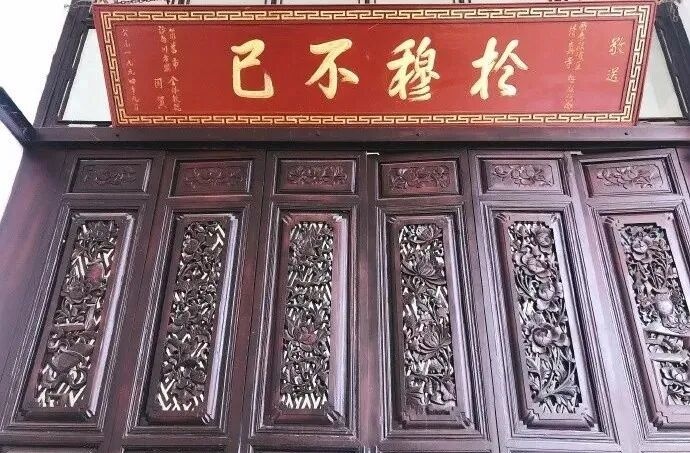
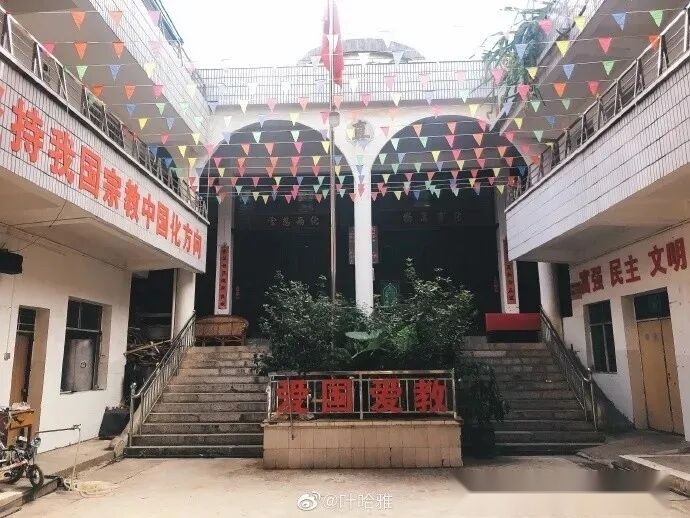
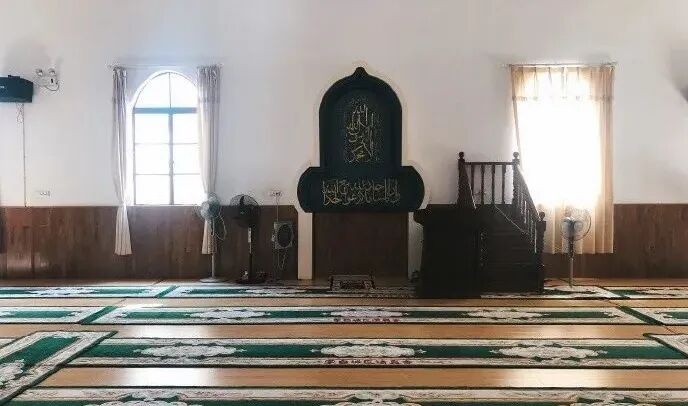
A look at the exterior of the old prayer hall and the interior of the worship space before the recent renovations.
On July 27th, during the Jiachen Year of the Dragon, after the Fajr (dawn) prayer, a group of us planned a visit to the Honghe Prefecture Library and Museum. On the afternoon of August 11th, we messaged each other to organize a trip to Mengzi, but due to a tight schedule, we had to postpone. Finally, on August 15th, we headed to the Mengzi city mosque to pay our respects, offer dua (prayers), and visit Nanhai Park.
The Mengzi City Mosque is located at No. 20 Taiyuan Street, on the north side of Renmin West Road in the Wenlan sub-district. Mengzi serves as the government seat of the Honghe Hani and Yi Autonomous Prefecture. Situated in the southeast of Yunnan, it borders Wenshan, Pingbian, Gejiu, and Kaiyuan. The city covers 2,308 square kilometers with a mild climate—no extreme heat or cold. It includes several sub-districts and towns. The name 'Mengzi' is widely believed to come from 'Muze Mountain' (a mountain located 15km away), which the Yuan Dynasty records describe as a place where local indigenous people once built fortifications. Whether it refers to the mountain peak touching the clouds or the fact that the peak is visible as soon as you look up, the connection to the mountain is the accepted origin of the name.
Mengzi boasts over 10,000 years of human activity and 2,100 years of history as a county, making it a cradle of Yunnan civilization and a gateway for opening up to the world. It’s home to many 'firsts,' including China’s first private railway and the first foreign bank in Yunnan. It is famously known for three cultural calling cards: the century-old Yunnan-Vietnam Railway, its history of open trade, and the famous crossing-the-bridge rice noodles. After becoming an independent city in 2010, Mengzi has been recognized as a 'Top 100 County in Western China' and a national model of civilization.
By the end of 2025, Mengzi had a population of 601,300, home to many ethnic groups like the Yi, Zhuang, Bai, Hani, and Hui Muslims. Unlike many other regions in Yunnan where Yi and Zhuang populations dominate, the Hui Muslim population here is quite small, numbering fewer than 5,000—about 1% of the total. Most arrived during the late Qing Dynasty. Beyond the main city mosque, other mosques in the area include those in Zhicun Town, Chengzi Village, Juanzao Village, and Caoba Town.
The Wenlan sub-district sits in the northern part of central Mengzi. Historically known as Luoyuan Township in the Yuan and Ming dynasties, it has evolved through various administrative changes over the centuries. In 2020, the area was restructured into its current form, encompassing 14 communities and 4 administrative villages, serving as the urban heart of the region.
In 1907, a group of local and foreign Muslims purchased land near the West Gate to build the first mosque in Mengzi. Unfortunately, that original structure was destroyed in a massive fire around 1937.
The current Mengzi Mosque was established in 1938 at the site of a former tile-roofed house. After years of renovations, a major project was completed in November 2023. The new building is three stories high: the first floor serves as the wudu (ablution) area, the second floor houses classrooms, the third floor is the main men’s prayer hall, and the fourth floor is a partial balcony for women's prayer. The courtyard remains largely unchanged, though the complex now includes a two-story building for communal use.
A look at the exterior of the old prayer hall and the interior of the worship space before the recent renovations.
