
Ningxia Tongxin Grand Mosque: Discover 600 Years of Hui Muslim History & Unique Architecture
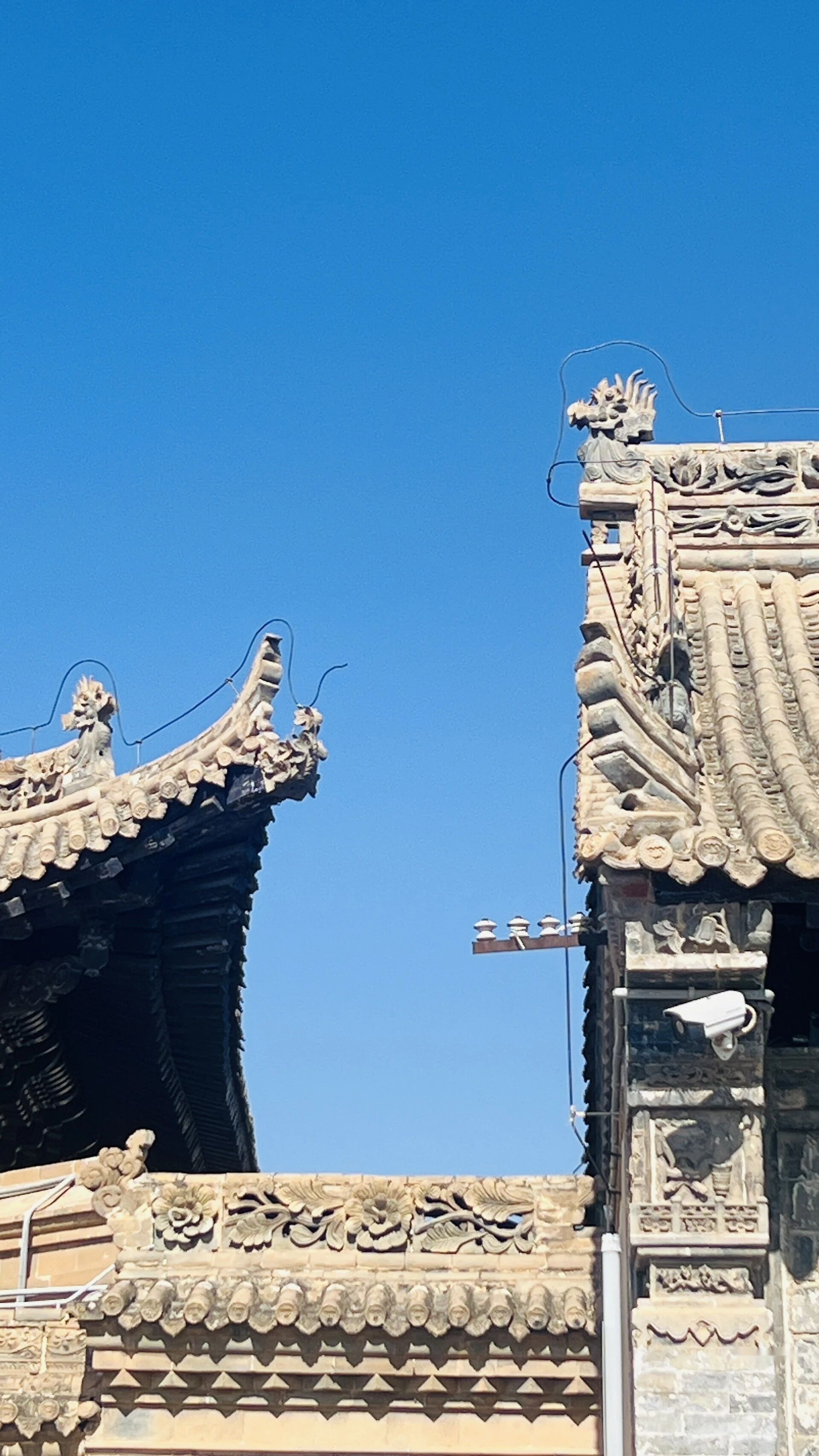
Check out these 9 high-definition photos as we dive into the amazing Tongxin Grand Mosque in Wuzhong City, Ningxia Hui Autonomous Region! This incredible mosque, built during the late Yuan and early Ming dynasties, has stood strong for over six hundred years, through countless storms and changes, showcasing stunning Hui Muslim architecture and a rich revolutionary history. This whole mosque is built right into the hillside, with its majestic brick-carved *baosha* (side halls) and *xieshan* (hip-and-gable) wooden roof structures; and get this: it's also where the Hui Muslim Autonomous Government of Yuhai County, Shaan-Gan-Ning Province, was established back in 1936.
The Tongxin Grand Mosque is located in Tongxin County, Wuzhong City, Ningxia. It was built during the late Yuan and early Ming dynasties, making it over 600 years old. It's one of China's top ten oldest surviving mosques and a nationally protected cultural heritage site.
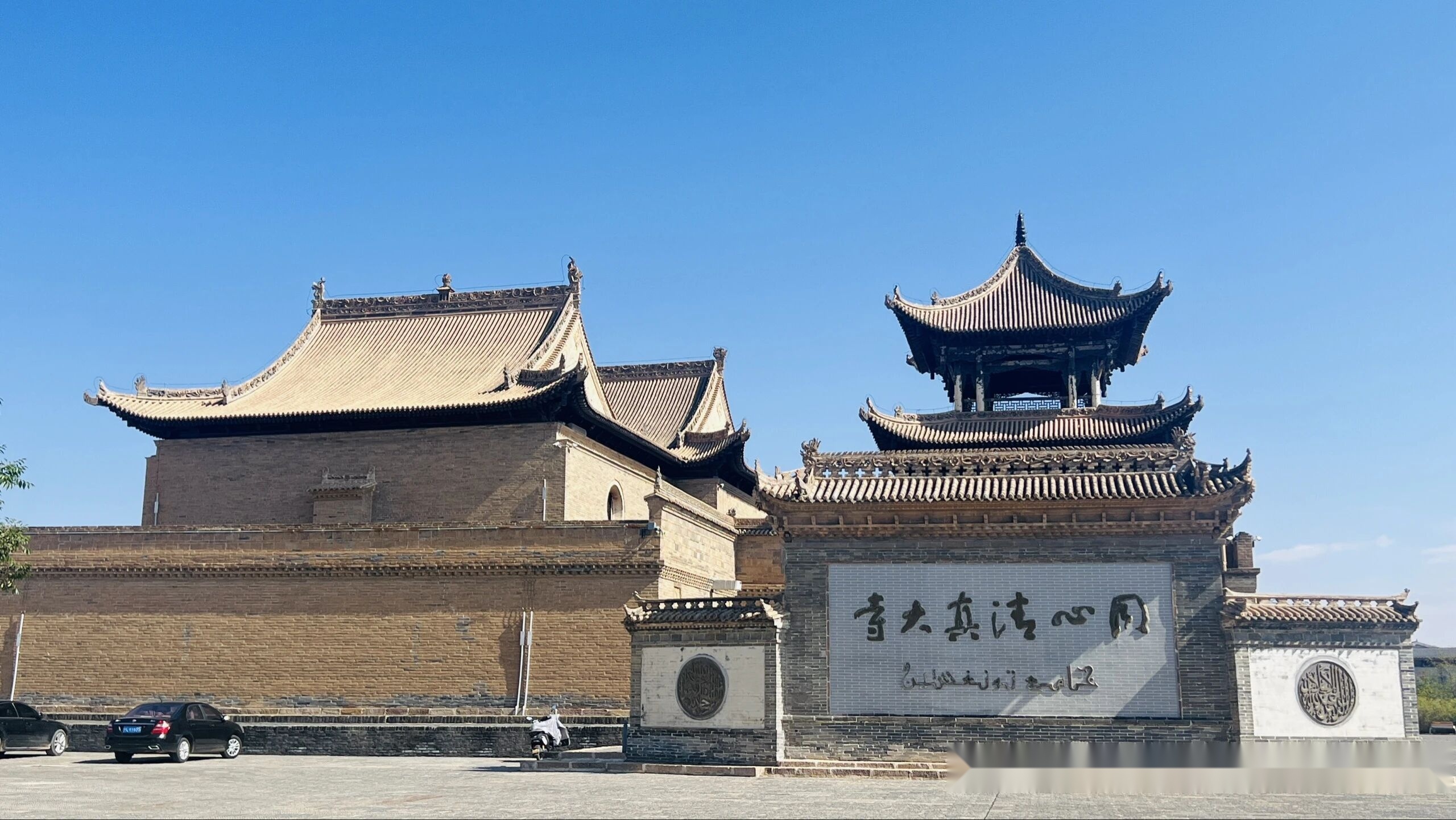
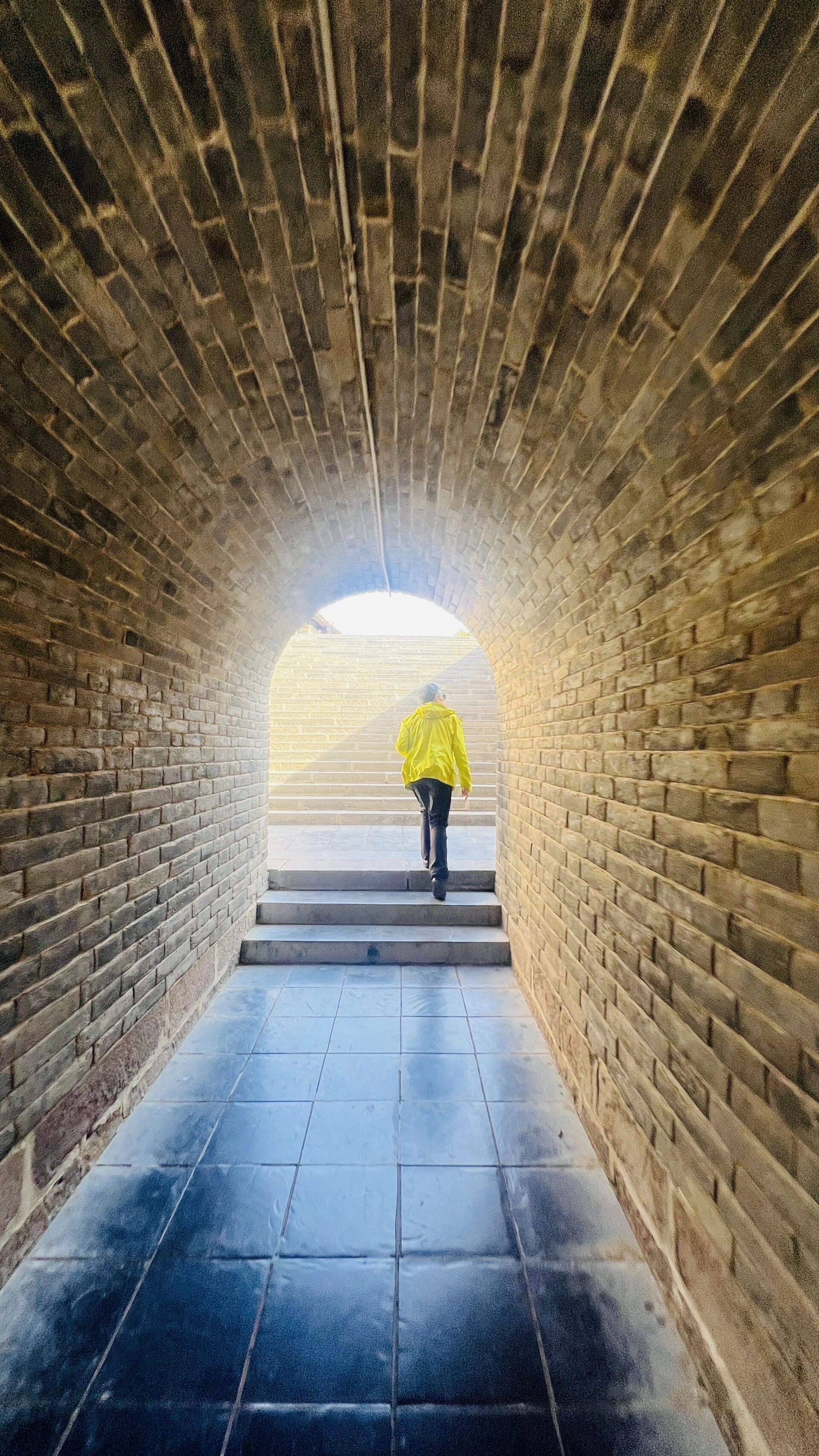
The entire mosque complex sits on a 7-meter-high platform made of blue bricks. It uses a traditional Chinese *siheyuan* (quadrangle courtyard) layout, but everywhere you look, Islamic decorative art is blended in, making it a rare example of a perfect fusion of Han Chinese and Hui Muslim architecture in China.
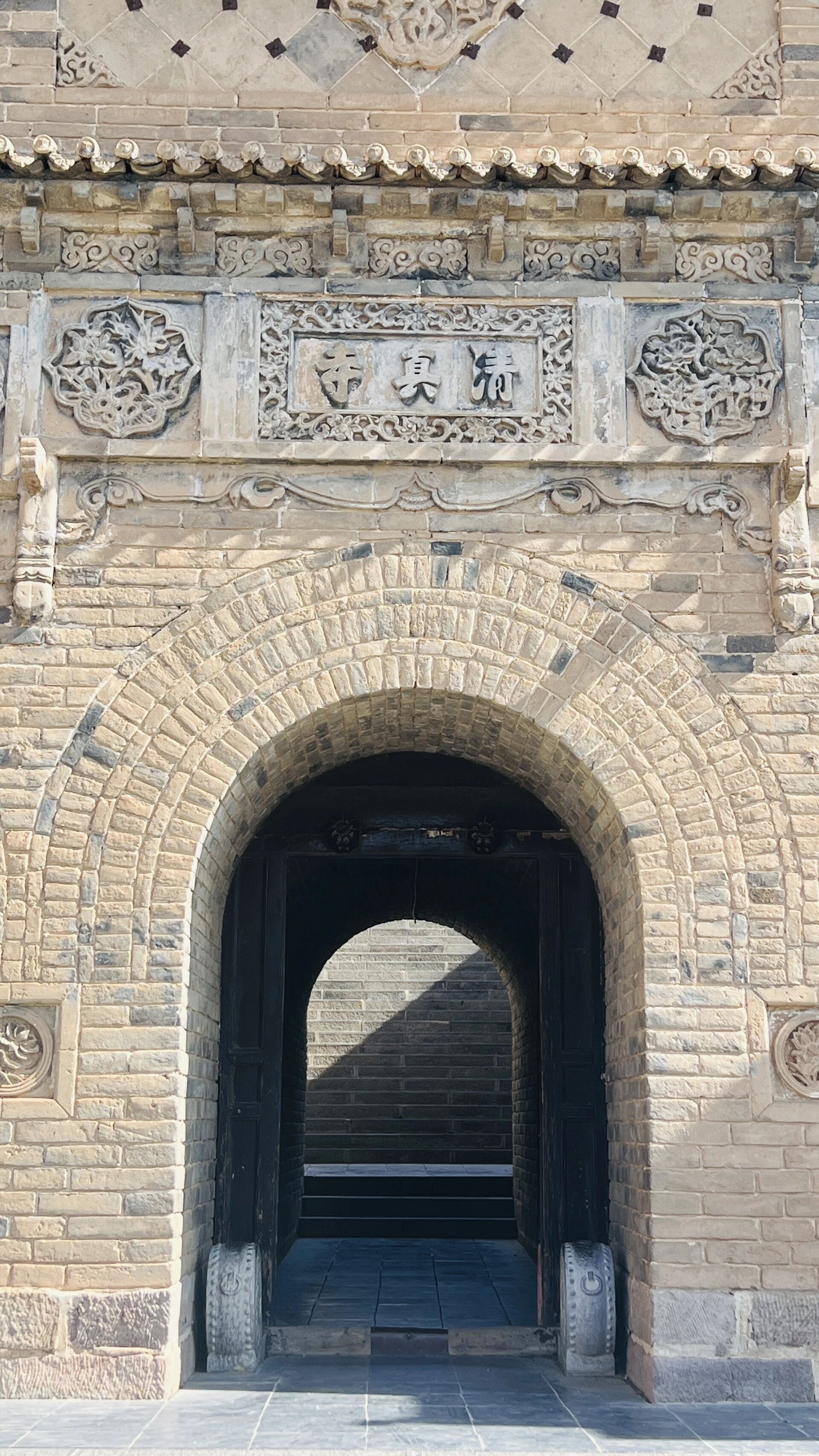
On October 20, 1936, during the Red Army's Long March west, a major meeting was held here to establish the Hui Muslim Autonomous Government of Yuhai County, Shaan-Gan-Ning Province. This was the very first county-level autonomous government for an ethnic minority led by the Communist Party of China, and an early test run of the system for regional ethnic autonomy. To this day, a plaque hangs above the main hall's entrance, reading 'Site of the Founding Conference of the Hui Muslim Autonomous Government of Yuhai County, Shaan-Gan-Ning Province.'
Here are a few details you definitely don't want to miss:
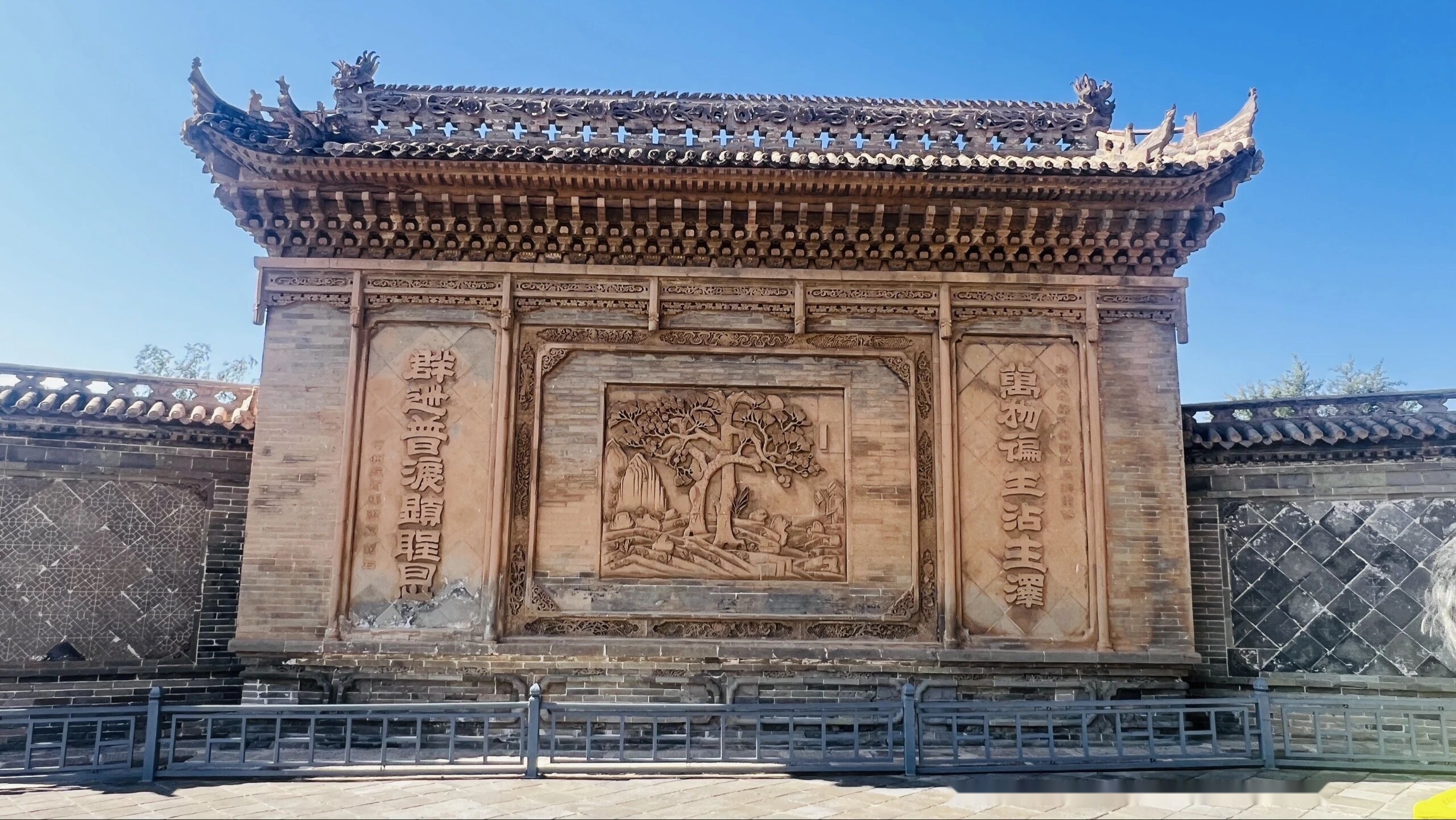
• The 'Moon Hiding Among Pines and Cypresses' Screen Wall: Right in front of the mosque entrance, there's a brick-carved *zhaobi* (screen wall) that's 9 meters wide and 6 meters tall. Right in the middle, you'll see a carving from the Guangxu Emperor's reign, depicting 'The Moon Hiding Among Pines and Cypresses.' The 'moon' symbolizes Islam, while the 'pines and cypresses' represent longevity. Around the edges, there are also carvings of the 'Eight Treasures' (*babao*) like jade tablets and whisks, often associated with the Eight Immortals of Taoism. Next to it, a couplet reads, 'All beings are blessed by Allah's grace; May the confused be guided by His sacred favor,' interpreting Islamic faith with a Chinese expression. It's a living example of how Hui Muslim and Han Chinese cultures blend together.
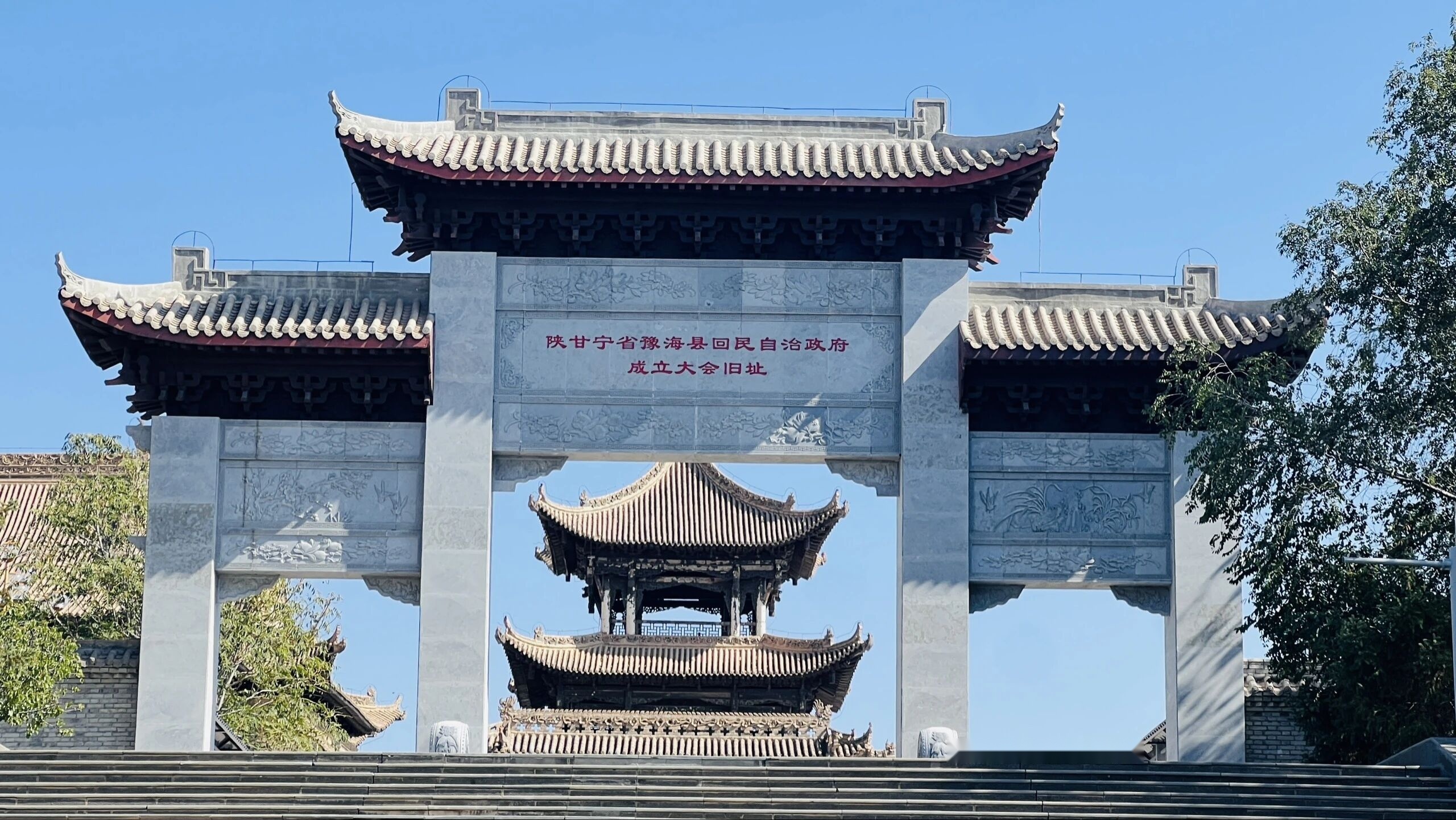
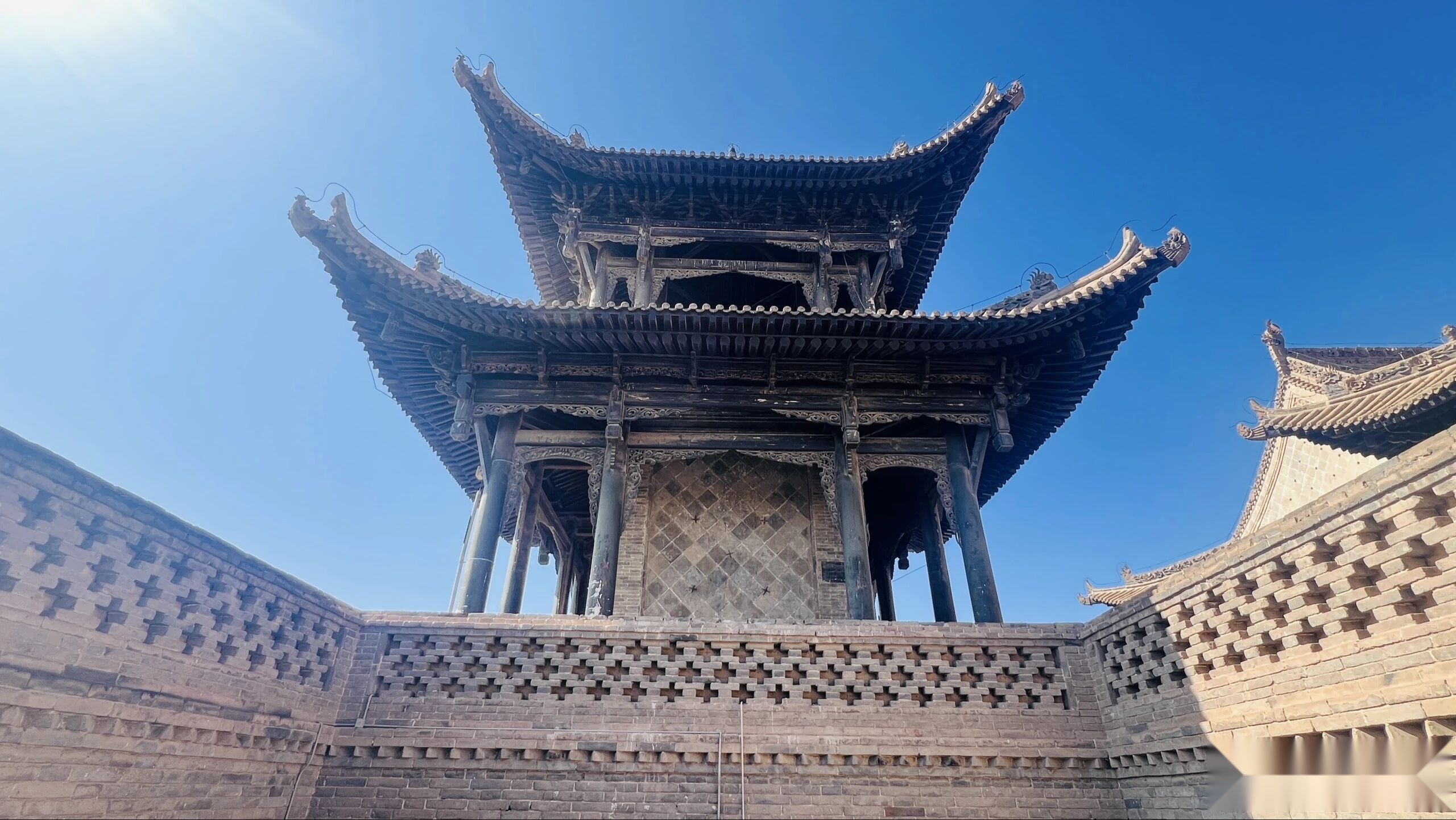
• The Bangke Lou: This is a two-story *huanbailou* (adhan tower) with a four-sided pyramidal roof, built right above the entrance archway. It's open on all four sides, with hanging pillars supporting the eaves. The spaces between the pillars and beams are filled with intricate hardwood carvings (*gualuo*) and delicate brick patterns, making it look super ornate and light.
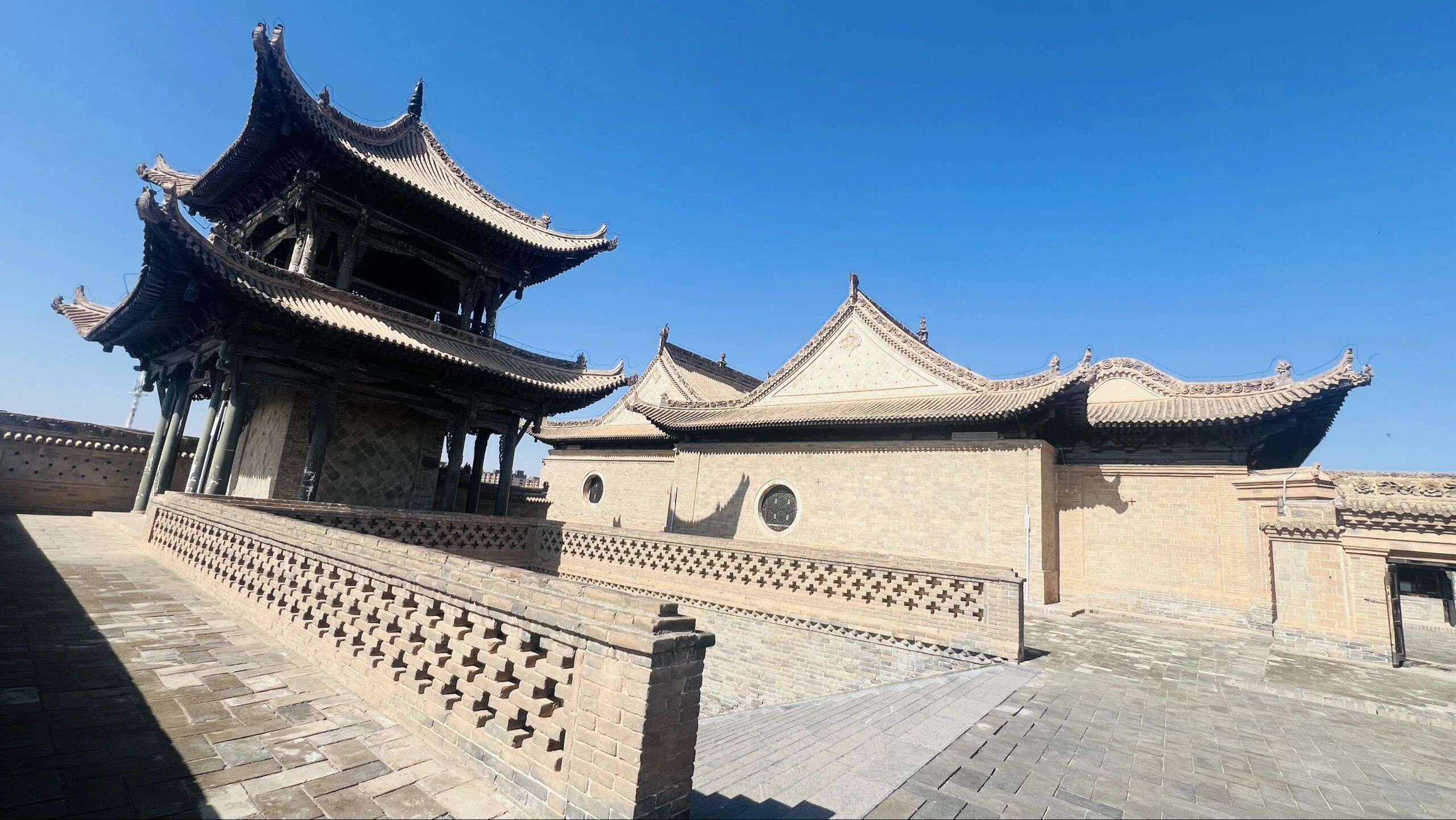
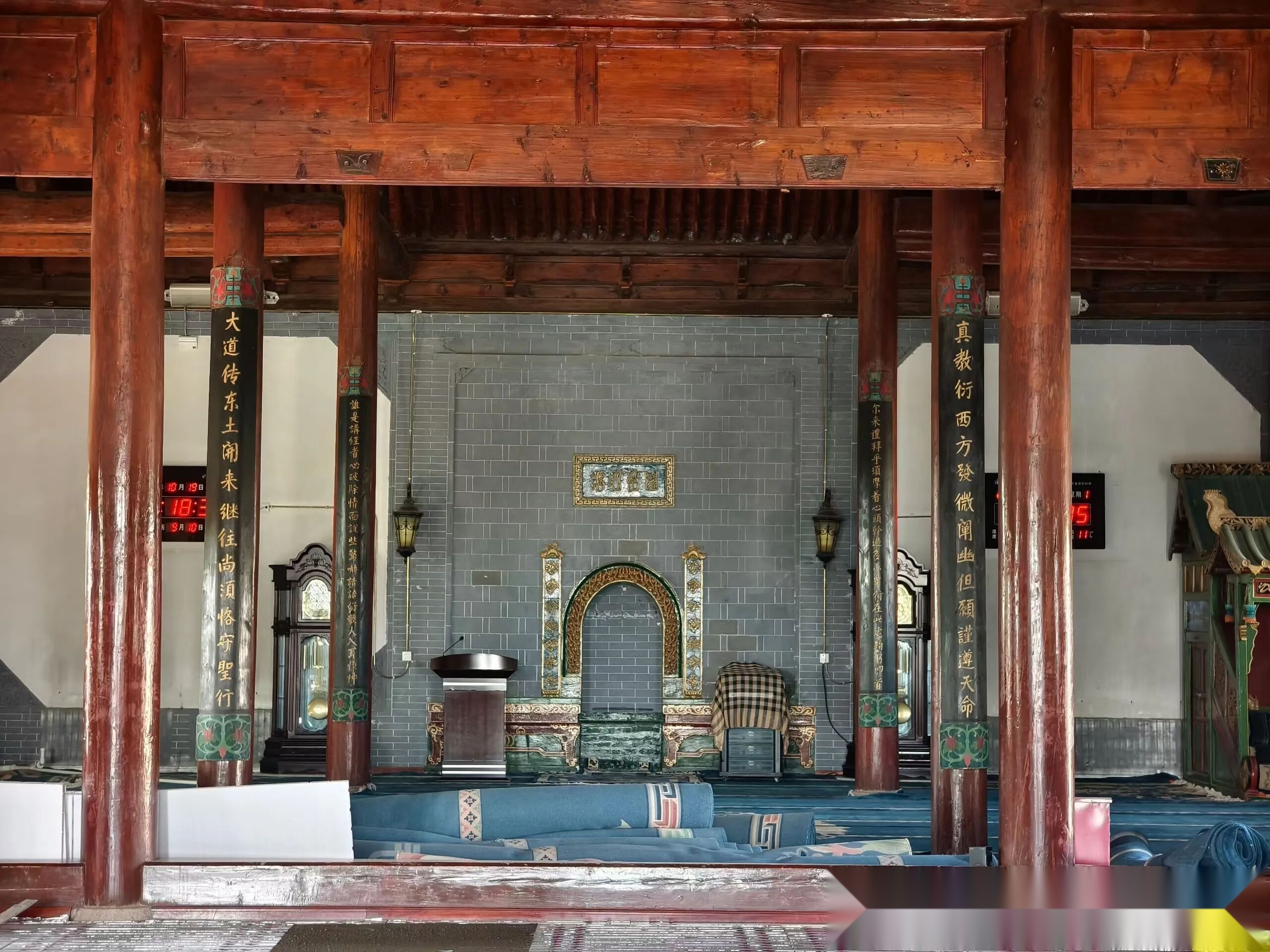
• The Grand Prayer Hall: It faces east, built on a west-east axis. It consists of a front hall, a back hall, and a *baosha* (side hall) in front of the main entrance. The *juanpeng* (barrel-vaulted) roof connects seamlessly with two *xieshan* (hip-and-gable) roofs. It's five bays wide and nine bays deep. Over 20 exposed columns support the entire structure, and it can hold up to 800 people for dua (prayer). The interior walls are decorated with beautiful calligraphy of verses from the Quran.
This isn't just any old mosque. It's got a dual identity: the birthplace of a Hui Muslim 'Red' political power AND a museum of Han-Hui architectural art. Honestly, it totally changed my idea of what a mosque looks like from the outside!
The Tongxin Grand Mosque is located in Tongxin County, Wuzhong City, Ningxia. It was built during the late Yuan and early Ming dynasties, making it over 600 years old. It's one of China's top ten oldest surviving mosques and a nationally protected cultural heritage site.
The entire mosque complex sits on a 7-meter-high platform made of blue bricks. It uses a traditional Chinese *siheyuan* (quadrangle courtyard) layout, but everywhere you look, Islamic decorative art is blended in, making it a rare example of a perfect fusion of Han Chinese and Hui Muslim architecture in China.
On October 20, 1936, during the Red Army's Long March west, a major meeting was held here to establish the Hui Muslim Autonomous Government of Yuhai County, Shaan-Gan-Ning Province. This was the very first county-level autonomous government for an ethnic minority led by the Communist Party of China, and an early test run of the system for regional ethnic autonomy. To this day, a plaque hangs above the main hall's entrance, reading 'Site of the Founding Conference of the Hui Muslim Autonomous Government of Yuhai County, Shaan-Gan-Ning Province.'
Here are a few details you definitely don't want to miss:
• The 'Moon Hiding Among Pines and Cypresses' Screen Wall: Right in front of the mosque entrance, there's a brick-carved *zhaobi* (screen wall) that's 9 meters wide and 6 meters tall. Right in the middle, you'll see a carving from the Guangxu Emperor's reign, depicting 'The Moon Hiding Among Pines and Cypresses.' The 'moon' symbolizes Islam, while the 'pines and cypresses' represent longevity. Around the edges, there are also carvings of the 'Eight Treasures' (*babao*) like jade tablets and whisks, often associated with the Eight Immortals of Taoism. Next to it, a couplet reads, 'All beings are blessed by Allah's grace; May the confused be guided by His sacred favor,' interpreting Islamic faith with a Chinese expression. It's a living example of how Hui Muslim and Han Chinese cultures blend together.
• The Bangke Lou: This is a two-story *huanbailou* (adhan tower) with a four-sided pyramidal roof, built right above the entrance archway. It's open on all four sides, with hanging pillars supporting the eaves. The spaces between the pillars and beams are filled with intricate hardwood carvings (*gualuo*) and delicate brick patterns, making it look super ornate and light.
• The Grand Prayer Hall: It faces east, built on a west-east axis. It consists of a front hall, a back hall, and a *baosha* (side hall) in front of the main entrance. The *juanpeng* (barrel-vaulted) roof connects seamlessly with two *xieshan* (hip-and-gable) roofs. It's five bays wide and nine bays deep. Over 20 exposed columns support the entire structure, and it can hold up to 800 people for dua (prayer). The interior walls are decorated with beautiful calligraphy of verses from the Quran.
This isn't just any old mosque. It's got a dual identity: the birthplace of a Hui Muslim 'Red' political power AND a museum of Han-Hui architectural art. Honestly, it totally changed my idea of what a mosque looks like from the outside!
