

Halal Hotpot
Best Halal Restaurant Beijing: Hotpot, Pakistani Food, Ningxia Cuisine and Hui Restaurants
Articles • yusuf908 posted the article • 0 comments • 194 views • 2026-05-24 00:17
Summary: This Beijing halal food guide highlights new Muslim-friendly restaurants across the city, from Henan huimian and Pakistani masala dishes to Ningxia cuisine, hotpot, and other authentic Hui Muslim food spots.
— Hello, Travel —
This article is a bit late. First, my son is about to be born, so I have been staying by my wife's side almost every moment and going out less. Second, I have been waiting for news that the famous Chengdu halal hotpot brand Niububi is opening in Beijing. Now that Niububi is here, Beijing truly lives up to its reputation as a world capital of halal food.
1
Henan-style: Old Yao's Secret Braised Noodles (huimian).
Old Yao runs two Henan braised noodle shops in Daxing. The one in the photo is not far from the Xihongmen Joy Breeze (Huiju) mall. For breakfast, they serve spicy pepper soup (hulatang) and pan-fried buns (shuijianbao). Note that these two Henan specialties are only sold as breakfast in the morning; after noon, you can only order braised noodles.
The cold dishes at this Henan braised noodle shop are a highlight. There is a wide variety, and they give you a plate to help yourself. Whether it is a good deal depends on how much food you can pile onto that one plate.
If you come in the afternoon or evening, the shop only serves beef bone and nourishing lamb braised noodles. Of course, both taste very authentic.
There are more halal Henan restaurants in Beijing now. For higher-end stir-fry, there is Yufu Shenchu; for snack stalls, there is Guhuaijie Mawu; in Huilongguan, there is Liangji Braised Noodles; and near Caoqiao, there is Xuyiwani Braised Noodles.
2
Indian-Pakistani Cuisine: Sultan Pakistan Restaurant.
A new Indian-Pakistani halal courtyard restaurant has opened in Huatai Village, Sanduhe, Huairou. The courtyard is very spacious with easy parking. I like the style of this place; it is bright, airy, clean, and tidy.
The chef is from Pakistan, and the owner is a local from Huairou. I asked her why she decided to open an Indian-Pakistani restaurant in an area crowded with farmhouse-style eateries. She said she has spent years with Pakistani friends and has long followed a halal lifestyle. She also has another chain store in Huairou county called Masala Pakistan Restaurant.
Many people ask me what masala actually tastes like. Masala is just a general term for Indian spices; a mixture of many Indian spices is called masala.
Because there are not many halal restaurants in the Huairou area, and even fewer with unique features, friends visiting the Mutianyu Great Wall, Hongluo Mosque, or Yanqi Lake scenic areas can stop by this Indian-Pakistani restaurant for a meal.
When I eat Indian-Pakistani food, I must have butter naan and chicken curry. One piece of naan is never enough. The most I have ever eaten was four pieces at an Indian-Pakistani restaurant in Nha Trang, Vietnam. I really love the smell of toasted wheat.
In my heart, Khan Baba ranks first for Indian-Pakistani food in Beijing, followed by Shalimar Indian-Pakistani Restaurant in Shunyi. While some other Indian restaurants are labeled halal, I have doubts about the owners' faith, and the decor has obvious Hindu features, so they do not feel as reliable to eat at as these two.
Curry puffs (gali jiao).
3
Tunisian Cuisine at La Medina
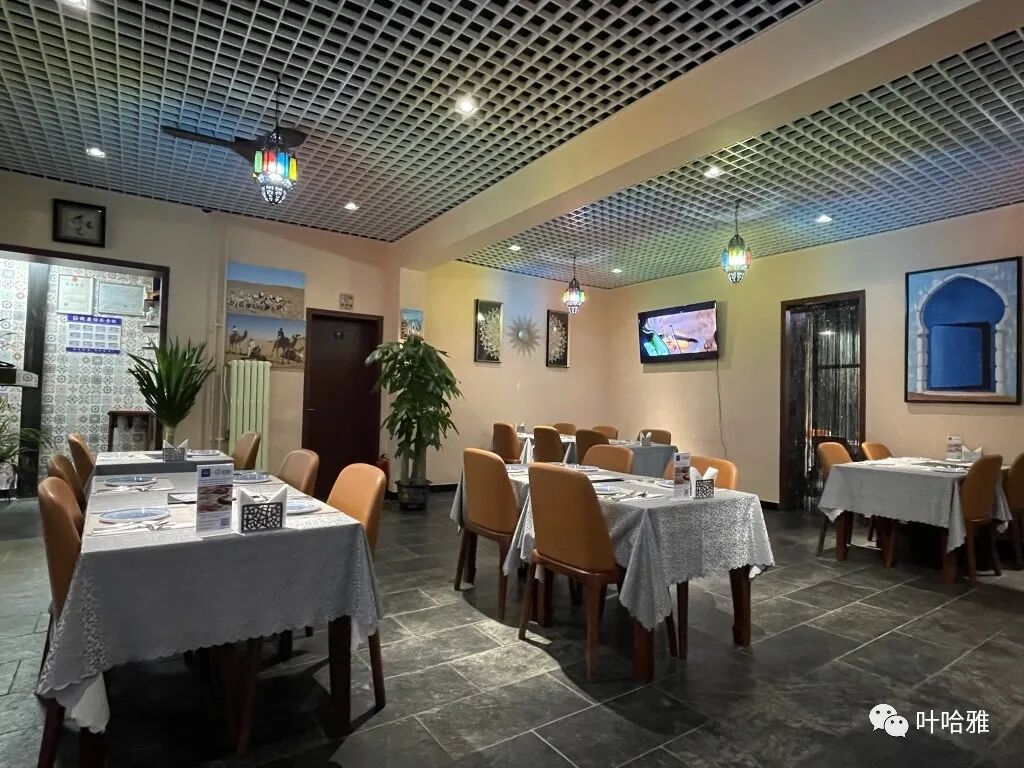
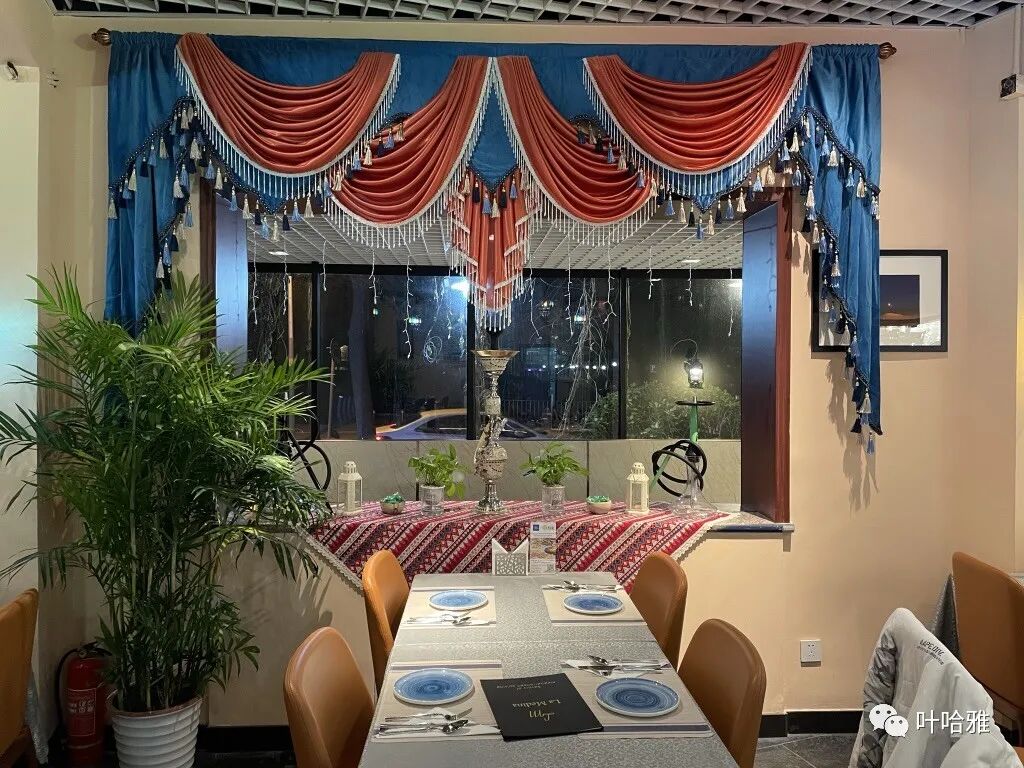
This Tunisian-style restaurant is actually the Mesa Restaurant that opened last year. The location last year was not ideal and the space was small, so this year they moved near the Armenian Embassy.
The white man in profile in the photo is the head chef, a Tunisian Arab. We met him last year, and I even asked him to confirm that the restaurant is halal because they did not have a halal sign hanging up.
In Beijing now, if a restaurant wants to hang a halal sign with Chinese characters, it must be approved by the Ethnic and Religious Affairs Committee. Otherwise, you have to rely on word of mouth to confirm, which feels like going back to the time of the Prophet.
I took a photo of the restaurant's restroom and posted it on WeChat Moments. Many Han Chinese friends asked me why I posted a picture of a toilet. Actually, those who know will understand that the sprayer in this restroom is a facility specifically for Muslims.
Tunisia is in North Africa and has always been a popular vacation spot for Europeans. Tunisian food is also very unique.
Vegetable salad
Tunisian couscous (couscous)
This Tunisian couscous looks like millet and tastes like millet, but it is actually made from ground wheat grains. To us, it looks just like millet. On top of the couscous is Tunisian sausage made of beef. It is a bit salty and goes well with roasted peppers.
Moroccan bean soup
4
Inner Mongolian flavor at Qingcheng Restaurant (Changping Xihuan Road Branch)
Qingcheng Restaurant started in 1994 and is located in Changping District. I think it is the most authentic Inner Mongolian restaurant in Beijing. I have introduced the old shop before, and today I am introducing this branch. You can eat pot-wrapped beef (guobao niurou) at the main store, and at this branch, you can eat beef tripe hot pot and steamed dumplings (shaomai).
Beef tripe hot pot
A full pot of beef tripe costs only a little over 100 yuan, and the average cost per person is no more than 70 yuan. Prices in Changping are much lower than in the city center.
The steamed dumplings are also the most authentic Inner Mongolian flavor I have found in Beijing.
Sheep head meat
5
Qiqihar Flavor: Three Brothers Barbecue
Located on the first floor of Xingmei Building on Qinghe Heiquan Road, this is a Qiqihar-style barbecue restaurant.
We bought a set meal for two on Dazhong Dianping for 198 yuan.
The set meal had a good variety, but the taste was just average. It was cheap, though. There is a Northwest-style restaurant next door, and the two businesses operate together.
This iron plate barbecue is typical of the Qiqihar style. Since a new Qiqihar barbecue place just opened near Changying, there are now three halal Qiqihar barbecue restaurants in Beijing.
Cold noodles (lengmian), which every Qiqihar barbecue restaurant serves.
6
Qiqihar Flavor: Toupiqi
This shop is in Guanzhuang and opened recently. It is the third halal Qiqihar barbecue restaurant in Beijing.
The quality here is much better than at Three Brothers. Since it is located in the Changying area, it would be hard to survive if the meat quality were not good.
The shop has two floors, plenty of space, and convenient parking at the entrance, making it great for small gatherings with friends.
If I had to rank the three big Qiqihar barbecue spots in Beijing, I would put this one in second place and Dajinggai Barbecue Company in first. Dajinggai’s environment is designed to look like a street-side barbecue tent in Qiqihar, which feels more authentic, and their cold noodles and fried rice are delicious.
Three of us could not even finish this big table of food. The group-buy price was 191 yuan, which is very affordable.
7
Heilongjiang Flavor: Uncle Oyster Iron Pot Stew
A newly opened Northeast iron pot stew (tieguo dun) restaurant near Jiande Bridge, located in the basement of Qingxiangge Dalian Seafood.
Ever since the halal Erjie Earth Pot Stew (diguo dun) in Xueying, Daxing closed, I have not had authentic Northeast earth pot stew.
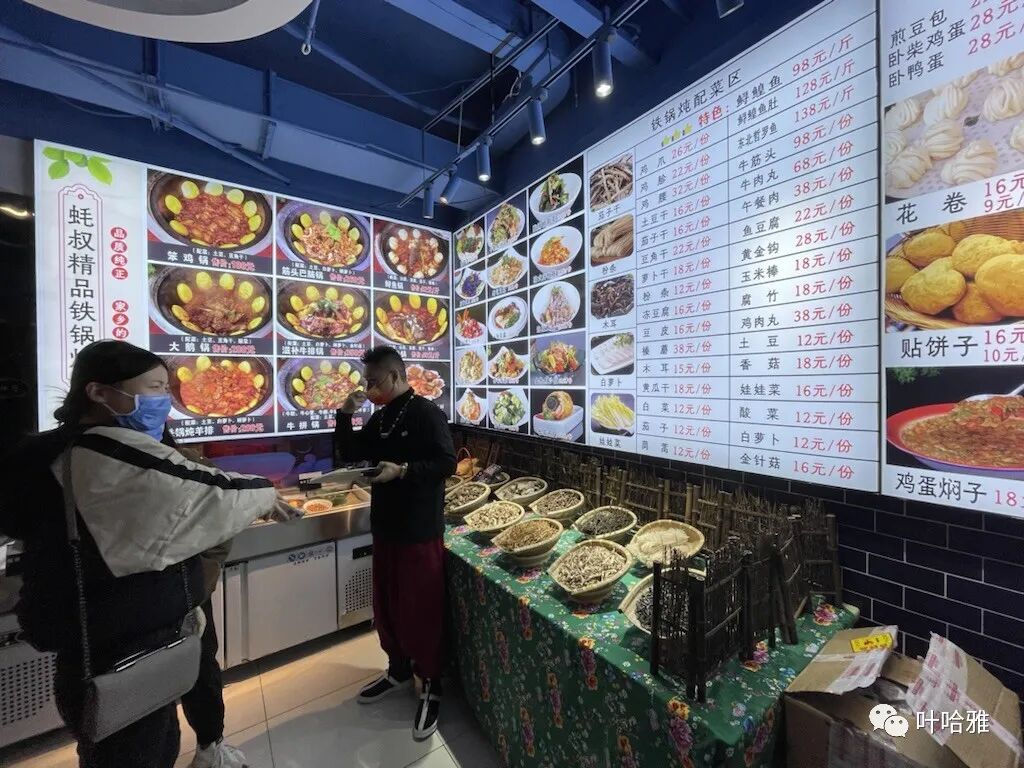
So, I invited three or four friends from the group to come and try it. We had to order the iron pot stewed goose, as you need a group to eat it.
This dish is called mashed garlic egg (suandaodan). It is a home-style specialty from Northeast China made with eggs and has a salty, savory flavor.
For raw vegetables with dipping sauce (zhanjiangcai), I love the cucumbers and green onions. I have loved eating green onions with soybean paste (dajiang) since I was a kid, especially with a hot, freshly steamed white bun (mantou).
To eat iron pot stewed goose (tieguo dun da'e), first put the chopped goose into the bottom of the pot, then add your choice of side dishes. We chose golden beans, tofu, shiitake mushrooms, and potatoes. Cover the pot and stew for 15 minutes. Place steamed flower rolls (huajuan) and griddle cakes (tiebingzi) on top. When the time is up, the meat below is stewed and the staples on top are steamed. Everything is fresh and delicious.
This pot of stewed goose was enough for 6 of us. We finished every bit, and it cost 60 yuan per person.
8
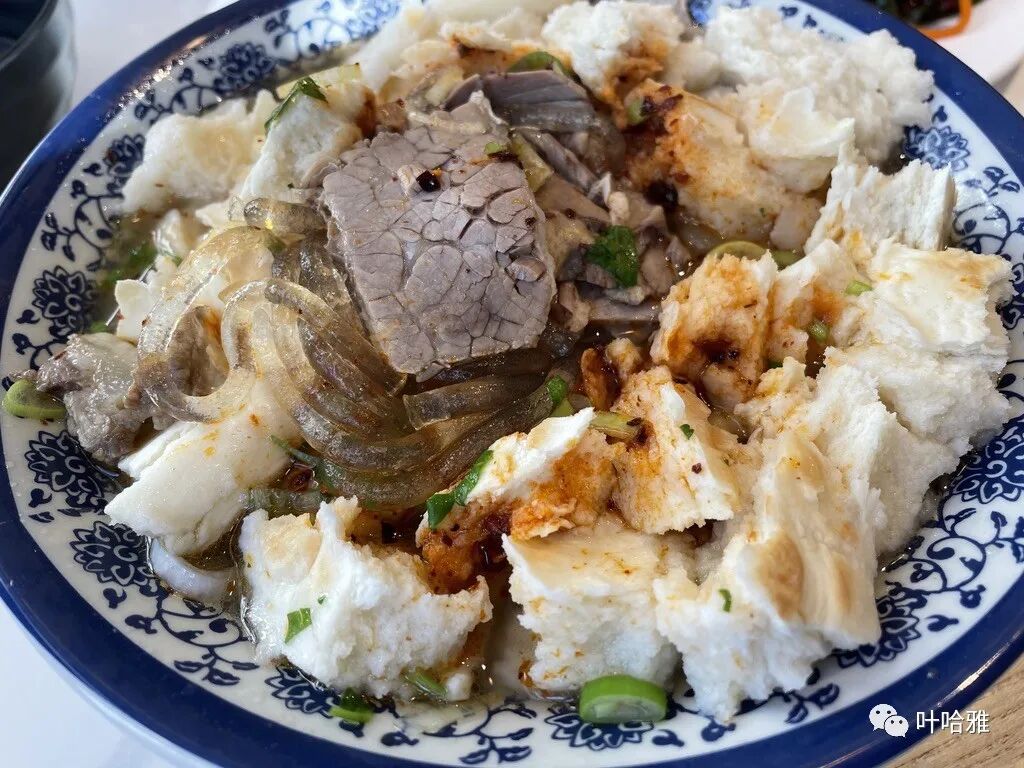
Pingliang Flavor: Longxiang Hui Lamb Pita Bread Soup (yangrou paomo)
A lamb pita bread soup shop opened on Dongsi Street. People usually think of Xi'an style when they hear about pita bread soup, but this shop has the character 'Long' in its name, so I guessed it was Pingliang style.
I have many friends from Pingliang, and they often talk about the difference between Pingliang and Xi'an pita bread soup. Pingliang pita bread soup is its own thing; it has more broth, and the bread is fully cooked. Unlike the Xi'an version where the bread is only 70% cooked, you don't need to break the Pingliang bread into tiny pieces. Keep them in larger chunks. It is best to serve the broth and bread separately and soak the bread as you eat.
The owner told me the chef comes from the famous Chunhua Restaurant in Pingliang, which all the local elders know. The master chef has spent most of his life cooking and knows his craft well. Besides pita bread soup, you can also get Gansu-style hand-grabbed lamb (shouzhuayangrou) and cold-tossed beef.
I heard they recently added cat-ear noodles (mashi) and cold noodles (liangpi). These are Gansu specialties that are tasty and affordable.
9
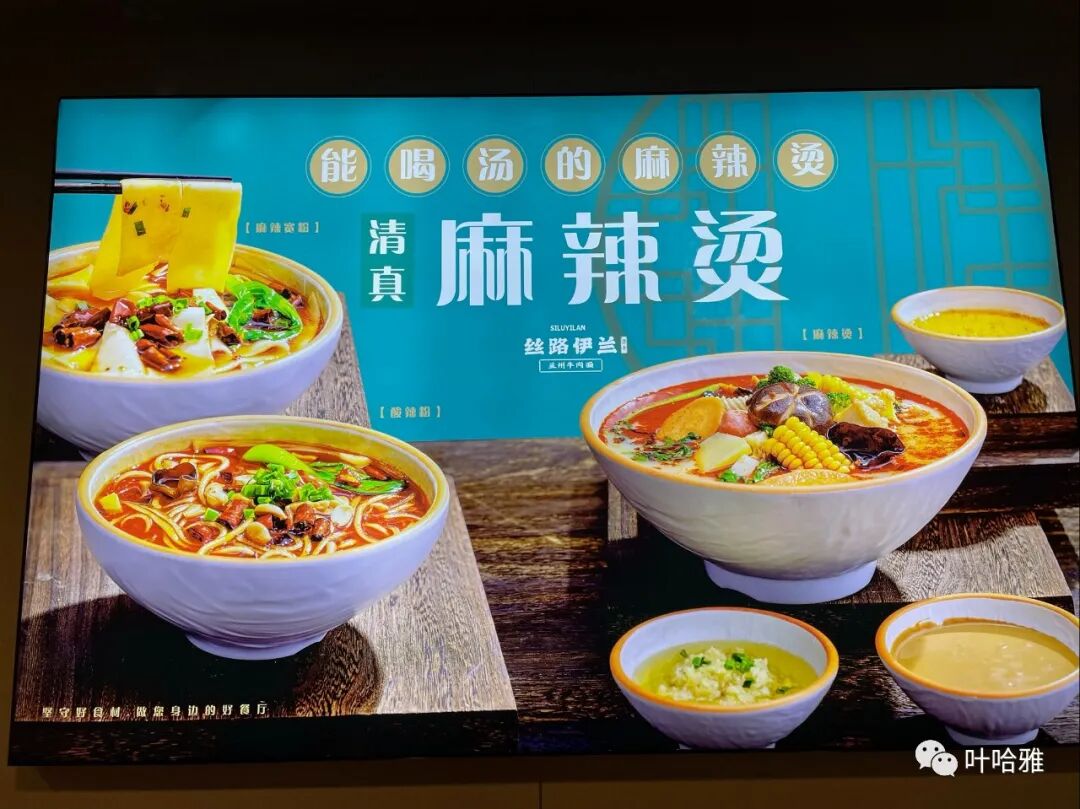
Lanzhou Flavor: Silk Road Yilan Spicy Hot Pot (malatang)
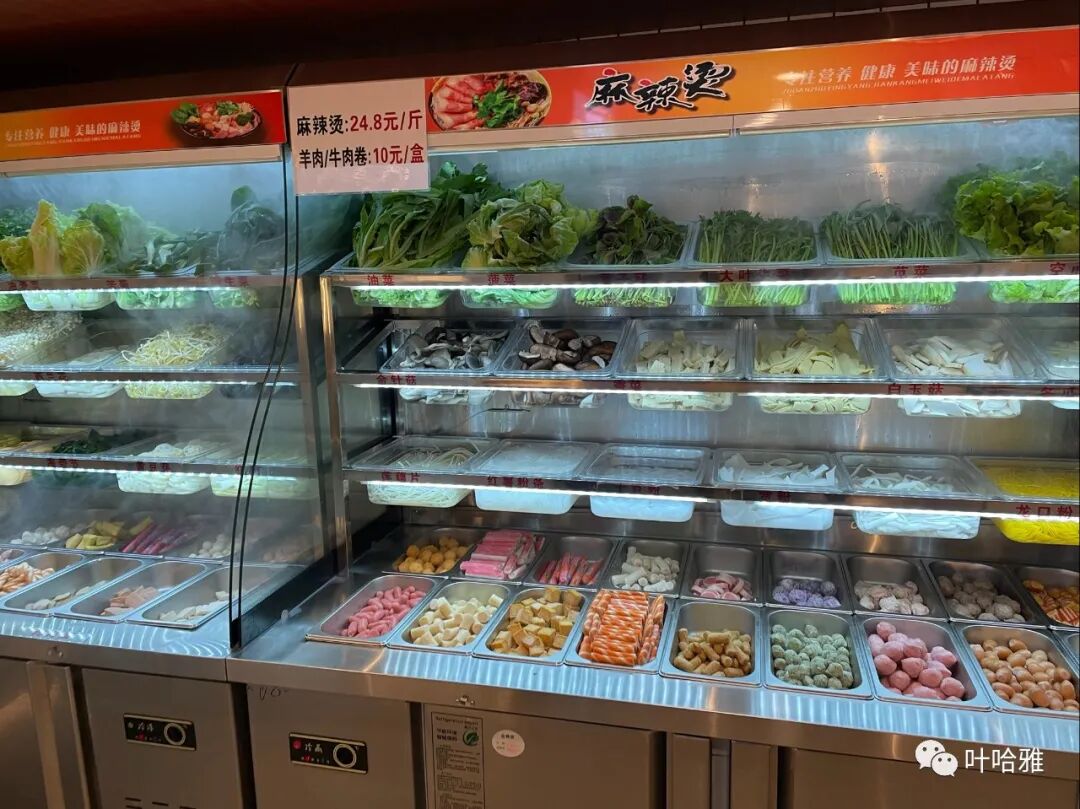
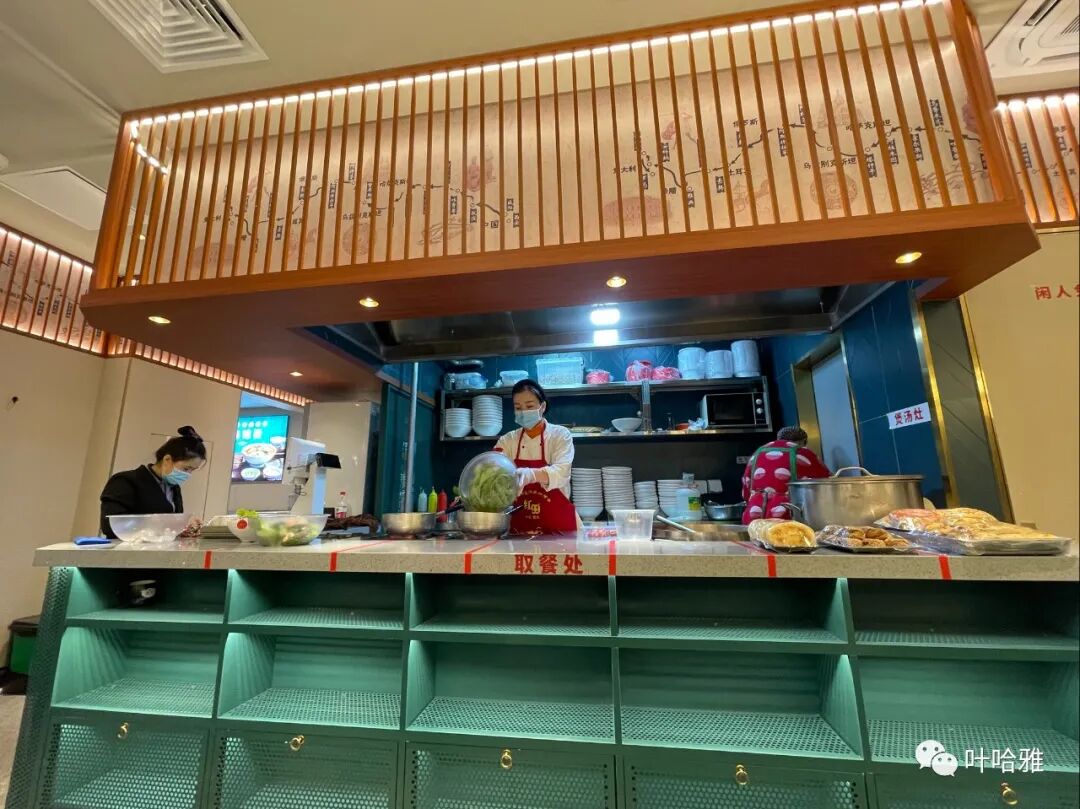
Silk Road Yilan, the only place on Niujie Street that doesn't sell alcohol, recently added spicy hot pot inside their noodle shop. The flavor is great, and it is served in individual pots, making it clean and hygienic.
If you don't want noodles and want to eat more vegetables, you should come and try it.
10
Inner Mongolia Flavor: Mengdameng Specialty Roasted Lamb Leg
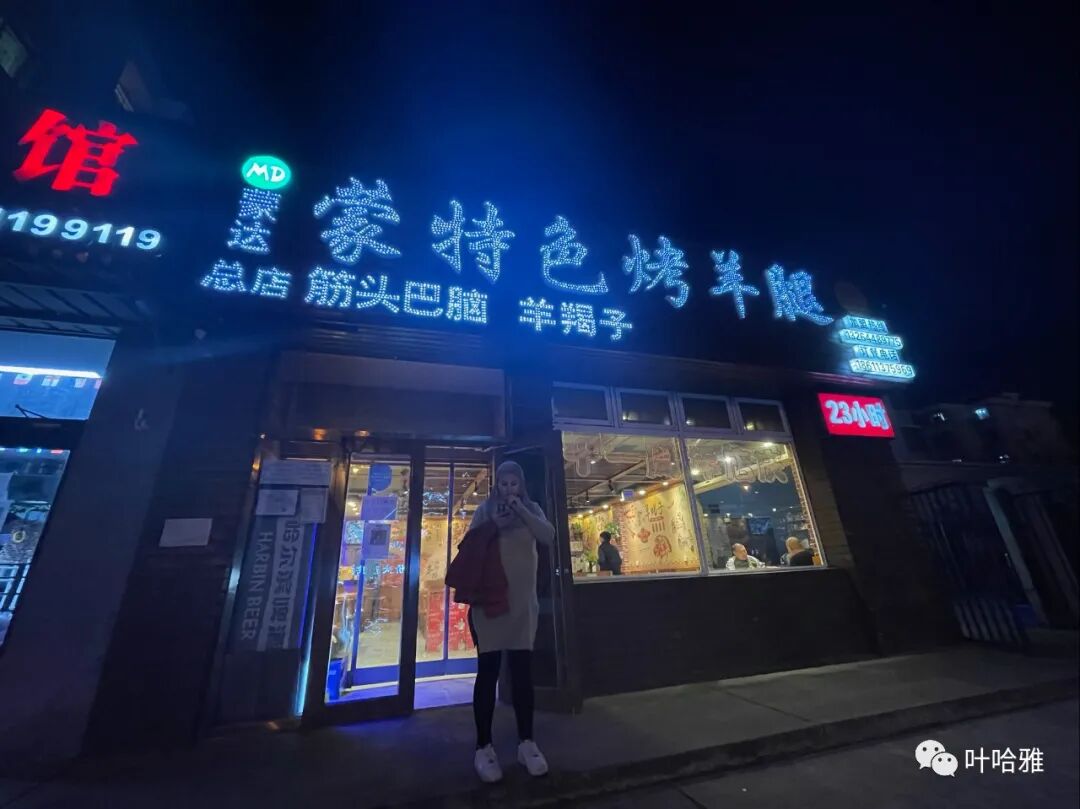
A small Mongolian-style barbecue shop near the Xihongmen Mosque.
I didn't come here for their roasted lamb leg. I eat too much meat usually, so I wanted something light.
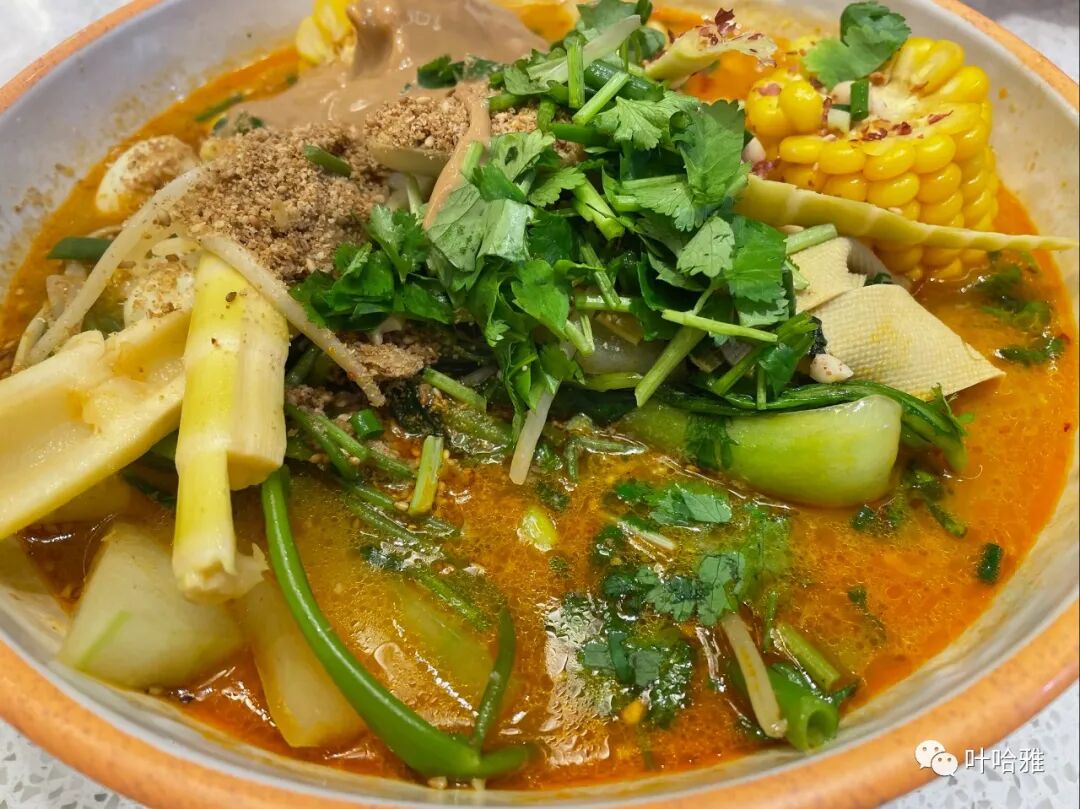
My favorite dish here is the Mongolian big bowl noodles (menggu dawan mian). The noodles are wide and the soup is a bit spicy, but the noodles are chewy. Many friends say it tastes great.
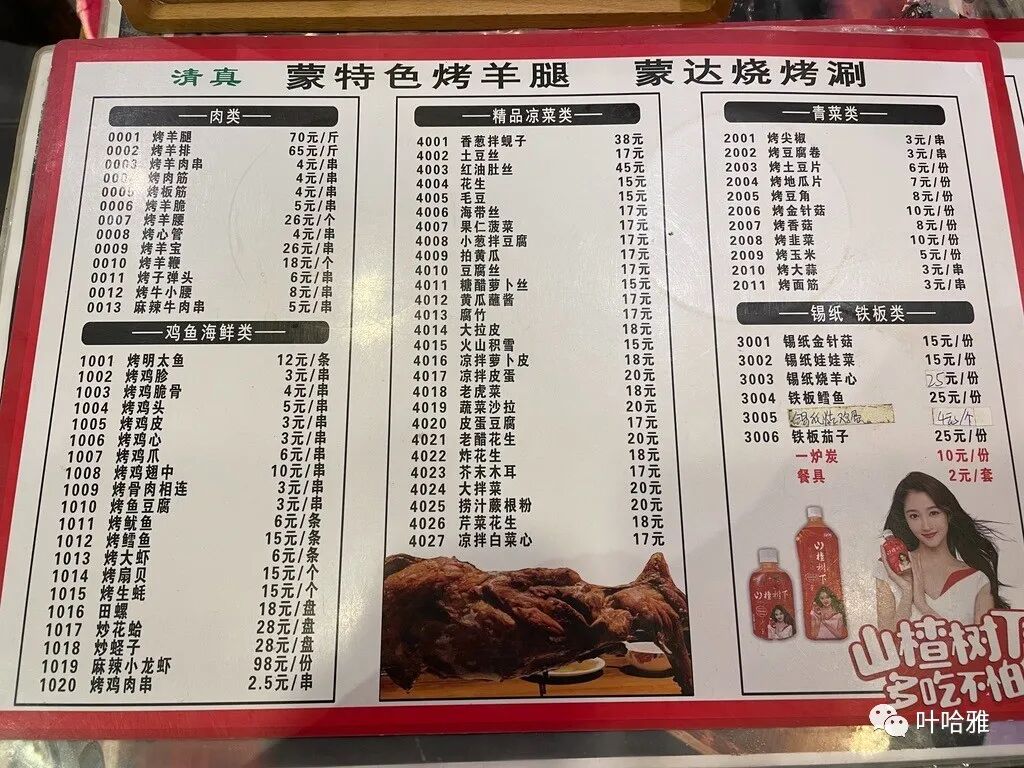
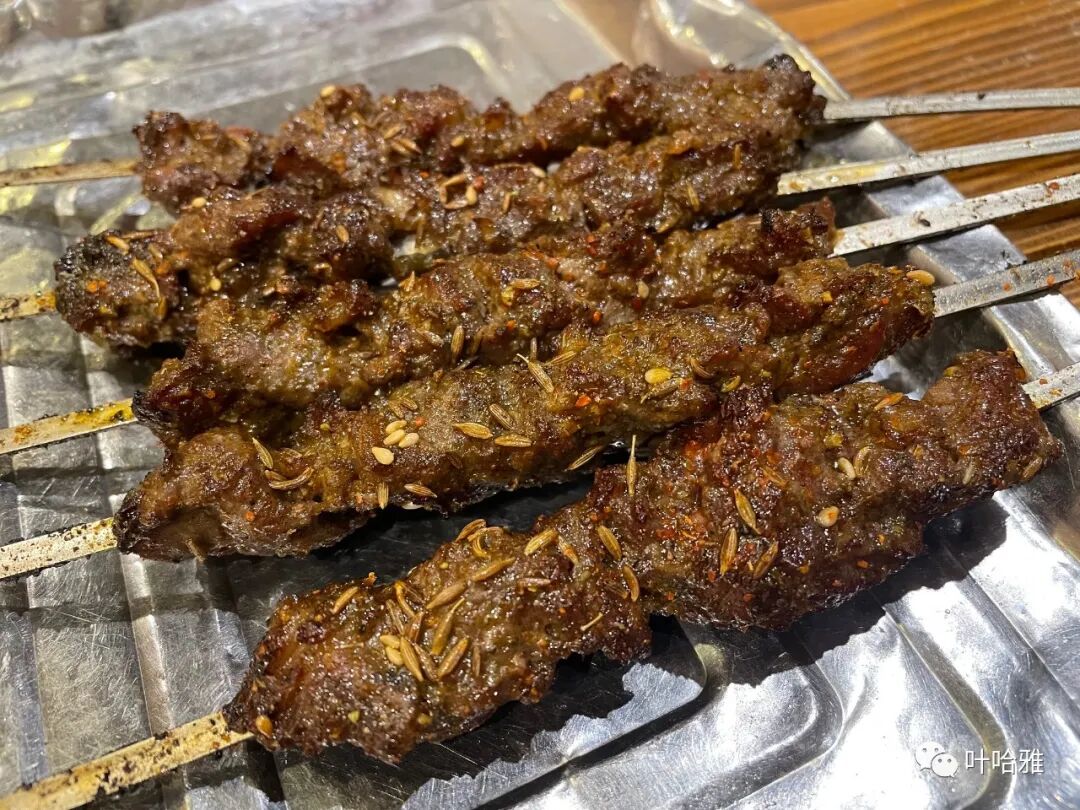
You can order the roasted lamb ribs (kao yangpai) by the jin. These are small lamb ribs.
Roasted sweet potato slices (kao digua pian)
11
Sichuan-style Niububi clear oil tripe hot pot
I first ate at Niububi in Chengdu in 2016. That was my first time having authentic halal Chengdu hot pot. I waited in line for over two hours, but it was worth it. I later ate at their Xining branch, but it is a pity that Beijing has never had a truly authentic halal Sichuan hot pot restaurant, only a few cold pot skewer shops.
The restaurant is on the second floor of Quanpin Jinsha in Mudanyuan. The space is large, and the interior design was reportedly done by a Hui Muslim designer.
Niububi gets its ingredients from the Tangjiasi Hui Muslim community under Chengdu's jurisdiction, which is the largest livestock trading area in the southwest. The owner of Niububi is a local Sichuan Hui Muslim, and the head chef is also a Sichuan Hui Muslim who is skilled at making Sichuan cuisine.
Iced jelly (bingfen)
Iced jelly is a must-have dessert for Sichuan hot pot. It is mainly used to cool down the spice, and it is cold, sour, and sweet.
Duck intestines (ya chang)
Duck intestines and tripe are essential dishes for Chengdu hot pot. Duck intestines cook as soon as you dip them in the water.
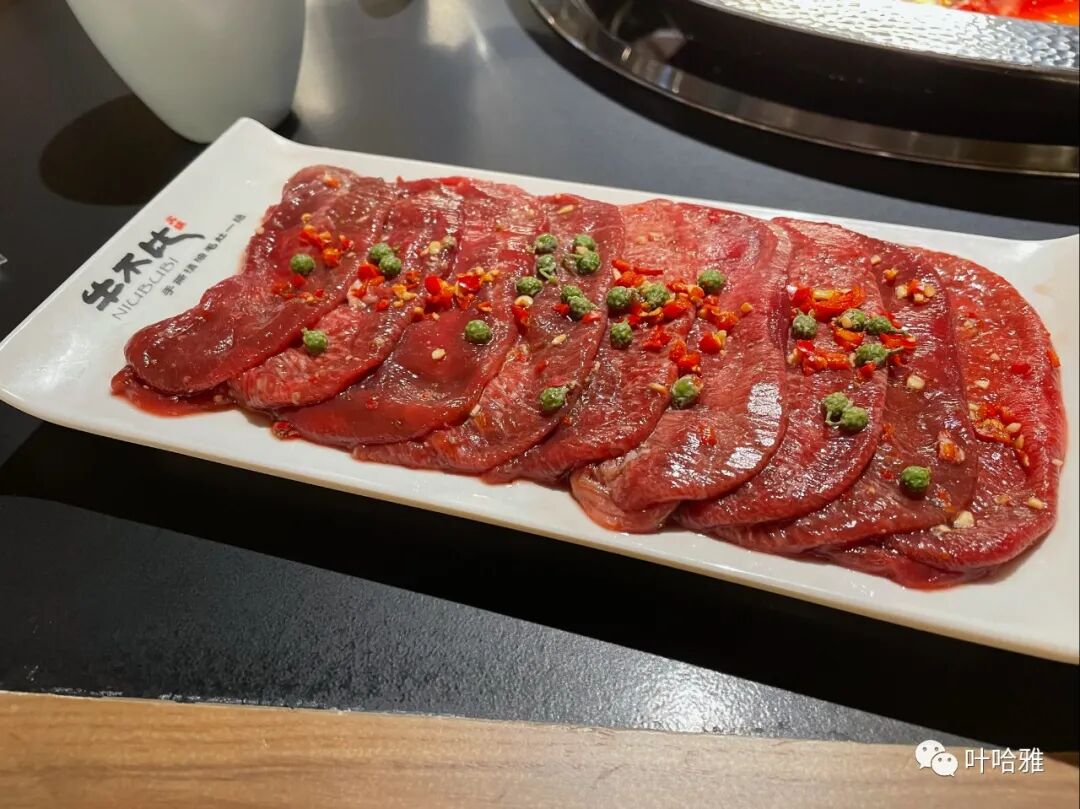
Shabu-shabu tripe (mao du) is their signature specialty. Fresh beef tripe only needs a few seconds in the pot, commonly known as 'seven up, eight down,' otherwise the texture will get tough.
Freshly fried crispy beef (xiao su rou) is also a standard snack for Sichuan hot pot. The beef is tender, fresh, and crispy.
Brown sugar sticky rice cake (hongtang ciba)
Unlike some shops that buy pre-made brown sugar sticky rice cakes to heat up, Niububi makes theirs on the spot to ensure the best texture.
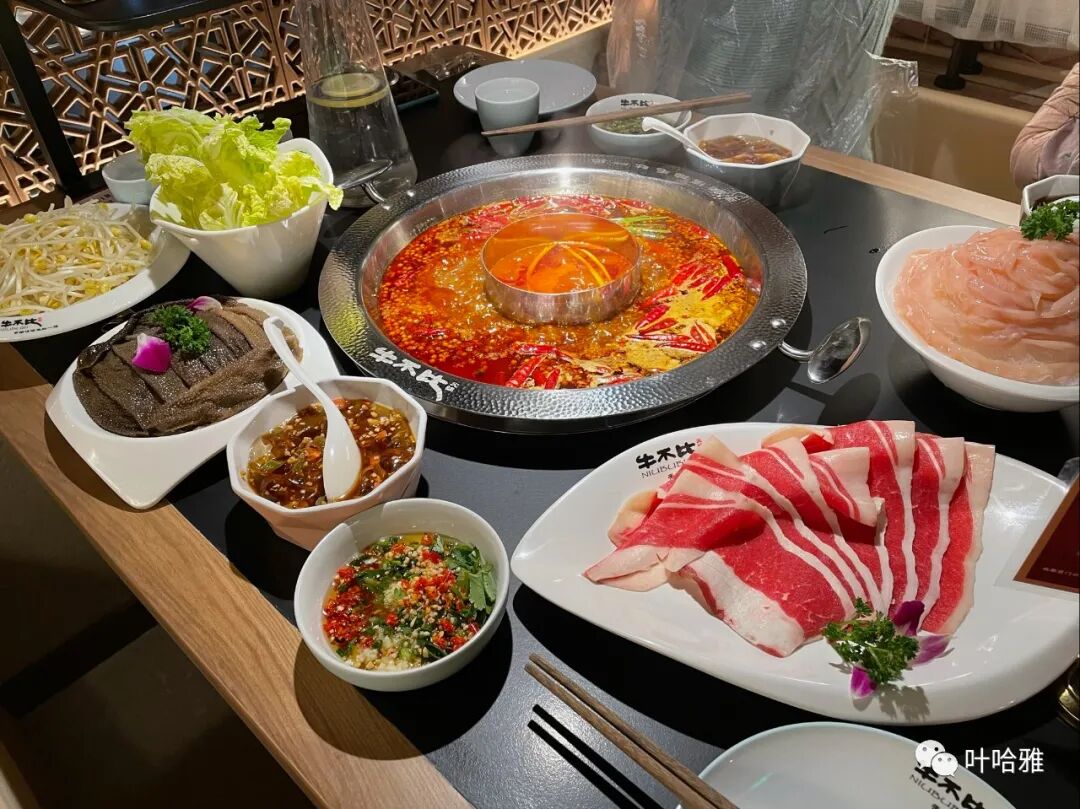
The shop is called Niububi, which means their beef quality is so good it does not need to be compared to anyone else's. The name also sounds like a slang term for awesome. Niububi really is awesome among my friends, and it is the most authentic Sichuan hot pot I have ever had. I am so happy to find the same taste in Beijing as in Chengdu; it gives us one less reason to travel to Chengdu.
From this Sunday the 19th through the 30th, Niububi is holding a soft opening promotion with 32% off everything. Usually, there are no discounts and the average cost is about 150 to 200 yuan per person, so you can save quite a bit with this deal. Don't miss out on these dates. view all
Summary: This Beijing halal food guide highlights new Muslim-friendly restaurants across the city, from Henan huimian and Pakistani masala dishes to Ningxia cuisine, hotpot, and other authentic Hui Muslim food spots.

— Hello, Travel —
This article is a bit late. First, my son is about to be born, so I have been staying by my wife's side almost every moment and going out less. Second, I have been waiting for news that the famous Chengdu halal hotpot brand Niububi is opening in Beijing. Now that Niububi is here, Beijing truly lives up to its reputation as a world capital of halal food.
1
Henan-style: Old Yao's Secret Braised Noodles (huimian).
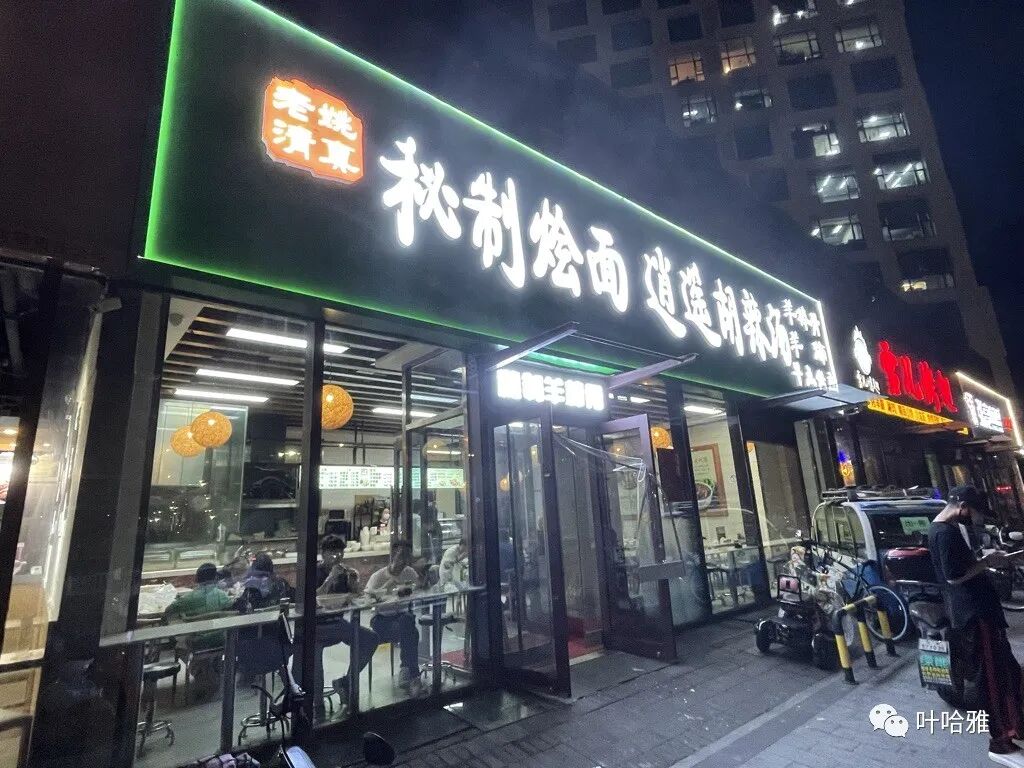
Old Yao runs two Henan braised noodle shops in Daxing. The one in the photo is not far from the Xihongmen Joy Breeze (Huiju) mall. For breakfast, they serve spicy pepper soup (hulatang) and pan-fried buns (shuijianbao). Note that these two Henan specialties are only sold as breakfast in the morning; after noon, you can only order braised noodles.
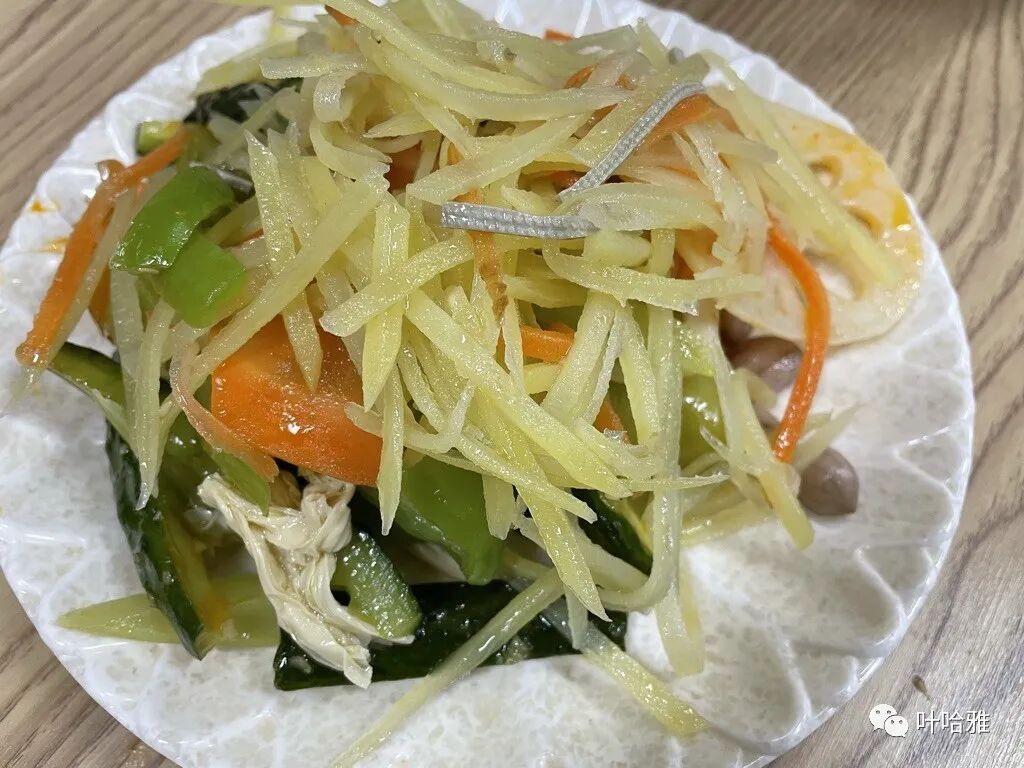
The cold dishes at this Henan braised noodle shop are a highlight. There is a wide variety, and they give you a plate to help yourself. Whether it is a good deal depends on how much food you can pile onto that one plate.
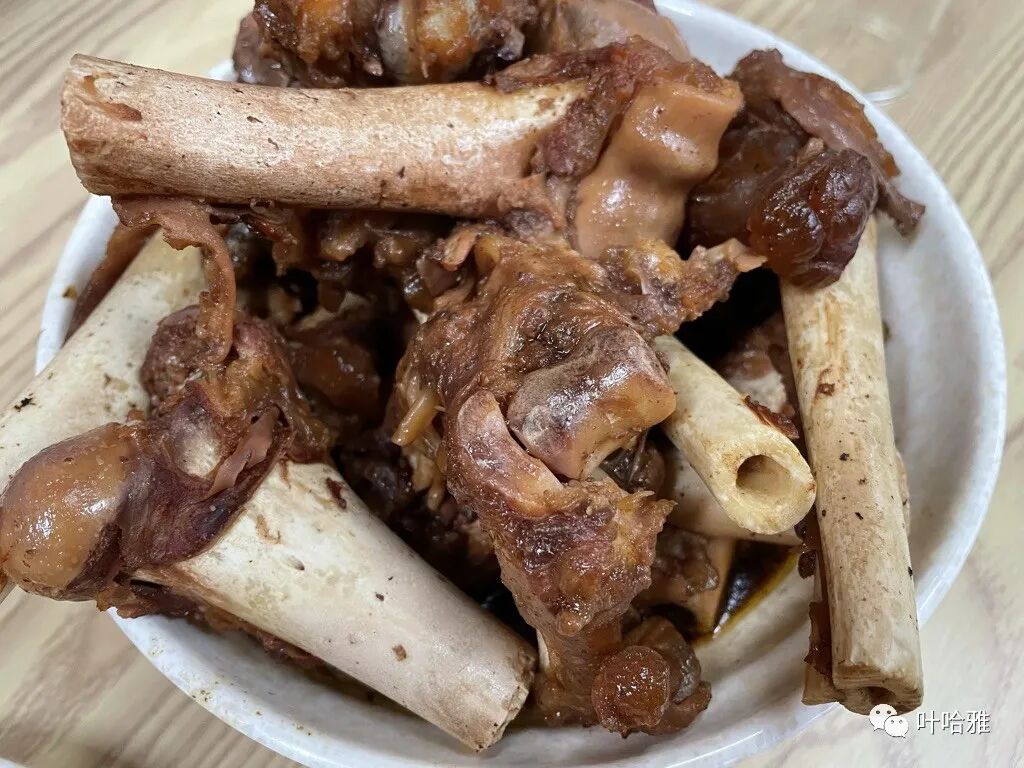
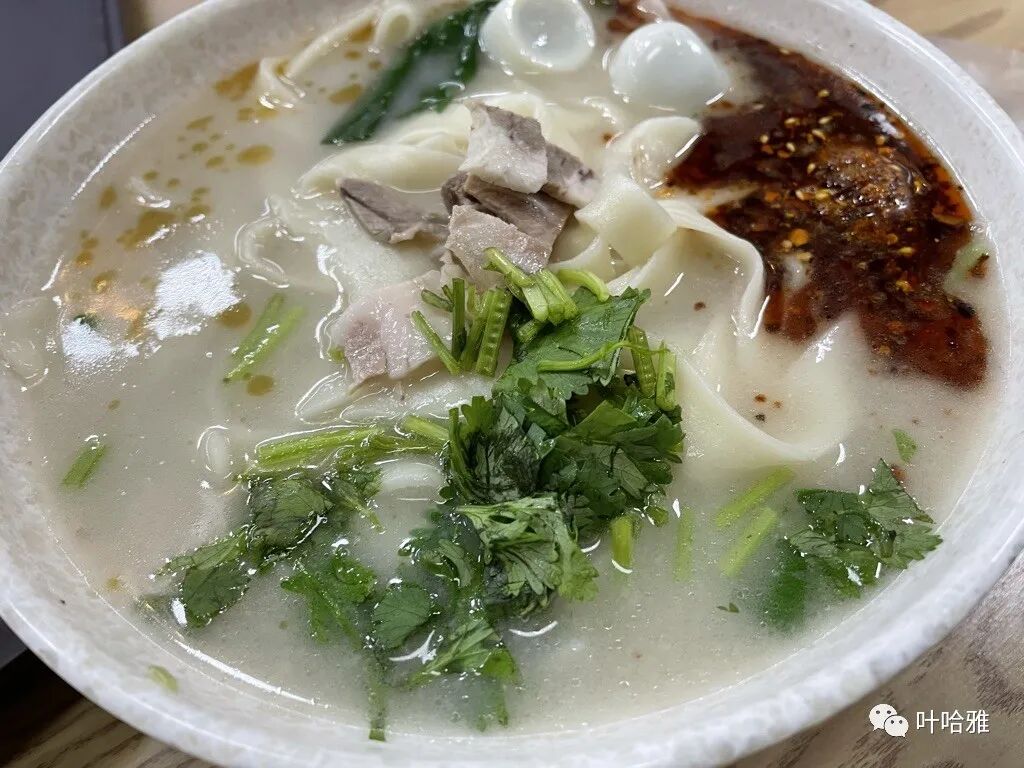
If you come in the afternoon or evening, the shop only serves beef bone and nourishing lamb braised noodles. Of course, both taste very authentic.
There are more halal Henan restaurants in Beijing now. For higher-end stir-fry, there is Yufu Shenchu; for snack stalls, there is Guhuaijie Mawu; in Huilongguan, there is Liangji Braised Noodles; and near Caoqiao, there is Xuyiwani Braised Noodles.
2
Indian-Pakistani Cuisine: Sultan Pakistan Restaurant.
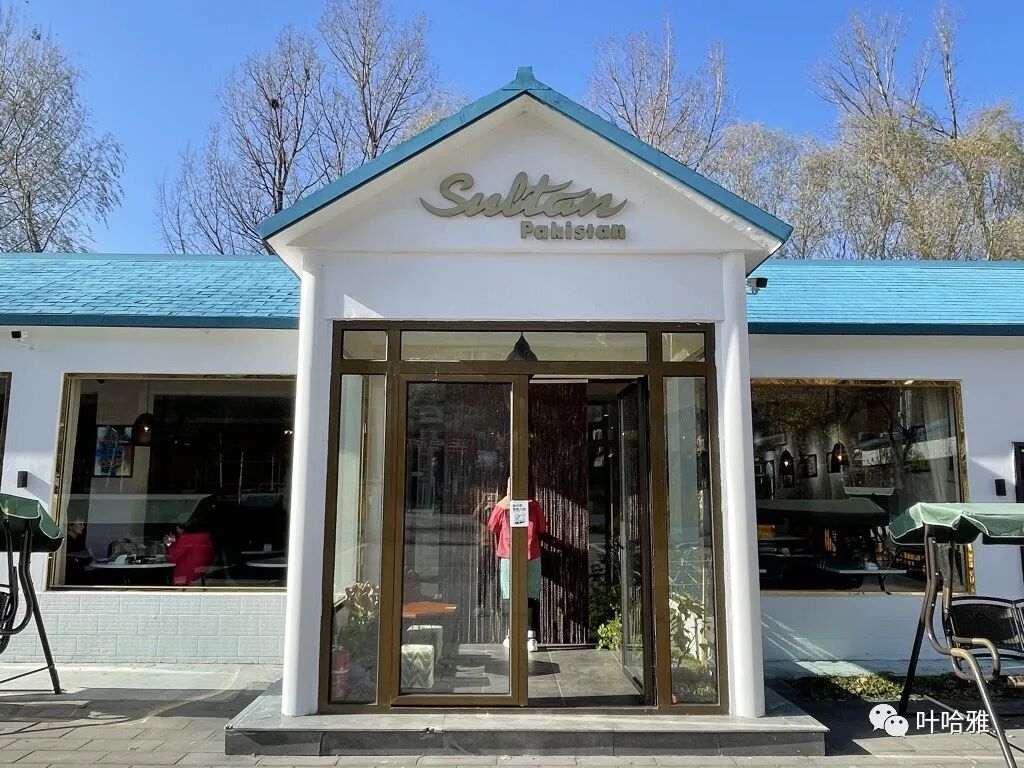
A new Indian-Pakistani halal courtyard restaurant has opened in Huatai Village, Sanduhe, Huairou. The courtyard is very spacious with easy parking. I like the style of this place; it is bright, airy, clean, and tidy.
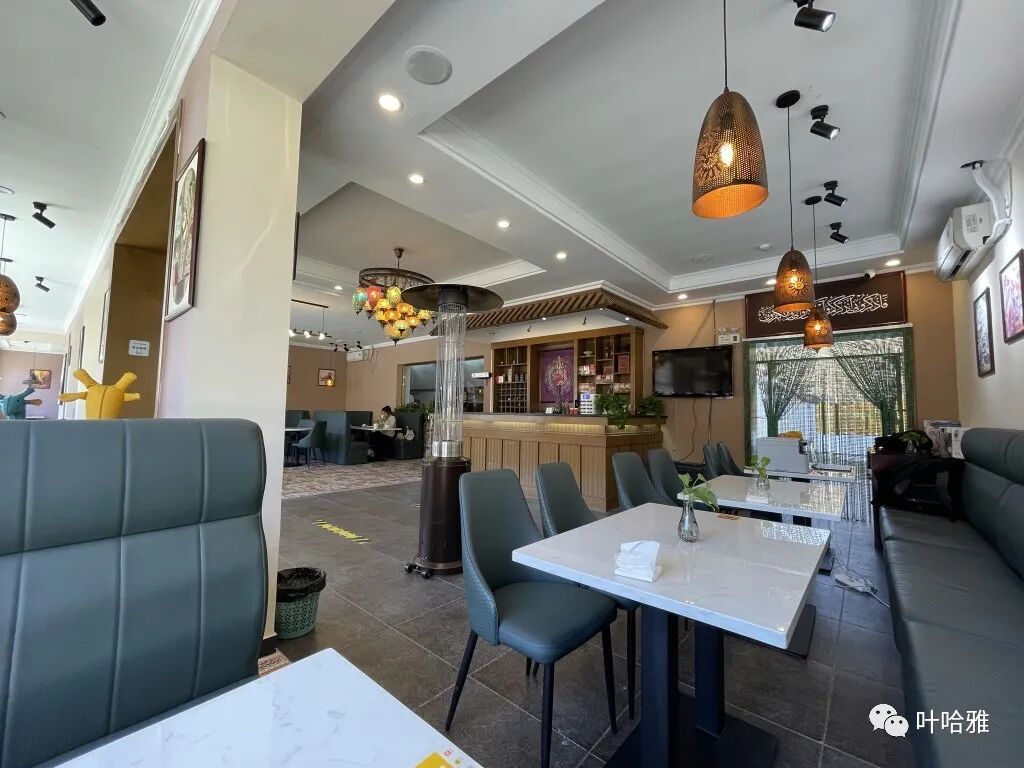
The chef is from Pakistan, and the owner is a local from Huairou. I asked her why she decided to open an Indian-Pakistani restaurant in an area crowded with farmhouse-style eateries. She said she has spent years with Pakistani friends and has long followed a halal lifestyle. She also has another chain store in Huairou county called Masala Pakistan Restaurant.
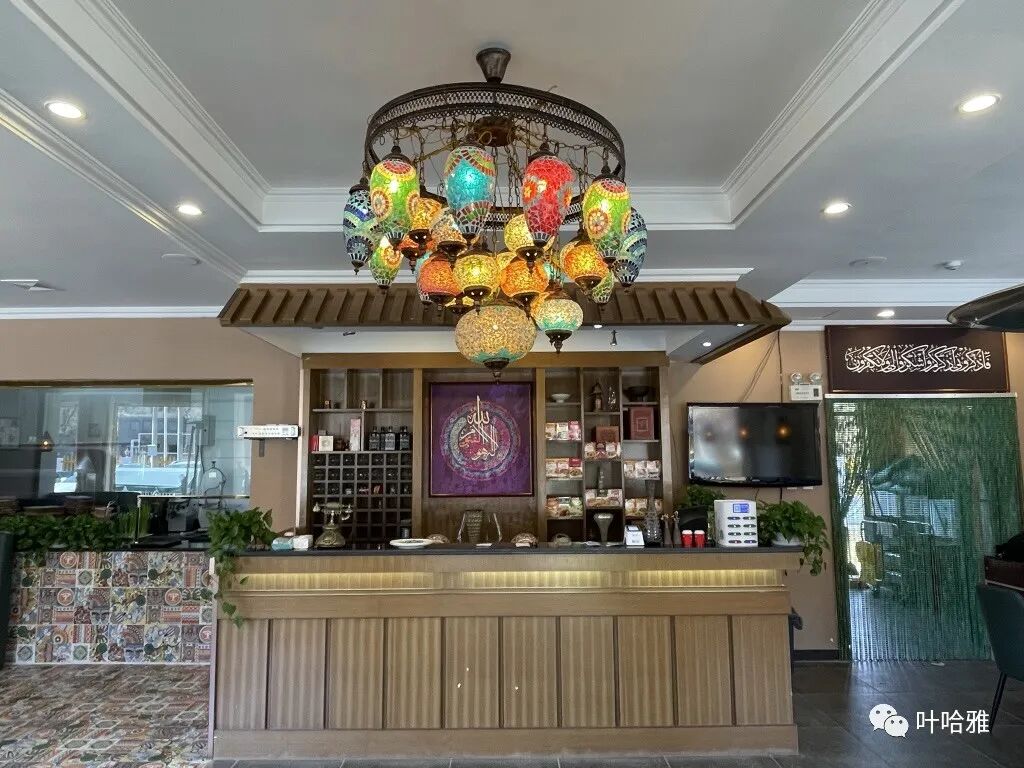
Many people ask me what masala actually tastes like. Masala is just a general term for Indian spices; a mixture of many Indian spices is called masala.
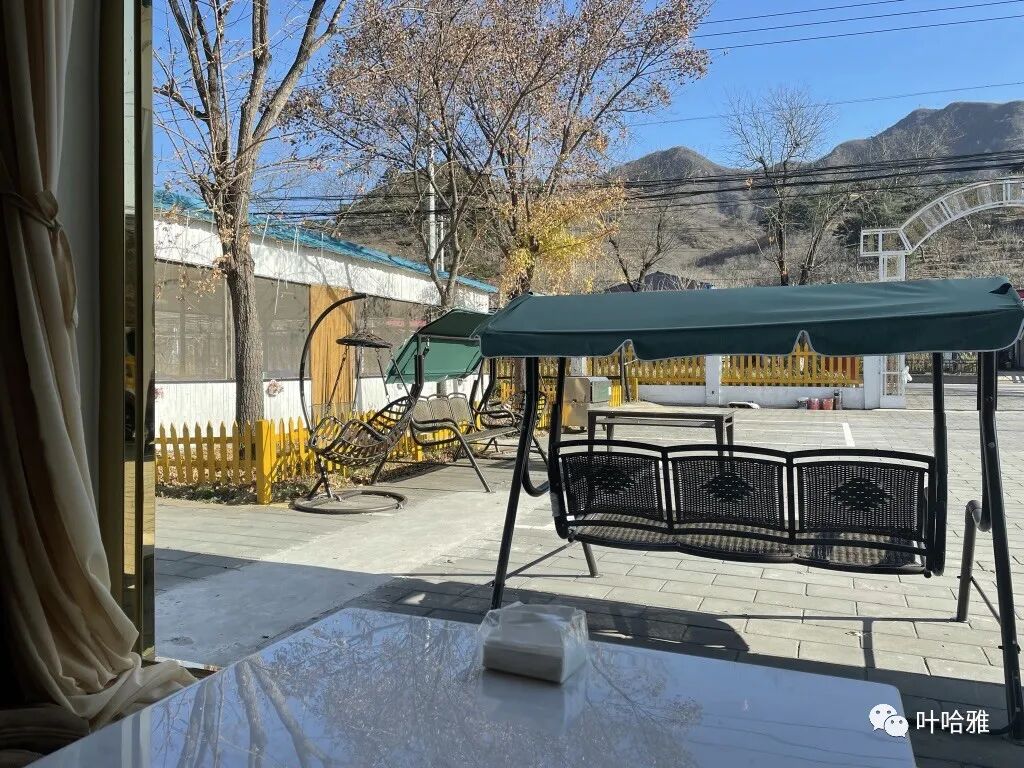
Because there are not many halal restaurants in the Huairou area, and even fewer with unique features, friends visiting the Mutianyu Great Wall, Hongluo Mosque, or Yanqi Lake scenic areas can stop by this Indian-Pakistani restaurant for a meal.
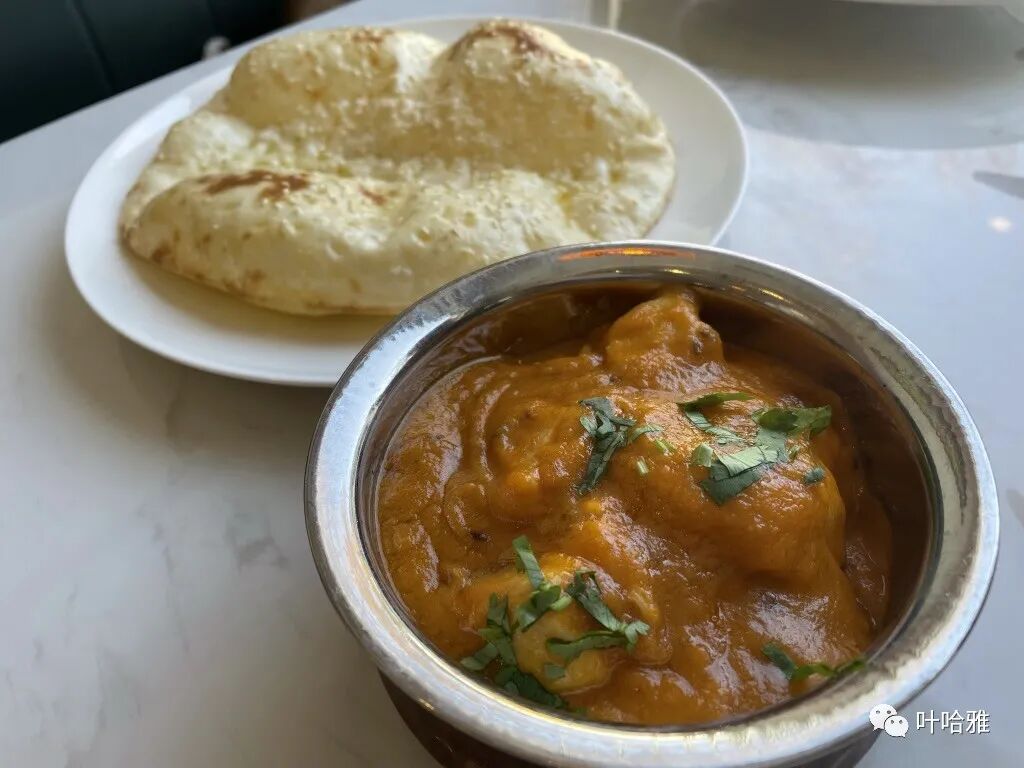
When I eat Indian-Pakistani food, I must have butter naan and chicken curry. One piece of naan is never enough. The most I have ever eaten was four pieces at an Indian-Pakistani restaurant in Nha Trang, Vietnam. I really love the smell of toasted wheat.
In my heart, Khan Baba ranks first for Indian-Pakistani food in Beijing, followed by Shalimar Indian-Pakistani Restaurant in Shunyi. While some other Indian restaurants are labeled halal, I have doubts about the owners' faith, and the decor has obvious Hindu features, so they do not feel as reliable to eat at as these two.
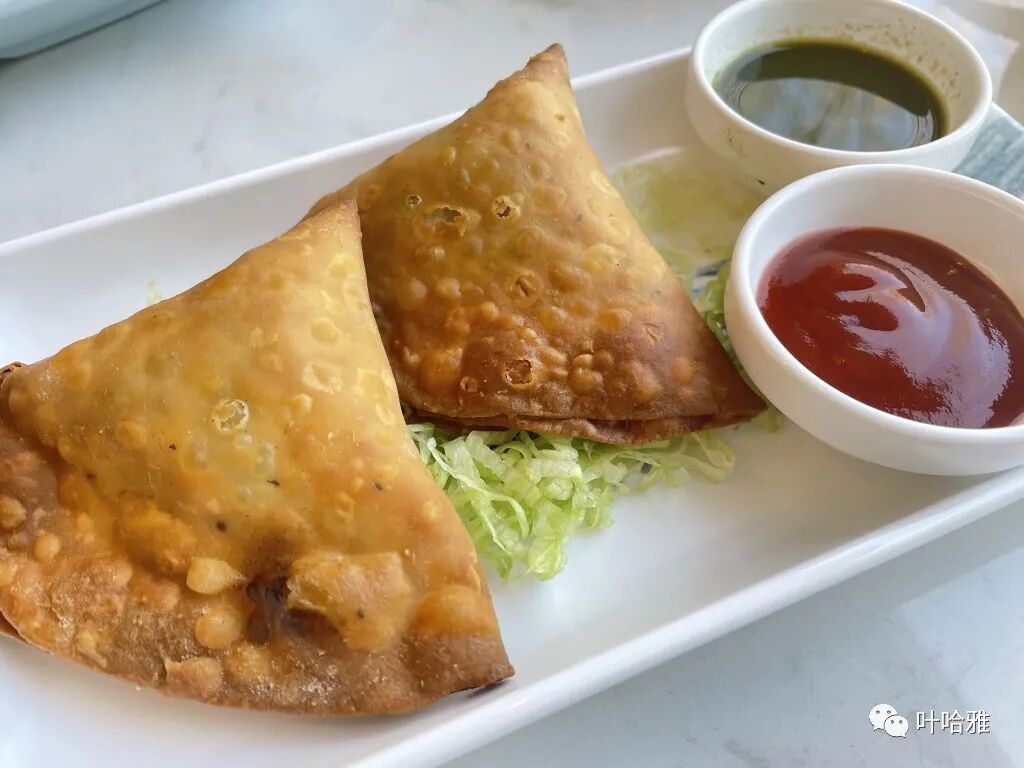
Curry puffs (gali jiao).
3
Tunisian Cuisine at La Medina
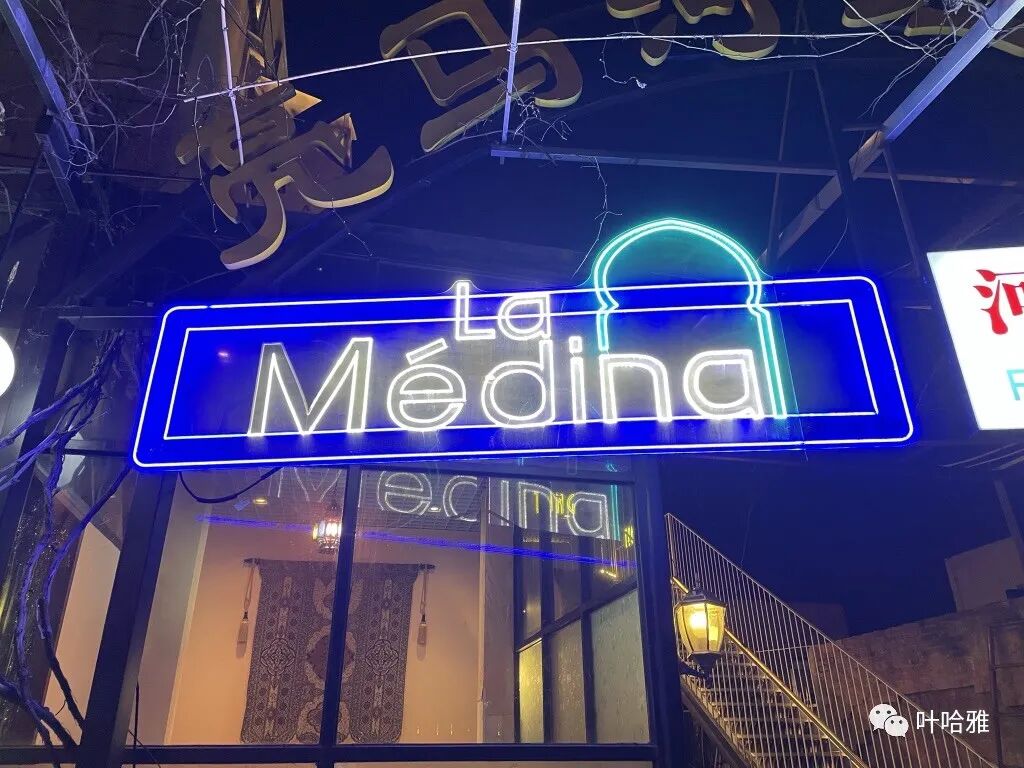
This Tunisian-style restaurant is actually the Mesa Restaurant that opened last year. The location last year was not ideal and the space was small, so this year they moved near the Armenian Embassy.
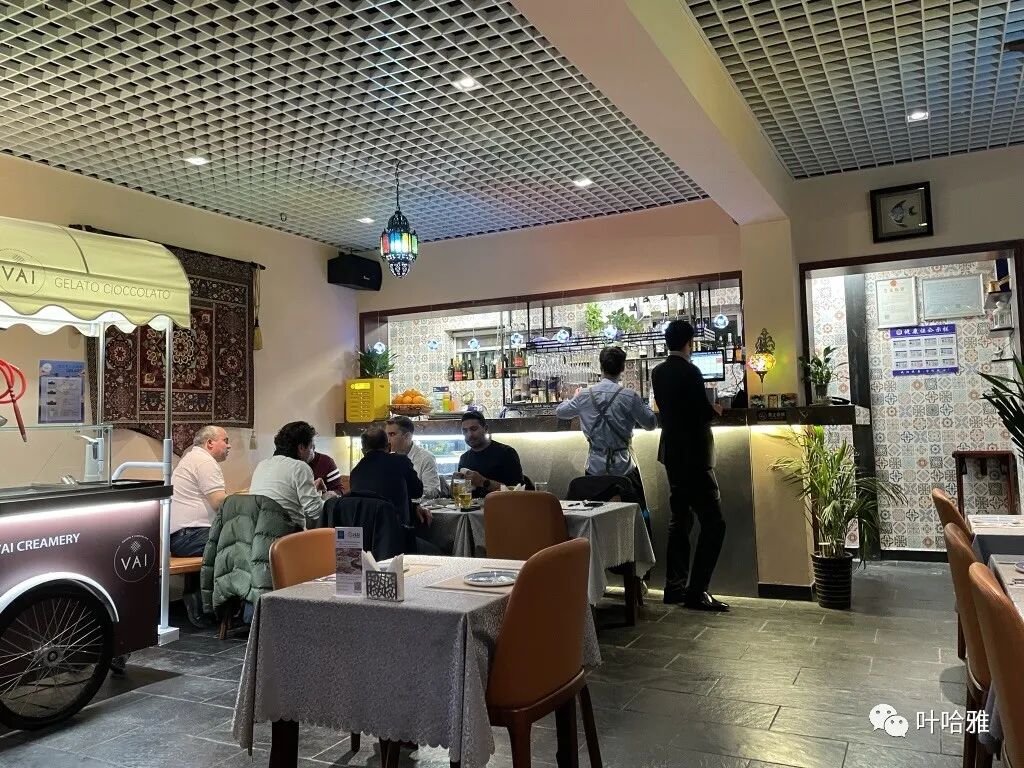
The white man in profile in the photo is the head chef, a Tunisian Arab. We met him last year, and I even asked him to confirm that the restaurant is halal because they did not have a halal sign hanging up.
In Beijing now, if a restaurant wants to hang a halal sign with Chinese characters, it must be approved by the Ethnic and Religious Affairs Committee. Otherwise, you have to rely on word of mouth to confirm, which feels like going back to the time of the Prophet.
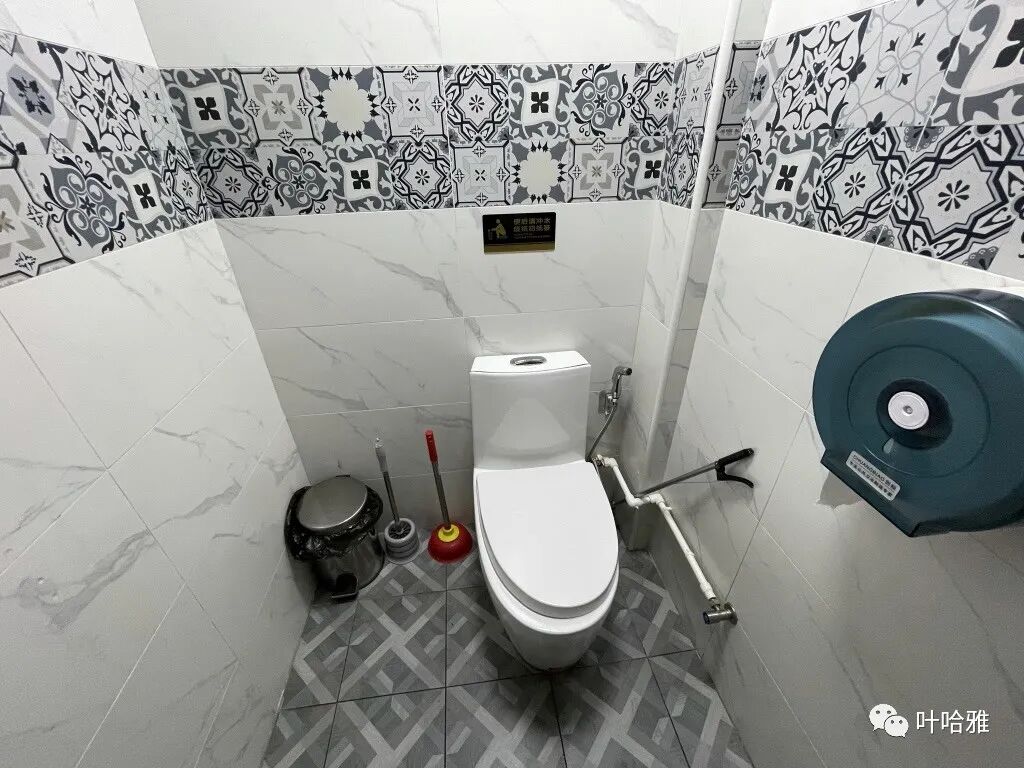
I took a photo of the restaurant's restroom and posted it on WeChat Moments. Many Han Chinese friends asked me why I posted a picture of a toilet. Actually, those who know will understand that the sprayer in this restroom is a facility specifically for Muslims.
Tunisia is in North Africa and has always been a popular vacation spot for Europeans. Tunisian food is also very unique.
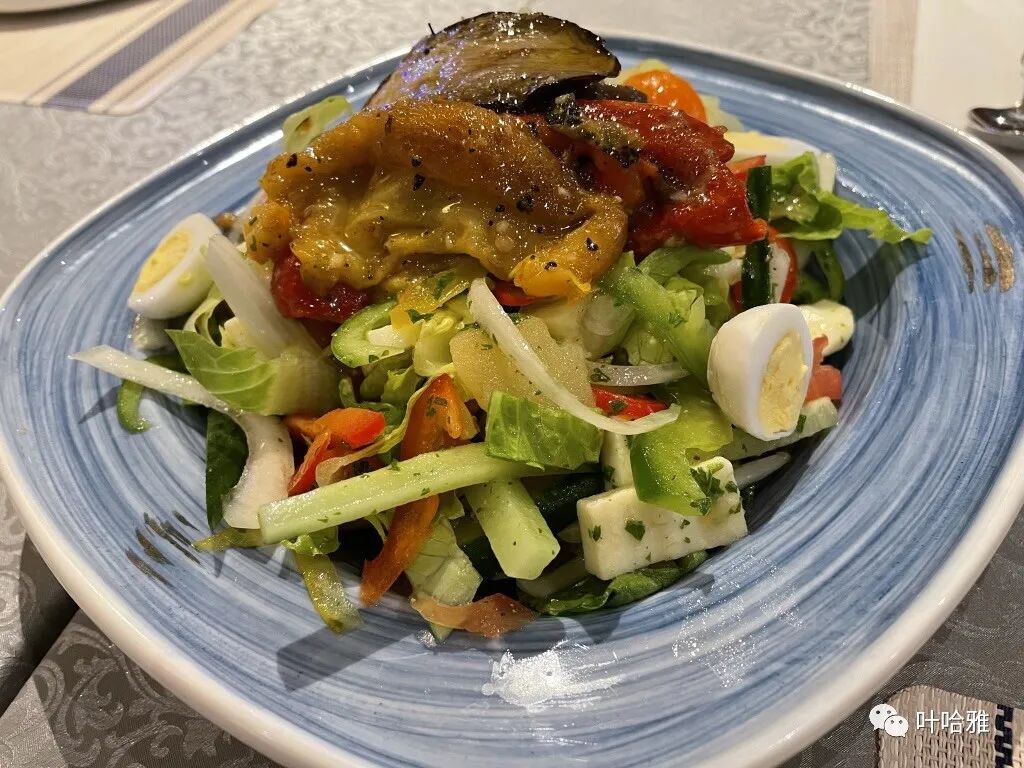
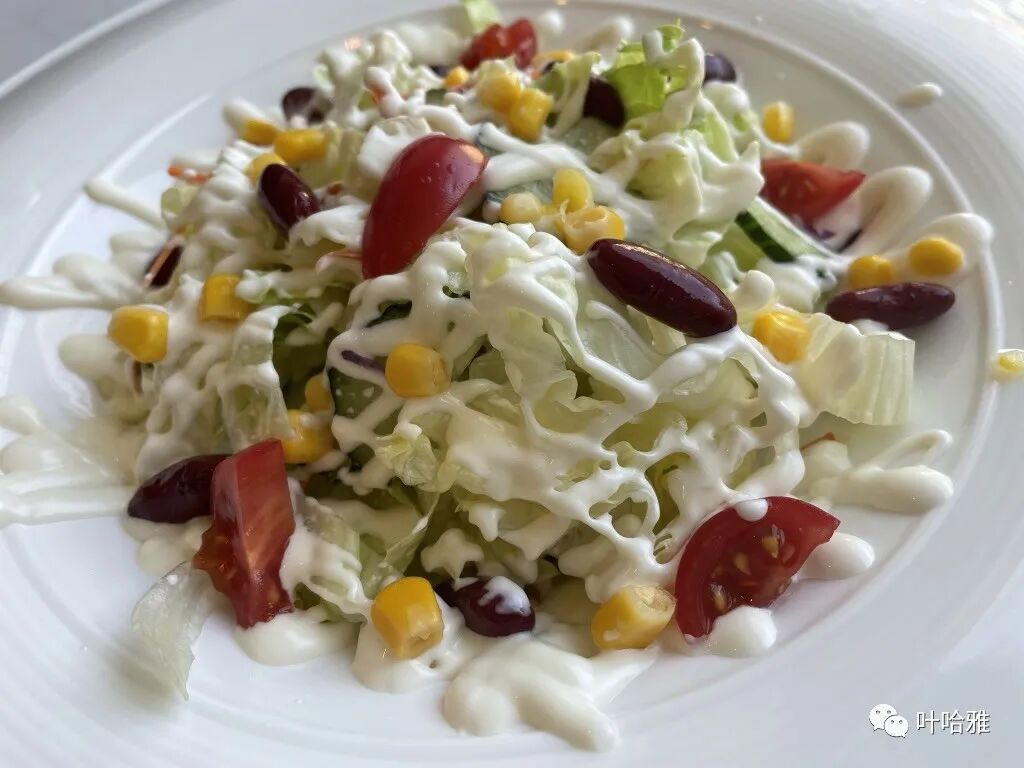
Vegetable salad
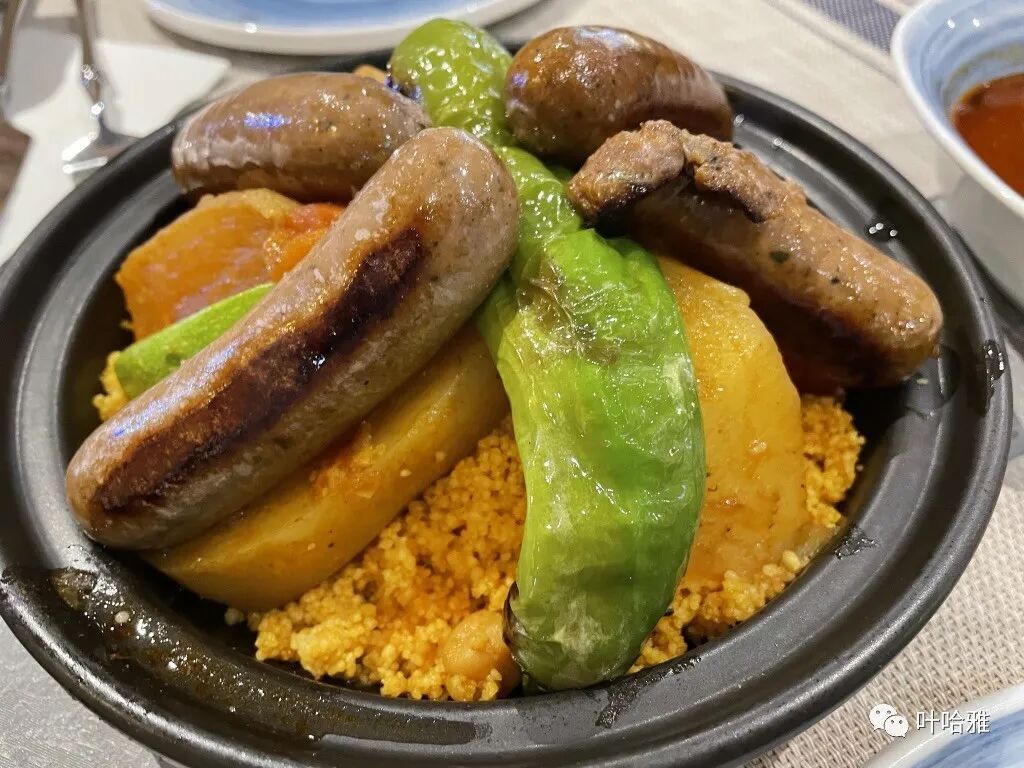
Tunisian couscous (couscous)
This Tunisian couscous looks like millet and tastes like millet, but it is actually made from ground wheat grains. To us, it looks just like millet. On top of the couscous is Tunisian sausage made of beef. It is a bit salty and goes well with roasted peppers.
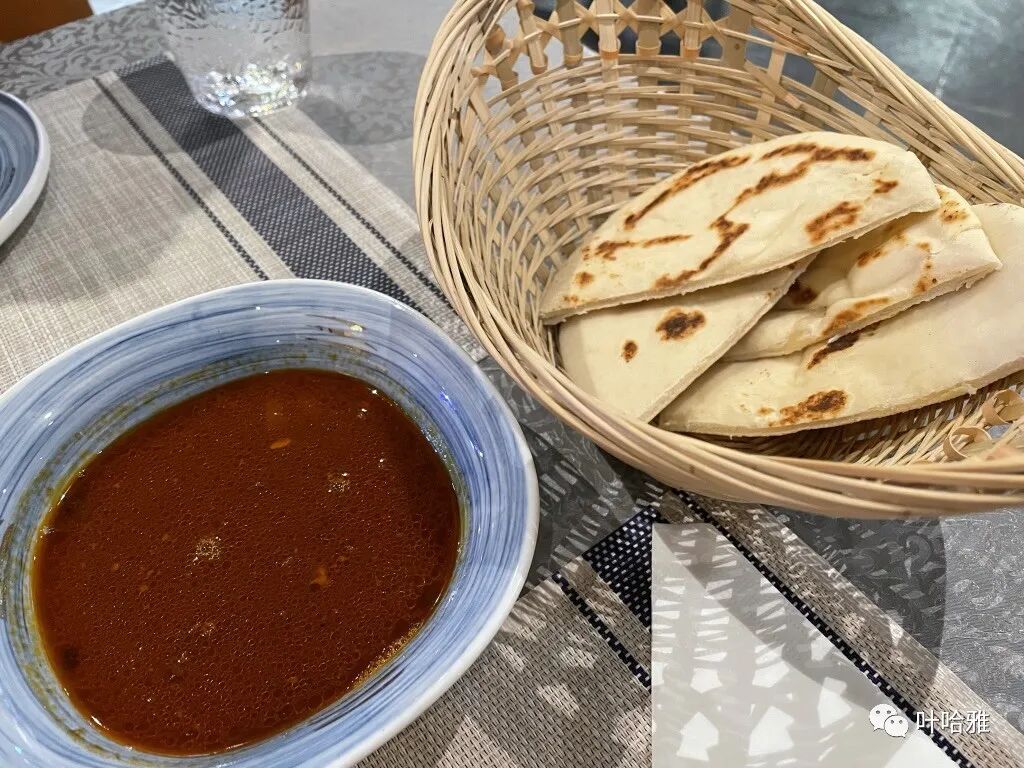
Moroccan bean soup
4
Inner Mongolian flavor at Qingcheng Restaurant (Changping Xihuan Road Branch)
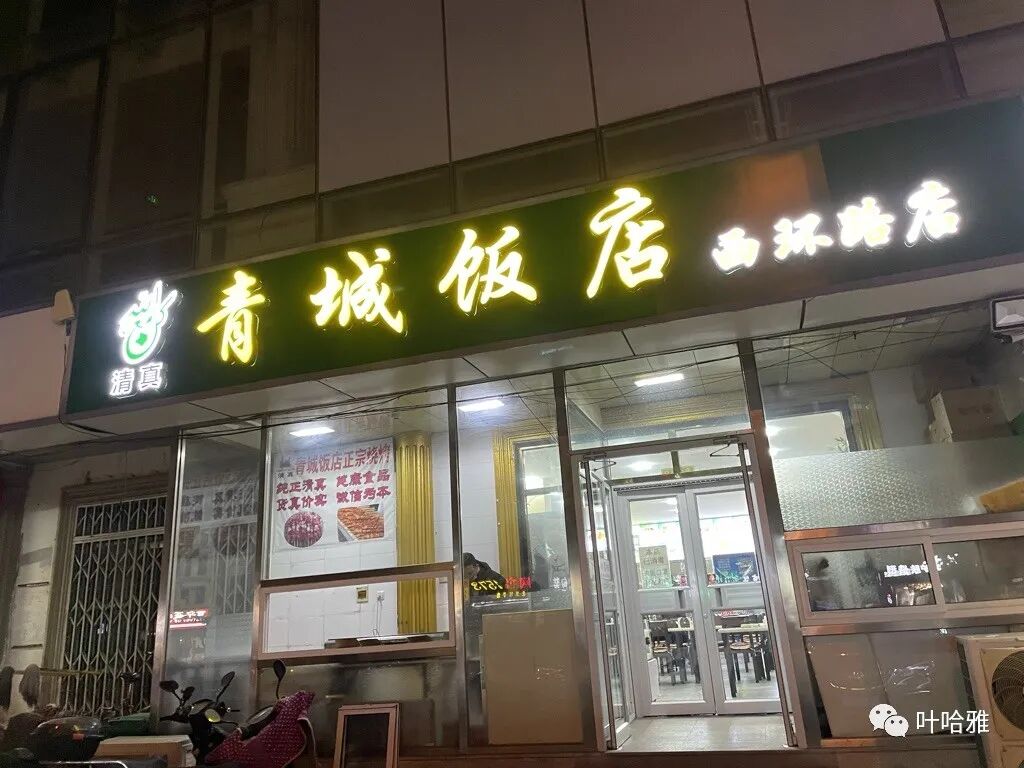
Qingcheng Restaurant started in 1994 and is located in Changping District. I think it is the most authentic Inner Mongolian restaurant in Beijing. I have introduced the old shop before, and today I am introducing this branch. You can eat pot-wrapped beef (guobao niurou) at the main store, and at this branch, you can eat beef tripe hot pot and steamed dumplings (shaomai).
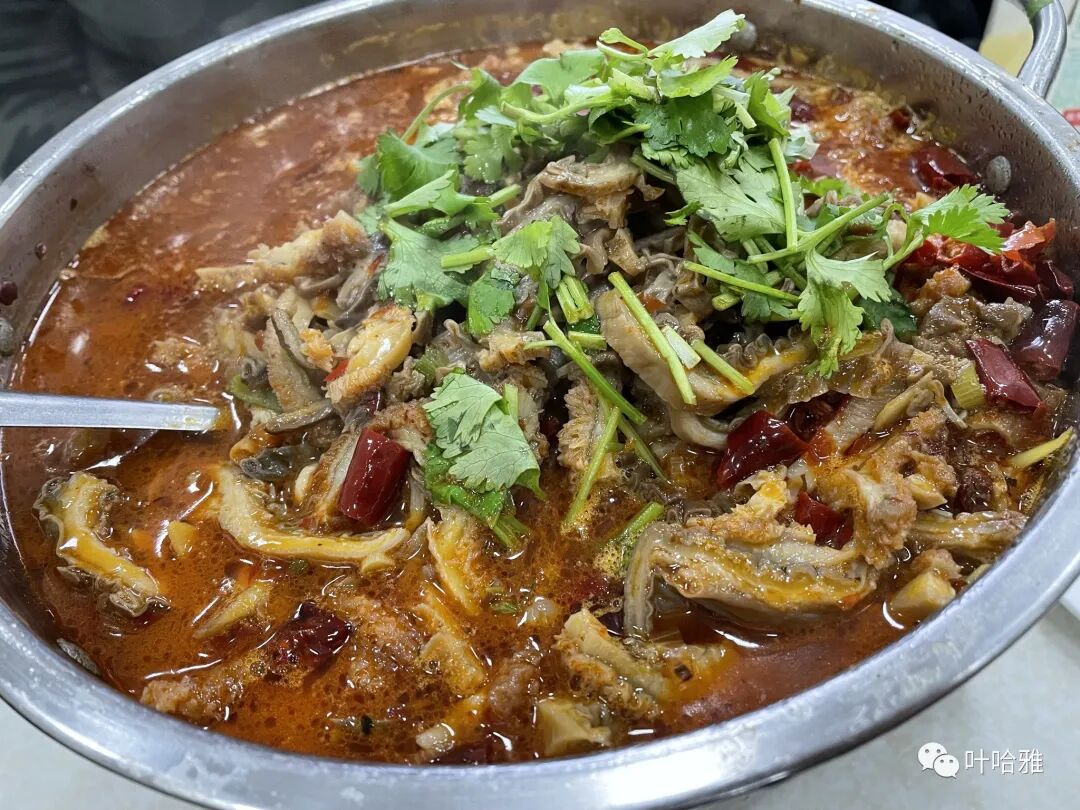
Beef tripe hot pot
A full pot of beef tripe costs only a little over 100 yuan, and the average cost per person is no more than 70 yuan. Prices in Changping are much lower than in the city center.
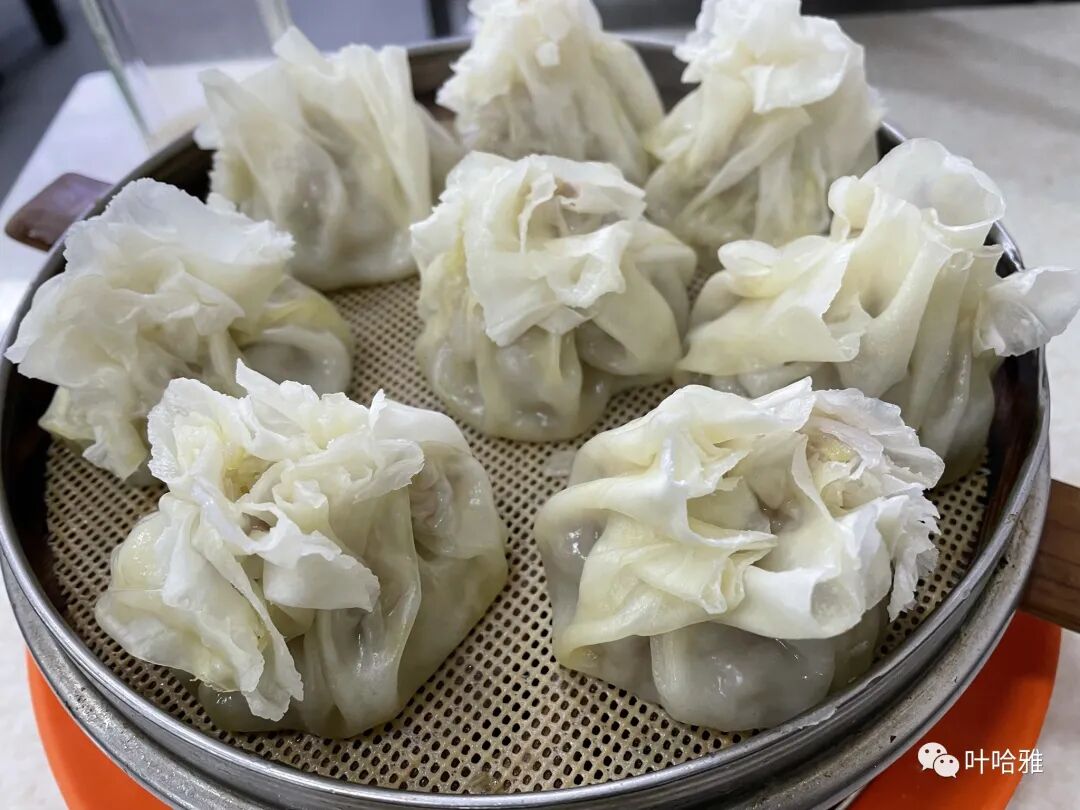
The steamed dumplings are also the most authentic Inner Mongolian flavor I have found in Beijing.
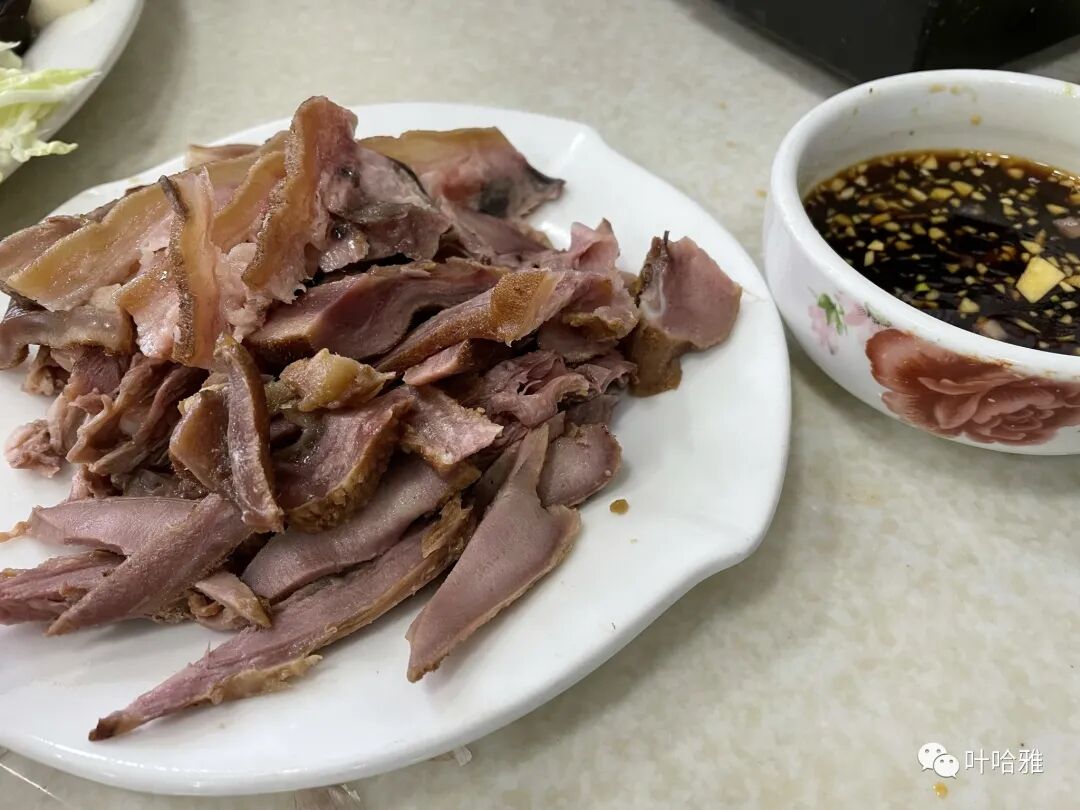
Sheep head meat
5
Qiqihar Flavor: Three Brothers Barbecue
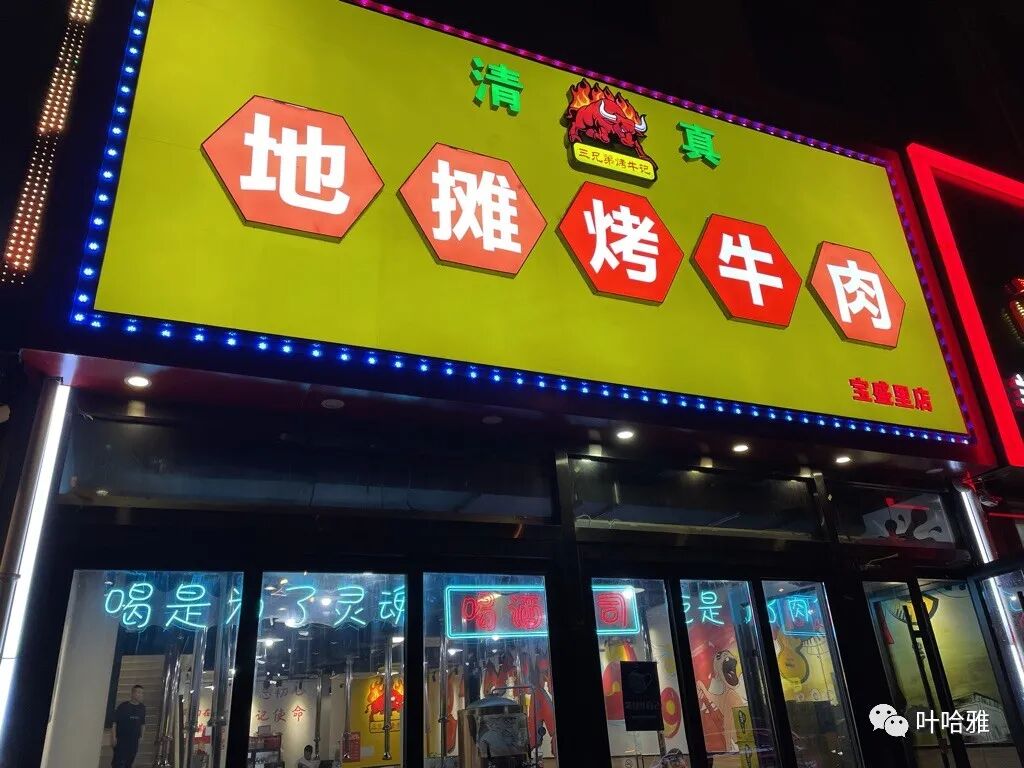
Located on the first floor of Xingmei Building on Qinghe Heiquan Road, this is a Qiqihar-style barbecue restaurant.
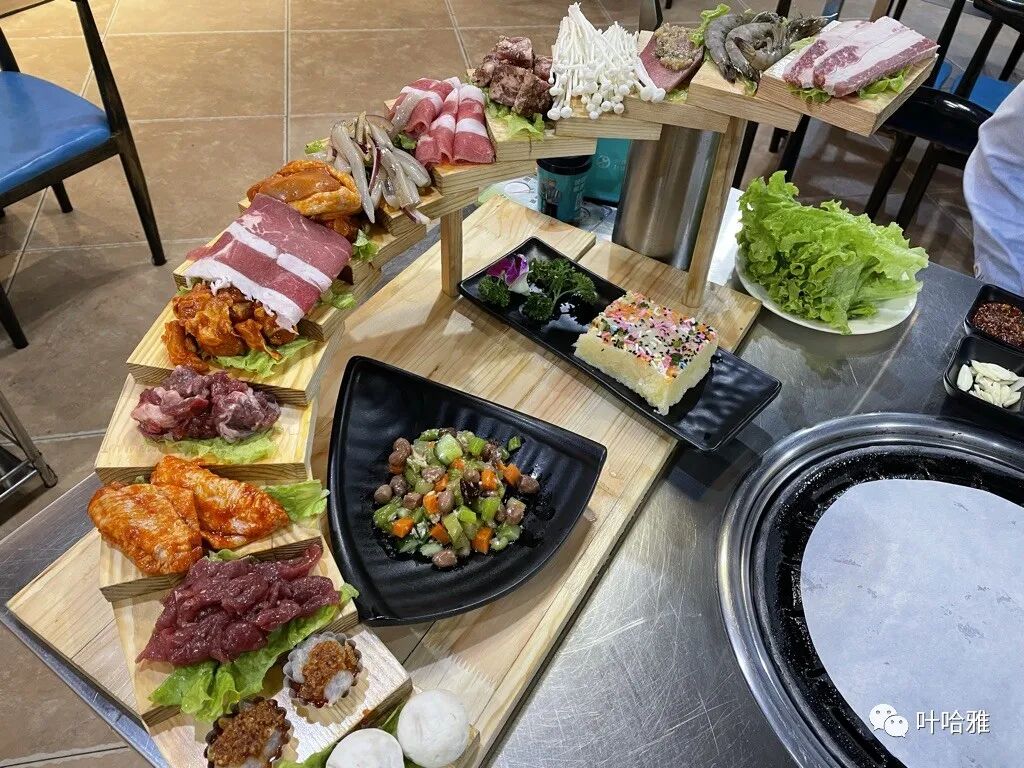
We bought a set meal for two on Dazhong Dianping for 198 yuan.
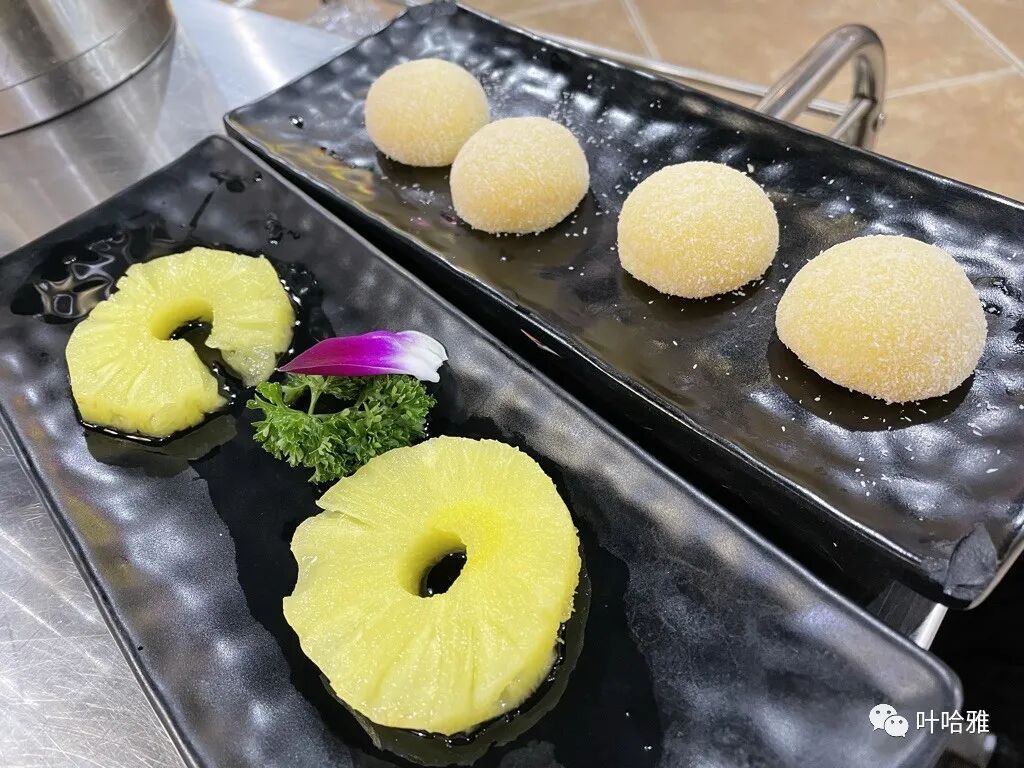
The set meal had a good variety, but the taste was just average. It was cheap, though. There is a Northwest-style restaurant next door, and the two businesses operate together.
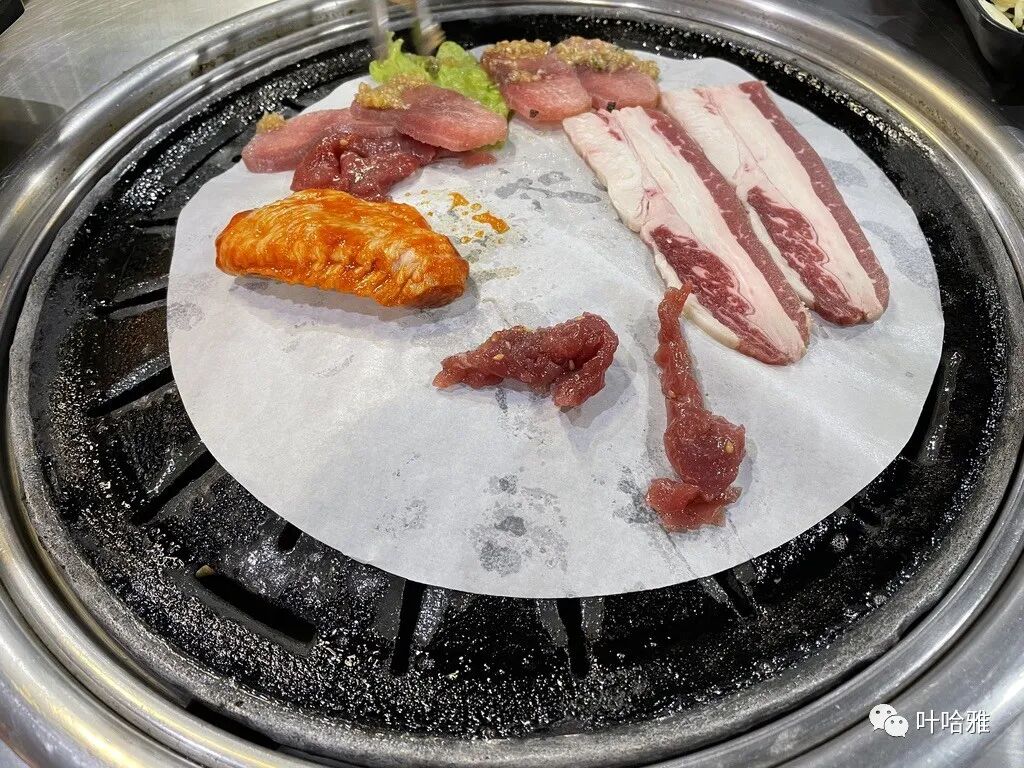
This iron plate barbecue is typical of the Qiqihar style. Since a new Qiqihar barbecue place just opened near Changying, there are now three halal Qiqihar barbecue restaurants in Beijing.
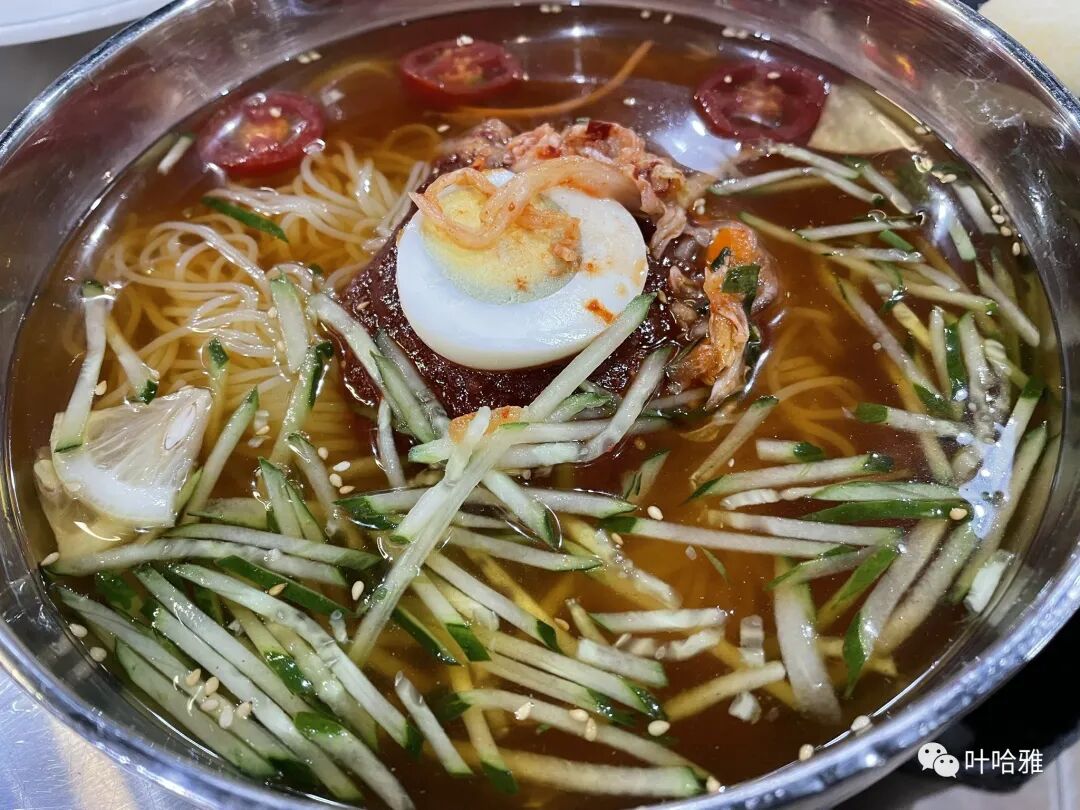
Cold noodles (lengmian), which every Qiqihar barbecue restaurant serves.
6
Qiqihar Flavor: Toupiqi
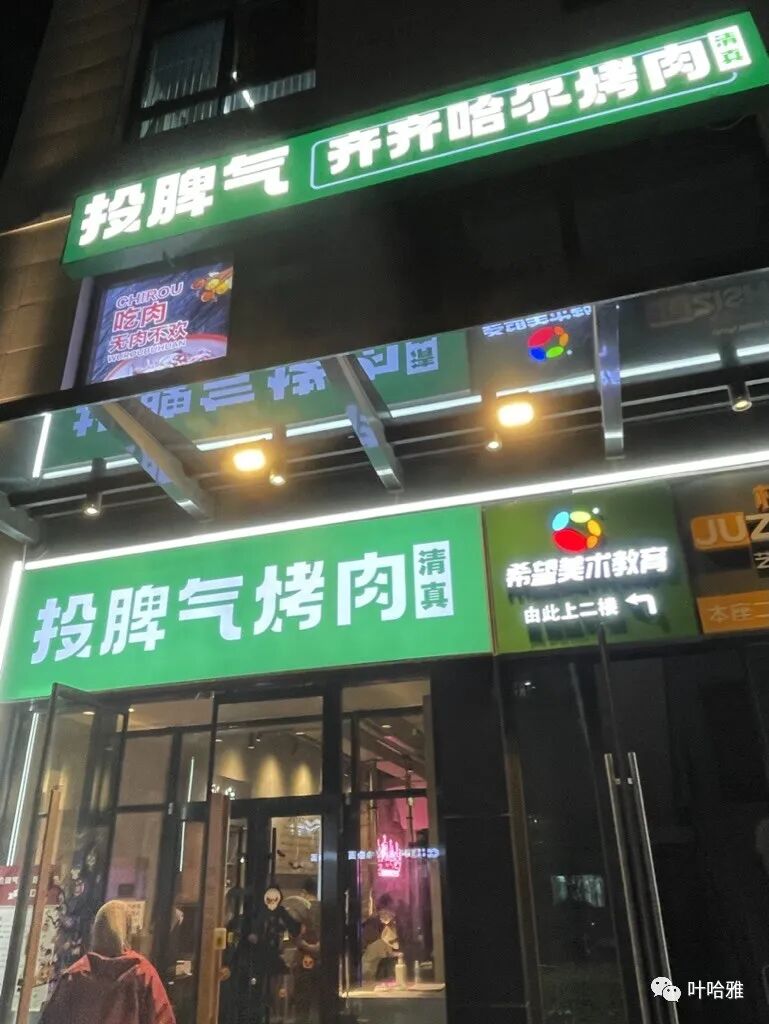
This shop is in Guanzhuang and opened recently. It is the third halal Qiqihar barbecue restaurant in Beijing.
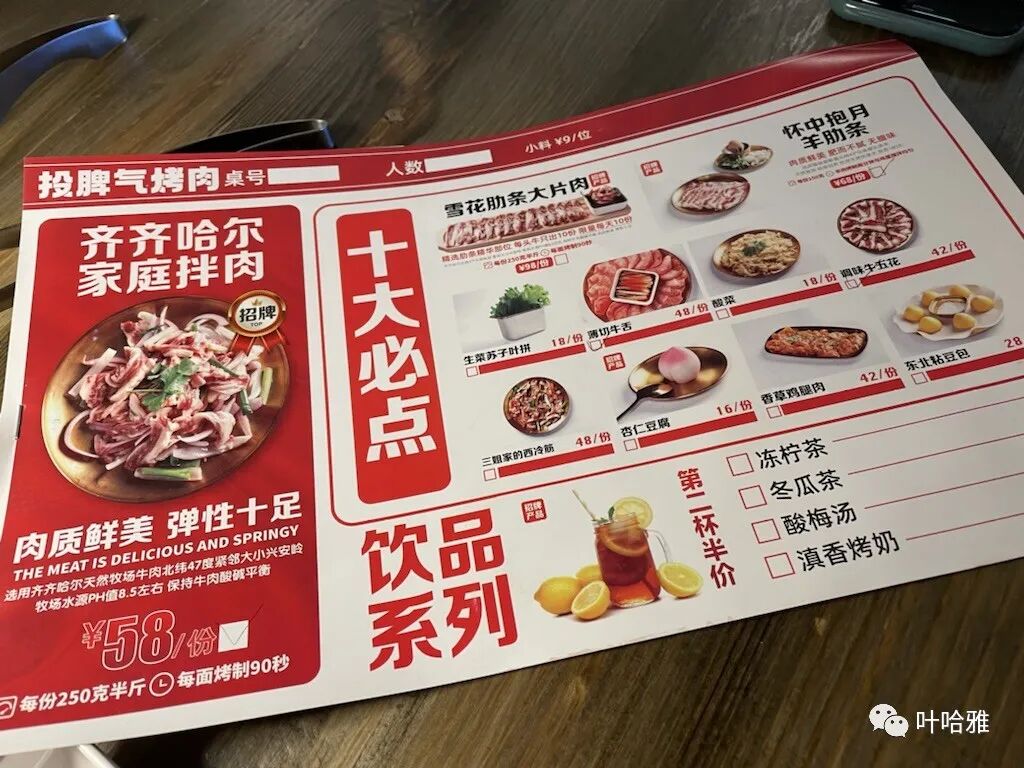
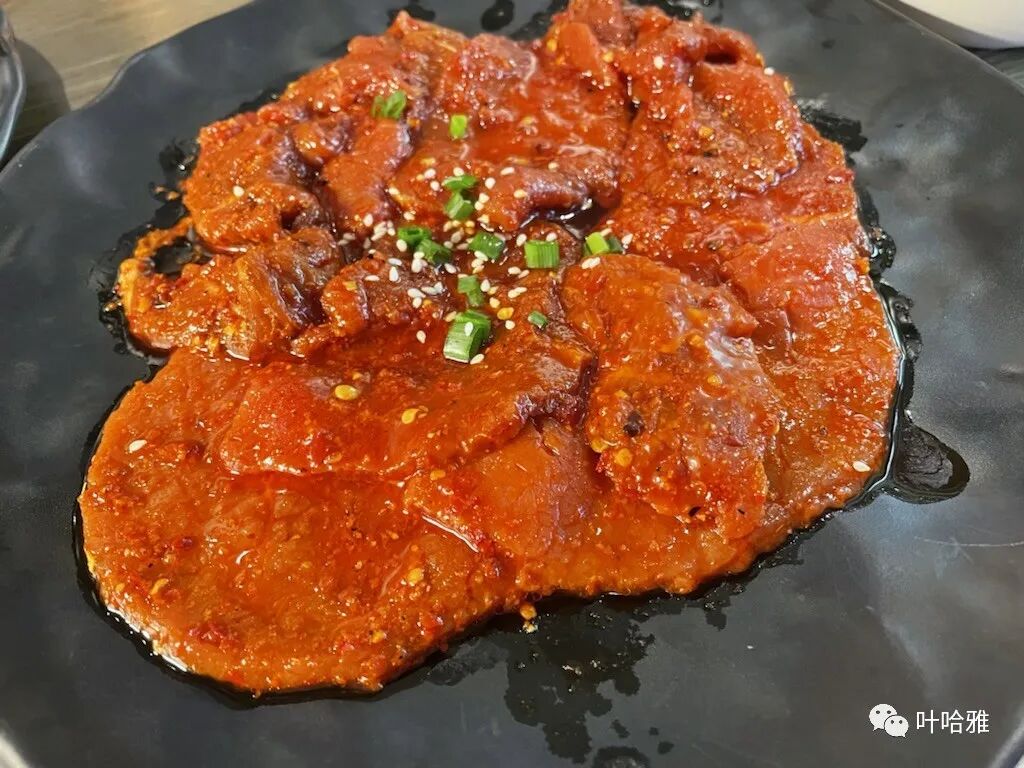
The quality here is much better than at Three Brothers. Since it is located in the Changying area, it would be hard to survive if the meat quality were not good.
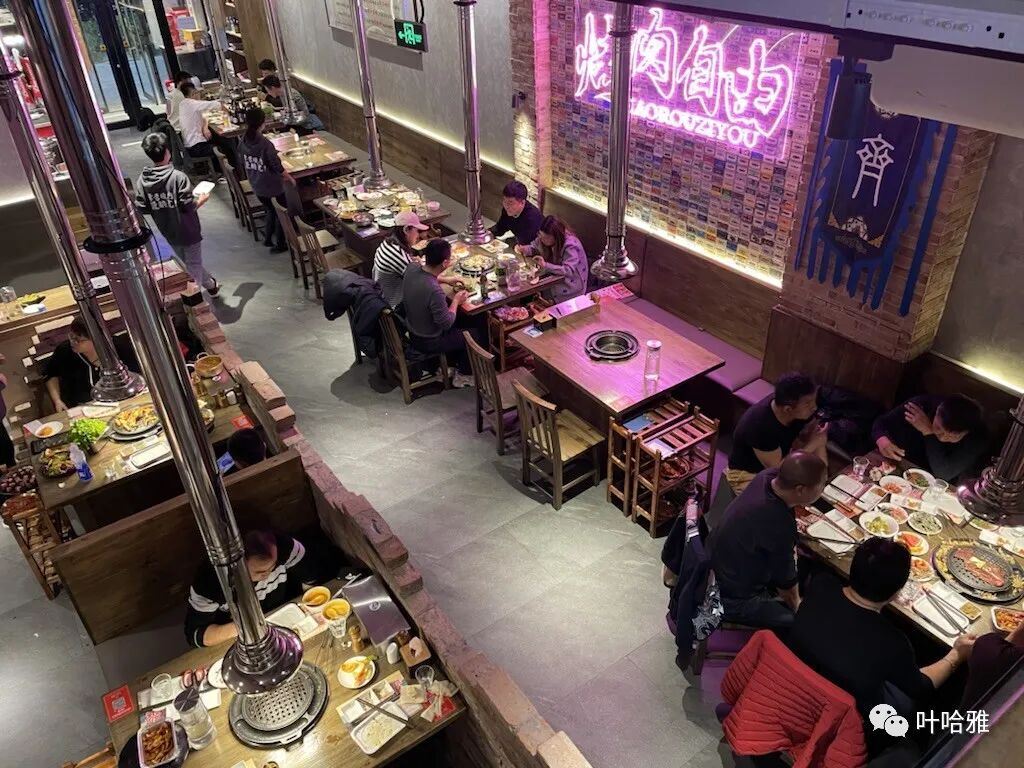
The shop has two floors, plenty of space, and convenient parking at the entrance, making it great for small gatherings with friends.
If I had to rank the three big Qiqihar barbecue spots in Beijing, I would put this one in second place and Dajinggai Barbecue Company in first. Dajinggai’s environment is designed to look like a street-side barbecue tent in Qiqihar, which feels more authentic, and their cold noodles and fried rice are delicious.
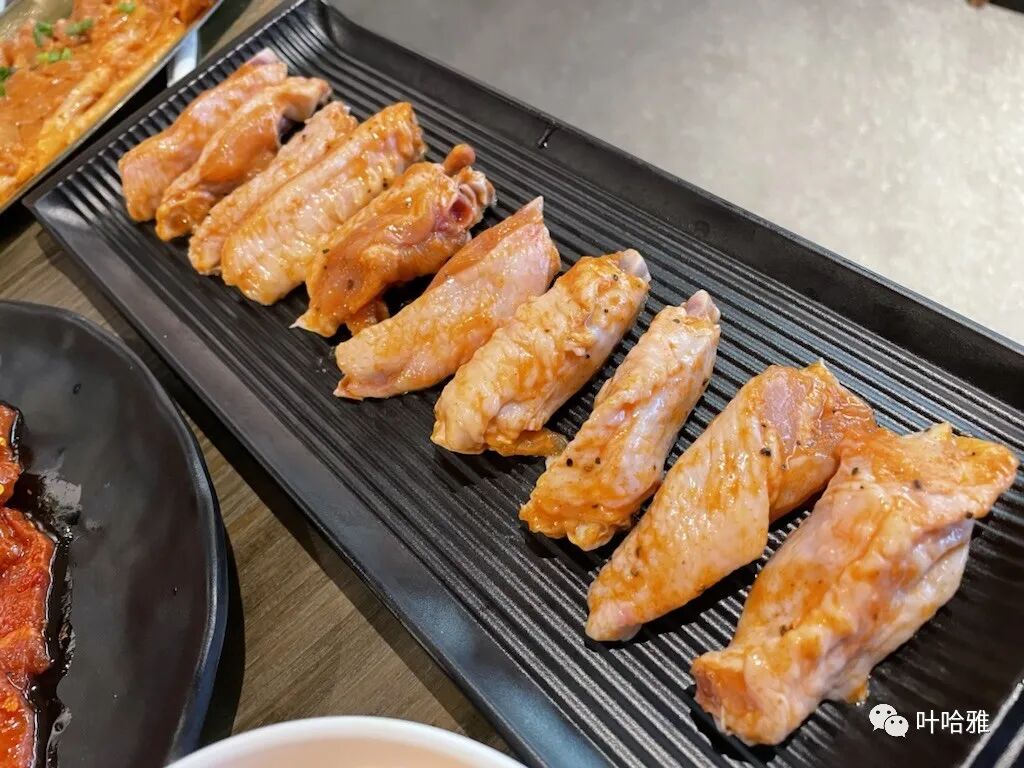
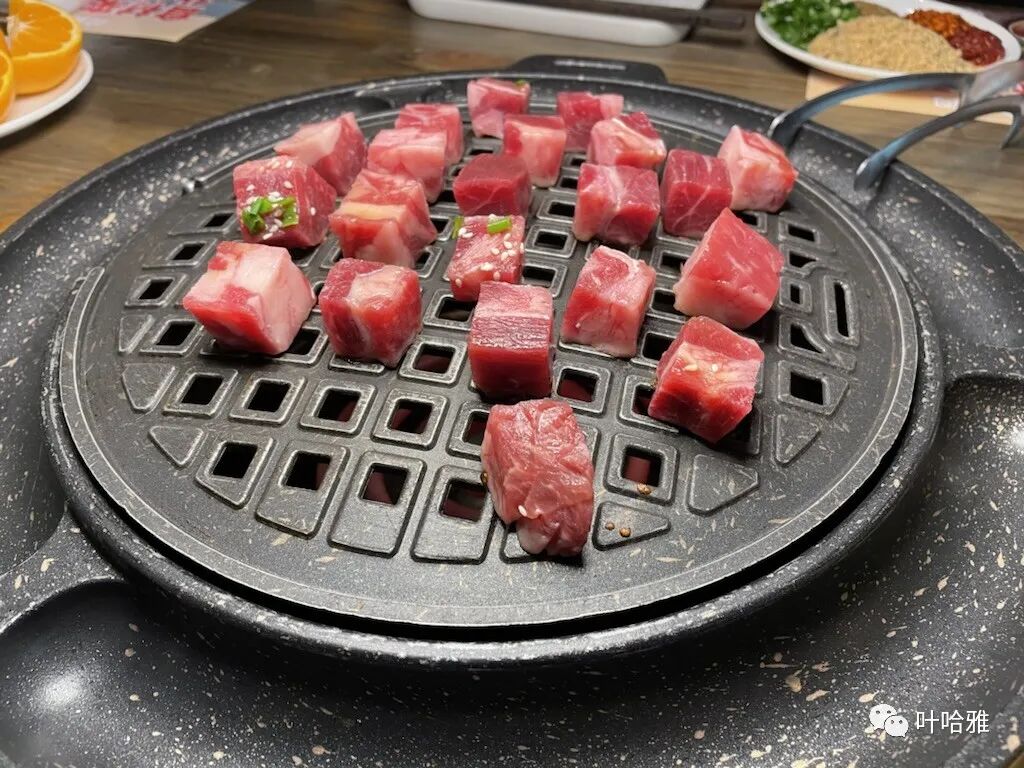
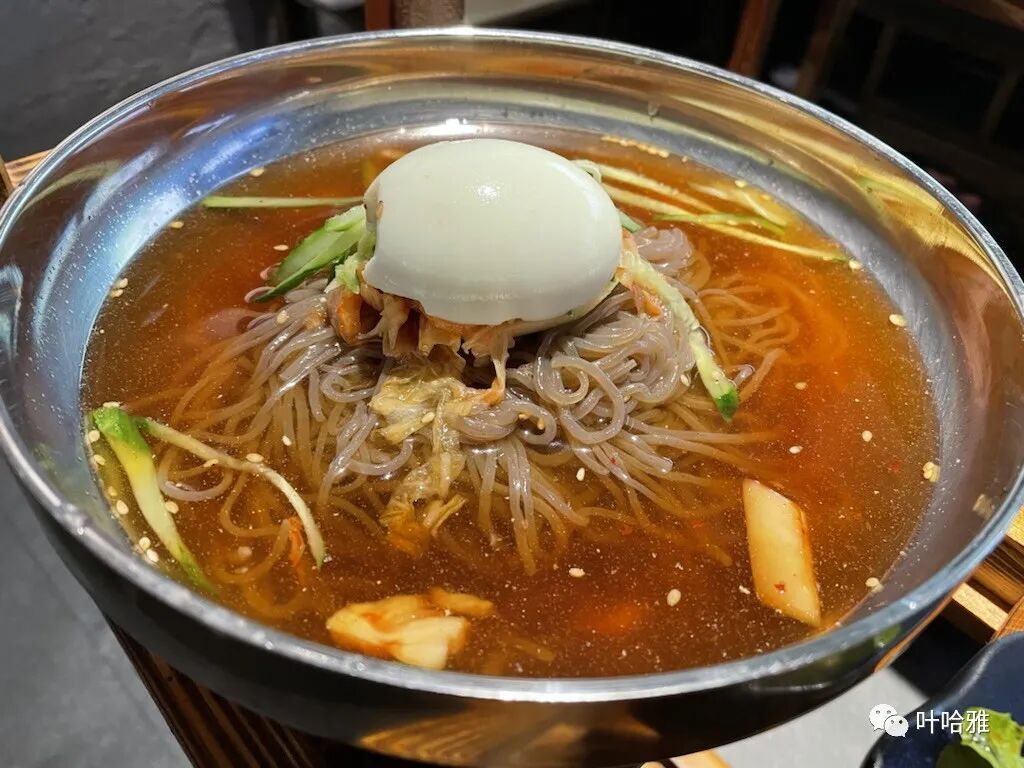
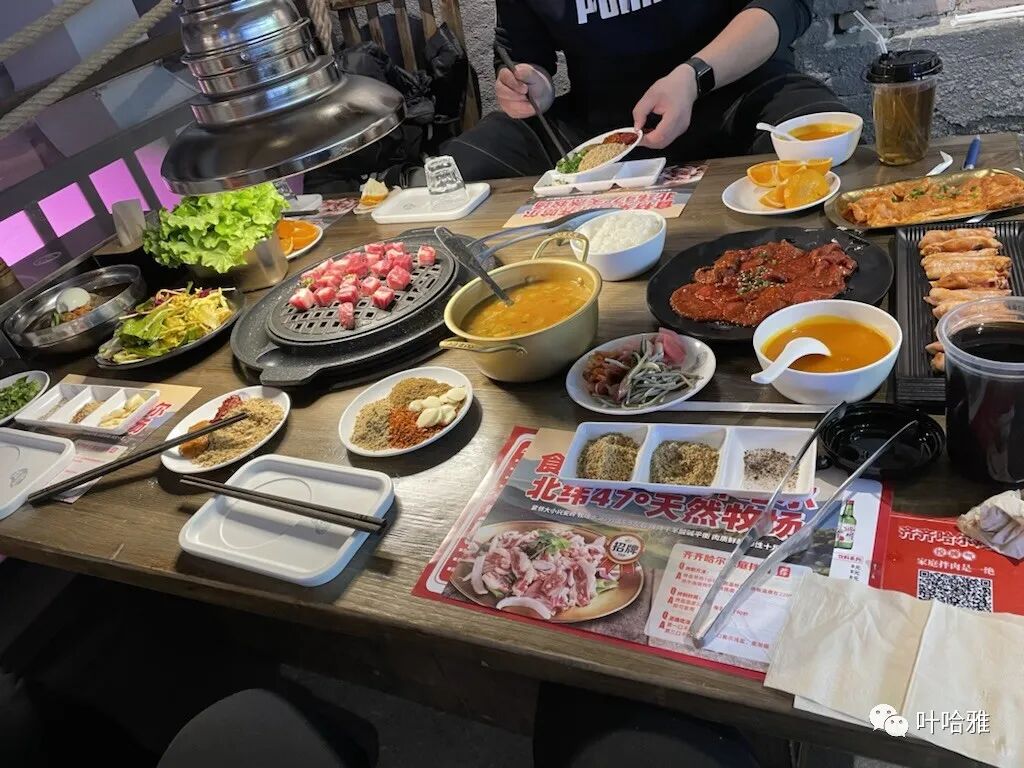
Three of us could not even finish this big table of food. The group-buy price was 191 yuan, which is very affordable.
7
Heilongjiang Flavor: Uncle Oyster Iron Pot Stew
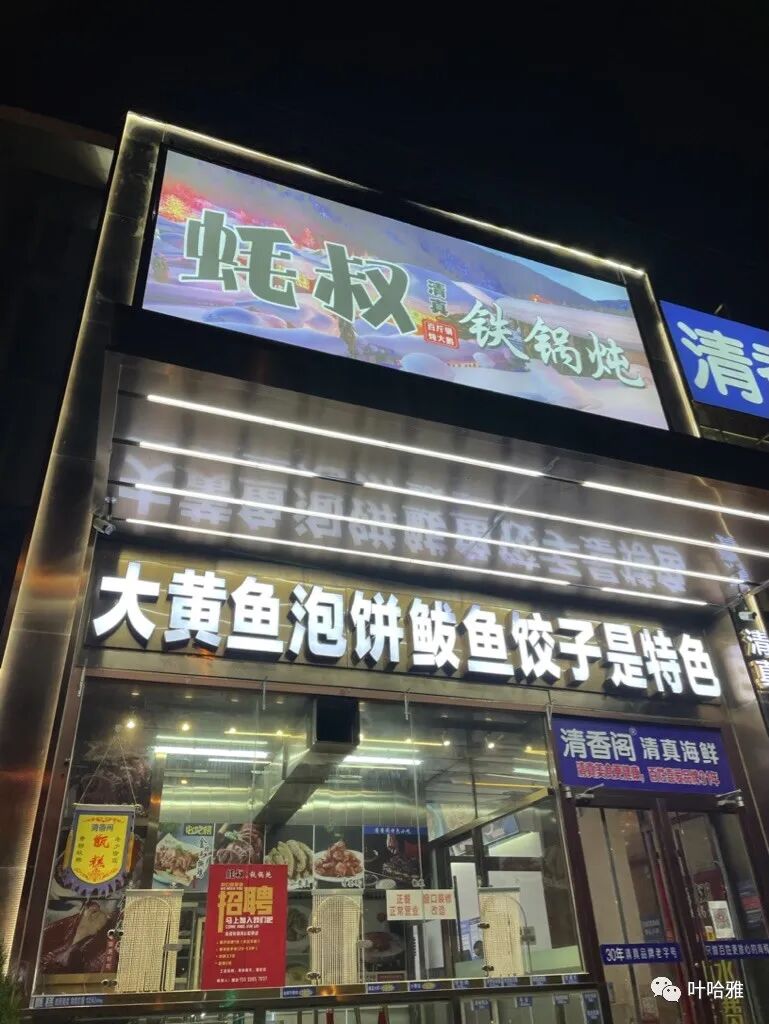
A newly opened Northeast iron pot stew (tieguo dun) restaurant near Jiande Bridge, located in the basement of Qingxiangge Dalian Seafood.
Ever since the halal Erjie Earth Pot Stew (diguo dun) in Xueying, Daxing closed, I have not had authentic Northeast earth pot stew.
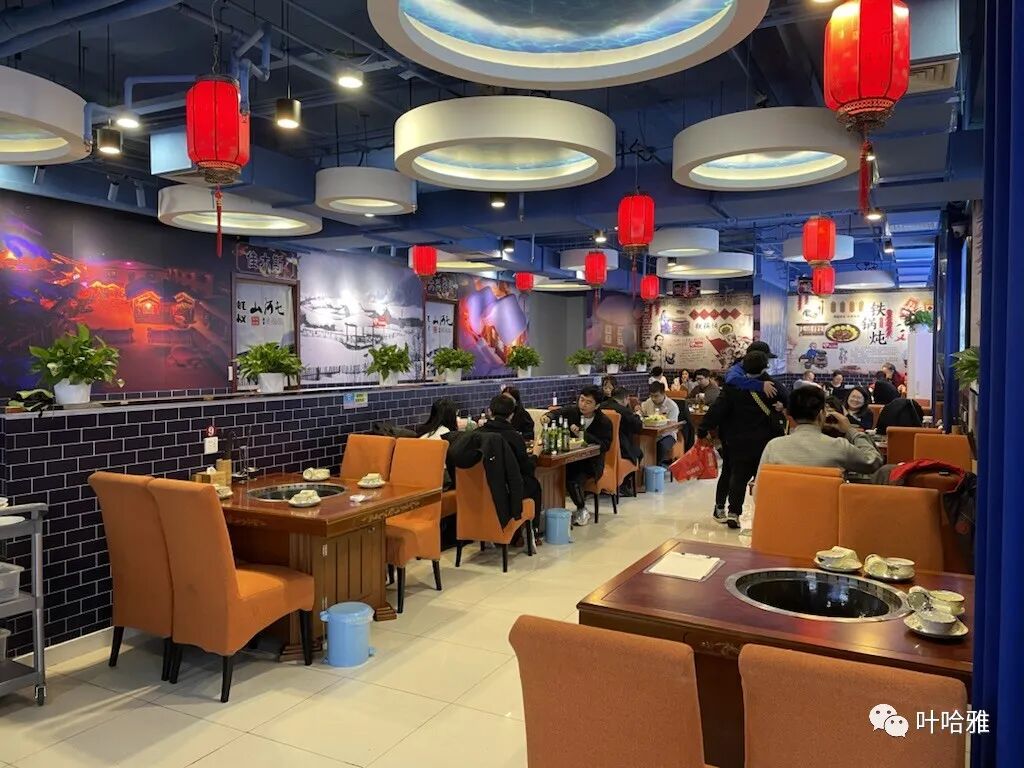
So, I invited three or four friends from the group to come and try it. We had to order the iron pot stewed goose, as you need a group to eat it.
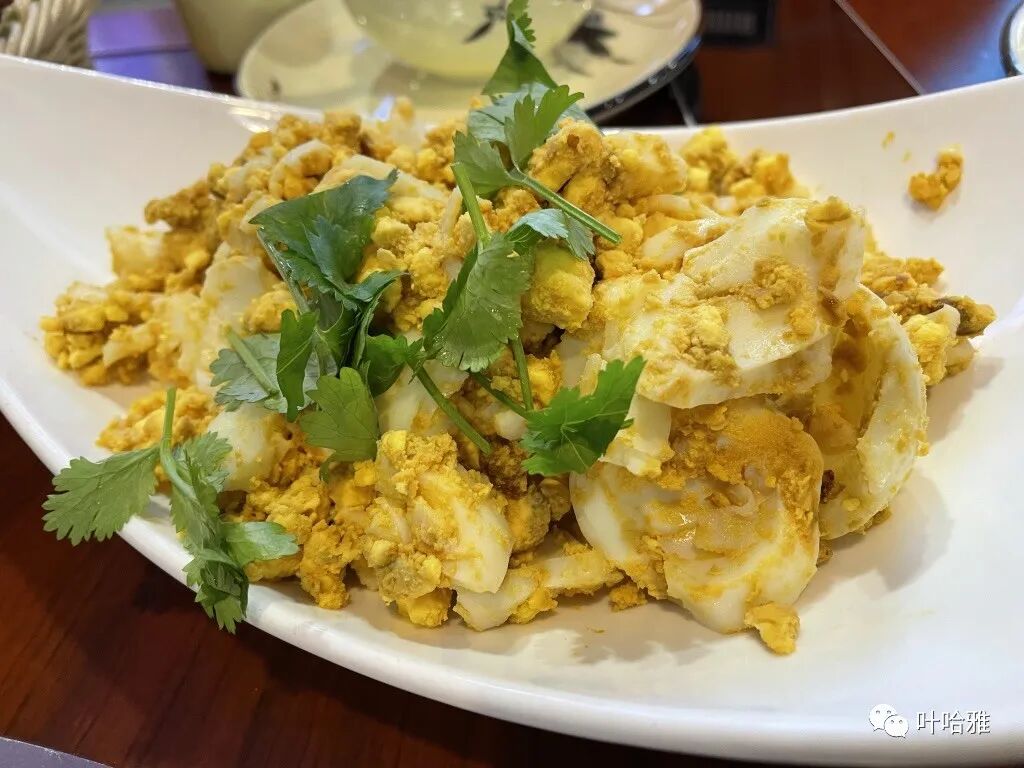
This dish is called mashed garlic egg (suandaodan). It is a home-style specialty from Northeast China made with eggs and has a salty, savory flavor.
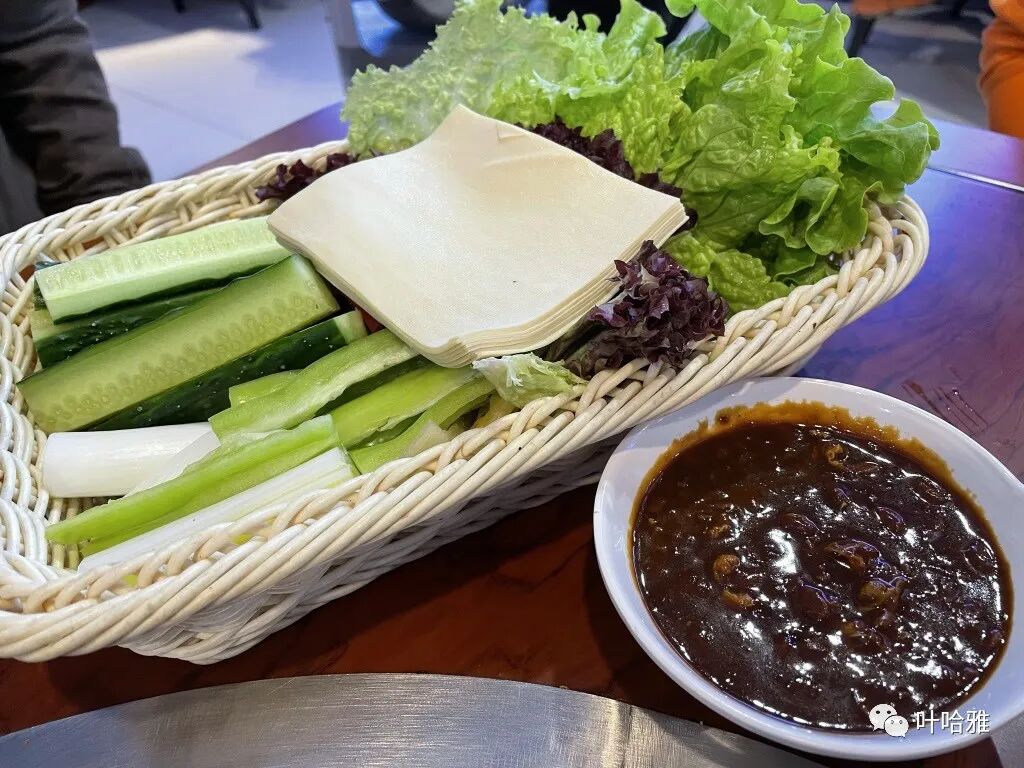
For raw vegetables with dipping sauce (zhanjiangcai), I love the cucumbers and green onions. I have loved eating green onions with soybean paste (dajiang) since I was a kid, especially with a hot, freshly steamed white bun (mantou).
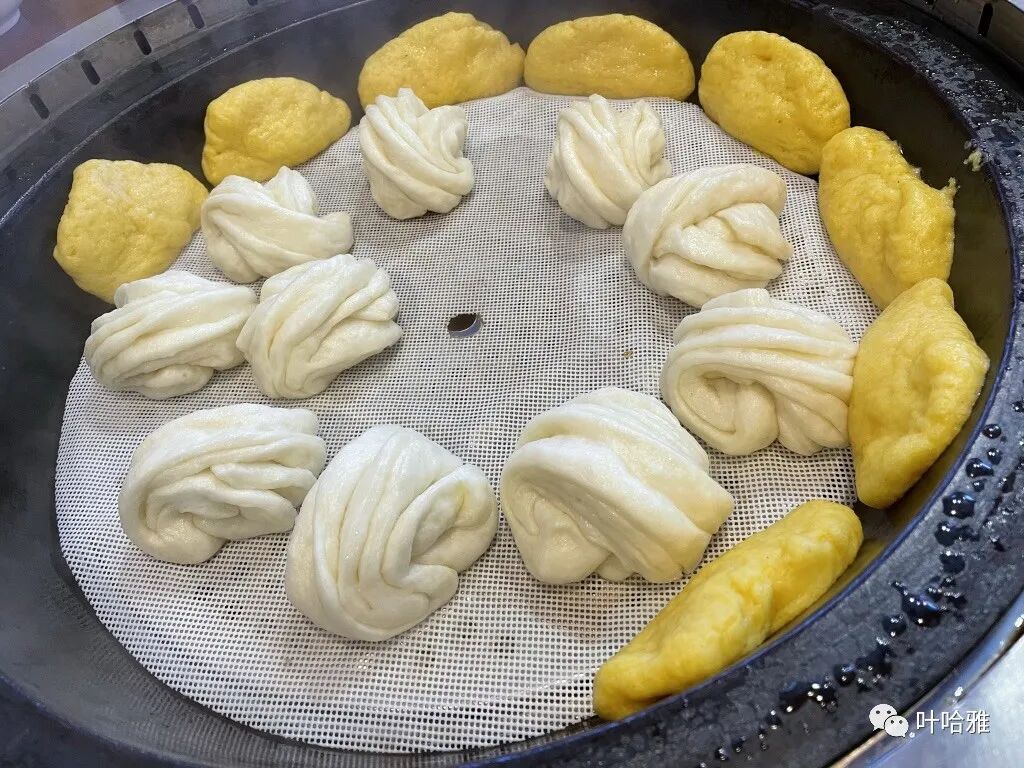
To eat iron pot stewed goose (tieguo dun da'e), first put the chopped goose into the bottom of the pot, then add your choice of side dishes. We chose golden beans, tofu, shiitake mushrooms, and potatoes. Cover the pot and stew for 15 minutes. Place steamed flower rolls (huajuan) and griddle cakes (tiebingzi) on top. When the time is up, the meat below is stewed and the staples on top are steamed. Everything is fresh and delicious.
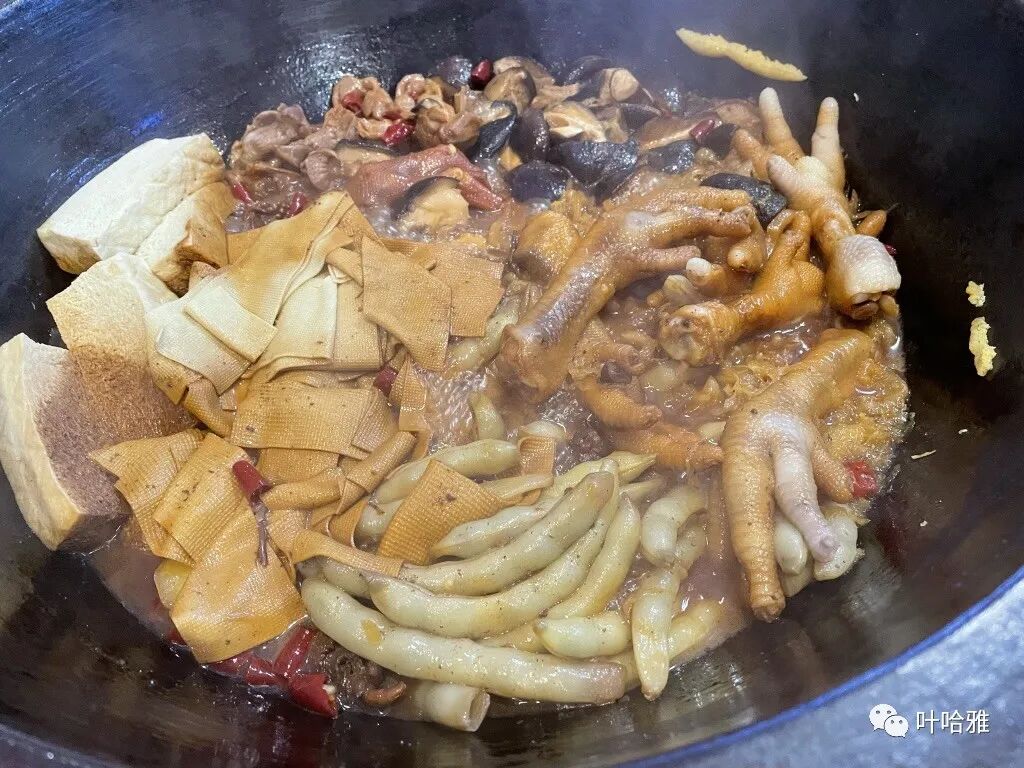
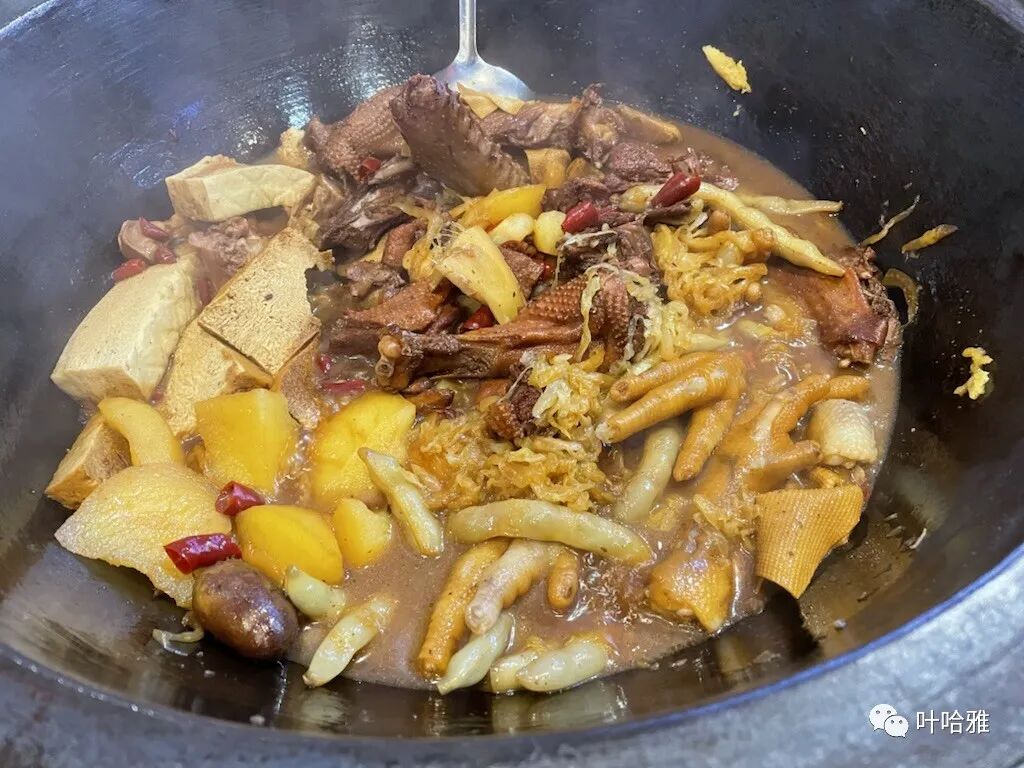
This pot of stewed goose was enough for 6 of us. We finished every bit, and it cost 60 yuan per person.
8
Pingliang Flavor: Longxiang Hui Lamb Pita Bread Soup (yangrou paomo)
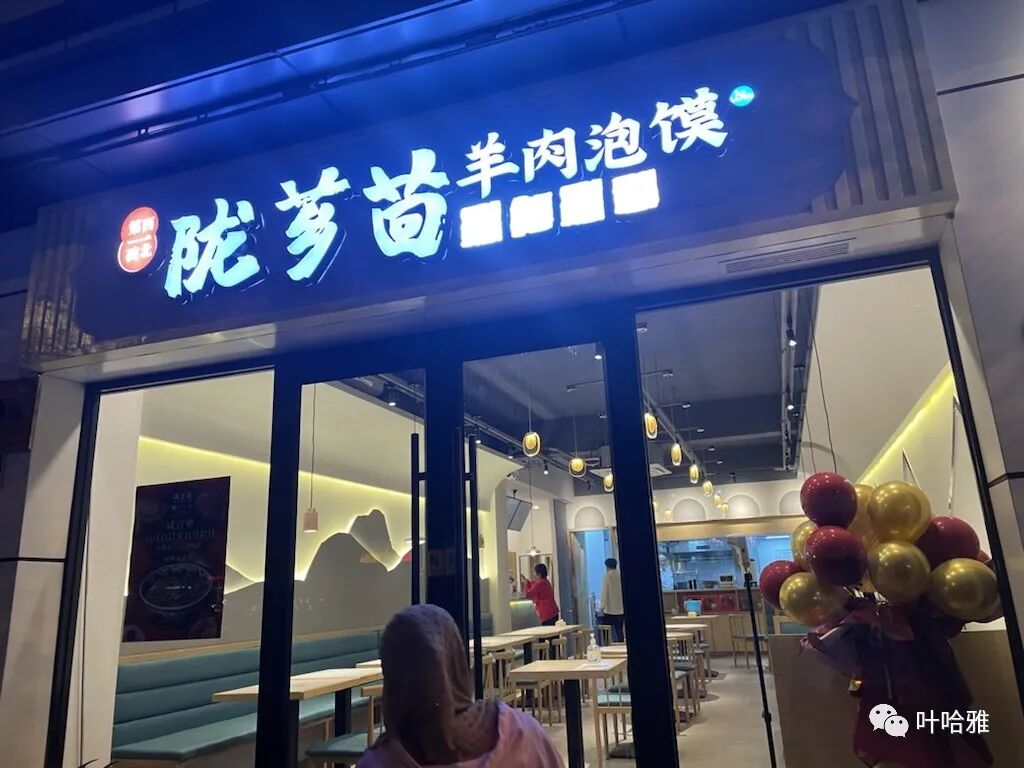
A lamb pita bread soup shop opened on Dongsi Street. People usually think of Xi'an style when they hear about pita bread soup, but this shop has the character 'Long' in its name, so I guessed it was Pingliang style.
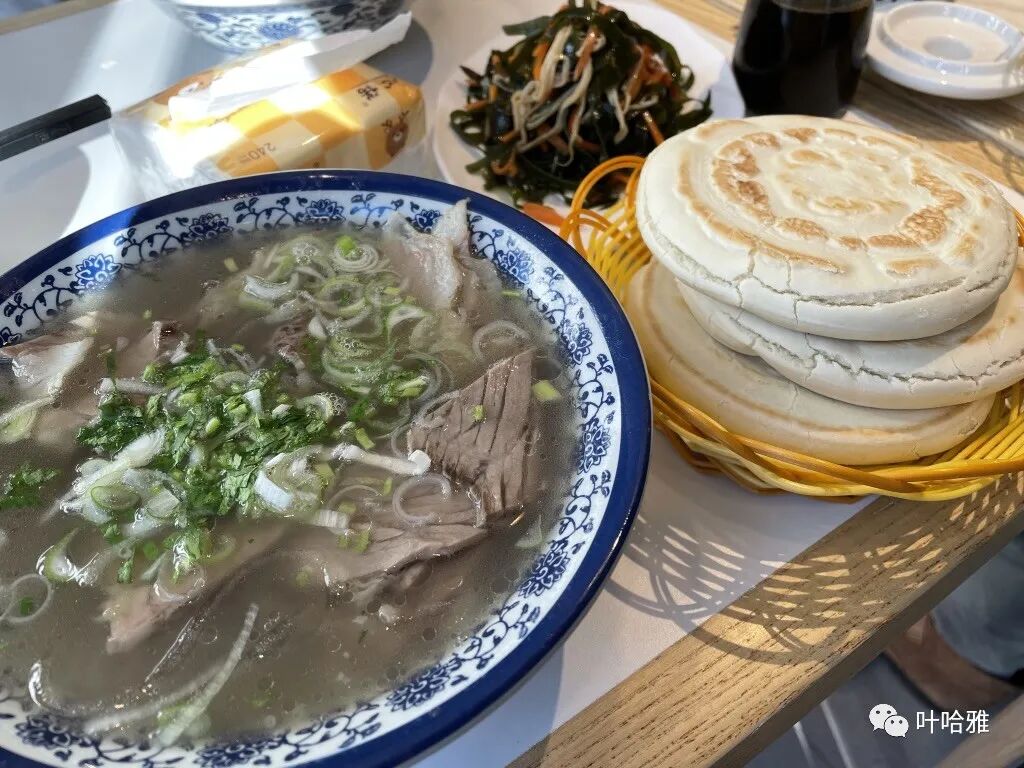
I have many friends from Pingliang, and they often talk about the difference between Pingliang and Xi'an pita bread soup. Pingliang pita bread soup is its own thing; it has more broth, and the bread is fully cooked. Unlike the Xi'an version where the bread is only 70% cooked, you don't need to break the Pingliang bread into tiny pieces. Keep them in larger chunks. It is best to serve the broth and bread separately and soak the bread as you eat.
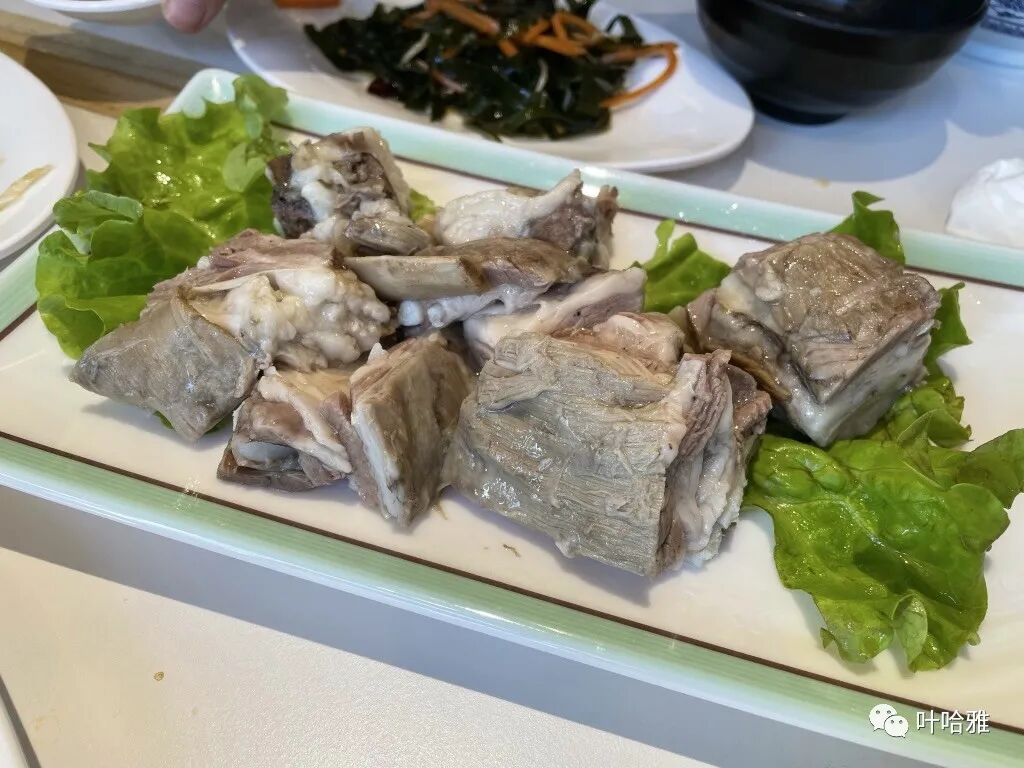
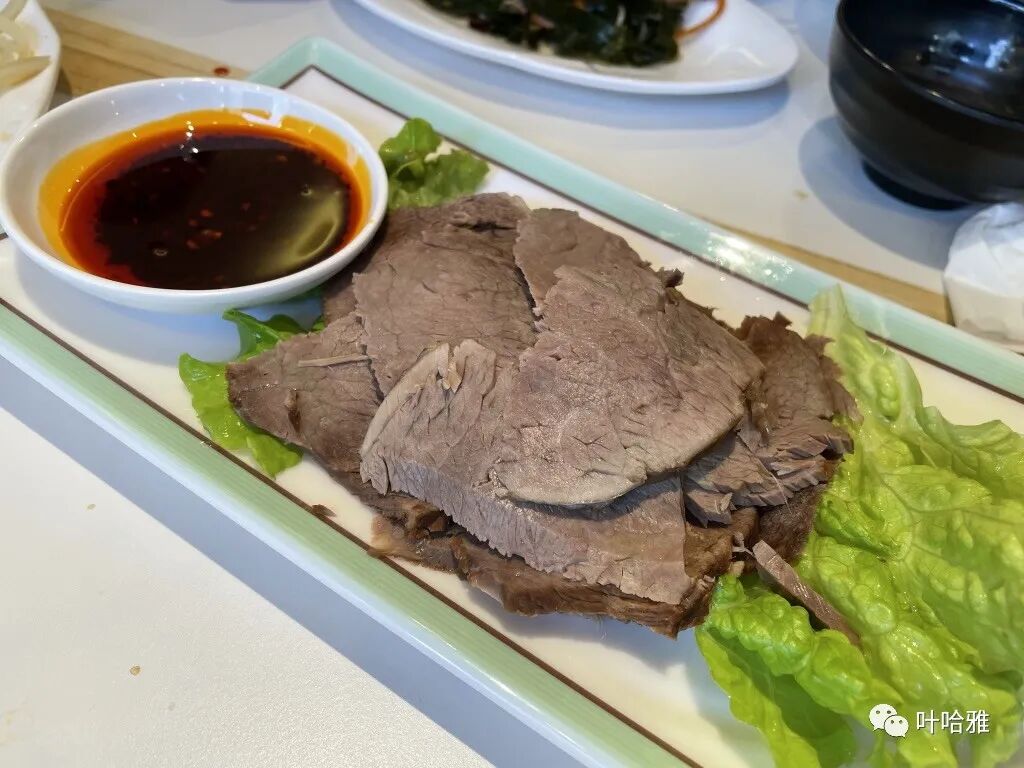
The owner told me the chef comes from the famous Chunhua Restaurant in Pingliang, which all the local elders know. The master chef has spent most of his life cooking and knows his craft well. Besides pita bread soup, you can also get Gansu-style hand-grabbed lamb (shouzhuayangrou) and cold-tossed beef.
I heard they recently added cat-ear noodles (mashi) and cold noodles (liangpi). These are Gansu specialties that are tasty and affordable.
9
Lanzhou Flavor: Silk Road Yilan Spicy Hot Pot (malatang)
Silk Road Yilan, the only place on Niujie Street that doesn't sell alcohol, recently added spicy hot pot inside their noodle shop. The flavor is great, and it is served in individual pots, making it clean and hygienic.
If you don't want noodles and want to eat more vegetables, you should come and try it.
10
Inner Mongolia Flavor: Mengdameng Specialty Roasted Lamb Leg
A small Mongolian-style barbecue shop near the Xihongmen Mosque.
I didn't come here for their roasted lamb leg. I eat too much meat usually, so I wanted something light.
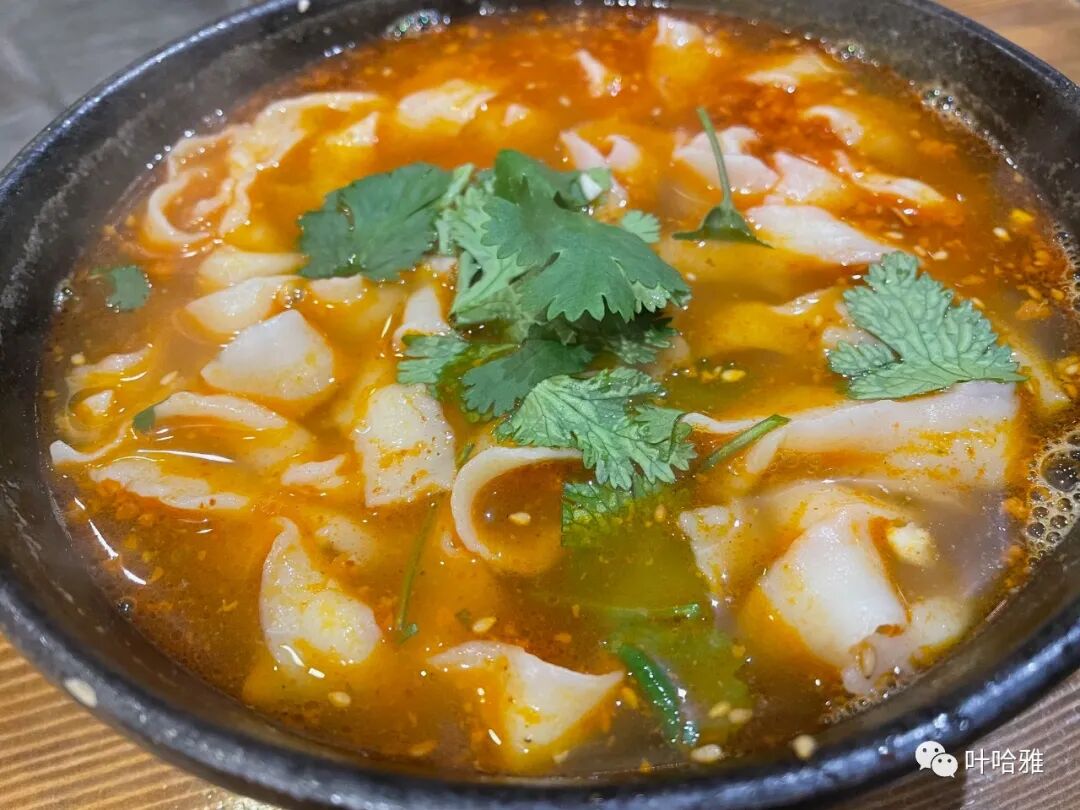
My favorite dish here is the Mongolian big bowl noodles (menggu dawan mian). The noodles are wide and the soup is a bit spicy, but the noodles are chewy. Many friends say it tastes great.
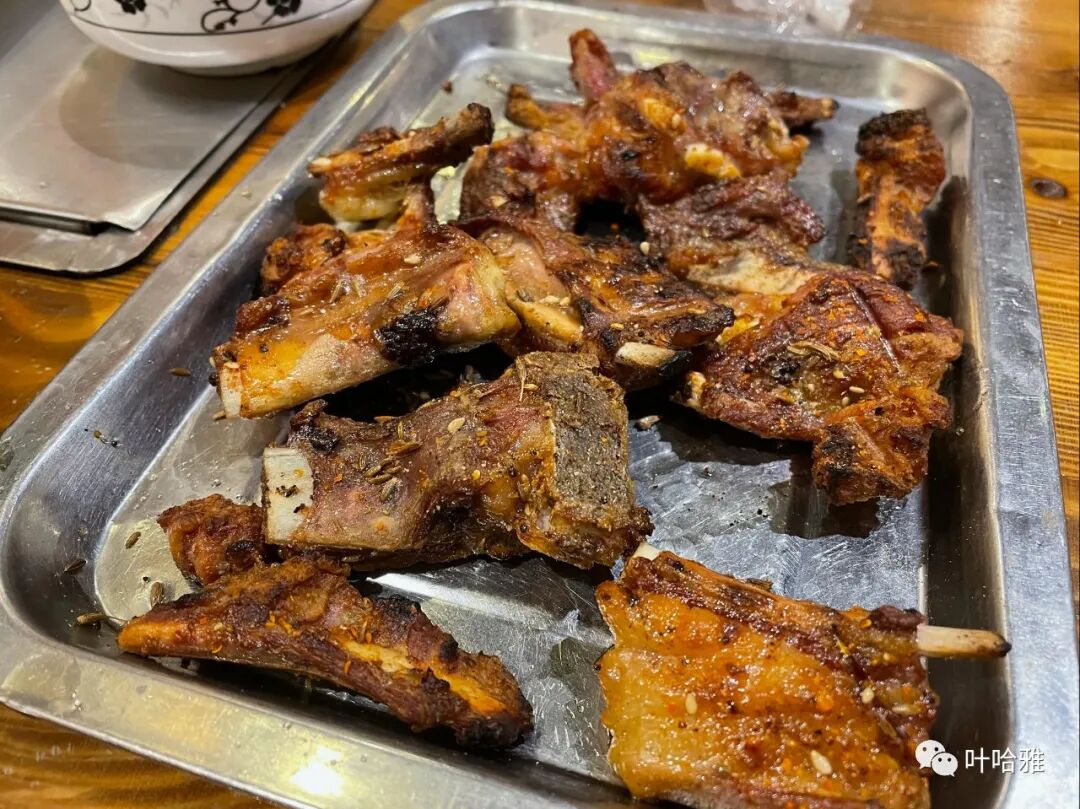
You can order the roasted lamb ribs (kao yangpai) by the jin. These are small lamb ribs.
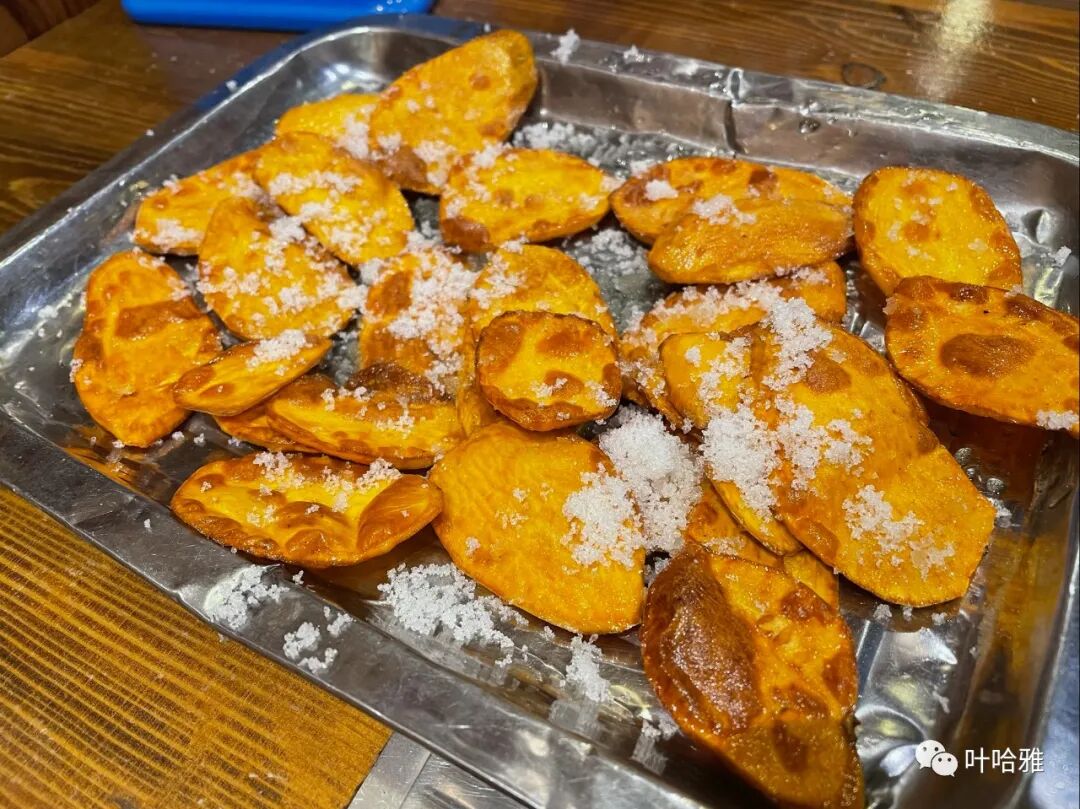
Roasted sweet potato slices (kao digua pian)
11
Sichuan-style Niububi clear oil tripe hot pot
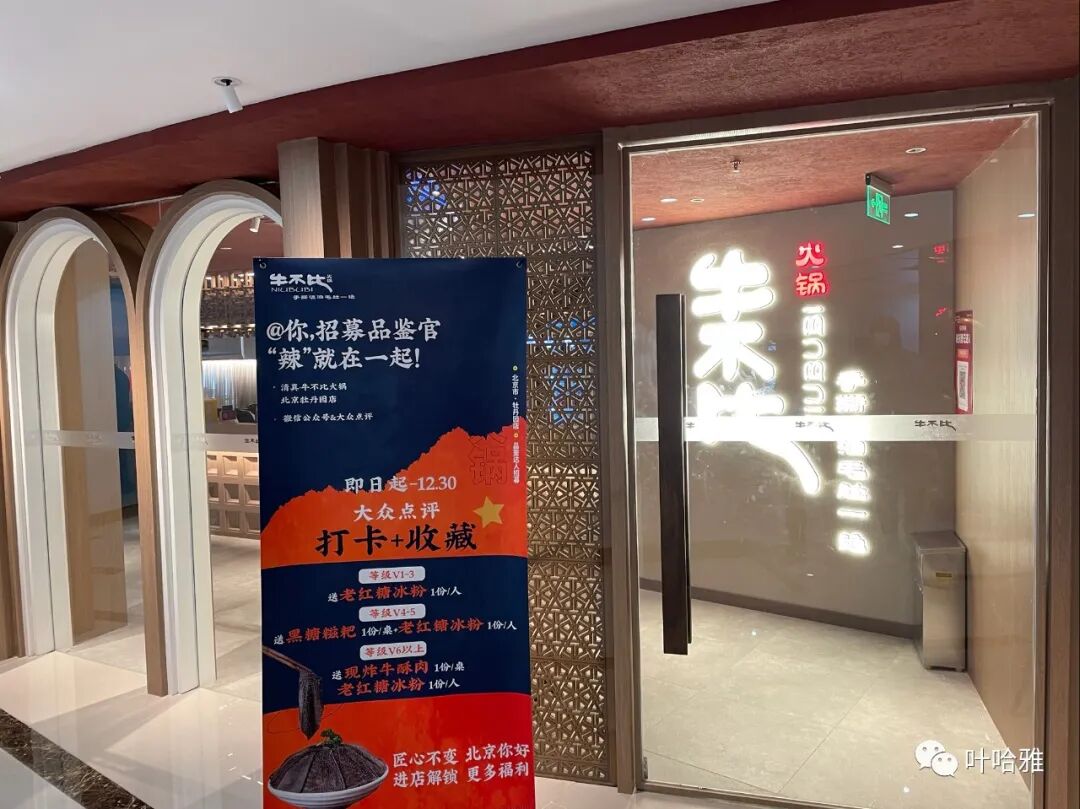
I first ate at Niububi in Chengdu in 2016. That was my first time having authentic halal Chengdu hot pot. I waited in line for over two hours, but it was worth it. I later ate at their Xining branch, but it is a pity that Beijing has never had a truly authentic halal Sichuan hot pot restaurant, only a few cold pot skewer shops.
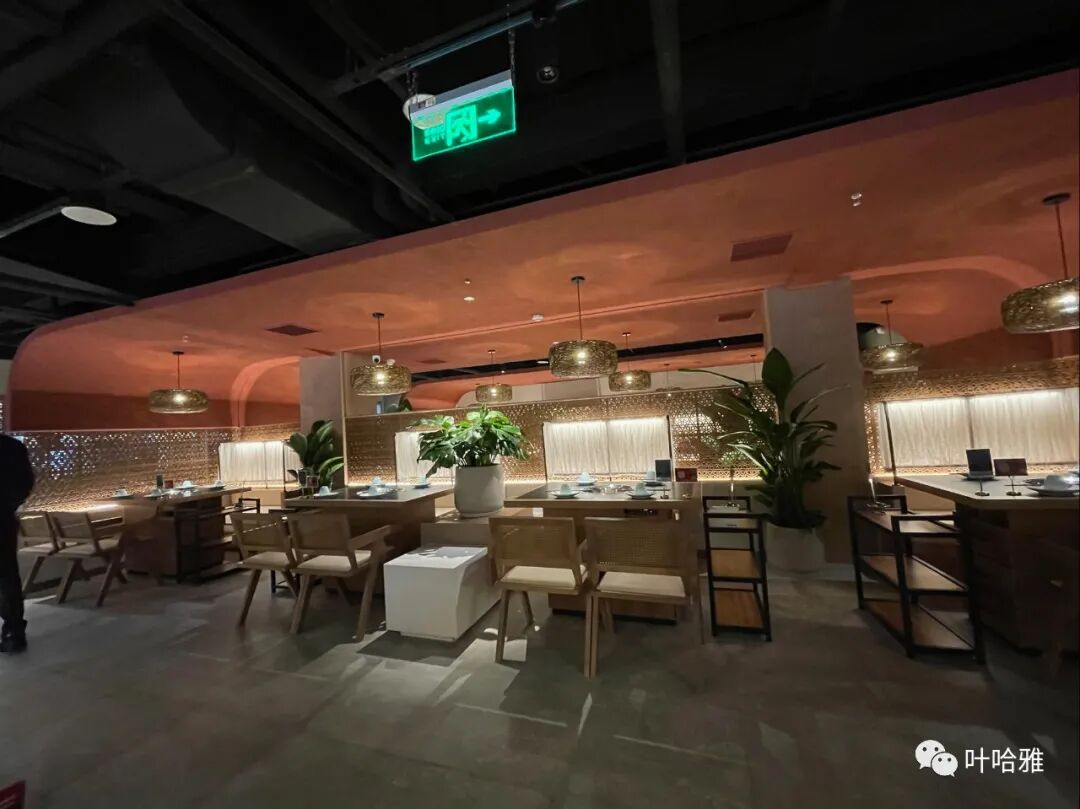
The restaurant is on the second floor of Quanpin Jinsha in Mudanyuan. The space is large, and the interior design was reportedly done by a Hui Muslim designer.
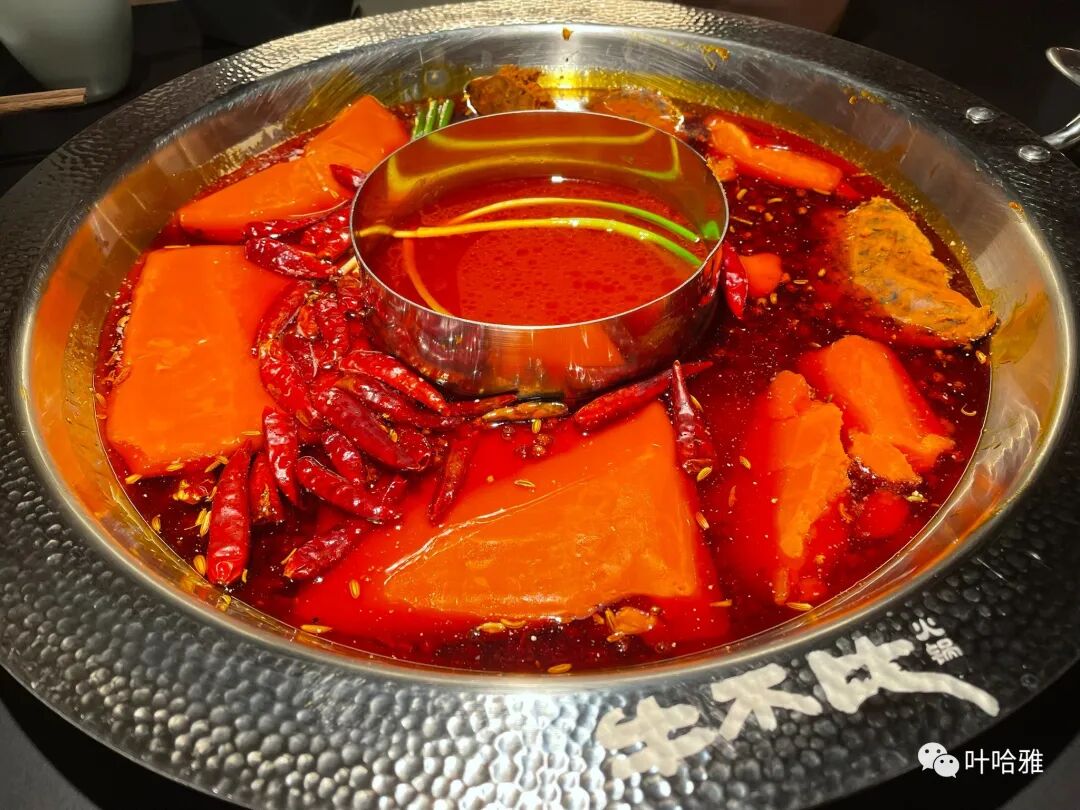
Niububi gets its ingredients from the Tangjiasi Hui Muslim community under Chengdu's jurisdiction, which is the largest livestock trading area in the southwest. The owner of Niububi is a local Sichuan Hui Muslim, and the head chef is also a Sichuan Hui Muslim who is skilled at making Sichuan cuisine.
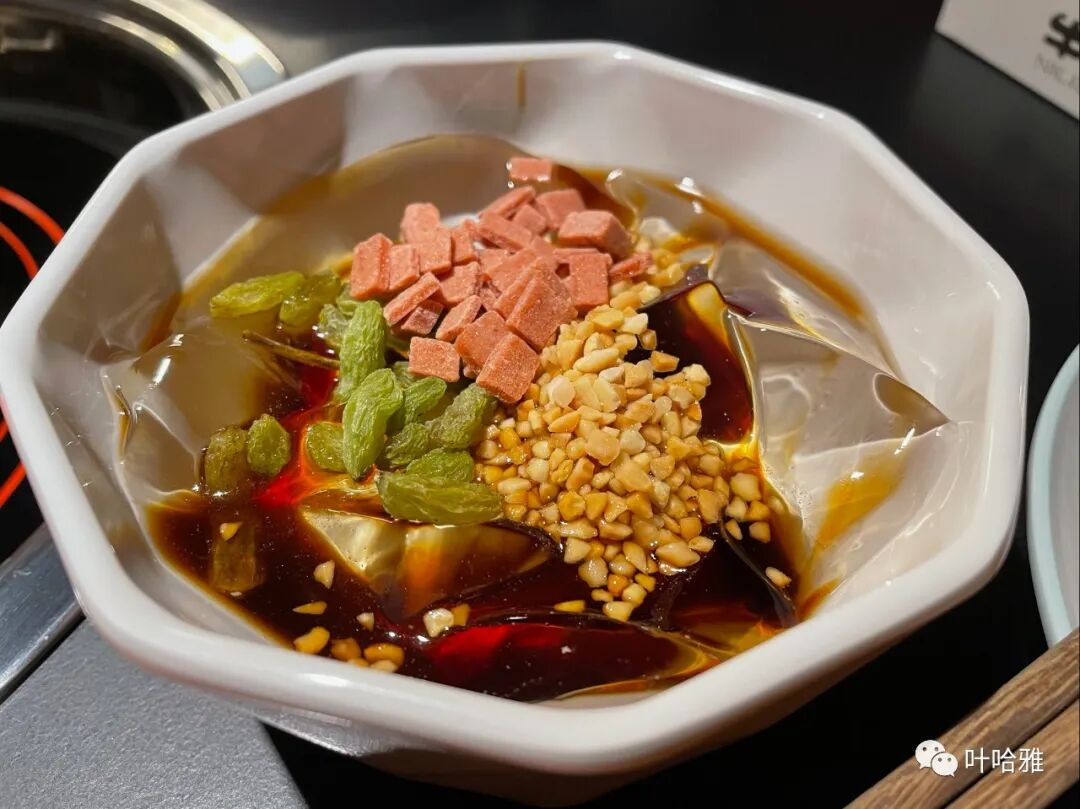
Iced jelly (bingfen)
Iced jelly is a must-have dessert for Sichuan hot pot. It is mainly used to cool down the spice, and it is cold, sour, and sweet.
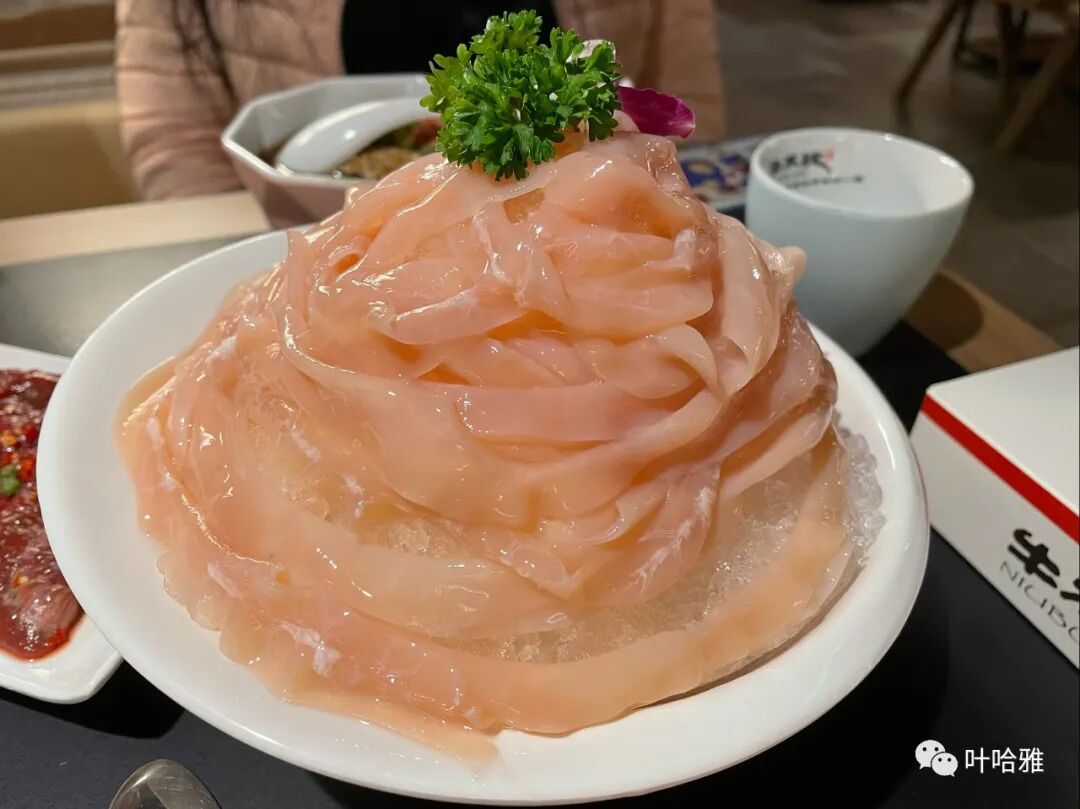
Duck intestines (ya chang)
Duck intestines and tripe are essential dishes for Chengdu hot pot. Duck intestines cook as soon as you dip them in the water.
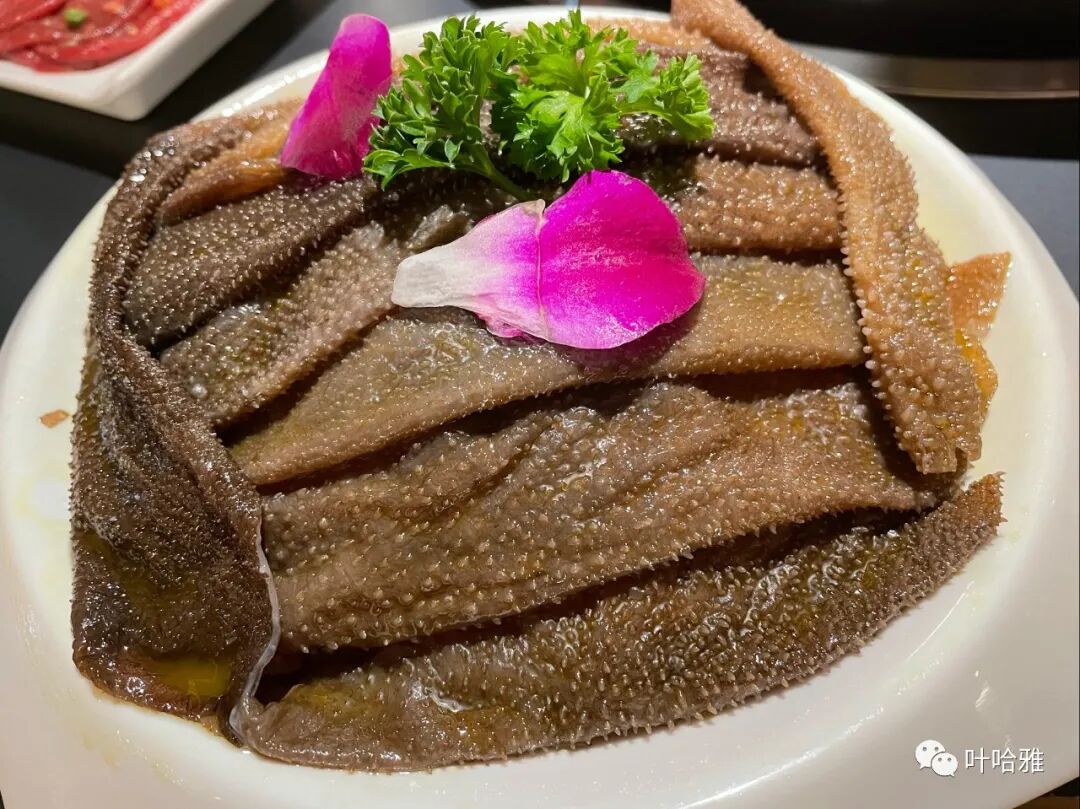
Shabu-shabu tripe (mao du) is their signature specialty. Fresh beef tripe only needs a few seconds in the pot, commonly known as 'seven up, eight down,' otherwise the texture will get tough.
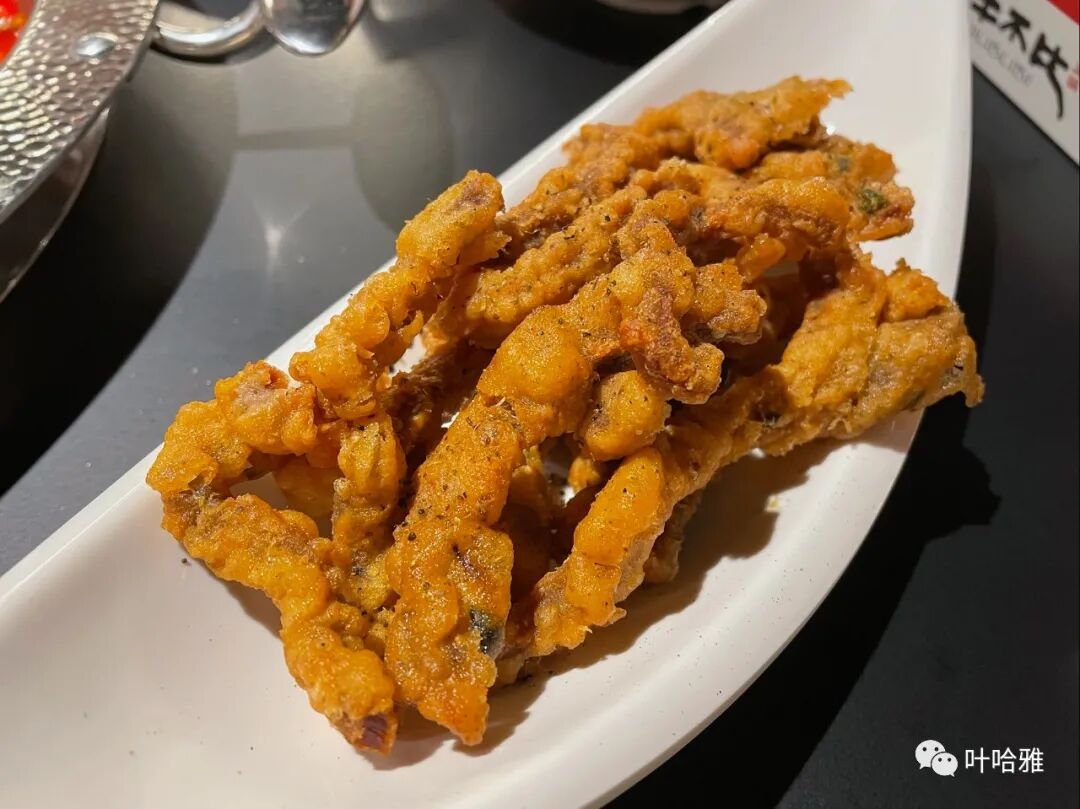
Freshly fried crispy beef (xiao su rou) is also a standard snack for Sichuan hot pot. The beef is tender, fresh, and crispy.
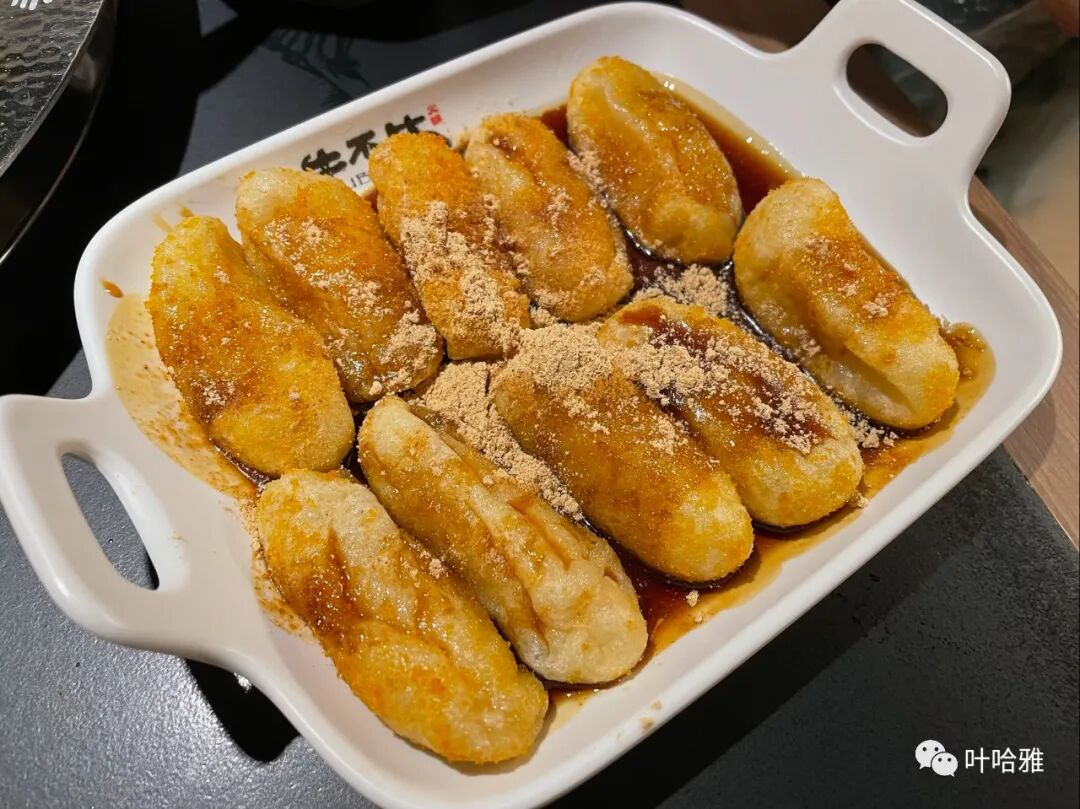
Brown sugar sticky rice cake (hongtang ciba)
Unlike some shops that buy pre-made brown sugar sticky rice cakes to heat up, Niububi makes theirs on the spot to ensure the best texture.
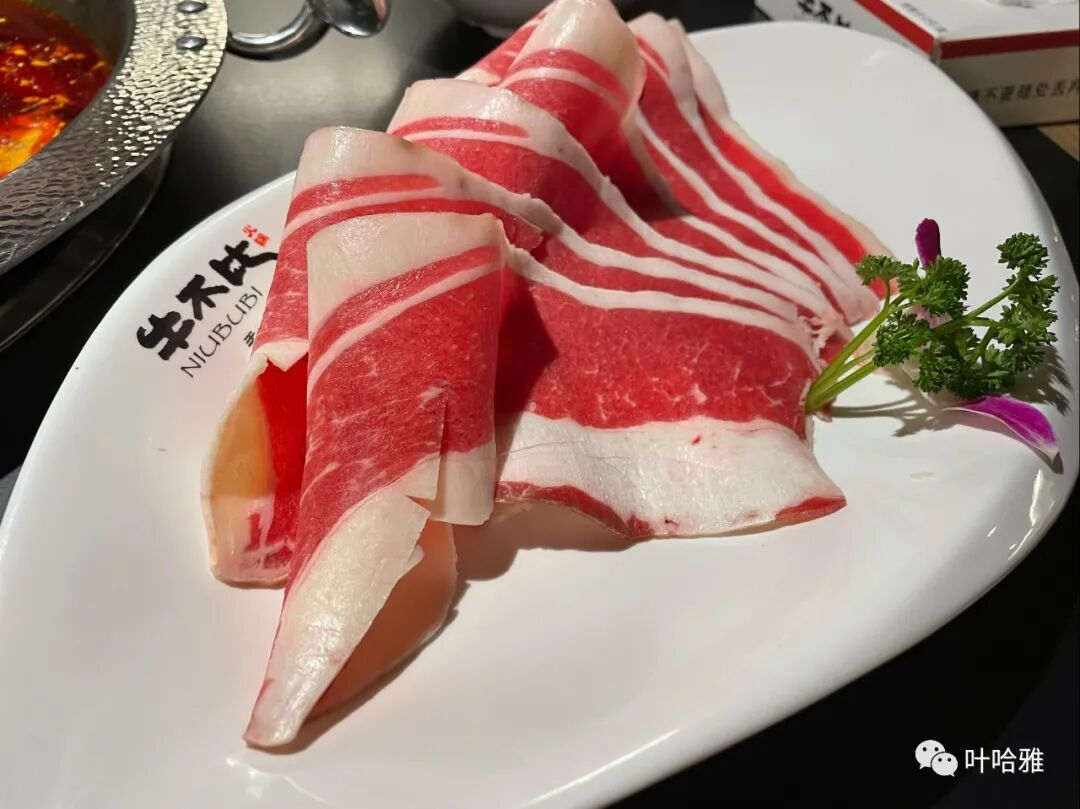
The shop is called Niububi, which means their beef quality is so good it does not need to be compared to anyone else's. The name also sounds like a slang term for awesome. Niububi really is awesome among my friends, and it is the most authentic Sichuan hot pot I have ever had. I am so happy to find the same taste in Beijing as in Chengdu; it gives us one less reason to travel to Chengdu.
From this Sunday the 19th through the 30th, Niububi is holding a soft opening promotion with 32% off everything. Usually, there are no discounts and the average cost is about 150 to 200 yuan per person, so you can save quite a bit with this deal. Don't miss out on these dates.
Best Halal Food Beijing: Chongqing Hot Pot, Temple of Heaven Snacks and Beef Ball Noodles
Articles • yusuf908 posted the article • 0 comments • 194 views • 2026-05-24 00:17
Summary: This Beijing halal food guide maps issue 32 of the series, including Chongqing hot pot, Temple of Heaven halal fast food, beef ball noodles, Beijing style snacks, and Ramadan iftar notes from Niujie Mosque.
Beijing Halal Food Map (32) is presented here as a firsthand travel account in clear English, beginning with this scene: I have been too busy to go out and explore shops during Ramadan. After breaking my fast in the evening, I soon have to start the Tarawih prayers. The account keeps its focus on Beijing Halal Food, Muslim Travel, Middle Eastern Food while preserving the names, places, food, and historical details from the Chinese source.
I have been too busy to go out and explore shops during Ramadan. After breaking my fast in the evening, I soon have to start the Tarawih prayers. I mostly break my fast at the Niujie Mosque. The mosque now provides tea and snacks every day for iftar. The main meals are usually boxed lunches provided by different elders in turns. It does not matter if the boxed lunch tastes good or not; what matters is the blessing inside. Providing an iftar meal for someone fasting earns the same reward. I hope those who are able will invite more friends (dosti) around them who are fasting to break their fast.
1. Hongxiaolu Authentic Chongqing Hot Pot
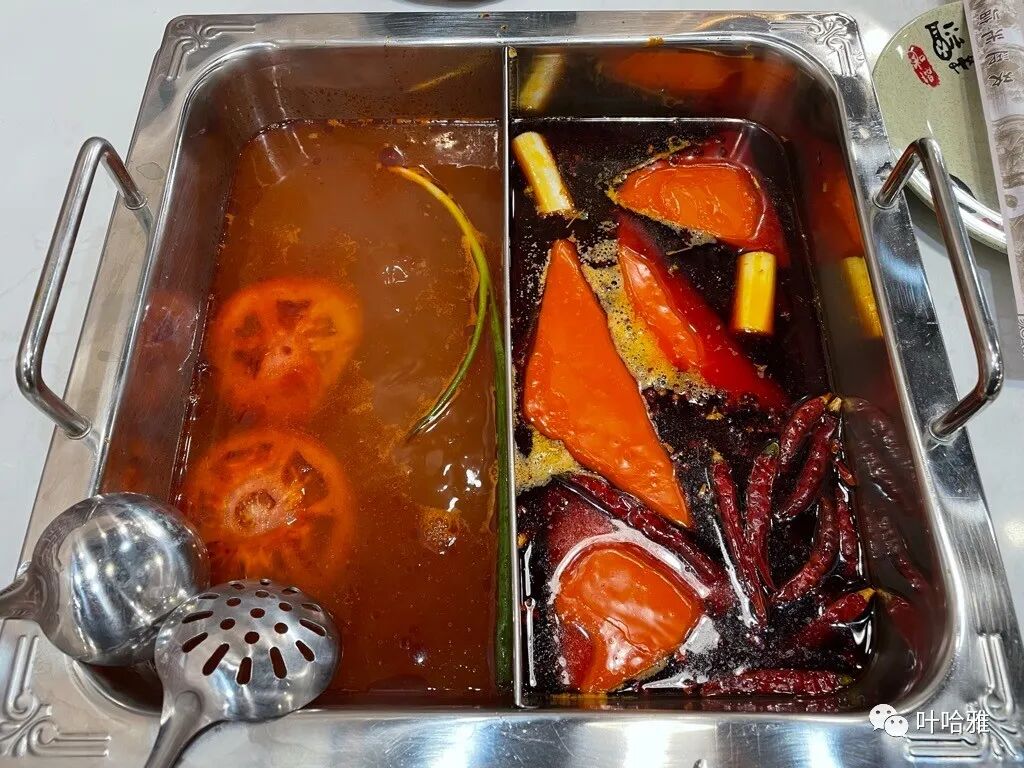
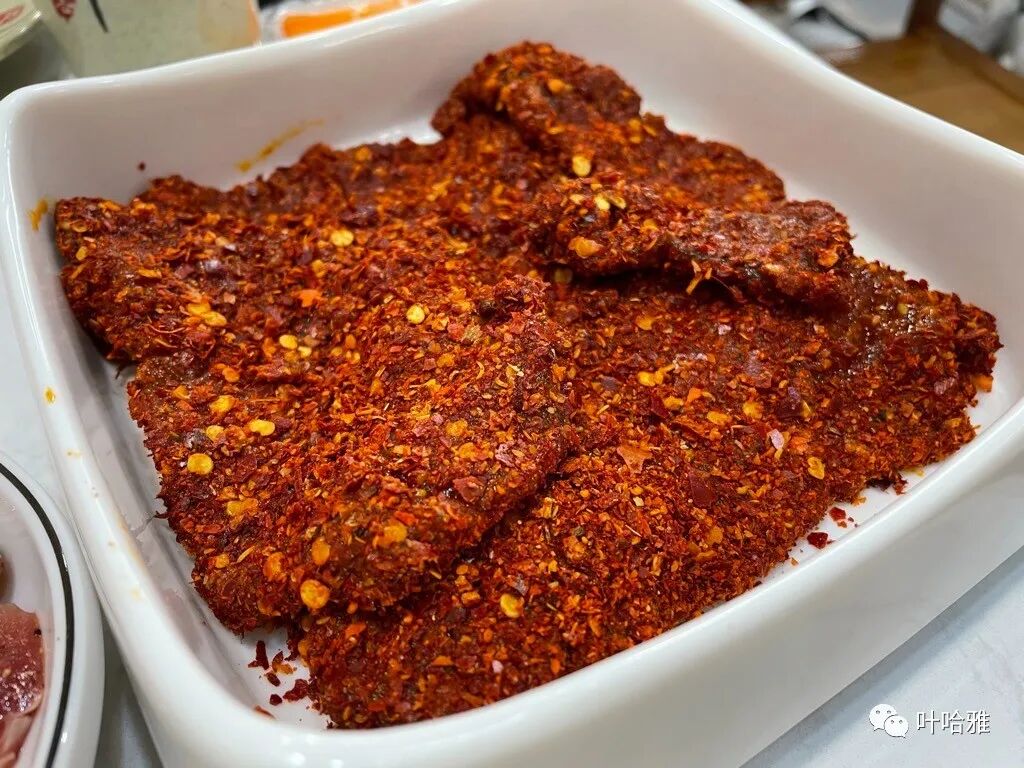
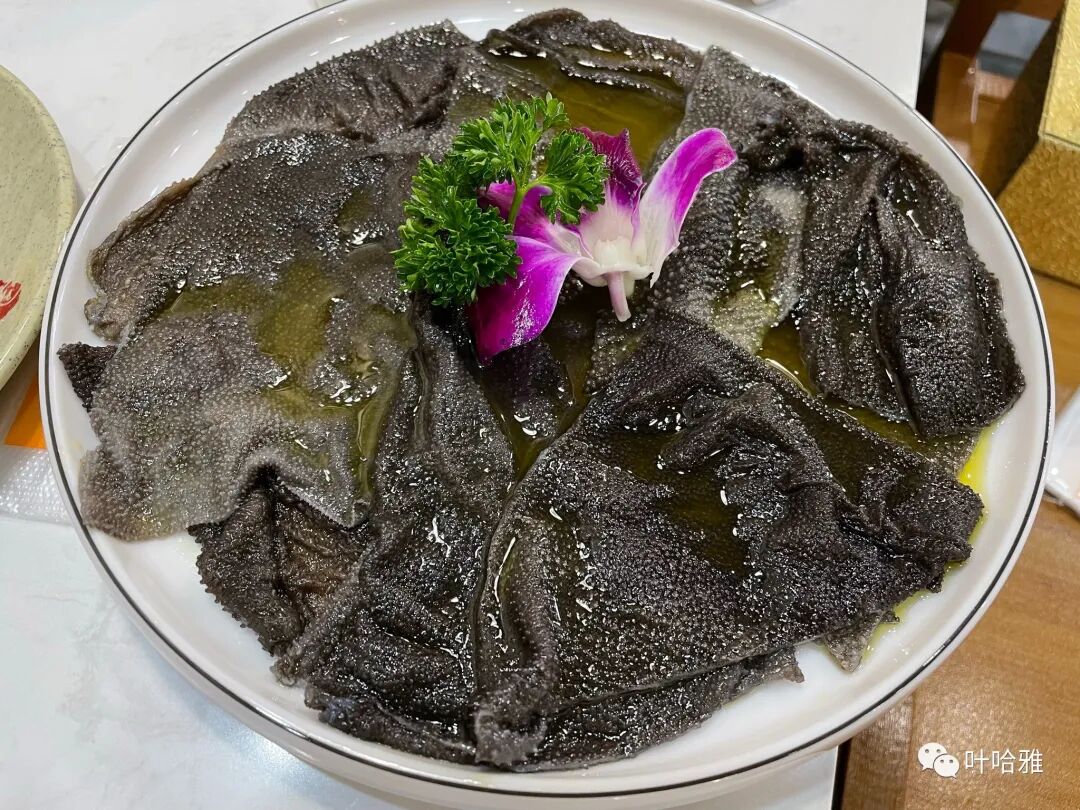
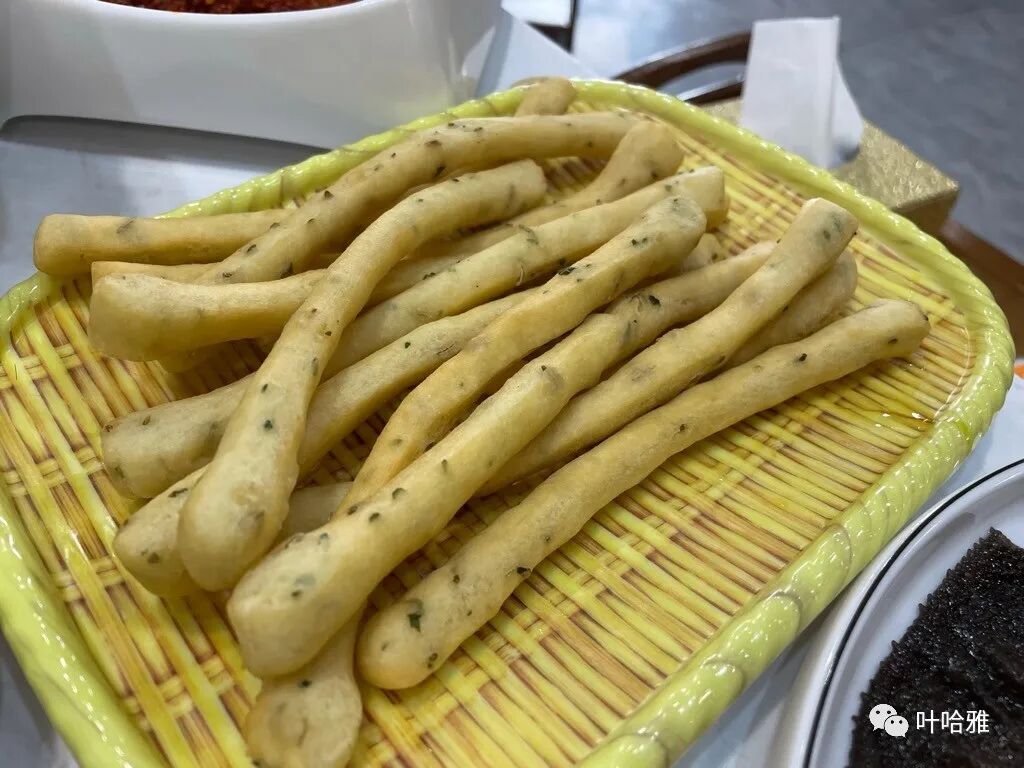
This is a newly opened Chongqing hot pot restaurant in Beijing, owned by a person from Zhangjiachuan, Gansu. According to the owner, they originally planned to join the Niububi franchise, but Niububi does not accept franchises, no matter how much money is offered.
The style of this shop is slightly different from Niububi. Niububi is a Sichuan clear oil hot pot, which is different from Chongqing hot pot in terms of the soup base. Also, the prices here are cheaper than Niububi, and the dishes are slightly inferior to Niububi as well.
The shop is located on Xiaoying North Road in the Datun Subdistrict of the Asian Games Village. Next door is a hand-pulled noodle shop (lamian guan), and both are owned by the same person.
2. Ya'er Liji Small Restaurant
Ya'er Liji has opened a new fast-food spot at the south gate of the Temple of Heaven. They do not sell hot pot meat, only fast food and snacks.
The highlights of their menu are Luxi beef rice, braised chicken rice (huangmenji mifan), and beautifully plated soybean paste noodles (zhajiangmian).
Luxi beef rice
Since the owner of Ya'er Liji is from Dezhou, Shandong, it makes sense that they make Luxi beef and braised chicken well, as braised chicken is also a Shandong specialty.
Braised chicken rice
Few ordinary restaurants make soybean paste noodles with much care, but this small shop puts effort into the vegetable toppings and provides a good variety. The only downside is that the noodles are not hand-rolled, so the texture is a bit lacking.
Soybean paste noodles (zhajiangmian)
3. Xiangqing Beef Ball Noodles
Xiangqing Beef Ball Noodles is a new brand at the Qingxiangge Tuanjiehu branch. This spot used to be Anhui beef flat noodles (banmian), but the sign has changed again.
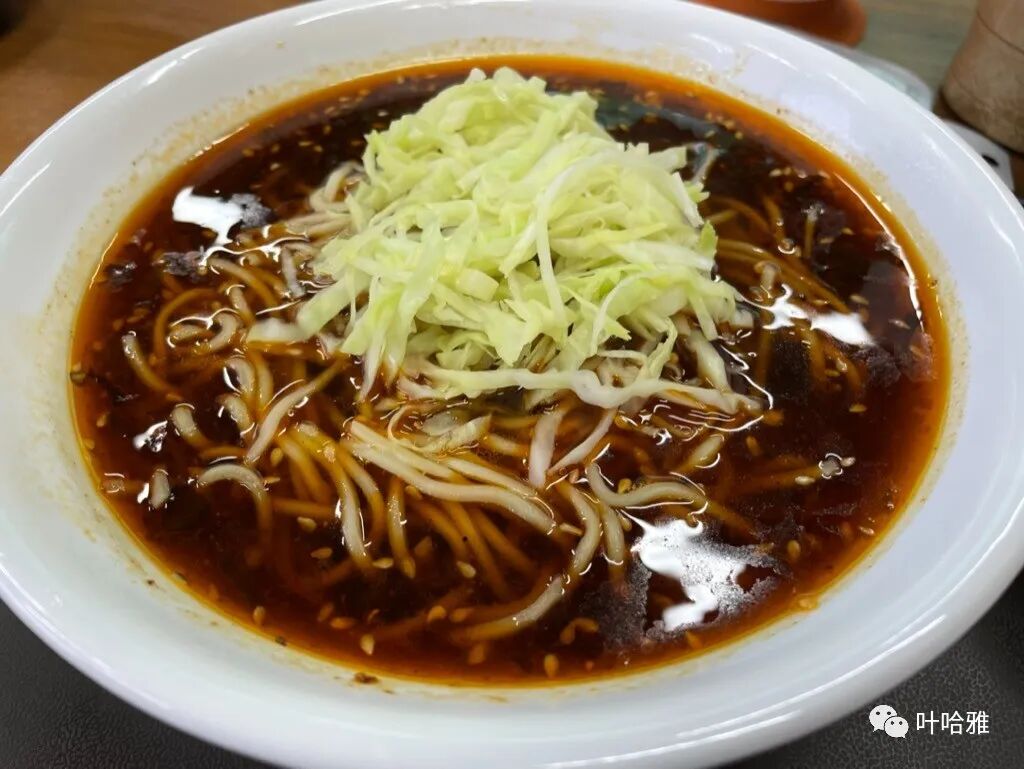
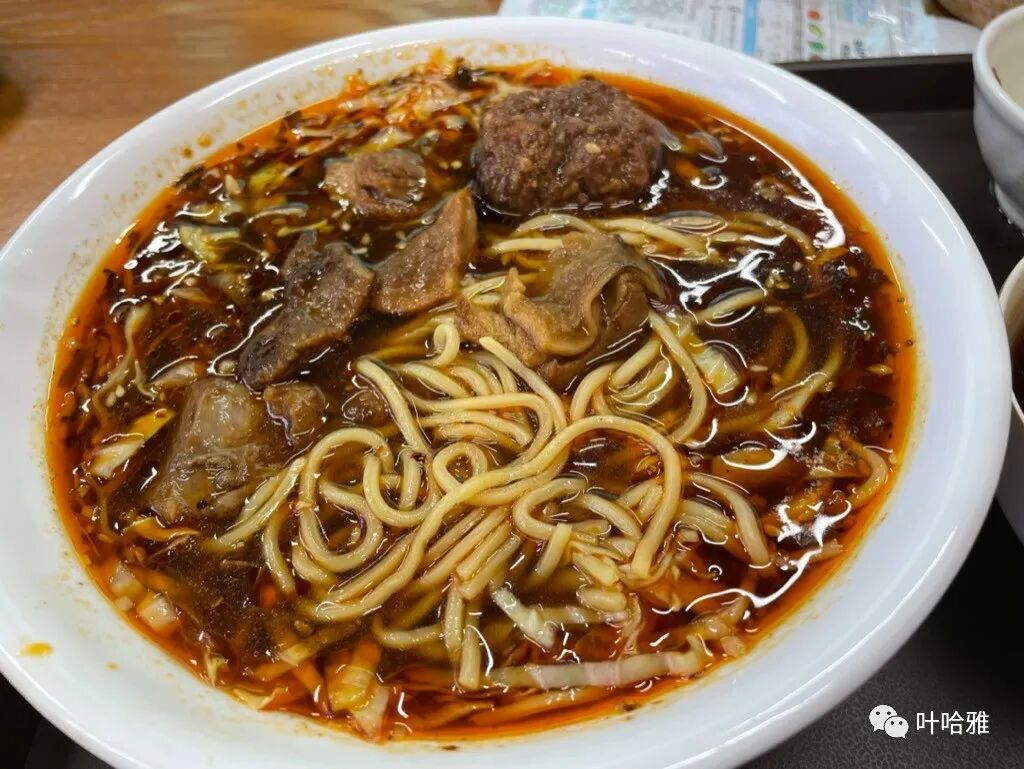
This noodle shop doesn't look like much from the outside, but the food is actually quite good. The spicy beef noodles with beef balls and a small bowl of beef are especially fragrant and affordable.
The small bowl of beef and the beef balls are stewed until very soft and tender, melting in your mouth with plenty of flavor.
Small bowl of beef
Beef balls
4. Annei Laoma Steamed Dumplings (Dongba Branch)
This is a branch of Annei Laoma Steamed Dumplings (shaomai) in Dongba. The menu is slightly different, and I think it tastes better than the main store.
Besides the classic beef and lamb steamed dumplings, this branch serves Inner Mongolian-style lamb offal (yangza) and small hot pots, which the main store does not have.
Pan-fried steamed dumplings (youjian shaomai)
Their lamb offal is just the Inner Mongolian style I like. It comes in a full bowl with plenty of finely sliced tripe, just like what I ate in Inner Mongolia.
5. MULU
Mulu is a private Malaysian restaurant specializing in Southeast Asian flavors. It is the most expensive restaurant I have ever visited. You must book three days in advance and pay a deposit. They charge per person: 988 yuan for four main courses or 1488 yuan for six. They serve the dishes in order, just like a Western-style meal.
The menu for Monday through Friday.
The restaurant is located in a hutong in the Dongcheng District. You need a reservation. The owner and head chef is a Malaysian Chinese person who mainly provides custom catering for various Southeast Asian embassies. Because of this, the ingredients are guaranteed to be halal, and the chef showed me where they come from.
It is a private kitchen with a very intimate atmosphere. The only downside is that parking is difficult. There is only one parking space, and you need good driving skills to navigate a car into the hutong.
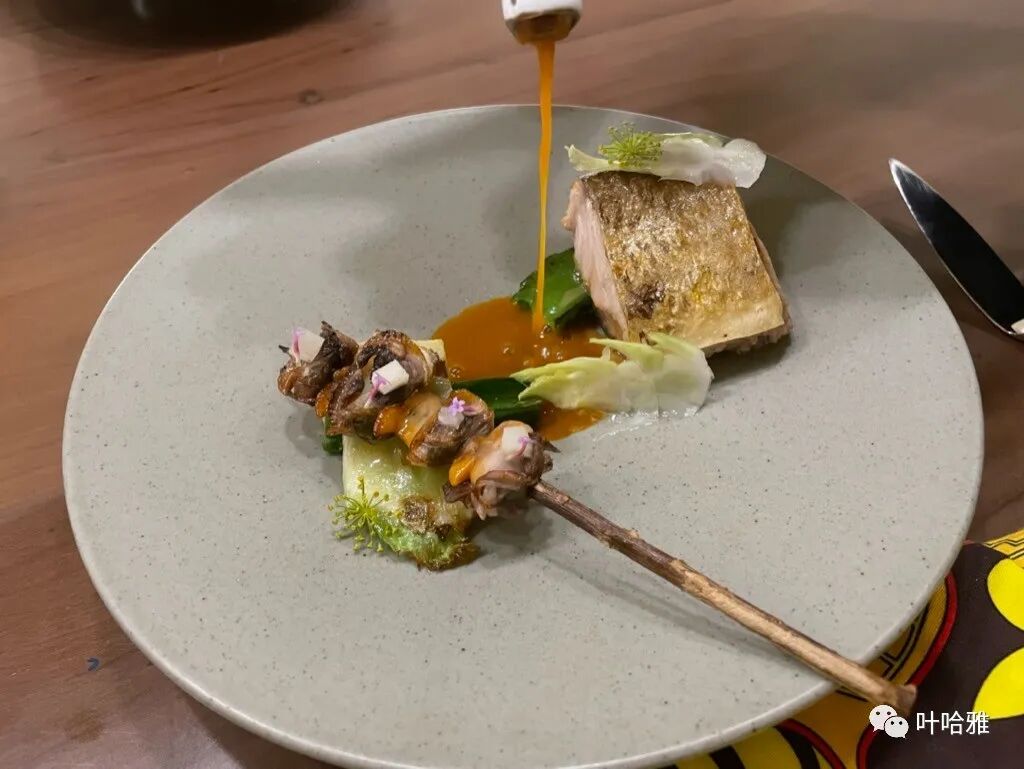
Before serving each dish, the chef explains the ingredients and the cooking process. Every guest gets an individual portion, and the chef brings out the raw ingredients to show us.
The portions are small. I can finish one in two or three bites, but it is perfect for women who want to eat elegantly and savor the flavors.
The Friday menu features Nyonya cuisine. Nyonya is another name for Malaysian Chinese people. It is very rare to find a halal version of this in Beijing.
This is the white asparagus the chef showed us. You rarely see this in a regular market.
To improve the taste, the chef adds sauce to some dishes right at the table.
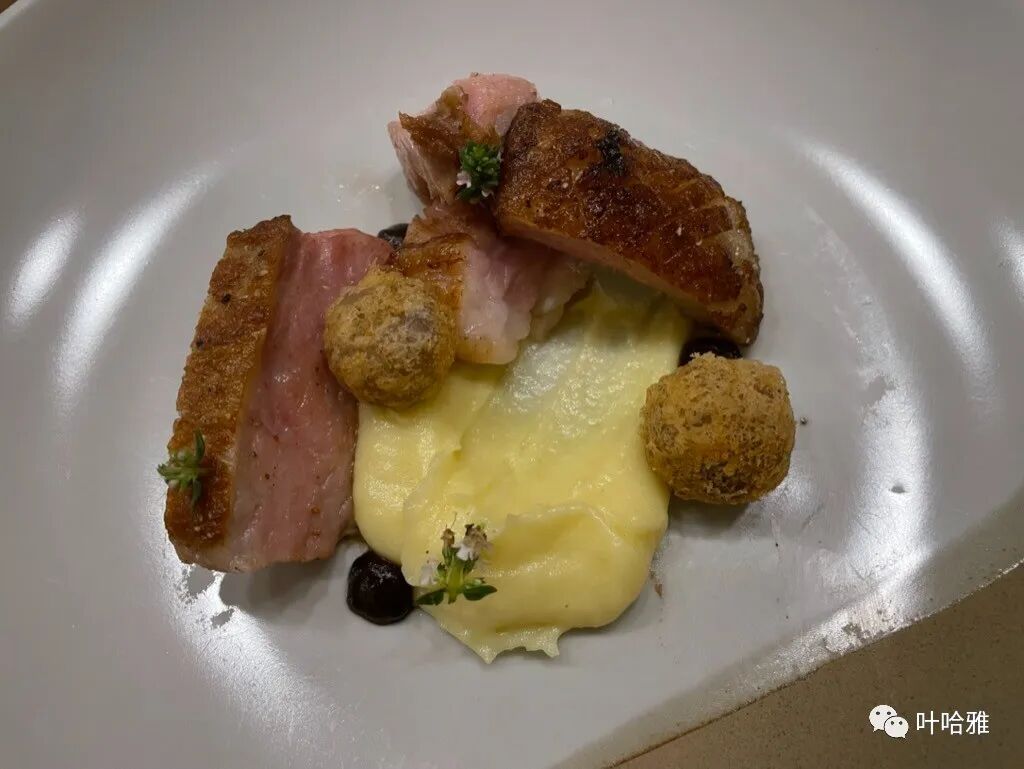
The creamy veal ribs have a strong milky aroma and are tender and juicy. There is no denying that their ingredients are very fresh.
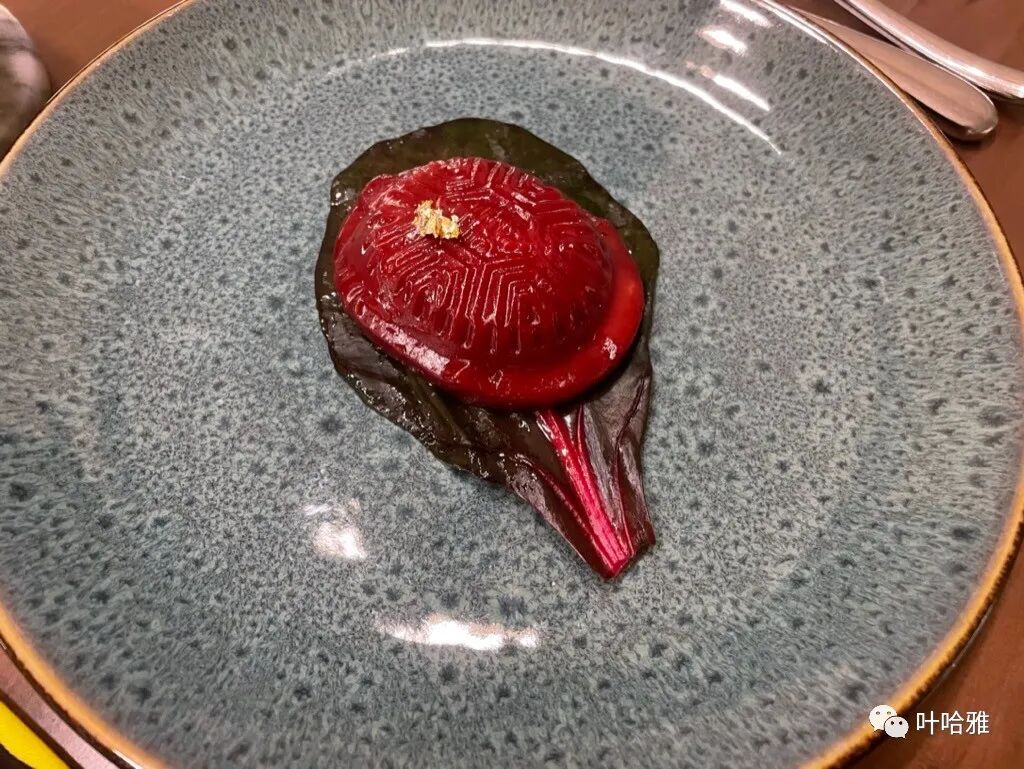
This turtle-shell-shaped dessert is made from beetroot and has a soft, chewy texture.
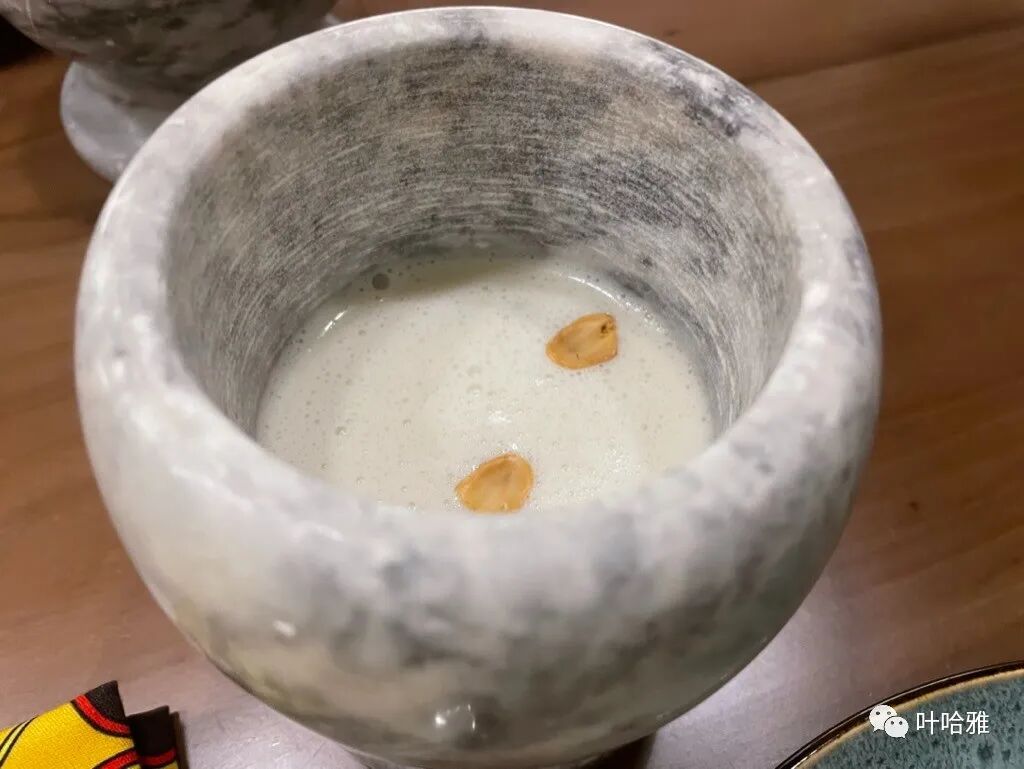
A small serving of sago dessert (ximilu) comes in a stone pot. The pot feels ice-cold to the touch, and the dessert is refreshing, sweet, and cool.
6. Dexiangshun Halal Restaurant
This new little restaurant on Jiaozihutong in Niujie looks plain from the outside, but the stir-fried dishes are quite tasty.
The kung pao chicken (gongbao jiding) is a standout. It tastes just like the version I had as a kid and goes perfectly with rice.
The stir-fried mixed vegetables (chaohecai) are also good. They have some off-menu items too, like the braised eggplant (shaoqiezi), which is delicious.
We tried almost everything on the menu and didn't find a single bad dish. It cost three of us less than 100 yuan, making it a great value.
7. 99th Arabic Barbecue
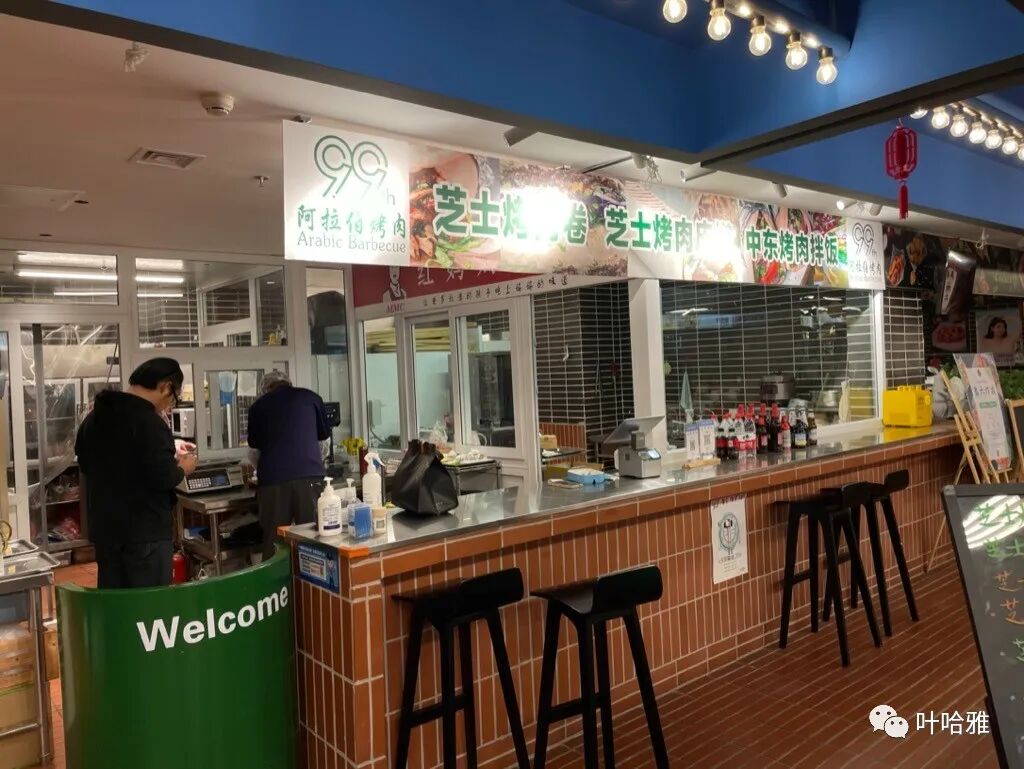
This shop is on the basement level of Euro Plaza in Shunyi. Even though it is called Arabic Barbecue, it has nothing to do with Arabia; it is run by Hui Muslims from Beijing.
The owner is also preparing a music barbecue restaurant next door, but it has not opened yet.
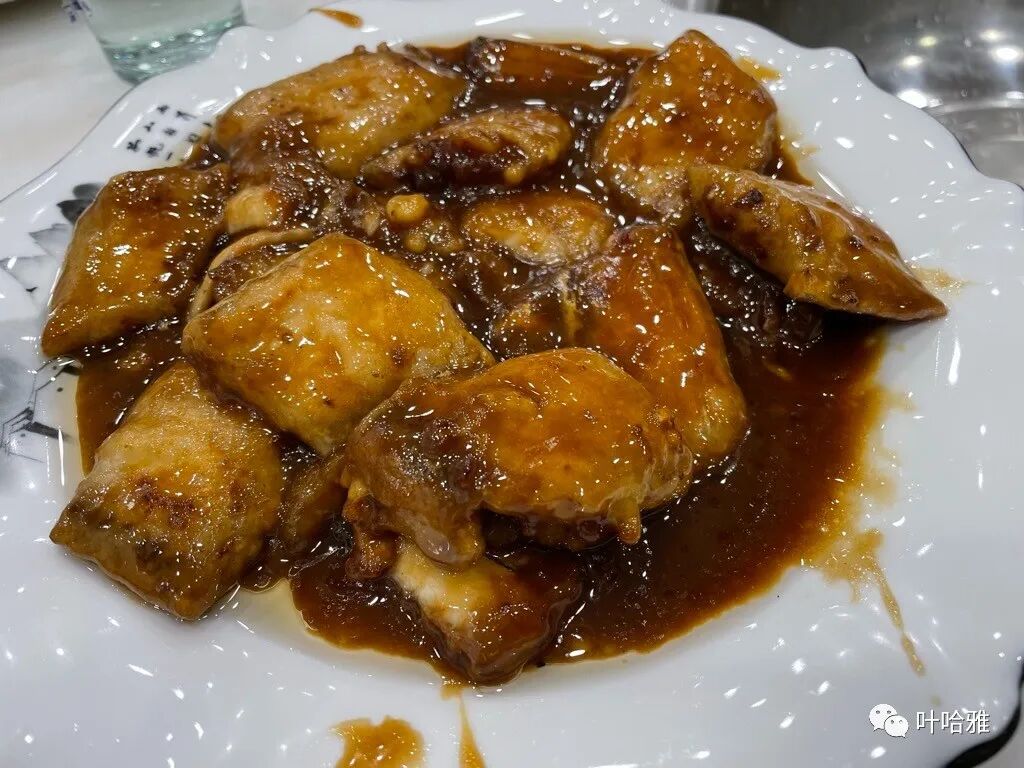
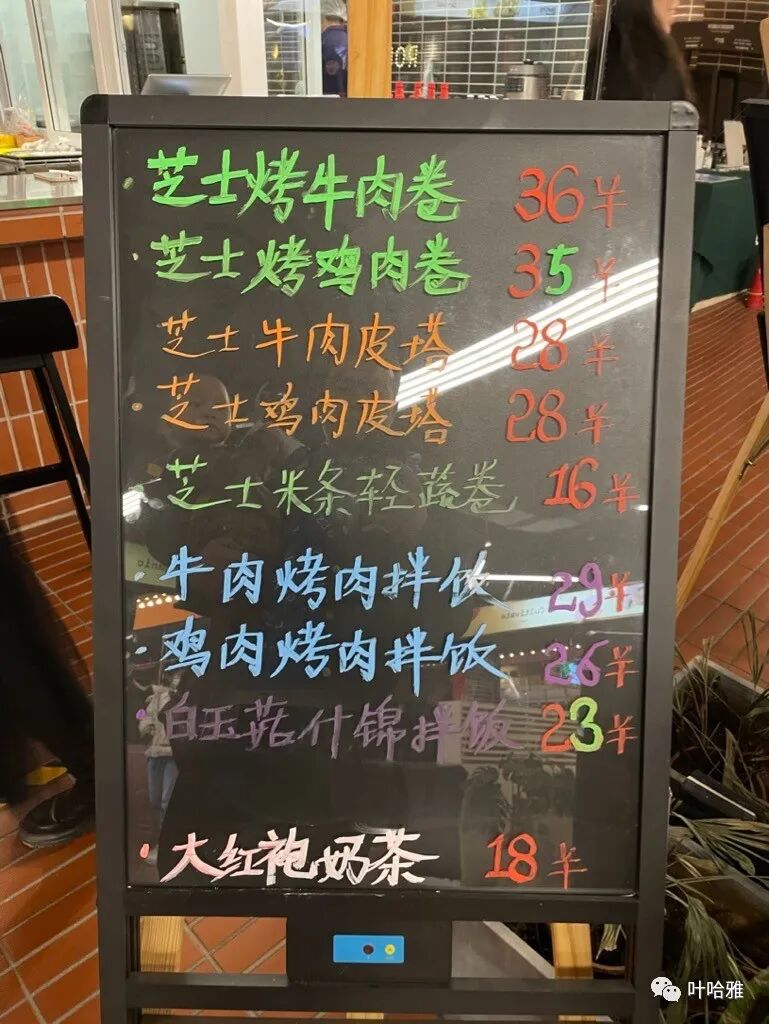
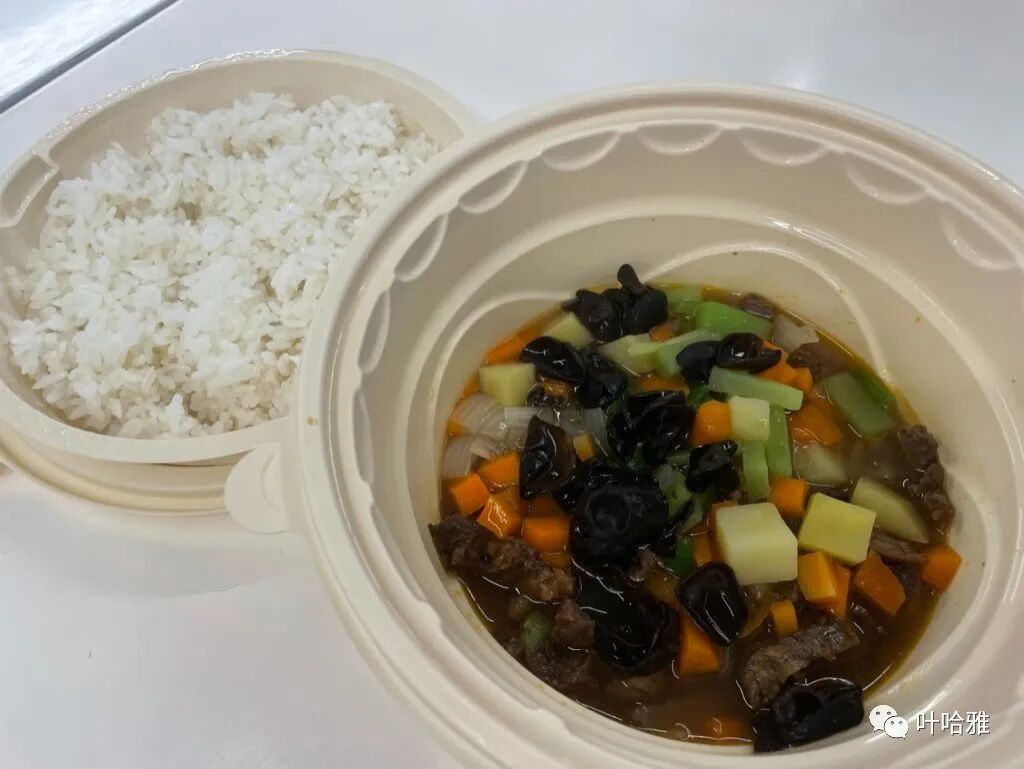
Their barbecue rice is really just a mixed rice bowl and has nothing to do with Arabic pilaf (zhuafan), but it tastes okay.
The barbecue wrap has a hint of Middle Eastern shawarma, but it still leans more toward a Chinese style.
This is the only halal shop on the basement level of Euro Plaza. I chatted with the manager and offered some suggestions for improvement.
8. Dastaan Indian Restaurant
A South Asian restaurant opened on the third floor of Sanlitun SOHO Mall Building 5. The chef and servers are from Bangladesh. This year, April 14th was both Jumu'ah and the Bengali New Year. The restaurant prepared a special buffet for 248 yuan per person, featuring Bengali dishes and South Asian snacks, available only on that day.
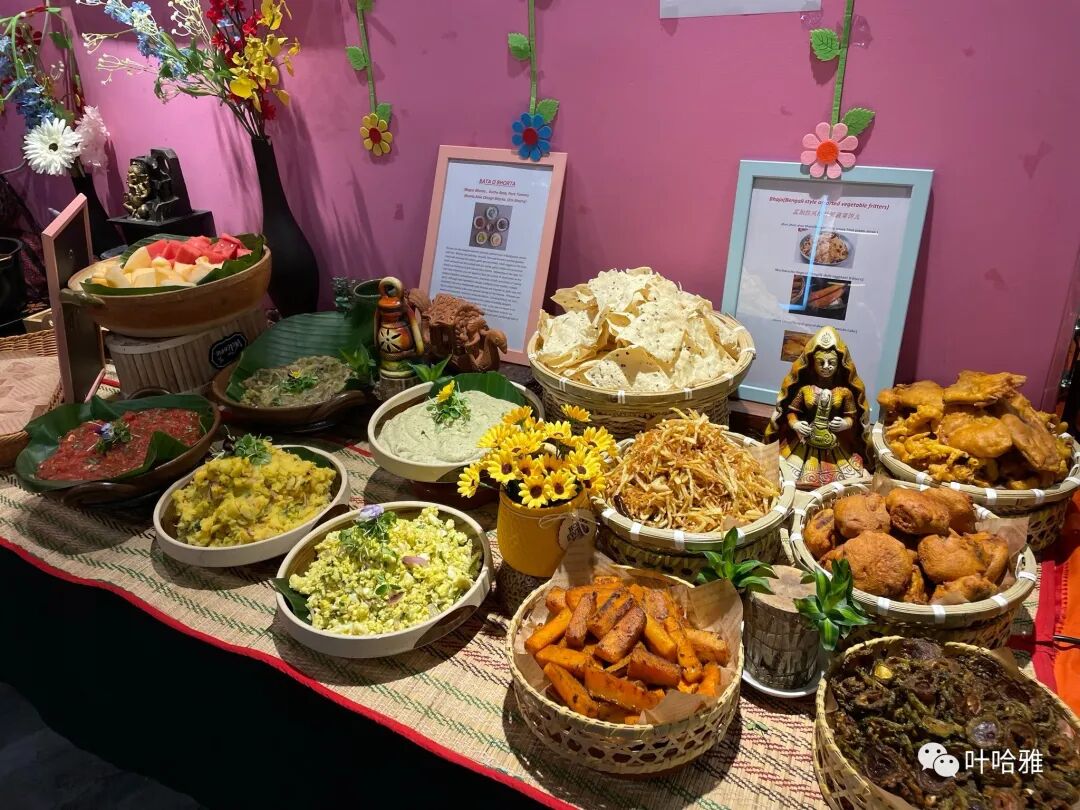
These are Bengali-style mixed vegetable fritters. The fried bitter melon was very unique, and the thin crispy cracker on top was truly thin, crunchy, and delicious.
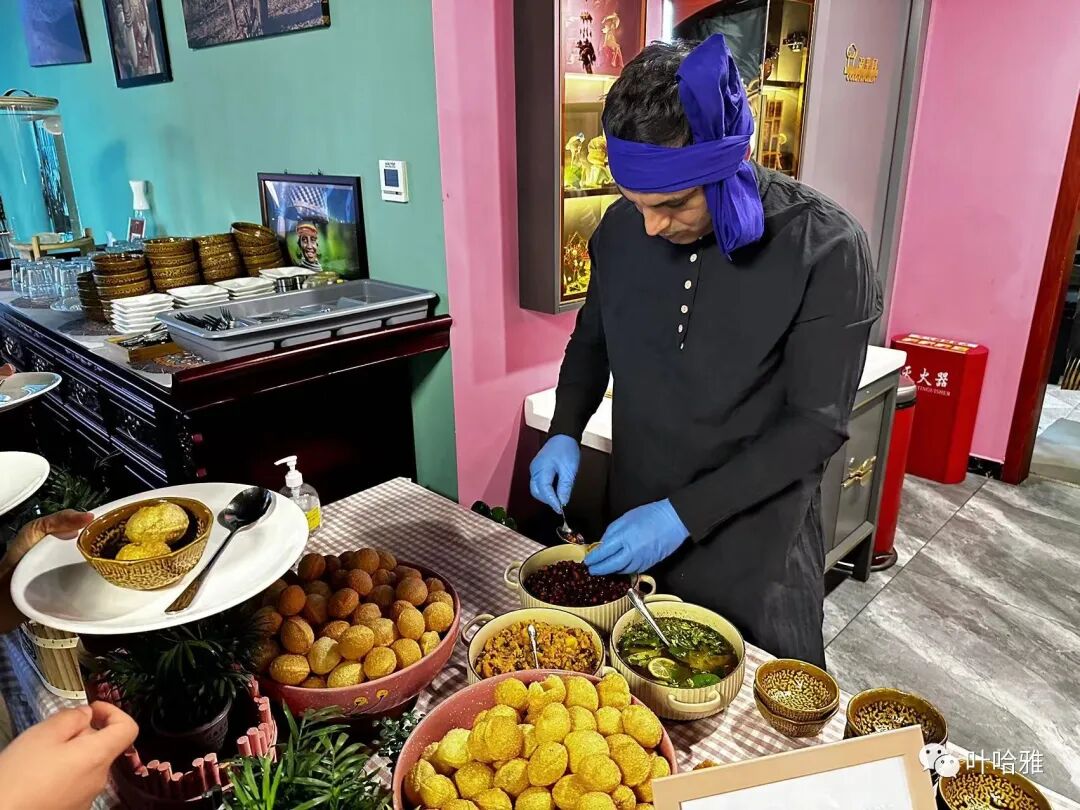
Phuchka (panipuri)
This snack of crispy balls filled with sour soup is panipuri, which appeared in the Indian movie Dangal. It is found in India, Pakistan, and Bangladesh. You must eat these balls immediately after they are filled with the soup, or they will get soggy and lose their texture.
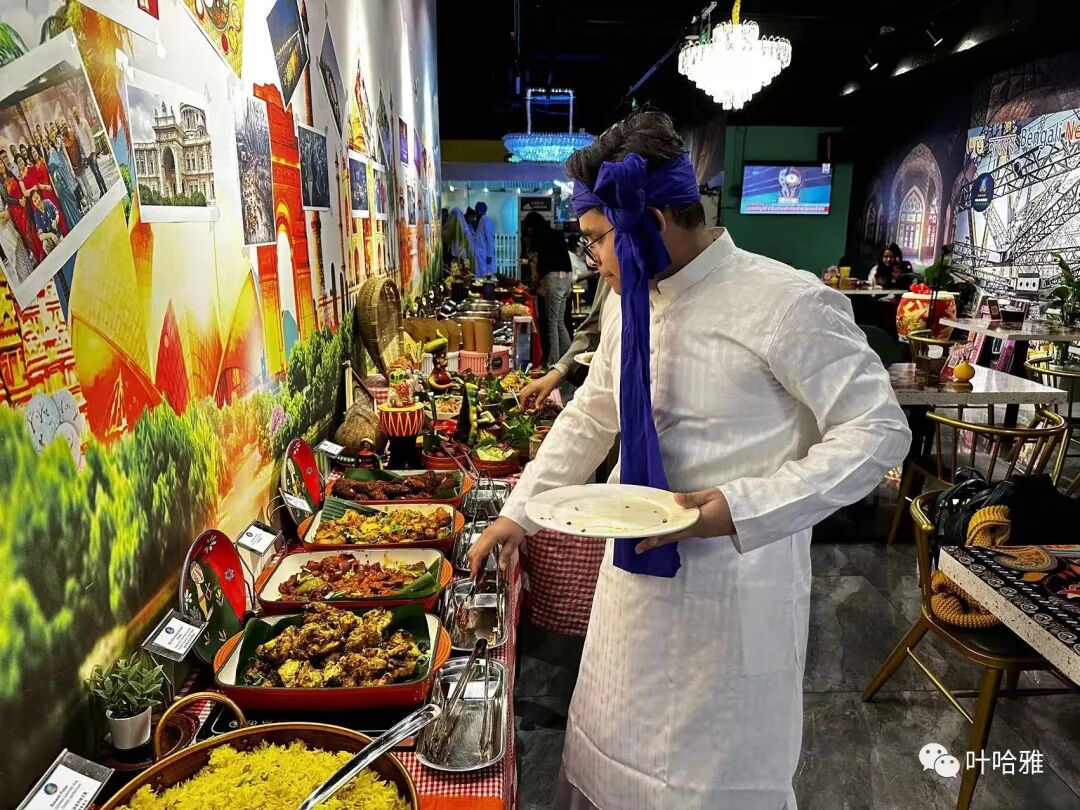
The Bengali server wearing a turban only speaks English.
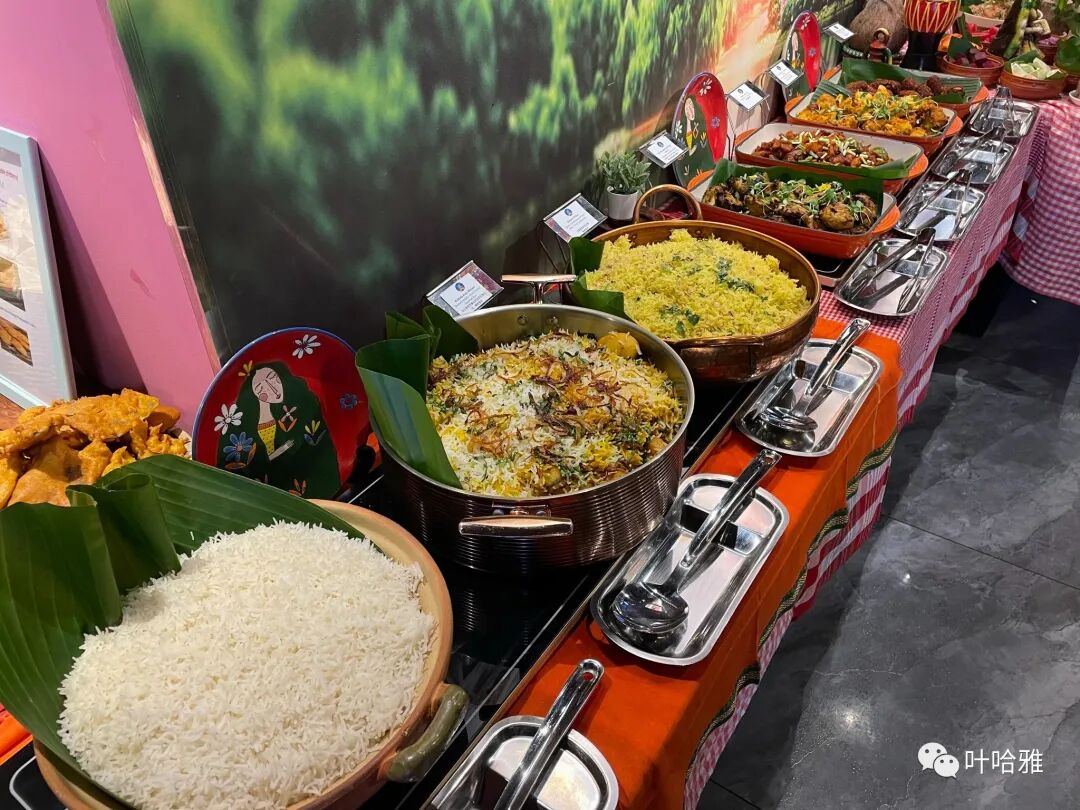
Three types of pilaf served with roasted chicken or beef are among my favorite South Asian foods.
South Asian style salads include Kolkata-style potato and black chickpea salad and Bengali-style chili salad. Be warned, the chili is very spicy and I could barely handle it.
Kolkata soft white cheese, rose and nut sweet millet porridge, semolina with coconut-flavored sweet balls, and traditional Bengali rice porridge.
Bengali-style mixed spinach masala
Indian white cheese chicken gravy with fried potatoes
Bengali-style with coconut and raisins
Kolkata slow-cooked lamb masala
Yogurt and nut sauce chicken
Fried carp with mustard and yogurt sauce
A colorful display of various spices.
Lime-flavored yogurt drink and mango-flavored drink
Bengali-style popcorn
The host wears traditional clothing and speaks with a thick Indian accent to celebrate the arrival of the new year.
There is a dance performance during the meal, and the young lady dances very beautifully.
That is all for this collection. The text and photos are original, and you may not repost them without permission. view all
Summary: This Beijing halal food guide maps issue 32 of the series, including Chongqing hot pot, Temple of Heaven halal fast food, beef ball noodles, Beijing style snacks, and Ramadan iftar notes from Niujie Mosque.
Beijing Halal Food Map (32) is presented here as a firsthand travel account in clear English, beginning with this scene: I have been too busy to go out and explore shops during Ramadan. After breaking my fast in the evening, I soon have to start the Tarawih prayers. The account keeps its focus on Beijing Halal Food, Muslim Travel, Middle Eastern Food while preserving the names, places, food, and historical details from the Chinese source.
I have been too busy to go out and explore shops during Ramadan. After breaking my fast in the evening, I soon have to start the Tarawih prayers. I mostly break my fast at the Niujie Mosque. The mosque now provides tea and snacks every day for iftar. The main meals are usually boxed lunches provided by different elders in turns. It does not matter if the boxed lunch tastes good or not; what matters is the blessing inside. Providing an iftar meal for someone fasting earns the same reward. I hope those who are able will invite more friends (dosti) around them who are fasting to break their fast.
1. Hongxiaolu Authentic Chongqing Hot Pot
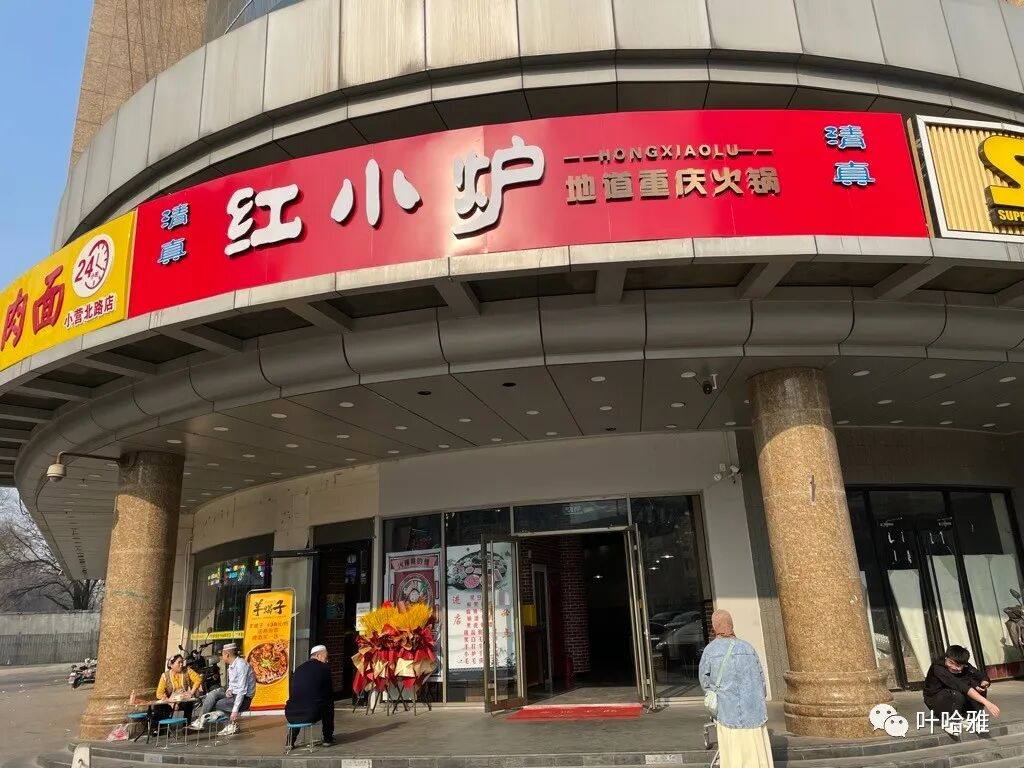
This is a newly opened Chongqing hot pot restaurant in Beijing, owned by a person from Zhangjiachuan, Gansu. According to the owner, they originally planned to join the Niububi franchise, but Niububi does not accept franchises, no matter how much money is offered.
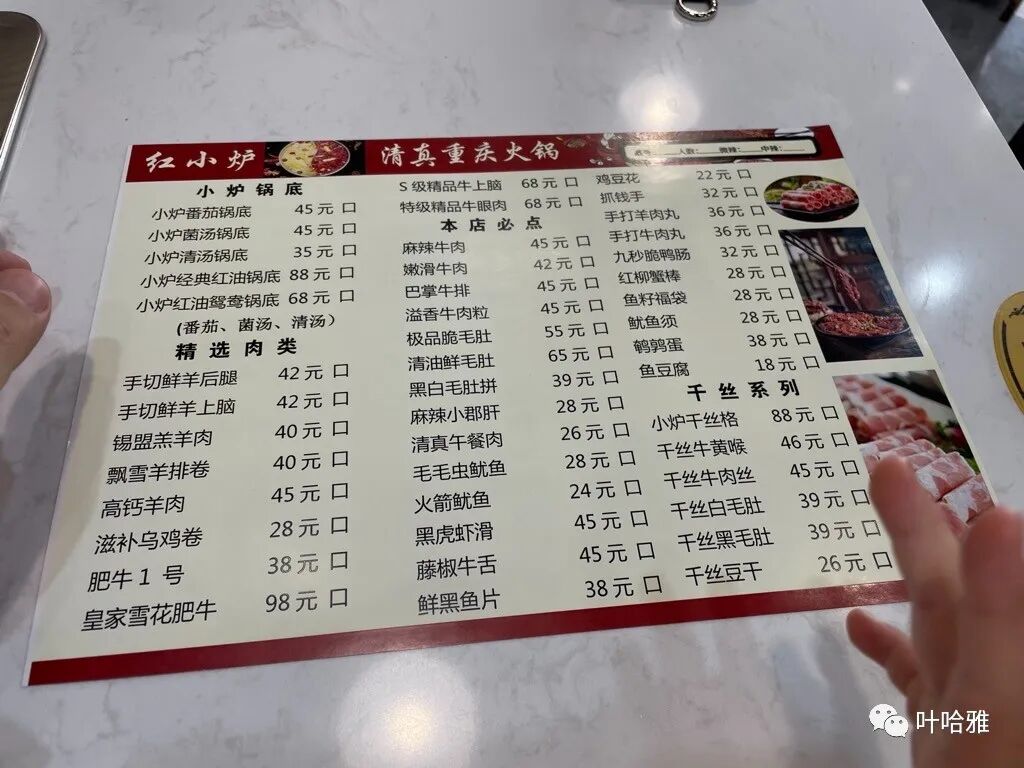
The style of this shop is slightly different from Niububi. Niububi is a Sichuan clear oil hot pot, which is different from Chongqing hot pot in terms of the soup base. Also, the prices here are cheaper than Niububi, and the dishes are slightly inferior to Niububi as well.
The shop is located on Xiaoying North Road in the Datun Subdistrict of the Asian Games Village. Next door is a hand-pulled noodle shop (lamian guan), and both are owned by the same person.
2. Ya'er Liji Small Restaurant
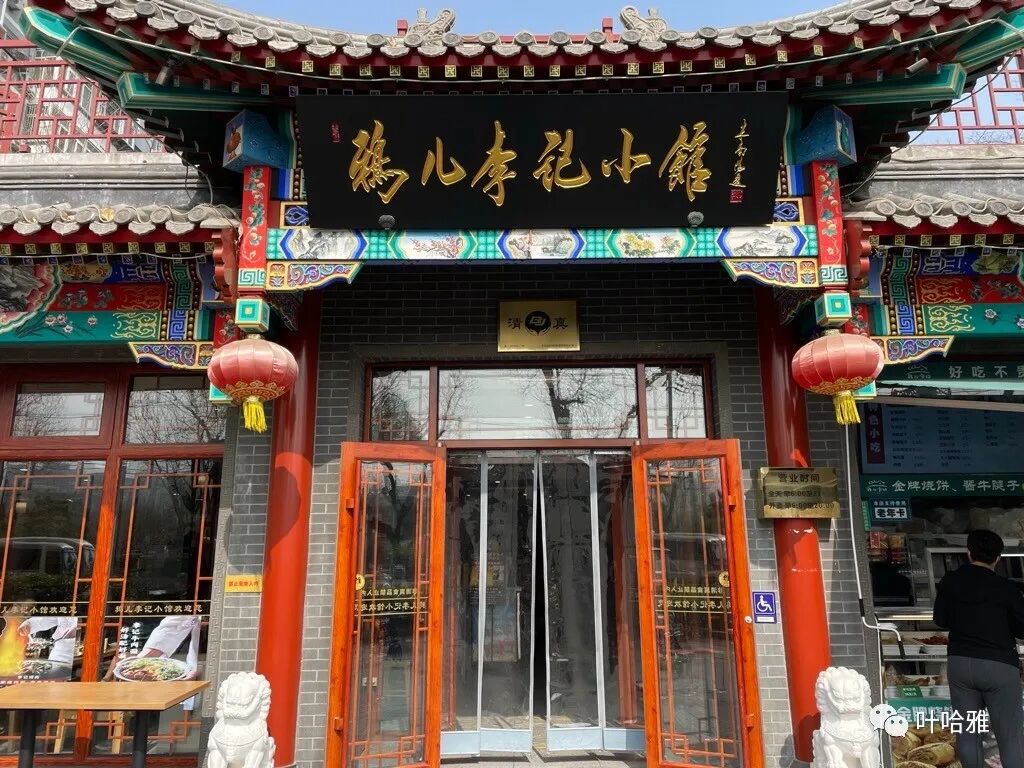
Ya'er Liji has opened a new fast-food spot at the south gate of the Temple of Heaven. They do not sell hot pot meat, only fast food and snacks.
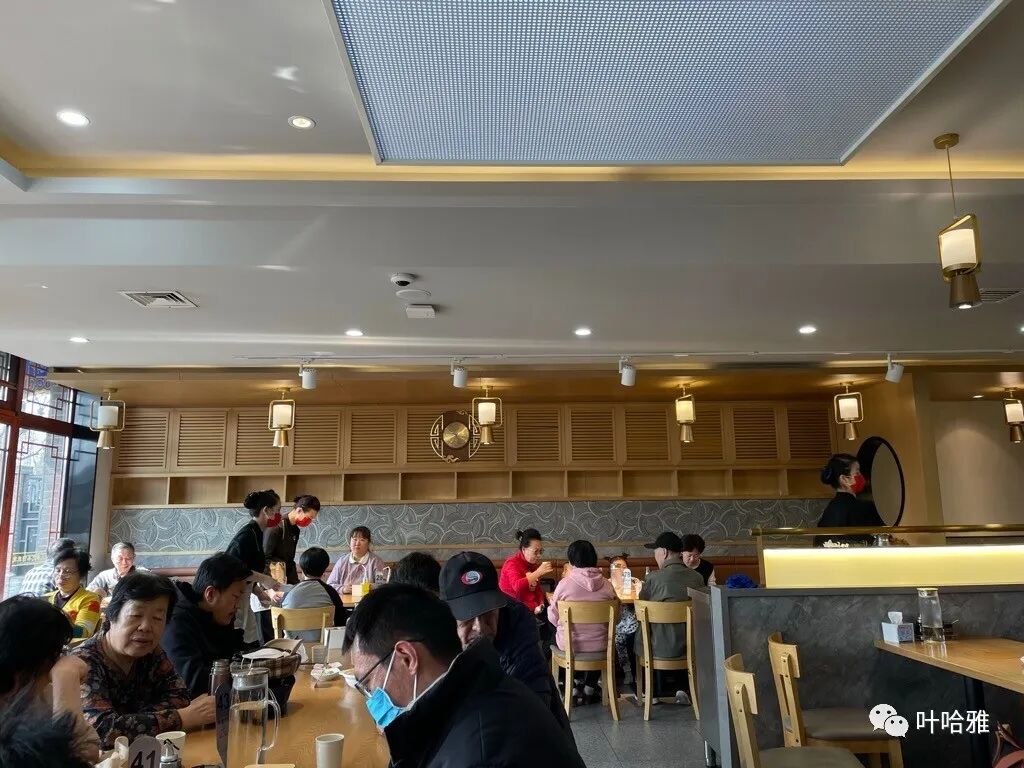
The highlights of their menu are Luxi beef rice, braised chicken rice (huangmenji mifan), and beautifully plated soybean paste noodles (zhajiangmian).
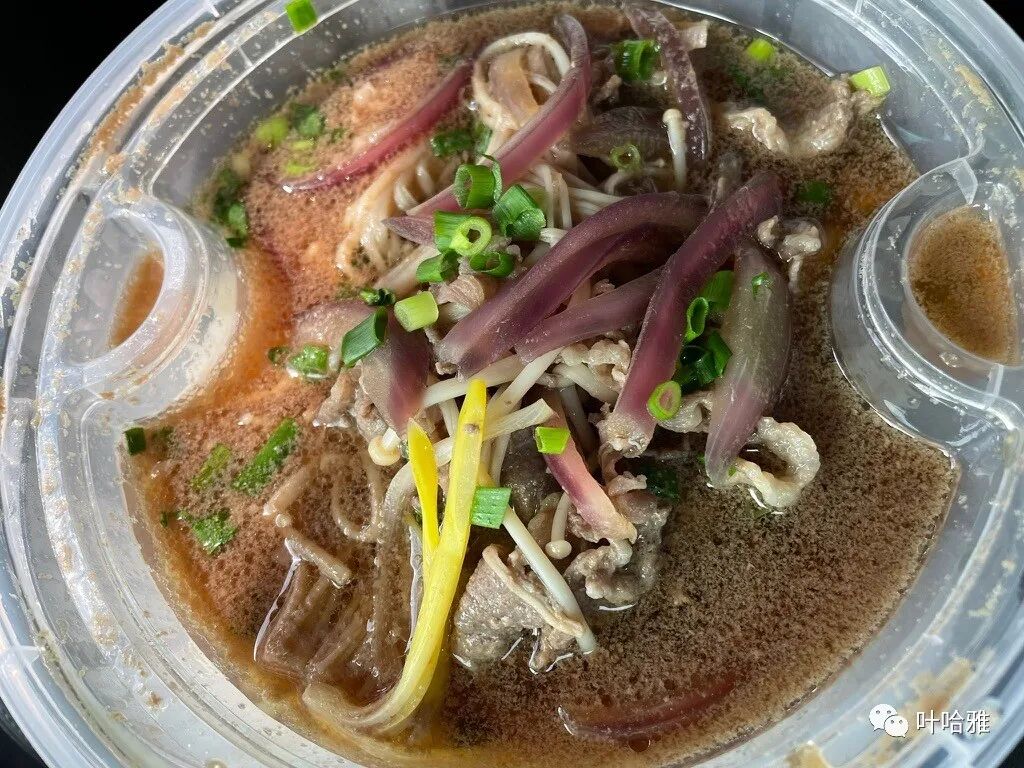
Luxi beef rice
Since the owner of Ya'er Liji is from Dezhou, Shandong, it makes sense that they make Luxi beef and braised chicken well, as braised chicken is also a Shandong specialty.
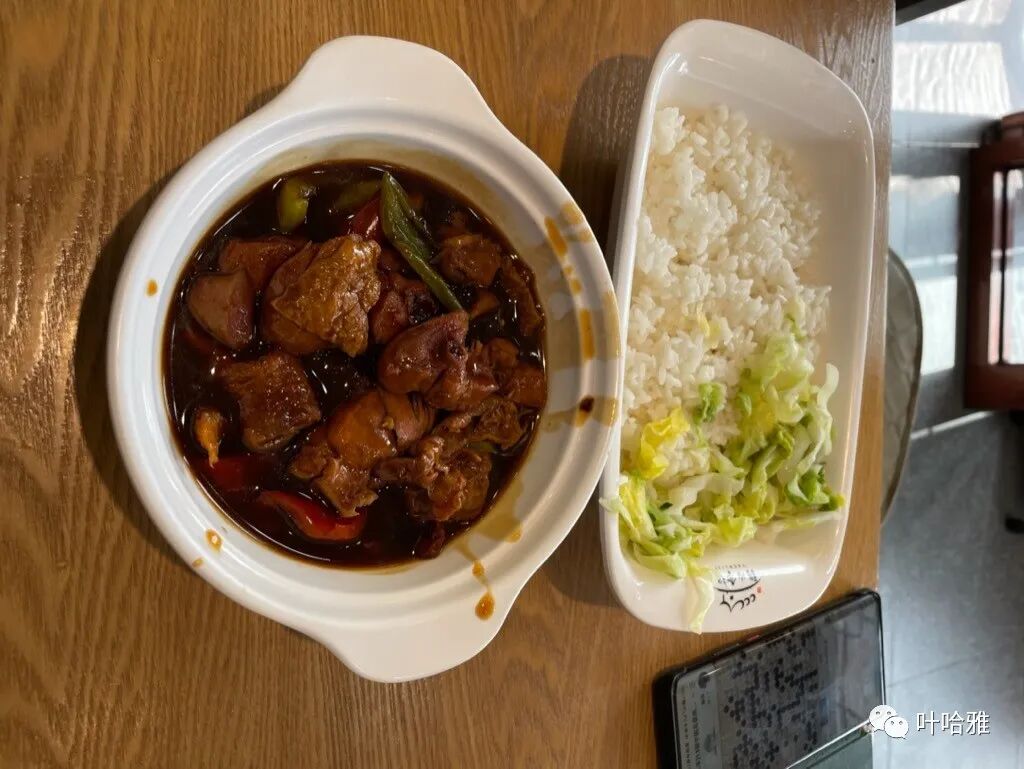
Braised chicken rice
Few ordinary restaurants make soybean paste noodles with much care, but this small shop puts effort into the vegetable toppings and provides a good variety. The only downside is that the noodles are not hand-rolled, so the texture is a bit lacking.
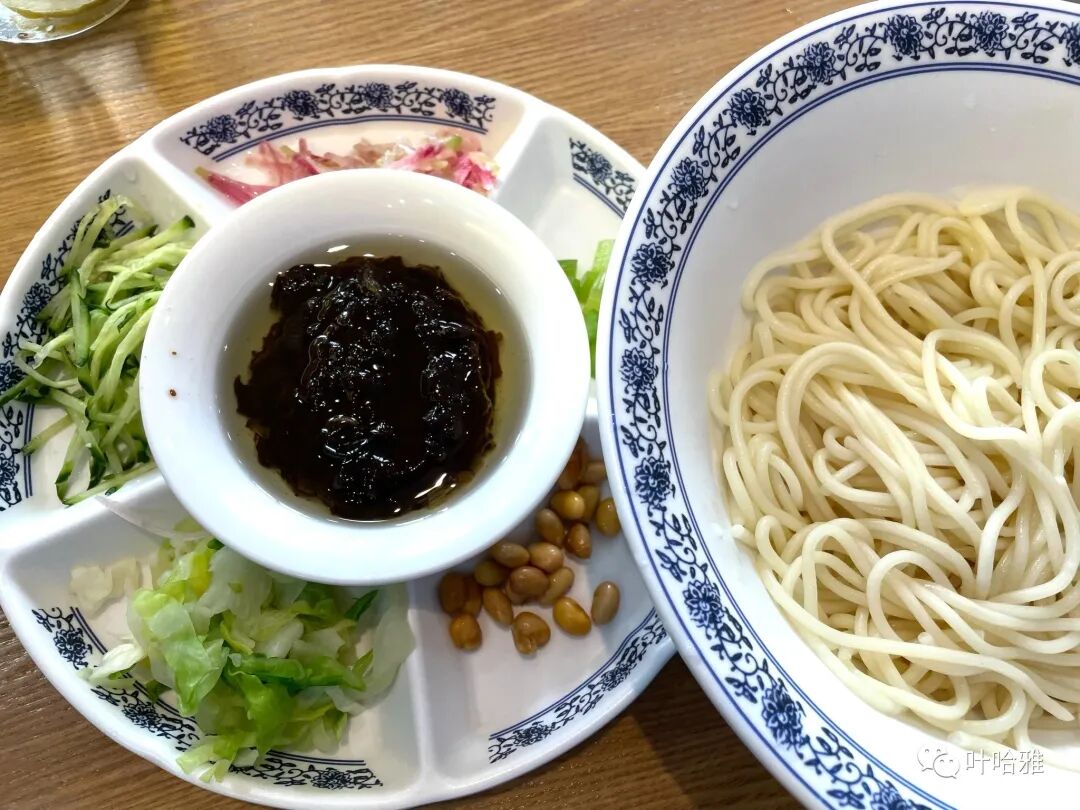
Soybean paste noodles (zhajiangmian)
3. Xiangqing Beef Ball Noodles
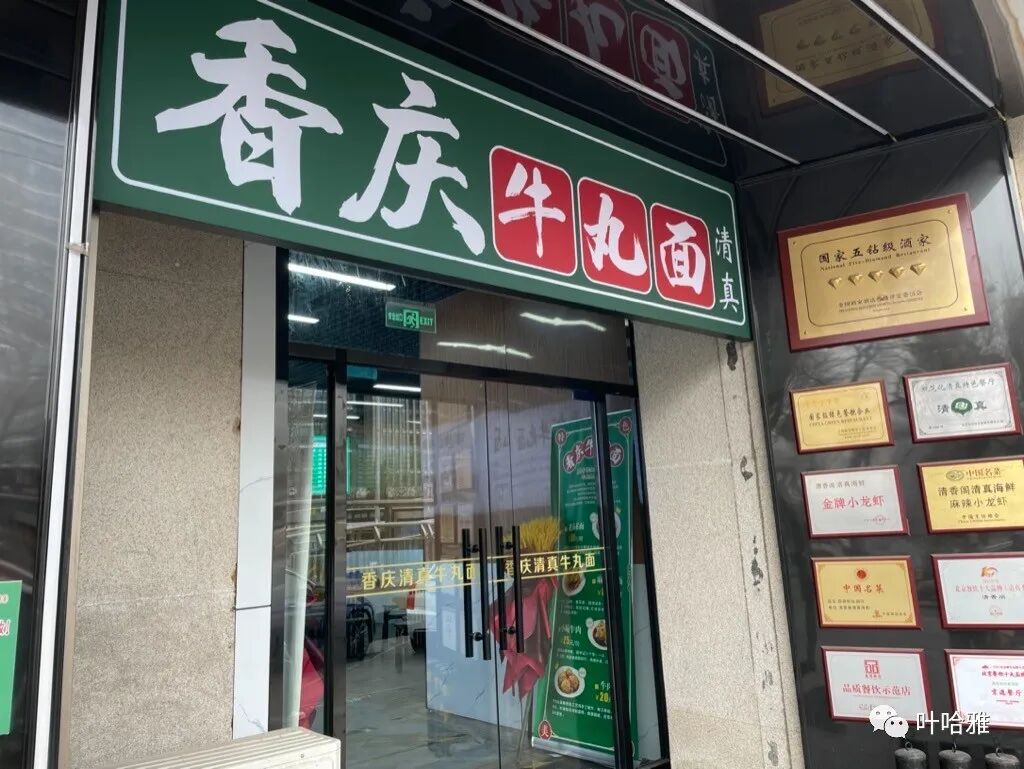
Xiangqing Beef Ball Noodles is a new brand at the Qingxiangge Tuanjiehu branch. This spot used to be Anhui beef flat noodles (banmian), but the sign has changed again.
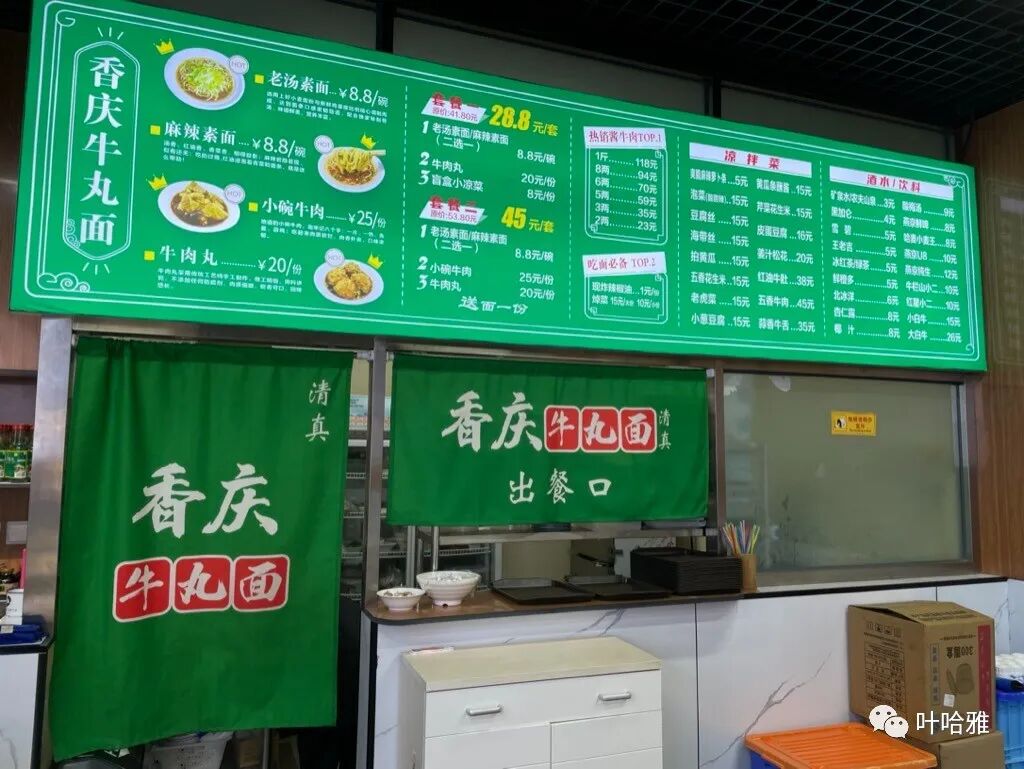
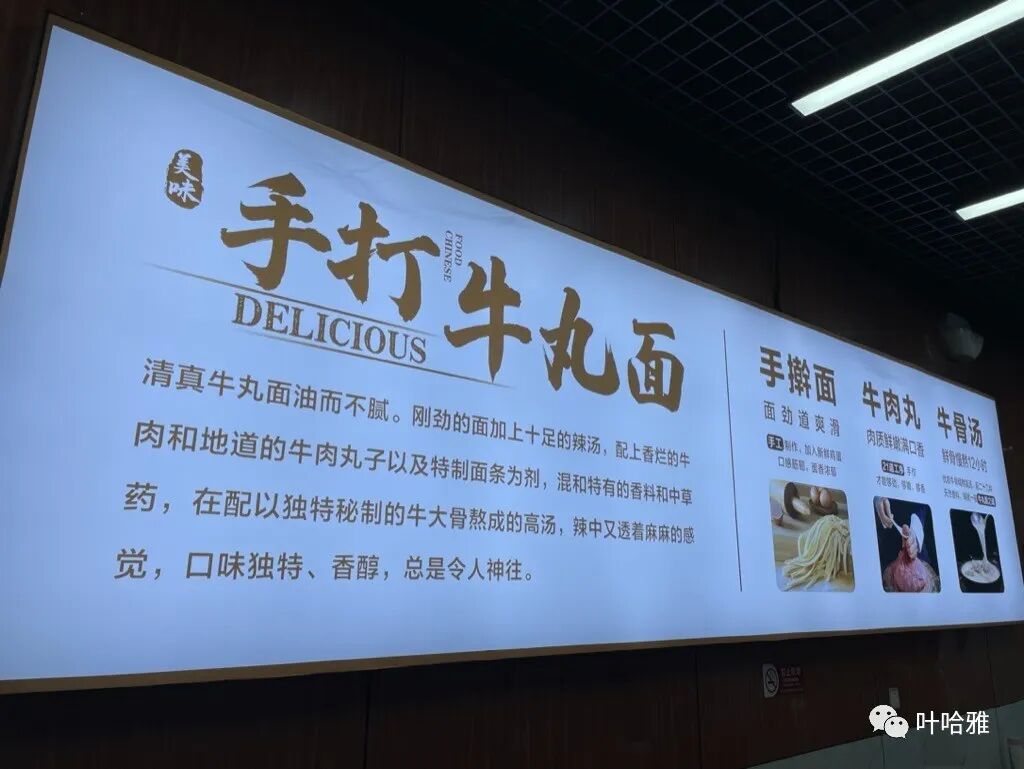
This noodle shop doesn't look like much from the outside, but the food is actually quite good. The spicy beef noodles with beef balls and a small bowl of beef are especially fragrant and affordable.
The small bowl of beef and the beef balls are stewed until very soft and tender, melting in your mouth with plenty of flavor.
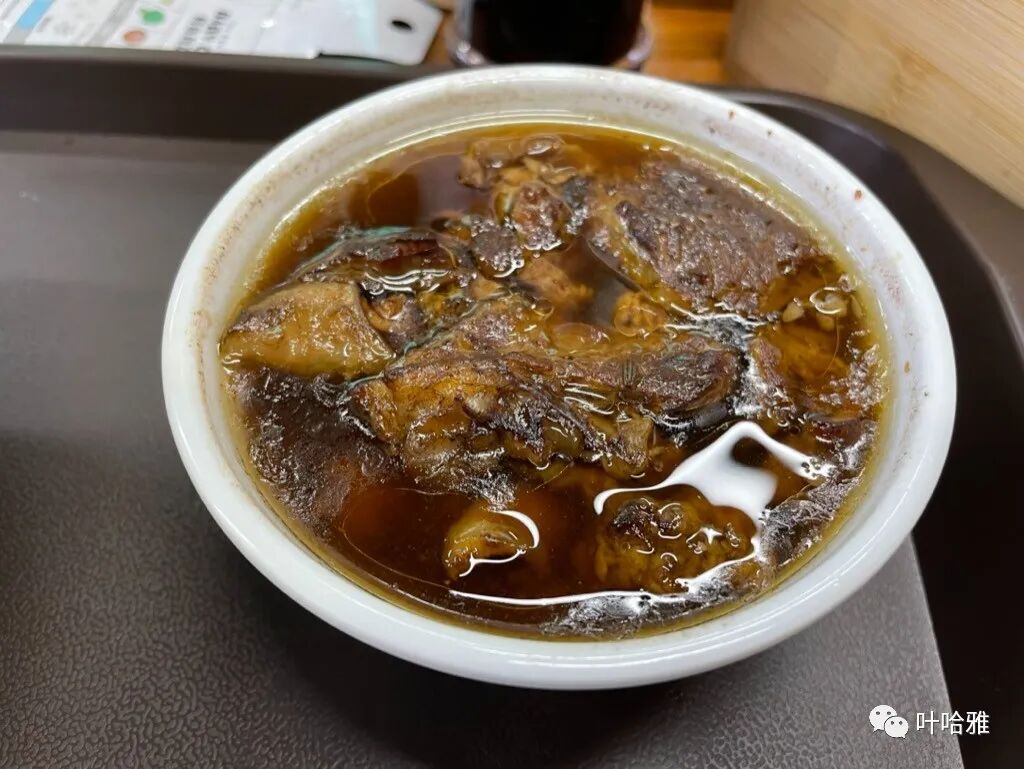
Small bowl of beef
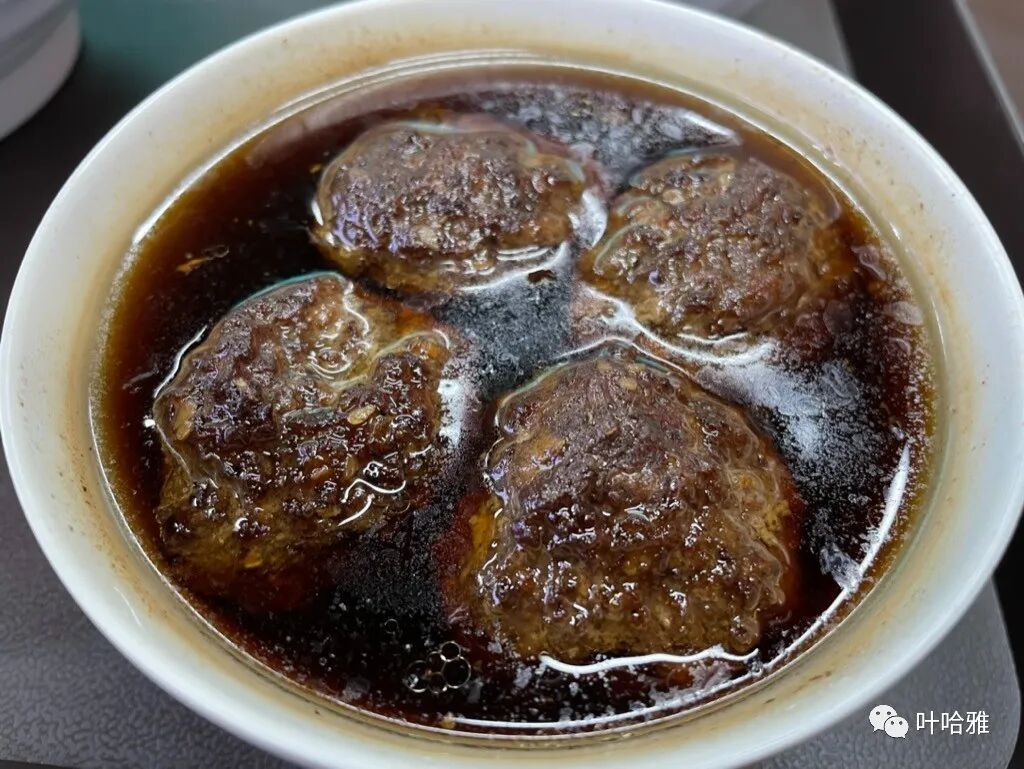
Beef balls
4. Annei Laoma Steamed Dumplings (Dongba Branch)
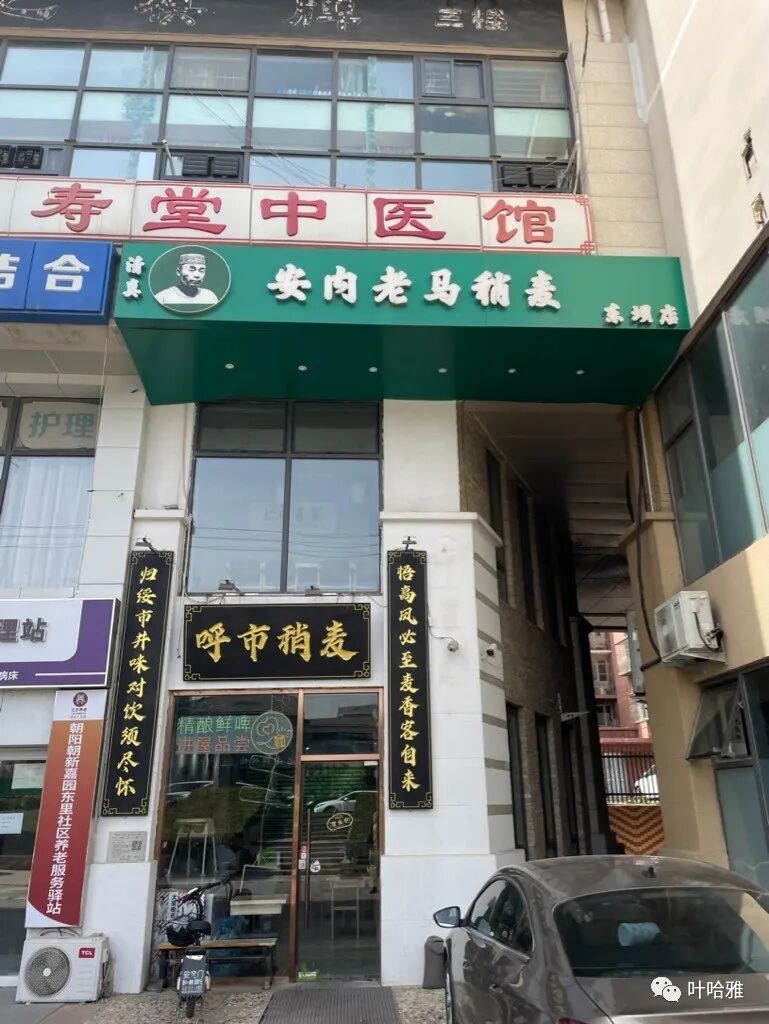
This is a branch of Annei Laoma Steamed Dumplings (shaomai) in Dongba. The menu is slightly different, and I think it tastes better than the main store.
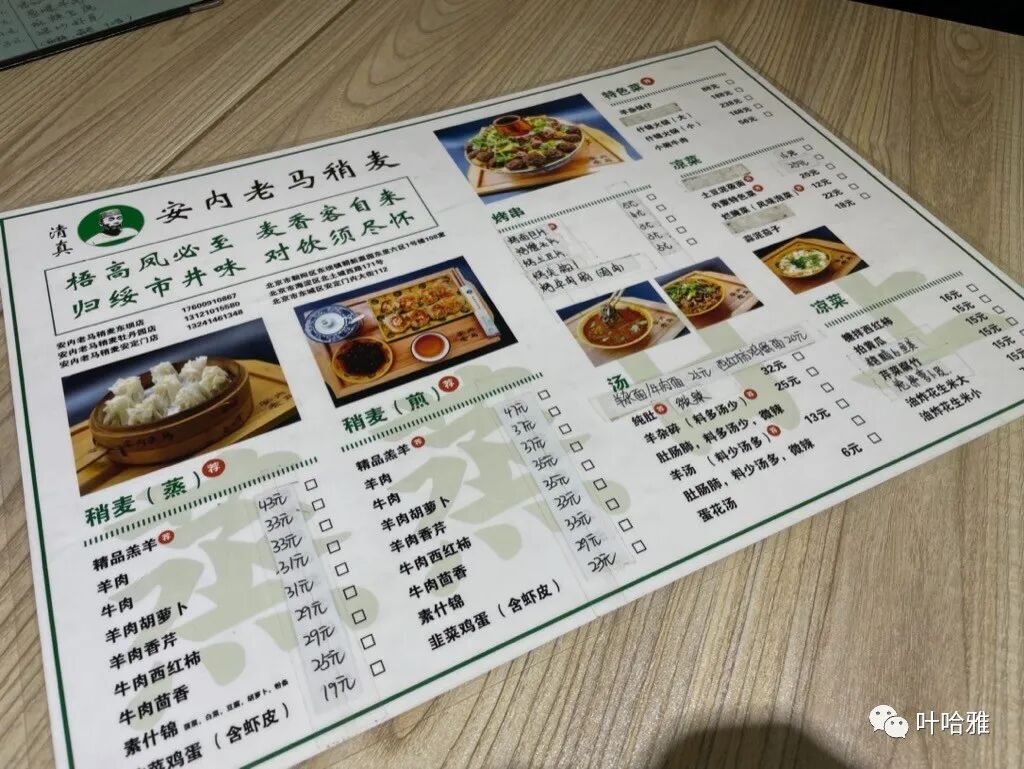
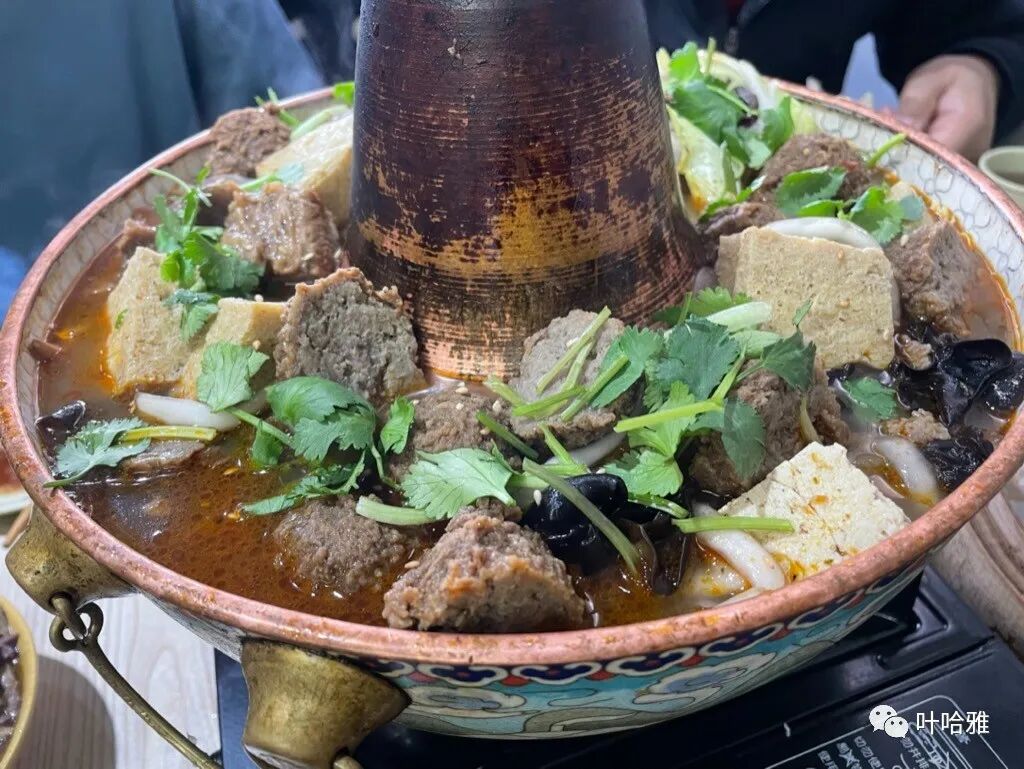
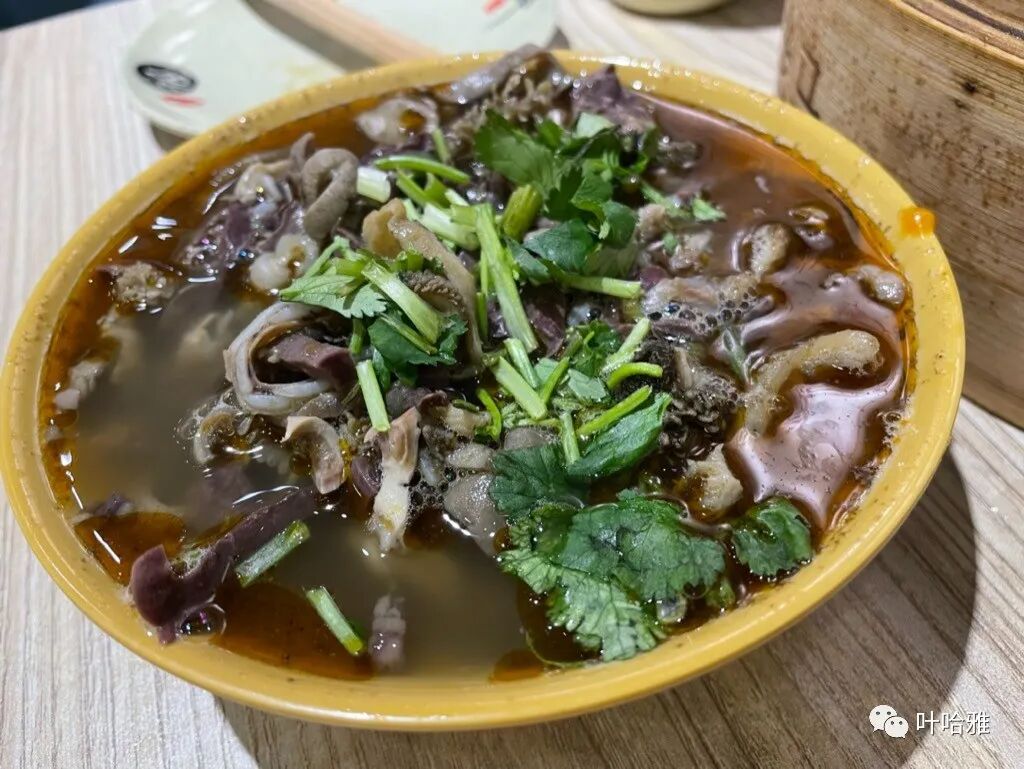
Besides the classic beef and lamb steamed dumplings, this branch serves Inner Mongolian-style lamb offal (yangza) and small hot pots, which the main store does not have.
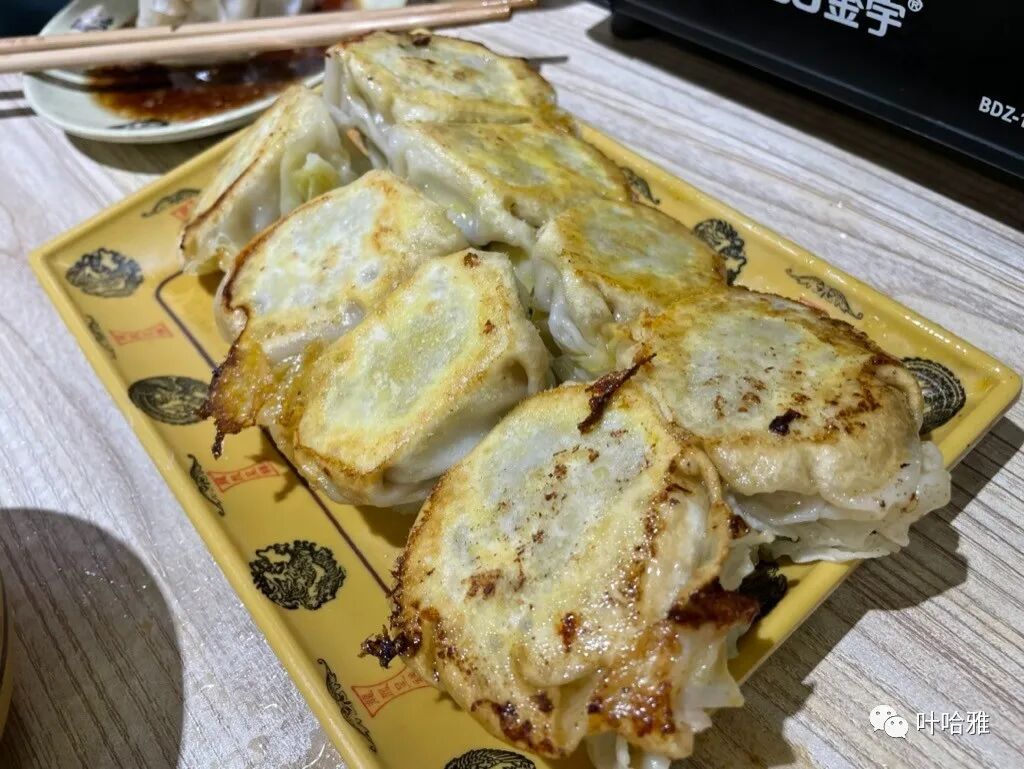
Pan-fried steamed dumplings (youjian shaomai)
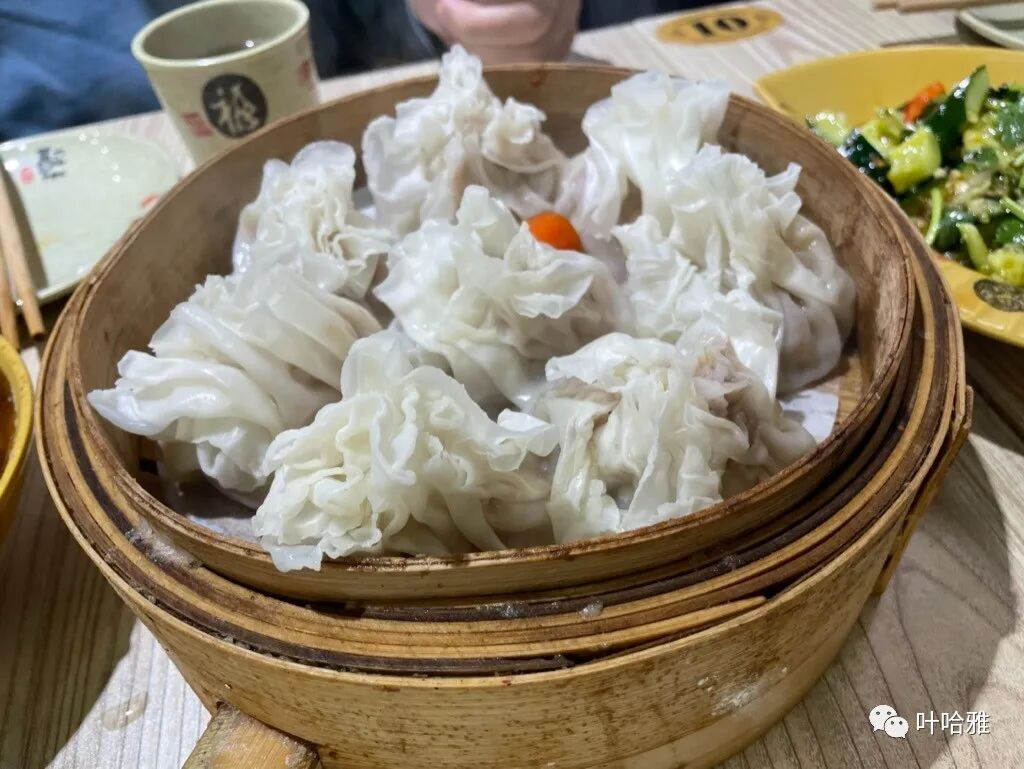
Their lamb offal is just the Inner Mongolian style I like. It comes in a full bowl with plenty of finely sliced tripe, just like what I ate in Inner Mongolia.
5. MULU
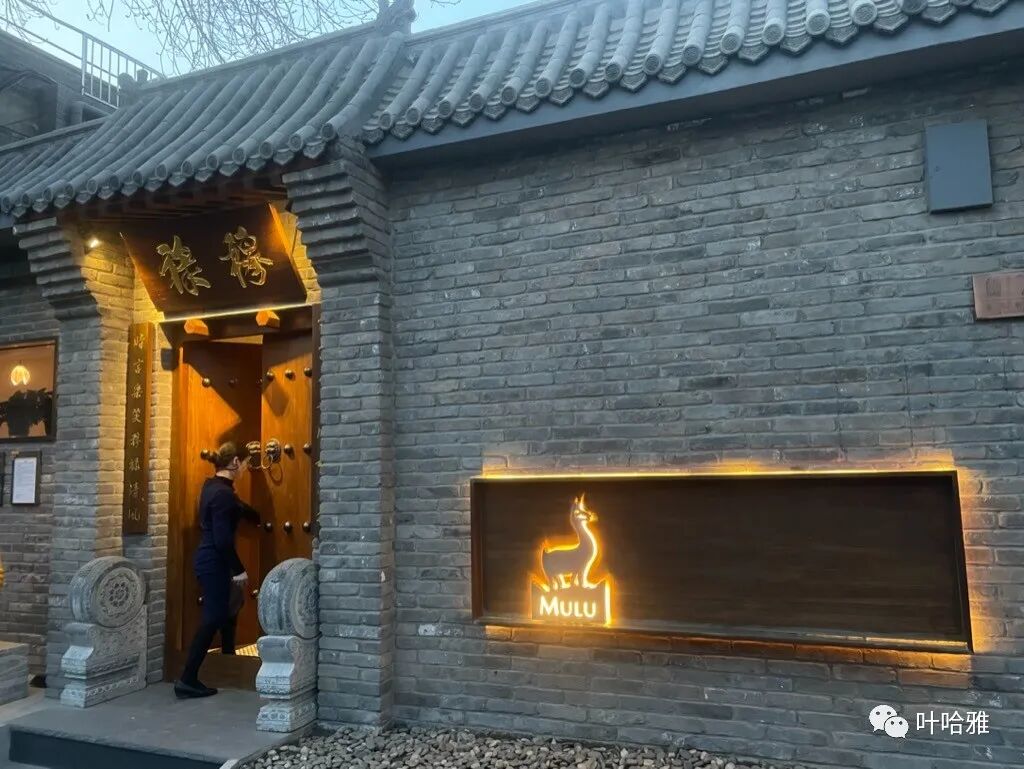
Mulu is a private Malaysian restaurant specializing in Southeast Asian flavors. It is the most expensive restaurant I have ever visited. You must book three days in advance and pay a deposit. They charge per person: 988 yuan for four main courses or 1488 yuan for six. They serve the dishes in order, just like a Western-style meal.
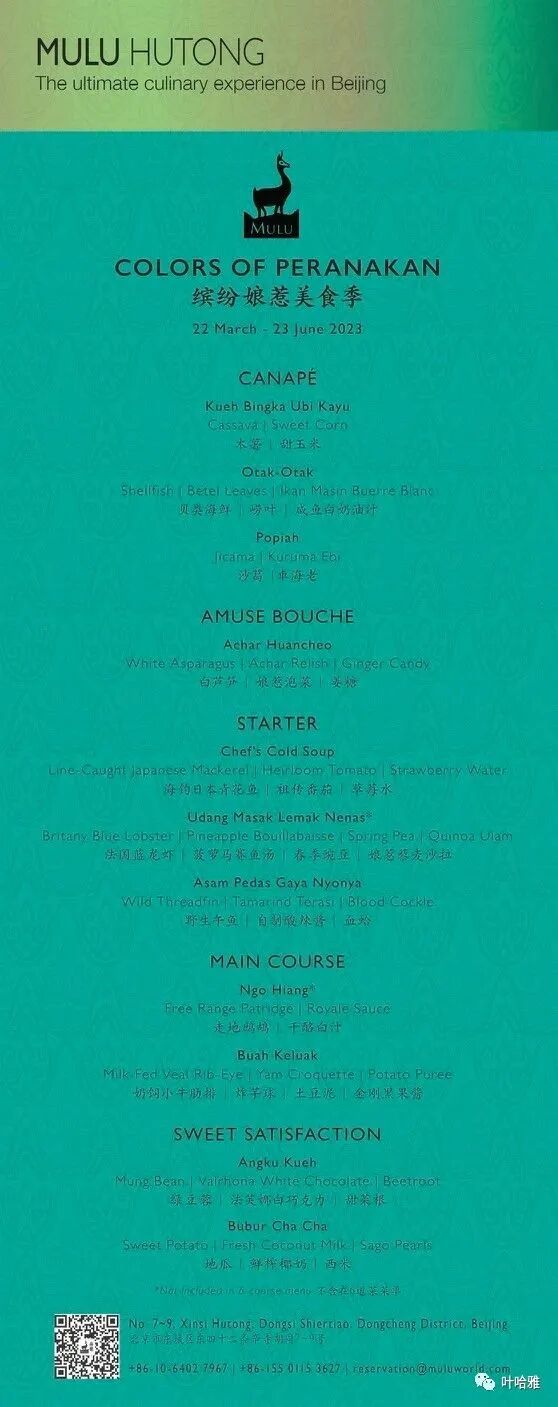
The menu for Monday through Friday.
The restaurant is located in a hutong in the Dongcheng District. You need a reservation. The owner and head chef is a Malaysian Chinese person who mainly provides custom catering for various Southeast Asian embassies. Because of this, the ingredients are guaranteed to be halal, and the chef showed me where they come from.
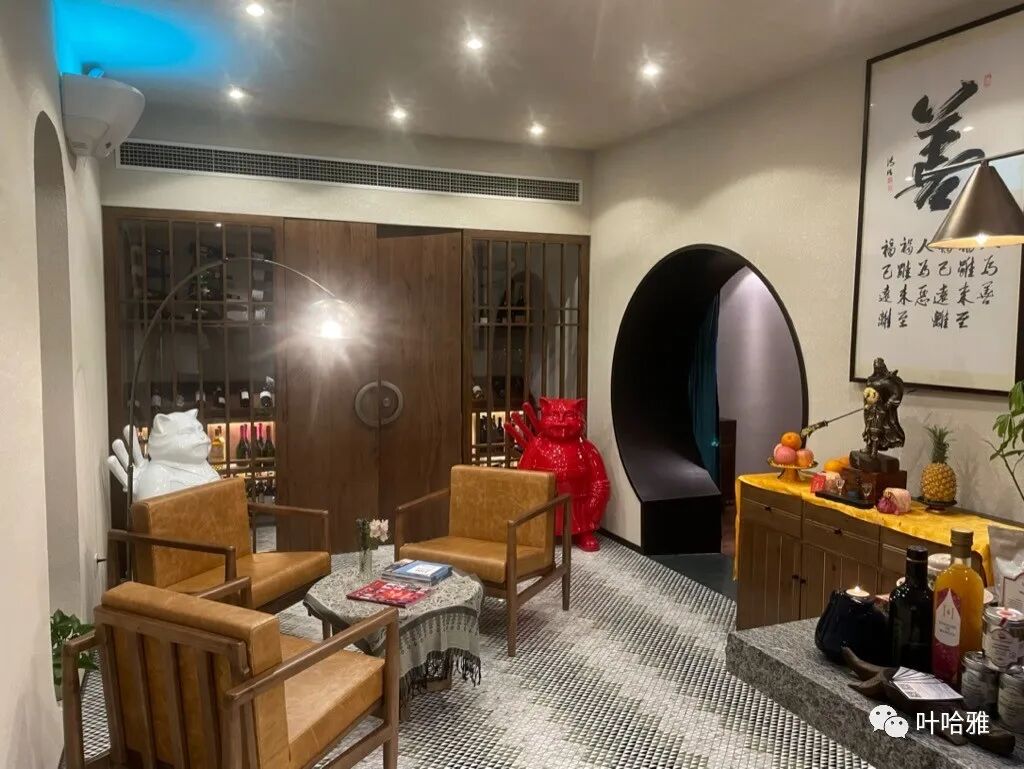
It is a private kitchen with a very intimate atmosphere. The only downside is that parking is difficult. There is only one parking space, and you need good driving skills to navigate a car into the hutong.
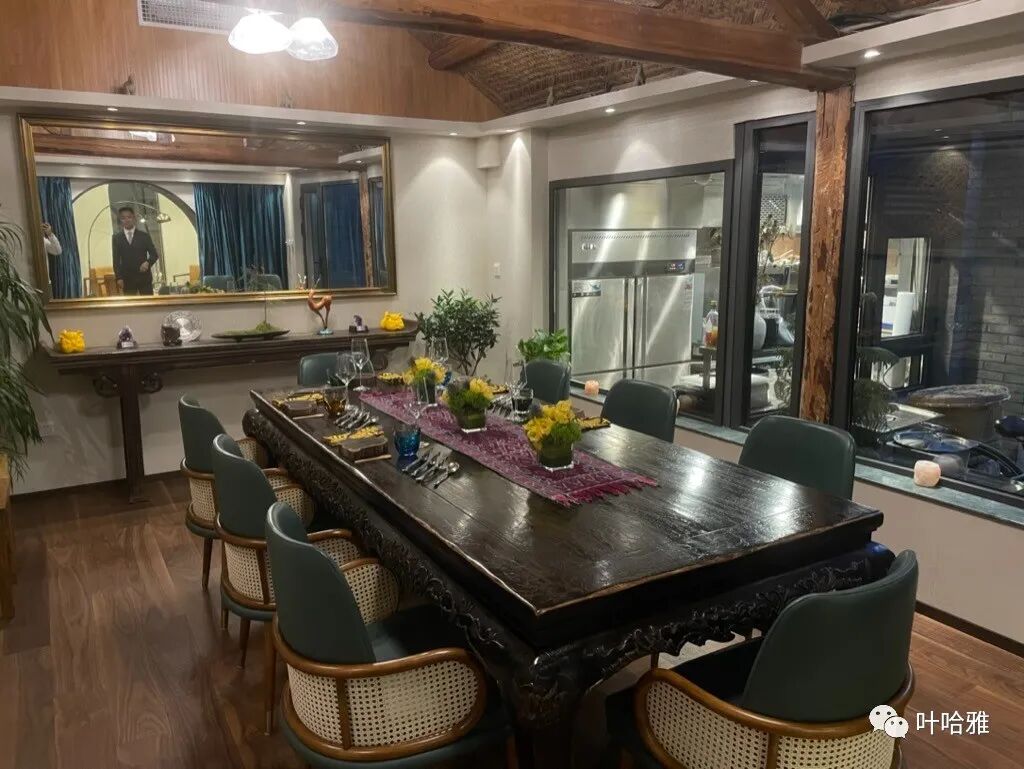
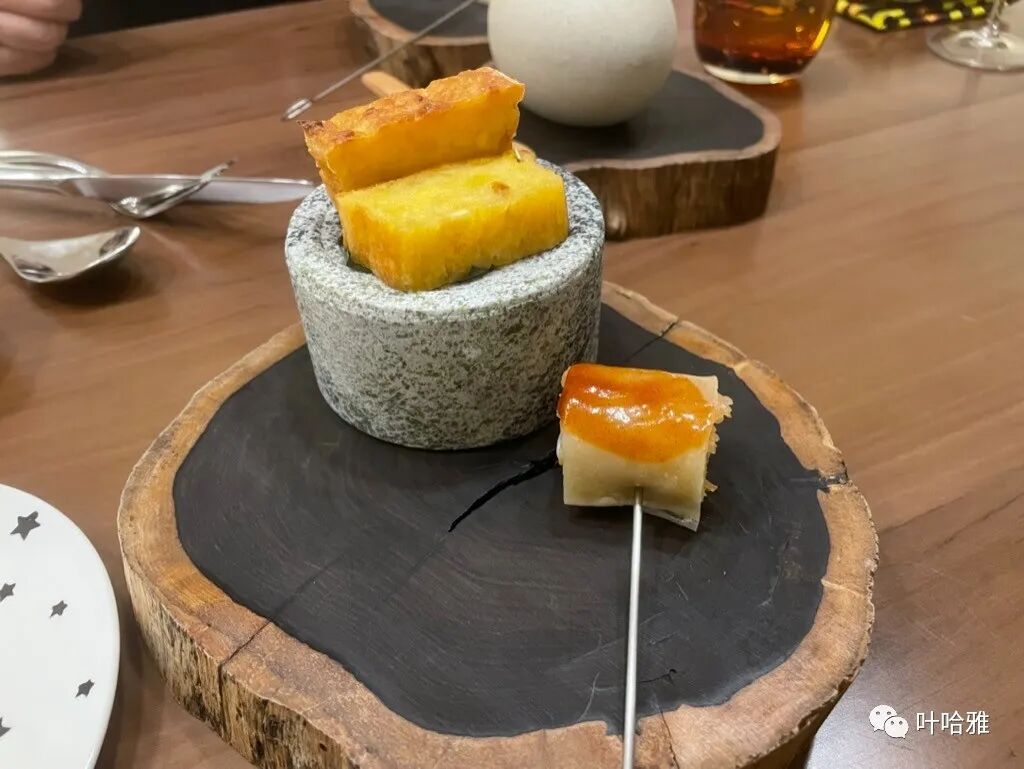
Before serving each dish, the chef explains the ingredients and the cooking process. Every guest gets an individual portion, and the chef brings out the raw ingredients to show us.
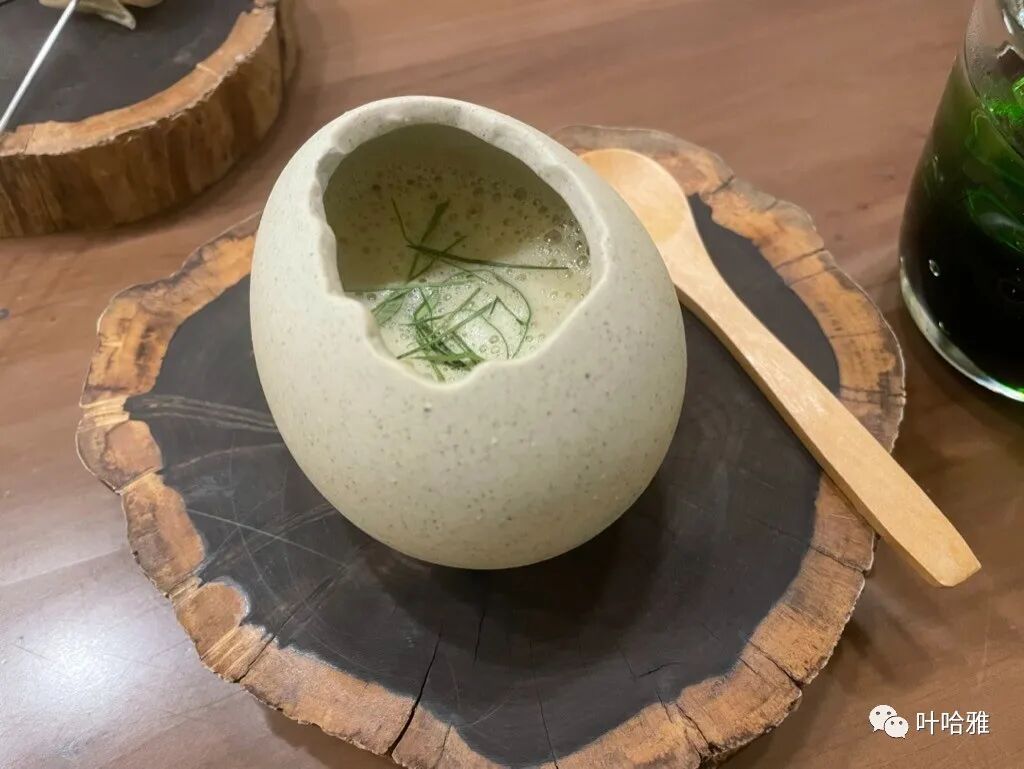
The portions are small. I can finish one in two or three bites, but it is perfect for women who want to eat elegantly and savor the flavors.
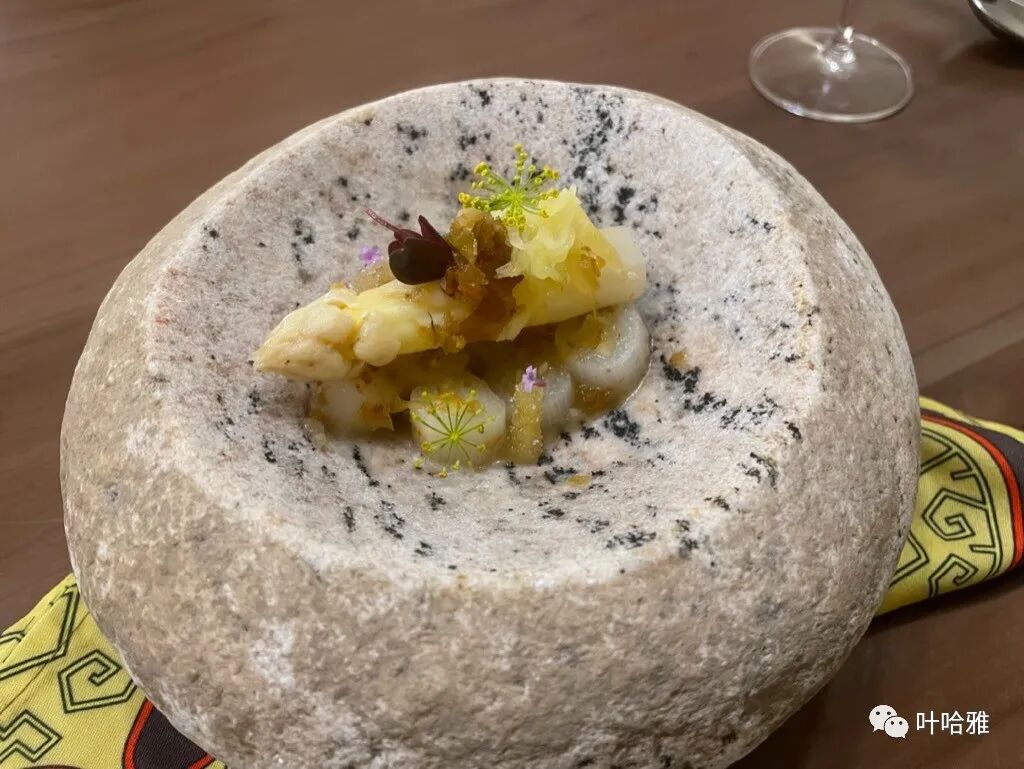
The Friday menu features Nyonya cuisine. Nyonya is another name for Malaysian Chinese people. It is very rare to find a halal version of this in Beijing.
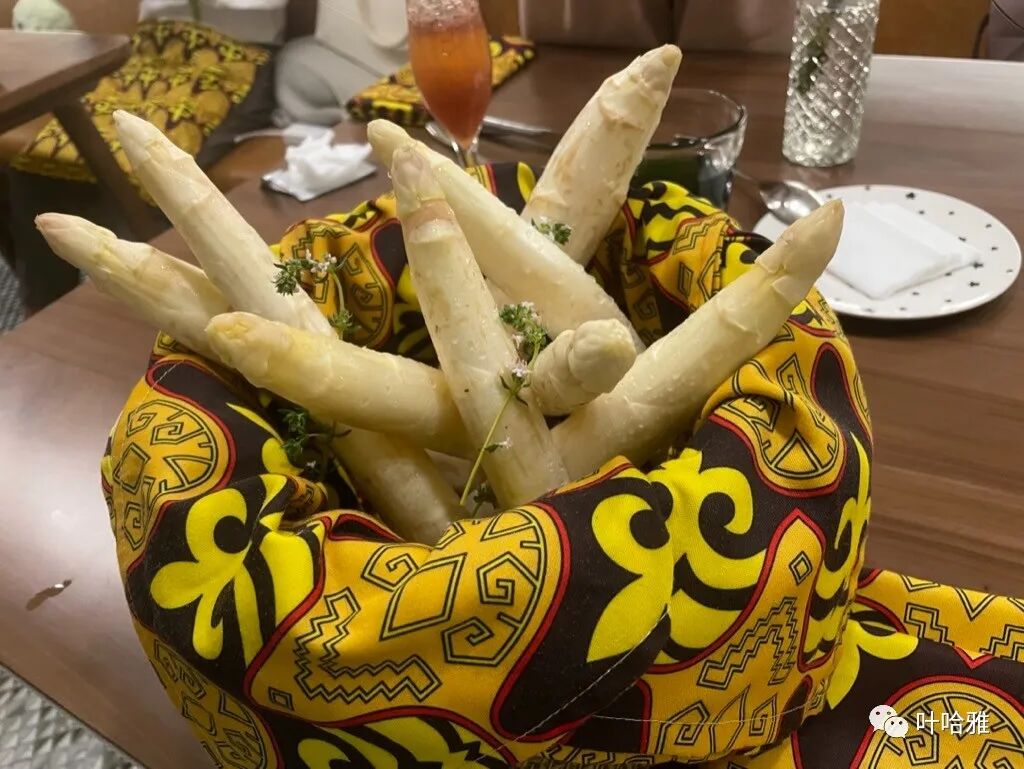
This is the white asparagus the chef showed us. You rarely see this in a regular market.
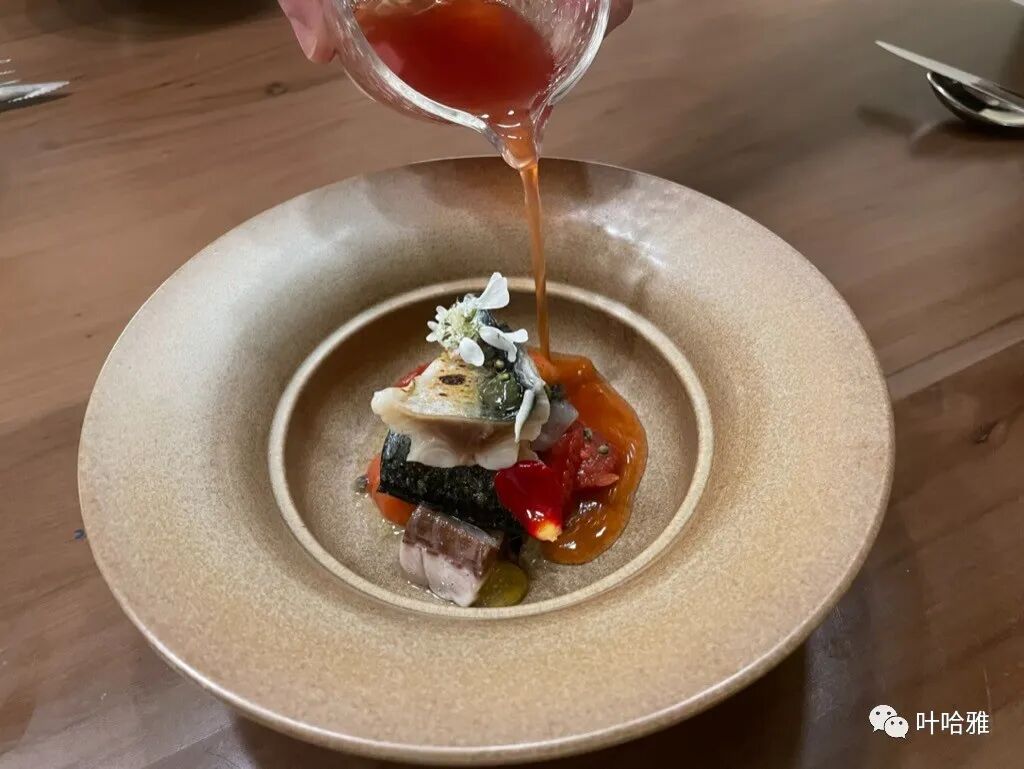
To improve the taste, the chef adds sauce to some dishes right at the table.
The creamy veal ribs have a strong milky aroma and are tender and juicy. There is no denying that their ingredients are very fresh.
This turtle-shell-shaped dessert is made from beetroot and has a soft, chewy texture.
A small serving of sago dessert (ximilu) comes in a stone pot. The pot feels ice-cold to the touch, and the dessert is refreshing, sweet, and cool.
6. Dexiangshun Halal Restaurant
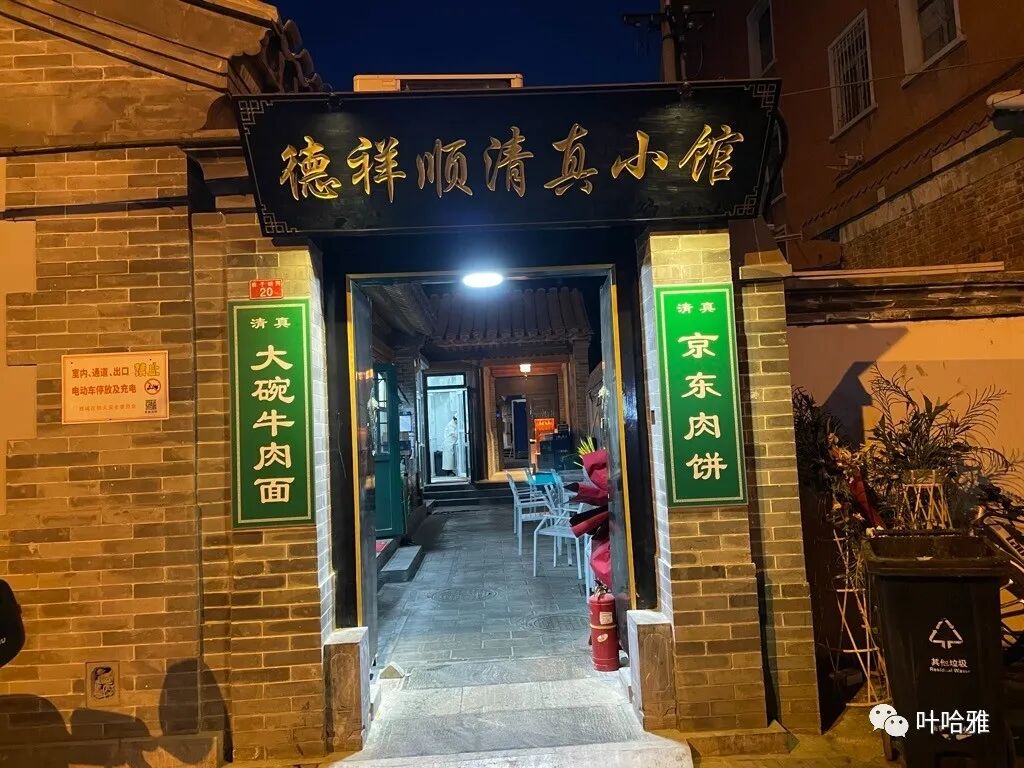
This new little restaurant on Jiaozihutong in Niujie looks plain from the outside, but the stir-fried dishes are quite tasty.
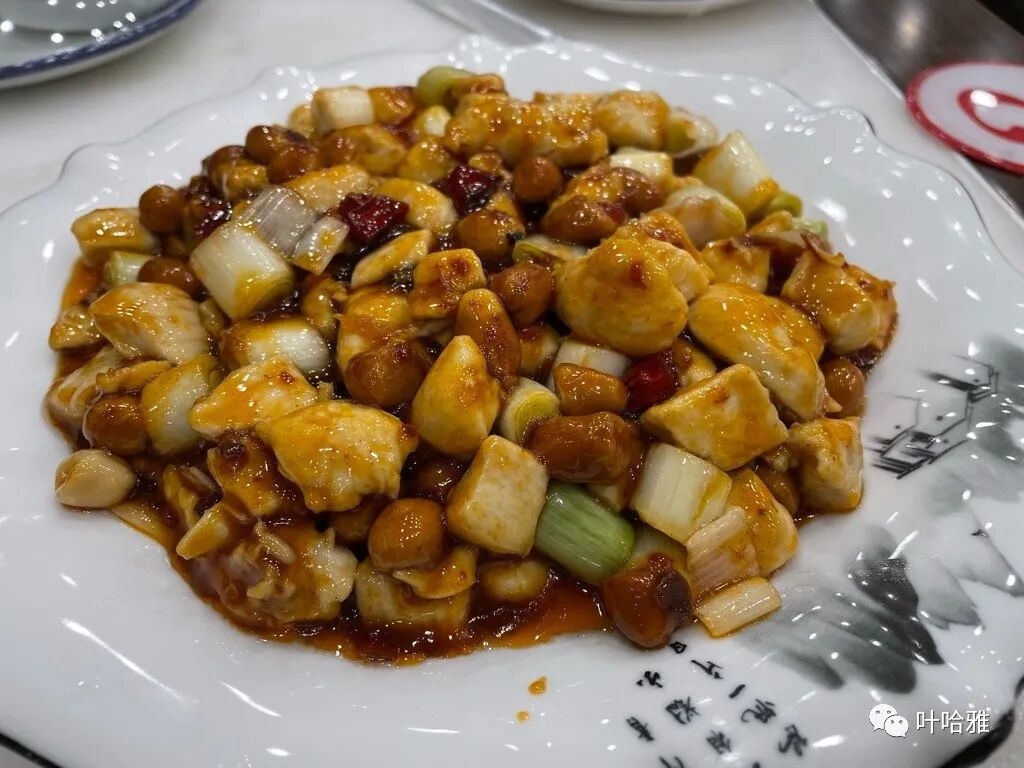
The kung pao chicken (gongbao jiding) is a standout. It tastes just like the version I had as a kid and goes perfectly with rice.
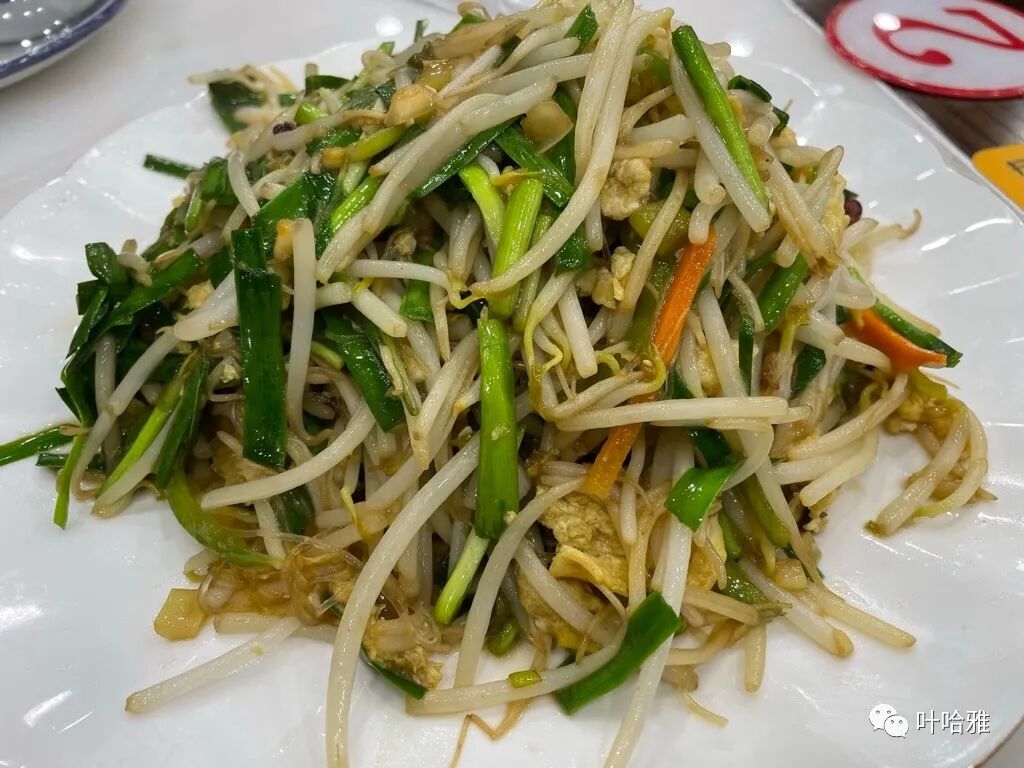
The stir-fried mixed vegetables (chaohecai) are also good. They have some off-menu items too, like the braised eggplant (shaoqiezi), which is delicious.
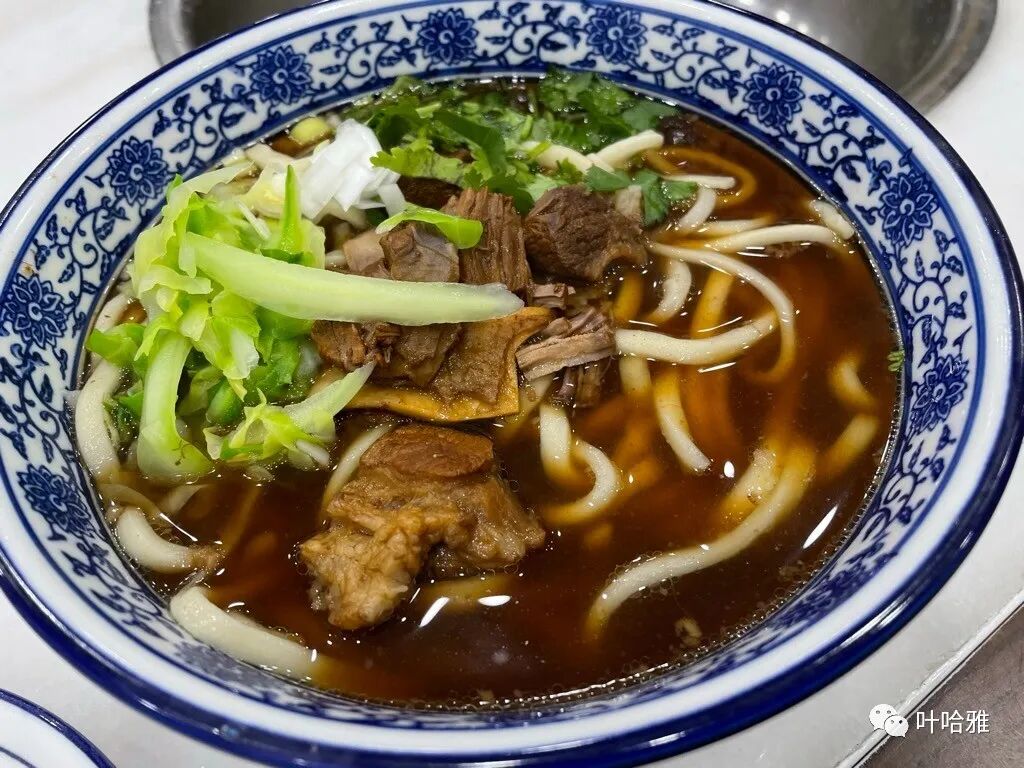
We tried almost everything on the menu and didn't find a single bad dish. It cost three of us less than 100 yuan, making it a great value.
7. 99th Arabic Barbecue
This shop is on the basement level of Euro Plaza in Shunyi. Even though it is called Arabic Barbecue, it has nothing to do with Arabia; it is run by Hui Muslims from Beijing.
The owner is also preparing a music barbecue restaurant next door, but it has not opened yet.
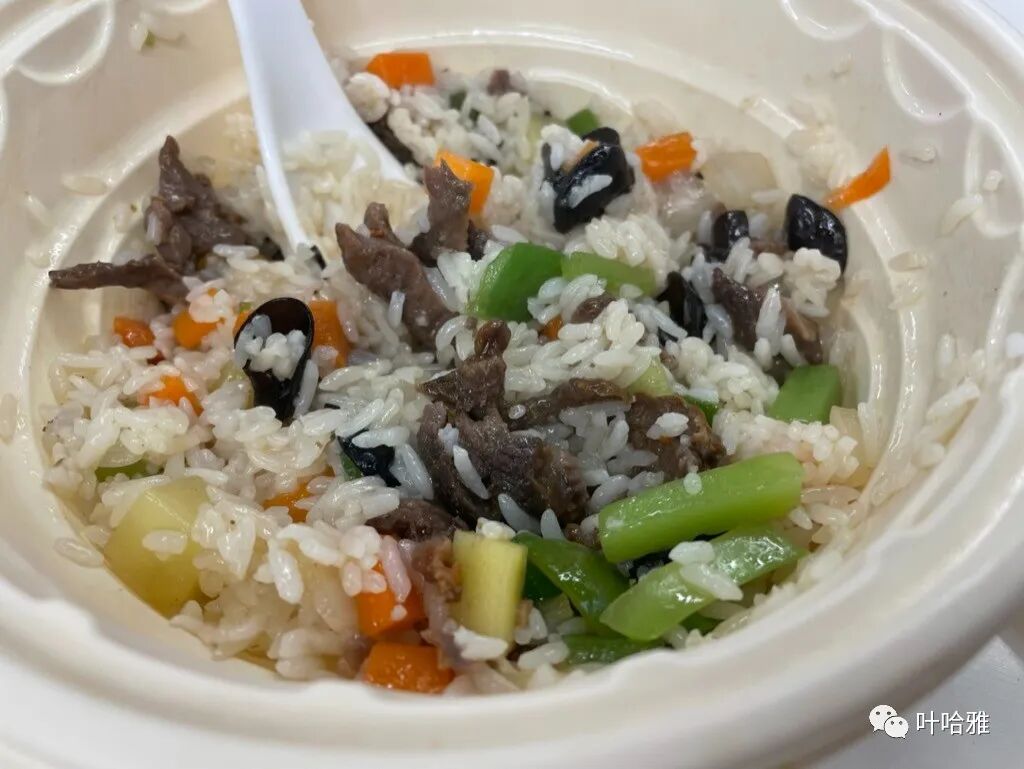
Their barbecue rice is really just a mixed rice bowl and has nothing to do with Arabic pilaf (zhuafan), but it tastes okay.
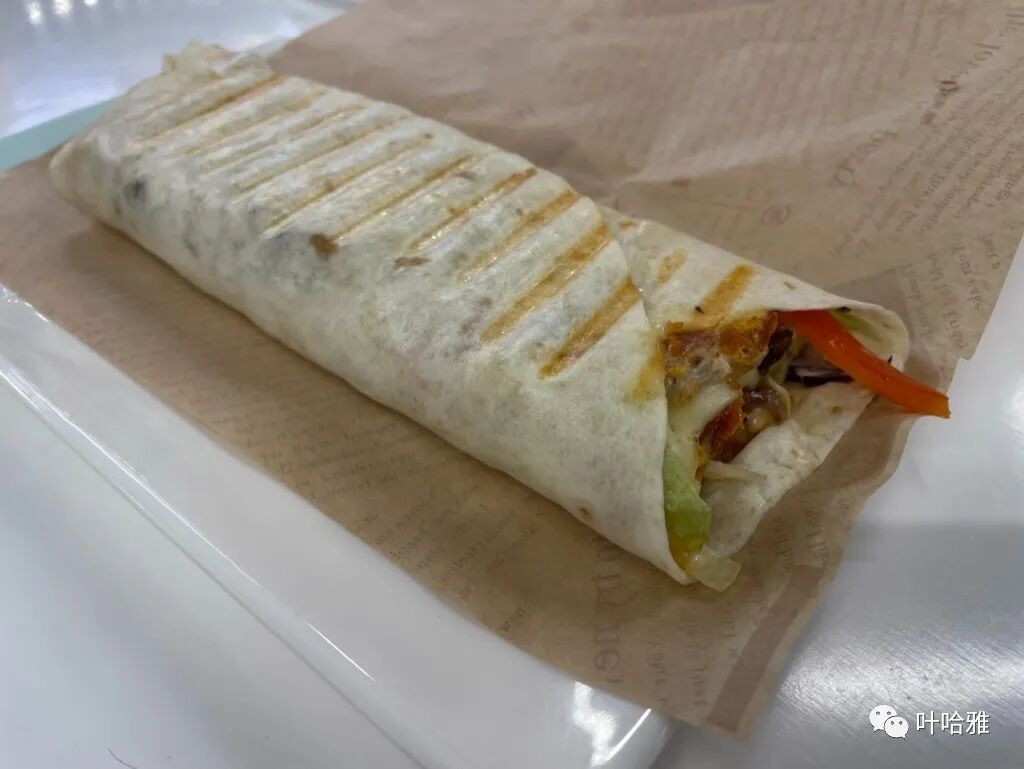
The barbecue wrap has a hint of Middle Eastern shawarma, but it still leans more toward a Chinese style.
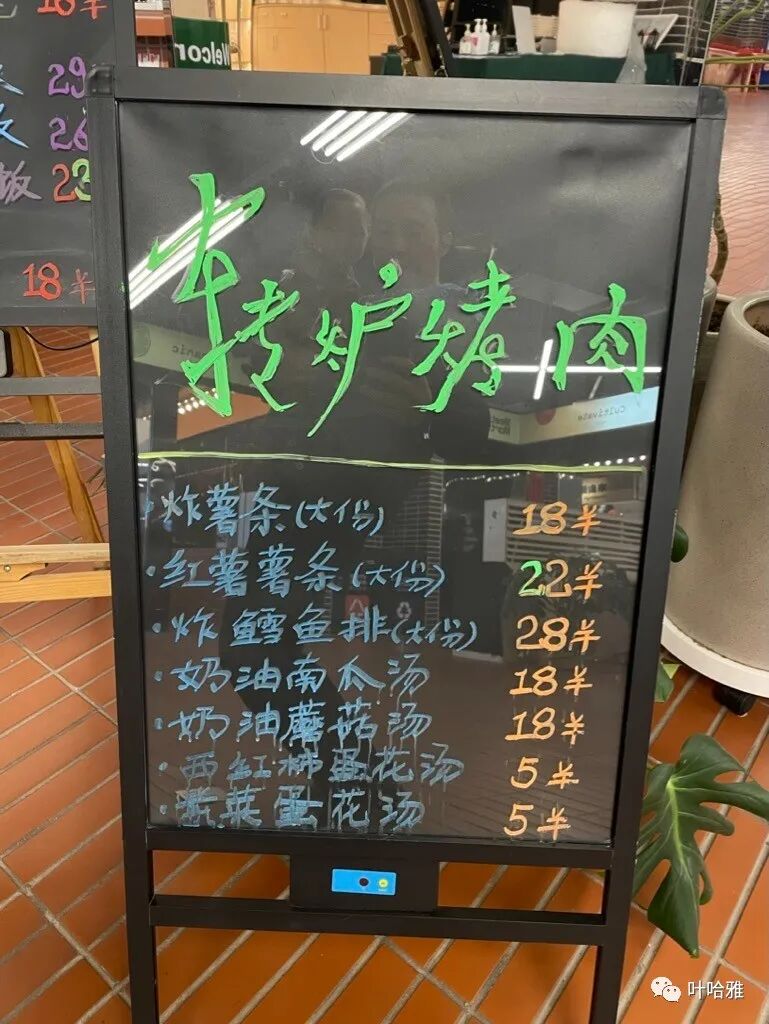
This is the only halal shop on the basement level of Euro Plaza. I chatted with the manager and offered some suggestions for improvement.
8. Dastaan Indian Restaurant
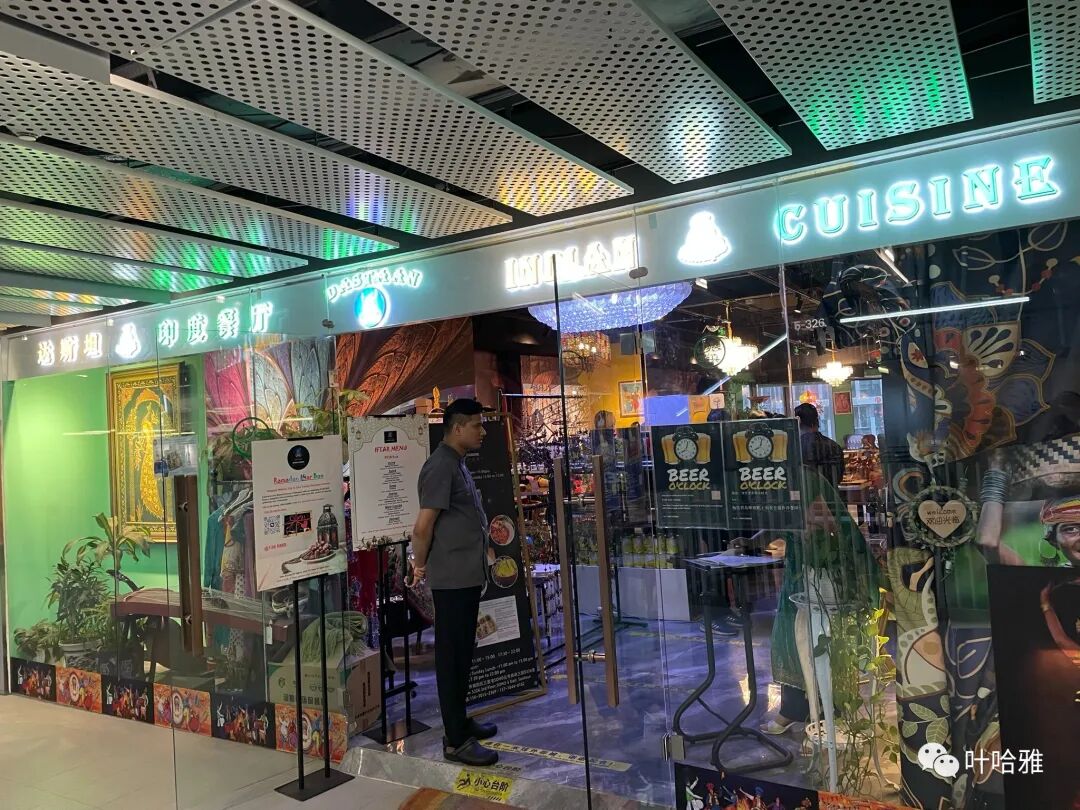
A South Asian restaurant opened on the third floor of Sanlitun SOHO Mall Building 5. The chef and servers are from Bangladesh. This year, April 14th was both Jumu'ah and the Bengali New Year. The restaurant prepared a special buffet for 248 yuan per person, featuring Bengali dishes and South Asian snacks, available only on that day.
These are Bengali-style mixed vegetable fritters. The fried bitter melon was very unique, and the thin crispy cracker on top was truly thin, crunchy, and delicious.
Phuchka (panipuri)
This snack of crispy balls filled with sour soup is panipuri, which appeared in the Indian movie Dangal. It is found in India, Pakistan, and Bangladesh. You must eat these balls immediately after they are filled with the soup, or they will get soggy and lose their texture.
The Bengali server wearing a turban only speaks English.
Three types of pilaf served with roasted chicken or beef are among my favorite South Asian foods.
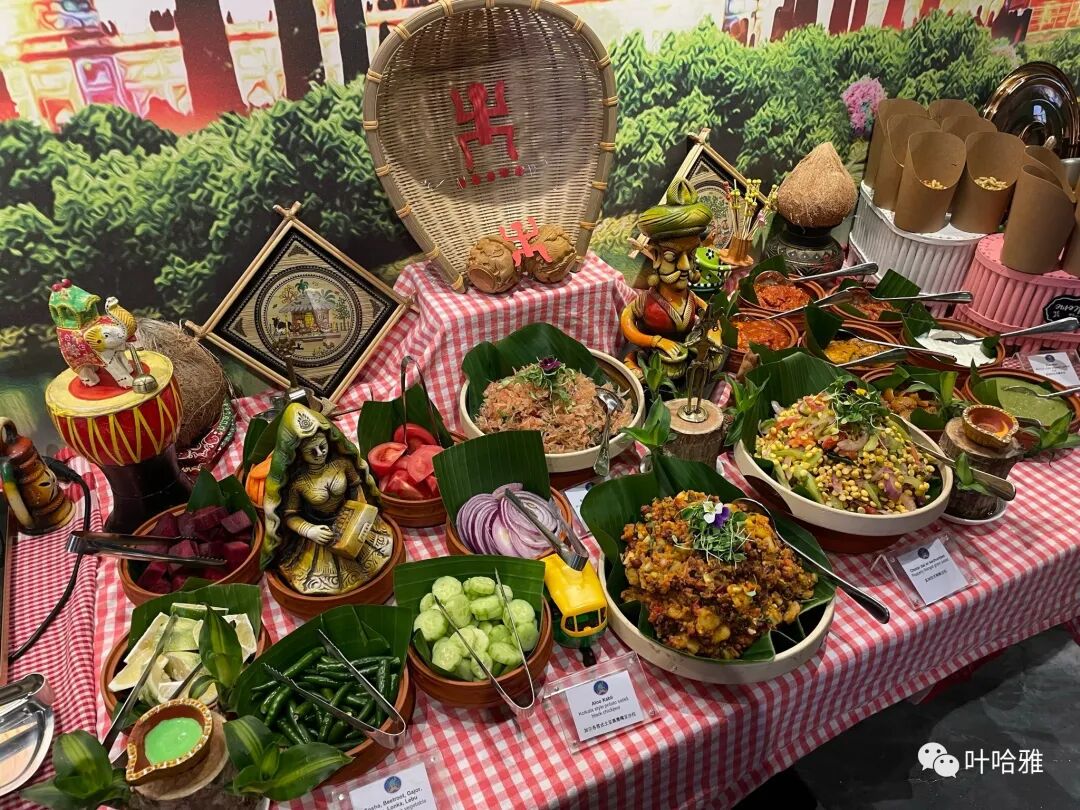
South Asian style salads include Kolkata-style potato and black chickpea salad and Bengali-style chili salad. Be warned, the chili is very spicy and I could barely handle it.
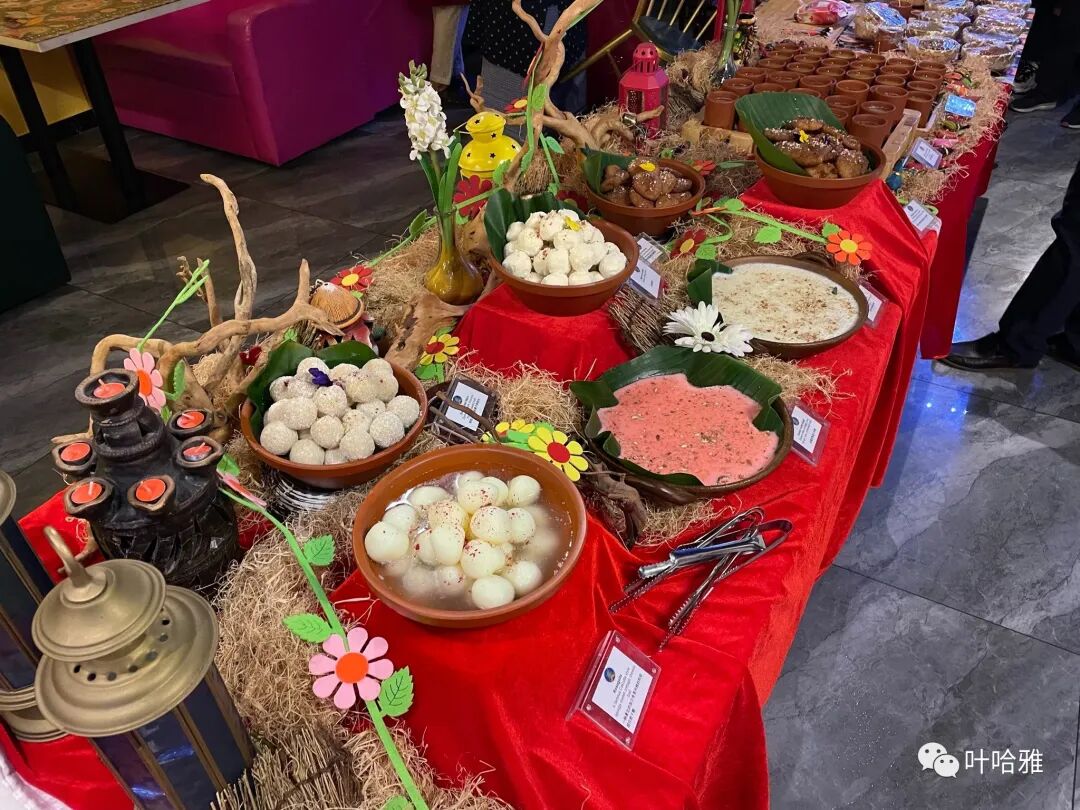
Kolkata soft white cheese, rose and nut sweet millet porridge, semolina with coconut-flavored sweet balls, and traditional Bengali rice porridge.
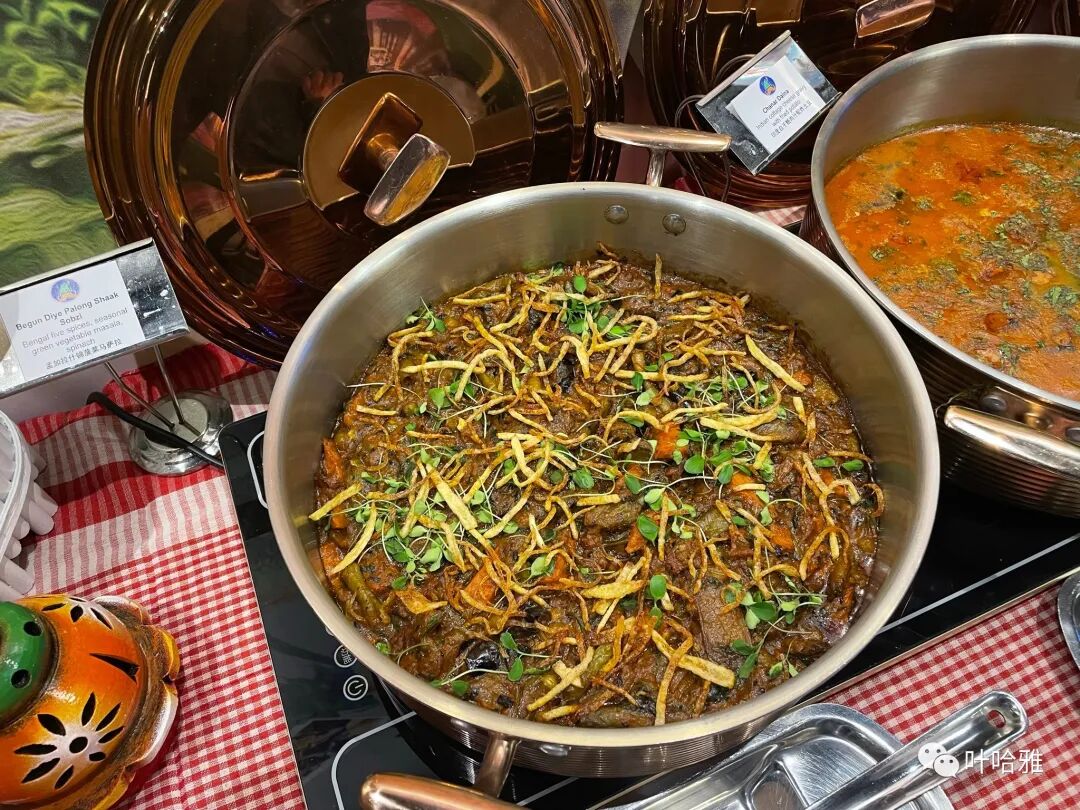
Bengali-style mixed spinach masala
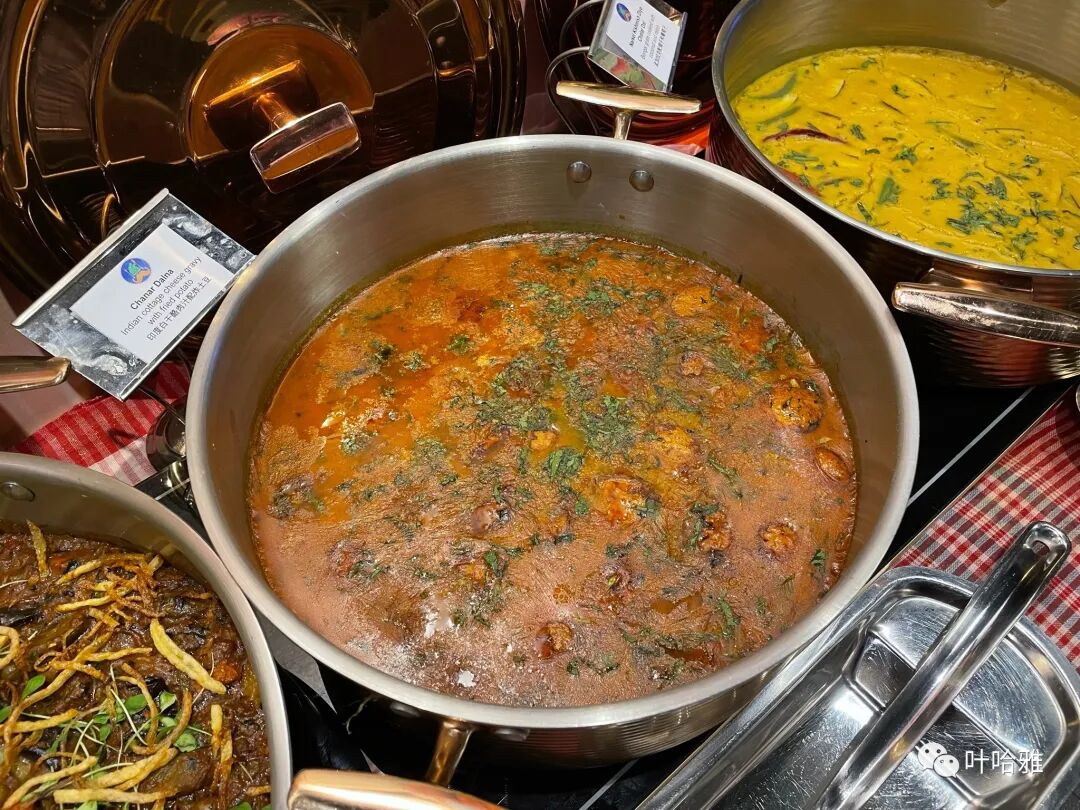
Indian white cheese chicken gravy with fried potatoes
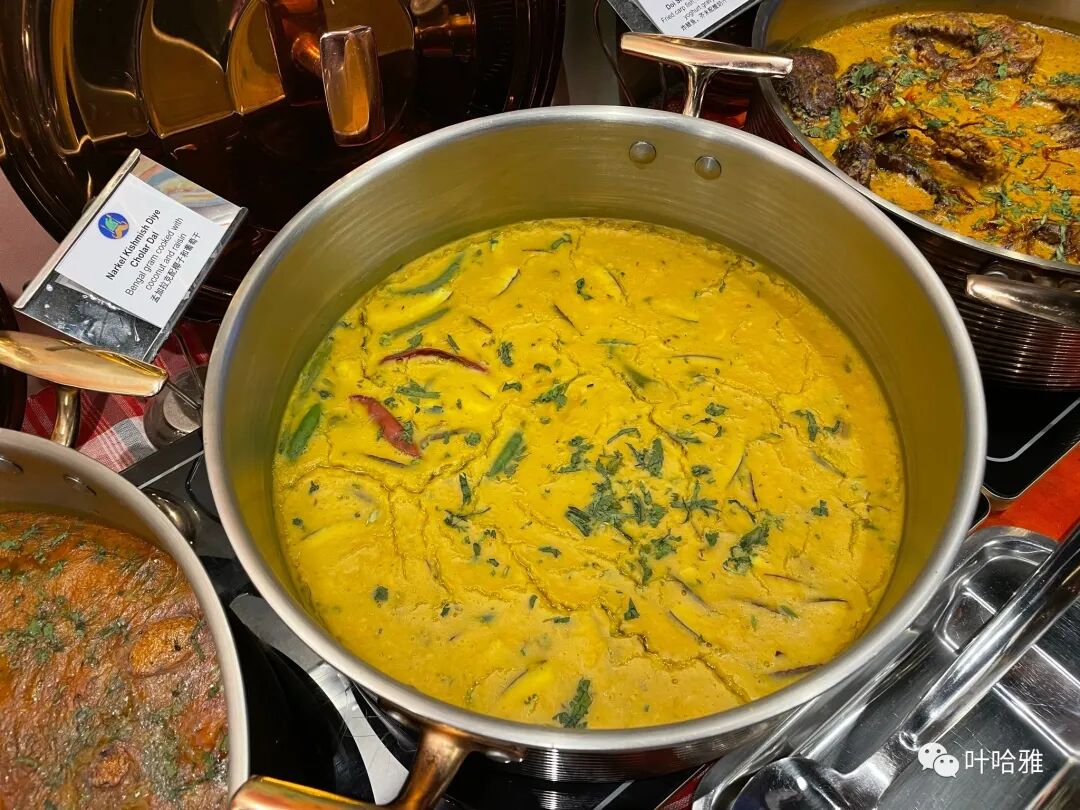
Bengali-style with coconut and raisins
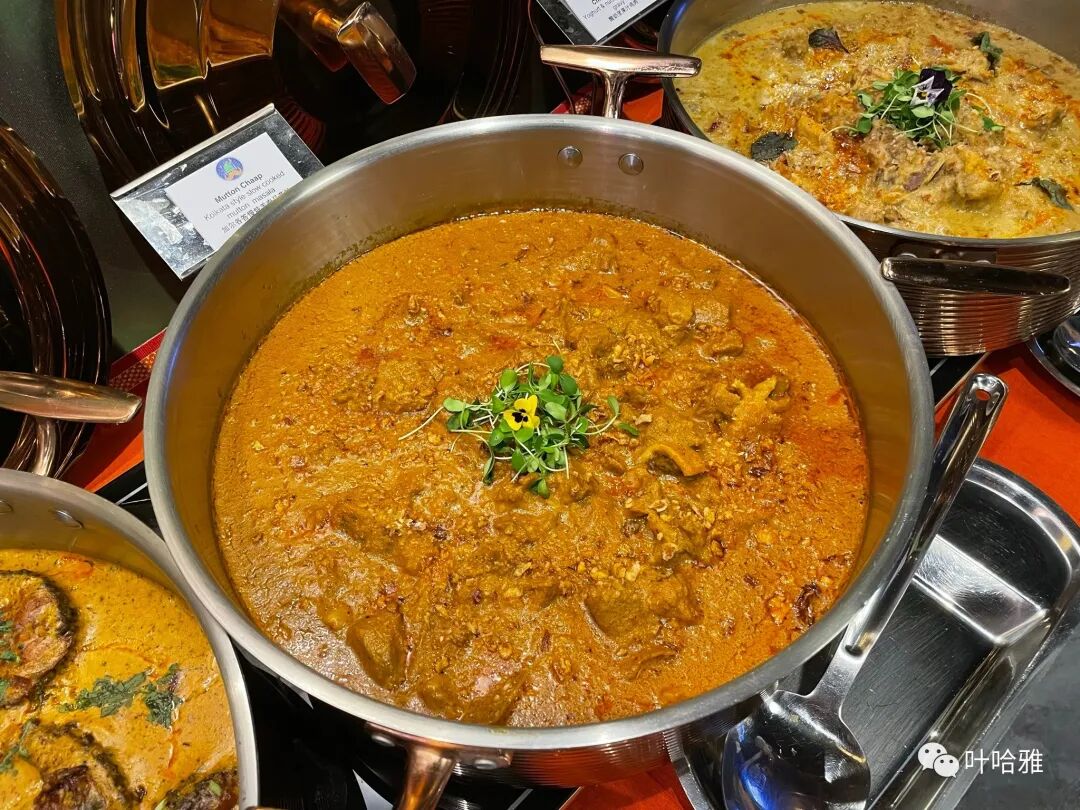
Kolkata slow-cooked lamb masala
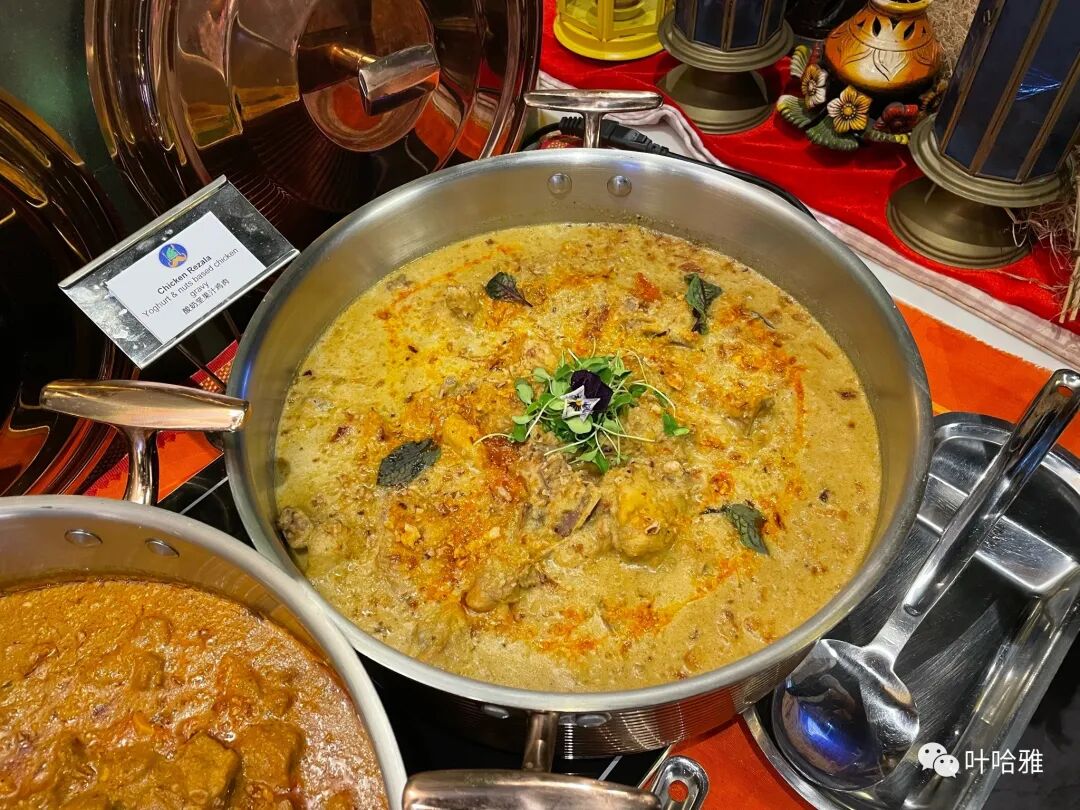
Yogurt and nut sauce chicken
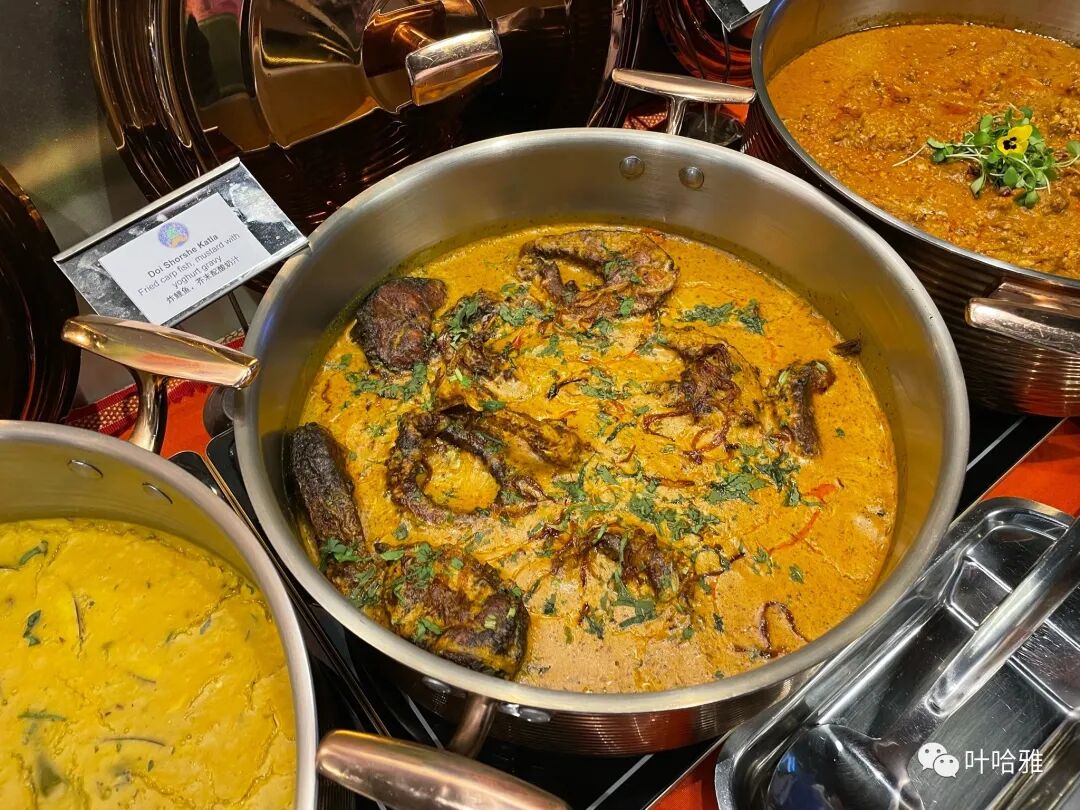
Fried carp with mustard and yogurt sauce
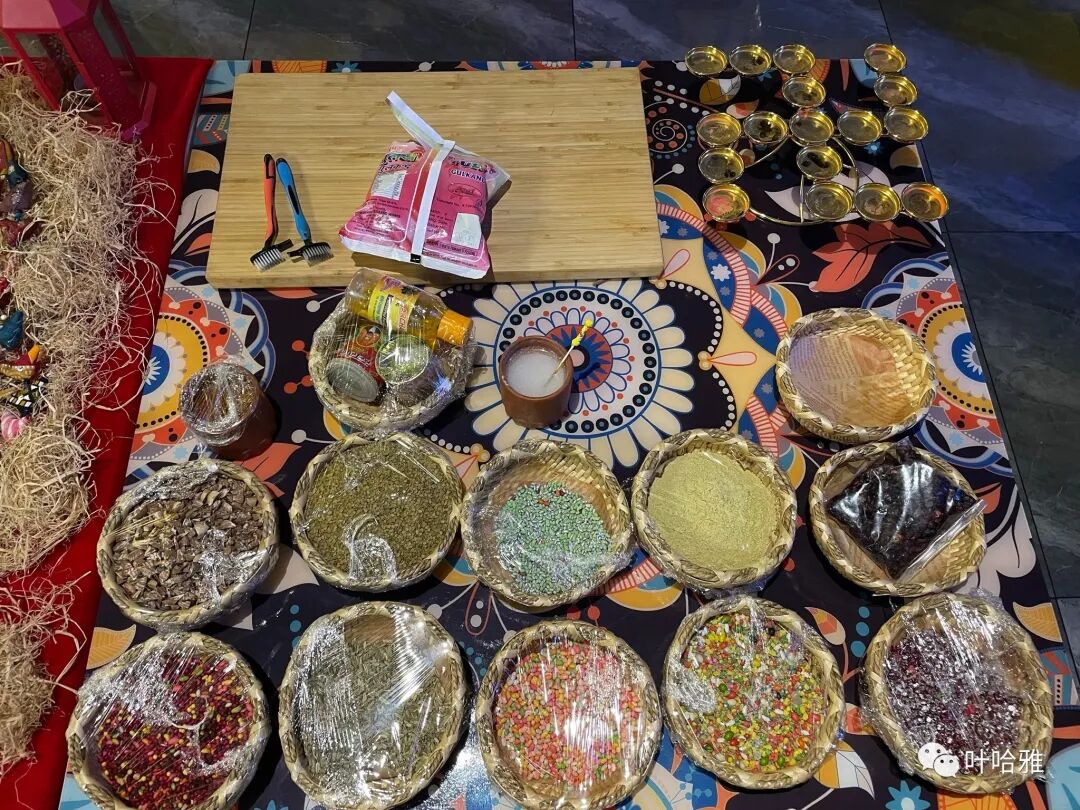
A colorful display of various spices.
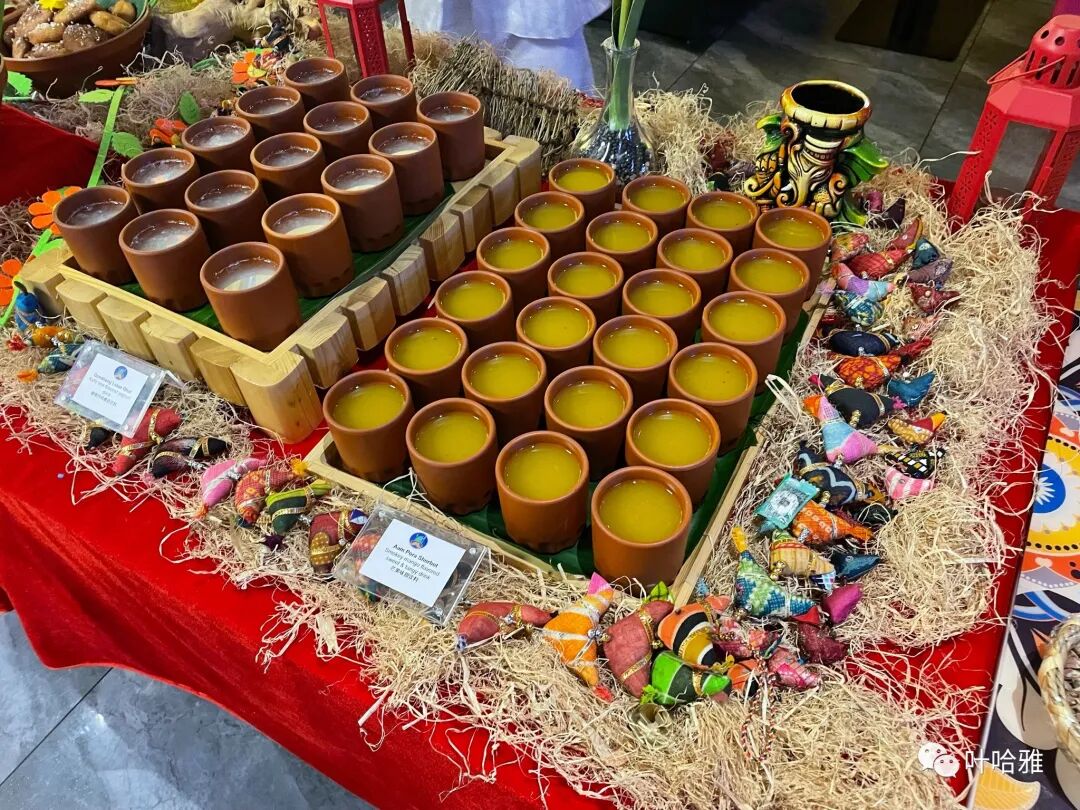
Lime-flavored yogurt drink and mango-flavored drink
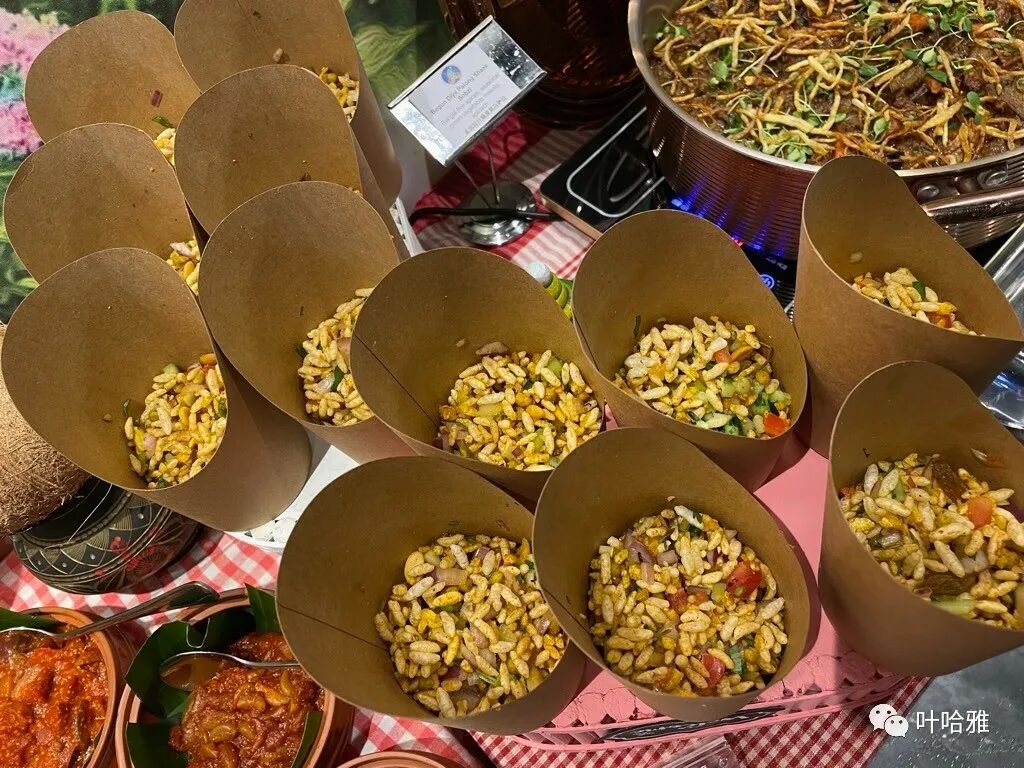
Bengali-style popcorn
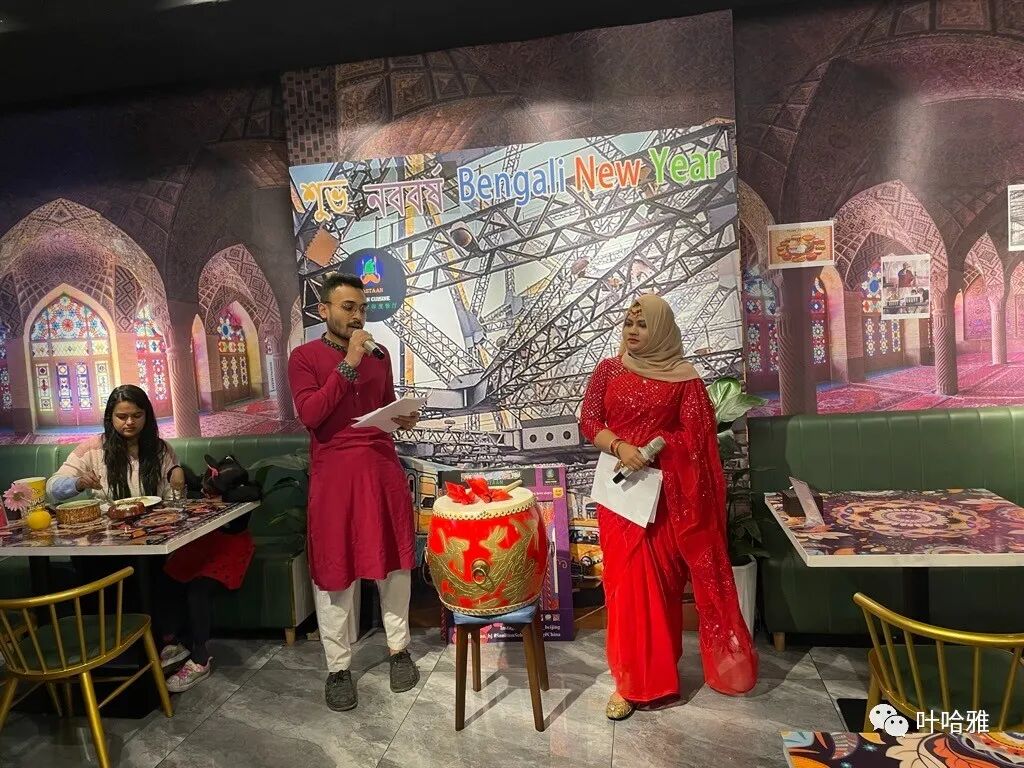
The host wears traditional clothing and speaks with a thick Indian accent to celebrate the arrival of the new year.
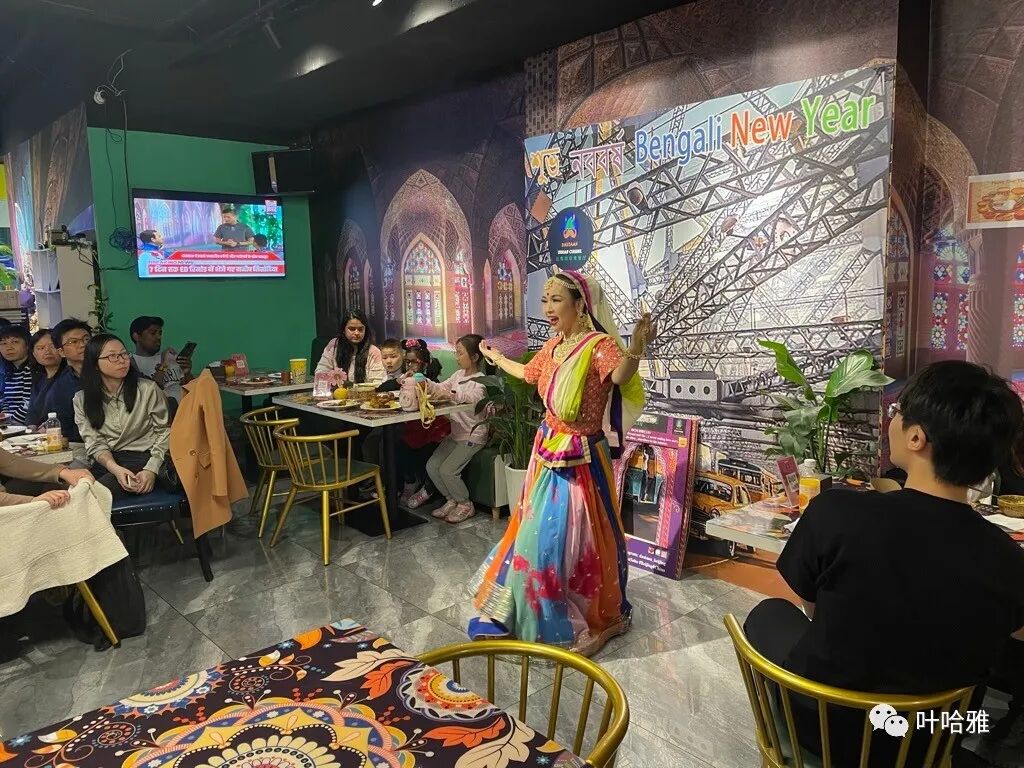
There is a dance performance during the meal, and the young lady dances very beautifully.
That is all for this collection. The text and photos are original, and you may not repost them without permission.
Best Halal Food Beijing: Chongqing Hot Pot, Temple of Heaven Snacks and Beef Ball Noodles
Articles • yusuf908 posted the article • 0 comments • 171 views • 2026-05-22 20:55
Summary: This Beijing halal food guide maps issue 32 of the series, including Chongqing hot pot, Temple of Heaven halal fast food, beef ball noodles, Beijing style snacks, and Ramadan iftar notes from Niujie Mosque.
Beijing Halal Food Map (32) is presented here as a firsthand travel account in clear English, beginning with this scene: I have been too busy to go out and explore shops during Ramadan. After breaking my fast in the evening, I soon have to start the Tarawih prayers. The account keeps its focus on Beijing Halal Food, Muslim Travel, Middle Eastern Food while preserving the names, places, food, and historical details from the Chinese source.
I have been too busy to go out and explore shops during Ramadan. After breaking my fast in the evening, I soon have to start the Tarawih prayers. I mostly break my fast at the Niujie Mosque. The mosque now provides tea and snacks every day for iftar. The main meals are usually boxed lunches provided by different elders in turns. It does not matter if the boxed lunch tastes good or not; what matters is the blessing inside. Providing an iftar meal for someone fasting earns the same reward. I hope those who are able will invite more friends (dosti) around them who are fasting to break their fast.
1. Hongxiaolu Authentic Chongqing Hot Pot
This is a newly opened Chongqing hot pot restaurant in Beijing, owned by a person from Zhangjiachuan, Gansu. According to the owner, they originally planned to join the Niububi franchise, but Niububi does not accept franchises, no matter how much money is offered.
The style of this shop is slightly different from Niububi. Niububi is a Sichuan clear oil hot pot, which is different from Chongqing hot pot in terms of the soup base. Also, the prices here are cheaper than Niububi, and the dishes are slightly inferior to Niububi as well.
The shop is located on Xiaoying North Road in the Datun Subdistrict of the Asian Games Village. Next door is a hand-pulled noodle shop (lamian guan), and both are owned by the same person.
2. Ya'er Liji Small Restaurant
Ya'er Liji has opened a new fast-food spot at the south gate of the Temple of Heaven. They do not sell hot pot meat, only fast food and snacks.
The highlights of their menu are Luxi beef rice, braised chicken rice (huangmenji mifan), and beautifully plated soybean paste noodles (zhajiangmian).
Luxi beef rice
Since the owner of Ya'er Liji is from Dezhou, Shandong, it makes sense that they make Luxi beef and braised chicken well, as braised chicken is also a Shandong specialty.
Braised chicken rice
Few ordinary restaurants make soybean paste noodles with much care, but this small shop puts effort into the vegetable toppings and provides a good variety. The only downside is that the noodles are not hand-rolled, so the texture is a bit lacking.
Soybean paste noodles (zhajiangmian)
3. Xiangqing Beef Ball Noodles
Xiangqing Beef Ball Noodles is a new brand at the Qingxiangge Tuanjiehu branch. This spot used to be Anhui beef flat noodles (banmian), but the sign has changed again.
This noodle shop doesn't look like much from the outside, but the food is actually quite good. The spicy beef noodles with beef balls and a small bowl of beef are especially fragrant and affordable.
The small bowl of beef and the beef balls are stewed until very soft and tender, melting in your mouth with plenty of flavor.
Small bowl of beef
Beef balls
4. Annei Laoma Steamed Dumplings (Dongba Branch)
This is a branch of Annei Laoma Steamed Dumplings (shaomai) in Dongba. The menu is slightly different, and I think it tastes better than the main store.
Besides the classic beef and lamb steamed dumplings, this branch serves Inner Mongolian-style lamb offal (yangza) and small hot pots, which the main store does not have.
Pan-fried steamed dumplings (youjian shaomai)
Their lamb offal is just the Inner Mongolian style I like. It comes in a full bowl with plenty of finely sliced tripe, just like what I ate in Inner Mongolia.
5. MULU
Mulu is a private Malaysian restaurant specializing in Southeast Asian flavors. It is the most expensive restaurant I have ever visited. You must book three days in advance and pay a deposit. They charge per person: 988 yuan for four main courses or 1488 yuan for six. They serve the dishes in order, just like a Western-style meal.
The menu for Monday through Friday.
The restaurant is located in a hutong in the Dongcheng District. You need a reservation. The owner and head chef is a Malaysian Chinese person who mainly provides custom catering for various Southeast Asian embassies. Because of this, the ingredients are guaranteed to be halal, and the chef showed me where they come from.
It is a private kitchen with a very intimate atmosphere. The only downside is that parking is difficult. There is only one parking space, and you need good driving skills to navigate a car into the hutong.
Before serving each dish, the chef explains the ingredients and the cooking process. Every guest gets an individual portion, and the chef brings out the raw ingredients to show us.
The portions are small. I can finish one in two or three bites, but it is perfect for women who want to eat elegantly and savor the flavors.
The Friday menu features Nyonya cuisine. Nyonya is another name for Malaysian Chinese people. It is very rare to find a halal version of this in Beijing.
This is the white asparagus the chef showed us. You rarely see this in a regular market.
To improve the taste, the chef adds sauce to some dishes right at the table.
The creamy veal ribs have a strong milky aroma and are tender and juicy. There is no denying that their ingredients are very fresh.
This turtle-shell-shaped dessert is made from beetroot and has a soft, chewy texture.
A small serving of sago dessert (ximilu) comes in a stone pot. The pot feels ice-cold to the touch, and the dessert is refreshing, sweet, and cool.
6. Dexiangshun Halal Restaurant
This new little restaurant on Jiaozihutong in Niujie looks plain from the outside, but the stir-fried dishes are quite tasty.
The kung pao chicken (gongbao jiding) is a standout. It tastes just like the version I had as a kid and goes perfectly with rice.
The stir-fried mixed vegetables (chaohecai) are also good. They have some off-menu items too, like the braised eggplant (shaoqiezi), which is delicious.
We tried almost everything on the menu and didn't find a single bad dish. It cost three of us less than 100 yuan, making it a great value.
7. 99th Arabic Barbecue
This shop is on the basement level of Euro Plaza in Shunyi. Even though it is called Arabic Barbecue, it has nothing to do with Arabia; it is run by Hui Muslims from Beijing.
The owner is also preparing a music barbecue restaurant next door, but it has not opened yet.
Their barbecue rice is really just a mixed rice bowl and has nothing to do with Arabic pilaf (zhuafan), but it tastes okay.
The barbecue wrap has a hint of Middle Eastern shawarma, but it still leans more toward a Chinese style.
This is the only halal shop on the basement level of Euro Plaza. I chatted with the manager and offered some suggestions for improvement.
8. Dastaan Indian Restaurant
A South Asian restaurant opened on the third floor of Sanlitun SOHO Mall Building 5. The chef and servers are from Bangladesh. This year, April 14th was both Jumu'ah and the Bengali New Year. The restaurant prepared a special buffet for 248 yuan per person, featuring Bengali dishes and South Asian snacks, available only on that day.
These are Bengali-style mixed vegetable fritters. The fried bitter melon was very unique, and the thin crispy cracker on top was truly thin, crunchy, and delicious.
Phuchka (panipuri)
This snack of crispy balls filled with sour soup is panipuri, which appeared in the Indian movie Dangal. It is found in India, Pakistan, and Bangladesh. You must eat these balls immediately after they are filled with the soup, or they will get soggy and lose their texture.
The Bengali server wearing a turban only speaks English.
Three types of pilaf served with roasted chicken or beef are among my favorite South Asian foods.
South Asian style salads include Kolkata-style potato and black chickpea salad and Bengali-style chili salad. Be warned, the chili is very spicy and I could barely handle it.
Kolkata soft white cheese, rose and nut sweet millet porridge, semolina with coconut-flavored sweet balls, and traditional Bengali rice porridge.
Bengali-style mixed spinach masala
Indian white cheese chicken gravy with fried potatoes
Bengali-style with coconut and raisins
Kolkata slow-cooked lamb masala
Yogurt and nut sauce chicken
Fried carp with mustard and yogurt sauce
A colorful display of various spices.
Lime-flavored yogurt drink and mango-flavored drink
Bengali-style popcorn
The host wears traditional clothing and speaks with a thick Indian accent to celebrate the arrival of the new year.
There is a dance performance during the meal, and the young lady dances very beautifully.
That is all for this collection. The text and photos are original, and you may not repost them without permission. view all
Summary: This Beijing halal food guide maps issue 32 of the series, including Chongqing hot pot, Temple of Heaven halal fast food, beef ball noodles, Beijing style snacks, and Ramadan iftar notes from Niujie Mosque.
Beijing Halal Food Map (32) is presented here as a firsthand travel account in clear English, beginning with this scene: I have been too busy to go out and explore shops during Ramadan. After breaking my fast in the evening, I soon have to start the Tarawih prayers. The account keeps its focus on Beijing Halal Food, Muslim Travel, Middle Eastern Food while preserving the names, places, food, and historical details from the Chinese source.
I have been too busy to go out and explore shops during Ramadan. After breaking my fast in the evening, I soon have to start the Tarawih prayers. I mostly break my fast at the Niujie Mosque. The mosque now provides tea and snacks every day for iftar. The main meals are usually boxed lunches provided by different elders in turns. It does not matter if the boxed lunch tastes good or not; what matters is the blessing inside. Providing an iftar meal for someone fasting earns the same reward. I hope those who are able will invite more friends (dosti) around them who are fasting to break their fast.
1. Hongxiaolu Authentic Chongqing Hot Pot
This is a newly opened Chongqing hot pot restaurant in Beijing, owned by a person from Zhangjiachuan, Gansu. According to the owner, they originally planned to join the Niububi franchise, but Niububi does not accept franchises, no matter how much money is offered.
The style of this shop is slightly different from Niububi. Niububi is a Sichuan clear oil hot pot, which is different from Chongqing hot pot in terms of the soup base. Also, the prices here are cheaper than Niububi, and the dishes are slightly inferior to Niububi as well.
The shop is located on Xiaoying North Road in the Datun Subdistrict of the Asian Games Village. Next door is a hand-pulled noodle shop (lamian guan), and both are owned by the same person.
2. Ya'er Liji Small Restaurant
Ya'er Liji has opened a new fast-food spot at the south gate of the Temple of Heaven. They do not sell hot pot meat, only fast food and snacks.
The highlights of their menu are Luxi beef rice, braised chicken rice (huangmenji mifan), and beautifully plated soybean paste noodles (zhajiangmian).
Luxi beef rice
Since the owner of Ya'er Liji is from Dezhou, Shandong, it makes sense that they make Luxi beef and braised chicken well, as braised chicken is also a Shandong specialty.
Braised chicken rice
Few ordinary restaurants make soybean paste noodles with much care, but this small shop puts effort into the vegetable toppings and provides a good variety. The only downside is that the noodles are not hand-rolled, so the texture is a bit lacking.
Soybean paste noodles (zhajiangmian)
3. Xiangqing Beef Ball Noodles
Xiangqing Beef Ball Noodles is a new brand at the Qingxiangge Tuanjiehu branch. This spot used to be Anhui beef flat noodles (banmian), but the sign has changed again.
This noodle shop doesn't look like much from the outside, but the food is actually quite good. The spicy beef noodles with beef balls and a small bowl of beef are especially fragrant and affordable.
The small bowl of beef and the beef balls are stewed until very soft and tender, melting in your mouth with plenty of flavor.
Small bowl of beef
Beef balls
4. Annei Laoma Steamed Dumplings (Dongba Branch)
This is a branch of Annei Laoma Steamed Dumplings (shaomai) in Dongba. The menu is slightly different, and I think it tastes better than the main store.
Besides the classic beef and lamb steamed dumplings, this branch serves Inner Mongolian-style lamb offal (yangza) and small hot pots, which the main store does not have.
Pan-fried steamed dumplings (youjian shaomai)
Their lamb offal is just the Inner Mongolian style I like. It comes in a full bowl with plenty of finely sliced tripe, just like what I ate in Inner Mongolia.
5. MULU
Mulu is a private Malaysian restaurant specializing in Southeast Asian flavors. It is the most expensive restaurant I have ever visited. You must book three days in advance and pay a deposit. They charge per person: 988 yuan for four main courses or 1488 yuan for six. They serve the dishes in order, just like a Western-style meal.
The menu for Monday through Friday.
The restaurant is located in a hutong in the Dongcheng District. You need a reservation. The owner and head chef is a Malaysian Chinese person who mainly provides custom catering for various Southeast Asian embassies. Because of this, the ingredients are guaranteed to be halal, and the chef showed me where they come from.
It is a private kitchen with a very intimate atmosphere. The only downside is that parking is difficult. There is only one parking space, and you need good driving skills to navigate a car into the hutong.
Before serving each dish, the chef explains the ingredients and the cooking process. Every guest gets an individual portion, and the chef brings out the raw ingredients to show us.
The portions are small. I can finish one in two or three bites, but it is perfect for women who want to eat elegantly and savor the flavors.
The Friday menu features Nyonya cuisine. Nyonya is another name for Malaysian Chinese people. It is very rare to find a halal version of this in Beijing.
This is the white asparagus the chef showed us. You rarely see this in a regular market.
To improve the taste, the chef adds sauce to some dishes right at the table.
The creamy veal ribs have a strong milky aroma and are tender and juicy. There is no denying that their ingredients are very fresh.
This turtle-shell-shaped dessert is made from beetroot and has a soft, chewy texture.
A small serving of sago dessert (ximilu) comes in a stone pot. The pot feels ice-cold to the touch, and the dessert is refreshing, sweet, and cool.
6. Dexiangshun Halal Restaurant
This new little restaurant on Jiaozihutong in Niujie looks plain from the outside, but the stir-fried dishes are quite tasty.
The kung pao chicken (gongbao jiding) is a standout. It tastes just like the version I had as a kid and goes perfectly with rice.
The stir-fried mixed vegetables (chaohecai) are also good. They have some off-menu items too, like the braised eggplant (shaoqiezi), which is delicious.
We tried almost everything on the menu and didn't find a single bad dish. It cost three of us less than 100 yuan, making it a great value.
7. 99th Arabic Barbecue
This shop is on the basement level of Euro Plaza in Shunyi. Even though it is called Arabic Barbecue, it has nothing to do with Arabia; it is run by Hui Muslims from Beijing.
The owner is also preparing a music barbecue restaurant next door, but it has not opened yet.
Their barbecue rice is really just a mixed rice bowl and has nothing to do with Arabic pilaf (zhuafan), but it tastes okay.
The barbecue wrap has a hint of Middle Eastern shawarma, but it still leans more toward a Chinese style.
This is the only halal shop on the basement level of Euro Plaza. I chatted with the manager and offered some suggestions for improvement.
8. Dastaan Indian Restaurant
A South Asian restaurant opened on the third floor of Sanlitun SOHO Mall Building 5. The chef and servers are from Bangladesh. This year, April 14th was both Jumu'ah and the Bengali New Year. The restaurant prepared a special buffet for 248 yuan per person, featuring Bengali dishes and South Asian snacks, available only on that day.
These are Bengali-style mixed vegetable fritters. The fried bitter melon was very unique, and the thin crispy cracker on top was truly thin, crunchy, and delicious.
Phuchka (panipuri)
This snack of crispy balls filled with sour soup is panipuri, which appeared in the Indian movie Dangal. It is found in India, Pakistan, and Bangladesh. You must eat these balls immediately after they are filled with the soup, or they will get soggy and lose their texture.
The Bengali server wearing a turban only speaks English.
Three types of pilaf served with roasted chicken or beef are among my favorite South Asian foods.
South Asian style salads include Kolkata-style potato and black chickpea salad and Bengali-style chili salad. Be warned, the chili is very spicy and I could barely handle it.
Kolkata soft white cheese, rose and nut sweet millet porridge, semolina with coconut-flavored sweet balls, and traditional Bengali rice porridge.
Bengali-style mixed spinach masala
Indian white cheese chicken gravy with fried potatoes
Bengali-style with coconut and raisins
Kolkata slow-cooked lamb masala
Yogurt and nut sauce chicken
Fried carp with mustard and yogurt sauce
A colorful display of various spices.
Lime-flavored yogurt drink and mango-flavored drink
Bengali-style popcorn
The host wears traditional clothing and speaks with a thick Indian accent to celebrate the arrival of the new year.
There is a dance performance during the meal, and the young lady dances very beautifully.
That is all for this collection. The text and photos are original, and you may not repost them without permission.
Best Halal Restaurant Beijing: Skewer Hotpot, Ningxia Lamb, Syrian Coffee and Pakistani Food
Articles • yusuf908 posted the article • 0 comments • 225 views • 2026-05-22 11:44
Summary: This Beijing halal restaurant guide maps issue 27 of the author’s food series, featuring skewer hotpot, Ningxia lamb, Qinghai dishes, Syrian coffee, Turkish delivery, Xinjiang food, and Pakistani halal dining.
Beijing Halal Food Map (Issue 27) is presented here as a firsthand travel account in clear English, beginning with this scene: Hello, Travel. The account keeps its focus on Beijing Halal Food, Muslim Travel, Middle Eastern Food while preserving the names, places, food, and historical details from the Chinese source.
Hello, Travel
Aisha (may Allah be pleased with her) reported that a group of people came to the Prophet (peace and blessings of Allah be upon him) and said, 'Some people bring us meat, and we do not know if they mentioned the name of Allah when slaughtering it.' The Prophet said, 'Mention the name of Allah over it yourselves, and then you may eat.' Aisha added, 'Those people had only recently embraced Islam.' (Sunan an-Nasa'i, Sahih al-Bukhari)
This hadith reveals a few key points. First, Aisha was skeptical of new believers, worrying they might not have recited the Tasmiyah during slaughter. Second, the Prophet did not see it as a problem, suggesting that reciting it before eating is sufficient. However, if we followed the approach of some people today, we would refuse to eat meat from an unknown source. For more details, see: What foods are mentioned in the scriptures as not halal?
I cite this hadith to explain that when I am traveling and see a restaurant with a halal sign, I do not go into the kitchen to question the reliability of their food sources. I have fulfilled my duty by seeking halal food. If they deceive me with non-halal food, the sin is on them, not me, and I am not held accountable for what I do not know. However, if I dig deep and find out the ingredients are not reliable, then I certainly cannot eat there. Such an approach only adds unnecessary burdens to our daily lives and is not encouraged. After all, the five pillars of Islam—faith, prayer, charity, fasting, and pilgrimage—do not include eating, and there are many things more important than food.
Alright, rant over. Please read on.
1
Zhang Xiucai Skewer Hot Pot
It is a pity that the Yinmadeng Skewers in Pingle Yuan has closed, but a new Zhang Xiucai Skewers has opened on Gulou East Street. The owner is from Dezhou, Shandong, and many people from Dezhou work in the restaurant business in Beijing. Skewer hot pot (chuanchuan huoguo) shops are popping up all over Beijing now. You can find Big Beard (Dahuzi) and Seven Fragrances (Qilixiang) in Changying, Skewer Visit (Chuanmen'er) in Dongba, and Little Gizzard (Xiaojungan) in Fangshan.
You pick your own skewers. For the soup base, you can choose clear broth, a spicy beef tallow pot, or a split-pot (yuanyang guo) with both. We tried the spicy beef tallow pot once, and it was definitely very hot.
To us outsiders, spicy hot pot (malatang), spicy stew (maocai), Sichuan hot pot, and skewer hot pot (chuanchuan) don't seem very different. They are all just boiled dishes served in different ways, and they taste pretty much the same.
2
Wang Laowu Iron Pot Stew (Wang Laowu Tieguo Dun)
This is a newly opened restaurant near Guanzhuang that serves Heilongjiang-style iron pot stew. The server told us the chef and pastry cook are from Ningxia. The four of us ordered a set meal with a whole goose, which came with steamed flower rolls (huajuan) and cold side dishes.
Cold tossed fish skin is a classic home-style dish from Northeast China. It has pickled chili peppers in it, so it is a bit spicy.
The server helped us cook the cornmeal flatbreads (tiebingzi) by placing them around the pot and covering it with a lid. We also put flower rolls on top to steam for 15 minutes. When we lifted the lid, the smell was amazing.
3
Huiwei Palace Ningxia Tanyan Lamb Restaurant (Huiwei Gong Ningxia Tanyan Yangguan)
Sanyuanqiao Branch
Ningxia cuisine has grown fast in Beijing over the last few years. High-quality Tanyan lamb, a specialty from central Ningxia, is becoming more popular. The Ningxia Tanyan Lamb Restaurant under the Huiwei Palace brand really takes the preparation of this lamb to the next level.
Handmade Red Army noodles (hongjun fen)
The owner is from Jingyuan, Ningxia. You can eat Jingyuan food here, and the Jingyuan vermicelli and yellow beef are worth a try.
Jingyuan yellow beef (huang niurou)
It is not easy to find Jingyuan yellow beef in Beijing. It is a specialty from the southern region of Ningxia, where people eat more beef than lamb.
Hand-grabbed salt-lake lamb (tanyang shouzhuarou)
Whether it is beef or lamb, it suits my taste perfectly. You have to eat the meat with fresh raw garlic to bring out the flavor.
The must-order staple at a Ningxia restaurant is raw-boiled noodle slices (shengcuan mianpian). A proper version includes meatballs. These noodle slices are a hometown favorite that Ningxia people love to talk about.
4
Sanjiangyuan Restaurant (Sanjiangyuan Shifu)
The spot where Yinmadeng Skewers used to be is now Sanjiangyuan Restaurant. It serves Qinghai local cuisine. The name Sanjiangyuan tells you it is from Qinghai, as it is the source of the Yangtze, Yellow, and Lancang rivers.
We usually eat Qinghai ramen, but here you can also find Qinghai specialties like pan-cooked Tibetan lamb chops (kanguo zangyangpai) and yak beef (maoniurou).
The lamb in the pan-cooked lamb chops is high quality, and the potatoes are cooked until soft. The peppers are not spicy, so you can eat them just like a vegetable.
Qinghai has a snack with a strange name called dog-pissing-pancake (goujiaoniao). It is a highland barley pancake. When cooking it, you keep drizzling oil over it, which looks a bit like a dog peeing, hence the name. When this snack was featured at the World Expo, the name was temporarily changed to Qinghai Cabbage Pancake because it sounded crude. I think this was unnecessary. Food names carry cultural and historical traces. Changing the name makes the food lose its cultural identity. It is like the famous Go-Believe (Goubuli) steamed buns; the meaning behind the name has long surpassed the taste of the buns themselves.
Qinghai hand-torn noodles (mianpian) are one of my favorite noodle dishes. My wife often makes them for me at home. Authentic Qinghai mianpian must be torn by hand. The pieces should be small, thin, and square. It requires great skill and is a real craft.
5
Dezhangmen Kung Fu Noodles.
This is a fast-food noodle shop near Daguan Ying on Guangwai Street. They serve various snacks and fast food with different flavors.
Although their signature dish is beef noodles, I prefer their Taiwanese braised beef rice.
They also offer wontons during breakfast hours. The wontons have thin skins and large fillings, and they are very tasty.
The Turkish kebab rice is just average. The braised pork rice is much more popular.
Their potstickers (guotie) taste pretty good and are made with great care.
They also sell twice-cooked beef. Twice-cooked pork is a famous Sichuan dish, but a halal version is very rare.
They have a wide variety of barbecue. The grilled squid and grilled chicken skewers are both very tender, though the flavor is on the spicy side.
6
BRBR Syrian Coffee
BRBR Syrian Restaurant opened a new cafe right next to their original location, serving Arabic coffee and Syrian desserts.
The cafe is small, but the decor is very Syrian. I heard many of the items were brought over directly from Syria.
This stretchy dessert is called KUNAFA. It is made with cheese and filled with crushed nuts, and I really like it.
The Syrian ice cream has a very strong milky flavor, and it has quite a lot of crushed nuts inside.
When you drink Syrian sand-boiled coffee, you are tasting history along with the flavor. The world's first coffee house was opened by Syrians. In 1554, a man from Aleppo and a man from Damascus opened it in Istanbul. It took another 100 years before France had its first coffee house in Europe.
7
Yiyuan Restaurant
Yiyuan Restaurant is in Yangfang Town, Changping. The name is easy to misunderstand; the 'Yiyuan' here has the same meaning as the name Zhang Yiyuan, it does not mean the food costs one yuan.
Local friends told me this place has a big history. It has been open in Yangfang for thirty years. The owner was the first person to run a hot pot (shuanrou) restaurant in Yangfang Town. He stopped doing that for personal reasons, and then he opened Yiyuan Restaurant.
Knife-cut noodles (daoxiaomian)
They have knife-cut noodles, pan-fried buns (shuijianbao), and oat noodles (youmian). These snacks are specialties from the border area between Inner Mongolia and Shanxi, which belongs to the Jin language region. Yangfang Town is located on the essential route for northern merchants traveling to the capital.
Pan-fried buns (shuijianbao)
Oat noodles (youmian)
8
Yanlan nourishing braised noodles (huimian)
This Henan braised noodles (huimian) shop has been open for years in the Donggaodi area. I asked and found out it is run by Hui Muslims from Zhoukou. A bowl of their braised noodles costs only 13 yuan, which is cheaper than pulled noodles (lamian).
Hot lamb bone marrow (yangbanggu). There is not much meat on them, so you use a straw to eat the marrow inside the bone.
Henan-style cold tossed beef. Adding meat to the braised noodles costs 10 yuan. This shop also sells raw beef and lamb in the nearby market.
9
Blue Turkish barbecue
This is a takeout-only stall located in SOHO Shangdu. There is no seating, so you just need to place an order for delivery nearby.
The staff member wears a headscarf and is from Northeast China. This shop is very careful about choosing ingredients, and their online business is doing well. This model was not affected during the pandemic. Friends working near Dongdaqiao can try placing an order.
10
Bostana
There are so many Xinjiang restaurants in Beijing now. It is hard to find bad Xinjiang food, but making it really good is not easy. This place, Bostana, makes excellent Xinjiang food.
The numbing pepper chicken (jiaomaji), cold starch noodles (liangpi), stir-fried meat with noodles (guoyourou banmian), and spicy lamb trotters (hula yangti) all suit my taste. I just could not get used to their flaky crust baked buns (kaobaozi). I am obsessed with the traditional kind baked over coal fires in a clay oven (nang keng), but you cannot find those in Beijing anymore.
The noodles for the stir-fried meat with noodles must be chewy, and there should not be too much sauce. This restaurant gets both right.
The spicy lamb trotters are stewed until very soft and tender. They add chickpeas, and the meat on the trotters melts in your mouth.
11
Masala Pakistani Restaurant
This is a Pakistani restaurant in Huairou town. It is a chain connected to the Sudan Pakistani restaurant in the Huairou mountains. The shop is small and has two floors.
Overall, it offers better value for money than the one in the mountains, and the menu has more variety.
Butter naan
Besides traditional Indian and Pakistani curries and pilaf (zhuafan), the black pepper sausages and durian pizza are also delicious. They also have ice cream and burgers.
This is also a halal restaurant that does not serve alcohol. After eating here, I have now visited every halal Indian and Pakistani restaurant in Beijing. view all
Summary: This Beijing halal restaurant guide maps issue 27 of the author’s food series, featuring skewer hotpot, Ningxia lamb, Qinghai dishes, Syrian coffee, Turkish delivery, Xinjiang food, and Pakistani halal dining.
Beijing Halal Food Map (Issue 27) is presented here as a firsthand travel account in clear English, beginning with this scene: Hello, Travel. The account keeps its focus on Beijing Halal Food, Muslim Travel, Middle Eastern Food while preserving the names, places, food, and historical details from the Chinese source.
Hello, Travel
Aisha (may Allah be pleased with her) reported that a group of people came to the Prophet (peace and blessings of Allah be upon him) and said, 'Some people bring us meat, and we do not know if they mentioned the name of Allah when slaughtering it.' The Prophet said, 'Mention the name of Allah over it yourselves, and then you may eat.' Aisha added, 'Those people had only recently embraced Islam.' (Sunan an-Nasa'i, Sahih al-Bukhari)
This hadith reveals a few key points. First, Aisha was skeptical of new believers, worrying they might not have recited the Tasmiyah during slaughter. Second, the Prophet did not see it as a problem, suggesting that reciting it before eating is sufficient. However, if we followed the approach of some people today, we would refuse to eat meat from an unknown source. For more details, see: What foods are mentioned in the scriptures as not halal?
I cite this hadith to explain that when I am traveling and see a restaurant with a halal sign, I do not go into the kitchen to question the reliability of their food sources. I have fulfilled my duty by seeking halal food. If they deceive me with non-halal food, the sin is on them, not me, and I am not held accountable for what I do not know. However, if I dig deep and find out the ingredients are not reliable, then I certainly cannot eat there. Such an approach only adds unnecessary burdens to our daily lives and is not encouraged. After all, the five pillars of Islam—faith, prayer, charity, fasting, and pilgrimage—do not include eating, and there are many things more important than food.
Alright, rant over. Please read on.
1
Zhang Xiucai Skewer Hot Pot
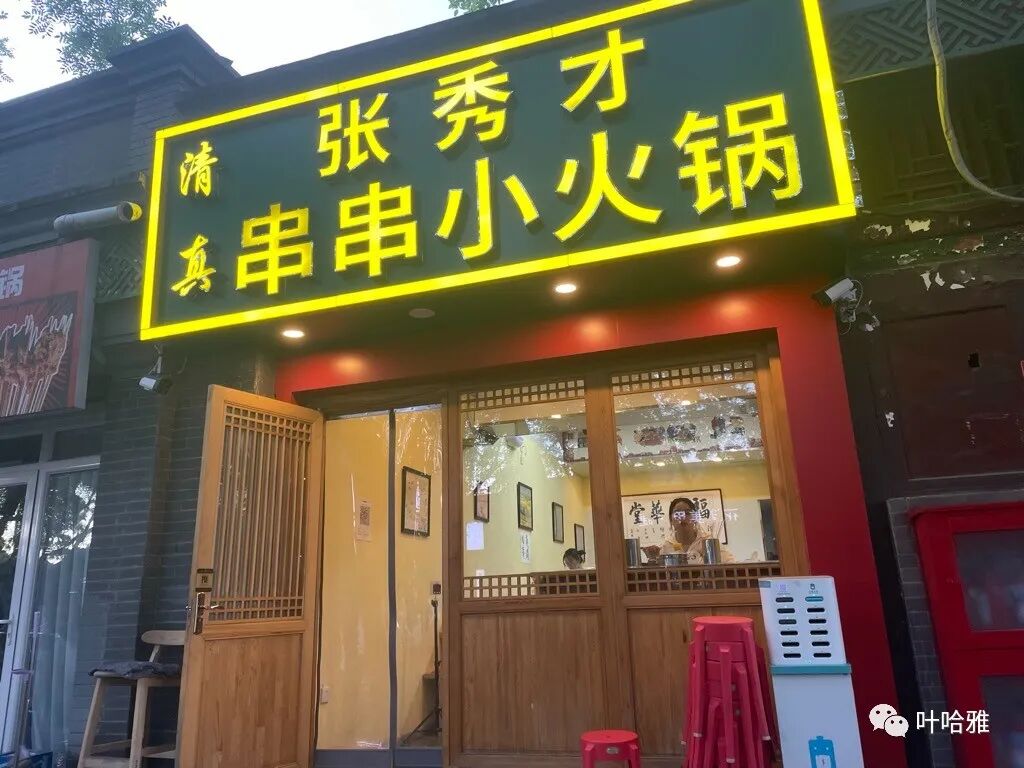
It is a pity that the Yinmadeng Skewers in Pingle Yuan has closed, but a new Zhang Xiucai Skewers has opened on Gulou East Street. The owner is from Dezhou, Shandong, and many people from Dezhou work in the restaurant business in Beijing. Skewer hot pot (chuanchuan huoguo) shops are popping up all over Beijing now. You can find Big Beard (Dahuzi) and Seven Fragrances (Qilixiang) in Changying, Skewer Visit (Chuanmen'er) in Dongba, and Little Gizzard (Xiaojungan) in Fangshan.
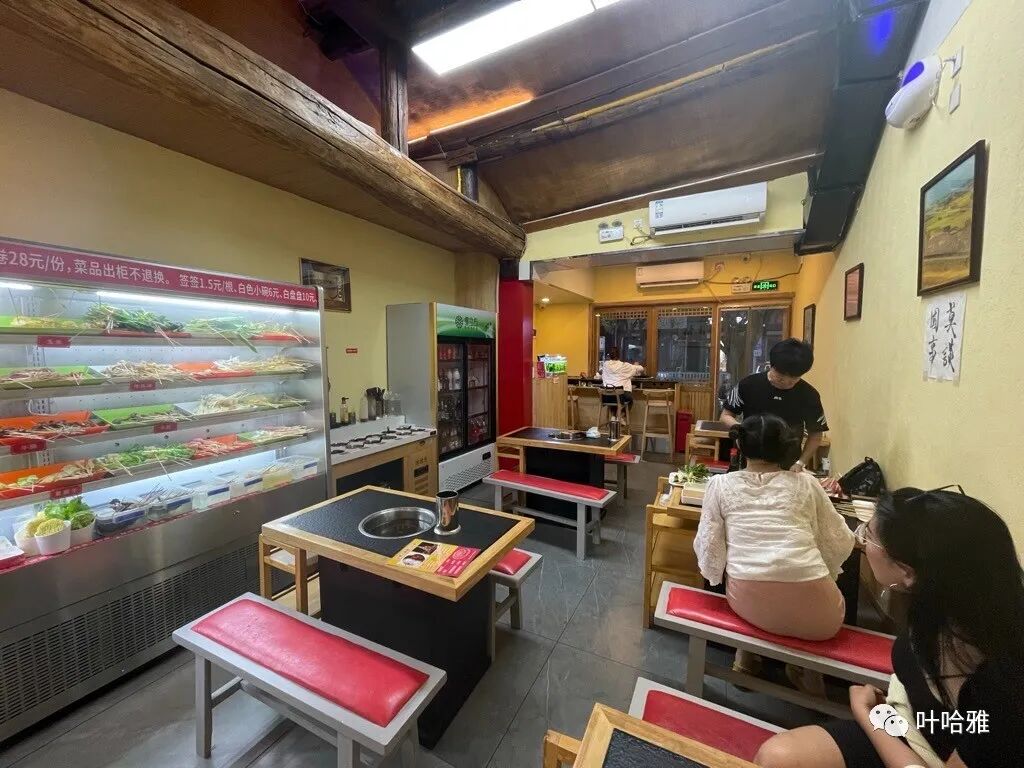
You pick your own skewers. For the soup base, you can choose clear broth, a spicy beef tallow pot, or a split-pot (yuanyang guo) with both. We tried the spicy beef tallow pot once, and it was definitely very hot.
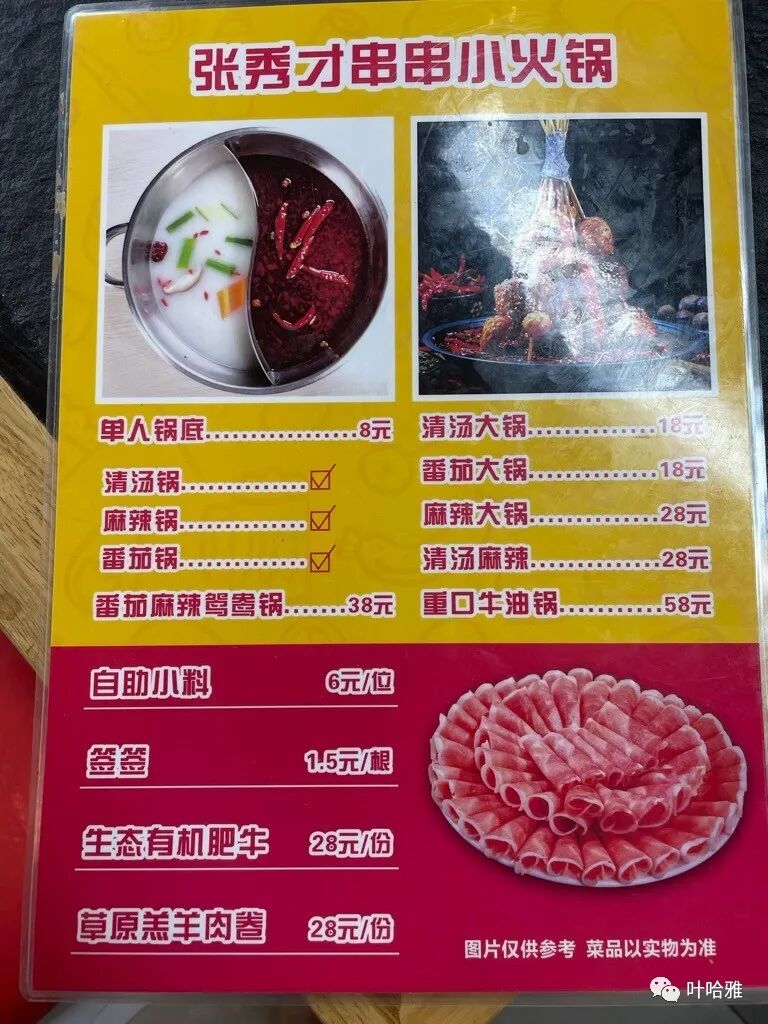
To us outsiders, spicy hot pot (malatang), spicy stew (maocai), Sichuan hot pot, and skewer hot pot (chuanchuan) don't seem very different. They are all just boiled dishes served in different ways, and they taste pretty much the same.
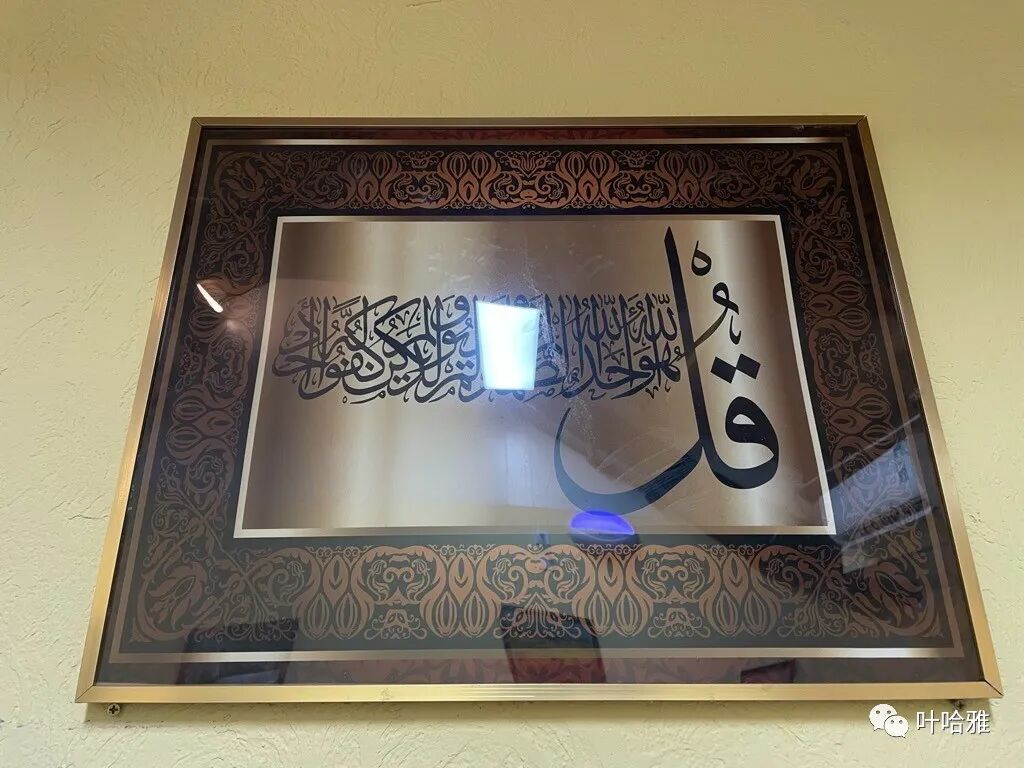
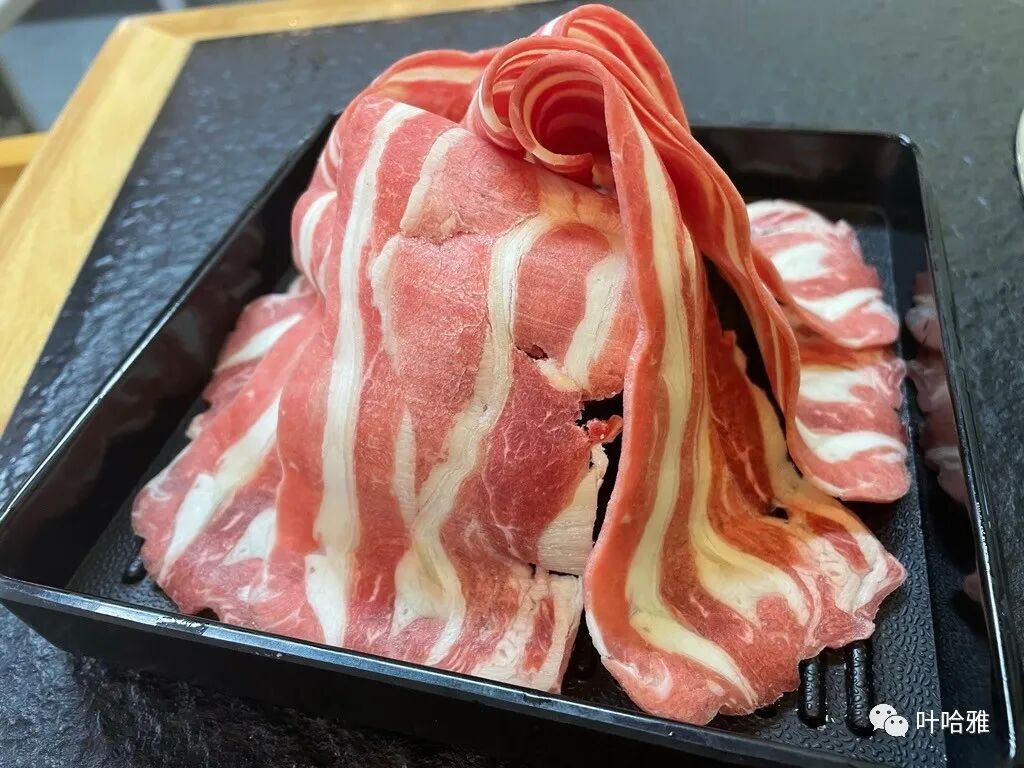
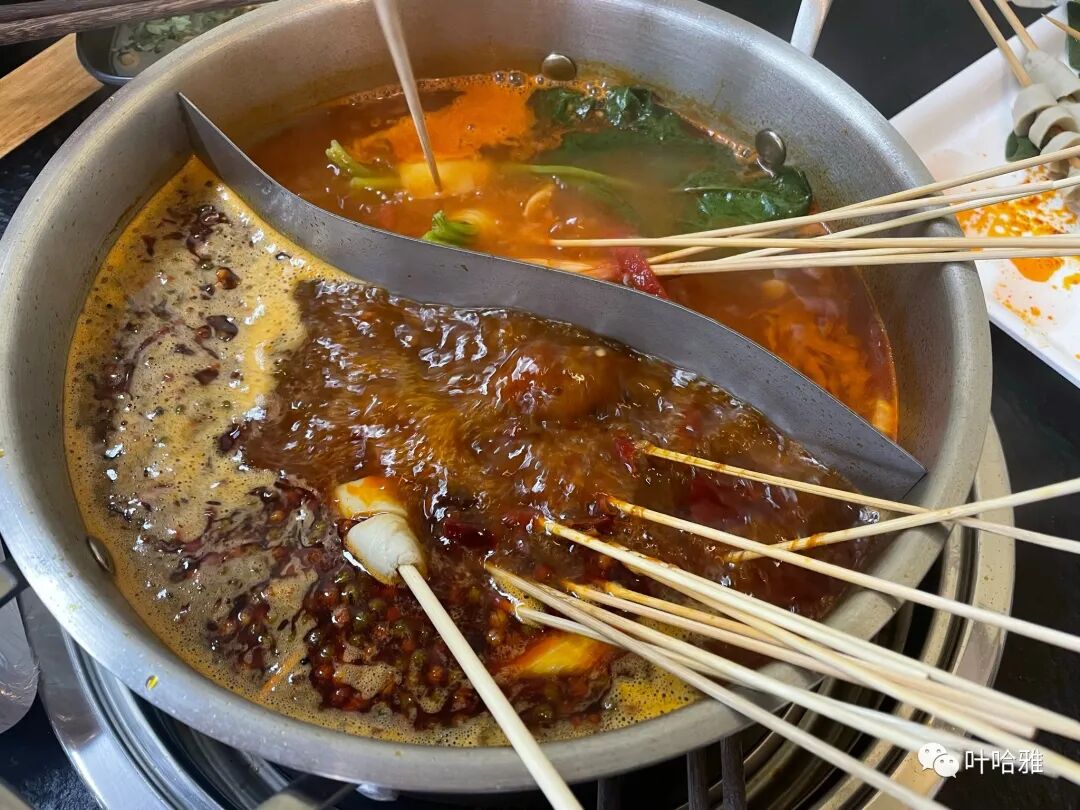
2
Wang Laowu Iron Pot Stew (Wang Laowu Tieguo Dun)
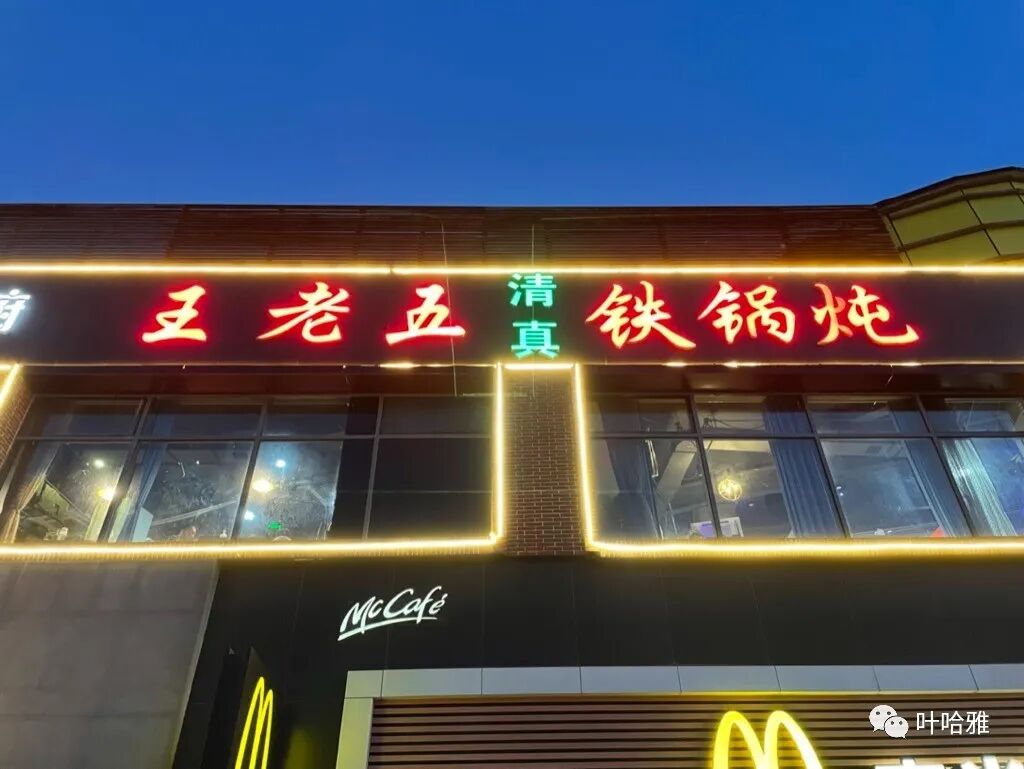
This is a newly opened restaurant near Guanzhuang that serves Heilongjiang-style iron pot stew. The server told us the chef and pastry cook are from Ningxia. The four of us ordered a set meal with a whole goose, which came with steamed flower rolls (huajuan) and cold side dishes.
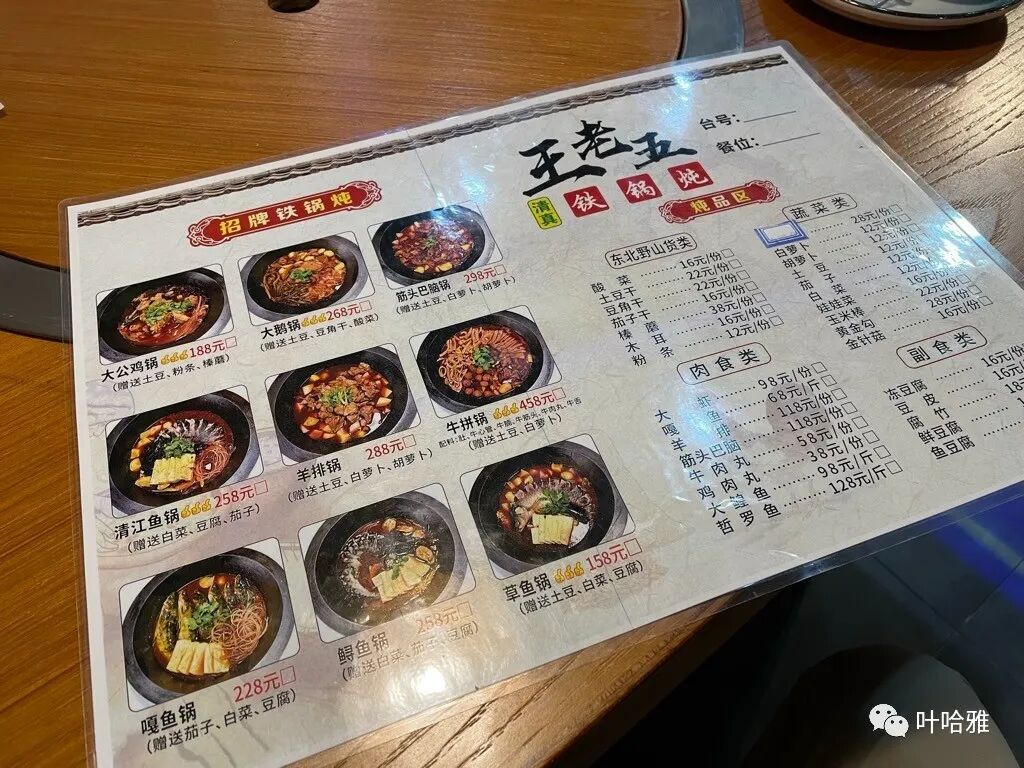
Cold tossed fish skin is a classic home-style dish from Northeast China. It has pickled chili peppers in it, so it is a bit spicy.
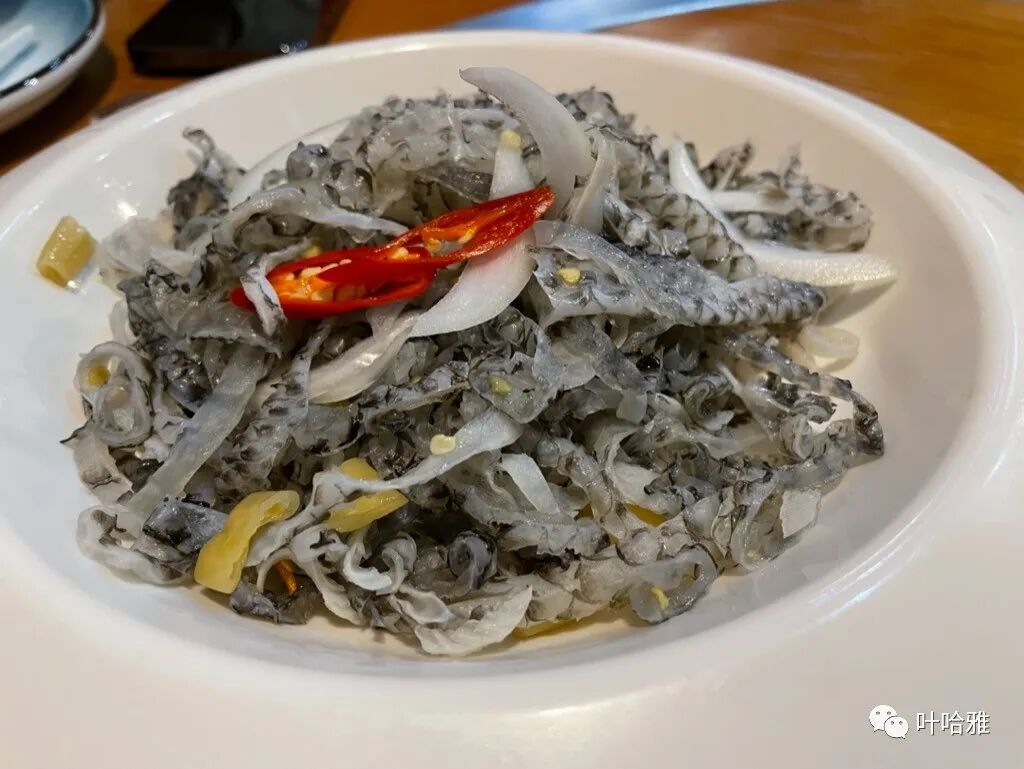
The server helped us cook the cornmeal flatbreads (tiebingzi) by placing them around the pot and covering it with a lid. We also put flower rolls on top to steam for 15 minutes. When we lifted the lid, the smell was amazing.
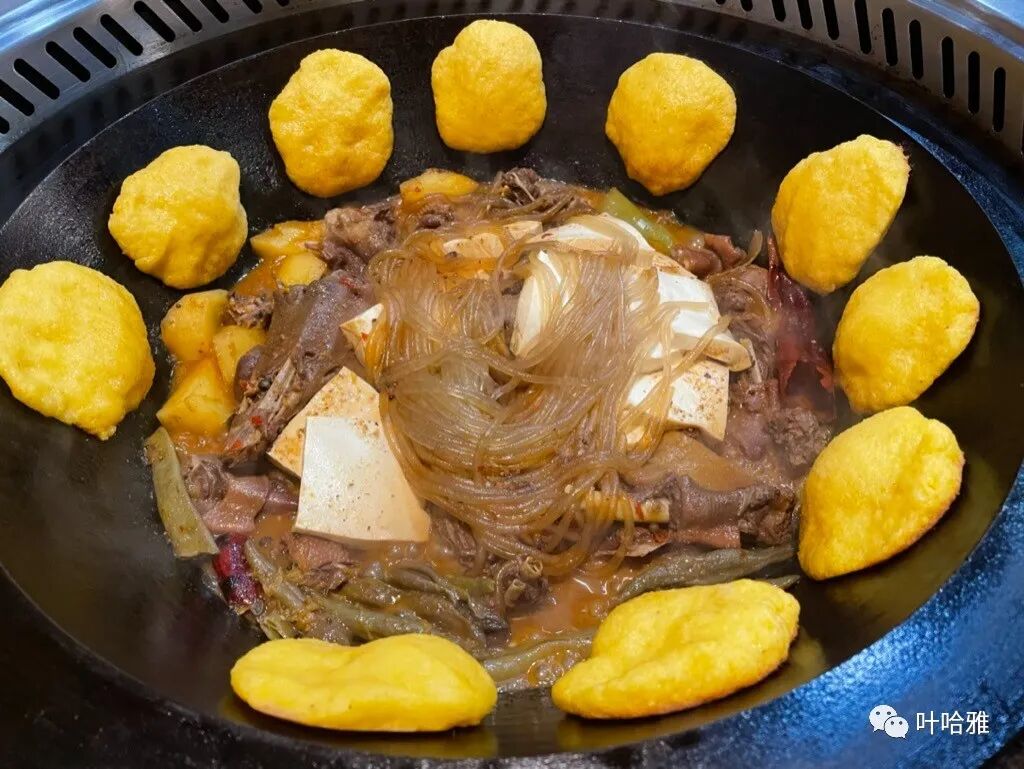
3
Huiwei Palace Ningxia Tanyan Lamb Restaurant (Huiwei Gong Ningxia Tanyan Yangguan)
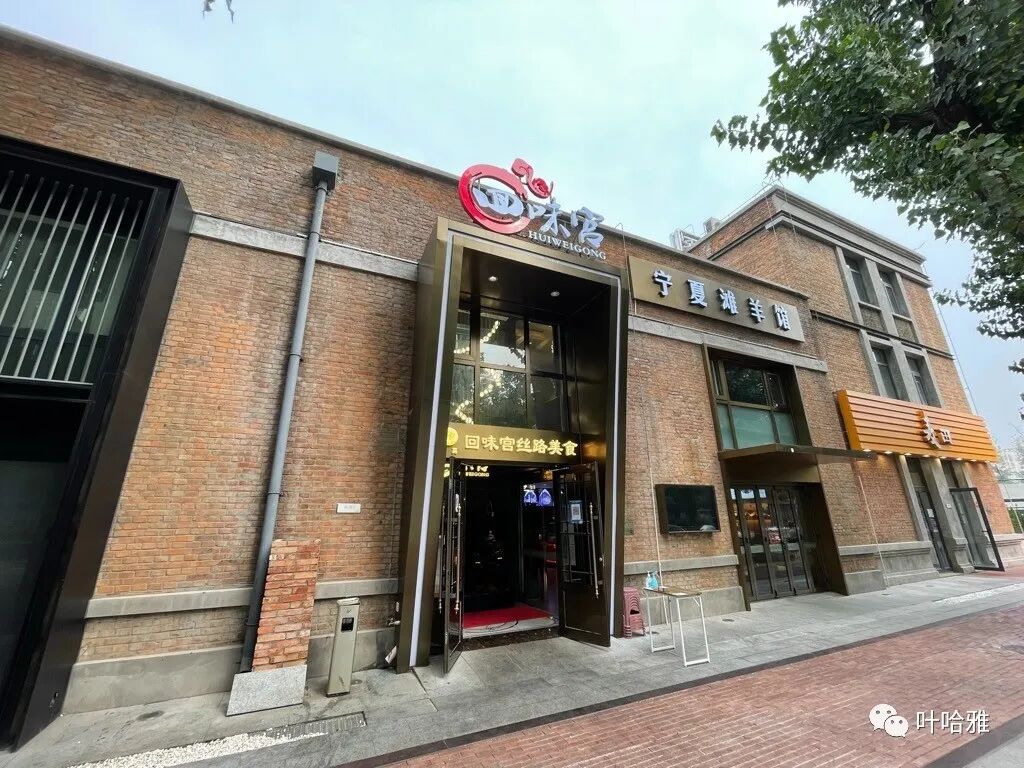
Sanyuanqiao Branch
Ningxia cuisine has grown fast in Beijing over the last few years. High-quality Tanyan lamb, a specialty from central Ningxia, is becoming more popular. The Ningxia Tanyan Lamb Restaurant under the Huiwei Palace brand really takes the preparation of this lamb to the next level.
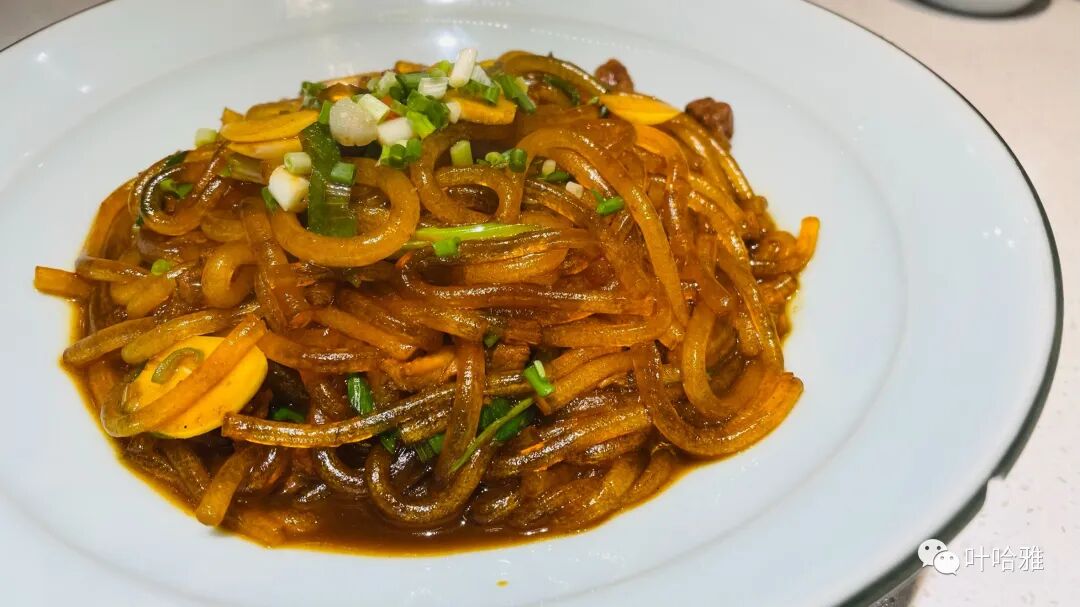
Handmade Red Army noodles (hongjun fen)
The owner is from Jingyuan, Ningxia. You can eat Jingyuan food here, and the Jingyuan vermicelli and yellow beef are worth a try.
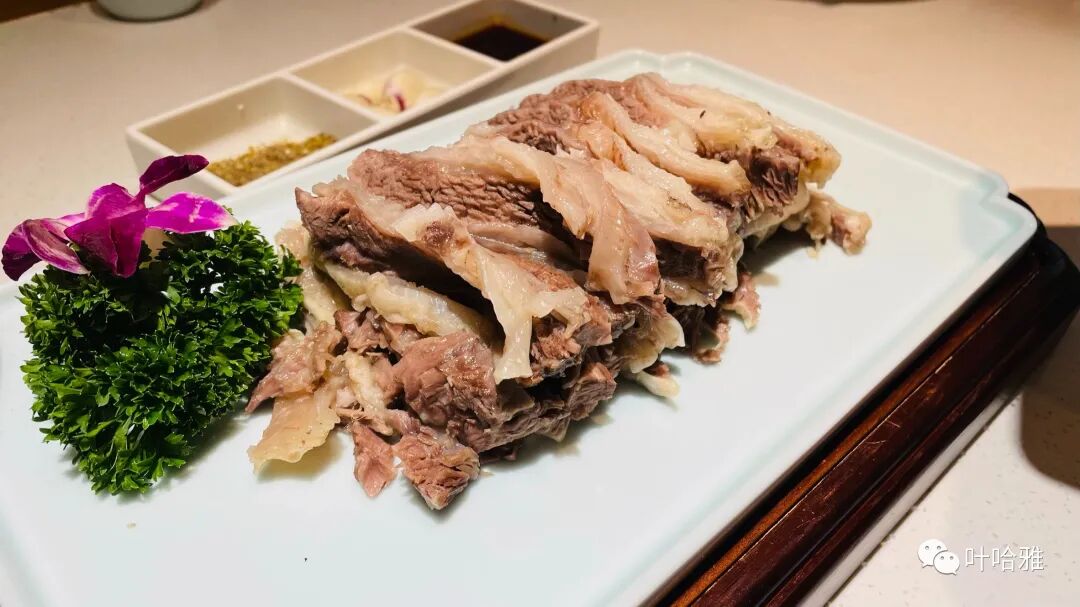
Jingyuan yellow beef (huang niurou)
It is not easy to find Jingyuan yellow beef in Beijing. It is a specialty from the southern region of Ningxia, where people eat more beef than lamb.
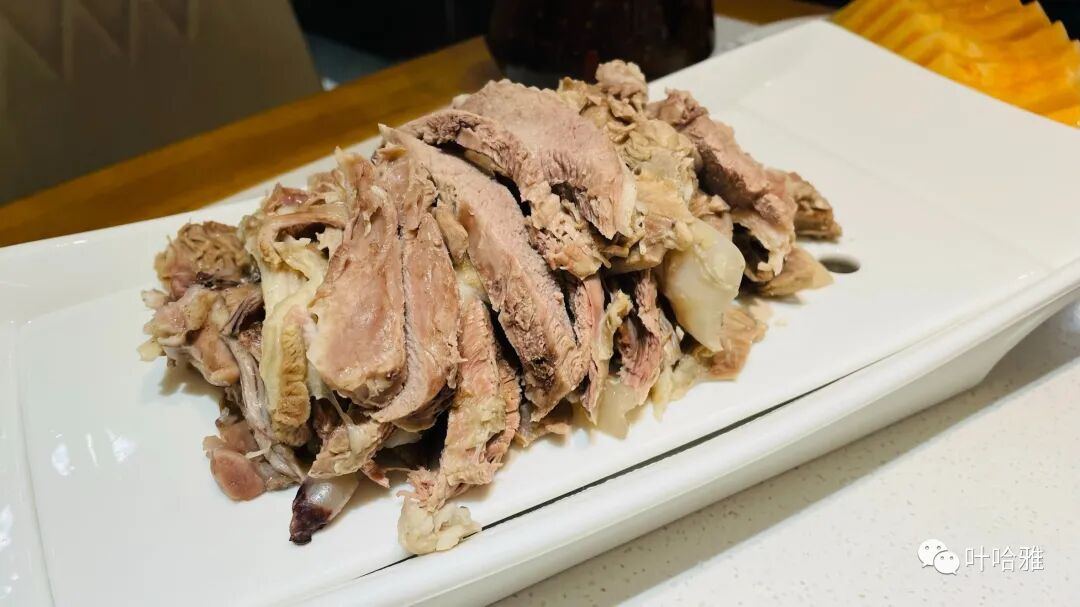
Hand-grabbed salt-lake lamb (tanyang shouzhuarou)
Whether it is beef or lamb, it suits my taste perfectly. You have to eat the meat with fresh raw garlic to bring out the flavor.
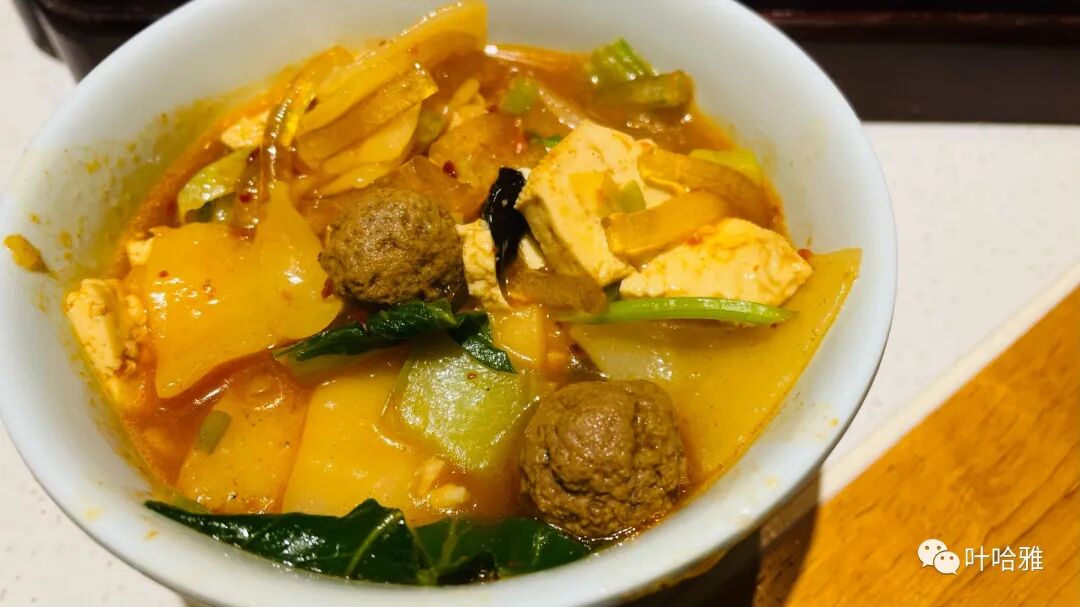
The must-order staple at a Ningxia restaurant is raw-boiled noodle slices (shengcuan mianpian). A proper version includes meatballs. These noodle slices are a hometown favorite that Ningxia people love to talk about.
4
Sanjiangyuan Restaurant (Sanjiangyuan Shifu)
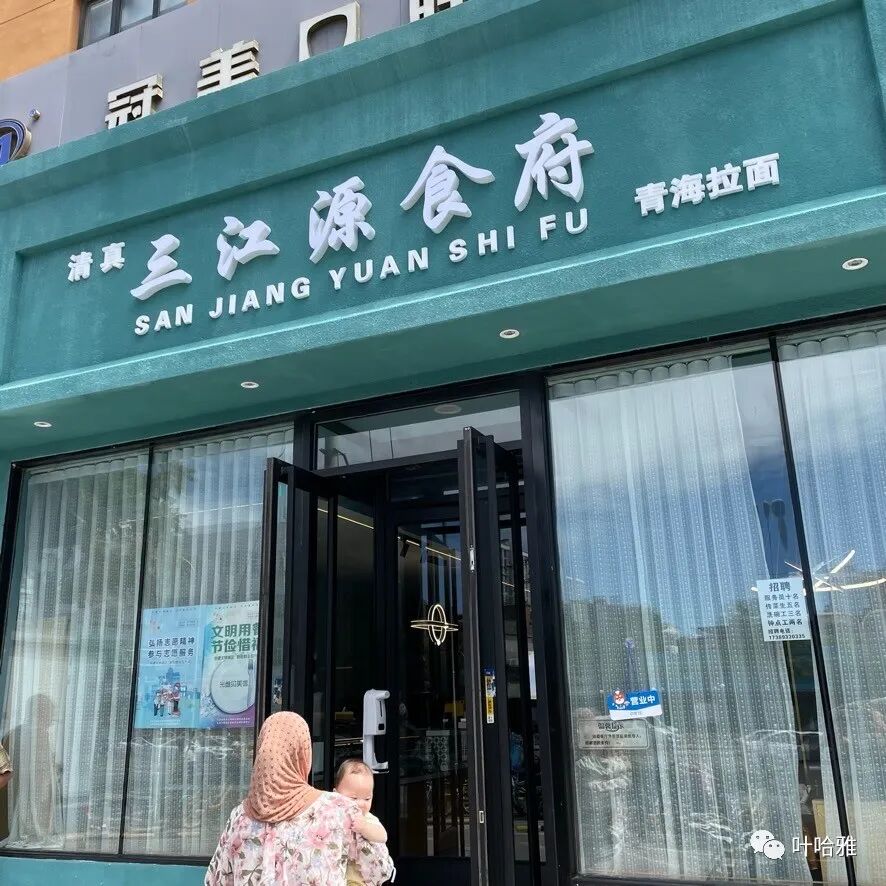
The spot where Yinmadeng Skewers used to be is now Sanjiangyuan Restaurant. It serves Qinghai local cuisine. The name Sanjiangyuan tells you it is from Qinghai, as it is the source of the Yangtze, Yellow, and Lancang rivers.
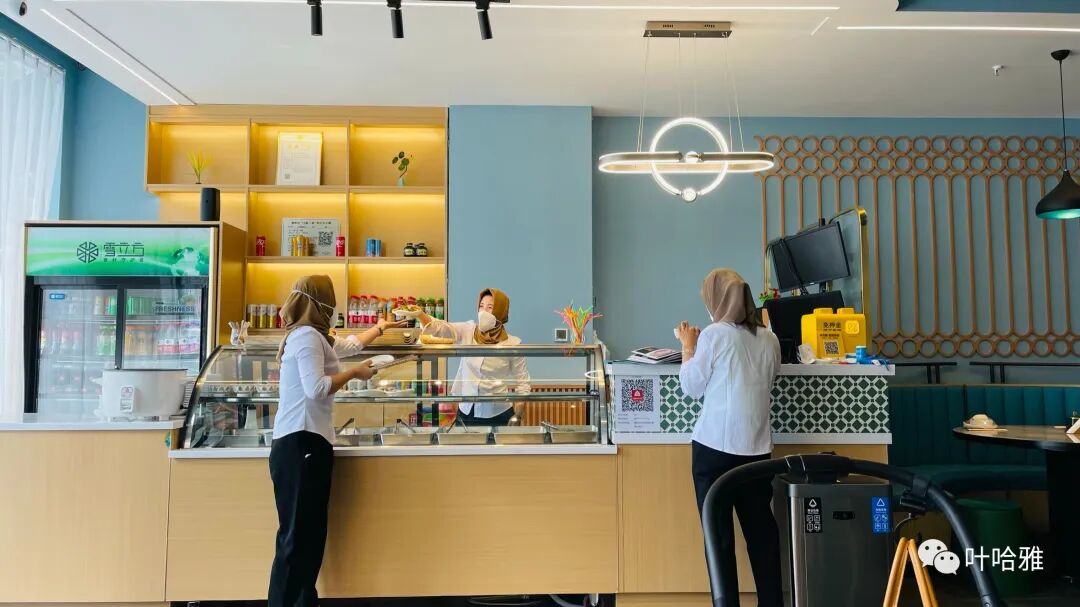
We usually eat Qinghai ramen, but here you can also find Qinghai specialties like pan-cooked Tibetan lamb chops (kanguo zangyangpai) and yak beef (maoniurou).
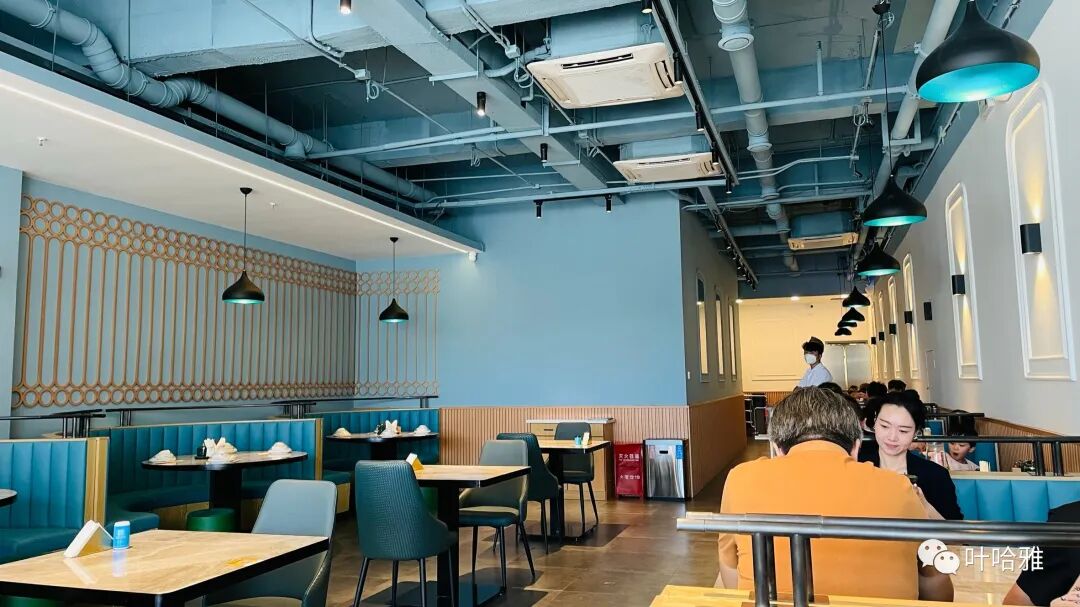
The lamb in the pan-cooked lamb chops is high quality, and the potatoes are cooked until soft. The peppers are not spicy, so you can eat them just like a vegetable.
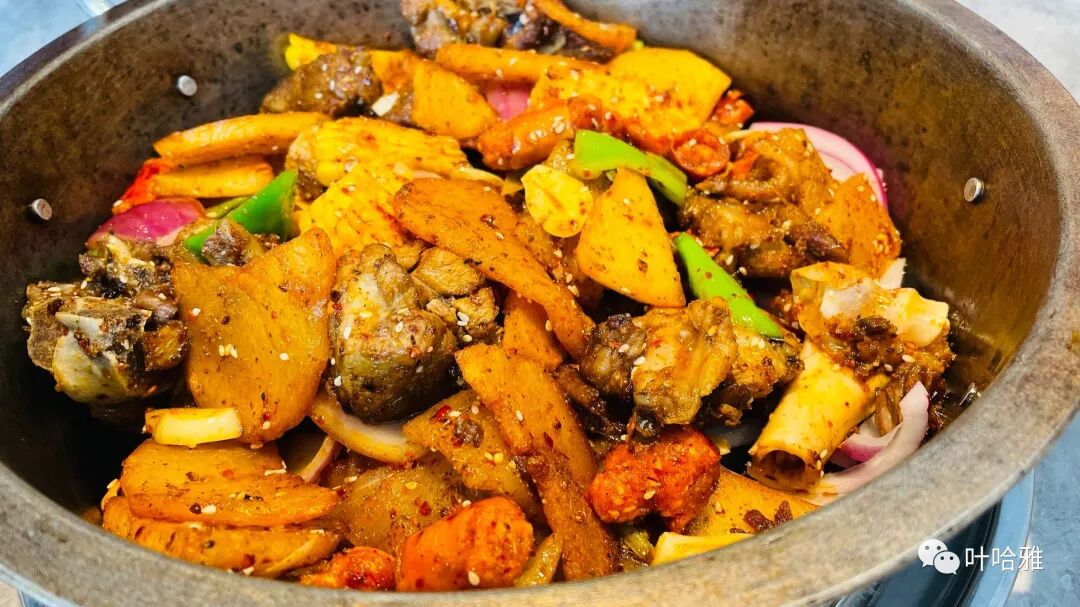
Qinghai has a snack with a strange name called dog-pissing-pancake (goujiaoniao). It is a highland barley pancake. When cooking it, you keep drizzling oil over it, which looks a bit like a dog peeing, hence the name. When this snack was featured at the World Expo, the name was temporarily changed to Qinghai Cabbage Pancake because it sounded crude. I think this was unnecessary. Food names carry cultural and historical traces. Changing the name makes the food lose its cultural identity. It is like the famous Go-Believe (Goubuli) steamed buns; the meaning behind the name has long surpassed the taste of the buns themselves.
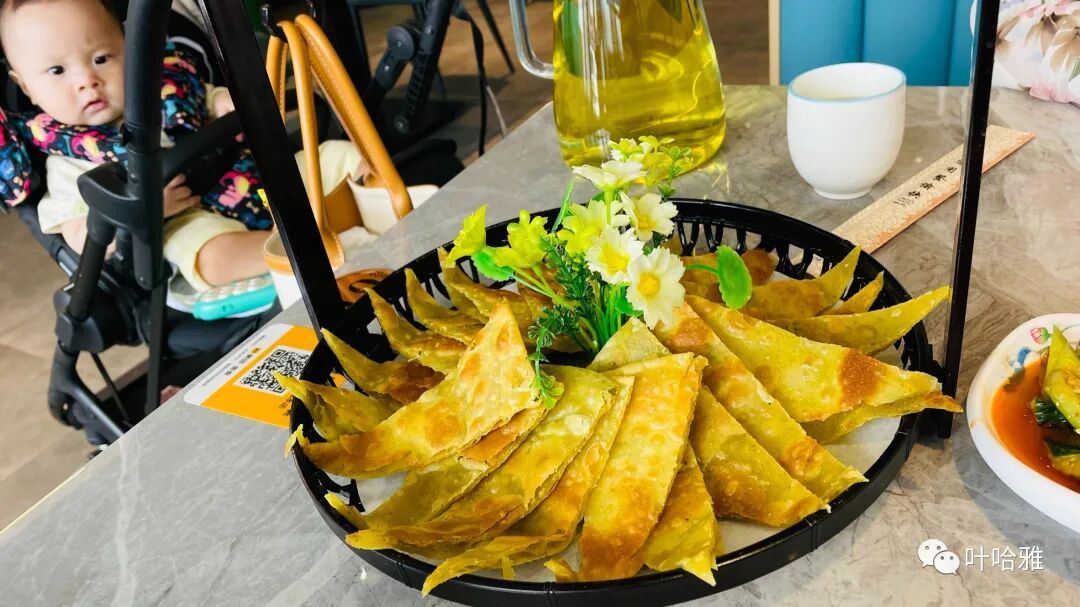
Qinghai hand-torn noodles (mianpian) are one of my favorite noodle dishes. My wife often makes them for me at home. Authentic Qinghai mianpian must be torn by hand. The pieces should be small, thin, and square. It requires great skill and is a real craft.
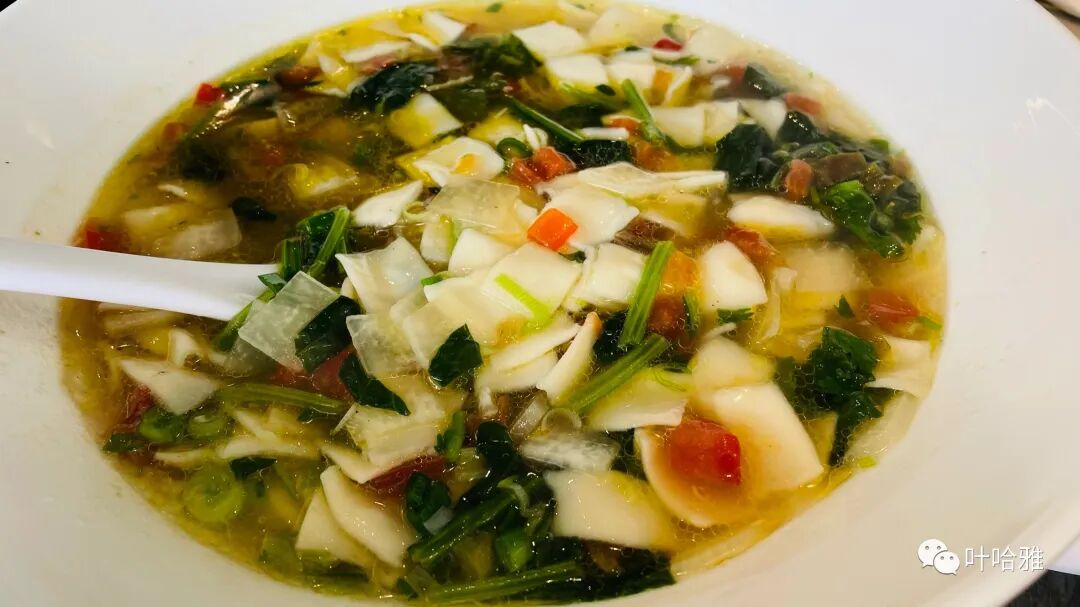
5
Dezhangmen Kung Fu Noodles.
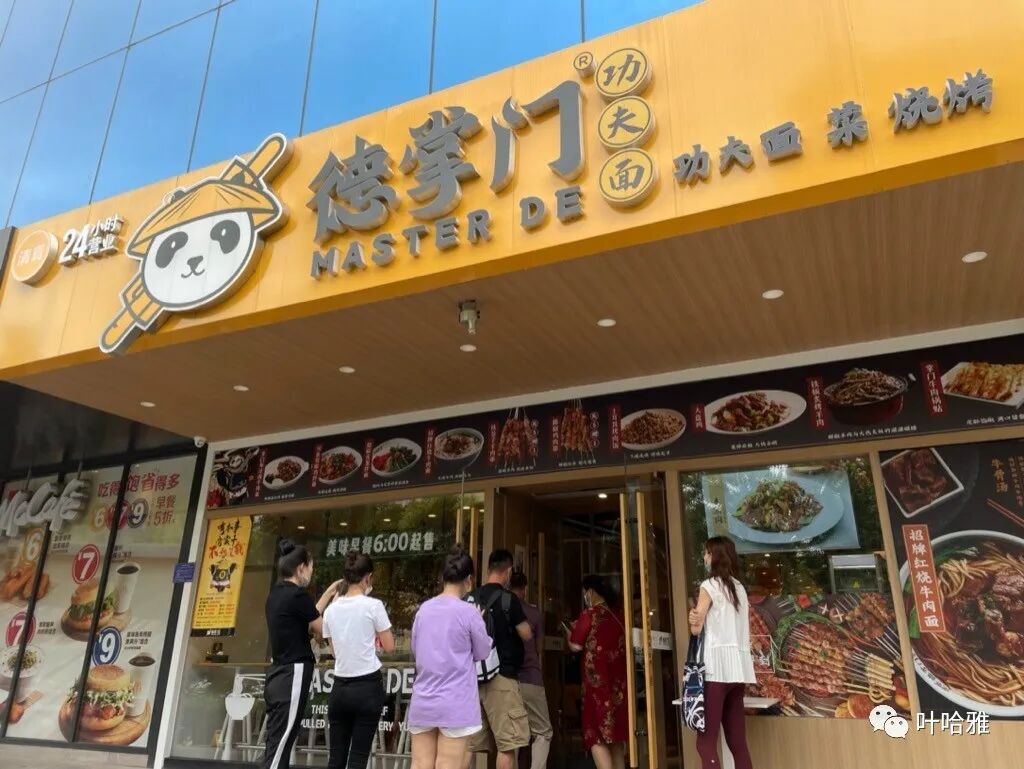
This is a fast-food noodle shop near Daguan Ying on Guangwai Street. They serve various snacks and fast food with different flavors.
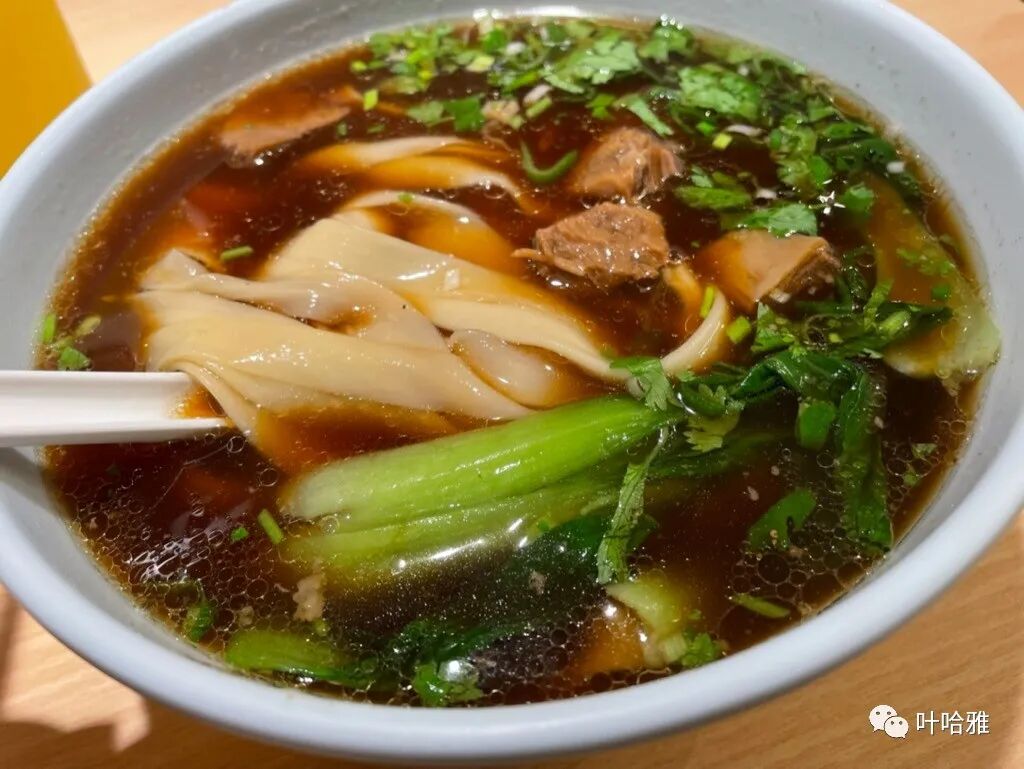
Although their signature dish is beef noodles, I prefer their Taiwanese braised beef rice.
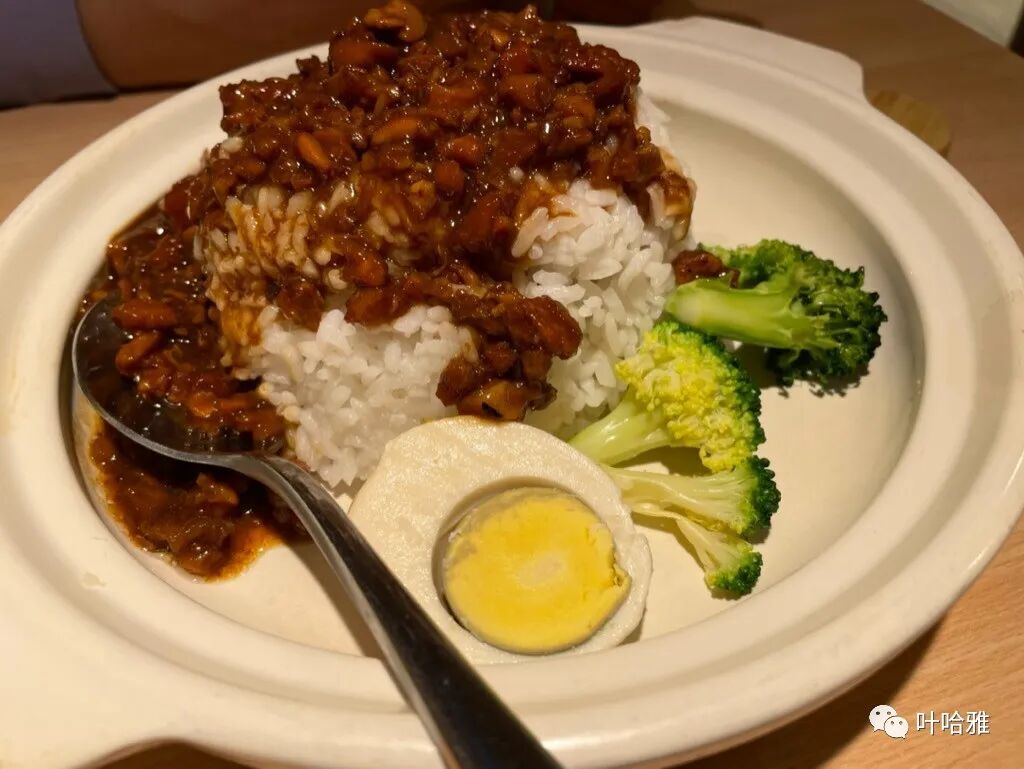
They also offer wontons during breakfast hours. The wontons have thin skins and large fillings, and they are very tasty.
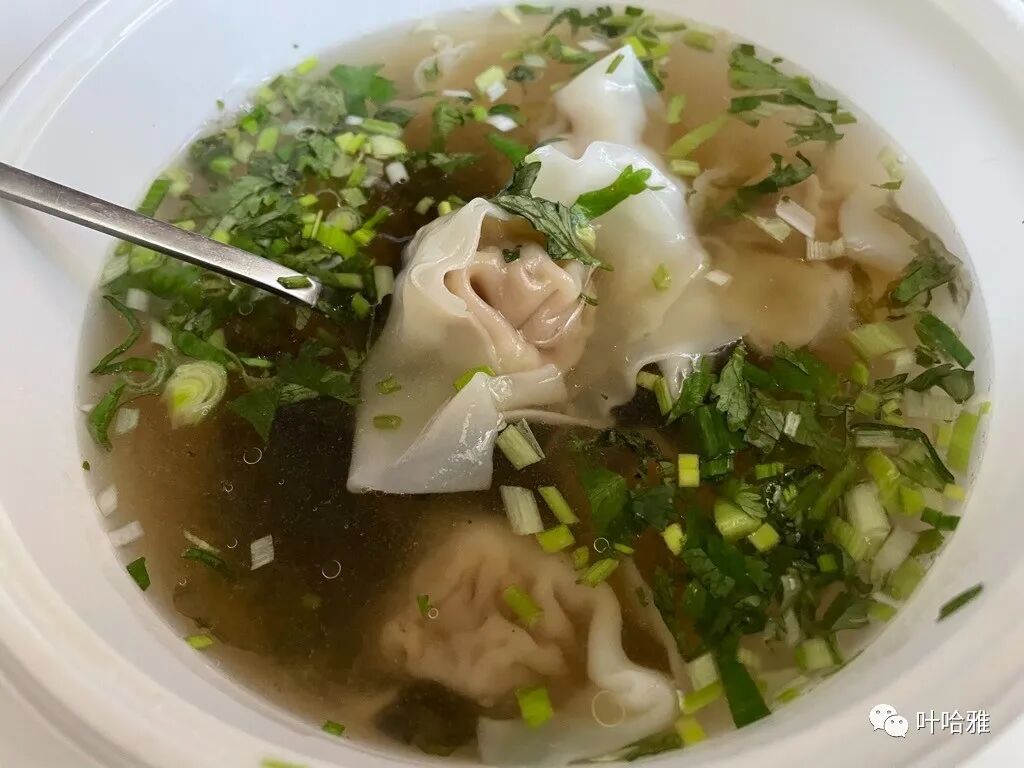
The Turkish kebab rice is just average. The braised pork rice is much more popular.
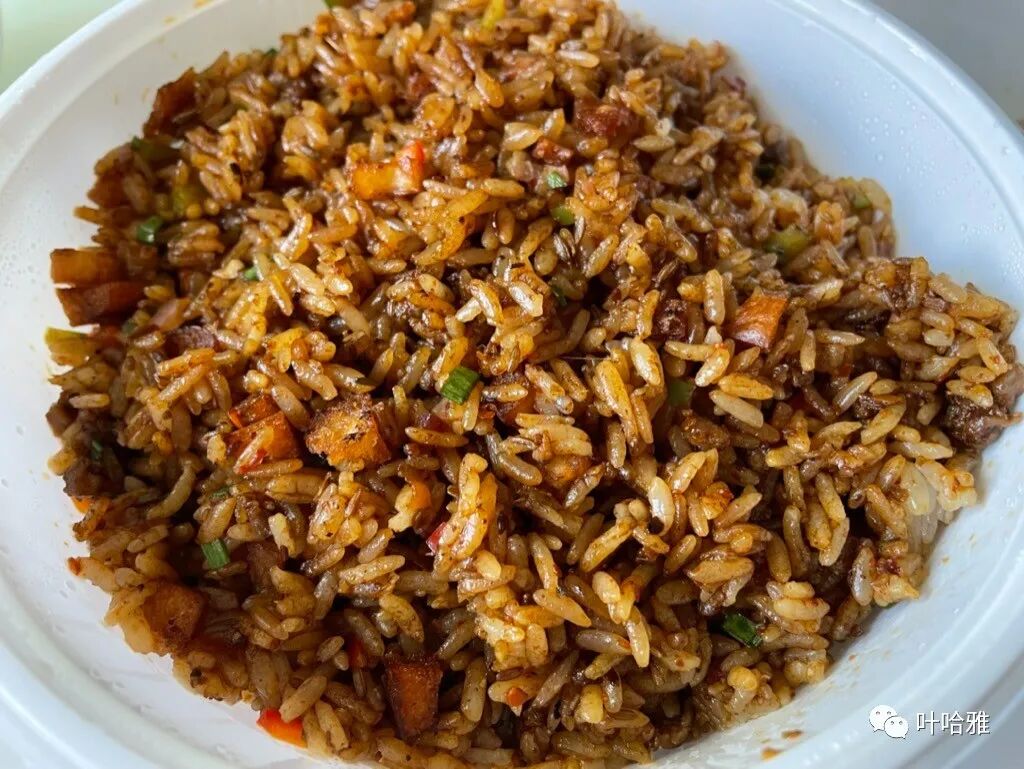
Their potstickers (guotie) taste pretty good and are made with great care.
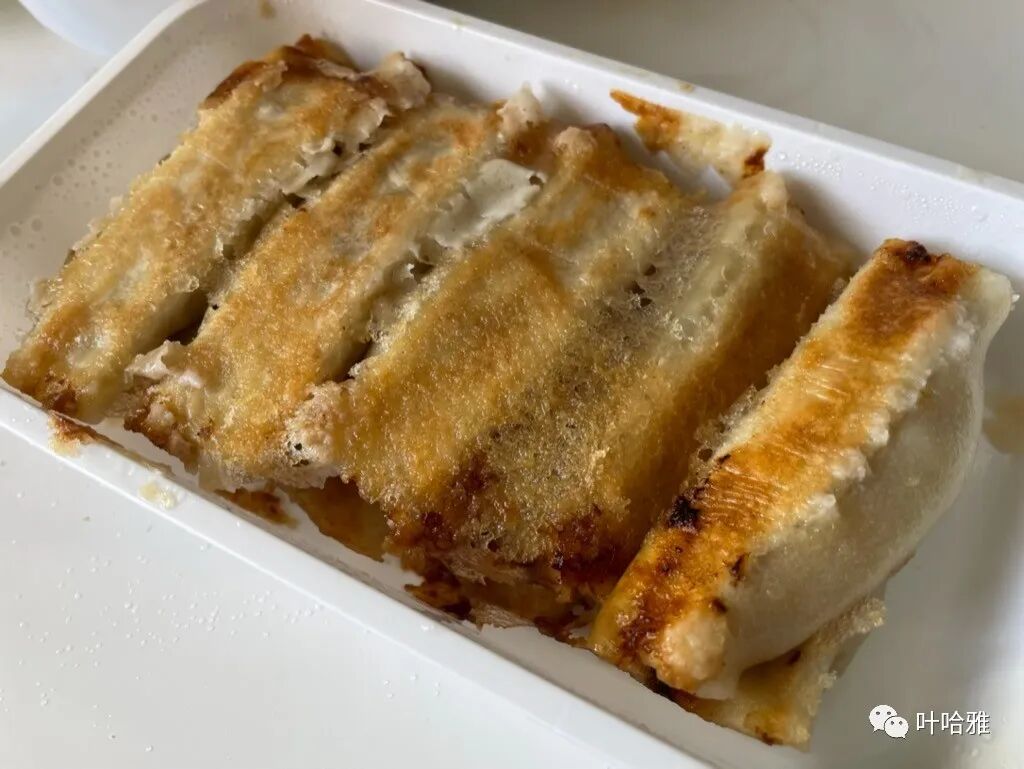
They also sell twice-cooked beef. Twice-cooked pork is a famous Sichuan dish, but a halal version is very rare.
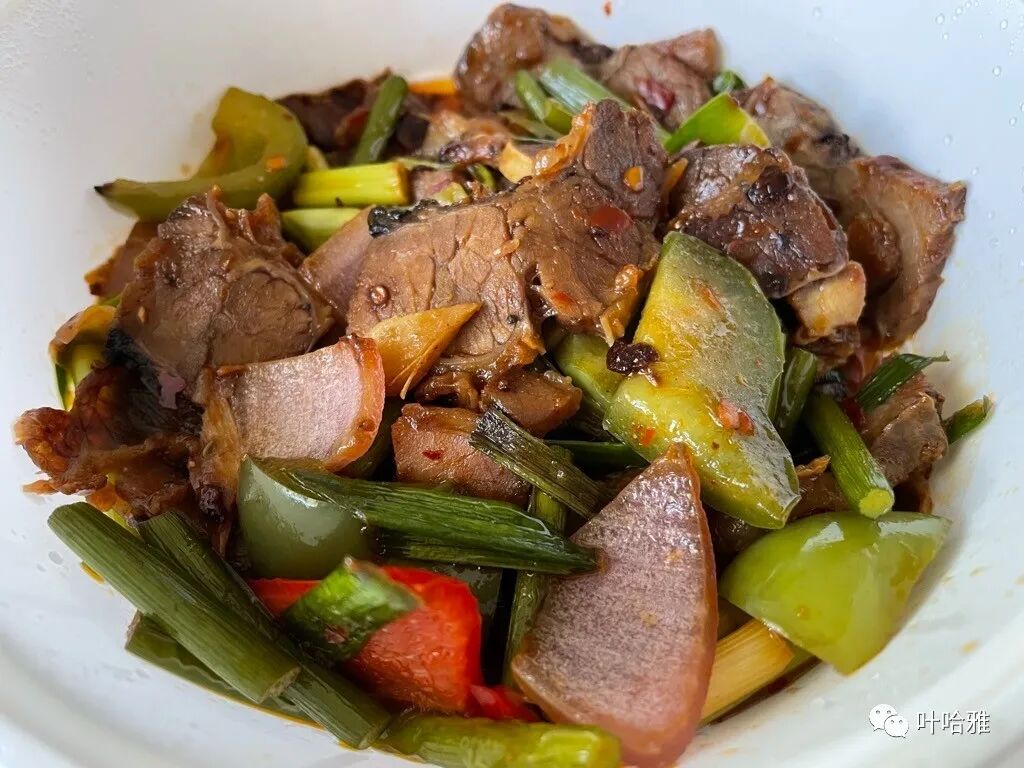
They have a wide variety of barbecue. The grilled squid and grilled chicken skewers are both very tender, though the flavor is on the spicy side.
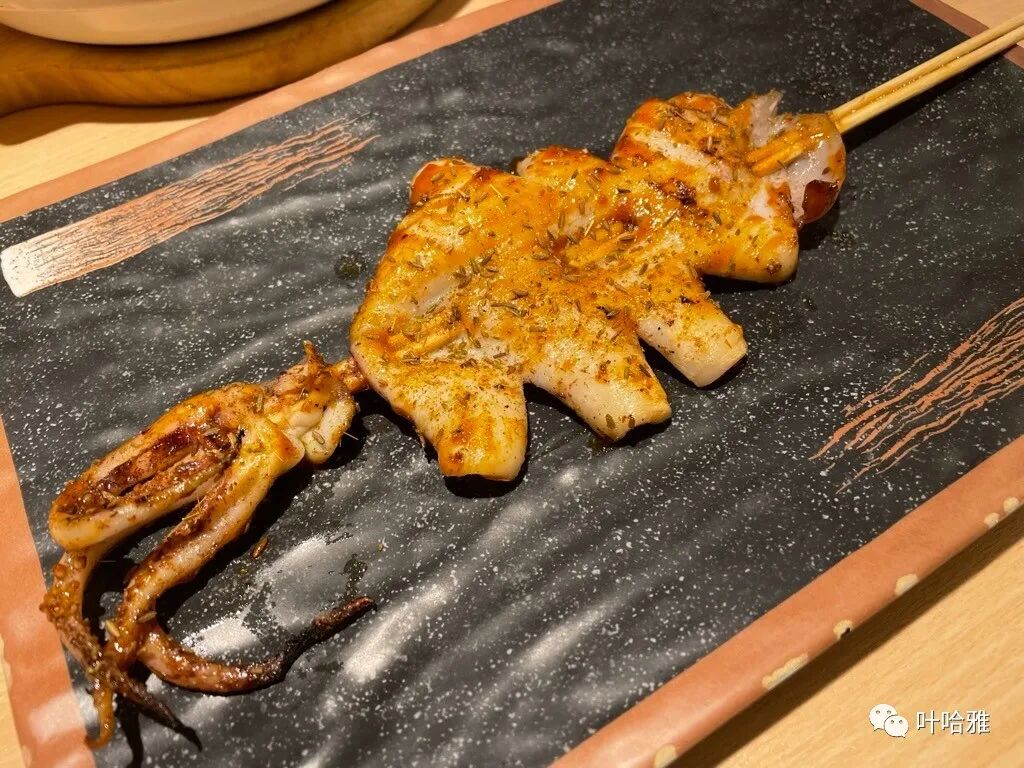
6
BRBR Syrian Coffee
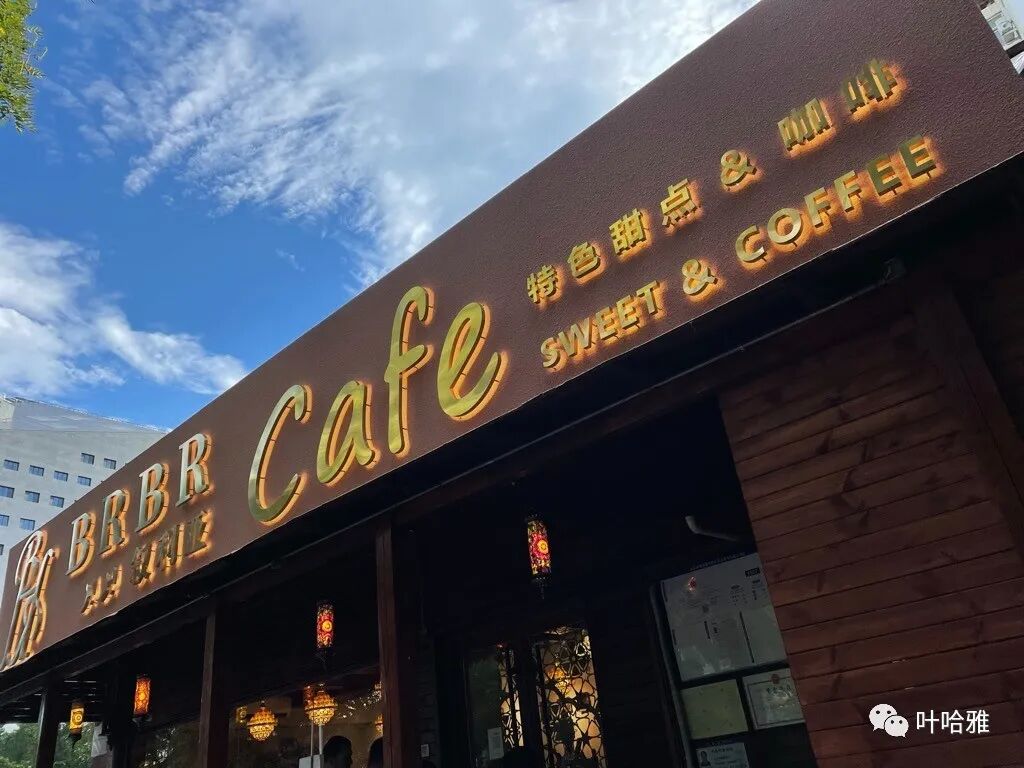
BRBR Syrian Restaurant opened a new cafe right next to their original location, serving Arabic coffee and Syrian desserts.
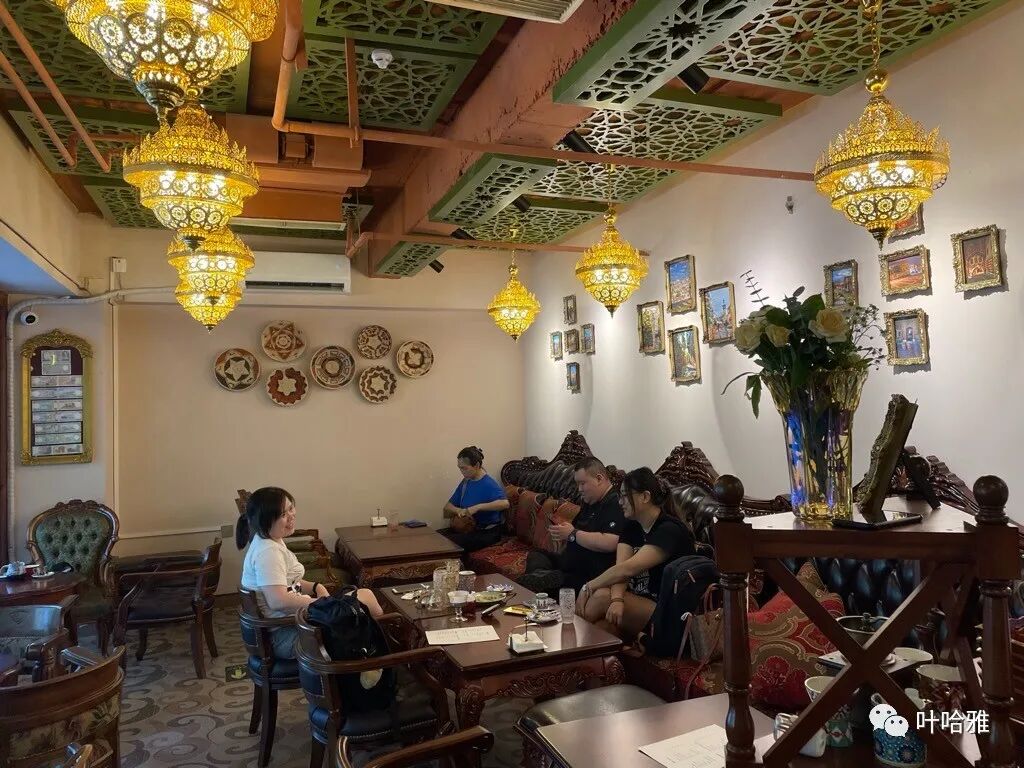
The cafe is small, but the decor is very Syrian. I heard many of the items were brought over directly from Syria.
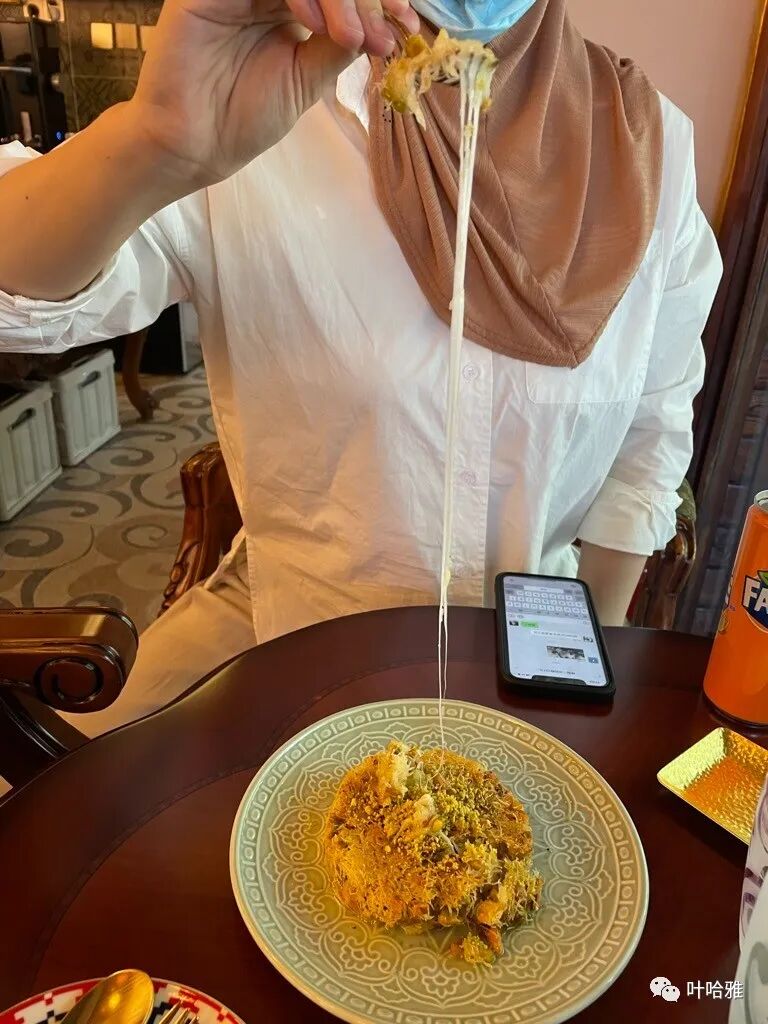
This stretchy dessert is called KUNAFA. It is made with cheese and filled with crushed nuts, and I really like it.
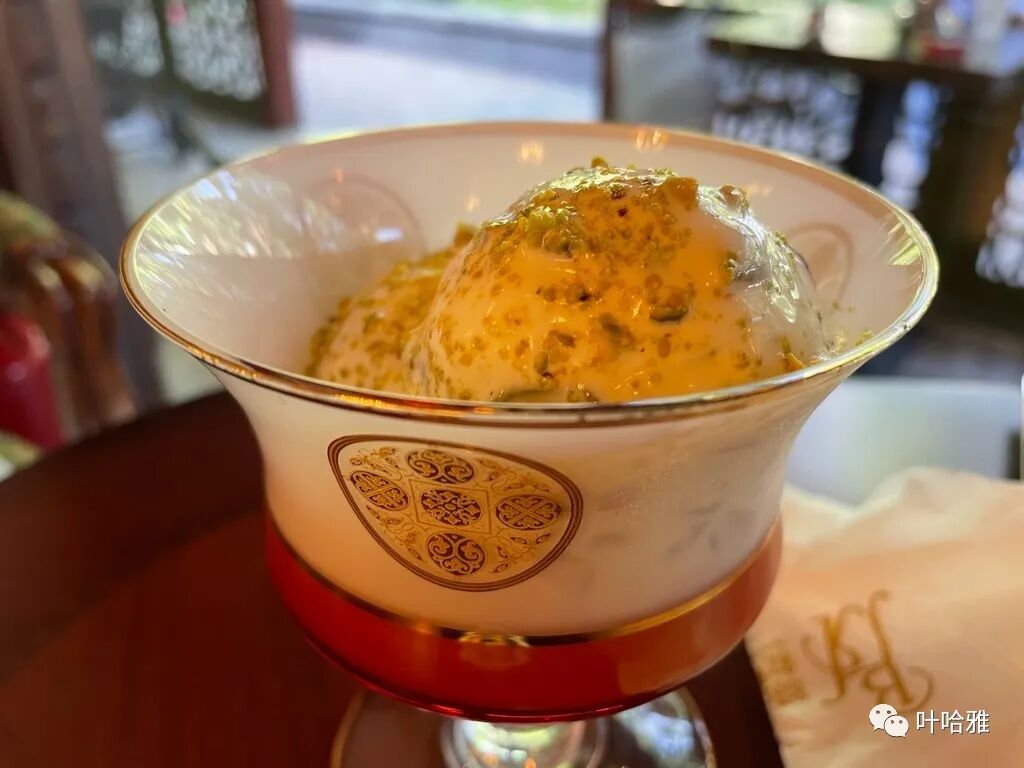
The Syrian ice cream has a very strong milky flavor, and it has quite a lot of crushed nuts inside.
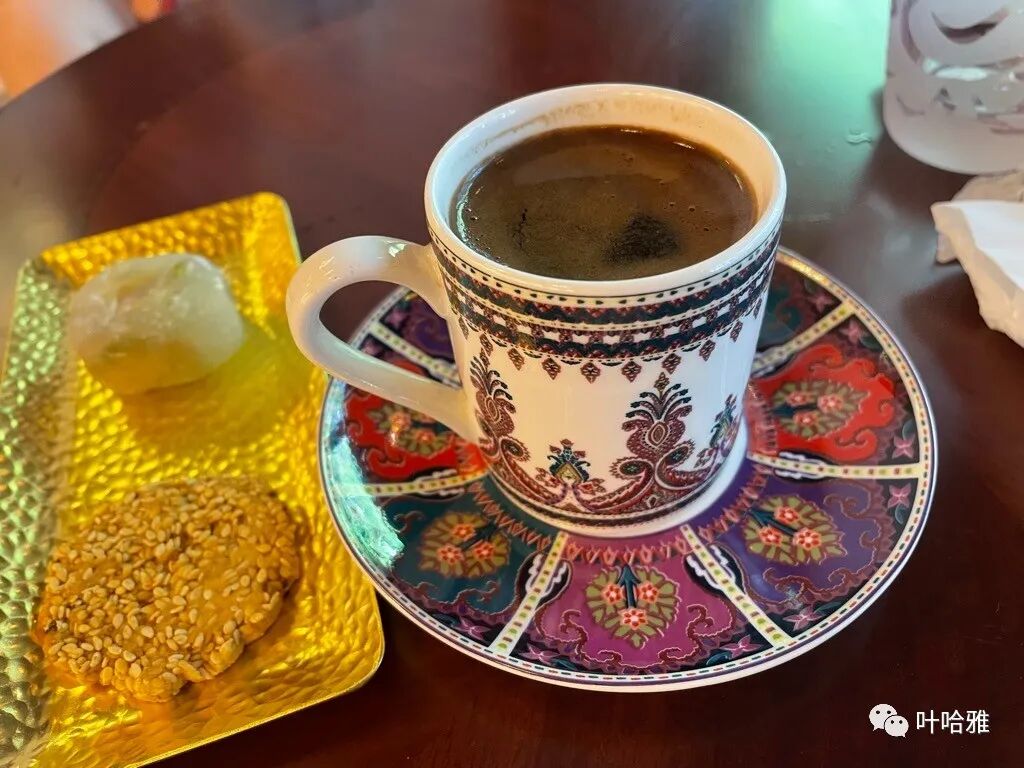
When you drink Syrian sand-boiled coffee, you are tasting history along with the flavor. The world's first coffee house was opened by Syrians. In 1554, a man from Aleppo and a man from Damascus opened it in Istanbul. It took another 100 years before France had its first coffee house in Europe.
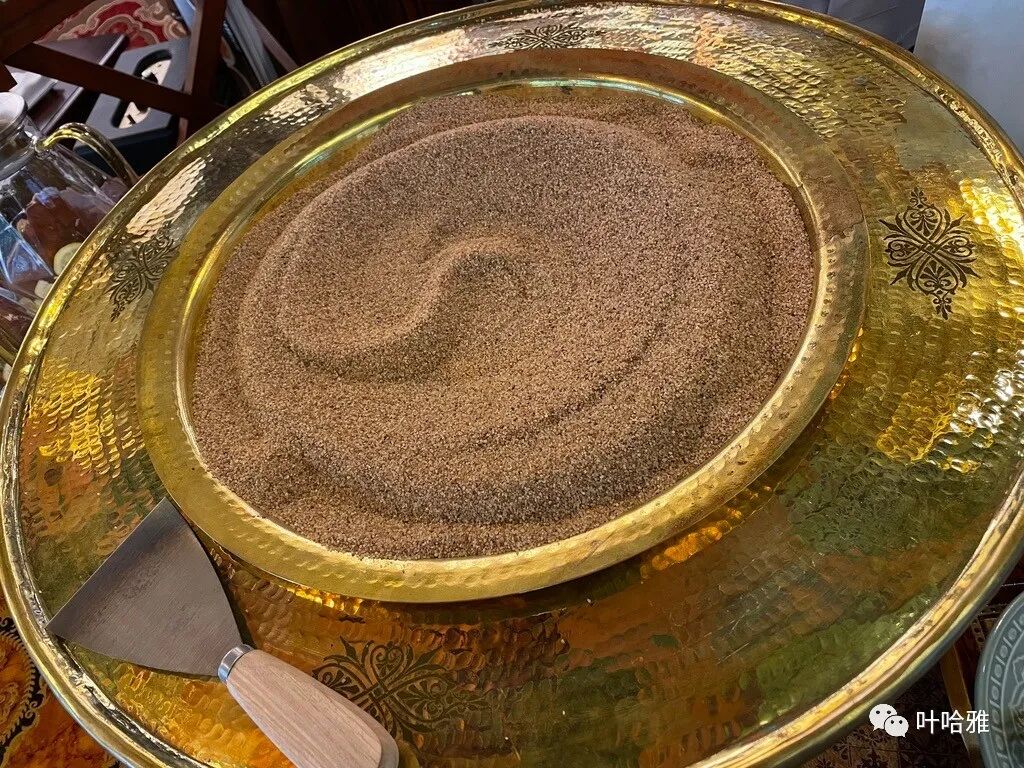
7
Yiyuan Restaurant
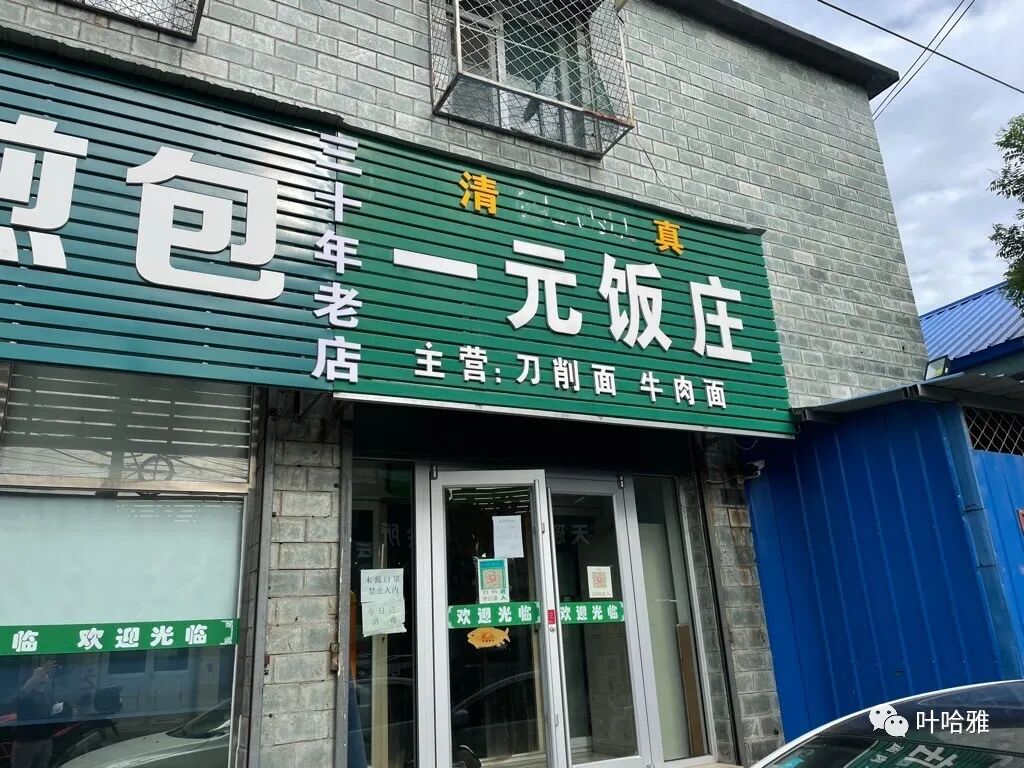
Yiyuan Restaurant is in Yangfang Town, Changping. The name is easy to misunderstand; the 'Yiyuan' here has the same meaning as the name Zhang Yiyuan, it does not mean the food costs one yuan.
Local friends told me this place has a big history. It has been open in Yangfang for thirty years. The owner was the first person to run a hot pot (shuanrou) restaurant in Yangfang Town. He stopped doing that for personal reasons, and then he opened Yiyuan Restaurant.
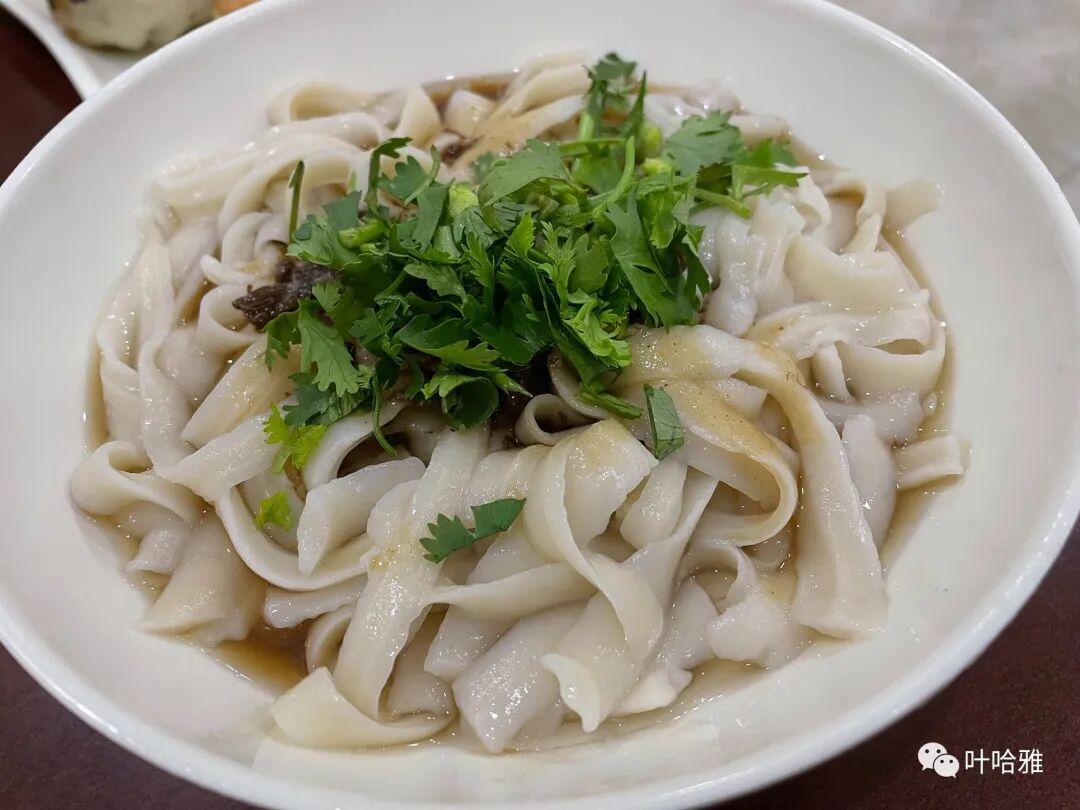
Knife-cut noodles (daoxiaomian)
They have knife-cut noodles, pan-fried buns (shuijianbao), and oat noodles (youmian). These snacks are specialties from the border area between Inner Mongolia and Shanxi, which belongs to the Jin language region. Yangfang Town is located on the essential route for northern merchants traveling to the capital.
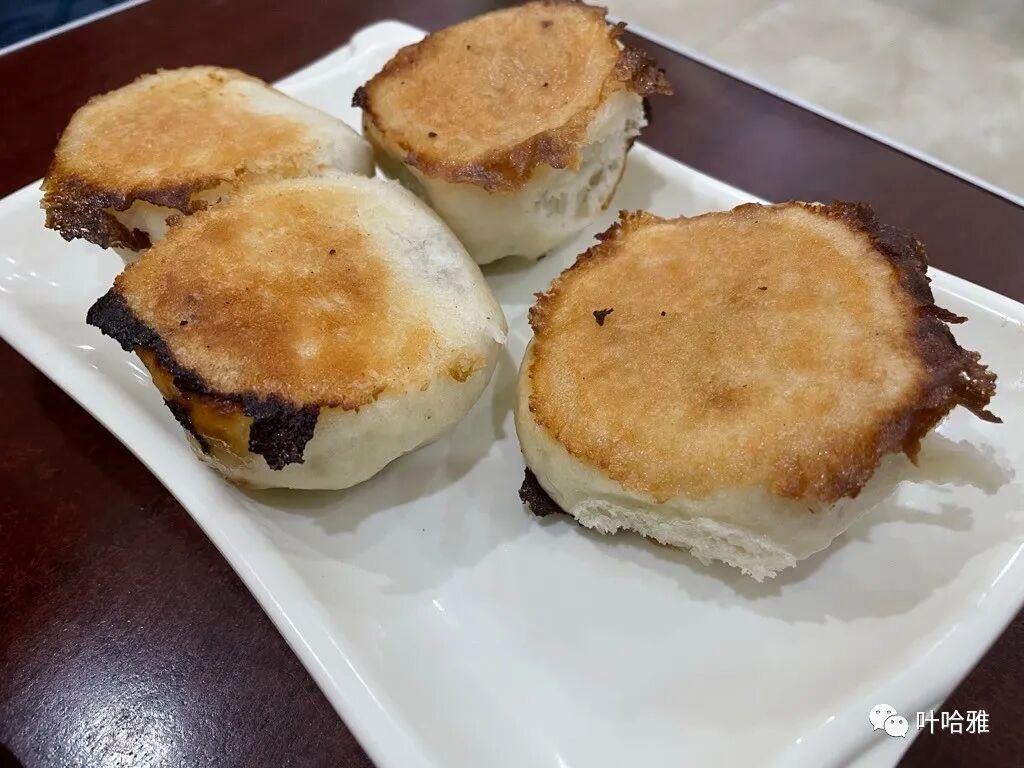
Pan-fried buns (shuijianbao)
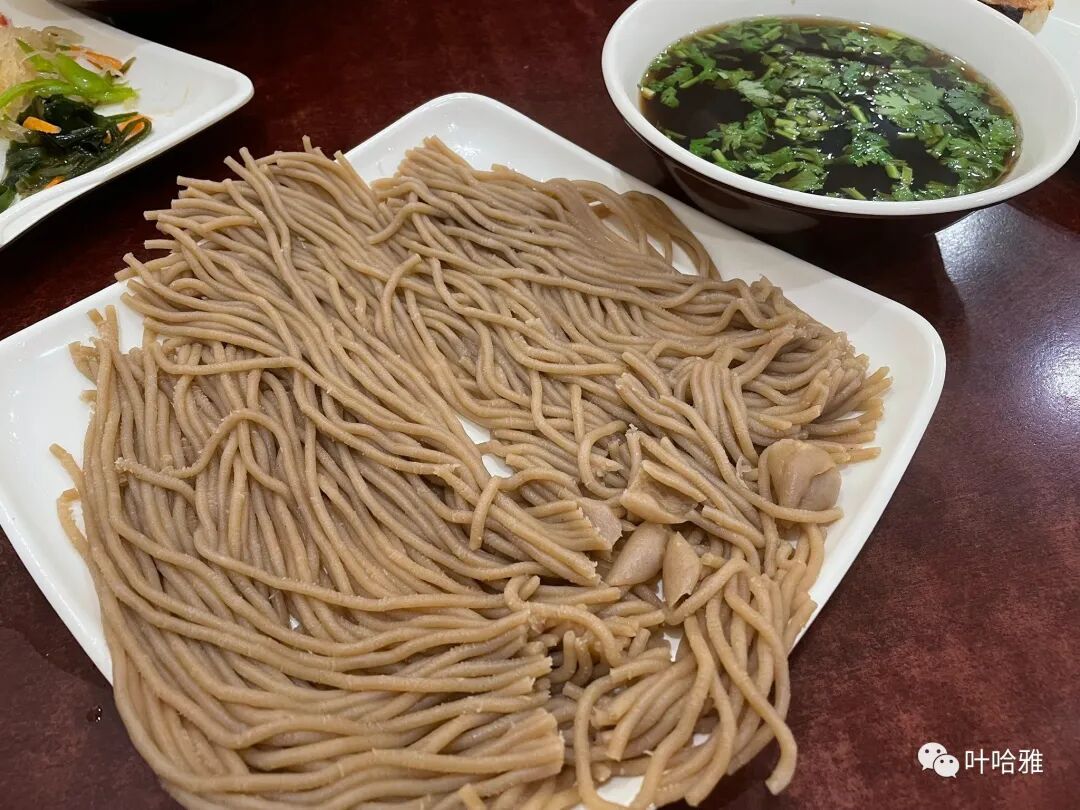
Oat noodles (youmian)
8
Yanlan nourishing braised noodles (huimian)
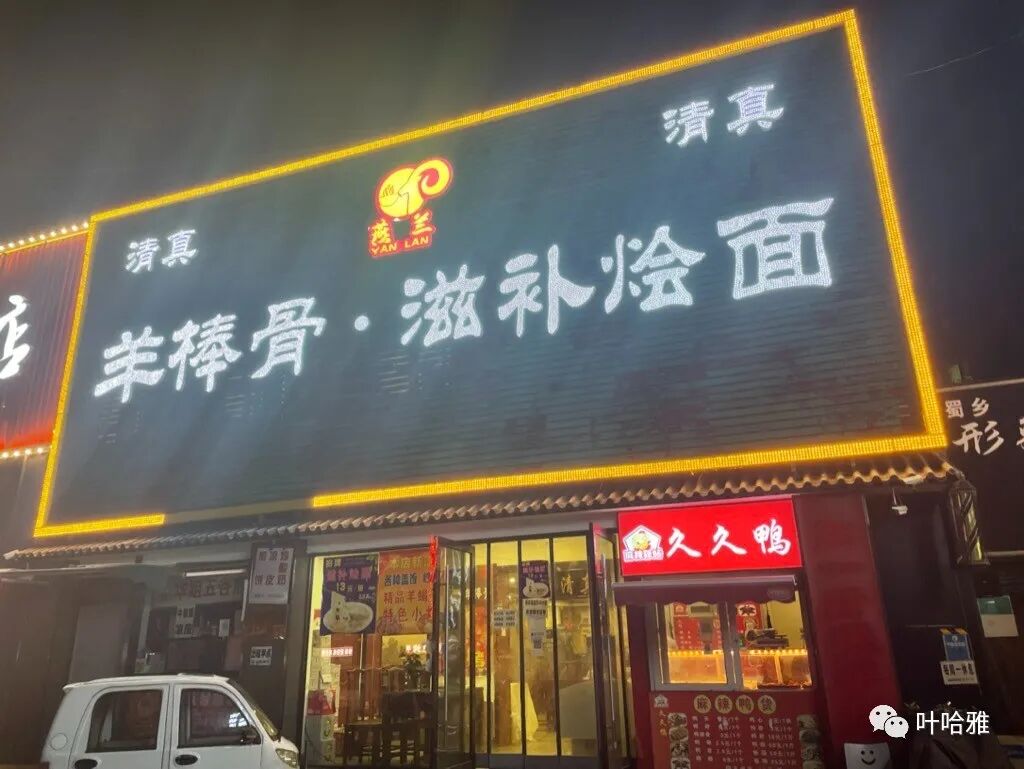
This Henan braised noodles (huimian) shop has been open for years in the Donggaodi area. I asked and found out it is run by Hui Muslims from Zhoukou. A bowl of their braised noodles costs only 13 yuan, which is cheaper than pulled noodles (lamian).
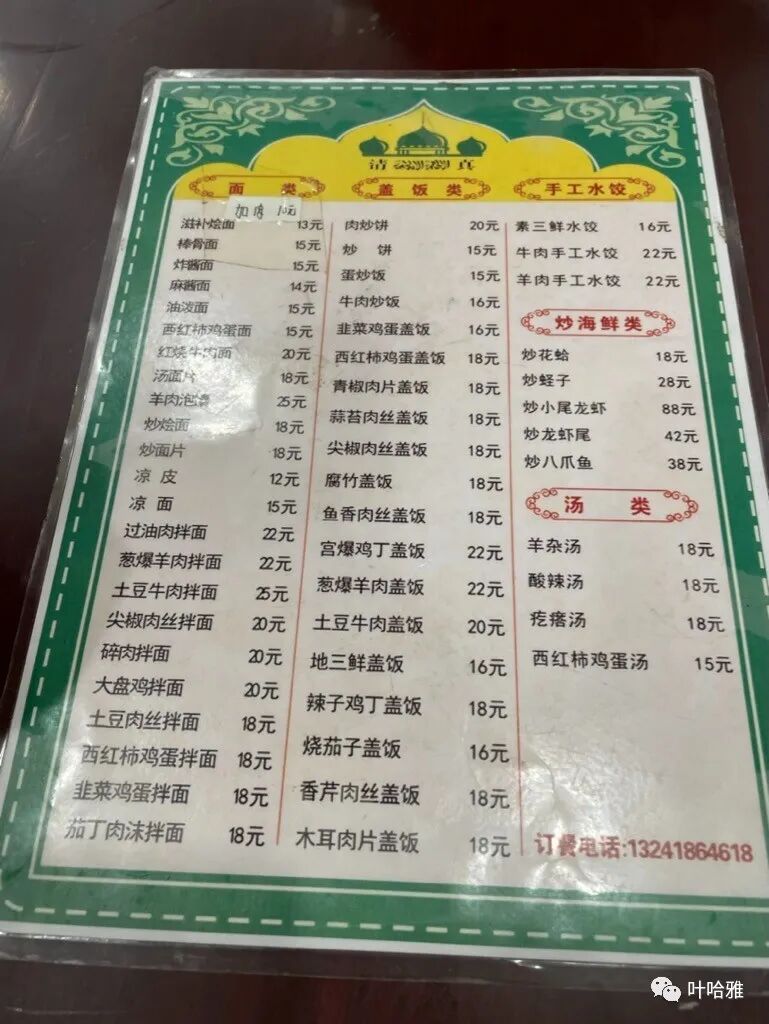
Hot lamb bone marrow (yangbanggu). There is not much meat on them, so you use a straw to eat the marrow inside the bone.
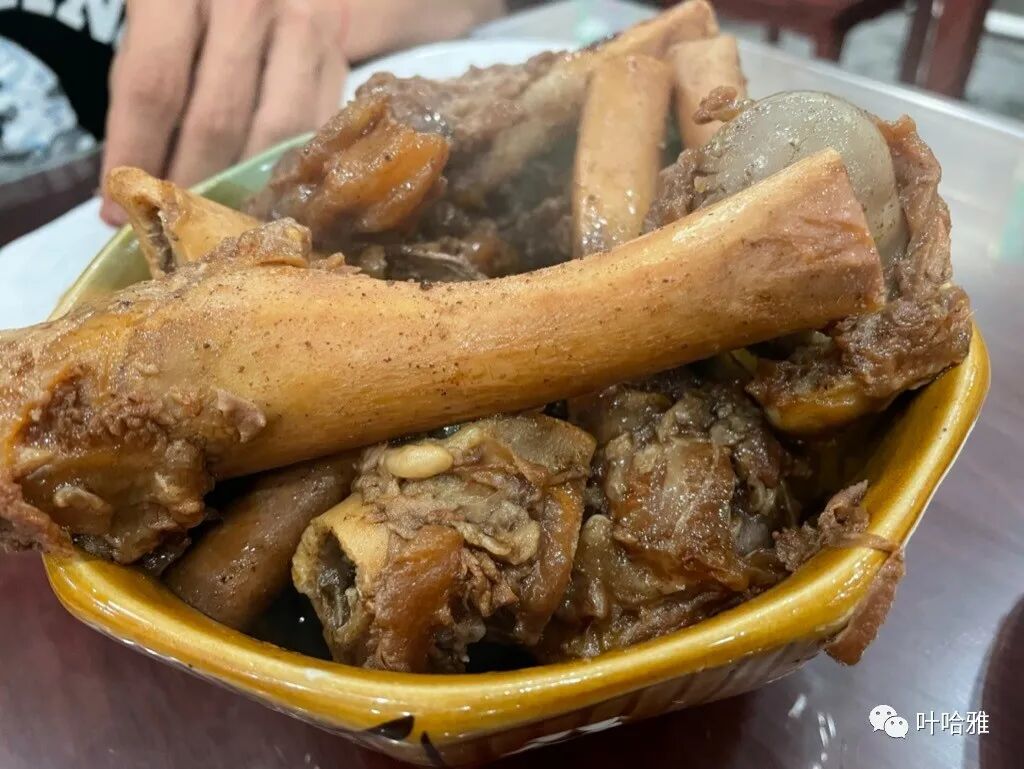
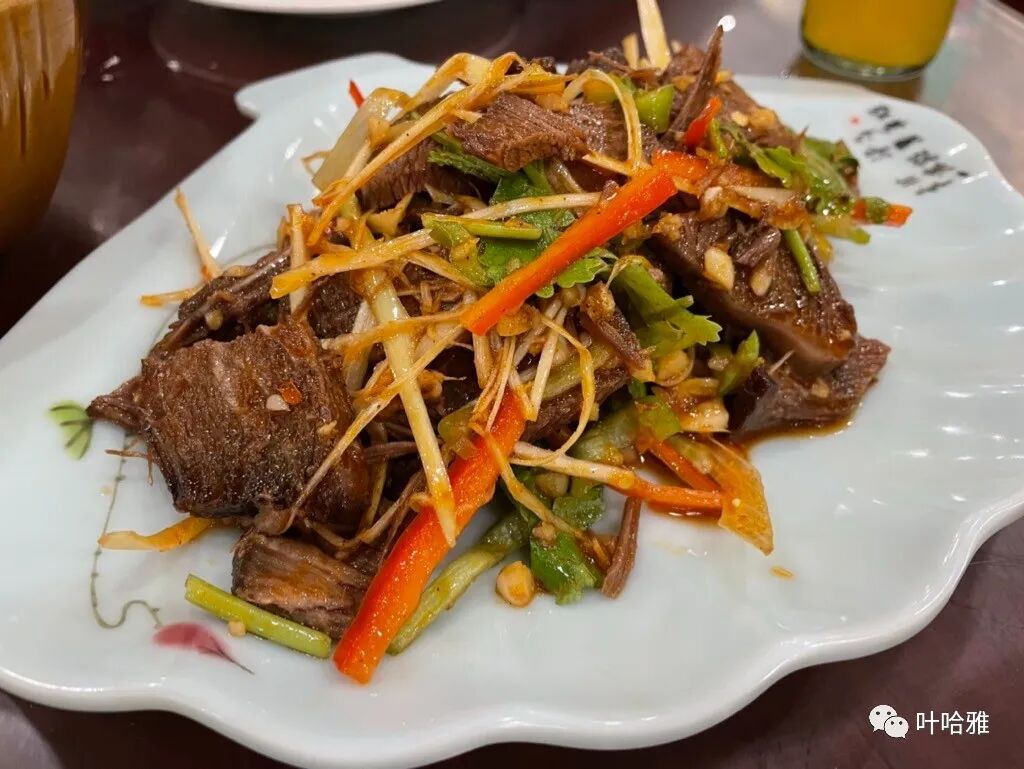
Henan-style cold tossed beef. Adding meat to the braised noodles costs 10 yuan. This shop also sells raw beef and lamb in the nearby market.
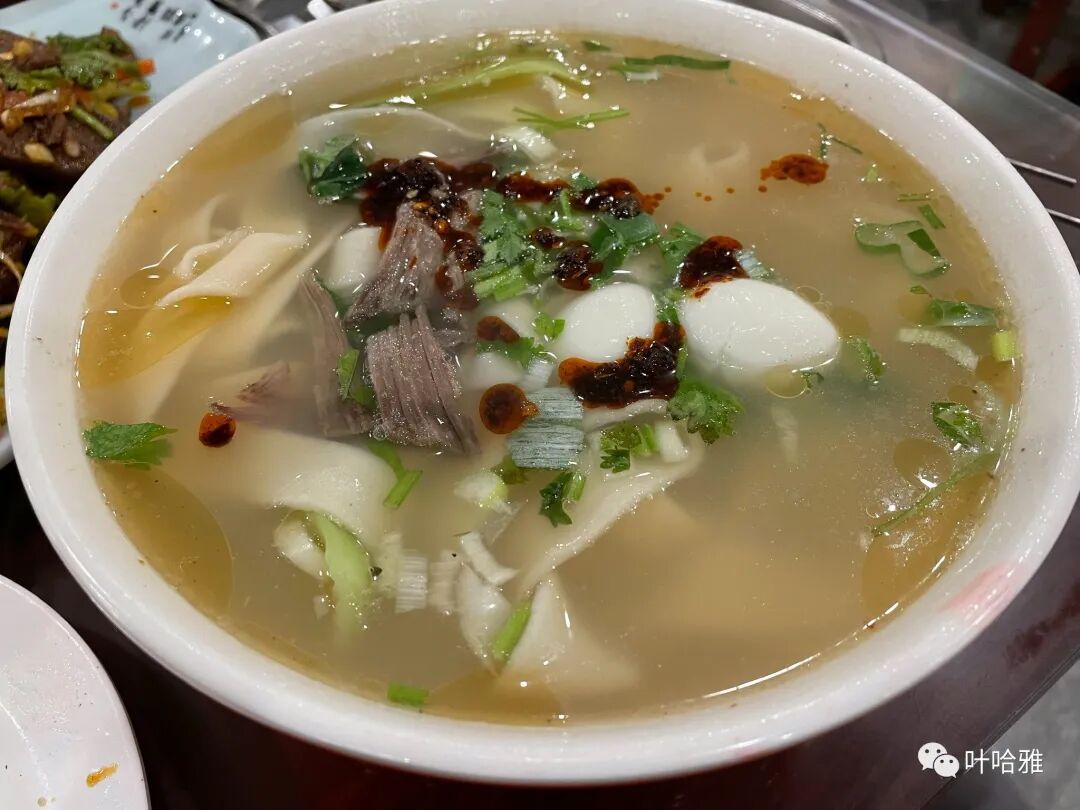
9
Blue Turkish barbecue
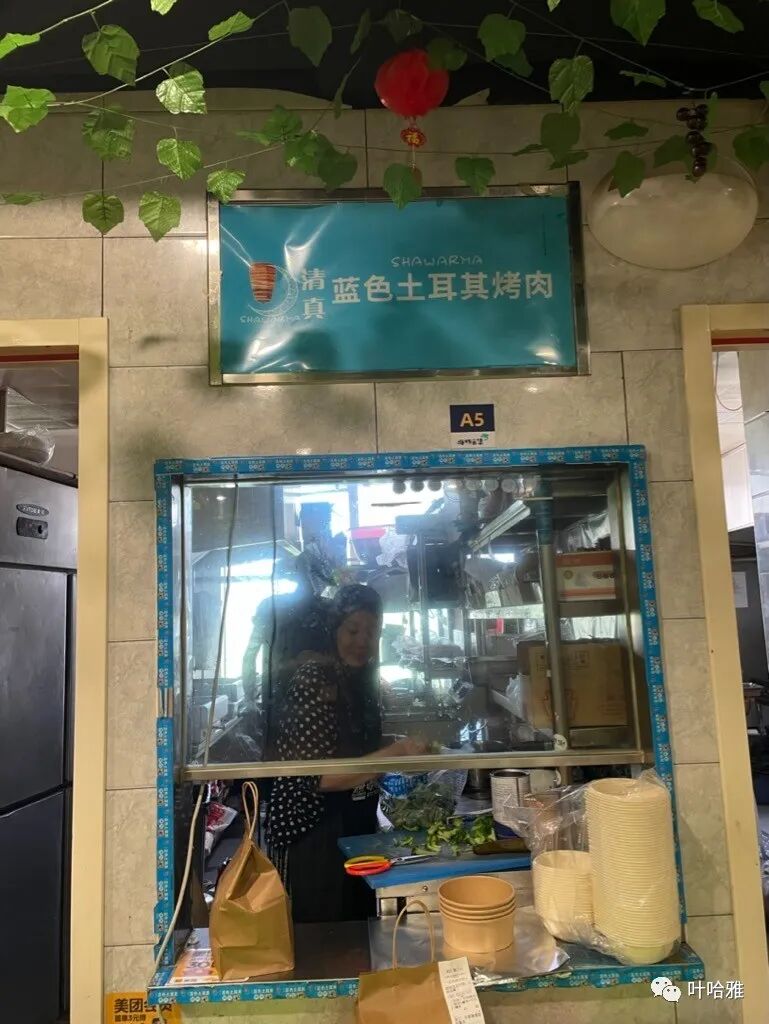
This is a takeout-only stall located in SOHO Shangdu. There is no seating, so you just need to place an order for delivery nearby.
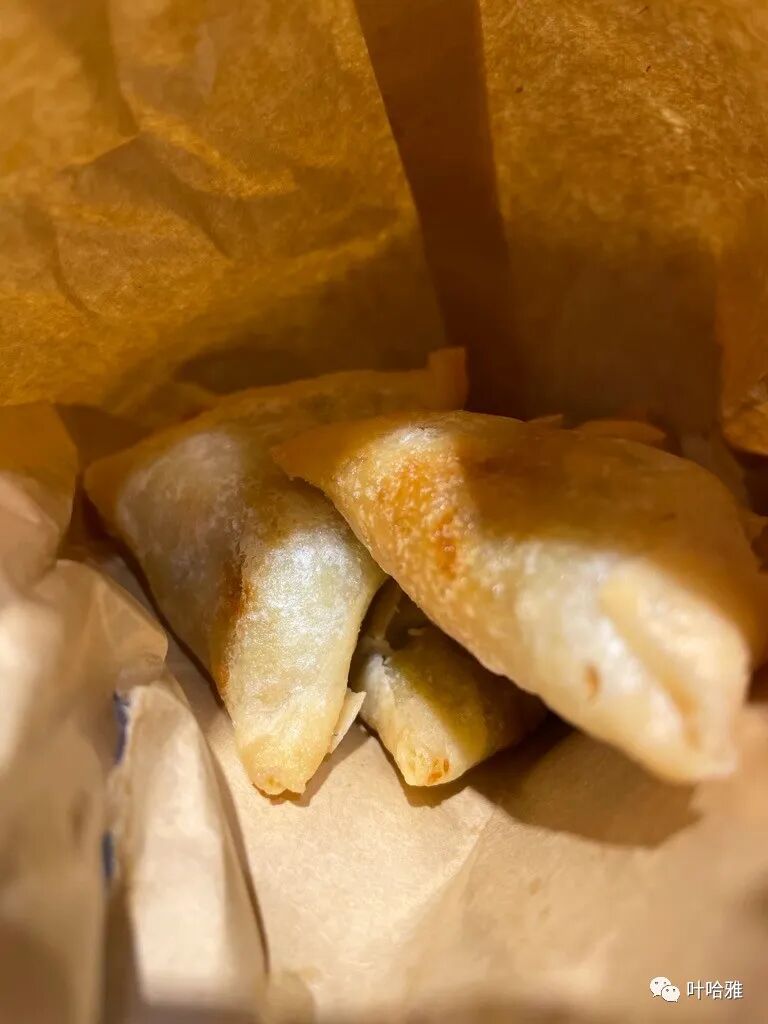
The staff member wears a headscarf and is from Northeast China. This shop is very careful about choosing ingredients, and their online business is doing well. This model was not affected during the pandemic. Friends working near Dongdaqiao can try placing an order.
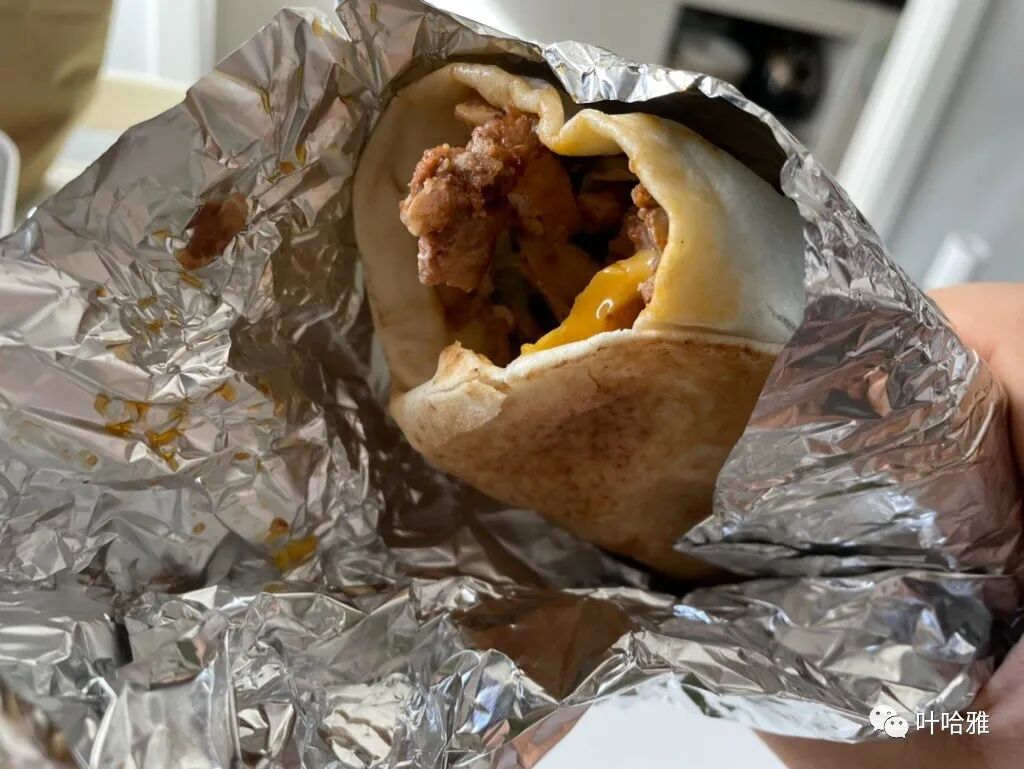
10
Bostana
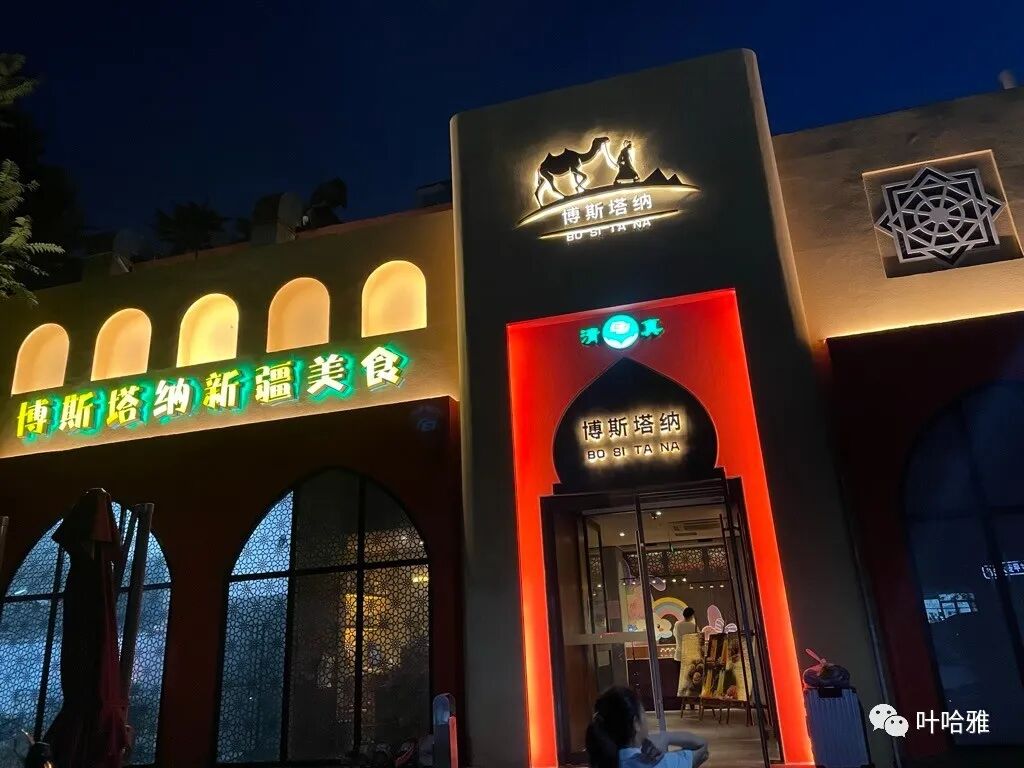
There are so many Xinjiang restaurants in Beijing now. It is hard to find bad Xinjiang food, but making it really good is not easy. This place, Bostana, makes excellent Xinjiang food.
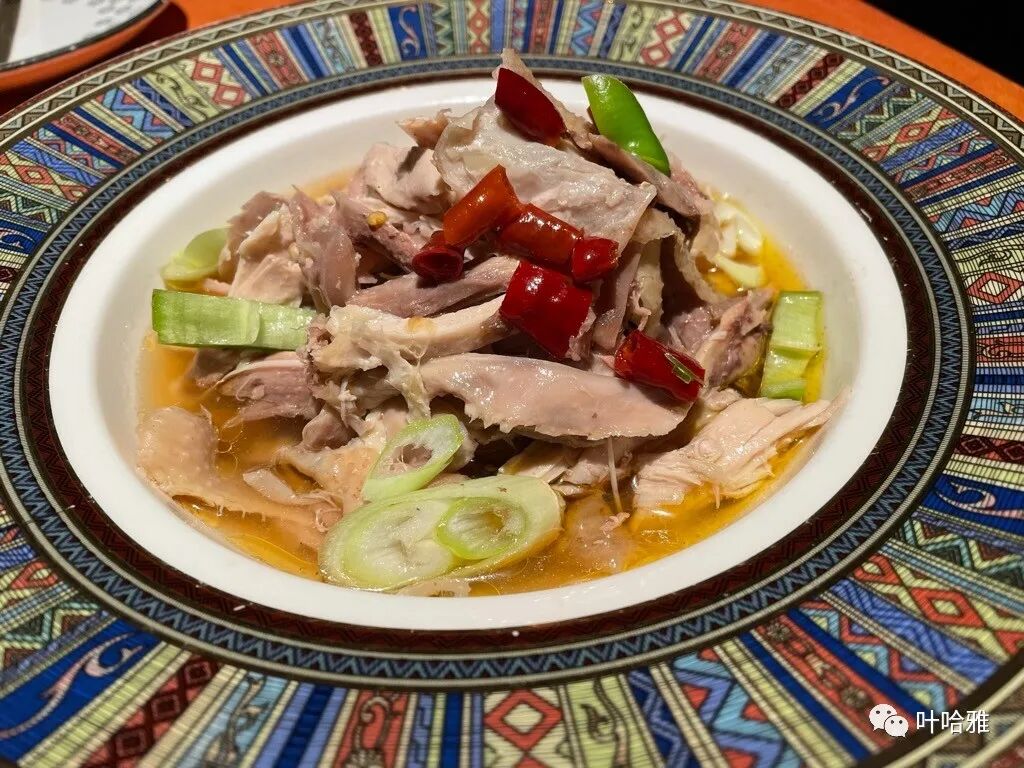
The numbing pepper chicken (jiaomaji), cold starch noodles (liangpi), stir-fried meat with noodles (guoyourou banmian), and spicy lamb trotters (hula yangti) all suit my taste. I just could not get used to their flaky crust baked buns (kaobaozi). I am obsessed with the traditional kind baked over coal fires in a clay oven (nang keng), but you cannot find those in Beijing anymore.
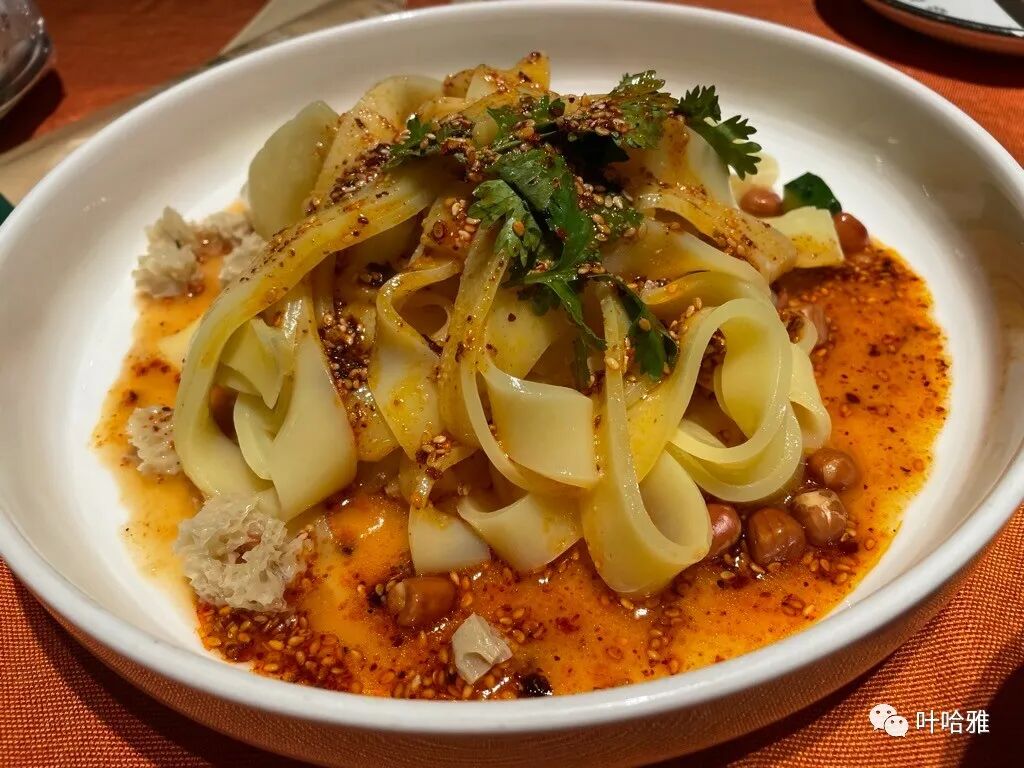
The noodles for the stir-fried meat with noodles must be chewy, and there should not be too much sauce. This restaurant gets both right.
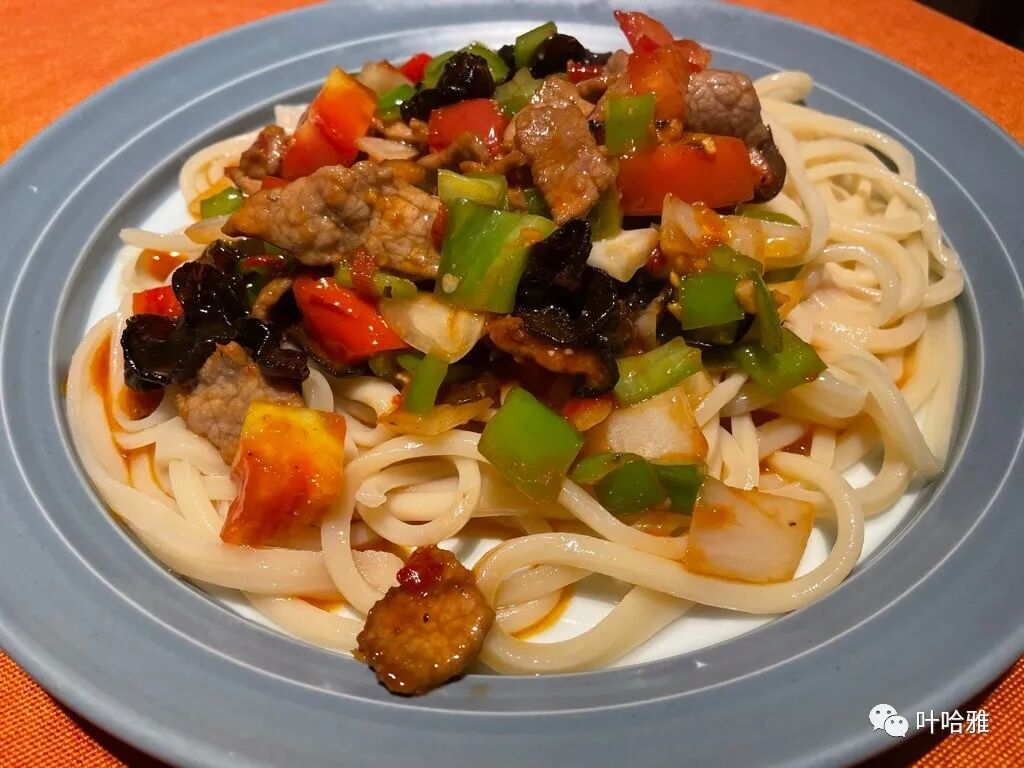
The spicy lamb trotters are stewed until very soft and tender. They add chickpeas, and the meat on the trotters melts in your mouth.
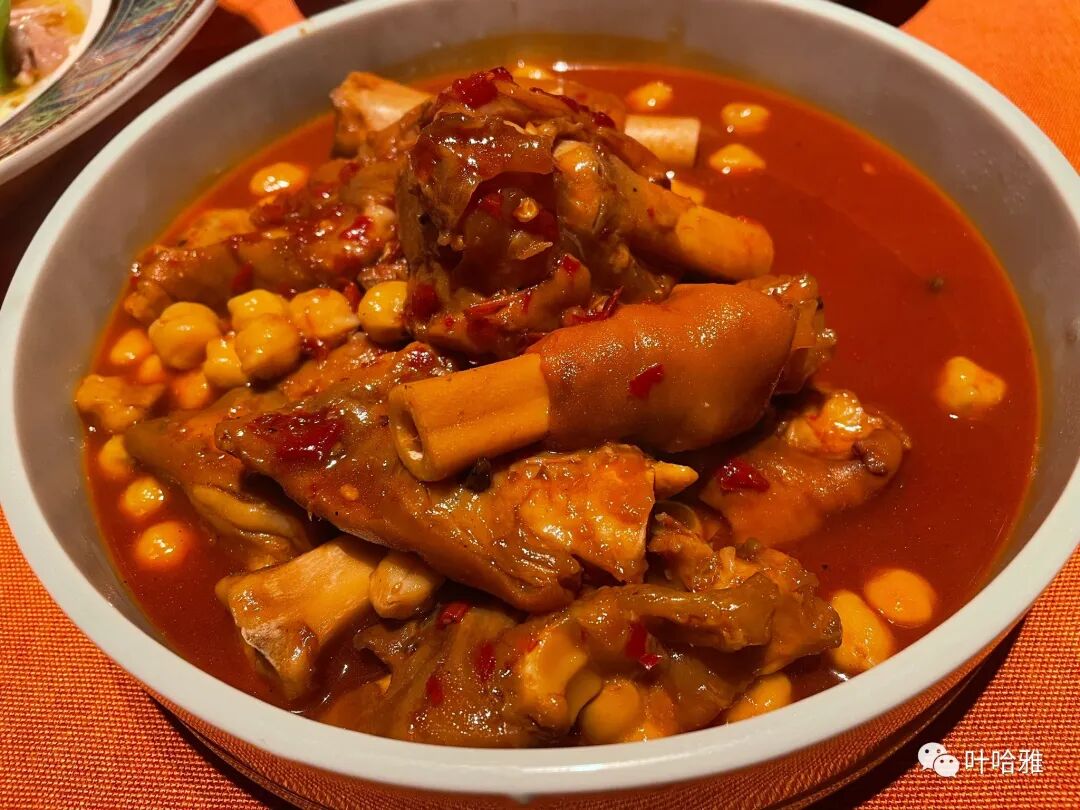
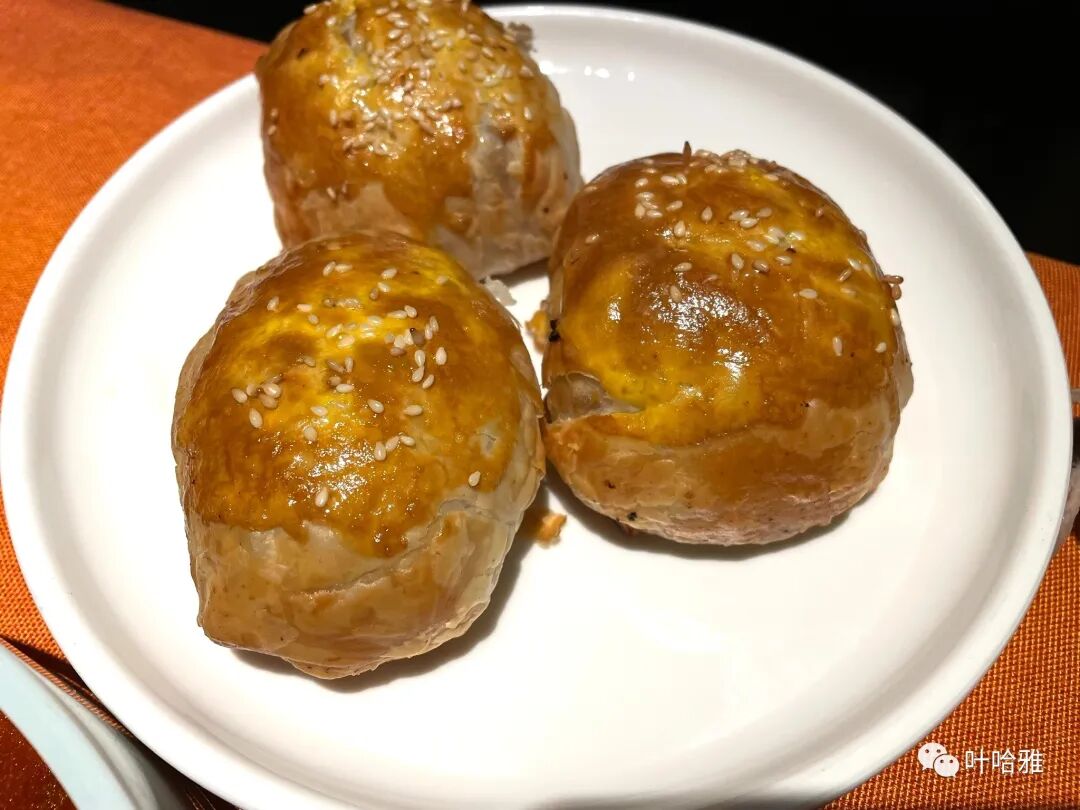
11
Masala Pakistani Restaurant
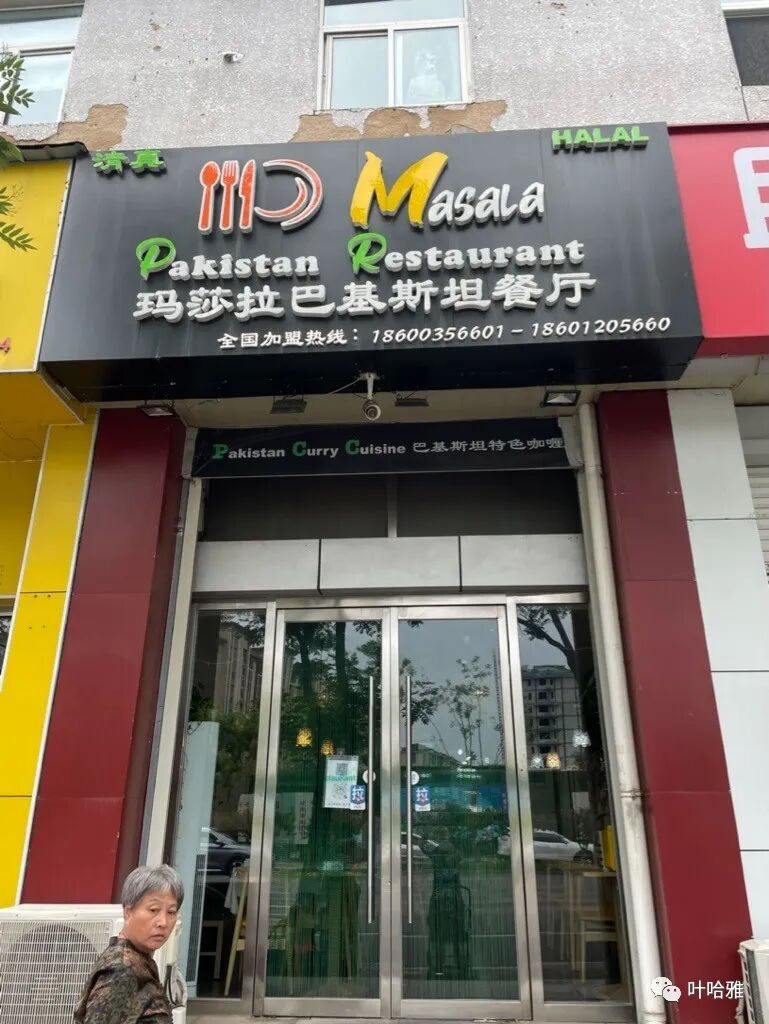
This is a Pakistani restaurant in Huairou town. It is a chain connected to the Sudan Pakistani restaurant in the Huairou mountains. The shop is small and has two floors.
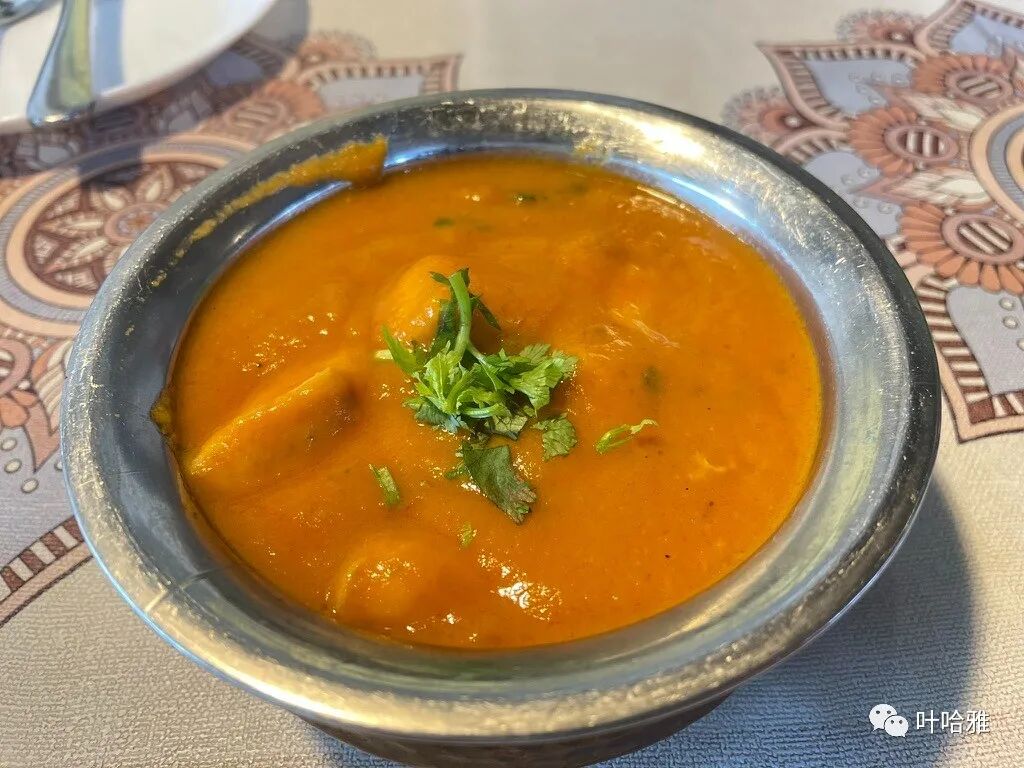
Overall, it offers better value for money than the one in the mountains, and the menu has more variety.
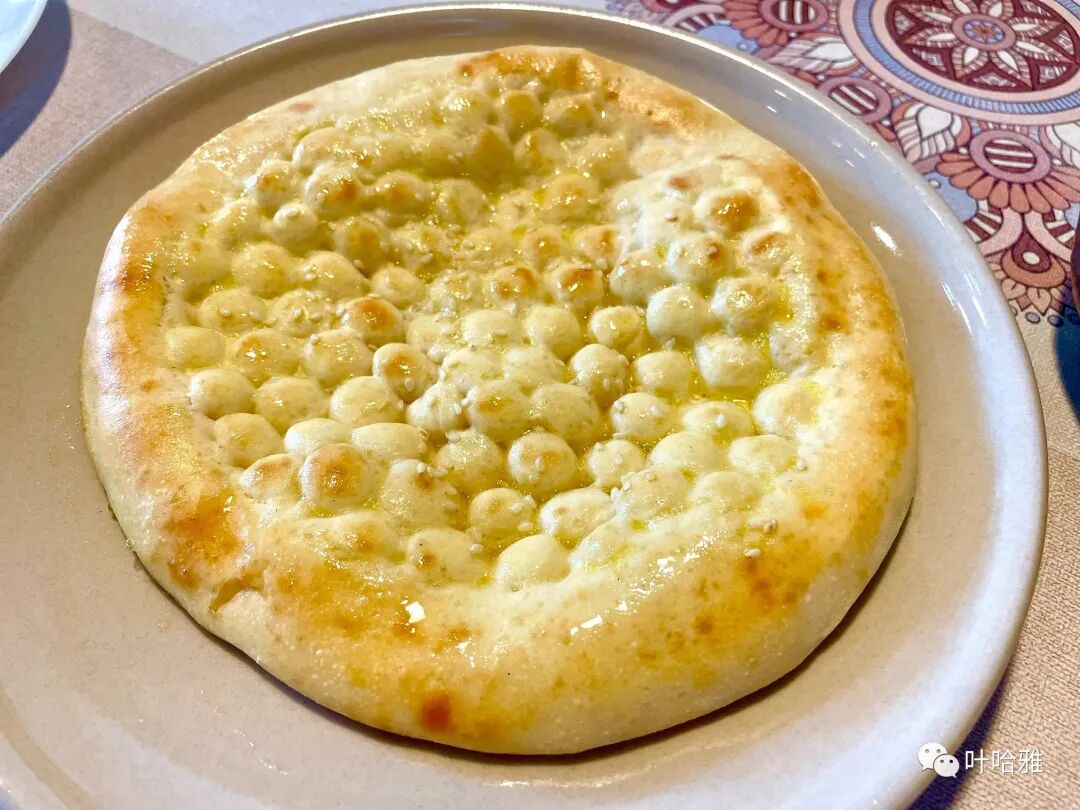
Butter naan
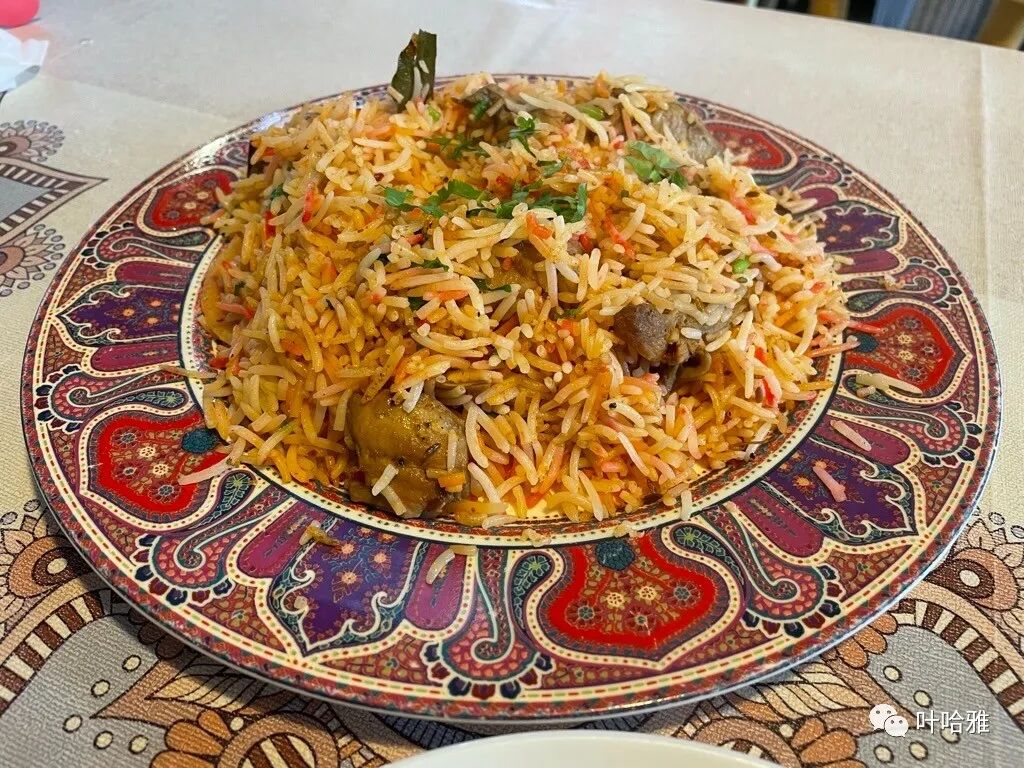
Besides traditional Indian and Pakistani curries and pilaf (zhuafan), the black pepper sausages and durian pizza are also delicious. They also have ice cream and burgers.
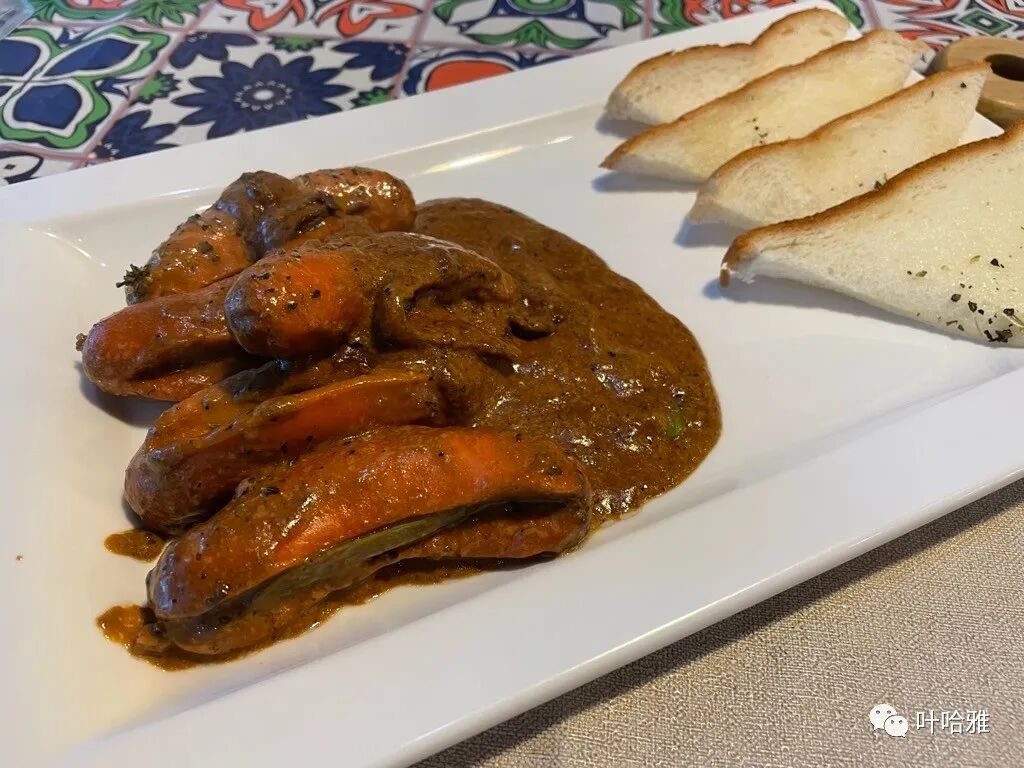
This is also a halal restaurant that does not serve alcohol. After eating here, I have now visited every halal Indian and Pakistani restaurant in Beijing.
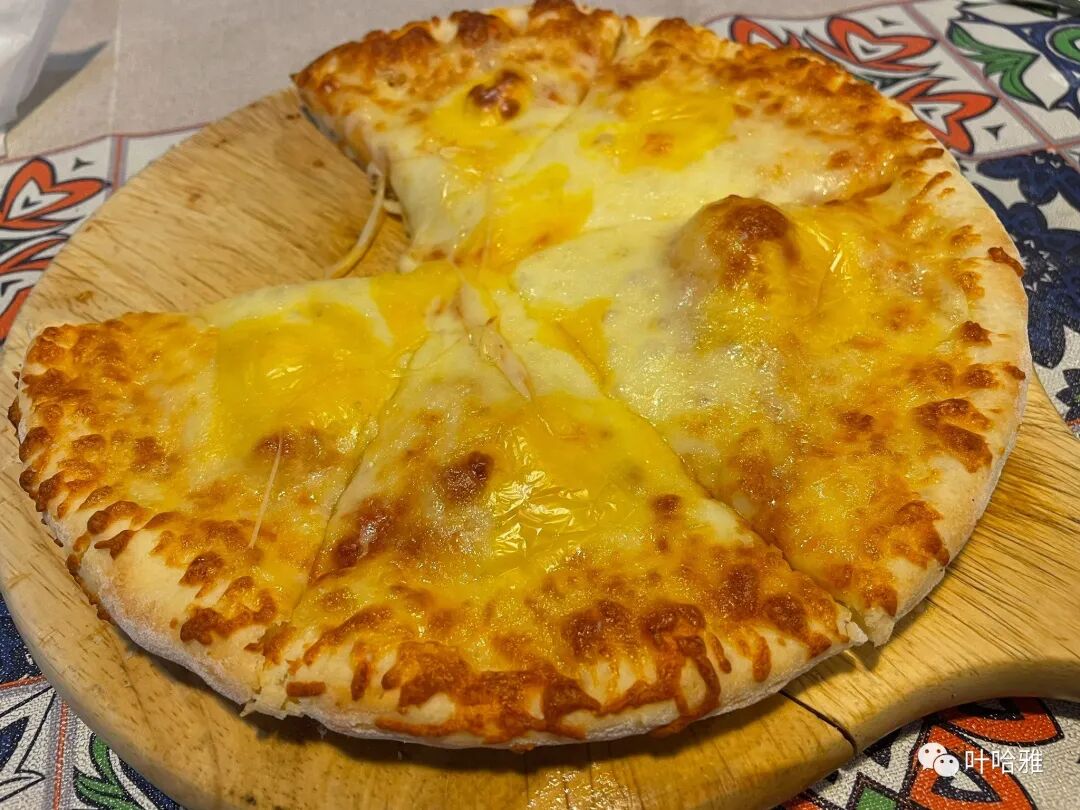
Best Halal Restaurant Beijing: Hotpot, Pakistani Food, Ningxia Cuisine and Hui Restaurants
Articles • yusuf908 posted the article • 0 comments • 239 views • 2026-05-22 11:26
Summary: This Beijing halal food guide highlights new Muslim-friendly restaurants across the city, from Henan huimian and Pakistani masala dishes to Ningxia cuisine, hotpot, and other authentic Hui Muslim food spots.
— Hello, Travel —
This article is a bit late. First, my son is about to be born, so I have been staying by my wife's side almost every moment and going out less. Second, I have been waiting for news that the famous Chengdu halal hotpot brand Niububi is opening in Beijing. Now that Niububi is here, Beijing truly lives up to its reputation as a world capital of halal food.
1
Henan-style: Old Yao's Secret Braised Noodles (huimian).
Old Yao runs two Henan braised noodle shops in Daxing. The one in the photo is not far from the Xihongmen Joy Breeze (Huiju) mall. For breakfast, they serve spicy pepper soup (hulatang) and pan-fried buns (shuijianbao). Note that these two Henan specialties are only sold as breakfast in the morning; after noon, you can only order braised noodles.
The cold dishes at this Henan braised noodle shop are a highlight. There is a wide variety, and they give you a plate to help yourself. Whether it is a good deal depends on how much food you can pile onto that one plate.
If you come in the afternoon or evening, the shop only serves beef bone and nourishing lamb braised noodles. Of course, both taste very authentic.
There are more halal Henan restaurants in Beijing now. For higher-end stir-fry, there is Yufu Shenchu; for snack stalls, there is Guhuaijie Mawu; in Huilongguan, there is Liangji Braised Noodles; and near Caoqiao, there is Xuyiwani Braised Noodles.
2
Indian-Pakistani Cuisine: Sultan Pakistan Restaurant.
A new Indian-Pakistani halal courtyard restaurant has opened in Huatai Village, Sanduhe, Huairou. The courtyard is very spacious with easy parking. I like the style of this place; it is bright, airy, clean, and tidy.
The chef is from Pakistan, and the owner is a local from Huairou. I asked her why she decided to open an Indian-Pakistani restaurant in an area crowded with farmhouse-style eateries. She said she has spent years with Pakistani friends and has long followed a halal lifestyle. She also has another chain store in Huairou county called Masala Pakistan Restaurant.
Many people ask me what masala actually tastes like. Masala is just a general term for Indian spices; a mixture of many Indian spices is called masala.
Because there are not many halal restaurants in the Huairou area, and even fewer with unique features, friends visiting the Mutianyu Great Wall, Hongluo Mosque, or Yanqi Lake scenic areas can stop by this Indian-Pakistani restaurant for a meal.
When I eat Indian-Pakistani food, I must have butter naan and chicken curry. One piece of naan is never enough. The most I have ever eaten was four pieces at an Indian-Pakistani restaurant in Nha Trang, Vietnam. I really love the smell of toasted wheat.
In my heart, Khan Baba ranks first for Indian-Pakistani food in Beijing, followed by Shalimar Indian-Pakistani Restaurant in Shunyi. While some other Indian restaurants are labeled halal, I have doubts about the owners' faith, and the decor has obvious Hindu features, so they do not feel as reliable to eat at as these two.
Curry puffs (gali jiao).
3
Tunisian Cuisine at La Medina
This Tunisian-style restaurant is actually the Mesa Restaurant that opened last year. The location last year was not ideal and the space was small, so this year they moved near the Armenian Embassy.
The white man in profile in the photo is the head chef, a Tunisian Arab. We met him last year, and I even asked him to confirm that the restaurant is halal because they did not have a halal sign hanging up.
In Beijing now, if a restaurant wants to hang a halal sign with Chinese characters, it must be approved by the Ethnic and Religious Affairs Committee. Otherwise, you have to rely on word of mouth to confirm, which feels like going back to the time of the Prophet.
I took a photo of the restaurant's restroom and posted it on WeChat Moments. Many Han Chinese friends asked me why I posted a picture of a toilet. Actually, those who know will understand that the sprayer in this restroom is a facility specifically for Muslims.
Tunisia is in North Africa and has always been a popular vacation spot for Europeans. Tunisian food is also very unique.
Vegetable salad
Tunisian couscous (couscous)
This Tunisian couscous looks like millet and tastes like millet, but it is actually made from ground wheat grains. To us, it looks just like millet. On top of the couscous is Tunisian sausage made of beef. It is a bit salty and goes well with roasted peppers.
Moroccan bean soup
4
Inner Mongolian flavor at Qingcheng Restaurant (Changping Xihuan Road Branch)
Qingcheng Restaurant started in 1994 and is located in Changping District. I think it is the most authentic Inner Mongolian restaurant in Beijing. I have introduced the old shop before, and today I am introducing this branch. You can eat pot-wrapped beef (guobao niurou) at the main store, and at this branch, you can eat beef tripe hot pot and steamed dumplings (shaomai).
Beef tripe hot pot
A full pot of beef tripe costs only a little over 100 yuan, and the average cost per person is no more than 70 yuan. Prices in Changping are much lower than in the city center.
The steamed dumplings are also the most authentic Inner Mongolian flavor I have found in Beijing.
Sheep head meat
5
Qiqihar Flavor: Three Brothers Barbecue
Located on the first floor of Xingmei Building on Qinghe Heiquan Road, this is a Qiqihar-style barbecue restaurant.
We bought a set meal for two on Dazhong Dianping for 198 yuan.
The set meal had a good variety, but the taste was just average. It was cheap, though. There is a Northwest-style restaurant next door, and the two businesses operate together.
This iron plate barbecue is typical of the Qiqihar style. Since a new Qiqihar barbecue place just opened near Changying, there are now three halal Qiqihar barbecue restaurants in Beijing.
Cold noodles (lengmian), which every Qiqihar barbecue restaurant serves.
6
Qiqihar Flavor: Toupiqi
This shop is in Guanzhuang and opened recently. It is the third halal Qiqihar barbecue restaurant in Beijing.
The quality here is much better than at Three Brothers. Since it is located in the Changying area, it would be hard to survive if the meat quality were not good.
The shop has two floors, plenty of space, and convenient parking at the entrance, making it great for small gatherings with friends.
If I had to rank the three big Qiqihar barbecue spots in Beijing, I would put this one in second place and Dajinggai Barbecue Company in first. Dajinggai’s environment is designed to look like a street-side barbecue tent in Qiqihar, which feels more authentic, and their cold noodles and fried rice are delicious.
Three of us could not even finish this big table of food. The group-buy price was 191 yuan, which is very affordable.
7
Heilongjiang Flavor: Uncle Oyster Iron Pot Stew
A newly opened Northeast iron pot stew (tieguo dun) restaurant near Jiande Bridge, located in the basement of Qingxiangge Dalian Seafood.
Ever since the halal Erjie Earth Pot Stew (diguo dun) in Xueying, Daxing closed, I have not had authentic Northeast earth pot stew.
So, I invited three or four friends from the group to come and try it. We had to order the iron pot stewed goose, as you need a group to eat it.
This dish is called mashed garlic egg (suandaodan). It is a home-style specialty from Northeast China made with eggs and has a salty, savory flavor.
For raw vegetables with dipping sauce (zhanjiangcai), I love the cucumbers and green onions. I have loved eating green onions with soybean paste (dajiang) since I was a kid, especially with a hot, freshly steamed white bun (mantou).
To eat iron pot stewed goose (tieguo dun da'e), first put the chopped goose into the bottom of the pot, then add your choice of side dishes. We chose golden beans, tofu, shiitake mushrooms, and potatoes. Cover the pot and stew for 15 minutes. Place steamed flower rolls (huajuan) and griddle cakes (tiebingzi) on top. When the time is up, the meat below is stewed and the staples on top are steamed. Everything is fresh and delicious.
This pot of stewed goose was enough for 6 of us. We finished every bit, and it cost 60 yuan per person.
8
Pingliang Flavor: Longxiang Hui Lamb Pita Bread Soup (yangrou paomo)
A lamb pita bread soup shop opened on Dongsi Street. People usually think of Xi'an style when they hear about pita bread soup, but this shop has the character 'Long' in its name, so I guessed it was Pingliang style.
I have many friends from Pingliang, and they often talk about the difference between Pingliang and Xi'an pita bread soup. Pingliang pita bread soup is its own thing; it has more broth, and the bread is fully cooked. Unlike the Xi'an version where the bread is only 70% cooked, you don't need to break the Pingliang bread into tiny pieces. Keep them in larger chunks. It is best to serve the broth and bread separately and soak the bread as you eat.
The owner told me the chef comes from the famous Chunhua Restaurant in Pingliang, which all the local elders know. The master chef has spent most of his life cooking and knows his craft well. Besides pita bread soup, you can also get Gansu-style hand-grabbed lamb (shouzhuayangrou) and cold-tossed beef.
I heard they recently added cat-ear noodles (mashi) and cold noodles (liangpi). These are Gansu specialties that are tasty and affordable.
9
Lanzhou Flavor: Silk Road Yilan Spicy Hot Pot (malatang)
Silk Road Yilan, the only place on Niujie Street that doesn't sell alcohol, recently added spicy hot pot inside their noodle shop. The flavor is great, and it is served in individual pots, making it clean and hygienic.
If you don't want noodles and want to eat more vegetables, you should come and try it.
10
Inner Mongolia Flavor: Mengdameng Specialty Roasted Lamb Leg
A small Mongolian-style barbecue shop near the Xihongmen Mosque.
I didn't come here for their roasted lamb leg. I eat too much meat usually, so I wanted something light.
My favorite dish here is the Mongolian big bowl noodles (menggu dawan mian). The noodles are wide and the soup is a bit spicy, but the noodles are chewy. Many friends say it tastes great.
You can order the roasted lamb ribs (kao yangpai) by the jin. These are small lamb ribs.
Roasted sweet potato slices (kao digua pian)
11
Sichuan-style Niububi clear oil tripe hot pot
I first ate at Niububi in Chengdu in 2016. That was my first time having authentic halal Chengdu hot pot. I waited in line for over two hours, but it was worth it. I later ate at their Xining branch, but it is a pity that Beijing has never had a truly authentic halal Sichuan hot pot restaurant, only a few cold pot skewer shops.
The restaurant is on the second floor of Quanpin Jinsha in Mudanyuan. The space is large, and the interior design was reportedly done by a Hui Muslim designer.
Niububi gets its ingredients from the Tangjiasi Hui Muslim community under Chengdu's jurisdiction, which is the largest livestock trading area in the southwest. The owner of Niububi is a local Sichuan Hui Muslim, and the head chef is also a Sichuan Hui Muslim who is skilled at making Sichuan cuisine.
Iced jelly (bingfen)
Iced jelly is a must-have dessert for Sichuan hot pot. It is mainly used to cool down the spice, and it is cold, sour, and sweet.
Duck intestines (ya chang)
Duck intestines and tripe are essential dishes for Chengdu hot pot. Duck intestines cook as soon as you dip them in the water.
Shabu-shabu tripe (mao du) is their signature specialty. Fresh beef tripe only needs a few seconds in the pot, commonly known as 'seven up, eight down,' otherwise the texture will get tough.
Freshly fried crispy beef (xiao su rou) is also a standard snack for Sichuan hot pot. The beef is tender, fresh, and crispy.
Brown sugar sticky rice cake (hongtang ciba)
Unlike some shops that buy pre-made brown sugar sticky rice cakes to heat up, Niububi makes theirs on the spot to ensure the best texture.
The shop is called Niububi, which means their beef quality is so good it does not need to be compared to anyone else's. The name also sounds like a slang term for awesome. Niububi really is awesome among my friends, and it is the most authentic Sichuan hot pot I have ever had. I am so happy to find the same taste in Beijing as in Chengdu; it gives us one less reason to travel to Chengdu.
From this Sunday the 19th through the 30th, Niububi is holding a soft opening promotion with 32% off everything. Usually, there are no discounts and the average cost is about 150 to 200 yuan per person, so you can save quite a bit with this deal. Don't miss out on these dates. view all
Summary: This Beijing halal food guide highlights new Muslim-friendly restaurants across the city, from Henan huimian and Pakistani masala dishes to Ningxia cuisine, hotpot, and other authentic Hui Muslim food spots.
— Hello, Travel —
This article is a bit late. First, my son is about to be born, so I have been staying by my wife's side almost every moment and going out less. Second, I have been waiting for news that the famous Chengdu halal hotpot brand Niububi is opening in Beijing. Now that Niububi is here, Beijing truly lives up to its reputation as a world capital of halal food.
1
Henan-style: Old Yao's Secret Braised Noodles (huimian).
Old Yao runs two Henan braised noodle shops in Daxing. The one in the photo is not far from the Xihongmen Joy Breeze (Huiju) mall. For breakfast, they serve spicy pepper soup (hulatang) and pan-fried buns (shuijianbao). Note that these two Henan specialties are only sold as breakfast in the morning; after noon, you can only order braised noodles.
The cold dishes at this Henan braised noodle shop are a highlight. There is a wide variety, and they give you a plate to help yourself. Whether it is a good deal depends on how much food you can pile onto that one plate.
If you come in the afternoon or evening, the shop only serves beef bone and nourishing lamb braised noodles. Of course, both taste very authentic.
There are more halal Henan restaurants in Beijing now. For higher-end stir-fry, there is Yufu Shenchu; for snack stalls, there is Guhuaijie Mawu; in Huilongguan, there is Liangji Braised Noodles; and near Caoqiao, there is Xuyiwani Braised Noodles.
2
Indian-Pakistani Cuisine: Sultan Pakistan Restaurant.
A new Indian-Pakistani halal courtyard restaurant has opened in Huatai Village, Sanduhe, Huairou. The courtyard is very spacious with easy parking. I like the style of this place; it is bright, airy, clean, and tidy.
The chef is from Pakistan, and the owner is a local from Huairou. I asked her why she decided to open an Indian-Pakistani restaurant in an area crowded with farmhouse-style eateries. She said she has spent years with Pakistani friends and has long followed a halal lifestyle. She also has another chain store in Huairou county called Masala Pakistan Restaurant.
Many people ask me what masala actually tastes like. Masala is just a general term for Indian spices; a mixture of many Indian spices is called masala.
Because there are not many halal restaurants in the Huairou area, and even fewer with unique features, friends visiting the Mutianyu Great Wall, Hongluo Mosque, or Yanqi Lake scenic areas can stop by this Indian-Pakistani restaurant for a meal.
When I eat Indian-Pakistani food, I must have butter naan and chicken curry. One piece of naan is never enough. The most I have ever eaten was four pieces at an Indian-Pakistani restaurant in Nha Trang, Vietnam. I really love the smell of toasted wheat.
In my heart, Khan Baba ranks first for Indian-Pakistani food in Beijing, followed by Shalimar Indian-Pakistani Restaurant in Shunyi. While some other Indian restaurants are labeled halal, I have doubts about the owners' faith, and the decor has obvious Hindu features, so they do not feel as reliable to eat at as these two.
Curry puffs (gali jiao).
3
Tunisian Cuisine at La Medina
This Tunisian-style restaurant is actually the Mesa Restaurant that opened last year. The location last year was not ideal and the space was small, so this year they moved near the Armenian Embassy.
The white man in profile in the photo is the head chef, a Tunisian Arab. We met him last year, and I even asked him to confirm that the restaurant is halal because they did not have a halal sign hanging up.
In Beijing now, if a restaurant wants to hang a halal sign with Chinese characters, it must be approved by the Ethnic and Religious Affairs Committee. Otherwise, you have to rely on word of mouth to confirm, which feels like going back to the time of the Prophet.
I took a photo of the restaurant's restroom and posted it on WeChat Moments. Many Han Chinese friends asked me why I posted a picture of a toilet. Actually, those who know will understand that the sprayer in this restroom is a facility specifically for Muslims.
Tunisia is in North Africa and has always been a popular vacation spot for Europeans. Tunisian food is also very unique.
Vegetable salad
Tunisian couscous (couscous)
This Tunisian couscous looks like millet and tastes like millet, but it is actually made from ground wheat grains. To us, it looks just like millet. On top of the couscous is Tunisian sausage made of beef. It is a bit salty and goes well with roasted peppers.
Moroccan bean soup
4
Inner Mongolian flavor at Qingcheng Restaurant (Changping Xihuan Road Branch)
Qingcheng Restaurant started in 1994 and is located in Changping District. I think it is the most authentic Inner Mongolian restaurant in Beijing. I have introduced the old shop before, and today I am introducing this branch. You can eat pot-wrapped beef (guobao niurou) at the main store, and at this branch, you can eat beef tripe hot pot and steamed dumplings (shaomai).
Beef tripe hot pot
A full pot of beef tripe costs only a little over 100 yuan, and the average cost per person is no more than 70 yuan. Prices in Changping are much lower than in the city center.
The steamed dumplings are also the most authentic Inner Mongolian flavor I have found in Beijing.
Sheep head meat
5
Qiqihar Flavor: Three Brothers Barbecue
Located on the first floor of Xingmei Building on Qinghe Heiquan Road, this is a Qiqihar-style barbecue restaurant.
We bought a set meal for two on Dazhong Dianping for 198 yuan.
The set meal had a good variety, but the taste was just average. It was cheap, though. There is a Northwest-style restaurant next door, and the two businesses operate together.
This iron plate barbecue is typical of the Qiqihar style. Since a new Qiqihar barbecue place just opened near Changying, there are now three halal Qiqihar barbecue restaurants in Beijing.
Cold noodles (lengmian), which every Qiqihar barbecue restaurant serves.
6
Qiqihar Flavor: Toupiqi
This shop is in Guanzhuang and opened recently. It is the third halal Qiqihar barbecue restaurant in Beijing.
The quality here is much better than at Three Brothers. Since it is located in the Changying area, it would be hard to survive if the meat quality were not good.
The shop has two floors, plenty of space, and convenient parking at the entrance, making it great for small gatherings with friends.
If I had to rank the three big Qiqihar barbecue spots in Beijing, I would put this one in second place and Dajinggai Barbecue Company in first. Dajinggai’s environment is designed to look like a street-side barbecue tent in Qiqihar, which feels more authentic, and their cold noodles and fried rice are delicious.
Three of us could not even finish this big table of food. The group-buy price was 191 yuan, which is very affordable.
7
Heilongjiang Flavor: Uncle Oyster Iron Pot Stew
A newly opened Northeast iron pot stew (tieguo dun) restaurant near Jiande Bridge, located in the basement of Qingxiangge Dalian Seafood.
Ever since the halal Erjie Earth Pot Stew (diguo dun) in Xueying, Daxing closed, I have not had authentic Northeast earth pot stew.
So, I invited three or four friends from the group to come and try it. We had to order the iron pot stewed goose, as you need a group to eat it.
This dish is called mashed garlic egg (suandaodan). It is a home-style specialty from Northeast China made with eggs and has a salty, savory flavor.
For raw vegetables with dipping sauce (zhanjiangcai), I love the cucumbers and green onions. I have loved eating green onions with soybean paste (dajiang) since I was a kid, especially with a hot, freshly steamed white bun (mantou).
To eat iron pot stewed goose (tieguo dun da'e), first put the chopped goose into the bottom of the pot, then add your choice of side dishes. We chose golden beans, tofu, shiitake mushrooms, and potatoes. Cover the pot and stew for 15 minutes. Place steamed flower rolls (huajuan) and griddle cakes (tiebingzi) on top. When the time is up, the meat below is stewed and the staples on top are steamed. Everything is fresh and delicious.
This pot of stewed goose was enough for 6 of us. We finished every bit, and it cost 60 yuan per person.
8
Pingliang Flavor: Longxiang Hui Lamb Pita Bread Soup (yangrou paomo)
A lamb pita bread soup shop opened on Dongsi Street. People usually think of Xi'an style when they hear about pita bread soup, but this shop has the character 'Long' in its name, so I guessed it was Pingliang style.
I have many friends from Pingliang, and they often talk about the difference between Pingliang and Xi'an pita bread soup. Pingliang pita bread soup is its own thing; it has more broth, and the bread is fully cooked. Unlike the Xi'an version where the bread is only 70% cooked, you don't need to break the Pingliang bread into tiny pieces. Keep them in larger chunks. It is best to serve the broth and bread separately and soak the bread as you eat.
The owner told me the chef comes from the famous Chunhua Restaurant in Pingliang, which all the local elders know. The master chef has spent most of his life cooking and knows his craft well. Besides pita bread soup, you can also get Gansu-style hand-grabbed lamb (shouzhuayangrou) and cold-tossed beef.
I heard they recently added cat-ear noodles (mashi) and cold noodles (liangpi). These are Gansu specialties that are tasty and affordable.
9
Lanzhou Flavor: Silk Road Yilan Spicy Hot Pot (malatang)
Silk Road Yilan, the only place on Niujie Street that doesn't sell alcohol, recently added spicy hot pot inside their noodle shop. The flavor is great, and it is served in individual pots, making it clean and hygienic.
If you don't want noodles and want to eat more vegetables, you should come and try it.
10
Inner Mongolia Flavor: Mengdameng Specialty Roasted Lamb Leg
A small Mongolian-style barbecue shop near the Xihongmen Mosque.
I didn't come here for their roasted lamb leg. I eat too much meat usually, so I wanted something light.
My favorite dish here is the Mongolian big bowl noodles (menggu dawan mian). The noodles are wide and the soup is a bit spicy, but the noodles are chewy. Many friends say it tastes great.
You can order the roasted lamb ribs (kao yangpai) by the jin. These are small lamb ribs.
Roasted sweet potato slices (kao digua pian)
11
Sichuan-style Niububi clear oil tripe hot pot
I first ate at Niububi in Chengdu in 2016. That was my first time having authentic halal Chengdu hot pot. I waited in line for over two hours, but it was worth it. I later ate at their Xining branch, but it is a pity that Beijing has never had a truly authentic halal Sichuan hot pot restaurant, only a few cold pot skewer shops.
The restaurant is on the second floor of Quanpin Jinsha in Mudanyuan. The space is large, and the interior design was reportedly done by a Hui Muslim designer.
Niububi gets its ingredients from the Tangjiasi Hui Muslim community under Chengdu's jurisdiction, which is the largest livestock trading area in the southwest. The owner of Niububi is a local Sichuan Hui Muslim, and the head chef is also a Sichuan Hui Muslim who is skilled at making Sichuan cuisine.
Iced jelly (bingfen)
Iced jelly is a must-have dessert for Sichuan hot pot. It is mainly used to cool down the spice, and it is cold, sour, and sweet.
Duck intestines (ya chang)
Duck intestines and tripe are essential dishes for Chengdu hot pot. Duck intestines cook as soon as you dip them in the water.
Shabu-shabu tripe (mao du) is their signature specialty. Fresh beef tripe only needs a few seconds in the pot, commonly known as 'seven up, eight down,' otherwise the texture will get tough.
Freshly fried crispy beef (xiao su rou) is also a standard snack for Sichuan hot pot. The beef is tender, fresh, and crispy.
Brown sugar sticky rice cake (hongtang ciba)
Unlike some shops that buy pre-made brown sugar sticky rice cakes to heat up, Niububi makes theirs on the spot to ensure the best texture.
The shop is called Niububi, which means their beef quality is so good it does not need to be compared to anyone else's. The name also sounds like a slang term for awesome. Niububi really is awesome among my friends, and it is the most authentic Sichuan hot pot I have ever had. I am so happy to find the same taste in Beijing as in Chengdu; it gives us one less reason to travel to Chengdu.
From this Sunday the 19th through the 30th, Niububi is holding a soft opening promotion with 32% off everything. Usually, there are no discounts and the average cost is about 150 to 200 yuan per person, so you can save quite a bit with this deal. Don't miss out on these dates.
Muslim Friendly Beijing: Miyun Gubei Water Town, Halal Hotpot and Mosque Travel
Articles • yusuf908 posted the article • 0 comments • 289 views • 2026-05-21 20:43
Summary: Muslim Friendly Beijing: Miyun Gubei Water Town, Halal Hotpot and Mosque Travel is presented here as a clear English account for Muslim readers, beginning with this scene: Before New Year's Day, I received an invitation from AXA Insurance Group to visit Gubei Water Town in Miyun. Because I sold a lot of AXA insurance last year, they rewarded their top-performing brokers with a trip to. The article keeps the original names, food details, mosque details, photographs, and cultural context while focusing on Beijing Halal Travel, Gubei Water Town, Halal Hotpot.
Before New Year's Day, I received an invitation from AXA Insurance Group to visit Gubei Water Town in Miyun. Because I sold a lot of AXA insurance last year, they rewarded their top-performing brokers with a trip to thank our agency channel. It is not because of this reward trip that I recommend their insurance. In fact, I did not know about the reward trip when I first recommended AXA products. I recommend them because they are one of the nine global insurance giants considered too big to fail. With over 200 years of history, AXA provides excellent products and services for cancer medical insurance for the elderly and accident insurance. That is why I recommend them. We insurance brokers represent products from more than one insurance company. We do not stand for any single company. As long as a product is good enough, it makes it onto our recommendation list.
— Hello, Travel —
Miyun currently has three mosques. The first is Gubeikou Mosque. Its founding date is unknown, but stone tablets found in the courtyard record that it was rebuilt in the second year of the Chongzhen reign of the Ming Dynasty (1629). We can infer it was built before then. In the 42nd year of the Kangxi reign (1703), Ma Jinliang from Gansu, who served as the Gubeikou commander, renovated the mosque. Gubeikou Mosque is currently a Miyun district-level cultural relic protection unit.
The second is Beimujiayu Mosque, located in the Hui Muslim village of Mujiayu, south of the Miyun Reservoir. The original mosque was built on a mountain. According to the Miyun County Annals, Beimujiayu Mosque had 21 rooms. It was once seized by the Kuomintang's Volunteer Militia to use as a barracks and was later destroyed by artillery fire. In the past, this was the main road from Beijing to the Chengde Mountain Resort. Many Hui Muslims in the village have the surname Mu and have a tradition of practicing martial arts. Some people from the Mu family served as adjutants under Zhang Zuolin. Beimujiayu Mosque and Gubeikou Mosque are quite far from Gubei Water Town, so I have not visited them yet.
The third mosque is on Nange Street in Miyun County, called Chengguan Mosque. I passed by it on the way to Gubei Water Town. According to the Miyun County Annals, the mosque was built in the county seat in the eighth year of the Tongzhi reign (1869). After expansion, it covered 8 mu of land. It was rebuilt at a new site in 1986 with government funding, and in 2006, urban planning moved the mosque to the southeast.
Chengguan Mosque
The main gate of Chengguan Mosque is the largest among all mosques in Beijing. The gate uses a three-bay side-by-side hanging flower gate (chuihuamen) style.
Nange Street
This is the archway on Nange Street, but this is an old photo. The renovated archway no longer has a dome.
Nange Street, where Chengguan Mosque is located, is a halal food street. There are many different halal restaurants on the street. Besides some Beijing-style snacks, there is also seafood barbecue.
Gubei Light Hot Spring Resort Hotel
We were arranged to stay at the Gubei Light Hotel in Gubei Water Town. This is the largest hotel in the town. Besides hotels, Gubei Water Town has many high-quality guesthouses, but they are often fully booked during holidays, so remember to book in advance before you leave.
Hotel lobby
Breakfast restaurant
Swimming pool
Guests staying at the Gubei Light Hotel can use the hot springs for free, but both the hot springs and the swimming pool have capacity limits, so you need to book in advance.
We wandered around the ancient town together at night to enjoy the view. The nights in Miyun are very cold, so remember to wear a thick coat and warm shoes.
This Drum Tower is where the musical fountain opera is performed at night. After dark, there is a show where lights from a distance project a short play onto the outer wall of the tower, accompanied by a musical fountain. It is well worth seeing.
Enjoying the opera prelude
The Great Wall is on the mountain in the distance. You can take a cable car up to the Great Wall, which takes about three hours for a round trip.
Church on the top of the ancient town mountain
There are Buddhist temples, Taoist temples, and churches in the ancient town, but there is no mosque.
Tanghe Halal Restaurant
Staying in the ancient town makes dining very convenient, as there are two nice halal restaurants to choose from. This Tanghe Halal Restaurant specializes in local stir-fried dishes, including Gubei roasted lamb (gubei shaoyangrou) and various river seafood. The prices are affordable, with an average cost of no more than 100 yuan per person.
Guguan Hot Pot Restaurant
Guguan Hot Pot Restaurant is a Beijing-style shabu-shabu place where you can have individual hot pots or stir-fried dishes. The prices are also quite cheap, staying the same as in the city even though it is inside a tourist area.
Individual small hot pots are clean and hygienic.
Deep-fried crispy pork (zha xiaosu rou)
Australian beef and lamb platter
Gubei Water Town has plenty of fun things to do. There are all kinds of folk performances. We watched shadow puppetry, listened to Beijing-style drum storytelling (jingyun dagu), and saw a magic show in the square. There are also various exhibitions of collectibles. The town is right next to the Simatai Great Wall, so you can wake up early and hike the wall for exercise. They recently added an ice lantern show, too. If you cannot go home for the New Year, come to Gubei Water Town to experience these local traditions. view all
Summary: Muslim Friendly Beijing: Miyun Gubei Water Town, Halal Hotpot and Mosque Travel is presented here as a clear English account for Muslim readers, beginning with this scene: Before New Year's Day, I received an invitation from AXA Insurance Group to visit Gubei Water Town in Miyun. Because I sold a lot of AXA insurance last year, they rewarded their top-performing brokers with a trip to. The article keeps the original names, food details, mosque details, photographs, and cultural context while focusing on Beijing Halal Travel, Gubei Water Town, Halal Hotpot.
Before New Year's Day, I received an invitation from AXA Insurance Group to visit Gubei Water Town in Miyun. Because I sold a lot of AXA insurance last year, they rewarded their top-performing brokers with a trip to thank our agency channel. It is not because of this reward trip that I recommend their insurance. In fact, I did not know about the reward trip when I first recommended AXA products. I recommend them because they are one of the nine global insurance giants considered too big to fail. With over 200 years of history, AXA provides excellent products and services for cancer medical insurance for the elderly and accident insurance. That is why I recommend them. We insurance brokers represent products from more than one insurance company. We do not stand for any single company. As long as a product is good enough, it makes it onto our recommendation list.
— Hello, Travel —
Miyun currently has three mosques. The first is Gubeikou Mosque. Its founding date is unknown, but stone tablets found in the courtyard record that it was rebuilt in the second year of the Chongzhen reign of the Ming Dynasty (1629). We can infer it was built before then. In the 42nd year of the Kangxi reign (1703), Ma Jinliang from Gansu, who served as the Gubeikou commander, renovated the mosque. Gubeikou Mosque is currently a Miyun district-level cultural relic protection unit.
The second is Beimujiayu Mosque, located in the Hui Muslim village of Mujiayu, south of the Miyun Reservoir. The original mosque was built on a mountain. According to the Miyun County Annals, Beimujiayu Mosque had 21 rooms. It was once seized by the Kuomintang's Volunteer Militia to use as a barracks and was later destroyed by artillery fire. In the past, this was the main road from Beijing to the Chengde Mountain Resort. Many Hui Muslims in the village have the surname Mu and have a tradition of practicing martial arts. Some people from the Mu family served as adjutants under Zhang Zuolin. Beimujiayu Mosque and Gubeikou Mosque are quite far from Gubei Water Town, so I have not visited them yet.
The third mosque is on Nange Street in Miyun County, called Chengguan Mosque. I passed by it on the way to Gubei Water Town. According to the Miyun County Annals, the mosque was built in the county seat in the eighth year of the Tongzhi reign (1869). After expansion, it covered 8 mu of land. It was rebuilt at a new site in 1986 with government funding, and in 2006, urban planning moved the mosque to the southeast.
Chengguan Mosque
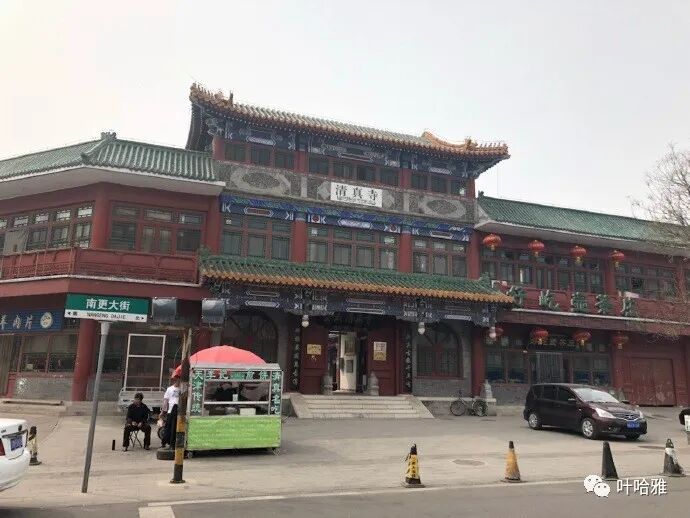
The main gate of Chengguan Mosque is the largest among all mosques in Beijing. The gate uses a three-bay side-by-side hanging flower gate (chuihuamen) style.
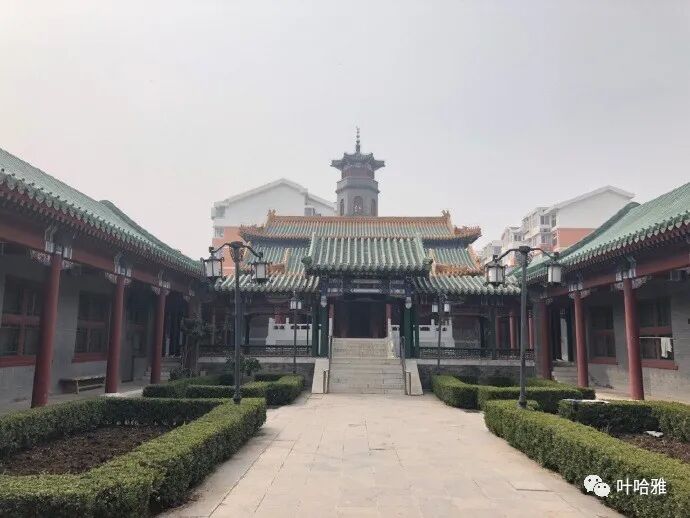
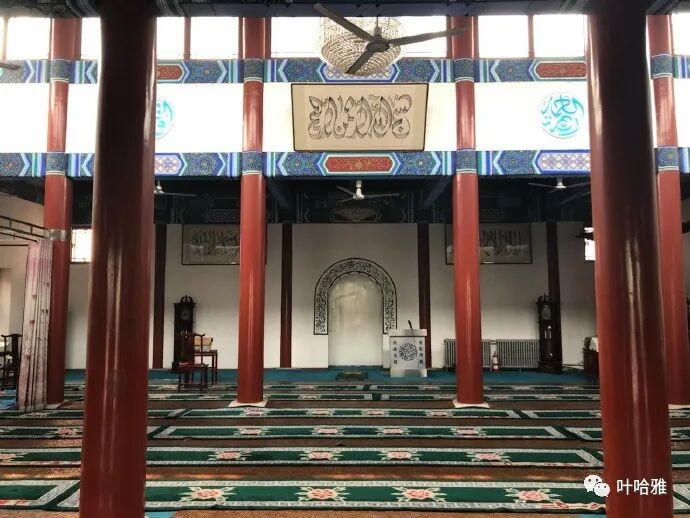
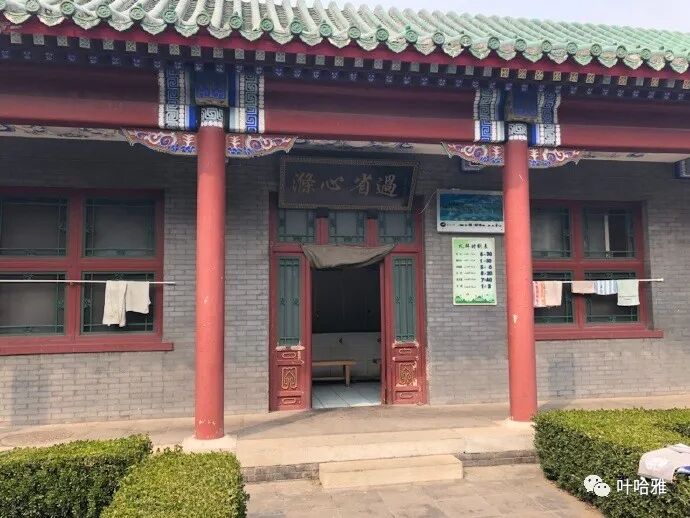
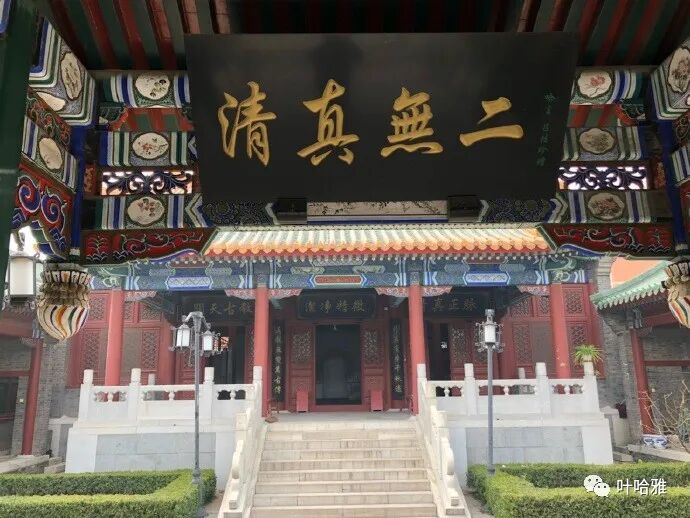
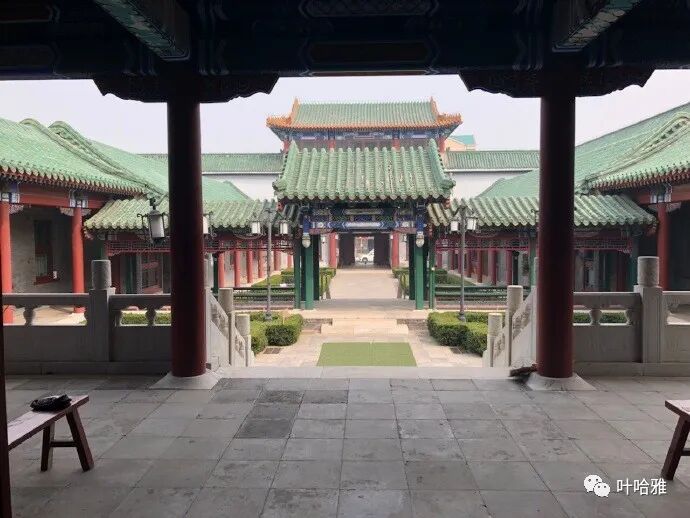
Nange Street
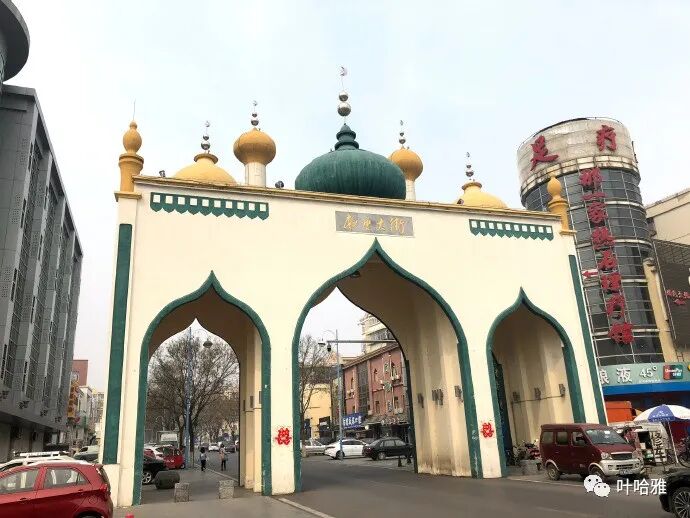
This is the archway on Nange Street, but this is an old photo. The renovated archway no longer has a dome.
Nange Street, where Chengguan Mosque is located, is a halal food street. There are many different halal restaurants on the street. Besides some Beijing-style snacks, there is also seafood barbecue.
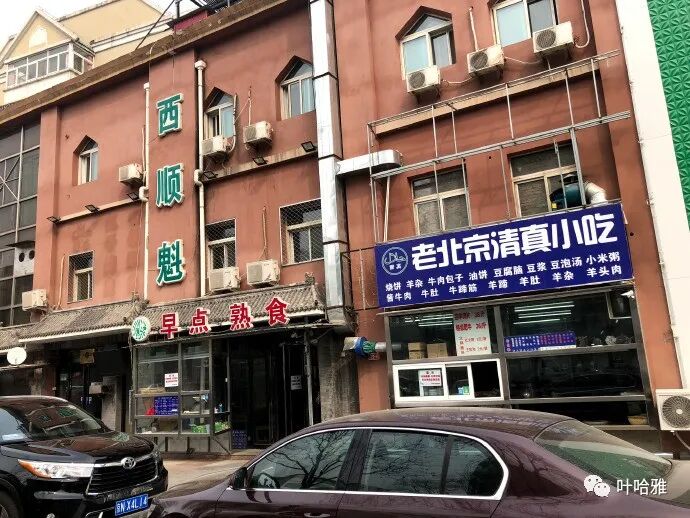
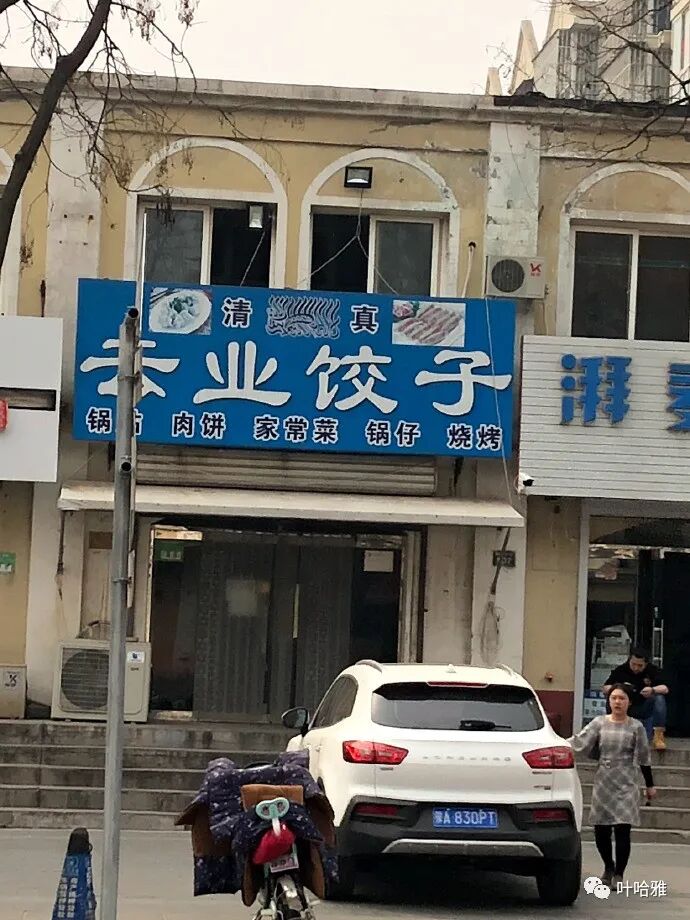
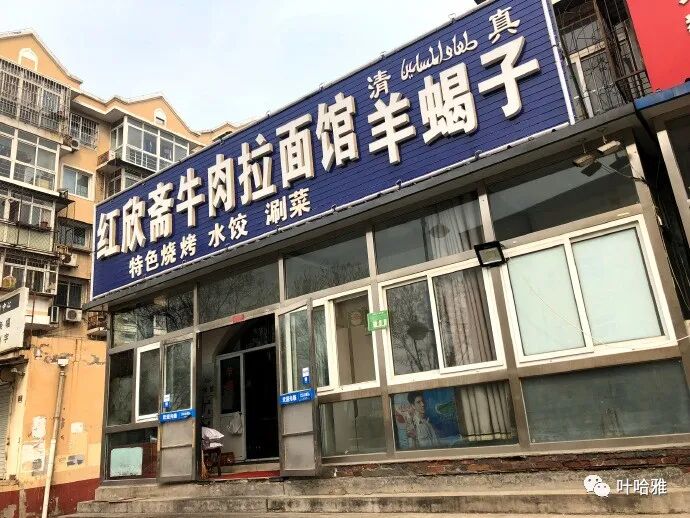
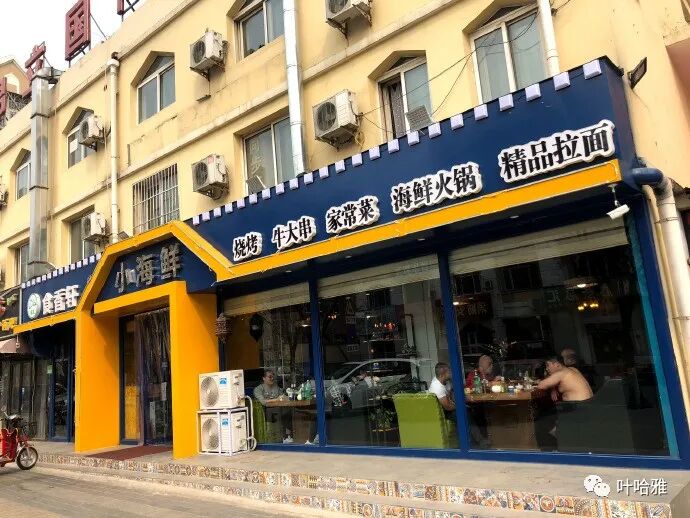
Gubei Light Hot Spring Resort Hotel
We were arranged to stay at the Gubei Light Hotel in Gubei Water Town. This is the largest hotel in the town. Besides hotels, Gubei Water Town has many high-quality guesthouses, but they are often fully booked during holidays, so remember to book in advance before you leave.
Hotel lobby
Breakfast restaurant
Swimming pool
Guests staying at the Gubei Light Hotel can use the hot springs for free, but both the hot springs and the swimming pool have capacity limits, so you need to book in advance.
We wandered around the ancient town together at night to enjoy the view. The nights in Miyun are very cold, so remember to wear a thick coat and warm shoes.
This Drum Tower is where the musical fountain opera is performed at night. After dark, there is a show where lights from a distance project a short play onto the outer wall of the tower, accompanied by a musical fountain. It is well worth seeing.
Enjoying the opera prelude
The Great Wall is on the mountain in the distance. You can take a cable car up to the Great Wall, which takes about three hours for a round trip.
Church on the top of the ancient town mountain
There are Buddhist temples, Taoist temples, and churches in the ancient town, but there is no mosque.
Tanghe Halal Restaurant
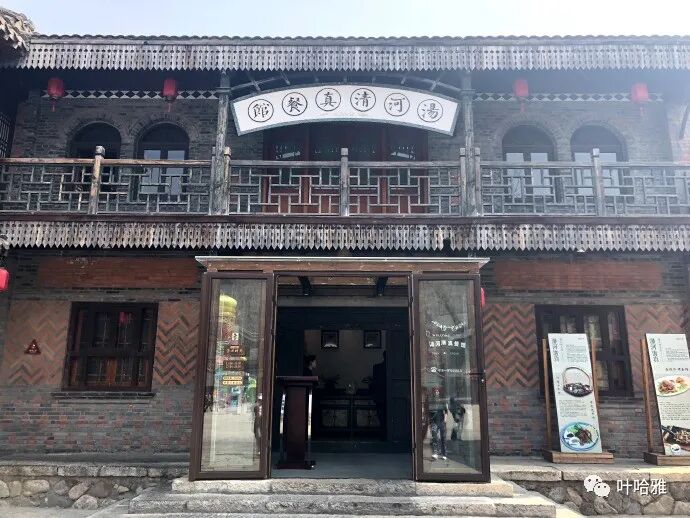
Staying in the ancient town makes dining very convenient, as there are two nice halal restaurants to choose from. This Tanghe Halal Restaurant specializes in local stir-fried dishes, including Gubei roasted lamb (gubei shaoyangrou) and various river seafood. The prices are affordable, with an average cost of no more than 100 yuan per person.
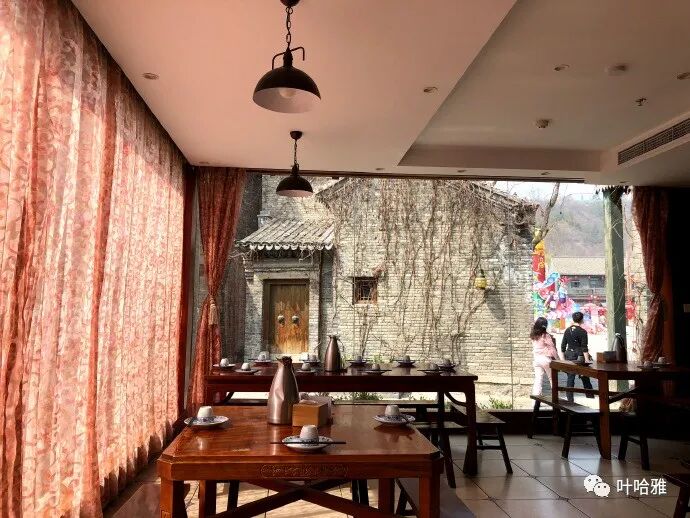
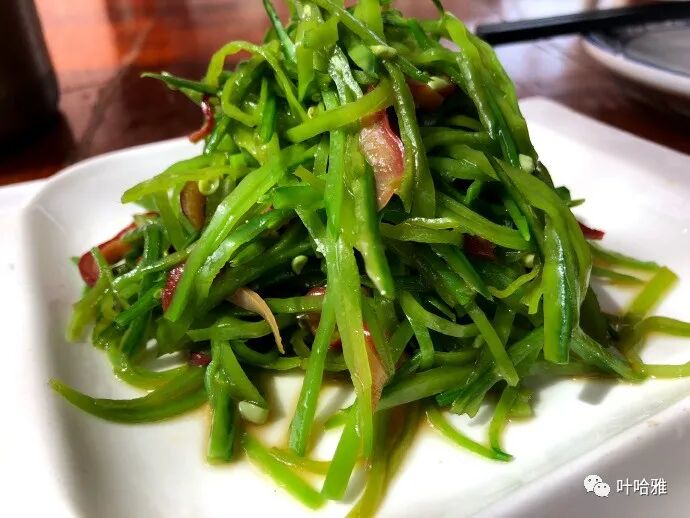
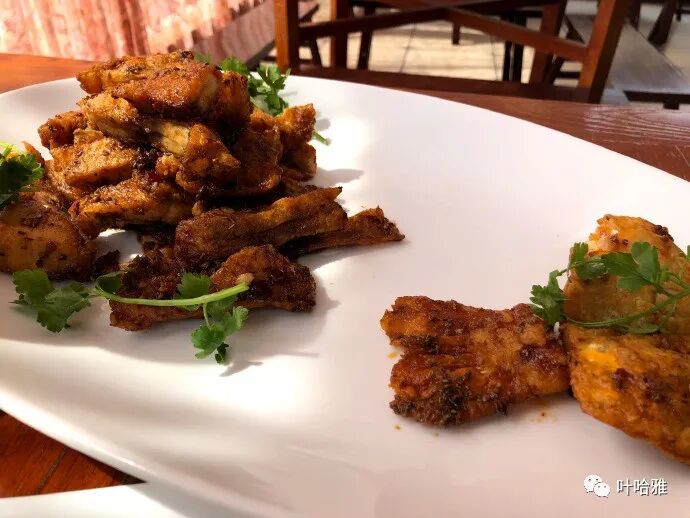
Guguan Hot Pot Restaurant
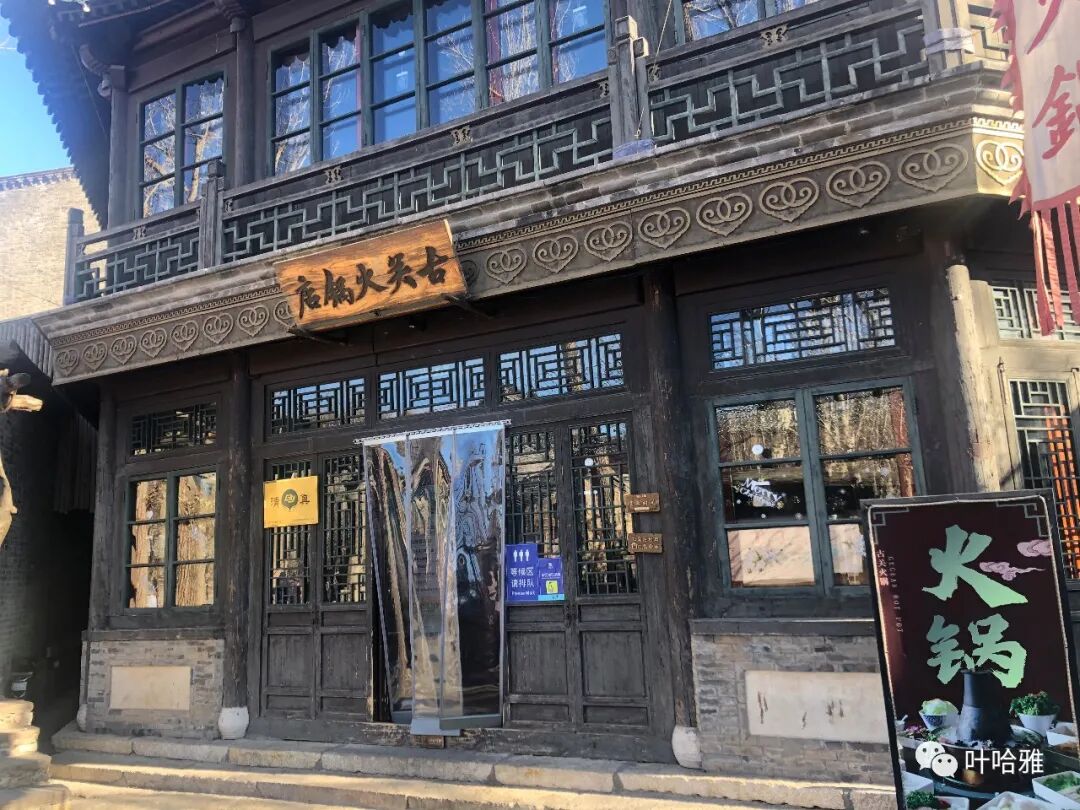
Guguan Hot Pot Restaurant is a Beijing-style shabu-shabu place where you can have individual hot pots or stir-fried dishes. The prices are also quite cheap, staying the same as in the city even though it is inside a tourist area.
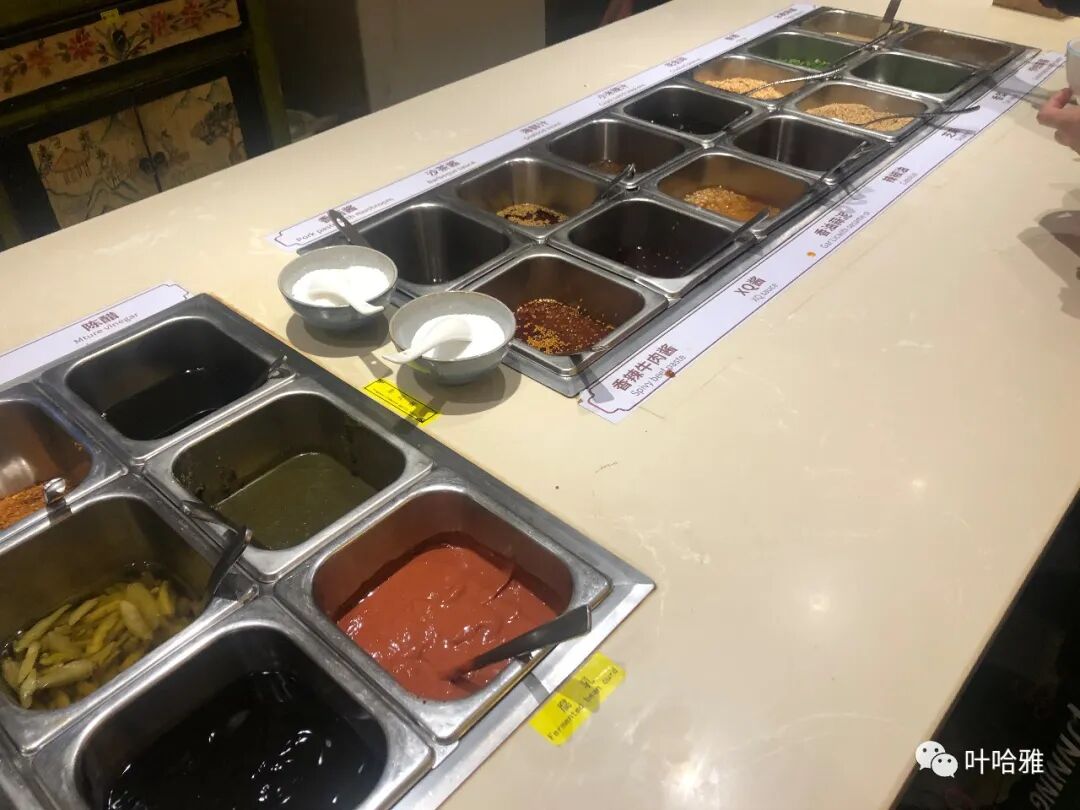
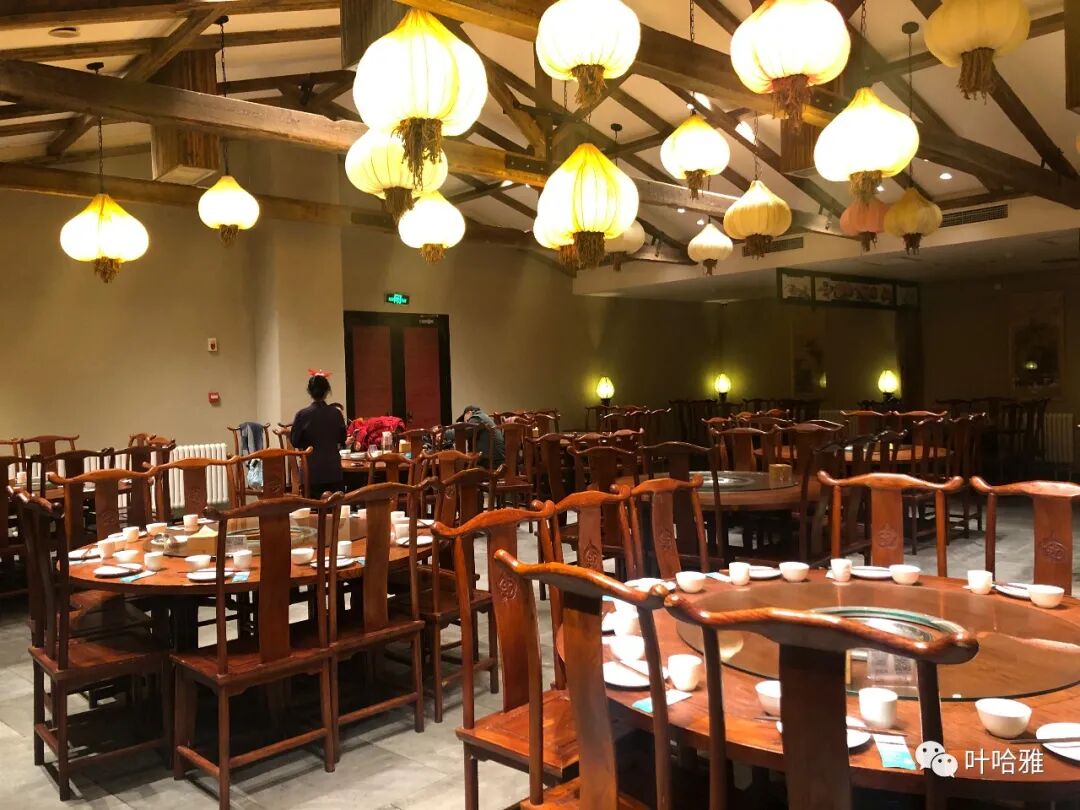
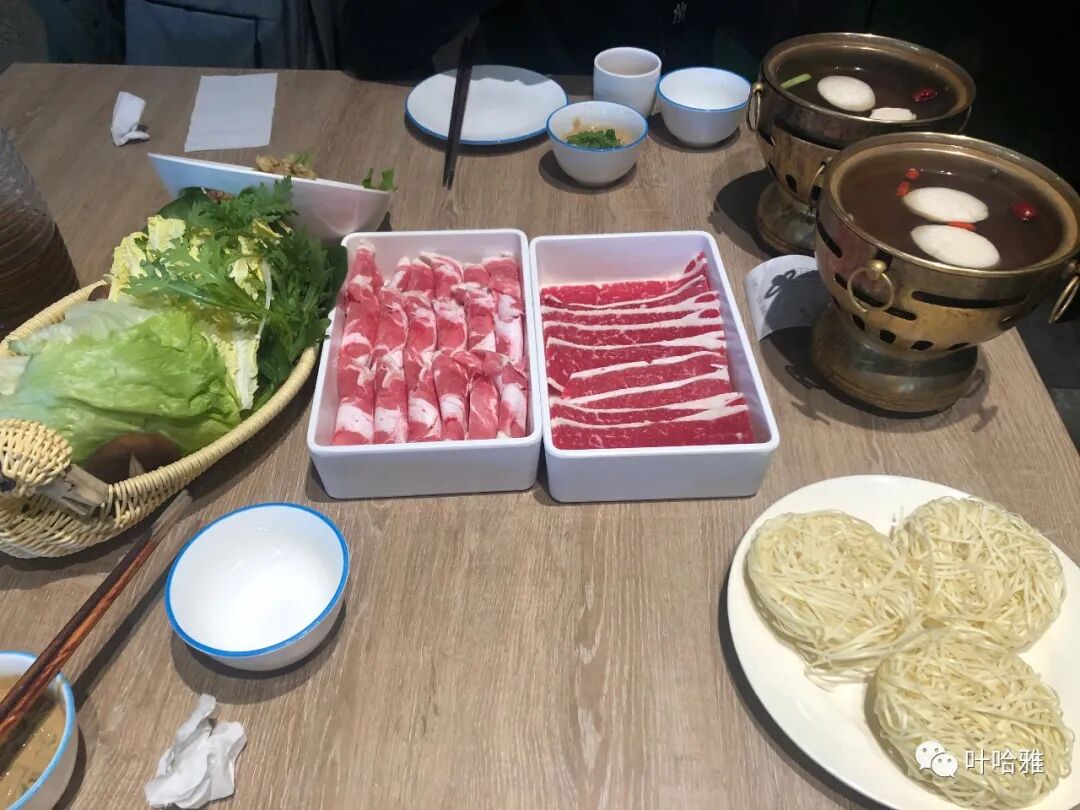
Individual small hot pots are clean and hygienic.
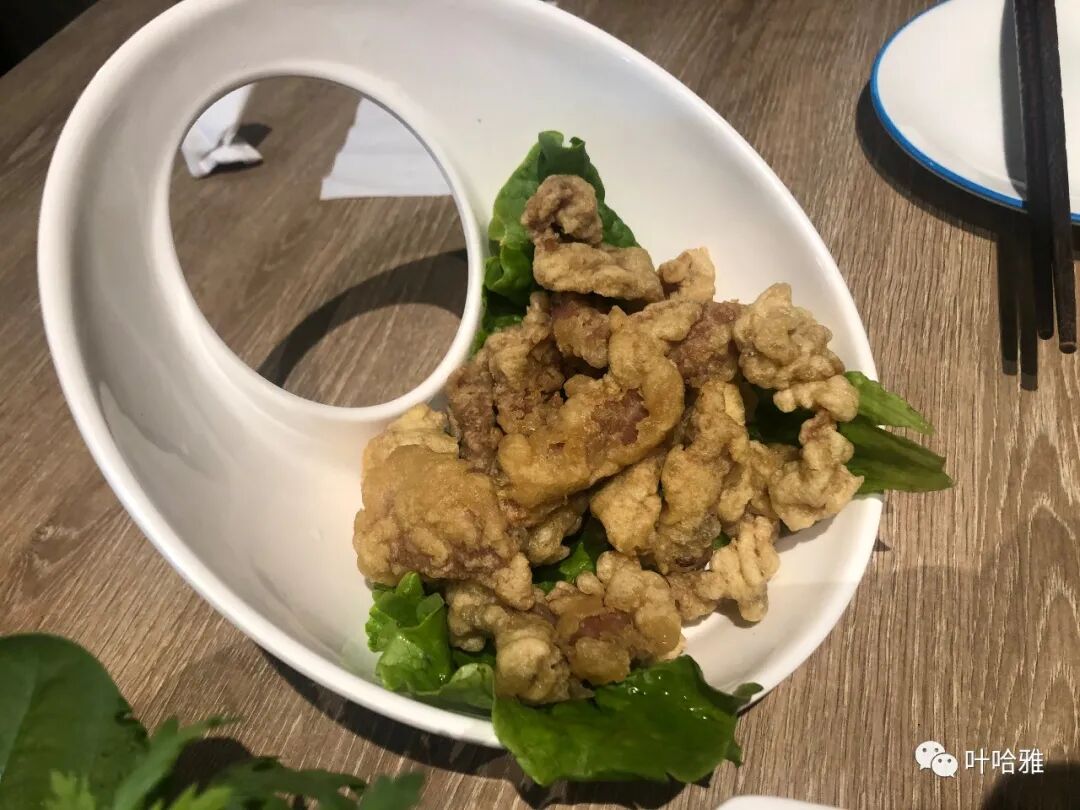
Deep-fried crispy pork (zha xiaosu rou)
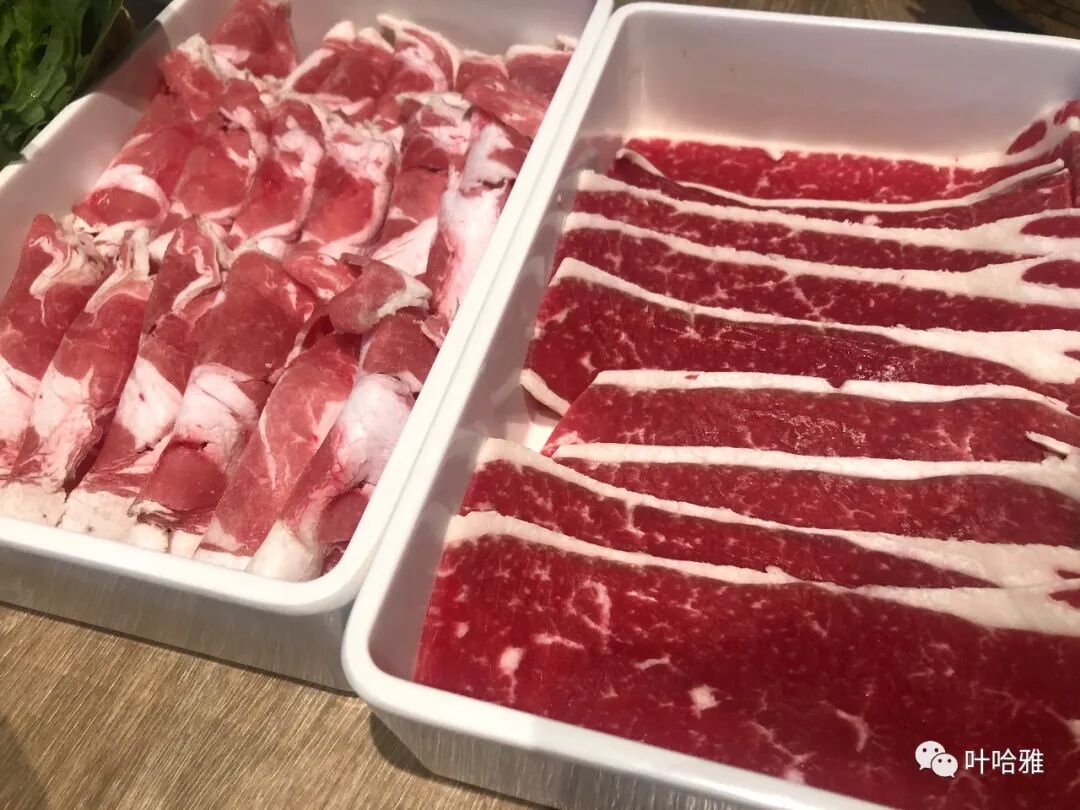
Australian beef and lamb platter
Gubei Water Town has plenty of fun things to do. There are all kinds of folk performances. We watched shadow puppetry, listened to Beijing-style drum storytelling (jingyun dagu), and saw a magic show in the square. There are also various exhibitions of collectibles. The town is right next to the Simatai Great Wall, so you can wake up early and hike the wall for exercise. They recently added an ice lantern show, too. If you cannot go home for the New Year, come to Gubei Water Town to experience these local traditions.
Halal Restaurant Near Me Beijing: Muhejia Hotpot, Baoyuelou and City Food Map
Articles • ali2007fr posted the article • 0 comments • 166 views • 2026-05-21 11:00
Summary: This Beijing halal restaurant map keeps the original part-sixteen food list, including Muhejia hotpot, Baoyuelou dishes, addresses, and photos. It is useful for readers searching for halal restaurant near me Beijing and city halal food routes.
1. Muhejia Rotating Hot Pot
Muhejia is a chain with two locations currently, one in Beitaipingzhuang and one in Zhichunlu. It is a rotating hot pot restaurant where you mix your own dipping sauces and pay based on the number of skewers you eat.
Drinks and certain specific dishes are charged separately.
Each person gets their own small pot, which is great for solo diners, though large pots are also available.
Flat skewers are 3 yuan, long skewers are 2 yuan, and short skewers are 1 yuan. There is a wide variety of food, but you must order meat for the pot separately. The average cost per person is under 50 yuan.
Across from the Muhejia in Zhichunlu is Jiangnanchun, which is also a good place for hot pot meat.
Address:
It is right at Exit G1 of Zhichunlu Station on Subway Line 10.
2. Taoran Garden Hotel · Baoyuelou
Baoyuelou is a themed restaurant at the Beijing Taoran Garden Hotel created to honor the love story of Emperor Qianlong and the Fragrant Concubine (Xiangfei). It specializes in halal Cantonese food, fusion dishes, and Beijing cuisine.
In the 22nd year of the Qianlong reign, the Qing government put down the rebellion of the Small and Large Khojas, and the Fragrant Concubine's family was brought to Beijing. Qianlong built a mosque (Huihuiying Qingzhensi) for her near Xinhua Gate, and in the 23rd year of his reign, he built Baoyuelou for her, specifically hiring Hui Muslim chefs to cook for her.
The Baoyuelou restaurant is very spacious and has private rooms that can hold 30 people. I specifically invited 28 friends (dost) to have dinner together at Baoyuelou for Eid al-Adha (Qurban Festival) this time.
The restaurant servers were North Korean women in uniforms. They were all professionally trained for international work, looked beautiful, spoke fluent Chinese, and were very attentive. I did not even realize they were North Korean until I asked for some local snacks and they did not understand me. When I asked, I learned they were not Chinese. The North Korean women also mentioned that there are no Hui Muslims in North Korea.
The largest round table in the private room seats 20 people. The room is very big, and you could even fit another table next to it.
The menu is a thick book with a wide variety of dishes, mostly Cantonese and imperial court cuisine. It is quite expensive, with an average cost of about 150 yuan per person. After the meal, everyone agreed that the food at Baoyuelou was delicious and worth the price.
Steamed pumpkin with green wheat (qingmai)
Okra and yam balls
Qianlong-style secret recipe hairtail fish
Braised veal (huangmen xiaoniurou)
Steamed Chinese sturgeon
Crispy celery and shrimp balls
Sashimi platter
Lamb chops
Address:
Taoran Garden Hotel at 19 Taiping Street, near the east gate of Taoranting Park.
3. Halal Burger (Qingzhenbao)
I found a halal fast-food burger shop at the entrance of Langfa Village in Daxing District.
I looked at the menu inside and was a bit overwhelmed by the many choices. Two young men run the shop, and they seem to be locals. Sometimes their older family members stop by to visit.
I chose a popcorn chicken combo, and everything is made fresh to order.
A combo is only 17 yuan, which is quite cheap.
The popcorn chicken and the chicken leg burger were both delicious, though the shop is a bit far from the city center.
Address:
At the entrance of Langfa Village, Daxing District, north of the intersection of Tongshun Street and Weiyong Road.
4. Indian Palace
I found this halal Indian restaurant on a street in Chaoyang District near Shunyi. The owners are two men from Northeast China, and the chef is from Bangladesh.
This shop opened in 2003 and has always done well. The food is quite authentic. Sometimes a guy from Northeast China does the cooking. He is good at making Indian and Italian dishes, but some customers leave as soon as they see a Chinese person cooking Indian food. This makes him feel down, but he does not think his skills are any worse than an Indian chef's.
I listened to him vent about the economy over the last few years. He said fewer foreigners are coming to Beijing now, so business is not as good as it used to be. He is planning to open a branch in the city.
I had the classic beef curry with flatbread (naan), and it tasted great.
Indian yogurt drink (lassi).
This beef curry was made by a chef from Bangladesh. We talked about several Indian restaurants in Beijing. They knew all of them and told me why some of them do not cook well.
Address:
No. 8 Laiguangying East Road, Chaoyang District.
5. Xiaolou Restaurant.
Xiaolou Restaurant is the largest and oldest halal restaurant in the Tongzhou area.
Xiaolou Restaurant has a clear specialty. They are best at making braised catfish, a dish I have not seen in any other Beijing restaurant.
You can also try the camel meat and venison.
The Tongzhou Great Mosque is right next to Xiaolou Restaurant. Friends (dosti) in Tongzhou can even hold their weddings here.
I tried the braised catfish (shao nianyu) and steamed dumplings (zhengjiao). I ate catfish when I was a kid and never liked it because it tasted muddy, but the braised catfish at Xiaolou didn't have that muddy taste at all. I even saw the guests at the next table specifically come here to eat it.
The steamed dumplings were delicious, just a bit small. The server said I had to order at least two baskets, and I thought I wouldn't be able to finish them, but they were actually about the same size as regular dumplings.
Across from Xiaolou Restaurant is the newly opened Haibin Meat Pie Shop. The Tongzhou Jingdong meat pie (jingdong roubing) is also delicious, so I will eat that next time.
Address:
No. 12 South Street, Tongzhou.
6. Changji Sesame Flatbread (shaobing)
I bought some hawthorn cakes (shanzha bing) and red bean paste cakes (dousha bing) at Changji Sesame Flatbread in Zhangjiawan, Tongzhou.
The crusts of the red bean paste cakes and hawthorn cakes were soft and fluffy, and they were full of filling and tasted great.
Address:
Ground floor shops, Taiyuyuan Residential Community, Zhangjiawan, Tongzhou.
7. Junyue Wuhan Jiujiu Duck
I found a small halal Wuhan Jiujiu Duck shop on the side of the road. I went in and chatted, and the owner is a Hui Muslim from Zhangjiawan. This was my first time seeing halal Jiujiu Duck.
I bought duck wings and duck necks. The owner chopped them into pieces for me, and I roasted them at home. They tasted great.
Address:
Ground floor shops at Taiyuyuan, Zhangjiawan.
8. Zhangjiawan Hui Muslim Village.
Zhangjiawan is a gathering place for Hui Muslims in Tongzhou. It still keeps the neighborhood vibe from before the urban renewal projects of the last century, and there are many small shops.
Tongzhou has many types of snacks. The sesame flatbread (shaobing) is especially good, so remember to buy some when you come here.
Address:
Zhangjiawan Town, Tongzhou District.
9. Halal buckwheat noodles (heluo mian).
I happened to see this halal buckwheat noodle (heluo mian) shop while passing through Huangfa Village. The sign also listed potstickers (guotie), pan-fried buns (shuijianbao), and lamb offal soup (yangza tang). I could tell right away it was run by people from Henan. This kind of halal Henan-style shop is rare in Beijing now. I was in a hurry so I didn't eat there, but if you don't mind the distance, you can come and try it.
Previous links:
[Beijing Halal Dining Guide (Including the most complete list of foreign restaurants)] (Part 1) (Note: Baodu Wai is closed, Yang's Beef Pancake is closed, Halal Spicy Hot Pot is closed, Yuanxie Shuanrou Restaurant is closed, Dafengshou Fish Restaurant is closed, Hongliushu Roasted Lamb Scorpion is closed, Weidao Xinjiang Restaurant is closed, Shashi Castle Restaurant is closed, Badang Restaurant is closed, Barkley Caspian Western Restaurant is closed, Istanbul Restaurant is closed, Sukhothai Thai-Malaysian Restaurant is closed, and Cheese Molecule Pizza has removed its halal sign).
[Beijing Halal Dining Guide (Including the most complete list of foreign restaurants)] (Part 2) (Note: 1001 Nights Restaurant Solana branch is closed, Haitian Yise Chinese Restaurant is closed, and Changying Seafood BBQ is closed).
[Beijing Halal Dining Guide (Including the most complete list of foreign restaurants)] (Part 3) (Note: Changji Zhizi BBQ is closed and Yiding Shandouji Private Kitchen is closed).
Beijing Halal Dining Guide (Part 4) (Note: Features Ningxia cuisine, Korean BBQ, soybean paste noodles (zhajiangmian), and Yunnan cuisine; Xuezhan Dapanji is closed, Islam Lan Hot Pot is closed, and Xingyuege Muslim Restaurant is closed).
Beijing Halal Dining Guide (Part 5) (Note: Features Yunnan cuisine and Shan County lamb soup (Shanxian yangtang)).
Beijing Halal Dining Guide (Part 6) (Note: Highlights include Chongqing hot pot, Moroccan restaurants; Yijinglan Restaurant, Weidao Seafood Restaurant are closed; Laoma Lamb Spine Potstickers has been renamed Little Conch Seafood BBQ).
Beijing Halal Dining Guide (Part 7) (Note: Highlights include Turkish kebabs, Chinese tea houses; Yijinyuan, Laoduiyuan are closed).
Beijing Halal Dining Guide (Part 8) (Highlights include Korean BBQ, soup-filled dumplings (guantangbao); Fangchengshun Hot Pot, Father's New-Style Western Region Cuisine are closed).
Beijing Halal Dining Guide (Part 9) (Note: Highlights include ox head feast, Qinghai hot pot; Halimei Kitchen is closed, Meisi Coffee has removed its halal sign, Yilaobaiwei Dipping Sauce Hot Pot has been renamed Huaxiding New-Style Halal Hot Pot).
Beijing Halal Dining Guide (Part 10) (Note: Highlights include Huainan beef soup, Western fast food, pita bread in soup (paomo), octopus balls, Yunnan cuisine).
Beijing Halal Dining Guide (Part 11) (Note: Highlights include French cuisine, Sichuan-style hot pot, spicy dry pot (mala xiangguo), seafood buffet, Henan pan-fried buns (shuijianbao)).
Beijing Halal Dining Guide (Part 12) (Note: Highlights include Henan braised noodles (huimian), spicy soup (hulatang); Erjie Diguo Stew, HI HELLO Western-style grilled rice are closed).
A map of special halal food in Beijing (part 13) (Note: featuring Cantonese cuisine, Huaiyang cuisine, and Beijing-style meat pie (jingdong roubing)).
Beijing Halal Food Map (14) (Note: Highlights include beef tendon hot pot (niubanjin huoguo), a Palestinian restaurant, a Jewish restaurant, and American-style burgers; the Japanese restaurant and Cai Shidang are now closed).
Beijing Halal Food Map (15) (Note: Highlights include Hohhot-style halal dishes, an Indian-Pakistani buffet, and Yunnan rice cakes (erkua)). view all
Summary: This Beijing halal restaurant map keeps the original part-sixteen food list, including Muhejia hotpot, Baoyuelou dishes, addresses, and photos. It is useful for readers searching for halal restaurant near me Beijing and city halal food routes.
1. Muhejia Rotating Hot Pot
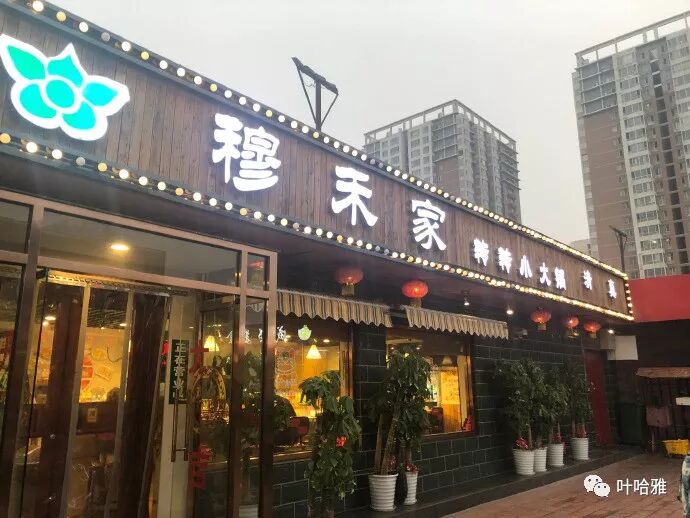
Muhejia is a chain with two locations currently, one in Beitaipingzhuang and one in Zhichunlu. It is a rotating hot pot restaurant where you mix your own dipping sauces and pay based on the number of skewers you eat.
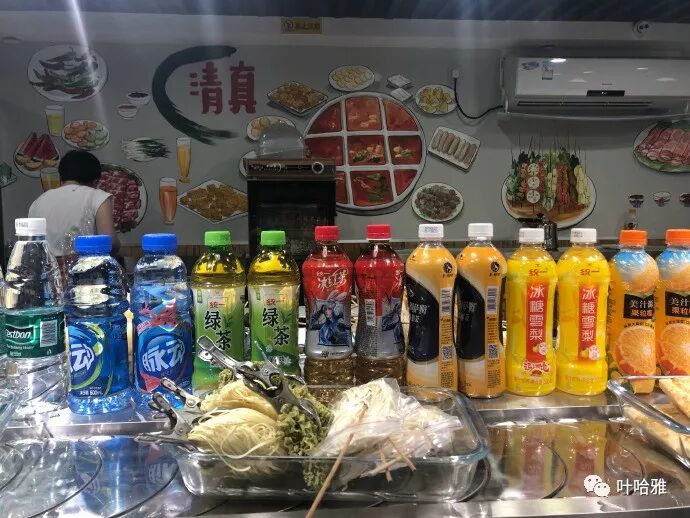
Drinks and certain specific dishes are charged separately.
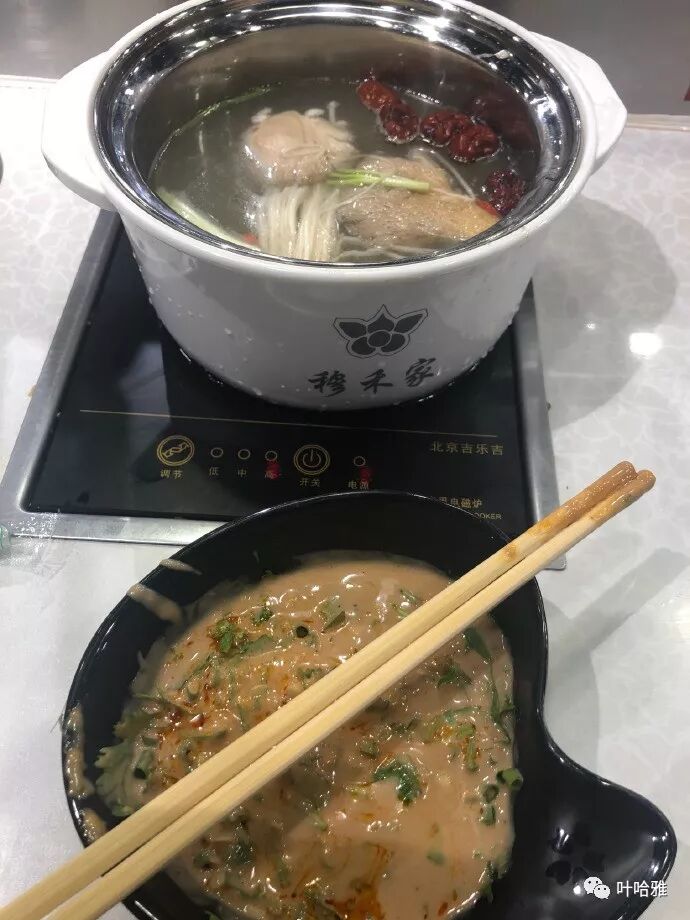
Each person gets their own small pot, which is great for solo diners, though large pots are also available.
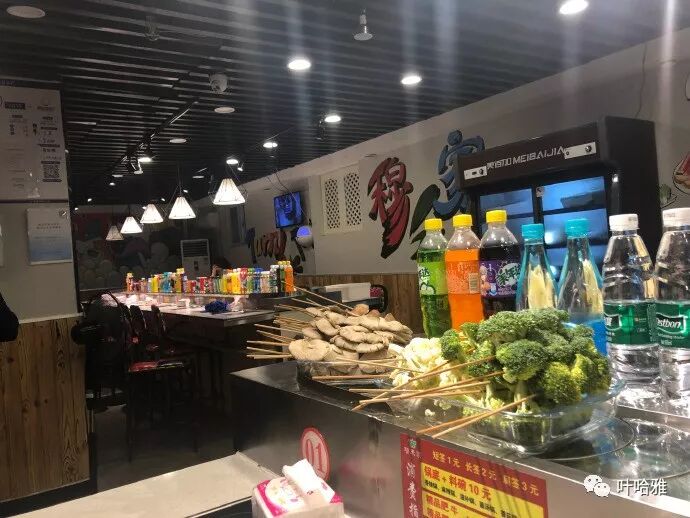
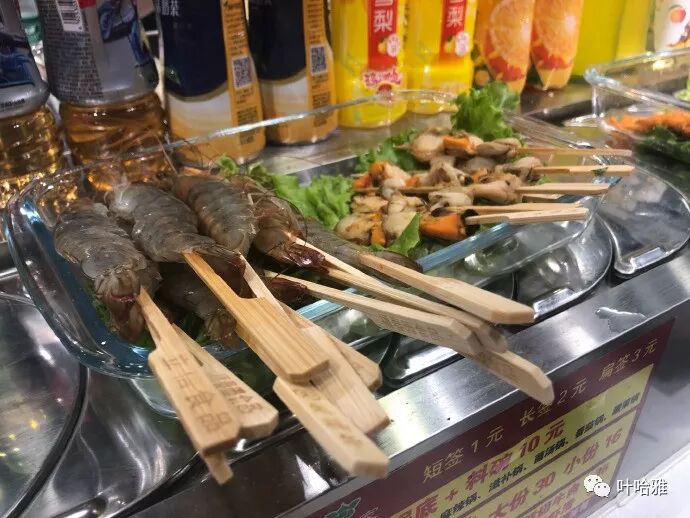
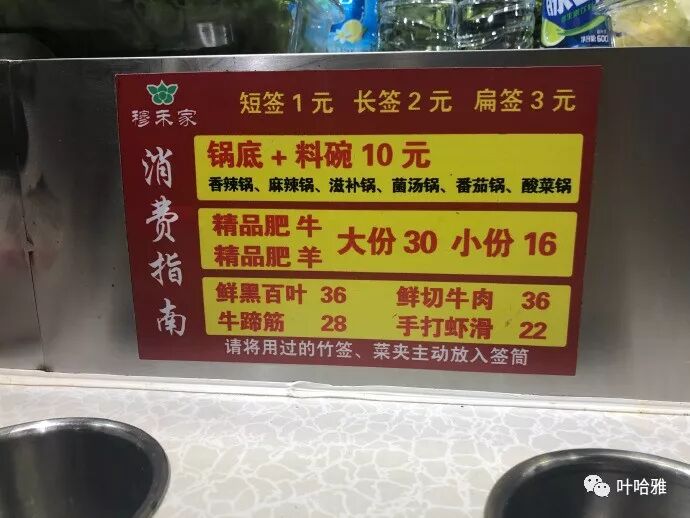
Flat skewers are 3 yuan, long skewers are 2 yuan, and short skewers are 1 yuan. There is a wide variety of food, but you must order meat for the pot separately. The average cost per person is under 50 yuan.
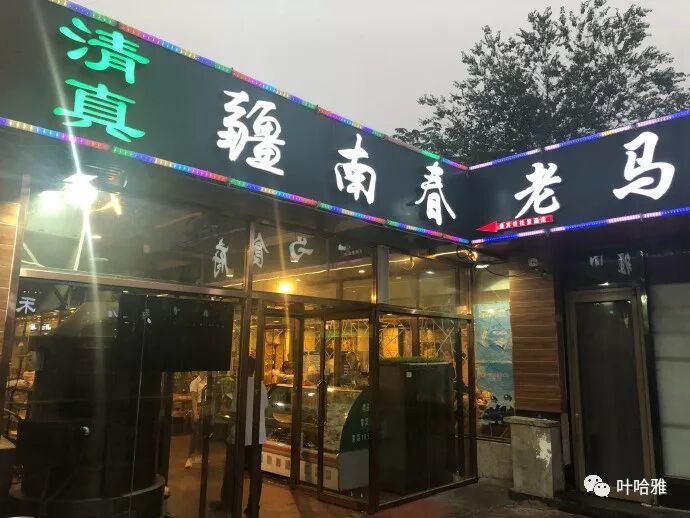
Across from the Muhejia in Zhichunlu is Jiangnanchun, which is also a good place for hot pot meat.
Address:
It is right at Exit G1 of Zhichunlu Station on Subway Line 10.
2. Taoran Garden Hotel · Baoyuelou
Baoyuelou is a themed restaurant at the Beijing Taoran Garden Hotel created to honor the love story of Emperor Qianlong and the Fragrant Concubine (Xiangfei). It specializes in halal Cantonese food, fusion dishes, and Beijing cuisine.
In the 22nd year of the Qianlong reign, the Qing government put down the rebellion of the Small and Large Khojas, and the Fragrant Concubine's family was brought to Beijing. Qianlong built a mosque (Huihuiying Qingzhensi) for her near Xinhua Gate, and in the 23rd year of his reign, he built Baoyuelou for her, specifically hiring Hui Muslim chefs to cook for her.
The Baoyuelou restaurant is very spacious and has private rooms that can hold 30 people. I specifically invited 28 friends (dost) to have dinner together at Baoyuelou for Eid al-Adha (Qurban Festival) this time.
The restaurant servers were North Korean women in uniforms. They were all professionally trained for international work, looked beautiful, spoke fluent Chinese, and were very attentive. I did not even realize they were North Korean until I asked for some local snacks and they did not understand me. When I asked, I learned they were not Chinese. The North Korean women also mentioned that there are no Hui Muslims in North Korea.
The largest round table in the private room seats 20 people. The room is very big, and you could even fit another table next to it.
The menu is a thick book with a wide variety of dishes, mostly Cantonese and imperial court cuisine. It is quite expensive, with an average cost of about 150 yuan per person. After the meal, everyone agreed that the food at Baoyuelou was delicious and worth the price.
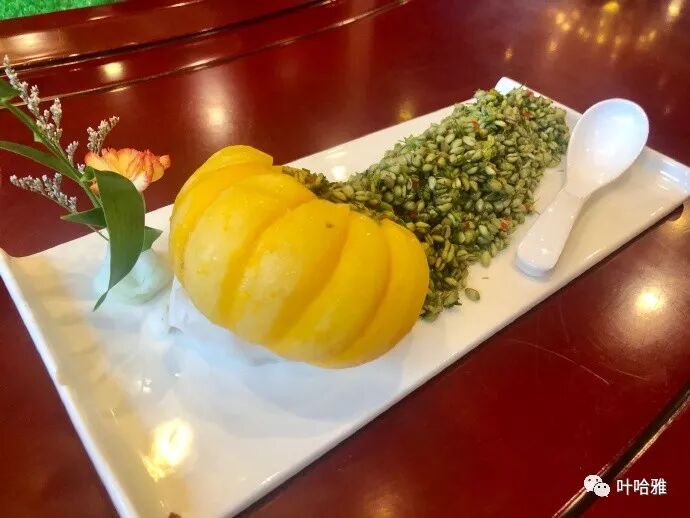
Steamed pumpkin with green wheat (qingmai)
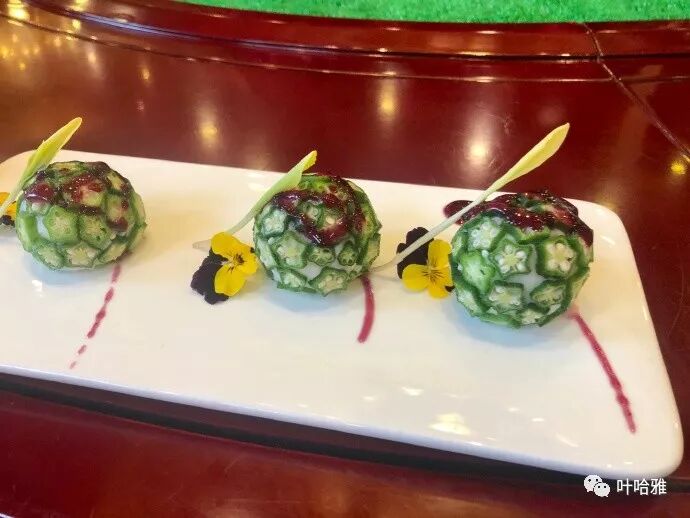
Okra and yam balls
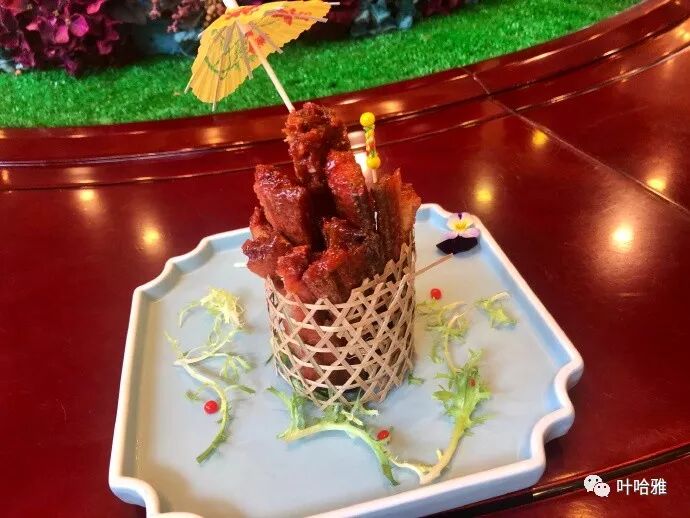
Qianlong-style secret recipe hairtail fish
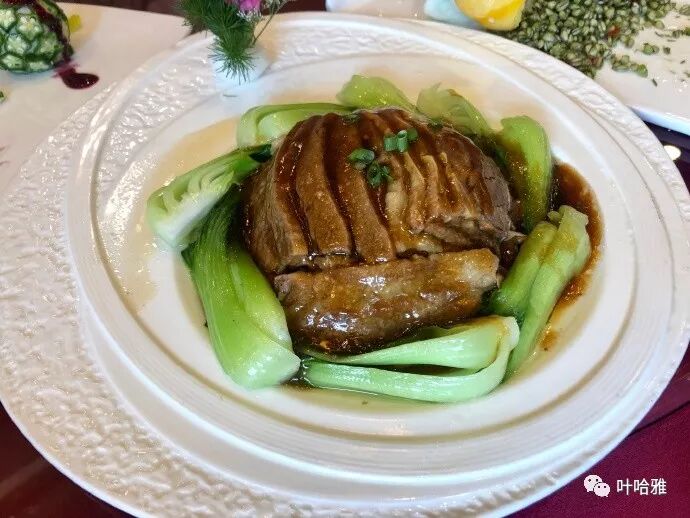
Braised veal (huangmen xiaoniurou)
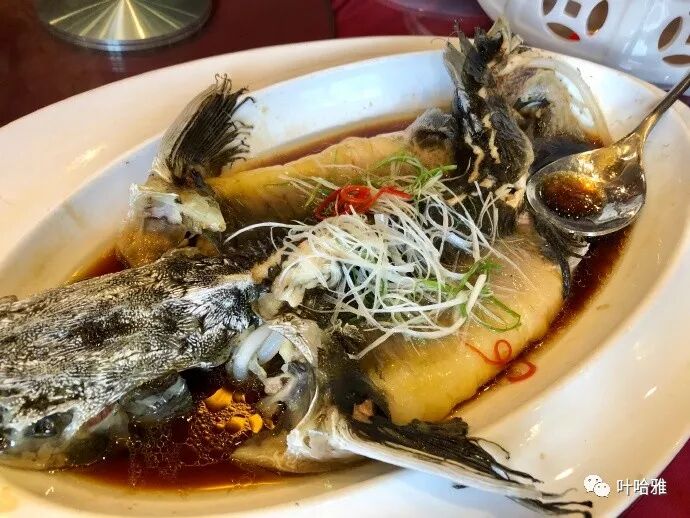
Steamed Chinese sturgeon
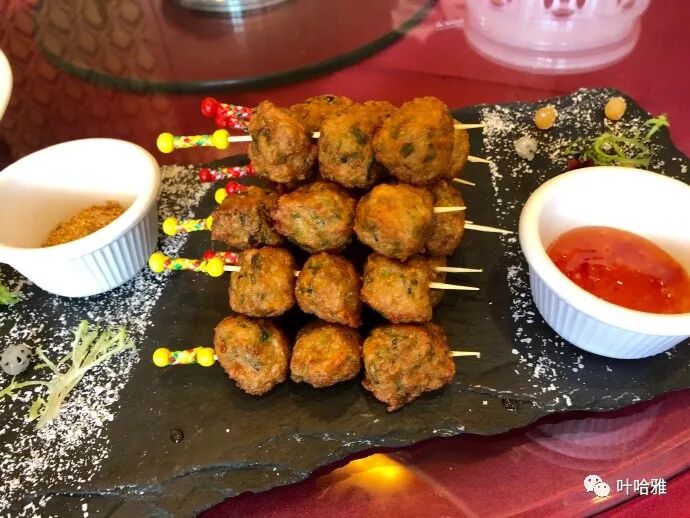
Crispy celery and shrimp balls
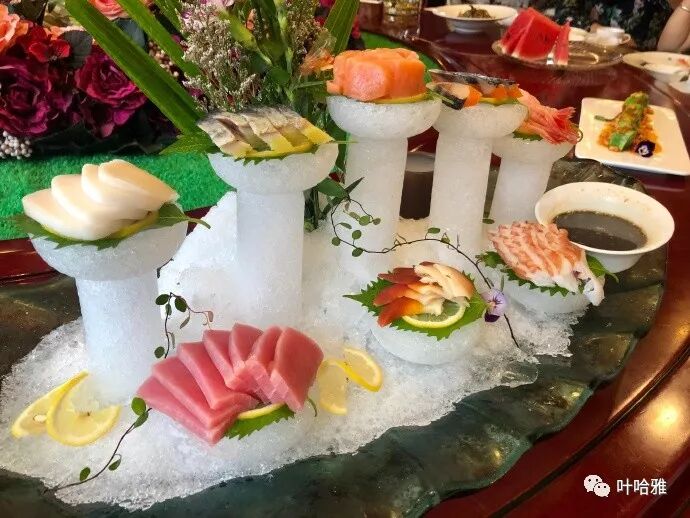
Sashimi platter
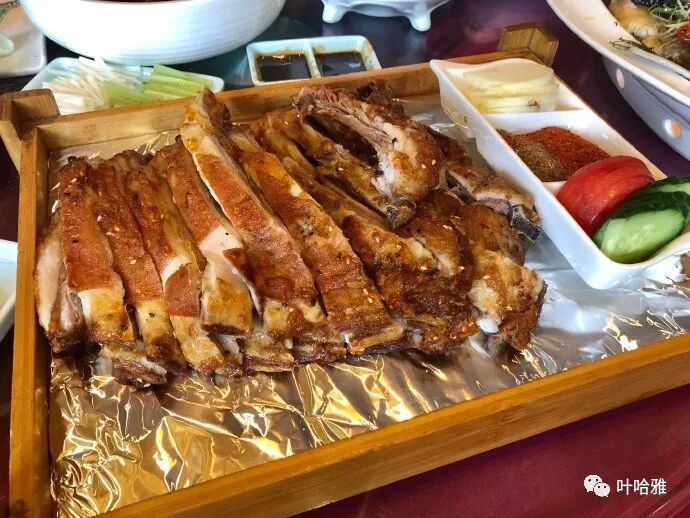
Lamb chops
Address:
Taoran Garden Hotel at 19 Taiping Street, near the east gate of Taoranting Park.
3. Halal Burger (Qingzhenbao)
I found a halal fast-food burger shop at the entrance of Langfa Village in Daxing District.
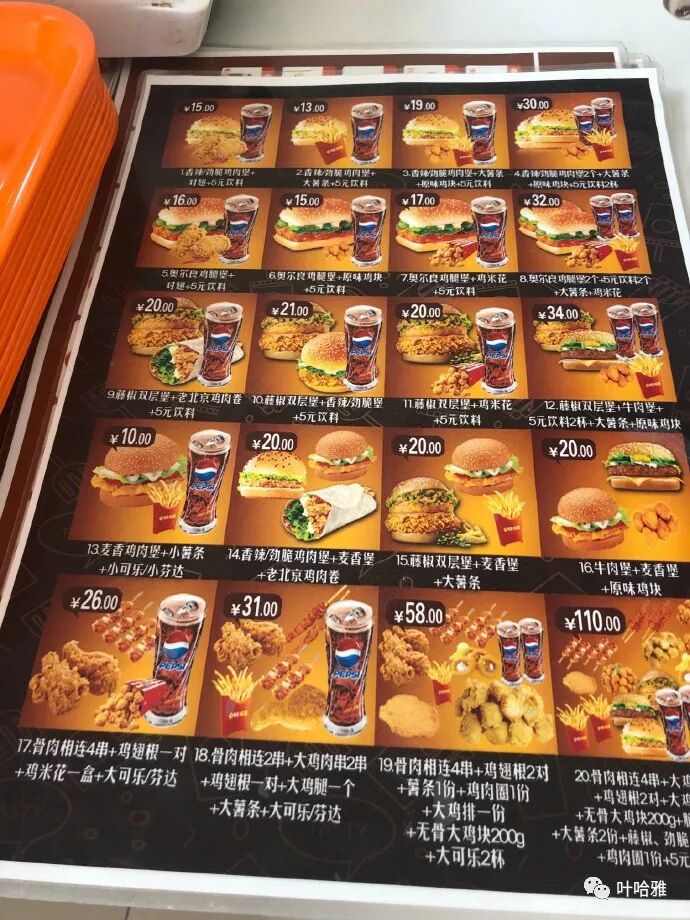
I looked at the menu inside and was a bit overwhelmed by the many choices. Two young men run the shop, and they seem to be locals. Sometimes their older family members stop by to visit.
I chose a popcorn chicken combo, and everything is made fresh to order.
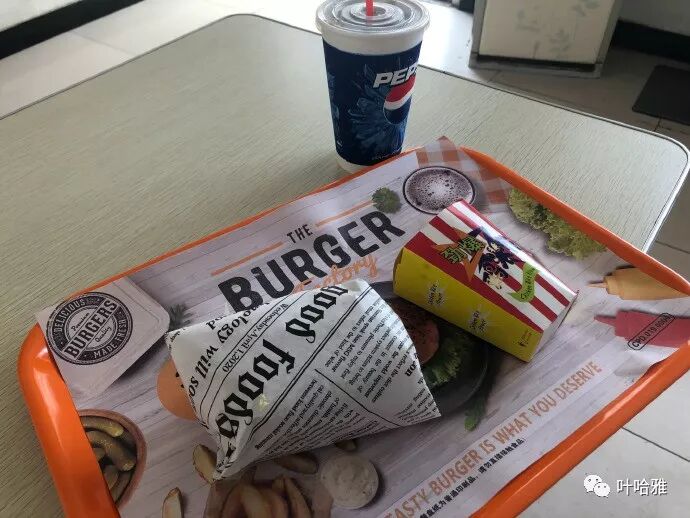
A combo is only 17 yuan, which is quite cheap.
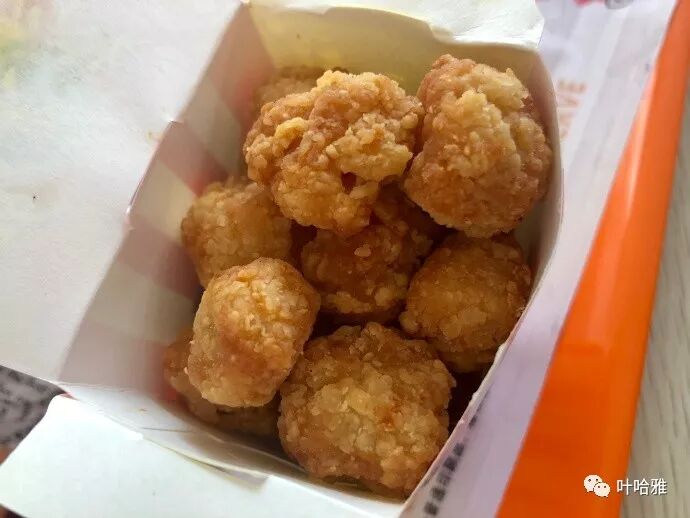
The popcorn chicken and the chicken leg burger were both delicious, though the shop is a bit far from the city center.
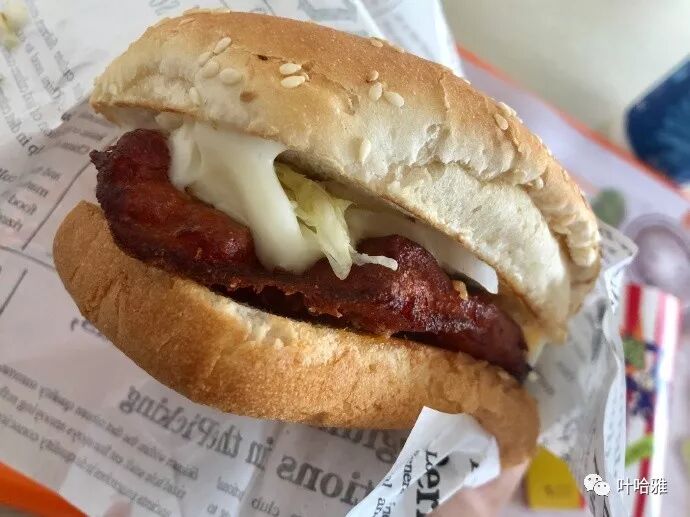
Address:
At the entrance of Langfa Village, Daxing District, north of the intersection of Tongshun Street and Weiyong Road.
4. Indian Palace
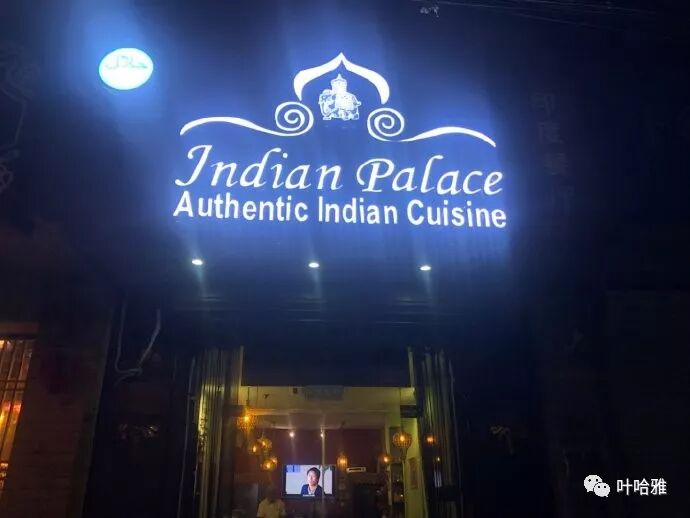
I found this halal Indian restaurant on a street in Chaoyang District near Shunyi. The owners are two men from Northeast China, and the chef is from Bangladesh.
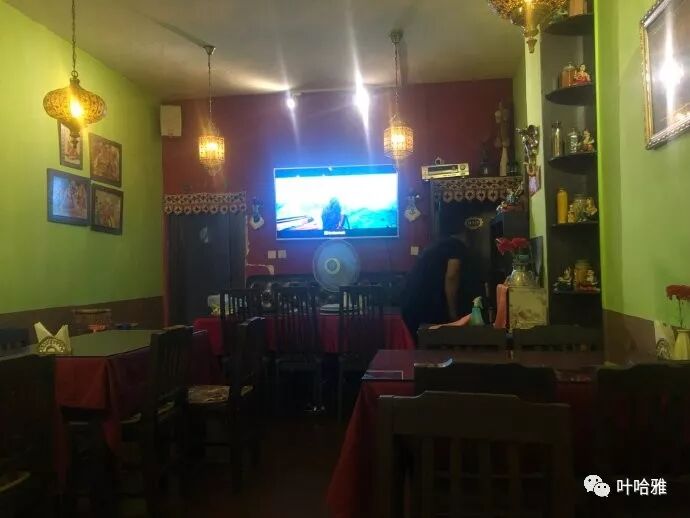
This shop opened in 2003 and has always done well. The food is quite authentic. Sometimes a guy from Northeast China does the cooking. He is good at making Indian and Italian dishes, but some customers leave as soon as they see a Chinese person cooking Indian food. This makes him feel down, but he does not think his skills are any worse than an Indian chef's.
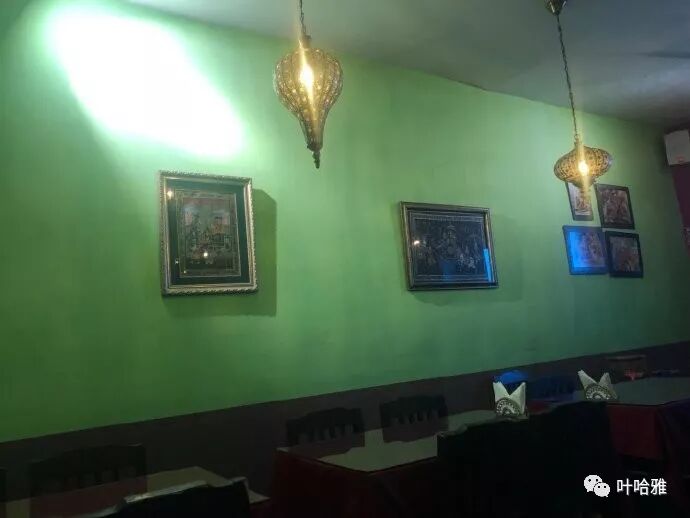
I listened to him vent about the economy over the last few years. He said fewer foreigners are coming to Beijing now, so business is not as good as it used to be. He is planning to open a branch in the city.
I had the classic beef curry with flatbread (naan), and it tasted great.
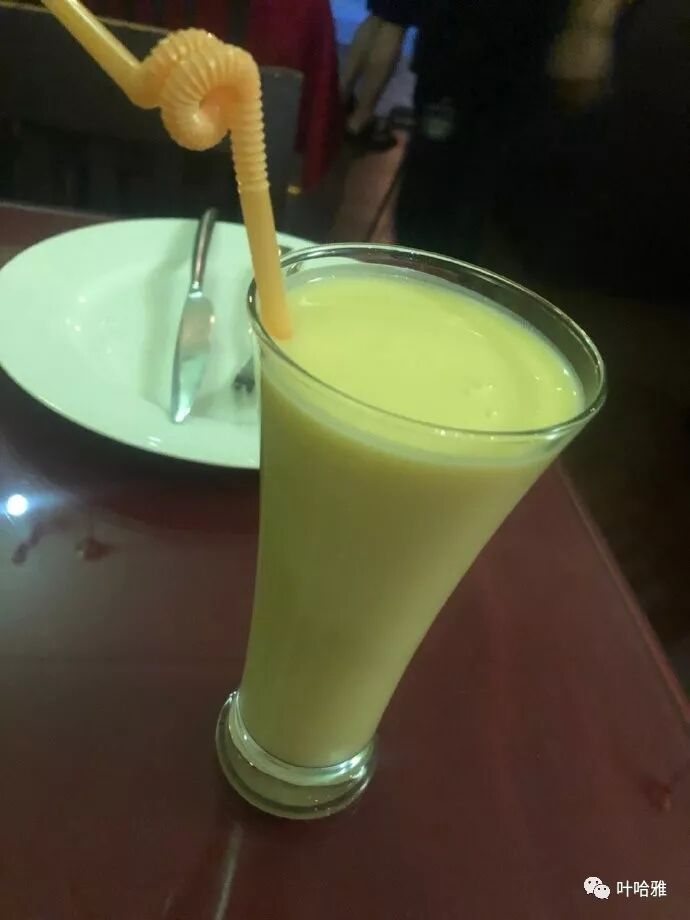
Indian yogurt drink (lassi).
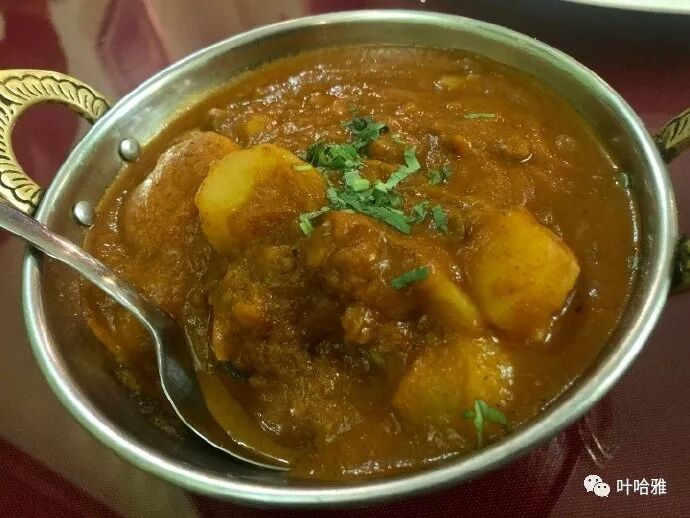
This beef curry was made by a chef from Bangladesh. We talked about several Indian restaurants in Beijing. They knew all of them and told me why some of them do not cook well.
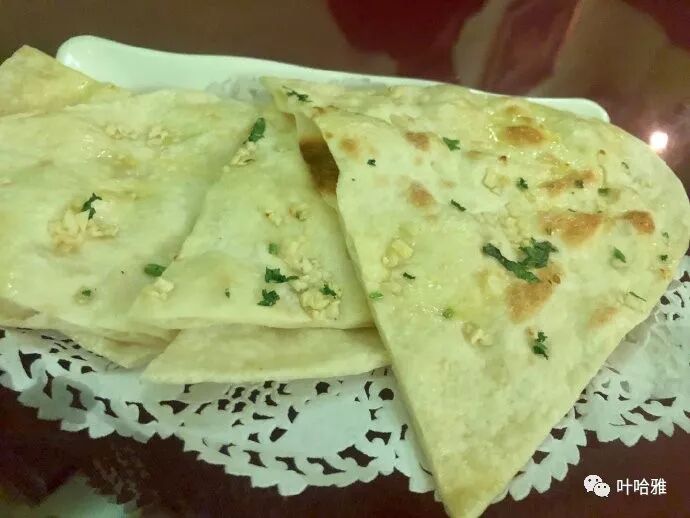
Address:
No. 8 Laiguangying East Road, Chaoyang District.
5. Xiaolou Restaurant.
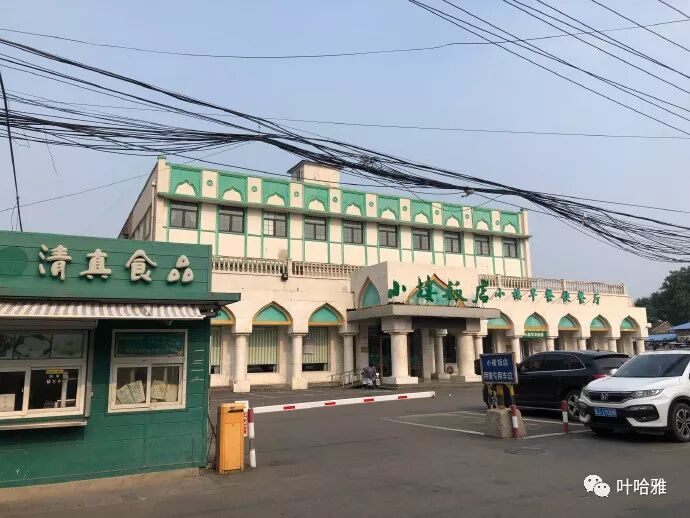
Xiaolou Restaurant is the largest and oldest halal restaurant in the Tongzhou area.
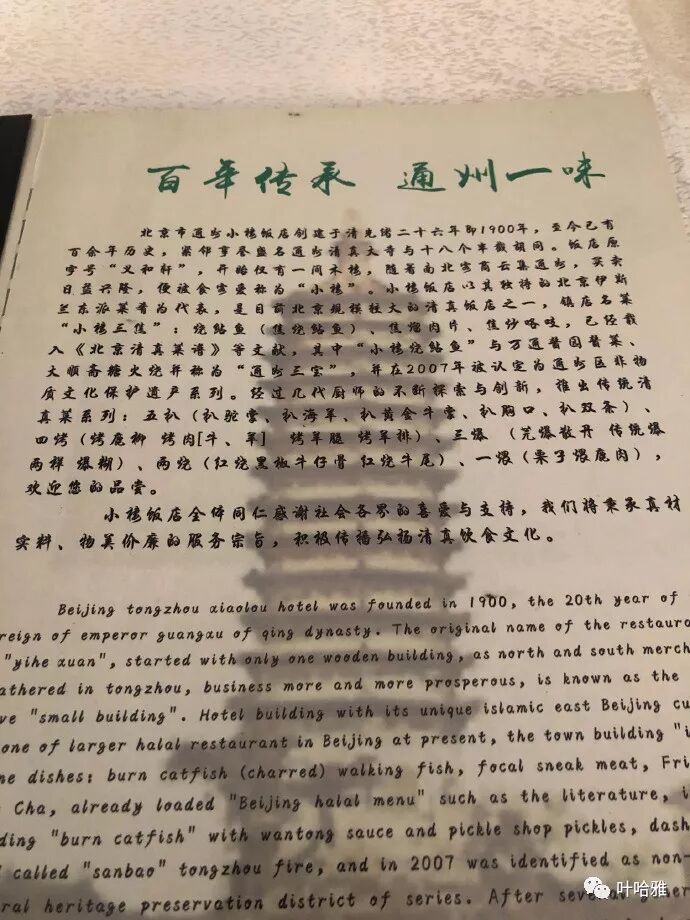
Xiaolou Restaurant has a clear specialty. They are best at making braised catfish, a dish I have not seen in any other Beijing restaurant.
You can also try the camel meat and venison.
The Tongzhou Great Mosque is right next to Xiaolou Restaurant. Friends (dosti) in Tongzhou can even hold their weddings here.
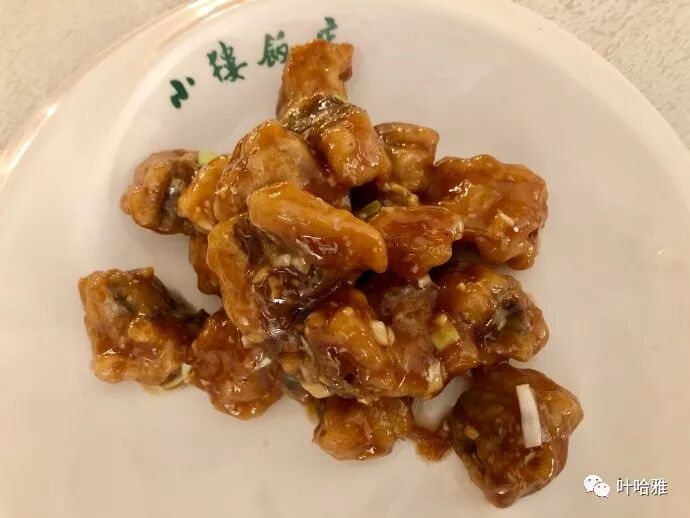
I tried the braised catfish (shao nianyu) and steamed dumplings (zhengjiao). I ate catfish when I was a kid and never liked it because it tasted muddy, but the braised catfish at Xiaolou didn't have that muddy taste at all. I even saw the guests at the next table specifically come here to eat it.
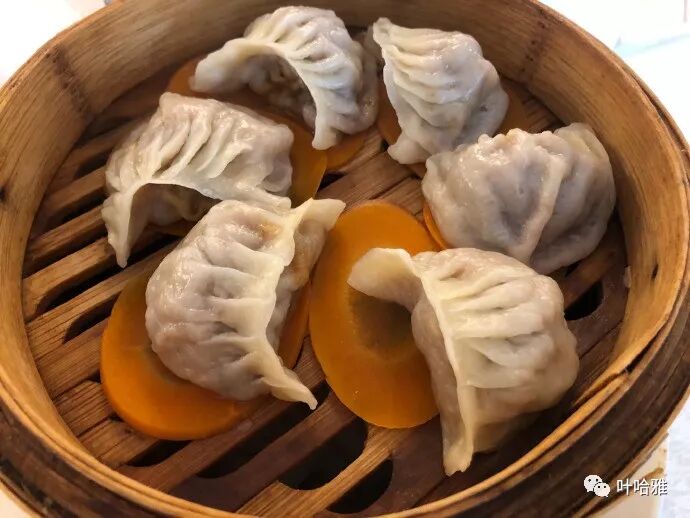
The steamed dumplings were delicious, just a bit small. The server said I had to order at least two baskets, and I thought I wouldn't be able to finish them, but they were actually about the same size as regular dumplings.
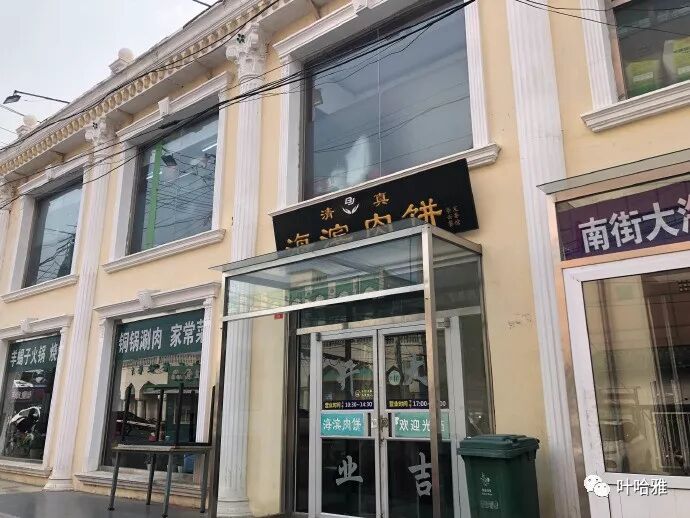
Across from Xiaolou Restaurant is the newly opened Haibin Meat Pie Shop. The Tongzhou Jingdong meat pie (jingdong roubing) is also delicious, so I will eat that next time.
Address:
No. 12 South Street, Tongzhou.
6. Changji Sesame Flatbread (shaobing)
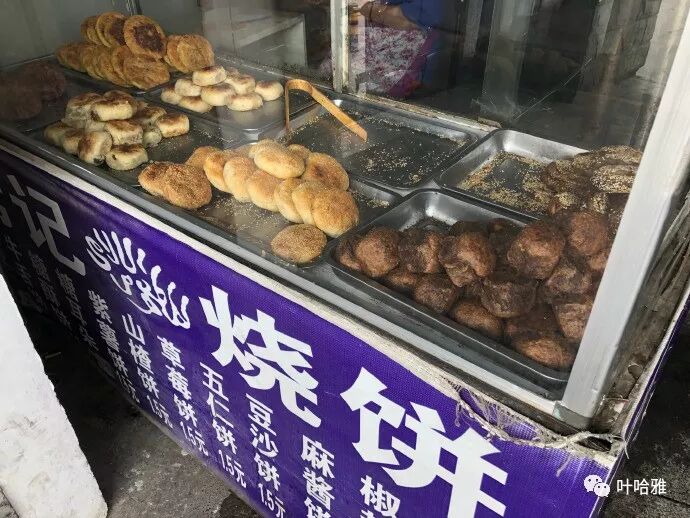
I bought some hawthorn cakes (shanzha bing) and red bean paste cakes (dousha bing) at Changji Sesame Flatbread in Zhangjiawan, Tongzhou.
The crusts of the red bean paste cakes and hawthorn cakes were soft and fluffy, and they were full of filling and tasted great.
Address:
Ground floor shops, Taiyuyuan Residential Community, Zhangjiawan, Tongzhou.
7. Junyue Wuhan Jiujiu Duck
I found a small halal Wuhan Jiujiu Duck shop on the side of the road. I went in and chatted, and the owner is a Hui Muslim from Zhangjiawan. This was my first time seeing halal Jiujiu Duck.
I bought duck wings and duck necks. The owner chopped them into pieces for me, and I roasted them at home. They tasted great.
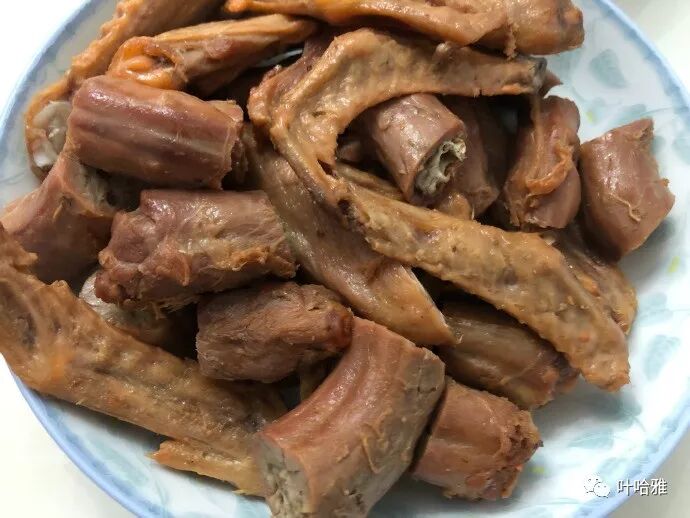
Address:
Ground floor shops at Taiyuyuan, Zhangjiawan.
8. Zhangjiawan Hui Muslim Village.
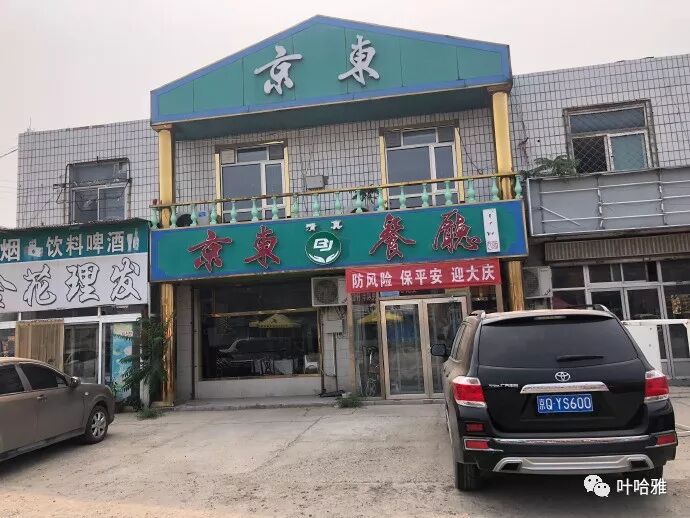
Zhangjiawan is a gathering place for Hui Muslims in Tongzhou. It still keeps the neighborhood vibe from before the urban renewal projects of the last century, and there are many small shops.
Tongzhou has many types of snacks. The sesame flatbread (shaobing) is especially good, so remember to buy some when you come here.
Address:
Zhangjiawan Town, Tongzhou District.
9. Halal buckwheat noodles (heluo mian).
I happened to see this halal buckwheat noodle (heluo mian) shop while passing through Huangfa Village. The sign also listed potstickers (guotie), pan-fried buns (shuijianbao), and lamb offal soup (yangza tang). I could tell right away it was run by people from Henan. This kind of halal Henan-style shop is rare in Beijing now. I was in a hurry so I didn't eat there, but if you don't mind the distance, you can come and try it.
Previous links:
[Beijing Halal Dining Guide (Including the most complete list of foreign restaurants)] (Part 1) (Note: Baodu Wai is closed, Yang's Beef Pancake is closed, Halal Spicy Hot Pot is closed, Yuanxie Shuanrou Restaurant is closed, Dafengshou Fish Restaurant is closed, Hongliushu Roasted Lamb Scorpion is closed, Weidao Xinjiang Restaurant is closed, Shashi Castle Restaurant is closed, Badang Restaurant is closed, Barkley Caspian Western Restaurant is closed, Istanbul Restaurant is closed, Sukhothai Thai-Malaysian Restaurant is closed, and Cheese Molecule Pizza has removed its halal sign).
[Beijing Halal Dining Guide (Including the most complete list of foreign restaurants)] (Part 2) (Note: 1001 Nights Restaurant Solana branch is closed, Haitian Yise Chinese Restaurant is closed, and Changying Seafood BBQ is closed).
[Beijing Halal Dining Guide (Including the most complete list of foreign restaurants)] (Part 3) (Note: Changji Zhizi BBQ is closed and Yiding Shandouji Private Kitchen is closed).
Beijing Halal Dining Guide (Part 4) (Note: Features Ningxia cuisine, Korean BBQ, soybean paste noodles (zhajiangmian), and Yunnan cuisine; Xuezhan Dapanji is closed, Islam Lan Hot Pot is closed, and Xingyuege Muslim Restaurant is closed).
Beijing Halal Dining Guide (Part 5) (Note: Features Yunnan cuisine and Shan County lamb soup (Shanxian yangtang)).
Beijing Halal Dining Guide (Part 6) (Note: Highlights include Chongqing hot pot, Moroccan restaurants; Yijinglan Restaurant, Weidao Seafood Restaurant are closed; Laoma Lamb Spine Potstickers has been renamed Little Conch Seafood BBQ).
Beijing Halal Dining Guide (Part 7) (Note: Highlights include Turkish kebabs, Chinese tea houses; Yijinyuan, Laoduiyuan are closed).
Beijing Halal Dining Guide (Part 8) (Highlights include Korean BBQ, soup-filled dumplings (guantangbao); Fangchengshun Hot Pot, Father's New-Style Western Region Cuisine are closed).
Beijing Halal Dining Guide (Part 9) (Note: Highlights include ox head feast, Qinghai hot pot; Halimei Kitchen is closed, Meisi Coffee has removed its halal sign, Yilaobaiwei Dipping Sauce Hot Pot has been renamed Huaxiding New-Style Halal Hot Pot).
Beijing Halal Dining Guide (Part 10) (Note: Highlights include Huainan beef soup, Western fast food, pita bread in soup (paomo), octopus balls, Yunnan cuisine).
Beijing Halal Dining Guide (Part 11) (Note: Highlights include French cuisine, Sichuan-style hot pot, spicy dry pot (mala xiangguo), seafood buffet, Henan pan-fried buns (shuijianbao)).
Beijing Halal Dining Guide (Part 12) (Note: Highlights include Henan braised noodles (huimian), spicy soup (hulatang); Erjie Diguo Stew, HI HELLO Western-style grilled rice are closed).
A map of special halal food in Beijing (part 13) (Note: featuring Cantonese cuisine, Huaiyang cuisine, and Beijing-style meat pie (jingdong roubing)).
Beijing Halal Food Map (14) (Note: Highlights include beef tendon hot pot (niubanjin huoguo), a Palestinian restaurant, a Jewish restaurant, and American-style burgers; the Japanese restaurant and Cai Shidang are now closed).
Beijing Halal Food Map (15) (Note: Highlights include Hohhot-style halal dishes, an Indian-Pakistani buffet, and Yunnan rice cakes (erkua)).
Authentic Halal Hotpot Beijing: Fangchengshun Mutton, Korean Chicken & Hui Muslim Noodles
Articles • ali2007fr posted the article • 0 comments • 185 views • 2026-05-21 10:01
Summary: A Beijing halal restaurant guide centered on Fangchengshun mutton hotpot, Korean-style dishes, Jingdong meat pie, lamb noodles, and other Hui Muslim food stops, with source details and photos preserved.
129. Fangchengshun Hot Pot
This old Beijing-style hot pot restaurant near Liuliqiao has been open for nearly twenty years.
It is usually very popular, so you will need to wait in line during meal times.
We highly recommend their sesame flatbread (shaobing), which is crispy and delicious, rivaling the ones at Jubaoyuan.
Address: No. 45, Lianjian Residential Area, Taipingqiao West Road
130. Yueshengguan
This is a newly opened modern barbecue restaurant. It has an east and a west wing, both owned by the same place, just separated into private rooms and general seating.
Korean-style stir-fried rice cakes (chaoniangao)
Fresh steak and marinated steak
Ginseng chicken soup
Grilled chicken nuggets
Servers will help you grill the meat. The service is great, but it is a bit pricey, costing over 150 yuan per person.
Address: Ground floor shops, Yabao City, No. 19 Ritan North Road, Chaoyang District
131. Heiji Shuangheshun Restaurant
This is an old Beijing-style restaurant serving various halal snacks, hot pot, and stir-fried dishes.
It is near Wangfujing, so it gets a bit crowded at lunch.
Beijing-style meat pie (jingdong roubing)
Lamb noodle soup (yangrou cuamian)
Address: No. 76, Donghuangchenggen South Street, Dongcheng District
132. Xi'an Jiasan Steamed Buns
This is the Beijing branch of the famous Xi'an Jiasan soup-filled steamed bun (guantang baozi) shop.
They sell various Xi'an halal snacks, including crumbled flatbread in soup (paomo), barbecue, and steamed beef with rice flour (fenzheng niurou).
Three-treasure covered bowl tea (sanpaotai gaiwancha)
For the soup-filled steamed buns, you should take a small bite first to drink the broth before eating the rest of the bun.
I quite like eating this mixed vegetable stew (huicai).
Eight-treasure porridge (babaozhou).
Address: No. 1A, Baiyunguan Street, Xicheng District.
133. Baodu Feng (Caishikou Branch).
This is a time-honored brand founded in the late Qing Dynasty and one of the most famous Beijing snacks.
There are many branches, but I suggest coming to this one at Caishikou. It is away from the tourist spots, not crowded, and you can also eat hot pot mutton (shuanrou) here.
There are dozens of types of tripe (baodu). If you do not know which part to choose, I suggest picking the first two on the menu, as they are the most classic flavors.
Address: Lianhua Hutong, southwest of the Caishikou intersection (west side of Fenghua Haojing).
134. Indian Kitchen (Yindu Xiaochu).
It is near the Liangma River, and there is a halal sign hanging at the entrance.
The storefront is small, but the space on the second floor is quite large.
Indian cuisine naturally offers a variety of curries to choose from.
Address: 2nd Floor, No. 2 Sanlitun North Street.
135. Ali Fast Food Restaurant.
This Xinjiang-style restaurant is run by Uyghurs, and the taste is quite authentic.
Roasted lamb chops (kao yangpai).
Hand-pulled noodle soup (tang mianpian).
Address: No. 4 Ritan North Road.
136. Father's New Style Western Regions Cuisine (Fuqin Xinpai Xiyu Meishi).
This is also a newly opened restaurant run by Xinjiang Uyghurs.
It features a very nice environment with elegant decor.
Meat in naan bread (nang bao rou).
Baked buns (kao baozi).
Big plate chicken (dapanji).
Address: No. 12 Courtyard, Liangmahe South Road, Chaoyang District
137. Jianghu No. 80
This is a modern-style Xinjiang restaurant with several chain locations.
House-made drinks.
Spicy lamb hooves (hula yangti)
Peppery chicken (jiaoma ji)
Stir-fried tripe strips (chao dusi)
Barbecue meat (kaorou)
Address: Ground floor shops, Chaoyang Road Entrepreneurship Park
138.
Wengasi Muslim Restaurant
Wengasi shares the same name as a companion of the Prophet who came to China to spread Islam during the Tang Dynasty. His tomb is still preserved in Guangzhou today.
Potato chips (zha shupian)
Turkish grilled fish (tuerqi kaoyu)
Address: Ground floor shops, first floor, Wanda Plaza, Guomao, Chaoyang District
139. Xueying Heshunzhai Lamb Spine Hot Pot
Xueying is a village for Hui Muslims. There are several small to medium-sized halal restaurants at the village entrance, and this one is the busiest.
They serve lamb spine hot pot (yangxiezi) and instant-boiled lamb (shuanyangrou).
The lamb spine has a unique flavor and is stewed until very tender. It comes with side dishes and is affordably priced.
Address: Daxing District
No. 10, Lane 16, Qingzheng South Road, Xueying Village, Panggezhuang Town
More information on halal restaurants in Beijing can be found at the link below:
[Beijing Special Halal Dining Guide (Including the Most Complete List of Foreign Restaurants)] (Part 1)
[Beijing Special Halal Dining Guide (Including the Most Complete List of Foreign Restaurants)] (Part 2)
[Beijing Special Halal Dining Guide (Including the Most Complete List of Foreign Restaurants)] (Part 3)
A Guide to Halal Dining in Beijing (Part 4)
A Guide to Halal Dining in Beijing (Part 5)
A Guide to Halal Dining in Beijing (Part 6)
A Guide to Halal Dining in Beijing (Part 7) view all
Summary: A Beijing halal restaurant guide centered on Fangchengshun mutton hotpot, Korean-style dishes, Jingdong meat pie, lamb noodles, and other Hui Muslim food stops, with source details and photos preserved.
129. Fangchengshun Hot Pot
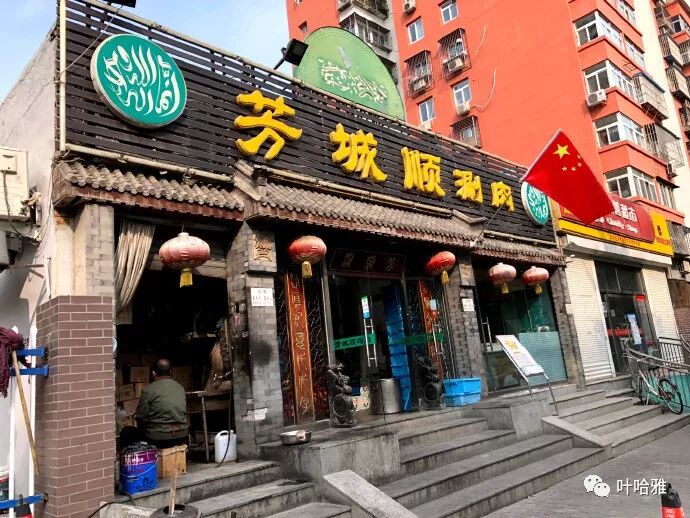
This old Beijing-style hot pot restaurant near Liuliqiao has been open for nearly twenty years.
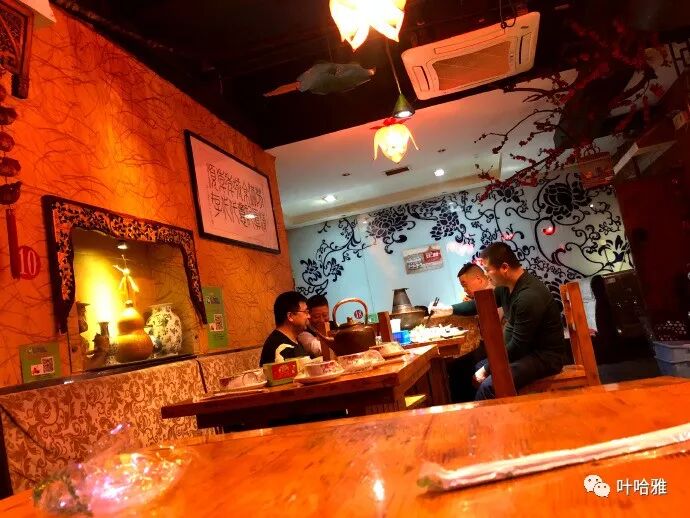
It is usually very popular, so you will need to wait in line during meal times.
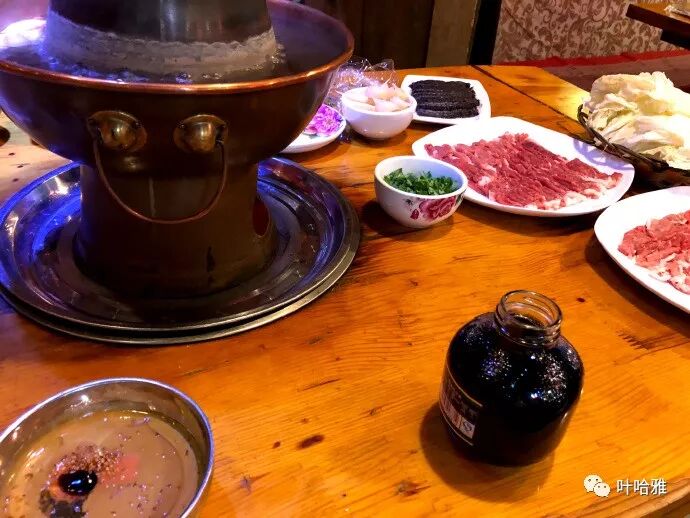
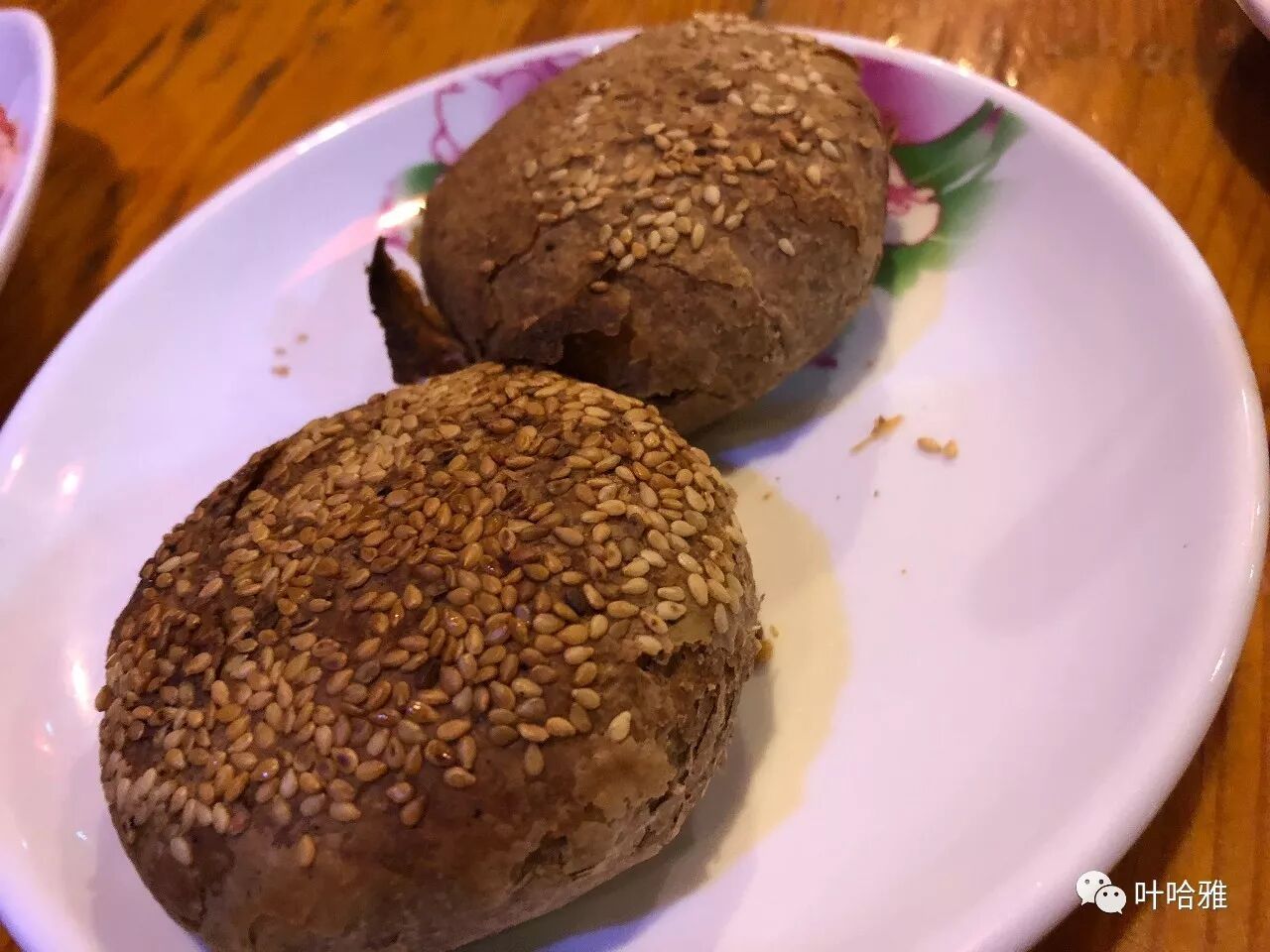
We highly recommend their sesame flatbread (shaobing), which is crispy and delicious, rivaling the ones at Jubaoyuan.
Address: No. 45, Lianjian Residential Area, Taipingqiao West Road
130. Yueshengguan
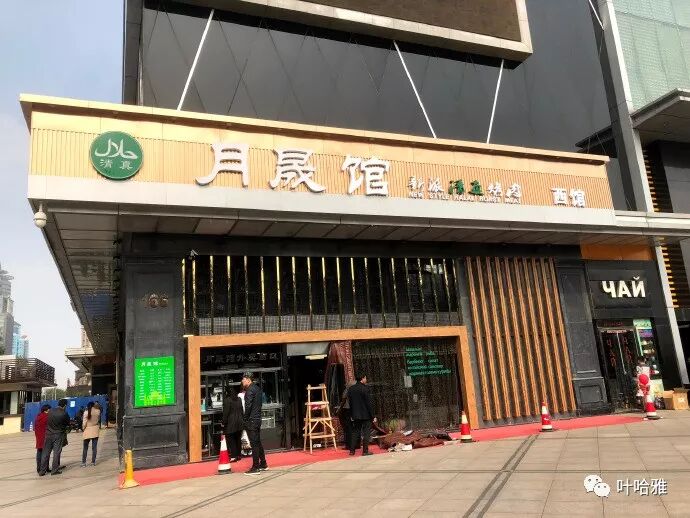
This is a newly opened modern barbecue restaurant. It has an east and a west wing, both owned by the same place, just separated into private rooms and general seating.
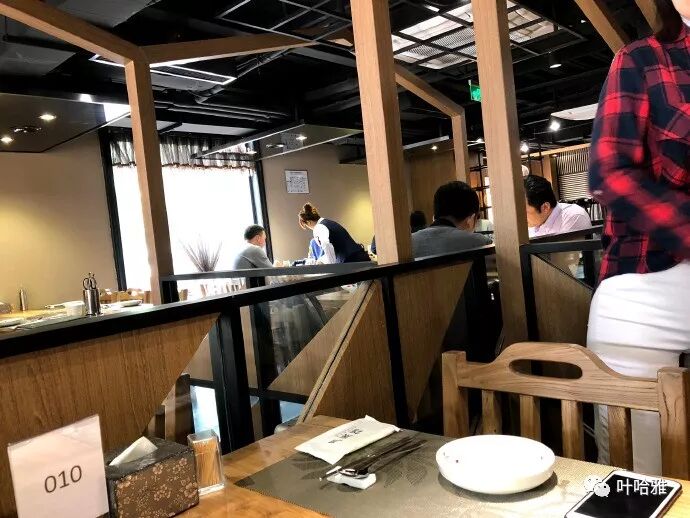
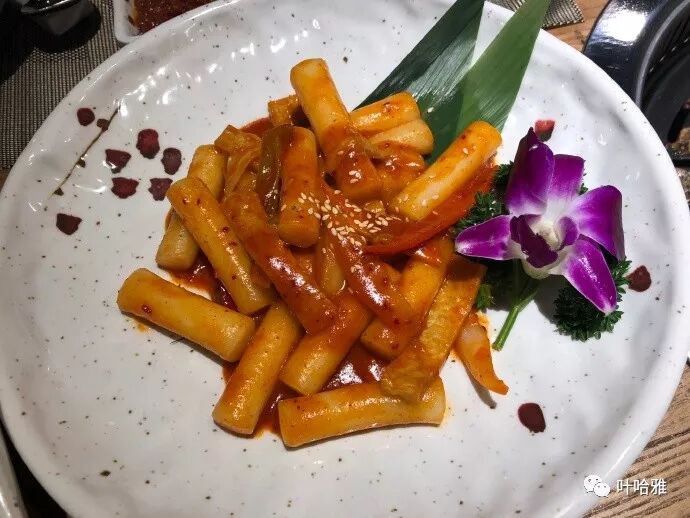
Korean-style stir-fried rice cakes (chaoniangao)
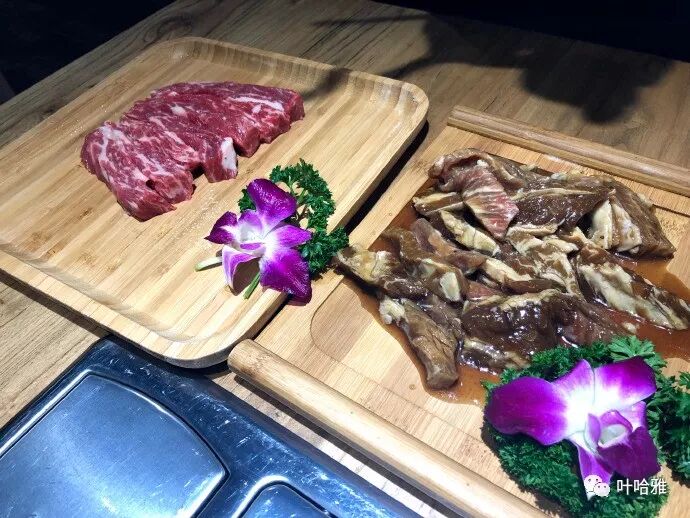
Fresh steak and marinated steak
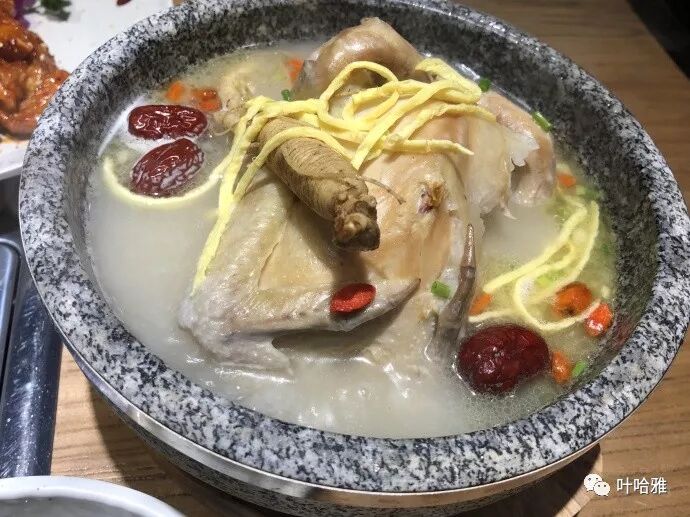
Ginseng chicken soup
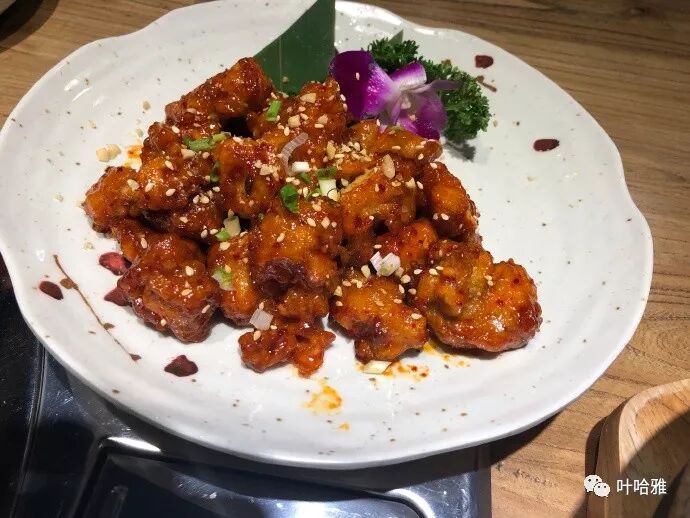
Grilled chicken nuggets
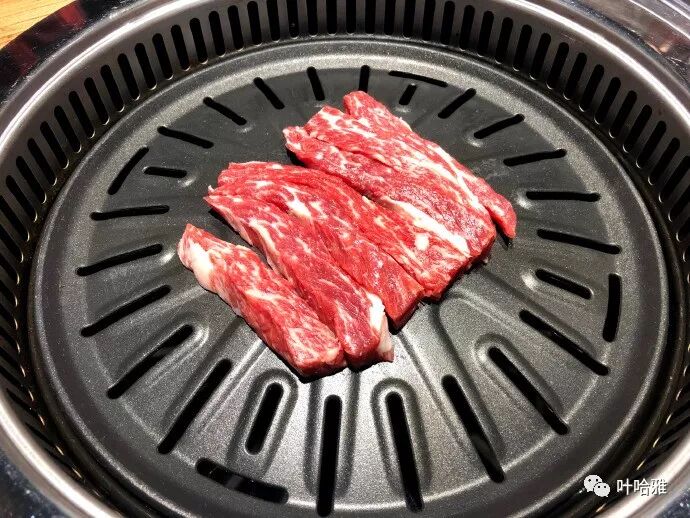
Servers will help you grill the meat. The service is great, but it is a bit pricey, costing over 150 yuan per person.
Address: Ground floor shops, Yabao City, No. 19 Ritan North Road, Chaoyang District
131. Heiji Shuangheshun Restaurant
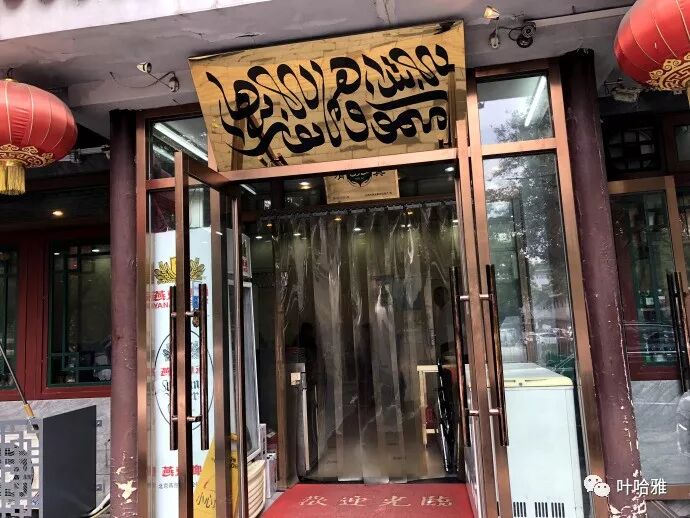
This is an old Beijing-style restaurant serving various halal snacks, hot pot, and stir-fried dishes.
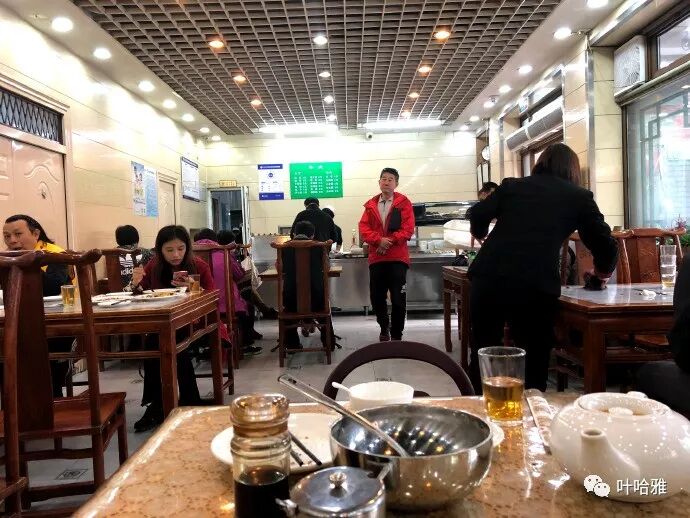
It is near Wangfujing, so it gets a bit crowded at lunch.
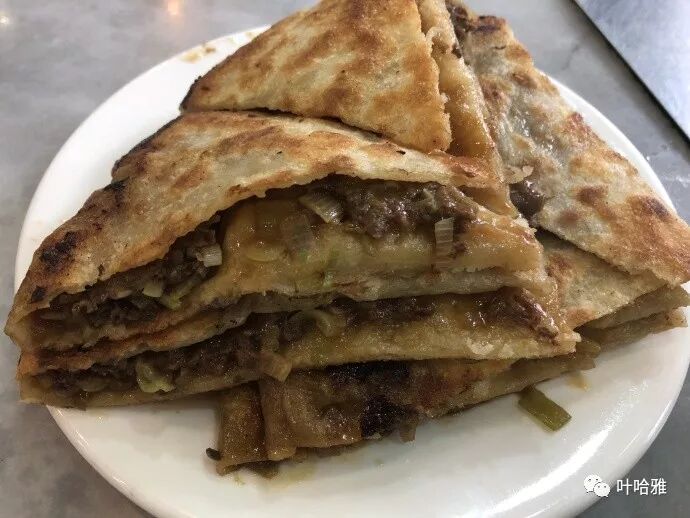
Beijing-style meat pie (jingdong roubing)
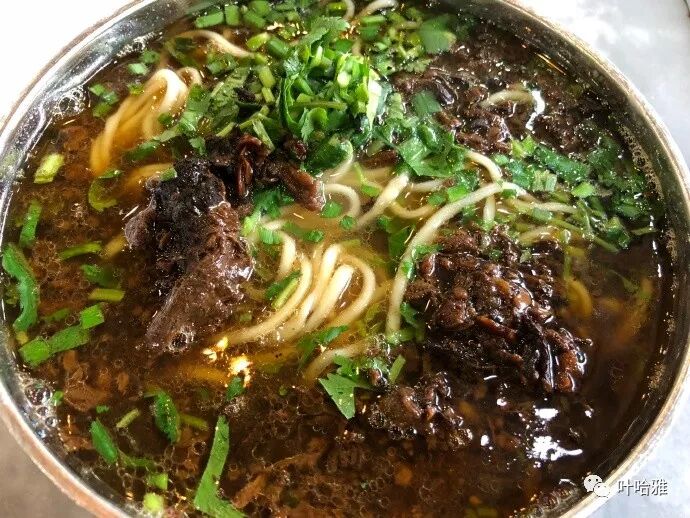
Lamb noodle soup (yangrou cuamian)
Address: No. 76, Donghuangchenggen South Street, Dongcheng District
132. Xi'an Jiasan Steamed Buns
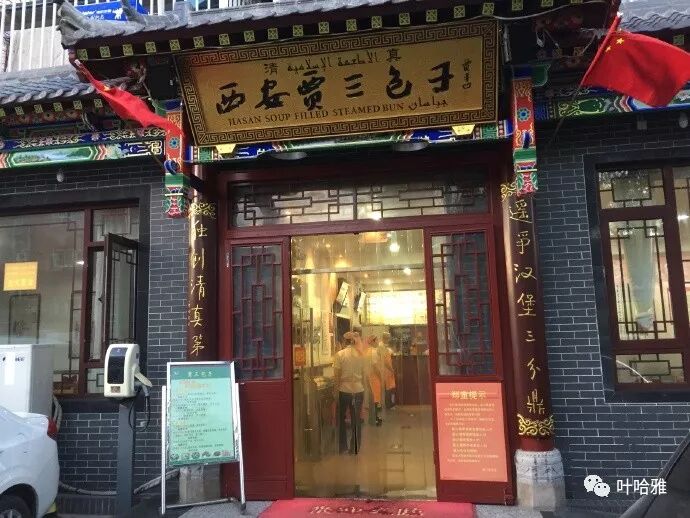
This is the Beijing branch of the famous Xi'an Jiasan soup-filled steamed bun (guantang baozi) shop.
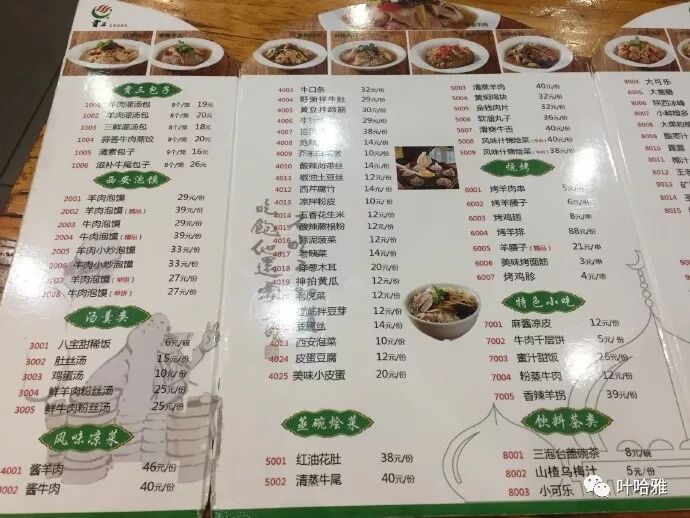
They sell various Xi'an halal snacks, including crumbled flatbread in soup (paomo), barbecue, and steamed beef with rice flour (fenzheng niurou).
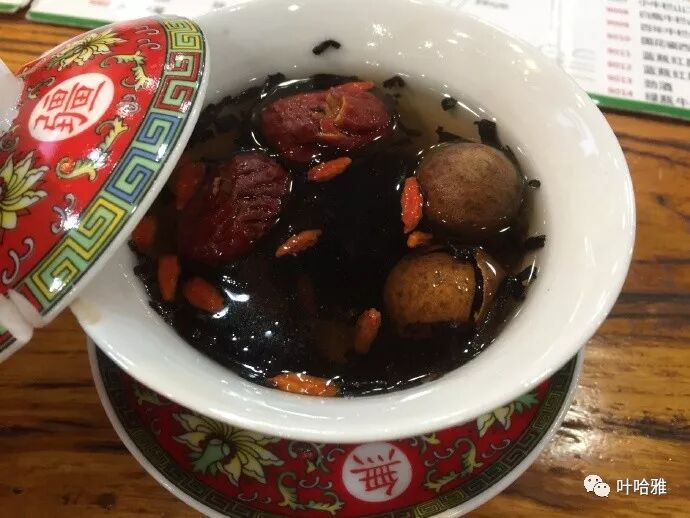
Three-treasure covered bowl tea (sanpaotai gaiwancha)
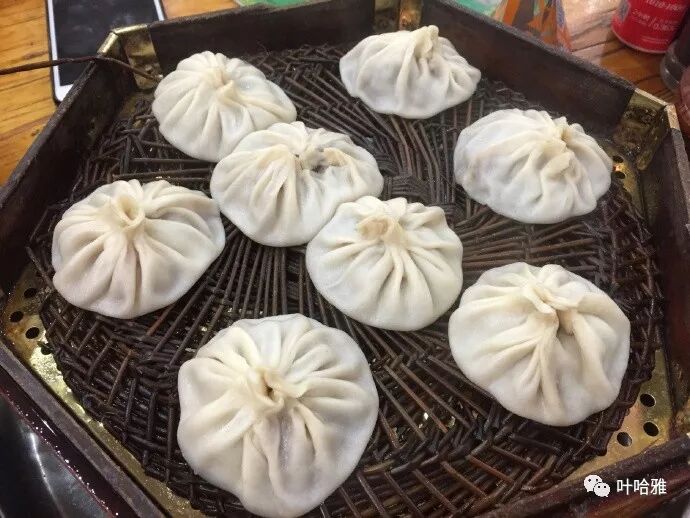
For the soup-filled steamed buns, you should take a small bite first to drink the broth before eating the rest of the bun.
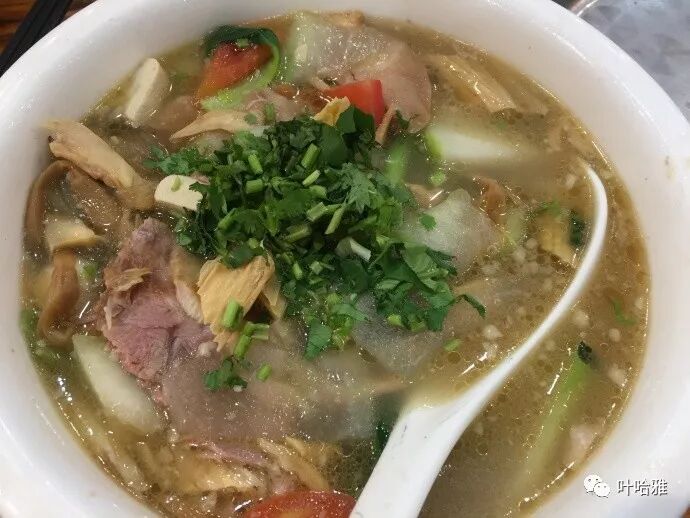
I quite like eating this mixed vegetable stew (huicai).
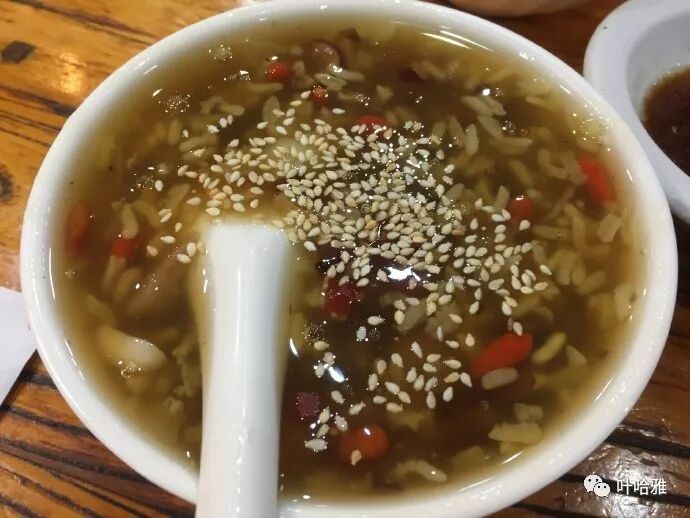
Eight-treasure porridge (babaozhou).
Address: No. 1A, Baiyunguan Street, Xicheng District.
133. Baodu Feng (Caishikou Branch).
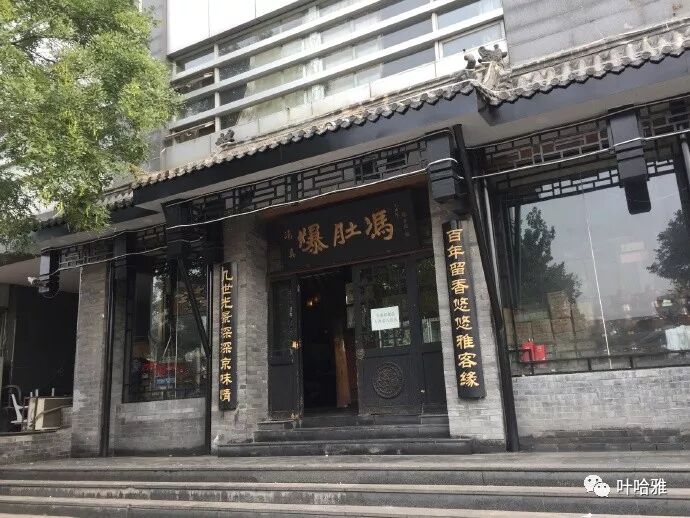
This is a time-honored brand founded in the late Qing Dynasty and one of the most famous Beijing snacks.
There are many branches, but I suggest coming to this one at Caishikou. It is away from the tourist spots, not crowded, and you can also eat hot pot mutton (shuanrou) here.
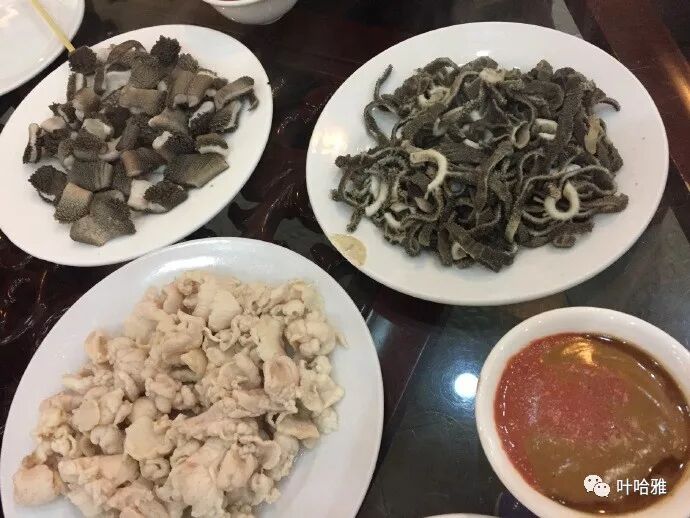
There are dozens of types of tripe (baodu). If you do not know which part to choose, I suggest picking the first two on the menu, as they are the most classic flavors.
Address: Lianhua Hutong, southwest of the Caishikou intersection (west side of Fenghua Haojing).
134. Indian Kitchen (Yindu Xiaochu).
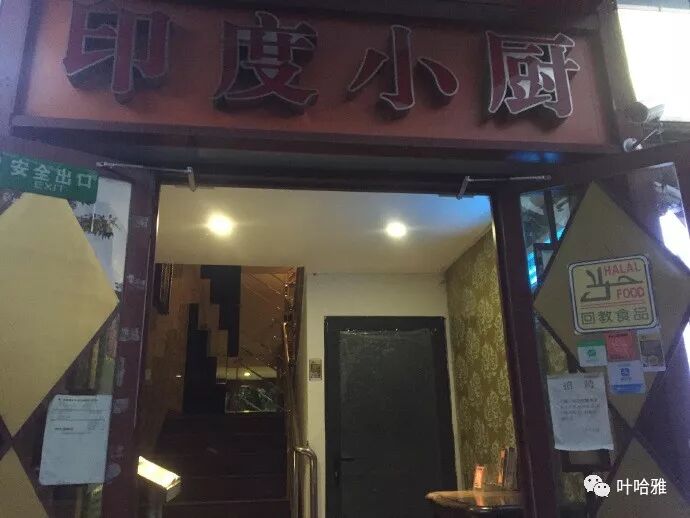
It is near the Liangma River, and there is a halal sign hanging at the entrance.
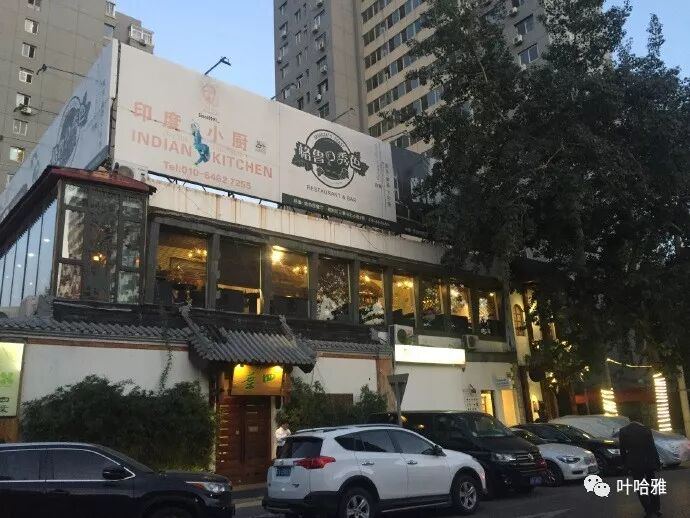
The storefront is small, but the space on the second floor is quite large.
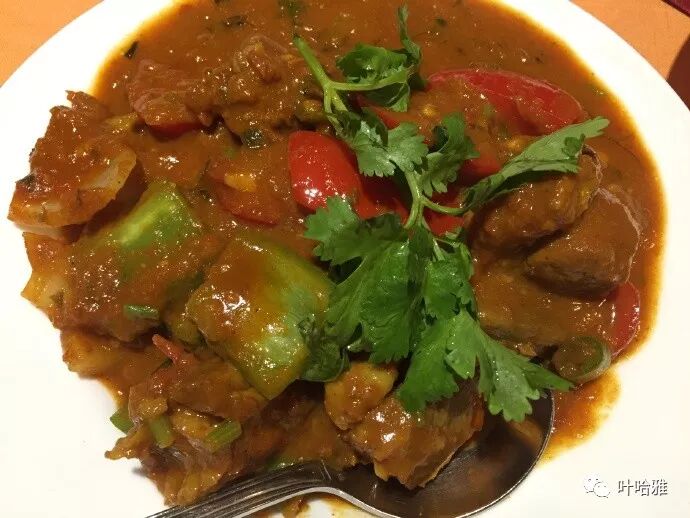
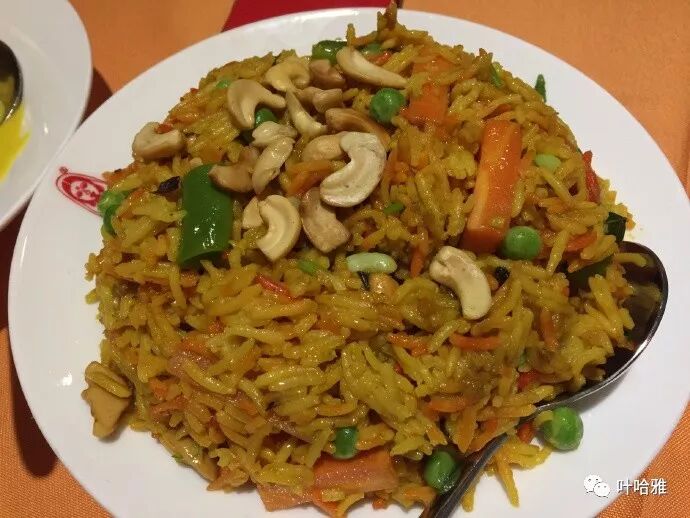
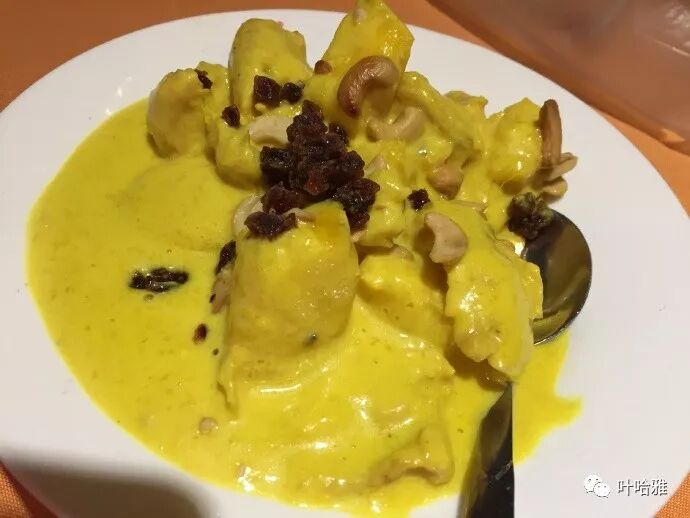
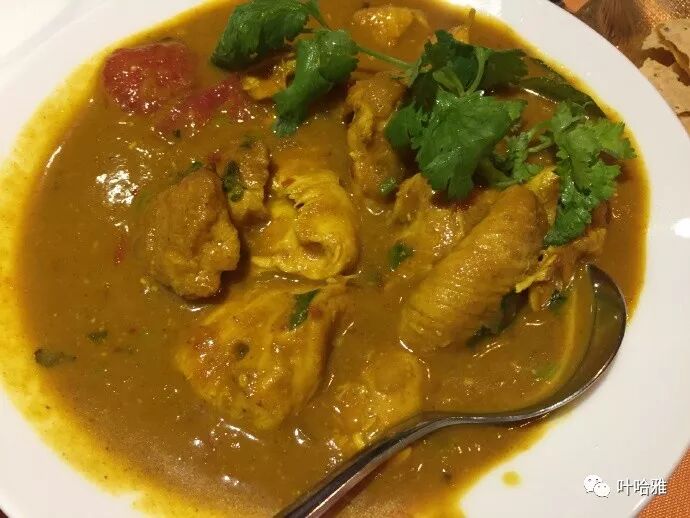
Indian cuisine naturally offers a variety of curries to choose from.
Address: 2nd Floor, No. 2 Sanlitun North Street.
135. Ali Fast Food Restaurant.
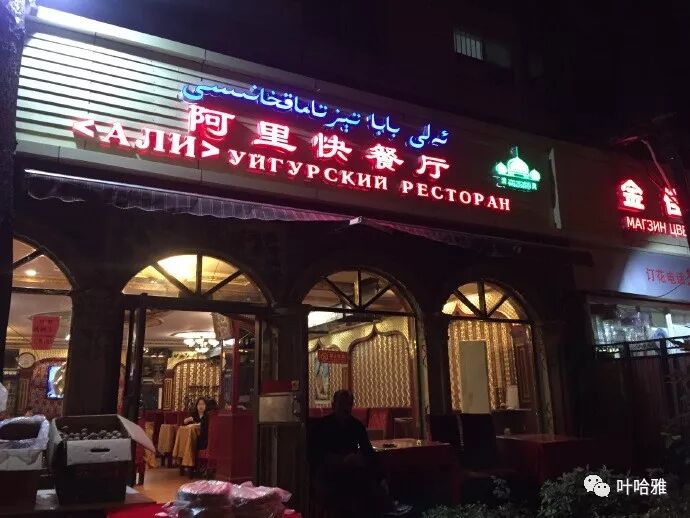
This Xinjiang-style restaurant is run by Uyghurs, and the taste is quite authentic.
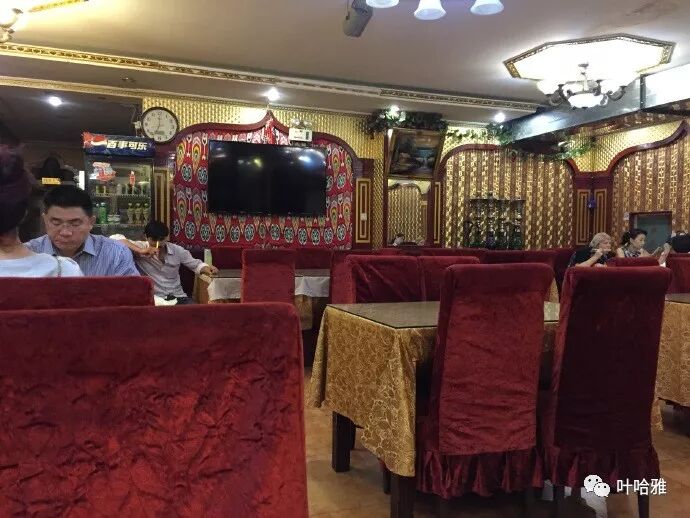
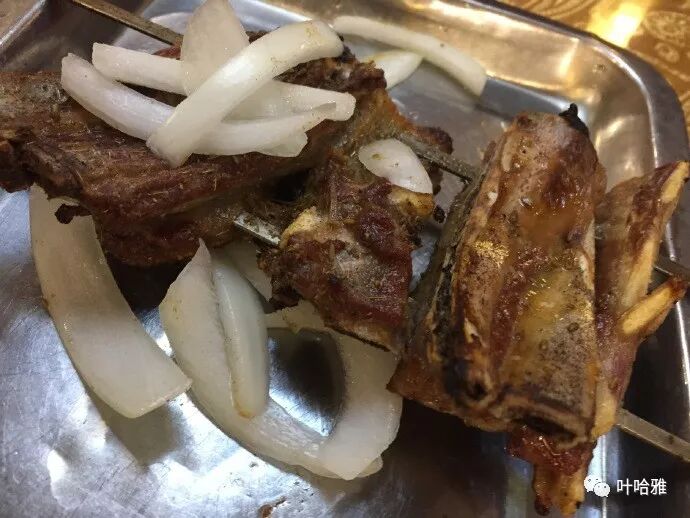
Roasted lamb chops (kao yangpai).
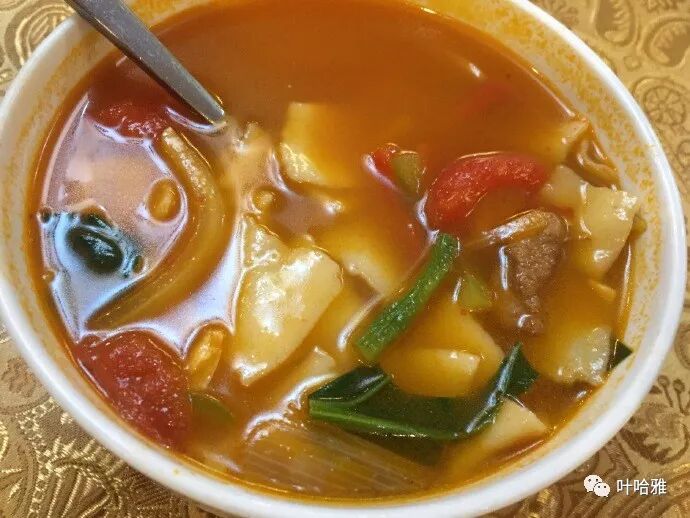
Hand-pulled noodle soup (tang mianpian).
Address: No. 4 Ritan North Road.
136. Father's New Style Western Regions Cuisine (Fuqin Xinpai Xiyu Meishi).
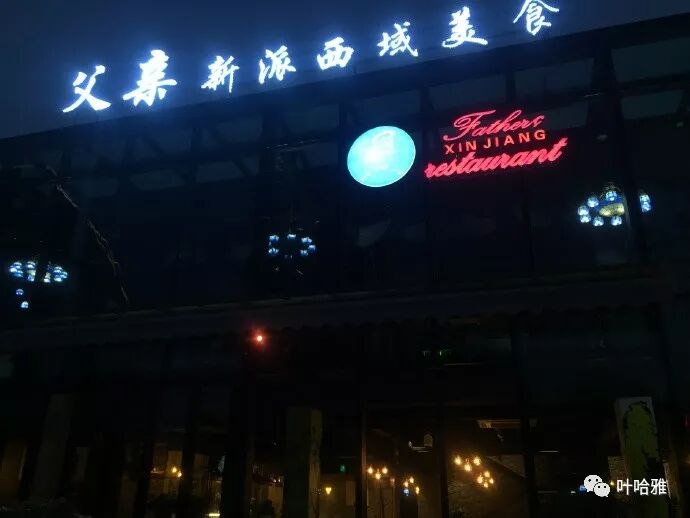
This is also a newly opened restaurant run by Xinjiang Uyghurs.
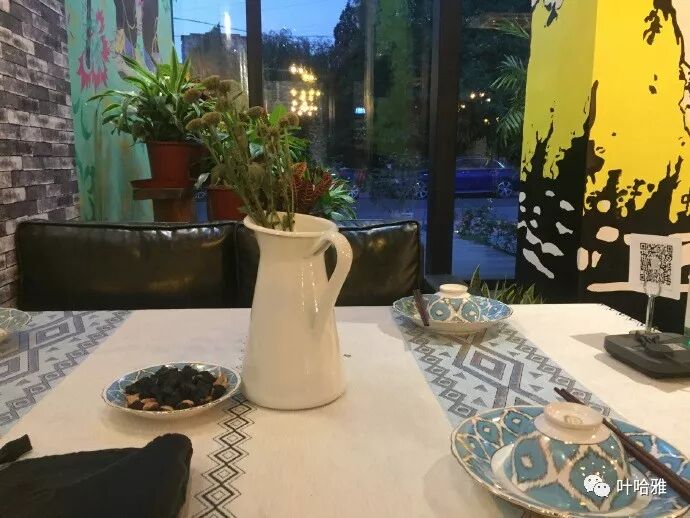
It features a very nice environment with elegant decor.
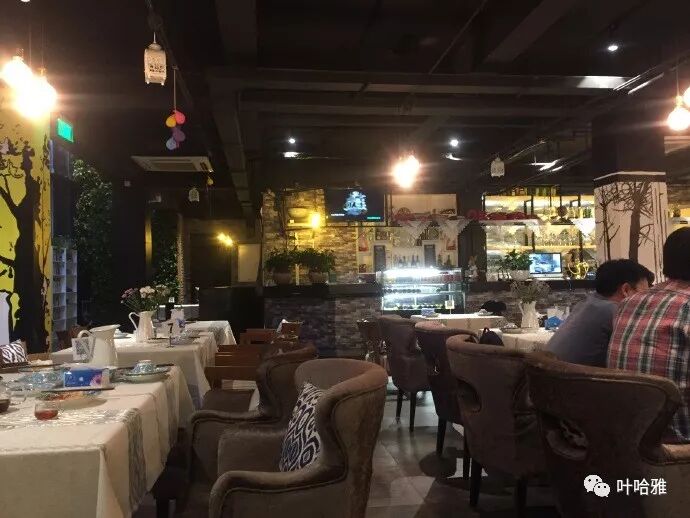
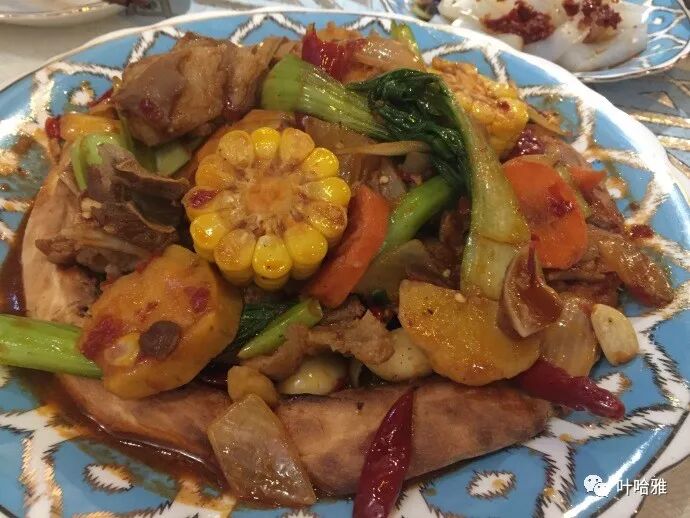
Meat in naan bread (nang bao rou).
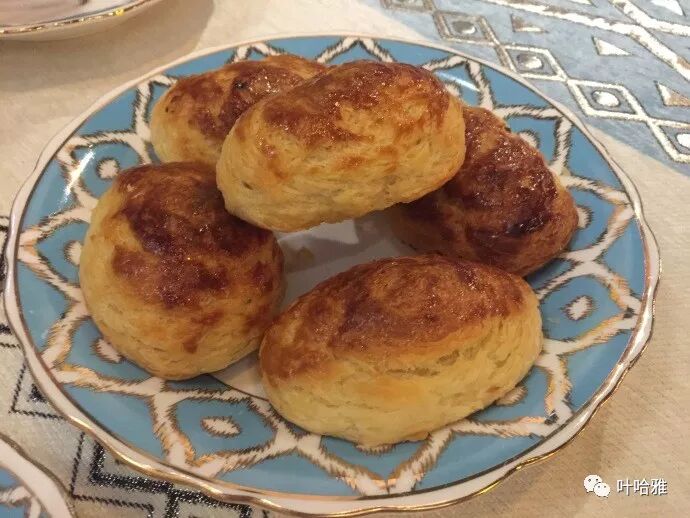
Baked buns (kao baozi).
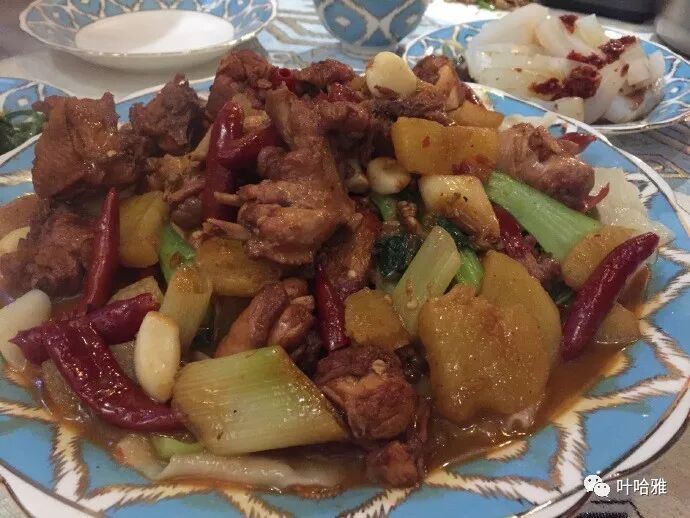
Big plate chicken (dapanji).
Address: No. 12 Courtyard, Liangmahe South Road, Chaoyang District
137. Jianghu No. 80
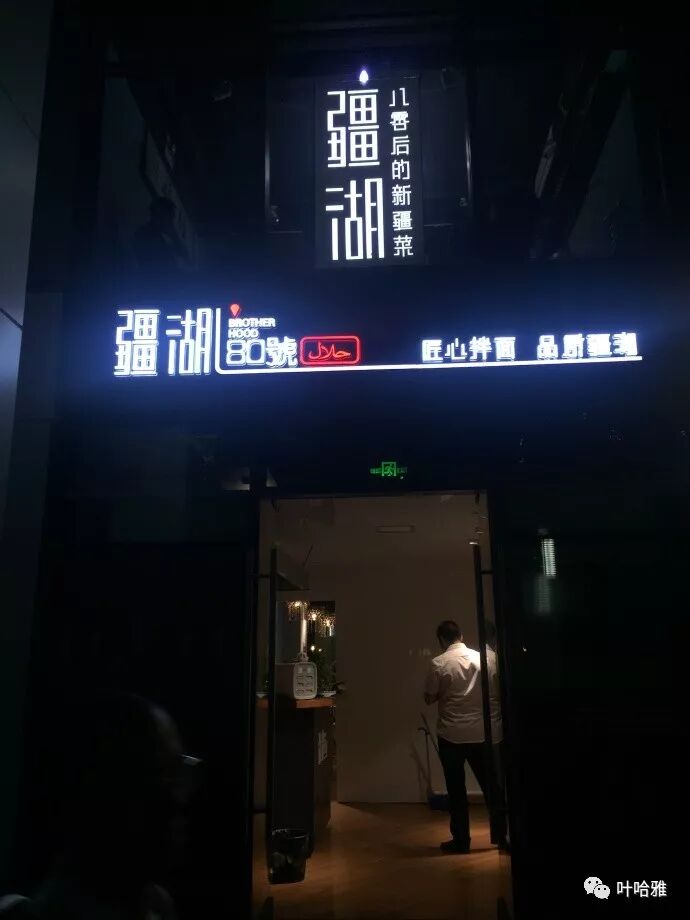
This is a modern-style Xinjiang restaurant with several chain locations.
House-made drinks.
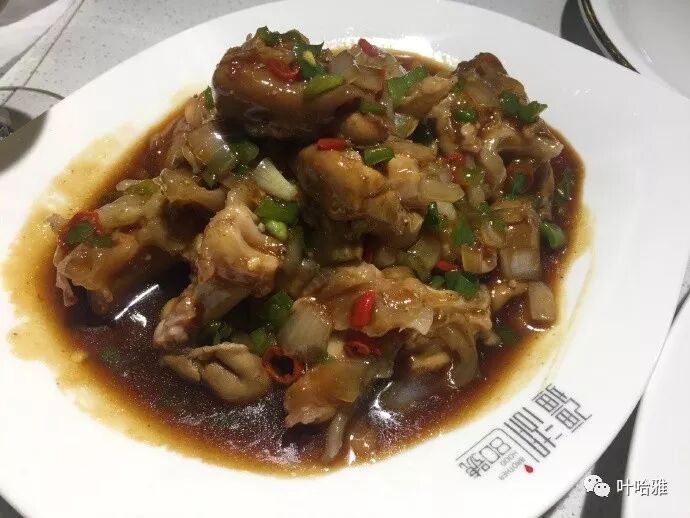
Spicy lamb hooves (hula yangti)
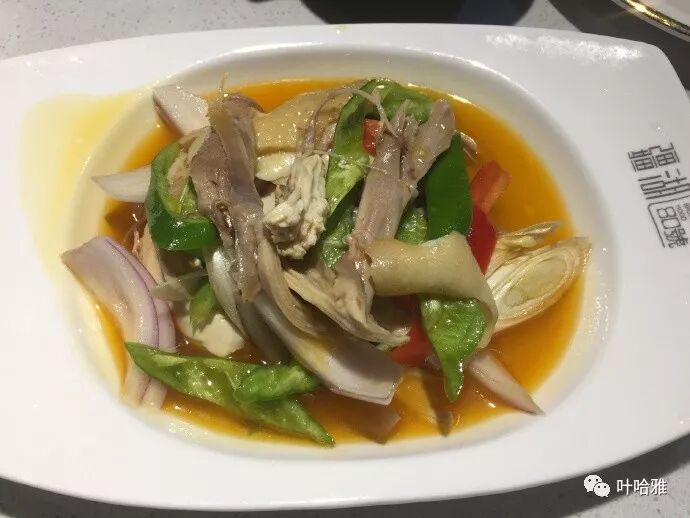
Peppery chicken (jiaoma ji)
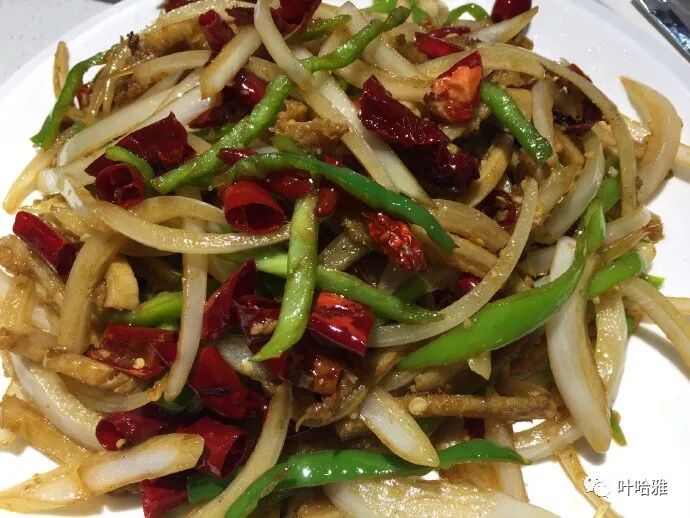
Stir-fried tripe strips (chao dusi)
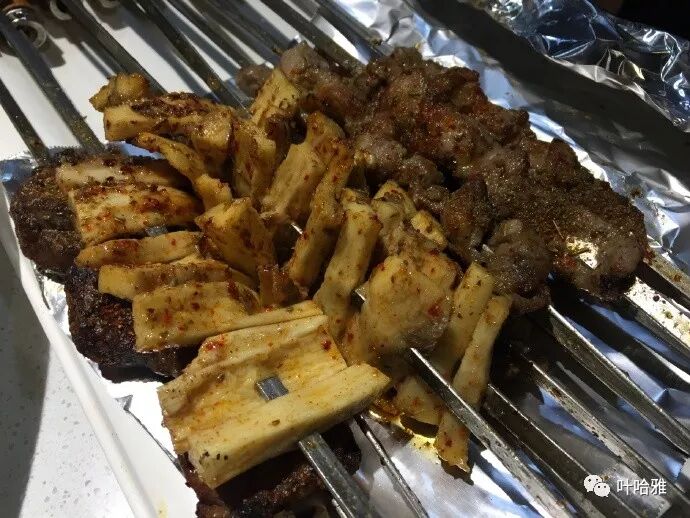
Barbecue meat (kaorou)
Address: Ground floor shops, Chaoyang Road Entrepreneurship Park
138.
Wengasi Muslim Restaurant
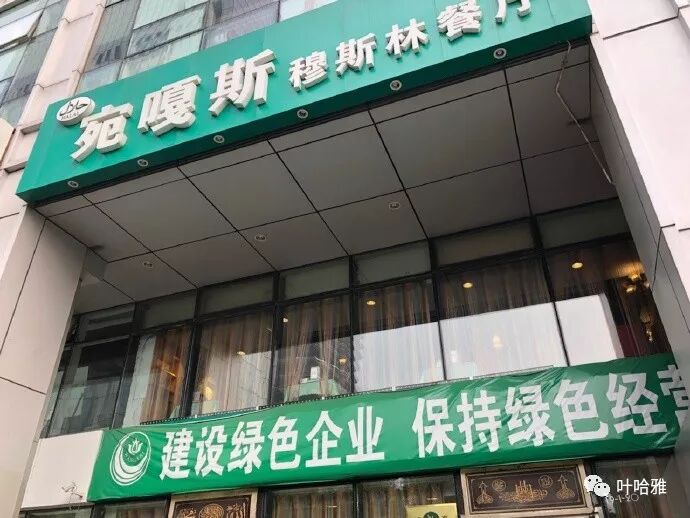
Wengasi shares the same name as a companion of the Prophet who came to China to spread Islam during the Tang Dynasty. His tomb is still preserved in Guangzhou today.
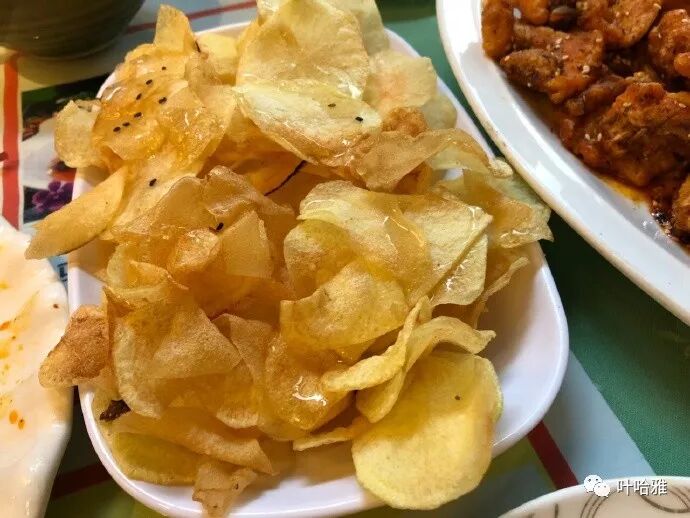
Potato chips (zha shupian)
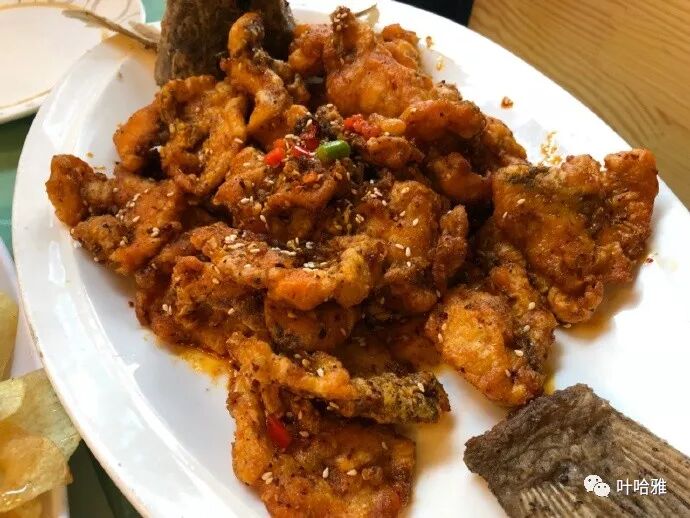
Turkish grilled fish (tuerqi kaoyu)
Address: Ground floor shops, first floor, Wanda Plaza, Guomao, Chaoyang District
139. Xueying Heshunzhai Lamb Spine Hot Pot
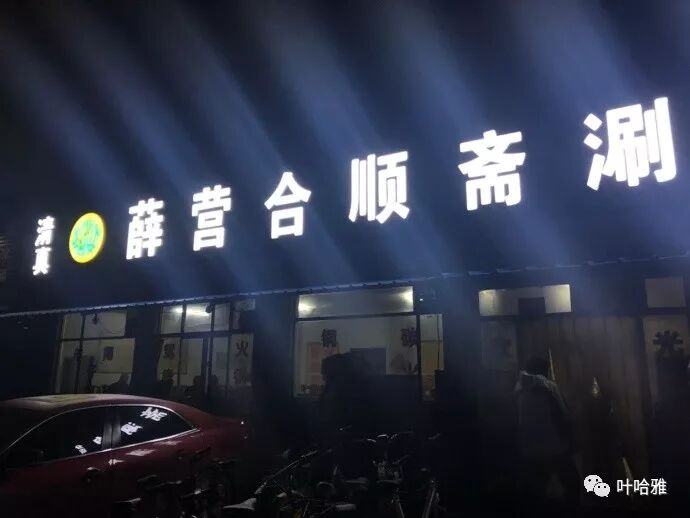
Xueying is a village for Hui Muslims. There are several small to medium-sized halal restaurants at the village entrance, and this one is the busiest.
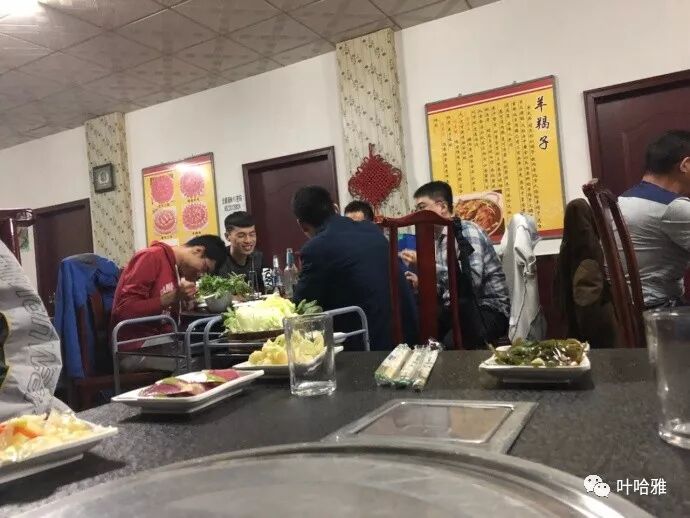
They serve lamb spine hot pot (yangxiezi) and instant-boiled lamb (shuanyangrou).
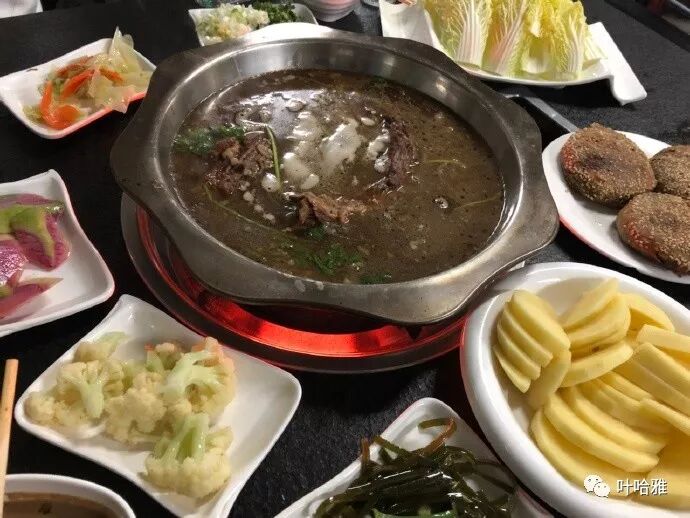
The lamb spine has a unique flavor and is stewed until very tender. It comes with side dishes and is affordably priced.
Address: Daxing District
No. 10, Lane 16, Qingzheng South Road, Xueying Village, Panggezhuang Town
More information on halal restaurants in Beijing can be found at the link below:
[Beijing Special Halal Dining Guide (Including the Most Complete List of Foreign Restaurants)] (Part 1)
[Beijing Special Halal Dining Guide (Including the Most Complete List of Foreign Restaurants)] (Part 2)
[Beijing Special Halal Dining Guide (Including the Most Complete List of Foreign Restaurants)] (Part 3)
A Guide to Halal Dining in Beijing (Part 4)
A Guide to Halal Dining in Beijing (Part 5)
A Guide to Halal Dining in Beijing (Part 6)
A Guide to Halal Dining in Beijing (Part 7)
Best Halal Restaurant Beijing: Hotpot, Pakistani Food, Ningxia Cuisine and Hui Restaurants
Articles • yusuf908 posted the article • 0 comments • 194 views • 2026-05-24 00:17
Summary: This Beijing halal food guide highlights new Muslim-friendly restaurants across the city, from Henan huimian and Pakistani masala dishes to Ningxia cuisine, hotpot, and other authentic Hui Muslim food spots.
— Hello, Travel —
This article is a bit late. First, my son is about to be born, so I have been staying by my wife's side almost every moment and going out less. Second, I have been waiting for news that the famous Chengdu halal hotpot brand Niububi is opening in Beijing. Now that Niububi is here, Beijing truly lives up to its reputation as a world capital of halal food.
1
Henan-style: Old Yao's Secret Braised Noodles (huimian).
Old Yao runs two Henan braised noodle shops in Daxing. The one in the photo is not far from the Xihongmen Joy Breeze (Huiju) mall. For breakfast, they serve spicy pepper soup (hulatang) and pan-fried buns (shuijianbao). Note that these two Henan specialties are only sold as breakfast in the morning; after noon, you can only order braised noodles.
The cold dishes at this Henan braised noodle shop are a highlight. There is a wide variety, and they give you a plate to help yourself. Whether it is a good deal depends on how much food you can pile onto that one plate.
If you come in the afternoon or evening, the shop only serves beef bone and nourishing lamb braised noodles. Of course, both taste very authentic.
There are more halal Henan restaurants in Beijing now. For higher-end stir-fry, there is Yufu Shenchu; for snack stalls, there is Guhuaijie Mawu; in Huilongguan, there is Liangji Braised Noodles; and near Caoqiao, there is Xuyiwani Braised Noodles.
2
Indian-Pakistani Cuisine: Sultan Pakistan Restaurant.
A new Indian-Pakistani halal courtyard restaurant has opened in Huatai Village, Sanduhe, Huairou. The courtyard is very spacious with easy parking. I like the style of this place; it is bright, airy, clean, and tidy.
The chef is from Pakistan, and the owner is a local from Huairou. I asked her why she decided to open an Indian-Pakistani restaurant in an area crowded with farmhouse-style eateries. She said she has spent years with Pakistani friends and has long followed a halal lifestyle. She also has another chain store in Huairou county called Masala Pakistan Restaurant.
Many people ask me what masala actually tastes like. Masala is just a general term for Indian spices; a mixture of many Indian spices is called masala.
Because there are not many halal restaurants in the Huairou area, and even fewer with unique features, friends visiting the Mutianyu Great Wall, Hongluo Mosque, or Yanqi Lake scenic areas can stop by this Indian-Pakistani restaurant for a meal.
When I eat Indian-Pakistani food, I must have butter naan and chicken curry. One piece of naan is never enough. The most I have ever eaten was four pieces at an Indian-Pakistani restaurant in Nha Trang, Vietnam. I really love the smell of toasted wheat.
In my heart, Khan Baba ranks first for Indian-Pakistani food in Beijing, followed by Shalimar Indian-Pakistani Restaurant in Shunyi. While some other Indian restaurants are labeled halal, I have doubts about the owners' faith, and the decor has obvious Hindu features, so they do not feel as reliable to eat at as these two.
Curry puffs (gali jiao).
3
Tunisian Cuisine at La Medina
This Tunisian-style restaurant is actually the Mesa Restaurant that opened last year. The location last year was not ideal and the space was small, so this year they moved near the Armenian Embassy.
The white man in profile in the photo is the head chef, a Tunisian Arab. We met him last year, and I even asked him to confirm that the restaurant is halal because they did not have a halal sign hanging up.
In Beijing now, if a restaurant wants to hang a halal sign with Chinese characters, it must be approved by the Ethnic and Religious Affairs Committee. Otherwise, you have to rely on word of mouth to confirm, which feels like going back to the time of the Prophet.
I took a photo of the restaurant's restroom and posted it on WeChat Moments. Many Han Chinese friends asked me why I posted a picture of a toilet. Actually, those who know will understand that the sprayer in this restroom is a facility specifically for Muslims.
Tunisia is in North Africa and has always been a popular vacation spot for Europeans. Tunisian food is also very unique.
Vegetable salad
Tunisian couscous (couscous)
This Tunisian couscous looks like millet and tastes like millet, but it is actually made from ground wheat grains. To us, it looks just like millet. On top of the couscous is Tunisian sausage made of beef. It is a bit salty and goes well with roasted peppers.
Moroccan bean soup
4
Inner Mongolian flavor at Qingcheng Restaurant (Changping Xihuan Road Branch)
Qingcheng Restaurant started in 1994 and is located in Changping District. I think it is the most authentic Inner Mongolian restaurant in Beijing. I have introduced the old shop before, and today I am introducing this branch. You can eat pot-wrapped beef (guobao niurou) at the main store, and at this branch, you can eat beef tripe hot pot and steamed dumplings (shaomai).
Beef tripe hot pot
A full pot of beef tripe costs only a little over 100 yuan, and the average cost per person is no more than 70 yuan. Prices in Changping are much lower than in the city center.
The steamed dumplings are also the most authentic Inner Mongolian flavor I have found in Beijing.
Sheep head meat
5
Qiqihar Flavor: Three Brothers Barbecue
Located on the first floor of Xingmei Building on Qinghe Heiquan Road, this is a Qiqihar-style barbecue restaurant.
We bought a set meal for two on Dazhong Dianping for 198 yuan.
The set meal had a good variety, but the taste was just average. It was cheap, though. There is a Northwest-style restaurant next door, and the two businesses operate together.
This iron plate barbecue is typical of the Qiqihar style. Since a new Qiqihar barbecue place just opened near Changying, there are now three halal Qiqihar barbecue restaurants in Beijing.
Cold noodles (lengmian), which every Qiqihar barbecue restaurant serves.
6
Qiqihar Flavor: Toupiqi
This shop is in Guanzhuang and opened recently. It is the third halal Qiqihar barbecue restaurant in Beijing.
The quality here is much better than at Three Brothers. Since it is located in the Changying area, it would be hard to survive if the meat quality were not good.
The shop has two floors, plenty of space, and convenient parking at the entrance, making it great for small gatherings with friends.
If I had to rank the three big Qiqihar barbecue spots in Beijing, I would put this one in second place and Dajinggai Barbecue Company in first. Dajinggai’s environment is designed to look like a street-side barbecue tent in Qiqihar, which feels more authentic, and their cold noodles and fried rice are delicious.
Three of us could not even finish this big table of food. The group-buy price was 191 yuan, which is very affordable.
7
Heilongjiang Flavor: Uncle Oyster Iron Pot Stew
A newly opened Northeast iron pot stew (tieguo dun) restaurant near Jiande Bridge, located in the basement of Qingxiangge Dalian Seafood.
Ever since the halal Erjie Earth Pot Stew (diguo dun) in Xueying, Daxing closed, I have not had authentic Northeast earth pot stew.
So, I invited three or four friends from the group to come and try it. We had to order the iron pot stewed goose, as you need a group to eat it.
This dish is called mashed garlic egg (suandaodan). It is a home-style specialty from Northeast China made with eggs and has a salty, savory flavor.
For raw vegetables with dipping sauce (zhanjiangcai), I love the cucumbers and green onions. I have loved eating green onions with soybean paste (dajiang) since I was a kid, especially with a hot, freshly steamed white bun (mantou).
To eat iron pot stewed goose (tieguo dun da'e), first put the chopped goose into the bottom of the pot, then add your choice of side dishes. We chose golden beans, tofu, shiitake mushrooms, and potatoes. Cover the pot and stew for 15 minutes. Place steamed flower rolls (huajuan) and griddle cakes (tiebingzi) on top. When the time is up, the meat below is stewed and the staples on top are steamed. Everything is fresh and delicious.
This pot of stewed goose was enough for 6 of us. We finished every bit, and it cost 60 yuan per person.
8
Pingliang Flavor: Longxiang Hui Lamb Pita Bread Soup (yangrou paomo)
A lamb pita bread soup shop opened on Dongsi Street. People usually think of Xi'an style when they hear about pita bread soup, but this shop has the character 'Long' in its name, so I guessed it was Pingliang style.
I have many friends from Pingliang, and they often talk about the difference between Pingliang and Xi'an pita bread soup. Pingliang pita bread soup is its own thing; it has more broth, and the bread is fully cooked. Unlike the Xi'an version where the bread is only 70% cooked, you don't need to break the Pingliang bread into tiny pieces. Keep them in larger chunks. It is best to serve the broth and bread separately and soak the bread as you eat.
The owner told me the chef comes from the famous Chunhua Restaurant in Pingliang, which all the local elders know. The master chef has spent most of his life cooking and knows his craft well. Besides pita bread soup, you can also get Gansu-style hand-grabbed lamb (shouzhuayangrou) and cold-tossed beef.
I heard they recently added cat-ear noodles (mashi) and cold noodles (liangpi). These are Gansu specialties that are tasty and affordable.
9
Lanzhou Flavor: Silk Road Yilan Spicy Hot Pot (malatang)
Silk Road Yilan, the only place on Niujie Street that doesn't sell alcohol, recently added spicy hot pot inside their noodle shop. The flavor is great, and it is served in individual pots, making it clean and hygienic.
If you don't want noodles and want to eat more vegetables, you should come and try it.
10
Inner Mongolia Flavor: Mengdameng Specialty Roasted Lamb Leg
A small Mongolian-style barbecue shop near the Xihongmen Mosque.
I didn't come here for their roasted lamb leg. I eat too much meat usually, so I wanted something light.
My favorite dish here is the Mongolian big bowl noodles (menggu dawan mian). The noodles are wide and the soup is a bit spicy, but the noodles are chewy. Many friends say it tastes great.
You can order the roasted lamb ribs (kao yangpai) by the jin. These are small lamb ribs.
Roasted sweet potato slices (kao digua pian)
11
Sichuan-style Niububi clear oil tripe hot pot
I first ate at Niububi in Chengdu in 2016. That was my first time having authentic halal Chengdu hot pot. I waited in line for over two hours, but it was worth it. I later ate at their Xining branch, but it is a pity that Beijing has never had a truly authentic halal Sichuan hot pot restaurant, only a few cold pot skewer shops.
The restaurant is on the second floor of Quanpin Jinsha in Mudanyuan. The space is large, and the interior design was reportedly done by a Hui Muslim designer.
Niububi gets its ingredients from the Tangjiasi Hui Muslim community under Chengdu's jurisdiction, which is the largest livestock trading area in the southwest. The owner of Niububi is a local Sichuan Hui Muslim, and the head chef is also a Sichuan Hui Muslim who is skilled at making Sichuan cuisine.
Iced jelly (bingfen)
Iced jelly is a must-have dessert for Sichuan hot pot. It is mainly used to cool down the spice, and it is cold, sour, and sweet.
Duck intestines (ya chang)
Duck intestines and tripe are essential dishes for Chengdu hot pot. Duck intestines cook as soon as you dip them in the water.
Shabu-shabu tripe (mao du) is their signature specialty. Fresh beef tripe only needs a few seconds in the pot, commonly known as 'seven up, eight down,' otherwise the texture will get tough.
Freshly fried crispy beef (xiao su rou) is also a standard snack for Sichuan hot pot. The beef is tender, fresh, and crispy.
Brown sugar sticky rice cake (hongtang ciba)
Unlike some shops that buy pre-made brown sugar sticky rice cakes to heat up, Niububi makes theirs on the spot to ensure the best texture.
The shop is called Niububi, which means their beef quality is so good it does not need to be compared to anyone else's. The name also sounds like a slang term for awesome. Niububi really is awesome among my friends, and it is the most authentic Sichuan hot pot I have ever had. I am so happy to find the same taste in Beijing as in Chengdu; it gives us one less reason to travel to Chengdu.
From this Sunday the 19th through the 30th, Niububi is holding a soft opening promotion with 32% off everything. Usually, there are no discounts and the average cost is about 150 to 200 yuan per person, so you can save quite a bit with this deal. Don't miss out on these dates. view all
Summary: This Beijing halal food guide highlights new Muslim-friendly restaurants across the city, from Henan huimian and Pakistani masala dishes to Ningxia cuisine, hotpot, and other authentic Hui Muslim food spots.
— Hello, Travel —
This article is a bit late. First, my son is about to be born, so I have been staying by my wife's side almost every moment and going out less. Second, I have been waiting for news that the famous Chengdu halal hotpot brand Niububi is opening in Beijing. Now that Niububi is here, Beijing truly lives up to its reputation as a world capital of halal food.
1
Henan-style: Old Yao's Secret Braised Noodles (huimian).
Old Yao runs two Henan braised noodle shops in Daxing. The one in the photo is not far from the Xihongmen Joy Breeze (Huiju) mall. For breakfast, they serve spicy pepper soup (hulatang) and pan-fried buns (shuijianbao). Note that these two Henan specialties are only sold as breakfast in the morning; after noon, you can only order braised noodles.
The cold dishes at this Henan braised noodle shop are a highlight. There is a wide variety, and they give you a plate to help yourself. Whether it is a good deal depends on how much food you can pile onto that one plate.
If you come in the afternoon or evening, the shop only serves beef bone and nourishing lamb braised noodles. Of course, both taste very authentic.
There are more halal Henan restaurants in Beijing now. For higher-end stir-fry, there is Yufu Shenchu; for snack stalls, there is Guhuaijie Mawu; in Huilongguan, there is Liangji Braised Noodles; and near Caoqiao, there is Xuyiwani Braised Noodles.
2
Indian-Pakistani Cuisine: Sultan Pakistan Restaurant.
A new Indian-Pakistani halal courtyard restaurant has opened in Huatai Village, Sanduhe, Huairou. The courtyard is very spacious with easy parking. I like the style of this place; it is bright, airy, clean, and tidy.
The chef is from Pakistan, and the owner is a local from Huairou. I asked her why she decided to open an Indian-Pakistani restaurant in an area crowded with farmhouse-style eateries. She said she has spent years with Pakistani friends and has long followed a halal lifestyle. She also has another chain store in Huairou county called Masala Pakistan Restaurant.
Many people ask me what masala actually tastes like. Masala is just a general term for Indian spices; a mixture of many Indian spices is called masala.
Because there are not many halal restaurants in the Huairou area, and even fewer with unique features, friends visiting the Mutianyu Great Wall, Hongluo Mosque, or Yanqi Lake scenic areas can stop by this Indian-Pakistani restaurant for a meal.
When I eat Indian-Pakistani food, I must have butter naan and chicken curry. One piece of naan is never enough. The most I have ever eaten was four pieces at an Indian-Pakistani restaurant in Nha Trang, Vietnam. I really love the smell of toasted wheat.
In my heart, Khan Baba ranks first for Indian-Pakistani food in Beijing, followed by Shalimar Indian-Pakistani Restaurant in Shunyi. While some other Indian restaurants are labeled halal, I have doubts about the owners' faith, and the decor has obvious Hindu features, so they do not feel as reliable to eat at as these two.
Curry puffs (gali jiao).
3
Tunisian Cuisine at La Medina
This Tunisian-style restaurant is actually the Mesa Restaurant that opened last year. The location last year was not ideal and the space was small, so this year they moved near the Armenian Embassy.
The white man in profile in the photo is the head chef, a Tunisian Arab. We met him last year, and I even asked him to confirm that the restaurant is halal because they did not have a halal sign hanging up.
In Beijing now, if a restaurant wants to hang a halal sign with Chinese characters, it must be approved by the Ethnic and Religious Affairs Committee. Otherwise, you have to rely on word of mouth to confirm, which feels like going back to the time of the Prophet.
I took a photo of the restaurant's restroom and posted it on WeChat Moments. Many Han Chinese friends asked me why I posted a picture of a toilet. Actually, those who know will understand that the sprayer in this restroom is a facility specifically for Muslims.
Tunisia is in North Africa and has always been a popular vacation spot for Europeans. Tunisian food is also very unique.
Vegetable salad
Tunisian couscous (couscous)
This Tunisian couscous looks like millet and tastes like millet, but it is actually made from ground wheat grains. To us, it looks just like millet. On top of the couscous is Tunisian sausage made of beef. It is a bit salty and goes well with roasted peppers.
Moroccan bean soup
4
Inner Mongolian flavor at Qingcheng Restaurant (Changping Xihuan Road Branch)
Qingcheng Restaurant started in 1994 and is located in Changping District. I think it is the most authentic Inner Mongolian restaurant in Beijing. I have introduced the old shop before, and today I am introducing this branch. You can eat pot-wrapped beef (guobao niurou) at the main store, and at this branch, you can eat beef tripe hot pot and steamed dumplings (shaomai).
Beef tripe hot pot
A full pot of beef tripe costs only a little over 100 yuan, and the average cost per person is no more than 70 yuan. Prices in Changping are much lower than in the city center.
The steamed dumplings are also the most authentic Inner Mongolian flavor I have found in Beijing.
Sheep head meat
5
Qiqihar Flavor: Three Brothers Barbecue
Located on the first floor of Xingmei Building on Qinghe Heiquan Road, this is a Qiqihar-style barbecue restaurant.
We bought a set meal for two on Dazhong Dianping for 198 yuan.
The set meal had a good variety, but the taste was just average. It was cheap, though. There is a Northwest-style restaurant next door, and the two businesses operate together.
This iron plate barbecue is typical of the Qiqihar style. Since a new Qiqihar barbecue place just opened near Changying, there are now three halal Qiqihar barbecue restaurants in Beijing.
Cold noodles (lengmian), which every Qiqihar barbecue restaurant serves.
6
Qiqihar Flavor: Toupiqi
This shop is in Guanzhuang and opened recently. It is the third halal Qiqihar barbecue restaurant in Beijing.
The quality here is much better than at Three Brothers. Since it is located in the Changying area, it would be hard to survive if the meat quality were not good.
The shop has two floors, plenty of space, and convenient parking at the entrance, making it great for small gatherings with friends.
If I had to rank the three big Qiqihar barbecue spots in Beijing, I would put this one in second place and Dajinggai Barbecue Company in first. Dajinggai’s environment is designed to look like a street-side barbecue tent in Qiqihar, which feels more authentic, and their cold noodles and fried rice are delicious.
Three of us could not even finish this big table of food. The group-buy price was 191 yuan, which is very affordable.
7
Heilongjiang Flavor: Uncle Oyster Iron Pot Stew
A newly opened Northeast iron pot stew (tieguo dun) restaurant near Jiande Bridge, located in the basement of Qingxiangge Dalian Seafood.
Ever since the halal Erjie Earth Pot Stew (diguo dun) in Xueying, Daxing closed, I have not had authentic Northeast earth pot stew.
So, I invited three or four friends from the group to come and try it. We had to order the iron pot stewed goose, as you need a group to eat it.
This dish is called mashed garlic egg (suandaodan). It is a home-style specialty from Northeast China made with eggs and has a salty, savory flavor.
For raw vegetables with dipping sauce (zhanjiangcai), I love the cucumbers and green onions. I have loved eating green onions with soybean paste (dajiang) since I was a kid, especially with a hot, freshly steamed white bun (mantou).
To eat iron pot stewed goose (tieguo dun da'e), first put the chopped goose into the bottom of the pot, then add your choice of side dishes. We chose golden beans, tofu, shiitake mushrooms, and potatoes. Cover the pot and stew for 15 minutes. Place steamed flower rolls (huajuan) and griddle cakes (tiebingzi) on top. When the time is up, the meat below is stewed and the staples on top are steamed. Everything is fresh and delicious.
This pot of stewed goose was enough for 6 of us. We finished every bit, and it cost 60 yuan per person.
8
Pingliang Flavor: Longxiang Hui Lamb Pita Bread Soup (yangrou paomo)
A lamb pita bread soup shop opened on Dongsi Street. People usually think of Xi'an style when they hear about pita bread soup, but this shop has the character 'Long' in its name, so I guessed it was Pingliang style.
I have many friends from Pingliang, and they often talk about the difference between Pingliang and Xi'an pita bread soup. Pingliang pita bread soup is its own thing; it has more broth, and the bread is fully cooked. Unlike the Xi'an version where the bread is only 70% cooked, you don't need to break the Pingliang bread into tiny pieces. Keep them in larger chunks. It is best to serve the broth and bread separately and soak the bread as you eat.
The owner told me the chef comes from the famous Chunhua Restaurant in Pingliang, which all the local elders know. The master chef has spent most of his life cooking and knows his craft well. Besides pita bread soup, you can also get Gansu-style hand-grabbed lamb (shouzhuayangrou) and cold-tossed beef.
I heard they recently added cat-ear noodles (mashi) and cold noodles (liangpi). These are Gansu specialties that are tasty and affordable.
9
Lanzhou Flavor: Silk Road Yilan Spicy Hot Pot (malatang)
Silk Road Yilan, the only place on Niujie Street that doesn't sell alcohol, recently added spicy hot pot inside their noodle shop. The flavor is great, and it is served in individual pots, making it clean and hygienic.
If you don't want noodles and want to eat more vegetables, you should come and try it.
10
Inner Mongolia Flavor: Mengdameng Specialty Roasted Lamb Leg
A small Mongolian-style barbecue shop near the Xihongmen Mosque.
I didn't come here for their roasted lamb leg. I eat too much meat usually, so I wanted something light.
My favorite dish here is the Mongolian big bowl noodles (menggu dawan mian). The noodles are wide and the soup is a bit spicy, but the noodles are chewy. Many friends say it tastes great.
You can order the roasted lamb ribs (kao yangpai) by the jin. These are small lamb ribs.
Roasted sweet potato slices (kao digua pian)
11
Sichuan-style Niububi clear oil tripe hot pot
I first ate at Niububi in Chengdu in 2016. That was my first time having authentic halal Chengdu hot pot. I waited in line for over two hours, but it was worth it. I later ate at their Xining branch, but it is a pity that Beijing has never had a truly authentic halal Sichuan hot pot restaurant, only a few cold pot skewer shops.
The restaurant is on the second floor of Quanpin Jinsha in Mudanyuan. The space is large, and the interior design was reportedly done by a Hui Muslim designer.
Niububi gets its ingredients from the Tangjiasi Hui Muslim community under Chengdu's jurisdiction, which is the largest livestock trading area in the southwest. The owner of Niububi is a local Sichuan Hui Muslim, and the head chef is also a Sichuan Hui Muslim who is skilled at making Sichuan cuisine.
Iced jelly (bingfen)
Iced jelly is a must-have dessert for Sichuan hot pot. It is mainly used to cool down the spice, and it is cold, sour, and sweet.
Duck intestines (ya chang)
Duck intestines and tripe are essential dishes for Chengdu hot pot. Duck intestines cook as soon as you dip them in the water.
Shabu-shabu tripe (mao du) is their signature specialty. Fresh beef tripe only needs a few seconds in the pot, commonly known as 'seven up, eight down,' otherwise the texture will get tough.
Freshly fried crispy beef (xiao su rou) is also a standard snack for Sichuan hot pot. The beef is tender, fresh, and crispy.
Brown sugar sticky rice cake (hongtang ciba)
Unlike some shops that buy pre-made brown sugar sticky rice cakes to heat up, Niububi makes theirs on the spot to ensure the best texture.
The shop is called Niububi, which means their beef quality is so good it does not need to be compared to anyone else's. The name also sounds like a slang term for awesome. Niububi really is awesome among my friends, and it is the most authentic Sichuan hot pot I have ever had. I am so happy to find the same taste in Beijing as in Chengdu; it gives us one less reason to travel to Chengdu.
From this Sunday the 19th through the 30th, Niububi is holding a soft opening promotion with 32% off everything. Usually, there are no discounts and the average cost is about 150 to 200 yuan per person, so you can save quite a bit with this deal. Don't miss out on these dates.
Best Halal Food Beijing: Chongqing Hot Pot, Temple of Heaven Snacks and Beef Ball Noodles
Articles • yusuf908 posted the article • 0 comments • 194 views • 2026-05-24 00:17
Summary: This Beijing halal food guide maps issue 32 of the series, including Chongqing hot pot, Temple of Heaven halal fast food, beef ball noodles, Beijing style snacks, and Ramadan iftar notes from Niujie Mosque.
Beijing Halal Food Map (32) is presented here as a firsthand travel account in clear English, beginning with this scene: I have been too busy to go out and explore shops during Ramadan. After breaking my fast in the evening, I soon have to start the Tarawih prayers. The account keeps its focus on Beijing Halal Food, Muslim Travel, Middle Eastern Food while preserving the names, places, food, and historical details from the Chinese source.
I have been too busy to go out and explore shops during Ramadan. After breaking my fast in the evening, I soon have to start the Tarawih prayers. I mostly break my fast at the Niujie Mosque. The mosque now provides tea and snacks every day for iftar. The main meals are usually boxed lunches provided by different elders in turns. It does not matter if the boxed lunch tastes good or not; what matters is the blessing inside. Providing an iftar meal for someone fasting earns the same reward. I hope those who are able will invite more friends (dosti) around them who are fasting to break their fast.
1. Hongxiaolu Authentic Chongqing Hot Pot
This is a newly opened Chongqing hot pot restaurant in Beijing, owned by a person from Zhangjiachuan, Gansu. According to the owner, they originally planned to join the Niububi franchise, but Niububi does not accept franchises, no matter how much money is offered.
The style of this shop is slightly different from Niububi. Niububi is a Sichuan clear oil hot pot, which is different from Chongqing hot pot in terms of the soup base. Also, the prices here are cheaper than Niububi, and the dishes are slightly inferior to Niububi as well.
The shop is located on Xiaoying North Road in the Datun Subdistrict of the Asian Games Village. Next door is a hand-pulled noodle shop (lamian guan), and both are owned by the same person.
2. Ya'er Liji Small Restaurant
Ya'er Liji has opened a new fast-food spot at the south gate of the Temple of Heaven. They do not sell hot pot meat, only fast food and snacks.
The highlights of their menu are Luxi beef rice, braised chicken rice (huangmenji mifan), and beautifully plated soybean paste noodles (zhajiangmian).
Luxi beef rice
Since the owner of Ya'er Liji is from Dezhou, Shandong, it makes sense that they make Luxi beef and braised chicken well, as braised chicken is also a Shandong specialty.
Braised chicken rice
Few ordinary restaurants make soybean paste noodles with much care, but this small shop puts effort into the vegetable toppings and provides a good variety. The only downside is that the noodles are not hand-rolled, so the texture is a bit lacking.
Soybean paste noodles (zhajiangmian)
3. Xiangqing Beef Ball Noodles
Xiangqing Beef Ball Noodles is a new brand at the Qingxiangge Tuanjiehu branch. This spot used to be Anhui beef flat noodles (banmian), but the sign has changed again.
This noodle shop doesn't look like much from the outside, but the food is actually quite good. The spicy beef noodles with beef balls and a small bowl of beef are especially fragrant and affordable.
The small bowl of beef and the beef balls are stewed until very soft and tender, melting in your mouth with plenty of flavor.
Small bowl of beef
Beef balls
4. Annei Laoma Steamed Dumplings (Dongba Branch)
This is a branch of Annei Laoma Steamed Dumplings (shaomai) in Dongba. The menu is slightly different, and I think it tastes better than the main store.
Besides the classic beef and lamb steamed dumplings, this branch serves Inner Mongolian-style lamb offal (yangza) and small hot pots, which the main store does not have.
Pan-fried steamed dumplings (youjian shaomai)
Their lamb offal is just the Inner Mongolian style I like. It comes in a full bowl with plenty of finely sliced tripe, just like what I ate in Inner Mongolia.
5. MULU
Mulu is a private Malaysian restaurant specializing in Southeast Asian flavors. It is the most expensive restaurant I have ever visited. You must book three days in advance and pay a deposit. They charge per person: 988 yuan for four main courses or 1488 yuan for six. They serve the dishes in order, just like a Western-style meal.
The menu for Monday through Friday.
The restaurant is located in a hutong in the Dongcheng District. You need a reservation. The owner and head chef is a Malaysian Chinese person who mainly provides custom catering for various Southeast Asian embassies. Because of this, the ingredients are guaranteed to be halal, and the chef showed me where they come from.
It is a private kitchen with a very intimate atmosphere. The only downside is that parking is difficult. There is only one parking space, and you need good driving skills to navigate a car into the hutong.
Before serving each dish, the chef explains the ingredients and the cooking process. Every guest gets an individual portion, and the chef brings out the raw ingredients to show us.
The portions are small. I can finish one in two or three bites, but it is perfect for women who want to eat elegantly and savor the flavors.
The Friday menu features Nyonya cuisine. Nyonya is another name for Malaysian Chinese people. It is very rare to find a halal version of this in Beijing.
This is the white asparagus the chef showed us. You rarely see this in a regular market.
To improve the taste, the chef adds sauce to some dishes right at the table.
The creamy veal ribs have a strong milky aroma and are tender and juicy. There is no denying that their ingredients are very fresh.
This turtle-shell-shaped dessert is made from beetroot and has a soft, chewy texture.
A small serving of sago dessert (ximilu) comes in a stone pot. The pot feels ice-cold to the touch, and the dessert is refreshing, sweet, and cool.
6. Dexiangshun Halal Restaurant
This new little restaurant on Jiaozihutong in Niujie looks plain from the outside, but the stir-fried dishes are quite tasty.
The kung pao chicken (gongbao jiding) is a standout. It tastes just like the version I had as a kid and goes perfectly with rice.
The stir-fried mixed vegetables (chaohecai) are also good. They have some off-menu items too, like the braised eggplant (shaoqiezi), which is delicious.
We tried almost everything on the menu and didn't find a single bad dish. It cost three of us less than 100 yuan, making it a great value.
7. 99th Arabic Barbecue
This shop is on the basement level of Euro Plaza in Shunyi. Even though it is called Arabic Barbecue, it has nothing to do with Arabia; it is run by Hui Muslims from Beijing.
The owner is also preparing a music barbecue restaurant next door, but it has not opened yet.
Their barbecue rice is really just a mixed rice bowl and has nothing to do with Arabic pilaf (zhuafan), but it tastes okay.
The barbecue wrap has a hint of Middle Eastern shawarma, but it still leans more toward a Chinese style.
This is the only halal shop on the basement level of Euro Plaza. I chatted with the manager and offered some suggestions for improvement.
8. Dastaan Indian Restaurant
A South Asian restaurant opened on the third floor of Sanlitun SOHO Mall Building 5. The chef and servers are from Bangladesh. This year, April 14th was both Jumu'ah and the Bengali New Year. The restaurant prepared a special buffet for 248 yuan per person, featuring Bengali dishes and South Asian snacks, available only on that day.
These are Bengali-style mixed vegetable fritters. The fried bitter melon was very unique, and the thin crispy cracker on top was truly thin, crunchy, and delicious.
Phuchka (panipuri)
This snack of crispy balls filled with sour soup is panipuri, which appeared in the Indian movie Dangal. It is found in India, Pakistan, and Bangladesh. You must eat these balls immediately after they are filled with the soup, or they will get soggy and lose their texture.
The Bengali server wearing a turban only speaks English.
Three types of pilaf served with roasted chicken or beef are among my favorite South Asian foods.
South Asian style salads include Kolkata-style potato and black chickpea salad and Bengali-style chili salad. Be warned, the chili is very spicy and I could barely handle it.
Kolkata soft white cheese, rose and nut sweet millet porridge, semolina with coconut-flavored sweet balls, and traditional Bengali rice porridge.
Bengali-style mixed spinach masala
Indian white cheese chicken gravy with fried potatoes
Bengali-style with coconut and raisins
Kolkata slow-cooked lamb masala
Yogurt and nut sauce chicken
Fried carp with mustard and yogurt sauce
A colorful display of various spices.
Lime-flavored yogurt drink and mango-flavored drink
Bengali-style popcorn
The host wears traditional clothing and speaks with a thick Indian accent to celebrate the arrival of the new year.
There is a dance performance during the meal, and the young lady dances very beautifully.
That is all for this collection. The text and photos are original, and you may not repost them without permission. view all
Summary: This Beijing halal food guide maps issue 32 of the series, including Chongqing hot pot, Temple of Heaven halal fast food, beef ball noodles, Beijing style snacks, and Ramadan iftar notes from Niujie Mosque.
Beijing Halal Food Map (32) is presented here as a firsthand travel account in clear English, beginning with this scene: I have been too busy to go out and explore shops during Ramadan. After breaking my fast in the evening, I soon have to start the Tarawih prayers. The account keeps its focus on Beijing Halal Food, Muslim Travel, Middle Eastern Food while preserving the names, places, food, and historical details from the Chinese source.
I have been too busy to go out and explore shops during Ramadan. After breaking my fast in the evening, I soon have to start the Tarawih prayers. I mostly break my fast at the Niujie Mosque. The mosque now provides tea and snacks every day for iftar. The main meals are usually boxed lunches provided by different elders in turns. It does not matter if the boxed lunch tastes good or not; what matters is the blessing inside. Providing an iftar meal for someone fasting earns the same reward. I hope those who are able will invite more friends (dosti) around them who are fasting to break their fast.
1. Hongxiaolu Authentic Chongqing Hot Pot
This is a newly opened Chongqing hot pot restaurant in Beijing, owned by a person from Zhangjiachuan, Gansu. According to the owner, they originally planned to join the Niububi franchise, but Niububi does not accept franchises, no matter how much money is offered.
The style of this shop is slightly different from Niububi. Niububi is a Sichuan clear oil hot pot, which is different from Chongqing hot pot in terms of the soup base. Also, the prices here are cheaper than Niububi, and the dishes are slightly inferior to Niububi as well.
The shop is located on Xiaoying North Road in the Datun Subdistrict of the Asian Games Village. Next door is a hand-pulled noodle shop (lamian guan), and both are owned by the same person.
2. Ya'er Liji Small Restaurant
Ya'er Liji has opened a new fast-food spot at the south gate of the Temple of Heaven. They do not sell hot pot meat, only fast food and snacks.
The highlights of their menu are Luxi beef rice, braised chicken rice (huangmenji mifan), and beautifully plated soybean paste noodles (zhajiangmian).
Luxi beef rice
Since the owner of Ya'er Liji is from Dezhou, Shandong, it makes sense that they make Luxi beef and braised chicken well, as braised chicken is also a Shandong specialty.
Braised chicken rice
Few ordinary restaurants make soybean paste noodles with much care, but this small shop puts effort into the vegetable toppings and provides a good variety. The only downside is that the noodles are not hand-rolled, so the texture is a bit lacking.
Soybean paste noodles (zhajiangmian)
3. Xiangqing Beef Ball Noodles
Xiangqing Beef Ball Noodles is a new brand at the Qingxiangge Tuanjiehu branch. This spot used to be Anhui beef flat noodles (banmian), but the sign has changed again.
This noodle shop doesn't look like much from the outside, but the food is actually quite good. The spicy beef noodles with beef balls and a small bowl of beef are especially fragrant and affordable.
The small bowl of beef and the beef balls are stewed until very soft and tender, melting in your mouth with plenty of flavor.
Small bowl of beef
Beef balls
4. Annei Laoma Steamed Dumplings (Dongba Branch)
This is a branch of Annei Laoma Steamed Dumplings (shaomai) in Dongba. The menu is slightly different, and I think it tastes better than the main store.
Besides the classic beef and lamb steamed dumplings, this branch serves Inner Mongolian-style lamb offal (yangza) and small hot pots, which the main store does not have.
Pan-fried steamed dumplings (youjian shaomai)
Their lamb offal is just the Inner Mongolian style I like. It comes in a full bowl with plenty of finely sliced tripe, just like what I ate in Inner Mongolia.
5. MULU
Mulu is a private Malaysian restaurant specializing in Southeast Asian flavors. It is the most expensive restaurant I have ever visited. You must book three days in advance and pay a deposit. They charge per person: 988 yuan for four main courses or 1488 yuan for six. They serve the dishes in order, just like a Western-style meal.
The menu for Monday through Friday.
The restaurant is located in a hutong in the Dongcheng District. You need a reservation. The owner and head chef is a Malaysian Chinese person who mainly provides custom catering for various Southeast Asian embassies. Because of this, the ingredients are guaranteed to be halal, and the chef showed me where they come from.
It is a private kitchen with a very intimate atmosphere. The only downside is that parking is difficult. There is only one parking space, and you need good driving skills to navigate a car into the hutong.
Before serving each dish, the chef explains the ingredients and the cooking process. Every guest gets an individual portion, and the chef brings out the raw ingredients to show us.
The portions are small. I can finish one in two or three bites, but it is perfect for women who want to eat elegantly and savor the flavors.
The Friday menu features Nyonya cuisine. Nyonya is another name for Malaysian Chinese people. It is very rare to find a halal version of this in Beijing.
This is the white asparagus the chef showed us. You rarely see this in a regular market.
To improve the taste, the chef adds sauce to some dishes right at the table.
The creamy veal ribs have a strong milky aroma and are tender and juicy. There is no denying that their ingredients are very fresh.
This turtle-shell-shaped dessert is made from beetroot and has a soft, chewy texture.
A small serving of sago dessert (ximilu) comes in a stone pot. The pot feels ice-cold to the touch, and the dessert is refreshing, sweet, and cool.
6. Dexiangshun Halal Restaurant
This new little restaurant on Jiaozihutong in Niujie looks plain from the outside, but the stir-fried dishes are quite tasty.
The kung pao chicken (gongbao jiding) is a standout. It tastes just like the version I had as a kid and goes perfectly with rice.
The stir-fried mixed vegetables (chaohecai) are also good. They have some off-menu items too, like the braised eggplant (shaoqiezi), which is delicious.
We tried almost everything on the menu and didn't find a single bad dish. It cost three of us less than 100 yuan, making it a great value.
7. 99th Arabic Barbecue
This shop is on the basement level of Euro Plaza in Shunyi. Even though it is called Arabic Barbecue, it has nothing to do with Arabia; it is run by Hui Muslims from Beijing.
The owner is also preparing a music barbecue restaurant next door, but it has not opened yet.
Their barbecue rice is really just a mixed rice bowl and has nothing to do with Arabic pilaf (zhuafan), but it tastes okay.
The barbecue wrap has a hint of Middle Eastern shawarma, but it still leans more toward a Chinese style.
This is the only halal shop on the basement level of Euro Plaza. I chatted with the manager and offered some suggestions for improvement.
8. Dastaan Indian Restaurant
A South Asian restaurant opened on the third floor of Sanlitun SOHO Mall Building 5. The chef and servers are from Bangladesh. This year, April 14th was both Jumu'ah and the Bengali New Year. The restaurant prepared a special buffet for 248 yuan per person, featuring Bengali dishes and South Asian snacks, available only on that day.
These are Bengali-style mixed vegetable fritters. The fried bitter melon was very unique, and the thin crispy cracker on top was truly thin, crunchy, and delicious.
Phuchka (panipuri)
This snack of crispy balls filled with sour soup is panipuri, which appeared in the Indian movie Dangal. It is found in India, Pakistan, and Bangladesh. You must eat these balls immediately after they are filled with the soup, or they will get soggy and lose their texture.
The Bengali server wearing a turban only speaks English.
Three types of pilaf served with roasted chicken or beef are among my favorite South Asian foods.
South Asian style salads include Kolkata-style potato and black chickpea salad and Bengali-style chili salad. Be warned, the chili is very spicy and I could barely handle it.
Kolkata soft white cheese, rose and nut sweet millet porridge, semolina with coconut-flavored sweet balls, and traditional Bengali rice porridge.
Bengali-style mixed spinach masala
Indian white cheese chicken gravy with fried potatoes
Bengali-style with coconut and raisins
Kolkata slow-cooked lamb masala
Yogurt and nut sauce chicken
Fried carp with mustard and yogurt sauce
A colorful display of various spices.
Lime-flavored yogurt drink and mango-flavored drink
Bengali-style popcorn
The host wears traditional clothing and speaks with a thick Indian accent to celebrate the arrival of the new year.
There is a dance performance during the meal, and the young lady dances very beautifully.
That is all for this collection. The text and photos are original, and you may not repost them without permission.
Best Halal Food Beijing: Chongqing Hot Pot, Temple of Heaven Snacks and Beef Ball Noodles
Articles • yusuf908 posted the article • 0 comments • 171 views • 2026-05-22 20:55
Summary: This Beijing halal food guide maps issue 32 of the series, including Chongqing hot pot, Temple of Heaven halal fast food, beef ball noodles, Beijing style snacks, and Ramadan iftar notes from Niujie Mosque.
Beijing Halal Food Map (32) is presented here as a firsthand travel account in clear English, beginning with this scene: I have been too busy to go out and explore shops during Ramadan. After breaking my fast in the evening, I soon have to start the Tarawih prayers. The account keeps its focus on Beijing Halal Food, Muslim Travel, Middle Eastern Food while preserving the names, places, food, and historical details from the Chinese source.
I have been too busy to go out and explore shops during Ramadan. After breaking my fast in the evening, I soon have to start the Tarawih prayers. I mostly break my fast at the Niujie Mosque. The mosque now provides tea and snacks every day for iftar. The main meals are usually boxed lunches provided by different elders in turns. It does not matter if the boxed lunch tastes good or not; what matters is the blessing inside. Providing an iftar meal for someone fasting earns the same reward. I hope those who are able will invite more friends (dosti) around them who are fasting to break their fast.
1. Hongxiaolu Authentic Chongqing Hot Pot
This is a newly opened Chongqing hot pot restaurant in Beijing, owned by a person from Zhangjiachuan, Gansu. According to the owner, they originally planned to join the Niububi franchise, but Niububi does not accept franchises, no matter how much money is offered.
The style of this shop is slightly different from Niububi. Niububi is a Sichuan clear oil hot pot, which is different from Chongqing hot pot in terms of the soup base. Also, the prices here are cheaper than Niububi, and the dishes are slightly inferior to Niububi as well.
The shop is located on Xiaoying North Road in the Datun Subdistrict of the Asian Games Village. Next door is a hand-pulled noodle shop (lamian guan), and both are owned by the same person.
2. Ya'er Liji Small Restaurant
Ya'er Liji has opened a new fast-food spot at the south gate of the Temple of Heaven. They do not sell hot pot meat, only fast food and snacks.
The highlights of their menu are Luxi beef rice, braised chicken rice (huangmenji mifan), and beautifully plated soybean paste noodles (zhajiangmian).
Luxi beef rice
Since the owner of Ya'er Liji is from Dezhou, Shandong, it makes sense that they make Luxi beef and braised chicken well, as braised chicken is also a Shandong specialty.
Braised chicken rice
Few ordinary restaurants make soybean paste noodles with much care, but this small shop puts effort into the vegetable toppings and provides a good variety. The only downside is that the noodles are not hand-rolled, so the texture is a bit lacking.
Soybean paste noodles (zhajiangmian)
3. Xiangqing Beef Ball Noodles
Xiangqing Beef Ball Noodles is a new brand at the Qingxiangge Tuanjiehu branch. This spot used to be Anhui beef flat noodles (banmian), but the sign has changed again.
This noodle shop doesn't look like much from the outside, but the food is actually quite good. The spicy beef noodles with beef balls and a small bowl of beef are especially fragrant and affordable.
The small bowl of beef and the beef balls are stewed until very soft and tender, melting in your mouth with plenty of flavor.
Small bowl of beef
Beef balls
4. Annei Laoma Steamed Dumplings (Dongba Branch)
This is a branch of Annei Laoma Steamed Dumplings (shaomai) in Dongba. The menu is slightly different, and I think it tastes better than the main store.
Besides the classic beef and lamb steamed dumplings, this branch serves Inner Mongolian-style lamb offal (yangza) and small hot pots, which the main store does not have.
Pan-fried steamed dumplings (youjian shaomai)
Their lamb offal is just the Inner Mongolian style I like. It comes in a full bowl with plenty of finely sliced tripe, just like what I ate in Inner Mongolia.
5. MULU
Mulu is a private Malaysian restaurant specializing in Southeast Asian flavors. It is the most expensive restaurant I have ever visited. You must book three days in advance and pay a deposit. They charge per person: 988 yuan for four main courses or 1488 yuan for six. They serve the dishes in order, just like a Western-style meal.
The menu for Monday through Friday.
The restaurant is located in a hutong in the Dongcheng District. You need a reservation. The owner and head chef is a Malaysian Chinese person who mainly provides custom catering for various Southeast Asian embassies. Because of this, the ingredients are guaranteed to be halal, and the chef showed me where they come from.
It is a private kitchen with a very intimate atmosphere. The only downside is that parking is difficult. There is only one parking space, and you need good driving skills to navigate a car into the hutong.
Before serving each dish, the chef explains the ingredients and the cooking process. Every guest gets an individual portion, and the chef brings out the raw ingredients to show us.
The portions are small. I can finish one in two or three bites, but it is perfect for women who want to eat elegantly and savor the flavors.
The Friday menu features Nyonya cuisine. Nyonya is another name for Malaysian Chinese people. It is very rare to find a halal version of this in Beijing.
This is the white asparagus the chef showed us. You rarely see this in a regular market.
To improve the taste, the chef adds sauce to some dishes right at the table.
The creamy veal ribs have a strong milky aroma and are tender and juicy. There is no denying that their ingredients are very fresh.
This turtle-shell-shaped dessert is made from beetroot and has a soft, chewy texture.
A small serving of sago dessert (ximilu) comes in a stone pot. The pot feels ice-cold to the touch, and the dessert is refreshing, sweet, and cool.
6. Dexiangshun Halal Restaurant
This new little restaurant on Jiaozihutong in Niujie looks plain from the outside, but the stir-fried dishes are quite tasty.
The kung pao chicken (gongbao jiding) is a standout. It tastes just like the version I had as a kid and goes perfectly with rice.
The stir-fried mixed vegetables (chaohecai) are also good. They have some off-menu items too, like the braised eggplant (shaoqiezi), which is delicious.
We tried almost everything on the menu and didn't find a single bad dish. It cost three of us less than 100 yuan, making it a great value.
7. 99th Arabic Barbecue
This shop is on the basement level of Euro Plaza in Shunyi. Even though it is called Arabic Barbecue, it has nothing to do with Arabia; it is run by Hui Muslims from Beijing.
The owner is also preparing a music barbecue restaurant next door, but it has not opened yet.
Their barbecue rice is really just a mixed rice bowl and has nothing to do with Arabic pilaf (zhuafan), but it tastes okay.
The barbecue wrap has a hint of Middle Eastern shawarma, but it still leans more toward a Chinese style.
This is the only halal shop on the basement level of Euro Plaza. I chatted with the manager and offered some suggestions for improvement.
8. Dastaan Indian Restaurant
A South Asian restaurant opened on the third floor of Sanlitun SOHO Mall Building 5. The chef and servers are from Bangladesh. This year, April 14th was both Jumu'ah and the Bengali New Year. The restaurant prepared a special buffet for 248 yuan per person, featuring Bengali dishes and South Asian snacks, available only on that day.
These are Bengali-style mixed vegetable fritters. The fried bitter melon was very unique, and the thin crispy cracker on top was truly thin, crunchy, and delicious.
Phuchka (panipuri)
This snack of crispy balls filled with sour soup is panipuri, which appeared in the Indian movie Dangal. It is found in India, Pakistan, and Bangladesh. You must eat these balls immediately after they are filled with the soup, or they will get soggy and lose their texture.
The Bengali server wearing a turban only speaks English.
Three types of pilaf served with roasted chicken or beef are among my favorite South Asian foods.
South Asian style salads include Kolkata-style potato and black chickpea salad and Bengali-style chili salad. Be warned, the chili is very spicy and I could barely handle it.
Kolkata soft white cheese, rose and nut sweet millet porridge, semolina with coconut-flavored sweet balls, and traditional Bengali rice porridge.
Bengali-style mixed spinach masala
Indian white cheese chicken gravy with fried potatoes
Bengali-style with coconut and raisins
Kolkata slow-cooked lamb masala
Yogurt and nut sauce chicken
Fried carp with mustard and yogurt sauce
A colorful display of various spices.
Lime-flavored yogurt drink and mango-flavored drink
Bengali-style popcorn
The host wears traditional clothing and speaks with a thick Indian accent to celebrate the arrival of the new year.
There is a dance performance during the meal, and the young lady dances very beautifully.
That is all for this collection. The text and photos are original, and you may not repost them without permission. view all
Summary: This Beijing halal food guide maps issue 32 of the series, including Chongqing hot pot, Temple of Heaven halal fast food, beef ball noodles, Beijing style snacks, and Ramadan iftar notes from Niujie Mosque.
Beijing Halal Food Map (32) is presented here as a firsthand travel account in clear English, beginning with this scene: I have been too busy to go out and explore shops during Ramadan. After breaking my fast in the evening, I soon have to start the Tarawih prayers. The account keeps its focus on Beijing Halal Food, Muslim Travel, Middle Eastern Food while preserving the names, places, food, and historical details from the Chinese source.
I have been too busy to go out and explore shops during Ramadan. After breaking my fast in the evening, I soon have to start the Tarawih prayers. I mostly break my fast at the Niujie Mosque. The mosque now provides tea and snacks every day for iftar. The main meals are usually boxed lunches provided by different elders in turns. It does not matter if the boxed lunch tastes good or not; what matters is the blessing inside. Providing an iftar meal for someone fasting earns the same reward. I hope those who are able will invite more friends (dosti) around them who are fasting to break their fast.
1. Hongxiaolu Authentic Chongqing Hot Pot
This is a newly opened Chongqing hot pot restaurant in Beijing, owned by a person from Zhangjiachuan, Gansu. According to the owner, they originally planned to join the Niububi franchise, but Niububi does not accept franchises, no matter how much money is offered.
The style of this shop is slightly different from Niububi. Niububi is a Sichuan clear oil hot pot, which is different from Chongqing hot pot in terms of the soup base. Also, the prices here are cheaper than Niububi, and the dishes are slightly inferior to Niububi as well.
The shop is located on Xiaoying North Road in the Datun Subdistrict of the Asian Games Village. Next door is a hand-pulled noodle shop (lamian guan), and both are owned by the same person.
2. Ya'er Liji Small Restaurant
Ya'er Liji has opened a new fast-food spot at the south gate of the Temple of Heaven. They do not sell hot pot meat, only fast food and snacks.
The highlights of their menu are Luxi beef rice, braised chicken rice (huangmenji mifan), and beautifully plated soybean paste noodles (zhajiangmian).
Luxi beef rice
Since the owner of Ya'er Liji is from Dezhou, Shandong, it makes sense that they make Luxi beef and braised chicken well, as braised chicken is also a Shandong specialty.
Braised chicken rice
Few ordinary restaurants make soybean paste noodles with much care, but this small shop puts effort into the vegetable toppings and provides a good variety. The only downside is that the noodles are not hand-rolled, so the texture is a bit lacking.
Soybean paste noodles (zhajiangmian)
3. Xiangqing Beef Ball Noodles
Xiangqing Beef Ball Noodles is a new brand at the Qingxiangge Tuanjiehu branch. This spot used to be Anhui beef flat noodles (banmian), but the sign has changed again.
This noodle shop doesn't look like much from the outside, but the food is actually quite good. The spicy beef noodles with beef balls and a small bowl of beef are especially fragrant and affordable.
The small bowl of beef and the beef balls are stewed until very soft and tender, melting in your mouth with plenty of flavor.
Small bowl of beef
Beef balls
4. Annei Laoma Steamed Dumplings (Dongba Branch)
This is a branch of Annei Laoma Steamed Dumplings (shaomai) in Dongba. The menu is slightly different, and I think it tastes better than the main store.
Besides the classic beef and lamb steamed dumplings, this branch serves Inner Mongolian-style lamb offal (yangza) and small hot pots, which the main store does not have.
Pan-fried steamed dumplings (youjian shaomai)
Their lamb offal is just the Inner Mongolian style I like. It comes in a full bowl with plenty of finely sliced tripe, just like what I ate in Inner Mongolia.
5. MULU
Mulu is a private Malaysian restaurant specializing in Southeast Asian flavors. It is the most expensive restaurant I have ever visited. You must book three days in advance and pay a deposit. They charge per person: 988 yuan for four main courses or 1488 yuan for six. They serve the dishes in order, just like a Western-style meal.
The menu for Monday through Friday.
The restaurant is located in a hutong in the Dongcheng District. You need a reservation. The owner and head chef is a Malaysian Chinese person who mainly provides custom catering for various Southeast Asian embassies. Because of this, the ingredients are guaranteed to be halal, and the chef showed me where they come from.
It is a private kitchen with a very intimate atmosphere. The only downside is that parking is difficult. There is only one parking space, and you need good driving skills to navigate a car into the hutong.
Before serving each dish, the chef explains the ingredients and the cooking process. Every guest gets an individual portion, and the chef brings out the raw ingredients to show us.
The portions are small. I can finish one in two or three bites, but it is perfect for women who want to eat elegantly and savor the flavors.
The Friday menu features Nyonya cuisine. Nyonya is another name for Malaysian Chinese people. It is very rare to find a halal version of this in Beijing.
This is the white asparagus the chef showed us. You rarely see this in a regular market.
To improve the taste, the chef adds sauce to some dishes right at the table.
The creamy veal ribs have a strong milky aroma and are tender and juicy. There is no denying that their ingredients are very fresh.
This turtle-shell-shaped dessert is made from beetroot and has a soft, chewy texture.
A small serving of sago dessert (ximilu) comes in a stone pot. The pot feels ice-cold to the touch, and the dessert is refreshing, sweet, and cool.
6. Dexiangshun Halal Restaurant
This new little restaurant on Jiaozihutong in Niujie looks plain from the outside, but the stir-fried dishes are quite tasty.
The kung pao chicken (gongbao jiding) is a standout. It tastes just like the version I had as a kid and goes perfectly with rice.
The stir-fried mixed vegetables (chaohecai) are also good. They have some off-menu items too, like the braised eggplant (shaoqiezi), which is delicious.
We tried almost everything on the menu and didn't find a single bad dish. It cost three of us less than 100 yuan, making it a great value.
7. 99th Arabic Barbecue
This shop is on the basement level of Euro Plaza in Shunyi. Even though it is called Arabic Barbecue, it has nothing to do with Arabia; it is run by Hui Muslims from Beijing.
The owner is also preparing a music barbecue restaurant next door, but it has not opened yet.
Their barbecue rice is really just a mixed rice bowl and has nothing to do with Arabic pilaf (zhuafan), but it tastes okay.
The barbecue wrap has a hint of Middle Eastern shawarma, but it still leans more toward a Chinese style.
This is the only halal shop on the basement level of Euro Plaza. I chatted with the manager and offered some suggestions for improvement.
8. Dastaan Indian Restaurant
A South Asian restaurant opened on the third floor of Sanlitun SOHO Mall Building 5. The chef and servers are from Bangladesh. This year, April 14th was both Jumu'ah and the Bengali New Year. The restaurant prepared a special buffet for 248 yuan per person, featuring Bengali dishes and South Asian snacks, available only on that day.
These are Bengali-style mixed vegetable fritters. The fried bitter melon was very unique, and the thin crispy cracker on top was truly thin, crunchy, and delicious.
Phuchka (panipuri)
This snack of crispy balls filled with sour soup is panipuri, which appeared in the Indian movie Dangal. It is found in India, Pakistan, and Bangladesh. You must eat these balls immediately after they are filled with the soup, or they will get soggy and lose their texture.
The Bengali server wearing a turban only speaks English.
Three types of pilaf served with roasted chicken or beef are among my favorite South Asian foods.
South Asian style salads include Kolkata-style potato and black chickpea salad and Bengali-style chili salad. Be warned, the chili is very spicy and I could barely handle it.
Kolkata soft white cheese, rose and nut sweet millet porridge, semolina with coconut-flavored sweet balls, and traditional Bengali rice porridge.
Bengali-style mixed spinach masala
Indian white cheese chicken gravy with fried potatoes
Bengali-style with coconut and raisins
Kolkata slow-cooked lamb masala
Yogurt and nut sauce chicken
Fried carp with mustard and yogurt sauce
A colorful display of various spices.
Lime-flavored yogurt drink and mango-flavored drink
Bengali-style popcorn
The host wears traditional clothing and speaks with a thick Indian accent to celebrate the arrival of the new year.
There is a dance performance during the meal, and the young lady dances very beautifully.
That is all for this collection. The text and photos are original, and you may not repost them without permission.
Best Halal Restaurant Beijing: Skewer Hotpot, Ningxia Lamb, Syrian Coffee and Pakistani Food
Articles • yusuf908 posted the article • 0 comments • 225 views • 2026-05-22 11:44
Summary: This Beijing halal restaurant guide maps issue 27 of the author’s food series, featuring skewer hotpot, Ningxia lamb, Qinghai dishes, Syrian coffee, Turkish delivery, Xinjiang food, and Pakistani halal dining.
Beijing Halal Food Map (Issue 27) is presented here as a firsthand travel account in clear English, beginning with this scene: Hello, Travel. The account keeps its focus on Beijing Halal Food, Muslim Travel, Middle Eastern Food while preserving the names, places, food, and historical details from the Chinese source.
Hello, Travel
Aisha (may Allah be pleased with her) reported that a group of people came to the Prophet (peace and blessings of Allah be upon him) and said, 'Some people bring us meat, and we do not know if they mentioned the name of Allah when slaughtering it.' The Prophet said, 'Mention the name of Allah over it yourselves, and then you may eat.' Aisha added, 'Those people had only recently embraced Islam.' (Sunan an-Nasa'i, Sahih al-Bukhari)
This hadith reveals a few key points. First, Aisha was skeptical of new believers, worrying they might not have recited the Tasmiyah during slaughter. Second, the Prophet did not see it as a problem, suggesting that reciting it before eating is sufficient. However, if we followed the approach of some people today, we would refuse to eat meat from an unknown source. For more details, see: What foods are mentioned in the scriptures as not halal?
I cite this hadith to explain that when I am traveling and see a restaurant with a halal sign, I do not go into the kitchen to question the reliability of their food sources. I have fulfilled my duty by seeking halal food. If they deceive me with non-halal food, the sin is on them, not me, and I am not held accountable for what I do not know. However, if I dig deep and find out the ingredients are not reliable, then I certainly cannot eat there. Such an approach only adds unnecessary burdens to our daily lives and is not encouraged. After all, the five pillars of Islam—faith, prayer, charity, fasting, and pilgrimage—do not include eating, and there are many things more important than food.
Alright, rant over. Please read on.
1
Zhang Xiucai Skewer Hot Pot
It is a pity that the Yinmadeng Skewers in Pingle Yuan has closed, but a new Zhang Xiucai Skewers has opened on Gulou East Street. The owner is from Dezhou, Shandong, and many people from Dezhou work in the restaurant business in Beijing. Skewer hot pot (chuanchuan huoguo) shops are popping up all over Beijing now. You can find Big Beard (Dahuzi) and Seven Fragrances (Qilixiang) in Changying, Skewer Visit (Chuanmen'er) in Dongba, and Little Gizzard (Xiaojungan) in Fangshan.
You pick your own skewers. For the soup base, you can choose clear broth, a spicy beef tallow pot, or a split-pot (yuanyang guo) with both. We tried the spicy beef tallow pot once, and it was definitely very hot.
To us outsiders, spicy hot pot (malatang), spicy stew (maocai), Sichuan hot pot, and skewer hot pot (chuanchuan) don't seem very different. They are all just boiled dishes served in different ways, and they taste pretty much the same.
2
Wang Laowu Iron Pot Stew (Wang Laowu Tieguo Dun)
This is a newly opened restaurant near Guanzhuang that serves Heilongjiang-style iron pot stew. The server told us the chef and pastry cook are from Ningxia. The four of us ordered a set meal with a whole goose, which came with steamed flower rolls (huajuan) and cold side dishes.
Cold tossed fish skin is a classic home-style dish from Northeast China. It has pickled chili peppers in it, so it is a bit spicy.
The server helped us cook the cornmeal flatbreads (tiebingzi) by placing them around the pot and covering it with a lid. We also put flower rolls on top to steam for 15 minutes. When we lifted the lid, the smell was amazing.
3
Huiwei Palace Ningxia Tanyan Lamb Restaurant (Huiwei Gong Ningxia Tanyan Yangguan)
Sanyuanqiao Branch
Ningxia cuisine has grown fast in Beijing over the last few years. High-quality Tanyan lamb, a specialty from central Ningxia, is becoming more popular. The Ningxia Tanyan Lamb Restaurant under the Huiwei Palace brand really takes the preparation of this lamb to the next level.
Handmade Red Army noodles (hongjun fen)
The owner is from Jingyuan, Ningxia. You can eat Jingyuan food here, and the Jingyuan vermicelli and yellow beef are worth a try.
Jingyuan yellow beef (huang niurou)
It is not easy to find Jingyuan yellow beef in Beijing. It is a specialty from the southern region of Ningxia, where people eat more beef than lamb.
Hand-grabbed salt-lake lamb (tanyang shouzhuarou)
Whether it is beef or lamb, it suits my taste perfectly. You have to eat the meat with fresh raw garlic to bring out the flavor.
The must-order staple at a Ningxia restaurant is raw-boiled noodle slices (shengcuan mianpian). A proper version includes meatballs. These noodle slices are a hometown favorite that Ningxia people love to talk about.
4
Sanjiangyuan Restaurant (Sanjiangyuan Shifu)
The spot where Yinmadeng Skewers used to be is now Sanjiangyuan Restaurant. It serves Qinghai local cuisine. The name Sanjiangyuan tells you it is from Qinghai, as it is the source of the Yangtze, Yellow, and Lancang rivers.
We usually eat Qinghai ramen, but here you can also find Qinghai specialties like pan-cooked Tibetan lamb chops (kanguo zangyangpai) and yak beef (maoniurou).
The lamb in the pan-cooked lamb chops is high quality, and the potatoes are cooked until soft. The peppers are not spicy, so you can eat them just like a vegetable.
Qinghai has a snack with a strange name called dog-pissing-pancake (goujiaoniao). It is a highland barley pancake. When cooking it, you keep drizzling oil over it, which looks a bit like a dog peeing, hence the name. When this snack was featured at the World Expo, the name was temporarily changed to Qinghai Cabbage Pancake because it sounded crude. I think this was unnecessary. Food names carry cultural and historical traces. Changing the name makes the food lose its cultural identity. It is like the famous Go-Believe (Goubuli) steamed buns; the meaning behind the name has long surpassed the taste of the buns themselves.
Qinghai hand-torn noodles (mianpian) are one of my favorite noodle dishes. My wife often makes them for me at home. Authentic Qinghai mianpian must be torn by hand. The pieces should be small, thin, and square. It requires great skill and is a real craft.
5
Dezhangmen Kung Fu Noodles.
This is a fast-food noodle shop near Daguan Ying on Guangwai Street. They serve various snacks and fast food with different flavors.
Although their signature dish is beef noodles, I prefer their Taiwanese braised beef rice.
They also offer wontons during breakfast hours. The wontons have thin skins and large fillings, and they are very tasty.
The Turkish kebab rice is just average. The braised pork rice is much more popular.
Their potstickers (guotie) taste pretty good and are made with great care.
They also sell twice-cooked beef. Twice-cooked pork is a famous Sichuan dish, but a halal version is very rare.
They have a wide variety of barbecue. The grilled squid and grilled chicken skewers are both very tender, though the flavor is on the spicy side.
6
BRBR Syrian Coffee
BRBR Syrian Restaurant opened a new cafe right next to their original location, serving Arabic coffee and Syrian desserts.
The cafe is small, but the decor is very Syrian. I heard many of the items were brought over directly from Syria.
This stretchy dessert is called KUNAFA. It is made with cheese and filled with crushed nuts, and I really like it.
The Syrian ice cream has a very strong milky flavor, and it has quite a lot of crushed nuts inside.
When you drink Syrian sand-boiled coffee, you are tasting history along with the flavor. The world's first coffee house was opened by Syrians. In 1554, a man from Aleppo and a man from Damascus opened it in Istanbul. It took another 100 years before France had its first coffee house in Europe.
7
Yiyuan Restaurant
Yiyuan Restaurant is in Yangfang Town, Changping. The name is easy to misunderstand; the 'Yiyuan' here has the same meaning as the name Zhang Yiyuan, it does not mean the food costs one yuan.
Local friends told me this place has a big history. It has been open in Yangfang for thirty years. The owner was the first person to run a hot pot (shuanrou) restaurant in Yangfang Town. He stopped doing that for personal reasons, and then he opened Yiyuan Restaurant.
Knife-cut noodles (daoxiaomian)
They have knife-cut noodles, pan-fried buns (shuijianbao), and oat noodles (youmian). These snacks are specialties from the border area between Inner Mongolia and Shanxi, which belongs to the Jin language region. Yangfang Town is located on the essential route for northern merchants traveling to the capital.
Pan-fried buns (shuijianbao)
Oat noodles (youmian)
8
Yanlan nourishing braised noodles (huimian)
This Henan braised noodles (huimian) shop has been open for years in the Donggaodi area. I asked and found out it is run by Hui Muslims from Zhoukou. A bowl of their braised noodles costs only 13 yuan, which is cheaper than pulled noodles (lamian).
Hot lamb bone marrow (yangbanggu). There is not much meat on them, so you use a straw to eat the marrow inside the bone.
Henan-style cold tossed beef. Adding meat to the braised noodles costs 10 yuan. This shop also sells raw beef and lamb in the nearby market.
9
Blue Turkish barbecue
This is a takeout-only stall located in SOHO Shangdu. There is no seating, so you just need to place an order for delivery nearby.
The staff member wears a headscarf and is from Northeast China. This shop is very careful about choosing ingredients, and their online business is doing well. This model was not affected during the pandemic. Friends working near Dongdaqiao can try placing an order.
10
Bostana
There are so many Xinjiang restaurants in Beijing now. It is hard to find bad Xinjiang food, but making it really good is not easy. This place, Bostana, makes excellent Xinjiang food.
The numbing pepper chicken (jiaomaji), cold starch noodles (liangpi), stir-fried meat with noodles (guoyourou banmian), and spicy lamb trotters (hula yangti) all suit my taste. I just could not get used to their flaky crust baked buns (kaobaozi). I am obsessed with the traditional kind baked over coal fires in a clay oven (nang keng), but you cannot find those in Beijing anymore.
The noodles for the stir-fried meat with noodles must be chewy, and there should not be too much sauce. This restaurant gets both right.
The spicy lamb trotters are stewed until very soft and tender. They add chickpeas, and the meat on the trotters melts in your mouth.
11
Masala Pakistani Restaurant
This is a Pakistani restaurant in Huairou town. It is a chain connected to the Sudan Pakistani restaurant in the Huairou mountains. The shop is small and has two floors.
Overall, it offers better value for money than the one in the mountains, and the menu has more variety.
Butter naan
Besides traditional Indian and Pakistani curries and pilaf (zhuafan), the black pepper sausages and durian pizza are also delicious. They also have ice cream and burgers.
This is also a halal restaurant that does not serve alcohol. After eating here, I have now visited every halal Indian and Pakistani restaurant in Beijing. view all
Summary: This Beijing halal restaurant guide maps issue 27 of the author’s food series, featuring skewer hotpot, Ningxia lamb, Qinghai dishes, Syrian coffee, Turkish delivery, Xinjiang food, and Pakistani halal dining.
Beijing Halal Food Map (Issue 27) is presented here as a firsthand travel account in clear English, beginning with this scene: Hello, Travel. The account keeps its focus on Beijing Halal Food, Muslim Travel, Middle Eastern Food while preserving the names, places, food, and historical details from the Chinese source.
Hello, Travel
Aisha (may Allah be pleased with her) reported that a group of people came to the Prophet (peace and blessings of Allah be upon him) and said, 'Some people bring us meat, and we do not know if they mentioned the name of Allah when slaughtering it.' The Prophet said, 'Mention the name of Allah over it yourselves, and then you may eat.' Aisha added, 'Those people had only recently embraced Islam.' (Sunan an-Nasa'i, Sahih al-Bukhari)
This hadith reveals a few key points. First, Aisha was skeptical of new believers, worrying they might not have recited the Tasmiyah during slaughter. Second, the Prophet did not see it as a problem, suggesting that reciting it before eating is sufficient. However, if we followed the approach of some people today, we would refuse to eat meat from an unknown source. For more details, see: What foods are mentioned in the scriptures as not halal?
I cite this hadith to explain that when I am traveling and see a restaurant with a halal sign, I do not go into the kitchen to question the reliability of their food sources. I have fulfilled my duty by seeking halal food. If they deceive me with non-halal food, the sin is on them, not me, and I am not held accountable for what I do not know. However, if I dig deep and find out the ingredients are not reliable, then I certainly cannot eat there. Such an approach only adds unnecessary burdens to our daily lives and is not encouraged. After all, the five pillars of Islam—faith, prayer, charity, fasting, and pilgrimage—do not include eating, and there are many things more important than food.
Alright, rant over. Please read on.
1
Zhang Xiucai Skewer Hot Pot
It is a pity that the Yinmadeng Skewers in Pingle Yuan has closed, but a new Zhang Xiucai Skewers has opened on Gulou East Street. The owner is from Dezhou, Shandong, and many people from Dezhou work in the restaurant business in Beijing. Skewer hot pot (chuanchuan huoguo) shops are popping up all over Beijing now. You can find Big Beard (Dahuzi) and Seven Fragrances (Qilixiang) in Changying, Skewer Visit (Chuanmen'er) in Dongba, and Little Gizzard (Xiaojungan) in Fangshan.
You pick your own skewers. For the soup base, you can choose clear broth, a spicy beef tallow pot, or a split-pot (yuanyang guo) with both. We tried the spicy beef tallow pot once, and it was definitely very hot.
To us outsiders, spicy hot pot (malatang), spicy stew (maocai), Sichuan hot pot, and skewer hot pot (chuanchuan) don't seem very different. They are all just boiled dishes served in different ways, and they taste pretty much the same.
2
Wang Laowu Iron Pot Stew (Wang Laowu Tieguo Dun)
This is a newly opened restaurant near Guanzhuang that serves Heilongjiang-style iron pot stew. The server told us the chef and pastry cook are from Ningxia. The four of us ordered a set meal with a whole goose, which came with steamed flower rolls (huajuan) and cold side dishes.
Cold tossed fish skin is a classic home-style dish from Northeast China. It has pickled chili peppers in it, so it is a bit spicy.
The server helped us cook the cornmeal flatbreads (tiebingzi) by placing them around the pot and covering it with a lid. We also put flower rolls on top to steam for 15 minutes. When we lifted the lid, the smell was amazing.
3
Huiwei Palace Ningxia Tanyan Lamb Restaurant (Huiwei Gong Ningxia Tanyan Yangguan)
Sanyuanqiao Branch
Ningxia cuisine has grown fast in Beijing over the last few years. High-quality Tanyan lamb, a specialty from central Ningxia, is becoming more popular. The Ningxia Tanyan Lamb Restaurant under the Huiwei Palace brand really takes the preparation of this lamb to the next level.
Handmade Red Army noodles (hongjun fen)
The owner is from Jingyuan, Ningxia. You can eat Jingyuan food here, and the Jingyuan vermicelli and yellow beef are worth a try.
Jingyuan yellow beef (huang niurou)
It is not easy to find Jingyuan yellow beef in Beijing. It is a specialty from the southern region of Ningxia, where people eat more beef than lamb.
Hand-grabbed salt-lake lamb (tanyang shouzhuarou)
Whether it is beef or lamb, it suits my taste perfectly. You have to eat the meat with fresh raw garlic to bring out the flavor.
The must-order staple at a Ningxia restaurant is raw-boiled noodle slices (shengcuan mianpian). A proper version includes meatballs. These noodle slices are a hometown favorite that Ningxia people love to talk about.
4
Sanjiangyuan Restaurant (Sanjiangyuan Shifu)
The spot where Yinmadeng Skewers used to be is now Sanjiangyuan Restaurant. It serves Qinghai local cuisine. The name Sanjiangyuan tells you it is from Qinghai, as it is the source of the Yangtze, Yellow, and Lancang rivers.
We usually eat Qinghai ramen, but here you can also find Qinghai specialties like pan-cooked Tibetan lamb chops (kanguo zangyangpai) and yak beef (maoniurou).
The lamb in the pan-cooked lamb chops is high quality, and the potatoes are cooked until soft. The peppers are not spicy, so you can eat them just like a vegetable.
Qinghai has a snack with a strange name called dog-pissing-pancake (goujiaoniao). It is a highland barley pancake. When cooking it, you keep drizzling oil over it, which looks a bit like a dog peeing, hence the name. When this snack was featured at the World Expo, the name was temporarily changed to Qinghai Cabbage Pancake because it sounded crude. I think this was unnecessary. Food names carry cultural and historical traces. Changing the name makes the food lose its cultural identity. It is like the famous Go-Believe (Goubuli) steamed buns; the meaning behind the name has long surpassed the taste of the buns themselves.
Qinghai hand-torn noodles (mianpian) are one of my favorite noodle dishes. My wife often makes them for me at home. Authentic Qinghai mianpian must be torn by hand. The pieces should be small, thin, and square. It requires great skill and is a real craft.
5
Dezhangmen Kung Fu Noodles.
This is a fast-food noodle shop near Daguan Ying on Guangwai Street. They serve various snacks and fast food with different flavors.
Although their signature dish is beef noodles, I prefer their Taiwanese braised beef rice.
They also offer wontons during breakfast hours. The wontons have thin skins and large fillings, and they are very tasty.
The Turkish kebab rice is just average. The braised pork rice is much more popular.
Their potstickers (guotie) taste pretty good and are made with great care.
They also sell twice-cooked beef. Twice-cooked pork is a famous Sichuan dish, but a halal version is very rare.
They have a wide variety of barbecue. The grilled squid and grilled chicken skewers are both very tender, though the flavor is on the spicy side.
6
BRBR Syrian Coffee
BRBR Syrian Restaurant opened a new cafe right next to their original location, serving Arabic coffee and Syrian desserts.
The cafe is small, but the decor is very Syrian. I heard many of the items were brought over directly from Syria.
This stretchy dessert is called KUNAFA. It is made with cheese and filled with crushed nuts, and I really like it.
The Syrian ice cream has a very strong milky flavor, and it has quite a lot of crushed nuts inside.
When you drink Syrian sand-boiled coffee, you are tasting history along with the flavor. The world's first coffee house was opened by Syrians. In 1554, a man from Aleppo and a man from Damascus opened it in Istanbul. It took another 100 years before France had its first coffee house in Europe.
7
Yiyuan Restaurant
Yiyuan Restaurant is in Yangfang Town, Changping. The name is easy to misunderstand; the 'Yiyuan' here has the same meaning as the name Zhang Yiyuan, it does not mean the food costs one yuan.
Local friends told me this place has a big history. It has been open in Yangfang for thirty years. The owner was the first person to run a hot pot (shuanrou) restaurant in Yangfang Town. He stopped doing that for personal reasons, and then he opened Yiyuan Restaurant.
Knife-cut noodles (daoxiaomian)
They have knife-cut noodles, pan-fried buns (shuijianbao), and oat noodles (youmian). These snacks are specialties from the border area between Inner Mongolia and Shanxi, which belongs to the Jin language region. Yangfang Town is located on the essential route for northern merchants traveling to the capital.
Pan-fried buns (shuijianbao)
Oat noodles (youmian)
8
Yanlan nourishing braised noodles (huimian)
This Henan braised noodles (huimian) shop has been open for years in the Donggaodi area. I asked and found out it is run by Hui Muslims from Zhoukou. A bowl of their braised noodles costs only 13 yuan, which is cheaper than pulled noodles (lamian).
Hot lamb bone marrow (yangbanggu). There is not much meat on them, so you use a straw to eat the marrow inside the bone.
Henan-style cold tossed beef. Adding meat to the braised noodles costs 10 yuan. This shop also sells raw beef and lamb in the nearby market.
9
Blue Turkish barbecue
This is a takeout-only stall located in SOHO Shangdu. There is no seating, so you just need to place an order for delivery nearby.
The staff member wears a headscarf and is from Northeast China. This shop is very careful about choosing ingredients, and their online business is doing well. This model was not affected during the pandemic. Friends working near Dongdaqiao can try placing an order.
10
Bostana
There are so many Xinjiang restaurants in Beijing now. It is hard to find bad Xinjiang food, but making it really good is not easy. This place, Bostana, makes excellent Xinjiang food.
The numbing pepper chicken (jiaomaji), cold starch noodles (liangpi), stir-fried meat with noodles (guoyourou banmian), and spicy lamb trotters (hula yangti) all suit my taste. I just could not get used to their flaky crust baked buns (kaobaozi). I am obsessed with the traditional kind baked over coal fires in a clay oven (nang keng), but you cannot find those in Beijing anymore.
The noodles for the stir-fried meat with noodles must be chewy, and there should not be too much sauce. This restaurant gets both right.
The spicy lamb trotters are stewed until very soft and tender. They add chickpeas, and the meat on the trotters melts in your mouth.
11
Masala Pakistani Restaurant
This is a Pakistani restaurant in Huairou town. It is a chain connected to the Sudan Pakistani restaurant in the Huairou mountains. The shop is small and has two floors.
Overall, it offers better value for money than the one in the mountains, and the menu has more variety.
Butter naan
Besides traditional Indian and Pakistani curries and pilaf (zhuafan), the black pepper sausages and durian pizza are also delicious. They also have ice cream and burgers.
This is also a halal restaurant that does not serve alcohol. After eating here, I have now visited every halal Indian and Pakistani restaurant in Beijing.
Best Halal Restaurant Beijing: Hotpot, Pakistani Food, Ningxia Cuisine and Hui Restaurants
Articles • yusuf908 posted the article • 0 comments • 239 views • 2026-05-22 11:26
Summary: This Beijing halal food guide highlights new Muslim-friendly restaurants across the city, from Henan huimian and Pakistani masala dishes to Ningxia cuisine, hotpot, and other authentic Hui Muslim food spots.
— Hello, Travel —
This article is a bit late. First, my son is about to be born, so I have been staying by my wife's side almost every moment and going out less. Second, I have been waiting for news that the famous Chengdu halal hotpot brand Niububi is opening in Beijing. Now that Niububi is here, Beijing truly lives up to its reputation as a world capital of halal food.
1
Henan-style: Old Yao's Secret Braised Noodles (huimian).
Old Yao runs two Henan braised noodle shops in Daxing. The one in the photo is not far from the Xihongmen Joy Breeze (Huiju) mall. For breakfast, they serve spicy pepper soup (hulatang) and pan-fried buns (shuijianbao). Note that these two Henan specialties are only sold as breakfast in the morning; after noon, you can only order braised noodles.
The cold dishes at this Henan braised noodle shop are a highlight. There is a wide variety, and they give you a plate to help yourself. Whether it is a good deal depends on how much food you can pile onto that one plate.
If you come in the afternoon or evening, the shop only serves beef bone and nourishing lamb braised noodles. Of course, both taste very authentic.
There are more halal Henan restaurants in Beijing now. For higher-end stir-fry, there is Yufu Shenchu; for snack stalls, there is Guhuaijie Mawu; in Huilongguan, there is Liangji Braised Noodles; and near Caoqiao, there is Xuyiwani Braised Noodles.
2
Indian-Pakistani Cuisine: Sultan Pakistan Restaurant.
A new Indian-Pakistani halal courtyard restaurant has opened in Huatai Village, Sanduhe, Huairou. The courtyard is very spacious with easy parking. I like the style of this place; it is bright, airy, clean, and tidy.
The chef is from Pakistan, and the owner is a local from Huairou. I asked her why she decided to open an Indian-Pakistani restaurant in an area crowded with farmhouse-style eateries. She said she has spent years with Pakistani friends and has long followed a halal lifestyle. She also has another chain store in Huairou county called Masala Pakistan Restaurant.
Many people ask me what masala actually tastes like. Masala is just a general term for Indian spices; a mixture of many Indian spices is called masala.
Because there are not many halal restaurants in the Huairou area, and even fewer with unique features, friends visiting the Mutianyu Great Wall, Hongluo Mosque, or Yanqi Lake scenic areas can stop by this Indian-Pakistani restaurant for a meal.
When I eat Indian-Pakistani food, I must have butter naan and chicken curry. One piece of naan is never enough. The most I have ever eaten was four pieces at an Indian-Pakistani restaurant in Nha Trang, Vietnam. I really love the smell of toasted wheat.
In my heart, Khan Baba ranks first for Indian-Pakistani food in Beijing, followed by Shalimar Indian-Pakistani Restaurant in Shunyi. While some other Indian restaurants are labeled halal, I have doubts about the owners' faith, and the decor has obvious Hindu features, so they do not feel as reliable to eat at as these two.
Curry puffs (gali jiao).
3
Tunisian Cuisine at La Medina
This Tunisian-style restaurant is actually the Mesa Restaurant that opened last year. The location last year was not ideal and the space was small, so this year they moved near the Armenian Embassy.
The white man in profile in the photo is the head chef, a Tunisian Arab. We met him last year, and I even asked him to confirm that the restaurant is halal because they did not have a halal sign hanging up.
In Beijing now, if a restaurant wants to hang a halal sign with Chinese characters, it must be approved by the Ethnic and Religious Affairs Committee. Otherwise, you have to rely on word of mouth to confirm, which feels like going back to the time of the Prophet.
I took a photo of the restaurant's restroom and posted it on WeChat Moments. Many Han Chinese friends asked me why I posted a picture of a toilet. Actually, those who know will understand that the sprayer in this restroom is a facility specifically for Muslims.
Tunisia is in North Africa and has always been a popular vacation spot for Europeans. Tunisian food is also very unique.
Vegetable salad
Tunisian couscous (couscous)
This Tunisian couscous looks like millet and tastes like millet, but it is actually made from ground wheat grains. To us, it looks just like millet. On top of the couscous is Tunisian sausage made of beef. It is a bit salty and goes well with roasted peppers.
Moroccan bean soup
4
Inner Mongolian flavor at Qingcheng Restaurant (Changping Xihuan Road Branch)
Qingcheng Restaurant started in 1994 and is located in Changping District. I think it is the most authentic Inner Mongolian restaurant in Beijing. I have introduced the old shop before, and today I am introducing this branch. You can eat pot-wrapped beef (guobao niurou) at the main store, and at this branch, you can eat beef tripe hot pot and steamed dumplings (shaomai).
Beef tripe hot pot
A full pot of beef tripe costs only a little over 100 yuan, and the average cost per person is no more than 70 yuan. Prices in Changping are much lower than in the city center.
The steamed dumplings are also the most authentic Inner Mongolian flavor I have found in Beijing.
Sheep head meat
5
Qiqihar Flavor: Three Brothers Barbecue
Located on the first floor of Xingmei Building on Qinghe Heiquan Road, this is a Qiqihar-style barbecue restaurant.
We bought a set meal for two on Dazhong Dianping for 198 yuan.
The set meal had a good variety, but the taste was just average. It was cheap, though. There is a Northwest-style restaurant next door, and the two businesses operate together.
This iron plate barbecue is typical of the Qiqihar style. Since a new Qiqihar barbecue place just opened near Changying, there are now three halal Qiqihar barbecue restaurants in Beijing.
Cold noodles (lengmian), which every Qiqihar barbecue restaurant serves.
6
Qiqihar Flavor: Toupiqi
This shop is in Guanzhuang and opened recently. It is the third halal Qiqihar barbecue restaurant in Beijing.
The quality here is much better than at Three Brothers. Since it is located in the Changying area, it would be hard to survive if the meat quality were not good.
The shop has two floors, plenty of space, and convenient parking at the entrance, making it great for small gatherings with friends.
If I had to rank the three big Qiqihar barbecue spots in Beijing, I would put this one in second place and Dajinggai Barbecue Company in first. Dajinggai’s environment is designed to look like a street-side barbecue tent in Qiqihar, which feels more authentic, and their cold noodles and fried rice are delicious.
Three of us could not even finish this big table of food. The group-buy price was 191 yuan, which is very affordable.
7
Heilongjiang Flavor: Uncle Oyster Iron Pot Stew
A newly opened Northeast iron pot stew (tieguo dun) restaurant near Jiande Bridge, located in the basement of Qingxiangge Dalian Seafood.
Ever since the halal Erjie Earth Pot Stew (diguo dun) in Xueying, Daxing closed, I have not had authentic Northeast earth pot stew.
So, I invited three or four friends from the group to come and try it. We had to order the iron pot stewed goose, as you need a group to eat it.
This dish is called mashed garlic egg (suandaodan). It is a home-style specialty from Northeast China made with eggs and has a salty, savory flavor.
For raw vegetables with dipping sauce (zhanjiangcai), I love the cucumbers and green onions. I have loved eating green onions with soybean paste (dajiang) since I was a kid, especially with a hot, freshly steamed white bun (mantou).
To eat iron pot stewed goose (tieguo dun da'e), first put the chopped goose into the bottom of the pot, then add your choice of side dishes. We chose golden beans, tofu, shiitake mushrooms, and potatoes. Cover the pot and stew for 15 minutes. Place steamed flower rolls (huajuan) and griddle cakes (tiebingzi) on top. When the time is up, the meat below is stewed and the staples on top are steamed. Everything is fresh and delicious.
This pot of stewed goose was enough for 6 of us. We finished every bit, and it cost 60 yuan per person.
8
Pingliang Flavor: Longxiang Hui Lamb Pita Bread Soup (yangrou paomo)
A lamb pita bread soup shop opened on Dongsi Street. People usually think of Xi'an style when they hear about pita bread soup, but this shop has the character 'Long' in its name, so I guessed it was Pingliang style.
I have many friends from Pingliang, and they often talk about the difference between Pingliang and Xi'an pita bread soup. Pingliang pita bread soup is its own thing; it has more broth, and the bread is fully cooked. Unlike the Xi'an version where the bread is only 70% cooked, you don't need to break the Pingliang bread into tiny pieces. Keep them in larger chunks. It is best to serve the broth and bread separately and soak the bread as you eat.
The owner told me the chef comes from the famous Chunhua Restaurant in Pingliang, which all the local elders know. The master chef has spent most of his life cooking and knows his craft well. Besides pita bread soup, you can also get Gansu-style hand-grabbed lamb (shouzhuayangrou) and cold-tossed beef.
I heard they recently added cat-ear noodles (mashi) and cold noodles (liangpi). These are Gansu specialties that are tasty and affordable.
9
Lanzhou Flavor: Silk Road Yilan Spicy Hot Pot (malatang)
Silk Road Yilan, the only place on Niujie Street that doesn't sell alcohol, recently added spicy hot pot inside their noodle shop. The flavor is great, and it is served in individual pots, making it clean and hygienic.
If you don't want noodles and want to eat more vegetables, you should come and try it.
10
Inner Mongolia Flavor: Mengdameng Specialty Roasted Lamb Leg
A small Mongolian-style barbecue shop near the Xihongmen Mosque.
I didn't come here for their roasted lamb leg. I eat too much meat usually, so I wanted something light.
My favorite dish here is the Mongolian big bowl noodles (menggu dawan mian). The noodles are wide and the soup is a bit spicy, but the noodles are chewy. Many friends say it tastes great.
You can order the roasted lamb ribs (kao yangpai) by the jin. These are small lamb ribs.
Roasted sweet potato slices (kao digua pian)
11
Sichuan-style Niububi clear oil tripe hot pot
I first ate at Niububi in Chengdu in 2016. That was my first time having authentic halal Chengdu hot pot. I waited in line for over two hours, but it was worth it. I later ate at their Xining branch, but it is a pity that Beijing has never had a truly authentic halal Sichuan hot pot restaurant, only a few cold pot skewer shops.
The restaurant is on the second floor of Quanpin Jinsha in Mudanyuan. The space is large, and the interior design was reportedly done by a Hui Muslim designer.
Niububi gets its ingredients from the Tangjiasi Hui Muslim community under Chengdu's jurisdiction, which is the largest livestock trading area in the southwest. The owner of Niububi is a local Sichuan Hui Muslim, and the head chef is also a Sichuan Hui Muslim who is skilled at making Sichuan cuisine.
Iced jelly (bingfen)
Iced jelly is a must-have dessert for Sichuan hot pot. It is mainly used to cool down the spice, and it is cold, sour, and sweet.
Duck intestines (ya chang)
Duck intestines and tripe are essential dishes for Chengdu hot pot. Duck intestines cook as soon as you dip them in the water.
Shabu-shabu tripe (mao du) is their signature specialty. Fresh beef tripe only needs a few seconds in the pot, commonly known as 'seven up, eight down,' otherwise the texture will get tough.
Freshly fried crispy beef (xiao su rou) is also a standard snack for Sichuan hot pot. The beef is tender, fresh, and crispy.
Brown sugar sticky rice cake (hongtang ciba)
Unlike some shops that buy pre-made brown sugar sticky rice cakes to heat up, Niububi makes theirs on the spot to ensure the best texture.
The shop is called Niububi, which means their beef quality is so good it does not need to be compared to anyone else's. The name also sounds like a slang term for awesome. Niububi really is awesome among my friends, and it is the most authentic Sichuan hot pot I have ever had. I am so happy to find the same taste in Beijing as in Chengdu; it gives us one less reason to travel to Chengdu.
From this Sunday the 19th through the 30th, Niububi is holding a soft opening promotion with 32% off everything. Usually, there are no discounts and the average cost is about 150 to 200 yuan per person, so you can save quite a bit with this deal. Don't miss out on these dates. view all
Summary: This Beijing halal food guide highlights new Muslim-friendly restaurants across the city, from Henan huimian and Pakistani masala dishes to Ningxia cuisine, hotpot, and other authentic Hui Muslim food spots.
— Hello, Travel —
This article is a bit late. First, my son is about to be born, so I have been staying by my wife's side almost every moment and going out less. Second, I have been waiting for news that the famous Chengdu halal hotpot brand Niububi is opening in Beijing. Now that Niububi is here, Beijing truly lives up to its reputation as a world capital of halal food.
1
Henan-style: Old Yao's Secret Braised Noodles (huimian).
Old Yao runs two Henan braised noodle shops in Daxing. The one in the photo is not far from the Xihongmen Joy Breeze (Huiju) mall. For breakfast, they serve spicy pepper soup (hulatang) and pan-fried buns (shuijianbao). Note that these two Henan specialties are only sold as breakfast in the morning; after noon, you can only order braised noodles.
The cold dishes at this Henan braised noodle shop are a highlight. There is a wide variety, and they give you a plate to help yourself. Whether it is a good deal depends on how much food you can pile onto that one plate.
If you come in the afternoon or evening, the shop only serves beef bone and nourishing lamb braised noodles. Of course, both taste very authentic.
There are more halal Henan restaurants in Beijing now. For higher-end stir-fry, there is Yufu Shenchu; for snack stalls, there is Guhuaijie Mawu; in Huilongguan, there is Liangji Braised Noodles; and near Caoqiao, there is Xuyiwani Braised Noodles.
2
Indian-Pakistani Cuisine: Sultan Pakistan Restaurant.
A new Indian-Pakistani halal courtyard restaurant has opened in Huatai Village, Sanduhe, Huairou. The courtyard is very spacious with easy parking. I like the style of this place; it is bright, airy, clean, and tidy.
The chef is from Pakistan, and the owner is a local from Huairou. I asked her why she decided to open an Indian-Pakistani restaurant in an area crowded with farmhouse-style eateries. She said she has spent years with Pakistani friends and has long followed a halal lifestyle. She also has another chain store in Huairou county called Masala Pakistan Restaurant.
Many people ask me what masala actually tastes like. Masala is just a general term for Indian spices; a mixture of many Indian spices is called masala.
Because there are not many halal restaurants in the Huairou area, and even fewer with unique features, friends visiting the Mutianyu Great Wall, Hongluo Mosque, or Yanqi Lake scenic areas can stop by this Indian-Pakistani restaurant for a meal.
When I eat Indian-Pakistani food, I must have butter naan and chicken curry. One piece of naan is never enough. The most I have ever eaten was four pieces at an Indian-Pakistani restaurant in Nha Trang, Vietnam. I really love the smell of toasted wheat.
In my heart, Khan Baba ranks first for Indian-Pakistani food in Beijing, followed by Shalimar Indian-Pakistani Restaurant in Shunyi. While some other Indian restaurants are labeled halal, I have doubts about the owners' faith, and the decor has obvious Hindu features, so they do not feel as reliable to eat at as these two.
Curry puffs (gali jiao).
3
Tunisian Cuisine at La Medina
This Tunisian-style restaurant is actually the Mesa Restaurant that opened last year. The location last year was not ideal and the space was small, so this year they moved near the Armenian Embassy.
The white man in profile in the photo is the head chef, a Tunisian Arab. We met him last year, and I even asked him to confirm that the restaurant is halal because they did not have a halal sign hanging up.
In Beijing now, if a restaurant wants to hang a halal sign with Chinese characters, it must be approved by the Ethnic and Religious Affairs Committee. Otherwise, you have to rely on word of mouth to confirm, which feels like going back to the time of the Prophet.
I took a photo of the restaurant's restroom and posted it on WeChat Moments. Many Han Chinese friends asked me why I posted a picture of a toilet. Actually, those who know will understand that the sprayer in this restroom is a facility specifically for Muslims.
Tunisia is in North Africa and has always been a popular vacation spot for Europeans. Tunisian food is also very unique.
Vegetable salad
Tunisian couscous (couscous)
This Tunisian couscous looks like millet and tastes like millet, but it is actually made from ground wheat grains. To us, it looks just like millet. On top of the couscous is Tunisian sausage made of beef. It is a bit salty and goes well with roasted peppers.
Moroccan bean soup
4
Inner Mongolian flavor at Qingcheng Restaurant (Changping Xihuan Road Branch)
Qingcheng Restaurant started in 1994 and is located in Changping District. I think it is the most authentic Inner Mongolian restaurant in Beijing. I have introduced the old shop before, and today I am introducing this branch. You can eat pot-wrapped beef (guobao niurou) at the main store, and at this branch, you can eat beef tripe hot pot and steamed dumplings (shaomai).
Beef tripe hot pot
A full pot of beef tripe costs only a little over 100 yuan, and the average cost per person is no more than 70 yuan. Prices in Changping are much lower than in the city center.
The steamed dumplings are also the most authentic Inner Mongolian flavor I have found in Beijing.
Sheep head meat
5
Qiqihar Flavor: Three Brothers Barbecue
Located on the first floor of Xingmei Building on Qinghe Heiquan Road, this is a Qiqihar-style barbecue restaurant.
We bought a set meal for two on Dazhong Dianping for 198 yuan.
The set meal had a good variety, but the taste was just average. It was cheap, though. There is a Northwest-style restaurant next door, and the two businesses operate together.
This iron plate barbecue is typical of the Qiqihar style. Since a new Qiqihar barbecue place just opened near Changying, there are now three halal Qiqihar barbecue restaurants in Beijing.
Cold noodles (lengmian), which every Qiqihar barbecue restaurant serves.
6
Qiqihar Flavor: Toupiqi
This shop is in Guanzhuang and opened recently. It is the third halal Qiqihar barbecue restaurant in Beijing.
The quality here is much better than at Three Brothers. Since it is located in the Changying area, it would be hard to survive if the meat quality were not good.
The shop has two floors, plenty of space, and convenient parking at the entrance, making it great for small gatherings with friends.
If I had to rank the three big Qiqihar barbecue spots in Beijing, I would put this one in second place and Dajinggai Barbecue Company in first. Dajinggai’s environment is designed to look like a street-side barbecue tent in Qiqihar, which feels more authentic, and their cold noodles and fried rice are delicious.
Three of us could not even finish this big table of food. The group-buy price was 191 yuan, which is very affordable.
7
Heilongjiang Flavor: Uncle Oyster Iron Pot Stew
A newly opened Northeast iron pot stew (tieguo dun) restaurant near Jiande Bridge, located in the basement of Qingxiangge Dalian Seafood.
Ever since the halal Erjie Earth Pot Stew (diguo dun) in Xueying, Daxing closed, I have not had authentic Northeast earth pot stew.
So, I invited three or four friends from the group to come and try it. We had to order the iron pot stewed goose, as you need a group to eat it.
This dish is called mashed garlic egg (suandaodan). It is a home-style specialty from Northeast China made with eggs and has a salty, savory flavor.
For raw vegetables with dipping sauce (zhanjiangcai), I love the cucumbers and green onions. I have loved eating green onions with soybean paste (dajiang) since I was a kid, especially with a hot, freshly steamed white bun (mantou).
To eat iron pot stewed goose (tieguo dun da'e), first put the chopped goose into the bottom of the pot, then add your choice of side dishes. We chose golden beans, tofu, shiitake mushrooms, and potatoes. Cover the pot and stew for 15 minutes. Place steamed flower rolls (huajuan) and griddle cakes (tiebingzi) on top. When the time is up, the meat below is stewed and the staples on top are steamed. Everything is fresh and delicious.
This pot of stewed goose was enough for 6 of us. We finished every bit, and it cost 60 yuan per person.
8
Pingliang Flavor: Longxiang Hui Lamb Pita Bread Soup (yangrou paomo)
A lamb pita bread soup shop opened on Dongsi Street. People usually think of Xi'an style when they hear about pita bread soup, but this shop has the character 'Long' in its name, so I guessed it was Pingliang style.
I have many friends from Pingliang, and they often talk about the difference between Pingliang and Xi'an pita bread soup. Pingliang pita bread soup is its own thing; it has more broth, and the bread is fully cooked. Unlike the Xi'an version where the bread is only 70% cooked, you don't need to break the Pingliang bread into tiny pieces. Keep them in larger chunks. It is best to serve the broth and bread separately and soak the bread as you eat.
The owner told me the chef comes from the famous Chunhua Restaurant in Pingliang, which all the local elders know. The master chef has spent most of his life cooking and knows his craft well. Besides pita bread soup, you can also get Gansu-style hand-grabbed lamb (shouzhuayangrou) and cold-tossed beef.
I heard they recently added cat-ear noodles (mashi) and cold noodles (liangpi). These are Gansu specialties that are tasty and affordable.
9
Lanzhou Flavor: Silk Road Yilan Spicy Hot Pot (malatang)
Silk Road Yilan, the only place on Niujie Street that doesn't sell alcohol, recently added spicy hot pot inside their noodle shop. The flavor is great, and it is served in individual pots, making it clean and hygienic.
If you don't want noodles and want to eat more vegetables, you should come and try it.
10
Inner Mongolia Flavor: Mengdameng Specialty Roasted Lamb Leg
A small Mongolian-style barbecue shop near the Xihongmen Mosque.
I didn't come here for their roasted lamb leg. I eat too much meat usually, so I wanted something light.
My favorite dish here is the Mongolian big bowl noodles (menggu dawan mian). The noodles are wide and the soup is a bit spicy, but the noodles are chewy. Many friends say it tastes great.
You can order the roasted lamb ribs (kao yangpai) by the jin. These are small lamb ribs.
Roasted sweet potato slices (kao digua pian)
11
Sichuan-style Niububi clear oil tripe hot pot
I first ate at Niububi in Chengdu in 2016. That was my first time having authentic halal Chengdu hot pot. I waited in line for over two hours, but it was worth it. I later ate at their Xining branch, but it is a pity that Beijing has never had a truly authentic halal Sichuan hot pot restaurant, only a few cold pot skewer shops.
The restaurant is on the second floor of Quanpin Jinsha in Mudanyuan. The space is large, and the interior design was reportedly done by a Hui Muslim designer.
Niububi gets its ingredients from the Tangjiasi Hui Muslim community under Chengdu's jurisdiction, which is the largest livestock trading area in the southwest. The owner of Niububi is a local Sichuan Hui Muslim, and the head chef is also a Sichuan Hui Muslim who is skilled at making Sichuan cuisine.
Iced jelly (bingfen)
Iced jelly is a must-have dessert for Sichuan hot pot. It is mainly used to cool down the spice, and it is cold, sour, and sweet.
Duck intestines (ya chang)
Duck intestines and tripe are essential dishes for Chengdu hot pot. Duck intestines cook as soon as you dip them in the water.
Shabu-shabu tripe (mao du) is their signature specialty. Fresh beef tripe only needs a few seconds in the pot, commonly known as 'seven up, eight down,' otherwise the texture will get tough.
Freshly fried crispy beef (xiao su rou) is also a standard snack for Sichuan hot pot. The beef is tender, fresh, and crispy.
Brown sugar sticky rice cake (hongtang ciba)
Unlike some shops that buy pre-made brown sugar sticky rice cakes to heat up, Niububi makes theirs on the spot to ensure the best texture.
The shop is called Niububi, which means their beef quality is so good it does not need to be compared to anyone else's. The name also sounds like a slang term for awesome. Niububi really is awesome among my friends, and it is the most authentic Sichuan hot pot I have ever had. I am so happy to find the same taste in Beijing as in Chengdu; it gives us one less reason to travel to Chengdu.
From this Sunday the 19th through the 30th, Niububi is holding a soft opening promotion with 32% off everything. Usually, there are no discounts and the average cost is about 150 to 200 yuan per person, so you can save quite a bit with this deal. Don't miss out on these dates.
Muslim Friendly Beijing: Miyun Gubei Water Town, Halal Hotpot and Mosque Travel
Articles • yusuf908 posted the article • 0 comments • 289 views • 2026-05-21 20:43
Summary: Muslim Friendly Beijing: Miyun Gubei Water Town, Halal Hotpot and Mosque Travel is presented here as a clear English account for Muslim readers, beginning with this scene: Before New Year's Day, I received an invitation from AXA Insurance Group to visit Gubei Water Town in Miyun. Because I sold a lot of AXA insurance last year, they rewarded their top-performing brokers with a trip to. The article keeps the original names, food details, mosque details, photographs, and cultural context while focusing on Beijing Halal Travel, Gubei Water Town, Halal Hotpot.
Before New Year's Day, I received an invitation from AXA Insurance Group to visit Gubei Water Town in Miyun. Because I sold a lot of AXA insurance last year, they rewarded their top-performing brokers with a trip to thank our agency channel. It is not because of this reward trip that I recommend their insurance. In fact, I did not know about the reward trip when I first recommended AXA products. I recommend them because they are one of the nine global insurance giants considered too big to fail. With over 200 years of history, AXA provides excellent products and services for cancer medical insurance for the elderly and accident insurance. That is why I recommend them. We insurance brokers represent products from more than one insurance company. We do not stand for any single company. As long as a product is good enough, it makes it onto our recommendation list.
— Hello, Travel —
Miyun currently has three mosques. The first is Gubeikou Mosque. Its founding date is unknown, but stone tablets found in the courtyard record that it was rebuilt in the second year of the Chongzhen reign of the Ming Dynasty (1629). We can infer it was built before then. In the 42nd year of the Kangxi reign (1703), Ma Jinliang from Gansu, who served as the Gubeikou commander, renovated the mosque. Gubeikou Mosque is currently a Miyun district-level cultural relic protection unit.
The second is Beimujiayu Mosque, located in the Hui Muslim village of Mujiayu, south of the Miyun Reservoir. The original mosque was built on a mountain. According to the Miyun County Annals, Beimujiayu Mosque had 21 rooms. It was once seized by the Kuomintang's Volunteer Militia to use as a barracks and was later destroyed by artillery fire. In the past, this was the main road from Beijing to the Chengde Mountain Resort. Many Hui Muslims in the village have the surname Mu and have a tradition of practicing martial arts. Some people from the Mu family served as adjutants under Zhang Zuolin. Beimujiayu Mosque and Gubeikou Mosque are quite far from Gubei Water Town, so I have not visited them yet.
The third mosque is on Nange Street in Miyun County, called Chengguan Mosque. I passed by it on the way to Gubei Water Town. According to the Miyun County Annals, the mosque was built in the county seat in the eighth year of the Tongzhi reign (1869). After expansion, it covered 8 mu of land. It was rebuilt at a new site in 1986 with government funding, and in 2006, urban planning moved the mosque to the southeast.
Chengguan Mosque
The main gate of Chengguan Mosque is the largest among all mosques in Beijing. The gate uses a three-bay side-by-side hanging flower gate (chuihuamen) style.
Nange Street
This is the archway on Nange Street, but this is an old photo. The renovated archway no longer has a dome.
Nange Street, where Chengguan Mosque is located, is a halal food street. There are many different halal restaurants on the street. Besides some Beijing-style snacks, there is also seafood barbecue.
Gubei Light Hot Spring Resort Hotel
We were arranged to stay at the Gubei Light Hotel in Gubei Water Town. This is the largest hotel in the town. Besides hotels, Gubei Water Town has many high-quality guesthouses, but they are often fully booked during holidays, so remember to book in advance before you leave.
Hotel lobby
Breakfast restaurant
Swimming pool
Guests staying at the Gubei Light Hotel can use the hot springs for free, but both the hot springs and the swimming pool have capacity limits, so you need to book in advance.
We wandered around the ancient town together at night to enjoy the view. The nights in Miyun are very cold, so remember to wear a thick coat and warm shoes.
This Drum Tower is where the musical fountain opera is performed at night. After dark, there is a show where lights from a distance project a short play onto the outer wall of the tower, accompanied by a musical fountain. It is well worth seeing.
Enjoying the opera prelude
The Great Wall is on the mountain in the distance. You can take a cable car up to the Great Wall, which takes about three hours for a round trip.
Church on the top of the ancient town mountain
There are Buddhist temples, Taoist temples, and churches in the ancient town, but there is no mosque.
Tanghe Halal Restaurant
Staying in the ancient town makes dining very convenient, as there are two nice halal restaurants to choose from. This Tanghe Halal Restaurant specializes in local stir-fried dishes, including Gubei roasted lamb (gubei shaoyangrou) and various river seafood. The prices are affordable, with an average cost of no more than 100 yuan per person.
Guguan Hot Pot Restaurant
Guguan Hot Pot Restaurant is a Beijing-style shabu-shabu place where you can have individual hot pots or stir-fried dishes. The prices are also quite cheap, staying the same as in the city even though it is inside a tourist area.
Individual small hot pots are clean and hygienic.
Deep-fried crispy pork (zha xiaosu rou)
Australian beef and lamb platter
Gubei Water Town has plenty of fun things to do. There are all kinds of folk performances. We watched shadow puppetry, listened to Beijing-style drum storytelling (jingyun dagu), and saw a magic show in the square. There are also various exhibitions of collectibles. The town is right next to the Simatai Great Wall, so you can wake up early and hike the wall for exercise. They recently added an ice lantern show, too. If you cannot go home for the New Year, come to Gubei Water Town to experience these local traditions. view all
Summary: Muslim Friendly Beijing: Miyun Gubei Water Town, Halal Hotpot and Mosque Travel is presented here as a clear English account for Muslim readers, beginning with this scene: Before New Year's Day, I received an invitation from AXA Insurance Group to visit Gubei Water Town in Miyun. Because I sold a lot of AXA insurance last year, they rewarded their top-performing brokers with a trip to. The article keeps the original names, food details, mosque details, photographs, and cultural context while focusing on Beijing Halal Travel, Gubei Water Town, Halal Hotpot.
Before New Year's Day, I received an invitation from AXA Insurance Group to visit Gubei Water Town in Miyun. Because I sold a lot of AXA insurance last year, they rewarded their top-performing brokers with a trip to thank our agency channel. It is not because of this reward trip that I recommend their insurance. In fact, I did not know about the reward trip when I first recommended AXA products. I recommend them because they are one of the nine global insurance giants considered too big to fail. With over 200 years of history, AXA provides excellent products and services for cancer medical insurance for the elderly and accident insurance. That is why I recommend them. We insurance brokers represent products from more than one insurance company. We do not stand for any single company. As long as a product is good enough, it makes it onto our recommendation list.
— Hello, Travel —
Miyun currently has three mosques. The first is Gubeikou Mosque. Its founding date is unknown, but stone tablets found in the courtyard record that it was rebuilt in the second year of the Chongzhen reign of the Ming Dynasty (1629). We can infer it was built before then. In the 42nd year of the Kangxi reign (1703), Ma Jinliang from Gansu, who served as the Gubeikou commander, renovated the mosque. Gubeikou Mosque is currently a Miyun district-level cultural relic protection unit.
The second is Beimujiayu Mosque, located in the Hui Muslim village of Mujiayu, south of the Miyun Reservoir. The original mosque was built on a mountain. According to the Miyun County Annals, Beimujiayu Mosque had 21 rooms. It was once seized by the Kuomintang's Volunteer Militia to use as a barracks and was later destroyed by artillery fire. In the past, this was the main road from Beijing to the Chengde Mountain Resort. Many Hui Muslims in the village have the surname Mu and have a tradition of practicing martial arts. Some people from the Mu family served as adjutants under Zhang Zuolin. Beimujiayu Mosque and Gubeikou Mosque are quite far from Gubei Water Town, so I have not visited them yet.
The third mosque is on Nange Street in Miyun County, called Chengguan Mosque. I passed by it on the way to Gubei Water Town. According to the Miyun County Annals, the mosque was built in the county seat in the eighth year of the Tongzhi reign (1869). After expansion, it covered 8 mu of land. It was rebuilt at a new site in 1986 with government funding, and in 2006, urban planning moved the mosque to the southeast.
Chengguan Mosque
The main gate of Chengguan Mosque is the largest among all mosques in Beijing. The gate uses a three-bay side-by-side hanging flower gate (chuihuamen) style.
Nange Street
This is the archway on Nange Street, but this is an old photo. The renovated archway no longer has a dome.
Nange Street, where Chengguan Mosque is located, is a halal food street. There are many different halal restaurants on the street. Besides some Beijing-style snacks, there is also seafood barbecue.
Gubei Light Hot Spring Resort Hotel
We were arranged to stay at the Gubei Light Hotel in Gubei Water Town. This is the largest hotel in the town. Besides hotels, Gubei Water Town has many high-quality guesthouses, but they are often fully booked during holidays, so remember to book in advance before you leave.
Hotel lobby
Breakfast restaurant
Swimming pool
Guests staying at the Gubei Light Hotel can use the hot springs for free, but both the hot springs and the swimming pool have capacity limits, so you need to book in advance.
We wandered around the ancient town together at night to enjoy the view. The nights in Miyun are very cold, so remember to wear a thick coat and warm shoes.
This Drum Tower is where the musical fountain opera is performed at night. After dark, there is a show where lights from a distance project a short play onto the outer wall of the tower, accompanied by a musical fountain. It is well worth seeing.
Enjoying the opera prelude
The Great Wall is on the mountain in the distance. You can take a cable car up to the Great Wall, which takes about three hours for a round trip.
Church on the top of the ancient town mountain
There are Buddhist temples, Taoist temples, and churches in the ancient town, but there is no mosque.
Tanghe Halal Restaurant
Staying in the ancient town makes dining very convenient, as there are two nice halal restaurants to choose from. This Tanghe Halal Restaurant specializes in local stir-fried dishes, including Gubei roasted lamb (gubei shaoyangrou) and various river seafood. The prices are affordable, with an average cost of no more than 100 yuan per person.
Guguan Hot Pot Restaurant
Guguan Hot Pot Restaurant is a Beijing-style shabu-shabu place where you can have individual hot pots or stir-fried dishes. The prices are also quite cheap, staying the same as in the city even though it is inside a tourist area.
Individual small hot pots are clean and hygienic.
Deep-fried crispy pork (zha xiaosu rou)
Australian beef and lamb platter
Gubei Water Town has plenty of fun things to do. There are all kinds of folk performances. We watched shadow puppetry, listened to Beijing-style drum storytelling (jingyun dagu), and saw a magic show in the square. There are also various exhibitions of collectibles. The town is right next to the Simatai Great Wall, so you can wake up early and hike the wall for exercise. They recently added an ice lantern show, too. If you cannot go home for the New Year, come to Gubei Water Town to experience these local traditions.
Halal Restaurant Near Me Beijing: Muhejia Hotpot, Baoyuelou and City Food Map
Articles • ali2007fr posted the article • 0 comments • 166 views • 2026-05-21 11:00
Summary: This Beijing halal restaurant map keeps the original part-sixteen food list, including Muhejia hotpot, Baoyuelou dishes, addresses, and photos. It is useful for readers searching for halal restaurant near me Beijing and city halal food routes.
1. Muhejia Rotating Hot Pot
Muhejia is a chain with two locations currently, one in Beitaipingzhuang and one in Zhichunlu. It is a rotating hot pot restaurant where you mix your own dipping sauces and pay based on the number of skewers you eat.
Drinks and certain specific dishes are charged separately.
Each person gets their own small pot, which is great for solo diners, though large pots are also available.
Flat skewers are 3 yuan, long skewers are 2 yuan, and short skewers are 1 yuan. There is a wide variety of food, but you must order meat for the pot separately. The average cost per person is under 50 yuan.
Across from the Muhejia in Zhichunlu is Jiangnanchun, which is also a good place for hot pot meat.
Address:
It is right at Exit G1 of Zhichunlu Station on Subway Line 10.
2. Taoran Garden Hotel · Baoyuelou
Baoyuelou is a themed restaurant at the Beijing Taoran Garden Hotel created to honor the love story of Emperor Qianlong and the Fragrant Concubine (Xiangfei). It specializes in halal Cantonese food, fusion dishes, and Beijing cuisine.
In the 22nd year of the Qianlong reign, the Qing government put down the rebellion of the Small and Large Khojas, and the Fragrant Concubine's family was brought to Beijing. Qianlong built a mosque (Huihuiying Qingzhensi) for her near Xinhua Gate, and in the 23rd year of his reign, he built Baoyuelou for her, specifically hiring Hui Muslim chefs to cook for her.
The Baoyuelou restaurant is very spacious and has private rooms that can hold 30 people. I specifically invited 28 friends (dost) to have dinner together at Baoyuelou for Eid al-Adha (Qurban Festival) this time.
The restaurant servers were North Korean women in uniforms. They were all professionally trained for international work, looked beautiful, spoke fluent Chinese, and were very attentive. I did not even realize they were North Korean until I asked for some local snacks and they did not understand me. When I asked, I learned they were not Chinese. The North Korean women also mentioned that there are no Hui Muslims in North Korea.
The largest round table in the private room seats 20 people. The room is very big, and you could even fit another table next to it.
The menu is a thick book with a wide variety of dishes, mostly Cantonese and imperial court cuisine. It is quite expensive, with an average cost of about 150 yuan per person. After the meal, everyone agreed that the food at Baoyuelou was delicious and worth the price.
Steamed pumpkin with green wheat (qingmai)
Okra and yam balls
Qianlong-style secret recipe hairtail fish
Braised veal (huangmen xiaoniurou)
Steamed Chinese sturgeon
Crispy celery and shrimp balls
Sashimi platter
Lamb chops
Address:
Taoran Garden Hotel at 19 Taiping Street, near the east gate of Taoranting Park.
3. Halal Burger (Qingzhenbao)
I found a halal fast-food burger shop at the entrance of Langfa Village in Daxing District.
I looked at the menu inside and was a bit overwhelmed by the many choices. Two young men run the shop, and they seem to be locals. Sometimes their older family members stop by to visit.
I chose a popcorn chicken combo, and everything is made fresh to order.
A combo is only 17 yuan, which is quite cheap.
The popcorn chicken and the chicken leg burger were both delicious, though the shop is a bit far from the city center.
Address:
At the entrance of Langfa Village, Daxing District, north of the intersection of Tongshun Street and Weiyong Road.
4. Indian Palace
I found this halal Indian restaurant on a street in Chaoyang District near Shunyi. The owners are two men from Northeast China, and the chef is from Bangladesh.
This shop opened in 2003 and has always done well. The food is quite authentic. Sometimes a guy from Northeast China does the cooking. He is good at making Indian and Italian dishes, but some customers leave as soon as they see a Chinese person cooking Indian food. This makes him feel down, but he does not think his skills are any worse than an Indian chef's.
I listened to him vent about the economy over the last few years. He said fewer foreigners are coming to Beijing now, so business is not as good as it used to be. He is planning to open a branch in the city.
I had the classic beef curry with flatbread (naan), and it tasted great.
Indian yogurt drink (lassi).
This beef curry was made by a chef from Bangladesh. We talked about several Indian restaurants in Beijing. They knew all of them and told me why some of them do not cook well.
Address:
No. 8 Laiguangying East Road, Chaoyang District.
5. Xiaolou Restaurant.
Xiaolou Restaurant is the largest and oldest halal restaurant in the Tongzhou area.
Xiaolou Restaurant has a clear specialty. They are best at making braised catfish, a dish I have not seen in any other Beijing restaurant.
You can also try the camel meat and venison.
The Tongzhou Great Mosque is right next to Xiaolou Restaurant. Friends (dosti) in Tongzhou can even hold their weddings here.
I tried the braised catfish (shao nianyu) and steamed dumplings (zhengjiao). I ate catfish when I was a kid and never liked it because it tasted muddy, but the braised catfish at Xiaolou didn't have that muddy taste at all. I even saw the guests at the next table specifically come here to eat it.
The steamed dumplings were delicious, just a bit small. The server said I had to order at least two baskets, and I thought I wouldn't be able to finish them, but they were actually about the same size as regular dumplings.
Across from Xiaolou Restaurant is the newly opened Haibin Meat Pie Shop. The Tongzhou Jingdong meat pie (jingdong roubing) is also delicious, so I will eat that next time.
Address:
No. 12 South Street, Tongzhou.
6. Changji Sesame Flatbread (shaobing)
I bought some hawthorn cakes (shanzha bing) and red bean paste cakes (dousha bing) at Changji Sesame Flatbread in Zhangjiawan, Tongzhou.
The crusts of the red bean paste cakes and hawthorn cakes were soft and fluffy, and they were full of filling and tasted great.
Address:
Ground floor shops, Taiyuyuan Residential Community, Zhangjiawan, Tongzhou.
7. Junyue Wuhan Jiujiu Duck
I found a small halal Wuhan Jiujiu Duck shop on the side of the road. I went in and chatted, and the owner is a Hui Muslim from Zhangjiawan. This was my first time seeing halal Jiujiu Duck.
I bought duck wings and duck necks. The owner chopped them into pieces for me, and I roasted them at home. They tasted great.
Address:
Ground floor shops at Taiyuyuan, Zhangjiawan.
8. Zhangjiawan Hui Muslim Village.
Zhangjiawan is a gathering place for Hui Muslims in Tongzhou. It still keeps the neighborhood vibe from before the urban renewal projects of the last century, and there are many small shops.
Tongzhou has many types of snacks. The sesame flatbread (shaobing) is especially good, so remember to buy some when you come here.
Address:
Zhangjiawan Town, Tongzhou District.
9. Halal buckwheat noodles (heluo mian).
I happened to see this halal buckwheat noodle (heluo mian) shop while passing through Huangfa Village. The sign also listed potstickers (guotie), pan-fried buns (shuijianbao), and lamb offal soup (yangza tang). I could tell right away it was run by people from Henan. This kind of halal Henan-style shop is rare in Beijing now. I was in a hurry so I didn't eat there, but if you don't mind the distance, you can come and try it.
Previous links:
[Beijing Halal Dining Guide (Including the most complete list of foreign restaurants)] (Part 1) (Note: Baodu Wai is closed, Yang's Beef Pancake is closed, Halal Spicy Hot Pot is closed, Yuanxie Shuanrou Restaurant is closed, Dafengshou Fish Restaurant is closed, Hongliushu Roasted Lamb Scorpion is closed, Weidao Xinjiang Restaurant is closed, Shashi Castle Restaurant is closed, Badang Restaurant is closed, Barkley Caspian Western Restaurant is closed, Istanbul Restaurant is closed, Sukhothai Thai-Malaysian Restaurant is closed, and Cheese Molecule Pizza has removed its halal sign).
[Beijing Halal Dining Guide (Including the most complete list of foreign restaurants)] (Part 2) (Note: 1001 Nights Restaurant Solana branch is closed, Haitian Yise Chinese Restaurant is closed, and Changying Seafood BBQ is closed).
[Beijing Halal Dining Guide (Including the most complete list of foreign restaurants)] (Part 3) (Note: Changji Zhizi BBQ is closed and Yiding Shandouji Private Kitchen is closed).
Beijing Halal Dining Guide (Part 4) (Note: Features Ningxia cuisine, Korean BBQ, soybean paste noodles (zhajiangmian), and Yunnan cuisine; Xuezhan Dapanji is closed, Islam Lan Hot Pot is closed, and Xingyuege Muslim Restaurant is closed).
Beijing Halal Dining Guide (Part 5) (Note: Features Yunnan cuisine and Shan County lamb soup (Shanxian yangtang)).
Beijing Halal Dining Guide (Part 6) (Note: Highlights include Chongqing hot pot, Moroccan restaurants; Yijinglan Restaurant, Weidao Seafood Restaurant are closed; Laoma Lamb Spine Potstickers has been renamed Little Conch Seafood BBQ).
Beijing Halal Dining Guide (Part 7) (Note: Highlights include Turkish kebabs, Chinese tea houses; Yijinyuan, Laoduiyuan are closed).
Beijing Halal Dining Guide (Part 8) (Highlights include Korean BBQ, soup-filled dumplings (guantangbao); Fangchengshun Hot Pot, Father's New-Style Western Region Cuisine are closed).
Beijing Halal Dining Guide (Part 9) (Note: Highlights include ox head feast, Qinghai hot pot; Halimei Kitchen is closed, Meisi Coffee has removed its halal sign, Yilaobaiwei Dipping Sauce Hot Pot has been renamed Huaxiding New-Style Halal Hot Pot).
Beijing Halal Dining Guide (Part 10) (Note: Highlights include Huainan beef soup, Western fast food, pita bread in soup (paomo), octopus balls, Yunnan cuisine).
Beijing Halal Dining Guide (Part 11) (Note: Highlights include French cuisine, Sichuan-style hot pot, spicy dry pot (mala xiangguo), seafood buffet, Henan pan-fried buns (shuijianbao)).
Beijing Halal Dining Guide (Part 12) (Note: Highlights include Henan braised noodles (huimian), spicy soup (hulatang); Erjie Diguo Stew, HI HELLO Western-style grilled rice are closed).
A map of special halal food in Beijing (part 13) (Note: featuring Cantonese cuisine, Huaiyang cuisine, and Beijing-style meat pie (jingdong roubing)).
Beijing Halal Food Map (14) (Note: Highlights include beef tendon hot pot (niubanjin huoguo), a Palestinian restaurant, a Jewish restaurant, and American-style burgers; the Japanese restaurant and Cai Shidang are now closed).
Beijing Halal Food Map (15) (Note: Highlights include Hohhot-style halal dishes, an Indian-Pakistani buffet, and Yunnan rice cakes (erkua)). view all
Summary: This Beijing halal restaurant map keeps the original part-sixteen food list, including Muhejia hotpot, Baoyuelou dishes, addresses, and photos. It is useful for readers searching for halal restaurant near me Beijing and city halal food routes.
1. Muhejia Rotating Hot Pot
Muhejia is a chain with two locations currently, one in Beitaipingzhuang and one in Zhichunlu. It is a rotating hot pot restaurant where you mix your own dipping sauces and pay based on the number of skewers you eat.
Drinks and certain specific dishes are charged separately.
Each person gets their own small pot, which is great for solo diners, though large pots are also available.
Flat skewers are 3 yuan, long skewers are 2 yuan, and short skewers are 1 yuan. There is a wide variety of food, but you must order meat for the pot separately. The average cost per person is under 50 yuan.
Across from the Muhejia in Zhichunlu is Jiangnanchun, which is also a good place for hot pot meat.
Address:
It is right at Exit G1 of Zhichunlu Station on Subway Line 10.
2. Taoran Garden Hotel · Baoyuelou
Baoyuelou is a themed restaurant at the Beijing Taoran Garden Hotel created to honor the love story of Emperor Qianlong and the Fragrant Concubine (Xiangfei). It specializes in halal Cantonese food, fusion dishes, and Beijing cuisine.
In the 22nd year of the Qianlong reign, the Qing government put down the rebellion of the Small and Large Khojas, and the Fragrant Concubine's family was brought to Beijing. Qianlong built a mosque (Huihuiying Qingzhensi) for her near Xinhua Gate, and in the 23rd year of his reign, he built Baoyuelou for her, specifically hiring Hui Muslim chefs to cook for her.
The Baoyuelou restaurant is very spacious and has private rooms that can hold 30 people. I specifically invited 28 friends (dost) to have dinner together at Baoyuelou for Eid al-Adha (Qurban Festival) this time.
The restaurant servers were North Korean women in uniforms. They were all professionally trained for international work, looked beautiful, spoke fluent Chinese, and were very attentive. I did not even realize they were North Korean until I asked for some local snacks and they did not understand me. When I asked, I learned they were not Chinese. The North Korean women also mentioned that there are no Hui Muslims in North Korea.
The largest round table in the private room seats 20 people. The room is very big, and you could even fit another table next to it.
The menu is a thick book with a wide variety of dishes, mostly Cantonese and imperial court cuisine. It is quite expensive, with an average cost of about 150 yuan per person. After the meal, everyone agreed that the food at Baoyuelou was delicious and worth the price.
Steamed pumpkin with green wheat (qingmai)
Okra and yam balls
Qianlong-style secret recipe hairtail fish
Braised veal (huangmen xiaoniurou)
Steamed Chinese sturgeon
Crispy celery and shrimp balls
Sashimi platter
Lamb chops
Address:
Taoran Garden Hotel at 19 Taiping Street, near the east gate of Taoranting Park.
3. Halal Burger (Qingzhenbao)
I found a halal fast-food burger shop at the entrance of Langfa Village in Daxing District.
I looked at the menu inside and was a bit overwhelmed by the many choices. Two young men run the shop, and they seem to be locals. Sometimes their older family members stop by to visit.
I chose a popcorn chicken combo, and everything is made fresh to order.
A combo is only 17 yuan, which is quite cheap.
The popcorn chicken and the chicken leg burger were both delicious, though the shop is a bit far from the city center.
Address:
At the entrance of Langfa Village, Daxing District, north of the intersection of Tongshun Street and Weiyong Road.
4. Indian Palace
I found this halal Indian restaurant on a street in Chaoyang District near Shunyi. The owners are two men from Northeast China, and the chef is from Bangladesh.
This shop opened in 2003 and has always done well. The food is quite authentic. Sometimes a guy from Northeast China does the cooking. He is good at making Indian and Italian dishes, but some customers leave as soon as they see a Chinese person cooking Indian food. This makes him feel down, but he does not think his skills are any worse than an Indian chef's.
I listened to him vent about the economy over the last few years. He said fewer foreigners are coming to Beijing now, so business is not as good as it used to be. He is planning to open a branch in the city.
I had the classic beef curry with flatbread (naan), and it tasted great.
Indian yogurt drink (lassi).
This beef curry was made by a chef from Bangladesh. We talked about several Indian restaurants in Beijing. They knew all of them and told me why some of them do not cook well.
Address:
No. 8 Laiguangying East Road, Chaoyang District.
5. Xiaolou Restaurant.
Xiaolou Restaurant is the largest and oldest halal restaurant in the Tongzhou area.
Xiaolou Restaurant has a clear specialty. They are best at making braised catfish, a dish I have not seen in any other Beijing restaurant.
You can also try the camel meat and venison.
The Tongzhou Great Mosque is right next to Xiaolou Restaurant. Friends (dosti) in Tongzhou can even hold their weddings here.
I tried the braised catfish (shao nianyu) and steamed dumplings (zhengjiao). I ate catfish when I was a kid and never liked it because it tasted muddy, but the braised catfish at Xiaolou didn't have that muddy taste at all. I even saw the guests at the next table specifically come here to eat it.
The steamed dumplings were delicious, just a bit small. The server said I had to order at least two baskets, and I thought I wouldn't be able to finish them, but they were actually about the same size as regular dumplings.
Across from Xiaolou Restaurant is the newly opened Haibin Meat Pie Shop. The Tongzhou Jingdong meat pie (jingdong roubing) is also delicious, so I will eat that next time.
Address:
No. 12 South Street, Tongzhou.
6. Changji Sesame Flatbread (shaobing)
I bought some hawthorn cakes (shanzha bing) and red bean paste cakes (dousha bing) at Changji Sesame Flatbread in Zhangjiawan, Tongzhou.
The crusts of the red bean paste cakes and hawthorn cakes were soft and fluffy, and they were full of filling and tasted great.
Address:
Ground floor shops, Taiyuyuan Residential Community, Zhangjiawan, Tongzhou.
7. Junyue Wuhan Jiujiu Duck
I found a small halal Wuhan Jiujiu Duck shop on the side of the road. I went in and chatted, and the owner is a Hui Muslim from Zhangjiawan. This was my first time seeing halal Jiujiu Duck.
I bought duck wings and duck necks. The owner chopped them into pieces for me, and I roasted them at home. They tasted great.
Address:
Ground floor shops at Taiyuyuan, Zhangjiawan.
8. Zhangjiawan Hui Muslim Village.
Zhangjiawan is a gathering place for Hui Muslims in Tongzhou. It still keeps the neighborhood vibe from before the urban renewal projects of the last century, and there are many small shops.
Tongzhou has many types of snacks. The sesame flatbread (shaobing) is especially good, so remember to buy some when you come here.
Address:
Zhangjiawan Town, Tongzhou District.
9. Halal buckwheat noodles (heluo mian).
I happened to see this halal buckwheat noodle (heluo mian) shop while passing through Huangfa Village. The sign also listed potstickers (guotie), pan-fried buns (shuijianbao), and lamb offal soup (yangza tang). I could tell right away it was run by people from Henan. This kind of halal Henan-style shop is rare in Beijing now. I was in a hurry so I didn't eat there, but if you don't mind the distance, you can come and try it.
Previous links:
[Beijing Halal Dining Guide (Including the most complete list of foreign restaurants)] (Part 1) (Note: Baodu Wai is closed, Yang's Beef Pancake is closed, Halal Spicy Hot Pot is closed, Yuanxie Shuanrou Restaurant is closed, Dafengshou Fish Restaurant is closed, Hongliushu Roasted Lamb Scorpion is closed, Weidao Xinjiang Restaurant is closed, Shashi Castle Restaurant is closed, Badang Restaurant is closed, Barkley Caspian Western Restaurant is closed, Istanbul Restaurant is closed, Sukhothai Thai-Malaysian Restaurant is closed, and Cheese Molecule Pizza has removed its halal sign).
[Beijing Halal Dining Guide (Including the most complete list of foreign restaurants)] (Part 2) (Note: 1001 Nights Restaurant Solana branch is closed, Haitian Yise Chinese Restaurant is closed, and Changying Seafood BBQ is closed).
[Beijing Halal Dining Guide (Including the most complete list of foreign restaurants)] (Part 3) (Note: Changji Zhizi BBQ is closed and Yiding Shandouji Private Kitchen is closed).
Beijing Halal Dining Guide (Part 4) (Note: Features Ningxia cuisine, Korean BBQ, soybean paste noodles (zhajiangmian), and Yunnan cuisine; Xuezhan Dapanji is closed, Islam Lan Hot Pot is closed, and Xingyuege Muslim Restaurant is closed).
Beijing Halal Dining Guide (Part 5) (Note: Features Yunnan cuisine and Shan County lamb soup (Shanxian yangtang)).
Beijing Halal Dining Guide (Part 6) (Note: Highlights include Chongqing hot pot, Moroccan restaurants; Yijinglan Restaurant, Weidao Seafood Restaurant are closed; Laoma Lamb Spine Potstickers has been renamed Little Conch Seafood BBQ).
Beijing Halal Dining Guide (Part 7) (Note: Highlights include Turkish kebabs, Chinese tea houses; Yijinyuan, Laoduiyuan are closed).
Beijing Halal Dining Guide (Part 8) (Highlights include Korean BBQ, soup-filled dumplings (guantangbao); Fangchengshun Hot Pot, Father's New-Style Western Region Cuisine are closed).
Beijing Halal Dining Guide (Part 9) (Note: Highlights include ox head feast, Qinghai hot pot; Halimei Kitchen is closed, Meisi Coffee has removed its halal sign, Yilaobaiwei Dipping Sauce Hot Pot has been renamed Huaxiding New-Style Halal Hot Pot).
Beijing Halal Dining Guide (Part 10) (Note: Highlights include Huainan beef soup, Western fast food, pita bread in soup (paomo), octopus balls, Yunnan cuisine).
Beijing Halal Dining Guide (Part 11) (Note: Highlights include French cuisine, Sichuan-style hot pot, spicy dry pot (mala xiangguo), seafood buffet, Henan pan-fried buns (shuijianbao)).
Beijing Halal Dining Guide (Part 12) (Note: Highlights include Henan braised noodles (huimian), spicy soup (hulatang); Erjie Diguo Stew, HI HELLO Western-style grilled rice are closed).
A map of special halal food in Beijing (part 13) (Note: featuring Cantonese cuisine, Huaiyang cuisine, and Beijing-style meat pie (jingdong roubing)).
Beijing Halal Food Map (14) (Note: Highlights include beef tendon hot pot (niubanjin huoguo), a Palestinian restaurant, a Jewish restaurant, and American-style burgers; the Japanese restaurant and Cai Shidang are now closed).
Beijing Halal Food Map (15) (Note: Highlights include Hohhot-style halal dishes, an Indian-Pakistani buffet, and Yunnan rice cakes (erkua)).
Authentic Halal Hotpot Beijing: Fangchengshun Mutton, Korean Chicken & Hui Muslim Noodles
Articles • ali2007fr posted the article • 0 comments • 185 views • 2026-05-21 10:01
Summary: A Beijing halal restaurant guide centered on Fangchengshun mutton hotpot, Korean-style dishes, Jingdong meat pie, lamb noodles, and other Hui Muslim food stops, with source details and photos preserved.
129. Fangchengshun Hot Pot
This old Beijing-style hot pot restaurant near Liuliqiao has been open for nearly twenty years.
It is usually very popular, so you will need to wait in line during meal times.
We highly recommend their sesame flatbread (shaobing), which is crispy and delicious, rivaling the ones at Jubaoyuan.
Address: No. 45, Lianjian Residential Area, Taipingqiao West Road
130. Yueshengguan
This is a newly opened modern barbecue restaurant. It has an east and a west wing, both owned by the same place, just separated into private rooms and general seating.
Korean-style stir-fried rice cakes (chaoniangao)
Fresh steak and marinated steak
Ginseng chicken soup
Grilled chicken nuggets
Servers will help you grill the meat. The service is great, but it is a bit pricey, costing over 150 yuan per person.
Address: Ground floor shops, Yabao City, No. 19 Ritan North Road, Chaoyang District
131. Heiji Shuangheshun Restaurant
This is an old Beijing-style restaurant serving various halal snacks, hot pot, and stir-fried dishes.
It is near Wangfujing, so it gets a bit crowded at lunch.
Beijing-style meat pie (jingdong roubing)
Lamb noodle soup (yangrou cuamian)
Address: No. 76, Donghuangchenggen South Street, Dongcheng District
132. Xi'an Jiasan Steamed Buns
This is the Beijing branch of the famous Xi'an Jiasan soup-filled steamed bun (guantang baozi) shop.
They sell various Xi'an halal snacks, including crumbled flatbread in soup (paomo), barbecue, and steamed beef with rice flour (fenzheng niurou).
Three-treasure covered bowl tea (sanpaotai gaiwancha)
For the soup-filled steamed buns, you should take a small bite first to drink the broth before eating the rest of the bun.
I quite like eating this mixed vegetable stew (huicai).
Eight-treasure porridge (babaozhou).
Address: No. 1A, Baiyunguan Street, Xicheng District.
133. Baodu Feng (Caishikou Branch).
This is a time-honored brand founded in the late Qing Dynasty and one of the most famous Beijing snacks.
There are many branches, but I suggest coming to this one at Caishikou. It is away from the tourist spots, not crowded, and you can also eat hot pot mutton (shuanrou) here.
There are dozens of types of tripe (baodu). If you do not know which part to choose, I suggest picking the first two on the menu, as they are the most classic flavors.
Address: Lianhua Hutong, southwest of the Caishikou intersection (west side of Fenghua Haojing).
134. Indian Kitchen (Yindu Xiaochu).
It is near the Liangma River, and there is a halal sign hanging at the entrance.
The storefront is small, but the space on the second floor is quite large.
Indian cuisine naturally offers a variety of curries to choose from.
Address: 2nd Floor, No. 2 Sanlitun North Street.
135. Ali Fast Food Restaurant.
This Xinjiang-style restaurant is run by Uyghurs, and the taste is quite authentic.
Roasted lamb chops (kao yangpai).
Hand-pulled noodle soup (tang mianpian).
Address: No. 4 Ritan North Road.
136. Father's New Style Western Regions Cuisine (Fuqin Xinpai Xiyu Meishi).
This is also a newly opened restaurant run by Xinjiang Uyghurs.
It features a very nice environment with elegant decor.
Meat in naan bread (nang bao rou).
Baked buns (kao baozi).
Big plate chicken (dapanji).
Address: No. 12 Courtyard, Liangmahe South Road, Chaoyang District
137. Jianghu No. 80
This is a modern-style Xinjiang restaurant with several chain locations.
House-made drinks.
Spicy lamb hooves (hula yangti)
Peppery chicken (jiaoma ji)
Stir-fried tripe strips (chao dusi)
Barbecue meat (kaorou)
Address: Ground floor shops, Chaoyang Road Entrepreneurship Park
138.
Wengasi Muslim Restaurant
Wengasi shares the same name as a companion of the Prophet who came to China to spread Islam during the Tang Dynasty. His tomb is still preserved in Guangzhou today.
Potato chips (zha shupian)
Turkish grilled fish (tuerqi kaoyu)
Address: Ground floor shops, first floor, Wanda Plaza, Guomao, Chaoyang District
139. Xueying Heshunzhai Lamb Spine Hot Pot
Xueying is a village for Hui Muslims. There are several small to medium-sized halal restaurants at the village entrance, and this one is the busiest.
They serve lamb spine hot pot (yangxiezi) and instant-boiled lamb (shuanyangrou).
The lamb spine has a unique flavor and is stewed until very tender. It comes with side dishes and is affordably priced.
Address: Daxing District
No. 10, Lane 16, Qingzheng South Road, Xueying Village, Panggezhuang Town
More information on halal restaurants in Beijing can be found at the link below:
[Beijing Special Halal Dining Guide (Including the Most Complete List of Foreign Restaurants)] (Part 1)
[Beijing Special Halal Dining Guide (Including the Most Complete List of Foreign Restaurants)] (Part 2)
[Beijing Special Halal Dining Guide (Including the Most Complete List of Foreign Restaurants)] (Part 3)
A Guide to Halal Dining in Beijing (Part 4)
A Guide to Halal Dining in Beijing (Part 5)
A Guide to Halal Dining in Beijing (Part 6)
A Guide to Halal Dining in Beijing (Part 7) view all
Summary: A Beijing halal restaurant guide centered on Fangchengshun mutton hotpot, Korean-style dishes, Jingdong meat pie, lamb noodles, and other Hui Muslim food stops, with source details and photos preserved.
129. Fangchengshun Hot Pot
This old Beijing-style hot pot restaurant near Liuliqiao has been open for nearly twenty years.
It is usually very popular, so you will need to wait in line during meal times.
We highly recommend their sesame flatbread (shaobing), which is crispy and delicious, rivaling the ones at Jubaoyuan.
Address: No. 45, Lianjian Residential Area, Taipingqiao West Road
130. Yueshengguan
This is a newly opened modern barbecue restaurant. It has an east and a west wing, both owned by the same place, just separated into private rooms and general seating.
Korean-style stir-fried rice cakes (chaoniangao)
Fresh steak and marinated steak
Ginseng chicken soup
Grilled chicken nuggets
Servers will help you grill the meat. The service is great, but it is a bit pricey, costing over 150 yuan per person.
Address: Ground floor shops, Yabao City, No. 19 Ritan North Road, Chaoyang District
131. Heiji Shuangheshun Restaurant
This is an old Beijing-style restaurant serving various halal snacks, hot pot, and stir-fried dishes.
It is near Wangfujing, so it gets a bit crowded at lunch.
Beijing-style meat pie (jingdong roubing)
Lamb noodle soup (yangrou cuamian)
Address: No. 76, Donghuangchenggen South Street, Dongcheng District
132. Xi'an Jiasan Steamed Buns
This is the Beijing branch of the famous Xi'an Jiasan soup-filled steamed bun (guantang baozi) shop.
They sell various Xi'an halal snacks, including crumbled flatbread in soup (paomo), barbecue, and steamed beef with rice flour (fenzheng niurou).
Three-treasure covered bowl tea (sanpaotai gaiwancha)
For the soup-filled steamed buns, you should take a small bite first to drink the broth before eating the rest of the bun.
I quite like eating this mixed vegetable stew (huicai).
Eight-treasure porridge (babaozhou).
Address: No. 1A, Baiyunguan Street, Xicheng District.
133. Baodu Feng (Caishikou Branch).
This is a time-honored brand founded in the late Qing Dynasty and one of the most famous Beijing snacks.
There are many branches, but I suggest coming to this one at Caishikou. It is away from the tourist spots, not crowded, and you can also eat hot pot mutton (shuanrou) here.
There are dozens of types of tripe (baodu). If you do not know which part to choose, I suggest picking the first two on the menu, as they are the most classic flavors.
Address: Lianhua Hutong, southwest of the Caishikou intersection (west side of Fenghua Haojing).
134. Indian Kitchen (Yindu Xiaochu).
It is near the Liangma River, and there is a halal sign hanging at the entrance.
The storefront is small, but the space on the second floor is quite large.
Indian cuisine naturally offers a variety of curries to choose from.
Address: 2nd Floor, No. 2 Sanlitun North Street.
135. Ali Fast Food Restaurant.
This Xinjiang-style restaurant is run by Uyghurs, and the taste is quite authentic.
Roasted lamb chops (kao yangpai).
Hand-pulled noodle soup (tang mianpian).
Address: No. 4 Ritan North Road.
136. Father's New Style Western Regions Cuisine (Fuqin Xinpai Xiyu Meishi).
This is also a newly opened restaurant run by Xinjiang Uyghurs.
It features a very nice environment with elegant decor.
Meat in naan bread (nang bao rou).
Baked buns (kao baozi).
Big plate chicken (dapanji).
Address: No. 12 Courtyard, Liangmahe South Road, Chaoyang District
137. Jianghu No. 80
This is a modern-style Xinjiang restaurant with several chain locations.
House-made drinks.
Spicy lamb hooves (hula yangti)
Peppery chicken (jiaoma ji)
Stir-fried tripe strips (chao dusi)
Barbecue meat (kaorou)
Address: Ground floor shops, Chaoyang Road Entrepreneurship Park
138.
Wengasi Muslim Restaurant
Wengasi shares the same name as a companion of the Prophet who came to China to spread Islam during the Tang Dynasty. His tomb is still preserved in Guangzhou today.
Potato chips (zha shupian)
Turkish grilled fish (tuerqi kaoyu)
Address: Ground floor shops, first floor, Wanda Plaza, Guomao, Chaoyang District
139. Xueying Heshunzhai Lamb Spine Hot Pot
Xueying is a village for Hui Muslims. There are several small to medium-sized halal restaurants at the village entrance, and this one is the busiest.
They serve lamb spine hot pot (yangxiezi) and instant-boiled lamb (shuanyangrou).
The lamb spine has a unique flavor and is stewed until very tender. It comes with side dishes and is affordably priced.
Address: Daxing District
No. 10, Lane 16, Qingzheng South Road, Xueying Village, Panggezhuang Town
More information on halal restaurants in Beijing can be found at the link below:
[Beijing Special Halal Dining Guide (Including the Most Complete List of Foreign Restaurants)] (Part 1)
[Beijing Special Halal Dining Guide (Including the Most Complete List of Foreign Restaurants)] (Part 2)
[Beijing Special Halal Dining Guide (Including the Most Complete List of Foreign Restaurants)] (Part 3)
A Guide to Halal Dining in Beijing (Part 4)
A Guide to Halal Dining in Beijing (Part 5)
A Guide to Halal Dining in Beijing (Part 6)
A Guide to Halal Dining in Beijing (Part 7)