

Halal Hangzhou
The Ultimate Halal Map of Hangzhou: Historic Mosques, Best Halal Food & Muslim Culture
Articles • Hasan09 posted the article • 0 comments • 13 views • 1 days ago
Halal Map of Hangzhou: Guide to Heritage Spots and Regional Halal Flavors
Abstract:
A comprehensive and systematic breakdown of Hangzhou's halal food landscape, covering traditional heritage restaurants, signature Xinjiang spots, exotic Middle Eastern flavors, and convenient chain eateries. Providing residents and visitors in Hangzhou with a clear, practical guide and complete route map for hunting down delicious halal food.
Hangzhou’s halal scene runs as a path you can follow. Legacy sets the pace, Xinjiang builds the table, Middle Eastern kitchens reset the rhythm, and chains plus campus zones handle daily use. Stable structure, easy decisions.
Hangzhou’s halal scene runs as a path you can follow. Legacy sets the pace, Xinjiang builds the table, Middle Eastern kitchens reset the rhythm, and chains plus campus zones handle daily use. Stable structure, easy decisions.
Start around Hefang Street. Qingyazhaian anchors the area, tied to the Fenghuang Mosque (Phoenix Mosque) skewer lineage—clean heat, steady output, the fixed point. Around it, the options open up: Dongyishun for fast hybrid meals, Yifengxiang for a fuller Northwest spread, Xibei Renjia for a more direct grill rhythm. Everything sits within a few steps, easy solo. Nearby, Phoenix Halal Snacks brings it back to everyday; spots like CUMIN add long-run consistency—years of steady output, rarely misses, a reliable fallback in the area.
Start around Hefang Street. Qingyazhaian anchors the area, tied to the Phoenix Mosque skewer lineage—clean heat, steady output, the fixed point. Around it, the options open up: Dongyishun for fast hybrid meals (including some Middle Eastern options), Yifengxiang for a fuller Northwest spread, Xibei Renjia for a more direct grill rhythm. Everything sits within a few steps, easy solo. Nearby, Phoenix Halal Snacks brings it back to everyday; spots like Cumin add long-run consistency—years of steady output, rarely misses, a reliable fallback in the area.
Move outward and Xinjiang takes over the table, split into two modes. Pamir Restaurant anchors the traditional path—grounded flavor, steady structure, built for groups; Afanty opens that same lane into a more social format—larger room, more energy, suited for gatherings and longer meals. The mall version, like SERINDIA, tightens everything—more controlled room, more controlled output, easier when you want a softer pace.
Move outward and Xinjiang takes over the table, split into two modes. Pamir Restaurant anchors the traditional path—grounded flavor, steady structure, built for groups; Afanty opens that same lane into a more social format—larger room, more energy, suited for gatherings and longer meals. The mall version, like SERINDIA, tightens everything—more controlled room, more controlled output, easier when you want a softer pace.
The Xinjiang lane runs deep—spots like Li Li Yang Ke, Husaini Gobi Desert, and Xibei Dongxiang Lou spread across the city as reliable stops.
The Xinjiang lane runs deep—spots like Li Li Yang Ke, Husaini Gobi Desert, and Xibei Dongxiang Lou spread across the city as reliable stops.
Middle Eastern sits as a reset. Souq runs dual nodes—PAFC and Shanzeli—lighter spice, clean builds, an easy shift out of heavier meals.
Middle Eastern sits as a reset. Souq runs dual nodes—PAFC and Shanzeli—lighter spice, clean builds, an easy shift out of heavier meals.
New openings sharpen the map. Lale Turkish lands in Hubin with an Ottoman-leaning format; Multan Pakistani opens in Chez Lotus with deeper spice and stew-driven structure; Ayoubu Pizzeria appears in Sandun and Xiaohe for a more casual, pizza-driven lane; Westlake 66 in Wulin is set to bring in Sultan Restaurant as a new Middle Eastern node.
New openings sharpen the map. Lale Turkish lands in Hubin with an Ottoman-leaning format; Multan Pakistani opens in Chez Lotus with deeper spice and stew-driven structure; Ayoubu Pizzeria appears in Sandun and Xiaohe for a more casual, pizza-driven lane; Westlake 66 in Wulin is set to bring in Sultan Restaurant as a new Middle Eastern node.
Further out, the campus belt takes over. Xiasha and Xiaoheshan concentrate density—shawarma and burgers as repeat meals, low price, low friction. Xiaoheshan runs Sultan Shawarma, and Amman Shawarma in sequence; Xiasha clusters ARABESKA for Arab expression, Sefar for efficiency, and Sultan for a steady shawarma line.
Further out, the campus belt takes over. Xiasha and Xiaoheshan concentrate density—shawarma and burgers as repeat meals, low price, low friction. Xiaoheshan runs Sultan Shawarma, and Amman Shawarma in sequence; Xiasha clusters ARABESKA for Arab expression, Sefar for efficiency, and Sultan for a steady shawarma line.
When you don’t want to think, the system tightens. Pin Hui Wei Taste Halal spans the city—six locations, consistent output, always available. Chains like Ma Yi Jong and Chen Xiang Gui turn Lanzhou noodles into a reliable mall solution. Muyangke and Yangbatou extend the system into halal hotpot—slower pace, still steady for groups.
When you don’t want to think, the system tightens. Pin Hui Wei Taste Halal spans the city—six locations, consistent output, always available. Chains like Ma Yi Jong and Chen Xiang Gui turn Lanzhou noodles into a reliable mall solution. Muyangke and Yangbatou extend the system into halal hotpot—slower pace, still steady for groups.
Finding halal food in Hangzhou is straightforward: Xinjiang, Xibei (Northwest), and even many Dongbei (Northeast) restaurants operate within the halal system, with strong density across the city—you’ll run into it in most neighborhoods. Look for the "清真" (Halal) characters or signage at the entrance.
Finding halal food in Hangzhou is straightforward: Xinjiang, Xibei (Northwest), and even many Dongbei (Northeast) restaurants operate within the halal system, with strong density across the city—you’ll run into it in most neighborhoods. Look for the “清真” characters or signage at the entrance.
The move is simple: solo—hit a legacy spot and finish fast; groups—run the traditional Xinjiang line; reset—Souq; no thinking—Pin Hui Wei; campus zones—rotate shawarma and burgers. Follow the path and you land right.
The move is simple: solo—hit a legacy spot and finish fast; groups—run the traditional Xinjiang line; reset—Souq; no thinking—Pin Hui Wei; campus zones—rotate shawarma and burgers. Follow the path and you land right. view all
Halal Map of Hangzhou: Guide to Heritage Spots and Regional Halal Flavors
Abstract:
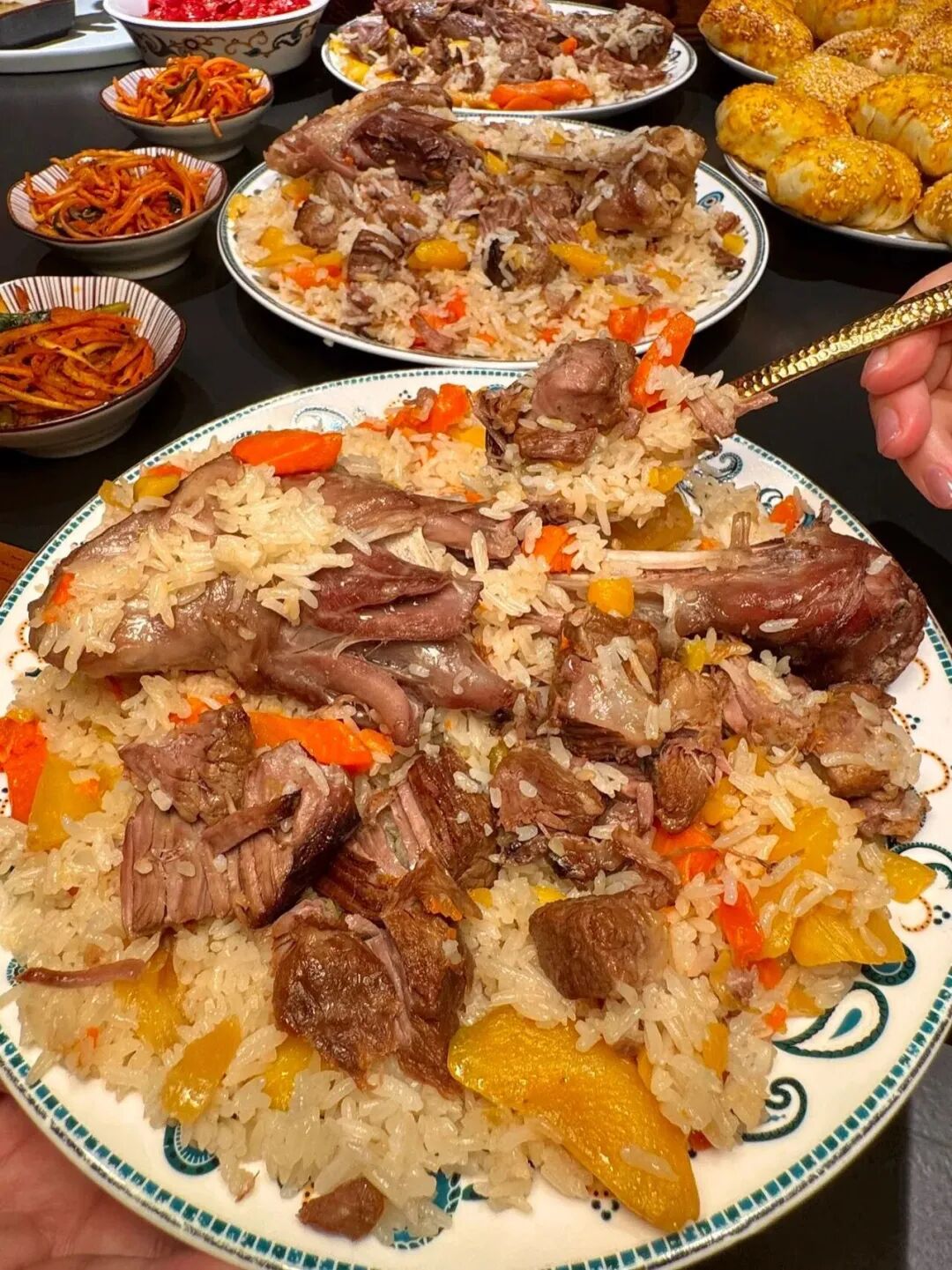
A comprehensive and systematic breakdown of Hangzhou's halal food landscape, covering traditional heritage restaurants, signature Xinjiang spots, exotic Middle Eastern flavors, and convenient chain eateries. Providing residents and visitors in Hangzhou with a clear, practical guide and complete route map for hunting down delicious halal food.
Hangzhou’s halal scene runs as a path you can follow. Legacy sets the pace, Xinjiang builds the table, Middle Eastern kitchens reset the rhythm, and chains plus campus zones handle daily use. Stable structure, easy decisions.
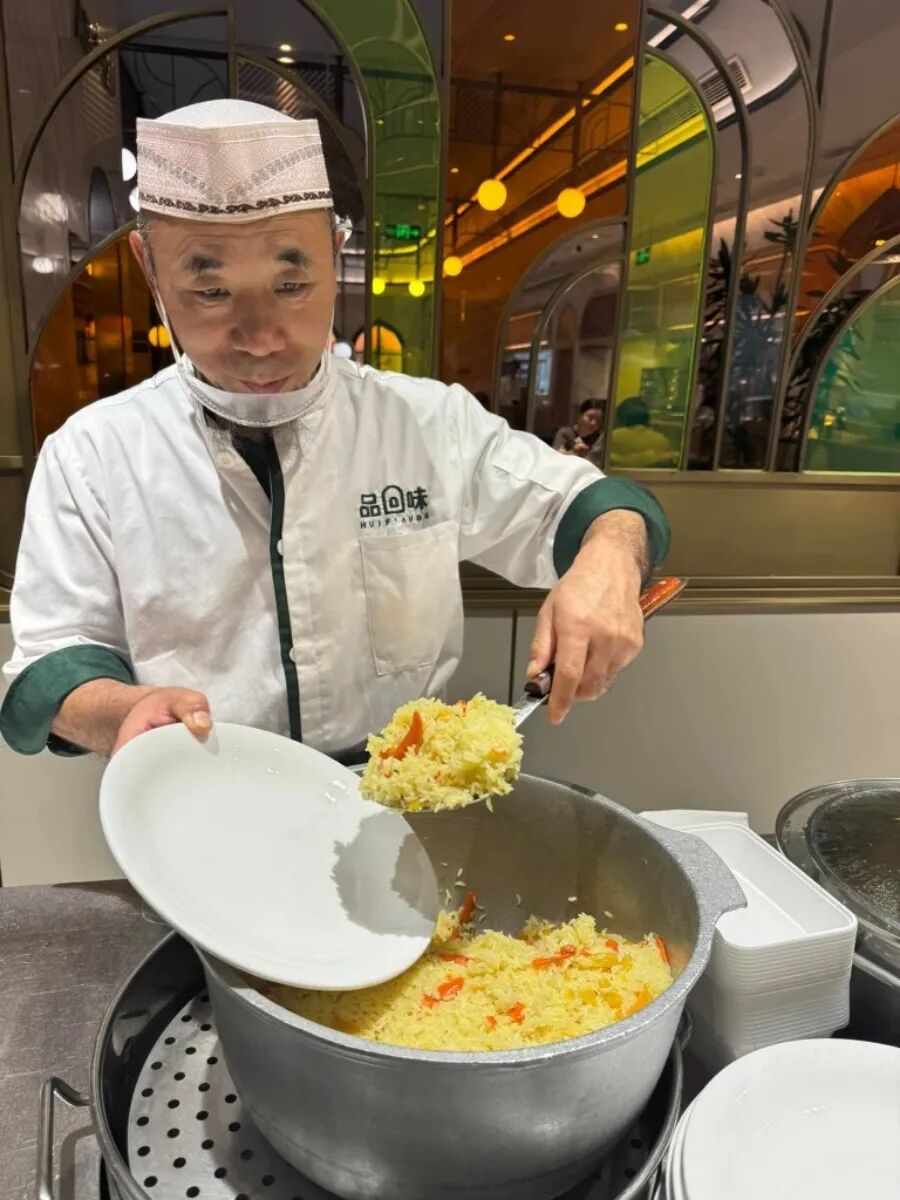
Hangzhou’s halal scene runs as a path you can follow. Legacy sets the pace, Xinjiang builds the table, Middle Eastern kitchens reset the rhythm, and chains plus campus zones handle daily use. Stable structure, easy decisions.
Start around Hefang Street. Qingyazhaian anchors the area, tied to the Fenghuang Mosque (Phoenix Mosque) skewer lineage—clean heat, steady output, the fixed point. Around it, the options open up: Dongyishun for fast hybrid meals, Yifengxiang for a fuller Northwest spread, Xibei Renjia for a more direct grill rhythm. Everything sits within a few steps, easy solo. Nearby, Phoenix Halal Snacks brings it back to everyday; spots like CUMIN add long-run consistency—years of steady output, rarely misses, a reliable fallback in the area.
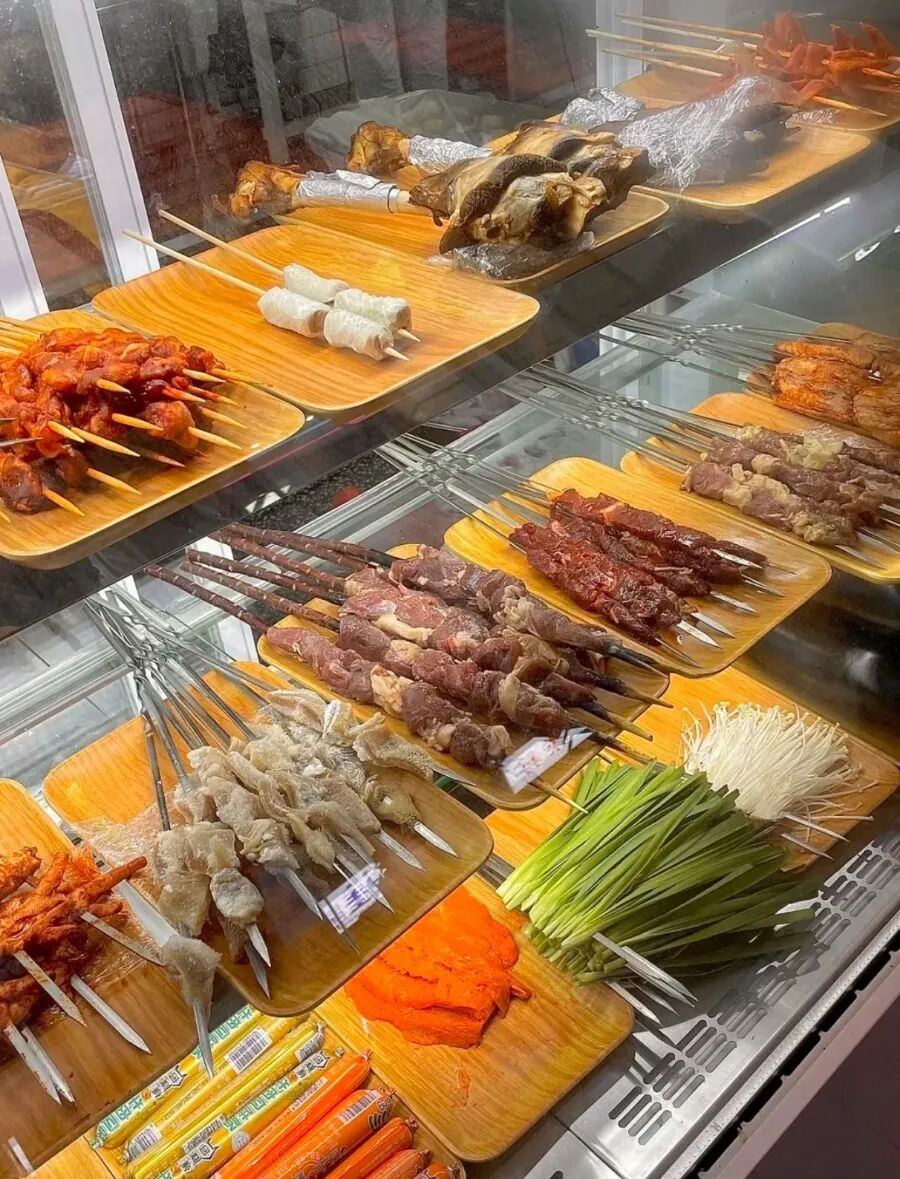
Start around Hefang Street. Qingyazhaian anchors the area, tied to the Phoenix Mosque skewer lineage—clean heat, steady output, the fixed point. Around it, the options open up: Dongyishun for fast hybrid meals (including some Middle Eastern options), Yifengxiang for a fuller Northwest spread, Xibei Renjia for a more direct grill rhythm. Everything sits within a few steps, easy solo. Nearby, Phoenix Halal Snacks brings it back to everyday; spots like Cumin add long-run consistency—years of steady output, rarely misses, a reliable fallback in the area.
Move outward and Xinjiang takes over the table, split into two modes. Pamir Restaurant anchors the traditional path—grounded flavor, steady structure, built for groups; Afanty opens that same lane into a more social format—larger room, more energy, suited for gatherings and longer meals. The mall version, like SERINDIA, tightens everything—more controlled room, more controlled output, easier when you want a softer pace.
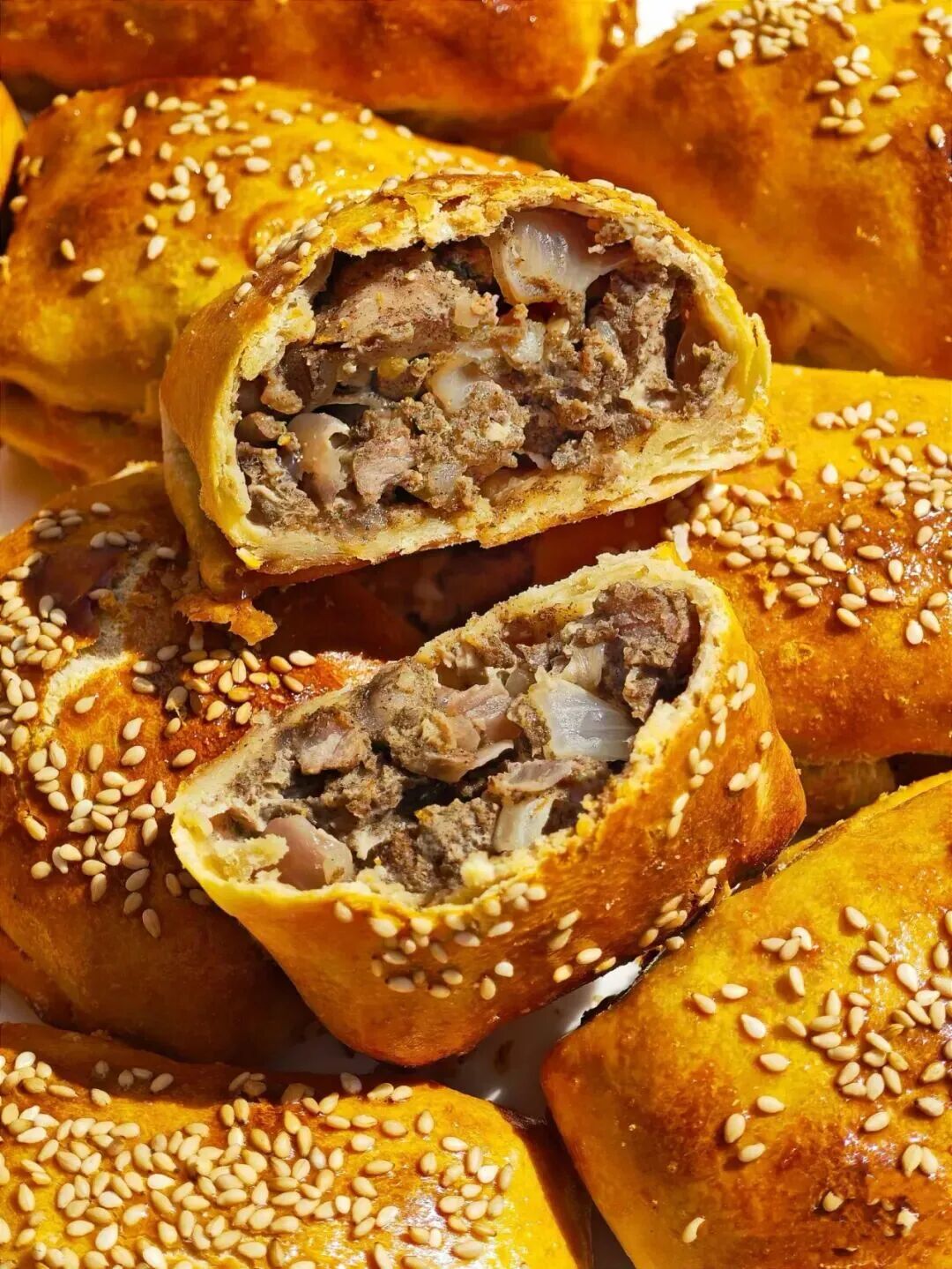
Move outward and Xinjiang takes over the table, split into two modes. Pamir Restaurant anchors the traditional path—grounded flavor, steady structure, built for groups; Afanty opens that same lane into a more social format—larger room, more energy, suited for gatherings and longer meals. The mall version, like SERINDIA, tightens everything—more controlled room, more controlled output, easier when you want a softer pace.
The Xinjiang lane runs deep—spots like Li Li Yang Ke, Husaini Gobi Desert, and Xibei Dongxiang Lou spread across the city as reliable stops.
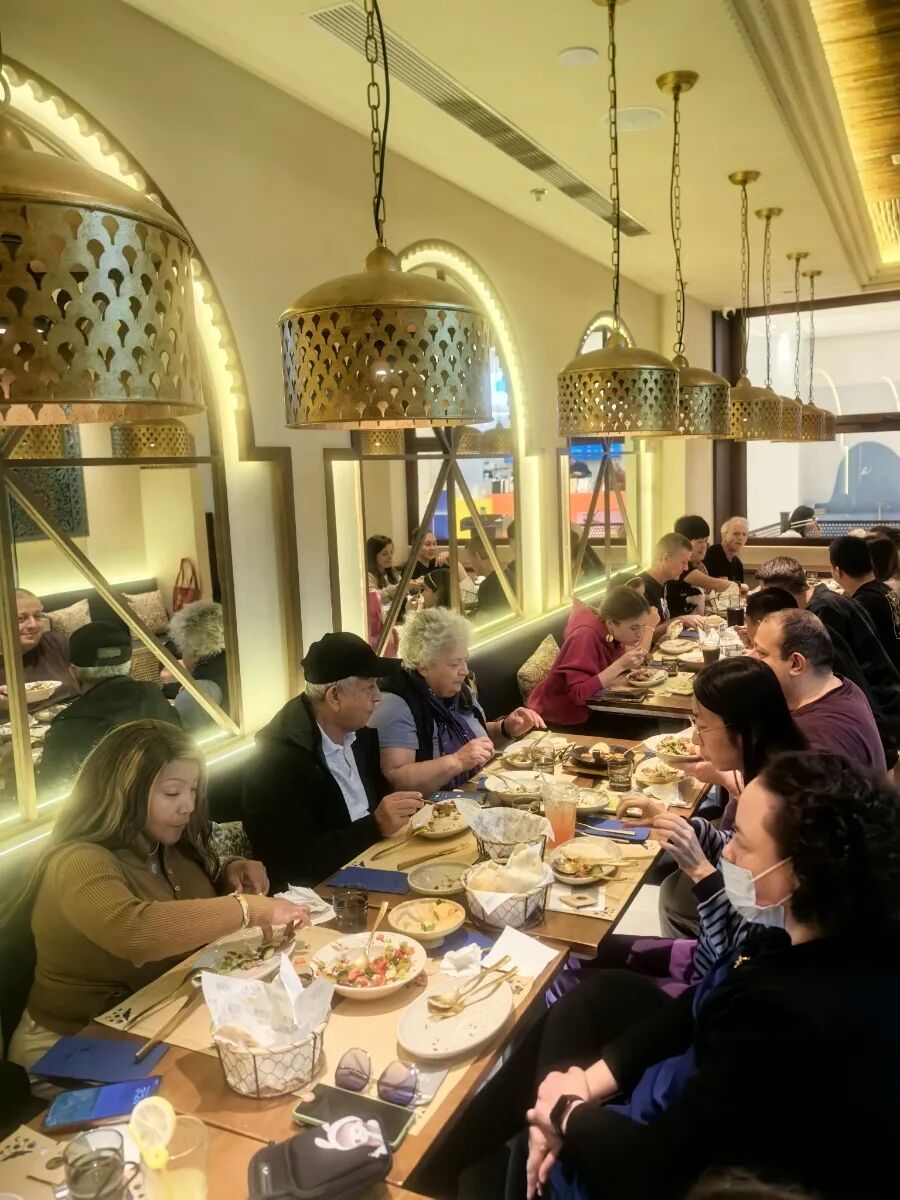
The Xinjiang lane runs deep—spots like Li Li Yang Ke, Husaini Gobi Desert, and Xibei Dongxiang Lou spread across the city as reliable stops.
Middle Eastern sits as a reset. Souq runs dual nodes—PAFC and Shanzeli—lighter spice, clean builds, an easy shift out of heavier meals.
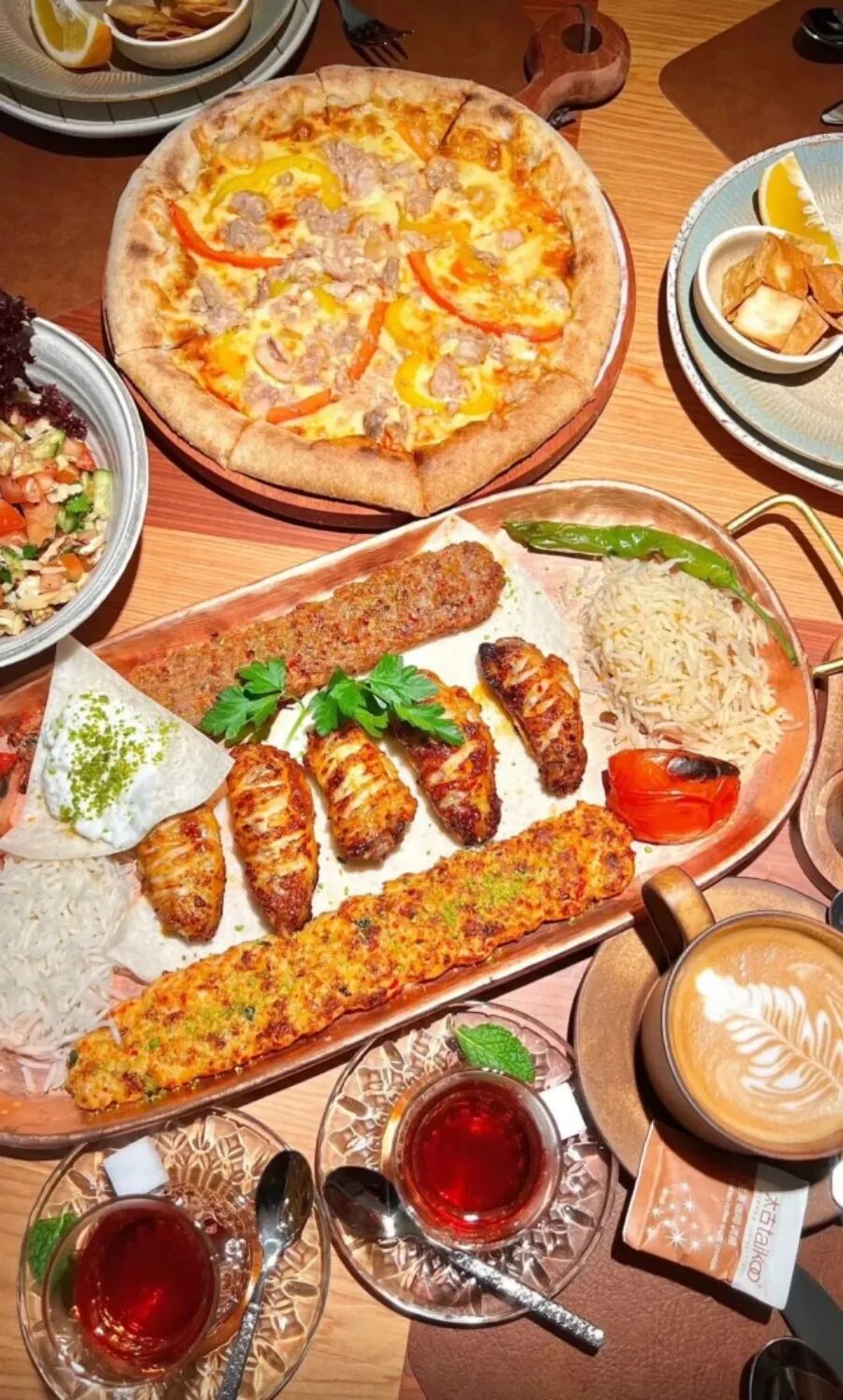
Middle Eastern sits as a reset. Souq runs dual nodes—PAFC and Shanzeli—lighter spice, clean builds, an easy shift out of heavier meals.
New openings sharpen the map. Lale Turkish lands in Hubin with an Ottoman-leaning format; Multan Pakistani opens in Chez Lotus with deeper spice and stew-driven structure; Ayoubu Pizzeria appears in Sandun and Xiaohe for a more casual, pizza-driven lane; Westlake 66 in Wulin is set to bring in Sultan Restaurant as a new Middle Eastern node.
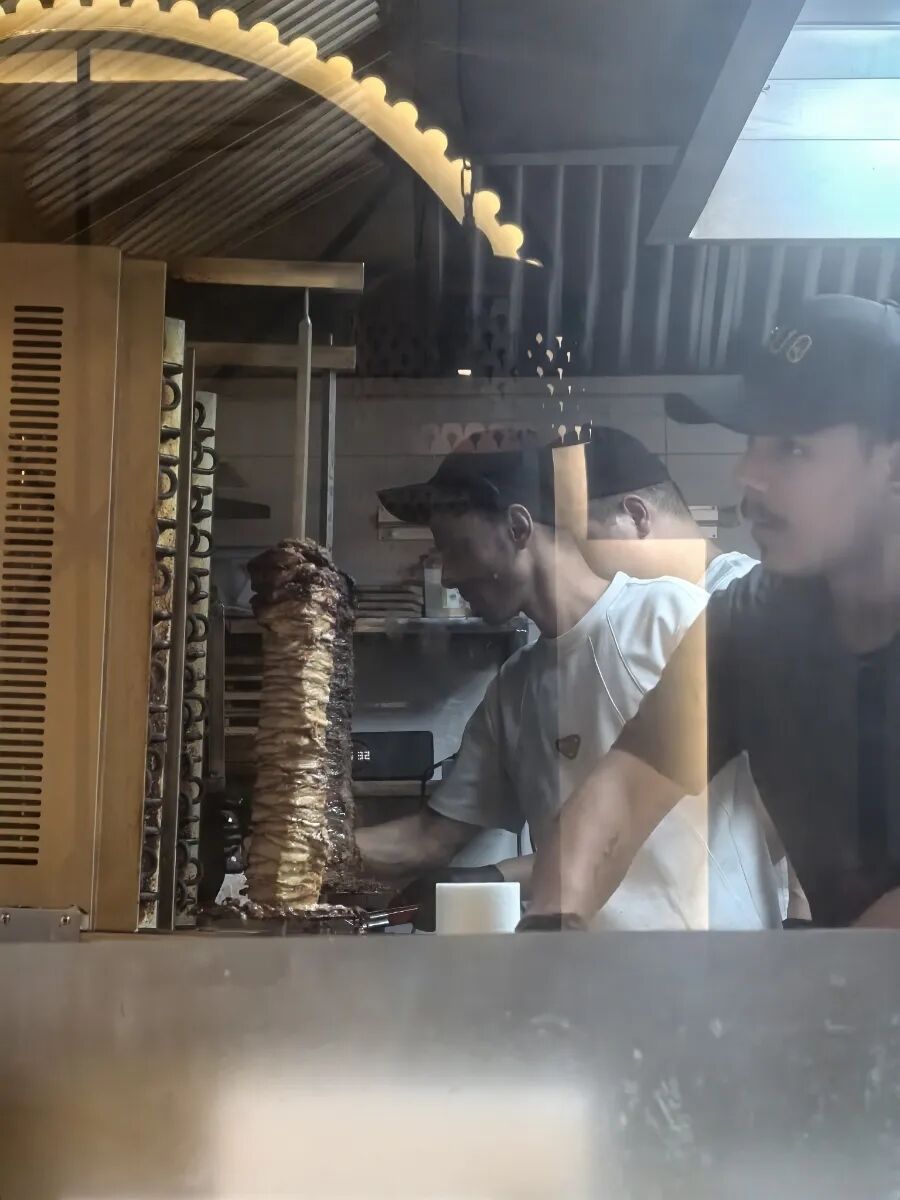
New openings sharpen the map. Lale Turkish lands in Hubin with an Ottoman-leaning format; Multan Pakistani opens in Chez Lotus with deeper spice and stew-driven structure; Ayoubu Pizzeria appears in Sandun and Xiaohe for a more casual, pizza-driven lane; Westlake 66 in Wulin is set to bring in Sultan Restaurant as a new Middle Eastern node.
Further out, the campus belt takes over. Xiasha and Xiaoheshan concentrate density—shawarma and burgers as repeat meals, low price, low friction. Xiaoheshan runs Sultan Shawarma, and Amman Shawarma in sequence; Xiasha clusters ARABESKA for Arab expression, Sefar for efficiency, and Sultan for a steady shawarma line.
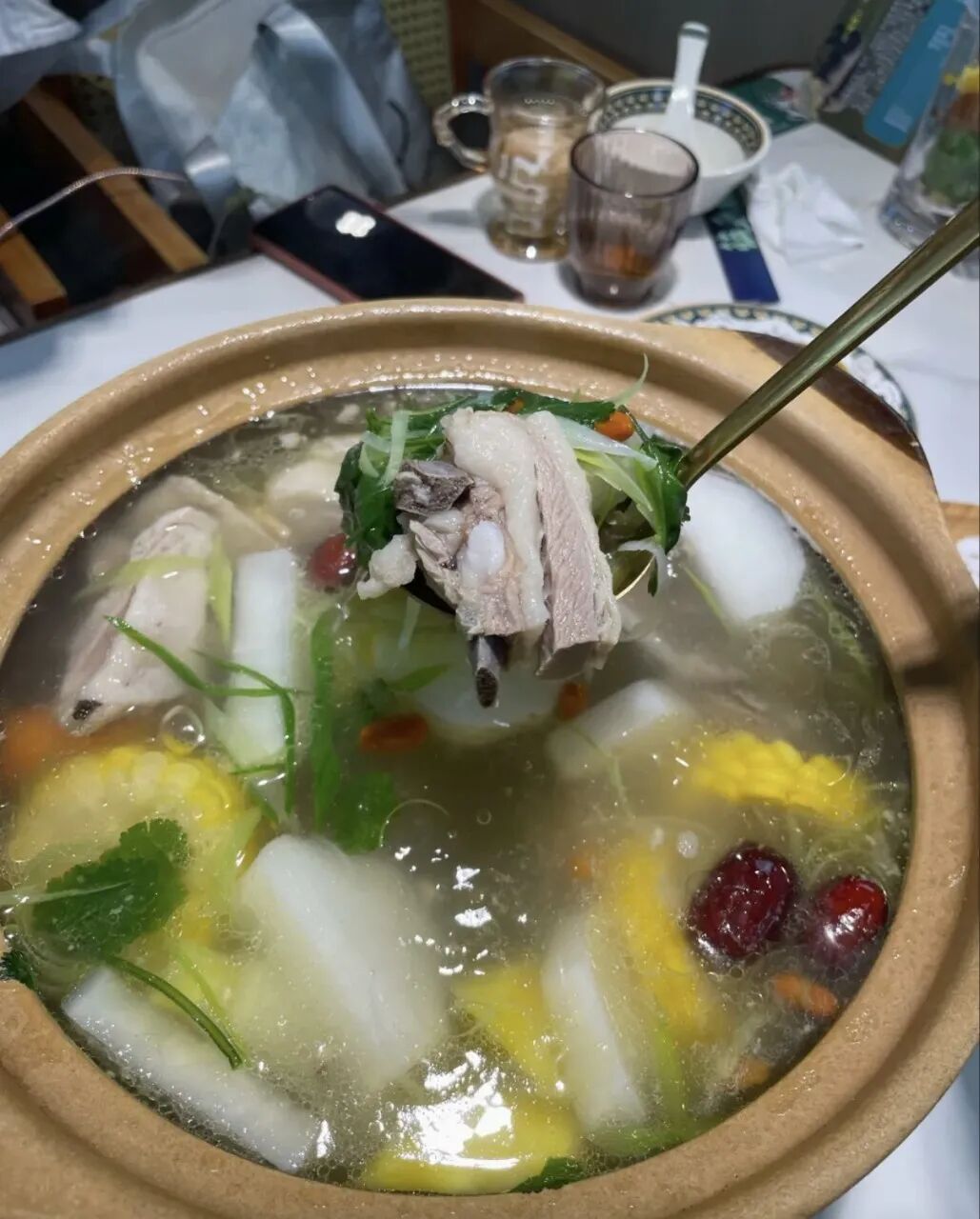
Further out, the campus belt takes over. Xiasha and Xiaoheshan concentrate density—shawarma and burgers as repeat meals, low price, low friction. Xiaoheshan runs Sultan Shawarma, and Amman Shawarma in sequence; Xiasha clusters ARABESKA for Arab expression, Sefar for efficiency, and Sultan for a steady shawarma line.
When you don’t want to think, the system tightens. Pin Hui Wei Taste Halal spans the city—six locations, consistent output, always available. Chains like Ma Yi Jong and Chen Xiang Gui turn Lanzhou noodles into a reliable mall solution. Muyangke and Yangbatou extend the system into halal hotpot—slower pace, still steady for groups.
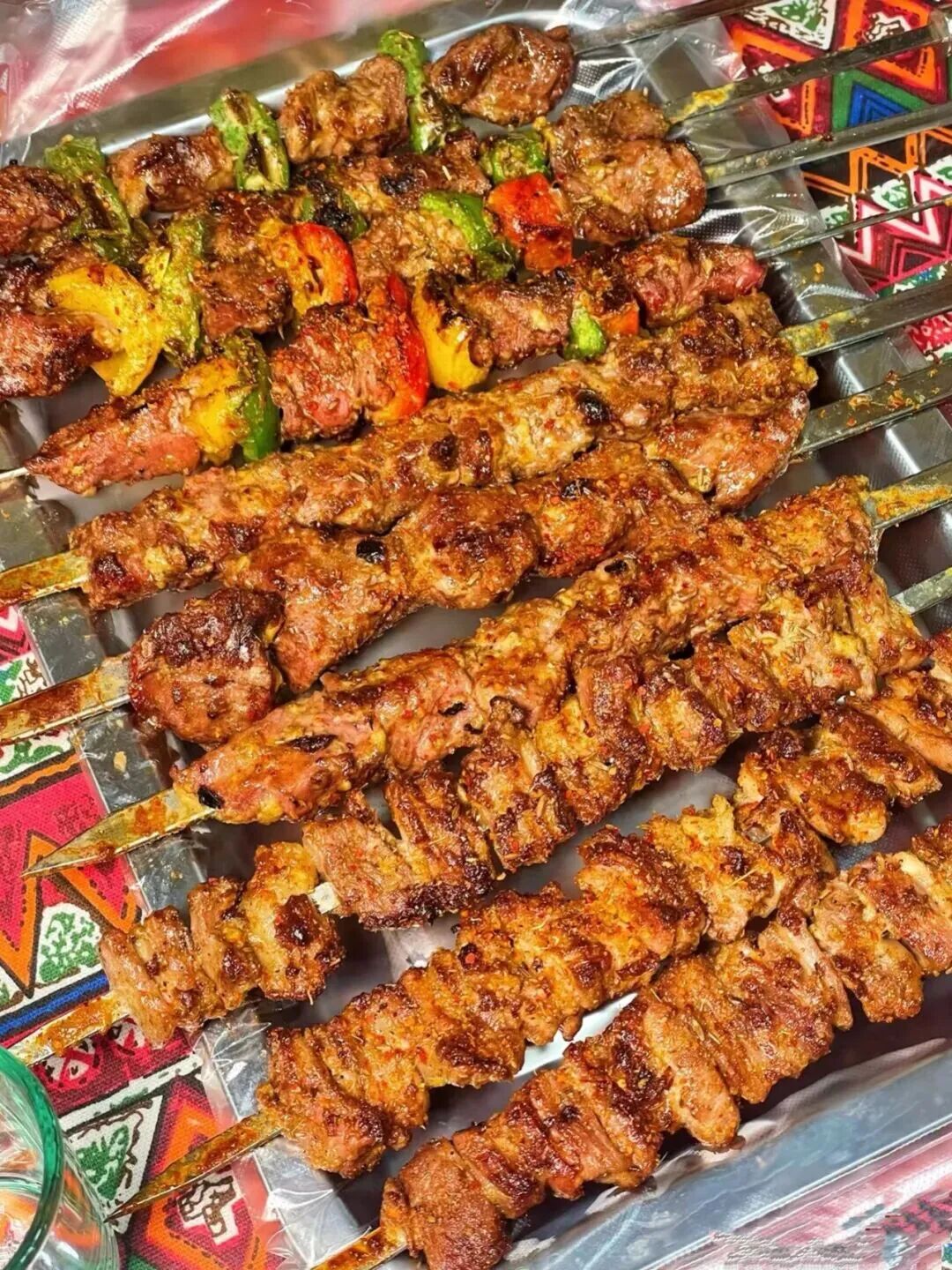
When you don’t want to think, the system tightens. Pin Hui Wei Taste Halal spans the city—six locations, consistent output, always available. Chains like Ma Yi Jong and Chen Xiang Gui turn Lanzhou noodles into a reliable mall solution. Muyangke and Yangbatou extend the system into halal hotpot—slower pace, still steady for groups.
Finding halal food in Hangzhou is straightforward: Xinjiang, Xibei (Northwest), and even many Dongbei (Northeast) restaurants operate within the halal system, with strong density across the city—you’ll run into it in most neighborhoods. Look for the "清真" (Halal) characters or signage at the entrance.
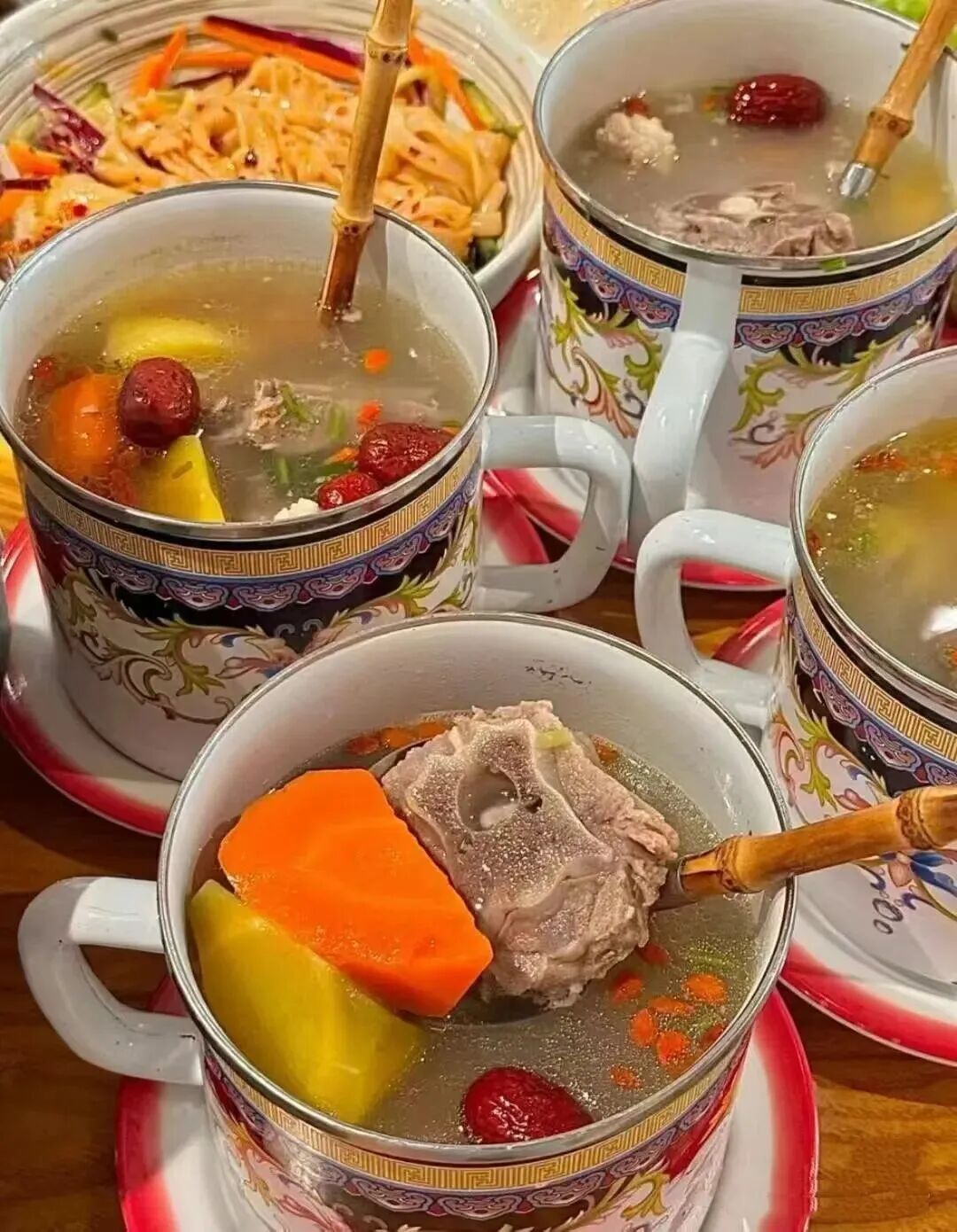
Finding halal food in Hangzhou is straightforward: Xinjiang, Xibei (Northwest), and even many Dongbei (Northeast) restaurants operate within the halal system, with strong density across the city—you’ll run into it in most neighborhoods. Look for the “清真” characters or signage at the entrance.
The move is simple: solo—hit a legacy spot and finish fast; groups—run the traditional Xinjiang line; reset—Souq; no thinking—Pin Hui Wei; campus zones—rotate shawarma and burgers. Follow the path and you land right.
The move is simple: solo—hit a legacy spot and finish fast; groups—run the traditional Xinjiang line; reset—Souq; no thinking—Pin Hui Wei; campus zones—rotate shawarma and burgers. Follow the path and you land right.
Pin Hui Wei Hangzhou Halal Food Review: Authentic Dongxiang Hand-Grabbed Lamb & Northwest Noodles
Articles • Hasan09 posted the article • 0 comments • 13 views • 1 days ago
【Food Edition】Pin Hui Wei Hangzhou Halal Lamb Review: Authentic Dongxiang Hand-Grabbed Lamb and Northwest Halal Flavors Tested
Summary:
A firsthand foodie visit to Pin Hui Wei, a top-rated Halal Northwest Chinese restaurant in Hangzhou, featuring a detailed review of their signature shouzhua yangrou (hand-grabbed lamb), da pan ji (big plate chicken), and authentic wheat noodles. With lamb flown in fresh and zero gamy odor, it showcases Hangzhou's high-tier Halal dining scene and a cozy vibe.
Pin Hui Wei is the lamb spot I've visited the most in Hangzhou, and I honestly think their shouzhua yangrou (hand-grabbed lamb) easily ranks among the best in the city. My go-to location is the one near Zhenning Road Metro Station.
Back in the day, Pin Hui Wei only had two locations, with the flagship store near West Lake. I tried that one once, but it just didn't hit the spot quite like the Zhenning Road branch. I keep coming back here every so often because the quality is consistently on point. This latest visit definitely didn't disappoint—it's still a spot totally worth checking out. That said, there was one major service screw-up this time that I'm saving for a rant at the end.
Let's talk about the food first.
[Shouzhua Yangrou (Hand-Grabbed Lamb)]
The shouzhua yangrou (hand-grabbed lamb) is their signature dish and it is seriously good! Basically a mandatory order for me every single time. You couldn't pick specific cuts in the past, but this time I noticed you can choose between lamb chops, lamb leg, or lamb neck. Before, they'd usually serve a mix of chops and some bony ribs that were kind of a pain to eat. I personally love the fatty, super tender cuts, so I went straight for the pure lamb chops this time.
The lamb overall is super tender with hardly any gamy flavor. The fat parts are melty and sticky without feeling greasy at all; apart from a couple of lean pieces near the spine that were a tiny bit dry, the rest had an amazing texture. It’s got that killer balance of fat and lean meat with distinct layers—the fat is melty, the lean meat is bouncy and flavorful, and the more you chew, the better it gets.
The meat is already seasoned beforehand with salt as the main star, so you can totally eat it plain and it won't taste bland at all. The restaurant also gives you two dipping sauces: chili oil and a dry powder spice mix that looks like it's got salt and chili flakes. Both are great, but I'm definitely a bigger fan of the powder.
[Guoyou Rou Bianmian (Stir-Fried Pork/Meat Over Pulled Noodles - *Note: Halal version made with beef/lamb*)]
This mixed noodle dish is so good! When I first started coming here, it was called Xinjiang bianmian (Xinjiang pulled noodles), but they changed the name to guoyou rou bianmian about two or three years ago. The noodles have a great chewy bite to them and never feel soggy. The veggies include onions, tomatoes, small meat slices, green peppers, and red peppers, and the quality is solid across the board. The tomatoes especially bring a massive flavor punch with a natural sweetness that almost makes you want to ask them where they buy their produce.
The overall seasoning leans savory with a rich aroma and just a tiny, subtle hint of sweet-and-spicy. You can see a good layer of red chili oil at the bottom of the bowl, so make sure you toss everything really well before digging in so every single noodle is coated in that sauce.
[Kawass]
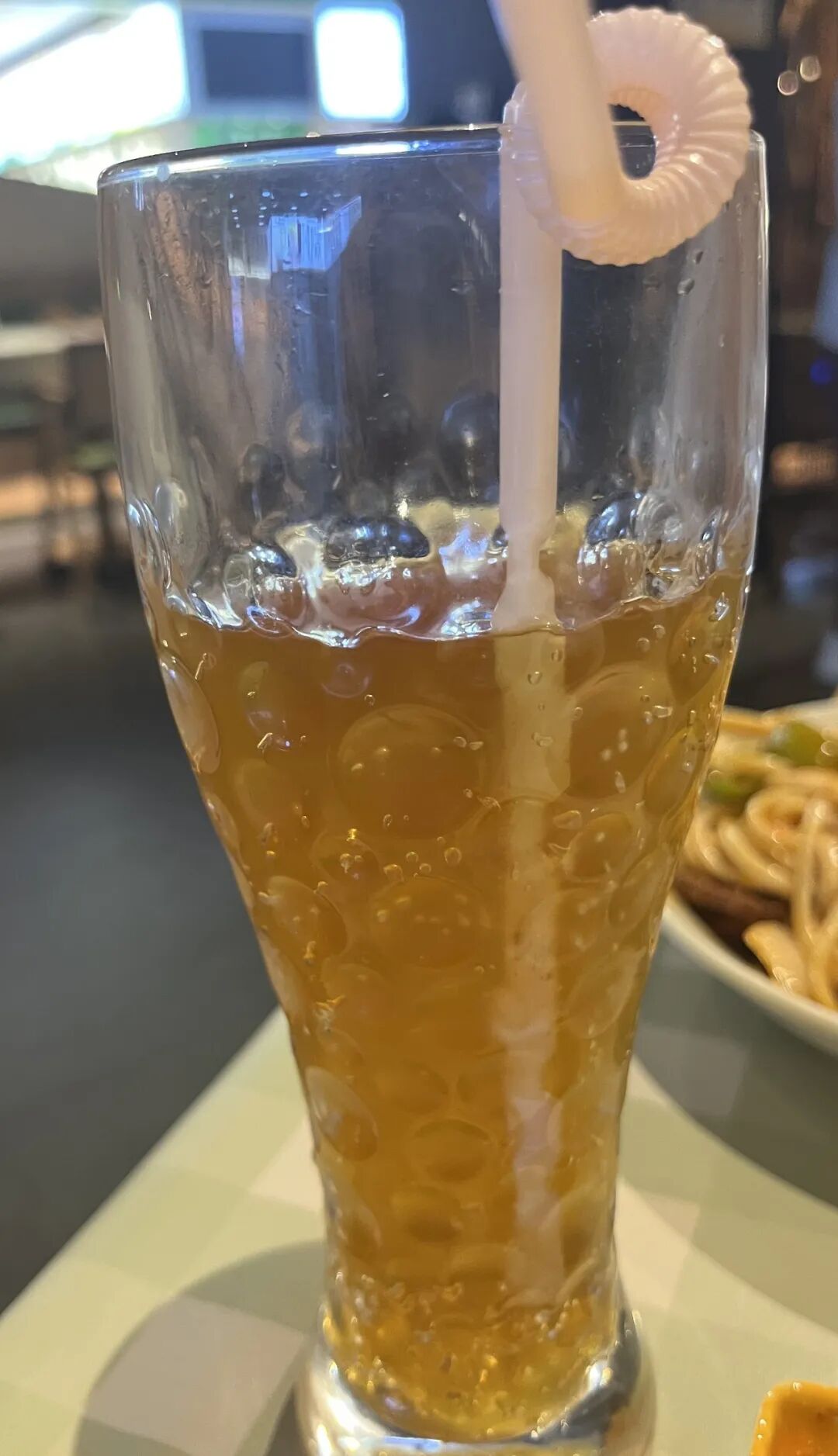
I tried a drink this time, and to me, it tastes like Kvass spiked with a bit of honey. It's actually pretty good and way smoother than standard Kvass.
[Yangrou Chuan (Lamb Skewers)]
I've ordered the lamb skewers a few times before, trying both the big and small sizes. The meat is generally quite tender, though every now and then you might hit a couple of slightly tough pieces. The seasoning is pretty standard for a BBQ joint—leaning savory—and the overall quality stays consistently decent. Didn't order them this trip, but based on memory, it's a safe bet that won't disappoint.
[Nang Baorou (Naan-Soaked Lamb)]
I've only ordered this once, but it left a great impression. Since there are usually just two of us, a plate of shouzhua yangrou (hand-grabbed lamb) plus a carb dish means we literally can't finish a dish this massive, so I always have to reluctantly pass and save it for when we have a bigger group. This dish features a whole piece of naan bread and lamb chunks soaking together in a rich, savory sauce. The portion of lamb is generous, and the meat quality is top-notch. I'm personally obsessed with letting the naan soak up the sauce until it's soft—once it absorbs all that meaty flavor, the taste multiplies instantly. The overall flavor profile hits a fusion of savory, sweet, spicy, and aromatic notes that totally match my palate.
[Shouzhua Fan (Hand-Grabbed Rice / Pulao)]
From what I remember, it's pretty standard and solid—you get a clear meaty aroma with a touch of sweetness, and overall it tastes fine. But it's genuinely been a long time since I last ordered it, so I can't give a super detailed breakdown.
Usually, when there are two of us, we order an order of shouzhua yangrou (hand-grabbed lamb), a plate of guoyou rou bianmian (pulled noodles), and maybe some yangrou chuan (lamb skewers) depending on how hungry we are. Back when my appetite was bigger, we'd add an order of shouzhua fan (pulao) too, but we honestly couldn't finish it all, so my memory of the rice and skewers might be slightly off. Still, all the dishes I mentioned above are basically foolproof, and the overall quality is good enough that I can blindly order them without looking at the menu.
Now let's have a quick rant about what totally killed my vibe this time. After we ordered, the server walked over and told us they were out of lamb chops for the shouzhua yangrou (hand-grabbed lamb), asking if we wanted to switch to lamb leg instead. But we basically only eat the chops, and we specifically came here today just for those, so we immediately told them to just cancel the order. Less than a minute later, the server came back and told us we just needed to wait five minutes because a fresh batch of lamb chops was currently being made. Hearing that made zero sense to me—if you had them, why come over and say you didn't and try to make us switch to the leg? At that point, it had only been a second since we ordered, and we weren't rushing anyone. Can't we wait five minutes? It's not like we were waiting fifty minutes. If we hadn't threatened to cancel, would you have even bothered to tell us a fresh batch was cooking? That customer experience was seriously terrible!
Pin Hui Wei, do you even realize how long I've been a loyal customer? Ever since you were tucked away in the back of the mall, back when you used paper menus, back when hardly any stores in the mall were open, back when your bianmian was still called Xinjiang bianmian, and back before the shouzhua yangrou (hand-grabbed lamb) prices went up—I've been here. After all these years, I've always stood by your flavors, which is exactly why the staff's handling of this situation felt so deeply disappointing.
I'll probably still come back for the food in the future, but one thing is for sure—if I ever hear 'we're out of lamb chops' again, I'm literally getting up and walking out. view all
【Food Edition】Pin Hui Wei Hangzhou Halal Lamb Review: Authentic Dongxiang Hand-Grabbed Lamb and Northwest Halal Flavors Tested
Summary:
A firsthand foodie visit to Pin Hui Wei, a top-rated Halal Northwest Chinese restaurant in Hangzhou, featuring a detailed review of their signature shouzhua yangrou (hand-grabbed lamb), da pan ji (big plate chicken), and authentic wheat noodles. With lamb flown in fresh and zero gamy odor, it showcases Hangzhou's high-tier Halal dining scene and a cozy vibe.
Pin Hui Wei is the lamb spot I've visited the most in Hangzhou, and I honestly think their shouzhua yangrou (hand-grabbed lamb) easily ranks among the best in the city. My go-to location is the one near Zhenning Road Metro Station.
Back in the day, Pin Hui Wei only had two locations, with the flagship store near West Lake. I tried that one once, but it just didn't hit the spot quite like the Zhenning Road branch. I keep coming back here every so often because the quality is consistently on point. This latest visit definitely didn't disappoint—it's still a spot totally worth checking out. That said, there was one major service screw-up this time that I'm saving for a rant at the end.
Let's talk about the food first.
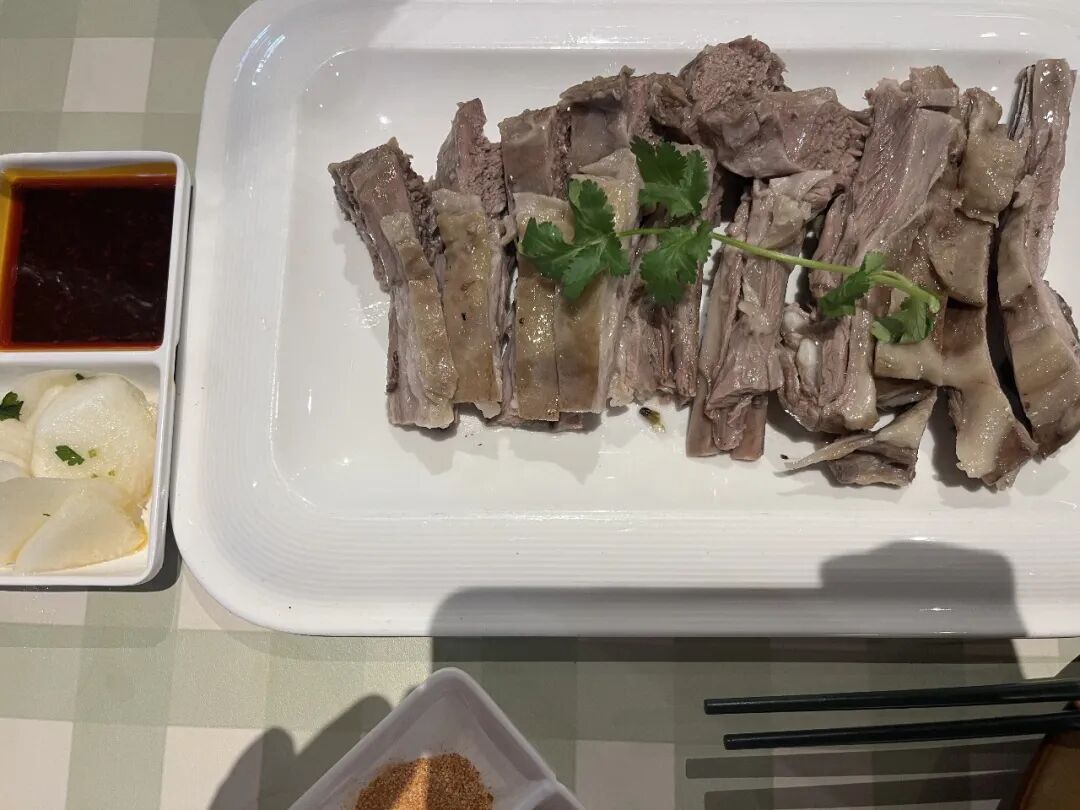
[Shouzhua Yangrou (Hand-Grabbed Lamb)]
The shouzhua yangrou (hand-grabbed lamb) is their signature dish and it is seriously good! Basically a mandatory order for me every single time. You couldn't pick specific cuts in the past, but this time I noticed you can choose between lamb chops, lamb leg, or lamb neck. Before, they'd usually serve a mix of chops and some bony ribs that were kind of a pain to eat. I personally love the fatty, super tender cuts, so I went straight for the pure lamb chops this time.
The lamb overall is super tender with hardly any gamy flavor. The fat parts are melty and sticky without feeling greasy at all; apart from a couple of lean pieces near the spine that were a tiny bit dry, the rest had an amazing texture. It’s got that killer balance of fat and lean meat with distinct layers—the fat is melty, the lean meat is bouncy and flavorful, and the more you chew, the better it gets.
The meat is already seasoned beforehand with salt as the main star, so you can totally eat it plain and it won't taste bland at all. The restaurant also gives you two dipping sauces: chili oil and a dry powder spice mix that looks like it's got salt and chili flakes. Both are great, but I'm definitely a bigger fan of the powder.
[Guoyou Rou Bianmian (Stir-Fried Pork/Meat Over Pulled Noodles - *Note: Halal version made with beef/lamb*)]
This mixed noodle dish is so good! When I first started coming here, it was called Xinjiang bianmian (Xinjiang pulled noodles), but they changed the name to guoyou rou bianmian about two or three years ago. The noodles have a great chewy bite to them and never feel soggy. The veggies include onions, tomatoes, small meat slices, green peppers, and red peppers, and the quality is solid across the board. The tomatoes especially bring a massive flavor punch with a natural sweetness that almost makes you want to ask them where they buy their produce.
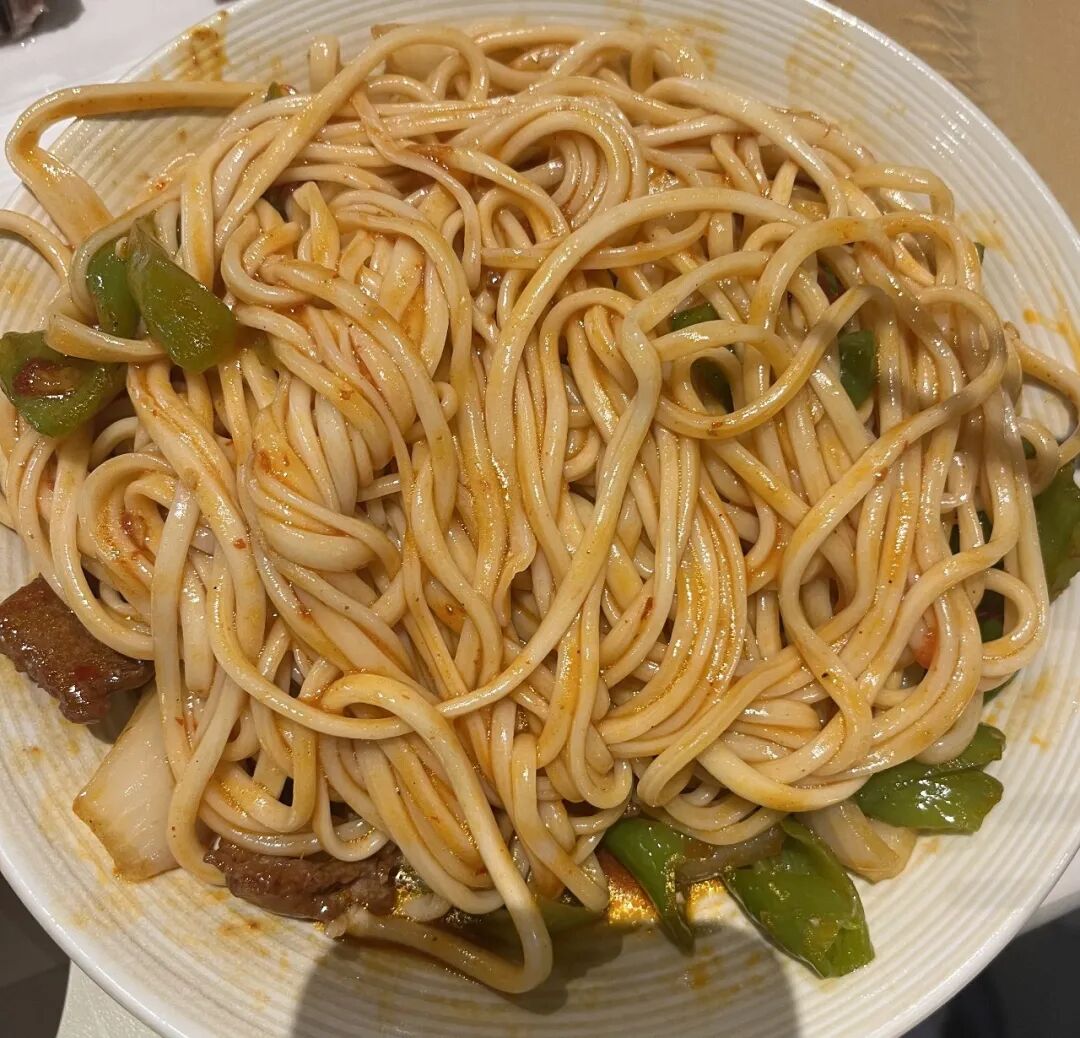
The overall seasoning leans savory with a rich aroma and just a tiny, subtle hint of sweet-and-spicy. You can see a good layer of red chili oil at the bottom of the bowl, so make sure you toss everything really well before digging in so every single noodle is coated in that sauce.
[Kawass]
I tried a drink this time, and to me, it tastes like Kvass spiked with a bit of honey. It's actually pretty good and way smoother than standard Kvass.
[Yangrou Chuan (Lamb Skewers)]
I've ordered the lamb skewers a few times before, trying both the big and small sizes. The meat is generally quite tender, though every now and then you might hit a couple of slightly tough pieces. The seasoning is pretty standard for a BBQ joint—leaning savory—and the overall quality stays consistently decent. Didn't order them this trip, but based on memory, it's a safe bet that won't disappoint.
[Nang Baorou (Naan-Soaked Lamb)]
I've only ordered this once, but it left a great impression. Since there are usually just two of us, a plate of shouzhua yangrou (hand-grabbed lamb) plus a carb dish means we literally can't finish a dish this massive, so I always have to reluctantly pass and save it for when we have a bigger group. This dish features a whole piece of naan bread and lamb chunks soaking together in a rich, savory sauce. The portion of lamb is generous, and the meat quality is top-notch. I'm personally obsessed with letting the naan soak up the sauce until it's soft—once it absorbs all that meaty flavor, the taste multiplies instantly. The overall flavor profile hits a fusion of savory, sweet, spicy, and aromatic notes that totally match my palate.
[Shouzhua Fan (Hand-Grabbed Rice / Pulao)]
From what I remember, it's pretty standard and solid—you get a clear meaty aroma with a touch of sweetness, and overall it tastes fine. But it's genuinely been a long time since I last ordered it, so I can't give a super detailed breakdown.
Usually, when there are two of us, we order an order of shouzhua yangrou (hand-grabbed lamb), a plate of guoyou rou bianmian (pulled noodles), and maybe some yangrou chuan (lamb skewers) depending on how hungry we are. Back when my appetite was bigger, we'd add an order of shouzhua fan (pulao) too, but we honestly couldn't finish it all, so my memory of the rice and skewers might be slightly off. Still, all the dishes I mentioned above are basically foolproof, and the overall quality is good enough that I can blindly order them without looking at the menu.
Now let's have a quick rant about what totally killed my vibe this time. After we ordered, the server walked over and told us they were out of lamb chops for the shouzhua yangrou (hand-grabbed lamb), asking if we wanted to switch to lamb leg instead. But we basically only eat the chops, and we specifically came here today just for those, so we immediately told them to just cancel the order. Less than a minute later, the server came back and told us we just needed to wait five minutes because a fresh batch of lamb chops was currently being made. Hearing that made zero sense to me—if you had them, why come over and say you didn't and try to make us switch to the leg? At that point, it had only been a second since we ordered, and we weren't rushing anyone. Can't we wait five minutes? It's not like we were waiting fifty minutes. If we hadn't threatened to cancel, would you have even bothered to tell us a fresh batch was cooking? That customer experience was seriously terrible!
Pin Hui Wei, do you even realize how long I've been a loyal customer? Ever since you were tucked away in the back of the mall, back when you used paper menus, back when hardly any stores in the mall were open, back when your bianmian was still called Xinjiang bianmian, and back before the shouzhua yangrou (hand-grabbed lamb) prices went up—I've been here. After all these years, I've always stood by your flavors, which is exactly why the staff's handling of this situation felt so deeply disappointing.
I'll probably still come back for the food in the future, but one thing is for sure—if I ever hear 'we're out of lamb chops' again, I'm literally getting up and walking out.
Hangzhou Halal Food Guide: Inside Phoenix Mosque & Legendary Beef Pan-Fried Buns
Articles • Hasan09 posted the article • 0 comments • 10 views • 1 days ago
The Crispy Beef Pan-Fried Buns Locals Line Up For! Hangzhou Zhongshan Middle Road Halal Spot: Exploring Mutton Shaomai and Golden, Crispy-Bottom Buns
Summary:
Stroll down Southern Song Imperial Street and Zhongshan Middle Road to discover a beloved neighborhood halal spot cherished by old locals. Featuring golden, crispy-bottomed niurou jianbao (pan-fried beef buns), juicy lamb shaomai (steamed lamb dumplings), and rich beef vermicelli soup, it serves up a steaming hot slice of local street-side halal culture.
If you enjoy this, please tap the star in the top right corner
or share it ~ Thank you!
Zhongshan Middle Road in Hangzhou is a magical street. Step off West Lake Avenue and you're right on Southern Song Imperial Street, where old-school Hangzhou daily life unfolds at an unhurried, steady pace. Walk just a short distance, and an ancient building with upturned eaves suddenly catches your eye. Featuring double-eaved octagonal roofs and soaring corner tips, Arabian-style domes are hidden beneath traditional Chinese architecture—a striking blend that makes you stop in your tracks for a second look.
This is the Fenghuang Mosque (Phoenix Mosque).
Originally built during the Tang Dynasty and once known as Zhenjiao Temple (True Teaching Mosque), the entire complex resembled a phoenix spreading its wings, which is how it earned this poetic name. Destroyed by war during the Southern Song Dynasty, it was rebuilt during the Yuan Dynasty when a wealthy Islamic master from the Western Regions named Alaoding donated funds, giving it the look you see today.
Alongside Yangzhou's Crane Mosque, Quanzhou's Kirin Mosque, and Guangzhou's Lion Mosque, it is known as one of the four great ancient mosques along China's southeast coast. For over a millennium, it has remained the heartbeat of Hangzhou's Muslim community. Surrounding the mosque, Hui Muslims gradually formed a unique halal food scene, turning the Zhongshan Middle Road area into the most authentic spot in Hangzhou for halal flavors.
At its core, the charm of halal street food comes down to one word: "clean." With no tobacco or alcohol allowed, strict ingredient selection, and careful ritual slaughter, the meat quality is exceptionally pure. Among all halal snacks, niurou jianbao (pan-fried beef buns) are a staple at almost every spot.
Halal niurou jianbao are actually more accurately called "water-pan-fried beef buns." The cooking method is totally different from Shanghai's shengjianbao (crispy pan-fried soup buns) or Hangzhou's guotie (crispy beef potstickers): oil is added to a flat-bottomed skillet first, then the buns go in and water is added before covering them to steam. Once the water evaporates and the buns are nearly cooked through, a final drizzle of oil is poured in to fry up a crispy, golden bottom. This gives them the soft, fluffy texture of steamed buns combined with the crisp, savory crunch of pan-frying. One side is golden and crispy, the other is snowy white and soft, wrapping a solid, hearty beef filling right in the center. Take a bite, and the crispy bottom, soft wrapper, and savory beef juices burst in your mouth all at once—a level of satisfaction regular pan-fried buns just can't match.
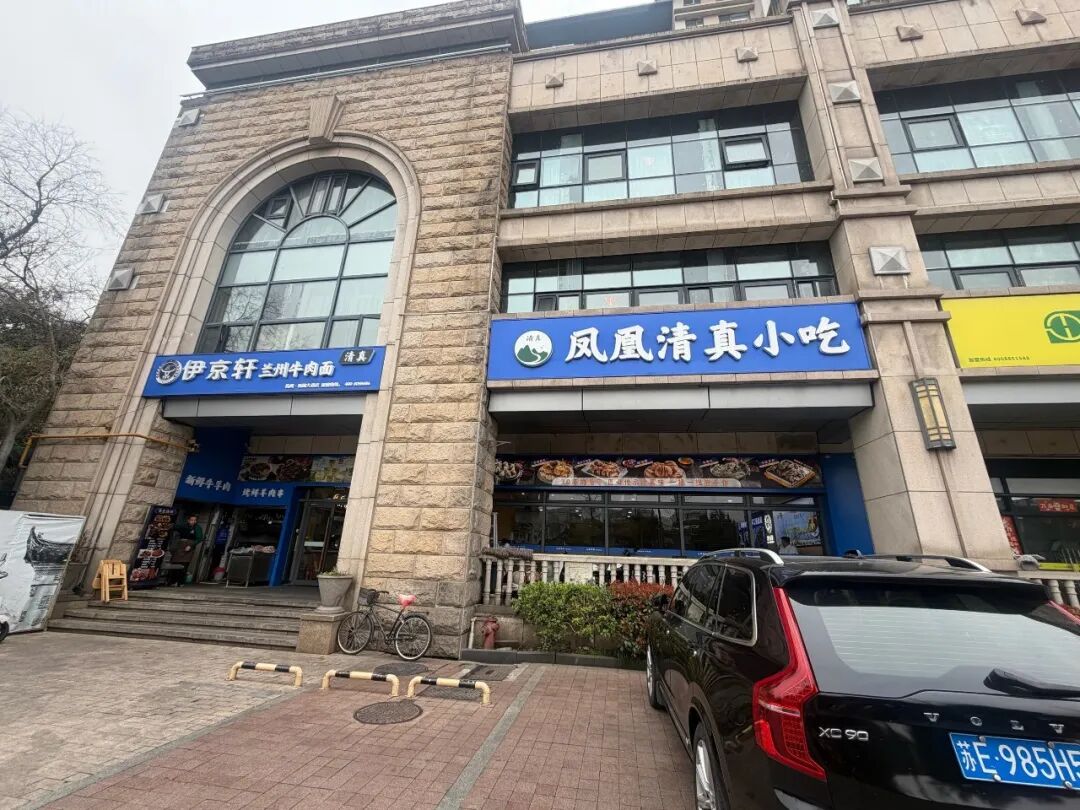
Right by the back door of Phoenix Mosque sits a small halal eatery. Once simply called "Halal Snacks," its sign now reads "Phoenix Halal Snacks," and it has been rooted in Hangzhou for at least a dozen years. The owner is a local Hangzhou Hui Muslim.
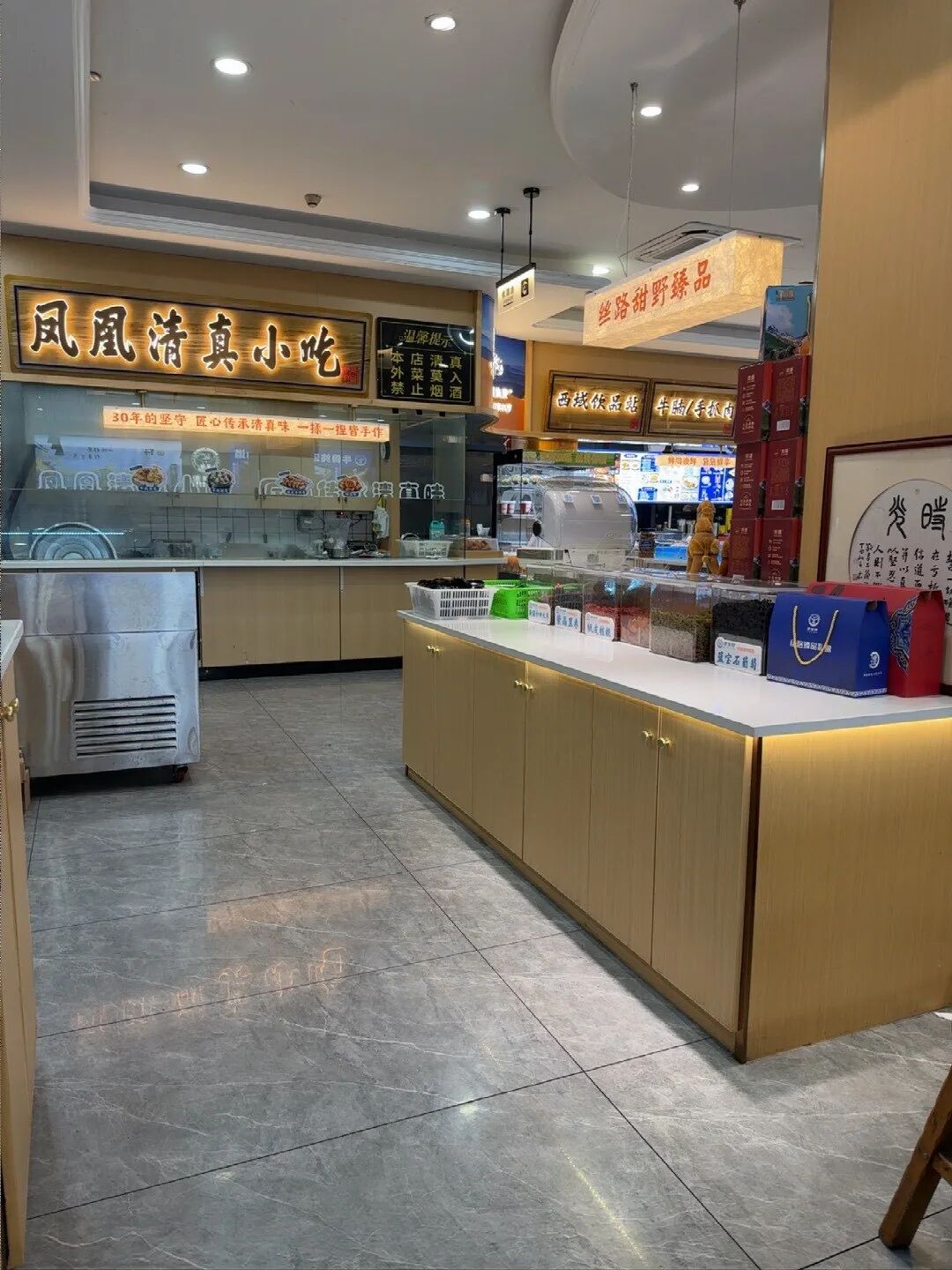
The shop isn't large, but it's kept bright and spotless. The tables and chairs are standard setup for an old-school snack shop with no flashy decor. Service is fast, so you won't be waiting long.
Niurou Jianbao (Pan-Fried Beef Buns)
Their undisputed heavyweight champion.
Some people make a special trip just for these buns, often packing up 10 to go. They aren't small either; unlike the bite-sized, delicate versions you find in Henan or Shandong, Hangzhou's beef pan-fried buns take the hearty route. Thick wrappers loaded with filling, they feel heavy and substantial in your hand. Fresh out of the pan, the dough gleams with a golden luster, and the bottoms are fried to a crispy, savory crunch. Bite through the soft, fluffy wrapper, and you'll find a generous, tightly packed ball of beef filling bursting with rich juices. The seasoning is clean and straightforward—no heavy, overpowering spices, just the pure, natural flavor of the beef.
Yangrou Shaomai (Steamed Lamb Dumplings)
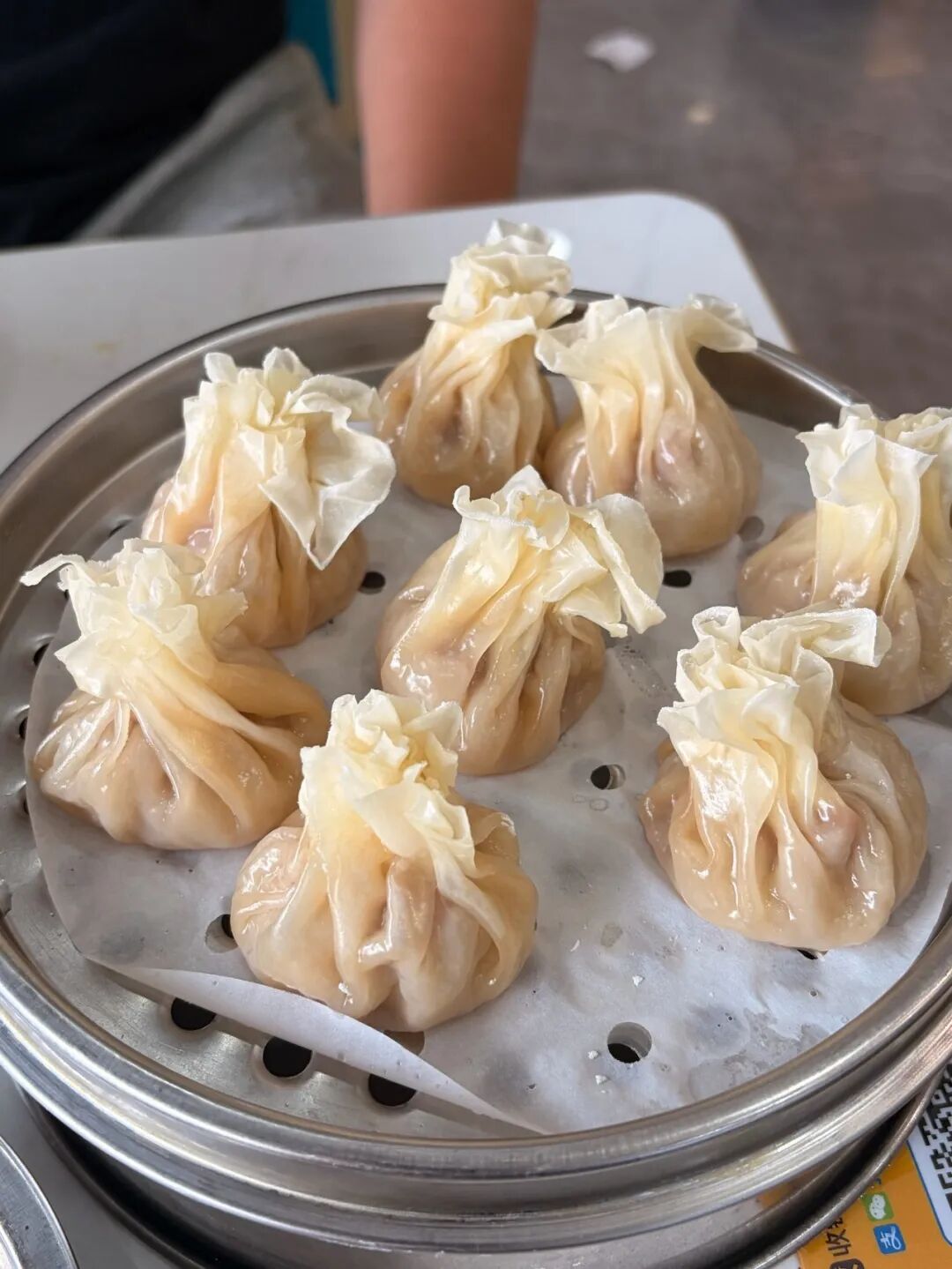
The mutton shaomai are an absolute must-try and have racked up tons of glowing reviews. A steamer basket costs twenty yuan, and the wrappers are so thin you can vaguely see the pink, tender meat filling inside. There's no dry white flour "snow cap" on top; instead, the pleated edges of the wrappers fan out naturally, folding like flower petals—they're a joy just to look at. Pick one up and you'll feel its weight; take a bite and it immediately oozes juices—truly the kind that bursts in your mouth.
The lamb filling is fresh, tender, and juicy, with zero gamey odor. Word is the mutton is sourced specifically from China's Northwest. Hangzhou locals love shaomai with thin wrappers, generous fillings, and plenty of broth, and this spot nails every single requirement. One reviewer raved, "Way better than the mutton soup restaurants!"
Yangrou Chuan (Mutton Skewers)
Five yuan a skewer—an absolute bargain in today's Hangzhou.
Alternating fat and lean meat threaded onto iron skewers, they sizzle away as they grill. When served, the surface has a slight smoky char while locking in the juices inside. The seasoning leans Northwest-style, with cumin and chili flakes applied with restraint so they don't overpower the meat, letting the natural flavor of the lamb truly shine.
Some say the mutton skewers around Phoenix Mosque used to be some of the best in all of Hangzhou. While more young foodies come out for skewers these days and quality can occasionally fluctuate, overall, getting this kind of quality mutton skewer for five yuan leaves zero room for complaints.
Phoenix Halal Snacks Address: No. 227 Zhongshan Middle Road, Shangcheng District, Hangzhou (Back door of Phoenix Mosque)
⏰ Business Hours: Approx. 08:00 – 19:00 (Call ahead to confirm before heading out) view all
The Crispy Beef Pan-Fried Buns Locals Line Up For! Hangzhou Zhongshan Middle Road Halal Spot: Exploring Mutton Shaomai and Golden, Crispy-Bottom Buns
Summary:
Stroll down Southern Song Imperial Street and Zhongshan Middle Road to discover a beloved neighborhood halal spot cherished by old locals. Featuring golden, crispy-bottomed niurou jianbao (pan-fried beef buns), juicy lamb shaomai (steamed lamb dumplings), and rich beef vermicelli soup, it serves up a steaming hot slice of local street-side halal culture.
If you enjoy this, please tap the star in the top right corner
or share it ~ Thank you!
Zhongshan Middle Road in Hangzhou is a magical street. Step off West Lake Avenue and you're right on Southern Song Imperial Street, where old-school Hangzhou daily life unfolds at an unhurried, steady pace. Walk just a short distance, and an ancient building with upturned eaves suddenly catches your eye. Featuring double-eaved octagonal roofs and soaring corner tips, Arabian-style domes are hidden beneath traditional Chinese architecture—a striking blend that makes you stop in your tracks for a second look.
This is the Fenghuang Mosque (Phoenix Mosque).
Originally built during the Tang Dynasty and once known as Zhenjiao Temple (True Teaching Mosque), the entire complex resembled a phoenix spreading its wings, which is how it earned this poetic name. Destroyed by war during the Southern Song Dynasty, it was rebuilt during the Yuan Dynasty when a wealthy Islamic master from the Western Regions named Alaoding donated funds, giving it the look you see today.
Alongside Yangzhou's Crane Mosque, Quanzhou's Kirin Mosque, and Guangzhou's Lion Mosque, it is known as one of the four great ancient mosques along China's southeast coast. For over a millennium, it has remained the heartbeat of Hangzhou's Muslim community. Surrounding the mosque, Hui Muslims gradually formed a unique halal food scene, turning the Zhongshan Middle Road area into the most authentic spot in Hangzhou for halal flavors.
At its core, the charm of halal street food comes down to one word: "clean." With no tobacco or alcohol allowed, strict ingredient selection, and careful ritual slaughter, the meat quality is exceptionally pure. Among all halal snacks, niurou jianbao (pan-fried beef buns) are a staple at almost every spot.
Halal niurou jianbao are actually more accurately called "water-pan-fried beef buns." The cooking method is totally different from Shanghai's shengjianbao (crispy pan-fried soup buns) or Hangzhou's guotie (crispy beef potstickers): oil is added to a flat-bottomed skillet first, then the buns go in and water is added before covering them to steam. Once the water evaporates and the buns are nearly cooked through, a final drizzle of oil is poured in to fry up a crispy, golden bottom. This gives them the soft, fluffy texture of steamed buns combined with the crisp, savory crunch of pan-frying. One side is golden and crispy, the other is snowy white and soft, wrapping a solid, hearty beef filling right in the center. Take a bite, and the crispy bottom, soft wrapper, and savory beef juices burst in your mouth all at once—a level of satisfaction regular pan-fried buns just can't match.
Right by the back door of Phoenix Mosque sits a small halal eatery. Once simply called "Halal Snacks," its sign now reads "Phoenix Halal Snacks," and it has been rooted in Hangzhou for at least a dozen years. The owner is a local Hangzhou Hui Muslim.
The shop isn't large, but it's kept bright and spotless. The tables and chairs are standard setup for an old-school snack shop with no flashy decor. Service is fast, so you won't be waiting long.
Niurou Jianbao (Pan-Fried Beef Buns)
Their undisputed heavyweight champion.
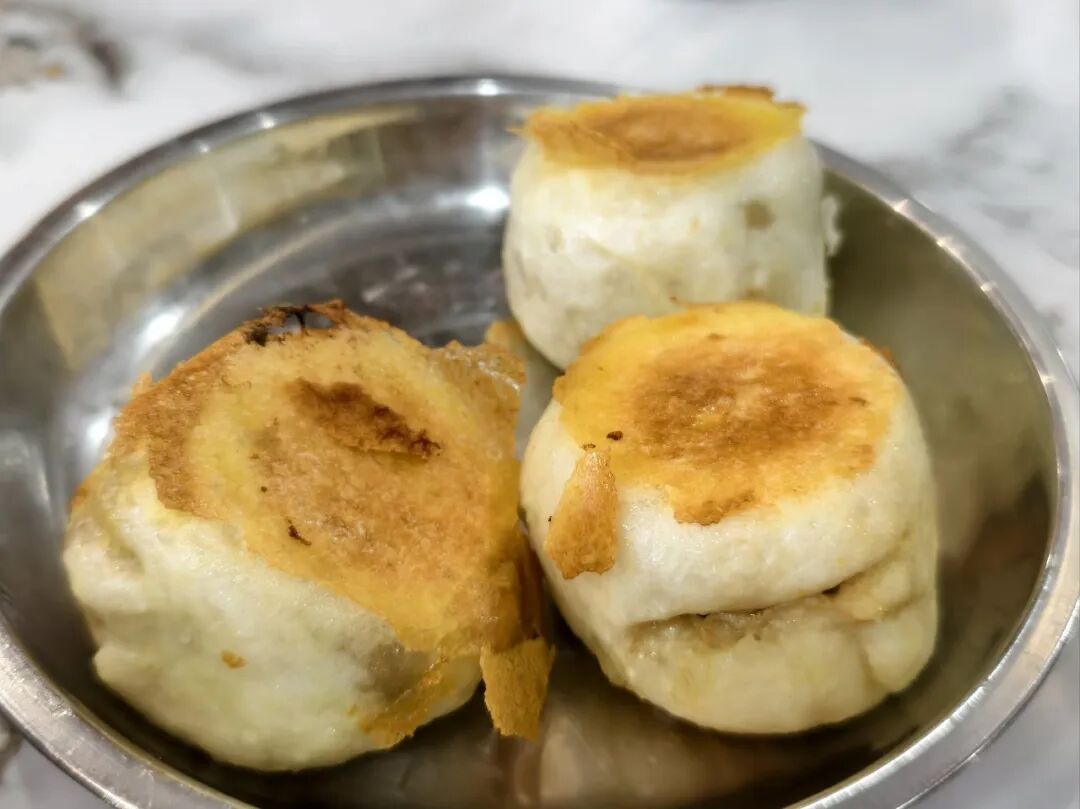
Some people make a special trip just for these buns, often packing up 10 to go. They aren't small either; unlike the bite-sized, delicate versions you find in Henan or Shandong, Hangzhou's beef pan-fried buns take the hearty route. Thick wrappers loaded with filling, they feel heavy and substantial in your hand. Fresh out of the pan, the dough gleams with a golden luster, and the bottoms are fried to a crispy, savory crunch. Bite through the soft, fluffy wrapper, and you'll find a generous, tightly packed ball of beef filling bursting with rich juices. The seasoning is clean and straightforward—no heavy, overpowering spices, just the pure, natural flavor of the beef.
Yangrou Shaomai (Steamed Lamb Dumplings)
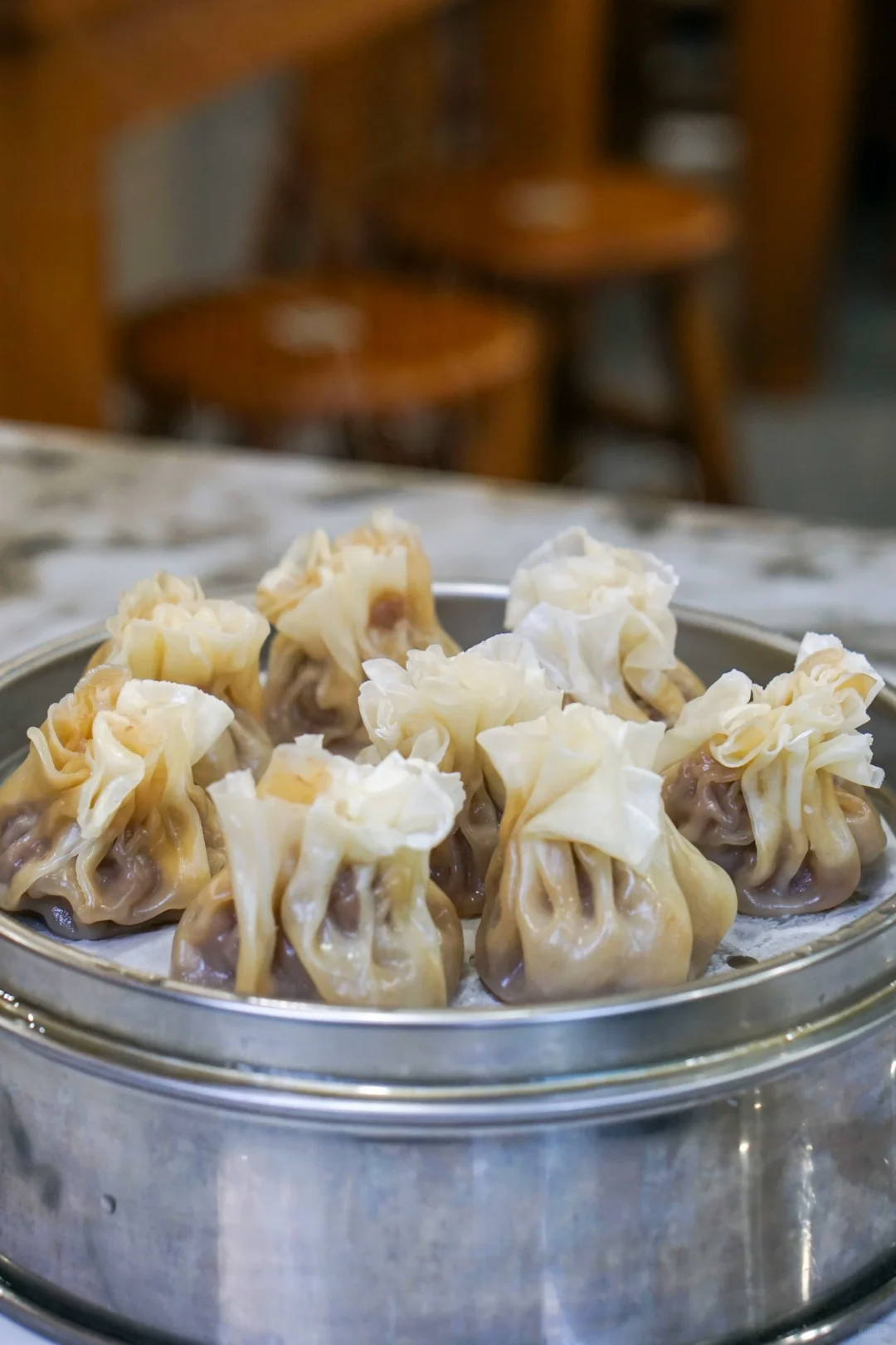
The mutton shaomai are an absolute must-try and have racked up tons of glowing reviews. A steamer basket costs twenty yuan, and the wrappers are so thin you can vaguely see the pink, tender meat filling inside. There's no dry white flour "snow cap" on top; instead, the pleated edges of the wrappers fan out naturally, folding like flower petals—they're a joy just to look at. Pick one up and you'll feel its weight; take a bite and it immediately oozes juices—truly the kind that bursts in your mouth.
The lamb filling is fresh, tender, and juicy, with zero gamey odor. Word is the mutton is sourced specifically from China's Northwest. Hangzhou locals love shaomai with thin wrappers, generous fillings, and plenty of broth, and this spot nails every single requirement. One reviewer raved, "Way better than the mutton soup restaurants!"
Yangrou Chuan (Mutton Skewers)
Five yuan a skewer—an absolute bargain in today's Hangzhou.
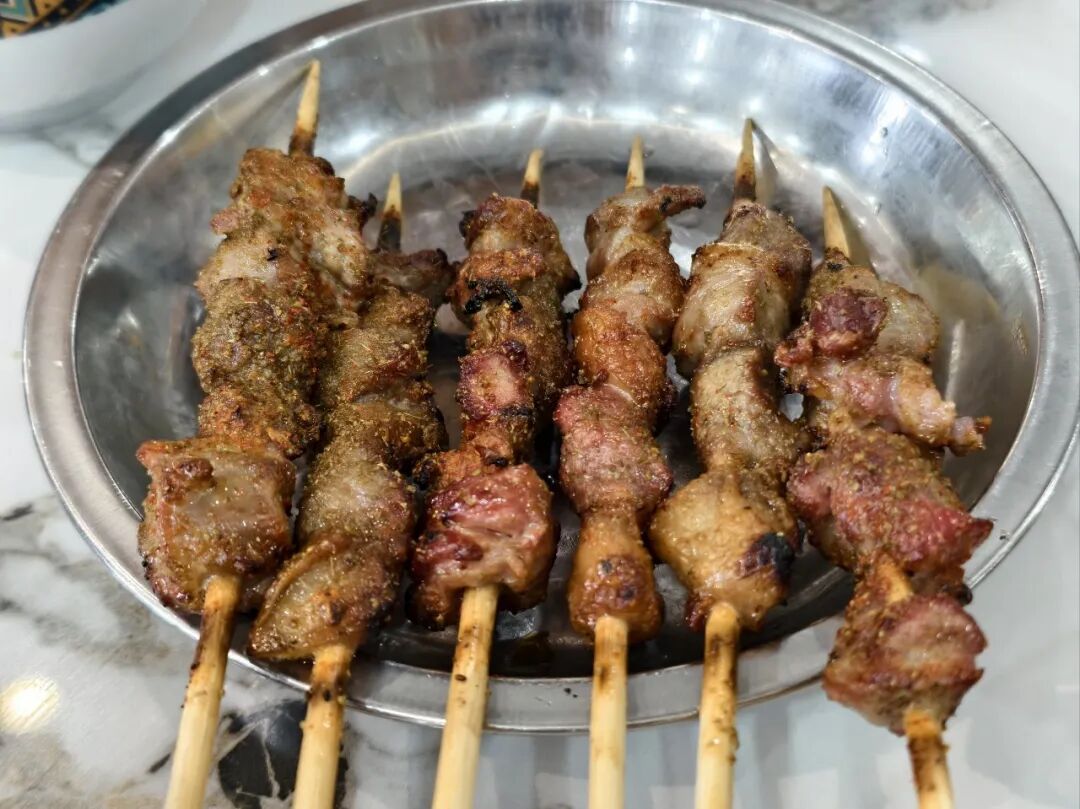
Alternating fat and lean meat threaded onto iron skewers, they sizzle away as they grill. When served, the surface has a slight smoky char while locking in the juices inside. The seasoning leans Northwest-style, with cumin and chili flakes applied with restraint so they don't overpower the meat, letting the natural flavor of the lamb truly shine.
Some say the mutton skewers around Phoenix Mosque used to be some of the best in all of Hangzhou. While more young foodies come out for skewers these days and quality can occasionally fluctuate, overall, getting this kind of quality mutton skewer for five yuan leaves zero room for complaints.
Phoenix Halal Snacks Address: No. 227 Zhongshan Middle Road, Shangcheng District, Hangzhou (Back door of Phoenix Mosque)
⏰ Business Hours: Approx. 08:00 – 19:00 (Call ahead to confirm before heading out)
Halal Hangzhou Food Guide: Best Street-Side BBQ, Malatang & Historic Fenghuang Mosque Near Zhongshan Road
Articles • Hasan09 posted the article • 0 comments • 12 views • 1 days ago
Alcohol-Free Halal Spot: BBQ & Malatang Joint · Exploring Authentic Halal Flavors in Shangcheng District, Hangzhou, Zhejiang
Summary:
Checking out an alcohol-free halal spot located right at the intersection of Zhongshan Middle Road and Sanyuanfang Alley in Hangzhou's Shangcheng District. Specializing in fresh-grilled lamb skewers, authentic halal malatang (spicy hot pot), and specialty wheat noodles, this spot strictly follows halal guidelines to create a stress-free, welcoming hangout for everyday meals.
Address: Just a few dozen meters south of the intersection of Zhongshan Middle Road and Sanyuanfang Alley, Shangcheng District, Hangzhou, Zhejiang Province
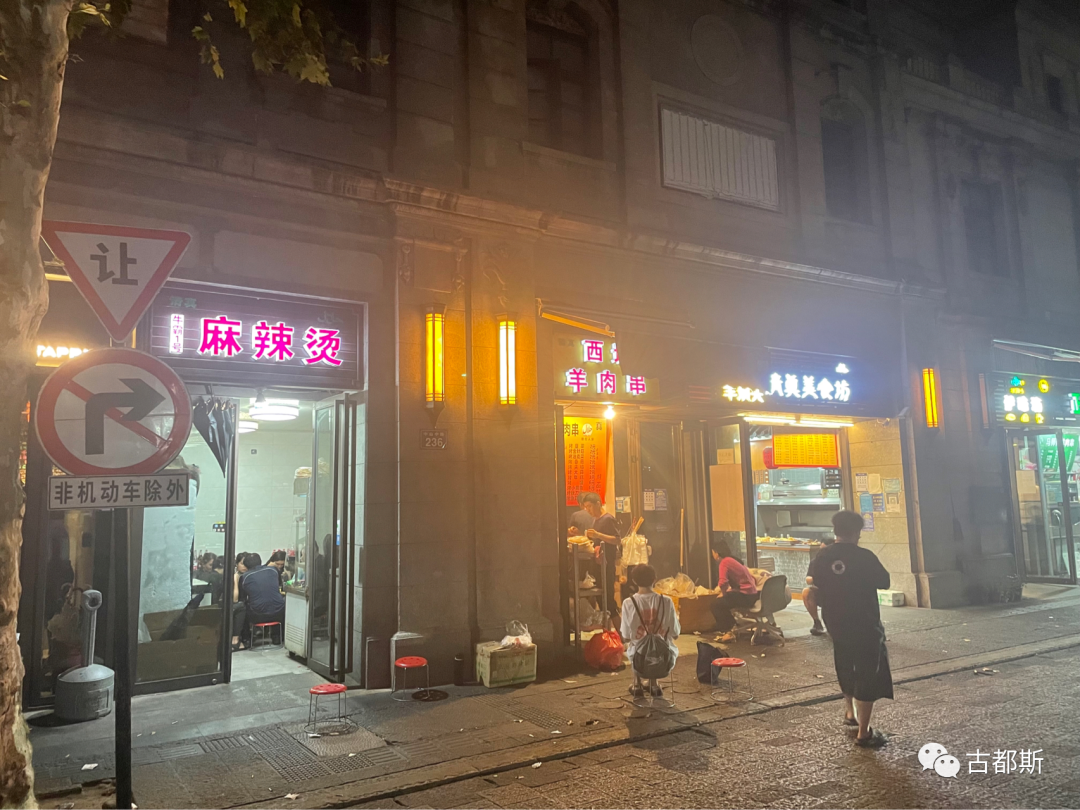
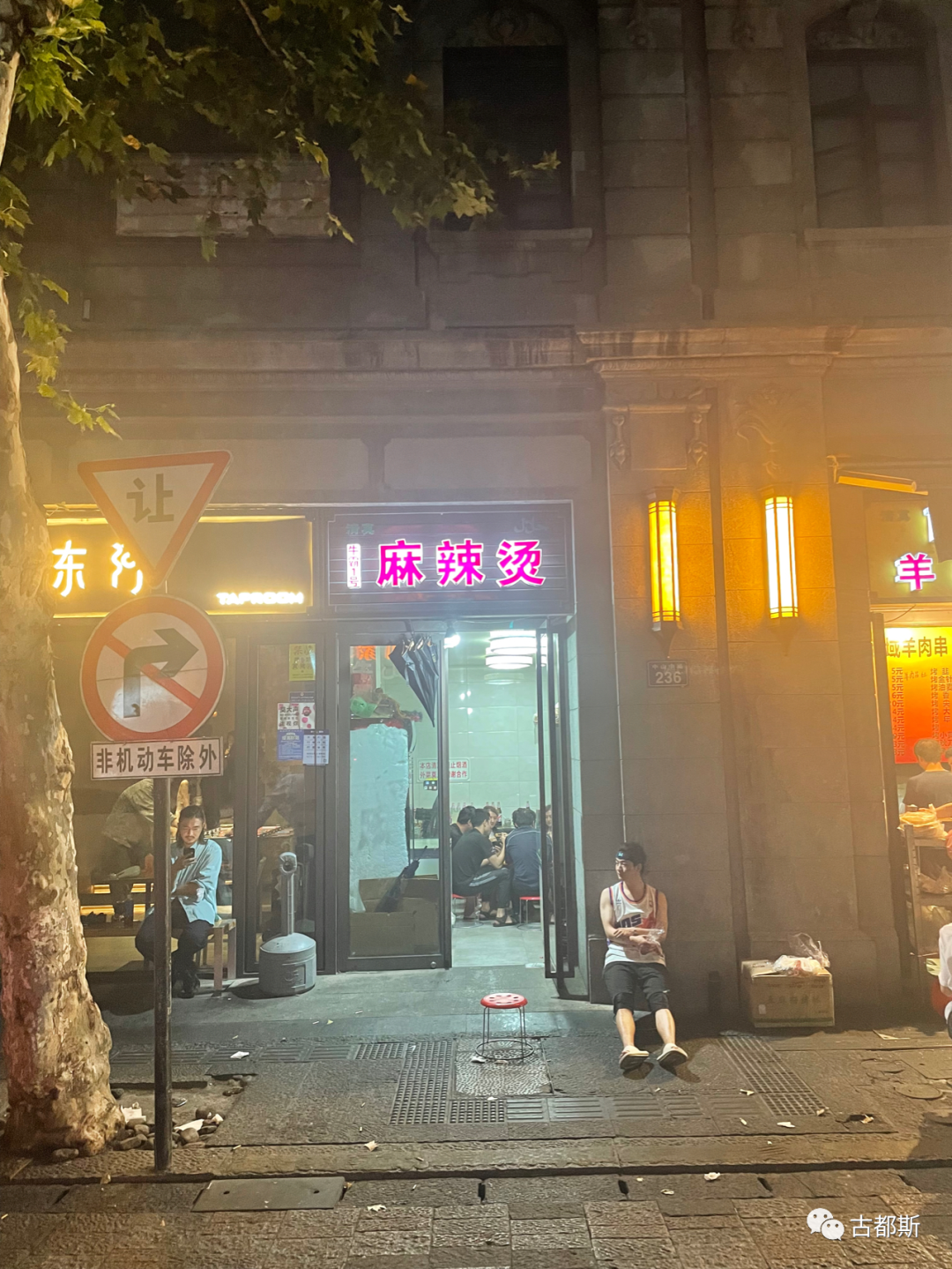
It's this exact shop with the malatang on the left and the lamb skewers right next door in the photo above.
Both storefronts are run by the same family.
The owner looks like he's part of the Salar ethnic minority from Northwest China.
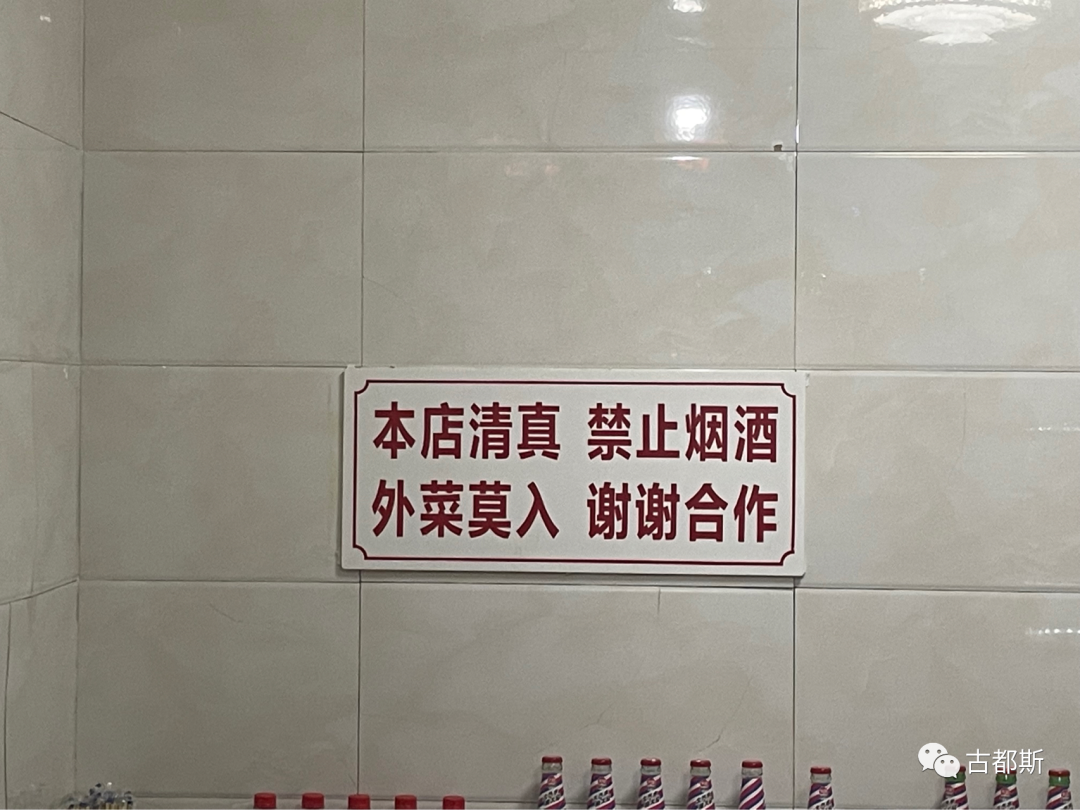
Just like our previous restaurant recommendations, this place strictly holds down the fort as an alcohol-free and smoke-free halal spot. Even though it's a hole-in-the-wall joint, they're staying true to that core value deep in their bones, so major props to them!
This is the malatang storefront. I went at night so the photo isn't amazing, just bear with it.
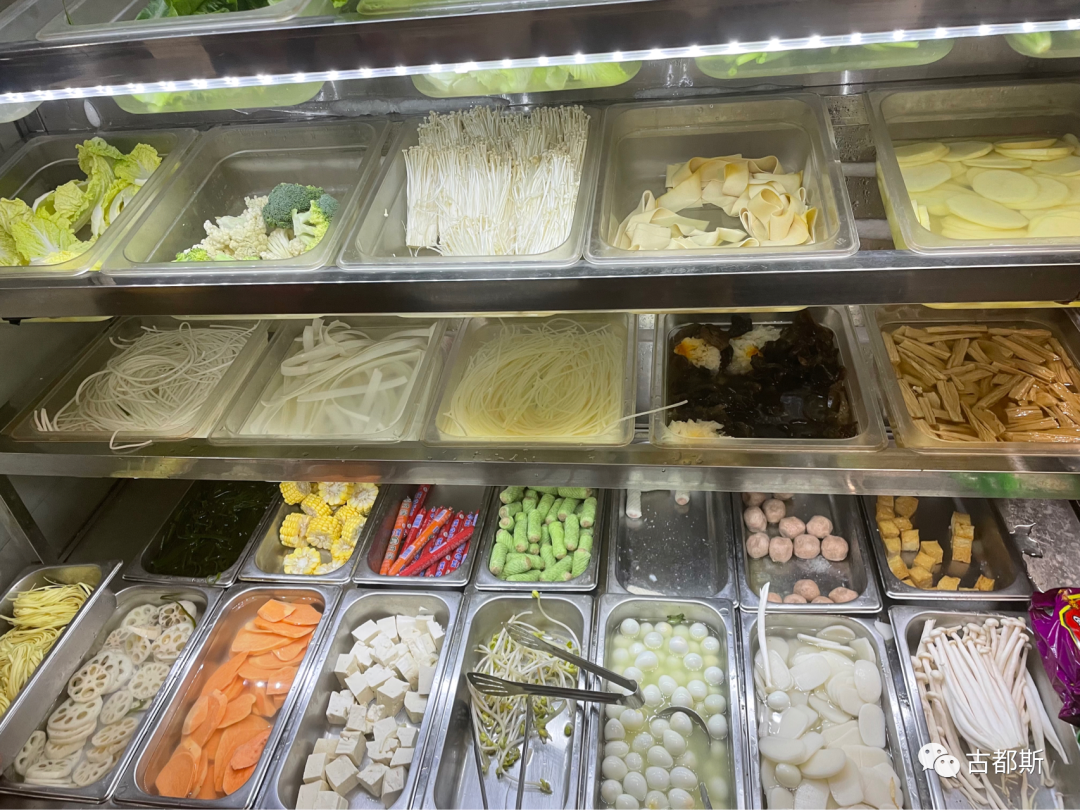
The veggie and meat options for the malatang look pretty much like this. While it's not an exhaustive selection, it's totally solid with plenty of ingredients prepped and ready. The frozen meatballs and sausages are basically all brands from Northwest China with reliable halal sources, so you can eat completely worry-free.
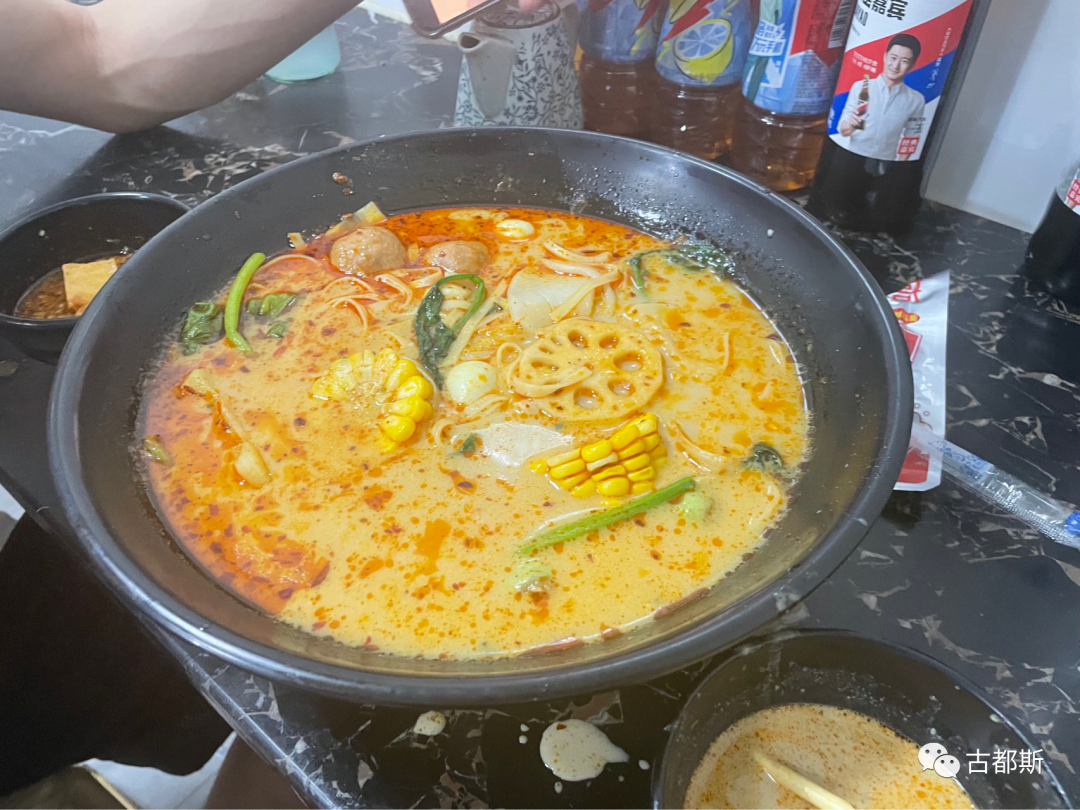
The malatang here is priced by weight at 25 RMB a pound. The two of us racked up this massive bowl for just 50 RMB. That is a seriously budget-friendly, honest price for Hangzhou. I totally recommend it for students on a tighter budget, because finding affordable halal malatang in major big cities is genuinely tough, so I had to put this on your radar.
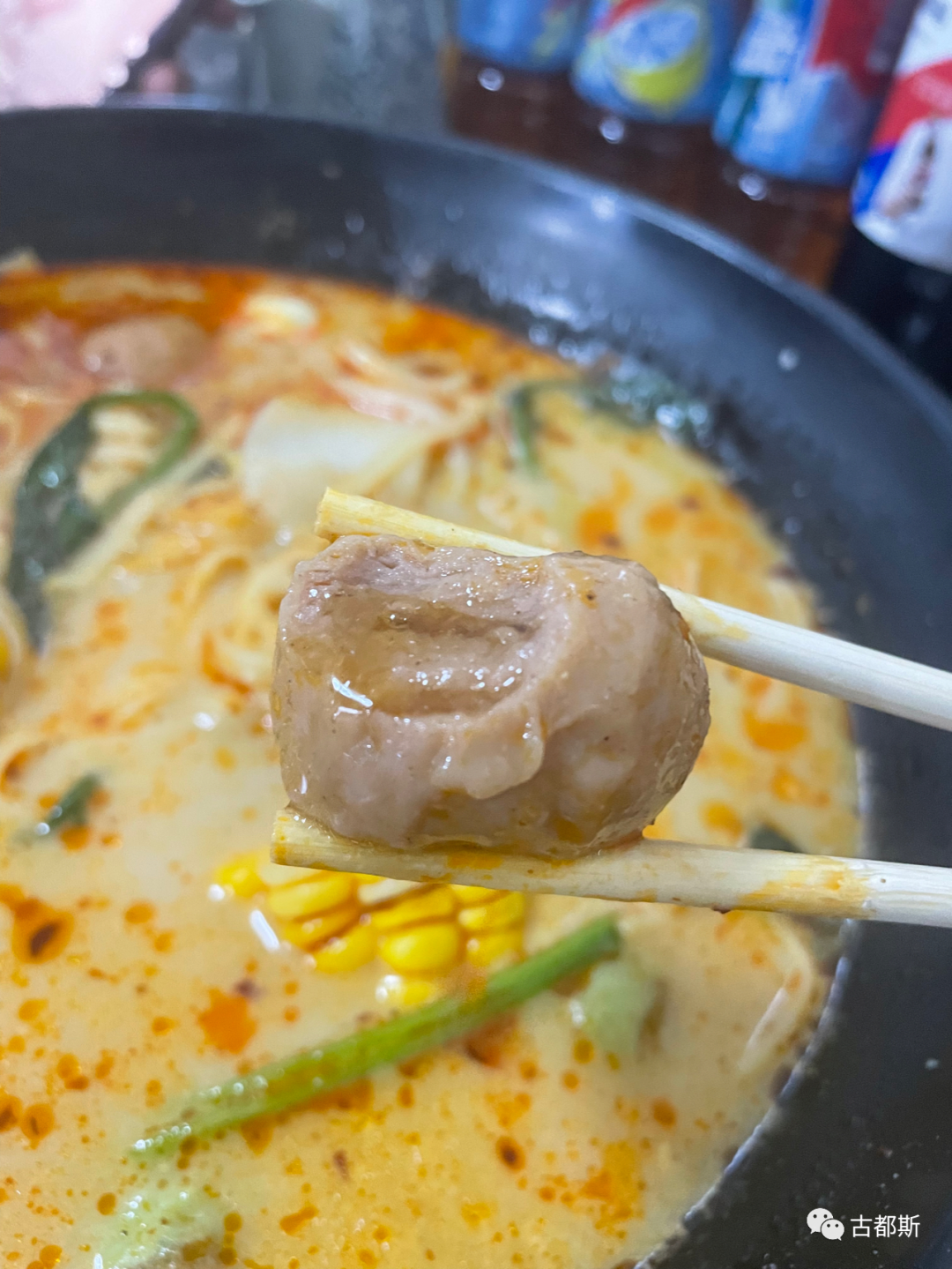
A plump, round beef ball bursting with juice
Total juice explosion!
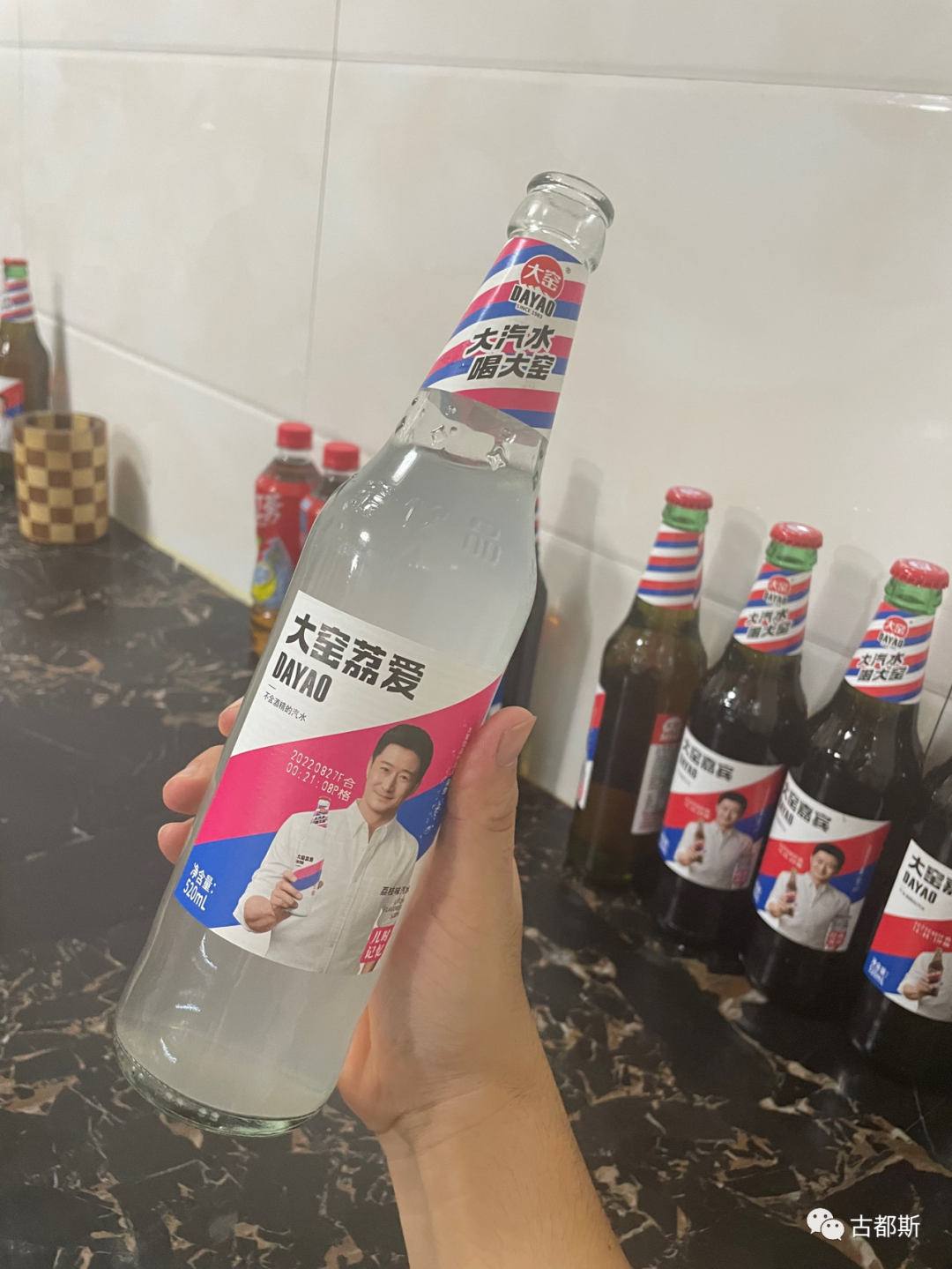
Wash it down with a cold Dayao (sparkling malt beverage)
That is straight-up absolute perfection.
Finally, I'm dropping their in-house BBQ price menu right here for y'all.
Since we were already stuffed from malatang, we didn't end up ordering any BBQ.
According to locals, their BBQ stand has been operating right here for over a decade. If you're craving grilled skewers, you can honestly order blindly—no risk of a bad meal.
As for the prices, they are super wallet-friendly and budget-conscious!
Trust me on this, guys!
For real! I actually went and asked around before writing this!
Alright, time to wrap it up with a final review:
The malatang here is super wallet-friendly and unpretentious.
The flavor leans just a tiny bit on the heavy side. Um… my palate is pretty light, so this totally depends on your personal taste.
As for cleanliness, it’s got that classic hometown neighborhood diner vibe, where the focus is all on the flavor, so we can totally overlook that.
I didn't get to try the BBQ myself, but the hype for their skewers is off the charts with tons of varieties.
Plus, locals and regular customers rave about it endlessly!
So if you're trying to find a spot in Hangzhou to kick back and crush some skewers, I seriously recommend checking this out!
Let me whisper a ㊙️ secret to you guys:
Fenghuang Mosque (Phoenix Mosque) is just a tiny bit past the pedestrian overpass from this shop—seems like it's under 180 meters away. So once you finish eating and it's time for prayer, heading over to perform your dua is super convenient!️
Alright, dropping my food-recommendation manifesto once more.
Check out the picture below! view all
Alcohol-Free Halal Spot: BBQ & Malatang Joint · Exploring Authentic Halal Flavors in Shangcheng District, Hangzhou, Zhejiang
Summary:
Checking out an alcohol-free halal spot located right at the intersection of Zhongshan Middle Road and Sanyuanfang Alley in Hangzhou's Shangcheng District. Specializing in fresh-grilled lamb skewers, authentic halal malatang (spicy hot pot), and specialty wheat noodles, this spot strictly follows halal guidelines to create a stress-free, welcoming hangout for everyday meals.
Address: Just a few dozen meters south of the intersection of Zhongshan Middle Road and Sanyuanfang Alley, Shangcheng District, Hangzhou, Zhejiang Province
It's this exact shop with the malatang on the left and the lamb skewers right next door in the photo above.
Both storefronts are run by the same family.
The owner looks like he's part of the Salar ethnic minority from Northwest China.
Just like our previous restaurant recommendations, this place strictly holds down the fort as an alcohol-free and smoke-free halal spot. Even though it's a hole-in-the-wall joint, they're staying true to that core value deep in their bones, so major props to them!
This is the malatang storefront. I went at night so the photo isn't amazing, just bear with it.
The veggie and meat options for the malatang look pretty much like this. While it's not an exhaustive selection, it's totally solid with plenty of ingredients prepped and ready. The frozen meatballs and sausages are basically all brands from Northwest China with reliable halal sources, so you can eat completely worry-free.
The malatang here is priced by weight at 25 RMB a pound. The two of us racked up this massive bowl for just 50 RMB. That is a seriously budget-friendly, honest price for Hangzhou. I totally recommend it for students on a tighter budget, because finding affordable halal malatang in major big cities is genuinely tough, so I had to put this on your radar.
A plump, round beef ball bursting with juice
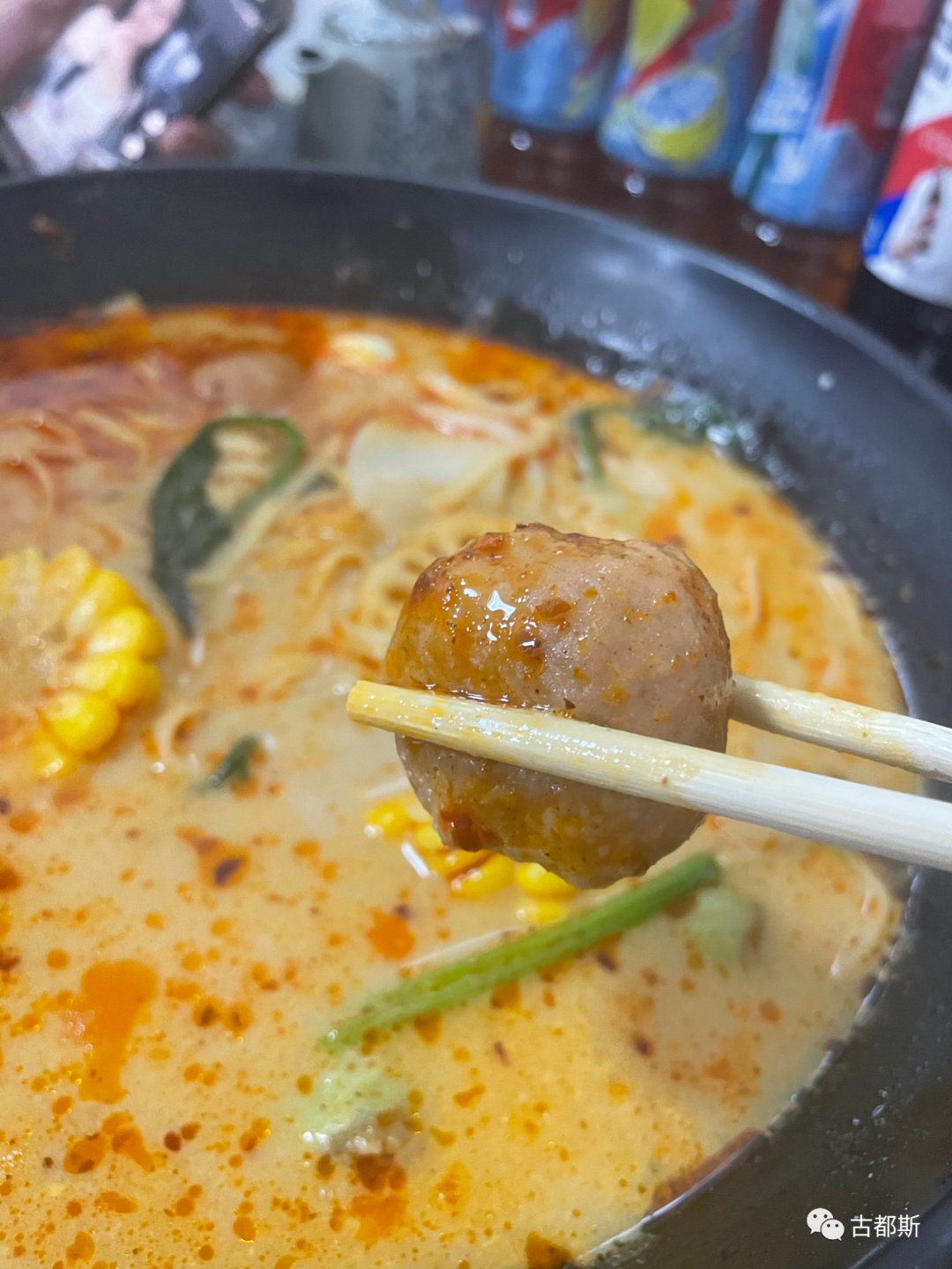
Total juice explosion!
Wash it down with a cold Dayao (sparkling malt beverage)
That is straight-up absolute perfection.
Finally, I'm dropping their in-house BBQ price menu right here for y'all.
Since we were already stuffed from malatang, we didn't end up ordering any BBQ.
According to locals, their BBQ stand has been operating right here for over a decade. If you're craving grilled skewers, you can honestly order blindly—no risk of a bad meal.
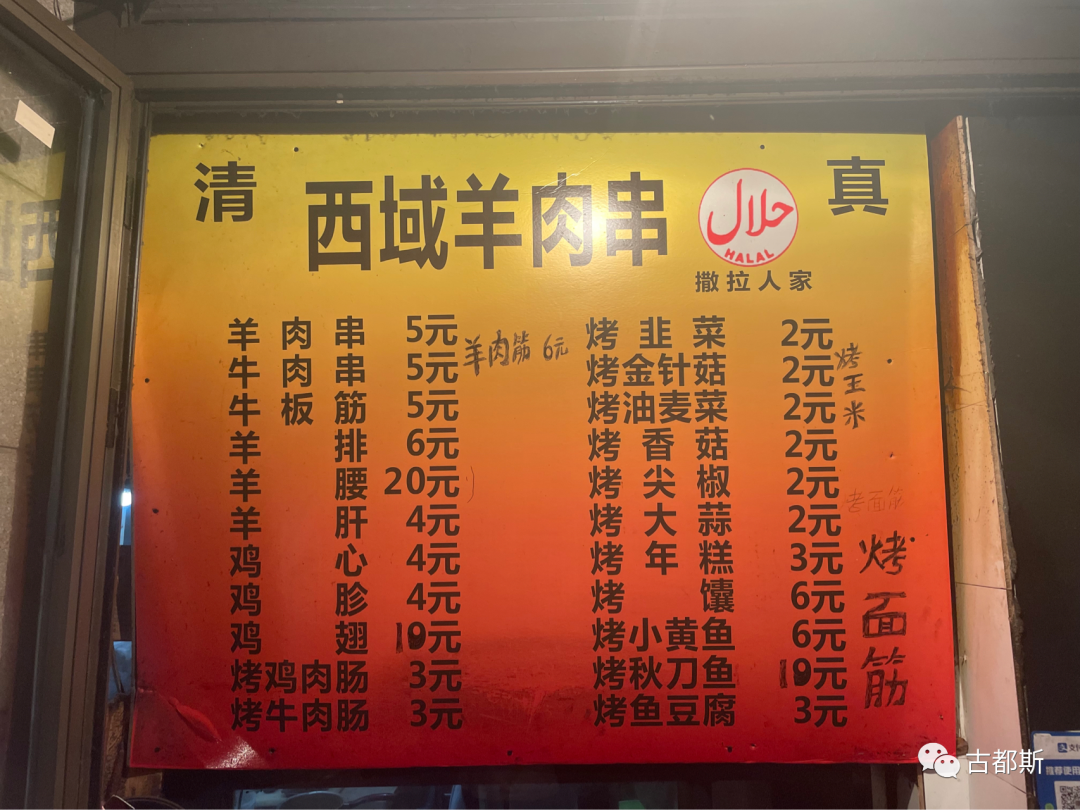
As for the prices, they are super wallet-friendly and budget-conscious!
Trust me on this, guys!
For real! I actually went and asked around before writing this!
Alright, time to wrap it up with a final review:
The malatang here is super wallet-friendly and unpretentious.
The flavor leans just a tiny bit on the heavy side. Um… my palate is pretty light, so this totally depends on your personal taste.
As for cleanliness, it’s got that classic hometown neighborhood diner vibe, where the focus is all on the flavor, so we can totally overlook that.
I didn't get to try the BBQ myself, but the hype for their skewers is off the charts with tons of varieties.
Plus, locals and regular customers rave about it endlessly!
So if you're trying to find a spot in Hangzhou to kick back and crush some skewers, I seriously recommend checking this out!
Let me whisper a ㊙️ secret to you guys:
Fenghuang Mosque (Phoenix Mosque) is just a tiny bit past the pedestrian overpass from this shop—seems like it's under 180 meters away. So once you finish eating and it's time for prayer, heading over to perform your dua is super convenient!️
Alright, dropping my food-recommendation manifesto once more.
Check out the picture below!
Authentic Northwest Halal Food in Hangzhou: Shouzhuo Yangrou, Skewers & More at Chuangjing Road
Articles • Hasan09 posted the article • 0 comments • 12 views • 1 days ago
Regional Flavors: A Chronicle of Tasting Authentic Northwest Halal Cuisine and shouzhua yangrou (hand-grabbed lamb) on Chuangjing Road in Hangzhou
Abstract:
A documentation of the unforgettable experience tracking down authentic Northwest Chinese cuisine along Chuangjing Road in Hangzhou's Future Science City. The rich aroma of cumin and meat, tender lamb, and chewy noodles soothe the palates of urban diners, showcasing the gorgeous blend of bold Northwest flavors with the delicate, refined vibe of Jiangnan (southern China).
Sometimes, when you're craving Northwest Chinese cuisine, what you're really chasing is that fresh lamb flavor, the punch of cumin, the chew of handmade noodles, and that pure, unadulterated bliss of devouring a massive, meaty meal.
Especially in southern cities like Hangzhou and Shanghai, a lot of dishes get dialed back to be lighter, sweeter, and softer. Even certain dishes with deeply distinct regional styles slowly vanish because locals assume 'southerners aren't into that.'
So walking into Pinhuiwei Halal Northwest Cuisine near Chuangjing Road this time, the first impression was honestly great—the storefront sign pops, walking in gives you an unmistakable halal dining vibe, and the open counter puts the dishes, drinks, and desserts right out on display. The whole place feels super bright and clean, giving you an immediate sense of reassurance about their hygiene and food safety.
No. 524-5 Longtan Road, Yuhang District
(250 meters from Exit C of Chuangjing Road Metro Station)
#shouzhua yangrou (hand-grabbed lamb)
The lamb is braised super tender. With just a gentle pull, the meat slides right off the bone. It melts in your mouth while keeping that satisfying fibrous texture without ever tasting dry. The best plot twist? They've nailed the gamey smell—that inherent freshness of the lamb is fully there, but without any of that off-putting, funky sheep odor. It comes with minced garlic and chili oil dips on the side. Honestly, I totally recommend tasting it plain first to vibe with the pure, unadulterated lamb flavor. Once you're a bit in, dip it in the garlic or chili oil to unlock a whole new dimension of flavor.
Rating: ⭐⭐⭐⭐⭐
#Yangrou Chuanr (Lamb Skewers)
If shouzhua yangrou is all about 'freshness,' then lamb skewers are all about one thing—aroma. Chunk after chunk of chunky, perfectly proportioned fatty and lean lamb are threaded onto iron skewers. As they roast, the charcoal fire slowly renders out the fat, leaving the outside with a slight crisp while the inside stays juicy. That fat, in particular, gets rendered down until it's smoky and fragrant without feeling greasy at all—it basically supercharges the aroma of the whole skewer. Finishing it off with a heavy dusting of cumin and chili flakes is the absolute soul of Northwest BBQ. Sizzling with oil and reeking of glorious cumin, devouring these straight off the grill while they're piping hot is the only right way to eat them.
Rating: ⭐⭐⭐⭐⭐
#Yangrou Shouzhua Fan (Lamb Pulao / Hand-Grabbed Rice)
When it hits the table, the rice is a gorgeous golden yellow with every single grain standing on its own. The grains drink up all that rich lamb fat, making every bite oily, savory, and sticky-soft. Paired with sweet carrots and raisins, the sweetness dials back the richness of the lamb fat just a bit. Topped with massive chunks of lamb, shoving a spoonful of rice, meat, and carrots all into your mouth at once hits you with maximum satisfaction. Plus, the spot serves it with refreshing little side pickles to help cut through the richness after a heavy streak of meat-eating.
Rating: ⭐⭐⭐⭐⭐
#Niurou Jiasha (Crispy Beef Sandwich Fritters)
The outside is a thin, egg-like crepe wrapped around finely minced beef, and you can choose between a sweet-and-sour or hot-and-sour flavor profile. Personally, I totally lean toward the hot-and-sour option. Since your table is already packed with heavy meat dishes, going for the sweet-and-sour vibe might start feeling a bit cloying halfway through. The hot-and-sour version actually brings out the beef's savory punch much better while giving the whole spread a nice little flavor kick.
Rating: ⭐⭐⭐⭐
#Lapi Niurou Ruanbing (Beef Tenderloin & Lapi Rolls)
The lapi (wide mung bean noodles) look bright red at first glance, so you'd totally expect them to bring serious heat, but they're honestly not as spicy as they look. Especially once you wrap all the ingredients up into the flatbread, the heat gets mellowed out by the dough and the other components, keeping the whole bite totally balanced. If you can handle a little spice in your daily life, but aren't a total hardcore chili-head, you should definitely give this one a shot.
Rating: ⭐⭐⭐⭐
#Shousi Jiaomaji (Hand-Torn Pepper-Numbing Chicken)
The first thing you get when this chicken hits your palate is pure freshness, followed by a slow, creeping wave of tongue-tingling huajiao (Sichuan peppercorn) numbing flavor. It’s not that aggressive kind of heavy seasoning that instantly paralyzes your tongue on bite one; instead, it's a fresh, zesty numbing sensation that just gets better and more addictive the more you eat. That said, if we're talking value for money, a slightly bigger portion size would make it an absolute winner.
Rating: ⭐⭐⭐⭐
#Qiangchao Lianhuabai (Wok-Tumbled Cabbage)
Long story short, it's just cabbage, but man, they stir-fry it right. The lianhuabai (cabbage) keeps its crisp, tender texture without getting overcooked, letting you taste those fresh, crunchy fibers in every bite. The flavor leans mildly sour and sweet, topped off with that distinct smoky aroma from high-heat wok-tossing. It feels like they definitely threw a pinch of white sugar in there, so the sourness isn't overly aggressive; instead, it blends into a subtle sweet-and-sour profile that makes it the ultimate palate cleanser.
Rating: ⭐⭐⭐⭐⭐
Programmer's Post-Meal Verdict
Eating my way through this spot, my biggest takeaway definitely isn't 'every single dish is flawless.' In fact, it's got a few minor flaws—like the smaller portion on the pepper chicken, or the fact that some dishes might feel a bit too heavy and oily for folks not used to a rich meat diet. But overall, it genuinely nails that craving I had for that distinct lamb aroma, cumin punch, oily, savory pulao, and the straight-up, bold flavor punch of Northwest cuisine. If you're a fellow hardcore carnivore and carb-lover, there's a really high chance you're gonna walk out of here with a super happy food coma. view all
Regional Flavors: A Chronicle of Tasting Authentic Northwest Halal Cuisine and shouzhua yangrou (hand-grabbed lamb) on Chuangjing Road in Hangzhou
Abstract:
A documentation of the unforgettable experience tracking down authentic Northwest Chinese cuisine along Chuangjing Road in Hangzhou's Future Science City. The rich aroma of cumin and meat, tender lamb, and chewy noodles soothe the palates of urban diners, showcasing the gorgeous blend of bold Northwest flavors with the delicate, refined vibe of Jiangnan (southern China).
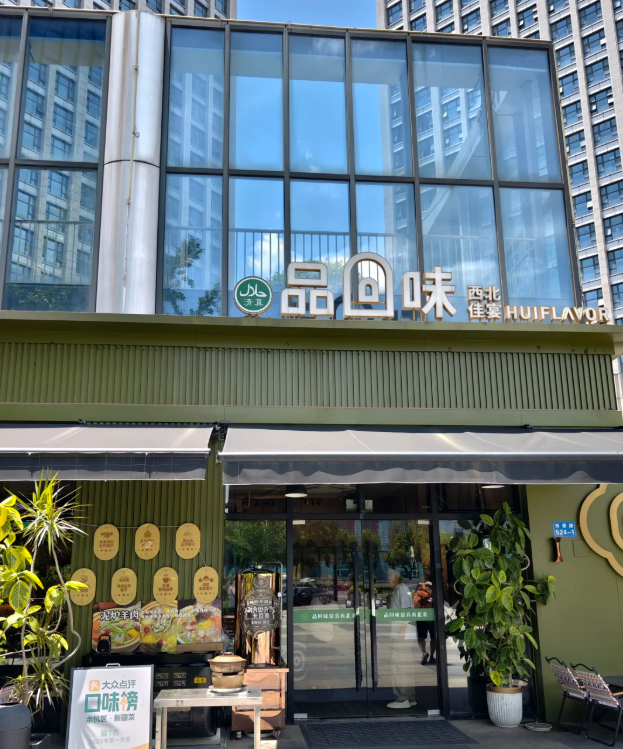
Sometimes, when you're craving Northwest Chinese cuisine, what you're really chasing is that fresh lamb flavor, the punch of cumin, the chew of handmade noodles, and that pure, unadulterated bliss of devouring a massive, meaty meal.
Especially in southern cities like Hangzhou and Shanghai, a lot of dishes get dialed back to be lighter, sweeter, and softer. Even certain dishes with deeply distinct regional styles slowly vanish because locals assume 'southerners aren't into that.'
So walking into Pinhuiwei Halal Northwest Cuisine near Chuangjing Road this time, the first impression was honestly great—the storefront sign pops, walking in gives you an unmistakable halal dining vibe, and the open counter puts the dishes, drinks, and desserts right out on display. The whole place feels super bright and clean, giving you an immediate sense of reassurance about their hygiene and food safety.
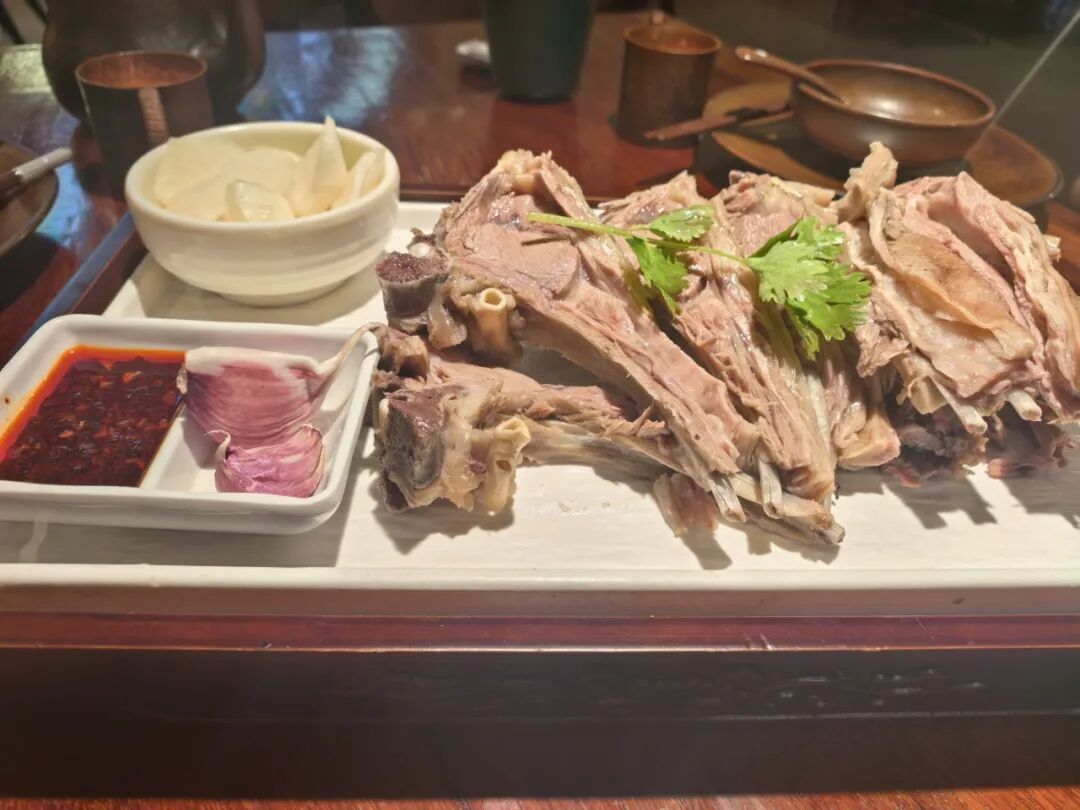
No. 524-5 Longtan Road, Yuhang District
(250 meters from Exit C of Chuangjing Road Metro Station)
#shouzhua yangrou (hand-grabbed lamb)
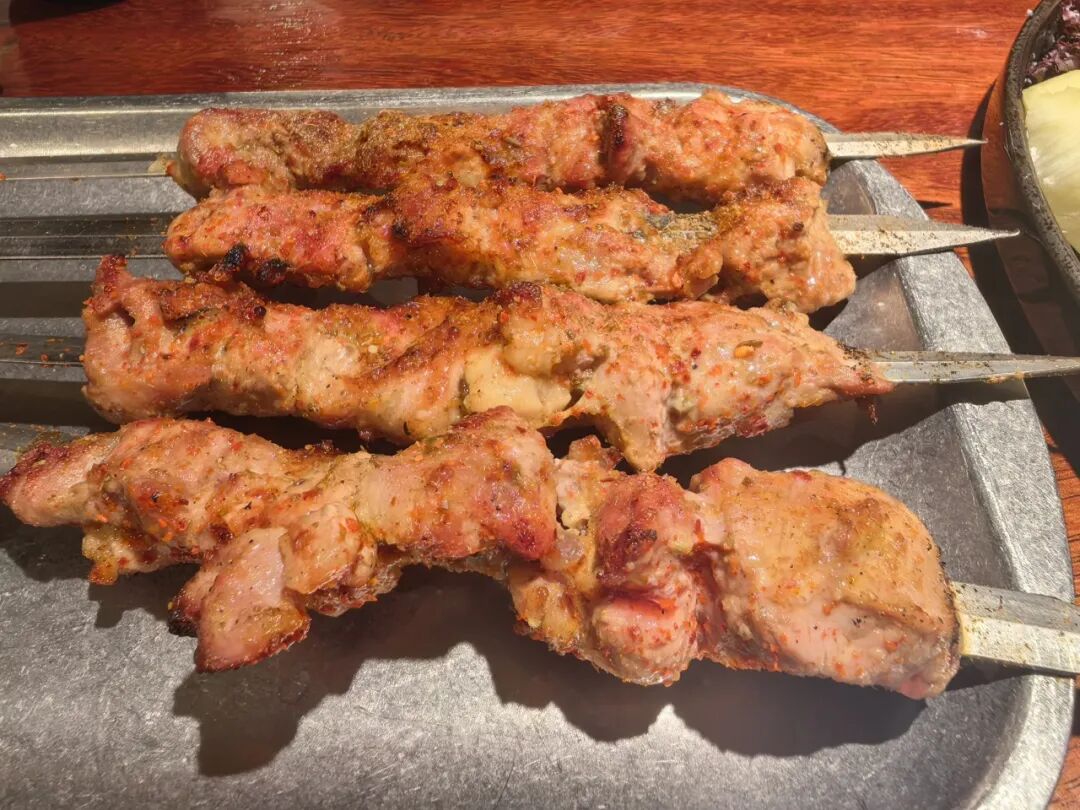
The lamb is braised super tender. With just a gentle pull, the meat slides right off the bone. It melts in your mouth while keeping that satisfying fibrous texture without ever tasting dry. The best plot twist? They've nailed the gamey smell—that inherent freshness of the lamb is fully there, but without any of that off-putting, funky sheep odor. It comes with minced garlic and chili oil dips on the side. Honestly, I totally recommend tasting it plain first to vibe with the pure, unadulterated lamb flavor. Once you're a bit in, dip it in the garlic or chili oil to unlock a whole new dimension of flavor.
Rating: ⭐⭐⭐⭐⭐
#Yangrou Chuanr (Lamb Skewers)
If shouzhua yangrou is all about 'freshness,' then lamb skewers are all about one thing—aroma. Chunk after chunk of chunky, perfectly proportioned fatty and lean lamb are threaded onto iron skewers. As they roast, the charcoal fire slowly renders out the fat, leaving the outside with a slight crisp while the inside stays juicy. That fat, in particular, gets rendered down until it's smoky and fragrant without feeling greasy at all—it basically supercharges the aroma of the whole skewer. Finishing it off with a heavy dusting of cumin and chili flakes is the absolute soul of Northwest BBQ. Sizzling with oil and reeking of glorious cumin, devouring these straight off the grill while they're piping hot is the only right way to eat them.
Rating: ⭐⭐⭐⭐⭐
#Yangrou Shouzhua Fan (Lamb Pulao / Hand-Grabbed Rice)
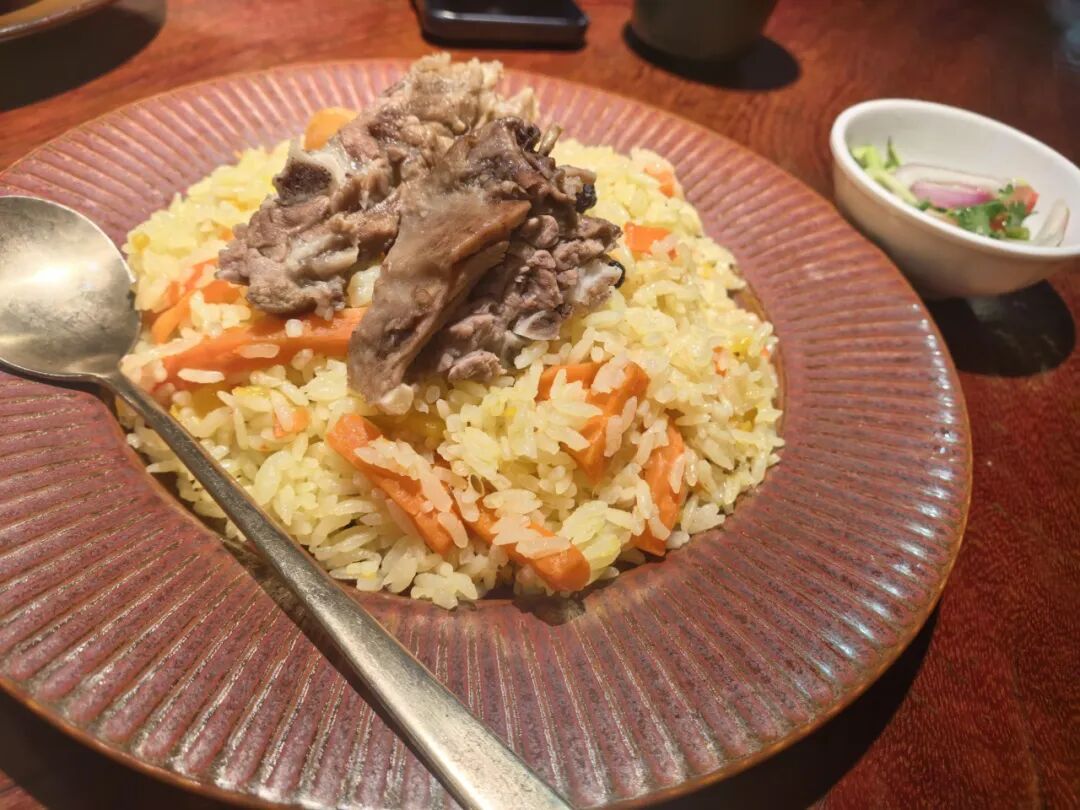
When it hits the table, the rice is a gorgeous golden yellow with every single grain standing on its own. The grains drink up all that rich lamb fat, making every bite oily, savory, and sticky-soft. Paired with sweet carrots and raisins, the sweetness dials back the richness of the lamb fat just a bit. Topped with massive chunks of lamb, shoving a spoonful of rice, meat, and carrots all into your mouth at once hits you with maximum satisfaction. Plus, the spot serves it with refreshing little side pickles to help cut through the richness after a heavy streak of meat-eating.
Rating: ⭐⭐⭐⭐⭐
#Niurou Jiasha (Crispy Beef Sandwich Fritters)
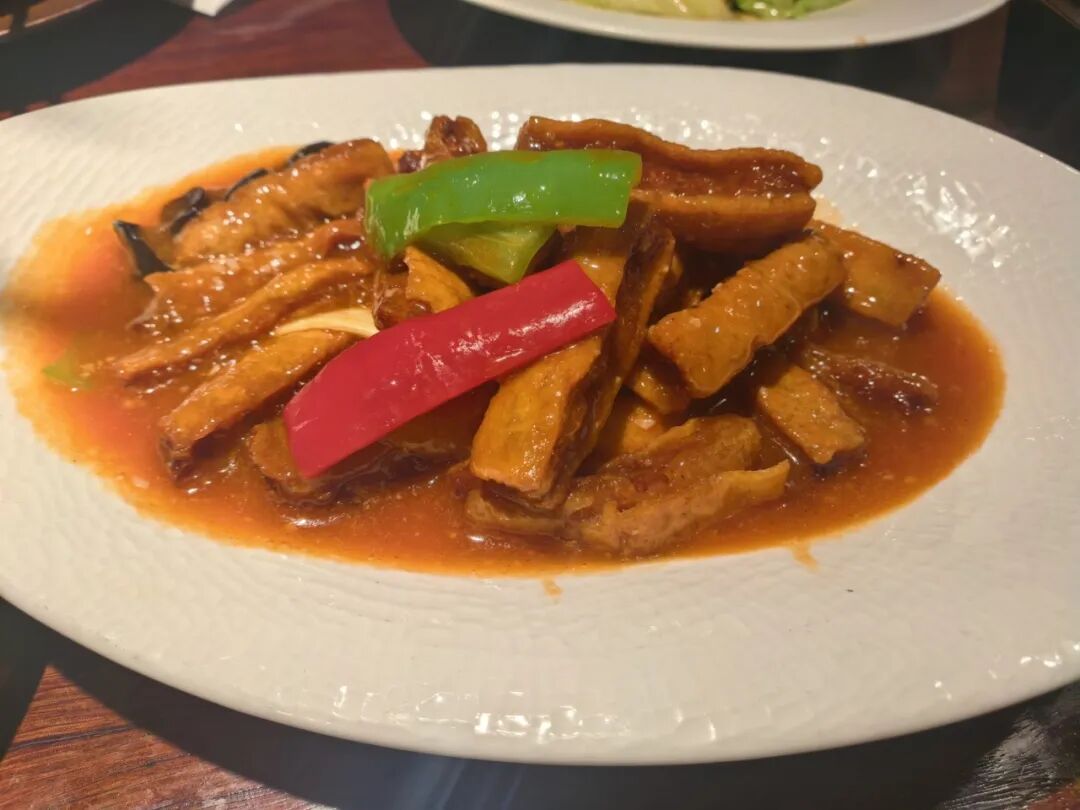
The outside is a thin, egg-like crepe wrapped around finely minced beef, and you can choose between a sweet-and-sour or hot-and-sour flavor profile. Personally, I totally lean toward the hot-and-sour option. Since your table is already packed with heavy meat dishes, going for the sweet-and-sour vibe might start feeling a bit cloying halfway through. The hot-and-sour version actually brings out the beef's savory punch much better while giving the whole spread a nice little flavor kick.
Rating: ⭐⭐⭐⭐
#Lapi Niurou Ruanbing (Beef Tenderloin & Lapi Rolls)
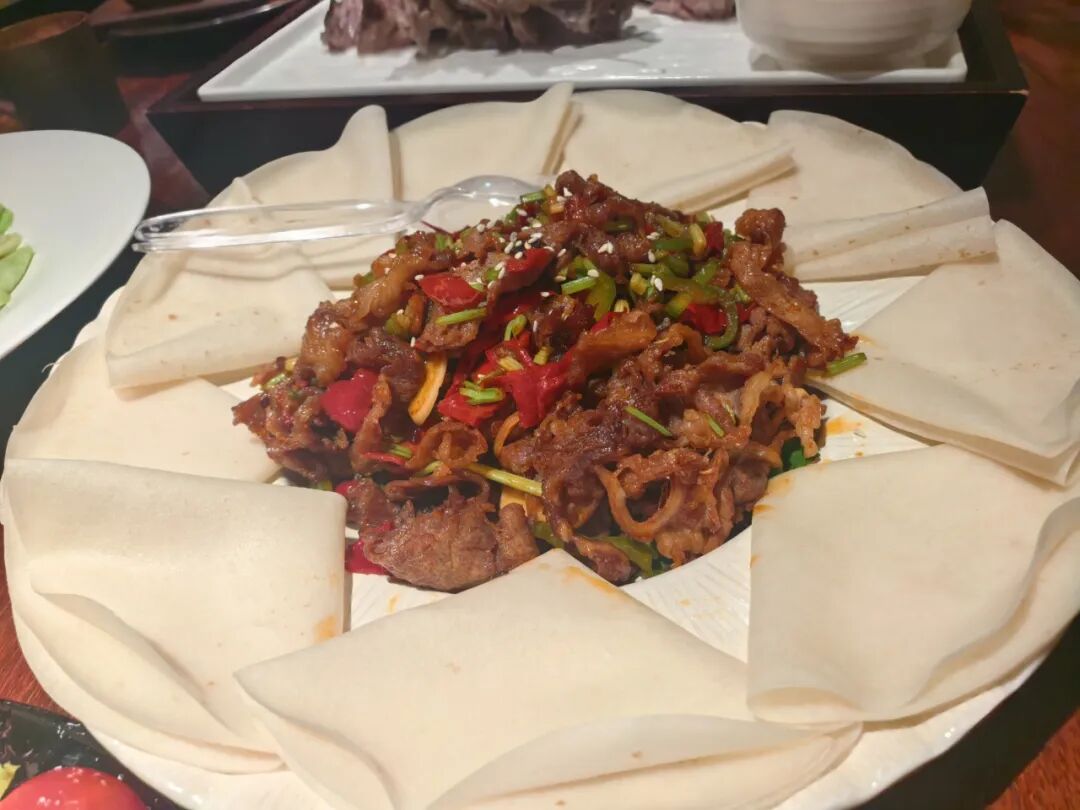
The lapi (wide mung bean noodles) look bright red at first glance, so you'd totally expect them to bring serious heat, but they're honestly not as spicy as they look. Especially once you wrap all the ingredients up into the flatbread, the heat gets mellowed out by the dough and the other components, keeping the whole bite totally balanced. If you can handle a little spice in your daily life, but aren't a total hardcore chili-head, you should definitely give this one a shot.
Rating: ⭐⭐⭐⭐
#Shousi Jiaomaji (Hand-Torn Pepper-Numbing Chicken)
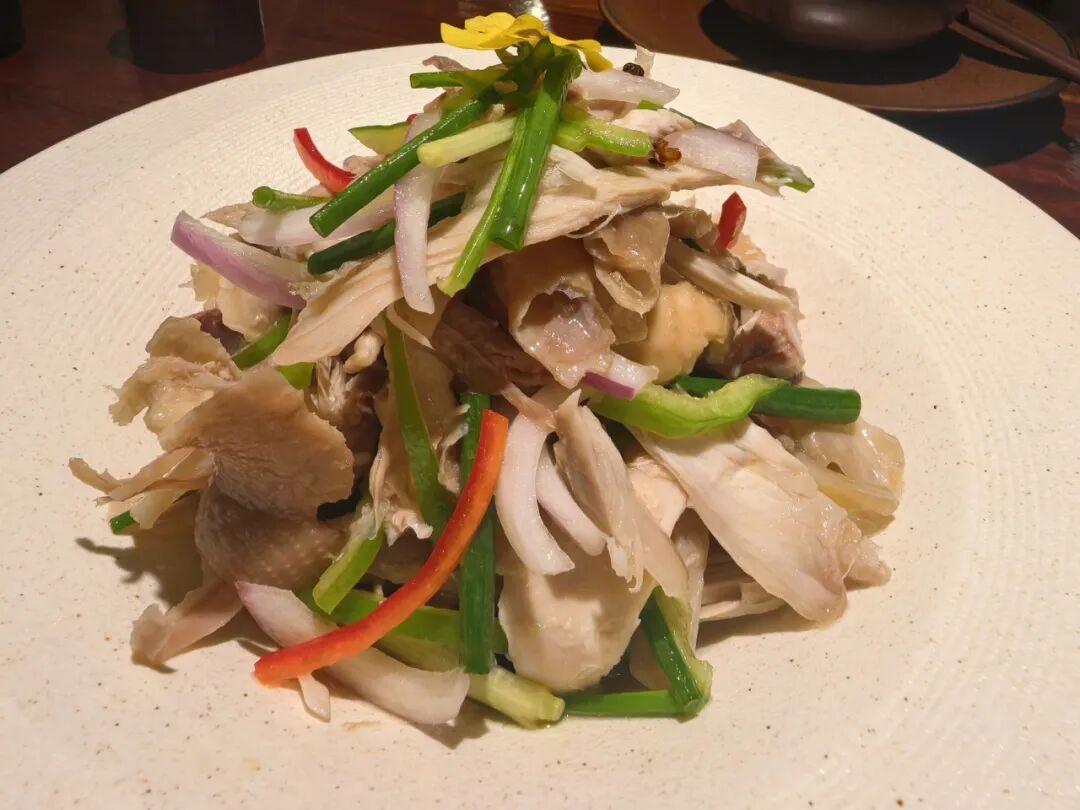
The first thing you get when this chicken hits your palate is pure freshness, followed by a slow, creeping wave of tongue-tingling huajiao (Sichuan peppercorn) numbing flavor. It’s not that aggressive kind of heavy seasoning that instantly paralyzes your tongue on bite one; instead, it's a fresh, zesty numbing sensation that just gets better and more addictive the more you eat. That said, if we're talking value for money, a slightly bigger portion size would make it an absolute winner.
Rating: ⭐⭐⭐⭐
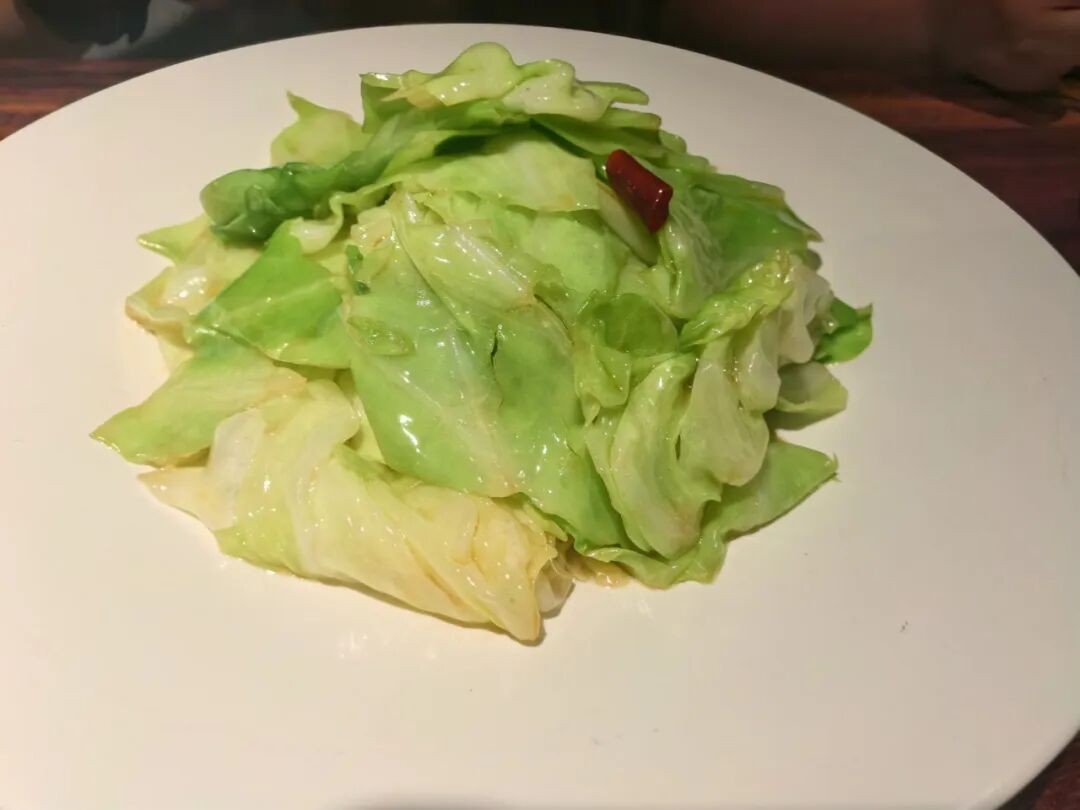
#Qiangchao Lianhuabai (Wok-Tumbled Cabbage)
Long story short, it's just cabbage, but man, they stir-fry it right. The lianhuabai (cabbage) keeps its crisp, tender texture without getting overcooked, letting you taste those fresh, crunchy fibers in every bite. The flavor leans mildly sour and sweet, topped off with that distinct smoky aroma from high-heat wok-tossing. It feels like they definitely threw a pinch of white sugar in there, so the sourness isn't overly aggressive; instead, it blends into a subtle sweet-and-sour profile that makes it the ultimate palate cleanser.
Rating: ⭐⭐⭐⭐⭐
Programmer's Post-Meal Verdict
Eating my way through this spot, my biggest takeaway definitely isn't 'every single dish is flawless.' In fact, it's got a few minor flaws—like the smaller portion on the pepper chicken, or the fact that some dishes might feel a bit too heavy and oily for folks not used to a rich meat diet. But overall, it genuinely nails that craving I had for that distinct lamb aroma, cumin punch, oily, savory pulao, and the straight-up, bold flavor punch of Northwest cuisine. If you're a fellow hardcore carnivore and carb-lover, there's a really high chance you're gonna walk out of here with a super happy food coma.
Decoding Hangzhou's Muslim Heritage: Rare Mosque Steles & Halal History
Articles • Hasan09 posted the article • 0 comments • 13 views • 1 days ago
Academic Research: Deciphering Newly Discovered Imam Tombstones at Hangzhou's Yong'an Muslim Cemetery: New Evidence on Islamic History and the Fenghuang Mosque's Imam System
Abstract:
Through detailed textual research on newly discovered tombstones of imams dating from the Daoguang, Xianfeng, and Republican periods at Hangzhou's Yong'an Muslim Cemetery, this study fills a historical gap in the lineage of Hangzhou's Islamic leaders and provides precious first-hand physical evidence for the three-imam system historically practiced at Fenghuang Mosque (Phoenix Mosque).
Academic Research:
Discovery of Imam Tombstones at Hangzhou's Yong'an Muslim Cemetery
Guo Chengmei, Yang Hua
Abstract
Three tombstones respectively bearing the titles of "Grand Imam" and "Third Imam" have been discovered at the Yong'an Muslim Cemetery in Hangzhou. Dating to the Daoguang, Xianfeng, and Republican eras, these stones provide concrete evidence that Fenghuang Mosque once practiced a three-imam system. The subjects of these three tombstones have rarely been mentioned in academic circles, and their indisputable roles as religious leaders offer fresh content and fertile ground for researching late Qing and Republican-era Islam in Hangzhou. This article offers a preliminary decipherment of the inscriptions on these three steles. Around the 1930s, titles like "Grand Imam" disappeared from Yong'an Cemetery, replaced by terms such as "Ahong (Islamic teacher/imam)" and "Jiaozhang (chief imam/dean)", indicating that the Fenghuang Mosque's three-imam system was no longer in practice. This historical shift was linked to the rising status of community elders, the gradual dilution of the imams' administrative powers, and external influences.
Keywords
Fenghuang Mosque (Phoenix Mosque); Three-Imam System; Tombstones
1. The Discovery of Grand Imam, Third Imam, and Imam Tombstones in Hangzhou
Historically, the three-imam system was one of the organizational structures used in inland China's mosques, also known as the "Three-Path System." Emerging among Hui Muslims in interior China in the late 14th century, it was a mosque organization system composed of three religious roles: the Imam, the Khatib, and the Mu'adhdhin. In Ma Zhu's Qingzhen Zhinhai (Guide to Islam), the Imam, Khatib, and Mu'adhdhin are referred to sequentially as the "Grand Imam," "Second Imam," and "Third Imam," and are collectively called "religious leaders." Liu Zhi's Tianfang Dianli (Islamic Rites) refers to the Khatib as "Yujiao" (instructor of teachings) and the Mu'adhdhin as "Zangjiao" (praiser of teachings). Within the three-imam system, the Imam led the congregation in prayer and presided over public religious rituals and activities; the Khatib preached and admonished; and the Mu'adhdhin served as the muezzin, specifically calling the faithful to the mosque for prayer when the time arrived. This system was widely prevalent in Hui Muslim communities during the Ming and Qing dynasties and formed a hereditary practice. With social development, aside from a few religious communities that formally retained the "three-imam system," it gradually faded away by the mid-Republican period, and the institution ceased to exist.
Whether the historic Fenghuang Mosque (Phoenix Mosque) in Hangzhou practiced the three-imam system of mosque management is a question worthy of attention and study. Due to a scarcity of sources, it has remained unaddressed. Since 2017, and particularly starting two years ago, with the support of the Zhejiang Islamic Association, we have gained a general understanding of the Yong'an Muslim Cemetery through multiple field surveys. By numbering, registering, and photographing the tombs and steles, and by transcribing inscriptions and measuring stones for key monuments, we have gathered a wealth of precious first-hand material and achieved preliminary research results. Among them, several tombstones related to Fenghuang Mosque particularly caught our attention. Upon research, we discovered that the sparse words carved on these few stones actually pertain to the implementation of the three-imam system at Fenghuang Mosque. Below, this paper will focus on introducing the evidence found on these steles at the Yong'an Muslim Cemetery concerning the practice of the three-imam system at Fenghuang Mosque in the late Qing and early Republican periods.
The Yong'an Muslim Cemetery is located within the Yuquan Scenic Area in Hangzhou. Because Muslim cemeteries such as the one in the West Lake South Garden fell into ruin over time and left no space for burials, clan members raised funds in 1934 to purchase 99 mu of land at Lingfeng, Yuquan, West Lake, establishing the Yong'an Cemetery. In 1991, to beautify the West Lake scenic area, the Hangzhou municipal government banned further burials at the "Yong'an Cemetery" in the Yuquan scenic zone, designating the site as a permanent area for ancient Hui Muslim tombs. The original 44 burial plots were funded by the government and relocated to the Liuxia Hui Muslim Cemetery in the nearby suburbs.
The burial grounds of the Yong'an Muslim Cemetery currently contain roughly three categories of Muslim graves. The first consists of original burials from various dynasties prior to 1934 that were already located within the Yong'an graveyard, such as the 55th year of the Qianlong era (1790) "Tomb of Aunt Ding," the Daoguang-era (1838) "Joint Tomb of Wang Chunhui and Madam Liu," the Tongzhi-era (1867) "Tomb of Madam Wang and Madam Ding," and the Guangxu-era (1877) "Tomb of Ma Ermei." The second category comprises graves added as a public cemetery for Hangzhou's Muslims between the establishment of the cemetery in 1934 and 1991, when the Hangzhou municipal government prohibited further burials at Yong'an and designated it as ancient Hui Muslim graves. The third category includes a certain number of relocated tombs. After 1949, as Hangzhou accelerated urban construction and development, many ancient Muslim graves and modern burials originally located in development zones were relocated, and Yong'an Cemetery took in a portion of them. Because the cemetery is nestled in a tranquil mountain scenic area, the Hangzhou municipal government preserved it in its original state permanently. The 1991 government burial ban took effect in 1992, after which the Yong'an Cemetery distanced itself from urban clamor and settled into natural serenity. These ancient tombs and steles within the cemetery grounds have thus been preserved before us in their original locations and appearances.
The Yong'an Cemetery currently holds two tombstones bearing the title "Grand Imam" and one bearing the title "Third Imam." These three graves lie side by side in the southwest corner of the cemetery; from right to left, they are Er Zhiru the Third Imam, Tan Zhongling the Grand Imam, and Xiyuan the Grand Imam. Another tombstone bearing the title "Imam" is located on the southern side of the cemetery. Due to years of rainwater erosion on the hillside, mountain moisture, and sparse human traffic, the lower halves of the two "Grand Imam" tombstones have been buried in mountain mud, with moss clinging to the surface above ground. We conducted tentative preliminary excavations, leading to new discoveries regarding the inscriptions. For instance, on the tombstone of Grand Imam Xiyuan, originally only lines such as "Summer of the 12th year of the Republic of China, ninth month" and "Grand Imam of Fenghuang Mosque" were visible. After excavation, important information such as "Lord Xiyuan" and "Filial son Bai" was successively identified. Further excavation to read characters deeper down proved too difficult, so work was regretfully halted.
2. Inscriptions and Decipherment
The four tombstones recording the "Grand Imam," "Third Imam," and "Imam" are arranged in chronological order by their erection dates: the tombstone of Third Imam Er Zhiru, the tombstone of Grand Imam Tan Zhongling, the tombstone of Grand Imam Bai Xiyuan, and the joint tombstone of Imams Ding Yinchun and Yang Hongdao.
(1) Tombstone of Third Imam Er Zhiru and His Wife
Inscription: Joint tomb of the late Third Imam Er Gong of the Great Mosque and his surviving wife, Madam Ma. Erected in the sixth month of the seventh year of Daoguang. Filial sons Fuchang, Furui, Rongqing, Ronggui, and Rongchang bow a hundred times.
Decipherment: Carved from granite, the stele measures 125 cm in height, 65 cm in width, and 10 cm in thickness, in a rectangular shape. Erected in the seventh year of Daoguang (1827). The top is outlined with simple lines forming a pointed arch, a commonly used decorative shape in Islam. Below this are the horizontally arranged characters "Qing Gu" (the late Qing...), written in larger font. Eight vertical lines of text record the erection date, the identity of the tomb occupants, and information about the sponsors.
"Great Mosque" was a designation for Fenghuang Mosque in the late Qing period; academic research shows this usage first appears in the Tongzhi Xinyin edition of Wugong Yaoyao (Essentials of the Five Duties). The discovery of this stele pushes back the recorded use of "Great Mosque" by 44 years from existing historical sources.
The tomb occupant, Er Zhiru, served as the Third Imam of the Great Mosque. The surname Er is relatively rare, and history does not directly mention any famous Islamic figures with the surname Er. Among the donor lists in the surviving Qianlong 8th year (1743) stele "Inscription on the Reconstruction of the Zhenjiao Temple" at Fenghuang Mosque, individuals with the surname Er include: Er, instructor at Liuhe Cangzhou; Er Shengyong; Er Tongwen; Er Tai-nu; Er Yushu; Er Dezhang; Er Qianzhi; Er Bixian; Er Tianwei; and "Guangyu Hall Er." Among the existing tombstones in Yong'an Cemetery, this is the only one bearing the Er surname. The 8th year of Qianlong (1743) was only 84 years away from the 7th year of Daoguang (1827), and nearly two hundred years have passed since then. The number of Muslims with the surname Er in Hangzhou has undergone significant shifts and rapid decline, nearly vanishing entirely.
We believe that Third Imam Er Zhiru was a local religious scholar born in Hangzhou. Out-of-towners buried at Yong'an Cemetery usually have notations on their tombstones, such as: "Tomb of Chen Wenzhi of Kaifeng Prefecture, Henan" on Chen Wenzhi's tombstone; "Native of Nanshan County, Nansxiang, Yizhou Prefecture, Shandong" on Wang Shiqi's tombstone; and "Huaiyin Hall, Jinling" carved on Wang Hongtai's tombstone. These details clearly mark the ancestral homes and identities of the deceased. Tombstones lacking such information typically belong to locals, requiring no special explanatory inscription.
(2) Tombstone of Grand Imam Tan Zhongling
Inscription: (Arabic text) Bismillah al-Rahman al-Rahim. Imperial Qing bestowed the scholarly rank of Xiuzhiguo, Grand Imam of the Wulin Great Mosque, Lord Zhongling... Twelfth month of the fifth year of Xianfeng. Filial son Tan Shengxian, filial nephew Tan Shengde...
Decipherment: Carved from granite, the stele measures 100 cm in height, 65 cm in width, and 10 cm in thickness, in a rectangular shape. Erected in the fifth year of Xianfeng (1855). The upper portion features a circular design enclosing the Quranic text Bismillah al-Rahman al-Rahim, translated into Chinese as "In the name of Allah, the Most Gracious, the Most Merciful." The bottom of the tombstone is submerged in the ground, and the text at the lower end is buried and illegible. Based on typical tombstone layouts, we estimate that the buried text is brief and contains no critical information. Directly below "Lord" are likely the characters "Zhi Mu" (Tomb of); below "Shengxian and Shengde" are likely phrases like "Respectfully erected / jointly erected" or "bowing a hundred times / weeping a hundred times."
This is the second tombstone discovered at the Yong'an Muslim Cemetery inscribed with the name "Great Mosque." Wulin is an alternative name for Hangzhou. The Wulin Great Mosque is thus Hangzhou's Fenghuang Mosque.
The tombstone is engraved with the Arabic Quranic "Basmala." The Qing-era rank of Xiuzhiguo was a titular rank for civil officials of the eighth lower grade—a nominal official title without real power, roughly equivalent to a deputy staff member in modern civil service hierarchies. Several officials and their wives buried at Yong'an Cemetery who bear the designation "Imperial Qing" lack Arabic scriptures and terms like "Qingzhen" (Islamic/Halal) or "Hui Muslim." Examples include Liu Caizhang, a candidate prefectural judge in the 8th year of Guangxu; Ding Jinchun, bestowed the rank of Xiuzhiguo in the 9th year of Guangxu; Madam Chen in the guisi year of Guangxu; Zhang Zhizheng, bestowed the rank of official in the 19th year of Guangxu; and Madam Wang, bestowed a title in the 6th year of Tongzhi. Tan Zhongling is the only person in Yong'an Cemetery who held both an imperial court title and the position of Grand Imam.
Muslims with the surname Tan are scarce in Hangzhou. The 1743 Qianlong-era "Stele on the Reconstruction of the Zhenjiao Temple" at Fenghuang Mosque lists no local Hangzhou Muslims with the surname Tan. Aside from the tombstone of Grand Imam Tan Zhongling, Yong'an Muslim Cemetery contains only five tombstones bearing the Tan surname: the first is the tombstone of "Late Ancestral Grandmother Madam Tan," erected in the 27th year of the Republic (1938); the second is the tombstone of "Tan Liansheng and Madam Zhao," erected in 1955; the third is for "Tan Shunyuan," erected in 1973; the fourth is for "Tan Yunsun," erected in 1979; and the fifth is for "Hua Hanzhi and Tan Quanyun," erected in 1980. The occupants of these four post-liberation tombstones appear to be two generations of the same family.
The tomb occupant "Lord Xiyuan" has an uncertain surname. Referring to the sponsor at the lower left, "Filial son Bai," it is possible his name was Bai Xiyuan. However, a "filial son Bai" would not refer to Xiyuan as "Lord" (Jun); he should have used "Lord Father" (Fujun) or "Late Father." Consulting the 1743 Qianlong-era "Stele Inscription on the Reconstruction of the Zhenjiao Temple" by gentry member Ding Shishen of Hangzhou's Fenghuang Mosque, the text records two individuals with the surname Bai: one is "Bai, military commander of the Jiangsu Governor's central garrison," and the other is "Baba Bai." Baba, also called Papa, signifies an elder or a figure of prestige. Hangzhou's Buhetiy'er Tomb is popularly known as the Baba Tomb. Imams and religious leaders were also called Baba. Among the more than two hundred donors listed on that Qianlong stele are four Babas: Baba Bai, Baba Suo of Zhenjiang, Baba Ningbo, and Baba Wang.
The life deeds of Grand Imam Lord Xiyuan, Third Imam Er Zhiru, and Grand Imam Tan Zhongling mentioned above remain unknown.
(3) Tombstone of Grand Imam Bai Xiyuan
Inscription: (Arabic text) Bismillah al-Rahman al-Rahim. True Fenghuang Mosque Grand Imam Lord Xiyuan... Summer of the 12th year of the Republic of China, ninth month... Filial son Bai...
Decipherment: Carved from granite, the stele measures 125 cm in height, 80 cm in width, and 6 cm in thickness, in a square shape. Erected in the 12th year of the Republic of China (1923). The upper portion is engraved with a square design enclosing the Quranic text Bismillah al-Rahman al-Rahim, translated into Chinese as "In the name of Allah, the Most Gracious, the Most Merciful." To the right is the character "Zhen" (True), a spelling style also found on other steles at Yong'an Cemetery. "Zhen" seems to refer to "Qingzhen" (Islamic), a simplified writing convention of the time used to highlight the Muslim identity of the deceased. The face of the stele features two vertical lines of text, rendered in a font relatively smaller than the Arabic Basmala and the character "Zhen." The characters at the bottom of the tombstone are obscured, preventing further deep excavation and identification.
(4) Joint Tombstone of Imams Ding Yinchun and Yang Hongdao
Inscription: (Arabic text) Bismillah al-Rahman al-Rahim. Joint tomb of late Qing Fenghuang Mosque Imam Ding and Imam Yang. Right: Late great-grandfather Ding Gong Yinchun, great-grandmother Madam Feng. Left: Late Yang Gong Hongdao, Madam. Having no direct heirs, originally buried to the left of the Ding tomb, per instructions they were relocated here together for convenience. Sons Shouyuan, Shoucheng, Shoudao, Shoulian, Shouzhi; grandsons Ruiyan, Ruiheng, Ruiting, Ruixin, Ruilun, Ruizhen, Ruihua, Ruigan; great-grandsons Yongben, Wu Qianguan, Yongkang, Yongming, Yongquan, Yong'an, Yongkun, Yongxi, Yongqiang, Yongyue, Yongkou, Yongzhen, Yongjia, Yongqun, Yongning, Yongzhong respectfully erect this. Relocated here from Wansongling during Eid al-Fitr in 1987.
Decipherment: Carved from granite, the stele measures 163 cm in height, 76 cm in width, and 10 cm in thickness, square with an arched top. The upper portion features a floral decorative pattern formed by the Quranic text Bismillah al-Rahman al-Rahim, translated as "In the name of Allah, the Most Gracious, the Most Merciful." Twelve vertical lines of text are carved into the stone.
The inscription indicates that this is a joint relocation tomb for Imams Ding Yinchun and his wife, and Imam Yang Hongdao and his wife. The inscription states that the tombs were "relocated here from Wansongling." Wansongling stretches from the lake shore in the west to Jianggan in the east, formerly crossed by the Hangzhou city wall, thus serving as the boundary between the urban area and the mountain forests. In past times, this was the base of the imperial city. Wansongling is an ancient Muslim graveyard, and three Yuan-dynasty tomb covers still survive there. A bilingual commemorative monument reading "Site of the Wansongling Foreign Guests' Tombs" stands there, stating: "Since the Tang dynasty, Muslims from the Western Regions have traveled along the Maritime Silk Road to Hangzhou to propagate Islam. According to historical records, Islamic heritage sites in Hangzhou include Fenghuang Mosque, Huihui New Bridge, and the Foreign Guests' Tombs. The Wansongling Foreign Guests' Tomb cluster is one of the ancient Muslim cemeteries in Hangzhou, primarily interring early Western Region Muslims who stayed as guests in Hangzhou. Due to their great antiquity, most of the foreign guests' tombs are deeply buried underground. These three tombs are relatively representative, exhibiting the typical style of Western Region Muslim tombs. From the Tang dynasty down to the present, passed down through generations, Muslims in Hangzhou visit this site during Islamic festivals to recite scriptures and pay homage to the Muslim ancestors within the tombs—they were messengers of early Sino-Western economic exchange and pioneers in spreading Islam, Western Region culture, medicine, architecture, and art. We pray that Allah bestows His blessings upon them."
According to the tombstone inscription, the tomb of Yang Hongdao and his wife was originally located on the "left flank" of Ding Yinchun and his wife's tomb. Because the Yang family had "no surviving heirs," the descendants of the Ding family followed Yang Hongdao's dying wish when relocating Ding Yinchun's tomb, moving the Yang tomb alongside it and reburying them jointly with the Dings. The relocation took place during Eid al-Fitr in 1987. The author surmises that prior to the relocation, they each had their own separate tombstones, and when the relocation occurred, the Ding descendants newly fashioned this joint Imam tombstone.
Yang Hongdao participated in the translation and compilation of Wugong Yaoyao (Essentials of the Five Duties) during the Tongzhi reign. The 1871 "Preface to Wugong Yaoyao" by members of the Zhejiang Fenghuang Grand Mosque states: "We earnestly requested Teacher Yang Hongdao, who holds the position of Zhangjiao (religious leader), collaborating with Teacher Jingshan, to translate and explain the true scriptures and compile them into a volume. Gathering the essentials of all scriptures, they authored the regulations of the five daily duties, separating and analyzing them in detail, translating scriptural texts into Chinese characters. While pronunciations often relied on loan words, the principles were rendered with utmost precision and detail. The completed compilation and textual research focus exclusively on the five duties, recording without omission the heavenly commands, the Prophet's practices, and the routine habits of daily life down to the finest detail." This shows that Yang Hongdao held the status of a religious leader (Zhangjiao). "Teacher" (Shi) denotes a scriptural teacher. An appendix to the 1892 Fenghuang Mosque "Stele on the Reconstruction of the Zhenjiao Temple" records: "Received twenty-five silver dollars from Ahong Yang Hongdao," placing him at the very top of the list of donors and organizations. This reflects respect for the mosque's religious leader and also indicates that Yang Hongdao was at the helm of Fenghuang Mosque's religious affairs in the 18th year of Guangxu (1892). Since Fenghuang Mosque practiced the three-imam system during the Guangxu era, Yang Hongdao was undoubtedly the Grand Imam.
The tombstones of Ding Yinchun and Yang Hongdao bear the words "Late Qing," indicating that Ding and Yang lived in the late Qing period and also served as Imams during that time. The inscription refers to tomb occupant Ding Yinchun as "late great-grandfather" and notes that both Ding and Yang served as Imams. Imam is an Arabic transliteration meaning "prayer leader," "role model," or "leader." It refers to the prayer leader within a mosque who guides the Muslim congregation in performing ritual prayers and presides over public religious rituals and activities. The Imam is equivalent to the Grand Imam. The appearance of "Late Qing Fenghuang Mosque" and "Imams Ding and Yang" on the tombstone provides yet another piece of evidence supporting the practice of the three-imam system at Fenghuang Mosque during the late Qing and early Republican periods, following the tombstones of Third Imam Er Zhiru, Grand Imam Tan Zhongling, and Grand Imam Bai Xiyuan.
3. The Exit of the Three-Imam System from the Historical Stage
From the tombstone of Third Imam Er Zhiru, we know that Fenghuang Mosque practiced the three-imam management system no later than the sixth year of Daoguang (1827), though historical sources do not yet prove when this system was first instituted at the mosque. Steles at the Yong'an Muslim Cemetery show that after the tombstone of Grand Imam Bai Xiyuan in the 12th year of the Republic of China (1923), no further tombstones appeared bearing titles such as Grand Imam, Second Imam, or Third Imam. Aside from Ding Qingyun's tombstone from the 25th year of the Republic (1936), which addressed him as "Zhangjiao of the West Lake Mosque," contemporary and subsequent tombstones uniformly addressed the deceased as "Ahong" or "Jiaozhang." Examples include the 1933 tombstone of "Ahong Yang Hexuan," the 1934 tombstones of "Ahong Ma Jianting," "Ahong Li Fangxiao," and "Ahong Ding Changqing," the 1958 tombstone of "Chief Imam Liu Shihua" relocated from outside Qingbomen Ershixiang, the 1959 tombstone of "Ahong Su Zhenhuan," and the 1960 tombstone of "Chief Imam Yang Zhexhen."
The 1871 preface to Wugong Yaoyao states, "We earnestly request Teacher Yang Hongdao, who holds the position of Zhangjiao...", addressing Yang Hongdao with the title "Zhangjiao." This "Zhangjiao" is likely an abbreviation for "Grand Imam," because Fenghuang Mosque was already practicing the three-imam system during the Tongzhi era. Although we have no way of knowing what titles were inscribed on the pre-relocation tombstones of Ding and Yang, the new stele erected during the 1987 relocation bears the titles "Imam Ding" and "Imam Yang." Perhaps the Ding descendants saw records similar to "Imam" of Fenghuang Mosque on the original stones, though unfortunately the originals no longer survive. The shifts in titles used for the Ahongs who administered mosque affairs across different periods not only demonstrate that Hangzhou's Fenghuang Mosque practiced the three-imam management system during the late Qing and early Republican eras, but also indicate that around the 1930s, the three-imam system exited the historical stage, as titles like Grand Imam vanished and were gradually replaced by Jiaozhang (chief imam) and Ahong.
The transformation of the three-imam system in Hangzhou was closely tied to the rising status of community elders and the gradual weakening of the imams' administrative powers during the late Qing and early Republican periods. Fenghuang Mosque's temple affairs and social activities were managed by village elders (xianglao), while the imams (Ahongs and Jiaozhang) handled religious affairs. The main text of the 1743 Qianlong-era "Stele on the Reconstruction of the Zhenjiao Temple" at Fenghuang Mosque specifically praises four elders: "Now elders Lu Yehou, Wang Shushun, Mu Xiucang, Ma Chengyu and others have once again imitated past regulations, accumulating meager funds, sparing no effort in management, gathering workers and gathering materials, painting pillars and carving beams, reapplying white plaster, and in less than half a year making it magnificent and thoroughly renewed." It also records the names of 19 board elders and directors such as Wang Zhiping and Ma Congjing. The term "xianglao" (elder) generally referred to the Muslim masses of the mosque community in Chinese Islamic contexts, though in some regions it specifically designated members of the mosque's administrative body. The elders mentioned in the stele refer to mosque managers, a meaning previously reinforced by the prefix "director" (dongshi). The stele states: "Now the elders reconstruct, and directors assist in praise—this is a grand event of the times, truly a painstaking effort," emphasizing the importance of the elder directors in this mosque reconstruction.
Guo Chengmei published the full text of the Qianlong stele in 1999 under the title "Five Chinese Steles of Fenghuang Mosque," noting that the stele lists the names of 23 director-elders and surmising that "by then Fenghuang Mosque already possessed a management organization resembling a board of directors." The stele inscription makes no mention of imams. About thirty years later, Fenghuang Mosque welcomed an incoming "administering imam" named Ma Shifang (styled Huachuan) from Xianyang, Shaanxi, who made notable contributions to the translation and annotation of Islamic classics into Chinese, successively writing prefaces for Jin Tianzhu's Qingzhen Shiyi (Resolving Doubts on Islam) and Liu Zhi's Tianfang Zhisheng Shilu (True Records of the Ultimate Sage of Islam). One preface is dated: "Midsummer day of the intercalary month in thegui-si year, the 38th year of Qianlong, respectfully written by Ma Shifang of Longxi, Zhangjiao of the Wulin Zhenjiao Temple." Another preface is dated: "First day of the winter month in the bing-shen year, the 41st year of Qianlong, respectfully composed with ablutions and bows by the late student Ma Shifang Huachuan, administering Zhangjiao of the Wulin Qingzhen Temple." The Wulin Zhenjiao Temple and Qingzhen Temple refer to Hangzhou's Fenghuang Mosque. Ma Shifang participated in re-engraving Wu Zunqi's Xiuzhen Mengyin (Introduction to Cultivating Truth) and invited Jiang Yuanlong of Jiaxing to write a re-engraving preface. Ma Shifang's signing as "administering Zhangjiao" reflects his self-assurance and the power of his religious office. The 1892 "Stele on the Reconstruction of the Zhenjiao Temple" at Fenghuang Mosque records: "As for directing the affairs of scriptural study and repairs, gentlemen Zhu Zhengsu and Wang Xingsheng shared in the labor," praising the directors who repaired the temple. At the same time, the stele appendix records: "Received twenty-five silver dollars from Ahong Yang Hongdao," placing him at the very front of the donors and organizations. This honors the mosque's religious leader and shows that Yang Hongdao was directing the religious affairs of Fenghuang Mosque in 1892. The inscription accommodates both the elders and the Ahong, representing a balance in their relationship: one "directed scriptural study and repair affairs," while the other was the "Ahong"; one "had labor" in temple repairs, while the other donated 25 silver dollars; one appeared in the main text of the stele, the other in the appendix. Comparing them, the relative weight is clear at a glance. In the early Republican period, Ahongs rarely stepped forward in Fenghuang Mosque's external communications. For instance, Ma Zhaolong submitted a petition to protect ancient tombs in the 9th year of the Republic (1920); in 1925, Fenghuang Mosque board directors Zhang Qi, Jin Rudong, Sun Jialin, Sun Songting, Sun Zhongwei, Feng Yanbang, Feng Erxiao, and Jin Jingen submitted a petition to protect ancient tombs. In 1925, the China Islamic Association founded in Shanghai published a "Directory of Members" listing as many as 14 prominent figures from Hangzhou's business and academic circles, yet not a single Ahong was included. This situation indicates that religious leader and Ahong roles were gradually stepping back from social affairs, while directors and elders began to shine brightly.
The transformation of Hangzhou's three-imam system was also driven by external influences, appearing closely connected to the reforms of the three-imam system then underway in Shanghai's Islamic community. In 1922, voices emerged within Shanghai's Islamic community suggesting the abolition of the second imam and a change to the three-imam system. In the summer of 1925, elder Jin Zhian wrote a letter to the board of directors proposing that the leadership of prayer and the recitation of the Khutbah be performed by a single person, which in substance demanded the abolition of the second imam position. In May 1926, the China Islamic Association Monthly published a piece titled "Correspondence Exchanged with Mr. Yuan Hanchen," formally issued under the signature of "Respectfully written by the China Islamic Association." It formally proposed that every mosque should hire "principal and deputy imams (namely the Imam and the Mu'adhdhin)," expressing the hope that "our country's religious affairs everywhere should appropriately follow this system." The text stated: "Teachers at mosques in foreign countries have no practice of reciting scriptures and replacing people for compensation, yet they all receive stipends... In our Association's view, co-religionists across our country should urgently and appropriately adopt this system. Each mosque should raise public funds locally, engaging two individuals of superior character and learning as principal and deputy imams (namely the Imam and the Mu'adhdhin) to preside over religious affairs and preach doctrine, provided that the salaries offered are benchmarked against local conditions and sufficient to support their households." These reforms won the approval of the China Islamic Association. In 1940, approval was obtained from the Ministry of the Interior to formulate the "Measures for Mosque Management," which were circulated to all mosques nationwide for compliance and implementation. "However, during the War of Resistance, mosques in occupied areas were unable to implement them. Consequently, the Association revised the "Interim Measures for Mosque Management of the China Islamic Association," which was approved by the Ministry of the Interior for implementation in July 1947. In March 1948, the China Islamic Association Bulletin published the "Interim Measures" along with the "General Rules for the Organization of Mosque Boards of Directors" and "Precautions." These reaffirmed the adoption of the title "Jiaozhang" (chief imam/dean) and the management of all mosque affairs by the board of directors. The hiring or dismissal of the chief imam, the purchase or sale of mosque property, the income and expenditure of mosque funds, and various religious innovations and reforms could not be undertaken without the approval of the mosque board of directors.
Shanghai's reform of the three-imam system was relatively thorough: the second imam was abolished, the titles of the imams were changed, the Grand Imam (Imam) was renamed Jiaozhang (chief imam/dean), and the third imam (Mu'adhdhin) was renamed Deputy Jiaozhang (deputy dean). Shanghai's reform of the three-imam system exerted a major influence on neighboring Hangzhou's Muslims, who maintained close ties and also practiced the three-imam system. In the 1920s and 1930s, Hangzhou Muslims must have been aware of the events unfolding within Shanghai's religious circles regarding the three-imam system. With as many as 14 members of the China Islamic Association hailing from Hangzhou, they could not have turned a blind eye to the articles published in the China Islamic Association Monthly or the calls to abolish the second imam and adopt the principal-deputy imam system. Hangzhou was close at hand, and Fenghuang Mosque would naturally follow the trend; its reform of the three-imam system would not have been delayed until the China Islamic Association's 1940 nationwide circular, but would have been implemented earlier. Judging by the changes in Ahong titles on tombstones, titles like "Grand Imam" vanished after 1923, replaced by "Jiaozhang" and "Ahong," indicating that Fenghuang Mosque abandoned the three-imam system around the 1930s.
References
1. Ma Jian, trans., The Quran, Chinese Social Sciences Press, 1981.
2. Guo Chengmei, "Five Chinese Steles of Fenghuang Mosque," published in Islamic Culture Studies, Xi'an, 1999, No. 2.
3. Jiang Yuanlong, "Preface to the Re-engraving," 40th year of Qianlong, in Wu Zunqi, Xiuzhen Mengyin, Qingzhen Daodian, 2005, Vol. 15, p. 5.
4. Shanghai Mosque Board of Directors Meeting Motions, Republican period, 4 volumes, preserved at the Shanghai Islamic Association.
5. China Islamic Association, Directory of Members, 1925, preserved at the Shanghai Library.
6. China Islamic Association, China Islamic Association Bulletin, 1948, National Library of China Reader Website.
Notes
¹ Guo Chengmei (1949–), male, native of Jiaxing, Zhejiang, council member of the China Hui Muslim Association. Primarily engaged in local cultural and historical research on Hui Islam.
Yang Hua (1981–), female, native of Xi'an, Shaanxi, residing in Zhejiang, primarily engaged in local history research on Hui Islam.
² Ma Jian, trans., The Quran, Chapter 1, Verse 1, Chinese Social Sciences Press, 1981. Same below.
³ Ding Shishen, "Stele on the Reconstruction of the Zhenjiao Temple," 8th year of Qianlong (1743), preserved in the stele corridor of Fenghuang Mosque.
⁴ According to Ding descendant Ding Yongzhong, "Qianguan" was the son of Ding Ruiyuan by name, not biological, named Wu Qianguan (with the traditional Chinese character for guan). He was extremely filial, becoming a model for their generation.
⁵ 1871 "Preface to Wugong Yaoyao" by members of the Zhejiang Fenghuang Grand Mosque, found in Jingshan and Yang Hongdao, Wugong Yaoyao, preserved in the Dalian Library.
⁶ Ma Zhaolong, "Stele on the Reconstruction of the Zhenjiao Temple," 18th year of Guangxu, Qing dynasty, preserved at Fenghuang Mosque.
⁷ Ding Shishen: 1743 "Stele on the Reconstruction of the Zhenjiao Temple," preserved at Fenghuang Mosque.
⁸ Guo Chengmei, "Five Chinese Steles of Fenghuang Mosque," published in Islamic Culture Studies, Xi'an, 1999, No. 2.
⁹ Jiang Yuanlong stated: "Yanshan Yang Gong cherished the canon of our co-religionists, seeing how few understand this Path, and discussed it with Wulin Zhangjiao Teacher Huachuan Ma, urging several comrades to jointly plan a re-engraving and asking me to write a preface." See "Preface to the Re-engraving," 40th year of Qianlong, in Wu Zunqi, Xiuzhen Mengyin, Qingzhen Daodian, 2005, Vol. 15, p. 5.
¹⁰ The 1920 "Zhejiang Provincial Capital Police Department Proclamation No. 54 Stele" states: "According to Ma Zhaolong, President of the Zhejiang Branch of the China Islamic Progressive Association." The stele does not survive; a rubbing is kept at Fenghuang Mosque. "Petition to the Governor of Zhejiang Xia to Protect Ancient Muslim Tombs," published in Huiguang, Vol. 2, No. 2, Shanghai, 1925.
¹¹ China Islamic Association, Directory of Members, 1925, preserved at the Shanghai Library.
¹² Shanghai Mosque Board of Directors, Board Meeting Motions, 1922, Vol. 1, pp. 17, 19, 21, 32; Board Meeting Motions, 1925, Vol. 2, p. 31.
¹³ "Correspondence Exchanged with Mr. Yuan Hanchen," China Islamic Association Monthly, 1926, Vol. 1, No. 5, p. 45.
¹⁴ China Islamic Association Bulletin, combined issue of Vol. 7, Nos. 8 to 12, p. 21, March 1948. view all
Academic Research: Deciphering Newly Discovered Imam Tombstones at Hangzhou's Yong'an Muslim Cemetery: New Evidence on Islamic History and the Fenghuang Mosque's Imam System
Abstract:
Through detailed textual research on newly discovered tombstones of imams dating from the Daoguang, Xianfeng, and Republican periods at Hangzhou's Yong'an Muslim Cemetery, this study fills a historical gap in the lineage of Hangzhou's Islamic leaders and provides precious first-hand physical evidence for the three-imam system historically practiced at Fenghuang Mosque (Phoenix Mosque).
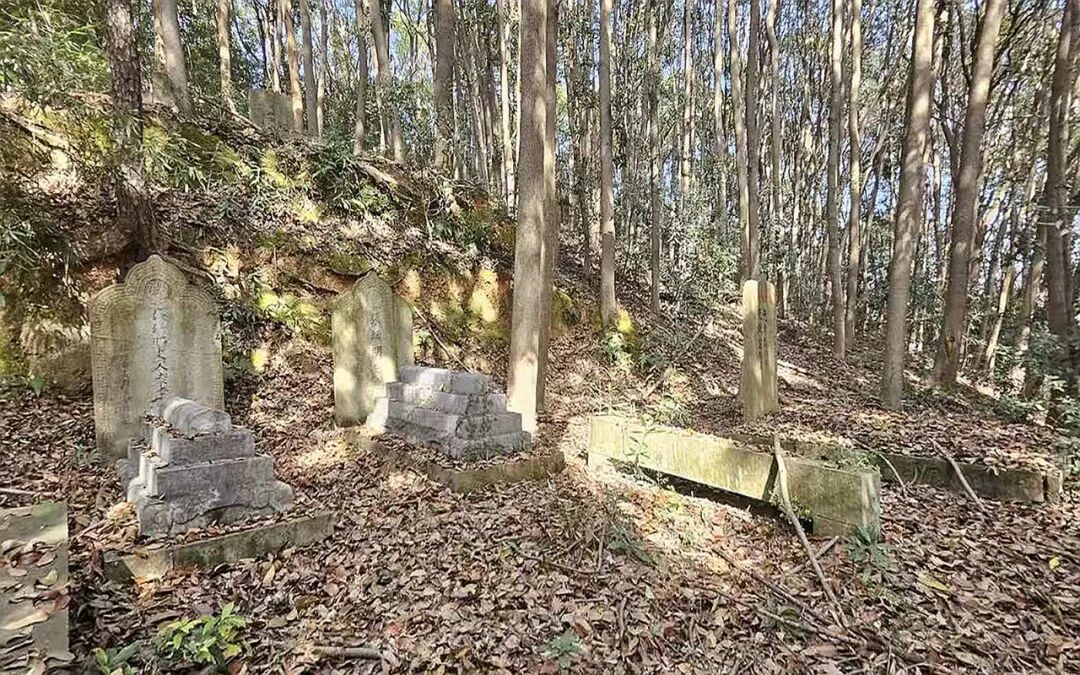
Academic Research:
Discovery of Imam Tombstones at Hangzhou's Yong'an Muslim Cemetery
Guo Chengmei, Yang Hua
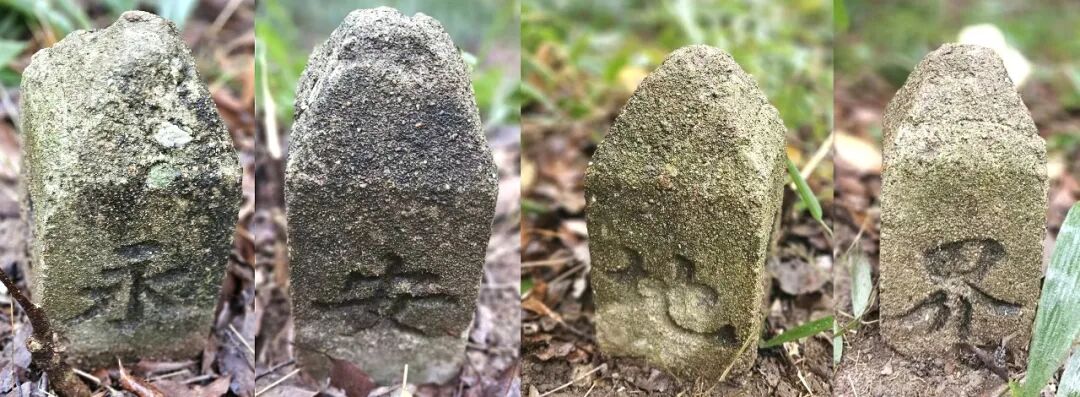
Abstract
Three tombstones respectively bearing the titles of "Grand Imam" and "Third Imam" have been discovered at the Yong'an Muslim Cemetery in Hangzhou. Dating to the Daoguang, Xianfeng, and Republican eras, these stones provide concrete evidence that Fenghuang Mosque once practiced a three-imam system. The subjects of these three tombstones have rarely been mentioned in academic circles, and their indisputable roles as religious leaders offer fresh content and fertile ground for researching late Qing and Republican-era Islam in Hangzhou. This article offers a preliminary decipherment of the inscriptions on these three steles. Around the 1930s, titles like "Grand Imam" disappeared from Yong'an Cemetery, replaced by terms such as "Ahong (Islamic teacher/imam)" and "Jiaozhang (chief imam/dean)", indicating that the Fenghuang Mosque's three-imam system was no longer in practice. This historical shift was linked to the rising status of community elders, the gradual dilution of the imams' administrative powers, and external influences.
Keywords
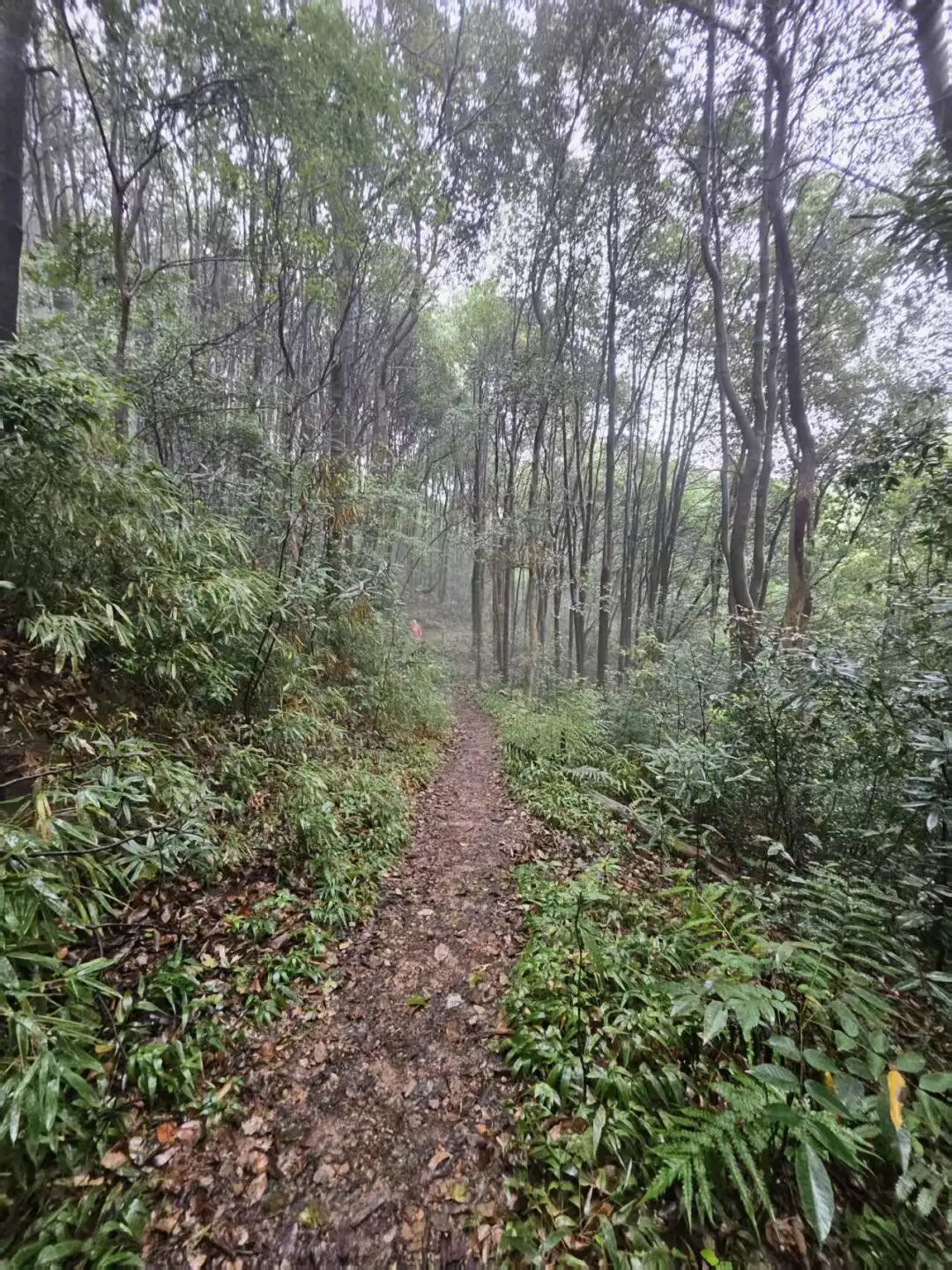
Fenghuang Mosque (Phoenix Mosque); Three-Imam System; Tombstones
1. The Discovery of Grand Imam, Third Imam, and Imam Tombstones in Hangzhou
Historically, the three-imam system was one of the organizational structures used in inland China's mosques, also known as the "Three-Path System." Emerging among Hui Muslims in interior China in the late 14th century, it was a mosque organization system composed of three religious roles: the Imam, the Khatib, and the Mu'adhdhin. In Ma Zhu's Qingzhen Zhinhai (Guide to Islam), the Imam, Khatib, and Mu'adhdhin are referred to sequentially as the "Grand Imam," "Second Imam," and "Third Imam," and are collectively called "religious leaders." Liu Zhi's Tianfang Dianli (Islamic Rites) refers to the Khatib as "Yujiao" (instructor of teachings) and the Mu'adhdhin as "Zangjiao" (praiser of teachings). Within the three-imam system, the Imam led the congregation in prayer and presided over public religious rituals and activities; the Khatib preached and admonished; and the Mu'adhdhin served as the muezzin, specifically calling the faithful to the mosque for prayer when the time arrived. This system was widely prevalent in Hui Muslim communities during the Ming and Qing dynasties and formed a hereditary practice. With social development, aside from a few religious communities that formally retained the "three-imam system," it gradually faded away by the mid-Republican period, and the institution ceased to exist.
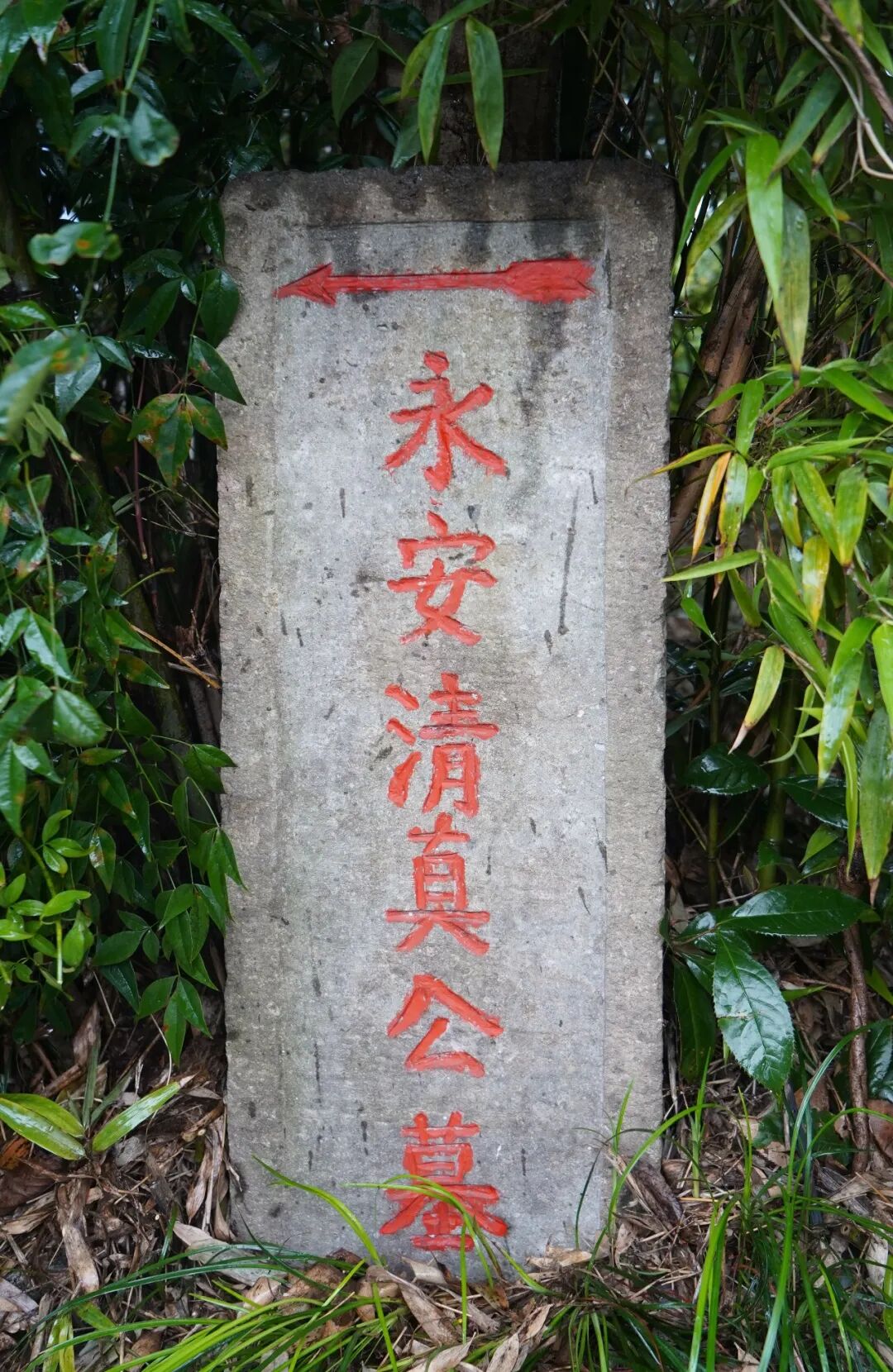
Whether the historic Fenghuang Mosque (Phoenix Mosque) in Hangzhou practiced the three-imam system of mosque management is a question worthy of attention and study. Due to a scarcity of sources, it has remained unaddressed. Since 2017, and particularly starting two years ago, with the support of the Zhejiang Islamic Association, we have gained a general understanding of the Yong'an Muslim Cemetery through multiple field surveys. By numbering, registering, and photographing the tombs and steles, and by transcribing inscriptions and measuring stones for key monuments, we have gathered a wealth of precious first-hand material and achieved preliminary research results. Among them, several tombstones related to Fenghuang Mosque particularly caught our attention. Upon research, we discovered that the sparse words carved on these few stones actually pertain to the implementation of the three-imam system at Fenghuang Mosque. Below, this paper will focus on introducing the evidence found on these steles at the Yong'an Muslim Cemetery concerning the practice of the three-imam system at Fenghuang Mosque in the late Qing and early Republican periods.
The Yong'an Muslim Cemetery is located within the Yuquan Scenic Area in Hangzhou. Because Muslim cemeteries such as the one in the West Lake South Garden fell into ruin over time and left no space for burials, clan members raised funds in 1934 to purchase 99 mu of land at Lingfeng, Yuquan, West Lake, establishing the Yong'an Cemetery. In 1991, to beautify the West Lake scenic area, the Hangzhou municipal government banned further burials at the "Yong'an Cemetery" in the Yuquan scenic zone, designating the site as a permanent area for ancient Hui Muslim tombs. The original 44 burial plots were funded by the government and relocated to the Liuxia Hui Muslim Cemetery in the nearby suburbs.
The burial grounds of the Yong'an Muslim Cemetery currently contain roughly three categories of Muslim graves. The first consists of original burials from various dynasties prior to 1934 that were already located within the Yong'an graveyard, such as the 55th year of the Qianlong era (1790) "Tomb of Aunt Ding," the Daoguang-era (1838) "Joint Tomb of Wang Chunhui and Madam Liu," the Tongzhi-era (1867) "Tomb of Madam Wang and Madam Ding," and the Guangxu-era (1877) "Tomb of Ma Ermei." The second category comprises graves added as a public cemetery for Hangzhou's Muslims between the establishment of the cemetery in 1934 and 1991, when the Hangzhou municipal government prohibited further burials at Yong'an and designated it as ancient Hui Muslim graves. The third category includes a certain number of relocated tombs. After 1949, as Hangzhou accelerated urban construction and development, many ancient Muslim graves and modern burials originally located in development zones were relocated, and Yong'an Cemetery took in a portion of them. Because the cemetery is nestled in a tranquil mountain scenic area, the Hangzhou municipal government preserved it in its original state permanently. The 1991 government burial ban took effect in 1992, after which the Yong'an Cemetery distanced itself from urban clamor and settled into natural serenity. These ancient tombs and steles within the cemetery grounds have thus been preserved before us in their original locations and appearances.
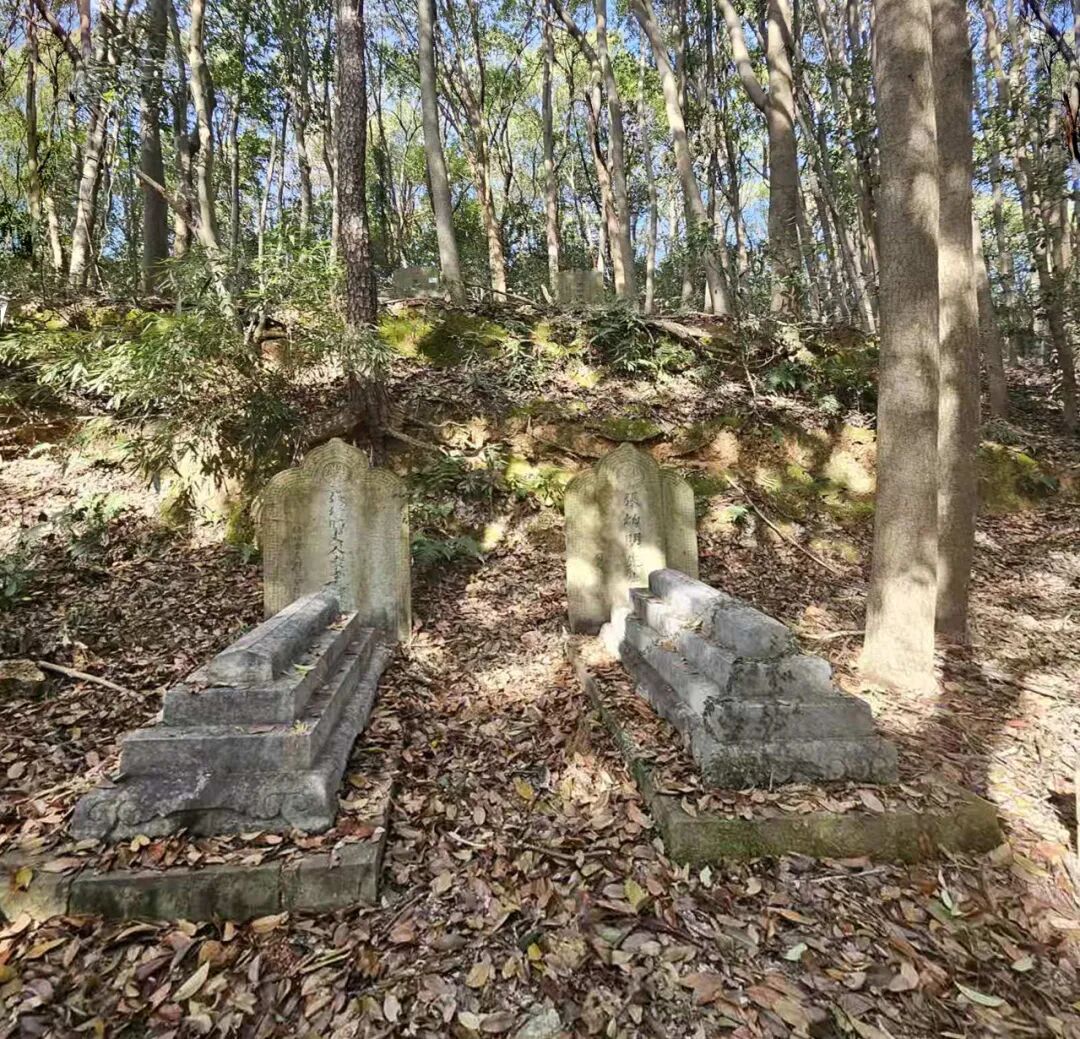
The Yong'an Cemetery currently holds two tombstones bearing the title "Grand Imam" and one bearing the title "Third Imam." These three graves lie side by side in the southwest corner of the cemetery; from right to left, they are Er Zhiru the Third Imam, Tan Zhongling the Grand Imam, and Xiyuan the Grand Imam. Another tombstone bearing the title "Imam" is located on the southern side of the cemetery. Due to years of rainwater erosion on the hillside, mountain moisture, and sparse human traffic, the lower halves of the two "Grand Imam" tombstones have been buried in mountain mud, with moss clinging to the surface above ground. We conducted tentative preliminary excavations, leading to new discoveries regarding the inscriptions. For instance, on the tombstone of Grand Imam Xiyuan, originally only lines such as "Summer of the 12th year of the Republic of China, ninth month" and "Grand Imam of Fenghuang Mosque" were visible. After excavation, important information such as "Lord Xiyuan" and "Filial son Bai" was successively identified. Further excavation to read characters deeper down proved too difficult, so work was regretfully halted.
2. Inscriptions and Decipherment
The four tombstones recording the "Grand Imam," "Third Imam," and "Imam" are arranged in chronological order by their erection dates: the tombstone of Third Imam Er Zhiru, the tombstone of Grand Imam Tan Zhongling, the tombstone of Grand Imam Bai Xiyuan, and the joint tombstone of Imams Ding Yinchun and Yang Hongdao.
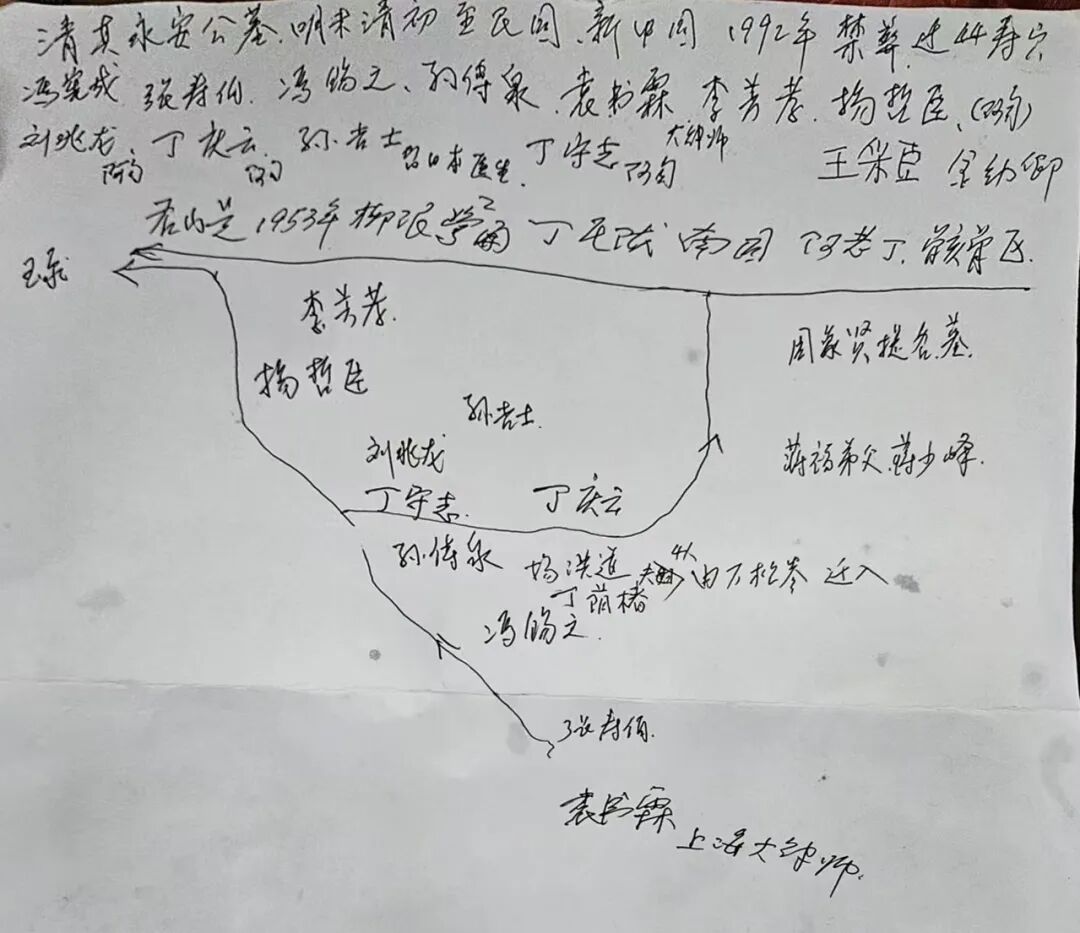
(1) Tombstone of Third Imam Er Zhiru and His Wife
Inscription: Joint tomb of the late Third Imam Er Gong of the Great Mosque and his surviving wife, Madam Ma. Erected in the sixth month of the seventh year of Daoguang. Filial sons Fuchang, Furui, Rongqing, Ronggui, and Rongchang bow a hundred times.
Decipherment: Carved from granite, the stele measures 125 cm in height, 65 cm in width, and 10 cm in thickness, in a rectangular shape. Erected in the seventh year of Daoguang (1827). The top is outlined with simple lines forming a pointed arch, a commonly used decorative shape in Islam. Below this are the horizontally arranged characters "Qing Gu" (the late Qing...), written in larger font. Eight vertical lines of text record the erection date, the identity of the tomb occupants, and information about the sponsors.
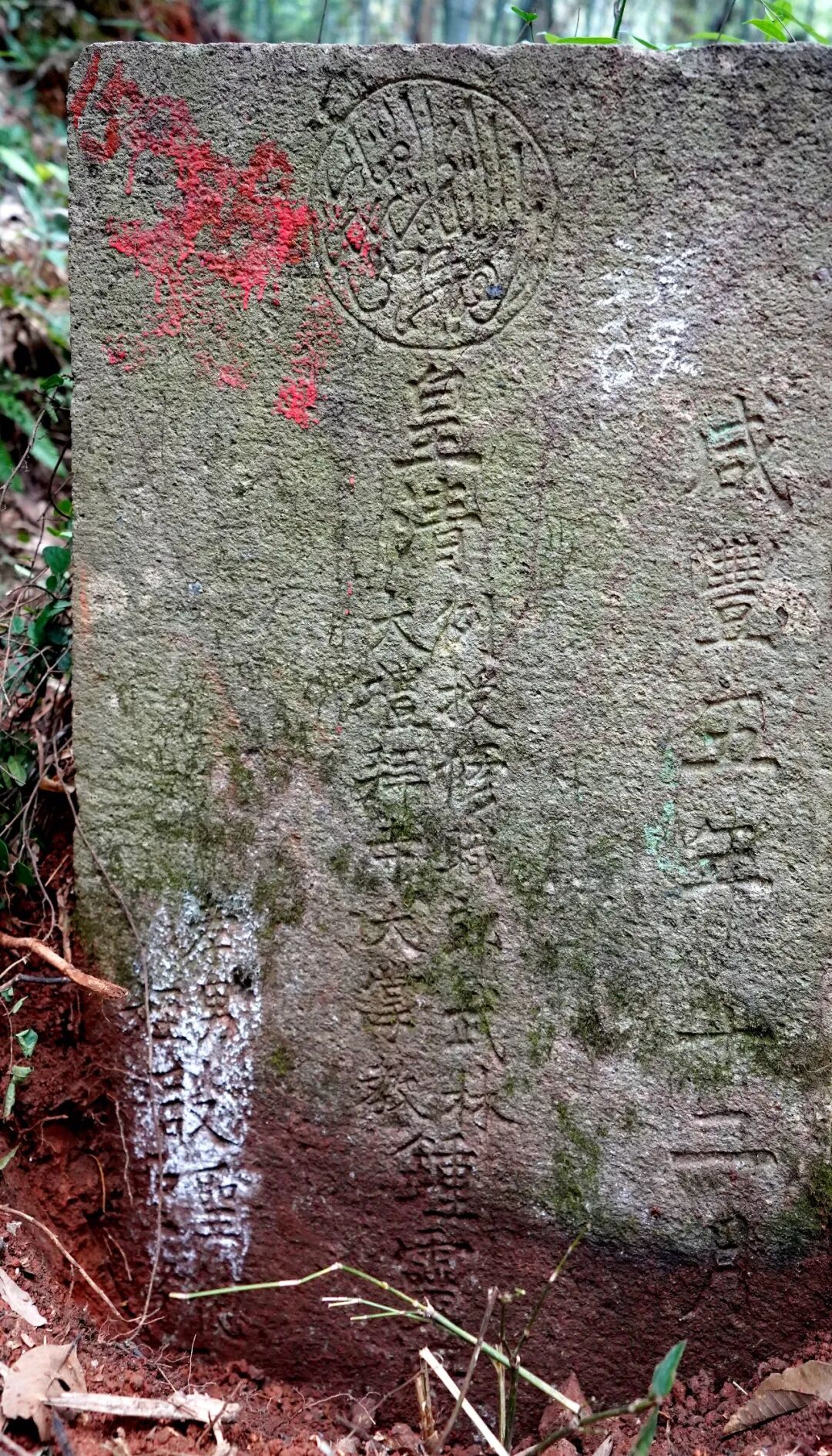
"Great Mosque" was a designation for Fenghuang Mosque in the late Qing period; academic research shows this usage first appears in the Tongzhi Xinyin edition of Wugong Yaoyao (Essentials of the Five Duties). The discovery of this stele pushes back the recorded use of "Great Mosque" by 44 years from existing historical sources.
The tomb occupant, Er Zhiru, served as the Third Imam of the Great Mosque. The surname Er is relatively rare, and history does not directly mention any famous Islamic figures with the surname Er. Among the donor lists in the surviving Qianlong 8th year (1743) stele "Inscription on the Reconstruction of the Zhenjiao Temple" at Fenghuang Mosque, individuals with the surname Er include: Er, instructor at Liuhe Cangzhou; Er Shengyong; Er Tongwen; Er Tai-nu; Er Yushu; Er Dezhang; Er Qianzhi; Er Bixian; Er Tianwei; and "Guangyu Hall Er." Among the existing tombstones in Yong'an Cemetery, this is the only one bearing the Er surname. The 8th year of Qianlong (1743) was only 84 years away from the 7th year of Daoguang (1827), and nearly two hundred years have passed since then. The number of Muslims with the surname Er in Hangzhou has undergone significant shifts and rapid decline, nearly vanishing entirely.
We believe that Third Imam Er Zhiru was a local religious scholar born in Hangzhou. Out-of-towners buried at Yong'an Cemetery usually have notations on their tombstones, such as: "Tomb of Chen Wenzhi of Kaifeng Prefecture, Henan" on Chen Wenzhi's tombstone; "Native of Nanshan County, Nansxiang, Yizhou Prefecture, Shandong" on Wang Shiqi's tombstone; and "Huaiyin Hall, Jinling" carved on Wang Hongtai's tombstone. These details clearly mark the ancestral homes and identities of the deceased. Tombstones lacking such information typically belong to locals, requiring no special explanatory inscription.
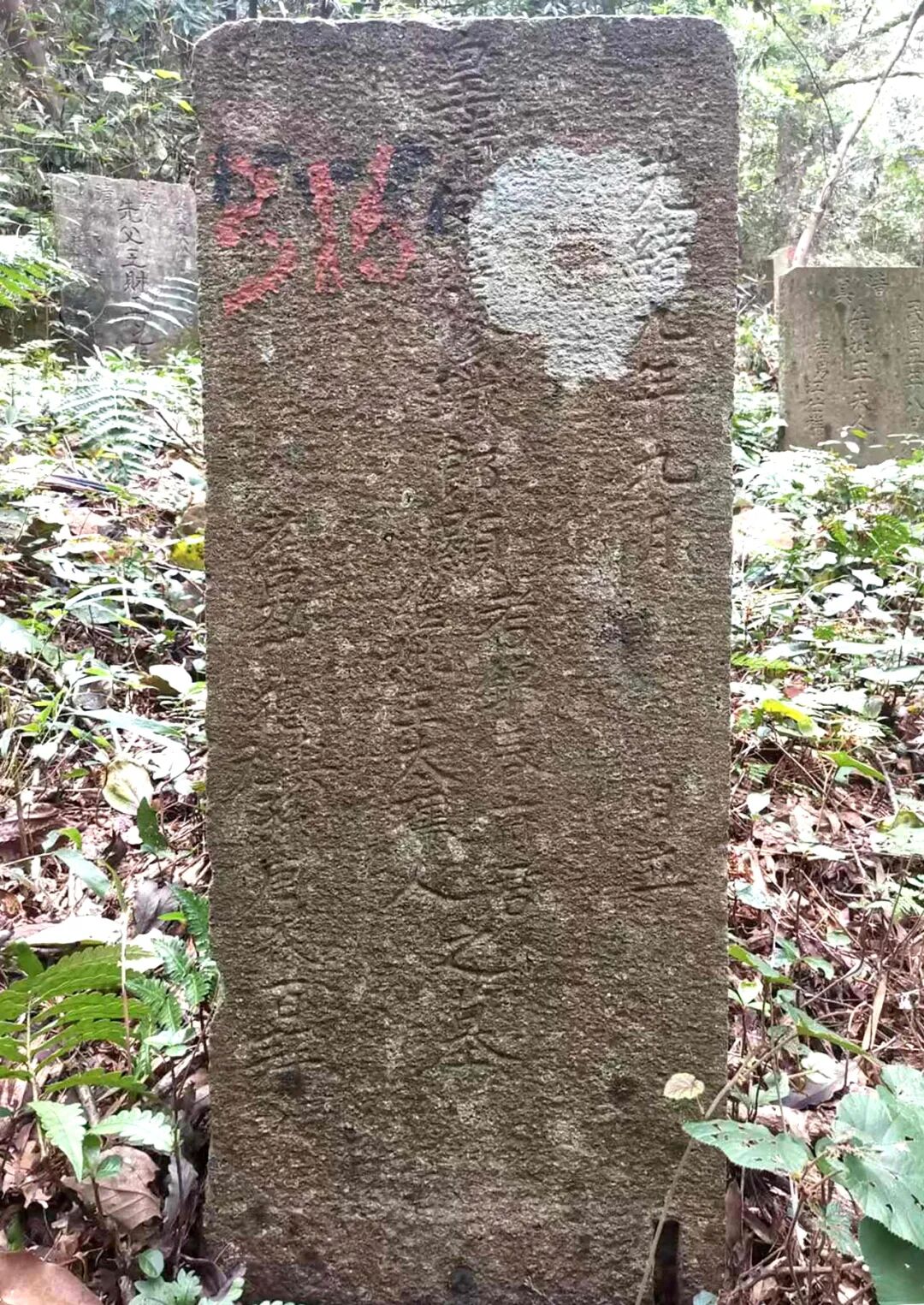
(2) Tombstone of Grand Imam Tan Zhongling
Inscription: (Arabic text) Bismillah al-Rahman al-Rahim. Imperial Qing bestowed the scholarly rank of Xiuzhiguo, Grand Imam of the Wulin Great Mosque, Lord Zhongling... Twelfth month of the fifth year of Xianfeng. Filial son Tan Shengxian, filial nephew Tan Shengde...
Decipherment: Carved from granite, the stele measures 100 cm in height, 65 cm in width, and 10 cm in thickness, in a rectangular shape. Erected in the fifth year of Xianfeng (1855). The upper portion features a circular design enclosing the Quranic text Bismillah al-Rahman al-Rahim, translated into Chinese as "In the name of Allah, the Most Gracious, the Most Merciful." The bottom of the tombstone is submerged in the ground, and the text at the lower end is buried and illegible. Based on typical tombstone layouts, we estimate that the buried text is brief and contains no critical information. Directly below "Lord" are likely the characters "Zhi Mu" (Tomb of); below "Shengxian and Shengde" are likely phrases like "Respectfully erected / jointly erected" or "bowing a hundred times / weeping a hundred times."
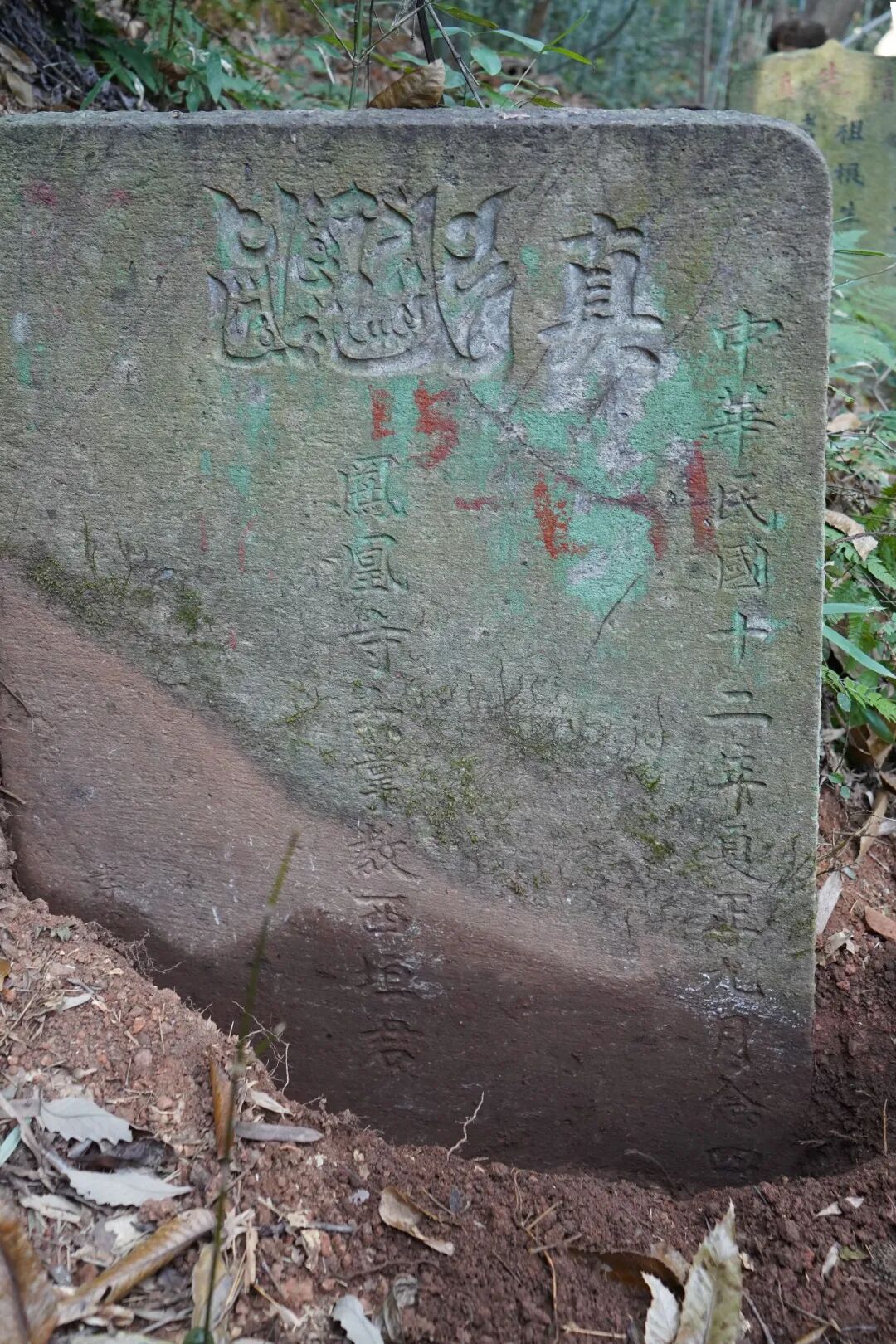
This is the second tombstone discovered at the Yong'an Muslim Cemetery inscribed with the name "Great Mosque." Wulin is an alternative name for Hangzhou. The Wulin Great Mosque is thus Hangzhou's Fenghuang Mosque.
The tombstone is engraved with the Arabic Quranic "Basmala." The Qing-era rank of Xiuzhiguo was a titular rank for civil officials of the eighth lower grade—a nominal official title without real power, roughly equivalent to a deputy staff member in modern civil service hierarchies. Several officials and their wives buried at Yong'an Cemetery who bear the designation "Imperial Qing" lack Arabic scriptures and terms like "Qingzhen" (Islamic/Halal) or "Hui Muslim." Examples include Liu Caizhang, a candidate prefectural judge in the 8th year of Guangxu; Ding Jinchun, bestowed the rank of Xiuzhiguo in the 9th year of Guangxu; Madam Chen in the guisi year of Guangxu; Zhang Zhizheng, bestowed the rank of official in the 19th year of Guangxu; and Madam Wang, bestowed a title in the 6th year of Tongzhi. Tan Zhongling is the only person in Yong'an Cemetery who held both an imperial court title and the position of Grand Imam.
Muslims with the surname Tan are scarce in Hangzhou. The 1743 Qianlong-era "Stele on the Reconstruction of the Zhenjiao Temple" at Fenghuang Mosque lists no local Hangzhou Muslims with the surname Tan. Aside from the tombstone of Grand Imam Tan Zhongling, Yong'an Muslim Cemetery contains only five tombstones bearing the Tan surname: the first is the tombstone of "Late Ancestral Grandmother Madam Tan," erected in the 27th year of the Republic (1938); the second is the tombstone of "Tan Liansheng and Madam Zhao," erected in 1955; the third is for "Tan Shunyuan," erected in 1973; the fourth is for "Tan Yunsun," erected in 1979; and the fifth is for "Hua Hanzhi and Tan Quanyun," erected in 1980. The occupants of these four post-liberation tombstones appear to be two generations of the same family.
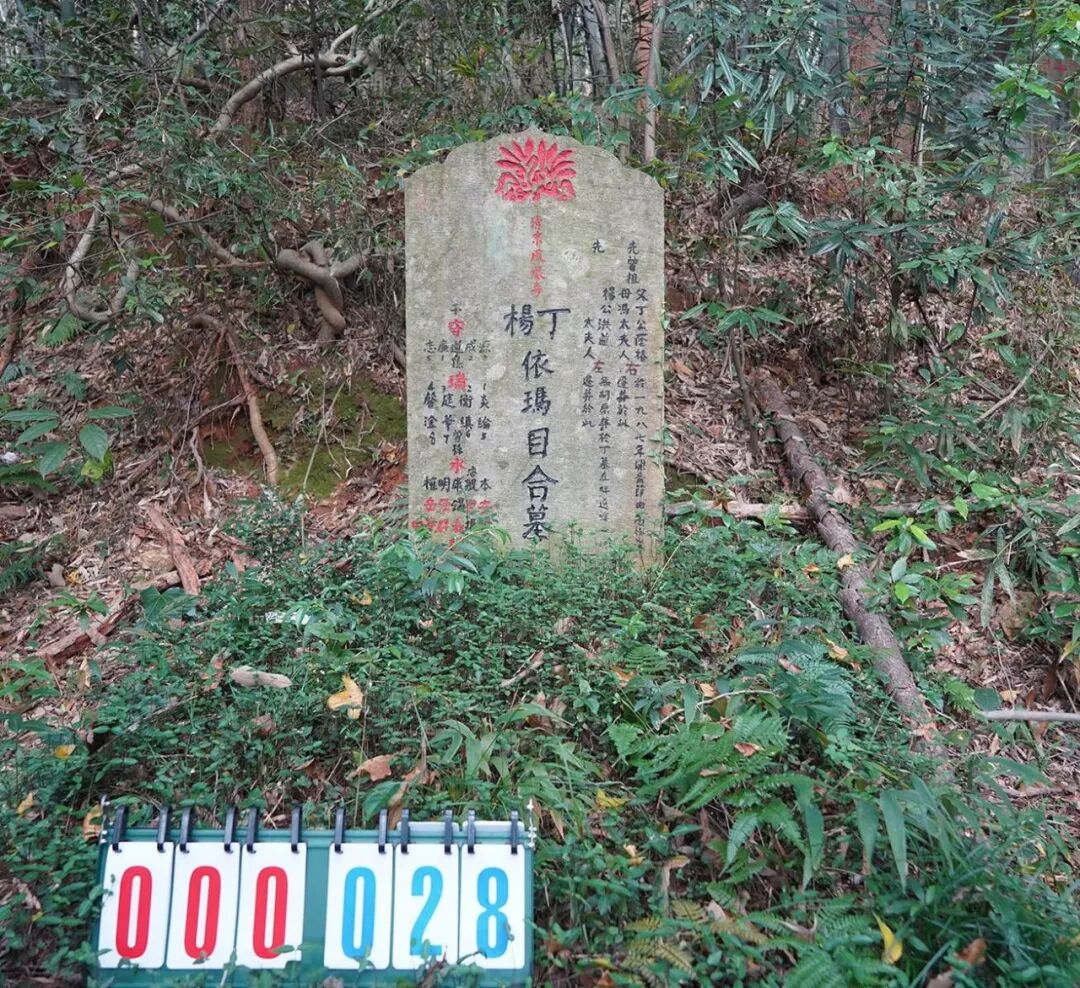
The tomb occupant "Lord Xiyuan" has an uncertain surname. Referring to the sponsor at the lower left, "Filial son Bai," it is possible his name was Bai Xiyuan. However, a "filial son Bai" would not refer to Xiyuan as "Lord" (Jun); he should have used "Lord Father" (Fujun) or "Late Father." Consulting the 1743 Qianlong-era "Stele Inscription on the Reconstruction of the Zhenjiao Temple" by gentry member Ding Shishen of Hangzhou's Fenghuang Mosque, the text records two individuals with the surname Bai: one is "Bai, military commander of the Jiangsu Governor's central garrison," and the other is "Baba Bai." Baba, also called Papa, signifies an elder or a figure of prestige. Hangzhou's Buhetiy'er Tomb is popularly known as the Baba Tomb. Imams and religious leaders were also called Baba. Among the more than two hundred donors listed on that Qianlong stele are four Babas: Baba Bai, Baba Suo of Zhenjiang, Baba Ningbo, and Baba Wang.
The life deeds of Grand Imam Lord Xiyuan, Third Imam Er Zhiru, and Grand Imam Tan Zhongling mentioned above remain unknown.
(3) Tombstone of Grand Imam Bai Xiyuan
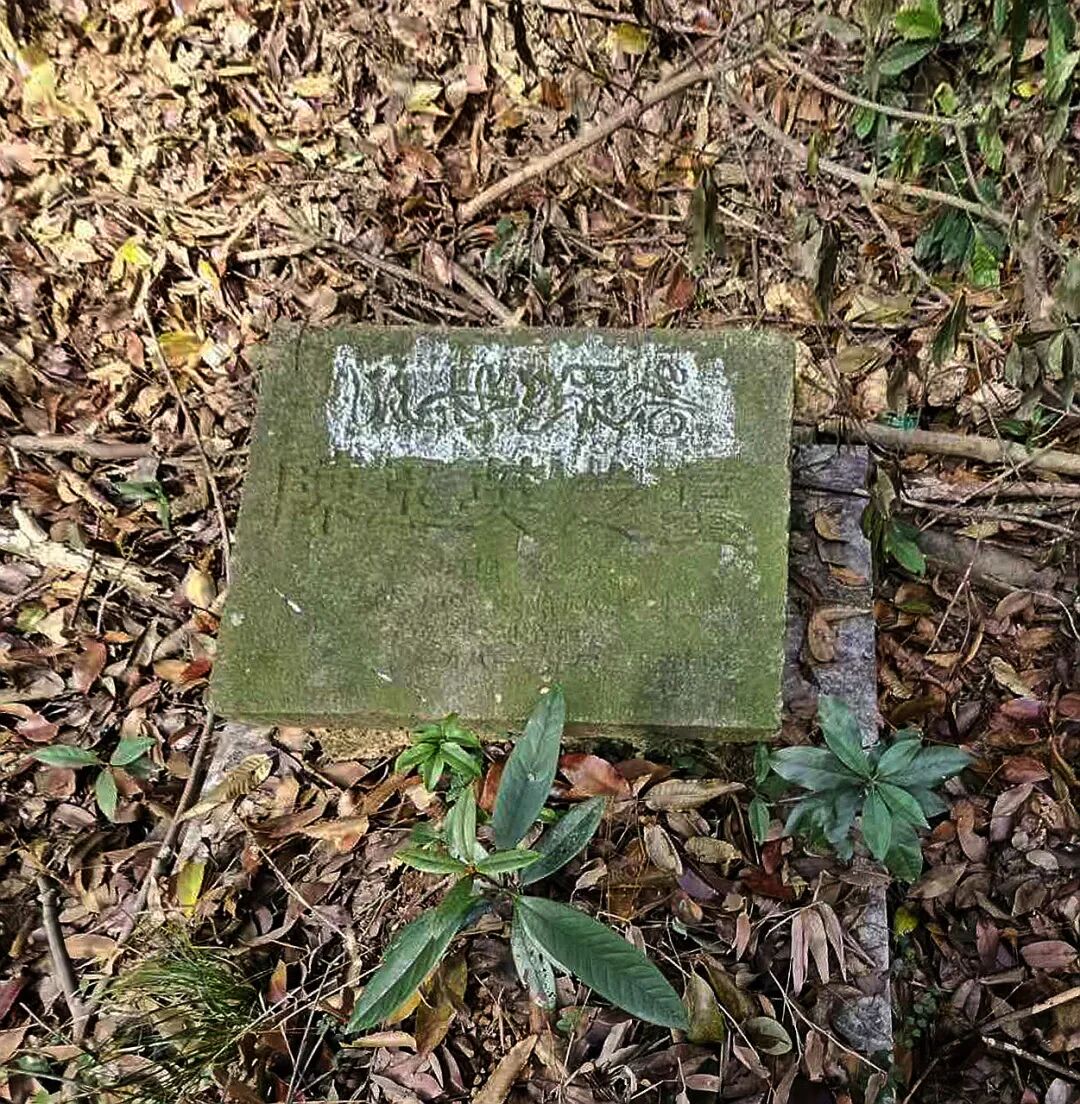
Inscription: (Arabic text) Bismillah al-Rahman al-Rahim. True Fenghuang Mosque Grand Imam Lord Xiyuan... Summer of the 12th year of the Republic of China, ninth month... Filial son Bai...
Decipherment: Carved from granite, the stele measures 125 cm in height, 80 cm in width, and 6 cm in thickness, in a square shape. Erected in the 12th year of the Republic of China (1923). The upper portion is engraved with a square design enclosing the Quranic text Bismillah al-Rahman al-Rahim, translated into Chinese as "In the name of Allah, the Most Gracious, the Most Merciful." To the right is the character "Zhen" (True), a spelling style also found on other steles at Yong'an Cemetery. "Zhen" seems to refer to "Qingzhen" (Islamic), a simplified writing convention of the time used to highlight the Muslim identity of the deceased. The face of the stele features two vertical lines of text, rendered in a font relatively smaller than the Arabic Basmala and the character "Zhen." The characters at the bottom of the tombstone are obscured, preventing further deep excavation and identification.
(4) Joint Tombstone of Imams Ding Yinchun and Yang Hongdao
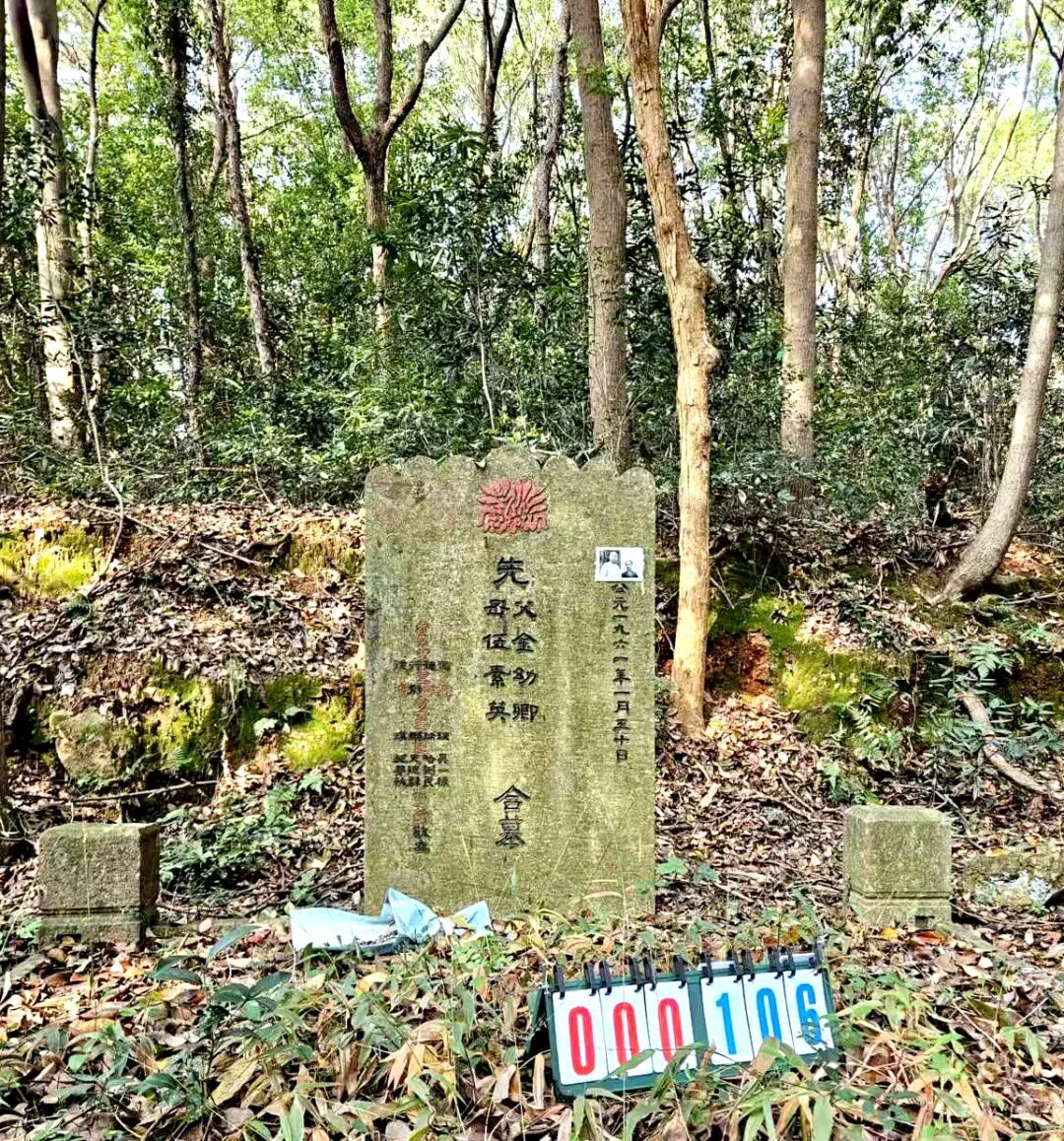
Inscription: (Arabic text) Bismillah al-Rahman al-Rahim. Joint tomb of late Qing Fenghuang Mosque Imam Ding and Imam Yang. Right: Late great-grandfather Ding Gong Yinchun, great-grandmother Madam Feng. Left: Late Yang Gong Hongdao, Madam. Having no direct heirs, originally buried to the left of the Ding tomb, per instructions they were relocated here together for convenience. Sons Shouyuan, Shoucheng, Shoudao, Shoulian, Shouzhi; grandsons Ruiyan, Ruiheng, Ruiting, Ruixin, Ruilun, Ruizhen, Ruihua, Ruigan; great-grandsons Yongben, Wu Qianguan, Yongkang, Yongming, Yongquan, Yong'an, Yongkun, Yongxi, Yongqiang, Yongyue, Yongkou, Yongzhen, Yongjia, Yongqun, Yongning, Yongzhong respectfully erect this. Relocated here from Wansongling during Eid al-Fitr in 1987.
Decipherment: Carved from granite, the stele measures 163 cm in height, 76 cm in width, and 10 cm in thickness, square with an arched top. The upper portion features a floral decorative pattern formed by the Quranic text Bismillah al-Rahman al-Rahim, translated as "In the name of Allah, the Most Gracious, the Most Merciful." Twelve vertical lines of text are carved into the stone.
The inscription indicates that this is a joint relocation tomb for Imams Ding Yinchun and his wife, and Imam Yang Hongdao and his wife. The inscription states that the tombs were "relocated here from Wansongling." Wansongling stretches from the lake shore in the west to Jianggan in the east, formerly crossed by the Hangzhou city wall, thus serving as the boundary between the urban area and the mountain forests. In past times, this was the base of the imperial city. Wansongling is an ancient Muslim graveyard, and three Yuan-dynasty tomb covers still survive there. A bilingual commemorative monument reading "Site of the Wansongling Foreign Guests' Tombs" stands there, stating: "Since the Tang dynasty, Muslims from the Western Regions have traveled along the Maritime Silk Road to Hangzhou to propagate Islam. According to historical records, Islamic heritage sites in Hangzhou include Fenghuang Mosque, Huihui New Bridge, and the Foreign Guests' Tombs. The Wansongling Foreign Guests' Tomb cluster is one of the ancient Muslim cemeteries in Hangzhou, primarily interring early Western Region Muslims who stayed as guests in Hangzhou. Due to their great antiquity, most of the foreign guests' tombs are deeply buried underground. These three tombs are relatively representative, exhibiting the typical style of Western Region Muslim tombs. From the Tang dynasty down to the present, passed down through generations, Muslims in Hangzhou visit this site during Islamic festivals to recite scriptures and pay homage to the Muslim ancestors within the tombs—they were messengers of early Sino-Western economic exchange and pioneers in spreading Islam, Western Region culture, medicine, architecture, and art. We pray that Allah bestows His blessings upon them."
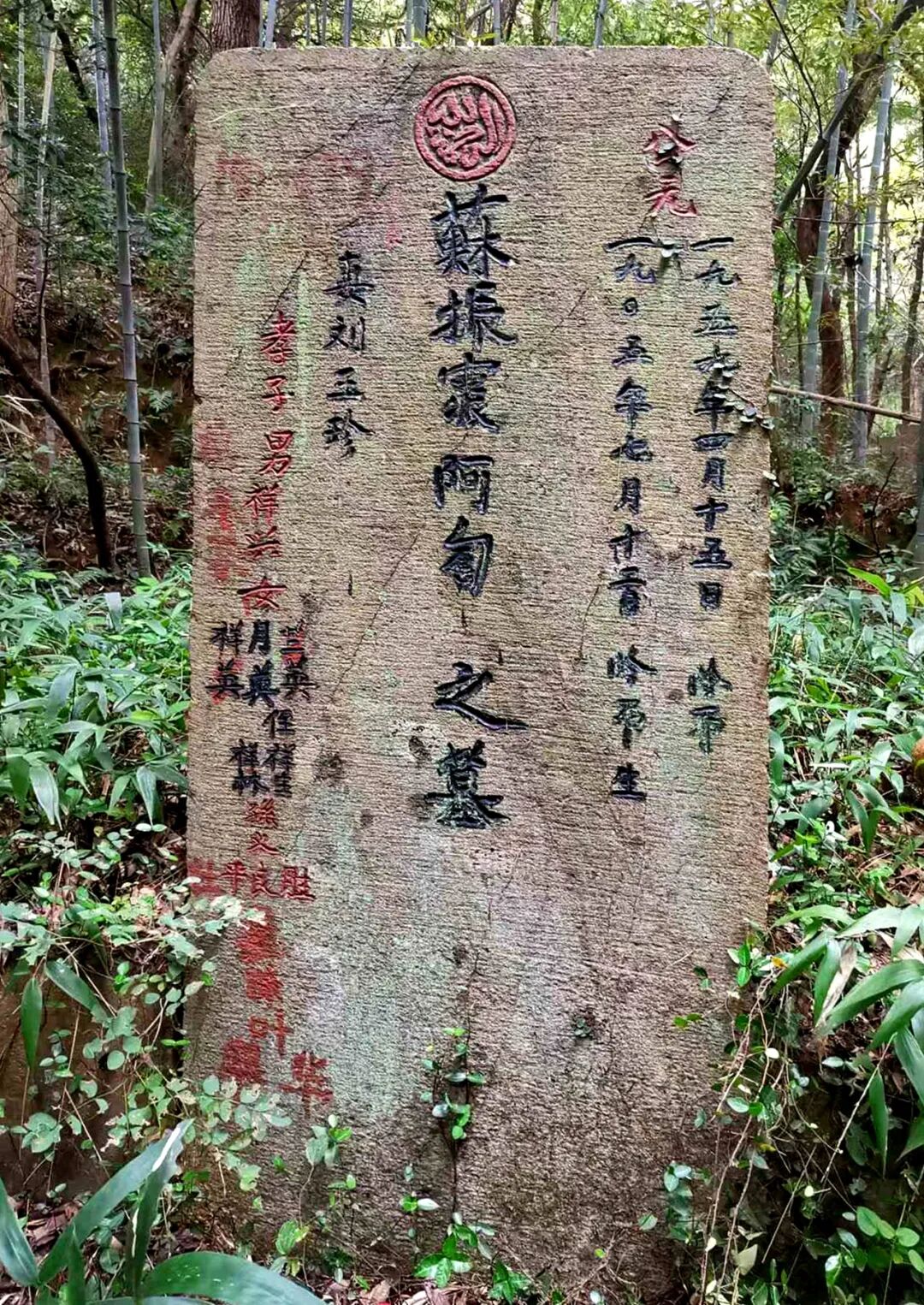
According to the tombstone inscription, the tomb of Yang Hongdao and his wife was originally located on the "left flank" of Ding Yinchun and his wife's tomb. Because the Yang family had "no surviving heirs," the descendants of the Ding family followed Yang Hongdao's dying wish when relocating Ding Yinchun's tomb, moving the Yang tomb alongside it and reburying them jointly with the Dings. The relocation took place during Eid al-Fitr in 1987. The author surmises that prior to the relocation, they each had their own separate tombstones, and when the relocation occurred, the Ding descendants newly fashioned this joint Imam tombstone.
Yang Hongdao participated in the translation and compilation of Wugong Yaoyao (Essentials of the Five Duties) during the Tongzhi reign. The 1871 "Preface to Wugong Yaoyao" by members of the Zhejiang Fenghuang Grand Mosque states: "We earnestly requested Teacher Yang Hongdao, who holds the position of Zhangjiao (religious leader), collaborating with Teacher Jingshan, to translate and explain the true scriptures and compile them into a volume. Gathering the essentials of all scriptures, they authored the regulations of the five daily duties, separating and analyzing them in detail, translating scriptural texts into Chinese characters. While pronunciations often relied on loan words, the principles were rendered with utmost precision and detail. The completed compilation and textual research focus exclusively on the five duties, recording without omission the heavenly commands, the Prophet's practices, and the routine habits of daily life down to the finest detail." This shows that Yang Hongdao held the status of a religious leader (Zhangjiao). "Teacher" (Shi) denotes a scriptural teacher. An appendix to the 1892 Fenghuang Mosque "Stele on the Reconstruction of the Zhenjiao Temple" records: "Received twenty-five silver dollars from Ahong Yang Hongdao," placing him at the very top of the list of donors and organizations. This reflects respect for the mosque's religious leader and also indicates that Yang Hongdao was at the helm of Fenghuang Mosque's religious affairs in the 18th year of Guangxu (1892). Since Fenghuang Mosque practiced the three-imam system during the Guangxu era, Yang Hongdao was undoubtedly the Grand Imam.
The tombstones of Ding Yinchun and Yang Hongdao bear the words "Late Qing," indicating that Ding and Yang lived in the late Qing period and also served as Imams during that time. The inscription refers to tomb occupant Ding Yinchun as "late great-grandfather" and notes that both Ding and Yang served as Imams. Imam is an Arabic transliteration meaning "prayer leader," "role model," or "leader." It refers to the prayer leader within a mosque who guides the Muslim congregation in performing ritual prayers and presides over public religious rituals and activities. The Imam is equivalent to the Grand Imam. The appearance of "Late Qing Fenghuang Mosque" and "Imams Ding and Yang" on the tombstone provides yet another piece of evidence supporting the practice of the three-imam system at Fenghuang Mosque during the late Qing and early Republican periods, following the tombstones of Third Imam Er Zhiru, Grand Imam Tan Zhongling, and Grand Imam Bai Xiyuan.
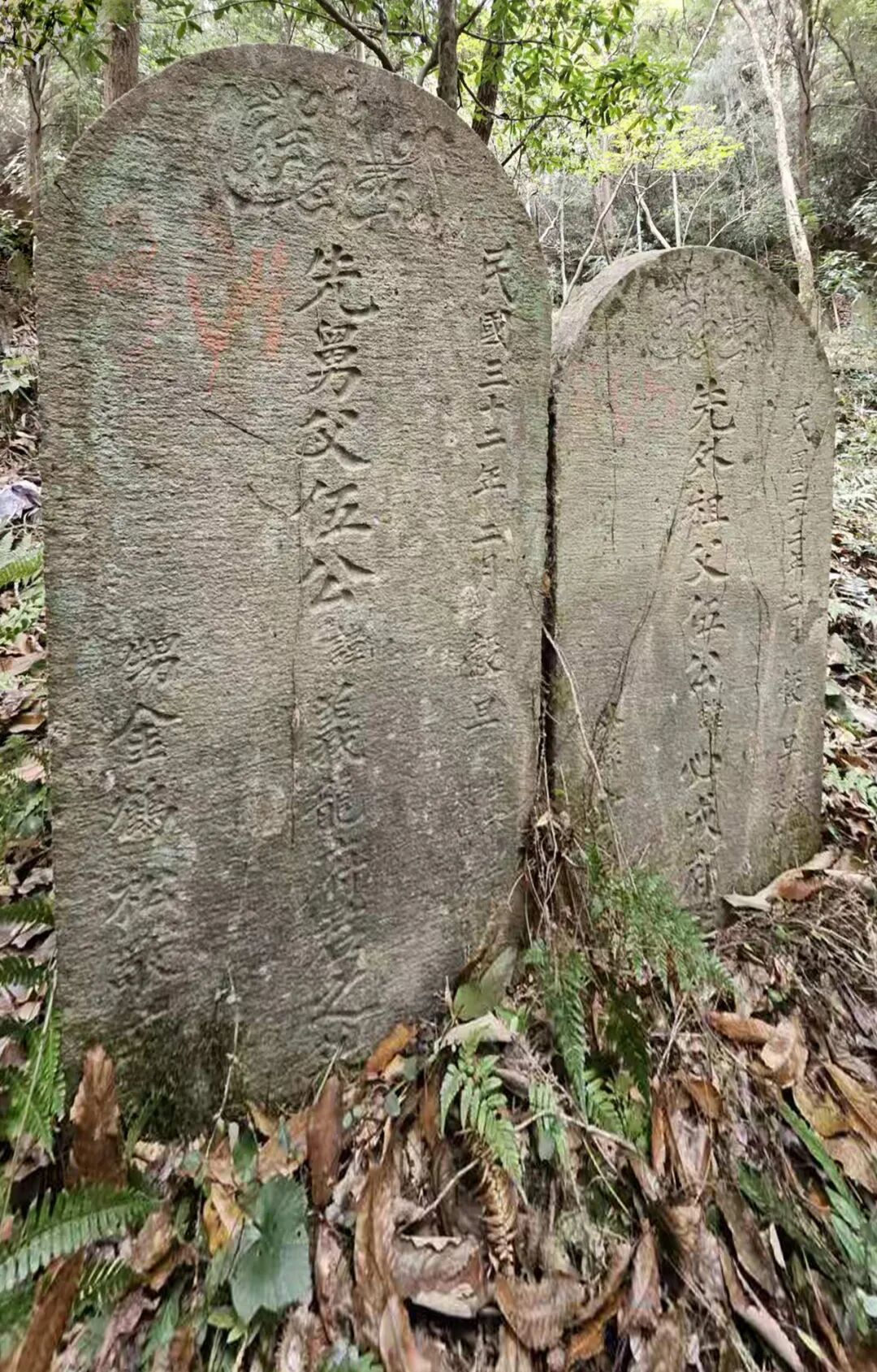
3. The Exit of the Three-Imam System from the Historical Stage
From the tombstone of Third Imam Er Zhiru, we know that Fenghuang Mosque practiced the three-imam management system no later than the sixth year of Daoguang (1827), though historical sources do not yet prove when this system was first instituted at the mosque. Steles at the Yong'an Muslim Cemetery show that after the tombstone of Grand Imam Bai Xiyuan in the 12th year of the Republic of China (1923), no further tombstones appeared bearing titles such as Grand Imam, Second Imam, or Third Imam. Aside from Ding Qingyun's tombstone from the 25th year of the Republic (1936), which addressed him as "Zhangjiao of the West Lake Mosque," contemporary and subsequent tombstones uniformly addressed the deceased as "Ahong" or "Jiaozhang." Examples include the 1933 tombstone of "Ahong Yang Hexuan," the 1934 tombstones of "Ahong Ma Jianting," "Ahong Li Fangxiao," and "Ahong Ding Changqing," the 1958 tombstone of "Chief Imam Liu Shihua" relocated from outside Qingbomen Ershixiang, the 1959 tombstone of "Ahong Su Zhenhuan," and the 1960 tombstone of "Chief Imam Yang Zhexhen."
The 1871 preface to Wugong Yaoyao states, "We earnestly request Teacher Yang Hongdao, who holds the position of Zhangjiao...", addressing Yang Hongdao with the title "Zhangjiao." This "Zhangjiao" is likely an abbreviation for "Grand Imam," because Fenghuang Mosque was already practicing the three-imam system during the Tongzhi era. Although we have no way of knowing what titles were inscribed on the pre-relocation tombstones of Ding and Yang, the new stele erected during the 1987 relocation bears the titles "Imam Ding" and "Imam Yang." Perhaps the Ding descendants saw records similar to "Imam" of Fenghuang Mosque on the original stones, though unfortunately the originals no longer survive. The shifts in titles used for the Ahongs who administered mosque affairs across different periods not only demonstrate that Hangzhou's Fenghuang Mosque practiced the three-imam management system during the late Qing and early Republican eras, but also indicate that around the 1930s, the three-imam system exited the historical stage, as titles like Grand Imam vanished and were gradually replaced by Jiaozhang (chief imam) and Ahong.
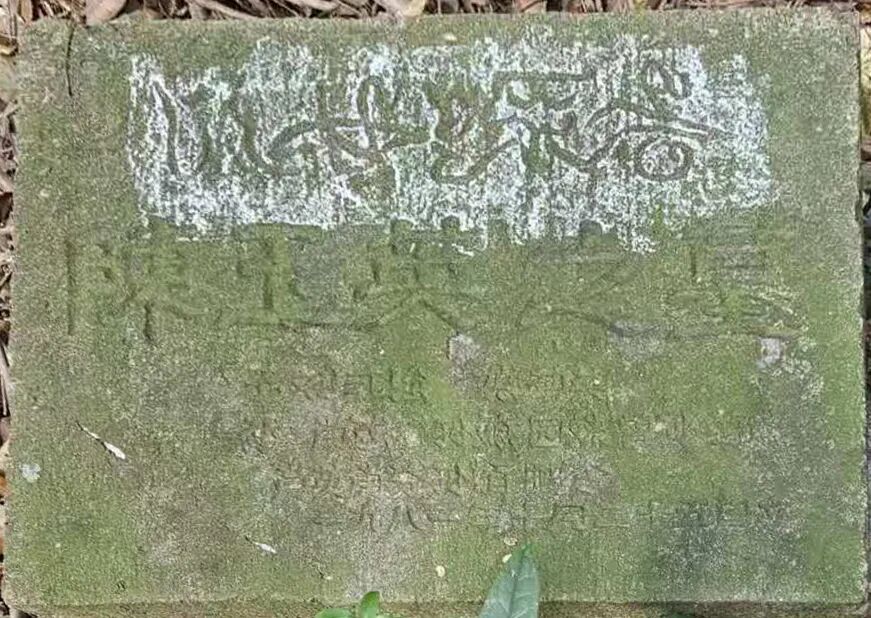
The transformation of the three-imam system in Hangzhou was closely tied to the rising status of community elders and the gradual weakening of the imams' administrative powers during the late Qing and early Republican periods. Fenghuang Mosque's temple affairs and social activities were managed by village elders (xianglao), while the imams (Ahongs and Jiaozhang) handled religious affairs. The main text of the 1743 Qianlong-era "Stele on the Reconstruction of the Zhenjiao Temple" at Fenghuang Mosque specifically praises four elders: "Now elders Lu Yehou, Wang Shushun, Mu Xiucang, Ma Chengyu and others have once again imitated past regulations, accumulating meager funds, sparing no effort in management, gathering workers and gathering materials, painting pillars and carving beams, reapplying white plaster, and in less than half a year making it magnificent and thoroughly renewed." It also records the names of 19 board elders and directors such as Wang Zhiping and Ma Congjing. The term "xianglao" (elder) generally referred to the Muslim masses of the mosque community in Chinese Islamic contexts, though in some regions it specifically designated members of the mosque's administrative body. The elders mentioned in the stele refer to mosque managers, a meaning previously reinforced by the prefix "director" (dongshi). The stele states: "Now the elders reconstruct, and directors assist in praise—this is a grand event of the times, truly a painstaking effort," emphasizing the importance of the elder directors in this mosque reconstruction.
Guo Chengmei published the full text of the Qianlong stele in 1999 under the title "Five Chinese Steles of Fenghuang Mosque," noting that the stele lists the names of 23 director-elders and surmising that "by then Fenghuang Mosque already possessed a management organization resembling a board of directors." The stele inscription makes no mention of imams. About thirty years later, Fenghuang Mosque welcomed an incoming "administering imam" named Ma Shifang (styled Huachuan) from Xianyang, Shaanxi, who made notable contributions to the translation and annotation of Islamic classics into Chinese, successively writing prefaces for Jin Tianzhu's Qingzhen Shiyi (Resolving Doubts on Islam) and Liu Zhi's Tianfang Zhisheng Shilu (True Records of the Ultimate Sage of Islam). One preface is dated: "Midsummer day of the intercalary month in thegui-si year, the 38th year of Qianlong, respectfully written by Ma Shifang of Longxi, Zhangjiao of the Wulin Zhenjiao Temple." Another preface is dated: "First day of the winter month in the bing-shen year, the 41st year of Qianlong, respectfully composed with ablutions and bows by the late student Ma Shifang Huachuan, administering Zhangjiao of the Wulin Qingzhen Temple." The Wulin Zhenjiao Temple and Qingzhen Temple refer to Hangzhou's Fenghuang Mosque. Ma Shifang participated in re-engraving Wu Zunqi's Xiuzhen Mengyin (Introduction to Cultivating Truth) and invited Jiang Yuanlong of Jiaxing to write a re-engraving preface. Ma Shifang's signing as "administering Zhangjiao" reflects his self-assurance and the power of his religious office. The 1892 "Stele on the Reconstruction of the Zhenjiao Temple" at Fenghuang Mosque records: "As for directing the affairs of scriptural study and repairs, gentlemen Zhu Zhengsu and Wang Xingsheng shared in the labor," praising the directors who repaired the temple. At the same time, the stele appendix records: "Received twenty-five silver dollars from Ahong Yang Hongdao," placing him at the very front of the donors and organizations. This honors the mosque's religious leader and shows that Yang Hongdao was directing the religious affairs of Fenghuang Mosque in 1892. The inscription accommodates both the elders and the Ahong, representing a balance in their relationship: one "directed scriptural study and repair affairs," while the other was the "Ahong"; one "had labor" in temple repairs, while the other donated 25 silver dollars; one appeared in the main text of the stele, the other in the appendix. Comparing them, the relative weight is clear at a glance. In the early Republican period, Ahongs rarely stepped forward in Fenghuang Mosque's external communications. For instance, Ma Zhaolong submitted a petition to protect ancient tombs in the 9th year of the Republic (1920); in 1925, Fenghuang Mosque board directors Zhang Qi, Jin Rudong, Sun Jialin, Sun Songting, Sun Zhongwei, Feng Yanbang, Feng Erxiao, and Jin Jingen submitted a petition to protect ancient tombs. In 1925, the China Islamic Association founded in Shanghai published a "Directory of Members" listing as many as 14 prominent figures from Hangzhou's business and academic circles, yet not a single Ahong was included. This situation indicates that religious leader and Ahong roles were gradually stepping back from social affairs, while directors and elders began to shine brightly.
The transformation of Hangzhou's three-imam system was also driven by external influences, appearing closely connected to the reforms of the three-imam system then underway in Shanghai's Islamic community. In 1922, voices emerged within Shanghai's Islamic community suggesting the abolition of the second imam and a change to the three-imam system. In the summer of 1925, elder Jin Zhian wrote a letter to the board of directors proposing that the leadership of prayer and the recitation of the Khutbah be performed by a single person, which in substance demanded the abolition of the second imam position. In May 1926, the China Islamic Association Monthly published a piece titled "Correspondence Exchanged with Mr. Yuan Hanchen," formally issued under the signature of "Respectfully written by the China Islamic Association." It formally proposed that every mosque should hire "principal and deputy imams (namely the Imam and the Mu'adhdhin)," expressing the hope that "our country's religious affairs everywhere should appropriately follow this system." The text stated: "Teachers at mosques in foreign countries have no practice of reciting scriptures and replacing people for compensation, yet they all receive stipends... In our Association's view, co-religionists across our country should urgently and appropriately adopt this system. Each mosque should raise public funds locally, engaging two individuals of superior character and learning as principal and deputy imams (namely the Imam and the Mu'adhdhin) to preside over religious affairs and preach doctrine, provided that the salaries offered are benchmarked against local conditions and sufficient to support their households." These reforms won the approval of the China Islamic Association. In 1940, approval was obtained from the Ministry of the Interior to formulate the "Measures for Mosque Management," which were circulated to all mosques nationwide for compliance and implementation. "However, during the War of Resistance, mosques in occupied areas were unable to implement them. Consequently, the Association revised the "Interim Measures for Mosque Management of the China Islamic Association," which was approved by the Ministry of the Interior for implementation in July 1947. In March 1948, the China Islamic Association Bulletin published the "Interim Measures" along with the "General Rules for the Organization of Mosque Boards of Directors" and "Precautions." These reaffirmed the adoption of the title "Jiaozhang" (chief imam/dean) and the management of all mosque affairs by the board of directors. The hiring or dismissal of the chief imam, the purchase or sale of mosque property, the income and expenditure of mosque funds, and various religious innovations and reforms could not be undertaken without the approval of the mosque board of directors.
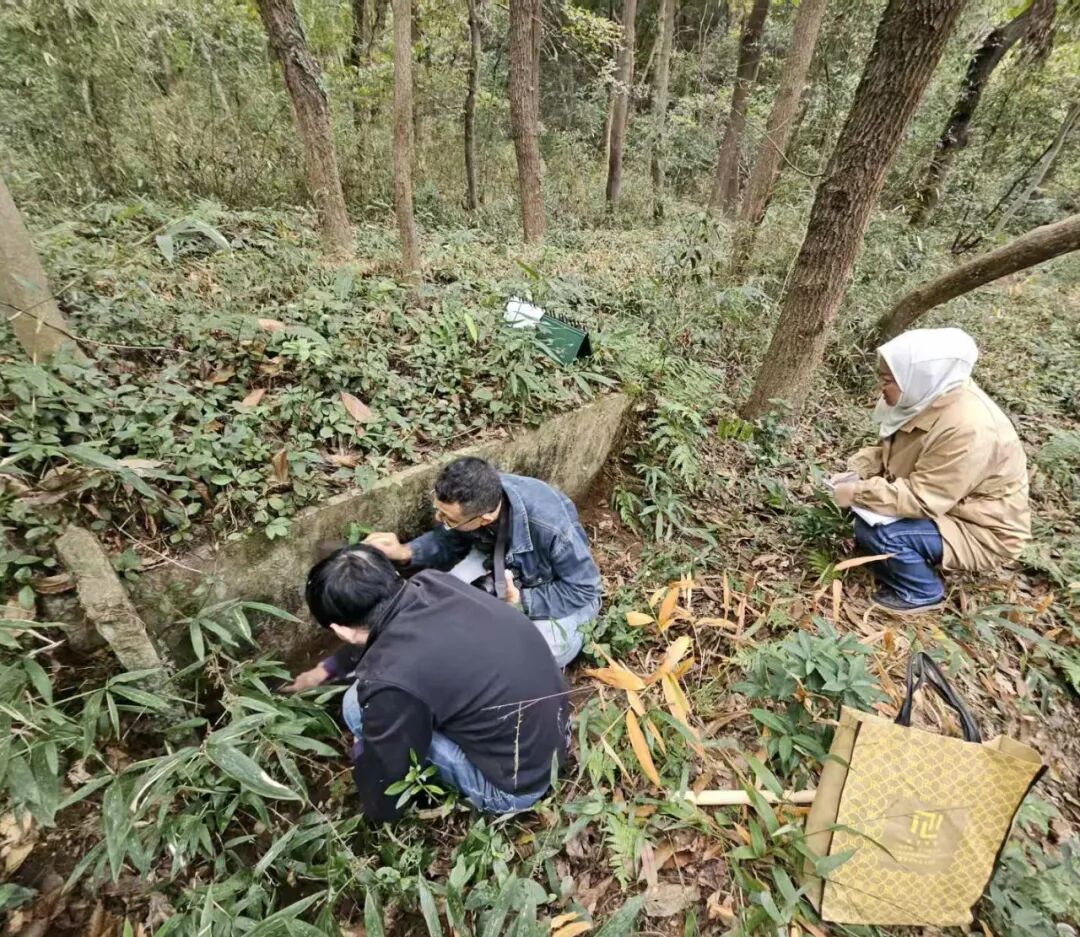
Shanghai's reform of the three-imam system was relatively thorough: the second imam was abolished, the titles of the imams were changed, the Grand Imam (Imam) was renamed Jiaozhang (chief imam/dean), and the third imam (Mu'adhdhin) was renamed Deputy Jiaozhang (deputy dean). Shanghai's reform of the three-imam system exerted a major influence on neighboring Hangzhou's Muslims, who maintained close ties and also practiced the three-imam system. In the 1920s and 1930s, Hangzhou Muslims must have been aware of the events unfolding within Shanghai's religious circles regarding the three-imam system. With as many as 14 members of the China Islamic Association hailing from Hangzhou, they could not have turned a blind eye to the articles published in the China Islamic Association Monthly or the calls to abolish the second imam and adopt the principal-deputy imam system. Hangzhou was close at hand, and Fenghuang Mosque would naturally follow the trend; its reform of the three-imam system would not have been delayed until the China Islamic Association's 1940 nationwide circular, but would have been implemented earlier. Judging by the changes in Ahong titles on tombstones, titles like "Grand Imam" vanished after 1923, replaced by "Jiaozhang" and "Ahong," indicating that Fenghuang Mosque abandoned the three-imam system around the 1930s.
References
1. Ma Jian, trans., The Quran, Chinese Social Sciences Press, 1981.
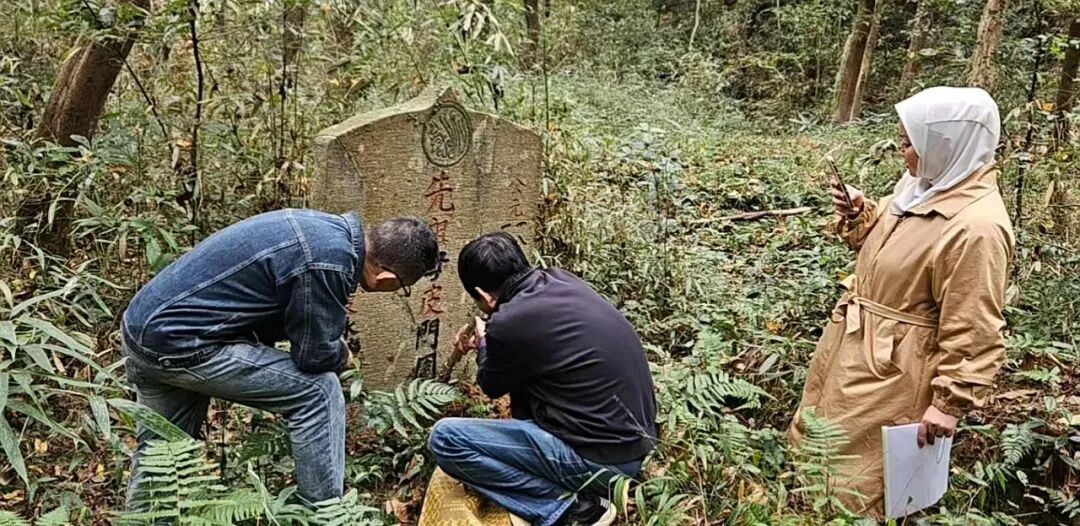
2. Guo Chengmei, "Five Chinese Steles of Fenghuang Mosque," published in Islamic Culture Studies, Xi'an, 1999, No. 2.
3. Jiang Yuanlong, "Preface to the Re-engraving," 40th year of Qianlong, in Wu Zunqi, Xiuzhen Mengyin, Qingzhen Daodian, 2005, Vol. 15, p. 5.
4. Shanghai Mosque Board of Directors Meeting Motions, Republican period, 4 volumes, preserved at the Shanghai Islamic Association.
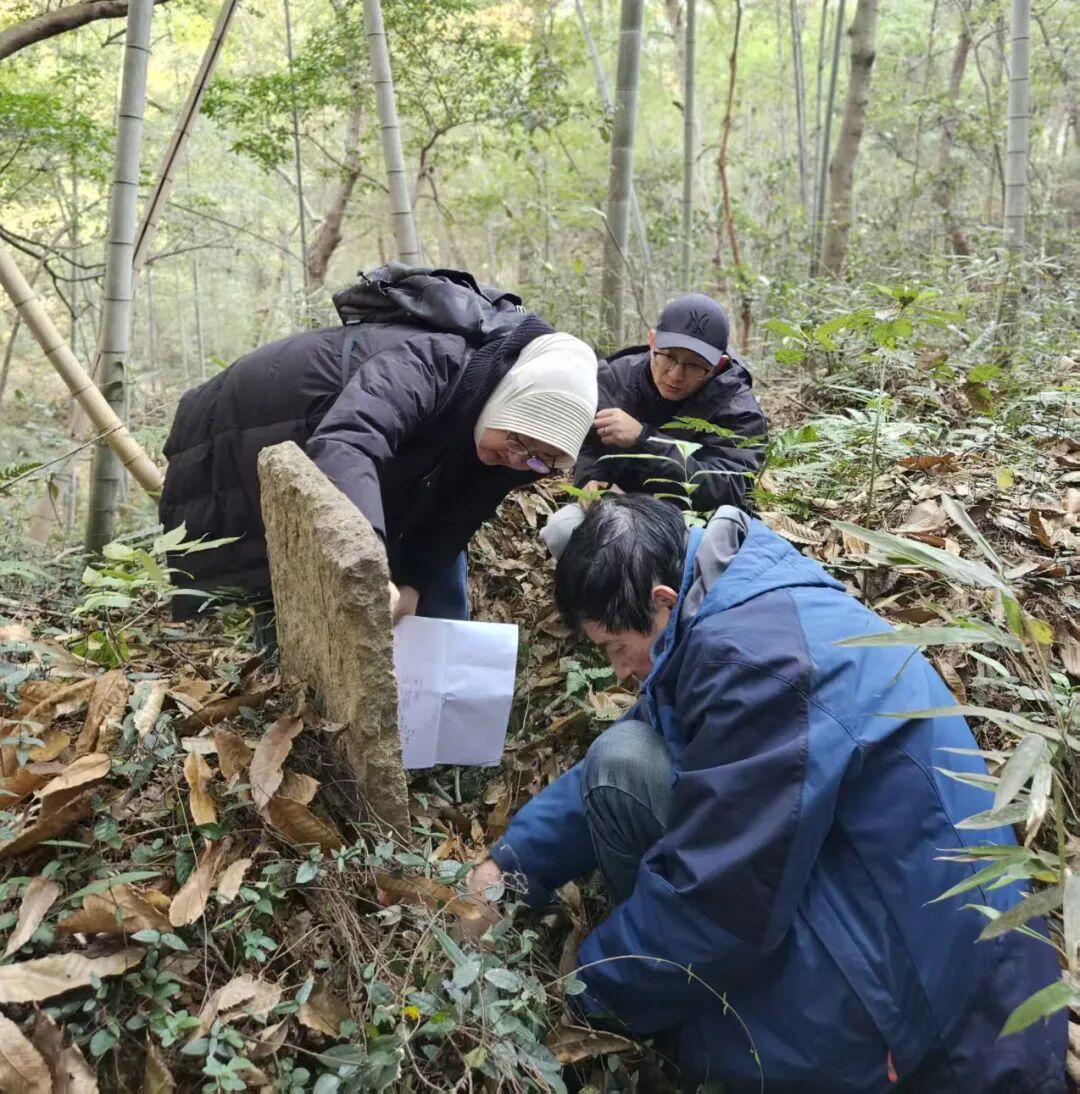
5. China Islamic Association, Directory of Members, 1925, preserved at the Shanghai Library.
6. China Islamic Association, China Islamic Association Bulletin, 1948, National Library of China Reader Website.
Notes
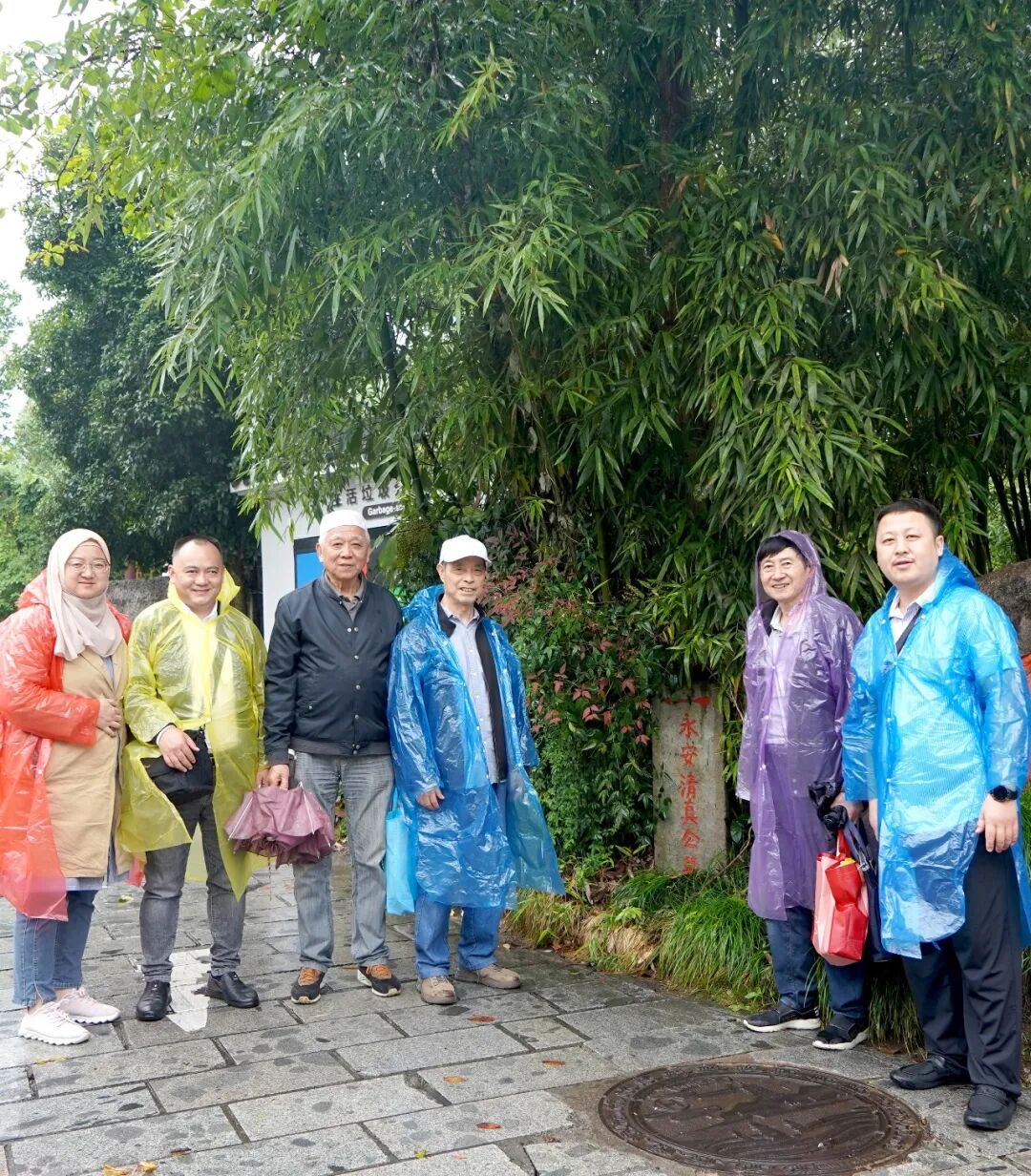
¹ Guo Chengmei (1949–), male, native of Jiaxing, Zhejiang, council member of the China Hui Muslim Association. Primarily engaged in local cultural and historical research on Hui Islam.
Yang Hua (1981–), female, native of Xi'an, Shaanxi, residing in Zhejiang, primarily engaged in local history research on Hui Islam.
² Ma Jian, trans., The Quran, Chapter 1, Verse 1, Chinese Social Sciences Press, 1981. Same below.
³ Ding Shishen, "Stele on the Reconstruction of the Zhenjiao Temple," 8th year of Qianlong (1743), preserved in the stele corridor of Fenghuang Mosque.
⁴ According to Ding descendant Ding Yongzhong, "Qianguan" was the son of Ding Ruiyuan by name, not biological, named Wu Qianguan (with the traditional Chinese character for guan). He was extremely filial, becoming a model for their generation.
⁵ 1871 "Preface to Wugong Yaoyao" by members of the Zhejiang Fenghuang Grand Mosque, found in Jingshan and Yang Hongdao, Wugong Yaoyao, preserved in the Dalian Library.
⁶ Ma Zhaolong, "Stele on the Reconstruction of the Zhenjiao Temple," 18th year of Guangxu, Qing dynasty, preserved at Fenghuang Mosque.
⁷ Ding Shishen: 1743 "Stele on the Reconstruction of the Zhenjiao Temple," preserved at Fenghuang Mosque.
⁸ Guo Chengmei, "Five Chinese Steles of Fenghuang Mosque," published in Islamic Culture Studies, Xi'an, 1999, No. 2.
⁹ Jiang Yuanlong stated: "Yanshan Yang Gong cherished the canon of our co-religionists, seeing how few understand this Path, and discussed it with Wulin Zhangjiao Teacher Huachuan Ma, urging several comrades to jointly plan a re-engraving and asking me to write a preface." See "Preface to the Re-engraving," 40th year of Qianlong, in Wu Zunqi, Xiuzhen Mengyin, Qingzhen Daodian, 2005, Vol. 15, p. 5.
¹⁰ The 1920 "Zhejiang Provincial Capital Police Department Proclamation No. 54 Stele" states: "According to Ma Zhaolong, President of the Zhejiang Branch of the China Islamic Progressive Association." The stele does not survive; a rubbing is kept at Fenghuang Mosque. "Petition to the Governor of Zhejiang Xia to Protect Ancient Muslim Tombs," published in Huiguang, Vol. 2, No. 2, Shanghai, 1925.
¹¹ China Islamic Association, Directory of Members, 1925, preserved at the Shanghai Library.
¹² Shanghai Mosque Board of Directors, Board Meeting Motions, 1922, Vol. 1, pp. 17, 19, 21, 32; Board Meeting Motions, 1925, Vol. 2, p. 31.
¹³ "Correspondence Exchanged with Mr. Yuan Hanchen," China Islamic Association Monthly, 1926, Vol. 1, No. 5, p. 45.
¹⁴ China Islamic Association Bulletin, combined issue of Vol. 7, Nos. 8 to 12, p. 21, March 1948.
Hangzhou's Best Halal Turkish Restaurant: Authentic Meats & Middle Eastern Flavors
Articles • Hasan09 posted the article • 0 comments • 10 views • 1 days ago
Hangzhou's First Authentic Turkish Restaurant Comprehensive Review (Hangzhou's Real Turkish Restaurant): Authentic Grills and Middle Eastern Flavors
Summary:
A comprehensive review of Hangzhou's first authentic Turkish halal restaurant. Real photography showcases specialty mixed grills, Turkish flatbreads, signature desserts, and exotic decor, delivering an authentic Middle Eastern and Mediterranean halal dining experience that goes beyond local halal cuisine.
Hangzhou has long had halal restaurants. What it didn’t have was Turkey. Most “Turkish” spots leaned Xinjiang in structure — familiar, comforting, adjacent. If you wanted proper Turkish grill culture, you drove to Yiwu. Not anymore.
Hangzhou has long had halal restaurants. What it didn’t have was Turkey. Most “Turkish” spots leaned Xinjiang in structure — familiar, comforting, adjacent. If you wanted proper Turkish grill culture, you drove to Yiwu. Not anymore.
The shift is immediate. Terracotta walls curve into soft arches. A tiled dome oven glows at the back — operational, not decorative. You smell bread and charcoal before you sit down.
The shift is immediate. Terracotta walls curve into soft arches. A tiled dome oven glows at the back — operational, not decorative. You smell bread and charcoal before you sit down.
This isn’t themed authenticity. It’s staffed authenticity. Turkish and Moroccan team members run both kitchen and floor. You see it in how dough is stretched, how lamb is rested, how seasoning is restrained. Details don’t lie.
This isn’t themed authenticity. It’s staffed authenticity. Turkish and Moroccan team members run both kitchen and floor. You see it in how dough is stretched, how lamb is rested, how seasoning is restrained. Details don’t lie.
It’s fully halal, properly structured. Not an adaptation. Not a compromise. West Lake date-night couples and Muslim families fill the room with equal ease.
It’s fully halal, properly structured. Not an adaptation. Not a compromise. West Lake date-night couples and Muslim families fill the room with equal ease.
Cold plates set the rhythm. The walnut red pepper dip is essential — textured, lightly sweet, finished with olive oil that supports rather than floods. Tear hot bread. Drag. Repeat.
Cold plates set the rhythm. The walnut red pepper dip is essential — textured, lightly sweet, finished with olive oil that supports rather than floods. Tear hot bread. Drag. Repeat.
Lentil soup comforts without weight. Mushroom soup leans deeper. Bread and soup here are not filler; they form a complete light dinner on their own.
Lentil soup comforts without weight. Mushroom soup leans deeper. Bread and soup here are not filler; they form a complete light dinner on their own.
When the mixed grill lands, the table quiets. Chicken stays moist. Lamb chops carry char without dryness. Kofta (spiced minced lamb) shows discipline in its seasoning. This is Mediterranean balance, not aggressive heat.
When the mixed grill lands, the table quiets. Chicken stays moist. Lamb chops carry char without dryness. Kofta (spiced minced lamb) shows discipline in its seasoning. This is Mediterranean balance, not aggressive heat.
The peak is simple: hot Pide (air bread), lamb, and a swipe of walnut spread. Pide shows up on nearly every table for good reason. Tear, fill, eat. That rhythm becomes the meal.
The peak is simple: hot Pide (air bread), lamb, and a swipe of walnut spread. Pide shows up on nearly every table for good reason. Tear, fill, eat. That rhythm becomes the meal.
By 7:30pm the room settles into its pace. Bread lifted mid-air. Tea glasses clinking. Light smoke drifting from the open kitchen. Most tables share platters. This is a stay-awhile restaurant.
By 7:30pm the room settles into its pace. Bread lifted mid-air. Tea glasses clinking. Light smoke drifting from the open kitchen. Most tables share platters. This is a stay-awhile restaurant.
Dessert closes with control. Baklava holds its layers with measured syrup. Milk rice pudding comforts without sugar overload. A final glass of Turkish tea resets the palate and tightens the finish.
Dessert closes with control. Baklava holds its layers with measured syrup. Milk rice pudding comforts without sugar overload. A final glass of Turkish tea resets the palate and tightens the finish.
Click Link for Didi/Address
Lale莱拉土耳其餐厅(湖滨西湖店)
Lale Turkish Restaurant
11:00-22:00
177 9983 7399
Ordered properly and shared, expect 120–180 RMB per person. Cross 200 only if you over-order. For West Lake positioning and full halal integrity, the pricing sits correctly.
Ordered properly and shared, expect 120–180 RMB per person. Cross 200 only if you over-order. For West Lake positioning and full halal integrity, the pricing sits correctly.
If you simply want halal food, Hangzhou has alternatives.
If you want Turkey — structured, staffed, and serious — this is the address.
No more Yiwu drive. Cross districts for dinner, not a quick lunch.
If you simply want halal food, Hangzhou has alternatives. If you want Turkey — structured, staffed, and serious — this is the address. No more Yiwu drive. Cross districts for dinner, not a quick lunch. view all
Hangzhou's First Authentic Turkish Restaurant Comprehensive Review (Hangzhou's Real Turkish Restaurant): Authentic Grills and Middle Eastern Flavors
Summary:
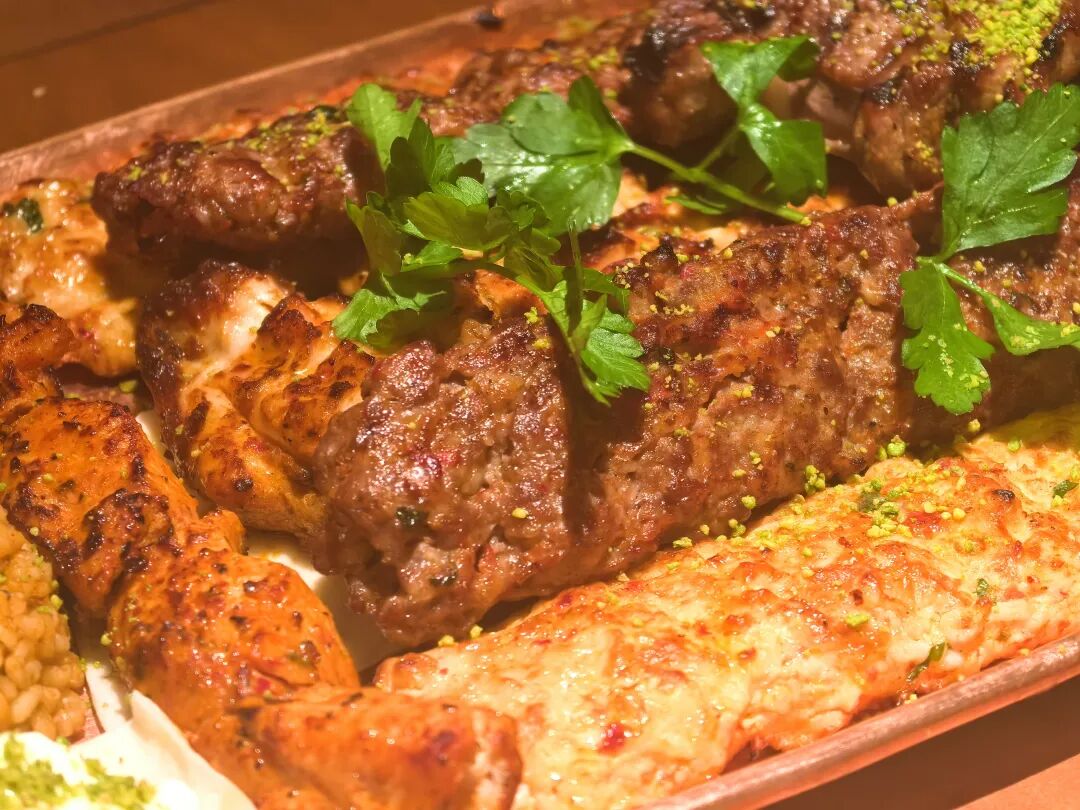
A comprehensive review of Hangzhou's first authentic Turkish halal restaurant. Real photography showcases specialty mixed grills, Turkish flatbreads, signature desserts, and exotic decor, delivering an authentic Middle Eastern and Mediterranean halal dining experience that goes beyond local halal cuisine.
Hangzhou has long had halal restaurants. What it didn’t have was Turkey. Most “Turkish” spots leaned Xinjiang in structure — familiar, comforting, adjacent. If you wanted proper Turkish grill culture, you drove to Yiwu. Not anymore.
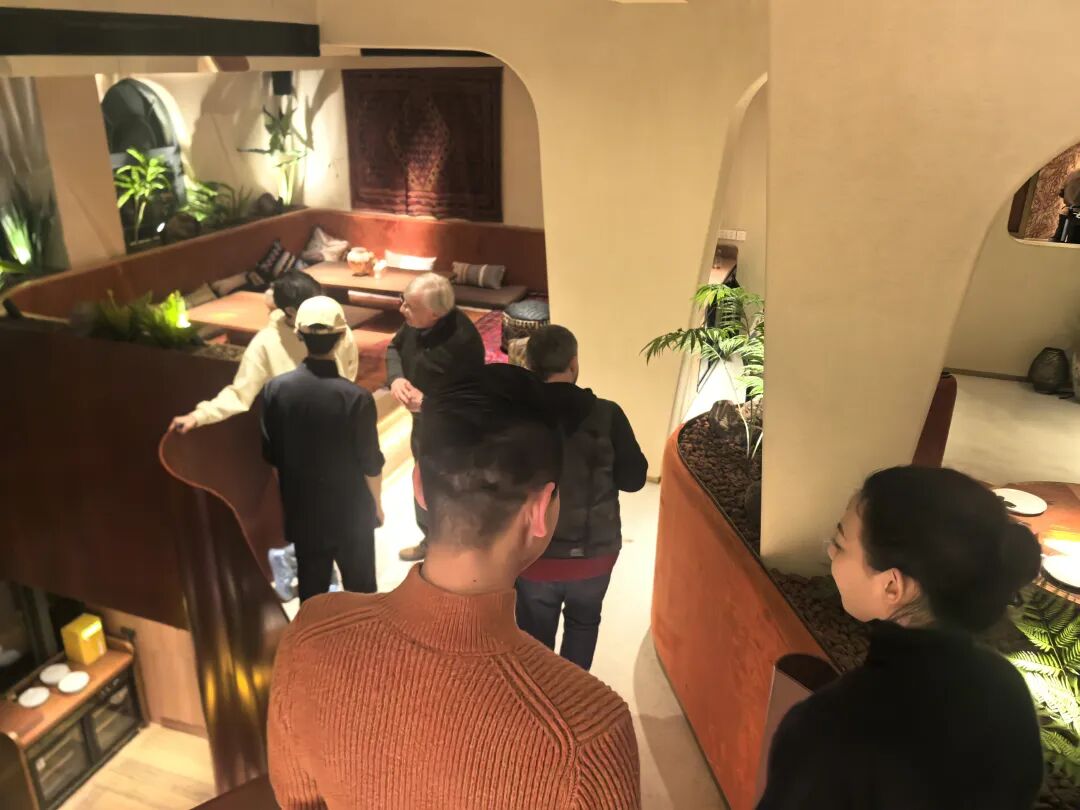
Hangzhou has long had halal restaurants. What it didn’t have was Turkey. Most “Turkish” spots leaned Xinjiang in structure — familiar, comforting, adjacent. If you wanted proper Turkish grill culture, you drove to Yiwu. Not anymore.
The shift is immediate. Terracotta walls curve into soft arches. A tiled dome oven glows at the back — operational, not decorative. You smell bread and charcoal before you sit down.
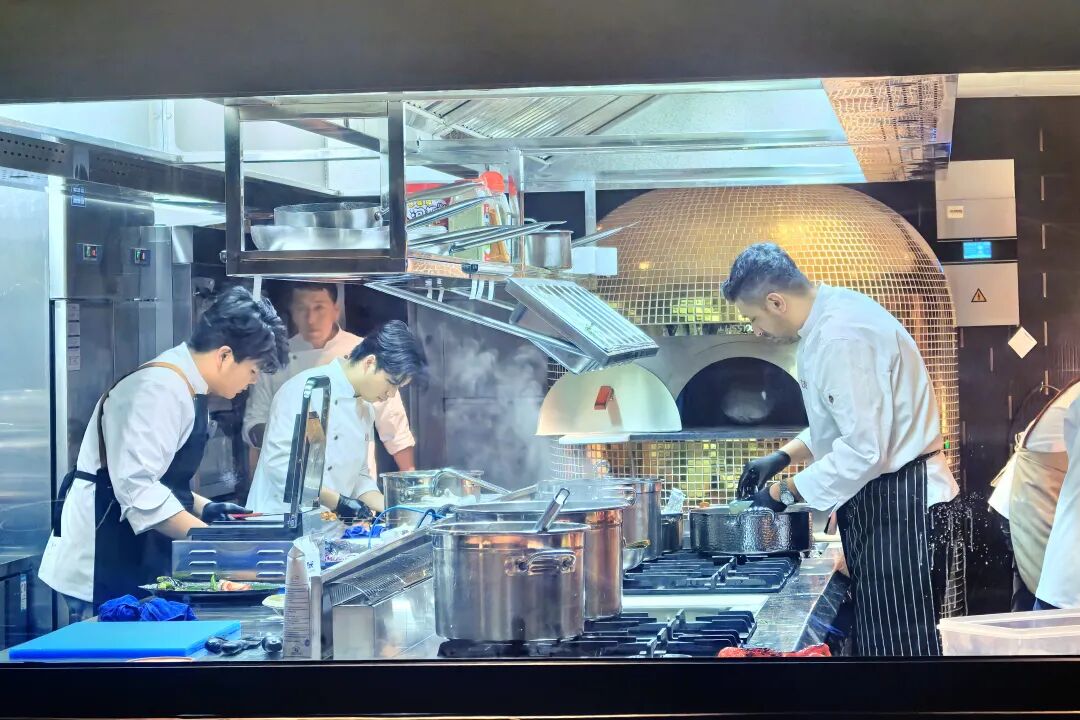
The shift is immediate. Terracotta walls curve into soft arches. A tiled dome oven glows at the back — operational, not decorative. You smell bread and charcoal before you sit down.
This isn’t themed authenticity. It’s staffed authenticity. Turkish and Moroccan team members run both kitchen and floor. You see it in how dough is stretched, how lamb is rested, how seasoning is restrained. Details don’t lie.
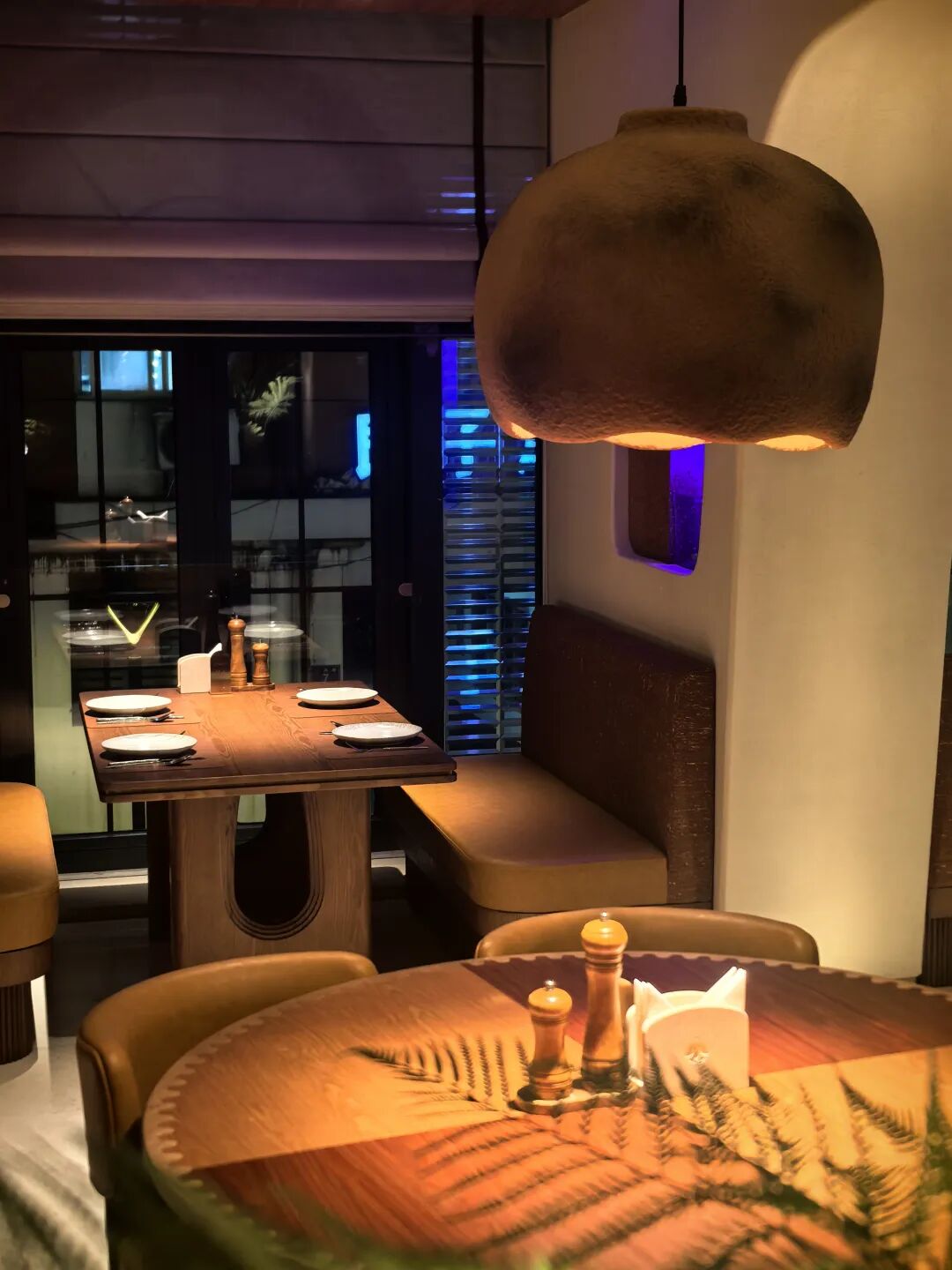
This isn’t themed authenticity. It’s staffed authenticity. Turkish and Moroccan team members run both kitchen and floor. You see it in how dough is stretched, how lamb is rested, how seasoning is restrained. Details don’t lie.
It’s fully halal, properly structured. Not an adaptation. Not a compromise. West Lake date-night couples and Muslim families fill the room with equal ease.
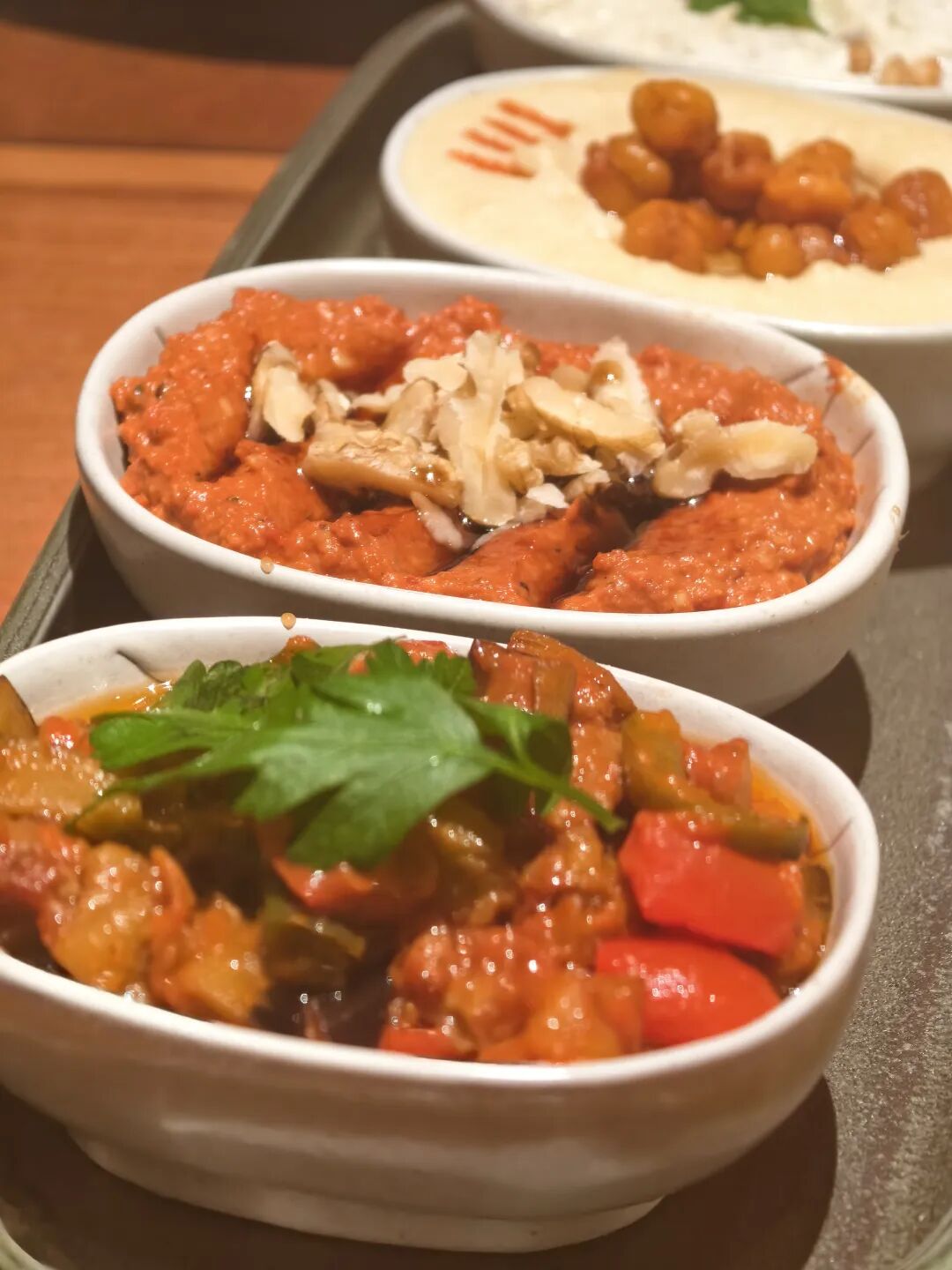
It’s fully halal, properly structured. Not an adaptation. Not a compromise. West Lake date-night couples and Muslim families fill the room with equal ease.
Cold plates set the rhythm. The walnut red pepper dip is essential — textured, lightly sweet, finished with olive oil that supports rather than floods. Tear hot bread. Drag. Repeat.
Cold plates set the rhythm. The walnut red pepper dip is essential — textured, lightly sweet, finished with olive oil that supports rather than floods. Tear hot bread. Drag. Repeat.
Lentil soup comforts without weight. Mushroom soup leans deeper. Bread and soup here are not filler; they form a complete light dinner on their own.
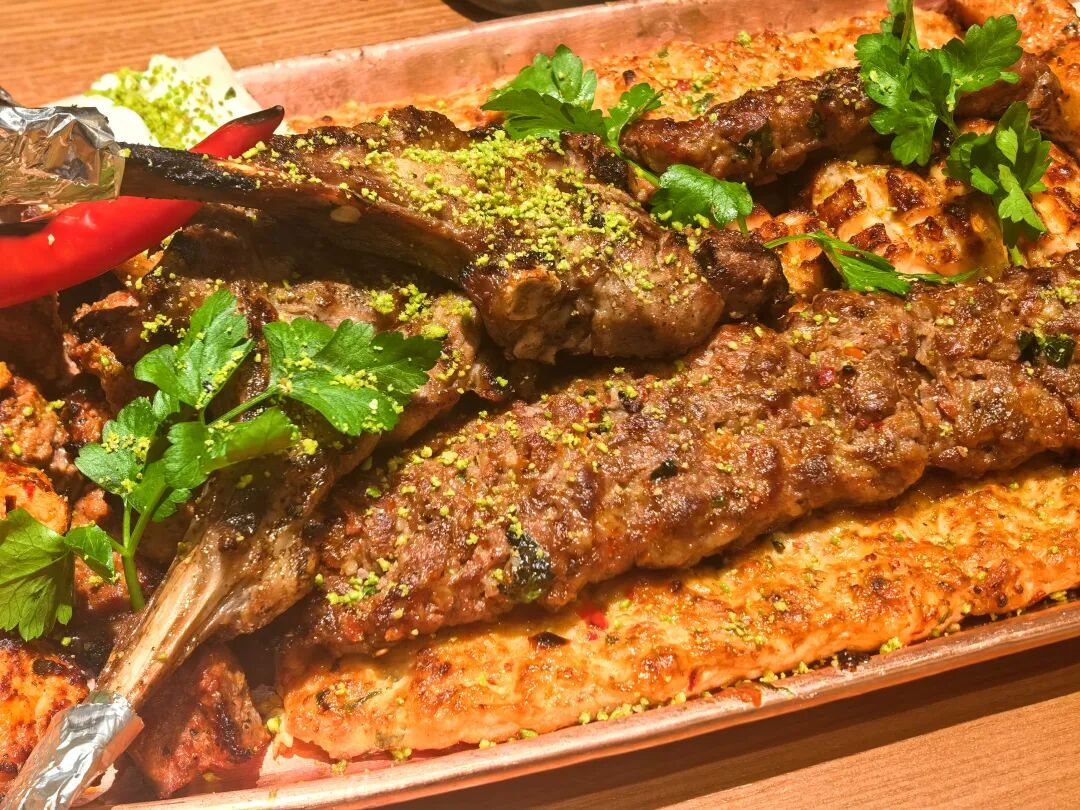
Lentil soup comforts without weight. Mushroom soup leans deeper. Bread and soup here are not filler; they form a complete light dinner on their own.
When the mixed grill lands, the table quiets. Chicken stays moist. Lamb chops carry char without dryness. Kofta (spiced minced lamb) shows discipline in its seasoning. This is Mediterranean balance, not aggressive heat.
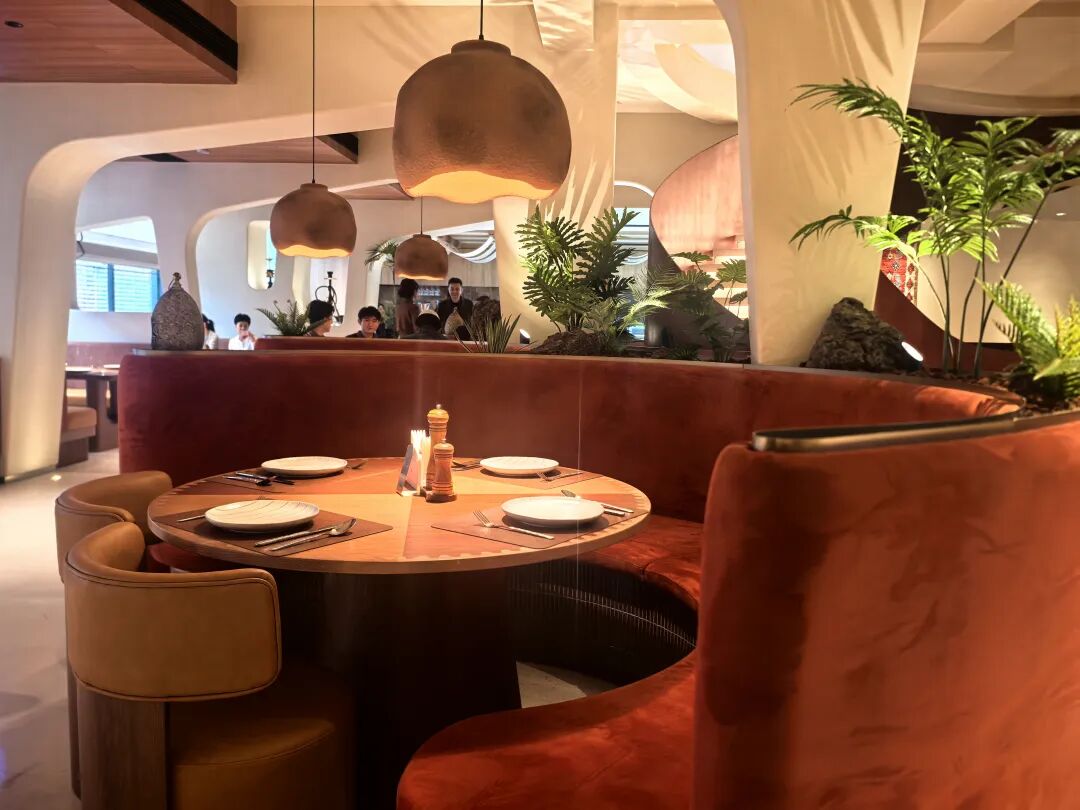
When the mixed grill lands, the table quiets. Chicken stays moist. Lamb chops carry char without dryness. Kofta (spiced minced lamb) shows discipline in its seasoning. This is Mediterranean balance, not aggressive heat.
The peak is simple: hot Pide (air bread), lamb, and a swipe of walnut spread. Pide shows up on nearly every table for good reason. Tear, fill, eat. That rhythm becomes the meal.
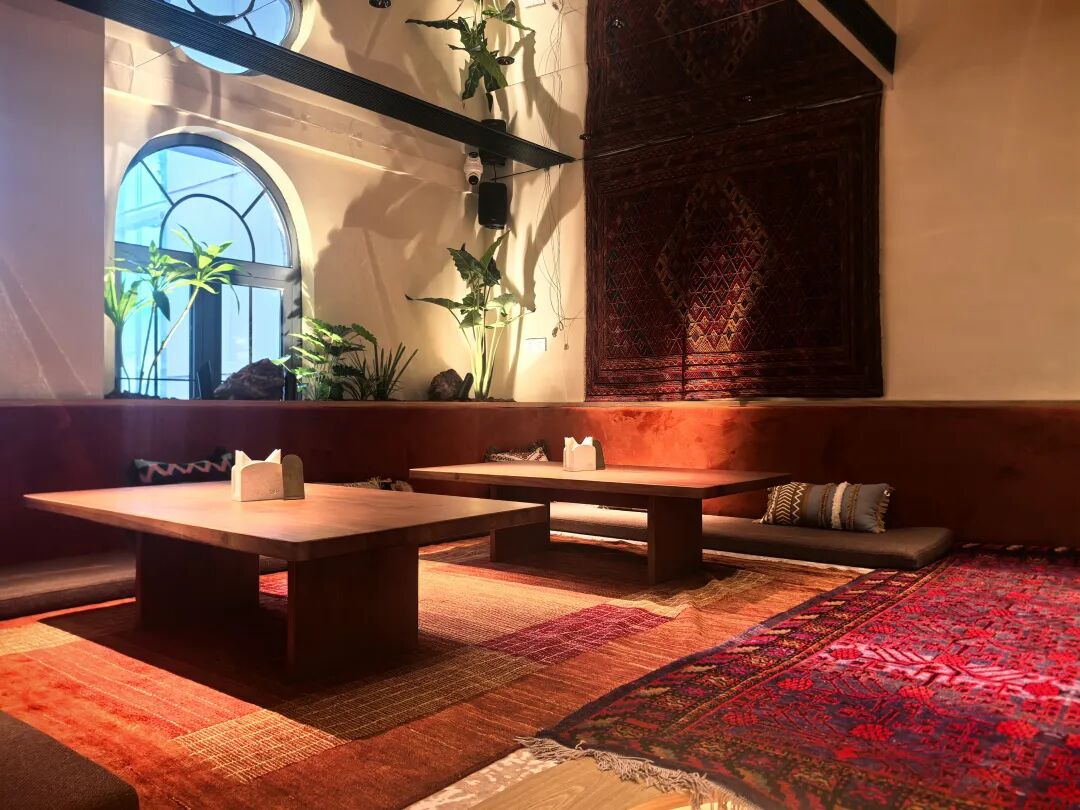
The peak is simple: hot Pide (air bread), lamb, and a swipe of walnut spread. Pide shows up on nearly every table for good reason. Tear, fill, eat. That rhythm becomes the meal.
By 7:30pm the room settles into its pace. Bread lifted mid-air. Tea glasses clinking. Light smoke drifting from the open kitchen. Most tables share platters. This is a stay-awhile restaurant.
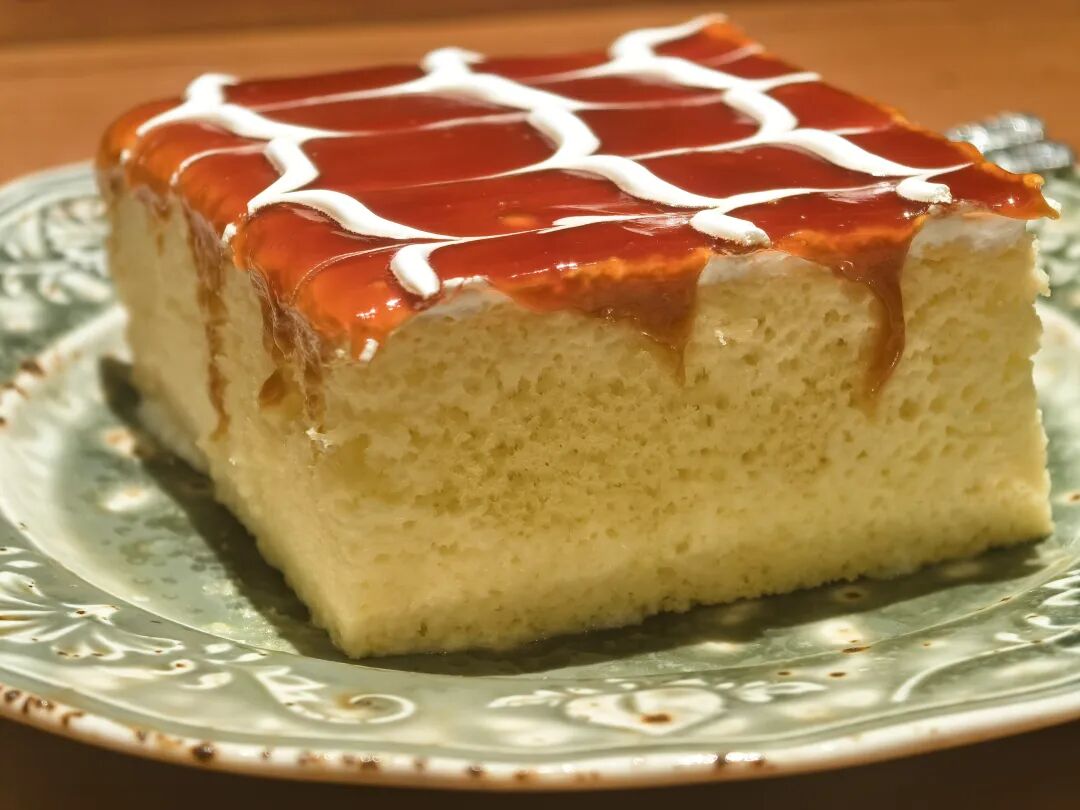
By 7:30pm the room settles into its pace. Bread lifted mid-air. Tea glasses clinking. Light smoke drifting from the open kitchen. Most tables share platters. This is a stay-awhile restaurant.
Dessert closes with control. Baklava holds its layers with measured syrup. Milk rice pudding comforts without sugar overload. A final glass of Turkish tea resets the palate and tightens the finish.
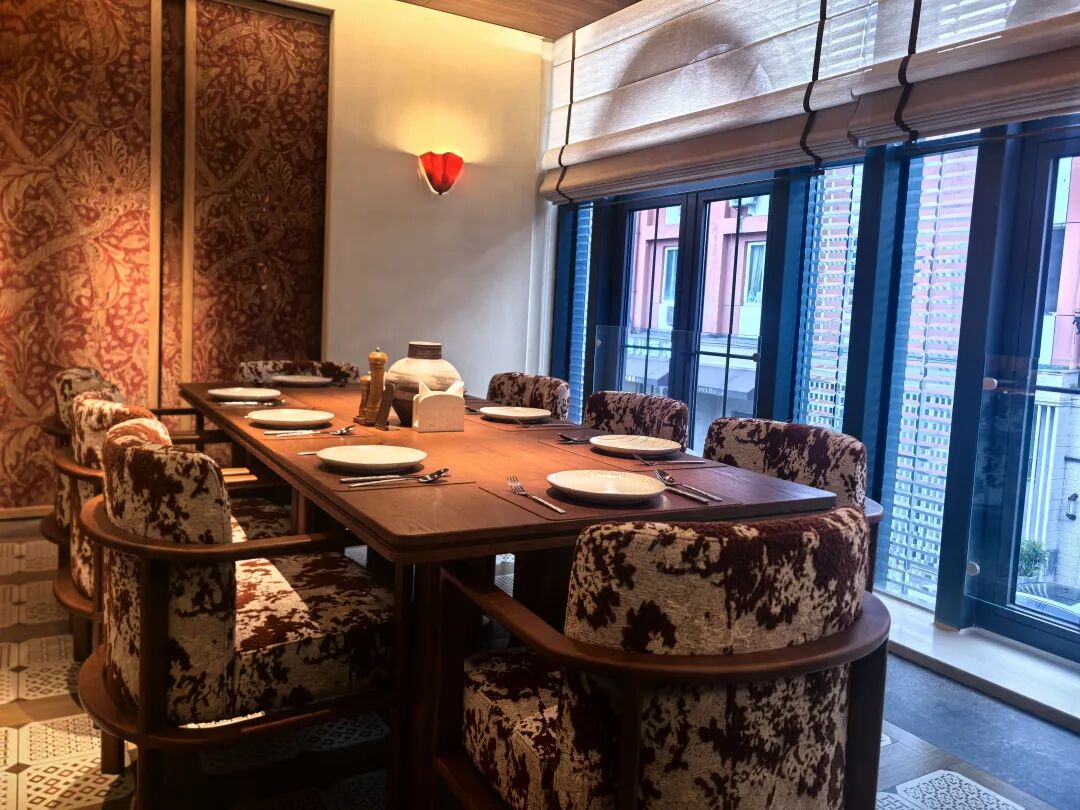
Dessert closes with control. Baklava holds its layers with measured syrup. Milk rice pudding comforts without sugar overload. A final glass of Turkish tea resets the palate and tightens the finish.
Click Link for Didi/Address
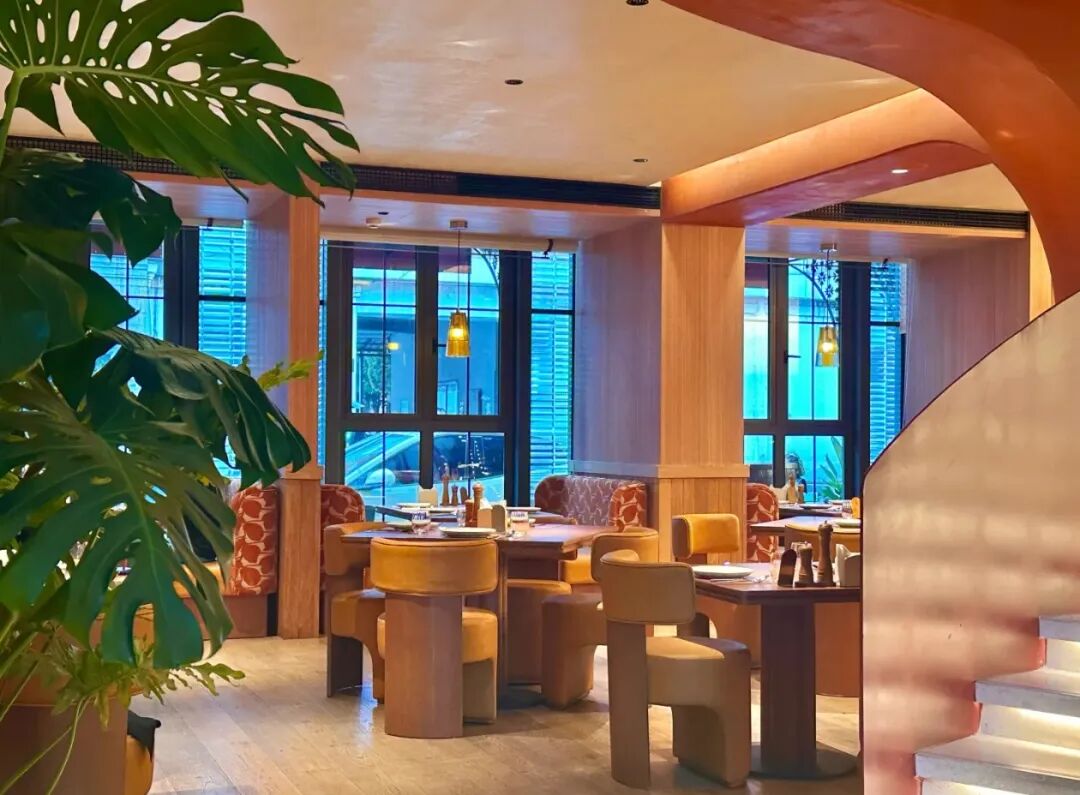
Lale莱拉土耳其餐厅(湖滨西湖店)
Lale Turkish Restaurant
11:00-22:00
177 9983 7399
Ordered properly and shared, expect 120–180 RMB per person. Cross 200 only if you over-order. For West Lake positioning and full halal integrity, the pricing sits correctly.
Ordered properly and shared, expect 120–180 RMB per person. Cross 200 only if you over-order. For West Lake positioning and full halal integrity, the pricing sits correctly.
If you simply want halal food, Hangzhou has alternatives.
If you want Turkey — structured, staffed, and serious — this is the address.
No more Yiwu drive. Cross districts for dinner, not a quick lunch.
If you simply want halal food, Hangzhou has alternatives. If you want Turkey — structured, staffed, and serious — this is the address. No more Yiwu drive. Cross districts for dinner, not a quick lunch.
Discovering Hangzhou's Hidden Gem: Halal Dongbei Style Cuisine at Mashi Maizhou
Articles • Hasan09 posted the article • 0 comments • 10 views • 1 days ago
Hidden Gem Halal Dongbei Restaurant Review: Crispy Chicken Guobaorou and Savory Diguo Ji
Abstract:
A field review of a rare Halal Dongbei (Northeast Chinese) style restaurant in Xihu District. The signature Halal chicken guobaorou (crispy sweet-and-sour chicken) is ultra-crispy on the outside, tender on the inside, and perfectly sweet-and-sour. The diguo ji (iron-pot chicken with flatbreads) features fragrant bread and tender meat. With generous portions and an elegant vibe, it's an absolute treasure for family get-togethers and group dinners with Hui Muslim friends.
Part 1: Breaking the Dining Stalemate—Hunting for Halal Dongbei Food Leads Us to a Cozy, Wood-Accented Spot
Recently, trying to figure out dinner plans in Hangzhou with a childhood Hui Muslim friend turned into a real headache. We wanted authentic Dongbei food while strictly keeping it halal, and my eyes were strained from scrolling through food apps. Either the classic spots were way too cramped, the parking garage cost 20 kuai an hour, or the sourcing of the ingredients was super sketchy. That was until my friend suddenly texted me a photo: a golden plate of guobaorou sitting on a light brown wooden table, with a bright open kitchen in the background. His caption read, "Mashi Maizhou Halal Dongbei Cuisine right here on Wenyi Road has free parking, and the big private dining rooms can seat our whole crew." I grabbed my bag and headed straight for Wenyi Road.
The second I pushed the door open, I wasn't hit with the usual heavy food smells—the vibe totally won me over. It wasn't that tacky, loud red-and-green aesthetic you usually associate with Dongbei joints. Instead, it was filled with calming, light brown wood tones: the tables were solid wood with natural grain, cute little pothos plants sat next to the chairs, and the walls featured light gray decorative art printed with halal geometric patterns instead of floral fabric. Even the lighting was warm and cozy, casting a soft glow over the wood. Best of all was the open kitchen. The glass was wiped spotless, and you could watch the chefs wearing crisp white halal culinary uniforms tossing woks with a loud 'clank-clank,' sending up a mouthwatering mix of meat and hot oil aromas. My friend laughed and said, 'Now this is how you eat with peace of mind—you can see everything right in front of you!'
Part 2: Chicken Guobaorou—A Halal Take on a Heavy-Hitting Dongbei Classic That Crunches with Every Bite
While we waited for our food, my eyes were glued to the open kitchen. The chef was prepping the chicken, slicing it into even, thin cutlets, coating them in a glossy batter, and dropping them straight into hot oil where they sizzled and floated to the top in seconds, moving so fast it looked like time-lapse footage. It wasn't long before the chicken guobaorou hit our table, piled high like a mini mountain. Amber-colored sugar glaze coated the meat chunks, and when you picked one up with your chopsticks, the sugar stretched into long, sticky threads. I was drooling before I even took a bite.
On the very first bite, both my friend and I let out an audible 'Whoa!' The outer crust crunched loudly, leaving tiny, light crumbs on the plate with zero cardboard-like toughness. The chicken inside was so tender it practically burst with juice—not that dry, frozen-meat texture at all, but fresh chicken thigh meat sliced to order, with every fiber soaked in savory flavor. The sweet-and-sour glaze was dead-on: refreshingly tangy without being aggressive, sweet without burning the back of your throat, and leaving a lingering aftertaste long after you swallowed.
My friend nodded between bites, saying, 'I always thought guobaorou had to be pork, but I never imagined chicken could taste this insane—and there's zero gamey flavor!' Chatting with the chef later, we learned that the secret is all in the details: you have to use halal-butemered chicken thighs for the exact right tenderness; the batter has to be mixed to a perfect medium consistency—too thick and it gets soggy, too thin and it loses the crunch; the heat control has to be timed down to the second, because 10 seconds too long makes the meat tough, and 10 seconds too short ruins the crunch. Even the glaze is made by melting rock sugar instead of white sugar, which gives it a smoother finish. No wonder it doesn't taste greasy. 'When we make halal food, the ingredients have to be honest and the flavor has to be legit. You can't fool your customers!' The chef's words were as solid and down-to-earth as the guobaorou itself.
Part 3: More Than Just Guobaorou—A Transparent Kitchen You Can Trust, Offering Late-Night Comfort
My friend gushed while eating, 'If I'm stuck working late in the future, I'll never have to choke down instant noodles again. Coming here for an order of guobaorou and a bowl of egg drop soup is pure comfort!' The waitstaff mentioned that most of their diners are regulars: families rolling in specifically for the big private rooms and free parking; young people working overtime who drop by to grab guobaorou and cold appetizers for a super relaxing meal; and neighborhood Hui residents who often swing by to pack up a few orders of guobaorou to go, saying, 'The kids at home are obsessed with this dish.' Without any flashy marketing, they keep people coming back purely through genuine quality—which is probably the true charm of halal Dongbei cuisine: it brings together the boldness of Northeastern cooking with the mindful care of halal traditions.
Part 4: Foodie Guide—Xihu District's Go-To Halal Dongbei Spot for Stress-Free Group Dinners
Mashi Maizhou didn't earn its spot on Wenyi Road through gimmicks. It won people over with a guobaorou that keeps you craving it, the thoughtful perks that solve the usual parking and seating headaches, and the absolute peace of mind that comes with halal dining. Next time you're craving Dongbei food and want a relaxed, hassle-free experience, you honestly can't go wrong here.
To sum it all up: I always used to think 'halal,' 'Dongbei food,' and 'cozy aesthetic' were impossible to mix, until I found Mashi Maizhou. It proves that a truly great restaurant is one that hits all the right notes, making you finish a plate of guobaorou while already planning your next visit.
Restaurant Info
Address: 1st Floor, Zhongzhu Building, No. 308 Wenyi Road, Xihu District, Hangzhou (Intersection of Wenyi Road and Guicui Road, with free parking right at the entrance)
Hours: Monday to Sunday, 10:00 AM – 2:00 AM (Calling all late-night snackers and overtime workers!)
Reservation Tip: Check online platforms for the latest booking info. For family get-togethers and friend gatherings, it's best to reserve a large private room in advance~ view all
Hidden Gem Halal Dongbei Restaurant Review: Crispy Chicken Guobaorou and Savory Diguo Ji
Abstract:
A field review of a rare Halal Dongbei (Northeast Chinese) style restaurant in Xihu District. The signature Halal chicken guobaorou (crispy sweet-and-sour chicken) is ultra-crispy on the outside, tender on the inside, and perfectly sweet-and-sour. The diguo ji (iron-pot chicken with flatbreads) features fragrant bread and tender meat. With generous portions and an elegant vibe, it's an absolute treasure for family get-togethers and group dinners with Hui Muslim friends.
Part 1: Breaking the Dining Stalemate—Hunting for Halal Dongbei Food Leads Us to a Cozy, Wood-Accented Spot
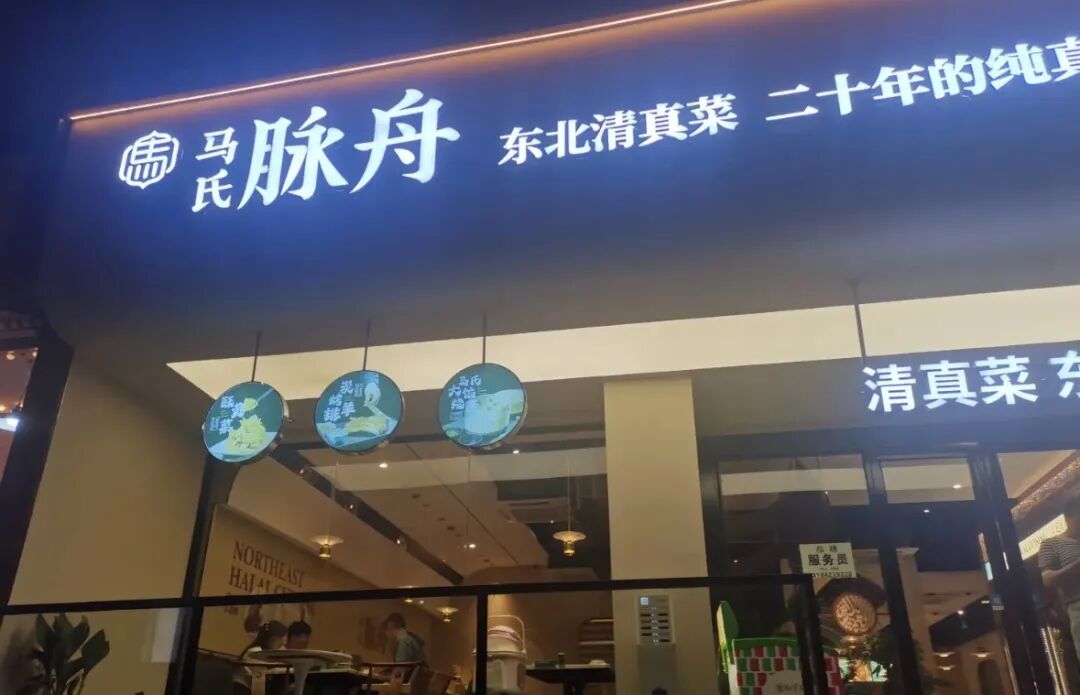
Recently, trying to figure out dinner plans in Hangzhou with a childhood Hui Muslim friend turned into a real headache. We wanted authentic Dongbei food while strictly keeping it halal, and my eyes were strained from scrolling through food apps. Either the classic spots were way too cramped, the parking garage cost 20 kuai an hour, or the sourcing of the ingredients was super sketchy. That was until my friend suddenly texted me a photo: a golden plate of guobaorou sitting on a light brown wooden table, with a bright open kitchen in the background. His caption read, "Mashi Maizhou Halal Dongbei Cuisine right here on Wenyi Road has free parking, and the big private dining rooms can seat our whole crew." I grabbed my bag and headed straight for Wenyi Road.
The second I pushed the door open, I wasn't hit with the usual heavy food smells—the vibe totally won me over. It wasn't that tacky, loud red-and-green aesthetic you usually associate with Dongbei joints. Instead, it was filled with calming, light brown wood tones: the tables were solid wood with natural grain, cute little pothos plants sat next to the chairs, and the walls featured light gray decorative art printed with halal geometric patterns instead of floral fabric. Even the lighting was warm and cozy, casting a soft glow over the wood. Best of all was the open kitchen. The glass was wiped spotless, and you could watch the chefs wearing crisp white halal culinary uniforms tossing woks with a loud 'clank-clank,' sending up a mouthwatering mix of meat and hot oil aromas. My friend laughed and said, 'Now this is how you eat with peace of mind—you can see everything right in front of you!'
Part 2: Chicken Guobaorou—A Halal Take on a Heavy-Hitting Dongbei Classic That Crunches with Every Bite
While we waited for our food, my eyes were glued to the open kitchen. The chef was prepping the chicken, slicing it into even, thin cutlets, coating them in a glossy batter, and dropping them straight into hot oil where they sizzled and floated to the top in seconds, moving so fast it looked like time-lapse footage. It wasn't long before the chicken guobaorou hit our table, piled high like a mini mountain. Amber-colored sugar glaze coated the meat chunks, and when you picked one up with your chopsticks, the sugar stretched into long, sticky threads. I was drooling before I even took a bite.
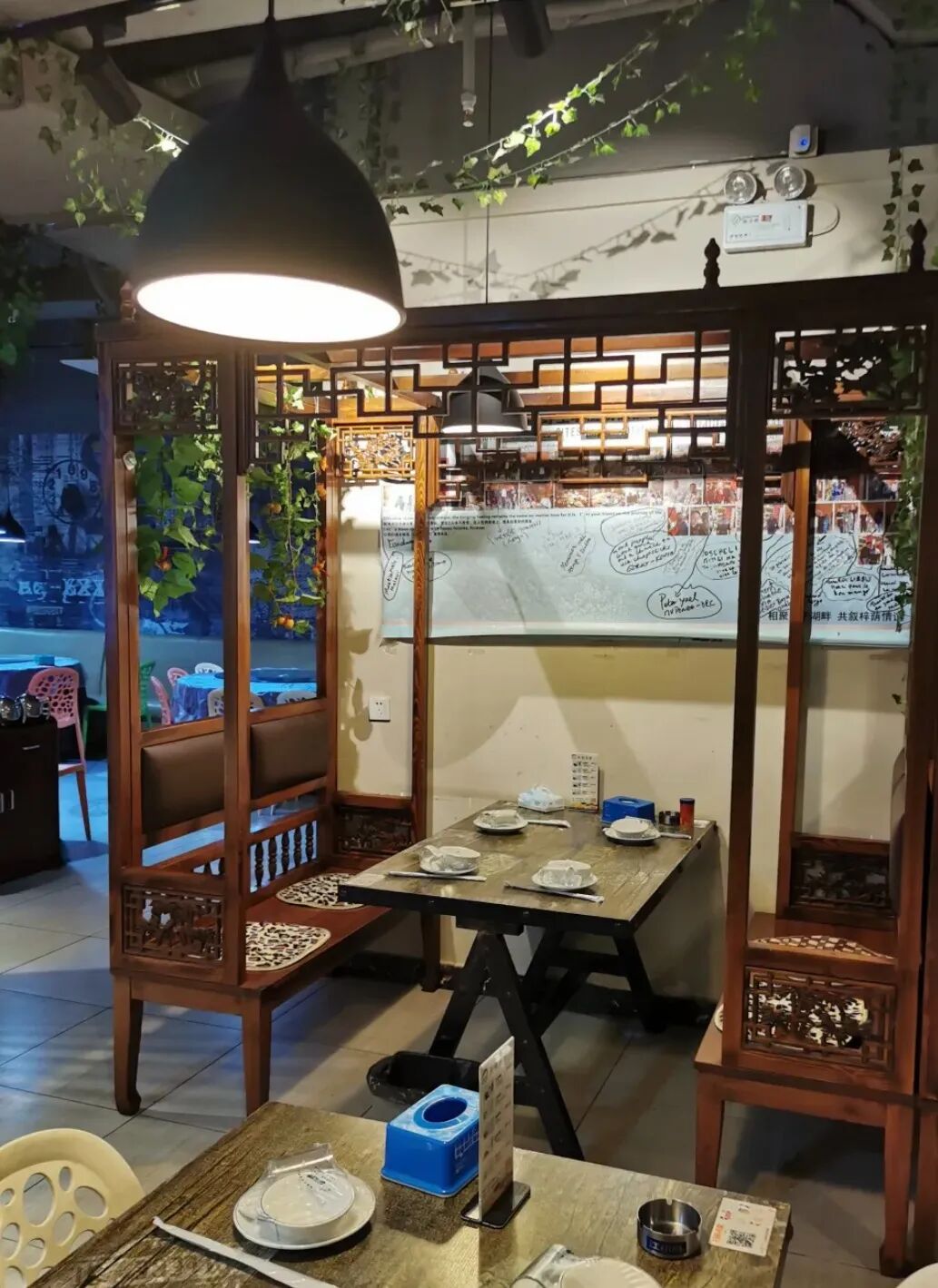
On the very first bite, both my friend and I let out an audible 'Whoa!' The outer crust crunched loudly, leaving tiny, light crumbs on the plate with zero cardboard-like toughness. The chicken inside was so tender it practically burst with juice—not that dry, frozen-meat texture at all, but fresh chicken thigh meat sliced to order, with every fiber soaked in savory flavor. The sweet-and-sour glaze was dead-on: refreshingly tangy without being aggressive, sweet without burning the back of your throat, and leaving a lingering aftertaste long after you swallowed.
My friend nodded between bites, saying, 'I always thought guobaorou had to be pork, but I never imagined chicken could taste this insane—and there's zero gamey flavor!' Chatting with the chef later, we learned that the secret is all in the details: you have to use halal-butemered chicken thighs for the exact right tenderness; the batter has to be mixed to a perfect medium consistency—too thick and it gets soggy, too thin and it loses the crunch; the heat control has to be timed down to the second, because 10 seconds too long makes the meat tough, and 10 seconds too short ruins the crunch. Even the glaze is made by melting rock sugar instead of white sugar, which gives it a smoother finish. No wonder it doesn't taste greasy. 'When we make halal food, the ingredients have to be honest and the flavor has to be legit. You can't fool your customers!' The chef's words were as solid and down-to-earth as the guobaorou itself.
Part 3: More Than Just Guobaorou—A Transparent Kitchen You Can Trust, Offering Late-Night Comfort
My friend gushed while eating, 'If I'm stuck working late in the future, I'll never have to choke down instant noodles again. Coming here for an order of guobaorou and a bowl of egg drop soup is pure comfort!' The waitstaff mentioned that most of their diners are regulars: families rolling in specifically for the big private rooms and free parking; young people working overtime who drop by to grab guobaorou and cold appetizers for a super relaxing meal; and neighborhood Hui residents who often swing by to pack up a few orders of guobaorou to go, saying, 'The kids at home are obsessed with this dish.' Without any flashy marketing, they keep people coming back purely through genuine quality—which is probably the true charm of halal Dongbei cuisine: it brings together the boldness of Northeastern cooking with the mindful care of halal traditions.
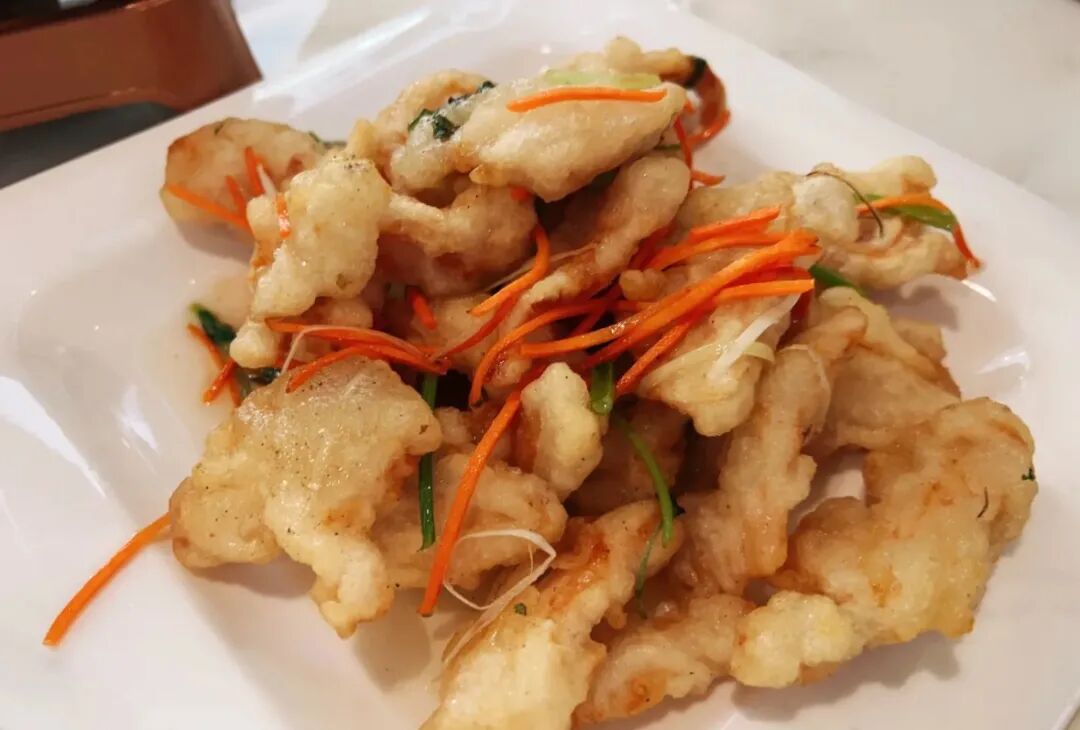
Part 4: Foodie Guide—Xihu District's Go-To Halal Dongbei Spot for Stress-Free Group Dinners
Mashi Maizhou didn't earn its spot on Wenyi Road through gimmicks. It won people over with a guobaorou that keeps you craving it, the thoughtful perks that solve the usual parking and seating headaches, and the absolute peace of mind that comes with halal dining. Next time you're craving Dongbei food and want a relaxed, hassle-free experience, you honestly can't go wrong here.
To sum it all up: I always used to think 'halal,' 'Dongbei food,' and 'cozy aesthetic' were impossible to mix, until I found Mashi Maizhou. It proves that a truly great restaurant is one that hits all the right notes, making you finish a plate of guobaorou while already planning your next visit.
Restaurant Info
Address: 1st Floor, Zhongzhu Building, No. 308 Wenyi Road, Xihu District, Hangzhou (Intersection of Wenyi Road and Guicui Road, with free parking right at the entrance)
Hours: Monday to Sunday, 10:00 AM – 2:00 AM (Calling all late-night snackers and overtime workers!)
Reservation Tip: Check online platforms for the latest booking info. For family get-togethers and friend gatherings, it's best to reserve a large private room in advance~
Halal Hangzhou: Crispy Beef Buns & Historic Fenghuang Mosque Guide
Articles • Hasan09 posted the article • 0 comments • 11 views • 1 days ago
Chasing the fluffiest, crispiest-bottom niurou jianbao (pan-fried beef buns) and traditional Halal street eats right next to the glow of Fenghuang Mosque at sunset.
Summary:
Rooted in the rich, thousand-year heritage of Hangzhou's historic Fenghuang Mosque (Phoenix Mosque), we head over to a time-honored Halal spot tucked right beside Imperial Street (Zhongshan Middle Road). Watch the magic of freshly wrapped and pan-fried niurou jianbao come to life, experience that unbeatable crispy-on-the-outside, tender-on-the-inside bite, and soak up the timeless vibes and neighborhood warmth right next to the ancient masjid.
227 Zhongshan Middle Road, Hangzhou Fenghuang Mosque (Phoenix Mosque)
This historic mosque sitting right at the Imperial Street intersection features a double-eaved octagonal center and single-eaved hexagonal sides. It's totally striking and full of character, blending traditional Chinese architecture with Arabic design elements. Every time I walk past, I honestly can't help stopping to take it all in.
Right next door, there's a low-key Halal snack shop.
They dish out niurou jianbao, yangrou chuan (skewered lamb kebabs), lamian (hand-pulled beef noodles), and a whole lineup of classic bites.
But the absolute star of the show here is their niurou jianbao.
Local elders are constantly rolling up to pack away 10 jianbao to go.
Great pan-fried buns really come down to one foolproof, positive cycle:
1. The jianbao are legit delicious.
2. More people pull up to buy them.
3. The batches are always fresh, piping hot, and straight out of the pan.
Bottom line: in a city that's basically a niurou jianbao desert like Hangzhou, you're about to score:
Dough that's super fluffy and soft, a bottom that's shatteringly crisp, and a beef filling packed with juicy goodness.
Golden, glowing, and fresh out of the iron skillet—
Niurou jianbao!
Setting up shop right next to Fenghuang Mosque,
the owner puts it best: 'Where the heart feels at peace, that is home.' view all
Chasing the fluffiest, crispiest-bottom niurou jianbao (pan-fried beef buns) and traditional Halal street eats right next to the glow of Fenghuang Mosque at sunset.
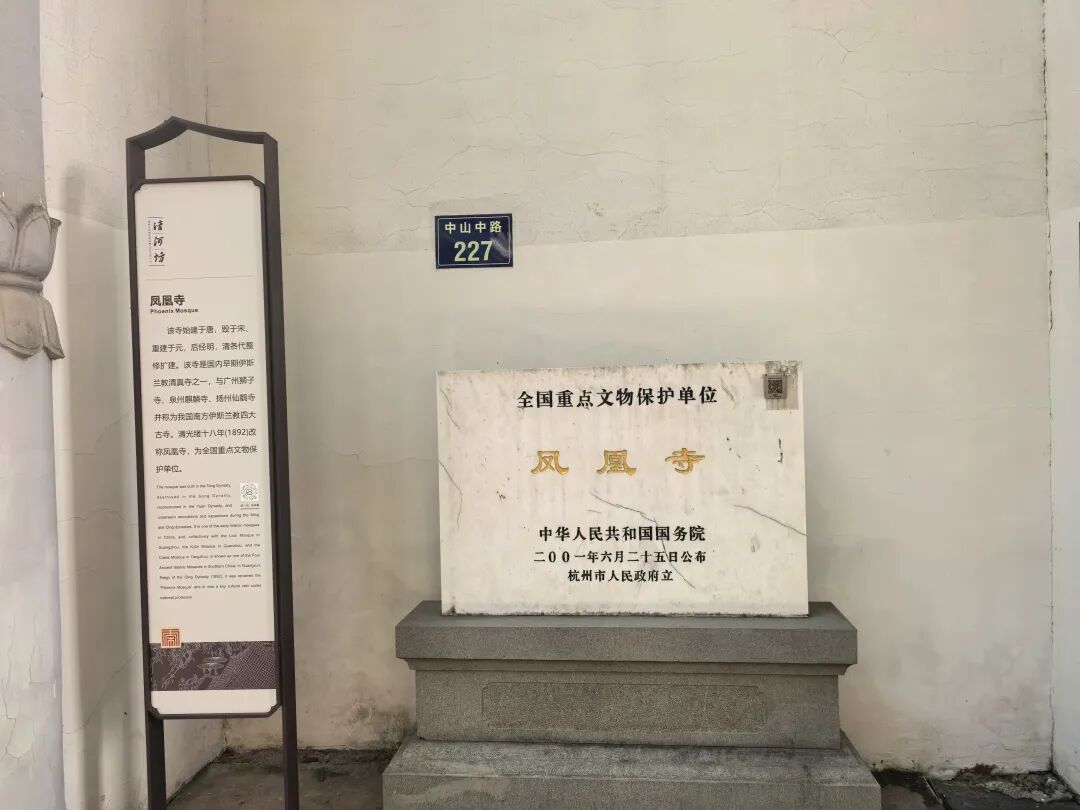
Summary:
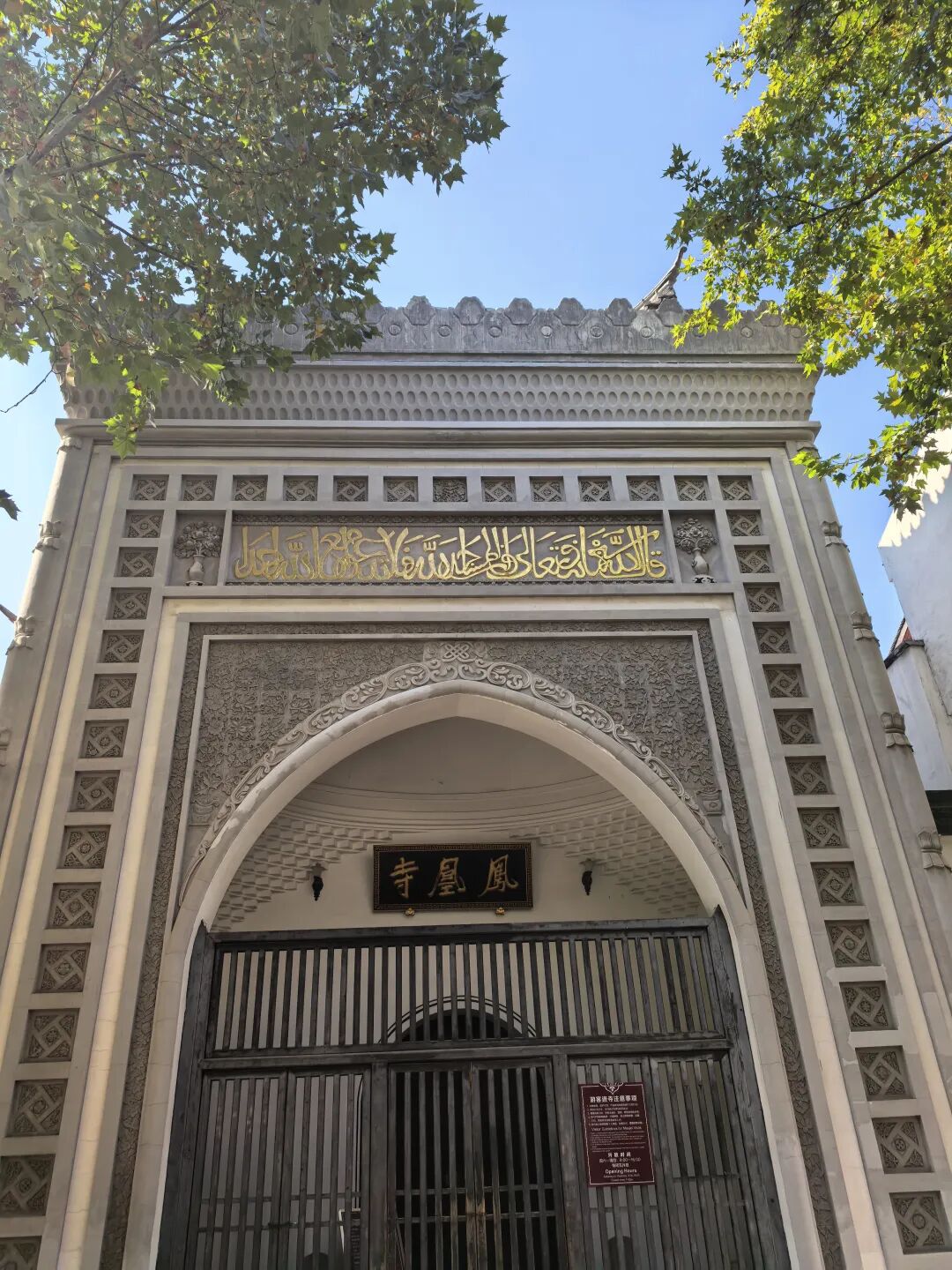
Rooted in the rich, thousand-year heritage of Hangzhou's historic Fenghuang Mosque (Phoenix Mosque), we head over to a time-honored Halal spot tucked right beside Imperial Street (Zhongshan Middle Road). Watch the magic of freshly wrapped and pan-fried niurou jianbao come to life, experience that unbeatable crispy-on-the-outside, tender-on-the-inside bite, and soak up the timeless vibes and neighborhood warmth right next to the ancient masjid.
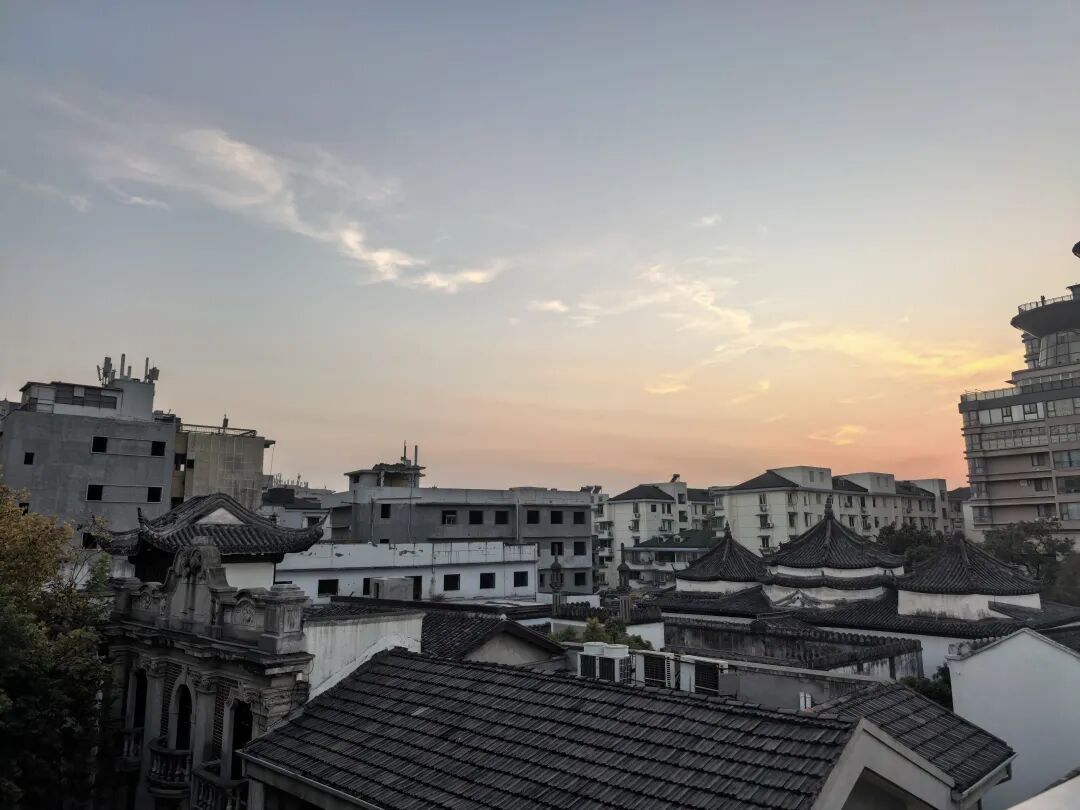
227 Zhongshan Middle Road, Hangzhou Fenghuang Mosque (Phoenix Mosque)
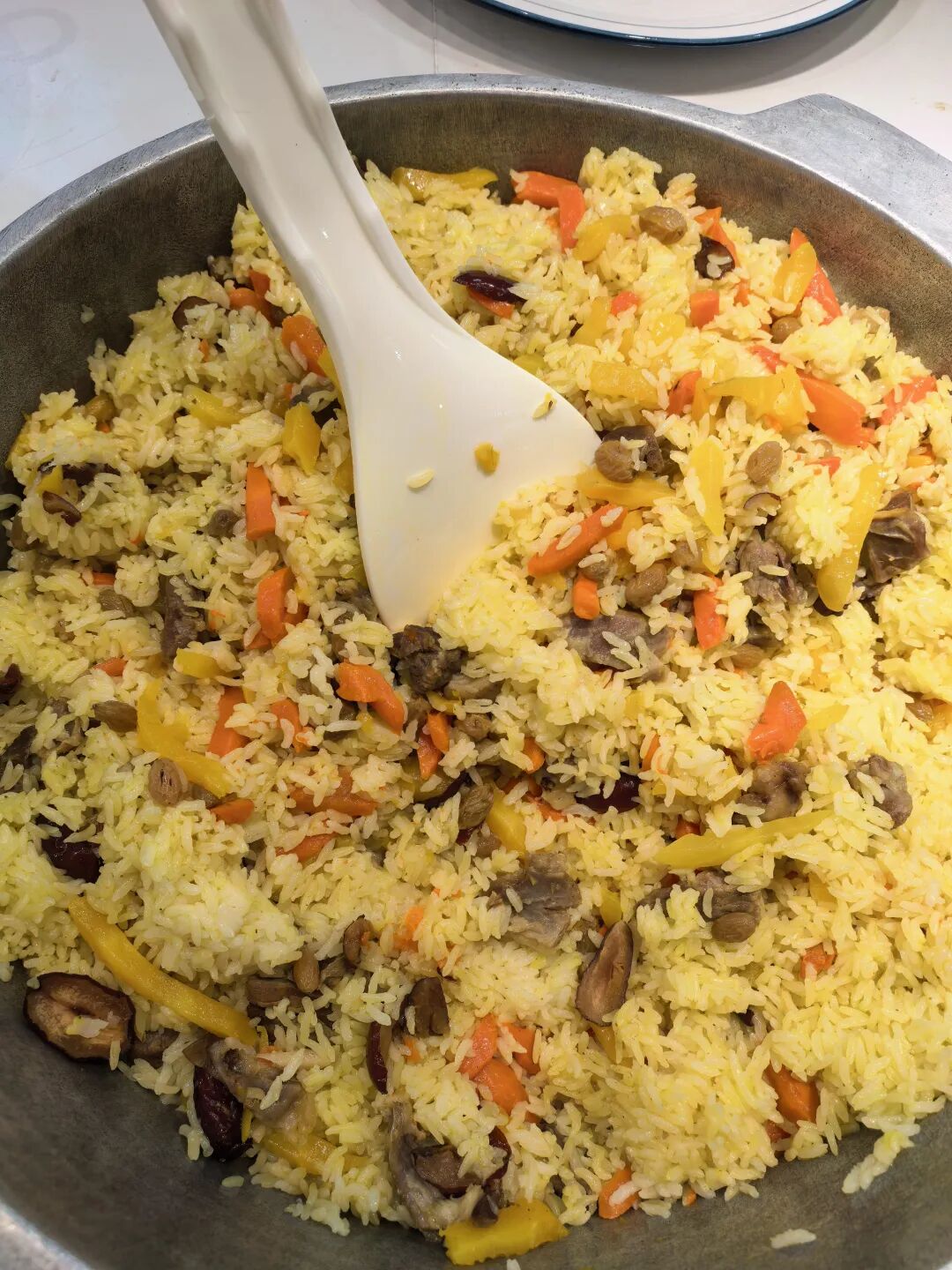
This historic mosque sitting right at the Imperial Street intersection features a double-eaved octagonal center and single-eaved hexagonal sides. It's totally striking and full of character, blending traditional Chinese architecture with Arabic design elements. Every time I walk past, I honestly can't help stopping to take it all in.
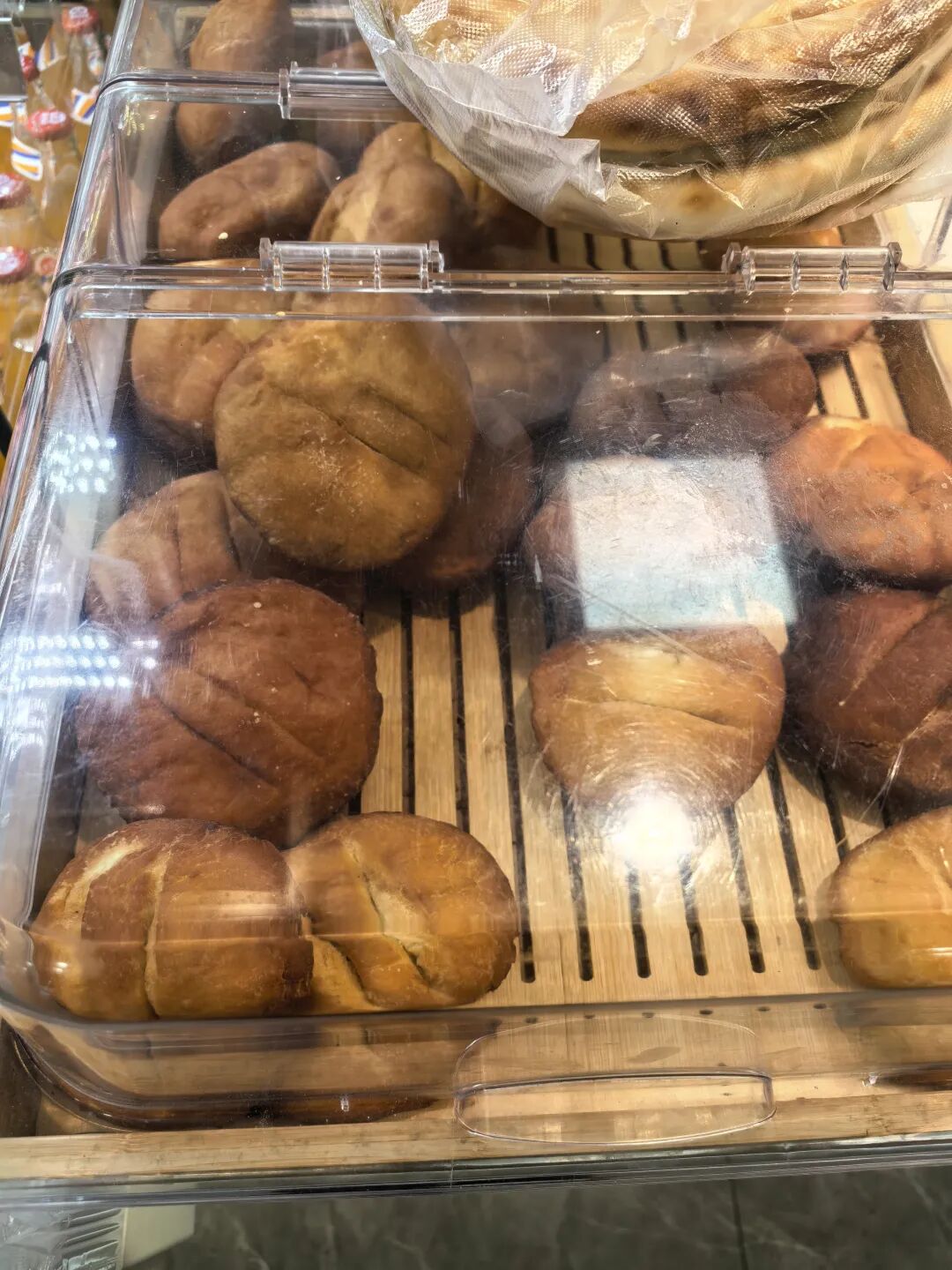
Right next door, there's a low-key Halal snack shop.
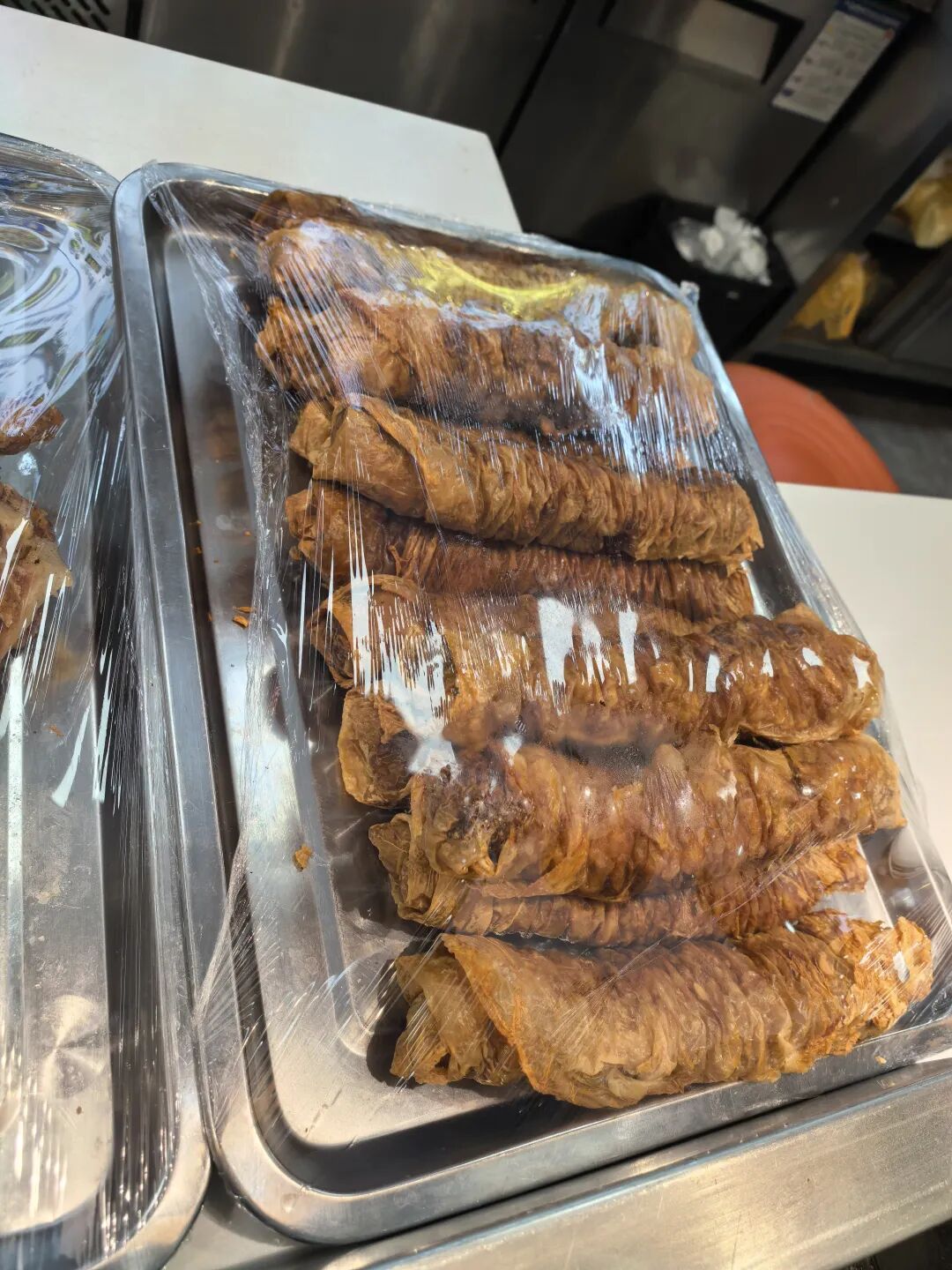
They dish out niurou jianbao, yangrou chuan (skewered lamb kebabs), lamian (hand-pulled beef noodles), and a whole lineup of classic bites.
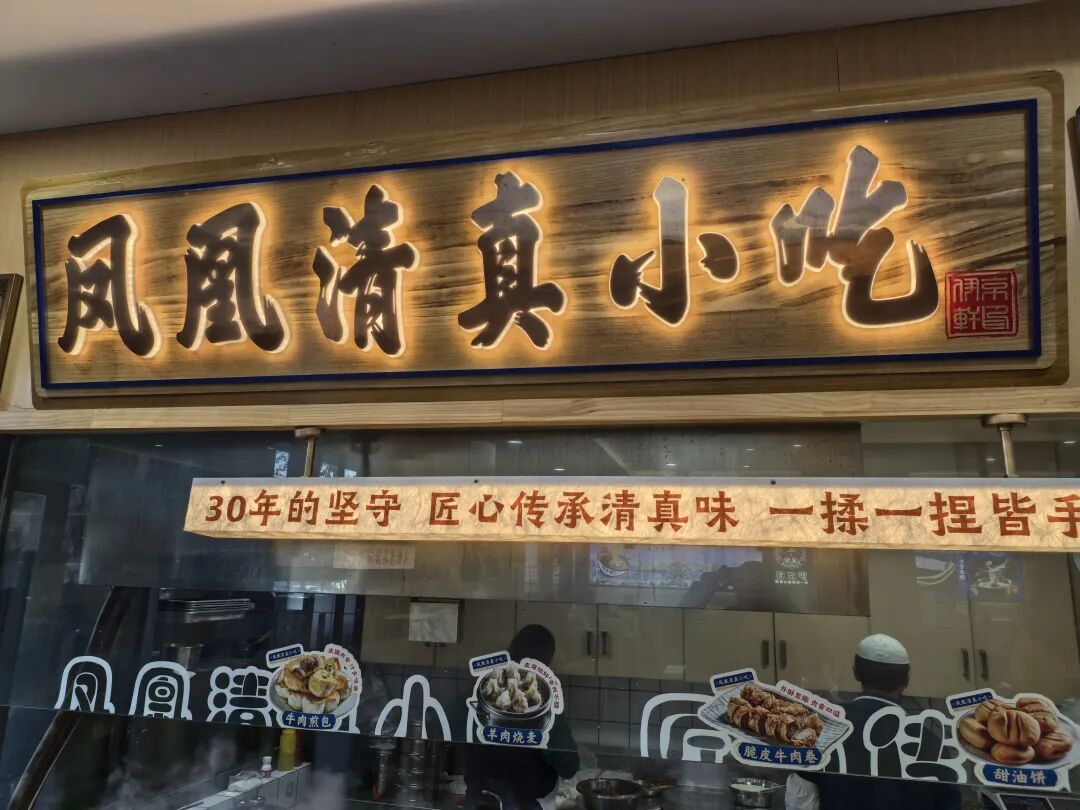
But the absolute star of the show here is their niurou jianbao.
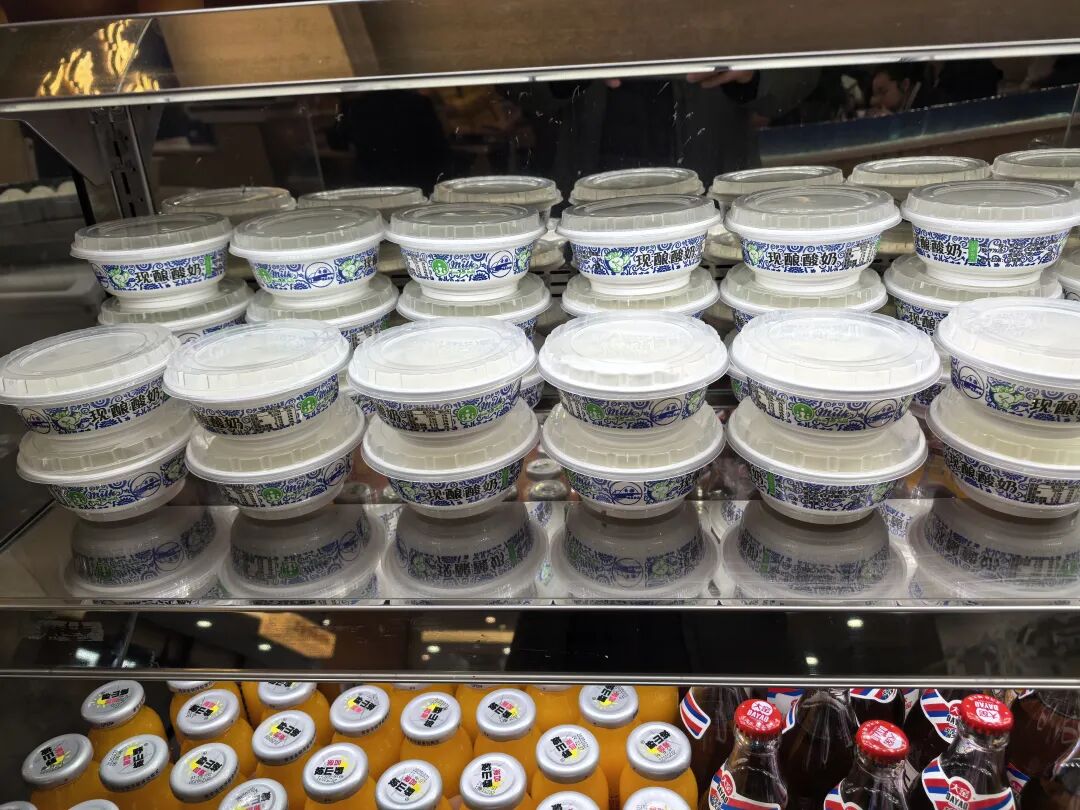
Local elders are constantly rolling up to pack away 10 jianbao to go.
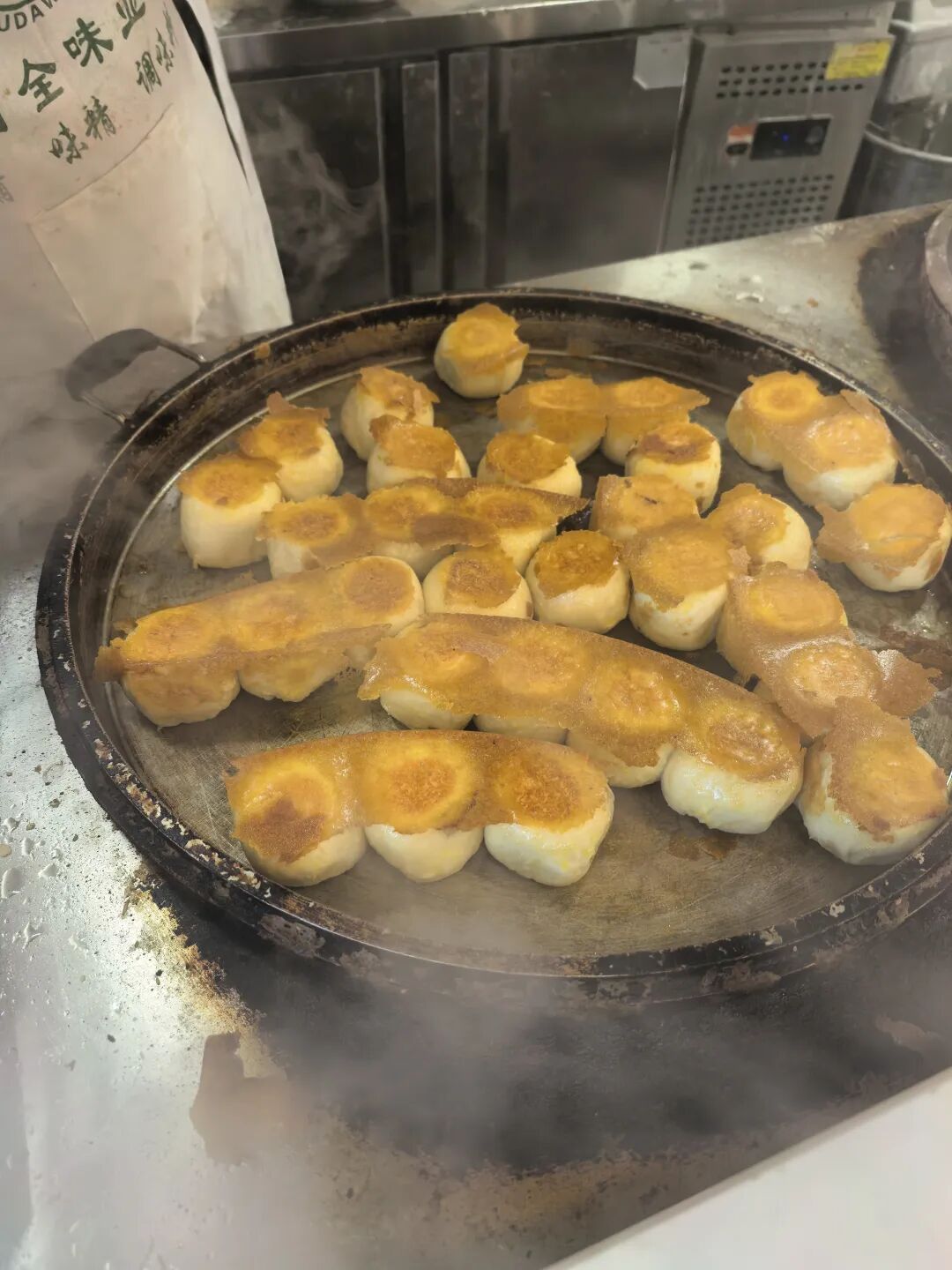
Great pan-fried buns really come down to one foolproof, positive cycle:
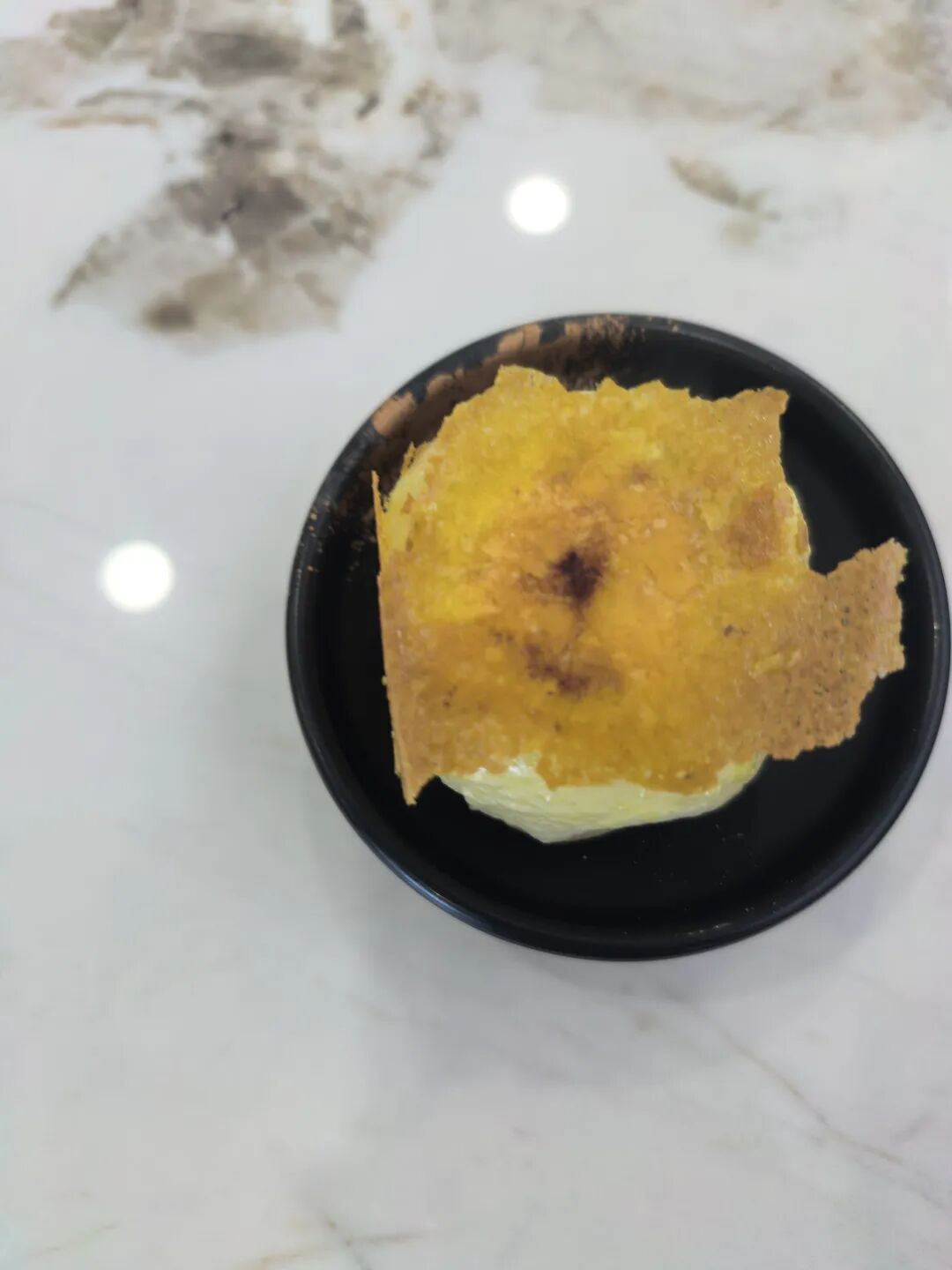
1. The jianbao are legit delicious.
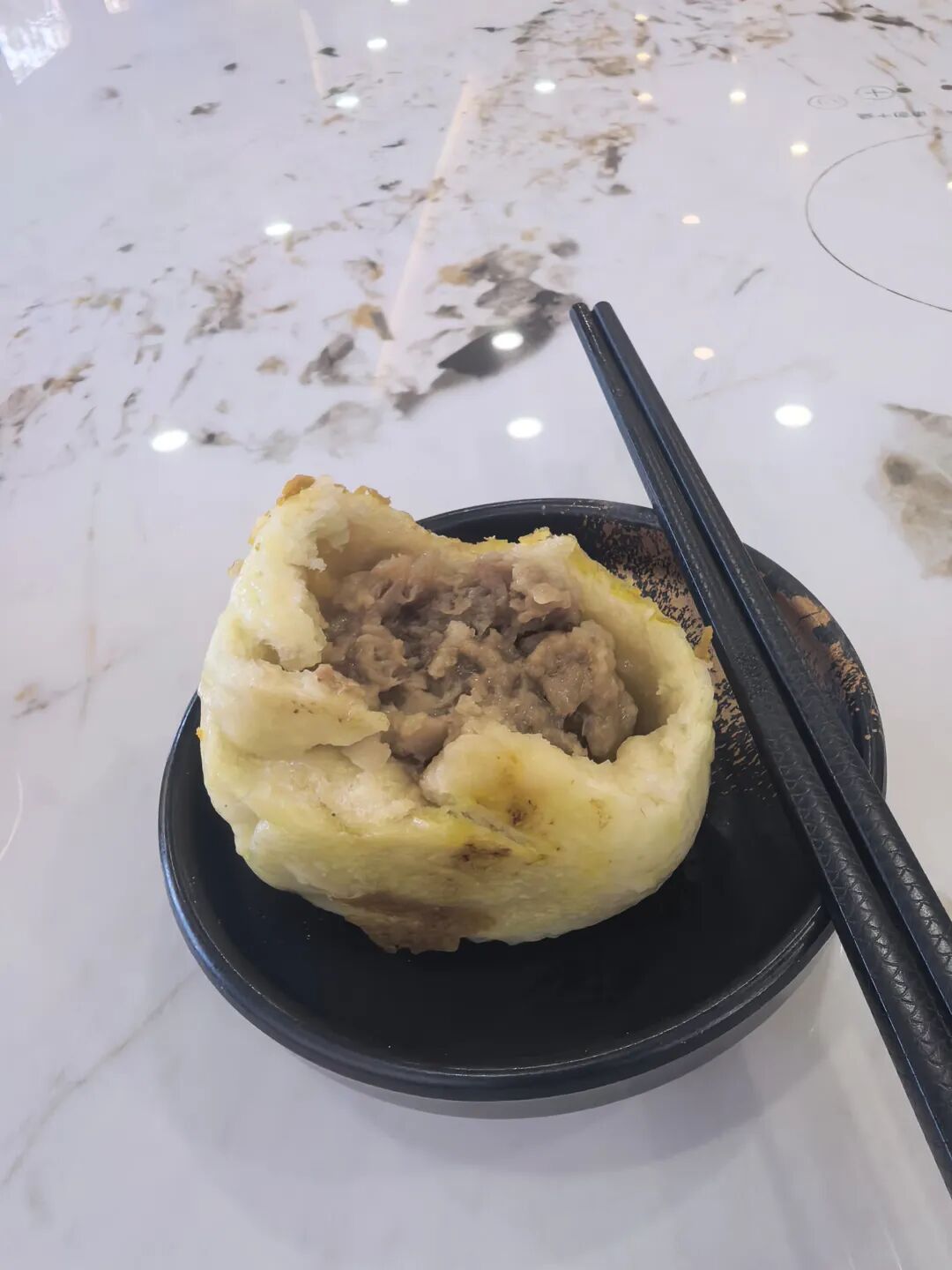
2. More people pull up to buy them.
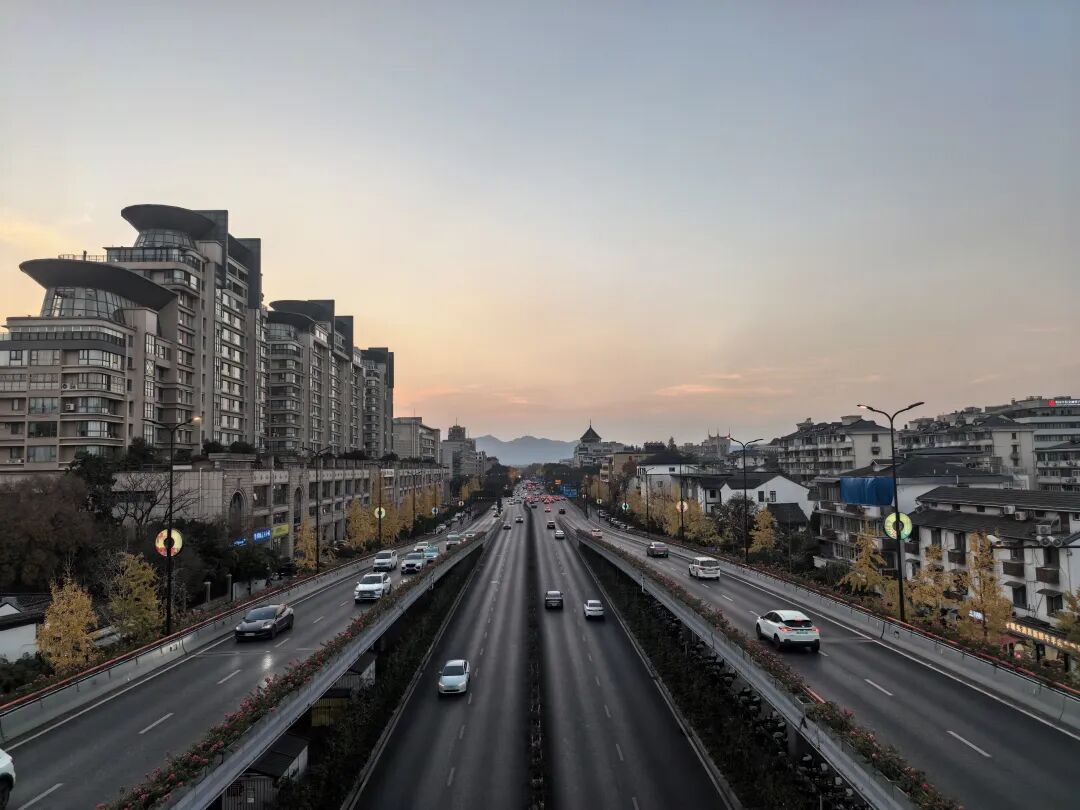
3. The batches are always fresh, piping hot, and straight out of the pan.
Bottom line: in a city that's basically a niurou jianbao desert like Hangzhou, you're about to score:
Dough that's super fluffy and soft, a bottom that's shatteringly crisp, and a beef filling packed with juicy goodness.
Golden, glowing, and fresh out of the iron skillet—
Niurou jianbao!
Setting up shop right next to Fenghuang Mosque,
the owner puts it best: 'Where the heart feels at peace, that is home.'
Hangzhou Halal Food Guide: Authentic Lanzhou Beef Noodles & Shouzhuayangrou on Wensan Road
Articles • Hasan09 posted the article • 0 comments • 11 views • 1 days ago
Hangzhou Food Vibe Check: Getting Dragged by a Lanzhou Local to Wensan Road for Deyuan's Legit Beef Lamian and Authentic Shouzhuayangrou
Summary:
Following a native Lanzhou friend deep into Wensan Road to check out the heavily hyped Deyuan lamian (hand-pulled beef noodles). A clear broth, white radishes, vibrant red chili oil, emerald greens, and golden noodles paired with authentic shouzhuayangrou (hand-grabbed lamb) bring the real-deal Yellow River vibes and Northwest Chinese Muslim food culture straight to you.
My coworker is from Lanzhou, and his obsession with beef noodles always baffles us southerners. Honestly, how good can a bowl of beef lamian really be?
Anyway, whenever he's tasked with picking lunch, he makes a beeline for beef noodles. At first, we hit up standard Lanzhou lamian spots, but he thought they were missing that authentic touch. Later, a Majiyong chain opened up near the office; he said it was better than regular lamian, but still not quite hitting the mark.
Then Deyuan Beef Noodles opened on Wensan Road. He declared this was finally the taste of his hometown beef noodles, and pressured the team to go back several days in a row. Naturally, I tagged along to check it out.
Halal Deyuan Lanzhou Pure Broth Beef Noodles
Address: 1st Floor, Huaxing Technology Building, 477 Wensan Road, Xihu District
Price: Around ¥30 per person
To make a killer bowl of Lanzhou beef noodles, three things are key: the broth, the noodles, and the youlazi (chili oil).
Beef noodles come in a bunch of widths, from ultra-thin to super-wide: maoxi (hair-thin), xi (thin), sanxi (three-thin), erxi (two-thin), erzhuzi (thick cylinders), qiaocaileng (buckwheat-edge), jiuye (leek-leaf), baokuan (thin-wide), and daguan (extra-wide). Over the last few years, my Hangzhou friends have learned the ropes and know how to pick their noodle thickness. I’m not a fan of super thin noodles, so I always go with jiuye (leek-leaf).
Their youlazi (chili oil) is legit too, super appetizing. A giant basin sits right by the pick-up counter, constantly topped off with freshly brewed batches. That single scoop is the soul of the bowl, and the flavor is totally on point.
Usually, you pay first, then hit up different windows to grab your food: the beef and cold dishes are at one spot, the noodle broth at another, and the lamb skewers at yet another window.
Business since opening has been insanely good, with lines spilling out the shop and onto the street. If you want to skip the wait, you either need to roll up around 11 AM or time it right to beat the rush.
Compared to beef noodles you get elsewhere, the broth here is definitely clearer, the chili oil more fragrant, and it’s super comforting to eat. That said, beef noodles rarely blow your mind with sheer shock value, so I wouldn’t recommend rushing out during peak chaos. Better to wait till the hype cools down.
By the way, the ¥24 opening combo deal is actually a steal. Aside from chunky slices of beef, it even comes with a braised egg.
The noodles themselves are solid. Even when slammed with massive crowds, the kitchen stays consistent. My only gripe is they toss the daikon radish into the soup totally at random. Some bowls get loaded with chunks, while mine only had one or two sad pieces—definitely left me wanting more.
The cold dishes are consistently delicious too. The chili oil potatoes, pickled radishes, and kao fu (spongy wheat gluten) are awesome—totally worth getting a mixed platter.
My absolute favorite is the shouzhuayangrou (hand-grabbed lamb). If you go, I seriously recommend grabbing the beef noodles + shouzhuayangrou combo. While beef noodles are hard to set wildly apart from other places, one bite of this lamb hits you with that rich, milky, succulent flavor. It's absolute perfection for winter.
The meat is melt-in-your-mouth tender, and the accompanying spiced salt and chili powder blend is top-notch.
The one total disappointment was the mutton skewers, which we had super high hopes for. By the time they made it from the counter to our table, they’d already gone cold. The meat was tough and rubbery, totally losing the heat it was supposed to have.
That’s probably just because they’re slammed right now with the grand opening rush, so I’d say skip the skewers—they take forever and arrive lukewarm.
I’ve always loved tianpeizi (fermented sweet highland barley soup), so if you want to wrap up your meal with a dessert, definitely order a bowl. Also, before you dive into the noodles, the shop has complimentary red date tea to warm you up.
All in all, the food here isn't bad at all. But with the massive opening crowds messing with the vibe, you might want to drop it on your saved list and hit it up later.
Not far from here, I recently checked out another spot on Wensan Road: Jin Shunfa × Jin Maji's Xiamen snacks. I thought their signature oyster rice combo was really good—it comes with oyster rice, shacha meat skewers, and dressed seasonal greens.
The oyster portion was super generous, packed with great scallion aroma, and way better than standard oyster omelets.
Aside from the signature dish, I felt the other dim sum items lacked personality. Things like the five-spice meat rolls and fried vinegar pork weren't super memorable, though the salted-egg-yolk chicken wings were totally kid-friendly—sweet and sandy-textured.
So I’m skipping a full dedicated review for that spot. If you do go, just stick to their signature oyster rice; the main carb dishes definitely seem to be their strong suit. view all
Hangzhou Food Vibe Check: Getting Dragged by a Lanzhou Local to Wensan Road for Deyuan's Legit Beef Lamian and Authentic Shouzhuayangrou
Summary:
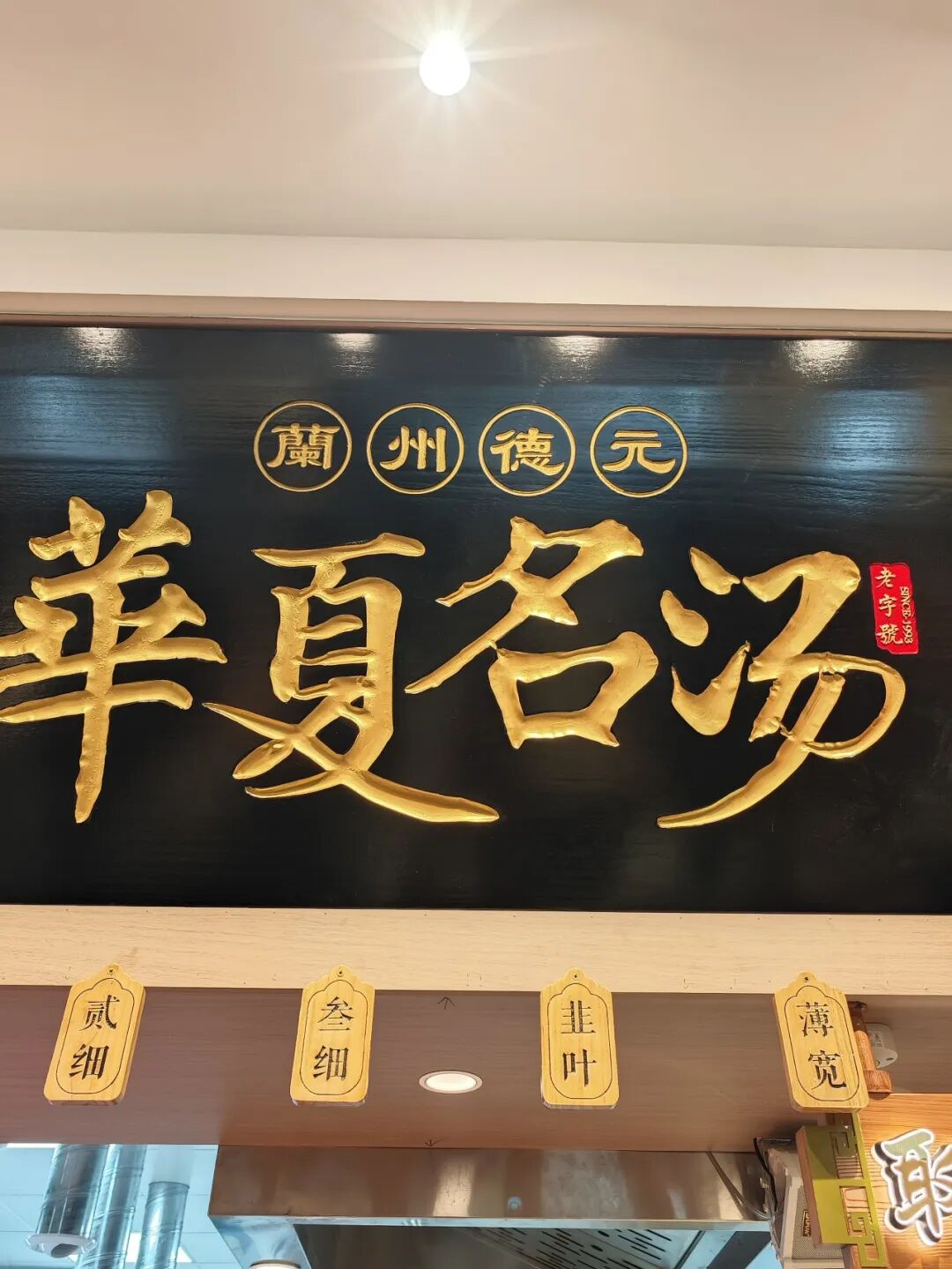
Following a native Lanzhou friend deep into Wensan Road to check out the heavily hyped Deyuan lamian (hand-pulled beef noodles). A clear broth, white radishes, vibrant red chili oil, emerald greens, and golden noodles paired with authentic shouzhuayangrou (hand-grabbed lamb) bring the real-deal Yellow River vibes and Northwest Chinese Muslim food culture straight to you.
My coworker is from Lanzhou, and his obsession with beef noodles always baffles us southerners. Honestly, how good can a bowl of beef lamian really be?
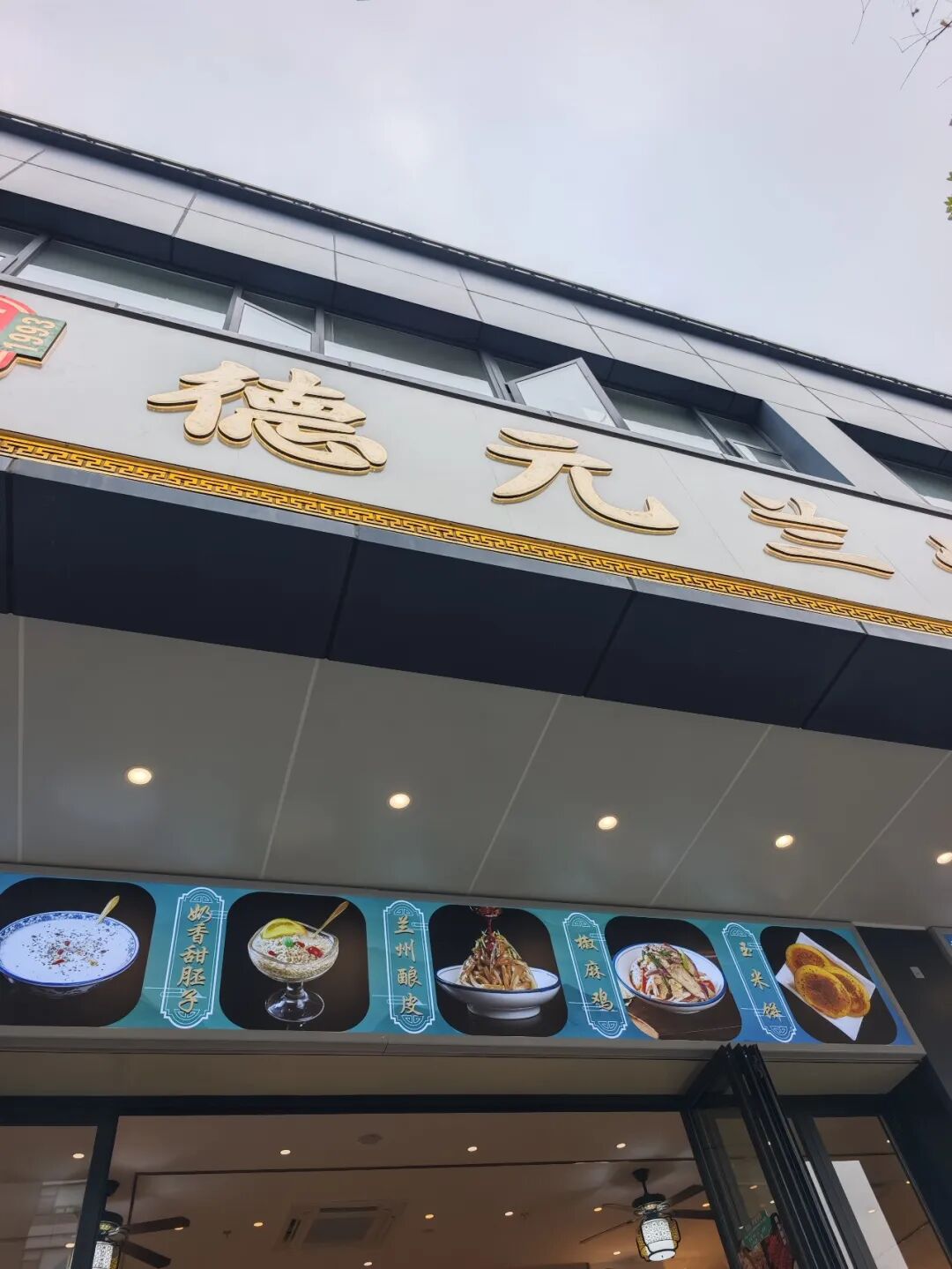
Anyway, whenever he's tasked with picking lunch, he makes a beeline for beef noodles. At first, we hit up standard Lanzhou lamian spots, but he thought they were missing that authentic touch. Later, a Majiyong chain opened up near the office; he said it was better than regular lamian, but still not quite hitting the mark.
Then Deyuan Beef Noodles opened on Wensan Road. He declared this was finally the taste of his hometown beef noodles, and pressured the team to go back several days in a row. Naturally, I tagged along to check it out.
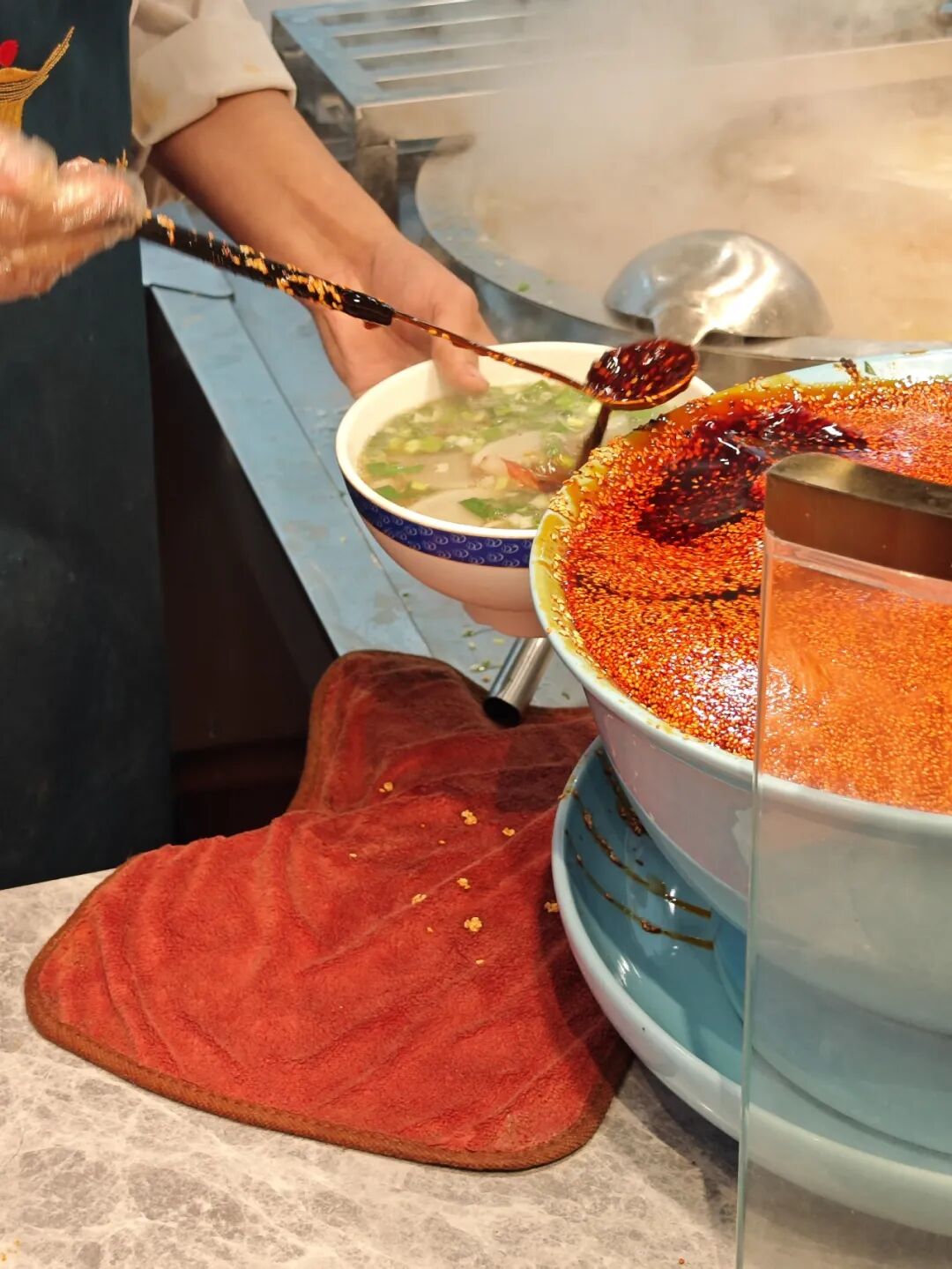
Halal Deyuan Lanzhou Pure Broth Beef Noodles
Address: 1st Floor, Huaxing Technology Building, 477 Wensan Road, Xihu District
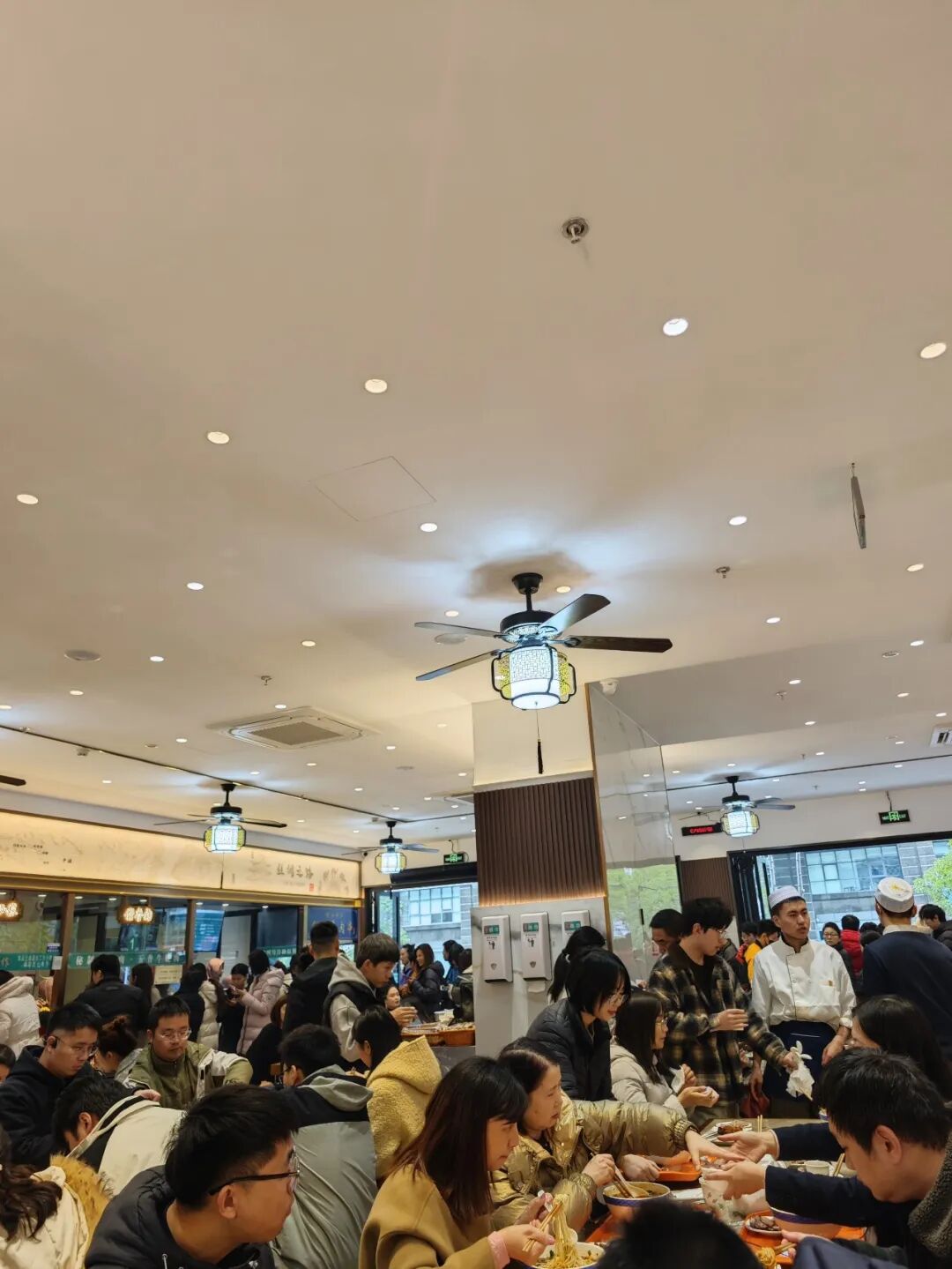
Price: Around ¥30 per person
To make a killer bowl of Lanzhou beef noodles, three things are key: the broth, the noodles, and the youlazi (chili oil).
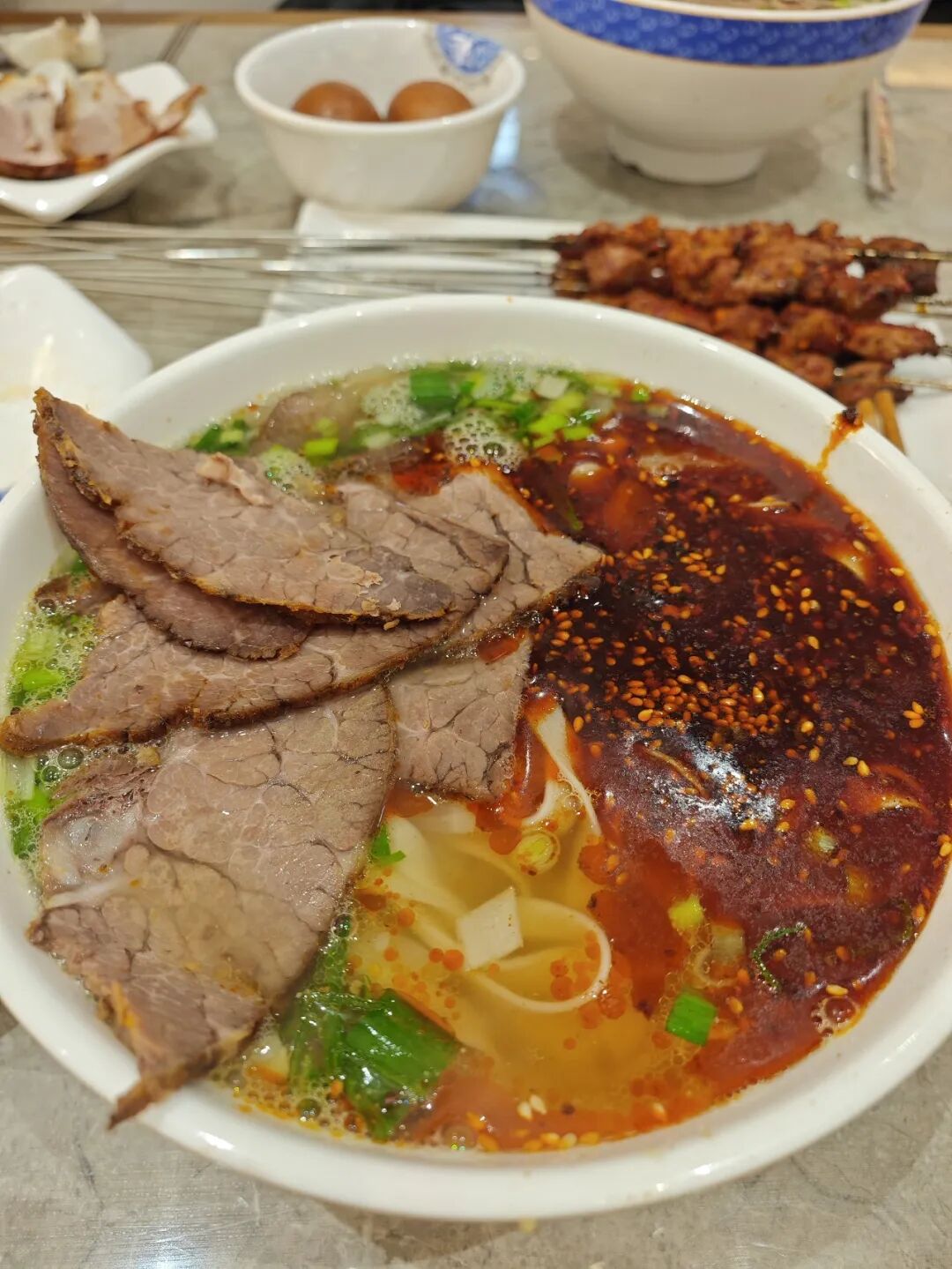
Beef noodles come in a bunch of widths, from ultra-thin to super-wide: maoxi (hair-thin), xi (thin), sanxi (three-thin), erxi (two-thin), erzhuzi (thick cylinders), qiaocaileng (buckwheat-edge), jiuye (leek-leaf), baokuan (thin-wide), and daguan (extra-wide). Over the last few years, my Hangzhou friends have learned the ropes and know how to pick their noodle thickness. I’m not a fan of super thin noodles, so I always go with jiuye (leek-leaf).
Their youlazi (chili oil) is legit too, super appetizing. A giant basin sits right by the pick-up counter, constantly topped off with freshly brewed batches. That single scoop is the soul of the bowl, and the flavor is totally on point.
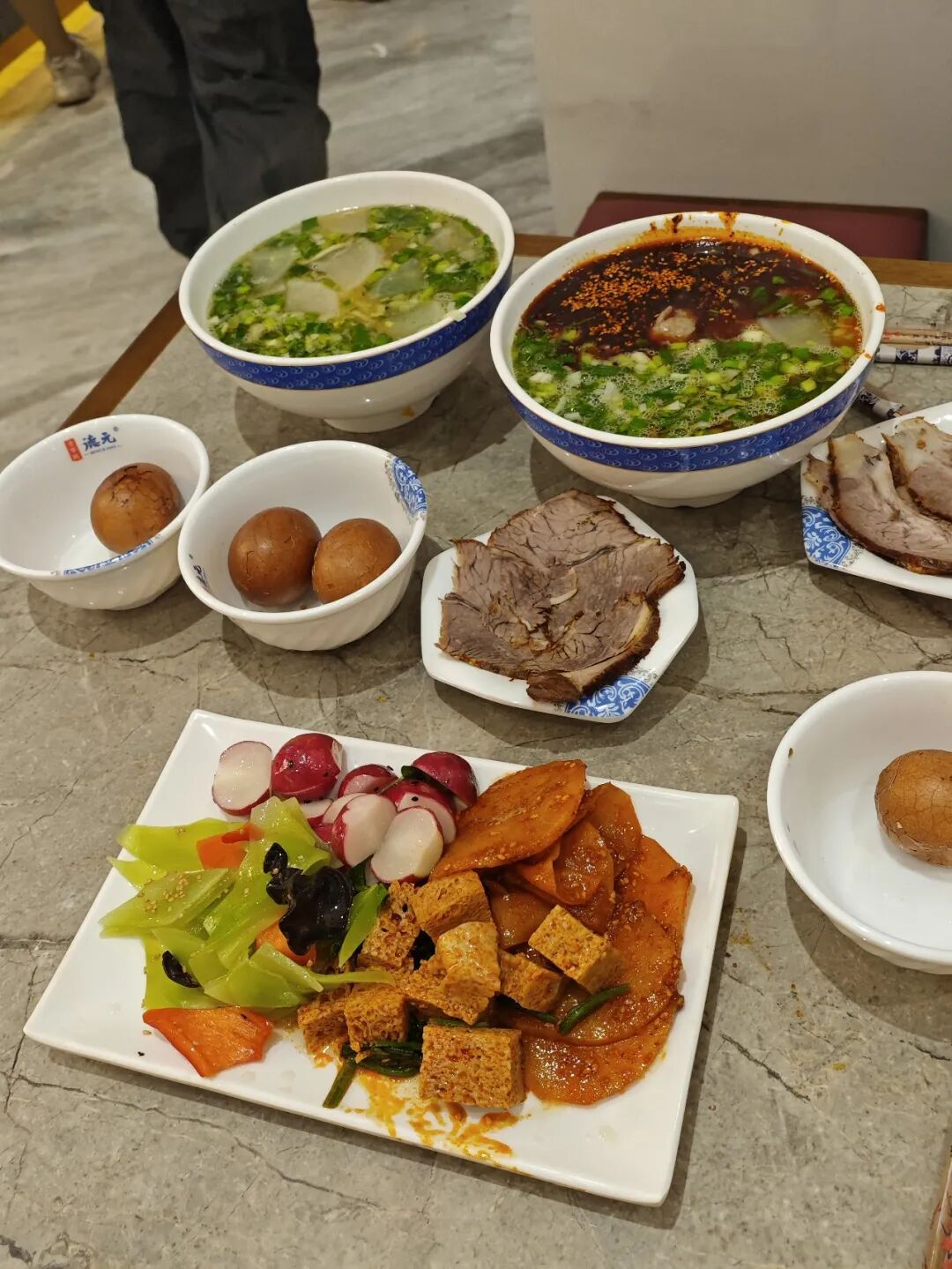
Usually, you pay first, then hit up different windows to grab your food: the beef and cold dishes are at one spot, the noodle broth at another, and the lamb skewers at yet another window.
Business since opening has been insanely good, with lines spilling out the shop and onto the street. If you want to skip the wait, you either need to roll up around 11 AM or time it right to beat the rush.
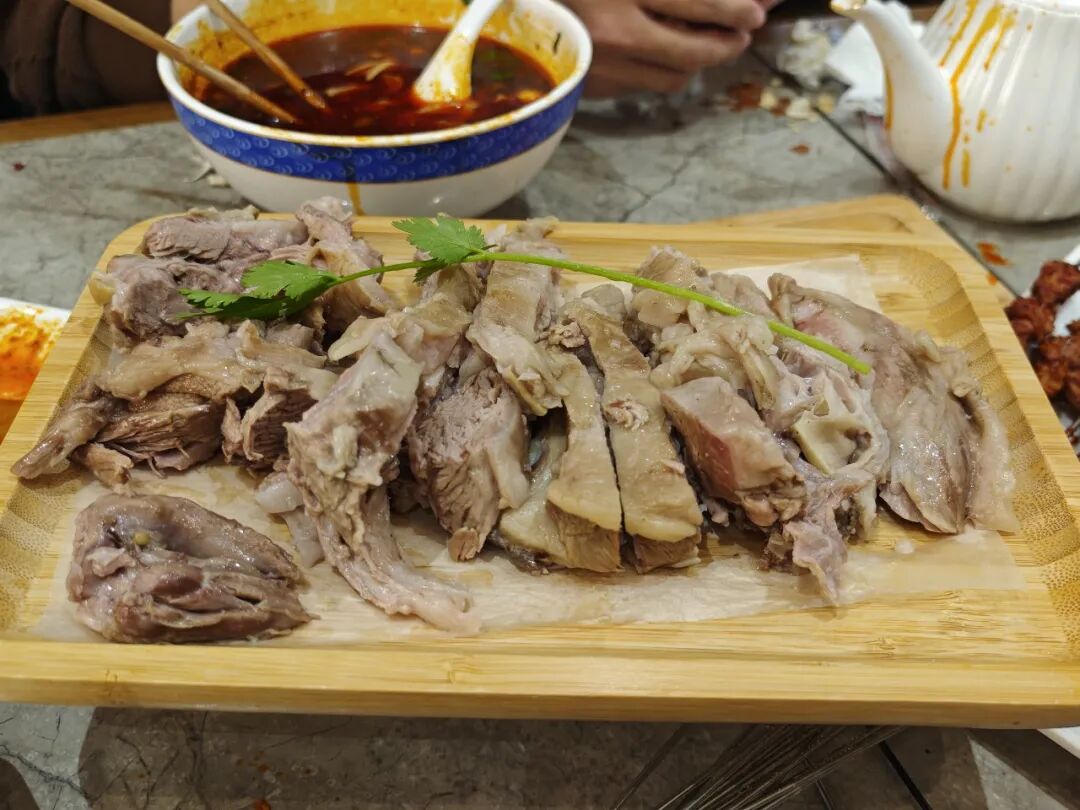
Compared to beef noodles you get elsewhere, the broth here is definitely clearer, the chili oil more fragrant, and it’s super comforting to eat. That said, beef noodles rarely blow your mind with sheer shock value, so I wouldn’t recommend rushing out during peak chaos. Better to wait till the hype cools down.
By the way, the ¥24 opening combo deal is actually a steal. Aside from chunky slices of beef, it even comes with a braised egg.
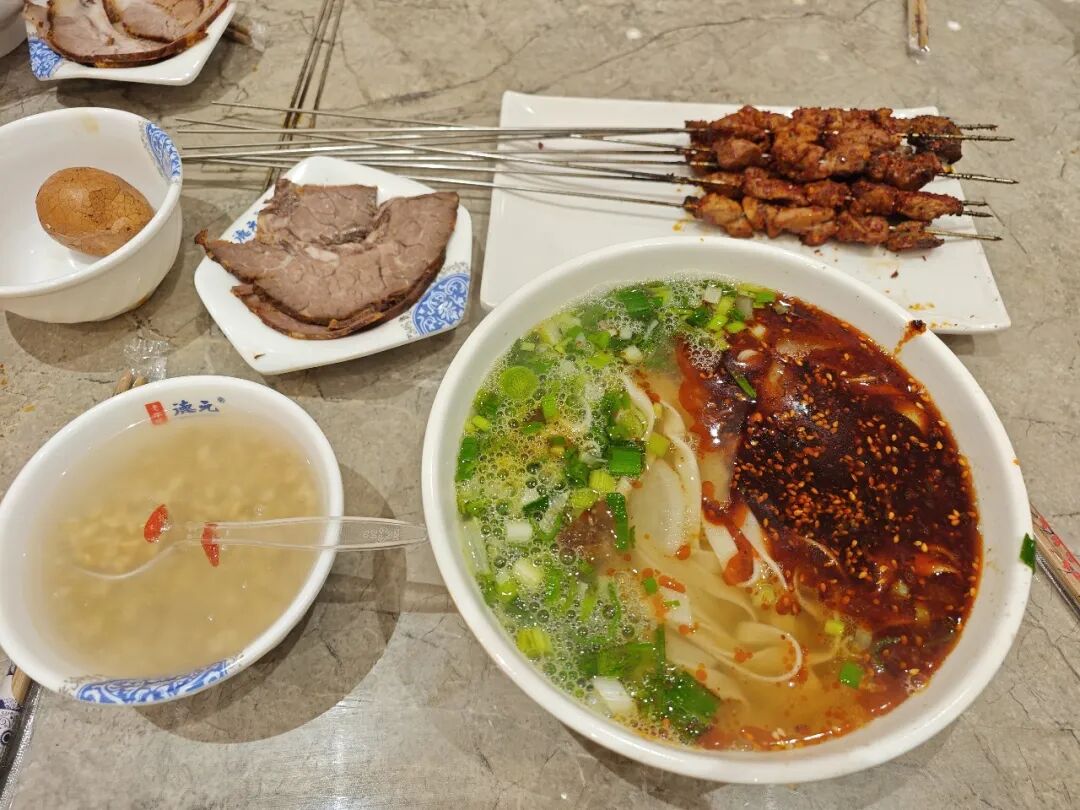
The noodles themselves are solid. Even when slammed with massive crowds, the kitchen stays consistent. My only gripe is they toss the daikon radish into the soup totally at random. Some bowls get loaded with chunks, while mine only had one or two sad pieces—definitely left me wanting more.
The cold dishes are consistently delicious too. The chili oil potatoes, pickled radishes, and kao fu (spongy wheat gluten) are awesome—totally worth getting a mixed platter.
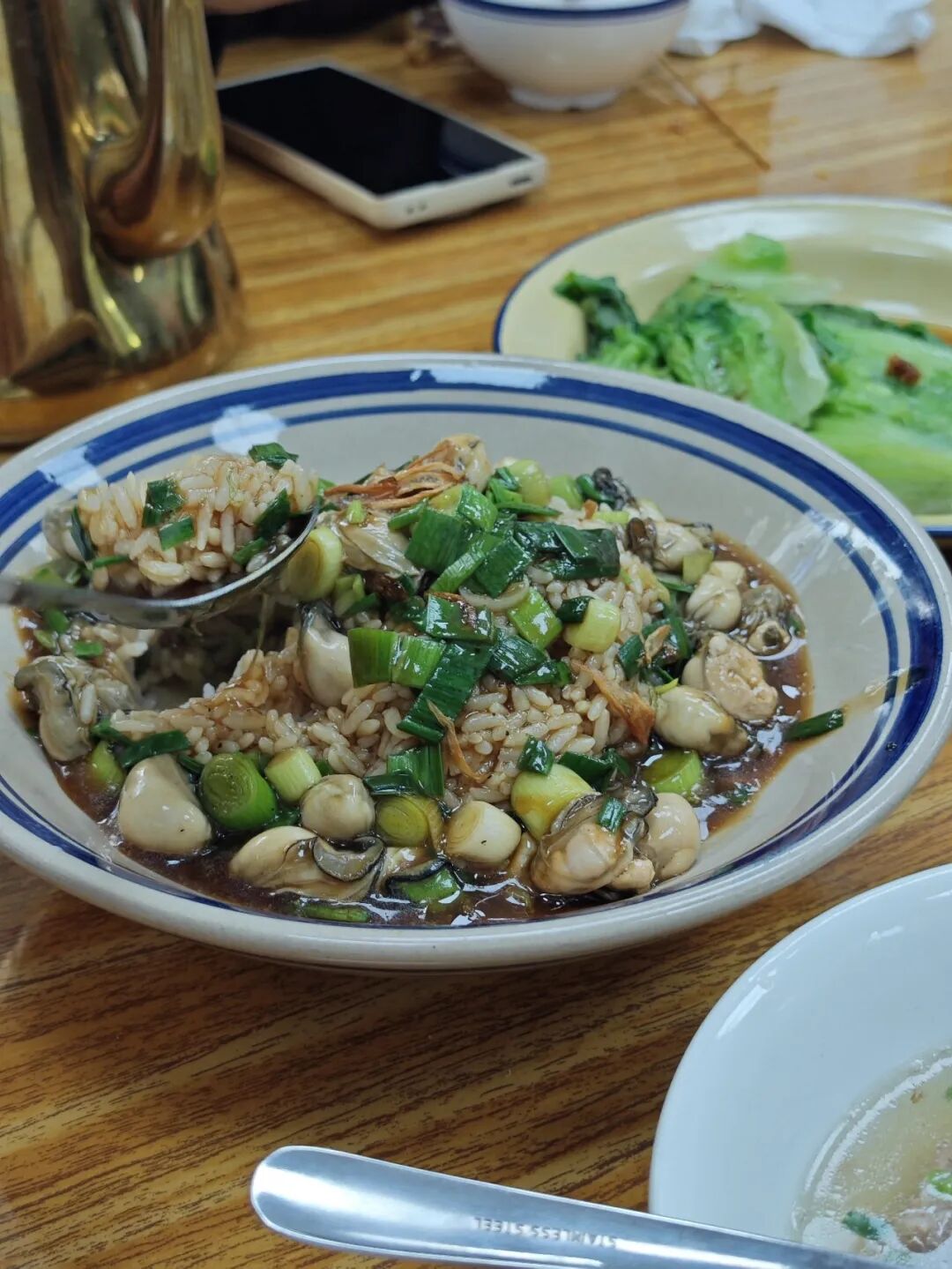
My absolute favorite is the shouzhuayangrou (hand-grabbed lamb). If you go, I seriously recommend grabbing the beef noodles + shouzhuayangrou combo. While beef noodles are hard to set wildly apart from other places, one bite of this lamb hits you with that rich, milky, succulent flavor. It's absolute perfection for winter.
The meat is melt-in-your-mouth tender, and the accompanying spiced salt and chili powder blend is top-notch.
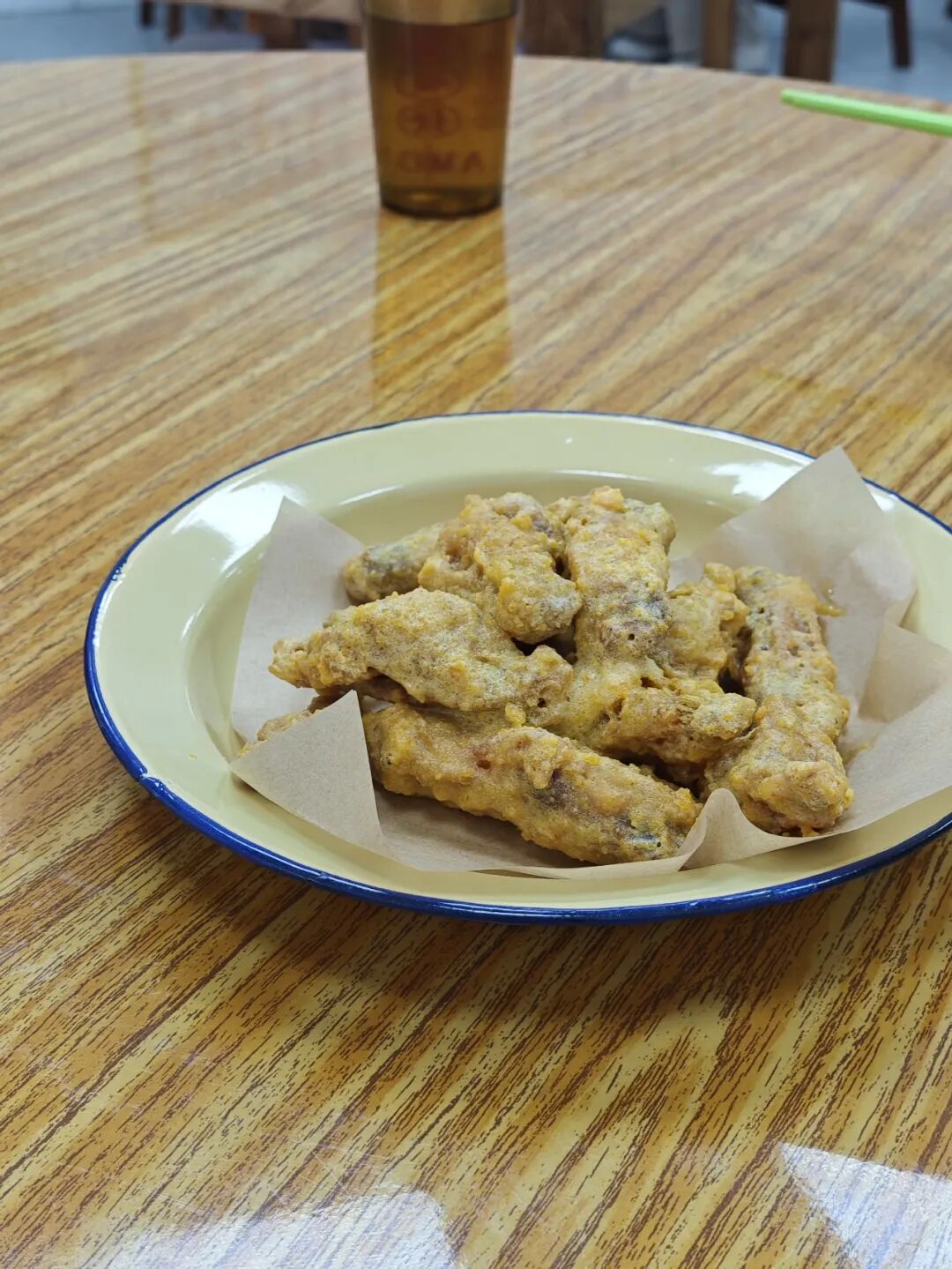
The one total disappointment was the mutton skewers, which we had super high hopes for. By the time they made it from the counter to our table, they’d already gone cold. The meat was tough and rubbery, totally losing the heat it was supposed to have.
That’s probably just because they’re slammed right now with the grand opening rush, so I’d say skip the skewers—they take forever and arrive lukewarm.
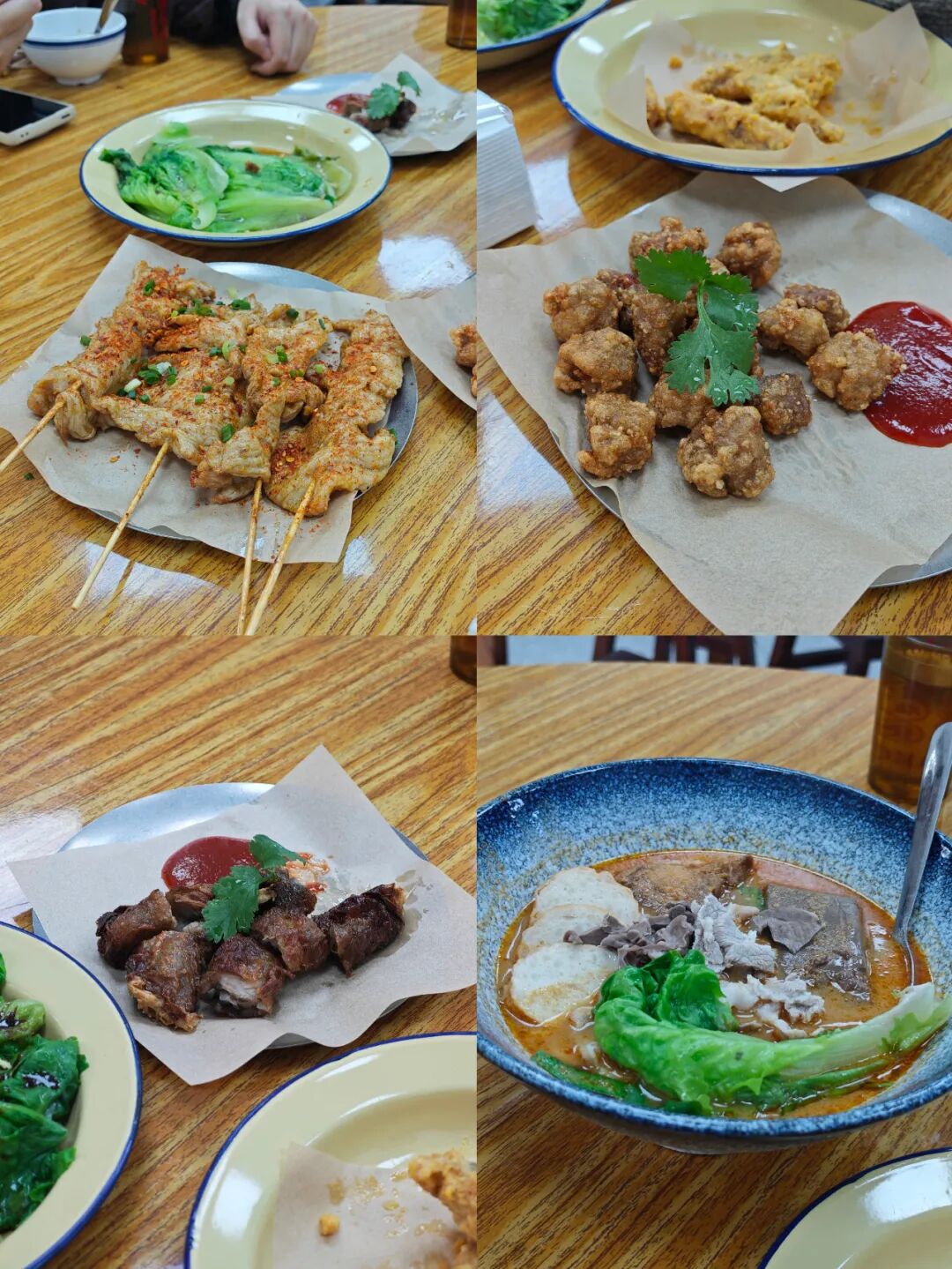
I’ve always loved tianpeizi (fermented sweet highland barley soup), so if you want to wrap up your meal with a dessert, definitely order a bowl. Also, before you dive into the noodles, the shop has complimentary red date tea to warm you up.
All in all, the food here isn't bad at all. But with the massive opening crowds messing with the vibe, you might want to drop it on your saved list and hit it up later.
Not far from here, I recently checked out another spot on Wensan Road: Jin Shunfa × Jin Maji's Xiamen snacks. I thought their signature oyster rice combo was really good—it comes with oyster rice, shacha meat skewers, and dressed seasonal greens.
The oyster portion was super generous, packed with great scallion aroma, and way better than standard oyster omelets.
Aside from the signature dish, I felt the other dim sum items lacked personality. Things like the five-spice meat rolls and fried vinegar pork weren't super memorable, though the salted-egg-yolk chicken wings were totally kid-friendly—sweet and sandy-textured.
So I’m skipping a full dedicated review for that spot. If you do go, just stick to their signature oyster rice; the main carb dishes definitely seem to be their strong suit.
Tracing the Lost History of Hangzhou's Three Yuan Dynasty Mosques & Muslim Heritage
Articles • Hasan09 posted the article • 0 comments • 14 views • 1 days ago
Tracing the History and Evolution of the Three Hui Muslim Mosques in Hangzhou During the Yuan Dynasty: A Documentary Record of Jiangnan Muslim Masjids and Cultural Relics in the Song and Yuan Dynasties
Abstract:
This study examines and organizes the historical origins, rise, and fall of the three important masjids within the city of Hangzhou during the Yuan Dynasty. By combining historical local gazetteers and epigraphic records, it reveals the religious life, social status, and historical and cultural heritage value of the Muslim community in the Jiangnan metropolis during the Song and Yuan dynasties.
The growth of the Muslim population during the Yuan Dynasty led to the widespread construction of masjids as places for Islamic religious activities. The Yuan government gave explicit recognition to this phenomenon, and historical literature shifted from calling these prayer sites 'halls' (tang) to 'temples/masjids' (si). As recorded in the 'Records of Rebuilding the Masjid in Dingzhou': 'Today, near the capital and far across various circuits, there are over ten thousand masjids, all facing west to perform the ritual of prostrating and praying to Allah.' Hangzhou was no exception. Hui Muslims built masjids while strictly adhering to religious doctrines and fulfilling religious duties: 'Reciting scriptures and keeping the fast, returning to tranquility, with their elders leading them, called mullahs (manla). All scriptures are in foreign scripts, bowing and prostrating facing the wall, without setting up Buddha statues, simply using religious titles to praise and bless the deities.' Tian Rucheng's 'Travels and Sights of the West Lake' states: 'Zhenjiao Mosque was built south of Wenjin Lane by the Hui Muslim Grand Master Alaoding during the Yuan Zhida/Yanyou era (1314–1320).' [1]
Hui Muslims lived in communities surrounding their masjids, and the construction of a masjid actually marked the formation of local Muslim neighborhoods. A great number of Hui Muslims lived in Hangzhou during the Yuan Dynasty; building upon the Song Dynasty fanfang (foreign quarters), they naturally expanded into three major communities and built masjids, resulting in three masjids in Hangzhou at that time: Zhenjiao Mosque (True Teaching Mosque), the Hui Muslim Prayer Hall, and the Hui Clan Masjid. The Moroccan traveler Ibn Battuta described Hangzhou's third Muslim residential district, noting that 'the city is beautiful, and the street layout is like that of Islamic regions. Inside, there are a masjid and muezzins; when entering the city, it happened to be the time for the Dhuhr prayer, and their voices could be heard far and near.' [2] From this perspective, the Hui Muslim population residing in Hangzhou during the Yuan Dynasty was indeed quite substantial. Ibn Battuta also mentioned a wealthy merchant from Egypt named Othman ibn Anfani, stating that 'he also built a large congregational masjid in the city and endowed the masjid and the Sufi lodge with generous charitable funds.' 'The Muslims in this city are numerous. We stayed in this city for fifteen days, and we were invited every day and night. They were also very particular about their food and cuisine, and every day they accompanied us on horseback to tour the entire city.' [3] This account perfectly corroborates the historical facts reflected in Chinese-language literature, namely that there were two masjids and one Sufi lodge within the city of Hangzhou. It seems credible that Hangzhou had three masjids during the Yuan Dynasty.
Hangzhou's Zhenjiao Mosque appears frequently in historical records. The 'Records of Rebuilding the Masjid in Hangzhou Prefecture' from the sixth year of the Hongzhi reign in the Ming Dynasty (1493) records that a man named Alaoding during the Yuan Dynasty presided over the rebuilding of the masjid in the eighteenth year of the Shizu Zhiyuan reign (1281). Meanwhile, Tian Rucheng's 'Travels and Sights of the West Lake' states that Zhenjiao Mosque was built during 'the Yuan Yanyou era (1314–1320).' Originally built in the Song Dynasty, Zhenjiao Mosque may have fallen into disrepair by the end of the Song and suffered from the ravages of war, leaving it quite dilapidated. It was rebuilt in the early Yuan Dynasty by the Hui Muslim Grand Master Alaoding, becoming a famous masjid in Hangzhou. The exact date of the reconstruction remains difficult to pinpoint, though it may have been repaired during the Zhiyuan, Yanyou, or even Zhizheng periods. It is worth noting that Alaoding clearly played a major role in the reconstruction of Zhenjiao Mosque during the Yuan Dynasty. Today, Fenghuang Mosque (Phoenix Mosque) preserves a Yuan Dynasty Persian and Arabic inscription for the rebuilding of the masjid, though the exact date is untraced; it explicitly states that the masjid was 'built by Fakhr al-Din ibn Shihab al-Din ibn Alaoding Tarmati' [4]—the very same person known as the Hui Muslim Grand Master Alaoding in Chinese historical records. After its reconstruction, Zhenjiao Mosque stood tall; its 'foundation alone was five to six feet high, with tightly secured gates that few could casually enter, commonly known as the Masjid.' [5]
The Hui Muslim Prayer Hall went by various names in successive local gazetteers, including 'Hui Muslim Worship Hall', 'Western Regions Worship Hall', 'Western Regions Prayer Hall', and 'Hui Muslim New Bridge Prayer Hall'. It likely evolved from the Sufi lodge funded and built by the wealthy Egyptian merchant Othman ibn Anfani. Historical records show that the location of the Hui Muslim Prayer Hall was always closely linked to an adjacent 'bridge', distinguishing it from Zhenjiao Mosque.
This bridge was once called Daoming Bridge, Jishan Bridge, and later known as Hui Muslim New Bridge. The bridge ran east-west, and the street segment was once named 'Hui Muslim New Bridge Straight Street'. This bridge is located right between the present-day Fengle South Bridge and Jianqiao Bridge. Fengle South Bridge was built in recent years, with Fengle Bridge lying just to its north, perfectly matching the historical records. East of Hui Muslim New Bridge is Zhubao Lane (Jewelry Lane), running north-south, which divides the street into Upper Zhubao Lane and Lower Zhubao Lane. Today, the 'Hui Muslim Prayer Hall' no longer exists, but the Hui Muslim New Bridge still stands proudly over Hangzhou's Central Grand Canal (Zhonghe Canal).
Regarding the Hui Clan Masjid, according to the Ming Dynasty Chenghua edition of the 'Hangzhou Prefecture Gazetteer': 'Temurles, style name Zhouxian, was a native of Kangli. In the thirteenth year of the Zhizheng reign, as prefect of Hangzhou, when the Qihuang rebels invaded the prefecture, the Confucian school was reduced to rubble. Temurles argued that because the school was tied to moral education, he could not use hard times as an excuse, and thus planned its reconstruction. The original foundation was cramped, so he purchased the land of the Hui Clan Masjid to expand it.' [6] This indicates that it was an Islamic masjid built during the Yuan Dynasty. At the end of the Yuan Dynasty, due to military turmoil, many Hui Muslims suffered calamities. Coinciding with the destruction of the Confucian school, Temurles purchased the site to serve as the school grounds. The Hui Clan Masjid was likely its Yuan and Ming dynasty designation, while the Yongzheng edition of the 'Zhejiang General Gazetteer' and the Qianlong edition of the 'Hangzhou Prefecture Gazetteer' both simply referred to it as the 'Masjid'. The exact site of the Hui Clan Masjid is not recorded in historical gazetteers. However, because its site was converted into the prefectural Confucian school (known as the Fuxue), the location of the Hui Clan Masjid can still be determined based on the address of the prefectural school. The Yongzheng edition of the 'Zhejiang General Gazetteer' states that the prefectural school 'is located east of the prefecture, formerly outside Tongyue Gate. In the first year of Shaoxing, it was initially built at Lingjia Bridge, now known as the former site of Hui'an Temple west of Lingyun Bridge' [7]. Lingjia Bridge, as recorded in the 'Xianchun Lin'an Gazetteer', is located on the West River at
'Lingjia Bridge, Fengyu Lane entrance' [8]. Zhong Yulong wrote in 'Tales of Hangzhou': 'Under the Transport Office River, during the Southern Song dynasty, it was Fengyu Lane Prefecture School Lane, where the Hangzhou Prefectural School was established. In the Ming dynasty, it was called Confucian Temple Street, and the prefectural school was converted into the Confucian Temple.' The Transport Office River
was filled in in 1936 and renamed Laodong Road (Labor Road). 'The Prefectural School is on today's Laodong Road, which is Confucius Temple.' [9] Meanwhile, the Southern Song 'Capital Map' drawn in the sixth year of the Tongzhi reign in the Qing Dynasty (1867) [10] marks 'Houshi Street' between 'Fengle Bridge' and 'Jianqiao Bridge'. If one marks the respective locations of Fenghuang Mosque, the Hui Muslim Prayer Hall, and the Hui Clan Masjid around the 'Prefectural School' on the map, it becomes clear that all three masjids basically lie on the same east-west main axis.
Fenghuang Mosque sits in the middle, with the Hui Muslim Prayer Hall to the east and the Hui Clan Masjid to the west. The distances from Fenghuang Mosque to the other two masjids are nearly equal, and the distribution of the three masjids in Hangzhou during the Yuan Dynasty closely matches the residential patterns of Hui Muslims living around their masjids, as well as their commercial markets.
Furthermore, according to the Chenghua edition of the 'Hangzhou Prefecture Gazetteer': 'Xia Sizhong, style name Zhongyan, was a native of Gaoyou. In his youth, he served as a clerk. When Zhang's forces occupied Gaoyou, Sizhong followed them. When Zhang surrendered and pledged allegiance, his subordinates were appointed to various posts, and Sizhong was appointed as a counselor in the Jiangsu-Zhejiang Branch Secretariat, later reassigned as the Prefecture Administrator of Hangzhou. Sizhong was open-minded, quick, and unhindered, courageous and proactive when encountering matters, winning the respect of superiors and subordinates alike. After the Hangzhou school was devastated by the fires of war, the former prefect Temurles had just finished its reconstruction when the temple keeper was careless with fire, burning the whole complex down. Sizhong boldly took reconstruction upon himself. Previously, although Temurles had purchased the land of the masjid for expansion, he had not acquired all of it. Sizhong purchased the remainder in full, making the foundations vast and the temple buildings solemn and orderly. From then on, the Hangzhou school became the crown of western Zhejiang.' [11] The 'Complete Library of the Four Branches of Literature' (Gujin Tushu Jicheng) contains the exact same record: 'Xia Sizhong served as the Prefecture Administrator of Hangzhou. After the Hangzhou school was ravaged by war and fire, the former prefect Temurles had just finished rebuilding it when it was subsequently destroyed by fire. Sizhong took the restoration upon himself, building upon Temurles' legacy by purchasing all the land of the masjid to expand the school grounds. The buildings were solemn and orderly, making the Hangzhou school the crown of western Zhejiang.' [12] It appears that the Hui Clan Masjid during the Yuan Dynasty occupied quite a large area and scale. When Temurles built the prefectural school in the thirteenth year of the Zhizheng reign (1353), it did not occupy all the land of the masjid. Just as the school's reconstruction was 'newly completed', a fire broke out and reduced it to ashes.
Later, Hangzhou Prefect Xia Sizhong purchased all the remaining land belonging to the Hui Clan Masjid and heavily expanded the prefectural school, making 'the Hangzhou school the crown of western Zhejiang.' This also demonstrates that the Hui Muslims living in Hangzhou at that time were not only numerous in number but also possessed immense financial resources.
From this, it is clear that Hangzhou during the Yuan Dynasty indeed housed three masjids: Zhenjiao Mosque, the Hui Clan Masjid, and the Hui Muslim Prayer Hall. It was only during the Zhizheng period at the end of the Yuan Dynasty that the Hui Clan Masjid was abandoned due to military turmoil, and its site was acquired by the government to be used as land for the prefectural school [13].
[1] Tian Rucheng: 'Travels and Sights of the West Lake', Volume 18, 'Scenic Spots in the City Along the Southern Mountain Branch: Zhenjiao Mosque', Chinese Local Gazetteers Series edition.
[2] 'The Travels of Ibn Battuta', Ningxia People's Publishing House, 1985 edition, p. 557.
[3] Same as above.
[4] Cheng Tong: 'Persian and Arabic Inscriptions at Hangzhou Fenghuang Mosque - Also Discussing the Footsteps of Muslims in Hangzhou During the Yuan Dynasty', published in 'Shanghai Cultural Heritage', Issue 1, 2006.
[5] Tian Rucheng: 'Travels and Sights of the West Lake', Volume 18, 'Scenic Spots in the City Along the Southern Mountain Branch: Zhenjiao Mosque', Chinese Local Gazetteers Series edition.
[6] Chenghua 'Hangzhou Prefecture Gazetteer', 'Siku Quanshu Cunmu Congshu - Historical Works Collection', Qilu Publishing House, 1996 edition.
[7] Yongzheng 'Zhejiang General Gazetteer', Zhejiang Publishing House block-printed edition, 25th year of the Guangxu reign of the Qing Dynasty (1899).
[8] 'Xianchun Lin'an Gazetteer', included in 'Song and Yuan Local Gazetteers Collection', Zhonghua Book Company, 1990 edition.
[9] Zhong Yulong: 'Tales of Hangzhou', found in 'West Lake Historical Documents Integration' (Vol. 11), Hangzhou Publishing House, 2004 edition.
[10] 'Xianchun Lin'an Gazetteer', included in 'Song and Yuan Local Gazetteers Collection', Zhonghua Book Company, 1990 edition.
[11] Chenghua 'Hangzhou Prefecture Gazetteer', 'Siku Quanshu Cunmu Congshu - Historical Works Collection', Qilu Publishing House, 1996 edition.
[12] 'Gujin Tushu Jicheng - Economic Compilation, Electoral Canon', Volume 26, 'School Section Historical Events Part 2', Shanghai Zhonghua Book Company, 1934 edition.
[13] Guo Chengmei: 'The Hui Clan Masjid - Another Yuan Dynasty Masjid in Hangzhou', published in 'Islamic Culture Studies' (Xi'an), Issue 3, 2008.
Selected from 'History of Islam in Hangzhou'
Authored by Ma Jianchun view all
Tracing the History and Evolution of the Three Hui Muslim Mosques in Hangzhou During the Yuan Dynasty: A Documentary Record of Jiangnan Muslim Masjids and Cultural Relics in the Song and Yuan Dynasties
Abstract:
This study examines and organizes the historical origins, rise, and fall of the three important masjids within the city of Hangzhou during the Yuan Dynasty. By combining historical local gazetteers and epigraphic records, it reveals the religious life, social status, and historical and cultural heritage value of the Muslim community in the Jiangnan metropolis during the Song and Yuan dynasties.
The growth of the Muslim population during the Yuan Dynasty led to the widespread construction of masjids as places for Islamic religious activities. The Yuan government gave explicit recognition to this phenomenon, and historical literature shifted from calling these prayer sites 'halls' (tang) to 'temples/masjids' (si). As recorded in the 'Records of Rebuilding the Masjid in Dingzhou': 'Today, near the capital and far across various circuits, there are over ten thousand masjids, all facing west to perform the ritual of prostrating and praying to Allah.' Hangzhou was no exception. Hui Muslims built masjids while strictly adhering to religious doctrines and fulfilling religious duties: 'Reciting scriptures and keeping the fast, returning to tranquility, with their elders leading them, called mullahs (manla). All scriptures are in foreign scripts, bowing and prostrating facing the wall, without setting up Buddha statues, simply using religious titles to praise and bless the deities.' Tian Rucheng's 'Travels and Sights of the West Lake' states: 'Zhenjiao Mosque was built south of Wenjin Lane by the Hui Muslim Grand Master Alaoding during the Yuan Zhida/Yanyou era (1314–1320).' [1]
Hui Muslims lived in communities surrounding their masjids, and the construction of a masjid actually marked the formation of local Muslim neighborhoods. A great number of Hui Muslims lived in Hangzhou during the Yuan Dynasty; building upon the Song Dynasty fanfang (foreign quarters), they naturally expanded into three major communities and built masjids, resulting in three masjids in Hangzhou at that time: Zhenjiao Mosque (True Teaching Mosque), the Hui Muslim Prayer Hall, and the Hui Clan Masjid. The Moroccan traveler Ibn Battuta described Hangzhou's third Muslim residential district, noting that 'the city is beautiful, and the street layout is like that of Islamic regions. Inside, there are a masjid and muezzins; when entering the city, it happened to be the time for the Dhuhr prayer, and their voices could be heard far and near.' [2] From this perspective, the Hui Muslim population residing in Hangzhou during the Yuan Dynasty was indeed quite substantial. Ibn Battuta also mentioned a wealthy merchant from Egypt named Othman ibn Anfani, stating that 'he also built a large congregational masjid in the city and endowed the masjid and the Sufi lodge with generous charitable funds.' 'The Muslims in this city are numerous. We stayed in this city for fifteen days, and we were invited every day and night. They were also very particular about their food and cuisine, and every day they accompanied us on horseback to tour the entire city.' [3] This account perfectly corroborates the historical facts reflected in Chinese-language literature, namely that there were two masjids and one Sufi lodge within the city of Hangzhou. It seems credible that Hangzhou had three masjids during the Yuan Dynasty.
Hangzhou's Zhenjiao Mosque appears frequently in historical records. The 'Records of Rebuilding the Masjid in Hangzhou Prefecture' from the sixth year of the Hongzhi reign in the Ming Dynasty (1493) records that a man named Alaoding during the Yuan Dynasty presided over the rebuilding of the masjid in the eighteenth year of the Shizu Zhiyuan reign (1281). Meanwhile, Tian Rucheng's 'Travels and Sights of the West Lake' states that Zhenjiao Mosque was built during 'the Yuan Yanyou era (1314–1320).' Originally built in the Song Dynasty, Zhenjiao Mosque may have fallen into disrepair by the end of the Song and suffered from the ravages of war, leaving it quite dilapidated. It was rebuilt in the early Yuan Dynasty by the Hui Muslim Grand Master Alaoding, becoming a famous masjid in Hangzhou. The exact date of the reconstruction remains difficult to pinpoint, though it may have been repaired during the Zhiyuan, Yanyou, or even Zhizheng periods. It is worth noting that Alaoding clearly played a major role in the reconstruction of Zhenjiao Mosque during the Yuan Dynasty. Today, Fenghuang Mosque (Phoenix Mosque) preserves a Yuan Dynasty Persian and Arabic inscription for the rebuilding of the masjid, though the exact date is untraced; it explicitly states that the masjid was 'built by Fakhr al-Din ibn Shihab al-Din ibn Alaoding Tarmati' [4]—the very same person known as the Hui Muslim Grand Master Alaoding in Chinese historical records. After its reconstruction, Zhenjiao Mosque stood tall; its 'foundation alone was five to six feet high, with tightly secured gates that few could casually enter, commonly known as the Masjid.' [5]
The Hui Muslim Prayer Hall went by various names in successive local gazetteers, including 'Hui Muslim Worship Hall', 'Western Regions Worship Hall', 'Western Regions Prayer Hall', and 'Hui Muslim New Bridge Prayer Hall'. It likely evolved from the Sufi lodge funded and built by the wealthy Egyptian merchant Othman ibn Anfani. Historical records show that the location of the Hui Muslim Prayer Hall was always closely linked to an adjacent 'bridge', distinguishing it from Zhenjiao Mosque.
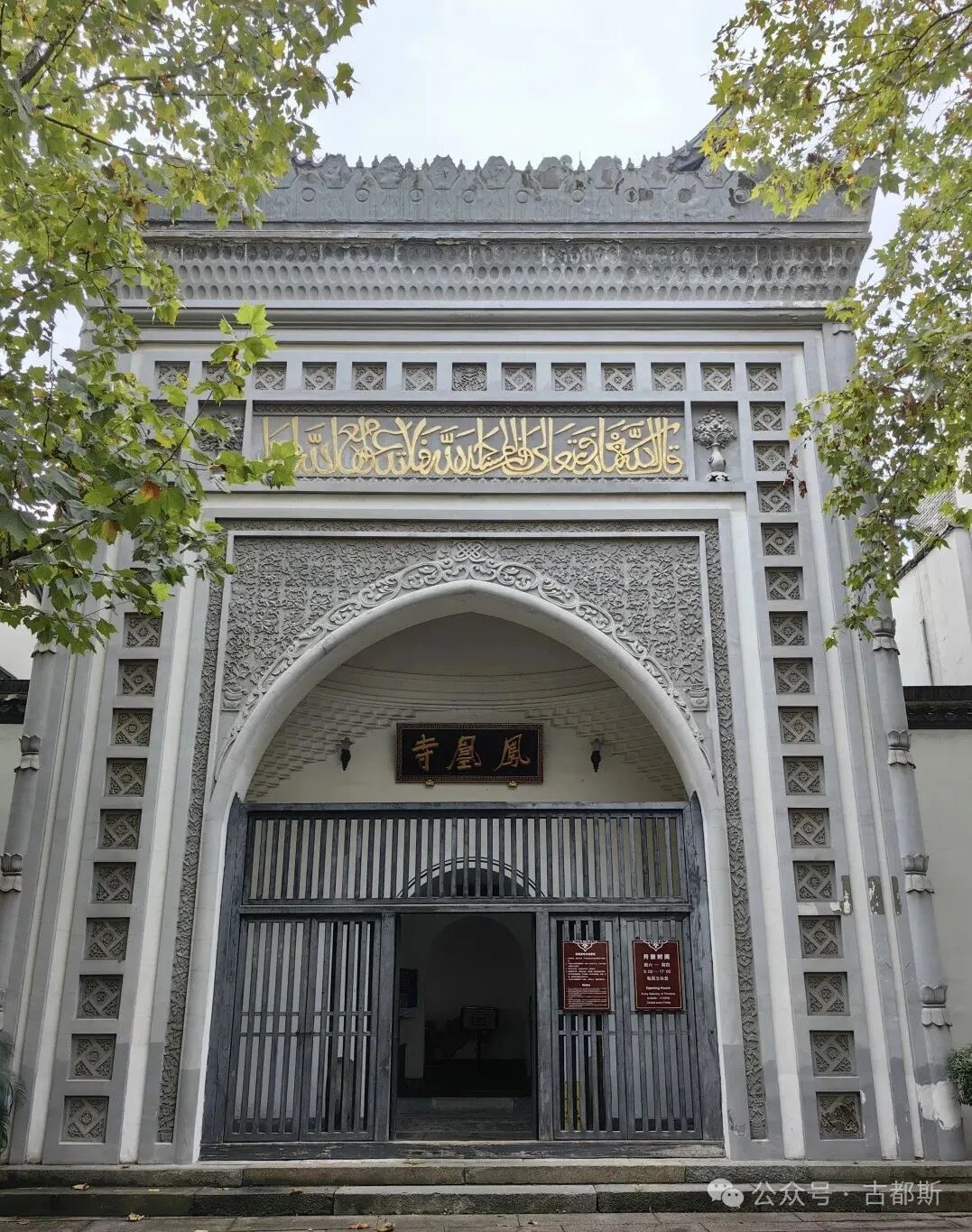
This bridge was once called Daoming Bridge, Jishan Bridge, and later known as Hui Muslim New Bridge. The bridge ran east-west, and the street segment was once named 'Hui Muslim New Bridge Straight Street'. This bridge is located right between the present-day Fengle South Bridge and Jianqiao Bridge. Fengle South Bridge was built in recent years, with Fengle Bridge lying just to its north, perfectly matching the historical records. East of Hui Muslim New Bridge is Zhubao Lane (Jewelry Lane), running north-south, which divides the street into Upper Zhubao Lane and Lower Zhubao Lane. Today, the 'Hui Muslim Prayer Hall' no longer exists, but the Hui Muslim New Bridge still stands proudly over Hangzhou's Central Grand Canal (Zhonghe Canal).
Regarding the Hui Clan Masjid, according to the Ming Dynasty Chenghua edition of the 'Hangzhou Prefecture Gazetteer': 'Temurles, style name Zhouxian, was a native of Kangli. In the thirteenth year of the Zhizheng reign, as prefect of Hangzhou, when the Qihuang rebels invaded the prefecture, the Confucian school was reduced to rubble. Temurles argued that because the school was tied to moral education, he could not use hard times as an excuse, and thus planned its reconstruction. The original foundation was cramped, so he purchased the land of the Hui Clan Masjid to expand it.' [6] This indicates that it was an Islamic masjid built during the Yuan Dynasty. At the end of the Yuan Dynasty, due to military turmoil, many Hui Muslims suffered calamities. Coinciding with the destruction of the Confucian school, Temurles purchased the site to serve as the school grounds. The Hui Clan Masjid was likely its Yuan and Ming dynasty designation, while the Yongzheng edition of the 'Zhejiang General Gazetteer' and the Qianlong edition of the 'Hangzhou Prefecture Gazetteer' both simply referred to it as the 'Masjid'. The exact site of the Hui Clan Masjid is not recorded in historical gazetteers. However, because its site was converted into the prefectural Confucian school (known as the Fuxue), the location of the Hui Clan Masjid can still be determined based on the address of the prefectural school. The Yongzheng edition of the 'Zhejiang General Gazetteer' states that the prefectural school 'is located east of the prefecture, formerly outside Tongyue Gate. In the first year of Shaoxing, it was initially built at Lingjia Bridge, now known as the former site of Hui'an Temple west of Lingyun Bridge' [7]. Lingjia Bridge, as recorded in the 'Xianchun Lin'an Gazetteer', is located on the West River at
'Lingjia Bridge, Fengyu Lane entrance' [8]. Zhong Yulong wrote in 'Tales of Hangzhou': 'Under the Transport Office River, during the Southern Song dynasty, it was Fengyu Lane Prefecture School Lane, where the Hangzhou Prefectural School was established. In the Ming dynasty, it was called Confucian Temple Street, and the prefectural school was converted into the Confucian Temple.' The Transport Office River
was filled in in 1936 and renamed Laodong Road (Labor Road). 'The Prefectural School is on today's Laodong Road, which is Confucius Temple.' [9] Meanwhile, the Southern Song 'Capital Map' drawn in the sixth year of the Tongzhi reign in the Qing Dynasty (1867) [10] marks 'Houshi Street' between 'Fengle Bridge' and 'Jianqiao Bridge'. If one marks the respective locations of Fenghuang Mosque, the Hui Muslim Prayer Hall, and the Hui Clan Masjid around the 'Prefectural School' on the map, it becomes clear that all three masjids basically lie on the same east-west main axis.
Fenghuang Mosque sits in the middle, with the Hui Muslim Prayer Hall to the east and the Hui Clan Masjid to the west. The distances from Fenghuang Mosque to the other two masjids are nearly equal, and the distribution of the three masjids in Hangzhou during the Yuan Dynasty closely matches the residential patterns of Hui Muslims living around their masjids, as well as their commercial markets.
Furthermore, according to the Chenghua edition of the 'Hangzhou Prefecture Gazetteer': 'Xia Sizhong, style name Zhongyan, was a native of Gaoyou. In his youth, he served as a clerk. When Zhang's forces occupied Gaoyou, Sizhong followed them. When Zhang surrendered and pledged allegiance, his subordinates were appointed to various posts, and Sizhong was appointed as a counselor in the Jiangsu-Zhejiang Branch Secretariat, later reassigned as the Prefecture Administrator of Hangzhou. Sizhong was open-minded, quick, and unhindered, courageous and proactive when encountering matters, winning the respect of superiors and subordinates alike. After the Hangzhou school was devastated by the fires of war, the former prefect Temurles had just finished its reconstruction when the temple keeper was careless with fire, burning the whole complex down. Sizhong boldly took reconstruction upon himself. Previously, although Temurles had purchased the land of the masjid for expansion, he had not acquired all of it. Sizhong purchased the remainder in full, making the foundations vast and the temple buildings solemn and orderly. From then on, the Hangzhou school became the crown of western Zhejiang.' [11] The 'Complete Library of the Four Branches of Literature' (Gujin Tushu Jicheng) contains the exact same record: 'Xia Sizhong served as the Prefecture Administrator of Hangzhou. After the Hangzhou school was ravaged by war and fire, the former prefect Temurles had just finished rebuilding it when it was subsequently destroyed by fire. Sizhong took the restoration upon himself, building upon Temurles' legacy by purchasing all the land of the masjid to expand the school grounds. The buildings were solemn and orderly, making the Hangzhou school the crown of western Zhejiang.' [12] It appears that the Hui Clan Masjid during the Yuan Dynasty occupied quite a large area and scale. When Temurles built the prefectural school in the thirteenth year of the Zhizheng reign (1353), it did not occupy all the land of the masjid. Just as the school's reconstruction was 'newly completed', a fire broke out and reduced it to ashes.
Later, Hangzhou Prefect Xia Sizhong purchased all the remaining land belonging to the Hui Clan Masjid and heavily expanded the prefectural school, making 'the Hangzhou school the crown of western Zhejiang.' This also demonstrates that the Hui Muslims living in Hangzhou at that time were not only numerous in number but also possessed immense financial resources.
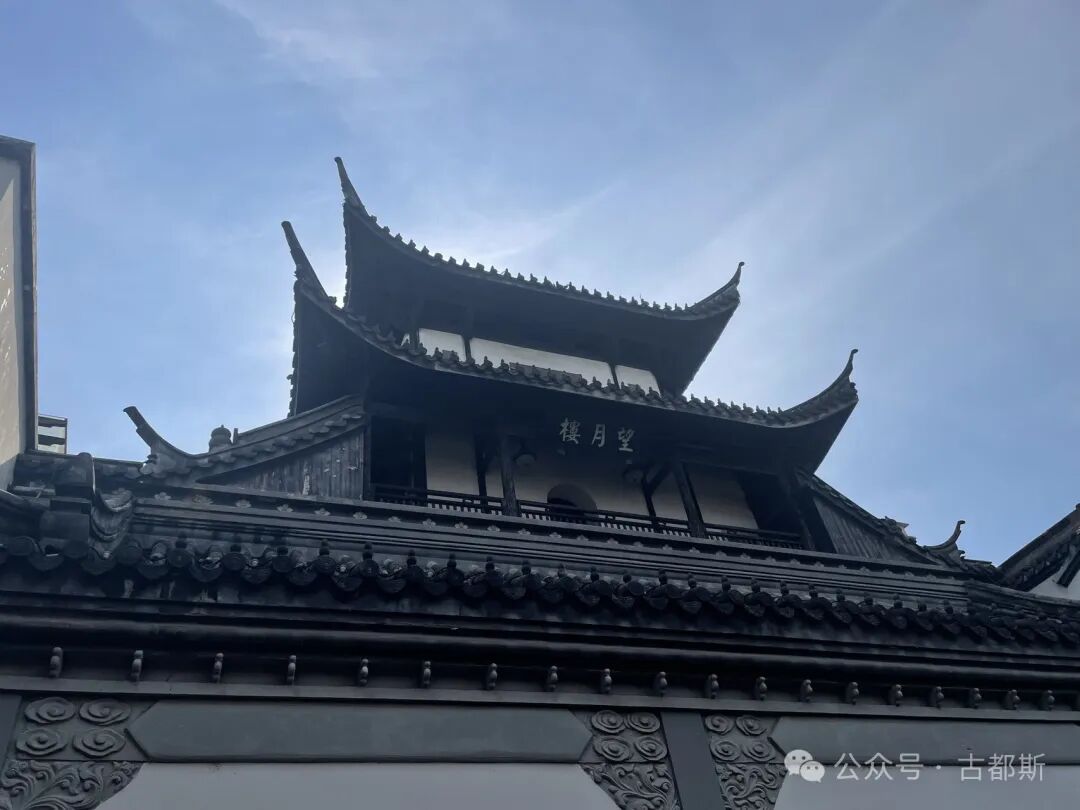
From this, it is clear that Hangzhou during the Yuan Dynasty indeed housed three masjids: Zhenjiao Mosque, the Hui Clan Masjid, and the Hui Muslim Prayer Hall. It was only during the Zhizheng period at the end of the Yuan Dynasty that the Hui Clan Masjid was abandoned due to military turmoil, and its site was acquired by the government to be used as land for the prefectural school [13].
[1] Tian Rucheng: 'Travels and Sights of the West Lake', Volume 18, 'Scenic Spots in the City Along the Southern Mountain Branch: Zhenjiao Mosque', Chinese Local Gazetteers Series edition.
[2] 'The Travels of Ibn Battuta', Ningxia People's Publishing House, 1985 edition, p. 557.
[3] Same as above.
[4] Cheng Tong: 'Persian and Arabic Inscriptions at Hangzhou Fenghuang Mosque - Also Discussing the Footsteps of Muslims in Hangzhou During the Yuan Dynasty', published in 'Shanghai Cultural Heritage', Issue 1, 2006.
[5] Tian Rucheng: 'Travels and Sights of the West Lake', Volume 18, 'Scenic Spots in the City Along the Southern Mountain Branch: Zhenjiao Mosque', Chinese Local Gazetteers Series edition.
[6] Chenghua 'Hangzhou Prefecture Gazetteer', 'Siku Quanshu Cunmu Congshu - Historical Works Collection', Qilu Publishing House, 1996 edition.
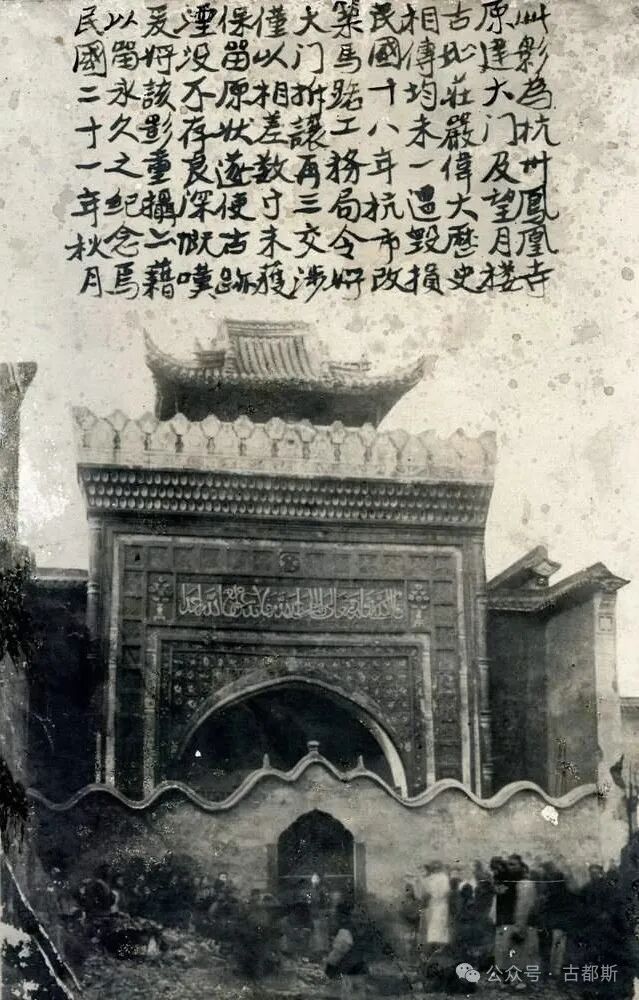
[7] Yongzheng 'Zhejiang General Gazetteer', Zhejiang Publishing House block-printed edition, 25th year of the Guangxu reign of the Qing Dynasty (1899).
[8] 'Xianchun Lin'an Gazetteer', included in 'Song and Yuan Local Gazetteers Collection', Zhonghua Book Company, 1990 edition.
[9] Zhong Yulong: 'Tales of Hangzhou', found in 'West Lake Historical Documents Integration' (Vol. 11), Hangzhou Publishing House, 2004 edition.
[10] 'Xianchun Lin'an Gazetteer', included in 'Song and Yuan Local Gazetteers Collection', Zhonghua Book Company, 1990 edition.
[11] Chenghua 'Hangzhou Prefecture Gazetteer', 'Siku Quanshu Cunmu Congshu - Historical Works Collection', Qilu Publishing House, 1996 edition.
[12] 'Gujin Tushu Jicheng - Economic Compilation, Electoral Canon', Volume 26, 'School Section Historical Events Part 2', Shanghai Zhonghua Book Company, 1934 edition.
[13] Guo Chengmei: 'The Hui Clan Masjid - Another Yuan Dynasty Masjid in Hangzhou', published in 'Islamic Culture Studies' (Xi'an), Issue 3, 2008.
Selected from 'History of Islam in Hangzhou'
Authored by Ma Jianchun
A Foodie’s Guide to Late Qing Hangzhou Hui Muslim Cuisine & Historic Mosques
Articles • Hasan09 posted the article • 0 comments • 7 views • 1 days ago
A Historical Study of Hui Muslim Diet and Customs in Late Qing Hangzhou: Traditional Halal Spiritual Dining and Changes in Everyday Hui Life
Abstract:
Based on late Qing and Republican-era historical documents and folkloric records, this study examines the characteristics of Halal cuisine and the spiritual lifestyle of Hangzhou's Hui Muslim community. It explores how Hangzhou's Halal dining scene persevered and evolved while blending into Jiangnan local culture, showcasing a unique Hui culinary tradition.
A Muslim's everyday life is intimately connected to their religious faith, meaning many Hui customs reflect both daily routines and religious practices. We previously touched upon the Hui customs in Hangzhou recorded by Yuan dynasty scholars (click to view details), though unfortunately, such records became quite scarce after the Yuan dynasty. By the late Qing dynasty, however, relevant documents increased once again. Works specifically chronicling Hangzhou customs—such as *Hangsu Yifeng* (Remnants of Hangzhou Customs), *Wulin Zashi Shi* (Miscellaneous Poetry on Wulin), and *Shuo Hangzhou* (Talking About Hangzhou)—contain varying degrees of documentation. We will cite and discuss these one by one, comparing them briefly with Yuan dynasty records where possible.
▲ *Hangsu Yifeng* (Remnants of Hangzhou Customs)
*Hangsu Yifeng* is a collection of notes written during the Tongzhi era of the late Qing dynasty. It features a dedicated section on "Dietary Categories," which records "lamb soup and rice":
"Lamb soup and rice restaurants sell exclusively lamb products and rice, priced at six or four wen per bowl. There are also lamb soup noodles starting at six or eight wen per bowl, depending on the diner's preference. The lamb is skinned, deboned, stewed until tender, and chopped into chunks, priced at four wen per piece, available in salted-and-peppered or plain styles. Additionally, offal such as intestines, lungs, and hearts are chopped, mixed with broth, and served in a bowl, known as *zashui* (mixed offal soup)—six wen for a single bowl, fourteen wen for a double bowl. Small bites like kidneys, livers, spines, brains, intestines, stomachs, trotters, tongue, and *taijitu* (lamb brain shaped like a Taiji symbol) cost twenty-eight wen per plate; fourteen wen is also accepted for a single diner. Meat pieces: if eating two pieces, it costs only six cash. Dried sliced meat can be ordered by the plate in any amount, or put into broth to make sliced meat soup. Major dishes like braised meat and *zashui* all center around lamb. The only alcohol served is *gaoliang* (sorghum liquor). Dim sum options include shredded pork, spring pancakes, water dumplings, and *shaomai* (steamed lamb dumplings), all available. Side dishes and noodle broth cost two cash per plate or basin. These shops do not open in the summer because of the heat."
This book also has a supplementary edition compiled by the Liuyi Bookstore in Hangzhou in 1928, with slightly different wording and an added paragraph:
"Lamb soup and rice restaurants are Hui Muslim eateries specializing exclusively in lamb products. Rice is six or four wen per bowl. There are also lamb soup noodles starting at a minimum of six or eight wen per bowl, at the diner's convenience. The lamb is skinned, deboned, stewed until tender, and chopped into pieces, priced at four wen per piece, with options for salt-and-pepper or plain. Furthermore, intestines, lungs, hearts, and other offal are chopped, added to broth, and served in a bowl called *zashui* (mixed offal soup)—six wen for a single bowl, fourteen wen for a double bowl. Small plates of kidneys, liver, spine, brain, intestines, stomach, trotters, tongue, *taijitu*, etc., cost twenty-eight cash per plate; fourteen cash is also sold for a single person. Piece meat: eating two pieces costs only six cash. Dried sliced meat can be ordered by the plate in any quantity, or added to soup to make sliced meat soup. Their main dishes, such as braised meat and *zashui*, never stray from the lamb. The only wine is *gaoliang*. Dim sum includes shredded pork, spring pancakes, boiled dumplings, and *shaomai*, all available. Side dishes per plate and noodle broth per basin are two cash each. They simply do not open in the summer due to the heat."
Note that there were no more than two or three such lamb soup and rice restaurants within the city walls, and none outside. Those who loved the taste of lamb flocked to them. However, in recent years, prices have risen to more than ten times their former levels. I recall in my youth, I entered and took a seat accompanying my late father; there were five of us in total, and the cost was a mere four hundred cash, while our table was already littered with cups and plates in disarray, showing just how cheap the cost of living was back then. From January to March, business stops, known as 'resting for the summer.' This is because little lambs are just conceiving around this time, and incoming goods are scarce. By June, business resumes because the hotter the weather gets, the more delicious the lamb soup tastes; it never stops because of the heat, leaving not a single empty seat. As the autumn winds begin to blow, business gradually cools down. People in this trade have a saying: 'Work for one summer, eat for the whole winter,' meaning their profits are so hefty that winter is nothing to worry about.
The added phrase "Hui Muslim eatery" explicitly points out that this was Hui cuisine. *Hangsu Yifeng* records classic Hui dining—all kinds of dishes related to lamb. However, using a large amount of sheep offal such as intestines, lungs, hearts, livers, stomachs, and brains as ingredients seems somewhat different from strict Islamic dietary requirements. Mr. He Hong, drawing on Republican-era literature, textualized that "taijitu" refers to sheep brain.
The late Qing work *Hangsu Yiqing Suijin* also contains records regarding lamb soup and rice:
"Lamb meat is not sold in the summer. At the Hui mosque and Western region eateries, people eat chicken wontons and lamb meatballs in the summer; shrimp, vinegar fish, and quick-fried dishes are all available. People of the faith go to eat them, while most people of the greater faith do not go."
"People of the greater faith" refers to Han Chinese; this is spoken from the perspective of the Hui people.
Both *Hangsu Yifeng* and *Hangsu Yiqing Suijin* state that lamb was not sold in the summer, whereas the supplementary section of the 1926 *Hangsu Yifeng* emphasizes that summer was actually the prime season for selling lamb soup and rice. So, was lamb food sold in the summer or not? Mr. He Hong has discussed this question. Based on the recollections of Gao Yang and Yu Pingbo, they did eat it, suggesting that habits had changed. While people did not eat it during the late Qing and early Republic, eating lamb in the summer became the norm by the Republican era.
There are quite a few records concerning Hangzhou lamb soup and rice from the Republican era, such as *Xihu Mingsheng Kuailan* (Quick Tour of West Lake Scenic Spots) and *Shuo Hangzhou*, while *Zengding Xihu Youlan Zhinan* (Expanded Guide to Touring West Lake) records lamb stall rice. Lamb stall rice and lamb soup rice were presumably the same thing.
Regarding late Qing Hui cuisine in Hangzhou, local poets also described it in their verses. For instance, the famous bibliophile Ding Bing included a poem titled *Huihui Tang Jiansu* (Pan-Fried Pastry at the Hui Mosque) in his *Wulin Zashi Shi*:
"Offering flour to the heavens, pan-fried to make pastries; the religion of Tianfang is unlike all others.
Facing west in the grand hall, they share in prayer; dying and receiving thin burials, they follow its precepts.
Anointing the crown with ghee is a place for choosing Buddha; Roman Catholicism became the starting point.
Laughing that few people enter my gate, *bopan* and *xuanhuang* interpret the *Erya* dictionary."
This poem describes *youxiang* (fried Hui pastry), but also records other Hui customs. Ding Bing's son, Ding Lizhong, wrote *Wulin Shishi Yin* (Chants on the Markets of Wulin), which includes the poem *Huihui Tang Qian Ye Shouhe Chaoshi* (Ye Shouhe Confectionery in Front of the Hui Mosque):
"Pearls of flour ground to a jade-like polish, outshining frost and snow, newly kneaded by hand.
If you ask whose dim sum is the most refined, it is Ye Shouhe in front of the mosque."
This also describes Hui pastries. Hangzhou still has a Halal food shop named "Ye Shouhe" to this day.
Editors | Wu Yiquan, Liu Junping
- Article Source -
"Research on the Islamic History and Culture of Hangzhou" view all
A Historical Study of Hui Muslim Diet and Customs in Late Qing Hangzhou: Traditional Halal Spiritual Dining and Changes in Everyday Hui Life
Abstract:
Based on late Qing and Republican-era historical documents and folkloric records, this study examines the characteristics of Halal cuisine and the spiritual lifestyle of Hangzhou's Hui Muslim community. It explores how Hangzhou's Halal dining scene persevered and evolved while blending into Jiangnan local culture, showcasing a unique Hui culinary tradition.
A Muslim's everyday life is intimately connected to their religious faith, meaning many Hui customs reflect both daily routines and religious practices. We previously touched upon the Hui customs in Hangzhou recorded by Yuan dynasty scholars (click to view details), though unfortunately, such records became quite scarce after the Yuan dynasty. By the late Qing dynasty, however, relevant documents increased once again. Works specifically chronicling Hangzhou customs—such as *Hangsu Yifeng* (Remnants of Hangzhou Customs), *Wulin Zashi Shi* (Miscellaneous Poetry on Wulin), and *Shuo Hangzhou* (Talking About Hangzhou)—contain varying degrees of documentation. We will cite and discuss these one by one, comparing them briefly with Yuan dynasty records where possible.

▲ *Hangsu Yifeng* (Remnants of Hangzhou Customs)
*Hangsu Yifeng* is a collection of notes written during the Tongzhi era of the late Qing dynasty. It features a dedicated section on "Dietary Categories," which records "lamb soup and rice":
"Lamb soup and rice restaurants sell exclusively lamb products and rice, priced at six or four wen per bowl. There are also lamb soup noodles starting at six or eight wen per bowl, depending on the diner's preference. The lamb is skinned, deboned, stewed until tender, and chopped into chunks, priced at four wen per piece, available in salted-and-peppered or plain styles. Additionally, offal such as intestines, lungs, and hearts are chopped, mixed with broth, and served in a bowl, known as *zashui* (mixed offal soup)—six wen for a single bowl, fourteen wen for a double bowl. Small bites like kidneys, livers, spines, brains, intestines, stomachs, trotters, tongue, and *taijitu* (lamb brain shaped like a Taiji symbol) cost twenty-eight wen per plate; fourteen wen is also accepted for a single diner. Meat pieces: if eating two pieces, it costs only six cash. Dried sliced meat can be ordered by the plate in any amount, or put into broth to make sliced meat soup. Major dishes like braised meat and *zashui* all center around lamb. The only alcohol served is *gaoliang* (sorghum liquor). Dim sum options include shredded pork, spring pancakes, water dumplings, and *shaomai* (steamed lamb dumplings), all available. Side dishes and noodle broth cost two cash per plate or basin. These shops do not open in the summer because of the heat."
This book also has a supplementary edition compiled by the Liuyi Bookstore in Hangzhou in 1928, with slightly different wording and an added paragraph:
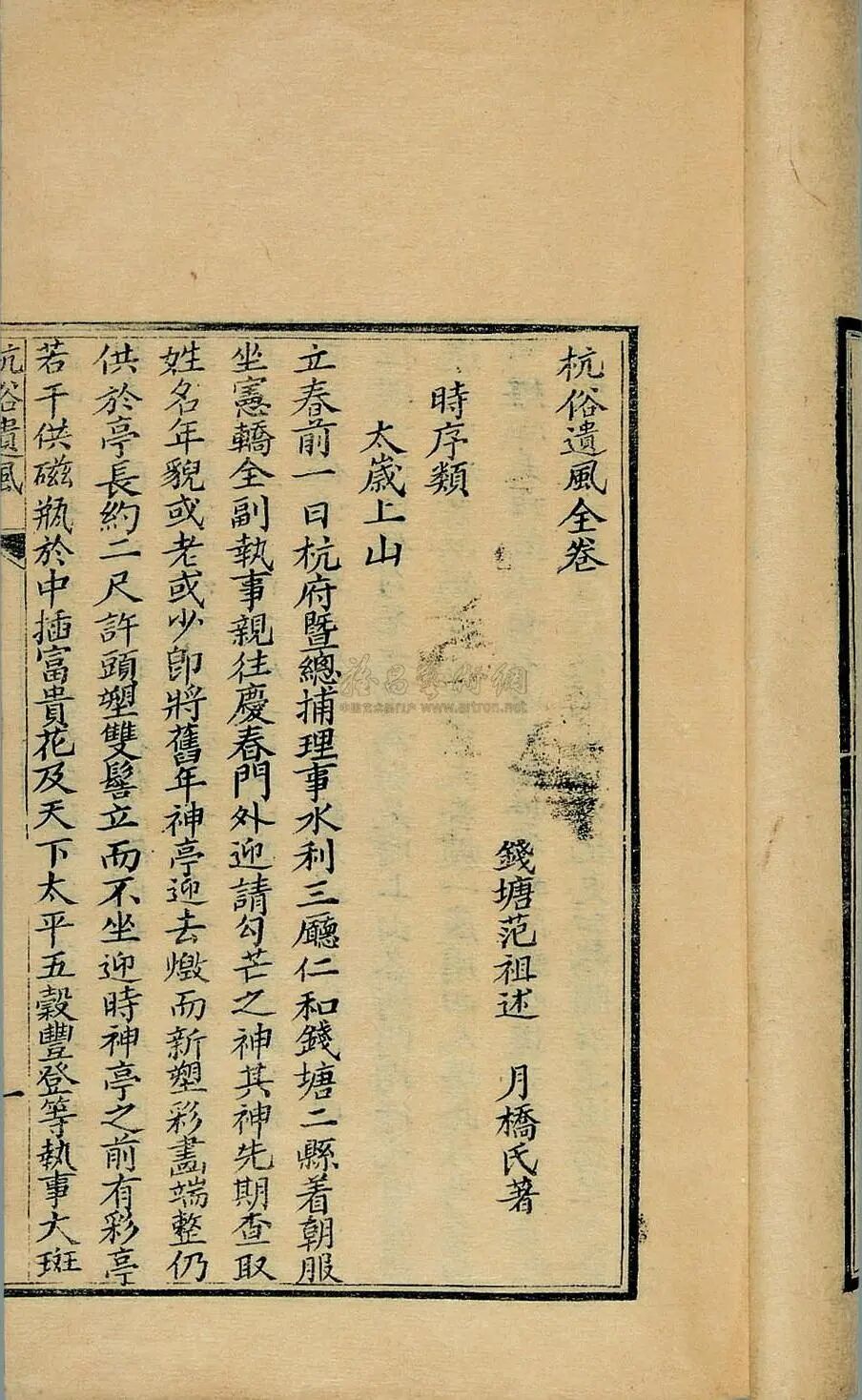
"Lamb soup and rice restaurants are Hui Muslim eateries specializing exclusively in lamb products. Rice is six or four wen per bowl. There are also lamb soup noodles starting at a minimum of six or eight wen per bowl, at the diner's convenience. The lamb is skinned, deboned, stewed until tender, and chopped into pieces, priced at four wen per piece, with options for salt-and-pepper or plain. Furthermore, intestines, lungs, hearts, and other offal are chopped, added to broth, and served in a bowl called *zashui* (mixed offal soup)—six wen for a single bowl, fourteen wen for a double bowl. Small plates of kidneys, liver, spine, brain, intestines, stomach, trotters, tongue, *taijitu*, etc., cost twenty-eight cash per plate; fourteen cash is also sold for a single person. Piece meat: eating two pieces costs only six cash. Dried sliced meat can be ordered by the plate in any quantity, or added to soup to make sliced meat soup. Their main dishes, such as braised meat and *zashui*, never stray from the lamb. The only wine is *gaoliang*. Dim sum includes shredded pork, spring pancakes, boiled dumplings, and *shaomai*, all available. Side dishes per plate and noodle broth per basin are two cash each. They simply do not open in the summer due to the heat."
Note that there were no more than two or three such lamb soup and rice restaurants within the city walls, and none outside. Those who loved the taste of lamb flocked to them. However, in recent years, prices have risen to more than ten times their former levels. I recall in my youth, I entered and took a seat accompanying my late father; there were five of us in total, and the cost was a mere four hundred cash, while our table was already littered with cups and plates in disarray, showing just how cheap the cost of living was back then. From January to March, business stops, known as 'resting for the summer.' This is because little lambs are just conceiving around this time, and incoming goods are scarce. By June, business resumes because the hotter the weather gets, the more delicious the lamb soup tastes; it never stops because of the heat, leaving not a single empty seat. As the autumn winds begin to blow, business gradually cools down. People in this trade have a saying: 'Work for one summer, eat for the whole winter,' meaning their profits are so hefty that winter is nothing to worry about.
The added phrase "Hui Muslim eatery" explicitly points out that this was Hui cuisine. *Hangsu Yifeng* records classic Hui dining—all kinds of dishes related to lamb. However, using a large amount of sheep offal such as intestines, lungs, hearts, livers, stomachs, and brains as ingredients seems somewhat different from strict Islamic dietary requirements. Mr. He Hong, drawing on Republican-era literature, textualized that "taijitu" refers to sheep brain.
The late Qing work *Hangsu Yiqing Suijin* also contains records regarding lamb soup and rice:

"Lamb meat is not sold in the summer. At the Hui mosque and Western region eateries, people eat chicken wontons and lamb meatballs in the summer; shrimp, vinegar fish, and quick-fried dishes are all available. People of the faith go to eat them, while most people of the greater faith do not go."
"People of the greater faith" refers to Han Chinese; this is spoken from the perspective of the Hui people.
Both *Hangsu Yifeng* and *Hangsu Yiqing Suijin* state that lamb was not sold in the summer, whereas the supplementary section of the 1926 *Hangsu Yifeng* emphasizes that summer was actually the prime season for selling lamb soup and rice. So, was lamb food sold in the summer or not? Mr. He Hong has discussed this question. Based on the recollections of Gao Yang and Yu Pingbo, they did eat it, suggesting that habits had changed. While people did not eat it during the late Qing and early Republic, eating lamb in the summer became the norm by the Republican era.
There are quite a few records concerning Hangzhou lamb soup and rice from the Republican era, such as *Xihu Mingsheng Kuailan* (Quick Tour of West Lake Scenic Spots) and *Shuo Hangzhou*, while *Zengding Xihu Youlan Zhinan* (Expanded Guide to Touring West Lake) records lamb stall rice. Lamb stall rice and lamb soup rice were presumably the same thing.
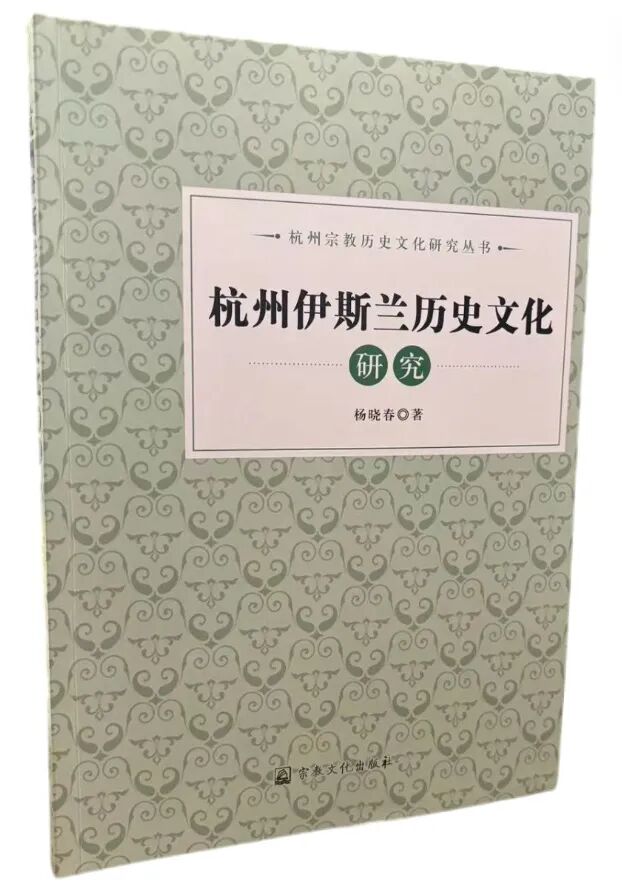
Regarding late Qing Hui cuisine in Hangzhou, local poets also described it in their verses. For instance, the famous bibliophile Ding Bing included a poem titled *Huihui Tang Jiansu* (Pan-Fried Pastry at the Hui Mosque) in his *Wulin Zashi Shi*:
"Offering flour to the heavens, pan-fried to make pastries; the religion of Tianfang is unlike all others.
Facing west in the grand hall, they share in prayer; dying and receiving thin burials, they follow its precepts.
Anointing the crown with ghee is a place for choosing Buddha; Roman Catholicism became the starting point.
Laughing that few people enter my gate, *bopan* and *xuanhuang* interpret the *Erya* dictionary."
This poem describes *youxiang* (fried Hui pastry), but also records other Hui customs. Ding Bing's son, Ding Lizhong, wrote *Wulin Shishi Yin* (Chants on the Markets of Wulin), which includes the poem *Huihui Tang Qian Ye Shouhe Chaoshi* (Ye Shouhe Confectionery in Front of the Hui Mosque):
"Pearls of flour ground to a jade-like polish, outshining frost and snow, newly kneaded by hand.
If you ask whose dim sum is the most refined, it is Ye Shouhe in front of the mosque."
This also describes Hui pastries. Hangzhou still has a Halal food shop named "Ye Shouhe" to this day.
Editors | Wu Yiquan, Liu Junping
- Article Source -
"Research on the Islamic History and Culture of Hangzhou"
Hangzhou Halal Guide: MULTAN Pakistani Restaurant Review & Spice Experience
Articles • Hasan09 posted the article • 0 comments • 7 views • 1 days ago
Hangzhou Olympic Sports Center MULTAN Pakistani Restaurant Authentic Halal Review: Spice Profiles and Grilled Meat Experience
Abstract:
An in-depth review of MULTAN Pakistani Halal Restaurant in Hangzhou's Olympic Sports area. Featuring real shots of signature spicy chicken karahi, juicy tikka kebabs, and rich curries, breaking down the complex, multi-dimensional South Asian spice usage and the essence of authentic Halal South Asian cuisine.
In Hangzhou, few places handle Pakistani spices with confidence. This one does. The moment you walk in, you smell grilled meat and curry—clear, direct, and unapologetic. The menu stays focused: rice, curries, kebabs, fried snacks. It’s easy to read and easy to order, even if it’s your first time with this cuisine.
In Hangzhou, few places handle Pakistani spices with confidence. This one does. The moment you walk in, you smell grilled meat and curry—clear, direct, and unapologetic. The menu stays focused: rice, curries, kebabs, fried snacks. It’s easy to read and easy to order, even if it’s your first time with this cuisine.
Masala drives the meal. Chicken and lamb come with deep seasoning that builds in layers rather than hitting you with one note. Butter chicken runs rich and thick—made for rice. Biryani stays fluffy with distinct grains and spice aroma. Garlic naan lands best fresh and hot, with enough flavor to stand on its own.
Masala drives the meal. Chicken and lamb come with deep seasoning that builds in layers rather than hitting you with one note. Butter chicken runs rich and thick—made for rice. Biryani stays fluffy with distinct grains and spice aroma. Garlic naan lands best fresh and hot, with enough flavor to stand on its own.
The buffet is a weekend move. Dishes turn over faster, so you’re more likely to catch everything at its best—ideal for a first visit. Book and pay in advance using the number on the poster at the entrance. The kitchen prepares portions based on confirmed guest counts, keeping the spread consistent and avoiding unnecessary waste.
The buffet is a weekend move. Dishes turn over faster, so you’re more likely to catch everything at its best—ideal for a first visit. Book and pay in advance using the number on the poster at the entrance. The kitchen prepares portions based on confirmed guest counts, keeping the spread consistent and avoiding unnecessary waste.
The room runs on repeat trips. People go back for more curry, wait by the grill for fresh batches, tear naan piece by piece and dip. Conversations stay on the food—what’s richer, what’s spicier—while the table keeps moving.
The room runs on repeat trips. People go back for more curry, wait by the grill for fresh batches, tear naan piece by piece and dip. Conversations stay on the food—what’s richer, what’s spicier—while the table keeps moving.
It sits in a basement level, so give yourself a minute to find it. Inside, the room pops—blue tones with gold and silver tableware, clean for photos. Service can feel a bit uneven at times—timing and responses don’t always line up—but it stays warm, well-meaning, and easy to approach.
It sits in a basement level, so give yourself a minute to find it. Inside, the room pops—blue tones with gold and silver tableware, clean for photos. Service can feel a bit uneven at times—timing and responses don’t always line up—but it stays warm, well-meaning, and easy to approach.
Expect just over ¥100 per person. Both buffet and à la carte make sense. The value is consistency, proper spice work, and a clear menu. If you want a fast, reliable introduction to Pakistani food, this is a strong entry point.
Expect just over ¥100 per person. Both buffet and à la carte make sense. The value is consistency, proper spice work, and a clear menu. If you want a fast, reliable introduction to Pakistani food, this is a strong entry point.
Click Link for Didi / Address
Halal · Multan Pakistani Specialty Restaurant (Hangzhou First Location)
MULTAN Pakistani Restaurant
11:30-22:30
19945779712
Go on the weekend for the buffet—book ahead—then come back on a weekday and order with intent. view all
Hangzhou Olympic Sports Center MULTAN Pakistani Restaurant Authentic Halal Review: Spice Profiles and Grilled Meat Experience
Abstract:

An in-depth review of MULTAN Pakistani Halal Restaurant in Hangzhou's Olympic Sports area. Featuring real shots of signature spicy chicken karahi, juicy tikka kebabs, and rich curries, breaking down the complex, multi-dimensional South Asian spice usage and the essence of authentic Halal South Asian cuisine.
In Hangzhou, few places handle Pakistani spices with confidence. This one does. The moment you walk in, you smell grilled meat and curry—clear, direct, and unapologetic. The menu stays focused: rice, curries, kebabs, fried snacks. It’s easy to read and easy to order, even if it’s your first time with this cuisine.
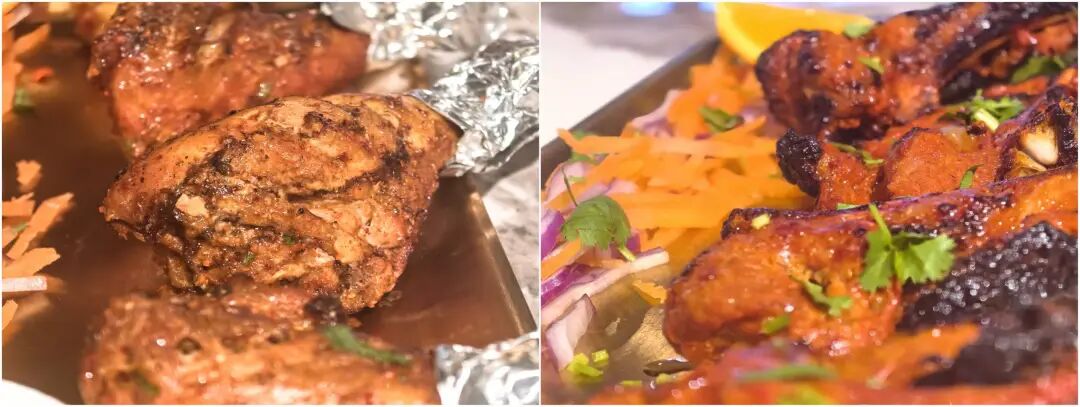
In Hangzhou, few places handle Pakistani spices with confidence. This one does. The moment you walk in, you smell grilled meat and curry—clear, direct, and unapologetic. The menu stays focused: rice, curries, kebabs, fried snacks. It’s easy to read and easy to order, even if it’s your first time with this cuisine.
Masala drives the meal. Chicken and lamb come with deep seasoning that builds in layers rather than hitting you with one note. Butter chicken runs rich and thick—made for rice. Biryani stays fluffy with distinct grains and spice aroma. Garlic naan lands best fresh and hot, with enough flavor to stand on its own.
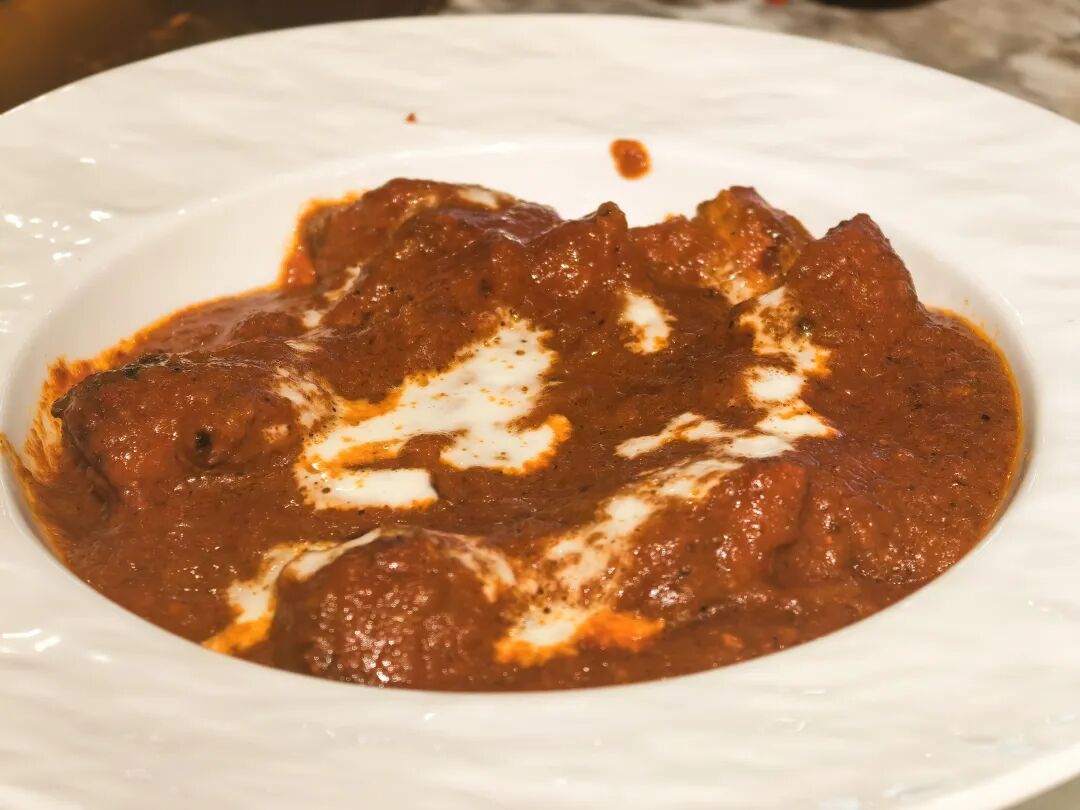
Masala drives the meal. Chicken and lamb come with deep seasoning that builds in layers rather than hitting you with one note. Butter chicken runs rich and thick—made for rice. Biryani stays fluffy with distinct grains and spice aroma. Garlic naan lands best fresh and hot, with enough flavor to stand on its own.
The buffet is a weekend move. Dishes turn over faster, so you’re more likely to catch everything at its best—ideal for a first visit. Book and pay in advance using the number on the poster at the entrance. The kitchen prepares portions based on confirmed guest counts, keeping the spread consistent and avoiding unnecessary waste.
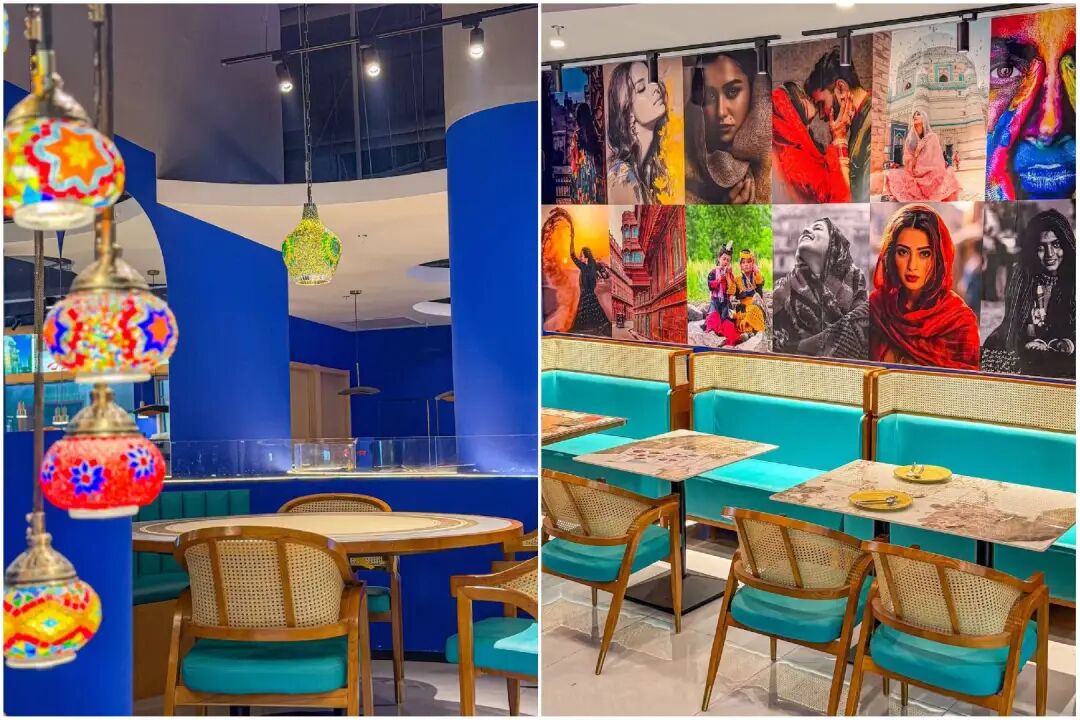
The buffet is a weekend move. Dishes turn over faster, so you’re more likely to catch everything at its best—ideal for a first visit. Book and pay in advance using the number on the poster at the entrance. The kitchen prepares portions based on confirmed guest counts, keeping the spread consistent and avoiding unnecessary waste.
The room runs on repeat trips. People go back for more curry, wait by the grill for fresh batches, tear naan piece by piece and dip. Conversations stay on the food—what’s richer, what’s spicier—while the table keeps moving.
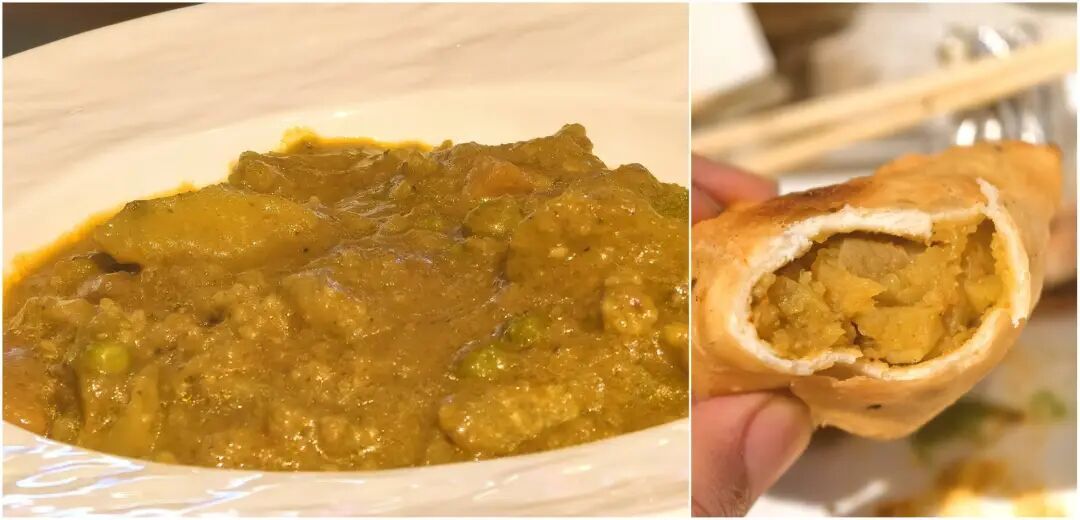
The room runs on repeat trips. People go back for more curry, wait by the grill for fresh batches, tear naan piece by piece and dip. Conversations stay on the food—what’s richer, what’s spicier—while the table keeps moving.
It sits in a basement level, so give yourself a minute to find it. Inside, the room pops—blue tones with gold and silver tableware, clean for photos. Service can feel a bit uneven at times—timing and responses don’t always line up—but it stays warm, well-meaning, and easy to approach.
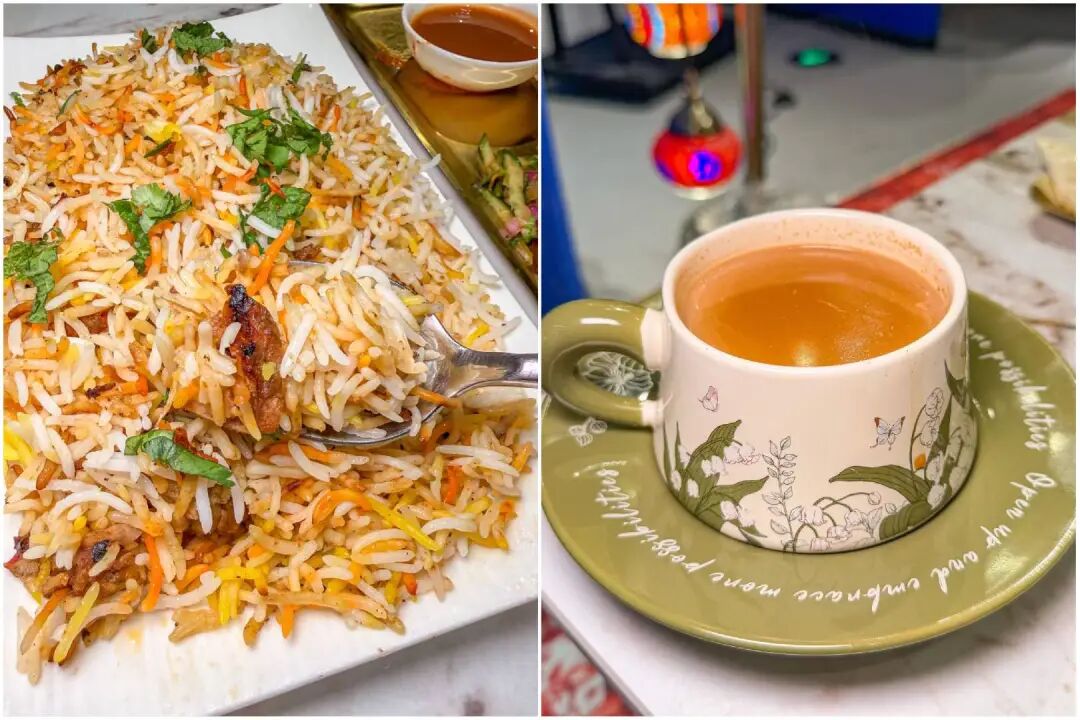
It sits in a basement level, so give yourself a minute to find it. Inside, the room pops—blue tones with gold and silver tableware, clean for photos. Service can feel a bit uneven at times—timing and responses don’t always line up—but it stays warm, well-meaning, and easy to approach.
Expect just over ¥100 per person. Both buffet and à la carte make sense. The value is consistency, proper spice work, and a clear menu. If you want a fast, reliable introduction to Pakistani food, this is a strong entry point.
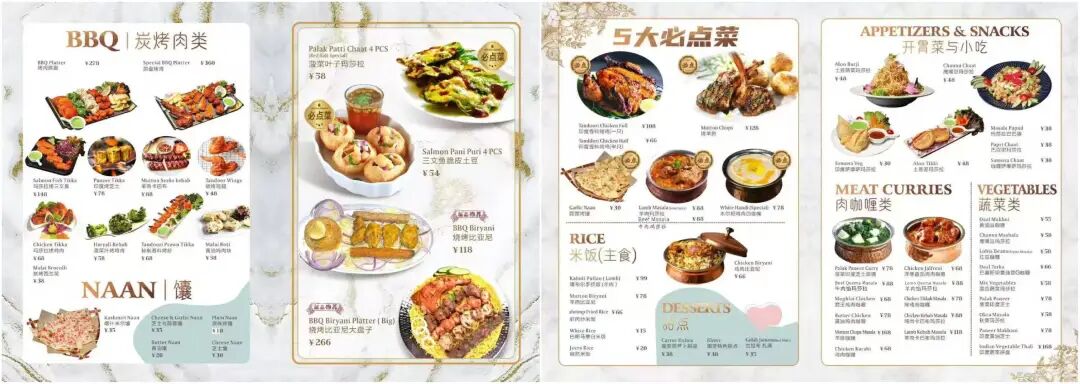
Expect just over ¥100 per person. Both buffet and à la carte make sense. The value is consistency, proper spice work, and a clear menu. If you want a fast, reliable introduction to Pakistani food, this is a strong entry point.
Click Link for Didi / Address
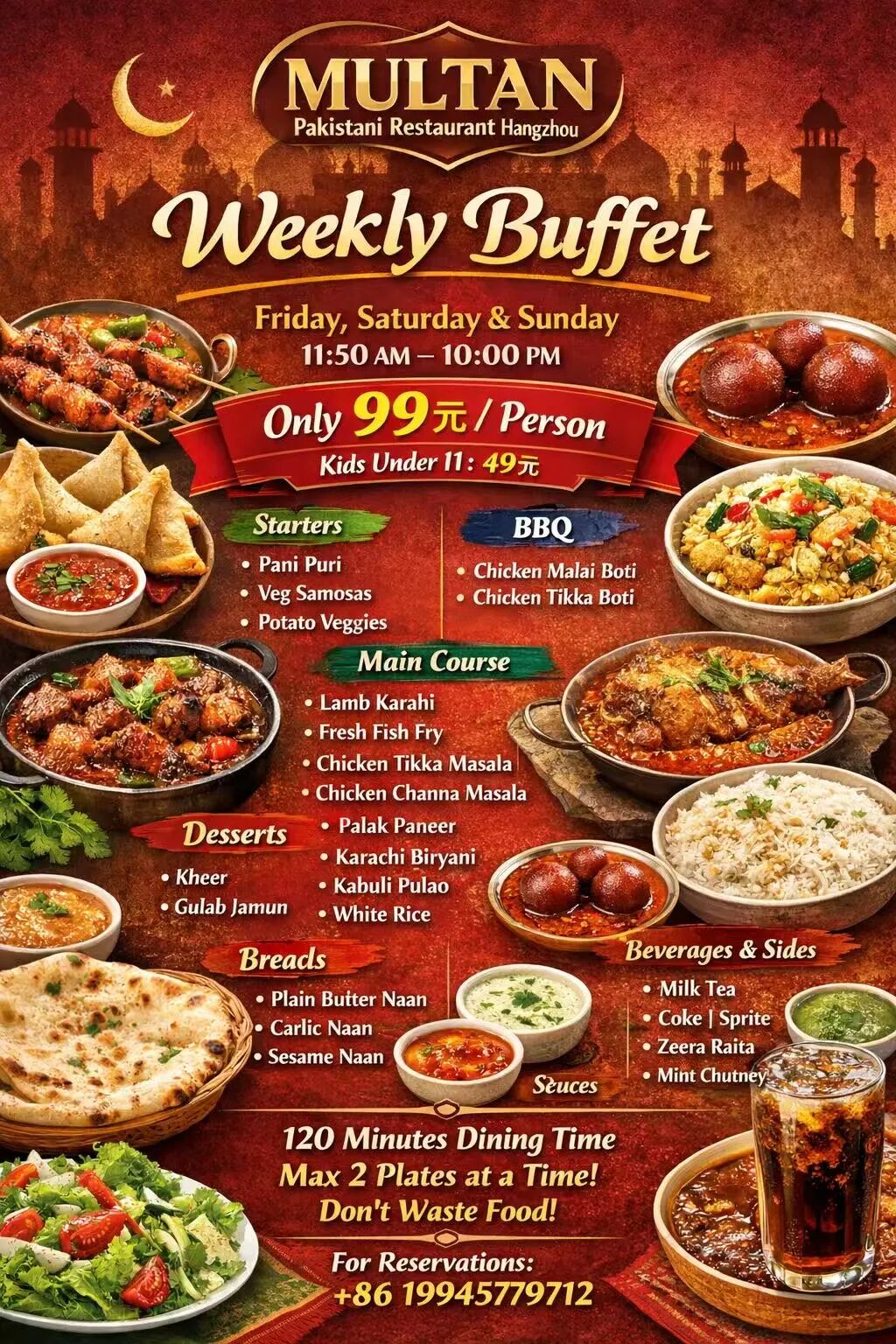
Halal · Multan Pakistani Specialty Restaurant (Hangzhou First Location)
MULTAN Pakistani Restaurant
11:30-22:30
19945779712
Go on the weekend for the buffet—book ahead—then come back on a weekday and order with intent.
Hidden Halal Gem in Hangzhou: Dongyishun's Budget Carbs & Uyghur Street Eats Near Hefang Street
Articles • Hasan09 posted the article • 0 comments • 7 views • 1 days ago
A 20-Year-Old Halal Spot on Hangzhou's Hefang Street: A Carb Lover's Dream Budget Hidden Gem Where You Can Feasibly Stuff Yourself for Just a Few Bucks
Summary:
Exploring a budget-friendly Halal spot tucked away in the alleys around Hefang Street for over 20 years. Serving up steaming handmade pastries, rich mutton soup, and authentic beef fried noodles, the portions are massive, prices are super wallet-friendly, and it's packed with decades of neighborhood nostalgia and down-to-earth local vibes.
Taking advantage of Hangzhou's recent gorgeous weather, I headed out to wander around the streets near Hefang Street. Walking down Gaoyin Street, there were plenty of restaurants serving local Hangzhou cuisine, but apart from the servers trying to drum up business, there weren't many tourists around.
Except for this one Halal restaurant, Dongyishun. Every time you walk past, you can spot a solid crowd of diners. What on earth keeps drawing so many longtime Hangzhou locals back here?
The open takeout window is completely piled high with Xinjiang-style nang (traditional flatbread), corn cakes, scallion oil pancakes, sesame flatbreads, and more—it's basically absolute heaven for carb lovers.
I heard that when it gets busy, you might have to wait 30 to 40 minutes just for the nang, yet plenty of people buy them five or ten at a time, while others start breaking off pieces to eat right there at the storefront.
Inside the shop, dedicated staff handle every step of the process—kneading the dough, shaping the floral patterns, and slapping the flatbreads into the clay oven. With a satisfying 'smack' as it hits the wall, each piece of nang is securely stuck inside the burning clay oven.
The speed of sticking the dough on and pulling the baked bread back out is lightning fast. The baker mentioned they start grinding away early in the morning past 7 AM and don't wrap things up until 5 or 6 in the evening.
A lot of the nang flatbreads you remember tend to be dry and totally flavorless. But the ones here are a whole different vibe—crispy yet wonderfully chewy.
Fresh out of the oven, the nang is still piping hot, smells amazing, and hits you with a subtle savory kick backed by the rich, nutty aroma of toasted sesame.
Eat it while it's hot and it's super soft; once it cools down, it gets even crunchier. You won't be able to resist breaking off pieces right away, only to realize it just gets better the more you chew. No wonder passing elders can't stop raving about it.
Gaozhuang mantou (steamed buns) go for 1.2 RMB each, while the buckwheat and corn mantou are 1.5 RMB.
Business is booming, with wave after wave of people lining up for buns. The massive basket piled high with mantou empties out in no time.
A friendly auntie runs the counter, so you'll want to figure out what kind of buns and how many you want ahead of time. If you hesitate right in front of the basket, her patience wears thin pretty quick, and she might get a little snappy.
These big, dense mantou are probably winning big purely on their insane value for money. The uncles and aunties queuing up early in the morning are bagging them up ten or twenty at a time.
If your timing is off, you might miss out entirely. But as soon as the delivery truck drops off a fresh batch of Yangbatou Gaozhuang mantou, the auntie is right back at it, hustle mode fully engaged...
I personally have to shout out the corn cakes straight out of the steamer. They're a gorgeous golden yellow and totally chubby. They look totally unassuming at first glance, but you'll fall in love at first bite.
When you first grab a corn cake, it's insanely soft and fluffy. Break it open and take a bite—it's soft, sweet, moist, and packs a subtle, refreshing aroma. There are even raisins baked inside. Just 3 RMB each.
That said, the moment it cools down, it turns firm and loses a lot of that amazing texture, so definitely make sure you eat it while it's hot.
The beef patties, pan-fried ahead of time, sit right there on an iron griddle, ready to be reheated if you're buying them to eat immediately.
Break one open and you'll find the beef filling is pretty sparse, mixed in with a generous amount of glass noodles. The golden, fluffy crust still makes for a pretty flavorful bite, though.
Ranked as the top scallion oil pancake in Hangzhou on Dianping, this scallion oil pancake goes for 5 RMB a pop, so naturally, I couldn't pass it up.
Looking ultra-crispy with tons of flaky layers, this huge golden pancake looks super inviting. Unfortunately, it ends up tasting dry and overly greasy on the palate—no pleasant surprises here, honestly just a bit of a letdown.
Baked one giant wheel at a time, the sesame flatbread (zhiqiangbing) is massive and absolutely loaded with a blanket of sesame seeds.
Freshly baked, it smells incredible. Once it's sliced into semi-circles to cool off and placed right in the window, passersby are more than happy to buy it by weight.
The auntie weighing the bread won't give you a heads-up when a fresh batch is about to drop, so my advice is to time your visit right—otherwise, you're stuck getting your cold bread nuked in the microwave.
Tucked right inside a major tourist district yet capturing the hearts of true Hangzhou locals, Dongyishun keeps moving with the steady hum of foot traffic and non-stop hustle. Sure, the lines aren't quite as wild as pre-pandemic times, but compared to everything else around it, it's plenty lively. view all
A 20-Year-Old Halal Spot on Hangzhou's Hefang Street: A Carb Lover's Dream Budget Hidden Gem Where You Can Feasibly Stuff Yourself for Just a Few Bucks

Summary:
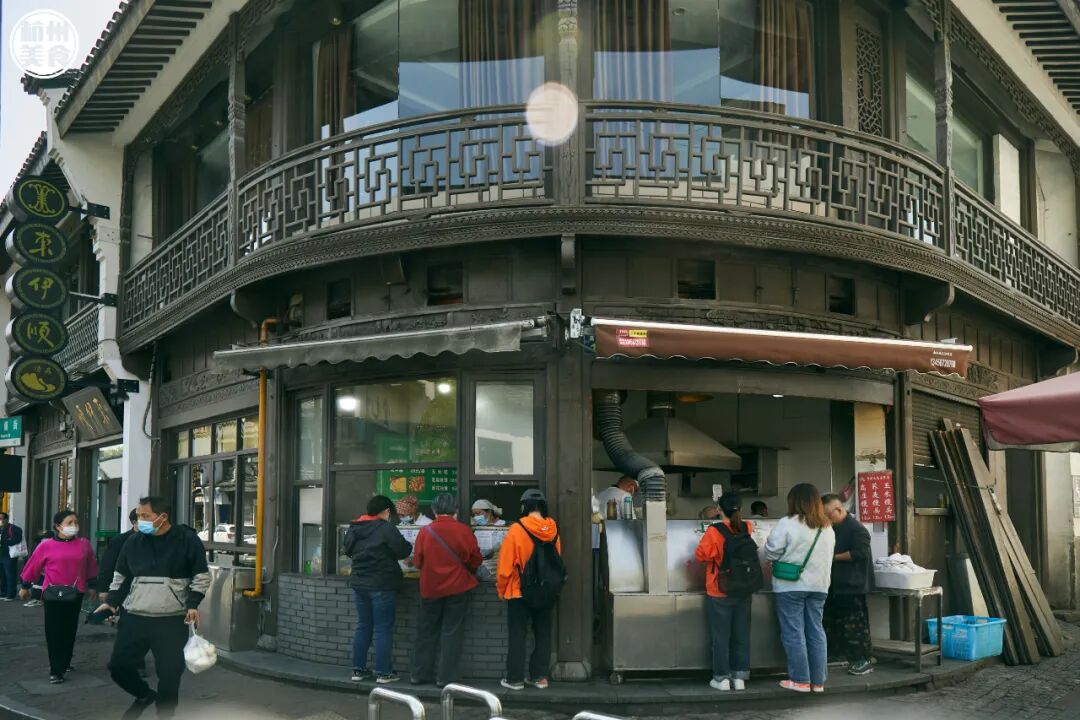
Exploring a budget-friendly Halal spot tucked away in the alleys around Hefang Street for over 20 years. Serving up steaming handmade pastries, rich mutton soup, and authentic beef fried noodles, the portions are massive, prices are super wallet-friendly, and it's packed with decades of neighborhood nostalgia and down-to-earth local vibes.
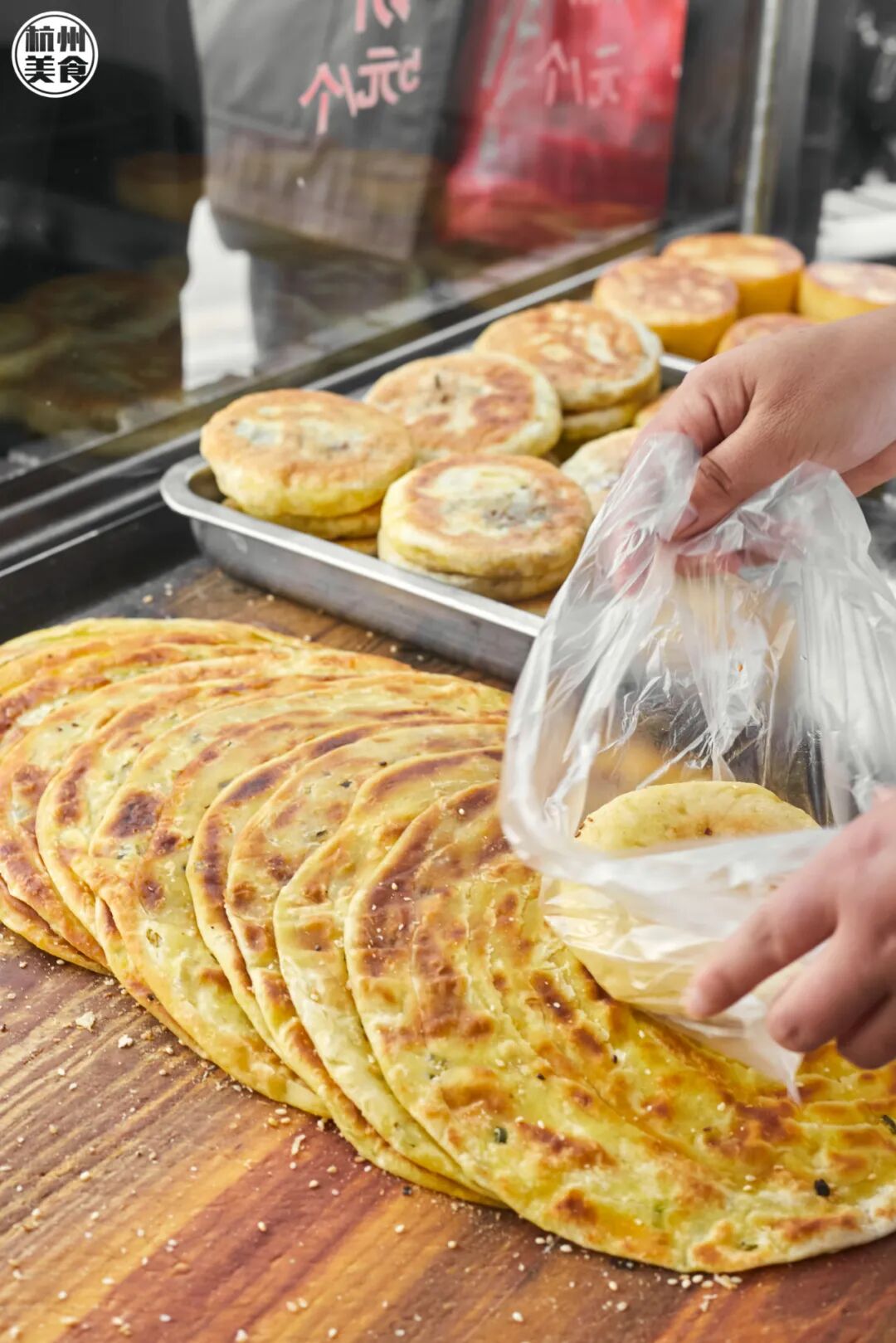
Taking advantage of Hangzhou's recent gorgeous weather, I headed out to wander around the streets near Hefang Street. Walking down Gaoyin Street, there were plenty of restaurants serving local Hangzhou cuisine, but apart from the servers trying to drum up business, there weren't many tourists around.
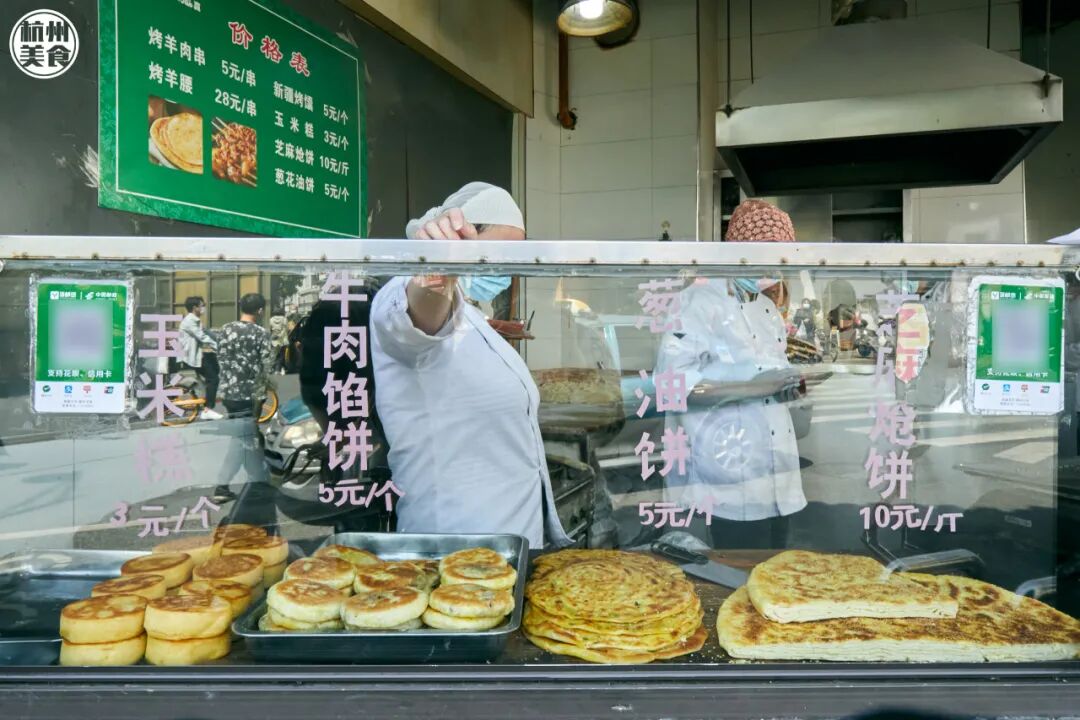
Except for this one Halal restaurant, Dongyishun. Every time you walk past, you can spot a solid crowd of diners. What on earth keeps drawing so many longtime Hangzhou locals back here?
The open takeout window is completely piled high with Xinjiang-style nang (traditional flatbread), corn cakes, scallion oil pancakes, sesame flatbreads, and more—it's basically absolute heaven for carb lovers.
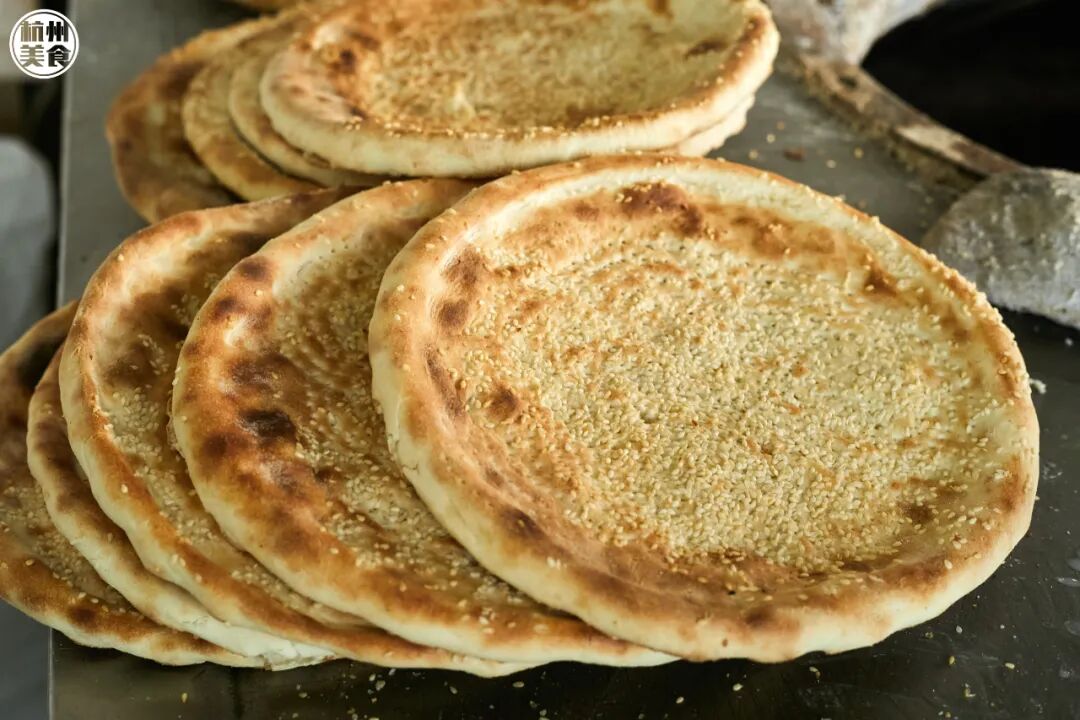
I heard that when it gets busy, you might have to wait 30 to 40 minutes just for the nang, yet plenty of people buy them five or ten at a time, while others start breaking off pieces to eat right there at the storefront.
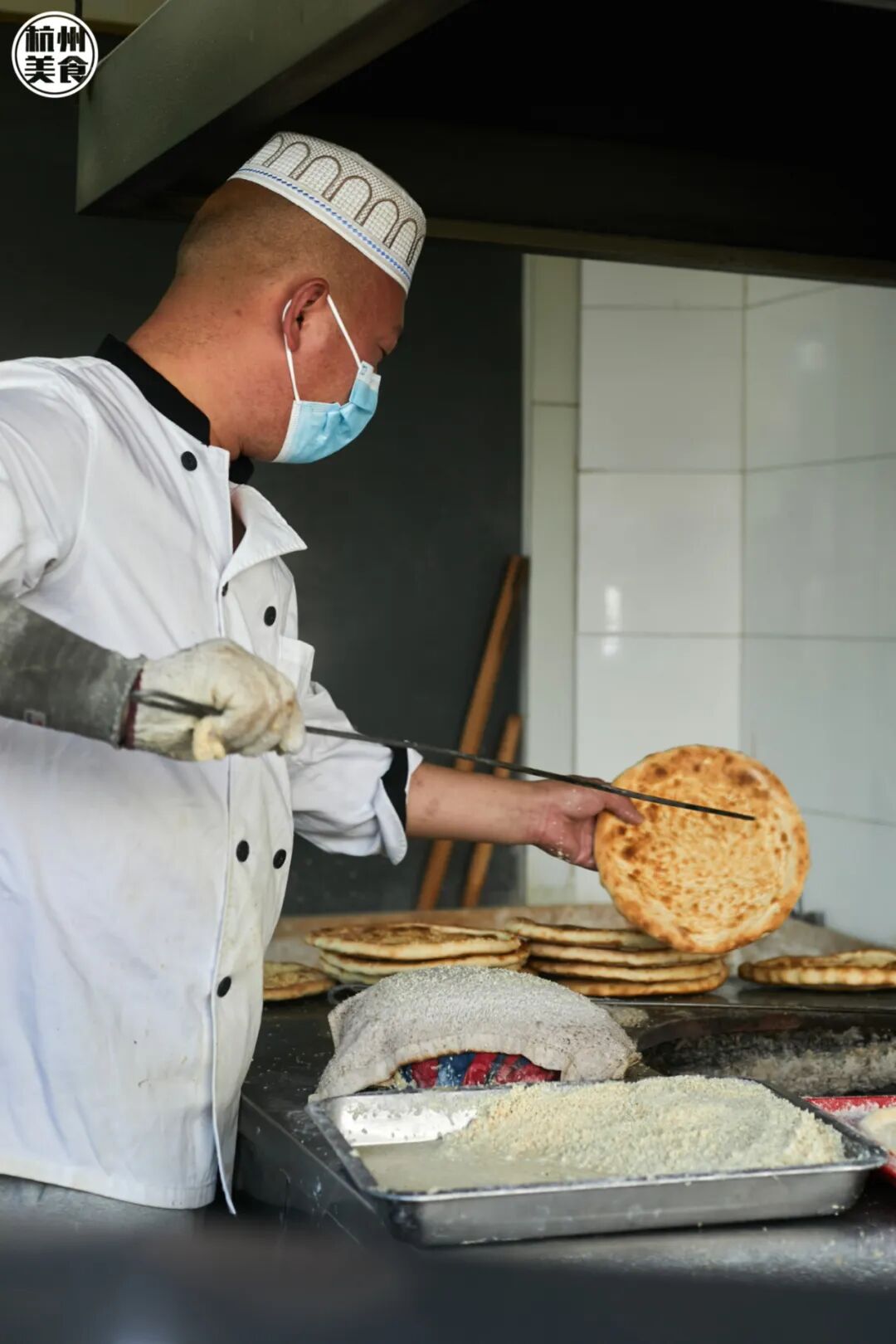
Inside the shop, dedicated staff handle every step of the process—kneading the dough, shaping the floral patterns, and slapping the flatbreads into the clay oven. With a satisfying 'smack' as it hits the wall, each piece of nang is securely stuck inside the burning clay oven.
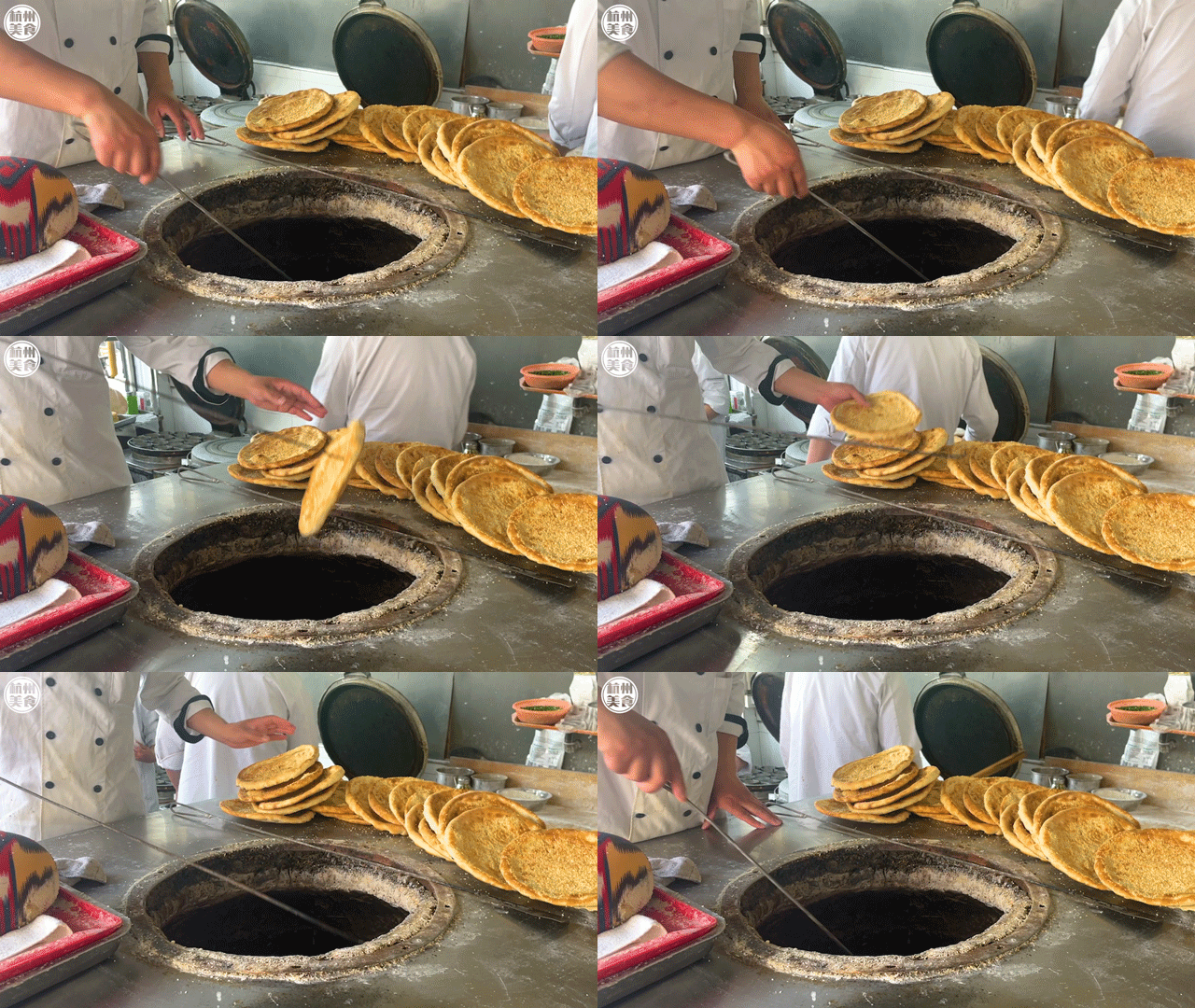
The speed of sticking the dough on and pulling the baked bread back out is lightning fast. The baker mentioned they start grinding away early in the morning past 7 AM and don't wrap things up until 5 or 6 in the evening.
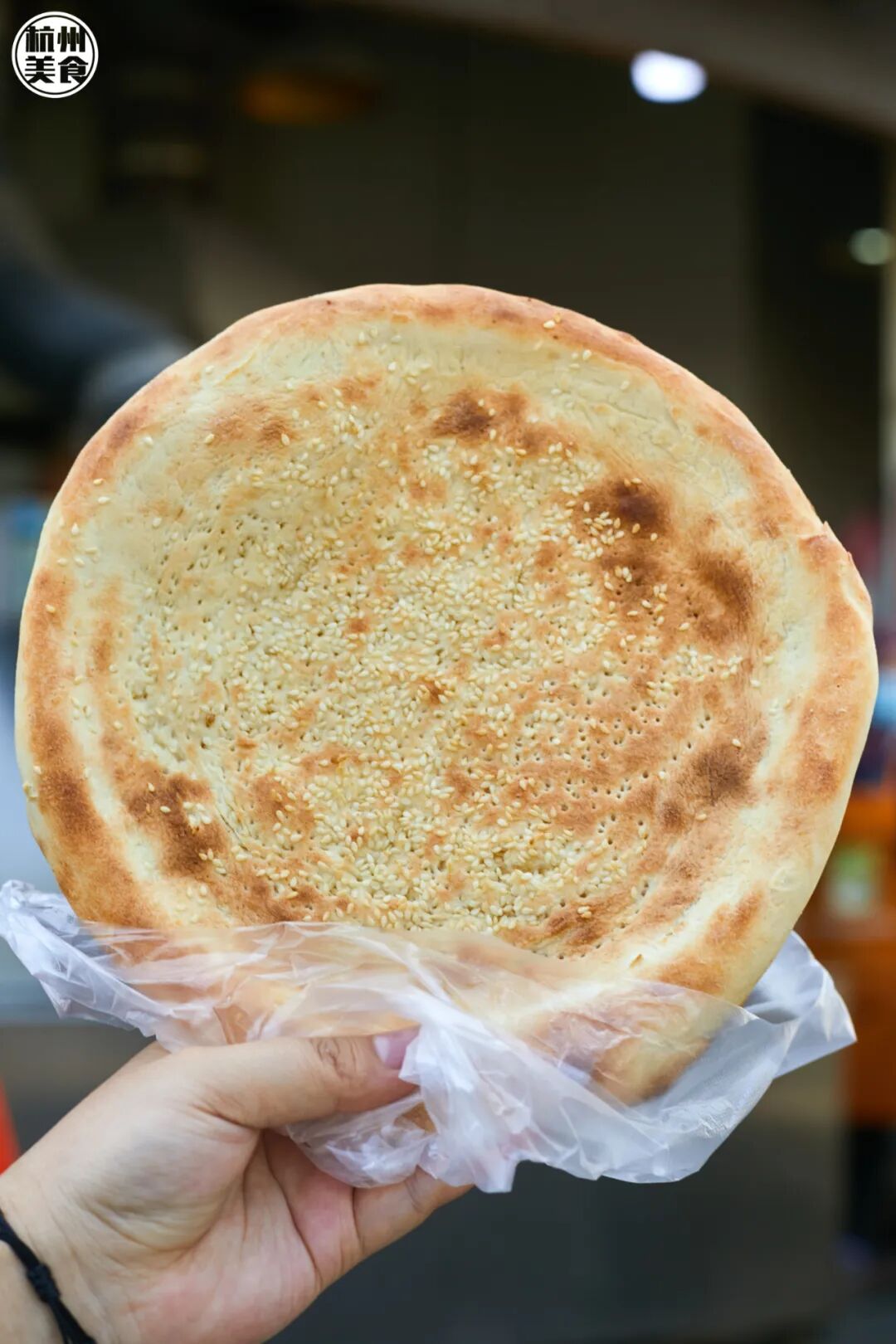
A lot of the nang flatbreads you remember tend to be dry and totally flavorless. But the ones here are a whole different vibe—crispy yet wonderfully chewy.
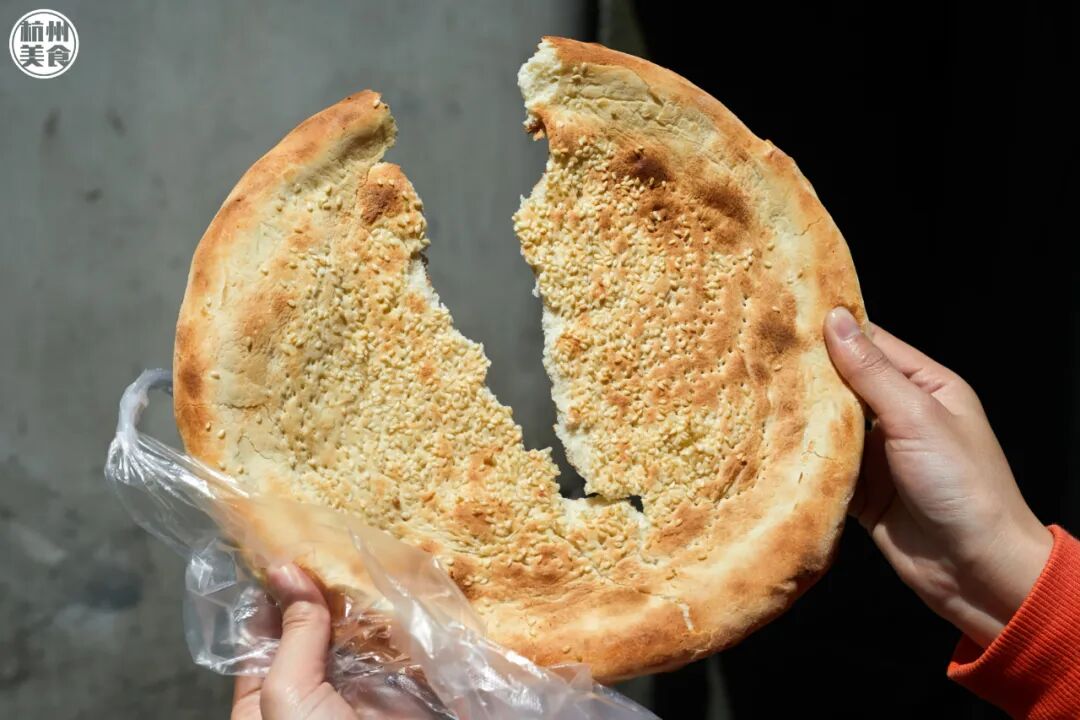
Fresh out of the oven, the nang is still piping hot, smells amazing, and hits you with a subtle savory kick backed by the rich, nutty aroma of toasted sesame.
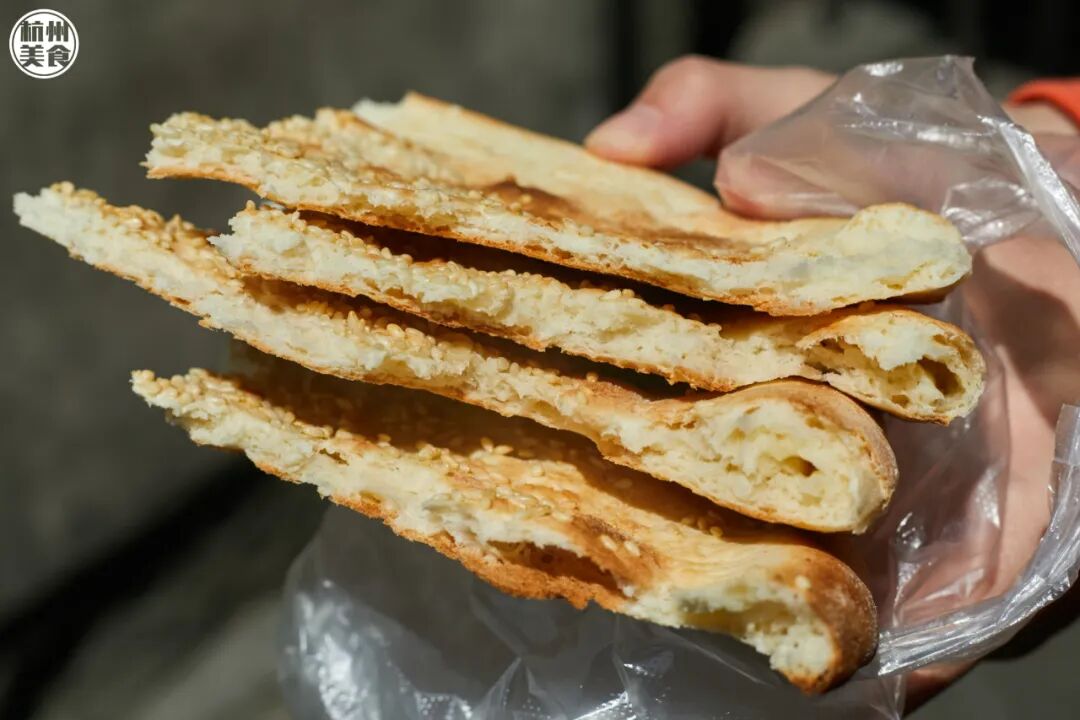
Eat it while it's hot and it's super soft; once it cools down, it gets even crunchier. You won't be able to resist breaking off pieces right away, only to realize it just gets better the more you chew. No wonder passing elders can't stop raving about it.
Gaozhuang mantou (steamed buns) go for 1.2 RMB each, while the buckwheat and corn mantou are 1.5 RMB.
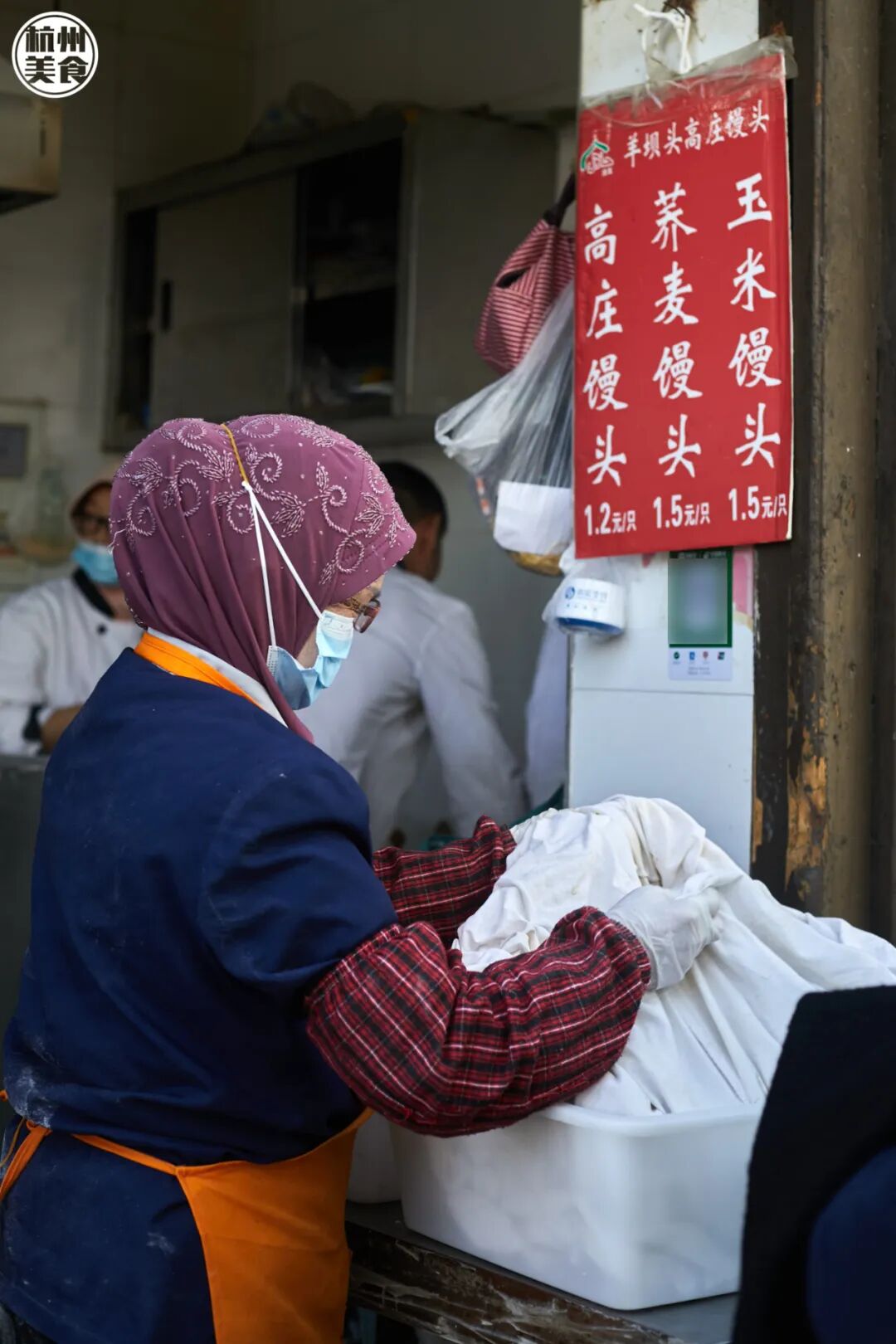
Business is booming, with wave after wave of people lining up for buns. The massive basket piled high with mantou empties out in no time.
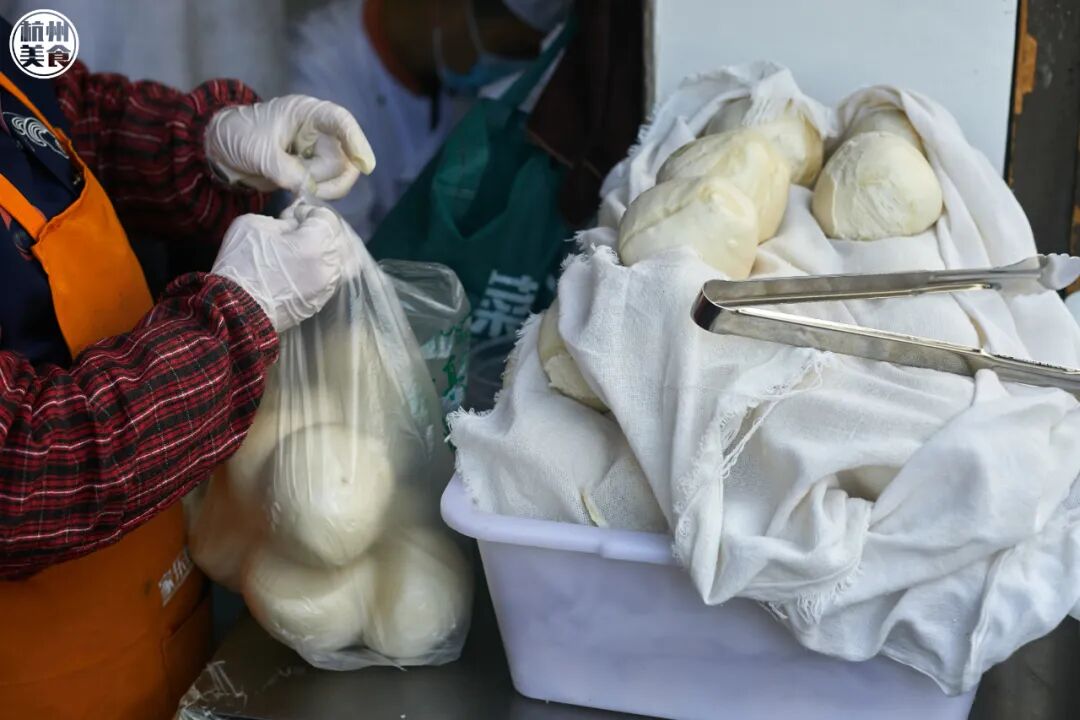
A friendly auntie runs the counter, so you'll want to figure out what kind of buns and how many you want ahead of time. If you hesitate right in front of the basket, her patience wears thin pretty quick, and she might get a little snappy.
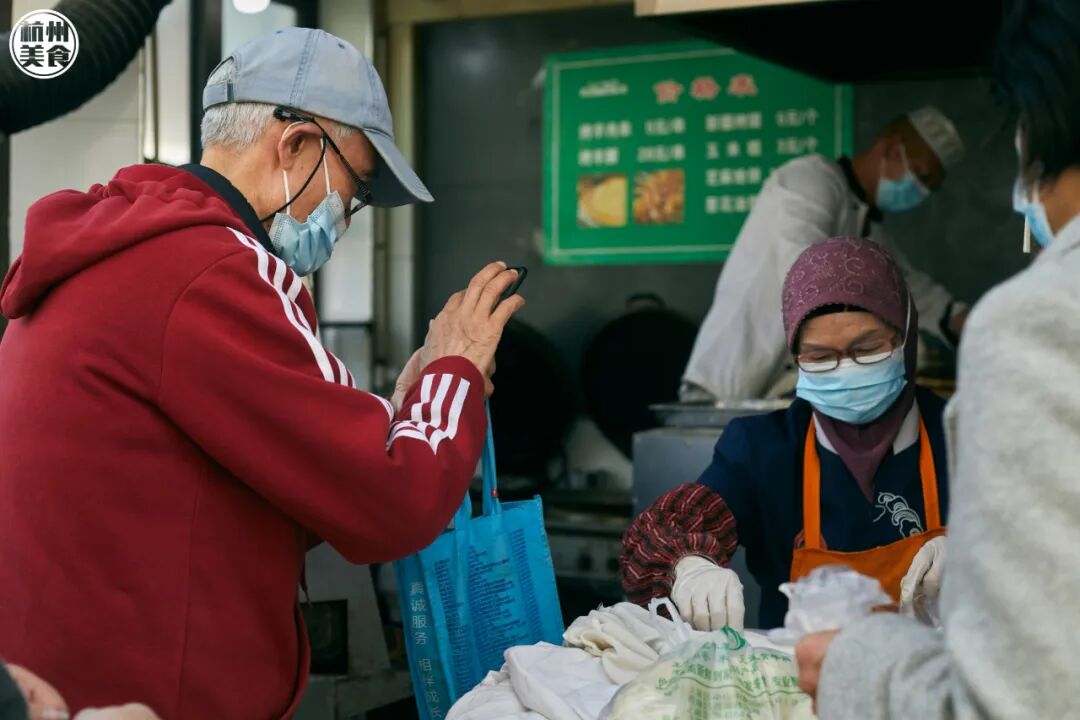
These big, dense mantou are probably winning big purely on their insane value for money. The uncles and aunties queuing up early in the morning are bagging them up ten or twenty at a time.
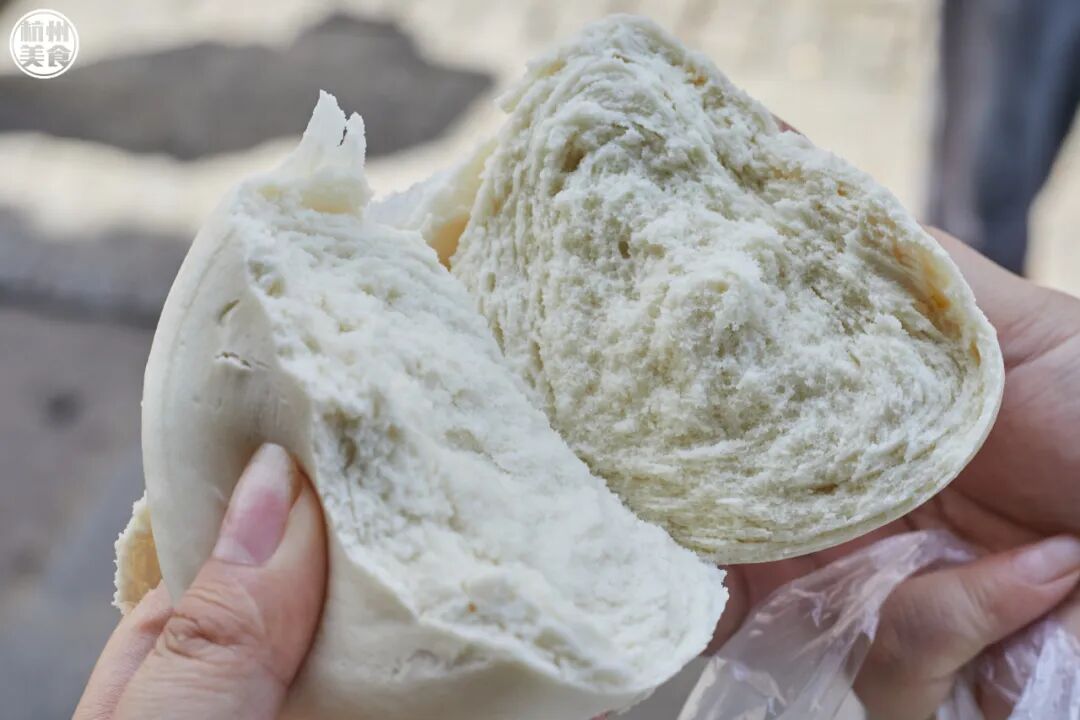
If your timing is off, you might miss out entirely. But as soon as the delivery truck drops off a fresh batch of Yangbatou Gaozhuang mantou, the auntie is right back at it, hustle mode fully engaged...
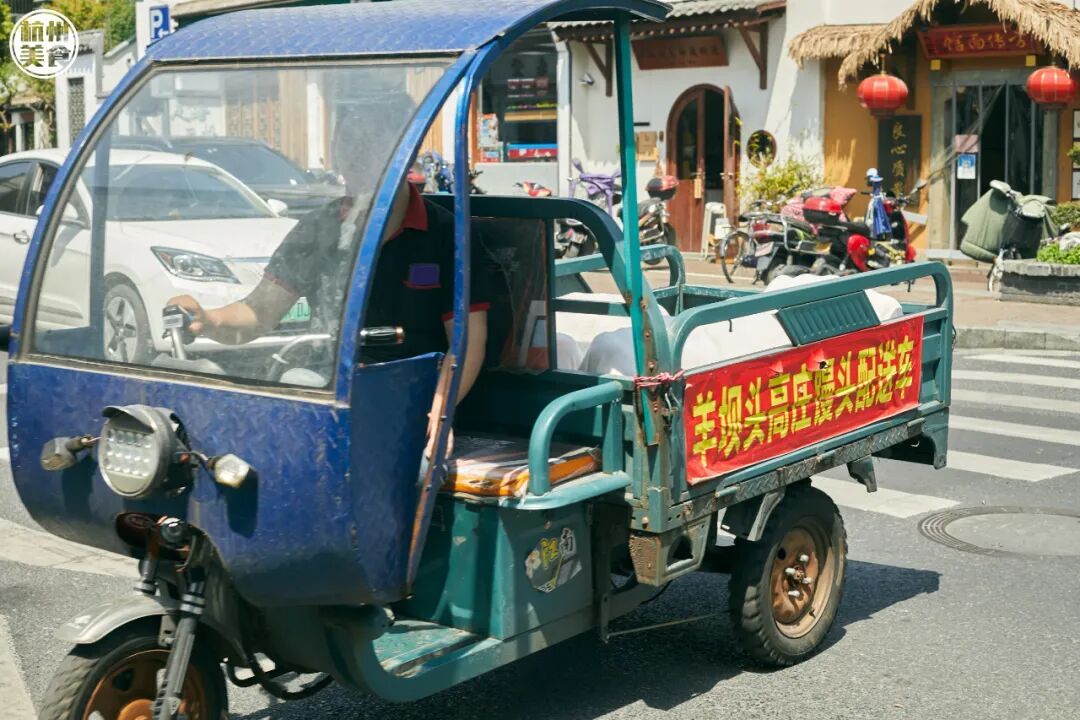
I personally have to shout out the corn cakes straight out of the steamer. They're a gorgeous golden yellow and totally chubby. They look totally unassuming at first glance, but you'll fall in love at first bite.
When you first grab a corn cake, it's insanely soft and fluffy. Break it open and take a bite—it's soft, sweet, moist, and packs a subtle, refreshing aroma. There are even raisins baked inside. Just 3 RMB each.

That said, the moment it cools down, it turns firm and loses a lot of that amazing texture, so definitely make sure you eat it while it's hot.
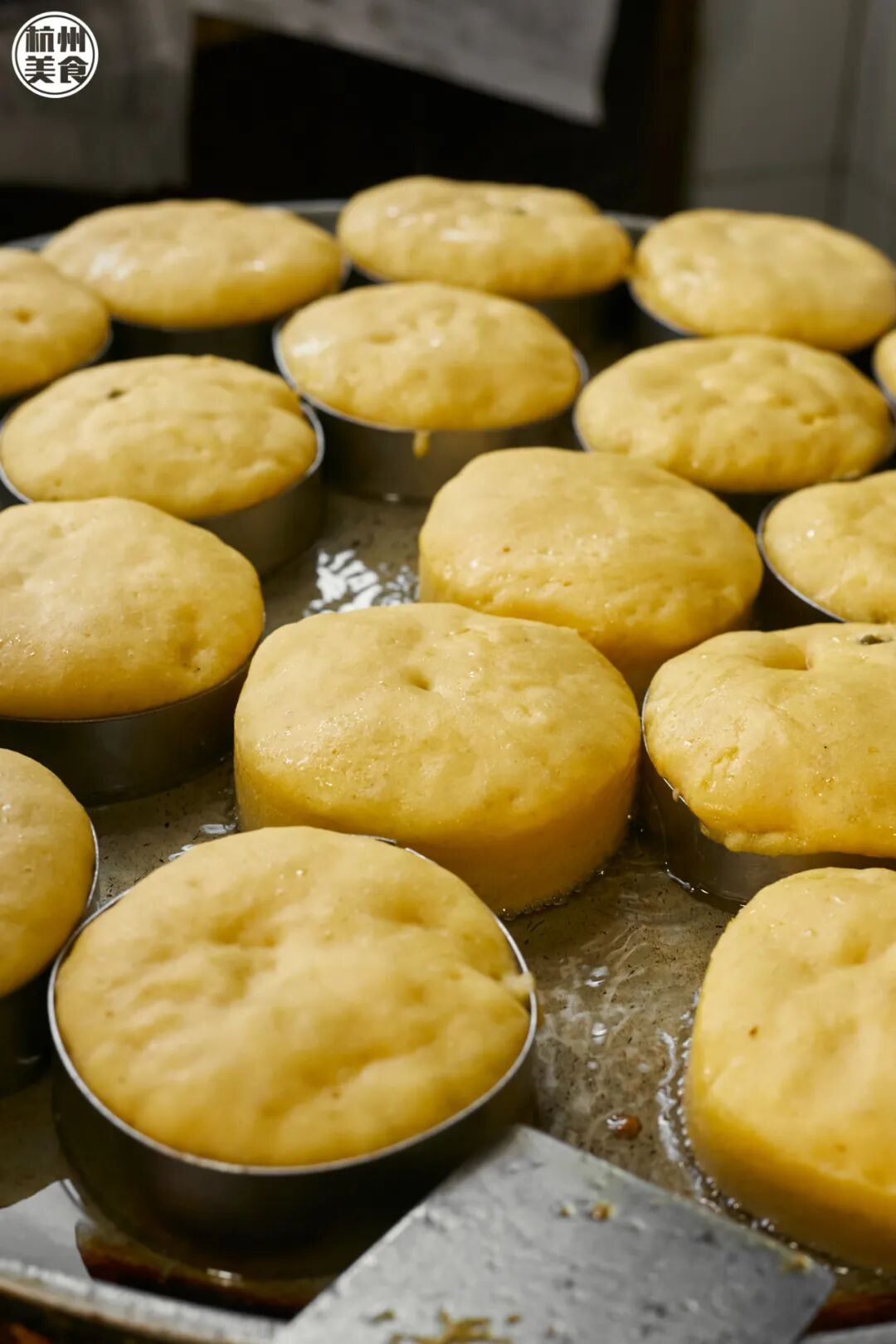
The beef patties, pan-fried ahead of time, sit right there on an iron griddle, ready to be reheated if you're buying them to eat immediately.
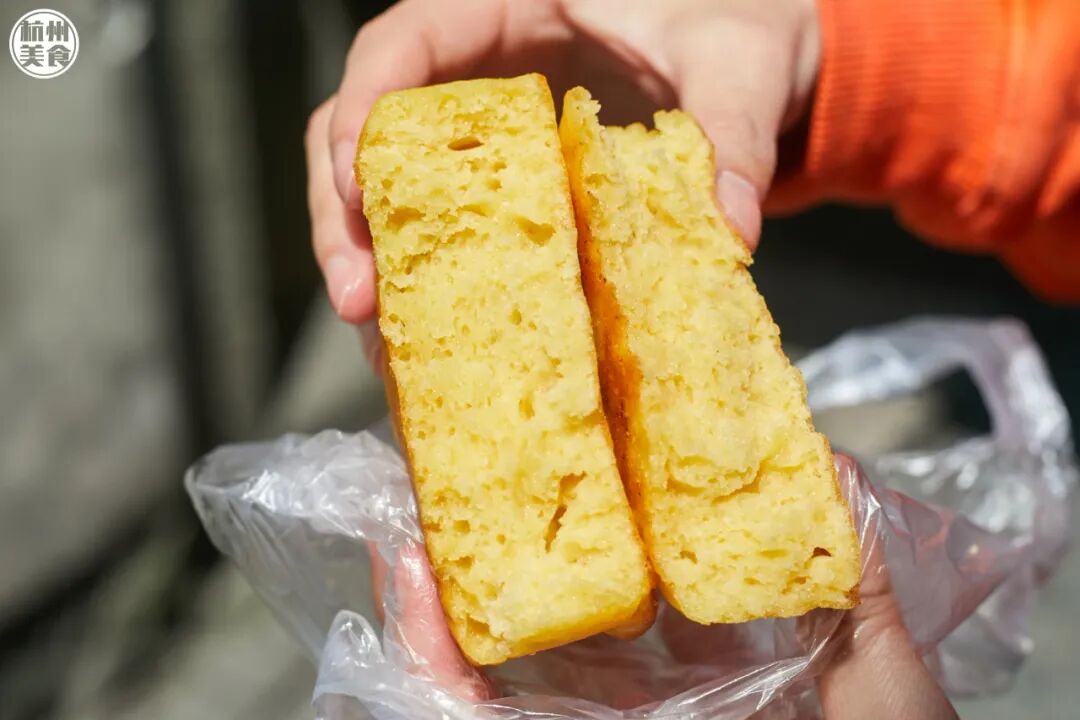
Break one open and you'll find the beef filling is pretty sparse, mixed in with a generous amount of glass noodles. The golden, fluffy crust still makes for a pretty flavorful bite, though.
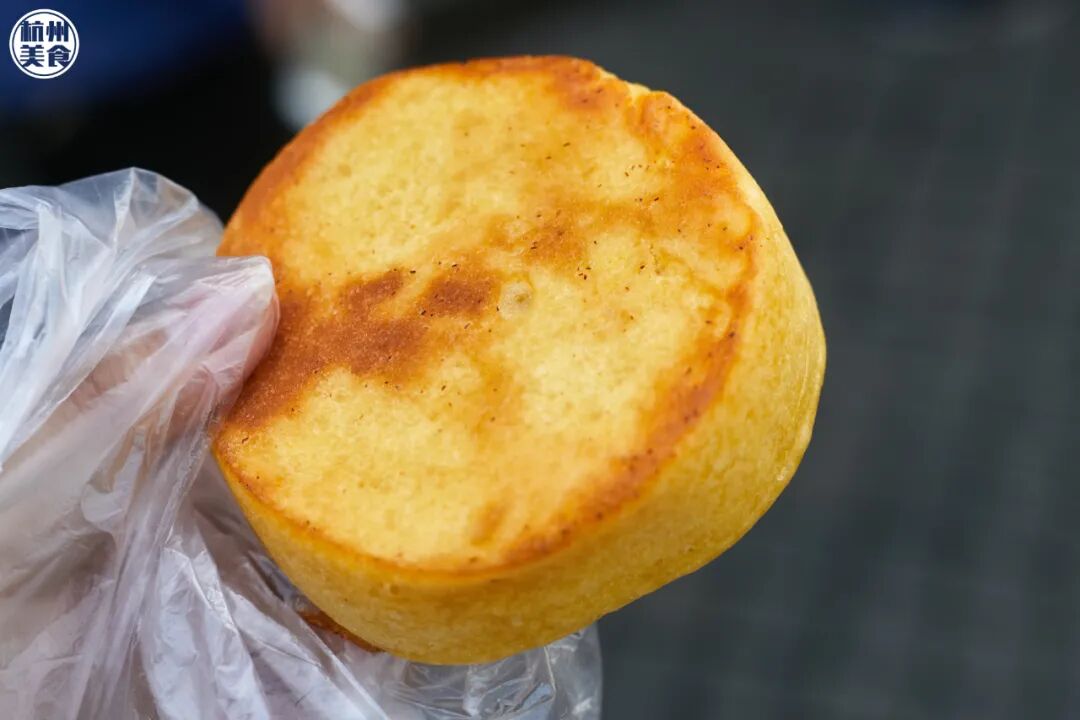
Ranked as the top scallion oil pancake in Hangzhou on Dianping, this scallion oil pancake goes for 5 RMB a pop, so naturally, I couldn't pass it up.

Looking ultra-crispy with tons of flaky layers, this huge golden pancake looks super inviting. Unfortunately, it ends up tasting dry and overly greasy on the palate—no pleasant surprises here, honestly just a bit of a letdown.
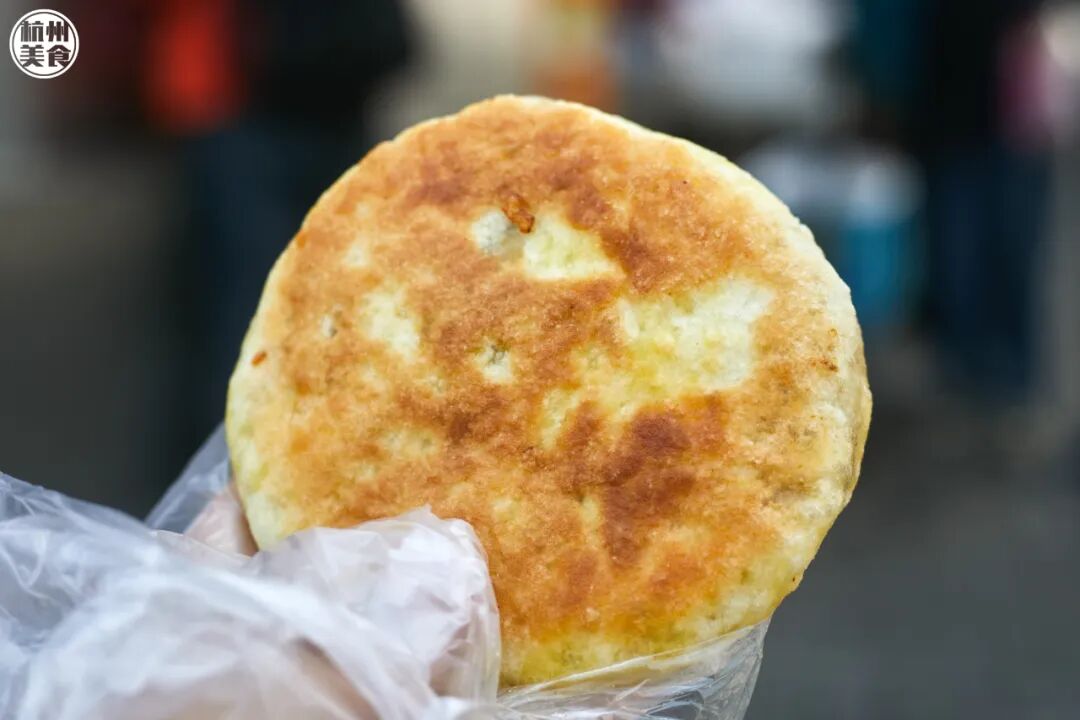
Baked one giant wheel at a time, the sesame flatbread (zhiqiangbing) is massive and absolutely loaded with a blanket of sesame seeds.
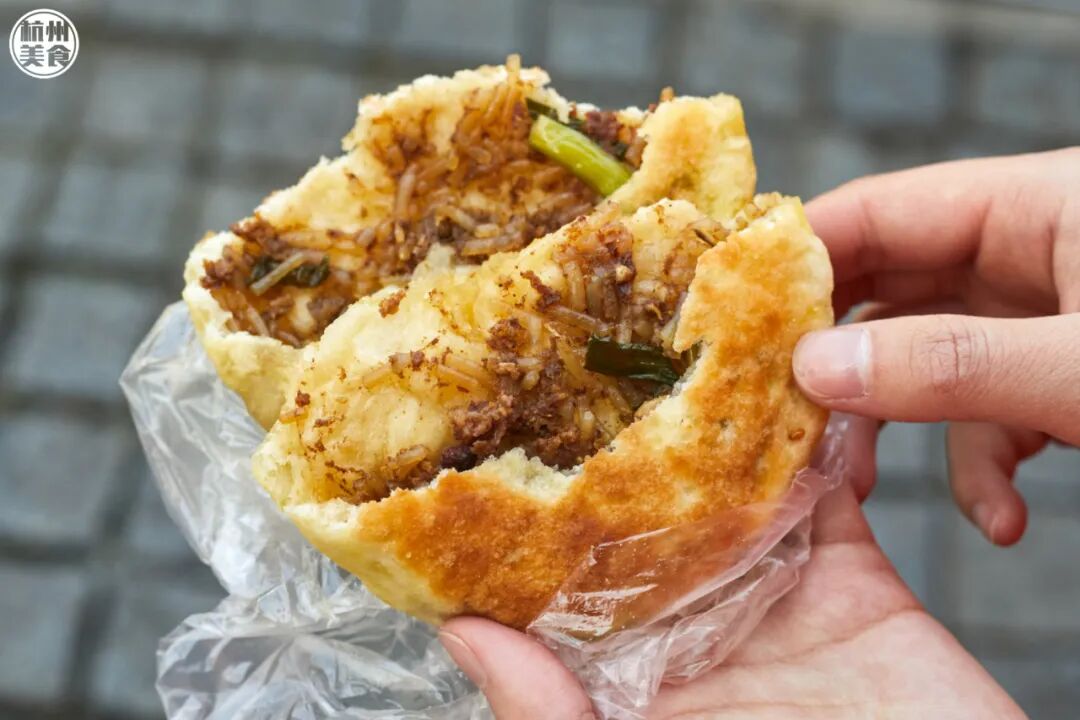
Freshly baked, it smells incredible. Once it's sliced into semi-circles to cool off and placed right in the window, passersby are more than happy to buy it by weight.

The auntie weighing the bread won't give you a heads-up when a fresh batch is about to drop, so my advice is to time your visit right—otherwise, you're stuck getting your cold bread nuked in the microwave.
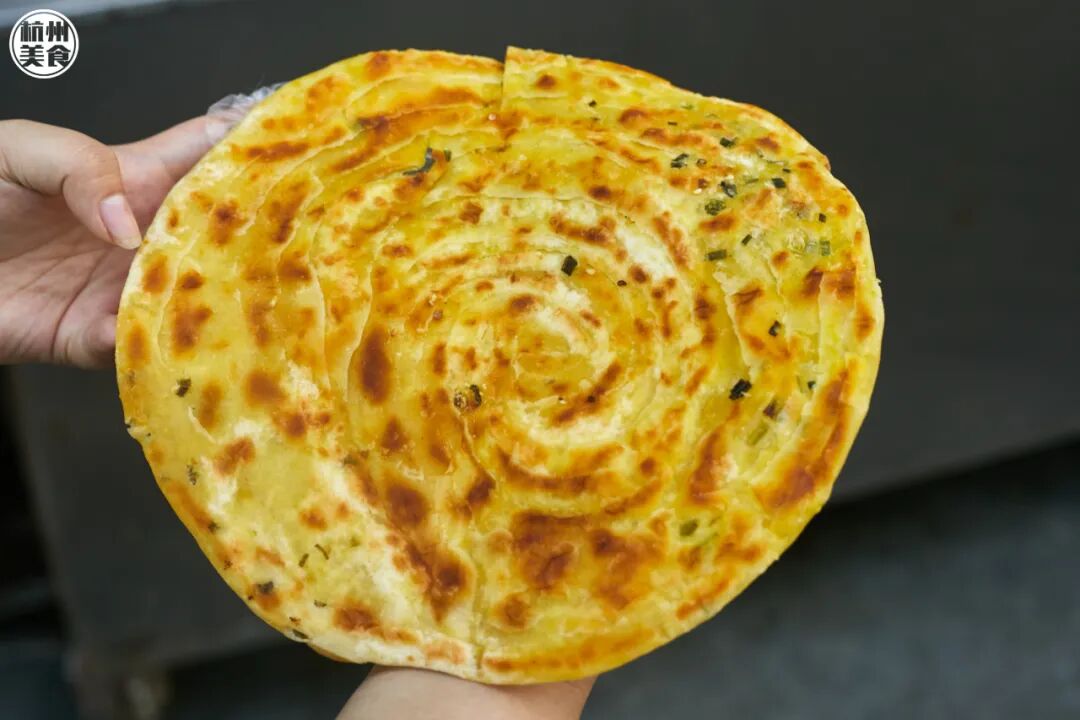
Tucked right inside a major tourist district yet capturing the hearts of true Hangzhou locals, Dongyishun keeps moving with the steady hum of foot traffic and non-stop hustle. Sure, the lines aren't quite as wild as pre-pandemic times, but compared to everything else around it, it's plenty lively.
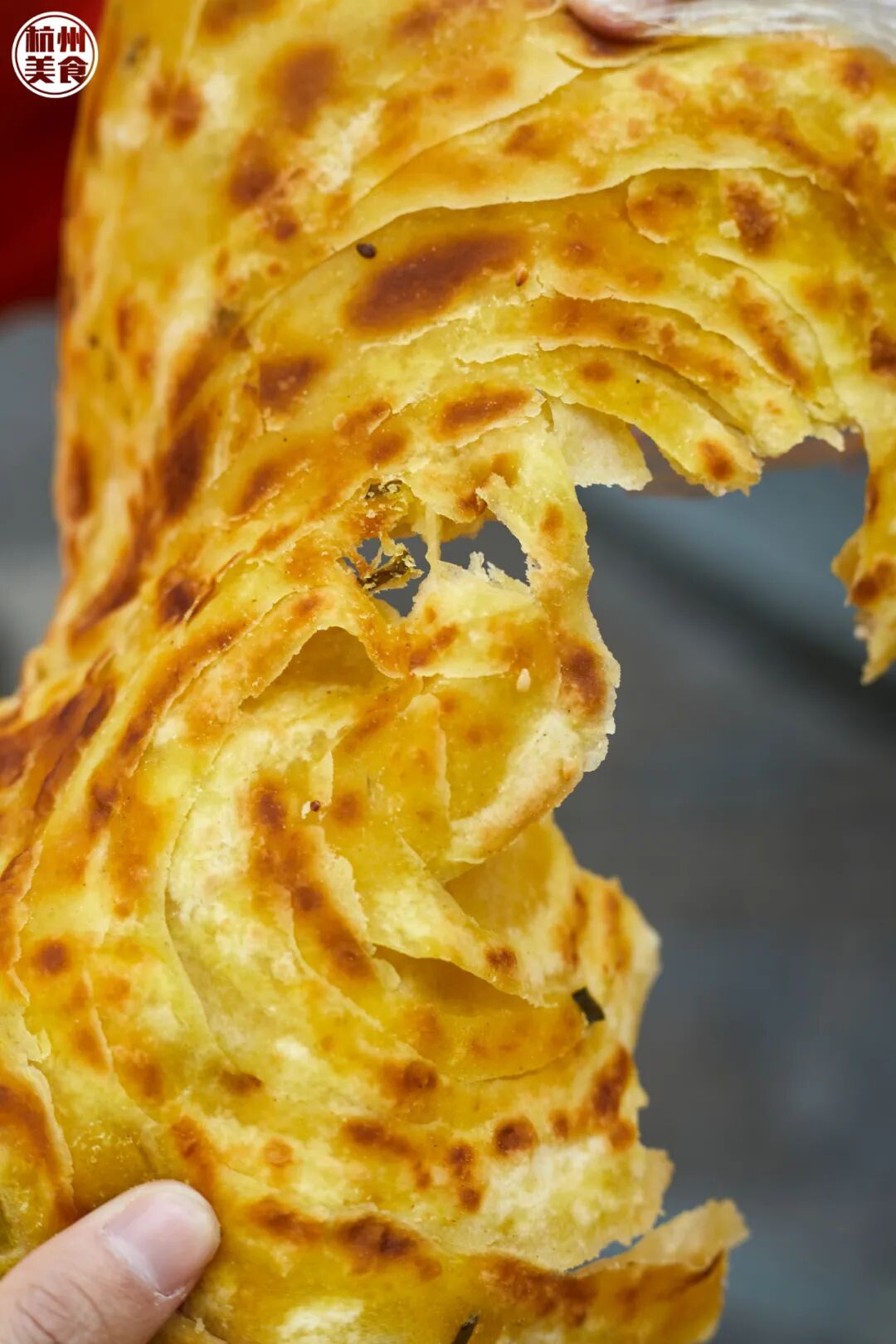

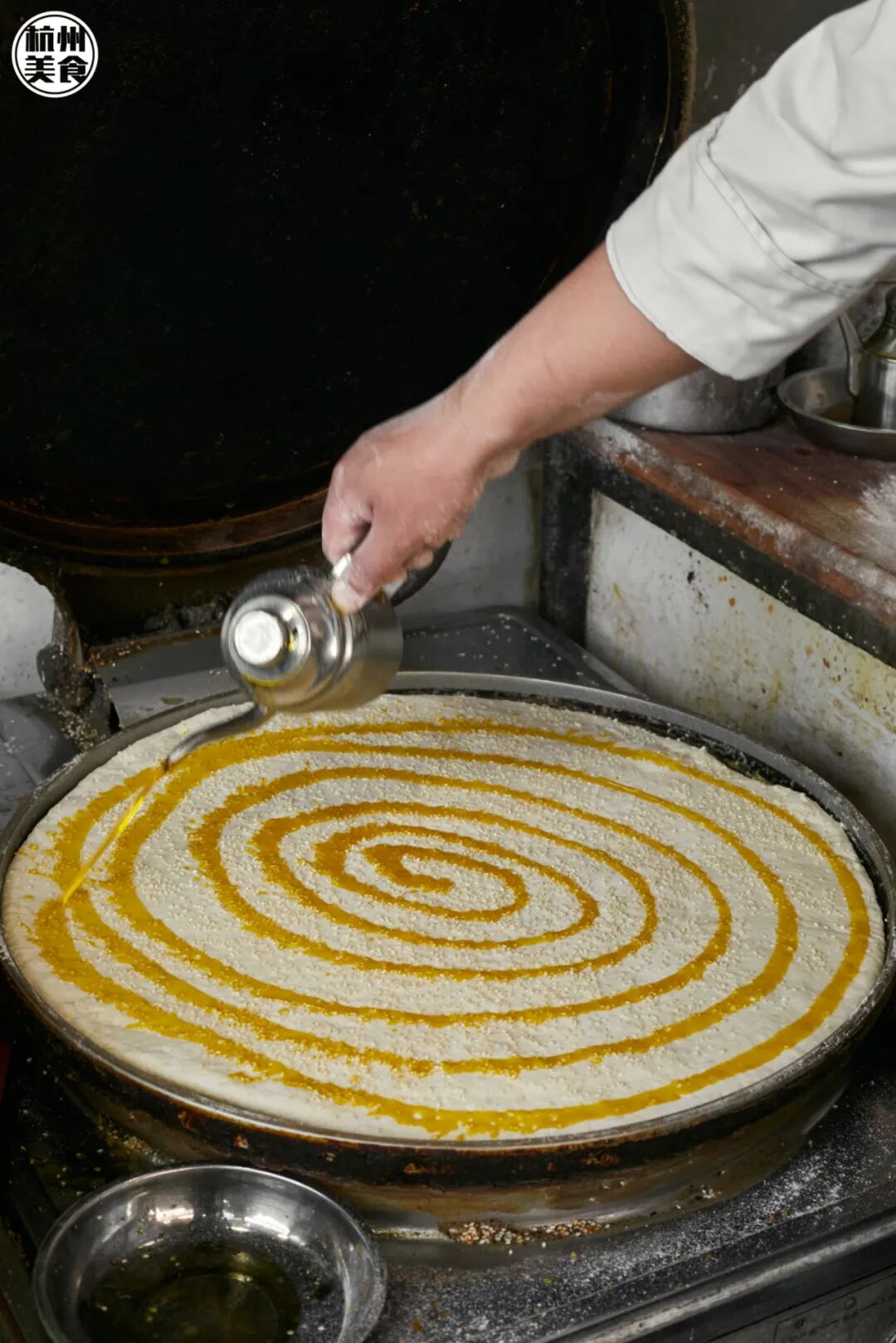
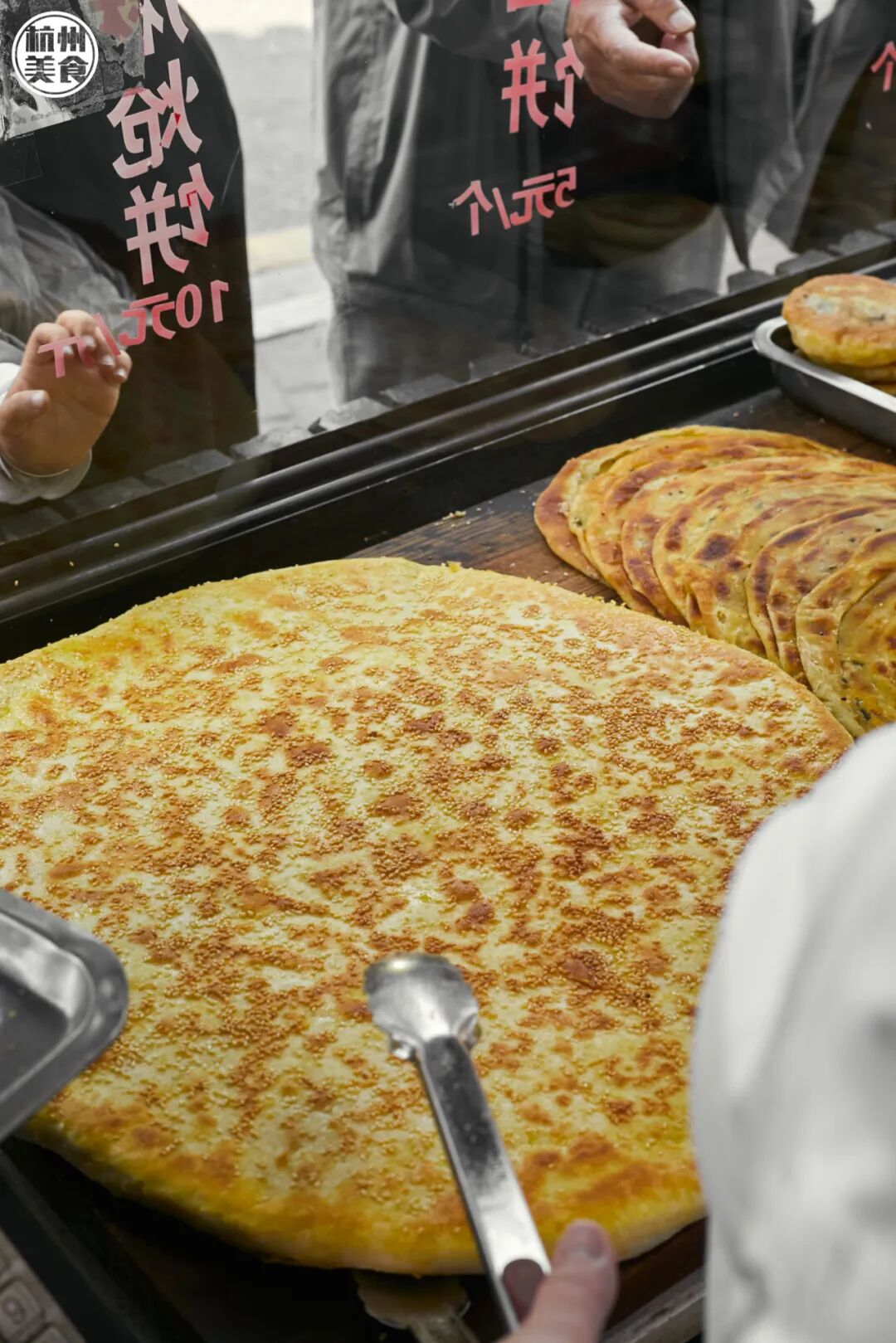
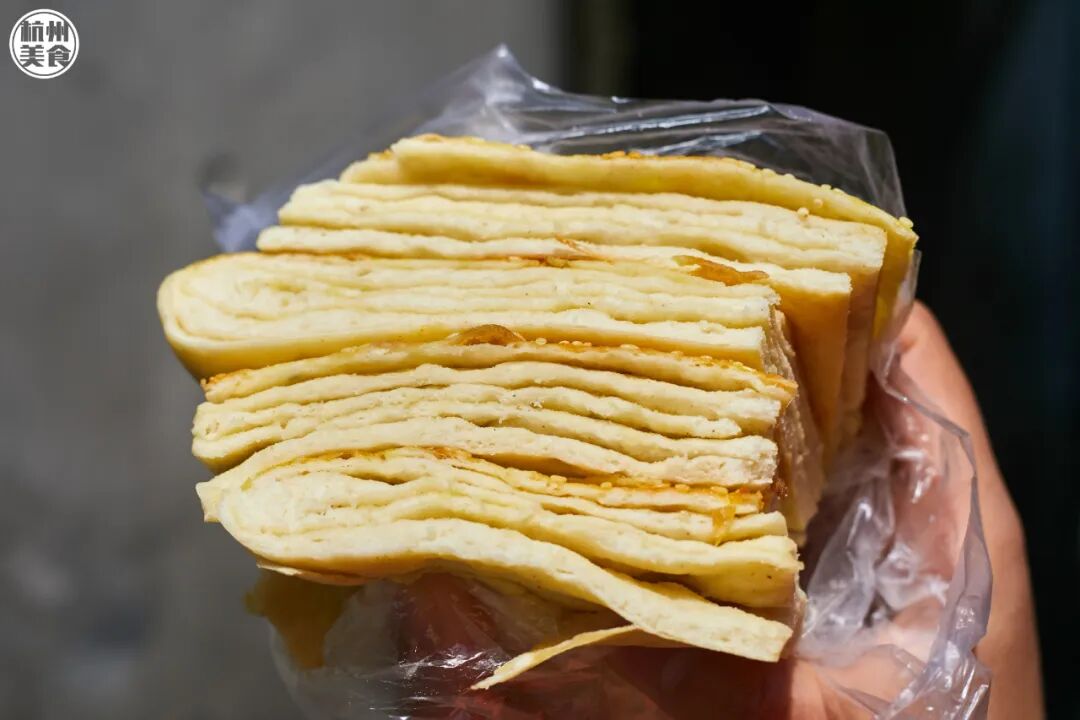
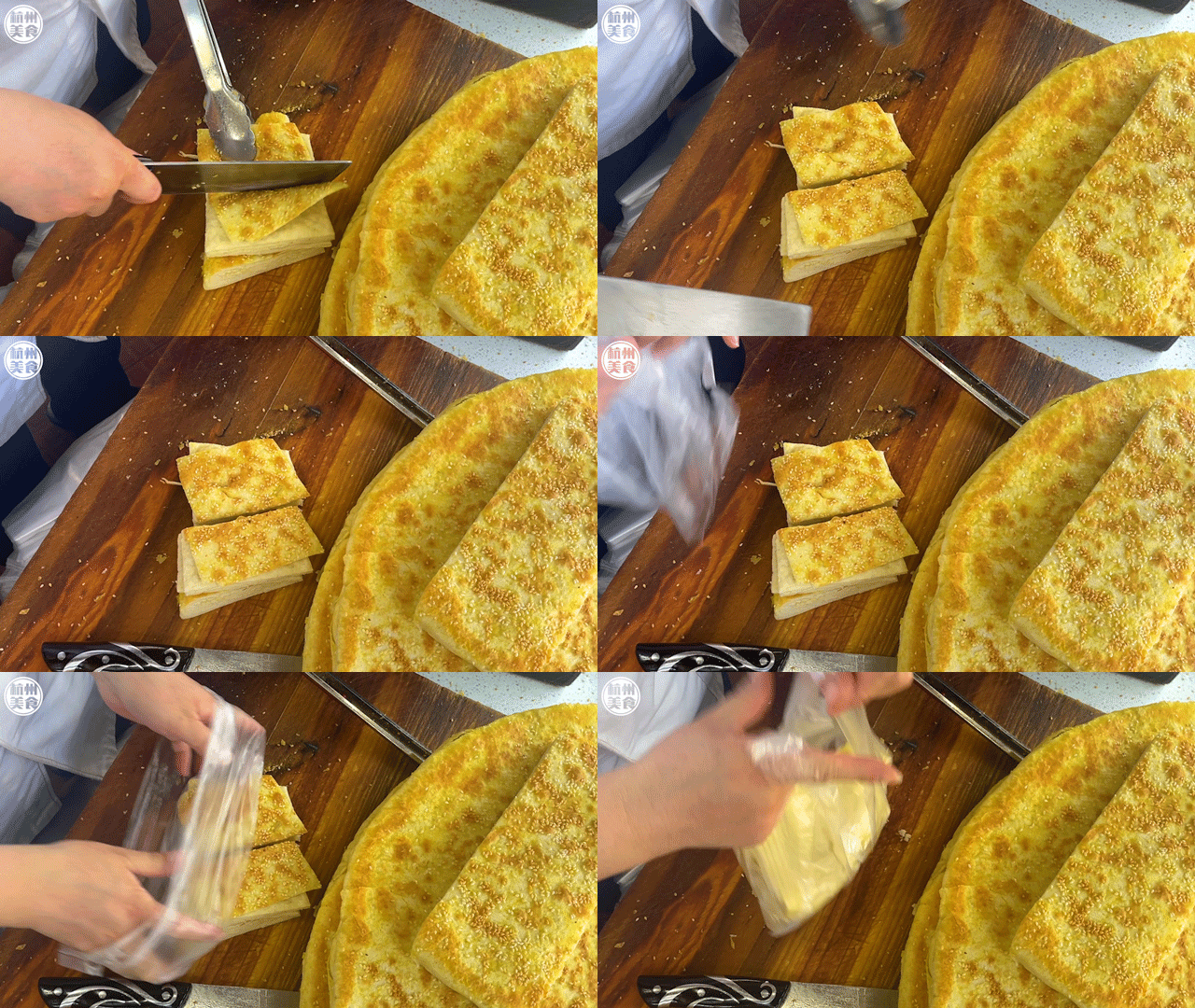
Ultimate Hangzhou Halal Food Guide 2026: Best Spots, Old-School Eateries & Muslim Cuisine
Articles • Hasan09 posted the article • 0 comments • 8 views • 1 days ago
Ultimate Hangzhou Halal Food Guide (2026 Latest Curated List): A Complete Guide to Time-Honored Spots and Authentic Halal Eateries
Summary:
The 2026 Hangzhou Halal Dining Boutique Guide features top-tier halal restaurants including Dongyishun, Pinhuiwei, Mashi Maizhou, Master Tong's Old Beijing Zhizi BBQ, and Xinjiang Inside & Out. Includes detailed dish recommendations, ambiance highlights, and dining tips to effortlessly solve all your halal food cravings in Hangzhou.
Dongyishun (Gaoyin Street Branch) — Time-Honored Halal Restaurant
Specializes in a fusion of halal Hangzhou cuisine and stir-fries. Highly recommend their scallion pancakes and corn pancakes—super crispy right out of the pan. For mains, the cashew celery and shuizhu niurou (Sichuan-style boiled beef) are absolute rice-killers. You can also get home-style versions of West Lake fish in vinegar gravy and Longjing shrimp, making it great for small get-togethers. They also host tour groups quite often.
#LocalSpecialty #NoSmokingOrDrinking
Pinhuiwei Halal Northwest Cuisine (West Lake Scenic Area Intime City Branch)
Truly a benchmark for halal Northwest cuisine in Hangzhou, focusing on fusion Northwest dishes with locations in both Hangzhou and Shanghai. (The flagship store is recommended here.) The interior has an exotic vibe, and the servers wear ethnic costumes, making for a fantastic vibe that's ideal for group dining or entertaining guests. If you're visiting from Northwest China, you can also order some other dishes.
#PrivateRoomsAvailable #NoSmokingOrDrinking
Mashi Maizhou Northeast Chinese Halal Cuisine (Wenyu Road Branch)
A rare find for halal Northeast Chinese food, located on Gucui Road. The chicken guobaorou (crispy sweet and sour chicken) is crispy and authentic, the di san xian (stir-fried eggplant, potatoes, and peppers) is rich and massive in portion, and the flatbread for the diguo ji (iron-pot chicken) is super fragrant. Portion sizes are huge overall—just two dishes are plenty for two people. Generous and unpretentious, and the location is easy to find.
#PrivateRoomsAvailable
More Special Selections
Master Tong's Old Beijing Zhizi BBQ, Roast Duck & Beijing Cuisine (Hangzhou First Branch)
They currently have two locations in Hangzhou. The dishes and vibe are both on point, so you basically can't go wrong. If you love Beijing cuisine, this should be your top pick.
Yuliangshun Hualatang (Hangzhou Flagship Store)
A halal Henan breakfast spot in Hangzhou currently running three locations. Great for grabbing a morning bite to get a feel for the local vibe. The shop is small, but it has more wok qi (the distinct breath of the wok) than Zhongshan Road, and everything is delicious.
Xinjiang Inside & Out Pulao (Longfo Hangzhou Xixi Tianjie Branch)
One of the top-tier pulao (Xinjiang spiced rice with meat) spots in Hangzhou. Expect lines during peak meal times—a must-visit for pilaf lovers.
Lale Turkish Restaurant (Hubin West Lake Branch)
One of the halal restaurants closest to West Lake. Both the food and decor are great, and it's super convenient for hosting friends.
In the past, you might have spotted a restaurant on Xiaohongshu, bookmarked another on Dianping, and saved a few screenshots in group chats. But when you actually arrive in an unfamiliar city and want to grab a bite, you have to search all over again: you forget the name, the address is hard to find, you aren't sure if they're still in business, and it's tough to quickly confirm signature dishes or what else is nearby.
Now, you can search and bookmark these restaurants by city with one tap on iHabibi, and check out authentic shares and replies from local lifestyle partners. We want to organize scattered information into a long-term, constantly updated, ready-to-use halal food gateway—so that those who need it can find it, great halal spots can stick around, and they can go places. view all
Ultimate Hangzhou Halal Food Guide (2026 Latest Curated List): A Complete Guide to Time-Honored Spots and Authentic Halal Eateries
Summary:
The 2026 Hangzhou Halal Dining Boutique Guide features top-tier halal restaurants including Dongyishun, Pinhuiwei, Mashi Maizhou, Master Tong's Old Beijing Zhizi BBQ, and Xinjiang Inside & Out. Includes detailed dish recommendations, ambiance highlights, and dining tips to effortlessly solve all your halal food cravings in Hangzhou.
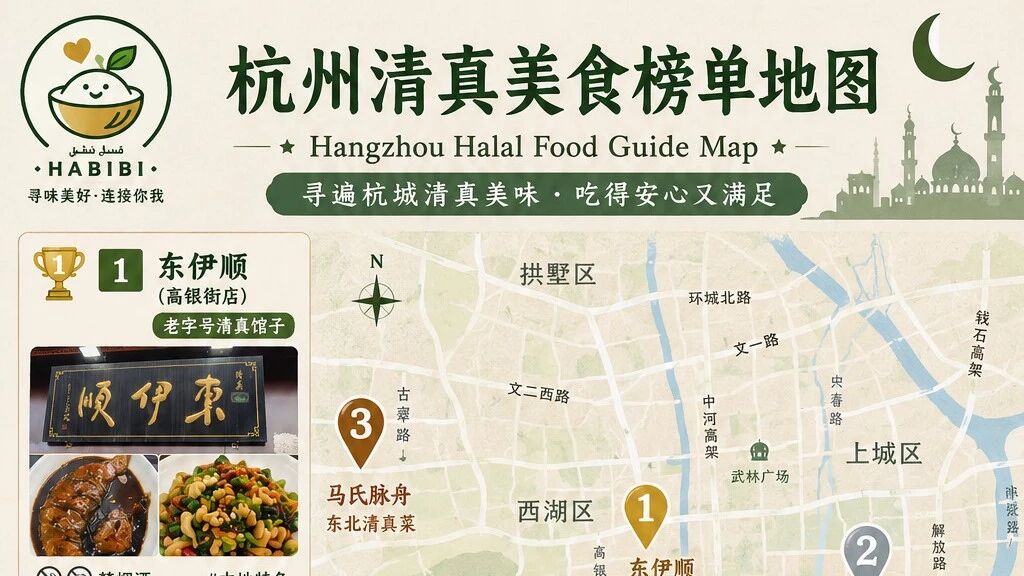
Dongyishun (Gaoyin Street Branch) — Time-Honored Halal Restaurant
Specializes in a fusion of halal Hangzhou cuisine and stir-fries. Highly recommend their scallion pancakes and corn pancakes—super crispy right out of the pan. For mains, the cashew celery and shuizhu niurou (Sichuan-style boiled beef) are absolute rice-killers. You can also get home-style versions of West Lake fish in vinegar gravy and Longjing shrimp, making it great for small get-togethers. They also host tour groups quite often.
#LocalSpecialty #NoSmokingOrDrinking
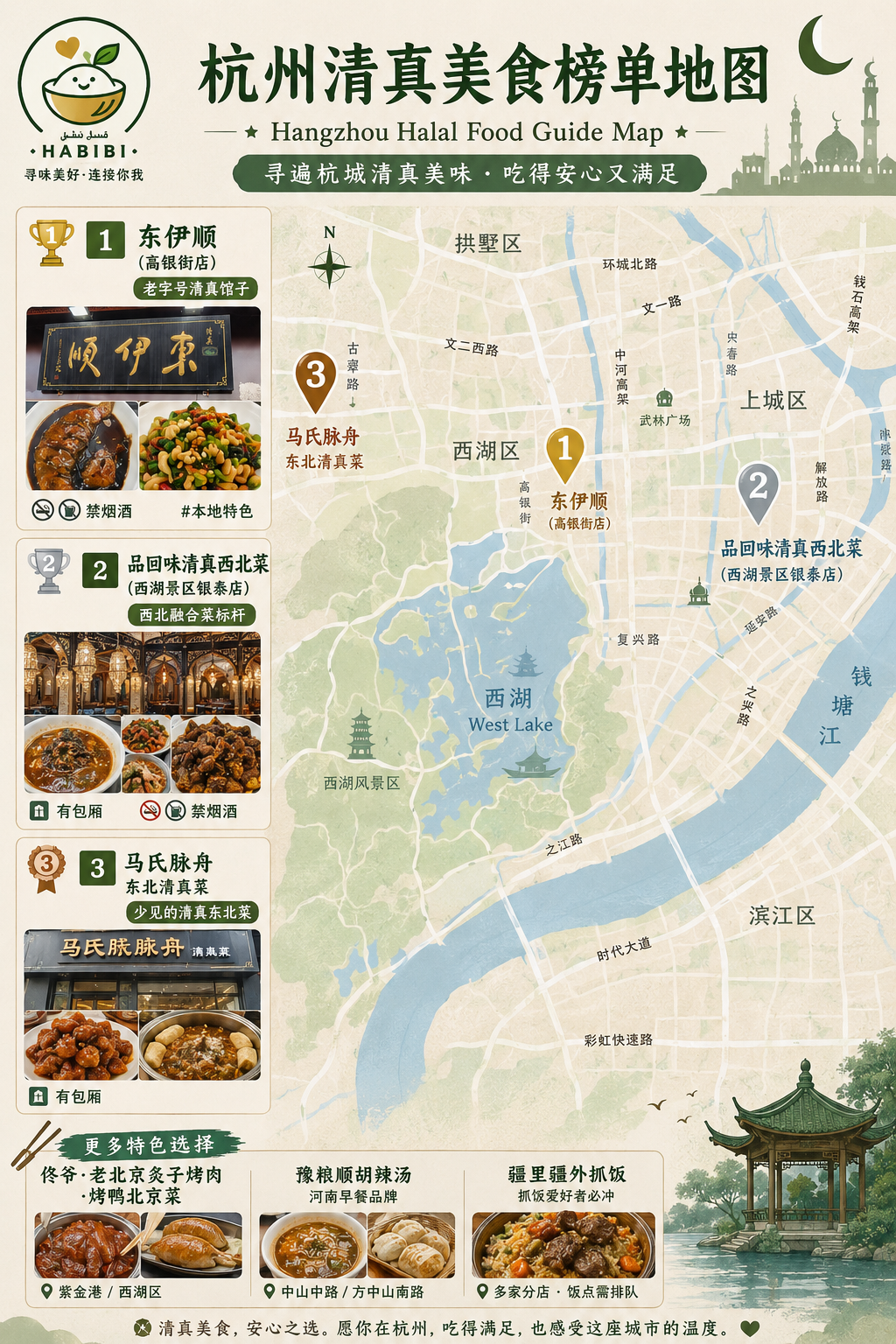
Pinhuiwei Halal Northwest Cuisine (West Lake Scenic Area Intime City Branch)
Truly a benchmark for halal Northwest cuisine in Hangzhou, focusing on fusion Northwest dishes with locations in both Hangzhou and Shanghai. (The flagship store is recommended here.) The interior has an exotic vibe, and the servers wear ethnic costumes, making for a fantastic vibe that's ideal for group dining or entertaining guests. If you're visiting from Northwest China, you can also order some other dishes.
#PrivateRoomsAvailable #NoSmokingOrDrinking
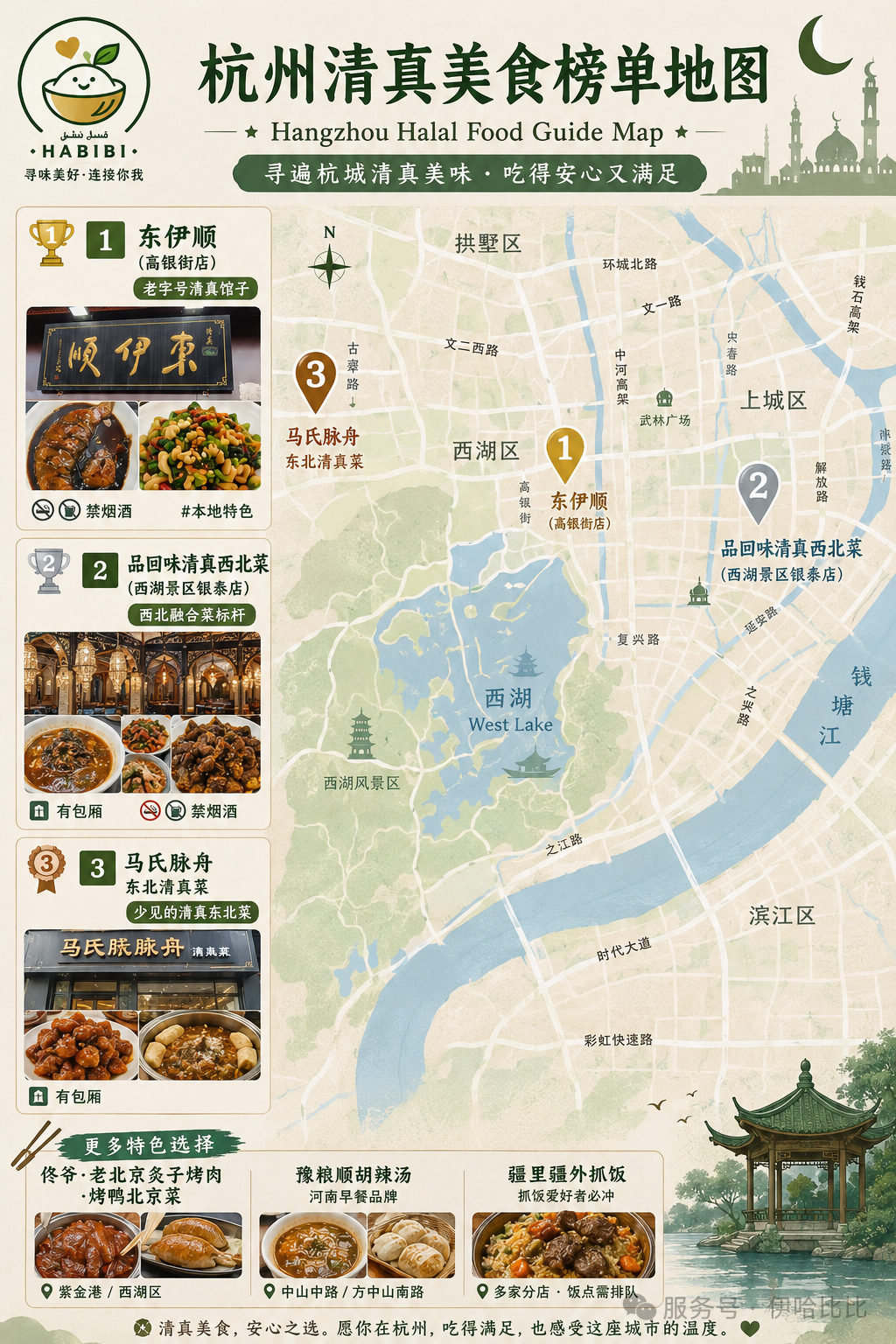
Mashi Maizhou Northeast Chinese Halal Cuisine (Wenyu Road Branch)
A rare find for halal Northeast Chinese food, located on Gucui Road. The chicken guobaorou (crispy sweet and sour chicken) is crispy and authentic, the di san xian (stir-fried eggplant, potatoes, and peppers) is rich and massive in portion, and the flatbread for the diguo ji (iron-pot chicken) is super fragrant. Portion sizes are huge overall—just two dishes are plenty for two people. Generous and unpretentious, and the location is easy to find.
#PrivateRoomsAvailable
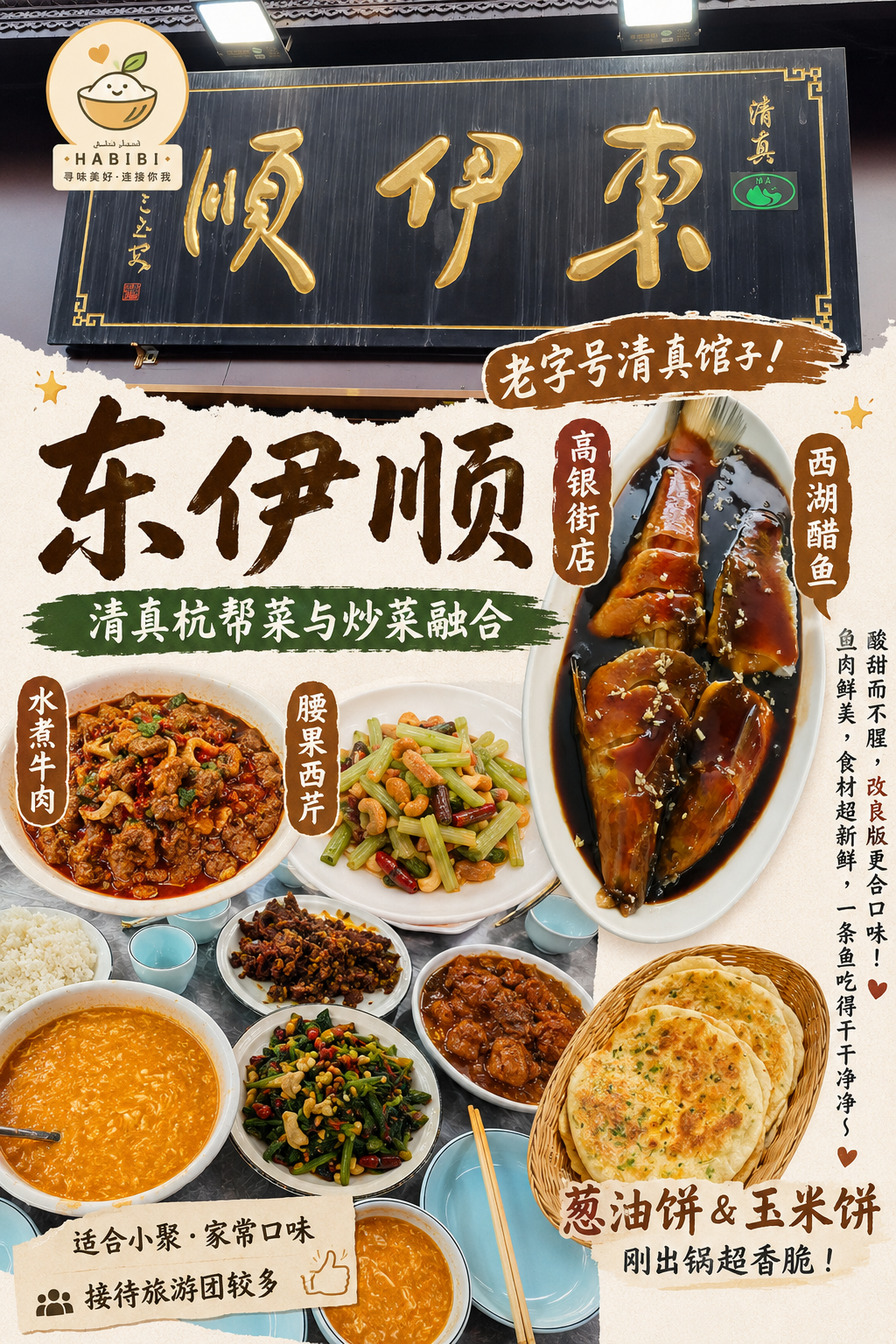
More Special Selections
Master Tong's Old Beijing Zhizi BBQ, Roast Duck & Beijing Cuisine (Hangzhou First Branch)
They currently have two locations in Hangzhou. The dishes and vibe are both on point, so you basically can't go wrong. If you love Beijing cuisine, this should be your top pick.
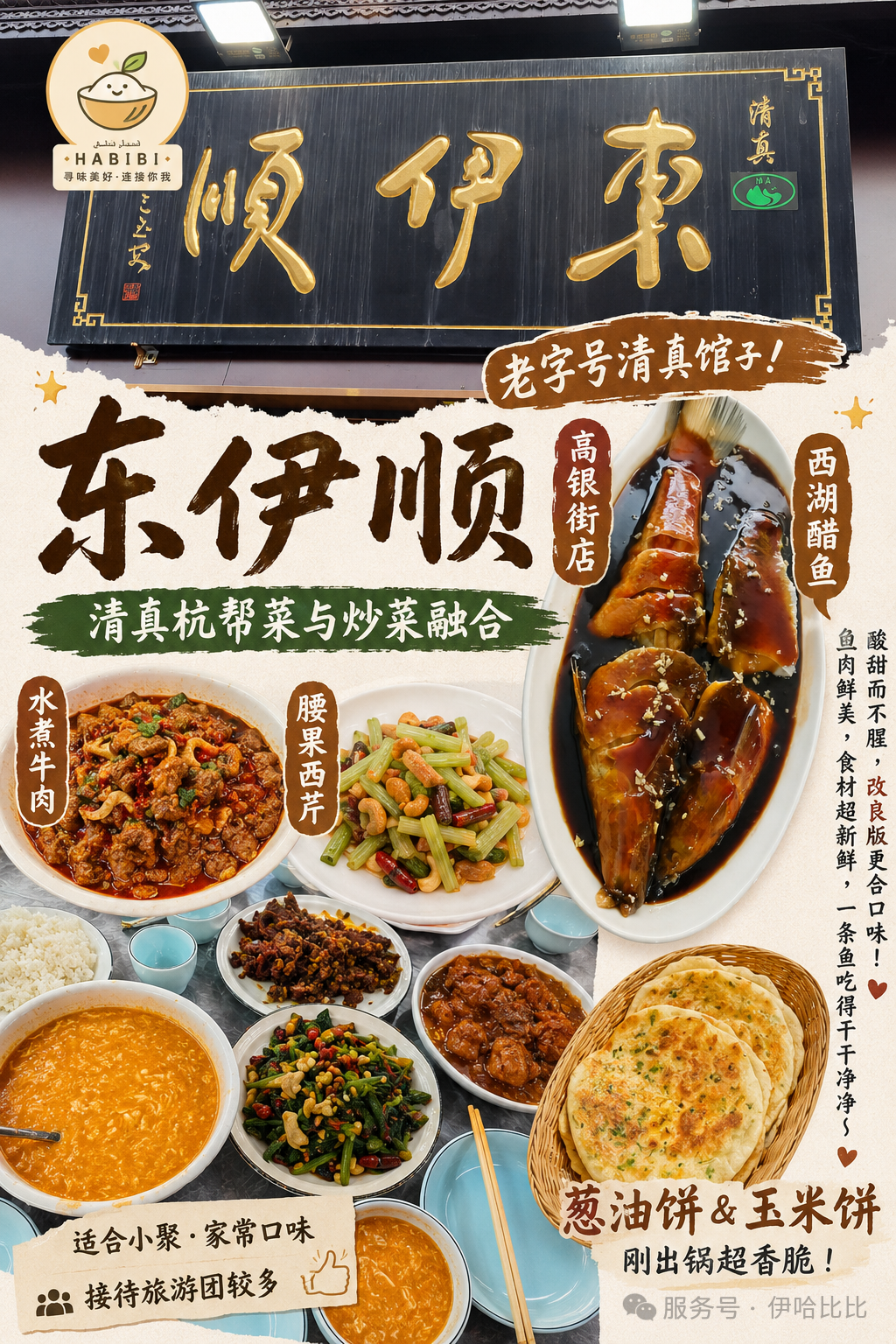
Yuliangshun Hualatang (Hangzhou Flagship Store)
A halal Henan breakfast spot in Hangzhou currently running three locations. Great for grabbing a morning bite to get a feel for the local vibe. The shop is small, but it has more wok qi (the distinct breath of the wok) than Zhongshan Road, and everything is delicious.
Xinjiang Inside & Out Pulao (Longfo Hangzhou Xixi Tianjie Branch)
One of the top-tier pulao (Xinjiang spiced rice with meat) spots in Hangzhou. Expect lines during peak meal times—a must-visit for pilaf lovers.
Lale Turkish Restaurant (Hubin West Lake Branch)
One of the halal restaurants closest to West Lake. Both the food and decor are great, and it's super convenient for hosting friends.
In the past, you might have spotted a restaurant on Xiaohongshu, bookmarked another on Dianping, and saved a few screenshots in group chats. But when you actually arrive in an unfamiliar city and want to grab a bite, you have to search all over again: you forget the name, the address is hard to find, you aren't sure if they're still in business, and it's tough to quickly confirm signature dishes or what else is nearby.
Now, you can search and bookmark these restaurants by city with one tap on iHabibi, and check out authentic shares and replies from local lifestyle partners. We want to organize scattered information into a long-term, constantly updated, ready-to-use halal food gateway—so that those who need it can find it, great halal spots can stick around, and they can go places.
Hangzhou Halal Food Guide (2026): Top 9西北 & Middle Eastern Spots Near West Lake
Articles • Hasan09 posted the article • 0 comments • 8 views • 1 days ago
Must-Eat Halal Restaurants in Hangzhou (2026 Curated Guide): A Roundup of 9 Top-Rated Northwest, Xinjiang, and Middle Eastern Halal Spots
Abstract:
A curated bucket list of 9 top-rated halal restaurants in and around downtown Hangzhou. Featuring diverse flavors like Yanlanlou Lake View Restaurant, Younusi Copper Pot Shabu-Shabu, Fenghuang Halal Snacks, and ARABE SKA Middle Eastern Cuisine, complete with clear average spending per person to make daily spot-hunting effortless.
For friends living in or traveling to Hangzhou for work, we’ve put together 9 go-to, highly-rated halal spots. Save this list and pull it up whenever you're ready to eat!
1️⃣ Yanlanlou Northwestern & Xinjiang Cuisine (West Lake Music Fountain Branch)
A Silk Road-style halal restaurant right by West Lake, with lake-view seating that's perfect for team dinners and banquets. Signature dishes include Dongxiang shouzhua yangrou (hand-grabbed lamb), scallion-stir-fried beef, West Lake fish in vinegar gravy, and baked stuffed buns. Average spending: 90 RMB per person.
2️⃣ Pin Hui Wei Halal Northwestern Cuisine (West Lake Yintai Branch)
Exquisite halal Northwestern cuisine at West Lake Yintai, featuring a sleek black-and-gold aesthetic. Signature dishes include shouzhua yangrou (hand-grabbed lamb), dapanji (Xinjiang big plate chicken), Xinjiang shouzhua fan (Xinjiang hand-grabbed rice), and Dunhuang liangpi (cold skin noodles). The lamb is flown in fresh, tender and game-free, with authentic flavors and massive crowds. Average spending: 100 RMB per person.
3️⃣ Younusi Barbecue & Copper Pot Shabu-Shabu (Xintiandi Branch)
A viral 27-year-old halal barbecue spot from Lanzhou that's been featured on CCTV. Signature items include Qilian Mountain lamb skewers, Sichuan-pepper minced meat toast, spicy sheep spine hot pot, copper pot shabu-shabu, and sweet fermented grain milk tea. The lamb is fresh, tender, and juicy straight off the grill—a late-night snack hotspot. Average spending: 50 RMB per person.
4️⃣ Lili Yangke Halal Northwestern Cuisine (Binjiang Paradise Walk)
Authentic Gansu halal Northwestern food in Binjiang, featuring premium Dongxiang tribute lamb flown in straight from the source. Signature dishes include Dongxiang shouzhua yangrou (hand-grabbed lamb), penpen yangrou (basin lamb), hand-shredded peppercorn chicken, Xinjiang dapanji (Xinjiang big plate chicken), and Lanzhou tianpeizi (sweet fermented grain soup). The meat has a rich, milky-fresh flavor with generous portions and heavy Silk Road vibes. Average spending: 70 RMB per person.
5️⃣ Gobi Barbecue (Lin'an Branch)
A popular halal Silk Road barbecue joint in Lin'an with an incredible street-food atmosphere. Signature dishes include Great Desert grilled lamb chops, lamb skewers, Xinjiang shouzhua fan (Xinjiang hand-grabbed rice), baked naan bread, and guoyourou banmian (fried pork/beef over noodles). Richly savory with crispy outsides and tender insides, it's a top pick for late-night gatherings. Average spending: 60 RMB per person.
6️⃣ Fenghuang Halal Snacks
A veteran Hui Muslim halal snack spot in Hangzhou, operating right behind Phoenix Mosque for over a decade. Signature items include niurou jianbao (pan-fried beef buns), shaomai (steamed lamb dumplings), beef vermicelli soup, pan-fried lamb dumplings, and casserole beef offal. Thin wrappers with generous fillings, juicy without any gamey taste, and wallet-friendly. Average spending: 30 RMB per person.
7️⃣ ARABE SKA
Authentic Middle Eastern halal cuisine in Xiasha, steeped in exotic ambiance. Signature dishes include beef tagine, Arabic flatbread, hummus, chicken kabsa, and beef pizza. Authentic flavors and a unique vibe make this a hidden gem. Average spending: 80 RMB per person.
8️⃣ Northwest Dongxianglou (Wensan Road Branch)
A veteran Xinjiang halal restaurant in Xihu District offering great value for money. Signature dishes include dapanji (Xinjiang big plate chicken), shouzhua fan (Xinjiang hand-grabbed rice), lamb skewers, naan-wrapped meat, and Dongxiang shouzhua yangrou (hand-grabbed lamb). Hearty portions, tender and flavorful meat, juicy and game-free. Average spending: 75 RMB per person.
9️⃣ Yanlan Renjia Northwestern & Xinjiang Cuisine
Halal Silk Road dining on Santai Mountain Road near West Lake. Signature dishes include Xinjiang dapanji (Xinjiang big plate chicken), shouzhua fan (Xinjiang hand-grabbed rice), West Lake fish in vinegar gravy, tomato braised beef brisket, and naan-wrapped meat. A rich menu blending Northern and Southern flavors, with tender meat and a location close to West Lake. Average spending: 80 RMB per person.
Open the HalaPlaza WeChat mini-program,
to check nearby halal spots and get directions with a single click,
making daily meals, business trips, group dinners, and spot-hunting totally stress-free~
#HalaPlaza #HalalRestaurant #HalalFood #Halal #HalalFoodHunting #HeritageHalal #HalaPlazaHalalNavigation #HalaPlazaHalalMap #HalalRestaurantMap #HalalRestaurantNavigation view all
Must-Eat Halal Restaurants in Hangzhou (2026 Curated Guide): A Roundup of 9 Top-Rated Northwest, Xinjiang, and Middle Eastern Halal Spots
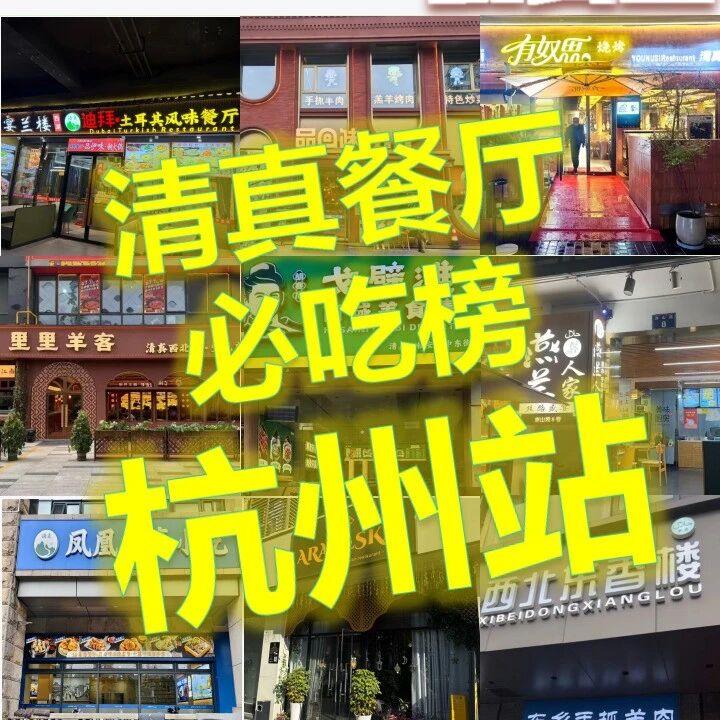
Abstract:
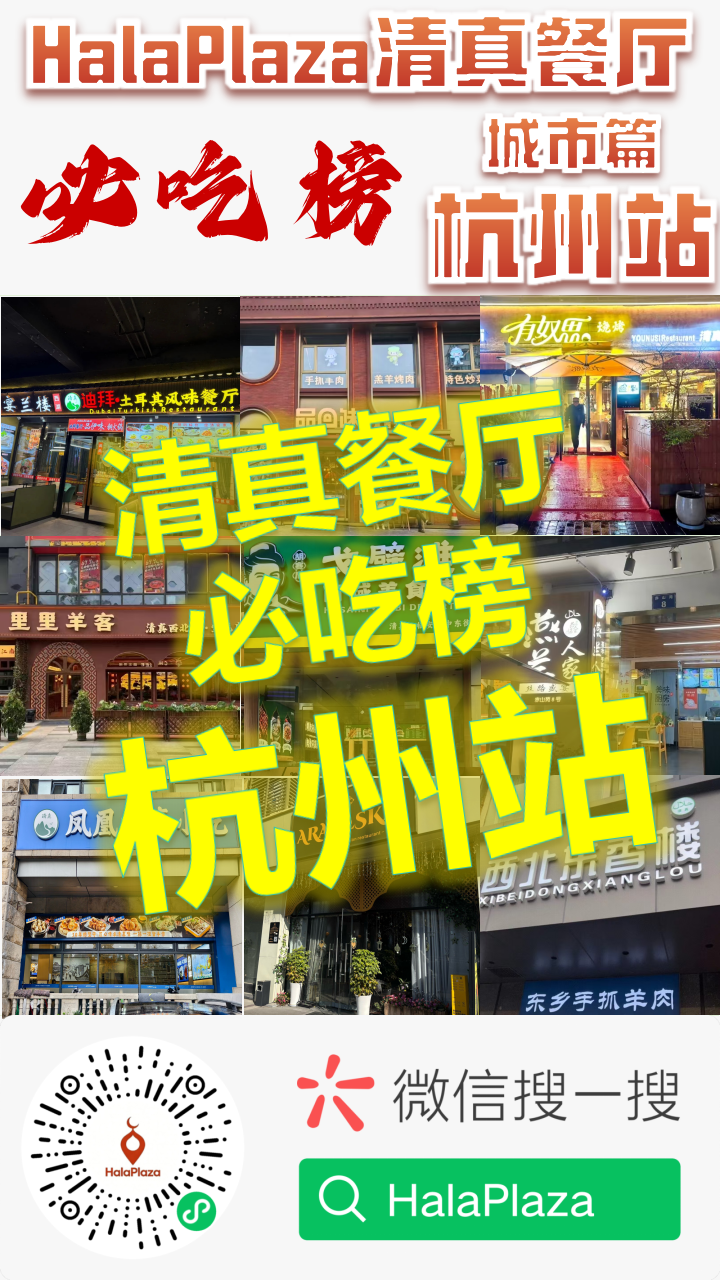
A curated bucket list of 9 top-rated halal restaurants in and around downtown Hangzhou. Featuring diverse flavors like Yanlanlou Lake View Restaurant, Younusi Copper Pot Shabu-Shabu, Fenghuang Halal Snacks, and ARABE SKA Middle Eastern Cuisine, complete with clear average spending per person to make daily spot-hunting effortless.
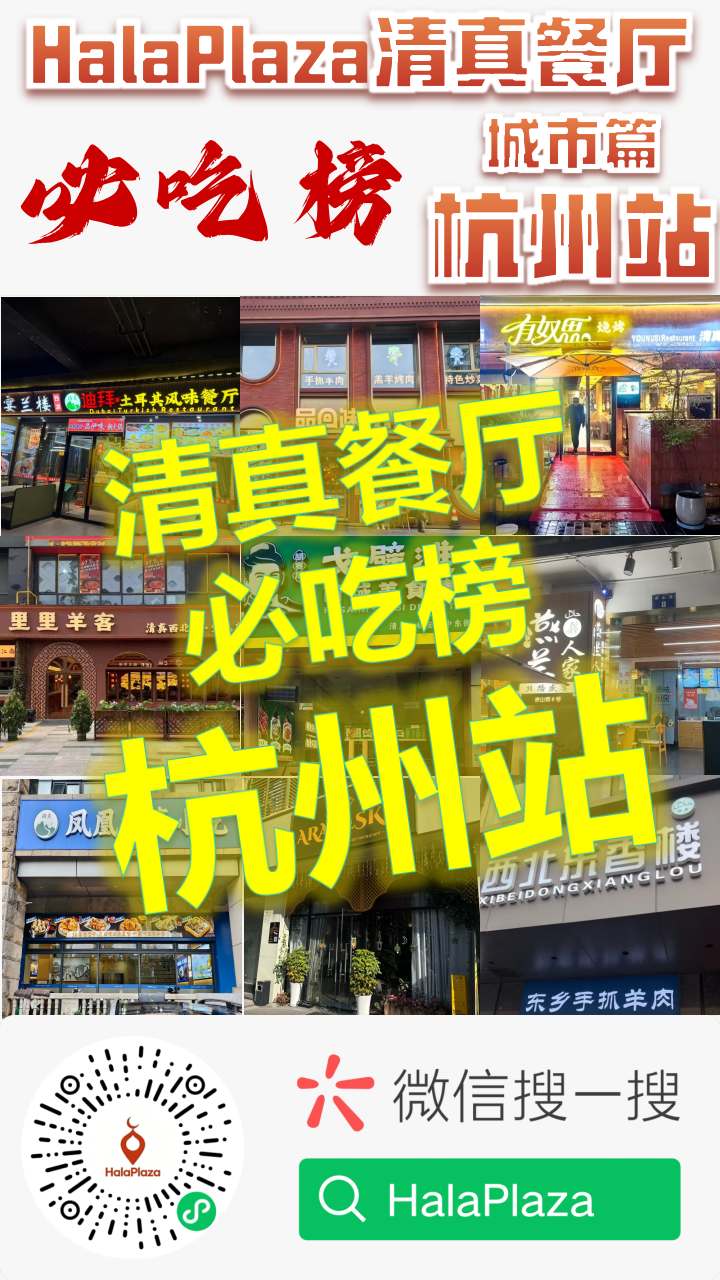
For friends living in or traveling to Hangzhou for work, we’ve put together 9 go-to, highly-rated halal spots. Save this list and pull it up whenever you're ready to eat!
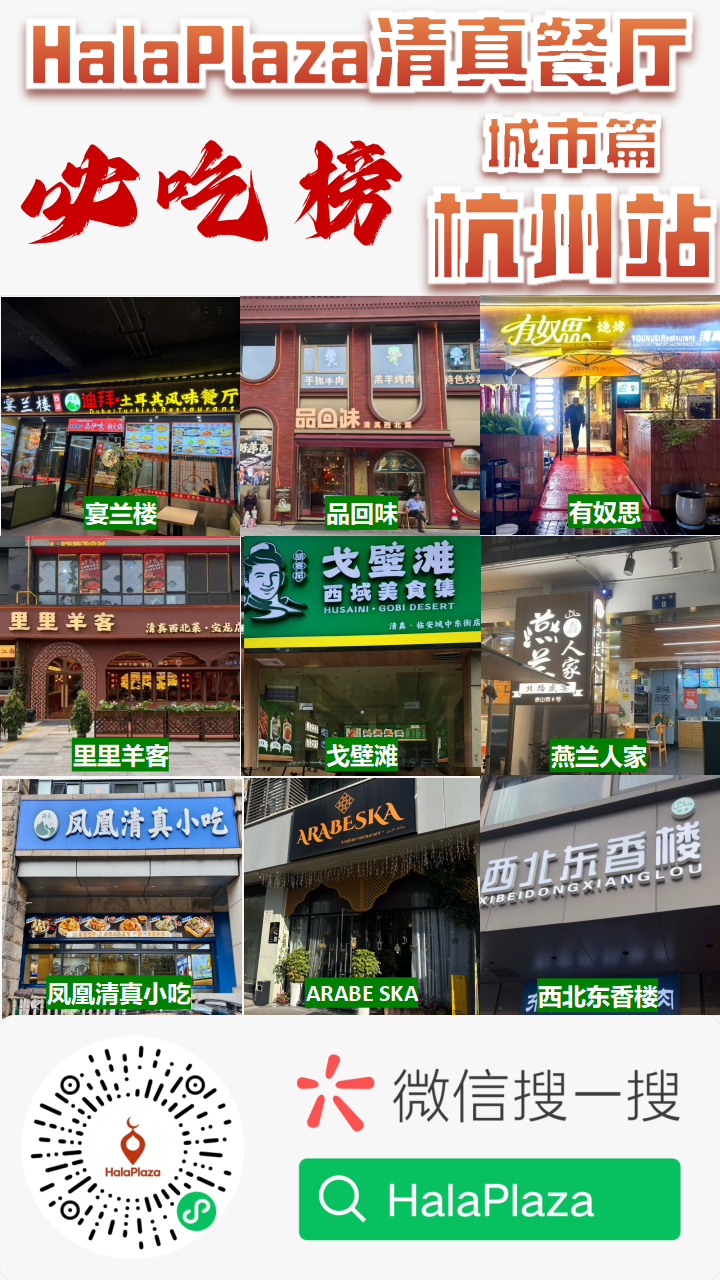
1️⃣ Yanlanlou Northwestern & Xinjiang Cuisine (West Lake Music Fountain Branch)
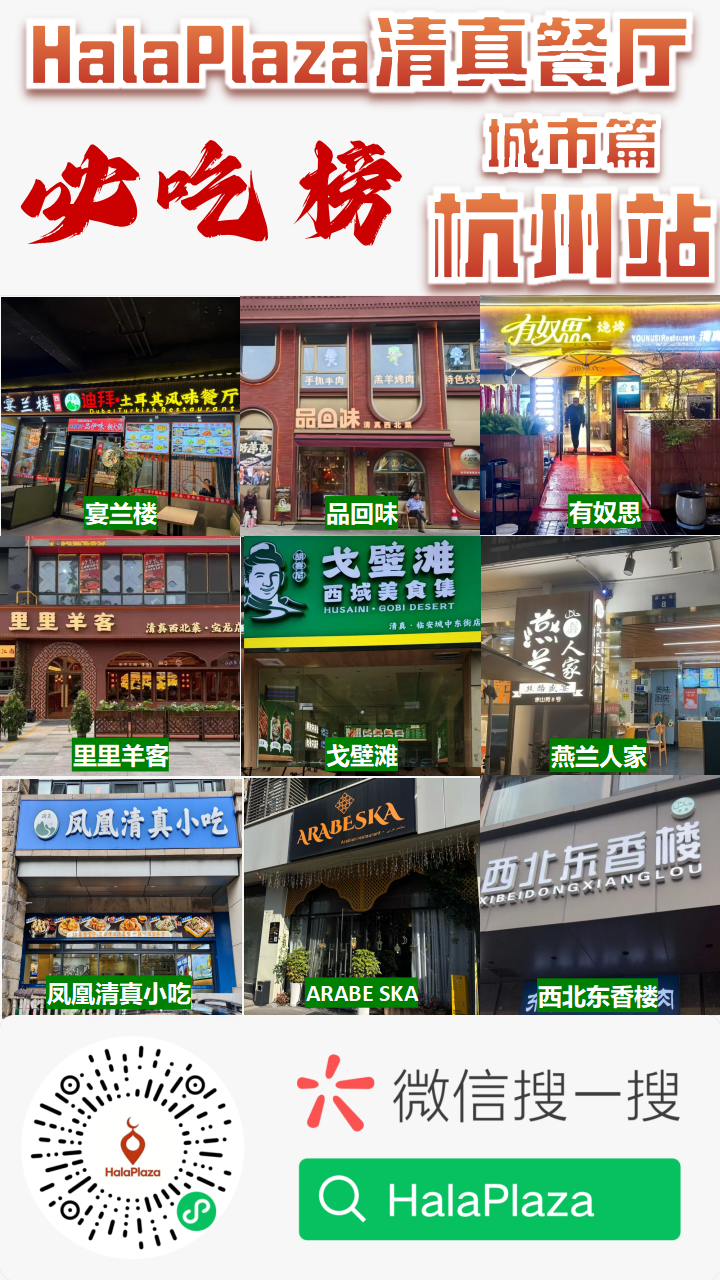
A Silk Road-style halal restaurant right by West Lake, with lake-view seating that's perfect for team dinners and banquets. Signature dishes include Dongxiang shouzhua yangrou (hand-grabbed lamb), scallion-stir-fried beef, West Lake fish in vinegar gravy, and baked stuffed buns. Average spending: 90 RMB per person.
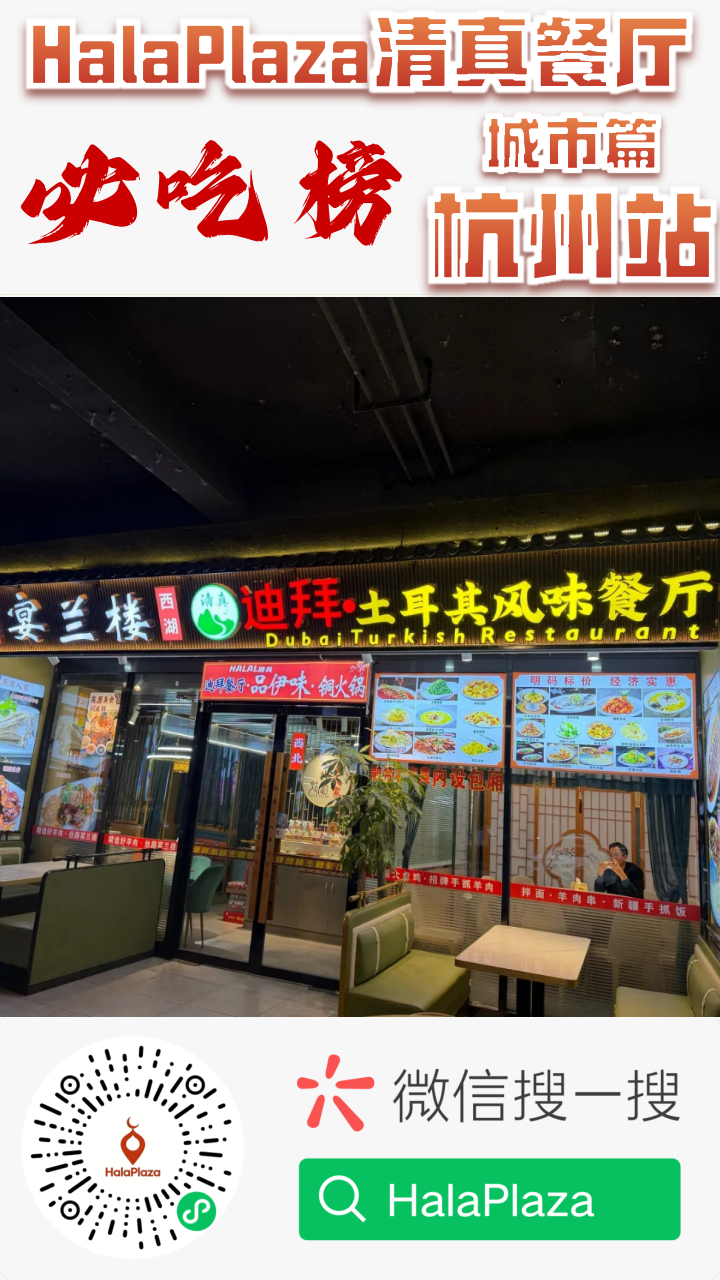
2️⃣ Pin Hui Wei Halal Northwestern Cuisine (West Lake Yintai Branch)
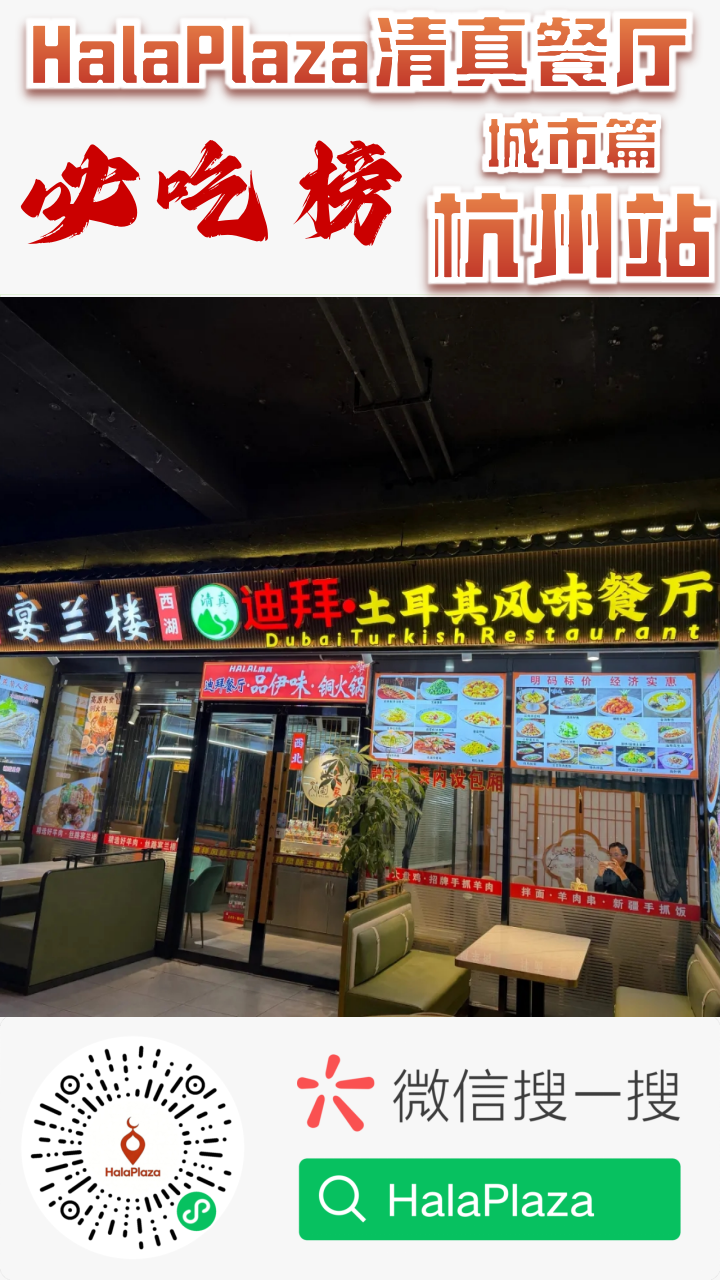
Exquisite halal Northwestern cuisine at West Lake Yintai, featuring a sleek black-and-gold aesthetic. Signature dishes include shouzhua yangrou (hand-grabbed lamb), dapanji (Xinjiang big plate chicken), Xinjiang shouzhua fan (Xinjiang hand-grabbed rice), and Dunhuang liangpi (cold skin noodles). The lamb is flown in fresh, tender and game-free, with authentic flavors and massive crowds. Average spending: 100 RMB per person.
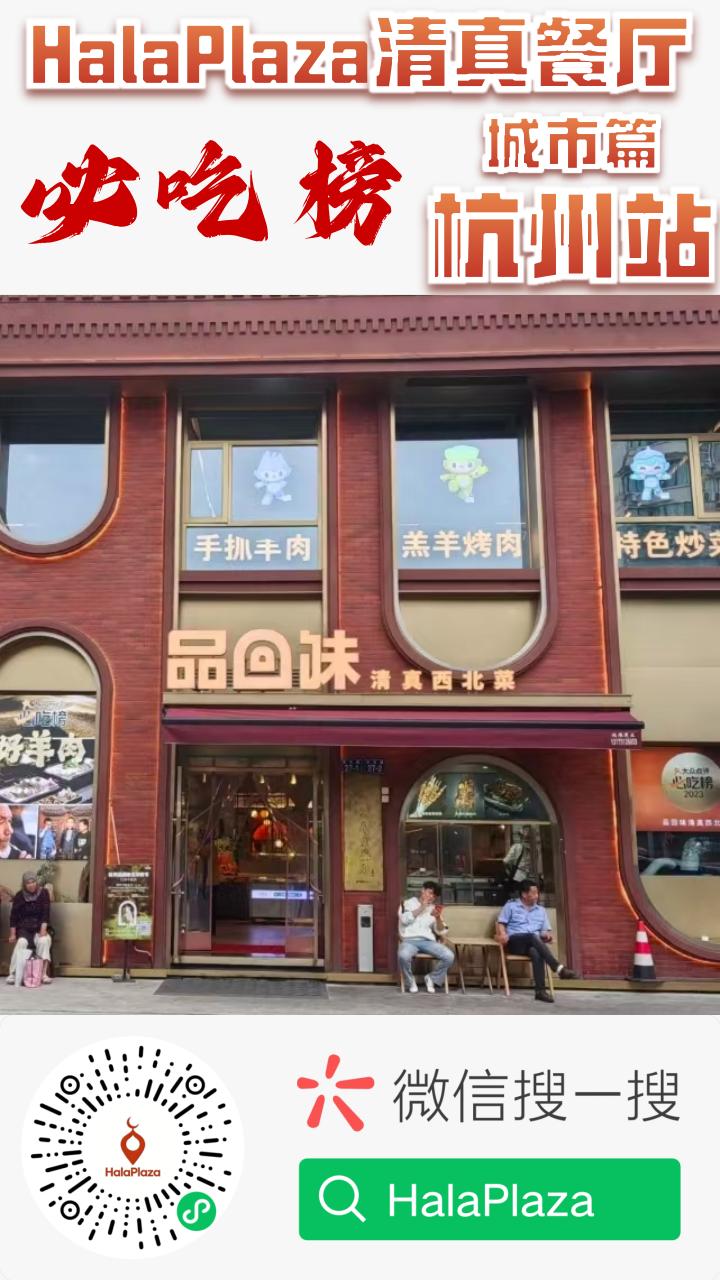
3️⃣ Younusi Barbecue & Copper Pot Shabu-Shabu (Xintiandi Branch)
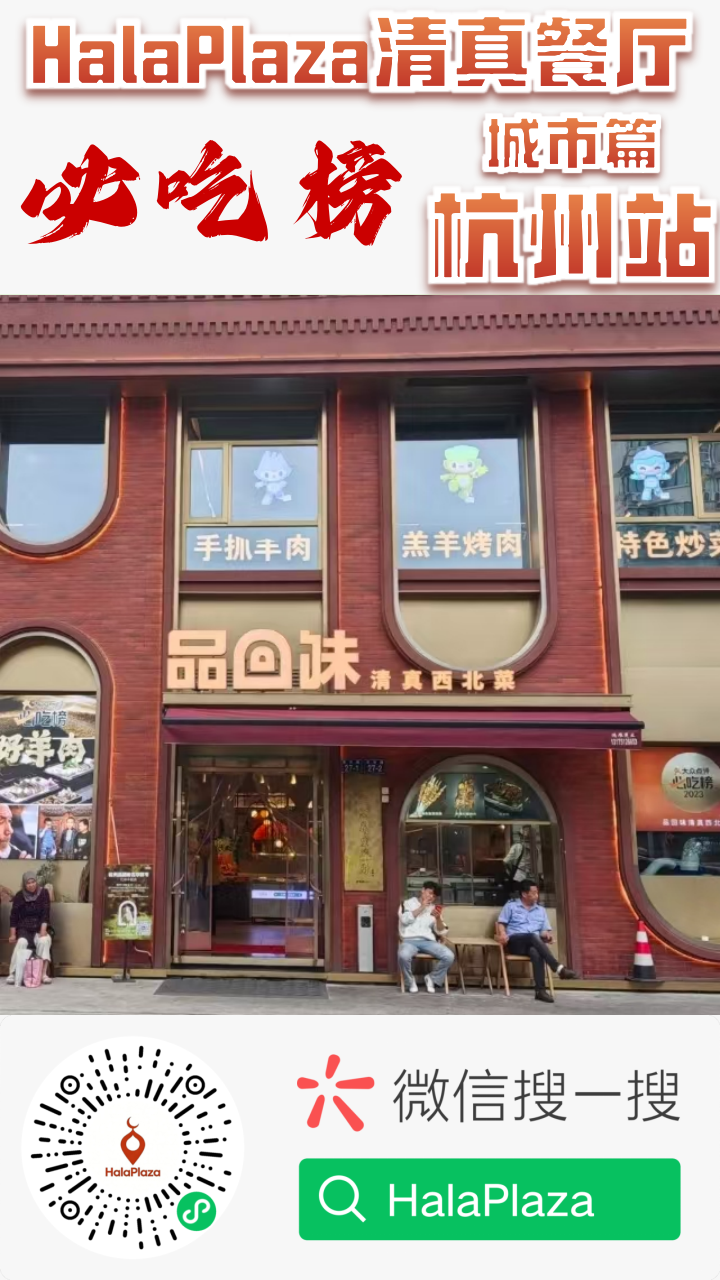
A viral 27-year-old halal barbecue spot from Lanzhou that's been featured on CCTV. Signature items include Qilian Mountain lamb skewers, Sichuan-pepper minced meat toast, spicy sheep spine hot pot, copper pot shabu-shabu, and sweet fermented grain milk tea. The lamb is fresh, tender, and juicy straight off the grill—a late-night snack hotspot. Average spending: 50 RMB per person.
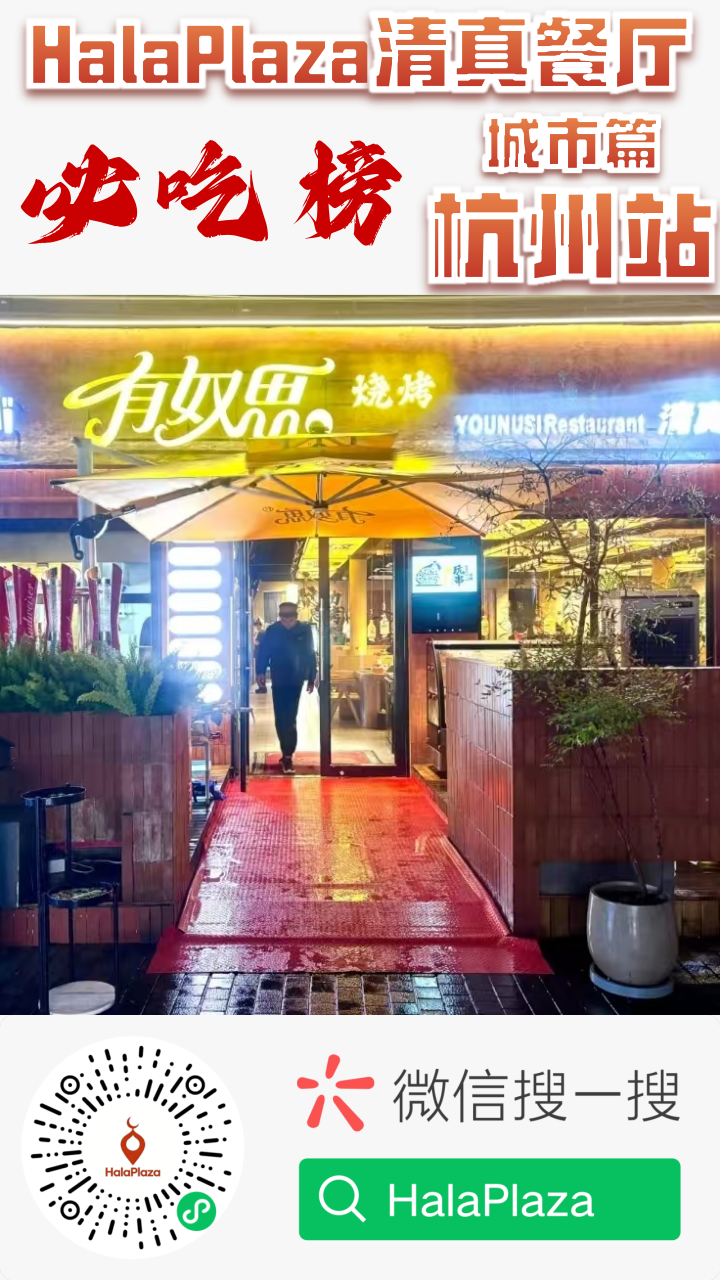
4️⃣ Lili Yangke Halal Northwestern Cuisine (Binjiang Paradise Walk)
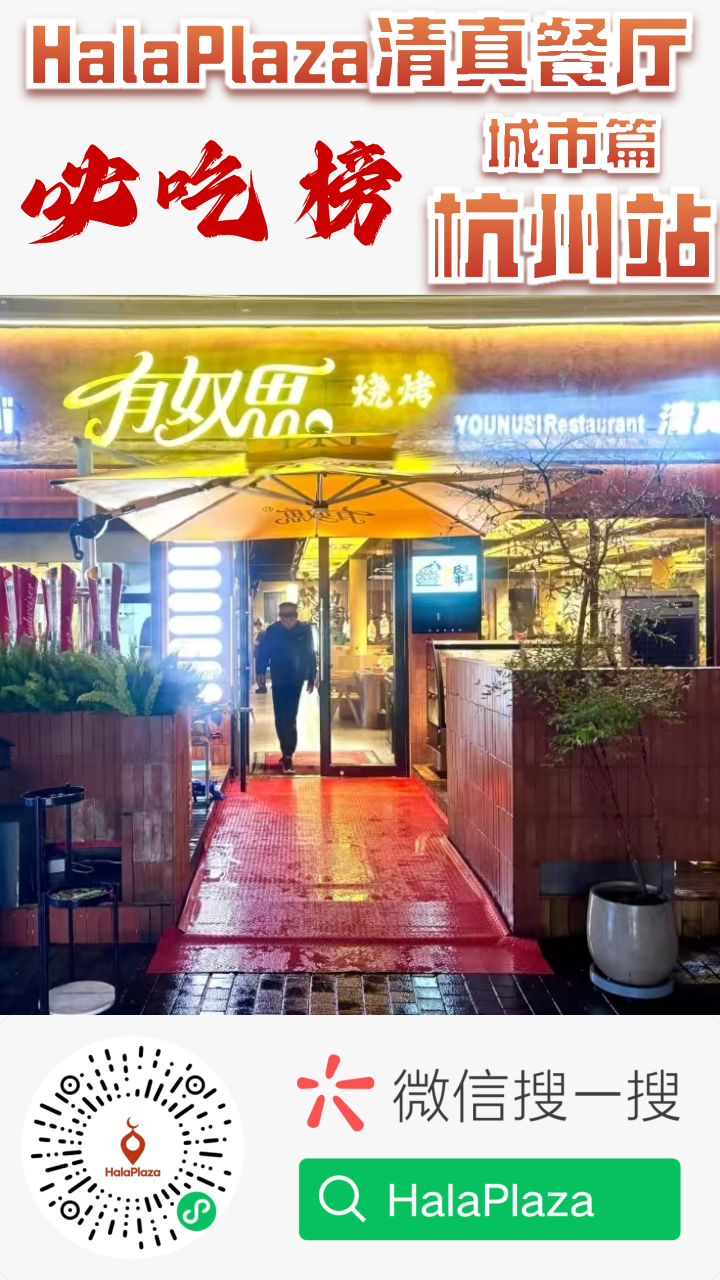
Authentic Gansu halal Northwestern food in Binjiang, featuring premium Dongxiang tribute lamb flown in straight from the source. Signature dishes include Dongxiang shouzhua yangrou (hand-grabbed lamb), penpen yangrou (basin lamb), hand-shredded peppercorn chicken, Xinjiang dapanji (Xinjiang big plate chicken), and Lanzhou tianpeizi (sweet fermented grain soup). The meat has a rich, milky-fresh flavor with generous portions and heavy Silk Road vibes. Average spending: 70 RMB per person.
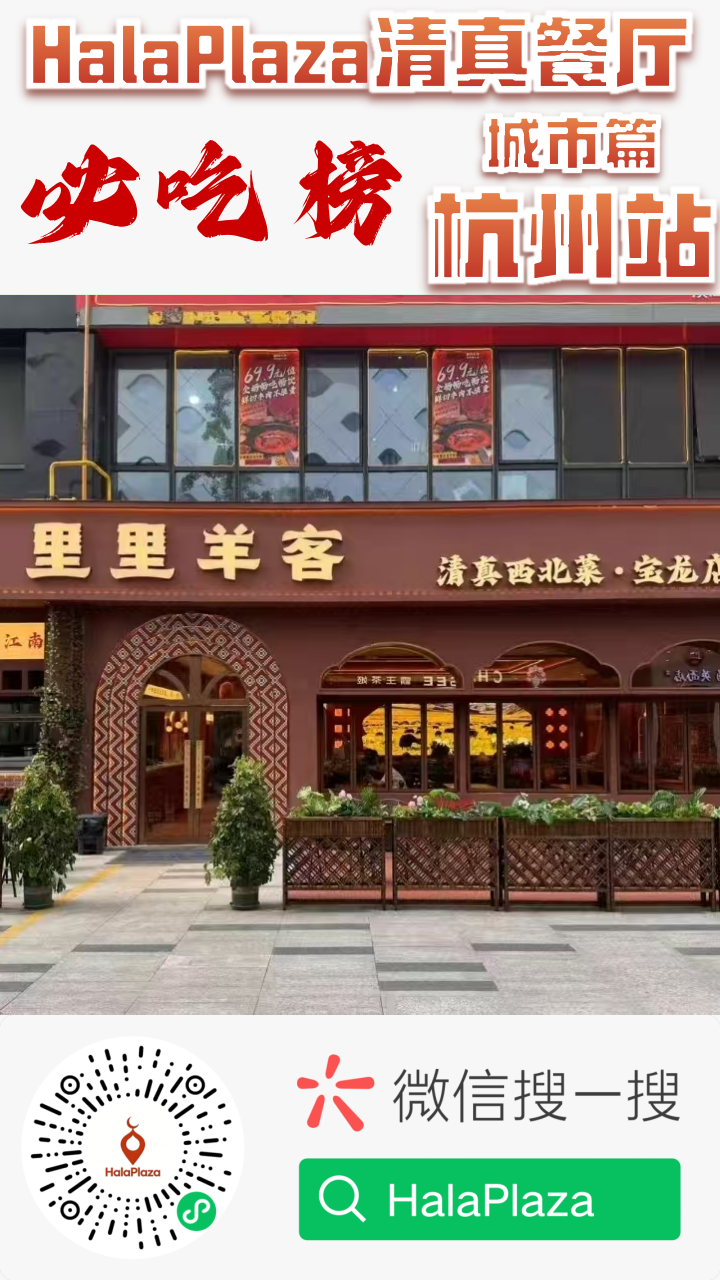
5️⃣ Gobi Barbecue (Lin'an Branch)
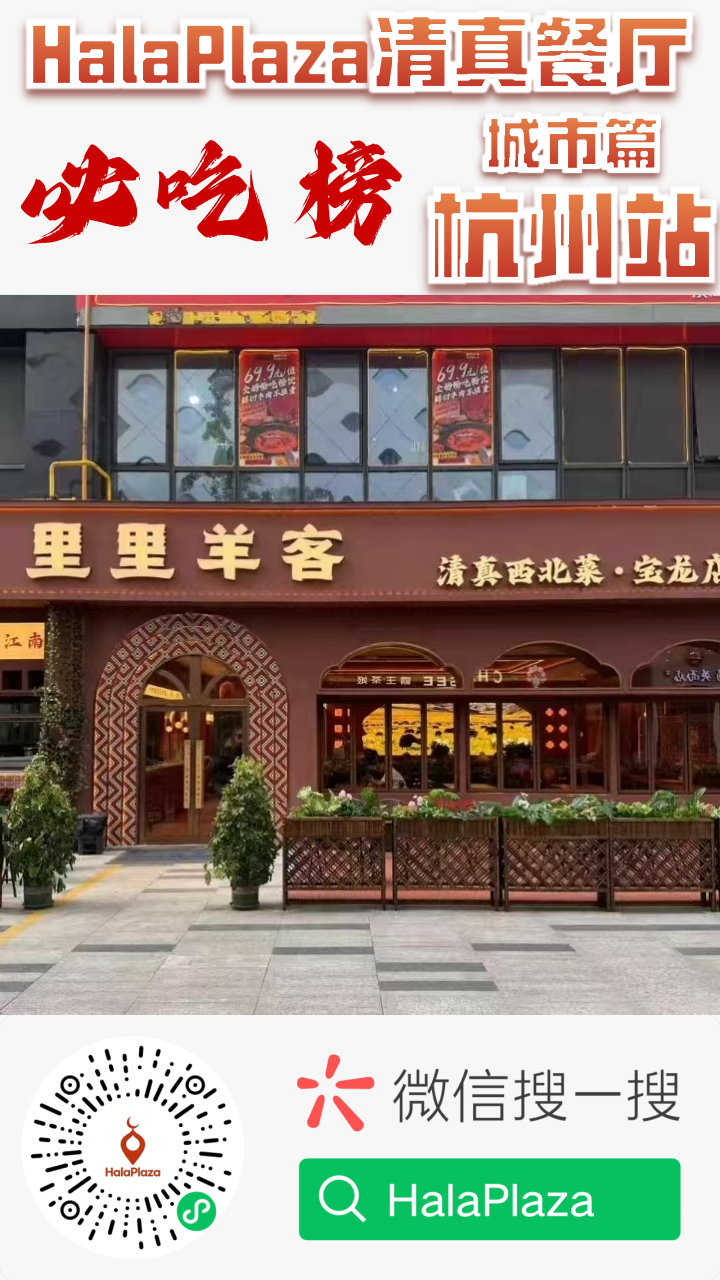
A popular halal Silk Road barbecue joint in Lin'an with an incredible street-food atmosphere. Signature dishes include Great Desert grilled lamb chops, lamb skewers, Xinjiang shouzhua fan (Xinjiang hand-grabbed rice), baked naan bread, and guoyourou banmian (fried pork/beef over noodles). Richly savory with crispy outsides and tender insides, it's a top pick for late-night gatherings. Average spending: 60 RMB per person.
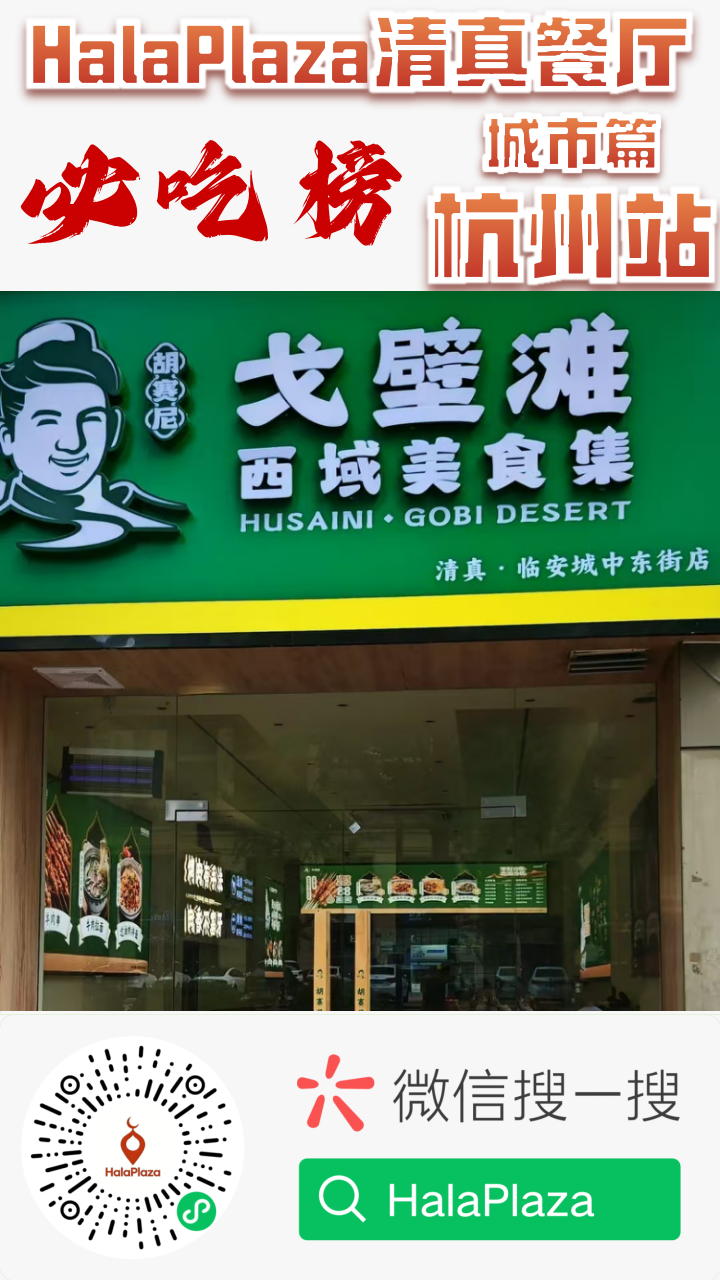
6️⃣ Fenghuang Halal Snacks
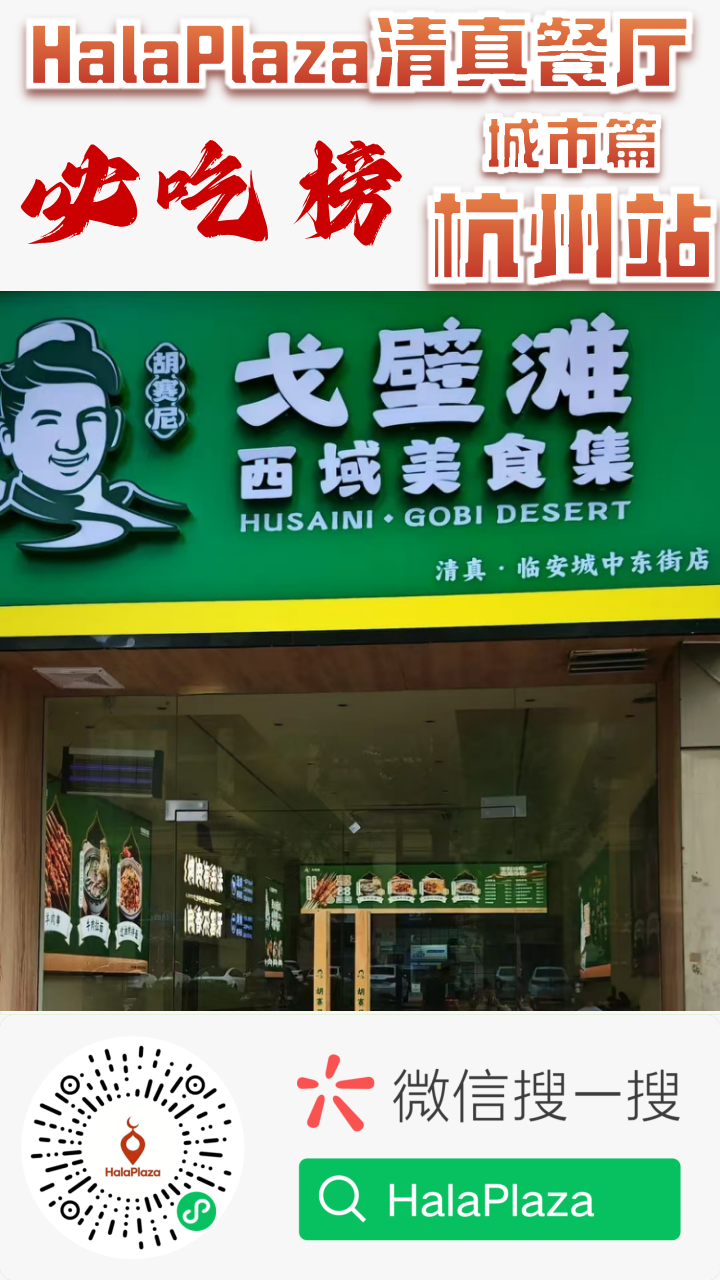
A veteran Hui Muslim halal snack spot in Hangzhou, operating right behind Phoenix Mosque for over a decade. Signature items include niurou jianbao (pan-fried beef buns), shaomai (steamed lamb dumplings), beef vermicelli soup, pan-fried lamb dumplings, and casserole beef offal. Thin wrappers with generous fillings, juicy without any gamey taste, and wallet-friendly. Average spending: 30 RMB per person.
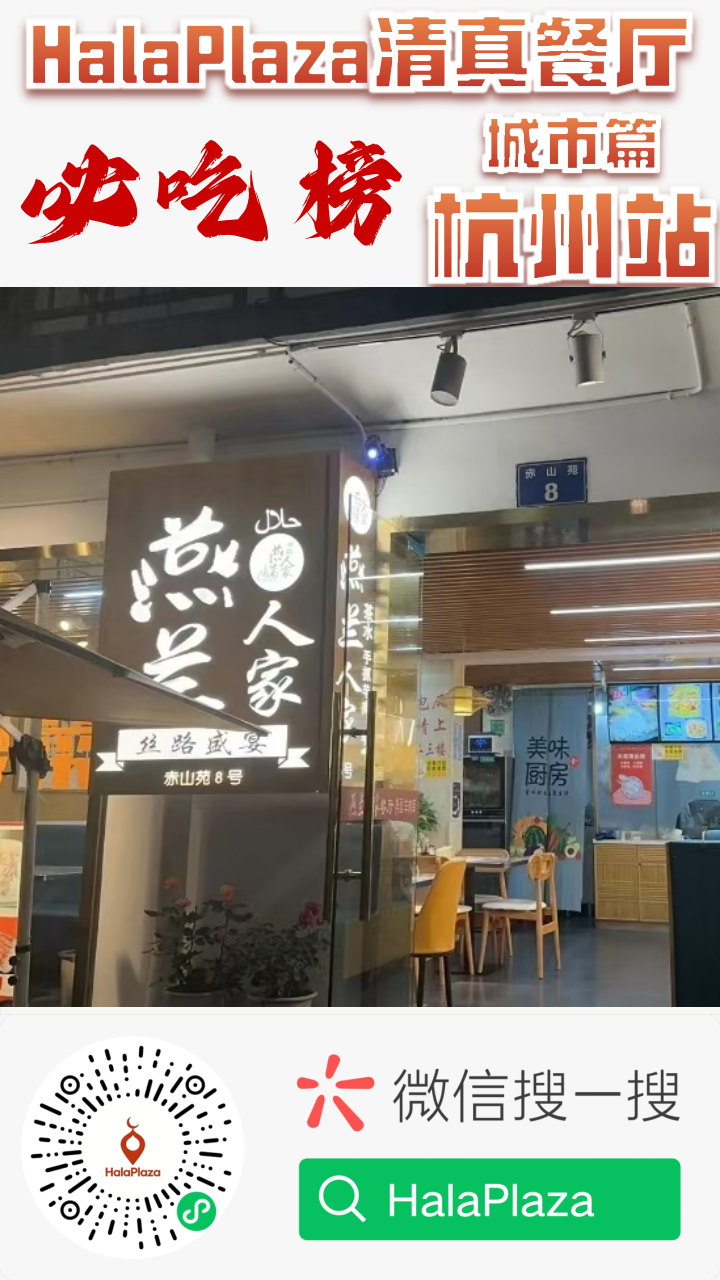
7️⃣ ARABE SKA
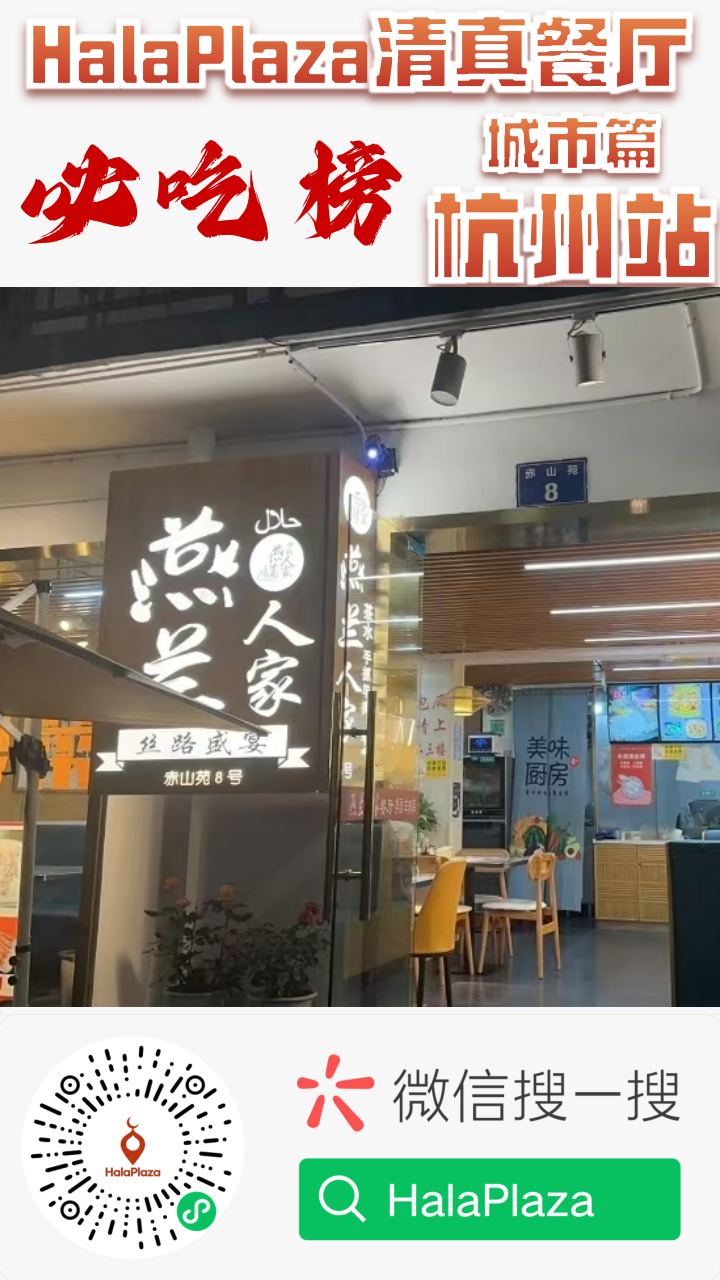
Authentic Middle Eastern halal cuisine in Xiasha, steeped in exotic ambiance. Signature dishes include beef tagine, Arabic flatbread, hummus, chicken kabsa, and beef pizza. Authentic flavors and a unique vibe make this a hidden gem. Average spending: 80 RMB per person.
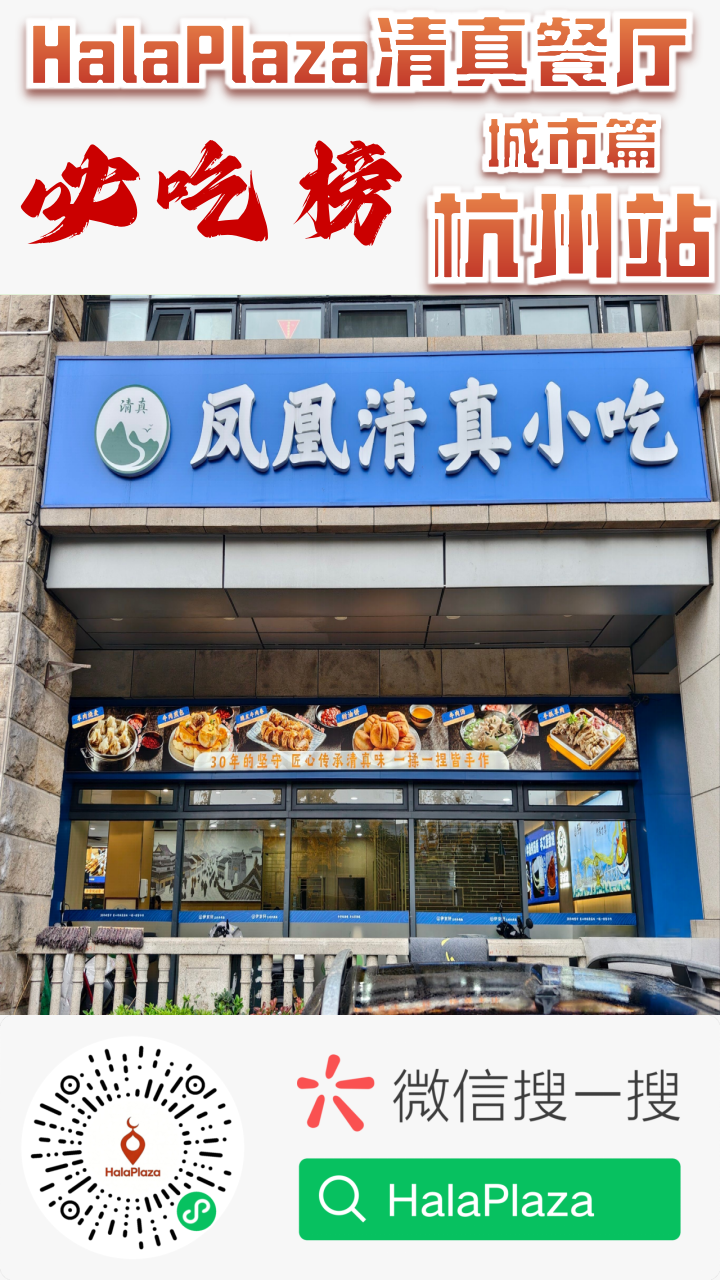
8️⃣ Northwest Dongxianglou (Wensan Road Branch)
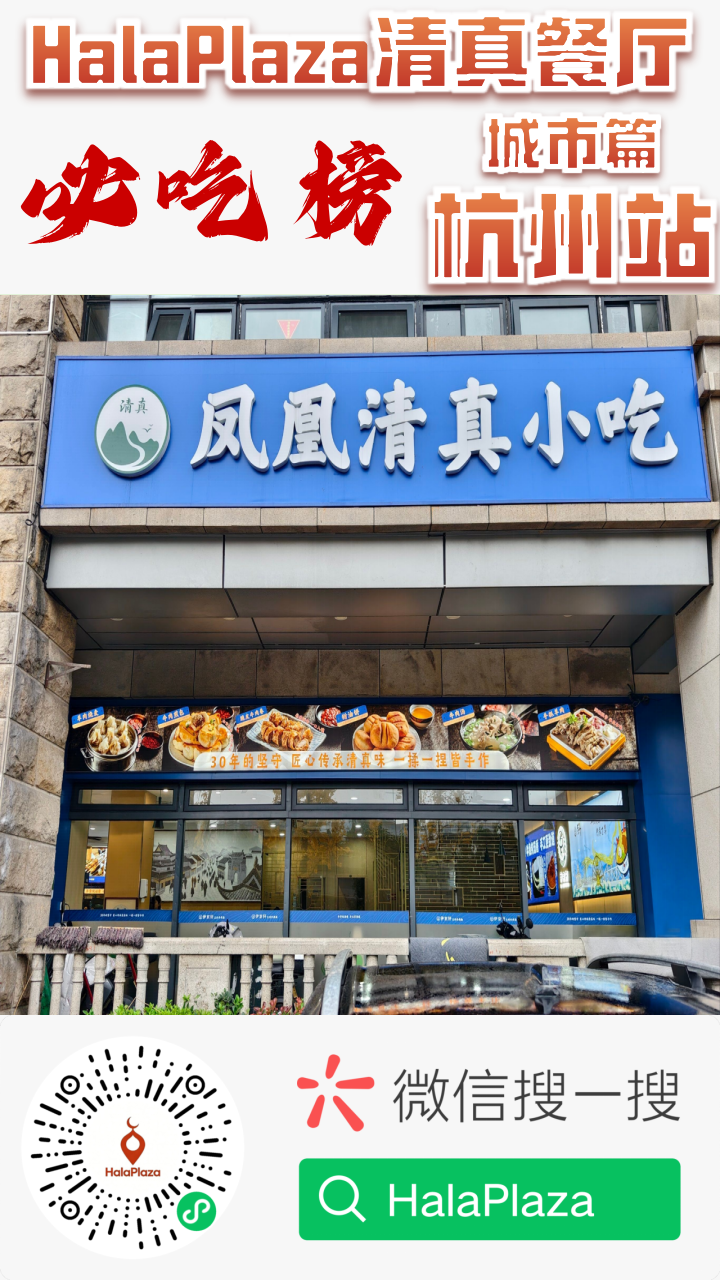
A veteran Xinjiang halal restaurant in Xihu District offering great value for money. Signature dishes include dapanji (Xinjiang big plate chicken), shouzhua fan (Xinjiang hand-grabbed rice), lamb skewers, naan-wrapped meat, and Dongxiang shouzhua yangrou (hand-grabbed lamb). Hearty portions, tender and flavorful meat, juicy and game-free. Average spending: 75 RMB per person.
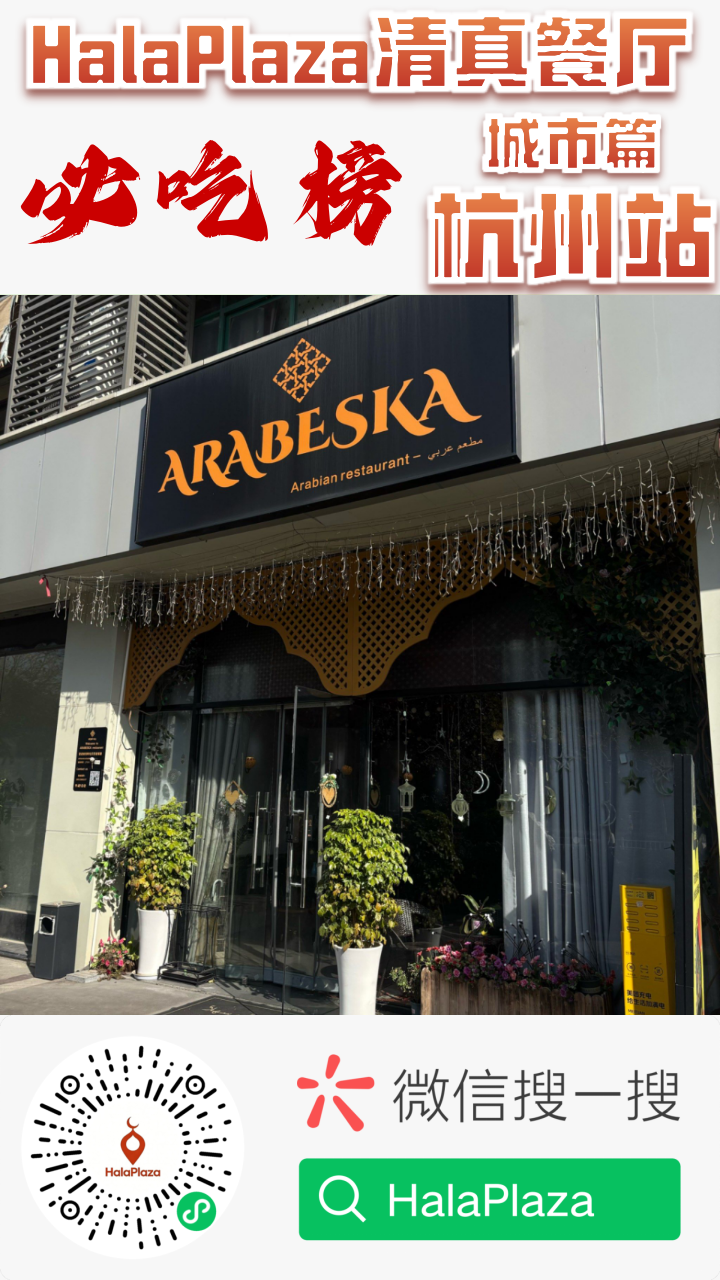
9️⃣ Yanlan Renjia Northwestern & Xinjiang Cuisine
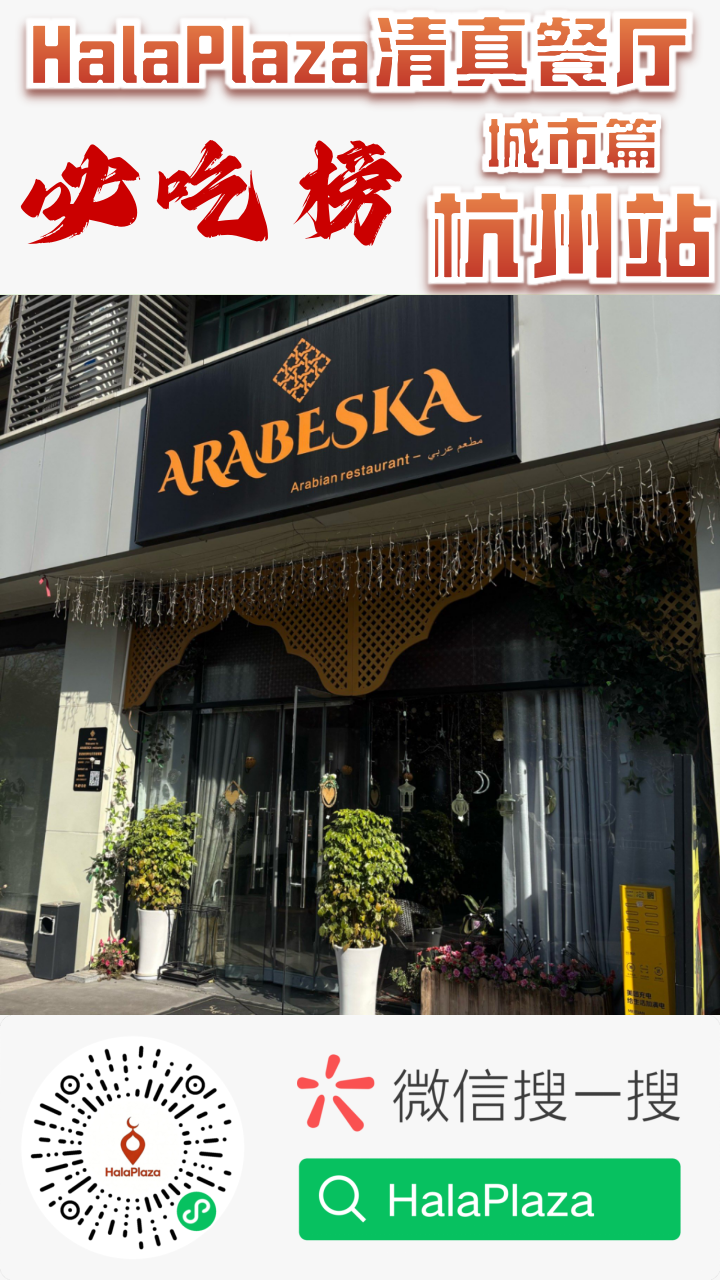
Halal Silk Road dining on Santai Mountain Road near West Lake. Signature dishes include Xinjiang dapanji (Xinjiang big plate chicken), shouzhua fan (Xinjiang hand-grabbed rice), West Lake fish in vinegar gravy, tomato braised beef brisket, and naan-wrapped meat. A rich menu blending Northern and Southern flavors, with tender meat and a location close to West Lake. Average spending: 80 RMB per person.
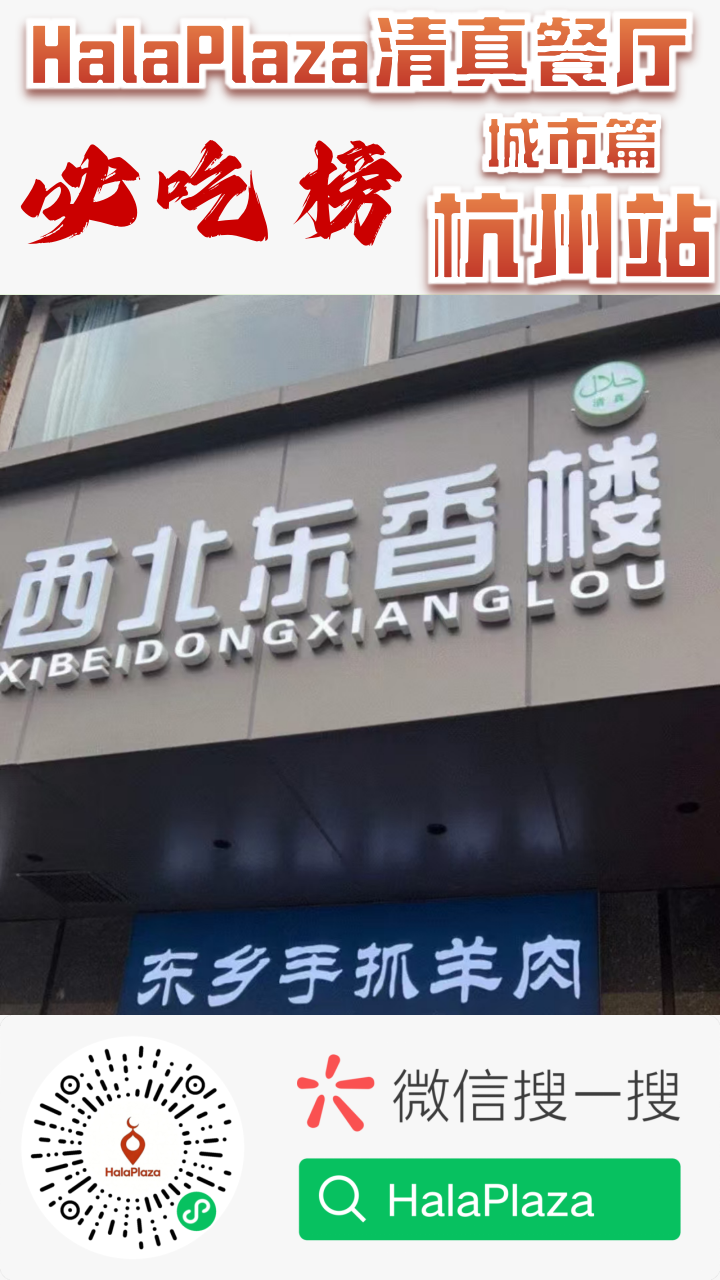
Open the HalaPlaza WeChat mini-program,
to check nearby halal spots and get directions with a single click,
making daily meals, business trips, group dinners, and spot-hunting totally stress-free~
#HalaPlaza #HalalRestaurant #HalalFood #Halal #HalalFoodHunting #HeritageHalal #HalaPlazaHalalNavigation #HalaPlazaHalalMap #HalalRestaurantMap #HalalRestaurantNavigation
Hangzhou Halal Food Guide: Inside Yifengxiang Halal Butcher & Local Muslim Culture
Articles • Hasan09 posted the article • 0 comments • 9 views • 1 days ago
Hangzhou Yifengxiang Halal Beef and Mutton Specialty: A Photo Journey of Handpicked Fresh Ingredients and Trusted Halal Meats
Summary:
A real-life look inside Hangzhou Yifengxiang Halal Beef and Mutton Specialty Shop. The shop strictly handpicks premium fresh beef and mutton with exceptionally tender meat quality, strictly adhering to halal slaughter and processing standards. It's the go-to, trusted spot for fellow Hui Muslims and local residents to pick up top-tier halal meat.
#Yifengxiang Halal Beef and Mutton Specialty offers carefully selected fresh ingredients. The beef and mutton sold are of top-tier quality with a super tender texture. Strictly following halal standards to bring you authentic flavors, it's your ideal choice for buying trustworthy halal meat. Enjoy the ultimate fresh and tender taste right here at Yifengxiang.
[Showcase of Specialty Halal Meats and Fresh Ingredients] view all
Hangzhou Yifengxiang Halal Beef and Mutton Specialty: A Photo Journey of Handpicked Fresh Ingredients and Trusted Halal Meats
Summary:
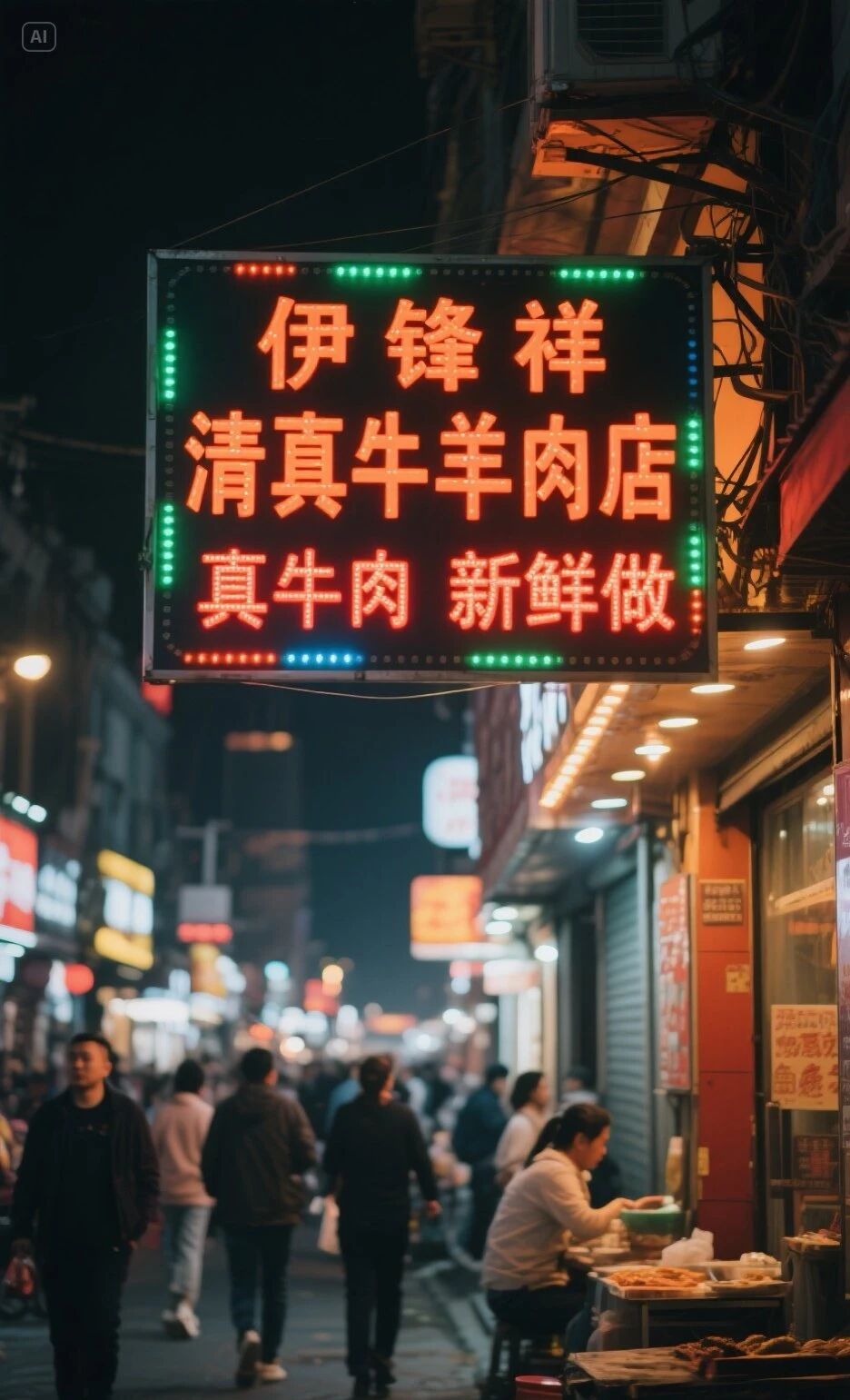
A real-life look inside Hangzhou Yifengxiang Halal Beef and Mutton Specialty Shop. The shop strictly handpicks premium fresh beef and mutton with exceptionally tender meat quality, strictly adhering to halal slaughter and processing standards. It's the go-to, trusted spot for fellow Hui Muslims and local residents to pick up top-tier halal meat.
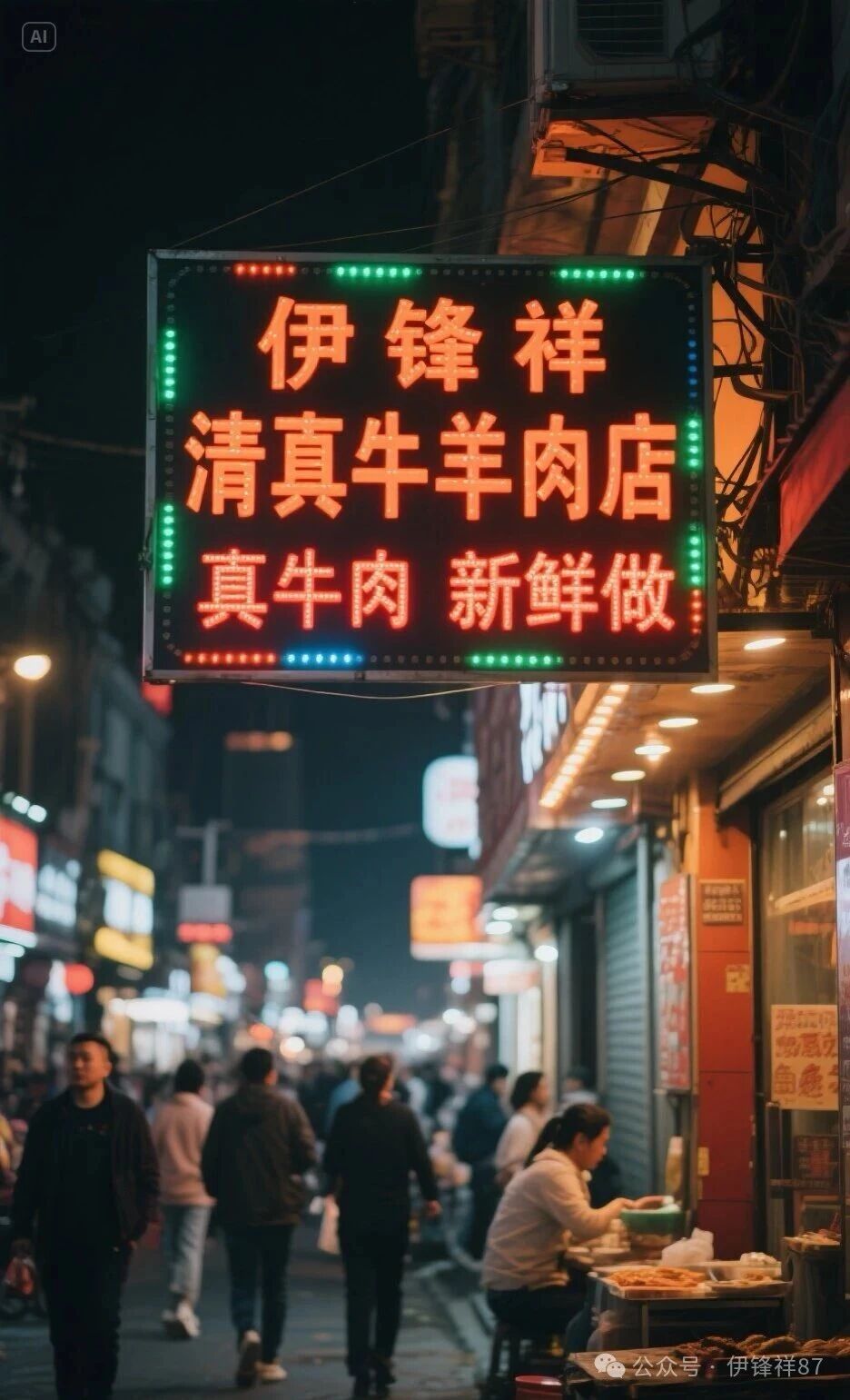
#Yifengxiang Halal Beef and Mutton Specialty offers carefully selected fresh ingredients. The beef and mutton sold are of top-tier quality with a super tender texture. Strictly following halal standards to bring you authentic flavors, it's your ideal choice for buying trustworthy halal meat. Enjoy the ultimate fresh and tender taste right here at Yifengxiang.
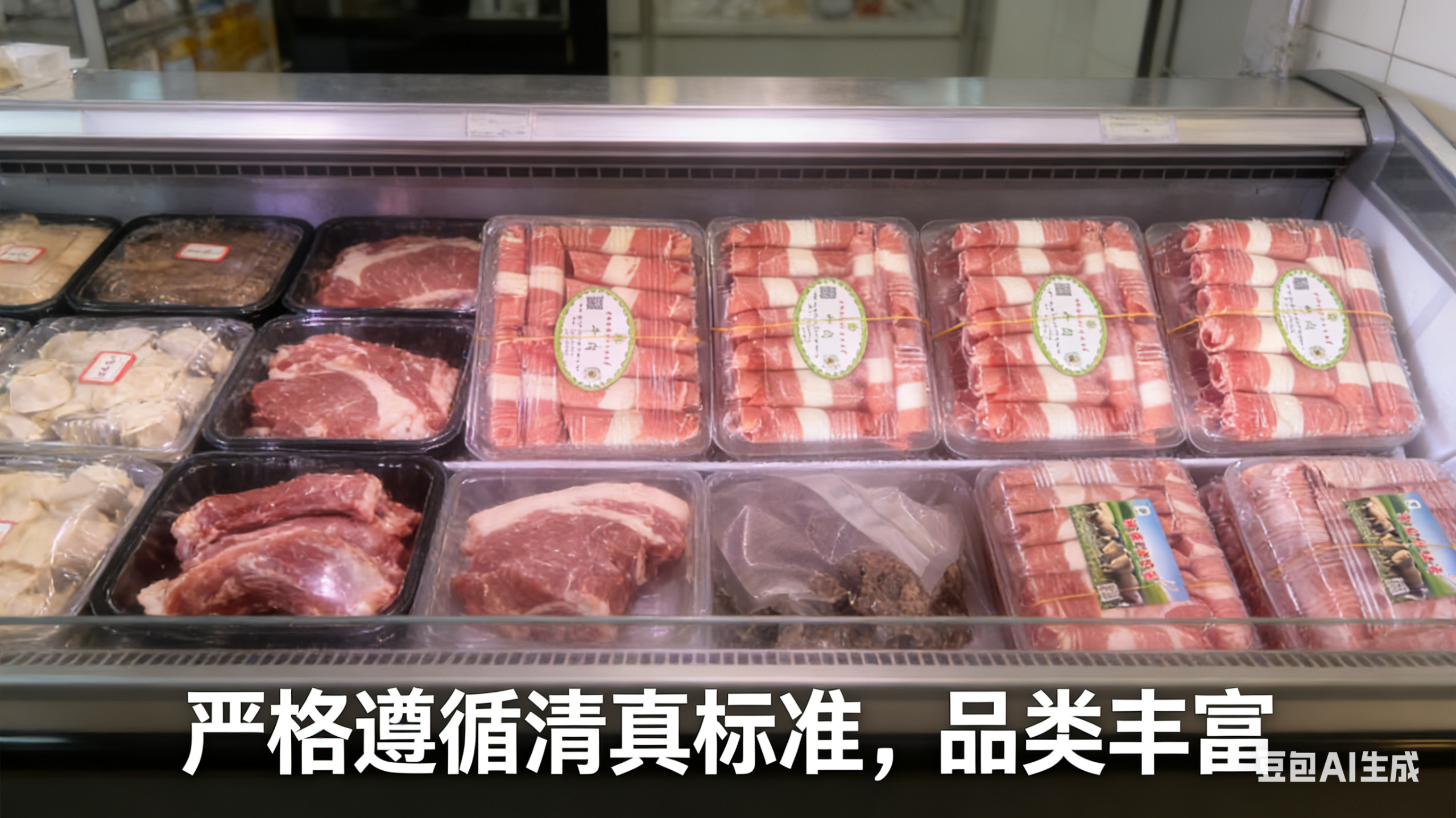
[Showcase of Specialty Halal Meats and Fresh Ingredients]
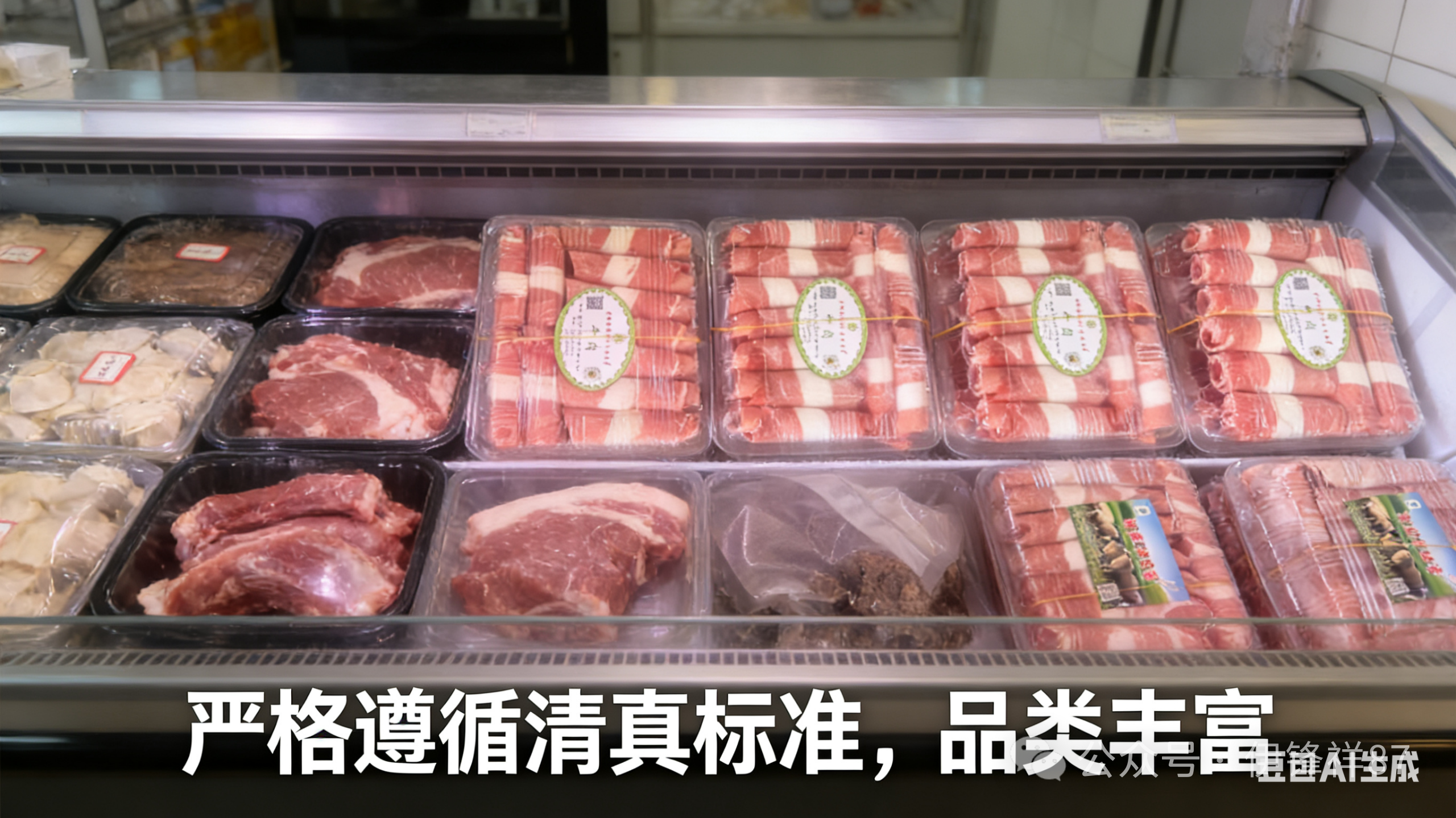
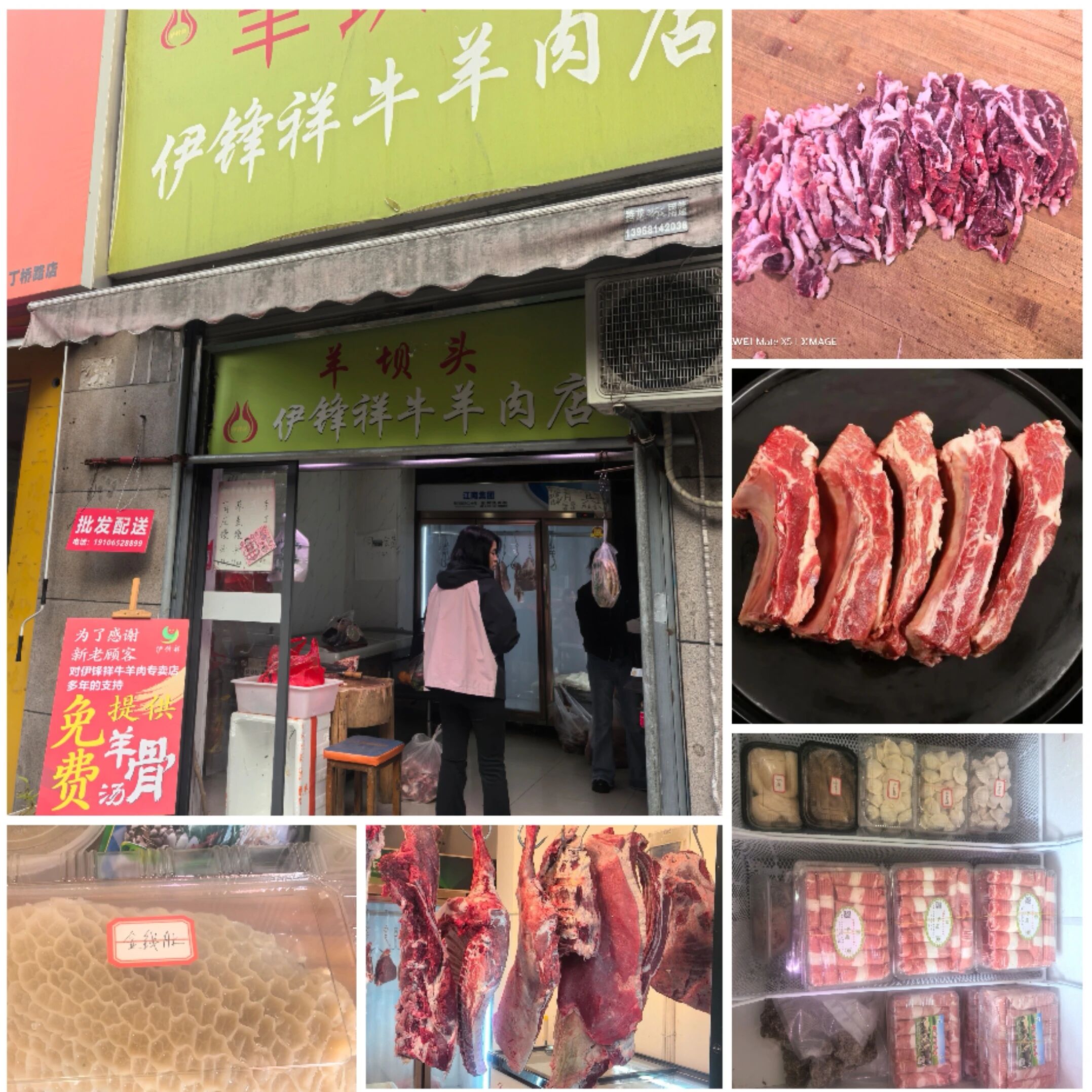
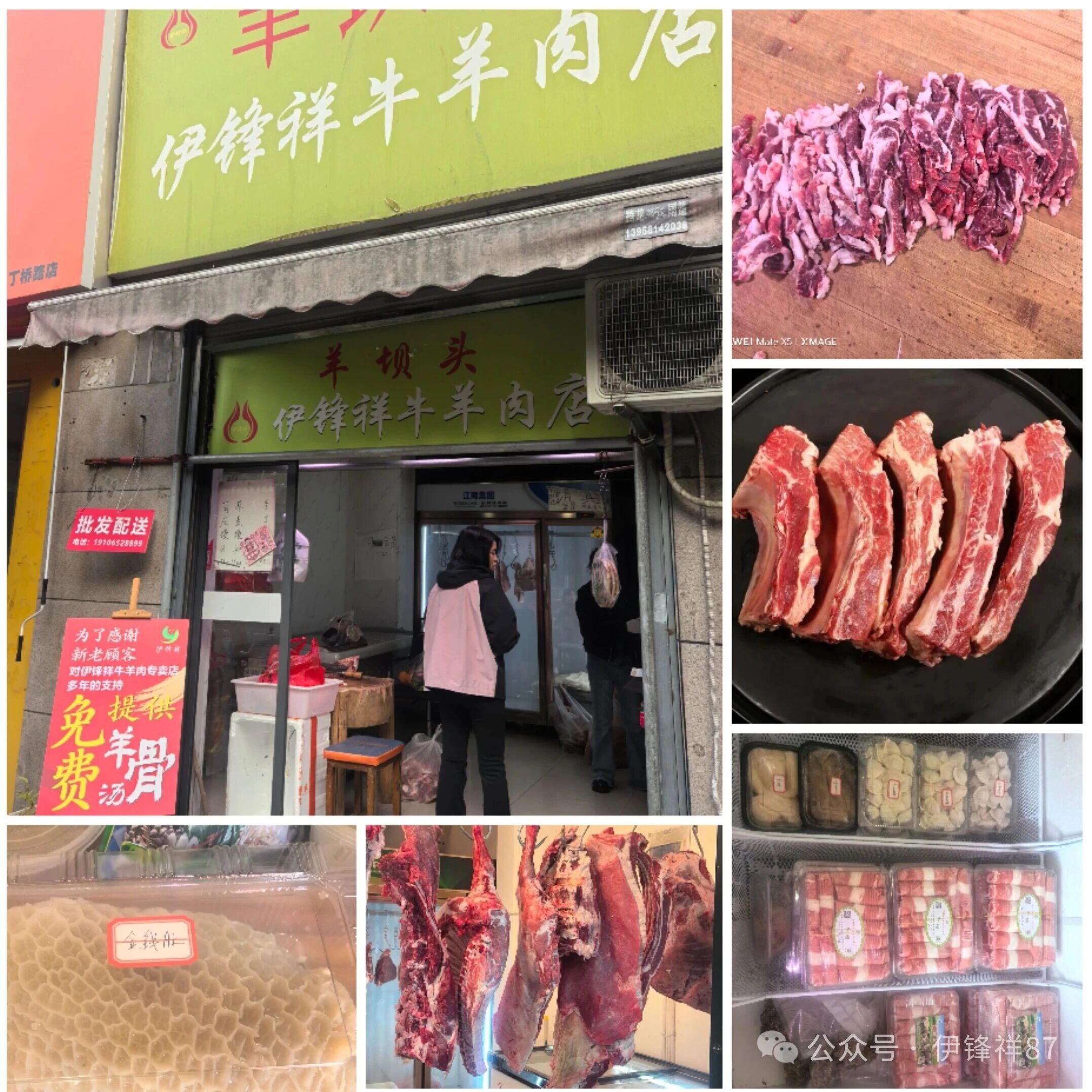
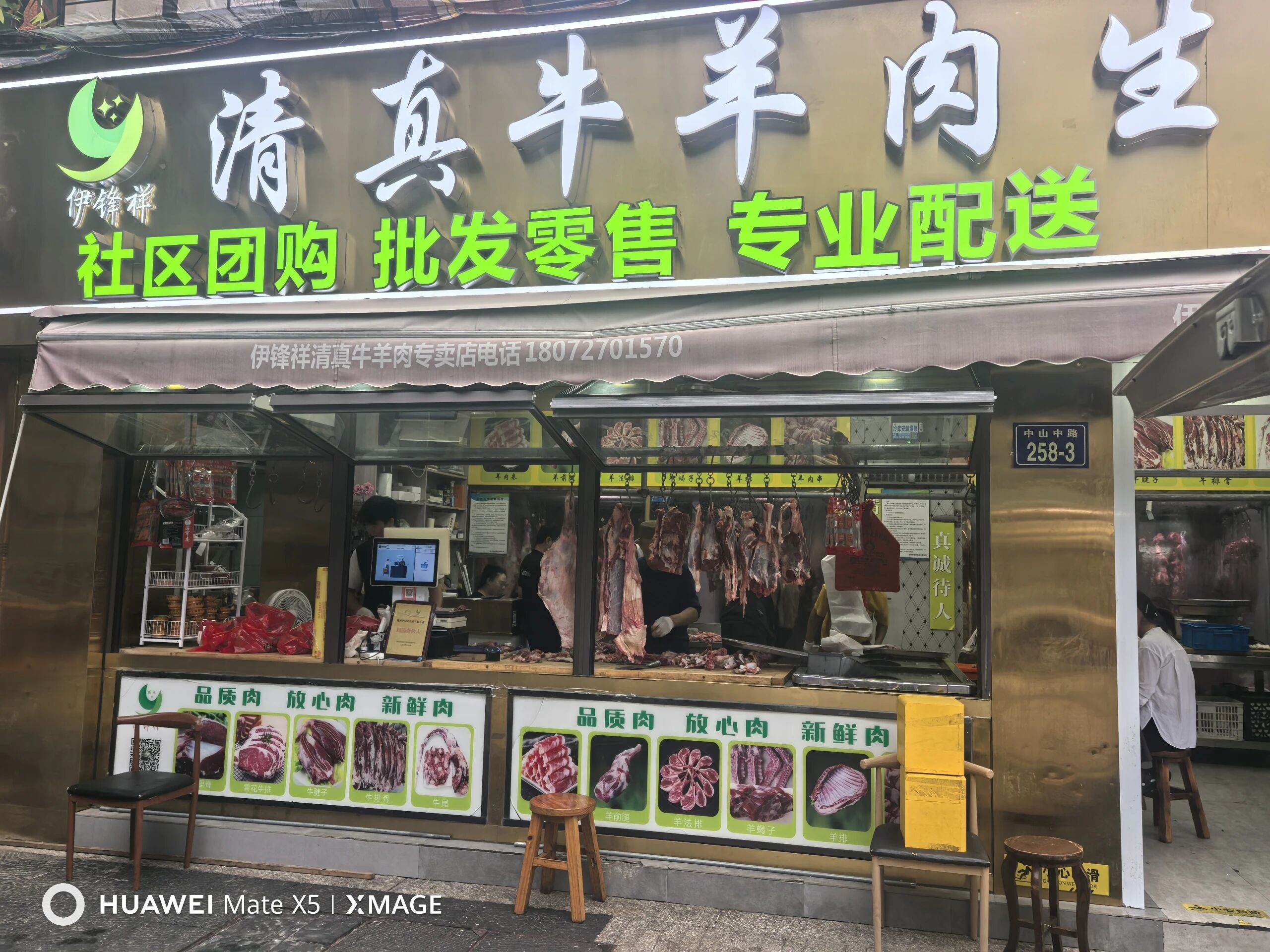
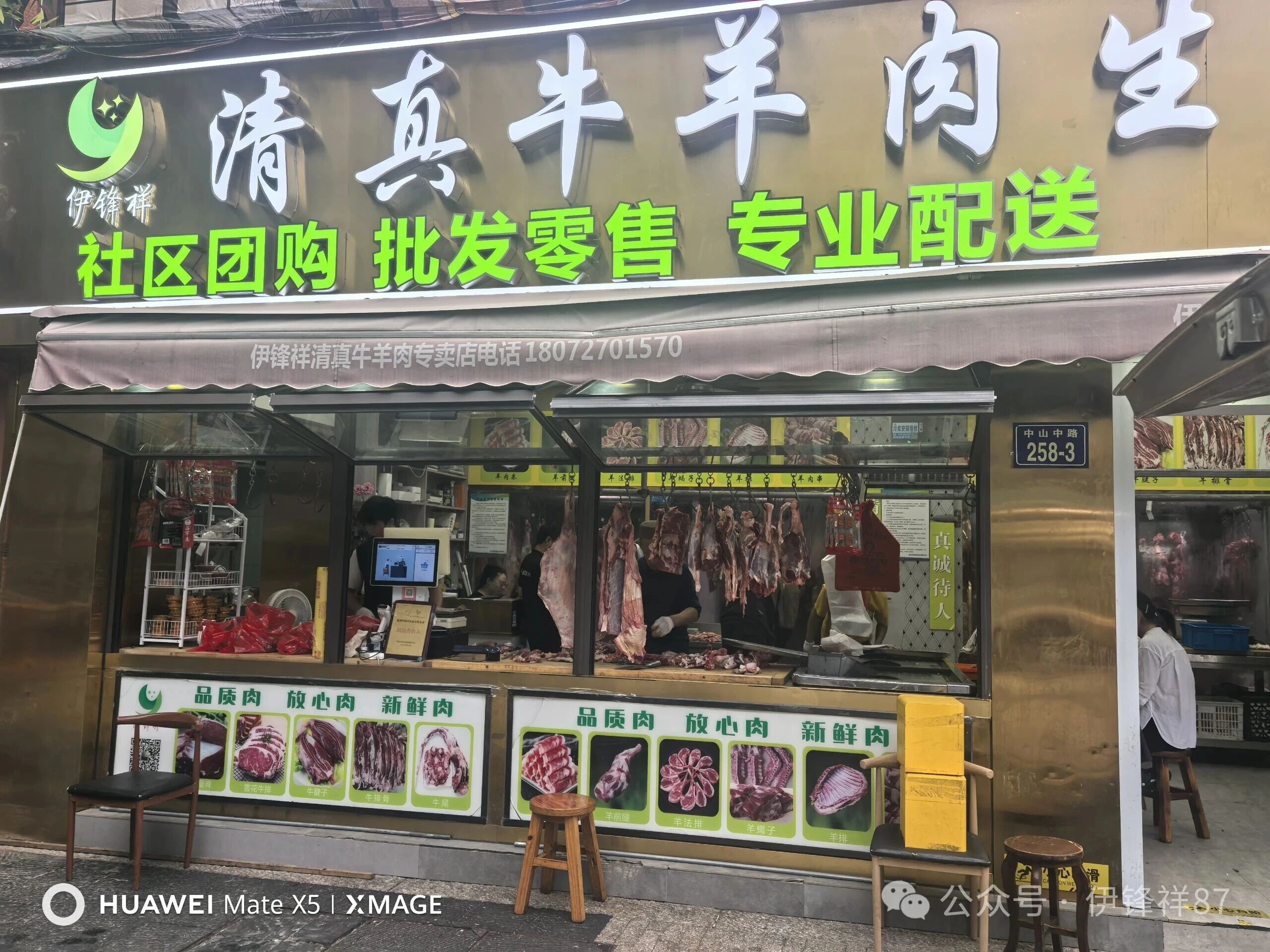
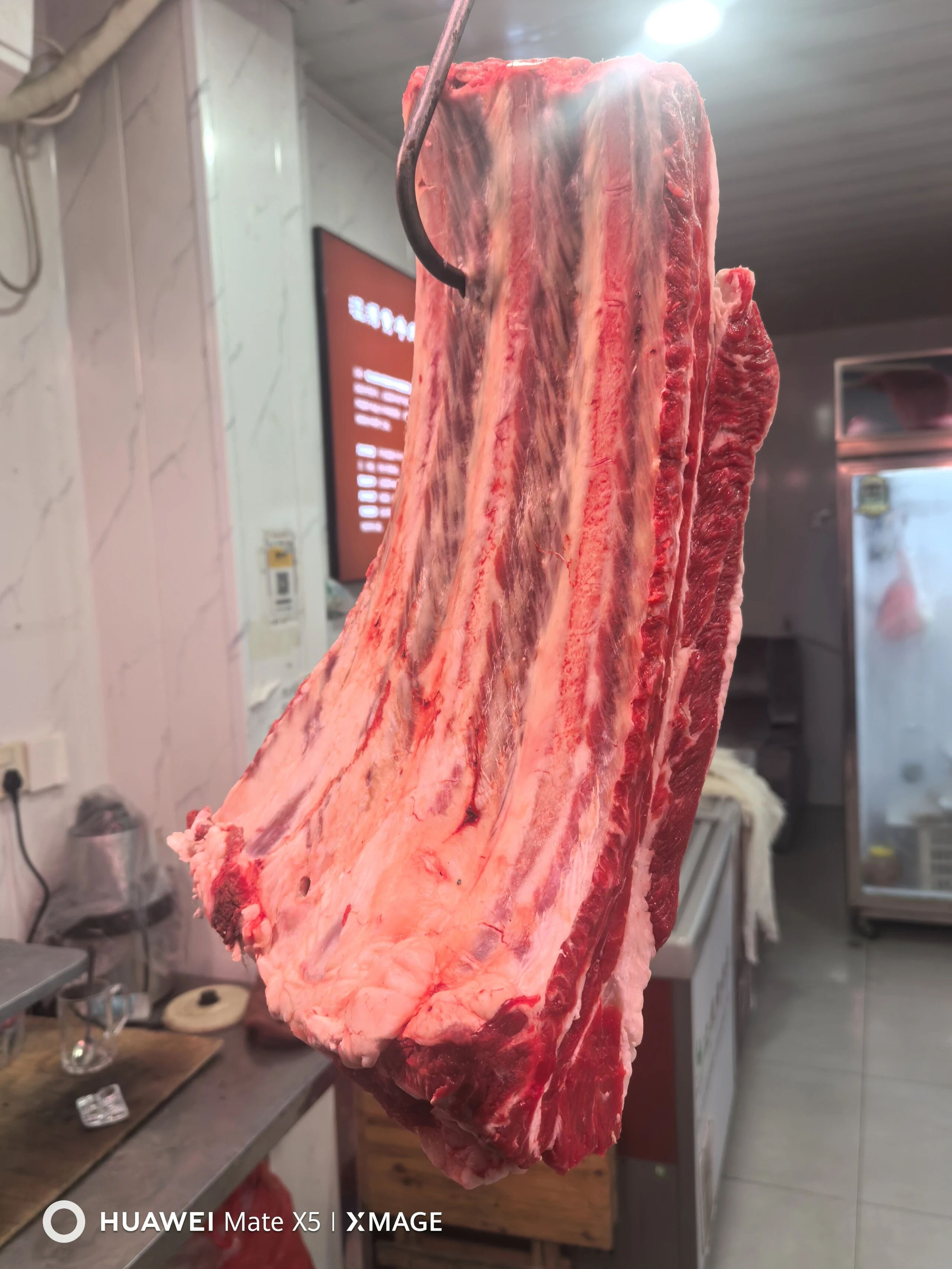
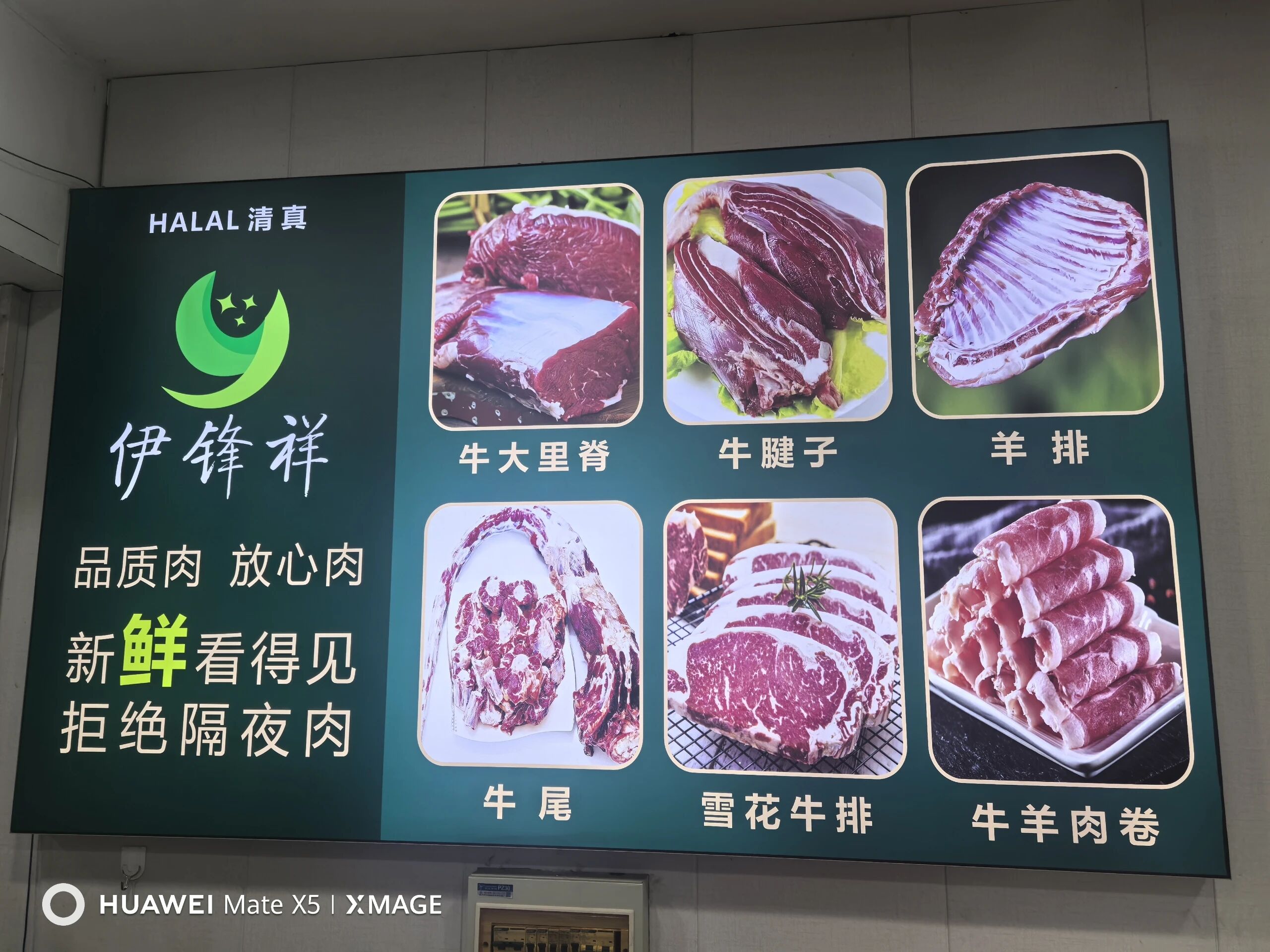
Hangzhou Halal Food Guide: Dicos Halal Opens on Zhongshan Middle Road & Best Muslim Eats
Articles • Hasan09 posted the article • 0 comments • 9 views • 1 days ago
[Foodie Scoop] Dicos Halal Restaurant at Yabatou Officially Opens: Rooted on Zhongshan Middle Road Imperial Street in Hangzhou, Celebrating 30 Years with Crispy Halal Fried Chicken
Summary:
Great news! The Dicos Halal restaurant has officially opened its doors at No. 253 Zhongshan Middle Road Imperial Street in Hangzhou. Celebrating both Dicos' 30th anniversary and this exciting grand opening, the spot is serving up authentic crispy halal fried chicken and delicious burgers, adding a fresh, convenient halal dining option for Hui Muslims and locals across Hangzhou.
Foodie scoop! Major foodie scoop!
Stop everything, big news from Yabatou!!
Awesome news keeps rolling in on this historic ancient street,
A double dose of deliciousness for everyone!
The Dicos Halal restaurant at Yabatou opens its doors tomorrow morning, officially setting down roots at No. 253 Zhongshan Middle Road Imperial Street!
Celebrating 30 years of Dicos craftsmanship!
A brand-new halal restaurant opens its doors at Yabatou in Hangzhou!
A double celebration! Thirty years of dedication, thirty years of genuine companionship. To mark this joyous grand opening, we've got tons of gifts and special discounts, and we warmly invite you to join our delicious foodie family! We can't wait to see you!
Tomorrow, gorgeous flowers, upbeat music, authentic crispy halal fried chicken, and delicious burgers will be waiting just for you. view all
[Foodie Scoop] Dicos Halal Restaurant at Yabatou Officially Opens: Rooted on Zhongshan Middle Road Imperial Street in Hangzhou, Celebrating 30 Years with Crispy Halal Fried Chicken
Summary:
Great news! The Dicos Halal restaurant has officially opened its doors at No. 253 Zhongshan Middle Road Imperial Street in Hangzhou. Celebrating both Dicos' 30th anniversary and this exciting grand opening, the spot is serving up authentic crispy halal fried chicken and delicious burgers, adding a fresh, convenient halal dining option for Hui Muslims and locals across Hangzhou.
Foodie scoop! Major foodie scoop!
Stop everything, big news from Yabatou!!
Awesome news keeps rolling in on this historic ancient street,
A double dose of deliciousness for everyone!
The Dicos Halal restaurant at Yabatou opens its doors tomorrow morning, officially setting down roots at No. 253 Zhongshan Middle Road Imperial Street!
Celebrating 30 years of Dicos craftsmanship!
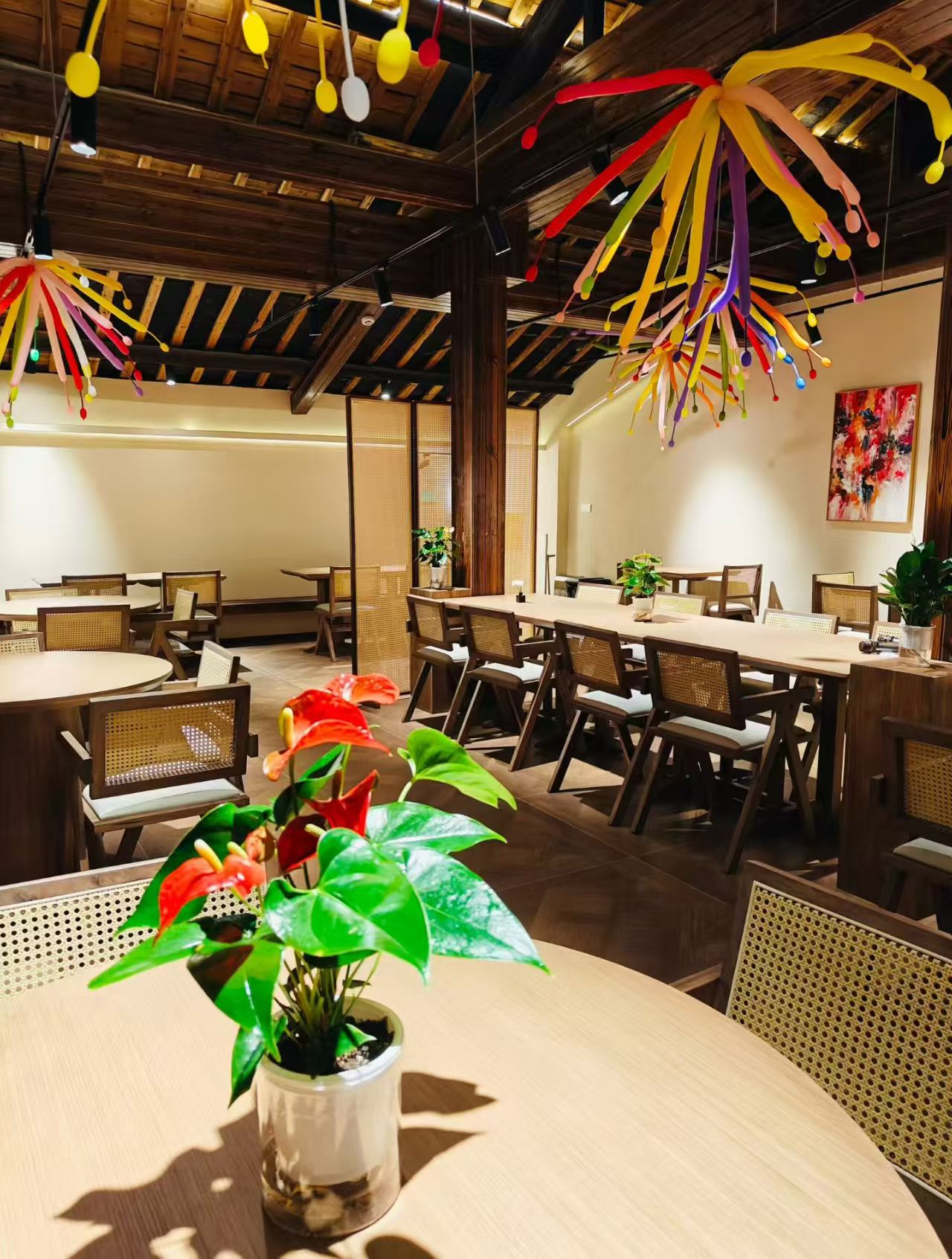
A brand-new halal restaurant opens its doors at Yabatou in Hangzhou!
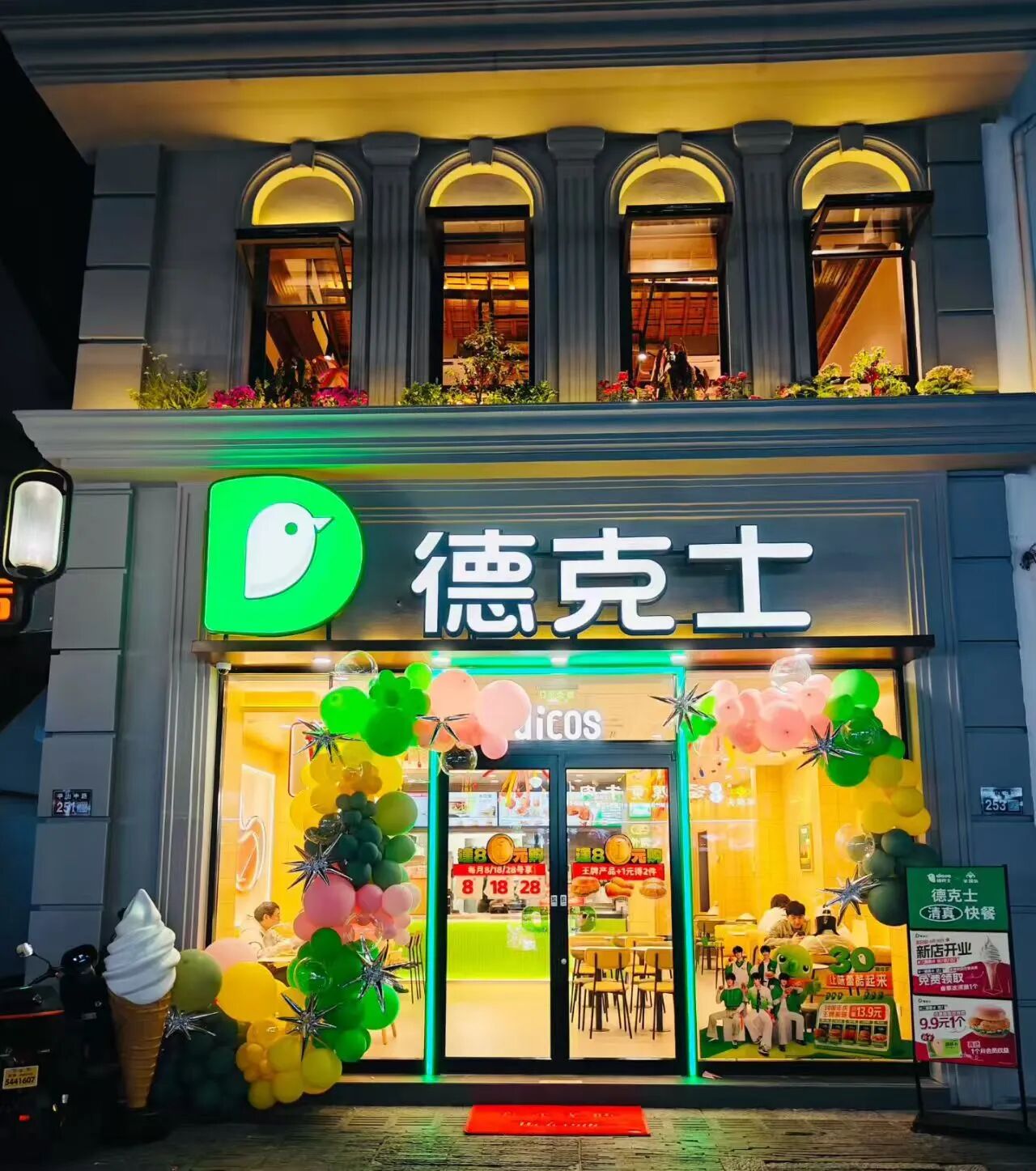
A double celebration! Thirty years of dedication, thirty years of genuine companionship. To mark this joyous grand opening, we've got tons of gifts and special discounts, and we warmly invite you to join our delicious foodie family! We can't wait to see you!
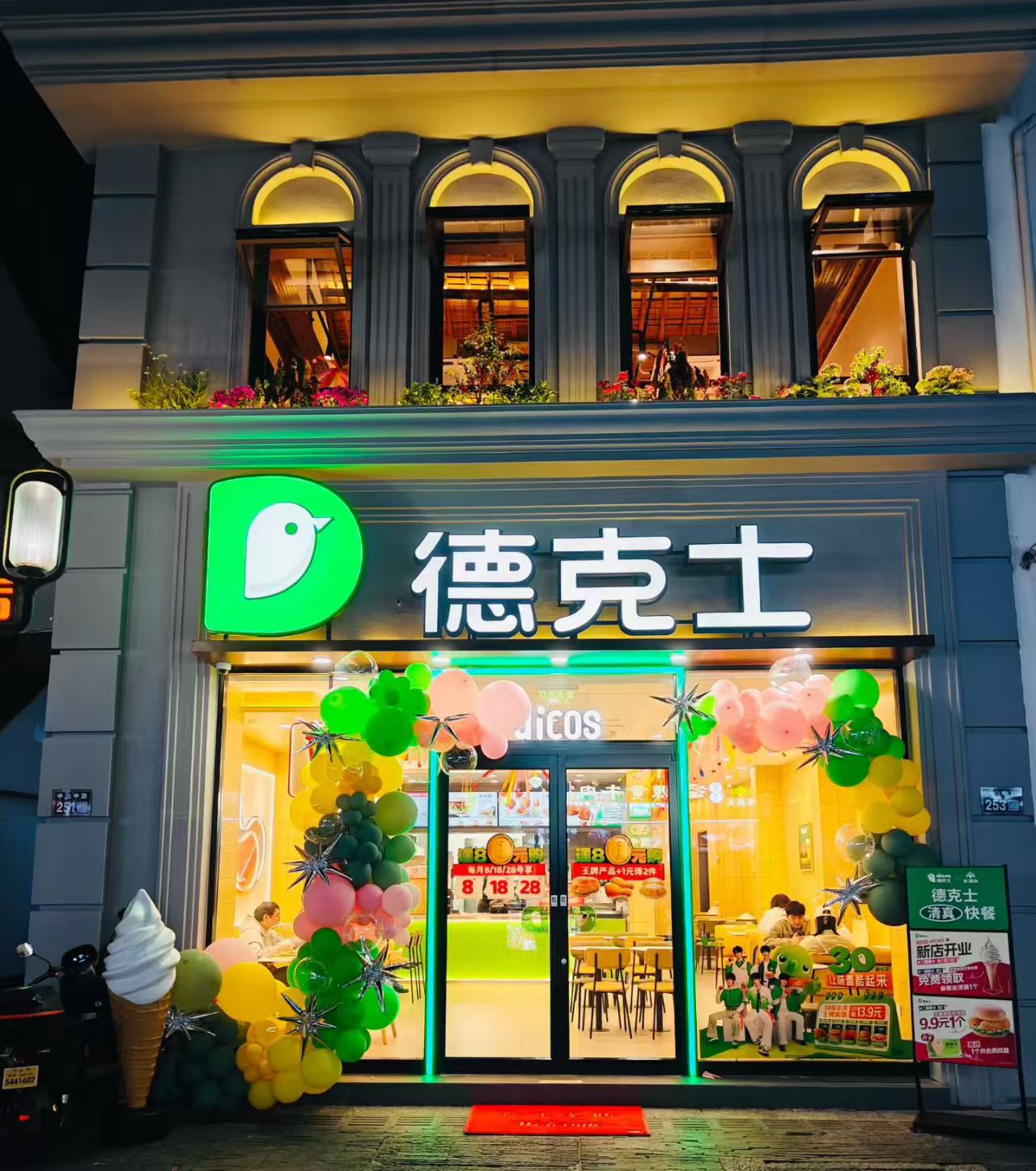
Tomorrow, gorgeous flowers, upbeat music, authentic crispy halal fried chicken, and delicious burgers will be waiting just for you.
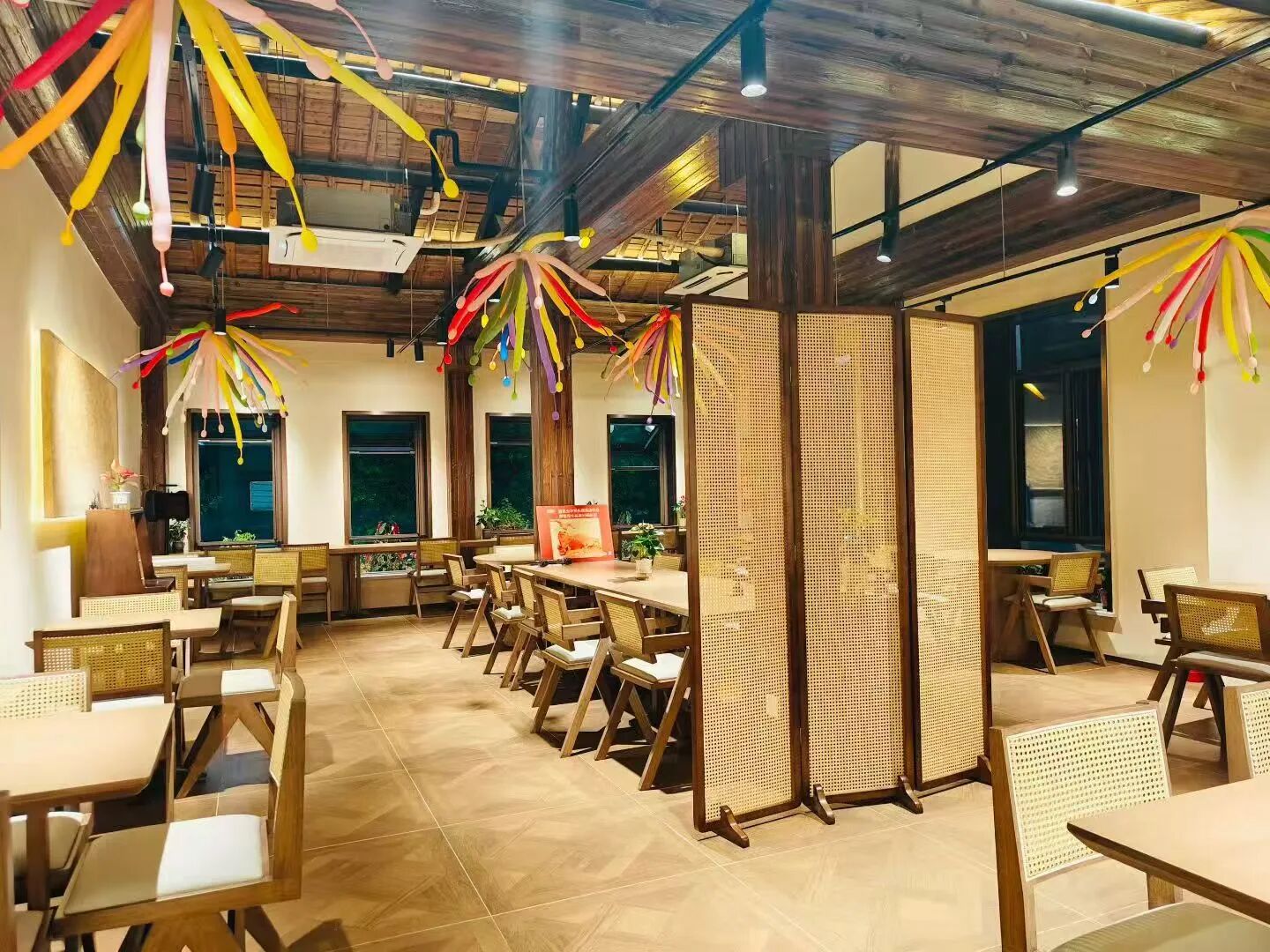
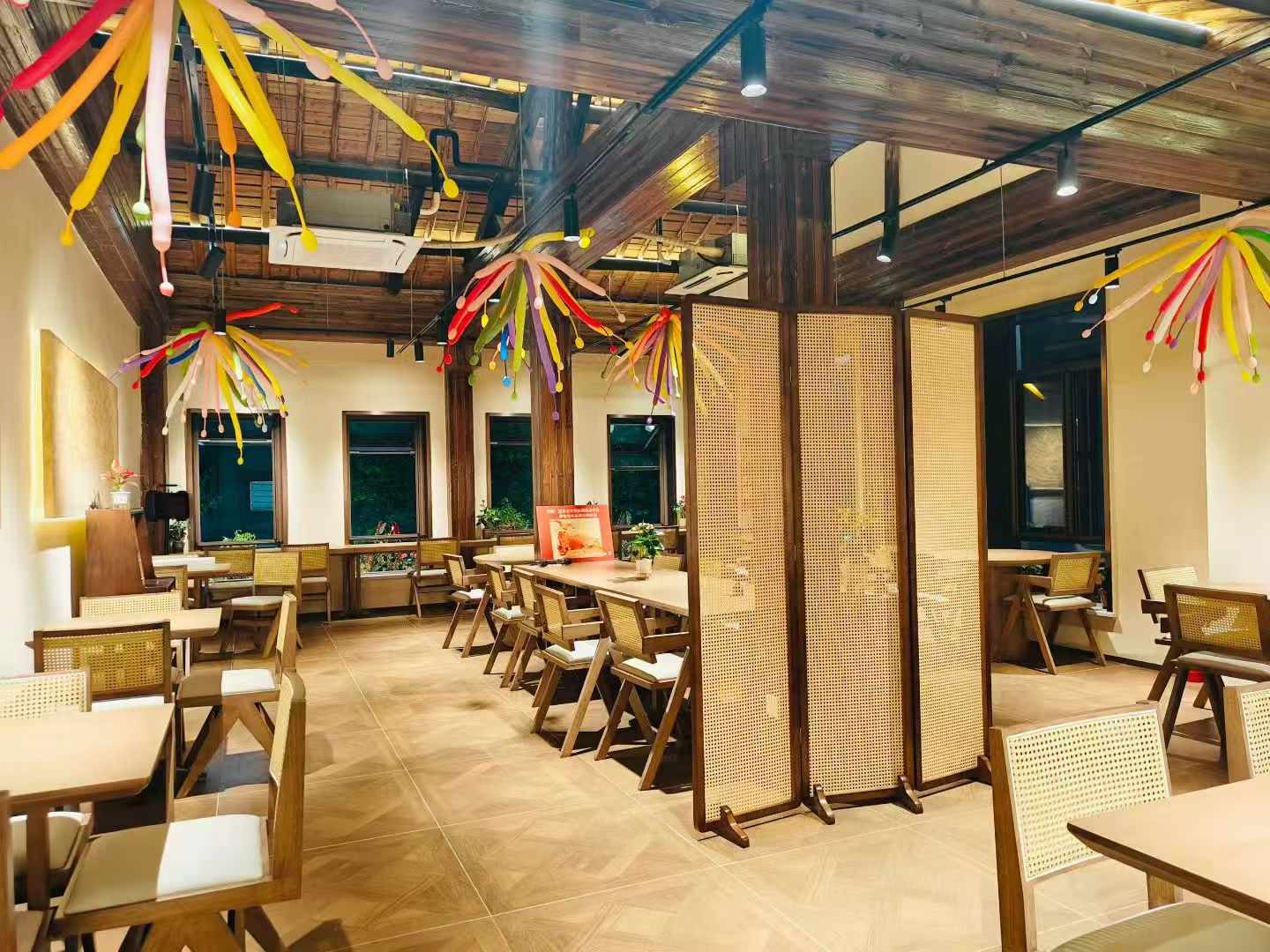
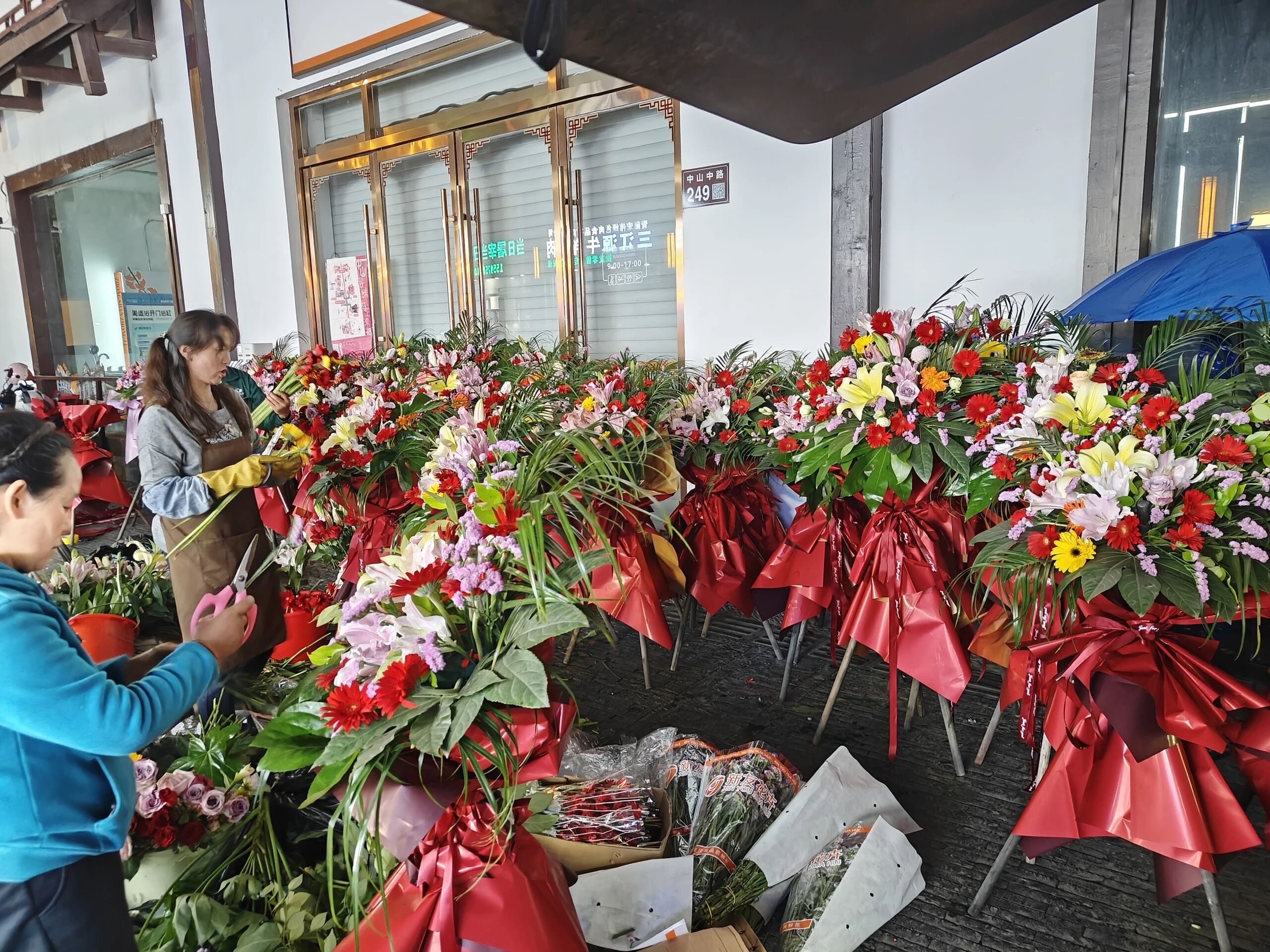
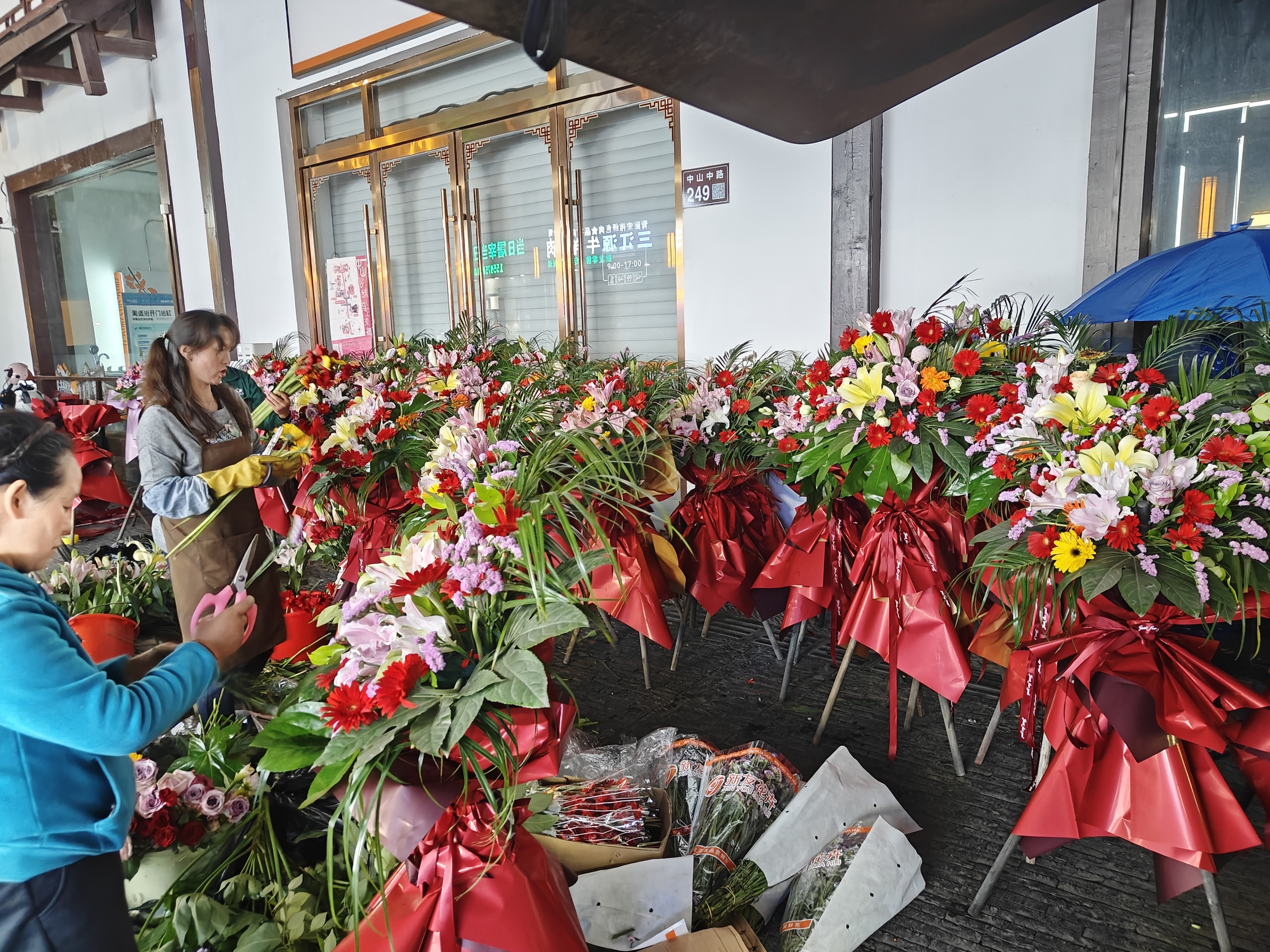
The Ultimate Halal Map of Hangzhou: Historic Mosques, Best Halal Food & Muslim Culture
Articles • Hasan09 posted the article • 0 comments • 13 views • 1 days ago
Halal Map of Hangzhou: Guide to Heritage Spots and Regional Halal Flavors
Abstract:
A comprehensive and systematic breakdown of Hangzhou's halal food landscape, covering traditional heritage restaurants, signature Xinjiang spots, exotic Middle Eastern flavors, and convenient chain eateries. Providing residents and visitors in Hangzhou with a clear, practical guide and complete route map for hunting down delicious halal food.
Hangzhou’s halal scene runs as a path you can follow. Legacy sets the pace, Xinjiang builds the table, Middle Eastern kitchens reset the rhythm, and chains plus campus zones handle daily use. Stable structure, easy decisions.
Hangzhou’s halal scene runs as a path you can follow. Legacy sets the pace, Xinjiang builds the table, Middle Eastern kitchens reset the rhythm, and chains plus campus zones handle daily use. Stable structure, easy decisions.
Start around Hefang Street. Qingyazhaian anchors the area, tied to the Fenghuang Mosque (Phoenix Mosque) skewer lineage—clean heat, steady output, the fixed point. Around it, the options open up: Dongyishun for fast hybrid meals, Yifengxiang for a fuller Northwest spread, Xibei Renjia for a more direct grill rhythm. Everything sits within a few steps, easy solo. Nearby, Phoenix Halal Snacks brings it back to everyday; spots like CUMIN add long-run consistency—years of steady output, rarely misses, a reliable fallback in the area.
Start around Hefang Street. Qingyazhaian anchors the area, tied to the Phoenix Mosque skewer lineage—clean heat, steady output, the fixed point. Around it, the options open up: Dongyishun for fast hybrid meals (including some Middle Eastern options), Yifengxiang for a fuller Northwest spread, Xibei Renjia for a more direct grill rhythm. Everything sits within a few steps, easy solo. Nearby, Phoenix Halal Snacks brings it back to everyday; spots like Cumin add long-run consistency—years of steady output, rarely misses, a reliable fallback in the area.
Move outward and Xinjiang takes over the table, split into two modes. Pamir Restaurant anchors the traditional path—grounded flavor, steady structure, built for groups; Afanty opens that same lane into a more social format—larger room, more energy, suited for gatherings and longer meals. The mall version, like SERINDIA, tightens everything—more controlled room, more controlled output, easier when you want a softer pace.
Move outward and Xinjiang takes over the table, split into two modes. Pamir Restaurant anchors the traditional path—grounded flavor, steady structure, built for groups; Afanty opens that same lane into a more social format—larger room, more energy, suited for gatherings and longer meals. The mall version, like SERINDIA, tightens everything—more controlled room, more controlled output, easier when you want a softer pace.
The Xinjiang lane runs deep—spots like Li Li Yang Ke, Husaini Gobi Desert, and Xibei Dongxiang Lou spread across the city as reliable stops.
The Xinjiang lane runs deep—spots like Li Li Yang Ke, Husaini Gobi Desert, and Xibei Dongxiang Lou spread across the city as reliable stops.
Middle Eastern sits as a reset. Souq runs dual nodes—PAFC and Shanzeli—lighter spice, clean builds, an easy shift out of heavier meals.
Middle Eastern sits as a reset. Souq runs dual nodes—PAFC and Shanzeli—lighter spice, clean builds, an easy shift out of heavier meals.
New openings sharpen the map. Lale Turkish lands in Hubin with an Ottoman-leaning format; Multan Pakistani opens in Chez Lotus with deeper spice and stew-driven structure; Ayoubu Pizzeria appears in Sandun and Xiaohe for a more casual, pizza-driven lane; Westlake 66 in Wulin is set to bring in Sultan Restaurant as a new Middle Eastern node.
New openings sharpen the map. Lale Turkish lands in Hubin with an Ottoman-leaning format; Multan Pakistani opens in Chez Lotus with deeper spice and stew-driven structure; Ayoubu Pizzeria appears in Sandun and Xiaohe for a more casual, pizza-driven lane; Westlake 66 in Wulin is set to bring in Sultan Restaurant as a new Middle Eastern node.
Further out, the campus belt takes over. Xiasha and Xiaoheshan concentrate density—shawarma and burgers as repeat meals, low price, low friction. Xiaoheshan runs Sultan Shawarma, and Amman Shawarma in sequence; Xiasha clusters ARABESKA for Arab expression, Sefar for efficiency, and Sultan for a steady shawarma line.
Further out, the campus belt takes over. Xiasha and Xiaoheshan concentrate density—shawarma and burgers as repeat meals, low price, low friction. Xiaoheshan runs Sultan Shawarma, and Amman Shawarma in sequence; Xiasha clusters ARABESKA for Arab expression, Sefar for efficiency, and Sultan for a steady shawarma line.
When you don’t want to think, the system tightens. Pin Hui Wei Taste Halal spans the city—six locations, consistent output, always available. Chains like Ma Yi Jong and Chen Xiang Gui turn Lanzhou noodles into a reliable mall solution. Muyangke and Yangbatou extend the system into halal hotpot—slower pace, still steady for groups.
When you don’t want to think, the system tightens. Pin Hui Wei Taste Halal spans the city—six locations, consistent output, always available. Chains like Ma Yi Jong and Chen Xiang Gui turn Lanzhou noodles into a reliable mall solution. Muyangke and Yangbatou extend the system into halal hotpot—slower pace, still steady for groups.
Finding halal food in Hangzhou is straightforward: Xinjiang, Xibei (Northwest), and even many Dongbei (Northeast) restaurants operate within the halal system, with strong density across the city—you’ll run into it in most neighborhoods. Look for the "清真" (Halal) characters or signage at the entrance.
Finding halal food in Hangzhou is straightforward: Xinjiang, Xibei (Northwest), and even many Dongbei (Northeast) restaurants operate within the halal system, with strong density across the city—you’ll run into it in most neighborhoods. Look for the “清真” characters or signage at the entrance.
The move is simple: solo—hit a legacy spot and finish fast; groups—run the traditional Xinjiang line; reset—Souq; no thinking—Pin Hui Wei; campus zones—rotate shawarma and burgers. Follow the path and you land right.
The move is simple: solo—hit a legacy spot and finish fast; groups—run the traditional Xinjiang line; reset—Souq; no thinking—Pin Hui Wei; campus zones—rotate shawarma and burgers. Follow the path and you land right. view all
Halal Map of Hangzhou: Guide to Heritage Spots and Regional Halal Flavors
Abstract:
A comprehensive and systematic breakdown of Hangzhou's halal food landscape, covering traditional heritage restaurants, signature Xinjiang spots, exotic Middle Eastern flavors, and convenient chain eateries. Providing residents and visitors in Hangzhou with a clear, practical guide and complete route map for hunting down delicious halal food.
Hangzhou’s halal scene runs as a path you can follow. Legacy sets the pace, Xinjiang builds the table, Middle Eastern kitchens reset the rhythm, and chains plus campus zones handle daily use. Stable structure, easy decisions.
Hangzhou’s halal scene runs as a path you can follow. Legacy sets the pace, Xinjiang builds the table, Middle Eastern kitchens reset the rhythm, and chains plus campus zones handle daily use. Stable structure, easy decisions.
Start around Hefang Street. Qingyazhaian anchors the area, tied to the Fenghuang Mosque (Phoenix Mosque) skewer lineage—clean heat, steady output, the fixed point. Around it, the options open up: Dongyishun for fast hybrid meals, Yifengxiang for a fuller Northwest spread, Xibei Renjia for a more direct grill rhythm. Everything sits within a few steps, easy solo. Nearby, Phoenix Halal Snacks brings it back to everyday; spots like CUMIN add long-run consistency—years of steady output, rarely misses, a reliable fallback in the area.
Start around Hefang Street. Qingyazhaian anchors the area, tied to the Phoenix Mosque skewer lineage—clean heat, steady output, the fixed point. Around it, the options open up: Dongyishun for fast hybrid meals (including some Middle Eastern options), Yifengxiang for a fuller Northwest spread, Xibei Renjia for a more direct grill rhythm. Everything sits within a few steps, easy solo. Nearby, Phoenix Halal Snacks brings it back to everyday; spots like Cumin add long-run consistency—years of steady output, rarely misses, a reliable fallback in the area.
Move outward and Xinjiang takes over the table, split into two modes. Pamir Restaurant anchors the traditional path—grounded flavor, steady structure, built for groups; Afanty opens that same lane into a more social format—larger room, more energy, suited for gatherings and longer meals. The mall version, like SERINDIA, tightens everything—more controlled room, more controlled output, easier when you want a softer pace.
Move outward and Xinjiang takes over the table, split into two modes. Pamir Restaurant anchors the traditional path—grounded flavor, steady structure, built for groups; Afanty opens that same lane into a more social format—larger room, more energy, suited for gatherings and longer meals. The mall version, like SERINDIA, tightens everything—more controlled room, more controlled output, easier when you want a softer pace.
The Xinjiang lane runs deep—spots like Li Li Yang Ke, Husaini Gobi Desert, and Xibei Dongxiang Lou spread across the city as reliable stops.
The Xinjiang lane runs deep—spots like Li Li Yang Ke, Husaini Gobi Desert, and Xibei Dongxiang Lou spread across the city as reliable stops.
Middle Eastern sits as a reset. Souq runs dual nodes—PAFC and Shanzeli—lighter spice, clean builds, an easy shift out of heavier meals.
Middle Eastern sits as a reset. Souq runs dual nodes—PAFC and Shanzeli—lighter spice, clean builds, an easy shift out of heavier meals.
New openings sharpen the map. Lale Turkish lands in Hubin with an Ottoman-leaning format; Multan Pakistani opens in Chez Lotus with deeper spice and stew-driven structure; Ayoubu Pizzeria appears in Sandun and Xiaohe for a more casual, pizza-driven lane; Westlake 66 in Wulin is set to bring in Sultan Restaurant as a new Middle Eastern node.
New openings sharpen the map. Lale Turkish lands in Hubin with an Ottoman-leaning format; Multan Pakistani opens in Chez Lotus with deeper spice and stew-driven structure; Ayoubu Pizzeria appears in Sandun and Xiaohe for a more casual, pizza-driven lane; Westlake 66 in Wulin is set to bring in Sultan Restaurant as a new Middle Eastern node.
Further out, the campus belt takes over. Xiasha and Xiaoheshan concentrate density—shawarma and burgers as repeat meals, low price, low friction. Xiaoheshan runs Sultan Shawarma, and Amman Shawarma in sequence; Xiasha clusters ARABESKA for Arab expression, Sefar for efficiency, and Sultan for a steady shawarma line.
Further out, the campus belt takes over. Xiasha and Xiaoheshan concentrate density—shawarma and burgers as repeat meals, low price, low friction. Xiaoheshan runs Sultan Shawarma, and Amman Shawarma in sequence; Xiasha clusters ARABESKA for Arab expression, Sefar for efficiency, and Sultan for a steady shawarma line.
When you don’t want to think, the system tightens. Pin Hui Wei Taste Halal spans the city—six locations, consistent output, always available. Chains like Ma Yi Jong and Chen Xiang Gui turn Lanzhou noodles into a reliable mall solution. Muyangke and Yangbatou extend the system into halal hotpot—slower pace, still steady for groups.
When you don’t want to think, the system tightens. Pin Hui Wei Taste Halal spans the city—six locations, consistent output, always available. Chains like Ma Yi Jong and Chen Xiang Gui turn Lanzhou noodles into a reliable mall solution. Muyangke and Yangbatou extend the system into halal hotpot—slower pace, still steady for groups.
Finding halal food in Hangzhou is straightforward: Xinjiang, Xibei (Northwest), and even many Dongbei (Northeast) restaurants operate within the halal system, with strong density across the city—you’ll run into it in most neighborhoods. Look for the "清真" (Halal) characters or signage at the entrance.
Finding halal food in Hangzhou is straightforward: Xinjiang, Xibei (Northwest), and even many Dongbei (Northeast) restaurants operate within the halal system, with strong density across the city—you’ll run into it in most neighborhoods. Look for the “清真” characters or signage at the entrance.
The move is simple: solo—hit a legacy spot and finish fast; groups—run the traditional Xinjiang line; reset—Souq; no thinking—Pin Hui Wei; campus zones—rotate shawarma and burgers. Follow the path and you land right.
The move is simple: solo—hit a legacy spot and finish fast; groups—run the traditional Xinjiang line; reset—Souq; no thinking—Pin Hui Wei; campus zones—rotate shawarma and burgers. Follow the path and you land right.
Pin Hui Wei Hangzhou Halal Food Review: Authentic Dongxiang Hand-Grabbed Lamb & Northwest Noodles
Articles • Hasan09 posted the article • 0 comments • 13 views • 1 days ago
【Food Edition】Pin Hui Wei Hangzhou Halal Lamb Review: Authentic Dongxiang Hand-Grabbed Lamb and Northwest Halal Flavors Tested
Summary:
A firsthand foodie visit to Pin Hui Wei, a top-rated Halal Northwest Chinese restaurant in Hangzhou, featuring a detailed review of their signature shouzhua yangrou (hand-grabbed lamb), da pan ji (big plate chicken), and authentic wheat noodles. With lamb flown in fresh and zero gamy odor, it showcases Hangzhou's high-tier Halal dining scene and a cozy vibe.
Pin Hui Wei is the lamb spot I've visited the most in Hangzhou, and I honestly think their shouzhua yangrou (hand-grabbed lamb) easily ranks among the best in the city. My go-to location is the one near Zhenning Road Metro Station.
Back in the day, Pin Hui Wei only had two locations, with the flagship store near West Lake. I tried that one once, but it just didn't hit the spot quite like the Zhenning Road branch. I keep coming back here every so often because the quality is consistently on point. This latest visit definitely didn't disappoint—it's still a spot totally worth checking out. That said, there was one major service screw-up this time that I'm saving for a rant at the end.
Let's talk about the food first.
[Shouzhua Yangrou (Hand-Grabbed Lamb)]
The shouzhua yangrou (hand-grabbed lamb) is their signature dish and it is seriously good! Basically a mandatory order for me every single time. You couldn't pick specific cuts in the past, but this time I noticed you can choose between lamb chops, lamb leg, or lamb neck. Before, they'd usually serve a mix of chops and some bony ribs that were kind of a pain to eat. I personally love the fatty, super tender cuts, so I went straight for the pure lamb chops this time.
The lamb overall is super tender with hardly any gamy flavor. The fat parts are melty and sticky without feeling greasy at all; apart from a couple of lean pieces near the spine that were a tiny bit dry, the rest had an amazing texture. It’s got that killer balance of fat and lean meat with distinct layers—the fat is melty, the lean meat is bouncy and flavorful, and the more you chew, the better it gets.
The meat is already seasoned beforehand with salt as the main star, so you can totally eat it plain and it won't taste bland at all. The restaurant also gives you two dipping sauces: chili oil and a dry powder spice mix that looks like it's got salt and chili flakes. Both are great, but I'm definitely a bigger fan of the powder.
[Guoyou Rou Bianmian (Stir-Fried Pork/Meat Over Pulled Noodles - *Note: Halal version made with beef/lamb*)]
This mixed noodle dish is so good! When I first started coming here, it was called Xinjiang bianmian (Xinjiang pulled noodles), but they changed the name to guoyou rou bianmian about two or three years ago. The noodles have a great chewy bite to them and never feel soggy. The veggies include onions, tomatoes, small meat slices, green peppers, and red peppers, and the quality is solid across the board. The tomatoes especially bring a massive flavor punch with a natural sweetness that almost makes you want to ask them where they buy their produce.
The overall seasoning leans savory with a rich aroma and just a tiny, subtle hint of sweet-and-spicy. You can see a good layer of red chili oil at the bottom of the bowl, so make sure you toss everything really well before digging in so every single noodle is coated in that sauce.
[Kawass]
I tried a drink this time, and to me, it tastes like Kvass spiked with a bit of honey. It's actually pretty good and way smoother than standard Kvass.
[Yangrou Chuan (Lamb Skewers)]
I've ordered the lamb skewers a few times before, trying both the big and small sizes. The meat is generally quite tender, though every now and then you might hit a couple of slightly tough pieces. The seasoning is pretty standard for a BBQ joint—leaning savory—and the overall quality stays consistently decent. Didn't order them this trip, but based on memory, it's a safe bet that won't disappoint.
[Nang Baorou (Naan-Soaked Lamb)]
I've only ordered this once, but it left a great impression. Since there are usually just two of us, a plate of shouzhua yangrou (hand-grabbed lamb) plus a carb dish means we literally can't finish a dish this massive, so I always have to reluctantly pass and save it for when we have a bigger group. This dish features a whole piece of naan bread and lamb chunks soaking together in a rich, savory sauce. The portion of lamb is generous, and the meat quality is top-notch. I'm personally obsessed with letting the naan soak up the sauce until it's soft—once it absorbs all that meaty flavor, the taste multiplies instantly. The overall flavor profile hits a fusion of savory, sweet, spicy, and aromatic notes that totally match my palate.
[Shouzhua Fan (Hand-Grabbed Rice / Pulao)]
From what I remember, it's pretty standard and solid—you get a clear meaty aroma with a touch of sweetness, and overall it tastes fine. But it's genuinely been a long time since I last ordered it, so I can't give a super detailed breakdown.
Usually, when there are two of us, we order an order of shouzhua yangrou (hand-grabbed lamb), a plate of guoyou rou bianmian (pulled noodles), and maybe some yangrou chuan (lamb skewers) depending on how hungry we are. Back when my appetite was bigger, we'd add an order of shouzhua fan (pulao) too, but we honestly couldn't finish it all, so my memory of the rice and skewers might be slightly off. Still, all the dishes I mentioned above are basically foolproof, and the overall quality is good enough that I can blindly order them without looking at the menu.
Now let's have a quick rant about what totally killed my vibe this time. After we ordered, the server walked over and told us they were out of lamb chops for the shouzhua yangrou (hand-grabbed lamb), asking if we wanted to switch to lamb leg instead. But we basically only eat the chops, and we specifically came here today just for those, so we immediately told them to just cancel the order. Less than a minute later, the server came back and told us we just needed to wait five minutes because a fresh batch of lamb chops was currently being made. Hearing that made zero sense to me—if you had them, why come over and say you didn't and try to make us switch to the leg? At that point, it had only been a second since we ordered, and we weren't rushing anyone. Can't we wait five minutes? It's not like we were waiting fifty minutes. If we hadn't threatened to cancel, would you have even bothered to tell us a fresh batch was cooking? That customer experience was seriously terrible!
Pin Hui Wei, do you even realize how long I've been a loyal customer? Ever since you were tucked away in the back of the mall, back when you used paper menus, back when hardly any stores in the mall were open, back when your bianmian was still called Xinjiang bianmian, and back before the shouzhua yangrou (hand-grabbed lamb) prices went up—I've been here. After all these years, I've always stood by your flavors, which is exactly why the staff's handling of this situation felt so deeply disappointing.
I'll probably still come back for the food in the future, but one thing is for sure—if I ever hear 'we're out of lamb chops' again, I'm literally getting up and walking out. view all
【Food Edition】Pin Hui Wei Hangzhou Halal Lamb Review: Authentic Dongxiang Hand-Grabbed Lamb and Northwest Halal Flavors Tested
Summary:
A firsthand foodie visit to Pin Hui Wei, a top-rated Halal Northwest Chinese restaurant in Hangzhou, featuring a detailed review of their signature shouzhua yangrou (hand-grabbed lamb), da pan ji (big plate chicken), and authentic wheat noodles. With lamb flown in fresh and zero gamy odor, it showcases Hangzhou's high-tier Halal dining scene and a cozy vibe.
Pin Hui Wei is the lamb spot I've visited the most in Hangzhou, and I honestly think their shouzhua yangrou (hand-grabbed lamb) easily ranks among the best in the city. My go-to location is the one near Zhenning Road Metro Station.
Back in the day, Pin Hui Wei only had two locations, with the flagship store near West Lake. I tried that one once, but it just didn't hit the spot quite like the Zhenning Road branch. I keep coming back here every so often because the quality is consistently on point. This latest visit definitely didn't disappoint—it's still a spot totally worth checking out. That said, there was one major service screw-up this time that I'm saving for a rant at the end.
Let's talk about the food first.
[Shouzhua Yangrou (Hand-Grabbed Lamb)]
The shouzhua yangrou (hand-grabbed lamb) is their signature dish and it is seriously good! Basically a mandatory order for me every single time. You couldn't pick specific cuts in the past, but this time I noticed you can choose between lamb chops, lamb leg, or lamb neck. Before, they'd usually serve a mix of chops and some bony ribs that were kind of a pain to eat. I personally love the fatty, super tender cuts, so I went straight for the pure lamb chops this time.
The lamb overall is super tender with hardly any gamy flavor. The fat parts are melty and sticky without feeling greasy at all; apart from a couple of lean pieces near the spine that were a tiny bit dry, the rest had an amazing texture. It’s got that killer balance of fat and lean meat with distinct layers—the fat is melty, the lean meat is bouncy and flavorful, and the more you chew, the better it gets.
The meat is already seasoned beforehand with salt as the main star, so you can totally eat it plain and it won't taste bland at all. The restaurant also gives you two dipping sauces: chili oil and a dry powder spice mix that looks like it's got salt and chili flakes. Both are great, but I'm definitely a bigger fan of the powder.
[Guoyou Rou Bianmian (Stir-Fried Pork/Meat Over Pulled Noodles - *Note: Halal version made with beef/lamb*)]
This mixed noodle dish is so good! When I first started coming here, it was called Xinjiang bianmian (Xinjiang pulled noodles), but they changed the name to guoyou rou bianmian about two or three years ago. The noodles have a great chewy bite to them and never feel soggy. The veggies include onions, tomatoes, small meat slices, green peppers, and red peppers, and the quality is solid across the board. The tomatoes especially bring a massive flavor punch with a natural sweetness that almost makes you want to ask them where they buy their produce.
The overall seasoning leans savory with a rich aroma and just a tiny, subtle hint of sweet-and-spicy. You can see a good layer of red chili oil at the bottom of the bowl, so make sure you toss everything really well before digging in so every single noodle is coated in that sauce.
[Kawass]
I tried a drink this time, and to me, it tastes like Kvass spiked with a bit of honey. It's actually pretty good and way smoother than standard Kvass.
[Yangrou Chuan (Lamb Skewers)]
I've ordered the lamb skewers a few times before, trying both the big and small sizes. The meat is generally quite tender, though every now and then you might hit a couple of slightly tough pieces. The seasoning is pretty standard for a BBQ joint—leaning savory—and the overall quality stays consistently decent. Didn't order them this trip, but based on memory, it's a safe bet that won't disappoint.
[Nang Baorou (Naan-Soaked Lamb)]
I've only ordered this once, but it left a great impression. Since there are usually just two of us, a plate of shouzhua yangrou (hand-grabbed lamb) plus a carb dish means we literally can't finish a dish this massive, so I always have to reluctantly pass and save it for when we have a bigger group. This dish features a whole piece of naan bread and lamb chunks soaking together in a rich, savory sauce. The portion of lamb is generous, and the meat quality is top-notch. I'm personally obsessed with letting the naan soak up the sauce until it's soft—once it absorbs all that meaty flavor, the taste multiplies instantly. The overall flavor profile hits a fusion of savory, sweet, spicy, and aromatic notes that totally match my palate.
[Shouzhua Fan (Hand-Grabbed Rice / Pulao)]
From what I remember, it's pretty standard and solid—you get a clear meaty aroma with a touch of sweetness, and overall it tastes fine. But it's genuinely been a long time since I last ordered it, so I can't give a super detailed breakdown.
Usually, when there are two of us, we order an order of shouzhua yangrou (hand-grabbed lamb), a plate of guoyou rou bianmian (pulled noodles), and maybe some yangrou chuan (lamb skewers) depending on how hungry we are. Back when my appetite was bigger, we'd add an order of shouzhua fan (pulao) too, but we honestly couldn't finish it all, so my memory of the rice and skewers might be slightly off. Still, all the dishes I mentioned above are basically foolproof, and the overall quality is good enough that I can blindly order them without looking at the menu.
Now let's have a quick rant about what totally killed my vibe this time. After we ordered, the server walked over and told us they were out of lamb chops for the shouzhua yangrou (hand-grabbed lamb), asking if we wanted to switch to lamb leg instead. But we basically only eat the chops, and we specifically came here today just for those, so we immediately told them to just cancel the order. Less than a minute later, the server came back and told us we just needed to wait five minutes because a fresh batch of lamb chops was currently being made. Hearing that made zero sense to me—if you had them, why come over and say you didn't and try to make us switch to the leg? At that point, it had only been a second since we ordered, and we weren't rushing anyone. Can't we wait five minutes? It's not like we were waiting fifty minutes. If we hadn't threatened to cancel, would you have even bothered to tell us a fresh batch was cooking? That customer experience was seriously terrible!
Pin Hui Wei, do you even realize how long I've been a loyal customer? Ever since you were tucked away in the back of the mall, back when you used paper menus, back when hardly any stores in the mall were open, back when your bianmian was still called Xinjiang bianmian, and back before the shouzhua yangrou (hand-grabbed lamb) prices went up—I've been here. After all these years, I've always stood by your flavors, which is exactly why the staff's handling of this situation felt so deeply disappointing.
I'll probably still come back for the food in the future, but one thing is for sure—if I ever hear 'we're out of lamb chops' again, I'm literally getting up and walking out.
Hangzhou Halal Food Guide: Inside Phoenix Mosque & Legendary Beef Pan-Fried Buns
Articles • Hasan09 posted the article • 0 comments • 10 views • 1 days ago
The Crispy Beef Pan-Fried Buns Locals Line Up For! Hangzhou Zhongshan Middle Road Halal Spot: Exploring Mutton Shaomai and Golden, Crispy-Bottom Buns
Summary:
Stroll down Southern Song Imperial Street and Zhongshan Middle Road to discover a beloved neighborhood halal spot cherished by old locals. Featuring golden, crispy-bottomed niurou jianbao (pan-fried beef buns), juicy lamb shaomai (steamed lamb dumplings), and rich beef vermicelli soup, it serves up a steaming hot slice of local street-side halal culture.
If you enjoy this, please tap the star in the top right corner
or share it ~ Thank you!
Zhongshan Middle Road in Hangzhou is a magical street. Step off West Lake Avenue and you're right on Southern Song Imperial Street, where old-school Hangzhou daily life unfolds at an unhurried, steady pace. Walk just a short distance, and an ancient building with upturned eaves suddenly catches your eye. Featuring double-eaved octagonal roofs and soaring corner tips, Arabian-style domes are hidden beneath traditional Chinese architecture—a striking blend that makes you stop in your tracks for a second look.
This is the Fenghuang Mosque (Phoenix Mosque).
Originally built during the Tang Dynasty and once known as Zhenjiao Temple (True Teaching Mosque), the entire complex resembled a phoenix spreading its wings, which is how it earned this poetic name. Destroyed by war during the Southern Song Dynasty, it was rebuilt during the Yuan Dynasty when a wealthy Islamic master from the Western Regions named Alaoding donated funds, giving it the look you see today.
Alongside Yangzhou's Crane Mosque, Quanzhou's Kirin Mosque, and Guangzhou's Lion Mosque, it is known as one of the four great ancient mosques along China's southeast coast. For over a millennium, it has remained the heartbeat of Hangzhou's Muslim community. Surrounding the mosque, Hui Muslims gradually formed a unique halal food scene, turning the Zhongshan Middle Road area into the most authentic spot in Hangzhou for halal flavors.
At its core, the charm of halal street food comes down to one word: "clean." With no tobacco or alcohol allowed, strict ingredient selection, and careful ritual slaughter, the meat quality is exceptionally pure. Among all halal snacks, niurou jianbao (pan-fried beef buns) are a staple at almost every spot.
Halal niurou jianbao are actually more accurately called "water-pan-fried beef buns." The cooking method is totally different from Shanghai's shengjianbao (crispy pan-fried soup buns) or Hangzhou's guotie (crispy beef potstickers): oil is added to a flat-bottomed skillet first, then the buns go in and water is added before covering them to steam. Once the water evaporates and the buns are nearly cooked through, a final drizzle of oil is poured in to fry up a crispy, golden bottom. This gives them the soft, fluffy texture of steamed buns combined with the crisp, savory crunch of pan-frying. One side is golden and crispy, the other is snowy white and soft, wrapping a solid, hearty beef filling right in the center. Take a bite, and the crispy bottom, soft wrapper, and savory beef juices burst in your mouth all at once—a level of satisfaction regular pan-fried buns just can't match.
Right by the back door of Phoenix Mosque sits a small halal eatery. Once simply called "Halal Snacks," its sign now reads "Phoenix Halal Snacks," and it has been rooted in Hangzhou for at least a dozen years. The owner is a local Hangzhou Hui Muslim.
The shop isn't large, but it's kept bright and spotless. The tables and chairs are standard setup for an old-school snack shop with no flashy decor. Service is fast, so you won't be waiting long.
Niurou Jianbao (Pan-Fried Beef Buns)
Their undisputed heavyweight champion.
Some people make a special trip just for these buns, often packing up 10 to go. They aren't small either; unlike the bite-sized, delicate versions you find in Henan or Shandong, Hangzhou's beef pan-fried buns take the hearty route. Thick wrappers loaded with filling, they feel heavy and substantial in your hand. Fresh out of the pan, the dough gleams with a golden luster, and the bottoms are fried to a crispy, savory crunch. Bite through the soft, fluffy wrapper, and you'll find a generous, tightly packed ball of beef filling bursting with rich juices. The seasoning is clean and straightforward—no heavy, overpowering spices, just the pure, natural flavor of the beef.
Yangrou Shaomai (Steamed Lamb Dumplings)
The mutton shaomai are an absolute must-try and have racked up tons of glowing reviews. A steamer basket costs twenty yuan, and the wrappers are so thin you can vaguely see the pink, tender meat filling inside. There's no dry white flour "snow cap" on top; instead, the pleated edges of the wrappers fan out naturally, folding like flower petals—they're a joy just to look at. Pick one up and you'll feel its weight; take a bite and it immediately oozes juices—truly the kind that bursts in your mouth.
The lamb filling is fresh, tender, and juicy, with zero gamey odor. Word is the mutton is sourced specifically from China's Northwest. Hangzhou locals love shaomai with thin wrappers, generous fillings, and plenty of broth, and this spot nails every single requirement. One reviewer raved, "Way better than the mutton soup restaurants!"
Yangrou Chuan (Mutton Skewers)
Five yuan a skewer—an absolute bargain in today's Hangzhou.
Alternating fat and lean meat threaded onto iron skewers, they sizzle away as they grill. When served, the surface has a slight smoky char while locking in the juices inside. The seasoning leans Northwest-style, with cumin and chili flakes applied with restraint so they don't overpower the meat, letting the natural flavor of the lamb truly shine.
Some say the mutton skewers around Phoenix Mosque used to be some of the best in all of Hangzhou. While more young foodies come out for skewers these days and quality can occasionally fluctuate, overall, getting this kind of quality mutton skewer for five yuan leaves zero room for complaints.
Phoenix Halal Snacks Address: No. 227 Zhongshan Middle Road, Shangcheng District, Hangzhou (Back door of Phoenix Mosque)
⏰ Business Hours: Approx. 08:00 – 19:00 (Call ahead to confirm before heading out) view all
The Crispy Beef Pan-Fried Buns Locals Line Up For! Hangzhou Zhongshan Middle Road Halal Spot: Exploring Mutton Shaomai and Golden, Crispy-Bottom Buns
Summary:
Stroll down Southern Song Imperial Street and Zhongshan Middle Road to discover a beloved neighborhood halal spot cherished by old locals. Featuring golden, crispy-bottomed niurou jianbao (pan-fried beef buns), juicy lamb shaomai (steamed lamb dumplings), and rich beef vermicelli soup, it serves up a steaming hot slice of local street-side halal culture.
If you enjoy this, please tap the star in the top right corner
or share it ~ Thank you!
Zhongshan Middle Road in Hangzhou is a magical street. Step off West Lake Avenue and you're right on Southern Song Imperial Street, where old-school Hangzhou daily life unfolds at an unhurried, steady pace. Walk just a short distance, and an ancient building with upturned eaves suddenly catches your eye. Featuring double-eaved octagonal roofs and soaring corner tips, Arabian-style domes are hidden beneath traditional Chinese architecture—a striking blend that makes you stop in your tracks for a second look.
This is the Fenghuang Mosque (Phoenix Mosque).
Originally built during the Tang Dynasty and once known as Zhenjiao Temple (True Teaching Mosque), the entire complex resembled a phoenix spreading its wings, which is how it earned this poetic name. Destroyed by war during the Southern Song Dynasty, it was rebuilt during the Yuan Dynasty when a wealthy Islamic master from the Western Regions named Alaoding donated funds, giving it the look you see today.
Alongside Yangzhou's Crane Mosque, Quanzhou's Kirin Mosque, and Guangzhou's Lion Mosque, it is known as one of the four great ancient mosques along China's southeast coast. For over a millennium, it has remained the heartbeat of Hangzhou's Muslim community. Surrounding the mosque, Hui Muslims gradually formed a unique halal food scene, turning the Zhongshan Middle Road area into the most authentic spot in Hangzhou for halal flavors.
At its core, the charm of halal street food comes down to one word: "clean." With no tobacco or alcohol allowed, strict ingredient selection, and careful ritual slaughter, the meat quality is exceptionally pure. Among all halal snacks, niurou jianbao (pan-fried beef buns) are a staple at almost every spot.
Halal niurou jianbao are actually more accurately called "water-pan-fried beef buns." The cooking method is totally different from Shanghai's shengjianbao (crispy pan-fried soup buns) or Hangzhou's guotie (crispy beef potstickers): oil is added to a flat-bottomed skillet first, then the buns go in and water is added before covering them to steam. Once the water evaporates and the buns are nearly cooked through, a final drizzle of oil is poured in to fry up a crispy, golden bottom. This gives them the soft, fluffy texture of steamed buns combined with the crisp, savory crunch of pan-frying. One side is golden and crispy, the other is snowy white and soft, wrapping a solid, hearty beef filling right in the center. Take a bite, and the crispy bottom, soft wrapper, and savory beef juices burst in your mouth all at once—a level of satisfaction regular pan-fried buns just can't match.
Right by the back door of Phoenix Mosque sits a small halal eatery. Once simply called "Halal Snacks," its sign now reads "Phoenix Halal Snacks," and it has been rooted in Hangzhou for at least a dozen years. The owner is a local Hangzhou Hui Muslim.
The shop isn't large, but it's kept bright and spotless. The tables and chairs are standard setup for an old-school snack shop with no flashy decor. Service is fast, so you won't be waiting long.
Niurou Jianbao (Pan-Fried Beef Buns)
Their undisputed heavyweight champion.
Some people make a special trip just for these buns, often packing up 10 to go. They aren't small either; unlike the bite-sized, delicate versions you find in Henan or Shandong, Hangzhou's beef pan-fried buns take the hearty route. Thick wrappers loaded with filling, they feel heavy and substantial in your hand. Fresh out of the pan, the dough gleams with a golden luster, and the bottoms are fried to a crispy, savory crunch. Bite through the soft, fluffy wrapper, and you'll find a generous, tightly packed ball of beef filling bursting with rich juices. The seasoning is clean and straightforward—no heavy, overpowering spices, just the pure, natural flavor of the beef.
Yangrou Shaomai (Steamed Lamb Dumplings)
The mutton shaomai are an absolute must-try and have racked up tons of glowing reviews. A steamer basket costs twenty yuan, and the wrappers are so thin you can vaguely see the pink, tender meat filling inside. There's no dry white flour "snow cap" on top; instead, the pleated edges of the wrappers fan out naturally, folding like flower petals—they're a joy just to look at. Pick one up and you'll feel its weight; take a bite and it immediately oozes juices—truly the kind that bursts in your mouth.
The lamb filling is fresh, tender, and juicy, with zero gamey odor. Word is the mutton is sourced specifically from China's Northwest. Hangzhou locals love shaomai with thin wrappers, generous fillings, and plenty of broth, and this spot nails every single requirement. One reviewer raved, "Way better than the mutton soup restaurants!"
Yangrou Chuan (Mutton Skewers)
Five yuan a skewer—an absolute bargain in today's Hangzhou.
Alternating fat and lean meat threaded onto iron skewers, they sizzle away as they grill. When served, the surface has a slight smoky char while locking in the juices inside. The seasoning leans Northwest-style, with cumin and chili flakes applied with restraint so they don't overpower the meat, letting the natural flavor of the lamb truly shine.
Some say the mutton skewers around Phoenix Mosque used to be some of the best in all of Hangzhou. While more young foodies come out for skewers these days and quality can occasionally fluctuate, overall, getting this kind of quality mutton skewer for five yuan leaves zero room for complaints.
Phoenix Halal Snacks Address: No. 227 Zhongshan Middle Road, Shangcheng District, Hangzhou (Back door of Phoenix Mosque)
⏰ Business Hours: Approx. 08:00 – 19:00 (Call ahead to confirm before heading out)
Halal Hangzhou Food Guide: Best Street-Side BBQ, Malatang & Historic Fenghuang Mosque Near Zhongshan Road
Articles • Hasan09 posted the article • 0 comments • 12 views • 1 days ago
Alcohol-Free Halal Spot: BBQ & Malatang Joint · Exploring Authentic Halal Flavors in Shangcheng District, Hangzhou, Zhejiang
Summary:
Checking out an alcohol-free halal spot located right at the intersection of Zhongshan Middle Road and Sanyuanfang Alley in Hangzhou's Shangcheng District. Specializing in fresh-grilled lamb skewers, authentic halal malatang (spicy hot pot), and specialty wheat noodles, this spot strictly follows halal guidelines to create a stress-free, welcoming hangout for everyday meals.
Address: Just a few dozen meters south of the intersection of Zhongshan Middle Road and Sanyuanfang Alley, Shangcheng District, Hangzhou, Zhejiang Province
It's this exact shop with the malatang on the left and the lamb skewers right next door in the photo above.
Both storefronts are run by the same family.
The owner looks like he's part of the Salar ethnic minority from Northwest China.
Just like our previous restaurant recommendations, this place strictly holds down the fort as an alcohol-free and smoke-free halal spot. Even though it's a hole-in-the-wall joint, they're staying true to that core value deep in their bones, so major props to them!
This is the malatang storefront. I went at night so the photo isn't amazing, just bear with it.
The veggie and meat options for the malatang look pretty much like this. While it's not an exhaustive selection, it's totally solid with plenty of ingredients prepped and ready. The frozen meatballs and sausages are basically all brands from Northwest China with reliable halal sources, so you can eat completely worry-free.
The malatang here is priced by weight at 25 RMB a pound. The two of us racked up this massive bowl for just 50 RMB. That is a seriously budget-friendly, honest price for Hangzhou. I totally recommend it for students on a tighter budget, because finding affordable halal malatang in major big cities is genuinely tough, so I had to put this on your radar.
A plump, round beef ball bursting with juice
Total juice explosion!
Wash it down with a cold Dayao (sparkling malt beverage)
That is straight-up absolute perfection.
Finally, I'm dropping their in-house BBQ price menu right here for y'all.
Since we were already stuffed from malatang, we didn't end up ordering any BBQ.
According to locals, their BBQ stand has been operating right here for over a decade. If you're craving grilled skewers, you can honestly order blindly—no risk of a bad meal.
As for the prices, they are super wallet-friendly and budget-conscious!
Trust me on this, guys!
For real! I actually went and asked around before writing this!
Alright, time to wrap it up with a final review:
The malatang here is super wallet-friendly and unpretentious.
The flavor leans just a tiny bit on the heavy side. Um… my palate is pretty light, so this totally depends on your personal taste.
As for cleanliness, it’s got that classic hometown neighborhood diner vibe, where the focus is all on the flavor, so we can totally overlook that.
I didn't get to try the BBQ myself, but the hype for their skewers is off the charts with tons of varieties.
Plus, locals and regular customers rave about it endlessly!
So if you're trying to find a spot in Hangzhou to kick back and crush some skewers, I seriously recommend checking this out!
Let me whisper a ㊙️ secret to you guys:
Fenghuang Mosque (Phoenix Mosque) is just a tiny bit past the pedestrian overpass from this shop—seems like it's under 180 meters away. So once you finish eating and it's time for prayer, heading over to perform your dua is super convenient!️
Alright, dropping my food-recommendation manifesto once more.
Check out the picture below! view all
Alcohol-Free Halal Spot: BBQ & Malatang Joint · Exploring Authentic Halal Flavors in Shangcheng District, Hangzhou, Zhejiang
Summary:
Checking out an alcohol-free halal spot located right at the intersection of Zhongshan Middle Road and Sanyuanfang Alley in Hangzhou's Shangcheng District. Specializing in fresh-grilled lamb skewers, authentic halal malatang (spicy hot pot), and specialty wheat noodles, this spot strictly follows halal guidelines to create a stress-free, welcoming hangout for everyday meals.
Address: Just a few dozen meters south of the intersection of Zhongshan Middle Road and Sanyuanfang Alley, Shangcheng District, Hangzhou, Zhejiang Province
It's this exact shop with the malatang on the left and the lamb skewers right next door in the photo above.
Both storefronts are run by the same family.
The owner looks like he's part of the Salar ethnic minority from Northwest China.
Just like our previous restaurant recommendations, this place strictly holds down the fort as an alcohol-free and smoke-free halal spot. Even though it's a hole-in-the-wall joint, they're staying true to that core value deep in their bones, so major props to them!
This is the malatang storefront. I went at night so the photo isn't amazing, just bear with it.
The veggie and meat options for the malatang look pretty much like this. While it's not an exhaustive selection, it's totally solid with plenty of ingredients prepped and ready. The frozen meatballs and sausages are basically all brands from Northwest China with reliable halal sources, so you can eat completely worry-free.
The malatang here is priced by weight at 25 RMB a pound. The two of us racked up this massive bowl for just 50 RMB. That is a seriously budget-friendly, honest price for Hangzhou. I totally recommend it for students on a tighter budget, because finding affordable halal malatang in major big cities is genuinely tough, so I had to put this on your radar.
A plump, round beef ball bursting with juice
Total juice explosion!
Wash it down with a cold Dayao (sparkling malt beverage)
That is straight-up absolute perfection.
Finally, I'm dropping their in-house BBQ price menu right here for y'all.
Since we were already stuffed from malatang, we didn't end up ordering any BBQ.
According to locals, their BBQ stand has been operating right here for over a decade. If you're craving grilled skewers, you can honestly order blindly—no risk of a bad meal.
As for the prices, they are super wallet-friendly and budget-conscious!
Trust me on this, guys!
For real! I actually went and asked around before writing this!
Alright, time to wrap it up with a final review:
The malatang here is super wallet-friendly and unpretentious.
The flavor leans just a tiny bit on the heavy side. Um… my palate is pretty light, so this totally depends on your personal taste.
As for cleanliness, it’s got that classic hometown neighborhood diner vibe, where the focus is all on the flavor, so we can totally overlook that.
I didn't get to try the BBQ myself, but the hype for their skewers is off the charts with tons of varieties.
Plus, locals and regular customers rave about it endlessly!
So if you're trying to find a spot in Hangzhou to kick back and crush some skewers, I seriously recommend checking this out!
Let me whisper a ㊙️ secret to you guys:
Fenghuang Mosque (Phoenix Mosque) is just a tiny bit past the pedestrian overpass from this shop—seems like it's under 180 meters away. So once you finish eating and it's time for prayer, heading over to perform your dua is super convenient!️
Alright, dropping my food-recommendation manifesto once more.
Check out the picture below!
Authentic Northwest Halal Food in Hangzhou: Shouzhuo Yangrou, Skewers & More at Chuangjing Road
Articles • Hasan09 posted the article • 0 comments • 12 views • 1 days ago
Regional Flavors: A Chronicle of Tasting Authentic Northwest Halal Cuisine and shouzhua yangrou (hand-grabbed lamb) on Chuangjing Road in Hangzhou
Abstract:
A documentation of the unforgettable experience tracking down authentic Northwest Chinese cuisine along Chuangjing Road in Hangzhou's Future Science City. The rich aroma of cumin and meat, tender lamb, and chewy noodles soothe the palates of urban diners, showcasing the gorgeous blend of bold Northwest flavors with the delicate, refined vibe of Jiangnan (southern China).
Sometimes, when you're craving Northwest Chinese cuisine, what you're really chasing is that fresh lamb flavor, the punch of cumin, the chew of handmade noodles, and that pure, unadulterated bliss of devouring a massive, meaty meal.
Especially in southern cities like Hangzhou and Shanghai, a lot of dishes get dialed back to be lighter, sweeter, and softer. Even certain dishes with deeply distinct regional styles slowly vanish because locals assume 'southerners aren't into that.'
So walking into Pinhuiwei Halal Northwest Cuisine near Chuangjing Road this time, the first impression was honestly great—the storefront sign pops, walking in gives you an unmistakable halal dining vibe, and the open counter puts the dishes, drinks, and desserts right out on display. The whole place feels super bright and clean, giving you an immediate sense of reassurance about their hygiene and food safety.
No. 524-5 Longtan Road, Yuhang District
(250 meters from Exit C of Chuangjing Road Metro Station)
#shouzhua yangrou (hand-grabbed lamb)
The lamb is braised super tender. With just a gentle pull, the meat slides right off the bone. It melts in your mouth while keeping that satisfying fibrous texture without ever tasting dry. The best plot twist? They've nailed the gamey smell—that inherent freshness of the lamb is fully there, but without any of that off-putting, funky sheep odor. It comes with minced garlic and chili oil dips on the side. Honestly, I totally recommend tasting it plain first to vibe with the pure, unadulterated lamb flavor. Once you're a bit in, dip it in the garlic or chili oil to unlock a whole new dimension of flavor.
Rating: ⭐⭐⭐⭐⭐
#Yangrou Chuanr (Lamb Skewers)
If shouzhua yangrou is all about 'freshness,' then lamb skewers are all about one thing—aroma. Chunk after chunk of chunky, perfectly proportioned fatty and lean lamb are threaded onto iron skewers. As they roast, the charcoal fire slowly renders out the fat, leaving the outside with a slight crisp while the inside stays juicy. That fat, in particular, gets rendered down until it's smoky and fragrant without feeling greasy at all—it basically supercharges the aroma of the whole skewer. Finishing it off with a heavy dusting of cumin and chili flakes is the absolute soul of Northwest BBQ. Sizzling with oil and reeking of glorious cumin, devouring these straight off the grill while they're piping hot is the only right way to eat them.
Rating: ⭐⭐⭐⭐⭐
#Yangrou Shouzhua Fan (Lamb Pulao / Hand-Grabbed Rice)
When it hits the table, the rice is a gorgeous golden yellow with every single grain standing on its own. The grains drink up all that rich lamb fat, making every bite oily, savory, and sticky-soft. Paired with sweet carrots and raisins, the sweetness dials back the richness of the lamb fat just a bit. Topped with massive chunks of lamb, shoving a spoonful of rice, meat, and carrots all into your mouth at once hits you with maximum satisfaction. Plus, the spot serves it with refreshing little side pickles to help cut through the richness after a heavy streak of meat-eating.
Rating: ⭐⭐⭐⭐⭐
#Niurou Jiasha (Crispy Beef Sandwich Fritters)
The outside is a thin, egg-like crepe wrapped around finely minced beef, and you can choose between a sweet-and-sour or hot-and-sour flavor profile. Personally, I totally lean toward the hot-and-sour option. Since your table is already packed with heavy meat dishes, going for the sweet-and-sour vibe might start feeling a bit cloying halfway through. The hot-and-sour version actually brings out the beef's savory punch much better while giving the whole spread a nice little flavor kick.
Rating: ⭐⭐⭐⭐
#Lapi Niurou Ruanbing (Beef Tenderloin & Lapi Rolls)
The lapi (wide mung bean noodles) look bright red at first glance, so you'd totally expect them to bring serious heat, but they're honestly not as spicy as they look. Especially once you wrap all the ingredients up into the flatbread, the heat gets mellowed out by the dough and the other components, keeping the whole bite totally balanced. If you can handle a little spice in your daily life, but aren't a total hardcore chili-head, you should definitely give this one a shot.
Rating: ⭐⭐⭐⭐
#Shousi Jiaomaji (Hand-Torn Pepper-Numbing Chicken)
The first thing you get when this chicken hits your palate is pure freshness, followed by a slow, creeping wave of tongue-tingling huajiao (Sichuan peppercorn) numbing flavor. It’s not that aggressive kind of heavy seasoning that instantly paralyzes your tongue on bite one; instead, it's a fresh, zesty numbing sensation that just gets better and more addictive the more you eat. That said, if we're talking value for money, a slightly bigger portion size would make it an absolute winner.
Rating: ⭐⭐⭐⭐
#Qiangchao Lianhuabai (Wok-Tumbled Cabbage)
Long story short, it's just cabbage, but man, they stir-fry it right. The lianhuabai (cabbage) keeps its crisp, tender texture without getting overcooked, letting you taste those fresh, crunchy fibers in every bite. The flavor leans mildly sour and sweet, topped off with that distinct smoky aroma from high-heat wok-tossing. It feels like they definitely threw a pinch of white sugar in there, so the sourness isn't overly aggressive; instead, it blends into a subtle sweet-and-sour profile that makes it the ultimate palate cleanser.
Rating: ⭐⭐⭐⭐⭐
Programmer's Post-Meal Verdict
Eating my way through this spot, my biggest takeaway definitely isn't 'every single dish is flawless.' In fact, it's got a few minor flaws—like the smaller portion on the pepper chicken, or the fact that some dishes might feel a bit too heavy and oily for folks not used to a rich meat diet. But overall, it genuinely nails that craving I had for that distinct lamb aroma, cumin punch, oily, savory pulao, and the straight-up, bold flavor punch of Northwest cuisine. If you're a fellow hardcore carnivore and carb-lover, there's a really high chance you're gonna walk out of here with a super happy food coma. view all
Regional Flavors: A Chronicle of Tasting Authentic Northwest Halal Cuisine and shouzhua yangrou (hand-grabbed lamb) on Chuangjing Road in Hangzhou
Abstract:
A documentation of the unforgettable experience tracking down authentic Northwest Chinese cuisine along Chuangjing Road in Hangzhou's Future Science City. The rich aroma of cumin and meat, tender lamb, and chewy noodles soothe the palates of urban diners, showcasing the gorgeous blend of bold Northwest flavors with the delicate, refined vibe of Jiangnan (southern China).
Sometimes, when you're craving Northwest Chinese cuisine, what you're really chasing is that fresh lamb flavor, the punch of cumin, the chew of handmade noodles, and that pure, unadulterated bliss of devouring a massive, meaty meal.
Especially in southern cities like Hangzhou and Shanghai, a lot of dishes get dialed back to be lighter, sweeter, and softer. Even certain dishes with deeply distinct regional styles slowly vanish because locals assume 'southerners aren't into that.'
So walking into Pinhuiwei Halal Northwest Cuisine near Chuangjing Road this time, the first impression was honestly great—the storefront sign pops, walking in gives you an unmistakable halal dining vibe, and the open counter puts the dishes, drinks, and desserts right out on display. The whole place feels super bright and clean, giving you an immediate sense of reassurance about their hygiene and food safety.
No. 524-5 Longtan Road, Yuhang District
(250 meters from Exit C of Chuangjing Road Metro Station)
#shouzhua yangrou (hand-grabbed lamb)
The lamb is braised super tender. With just a gentle pull, the meat slides right off the bone. It melts in your mouth while keeping that satisfying fibrous texture without ever tasting dry. The best plot twist? They've nailed the gamey smell—that inherent freshness of the lamb is fully there, but without any of that off-putting, funky sheep odor. It comes with minced garlic and chili oil dips on the side. Honestly, I totally recommend tasting it plain first to vibe with the pure, unadulterated lamb flavor. Once you're a bit in, dip it in the garlic or chili oil to unlock a whole new dimension of flavor.
Rating: ⭐⭐⭐⭐⭐
#Yangrou Chuanr (Lamb Skewers)
If shouzhua yangrou is all about 'freshness,' then lamb skewers are all about one thing—aroma. Chunk after chunk of chunky, perfectly proportioned fatty and lean lamb are threaded onto iron skewers. As they roast, the charcoal fire slowly renders out the fat, leaving the outside with a slight crisp while the inside stays juicy. That fat, in particular, gets rendered down until it's smoky and fragrant without feeling greasy at all—it basically supercharges the aroma of the whole skewer. Finishing it off with a heavy dusting of cumin and chili flakes is the absolute soul of Northwest BBQ. Sizzling with oil and reeking of glorious cumin, devouring these straight off the grill while they're piping hot is the only right way to eat them.
Rating: ⭐⭐⭐⭐⭐
#Yangrou Shouzhua Fan (Lamb Pulao / Hand-Grabbed Rice)
When it hits the table, the rice is a gorgeous golden yellow with every single grain standing on its own. The grains drink up all that rich lamb fat, making every bite oily, savory, and sticky-soft. Paired with sweet carrots and raisins, the sweetness dials back the richness of the lamb fat just a bit. Topped with massive chunks of lamb, shoving a spoonful of rice, meat, and carrots all into your mouth at once hits you with maximum satisfaction. Plus, the spot serves it with refreshing little side pickles to help cut through the richness after a heavy streak of meat-eating.
Rating: ⭐⭐⭐⭐⭐
#Niurou Jiasha (Crispy Beef Sandwich Fritters)
The outside is a thin, egg-like crepe wrapped around finely minced beef, and you can choose between a sweet-and-sour or hot-and-sour flavor profile. Personally, I totally lean toward the hot-and-sour option. Since your table is already packed with heavy meat dishes, going for the sweet-and-sour vibe might start feeling a bit cloying halfway through. The hot-and-sour version actually brings out the beef's savory punch much better while giving the whole spread a nice little flavor kick.
Rating: ⭐⭐⭐⭐
#Lapi Niurou Ruanbing (Beef Tenderloin & Lapi Rolls)
The lapi (wide mung bean noodles) look bright red at first glance, so you'd totally expect them to bring serious heat, but they're honestly not as spicy as they look. Especially once you wrap all the ingredients up into the flatbread, the heat gets mellowed out by the dough and the other components, keeping the whole bite totally balanced. If you can handle a little spice in your daily life, but aren't a total hardcore chili-head, you should definitely give this one a shot.
Rating: ⭐⭐⭐⭐
#Shousi Jiaomaji (Hand-Torn Pepper-Numbing Chicken)
The first thing you get when this chicken hits your palate is pure freshness, followed by a slow, creeping wave of tongue-tingling huajiao (Sichuan peppercorn) numbing flavor. It’s not that aggressive kind of heavy seasoning that instantly paralyzes your tongue on bite one; instead, it's a fresh, zesty numbing sensation that just gets better and more addictive the more you eat. That said, if we're talking value for money, a slightly bigger portion size would make it an absolute winner.
Rating: ⭐⭐⭐⭐
#Qiangchao Lianhuabai (Wok-Tumbled Cabbage)
Long story short, it's just cabbage, but man, they stir-fry it right. The lianhuabai (cabbage) keeps its crisp, tender texture without getting overcooked, letting you taste those fresh, crunchy fibers in every bite. The flavor leans mildly sour and sweet, topped off with that distinct smoky aroma from high-heat wok-tossing. It feels like they definitely threw a pinch of white sugar in there, so the sourness isn't overly aggressive; instead, it blends into a subtle sweet-and-sour profile that makes it the ultimate palate cleanser.
Rating: ⭐⭐⭐⭐⭐
Programmer's Post-Meal Verdict
Eating my way through this spot, my biggest takeaway definitely isn't 'every single dish is flawless.' In fact, it's got a few minor flaws—like the smaller portion on the pepper chicken, or the fact that some dishes might feel a bit too heavy and oily for folks not used to a rich meat diet. But overall, it genuinely nails that craving I had for that distinct lamb aroma, cumin punch, oily, savory pulao, and the straight-up, bold flavor punch of Northwest cuisine. If you're a fellow hardcore carnivore and carb-lover, there's a really high chance you're gonna walk out of here with a super happy food coma.
Decoding Hangzhou's Muslim Heritage: Rare Mosque Steles & Halal History
Articles • Hasan09 posted the article • 0 comments • 13 views • 1 days ago
Academic Research: Deciphering Newly Discovered Imam Tombstones at Hangzhou's Yong'an Muslim Cemetery: New Evidence on Islamic History and the Fenghuang Mosque's Imam System
Abstract:
Through detailed textual research on newly discovered tombstones of imams dating from the Daoguang, Xianfeng, and Republican periods at Hangzhou's Yong'an Muslim Cemetery, this study fills a historical gap in the lineage of Hangzhou's Islamic leaders and provides precious first-hand physical evidence for the three-imam system historically practiced at Fenghuang Mosque (Phoenix Mosque).
Academic Research:
Discovery of Imam Tombstones at Hangzhou's Yong'an Muslim Cemetery
Guo Chengmei, Yang Hua
Abstract
Three tombstones respectively bearing the titles of "Grand Imam" and "Third Imam" have been discovered at the Yong'an Muslim Cemetery in Hangzhou. Dating to the Daoguang, Xianfeng, and Republican eras, these stones provide concrete evidence that Fenghuang Mosque once practiced a three-imam system. The subjects of these three tombstones have rarely been mentioned in academic circles, and their indisputable roles as religious leaders offer fresh content and fertile ground for researching late Qing and Republican-era Islam in Hangzhou. This article offers a preliminary decipherment of the inscriptions on these three steles. Around the 1930s, titles like "Grand Imam" disappeared from Yong'an Cemetery, replaced by terms such as "Ahong (Islamic teacher/imam)" and "Jiaozhang (chief imam/dean)", indicating that the Fenghuang Mosque's three-imam system was no longer in practice. This historical shift was linked to the rising status of community elders, the gradual dilution of the imams' administrative powers, and external influences.
Keywords
Fenghuang Mosque (Phoenix Mosque); Three-Imam System; Tombstones
1. The Discovery of Grand Imam, Third Imam, and Imam Tombstones in Hangzhou
Historically, the three-imam system was one of the organizational structures used in inland China's mosques, also known as the "Three-Path System." Emerging among Hui Muslims in interior China in the late 14th century, it was a mosque organization system composed of three religious roles: the Imam, the Khatib, and the Mu'adhdhin. In Ma Zhu's Qingzhen Zhinhai (Guide to Islam), the Imam, Khatib, and Mu'adhdhin are referred to sequentially as the "Grand Imam," "Second Imam," and "Third Imam," and are collectively called "religious leaders." Liu Zhi's Tianfang Dianli (Islamic Rites) refers to the Khatib as "Yujiao" (instructor of teachings) and the Mu'adhdhin as "Zangjiao" (praiser of teachings). Within the three-imam system, the Imam led the congregation in prayer and presided over public religious rituals and activities; the Khatib preached and admonished; and the Mu'adhdhin served as the muezzin, specifically calling the faithful to the mosque for prayer when the time arrived. This system was widely prevalent in Hui Muslim communities during the Ming and Qing dynasties and formed a hereditary practice. With social development, aside from a few religious communities that formally retained the "three-imam system," it gradually faded away by the mid-Republican period, and the institution ceased to exist.
Whether the historic Fenghuang Mosque (Phoenix Mosque) in Hangzhou practiced the three-imam system of mosque management is a question worthy of attention and study. Due to a scarcity of sources, it has remained unaddressed. Since 2017, and particularly starting two years ago, with the support of the Zhejiang Islamic Association, we have gained a general understanding of the Yong'an Muslim Cemetery through multiple field surveys. By numbering, registering, and photographing the tombs and steles, and by transcribing inscriptions and measuring stones for key monuments, we have gathered a wealth of precious first-hand material and achieved preliminary research results. Among them, several tombstones related to Fenghuang Mosque particularly caught our attention. Upon research, we discovered that the sparse words carved on these few stones actually pertain to the implementation of the three-imam system at Fenghuang Mosque. Below, this paper will focus on introducing the evidence found on these steles at the Yong'an Muslim Cemetery concerning the practice of the three-imam system at Fenghuang Mosque in the late Qing and early Republican periods.
The Yong'an Muslim Cemetery is located within the Yuquan Scenic Area in Hangzhou. Because Muslim cemeteries such as the one in the West Lake South Garden fell into ruin over time and left no space for burials, clan members raised funds in 1934 to purchase 99 mu of land at Lingfeng, Yuquan, West Lake, establishing the Yong'an Cemetery. In 1991, to beautify the West Lake scenic area, the Hangzhou municipal government banned further burials at the "Yong'an Cemetery" in the Yuquan scenic zone, designating the site as a permanent area for ancient Hui Muslim tombs. The original 44 burial plots were funded by the government and relocated to the Liuxia Hui Muslim Cemetery in the nearby suburbs.
The burial grounds of the Yong'an Muslim Cemetery currently contain roughly three categories of Muslim graves. The first consists of original burials from various dynasties prior to 1934 that were already located within the Yong'an graveyard, such as the 55th year of the Qianlong era (1790) "Tomb of Aunt Ding," the Daoguang-era (1838) "Joint Tomb of Wang Chunhui and Madam Liu," the Tongzhi-era (1867) "Tomb of Madam Wang and Madam Ding," and the Guangxu-era (1877) "Tomb of Ma Ermei." The second category comprises graves added as a public cemetery for Hangzhou's Muslims between the establishment of the cemetery in 1934 and 1991, when the Hangzhou municipal government prohibited further burials at Yong'an and designated it as ancient Hui Muslim graves. The third category includes a certain number of relocated tombs. After 1949, as Hangzhou accelerated urban construction and development, many ancient Muslim graves and modern burials originally located in development zones were relocated, and Yong'an Cemetery took in a portion of them. Because the cemetery is nestled in a tranquil mountain scenic area, the Hangzhou municipal government preserved it in its original state permanently. The 1991 government burial ban took effect in 1992, after which the Yong'an Cemetery distanced itself from urban clamor and settled into natural serenity. These ancient tombs and steles within the cemetery grounds have thus been preserved before us in their original locations and appearances.
The Yong'an Cemetery currently holds two tombstones bearing the title "Grand Imam" and one bearing the title "Third Imam." These three graves lie side by side in the southwest corner of the cemetery; from right to left, they are Er Zhiru the Third Imam, Tan Zhongling the Grand Imam, and Xiyuan the Grand Imam. Another tombstone bearing the title "Imam" is located on the southern side of the cemetery. Due to years of rainwater erosion on the hillside, mountain moisture, and sparse human traffic, the lower halves of the two "Grand Imam" tombstones have been buried in mountain mud, with moss clinging to the surface above ground. We conducted tentative preliminary excavations, leading to new discoveries regarding the inscriptions. For instance, on the tombstone of Grand Imam Xiyuan, originally only lines such as "Summer of the 12th year of the Republic of China, ninth month" and "Grand Imam of Fenghuang Mosque" were visible. After excavation, important information such as "Lord Xiyuan" and "Filial son Bai" was successively identified. Further excavation to read characters deeper down proved too difficult, so work was regretfully halted.
2. Inscriptions and Decipherment
The four tombstones recording the "Grand Imam," "Third Imam," and "Imam" are arranged in chronological order by their erection dates: the tombstone of Third Imam Er Zhiru, the tombstone of Grand Imam Tan Zhongling, the tombstone of Grand Imam Bai Xiyuan, and the joint tombstone of Imams Ding Yinchun and Yang Hongdao.
(1) Tombstone of Third Imam Er Zhiru and His Wife
Inscription: Joint tomb of the late Third Imam Er Gong of the Great Mosque and his surviving wife, Madam Ma. Erected in the sixth month of the seventh year of Daoguang. Filial sons Fuchang, Furui, Rongqing, Ronggui, and Rongchang bow a hundred times.
Decipherment: Carved from granite, the stele measures 125 cm in height, 65 cm in width, and 10 cm in thickness, in a rectangular shape. Erected in the seventh year of Daoguang (1827). The top is outlined with simple lines forming a pointed arch, a commonly used decorative shape in Islam. Below this are the horizontally arranged characters "Qing Gu" (the late Qing...), written in larger font. Eight vertical lines of text record the erection date, the identity of the tomb occupants, and information about the sponsors.
"Great Mosque" was a designation for Fenghuang Mosque in the late Qing period; academic research shows this usage first appears in the Tongzhi Xinyin edition of Wugong Yaoyao (Essentials of the Five Duties). The discovery of this stele pushes back the recorded use of "Great Mosque" by 44 years from existing historical sources.
The tomb occupant, Er Zhiru, served as the Third Imam of the Great Mosque. The surname Er is relatively rare, and history does not directly mention any famous Islamic figures with the surname Er. Among the donor lists in the surviving Qianlong 8th year (1743) stele "Inscription on the Reconstruction of the Zhenjiao Temple" at Fenghuang Mosque, individuals with the surname Er include: Er, instructor at Liuhe Cangzhou; Er Shengyong; Er Tongwen; Er Tai-nu; Er Yushu; Er Dezhang; Er Qianzhi; Er Bixian; Er Tianwei; and "Guangyu Hall Er." Among the existing tombstones in Yong'an Cemetery, this is the only one bearing the Er surname. The 8th year of Qianlong (1743) was only 84 years away from the 7th year of Daoguang (1827), and nearly two hundred years have passed since then. The number of Muslims with the surname Er in Hangzhou has undergone significant shifts and rapid decline, nearly vanishing entirely.
We believe that Third Imam Er Zhiru was a local religious scholar born in Hangzhou. Out-of-towners buried at Yong'an Cemetery usually have notations on their tombstones, such as: "Tomb of Chen Wenzhi of Kaifeng Prefecture, Henan" on Chen Wenzhi's tombstone; "Native of Nanshan County, Nansxiang, Yizhou Prefecture, Shandong" on Wang Shiqi's tombstone; and "Huaiyin Hall, Jinling" carved on Wang Hongtai's tombstone. These details clearly mark the ancestral homes and identities of the deceased. Tombstones lacking such information typically belong to locals, requiring no special explanatory inscription.
(2) Tombstone of Grand Imam Tan Zhongling
Inscription: (Arabic text) Bismillah al-Rahman al-Rahim. Imperial Qing bestowed the scholarly rank of Xiuzhiguo, Grand Imam of the Wulin Great Mosque, Lord Zhongling... Twelfth month of the fifth year of Xianfeng. Filial son Tan Shengxian, filial nephew Tan Shengde...
Decipherment: Carved from granite, the stele measures 100 cm in height, 65 cm in width, and 10 cm in thickness, in a rectangular shape. Erected in the fifth year of Xianfeng (1855). The upper portion features a circular design enclosing the Quranic text Bismillah al-Rahman al-Rahim, translated into Chinese as "In the name of Allah, the Most Gracious, the Most Merciful." The bottom of the tombstone is submerged in the ground, and the text at the lower end is buried and illegible. Based on typical tombstone layouts, we estimate that the buried text is brief and contains no critical information. Directly below "Lord" are likely the characters "Zhi Mu" (Tomb of); below "Shengxian and Shengde" are likely phrases like "Respectfully erected / jointly erected" or "bowing a hundred times / weeping a hundred times."
This is the second tombstone discovered at the Yong'an Muslim Cemetery inscribed with the name "Great Mosque." Wulin is an alternative name for Hangzhou. The Wulin Great Mosque is thus Hangzhou's Fenghuang Mosque.
The tombstone is engraved with the Arabic Quranic "Basmala." The Qing-era rank of Xiuzhiguo was a titular rank for civil officials of the eighth lower grade—a nominal official title without real power, roughly equivalent to a deputy staff member in modern civil service hierarchies. Several officials and their wives buried at Yong'an Cemetery who bear the designation "Imperial Qing" lack Arabic scriptures and terms like "Qingzhen" (Islamic/Halal) or "Hui Muslim." Examples include Liu Caizhang, a candidate prefectural judge in the 8th year of Guangxu; Ding Jinchun, bestowed the rank of Xiuzhiguo in the 9th year of Guangxu; Madam Chen in the guisi year of Guangxu; Zhang Zhizheng, bestowed the rank of official in the 19th year of Guangxu; and Madam Wang, bestowed a title in the 6th year of Tongzhi. Tan Zhongling is the only person in Yong'an Cemetery who held both an imperial court title and the position of Grand Imam.
Muslims with the surname Tan are scarce in Hangzhou. The 1743 Qianlong-era "Stele on the Reconstruction of the Zhenjiao Temple" at Fenghuang Mosque lists no local Hangzhou Muslims with the surname Tan. Aside from the tombstone of Grand Imam Tan Zhongling, Yong'an Muslim Cemetery contains only five tombstones bearing the Tan surname: the first is the tombstone of "Late Ancestral Grandmother Madam Tan," erected in the 27th year of the Republic (1938); the second is the tombstone of "Tan Liansheng and Madam Zhao," erected in 1955; the third is for "Tan Shunyuan," erected in 1973; the fourth is for "Tan Yunsun," erected in 1979; and the fifth is for "Hua Hanzhi and Tan Quanyun," erected in 1980. The occupants of these four post-liberation tombstones appear to be two generations of the same family.
The tomb occupant "Lord Xiyuan" has an uncertain surname. Referring to the sponsor at the lower left, "Filial son Bai," it is possible his name was Bai Xiyuan. However, a "filial son Bai" would not refer to Xiyuan as "Lord" (Jun); he should have used "Lord Father" (Fujun) or "Late Father." Consulting the 1743 Qianlong-era "Stele Inscription on the Reconstruction of the Zhenjiao Temple" by gentry member Ding Shishen of Hangzhou's Fenghuang Mosque, the text records two individuals with the surname Bai: one is "Bai, military commander of the Jiangsu Governor's central garrison," and the other is "Baba Bai." Baba, also called Papa, signifies an elder or a figure of prestige. Hangzhou's Buhetiy'er Tomb is popularly known as the Baba Tomb. Imams and religious leaders were also called Baba. Among the more than two hundred donors listed on that Qianlong stele are four Babas: Baba Bai, Baba Suo of Zhenjiang, Baba Ningbo, and Baba Wang.
The life deeds of Grand Imam Lord Xiyuan, Third Imam Er Zhiru, and Grand Imam Tan Zhongling mentioned above remain unknown.
(3) Tombstone of Grand Imam Bai Xiyuan
Inscription: (Arabic text) Bismillah al-Rahman al-Rahim. True Fenghuang Mosque Grand Imam Lord Xiyuan... Summer of the 12th year of the Republic of China, ninth month... Filial son Bai...
Decipherment: Carved from granite, the stele measures 125 cm in height, 80 cm in width, and 6 cm in thickness, in a square shape. Erected in the 12th year of the Republic of China (1923). The upper portion is engraved with a square design enclosing the Quranic text Bismillah al-Rahman al-Rahim, translated into Chinese as "In the name of Allah, the Most Gracious, the Most Merciful." To the right is the character "Zhen" (True), a spelling style also found on other steles at Yong'an Cemetery. "Zhen" seems to refer to "Qingzhen" (Islamic), a simplified writing convention of the time used to highlight the Muslim identity of the deceased. The face of the stele features two vertical lines of text, rendered in a font relatively smaller than the Arabic Basmala and the character "Zhen." The characters at the bottom of the tombstone are obscured, preventing further deep excavation and identification.
(4) Joint Tombstone of Imams Ding Yinchun and Yang Hongdao
Inscription: (Arabic text) Bismillah al-Rahman al-Rahim. Joint tomb of late Qing Fenghuang Mosque Imam Ding and Imam Yang. Right: Late great-grandfather Ding Gong Yinchun, great-grandmother Madam Feng. Left: Late Yang Gong Hongdao, Madam. Having no direct heirs, originally buried to the left of the Ding tomb, per instructions they were relocated here together for convenience. Sons Shouyuan, Shoucheng, Shoudao, Shoulian, Shouzhi; grandsons Ruiyan, Ruiheng, Ruiting, Ruixin, Ruilun, Ruizhen, Ruihua, Ruigan; great-grandsons Yongben, Wu Qianguan, Yongkang, Yongming, Yongquan, Yong'an, Yongkun, Yongxi, Yongqiang, Yongyue, Yongkou, Yongzhen, Yongjia, Yongqun, Yongning, Yongzhong respectfully erect this. Relocated here from Wansongling during Eid al-Fitr in 1987.
Decipherment: Carved from granite, the stele measures 163 cm in height, 76 cm in width, and 10 cm in thickness, square with an arched top. The upper portion features a floral decorative pattern formed by the Quranic text Bismillah al-Rahman al-Rahim, translated as "In the name of Allah, the Most Gracious, the Most Merciful." Twelve vertical lines of text are carved into the stone.
The inscription indicates that this is a joint relocation tomb for Imams Ding Yinchun and his wife, and Imam Yang Hongdao and his wife. The inscription states that the tombs were "relocated here from Wansongling." Wansongling stretches from the lake shore in the west to Jianggan in the east, formerly crossed by the Hangzhou city wall, thus serving as the boundary between the urban area and the mountain forests. In past times, this was the base of the imperial city. Wansongling is an ancient Muslim graveyard, and three Yuan-dynasty tomb covers still survive there. A bilingual commemorative monument reading "Site of the Wansongling Foreign Guests' Tombs" stands there, stating: "Since the Tang dynasty, Muslims from the Western Regions have traveled along the Maritime Silk Road to Hangzhou to propagate Islam. According to historical records, Islamic heritage sites in Hangzhou include Fenghuang Mosque, Huihui New Bridge, and the Foreign Guests' Tombs. The Wansongling Foreign Guests' Tomb cluster is one of the ancient Muslim cemeteries in Hangzhou, primarily interring early Western Region Muslims who stayed as guests in Hangzhou. Due to their great antiquity, most of the foreign guests' tombs are deeply buried underground. These three tombs are relatively representative, exhibiting the typical style of Western Region Muslim tombs. From the Tang dynasty down to the present, passed down through generations, Muslims in Hangzhou visit this site during Islamic festivals to recite scriptures and pay homage to the Muslim ancestors within the tombs—they were messengers of early Sino-Western economic exchange and pioneers in spreading Islam, Western Region culture, medicine, architecture, and art. We pray that Allah bestows His blessings upon them."
According to the tombstone inscription, the tomb of Yang Hongdao and his wife was originally located on the "left flank" of Ding Yinchun and his wife's tomb. Because the Yang family had "no surviving heirs," the descendants of the Ding family followed Yang Hongdao's dying wish when relocating Ding Yinchun's tomb, moving the Yang tomb alongside it and reburying them jointly with the Dings. The relocation took place during Eid al-Fitr in 1987. The author surmises that prior to the relocation, they each had their own separate tombstones, and when the relocation occurred, the Ding descendants newly fashioned this joint Imam tombstone.
Yang Hongdao participated in the translation and compilation of Wugong Yaoyao (Essentials of the Five Duties) during the Tongzhi reign. The 1871 "Preface to Wugong Yaoyao" by members of the Zhejiang Fenghuang Grand Mosque states: "We earnestly requested Teacher Yang Hongdao, who holds the position of Zhangjiao (religious leader), collaborating with Teacher Jingshan, to translate and explain the true scriptures and compile them into a volume. Gathering the essentials of all scriptures, they authored the regulations of the five daily duties, separating and analyzing them in detail, translating scriptural texts into Chinese characters. While pronunciations often relied on loan words, the principles were rendered with utmost precision and detail. The completed compilation and textual research focus exclusively on the five duties, recording without omission the heavenly commands, the Prophet's practices, and the routine habits of daily life down to the finest detail." This shows that Yang Hongdao held the status of a religious leader (Zhangjiao). "Teacher" (Shi) denotes a scriptural teacher. An appendix to the 1892 Fenghuang Mosque "Stele on the Reconstruction of the Zhenjiao Temple" records: "Received twenty-five silver dollars from Ahong Yang Hongdao," placing him at the very top of the list of donors and organizations. This reflects respect for the mosque's religious leader and also indicates that Yang Hongdao was at the helm of Fenghuang Mosque's religious affairs in the 18th year of Guangxu (1892). Since Fenghuang Mosque practiced the three-imam system during the Guangxu era, Yang Hongdao was undoubtedly the Grand Imam.
The tombstones of Ding Yinchun and Yang Hongdao bear the words "Late Qing," indicating that Ding and Yang lived in the late Qing period and also served as Imams during that time. The inscription refers to tomb occupant Ding Yinchun as "late great-grandfather" and notes that both Ding and Yang served as Imams. Imam is an Arabic transliteration meaning "prayer leader," "role model," or "leader." It refers to the prayer leader within a mosque who guides the Muslim congregation in performing ritual prayers and presides over public religious rituals and activities. The Imam is equivalent to the Grand Imam. The appearance of "Late Qing Fenghuang Mosque" and "Imams Ding and Yang" on the tombstone provides yet another piece of evidence supporting the practice of the three-imam system at Fenghuang Mosque during the late Qing and early Republican periods, following the tombstones of Third Imam Er Zhiru, Grand Imam Tan Zhongling, and Grand Imam Bai Xiyuan.
3. The Exit of the Three-Imam System from the Historical Stage
From the tombstone of Third Imam Er Zhiru, we know that Fenghuang Mosque practiced the three-imam management system no later than the sixth year of Daoguang (1827), though historical sources do not yet prove when this system was first instituted at the mosque. Steles at the Yong'an Muslim Cemetery show that after the tombstone of Grand Imam Bai Xiyuan in the 12th year of the Republic of China (1923), no further tombstones appeared bearing titles such as Grand Imam, Second Imam, or Third Imam. Aside from Ding Qingyun's tombstone from the 25th year of the Republic (1936), which addressed him as "Zhangjiao of the West Lake Mosque," contemporary and subsequent tombstones uniformly addressed the deceased as "Ahong" or "Jiaozhang." Examples include the 1933 tombstone of "Ahong Yang Hexuan," the 1934 tombstones of "Ahong Ma Jianting," "Ahong Li Fangxiao," and "Ahong Ding Changqing," the 1958 tombstone of "Chief Imam Liu Shihua" relocated from outside Qingbomen Ershixiang, the 1959 tombstone of "Ahong Su Zhenhuan," and the 1960 tombstone of "Chief Imam Yang Zhexhen."
The 1871 preface to Wugong Yaoyao states, "We earnestly request Teacher Yang Hongdao, who holds the position of Zhangjiao...", addressing Yang Hongdao with the title "Zhangjiao." This "Zhangjiao" is likely an abbreviation for "Grand Imam," because Fenghuang Mosque was already practicing the three-imam system during the Tongzhi era. Although we have no way of knowing what titles were inscribed on the pre-relocation tombstones of Ding and Yang, the new stele erected during the 1987 relocation bears the titles "Imam Ding" and "Imam Yang." Perhaps the Ding descendants saw records similar to "Imam" of Fenghuang Mosque on the original stones, though unfortunately the originals no longer survive. The shifts in titles used for the Ahongs who administered mosque affairs across different periods not only demonstrate that Hangzhou's Fenghuang Mosque practiced the three-imam management system during the late Qing and early Republican eras, but also indicate that around the 1930s, the three-imam system exited the historical stage, as titles like Grand Imam vanished and were gradually replaced by Jiaozhang (chief imam) and Ahong.
The transformation of the three-imam system in Hangzhou was closely tied to the rising status of community elders and the gradual weakening of the imams' administrative powers during the late Qing and early Republican periods. Fenghuang Mosque's temple affairs and social activities were managed by village elders (xianglao), while the imams (Ahongs and Jiaozhang) handled religious affairs. The main text of the 1743 Qianlong-era "Stele on the Reconstruction of the Zhenjiao Temple" at Fenghuang Mosque specifically praises four elders: "Now elders Lu Yehou, Wang Shushun, Mu Xiucang, Ma Chengyu and others have once again imitated past regulations, accumulating meager funds, sparing no effort in management, gathering workers and gathering materials, painting pillars and carving beams, reapplying white plaster, and in less than half a year making it magnificent and thoroughly renewed." It also records the names of 19 board elders and directors such as Wang Zhiping and Ma Congjing. The term "xianglao" (elder) generally referred to the Muslim masses of the mosque community in Chinese Islamic contexts, though in some regions it specifically designated members of the mosque's administrative body. The elders mentioned in the stele refer to mosque managers, a meaning previously reinforced by the prefix "director" (dongshi). The stele states: "Now the elders reconstruct, and directors assist in praise—this is a grand event of the times, truly a painstaking effort," emphasizing the importance of the elder directors in this mosque reconstruction.
Guo Chengmei published the full text of the Qianlong stele in 1999 under the title "Five Chinese Steles of Fenghuang Mosque," noting that the stele lists the names of 23 director-elders and surmising that "by then Fenghuang Mosque already possessed a management organization resembling a board of directors." The stele inscription makes no mention of imams. About thirty years later, Fenghuang Mosque welcomed an incoming "administering imam" named Ma Shifang (styled Huachuan) from Xianyang, Shaanxi, who made notable contributions to the translation and annotation of Islamic classics into Chinese, successively writing prefaces for Jin Tianzhu's Qingzhen Shiyi (Resolving Doubts on Islam) and Liu Zhi's Tianfang Zhisheng Shilu (True Records of the Ultimate Sage of Islam). One preface is dated: "Midsummer day of the intercalary month in thegui-si year, the 38th year of Qianlong, respectfully written by Ma Shifang of Longxi, Zhangjiao of the Wulin Zhenjiao Temple." Another preface is dated: "First day of the winter month in the bing-shen year, the 41st year of Qianlong, respectfully composed with ablutions and bows by the late student Ma Shifang Huachuan, administering Zhangjiao of the Wulin Qingzhen Temple." The Wulin Zhenjiao Temple and Qingzhen Temple refer to Hangzhou's Fenghuang Mosque. Ma Shifang participated in re-engraving Wu Zunqi's Xiuzhen Mengyin (Introduction to Cultivating Truth) and invited Jiang Yuanlong of Jiaxing to write a re-engraving preface. Ma Shifang's signing as "administering Zhangjiao" reflects his self-assurance and the power of his religious office. The 1892 "Stele on the Reconstruction of the Zhenjiao Temple" at Fenghuang Mosque records: "As for directing the affairs of scriptural study and repairs, gentlemen Zhu Zhengsu and Wang Xingsheng shared in the labor," praising the directors who repaired the temple. At the same time, the stele appendix records: "Received twenty-five silver dollars from Ahong Yang Hongdao," placing him at the very front of the donors and organizations. This honors the mosque's religious leader and shows that Yang Hongdao was directing the religious affairs of Fenghuang Mosque in 1892. The inscription accommodates both the elders and the Ahong, representing a balance in their relationship: one "directed scriptural study and repair affairs," while the other was the "Ahong"; one "had labor" in temple repairs, while the other donated 25 silver dollars; one appeared in the main text of the stele, the other in the appendix. Comparing them, the relative weight is clear at a glance. In the early Republican period, Ahongs rarely stepped forward in Fenghuang Mosque's external communications. For instance, Ma Zhaolong submitted a petition to protect ancient tombs in the 9th year of the Republic (1920); in 1925, Fenghuang Mosque board directors Zhang Qi, Jin Rudong, Sun Jialin, Sun Songting, Sun Zhongwei, Feng Yanbang, Feng Erxiao, and Jin Jingen submitted a petition to protect ancient tombs. In 1925, the China Islamic Association founded in Shanghai published a "Directory of Members" listing as many as 14 prominent figures from Hangzhou's business and academic circles, yet not a single Ahong was included. This situation indicates that religious leader and Ahong roles were gradually stepping back from social affairs, while directors and elders began to shine brightly.
The transformation of Hangzhou's three-imam system was also driven by external influences, appearing closely connected to the reforms of the three-imam system then underway in Shanghai's Islamic community. In 1922, voices emerged within Shanghai's Islamic community suggesting the abolition of the second imam and a change to the three-imam system. In the summer of 1925, elder Jin Zhian wrote a letter to the board of directors proposing that the leadership of prayer and the recitation of the Khutbah be performed by a single person, which in substance demanded the abolition of the second imam position. In May 1926, the China Islamic Association Monthly published a piece titled "Correspondence Exchanged with Mr. Yuan Hanchen," formally issued under the signature of "Respectfully written by the China Islamic Association." It formally proposed that every mosque should hire "principal and deputy imams (namely the Imam and the Mu'adhdhin)," expressing the hope that "our country's religious affairs everywhere should appropriately follow this system." The text stated: "Teachers at mosques in foreign countries have no practice of reciting scriptures and replacing people for compensation, yet they all receive stipends... In our Association's view, co-religionists across our country should urgently and appropriately adopt this system. Each mosque should raise public funds locally, engaging two individuals of superior character and learning as principal and deputy imams (namely the Imam and the Mu'adhdhin) to preside over religious affairs and preach doctrine, provided that the salaries offered are benchmarked against local conditions and sufficient to support their households." These reforms won the approval of the China Islamic Association. In 1940, approval was obtained from the Ministry of the Interior to formulate the "Measures for Mosque Management," which were circulated to all mosques nationwide for compliance and implementation. "However, during the War of Resistance, mosques in occupied areas were unable to implement them. Consequently, the Association revised the "Interim Measures for Mosque Management of the China Islamic Association," which was approved by the Ministry of the Interior for implementation in July 1947. In March 1948, the China Islamic Association Bulletin published the "Interim Measures" along with the "General Rules for the Organization of Mosque Boards of Directors" and "Precautions." These reaffirmed the adoption of the title "Jiaozhang" (chief imam/dean) and the management of all mosque affairs by the board of directors. The hiring or dismissal of the chief imam, the purchase or sale of mosque property, the income and expenditure of mosque funds, and various religious innovations and reforms could not be undertaken without the approval of the mosque board of directors.
Shanghai's reform of the three-imam system was relatively thorough: the second imam was abolished, the titles of the imams were changed, the Grand Imam (Imam) was renamed Jiaozhang (chief imam/dean), and the third imam (Mu'adhdhin) was renamed Deputy Jiaozhang (deputy dean). Shanghai's reform of the three-imam system exerted a major influence on neighboring Hangzhou's Muslims, who maintained close ties and also practiced the three-imam system. In the 1920s and 1930s, Hangzhou Muslims must have been aware of the events unfolding within Shanghai's religious circles regarding the three-imam system. With as many as 14 members of the China Islamic Association hailing from Hangzhou, they could not have turned a blind eye to the articles published in the China Islamic Association Monthly or the calls to abolish the second imam and adopt the principal-deputy imam system. Hangzhou was close at hand, and Fenghuang Mosque would naturally follow the trend; its reform of the three-imam system would not have been delayed until the China Islamic Association's 1940 nationwide circular, but would have been implemented earlier. Judging by the changes in Ahong titles on tombstones, titles like "Grand Imam" vanished after 1923, replaced by "Jiaozhang" and "Ahong," indicating that Fenghuang Mosque abandoned the three-imam system around the 1930s.
References
1. Ma Jian, trans., The Quran, Chinese Social Sciences Press, 1981.
2. Guo Chengmei, "Five Chinese Steles of Fenghuang Mosque," published in Islamic Culture Studies, Xi'an, 1999, No. 2.
3. Jiang Yuanlong, "Preface to the Re-engraving," 40th year of Qianlong, in Wu Zunqi, Xiuzhen Mengyin, Qingzhen Daodian, 2005, Vol. 15, p. 5.
4. Shanghai Mosque Board of Directors Meeting Motions, Republican period, 4 volumes, preserved at the Shanghai Islamic Association.
5. China Islamic Association, Directory of Members, 1925, preserved at the Shanghai Library.
6. China Islamic Association, China Islamic Association Bulletin, 1948, National Library of China Reader Website.
Notes
¹ Guo Chengmei (1949–), male, native of Jiaxing, Zhejiang, council member of the China Hui Muslim Association. Primarily engaged in local cultural and historical research on Hui Islam.
Yang Hua (1981–), female, native of Xi'an, Shaanxi, residing in Zhejiang, primarily engaged in local history research on Hui Islam.
² Ma Jian, trans., The Quran, Chapter 1, Verse 1, Chinese Social Sciences Press, 1981. Same below.
³ Ding Shishen, "Stele on the Reconstruction of the Zhenjiao Temple," 8th year of Qianlong (1743), preserved in the stele corridor of Fenghuang Mosque.
⁴ According to Ding descendant Ding Yongzhong, "Qianguan" was the son of Ding Ruiyuan by name, not biological, named Wu Qianguan (with the traditional Chinese character for guan). He was extremely filial, becoming a model for their generation.
⁵ 1871 "Preface to Wugong Yaoyao" by members of the Zhejiang Fenghuang Grand Mosque, found in Jingshan and Yang Hongdao, Wugong Yaoyao, preserved in the Dalian Library.
⁶ Ma Zhaolong, "Stele on the Reconstruction of the Zhenjiao Temple," 18th year of Guangxu, Qing dynasty, preserved at Fenghuang Mosque.
⁷ Ding Shishen: 1743 "Stele on the Reconstruction of the Zhenjiao Temple," preserved at Fenghuang Mosque.
⁸ Guo Chengmei, "Five Chinese Steles of Fenghuang Mosque," published in Islamic Culture Studies, Xi'an, 1999, No. 2.
⁹ Jiang Yuanlong stated: "Yanshan Yang Gong cherished the canon of our co-religionists, seeing how few understand this Path, and discussed it with Wulin Zhangjiao Teacher Huachuan Ma, urging several comrades to jointly plan a re-engraving and asking me to write a preface." See "Preface to the Re-engraving," 40th year of Qianlong, in Wu Zunqi, Xiuzhen Mengyin, Qingzhen Daodian, 2005, Vol. 15, p. 5.
¹⁰ The 1920 "Zhejiang Provincial Capital Police Department Proclamation No. 54 Stele" states: "According to Ma Zhaolong, President of the Zhejiang Branch of the China Islamic Progressive Association." The stele does not survive; a rubbing is kept at Fenghuang Mosque. "Petition to the Governor of Zhejiang Xia to Protect Ancient Muslim Tombs," published in Huiguang, Vol. 2, No. 2, Shanghai, 1925.
¹¹ China Islamic Association, Directory of Members, 1925, preserved at the Shanghai Library.
¹² Shanghai Mosque Board of Directors, Board Meeting Motions, 1922, Vol. 1, pp. 17, 19, 21, 32; Board Meeting Motions, 1925, Vol. 2, p. 31.
¹³ "Correspondence Exchanged with Mr. Yuan Hanchen," China Islamic Association Monthly, 1926, Vol. 1, No. 5, p. 45.
¹⁴ China Islamic Association Bulletin, combined issue of Vol. 7, Nos. 8 to 12, p. 21, March 1948. view all
Academic Research: Deciphering Newly Discovered Imam Tombstones at Hangzhou's Yong'an Muslim Cemetery: New Evidence on Islamic History and the Fenghuang Mosque's Imam System
Abstract:
Through detailed textual research on newly discovered tombstones of imams dating from the Daoguang, Xianfeng, and Republican periods at Hangzhou's Yong'an Muslim Cemetery, this study fills a historical gap in the lineage of Hangzhou's Islamic leaders and provides precious first-hand physical evidence for the three-imam system historically practiced at Fenghuang Mosque (Phoenix Mosque).
Academic Research:
Discovery of Imam Tombstones at Hangzhou's Yong'an Muslim Cemetery
Guo Chengmei, Yang Hua
Abstract
Three tombstones respectively bearing the titles of "Grand Imam" and "Third Imam" have been discovered at the Yong'an Muslim Cemetery in Hangzhou. Dating to the Daoguang, Xianfeng, and Republican eras, these stones provide concrete evidence that Fenghuang Mosque once practiced a three-imam system. The subjects of these three tombstones have rarely been mentioned in academic circles, and their indisputable roles as religious leaders offer fresh content and fertile ground for researching late Qing and Republican-era Islam in Hangzhou. This article offers a preliminary decipherment of the inscriptions on these three steles. Around the 1930s, titles like "Grand Imam" disappeared from Yong'an Cemetery, replaced by terms such as "Ahong (Islamic teacher/imam)" and "Jiaozhang (chief imam/dean)", indicating that the Fenghuang Mosque's three-imam system was no longer in practice. This historical shift was linked to the rising status of community elders, the gradual dilution of the imams' administrative powers, and external influences.
Keywords
Fenghuang Mosque (Phoenix Mosque); Three-Imam System; Tombstones
1. The Discovery of Grand Imam, Third Imam, and Imam Tombstones in Hangzhou
Historically, the three-imam system was one of the organizational structures used in inland China's mosques, also known as the "Three-Path System." Emerging among Hui Muslims in interior China in the late 14th century, it was a mosque organization system composed of three religious roles: the Imam, the Khatib, and the Mu'adhdhin. In Ma Zhu's Qingzhen Zhinhai (Guide to Islam), the Imam, Khatib, and Mu'adhdhin are referred to sequentially as the "Grand Imam," "Second Imam," and "Third Imam," and are collectively called "religious leaders." Liu Zhi's Tianfang Dianli (Islamic Rites) refers to the Khatib as "Yujiao" (instructor of teachings) and the Mu'adhdhin as "Zangjiao" (praiser of teachings). Within the three-imam system, the Imam led the congregation in prayer and presided over public religious rituals and activities; the Khatib preached and admonished; and the Mu'adhdhin served as the muezzin, specifically calling the faithful to the mosque for prayer when the time arrived. This system was widely prevalent in Hui Muslim communities during the Ming and Qing dynasties and formed a hereditary practice. With social development, aside from a few religious communities that formally retained the "three-imam system," it gradually faded away by the mid-Republican period, and the institution ceased to exist.
Whether the historic Fenghuang Mosque (Phoenix Mosque) in Hangzhou practiced the three-imam system of mosque management is a question worthy of attention and study. Due to a scarcity of sources, it has remained unaddressed. Since 2017, and particularly starting two years ago, with the support of the Zhejiang Islamic Association, we have gained a general understanding of the Yong'an Muslim Cemetery through multiple field surveys. By numbering, registering, and photographing the tombs and steles, and by transcribing inscriptions and measuring stones for key monuments, we have gathered a wealth of precious first-hand material and achieved preliminary research results. Among them, several tombstones related to Fenghuang Mosque particularly caught our attention. Upon research, we discovered that the sparse words carved on these few stones actually pertain to the implementation of the three-imam system at Fenghuang Mosque. Below, this paper will focus on introducing the evidence found on these steles at the Yong'an Muslim Cemetery concerning the practice of the three-imam system at Fenghuang Mosque in the late Qing and early Republican periods.
The Yong'an Muslim Cemetery is located within the Yuquan Scenic Area in Hangzhou. Because Muslim cemeteries such as the one in the West Lake South Garden fell into ruin over time and left no space for burials, clan members raised funds in 1934 to purchase 99 mu of land at Lingfeng, Yuquan, West Lake, establishing the Yong'an Cemetery. In 1991, to beautify the West Lake scenic area, the Hangzhou municipal government banned further burials at the "Yong'an Cemetery" in the Yuquan scenic zone, designating the site as a permanent area for ancient Hui Muslim tombs. The original 44 burial plots were funded by the government and relocated to the Liuxia Hui Muslim Cemetery in the nearby suburbs.
The burial grounds of the Yong'an Muslim Cemetery currently contain roughly three categories of Muslim graves. The first consists of original burials from various dynasties prior to 1934 that were already located within the Yong'an graveyard, such as the 55th year of the Qianlong era (1790) "Tomb of Aunt Ding," the Daoguang-era (1838) "Joint Tomb of Wang Chunhui and Madam Liu," the Tongzhi-era (1867) "Tomb of Madam Wang and Madam Ding," and the Guangxu-era (1877) "Tomb of Ma Ermei." The second category comprises graves added as a public cemetery for Hangzhou's Muslims between the establishment of the cemetery in 1934 and 1991, when the Hangzhou municipal government prohibited further burials at Yong'an and designated it as ancient Hui Muslim graves. The third category includes a certain number of relocated tombs. After 1949, as Hangzhou accelerated urban construction and development, many ancient Muslim graves and modern burials originally located in development zones were relocated, and Yong'an Cemetery took in a portion of them. Because the cemetery is nestled in a tranquil mountain scenic area, the Hangzhou municipal government preserved it in its original state permanently. The 1991 government burial ban took effect in 1992, after which the Yong'an Cemetery distanced itself from urban clamor and settled into natural serenity. These ancient tombs and steles within the cemetery grounds have thus been preserved before us in their original locations and appearances.
The Yong'an Cemetery currently holds two tombstones bearing the title "Grand Imam" and one bearing the title "Third Imam." These three graves lie side by side in the southwest corner of the cemetery; from right to left, they are Er Zhiru the Third Imam, Tan Zhongling the Grand Imam, and Xiyuan the Grand Imam. Another tombstone bearing the title "Imam" is located on the southern side of the cemetery. Due to years of rainwater erosion on the hillside, mountain moisture, and sparse human traffic, the lower halves of the two "Grand Imam" tombstones have been buried in mountain mud, with moss clinging to the surface above ground. We conducted tentative preliminary excavations, leading to new discoveries regarding the inscriptions. For instance, on the tombstone of Grand Imam Xiyuan, originally only lines such as "Summer of the 12th year of the Republic of China, ninth month" and "Grand Imam of Fenghuang Mosque" were visible. After excavation, important information such as "Lord Xiyuan" and "Filial son Bai" was successively identified. Further excavation to read characters deeper down proved too difficult, so work was regretfully halted.
2. Inscriptions and Decipherment
The four tombstones recording the "Grand Imam," "Third Imam," and "Imam" are arranged in chronological order by their erection dates: the tombstone of Third Imam Er Zhiru, the tombstone of Grand Imam Tan Zhongling, the tombstone of Grand Imam Bai Xiyuan, and the joint tombstone of Imams Ding Yinchun and Yang Hongdao.
(1) Tombstone of Third Imam Er Zhiru and His Wife
Inscription: Joint tomb of the late Third Imam Er Gong of the Great Mosque and his surviving wife, Madam Ma. Erected in the sixth month of the seventh year of Daoguang. Filial sons Fuchang, Furui, Rongqing, Ronggui, and Rongchang bow a hundred times.
Decipherment: Carved from granite, the stele measures 125 cm in height, 65 cm in width, and 10 cm in thickness, in a rectangular shape. Erected in the seventh year of Daoguang (1827). The top is outlined with simple lines forming a pointed arch, a commonly used decorative shape in Islam. Below this are the horizontally arranged characters "Qing Gu" (the late Qing...), written in larger font. Eight vertical lines of text record the erection date, the identity of the tomb occupants, and information about the sponsors.
"Great Mosque" was a designation for Fenghuang Mosque in the late Qing period; academic research shows this usage first appears in the Tongzhi Xinyin edition of Wugong Yaoyao (Essentials of the Five Duties). The discovery of this stele pushes back the recorded use of "Great Mosque" by 44 years from existing historical sources.
The tomb occupant, Er Zhiru, served as the Third Imam of the Great Mosque. The surname Er is relatively rare, and history does not directly mention any famous Islamic figures with the surname Er. Among the donor lists in the surviving Qianlong 8th year (1743) stele "Inscription on the Reconstruction of the Zhenjiao Temple" at Fenghuang Mosque, individuals with the surname Er include: Er, instructor at Liuhe Cangzhou; Er Shengyong; Er Tongwen; Er Tai-nu; Er Yushu; Er Dezhang; Er Qianzhi; Er Bixian; Er Tianwei; and "Guangyu Hall Er." Among the existing tombstones in Yong'an Cemetery, this is the only one bearing the Er surname. The 8th year of Qianlong (1743) was only 84 years away from the 7th year of Daoguang (1827), and nearly two hundred years have passed since then. The number of Muslims with the surname Er in Hangzhou has undergone significant shifts and rapid decline, nearly vanishing entirely.
We believe that Third Imam Er Zhiru was a local religious scholar born in Hangzhou. Out-of-towners buried at Yong'an Cemetery usually have notations on their tombstones, such as: "Tomb of Chen Wenzhi of Kaifeng Prefecture, Henan" on Chen Wenzhi's tombstone; "Native of Nanshan County, Nansxiang, Yizhou Prefecture, Shandong" on Wang Shiqi's tombstone; and "Huaiyin Hall, Jinling" carved on Wang Hongtai's tombstone. These details clearly mark the ancestral homes and identities of the deceased. Tombstones lacking such information typically belong to locals, requiring no special explanatory inscription.
(2) Tombstone of Grand Imam Tan Zhongling
Inscription: (Arabic text) Bismillah al-Rahman al-Rahim. Imperial Qing bestowed the scholarly rank of Xiuzhiguo, Grand Imam of the Wulin Great Mosque, Lord Zhongling... Twelfth month of the fifth year of Xianfeng. Filial son Tan Shengxian, filial nephew Tan Shengde...
Decipherment: Carved from granite, the stele measures 100 cm in height, 65 cm in width, and 10 cm in thickness, in a rectangular shape. Erected in the fifth year of Xianfeng (1855). The upper portion features a circular design enclosing the Quranic text Bismillah al-Rahman al-Rahim, translated into Chinese as "In the name of Allah, the Most Gracious, the Most Merciful." The bottom of the tombstone is submerged in the ground, and the text at the lower end is buried and illegible. Based on typical tombstone layouts, we estimate that the buried text is brief and contains no critical information. Directly below "Lord" are likely the characters "Zhi Mu" (Tomb of); below "Shengxian and Shengde" are likely phrases like "Respectfully erected / jointly erected" or "bowing a hundred times / weeping a hundred times."
This is the second tombstone discovered at the Yong'an Muslim Cemetery inscribed with the name "Great Mosque." Wulin is an alternative name for Hangzhou. The Wulin Great Mosque is thus Hangzhou's Fenghuang Mosque.
The tombstone is engraved with the Arabic Quranic "Basmala." The Qing-era rank of Xiuzhiguo was a titular rank for civil officials of the eighth lower grade—a nominal official title without real power, roughly equivalent to a deputy staff member in modern civil service hierarchies. Several officials and their wives buried at Yong'an Cemetery who bear the designation "Imperial Qing" lack Arabic scriptures and terms like "Qingzhen" (Islamic/Halal) or "Hui Muslim." Examples include Liu Caizhang, a candidate prefectural judge in the 8th year of Guangxu; Ding Jinchun, bestowed the rank of Xiuzhiguo in the 9th year of Guangxu; Madam Chen in the guisi year of Guangxu; Zhang Zhizheng, bestowed the rank of official in the 19th year of Guangxu; and Madam Wang, bestowed a title in the 6th year of Tongzhi. Tan Zhongling is the only person in Yong'an Cemetery who held both an imperial court title and the position of Grand Imam.
Muslims with the surname Tan are scarce in Hangzhou. The 1743 Qianlong-era "Stele on the Reconstruction of the Zhenjiao Temple" at Fenghuang Mosque lists no local Hangzhou Muslims with the surname Tan. Aside from the tombstone of Grand Imam Tan Zhongling, Yong'an Muslim Cemetery contains only five tombstones bearing the Tan surname: the first is the tombstone of "Late Ancestral Grandmother Madam Tan," erected in the 27th year of the Republic (1938); the second is the tombstone of "Tan Liansheng and Madam Zhao," erected in 1955; the third is for "Tan Shunyuan," erected in 1973; the fourth is for "Tan Yunsun," erected in 1979; and the fifth is for "Hua Hanzhi and Tan Quanyun," erected in 1980. The occupants of these four post-liberation tombstones appear to be two generations of the same family.
The tomb occupant "Lord Xiyuan" has an uncertain surname. Referring to the sponsor at the lower left, "Filial son Bai," it is possible his name was Bai Xiyuan. However, a "filial son Bai" would not refer to Xiyuan as "Lord" (Jun); he should have used "Lord Father" (Fujun) or "Late Father." Consulting the 1743 Qianlong-era "Stele Inscription on the Reconstruction of the Zhenjiao Temple" by gentry member Ding Shishen of Hangzhou's Fenghuang Mosque, the text records two individuals with the surname Bai: one is "Bai, military commander of the Jiangsu Governor's central garrison," and the other is "Baba Bai." Baba, also called Papa, signifies an elder or a figure of prestige. Hangzhou's Buhetiy'er Tomb is popularly known as the Baba Tomb. Imams and religious leaders were also called Baba. Among the more than two hundred donors listed on that Qianlong stele are four Babas: Baba Bai, Baba Suo of Zhenjiang, Baba Ningbo, and Baba Wang.
The life deeds of Grand Imam Lord Xiyuan, Third Imam Er Zhiru, and Grand Imam Tan Zhongling mentioned above remain unknown.
(3) Tombstone of Grand Imam Bai Xiyuan
Inscription: (Arabic text) Bismillah al-Rahman al-Rahim. True Fenghuang Mosque Grand Imam Lord Xiyuan... Summer of the 12th year of the Republic of China, ninth month... Filial son Bai...
Decipherment: Carved from granite, the stele measures 125 cm in height, 80 cm in width, and 6 cm in thickness, in a square shape. Erected in the 12th year of the Republic of China (1923). The upper portion is engraved with a square design enclosing the Quranic text Bismillah al-Rahman al-Rahim, translated into Chinese as "In the name of Allah, the Most Gracious, the Most Merciful." To the right is the character "Zhen" (True), a spelling style also found on other steles at Yong'an Cemetery. "Zhen" seems to refer to "Qingzhen" (Islamic), a simplified writing convention of the time used to highlight the Muslim identity of the deceased. The face of the stele features two vertical lines of text, rendered in a font relatively smaller than the Arabic Basmala and the character "Zhen." The characters at the bottom of the tombstone are obscured, preventing further deep excavation and identification.
(4) Joint Tombstone of Imams Ding Yinchun and Yang Hongdao
Inscription: (Arabic text) Bismillah al-Rahman al-Rahim. Joint tomb of late Qing Fenghuang Mosque Imam Ding and Imam Yang. Right: Late great-grandfather Ding Gong Yinchun, great-grandmother Madam Feng. Left: Late Yang Gong Hongdao, Madam. Having no direct heirs, originally buried to the left of the Ding tomb, per instructions they were relocated here together for convenience. Sons Shouyuan, Shoucheng, Shoudao, Shoulian, Shouzhi; grandsons Ruiyan, Ruiheng, Ruiting, Ruixin, Ruilun, Ruizhen, Ruihua, Ruigan; great-grandsons Yongben, Wu Qianguan, Yongkang, Yongming, Yongquan, Yong'an, Yongkun, Yongxi, Yongqiang, Yongyue, Yongkou, Yongzhen, Yongjia, Yongqun, Yongning, Yongzhong respectfully erect this. Relocated here from Wansongling during Eid al-Fitr in 1987.
Decipherment: Carved from granite, the stele measures 163 cm in height, 76 cm in width, and 10 cm in thickness, square with an arched top. The upper portion features a floral decorative pattern formed by the Quranic text Bismillah al-Rahman al-Rahim, translated as "In the name of Allah, the Most Gracious, the Most Merciful." Twelve vertical lines of text are carved into the stone.
The inscription indicates that this is a joint relocation tomb for Imams Ding Yinchun and his wife, and Imam Yang Hongdao and his wife. The inscription states that the tombs were "relocated here from Wansongling." Wansongling stretches from the lake shore in the west to Jianggan in the east, formerly crossed by the Hangzhou city wall, thus serving as the boundary between the urban area and the mountain forests. In past times, this was the base of the imperial city. Wansongling is an ancient Muslim graveyard, and three Yuan-dynasty tomb covers still survive there. A bilingual commemorative monument reading "Site of the Wansongling Foreign Guests' Tombs" stands there, stating: "Since the Tang dynasty, Muslims from the Western Regions have traveled along the Maritime Silk Road to Hangzhou to propagate Islam. According to historical records, Islamic heritage sites in Hangzhou include Fenghuang Mosque, Huihui New Bridge, and the Foreign Guests' Tombs. The Wansongling Foreign Guests' Tomb cluster is one of the ancient Muslim cemeteries in Hangzhou, primarily interring early Western Region Muslims who stayed as guests in Hangzhou. Due to their great antiquity, most of the foreign guests' tombs are deeply buried underground. These three tombs are relatively representative, exhibiting the typical style of Western Region Muslim tombs. From the Tang dynasty down to the present, passed down through generations, Muslims in Hangzhou visit this site during Islamic festivals to recite scriptures and pay homage to the Muslim ancestors within the tombs—they were messengers of early Sino-Western economic exchange and pioneers in spreading Islam, Western Region culture, medicine, architecture, and art. We pray that Allah bestows His blessings upon them."
According to the tombstone inscription, the tomb of Yang Hongdao and his wife was originally located on the "left flank" of Ding Yinchun and his wife's tomb. Because the Yang family had "no surviving heirs," the descendants of the Ding family followed Yang Hongdao's dying wish when relocating Ding Yinchun's tomb, moving the Yang tomb alongside it and reburying them jointly with the Dings. The relocation took place during Eid al-Fitr in 1987. The author surmises that prior to the relocation, they each had their own separate tombstones, and when the relocation occurred, the Ding descendants newly fashioned this joint Imam tombstone.
Yang Hongdao participated in the translation and compilation of Wugong Yaoyao (Essentials of the Five Duties) during the Tongzhi reign. The 1871 "Preface to Wugong Yaoyao" by members of the Zhejiang Fenghuang Grand Mosque states: "We earnestly requested Teacher Yang Hongdao, who holds the position of Zhangjiao (religious leader), collaborating with Teacher Jingshan, to translate and explain the true scriptures and compile them into a volume. Gathering the essentials of all scriptures, they authored the regulations of the five daily duties, separating and analyzing them in detail, translating scriptural texts into Chinese characters. While pronunciations often relied on loan words, the principles were rendered with utmost precision and detail. The completed compilation and textual research focus exclusively on the five duties, recording without omission the heavenly commands, the Prophet's practices, and the routine habits of daily life down to the finest detail." This shows that Yang Hongdao held the status of a religious leader (Zhangjiao). "Teacher" (Shi) denotes a scriptural teacher. An appendix to the 1892 Fenghuang Mosque "Stele on the Reconstruction of the Zhenjiao Temple" records: "Received twenty-five silver dollars from Ahong Yang Hongdao," placing him at the very top of the list of donors and organizations. This reflects respect for the mosque's religious leader and also indicates that Yang Hongdao was at the helm of Fenghuang Mosque's religious affairs in the 18th year of Guangxu (1892). Since Fenghuang Mosque practiced the three-imam system during the Guangxu era, Yang Hongdao was undoubtedly the Grand Imam.
The tombstones of Ding Yinchun and Yang Hongdao bear the words "Late Qing," indicating that Ding and Yang lived in the late Qing period and also served as Imams during that time. The inscription refers to tomb occupant Ding Yinchun as "late great-grandfather" and notes that both Ding and Yang served as Imams. Imam is an Arabic transliteration meaning "prayer leader," "role model," or "leader." It refers to the prayer leader within a mosque who guides the Muslim congregation in performing ritual prayers and presides over public religious rituals and activities. The Imam is equivalent to the Grand Imam. The appearance of "Late Qing Fenghuang Mosque" and "Imams Ding and Yang" on the tombstone provides yet another piece of evidence supporting the practice of the three-imam system at Fenghuang Mosque during the late Qing and early Republican periods, following the tombstones of Third Imam Er Zhiru, Grand Imam Tan Zhongling, and Grand Imam Bai Xiyuan.
3. The Exit of the Three-Imam System from the Historical Stage
From the tombstone of Third Imam Er Zhiru, we know that Fenghuang Mosque practiced the three-imam management system no later than the sixth year of Daoguang (1827), though historical sources do not yet prove when this system was first instituted at the mosque. Steles at the Yong'an Muslim Cemetery show that after the tombstone of Grand Imam Bai Xiyuan in the 12th year of the Republic of China (1923), no further tombstones appeared bearing titles such as Grand Imam, Second Imam, or Third Imam. Aside from Ding Qingyun's tombstone from the 25th year of the Republic (1936), which addressed him as "Zhangjiao of the West Lake Mosque," contemporary and subsequent tombstones uniformly addressed the deceased as "Ahong" or "Jiaozhang." Examples include the 1933 tombstone of "Ahong Yang Hexuan," the 1934 tombstones of "Ahong Ma Jianting," "Ahong Li Fangxiao," and "Ahong Ding Changqing," the 1958 tombstone of "Chief Imam Liu Shihua" relocated from outside Qingbomen Ershixiang, the 1959 tombstone of "Ahong Su Zhenhuan," and the 1960 tombstone of "Chief Imam Yang Zhexhen."
The 1871 preface to Wugong Yaoyao states, "We earnestly request Teacher Yang Hongdao, who holds the position of Zhangjiao...", addressing Yang Hongdao with the title "Zhangjiao." This "Zhangjiao" is likely an abbreviation for "Grand Imam," because Fenghuang Mosque was already practicing the three-imam system during the Tongzhi era. Although we have no way of knowing what titles were inscribed on the pre-relocation tombstones of Ding and Yang, the new stele erected during the 1987 relocation bears the titles "Imam Ding" and "Imam Yang." Perhaps the Ding descendants saw records similar to "Imam" of Fenghuang Mosque on the original stones, though unfortunately the originals no longer survive. The shifts in titles used for the Ahongs who administered mosque affairs across different periods not only demonstrate that Hangzhou's Fenghuang Mosque practiced the three-imam management system during the late Qing and early Republican eras, but also indicate that around the 1930s, the three-imam system exited the historical stage, as titles like Grand Imam vanished and were gradually replaced by Jiaozhang (chief imam) and Ahong.
The transformation of the three-imam system in Hangzhou was closely tied to the rising status of community elders and the gradual weakening of the imams' administrative powers during the late Qing and early Republican periods. Fenghuang Mosque's temple affairs and social activities were managed by village elders (xianglao), while the imams (Ahongs and Jiaozhang) handled religious affairs. The main text of the 1743 Qianlong-era "Stele on the Reconstruction of the Zhenjiao Temple" at Fenghuang Mosque specifically praises four elders: "Now elders Lu Yehou, Wang Shushun, Mu Xiucang, Ma Chengyu and others have once again imitated past regulations, accumulating meager funds, sparing no effort in management, gathering workers and gathering materials, painting pillars and carving beams, reapplying white plaster, and in less than half a year making it magnificent and thoroughly renewed." It also records the names of 19 board elders and directors such as Wang Zhiping and Ma Congjing. The term "xianglao" (elder) generally referred to the Muslim masses of the mosque community in Chinese Islamic contexts, though in some regions it specifically designated members of the mosque's administrative body. The elders mentioned in the stele refer to mosque managers, a meaning previously reinforced by the prefix "director" (dongshi). The stele states: "Now the elders reconstruct, and directors assist in praise—this is a grand event of the times, truly a painstaking effort," emphasizing the importance of the elder directors in this mosque reconstruction.
Guo Chengmei published the full text of the Qianlong stele in 1999 under the title "Five Chinese Steles of Fenghuang Mosque," noting that the stele lists the names of 23 director-elders and surmising that "by then Fenghuang Mosque already possessed a management organization resembling a board of directors." The stele inscription makes no mention of imams. About thirty years later, Fenghuang Mosque welcomed an incoming "administering imam" named Ma Shifang (styled Huachuan) from Xianyang, Shaanxi, who made notable contributions to the translation and annotation of Islamic classics into Chinese, successively writing prefaces for Jin Tianzhu's Qingzhen Shiyi (Resolving Doubts on Islam) and Liu Zhi's Tianfang Zhisheng Shilu (True Records of the Ultimate Sage of Islam). One preface is dated: "Midsummer day of the intercalary month in thegui-si year, the 38th year of Qianlong, respectfully written by Ma Shifang of Longxi, Zhangjiao of the Wulin Zhenjiao Temple." Another preface is dated: "First day of the winter month in the bing-shen year, the 41st year of Qianlong, respectfully composed with ablutions and bows by the late student Ma Shifang Huachuan, administering Zhangjiao of the Wulin Qingzhen Temple." The Wulin Zhenjiao Temple and Qingzhen Temple refer to Hangzhou's Fenghuang Mosque. Ma Shifang participated in re-engraving Wu Zunqi's Xiuzhen Mengyin (Introduction to Cultivating Truth) and invited Jiang Yuanlong of Jiaxing to write a re-engraving preface. Ma Shifang's signing as "administering Zhangjiao" reflects his self-assurance and the power of his religious office. The 1892 "Stele on the Reconstruction of the Zhenjiao Temple" at Fenghuang Mosque records: "As for directing the affairs of scriptural study and repairs, gentlemen Zhu Zhengsu and Wang Xingsheng shared in the labor," praising the directors who repaired the temple. At the same time, the stele appendix records: "Received twenty-five silver dollars from Ahong Yang Hongdao," placing him at the very front of the donors and organizations. This honors the mosque's religious leader and shows that Yang Hongdao was directing the religious affairs of Fenghuang Mosque in 1892. The inscription accommodates both the elders and the Ahong, representing a balance in their relationship: one "directed scriptural study and repair affairs," while the other was the "Ahong"; one "had labor" in temple repairs, while the other donated 25 silver dollars; one appeared in the main text of the stele, the other in the appendix. Comparing them, the relative weight is clear at a glance. In the early Republican period, Ahongs rarely stepped forward in Fenghuang Mosque's external communications. For instance, Ma Zhaolong submitted a petition to protect ancient tombs in the 9th year of the Republic (1920); in 1925, Fenghuang Mosque board directors Zhang Qi, Jin Rudong, Sun Jialin, Sun Songting, Sun Zhongwei, Feng Yanbang, Feng Erxiao, and Jin Jingen submitted a petition to protect ancient tombs. In 1925, the China Islamic Association founded in Shanghai published a "Directory of Members" listing as many as 14 prominent figures from Hangzhou's business and academic circles, yet not a single Ahong was included. This situation indicates that religious leader and Ahong roles were gradually stepping back from social affairs, while directors and elders began to shine brightly.
The transformation of Hangzhou's three-imam system was also driven by external influences, appearing closely connected to the reforms of the three-imam system then underway in Shanghai's Islamic community. In 1922, voices emerged within Shanghai's Islamic community suggesting the abolition of the second imam and a change to the three-imam system. In the summer of 1925, elder Jin Zhian wrote a letter to the board of directors proposing that the leadership of prayer and the recitation of the Khutbah be performed by a single person, which in substance demanded the abolition of the second imam position. In May 1926, the China Islamic Association Monthly published a piece titled "Correspondence Exchanged with Mr. Yuan Hanchen," formally issued under the signature of "Respectfully written by the China Islamic Association." It formally proposed that every mosque should hire "principal and deputy imams (namely the Imam and the Mu'adhdhin)," expressing the hope that "our country's religious affairs everywhere should appropriately follow this system." The text stated: "Teachers at mosques in foreign countries have no practice of reciting scriptures and replacing people for compensation, yet they all receive stipends... In our Association's view, co-religionists across our country should urgently and appropriately adopt this system. Each mosque should raise public funds locally, engaging two individuals of superior character and learning as principal and deputy imams (namely the Imam and the Mu'adhdhin) to preside over religious affairs and preach doctrine, provided that the salaries offered are benchmarked against local conditions and sufficient to support their households." These reforms won the approval of the China Islamic Association. In 1940, approval was obtained from the Ministry of the Interior to formulate the "Measures for Mosque Management," which were circulated to all mosques nationwide for compliance and implementation. "However, during the War of Resistance, mosques in occupied areas were unable to implement them. Consequently, the Association revised the "Interim Measures for Mosque Management of the China Islamic Association," which was approved by the Ministry of the Interior for implementation in July 1947. In March 1948, the China Islamic Association Bulletin published the "Interim Measures" along with the "General Rules for the Organization of Mosque Boards of Directors" and "Precautions." These reaffirmed the adoption of the title "Jiaozhang" (chief imam/dean) and the management of all mosque affairs by the board of directors. The hiring or dismissal of the chief imam, the purchase or sale of mosque property, the income and expenditure of mosque funds, and various religious innovations and reforms could not be undertaken without the approval of the mosque board of directors.
Shanghai's reform of the three-imam system was relatively thorough: the second imam was abolished, the titles of the imams were changed, the Grand Imam (Imam) was renamed Jiaozhang (chief imam/dean), and the third imam (Mu'adhdhin) was renamed Deputy Jiaozhang (deputy dean). Shanghai's reform of the three-imam system exerted a major influence on neighboring Hangzhou's Muslims, who maintained close ties and also practiced the three-imam system. In the 1920s and 1930s, Hangzhou Muslims must have been aware of the events unfolding within Shanghai's religious circles regarding the three-imam system. With as many as 14 members of the China Islamic Association hailing from Hangzhou, they could not have turned a blind eye to the articles published in the China Islamic Association Monthly or the calls to abolish the second imam and adopt the principal-deputy imam system. Hangzhou was close at hand, and Fenghuang Mosque would naturally follow the trend; its reform of the three-imam system would not have been delayed until the China Islamic Association's 1940 nationwide circular, but would have been implemented earlier. Judging by the changes in Ahong titles on tombstones, titles like "Grand Imam" vanished after 1923, replaced by "Jiaozhang" and "Ahong," indicating that Fenghuang Mosque abandoned the three-imam system around the 1930s.
References
1. Ma Jian, trans., The Quran, Chinese Social Sciences Press, 1981.
2. Guo Chengmei, "Five Chinese Steles of Fenghuang Mosque," published in Islamic Culture Studies, Xi'an, 1999, No. 2.
3. Jiang Yuanlong, "Preface to the Re-engraving," 40th year of Qianlong, in Wu Zunqi, Xiuzhen Mengyin, Qingzhen Daodian, 2005, Vol. 15, p. 5.
4. Shanghai Mosque Board of Directors Meeting Motions, Republican period, 4 volumes, preserved at the Shanghai Islamic Association.
5. China Islamic Association, Directory of Members, 1925, preserved at the Shanghai Library.
6. China Islamic Association, China Islamic Association Bulletin, 1948, National Library of China Reader Website.
Notes
¹ Guo Chengmei (1949–), male, native of Jiaxing, Zhejiang, council member of the China Hui Muslim Association. Primarily engaged in local cultural and historical research on Hui Islam.
Yang Hua (1981–), female, native of Xi'an, Shaanxi, residing in Zhejiang, primarily engaged in local history research on Hui Islam.
² Ma Jian, trans., The Quran, Chapter 1, Verse 1, Chinese Social Sciences Press, 1981. Same below.
³ Ding Shishen, "Stele on the Reconstruction of the Zhenjiao Temple," 8th year of Qianlong (1743), preserved in the stele corridor of Fenghuang Mosque.
⁴ According to Ding descendant Ding Yongzhong, "Qianguan" was the son of Ding Ruiyuan by name, not biological, named Wu Qianguan (with the traditional Chinese character for guan). He was extremely filial, becoming a model for their generation.
⁵ 1871 "Preface to Wugong Yaoyao" by members of the Zhejiang Fenghuang Grand Mosque, found in Jingshan and Yang Hongdao, Wugong Yaoyao, preserved in the Dalian Library.
⁶ Ma Zhaolong, "Stele on the Reconstruction of the Zhenjiao Temple," 18th year of Guangxu, Qing dynasty, preserved at Fenghuang Mosque.
⁷ Ding Shishen: 1743 "Stele on the Reconstruction of the Zhenjiao Temple," preserved at Fenghuang Mosque.
⁸ Guo Chengmei, "Five Chinese Steles of Fenghuang Mosque," published in Islamic Culture Studies, Xi'an, 1999, No. 2.
⁹ Jiang Yuanlong stated: "Yanshan Yang Gong cherished the canon of our co-religionists, seeing how few understand this Path, and discussed it with Wulin Zhangjiao Teacher Huachuan Ma, urging several comrades to jointly plan a re-engraving and asking me to write a preface." See "Preface to the Re-engraving," 40th year of Qianlong, in Wu Zunqi, Xiuzhen Mengyin, Qingzhen Daodian, 2005, Vol. 15, p. 5.
¹⁰ The 1920 "Zhejiang Provincial Capital Police Department Proclamation No. 54 Stele" states: "According to Ma Zhaolong, President of the Zhejiang Branch of the China Islamic Progressive Association." The stele does not survive; a rubbing is kept at Fenghuang Mosque. "Petition to the Governor of Zhejiang Xia to Protect Ancient Muslim Tombs," published in Huiguang, Vol. 2, No. 2, Shanghai, 1925.
¹¹ China Islamic Association, Directory of Members, 1925, preserved at the Shanghai Library.
¹² Shanghai Mosque Board of Directors, Board Meeting Motions, 1922, Vol. 1, pp. 17, 19, 21, 32; Board Meeting Motions, 1925, Vol. 2, p. 31.
¹³ "Correspondence Exchanged with Mr. Yuan Hanchen," China Islamic Association Monthly, 1926, Vol. 1, No. 5, p. 45.
¹⁴ China Islamic Association Bulletin, combined issue of Vol. 7, Nos. 8 to 12, p. 21, March 1948.
Hangzhou's Best Halal Turkish Restaurant: Authentic Meats & Middle Eastern Flavors
Articles • Hasan09 posted the article • 0 comments • 10 views • 1 days ago
Hangzhou's First Authentic Turkish Restaurant Comprehensive Review (Hangzhou's Real Turkish Restaurant): Authentic Grills and Middle Eastern Flavors
Summary:
A comprehensive review of Hangzhou's first authentic Turkish halal restaurant. Real photography showcases specialty mixed grills, Turkish flatbreads, signature desserts, and exotic decor, delivering an authentic Middle Eastern and Mediterranean halal dining experience that goes beyond local halal cuisine.
Hangzhou has long had halal restaurants. What it didn’t have was Turkey. Most “Turkish” spots leaned Xinjiang in structure — familiar, comforting, adjacent. If you wanted proper Turkish grill culture, you drove to Yiwu. Not anymore.
Hangzhou has long had halal restaurants. What it didn’t have was Turkey. Most “Turkish” spots leaned Xinjiang in structure — familiar, comforting, adjacent. If you wanted proper Turkish grill culture, you drove to Yiwu. Not anymore.
The shift is immediate. Terracotta walls curve into soft arches. A tiled dome oven glows at the back — operational, not decorative. You smell bread and charcoal before you sit down.
The shift is immediate. Terracotta walls curve into soft arches. A tiled dome oven glows at the back — operational, not decorative. You smell bread and charcoal before you sit down.
This isn’t themed authenticity. It’s staffed authenticity. Turkish and Moroccan team members run both kitchen and floor. You see it in how dough is stretched, how lamb is rested, how seasoning is restrained. Details don’t lie.
This isn’t themed authenticity. It’s staffed authenticity. Turkish and Moroccan team members run both kitchen and floor. You see it in how dough is stretched, how lamb is rested, how seasoning is restrained. Details don’t lie.
It’s fully halal, properly structured. Not an adaptation. Not a compromise. West Lake date-night couples and Muslim families fill the room with equal ease.
It’s fully halal, properly structured. Not an adaptation. Not a compromise. West Lake date-night couples and Muslim families fill the room with equal ease.
Cold plates set the rhythm. The walnut red pepper dip is essential — textured, lightly sweet, finished with olive oil that supports rather than floods. Tear hot bread. Drag. Repeat.
Cold plates set the rhythm. The walnut red pepper dip is essential — textured, lightly sweet, finished with olive oil that supports rather than floods. Tear hot bread. Drag. Repeat.
Lentil soup comforts without weight. Mushroom soup leans deeper. Bread and soup here are not filler; they form a complete light dinner on their own.
Lentil soup comforts without weight. Mushroom soup leans deeper. Bread and soup here are not filler; they form a complete light dinner on their own.
When the mixed grill lands, the table quiets. Chicken stays moist. Lamb chops carry char without dryness. Kofta (spiced minced lamb) shows discipline in its seasoning. This is Mediterranean balance, not aggressive heat.
When the mixed grill lands, the table quiets. Chicken stays moist. Lamb chops carry char without dryness. Kofta (spiced minced lamb) shows discipline in its seasoning. This is Mediterranean balance, not aggressive heat.
The peak is simple: hot Pide (air bread), lamb, and a swipe of walnut spread. Pide shows up on nearly every table for good reason. Tear, fill, eat. That rhythm becomes the meal.
The peak is simple: hot Pide (air bread), lamb, and a swipe of walnut spread. Pide shows up on nearly every table for good reason. Tear, fill, eat. That rhythm becomes the meal.
By 7:30pm the room settles into its pace. Bread lifted mid-air. Tea glasses clinking. Light smoke drifting from the open kitchen. Most tables share platters. This is a stay-awhile restaurant.
By 7:30pm the room settles into its pace. Bread lifted mid-air. Tea glasses clinking. Light smoke drifting from the open kitchen. Most tables share platters. This is a stay-awhile restaurant.
Dessert closes with control. Baklava holds its layers with measured syrup. Milk rice pudding comforts without sugar overload. A final glass of Turkish tea resets the palate and tightens the finish.
Dessert closes with control. Baklava holds its layers with measured syrup. Milk rice pudding comforts without sugar overload. A final glass of Turkish tea resets the palate and tightens the finish.
Click Link for Didi/Address
Lale莱拉土耳其餐厅(湖滨西湖店)
Lale Turkish Restaurant
11:00-22:00
177 9983 7399
Ordered properly and shared, expect 120–180 RMB per person. Cross 200 only if you over-order. For West Lake positioning and full halal integrity, the pricing sits correctly.
Ordered properly and shared, expect 120–180 RMB per person. Cross 200 only if you over-order. For West Lake positioning and full halal integrity, the pricing sits correctly.
If you simply want halal food, Hangzhou has alternatives.
If you want Turkey — structured, staffed, and serious — this is the address.
No more Yiwu drive. Cross districts for dinner, not a quick lunch.
If you simply want halal food, Hangzhou has alternatives. If you want Turkey — structured, staffed, and serious — this is the address. No more Yiwu drive. Cross districts for dinner, not a quick lunch. view all
Hangzhou's First Authentic Turkish Restaurant Comprehensive Review (Hangzhou's Real Turkish Restaurant): Authentic Grills and Middle Eastern Flavors
Summary:
A comprehensive review of Hangzhou's first authentic Turkish halal restaurant. Real photography showcases specialty mixed grills, Turkish flatbreads, signature desserts, and exotic decor, delivering an authentic Middle Eastern and Mediterranean halal dining experience that goes beyond local halal cuisine.
Hangzhou has long had halal restaurants. What it didn’t have was Turkey. Most “Turkish” spots leaned Xinjiang in structure — familiar, comforting, adjacent. If you wanted proper Turkish grill culture, you drove to Yiwu. Not anymore.
Hangzhou has long had halal restaurants. What it didn’t have was Turkey. Most “Turkish” spots leaned Xinjiang in structure — familiar, comforting, adjacent. If you wanted proper Turkish grill culture, you drove to Yiwu. Not anymore.
The shift is immediate. Terracotta walls curve into soft arches. A tiled dome oven glows at the back — operational, not decorative. You smell bread and charcoal before you sit down.
The shift is immediate. Terracotta walls curve into soft arches. A tiled dome oven glows at the back — operational, not decorative. You smell bread and charcoal before you sit down.
This isn’t themed authenticity. It’s staffed authenticity. Turkish and Moroccan team members run both kitchen and floor. You see it in how dough is stretched, how lamb is rested, how seasoning is restrained. Details don’t lie.
This isn’t themed authenticity. It’s staffed authenticity. Turkish and Moroccan team members run both kitchen and floor. You see it in how dough is stretched, how lamb is rested, how seasoning is restrained. Details don’t lie.
It’s fully halal, properly structured. Not an adaptation. Not a compromise. West Lake date-night couples and Muslim families fill the room with equal ease.
It’s fully halal, properly structured. Not an adaptation. Not a compromise. West Lake date-night couples and Muslim families fill the room with equal ease.
Cold plates set the rhythm. The walnut red pepper dip is essential — textured, lightly sweet, finished with olive oil that supports rather than floods. Tear hot bread. Drag. Repeat.
Cold plates set the rhythm. The walnut red pepper dip is essential — textured, lightly sweet, finished with olive oil that supports rather than floods. Tear hot bread. Drag. Repeat.
Lentil soup comforts without weight. Mushroom soup leans deeper. Bread and soup here are not filler; they form a complete light dinner on their own.
Lentil soup comforts without weight. Mushroom soup leans deeper. Bread and soup here are not filler; they form a complete light dinner on their own.
When the mixed grill lands, the table quiets. Chicken stays moist. Lamb chops carry char without dryness. Kofta (spiced minced lamb) shows discipline in its seasoning. This is Mediterranean balance, not aggressive heat.
When the mixed grill lands, the table quiets. Chicken stays moist. Lamb chops carry char without dryness. Kofta (spiced minced lamb) shows discipline in its seasoning. This is Mediterranean balance, not aggressive heat.
The peak is simple: hot Pide (air bread), lamb, and a swipe of walnut spread. Pide shows up on nearly every table for good reason. Tear, fill, eat. That rhythm becomes the meal.
The peak is simple: hot Pide (air bread), lamb, and a swipe of walnut spread. Pide shows up on nearly every table for good reason. Tear, fill, eat. That rhythm becomes the meal.
By 7:30pm the room settles into its pace. Bread lifted mid-air. Tea glasses clinking. Light smoke drifting from the open kitchen. Most tables share platters. This is a stay-awhile restaurant.
By 7:30pm the room settles into its pace. Bread lifted mid-air. Tea glasses clinking. Light smoke drifting from the open kitchen. Most tables share platters. This is a stay-awhile restaurant.
Dessert closes with control. Baklava holds its layers with measured syrup. Milk rice pudding comforts without sugar overload. A final glass of Turkish tea resets the palate and tightens the finish.
Dessert closes with control. Baklava holds its layers with measured syrup. Milk rice pudding comforts without sugar overload. A final glass of Turkish tea resets the palate and tightens the finish.
Click Link for Didi/Address
Lale莱拉土耳其餐厅(湖滨西湖店)
Lale Turkish Restaurant
11:00-22:00
177 9983 7399
Ordered properly and shared, expect 120–180 RMB per person. Cross 200 only if you over-order. For West Lake positioning and full halal integrity, the pricing sits correctly.
Ordered properly and shared, expect 120–180 RMB per person. Cross 200 only if you over-order. For West Lake positioning and full halal integrity, the pricing sits correctly.
If you simply want halal food, Hangzhou has alternatives.
If you want Turkey — structured, staffed, and serious — this is the address.
No more Yiwu drive. Cross districts for dinner, not a quick lunch.
If you simply want halal food, Hangzhou has alternatives. If you want Turkey — structured, staffed, and serious — this is the address. No more Yiwu drive. Cross districts for dinner, not a quick lunch.
Discovering Hangzhou's Hidden Gem: Halal Dongbei Style Cuisine at Mashi Maizhou
Articles • Hasan09 posted the article • 0 comments • 10 views • 1 days ago
Hidden Gem Halal Dongbei Restaurant Review: Crispy Chicken Guobaorou and Savory Diguo Ji
Abstract:
A field review of a rare Halal Dongbei (Northeast Chinese) style restaurant in Xihu District. The signature Halal chicken guobaorou (crispy sweet-and-sour chicken) is ultra-crispy on the outside, tender on the inside, and perfectly sweet-and-sour. The diguo ji (iron-pot chicken with flatbreads) features fragrant bread and tender meat. With generous portions and an elegant vibe, it's an absolute treasure for family get-togethers and group dinners with Hui Muslim friends.
Part 1: Breaking the Dining Stalemate—Hunting for Halal Dongbei Food Leads Us to a Cozy, Wood-Accented Spot
Recently, trying to figure out dinner plans in Hangzhou with a childhood Hui Muslim friend turned into a real headache. We wanted authentic Dongbei food while strictly keeping it halal, and my eyes were strained from scrolling through food apps. Either the classic spots were way too cramped, the parking garage cost 20 kuai an hour, or the sourcing of the ingredients was super sketchy. That was until my friend suddenly texted me a photo: a golden plate of guobaorou sitting on a light brown wooden table, with a bright open kitchen in the background. His caption read, "Mashi Maizhou Halal Dongbei Cuisine right here on Wenyi Road has free parking, and the big private dining rooms can seat our whole crew." I grabbed my bag and headed straight for Wenyi Road.
The second I pushed the door open, I wasn't hit with the usual heavy food smells—the vibe totally won me over. It wasn't that tacky, loud red-and-green aesthetic you usually associate with Dongbei joints. Instead, it was filled with calming, light brown wood tones: the tables were solid wood with natural grain, cute little pothos plants sat next to the chairs, and the walls featured light gray decorative art printed with halal geometric patterns instead of floral fabric. Even the lighting was warm and cozy, casting a soft glow over the wood. Best of all was the open kitchen. The glass was wiped spotless, and you could watch the chefs wearing crisp white halal culinary uniforms tossing woks with a loud 'clank-clank,' sending up a mouthwatering mix of meat and hot oil aromas. My friend laughed and said, 'Now this is how you eat with peace of mind—you can see everything right in front of you!'
Part 2: Chicken Guobaorou—A Halal Take on a Heavy-Hitting Dongbei Classic That Crunches with Every Bite
While we waited for our food, my eyes were glued to the open kitchen. The chef was prepping the chicken, slicing it into even, thin cutlets, coating them in a glossy batter, and dropping them straight into hot oil where they sizzled and floated to the top in seconds, moving so fast it looked like time-lapse footage. It wasn't long before the chicken guobaorou hit our table, piled high like a mini mountain. Amber-colored sugar glaze coated the meat chunks, and when you picked one up with your chopsticks, the sugar stretched into long, sticky threads. I was drooling before I even took a bite.
On the very first bite, both my friend and I let out an audible 'Whoa!' The outer crust crunched loudly, leaving tiny, light crumbs on the plate with zero cardboard-like toughness. The chicken inside was so tender it practically burst with juice—not that dry, frozen-meat texture at all, but fresh chicken thigh meat sliced to order, with every fiber soaked in savory flavor. The sweet-and-sour glaze was dead-on: refreshingly tangy without being aggressive, sweet without burning the back of your throat, and leaving a lingering aftertaste long after you swallowed.
My friend nodded between bites, saying, 'I always thought guobaorou had to be pork, but I never imagined chicken could taste this insane—and there's zero gamey flavor!' Chatting with the chef later, we learned that the secret is all in the details: you have to use halal-butemered chicken thighs for the exact right tenderness; the batter has to be mixed to a perfect medium consistency—too thick and it gets soggy, too thin and it loses the crunch; the heat control has to be timed down to the second, because 10 seconds too long makes the meat tough, and 10 seconds too short ruins the crunch. Even the glaze is made by melting rock sugar instead of white sugar, which gives it a smoother finish. No wonder it doesn't taste greasy. 'When we make halal food, the ingredients have to be honest and the flavor has to be legit. You can't fool your customers!' The chef's words were as solid and down-to-earth as the guobaorou itself.
Part 3: More Than Just Guobaorou—A Transparent Kitchen You Can Trust, Offering Late-Night Comfort
My friend gushed while eating, 'If I'm stuck working late in the future, I'll never have to choke down instant noodles again. Coming here for an order of guobaorou and a bowl of egg drop soup is pure comfort!' The waitstaff mentioned that most of their diners are regulars: families rolling in specifically for the big private rooms and free parking; young people working overtime who drop by to grab guobaorou and cold appetizers for a super relaxing meal; and neighborhood Hui residents who often swing by to pack up a few orders of guobaorou to go, saying, 'The kids at home are obsessed with this dish.' Without any flashy marketing, they keep people coming back purely through genuine quality—which is probably the true charm of halal Dongbei cuisine: it brings together the boldness of Northeastern cooking with the mindful care of halal traditions.
Part 4: Foodie Guide—Xihu District's Go-To Halal Dongbei Spot for Stress-Free Group Dinners
Mashi Maizhou didn't earn its spot on Wenyi Road through gimmicks. It won people over with a guobaorou that keeps you craving it, the thoughtful perks that solve the usual parking and seating headaches, and the absolute peace of mind that comes with halal dining. Next time you're craving Dongbei food and want a relaxed, hassle-free experience, you honestly can't go wrong here.
To sum it all up: I always used to think 'halal,' 'Dongbei food,' and 'cozy aesthetic' were impossible to mix, until I found Mashi Maizhou. It proves that a truly great restaurant is one that hits all the right notes, making you finish a plate of guobaorou while already planning your next visit.
Restaurant Info
Address: 1st Floor, Zhongzhu Building, No. 308 Wenyi Road, Xihu District, Hangzhou (Intersection of Wenyi Road and Guicui Road, with free parking right at the entrance)
Hours: Monday to Sunday, 10:00 AM – 2:00 AM (Calling all late-night snackers and overtime workers!)
Reservation Tip: Check online platforms for the latest booking info. For family get-togethers and friend gatherings, it's best to reserve a large private room in advance~ view all
Hidden Gem Halal Dongbei Restaurant Review: Crispy Chicken Guobaorou and Savory Diguo Ji
Abstract:
A field review of a rare Halal Dongbei (Northeast Chinese) style restaurant in Xihu District. The signature Halal chicken guobaorou (crispy sweet-and-sour chicken) is ultra-crispy on the outside, tender on the inside, and perfectly sweet-and-sour. The diguo ji (iron-pot chicken with flatbreads) features fragrant bread and tender meat. With generous portions and an elegant vibe, it's an absolute treasure for family get-togethers and group dinners with Hui Muslim friends.
Part 1: Breaking the Dining Stalemate—Hunting for Halal Dongbei Food Leads Us to a Cozy, Wood-Accented Spot
Recently, trying to figure out dinner plans in Hangzhou with a childhood Hui Muslim friend turned into a real headache. We wanted authentic Dongbei food while strictly keeping it halal, and my eyes were strained from scrolling through food apps. Either the classic spots were way too cramped, the parking garage cost 20 kuai an hour, or the sourcing of the ingredients was super sketchy. That was until my friend suddenly texted me a photo: a golden plate of guobaorou sitting on a light brown wooden table, with a bright open kitchen in the background. His caption read, "Mashi Maizhou Halal Dongbei Cuisine right here on Wenyi Road has free parking, and the big private dining rooms can seat our whole crew." I grabbed my bag and headed straight for Wenyi Road.
The second I pushed the door open, I wasn't hit with the usual heavy food smells—the vibe totally won me over. It wasn't that tacky, loud red-and-green aesthetic you usually associate with Dongbei joints. Instead, it was filled with calming, light brown wood tones: the tables were solid wood with natural grain, cute little pothos plants sat next to the chairs, and the walls featured light gray decorative art printed with halal geometric patterns instead of floral fabric. Even the lighting was warm and cozy, casting a soft glow over the wood. Best of all was the open kitchen. The glass was wiped spotless, and you could watch the chefs wearing crisp white halal culinary uniforms tossing woks with a loud 'clank-clank,' sending up a mouthwatering mix of meat and hot oil aromas. My friend laughed and said, 'Now this is how you eat with peace of mind—you can see everything right in front of you!'
Part 2: Chicken Guobaorou—A Halal Take on a Heavy-Hitting Dongbei Classic That Crunches with Every Bite
While we waited for our food, my eyes were glued to the open kitchen. The chef was prepping the chicken, slicing it into even, thin cutlets, coating them in a glossy batter, and dropping them straight into hot oil where they sizzled and floated to the top in seconds, moving so fast it looked like time-lapse footage. It wasn't long before the chicken guobaorou hit our table, piled high like a mini mountain. Amber-colored sugar glaze coated the meat chunks, and when you picked one up with your chopsticks, the sugar stretched into long, sticky threads. I was drooling before I even took a bite.
On the very first bite, both my friend and I let out an audible 'Whoa!' The outer crust crunched loudly, leaving tiny, light crumbs on the plate with zero cardboard-like toughness. The chicken inside was so tender it practically burst with juice—not that dry, frozen-meat texture at all, but fresh chicken thigh meat sliced to order, with every fiber soaked in savory flavor. The sweet-and-sour glaze was dead-on: refreshingly tangy without being aggressive, sweet without burning the back of your throat, and leaving a lingering aftertaste long after you swallowed.
My friend nodded between bites, saying, 'I always thought guobaorou had to be pork, but I never imagined chicken could taste this insane—and there's zero gamey flavor!' Chatting with the chef later, we learned that the secret is all in the details: you have to use halal-butemered chicken thighs for the exact right tenderness; the batter has to be mixed to a perfect medium consistency—too thick and it gets soggy, too thin and it loses the crunch; the heat control has to be timed down to the second, because 10 seconds too long makes the meat tough, and 10 seconds too short ruins the crunch. Even the glaze is made by melting rock sugar instead of white sugar, which gives it a smoother finish. No wonder it doesn't taste greasy. 'When we make halal food, the ingredients have to be honest and the flavor has to be legit. You can't fool your customers!' The chef's words were as solid and down-to-earth as the guobaorou itself.
Part 3: More Than Just Guobaorou—A Transparent Kitchen You Can Trust, Offering Late-Night Comfort
My friend gushed while eating, 'If I'm stuck working late in the future, I'll never have to choke down instant noodles again. Coming here for an order of guobaorou and a bowl of egg drop soup is pure comfort!' The waitstaff mentioned that most of their diners are regulars: families rolling in specifically for the big private rooms and free parking; young people working overtime who drop by to grab guobaorou and cold appetizers for a super relaxing meal; and neighborhood Hui residents who often swing by to pack up a few orders of guobaorou to go, saying, 'The kids at home are obsessed with this dish.' Without any flashy marketing, they keep people coming back purely through genuine quality—which is probably the true charm of halal Dongbei cuisine: it brings together the boldness of Northeastern cooking with the mindful care of halal traditions.
Part 4: Foodie Guide—Xihu District's Go-To Halal Dongbei Spot for Stress-Free Group Dinners
Mashi Maizhou didn't earn its spot on Wenyi Road through gimmicks. It won people over with a guobaorou that keeps you craving it, the thoughtful perks that solve the usual parking and seating headaches, and the absolute peace of mind that comes with halal dining. Next time you're craving Dongbei food and want a relaxed, hassle-free experience, you honestly can't go wrong here.
To sum it all up: I always used to think 'halal,' 'Dongbei food,' and 'cozy aesthetic' were impossible to mix, until I found Mashi Maizhou. It proves that a truly great restaurant is one that hits all the right notes, making you finish a plate of guobaorou while already planning your next visit.
Restaurant Info
Address: 1st Floor, Zhongzhu Building, No. 308 Wenyi Road, Xihu District, Hangzhou (Intersection of Wenyi Road and Guicui Road, with free parking right at the entrance)
Hours: Monday to Sunday, 10:00 AM – 2:00 AM (Calling all late-night snackers and overtime workers!)
Reservation Tip: Check online platforms for the latest booking info. For family get-togethers and friend gatherings, it's best to reserve a large private room in advance~
Halal Hangzhou: Crispy Beef Buns & Historic Fenghuang Mosque Guide
Articles • Hasan09 posted the article • 0 comments • 11 views • 1 days ago
Chasing the fluffiest, crispiest-bottom niurou jianbao (pan-fried beef buns) and traditional Halal street eats right next to the glow of Fenghuang Mosque at sunset.
Summary:
Rooted in the rich, thousand-year heritage of Hangzhou's historic Fenghuang Mosque (Phoenix Mosque), we head over to a time-honored Halal spot tucked right beside Imperial Street (Zhongshan Middle Road). Watch the magic of freshly wrapped and pan-fried niurou jianbao come to life, experience that unbeatable crispy-on-the-outside, tender-on-the-inside bite, and soak up the timeless vibes and neighborhood warmth right next to the ancient masjid.
227 Zhongshan Middle Road, Hangzhou Fenghuang Mosque (Phoenix Mosque)
This historic mosque sitting right at the Imperial Street intersection features a double-eaved octagonal center and single-eaved hexagonal sides. It's totally striking and full of character, blending traditional Chinese architecture with Arabic design elements. Every time I walk past, I honestly can't help stopping to take it all in.
Right next door, there's a low-key Halal snack shop.
They dish out niurou jianbao, yangrou chuan (skewered lamb kebabs), lamian (hand-pulled beef noodles), and a whole lineup of classic bites.
But the absolute star of the show here is their niurou jianbao.
Local elders are constantly rolling up to pack away 10 jianbao to go.
Great pan-fried buns really come down to one foolproof, positive cycle:
1. The jianbao are legit delicious.
2. More people pull up to buy them.
3. The batches are always fresh, piping hot, and straight out of the pan.
Bottom line: in a city that's basically a niurou jianbao desert like Hangzhou, you're about to score:
Dough that's super fluffy and soft, a bottom that's shatteringly crisp, and a beef filling packed with juicy goodness.
Golden, glowing, and fresh out of the iron skillet—
Niurou jianbao!
Setting up shop right next to Fenghuang Mosque,
the owner puts it best: 'Where the heart feels at peace, that is home.' view all
Chasing the fluffiest, crispiest-bottom niurou jianbao (pan-fried beef buns) and traditional Halal street eats right next to the glow of Fenghuang Mosque at sunset.
Summary:
Rooted in the rich, thousand-year heritage of Hangzhou's historic Fenghuang Mosque (Phoenix Mosque), we head over to a time-honored Halal spot tucked right beside Imperial Street (Zhongshan Middle Road). Watch the magic of freshly wrapped and pan-fried niurou jianbao come to life, experience that unbeatable crispy-on-the-outside, tender-on-the-inside bite, and soak up the timeless vibes and neighborhood warmth right next to the ancient masjid.
227 Zhongshan Middle Road, Hangzhou Fenghuang Mosque (Phoenix Mosque)
This historic mosque sitting right at the Imperial Street intersection features a double-eaved octagonal center and single-eaved hexagonal sides. It's totally striking and full of character, blending traditional Chinese architecture with Arabic design elements. Every time I walk past, I honestly can't help stopping to take it all in.
Right next door, there's a low-key Halal snack shop.
They dish out niurou jianbao, yangrou chuan (skewered lamb kebabs), lamian (hand-pulled beef noodles), and a whole lineup of classic bites.
But the absolute star of the show here is their niurou jianbao.
Local elders are constantly rolling up to pack away 10 jianbao to go.
Great pan-fried buns really come down to one foolproof, positive cycle:
1. The jianbao are legit delicious.
2. More people pull up to buy them.
3. The batches are always fresh, piping hot, and straight out of the pan.
Bottom line: in a city that's basically a niurou jianbao desert like Hangzhou, you're about to score:
Dough that's super fluffy and soft, a bottom that's shatteringly crisp, and a beef filling packed with juicy goodness.
Golden, glowing, and fresh out of the iron skillet—
Niurou jianbao!
Setting up shop right next to Fenghuang Mosque,
the owner puts it best: 'Where the heart feels at peace, that is home.'
Hangzhou Halal Food Guide: Authentic Lanzhou Beef Noodles & Shouzhuayangrou on Wensan Road
Articles • Hasan09 posted the article • 0 comments • 11 views • 1 days ago
Hangzhou Food Vibe Check: Getting Dragged by a Lanzhou Local to Wensan Road for Deyuan's Legit Beef Lamian and Authentic Shouzhuayangrou
Summary:
Following a native Lanzhou friend deep into Wensan Road to check out the heavily hyped Deyuan lamian (hand-pulled beef noodles). A clear broth, white radishes, vibrant red chili oil, emerald greens, and golden noodles paired with authentic shouzhuayangrou (hand-grabbed lamb) bring the real-deal Yellow River vibes and Northwest Chinese Muslim food culture straight to you.
My coworker is from Lanzhou, and his obsession with beef noodles always baffles us southerners. Honestly, how good can a bowl of beef lamian really be?
Anyway, whenever he's tasked with picking lunch, he makes a beeline for beef noodles. At first, we hit up standard Lanzhou lamian spots, but he thought they were missing that authentic touch. Later, a Majiyong chain opened up near the office; he said it was better than regular lamian, but still not quite hitting the mark.
Then Deyuan Beef Noodles opened on Wensan Road. He declared this was finally the taste of his hometown beef noodles, and pressured the team to go back several days in a row. Naturally, I tagged along to check it out.
Halal Deyuan Lanzhou Pure Broth Beef Noodles
Address: 1st Floor, Huaxing Technology Building, 477 Wensan Road, Xihu District
Price: Around ¥30 per person
To make a killer bowl of Lanzhou beef noodles, three things are key: the broth, the noodles, and the youlazi (chili oil).
Beef noodles come in a bunch of widths, from ultra-thin to super-wide: maoxi (hair-thin), xi (thin), sanxi (three-thin), erxi (two-thin), erzhuzi (thick cylinders), qiaocaileng (buckwheat-edge), jiuye (leek-leaf), baokuan (thin-wide), and daguan (extra-wide). Over the last few years, my Hangzhou friends have learned the ropes and know how to pick their noodle thickness. I’m not a fan of super thin noodles, so I always go with jiuye (leek-leaf).
Their youlazi (chili oil) is legit too, super appetizing. A giant basin sits right by the pick-up counter, constantly topped off with freshly brewed batches. That single scoop is the soul of the bowl, and the flavor is totally on point.
Usually, you pay first, then hit up different windows to grab your food: the beef and cold dishes are at one spot, the noodle broth at another, and the lamb skewers at yet another window.
Business since opening has been insanely good, with lines spilling out the shop and onto the street. If you want to skip the wait, you either need to roll up around 11 AM or time it right to beat the rush.
Compared to beef noodles you get elsewhere, the broth here is definitely clearer, the chili oil more fragrant, and it’s super comforting to eat. That said, beef noodles rarely blow your mind with sheer shock value, so I wouldn’t recommend rushing out during peak chaos. Better to wait till the hype cools down.
By the way, the ¥24 opening combo deal is actually a steal. Aside from chunky slices of beef, it even comes with a braised egg.
The noodles themselves are solid. Even when slammed with massive crowds, the kitchen stays consistent. My only gripe is they toss the daikon radish into the soup totally at random. Some bowls get loaded with chunks, while mine only had one or two sad pieces—definitely left me wanting more.
The cold dishes are consistently delicious too. The chili oil potatoes, pickled radishes, and kao fu (spongy wheat gluten) are awesome—totally worth getting a mixed platter.
My absolute favorite is the shouzhuayangrou (hand-grabbed lamb). If you go, I seriously recommend grabbing the beef noodles + shouzhuayangrou combo. While beef noodles are hard to set wildly apart from other places, one bite of this lamb hits you with that rich, milky, succulent flavor. It's absolute perfection for winter.
The meat is melt-in-your-mouth tender, and the accompanying spiced salt and chili powder blend is top-notch.
The one total disappointment was the mutton skewers, which we had super high hopes for. By the time they made it from the counter to our table, they’d already gone cold. The meat was tough and rubbery, totally losing the heat it was supposed to have.
That’s probably just because they’re slammed right now with the grand opening rush, so I’d say skip the skewers—they take forever and arrive lukewarm.
I’ve always loved tianpeizi (fermented sweet highland barley soup), so if you want to wrap up your meal with a dessert, definitely order a bowl. Also, before you dive into the noodles, the shop has complimentary red date tea to warm you up.
All in all, the food here isn't bad at all. But with the massive opening crowds messing with the vibe, you might want to drop it on your saved list and hit it up later.
Not far from here, I recently checked out another spot on Wensan Road: Jin Shunfa × Jin Maji's Xiamen snacks. I thought their signature oyster rice combo was really good—it comes with oyster rice, shacha meat skewers, and dressed seasonal greens.
The oyster portion was super generous, packed with great scallion aroma, and way better than standard oyster omelets.
Aside from the signature dish, I felt the other dim sum items lacked personality. Things like the five-spice meat rolls and fried vinegar pork weren't super memorable, though the salted-egg-yolk chicken wings were totally kid-friendly—sweet and sandy-textured.
So I’m skipping a full dedicated review for that spot. If you do go, just stick to their signature oyster rice; the main carb dishes definitely seem to be their strong suit. view all
Hangzhou Food Vibe Check: Getting Dragged by a Lanzhou Local to Wensan Road for Deyuan's Legit Beef Lamian and Authentic Shouzhuayangrou
Summary:
Following a native Lanzhou friend deep into Wensan Road to check out the heavily hyped Deyuan lamian (hand-pulled beef noodles). A clear broth, white radishes, vibrant red chili oil, emerald greens, and golden noodles paired with authentic shouzhuayangrou (hand-grabbed lamb) bring the real-deal Yellow River vibes and Northwest Chinese Muslim food culture straight to you.
My coworker is from Lanzhou, and his obsession with beef noodles always baffles us southerners. Honestly, how good can a bowl of beef lamian really be?
Anyway, whenever he's tasked with picking lunch, he makes a beeline for beef noodles. At first, we hit up standard Lanzhou lamian spots, but he thought they were missing that authentic touch. Later, a Majiyong chain opened up near the office; he said it was better than regular lamian, but still not quite hitting the mark.
Then Deyuan Beef Noodles opened on Wensan Road. He declared this was finally the taste of his hometown beef noodles, and pressured the team to go back several days in a row. Naturally, I tagged along to check it out.
Halal Deyuan Lanzhou Pure Broth Beef Noodles
Address: 1st Floor, Huaxing Technology Building, 477 Wensan Road, Xihu District
Price: Around ¥30 per person
To make a killer bowl of Lanzhou beef noodles, three things are key: the broth, the noodles, and the youlazi (chili oil).
Beef noodles come in a bunch of widths, from ultra-thin to super-wide: maoxi (hair-thin), xi (thin), sanxi (three-thin), erxi (two-thin), erzhuzi (thick cylinders), qiaocaileng (buckwheat-edge), jiuye (leek-leaf), baokuan (thin-wide), and daguan (extra-wide). Over the last few years, my Hangzhou friends have learned the ropes and know how to pick their noodle thickness. I’m not a fan of super thin noodles, so I always go with jiuye (leek-leaf).
Their youlazi (chili oil) is legit too, super appetizing. A giant basin sits right by the pick-up counter, constantly topped off with freshly brewed batches. That single scoop is the soul of the bowl, and the flavor is totally on point.
Usually, you pay first, then hit up different windows to grab your food: the beef and cold dishes are at one spot, the noodle broth at another, and the lamb skewers at yet another window.
Business since opening has been insanely good, with lines spilling out the shop and onto the street. If you want to skip the wait, you either need to roll up around 11 AM or time it right to beat the rush.
Compared to beef noodles you get elsewhere, the broth here is definitely clearer, the chili oil more fragrant, and it’s super comforting to eat. That said, beef noodles rarely blow your mind with sheer shock value, so I wouldn’t recommend rushing out during peak chaos. Better to wait till the hype cools down.
By the way, the ¥24 opening combo deal is actually a steal. Aside from chunky slices of beef, it even comes with a braised egg.
The noodles themselves are solid. Even when slammed with massive crowds, the kitchen stays consistent. My only gripe is they toss the daikon radish into the soup totally at random. Some bowls get loaded with chunks, while mine only had one or two sad pieces—definitely left me wanting more.
The cold dishes are consistently delicious too. The chili oil potatoes, pickled radishes, and kao fu (spongy wheat gluten) are awesome—totally worth getting a mixed platter.
My absolute favorite is the shouzhuayangrou (hand-grabbed lamb). If you go, I seriously recommend grabbing the beef noodles + shouzhuayangrou combo. While beef noodles are hard to set wildly apart from other places, one bite of this lamb hits you with that rich, milky, succulent flavor. It's absolute perfection for winter.
The meat is melt-in-your-mouth tender, and the accompanying spiced salt and chili powder blend is top-notch.
The one total disappointment was the mutton skewers, which we had super high hopes for. By the time they made it from the counter to our table, they’d already gone cold. The meat was tough and rubbery, totally losing the heat it was supposed to have.
That’s probably just because they’re slammed right now with the grand opening rush, so I’d say skip the skewers—they take forever and arrive lukewarm.
I’ve always loved tianpeizi (fermented sweet highland barley soup), so if you want to wrap up your meal with a dessert, definitely order a bowl. Also, before you dive into the noodles, the shop has complimentary red date tea to warm you up.
All in all, the food here isn't bad at all. But with the massive opening crowds messing with the vibe, you might want to drop it on your saved list and hit it up later.
Not far from here, I recently checked out another spot on Wensan Road: Jin Shunfa × Jin Maji's Xiamen snacks. I thought their signature oyster rice combo was really good—it comes with oyster rice, shacha meat skewers, and dressed seasonal greens.
The oyster portion was super generous, packed with great scallion aroma, and way better than standard oyster omelets.
Aside from the signature dish, I felt the other dim sum items lacked personality. Things like the five-spice meat rolls and fried vinegar pork weren't super memorable, though the salted-egg-yolk chicken wings were totally kid-friendly—sweet and sandy-textured.
So I’m skipping a full dedicated review for that spot. If you do go, just stick to their signature oyster rice; the main carb dishes definitely seem to be their strong suit.
Tracing the Lost History of Hangzhou's Three Yuan Dynasty Mosques & Muslim Heritage
Articles • Hasan09 posted the article • 0 comments • 14 views • 1 days ago
Tracing the History and Evolution of the Three Hui Muslim Mosques in Hangzhou During the Yuan Dynasty: A Documentary Record of Jiangnan Muslim Masjids and Cultural Relics in the Song and Yuan Dynasties
Abstract:
This study examines and organizes the historical origins, rise, and fall of the three important masjids within the city of Hangzhou during the Yuan Dynasty. By combining historical local gazetteers and epigraphic records, it reveals the religious life, social status, and historical and cultural heritage value of the Muslim community in the Jiangnan metropolis during the Song and Yuan dynasties.
The growth of the Muslim population during the Yuan Dynasty led to the widespread construction of masjids as places for Islamic religious activities. The Yuan government gave explicit recognition to this phenomenon, and historical literature shifted from calling these prayer sites 'halls' (tang) to 'temples/masjids' (si). As recorded in the 'Records of Rebuilding the Masjid in Dingzhou': 'Today, near the capital and far across various circuits, there are over ten thousand masjids, all facing west to perform the ritual of prostrating and praying to Allah.' Hangzhou was no exception. Hui Muslims built masjids while strictly adhering to religious doctrines and fulfilling religious duties: 'Reciting scriptures and keeping the fast, returning to tranquility, with their elders leading them, called mullahs (manla). All scriptures are in foreign scripts, bowing and prostrating facing the wall, without setting up Buddha statues, simply using religious titles to praise and bless the deities.' Tian Rucheng's 'Travels and Sights of the West Lake' states: 'Zhenjiao Mosque was built south of Wenjin Lane by the Hui Muslim Grand Master Alaoding during the Yuan Zhida/Yanyou era (1314–1320).' [1]
Hui Muslims lived in communities surrounding their masjids, and the construction of a masjid actually marked the formation of local Muslim neighborhoods. A great number of Hui Muslims lived in Hangzhou during the Yuan Dynasty; building upon the Song Dynasty fanfang (foreign quarters), they naturally expanded into three major communities and built masjids, resulting in three masjids in Hangzhou at that time: Zhenjiao Mosque (True Teaching Mosque), the Hui Muslim Prayer Hall, and the Hui Clan Masjid. The Moroccan traveler Ibn Battuta described Hangzhou's third Muslim residential district, noting that 'the city is beautiful, and the street layout is like that of Islamic regions. Inside, there are a masjid and muezzins; when entering the city, it happened to be the time for the Dhuhr prayer, and their voices could be heard far and near.' [2] From this perspective, the Hui Muslim population residing in Hangzhou during the Yuan Dynasty was indeed quite substantial. Ibn Battuta also mentioned a wealthy merchant from Egypt named Othman ibn Anfani, stating that 'he also built a large congregational masjid in the city and endowed the masjid and the Sufi lodge with generous charitable funds.' 'The Muslims in this city are numerous. We stayed in this city for fifteen days, and we were invited every day and night. They were also very particular about their food and cuisine, and every day they accompanied us on horseback to tour the entire city.' [3] This account perfectly corroborates the historical facts reflected in Chinese-language literature, namely that there were two masjids and one Sufi lodge within the city of Hangzhou. It seems credible that Hangzhou had three masjids during the Yuan Dynasty.
Hangzhou's Zhenjiao Mosque appears frequently in historical records. The 'Records of Rebuilding the Masjid in Hangzhou Prefecture' from the sixth year of the Hongzhi reign in the Ming Dynasty (1493) records that a man named Alaoding during the Yuan Dynasty presided over the rebuilding of the masjid in the eighteenth year of the Shizu Zhiyuan reign (1281). Meanwhile, Tian Rucheng's 'Travels and Sights of the West Lake' states that Zhenjiao Mosque was built during 'the Yuan Yanyou era (1314–1320).' Originally built in the Song Dynasty, Zhenjiao Mosque may have fallen into disrepair by the end of the Song and suffered from the ravages of war, leaving it quite dilapidated. It was rebuilt in the early Yuan Dynasty by the Hui Muslim Grand Master Alaoding, becoming a famous masjid in Hangzhou. The exact date of the reconstruction remains difficult to pinpoint, though it may have been repaired during the Zhiyuan, Yanyou, or even Zhizheng periods. It is worth noting that Alaoding clearly played a major role in the reconstruction of Zhenjiao Mosque during the Yuan Dynasty. Today, Fenghuang Mosque (Phoenix Mosque) preserves a Yuan Dynasty Persian and Arabic inscription for the rebuilding of the masjid, though the exact date is untraced; it explicitly states that the masjid was 'built by Fakhr al-Din ibn Shihab al-Din ibn Alaoding Tarmati' [4]—the very same person known as the Hui Muslim Grand Master Alaoding in Chinese historical records. After its reconstruction, Zhenjiao Mosque stood tall; its 'foundation alone was five to six feet high, with tightly secured gates that few could casually enter, commonly known as the Masjid.' [5]
The Hui Muslim Prayer Hall went by various names in successive local gazetteers, including 'Hui Muslim Worship Hall', 'Western Regions Worship Hall', 'Western Regions Prayer Hall', and 'Hui Muslim New Bridge Prayer Hall'. It likely evolved from the Sufi lodge funded and built by the wealthy Egyptian merchant Othman ibn Anfani. Historical records show that the location of the Hui Muslim Prayer Hall was always closely linked to an adjacent 'bridge', distinguishing it from Zhenjiao Mosque.
This bridge was once called Daoming Bridge, Jishan Bridge, and later known as Hui Muslim New Bridge. The bridge ran east-west, and the street segment was once named 'Hui Muslim New Bridge Straight Street'. This bridge is located right between the present-day Fengle South Bridge and Jianqiao Bridge. Fengle South Bridge was built in recent years, with Fengle Bridge lying just to its north, perfectly matching the historical records. East of Hui Muslim New Bridge is Zhubao Lane (Jewelry Lane), running north-south, which divides the street into Upper Zhubao Lane and Lower Zhubao Lane. Today, the 'Hui Muslim Prayer Hall' no longer exists, but the Hui Muslim New Bridge still stands proudly over Hangzhou's Central Grand Canal (Zhonghe Canal).
Regarding the Hui Clan Masjid, according to the Ming Dynasty Chenghua edition of the 'Hangzhou Prefecture Gazetteer': 'Temurles, style name Zhouxian, was a native of Kangli. In the thirteenth year of the Zhizheng reign, as prefect of Hangzhou, when the Qihuang rebels invaded the prefecture, the Confucian school was reduced to rubble. Temurles argued that because the school was tied to moral education, he could not use hard times as an excuse, and thus planned its reconstruction. The original foundation was cramped, so he purchased the land of the Hui Clan Masjid to expand it.' [6] This indicates that it was an Islamic masjid built during the Yuan Dynasty. At the end of the Yuan Dynasty, due to military turmoil, many Hui Muslims suffered calamities. Coinciding with the destruction of the Confucian school, Temurles purchased the site to serve as the school grounds. The Hui Clan Masjid was likely its Yuan and Ming dynasty designation, while the Yongzheng edition of the 'Zhejiang General Gazetteer' and the Qianlong edition of the 'Hangzhou Prefecture Gazetteer' both simply referred to it as the 'Masjid'. The exact site of the Hui Clan Masjid is not recorded in historical gazetteers. However, because its site was converted into the prefectural Confucian school (known as the Fuxue), the location of the Hui Clan Masjid can still be determined based on the address of the prefectural school. The Yongzheng edition of the 'Zhejiang General Gazetteer' states that the prefectural school 'is located east of the prefecture, formerly outside Tongyue Gate. In the first year of Shaoxing, it was initially built at Lingjia Bridge, now known as the former site of Hui'an Temple west of Lingyun Bridge' [7]. Lingjia Bridge, as recorded in the 'Xianchun Lin'an Gazetteer', is located on the West River at
'Lingjia Bridge, Fengyu Lane entrance' [8]. Zhong Yulong wrote in 'Tales of Hangzhou': 'Under the Transport Office River, during the Southern Song dynasty, it was Fengyu Lane Prefecture School Lane, where the Hangzhou Prefectural School was established. In the Ming dynasty, it was called Confucian Temple Street, and the prefectural school was converted into the Confucian Temple.' The Transport Office River
was filled in in 1936 and renamed Laodong Road (Labor Road). 'The Prefectural School is on today's Laodong Road, which is Confucius Temple.' [9] Meanwhile, the Southern Song 'Capital Map' drawn in the sixth year of the Tongzhi reign in the Qing Dynasty (1867) [10] marks 'Houshi Street' between 'Fengle Bridge' and 'Jianqiao Bridge'. If one marks the respective locations of Fenghuang Mosque, the Hui Muslim Prayer Hall, and the Hui Clan Masjid around the 'Prefectural School' on the map, it becomes clear that all three masjids basically lie on the same east-west main axis.
Fenghuang Mosque sits in the middle, with the Hui Muslim Prayer Hall to the east and the Hui Clan Masjid to the west. The distances from Fenghuang Mosque to the other two masjids are nearly equal, and the distribution of the three masjids in Hangzhou during the Yuan Dynasty closely matches the residential patterns of Hui Muslims living around their masjids, as well as their commercial markets.
Furthermore, according to the Chenghua edition of the 'Hangzhou Prefecture Gazetteer': 'Xia Sizhong, style name Zhongyan, was a native of Gaoyou. In his youth, he served as a clerk. When Zhang's forces occupied Gaoyou, Sizhong followed them. When Zhang surrendered and pledged allegiance, his subordinates were appointed to various posts, and Sizhong was appointed as a counselor in the Jiangsu-Zhejiang Branch Secretariat, later reassigned as the Prefecture Administrator of Hangzhou. Sizhong was open-minded, quick, and unhindered, courageous and proactive when encountering matters, winning the respect of superiors and subordinates alike. After the Hangzhou school was devastated by the fires of war, the former prefect Temurles had just finished its reconstruction when the temple keeper was careless with fire, burning the whole complex down. Sizhong boldly took reconstruction upon himself. Previously, although Temurles had purchased the land of the masjid for expansion, he had not acquired all of it. Sizhong purchased the remainder in full, making the foundations vast and the temple buildings solemn and orderly. From then on, the Hangzhou school became the crown of western Zhejiang.' [11] The 'Complete Library of the Four Branches of Literature' (Gujin Tushu Jicheng) contains the exact same record: 'Xia Sizhong served as the Prefecture Administrator of Hangzhou. After the Hangzhou school was ravaged by war and fire, the former prefect Temurles had just finished rebuilding it when it was subsequently destroyed by fire. Sizhong took the restoration upon himself, building upon Temurles' legacy by purchasing all the land of the masjid to expand the school grounds. The buildings were solemn and orderly, making the Hangzhou school the crown of western Zhejiang.' [12] It appears that the Hui Clan Masjid during the Yuan Dynasty occupied quite a large area and scale. When Temurles built the prefectural school in the thirteenth year of the Zhizheng reign (1353), it did not occupy all the land of the masjid. Just as the school's reconstruction was 'newly completed', a fire broke out and reduced it to ashes.
Later, Hangzhou Prefect Xia Sizhong purchased all the remaining land belonging to the Hui Clan Masjid and heavily expanded the prefectural school, making 'the Hangzhou school the crown of western Zhejiang.' This also demonstrates that the Hui Muslims living in Hangzhou at that time were not only numerous in number but also possessed immense financial resources.
From this, it is clear that Hangzhou during the Yuan Dynasty indeed housed three masjids: Zhenjiao Mosque, the Hui Clan Masjid, and the Hui Muslim Prayer Hall. It was only during the Zhizheng period at the end of the Yuan Dynasty that the Hui Clan Masjid was abandoned due to military turmoil, and its site was acquired by the government to be used as land for the prefectural school [13].
[1] Tian Rucheng: 'Travels and Sights of the West Lake', Volume 18, 'Scenic Spots in the City Along the Southern Mountain Branch: Zhenjiao Mosque', Chinese Local Gazetteers Series edition.
[2] 'The Travels of Ibn Battuta', Ningxia People's Publishing House, 1985 edition, p. 557.
[3] Same as above.
[4] Cheng Tong: 'Persian and Arabic Inscriptions at Hangzhou Fenghuang Mosque - Also Discussing the Footsteps of Muslims in Hangzhou During the Yuan Dynasty', published in 'Shanghai Cultural Heritage', Issue 1, 2006.
[5] Tian Rucheng: 'Travels and Sights of the West Lake', Volume 18, 'Scenic Spots in the City Along the Southern Mountain Branch: Zhenjiao Mosque', Chinese Local Gazetteers Series edition.
[6] Chenghua 'Hangzhou Prefecture Gazetteer', 'Siku Quanshu Cunmu Congshu - Historical Works Collection', Qilu Publishing House, 1996 edition.
[7] Yongzheng 'Zhejiang General Gazetteer', Zhejiang Publishing House block-printed edition, 25th year of the Guangxu reign of the Qing Dynasty (1899).
[8] 'Xianchun Lin'an Gazetteer', included in 'Song and Yuan Local Gazetteers Collection', Zhonghua Book Company, 1990 edition.
[9] Zhong Yulong: 'Tales of Hangzhou', found in 'West Lake Historical Documents Integration' (Vol. 11), Hangzhou Publishing House, 2004 edition.
[10] 'Xianchun Lin'an Gazetteer', included in 'Song and Yuan Local Gazetteers Collection', Zhonghua Book Company, 1990 edition.
[11] Chenghua 'Hangzhou Prefecture Gazetteer', 'Siku Quanshu Cunmu Congshu - Historical Works Collection', Qilu Publishing House, 1996 edition.
[12] 'Gujin Tushu Jicheng - Economic Compilation, Electoral Canon', Volume 26, 'School Section Historical Events Part 2', Shanghai Zhonghua Book Company, 1934 edition.
[13] Guo Chengmei: 'The Hui Clan Masjid - Another Yuan Dynasty Masjid in Hangzhou', published in 'Islamic Culture Studies' (Xi'an), Issue 3, 2008.
Selected from 'History of Islam in Hangzhou'
Authored by Ma Jianchun view all
Tracing the History and Evolution of the Three Hui Muslim Mosques in Hangzhou During the Yuan Dynasty: A Documentary Record of Jiangnan Muslim Masjids and Cultural Relics in the Song and Yuan Dynasties
Abstract:
This study examines and organizes the historical origins, rise, and fall of the three important masjids within the city of Hangzhou during the Yuan Dynasty. By combining historical local gazetteers and epigraphic records, it reveals the religious life, social status, and historical and cultural heritage value of the Muslim community in the Jiangnan metropolis during the Song and Yuan dynasties.
The growth of the Muslim population during the Yuan Dynasty led to the widespread construction of masjids as places for Islamic religious activities. The Yuan government gave explicit recognition to this phenomenon, and historical literature shifted from calling these prayer sites 'halls' (tang) to 'temples/masjids' (si). As recorded in the 'Records of Rebuilding the Masjid in Dingzhou': 'Today, near the capital and far across various circuits, there are over ten thousand masjids, all facing west to perform the ritual of prostrating and praying to Allah.' Hangzhou was no exception. Hui Muslims built masjids while strictly adhering to religious doctrines and fulfilling religious duties: 'Reciting scriptures and keeping the fast, returning to tranquility, with their elders leading them, called mullahs (manla). All scriptures are in foreign scripts, bowing and prostrating facing the wall, without setting up Buddha statues, simply using religious titles to praise and bless the deities.' Tian Rucheng's 'Travels and Sights of the West Lake' states: 'Zhenjiao Mosque was built south of Wenjin Lane by the Hui Muslim Grand Master Alaoding during the Yuan Zhida/Yanyou era (1314–1320).' [1]
Hui Muslims lived in communities surrounding their masjids, and the construction of a masjid actually marked the formation of local Muslim neighborhoods. A great number of Hui Muslims lived in Hangzhou during the Yuan Dynasty; building upon the Song Dynasty fanfang (foreign quarters), they naturally expanded into three major communities and built masjids, resulting in three masjids in Hangzhou at that time: Zhenjiao Mosque (True Teaching Mosque), the Hui Muslim Prayer Hall, and the Hui Clan Masjid. The Moroccan traveler Ibn Battuta described Hangzhou's third Muslim residential district, noting that 'the city is beautiful, and the street layout is like that of Islamic regions. Inside, there are a masjid and muezzins; when entering the city, it happened to be the time for the Dhuhr prayer, and their voices could be heard far and near.' [2] From this perspective, the Hui Muslim population residing in Hangzhou during the Yuan Dynasty was indeed quite substantial. Ibn Battuta also mentioned a wealthy merchant from Egypt named Othman ibn Anfani, stating that 'he also built a large congregational masjid in the city and endowed the masjid and the Sufi lodge with generous charitable funds.' 'The Muslims in this city are numerous. We stayed in this city for fifteen days, and we were invited every day and night. They were also very particular about their food and cuisine, and every day they accompanied us on horseback to tour the entire city.' [3] This account perfectly corroborates the historical facts reflected in Chinese-language literature, namely that there were two masjids and one Sufi lodge within the city of Hangzhou. It seems credible that Hangzhou had three masjids during the Yuan Dynasty.
Hangzhou's Zhenjiao Mosque appears frequently in historical records. The 'Records of Rebuilding the Masjid in Hangzhou Prefecture' from the sixth year of the Hongzhi reign in the Ming Dynasty (1493) records that a man named Alaoding during the Yuan Dynasty presided over the rebuilding of the masjid in the eighteenth year of the Shizu Zhiyuan reign (1281). Meanwhile, Tian Rucheng's 'Travels and Sights of the West Lake' states that Zhenjiao Mosque was built during 'the Yuan Yanyou era (1314–1320).' Originally built in the Song Dynasty, Zhenjiao Mosque may have fallen into disrepair by the end of the Song and suffered from the ravages of war, leaving it quite dilapidated. It was rebuilt in the early Yuan Dynasty by the Hui Muslim Grand Master Alaoding, becoming a famous masjid in Hangzhou. The exact date of the reconstruction remains difficult to pinpoint, though it may have been repaired during the Zhiyuan, Yanyou, or even Zhizheng periods. It is worth noting that Alaoding clearly played a major role in the reconstruction of Zhenjiao Mosque during the Yuan Dynasty. Today, Fenghuang Mosque (Phoenix Mosque) preserves a Yuan Dynasty Persian and Arabic inscription for the rebuilding of the masjid, though the exact date is untraced; it explicitly states that the masjid was 'built by Fakhr al-Din ibn Shihab al-Din ibn Alaoding Tarmati' [4]—the very same person known as the Hui Muslim Grand Master Alaoding in Chinese historical records. After its reconstruction, Zhenjiao Mosque stood tall; its 'foundation alone was five to six feet high, with tightly secured gates that few could casually enter, commonly known as the Masjid.' [5]
The Hui Muslim Prayer Hall went by various names in successive local gazetteers, including 'Hui Muslim Worship Hall', 'Western Regions Worship Hall', 'Western Regions Prayer Hall', and 'Hui Muslim New Bridge Prayer Hall'. It likely evolved from the Sufi lodge funded and built by the wealthy Egyptian merchant Othman ibn Anfani. Historical records show that the location of the Hui Muslim Prayer Hall was always closely linked to an adjacent 'bridge', distinguishing it from Zhenjiao Mosque.
This bridge was once called Daoming Bridge, Jishan Bridge, and later known as Hui Muslim New Bridge. The bridge ran east-west, and the street segment was once named 'Hui Muslim New Bridge Straight Street'. This bridge is located right between the present-day Fengle South Bridge and Jianqiao Bridge. Fengle South Bridge was built in recent years, with Fengle Bridge lying just to its north, perfectly matching the historical records. East of Hui Muslim New Bridge is Zhubao Lane (Jewelry Lane), running north-south, which divides the street into Upper Zhubao Lane and Lower Zhubao Lane. Today, the 'Hui Muslim Prayer Hall' no longer exists, but the Hui Muslim New Bridge still stands proudly over Hangzhou's Central Grand Canal (Zhonghe Canal).
Regarding the Hui Clan Masjid, according to the Ming Dynasty Chenghua edition of the 'Hangzhou Prefecture Gazetteer': 'Temurles, style name Zhouxian, was a native of Kangli. In the thirteenth year of the Zhizheng reign, as prefect of Hangzhou, when the Qihuang rebels invaded the prefecture, the Confucian school was reduced to rubble. Temurles argued that because the school was tied to moral education, he could not use hard times as an excuse, and thus planned its reconstruction. The original foundation was cramped, so he purchased the land of the Hui Clan Masjid to expand it.' [6] This indicates that it was an Islamic masjid built during the Yuan Dynasty. At the end of the Yuan Dynasty, due to military turmoil, many Hui Muslims suffered calamities. Coinciding with the destruction of the Confucian school, Temurles purchased the site to serve as the school grounds. The Hui Clan Masjid was likely its Yuan and Ming dynasty designation, while the Yongzheng edition of the 'Zhejiang General Gazetteer' and the Qianlong edition of the 'Hangzhou Prefecture Gazetteer' both simply referred to it as the 'Masjid'. The exact site of the Hui Clan Masjid is not recorded in historical gazetteers. However, because its site was converted into the prefectural Confucian school (known as the Fuxue), the location of the Hui Clan Masjid can still be determined based on the address of the prefectural school. The Yongzheng edition of the 'Zhejiang General Gazetteer' states that the prefectural school 'is located east of the prefecture, formerly outside Tongyue Gate. In the first year of Shaoxing, it was initially built at Lingjia Bridge, now known as the former site of Hui'an Temple west of Lingyun Bridge' [7]. Lingjia Bridge, as recorded in the 'Xianchun Lin'an Gazetteer', is located on the West River at
'Lingjia Bridge, Fengyu Lane entrance' [8]. Zhong Yulong wrote in 'Tales of Hangzhou': 'Under the Transport Office River, during the Southern Song dynasty, it was Fengyu Lane Prefecture School Lane, where the Hangzhou Prefectural School was established. In the Ming dynasty, it was called Confucian Temple Street, and the prefectural school was converted into the Confucian Temple.' The Transport Office River
was filled in in 1936 and renamed Laodong Road (Labor Road). 'The Prefectural School is on today's Laodong Road, which is Confucius Temple.' [9] Meanwhile, the Southern Song 'Capital Map' drawn in the sixth year of the Tongzhi reign in the Qing Dynasty (1867) [10] marks 'Houshi Street' between 'Fengle Bridge' and 'Jianqiao Bridge'. If one marks the respective locations of Fenghuang Mosque, the Hui Muslim Prayer Hall, and the Hui Clan Masjid around the 'Prefectural School' on the map, it becomes clear that all three masjids basically lie on the same east-west main axis.
Fenghuang Mosque sits in the middle, with the Hui Muslim Prayer Hall to the east and the Hui Clan Masjid to the west. The distances from Fenghuang Mosque to the other two masjids are nearly equal, and the distribution of the three masjids in Hangzhou during the Yuan Dynasty closely matches the residential patterns of Hui Muslims living around their masjids, as well as their commercial markets.
Furthermore, according to the Chenghua edition of the 'Hangzhou Prefecture Gazetteer': 'Xia Sizhong, style name Zhongyan, was a native of Gaoyou. In his youth, he served as a clerk. When Zhang's forces occupied Gaoyou, Sizhong followed them. When Zhang surrendered and pledged allegiance, his subordinates were appointed to various posts, and Sizhong was appointed as a counselor in the Jiangsu-Zhejiang Branch Secretariat, later reassigned as the Prefecture Administrator of Hangzhou. Sizhong was open-minded, quick, and unhindered, courageous and proactive when encountering matters, winning the respect of superiors and subordinates alike. After the Hangzhou school was devastated by the fires of war, the former prefect Temurles had just finished its reconstruction when the temple keeper was careless with fire, burning the whole complex down. Sizhong boldly took reconstruction upon himself. Previously, although Temurles had purchased the land of the masjid for expansion, he had not acquired all of it. Sizhong purchased the remainder in full, making the foundations vast and the temple buildings solemn and orderly. From then on, the Hangzhou school became the crown of western Zhejiang.' [11] The 'Complete Library of the Four Branches of Literature' (Gujin Tushu Jicheng) contains the exact same record: 'Xia Sizhong served as the Prefecture Administrator of Hangzhou. After the Hangzhou school was ravaged by war and fire, the former prefect Temurles had just finished rebuilding it when it was subsequently destroyed by fire. Sizhong took the restoration upon himself, building upon Temurles' legacy by purchasing all the land of the masjid to expand the school grounds. The buildings were solemn and orderly, making the Hangzhou school the crown of western Zhejiang.' [12] It appears that the Hui Clan Masjid during the Yuan Dynasty occupied quite a large area and scale. When Temurles built the prefectural school in the thirteenth year of the Zhizheng reign (1353), it did not occupy all the land of the masjid. Just as the school's reconstruction was 'newly completed', a fire broke out and reduced it to ashes.
Later, Hangzhou Prefect Xia Sizhong purchased all the remaining land belonging to the Hui Clan Masjid and heavily expanded the prefectural school, making 'the Hangzhou school the crown of western Zhejiang.' This also demonstrates that the Hui Muslims living in Hangzhou at that time were not only numerous in number but also possessed immense financial resources.
From this, it is clear that Hangzhou during the Yuan Dynasty indeed housed three masjids: Zhenjiao Mosque, the Hui Clan Masjid, and the Hui Muslim Prayer Hall. It was only during the Zhizheng period at the end of the Yuan Dynasty that the Hui Clan Masjid was abandoned due to military turmoil, and its site was acquired by the government to be used as land for the prefectural school [13].
[1] Tian Rucheng: 'Travels and Sights of the West Lake', Volume 18, 'Scenic Spots in the City Along the Southern Mountain Branch: Zhenjiao Mosque', Chinese Local Gazetteers Series edition.
[2] 'The Travels of Ibn Battuta', Ningxia People's Publishing House, 1985 edition, p. 557.
[3] Same as above.
[4] Cheng Tong: 'Persian and Arabic Inscriptions at Hangzhou Fenghuang Mosque - Also Discussing the Footsteps of Muslims in Hangzhou During the Yuan Dynasty', published in 'Shanghai Cultural Heritage', Issue 1, 2006.
[5] Tian Rucheng: 'Travels and Sights of the West Lake', Volume 18, 'Scenic Spots in the City Along the Southern Mountain Branch: Zhenjiao Mosque', Chinese Local Gazetteers Series edition.
[6] Chenghua 'Hangzhou Prefecture Gazetteer', 'Siku Quanshu Cunmu Congshu - Historical Works Collection', Qilu Publishing House, 1996 edition.
[7] Yongzheng 'Zhejiang General Gazetteer', Zhejiang Publishing House block-printed edition, 25th year of the Guangxu reign of the Qing Dynasty (1899).
[8] 'Xianchun Lin'an Gazetteer', included in 'Song and Yuan Local Gazetteers Collection', Zhonghua Book Company, 1990 edition.
[9] Zhong Yulong: 'Tales of Hangzhou', found in 'West Lake Historical Documents Integration' (Vol. 11), Hangzhou Publishing House, 2004 edition.
[10] 'Xianchun Lin'an Gazetteer', included in 'Song and Yuan Local Gazetteers Collection', Zhonghua Book Company, 1990 edition.
[11] Chenghua 'Hangzhou Prefecture Gazetteer', 'Siku Quanshu Cunmu Congshu - Historical Works Collection', Qilu Publishing House, 1996 edition.
[12] 'Gujin Tushu Jicheng - Economic Compilation, Electoral Canon', Volume 26, 'School Section Historical Events Part 2', Shanghai Zhonghua Book Company, 1934 edition.
[13] Guo Chengmei: 'The Hui Clan Masjid - Another Yuan Dynasty Masjid in Hangzhou', published in 'Islamic Culture Studies' (Xi'an), Issue 3, 2008.
Selected from 'History of Islam in Hangzhou'
Authored by Ma Jianchun
A Foodie’s Guide to Late Qing Hangzhou Hui Muslim Cuisine & Historic Mosques
Articles • Hasan09 posted the article • 0 comments • 7 views • 1 days ago
A Historical Study of Hui Muslim Diet and Customs in Late Qing Hangzhou: Traditional Halal Spiritual Dining and Changes in Everyday Hui Life
Abstract:
Based on late Qing and Republican-era historical documents and folkloric records, this study examines the characteristics of Halal cuisine and the spiritual lifestyle of Hangzhou's Hui Muslim community. It explores how Hangzhou's Halal dining scene persevered and evolved while blending into Jiangnan local culture, showcasing a unique Hui culinary tradition.
A Muslim's everyday life is intimately connected to their religious faith, meaning many Hui customs reflect both daily routines and religious practices. We previously touched upon the Hui customs in Hangzhou recorded by Yuan dynasty scholars (click to view details), though unfortunately, such records became quite scarce after the Yuan dynasty. By the late Qing dynasty, however, relevant documents increased once again. Works specifically chronicling Hangzhou customs—such as *Hangsu Yifeng* (Remnants of Hangzhou Customs), *Wulin Zashi Shi* (Miscellaneous Poetry on Wulin), and *Shuo Hangzhou* (Talking About Hangzhou)—contain varying degrees of documentation. We will cite and discuss these one by one, comparing them briefly with Yuan dynasty records where possible.
▲ *Hangsu Yifeng* (Remnants of Hangzhou Customs)
*Hangsu Yifeng* is a collection of notes written during the Tongzhi era of the late Qing dynasty. It features a dedicated section on "Dietary Categories," which records "lamb soup and rice":
"Lamb soup and rice restaurants sell exclusively lamb products and rice, priced at six or four wen per bowl. There are also lamb soup noodles starting at six or eight wen per bowl, depending on the diner's preference. The lamb is skinned, deboned, stewed until tender, and chopped into chunks, priced at four wen per piece, available in salted-and-peppered or plain styles. Additionally, offal such as intestines, lungs, and hearts are chopped, mixed with broth, and served in a bowl, known as *zashui* (mixed offal soup)—six wen for a single bowl, fourteen wen for a double bowl. Small bites like kidneys, livers, spines, brains, intestines, stomachs, trotters, tongue, and *taijitu* (lamb brain shaped like a Taiji symbol) cost twenty-eight wen per plate; fourteen wen is also accepted for a single diner. Meat pieces: if eating two pieces, it costs only six cash. Dried sliced meat can be ordered by the plate in any amount, or put into broth to make sliced meat soup. Major dishes like braised meat and *zashui* all center around lamb. The only alcohol served is *gaoliang* (sorghum liquor). Dim sum options include shredded pork, spring pancakes, water dumplings, and *shaomai* (steamed lamb dumplings), all available. Side dishes and noodle broth cost two cash per plate or basin. These shops do not open in the summer because of the heat."
This book also has a supplementary edition compiled by the Liuyi Bookstore in Hangzhou in 1928, with slightly different wording and an added paragraph:
"Lamb soup and rice restaurants are Hui Muslim eateries specializing exclusively in lamb products. Rice is six or four wen per bowl. There are also lamb soup noodles starting at a minimum of six or eight wen per bowl, at the diner's convenience. The lamb is skinned, deboned, stewed until tender, and chopped into pieces, priced at four wen per piece, with options for salt-and-pepper or plain. Furthermore, intestines, lungs, hearts, and other offal are chopped, added to broth, and served in a bowl called *zashui* (mixed offal soup)—six wen for a single bowl, fourteen wen for a double bowl. Small plates of kidneys, liver, spine, brain, intestines, stomach, trotters, tongue, *taijitu*, etc., cost twenty-eight cash per plate; fourteen cash is also sold for a single person. Piece meat: eating two pieces costs only six cash. Dried sliced meat can be ordered by the plate in any quantity, or added to soup to make sliced meat soup. Their main dishes, such as braised meat and *zashui*, never stray from the lamb. The only wine is *gaoliang*. Dim sum includes shredded pork, spring pancakes, boiled dumplings, and *shaomai*, all available. Side dishes per plate and noodle broth per basin are two cash each. They simply do not open in the summer due to the heat."
Note that there were no more than two or three such lamb soup and rice restaurants within the city walls, and none outside. Those who loved the taste of lamb flocked to them. However, in recent years, prices have risen to more than ten times their former levels. I recall in my youth, I entered and took a seat accompanying my late father; there were five of us in total, and the cost was a mere four hundred cash, while our table was already littered with cups and plates in disarray, showing just how cheap the cost of living was back then. From January to March, business stops, known as 'resting for the summer.' This is because little lambs are just conceiving around this time, and incoming goods are scarce. By June, business resumes because the hotter the weather gets, the more delicious the lamb soup tastes; it never stops because of the heat, leaving not a single empty seat. As the autumn winds begin to blow, business gradually cools down. People in this trade have a saying: 'Work for one summer, eat for the whole winter,' meaning their profits are so hefty that winter is nothing to worry about.
The added phrase "Hui Muslim eatery" explicitly points out that this was Hui cuisine. *Hangsu Yifeng* records classic Hui dining—all kinds of dishes related to lamb. However, using a large amount of sheep offal such as intestines, lungs, hearts, livers, stomachs, and brains as ingredients seems somewhat different from strict Islamic dietary requirements. Mr. He Hong, drawing on Republican-era literature, textualized that "taijitu" refers to sheep brain.
The late Qing work *Hangsu Yiqing Suijin* also contains records regarding lamb soup and rice:
"Lamb meat is not sold in the summer. At the Hui mosque and Western region eateries, people eat chicken wontons and lamb meatballs in the summer; shrimp, vinegar fish, and quick-fried dishes are all available. People of the faith go to eat them, while most people of the greater faith do not go."
"People of the greater faith" refers to Han Chinese; this is spoken from the perspective of the Hui people.
Both *Hangsu Yifeng* and *Hangsu Yiqing Suijin* state that lamb was not sold in the summer, whereas the supplementary section of the 1926 *Hangsu Yifeng* emphasizes that summer was actually the prime season for selling lamb soup and rice. So, was lamb food sold in the summer or not? Mr. He Hong has discussed this question. Based on the recollections of Gao Yang and Yu Pingbo, they did eat it, suggesting that habits had changed. While people did not eat it during the late Qing and early Republic, eating lamb in the summer became the norm by the Republican era.
There are quite a few records concerning Hangzhou lamb soup and rice from the Republican era, such as *Xihu Mingsheng Kuailan* (Quick Tour of West Lake Scenic Spots) and *Shuo Hangzhou*, while *Zengding Xihu Youlan Zhinan* (Expanded Guide to Touring West Lake) records lamb stall rice. Lamb stall rice and lamb soup rice were presumably the same thing.
Regarding late Qing Hui cuisine in Hangzhou, local poets also described it in their verses. For instance, the famous bibliophile Ding Bing included a poem titled *Huihui Tang Jiansu* (Pan-Fried Pastry at the Hui Mosque) in his *Wulin Zashi Shi*:
"Offering flour to the heavens, pan-fried to make pastries; the religion of Tianfang is unlike all others.
Facing west in the grand hall, they share in prayer; dying and receiving thin burials, they follow its precepts.
Anointing the crown with ghee is a place for choosing Buddha; Roman Catholicism became the starting point.
Laughing that few people enter my gate, *bopan* and *xuanhuang* interpret the *Erya* dictionary."
This poem describes *youxiang* (fried Hui pastry), but also records other Hui customs. Ding Bing's son, Ding Lizhong, wrote *Wulin Shishi Yin* (Chants on the Markets of Wulin), which includes the poem *Huihui Tang Qian Ye Shouhe Chaoshi* (Ye Shouhe Confectionery in Front of the Hui Mosque):
"Pearls of flour ground to a jade-like polish, outshining frost and snow, newly kneaded by hand.
If you ask whose dim sum is the most refined, it is Ye Shouhe in front of the mosque."
This also describes Hui pastries. Hangzhou still has a Halal food shop named "Ye Shouhe" to this day.
Editors | Wu Yiquan, Liu Junping
- Article Source -
"Research on the Islamic History and Culture of Hangzhou" view all
A Historical Study of Hui Muslim Diet and Customs in Late Qing Hangzhou: Traditional Halal Spiritual Dining and Changes in Everyday Hui Life
Abstract:
Based on late Qing and Republican-era historical documents and folkloric records, this study examines the characteristics of Halal cuisine and the spiritual lifestyle of Hangzhou's Hui Muslim community. It explores how Hangzhou's Halal dining scene persevered and evolved while blending into Jiangnan local culture, showcasing a unique Hui culinary tradition.
A Muslim's everyday life is intimately connected to their religious faith, meaning many Hui customs reflect both daily routines and religious practices. We previously touched upon the Hui customs in Hangzhou recorded by Yuan dynasty scholars (click to view details), though unfortunately, such records became quite scarce after the Yuan dynasty. By the late Qing dynasty, however, relevant documents increased once again. Works specifically chronicling Hangzhou customs—such as *Hangsu Yifeng* (Remnants of Hangzhou Customs), *Wulin Zashi Shi* (Miscellaneous Poetry on Wulin), and *Shuo Hangzhou* (Talking About Hangzhou)—contain varying degrees of documentation. We will cite and discuss these one by one, comparing them briefly with Yuan dynasty records where possible.
▲ *Hangsu Yifeng* (Remnants of Hangzhou Customs)
*Hangsu Yifeng* is a collection of notes written during the Tongzhi era of the late Qing dynasty. It features a dedicated section on "Dietary Categories," which records "lamb soup and rice":
"Lamb soup and rice restaurants sell exclusively lamb products and rice, priced at six or four wen per bowl. There are also lamb soup noodles starting at six or eight wen per bowl, depending on the diner's preference. The lamb is skinned, deboned, stewed until tender, and chopped into chunks, priced at four wen per piece, available in salted-and-peppered or plain styles. Additionally, offal such as intestines, lungs, and hearts are chopped, mixed with broth, and served in a bowl, known as *zashui* (mixed offal soup)—six wen for a single bowl, fourteen wen for a double bowl. Small bites like kidneys, livers, spines, brains, intestines, stomachs, trotters, tongue, and *taijitu* (lamb brain shaped like a Taiji symbol) cost twenty-eight wen per plate; fourteen wen is also accepted for a single diner. Meat pieces: if eating two pieces, it costs only six cash. Dried sliced meat can be ordered by the plate in any amount, or put into broth to make sliced meat soup. Major dishes like braised meat and *zashui* all center around lamb. The only alcohol served is *gaoliang* (sorghum liquor). Dim sum options include shredded pork, spring pancakes, water dumplings, and *shaomai* (steamed lamb dumplings), all available. Side dishes and noodle broth cost two cash per plate or basin. These shops do not open in the summer because of the heat."
This book also has a supplementary edition compiled by the Liuyi Bookstore in Hangzhou in 1928, with slightly different wording and an added paragraph:
"Lamb soup and rice restaurants are Hui Muslim eateries specializing exclusively in lamb products. Rice is six or four wen per bowl. There are also lamb soup noodles starting at a minimum of six or eight wen per bowl, at the diner's convenience. The lamb is skinned, deboned, stewed until tender, and chopped into pieces, priced at four wen per piece, with options for salt-and-pepper or plain. Furthermore, intestines, lungs, hearts, and other offal are chopped, added to broth, and served in a bowl called *zashui* (mixed offal soup)—six wen for a single bowl, fourteen wen for a double bowl. Small plates of kidneys, liver, spine, brain, intestines, stomach, trotters, tongue, *taijitu*, etc., cost twenty-eight cash per plate; fourteen cash is also sold for a single person. Piece meat: eating two pieces costs only six cash. Dried sliced meat can be ordered by the plate in any quantity, or added to soup to make sliced meat soup. Their main dishes, such as braised meat and *zashui*, never stray from the lamb. The only wine is *gaoliang*. Dim sum includes shredded pork, spring pancakes, boiled dumplings, and *shaomai*, all available. Side dishes per plate and noodle broth per basin are two cash each. They simply do not open in the summer due to the heat."
Note that there were no more than two or three such lamb soup and rice restaurants within the city walls, and none outside. Those who loved the taste of lamb flocked to them. However, in recent years, prices have risen to more than ten times their former levels. I recall in my youth, I entered and took a seat accompanying my late father; there were five of us in total, and the cost was a mere four hundred cash, while our table was already littered with cups and plates in disarray, showing just how cheap the cost of living was back then. From January to March, business stops, known as 'resting for the summer.' This is because little lambs are just conceiving around this time, and incoming goods are scarce. By June, business resumes because the hotter the weather gets, the more delicious the lamb soup tastes; it never stops because of the heat, leaving not a single empty seat. As the autumn winds begin to blow, business gradually cools down. People in this trade have a saying: 'Work for one summer, eat for the whole winter,' meaning their profits are so hefty that winter is nothing to worry about.
The added phrase "Hui Muslim eatery" explicitly points out that this was Hui cuisine. *Hangsu Yifeng* records classic Hui dining—all kinds of dishes related to lamb. However, using a large amount of sheep offal such as intestines, lungs, hearts, livers, stomachs, and brains as ingredients seems somewhat different from strict Islamic dietary requirements. Mr. He Hong, drawing on Republican-era literature, textualized that "taijitu" refers to sheep brain.
The late Qing work *Hangsu Yiqing Suijin* also contains records regarding lamb soup and rice:
"Lamb meat is not sold in the summer. At the Hui mosque and Western region eateries, people eat chicken wontons and lamb meatballs in the summer; shrimp, vinegar fish, and quick-fried dishes are all available. People of the faith go to eat them, while most people of the greater faith do not go."
"People of the greater faith" refers to Han Chinese; this is spoken from the perspective of the Hui people.
Both *Hangsu Yifeng* and *Hangsu Yiqing Suijin* state that lamb was not sold in the summer, whereas the supplementary section of the 1926 *Hangsu Yifeng* emphasizes that summer was actually the prime season for selling lamb soup and rice. So, was lamb food sold in the summer or not? Mr. He Hong has discussed this question. Based on the recollections of Gao Yang and Yu Pingbo, they did eat it, suggesting that habits had changed. While people did not eat it during the late Qing and early Republic, eating lamb in the summer became the norm by the Republican era.
There are quite a few records concerning Hangzhou lamb soup and rice from the Republican era, such as *Xihu Mingsheng Kuailan* (Quick Tour of West Lake Scenic Spots) and *Shuo Hangzhou*, while *Zengding Xihu Youlan Zhinan* (Expanded Guide to Touring West Lake) records lamb stall rice. Lamb stall rice and lamb soup rice were presumably the same thing.
Regarding late Qing Hui cuisine in Hangzhou, local poets also described it in their verses. For instance, the famous bibliophile Ding Bing included a poem titled *Huihui Tang Jiansu* (Pan-Fried Pastry at the Hui Mosque) in his *Wulin Zashi Shi*:
"Offering flour to the heavens, pan-fried to make pastries; the religion of Tianfang is unlike all others.
Facing west in the grand hall, they share in prayer; dying and receiving thin burials, they follow its precepts.
Anointing the crown with ghee is a place for choosing Buddha; Roman Catholicism became the starting point.
Laughing that few people enter my gate, *bopan* and *xuanhuang* interpret the *Erya* dictionary."
This poem describes *youxiang* (fried Hui pastry), but also records other Hui customs. Ding Bing's son, Ding Lizhong, wrote *Wulin Shishi Yin* (Chants on the Markets of Wulin), which includes the poem *Huihui Tang Qian Ye Shouhe Chaoshi* (Ye Shouhe Confectionery in Front of the Hui Mosque):
"Pearls of flour ground to a jade-like polish, outshining frost and snow, newly kneaded by hand.
If you ask whose dim sum is the most refined, it is Ye Shouhe in front of the mosque."
This also describes Hui pastries. Hangzhou still has a Halal food shop named "Ye Shouhe" to this day.
Editors | Wu Yiquan, Liu Junping
- Article Source -
"Research on the Islamic History and Culture of Hangzhou"
Hangzhou Halal Guide: MULTAN Pakistani Restaurant Review & Spice Experience
Articles • Hasan09 posted the article • 0 comments • 7 views • 1 days ago
Hangzhou Olympic Sports Center MULTAN Pakistani Restaurant Authentic Halal Review: Spice Profiles and Grilled Meat Experience
Abstract:
An in-depth review of MULTAN Pakistani Halal Restaurant in Hangzhou's Olympic Sports area. Featuring real shots of signature spicy chicken karahi, juicy tikka kebabs, and rich curries, breaking down the complex, multi-dimensional South Asian spice usage and the essence of authentic Halal South Asian cuisine.
In Hangzhou, few places handle Pakistani spices with confidence. This one does. The moment you walk in, you smell grilled meat and curry—clear, direct, and unapologetic. The menu stays focused: rice, curries, kebabs, fried snacks. It’s easy to read and easy to order, even if it’s your first time with this cuisine.
In Hangzhou, few places handle Pakistani spices with confidence. This one does. The moment you walk in, you smell grilled meat and curry—clear, direct, and unapologetic. The menu stays focused: rice, curries, kebabs, fried snacks. It’s easy to read and easy to order, even if it’s your first time with this cuisine.
Masala drives the meal. Chicken and lamb come with deep seasoning that builds in layers rather than hitting you with one note. Butter chicken runs rich and thick—made for rice. Biryani stays fluffy with distinct grains and spice aroma. Garlic naan lands best fresh and hot, with enough flavor to stand on its own.
Masala drives the meal. Chicken and lamb come with deep seasoning that builds in layers rather than hitting you with one note. Butter chicken runs rich and thick—made for rice. Biryani stays fluffy with distinct grains and spice aroma. Garlic naan lands best fresh and hot, with enough flavor to stand on its own.
The buffet is a weekend move. Dishes turn over faster, so you’re more likely to catch everything at its best—ideal for a first visit. Book and pay in advance using the number on the poster at the entrance. The kitchen prepares portions based on confirmed guest counts, keeping the spread consistent and avoiding unnecessary waste.
The buffet is a weekend move. Dishes turn over faster, so you’re more likely to catch everything at its best—ideal for a first visit. Book and pay in advance using the number on the poster at the entrance. The kitchen prepares portions based on confirmed guest counts, keeping the spread consistent and avoiding unnecessary waste.
The room runs on repeat trips. People go back for more curry, wait by the grill for fresh batches, tear naan piece by piece and dip. Conversations stay on the food—what’s richer, what’s spicier—while the table keeps moving.
The room runs on repeat trips. People go back for more curry, wait by the grill for fresh batches, tear naan piece by piece and dip. Conversations stay on the food—what’s richer, what’s spicier—while the table keeps moving.
It sits in a basement level, so give yourself a minute to find it. Inside, the room pops—blue tones with gold and silver tableware, clean for photos. Service can feel a bit uneven at times—timing and responses don’t always line up—but it stays warm, well-meaning, and easy to approach.
It sits in a basement level, so give yourself a minute to find it. Inside, the room pops—blue tones with gold and silver tableware, clean for photos. Service can feel a bit uneven at times—timing and responses don’t always line up—but it stays warm, well-meaning, and easy to approach.
Expect just over ¥100 per person. Both buffet and à la carte make sense. The value is consistency, proper spice work, and a clear menu. If you want a fast, reliable introduction to Pakistani food, this is a strong entry point.
Expect just over ¥100 per person. Both buffet and à la carte make sense. The value is consistency, proper spice work, and a clear menu. If you want a fast, reliable introduction to Pakistani food, this is a strong entry point.
Click Link for Didi / Address
Halal · Multan Pakistani Specialty Restaurant (Hangzhou First Location)
MULTAN Pakistani Restaurant
11:30-22:30
19945779712
Go on the weekend for the buffet—book ahead—then come back on a weekday and order with intent. view all
Hangzhou Olympic Sports Center MULTAN Pakistani Restaurant Authentic Halal Review: Spice Profiles and Grilled Meat Experience
Abstract:
An in-depth review of MULTAN Pakistani Halal Restaurant in Hangzhou's Olympic Sports area. Featuring real shots of signature spicy chicken karahi, juicy tikka kebabs, and rich curries, breaking down the complex, multi-dimensional South Asian spice usage and the essence of authentic Halal South Asian cuisine.
In Hangzhou, few places handle Pakistani spices with confidence. This one does. The moment you walk in, you smell grilled meat and curry—clear, direct, and unapologetic. The menu stays focused: rice, curries, kebabs, fried snacks. It’s easy to read and easy to order, even if it’s your first time with this cuisine.
In Hangzhou, few places handle Pakistani spices with confidence. This one does. The moment you walk in, you smell grilled meat and curry—clear, direct, and unapologetic. The menu stays focused: rice, curries, kebabs, fried snacks. It’s easy to read and easy to order, even if it’s your first time with this cuisine.
Masala drives the meal. Chicken and lamb come with deep seasoning that builds in layers rather than hitting you with one note. Butter chicken runs rich and thick—made for rice. Biryani stays fluffy with distinct grains and spice aroma. Garlic naan lands best fresh and hot, with enough flavor to stand on its own.
Masala drives the meal. Chicken and lamb come with deep seasoning that builds in layers rather than hitting you with one note. Butter chicken runs rich and thick—made for rice. Biryani stays fluffy with distinct grains and spice aroma. Garlic naan lands best fresh and hot, with enough flavor to stand on its own.
The buffet is a weekend move. Dishes turn over faster, so you’re more likely to catch everything at its best—ideal for a first visit. Book and pay in advance using the number on the poster at the entrance. The kitchen prepares portions based on confirmed guest counts, keeping the spread consistent and avoiding unnecessary waste.
The buffet is a weekend move. Dishes turn over faster, so you’re more likely to catch everything at its best—ideal for a first visit. Book and pay in advance using the number on the poster at the entrance. The kitchen prepares portions based on confirmed guest counts, keeping the spread consistent and avoiding unnecessary waste.
The room runs on repeat trips. People go back for more curry, wait by the grill for fresh batches, tear naan piece by piece and dip. Conversations stay on the food—what’s richer, what’s spicier—while the table keeps moving.
The room runs on repeat trips. People go back for more curry, wait by the grill for fresh batches, tear naan piece by piece and dip. Conversations stay on the food—what’s richer, what’s spicier—while the table keeps moving.
It sits in a basement level, so give yourself a minute to find it. Inside, the room pops—blue tones with gold and silver tableware, clean for photos. Service can feel a bit uneven at times—timing and responses don’t always line up—but it stays warm, well-meaning, and easy to approach.
It sits in a basement level, so give yourself a minute to find it. Inside, the room pops—blue tones with gold and silver tableware, clean for photos. Service can feel a bit uneven at times—timing and responses don’t always line up—but it stays warm, well-meaning, and easy to approach.
Expect just over ¥100 per person. Both buffet and à la carte make sense. The value is consistency, proper spice work, and a clear menu. If you want a fast, reliable introduction to Pakistani food, this is a strong entry point.
Expect just over ¥100 per person. Both buffet and à la carte make sense. The value is consistency, proper spice work, and a clear menu. If you want a fast, reliable introduction to Pakistani food, this is a strong entry point.
Click Link for Didi / Address
Halal · Multan Pakistani Specialty Restaurant (Hangzhou First Location)
MULTAN Pakistani Restaurant
11:30-22:30
19945779712
Go on the weekend for the buffet—book ahead—then come back on a weekday and order with intent.
Hidden Halal Gem in Hangzhou: Dongyishun's Budget Carbs & Uyghur Street Eats Near Hefang Street
Articles • Hasan09 posted the article • 0 comments • 7 views • 1 days ago
A 20-Year-Old Halal Spot on Hangzhou's Hefang Street: A Carb Lover's Dream Budget Hidden Gem Where You Can Feasibly Stuff Yourself for Just a Few Bucks
Summary:
Exploring a budget-friendly Halal spot tucked away in the alleys around Hefang Street for over 20 years. Serving up steaming handmade pastries, rich mutton soup, and authentic beef fried noodles, the portions are massive, prices are super wallet-friendly, and it's packed with decades of neighborhood nostalgia and down-to-earth local vibes.
Taking advantage of Hangzhou's recent gorgeous weather, I headed out to wander around the streets near Hefang Street. Walking down Gaoyin Street, there were plenty of restaurants serving local Hangzhou cuisine, but apart from the servers trying to drum up business, there weren't many tourists around.
Except for this one Halal restaurant, Dongyishun. Every time you walk past, you can spot a solid crowd of diners. What on earth keeps drawing so many longtime Hangzhou locals back here?
The open takeout window is completely piled high with Xinjiang-style nang (traditional flatbread), corn cakes, scallion oil pancakes, sesame flatbreads, and more—it's basically absolute heaven for carb lovers.
I heard that when it gets busy, you might have to wait 30 to 40 minutes just for the nang, yet plenty of people buy them five or ten at a time, while others start breaking off pieces to eat right there at the storefront.
Inside the shop, dedicated staff handle every step of the process—kneading the dough, shaping the floral patterns, and slapping the flatbreads into the clay oven. With a satisfying 'smack' as it hits the wall, each piece of nang is securely stuck inside the burning clay oven.
The speed of sticking the dough on and pulling the baked bread back out is lightning fast. The baker mentioned they start grinding away early in the morning past 7 AM and don't wrap things up until 5 or 6 in the evening.
A lot of the nang flatbreads you remember tend to be dry and totally flavorless. But the ones here are a whole different vibe—crispy yet wonderfully chewy.
Fresh out of the oven, the nang is still piping hot, smells amazing, and hits you with a subtle savory kick backed by the rich, nutty aroma of toasted sesame.
Eat it while it's hot and it's super soft; once it cools down, it gets even crunchier. You won't be able to resist breaking off pieces right away, only to realize it just gets better the more you chew. No wonder passing elders can't stop raving about it.
Gaozhuang mantou (steamed buns) go for 1.2 RMB each, while the buckwheat and corn mantou are 1.5 RMB.
Business is booming, with wave after wave of people lining up for buns. The massive basket piled high with mantou empties out in no time.
A friendly auntie runs the counter, so you'll want to figure out what kind of buns and how many you want ahead of time. If you hesitate right in front of the basket, her patience wears thin pretty quick, and she might get a little snappy.
These big, dense mantou are probably winning big purely on their insane value for money. The uncles and aunties queuing up early in the morning are bagging them up ten or twenty at a time.
If your timing is off, you might miss out entirely. But as soon as the delivery truck drops off a fresh batch of Yangbatou Gaozhuang mantou, the auntie is right back at it, hustle mode fully engaged...
I personally have to shout out the corn cakes straight out of the steamer. They're a gorgeous golden yellow and totally chubby. They look totally unassuming at first glance, but you'll fall in love at first bite.
When you first grab a corn cake, it's insanely soft and fluffy. Break it open and take a bite—it's soft, sweet, moist, and packs a subtle, refreshing aroma. There are even raisins baked inside. Just 3 RMB each.
That said, the moment it cools down, it turns firm and loses a lot of that amazing texture, so definitely make sure you eat it while it's hot.
The beef patties, pan-fried ahead of time, sit right there on an iron griddle, ready to be reheated if you're buying them to eat immediately.
Break one open and you'll find the beef filling is pretty sparse, mixed in with a generous amount of glass noodles. The golden, fluffy crust still makes for a pretty flavorful bite, though.
Ranked as the top scallion oil pancake in Hangzhou on Dianping, this scallion oil pancake goes for 5 RMB a pop, so naturally, I couldn't pass it up.
Looking ultra-crispy with tons of flaky layers, this huge golden pancake looks super inviting. Unfortunately, it ends up tasting dry and overly greasy on the palate—no pleasant surprises here, honestly just a bit of a letdown.
Baked one giant wheel at a time, the sesame flatbread (zhiqiangbing) is massive and absolutely loaded with a blanket of sesame seeds.
Freshly baked, it smells incredible. Once it's sliced into semi-circles to cool off and placed right in the window, passersby are more than happy to buy it by weight.
The auntie weighing the bread won't give you a heads-up when a fresh batch is about to drop, so my advice is to time your visit right—otherwise, you're stuck getting your cold bread nuked in the microwave.
Tucked right inside a major tourist district yet capturing the hearts of true Hangzhou locals, Dongyishun keeps moving with the steady hum of foot traffic and non-stop hustle. Sure, the lines aren't quite as wild as pre-pandemic times, but compared to everything else around it, it's plenty lively. view all
A 20-Year-Old Halal Spot on Hangzhou's Hefang Street: A Carb Lover's Dream Budget Hidden Gem Where You Can Feasibly Stuff Yourself for Just a Few Bucks
Summary:
Exploring a budget-friendly Halal spot tucked away in the alleys around Hefang Street for over 20 years. Serving up steaming handmade pastries, rich mutton soup, and authentic beef fried noodles, the portions are massive, prices are super wallet-friendly, and it's packed with decades of neighborhood nostalgia and down-to-earth local vibes.
Taking advantage of Hangzhou's recent gorgeous weather, I headed out to wander around the streets near Hefang Street. Walking down Gaoyin Street, there were plenty of restaurants serving local Hangzhou cuisine, but apart from the servers trying to drum up business, there weren't many tourists around.
Except for this one Halal restaurant, Dongyishun. Every time you walk past, you can spot a solid crowd of diners. What on earth keeps drawing so many longtime Hangzhou locals back here?
The open takeout window is completely piled high with Xinjiang-style nang (traditional flatbread), corn cakes, scallion oil pancakes, sesame flatbreads, and more—it's basically absolute heaven for carb lovers.
I heard that when it gets busy, you might have to wait 30 to 40 minutes just for the nang, yet plenty of people buy them five or ten at a time, while others start breaking off pieces to eat right there at the storefront.
Inside the shop, dedicated staff handle every step of the process—kneading the dough, shaping the floral patterns, and slapping the flatbreads into the clay oven. With a satisfying 'smack' as it hits the wall, each piece of nang is securely stuck inside the burning clay oven.
The speed of sticking the dough on and pulling the baked bread back out is lightning fast. The baker mentioned they start grinding away early in the morning past 7 AM and don't wrap things up until 5 or 6 in the evening.
A lot of the nang flatbreads you remember tend to be dry and totally flavorless. But the ones here are a whole different vibe—crispy yet wonderfully chewy.
Fresh out of the oven, the nang is still piping hot, smells amazing, and hits you with a subtle savory kick backed by the rich, nutty aroma of toasted sesame.
Eat it while it's hot and it's super soft; once it cools down, it gets even crunchier. You won't be able to resist breaking off pieces right away, only to realize it just gets better the more you chew. No wonder passing elders can't stop raving about it.
Gaozhuang mantou (steamed buns) go for 1.2 RMB each, while the buckwheat and corn mantou are 1.5 RMB.
Business is booming, with wave after wave of people lining up for buns. The massive basket piled high with mantou empties out in no time.
A friendly auntie runs the counter, so you'll want to figure out what kind of buns and how many you want ahead of time. If you hesitate right in front of the basket, her patience wears thin pretty quick, and she might get a little snappy.
These big, dense mantou are probably winning big purely on their insane value for money. The uncles and aunties queuing up early in the morning are bagging them up ten or twenty at a time.
If your timing is off, you might miss out entirely. But as soon as the delivery truck drops off a fresh batch of Yangbatou Gaozhuang mantou, the auntie is right back at it, hustle mode fully engaged...
I personally have to shout out the corn cakes straight out of the steamer. They're a gorgeous golden yellow and totally chubby. They look totally unassuming at first glance, but you'll fall in love at first bite.
When you first grab a corn cake, it's insanely soft and fluffy. Break it open and take a bite—it's soft, sweet, moist, and packs a subtle, refreshing aroma. There are even raisins baked inside. Just 3 RMB each.
That said, the moment it cools down, it turns firm and loses a lot of that amazing texture, so definitely make sure you eat it while it's hot.
The beef patties, pan-fried ahead of time, sit right there on an iron griddle, ready to be reheated if you're buying them to eat immediately.
Break one open and you'll find the beef filling is pretty sparse, mixed in with a generous amount of glass noodles. The golden, fluffy crust still makes for a pretty flavorful bite, though.
Ranked as the top scallion oil pancake in Hangzhou on Dianping, this scallion oil pancake goes for 5 RMB a pop, so naturally, I couldn't pass it up.
Looking ultra-crispy with tons of flaky layers, this huge golden pancake looks super inviting. Unfortunately, it ends up tasting dry and overly greasy on the palate—no pleasant surprises here, honestly just a bit of a letdown.
Baked one giant wheel at a time, the sesame flatbread (zhiqiangbing) is massive and absolutely loaded with a blanket of sesame seeds.
Freshly baked, it smells incredible. Once it's sliced into semi-circles to cool off and placed right in the window, passersby are more than happy to buy it by weight.
The auntie weighing the bread won't give you a heads-up when a fresh batch is about to drop, so my advice is to time your visit right—otherwise, you're stuck getting your cold bread nuked in the microwave.
Tucked right inside a major tourist district yet capturing the hearts of true Hangzhou locals, Dongyishun keeps moving with the steady hum of foot traffic and non-stop hustle. Sure, the lines aren't quite as wild as pre-pandemic times, but compared to everything else around it, it's plenty lively.
Ultimate Hangzhou Halal Food Guide 2026: Best Spots, Old-School Eateries & Muslim Cuisine
Articles • Hasan09 posted the article • 0 comments • 8 views • 1 days ago
Ultimate Hangzhou Halal Food Guide (2026 Latest Curated List): A Complete Guide to Time-Honored Spots and Authentic Halal Eateries
Summary:
The 2026 Hangzhou Halal Dining Boutique Guide features top-tier halal restaurants including Dongyishun, Pinhuiwei, Mashi Maizhou, Master Tong's Old Beijing Zhizi BBQ, and Xinjiang Inside & Out. Includes detailed dish recommendations, ambiance highlights, and dining tips to effortlessly solve all your halal food cravings in Hangzhou.
Dongyishun (Gaoyin Street Branch) — Time-Honored Halal Restaurant
Specializes in a fusion of halal Hangzhou cuisine and stir-fries. Highly recommend their scallion pancakes and corn pancakes—super crispy right out of the pan. For mains, the cashew celery and shuizhu niurou (Sichuan-style boiled beef) are absolute rice-killers. You can also get home-style versions of West Lake fish in vinegar gravy and Longjing shrimp, making it great for small get-togethers. They also host tour groups quite often.
#LocalSpecialty #NoSmokingOrDrinking
Pinhuiwei Halal Northwest Cuisine (West Lake Scenic Area Intime City Branch)
Truly a benchmark for halal Northwest cuisine in Hangzhou, focusing on fusion Northwest dishes with locations in both Hangzhou and Shanghai. (The flagship store is recommended here.) The interior has an exotic vibe, and the servers wear ethnic costumes, making for a fantastic vibe that's ideal for group dining or entertaining guests. If you're visiting from Northwest China, you can also order some other dishes.
#PrivateRoomsAvailable #NoSmokingOrDrinking
Mashi Maizhou Northeast Chinese Halal Cuisine (Wenyu Road Branch)
A rare find for halal Northeast Chinese food, located on Gucui Road. The chicken guobaorou (crispy sweet and sour chicken) is crispy and authentic, the di san xian (stir-fried eggplant, potatoes, and peppers) is rich and massive in portion, and the flatbread for the diguo ji (iron-pot chicken) is super fragrant. Portion sizes are huge overall—just two dishes are plenty for two people. Generous and unpretentious, and the location is easy to find.
#PrivateRoomsAvailable
More Special Selections
Master Tong's Old Beijing Zhizi BBQ, Roast Duck & Beijing Cuisine (Hangzhou First Branch)
They currently have two locations in Hangzhou. The dishes and vibe are both on point, so you basically can't go wrong. If you love Beijing cuisine, this should be your top pick.
Yuliangshun Hualatang (Hangzhou Flagship Store)
A halal Henan breakfast spot in Hangzhou currently running three locations. Great for grabbing a morning bite to get a feel for the local vibe. The shop is small, but it has more wok qi (the distinct breath of the wok) than Zhongshan Road, and everything is delicious.
Xinjiang Inside & Out Pulao (Longfo Hangzhou Xixi Tianjie Branch)
One of the top-tier pulao (Xinjiang spiced rice with meat) spots in Hangzhou. Expect lines during peak meal times—a must-visit for pilaf lovers.
Lale Turkish Restaurant (Hubin West Lake Branch)
One of the halal restaurants closest to West Lake. Both the food and decor are great, and it's super convenient for hosting friends.
In the past, you might have spotted a restaurant on Xiaohongshu, bookmarked another on Dianping, and saved a few screenshots in group chats. But when you actually arrive in an unfamiliar city and want to grab a bite, you have to search all over again: you forget the name, the address is hard to find, you aren't sure if they're still in business, and it's tough to quickly confirm signature dishes or what else is nearby.
Now, you can search and bookmark these restaurants by city with one tap on iHabibi, and check out authentic shares and replies from local lifestyle partners. We want to organize scattered information into a long-term, constantly updated, ready-to-use halal food gateway—so that those who need it can find it, great halal spots can stick around, and they can go places. view all
Ultimate Hangzhou Halal Food Guide (2026 Latest Curated List): A Complete Guide to Time-Honored Spots and Authentic Halal Eateries
Summary:
The 2026 Hangzhou Halal Dining Boutique Guide features top-tier halal restaurants including Dongyishun, Pinhuiwei, Mashi Maizhou, Master Tong's Old Beijing Zhizi BBQ, and Xinjiang Inside & Out. Includes detailed dish recommendations, ambiance highlights, and dining tips to effortlessly solve all your halal food cravings in Hangzhou.
Dongyishun (Gaoyin Street Branch) — Time-Honored Halal Restaurant
Specializes in a fusion of halal Hangzhou cuisine and stir-fries. Highly recommend their scallion pancakes and corn pancakes—super crispy right out of the pan. For mains, the cashew celery and shuizhu niurou (Sichuan-style boiled beef) are absolute rice-killers. You can also get home-style versions of West Lake fish in vinegar gravy and Longjing shrimp, making it great for small get-togethers. They also host tour groups quite often.
#LocalSpecialty #NoSmokingOrDrinking
Pinhuiwei Halal Northwest Cuisine (West Lake Scenic Area Intime City Branch)
Truly a benchmark for halal Northwest cuisine in Hangzhou, focusing on fusion Northwest dishes with locations in both Hangzhou and Shanghai. (The flagship store is recommended here.) The interior has an exotic vibe, and the servers wear ethnic costumes, making for a fantastic vibe that's ideal for group dining or entertaining guests. If you're visiting from Northwest China, you can also order some other dishes.
#PrivateRoomsAvailable #NoSmokingOrDrinking
Mashi Maizhou Northeast Chinese Halal Cuisine (Wenyu Road Branch)
A rare find for halal Northeast Chinese food, located on Gucui Road. The chicken guobaorou (crispy sweet and sour chicken) is crispy and authentic, the di san xian (stir-fried eggplant, potatoes, and peppers) is rich and massive in portion, and the flatbread for the diguo ji (iron-pot chicken) is super fragrant. Portion sizes are huge overall—just two dishes are plenty for two people. Generous and unpretentious, and the location is easy to find.
#PrivateRoomsAvailable
More Special Selections
Master Tong's Old Beijing Zhizi BBQ, Roast Duck & Beijing Cuisine (Hangzhou First Branch)
They currently have two locations in Hangzhou. The dishes and vibe are both on point, so you basically can't go wrong. If you love Beijing cuisine, this should be your top pick.
Yuliangshun Hualatang (Hangzhou Flagship Store)
A halal Henan breakfast spot in Hangzhou currently running three locations. Great for grabbing a morning bite to get a feel for the local vibe. The shop is small, but it has more wok qi (the distinct breath of the wok) than Zhongshan Road, and everything is delicious.
Xinjiang Inside & Out Pulao (Longfo Hangzhou Xixi Tianjie Branch)
One of the top-tier pulao (Xinjiang spiced rice with meat) spots in Hangzhou. Expect lines during peak meal times—a must-visit for pilaf lovers.
Lale Turkish Restaurant (Hubin West Lake Branch)
One of the halal restaurants closest to West Lake. Both the food and decor are great, and it's super convenient for hosting friends.
In the past, you might have spotted a restaurant on Xiaohongshu, bookmarked another on Dianping, and saved a few screenshots in group chats. But when you actually arrive in an unfamiliar city and want to grab a bite, you have to search all over again: you forget the name, the address is hard to find, you aren't sure if they're still in business, and it's tough to quickly confirm signature dishes or what else is nearby.
Now, you can search and bookmark these restaurants by city with one tap on iHabibi, and check out authentic shares and replies from local lifestyle partners. We want to organize scattered information into a long-term, constantly updated, ready-to-use halal food gateway—so that those who need it can find it, great halal spots can stick around, and they can go places.
Hangzhou Halal Food Guide (2026): Top 9西北 & Middle Eastern Spots Near West Lake
Articles • Hasan09 posted the article • 0 comments • 8 views • 1 days ago
Must-Eat Halal Restaurants in Hangzhou (2026 Curated Guide): A Roundup of 9 Top-Rated Northwest, Xinjiang, and Middle Eastern Halal Spots
Abstract:
A curated bucket list of 9 top-rated halal restaurants in and around downtown Hangzhou. Featuring diverse flavors like Yanlanlou Lake View Restaurant, Younusi Copper Pot Shabu-Shabu, Fenghuang Halal Snacks, and ARABE SKA Middle Eastern Cuisine, complete with clear average spending per person to make daily spot-hunting effortless.
For friends living in or traveling to Hangzhou for work, we’ve put together 9 go-to, highly-rated halal spots. Save this list and pull it up whenever you're ready to eat!
1️⃣ Yanlanlou Northwestern & Xinjiang Cuisine (West Lake Music Fountain Branch)
A Silk Road-style halal restaurant right by West Lake, with lake-view seating that's perfect for team dinners and banquets. Signature dishes include Dongxiang shouzhua yangrou (hand-grabbed lamb), scallion-stir-fried beef, West Lake fish in vinegar gravy, and baked stuffed buns. Average spending: 90 RMB per person.
2️⃣ Pin Hui Wei Halal Northwestern Cuisine (West Lake Yintai Branch)
Exquisite halal Northwestern cuisine at West Lake Yintai, featuring a sleek black-and-gold aesthetic. Signature dishes include shouzhua yangrou (hand-grabbed lamb), dapanji (Xinjiang big plate chicken), Xinjiang shouzhua fan (Xinjiang hand-grabbed rice), and Dunhuang liangpi (cold skin noodles). The lamb is flown in fresh, tender and game-free, with authentic flavors and massive crowds. Average spending: 100 RMB per person.
3️⃣ Younusi Barbecue & Copper Pot Shabu-Shabu (Xintiandi Branch)
A viral 27-year-old halal barbecue spot from Lanzhou that's been featured on CCTV. Signature items include Qilian Mountain lamb skewers, Sichuan-pepper minced meat toast, spicy sheep spine hot pot, copper pot shabu-shabu, and sweet fermented grain milk tea. The lamb is fresh, tender, and juicy straight off the grill—a late-night snack hotspot. Average spending: 50 RMB per person.
4️⃣ Lili Yangke Halal Northwestern Cuisine (Binjiang Paradise Walk)
Authentic Gansu halal Northwestern food in Binjiang, featuring premium Dongxiang tribute lamb flown in straight from the source. Signature dishes include Dongxiang shouzhua yangrou (hand-grabbed lamb), penpen yangrou (basin lamb), hand-shredded peppercorn chicken, Xinjiang dapanji (Xinjiang big plate chicken), and Lanzhou tianpeizi (sweet fermented grain soup). The meat has a rich, milky-fresh flavor with generous portions and heavy Silk Road vibes. Average spending: 70 RMB per person.
5️⃣ Gobi Barbecue (Lin'an Branch)
A popular halal Silk Road barbecue joint in Lin'an with an incredible street-food atmosphere. Signature dishes include Great Desert grilled lamb chops, lamb skewers, Xinjiang shouzhua fan (Xinjiang hand-grabbed rice), baked naan bread, and guoyourou banmian (fried pork/beef over noodles). Richly savory with crispy outsides and tender insides, it's a top pick for late-night gatherings. Average spending: 60 RMB per person.
6️⃣ Fenghuang Halal Snacks
A veteran Hui Muslim halal snack spot in Hangzhou, operating right behind Phoenix Mosque for over a decade. Signature items include niurou jianbao (pan-fried beef buns), shaomai (steamed lamb dumplings), beef vermicelli soup, pan-fried lamb dumplings, and casserole beef offal. Thin wrappers with generous fillings, juicy without any gamey taste, and wallet-friendly. Average spending: 30 RMB per person.
7️⃣ ARABE SKA
Authentic Middle Eastern halal cuisine in Xiasha, steeped in exotic ambiance. Signature dishes include beef tagine, Arabic flatbread, hummus, chicken kabsa, and beef pizza. Authentic flavors and a unique vibe make this a hidden gem. Average spending: 80 RMB per person.
8️⃣ Northwest Dongxianglou (Wensan Road Branch)
A veteran Xinjiang halal restaurant in Xihu District offering great value for money. Signature dishes include dapanji (Xinjiang big plate chicken), shouzhua fan (Xinjiang hand-grabbed rice), lamb skewers, naan-wrapped meat, and Dongxiang shouzhua yangrou (hand-grabbed lamb). Hearty portions, tender and flavorful meat, juicy and game-free. Average spending: 75 RMB per person.
9️⃣ Yanlan Renjia Northwestern & Xinjiang Cuisine
Halal Silk Road dining on Santai Mountain Road near West Lake. Signature dishes include Xinjiang dapanji (Xinjiang big plate chicken), shouzhua fan (Xinjiang hand-grabbed rice), West Lake fish in vinegar gravy, tomato braised beef brisket, and naan-wrapped meat. A rich menu blending Northern and Southern flavors, with tender meat and a location close to West Lake. Average spending: 80 RMB per person.
Open the HalaPlaza WeChat mini-program,
to check nearby halal spots and get directions with a single click,
making daily meals, business trips, group dinners, and spot-hunting totally stress-free~
#HalaPlaza #HalalRestaurant #HalalFood #Halal #HalalFoodHunting #HeritageHalal #HalaPlazaHalalNavigation #HalaPlazaHalalMap #HalalRestaurantMap #HalalRestaurantNavigation view all
Must-Eat Halal Restaurants in Hangzhou (2026 Curated Guide): A Roundup of 9 Top-Rated Northwest, Xinjiang, and Middle Eastern Halal Spots
Abstract:
A curated bucket list of 9 top-rated halal restaurants in and around downtown Hangzhou. Featuring diverse flavors like Yanlanlou Lake View Restaurant, Younusi Copper Pot Shabu-Shabu, Fenghuang Halal Snacks, and ARABE SKA Middle Eastern Cuisine, complete with clear average spending per person to make daily spot-hunting effortless.
For friends living in or traveling to Hangzhou for work, we’ve put together 9 go-to, highly-rated halal spots. Save this list and pull it up whenever you're ready to eat!
1️⃣ Yanlanlou Northwestern & Xinjiang Cuisine (West Lake Music Fountain Branch)
A Silk Road-style halal restaurant right by West Lake, with lake-view seating that's perfect for team dinners and banquets. Signature dishes include Dongxiang shouzhua yangrou (hand-grabbed lamb), scallion-stir-fried beef, West Lake fish in vinegar gravy, and baked stuffed buns. Average spending: 90 RMB per person.
2️⃣ Pin Hui Wei Halal Northwestern Cuisine (West Lake Yintai Branch)
Exquisite halal Northwestern cuisine at West Lake Yintai, featuring a sleek black-and-gold aesthetic. Signature dishes include shouzhua yangrou (hand-grabbed lamb), dapanji (Xinjiang big plate chicken), Xinjiang shouzhua fan (Xinjiang hand-grabbed rice), and Dunhuang liangpi (cold skin noodles). The lamb is flown in fresh, tender and game-free, with authentic flavors and massive crowds. Average spending: 100 RMB per person.
3️⃣ Younusi Barbecue & Copper Pot Shabu-Shabu (Xintiandi Branch)
A viral 27-year-old halal barbecue spot from Lanzhou that's been featured on CCTV. Signature items include Qilian Mountain lamb skewers, Sichuan-pepper minced meat toast, spicy sheep spine hot pot, copper pot shabu-shabu, and sweet fermented grain milk tea. The lamb is fresh, tender, and juicy straight off the grill—a late-night snack hotspot. Average spending: 50 RMB per person.
4️⃣ Lili Yangke Halal Northwestern Cuisine (Binjiang Paradise Walk)
Authentic Gansu halal Northwestern food in Binjiang, featuring premium Dongxiang tribute lamb flown in straight from the source. Signature dishes include Dongxiang shouzhua yangrou (hand-grabbed lamb), penpen yangrou (basin lamb), hand-shredded peppercorn chicken, Xinjiang dapanji (Xinjiang big plate chicken), and Lanzhou tianpeizi (sweet fermented grain soup). The meat has a rich, milky-fresh flavor with generous portions and heavy Silk Road vibes. Average spending: 70 RMB per person.
5️⃣ Gobi Barbecue (Lin'an Branch)
A popular halal Silk Road barbecue joint in Lin'an with an incredible street-food atmosphere. Signature dishes include Great Desert grilled lamb chops, lamb skewers, Xinjiang shouzhua fan (Xinjiang hand-grabbed rice), baked naan bread, and guoyourou banmian (fried pork/beef over noodles). Richly savory with crispy outsides and tender insides, it's a top pick for late-night gatherings. Average spending: 60 RMB per person.
6️⃣ Fenghuang Halal Snacks
A veteran Hui Muslim halal snack spot in Hangzhou, operating right behind Phoenix Mosque for over a decade. Signature items include niurou jianbao (pan-fried beef buns), shaomai (steamed lamb dumplings), beef vermicelli soup, pan-fried lamb dumplings, and casserole beef offal. Thin wrappers with generous fillings, juicy without any gamey taste, and wallet-friendly. Average spending: 30 RMB per person.
7️⃣ ARABE SKA
Authentic Middle Eastern halal cuisine in Xiasha, steeped in exotic ambiance. Signature dishes include beef tagine, Arabic flatbread, hummus, chicken kabsa, and beef pizza. Authentic flavors and a unique vibe make this a hidden gem. Average spending: 80 RMB per person.
8️⃣ Northwest Dongxianglou (Wensan Road Branch)
A veteran Xinjiang halal restaurant in Xihu District offering great value for money. Signature dishes include dapanji (Xinjiang big plate chicken), shouzhua fan (Xinjiang hand-grabbed rice), lamb skewers, naan-wrapped meat, and Dongxiang shouzhua yangrou (hand-grabbed lamb). Hearty portions, tender and flavorful meat, juicy and game-free. Average spending: 75 RMB per person.
9️⃣ Yanlan Renjia Northwestern & Xinjiang Cuisine
Halal Silk Road dining on Santai Mountain Road near West Lake. Signature dishes include Xinjiang dapanji (Xinjiang big plate chicken), shouzhua fan (Xinjiang hand-grabbed rice), West Lake fish in vinegar gravy, tomato braised beef brisket, and naan-wrapped meat. A rich menu blending Northern and Southern flavors, with tender meat and a location close to West Lake. Average spending: 80 RMB per person.
Open the HalaPlaza WeChat mini-program,
to check nearby halal spots and get directions with a single click,
making daily meals, business trips, group dinners, and spot-hunting totally stress-free~
#HalaPlaza #HalalRestaurant #HalalFood #Halal #HalalFoodHunting #HeritageHalal #HalaPlazaHalalNavigation #HalaPlazaHalalMap #HalalRestaurantMap #HalalRestaurantNavigation
Hangzhou Halal Food Guide: Inside Yifengxiang Halal Butcher & Local Muslim Culture
Articles • Hasan09 posted the article • 0 comments • 9 views • 1 days ago
Hangzhou Yifengxiang Halal Beef and Mutton Specialty: A Photo Journey of Handpicked Fresh Ingredients and Trusted Halal Meats
Summary:
A real-life look inside Hangzhou Yifengxiang Halal Beef and Mutton Specialty Shop. The shop strictly handpicks premium fresh beef and mutton with exceptionally tender meat quality, strictly adhering to halal slaughter and processing standards. It's the go-to, trusted spot for fellow Hui Muslims and local residents to pick up top-tier halal meat.
#Yifengxiang Halal Beef and Mutton Specialty offers carefully selected fresh ingredients. The beef and mutton sold are of top-tier quality with a super tender texture. Strictly following halal standards to bring you authentic flavors, it's your ideal choice for buying trustworthy halal meat. Enjoy the ultimate fresh and tender taste right here at Yifengxiang.
[Showcase of Specialty Halal Meats and Fresh Ingredients] view all
Hangzhou Yifengxiang Halal Beef and Mutton Specialty: A Photo Journey of Handpicked Fresh Ingredients and Trusted Halal Meats
Summary:
A real-life look inside Hangzhou Yifengxiang Halal Beef and Mutton Specialty Shop. The shop strictly handpicks premium fresh beef and mutton with exceptionally tender meat quality, strictly adhering to halal slaughter and processing standards. It's the go-to, trusted spot for fellow Hui Muslims and local residents to pick up top-tier halal meat.
#Yifengxiang Halal Beef and Mutton Specialty offers carefully selected fresh ingredients. The beef and mutton sold are of top-tier quality with a super tender texture. Strictly following halal standards to bring you authentic flavors, it's your ideal choice for buying trustworthy halal meat. Enjoy the ultimate fresh and tender taste right here at Yifengxiang.
[Showcase of Specialty Halal Meats and Fresh Ingredients]
Hangzhou Halal Food Guide: Dicos Halal Opens on Zhongshan Middle Road & Best Muslim Eats
Articles • Hasan09 posted the article • 0 comments • 9 views • 1 days ago
[Foodie Scoop] Dicos Halal Restaurant at Yabatou Officially Opens: Rooted on Zhongshan Middle Road Imperial Street in Hangzhou, Celebrating 30 Years with Crispy Halal Fried Chicken
Summary:
Great news! The Dicos Halal restaurant has officially opened its doors at No. 253 Zhongshan Middle Road Imperial Street in Hangzhou. Celebrating both Dicos' 30th anniversary and this exciting grand opening, the spot is serving up authentic crispy halal fried chicken and delicious burgers, adding a fresh, convenient halal dining option for Hui Muslims and locals across Hangzhou.
Foodie scoop! Major foodie scoop!
Stop everything, big news from Yabatou!!
Awesome news keeps rolling in on this historic ancient street,
A double dose of deliciousness for everyone!
The Dicos Halal restaurant at Yabatou opens its doors tomorrow morning, officially setting down roots at No. 253 Zhongshan Middle Road Imperial Street!
Celebrating 30 years of Dicos craftsmanship!
A brand-new halal restaurant opens its doors at Yabatou in Hangzhou!
A double celebration! Thirty years of dedication, thirty years of genuine companionship. To mark this joyous grand opening, we've got tons of gifts and special discounts, and we warmly invite you to join our delicious foodie family! We can't wait to see you!
Tomorrow, gorgeous flowers, upbeat music, authentic crispy halal fried chicken, and delicious burgers will be waiting just for you. view all
[Foodie Scoop] Dicos Halal Restaurant at Yabatou Officially Opens: Rooted on Zhongshan Middle Road Imperial Street in Hangzhou, Celebrating 30 Years with Crispy Halal Fried Chicken
Summary:
Great news! The Dicos Halal restaurant has officially opened its doors at No. 253 Zhongshan Middle Road Imperial Street in Hangzhou. Celebrating both Dicos' 30th anniversary and this exciting grand opening, the spot is serving up authentic crispy halal fried chicken and delicious burgers, adding a fresh, convenient halal dining option for Hui Muslims and locals across Hangzhou.
Foodie scoop! Major foodie scoop!
Stop everything, big news from Yabatou!!
Awesome news keeps rolling in on this historic ancient street,
A double dose of deliciousness for everyone!
The Dicos Halal restaurant at Yabatou opens its doors tomorrow morning, officially setting down roots at No. 253 Zhongshan Middle Road Imperial Street!
Celebrating 30 years of Dicos craftsmanship!
A brand-new halal restaurant opens its doors at Yabatou in Hangzhou!
A double celebration! Thirty years of dedication, thirty years of genuine companionship. To mark this joyous grand opening, we've got tons of gifts and special discounts, and we warmly invite you to join our delicious foodie family! We can't wait to see you!
Tomorrow, gorgeous flowers, upbeat music, authentic crispy halal fried chicken, and delicious burgers will be waiting just for you.