

Muslim Life
Muslim Life Guide China Ramadan: Suhoor, Dialysis, Qur'an and the First Day of Fasting
Articles • yusuf908 posted the article • 0 comments • 223 views • 2026-05-23 21:55
Summary: This Ramadan diary records the author's first day of fasting while dealing with serious illness, dialysis, suhoor, thirst, iftar, Qur'an reminders, and the mixed pain and gratitude of trying to fast for Allah when the body is weak.
Many people probably started to curse when they saw this topic. Today is already at least two days of fasting. How can I fast on the first day? Yes, I don’t have any excuses, because today is indeed my first day of fasting this year. I didn’t fast yesterday because my whole body felt weak due to low blood sugar, and my hands and feet were numb as if I’d been electrocuted, so I didn’t fast yesterday. Also, I would suffer from severe hypoglycemia during and after dialysis, so I had to eat something during dialysis. Also, I would be weak after dialysis, and I would have to eat a little bit to recover. Therefore, insha'Allah, I plan not to go to the hospital for dialysis like last year. As long as my body does not feel particularly severe discomfort, I will try my best to hold on to it every day.
I didn’t fast yesterday. To be honest, I was too embarrassed to go out to bask in the sun or feel shy when I met anyone. It was really just like what the verse said, “They were so out of date that they felt that although although the earth was vast, it felt too tight for them.” [9:118] I felt as soon as I stepped out the door, even the wind was asking me why I wasn't fasting.
This morning, I woke up my wife and told her to get up and make suhoor. My wife started to get busy, but I lay in bed and kept wondering whether I should get up and try to see if my body could bear it. Finally, I decided to get up and give it a try. My wife said something to me in a distressed and reproachful tone, but I said firmly: "I tried to take the whole day's medicine at once this morning, and then I tried to see if my body can stand it. If I can't stand it, I will still choose to break the fast." "The wife didn't say anything else, because she knew it would be useless.
Around nine o'clock in the morning, my stomach started to feel uncomfortable. It is estimated that the contents in the stomach have been digested, but the effects of the medicine have not worn off. I can't explain the uncomfortable feeling, but it is uncomfortable. Around 1 p.m., my hands and feet began to feel numb. Uremic patients know that this is a sign of elevated potassium, or potassium poisoning. But fortunately, it was just a slight numbness, and it was not particularly severe. A particularly severe potassium overdose would cause numbness of the limbs, vomiting, shock, or even death. By about five o'clock in the afternoon, the numbness was a little better, but there was still a little numbness. I don't know if it was because of hunger, the efficacy of the medicine, or the increase in potassium. Anyway, my limbs were still soft and I didn't have much strength, so I continued to lie on the sofa with a fire.
When it was close to breaking the fast, this discomfort became particularly obvious. My stomach kept rumbling, my ears began to hold my breath, and the numbness in my limbs became more serious than at noon. However, I also experienced these discomforts last year, and I can overcome them with a little persistence.
The first day of fasting is so difficult, especially for people like us who are seriously ill. Only we know the hardship. This is also like what is said in the Qur'an: “Indeed, with hardship comes ease. Indeed, with hardship comes ease. (94:5-6)” That way. If we give up, then the day will pass, but if we persist, the day will actually be completed easily.
I completed today's fast, but I can’t fast tomorrow because I have to go to the hospital for dialysis! However, I will try my best to fast every day. view all
Summary: This Ramadan diary records the author's first day of fasting while dealing with serious illness, dialysis, suhoor, thirst, iftar, Qur'an reminders, and the mixed pain and gratitude of trying to fast for Allah when the body is weak.
Many people probably started to curse when they saw this topic. Today is already at least two days of fasting. How can I fast on the first day? Yes, I don’t have any excuses, because today is indeed my first day of fasting this year. I didn’t fast yesterday because my whole body felt weak due to low blood sugar, and my hands and feet were numb as if I’d been electrocuted, so I didn’t fast yesterday. Also, I would suffer from severe hypoglycemia during and after dialysis, so I had to eat something during dialysis. Also, I would be weak after dialysis, and I would have to eat a little bit to recover. Therefore, insha'Allah, I plan not to go to the hospital for dialysis like last year. As long as my body does not feel particularly severe discomfort, I will try my best to hold on to it every day.
I didn’t fast yesterday. To be honest, I was too embarrassed to go out to bask in the sun or feel shy when I met anyone. It was really just like what the verse said, “They were so out of date that they felt that although although the earth was vast, it felt too tight for them.” [9:118] I felt as soon as I stepped out the door, even the wind was asking me why I wasn't fasting.

This morning, I woke up my wife and told her to get up and make suhoor. My wife started to get busy, but I lay in bed and kept wondering whether I should get up and try to see if my body could bear it. Finally, I decided to get up and give it a try. My wife said something to me in a distressed and reproachful tone, but I said firmly: "I tried to take the whole day's medicine at once this morning, and then I tried to see if my body can stand it. If I can't stand it, I will still choose to break the fast." "The wife didn't say anything else, because she knew it would be useless.
Around nine o'clock in the morning, my stomach started to feel uncomfortable. It is estimated that the contents in the stomach have been digested, but the effects of the medicine have not worn off. I can't explain the uncomfortable feeling, but it is uncomfortable. Around 1 p.m., my hands and feet began to feel numb. Uremic patients know that this is a sign of elevated potassium, or potassium poisoning. But fortunately, it was just a slight numbness, and it was not particularly severe. A particularly severe potassium overdose would cause numbness of the limbs, vomiting, shock, or even death. By about five o'clock in the afternoon, the numbness was a little better, but there was still a little numbness. I don't know if it was because of hunger, the efficacy of the medicine, or the increase in potassium. Anyway, my limbs were still soft and I didn't have much strength, so I continued to lie on the sofa with a fire.
When it was close to breaking the fast, this discomfort became particularly obvious. My stomach kept rumbling, my ears began to hold my breath, and the numbness in my limbs became more serious than at noon. However, I also experienced these discomforts last year, and I can overcome them with a little persistence.

The first day of fasting is so difficult, especially for people like us who are seriously ill. Only we know the hardship. This is also like what is said in the Qur'an: “Indeed, with hardship comes ease. Indeed, with hardship comes ease. (94:5-6)” That way. If we give up, then the day will pass, but if we persist, the day will actually be completed easily.
I completed today's fast, but I can’t fast tomorrow because I have to go to the hospital for dialysis! However, I will try my best to fast every day.

Ramadan in China 2026: Qur'an, Hadith, Tarawih and Muslim Strength for Fasting
Articles • yusuf908 posted the article • 0 comments • 234 views • 2026-05-23 21:31
Summary: This Ramadan essay reminds Muslims of the value of fasting, the reward of Ramadan, the hadith about Paradise, Hell, and the chained devils, and the author's own effort to fast and pray Tarawih despite health fears.
"O you who believe, fasting has been prescribed for you as it was prescribed for those before you, so that you may become mindful of Allah" (2:183), Allah has clarified in the Qur'an that fasting is not only the command of the Prophet's era, it is also the command of the saints of the past, and it is also the command of us and our descendants after the Prophet. Fasting is a behavior that can be seen in almost all mainstream religious groups that are currently accessible, whether it is Islam, Buddhism, Taoism, Christianity, Catholicism... Fasting is almost in a parallel relationship with sacrifice. Whenever people fast, they always offer sacrifices devoutly and interact with others gently.
Many people, whenever someone says to them: "Ramadan is here, you should fast", they will always find all kinds of weird reasons to excuse themselves, such as: I have a cold, I have to work in the fields, it is inconvenient for me to go to work, I... Anyway, there are a lot of various reasons, in short, there is one purpose: they do not want to fast! As everyone knows, Allah said in the Qur'an, "Fasting is better for you, if you only knew" (2:184). The benefits of fasting have been repeated over and over again by scholars and imams throughout the ages. I will not go into details because anyone who tries to escape the fast will find excuses anyway, and anyone who wants to complete the fast will always overcome all kinds of difficulties to complete his fast.
In the blink of an eye, this year's Ramadan has passed for twenty-eight or nine days. In just one or two days, Ramadan will wave to us and say "goodbye". If you want to observe such a noble fast again, you can only wait until next year. Maybe many people will think that if you just wait another year, there is nothing worth mentioning. In fact, what I want to say is: In fact, for many people, in many cases, this year may be their last Ramadan, and missing this Ramadan may be their biggest regret in life. Natural disasters, man-made disasters, and diseases warn us all the time to cherish our time and our immediate health. However, many people are unaware of it and always feel that time and health are the cheapest and longest-lasting, so we procrastinate again and again when completing the various missions set by Allah for us.
The Messenger of Allah said: “When Ramadan comes, all the gates of Paradise are opened, all the gates of Hell are closed, and all the demons are locked up (in chains). "[the two Sahih collections] This hadith tells us the nobility of Ramadan. Ramadan is a day of peace, tranquility, mercy, and a day when all demons are sent to "prisons" and imprisoned. In fact, what I want to say more about this hadith is: Since the devils are locked up during Ramadan, the doors of hell are closed. Only when the door of heaven is open and the gods come down to earth to wish us peace, if we commit a sin due to our own reasons, what excuse do we have to excuse ourselves? Normally we would say that we commit sins because we are tempted by the devil, but during Ramadan the devil will definitely not be blamed for the sins we commit.
The nobility of Ramadan is that to the gates of Hell being closed and the demons being shackled and locked up, any good deeds done during Ramadan will be rewarded twice as much as on other days. What is even more valuable are those who fast in "Ramadan", and Allah personally rewards those who fast [the two Sahih collections]. Another hadith promise is even more exciting: "As long as a person fasts for one day on the road of Allah, Allah will keep him away from the Fire for seventy years because of this day of fasting." [the two Sahih collections] Many people may think that the "seventy years" here is a unit of time. In fact, the "seventy years" here is a unit of space (distance), just like the astronomical word "light year" we often hear. The so-called "light year" is the distance traveled by light in one year, and we all know that the speed of light is 300,000 kilometers per second. The sun is about 150 million kilometers away from the earth. It takes about 8.3 minutes for the light from the sun to reach the earth. If the "seventy years" here are "seventy light years", we can't imagine how far this distance is. But even if it is not "light years", even if we walk on our feet, seventy years is still a very long distance. Since the rewards of fasting are so great, how can we be willing to give up?
I thought I would bid farewell to Ramadan completely from last year, but Allah, I tried to fast this year without any serious physical discomfort. Then I fasted day after day, and then prayed "Tarawih" day after day. When we are devout to the intention for Allah and work hard for it, then Allah will not let the effort of His servants go to waste.
Ultimate question: Are you fasting this year? view all
Summary: This Ramadan essay reminds Muslims of the value of fasting, the reward of Ramadan, the hadith about Paradise, Hell, and the chained devils, and the author's own effort to fast and pray Tarawih despite health fears.
"O you who believe, fasting has been prescribed for you as it was prescribed for those before you, so that you may become mindful of Allah" (2:183), Allah has clarified in the Qur'an that fasting is not only the command of the Prophet's era, it is also the command of the saints of the past, and it is also the command of us and our descendants after the Prophet. Fasting is a behavior that can be seen in almost all mainstream religious groups that are currently accessible, whether it is Islam, Buddhism, Taoism, Christianity, Catholicism... Fasting is almost in a parallel relationship with sacrifice. Whenever people fast, they always offer sacrifices devoutly and interact with others gently.
Many people, whenever someone says to them: "Ramadan is here, you should fast", they will always find all kinds of weird reasons to excuse themselves, such as: I have a cold, I have to work in the fields, it is inconvenient for me to go to work, I... Anyway, there are a lot of various reasons, in short, there is one purpose: they do not want to fast! As everyone knows, Allah said in the Qur'an, "Fasting is better for you, if you only knew" (2:184). The benefits of fasting have been repeated over and over again by scholars and imams throughout the ages. I will not go into details because anyone who tries to escape the fast will find excuses anyway, and anyone who wants to complete the fast will always overcome all kinds of difficulties to complete his fast.
In the blink of an eye, this year's Ramadan has passed for twenty-eight or nine days. In just one or two days, Ramadan will wave to us and say "goodbye". If you want to observe such a noble fast again, you can only wait until next year. Maybe many people will think that if you just wait another year, there is nothing worth mentioning. In fact, what I want to say is: In fact, for many people, in many cases, this year may be their last Ramadan, and missing this Ramadan may be their biggest regret in life. Natural disasters, man-made disasters, and diseases warn us all the time to cherish our time and our immediate health. However, many people are unaware of it and always feel that time and health are the cheapest and longest-lasting, so we procrastinate again and again when completing the various missions set by Allah for us.
The Messenger of Allah said: “When Ramadan comes, all the gates of Paradise are opened, all the gates of Hell are closed, and all the demons are locked up (in chains). "[the two Sahih collections] This hadith tells us the nobility of Ramadan. Ramadan is a day of peace, tranquility, mercy, and a day when all demons are sent to "prisons" and imprisoned. In fact, what I want to say more about this hadith is: Since the devils are locked up during Ramadan, the doors of hell are closed. Only when the door of heaven is open and the gods come down to earth to wish us peace, if we commit a sin due to our own reasons, what excuse do we have to excuse ourselves? Normally we would say that we commit sins because we are tempted by the devil, but during Ramadan the devil will definitely not be blamed for the sins we commit.
The nobility of Ramadan is that to the gates of Hell being closed and the demons being shackled and locked up, any good deeds done during Ramadan will be rewarded twice as much as on other days. What is even more valuable are those who fast in "Ramadan", and Allah personally rewards those who fast [the two Sahih collections]. Another hadith promise is even more exciting: "As long as a person fasts for one day on the road of Allah, Allah will keep him away from the Fire for seventy years because of this day of fasting." [the two Sahih collections] Many people may think that the "seventy years" here is a unit of time. In fact, the "seventy years" here is a unit of space (distance), just like the astronomical word "light year" we often hear. The so-called "light year" is the distance traveled by light in one year, and we all know that the speed of light is 300,000 kilometers per second. The sun is about 150 million kilometers away from the earth. It takes about 8.3 minutes for the light from the sun to reach the earth. If the "seventy years" here are "seventy light years", we can't imagine how far this distance is. But even if it is not "light years", even if we walk on our feet, seventy years is still a very long distance. Since the rewards of fasting are so great, how can we be willing to give up?
I thought I would bid farewell to Ramadan completely from last year, but Allah, I tried to fast this year without any serious physical discomfort. Then I fasted day after day, and then prayed "Tarawih" day after day. When we are devout to the intention for Allah and work hard for it, then Allah will not let the effort of His servants go to waste.
Ultimate question: Are you fasting this year?
Muslim Life Guide China Ramadan: Qur'an, Fidyah and Health Struggles With Fasting
Articles • yusuf908 posted the article • 0 comments • 258 views • 2026-05-23 21:31
Summary: This Ramadan reflection shares the author's anxiety about illness, dialysis, missed fasting, fidyah, shame, longing for worship, and the emotional pain of wanting to fast for Allah while the body may not allow it.
"O you who believe, fasting has been prescribed for you as it was prescribed for those before you, so that you may become mindful of Allah" (2:183)
From about the age of three or four, when my parents, brothers and sisters got up to fast, I would follow them. Sometimes I could fast for a whole day, and sometimes I would be so hungry until noon that I would break fast secretly. I have never given up a day of fasting in Ramadan since I was six years old, but since I fell ill, I ruthlessly abandoned Ramadan last year, and I will probably continue to wave goodbye to the noble month of Ramadan this year.
To be honest, I didn’t fast last year due to health reasons. I felt very embarrassed and even ashamed when I walked around the village. Just like this verse in the Qur'an says: He also allowed those three to repent, and they left it to Allah's command, feeling that although the earth was vast, they felt that they had no place to be ashamed of (9:118). Every time I met someone in the village, I wished I could run away and hide. Otherwise, I would always feel that others were fasting but I was not fasting, and I felt extremely ashamed from the bottom of my heart.
Last year’s Ramadan has become a thing of the past, but this year’s Ramadan is just about to begin. If nothing else happens, the day after tomorrow will be the beginning of Ramadan this year, but the medicines I have to take several times a day and the hemodialysis three times a week are like shackles on my head. They have become an insurmountable barrier between me and the noble month of Ramadan. Ramadan seems to be getting away from me. I don’t know if those who have never fasted will feel like me during Ramadan. Anyway, since I didn’t fast during Ramadan last year, I always feel that the world has changed. It is no longer the world I am familiar with, and I am no longer the person I know.
In fact, every one of us who has recited the Qur'an knows that sick people like us can make up for the lack of fasting through "fidyah." But in my opinion, it’s like what I said before: “We all know that rice is sown in spring and harvested in autumn. But if I miss the planting season in the spring and replant in the summer, I don’t know if I will be able to harvest in the fall. If the weather is good and the temperature is high, you may be able to harvest some sporadic grain in the fall, but if the weather is a little cooler, the most you can harvest in the fall is a pile of straw. ”, so I really don’t want to complete my fast through “fidyah”, but I have to complete my fast through “fidyah”.
Only those who are sick will understand the preciousness of health, and only those who are dying will understand the value of life. Only people like us can truly understand the pain of wanting to fast but not being able to fast, just like what is said on the Internet: "The most painful thing is not being able to love." view all
Summary: This Ramadan reflection shares the author's anxiety about illness, dialysis, missed fasting, fidyah, shame, longing for worship, and the emotional pain of wanting to fast for Allah while the body may not allow it.
"O you who believe, fasting has been prescribed for you as it was prescribed for those before you, so that you may become mindful of Allah" (2:183)
From about the age of three or four, when my parents, brothers and sisters got up to fast, I would follow them. Sometimes I could fast for a whole day, and sometimes I would be so hungry until noon that I would break fast secretly. I have never given up a day of fasting in Ramadan since I was six years old, but since I fell ill, I ruthlessly abandoned Ramadan last year, and I will probably continue to wave goodbye to the noble month of Ramadan this year.
To be honest, I didn’t fast last year due to health reasons. I felt very embarrassed and even ashamed when I walked around the village. Just like this verse in the Qur'an says: He also allowed those three to repent, and they left it to Allah's command, feeling that although the earth was vast, they felt that they had no place to be ashamed of (9:118). Every time I met someone in the village, I wished I could run away and hide. Otherwise, I would always feel that others were fasting but I was not fasting, and I felt extremely ashamed from the bottom of my heart.
Last year’s Ramadan has become a thing of the past, but this year’s Ramadan is just about to begin. If nothing else happens, the day after tomorrow will be the beginning of Ramadan this year, but the medicines I have to take several times a day and the hemodialysis three times a week are like shackles on my head. They have become an insurmountable barrier between me and the noble month of Ramadan. Ramadan seems to be getting away from me. I don’t know if those who have never fasted will feel like me during Ramadan. Anyway, since I didn’t fast during Ramadan last year, I always feel that the world has changed. It is no longer the world I am familiar with, and I am no longer the person I know.
In fact, every one of us who has recited the Qur'an knows that sick people like us can make up for the lack of fasting through "fidyah." But in my opinion, it’s like what I said before: “We all know that rice is sown in spring and harvested in autumn. But if I miss the planting season in the spring and replant in the summer, I don’t know if I will be able to harvest in the fall. If the weather is good and the temperature is high, you may be able to harvest some sporadic grain in the fall, but if the weather is a little cooler, the most you can harvest in the fall is a pile of straw. ”, so I really don’t want to complete my fast through “fidyah”, but I have to complete my fast through “fidyah”.
Only those who are sick will understand the preciousness of health, and only those who are dying will understand the value of life. Only people like us can truly understand the pain of wanting to fast but not being able to fast, just like what is said on the Internet: "The most painful thing is not being able to love."
Authentic Muslim Life Guide in the Muslim World: Shaban Virtues, Dua and Ramadan Preparation
Articles • yusuf908 posted the article • 0 comments • 209 views • 2026-05-22 10:09
Summary: Authentic Muslim Life Guide in the Muslim World: Shaban Virtues, dua and Ramadan Preparation is presented here as a clear English Islamic knowledge article for Muslim readers, starting with this scene: Shaban is a month people often overlook because they are busy looking forward to the excitement of Ramadan and its long nights of worship. It keeps the original names, Quran and hadith references, dua, photographs, and religious context while focusing on Shaban, Ramadan Prep, Muslim Life.
Shaban is a month people often overlook because they are busy looking forward to the excitement of Ramadan and its long nights of worship. But Shaban is a month of incredible virtue, specifically highlighted by our beloved Prophet ﷺ. It has great historical importance because it is the month when fasting during Ramadan was made a duty through revelation, and it is the month when the direction of prayer (qibla) changed from Jerusalem to Mecca. Beyond its history, Shaban is a month for fasting and focusing more on the Qur'an, which gives it great spiritual meaning.
What is Shaban? A Month of Fasting
The first virtue of Shaban is that it is a month for fasting. Many of us usually forget to fast during this month because we are looking ahead to Ramadan. ʿĀisha (rA) said in a longer hadith, "I never saw Allah's Messenger ﷺ fast for an entire month except for Ramadan, and I did not see him fasting in any month more than in Shaban."
ʿĀisha (rA) also said in an authentic report, "The month that Allah's Messenger ﷺ loved to fast in more than any other was Shaban. He used to join it to Ramadan"; meaning, he would not take a break from fasting between Shaban and Ramadan.
From these two hadiths, we see that the Prophet ﷺ never fasted an entire month other than Ramadan, but the month he fasted most after Ramadan was Shaban. He fasted so much that it was as if he had connected the fasting of Shaban to the month of Ramadan.
When is Shaban?
Shaban is the eighth month of the Islamic lunar calendar; it comes right before the month of Ramadan. The jurist and spiritual writer Ibn al-Qayyim al-Jawziyya (died 751/1350) beautifully mentions that the Prophet ﷺ fasted almost all of Shaban to honor Ramadan. It is like how the most beloved voluntary prayer (sunnah) is the one before the dawn prayer (Fajr) because it honors the most beloved prayer, Fajr. Just as you use the sunnah to prepare for the required prayer, Shaban is a preparation for and a way to honor Ramadan.
Ibn Al-Qayyim also mentions that the Prophet ﷺ was known to voluntarily fast three days every month, but sometimes he could not. When that happened, he would fast in Shaban to make up those days before the required fast of Ramadan. This was the Prophet's habit for many optional acts of worship that he did regularly but sometimes missed, including the night prayer and optional fasting.
Shaban Tip:
If your spouse or friends have missed fasts to make up, you can support them by fasting with them. This is a way to do good deeds yourself and help both of you.
A Neglected Month
Usāma b. Zayd (RA) said, "I asked the Prophet ﷺ, 'Why do you fast more in Shaban than any other month?' The Prophet ﷺ replied, 'That is a month neglected by people between Rajab and Ramadan. It is a month in which one's deeds are raised to the Lord of the Worlds, so I love for my deeds to be raised while I am fasting.'"
This powerful hadith gives us two layers to understand the gems of Shaban. First, Shaban is a month most people neglect. Scholars suggest that the best time to compete for the pleasure of Allah is when people are most likely to forget Him. A person striving for excellence (muḥsin) will take advantage of these neglected times. When everyone else is heedless, they will compete for the pleasure of Allah. This is one reason the night prayer is so special, because worship at these times shows that you truly want the pleasure of Allah. The great scholar Ibn al-Jawzī (died 597/1201) says, "This is the proof of your persistence in doing good."
More proof for this idea comes from the Companions' love for the time between the sunset prayer (Maghrib) and the evening prayer (ʿIshāʾ), often called the 'two ʿIshāʾs.' The Companions of the Prophet ﷺ loved to bring life to the time between the two ʿIshāʾs by remembering Allah, noting that it is an hour when most people are heedless. Similarly, the reward for remembering Allah when entering the marketplace is huge—a million good deeds, the removal of a million bad deeds, and an elevation of a million levels in Paradise (Jannah) with a palace there—because this is a time when we are least likely to remember Allah and worship Him.
On this point, Ibn Rajab notes that worship done when people are generally heedless should be done as secretly as possible. These are deeds of excellence (iḥsān) and should be done in the best way possible.
Shaban Tip:
Seize opportunities to worship Allah in times that are often neglected. Don't delay, make your intention and plan to fast, read the Qur'an, and increase in dhikr! One habit you can form in Shaban is to pray two extra rakahs between Maghrib and 'Isha, a time that was beloved to our Companions. Then in Ramadan, the time between Maghrib and 'Isha, when most people are rewarding themselves for a long day of fasting, becomes a special time to remember Allah when others are heedless.
A Month of Qur'an
Just as fasting in Shaban is neglected by many, so too is reading the Qur'an in this month. Whereas we all intend to increase the amount of Qur'an we read in Ramadan, Shaban is the time that the reciters prepare themselves for the recitation of Ramadan. Shaban was known by some of the pious predecessors as the month of the reciters because of how much of the Qur'an people would read during it.
Salama b. Kuhayl al-Kūfī (d. 121/739), one of the early generation of believers, known as 'the Followers' (tābiʿīn), narrates that when the month of Shaban approached, his people freed their time to recite the Qur'an. He said, "The month of Shaban [is] the month of reciters." Another narration states that "When Shaban would begin, Amr ibn Qais would close his store, and devote himself to the recitation of the Qur'an."
Shaban is a month of preparation for Ramadan, a time to review the Qur'an.
Shaban Tip:
A very practical tip going into the month of Shaban is to take the goal that you have for recitation during Ramadan and do half of it in the month of Shaban. So, if you are planning to recite the whole Qur'an at least once in Ramadan, then do half of a complete reading (khatm) in Shaban. This will make achieving your Ramadan goal easier because you will have prepared yourself in a way that makes the task ahead familiar and thus you're able to push yourself further.
15th of Shaban: A Night of Forgiveness
In an authentic narration, the Prophet ﷺ said "Allah looks on the night of the half of Shaban (i.e., the 15), so He forgives the entirety of His creation except for a polytheist or a person with enmity." A narration from ʿIkrima al-Barbarī (d. 105/723), the bondsman (mawlā) of ʿAbd Allāh Ibn ʿAbbās (d. 68/687), is frequently quoted in which he calls the 15 of Shaban the 'Night of Exemption' (laylat al-barāʾa), the day that we are freed from the Hellfire.
The Prophet ﷺ said that Shaban is the month in which deeds are presented to Allah and the 15 is the particular night that Allah looks at those deeds and forgives all of them. Taking advantage of this night will allow us to enter Ramadan with amnesty, free from the burden of our sins with only the longing for our Creator remaining.
Many great scholars have written about observing the 15 of Shaban and whilst we should fill the night with worship, there are no specific acts that have been mentioned by the Prophet ﷺ to be singled out on this night.
Shaban Tip:
The 15 of Shaban is a call to action. This is the time to really reflect deeply. Is that grudge worth missing out on this incredible reward? Do I really want my deeds to not be presented to Allah and to be amongst those people who are not forgiven by Allah on that night? Is my hatred of that person worth me sacrificing the love of Allah?
In a beautiful statement, Ibn Rajab said that fasting in Shaban "takes away the hardship of fasting and leaves only the sweetness of it for the time of Ramadan." For most of us, the first few days of Ramadan are sluggish as we get used to kicking our old habits and changing our schedule. However, by practicing our acts of worship in Shaban we can enter Ramadan with such energy and strength that we only taste the sweetness of our worship. By optimizing our time in Shaban we can begin Ramadan reaping the fruits of our preparation. view all
Summary: Authentic Muslim Life Guide in the Muslim World: Shaban Virtues, dua and Ramadan Preparation is presented here as a clear English Islamic knowledge article for Muslim readers, starting with this scene: Shaban is a month people often overlook because they are busy looking forward to the excitement of Ramadan and its long nights of worship. It keeps the original names, Quran and hadith references, dua, photographs, and religious context while focusing on Shaban, Ramadan Prep, Muslim Life.

Shaban is a month people often overlook because they are busy looking forward to the excitement of Ramadan and its long nights of worship. But Shaban is a month of incredible virtue, specifically highlighted by our beloved Prophet ﷺ. It has great historical importance because it is the month when fasting during Ramadan was made a duty through revelation, and it is the month when the direction of prayer (qibla) changed from Jerusalem to Mecca. Beyond its history, Shaban is a month for fasting and focusing more on the Qur'an, which gives it great spiritual meaning.
What is Shaban? A Month of Fasting
The first virtue of Shaban is that it is a month for fasting. Many of us usually forget to fast during this month because we are looking ahead to Ramadan. ʿĀisha (rA) said in a longer hadith, "I never saw Allah's Messenger ﷺ fast for an entire month except for Ramadan, and I did not see him fasting in any month more than in Shaban."
ʿĀisha (rA) also said in an authentic report, "The month that Allah's Messenger ﷺ loved to fast in more than any other was Shaban. He used to join it to Ramadan"; meaning, he would not take a break from fasting between Shaban and Ramadan.
From these two hadiths, we see that the Prophet ﷺ never fasted an entire month other than Ramadan, but the month he fasted most after Ramadan was Shaban. He fasted so much that it was as if he had connected the fasting of Shaban to the month of Ramadan.
When is Shaban?
Shaban is the eighth month of the Islamic lunar calendar; it comes right before the month of Ramadan. The jurist and spiritual writer Ibn al-Qayyim al-Jawziyya (died 751/1350) beautifully mentions that the Prophet ﷺ fasted almost all of Shaban to honor Ramadan. It is like how the most beloved voluntary prayer (sunnah) is the one before the dawn prayer (Fajr) because it honors the most beloved prayer, Fajr. Just as you use the sunnah to prepare for the required prayer, Shaban is a preparation for and a way to honor Ramadan.
Ibn Al-Qayyim also mentions that the Prophet ﷺ was known to voluntarily fast three days every month, but sometimes he could not. When that happened, he would fast in Shaban to make up those days before the required fast of Ramadan. This was the Prophet's habit for many optional acts of worship that he did regularly but sometimes missed, including the night prayer and optional fasting.
Shaban Tip:
If your spouse or friends have missed fasts to make up, you can support them by fasting with them. This is a way to do good deeds yourself and help both of you.
A Neglected Month
Usāma b. Zayd (RA) said, "I asked the Prophet ﷺ, 'Why do you fast more in Shaban than any other month?' The Prophet ﷺ replied, 'That is a month neglected by people between Rajab and Ramadan. It is a month in which one's deeds are raised to the Lord of the Worlds, so I love for my deeds to be raised while I am fasting.'"
This powerful hadith gives us two layers to understand the gems of Shaban. First, Shaban is a month most people neglect. Scholars suggest that the best time to compete for the pleasure of Allah is when people are most likely to forget Him. A person striving for excellence (muḥsin) will take advantage of these neglected times. When everyone else is heedless, they will compete for the pleasure of Allah. This is one reason the night prayer is so special, because worship at these times shows that you truly want the pleasure of Allah. The great scholar Ibn al-Jawzī (died 597/1201) says, "This is the proof of your persistence in doing good."
More proof for this idea comes from the Companions' love for the time between the sunset prayer (Maghrib) and the evening prayer (ʿIshāʾ), often called the 'two ʿIshāʾs.' The Companions of the Prophet ﷺ loved to bring life to the time between the two ʿIshāʾs by remembering Allah, noting that it is an hour when most people are heedless. Similarly, the reward for remembering Allah when entering the marketplace is huge—a million good deeds, the removal of a million bad deeds, and an elevation of a million levels in Paradise (Jannah) with a palace there—because this is a time when we are least likely to remember Allah and worship Him.
On this point, Ibn Rajab notes that worship done when people are generally heedless should be done as secretly as possible. These are deeds of excellence (iḥsān) and should be done in the best way possible.
Shaban Tip:
Seize opportunities to worship Allah in times that are often neglected. Don't delay, make your intention and plan to fast, read the Qur'an, and increase in dhikr! One habit you can form in Shaban is to pray two extra rakahs between Maghrib and 'Isha, a time that was beloved to our Companions. Then in Ramadan, the time between Maghrib and 'Isha, when most people are rewarding themselves for a long day of fasting, becomes a special time to remember Allah when others are heedless.
A Month of Qur'an
Just as fasting in Shaban is neglected by many, so too is reading the Qur'an in this month. Whereas we all intend to increase the amount of Qur'an we read in Ramadan, Shaban is the time that the reciters prepare themselves for the recitation of Ramadan. Shaban was known by some of the pious predecessors as the month of the reciters because of how much of the Qur'an people would read during it.
Salama b. Kuhayl al-Kūfī (d. 121/739), one of the early generation of believers, known as 'the Followers' (tābiʿīn), narrates that when the month of Shaban approached, his people freed their time to recite the Qur'an. He said, "The month of Shaban [is] the month of reciters." Another narration states that "When Shaban would begin, Amr ibn Qais would close his store, and devote himself to the recitation of the Qur'an."
Shaban is a month of preparation for Ramadan, a time to review the Qur'an.
Shaban Tip:
A very practical tip going into the month of Shaban is to take the goal that you have for recitation during Ramadan and do half of it in the month of Shaban. So, if you are planning to recite the whole Qur'an at least once in Ramadan, then do half of a complete reading (khatm) in Shaban. This will make achieving your Ramadan goal easier because you will have prepared yourself in a way that makes the task ahead familiar and thus you're able to push yourself further.
15th of Shaban: A Night of Forgiveness
In an authentic narration, the Prophet ﷺ said "Allah looks on the night of the half of Shaban (i.e., the 15), so He forgives the entirety of His creation except for a polytheist or a person with enmity." A narration from ʿIkrima al-Barbarī (d. 105/723), the bondsman (mawlā) of ʿAbd Allāh Ibn ʿAbbās (d. 68/687), is frequently quoted in which he calls the 15 of Shaban the 'Night of Exemption' (laylat al-barāʾa), the day that we are freed from the Hellfire.
The Prophet ﷺ said that Shaban is the month in which deeds are presented to Allah and the 15 is the particular night that Allah looks at those deeds and forgives all of them. Taking advantage of this night will allow us to enter Ramadan with amnesty, free from the burden of our sins with only the longing for our Creator remaining.
Many great scholars have written about observing the 15 of Shaban and whilst we should fill the night with worship, there are no specific acts that have been mentioned by the Prophet ﷺ to be singled out on this night.
Shaban Tip:
The 15 of Shaban is a call to action. This is the time to really reflect deeply. Is that grudge worth missing out on this incredible reward? Do I really want my deeds to not be presented to Allah and to be amongst those people who are not forgiven by Allah on that night? Is my hatred of that person worth me sacrificing the love of Allah?
In a beautiful statement, Ibn Rajab said that fasting in Shaban "takes away the hardship of fasting and leaves only the sweetness of it for the time of Ramadan." For most of us, the first few days of Ramadan are sluggish as we get used to kicking our old habits and changing our schedule. However, by practicing our acts of worship in Shaban we can enter Ramadan with such energy and strength that we only taste the sweetness of our worship. By optimizing our time in Shaban we can begin Ramadan reaping the fruits of our preparation.
Muslim Friendly China: Half Work, Half Faith, Insurance Ethics and Everyday Dua
Articles • ali2007fr posted the article • 0 comments • 277 views • 2026-05-21 12:47
Summary: Muslim Friendly China: Half Work, Half Faith, Insurance Ethics and Everyday Dua is presented here as a clear English travel account for Muslim readers, beginning with this scene: At this time last month, I wrote about achieving a small goal and made a summary of my work in stages. On the one hand, I wanted to spur myself on, and on the other hand, I wanted to serve as a reference for. The article keeps the original place names, food details, photographs, and cultural context while focusing on Muslim Life, Insurance Ethics, Faith.
At this time last month, I wrote about achieving a small goal and made a summary of my work in stages. On the one hand, I wanted to spur myself on, and on the other hand, I wanted to serve as a reference for the team. In the blink of an eye, another month has passed, so far. I have configured 55 insurance policies for 30 families and recruited 10 team members, 6 of whom have obtained broker qualification certificates, and 4 team members are still in training. Customers are distributed in 19 provincial administrative units across the country, with newly added customers in Hubei, Zhejiang, and Liaoning. More than half of the customers are transacted online.
Yahaya’s customer distribution map
This achievement also allowed me to be successfully shortlisted for our company's "Excellent Star Agent Growth Training Camp" in September, which is another step closer to my career goal of becoming a member of the Global Life Insurance Million Dollar Round Table (MDRT).
Looking back at the customers I have met since the epidemic this year, the professional portraits include: doctors, accountants, teachers, civil servants, small and micro business owners, engineers, full-time housewives, etc. Generally speaking, the vast majority are middle-class people who are well-educated and have a certain degree of risk awareness. They have relatives, friends, and colleagues who are doing insurance, but It is for various reasons that they trust me more. I think on the one hand, it is because of the professional nature of insurance brokers that I can comment on insurance companies from an objective standpoint. On the other hand, it is also because of the natural closeness between Muslims and people. I am particularly touched by this. I sincerely hope that everyone is healthy and happy. I will do a good job for you.
In fact, every family has a story when configuring insurance, but one of the experiences impressed me deeply. I want to share it with you. It may be helpful to you who read the article.
This is a client introduced to me by a Han Muslim friend. We have never met before. After adding her on WeChat, I learned that she is the wife of an imam. We are accustomed to calling the imam’s wife the wife of an imam. To protect the privacy of the customer, it is not convenient for me to disclose which mosque the imam is from. The wife of the imam is here I asked some questions on WeChat. It turned out that she had always wanted to buy insurance for her children, but she was not sure whether the insurance complied with the Shariah. In order to avoid suspicion, she has never bought insurance until today. However, she sees the Shuidichiou link in Moments every day and is worried that one day her family will become seriously ill.
I previously posted an article on Takaful Insurance and My Career on the public account, which talked about the relationship between insurance and Shariah, so I forwarded the article to my wife. After reading it, my wife said that her previous doubts had been answered, but she still needed to discuss it with the imam before making a decision.
A few days later, I made an appointment with the imam to meet at the mosque. I thought that we Muslims are really different in how we do things. We can meet at the mosque to discuss business. The mosque environment is quiet and undisturbed, which is refreshing.
The imam was very kind and we hit it off immediately and quickly settled on a home insurance plan. The reason why the imam also approved of insurance is because his father had purchased accident insurance. When he was injured and went to the hospital for treatment, the insurance reimbursed most of the medical expenses. Precisely because I have had the experience of making claims, I don’t need to go to the imam to educate the imam on the basic common sense of insurance.
The imam hopes to insure the whole family with critical illness insurance. He told me that two of his family members had died of cancer at a very early age. He was also worried that another misfortune would happen to other members of the family. He had a meager income and could not afford the high medical expenses. He was unwilling to appear on Shuidichou. After all, begging on the Internet was also begging and was detrimental to the dignity of Muslims.
Everything went smoothly, and we quickly determined the insurance plan. According to the normal process, health information must be provided before applying for insurance. The insurance company needs to ask about past medical history. Some pre-existing conditions cannot be purchased for insurance. If you do not tell the truth, even if you are insured, you will encounter difficulties in making claims in the future. This is why some people think that the insurance will not cover this or that.
The imam brought his physical examination reports over the years, and I looked at the results of the physical examinations in recent years. If scored according to health standards, his health score has been declining year by year. Although the imam himself feels that he is in good health, although it does not constitute a rejection of insurance, he is still on the verge of underwriting and rejecting insurance. At least some insurance products with strict underwriting cannot be selected, so I arranged a critical illness insurance for him that can be intelligently underwritten.
The next step was to insure the master’s wife. Considering that the policy holder was an imam, and the insurance company had an upper limit on personal risk insurance, I suggested that the imam insure the master’s wife with critical illness insurance from another insurance company. After asking, he said that his health was fine, because the master’s wife had not had a physical examination in many years, so the master’s wife also successfully purchased the critical illness insurance.
But after I got home in the afternoon, a problem arose. The imam found the medical records of the teacher's wife many years ago. It clearly stated that the teacher's wife suffered from gastric disease, which was not covered by critical illness insurance. I took the medical records of the teacher's wife to the underwriting specialists of several insurance companies and inquired. The answers were all rejections, and only one joint-venture insurance company agreed to exclude the coverage. So I discussed with the imam that the critical illness insurance I had previously insured for my wife needed to be refunded, because in this case, the insurance company would have reasons to refuse compensation when there was a claim in the future. I didn’t want to see the money the imam had worked so hard to save go to waste.
There was only one joint venture insurance company that agreed to underwrite the insurance. It was a high-end brand in the industry. Although the coverage was comprehensive, the price of the product was beyond the range that the imam could bear. After all, the insurance configuration must be purchased based on the family's income. If the purchase of insurance puts a heavy burden on the family, the meaning of insurance is lost.
In the next few days, we communicated many times, and I deeply felt the imam's love for his wife. The imam said that from his perspective, he wanted to insure his wife this expensive critical illness insurance, but she felt that the cost was too high. If this critical illness was included, the family's premium expenditure would account for half of the annual income.
I also said that the premium was too high, which was a risk. If it didn't work, I would think of other options. Two days later, the imam sent me a WeChat message in the morning. He saw a good medical insurance on Alipay. The health notice did not mention the wife's stomach problem, and the price was relatively cheap. If it was only insured until the age of 70, he thought it was acceptable. I thought it would be fine to buy Alipay, which was better than no insurance at all, so I agreed to the imam to insure it myself.
But I happened to have a colleague nearby, and when he heard me chatting on the phone, he reminded me that Alipay’s Good Medical Insurance health notifications are loose, but the terms of the contract clearly state that pre-existing conditions will not be compensated. Go check how many cases of Good Medical Insurance’s denial of compensation there are now. It was all caused by the customer not reading the terms and conditions when applying for insurance, and blindly applying for insurance. When I checked, it was indeed the case, and I quickly told the imam that even if the wife had purchased a good medical insurance, there was a risk of being denied compensation, so the imam gave up the plan of taking out the insurance.
This was good, the hope that the Imam had finally rekindled was extinguished again. Just when I was at a loss, I received a reply from an insurance company. They could exclude the medical insurance for the teacher’s wife. The premiums were cheaper than good medical insurance, and the coverage was comprehensive. They could guarantee renewal for 6 years, so I immediately gave it to them. The imam sent a message. After reading the product plan, the imam bought the insurance without saying a word. This saved him a lot of money. He thought that it would be good to be insured for six years first, which would give them time to look at their previous illnesses. It would not be too late to buy insurance after their physical and financial conditions improved. I finally breathed a sigh of relief.
This incident has brought me a lot of gains. I realize that as an insurance broker, I can purchase insurance from multiple insurance companies and it is really important to choose the most suitable product for my customers. I don’t need to take the risk of customers being rejected for insurance and deceive customers into purchasing insurance from a certain company despite their illness. My professional ethics is to ensure that customers can successfully obtain claims for the insurance they purchase from me.
Let’s just say that. Sometimes I feel that my career is like an angel. There are many things I can do. I can bring security to thousands of households and alleviate sufferings, and at the same time I gain a sense of satisfaction. It is also the predestined relationship that allowed us to establish a connection and let you know me. I believe I will continue to persevere, Yinsha Allah. view all
Summary: Muslim Friendly China: Half Work, Half Faith, Insurance Ethics and Everyday Dua is presented here as a clear English travel account for Muslim readers, beginning with this scene: At this time last month, I wrote about achieving a small goal and made a summary of my work in stages. On the one hand, I wanted to spur myself on, and on the other hand, I wanted to serve as a reference for. The article keeps the original place names, food details, photographs, and cultural context while focusing on Muslim Life, Insurance Ethics, Faith.
At this time last month, I wrote about achieving a small goal and made a summary of my work in stages. On the one hand, I wanted to spur myself on, and on the other hand, I wanted to serve as a reference for the team. In the blink of an eye, another month has passed, so far. I have configured 55 insurance policies for 30 families and recruited 10 team members, 6 of whom have obtained broker qualification certificates, and 4 team members are still in training. Customers are distributed in 19 provincial administrative units across the country, with newly added customers in Hubei, Zhejiang, and Liaoning. More than half of the customers are transacted online.
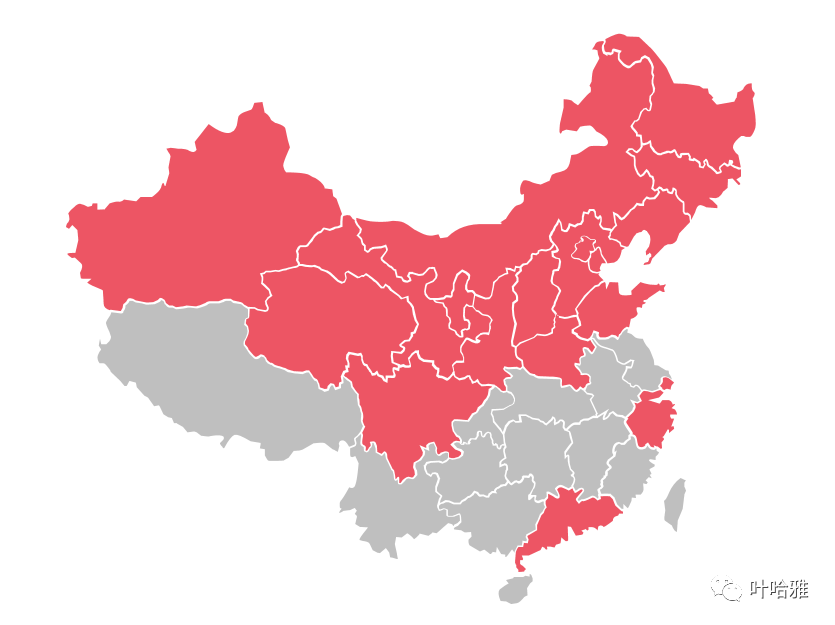
Yahaya’s customer distribution map
This achievement also allowed me to be successfully shortlisted for our company's "Excellent Star Agent Growth Training Camp" in September, which is another step closer to my career goal of becoming a member of the Global Life Insurance Million Dollar Round Table (MDRT).
Looking back at the customers I have met since the epidemic this year, the professional portraits include: doctors, accountants, teachers, civil servants, small and micro business owners, engineers, full-time housewives, etc. Generally speaking, the vast majority are middle-class people who are well-educated and have a certain degree of risk awareness. They have relatives, friends, and colleagues who are doing insurance, but It is for various reasons that they trust me more. I think on the one hand, it is because of the professional nature of insurance brokers that I can comment on insurance companies from an objective standpoint. On the other hand, it is also because of the natural closeness between Muslims and people. I am particularly touched by this. I sincerely hope that everyone is healthy and happy. I will do a good job for you.
In fact, every family has a story when configuring insurance, but one of the experiences impressed me deeply. I want to share it with you. It may be helpful to you who read the article.
This is a client introduced to me by a Han Muslim friend. We have never met before. After adding her on WeChat, I learned that she is the wife of an imam. We are accustomed to calling the imam’s wife the wife of an imam. To protect the privacy of the customer, it is not convenient for me to disclose which mosque the imam is from. The wife of the imam is here I asked some questions on WeChat. It turned out that she had always wanted to buy insurance for her children, but she was not sure whether the insurance complied with the Shariah. In order to avoid suspicion, she has never bought insurance until today. However, she sees the Shuidichiou link in Moments every day and is worried that one day her family will become seriously ill.
I previously posted an article on Takaful Insurance and My Career on the public account, which talked about the relationship between insurance and Shariah, so I forwarded the article to my wife. After reading it, my wife said that her previous doubts had been answered, but she still needed to discuss it with the imam before making a decision.
A few days later, I made an appointment with the imam to meet at the mosque. I thought that we Muslims are really different in how we do things. We can meet at the mosque to discuss business. The mosque environment is quiet and undisturbed, which is refreshing.
The imam was very kind and we hit it off immediately and quickly settled on a home insurance plan. The reason why the imam also approved of insurance is because his father had purchased accident insurance. When he was injured and went to the hospital for treatment, the insurance reimbursed most of the medical expenses. Precisely because I have had the experience of making claims, I don’t need to go to the imam to educate the imam on the basic common sense of insurance.
The imam hopes to insure the whole family with critical illness insurance. He told me that two of his family members had died of cancer at a very early age. He was also worried that another misfortune would happen to other members of the family. He had a meager income and could not afford the high medical expenses. He was unwilling to appear on Shuidichou. After all, begging on the Internet was also begging and was detrimental to the dignity of Muslims.
Everything went smoothly, and we quickly determined the insurance plan. According to the normal process, health information must be provided before applying for insurance. The insurance company needs to ask about past medical history. Some pre-existing conditions cannot be purchased for insurance. If you do not tell the truth, even if you are insured, you will encounter difficulties in making claims in the future. This is why some people think that the insurance will not cover this or that.
The imam brought his physical examination reports over the years, and I looked at the results of the physical examinations in recent years. If scored according to health standards, his health score has been declining year by year. Although the imam himself feels that he is in good health, although it does not constitute a rejection of insurance, he is still on the verge of underwriting and rejecting insurance. At least some insurance products with strict underwriting cannot be selected, so I arranged a critical illness insurance for him that can be intelligently underwritten.
The next step was to insure the master’s wife. Considering that the policy holder was an imam, and the insurance company had an upper limit on personal risk insurance, I suggested that the imam insure the master’s wife with critical illness insurance from another insurance company. After asking, he said that his health was fine, because the master’s wife had not had a physical examination in many years, so the master’s wife also successfully purchased the critical illness insurance.
But after I got home in the afternoon, a problem arose. The imam found the medical records of the teacher's wife many years ago. It clearly stated that the teacher's wife suffered from gastric disease, which was not covered by critical illness insurance. I took the medical records of the teacher's wife to the underwriting specialists of several insurance companies and inquired. The answers were all rejections, and only one joint-venture insurance company agreed to exclude the coverage. So I discussed with the imam that the critical illness insurance I had previously insured for my wife needed to be refunded, because in this case, the insurance company would have reasons to refuse compensation when there was a claim in the future. I didn’t want to see the money the imam had worked so hard to save go to waste.
There was only one joint venture insurance company that agreed to underwrite the insurance. It was a high-end brand in the industry. Although the coverage was comprehensive, the price of the product was beyond the range that the imam could bear. After all, the insurance configuration must be purchased based on the family's income. If the purchase of insurance puts a heavy burden on the family, the meaning of insurance is lost.
In the next few days, we communicated many times, and I deeply felt the imam's love for his wife. The imam said that from his perspective, he wanted to insure his wife this expensive critical illness insurance, but she felt that the cost was too high. If this critical illness was included, the family's premium expenditure would account for half of the annual income.
I also said that the premium was too high, which was a risk. If it didn't work, I would think of other options. Two days later, the imam sent me a WeChat message in the morning. He saw a good medical insurance on Alipay. The health notice did not mention the wife's stomach problem, and the price was relatively cheap. If it was only insured until the age of 70, he thought it was acceptable. I thought it would be fine to buy Alipay, which was better than no insurance at all, so I agreed to the imam to insure it myself.
But I happened to have a colleague nearby, and when he heard me chatting on the phone, he reminded me that Alipay’s Good Medical Insurance health notifications are loose, but the terms of the contract clearly state that pre-existing conditions will not be compensated. Go check how many cases of Good Medical Insurance’s denial of compensation there are now. It was all caused by the customer not reading the terms and conditions when applying for insurance, and blindly applying for insurance. When I checked, it was indeed the case, and I quickly told the imam that even if the wife had purchased a good medical insurance, there was a risk of being denied compensation, so the imam gave up the plan of taking out the insurance.
This was good, the hope that the Imam had finally rekindled was extinguished again. Just when I was at a loss, I received a reply from an insurance company. They could exclude the medical insurance for the teacher’s wife. The premiums were cheaper than good medical insurance, and the coverage was comprehensive. They could guarantee renewal for 6 years, so I immediately gave it to them. The imam sent a message. After reading the product plan, the imam bought the insurance without saying a word. This saved him a lot of money. He thought that it would be good to be insured for six years first, which would give them time to look at their previous illnesses. It would not be too late to buy insurance after their physical and financial conditions improved. I finally breathed a sigh of relief.
This incident has brought me a lot of gains. I realize that as an insurance broker, I can purchase insurance from multiple insurance companies and it is really important to choose the most suitable product for my customers. I don’t need to take the risk of customers being rejected for insurance and deceive customers into purchasing insurance from a certain company despite their illness. My professional ethics is to ensure that customers can successfully obtain claims for the insurance they purchase from me.
Let’s just say that. Sometimes I feel that my career is like an angel. There are many things I can do. I can bring security to thousands of households and alleviate sufferings, and at the same time I gain a sense of satisfaction. It is also the predestined relationship that allowed us to establish a connection and let you know me. I believe I will continue to persevere, Yinsha Allah.
Muslim Travel Guide: Xi'an Mawlid 2025 Part 1 — Spring Festival and Hui Traditions
Articles • ali2007fr posted the article • 0 comments • 136 views • 2026-05-20 00:57
Summary: Xi'an during the 2025 Spring Festival became the setting for a Mawlid gathering shaped by Hui Muslim community life, food, streets, and religious tradition. This first part keeps the original route, photographs, names, and observations from the Chinese travel account.
In 2024, I experienced the strong atmosphere of Ramadan in Xi'an. See my post, 'Experiencing the Ramadan Atmosphere in Xi'an'. I returned to Xi'an for the 2025 Spring Festival to experience the atmosphere of the Prophet's Birthday, and I gained a lot.
The Prophet's Birthday is also called the 'Holy Gathering' or 'Holy Birth,' and it is an annual event to commemorate the noble Prophet. Commemorating the noble Prophet dates back to the time of the followers of the Prophet's companions (Tabi'un), when people gathered to recite poems about him. Large-scale commemorative events can be traced back to the Fatimid Caliphate in Egypt during the 12th century. Egyptian historian Maqrizi recorded a Prophet's Birthday celebration held at the Fatimid court in 1122, which was attended by scholars and representatives of religious institutions. The event included listening to sermons (wa'z), distributing candy and honey, and giving out zakat.
In 1207, Gökböri, the brother-in-law of Saladin and a hero who fought against the Crusades, made the Prophet's Birthday a public holiday for the first time. He held grand celebrations that helped spread the tradition to other regions. The Ottoman Empire made the Prophet's Birthday a legal holiday in 1588, calling it Mevlid Kandili. Kandili means 'oil lamp.' On this night, the minarets of mosques across the Ottoman Empire were lit up, symbolizing the light of the noble Prophet guiding the way for Muslims. Today, mosques in former Ottoman regions like Turkey and the Balkans still decorate with Mahya lights between two minarets during the holiday, arranging the lights into words of dua and blessings.
Today, 39 countries around the world recognize the Prophet's Birthday as a national public holiday. Each region has different ways of celebrating, but most include decorating homes and mosques, giving zakat, telling stories of the noble Prophet's life, and reciting poetry. In Pakistan, 21-gun salutes are fired in all provincial capitals on the day of the Prophet's Birthday. In Yemen, people wear green clothes and hang green decorations all over their houses. In Java, Indonesia, there is a lively week-long market, and the Sultan of Yogyakarta holds a grand royal parade.
In China, various regions also hold Prophet's Birthday celebrations, but the timing varies. Most celebrations take place in the third month of the Islamic calendar, which is said to be the month the noble Prophet was born. However, some regions hold them on other dates. For example, the Sichuan region usually chooses the autumn or winter, while a unique feature of the Xi'an Prophet's Birthday is that it is held during the Spring Festival.
Every year around the twelfth lunar month, the Gedimu mosques in Xi'an post notices for the Prophet's Birthday. Each mosque takes one day, scheduled from New Year's Eve until after the Lantern Festival, making it a very lively time. During the New Year, Xi'an is full of festive spirit, with non-Muslim traditions like offering sacrifices to the kitchen god, staying up on New Year's Eve, honoring ancestors, and welcoming the God of Wealth. To keep their faith (imani) fresh and build a firewall for their beliefs during this time, Hui Muslims in Xi'an choose to hold Prophet's Birthday events seamlessly during this period, which is a sign of wisdom.
According to tradition, the first Prophet's Birthday event of the year is held at the Small Mosque on Guangji Street. The praise of the Prophet (Zansheng) begins at the Digele mosque the day before New Year's Eve, marking the start of the Mawlid celebrations in Xi'an.
The famous Thirteen Quarters Praise Group (Shisanfang Zansheng Tuan) from Xi'an performs the Zansheng. Xi'an's Hui Muslim quarter preserves over thirty Zansheng poems. Among them, the Mawlid is a special chant recited during the Mawlid festival that tells the life story of the noble Prophet. The Muhaimaisi, originally called Qasida al-Burda, means Song of the Cloak. It consists of 160 five-line poems and is the most famous Zansheng poetry, widely spread across North Africa, Central Asia, and China. The Maidaiyihai, also translated as Praise Chapters, is a collection of Zansheng writings dedicated to commemorating the noble Prophet.
After the Zansheng ended, I ate cumin lamb, stir-fried lamb liver, lotus root slices with meat, and steamed eggs.
On the morning of January 28, the 29th day of the twelfth lunar month, the Small Mosque on Beiguangji Street officially began its Mawlid activities. Director Jia is 82 years old, yet he still organizes the mosque's activities with great energy, which is truly admirable. First, the imams from various quarters open and conclude the scripture reading, then the Thirteen Quarters Praise Group performs the Zansheng, followed by a speech from the local imam, and finally, oil porridge (youfan) is served. Oil porridge (youfan) is a special food served in Xi'an's Hui Muslim quarter only during festivals. It is a porridge made from beef and mutton bone broth, mixed with minced beef, Sichuan peppercorns, and salt. It tastes salty and numbing, making it very warming in winter. After drinking the oil porridge, a guest imam gives a sermon (wa'ez) and leads the great praise (dazan), and then the feast begins.
I ate a scripture hall feast (jingtang xi) consisting of braised chicken, braised fish, crispy fried meat (xiaosurou), mixed vegetable meatballs, sweet rice, braised oxtail, and yam stewed with meat.
On the afternoon of January 28, after the Digele prayer, I went to the South City Mosque (Nancheng Si) to attend the Zansheng. I ate lentil noodle flags (biandou mianqizi), potato slices, braised eggplant, cumin lamb, and stir-fried lamb liver.
The South City Mosque was built in 1683 (the 22nd year of the Kangxi reign). It was originally built to serve the Muslim officers, soldiers, and their families stationed in the Han Eight Banners in the south of Xi'an. As early as 1645 (the second year of the Shunzhi reign), the Qing Dynasty established a Manchu Eight Banners garrison city in the east of Xi'an. In 1683, after the Qing Dynasty quelled the Revolt of the Three Feudatories, they built a Han Eight Banners garrison city in the southeast of Xi'an to strengthen military power, which was called the South City. In 1780 (the 45th year of the Qianlong reign), the South City garrison was abolished. The Han Eight Banners officers and soldiers became civilians and were transferred to the Green Standard Army, and the South City Mosque officially became a mosque for all local Muslims.
During the Tongzhi reign, when Xi'an was under siege, the South City Mosque played a special role. At that time, the Hui Muslims in Xi'an could not leave the city for eighteen years, so when they passed away, they were carried to the South City Mosque for burial. People say there was not enough burial shroud (kafan) at the time, so paper had to be used instead. This led to a folk song: Carried all the way to the South City, buried regardless of whether they were rich or poor. Whatever food they ate while alive, they were wrapped in paper when they died.
On the morning of January 29, the first day of the Lunar New Year, I attended the Mawlid at the South City Mosque, which included scripture reading, drinking oil porridge, a sermon, and Zansheng. Imams from various Yihewani and Sailafiye mosques in Xi'an also came to read the scriptures, showing the unity of the Xi'an Muslim community.
At the South City Mosque, I ate potato stewed with meat, braised chicken, braised fish, water-basin meat (shuapen rou), mixed vegetable meatballs, and sweet rice platter (tianpanzi), all of which are classic Hui Muslim banquet dishes.
On January 29, the first day of the Lunar New Year, Digelehou attended the praise of the Prophet (Zansheng) at the Ancient Mosque (Gusi) on Sajinqiao Street in Xi'an. The Ancient Mosque on Sajinqiao was first built during the Kangxi period of the Qing Dynasty. It was originally called Tielufang Mosque and is commonly known as the North Mosque. In 1926, members of the Ikhwan sect in the Sajinqiao area raised funds to build the Sajinqiao West Mosque, and the original Sajinqiao Mosque became known as the Ancient Mosque or Old Mosque. After reopening in 1985, the Ancient Mosque was rebuilt as a modern structure, and the calligraphy inside the main prayer hall is a major highlight.
On January 30, the second day of the Lunar New Year, I celebrated the Prophet's birthday (Shengji) at the Ancient Mosque. The main gate of the Ancient Mosque only opens wide during festivals, and inside the gate stands an ancient locust tree nearly 200 years old. In the mosque courtyard, they cooked a large pot of oily rice (youfan), which was fragrant and spicy, warming me up completely after I finished a bowl.
At the entrance of the Ancient Mosque, I tasted stewed beef tendon, meatball stew (wanzi huicai), braised meat (huangmenrou), lamb offal soup (yangzaguo), stewed pork with yam, stewed oxtail, and sweet rice platter (tianpanzi). I love oxtail so much; it was very tender and fell right off the bone.
On the afternoon of January 30, the second day of the Lunar New Year, Digelehou attended the praise of the Prophet at the Great Mosque on Huajue Lane in Xi'an. I tasted stir-fried cabbage, celery with dried tofu, cumin lamb, stir-fried meat (xiaochao rou). In Xi'an, the Prophet's birthday celebrations usually involve eating stir-fried dishes after the praise of the Prophet, and stewed dishes the next day.
On the morning of January 31, the third day of the Lunar New Year, I attended the Prophet's birthday celebration at the Great Mosque on Huajue Lane. People from various Xi'an mosque communities, including Gedimu, Ikhwan, and Salafiyya, all came to participate. They also invited an imam from the North Mosque in Pingliang to give a sermon (wa'iz). I tasted stewed potatoes with meat, stir-stir-fried meat with yellow chives, braised hairtail, stir-stir-fried meat with asparagus lettuce, lamb offal soup, sliced meat, meatball stew, and crispy stir-fried meat (xiaosuru), finishing with a sweet soup.
Stepping into the Great Mosque on Huajue Lane feels like time has frozen; one step takes you deep into history.
The details of the mihrab in the Great Mosque on Huajue Lane show a very exquisite Ming Dynasty mihrab. It has high artistic value and is a fusion of Persian and traditional Chinese styles. It is hard to find this style of mihrab in the Qing Dynasty.
Details of the wood carvings in the prayer hall of the Great Mosque on Huajue Lane. This time, I noticed that the Great Mosque on Huajue Lane installed a surveillance screen at the entrance of the main hall, allowing visitors to see inside. I think this is a welcome improvement. view all
Summary: Xi'an during the 2025 Spring Festival became the setting for a Mawlid gathering shaped by Hui Muslim community life, food, streets, and religious tradition. This first part keeps the original route, photographs, names, and observations from the Chinese travel account.
In 2024, I experienced the strong atmosphere of Ramadan in Xi'an. See my post, 'Experiencing the Ramadan Atmosphere in Xi'an'. I returned to Xi'an for the 2025 Spring Festival to experience the atmosphere of the Prophet's Birthday, and I gained a lot.
The Prophet's Birthday is also called the 'Holy Gathering' or 'Holy Birth,' and it is an annual event to commemorate the noble Prophet. Commemorating the noble Prophet dates back to the time of the followers of the Prophet's companions (Tabi'un), when people gathered to recite poems about him. Large-scale commemorative events can be traced back to the Fatimid Caliphate in Egypt during the 12th century. Egyptian historian Maqrizi recorded a Prophet's Birthday celebration held at the Fatimid court in 1122, which was attended by scholars and representatives of religious institutions. The event included listening to sermons (wa'z), distributing candy and honey, and giving out zakat.
In 1207, Gökböri, the brother-in-law of Saladin and a hero who fought against the Crusades, made the Prophet's Birthday a public holiday for the first time. He held grand celebrations that helped spread the tradition to other regions. The Ottoman Empire made the Prophet's Birthday a legal holiday in 1588, calling it Mevlid Kandili. Kandili means 'oil lamp.' On this night, the minarets of mosques across the Ottoman Empire were lit up, symbolizing the light of the noble Prophet guiding the way for Muslims. Today, mosques in former Ottoman regions like Turkey and the Balkans still decorate with Mahya lights between two minarets during the holiday, arranging the lights into words of dua and blessings.
Today, 39 countries around the world recognize the Prophet's Birthday as a national public holiday. Each region has different ways of celebrating, but most include decorating homes and mosques, giving zakat, telling stories of the noble Prophet's life, and reciting poetry. In Pakistan, 21-gun salutes are fired in all provincial capitals on the day of the Prophet's Birthday. In Yemen, people wear green clothes and hang green decorations all over their houses. In Java, Indonesia, there is a lively week-long market, and the Sultan of Yogyakarta holds a grand royal parade.
In China, various regions also hold Prophet's Birthday celebrations, but the timing varies. Most celebrations take place in the third month of the Islamic calendar, which is said to be the month the noble Prophet was born. However, some regions hold them on other dates. For example, the Sichuan region usually chooses the autumn or winter, while a unique feature of the Xi'an Prophet's Birthday is that it is held during the Spring Festival.
Every year around the twelfth lunar month, the Gedimu mosques in Xi'an post notices for the Prophet's Birthday. Each mosque takes one day, scheduled from New Year's Eve until after the Lantern Festival, making it a very lively time. During the New Year, Xi'an is full of festive spirit, with non-Muslim traditions like offering sacrifices to the kitchen god, staying up on New Year's Eve, honoring ancestors, and welcoming the God of Wealth. To keep their faith (imani) fresh and build a firewall for their beliefs during this time, Hui Muslims in Xi'an choose to hold Prophet's Birthday events seamlessly during this period, which is a sign of wisdom.
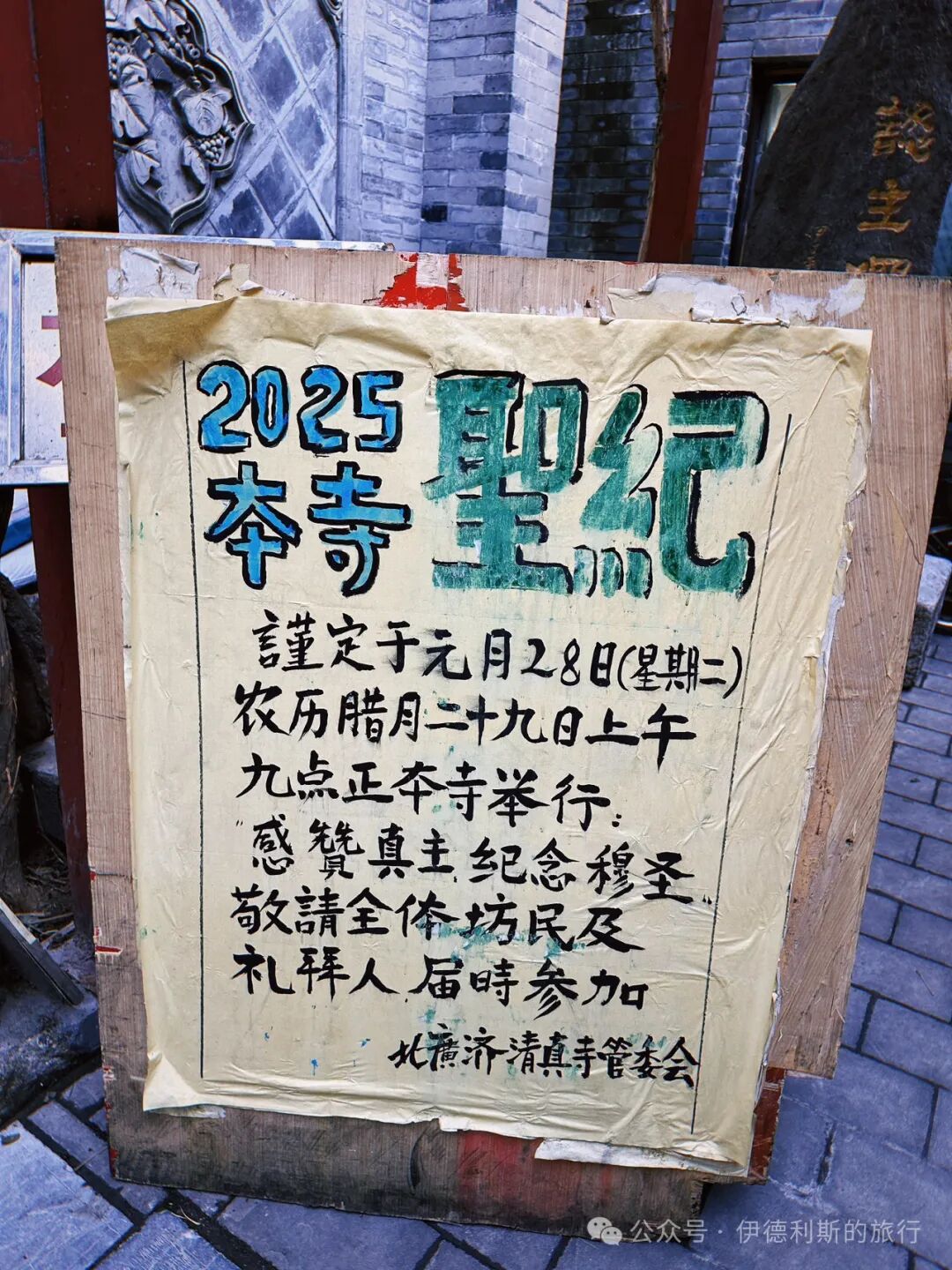
According to tradition, the first Prophet's Birthday event of the year is held at the Small Mosque on Guangji Street. The praise of the Prophet (Zansheng) begins at the Digele mosque the day before New Year's Eve, marking the start of the Mawlid celebrations in Xi'an.
The famous Thirteen Quarters Praise Group (Shisanfang Zansheng Tuan) from Xi'an performs the Zansheng. Xi'an's Hui Muslim quarter preserves over thirty Zansheng poems. Among them, the Mawlid is a special chant recited during the Mawlid festival that tells the life story of the noble Prophet. The Muhaimaisi, originally called Qasida al-Burda, means Song of the Cloak. It consists of 160 five-line poems and is the most famous Zansheng poetry, widely spread across North Africa, Central Asia, and China. The Maidaiyihai, also translated as Praise Chapters, is a collection of Zansheng writings dedicated to commemorating the noble Prophet.
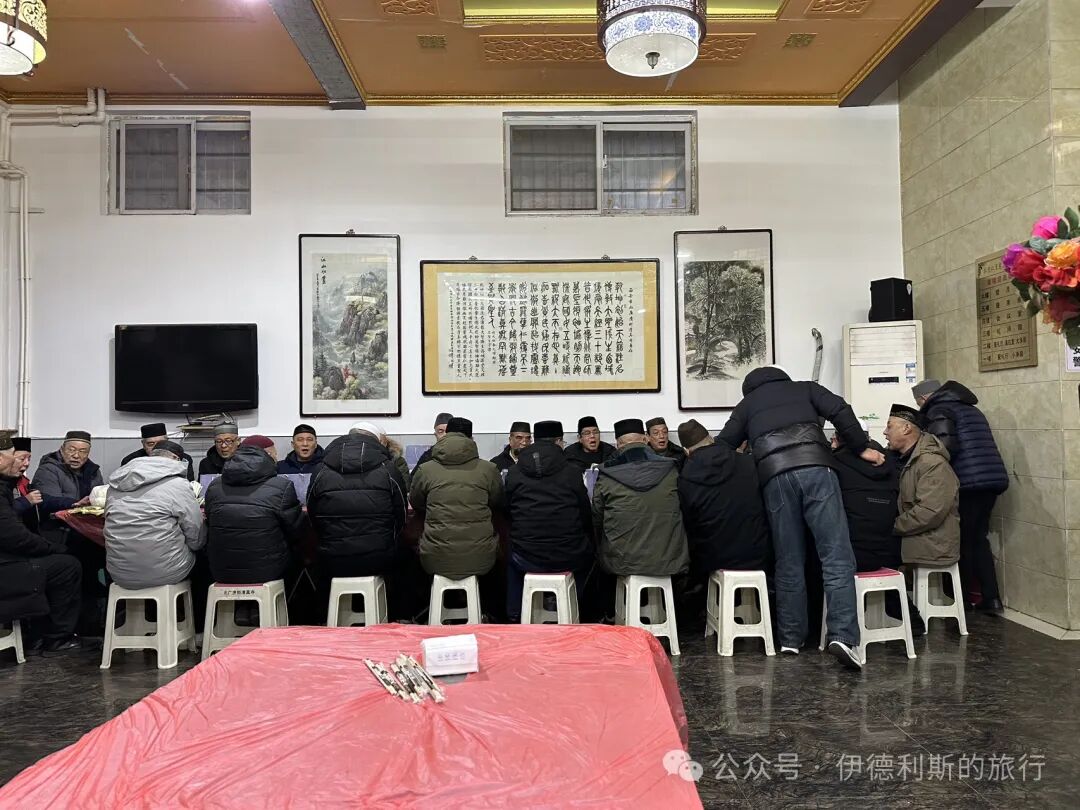
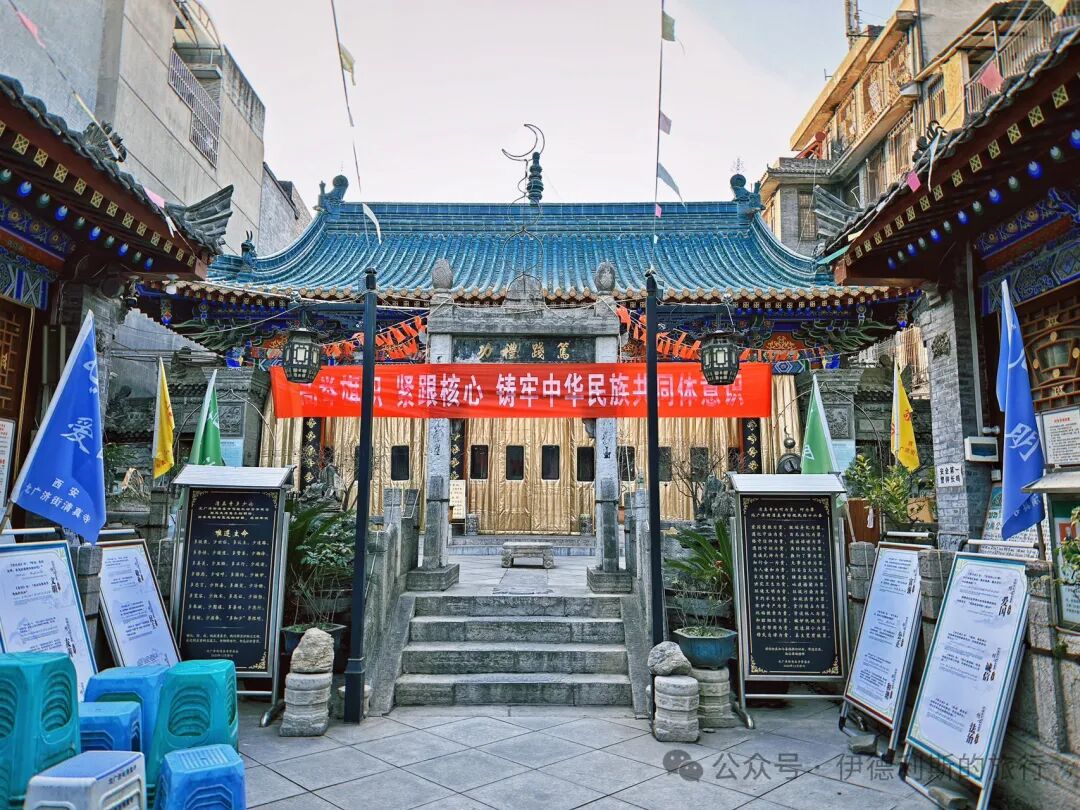
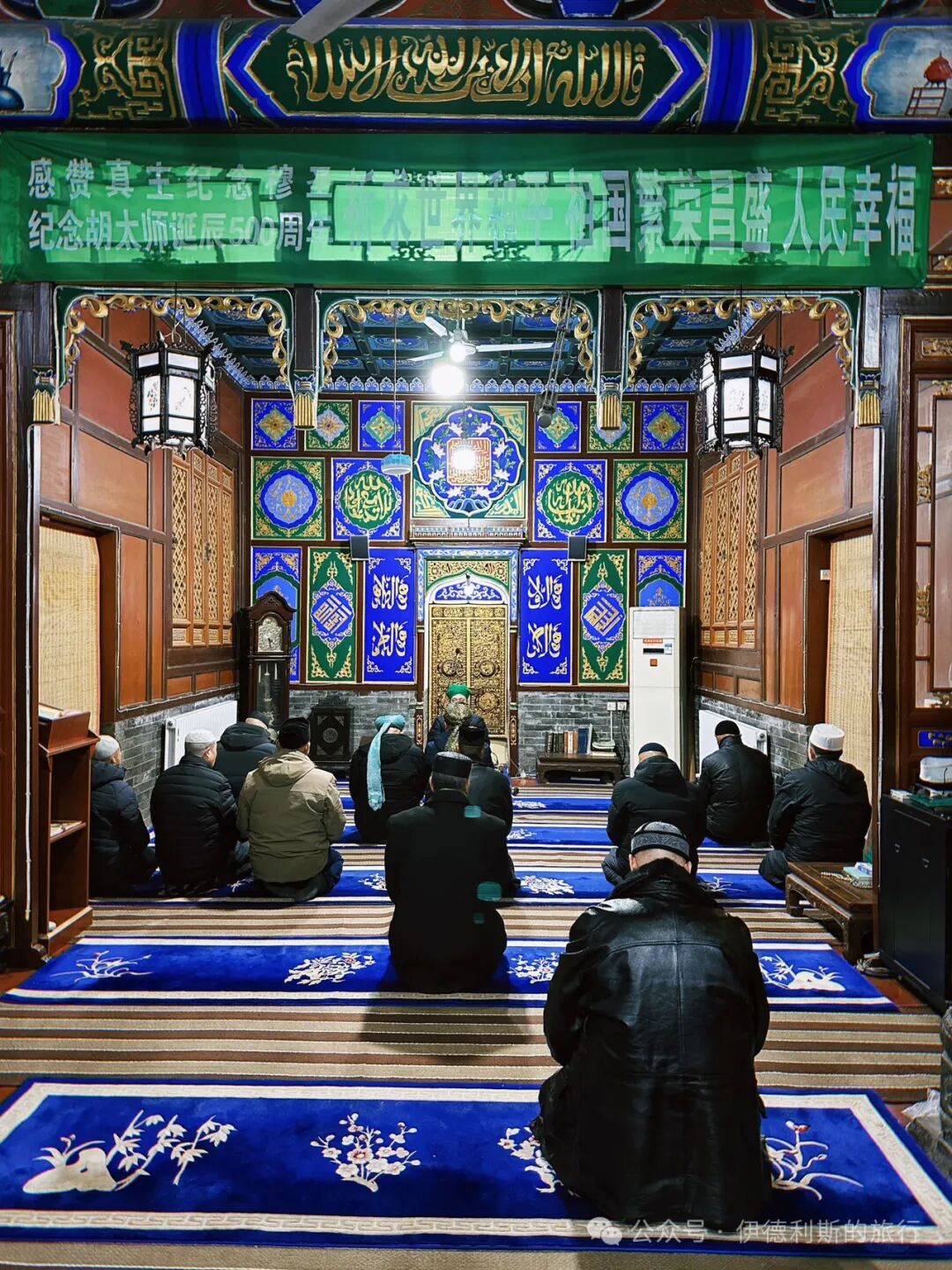
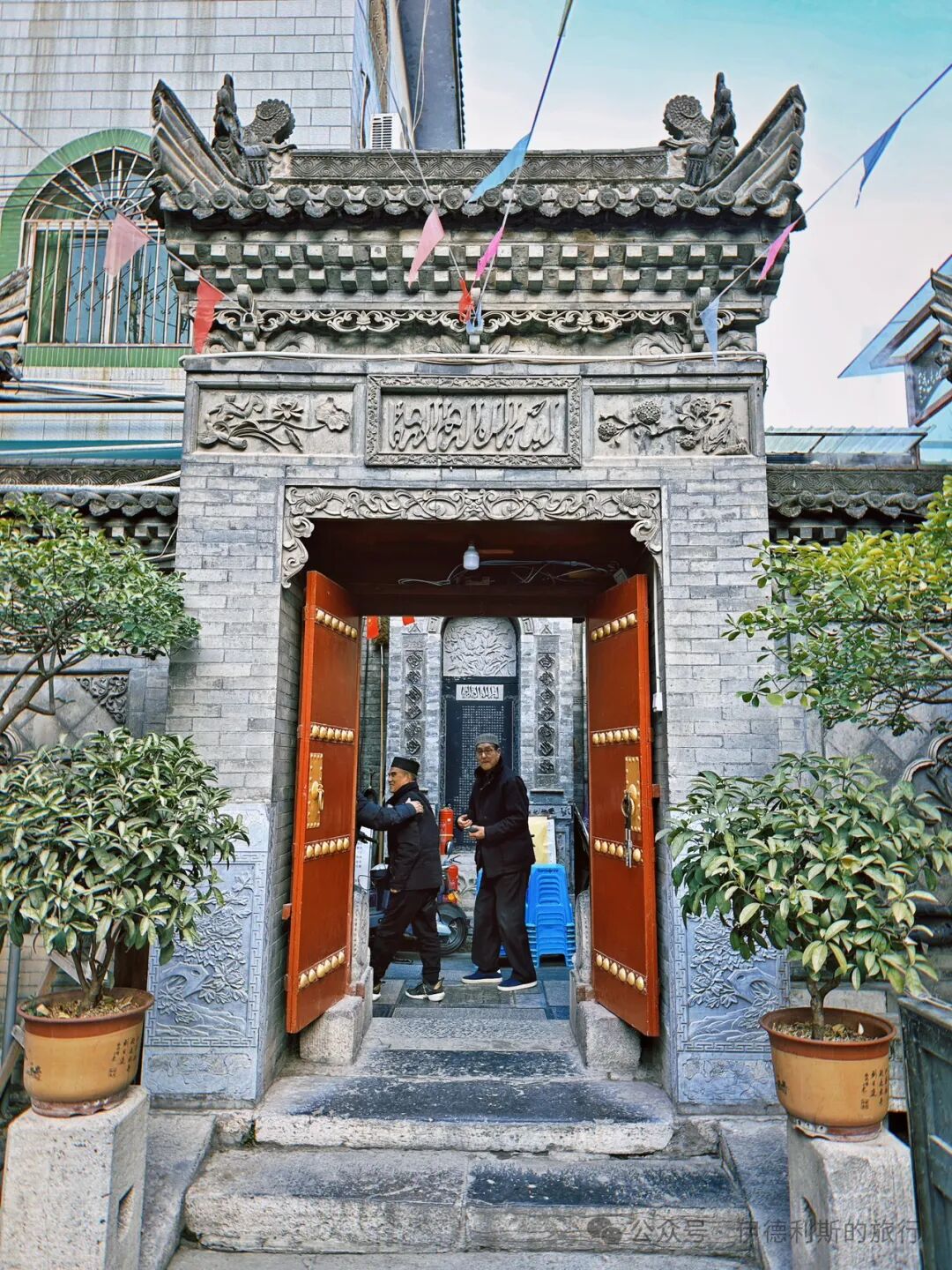
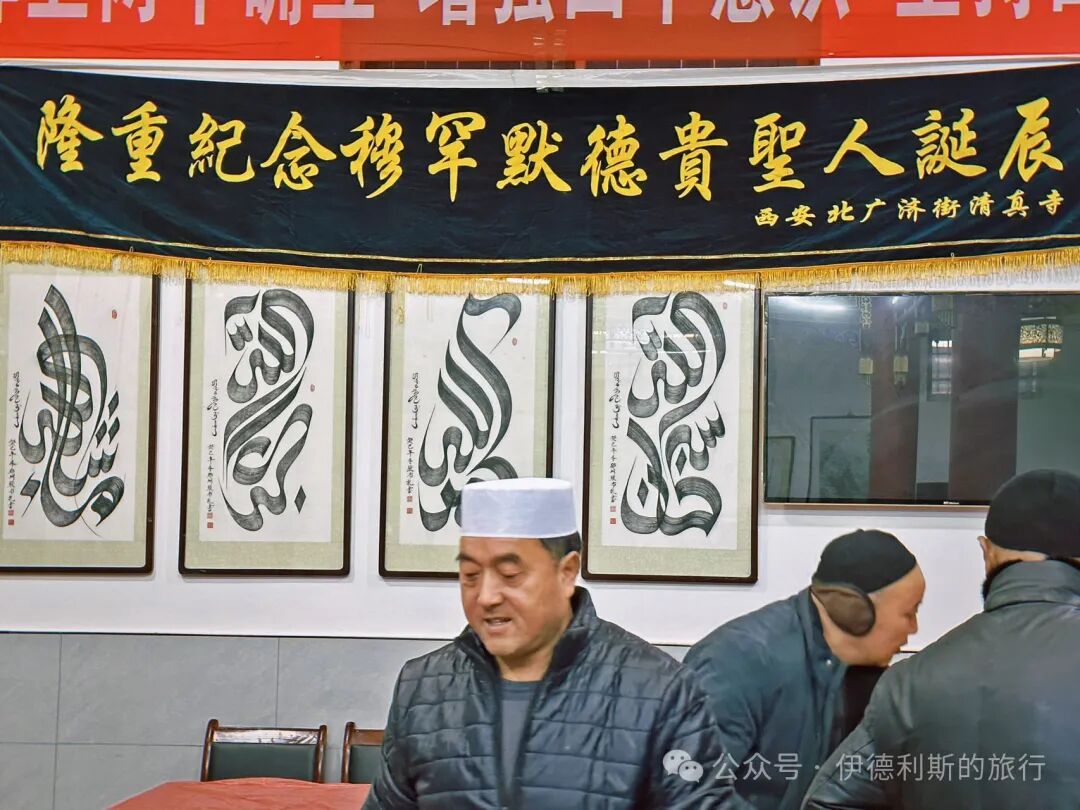
After the Zansheng ended, I ate cumin lamb, stir-fried lamb liver, lotus root slices with meat, and steamed eggs.
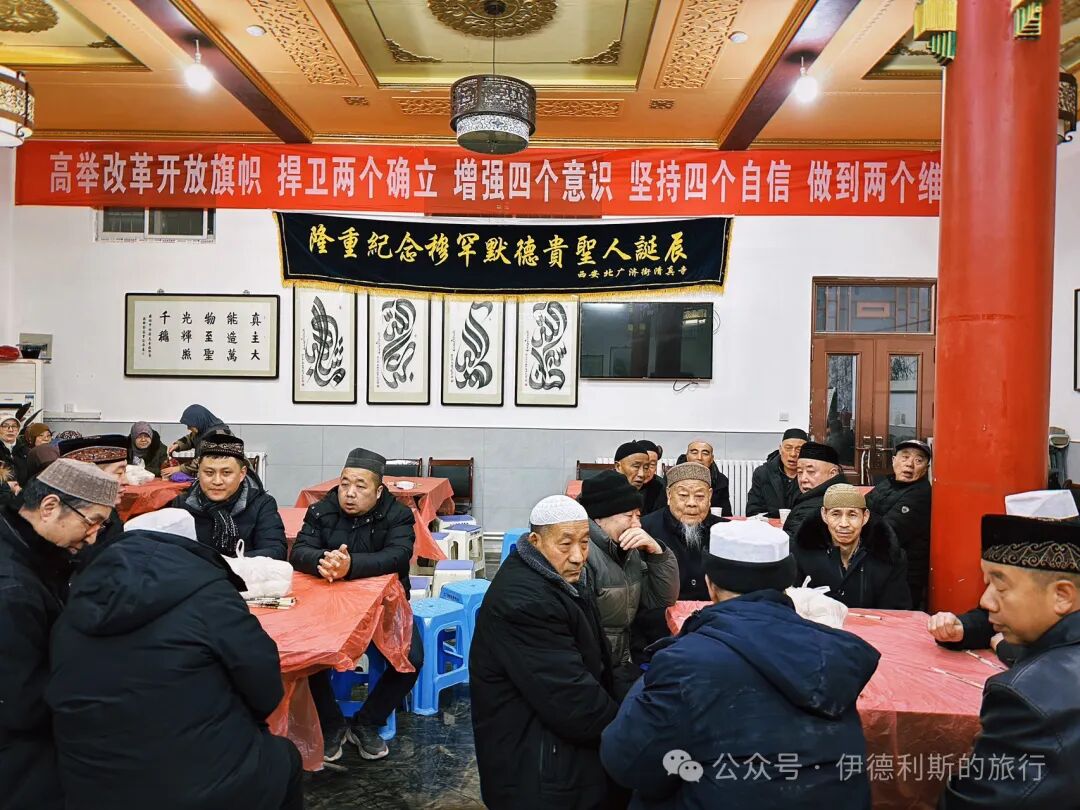
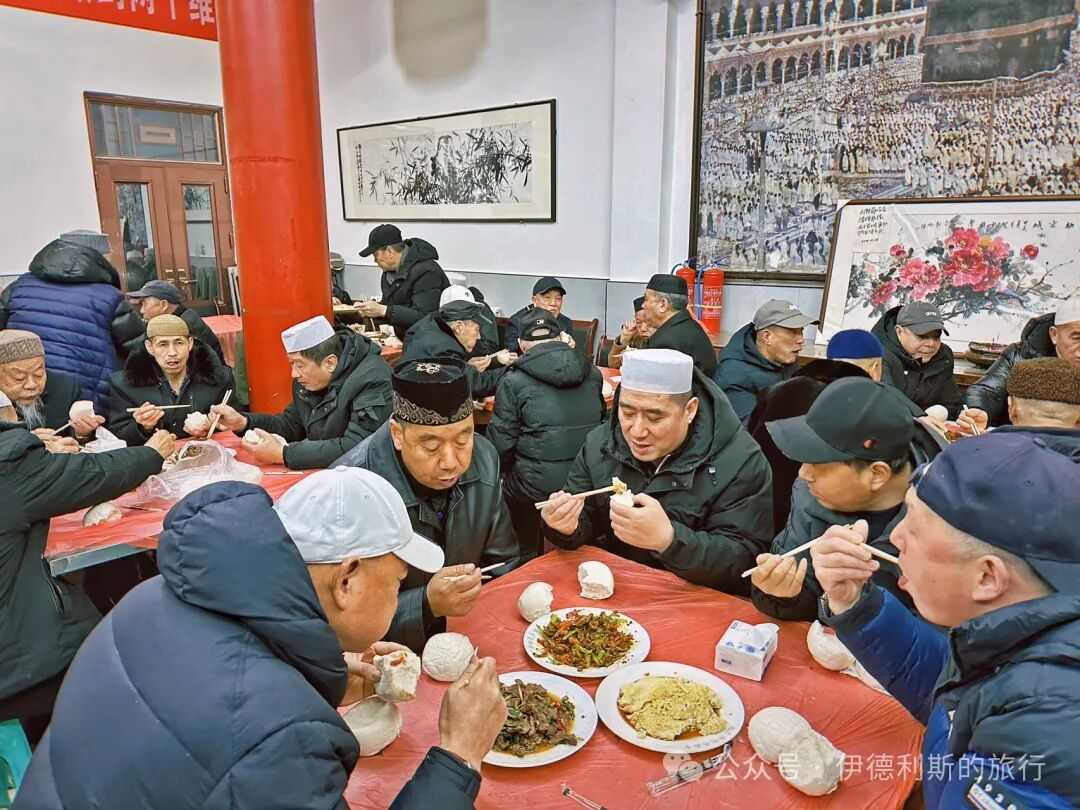
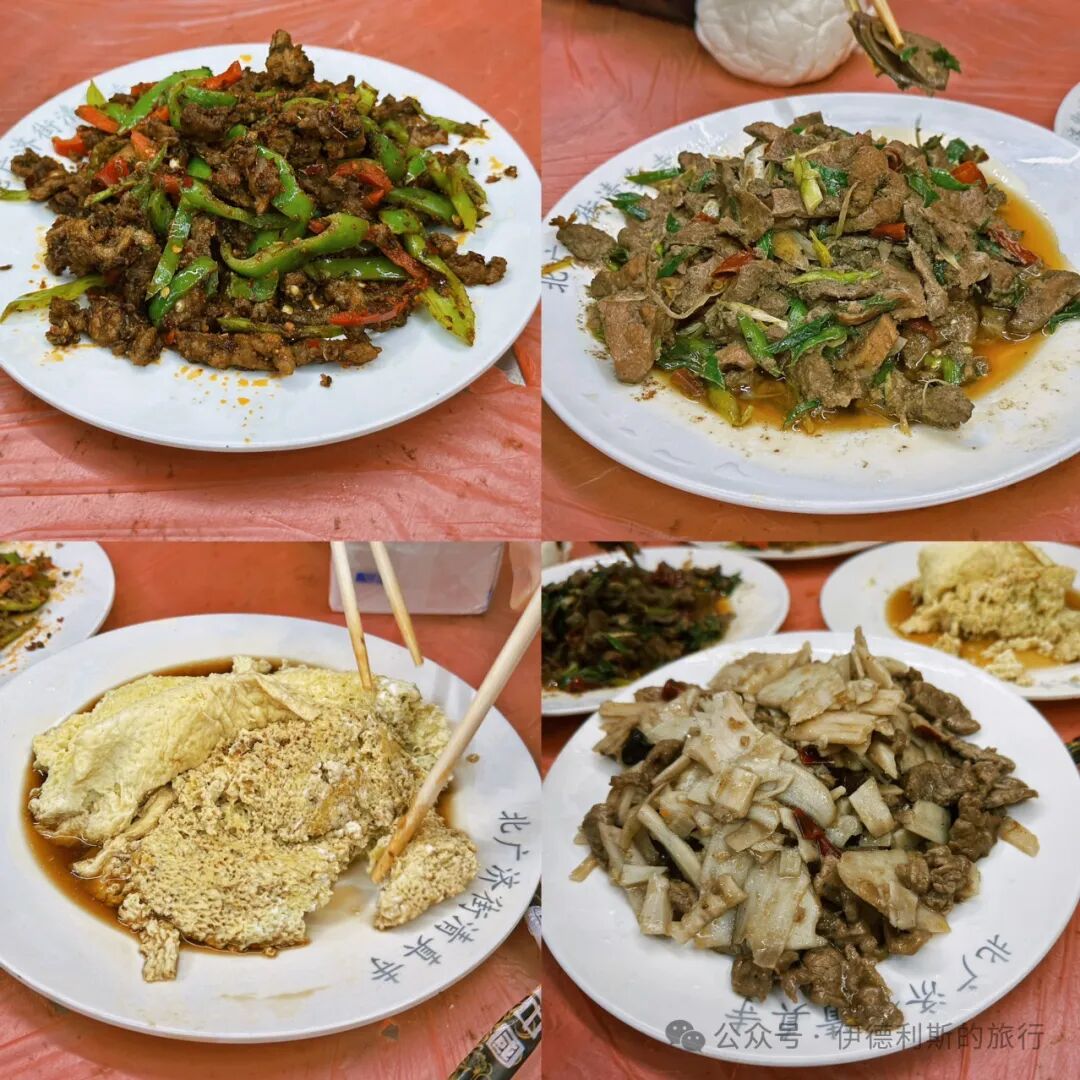
On the morning of January 28, the 29th day of the twelfth lunar month, the Small Mosque on Beiguangji Street officially began its Mawlid activities. Director Jia is 82 years old, yet he still organizes the mosque's activities with great energy, which is truly admirable. First, the imams from various quarters open and conclude the scripture reading, then the Thirteen Quarters Praise Group performs the Zansheng, followed by a speech from the local imam, and finally, oil porridge (youfan) is served. Oil porridge (youfan) is a special food served in Xi'an's Hui Muslim quarter only during festivals. It is a porridge made from beef and mutton bone broth, mixed with minced beef, Sichuan peppercorns, and salt. It tastes salty and numbing, making it very warming in winter. After drinking the oil porridge, a guest imam gives a sermon (wa'ez) and leads the great praise (dazan), and then the feast begins.
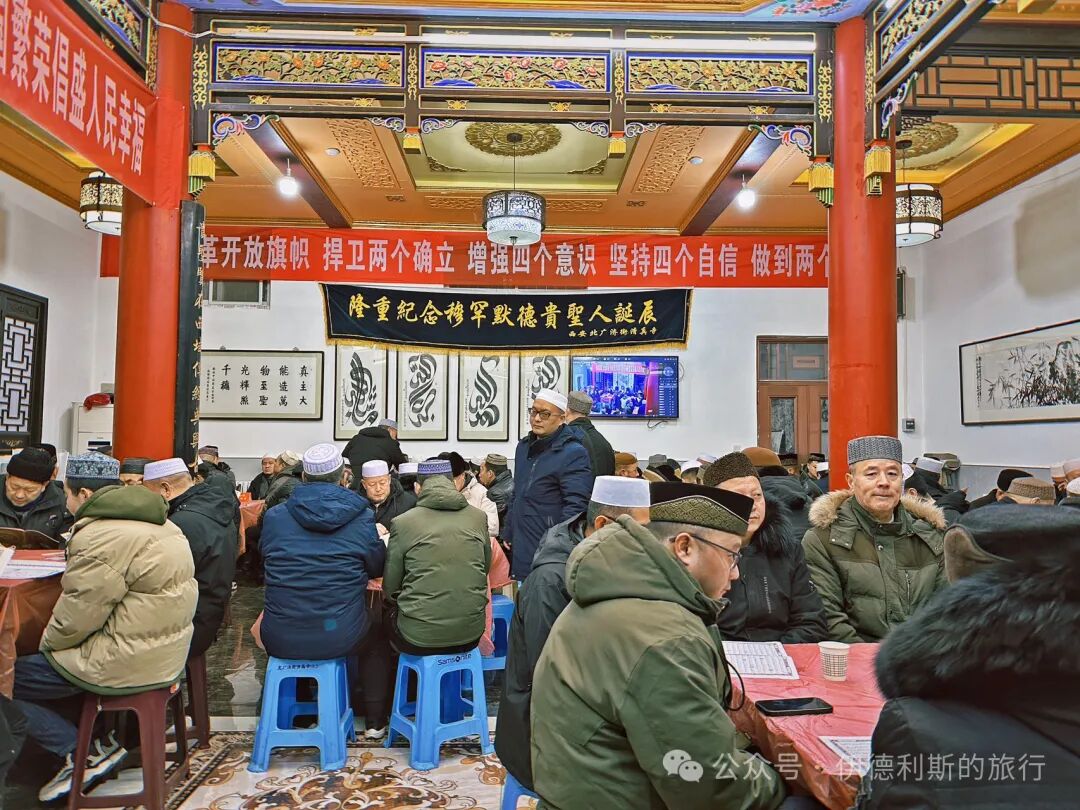
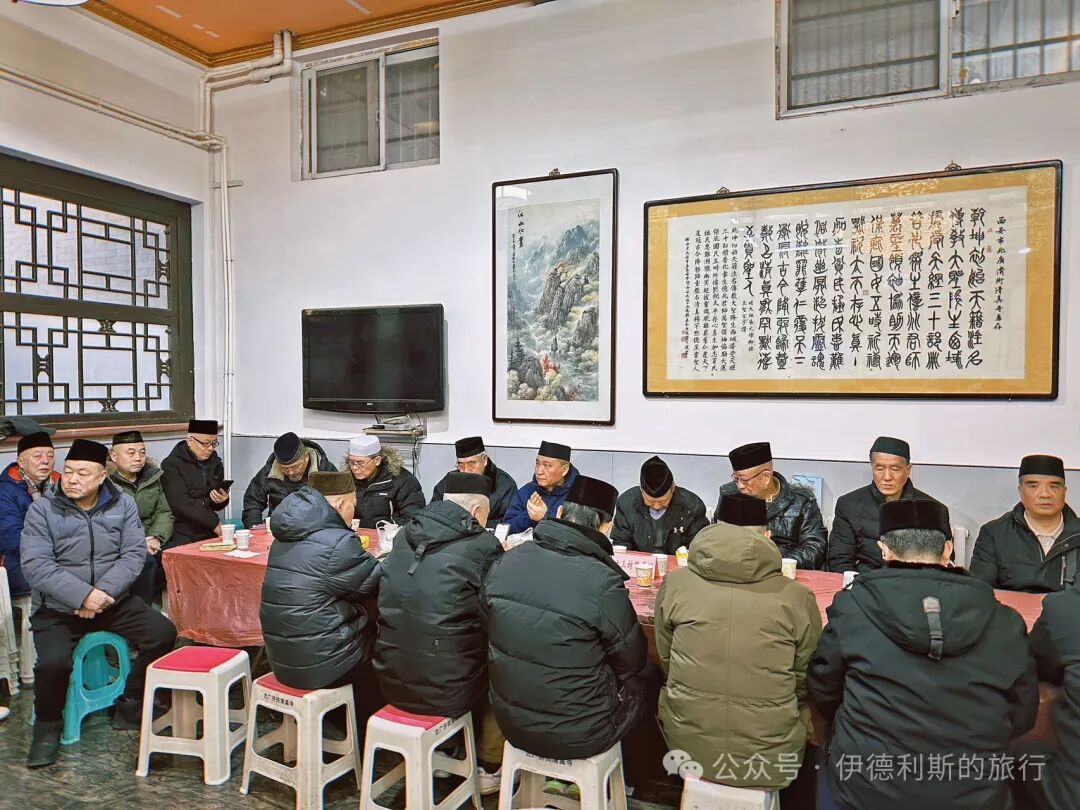
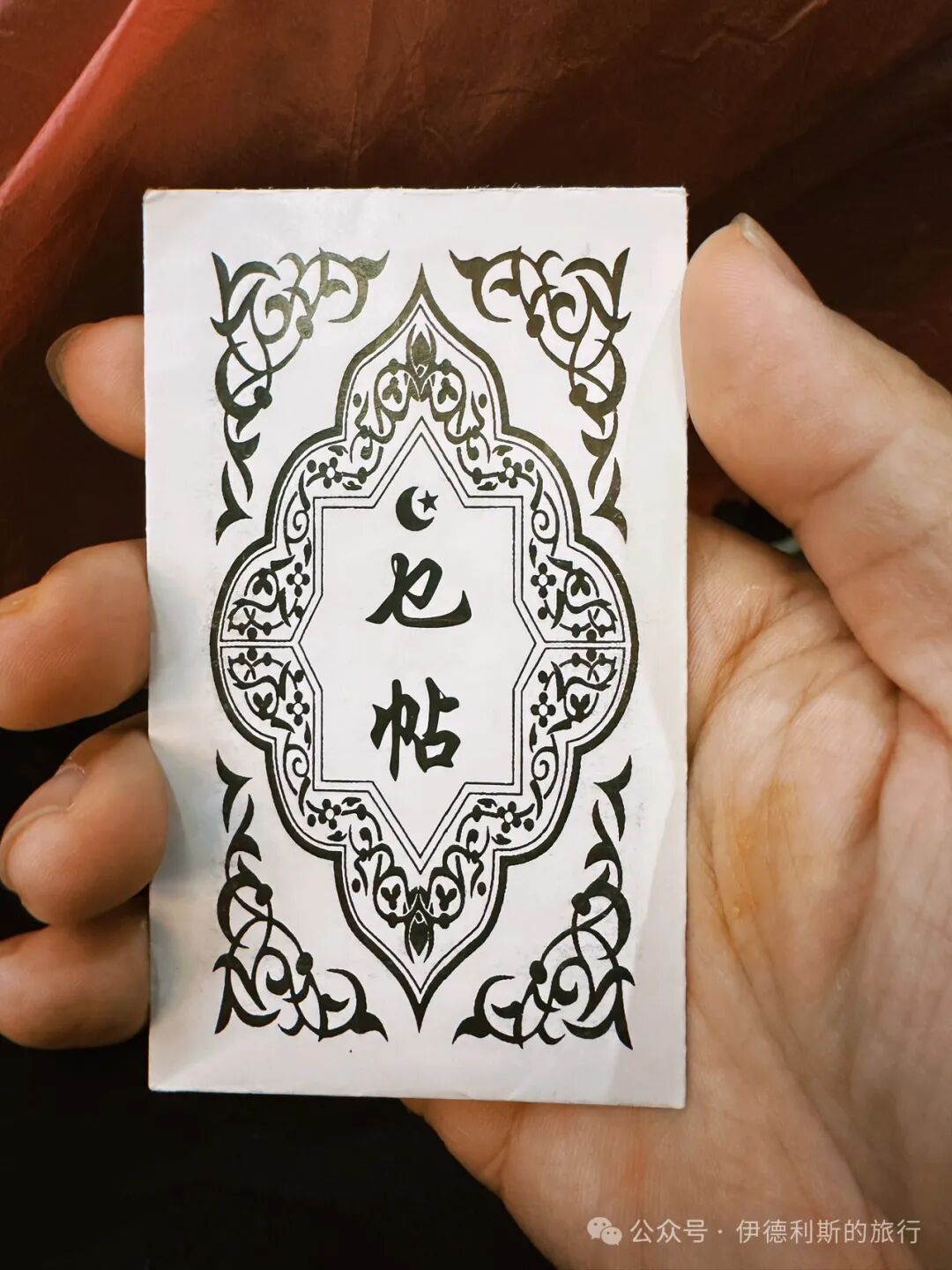
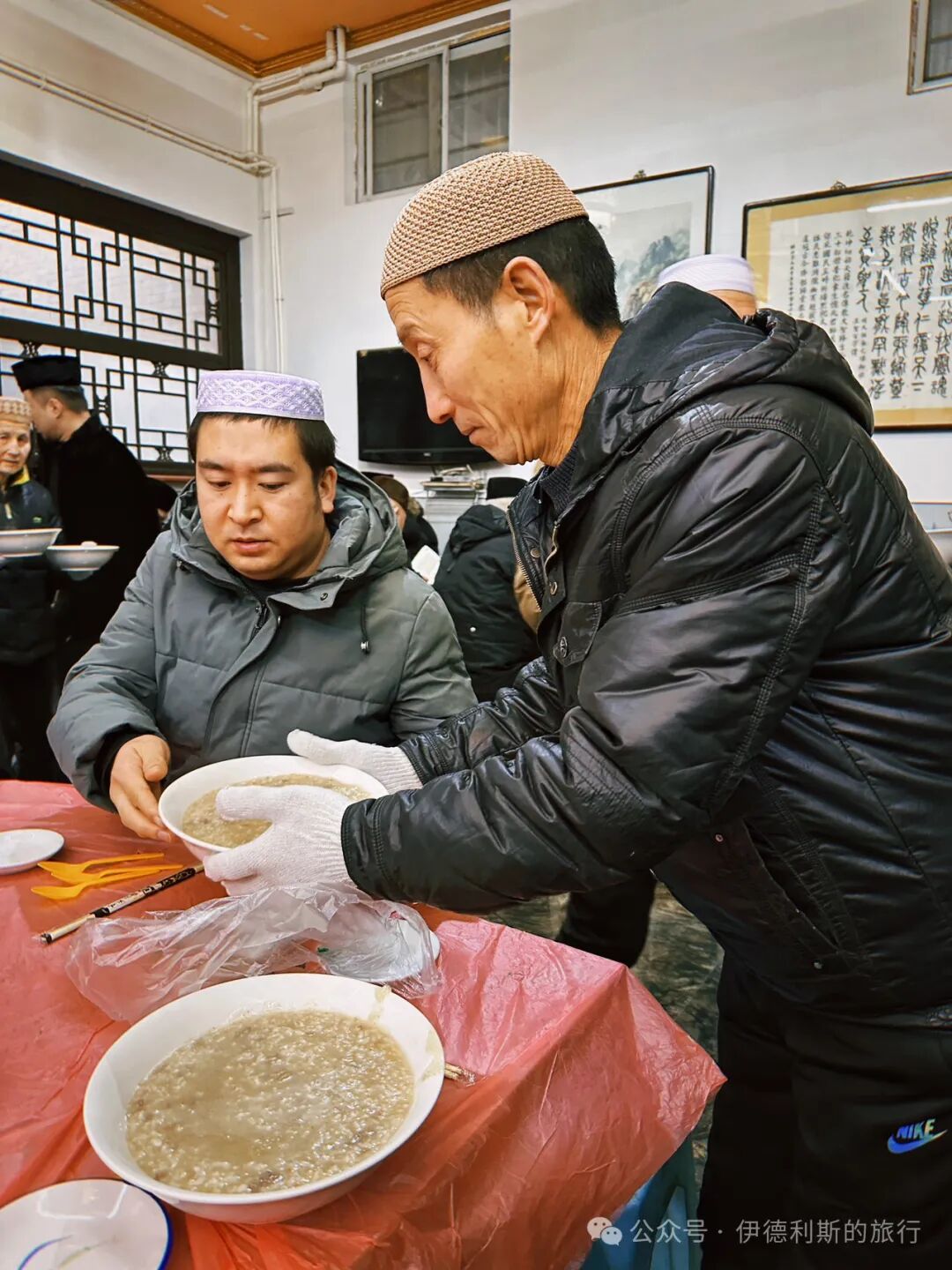
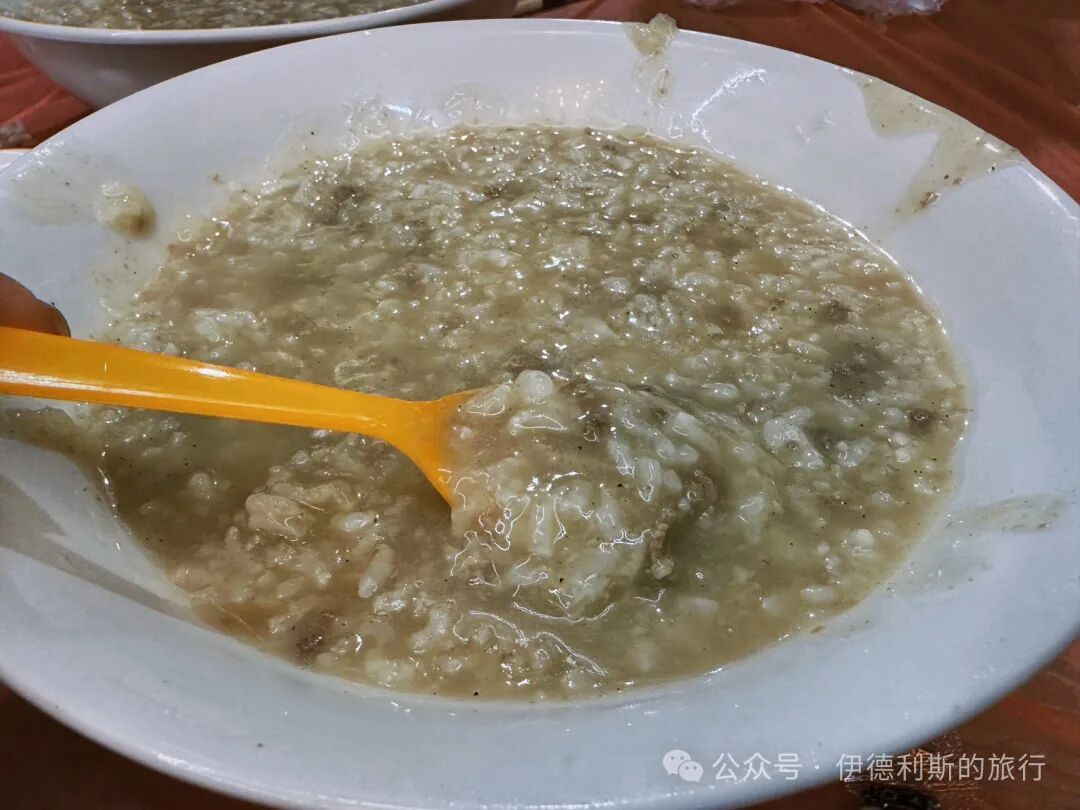
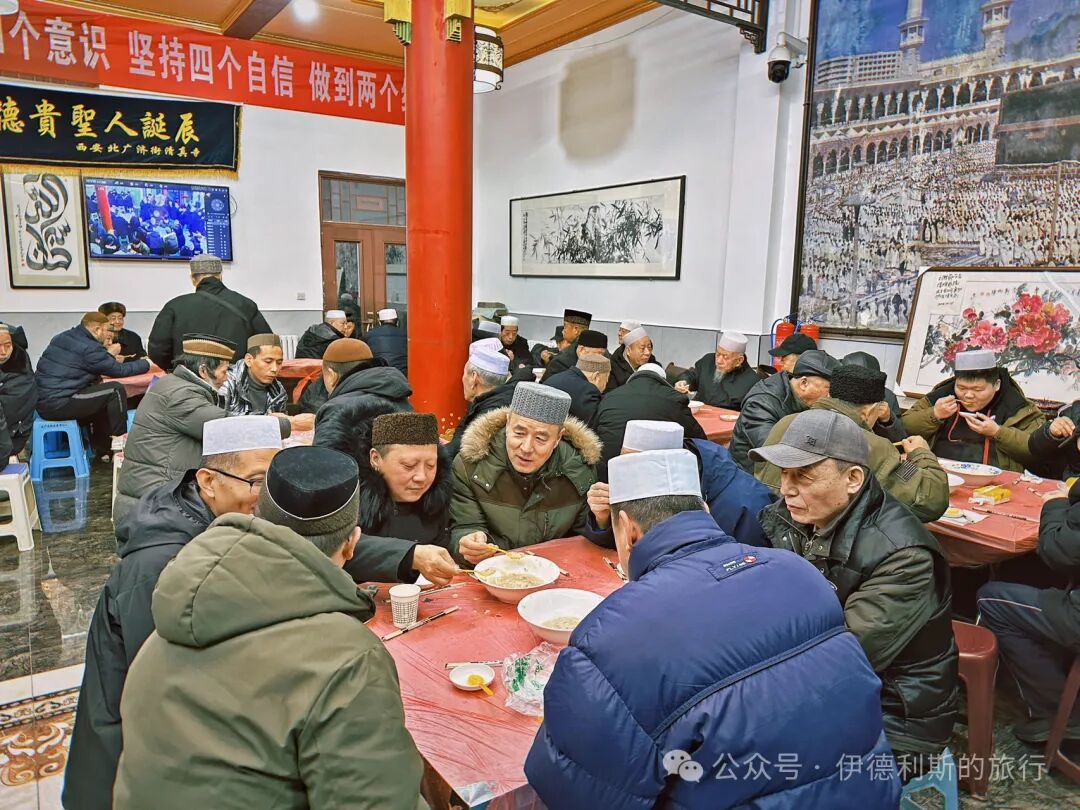
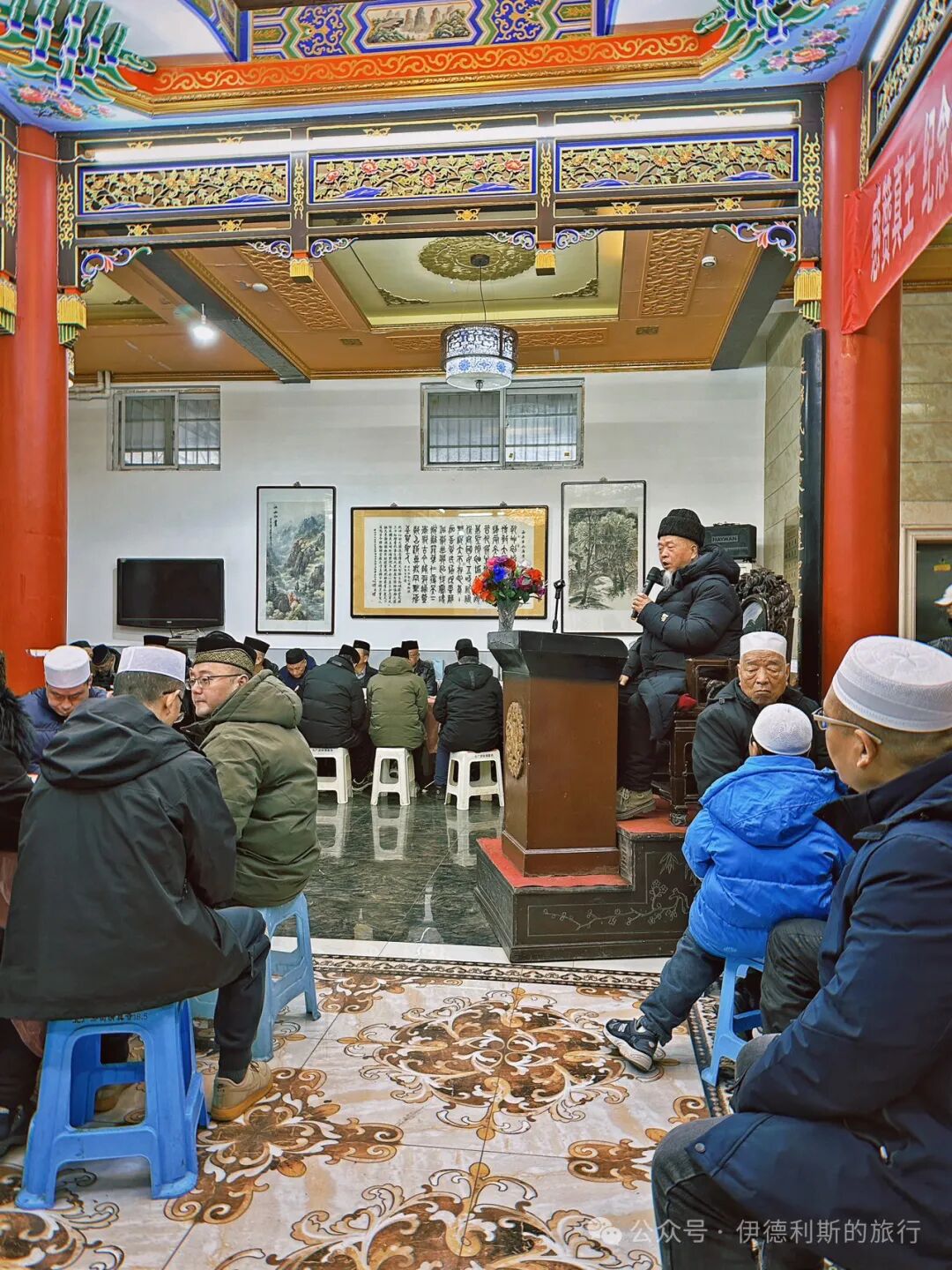
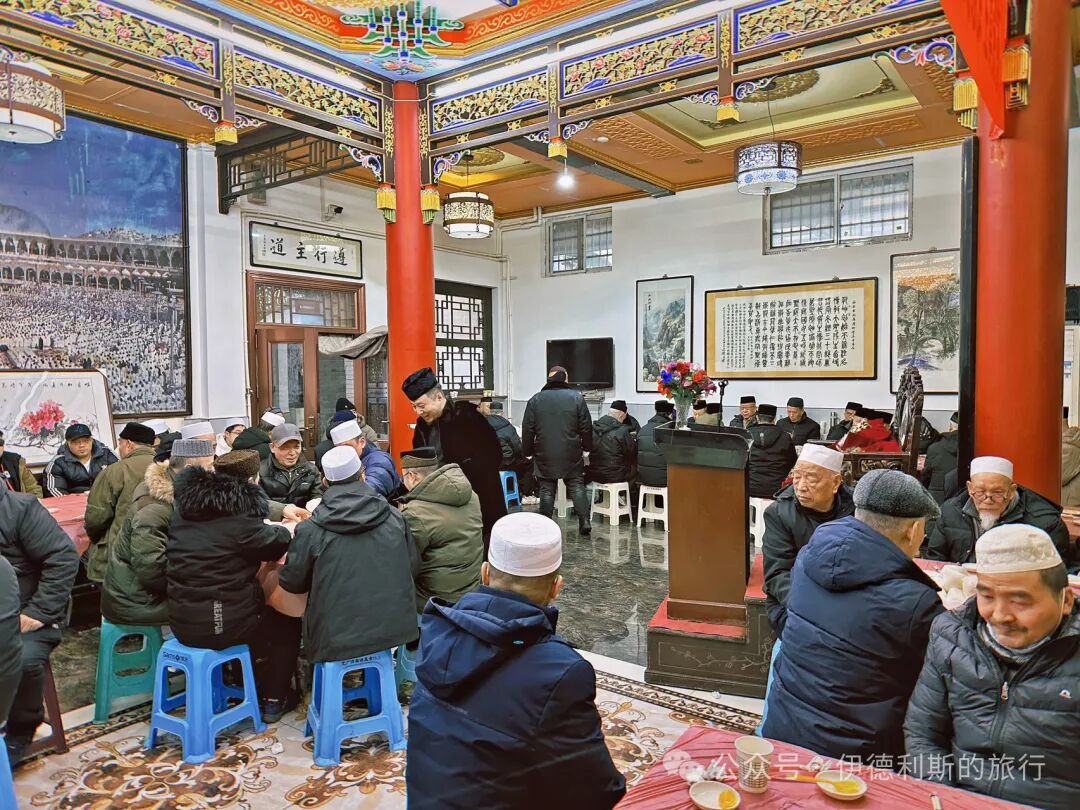
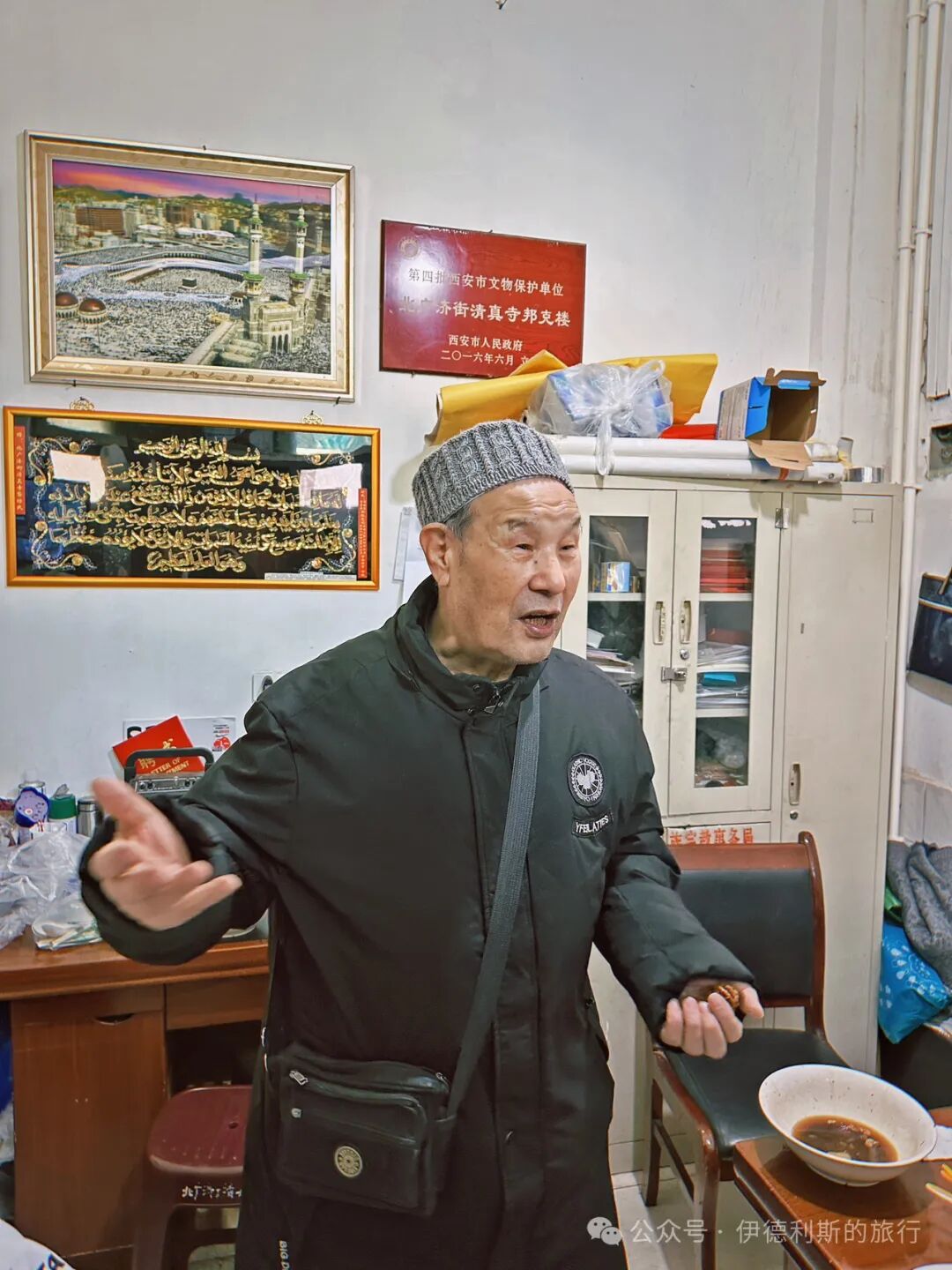
I ate a scripture hall feast (jingtang xi) consisting of braised chicken, braised fish, crispy fried meat (xiaosurou), mixed vegetable meatballs, sweet rice, braised oxtail, and yam stewed with meat.
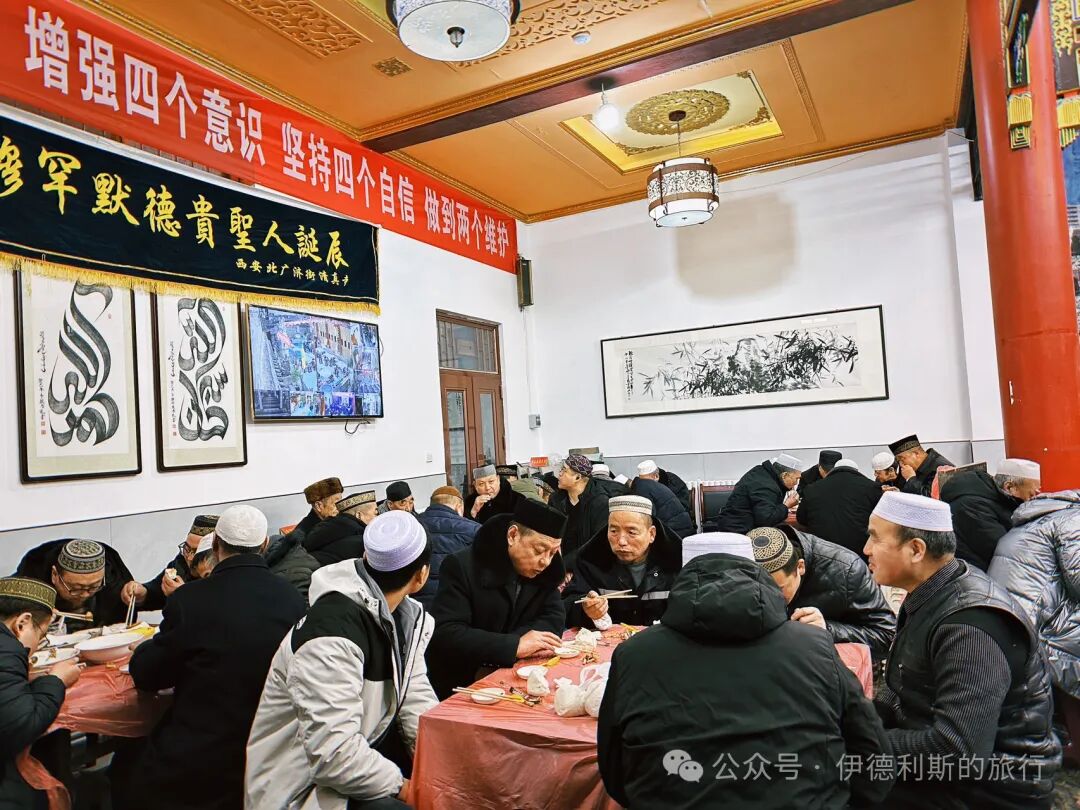
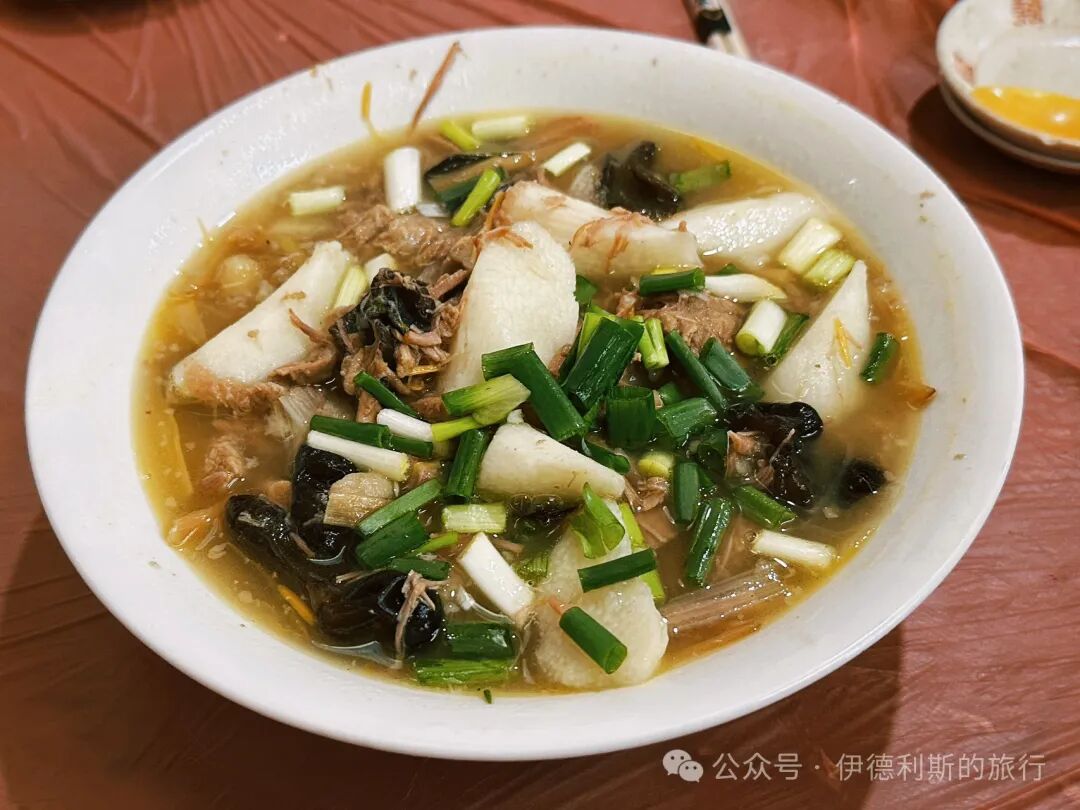
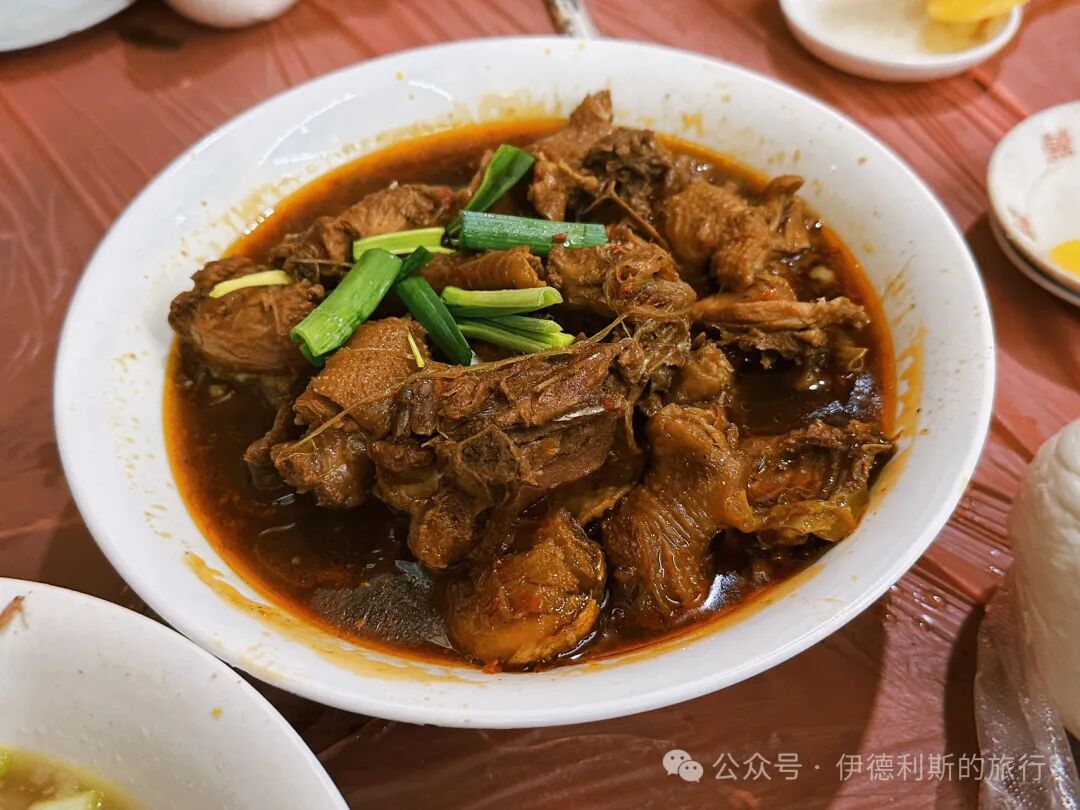
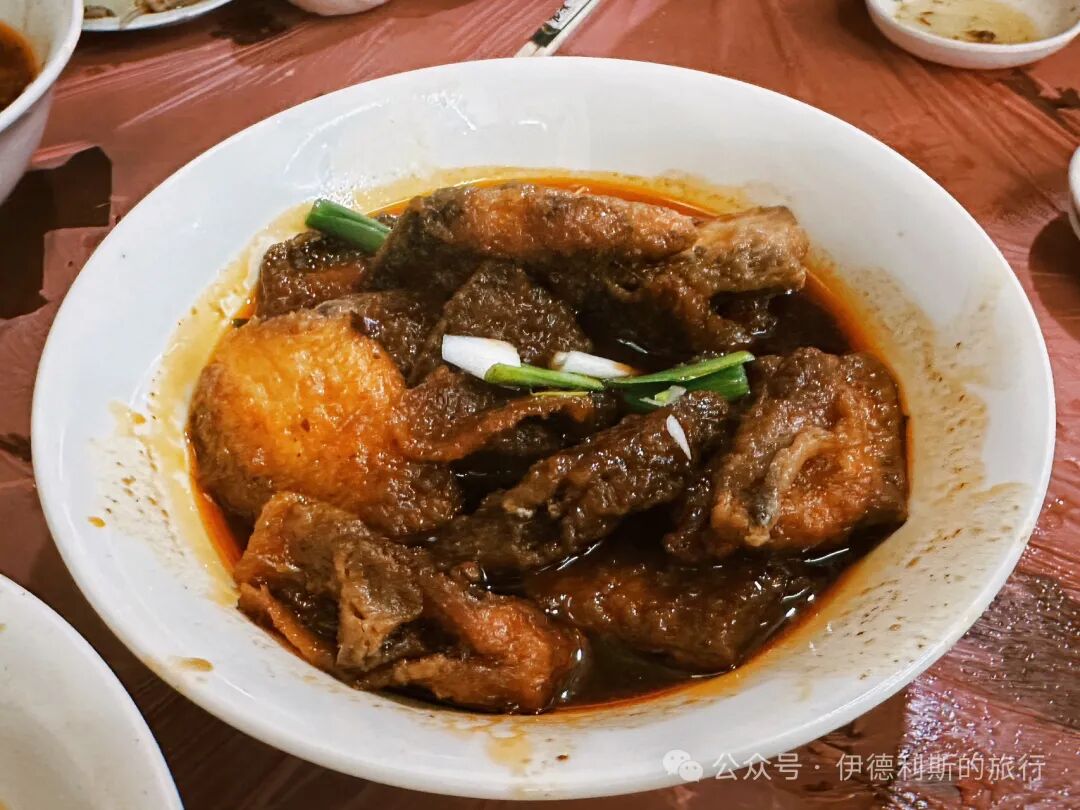
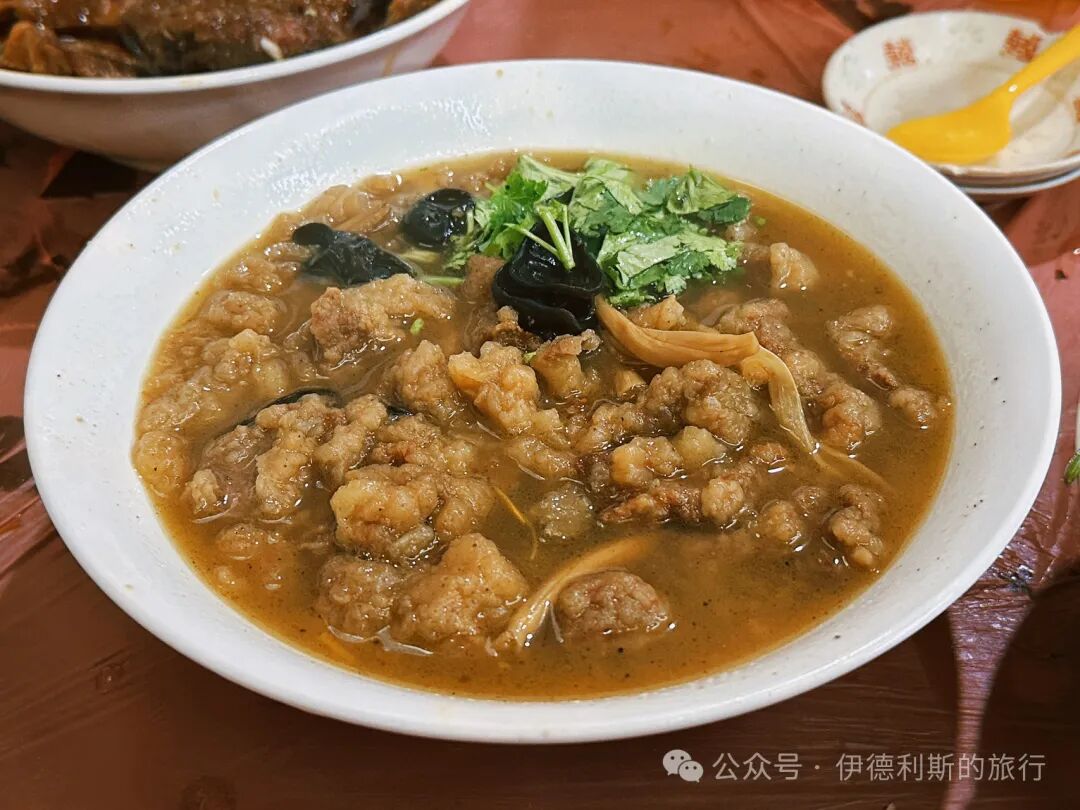
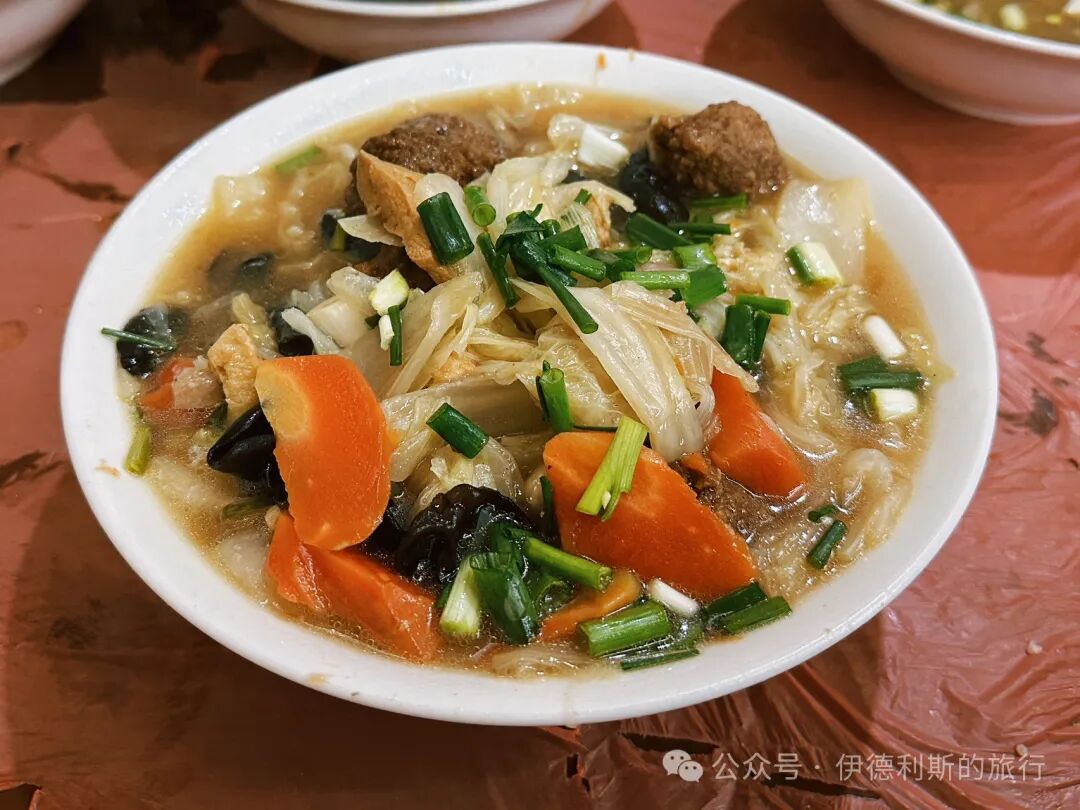
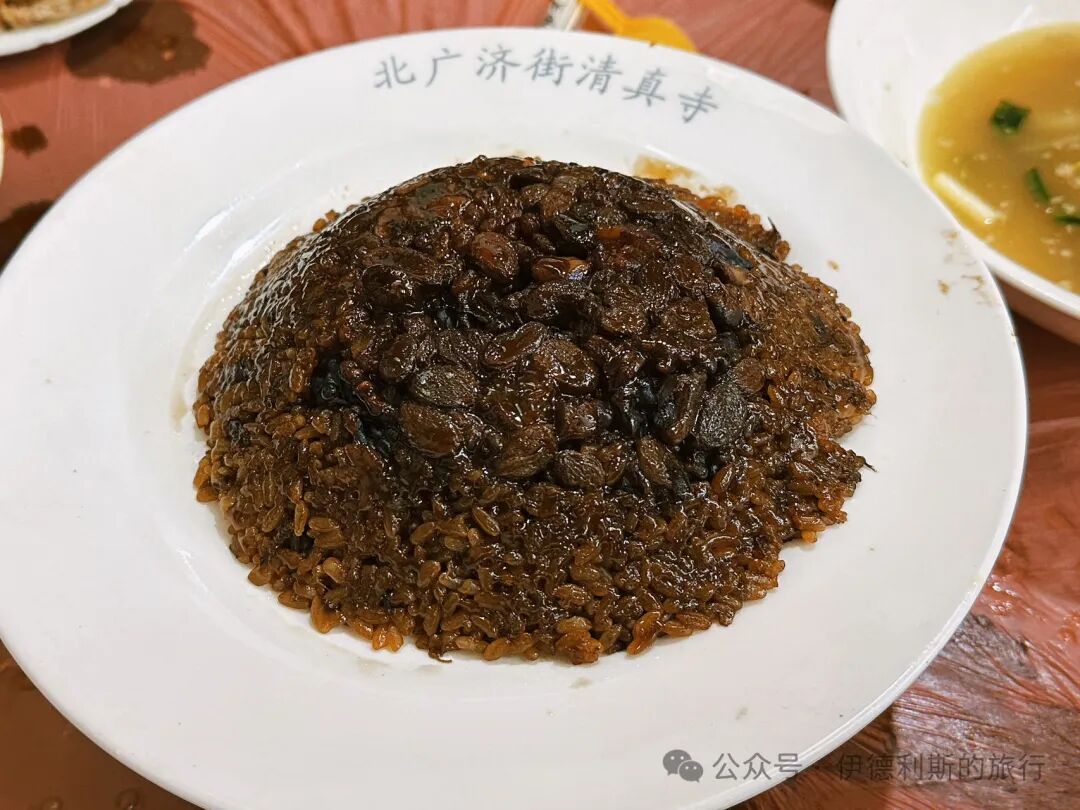
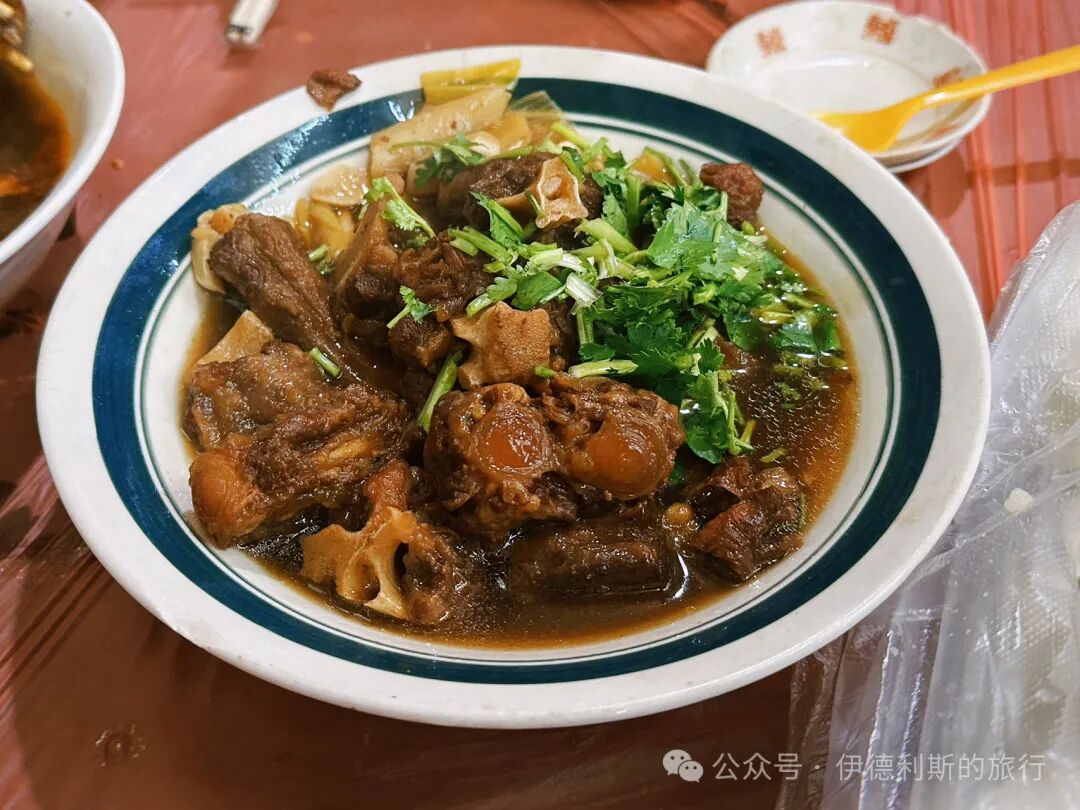
On the afternoon of January 28, after the Digele prayer, I went to the South City Mosque (Nancheng Si) to attend the Zansheng. I ate lentil noodle flags (biandou mianqizi), potato slices, braised eggplant, cumin lamb, and stir-fried lamb liver.
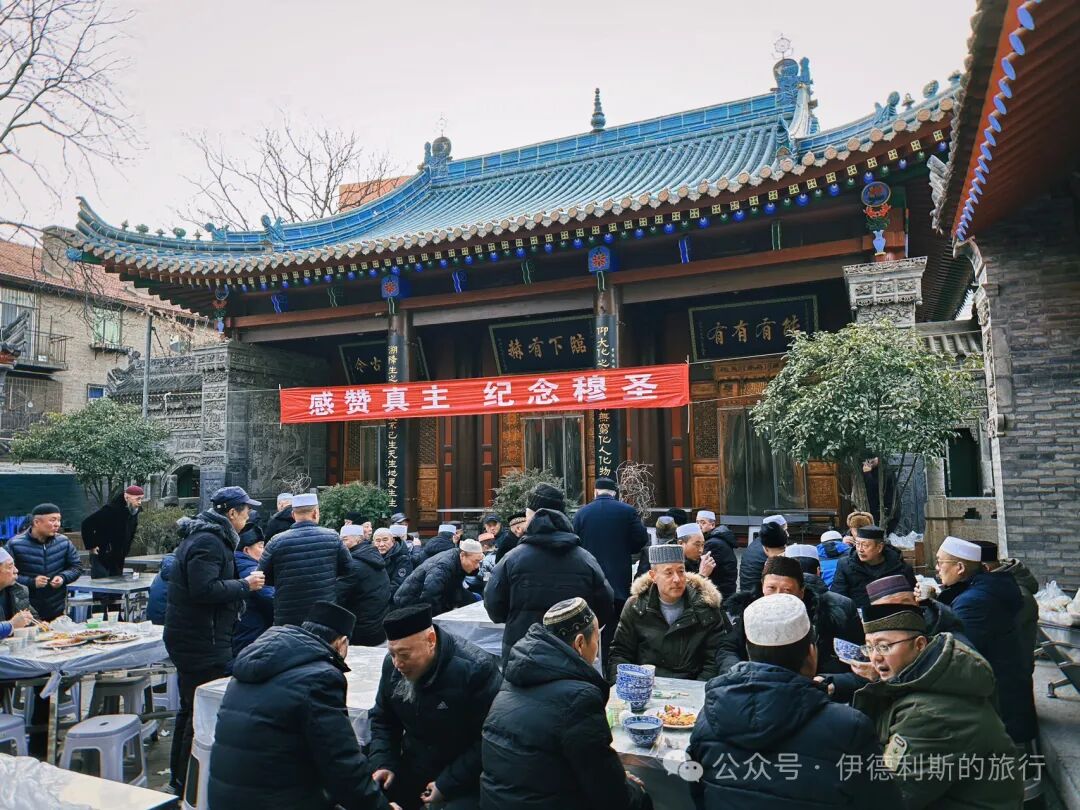
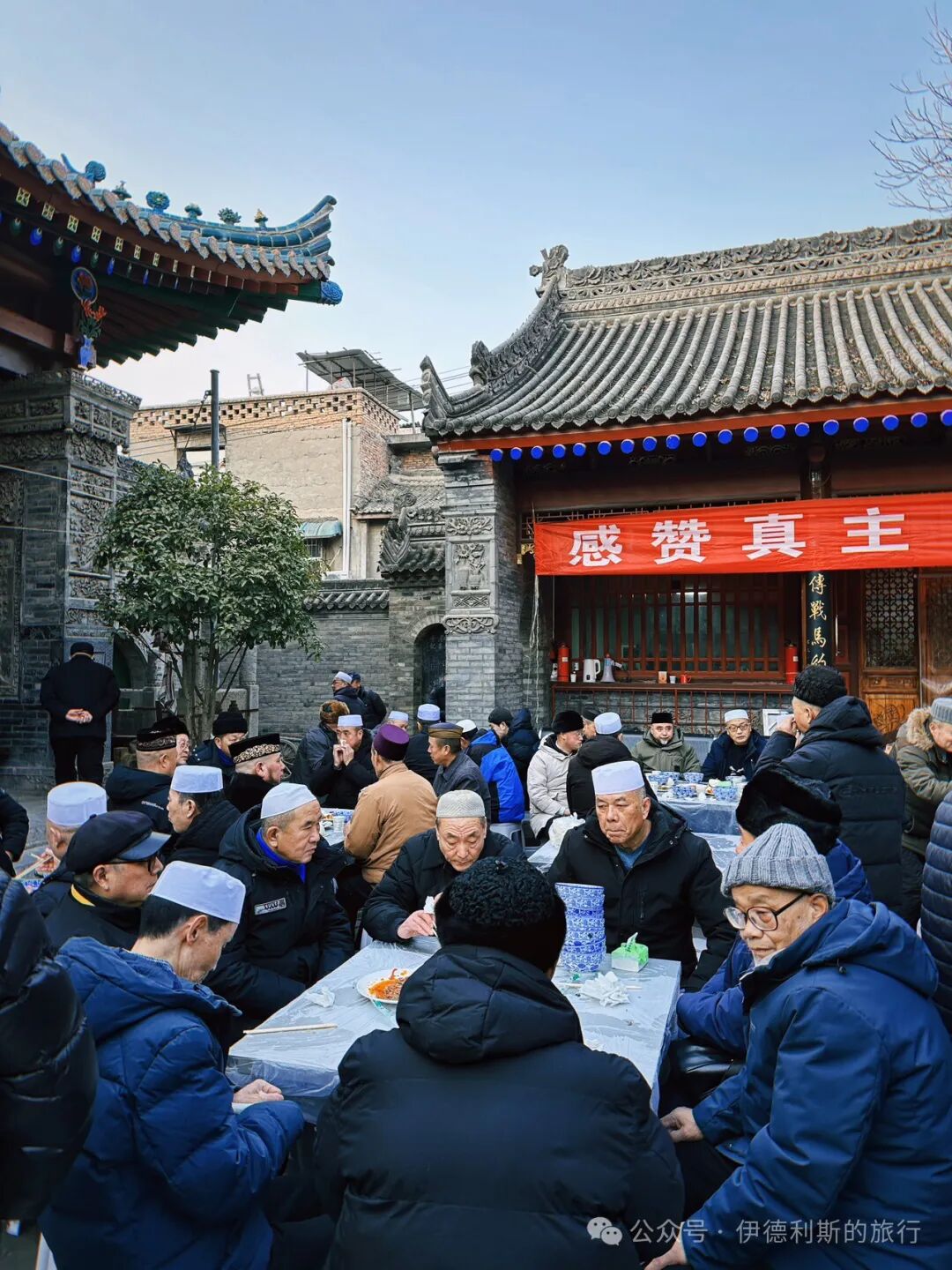
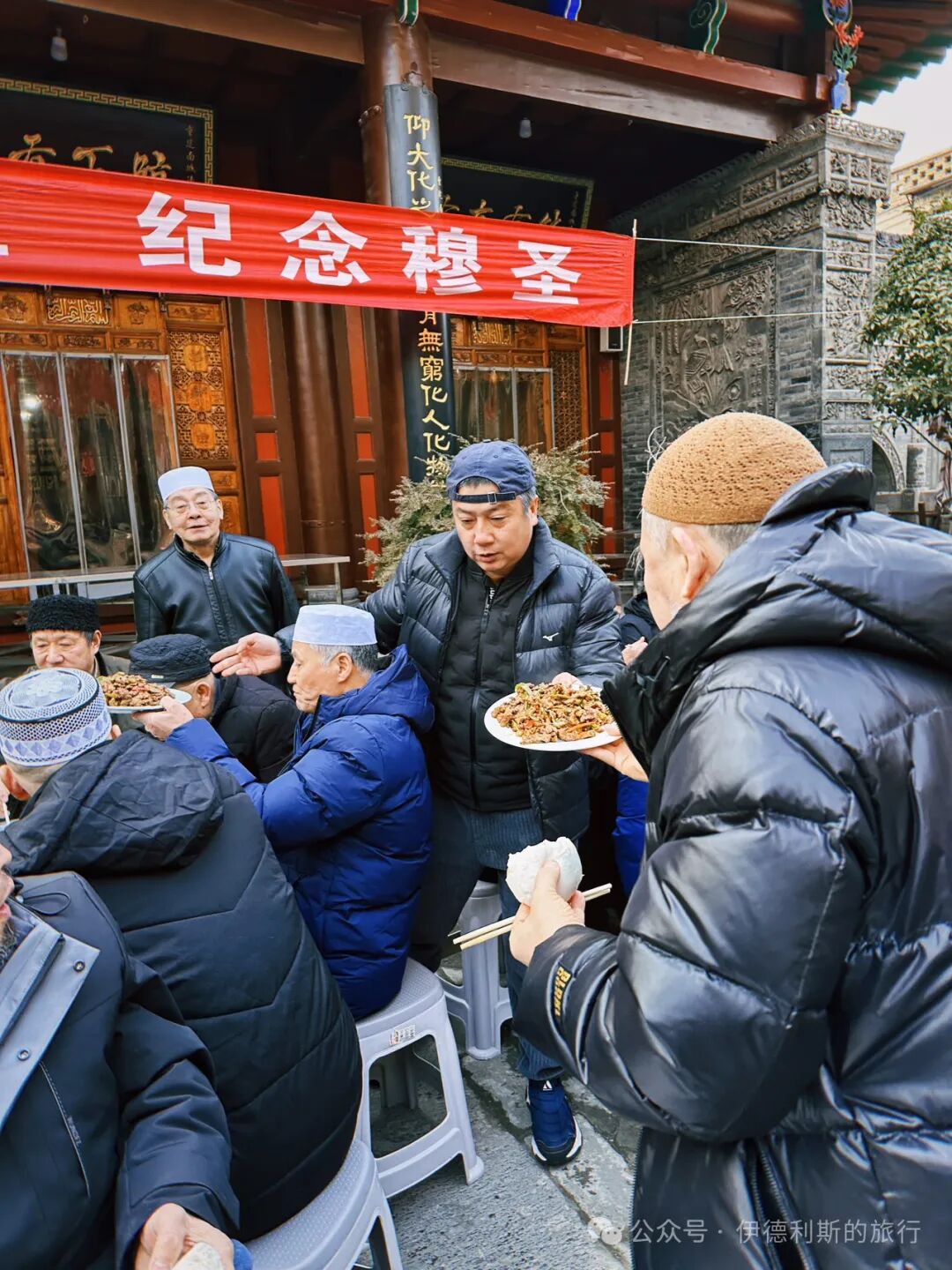
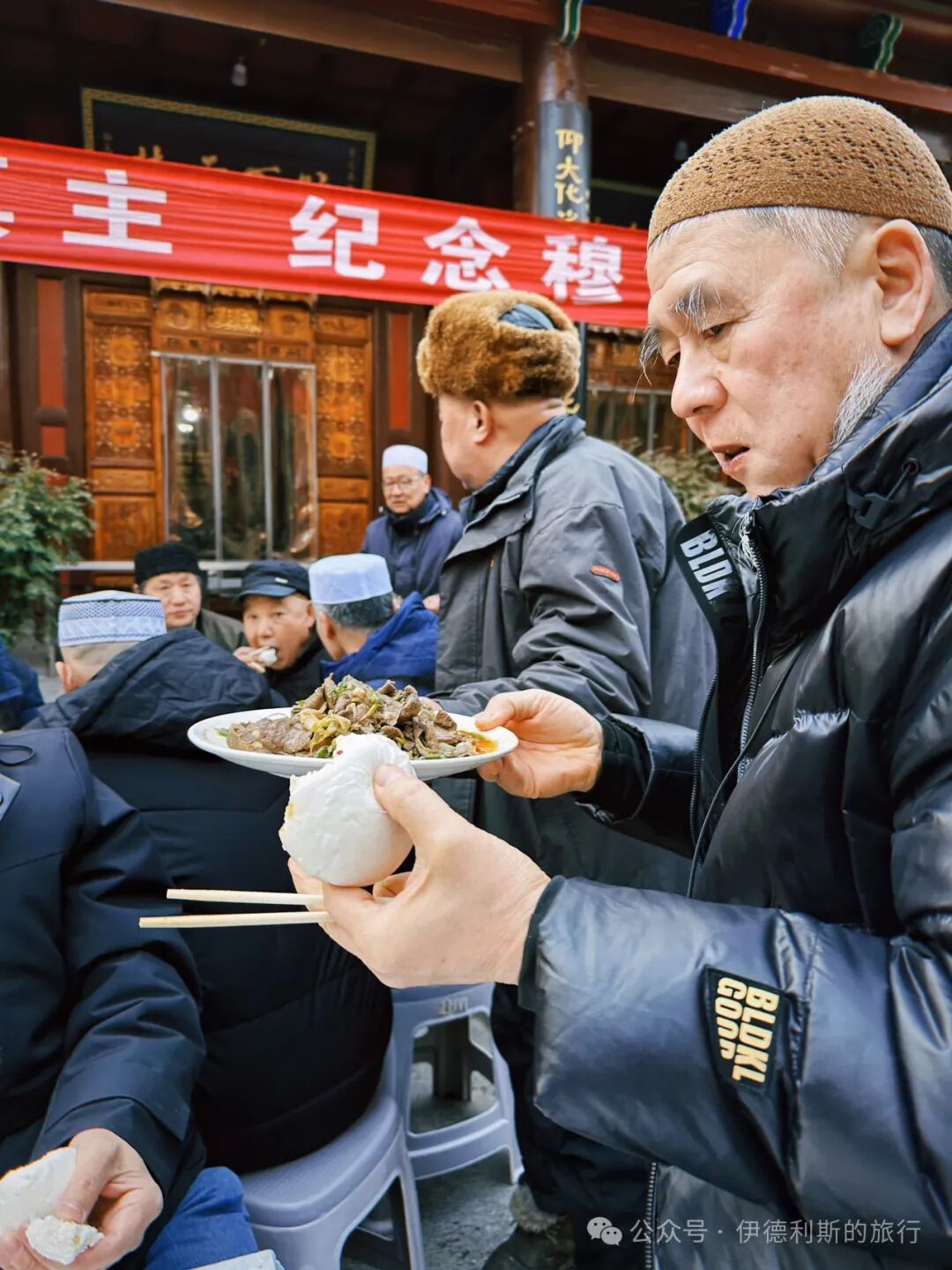
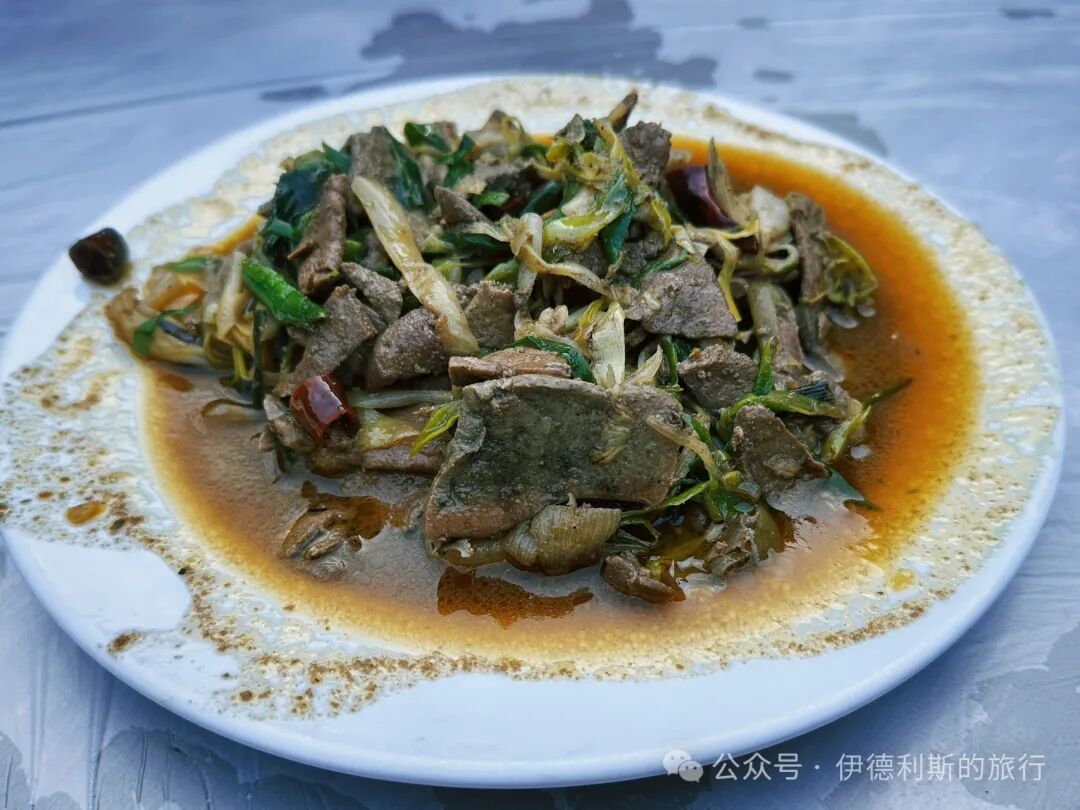
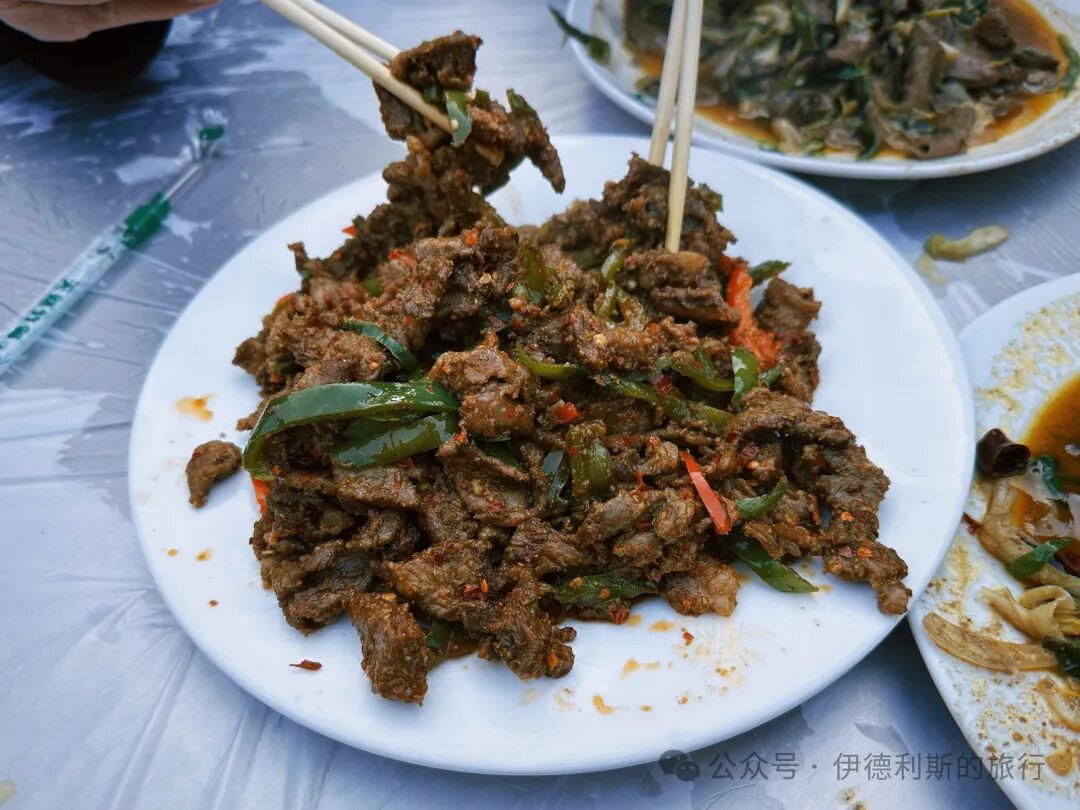
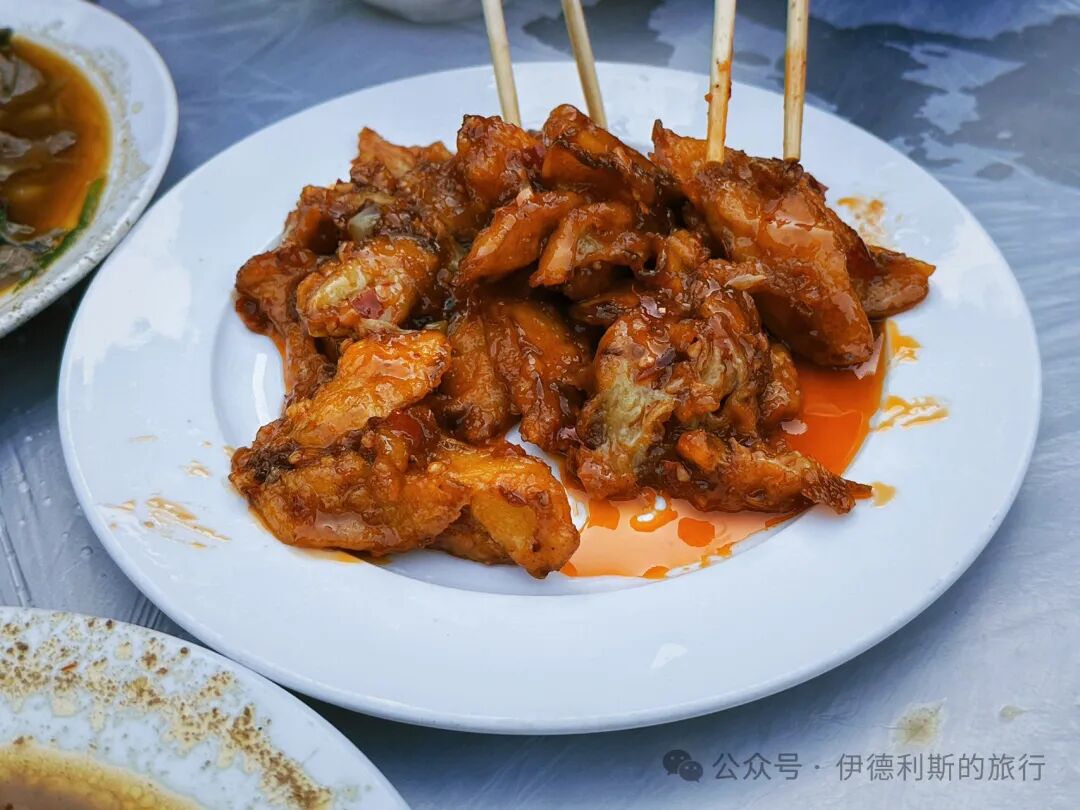
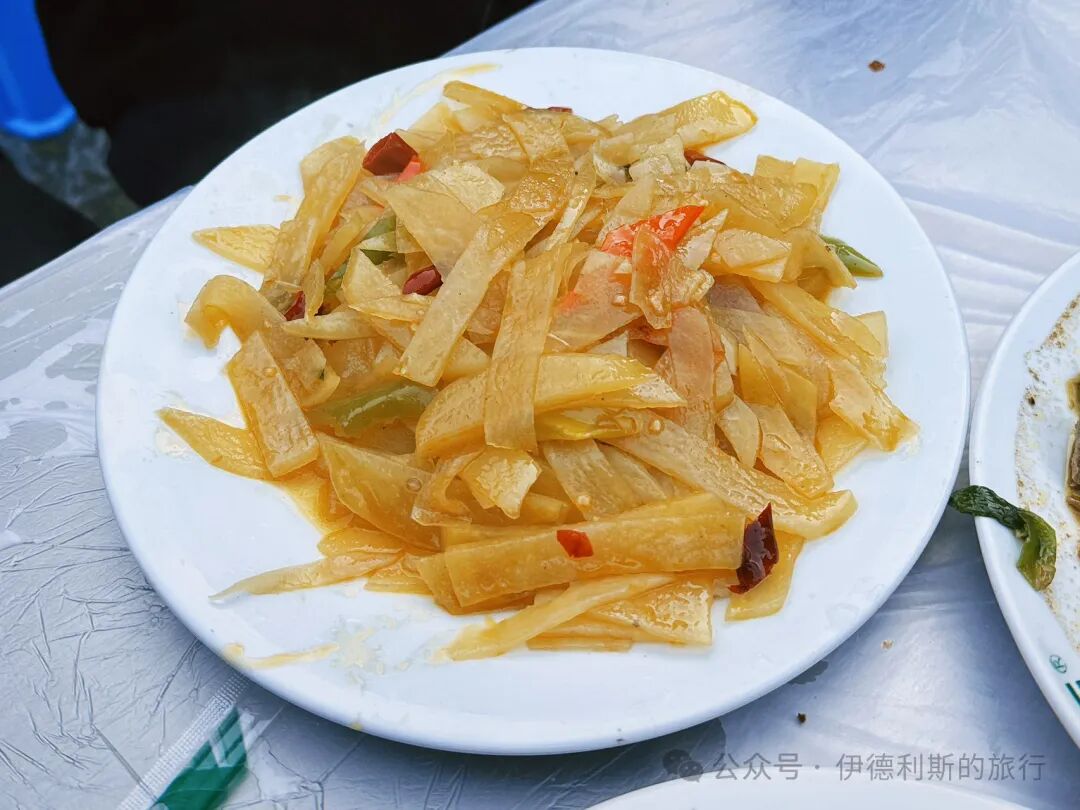
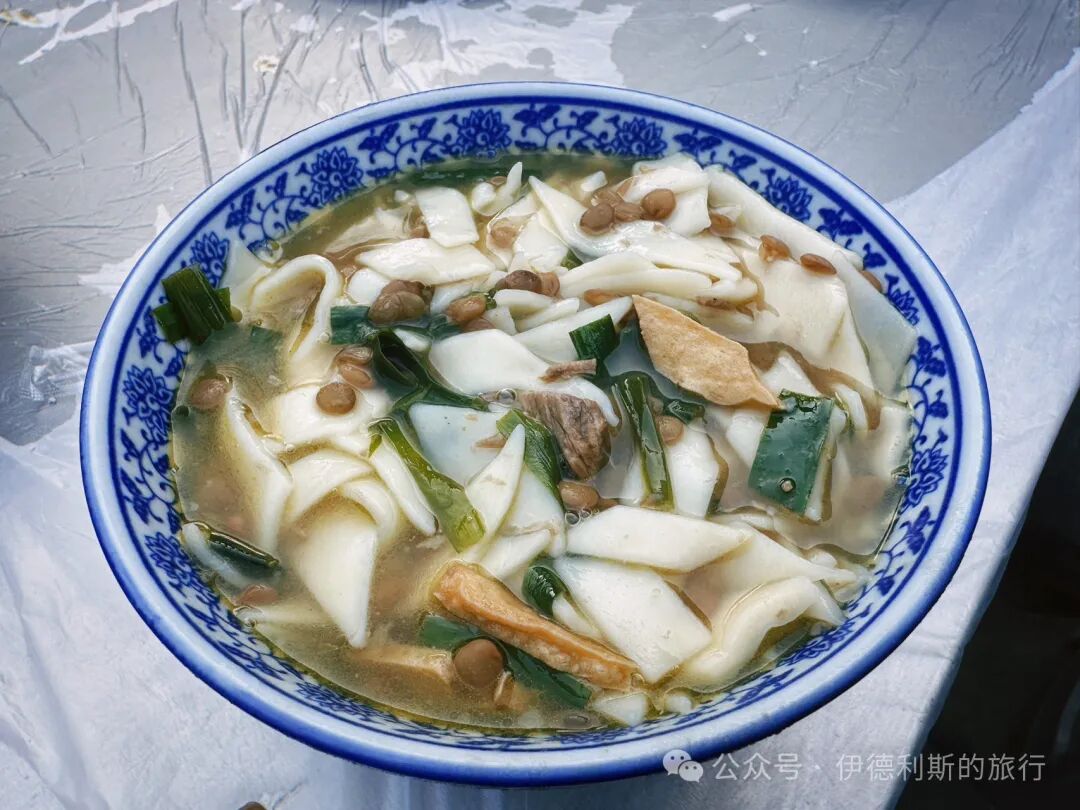
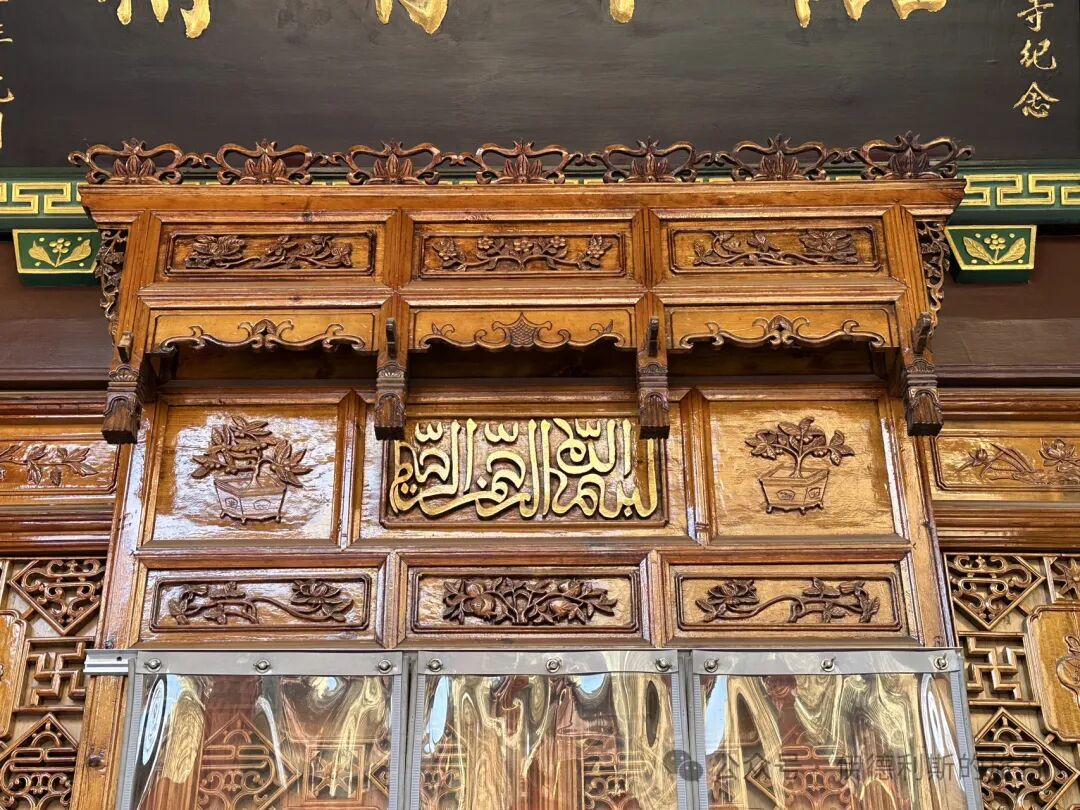
The South City Mosque was built in 1683 (the 22nd year of the Kangxi reign). It was originally built to serve the Muslim officers, soldiers, and their families stationed in the Han Eight Banners in the south of Xi'an. As early as 1645 (the second year of the Shunzhi reign), the Qing Dynasty established a Manchu Eight Banners garrison city in the east of Xi'an. In 1683, after the Qing Dynasty quelled the Revolt of the Three Feudatories, they built a Han Eight Banners garrison city in the southeast of Xi'an to strengthen military power, which was called the South City. In 1780 (the 45th year of the Qianlong reign), the South City garrison was abolished. The Han Eight Banners officers and soldiers became civilians and were transferred to the Green Standard Army, and the South City Mosque officially became a mosque for all local Muslims.
During the Tongzhi reign, when Xi'an was under siege, the South City Mosque played a special role. At that time, the Hui Muslims in Xi'an could not leave the city for eighteen years, so when they passed away, they were carried to the South City Mosque for burial. People say there was not enough burial shroud (kafan) at the time, so paper had to be used instead. This led to a folk song: Carried all the way to the South City, buried regardless of whether they were rich or poor. Whatever food they ate while alive, they were wrapped in paper when they died.
On the morning of January 29, the first day of the Lunar New Year, I attended the Mawlid at the South City Mosque, which included scripture reading, drinking oil porridge, a sermon, and Zansheng. Imams from various Yihewani and Sailafiye mosques in Xi'an also came to read the scriptures, showing the unity of the Xi'an Muslim community.
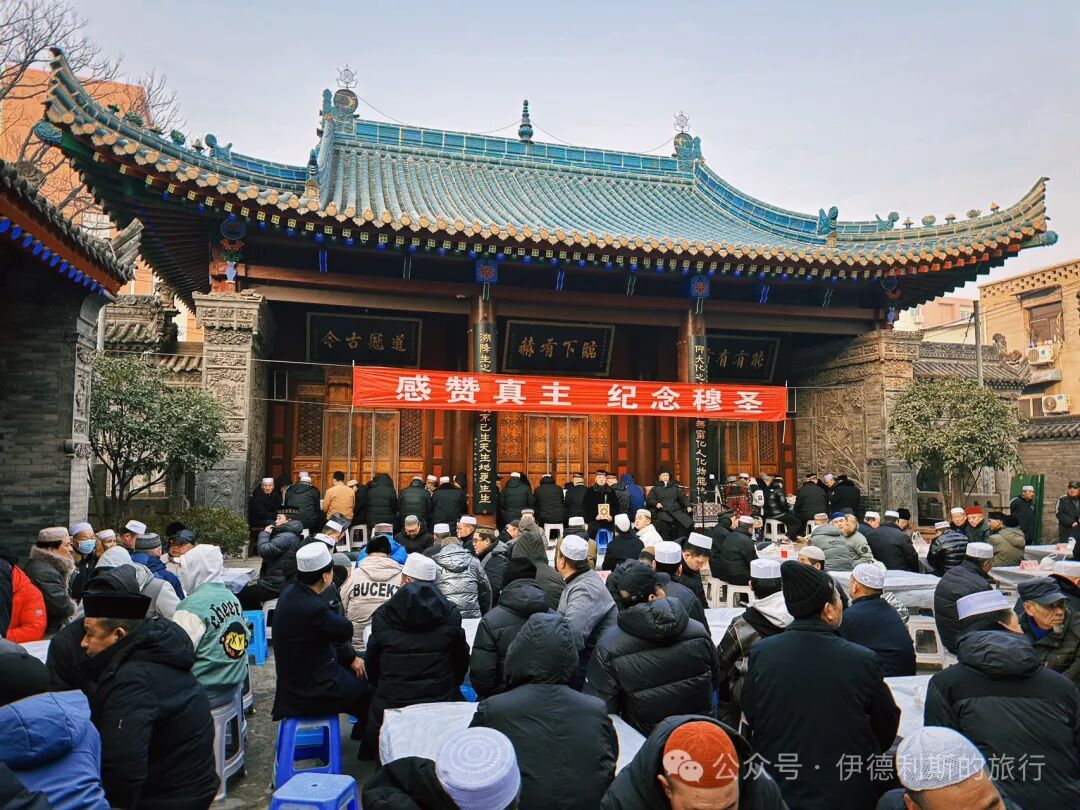
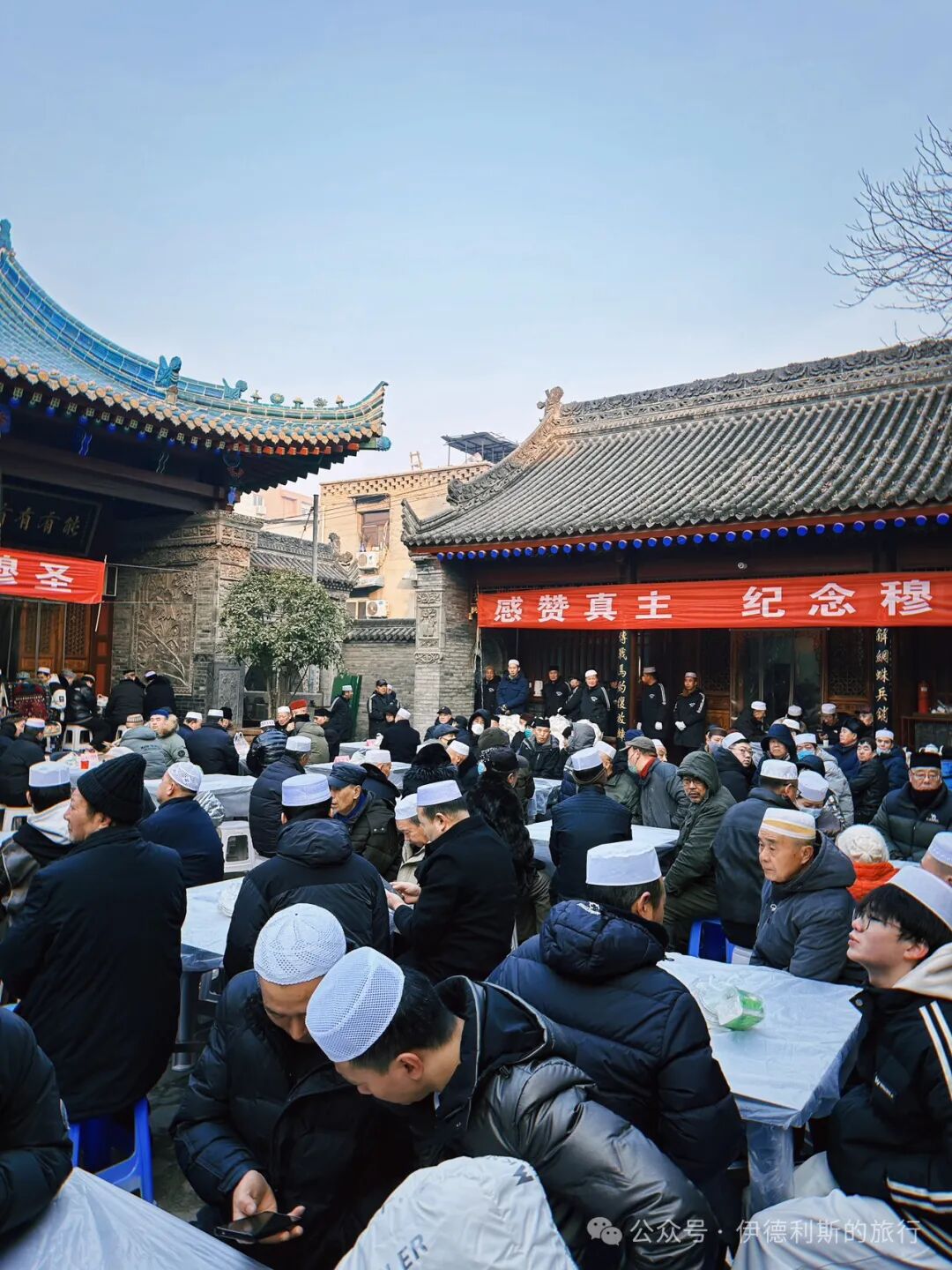
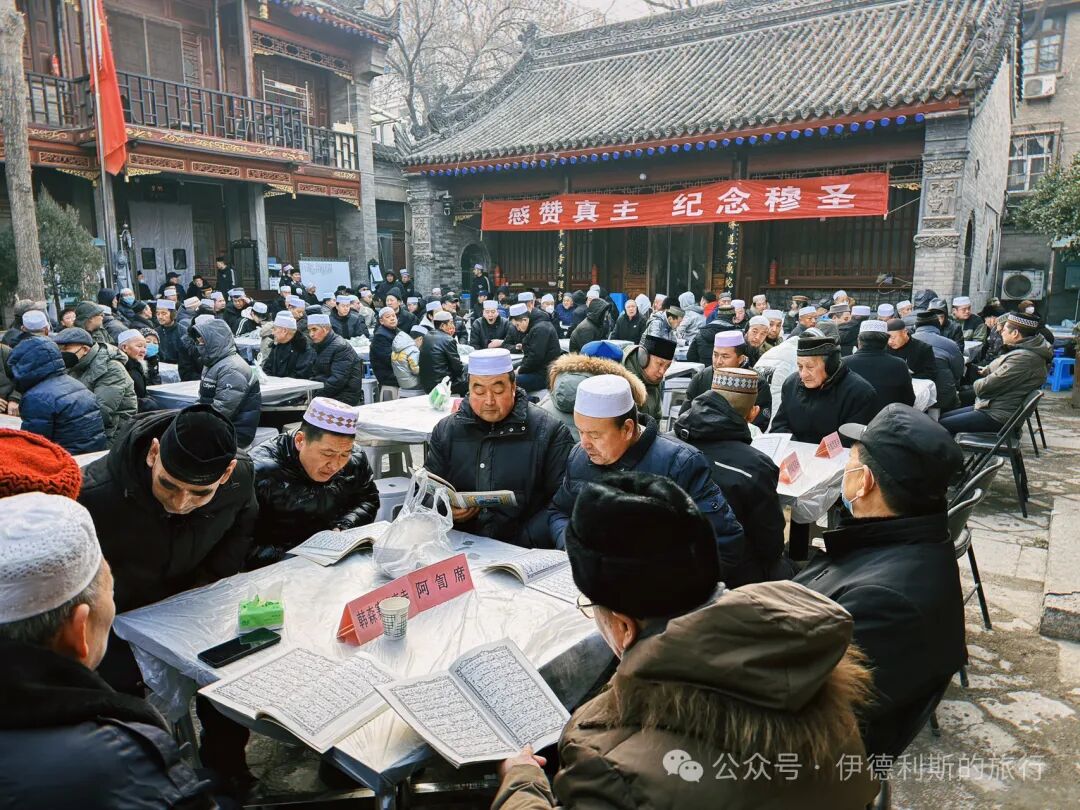
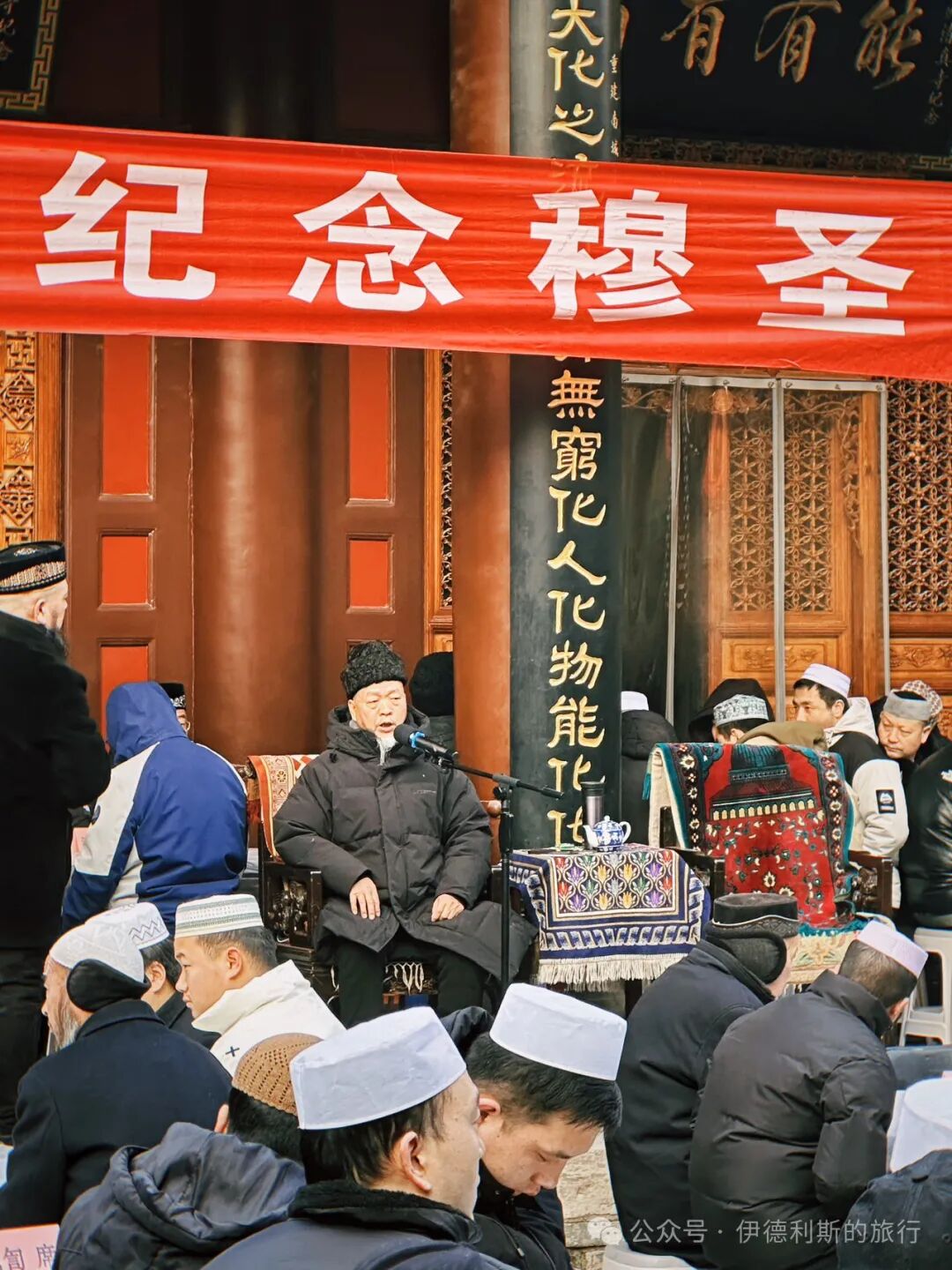
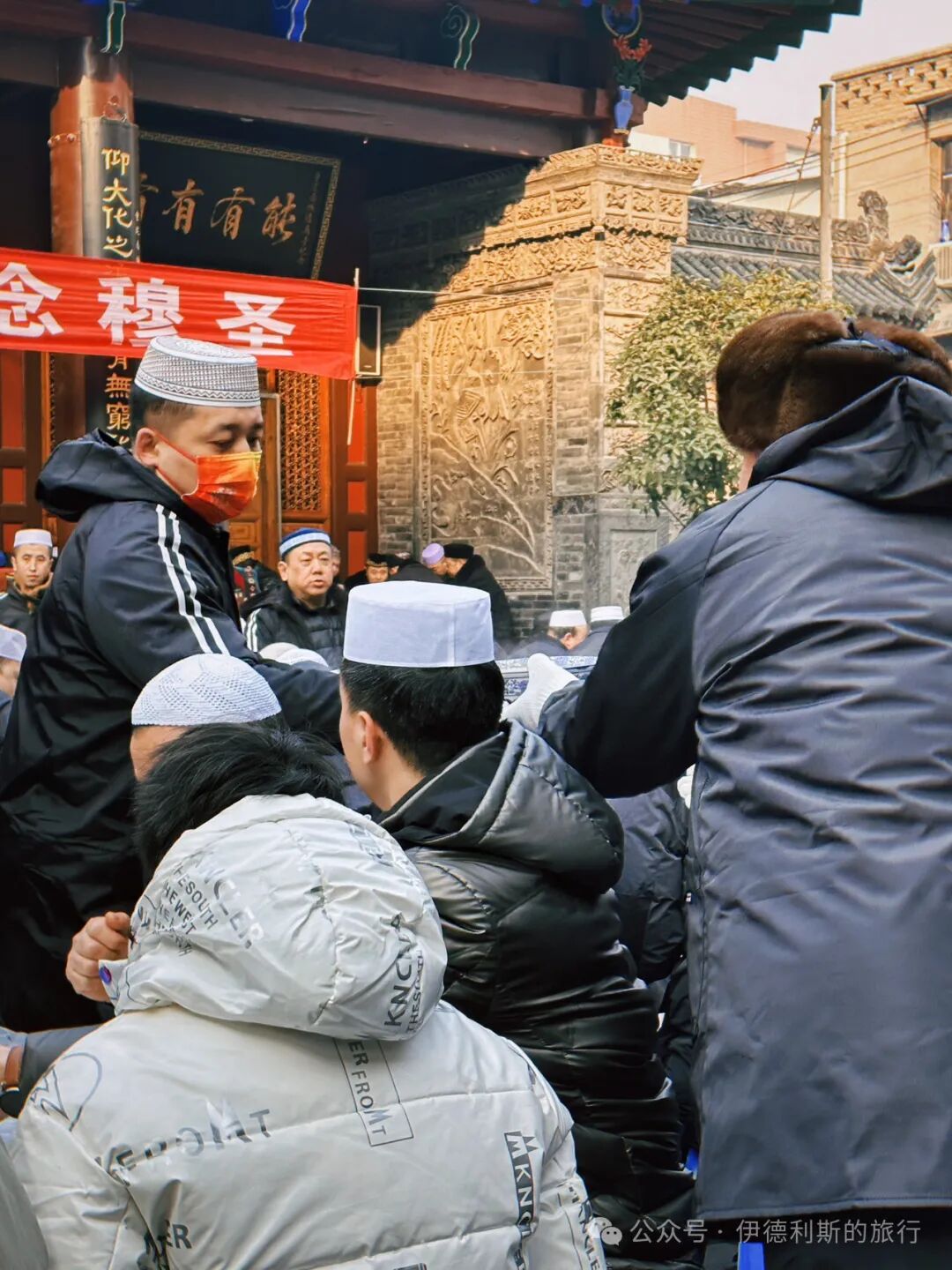
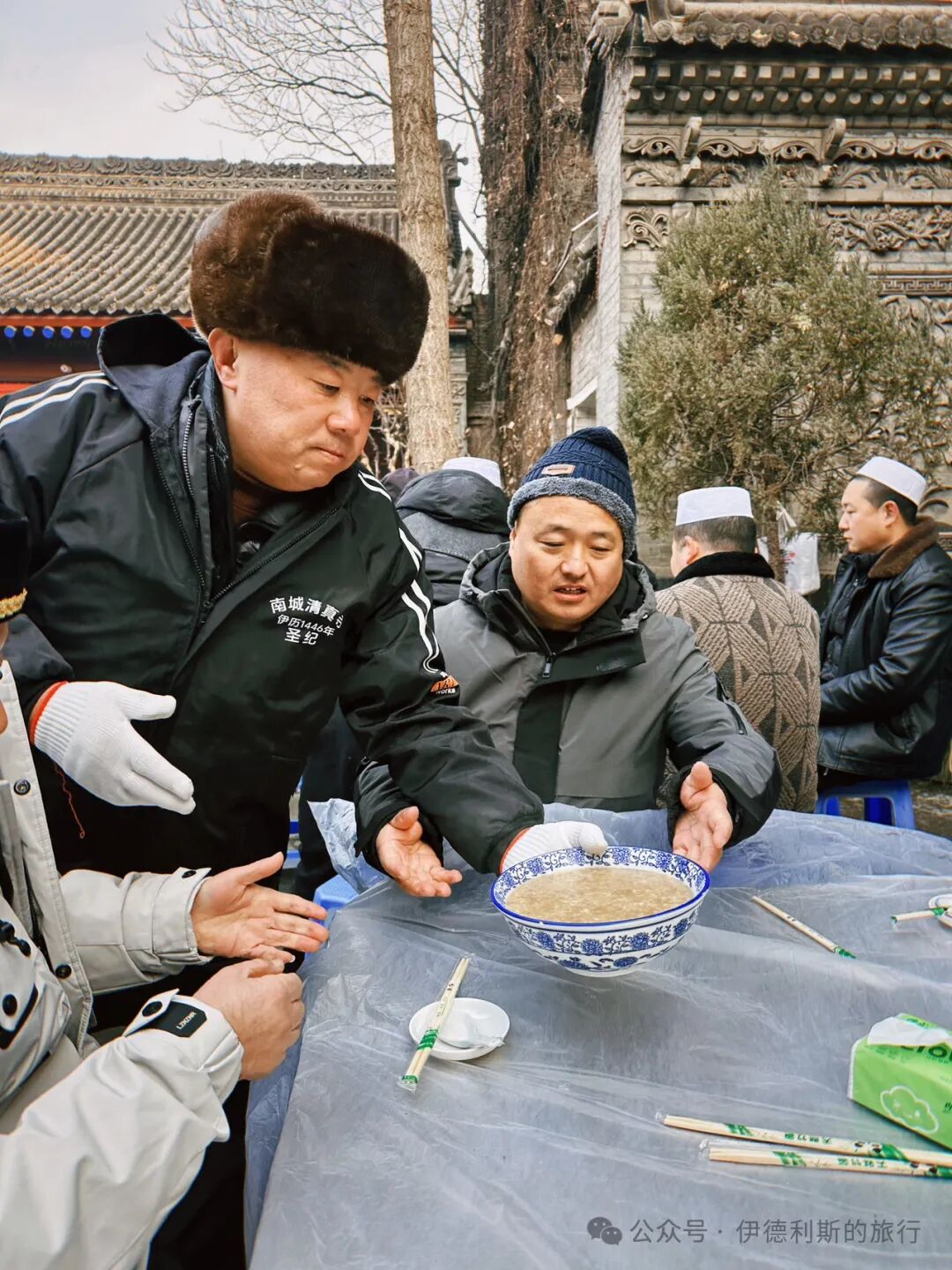
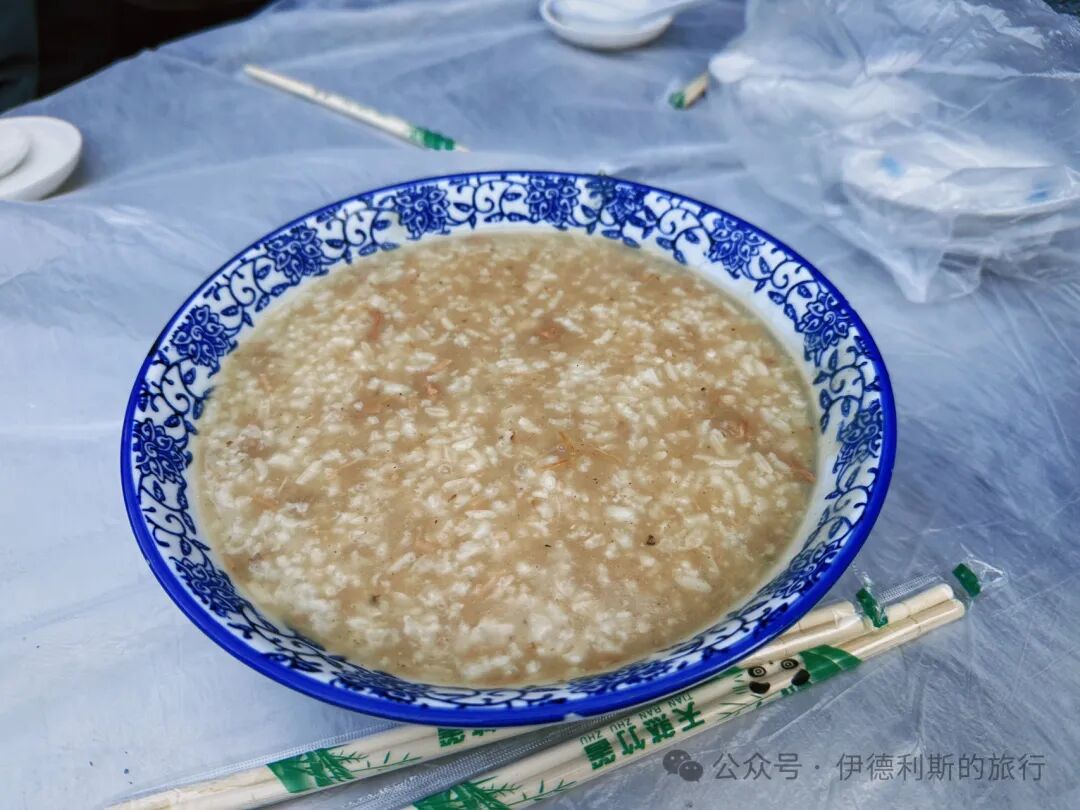
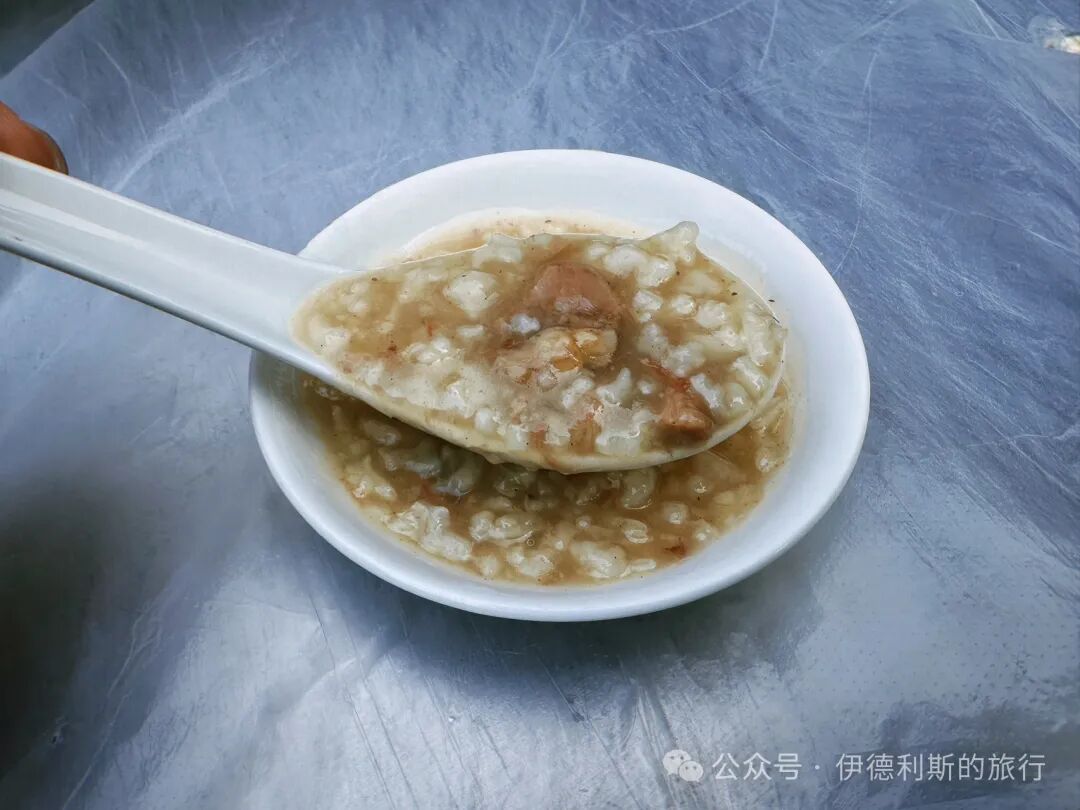
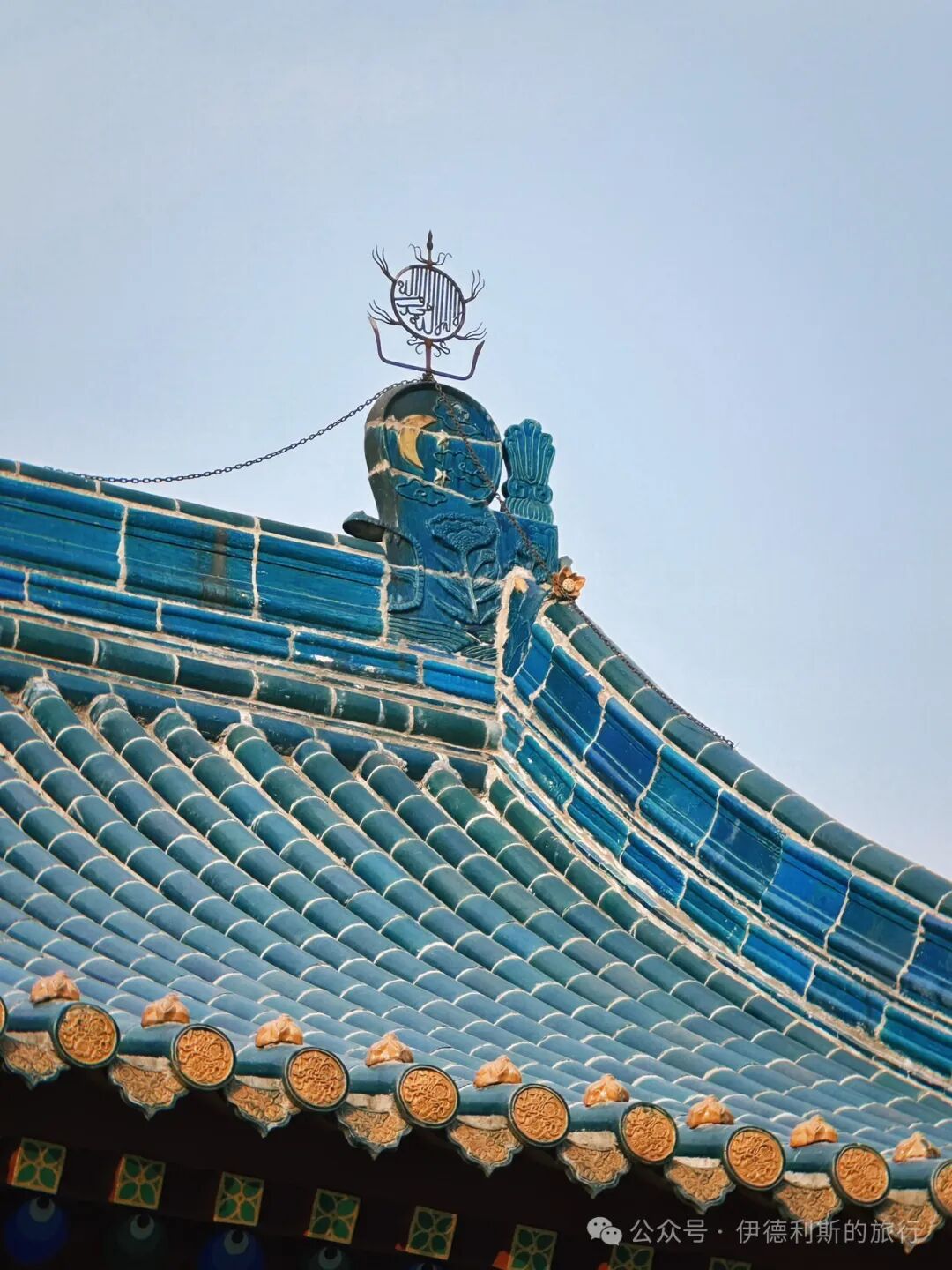
At the South City Mosque, I ate potato stewed with meat, braised chicken, braised fish, water-basin meat (shuapen rou), mixed vegetable meatballs, and sweet rice platter (tianpanzi), all of which are classic Hui Muslim banquet dishes.
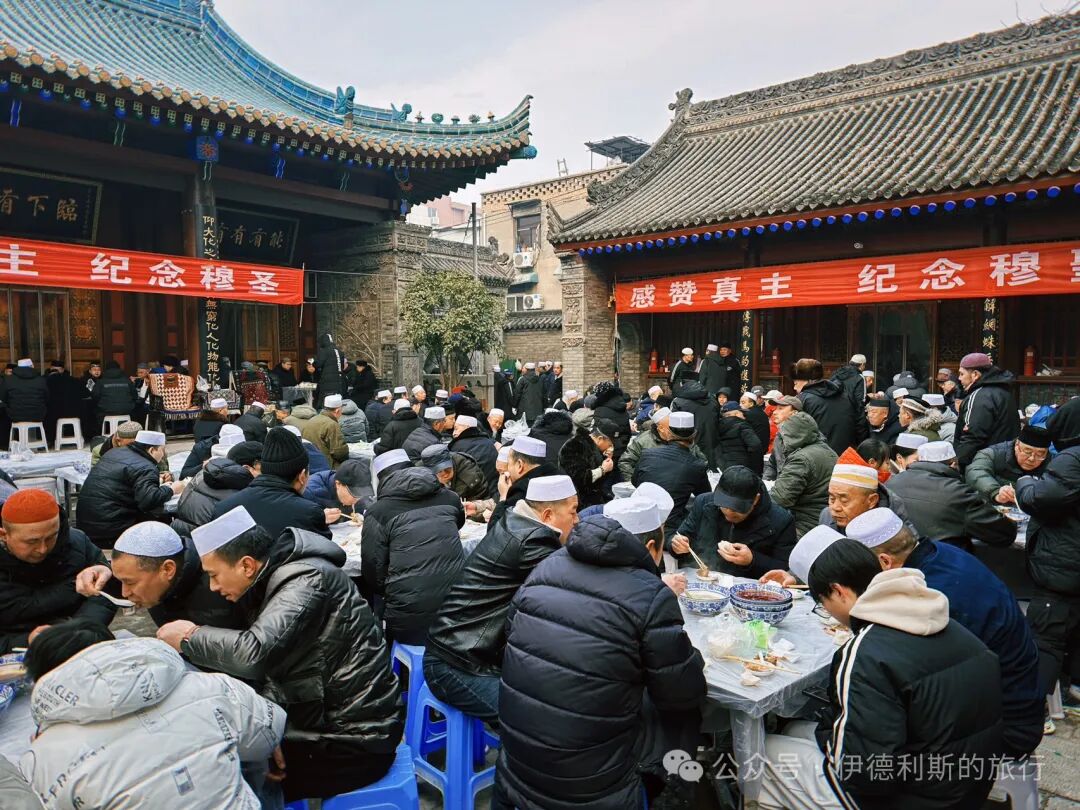
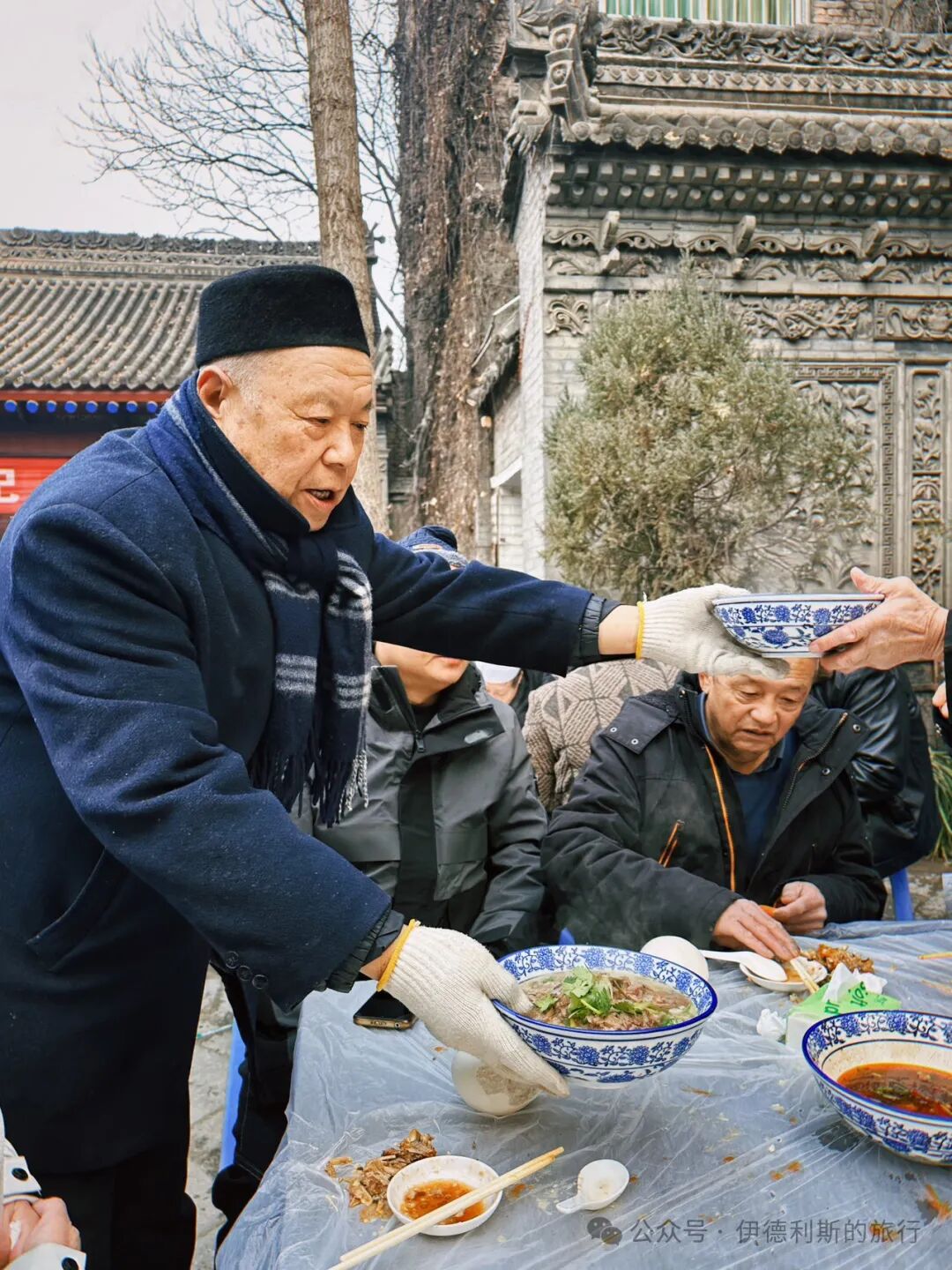
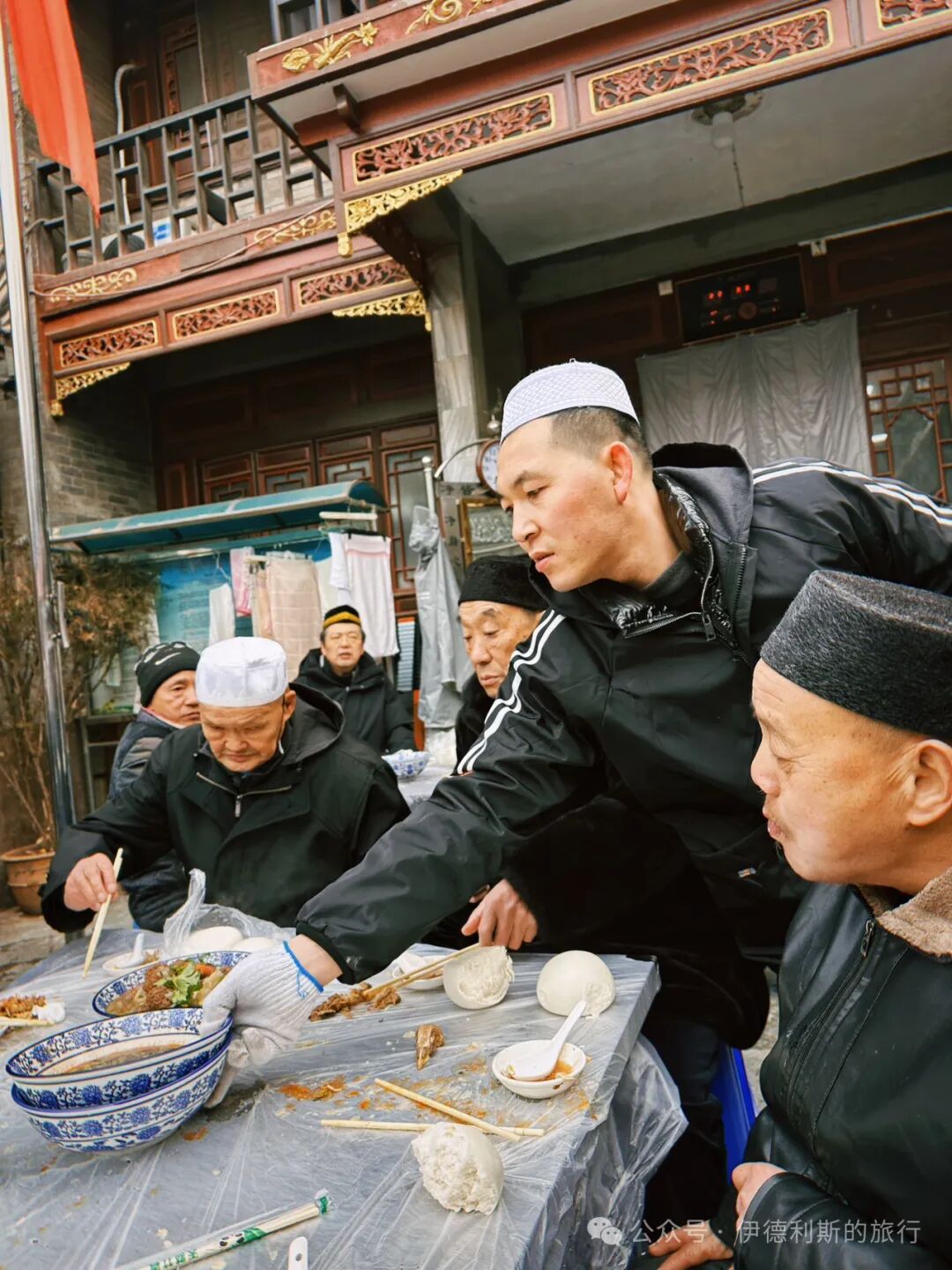
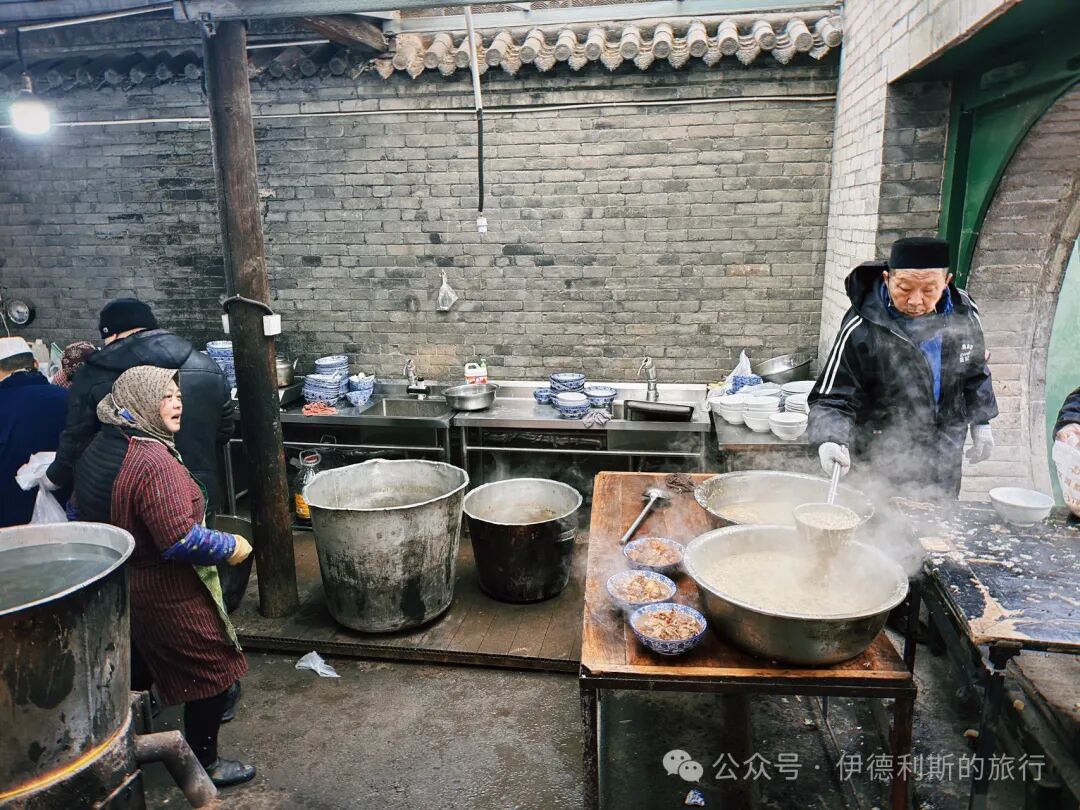
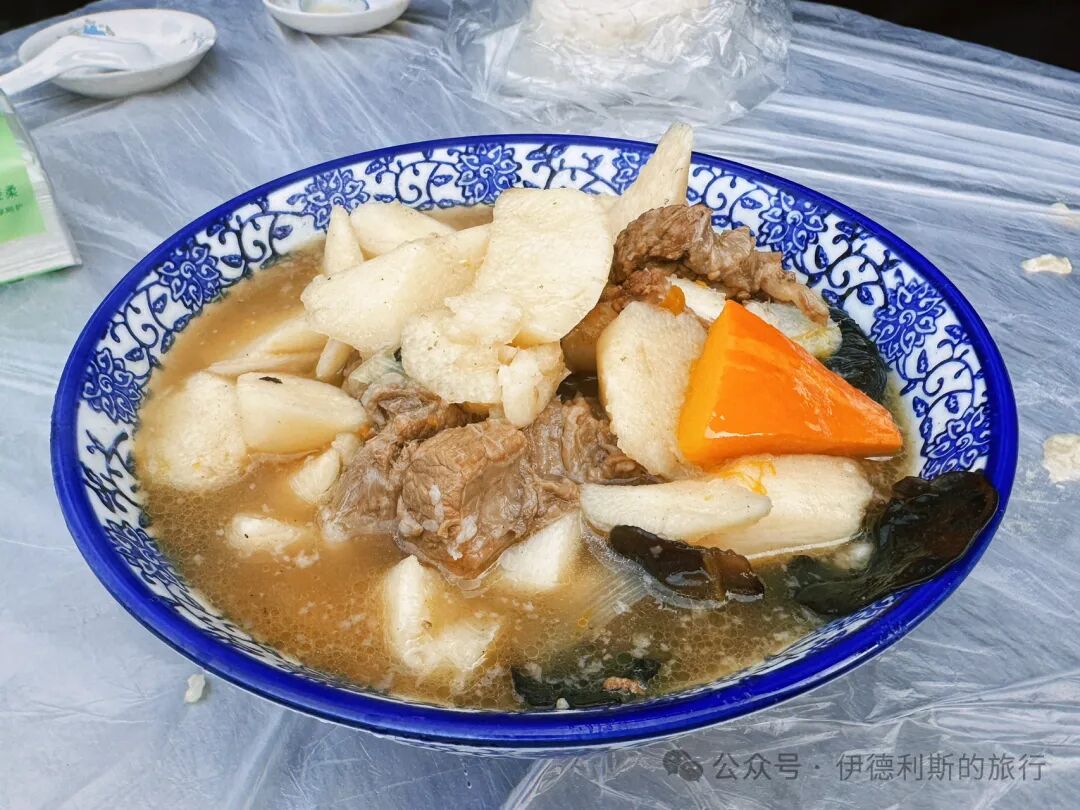
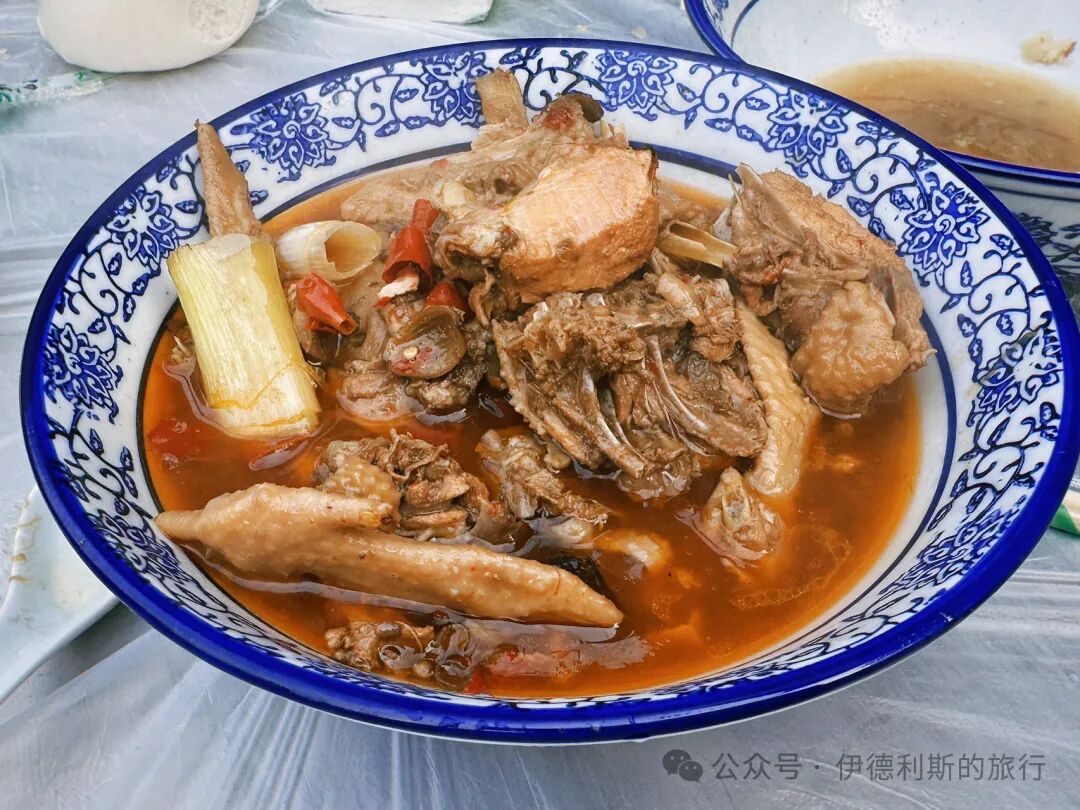
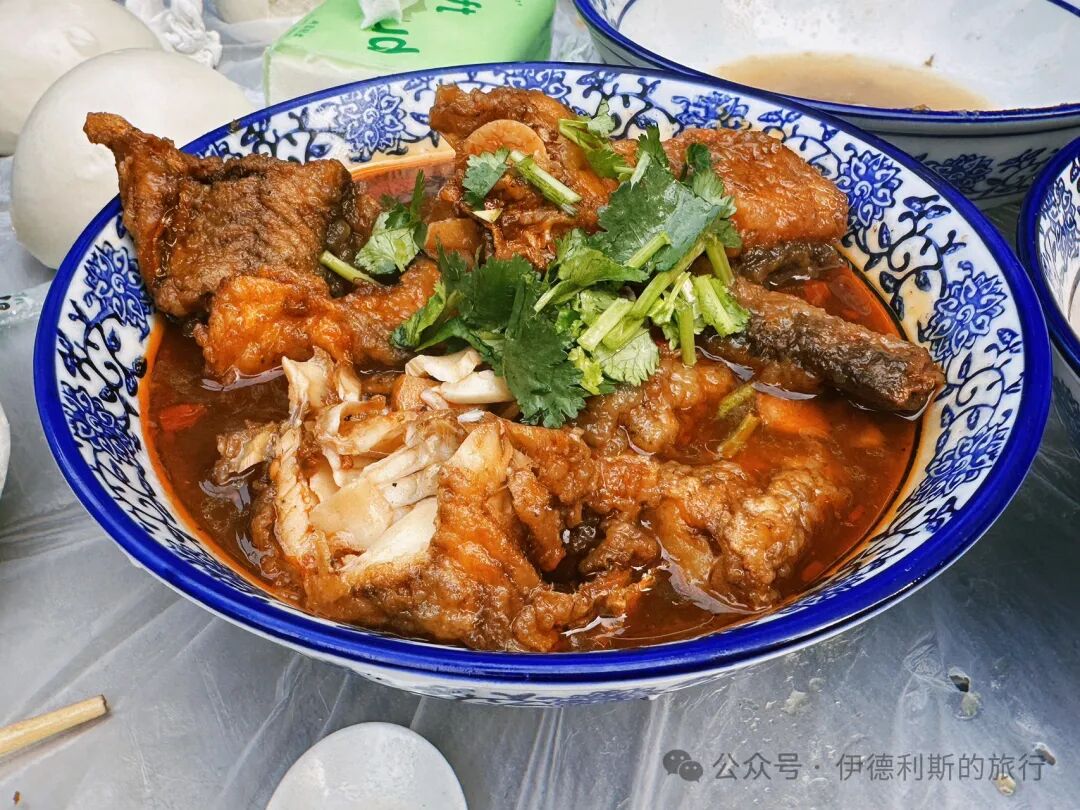
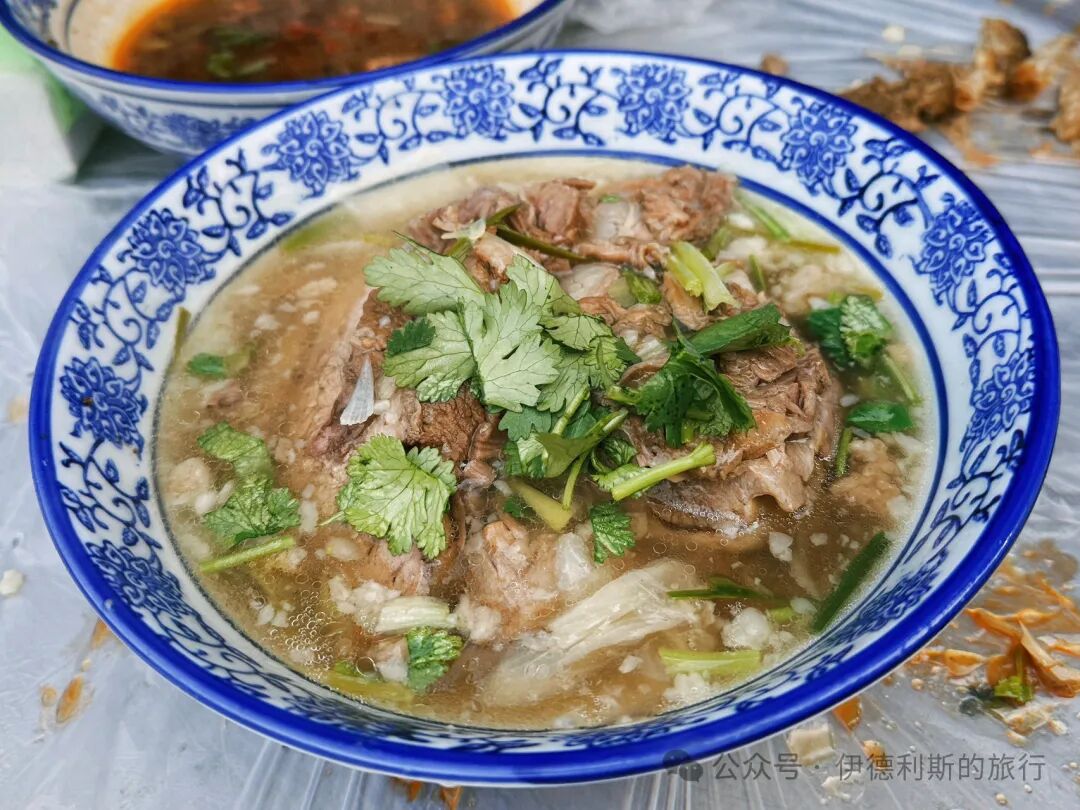
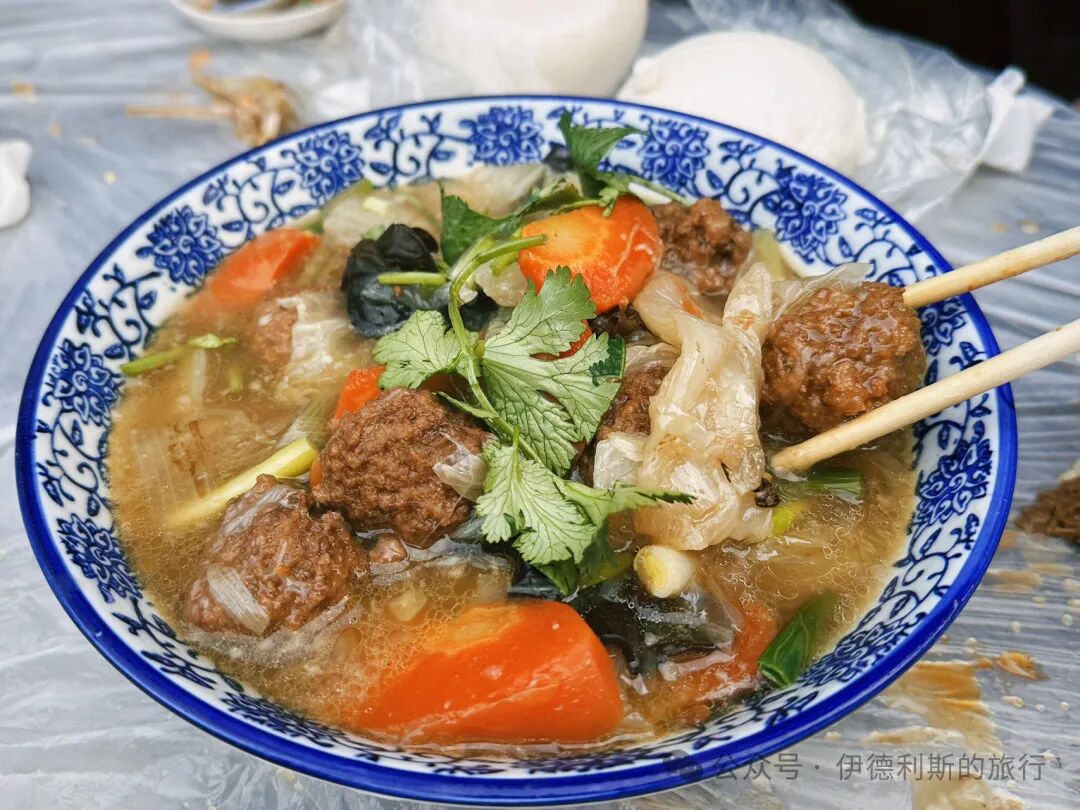
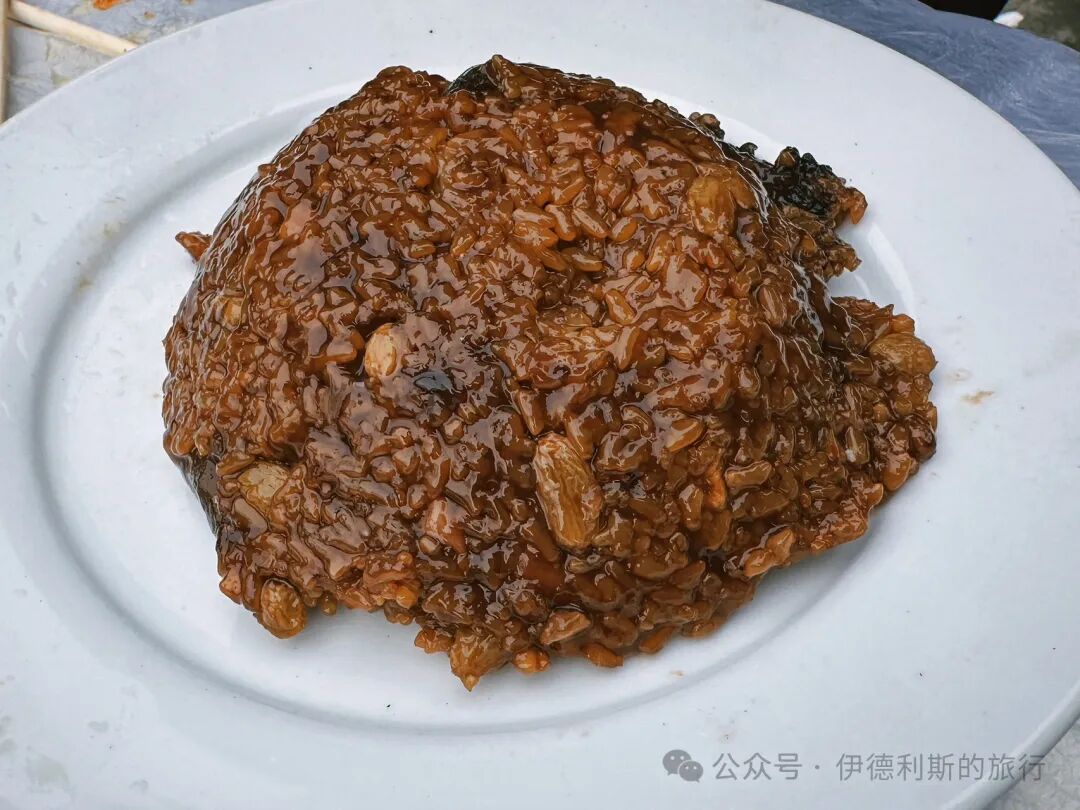
On January 29, the first day of the Lunar New Year, Digelehou attended the praise of the Prophet (Zansheng) at the Ancient Mosque (Gusi) on Sajinqiao Street in Xi'an. The Ancient Mosque on Sajinqiao was first built during the Kangxi period of the Qing Dynasty. It was originally called Tielufang Mosque and is commonly known as the North Mosque. In 1926, members of the Ikhwan sect in the Sajinqiao area raised funds to build the Sajinqiao West Mosque, and the original Sajinqiao Mosque became known as the Ancient Mosque or Old Mosque. After reopening in 1985, the Ancient Mosque was rebuilt as a modern structure, and the calligraphy inside the main prayer hall is a major highlight.
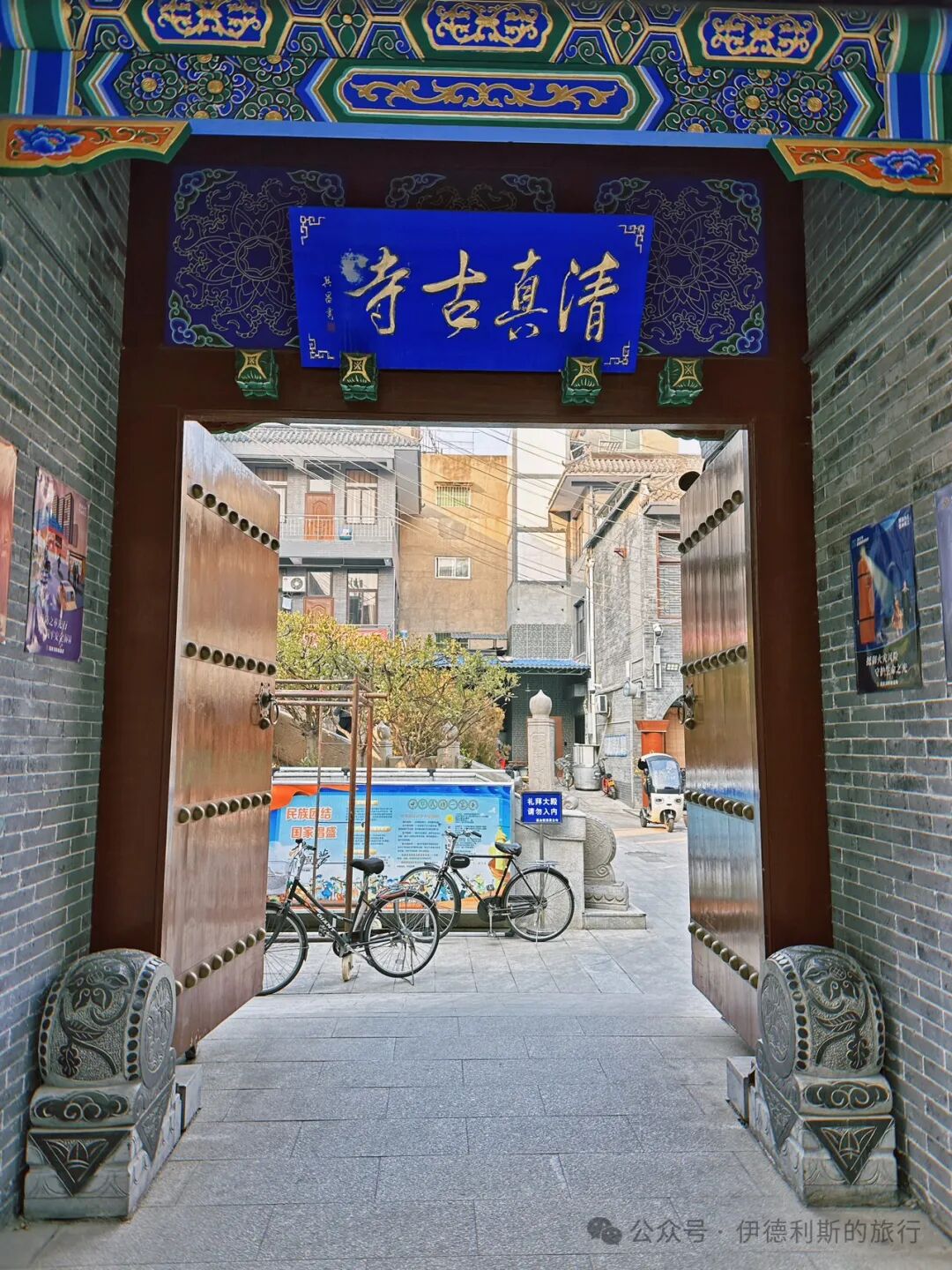
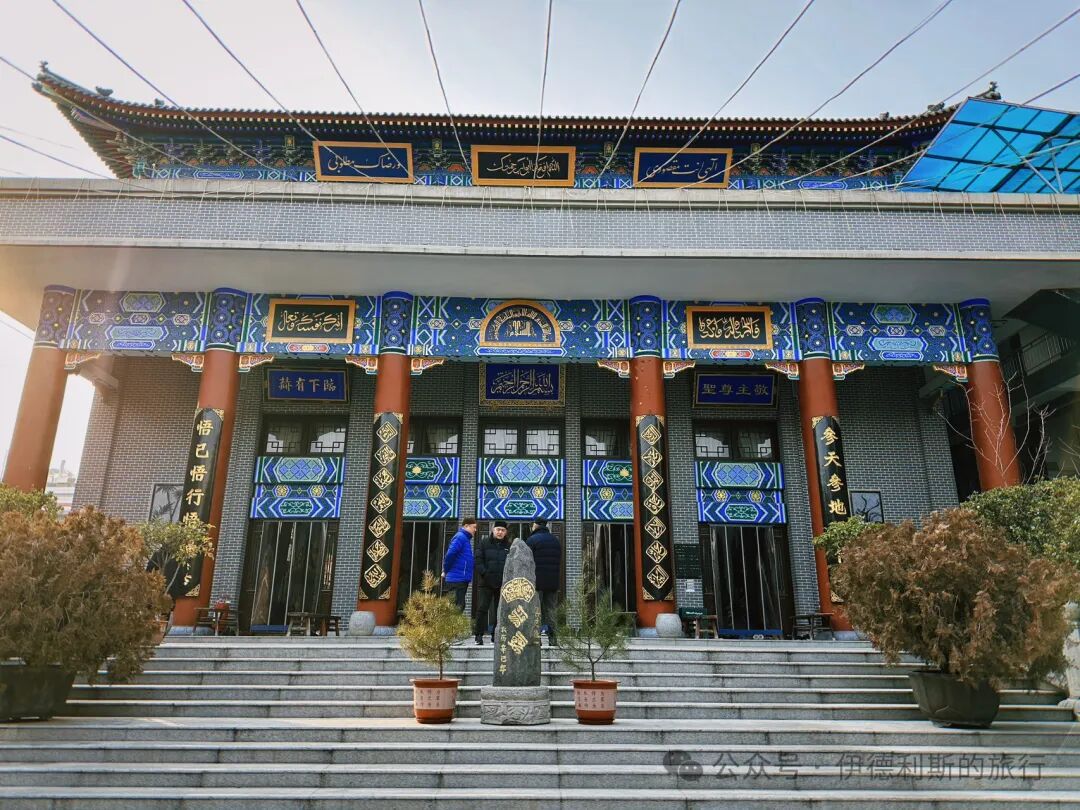
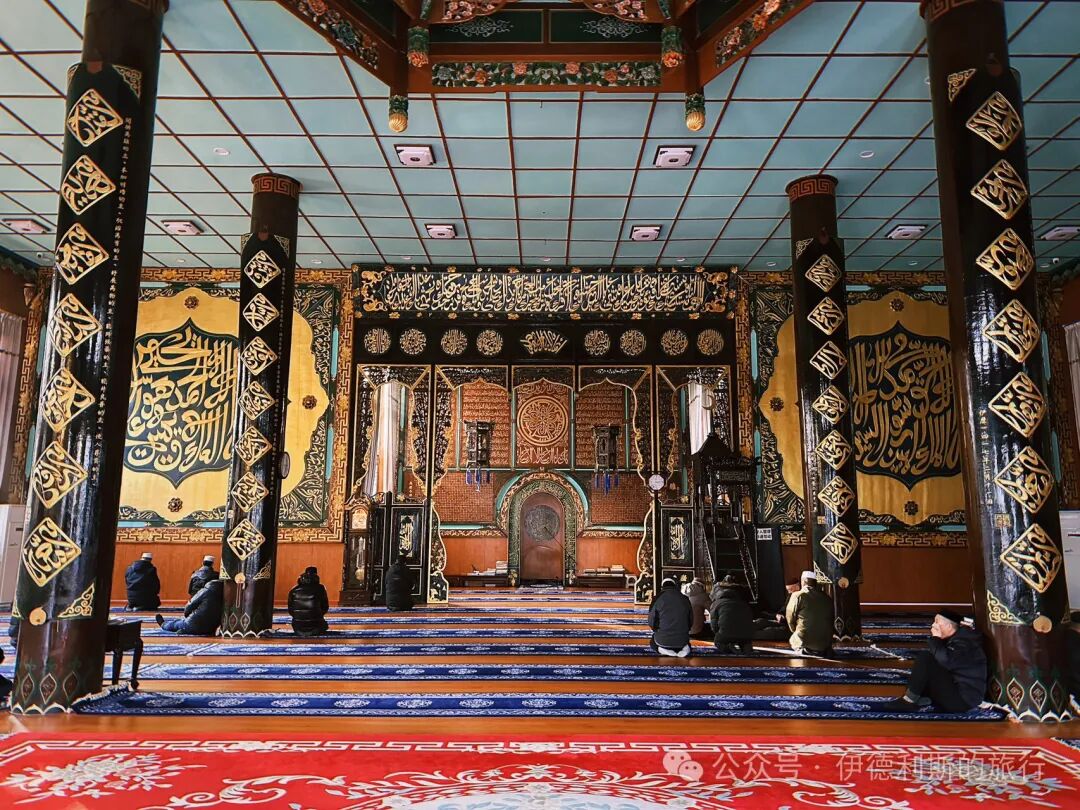
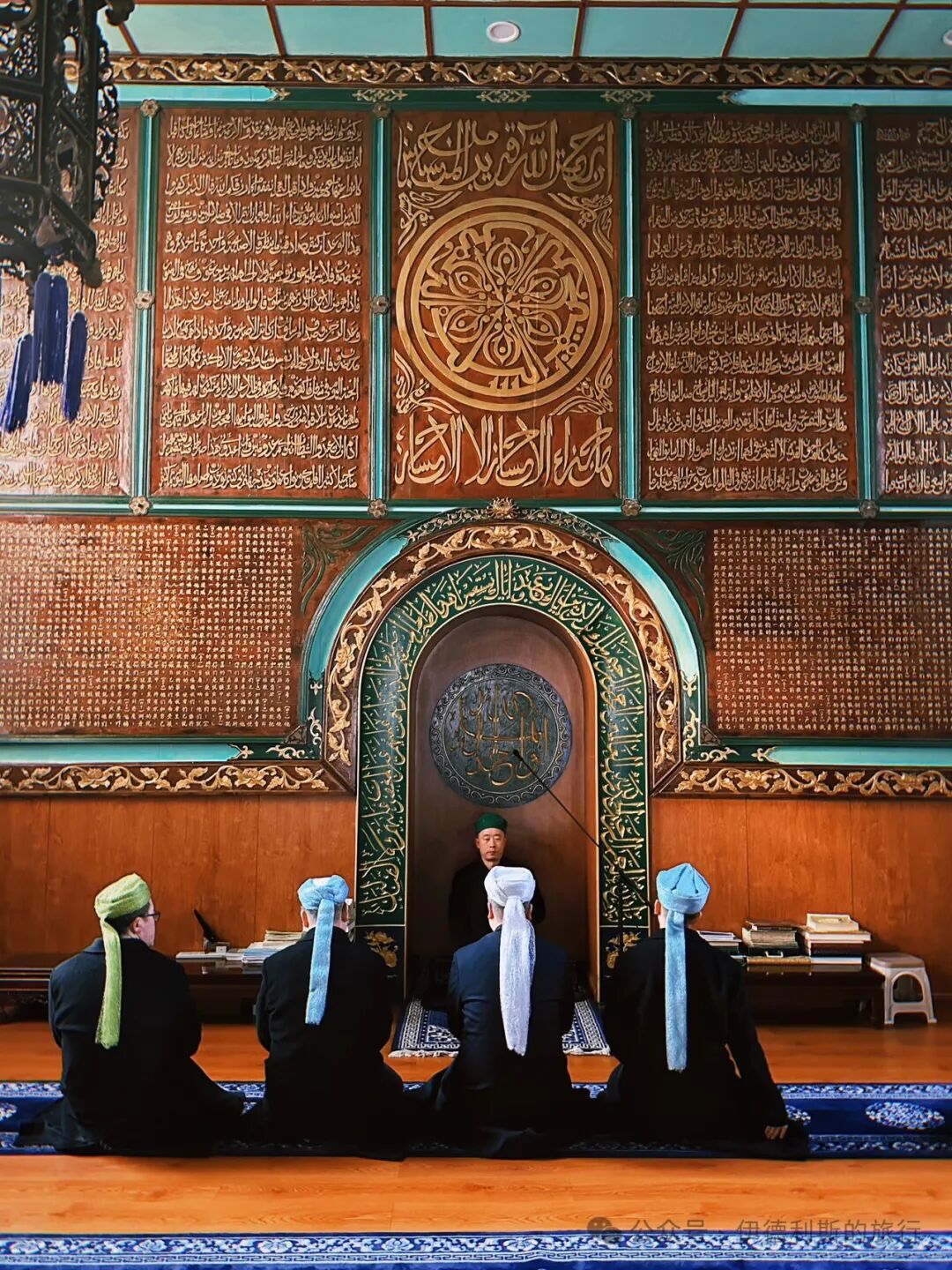
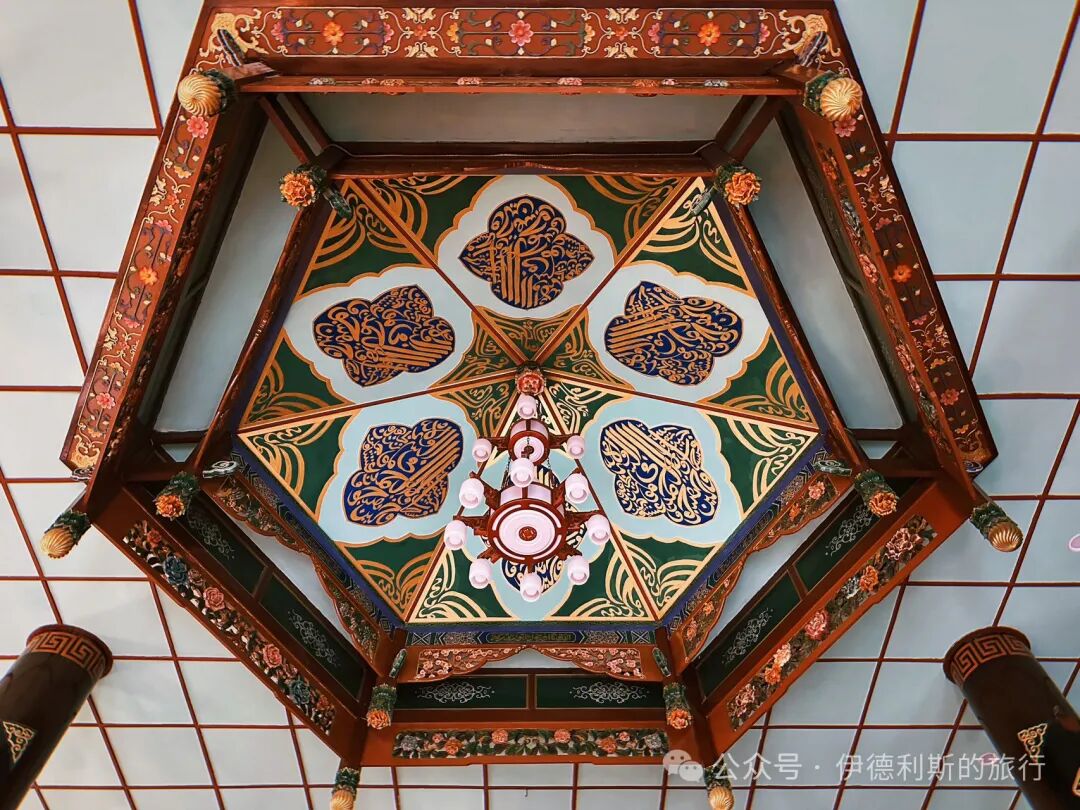
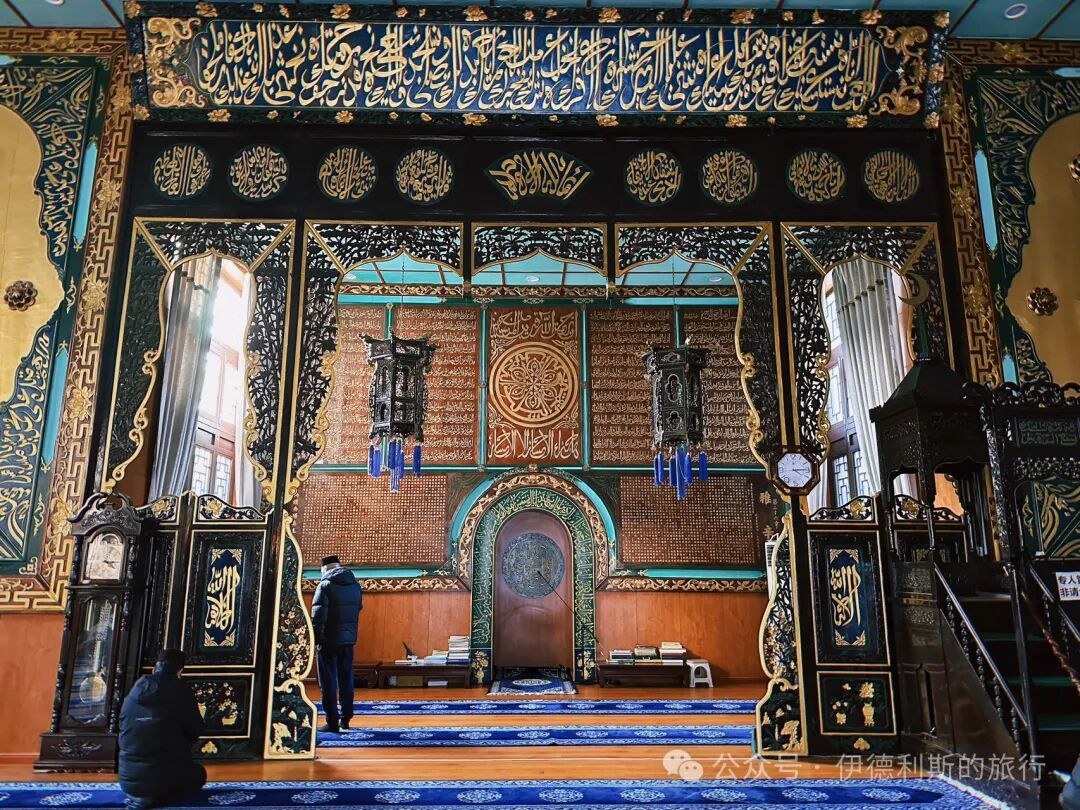
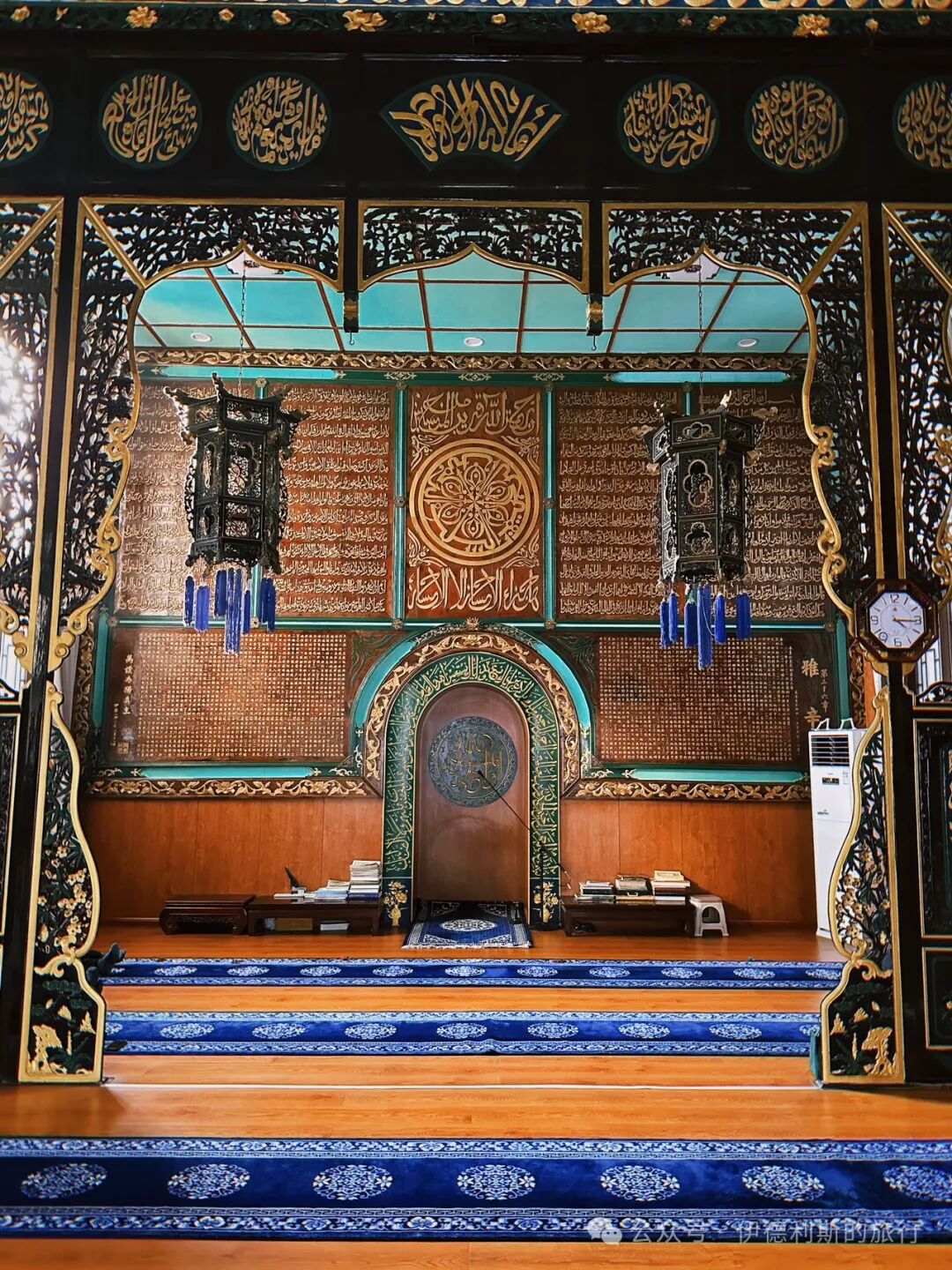
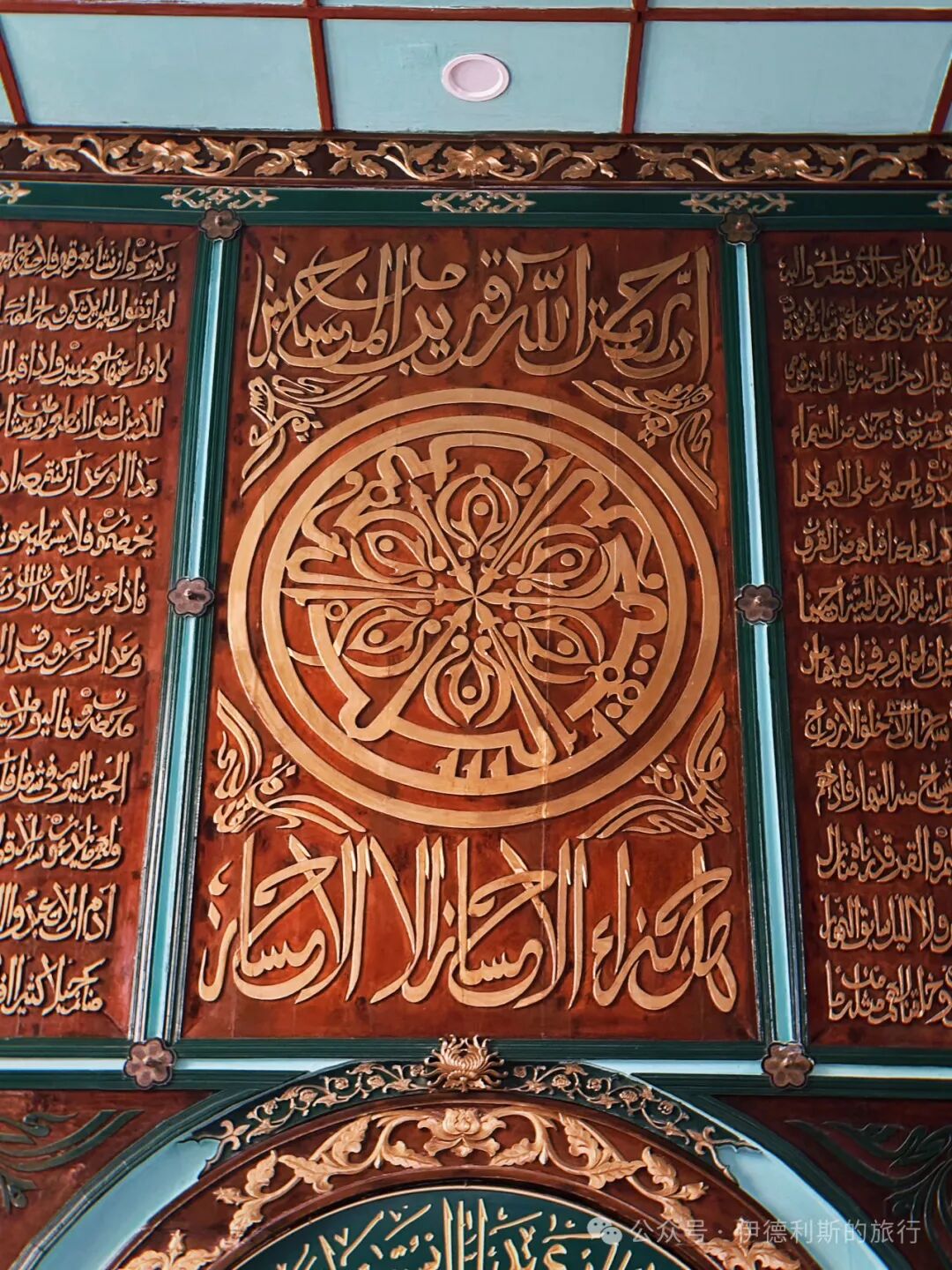
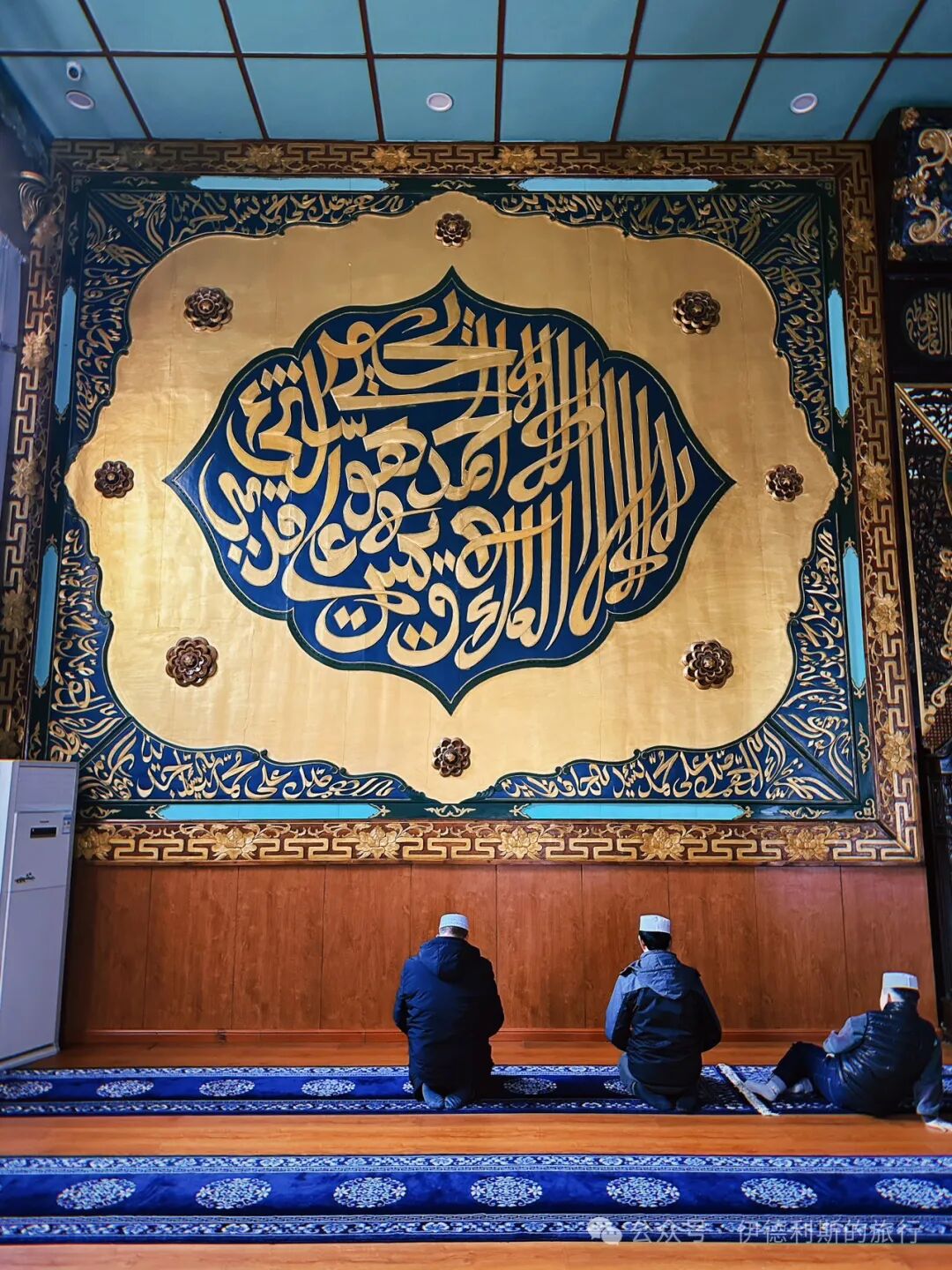
On January 30, the second day of the Lunar New Year, I celebrated the Prophet's birthday (Shengji) at the Ancient Mosque. The main gate of the Ancient Mosque only opens wide during festivals, and inside the gate stands an ancient locust tree nearly 200 years old. In the mosque courtyard, they cooked a large pot of oily rice (youfan), which was fragrant and spicy, warming me up completely after I finished a bowl.
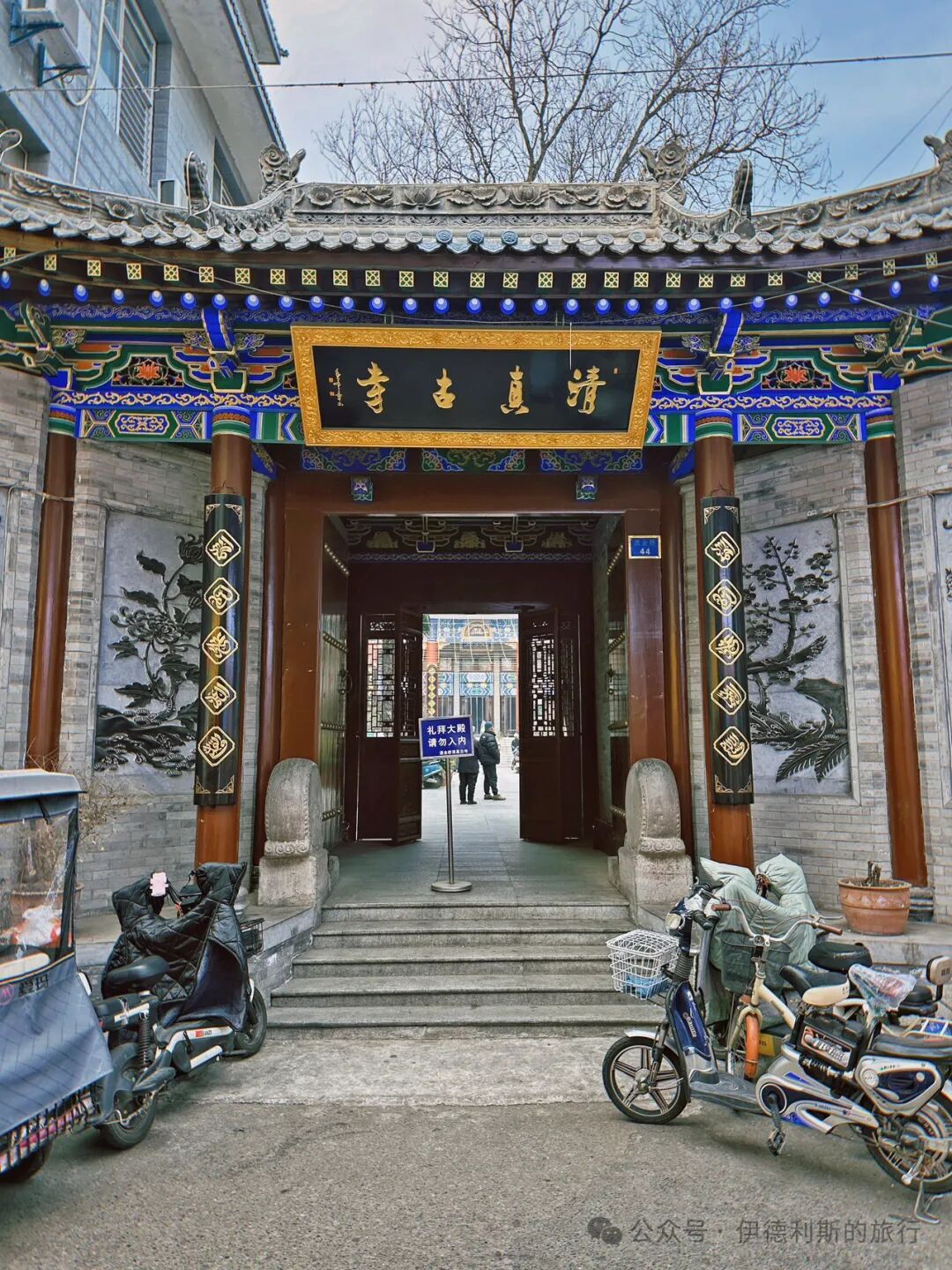
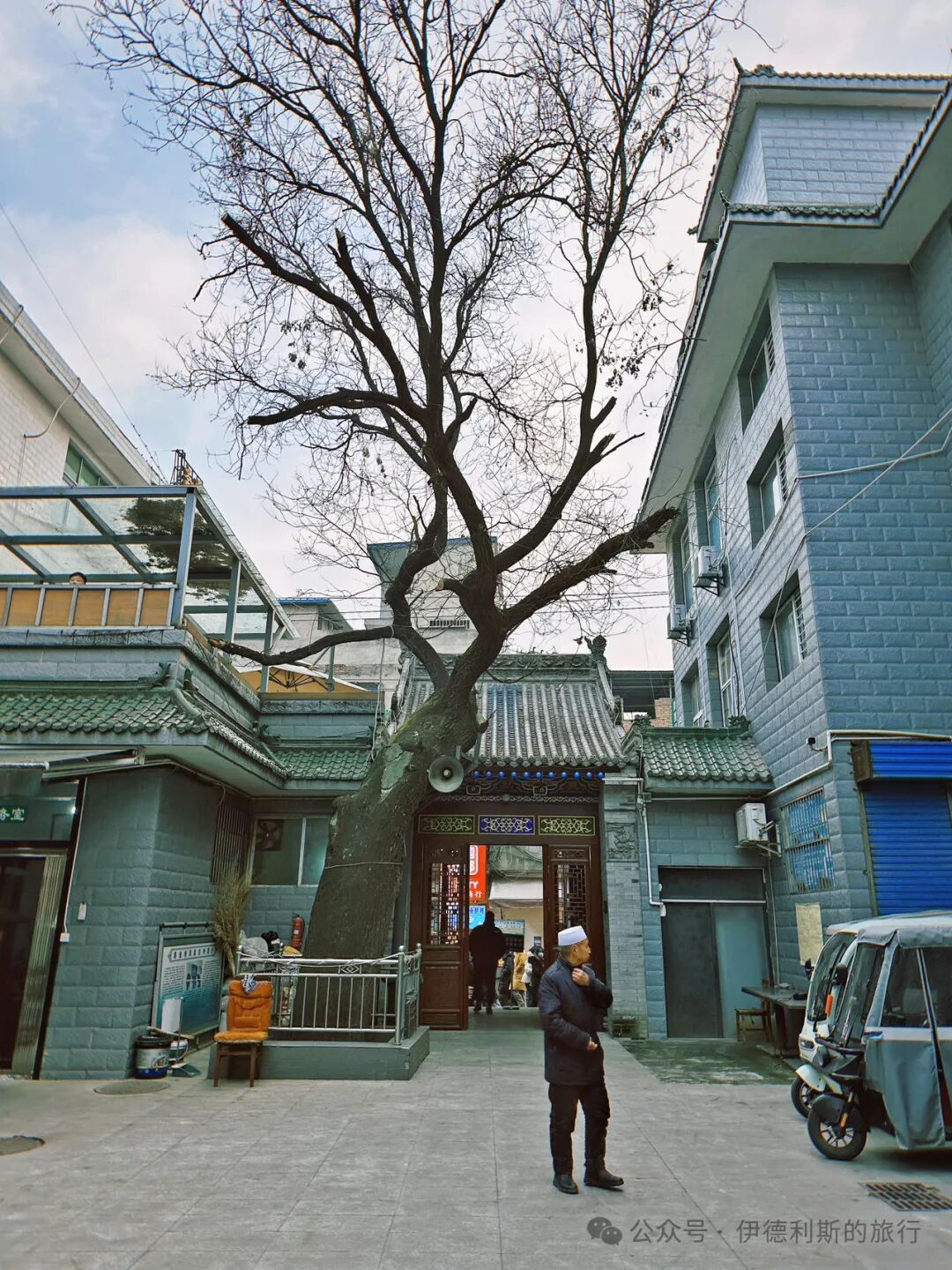
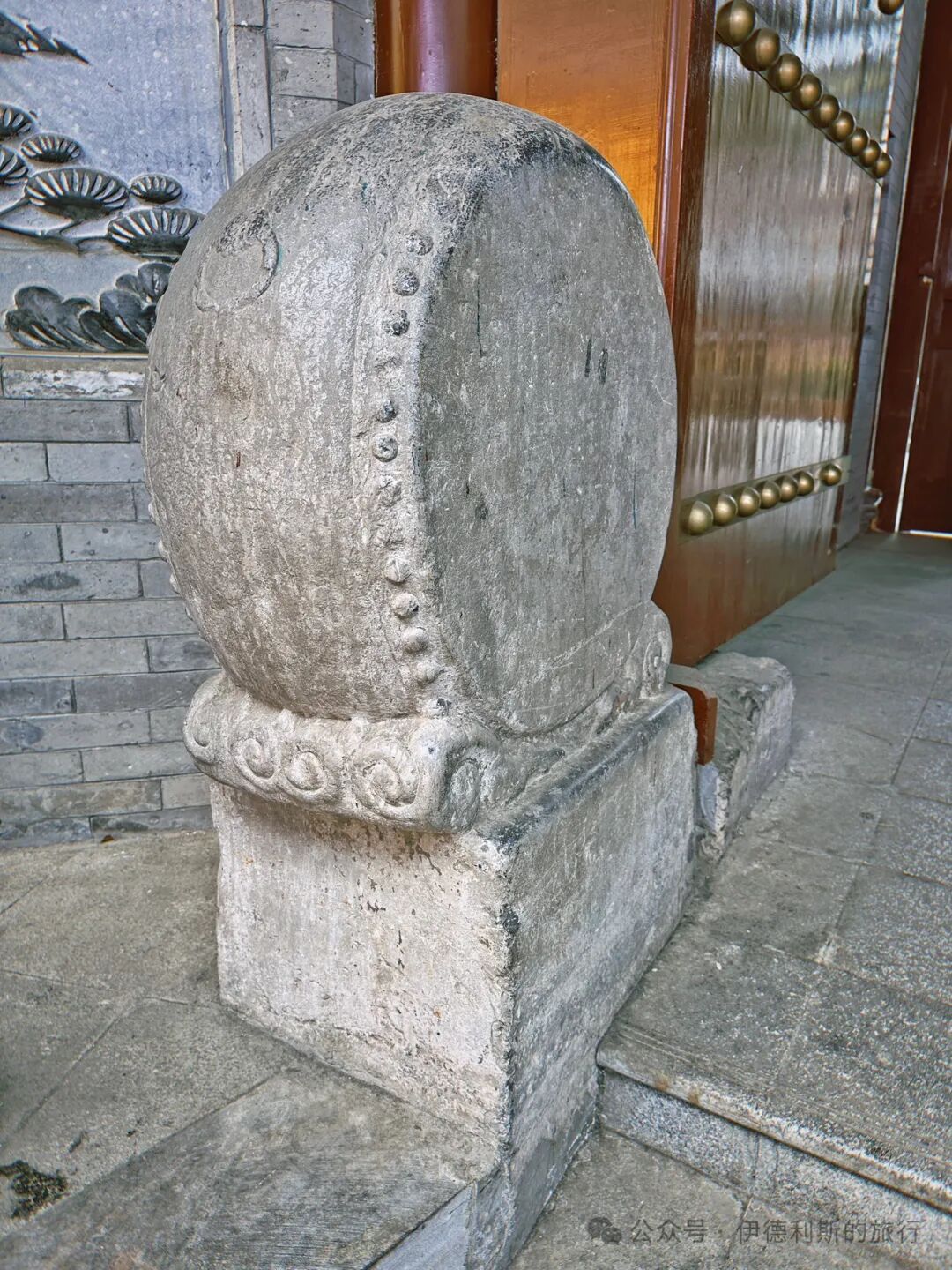
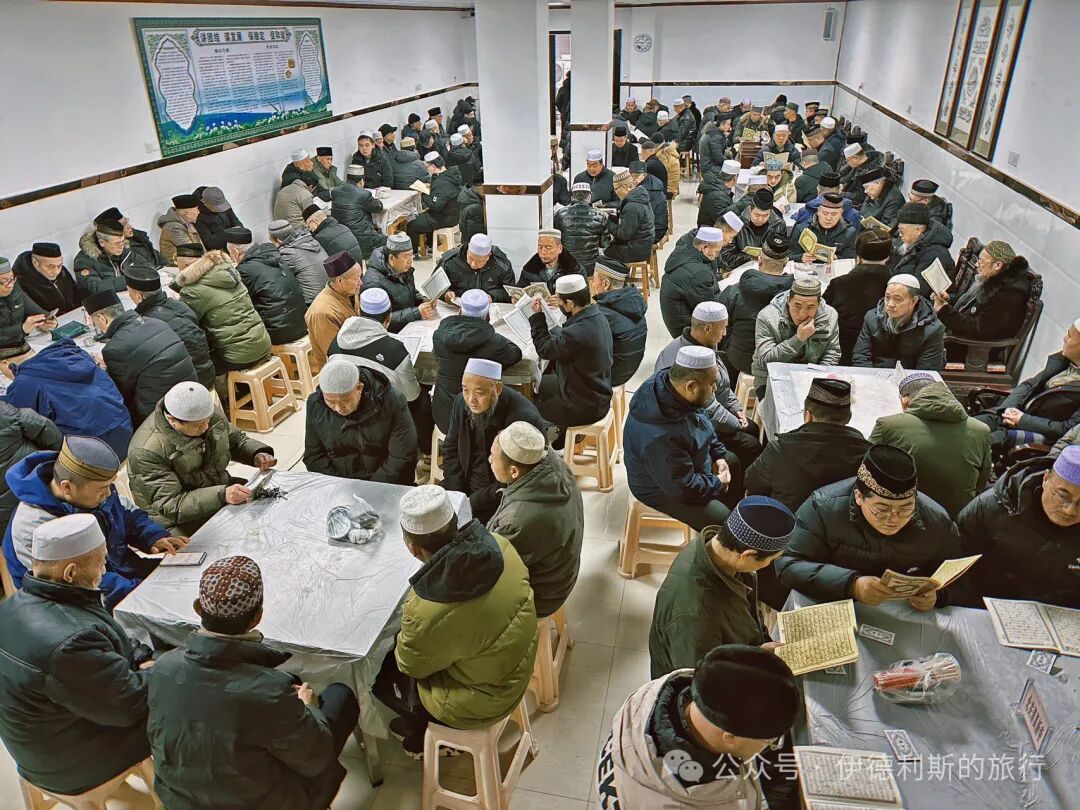
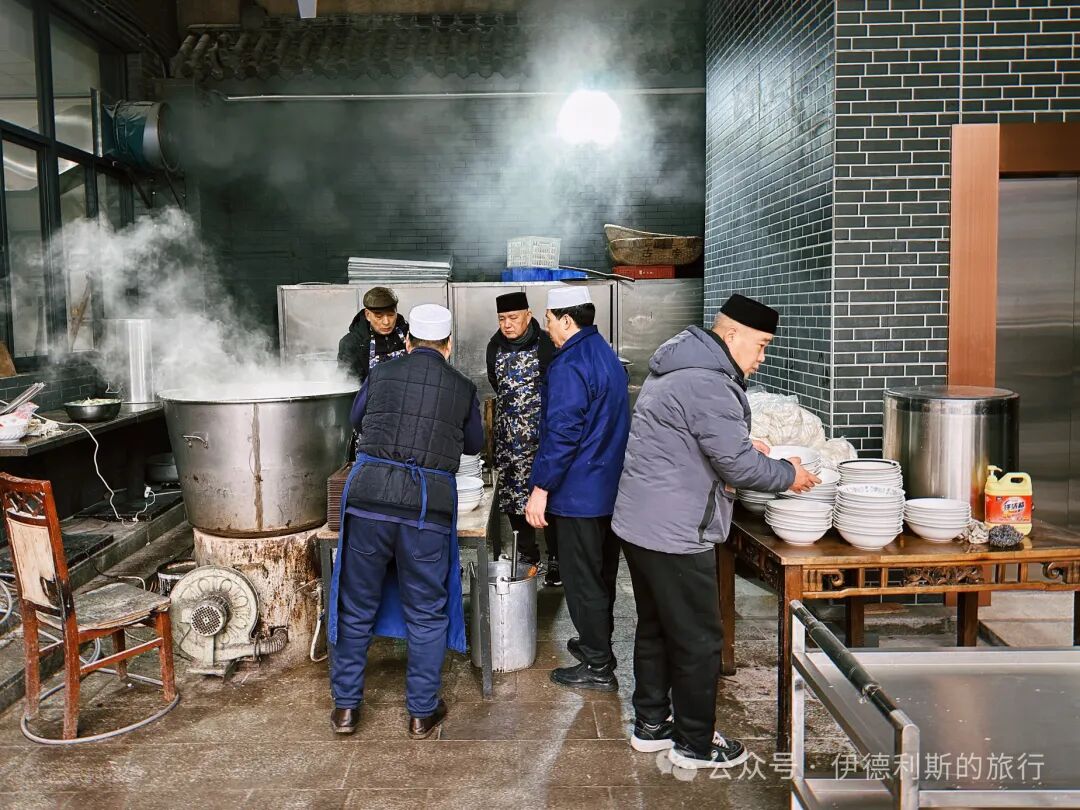
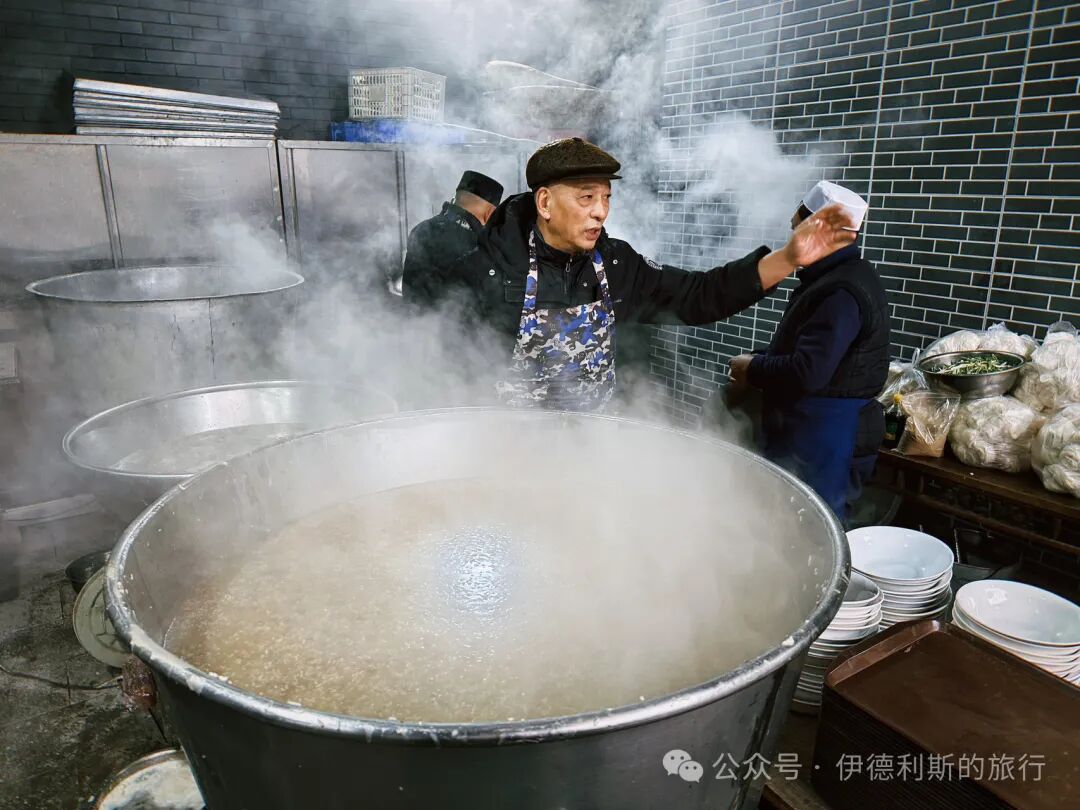
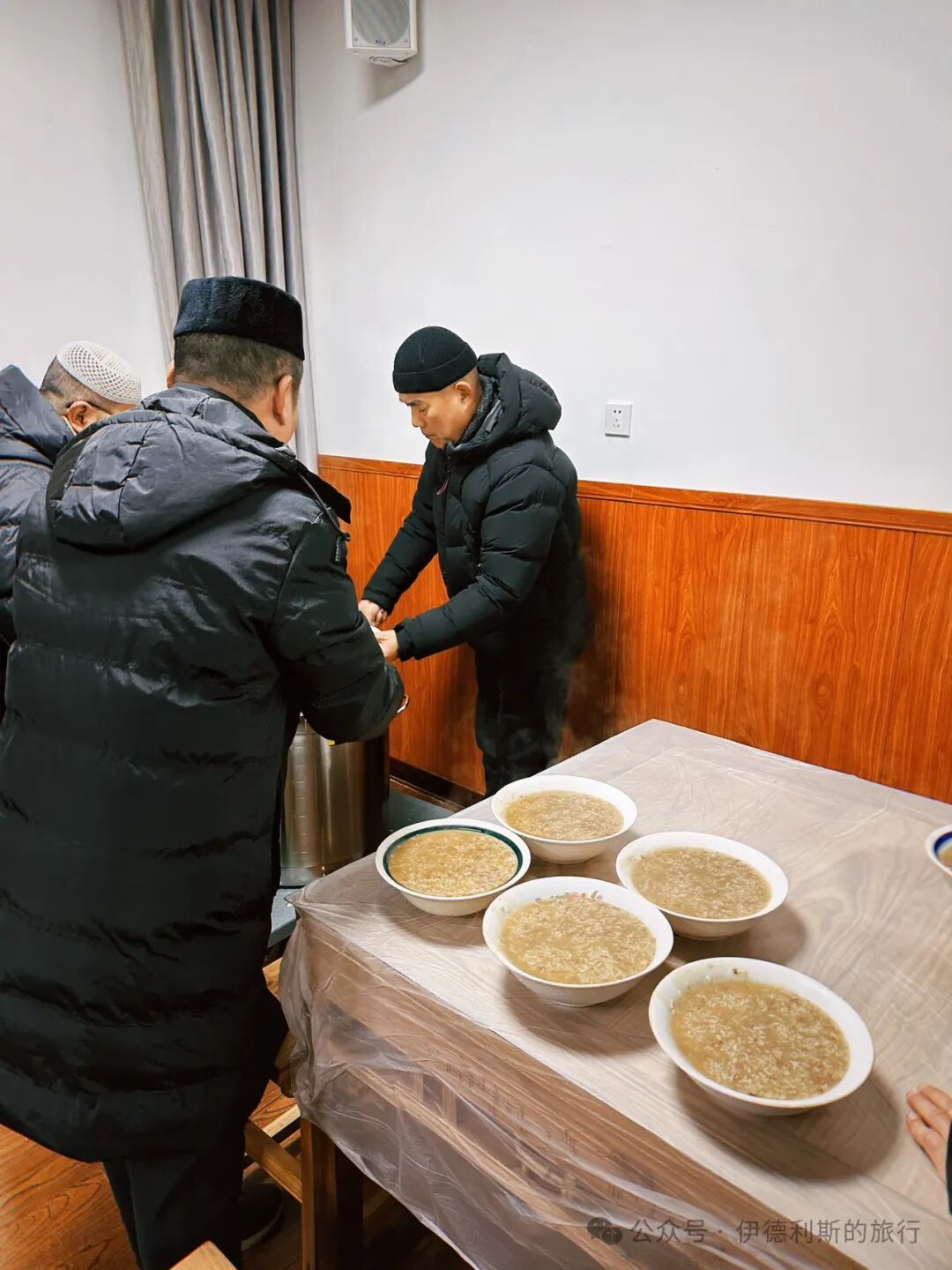
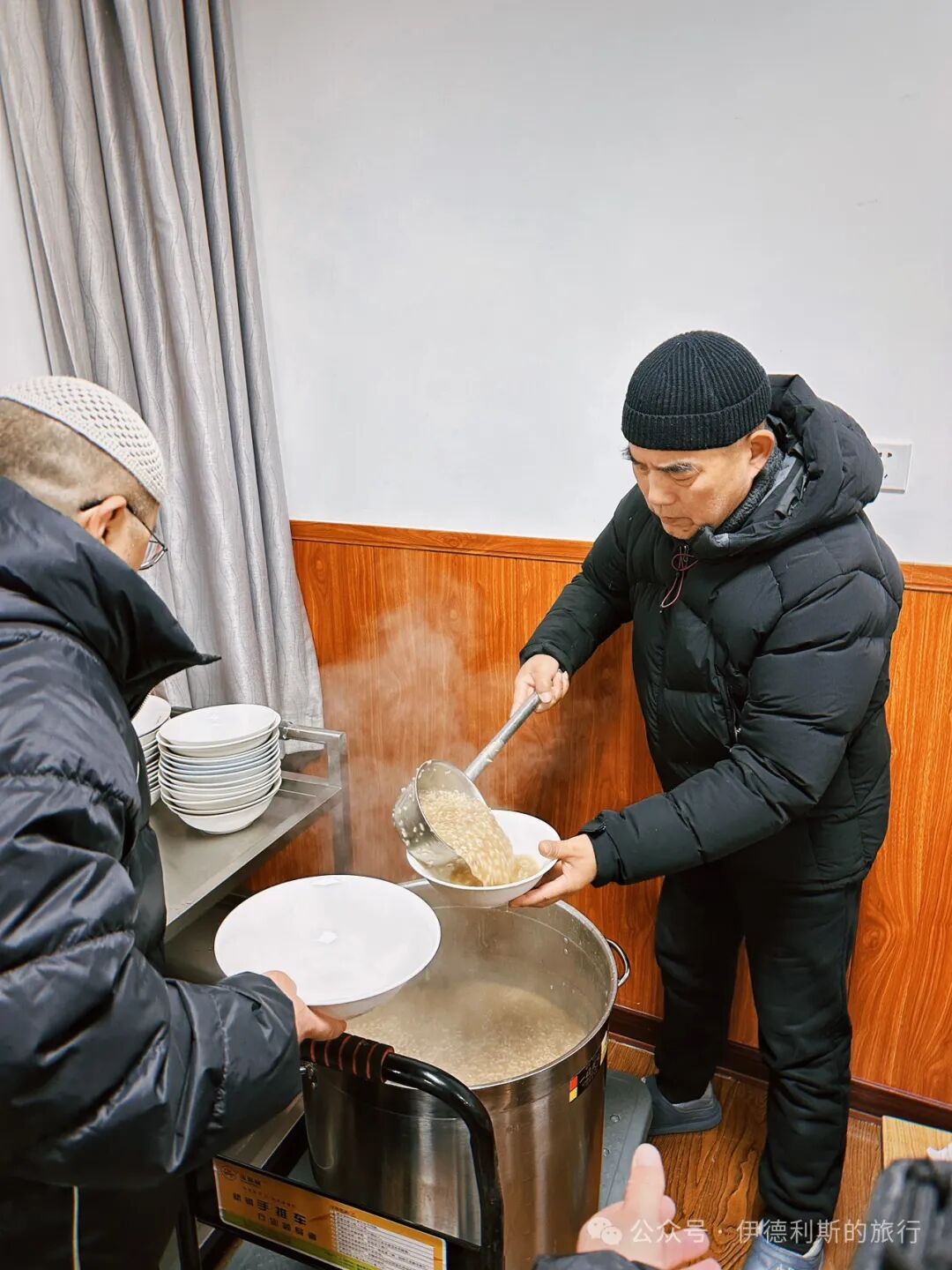
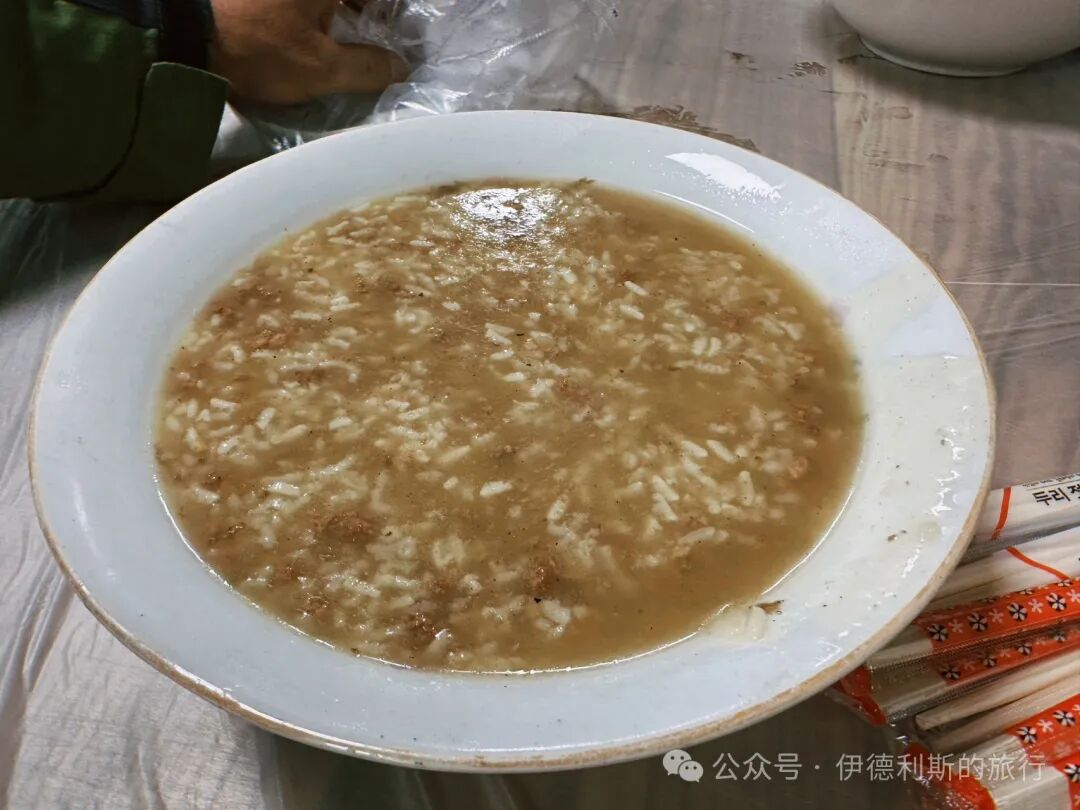
At the entrance of the Ancient Mosque, I tasted stewed beef tendon, meatball stew (wanzi huicai), braised meat (huangmenrou), lamb offal soup (yangzaguo), stewed pork with yam, stewed oxtail, and sweet rice platter (tianpanzi). I love oxtail so much; it was very tender and fell right off the bone.
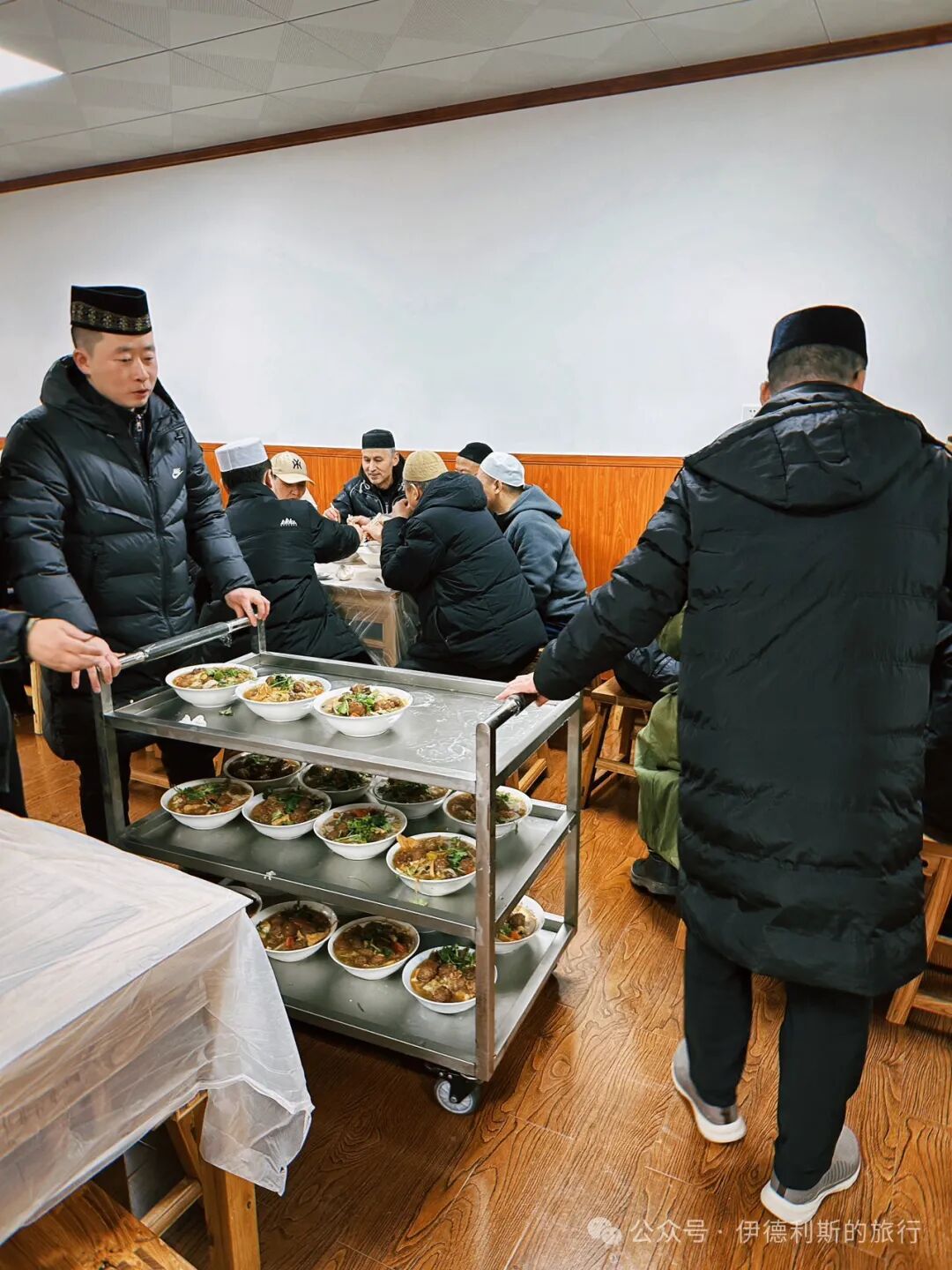
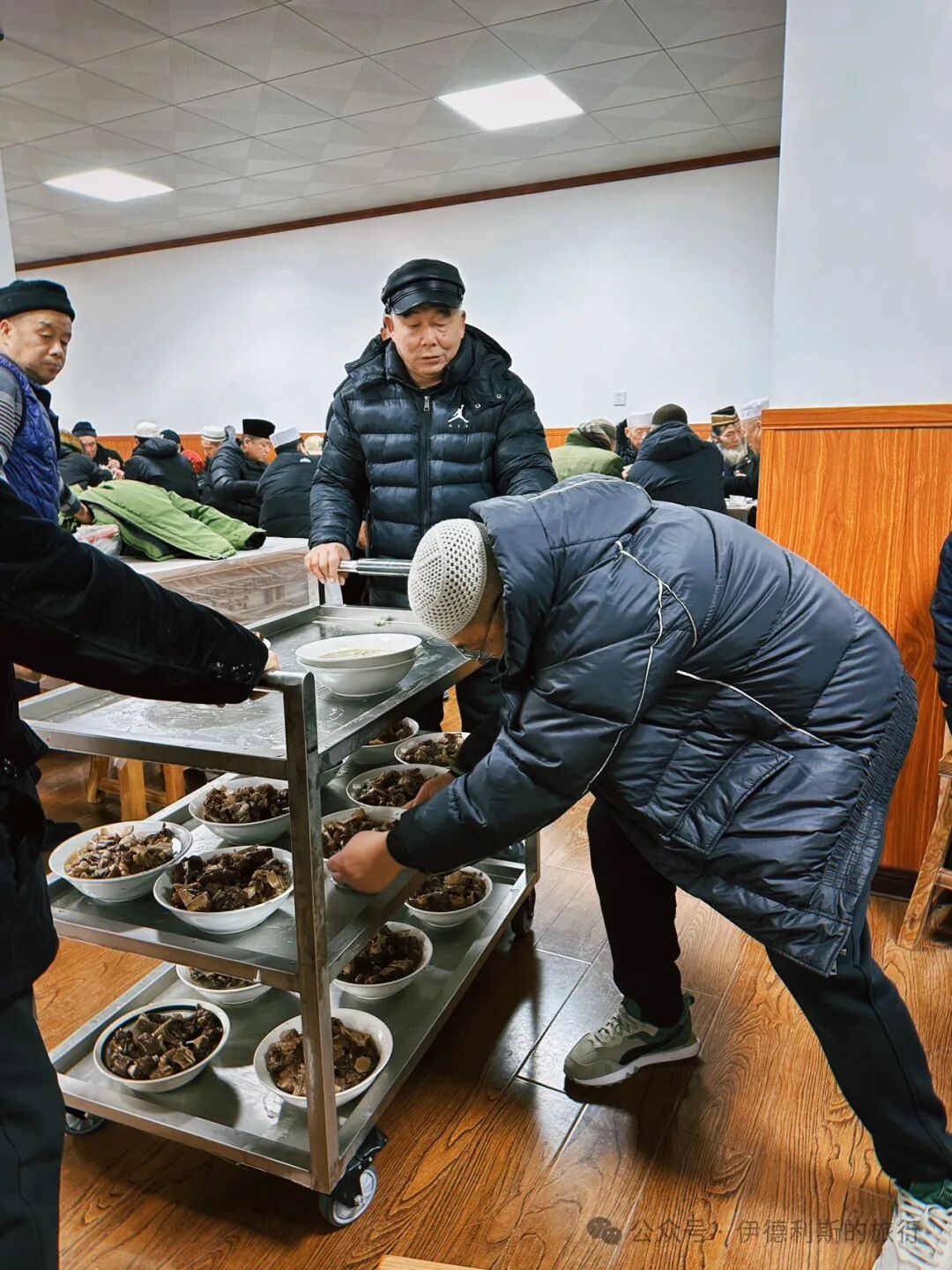
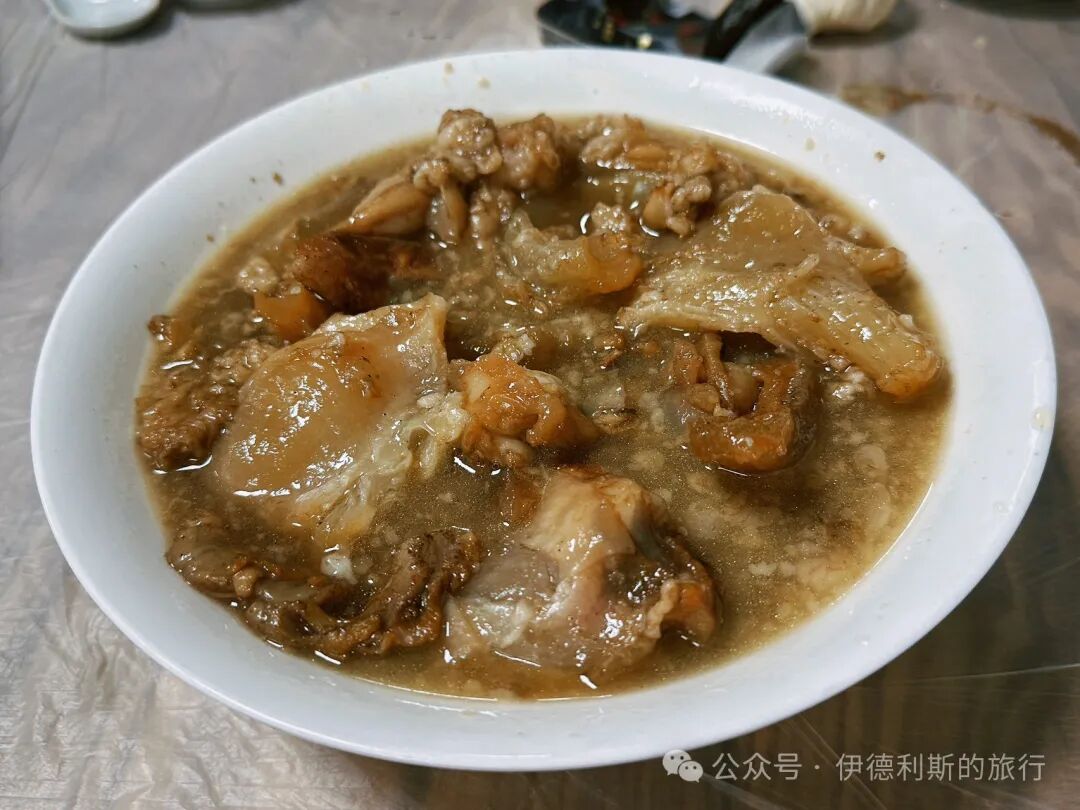
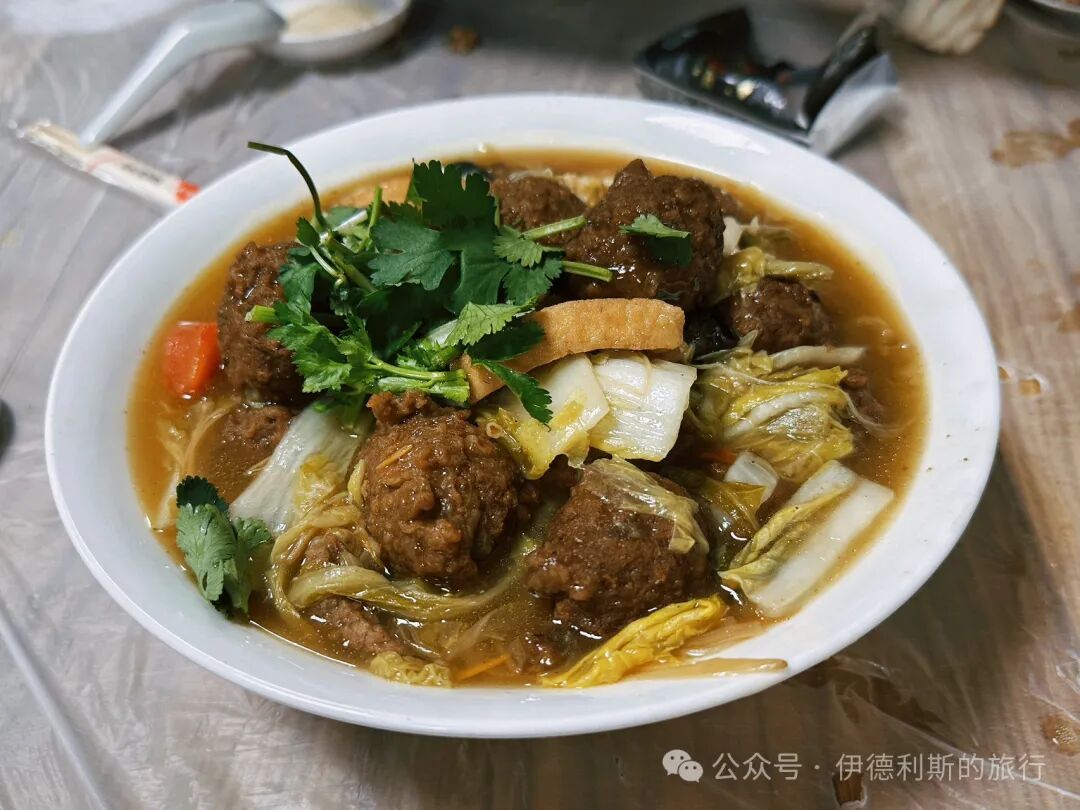
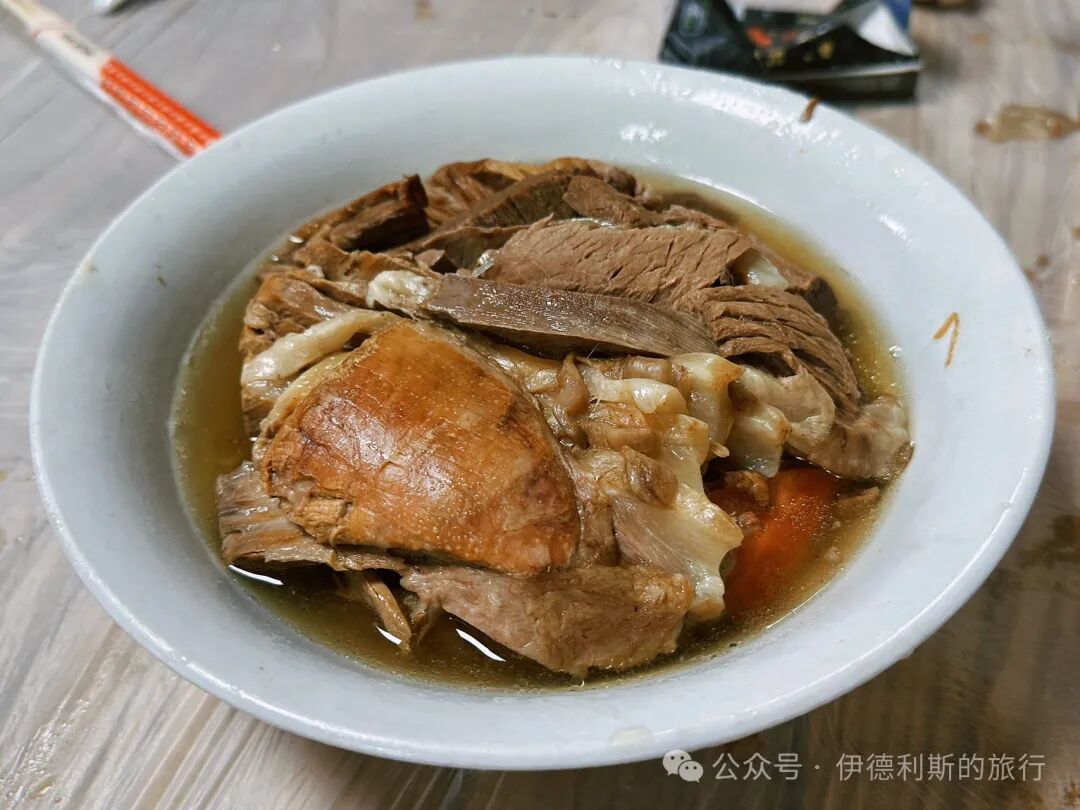
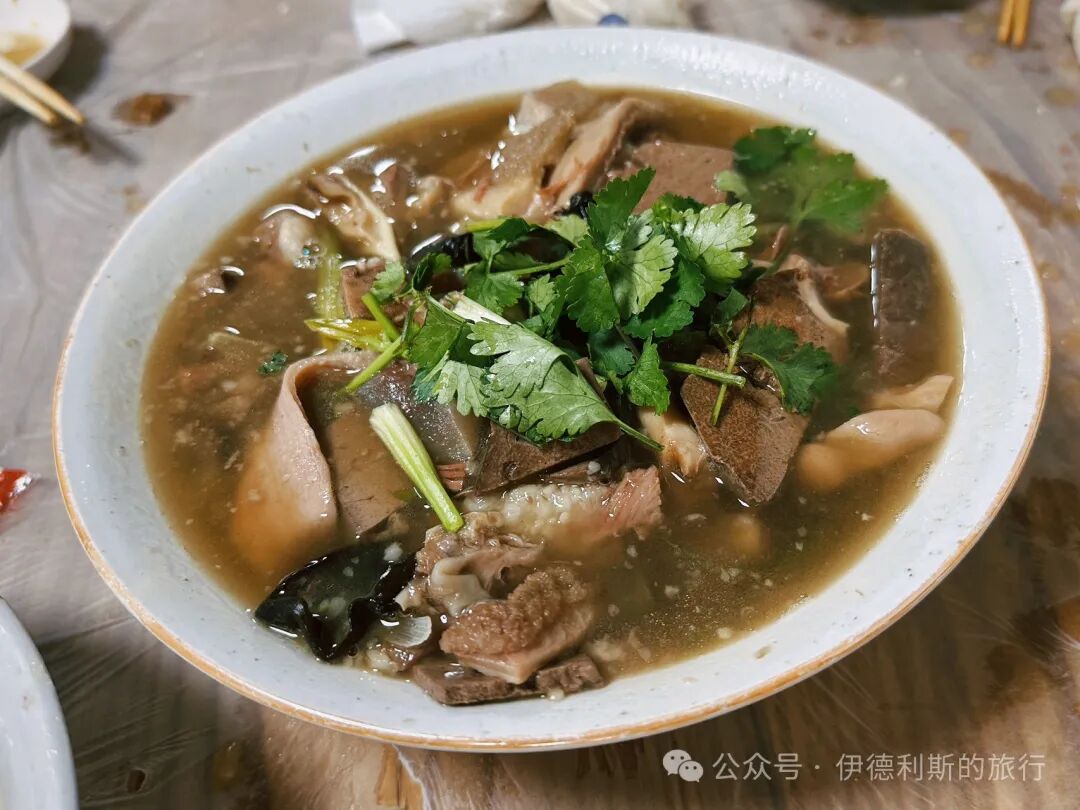
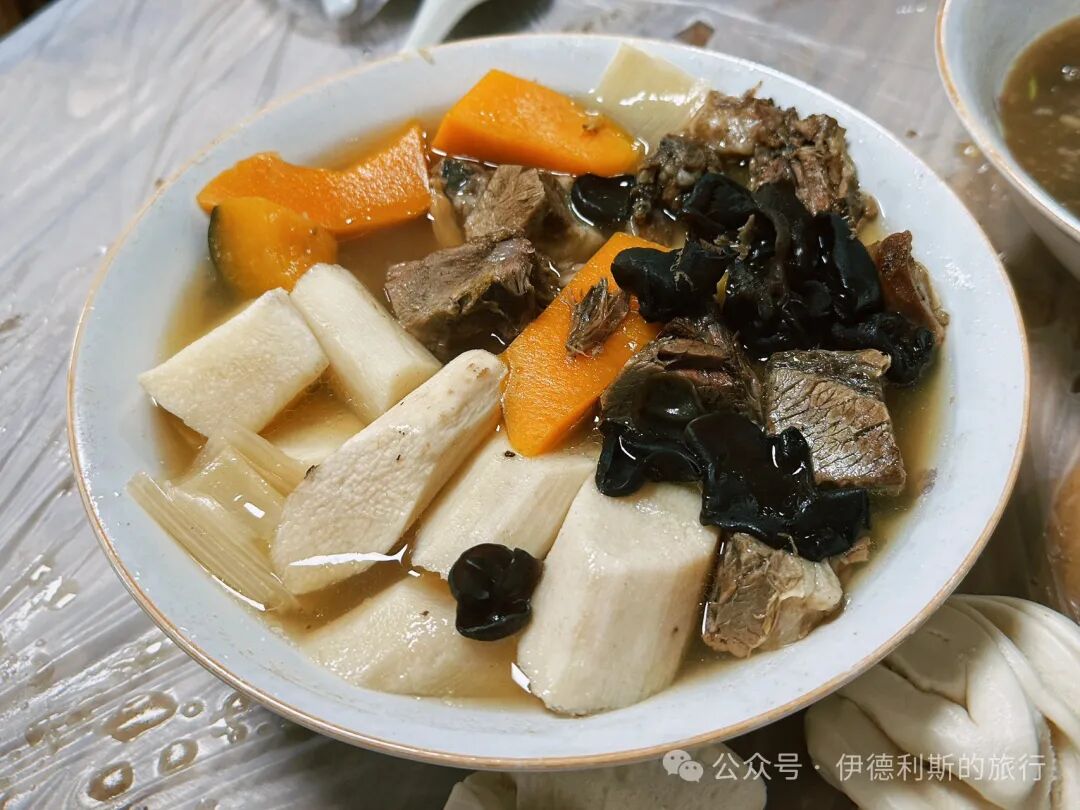
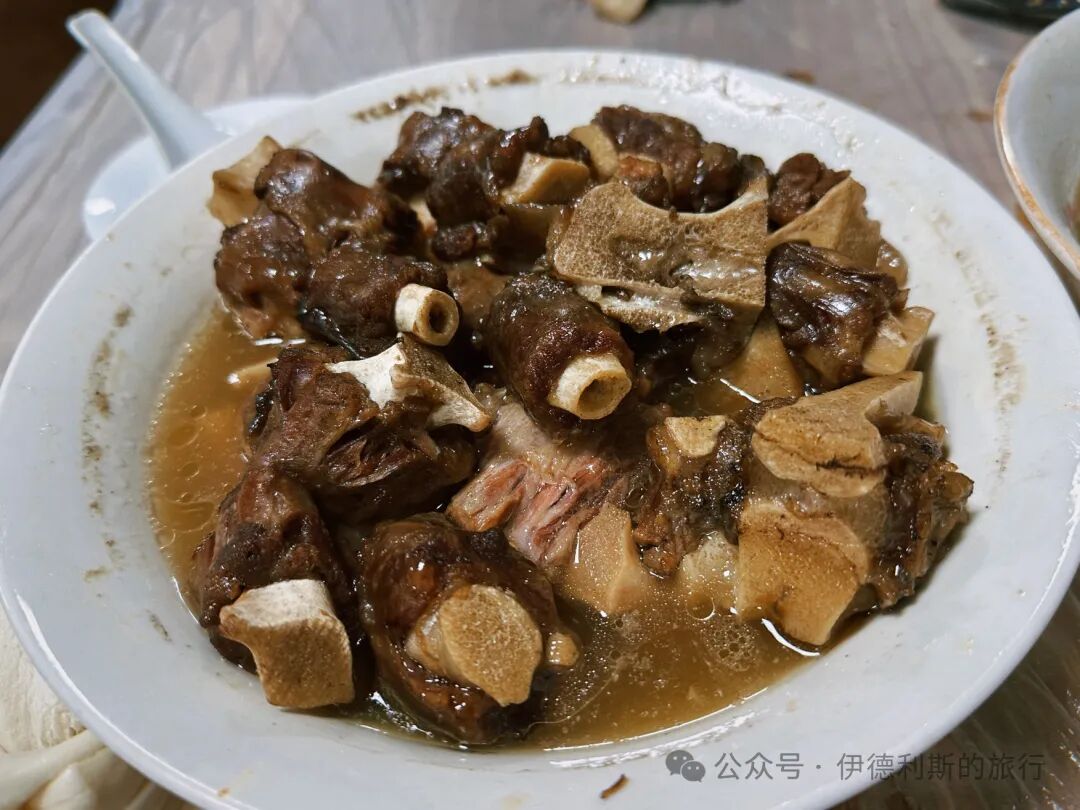
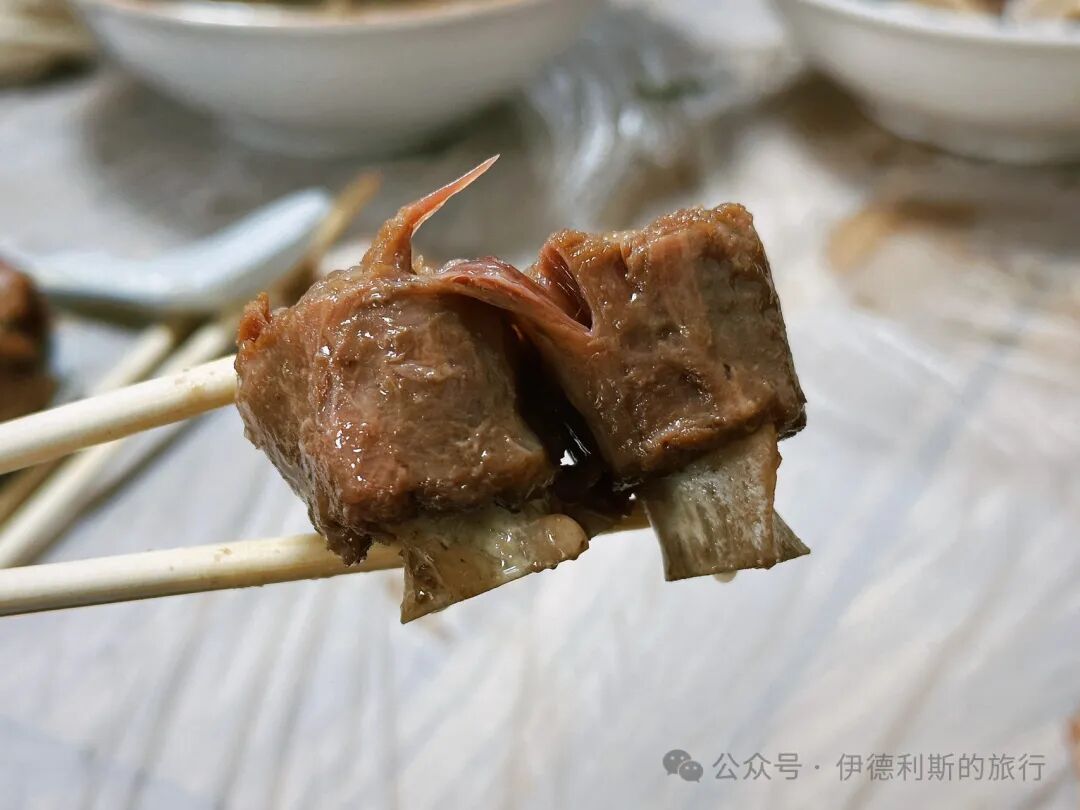
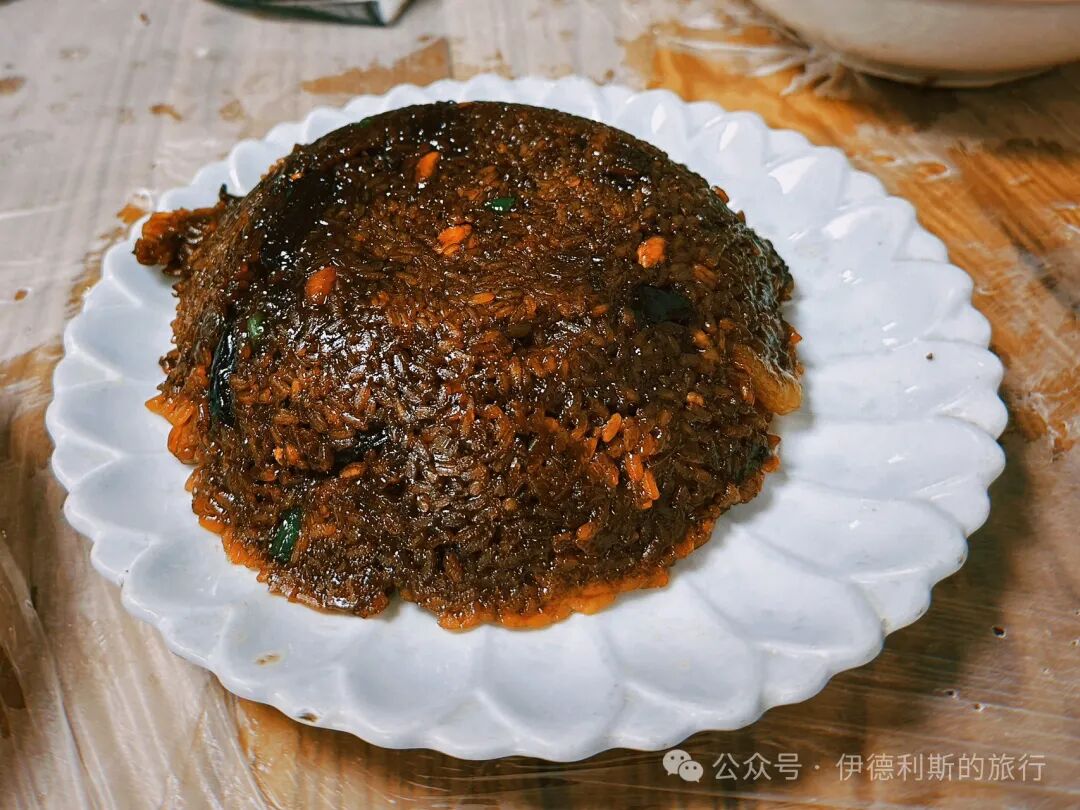
On the afternoon of January 30, the second day of the Lunar New Year, Digelehou attended the praise of the Prophet at the Great Mosque on Huajue Lane in Xi'an. I tasted stir-fried cabbage, celery with dried tofu, cumin lamb, stir-fried meat (xiaochao rou). In Xi'an, the Prophet's birthday celebrations usually involve eating stir-fried dishes after the praise of the Prophet, and stewed dishes the next day.
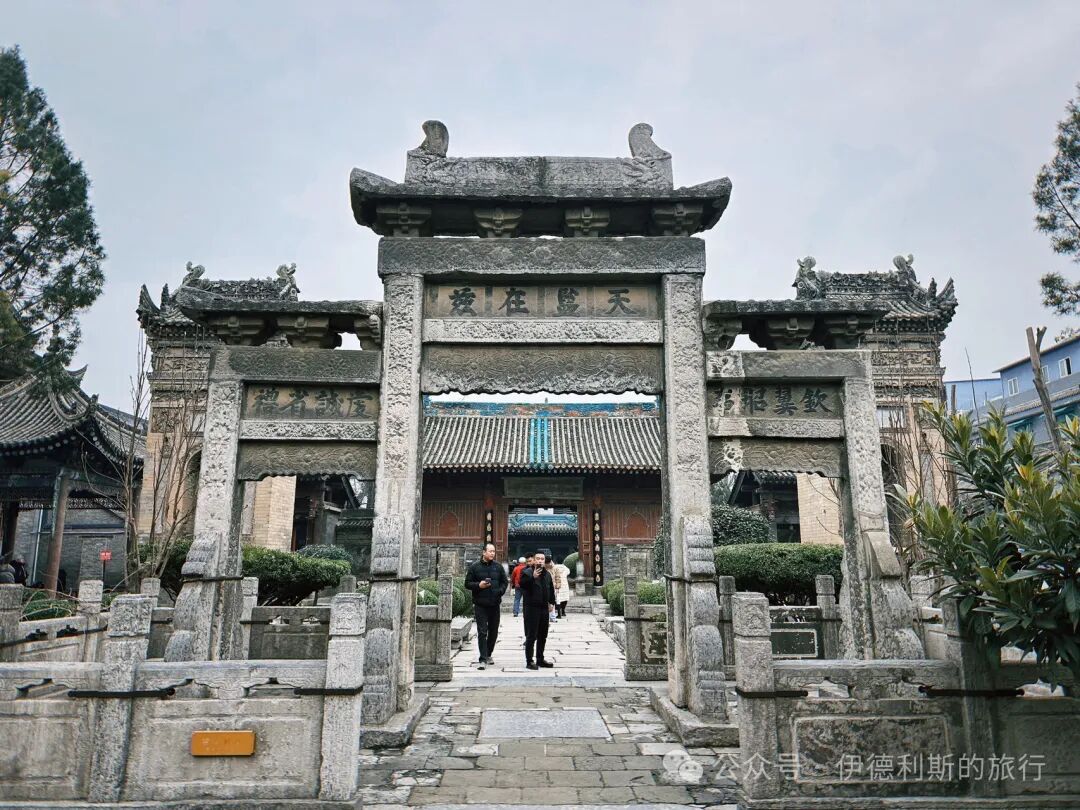
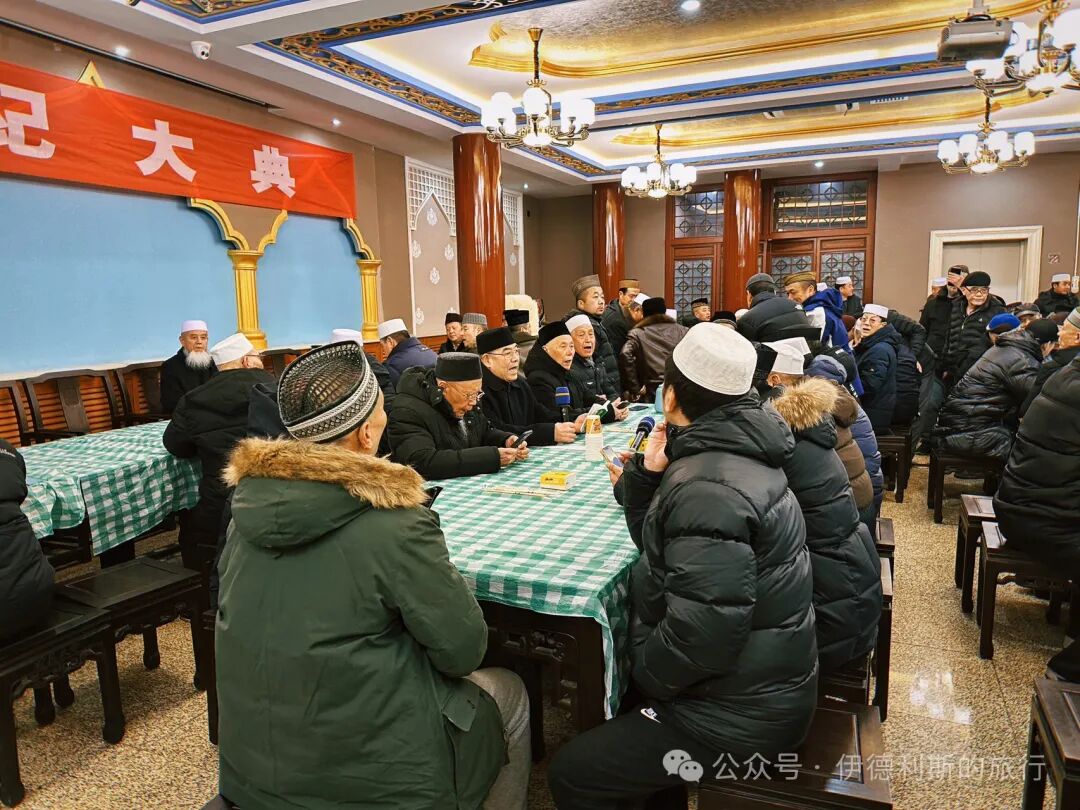
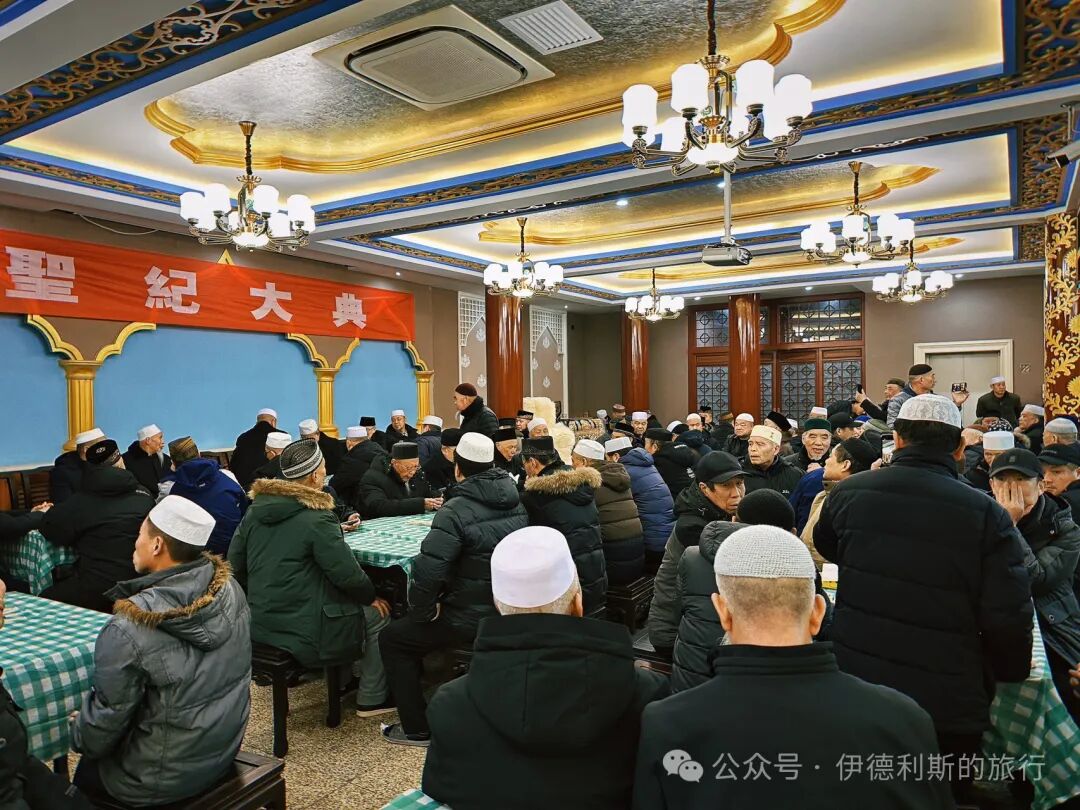
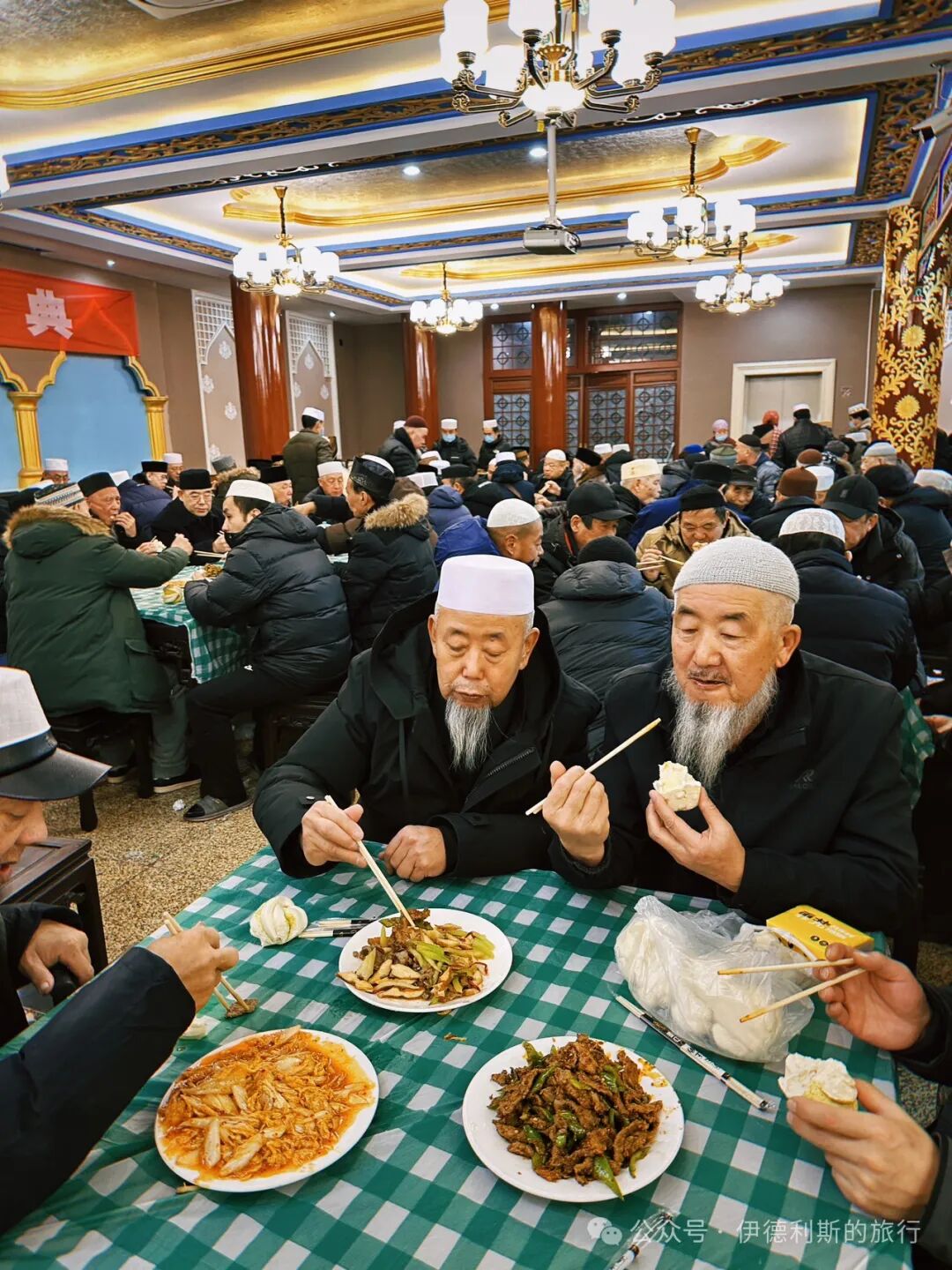
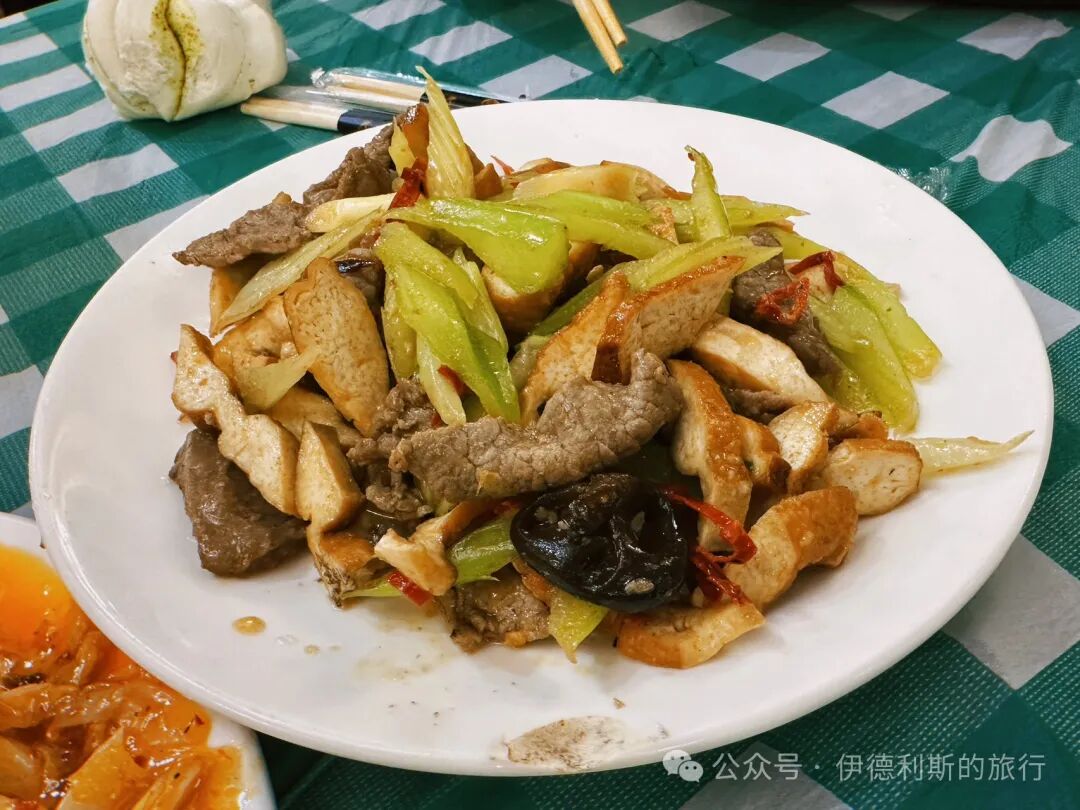
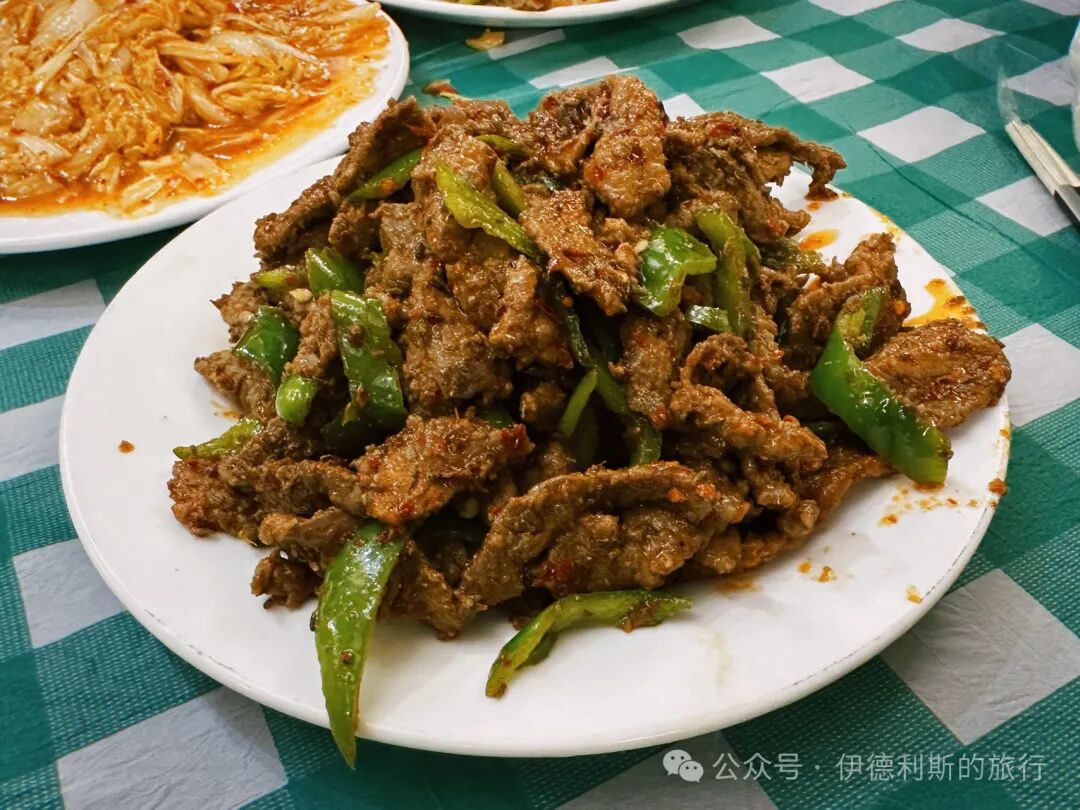
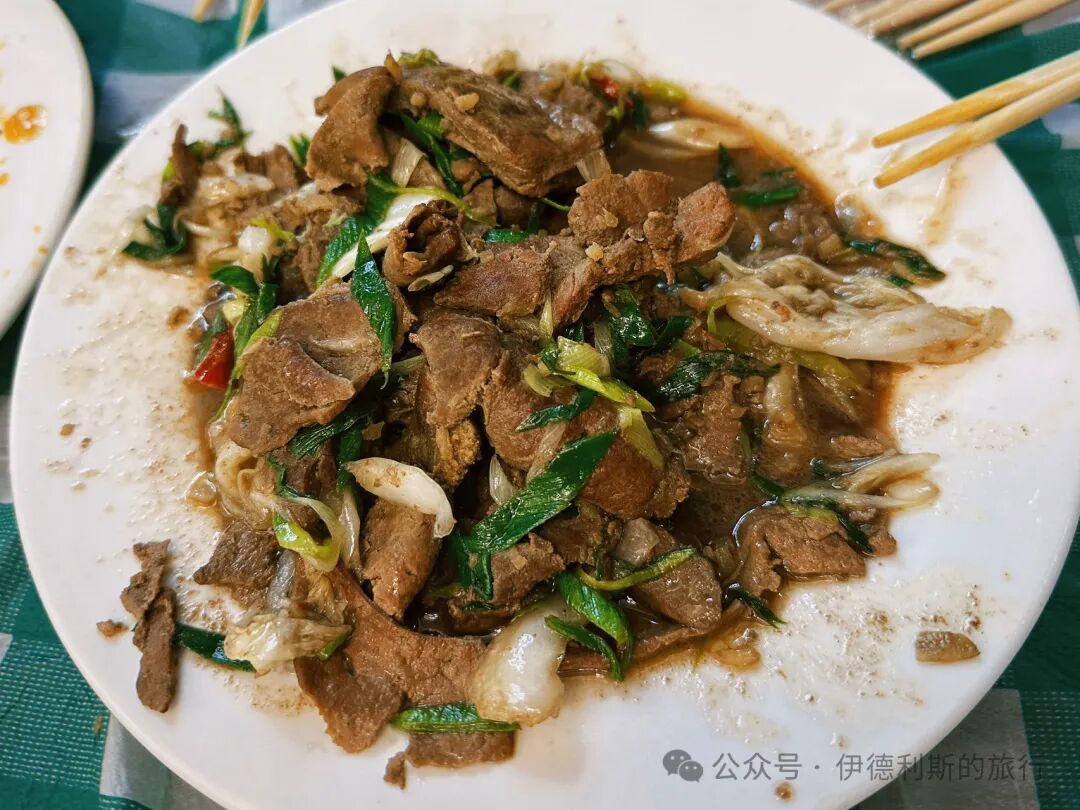
On the morning of January 31, the third day of the Lunar New Year, I attended the Prophet's birthday celebration at the Great Mosque on Huajue Lane. People from various Xi'an mosque communities, including Gedimu, Ikhwan, and Salafiyya, all came to participate. They also invited an imam from the North Mosque in Pingliang to give a sermon (wa'iz). I tasted stewed potatoes with meat, stir-stir-fried meat with yellow chives, braised hairtail, stir-stir-fried meat with asparagus lettuce, lamb offal soup, sliced meat, meatball stew, and crispy stir-fried meat (xiaosuru), finishing with a sweet soup.
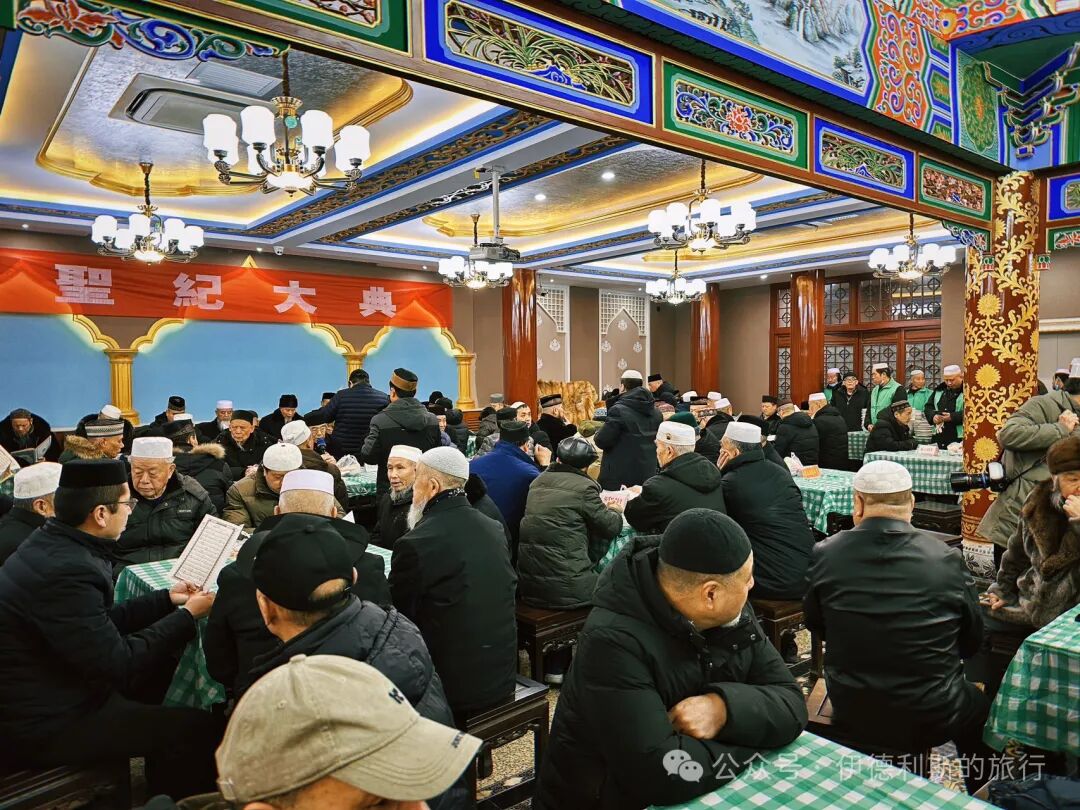
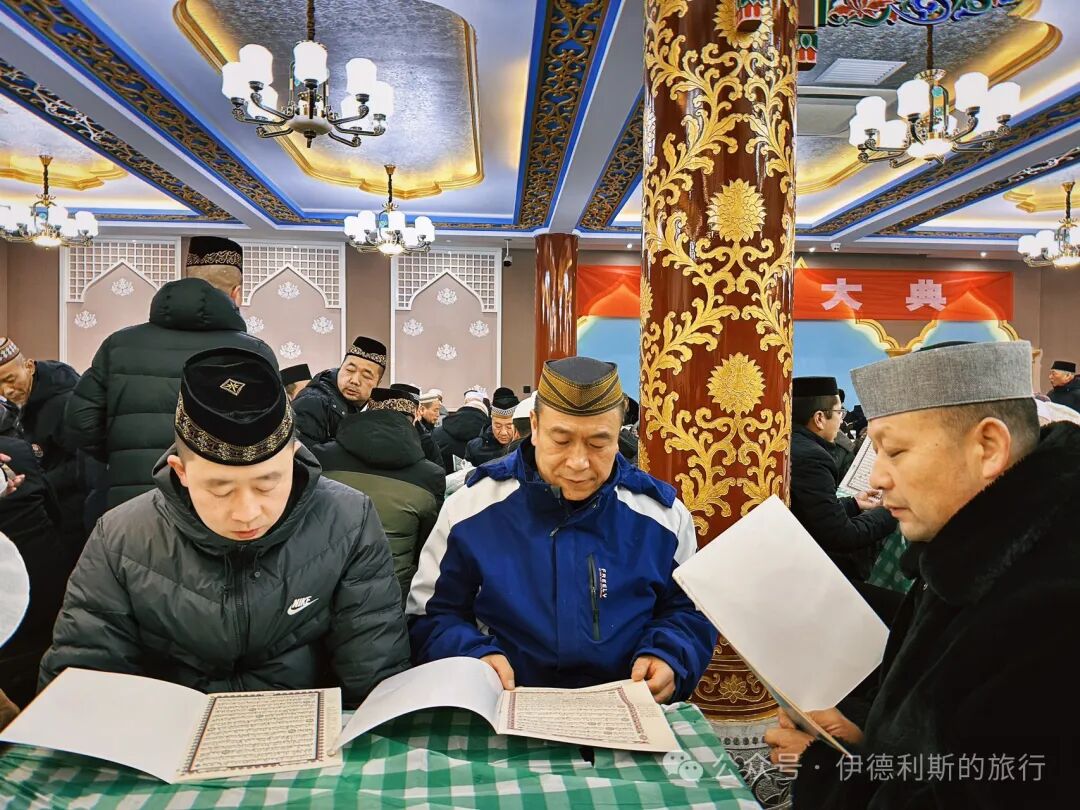
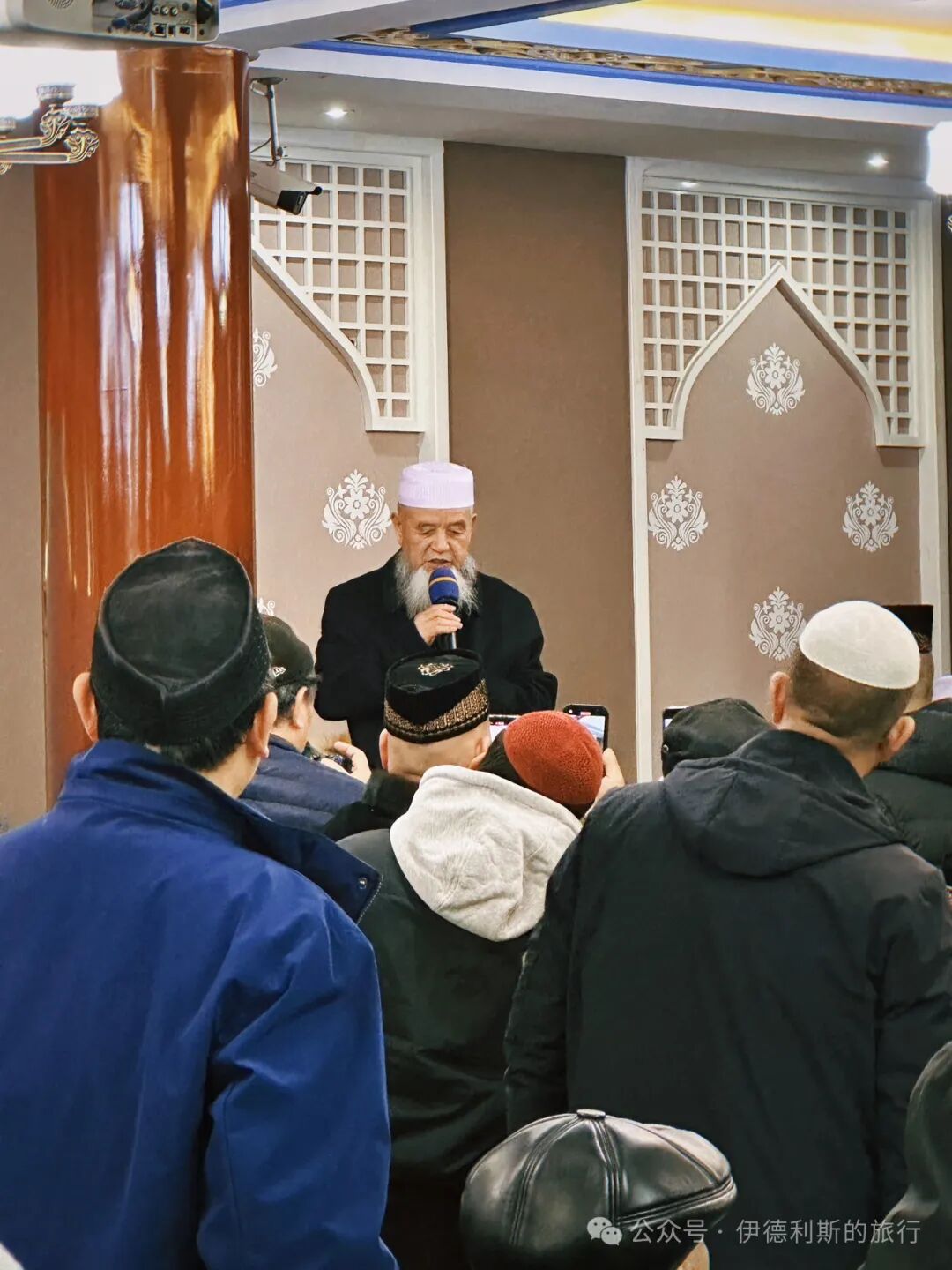
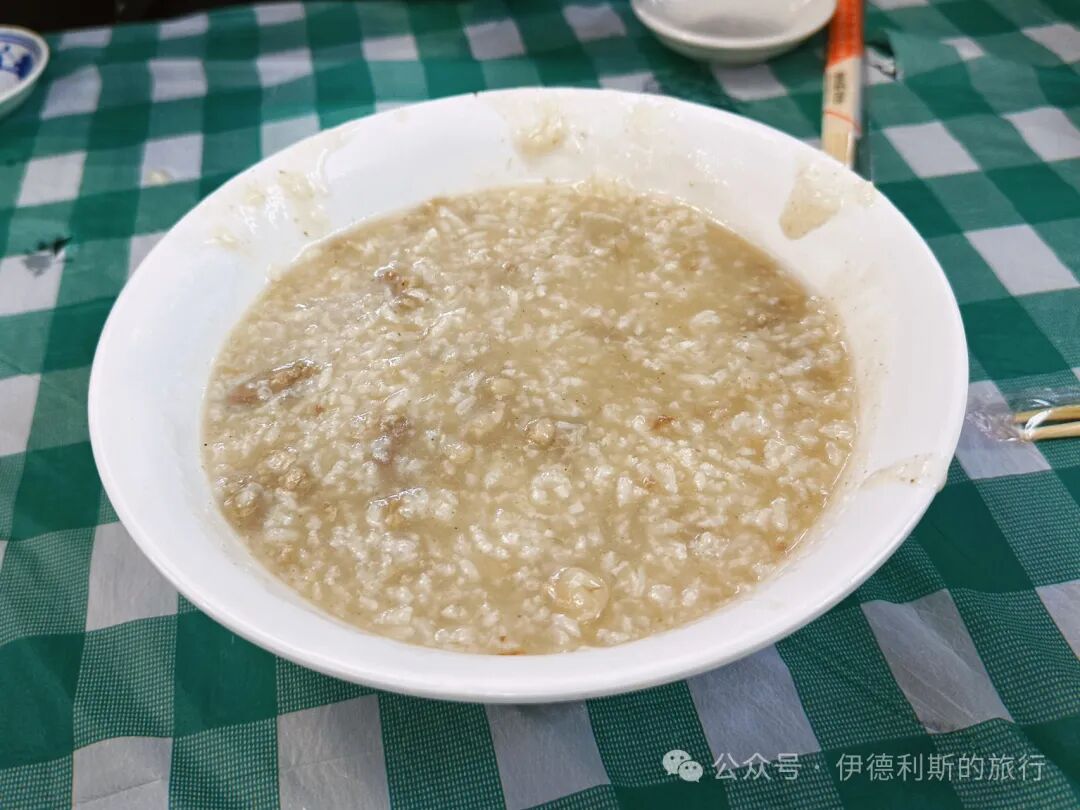
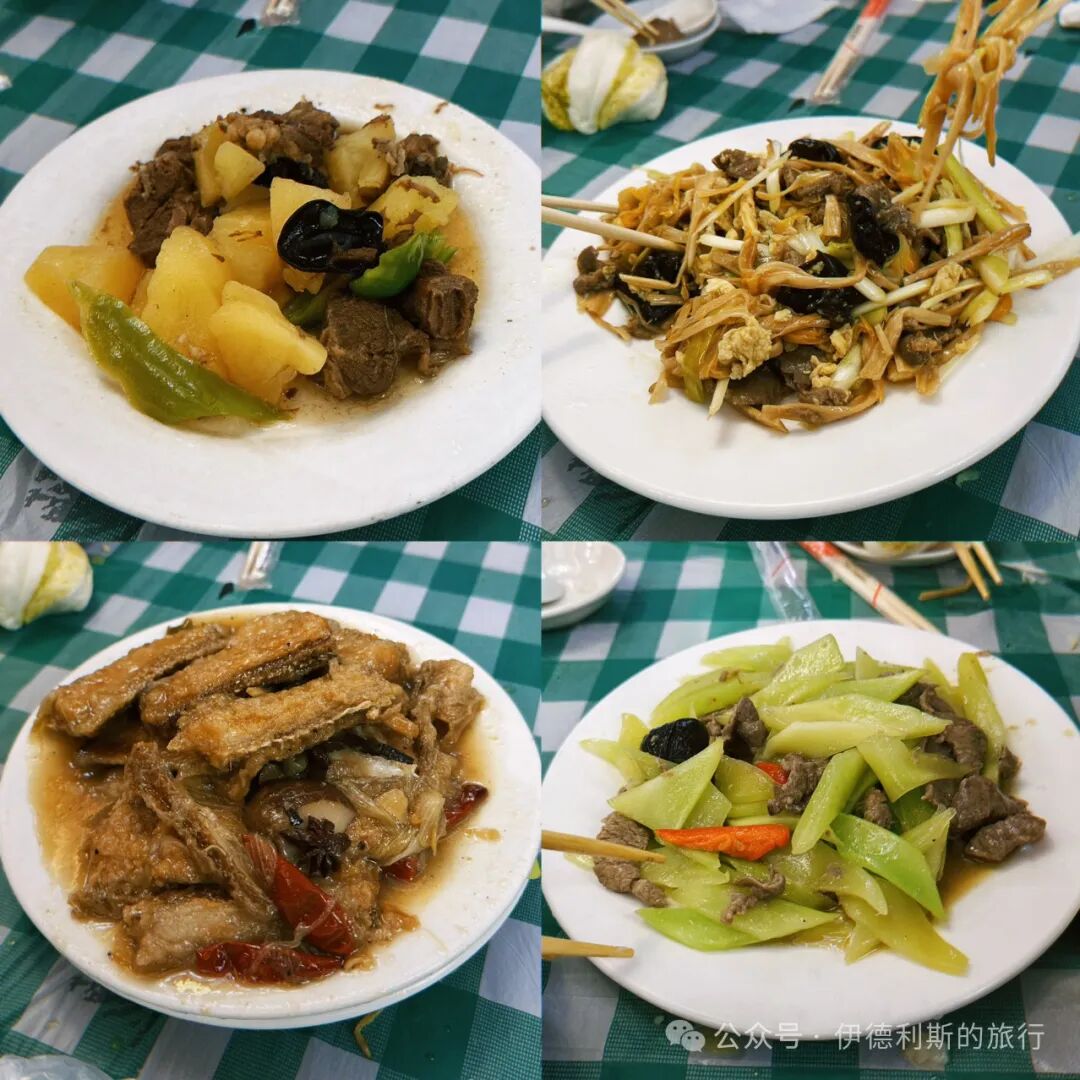
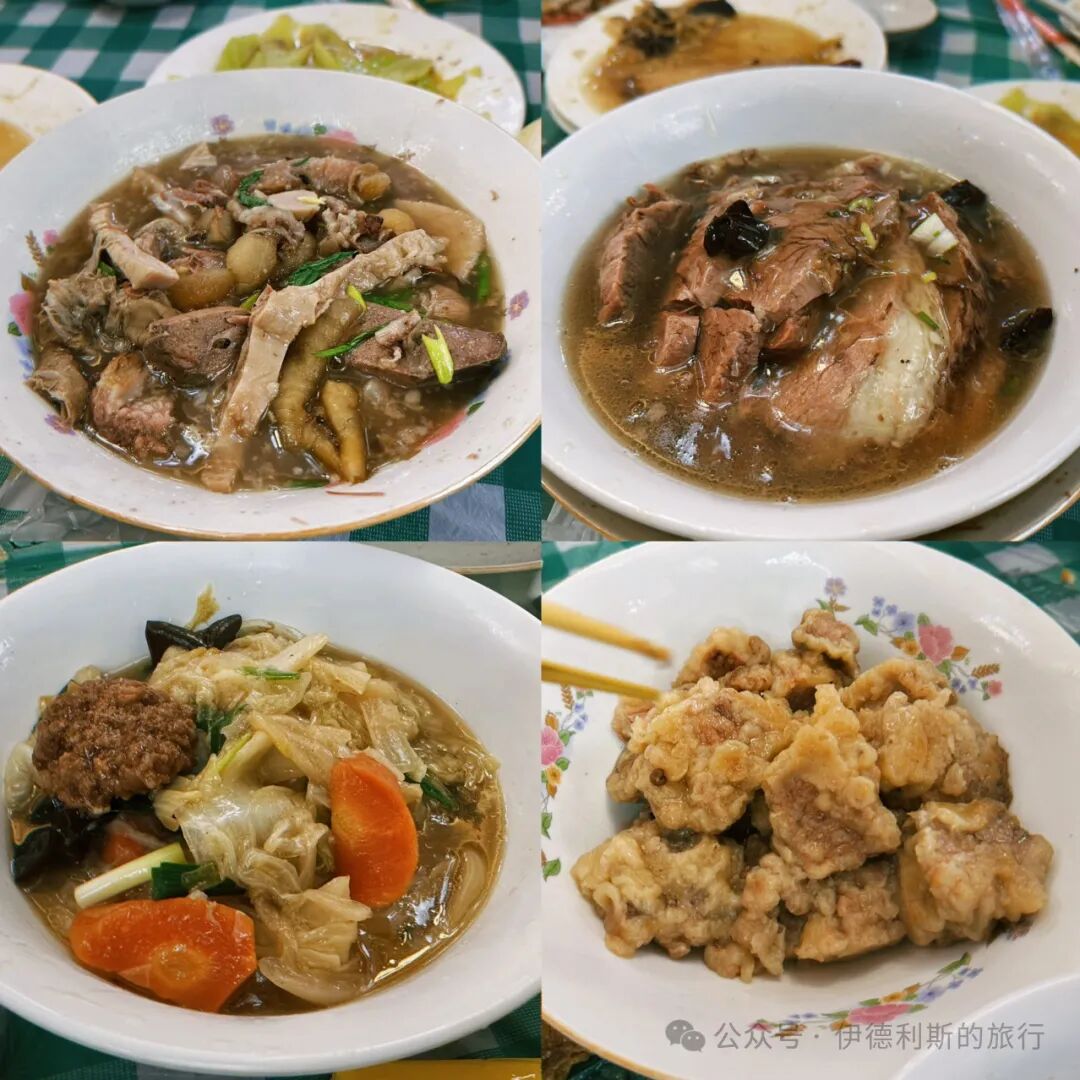
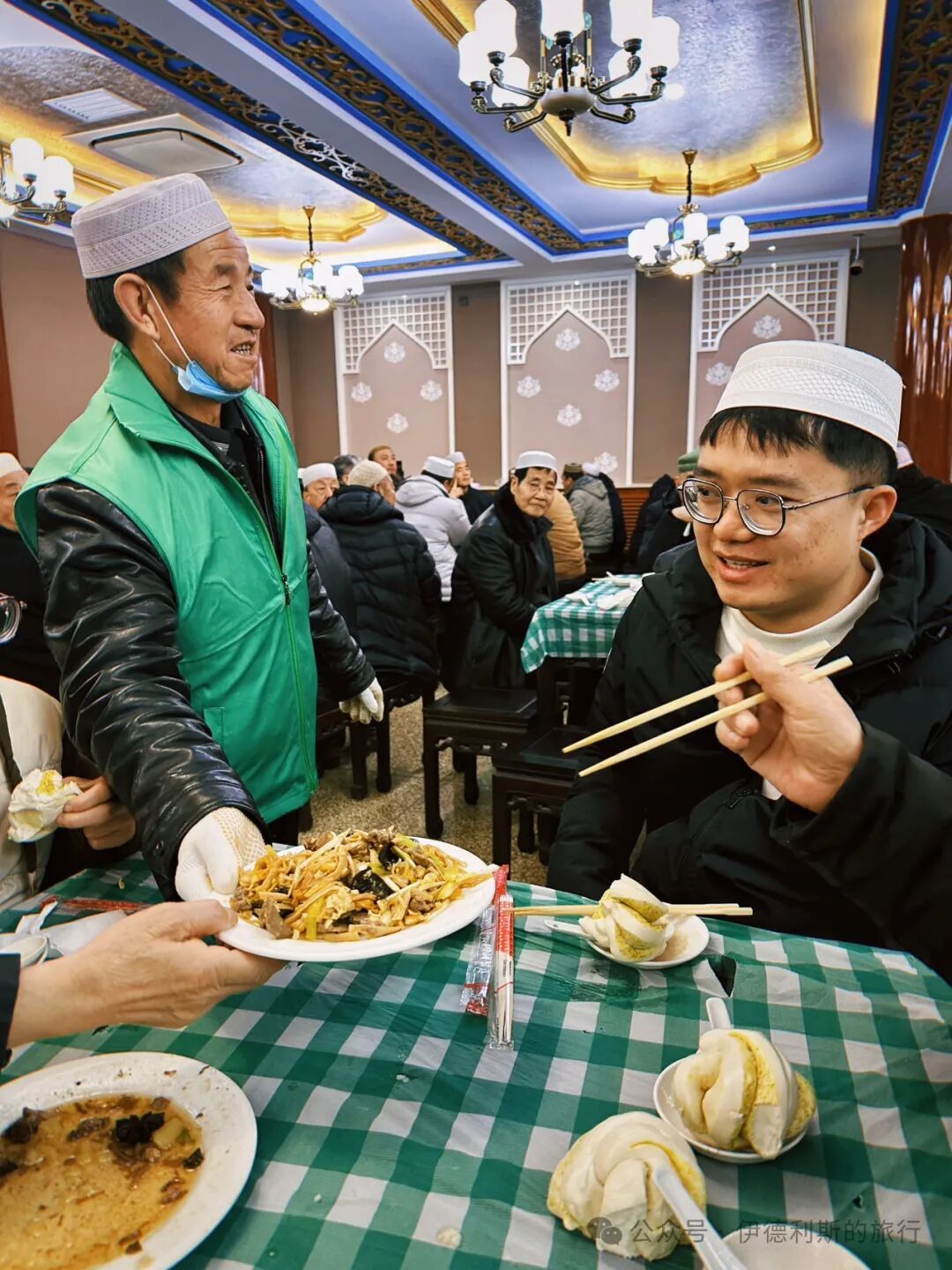
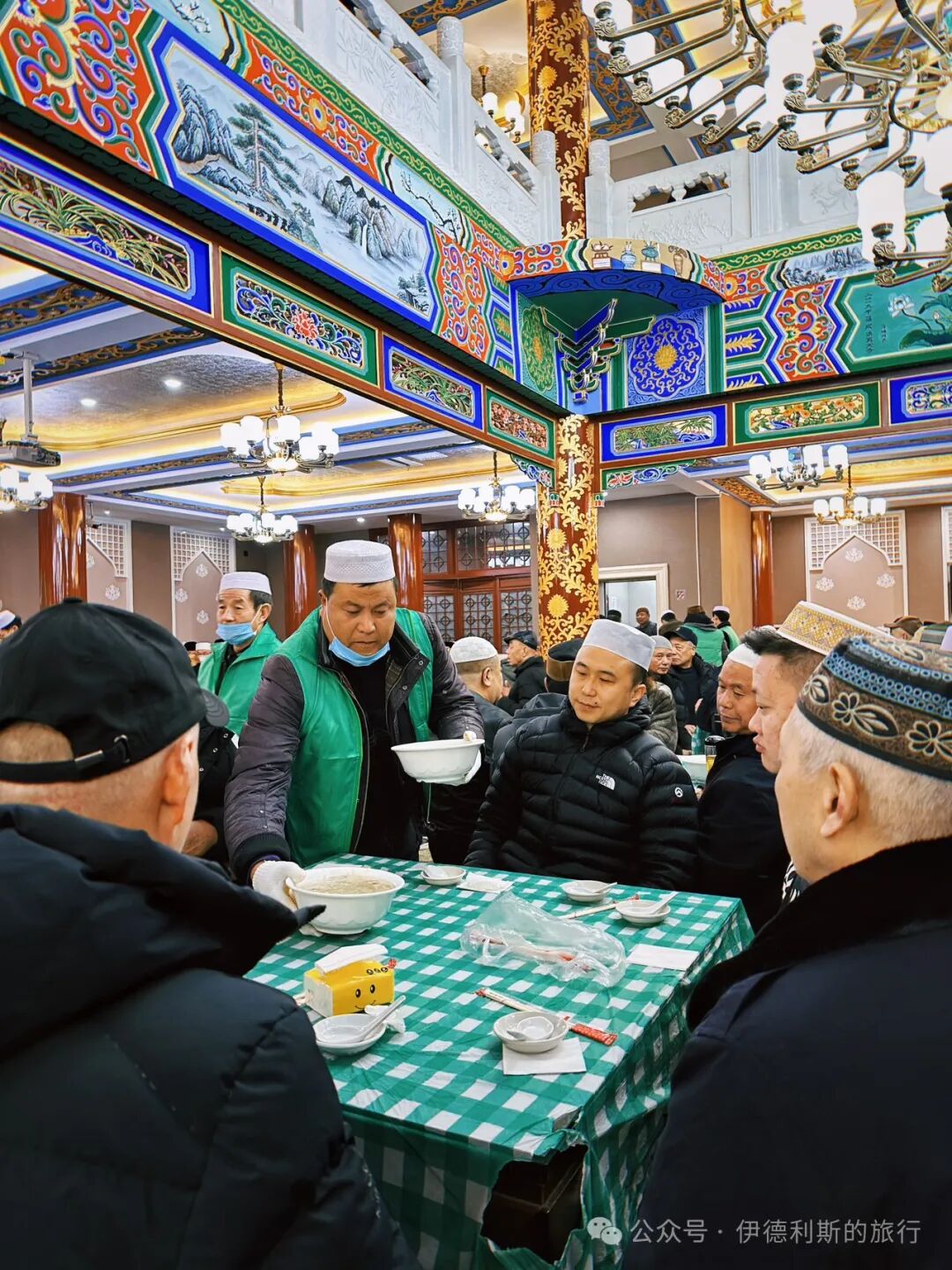
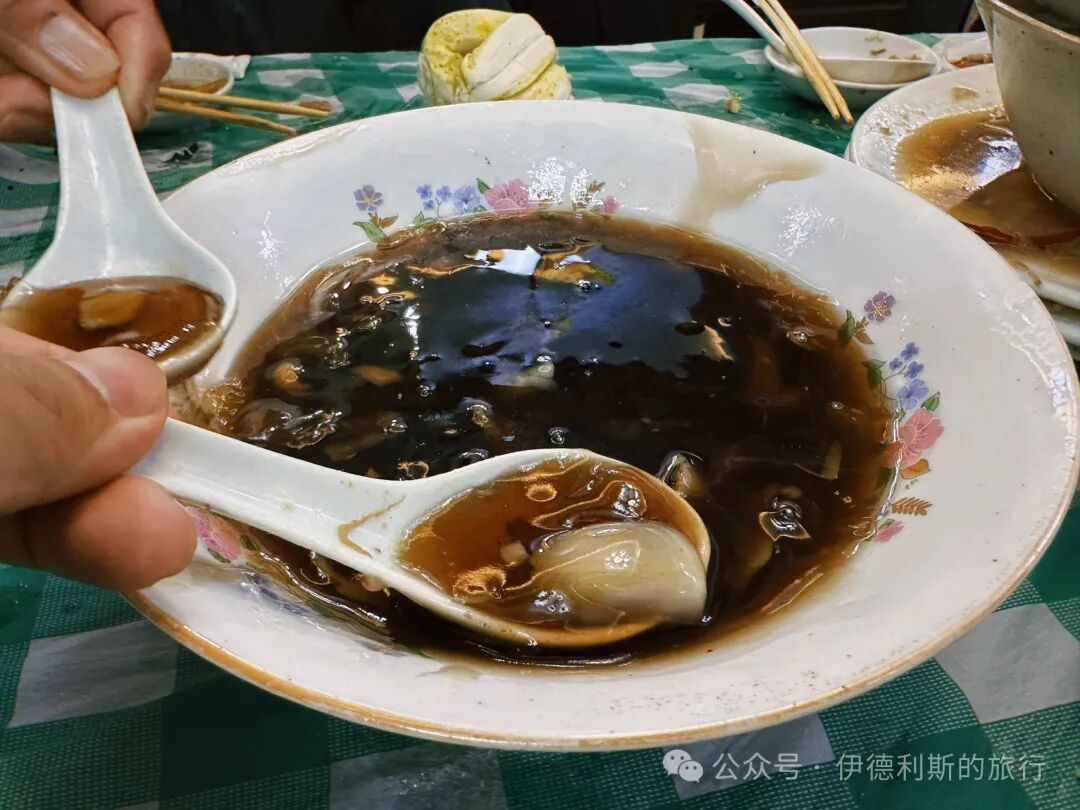
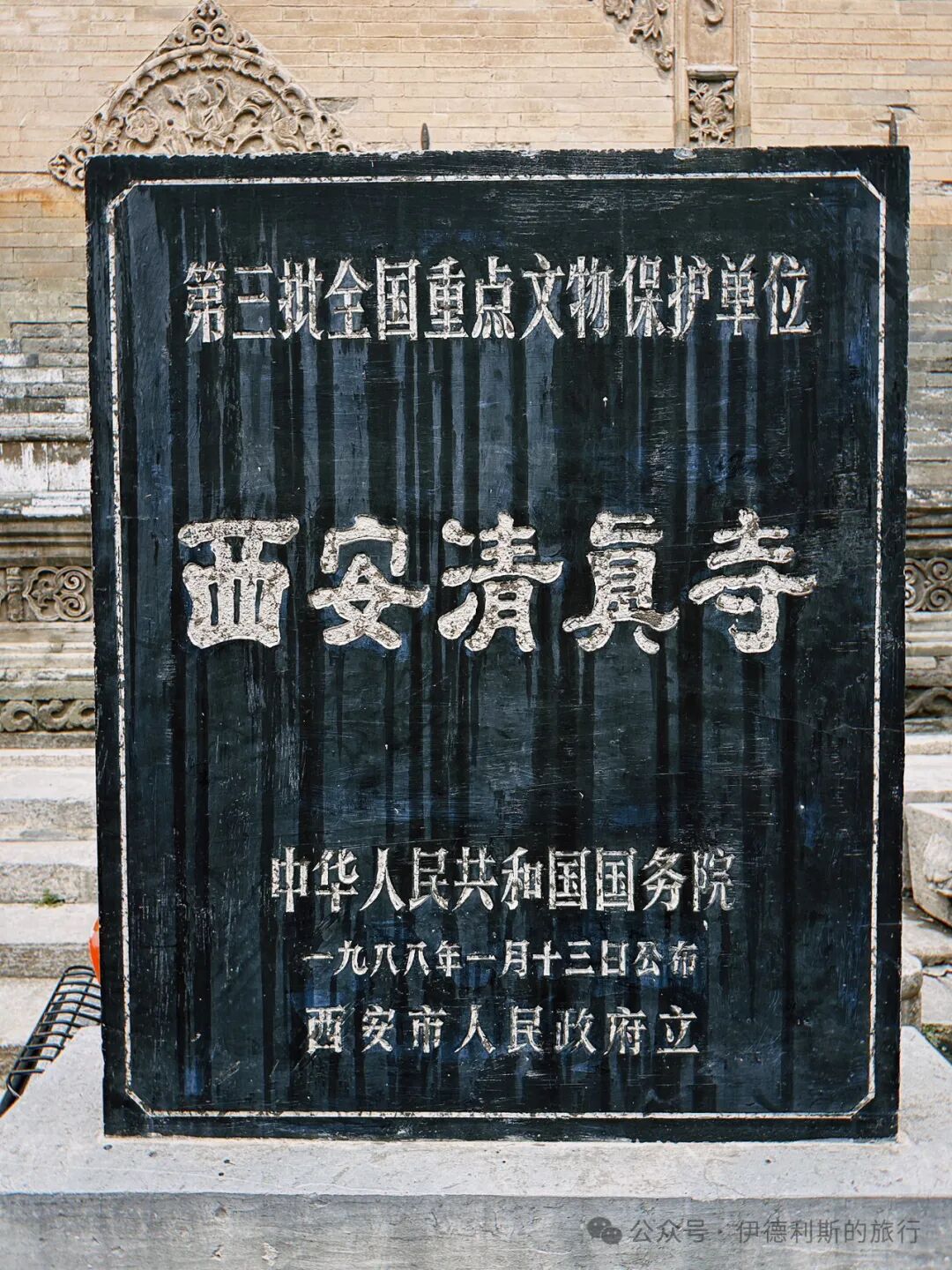
Stepping into the Great Mosque on Huajue Lane feels like time has frozen; one step takes you deep into history.
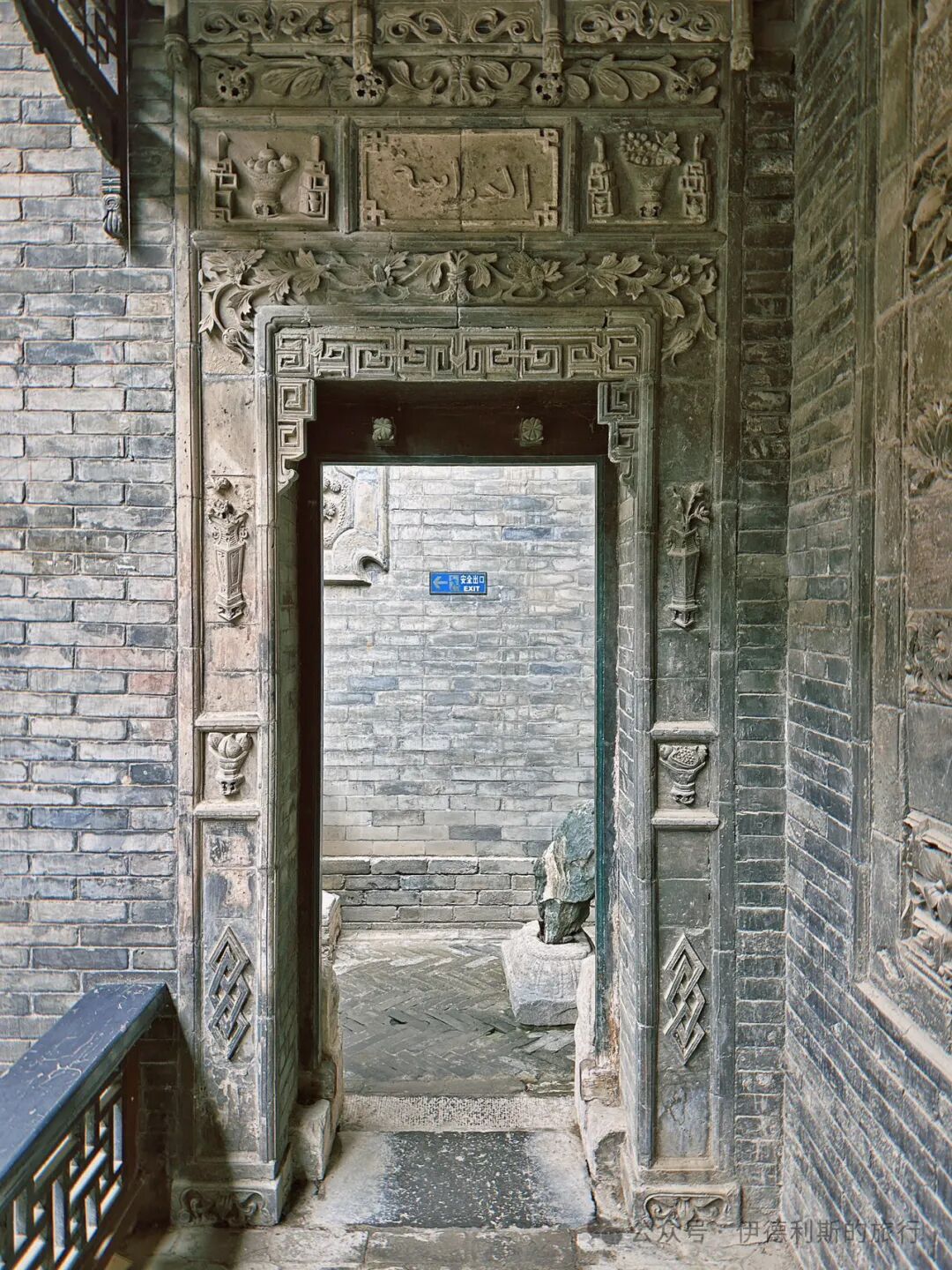
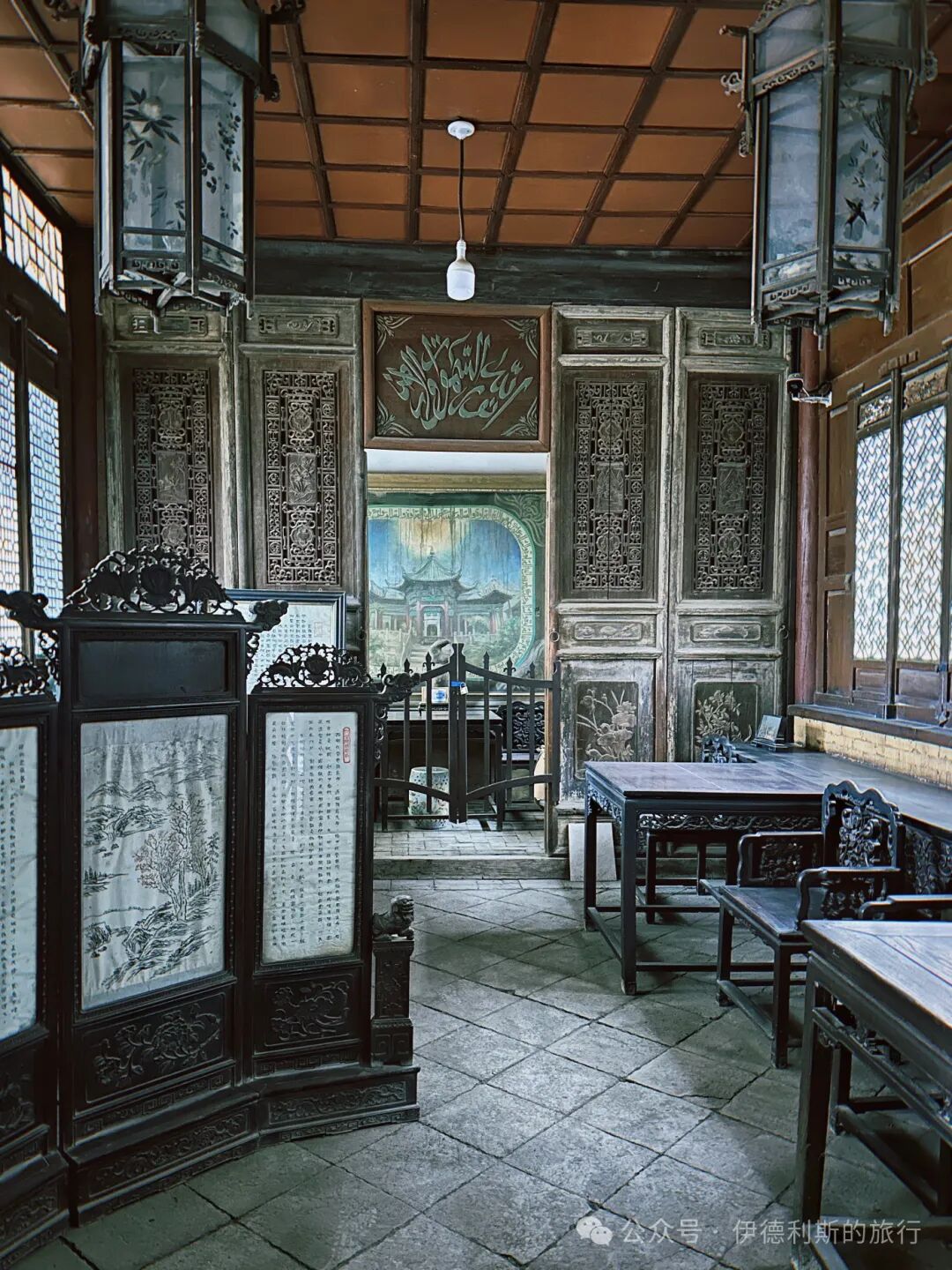
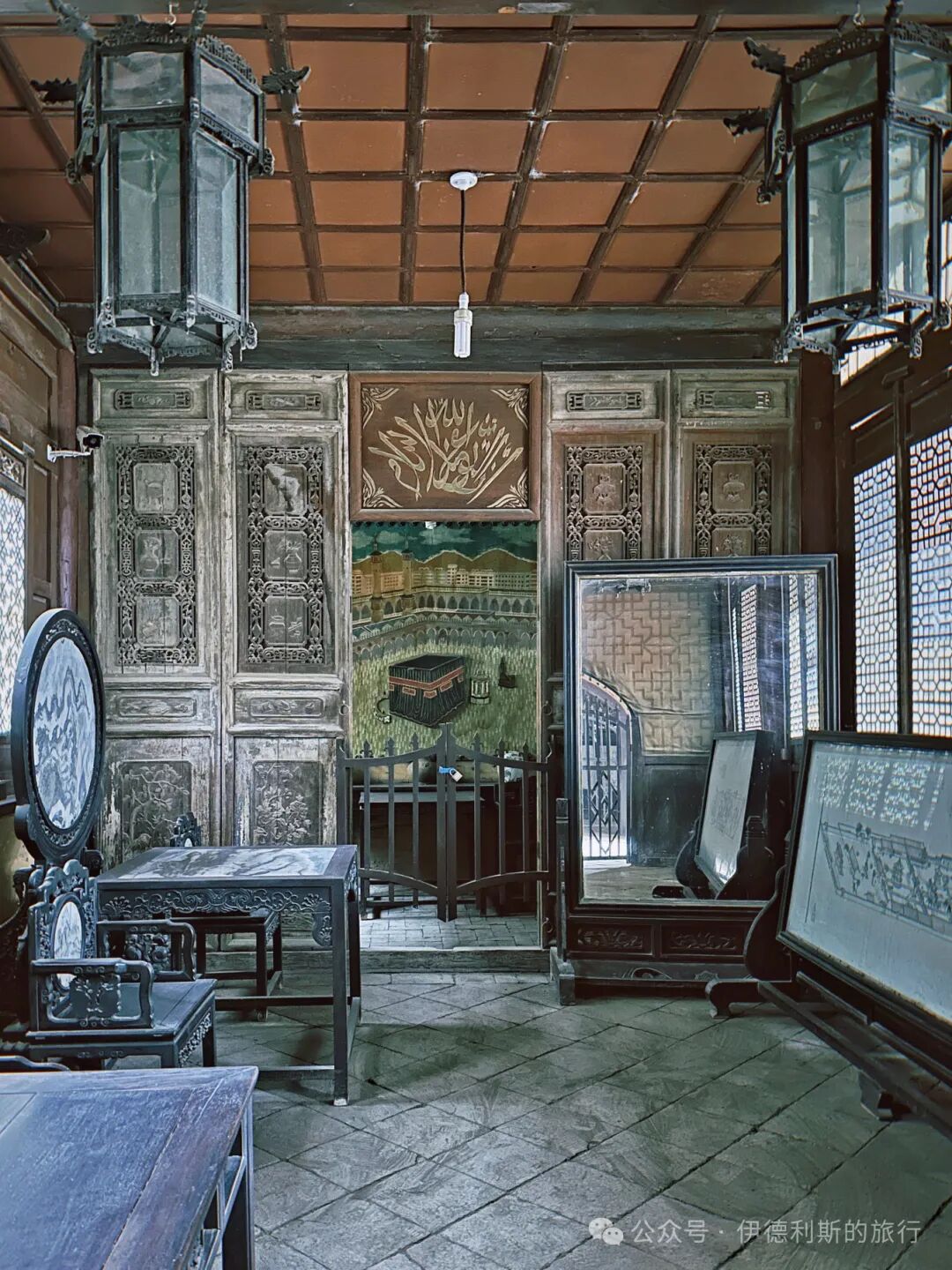
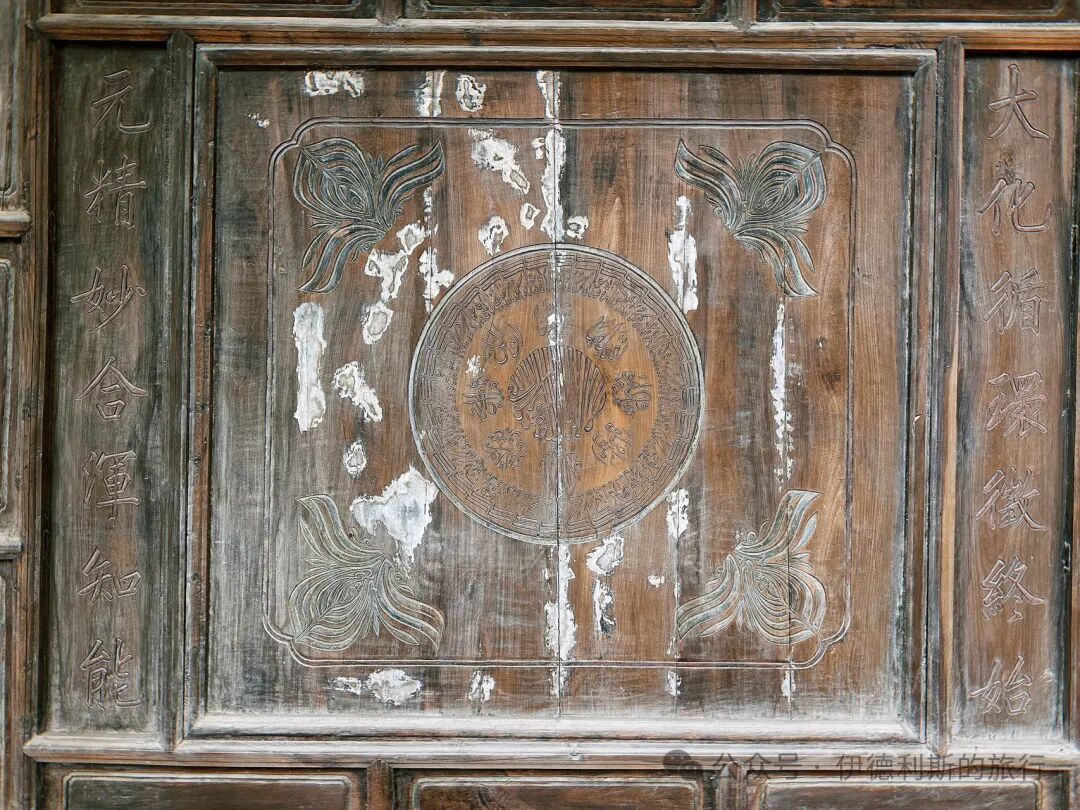
The details of the mihrab in the Great Mosque on Huajue Lane show a very exquisite Ming Dynasty mihrab. It has high artistic value and is a fusion of Persian and traditional Chinese styles. It is hard to find this style of mihrab in the Qing Dynasty.
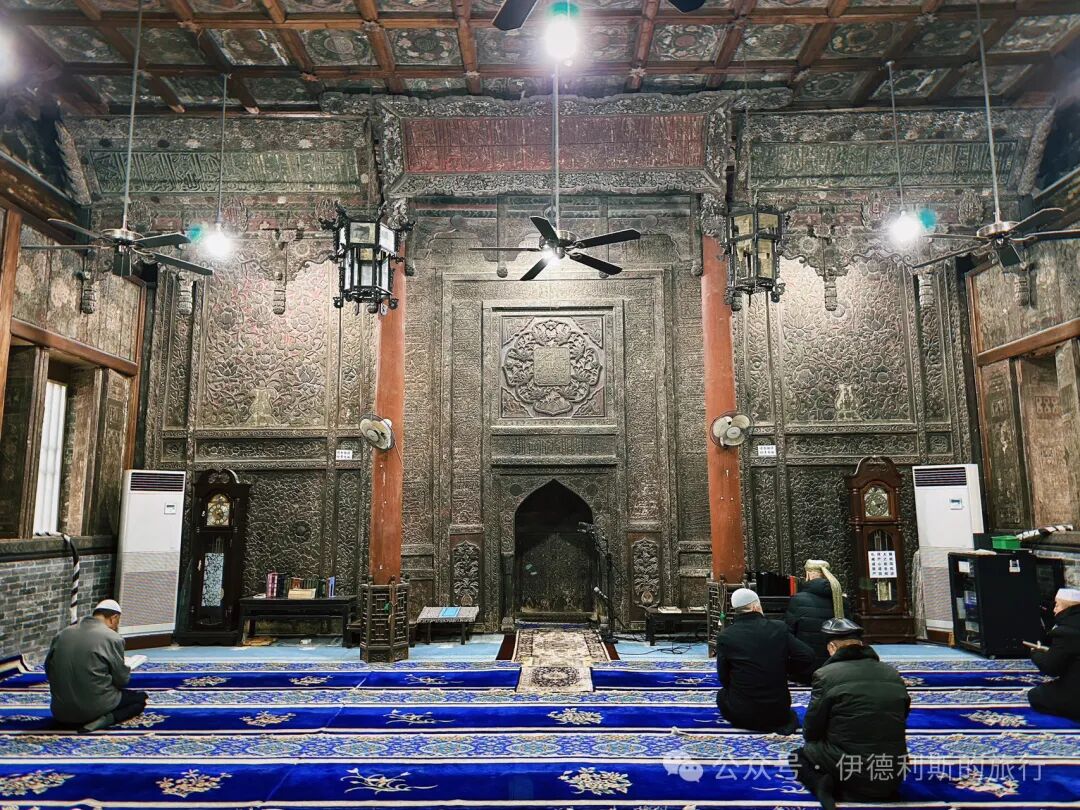
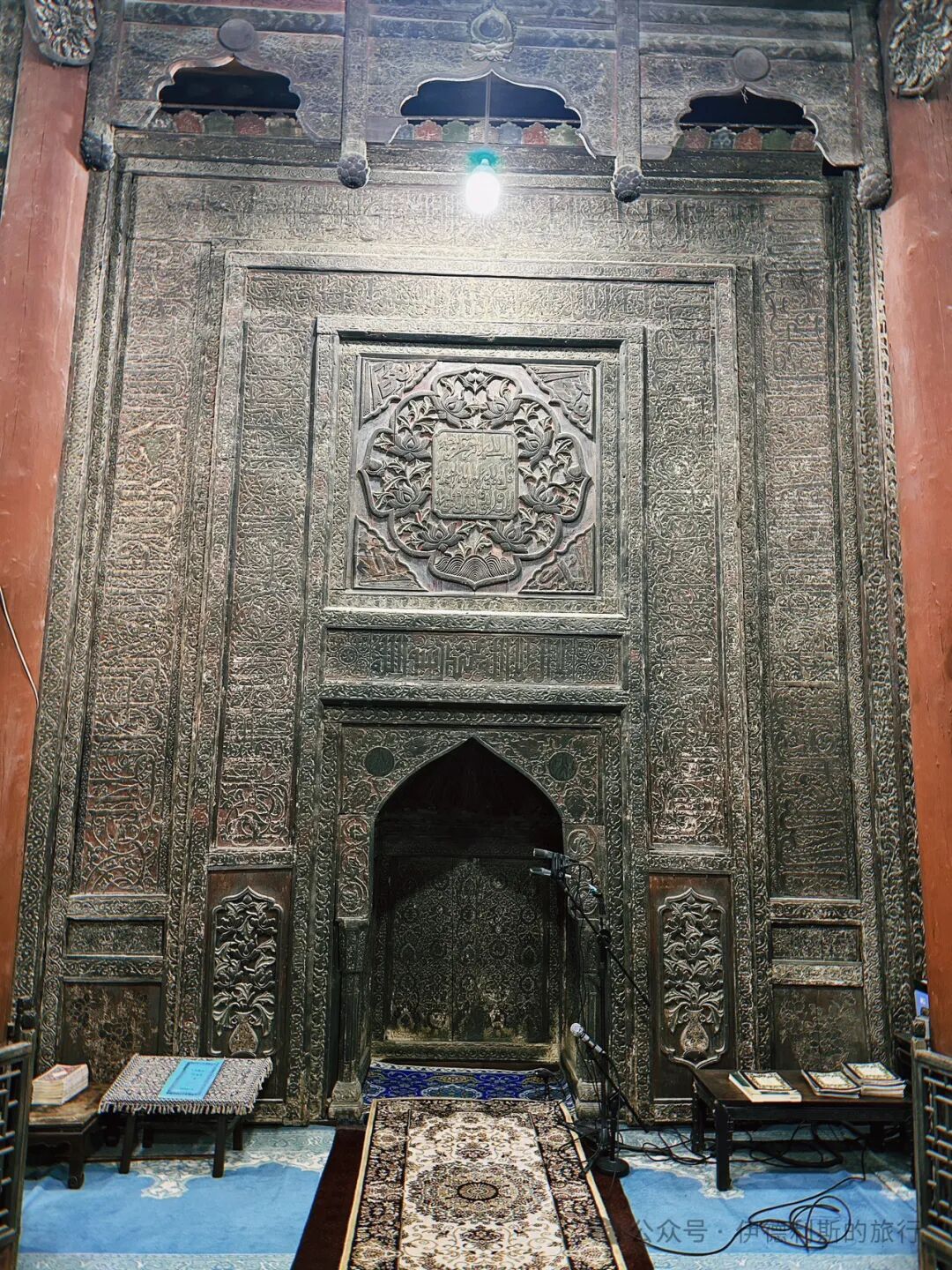
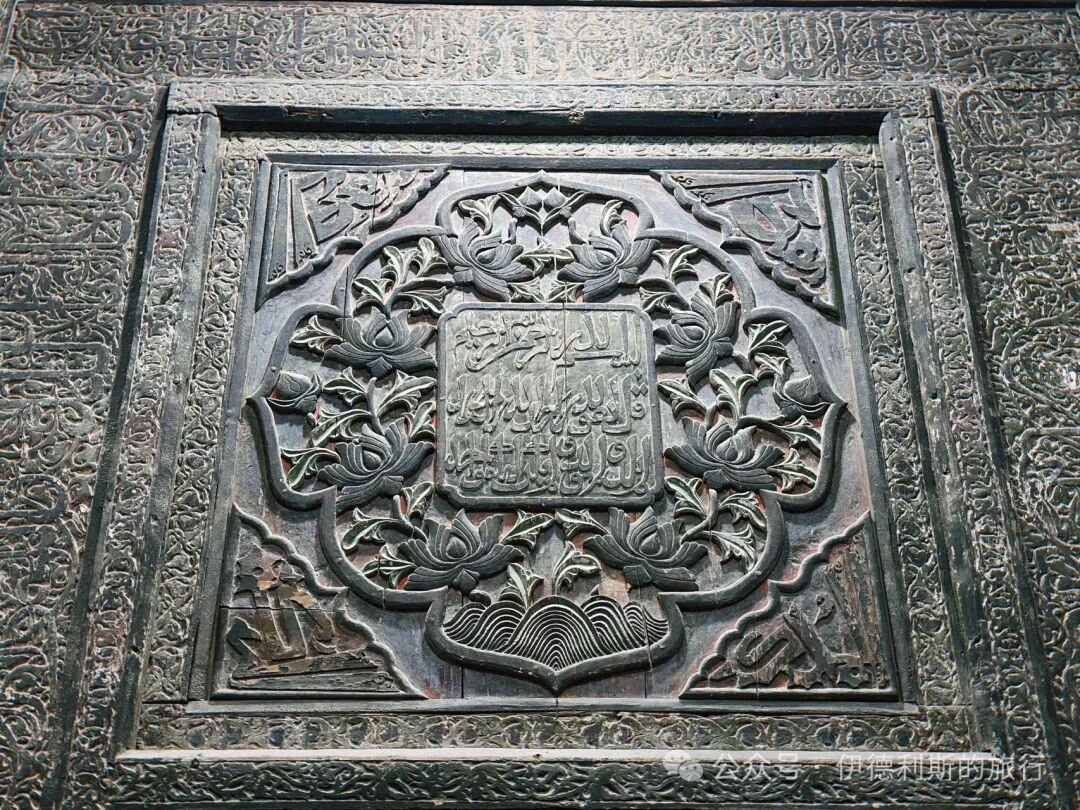
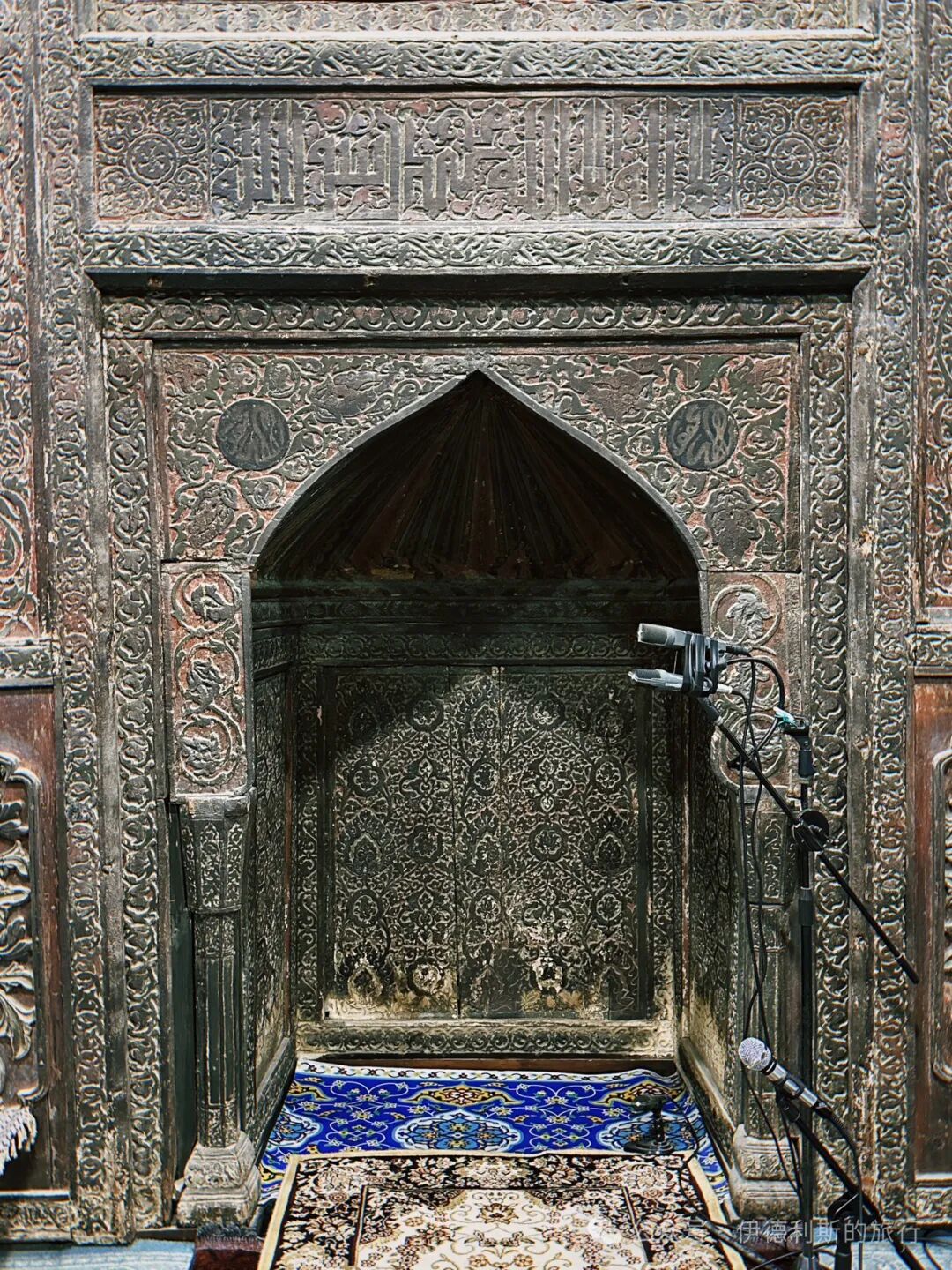
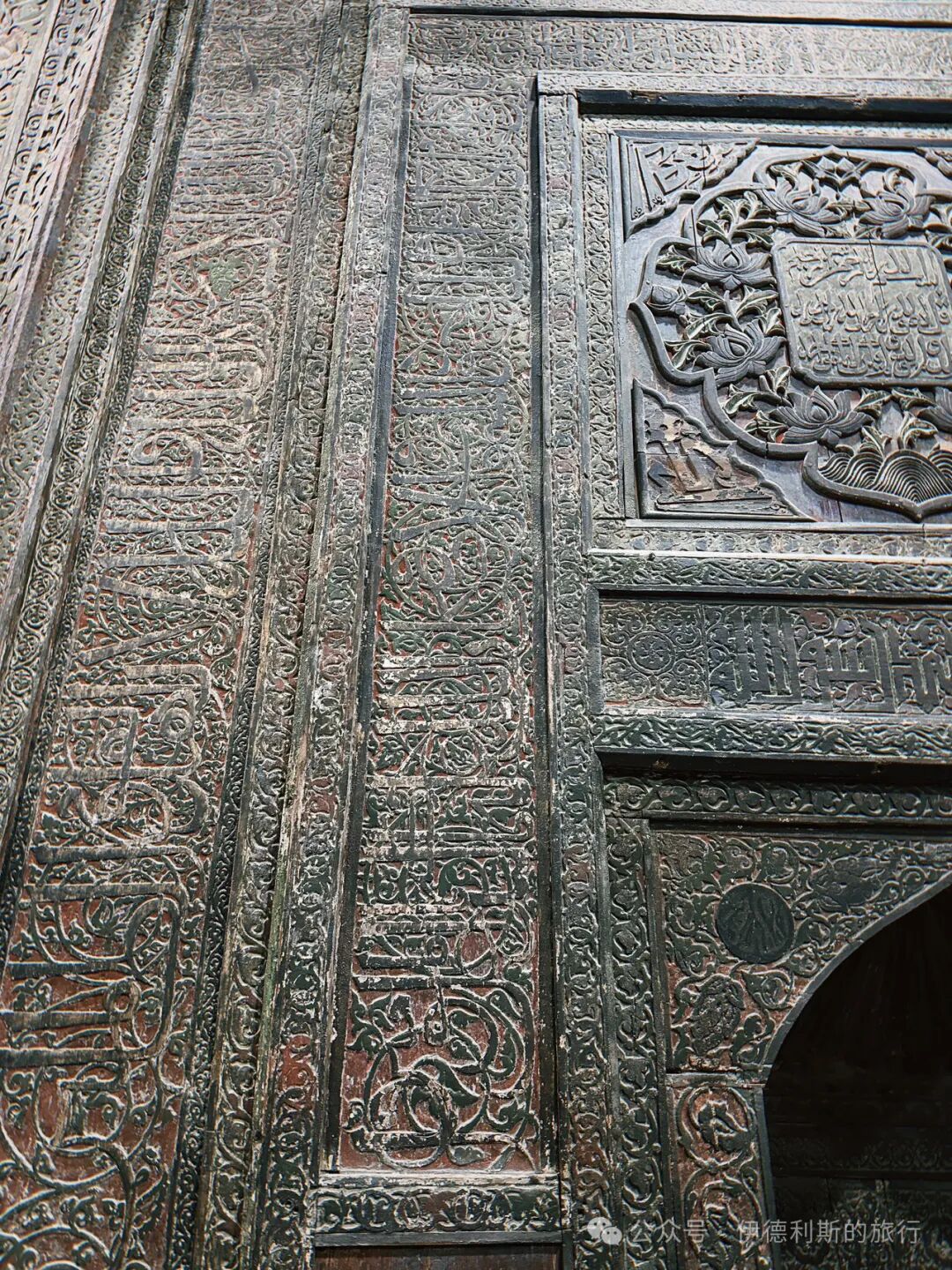
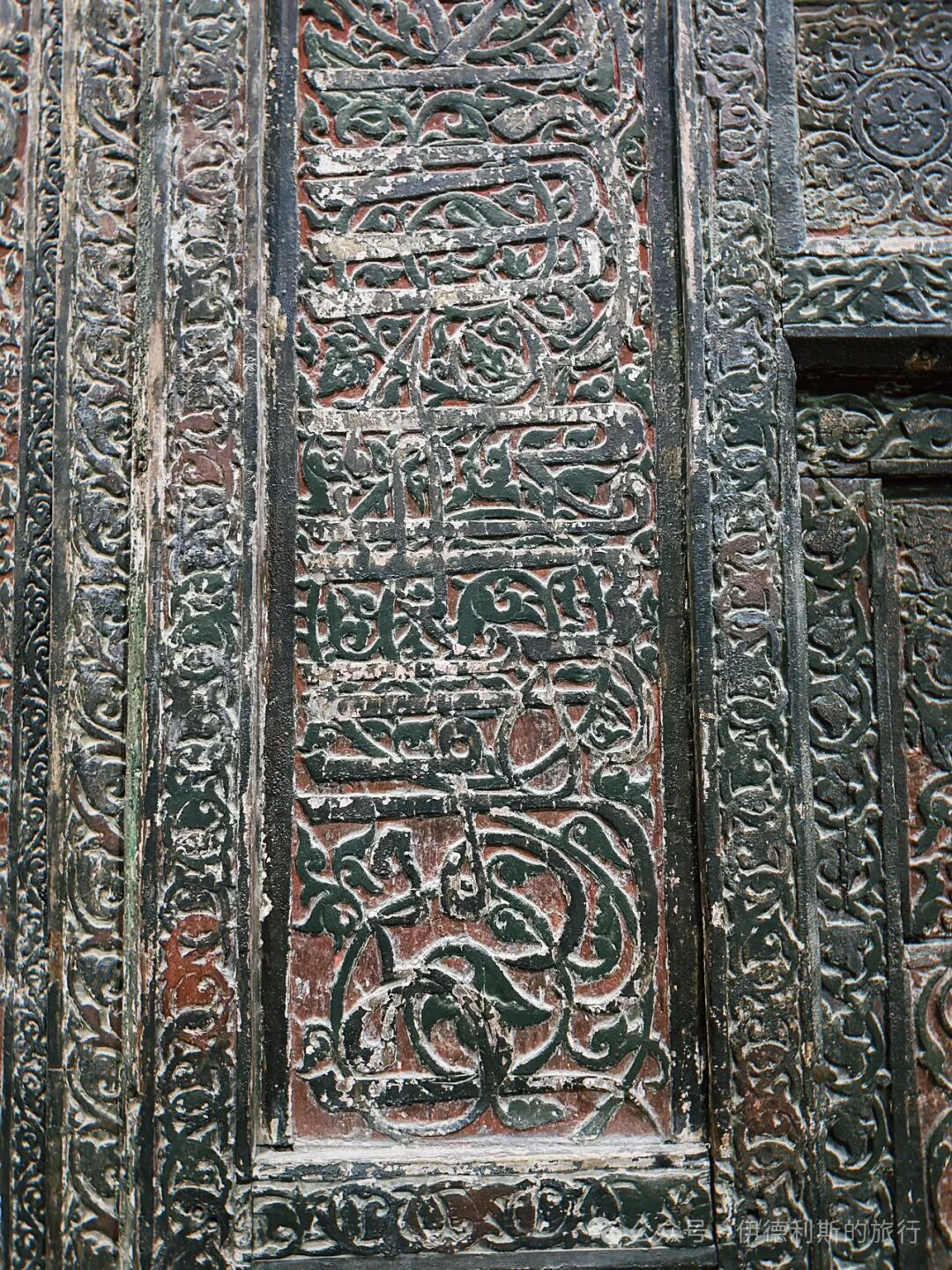
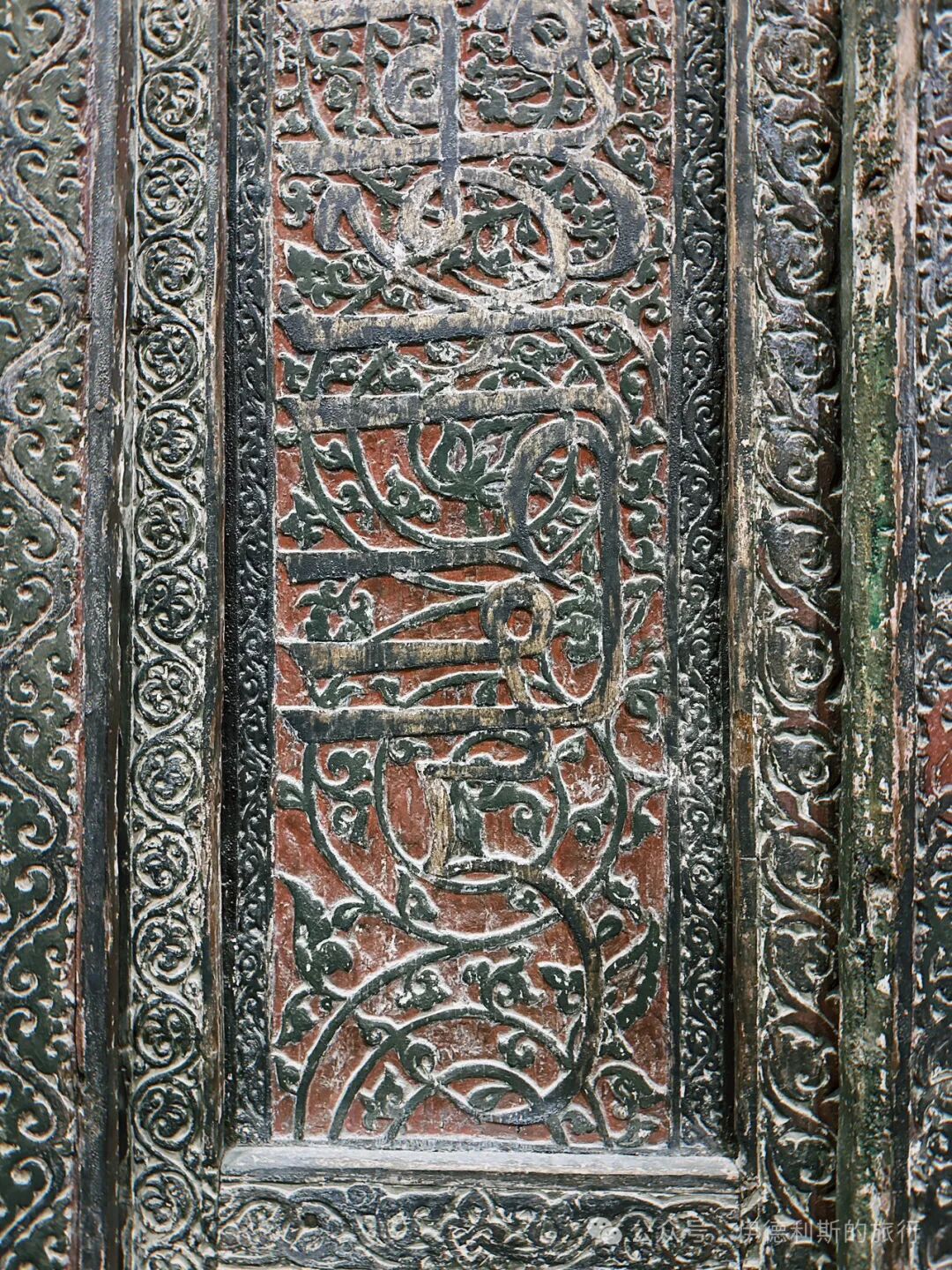
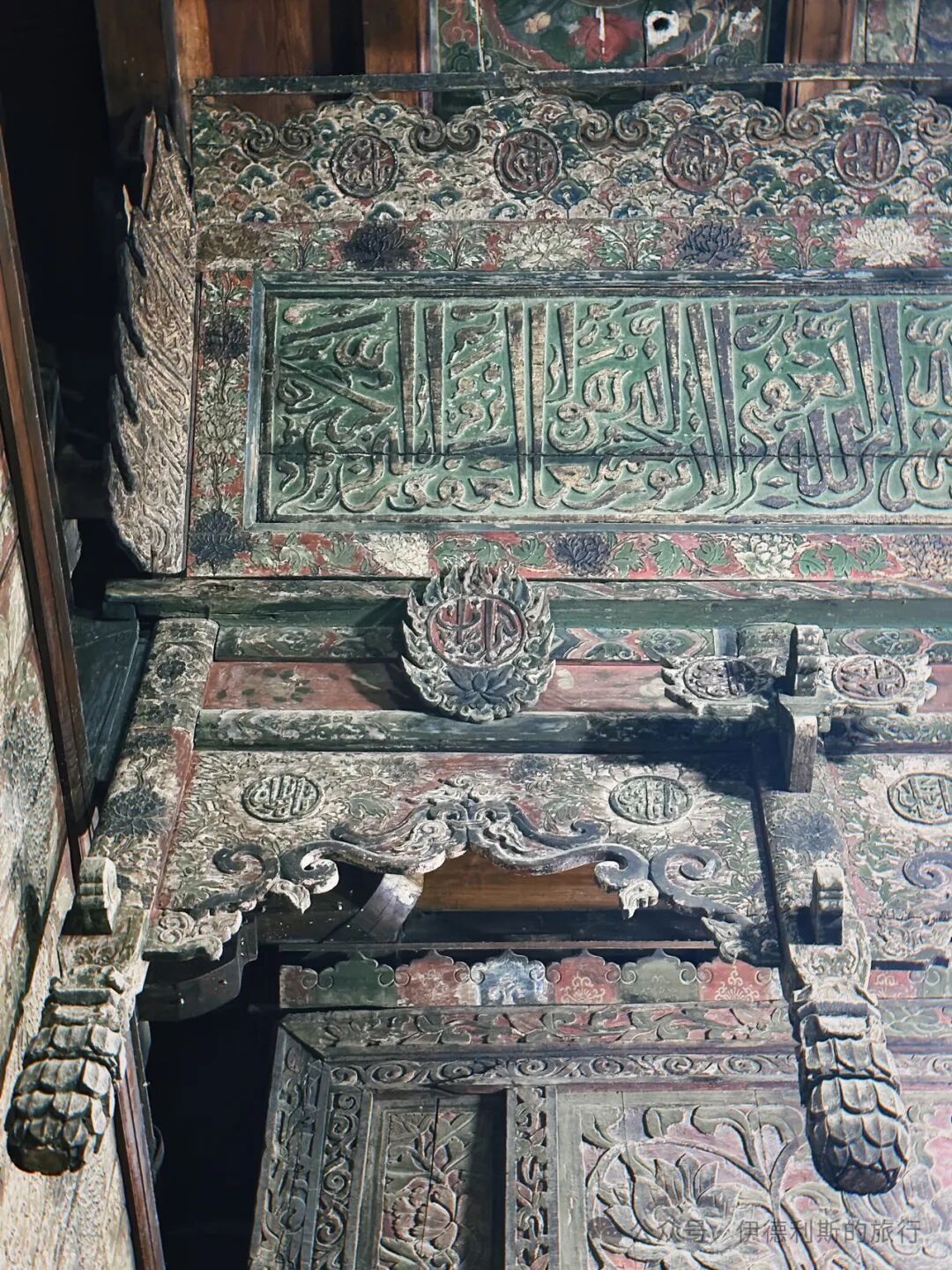
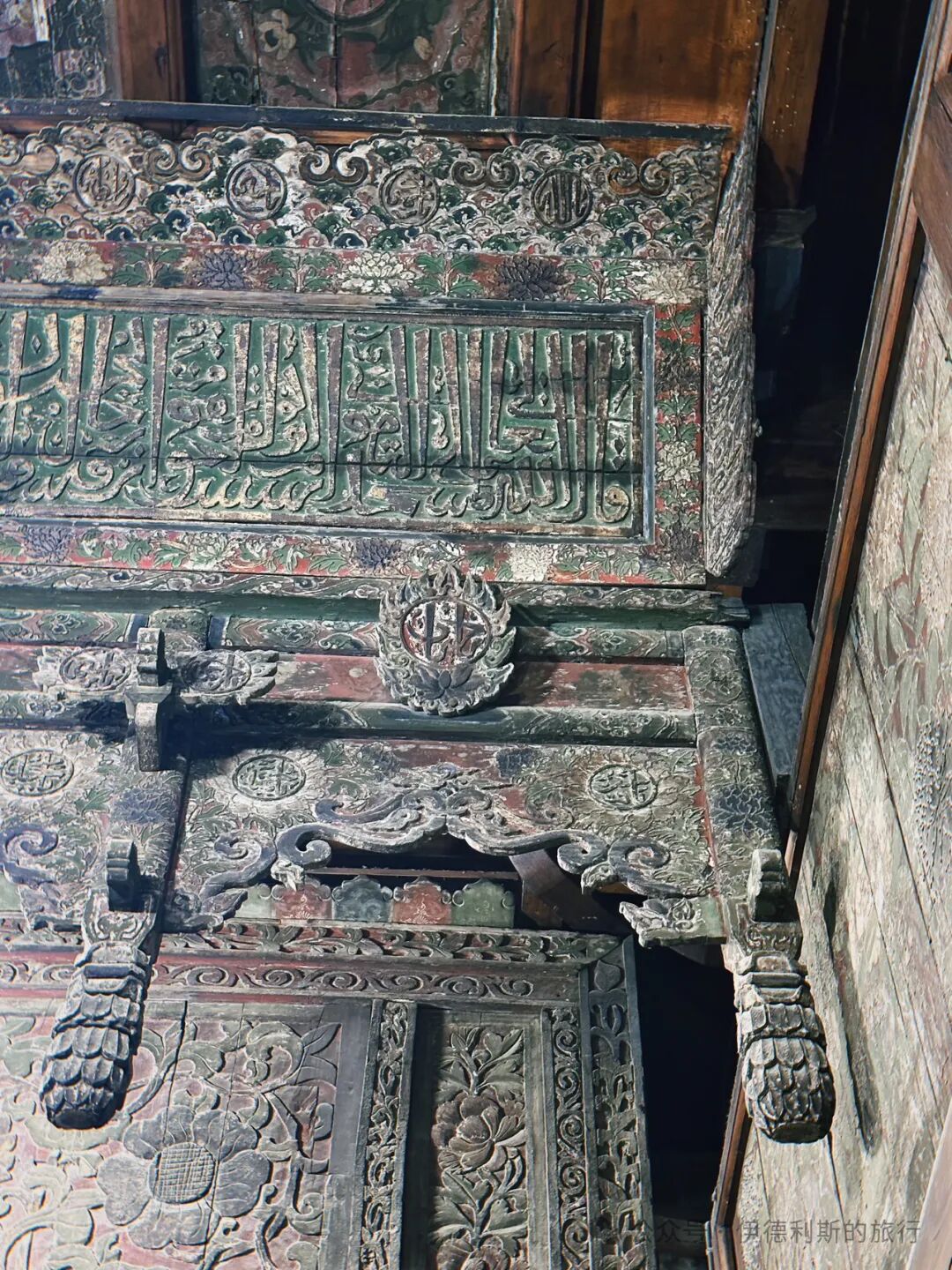
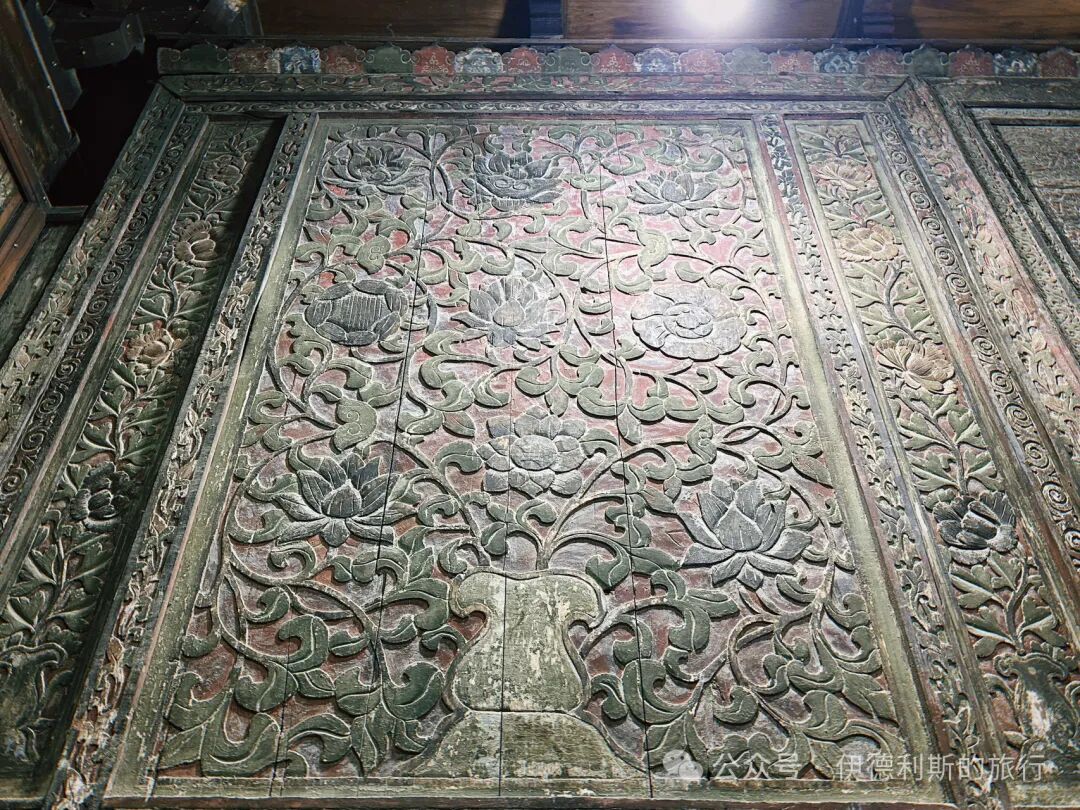
Details of the wood carvings in the prayer hall of the Great Mosque on Huajue Lane. This time, I noticed that the Great Mosque on Huajue Lane installed a surveillance screen at the entrance of the main hall, allowing visitors to see inside. I think this is a welcome improvement.
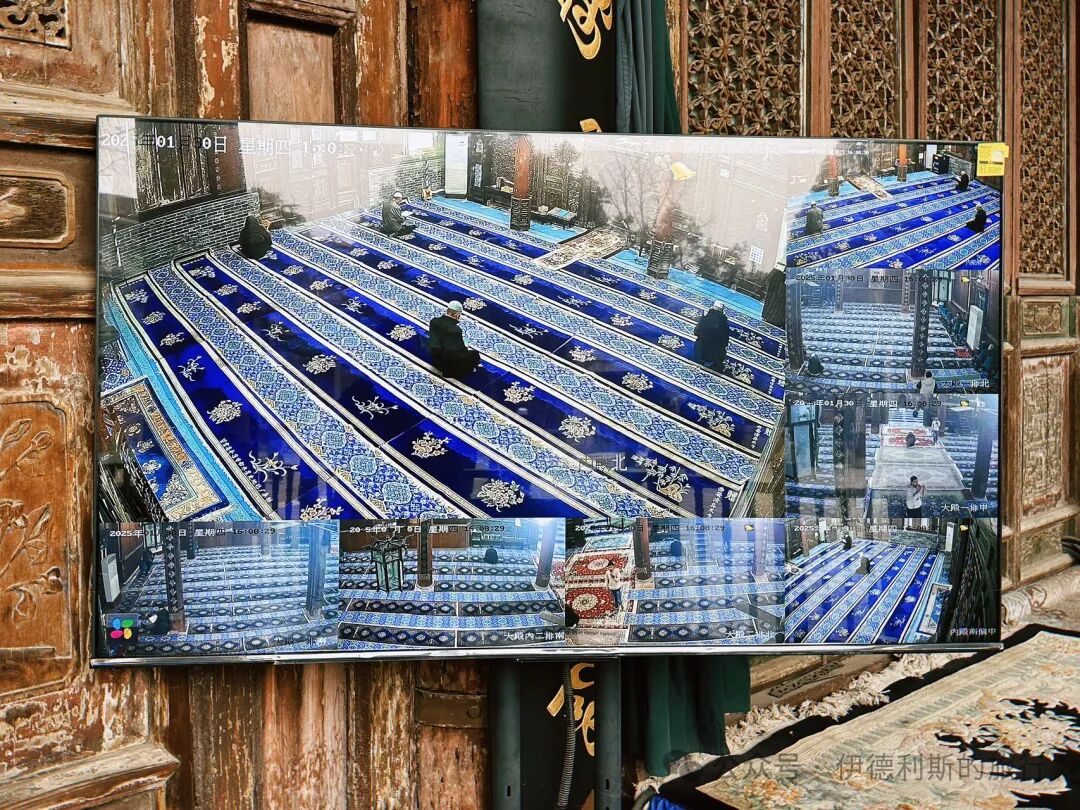
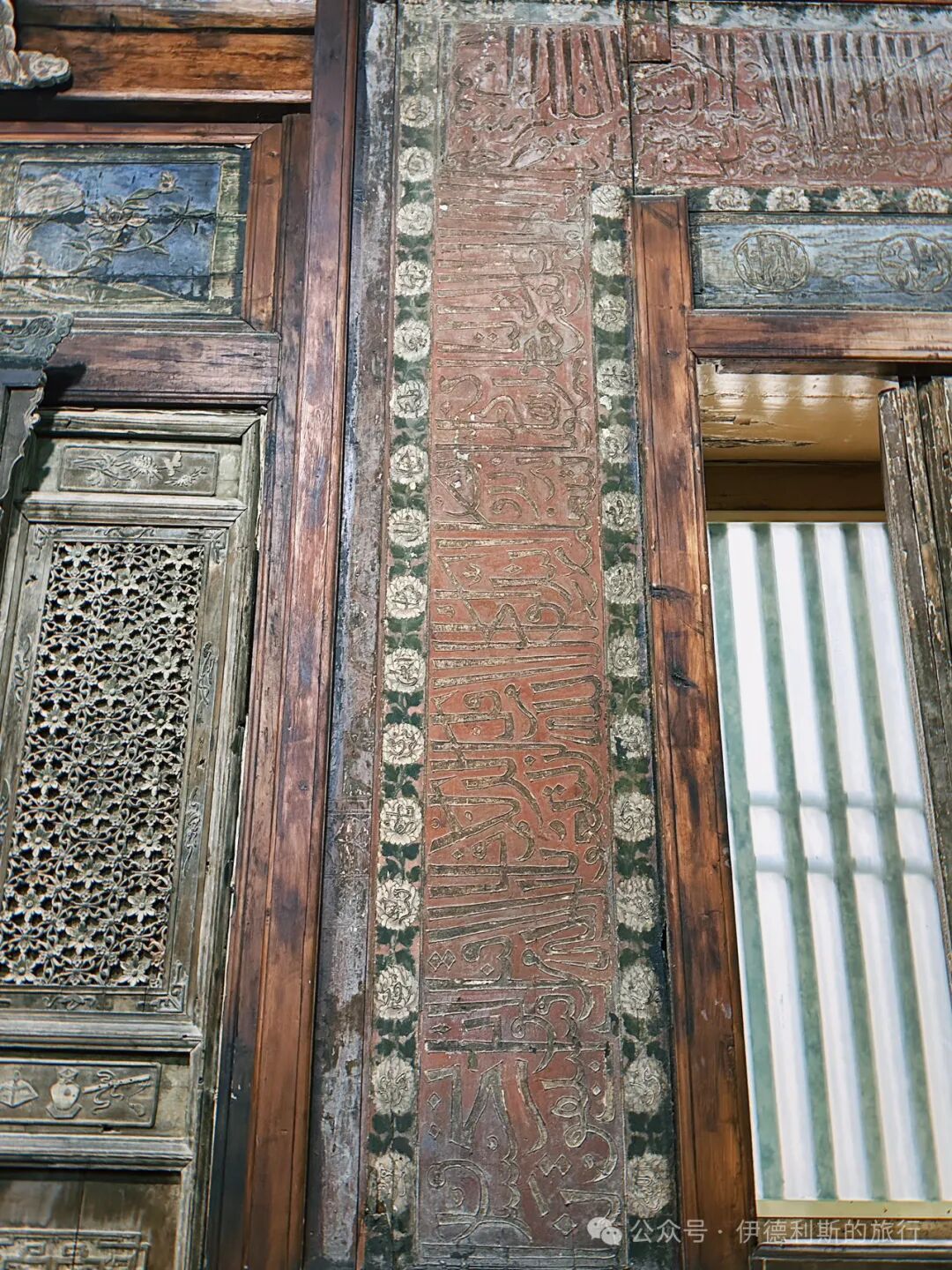
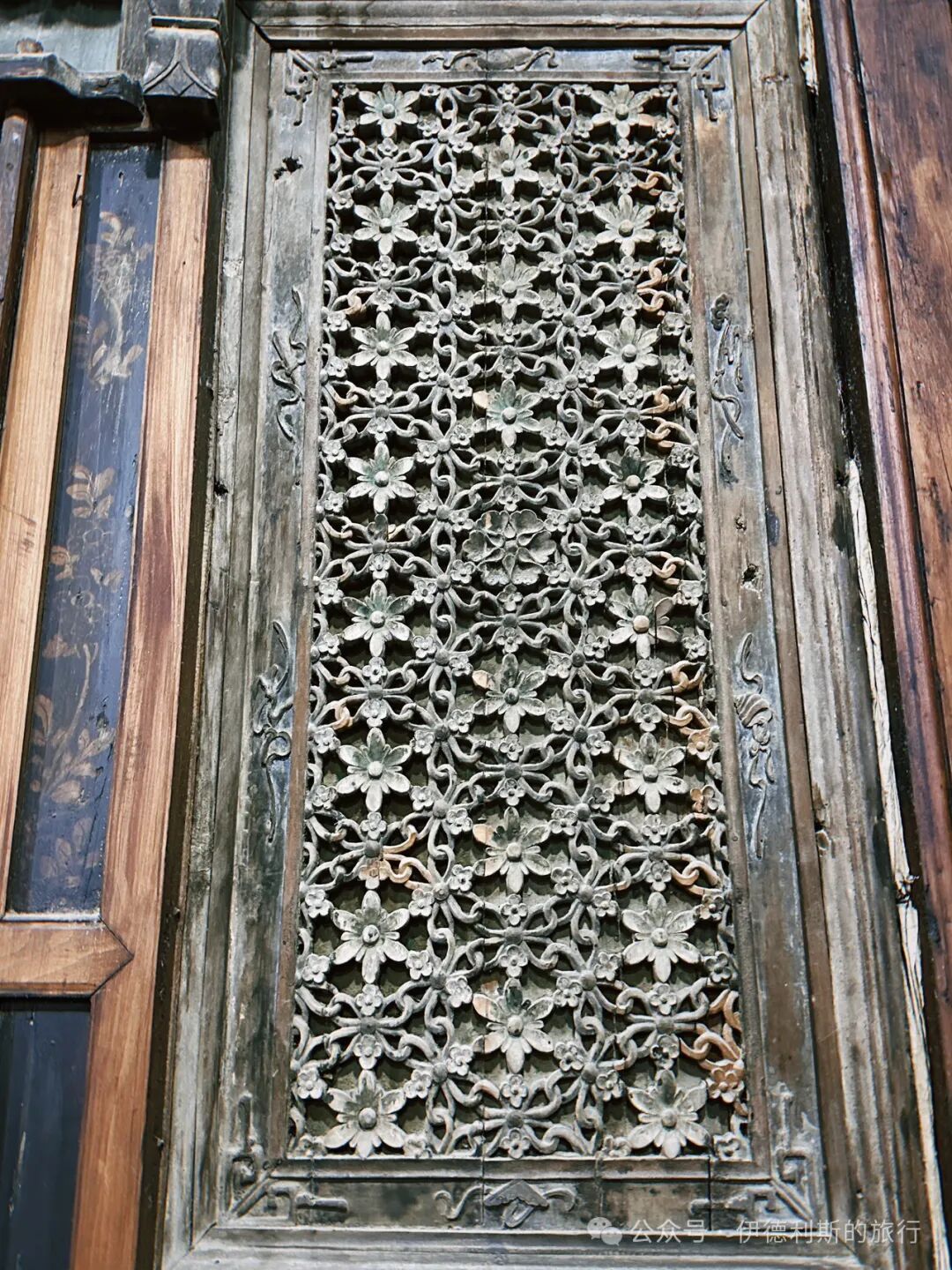
Muslim Travel Guide: Xi'an Mawlid 2025 Part 2 — Spring Festival Photos
Articles • ali2007fr posted the article • 0 comments • 137 views • 2026-05-20 00:57
Summary: This short second part of the Xi'an Mawlid 2025 record is mostly a photo-based continuation of the Spring Festival visit. The English version keeps the original image order and context while presenting the piece as part of the wider Xi'an Muslim community travel series. view all
Summary: This short second part of the Xi'an Mawlid 2025 record is mostly a photo-based continuation of the Spring Festival visit. The English version keeps the original image order and context while presenting the piece as part of the wider Xi'an Muslim community travel series.
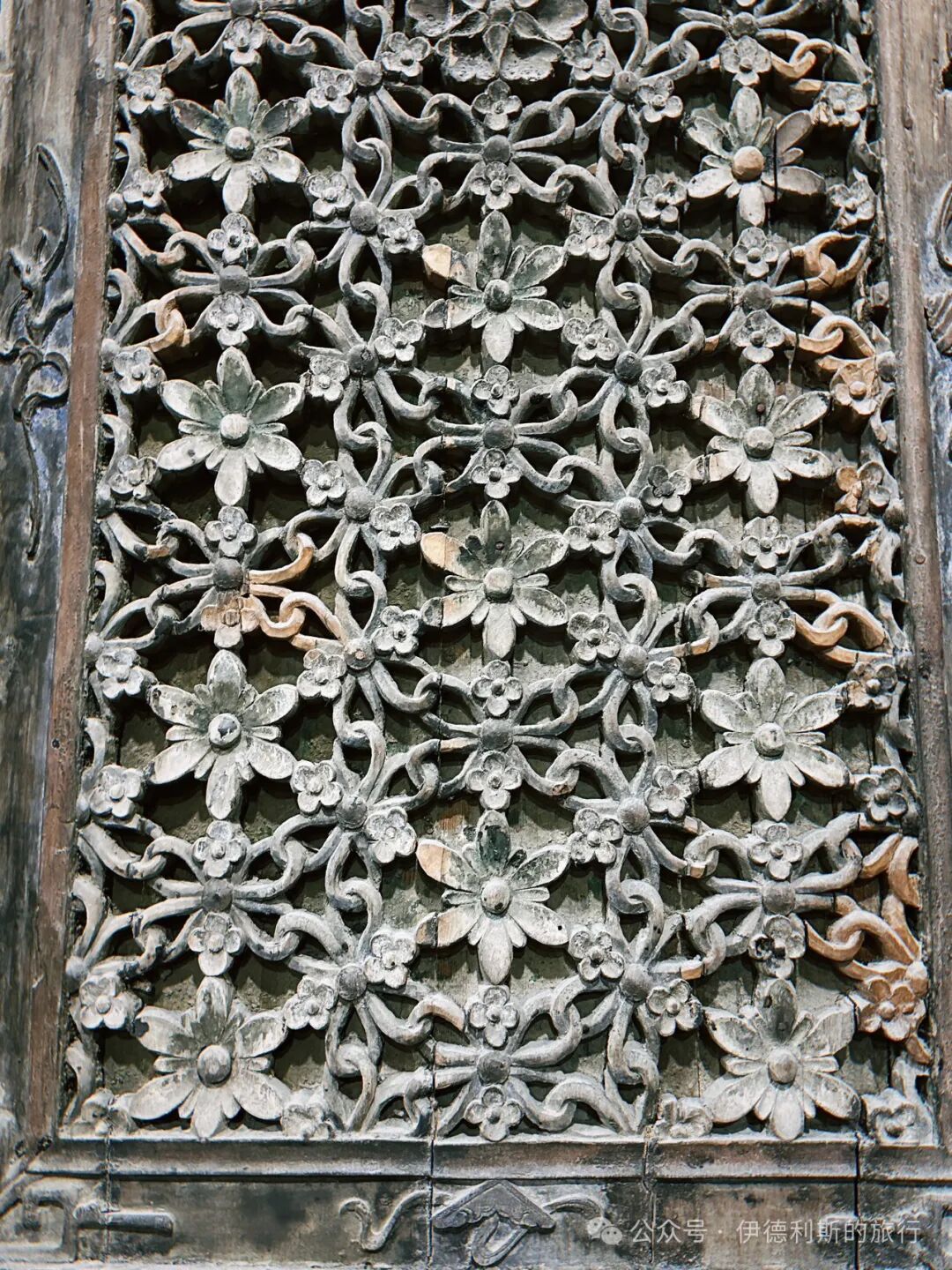
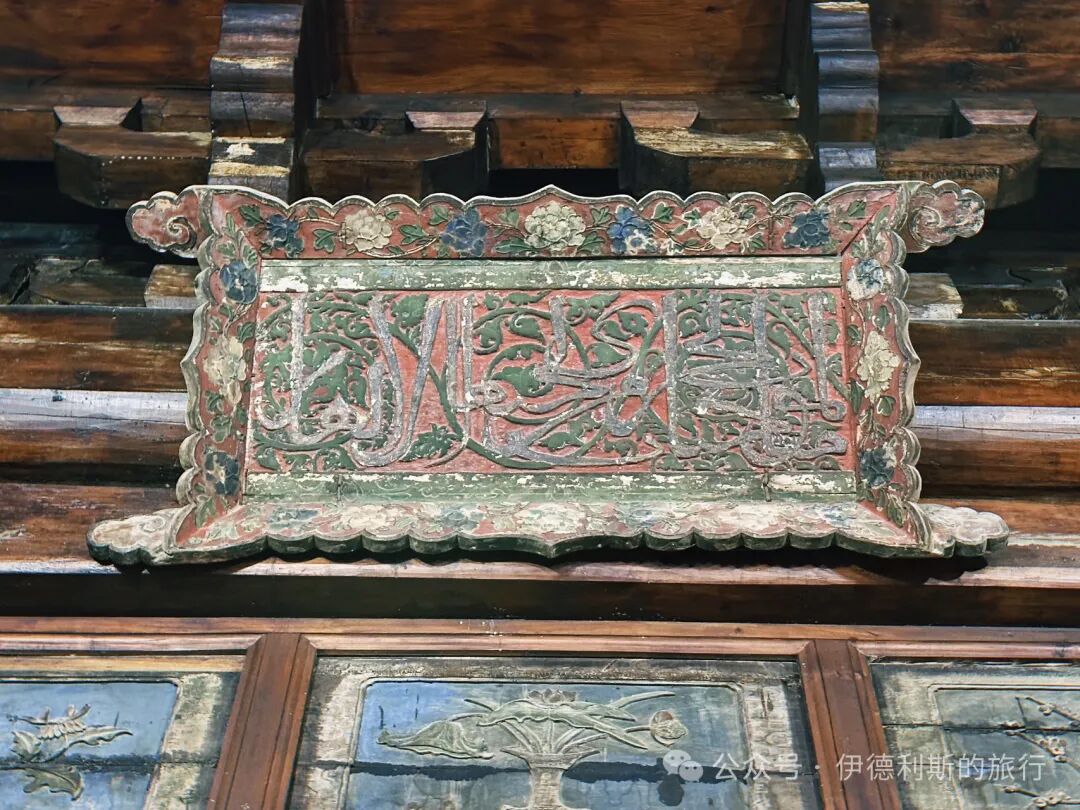
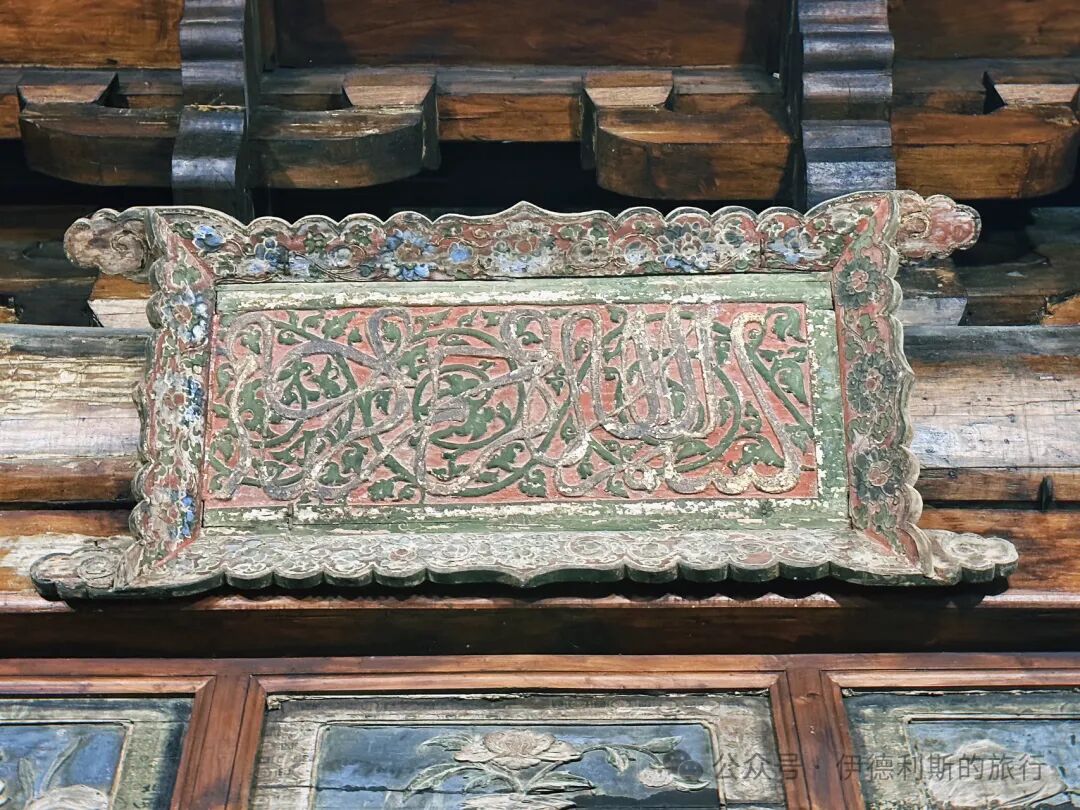
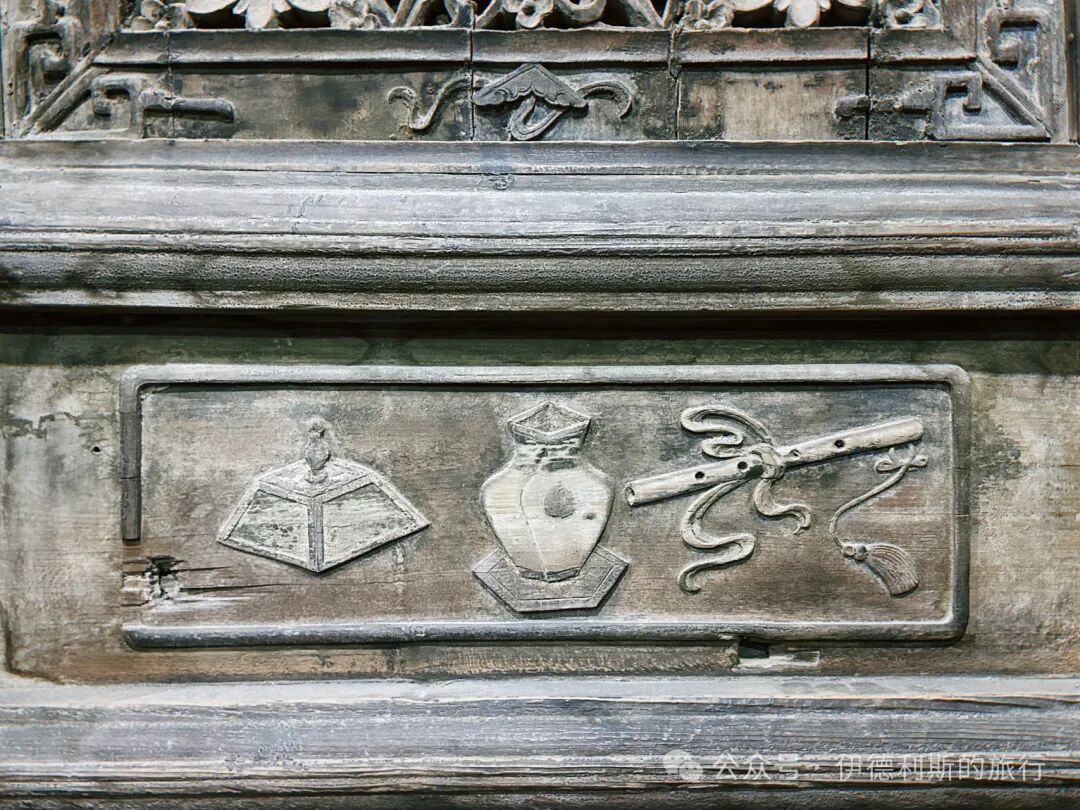
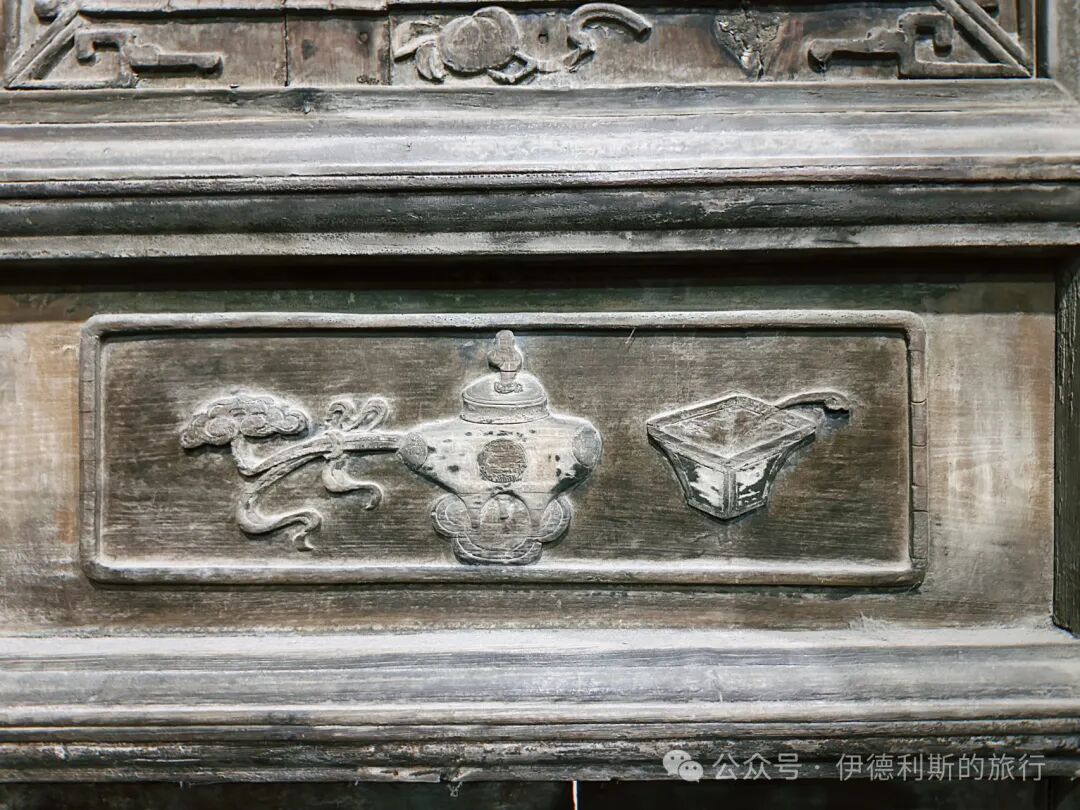
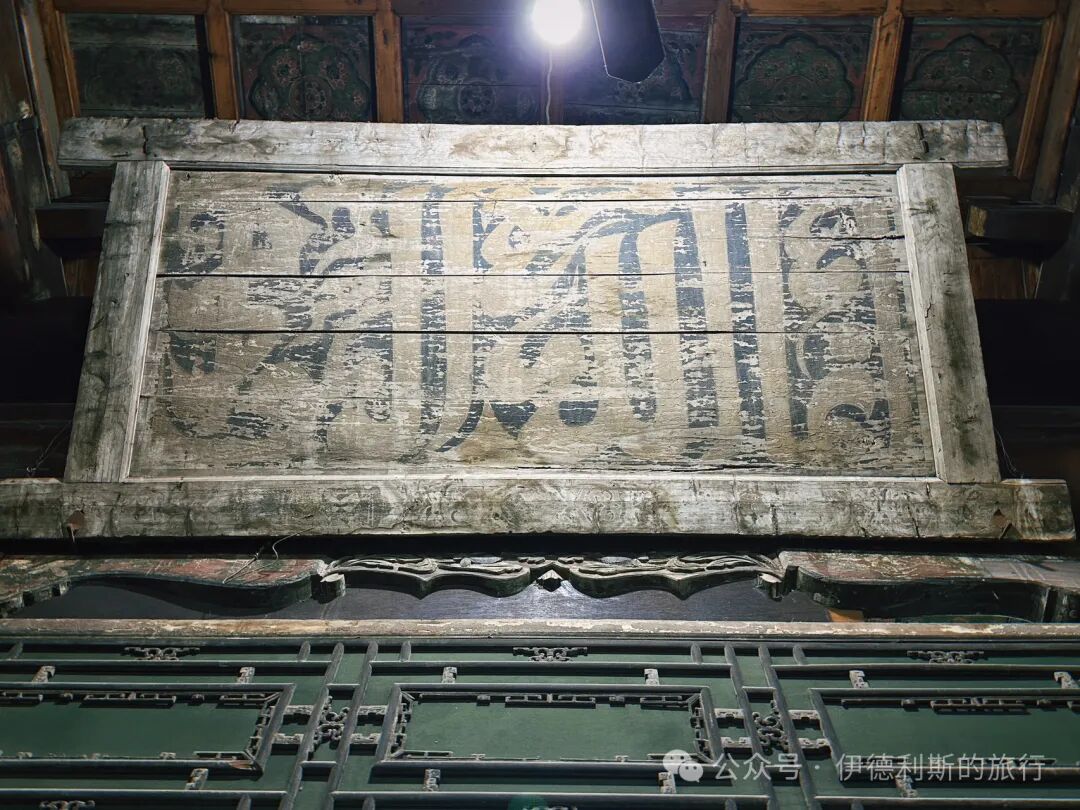
Muslim Life Guide: 2024 Hui Religious Life — Dua, Fasting, Qurbani & Gatherings
Articles • ali2007fr posted the article • 0 comments • 234 views • 2026-05-19 23:56
Summary: This account records a year of Muslim religious life in 2024, including night prayers, fasting, qurbani, religious gatherings, and visits connected with Hui Muslim tradition. It keeps the original personal observations, community details, and Islamic terms while presenting them in clear English for readers interested in everyday Muslim life.
As a Han Chinese person born and raised in Beijing in the 1990s, my childhood life was actually quite far from the faith. Although I lived near the Dongsi Mosque, its imposing gate always made me feel like I should keep my distance. My Hui Muslim classmates just didn't eat pork, and otherwise, I couldn't tell any difference. My first connection to the faith started because I loved the soaked bread in soup (paomo) at the Longfu Mosque snack shop and the lamb skewers (yangrouchuan) at Xiayi Restaurant near my home. Twenty years ago, the scent of lamb skewers grilled over charcoal with big fans blowing at Xiayi on Dongsi North Street was my first impression of the faith.
In middle school, I took my first flight for a long trip to Linxia and Xining to see the mosque communities in the residential areas, and I bought my first prayer cap (haomao). The sights in the Northwest felt new to me, and I became more and more interested in the culture of the faith. After I started college, I performed namaz for the first time in my life. Back then, I went to the mosque with Hui Muslim alumni from school to join activities. Even though I didn't know the words to recite yet, I followed everyone else's movements and felt the unity of the congregation (jamati).
In 2015, a Hui Muslim friend from Tianjin took me to the Northwest Corner of Tianjin for the first time. The countless delicious foods dazzled me, and the deep history of the Great Mosque filled me with respect. At that time, I had just graduated from college and had my own income, so I started visiting mosque communities in different places. First along the Grand Canal, then along the Yangtze River, and then I traveled further and further. Now, it has almost been ten years. Tasting delicious food and visiting ancient mosques have brought me closer and closer to the faith.
Unlike friends (dost) born into traditional Hui Muslim families, I learned most of my knowledge about the faith through books and the internet, and then practiced it by going to the mosque. Over these years, the mosque communities I have visited include those of the Shia, and the Hanafi, Shafi'i, Hanbali, and Maliki schools of the Sunni, as well as various domestic new traditions, old traditions, and different Sufi orders (menhuan). In the end, I chose to become a follower of the Gedimu.
Gedimu means 'ancient,' so it is also called the 'Old Faith' or 'Old Tradition.' It has been passed down in China for hundreds of years and has accumulated a rich historical and cultural foundation. For a long time, the Gedimu has used various traditional rituals to strengthen the cultural identity of the community members, allowing the faith to continue in China for over a thousand years without fading. These activities bring everyone together, strengthening the faith and deepening friendships. Through one rich and colorful ritual after another, we feel that the path we are walking is becoming clearer, and we can feel the warmth of the big family of the faith, which keeps us from losing our way in the complex modern society.
Below, I will share my religious life in 2024 with you. Every year, the Gedimu in Beijing emphasizes the 'Two Festivals and Two Gatherings,' which are Eid al-Fitr, Eid al-Adha, the Prophet's Birthday (Sheng Hui), and the Fatimah Gathering (Fatumei Hui). Additionally, as a son-in-law from Urumqi, we also follow the Northwest custom of holding night prayers (nianye) every year, and we cook porridge on the Day of Ashura. Our religious life is very rich. This year, during the Spring Festival holiday, we returned to Urumqi and happened to catch the night prayers, so we attended many of them in a row. As usual, I spent the month of Ramadan in Balizhuang. The Balizhuang Mosque is the mosque community with the best Ramadan atmosphere in Beijing in my opinion. For Eid al-Adha, we slaughtered a sheep in an orchard in Changping and also ate starch noodle soup (fentang). We attended two religious gatherings (shenghui) at Heying Mosque and Tongzhou Xiguan Mosque, one in the Northwest style and one in the North China style. I have two regrets this year: I was not in Beijing for the memorial days of Bo Haji Sheikh Baba and Lady Fatimah, so I could not attend. I hope to make it next year.
Nianye (night of scripture recitation)
See: Hui Muslim life in Urumqi during the Spring Festival holiday: Nianye, Luohuali (wedding engagement ceremony), Jumu'ah, and visiting relatives and friends.
During the 2024 Spring Festival holiday, I took Suleiman to his grandparents' home in Urumqi, just in time for the noble month of Sha'ban (the eighth month of the Islamic calendar). The night of the 15th day of the eighth month of the Islamic calendar is the Night of Bara'at, which means the night of atonement. On this night, the two angels on our shoulders replace the 'scrolls' that record our good and bad deeds for the year. They seal the old scrolls and open new ones, which serve as evidence for questioning when we enter the afterlife, so it is also called the 'Night of Exchanging Scrolls'. In the traditions of Hui Muslims in some areas, when the month of Sha'ban arrives, everyone takes turns inviting the imam and friends and family to their homes for Nianye. The main process includes reciting scriptures, praising the Prophet, performing repentance (tawbah), and asking for forgiveness for family members and the deceased. Afterward, we eat a rich meal to strengthen bonds, improve our faith, and prepare for the noble month of Ramadan.
February 17 was our family's Nianye, and it was also when we celebrated Suleiman's first birthday (suisuizi). We invited four imams and a large group of relatives to recite surahs, recite the Bara'at praise, perform tawbah, and offer dua, then we ate. First, we served appetizers (diediezi) and tea. The appetizers included nut towers and baklava we bought at a Uyghur pastry shop on Hetian Street, as well as traditional flaky pastries and sachima made by my aunt. After everyone chatted for a while, we cleared the appetizers and brought out the main dishes to officially start the feast.
With the help of my aunts, we prepared a rich feast. The main dishes were clear-stewed lamb, braised steak, followed by steamed meat jelly (zhengmingzi), pearl meatballs, spicy chicken (jiaomaji), steamed fish, sweet platter (tianpanzi), and various stir-fried dishes. The staples were fried dough (youxiang), steamed buns (momo), and rice.
The fried dough (youxiang) was fried the day before. Before frying, I performed wudu (abudaiesi), then made the dough. After it rose, I scalded a small portion with hot oil and mixed in a little baking soda and fenugreek powder (xiangdoufen). I kneaded the scalded dough into the risen dough, covered the basin, and let it rest for 15 minutes. After resting, I rolled it into a long shape, pinched off pieces, rolled them into flat cakes, cut four small slits with a knife, and then it was ready to fry. When putting it into the pot, I said 'Bismillah' (taisimai). I fried it for a while, flipped it, and tapped the edge with chopsticks; when it felt hard, it was done.
Luohuali (wedding engagement ceremony)
This time back, I happened to catch my brother-in-law's Luohuali ceremony. We had a feast at a small workshop (zhepai) in Anningqu, in the northern suburbs of Urumqi, and I ate some homemade fried sugar twists (tangningningzi). The feast started with appetizers, then they were cleared for the main dishes, which included clear-stewed meat, braised meatballs, braised fish, beef head meat, and so on.
The traditional wedding customs of Xinjiang Hui Muslims are very elaborate. Before a marriage proposal, the man's family first makes inquiries about the woman's family. Then, they send a matchmaker with four types of gifts—tea, sugar cubes, red dates, and walnuts (or pastries)—wrapped in four colors, known as the four-color gift (sise li). The matchmaker's first visit with the four-color gift is called the opening gift (kaikou li). The matchmaker gives the gift, wrapped in red cloth, to the woman's family, but they do not give an answer right away. After careful consideration, the woman's family sends a message through the matchmaker. The man's family then sends the four-color gift again, which is called the confirming gift (luohua li), and after that, they enter the engagement stage.
Attending a funeral (song maiti)
See: Visiting the Dawan gongbei in Urumqi
During the Spring Festival in Urumqi, I happened to attend a funeral for an elder from the Luyuan Street community. Hundreds of people were there, and it was very moving. I could really feel the unity of the local community (jamaat).
Fasting (zhai)
See: 2024 Beijing Ramadan Diary: Week One
2024 Beijing Ramadan Diary: Week Two
2024 Beijing Ramadan Diary: Week Three
This year, I am spending Ramadan at the Balizhuang Mosque again. On the evening of March 11, I prayed the first Taraweeh at the Balizhuang Mosque. Every year, I enjoy the blessed atmosphere of the month of Ramadan (Ramadan) the most, as everyone gathers at the mosque to complete their worship.
Elder Li made donkey-roll cakes (lvdagun), nut-and-fruit cake (qiegao), and pea flour cake (wandouhuang) for everyone.
The fast-breaking meal (iftar) is very rich, different every day, and includes all kinds of Beijing delicacies.
Noodles with soybean paste (zhajiangmian)
Fish head with flatbread (yutou paobing)
Dumplings (jiaozi) that everyone made together
Hot noodle soup (retangmian)
Breaking the fast with fermented mung bean milk (douzhi)
Door-nail meat pie (mending roubing)
Sugar-rolled fruit (tangjuanguo) and fried crispy snacks (zha gezi)
On the fourth day, a friend (dosti) invited everyone to break their fast at the Nanxiapo Mosque. We ate delicious beef stew, and I felt very grateful (shukr). The Nanxiapo Mosque held a communal meal (nietie). It is usually open to the public, selling eight-bowl feasts (badawan), breakfast, and fast food. You can enter directly from the hot pot restaurant next to the mosque.
On the evening of the 17th day, I met up with a friend (dosti) to pray Tarawih at the Sudanese Embassy. The Sudanese Embassy is right next to Tuanjiehu subway station. We arrived at 7:50 and got in by showing our ID cards at the intersection. The call to prayer (adhan) was at 8:05, and the formal prayer started at 8:30. There were friends (dosti) from all over the world in the hall, standing in rows with all different skin colors. It really felt like I had traveled abroad. The imam for Tarawih was a young hafiz from Libya. His recitation was melodic and pleasant, and very moving. We prayed eight rak'ahs of Tarawih, with a taslim after every four. Finally, we prayed Witr with two rak'ahs followed by a taslim, and then one final rak'ah. This is quite different from the traditional prayer methods of the Gedimu Hui Muslims.
On the evening of the 18th day, a friend (dosti) from Hunan intended to host an iftar at Nanxiapo Mosque. We had stewed meat with rice, which was very delicious. I met many new friends during this time. Ramadan is truly a great opportunity to bring everyone together.
Experiencing the Ramadan atmosphere in Xi'an
See: Experiencing the Ramadan atmosphere in Xi'an
I had always heard that the Ramadan atmosphere in Xi'an is special. Many shops adjust their business hours to provide suhoor meals, and every mosque is very lively at iftar time. I used the Qingming holiday to experience it for myself.
At 3:00 AM, I wandered over to Miaohou Street. Miaohou Street is the street with the most suhoor meals in the Muslim Quarter (Huifang). We saw offal soup (zagan tang), spicy soup (hulatang), steamed rice cake (zenggao), crumbled flatbread in soup (paomo), meat pockets (rouhezi), and more. The variety was huge, and we ended up eating paomo.
At 5:30 AM, we prayed Fajr at the North Mosque in Xiapiyuan. The praise (dhikr) was melodic and gentle, and it was truly soul-stirring.
At noon, I went to Hujiagou in Xianyang to visit the grave (zifen) of Master Hu Dengzhou.
In the afternoon, I returned to the Muslim Quarter (Huifang) and had iftar at the Dapiyuan Mosque.
After the Maghrib prayer, we had our iftar meal. There was zucchini, cold noodles (liangpi), stir-fried meat, steamed egg, mung bean porridge, and steamed buns (momo). There were many people, and the atmosphere was great.
At 3:30 AM the next day, I had a lotus leaf bun (heye bing) with vegetables and red bean porridge at Ma Sanjia on Miaohou Street in the Muslim Quarter. Many people buy their suhoor meals at this shop, and a lot of them buy fried dough cakes (youbing) with vegetables.
3:50 AM. After finishing the lotus leaf bun with vegetables, we continued west along Miaohou Street. We bought a cured beef sandwich (laoniurou jiamo) at the An Zhiliang Cured Beef and Mutton Shop, and then had a meatball spicy soup (rouwan hulatang) at the Jia Family shop at the Sajinqiao intersection across the street.
At 5:50 AM, we prayed Fajr at the Daxuexi Alley Mosque.
At noon, I prayed Jumu'ah at the Great Mosque on Huajue Alley.
After Jumu'ah, I took the subway to the northeast of Xi'an city to visit the grave (zifen) at the Guangdamen Gongbei.
In the evening, I had iftar at the Dongxin Street Mosque. I had barrel chicken (tongzi ji), spiced beef tongue (jiang koutiao), cold mixed dishes, braised fish chunks, steamed buns (momo), and red bean porridge.
At 3:50 AM on the third day, we ate a five-dragon egg and vegetable sandwich (wulong dancai jiamo) on Beiguangji Street, where we also had meat oil rice (rouyoufan). Meat oil rice (rouyoufan) is a special dish that Hui Muslims in the neighborhood usually make only for Eid al-Fitr and the Prophet's birthday. It is a savory meat porridge made with beef bone broth and minced beef. It is salty, fragrant, and very auspicious.
After finishing the meat oil rice, we turned into Xiaopi Courtyard to eat steamed buns (baozi) at Ashiye's old shop. While we were eating, an older gentleman outside found out we were fasting and insisted on paying our bill. We felt so grateful, and it made us feel that the atmosphere in Xi'an is truly wonderful.
At 5:30 AM, we performed namaz at the West Mosque (Xisi) on Sajinqiao.
Night of Decree (Laylat al-Qadr)
See: 2024 Beijing Ramadan Diary: Night of Decree and Eid al-Fitr
The noble Night of Decree, a night of peace. This was the busiest and most lively day at Balizhuang Mosque since the start of Ramadan. Many friends (dosti) traveled from far away to return here. We also took a train from Xi'an to Beijing in the afternoon and headed straight to the mosque.
For breaking the fast, we had white fungus and lotus seed porridge. We also tasted steamed rice cakes with sweet filling (aiwowo) made by the mosque elders, as well as mung bean cakes and crispy pastries (subing) that Zainab brought back from the Hui neighborhood. The meal for breaking the fast included fried tofu stewed with beef, lamb bone broth (yangtang), and various stir-fried dishes. It was a very rich feast.
On the 28th day, we had the final Taraweeh prayer of Ramadan. It was so hard to say goodbye! Balizhuang Mosque was still very lively. The elders were making steamed rice cakes with sweet filling (aiwowo) together, and there was also sticky rice cake (qiegao) made by Elder Li. As usual, we broke our fast with mung bean milk (douzhi). For the meal, we had noodles with gravy (dalu mian) featuring three types of toppings: daylily, tomato, and eggplant, along with various vegetable garnishes. I started with two bowls of mung bean milk and two cups of tea, then ate a large bowl of noodles. I was completely stuffed. I walked around the courtyard several times until I felt comfortable after the Taraweeh prayer.
The last day of Ramadan! The elders at Balizhuang Mosque gathered again to make steamed rice cakes with sweet filling (aiwowo), small sticky rice cakes (qiegao), and sugar-rolled fruit (tangjuanguo). Everyone was reluctant to see Ramadan end.
The elders at Balizhuang Mosque were busy preparing for the next day's Eid al-Fitr, simmering the meat porridge and getting the fried dough (youxiang) ready.
Eid al-Fitr
Eid al-Fitr finally arrived. Balizhuang Mosque prepared meat porridge, fried dough (youxiang), and various pastries for everyone. The wheat grain aroma and the meat flavor in the porridge blended perfectly. It was delicious. With Imam Saiwabu and the elders, I not only received the blessing (suo) but also recited praises with the elders. I felt so grateful.
Eid al-Adha
See: Celebrating the Eid al-Adha festival
The night before Eid al-Adha, we stayed in Xiguanshi Village, known as the 'Number One Hui Muslim Village North of the Capital'. Early in the morning, we performed the major ritual washing (ghusl), brushed our teeth, applied perfume, recited the takbir, and walked from our hotel to the Xiguanshi Mosque to attend the congregational prayer.
After the prayer, we went to the Jingyi Farmhouse at the foot of the Western Mountains to perform the sacrifice (qurbani). This year we chose a 110-pound sheep that grew up eating grass in the mountains, which is usually hard to find. Then we ate the festive starch noodle soup (fentang) made by my sister-in-law, and Zainab drank three bowls in one go!
Day of Ashura
See: Another year, another Day of Ashura
Legend says that when the great flood receded and Prophet Nuh's ship reached land, he and his followers used seven kinds of beans from the ship to make the first meal for humanity after the disaster. Because of this, across a vast region from Bosnia and Turkey in the west to China in the east, many friends (dostani) make Ashura bean porridge today to commemorate the landing of Nuh's ship. Nowadays in Turkey and the Balkan region, you can buy Ashure at dessert shops all year round. However, on the Day of Ashura, people are still used to making Ashure themselves and sharing it with the poor, relatives, neighbors, and friends.
As usual, we made the Urumqi Hui Muslim version of Ashura bean rice. After work, I went to the supermarket to buy beans. This time I used seven kinds: soybeans, black beans, mung beans, red beans, chickpeas, white kidney beans, and lotus beans. First, I cooked the seven types of beans in a pressure cooker, then chopped the qurbani lamb into cubes and prepared chopped green onions. I stir-fried the meat with green onions, adding salt and Sichuan peppercorn powder. I added rice and glutinous rice to the cooked beans, then added the stir-fried meat cubes, and used the pressure cooker's rice setting to finish it.
Mawlid Celebration
See: Celebrating the Mawlid at Beijing Heying Mosque
Going to Xiguan Mosque in Tongzhou, Beijing, to celebrate the Mawlid.
Entering the month of Rabi' al-Awwal, mosques all over Beijing have started holding Mawlid celebrations. Over the weekend, we attended the celebration at Heying Mosque in Changping and ate authentic mashed potato cakes (yangyu jiaotuan), hand-held lamb ribs, and starch noodle soup (fentang), which was very blessed. The chili sauce on the mashed potato cakes was so fragrant that I couldn't help but pack some to take home; it tastes great with steamed buns (momo) or clear-stewed meat.
The 12th day of the third month of the Islamic calendar is believed to be the birthday of the Prophet. Around this time every year, Muslims around the world hold events to honor the Prophet, known as Mawlid or Eid-e-Milad an-Nabi. In China, these are called Shengji, Sheng-hui, or Shengdan.
Shengji activities date back to the time of the Tabi'un, the followers of the Prophet's companions. In the early days, these were mostly private events. Large-scale commemorations can be traced back to Egypt during the Fatimid Caliphate in the 12th century. In 1207, Saladin's brother-in-law Gökböri made Shengji a public holiday for the first time, which helped the celebration spread among Muslim communities. The Ottoman Empire made Shengji an official holiday in 1588, calling it Mevlid Kandili, which means the Candle Feast of the Prophet's Birthday.
Halfway through the month of Shengji, we went to the Xiguan Mosque in Tongzhou to attend the Sheng-hui. In the morning, we first had meat porridge (rouzhou), then went into the main hall for scripture recitation and listened to the imam give a sermon (wa'z) about the life of the Prophet.
After leaving the hall, we sat down for a meal and had the traditional North China Hui Muslim Eight Great Bowls (badawan): stewed meat, steamed pork (kourou), crispy fried meat (songrou), meatballs, kelp, fried tofu puffs (doupo), radish, and lamb offal (yangza). There were also four stir-fried dishes: sautéed lamb liver, stir-fried shrimp, stir-fried diced chicken, and sesame lamb, followed by steamed fish. It was a very rich feast! view all
Summary: This account records a year of Muslim religious life in 2024, including night prayers, fasting, qurbani, religious gatherings, and visits connected with Hui Muslim tradition. It keeps the original personal observations, community details, and Islamic terms while presenting them in clear English for readers interested in everyday Muslim life.
As a Han Chinese person born and raised in Beijing in the 1990s, my childhood life was actually quite far from the faith. Although I lived near the Dongsi Mosque, its imposing gate always made me feel like I should keep my distance. My Hui Muslim classmates just didn't eat pork, and otherwise, I couldn't tell any difference. My first connection to the faith started because I loved the soaked bread in soup (paomo) at the Longfu Mosque snack shop and the lamb skewers (yangrouchuan) at Xiayi Restaurant near my home. Twenty years ago, the scent of lamb skewers grilled over charcoal with big fans blowing at Xiayi on Dongsi North Street was my first impression of the faith.
In middle school, I took my first flight for a long trip to Linxia and Xining to see the mosque communities in the residential areas, and I bought my first prayer cap (haomao). The sights in the Northwest felt new to me, and I became more and more interested in the culture of the faith. After I started college, I performed namaz for the first time in my life. Back then, I went to the mosque with Hui Muslim alumni from school to join activities. Even though I didn't know the words to recite yet, I followed everyone else's movements and felt the unity of the congregation (jamati).
In 2015, a Hui Muslim friend from Tianjin took me to the Northwest Corner of Tianjin for the first time. The countless delicious foods dazzled me, and the deep history of the Great Mosque filled me with respect. At that time, I had just graduated from college and had my own income, so I started visiting mosque communities in different places. First along the Grand Canal, then along the Yangtze River, and then I traveled further and further. Now, it has almost been ten years. Tasting delicious food and visiting ancient mosques have brought me closer and closer to the faith.
Unlike friends (dost) born into traditional Hui Muslim families, I learned most of my knowledge about the faith through books and the internet, and then practiced it by going to the mosque. Over these years, the mosque communities I have visited include those of the Shia, and the Hanafi, Shafi'i, Hanbali, and Maliki schools of the Sunni, as well as various domestic new traditions, old traditions, and different Sufi orders (menhuan). In the end, I chose to become a follower of the Gedimu.
Gedimu means 'ancient,' so it is also called the 'Old Faith' or 'Old Tradition.' It has been passed down in China for hundreds of years and has accumulated a rich historical and cultural foundation. For a long time, the Gedimu has used various traditional rituals to strengthen the cultural identity of the community members, allowing the faith to continue in China for over a thousand years without fading. These activities bring everyone together, strengthening the faith and deepening friendships. Through one rich and colorful ritual after another, we feel that the path we are walking is becoming clearer, and we can feel the warmth of the big family of the faith, which keeps us from losing our way in the complex modern society.
Below, I will share my religious life in 2024 with you. Every year, the Gedimu in Beijing emphasizes the 'Two Festivals and Two Gatherings,' which are Eid al-Fitr, Eid al-Adha, the Prophet's Birthday (Sheng Hui), and the Fatimah Gathering (Fatumei Hui). Additionally, as a son-in-law from Urumqi, we also follow the Northwest custom of holding night prayers (nianye) every year, and we cook porridge on the Day of Ashura. Our religious life is very rich. This year, during the Spring Festival holiday, we returned to Urumqi and happened to catch the night prayers, so we attended many of them in a row. As usual, I spent the month of Ramadan in Balizhuang. The Balizhuang Mosque is the mosque community with the best Ramadan atmosphere in Beijing in my opinion. For Eid al-Adha, we slaughtered a sheep in an orchard in Changping and also ate starch noodle soup (fentang). We attended two religious gatherings (shenghui) at Heying Mosque and Tongzhou Xiguan Mosque, one in the Northwest style and one in the North China style. I have two regrets this year: I was not in Beijing for the memorial days of Bo Haji Sheikh Baba and Lady Fatimah, so I could not attend. I hope to make it next year.
Nianye (night of scripture recitation)
See: Hui Muslim life in Urumqi during the Spring Festival holiday: Nianye, Luohuali (wedding engagement ceremony), Jumu'ah, and visiting relatives and friends.
During the 2024 Spring Festival holiday, I took Suleiman to his grandparents' home in Urumqi, just in time for the noble month of Sha'ban (the eighth month of the Islamic calendar). The night of the 15th day of the eighth month of the Islamic calendar is the Night of Bara'at, which means the night of atonement. On this night, the two angels on our shoulders replace the 'scrolls' that record our good and bad deeds for the year. They seal the old scrolls and open new ones, which serve as evidence for questioning when we enter the afterlife, so it is also called the 'Night of Exchanging Scrolls'. In the traditions of Hui Muslims in some areas, when the month of Sha'ban arrives, everyone takes turns inviting the imam and friends and family to their homes for Nianye. The main process includes reciting scriptures, praising the Prophet, performing repentance (tawbah), and asking for forgiveness for family members and the deceased. Afterward, we eat a rich meal to strengthen bonds, improve our faith, and prepare for the noble month of Ramadan.
February 17 was our family's Nianye, and it was also when we celebrated Suleiman's first birthday (suisuizi). We invited four imams and a large group of relatives to recite surahs, recite the Bara'at praise, perform tawbah, and offer dua, then we ate. First, we served appetizers (diediezi) and tea. The appetizers included nut towers and baklava we bought at a Uyghur pastry shop on Hetian Street, as well as traditional flaky pastries and sachima made by my aunt. After everyone chatted for a while, we cleared the appetizers and brought out the main dishes to officially start the feast.
With the help of my aunts, we prepared a rich feast. The main dishes were clear-stewed lamb, braised steak, followed by steamed meat jelly (zhengmingzi), pearl meatballs, spicy chicken (jiaomaji), steamed fish, sweet platter (tianpanzi), and various stir-fried dishes. The staples were fried dough (youxiang), steamed buns (momo), and rice.
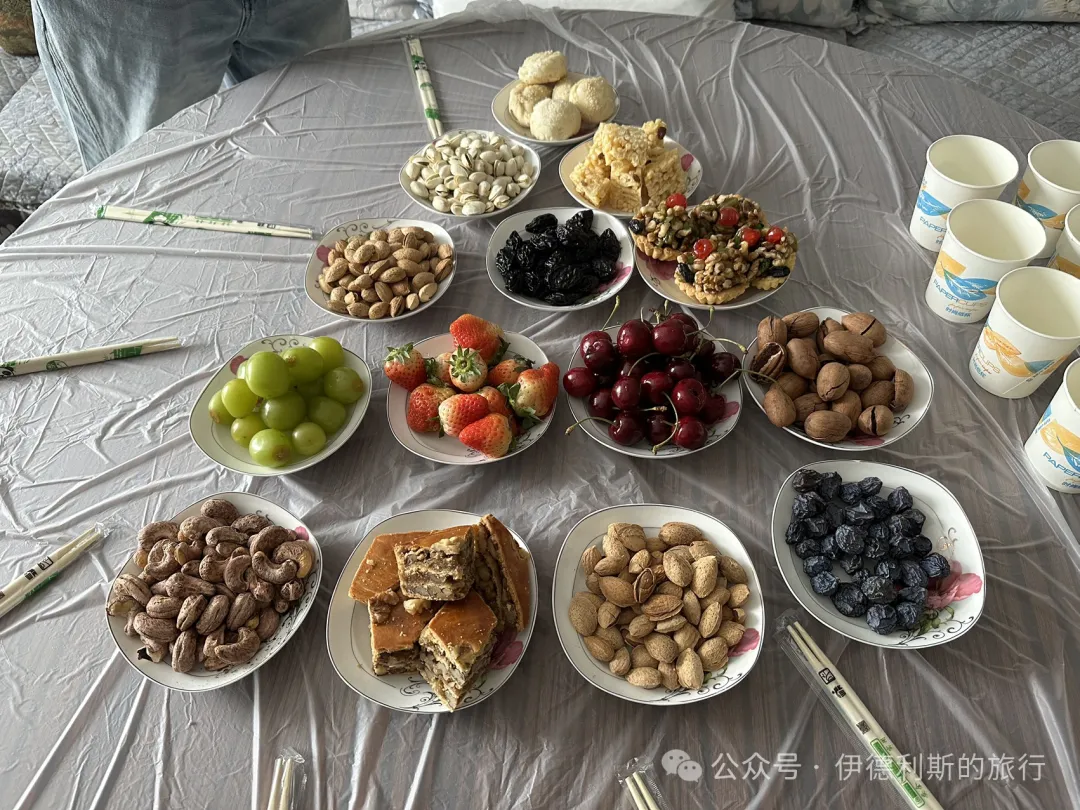
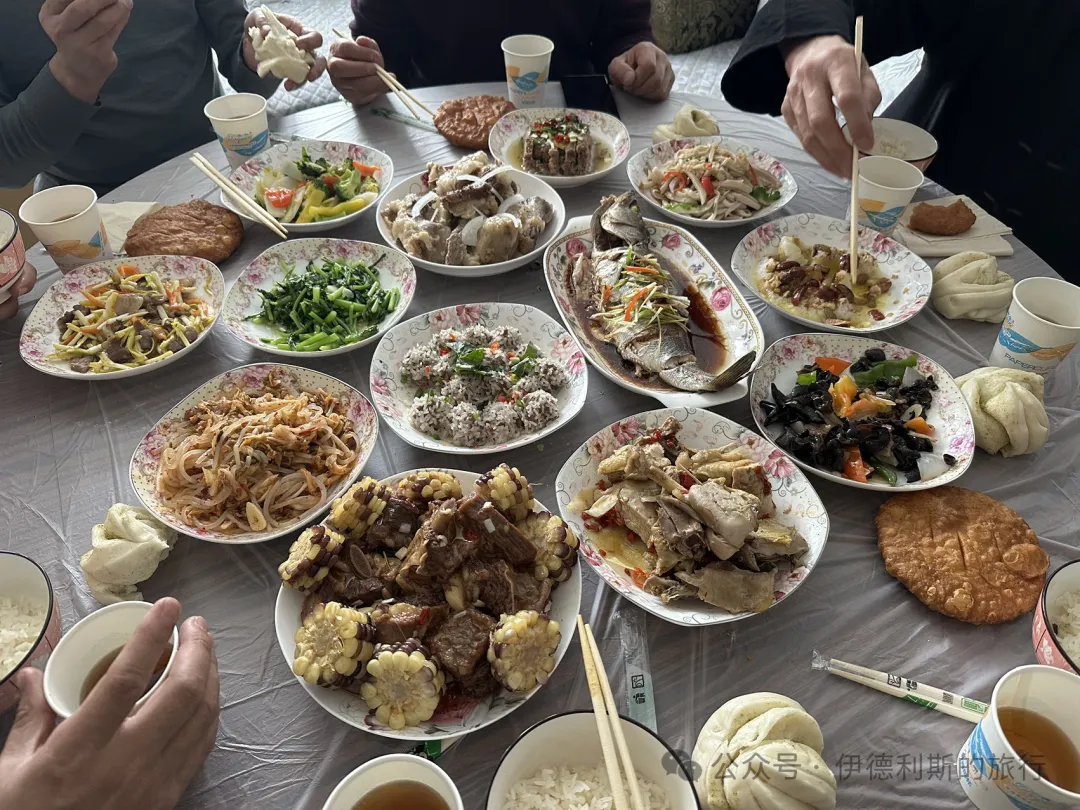
The fried dough (youxiang) was fried the day before. Before frying, I performed wudu (abudaiesi), then made the dough. After it rose, I scalded a small portion with hot oil and mixed in a little baking soda and fenugreek powder (xiangdoufen). I kneaded the scalded dough into the risen dough, covered the basin, and let it rest for 15 minutes. After resting, I rolled it into a long shape, pinched off pieces, rolled them into flat cakes, cut four small slits with a knife, and then it was ready to fry. When putting it into the pot, I said 'Bismillah' (taisimai). I fried it for a while, flipped it, and tapped the edge with chopsticks; when it felt hard, it was done.
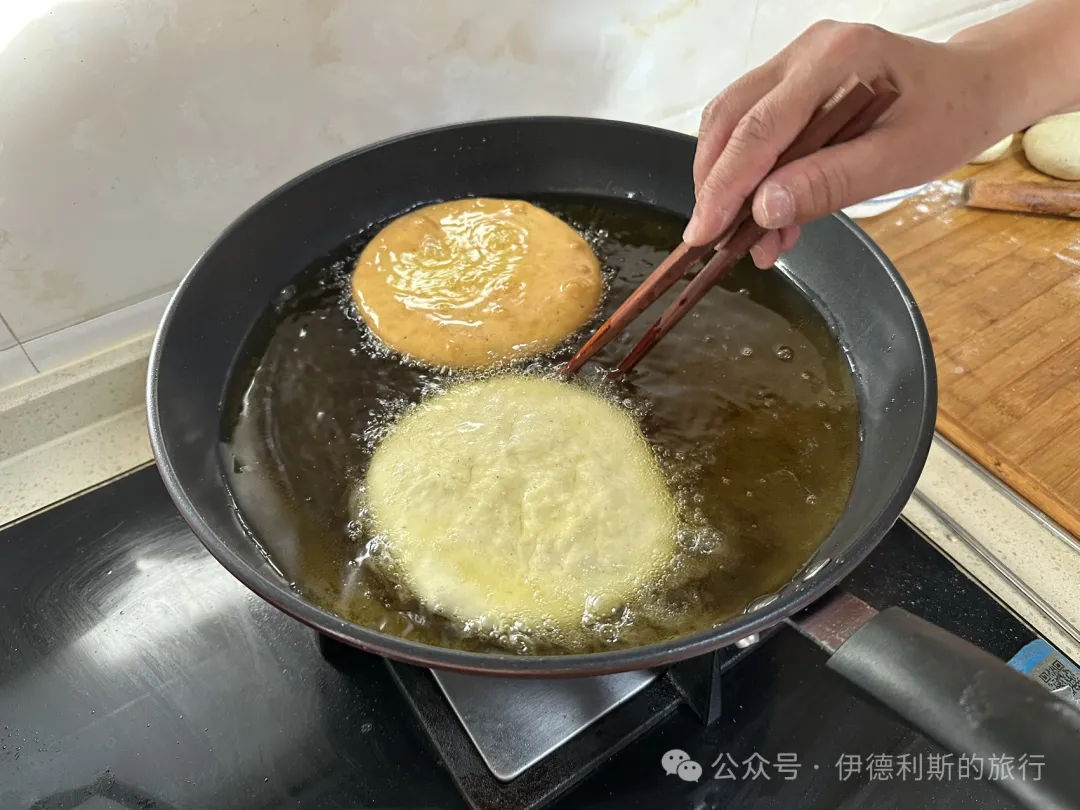
Luohuali (wedding engagement ceremony)
This time back, I happened to catch my brother-in-law's Luohuali ceremony. We had a feast at a small workshop (zhepai) in Anningqu, in the northern suburbs of Urumqi, and I ate some homemade fried sugar twists (tangningningzi). The feast started with appetizers, then they were cleared for the main dishes, which included clear-stewed meat, braised meatballs, braised fish, beef head meat, and so on.
The traditional wedding customs of Xinjiang Hui Muslims are very elaborate. Before a marriage proposal, the man's family first makes inquiries about the woman's family. Then, they send a matchmaker with four types of gifts—tea, sugar cubes, red dates, and walnuts (or pastries)—wrapped in four colors, known as the four-color gift (sise li). The matchmaker's first visit with the four-color gift is called the opening gift (kaikou li). The matchmaker gives the gift, wrapped in red cloth, to the woman's family, but they do not give an answer right away. After careful consideration, the woman's family sends a message through the matchmaker. The man's family then sends the four-color gift again, which is called the confirming gift (luohua li), and after that, they enter the engagement stage.
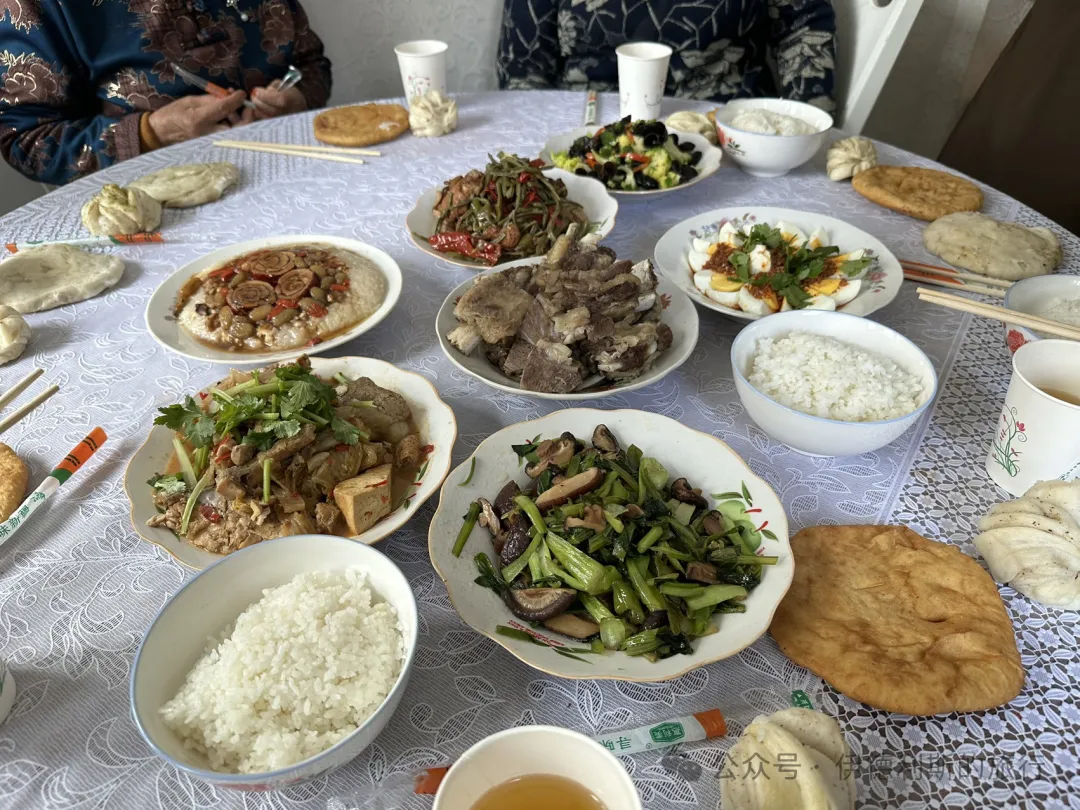
Attending a funeral (song maiti)
See: Visiting the Dawan gongbei in Urumqi
During the Spring Festival in Urumqi, I happened to attend a funeral for an elder from the Luyuan Street community. Hundreds of people were there, and it was very moving. I could really feel the unity of the local community (jamaat).
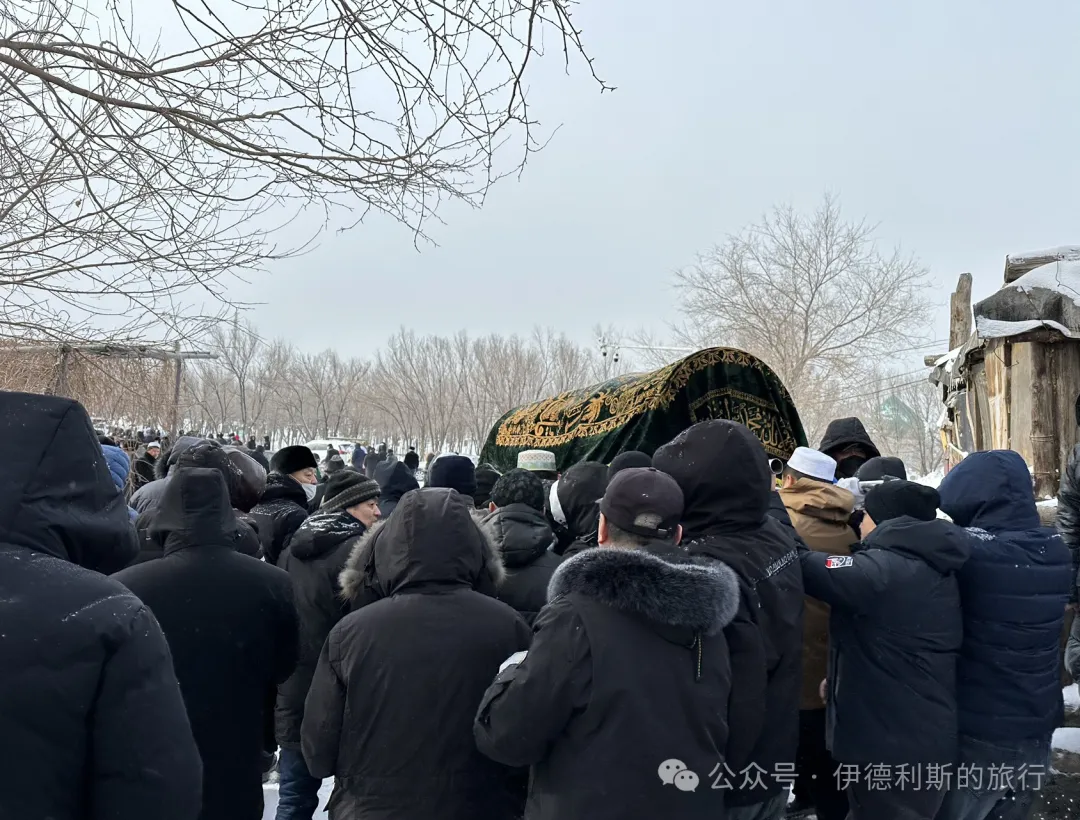
Fasting (zhai)
See: 2024 Beijing Ramadan Diary: Week One
2024 Beijing Ramadan Diary: Week Two
2024 Beijing Ramadan Diary: Week Three
This year, I am spending Ramadan at the Balizhuang Mosque again. On the evening of March 11, I prayed the first Taraweeh at the Balizhuang Mosque. Every year, I enjoy the blessed atmosphere of the month of Ramadan (Ramadan) the most, as everyone gathers at the mosque to complete their worship.
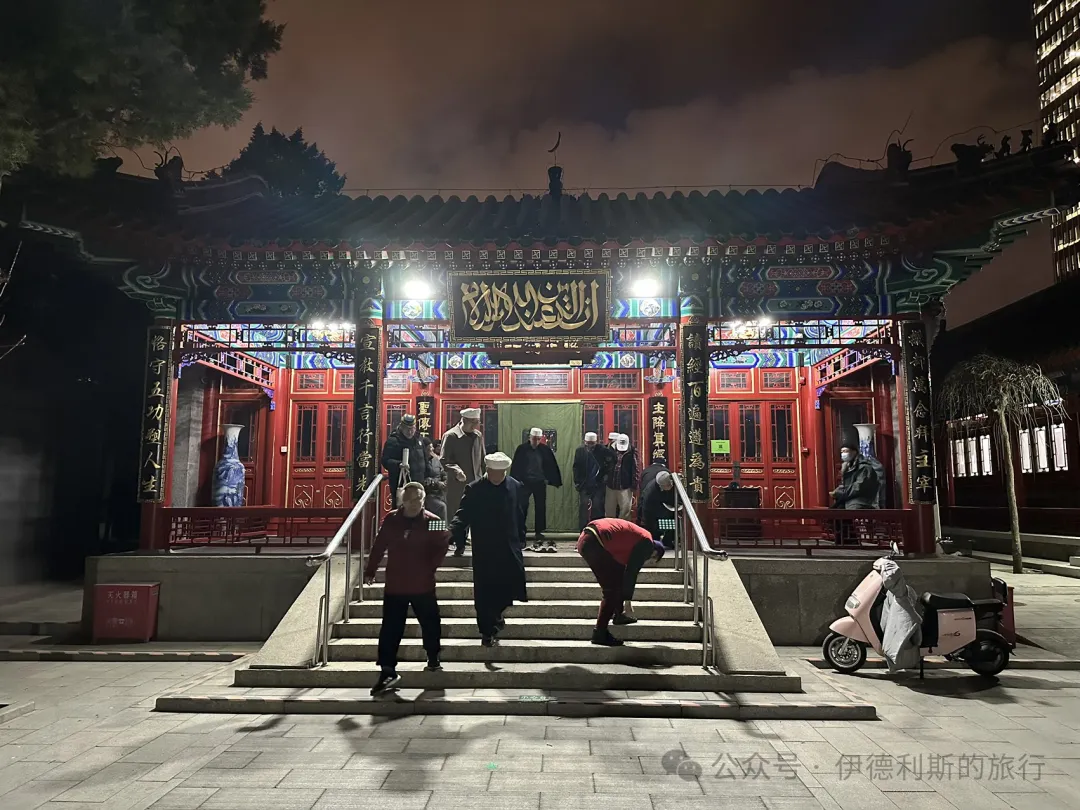
Elder Li made donkey-roll cakes (lvdagun), nut-and-fruit cake (qiegao), and pea flour cake (wandouhuang) for everyone.
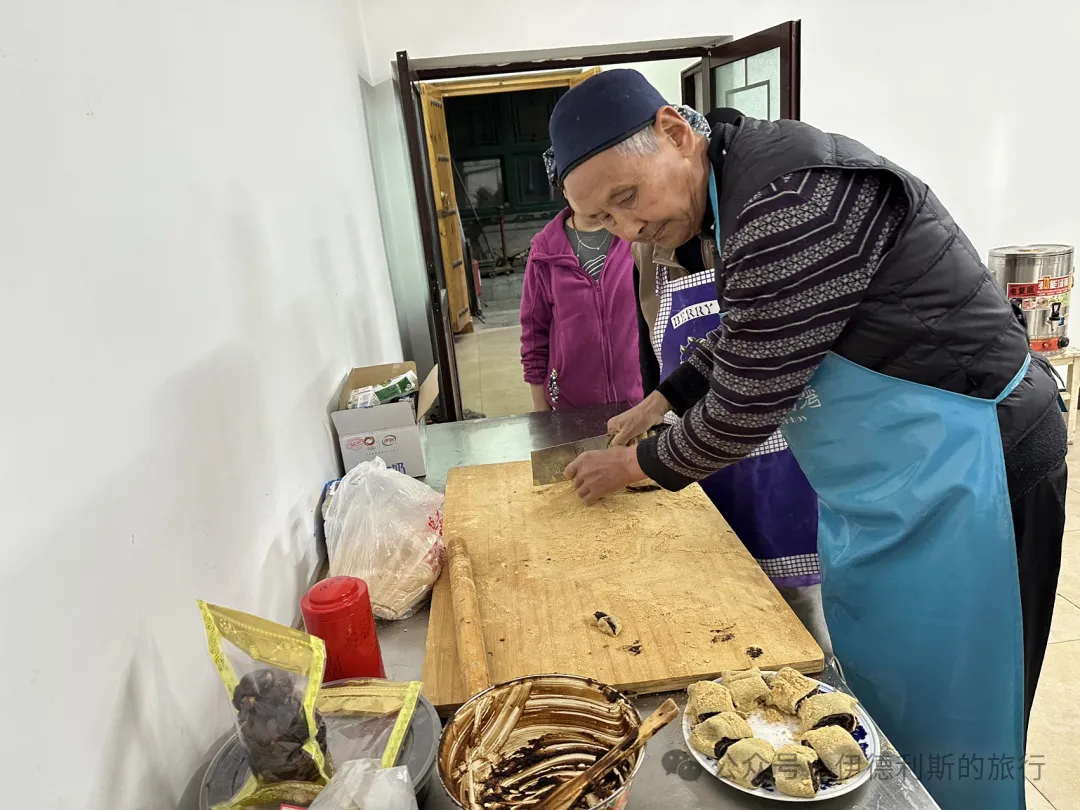
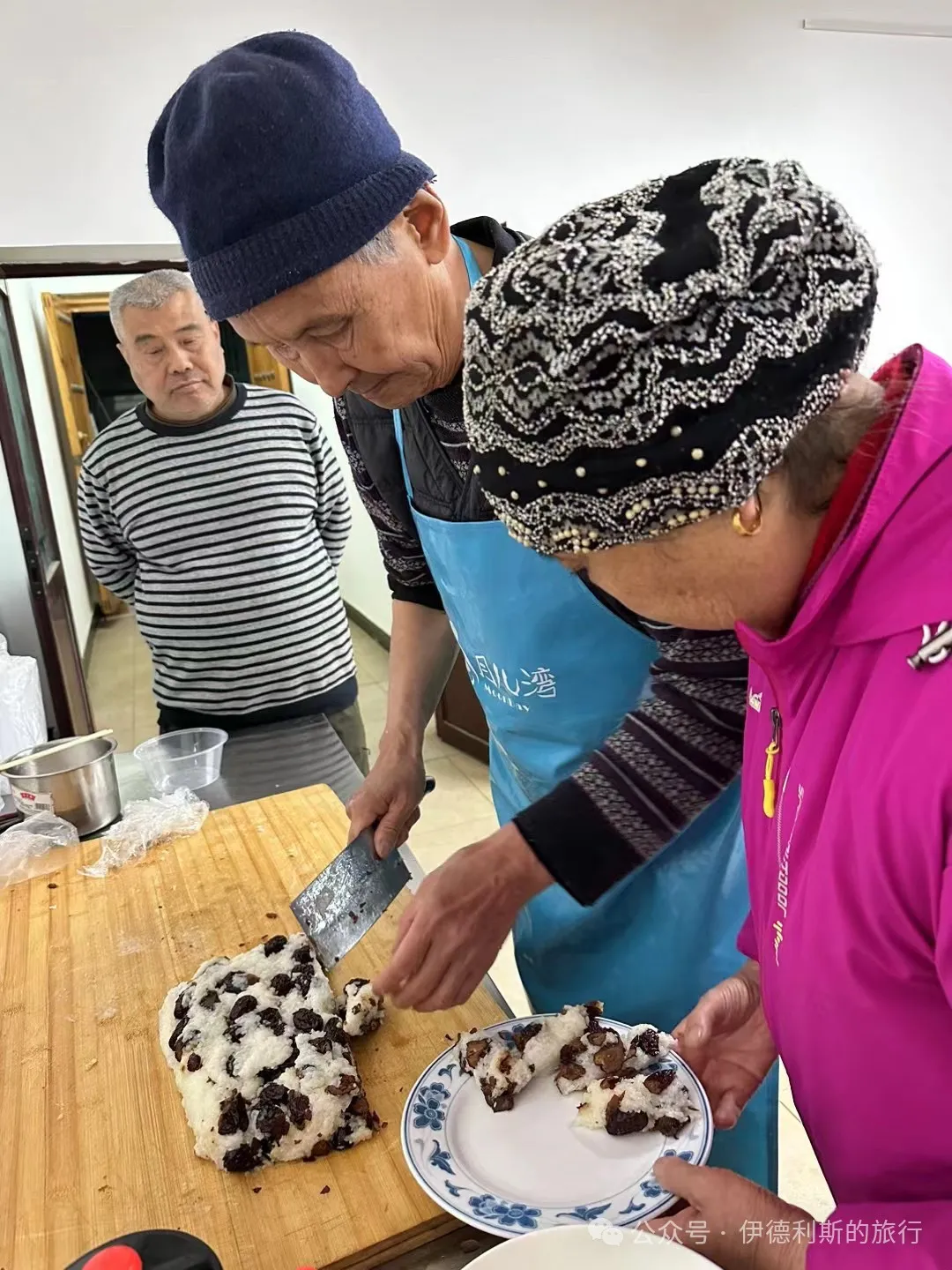
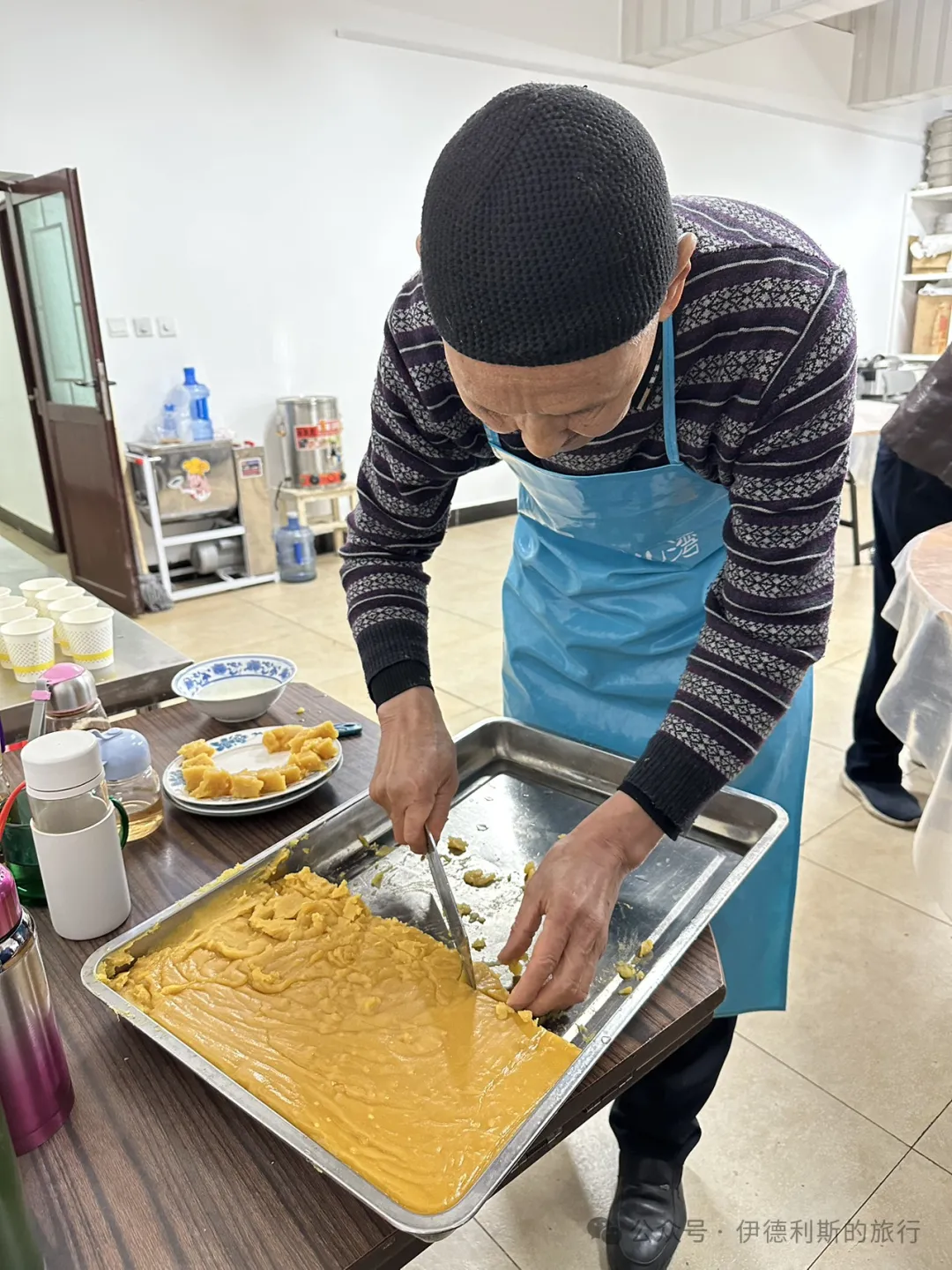
The fast-breaking meal (iftar) is very rich, different every day, and includes all kinds of Beijing delicacies.
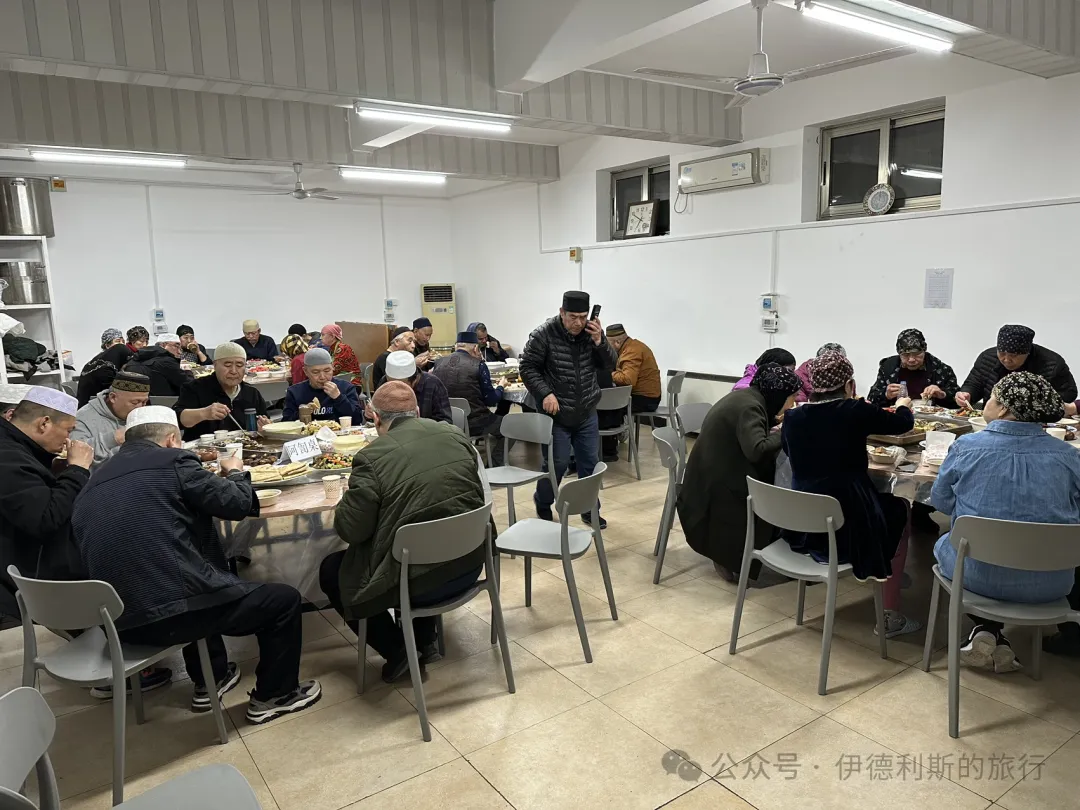
Noodles with soybean paste (zhajiangmian)
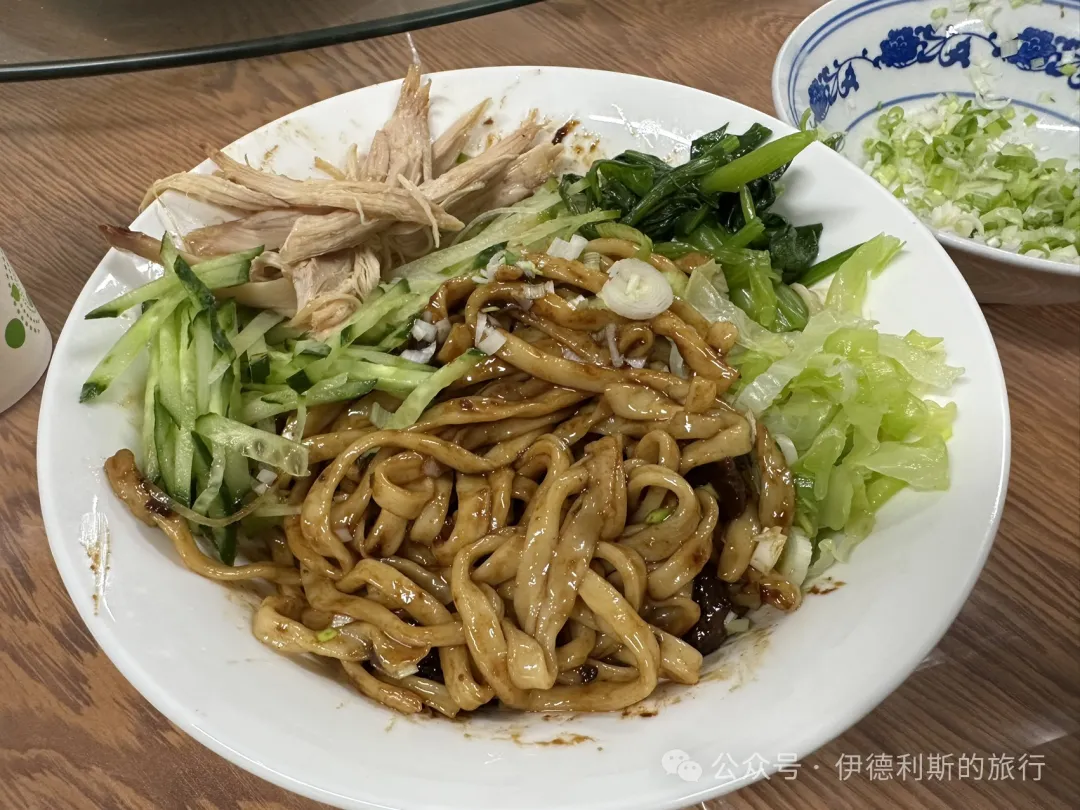
Fish head with flatbread (yutou paobing)
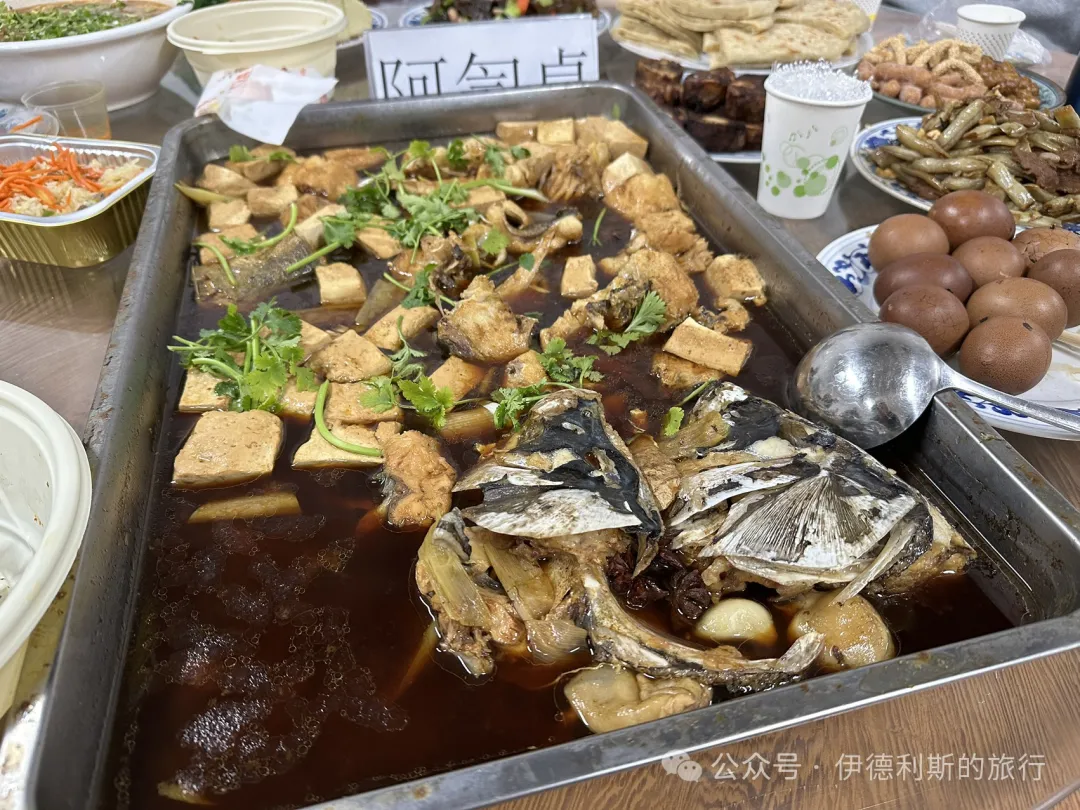
Dumplings (jiaozi) that everyone made together
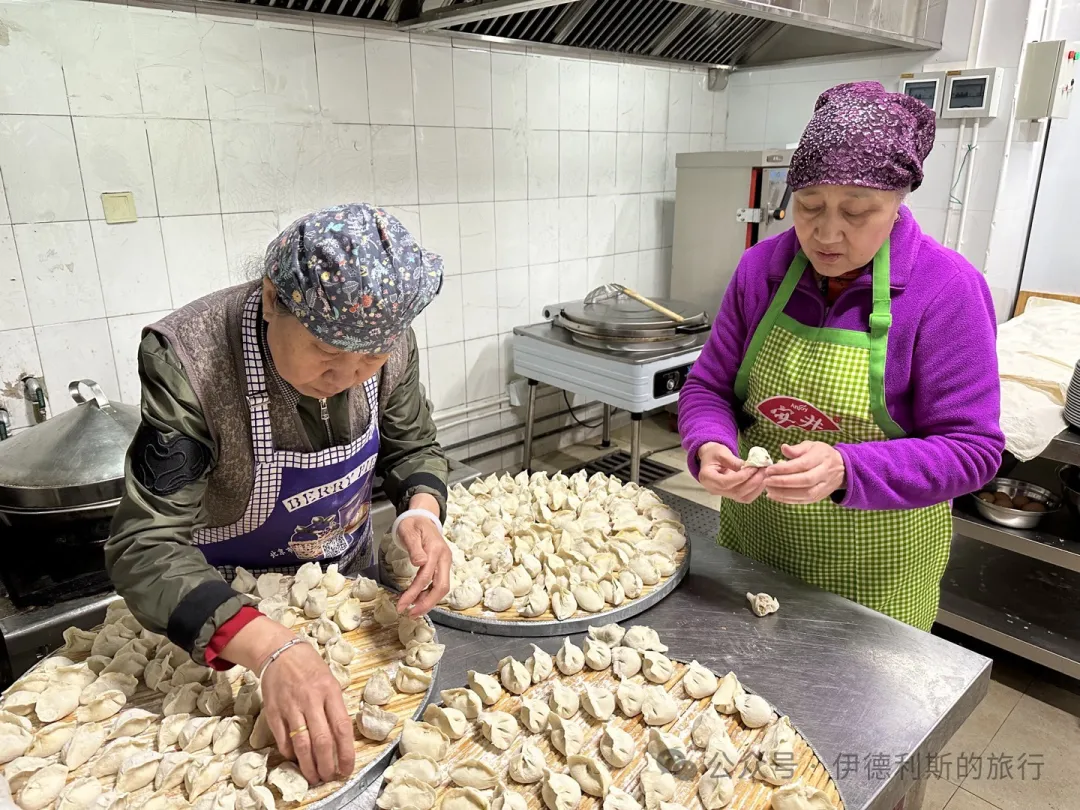
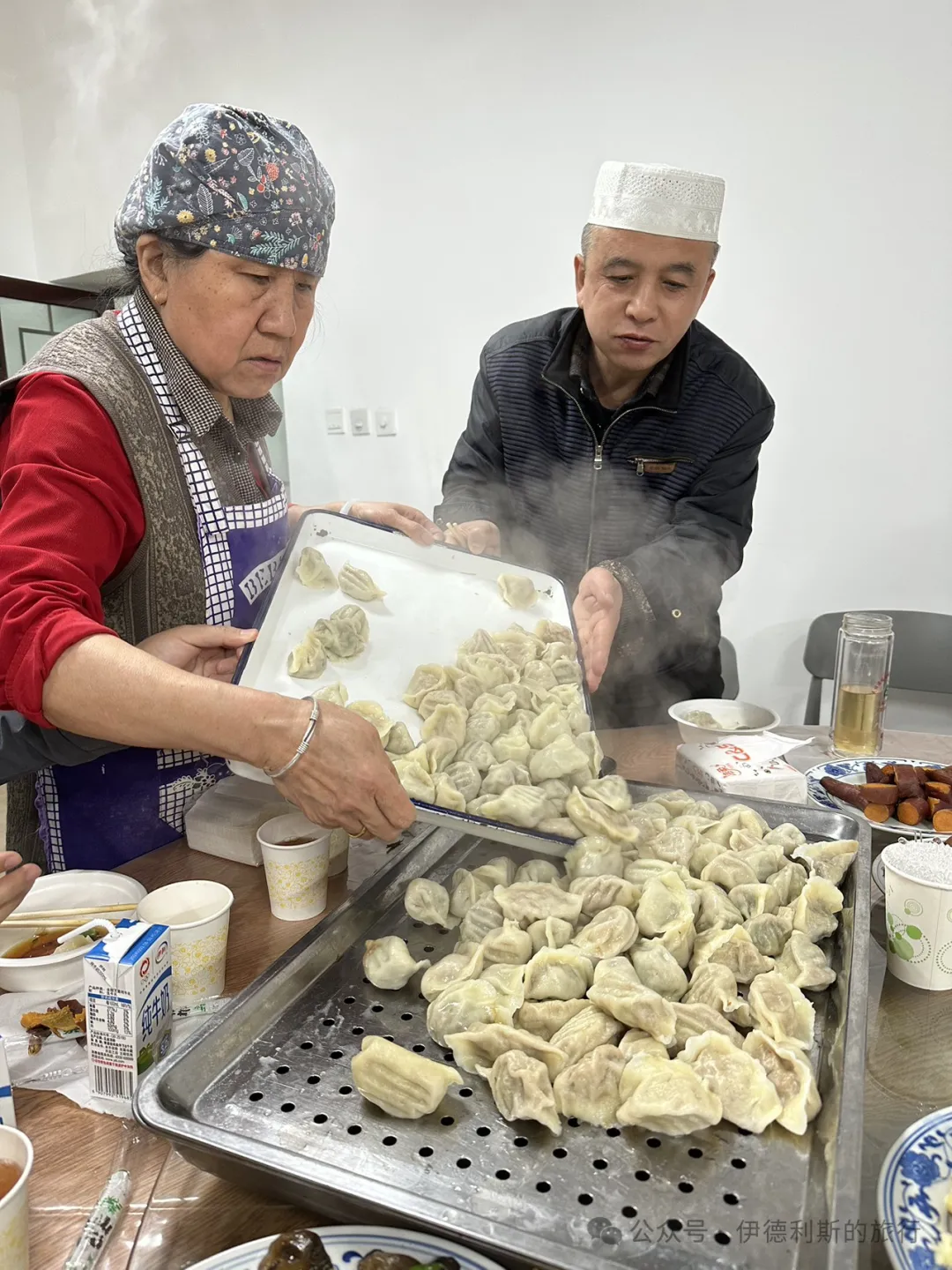
Hot noodle soup (retangmian)
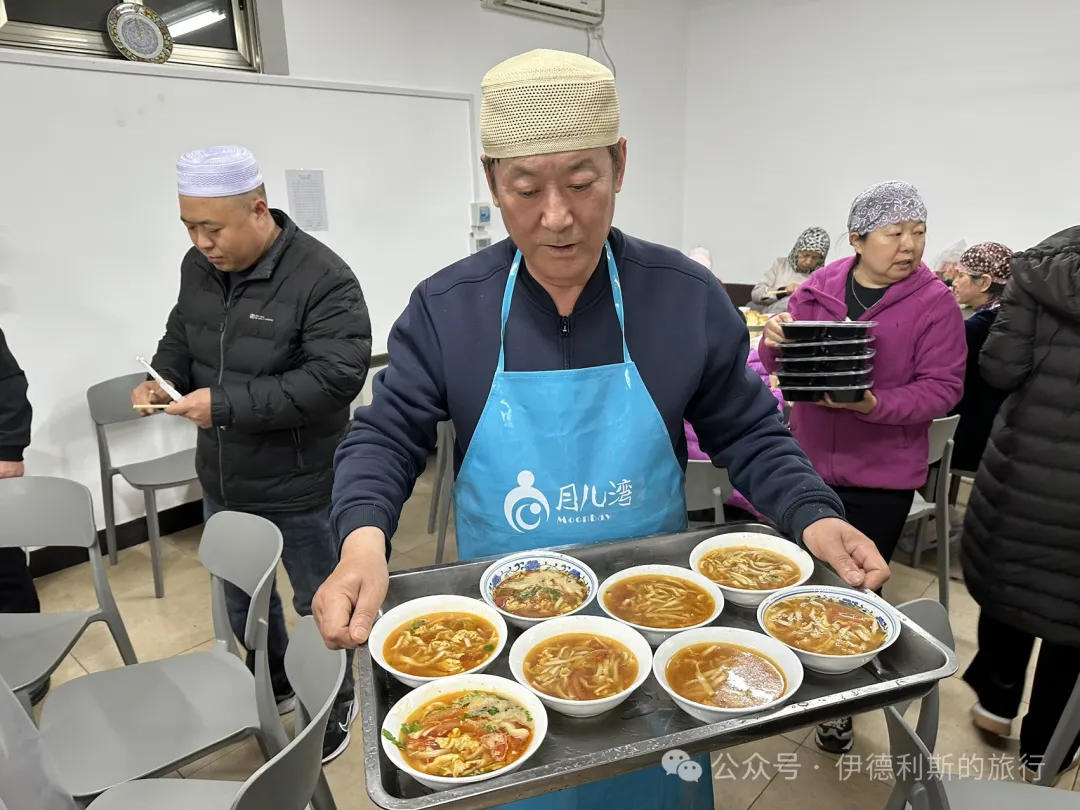
Breaking the fast with fermented mung bean milk (douzhi)
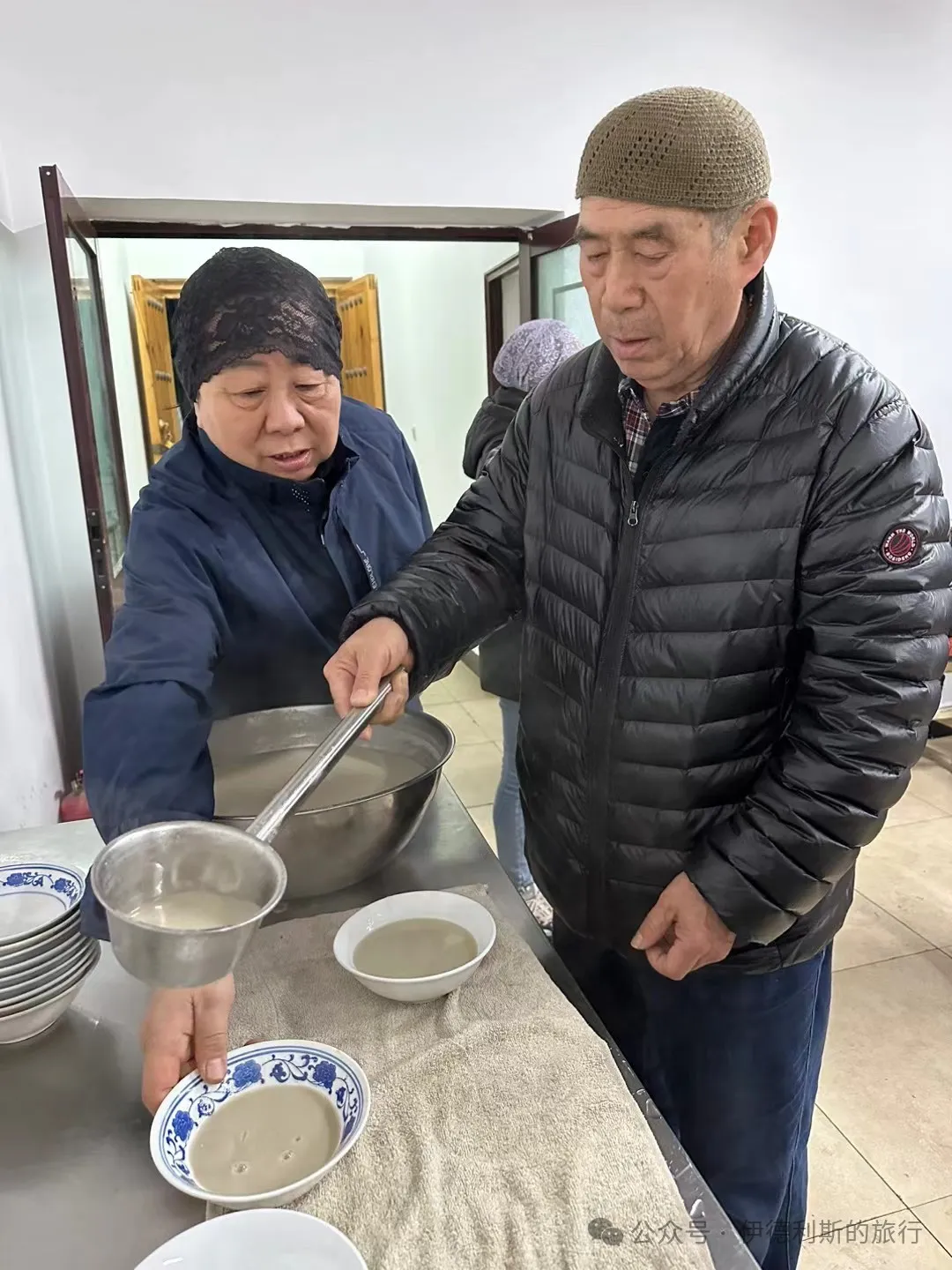
Door-nail meat pie (mending roubing)
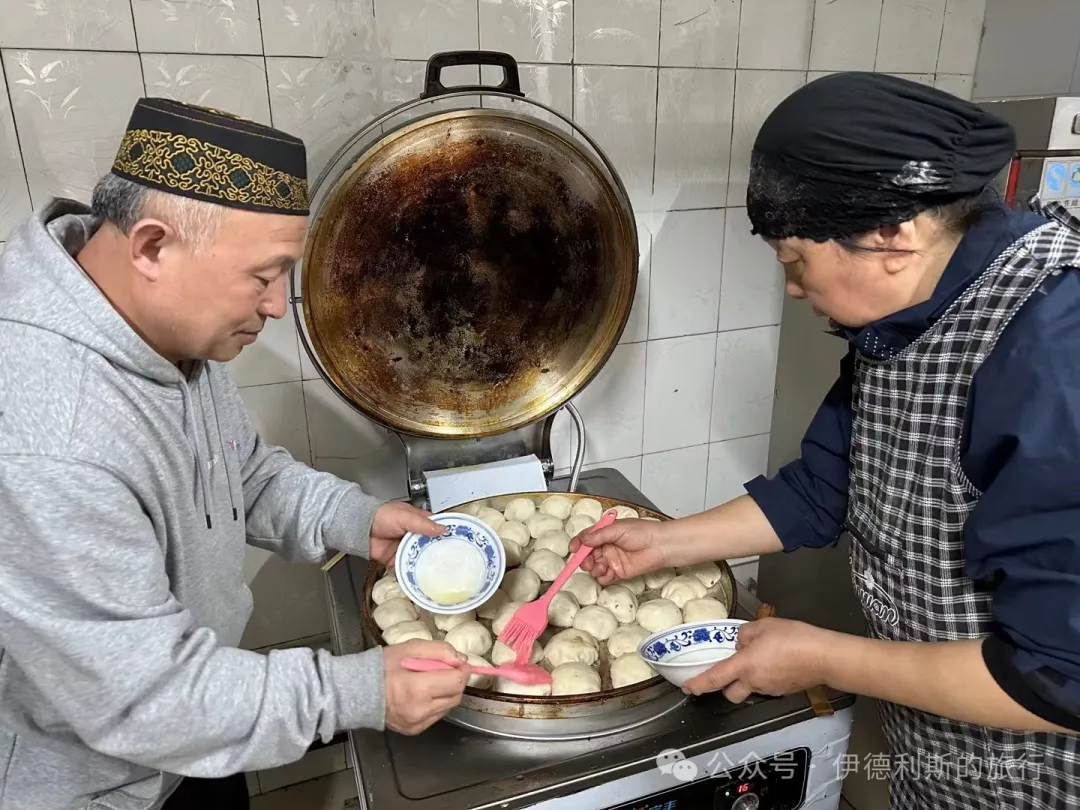
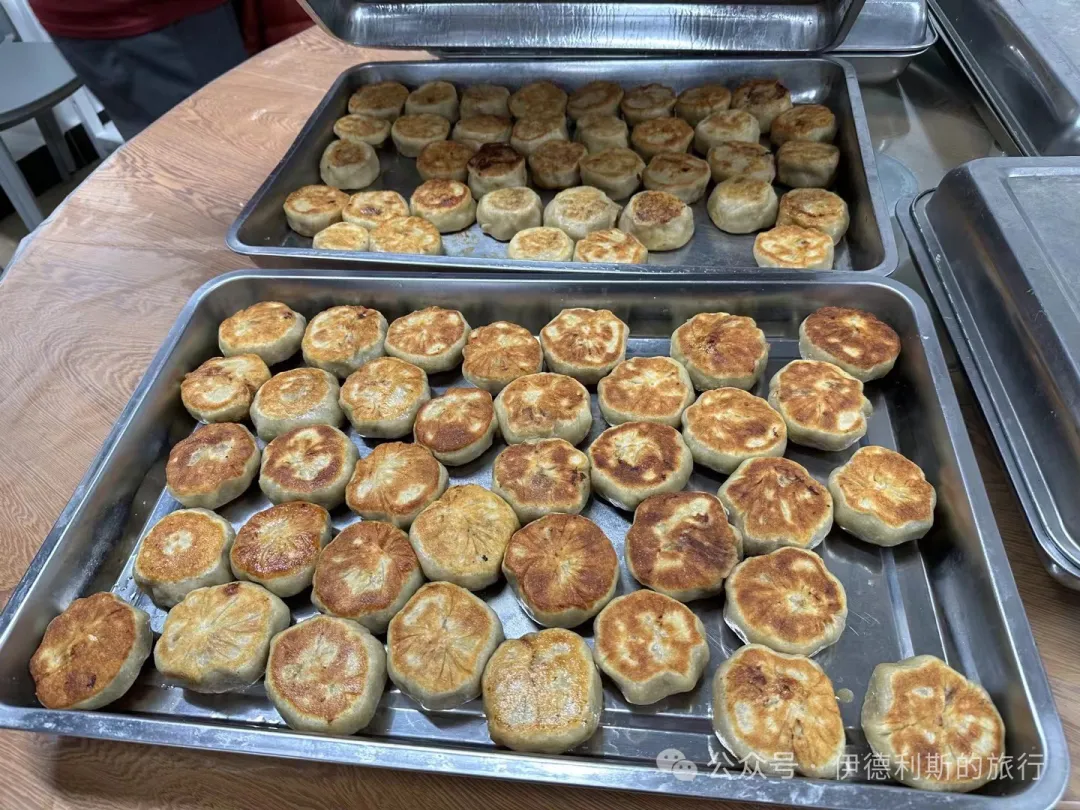
Sugar-rolled fruit (tangjuanguo) and fried crispy snacks (zha gezi)
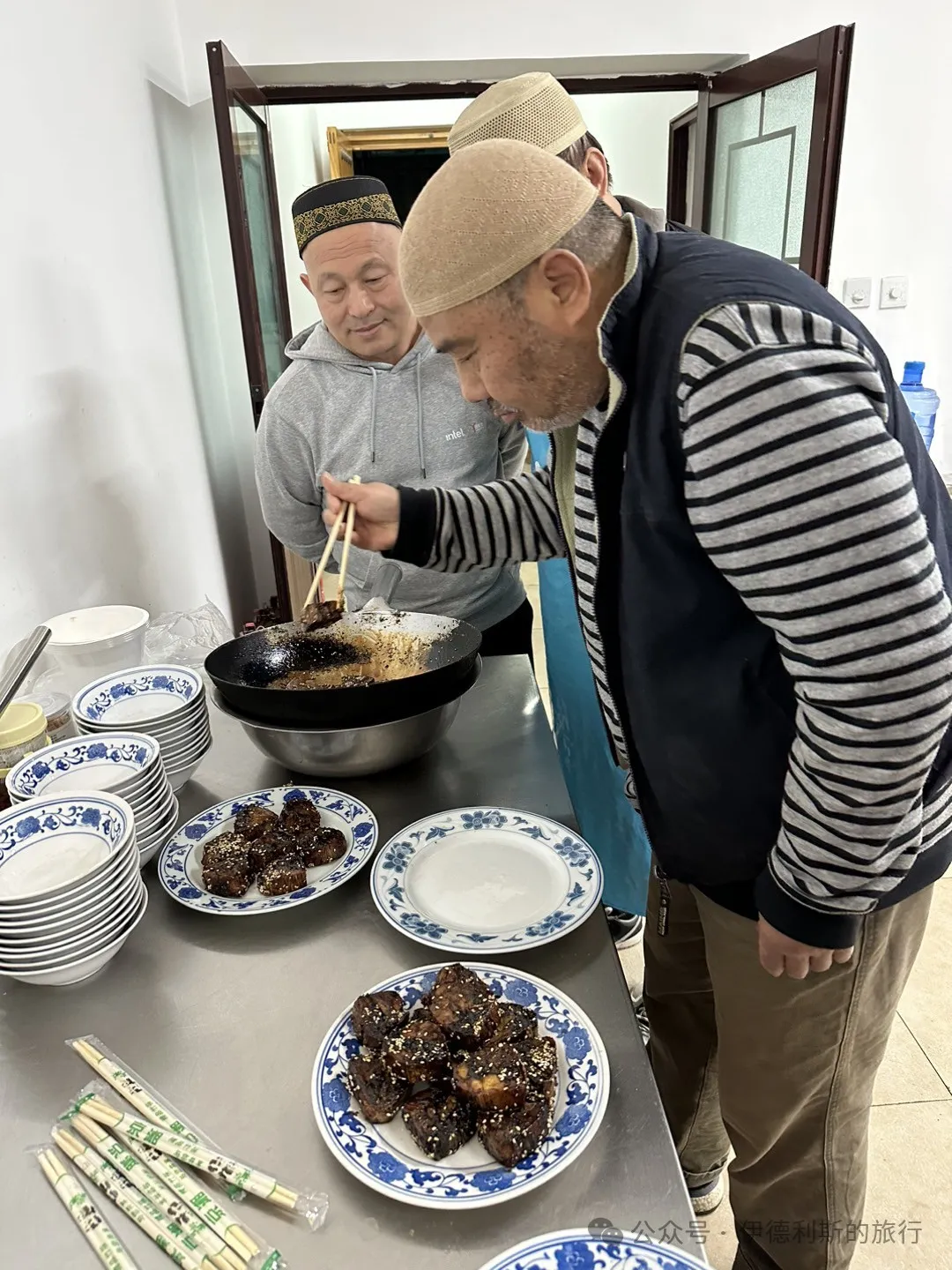
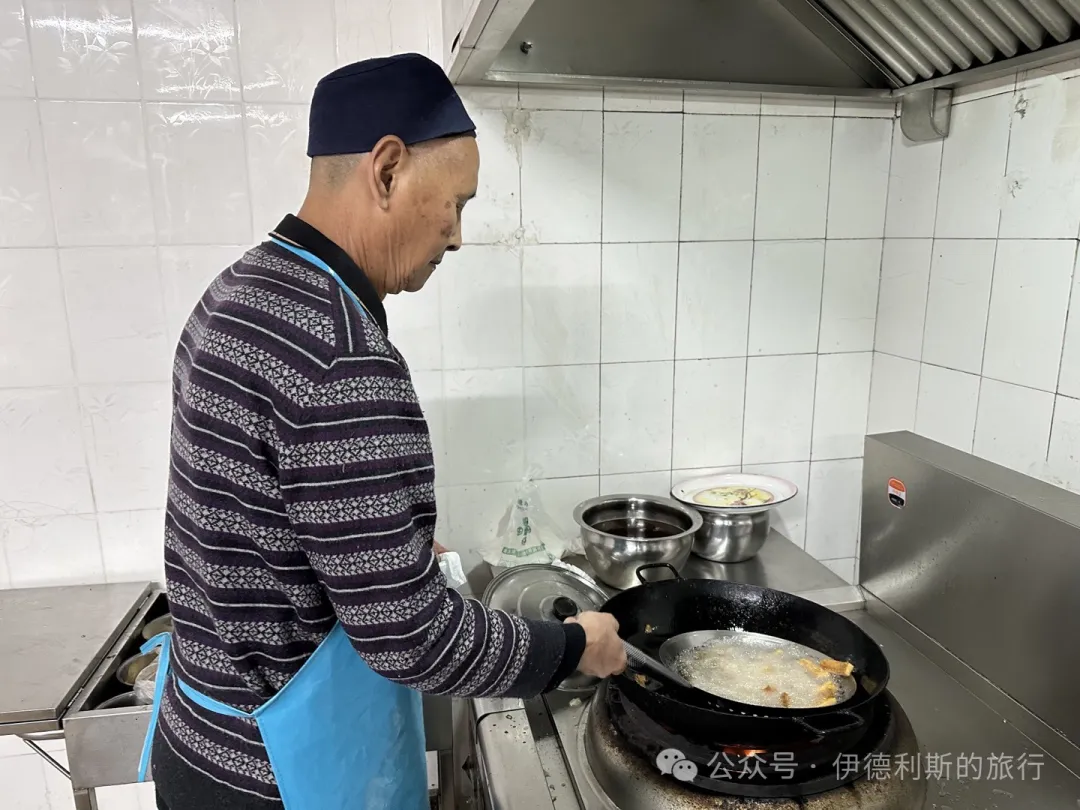
On the fourth day, a friend (dosti) invited everyone to break their fast at the Nanxiapo Mosque. We ate delicious beef stew, and I felt very grateful (shukr). The Nanxiapo Mosque held a communal meal (nietie). It is usually open to the public, selling eight-bowl feasts (badawan), breakfast, and fast food. You can enter directly from the hot pot restaurant next to the mosque.
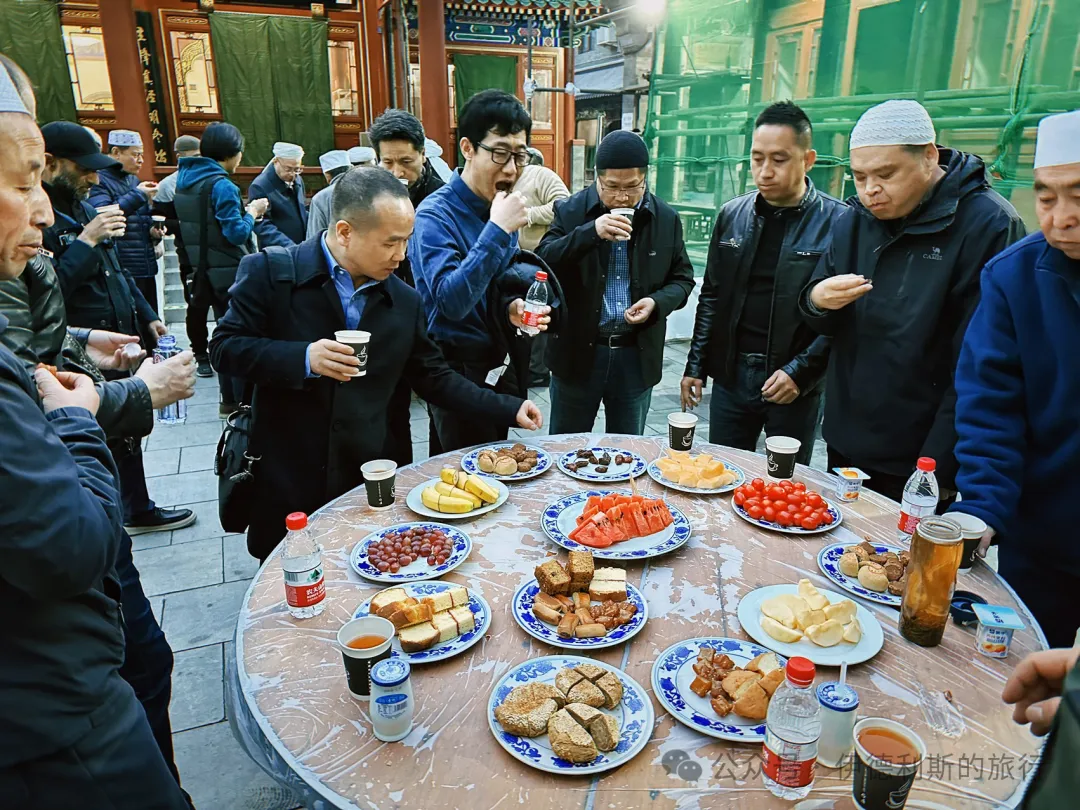
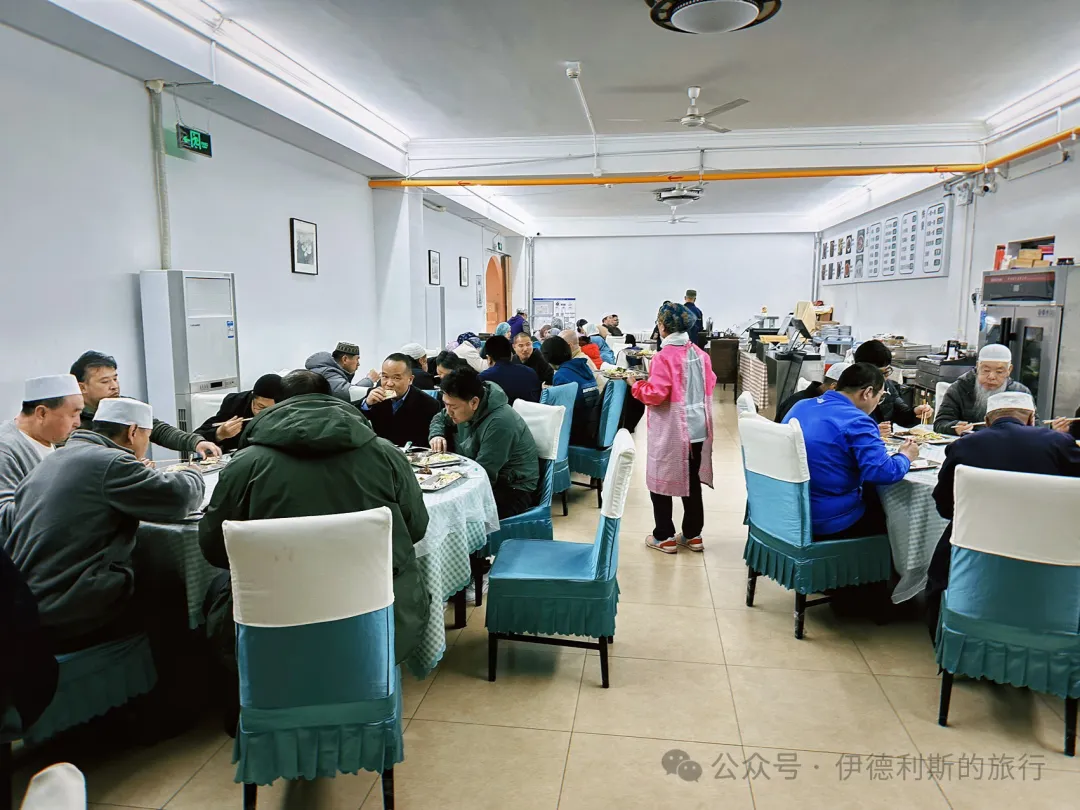
On the evening of the 17th day, I met up with a friend (dosti) to pray Tarawih at the Sudanese Embassy. The Sudanese Embassy is right next to Tuanjiehu subway station. We arrived at 7:50 and got in by showing our ID cards at the intersection. The call to prayer (adhan) was at 8:05, and the formal prayer started at 8:30. There were friends (dosti) from all over the world in the hall, standing in rows with all different skin colors. It really felt like I had traveled abroad. The imam for Tarawih was a young hafiz from Libya. His recitation was melodic and pleasant, and very moving. We prayed eight rak'ahs of Tarawih, with a taslim after every four. Finally, we prayed Witr with two rak'ahs followed by a taslim, and then one final rak'ah. This is quite different from the traditional prayer methods of the Gedimu Hui Muslims.
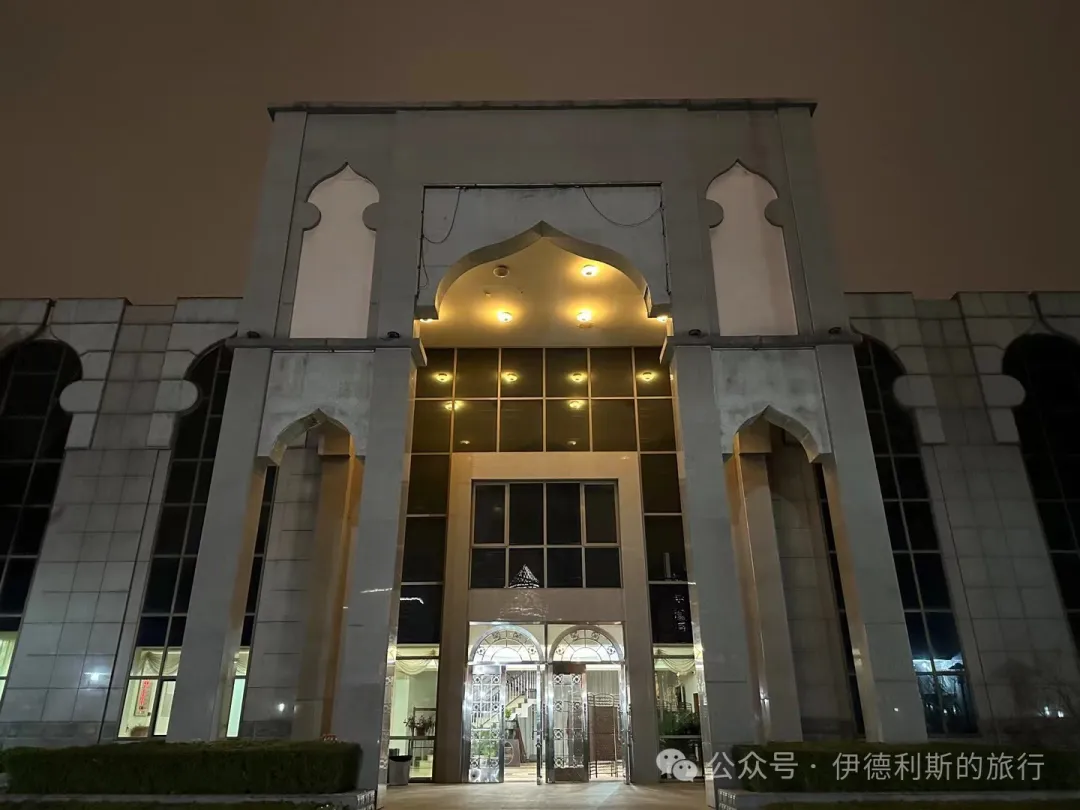
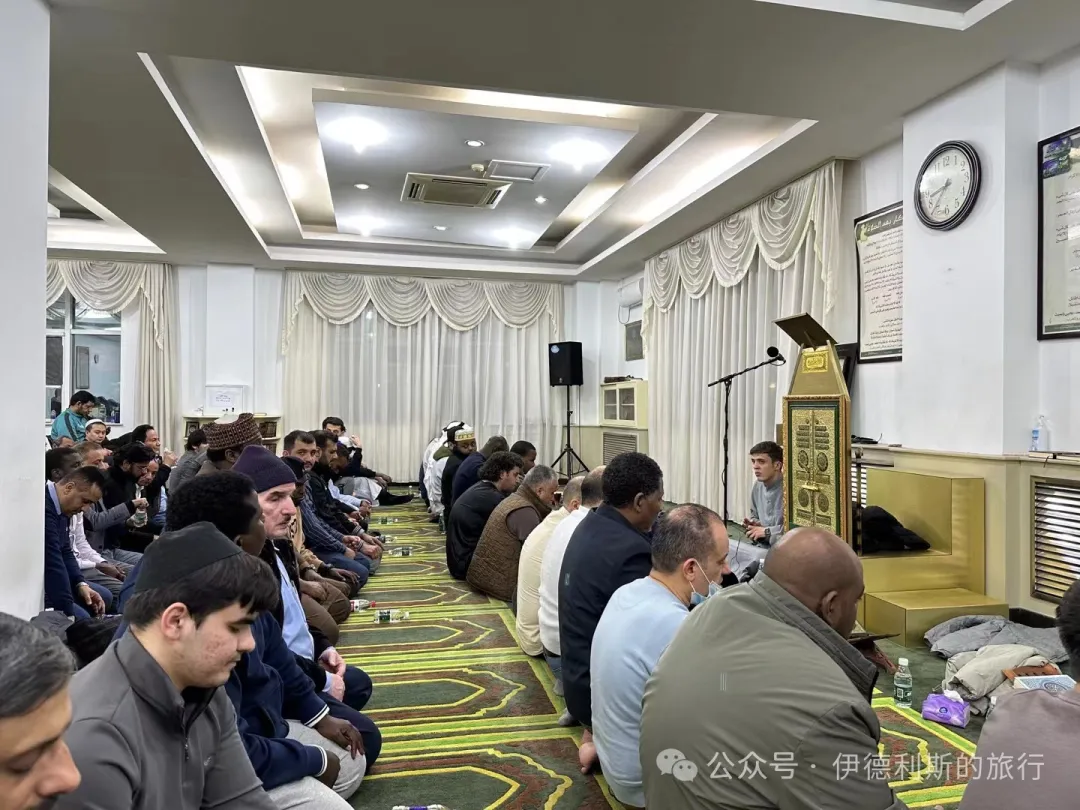
On the evening of the 18th day, a friend (dosti) from Hunan intended to host an iftar at Nanxiapo Mosque. We had stewed meat with rice, which was very delicious. I met many new friends during this time. Ramadan is truly a great opportunity to bring everyone together.
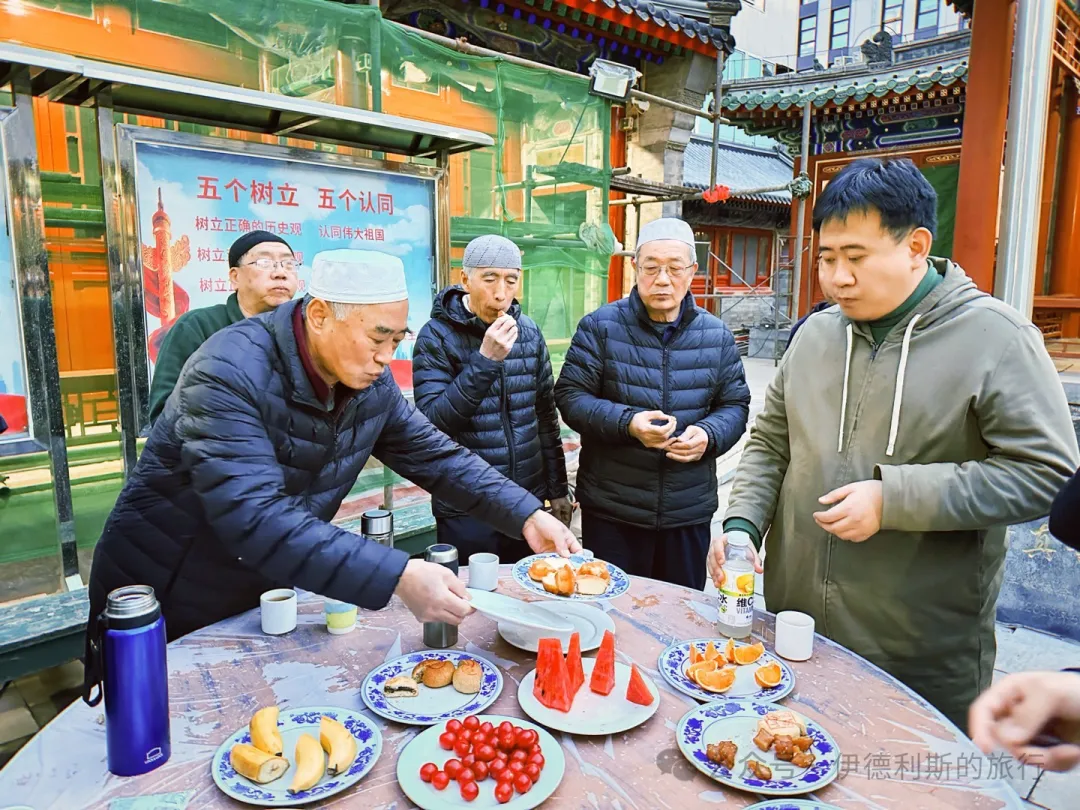
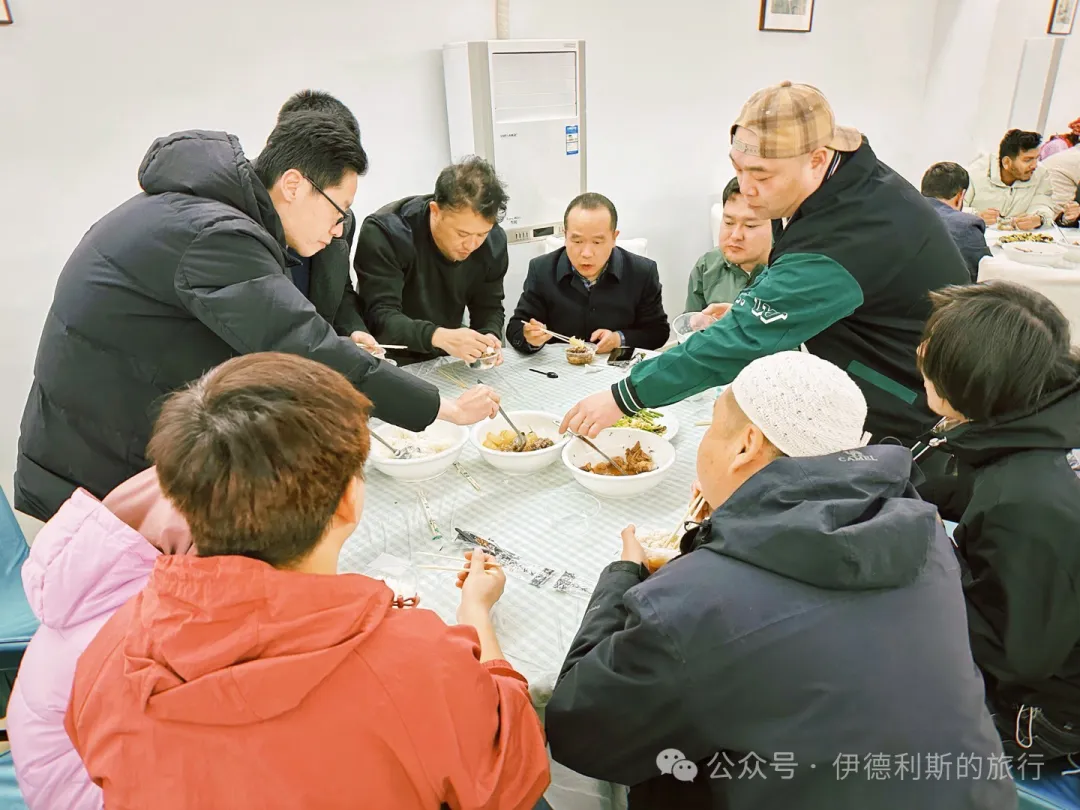
Experiencing the Ramadan atmosphere in Xi'an
See: Experiencing the Ramadan atmosphere in Xi'an
I had always heard that the Ramadan atmosphere in Xi'an is special. Many shops adjust their business hours to provide suhoor meals, and every mosque is very lively at iftar time. I used the Qingming holiday to experience it for myself.
At 3:00 AM, I wandered over to Miaohou Street. Miaohou Street is the street with the most suhoor meals in the Muslim Quarter (Huifang). We saw offal soup (zagan tang), spicy soup (hulatang), steamed rice cake (zenggao), crumbled flatbread in soup (paomo), meat pockets (rouhezi), and more. The variety was huge, and we ended up eating paomo.
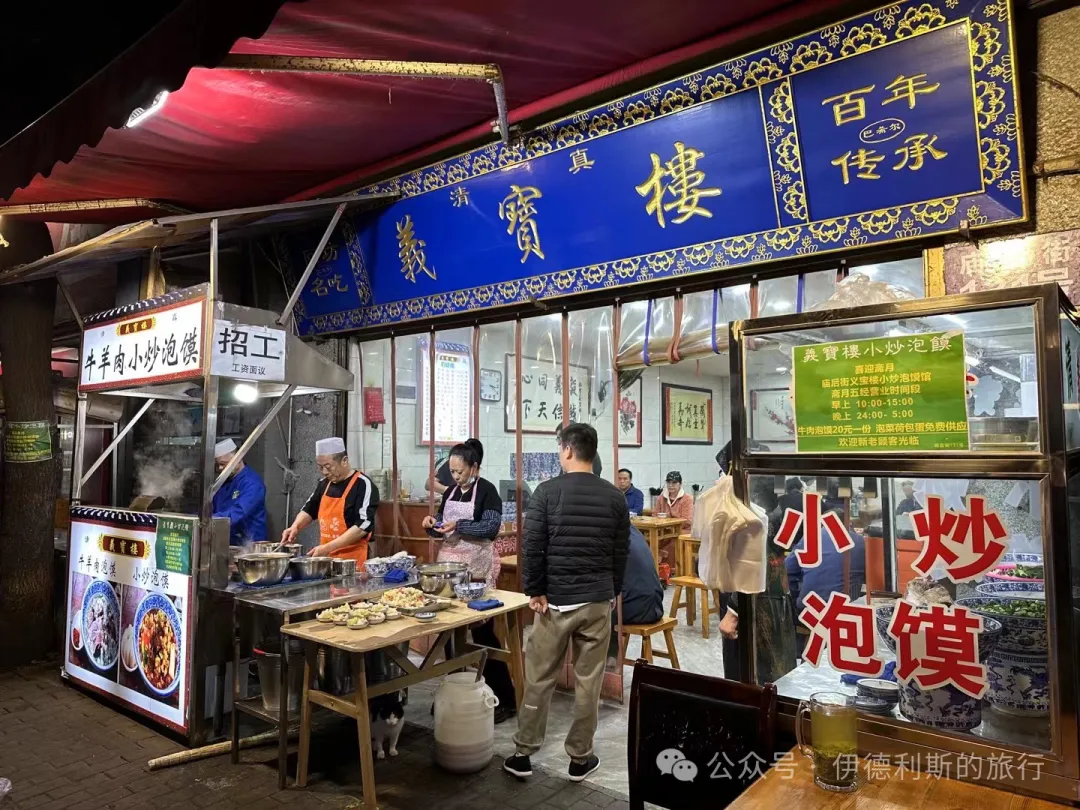
At 5:30 AM, we prayed Fajr at the North Mosque in Xiapiyuan. The praise (dhikr) was melodic and gentle, and it was truly soul-stirring.
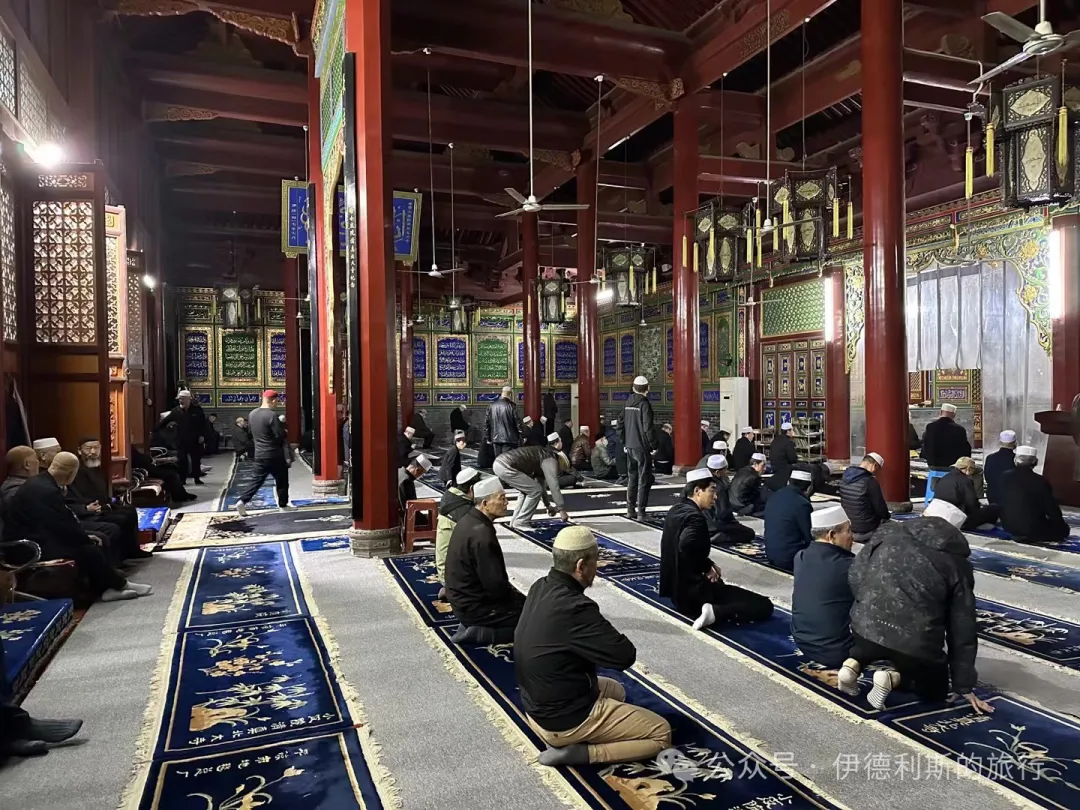
At noon, I went to Hujiagou in Xianyang to visit the grave (zifen) of Master Hu Dengzhou.
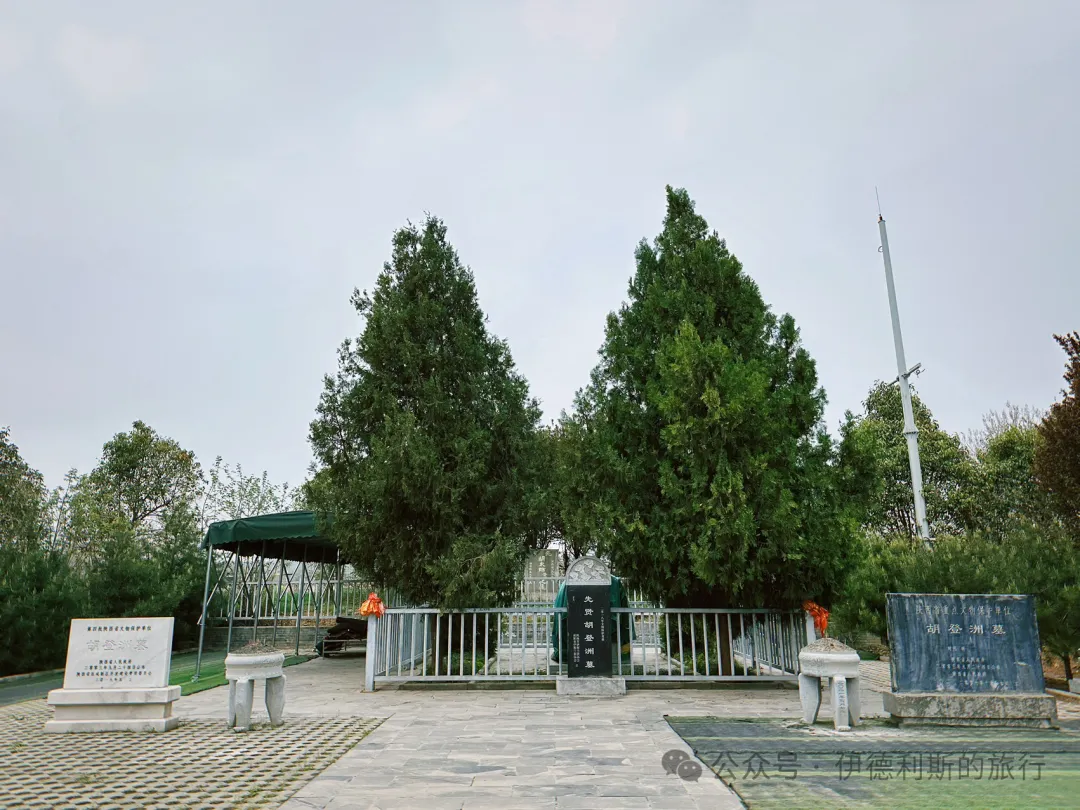
In the afternoon, I returned to the Muslim Quarter (Huifang) and had iftar at the Dapiyuan Mosque.
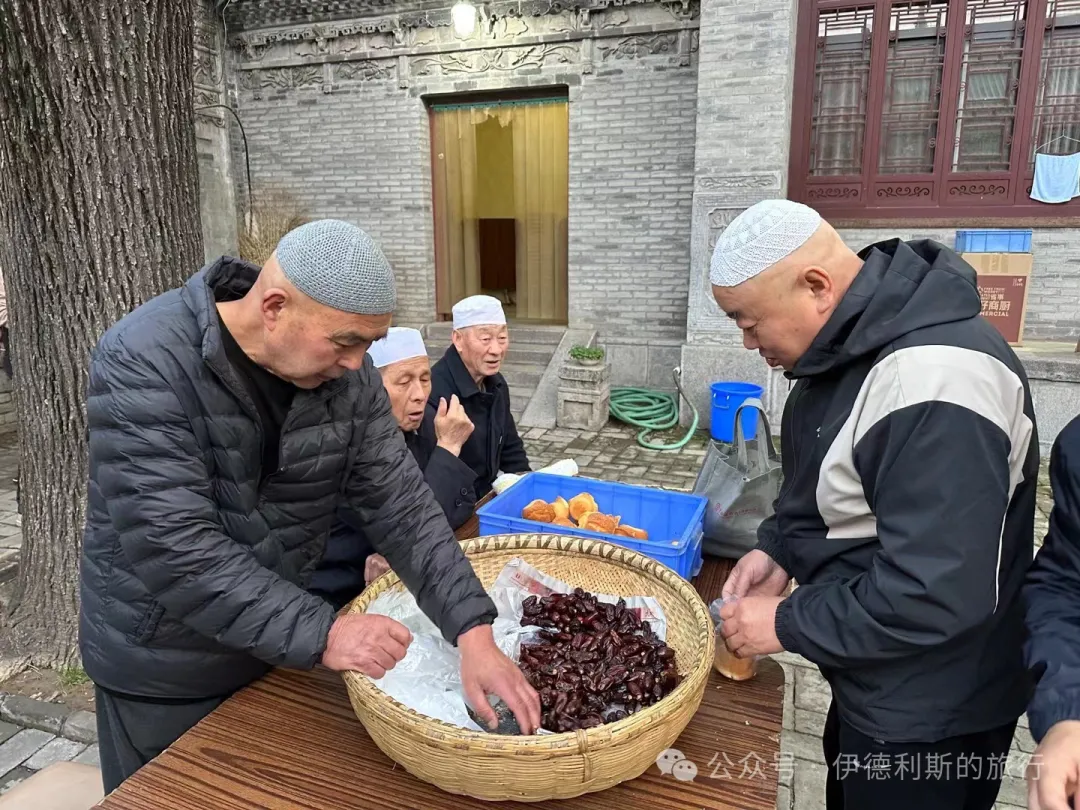
After the Maghrib prayer, we had our iftar meal. There was zucchini, cold noodles (liangpi), stir-fried meat, steamed egg, mung bean porridge, and steamed buns (momo). There were many people, and the atmosphere was great.
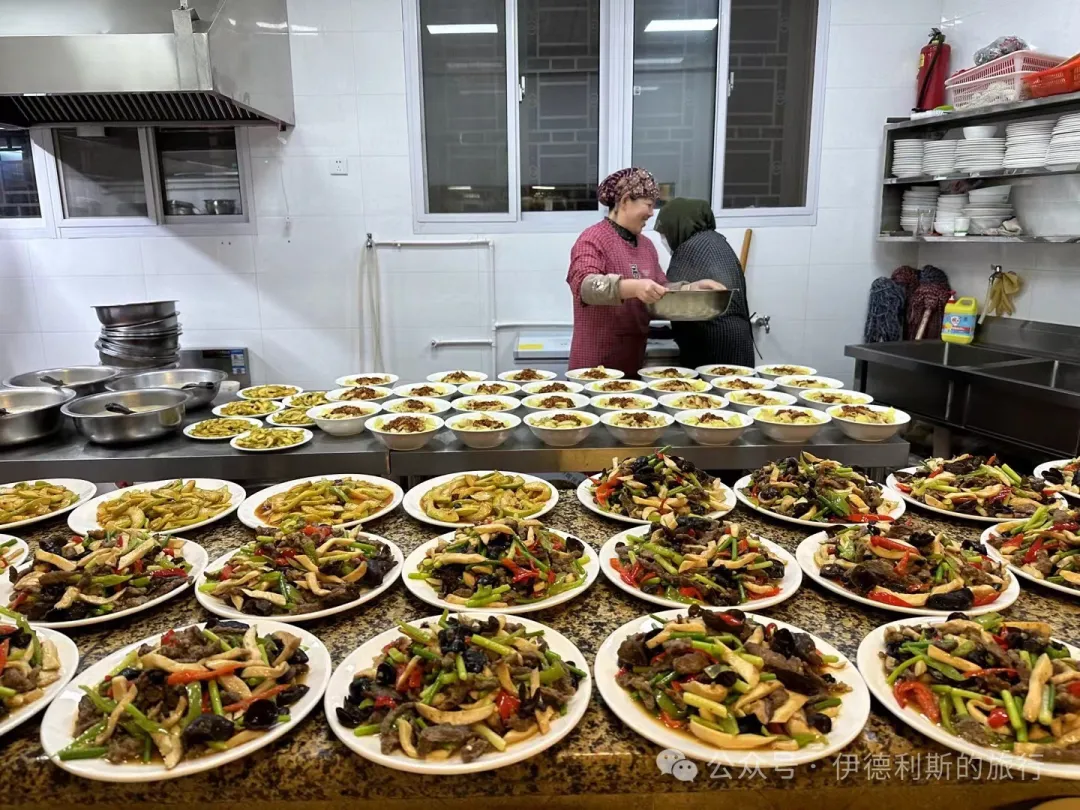
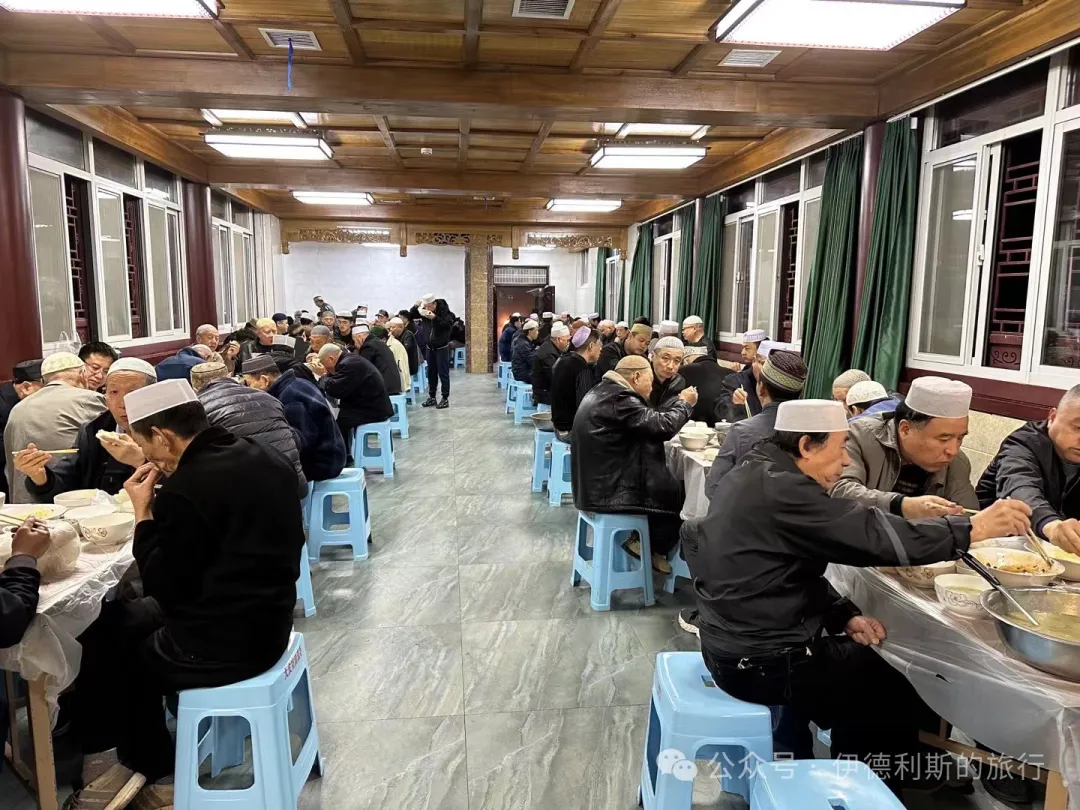
At 3:30 AM the next day, I had a lotus leaf bun (heye bing) with vegetables and red bean porridge at Ma Sanjia on Miaohou Street in the Muslim Quarter. Many people buy their suhoor meals at this shop, and a lot of them buy fried dough cakes (youbing) with vegetables.
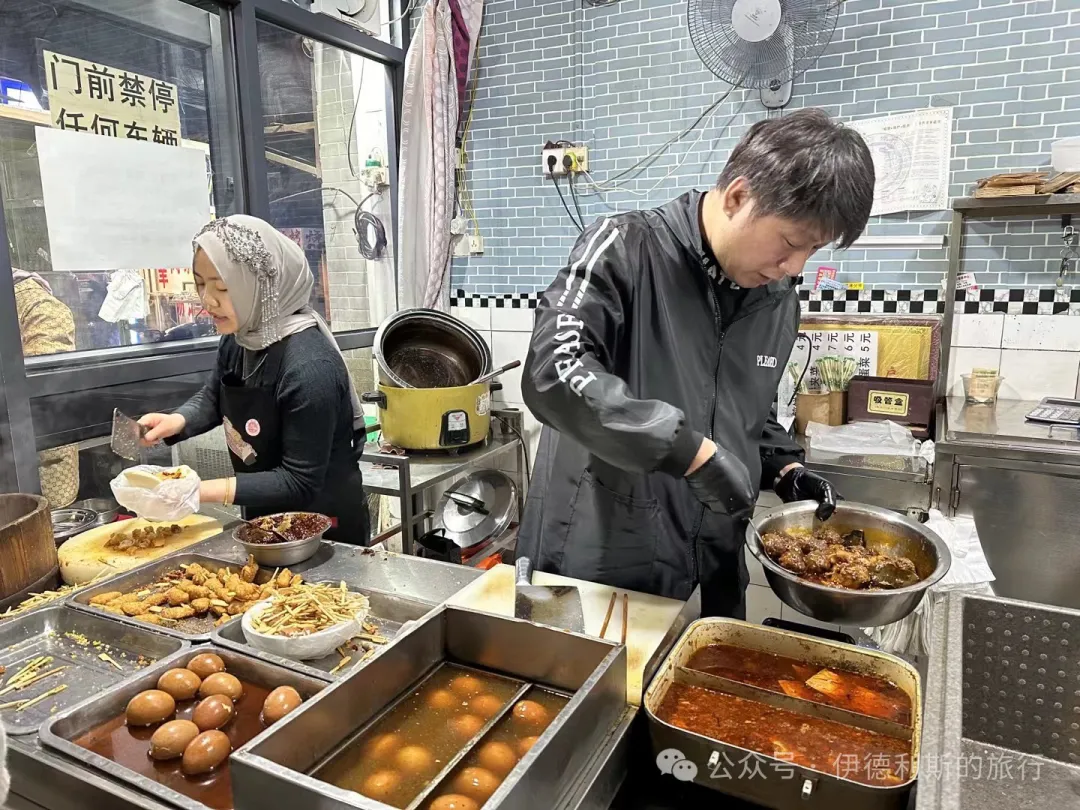
3:50 AM. After finishing the lotus leaf bun with vegetables, we continued west along Miaohou Street. We bought a cured beef sandwich (laoniurou jiamo) at the An Zhiliang Cured Beef and Mutton Shop, and then had a meatball spicy soup (rouwan hulatang) at the Jia Family shop at the Sajinqiao intersection across the street.
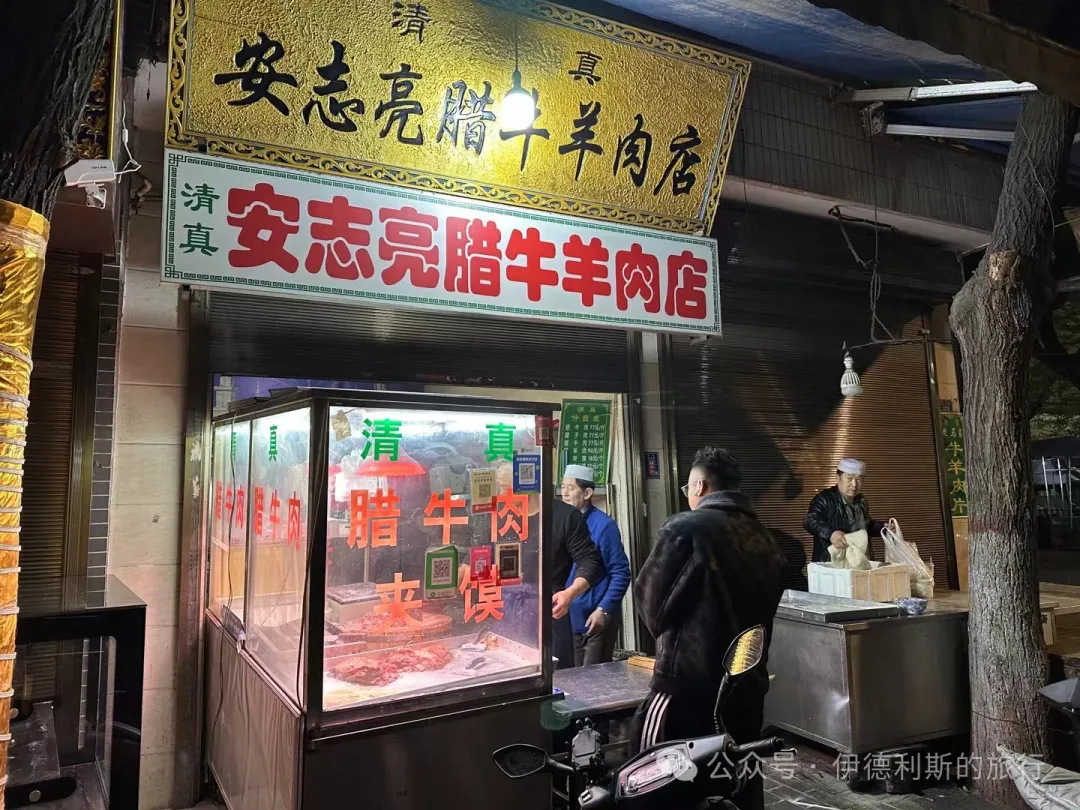
At 5:50 AM, we prayed Fajr at the Daxuexi Alley Mosque.
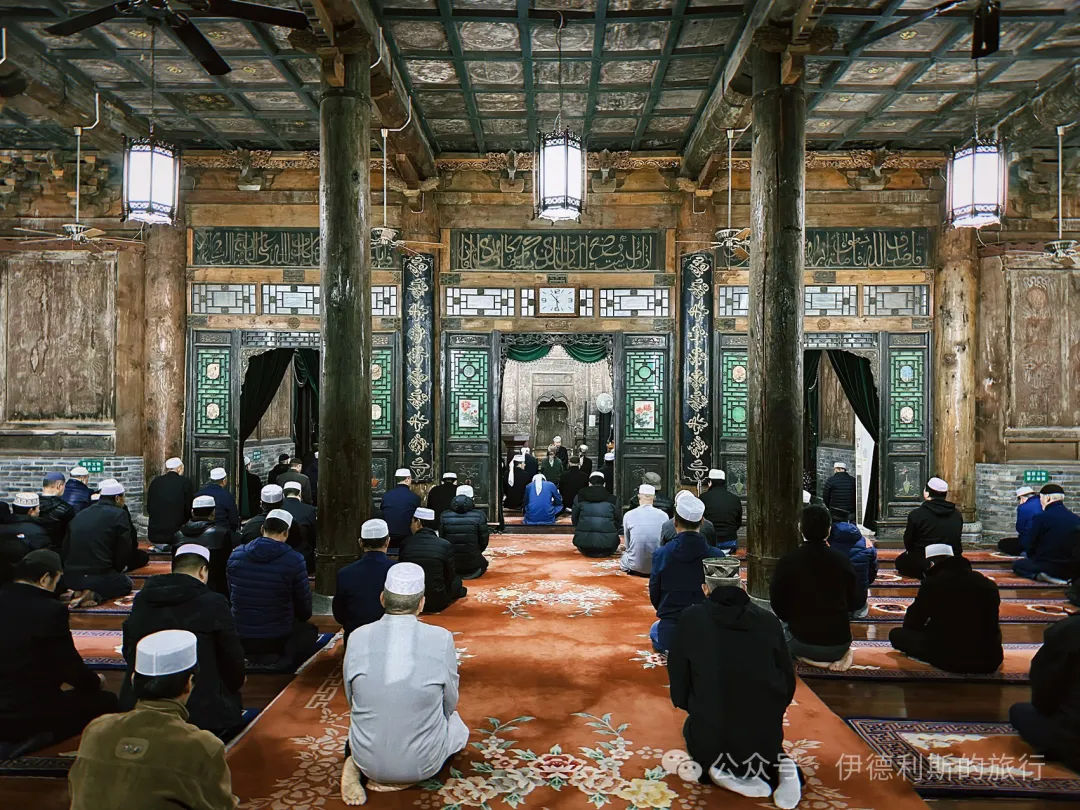
At noon, I prayed Jumu'ah at the Great Mosque on Huajue Alley.
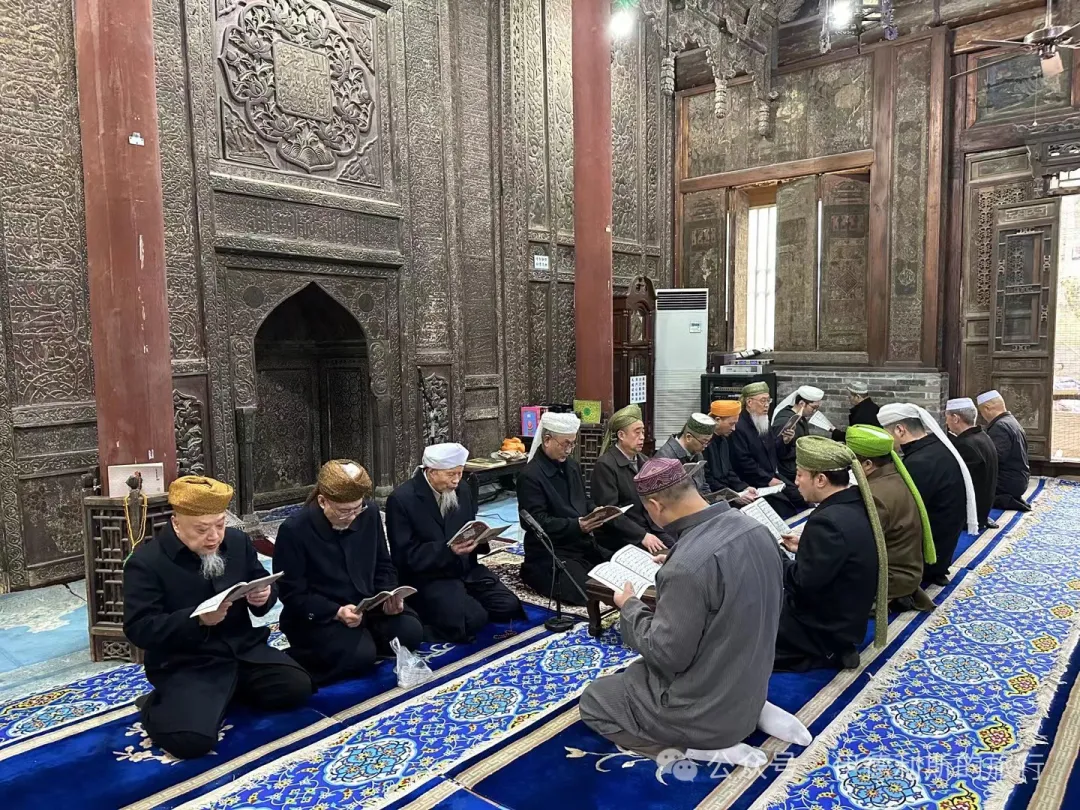
After Jumu'ah, I took the subway to the northeast of Xi'an city to visit the grave (zifen) at the Guangdamen Gongbei.
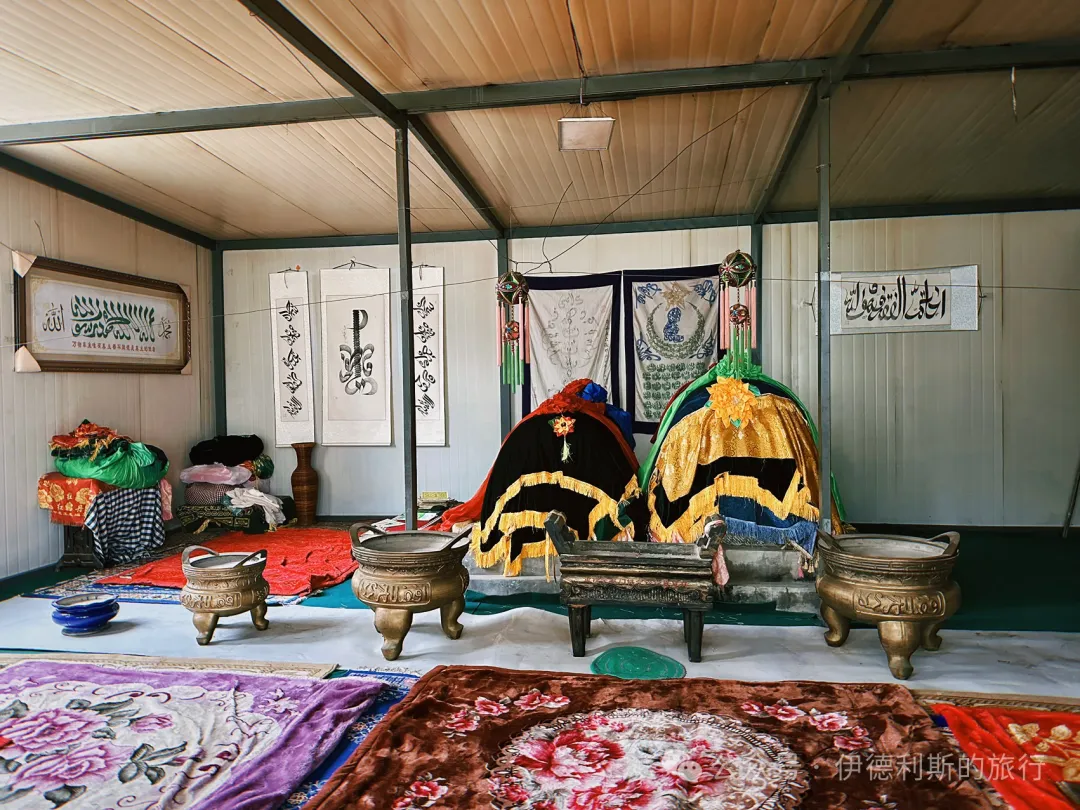
In the evening, I had iftar at the Dongxin Street Mosque. I had barrel chicken (tongzi ji), spiced beef tongue (jiang koutiao), cold mixed dishes, braised fish chunks, steamed buns (momo), and red bean porridge.
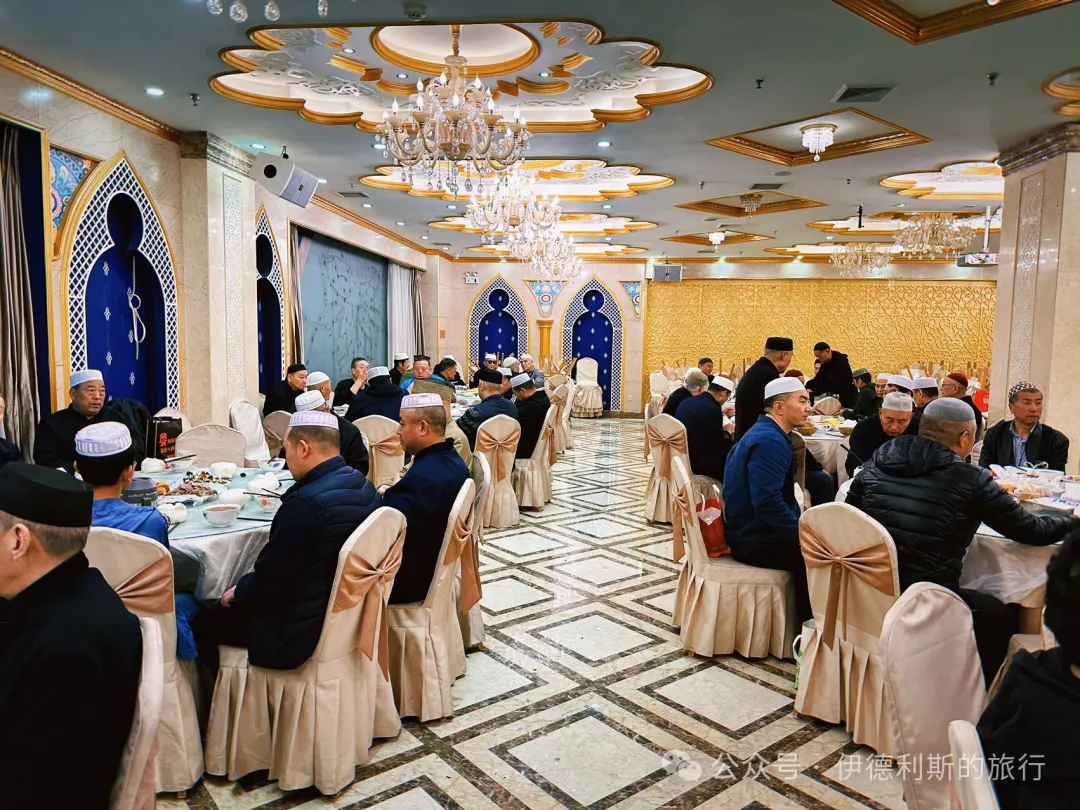
At 3:50 AM on the third day, we ate a five-dragon egg and vegetable sandwich (wulong dancai jiamo) on Beiguangji Street, where we also had meat oil rice (rouyoufan). Meat oil rice (rouyoufan) is a special dish that Hui Muslims in the neighborhood usually make only for Eid al-Fitr and the Prophet's birthday. It is a savory meat porridge made with beef bone broth and minced beef. It is salty, fragrant, and very auspicious.
After finishing the meat oil rice, we turned into Xiaopi Courtyard to eat steamed buns (baozi) at Ashiye's old shop. While we were eating, an older gentleman outside found out we were fasting and insisted on paying our bill. We felt so grateful, and it made us feel that the atmosphere in Xi'an is truly wonderful.
At 5:30 AM, we performed namaz at the West Mosque (Xisi) on Sajinqiao.
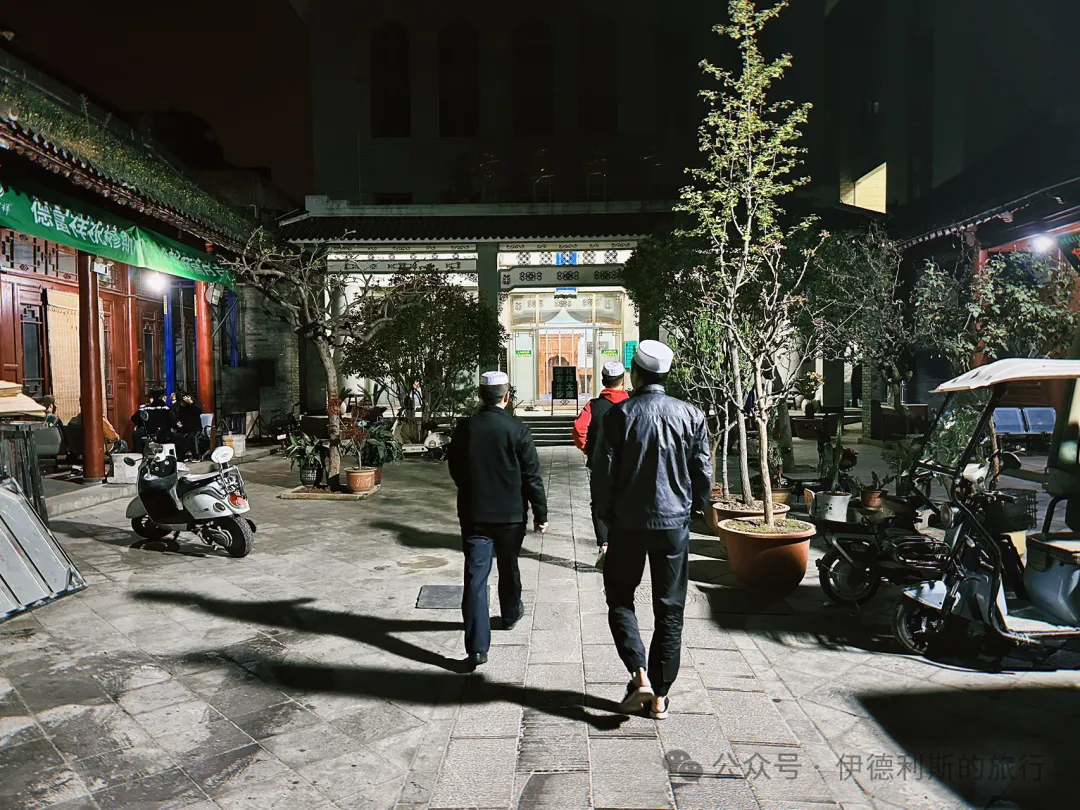
Night of Decree (Laylat al-Qadr)
See: 2024 Beijing Ramadan Diary: Night of Decree and Eid al-Fitr
The noble Night of Decree, a night of peace. This was the busiest and most lively day at Balizhuang Mosque since the start of Ramadan. Many friends (dosti) traveled from far away to return here. We also took a train from Xi'an to Beijing in the afternoon and headed straight to the mosque.
For breaking the fast, we had white fungus and lotus seed porridge. We also tasted steamed rice cakes with sweet filling (aiwowo) made by the mosque elders, as well as mung bean cakes and crispy pastries (subing) that Zainab brought back from the Hui neighborhood. The meal for breaking the fast included fried tofu stewed with beef, lamb bone broth (yangtang), and various stir-fried dishes. It was a very rich feast.
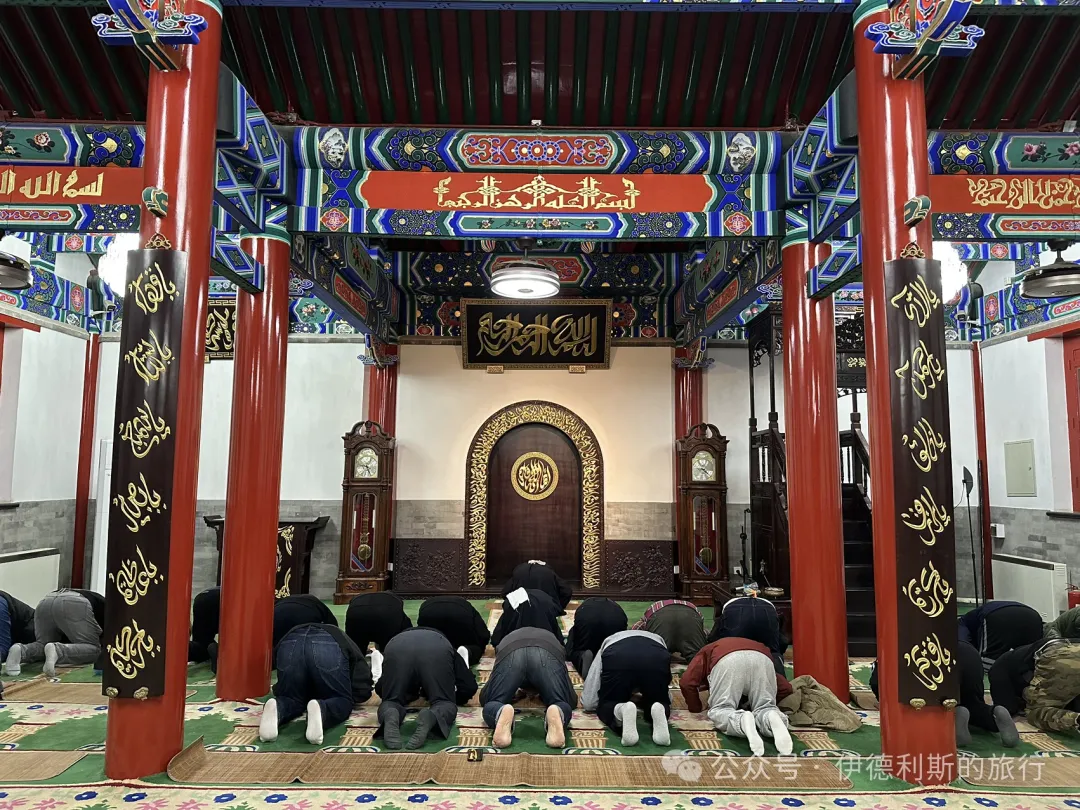
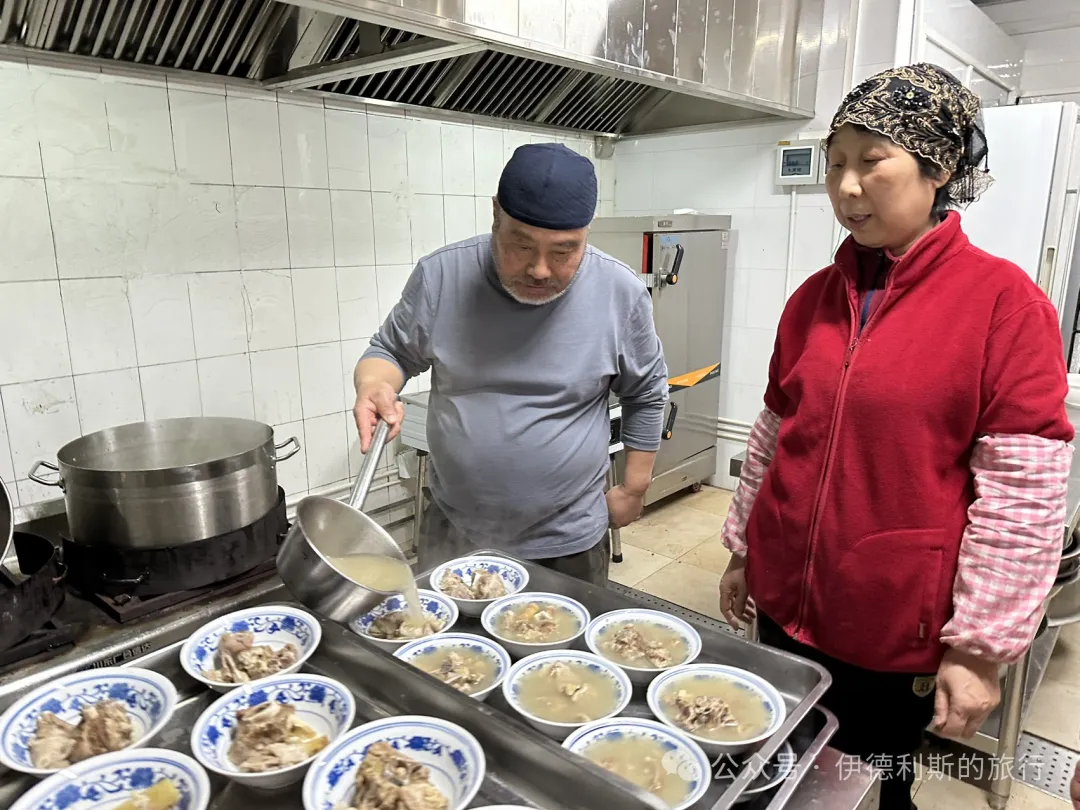
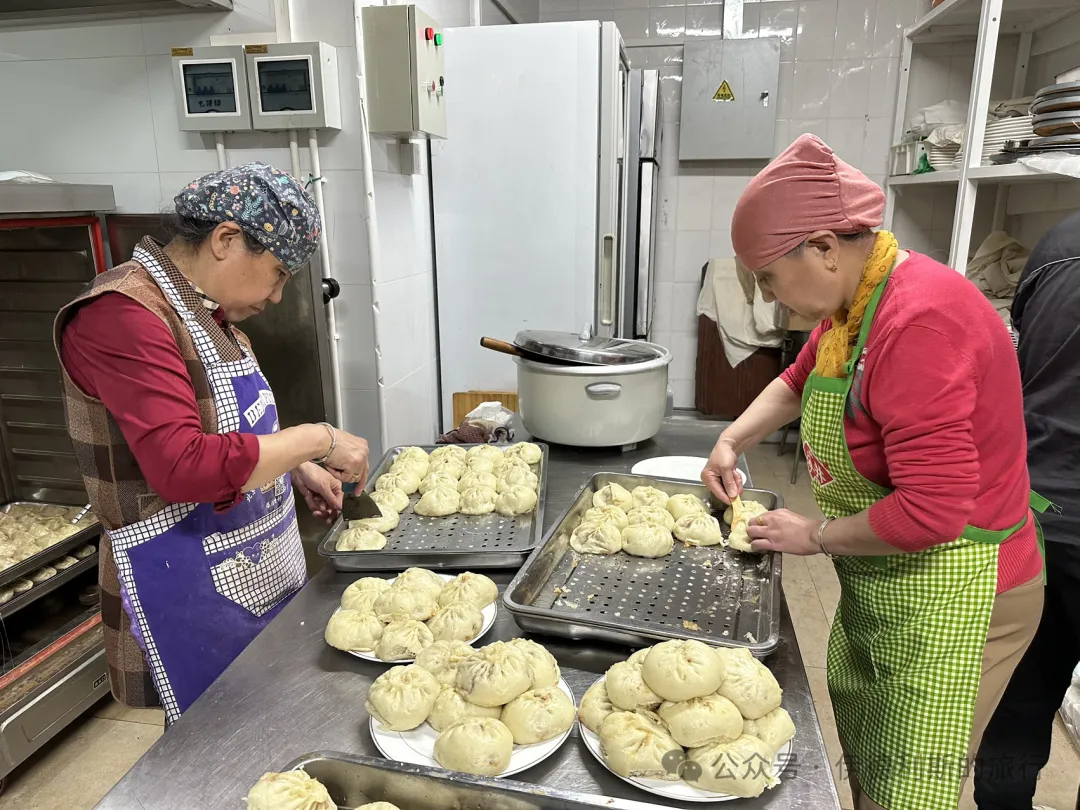
On the 28th day, we had the final Taraweeh prayer of Ramadan. It was so hard to say goodbye! Balizhuang Mosque was still very lively. The elders were making steamed rice cakes with sweet filling (aiwowo) together, and there was also sticky rice cake (qiegao) made by Elder Li. As usual, we broke our fast with mung bean milk (douzhi). For the meal, we had noodles with gravy (dalu mian) featuring three types of toppings: daylily, tomato, and eggplant, along with various vegetable garnishes. I started with two bowls of mung bean milk and two cups of tea, then ate a large bowl of noodles. I was completely stuffed. I walked around the courtyard several times until I felt comfortable after the Taraweeh prayer.
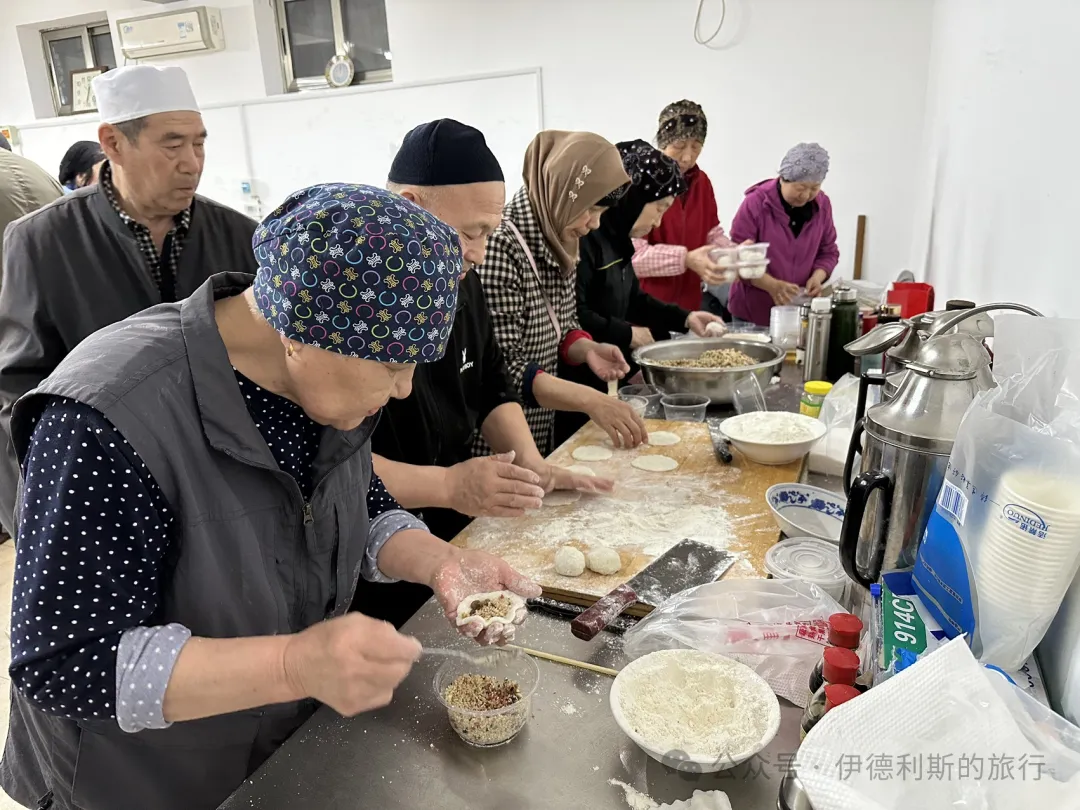
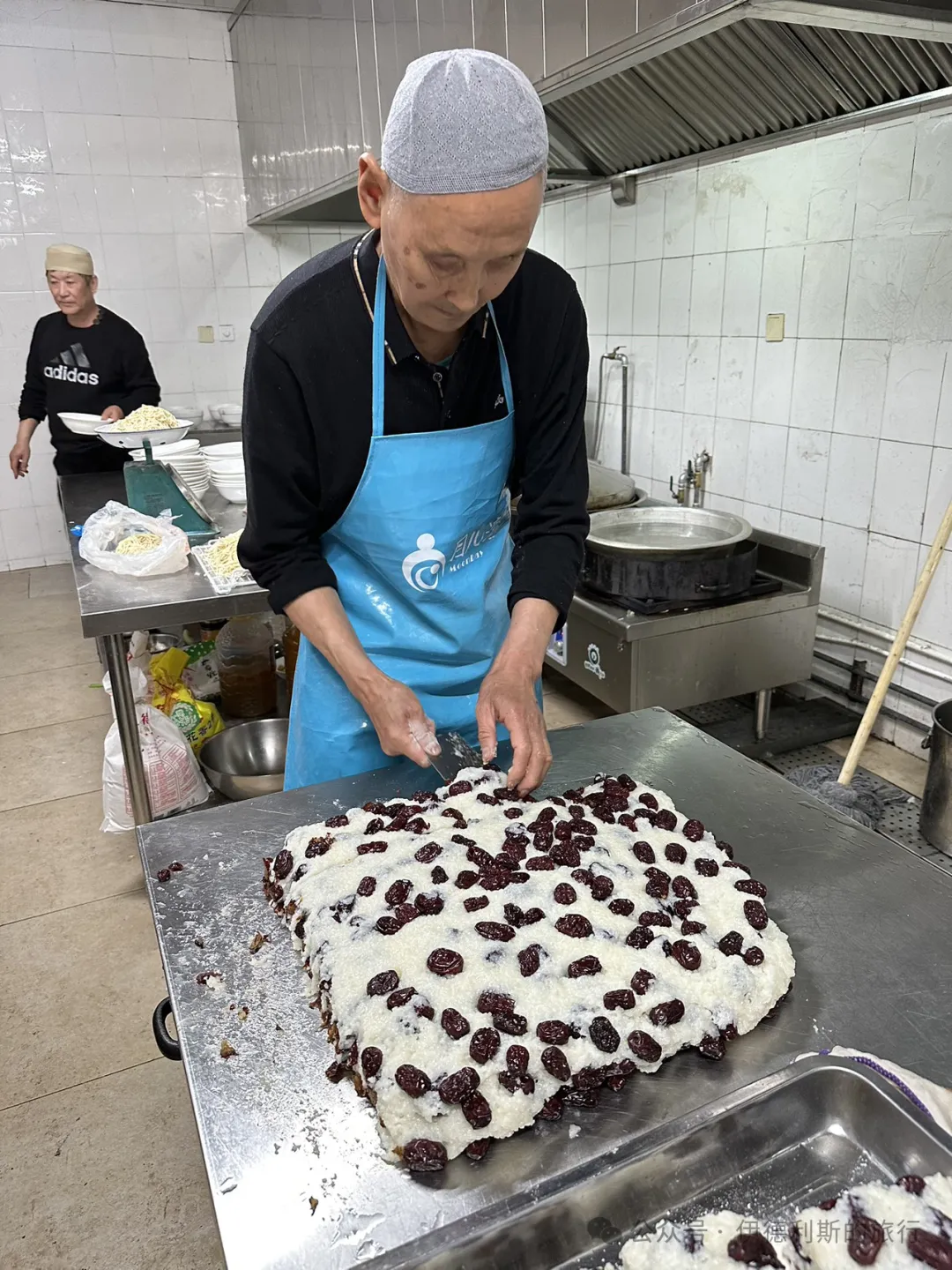
The last day of Ramadan! The elders at Balizhuang Mosque gathered again to make steamed rice cakes with sweet filling (aiwowo), small sticky rice cakes (qiegao), and sugar-rolled fruit (tangjuanguo). Everyone was reluctant to see Ramadan end.
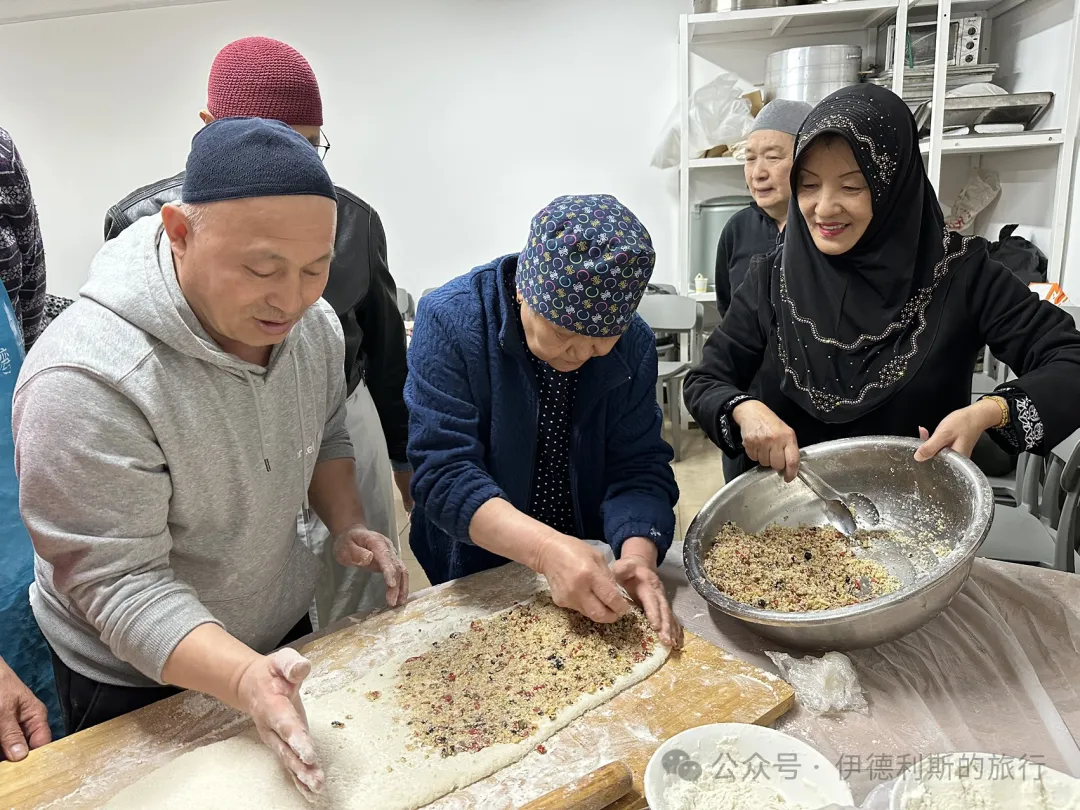
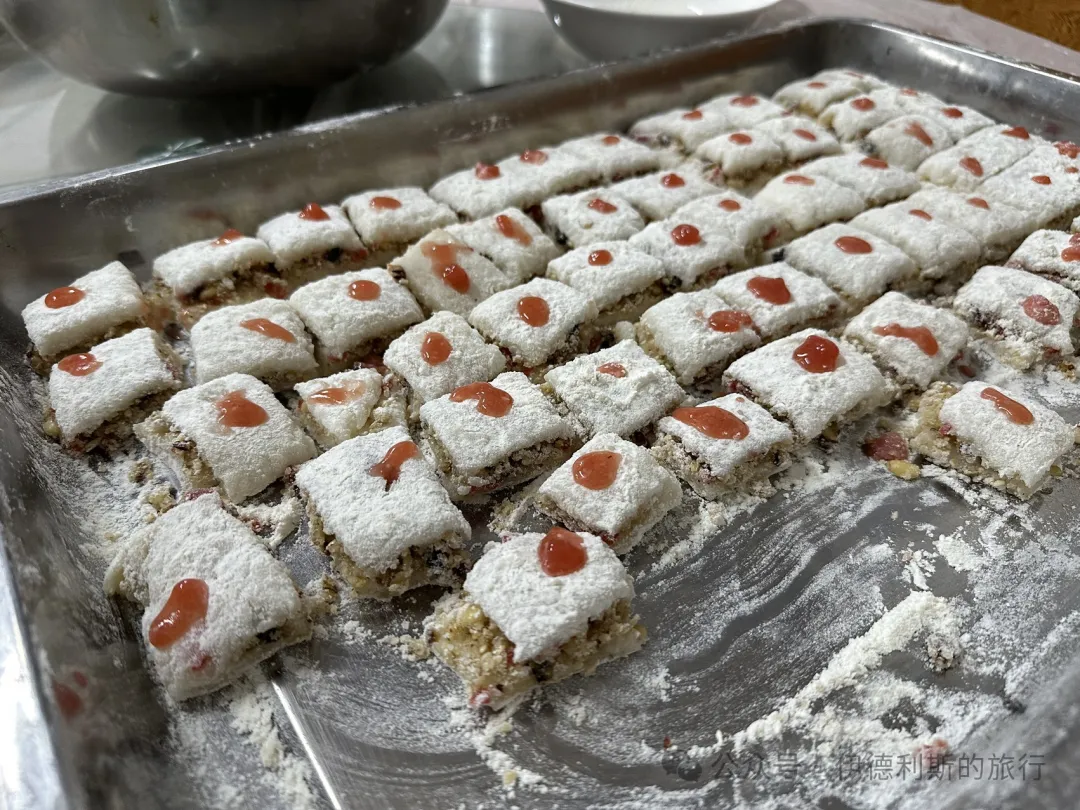
The elders at Balizhuang Mosque were busy preparing for the next day's Eid al-Fitr, simmering the meat porridge and getting the fried dough (youxiang) ready.
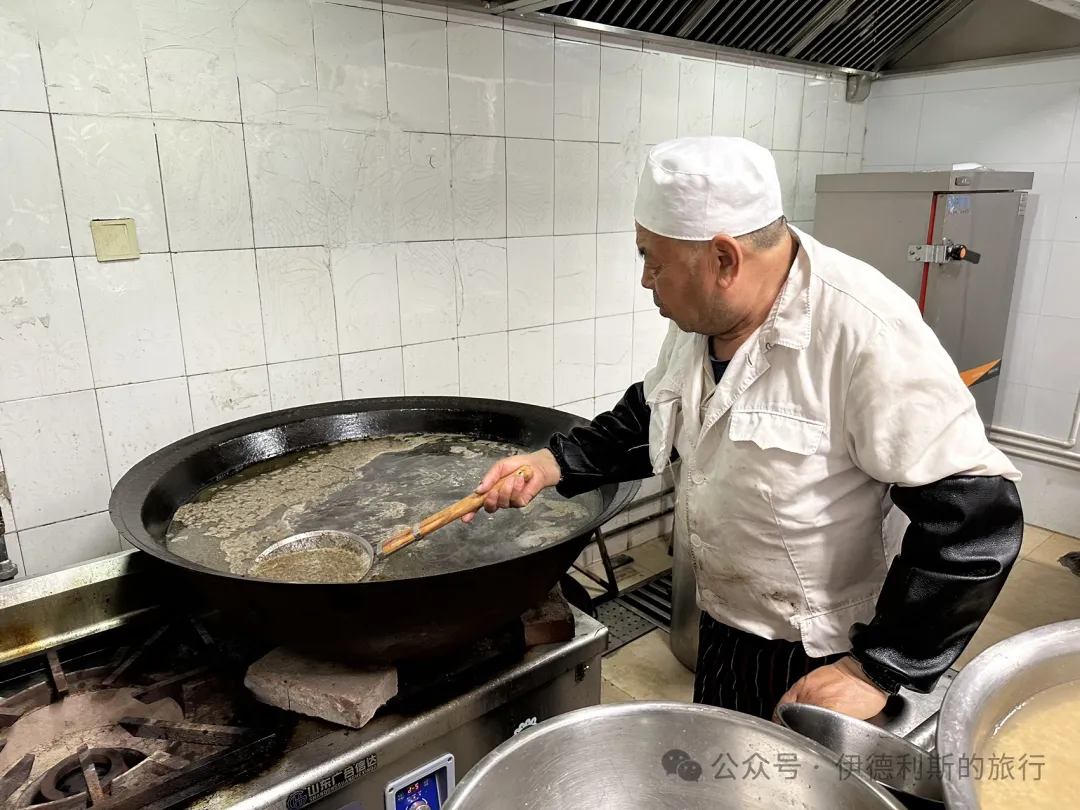
Eid al-Fitr
Eid al-Fitr finally arrived. Balizhuang Mosque prepared meat porridge, fried dough (youxiang), and various pastries for everyone. The wheat grain aroma and the meat flavor in the porridge blended perfectly. It was delicious. With Imam Saiwabu and the elders, I not only received the blessing (suo) but also recited praises with the elders. I felt so grateful.
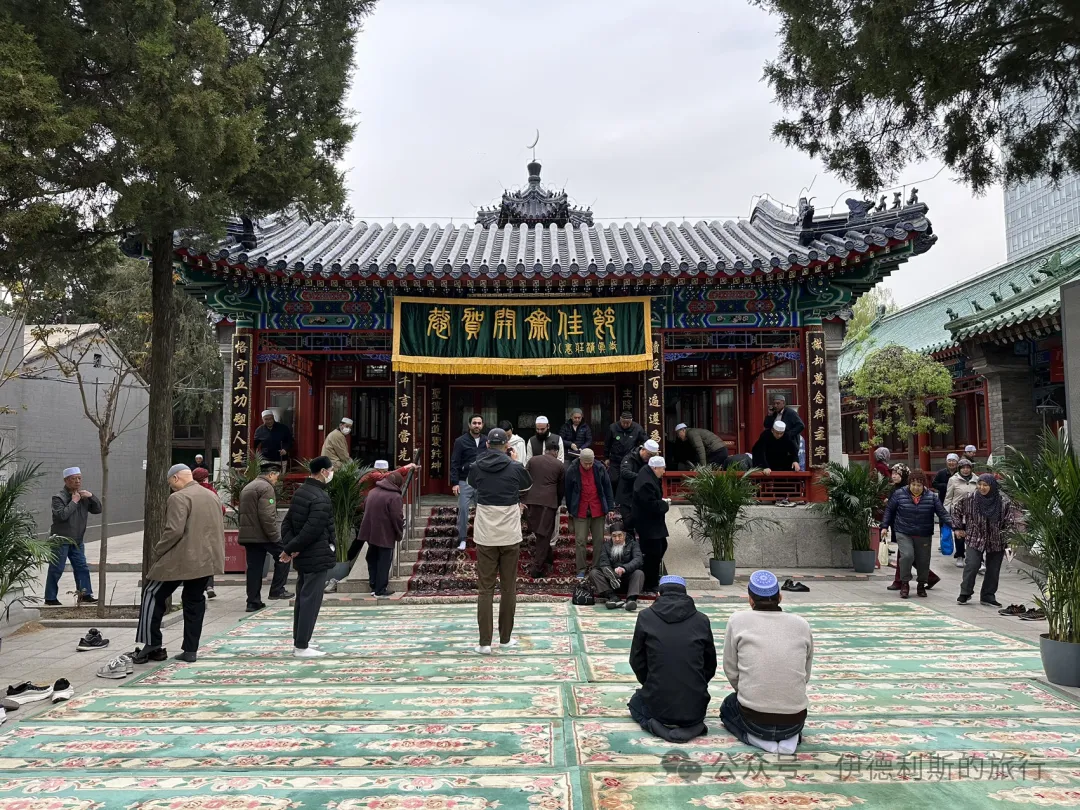
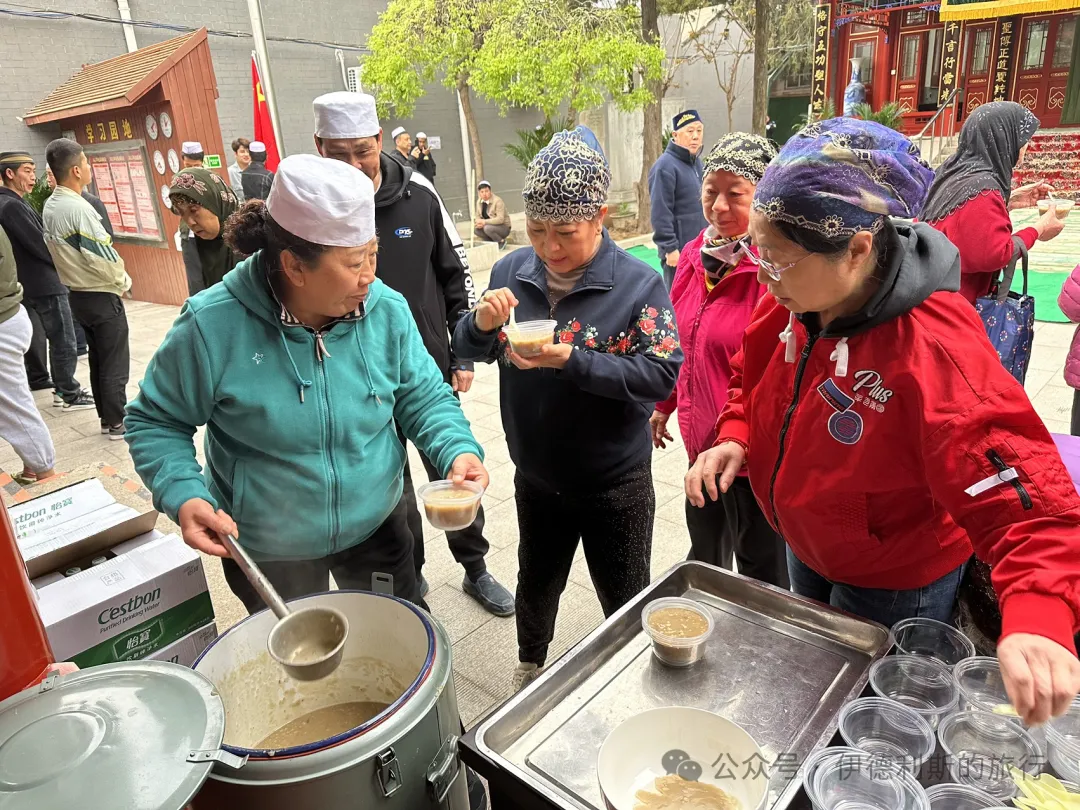
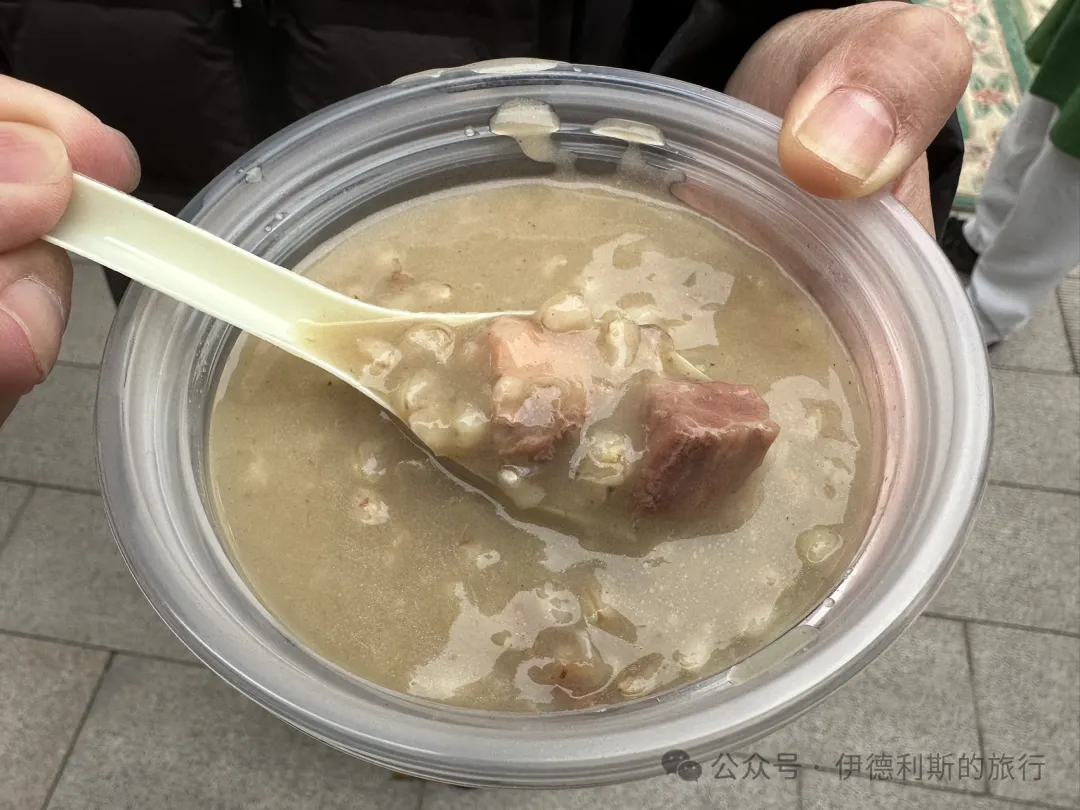
Eid al-Adha
See: Celebrating the Eid al-Adha festival
The night before Eid al-Adha, we stayed in Xiguanshi Village, known as the 'Number One Hui Muslim Village North of the Capital'. Early in the morning, we performed the major ritual washing (ghusl), brushed our teeth, applied perfume, recited the takbir, and walked from our hotel to the Xiguanshi Mosque to attend the congregational prayer.
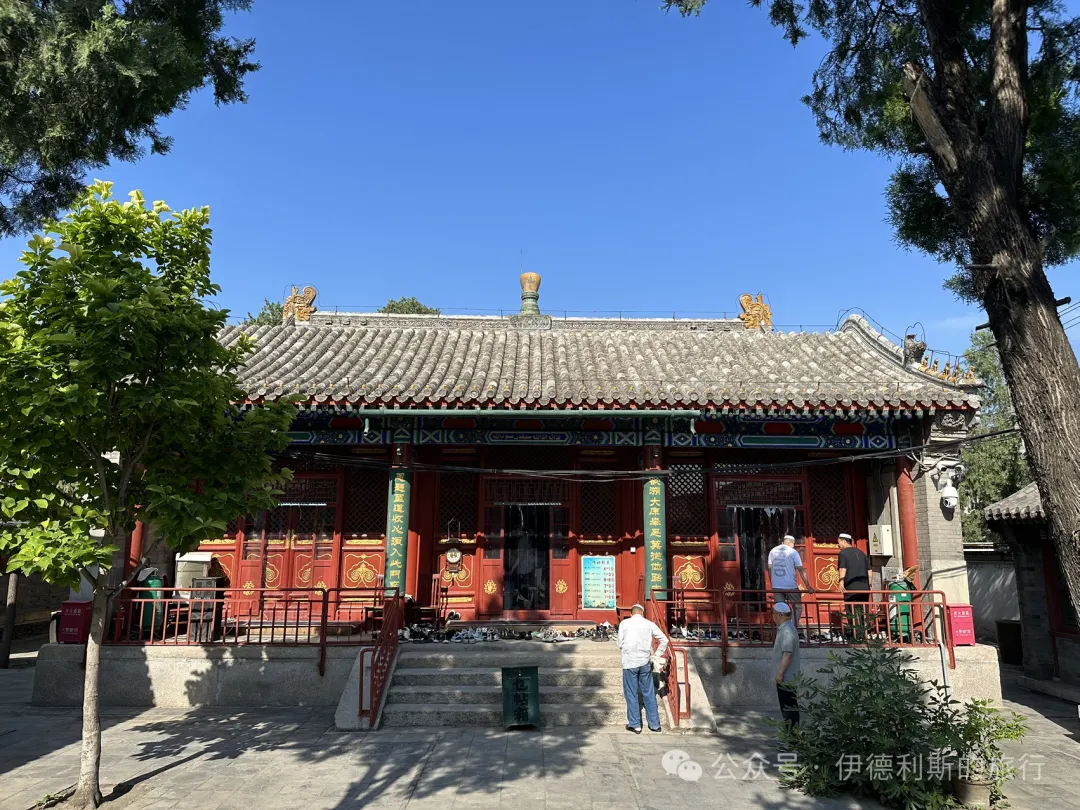
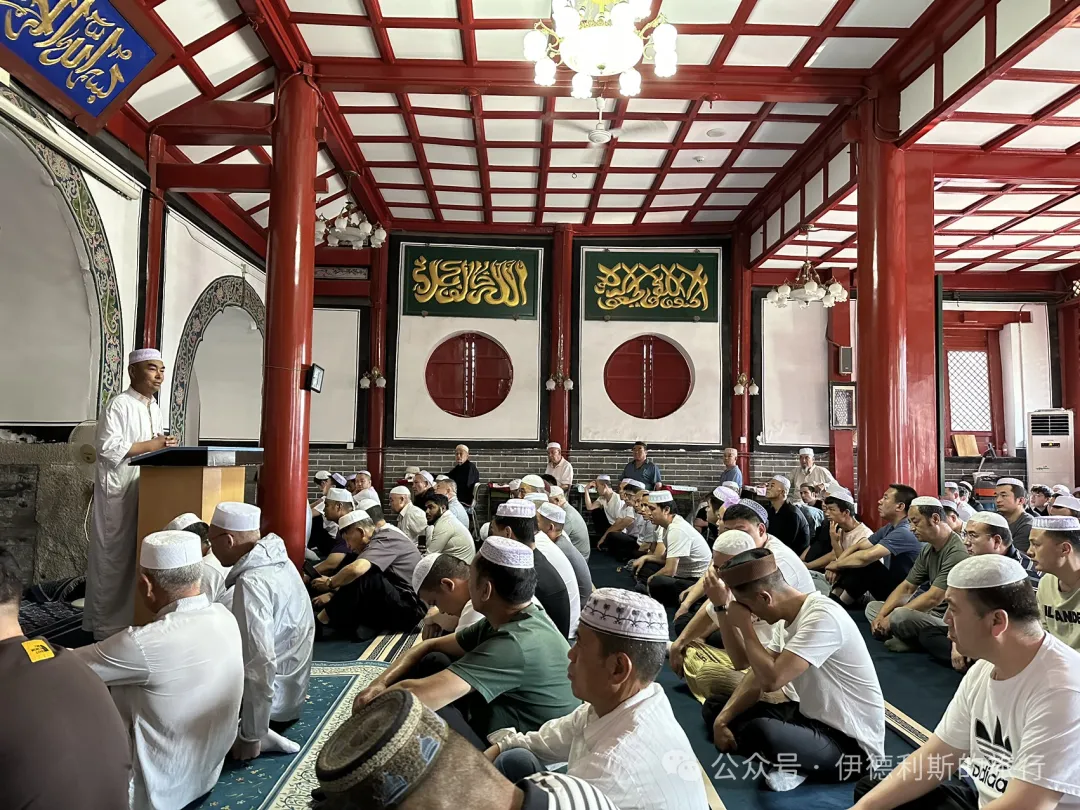
After the prayer, we went to the Jingyi Farmhouse at the foot of the Western Mountains to perform the sacrifice (qurbani). This year we chose a 110-pound sheep that grew up eating grass in the mountains, which is usually hard to find. Then we ate the festive starch noodle soup (fentang) made by my sister-in-law, and Zainab drank three bowls in one go!
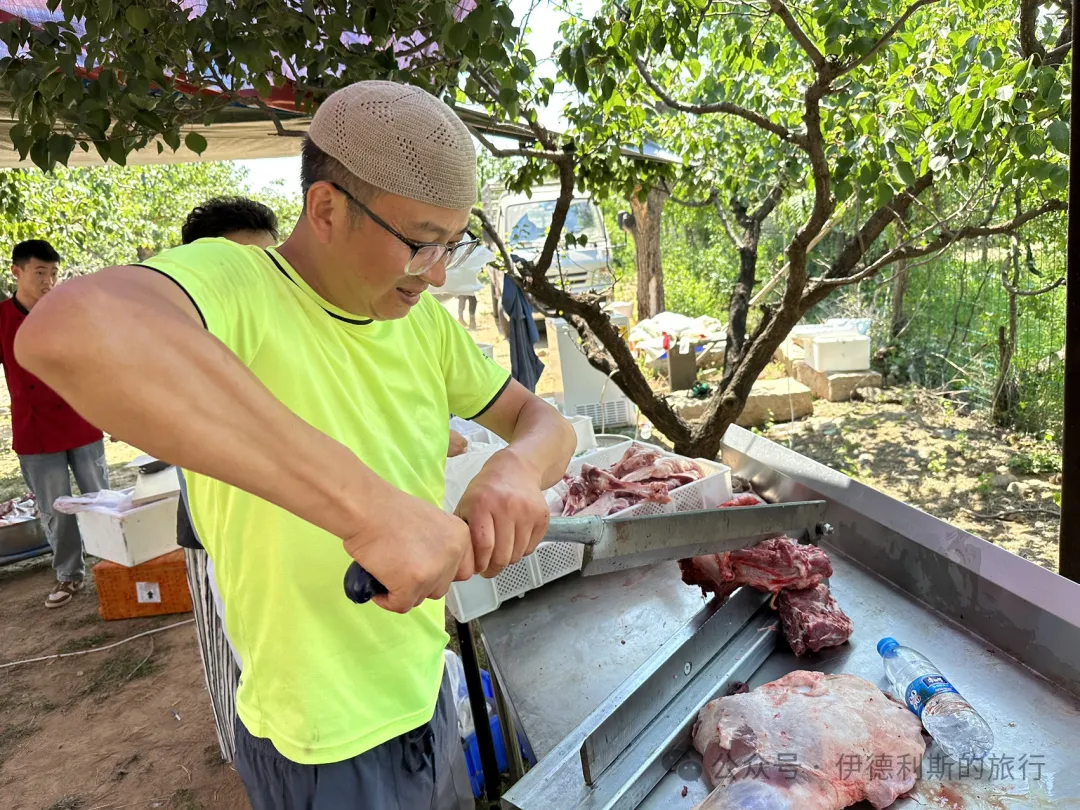
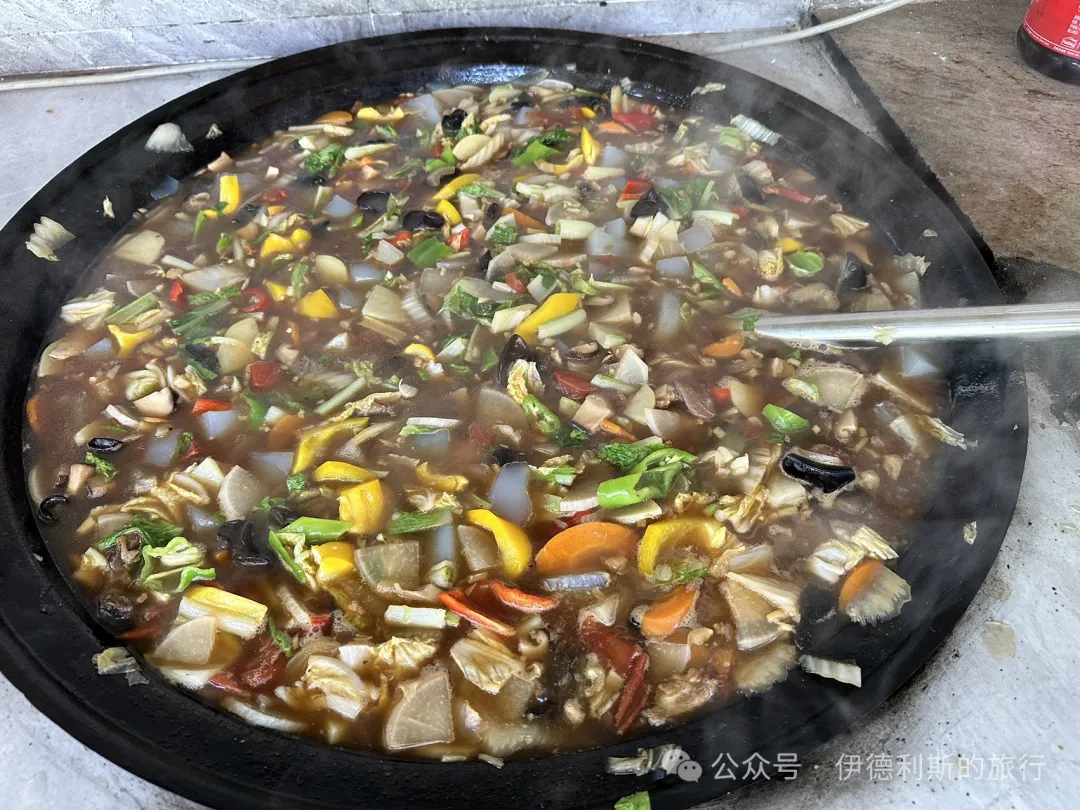
Day of Ashura
See: Another year, another Day of Ashura
Legend says that when the great flood receded and Prophet Nuh's ship reached land, he and his followers used seven kinds of beans from the ship to make the first meal for humanity after the disaster. Because of this, across a vast region from Bosnia and Turkey in the west to China in the east, many friends (dostani) make Ashura bean porridge today to commemorate the landing of Nuh's ship. Nowadays in Turkey and the Balkan region, you can buy Ashure at dessert shops all year round. However, on the Day of Ashura, people are still used to making Ashure themselves and sharing it with the poor, relatives, neighbors, and friends.
As usual, we made the Urumqi Hui Muslim version of Ashura bean rice. After work, I went to the supermarket to buy beans. This time I used seven kinds: soybeans, black beans, mung beans, red beans, chickpeas, white kidney beans, and lotus beans. First, I cooked the seven types of beans in a pressure cooker, then chopped the qurbani lamb into cubes and prepared chopped green onions. I stir-fried the meat with green onions, adding salt and Sichuan peppercorn powder. I added rice and glutinous rice to the cooked beans, then added the stir-fried meat cubes, and used the pressure cooker's rice setting to finish it.
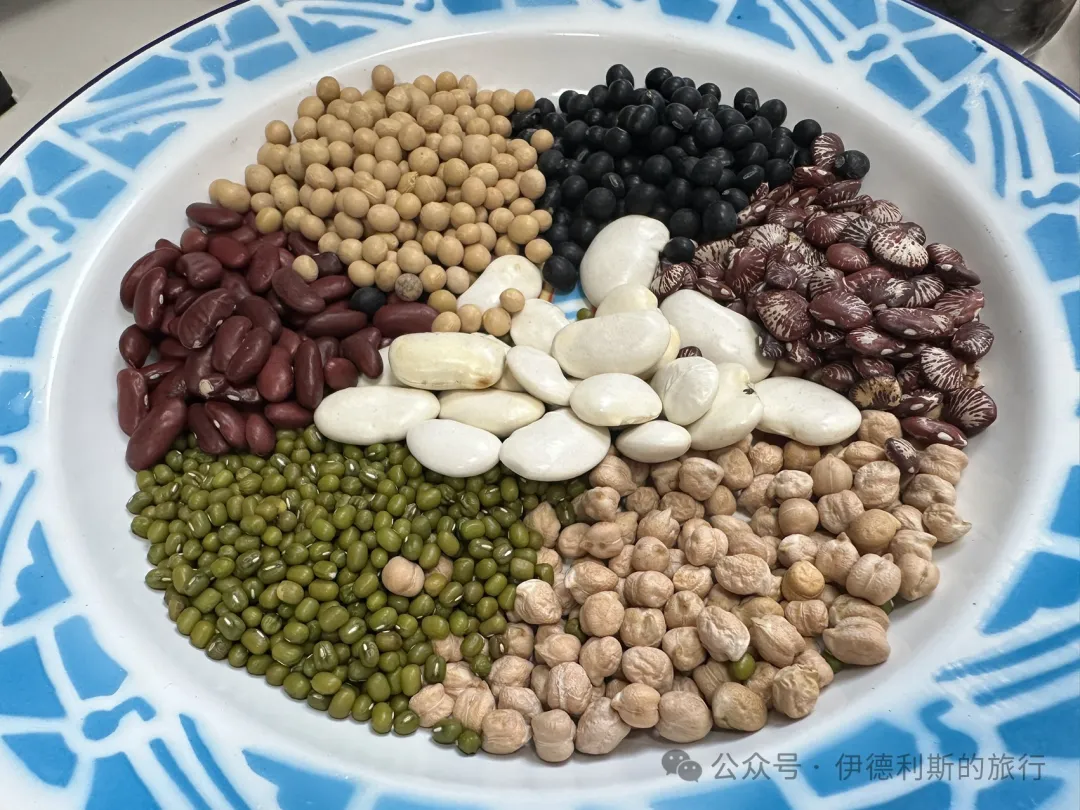
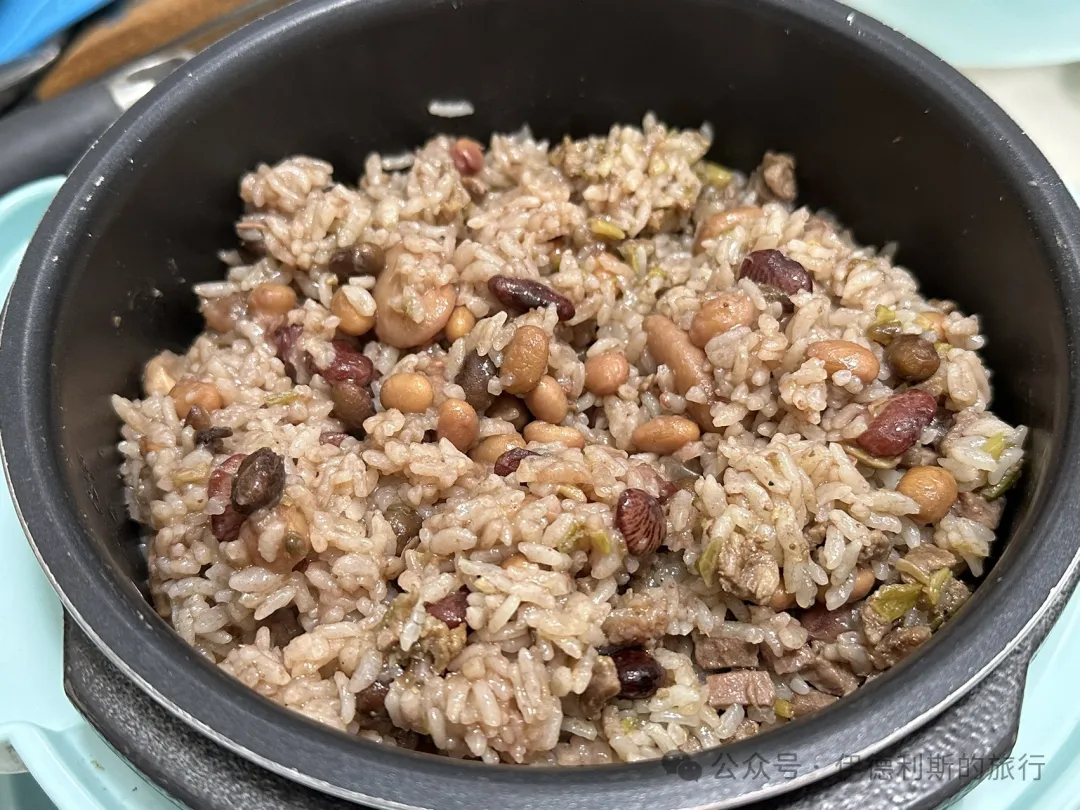
Mawlid Celebration
See: Celebrating the Mawlid at Beijing Heying Mosque
Going to Xiguan Mosque in Tongzhou, Beijing, to celebrate the Mawlid.
Entering the month of Rabi' al-Awwal, mosques all over Beijing have started holding Mawlid celebrations. Over the weekend, we attended the celebration at Heying Mosque in Changping and ate authentic mashed potato cakes (yangyu jiaotuan), hand-held lamb ribs, and starch noodle soup (fentang), which was very blessed. The chili sauce on the mashed potato cakes was so fragrant that I couldn't help but pack some to take home; it tastes great with steamed buns (momo) or clear-stewed meat.
The 12th day of the third month of the Islamic calendar is believed to be the birthday of the Prophet. Around this time every year, Muslims around the world hold events to honor the Prophet, known as Mawlid or Eid-e-Milad an-Nabi. In China, these are called Shengji, Sheng-hui, or Shengdan.
Shengji activities date back to the time of the Tabi'un, the followers of the Prophet's companions. In the early days, these were mostly private events. Large-scale commemorations can be traced back to Egypt during the Fatimid Caliphate in the 12th century. In 1207, Saladin's brother-in-law Gökböri made Shengji a public holiday for the first time, which helped the celebration spread among Muslim communities. The Ottoman Empire made Shengji an official holiday in 1588, calling it Mevlid Kandili, which means the Candle Feast of the Prophet's Birthday.
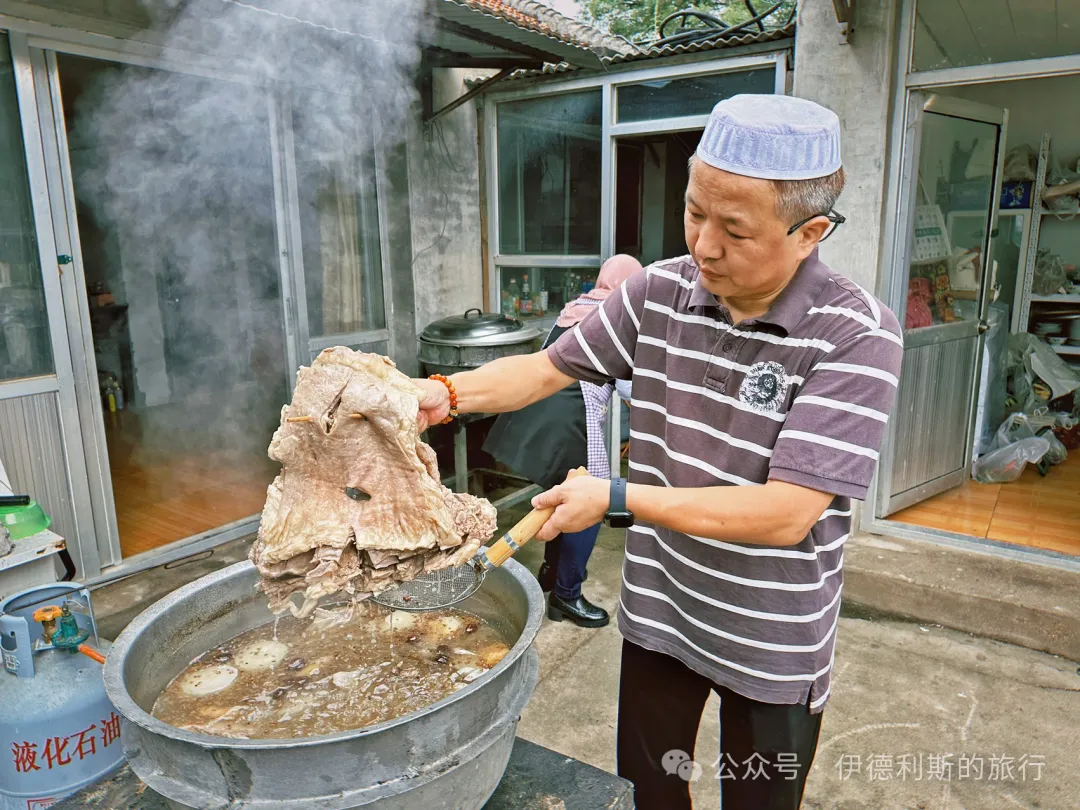
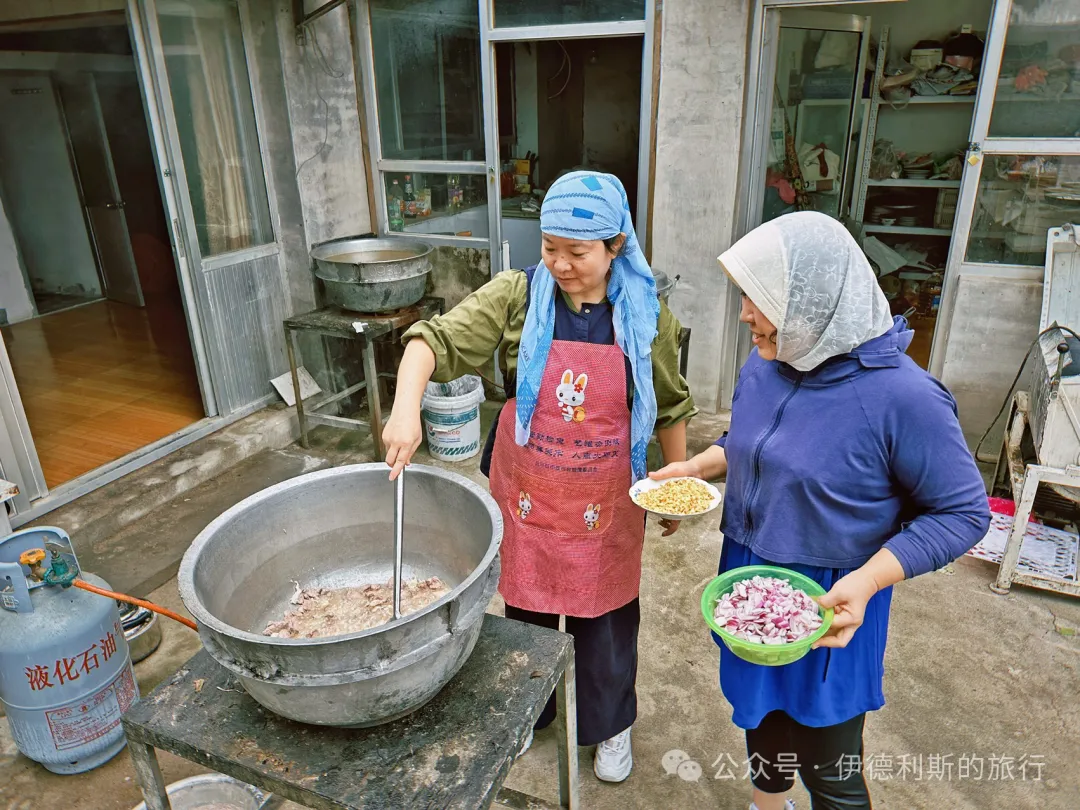
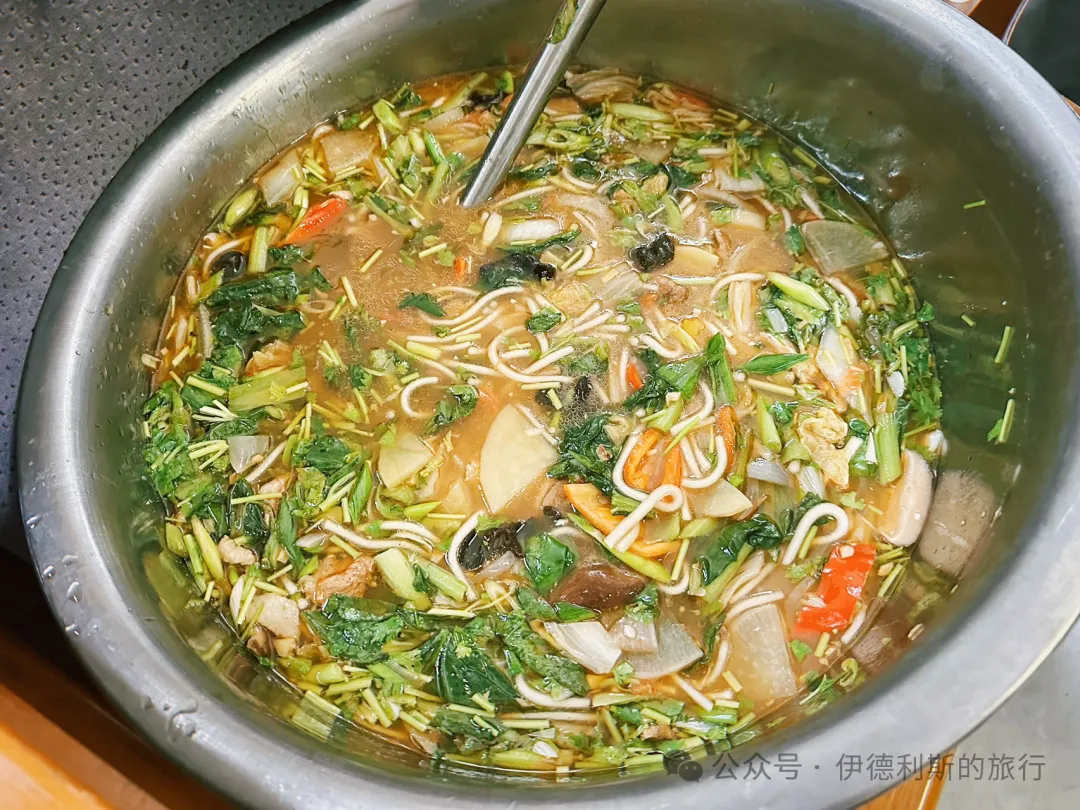
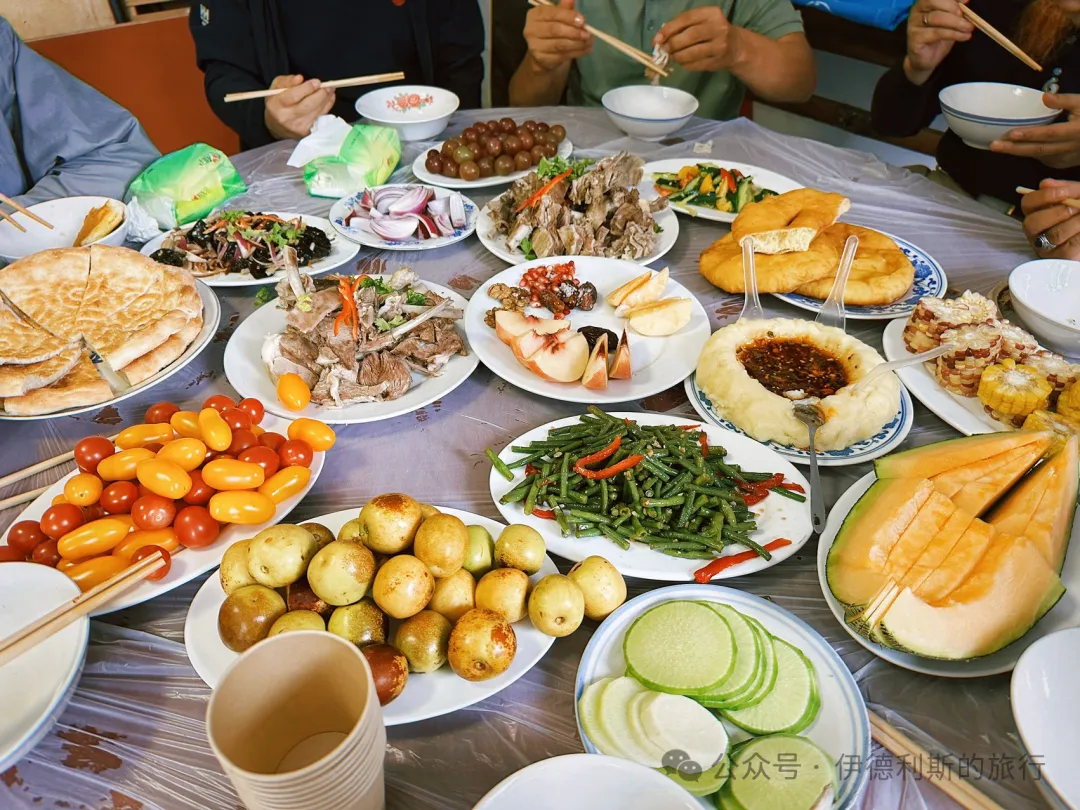
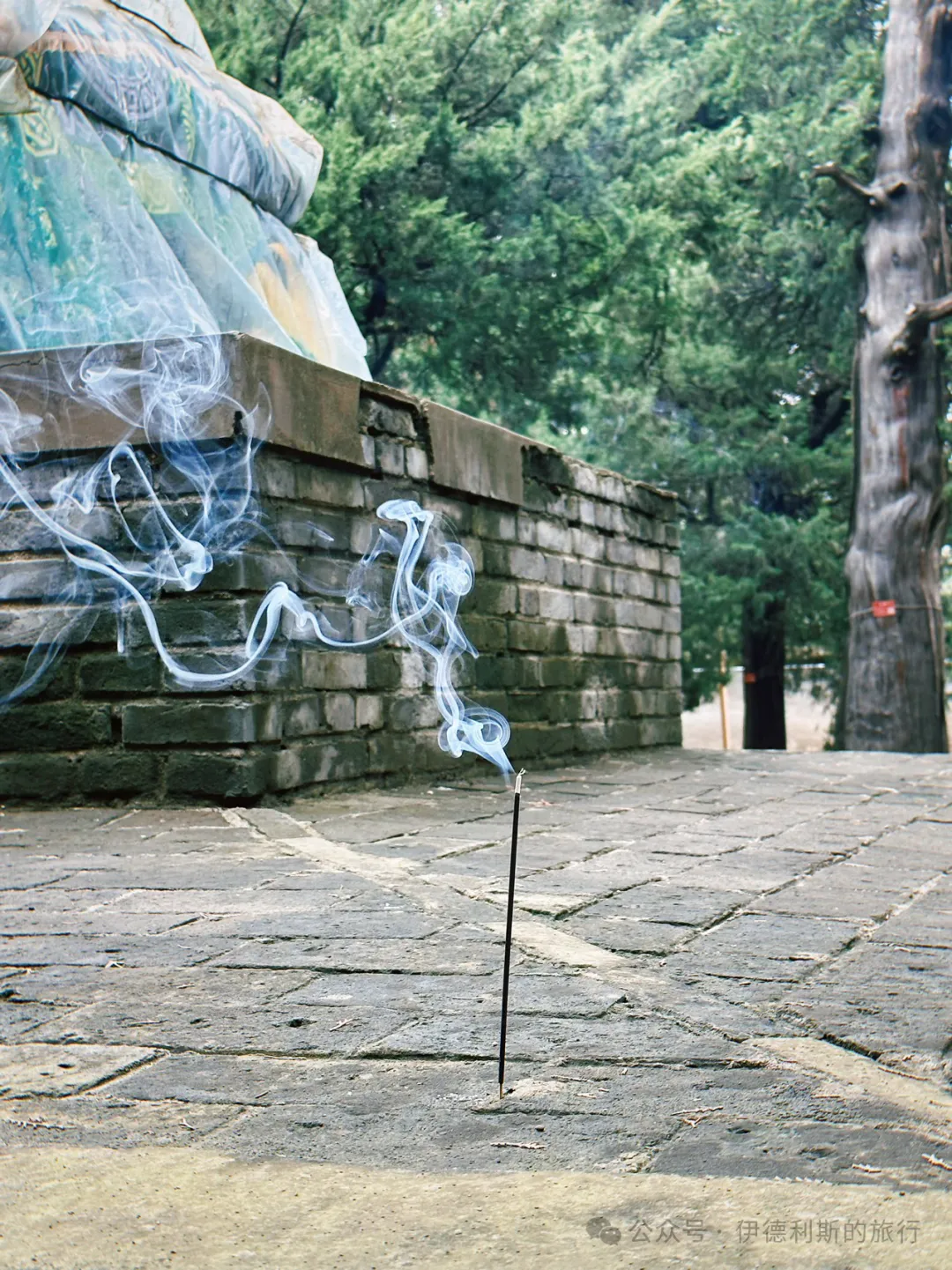
Halfway through the month of Shengji, we went to the Xiguan Mosque in Tongzhou to attend the Sheng-hui. In the morning, we first had meat porridge (rouzhou), then went into the main hall for scripture recitation and listened to the imam give a sermon (wa'z) about the life of the Prophet.
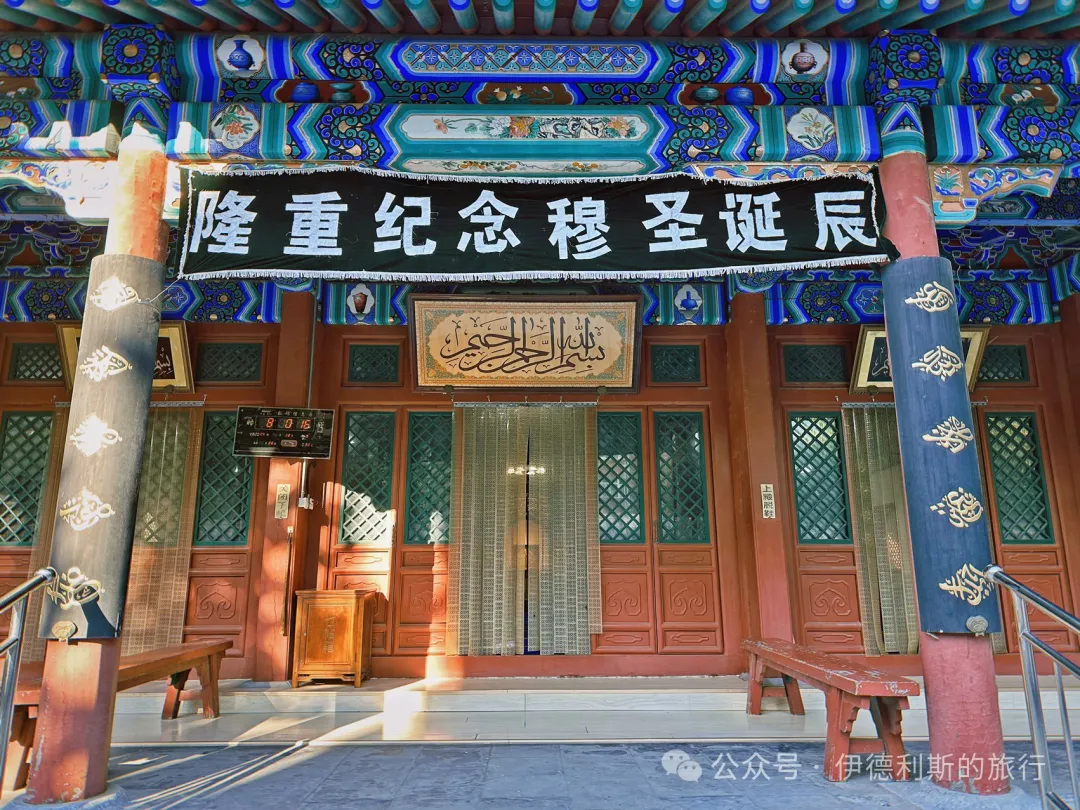
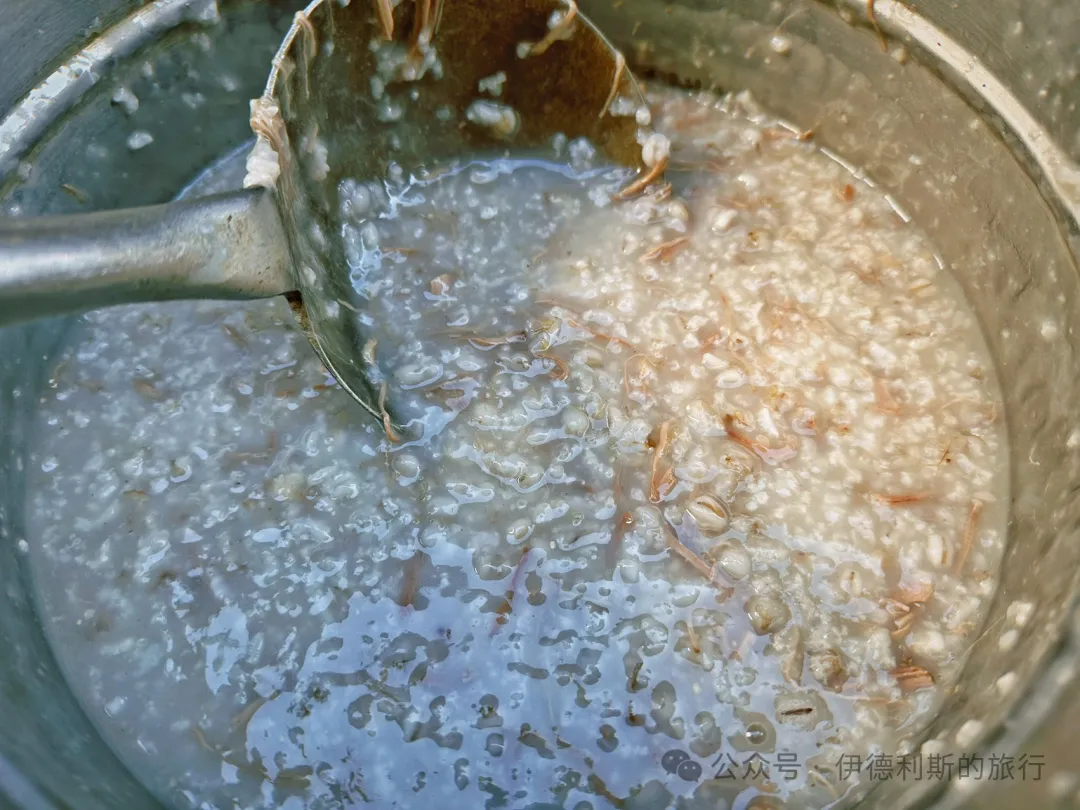
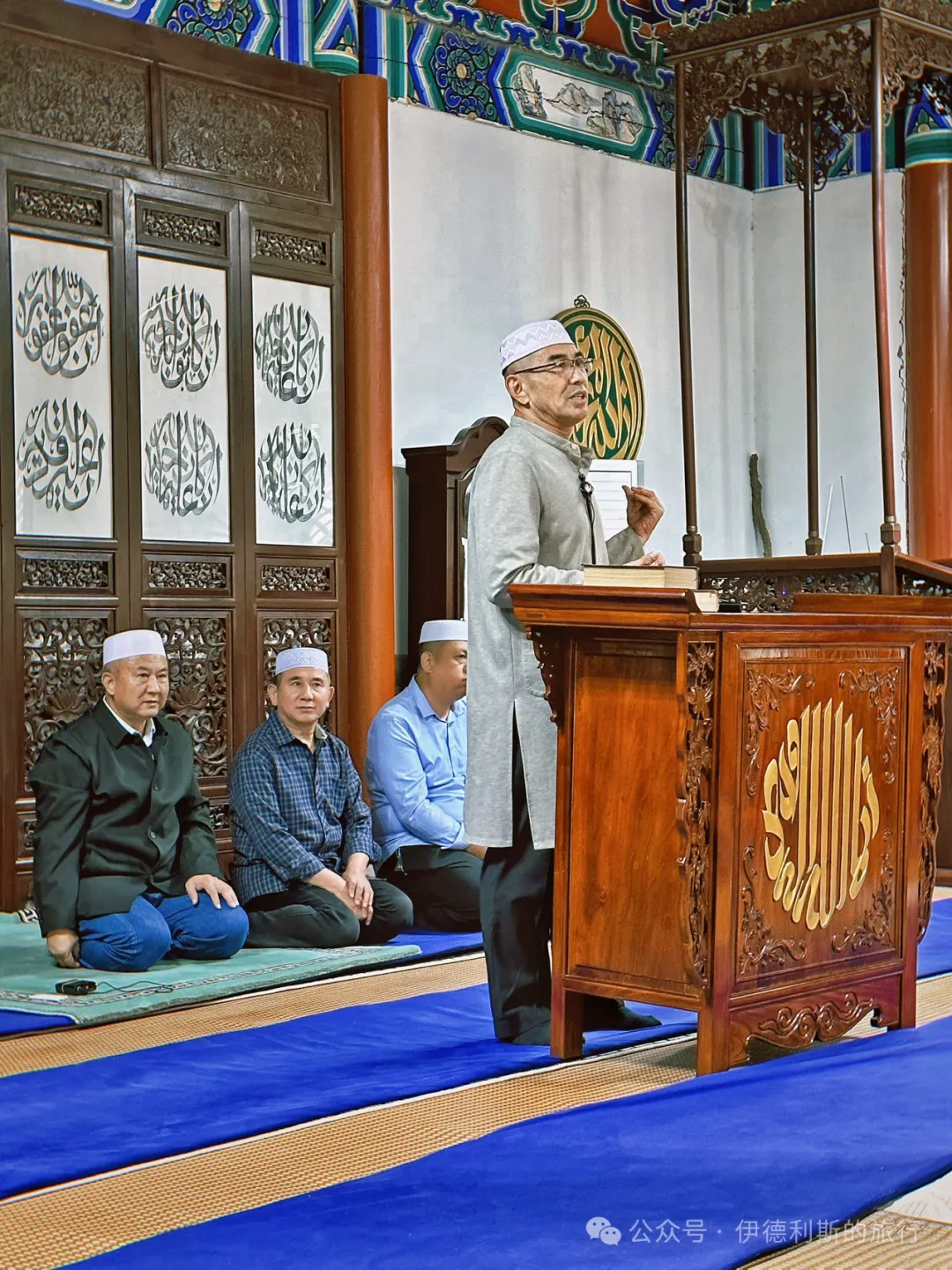
After leaving the hall, we sat down for a meal and had the traditional North China Hui Muslim Eight Great Bowls (badawan): stewed meat, steamed pork (kourou), crispy fried meat (songrou), meatballs, kelp, fried tofu puffs (doupo), radish, and lamb offal (yangza). There were also four stir-fried dishes: sautéed lamb liver, stir-fried shrimp, stir-fried diced chicken, and sesame lamb, followed by steamed fish. It was a very rich feast!
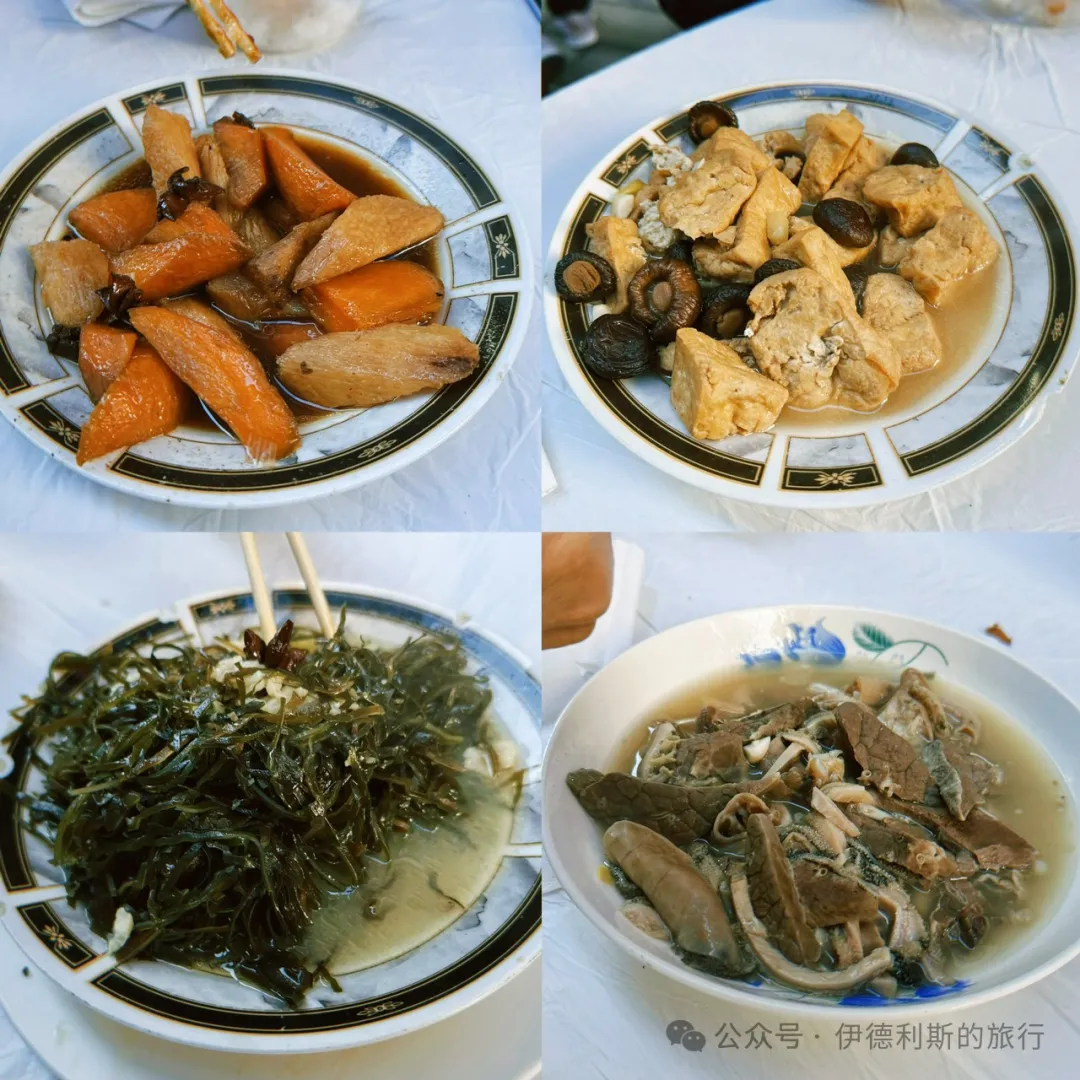
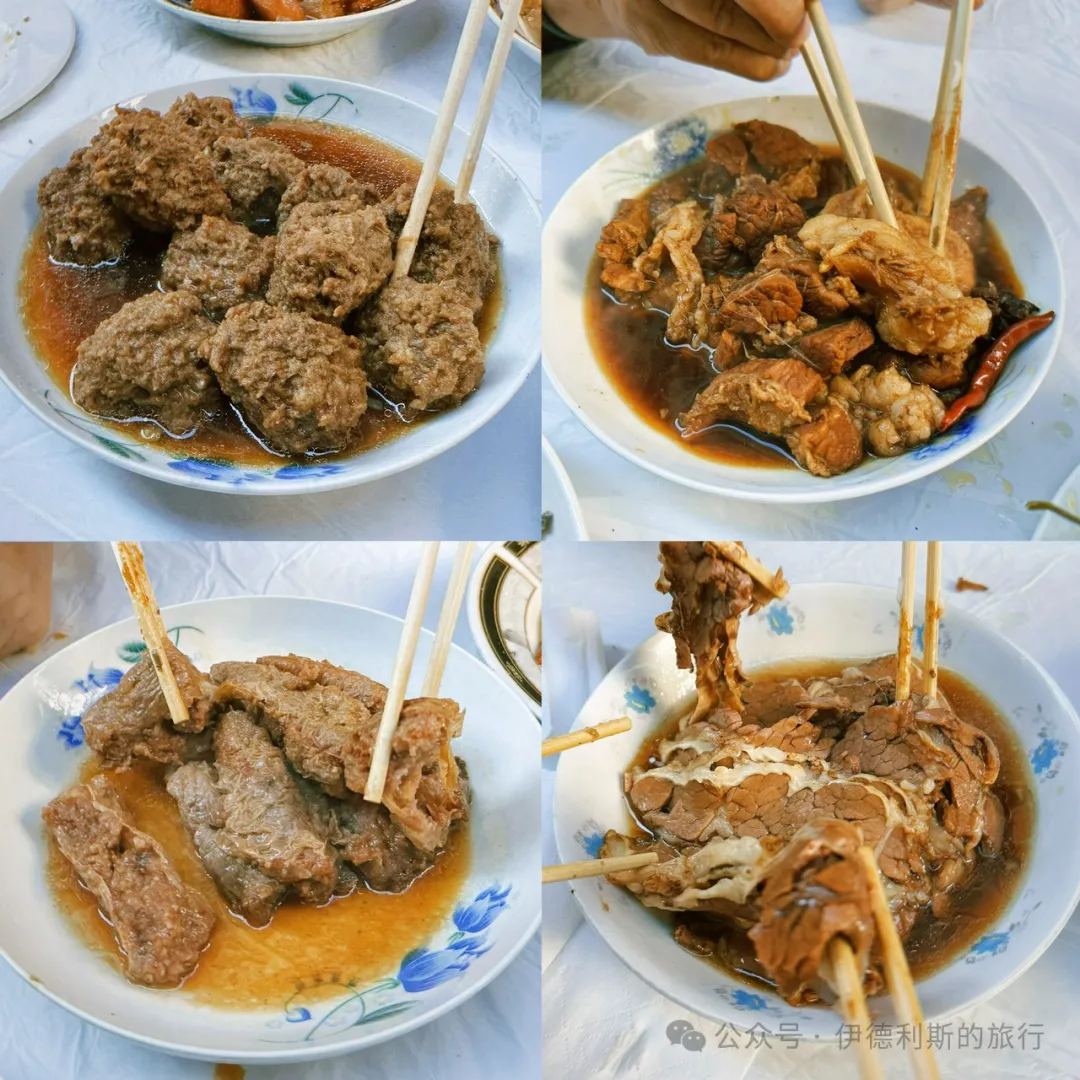
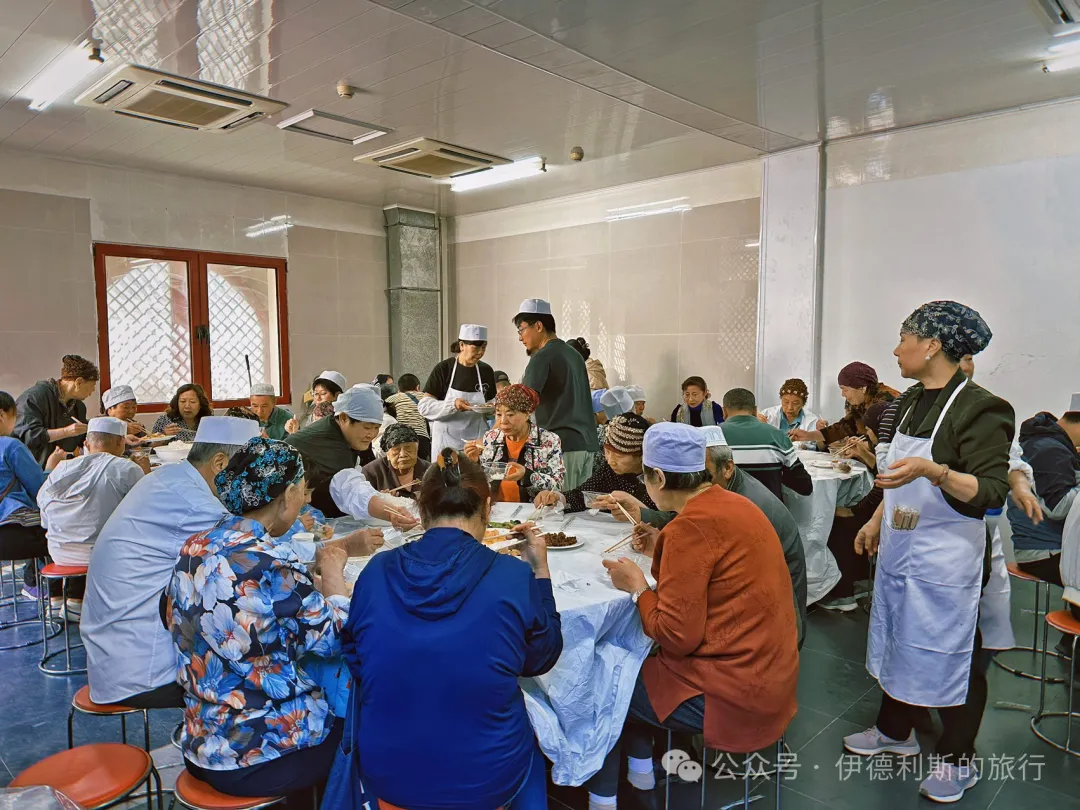
Muslim Travel Journal: Celebrating Eid al-Adha with Food, Family and Dua
Articles • ali2007fr posted the article • 0 comments • 250 views • 2026-05-19 09:31
Summary: Muslim Travel Journal: Celebrating Eid al-Adha with Food, Family and Dua is presented here as a firsthand travel account in clear, natural English. The account focuses on Eid al-Adha, Dua, Muslim Life while preserving the names, places, food, photos, and historical details from the Chinese source.
It is Eid al-Adha again. The night before, we stayed in Xiguanshi Village, known as the first Hui Muslim village north of Beijing. Early in the morning, I performed the major ritual washing (ghusl), brushed my teeth, applied perfume, and recited the takbir. Then, I walked from the hotel to Xiguanshi Mosque to join the congregational prayer.
Xiguanshi Mosque was first built in the seventh year of the Hongzhi reign of the Ming Dynasty. The main prayer hall was rebuilt in the forty-eighth year of the Kangxi reign, and the rear hall was rebuilt during the Qianlong reign. In 1900, when Empress Dowager Cixi fled Beijing, she spent her first night in the main hall of Xiguanshi Mosque, while Emperor Guangxu stayed in the side rooms. Two years later, when Cixi returned to Beijing, she donated silver to renovate Xiguanshi Mosque and sent glazed tiles, a treasure top, and roof ornaments fired at the imperial kilns in Liulihe.
The plaques inscribed by Cixi, Guangxu, Prince Su, and Prince Qing for Xiguanshi Mosque were all destroyed in the last century. The ones currently in the mosque are replicas.
After the congregational prayer, we went to Jingyi Farmhouse at the foot of the Western Hills to perform the sacrifice (qurbani). This year, we chose a 110-pound sheep. It was raised on grass in the mountains, which is usually hard to find. Then we had the holiday noodle soup (fentang) made by my sister-in-law, and Zainab drank three bowls in one go!
The apricots at the farmhouse were ripe, so we ate some fresh ones.
Steamed buns with bitter bean powder (kudoufen momo) brought by our friends (dost) from Qinghai.
In the afternoon, Zainab made hand-grabbed lamb neck (shouzhuayangbozi), and our family ate the lamb from the Qurbani sacrifice. This was also the first time Suleiman ate meat from the Qurbani sacrifice, and he really loved it. view all
Summary: Muslim Travel Journal: Celebrating Eid al-Adha with Food, Family and Dua is presented here as a firsthand travel account in clear, natural English. The account focuses on Eid al-Adha, Dua, Muslim Life while preserving the names, places, food, photos, and historical details from the Chinese source.
It is Eid al-Adha again. The night before, we stayed in Xiguanshi Village, known as the first Hui Muslim village north of Beijing. Early in the morning, I performed the major ritual washing (ghusl), brushed my teeth, applied perfume, and recited the takbir. Then, I walked from the hotel to Xiguanshi Mosque to join the congregational prayer.
Xiguanshi Mosque was first built in the seventh year of the Hongzhi reign of the Ming Dynasty. The main prayer hall was rebuilt in the forty-eighth year of the Kangxi reign, and the rear hall was rebuilt during the Qianlong reign. In 1900, when Empress Dowager Cixi fled Beijing, she spent her first night in the main hall of Xiguanshi Mosque, while Emperor Guangxu stayed in the side rooms. Two years later, when Cixi returned to Beijing, she donated silver to renovate Xiguanshi Mosque and sent glazed tiles, a treasure top, and roof ornaments fired at the imperial kilns in Liulihe.
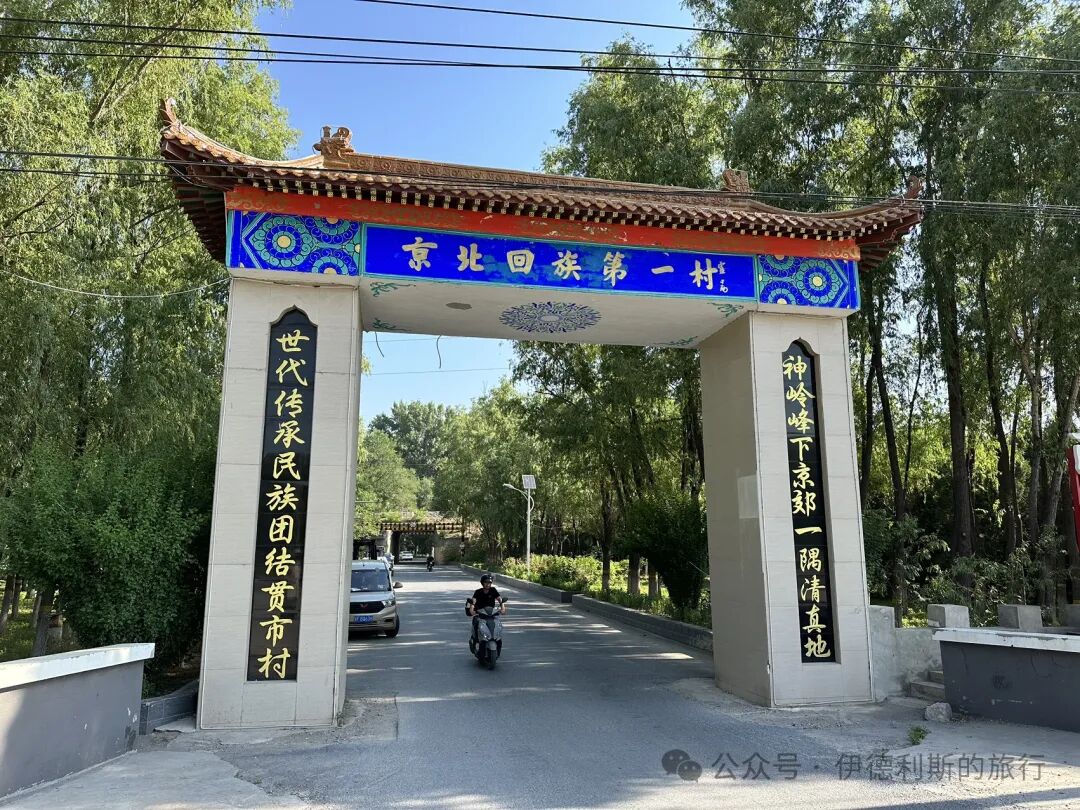
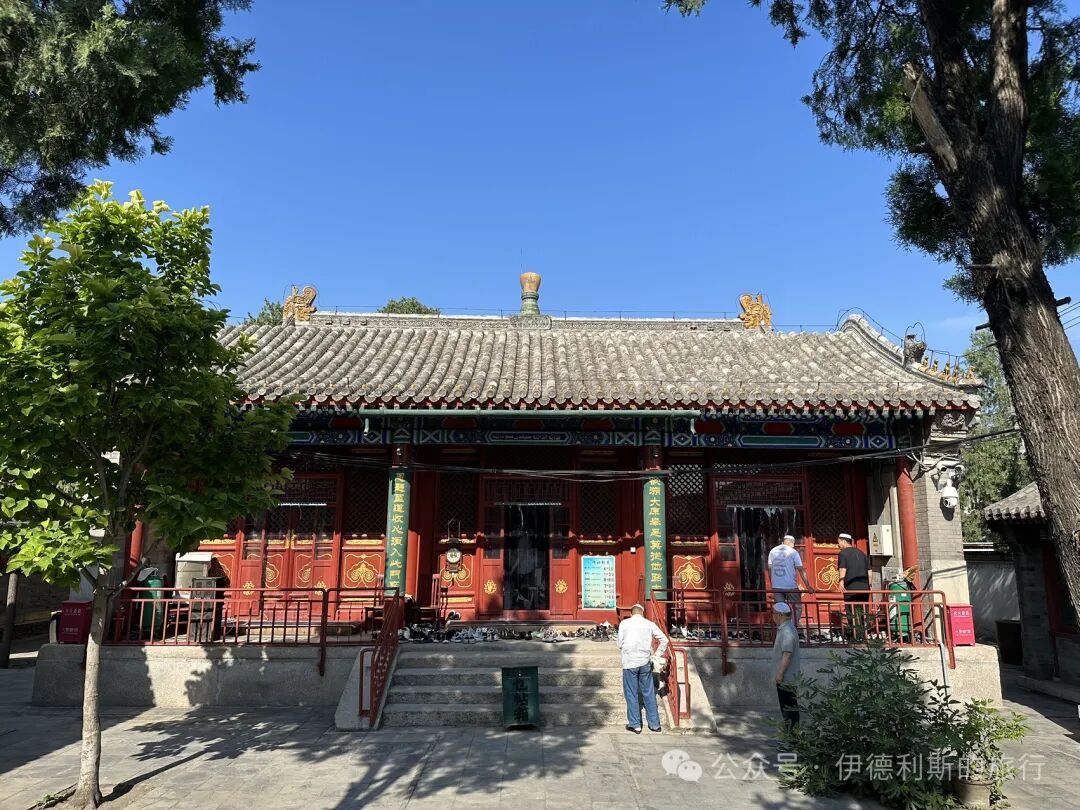
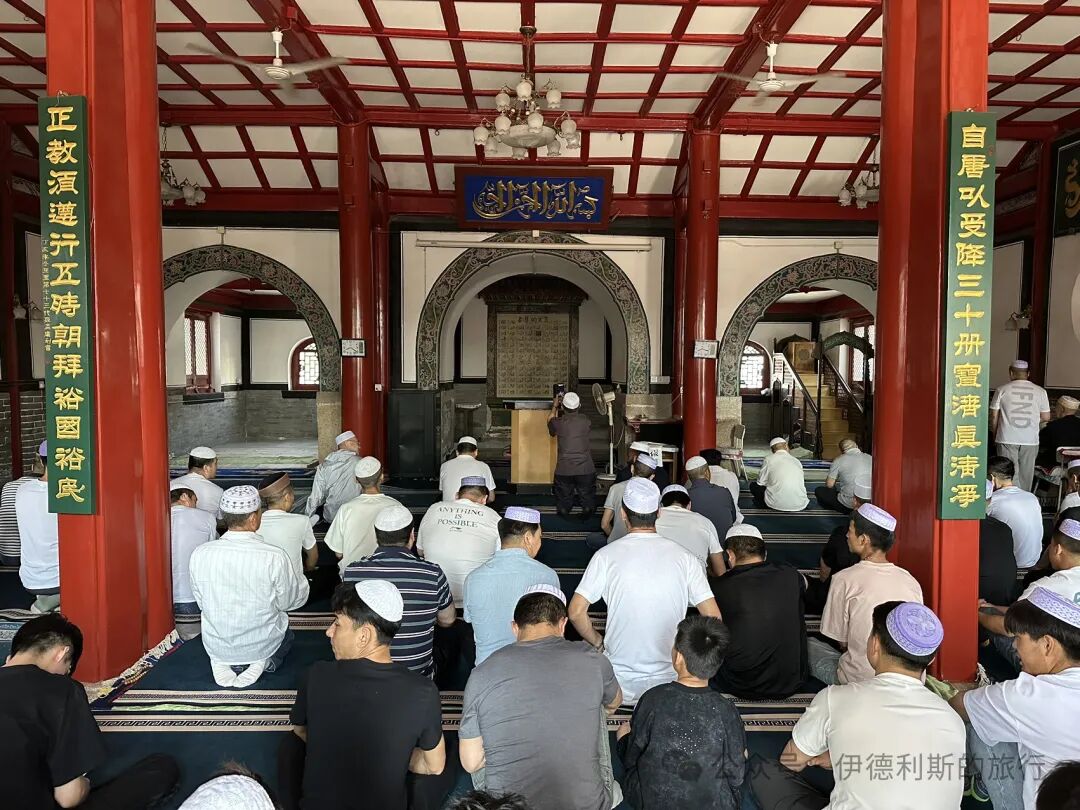
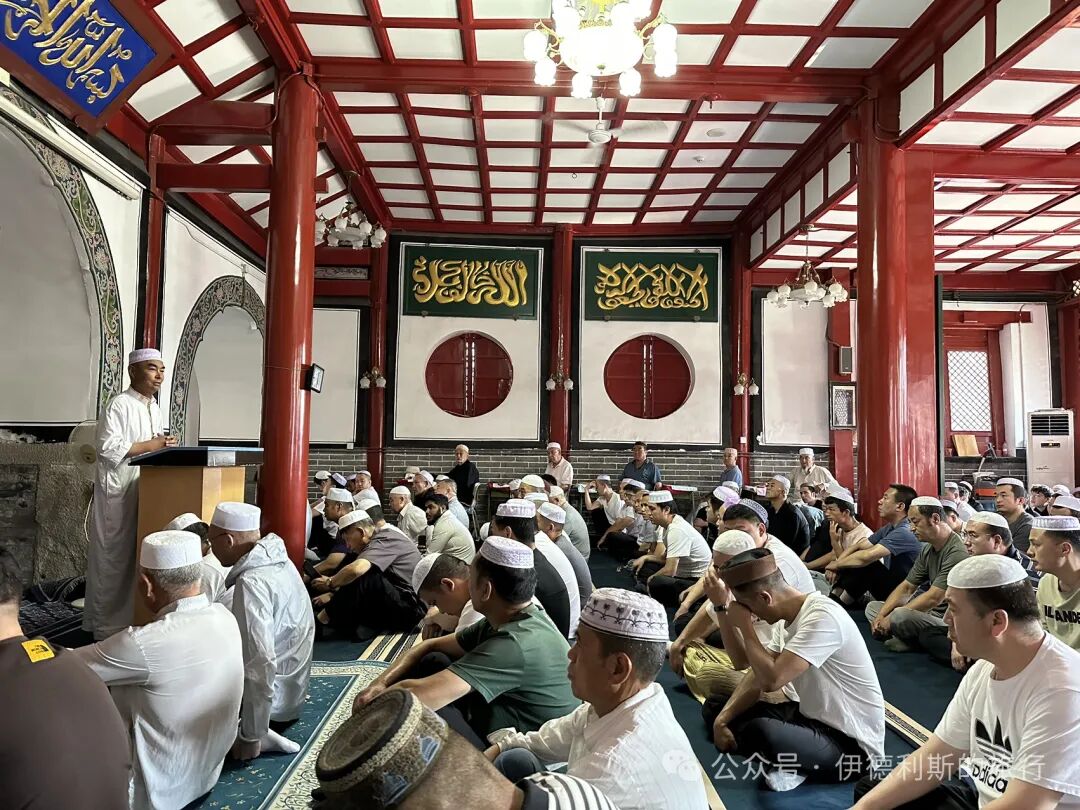
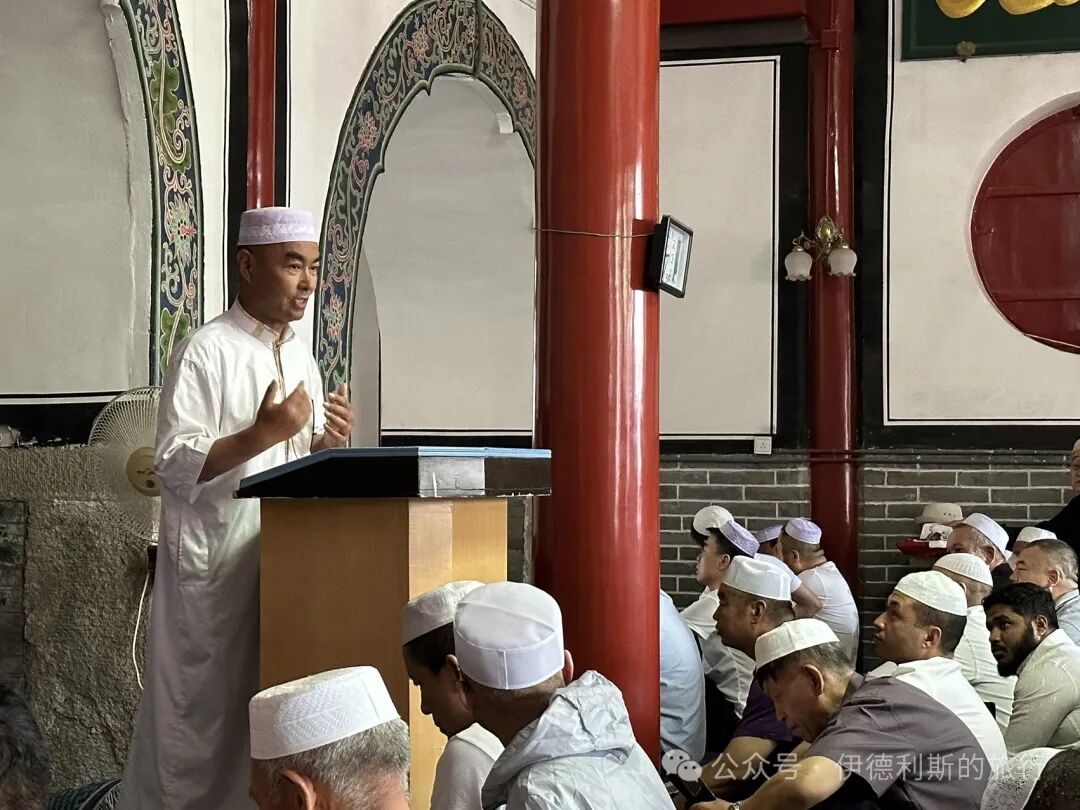
The plaques inscribed by Cixi, Guangxu, Prince Su, and Prince Qing for Xiguanshi Mosque were all destroyed in the last century. The ones currently in the mosque are replicas.
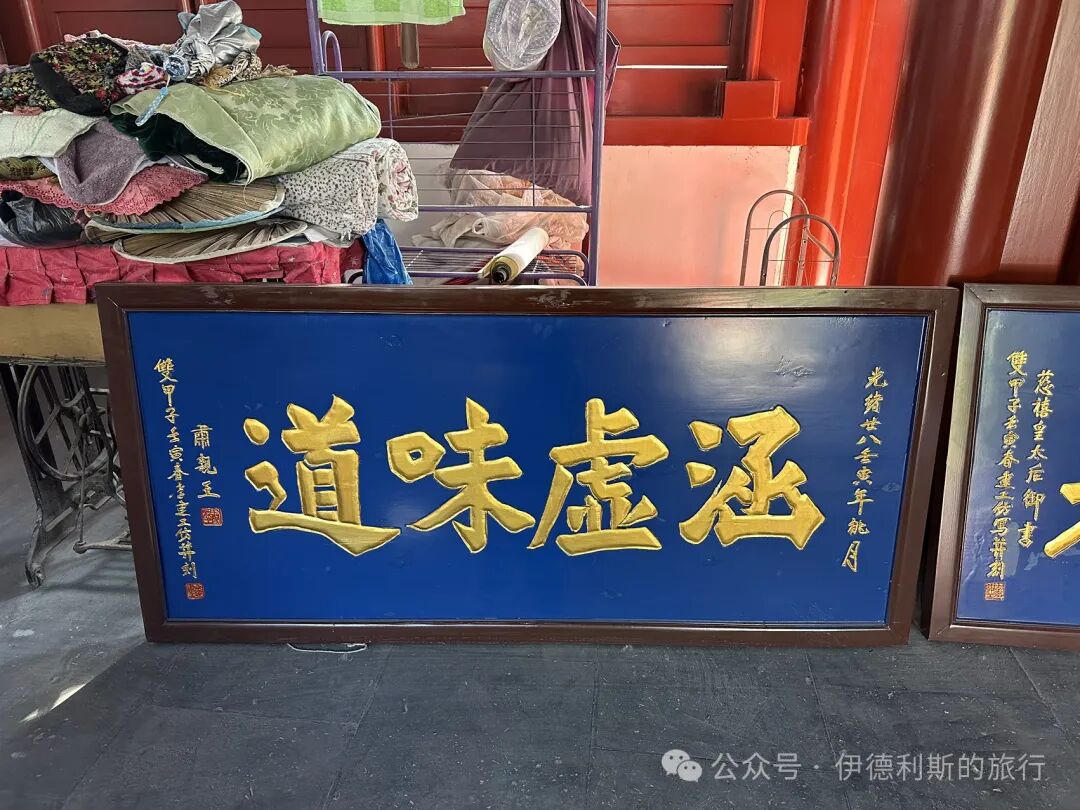
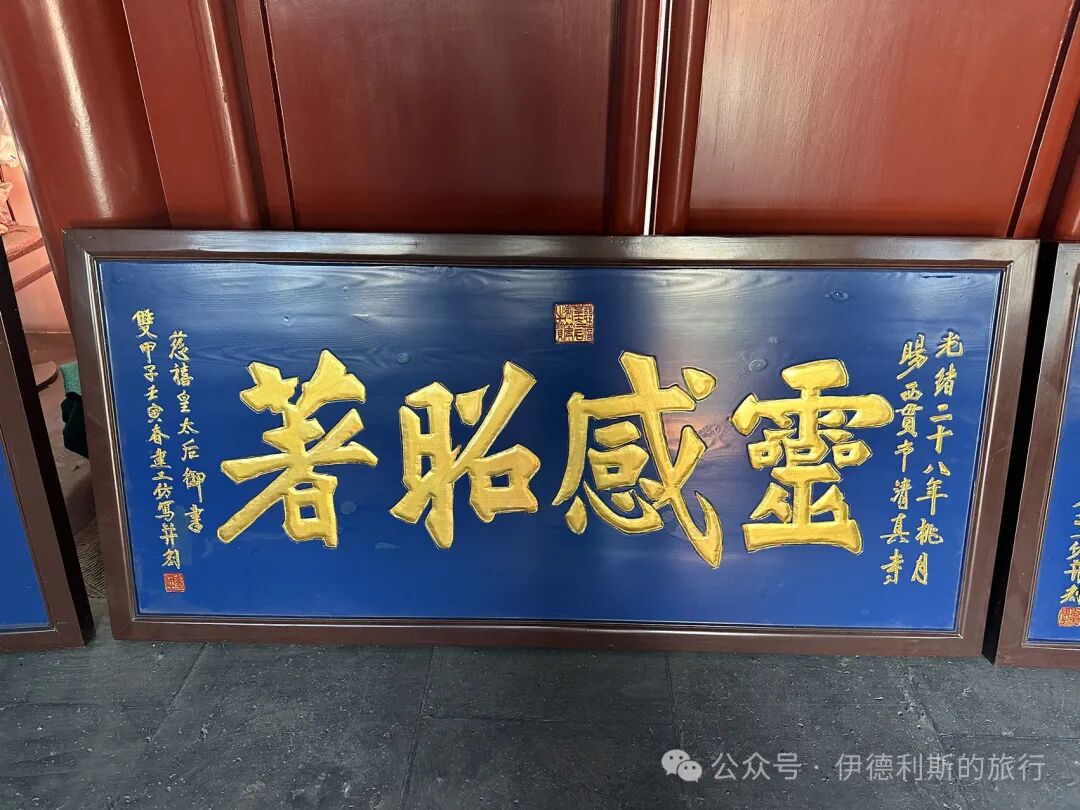
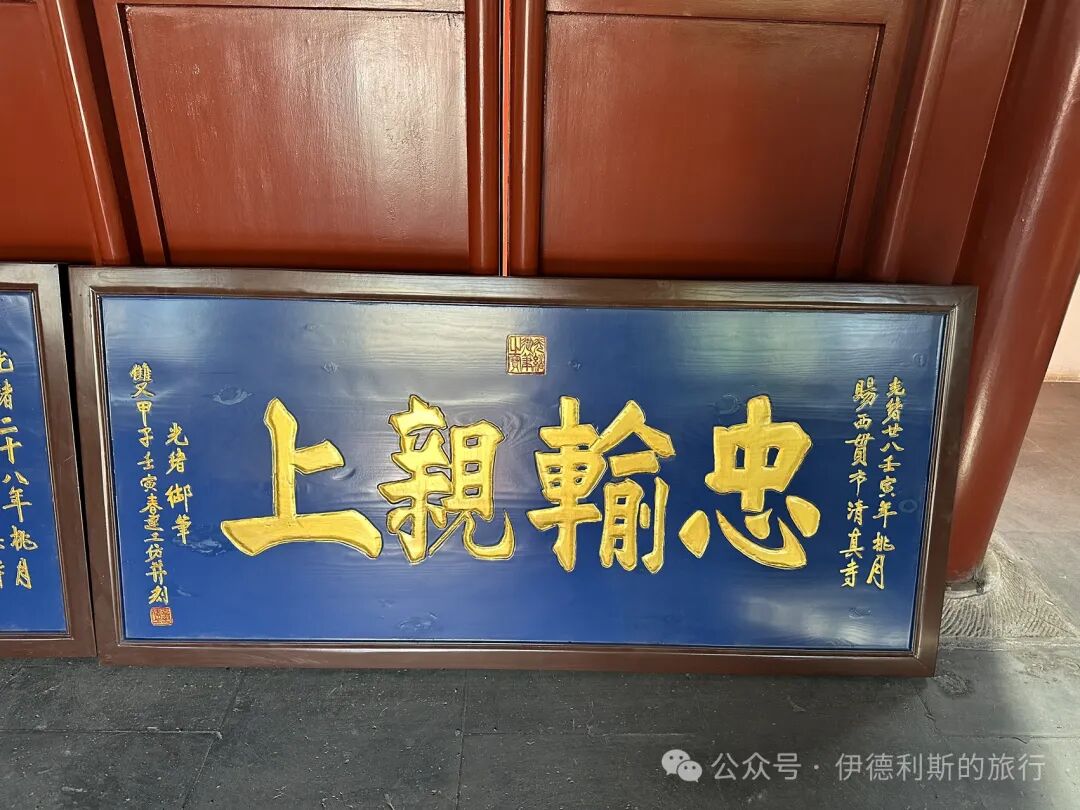
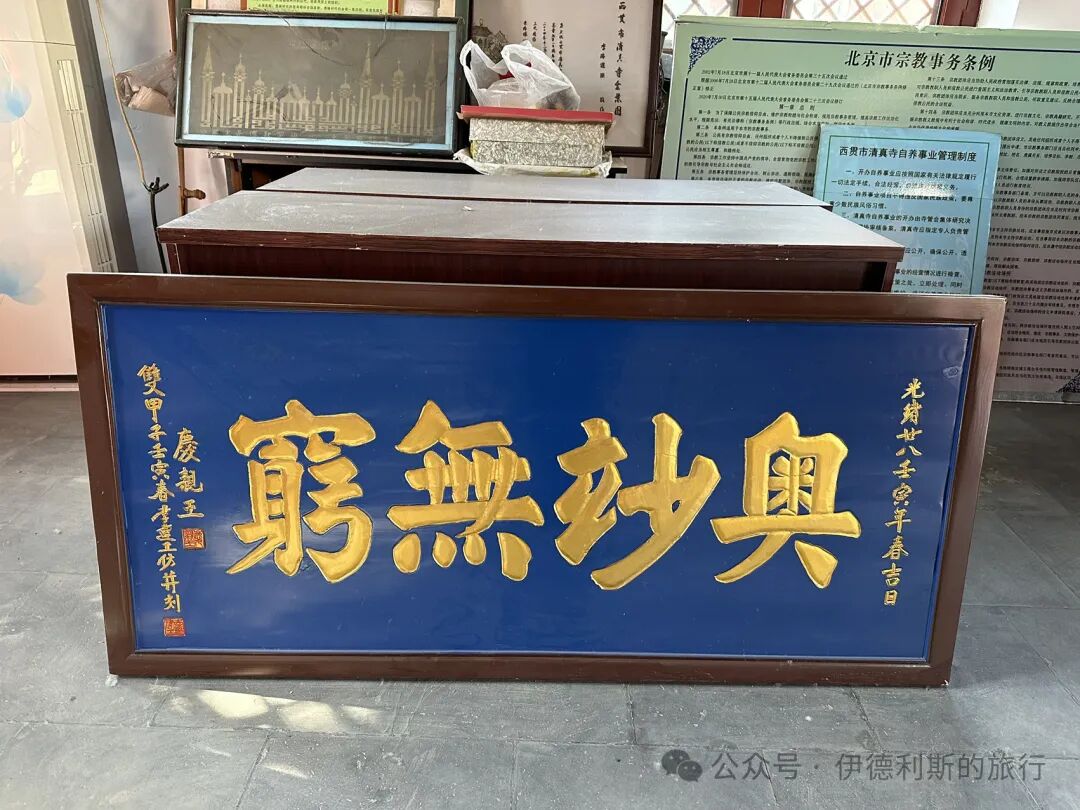
After the congregational prayer, we went to Jingyi Farmhouse at the foot of the Western Hills to perform the sacrifice (qurbani). This year, we chose a 110-pound sheep. It was raised on grass in the mountains, which is usually hard to find. Then we had the holiday noodle soup (fentang) made by my sister-in-law, and Zainab drank three bowls in one go!
The apricots at the farmhouse were ripe, so we ate some fresh ones.
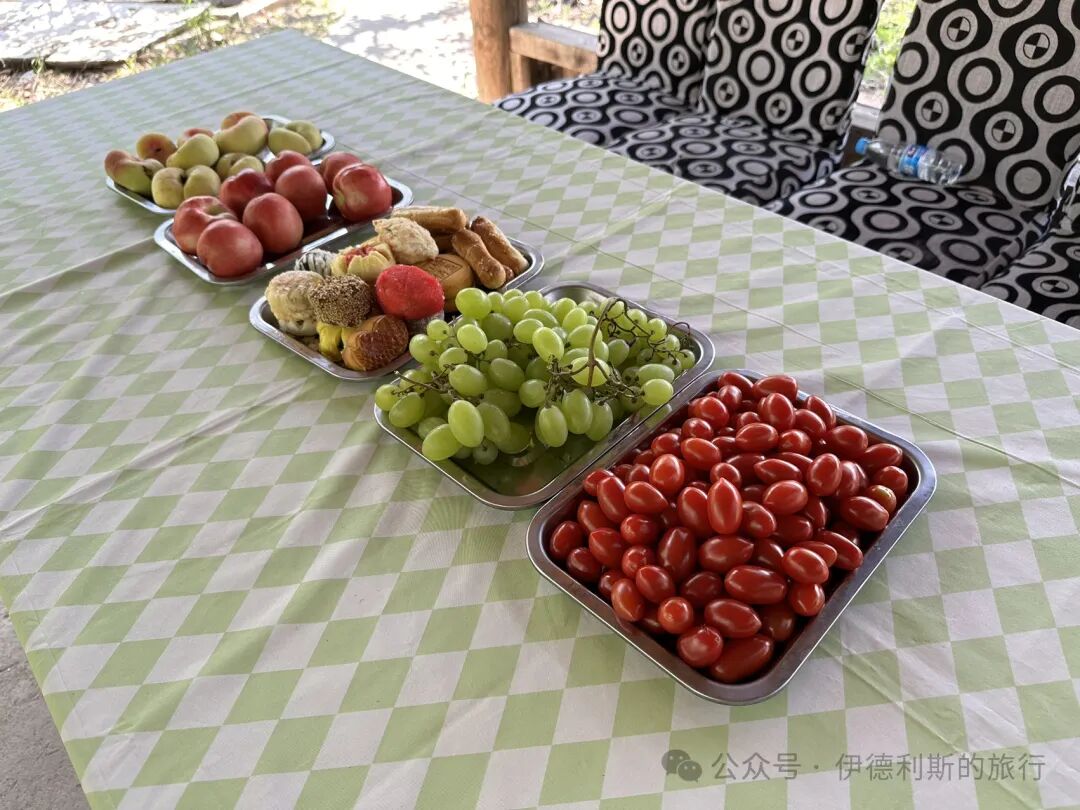
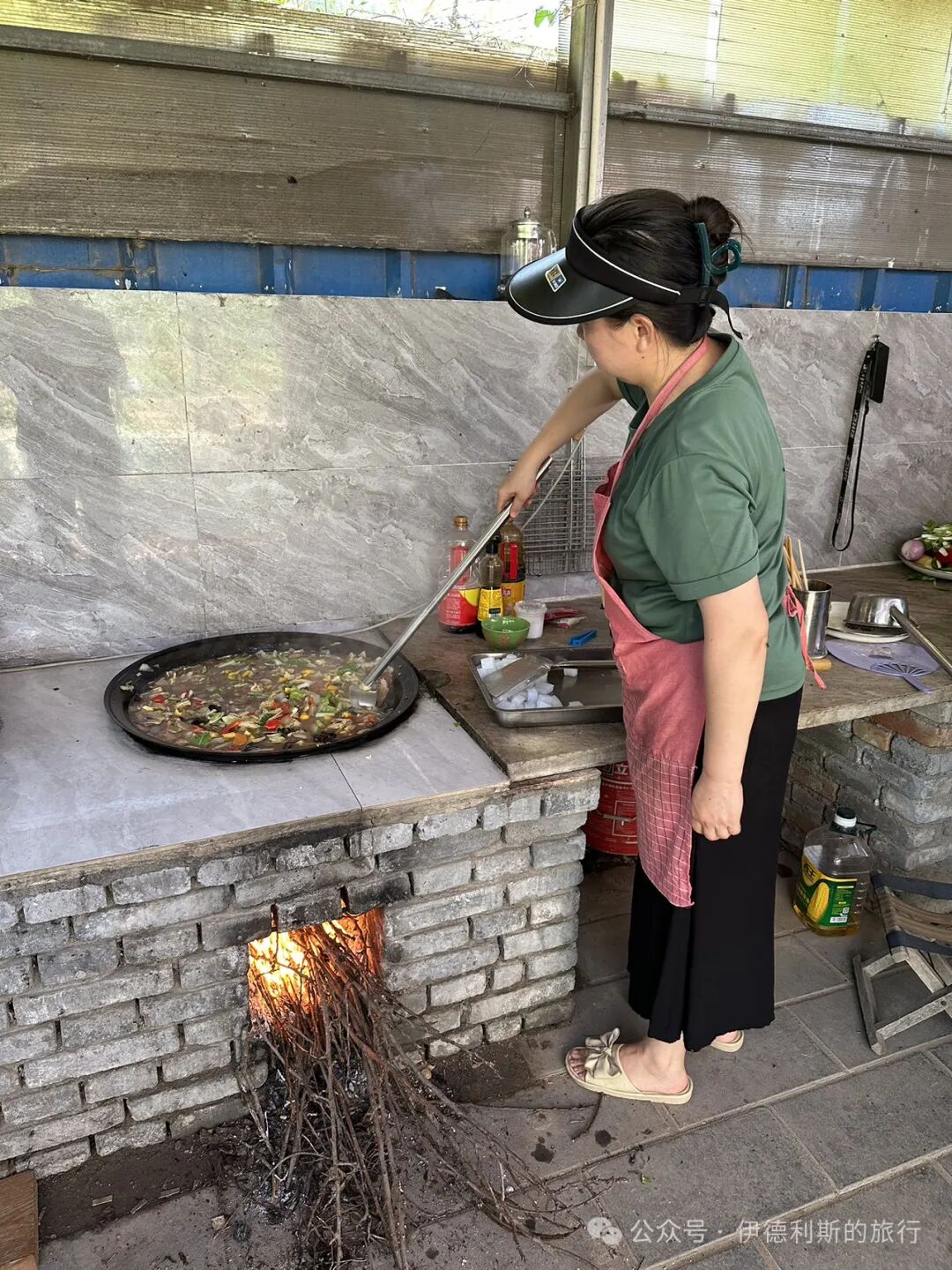
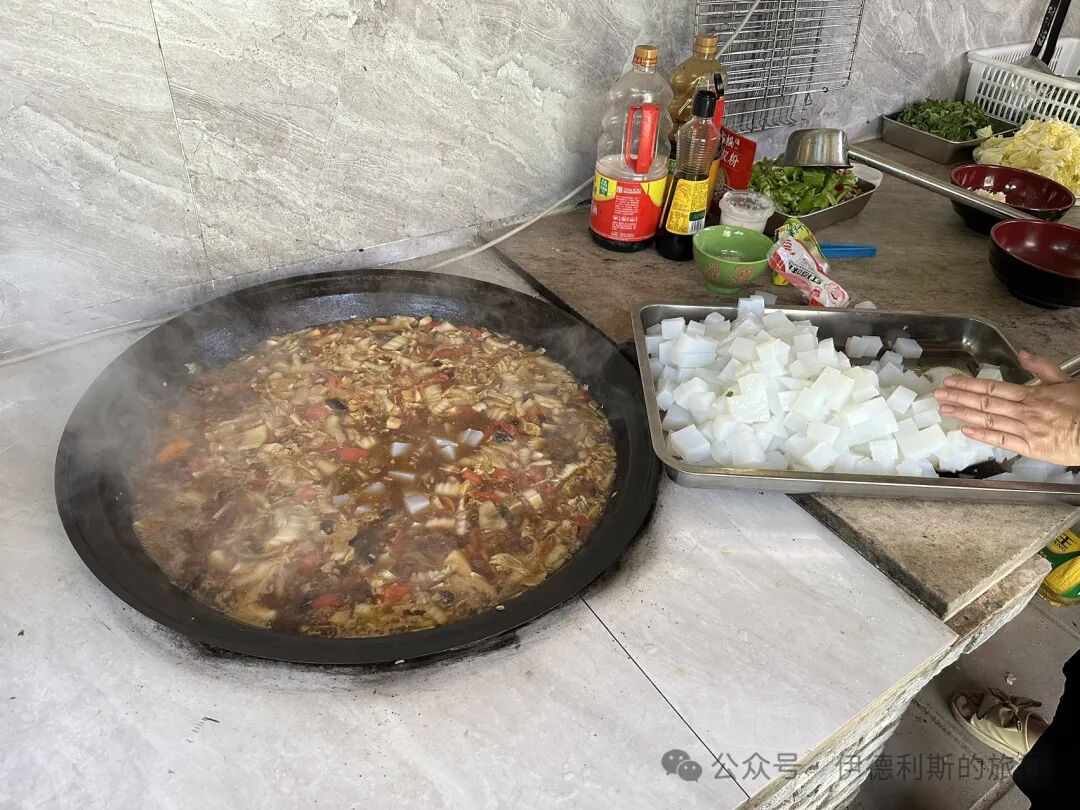
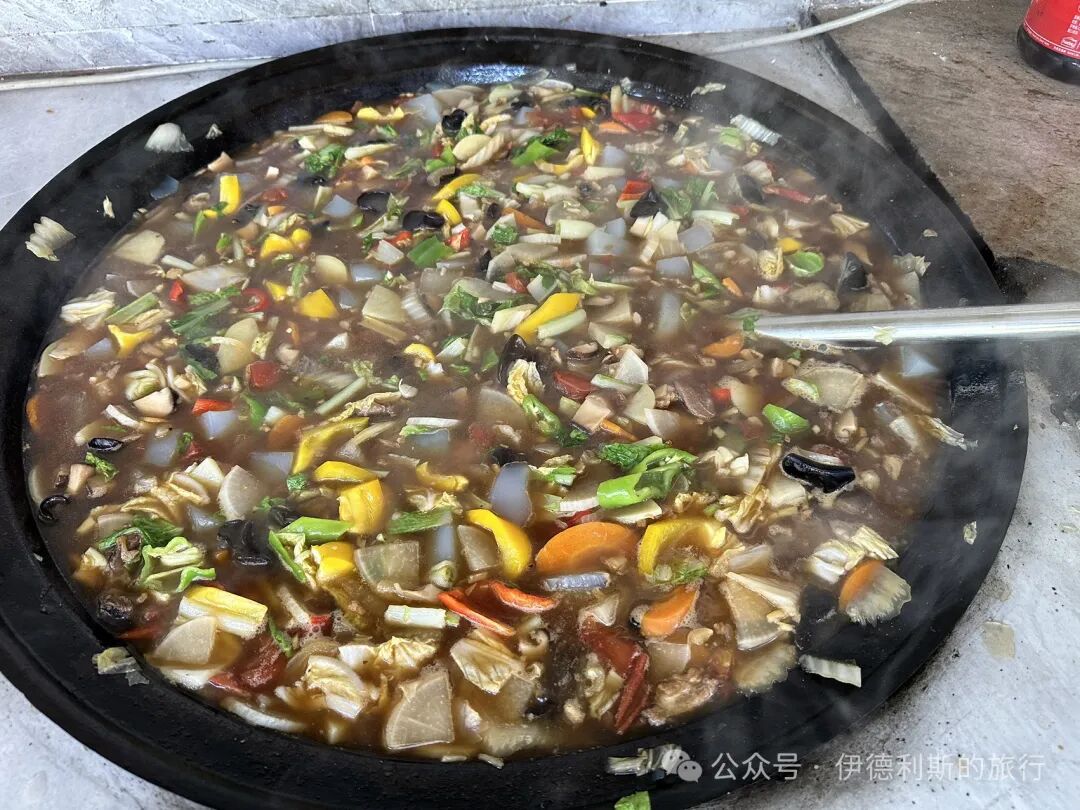
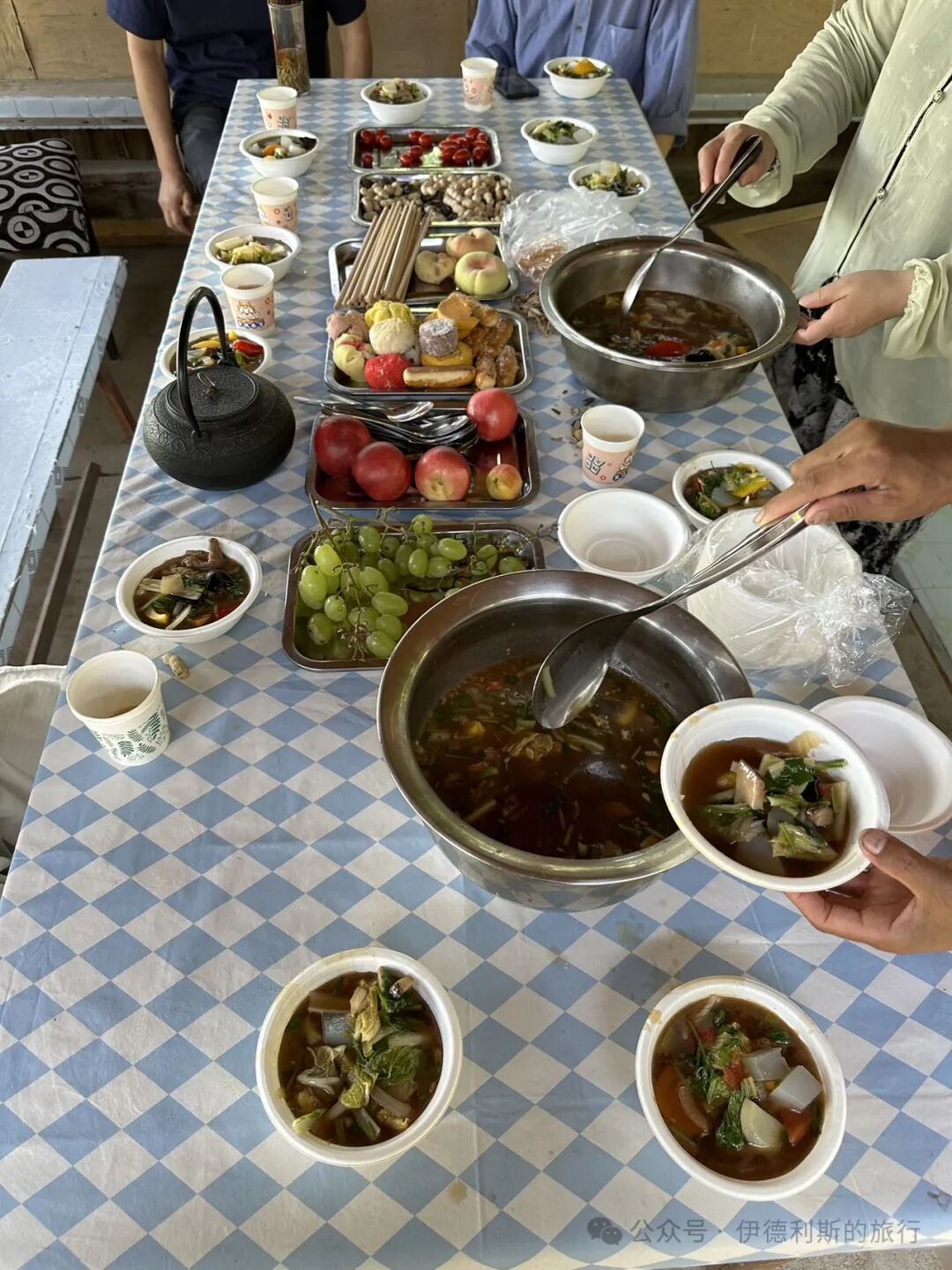
Steamed buns with bitter bean powder (kudoufen momo) brought by our friends (dost) from Qinghai.
In the afternoon, Zainab made hand-grabbed lamb neck (shouzhuayangbozi), and our family ate the lamb from the Qurbani sacrifice. This was also the first time Suleiman ate meat from the Qurbani sacrifice, and he really loved it.
Muslim Life Guide China Ramadan: Suhoor, Dialysis, Qur'an and the First Day of Fasting
Articles • yusuf908 posted the article • 0 comments • 223 views • 2026-05-23 21:55
Summary: This Ramadan diary records the author's first day of fasting while dealing with serious illness, dialysis, suhoor, thirst, iftar, Qur'an reminders, and the mixed pain and gratitude of trying to fast for Allah when the body is weak.
Many people probably started to curse when they saw this topic. Today is already at least two days of fasting. How can I fast on the first day? Yes, I don’t have any excuses, because today is indeed my first day of fasting this year. I didn’t fast yesterday because my whole body felt weak due to low blood sugar, and my hands and feet were numb as if I’d been electrocuted, so I didn’t fast yesterday. Also, I would suffer from severe hypoglycemia during and after dialysis, so I had to eat something during dialysis. Also, I would be weak after dialysis, and I would have to eat a little bit to recover. Therefore, insha'Allah, I plan not to go to the hospital for dialysis like last year. As long as my body does not feel particularly severe discomfort, I will try my best to hold on to it every day.
I didn’t fast yesterday. To be honest, I was too embarrassed to go out to bask in the sun or feel shy when I met anyone. It was really just like what the verse said, “They were so out of date that they felt that although although the earth was vast, it felt too tight for them.” [9:118] I felt as soon as I stepped out the door, even the wind was asking me why I wasn't fasting.
This morning, I woke up my wife and told her to get up and make suhoor. My wife started to get busy, but I lay in bed and kept wondering whether I should get up and try to see if my body could bear it. Finally, I decided to get up and give it a try. My wife said something to me in a distressed and reproachful tone, but I said firmly: "I tried to take the whole day's medicine at once this morning, and then I tried to see if my body can stand it. If I can't stand it, I will still choose to break the fast." "The wife didn't say anything else, because she knew it would be useless.
Around nine o'clock in the morning, my stomach started to feel uncomfortable. It is estimated that the contents in the stomach have been digested, but the effects of the medicine have not worn off. I can't explain the uncomfortable feeling, but it is uncomfortable. Around 1 p.m., my hands and feet began to feel numb. Uremic patients know that this is a sign of elevated potassium, or potassium poisoning. But fortunately, it was just a slight numbness, and it was not particularly severe. A particularly severe potassium overdose would cause numbness of the limbs, vomiting, shock, or even death. By about five o'clock in the afternoon, the numbness was a little better, but there was still a little numbness. I don't know if it was because of hunger, the efficacy of the medicine, or the increase in potassium. Anyway, my limbs were still soft and I didn't have much strength, so I continued to lie on the sofa with a fire.
When it was close to breaking the fast, this discomfort became particularly obvious. My stomach kept rumbling, my ears began to hold my breath, and the numbness in my limbs became more serious than at noon. However, I also experienced these discomforts last year, and I can overcome them with a little persistence.
The first day of fasting is so difficult, especially for people like us who are seriously ill. Only we know the hardship. This is also like what is said in the Qur'an: “Indeed, with hardship comes ease. Indeed, with hardship comes ease. (94:5-6)” That way. If we give up, then the day will pass, but if we persist, the day will actually be completed easily.
I completed today's fast, but I can’t fast tomorrow because I have to go to the hospital for dialysis! However, I will try my best to fast every day. view all
Summary: This Ramadan diary records the author's first day of fasting while dealing with serious illness, dialysis, suhoor, thirst, iftar, Qur'an reminders, and the mixed pain and gratitude of trying to fast for Allah when the body is weak.
Many people probably started to curse when they saw this topic. Today is already at least two days of fasting. How can I fast on the first day? Yes, I don’t have any excuses, because today is indeed my first day of fasting this year. I didn’t fast yesterday because my whole body felt weak due to low blood sugar, and my hands and feet were numb as if I’d been electrocuted, so I didn’t fast yesterday. Also, I would suffer from severe hypoglycemia during and after dialysis, so I had to eat something during dialysis. Also, I would be weak after dialysis, and I would have to eat a little bit to recover. Therefore, insha'Allah, I plan not to go to the hospital for dialysis like last year. As long as my body does not feel particularly severe discomfort, I will try my best to hold on to it every day.
I didn’t fast yesterday. To be honest, I was too embarrassed to go out to bask in the sun or feel shy when I met anyone. It was really just like what the verse said, “They were so out of date that they felt that although although the earth was vast, it felt too tight for them.” [9:118] I felt as soon as I stepped out the door, even the wind was asking me why I wasn't fasting.
This morning, I woke up my wife and told her to get up and make suhoor. My wife started to get busy, but I lay in bed and kept wondering whether I should get up and try to see if my body could bear it. Finally, I decided to get up and give it a try. My wife said something to me in a distressed and reproachful tone, but I said firmly: "I tried to take the whole day's medicine at once this morning, and then I tried to see if my body can stand it. If I can't stand it, I will still choose to break the fast." "The wife didn't say anything else, because she knew it would be useless.
Around nine o'clock in the morning, my stomach started to feel uncomfortable. It is estimated that the contents in the stomach have been digested, but the effects of the medicine have not worn off. I can't explain the uncomfortable feeling, but it is uncomfortable. Around 1 p.m., my hands and feet began to feel numb. Uremic patients know that this is a sign of elevated potassium, or potassium poisoning. But fortunately, it was just a slight numbness, and it was not particularly severe. A particularly severe potassium overdose would cause numbness of the limbs, vomiting, shock, or even death. By about five o'clock in the afternoon, the numbness was a little better, but there was still a little numbness. I don't know if it was because of hunger, the efficacy of the medicine, or the increase in potassium. Anyway, my limbs were still soft and I didn't have much strength, so I continued to lie on the sofa with a fire.
When it was close to breaking the fast, this discomfort became particularly obvious. My stomach kept rumbling, my ears began to hold my breath, and the numbness in my limbs became more serious than at noon. However, I also experienced these discomforts last year, and I can overcome them with a little persistence.
The first day of fasting is so difficult, especially for people like us who are seriously ill. Only we know the hardship. This is also like what is said in the Qur'an: “Indeed, with hardship comes ease. Indeed, with hardship comes ease. (94:5-6)” That way. If we give up, then the day will pass, but if we persist, the day will actually be completed easily.
I completed today's fast, but I can’t fast tomorrow because I have to go to the hospital for dialysis! However, I will try my best to fast every day.
Ramadan in China 2026: Qur'an, Hadith, Tarawih and Muslim Strength for Fasting
Articles • yusuf908 posted the article • 0 comments • 234 views • 2026-05-23 21:31
Summary: This Ramadan essay reminds Muslims of the value of fasting, the reward of Ramadan, the hadith about Paradise, Hell, and the chained devils, and the author's own effort to fast and pray Tarawih despite health fears.
"O you who believe, fasting has been prescribed for you as it was prescribed for those before you, so that you may become mindful of Allah" (2:183), Allah has clarified in the Qur'an that fasting is not only the command of the Prophet's era, it is also the command of the saints of the past, and it is also the command of us and our descendants after the Prophet. Fasting is a behavior that can be seen in almost all mainstream religious groups that are currently accessible, whether it is Islam, Buddhism, Taoism, Christianity, Catholicism... Fasting is almost in a parallel relationship with sacrifice. Whenever people fast, they always offer sacrifices devoutly and interact with others gently.
Many people, whenever someone says to them: "Ramadan is here, you should fast", they will always find all kinds of weird reasons to excuse themselves, such as: I have a cold, I have to work in the fields, it is inconvenient for me to go to work, I... Anyway, there are a lot of various reasons, in short, there is one purpose: they do not want to fast! As everyone knows, Allah said in the Qur'an, "Fasting is better for you, if you only knew" (2:184). The benefits of fasting have been repeated over and over again by scholars and imams throughout the ages. I will not go into details because anyone who tries to escape the fast will find excuses anyway, and anyone who wants to complete the fast will always overcome all kinds of difficulties to complete his fast.
In the blink of an eye, this year's Ramadan has passed for twenty-eight or nine days. In just one or two days, Ramadan will wave to us and say "goodbye". If you want to observe such a noble fast again, you can only wait until next year. Maybe many people will think that if you just wait another year, there is nothing worth mentioning. In fact, what I want to say is: In fact, for many people, in many cases, this year may be their last Ramadan, and missing this Ramadan may be their biggest regret in life. Natural disasters, man-made disasters, and diseases warn us all the time to cherish our time and our immediate health. However, many people are unaware of it and always feel that time and health are the cheapest and longest-lasting, so we procrastinate again and again when completing the various missions set by Allah for us.
The Messenger of Allah said: “When Ramadan comes, all the gates of Paradise are opened, all the gates of Hell are closed, and all the demons are locked up (in chains). "[the two Sahih collections] This hadith tells us the nobility of Ramadan. Ramadan is a day of peace, tranquility, mercy, and a day when all demons are sent to "prisons" and imprisoned. In fact, what I want to say more about this hadith is: Since the devils are locked up during Ramadan, the doors of hell are closed. Only when the door of heaven is open and the gods come down to earth to wish us peace, if we commit a sin due to our own reasons, what excuse do we have to excuse ourselves? Normally we would say that we commit sins because we are tempted by the devil, but during Ramadan the devil will definitely not be blamed for the sins we commit.
The nobility of Ramadan is that to the gates of Hell being closed and the demons being shackled and locked up, any good deeds done during Ramadan will be rewarded twice as much as on other days. What is even more valuable are those who fast in "Ramadan", and Allah personally rewards those who fast [the two Sahih collections]. Another hadith promise is even more exciting: "As long as a person fasts for one day on the road of Allah, Allah will keep him away from the Fire for seventy years because of this day of fasting." [the two Sahih collections] Many people may think that the "seventy years" here is a unit of time. In fact, the "seventy years" here is a unit of space (distance), just like the astronomical word "light year" we often hear. The so-called "light year" is the distance traveled by light in one year, and we all know that the speed of light is 300,000 kilometers per second. The sun is about 150 million kilometers away from the earth. It takes about 8.3 minutes for the light from the sun to reach the earth. If the "seventy years" here are "seventy light years", we can't imagine how far this distance is. But even if it is not "light years", even if we walk on our feet, seventy years is still a very long distance. Since the rewards of fasting are so great, how can we be willing to give up?
I thought I would bid farewell to Ramadan completely from last year, but Allah, I tried to fast this year without any serious physical discomfort. Then I fasted day after day, and then prayed "Tarawih" day after day. When we are devout to the intention for Allah and work hard for it, then Allah will not let the effort of His servants go to waste.
Ultimate question: Are you fasting this year? view all
Summary: This Ramadan essay reminds Muslims of the value of fasting, the reward of Ramadan, the hadith about Paradise, Hell, and the chained devils, and the author's own effort to fast and pray Tarawih despite health fears.
"O you who believe, fasting has been prescribed for you as it was prescribed for those before you, so that you may become mindful of Allah" (2:183), Allah has clarified in the Qur'an that fasting is not only the command of the Prophet's era, it is also the command of the saints of the past, and it is also the command of us and our descendants after the Prophet. Fasting is a behavior that can be seen in almost all mainstream religious groups that are currently accessible, whether it is Islam, Buddhism, Taoism, Christianity, Catholicism... Fasting is almost in a parallel relationship with sacrifice. Whenever people fast, they always offer sacrifices devoutly and interact with others gently.
Many people, whenever someone says to them: "Ramadan is here, you should fast", they will always find all kinds of weird reasons to excuse themselves, such as: I have a cold, I have to work in the fields, it is inconvenient for me to go to work, I... Anyway, there are a lot of various reasons, in short, there is one purpose: they do not want to fast! As everyone knows, Allah said in the Qur'an, "Fasting is better for you, if you only knew" (2:184). The benefits of fasting have been repeated over and over again by scholars and imams throughout the ages. I will not go into details because anyone who tries to escape the fast will find excuses anyway, and anyone who wants to complete the fast will always overcome all kinds of difficulties to complete his fast.
In the blink of an eye, this year's Ramadan has passed for twenty-eight or nine days. In just one or two days, Ramadan will wave to us and say "goodbye". If you want to observe such a noble fast again, you can only wait until next year. Maybe many people will think that if you just wait another year, there is nothing worth mentioning. In fact, what I want to say is: In fact, for many people, in many cases, this year may be their last Ramadan, and missing this Ramadan may be their biggest regret in life. Natural disasters, man-made disasters, and diseases warn us all the time to cherish our time and our immediate health. However, many people are unaware of it and always feel that time and health are the cheapest and longest-lasting, so we procrastinate again and again when completing the various missions set by Allah for us.
The Messenger of Allah said: “When Ramadan comes, all the gates of Paradise are opened, all the gates of Hell are closed, and all the demons are locked up (in chains). "[the two Sahih collections] This hadith tells us the nobility of Ramadan. Ramadan is a day of peace, tranquility, mercy, and a day when all demons are sent to "prisons" and imprisoned. In fact, what I want to say more about this hadith is: Since the devils are locked up during Ramadan, the doors of hell are closed. Only when the door of heaven is open and the gods come down to earth to wish us peace, if we commit a sin due to our own reasons, what excuse do we have to excuse ourselves? Normally we would say that we commit sins because we are tempted by the devil, but during Ramadan the devil will definitely not be blamed for the sins we commit.
The nobility of Ramadan is that to the gates of Hell being closed and the demons being shackled and locked up, any good deeds done during Ramadan will be rewarded twice as much as on other days. What is even more valuable are those who fast in "Ramadan", and Allah personally rewards those who fast [the two Sahih collections]. Another hadith promise is even more exciting: "As long as a person fasts for one day on the road of Allah, Allah will keep him away from the Fire for seventy years because of this day of fasting." [the two Sahih collections] Many people may think that the "seventy years" here is a unit of time. In fact, the "seventy years" here is a unit of space (distance), just like the astronomical word "light year" we often hear. The so-called "light year" is the distance traveled by light in one year, and we all know that the speed of light is 300,000 kilometers per second. The sun is about 150 million kilometers away from the earth. It takes about 8.3 minutes for the light from the sun to reach the earth. If the "seventy years" here are "seventy light years", we can't imagine how far this distance is. But even if it is not "light years", even if we walk on our feet, seventy years is still a very long distance. Since the rewards of fasting are so great, how can we be willing to give up?
I thought I would bid farewell to Ramadan completely from last year, but Allah, I tried to fast this year without any serious physical discomfort. Then I fasted day after day, and then prayed "Tarawih" day after day. When we are devout to the intention for Allah and work hard for it, then Allah will not let the effort of His servants go to waste.
Ultimate question: Are you fasting this year?
Muslim Life Guide China Ramadan: Qur'an, Fidyah and Health Struggles With Fasting
Articles • yusuf908 posted the article • 0 comments • 258 views • 2026-05-23 21:31
Summary: This Ramadan reflection shares the author's anxiety about illness, dialysis, missed fasting, fidyah, shame, longing for worship, and the emotional pain of wanting to fast for Allah while the body may not allow it.
"O you who believe, fasting has been prescribed for you as it was prescribed for those before you, so that you may become mindful of Allah" (2:183)
From about the age of three or four, when my parents, brothers and sisters got up to fast, I would follow them. Sometimes I could fast for a whole day, and sometimes I would be so hungry until noon that I would break fast secretly. I have never given up a day of fasting in Ramadan since I was six years old, but since I fell ill, I ruthlessly abandoned Ramadan last year, and I will probably continue to wave goodbye to the noble month of Ramadan this year.
To be honest, I didn’t fast last year due to health reasons. I felt very embarrassed and even ashamed when I walked around the village. Just like this verse in the Qur'an says: He also allowed those three to repent, and they left it to Allah's command, feeling that although the earth was vast, they felt that they had no place to be ashamed of (9:118). Every time I met someone in the village, I wished I could run away and hide. Otherwise, I would always feel that others were fasting but I was not fasting, and I felt extremely ashamed from the bottom of my heart.
Last year’s Ramadan has become a thing of the past, but this year’s Ramadan is just about to begin. If nothing else happens, the day after tomorrow will be the beginning of Ramadan this year, but the medicines I have to take several times a day and the hemodialysis three times a week are like shackles on my head. They have become an insurmountable barrier between me and the noble month of Ramadan. Ramadan seems to be getting away from me. I don’t know if those who have never fasted will feel like me during Ramadan. Anyway, since I didn’t fast during Ramadan last year, I always feel that the world has changed. It is no longer the world I am familiar with, and I am no longer the person I know.
In fact, every one of us who has recited the Qur'an knows that sick people like us can make up for the lack of fasting through "fidyah." But in my opinion, it’s like what I said before: “We all know that rice is sown in spring and harvested in autumn. But if I miss the planting season in the spring and replant in the summer, I don’t know if I will be able to harvest in the fall. If the weather is good and the temperature is high, you may be able to harvest some sporadic grain in the fall, but if the weather is a little cooler, the most you can harvest in the fall is a pile of straw. ”, so I really don’t want to complete my fast through “fidyah”, but I have to complete my fast through “fidyah”.
Only those who are sick will understand the preciousness of health, and only those who are dying will understand the value of life. Only people like us can truly understand the pain of wanting to fast but not being able to fast, just like what is said on the Internet: "The most painful thing is not being able to love." view all
Summary: This Ramadan reflection shares the author's anxiety about illness, dialysis, missed fasting, fidyah, shame, longing for worship, and the emotional pain of wanting to fast for Allah while the body may not allow it.
"O you who believe, fasting has been prescribed for you as it was prescribed for those before you, so that you may become mindful of Allah" (2:183)
From about the age of three or four, when my parents, brothers and sisters got up to fast, I would follow them. Sometimes I could fast for a whole day, and sometimes I would be so hungry until noon that I would break fast secretly. I have never given up a day of fasting in Ramadan since I was six years old, but since I fell ill, I ruthlessly abandoned Ramadan last year, and I will probably continue to wave goodbye to the noble month of Ramadan this year.
To be honest, I didn’t fast last year due to health reasons. I felt very embarrassed and even ashamed when I walked around the village. Just like this verse in the Qur'an says: He also allowed those three to repent, and they left it to Allah's command, feeling that although the earth was vast, they felt that they had no place to be ashamed of (9:118). Every time I met someone in the village, I wished I could run away and hide. Otherwise, I would always feel that others were fasting but I was not fasting, and I felt extremely ashamed from the bottom of my heart.
Last year’s Ramadan has become a thing of the past, but this year’s Ramadan is just about to begin. If nothing else happens, the day after tomorrow will be the beginning of Ramadan this year, but the medicines I have to take several times a day and the hemodialysis three times a week are like shackles on my head. They have become an insurmountable barrier between me and the noble month of Ramadan. Ramadan seems to be getting away from me. I don’t know if those who have never fasted will feel like me during Ramadan. Anyway, since I didn’t fast during Ramadan last year, I always feel that the world has changed. It is no longer the world I am familiar with, and I am no longer the person I know.
In fact, every one of us who has recited the Qur'an knows that sick people like us can make up for the lack of fasting through "fidyah." But in my opinion, it’s like what I said before: “We all know that rice is sown in spring and harvested in autumn. But if I miss the planting season in the spring and replant in the summer, I don’t know if I will be able to harvest in the fall. If the weather is good and the temperature is high, you may be able to harvest some sporadic grain in the fall, but if the weather is a little cooler, the most you can harvest in the fall is a pile of straw. ”, so I really don’t want to complete my fast through “fidyah”, but I have to complete my fast through “fidyah”.
Only those who are sick will understand the preciousness of health, and only those who are dying will understand the value of life. Only people like us can truly understand the pain of wanting to fast but not being able to fast, just like what is said on the Internet: "The most painful thing is not being able to love."
Authentic Muslim Life Guide in the Muslim World: Shaban Virtues, Dua and Ramadan Preparation
Articles • yusuf908 posted the article • 0 comments • 209 views • 2026-05-22 10:09
Summary: Authentic Muslim Life Guide in the Muslim World: Shaban Virtues, dua and Ramadan Preparation is presented here as a clear English Islamic knowledge article for Muslim readers, starting with this scene: Shaban is a month people often overlook because they are busy looking forward to the excitement of Ramadan and its long nights of worship. It keeps the original names, Quran and hadith references, dua, photographs, and religious context while focusing on Shaban, Ramadan Prep, Muslim Life.
Shaban is a month people often overlook because they are busy looking forward to the excitement of Ramadan and its long nights of worship. But Shaban is a month of incredible virtue, specifically highlighted by our beloved Prophet ﷺ. It has great historical importance because it is the month when fasting during Ramadan was made a duty through revelation, and it is the month when the direction of prayer (qibla) changed from Jerusalem to Mecca. Beyond its history, Shaban is a month for fasting and focusing more on the Qur'an, which gives it great spiritual meaning.
What is Shaban? A Month of Fasting
The first virtue of Shaban is that it is a month for fasting. Many of us usually forget to fast during this month because we are looking ahead to Ramadan. ʿĀisha (rA) said in a longer hadith, "I never saw Allah's Messenger ﷺ fast for an entire month except for Ramadan, and I did not see him fasting in any month more than in Shaban."
ʿĀisha (rA) also said in an authentic report, "The month that Allah's Messenger ﷺ loved to fast in more than any other was Shaban. He used to join it to Ramadan"; meaning, he would not take a break from fasting between Shaban and Ramadan.
From these two hadiths, we see that the Prophet ﷺ never fasted an entire month other than Ramadan, but the month he fasted most after Ramadan was Shaban. He fasted so much that it was as if he had connected the fasting of Shaban to the month of Ramadan.
When is Shaban?
Shaban is the eighth month of the Islamic lunar calendar; it comes right before the month of Ramadan. The jurist and spiritual writer Ibn al-Qayyim al-Jawziyya (died 751/1350) beautifully mentions that the Prophet ﷺ fasted almost all of Shaban to honor Ramadan. It is like how the most beloved voluntary prayer (sunnah) is the one before the dawn prayer (Fajr) because it honors the most beloved prayer, Fajr. Just as you use the sunnah to prepare for the required prayer, Shaban is a preparation for and a way to honor Ramadan.
Ibn Al-Qayyim also mentions that the Prophet ﷺ was known to voluntarily fast three days every month, but sometimes he could not. When that happened, he would fast in Shaban to make up those days before the required fast of Ramadan. This was the Prophet's habit for many optional acts of worship that he did regularly but sometimes missed, including the night prayer and optional fasting.
Shaban Tip:
If your spouse or friends have missed fasts to make up, you can support them by fasting with them. This is a way to do good deeds yourself and help both of you.
A Neglected Month
Usāma b. Zayd (RA) said, "I asked the Prophet ﷺ, 'Why do you fast more in Shaban than any other month?' The Prophet ﷺ replied, 'That is a month neglected by people between Rajab and Ramadan. It is a month in which one's deeds are raised to the Lord of the Worlds, so I love for my deeds to be raised while I am fasting.'"
This powerful hadith gives us two layers to understand the gems of Shaban. First, Shaban is a month most people neglect. Scholars suggest that the best time to compete for the pleasure of Allah is when people are most likely to forget Him. A person striving for excellence (muḥsin) will take advantage of these neglected times. When everyone else is heedless, they will compete for the pleasure of Allah. This is one reason the night prayer is so special, because worship at these times shows that you truly want the pleasure of Allah. The great scholar Ibn al-Jawzī (died 597/1201) says, "This is the proof of your persistence in doing good."
More proof for this idea comes from the Companions' love for the time between the sunset prayer (Maghrib) and the evening prayer (ʿIshāʾ), often called the 'two ʿIshāʾs.' The Companions of the Prophet ﷺ loved to bring life to the time between the two ʿIshāʾs by remembering Allah, noting that it is an hour when most people are heedless. Similarly, the reward for remembering Allah when entering the marketplace is huge—a million good deeds, the removal of a million bad deeds, and an elevation of a million levels in Paradise (Jannah) with a palace there—because this is a time when we are least likely to remember Allah and worship Him.
On this point, Ibn Rajab notes that worship done when people are generally heedless should be done as secretly as possible. These are deeds of excellence (iḥsān) and should be done in the best way possible.
Shaban Tip:
Seize opportunities to worship Allah in times that are often neglected. Don't delay, make your intention and plan to fast, read the Qur'an, and increase in dhikr! One habit you can form in Shaban is to pray two extra rakahs between Maghrib and 'Isha, a time that was beloved to our Companions. Then in Ramadan, the time between Maghrib and 'Isha, when most people are rewarding themselves for a long day of fasting, becomes a special time to remember Allah when others are heedless.
A Month of Qur'an
Just as fasting in Shaban is neglected by many, so too is reading the Qur'an in this month. Whereas we all intend to increase the amount of Qur'an we read in Ramadan, Shaban is the time that the reciters prepare themselves for the recitation of Ramadan. Shaban was known by some of the pious predecessors as the month of the reciters because of how much of the Qur'an people would read during it.
Salama b. Kuhayl al-Kūfī (d. 121/739), one of the early generation of believers, known as 'the Followers' (tābiʿīn), narrates that when the month of Shaban approached, his people freed their time to recite the Qur'an. He said, "The month of Shaban [is] the month of reciters." Another narration states that "When Shaban would begin, Amr ibn Qais would close his store, and devote himself to the recitation of the Qur'an."
Shaban is a month of preparation for Ramadan, a time to review the Qur'an.
Shaban Tip:
A very practical tip going into the month of Shaban is to take the goal that you have for recitation during Ramadan and do half of it in the month of Shaban. So, if you are planning to recite the whole Qur'an at least once in Ramadan, then do half of a complete reading (khatm) in Shaban. This will make achieving your Ramadan goal easier because you will have prepared yourself in a way that makes the task ahead familiar and thus you're able to push yourself further.
15th of Shaban: A Night of Forgiveness
In an authentic narration, the Prophet ﷺ said "Allah looks on the night of the half of Shaban (i.e., the 15), so He forgives the entirety of His creation except for a polytheist or a person with enmity." A narration from ʿIkrima al-Barbarī (d. 105/723), the bondsman (mawlā) of ʿAbd Allāh Ibn ʿAbbās (d. 68/687), is frequently quoted in which he calls the 15 of Shaban the 'Night of Exemption' (laylat al-barāʾa), the day that we are freed from the Hellfire.
The Prophet ﷺ said that Shaban is the month in which deeds are presented to Allah and the 15 is the particular night that Allah looks at those deeds and forgives all of them. Taking advantage of this night will allow us to enter Ramadan with amnesty, free from the burden of our sins with only the longing for our Creator remaining.
Many great scholars have written about observing the 15 of Shaban and whilst we should fill the night with worship, there are no specific acts that have been mentioned by the Prophet ﷺ to be singled out on this night.
Shaban Tip:
The 15 of Shaban is a call to action. This is the time to really reflect deeply. Is that grudge worth missing out on this incredible reward? Do I really want my deeds to not be presented to Allah and to be amongst those people who are not forgiven by Allah on that night? Is my hatred of that person worth me sacrificing the love of Allah?
In a beautiful statement, Ibn Rajab said that fasting in Shaban "takes away the hardship of fasting and leaves only the sweetness of it for the time of Ramadan." For most of us, the first few days of Ramadan are sluggish as we get used to kicking our old habits and changing our schedule. However, by practicing our acts of worship in Shaban we can enter Ramadan with such energy and strength that we only taste the sweetness of our worship. By optimizing our time in Shaban we can begin Ramadan reaping the fruits of our preparation. view all
Summary: Authentic Muslim Life Guide in the Muslim World: Shaban Virtues, dua and Ramadan Preparation is presented here as a clear English Islamic knowledge article for Muslim readers, starting with this scene: Shaban is a month people often overlook because they are busy looking forward to the excitement of Ramadan and its long nights of worship. It keeps the original names, Quran and hadith references, dua, photographs, and religious context while focusing on Shaban, Ramadan Prep, Muslim Life.
Shaban is a month people often overlook because they are busy looking forward to the excitement of Ramadan and its long nights of worship. But Shaban is a month of incredible virtue, specifically highlighted by our beloved Prophet ﷺ. It has great historical importance because it is the month when fasting during Ramadan was made a duty through revelation, and it is the month when the direction of prayer (qibla) changed from Jerusalem to Mecca. Beyond its history, Shaban is a month for fasting and focusing more on the Qur'an, which gives it great spiritual meaning.
What is Shaban? A Month of Fasting
The first virtue of Shaban is that it is a month for fasting. Many of us usually forget to fast during this month because we are looking ahead to Ramadan. ʿĀisha (rA) said in a longer hadith, "I never saw Allah's Messenger ﷺ fast for an entire month except for Ramadan, and I did not see him fasting in any month more than in Shaban."
ʿĀisha (rA) also said in an authentic report, "The month that Allah's Messenger ﷺ loved to fast in more than any other was Shaban. He used to join it to Ramadan"; meaning, he would not take a break from fasting between Shaban and Ramadan.
From these two hadiths, we see that the Prophet ﷺ never fasted an entire month other than Ramadan, but the month he fasted most after Ramadan was Shaban. He fasted so much that it was as if he had connected the fasting of Shaban to the month of Ramadan.
When is Shaban?
Shaban is the eighth month of the Islamic lunar calendar; it comes right before the month of Ramadan. The jurist and spiritual writer Ibn al-Qayyim al-Jawziyya (died 751/1350) beautifully mentions that the Prophet ﷺ fasted almost all of Shaban to honor Ramadan. It is like how the most beloved voluntary prayer (sunnah) is the one before the dawn prayer (Fajr) because it honors the most beloved prayer, Fajr. Just as you use the sunnah to prepare for the required prayer, Shaban is a preparation for and a way to honor Ramadan.
Ibn Al-Qayyim also mentions that the Prophet ﷺ was known to voluntarily fast three days every month, but sometimes he could not. When that happened, he would fast in Shaban to make up those days before the required fast of Ramadan. This was the Prophet's habit for many optional acts of worship that he did regularly but sometimes missed, including the night prayer and optional fasting.
Shaban Tip:
If your spouse or friends have missed fasts to make up, you can support them by fasting with them. This is a way to do good deeds yourself and help both of you.
A Neglected Month
Usāma b. Zayd (RA) said, "I asked the Prophet ﷺ, 'Why do you fast more in Shaban than any other month?' The Prophet ﷺ replied, 'That is a month neglected by people between Rajab and Ramadan. It is a month in which one's deeds are raised to the Lord of the Worlds, so I love for my deeds to be raised while I am fasting.'"
This powerful hadith gives us two layers to understand the gems of Shaban. First, Shaban is a month most people neglect. Scholars suggest that the best time to compete for the pleasure of Allah is when people are most likely to forget Him. A person striving for excellence (muḥsin) will take advantage of these neglected times. When everyone else is heedless, they will compete for the pleasure of Allah. This is one reason the night prayer is so special, because worship at these times shows that you truly want the pleasure of Allah. The great scholar Ibn al-Jawzī (died 597/1201) says, "This is the proof of your persistence in doing good."
More proof for this idea comes from the Companions' love for the time between the sunset prayer (Maghrib) and the evening prayer (ʿIshāʾ), often called the 'two ʿIshāʾs.' The Companions of the Prophet ﷺ loved to bring life to the time between the two ʿIshāʾs by remembering Allah, noting that it is an hour when most people are heedless. Similarly, the reward for remembering Allah when entering the marketplace is huge—a million good deeds, the removal of a million bad deeds, and an elevation of a million levels in Paradise (Jannah) with a palace there—because this is a time when we are least likely to remember Allah and worship Him.
On this point, Ibn Rajab notes that worship done when people are generally heedless should be done as secretly as possible. These are deeds of excellence (iḥsān) and should be done in the best way possible.
Shaban Tip:
Seize opportunities to worship Allah in times that are often neglected. Don't delay, make your intention and plan to fast, read the Qur'an, and increase in dhikr! One habit you can form in Shaban is to pray two extra rakahs between Maghrib and 'Isha, a time that was beloved to our Companions. Then in Ramadan, the time between Maghrib and 'Isha, when most people are rewarding themselves for a long day of fasting, becomes a special time to remember Allah when others are heedless.
A Month of Qur'an
Just as fasting in Shaban is neglected by many, so too is reading the Qur'an in this month. Whereas we all intend to increase the amount of Qur'an we read in Ramadan, Shaban is the time that the reciters prepare themselves for the recitation of Ramadan. Shaban was known by some of the pious predecessors as the month of the reciters because of how much of the Qur'an people would read during it.
Salama b. Kuhayl al-Kūfī (d. 121/739), one of the early generation of believers, known as 'the Followers' (tābiʿīn), narrates that when the month of Shaban approached, his people freed their time to recite the Qur'an. He said, "The month of Shaban [is] the month of reciters." Another narration states that "When Shaban would begin, Amr ibn Qais would close his store, and devote himself to the recitation of the Qur'an."
Shaban is a month of preparation for Ramadan, a time to review the Qur'an.
Shaban Tip:
A very practical tip going into the month of Shaban is to take the goal that you have for recitation during Ramadan and do half of it in the month of Shaban. So, if you are planning to recite the whole Qur'an at least once in Ramadan, then do half of a complete reading (khatm) in Shaban. This will make achieving your Ramadan goal easier because you will have prepared yourself in a way that makes the task ahead familiar and thus you're able to push yourself further.
15th of Shaban: A Night of Forgiveness
In an authentic narration, the Prophet ﷺ said "Allah looks on the night of the half of Shaban (i.e., the 15), so He forgives the entirety of His creation except for a polytheist or a person with enmity." A narration from ʿIkrima al-Barbarī (d. 105/723), the bondsman (mawlā) of ʿAbd Allāh Ibn ʿAbbās (d. 68/687), is frequently quoted in which he calls the 15 of Shaban the 'Night of Exemption' (laylat al-barāʾa), the day that we are freed from the Hellfire.
The Prophet ﷺ said that Shaban is the month in which deeds are presented to Allah and the 15 is the particular night that Allah looks at those deeds and forgives all of them. Taking advantage of this night will allow us to enter Ramadan with amnesty, free from the burden of our sins with only the longing for our Creator remaining.
Many great scholars have written about observing the 15 of Shaban and whilst we should fill the night with worship, there are no specific acts that have been mentioned by the Prophet ﷺ to be singled out on this night.
Shaban Tip:
The 15 of Shaban is a call to action. This is the time to really reflect deeply. Is that grudge worth missing out on this incredible reward? Do I really want my deeds to not be presented to Allah and to be amongst those people who are not forgiven by Allah on that night? Is my hatred of that person worth me sacrificing the love of Allah?
In a beautiful statement, Ibn Rajab said that fasting in Shaban "takes away the hardship of fasting and leaves only the sweetness of it for the time of Ramadan." For most of us, the first few days of Ramadan are sluggish as we get used to kicking our old habits and changing our schedule. However, by practicing our acts of worship in Shaban we can enter Ramadan with such energy and strength that we only taste the sweetness of our worship. By optimizing our time in Shaban we can begin Ramadan reaping the fruits of our preparation.
Muslim Friendly China: Half Work, Half Faith, Insurance Ethics and Everyday Dua
Articles • ali2007fr posted the article • 0 comments • 277 views • 2026-05-21 12:47
Summary: Muslim Friendly China: Half Work, Half Faith, Insurance Ethics and Everyday Dua is presented here as a clear English travel account for Muslim readers, beginning with this scene: At this time last month, I wrote about achieving a small goal and made a summary of my work in stages. On the one hand, I wanted to spur myself on, and on the other hand, I wanted to serve as a reference for. The article keeps the original place names, food details, photographs, and cultural context while focusing on Muslim Life, Insurance Ethics, Faith.
At this time last month, I wrote about achieving a small goal and made a summary of my work in stages. On the one hand, I wanted to spur myself on, and on the other hand, I wanted to serve as a reference for the team. In the blink of an eye, another month has passed, so far. I have configured 55 insurance policies for 30 families and recruited 10 team members, 6 of whom have obtained broker qualification certificates, and 4 team members are still in training. Customers are distributed in 19 provincial administrative units across the country, with newly added customers in Hubei, Zhejiang, and Liaoning. More than half of the customers are transacted online.
Yahaya’s customer distribution map
This achievement also allowed me to be successfully shortlisted for our company's "Excellent Star Agent Growth Training Camp" in September, which is another step closer to my career goal of becoming a member of the Global Life Insurance Million Dollar Round Table (MDRT).
Looking back at the customers I have met since the epidemic this year, the professional portraits include: doctors, accountants, teachers, civil servants, small and micro business owners, engineers, full-time housewives, etc. Generally speaking, the vast majority are middle-class people who are well-educated and have a certain degree of risk awareness. They have relatives, friends, and colleagues who are doing insurance, but It is for various reasons that they trust me more. I think on the one hand, it is because of the professional nature of insurance brokers that I can comment on insurance companies from an objective standpoint. On the other hand, it is also because of the natural closeness between Muslims and people. I am particularly touched by this. I sincerely hope that everyone is healthy and happy. I will do a good job for you.
In fact, every family has a story when configuring insurance, but one of the experiences impressed me deeply. I want to share it with you. It may be helpful to you who read the article.
This is a client introduced to me by a Han Muslim friend. We have never met before. After adding her on WeChat, I learned that she is the wife of an imam. We are accustomed to calling the imam’s wife the wife of an imam. To protect the privacy of the customer, it is not convenient for me to disclose which mosque the imam is from. The wife of the imam is here I asked some questions on WeChat. It turned out that she had always wanted to buy insurance for her children, but she was not sure whether the insurance complied with the Shariah. In order to avoid suspicion, she has never bought insurance until today. However, she sees the Shuidichiou link in Moments every day and is worried that one day her family will become seriously ill.
I previously posted an article on Takaful Insurance and My Career on the public account, which talked about the relationship between insurance and Shariah, so I forwarded the article to my wife. After reading it, my wife said that her previous doubts had been answered, but she still needed to discuss it with the imam before making a decision.
A few days later, I made an appointment with the imam to meet at the mosque. I thought that we Muslims are really different in how we do things. We can meet at the mosque to discuss business. The mosque environment is quiet and undisturbed, which is refreshing.
The imam was very kind and we hit it off immediately and quickly settled on a home insurance plan. The reason why the imam also approved of insurance is because his father had purchased accident insurance. When he was injured and went to the hospital for treatment, the insurance reimbursed most of the medical expenses. Precisely because I have had the experience of making claims, I don’t need to go to the imam to educate the imam on the basic common sense of insurance.
The imam hopes to insure the whole family with critical illness insurance. He told me that two of his family members had died of cancer at a very early age. He was also worried that another misfortune would happen to other members of the family. He had a meager income and could not afford the high medical expenses. He was unwilling to appear on Shuidichou. After all, begging on the Internet was also begging and was detrimental to the dignity of Muslims.
Everything went smoothly, and we quickly determined the insurance plan. According to the normal process, health information must be provided before applying for insurance. The insurance company needs to ask about past medical history. Some pre-existing conditions cannot be purchased for insurance. If you do not tell the truth, even if you are insured, you will encounter difficulties in making claims in the future. This is why some people think that the insurance will not cover this or that.
The imam brought his physical examination reports over the years, and I looked at the results of the physical examinations in recent years. If scored according to health standards, his health score has been declining year by year. Although the imam himself feels that he is in good health, although it does not constitute a rejection of insurance, he is still on the verge of underwriting and rejecting insurance. At least some insurance products with strict underwriting cannot be selected, so I arranged a critical illness insurance for him that can be intelligently underwritten.
The next step was to insure the master’s wife. Considering that the policy holder was an imam, and the insurance company had an upper limit on personal risk insurance, I suggested that the imam insure the master’s wife with critical illness insurance from another insurance company. After asking, he said that his health was fine, because the master’s wife had not had a physical examination in many years, so the master’s wife also successfully purchased the critical illness insurance.
But after I got home in the afternoon, a problem arose. The imam found the medical records of the teacher's wife many years ago. It clearly stated that the teacher's wife suffered from gastric disease, which was not covered by critical illness insurance. I took the medical records of the teacher's wife to the underwriting specialists of several insurance companies and inquired. The answers were all rejections, and only one joint-venture insurance company agreed to exclude the coverage. So I discussed with the imam that the critical illness insurance I had previously insured for my wife needed to be refunded, because in this case, the insurance company would have reasons to refuse compensation when there was a claim in the future. I didn’t want to see the money the imam had worked so hard to save go to waste.
There was only one joint venture insurance company that agreed to underwrite the insurance. It was a high-end brand in the industry. Although the coverage was comprehensive, the price of the product was beyond the range that the imam could bear. After all, the insurance configuration must be purchased based on the family's income. If the purchase of insurance puts a heavy burden on the family, the meaning of insurance is lost.
In the next few days, we communicated many times, and I deeply felt the imam's love for his wife. The imam said that from his perspective, he wanted to insure his wife this expensive critical illness insurance, but she felt that the cost was too high. If this critical illness was included, the family's premium expenditure would account for half of the annual income.
I also said that the premium was too high, which was a risk. If it didn't work, I would think of other options. Two days later, the imam sent me a WeChat message in the morning. He saw a good medical insurance on Alipay. The health notice did not mention the wife's stomach problem, and the price was relatively cheap. If it was only insured until the age of 70, he thought it was acceptable. I thought it would be fine to buy Alipay, which was better than no insurance at all, so I agreed to the imam to insure it myself.
But I happened to have a colleague nearby, and when he heard me chatting on the phone, he reminded me that Alipay’s Good Medical Insurance health notifications are loose, but the terms of the contract clearly state that pre-existing conditions will not be compensated. Go check how many cases of Good Medical Insurance’s denial of compensation there are now. It was all caused by the customer not reading the terms and conditions when applying for insurance, and blindly applying for insurance. When I checked, it was indeed the case, and I quickly told the imam that even if the wife had purchased a good medical insurance, there was a risk of being denied compensation, so the imam gave up the plan of taking out the insurance.
This was good, the hope that the Imam had finally rekindled was extinguished again. Just when I was at a loss, I received a reply from an insurance company. They could exclude the medical insurance for the teacher’s wife. The premiums were cheaper than good medical insurance, and the coverage was comprehensive. They could guarantee renewal for 6 years, so I immediately gave it to them. The imam sent a message. After reading the product plan, the imam bought the insurance without saying a word. This saved him a lot of money. He thought that it would be good to be insured for six years first, which would give them time to look at their previous illnesses. It would not be too late to buy insurance after their physical and financial conditions improved. I finally breathed a sigh of relief.
This incident has brought me a lot of gains. I realize that as an insurance broker, I can purchase insurance from multiple insurance companies and it is really important to choose the most suitable product for my customers. I don’t need to take the risk of customers being rejected for insurance and deceive customers into purchasing insurance from a certain company despite their illness. My professional ethics is to ensure that customers can successfully obtain claims for the insurance they purchase from me.
Let’s just say that. Sometimes I feel that my career is like an angel. There are many things I can do. I can bring security to thousands of households and alleviate sufferings, and at the same time I gain a sense of satisfaction. It is also the predestined relationship that allowed us to establish a connection and let you know me. I believe I will continue to persevere, Yinsha Allah. view all
Summary: Muslim Friendly China: Half Work, Half Faith, Insurance Ethics and Everyday Dua is presented here as a clear English travel account for Muslim readers, beginning with this scene: At this time last month, I wrote about achieving a small goal and made a summary of my work in stages. On the one hand, I wanted to spur myself on, and on the other hand, I wanted to serve as a reference for. The article keeps the original place names, food details, photographs, and cultural context while focusing on Muslim Life, Insurance Ethics, Faith.
At this time last month, I wrote about achieving a small goal and made a summary of my work in stages. On the one hand, I wanted to spur myself on, and on the other hand, I wanted to serve as a reference for the team. In the blink of an eye, another month has passed, so far. I have configured 55 insurance policies for 30 families and recruited 10 team members, 6 of whom have obtained broker qualification certificates, and 4 team members are still in training. Customers are distributed in 19 provincial administrative units across the country, with newly added customers in Hubei, Zhejiang, and Liaoning. More than half of the customers are transacted online.
Yahaya’s customer distribution map
This achievement also allowed me to be successfully shortlisted for our company's "Excellent Star Agent Growth Training Camp" in September, which is another step closer to my career goal of becoming a member of the Global Life Insurance Million Dollar Round Table (MDRT).
Looking back at the customers I have met since the epidemic this year, the professional portraits include: doctors, accountants, teachers, civil servants, small and micro business owners, engineers, full-time housewives, etc. Generally speaking, the vast majority are middle-class people who are well-educated and have a certain degree of risk awareness. They have relatives, friends, and colleagues who are doing insurance, but It is for various reasons that they trust me more. I think on the one hand, it is because of the professional nature of insurance brokers that I can comment on insurance companies from an objective standpoint. On the other hand, it is also because of the natural closeness between Muslims and people. I am particularly touched by this. I sincerely hope that everyone is healthy and happy. I will do a good job for you.
In fact, every family has a story when configuring insurance, but one of the experiences impressed me deeply. I want to share it with you. It may be helpful to you who read the article.
This is a client introduced to me by a Han Muslim friend. We have never met before. After adding her on WeChat, I learned that she is the wife of an imam. We are accustomed to calling the imam’s wife the wife of an imam. To protect the privacy of the customer, it is not convenient for me to disclose which mosque the imam is from. The wife of the imam is here I asked some questions on WeChat. It turned out that she had always wanted to buy insurance for her children, but she was not sure whether the insurance complied with the Shariah. In order to avoid suspicion, she has never bought insurance until today. However, she sees the Shuidichiou link in Moments every day and is worried that one day her family will become seriously ill.
I previously posted an article on Takaful Insurance and My Career on the public account, which talked about the relationship between insurance and Shariah, so I forwarded the article to my wife. After reading it, my wife said that her previous doubts had been answered, but she still needed to discuss it with the imam before making a decision.
A few days later, I made an appointment with the imam to meet at the mosque. I thought that we Muslims are really different in how we do things. We can meet at the mosque to discuss business. The mosque environment is quiet and undisturbed, which is refreshing.
The imam was very kind and we hit it off immediately and quickly settled on a home insurance plan. The reason why the imam also approved of insurance is because his father had purchased accident insurance. When he was injured and went to the hospital for treatment, the insurance reimbursed most of the medical expenses. Precisely because I have had the experience of making claims, I don’t need to go to the imam to educate the imam on the basic common sense of insurance.
The imam hopes to insure the whole family with critical illness insurance. He told me that two of his family members had died of cancer at a very early age. He was also worried that another misfortune would happen to other members of the family. He had a meager income and could not afford the high medical expenses. He was unwilling to appear on Shuidichou. After all, begging on the Internet was also begging and was detrimental to the dignity of Muslims.
Everything went smoothly, and we quickly determined the insurance plan. According to the normal process, health information must be provided before applying for insurance. The insurance company needs to ask about past medical history. Some pre-existing conditions cannot be purchased for insurance. If you do not tell the truth, even if you are insured, you will encounter difficulties in making claims in the future. This is why some people think that the insurance will not cover this or that.
The imam brought his physical examination reports over the years, and I looked at the results of the physical examinations in recent years. If scored according to health standards, his health score has been declining year by year. Although the imam himself feels that he is in good health, although it does not constitute a rejection of insurance, he is still on the verge of underwriting and rejecting insurance. At least some insurance products with strict underwriting cannot be selected, so I arranged a critical illness insurance for him that can be intelligently underwritten.
The next step was to insure the master’s wife. Considering that the policy holder was an imam, and the insurance company had an upper limit on personal risk insurance, I suggested that the imam insure the master’s wife with critical illness insurance from another insurance company. After asking, he said that his health was fine, because the master’s wife had not had a physical examination in many years, so the master’s wife also successfully purchased the critical illness insurance.
But after I got home in the afternoon, a problem arose. The imam found the medical records of the teacher's wife many years ago. It clearly stated that the teacher's wife suffered from gastric disease, which was not covered by critical illness insurance. I took the medical records of the teacher's wife to the underwriting specialists of several insurance companies and inquired. The answers were all rejections, and only one joint-venture insurance company agreed to exclude the coverage. So I discussed with the imam that the critical illness insurance I had previously insured for my wife needed to be refunded, because in this case, the insurance company would have reasons to refuse compensation when there was a claim in the future. I didn’t want to see the money the imam had worked so hard to save go to waste.
There was only one joint venture insurance company that agreed to underwrite the insurance. It was a high-end brand in the industry. Although the coverage was comprehensive, the price of the product was beyond the range that the imam could bear. After all, the insurance configuration must be purchased based on the family's income. If the purchase of insurance puts a heavy burden on the family, the meaning of insurance is lost.
In the next few days, we communicated many times, and I deeply felt the imam's love for his wife. The imam said that from his perspective, he wanted to insure his wife this expensive critical illness insurance, but she felt that the cost was too high. If this critical illness was included, the family's premium expenditure would account for half of the annual income.
I also said that the premium was too high, which was a risk. If it didn't work, I would think of other options. Two days later, the imam sent me a WeChat message in the morning. He saw a good medical insurance on Alipay. The health notice did not mention the wife's stomach problem, and the price was relatively cheap. If it was only insured until the age of 70, he thought it was acceptable. I thought it would be fine to buy Alipay, which was better than no insurance at all, so I agreed to the imam to insure it myself.
But I happened to have a colleague nearby, and when he heard me chatting on the phone, he reminded me that Alipay’s Good Medical Insurance health notifications are loose, but the terms of the contract clearly state that pre-existing conditions will not be compensated. Go check how many cases of Good Medical Insurance’s denial of compensation there are now. It was all caused by the customer not reading the terms and conditions when applying for insurance, and blindly applying for insurance. When I checked, it was indeed the case, and I quickly told the imam that even if the wife had purchased a good medical insurance, there was a risk of being denied compensation, so the imam gave up the plan of taking out the insurance.
This was good, the hope that the Imam had finally rekindled was extinguished again. Just when I was at a loss, I received a reply from an insurance company. They could exclude the medical insurance for the teacher’s wife. The premiums were cheaper than good medical insurance, and the coverage was comprehensive. They could guarantee renewal for 6 years, so I immediately gave it to them. The imam sent a message. After reading the product plan, the imam bought the insurance without saying a word. This saved him a lot of money. He thought that it would be good to be insured for six years first, which would give them time to look at their previous illnesses. It would not be too late to buy insurance after their physical and financial conditions improved. I finally breathed a sigh of relief.
This incident has brought me a lot of gains. I realize that as an insurance broker, I can purchase insurance from multiple insurance companies and it is really important to choose the most suitable product for my customers. I don’t need to take the risk of customers being rejected for insurance and deceive customers into purchasing insurance from a certain company despite their illness. My professional ethics is to ensure that customers can successfully obtain claims for the insurance they purchase from me.
Let’s just say that. Sometimes I feel that my career is like an angel. There are many things I can do. I can bring security to thousands of households and alleviate sufferings, and at the same time I gain a sense of satisfaction. It is also the predestined relationship that allowed us to establish a connection and let you know me. I believe I will continue to persevere, Yinsha Allah.
Muslim Travel Guide: Xi'an Mawlid 2025 Part 1 — Spring Festival and Hui Traditions
Articles • ali2007fr posted the article • 0 comments • 136 views • 2026-05-20 00:57
Summary: Xi'an during the 2025 Spring Festival became the setting for a Mawlid gathering shaped by Hui Muslim community life, food, streets, and religious tradition. This first part keeps the original route, photographs, names, and observations from the Chinese travel account.
In 2024, I experienced the strong atmosphere of Ramadan in Xi'an. See my post, 'Experiencing the Ramadan Atmosphere in Xi'an'. I returned to Xi'an for the 2025 Spring Festival to experience the atmosphere of the Prophet's Birthday, and I gained a lot.
The Prophet's Birthday is also called the 'Holy Gathering' or 'Holy Birth,' and it is an annual event to commemorate the noble Prophet. Commemorating the noble Prophet dates back to the time of the followers of the Prophet's companions (Tabi'un), when people gathered to recite poems about him. Large-scale commemorative events can be traced back to the Fatimid Caliphate in Egypt during the 12th century. Egyptian historian Maqrizi recorded a Prophet's Birthday celebration held at the Fatimid court in 1122, which was attended by scholars and representatives of religious institutions. The event included listening to sermons (wa'z), distributing candy and honey, and giving out zakat.
In 1207, Gökböri, the brother-in-law of Saladin and a hero who fought against the Crusades, made the Prophet's Birthday a public holiday for the first time. He held grand celebrations that helped spread the tradition to other regions. The Ottoman Empire made the Prophet's Birthday a legal holiday in 1588, calling it Mevlid Kandili. Kandili means 'oil lamp.' On this night, the minarets of mosques across the Ottoman Empire were lit up, symbolizing the light of the noble Prophet guiding the way for Muslims. Today, mosques in former Ottoman regions like Turkey and the Balkans still decorate with Mahya lights between two minarets during the holiday, arranging the lights into words of dua and blessings.
Today, 39 countries around the world recognize the Prophet's Birthday as a national public holiday. Each region has different ways of celebrating, but most include decorating homes and mosques, giving zakat, telling stories of the noble Prophet's life, and reciting poetry. In Pakistan, 21-gun salutes are fired in all provincial capitals on the day of the Prophet's Birthday. In Yemen, people wear green clothes and hang green decorations all over their houses. In Java, Indonesia, there is a lively week-long market, and the Sultan of Yogyakarta holds a grand royal parade.
In China, various regions also hold Prophet's Birthday celebrations, but the timing varies. Most celebrations take place in the third month of the Islamic calendar, which is said to be the month the noble Prophet was born. However, some regions hold them on other dates. For example, the Sichuan region usually chooses the autumn or winter, while a unique feature of the Xi'an Prophet's Birthday is that it is held during the Spring Festival.
Every year around the twelfth lunar month, the Gedimu mosques in Xi'an post notices for the Prophet's Birthday. Each mosque takes one day, scheduled from New Year's Eve until after the Lantern Festival, making it a very lively time. During the New Year, Xi'an is full of festive spirit, with non-Muslim traditions like offering sacrifices to the kitchen god, staying up on New Year's Eve, honoring ancestors, and welcoming the God of Wealth. To keep their faith (imani) fresh and build a firewall for their beliefs during this time, Hui Muslims in Xi'an choose to hold Prophet's Birthday events seamlessly during this period, which is a sign of wisdom.
According to tradition, the first Prophet's Birthday event of the year is held at the Small Mosque on Guangji Street. The praise of the Prophet (Zansheng) begins at the Digele mosque the day before New Year's Eve, marking the start of the Mawlid celebrations in Xi'an.
The famous Thirteen Quarters Praise Group (Shisanfang Zansheng Tuan) from Xi'an performs the Zansheng. Xi'an's Hui Muslim quarter preserves over thirty Zansheng poems. Among them, the Mawlid is a special chant recited during the Mawlid festival that tells the life story of the noble Prophet. The Muhaimaisi, originally called Qasida al-Burda, means Song of the Cloak. It consists of 160 five-line poems and is the most famous Zansheng poetry, widely spread across North Africa, Central Asia, and China. The Maidaiyihai, also translated as Praise Chapters, is a collection of Zansheng writings dedicated to commemorating the noble Prophet.
After the Zansheng ended, I ate cumin lamb, stir-fried lamb liver, lotus root slices with meat, and steamed eggs.
On the morning of January 28, the 29th day of the twelfth lunar month, the Small Mosque on Beiguangji Street officially began its Mawlid activities. Director Jia is 82 years old, yet he still organizes the mosque's activities with great energy, which is truly admirable. First, the imams from various quarters open and conclude the scripture reading, then the Thirteen Quarters Praise Group performs the Zansheng, followed by a speech from the local imam, and finally, oil porridge (youfan) is served. Oil porridge (youfan) is a special food served in Xi'an's Hui Muslim quarter only during festivals. It is a porridge made from beef and mutton bone broth, mixed with minced beef, Sichuan peppercorns, and salt. It tastes salty and numbing, making it very warming in winter. After drinking the oil porridge, a guest imam gives a sermon (wa'ez) and leads the great praise (dazan), and then the feast begins.
I ate a scripture hall feast (jingtang xi) consisting of braised chicken, braised fish, crispy fried meat (xiaosurou), mixed vegetable meatballs, sweet rice, braised oxtail, and yam stewed with meat.
On the afternoon of January 28, after the Digele prayer, I went to the South City Mosque (Nancheng Si) to attend the Zansheng. I ate lentil noodle flags (biandou mianqizi), potato slices, braised eggplant, cumin lamb, and stir-fried lamb liver.
The South City Mosque was built in 1683 (the 22nd year of the Kangxi reign). It was originally built to serve the Muslim officers, soldiers, and their families stationed in the Han Eight Banners in the south of Xi'an. As early as 1645 (the second year of the Shunzhi reign), the Qing Dynasty established a Manchu Eight Banners garrison city in the east of Xi'an. In 1683, after the Qing Dynasty quelled the Revolt of the Three Feudatories, they built a Han Eight Banners garrison city in the southeast of Xi'an to strengthen military power, which was called the South City. In 1780 (the 45th year of the Qianlong reign), the South City garrison was abolished. The Han Eight Banners officers and soldiers became civilians and were transferred to the Green Standard Army, and the South City Mosque officially became a mosque for all local Muslims.
During the Tongzhi reign, when Xi'an was under siege, the South City Mosque played a special role. At that time, the Hui Muslims in Xi'an could not leave the city for eighteen years, so when they passed away, they were carried to the South City Mosque for burial. People say there was not enough burial shroud (kafan) at the time, so paper had to be used instead. This led to a folk song: Carried all the way to the South City, buried regardless of whether they were rich or poor. Whatever food they ate while alive, they were wrapped in paper when they died.
On the morning of January 29, the first day of the Lunar New Year, I attended the Mawlid at the South City Mosque, which included scripture reading, drinking oil porridge, a sermon, and Zansheng. Imams from various Yihewani and Sailafiye mosques in Xi'an also came to read the scriptures, showing the unity of the Xi'an Muslim community.
At the South City Mosque, I ate potato stewed with meat, braised chicken, braised fish, water-basin meat (shuapen rou), mixed vegetable meatballs, and sweet rice platter (tianpanzi), all of which are classic Hui Muslim banquet dishes.
On January 29, the first day of the Lunar New Year, Digelehou attended the praise of the Prophet (Zansheng) at the Ancient Mosque (Gusi) on Sajinqiao Street in Xi'an. The Ancient Mosque on Sajinqiao was first built during the Kangxi period of the Qing Dynasty. It was originally called Tielufang Mosque and is commonly known as the North Mosque. In 1926, members of the Ikhwan sect in the Sajinqiao area raised funds to build the Sajinqiao West Mosque, and the original Sajinqiao Mosque became known as the Ancient Mosque or Old Mosque. After reopening in 1985, the Ancient Mosque was rebuilt as a modern structure, and the calligraphy inside the main prayer hall is a major highlight.
On January 30, the second day of the Lunar New Year, I celebrated the Prophet's birthday (Shengji) at the Ancient Mosque. The main gate of the Ancient Mosque only opens wide during festivals, and inside the gate stands an ancient locust tree nearly 200 years old. In the mosque courtyard, they cooked a large pot of oily rice (youfan), which was fragrant and spicy, warming me up completely after I finished a bowl.
At the entrance of the Ancient Mosque, I tasted stewed beef tendon, meatball stew (wanzi huicai), braised meat (huangmenrou), lamb offal soup (yangzaguo), stewed pork with yam, stewed oxtail, and sweet rice platter (tianpanzi). I love oxtail so much; it was very tender and fell right off the bone.
On the afternoon of January 30, the second day of the Lunar New Year, Digelehou attended the praise of the Prophet at the Great Mosque on Huajue Lane in Xi'an. I tasted stir-fried cabbage, celery with dried tofu, cumin lamb, stir-fried meat (xiaochao rou). In Xi'an, the Prophet's birthday celebrations usually involve eating stir-fried dishes after the praise of the Prophet, and stewed dishes the next day.
On the morning of January 31, the third day of the Lunar New Year, I attended the Prophet's birthday celebration at the Great Mosque on Huajue Lane. People from various Xi'an mosque communities, including Gedimu, Ikhwan, and Salafiyya, all came to participate. They also invited an imam from the North Mosque in Pingliang to give a sermon (wa'iz). I tasted stewed potatoes with meat, stir-stir-fried meat with yellow chives, braised hairtail, stir-stir-fried meat with asparagus lettuce, lamb offal soup, sliced meat, meatball stew, and crispy stir-fried meat (xiaosuru), finishing with a sweet soup.
Stepping into the Great Mosque on Huajue Lane feels like time has frozen; one step takes you deep into history.
The details of the mihrab in the Great Mosque on Huajue Lane show a very exquisite Ming Dynasty mihrab. It has high artistic value and is a fusion of Persian and traditional Chinese styles. It is hard to find this style of mihrab in the Qing Dynasty.
Details of the wood carvings in the prayer hall of the Great Mosque on Huajue Lane. This time, I noticed that the Great Mosque on Huajue Lane installed a surveillance screen at the entrance of the main hall, allowing visitors to see inside. I think this is a welcome improvement. view all
Summary: Xi'an during the 2025 Spring Festival became the setting for a Mawlid gathering shaped by Hui Muslim community life, food, streets, and religious tradition. This first part keeps the original route, photographs, names, and observations from the Chinese travel account.
In 2024, I experienced the strong atmosphere of Ramadan in Xi'an. See my post, 'Experiencing the Ramadan Atmosphere in Xi'an'. I returned to Xi'an for the 2025 Spring Festival to experience the atmosphere of the Prophet's Birthday, and I gained a lot.
The Prophet's Birthday is also called the 'Holy Gathering' or 'Holy Birth,' and it is an annual event to commemorate the noble Prophet. Commemorating the noble Prophet dates back to the time of the followers of the Prophet's companions (Tabi'un), when people gathered to recite poems about him. Large-scale commemorative events can be traced back to the Fatimid Caliphate in Egypt during the 12th century. Egyptian historian Maqrizi recorded a Prophet's Birthday celebration held at the Fatimid court in 1122, which was attended by scholars and representatives of religious institutions. The event included listening to sermons (wa'z), distributing candy and honey, and giving out zakat.
In 1207, Gökböri, the brother-in-law of Saladin and a hero who fought against the Crusades, made the Prophet's Birthday a public holiday for the first time. He held grand celebrations that helped spread the tradition to other regions. The Ottoman Empire made the Prophet's Birthday a legal holiday in 1588, calling it Mevlid Kandili. Kandili means 'oil lamp.' On this night, the minarets of mosques across the Ottoman Empire were lit up, symbolizing the light of the noble Prophet guiding the way for Muslims. Today, mosques in former Ottoman regions like Turkey and the Balkans still decorate with Mahya lights between two minarets during the holiday, arranging the lights into words of dua and blessings.
Today, 39 countries around the world recognize the Prophet's Birthday as a national public holiday. Each region has different ways of celebrating, but most include decorating homes and mosques, giving zakat, telling stories of the noble Prophet's life, and reciting poetry. In Pakistan, 21-gun salutes are fired in all provincial capitals on the day of the Prophet's Birthday. In Yemen, people wear green clothes and hang green decorations all over their houses. In Java, Indonesia, there is a lively week-long market, and the Sultan of Yogyakarta holds a grand royal parade.
In China, various regions also hold Prophet's Birthday celebrations, but the timing varies. Most celebrations take place in the third month of the Islamic calendar, which is said to be the month the noble Prophet was born. However, some regions hold them on other dates. For example, the Sichuan region usually chooses the autumn or winter, while a unique feature of the Xi'an Prophet's Birthday is that it is held during the Spring Festival.
Every year around the twelfth lunar month, the Gedimu mosques in Xi'an post notices for the Prophet's Birthday. Each mosque takes one day, scheduled from New Year's Eve until after the Lantern Festival, making it a very lively time. During the New Year, Xi'an is full of festive spirit, with non-Muslim traditions like offering sacrifices to the kitchen god, staying up on New Year's Eve, honoring ancestors, and welcoming the God of Wealth. To keep their faith (imani) fresh and build a firewall for their beliefs during this time, Hui Muslims in Xi'an choose to hold Prophet's Birthday events seamlessly during this period, which is a sign of wisdom.
According to tradition, the first Prophet's Birthday event of the year is held at the Small Mosque on Guangji Street. The praise of the Prophet (Zansheng) begins at the Digele mosque the day before New Year's Eve, marking the start of the Mawlid celebrations in Xi'an.
The famous Thirteen Quarters Praise Group (Shisanfang Zansheng Tuan) from Xi'an performs the Zansheng. Xi'an's Hui Muslim quarter preserves over thirty Zansheng poems. Among them, the Mawlid is a special chant recited during the Mawlid festival that tells the life story of the noble Prophet. The Muhaimaisi, originally called Qasida al-Burda, means Song of the Cloak. It consists of 160 five-line poems and is the most famous Zansheng poetry, widely spread across North Africa, Central Asia, and China. The Maidaiyihai, also translated as Praise Chapters, is a collection of Zansheng writings dedicated to commemorating the noble Prophet.
After the Zansheng ended, I ate cumin lamb, stir-fried lamb liver, lotus root slices with meat, and steamed eggs.
On the morning of January 28, the 29th day of the twelfth lunar month, the Small Mosque on Beiguangji Street officially began its Mawlid activities. Director Jia is 82 years old, yet he still organizes the mosque's activities with great energy, which is truly admirable. First, the imams from various quarters open and conclude the scripture reading, then the Thirteen Quarters Praise Group performs the Zansheng, followed by a speech from the local imam, and finally, oil porridge (youfan) is served. Oil porridge (youfan) is a special food served in Xi'an's Hui Muslim quarter only during festivals. It is a porridge made from beef and mutton bone broth, mixed with minced beef, Sichuan peppercorns, and salt. It tastes salty and numbing, making it very warming in winter. After drinking the oil porridge, a guest imam gives a sermon (wa'ez) and leads the great praise (dazan), and then the feast begins.
I ate a scripture hall feast (jingtang xi) consisting of braised chicken, braised fish, crispy fried meat (xiaosurou), mixed vegetable meatballs, sweet rice, braised oxtail, and yam stewed with meat.
On the afternoon of January 28, after the Digele prayer, I went to the South City Mosque (Nancheng Si) to attend the Zansheng. I ate lentil noodle flags (biandou mianqizi), potato slices, braised eggplant, cumin lamb, and stir-fried lamb liver.
The South City Mosque was built in 1683 (the 22nd year of the Kangxi reign). It was originally built to serve the Muslim officers, soldiers, and their families stationed in the Han Eight Banners in the south of Xi'an. As early as 1645 (the second year of the Shunzhi reign), the Qing Dynasty established a Manchu Eight Banners garrison city in the east of Xi'an. In 1683, after the Qing Dynasty quelled the Revolt of the Three Feudatories, they built a Han Eight Banners garrison city in the southeast of Xi'an to strengthen military power, which was called the South City. In 1780 (the 45th year of the Qianlong reign), the South City garrison was abolished. The Han Eight Banners officers and soldiers became civilians and were transferred to the Green Standard Army, and the South City Mosque officially became a mosque for all local Muslims.
During the Tongzhi reign, when Xi'an was under siege, the South City Mosque played a special role. At that time, the Hui Muslims in Xi'an could not leave the city for eighteen years, so when they passed away, they were carried to the South City Mosque for burial. People say there was not enough burial shroud (kafan) at the time, so paper had to be used instead. This led to a folk song: Carried all the way to the South City, buried regardless of whether they were rich or poor. Whatever food they ate while alive, they were wrapped in paper when they died.
On the morning of January 29, the first day of the Lunar New Year, I attended the Mawlid at the South City Mosque, which included scripture reading, drinking oil porridge, a sermon, and Zansheng. Imams from various Yihewani and Sailafiye mosques in Xi'an also came to read the scriptures, showing the unity of the Xi'an Muslim community.
At the South City Mosque, I ate potato stewed with meat, braised chicken, braised fish, water-basin meat (shuapen rou), mixed vegetable meatballs, and sweet rice platter (tianpanzi), all of which are classic Hui Muslim banquet dishes.
On January 29, the first day of the Lunar New Year, Digelehou attended the praise of the Prophet (Zansheng) at the Ancient Mosque (Gusi) on Sajinqiao Street in Xi'an. The Ancient Mosque on Sajinqiao was first built during the Kangxi period of the Qing Dynasty. It was originally called Tielufang Mosque and is commonly known as the North Mosque. In 1926, members of the Ikhwan sect in the Sajinqiao area raised funds to build the Sajinqiao West Mosque, and the original Sajinqiao Mosque became known as the Ancient Mosque or Old Mosque. After reopening in 1985, the Ancient Mosque was rebuilt as a modern structure, and the calligraphy inside the main prayer hall is a major highlight.
On January 30, the second day of the Lunar New Year, I celebrated the Prophet's birthday (Shengji) at the Ancient Mosque. The main gate of the Ancient Mosque only opens wide during festivals, and inside the gate stands an ancient locust tree nearly 200 years old. In the mosque courtyard, they cooked a large pot of oily rice (youfan), which was fragrant and spicy, warming me up completely after I finished a bowl.
At the entrance of the Ancient Mosque, I tasted stewed beef tendon, meatball stew (wanzi huicai), braised meat (huangmenrou), lamb offal soup (yangzaguo), stewed pork with yam, stewed oxtail, and sweet rice platter (tianpanzi). I love oxtail so much; it was very tender and fell right off the bone.
On the afternoon of January 30, the second day of the Lunar New Year, Digelehou attended the praise of the Prophet at the Great Mosque on Huajue Lane in Xi'an. I tasted stir-fried cabbage, celery with dried tofu, cumin lamb, stir-fried meat (xiaochao rou). In Xi'an, the Prophet's birthday celebrations usually involve eating stir-fried dishes after the praise of the Prophet, and stewed dishes the next day.
On the morning of January 31, the third day of the Lunar New Year, I attended the Prophet's birthday celebration at the Great Mosque on Huajue Lane. People from various Xi'an mosque communities, including Gedimu, Ikhwan, and Salafiyya, all came to participate. They also invited an imam from the North Mosque in Pingliang to give a sermon (wa'iz). I tasted stewed potatoes with meat, stir-stir-fried meat with yellow chives, braised hairtail, stir-stir-fried meat with asparagus lettuce, lamb offal soup, sliced meat, meatball stew, and crispy stir-fried meat (xiaosuru), finishing with a sweet soup.
Stepping into the Great Mosque on Huajue Lane feels like time has frozen; one step takes you deep into history.
The details of the mihrab in the Great Mosque on Huajue Lane show a very exquisite Ming Dynasty mihrab. It has high artistic value and is a fusion of Persian and traditional Chinese styles. It is hard to find this style of mihrab in the Qing Dynasty.
Details of the wood carvings in the prayer hall of the Great Mosque on Huajue Lane. This time, I noticed that the Great Mosque on Huajue Lane installed a surveillance screen at the entrance of the main hall, allowing visitors to see inside. I think this is a welcome improvement.
Muslim Travel Guide: Xi'an Mawlid 2025 Part 2 — Spring Festival Photos
Articles • ali2007fr posted the article • 0 comments • 137 views • 2026-05-20 00:57
Summary: This short second part of the Xi'an Mawlid 2025 record is mostly a photo-based continuation of the Spring Festival visit. The English version keeps the original image order and context while presenting the piece as part of the wider Xi'an Muslim community travel series. view all
Summary: This short second part of the Xi'an Mawlid 2025 record is mostly a photo-based continuation of the Spring Festival visit. The English version keeps the original image order and context while presenting the piece as part of the wider Xi'an Muslim community travel series.
Muslim Life Guide: 2024 Hui Religious Life — Dua, Fasting, Qurbani & Gatherings
Articles • ali2007fr posted the article • 0 comments • 234 views • 2026-05-19 23:56
Summary: This account records a year of Muslim religious life in 2024, including night prayers, fasting, qurbani, religious gatherings, and visits connected with Hui Muslim tradition. It keeps the original personal observations, community details, and Islamic terms while presenting them in clear English for readers interested in everyday Muslim life.
As a Han Chinese person born and raised in Beijing in the 1990s, my childhood life was actually quite far from the faith. Although I lived near the Dongsi Mosque, its imposing gate always made me feel like I should keep my distance. My Hui Muslim classmates just didn't eat pork, and otherwise, I couldn't tell any difference. My first connection to the faith started because I loved the soaked bread in soup (paomo) at the Longfu Mosque snack shop and the lamb skewers (yangrouchuan) at Xiayi Restaurant near my home. Twenty years ago, the scent of lamb skewers grilled over charcoal with big fans blowing at Xiayi on Dongsi North Street was my first impression of the faith.
In middle school, I took my first flight for a long trip to Linxia and Xining to see the mosque communities in the residential areas, and I bought my first prayer cap (haomao). The sights in the Northwest felt new to me, and I became more and more interested in the culture of the faith. After I started college, I performed namaz for the first time in my life. Back then, I went to the mosque with Hui Muslim alumni from school to join activities. Even though I didn't know the words to recite yet, I followed everyone else's movements and felt the unity of the congregation (jamati).
In 2015, a Hui Muslim friend from Tianjin took me to the Northwest Corner of Tianjin for the first time. The countless delicious foods dazzled me, and the deep history of the Great Mosque filled me with respect. At that time, I had just graduated from college and had my own income, so I started visiting mosque communities in different places. First along the Grand Canal, then along the Yangtze River, and then I traveled further and further. Now, it has almost been ten years. Tasting delicious food and visiting ancient mosques have brought me closer and closer to the faith.
Unlike friends (dost) born into traditional Hui Muslim families, I learned most of my knowledge about the faith through books and the internet, and then practiced it by going to the mosque. Over these years, the mosque communities I have visited include those of the Shia, and the Hanafi, Shafi'i, Hanbali, and Maliki schools of the Sunni, as well as various domestic new traditions, old traditions, and different Sufi orders (menhuan). In the end, I chose to become a follower of the Gedimu.
Gedimu means 'ancient,' so it is also called the 'Old Faith' or 'Old Tradition.' It has been passed down in China for hundreds of years and has accumulated a rich historical and cultural foundation. For a long time, the Gedimu has used various traditional rituals to strengthen the cultural identity of the community members, allowing the faith to continue in China for over a thousand years without fading. These activities bring everyone together, strengthening the faith and deepening friendships. Through one rich and colorful ritual after another, we feel that the path we are walking is becoming clearer, and we can feel the warmth of the big family of the faith, which keeps us from losing our way in the complex modern society.
Below, I will share my religious life in 2024 with you. Every year, the Gedimu in Beijing emphasizes the 'Two Festivals and Two Gatherings,' which are Eid al-Fitr, Eid al-Adha, the Prophet's Birthday (Sheng Hui), and the Fatimah Gathering (Fatumei Hui). Additionally, as a son-in-law from Urumqi, we also follow the Northwest custom of holding night prayers (nianye) every year, and we cook porridge on the Day of Ashura. Our religious life is very rich. This year, during the Spring Festival holiday, we returned to Urumqi and happened to catch the night prayers, so we attended many of them in a row. As usual, I spent the month of Ramadan in Balizhuang. The Balizhuang Mosque is the mosque community with the best Ramadan atmosphere in Beijing in my opinion. For Eid al-Adha, we slaughtered a sheep in an orchard in Changping and also ate starch noodle soup (fentang). We attended two religious gatherings (shenghui) at Heying Mosque and Tongzhou Xiguan Mosque, one in the Northwest style and one in the North China style. I have two regrets this year: I was not in Beijing for the memorial days of Bo Haji Sheikh Baba and Lady Fatimah, so I could not attend. I hope to make it next year.
Nianye (night of scripture recitation)
See: Hui Muslim life in Urumqi during the Spring Festival holiday: Nianye, Luohuali (wedding engagement ceremony), Jumu'ah, and visiting relatives and friends.
During the 2024 Spring Festival holiday, I took Suleiman to his grandparents' home in Urumqi, just in time for the noble month of Sha'ban (the eighth month of the Islamic calendar). The night of the 15th day of the eighth month of the Islamic calendar is the Night of Bara'at, which means the night of atonement. On this night, the two angels on our shoulders replace the 'scrolls' that record our good and bad deeds for the year. They seal the old scrolls and open new ones, which serve as evidence for questioning when we enter the afterlife, so it is also called the 'Night of Exchanging Scrolls'. In the traditions of Hui Muslims in some areas, when the month of Sha'ban arrives, everyone takes turns inviting the imam and friends and family to their homes for Nianye. The main process includes reciting scriptures, praising the Prophet, performing repentance (tawbah), and asking for forgiveness for family members and the deceased. Afterward, we eat a rich meal to strengthen bonds, improve our faith, and prepare for the noble month of Ramadan.
February 17 was our family's Nianye, and it was also when we celebrated Suleiman's first birthday (suisuizi). We invited four imams and a large group of relatives to recite surahs, recite the Bara'at praise, perform tawbah, and offer dua, then we ate. First, we served appetizers (diediezi) and tea. The appetizers included nut towers and baklava we bought at a Uyghur pastry shop on Hetian Street, as well as traditional flaky pastries and sachima made by my aunt. After everyone chatted for a while, we cleared the appetizers and brought out the main dishes to officially start the feast.
With the help of my aunts, we prepared a rich feast. The main dishes were clear-stewed lamb, braised steak, followed by steamed meat jelly (zhengmingzi), pearl meatballs, spicy chicken (jiaomaji), steamed fish, sweet platter (tianpanzi), and various stir-fried dishes. The staples were fried dough (youxiang), steamed buns (momo), and rice.
The fried dough (youxiang) was fried the day before. Before frying, I performed wudu (abudaiesi), then made the dough. After it rose, I scalded a small portion with hot oil and mixed in a little baking soda and fenugreek powder (xiangdoufen). I kneaded the scalded dough into the risen dough, covered the basin, and let it rest for 15 minutes. After resting, I rolled it into a long shape, pinched off pieces, rolled them into flat cakes, cut four small slits with a knife, and then it was ready to fry. When putting it into the pot, I said 'Bismillah' (taisimai). I fried it for a while, flipped it, and tapped the edge with chopsticks; when it felt hard, it was done.
Luohuali (wedding engagement ceremony)
This time back, I happened to catch my brother-in-law's Luohuali ceremony. We had a feast at a small workshop (zhepai) in Anningqu, in the northern suburbs of Urumqi, and I ate some homemade fried sugar twists (tangningningzi). The feast started with appetizers, then they were cleared for the main dishes, which included clear-stewed meat, braised meatballs, braised fish, beef head meat, and so on.
The traditional wedding customs of Xinjiang Hui Muslims are very elaborate. Before a marriage proposal, the man's family first makes inquiries about the woman's family. Then, they send a matchmaker with four types of gifts—tea, sugar cubes, red dates, and walnuts (or pastries)—wrapped in four colors, known as the four-color gift (sise li). The matchmaker's first visit with the four-color gift is called the opening gift (kaikou li). The matchmaker gives the gift, wrapped in red cloth, to the woman's family, but they do not give an answer right away. After careful consideration, the woman's family sends a message through the matchmaker. The man's family then sends the four-color gift again, which is called the confirming gift (luohua li), and after that, they enter the engagement stage.
Attending a funeral (song maiti)
See: Visiting the Dawan gongbei in Urumqi
During the Spring Festival in Urumqi, I happened to attend a funeral for an elder from the Luyuan Street community. Hundreds of people were there, and it was very moving. I could really feel the unity of the local community (jamaat).
Fasting (zhai)
See: 2024 Beijing Ramadan Diary: Week One
2024 Beijing Ramadan Diary: Week Two
2024 Beijing Ramadan Diary: Week Three
This year, I am spending Ramadan at the Balizhuang Mosque again. On the evening of March 11, I prayed the first Taraweeh at the Balizhuang Mosque. Every year, I enjoy the blessed atmosphere of the month of Ramadan (Ramadan) the most, as everyone gathers at the mosque to complete their worship.
Elder Li made donkey-roll cakes (lvdagun), nut-and-fruit cake (qiegao), and pea flour cake (wandouhuang) for everyone.
The fast-breaking meal (iftar) is very rich, different every day, and includes all kinds of Beijing delicacies.
Noodles with soybean paste (zhajiangmian)
Fish head with flatbread (yutou paobing)
Dumplings (jiaozi) that everyone made together
Hot noodle soup (retangmian)
Breaking the fast with fermented mung bean milk (douzhi)
Door-nail meat pie (mending roubing)
Sugar-rolled fruit (tangjuanguo) and fried crispy snacks (zha gezi)
On the fourth day, a friend (dosti) invited everyone to break their fast at the Nanxiapo Mosque. We ate delicious beef stew, and I felt very grateful (shukr). The Nanxiapo Mosque held a communal meal (nietie). It is usually open to the public, selling eight-bowl feasts (badawan), breakfast, and fast food. You can enter directly from the hot pot restaurant next to the mosque.
On the evening of the 17th day, I met up with a friend (dosti) to pray Tarawih at the Sudanese Embassy. The Sudanese Embassy is right next to Tuanjiehu subway station. We arrived at 7:50 and got in by showing our ID cards at the intersection. The call to prayer (adhan) was at 8:05, and the formal prayer started at 8:30. There were friends (dosti) from all over the world in the hall, standing in rows with all different skin colors. It really felt like I had traveled abroad. The imam for Tarawih was a young hafiz from Libya. His recitation was melodic and pleasant, and very moving. We prayed eight rak'ahs of Tarawih, with a taslim after every four. Finally, we prayed Witr with two rak'ahs followed by a taslim, and then one final rak'ah. This is quite different from the traditional prayer methods of the Gedimu Hui Muslims.
On the evening of the 18th day, a friend (dosti) from Hunan intended to host an iftar at Nanxiapo Mosque. We had stewed meat with rice, which was very delicious. I met many new friends during this time. Ramadan is truly a great opportunity to bring everyone together.
Experiencing the Ramadan atmosphere in Xi'an
See: Experiencing the Ramadan atmosphere in Xi'an
I had always heard that the Ramadan atmosphere in Xi'an is special. Many shops adjust their business hours to provide suhoor meals, and every mosque is very lively at iftar time. I used the Qingming holiday to experience it for myself.
At 3:00 AM, I wandered over to Miaohou Street. Miaohou Street is the street with the most suhoor meals in the Muslim Quarter (Huifang). We saw offal soup (zagan tang), spicy soup (hulatang), steamed rice cake (zenggao), crumbled flatbread in soup (paomo), meat pockets (rouhezi), and more. The variety was huge, and we ended up eating paomo.
At 5:30 AM, we prayed Fajr at the North Mosque in Xiapiyuan. The praise (dhikr) was melodic and gentle, and it was truly soul-stirring.
At noon, I went to Hujiagou in Xianyang to visit the grave (zifen) of Master Hu Dengzhou.
In the afternoon, I returned to the Muslim Quarter (Huifang) and had iftar at the Dapiyuan Mosque.
After the Maghrib prayer, we had our iftar meal. There was zucchini, cold noodles (liangpi), stir-fried meat, steamed egg, mung bean porridge, and steamed buns (momo). There were many people, and the atmosphere was great.
At 3:30 AM the next day, I had a lotus leaf bun (heye bing) with vegetables and red bean porridge at Ma Sanjia on Miaohou Street in the Muslim Quarter. Many people buy their suhoor meals at this shop, and a lot of them buy fried dough cakes (youbing) with vegetables.
3:50 AM. After finishing the lotus leaf bun with vegetables, we continued west along Miaohou Street. We bought a cured beef sandwich (laoniurou jiamo) at the An Zhiliang Cured Beef and Mutton Shop, and then had a meatball spicy soup (rouwan hulatang) at the Jia Family shop at the Sajinqiao intersection across the street.
At 5:50 AM, we prayed Fajr at the Daxuexi Alley Mosque.
At noon, I prayed Jumu'ah at the Great Mosque on Huajue Alley.
After Jumu'ah, I took the subway to the northeast of Xi'an city to visit the grave (zifen) at the Guangdamen Gongbei.
In the evening, I had iftar at the Dongxin Street Mosque. I had barrel chicken (tongzi ji), spiced beef tongue (jiang koutiao), cold mixed dishes, braised fish chunks, steamed buns (momo), and red bean porridge.
At 3:50 AM on the third day, we ate a five-dragon egg and vegetable sandwich (wulong dancai jiamo) on Beiguangji Street, where we also had meat oil rice (rouyoufan). Meat oil rice (rouyoufan) is a special dish that Hui Muslims in the neighborhood usually make only for Eid al-Fitr and the Prophet's birthday. It is a savory meat porridge made with beef bone broth and minced beef. It is salty, fragrant, and very auspicious.
After finishing the meat oil rice, we turned into Xiaopi Courtyard to eat steamed buns (baozi) at Ashiye's old shop. While we were eating, an older gentleman outside found out we were fasting and insisted on paying our bill. We felt so grateful, and it made us feel that the atmosphere in Xi'an is truly wonderful.
At 5:30 AM, we performed namaz at the West Mosque (Xisi) on Sajinqiao.
Night of Decree (Laylat al-Qadr)
See: 2024 Beijing Ramadan Diary: Night of Decree and Eid al-Fitr
The noble Night of Decree, a night of peace. This was the busiest and most lively day at Balizhuang Mosque since the start of Ramadan. Many friends (dosti) traveled from far away to return here. We also took a train from Xi'an to Beijing in the afternoon and headed straight to the mosque.
For breaking the fast, we had white fungus and lotus seed porridge. We also tasted steamed rice cakes with sweet filling (aiwowo) made by the mosque elders, as well as mung bean cakes and crispy pastries (subing) that Zainab brought back from the Hui neighborhood. The meal for breaking the fast included fried tofu stewed with beef, lamb bone broth (yangtang), and various stir-fried dishes. It was a very rich feast.
On the 28th day, we had the final Taraweeh prayer of Ramadan. It was so hard to say goodbye! Balizhuang Mosque was still very lively. The elders were making steamed rice cakes with sweet filling (aiwowo) together, and there was also sticky rice cake (qiegao) made by Elder Li. As usual, we broke our fast with mung bean milk (douzhi). For the meal, we had noodles with gravy (dalu mian) featuring three types of toppings: daylily, tomato, and eggplant, along with various vegetable garnishes. I started with two bowls of mung bean milk and two cups of tea, then ate a large bowl of noodles. I was completely stuffed. I walked around the courtyard several times until I felt comfortable after the Taraweeh prayer.
The last day of Ramadan! The elders at Balizhuang Mosque gathered again to make steamed rice cakes with sweet filling (aiwowo), small sticky rice cakes (qiegao), and sugar-rolled fruit (tangjuanguo). Everyone was reluctant to see Ramadan end.
The elders at Balizhuang Mosque were busy preparing for the next day's Eid al-Fitr, simmering the meat porridge and getting the fried dough (youxiang) ready.
Eid al-Fitr
Eid al-Fitr finally arrived. Balizhuang Mosque prepared meat porridge, fried dough (youxiang), and various pastries for everyone. The wheat grain aroma and the meat flavor in the porridge blended perfectly. It was delicious. With Imam Saiwabu and the elders, I not only received the blessing (suo) but also recited praises with the elders. I felt so grateful.
Eid al-Adha
See: Celebrating the Eid al-Adha festival
The night before Eid al-Adha, we stayed in Xiguanshi Village, known as the 'Number One Hui Muslim Village North of the Capital'. Early in the morning, we performed the major ritual washing (ghusl), brushed our teeth, applied perfume, recited the takbir, and walked from our hotel to the Xiguanshi Mosque to attend the congregational prayer.
After the prayer, we went to the Jingyi Farmhouse at the foot of the Western Mountains to perform the sacrifice (qurbani). This year we chose a 110-pound sheep that grew up eating grass in the mountains, which is usually hard to find. Then we ate the festive starch noodle soup (fentang) made by my sister-in-law, and Zainab drank three bowls in one go!
Day of Ashura
See: Another year, another Day of Ashura
Legend says that when the great flood receded and Prophet Nuh's ship reached land, he and his followers used seven kinds of beans from the ship to make the first meal for humanity after the disaster. Because of this, across a vast region from Bosnia and Turkey in the west to China in the east, many friends (dostani) make Ashura bean porridge today to commemorate the landing of Nuh's ship. Nowadays in Turkey and the Balkan region, you can buy Ashure at dessert shops all year round. However, on the Day of Ashura, people are still used to making Ashure themselves and sharing it with the poor, relatives, neighbors, and friends.
As usual, we made the Urumqi Hui Muslim version of Ashura bean rice. After work, I went to the supermarket to buy beans. This time I used seven kinds: soybeans, black beans, mung beans, red beans, chickpeas, white kidney beans, and lotus beans. First, I cooked the seven types of beans in a pressure cooker, then chopped the qurbani lamb into cubes and prepared chopped green onions. I stir-fried the meat with green onions, adding salt and Sichuan peppercorn powder. I added rice and glutinous rice to the cooked beans, then added the stir-fried meat cubes, and used the pressure cooker's rice setting to finish it.
Mawlid Celebration
See: Celebrating the Mawlid at Beijing Heying Mosque
Going to Xiguan Mosque in Tongzhou, Beijing, to celebrate the Mawlid.
Entering the month of Rabi' al-Awwal, mosques all over Beijing have started holding Mawlid celebrations. Over the weekend, we attended the celebration at Heying Mosque in Changping and ate authentic mashed potato cakes (yangyu jiaotuan), hand-held lamb ribs, and starch noodle soup (fentang), which was very blessed. The chili sauce on the mashed potato cakes was so fragrant that I couldn't help but pack some to take home; it tastes great with steamed buns (momo) or clear-stewed meat.
The 12th day of the third month of the Islamic calendar is believed to be the birthday of the Prophet. Around this time every year, Muslims around the world hold events to honor the Prophet, known as Mawlid or Eid-e-Milad an-Nabi. In China, these are called Shengji, Sheng-hui, or Shengdan.
Shengji activities date back to the time of the Tabi'un, the followers of the Prophet's companions. In the early days, these were mostly private events. Large-scale commemorations can be traced back to Egypt during the Fatimid Caliphate in the 12th century. In 1207, Saladin's brother-in-law Gökböri made Shengji a public holiday for the first time, which helped the celebration spread among Muslim communities. The Ottoman Empire made Shengji an official holiday in 1588, calling it Mevlid Kandili, which means the Candle Feast of the Prophet's Birthday.
Halfway through the month of Shengji, we went to the Xiguan Mosque in Tongzhou to attend the Sheng-hui. In the morning, we first had meat porridge (rouzhou), then went into the main hall for scripture recitation and listened to the imam give a sermon (wa'z) about the life of the Prophet.
After leaving the hall, we sat down for a meal and had the traditional North China Hui Muslim Eight Great Bowls (badawan): stewed meat, steamed pork (kourou), crispy fried meat (songrou), meatballs, kelp, fried tofu puffs (doupo), radish, and lamb offal (yangza). There were also four stir-fried dishes: sautéed lamb liver, stir-fried shrimp, stir-fried diced chicken, and sesame lamb, followed by steamed fish. It was a very rich feast! view all
Summary: This account records a year of Muslim religious life in 2024, including night prayers, fasting, qurbani, religious gatherings, and visits connected with Hui Muslim tradition. It keeps the original personal observations, community details, and Islamic terms while presenting them in clear English for readers interested in everyday Muslim life.
As a Han Chinese person born and raised in Beijing in the 1990s, my childhood life was actually quite far from the faith. Although I lived near the Dongsi Mosque, its imposing gate always made me feel like I should keep my distance. My Hui Muslim classmates just didn't eat pork, and otherwise, I couldn't tell any difference. My first connection to the faith started because I loved the soaked bread in soup (paomo) at the Longfu Mosque snack shop and the lamb skewers (yangrouchuan) at Xiayi Restaurant near my home. Twenty years ago, the scent of lamb skewers grilled over charcoal with big fans blowing at Xiayi on Dongsi North Street was my first impression of the faith.
In middle school, I took my first flight for a long trip to Linxia and Xining to see the mosque communities in the residential areas, and I bought my first prayer cap (haomao). The sights in the Northwest felt new to me, and I became more and more interested in the culture of the faith. After I started college, I performed namaz for the first time in my life. Back then, I went to the mosque with Hui Muslim alumni from school to join activities. Even though I didn't know the words to recite yet, I followed everyone else's movements and felt the unity of the congregation (jamati).
In 2015, a Hui Muslim friend from Tianjin took me to the Northwest Corner of Tianjin for the first time. The countless delicious foods dazzled me, and the deep history of the Great Mosque filled me with respect. At that time, I had just graduated from college and had my own income, so I started visiting mosque communities in different places. First along the Grand Canal, then along the Yangtze River, and then I traveled further and further. Now, it has almost been ten years. Tasting delicious food and visiting ancient mosques have brought me closer and closer to the faith.
Unlike friends (dost) born into traditional Hui Muslim families, I learned most of my knowledge about the faith through books and the internet, and then practiced it by going to the mosque. Over these years, the mosque communities I have visited include those of the Shia, and the Hanafi, Shafi'i, Hanbali, and Maliki schools of the Sunni, as well as various domestic new traditions, old traditions, and different Sufi orders (menhuan). In the end, I chose to become a follower of the Gedimu.
Gedimu means 'ancient,' so it is also called the 'Old Faith' or 'Old Tradition.' It has been passed down in China for hundreds of years and has accumulated a rich historical and cultural foundation. For a long time, the Gedimu has used various traditional rituals to strengthen the cultural identity of the community members, allowing the faith to continue in China for over a thousand years without fading. These activities bring everyone together, strengthening the faith and deepening friendships. Through one rich and colorful ritual after another, we feel that the path we are walking is becoming clearer, and we can feel the warmth of the big family of the faith, which keeps us from losing our way in the complex modern society.
Below, I will share my religious life in 2024 with you. Every year, the Gedimu in Beijing emphasizes the 'Two Festivals and Two Gatherings,' which are Eid al-Fitr, Eid al-Adha, the Prophet's Birthday (Sheng Hui), and the Fatimah Gathering (Fatumei Hui). Additionally, as a son-in-law from Urumqi, we also follow the Northwest custom of holding night prayers (nianye) every year, and we cook porridge on the Day of Ashura. Our religious life is very rich. This year, during the Spring Festival holiday, we returned to Urumqi and happened to catch the night prayers, so we attended many of them in a row. As usual, I spent the month of Ramadan in Balizhuang. The Balizhuang Mosque is the mosque community with the best Ramadan atmosphere in Beijing in my opinion. For Eid al-Adha, we slaughtered a sheep in an orchard in Changping and also ate starch noodle soup (fentang). We attended two religious gatherings (shenghui) at Heying Mosque and Tongzhou Xiguan Mosque, one in the Northwest style and one in the North China style. I have two regrets this year: I was not in Beijing for the memorial days of Bo Haji Sheikh Baba and Lady Fatimah, so I could not attend. I hope to make it next year.
Nianye (night of scripture recitation)
See: Hui Muslim life in Urumqi during the Spring Festival holiday: Nianye, Luohuali (wedding engagement ceremony), Jumu'ah, and visiting relatives and friends.
During the 2024 Spring Festival holiday, I took Suleiman to his grandparents' home in Urumqi, just in time for the noble month of Sha'ban (the eighth month of the Islamic calendar). The night of the 15th day of the eighth month of the Islamic calendar is the Night of Bara'at, which means the night of atonement. On this night, the two angels on our shoulders replace the 'scrolls' that record our good and bad deeds for the year. They seal the old scrolls and open new ones, which serve as evidence for questioning when we enter the afterlife, so it is also called the 'Night of Exchanging Scrolls'. In the traditions of Hui Muslims in some areas, when the month of Sha'ban arrives, everyone takes turns inviting the imam and friends and family to their homes for Nianye. The main process includes reciting scriptures, praising the Prophet, performing repentance (tawbah), and asking for forgiveness for family members and the deceased. Afterward, we eat a rich meal to strengthen bonds, improve our faith, and prepare for the noble month of Ramadan.
February 17 was our family's Nianye, and it was also when we celebrated Suleiman's first birthday (suisuizi). We invited four imams and a large group of relatives to recite surahs, recite the Bara'at praise, perform tawbah, and offer dua, then we ate. First, we served appetizers (diediezi) and tea. The appetizers included nut towers and baklava we bought at a Uyghur pastry shop on Hetian Street, as well as traditional flaky pastries and sachima made by my aunt. After everyone chatted for a while, we cleared the appetizers and brought out the main dishes to officially start the feast.
With the help of my aunts, we prepared a rich feast. The main dishes were clear-stewed lamb, braised steak, followed by steamed meat jelly (zhengmingzi), pearl meatballs, spicy chicken (jiaomaji), steamed fish, sweet platter (tianpanzi), and various stir-fried dishes. The staples were fried dough (youxiang), steamed buns (momo), and rice.
The fried dough (youxiang) was fried the day before. Before frying, I performed wudu (abudaiesi), then made the dough. After it rose, I scalded a small portion with hot oil and mixed in a little baking soda and fenugreek powder (xiangdoufen). I kneaded the scalded dough into the risen dough, covered the basin, and let it rest for 15 minutes. After resting, I rolled it into a long shape, pinched off pieces, rolled them into flat cakes, cut four small slits with a knife, and then it was ready to fry. When putting it into the pot, I said 'Bismillah' (taisimai). I fried it for a while, flipped it, and tapped the edge with chopsticks; when it felt hard, it was done.
Luohuali (wedding engagement ceremony)
This time back, I happened to catch my brother-in-law's Luohuali ceremony. We had a feast at a small workshop (zhepai) in Anningqu, in the northern suburbs of Urumqi, and I ate some homemade fried sugar twists (tangningningzi). The feast started with appetizers, then they were cleared for the main dishes, which included clear-stewed meat, braised meatballs, braised fish, beef head meat, and so on.
The traditional wedding customs of Xinjiang Hui Muslims are very elaborate. Before a marriage proposal, the man's family first makes inquiries about the woman's family. Then, they send a matchmaker with four types of gifts—tea, sugar cubes, red dates, and walnuts (or pastries)—wrapped in four colors, known as the four-color gift (sise li). The matchmaker's first visit with the four-color gift is called the opening gift (kaikou li). The matchmaker gives the gift, wrapped in red cloth, to the woman's family, but they do not give an answer right away. After careful consideration, the woman's family sends a message through the matchmaker. The man's family then sends the four-color gift again, which is called the confirming gift (luohua li), and after that, they enter the engagement stage.
Attending a funeral (song maiti)
See: Visiting the Dawan gongbei in Urumqi
During the Spring Festival in Urumqi, I happened to attend a funeral for an elder from the Luyuan Street community. Hundreds of people were there, and it was very moving. I could really feel the unity of the local community (jamaat).
Fasting (zhai)
See: 2024 Beijing Ramadan Diary: Week One
2024 Beijing Ramadan Diary: Week Two
2024 Beijing Ramadan Diary: Week Three
This year, I am spending Ramadan at the Balizhuang Mosque again. On the evening of March 11, I prayed the first Taraweeh at the Balizhuang Mosque. Every year, I enjoy the blessed atmosphere of the month of Ramadan (Ramadan) the most, as everyone gathers at the mosque to complete their worship.
Elder Li made donkey-roll cakes (lvdagun), nut-and-fruit cake (qiegao), and pea flour cake (wandouhuang) for everyone.
The fast-breaking meal (iftar) is very rich, different every day, and includes all kinds of Beijing delicacies.
Noodles with soybean paste (zhajiangmian)
Fish head with flatbread (yutou paobing)
Dumplings (jiaozi) that everyone made together
Hot noodle soup (retangmian)
Breaking the fast with fermented mung bean milk (douzhi)
Door-nail meat pie (mending roubing)
Sugar-rolled fruit (tangjuanguo) and fried crispy snacks (zha gezi)
On the fourth day, a friend (dosti) invited everyone to break their fast at the Nanxiapo Mosque. We ate delicious beef stew, and I felt very grateful (shukr). The Nanxiapo Mosque held a communal meal (nietie). It is usually open to the public, selling eight-bowl feasts (badawan), breakfast, and fast food. You can enter directly from the hot pot restaurant next to the mosque.
On the evening of the 17th day, I met up with a friend (dosti) to pray Tarawih at the Sudanese Embassy. The Sudanese Embassy is right next to Tuanjiehu subway station. We arrived at 7:50 and got in by showing our ID cards at the intersection. The call to prayer (adhan) was at 8:05, and the formal prayer started at 8:30. There were friends (dosti) from all over the world in the hall, standing in rows with all different skin colors. It really felt like I had traveled abroad. The imam for Tarawih was a young hafiz from Libya. His recitation was melodic and pleasant, and very moving. We prayed eight rak'ahs of Tarawih, with a taslim after every four. Finally, we prayed Witr with two rak'ahs followed by a taslim, and then one final rak'ah. This is quite different from the traditional prayer methods of the Gedimu Hui Muslims.
On the evening of the 18th day, a friend (dosti) from Hunan intended to host an iftar at Nanxiapo Mosque. We had stewed meat with rice, which was very delicious. I met many new friends during this time. Ramadan is truly a great opportunity to bring everyone together.
Experiencing the Ramadan atmosphere in Xi'an
See: Experiencing the Ramadan atmosphere in Xi'an
I had always heard that the Ramadan atmosphere in Xi'an is special. Many shops adjust their business hours to provide suhoor meals, and every mosque is very lively at iftar time. I used the Qingming holiday to experience it for myself.
At 3:00 AM, I wandered over to Miaohou Street. Miaohou Street is the street with the most suhoor meals in the Muslim Quarter (Huifang). We saw offal soup (zagan tang), spicy soup (hulatang), steamed rice cake (zenggao), crumbled flatbread in soup (paomo), meat pockets (rouhezi), and more. The variety was huge, and we ended up eating paomo.
At 5:30 AM, we prayed Fajr at the North Mosque in Xiapiyuan. The praise (dhikr) was melodic and gentle, and it was truly soul-stirring.
At noon, I went to Hujiagou in Xianyang to visit the grave (zifen) of Master Hu Dengzhou.
In the afternoon, I returned to the Muslim Quarter (Huifang) and had iftar at the Dapiyuan Mosque.
After the Maghrib prayer, we had our iftar meal. There was zucchini, cold noodles (liangpi), stir-fried meat, steamed egg, mung bean porridge, and steamed buns (momo). There were many people, and the atmosphere was great.
At 3:30 AM the next day, I had a lotus leaf bun (heye bing) with vegetables and red bean porridge at Ma Sanjia on Miaohou Street in the Muslim Quarter. Many people buy their suhoor meals at this shop, and a lot of them buy fried dough cakes (youbing) with vegetables.
3:50 AM. After finishing the lotus leaf bun with vegetables, we continued west along Miaohou Street. We bought a cured beef sandwich (laoniurou jiamo) at the An Zhiliang Cured Beef and Mutton Shop, and then had a meatball spicy soup (rouwan hulatang) at the Jia Family shop at the Sajinqiao intersection across the street.
At 5:50 AM, we prayed Fajr at the Daxuexi Alley Mosque.
At noon, I prayed Jumu'ah at the Great Mosque on Huajue Alley.
After Jumu'ah, I took the subway to the northeast of Xi'an city to visit the grave (zifen) at the Guangdamen Gongbei.
In the evening, I had iftar at the Dongxin Street Mosque. I had barrel chicken (tongzi ji), spiced beef tongue (jiang koutiao), cold mixed dishes, braised fish chunks, steamed buns (momo), and red bean porridge.
At 3:50 AM on the third day, we ate a five-dragon egg and vegetable sandwich (wulong dancai jiamo) on Beiguangji Street, where we also had meat oil rice (rouyoufan). Meat oil rice (rouyoufan) is a special dish that Hui Muslims in the neighborhood usually make only for Eid al-Fitr and the Prophet's birthday. It is a savory meat porridge made with beef bone broth and minced beef. It is salty, fragrant, and very auspicious.
After finishing the meat oil rice, we turned into Xiaopi Courtyard to eat steamed buns (baozi) at Ashiye's old shop. While we were eating, an older gentleman outside found out we were fasting and insisted on paying our bill. We felt so grateful, and it made us feel that the atmosphere in Xi'an is truly wonderful.
At 5:30 AM, we performed namaz at the West Mosque (Xisi) on Sajinqiao.
Night of Decree (Laylat al-Qadr)
See: 2024 Beijing Ramadan Diary: Night of Decree and Eid al-Fitr
The noble Night of Decree, a night of peace. This was the busiest and most lively day at Balizhuang Mosque since the start of Ramadan. Many friends (dosti) traveled from far away to return here. We also took a train from Xi'an to Beijing in the afternoon and headed straight to the mosque.
For breaking the fast, we had white fungus and lotus seed porridge. We also tasted steamed rice cakes with sweet filling (aiwowo) made by the mosque elders, as well as mung bean cakes and crispy pastries (subing) that Zainab brought back from the Hui neighborhood. The meal for breaking the fast included fried tofu stewed with beef, lamb bone broth (yangtang), and various stir-fried dishes. It was a very rich feast.
On the 28th day, we had the final Taraweeh prayer of Ramadan. It was so hard to say goodbye! Balizhuang Mosque was still very lively. The elders were making steamed rice cakes with sweet filling (aiwowo) together, and there was also sticky rice cake (qiegao) made by Elder Li. As usual, we broke our fast with mung bean milk (douzhi). For the meal, we had noodles with gravy (dalu mian) featuring three types of toppings: daylily, tomato, and eggplant, along with various vegetable garnishes. I started with two bowls of mung bean milk and two cups of tea, then ate a large bowl of noodles. I was completely stuffed. I walked around the courtyard several times until I felt comfortable after the Taraweeh prayer.
The last day of Ramadan! The elders at Balizhuang Mosque gathered again to make steamed rice cakes with sweet filling (aiwowo), small sticky rice cakes (qiegao), and sugar-rolled fruit (tangjuanguo). Everyone was reluctant to see Ramadan end.
The elders at Balizhuang Mosque were busy preparing for the next day's Eid al-Fitr, simmering the meat porridge and getting the fried dough (youxiang) ready.
Eid al-Fitr
Eid al-Fitr finally arrived. Balizhuang Mosque prepared meat porridge, fried dough (youxiang), and various pastries for everyone. The wheat grain aroma and the meat flavor in the porridge blended perfectly. It was delicious. With Imam Saiwabu and the elders, I not only received the blessing (suo) but also recited praises with the elders. I felt so grateful.
Eid al-Adha
See: Celebrating the Eid al-Adha festival
The night before Eid al-Adha, we stayed in Xiguanshi Village, known as the 'Number One Hui Muslim Village North of the Capital'. Early in the morning, we performed the major ritual washing (ghusl), brushed our teeth, applied perfume, recited the takbir, and walked from our hotel to the Xiguanshi Mosque to attend the congregational prayer.
After the prayer, we went to the Jingyi Farmhouse at the foot of the Western Mountains to perform the sacrifice (qurbani). This year we chose a 110-pound sheep that grew up eating grass in the mountains, which is usually hard to find. Then we ate the festive starch noodle soup (fentang) made by my sister-in-law, and Zainab drank three bowls in one go!
Day of Ashura
See: Another year, another Day of Ashura
Legend says that when the great flood receded and Prophet Nuh's ship reached land, he and his followers used seven kinds of beans from the ship to make the first meal for humanity after the disaster. Because of this, across a vast region from Bosnia and Turkey in the west to China in the east, many friends (dostani) make Ashura bean porridge today to commemorate the landing of Nuh's ship. Nowadays in Turkey and the Balkan region, you can buy Ashure at dessert shops all year round. However, on the Day of Ashura, people are still used to making Ashure themselves and sharing it with the poor, relatives, neighbors, and friends.
As usual, we made the Urumqi Hui Muslim version of Ashura bean rice. After work, I went to the supermarket to buy beans. This time I used seven kinds: soybeans, black beans, mung beans, red beans, chickpeas, white kidney beans, and lotus beans. First, I cooked the seven types of beans in a pressure cooker, then chopped the qurbani lamb into cubes and prepared chopped green onions. I stir-fried the meat with green onions, adding salt and Sichuan peppercorn powder. I added rice and glutinous rice to the cooked beans, then added the stir-fried meat cubes, and used the pressure cooker's rice setting to finish it.
Mawlid Celebration
See: Celebrating the Mawlid at Beijing Heying Mosque
Going to Xiguan Mosque in Tongzhou, Beijing, to celebrate the Mawlid.
Entering the month of Rabi' al-Awwal, mosques all over Beijing have started holding Mawlid celebrations. Over the weekend, we attended the celebration at Heying Mosque in Changping and ate authentic mashed potato cakes (yangyu jiaotuan), hand-held lamb ribs, and starch noodle soup (fentang), which was very blessed. The chili sauce on the mashed potato cakes was so fragrant that I couldn't help but pack some to take home; it tastes great with steamed buns (momo) or clear-stewed meat.
The 12th day of the third month of the Islamic calendar is believed to be the birthday of the Prophet. Around this time every year, Muslims around the world hold events to honor the Prophet, known as Mawlid or Eid-e-Milad an-Nabi. In China, these are called Shengji, Sheng-hui, or Shengdan.
Shengji activities date back to the time of the Tabi'un, the followers of the Prophet's companions. In the early days, these were mostly private events. Large-scale commemorations can be traced back to Egypt during the Fatimid Caliphate in the 12th century. In 1207, Saladin's brother-in-law Gökböri made Shengji a public holiday for the first time, which helped the celebration spread among Muslim communities. The Ottoman Empire made Shengji an official holiday in 1588, calling it Mevlid Kandili, which means the Candle Feast of the Prophet's Birthday.
Halfway through the month of Shengji, we went to the Xiguan Mosque in Tongzhou to attend the Sheng-hui. In the morning, we first had meat porridge (rouzhou), then went into the main hall for scripture recitation and listened to the imam give a sermon (wa'z) about the life of the Prophet.
After leaving the hall, we sat down for a meal and had the traditional North China Hui Muslim Eight Great Bowls (badawan): stewed meat, steamed pork (kourou), crispy fried meat (songrou), meatballs, kelp, fried tofu puffs (doupo), radish, and lamb offal (yangza). There were also four stir-fried dishes: sautéed lamb liver, stir-fried shrimp, stir-fried diced chicken, and sesame lamb, followed by steamed fish. It was a very rich feast!
Muslim Travel Journal: Celebrating Eid al-Adha with Food, Family and Dua
Articles • ali2007fr posted the article • 0 comments • 250 views • 2026-05-19 09:31
Summary: Muslim Travel Journal: Celebrating Eid al-Adha with Food, Family and Dua is presented here as a firsthand travel account in clear, natural English. The account focuses on Eid al-Adha, Dua, Muslim Life while preserving the names, places, food, photos, and historical details from the Chinese source.
It is Eid al-Adha again. The night before, we stayed in Xiguanshi Village, known as the first Hui Muslim village north of Beijing. Early in the morning, I performed the major ritual washing (ghusl), brushed my teeth, applied perfume, and recited the takbir. Then, I walked from the hotel to Xiguanshi Mosque to join the congregational prayer.
Xiguanshi Mosque was first built in the seventh year of the Hongzhi reign of the Ming Dynasty. The main prayer hall was rebuilt in the forty-eighth year of the Kangxi reign, and the rear hall was rebuilt during the Qianlong reign. In 1900, when Empress Dowager Cixi fled Beijing, she spent her first night in the main hall of Xiguanshi Mosque, while Emperor Guangxu stayed in the side rooms. Two years later, when Cixi returned to Beijing, she donated silver to renovate Xiguanshi Mosque and sent glazed tiles, a treasure top, and roof ornaments fired at the imperial kilns in Liulihe.
The plaques inscribed by Cixi, Guangxu, Prince Su, and Prince Qing for Xiguanshi Mosque were all destroyed in the last century. The ones currently in the mosque are replicas.
After the congregational prayer, we went to Jingyi Farmhouse at the foot of the Western Hills to perform the sacrifice (qurbani). This year, we chose a 110-pound sheep. It was raised on grass in the mountains, which is usually hard to find. Then we had the holiday noodle soup (fentang) made by my sister-in-law, and Zainab drank three bowls in one go!
The apricots at the farmhouse were ripe, so we ate some fresh ones.
Steamed buns with bitter bean powder (kudoufen momo) brought by our friends (dost) from Qinghai.
In the afternoon, Zainab made hand-grabbed lamb neck (shouzhuayangbozi), and our family ate the lamb from the Qurbani sacrifice. This was also the first time Suleiman ate meat from the Qurbani sacrifice, and he really loved it. view all
Summary: Muslim Travel Journal: Celebrating Eid al-Adha with Food, Family and Dua is presented here as a firsthand travel account in clear, natural English. The account focuses on Eid al-Adha, Dua, Muslim Life while preserving the names, places, food, photos, and historical details from the Chinese source.
It is Eid al-Adha again. The night before, we stayed in Xiguanshi Village, known as the first Hui Muslim village north of Beijing. Early in the morning, I performed the major ritual washing (ghusl), brushed my teeth, applied perfume, and recited the takbir. Then, I walked from the hotel to Xiguanshi Mosque to join the congregational prayer.
Xiguanshi Mosque was first built in the seventh year of the Hongzhi reign of the Ming Dynasty. The main prayer hall was rebuilt in the forty-eighth year of the Kangxi reign, and the rear hall was rebuilt during the Qianlong reign. In 1900, when Empress Dowager Cixi fled Beijing, she spent her first night in the main hall of Xiguanshi Mosque, while Emperor Guangxu stayed in the side rooms. Two years later, when Cixi returned to Beijing, she donated silver to renovate Xiguanshi Mosque and sent glazed tiles, a treasure top, and roof ornaments fired at the imperial kilns in Liulihe.
The plaques inscribed by Cixi, Guangxu, Prince Su, and Prince Qing for Xiguanshi Mosque were all destroyed in the last century. The ones currently in the mosque are replicas.
After the congregational prayer, we went to Jingyi Farmhouse at the foot of the Western Hills to perform the sacrifice (qurbani). This year, we chose a 110-pound sheep. It was raised on grass in the mountains, which is usually hard to find. Then we had the holiday noodle soup (fentang) made by my sister-in-law, and Zainab drank three bowls in one go!
The apricots at the farmhouse were ripe, so we ate some fresh ones.
Steamed buns with bitter bean powder (kudoufen momo) brought by our friends (dost) from Qinghai.
In the afternoon, Zainab made hand-grabbed lamb neck (shouzhuayangbozi), and our family ate the lamb from the Qurbani sacrifice. This was also the first time Suleiman ate meat from the Qurbani sacrifice, and he really loved it.