

Ramadan Travel
Best Halal Food Kuala Lumpur Ramadan: Iftar, Arab Rice, Middle Eastern Restaurants and Rehan
Articles • yusuf908 posted the article • 0 comments • 252 views • 2026-05-23 21:31
Summary: This Kuala Lumpur halal food map issue 9 looks at Ramadan in Malaysia and introduces coffee shops, Korean fried chicken, Lanzhou-style roast lamb, iftar meals, Arab rice, Yemeni flatbread, Middle Eastern restaurants, and Rehan Restaurant.
Ramadan has just passed, and I spent the entire Ramadan this year in Kuala Lumpur. In fact, in Malaysia, Ramadan is not much different from usual times, and pedestrians are not restricted from eating and drinking on the streets. Most restaurants are open normally, but the number of customers will be less, but some restaurants will open all night after evening. Larger mosques will provide free iftar meals, which are served by people from all walks of life. The meals are relatively simple and unpretentious. Some of them don't look as rich as the iftar refreshments prepared by mosques in Beijing, so there is nothing to show off.
However, when it comes to food, nowhere is as rich as Beijing. Every day I see Beijing folks posting Iftar refreshments in my circle of friends, and I am extremely envious. I am going back to Beijing next month, and someone urged me to update the Beijing halal food map and start a new food journey as soon as I return to Beijing.
The list of restaurants introduced in this issue is as follows:
1. MARU COFFEE (Japanese style coffee)
2. KyoChon Chicken (Korean fried chicken)
3. Lanzhou open fire roasted mutton
4. Sahara Tent (Morocco)
5. RGB COFFEE
6. RESTORAN YAHALA (Middle East)
7. Nasi & Mee by Bapak Sayang (Malaysia)
8. BUSHANZIP (Busan)
9. ORCHLD (Middle East)
10. The Castle (Arabia)
11. YAKINIKU KURO (Japanese barbecue)
12. DRAGON HOT POT, one spicy and one spicy
13. WADI HADRAMAWT (Yemen)
14. REHAN (Middle East)
1. MARU COFFEE
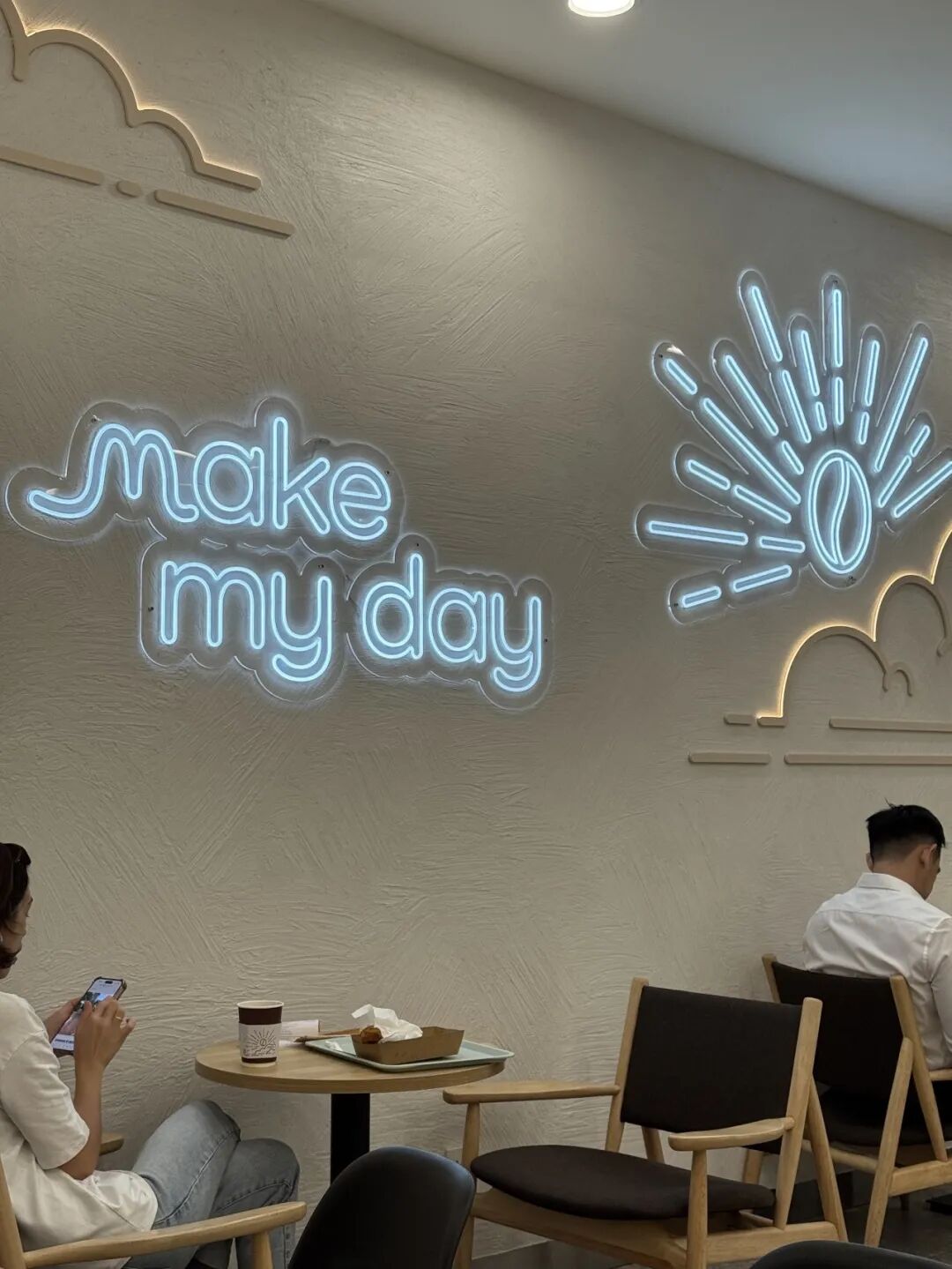
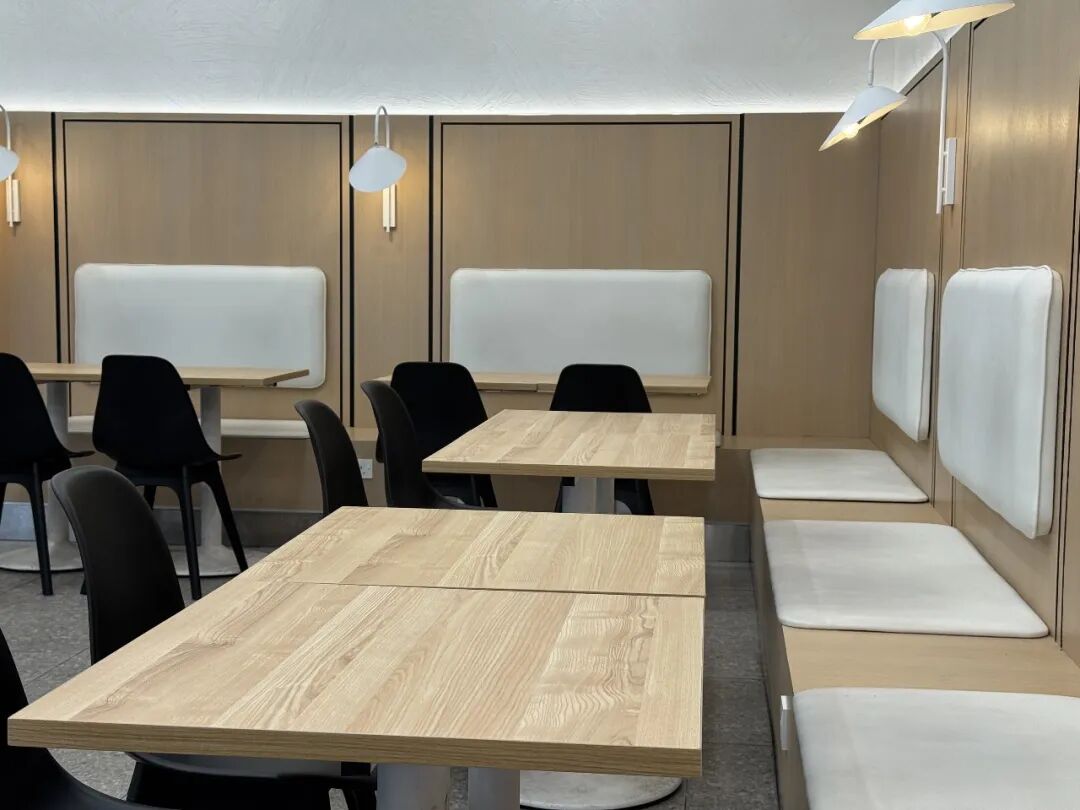
Maru means circle, period, and OK in Japanese. This is a Japanese-style coffee chain in Kuala Lumpur. The Japanese-style simple decoration style looks particularly refreshing. In Kuala Lumpur, there are not many shops open before 10 o'clock, and it is not easy to find such a simple cafe with breakfast.
The front desk clerks are two young ladies wearing headscarves who serve with a smile every time they meet.
I especially like to eat their breakfast burgers. I have tried chicken, beef, and egg burgers. They are more delicious and exquisite than McDonald's burgers. A set meal with a cup of coffee and a burger costs about 11 ringgit.
The tuna sandwich set meal is more expensive at RM19.8, and is actually not as delicious as the beef or chicken burgers.
AddressMaru Kafe by Mynews. Com
2. KyoChon Chicken
This is a popular Korean fried chicken restaurant that only takes away food. It is located next to our store. Over time, I learned that this store is quite famous and its business is very good. It does not have dine-in food and only accepts online take-out orders.
There is a kitchen inside, which looks quite clean, and the menu is very simple, which is fried chicken in various flavors.
My wife likes this fried chicken very much and orders it often. You can also pick it up at the store.
AddressKyochon 1991 Wisma Central
3. Lanzhou open fire roasted mutton
There is a newly opened Lanzhou barbecue restaurant in Petaling Street. When I passed by by chance, I discovered that most of the restaurants in Petaling Street are Chinese food, with various cuisines, of which Northwestern cuisine accounts for the majority.
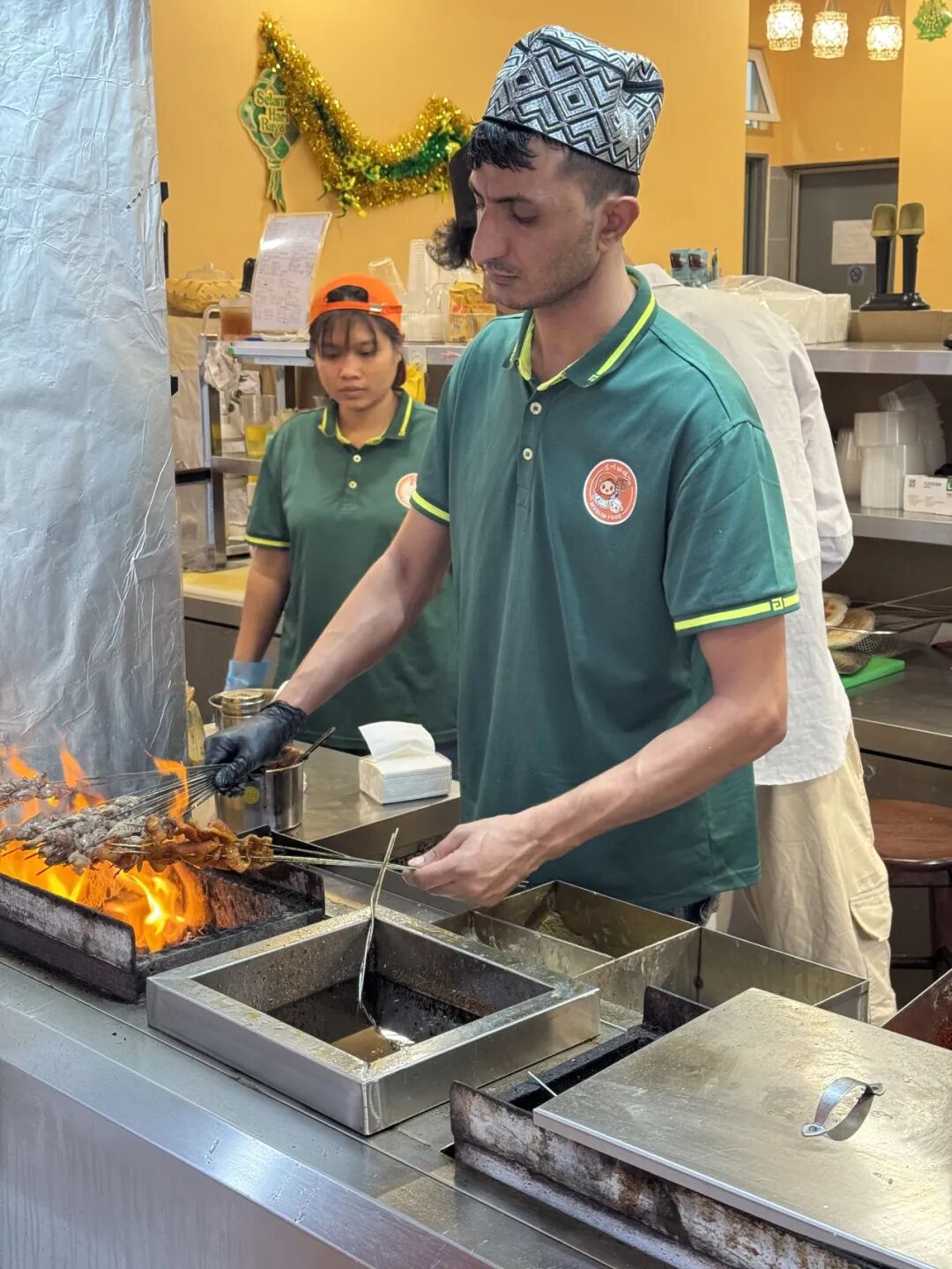
It was indeed an open-fire barbecue, but Brother Bati’s technique was not good enough. We were anxious to break our fast, and later asked the boss to grill it himself.
Petaling Street is more lively at night. Many shops are open until early morning, and some are even open all night.
Address: Baker Street (Petaling Street)
4. Sahara Tent
On the way my son goes to and from school, there are two Sahara restaurants. They are chain stores and the decoration style is Southeast Asian style. Since my son has been to Arab countries, he has been talking about going to Dubai again. Sometimes I take him here to have a good meal.
The interior space of the restaurant is very large and the environment is very good. There are running water and waterwheels, just like being in a tropical rain forest.
His table is also quite unique, and I just noticed it was a sewing machine.
This restaurant belongs to the Moroccan style of Arabic cuisine, which can also be said to be North African style. The tagine is a specialty. However, the children only eat French fries and barbecue every time. The staple food is scones. I think it is also very good. These foods are also easy to eat.
Address: Sahara Tent Restaurant Jalan Ampang
5. RGB COFFEE
One day I was taking my children for a walk near my house. It was raining and I accidentally walked to this cafe to take shelter. There was a big yard in front of his house. Parking was convenient and the kids could play in the yard.
I like these Western-style simple meals and light meals, and they are also suitable for feeding children. After staying in Kuala Lumpur for a long time, the taste becomes lighter and lighter, which is also influenced by the children.
I now have a soft spot for this kind of café and bar with a refreshing environment. This store is a treasure. It is located in a residential area in the city center and is rarely visited by tourists.
To be precise, there are fewer people during the day. I once passed by in the evening and found that there were more people in the store. This is because people here prefer to go out to consume in the dark.
In the block where this store is located, there are several good-looking restaurants with relatively large areas. I will take my time to explore the restaurants when I have time in the future.
Address: RGB Coffee at the Bean Hive
6. RESTORAN YAHALA
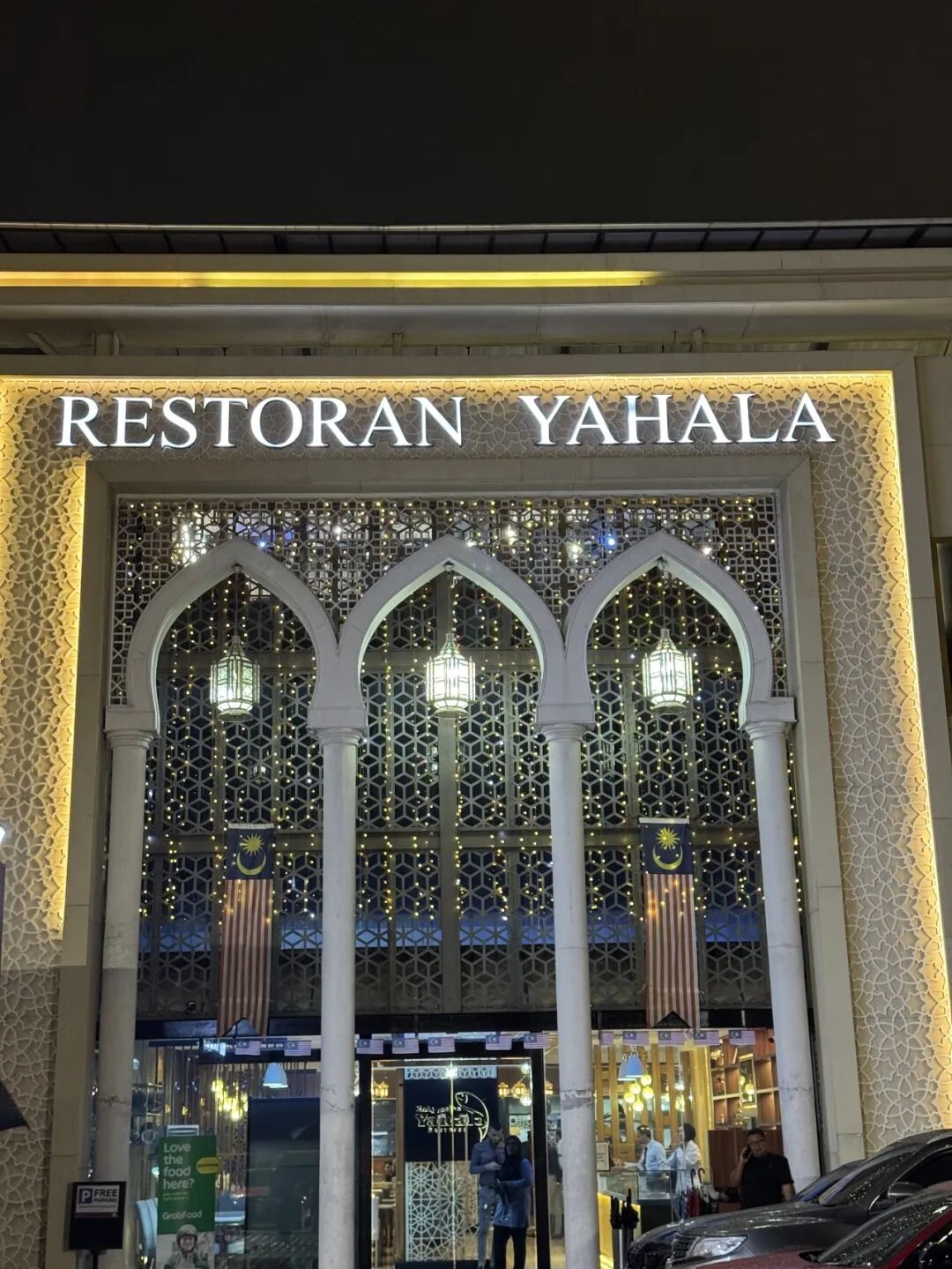
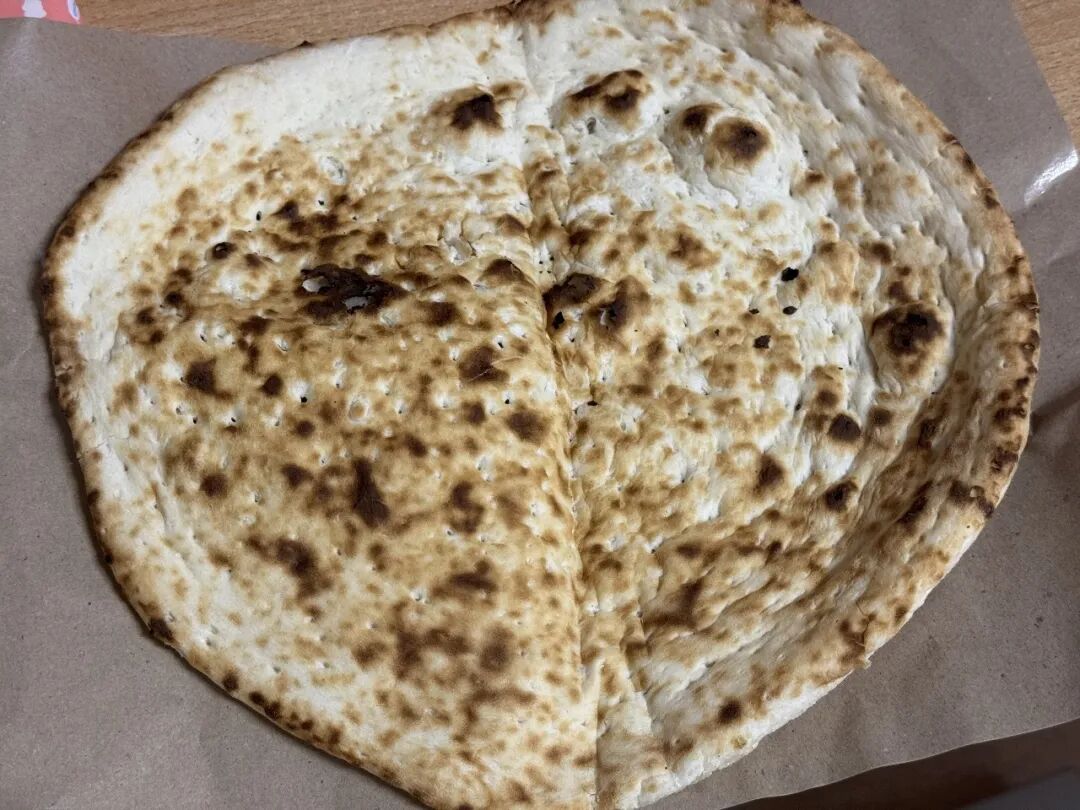
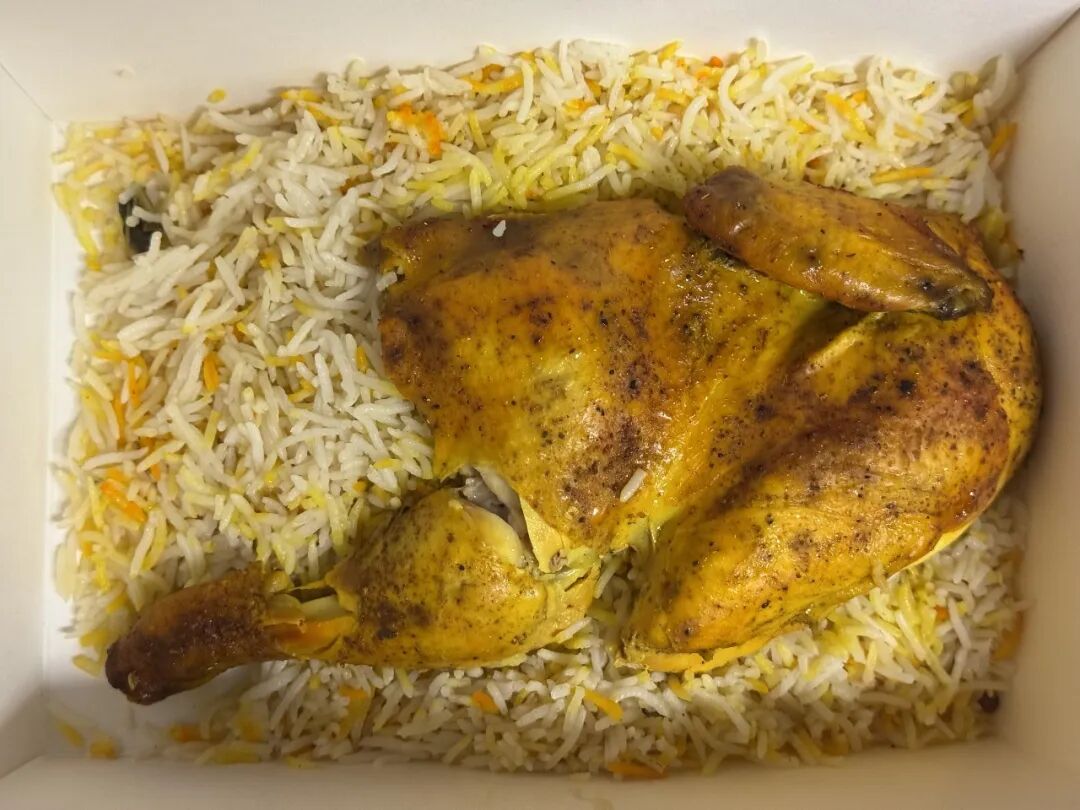
Some time ago, my son was ill and hospitalized. He didn't like to eat the special children's meals provided by the hospital. The main reason was that the children's meals in the hospital were too healthy and light, with many vegetables and bland taste. He didn't like vegetables, but wanted to eat Arabic naan and mandi rice. There happened to be an Arabic restaurant next to the hospital, so I packed it up and brought it back to him to eat.
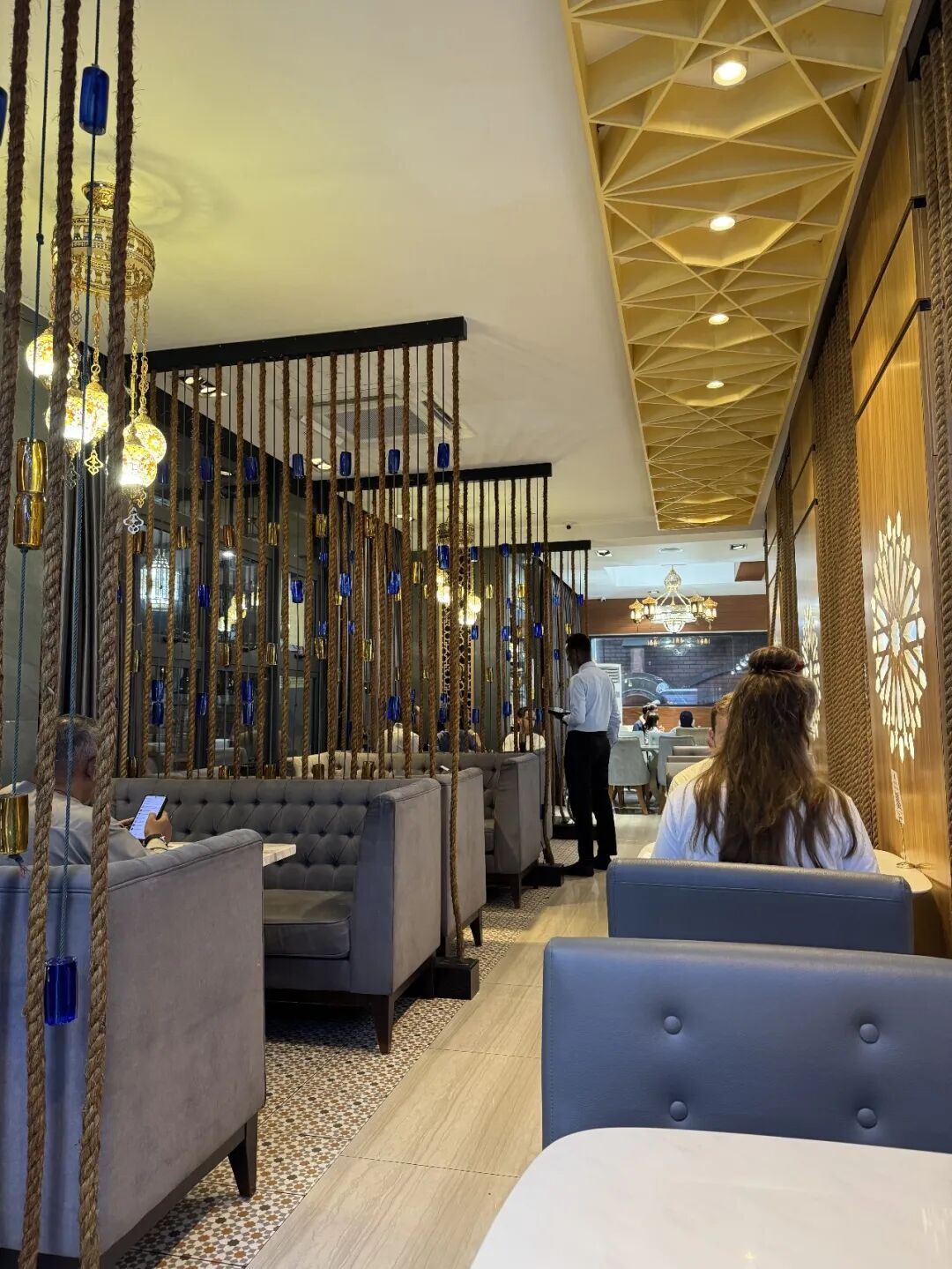
Middle Eastern restaurants are more common in Kuala Lumpur. After eating too much, I can taste different flavors. Now I don’t need to look at the menu when ordering because they are all the same, but the cooking methods are slightly different.
And what’s incredible to me is that Middle Eastern restaurants in Kuala Lumpur are generally doing very well, no matter how well they do.
My son likes to eat Arabic flatbreads, but there are many kinds of Arabic flatbreads, some are like naan, and some are like bread.
As a northerner, my son prefers pasta over rice. The chicken in Mandy Chicken Rice is suitable for children because it is neither spicy nor salty, and is soft and fall off the bone.
Address: Yahala Restaurant - Ampang
7. Nasi & Mee by Bapak Sayang
This is a traditional Malaysian flavor chain store in Aeon Supermarket. In fact, there are various Southeast Asian delicacies on the menu. What we ordered was Vietnamese special traditional snacks.
This kind of small shop is more suitable for young couples.
I like Southeast Asian curry rice very much. It’s a bit spicy, but it’s also very appetizing. There are usually several snacks included in a set meal.
Address: Nasi Mee by Bapak Sayang AEON
8. BUSHANZIP
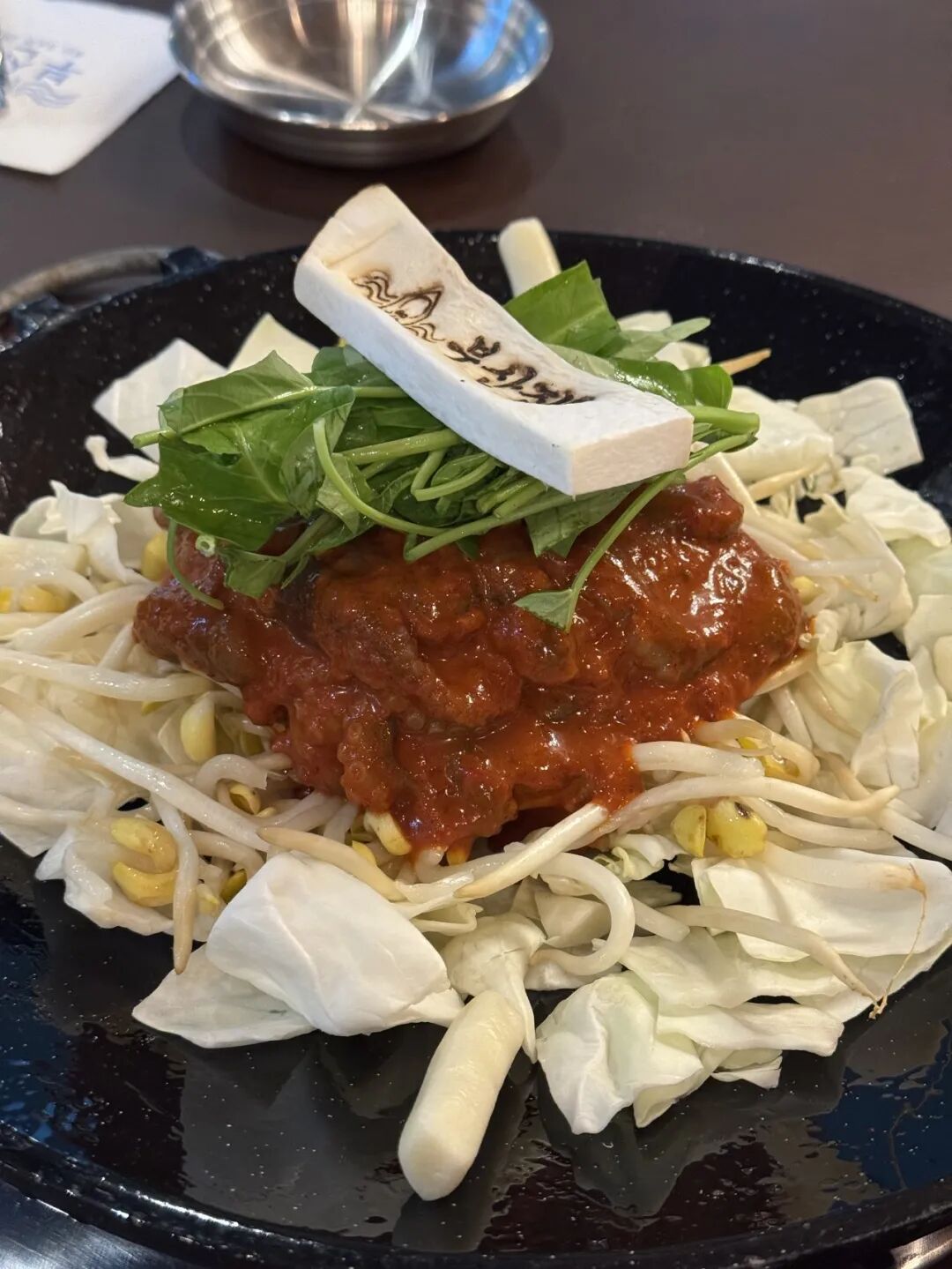
BUSAN means Busan. This restaurant specializes in Busan, South Korea, and its signature dish is spicy fried octopus.
This store is the most Korean store I have ever eaten in. The owner is Korean and speaks fluent English.
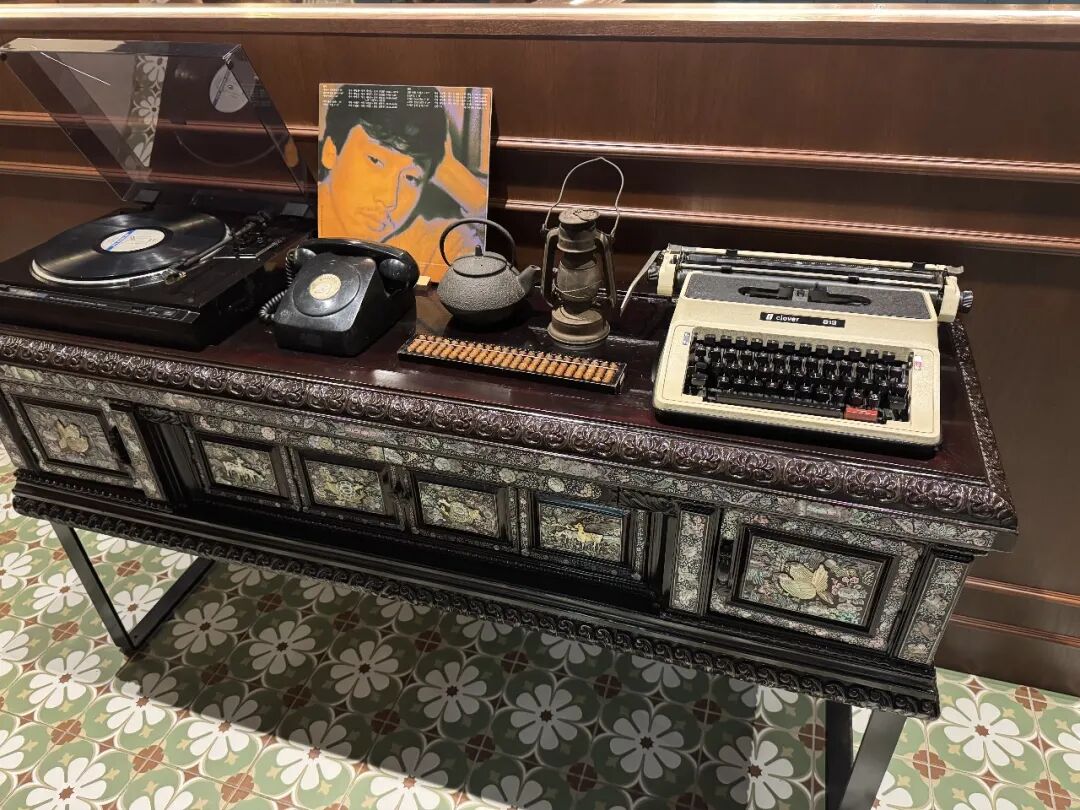
The decoration of the restaurant is also exquisite and the service attitude is very good.
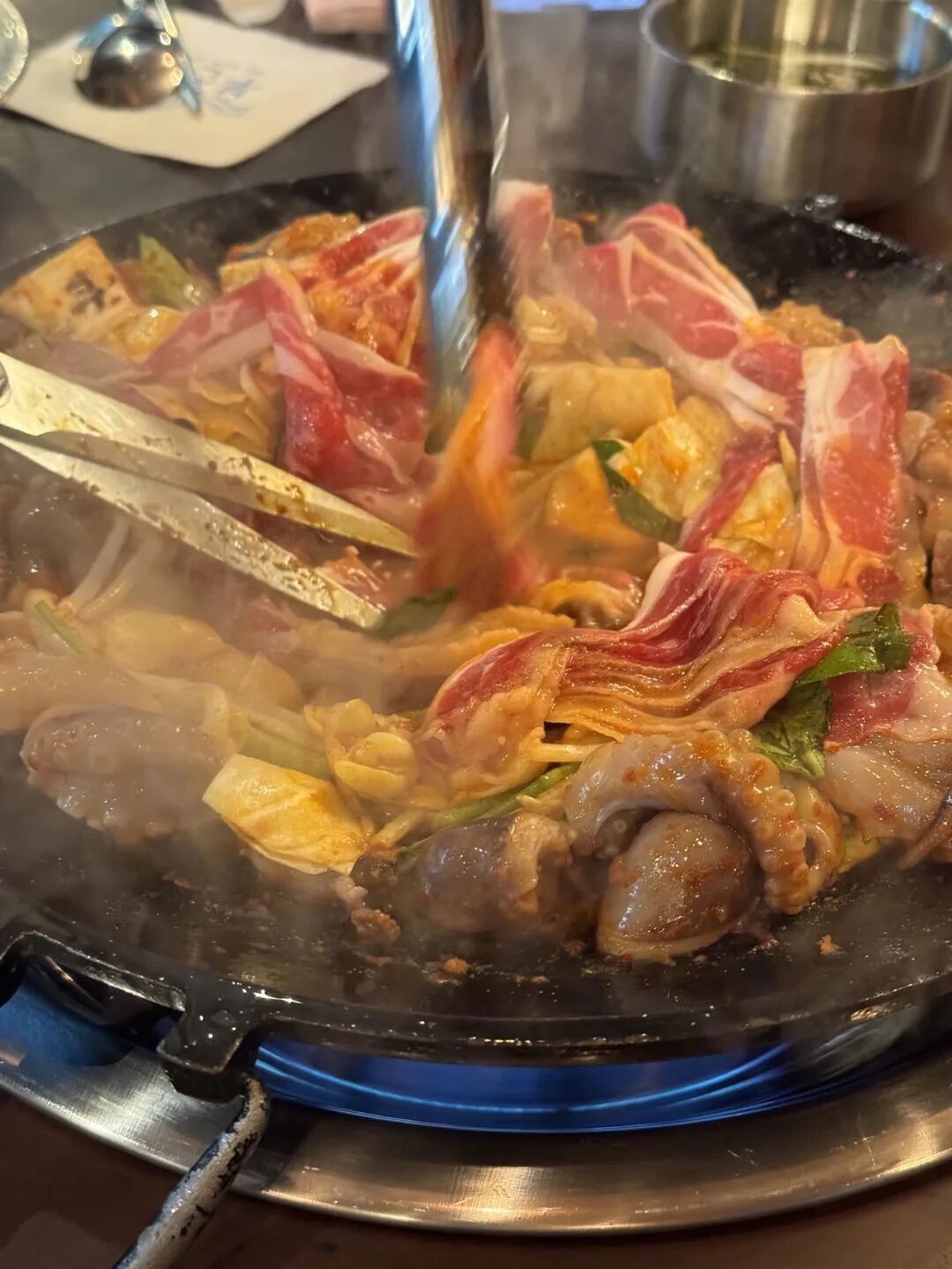
This spicy stir-fried live octopus is a must-order for every table. The waiters help fry it freshly. The picture above shows the correct way to eat it.
The octopus is guaranteed to be fresh and tender, but it is also very spicy.
The vegetables that accompany the meal are also very fresh, and the waiters will help add vegetables at any time, so you don’t have to worry about not having enough food, which is great for friends who like to eat vegetables.
The spicy octopus alone is definitely not enough, you also have to add a piece of Australian Wagyu beef barbecue.
The staple food is this Busan specialty cold noodles. The taste of this noodles is different from the cold noodles we have eaten in China. The boss said this is a Busan specialty, but I still think Qiqihar cold noodles are more delicious.
Address: Busanzip
9. ORCHID
This Middle Eastern restaurant is the closest to our home. It’s just downstairs and across the road. Although it looks classy, the food is actually very cheap, and the mandi rice in this restaurant is the best in Kuala Lumpur in my opinion.
Most Middle Eastern restaurants will install a large screen to watch football games. As long as there is a game, the restaurant will be open all night.
Even the toilets and wash basins in this store are made of gold. My son likes to eat their food. We come here almost every week and the store staff all know us.
For this portion of Mandy's Chicken Rice, if it's just my son and I, we'd order a quarter portion, and two adults can order a half portion. A quarter portion only costs RM22, which is cheaper than many restaurants I've been to, and it's also delicious.
Sometimes the flavors are changed, but basically they are not bad, suitable for children, nutritious, delicious and healthy.
But my son doesn’t really like salads or anything with soup or dip, he only likes mandi or grilled meats.
Address: Orchid Restaurant (Orchid)
10. The Castle
This store is also near where I live. I pass by it every day. One time, my son suddenly wanted to eat the castle-like meal, so I took him here to have a few meals. The taste was average, not as good as the Orchid I recommended earlier.
But the environment is also very good. The advantage of this store is that there is a yard at the door and easy parking.
The price is a few dollars more expensive than Orchid, but the prices of this type of Arabic restaurant are not much different, so don't be intimidated by the decoration, just go inside boldly.
The Mandy Chicken Rice in this store looks relatively simple, with no raisins in it and few side dishes.
Address: The Castle Restaurant
11. YAKINIKU KURO
There is a very popular Japanese barbecue restaurant in TRX, and you have to queue for half an hour to get a meal.
Beef imported from Australia and Japan is used, and the per capita consumption is about RM150.
A quick calculation shows that almost all the Japanese food shops I have seen in Kuala Lumpur are halal.
However, eating barbecue in Kuala Lumpur is not as cost-effective as in Beijing. The main reason is that the price is slightly higher than that in Beijing, but the meat quality is actually almost the same.
Address: Yakiniku Kuro the Exchange TRX
11. DRAGON HOT POT, one spicy and one spicy
A spicy hotpot restaurant very close to the pavilion, offering spicy hotpot, spicy hotpot, and dry mix. There is a sign at the door that says, "No pork, no lard." This is a cryptic statement for a halal shop, because it requires a lot of money to be certified to hang the halal label.
The variety of dishes is quite complete, and there are many ways to eat it. It is a newly opened store and there are not many people.
We chose two flavors: spicy hotpot and dry mix. The taste is very good and the price is cheap. The per capita consumption is about RM50.
Address: Xiao Long Xing Dou Lao Hotpot (A Dragon Hotpot)
12. Cafe in house
As I said before, in Kuala Lumpur, there are not many places where you can have a delicious and healthy breakfast in the morning. This cafe is one of them. It has a Western-style healthy breakfast that I like. I have eaten the halal version in Canada for a few days before. It is rare to find another one in Kuala Lumpur.
The electronic screen says no pork and no lard. A breakfast costs about 20 ringgit. Such breakfast also sells for 20 Canadian dollars in Canada.
The sign also specifically emphasizes that outside food and alcohol are prohibited, and this store strictly prohibits alcohol.
I chose mushroom omelette with waffles. There are many combinations to choose from. I also had a latte and I felt refreshed in the morning.
Address: Cafe-In House
13. WADI HADRAMAWT
There is a Yemeni Arabic restaurant near my son’s school. This restaurant is his favorite restaurant. My son likes to eat Yemeni baked flatbreads very much.
This kind of flatbread is called mulawah, which means flat bread in Arabic. I have a small size, and there is also a large size. It has a full wheat flavor. I also like to eat it, especially when dipped in the potato soup provided by the store.
This store has distinct Yemeni characteristics, and the waiters are also dark-skinned Arabs from Yemen.
Arabic restaurants in Kuala Lumpur usually do not emphasize that they are halal. They may feel that there is no need to mark it. After all, halal signs are rarely seen in the Middle East, and these Arab restaurants all do not serve alcohol.
There is a very large parking lot in front of this store. During Ramadan, the yard is full of cars coming to break fast at night, but usually there are not many people and the price is very cheap. The average consumption per person is 30 yuan. I only took my son to eat there more than ten times.
Address: Restoran Wadi Hadramawt
14. REHAN
This store is also near the apartment where I live, across the road from the white ORCHID. My son prefers to eat in this store because his family has Yemeni flatbreads, but the one opposite does not. So sometimes I go to the opposite store to pack a mandi, and then pack a Yemeni flatbread from this store.
The mandi in this shop is okay, but not as exquisite as the one opposite. My wife also prefers the mandi in the white Arabic restaurant across the street, so they are all Arabic rice, but the details are slightly different. The prices of the Arab restaurants near our home are slightly higher than the one at my son’s school. For example, the Yemeni flatbread in this shop is 10 ringgit a piece, while the school shop only sells it for 4 ringgit, and it is more delicious.
Address: Rehan Restaurant (Rehan) view all
Summary: This Kuala Lumpur halal food map issue 9 looks at Ramadan in Malaysia and introduces coffee shops, Korean fried chicken, Lanzhou-style roast lamb, iftar meals, Arab rice, Yemeni flatbread, Middle Eastern restaurants, and Rehan Restaurant.
Ramadan has just passed, and I spent the entire Ramadan this year in Kuala Lumpur. In fact, in Malaysia, Ramadan is not much different from usual times, and pedestrians are not restricted from eating and drinking on the streets. Most restaurants are open normally, but the number of customers will be less, but some restaurants will open all night after evening. Larger mosques will provide free iftar meals, which are served by people from all walks of life. The meals are relatively simple and unpretentious. Some of them don't look as rich as the iftar refreshments prepared by mosques in Beijing, so there is nothing to show off.
However, when it comes to food, nowhere is as rich as Beijing. Every day I see Beijing folks posting Iftar refreshments in my circle of friends, and I am extremely envious. I am going back to Beijing next month, and someone urged me to update the Beijing halal food map and start a new food journey as soon as I return to Beijing.
The list of restaurants introduced in this issue is as follows:
1. MARU COFFEE (Japanese style coffee)
2. KyoChon Chicken (Korean fried chicken)
3. Lanzhou open fire roasted mutton
4. Sahara Tent (Morocco)
5. RGB COFFEE
6. RESTORAN YAHALA (Middle East)
7. Nasi & Mee by Bapak Sayang (Malaysia)
8. BUSHANZIP (Busan)
9. ORCHLD (Middle East)
10. The Castle (Arabia)
11. YAKINIKU KURO (Japanese barbecue)
12. DRAGON HOT POT, one spicy and one spicy
13. WADI HADRAMAWT (Yemen)
14. REHAN (Middle East)
1. MARU COFFEE
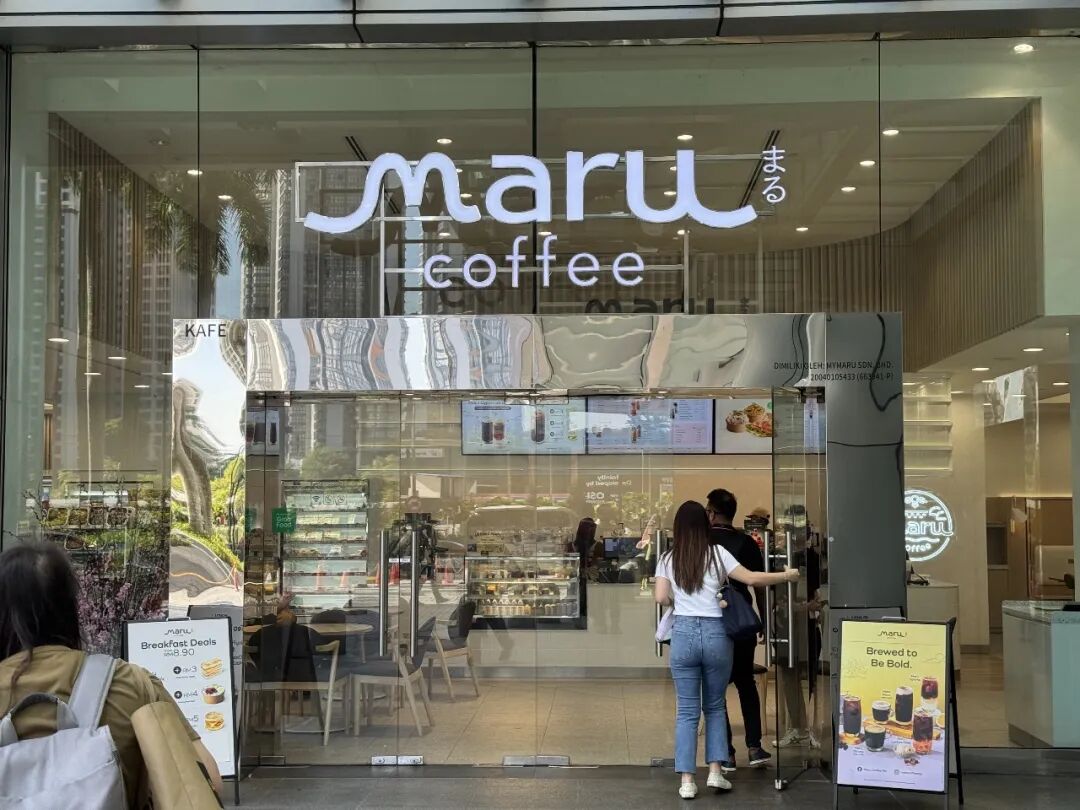
Maru means circle, period, and OK in Japanese. This is a Japanese-style coffee chain in Kuala Lumpur. The Japanese-style simple decoration style looks particularly refreshing. In Kuala Lumpur, there are not many shops open before 10 o'clock, and it is not easy to find such a simple cafe with breakfast.
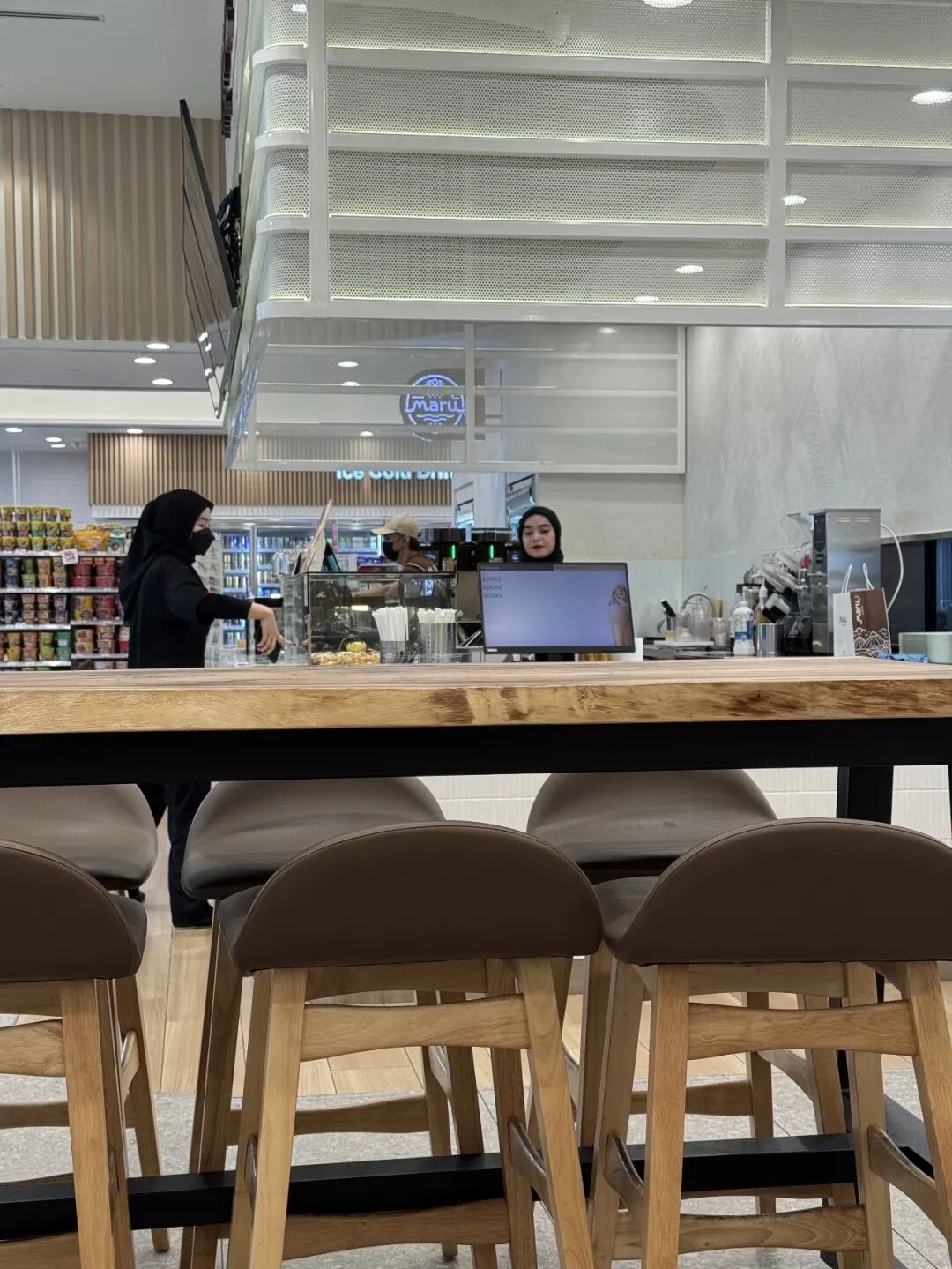
The front desk clerks are two young ladies wearing headscarves who serve with a smile every time they meet.
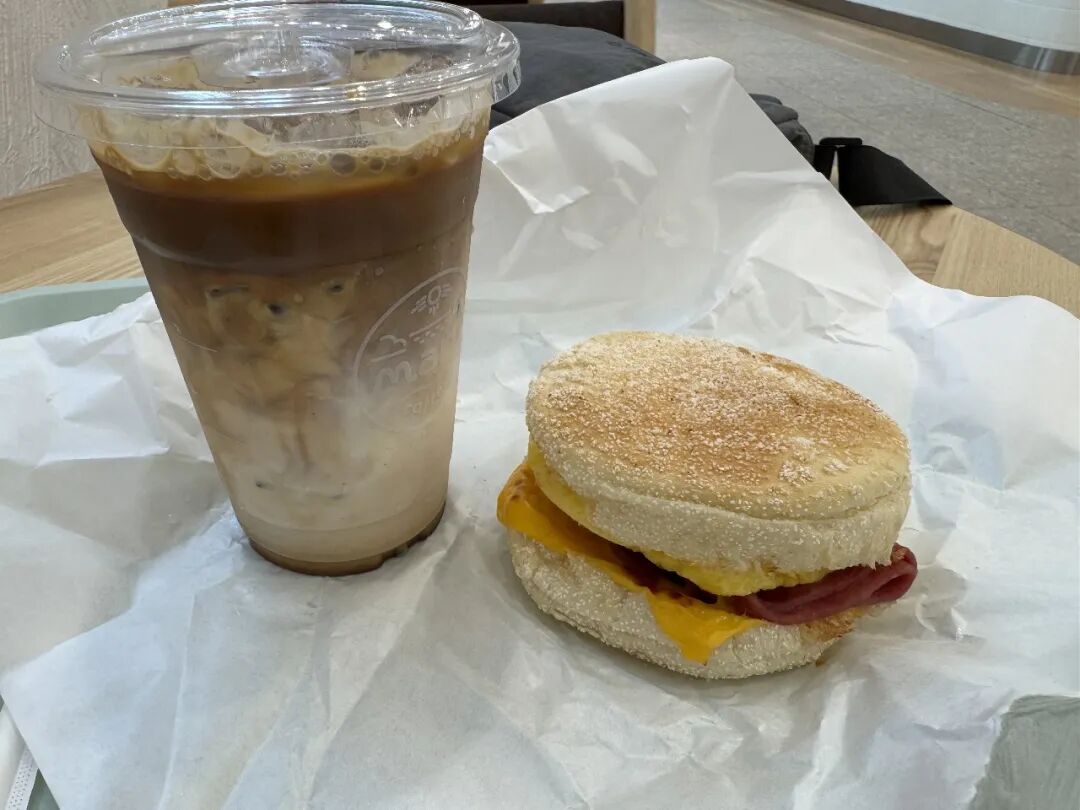
I especially like to eat their breakfast burgers. I have tried chicken, beef, and egg burgers. They are more delicious and exquisite than McDonald's burgers. A set meal with a cup of coffee and a burger costs about 11 ringgit.
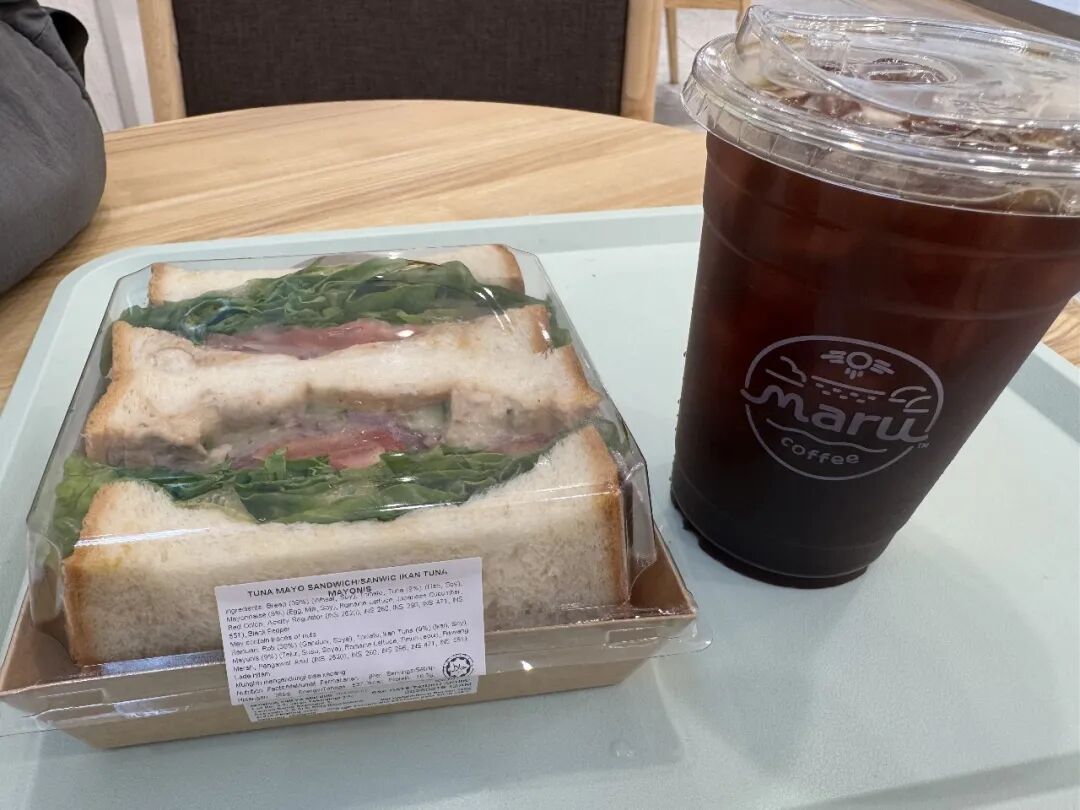
The tuna sandwich set meal is more expensive at RM19.8, and is actually not as delicious as the beef or chicken burgers.
AddressMaru Kafe by Mynews. Com
2. KyoChon Chicken
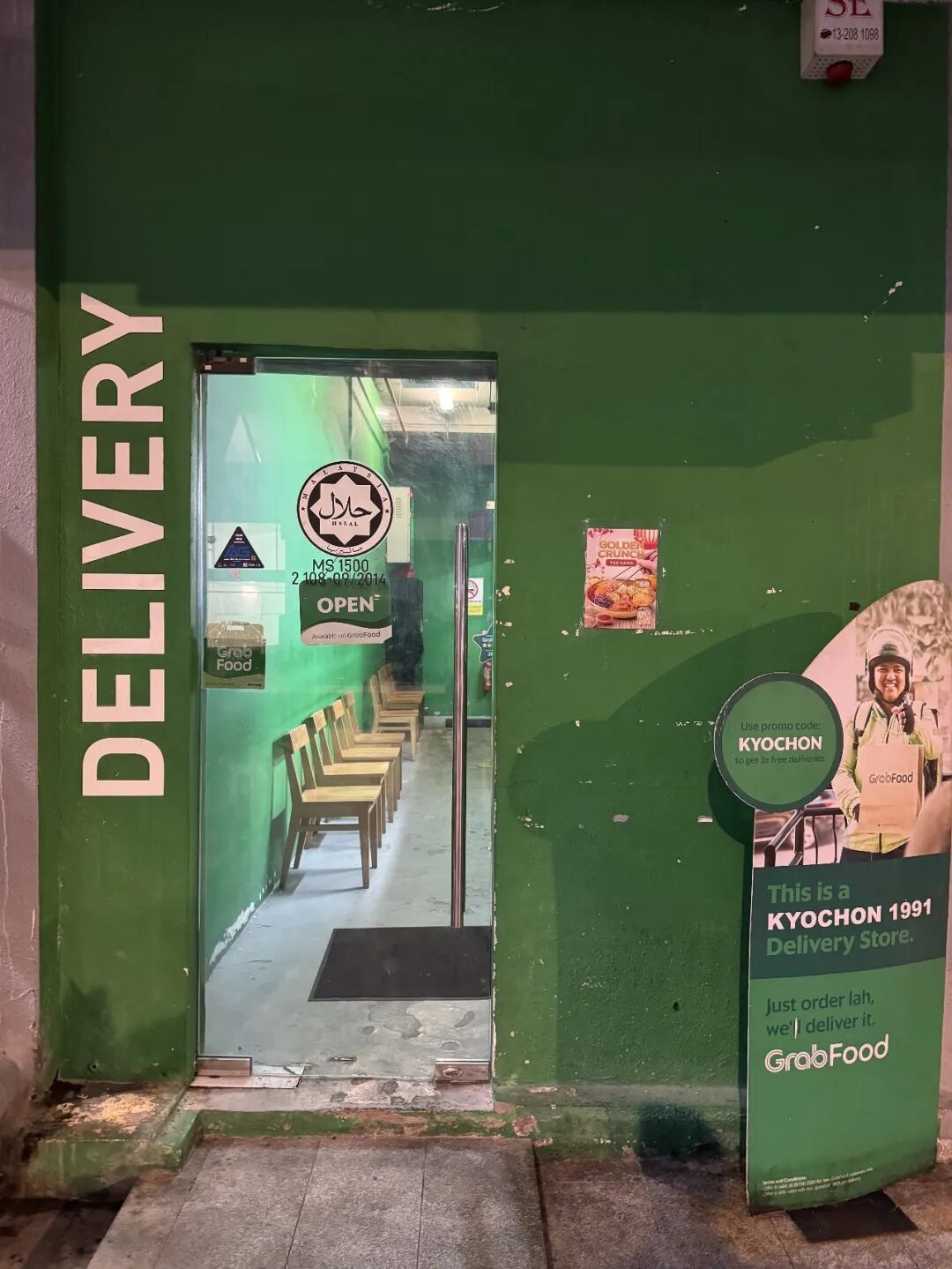
This is a popular Korean fried chicken restaurant that only takes away food. It is located next to our store. Over time, I learned that this store is quite famous and its business is very good. It does not have dine-in food and only accepts online take-out orders.
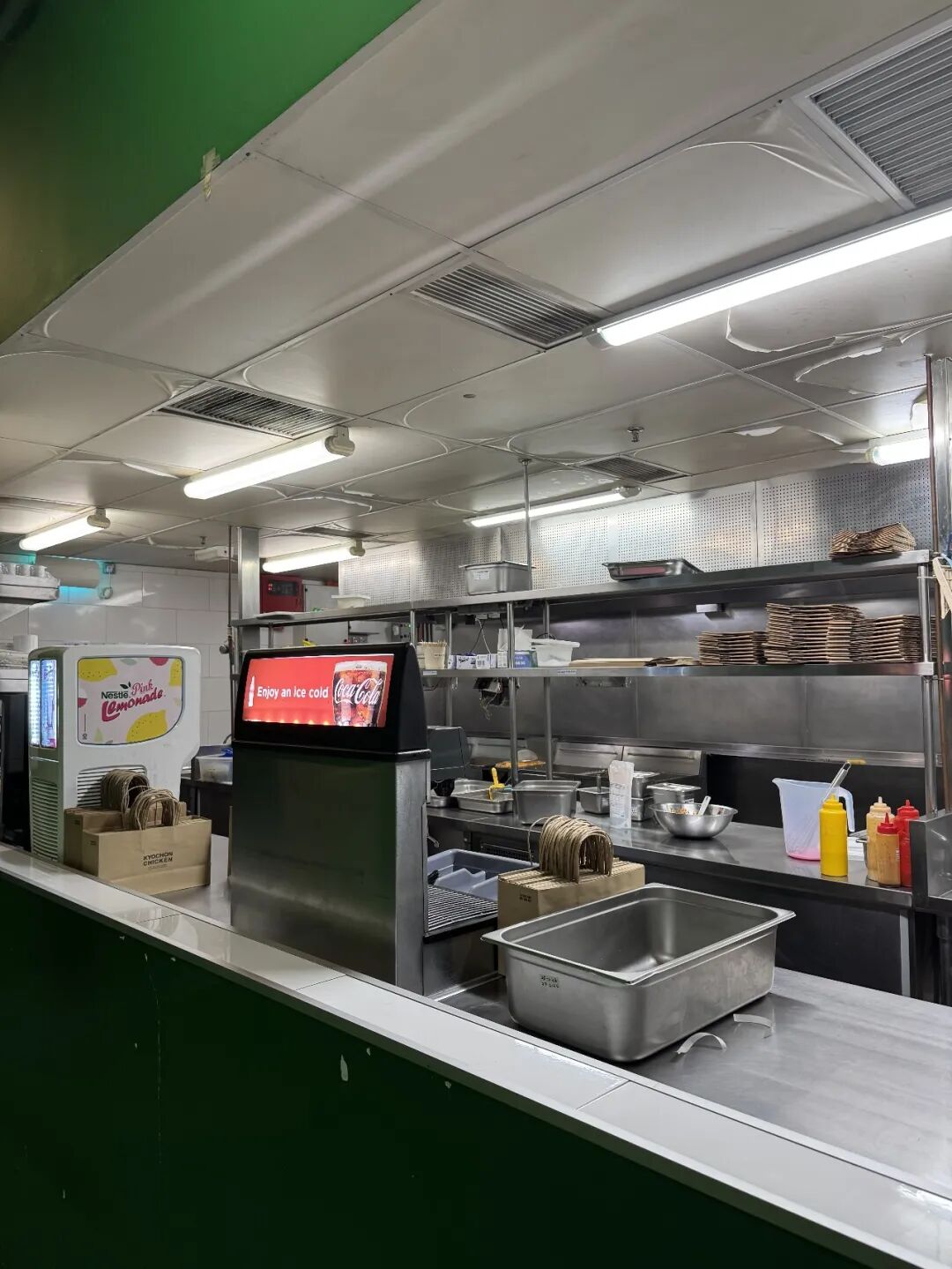
There is a kitchen inside, which looks quite clean, and the menu is very simple, which is fried chicken in various flavors.
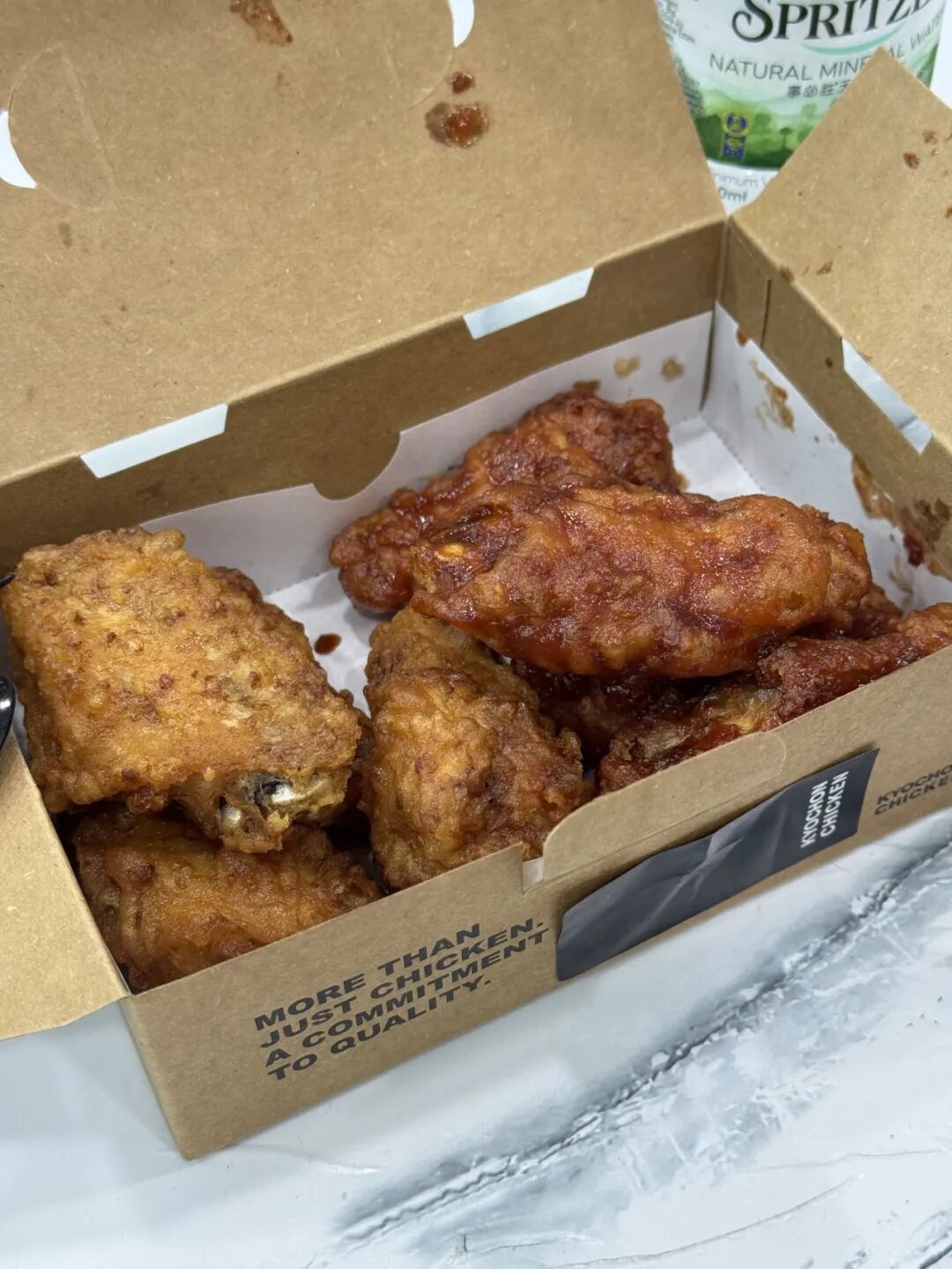
My wife likes this fried chicken very much and orders it often. You can also pick it up at the store.
AddressKyochon 1991 Wisma Central
3. Lanzhou open fire roasted mutton
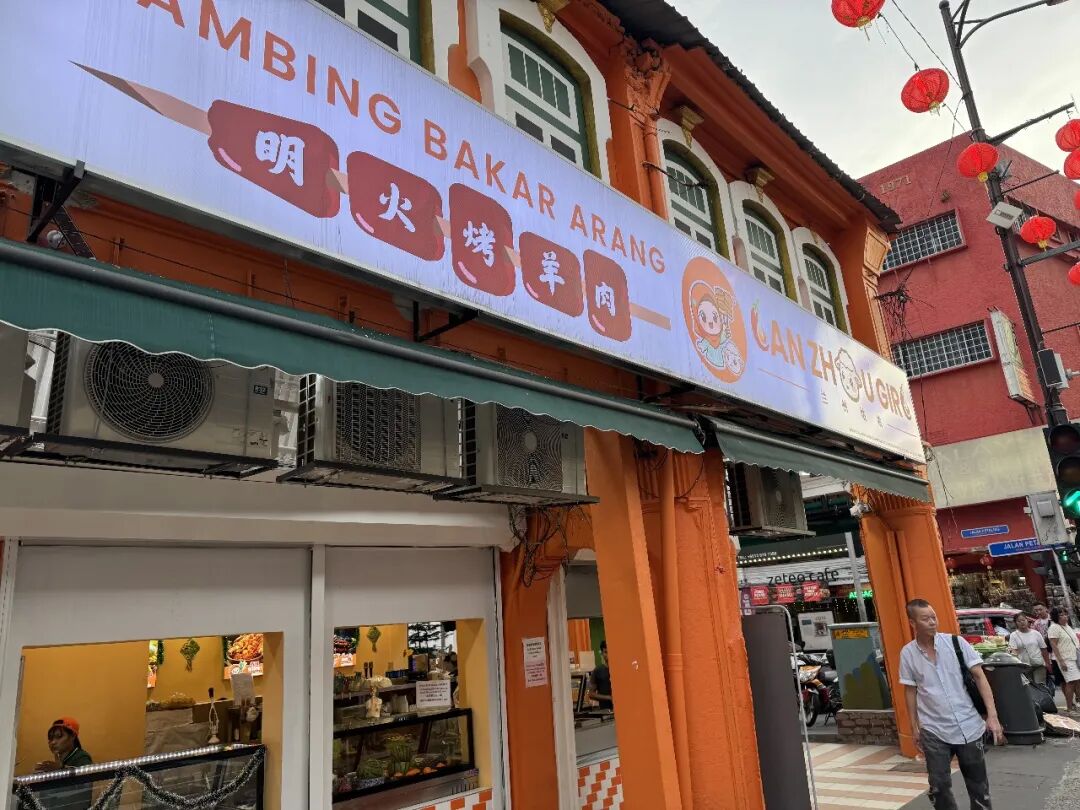
There is a newly opened Lanzhou barbecue restaurant in Petaling Street. When I passed by by chance, I discovered that most of the restaurants in Petaling Street are Chinese food, with various cuisines, of which Northwestern cuisine accounts for the majority.
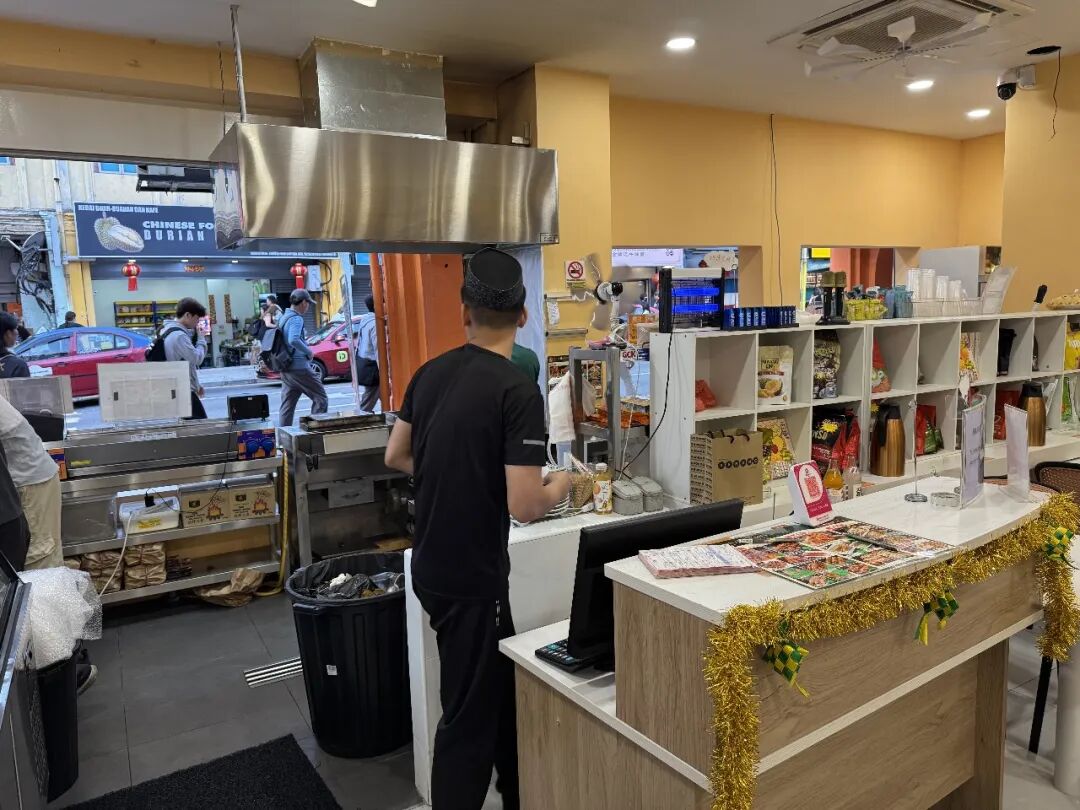
It was indeed an open-fire barbecue, but Brother Bati’s technique was not good enough. We were anxious to break our fast, and later asked the boss to grill it himself.
Petaling Street is more lively at night. Many shops are open until early morning, and some are even open all night.
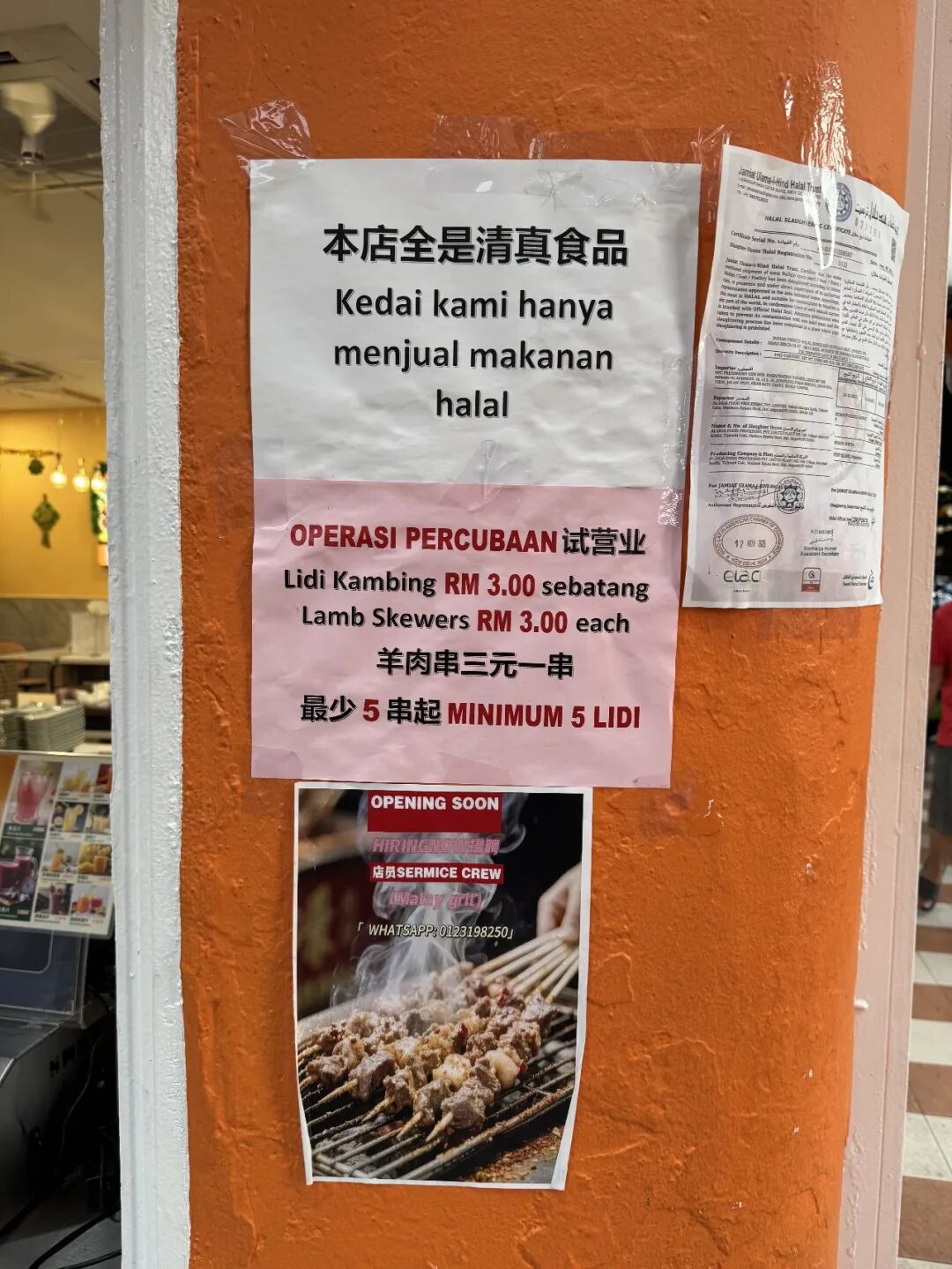
Address: Baker Street (Petaling Street)
4. Sahara Tent
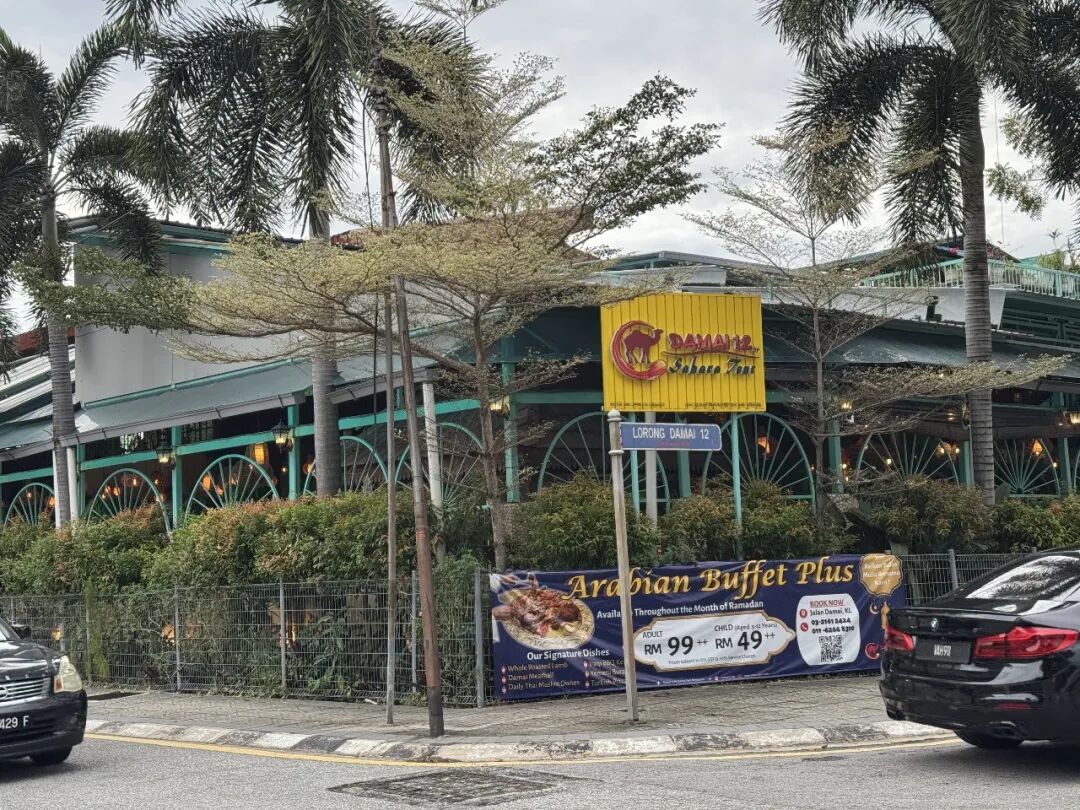
On the way my son goes to and from school, there are two Sahara restaurants. They are chain stores and the decoration style is Southeast Asian style. Since my son has been to Arab countries, he has been talking about going to Dubai again. Sometimes I take him here to have a good meal.
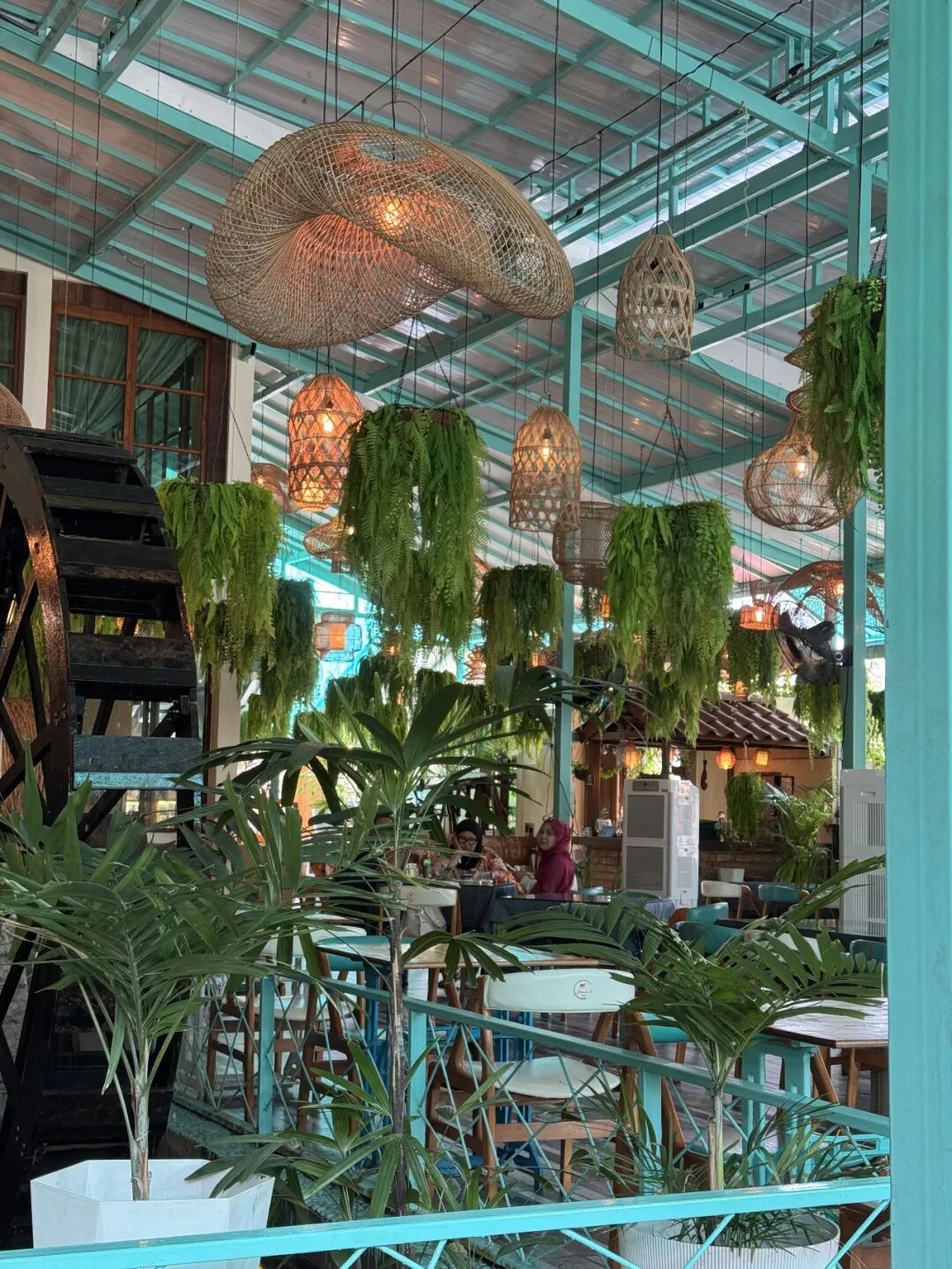
The interior space of the restaurant is very large and the environment is very good. There are running water and waterwheels, just like being in a tropical rain forest.
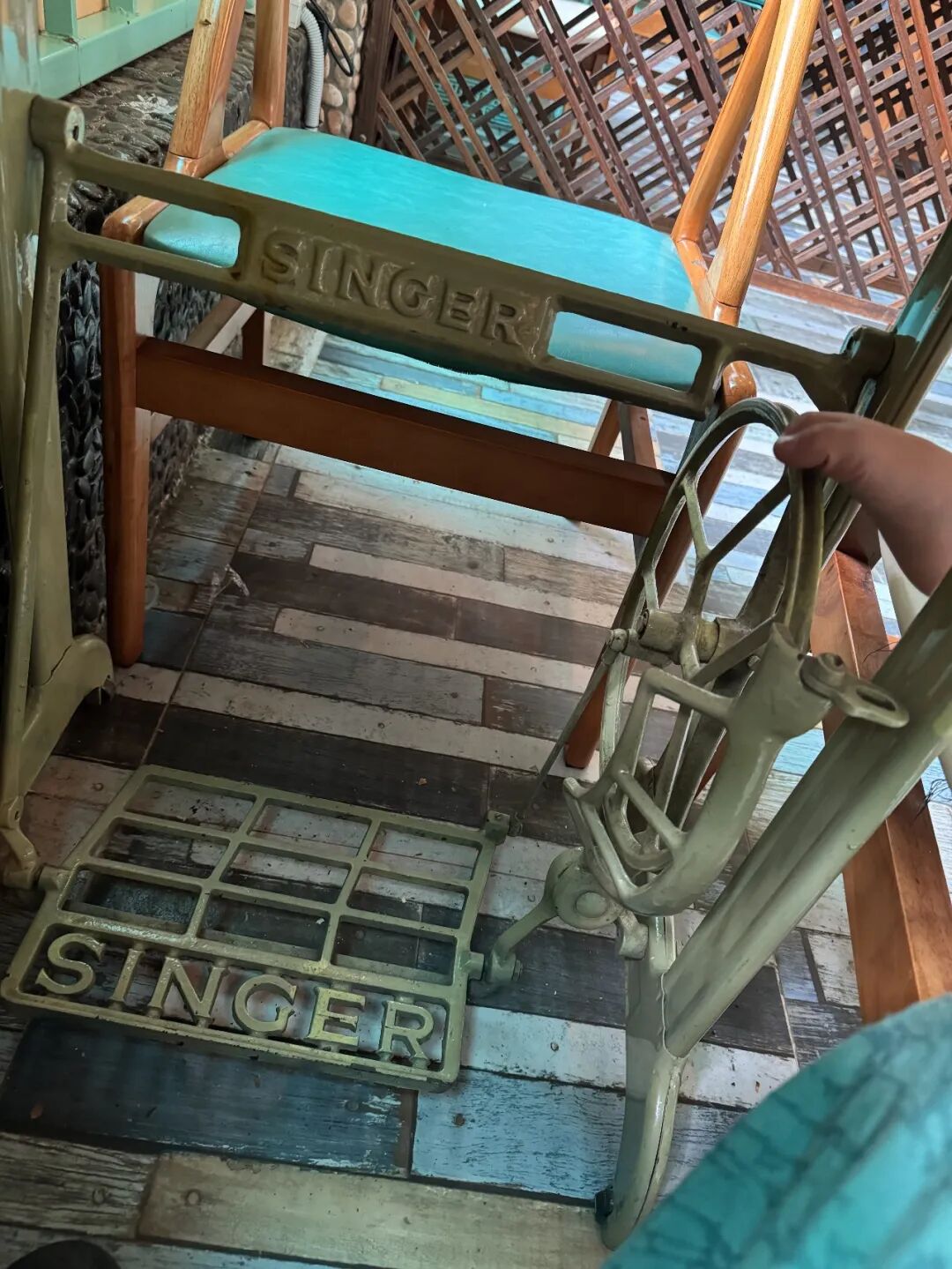
His table is also quite unique, and I just noticed it was a sewing machine.
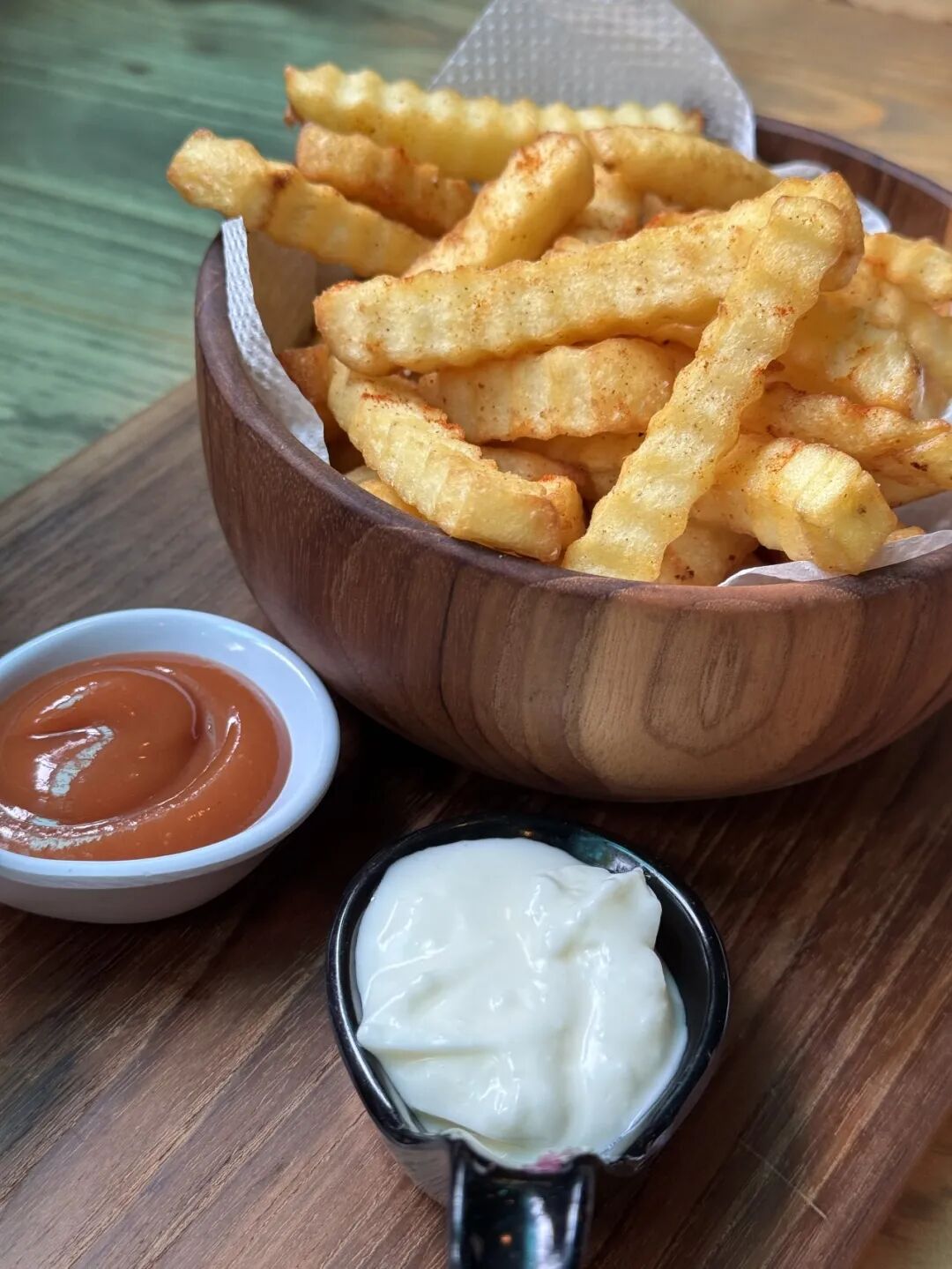
This restaurant belongs to the Moroccan style of Arabic cuisine, which can also be said to be North African style. The tagine is a specialty. However, the children only eat French fries and barbecue every time. The staple food is scones. I think it is also very good. These foods are also easy to eat.
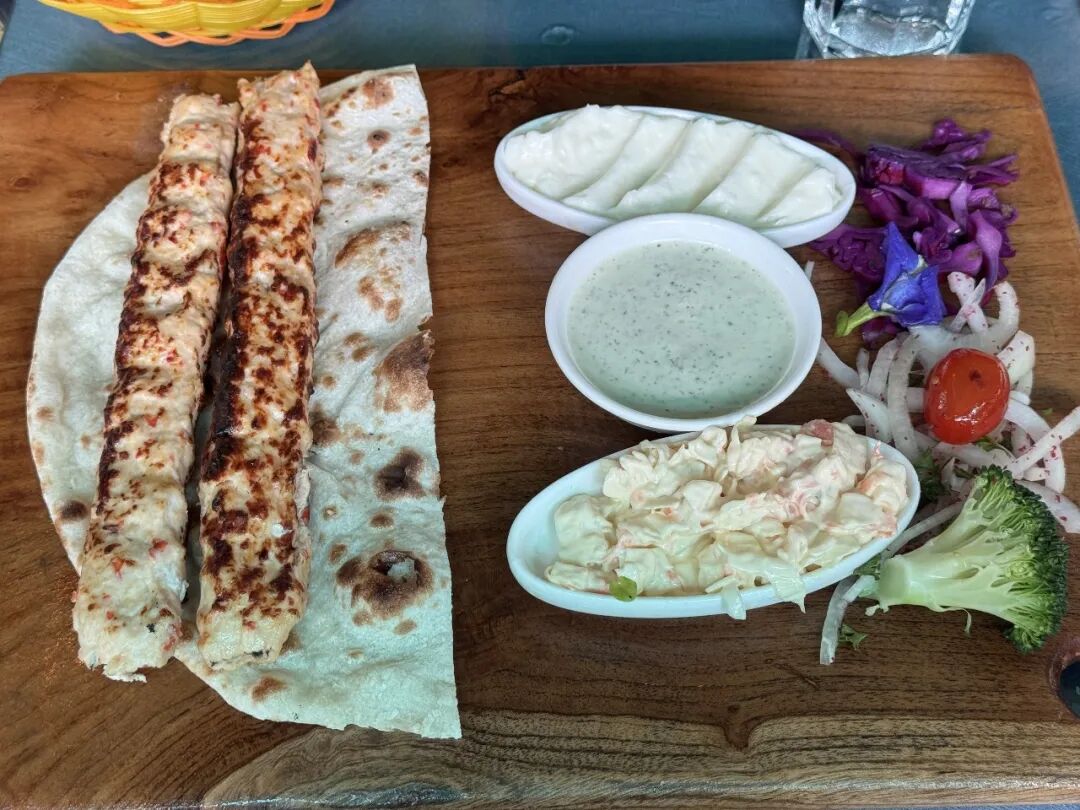
Address: Sahara Tent Restaurant Jalan Ampang
5. RGB COFFEE
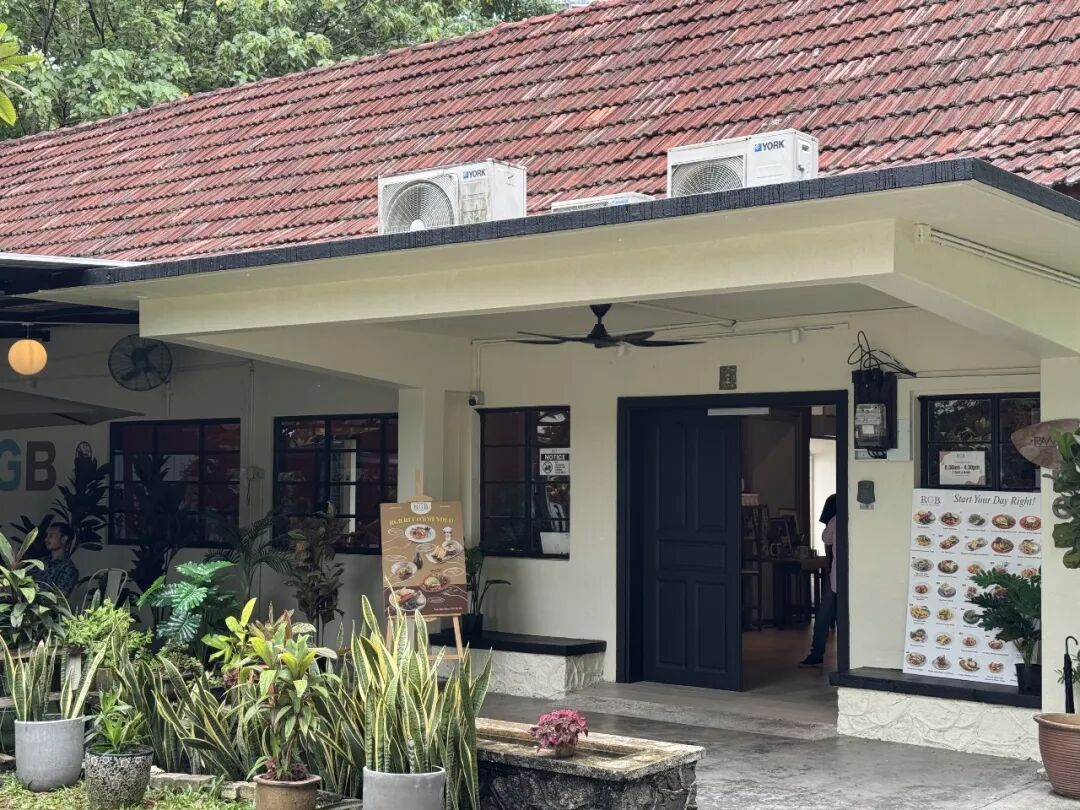
One day I was taking my children for a walk near my house. It was raining and I accidentally walked to this cafe to take shelter. There was a big yard in front of his house. Parking was convenient and the kids could play in the yard.
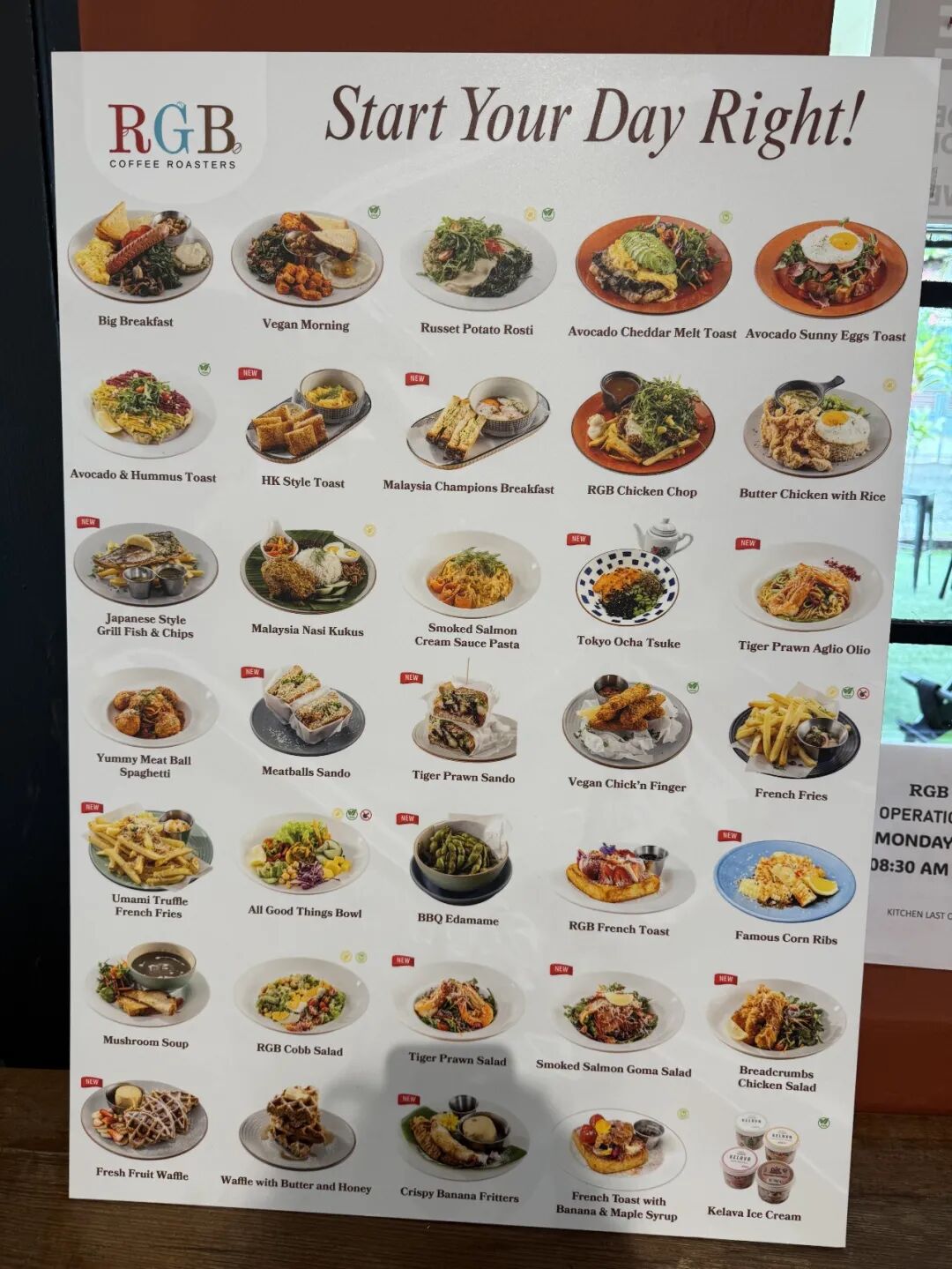
I like these Western-style simple meals and light meals, and they are also suitable for feeding children. After staying in Kuala Lumpur for a long time, the taste becomes lighter and lighter, which is also influenced by the children.
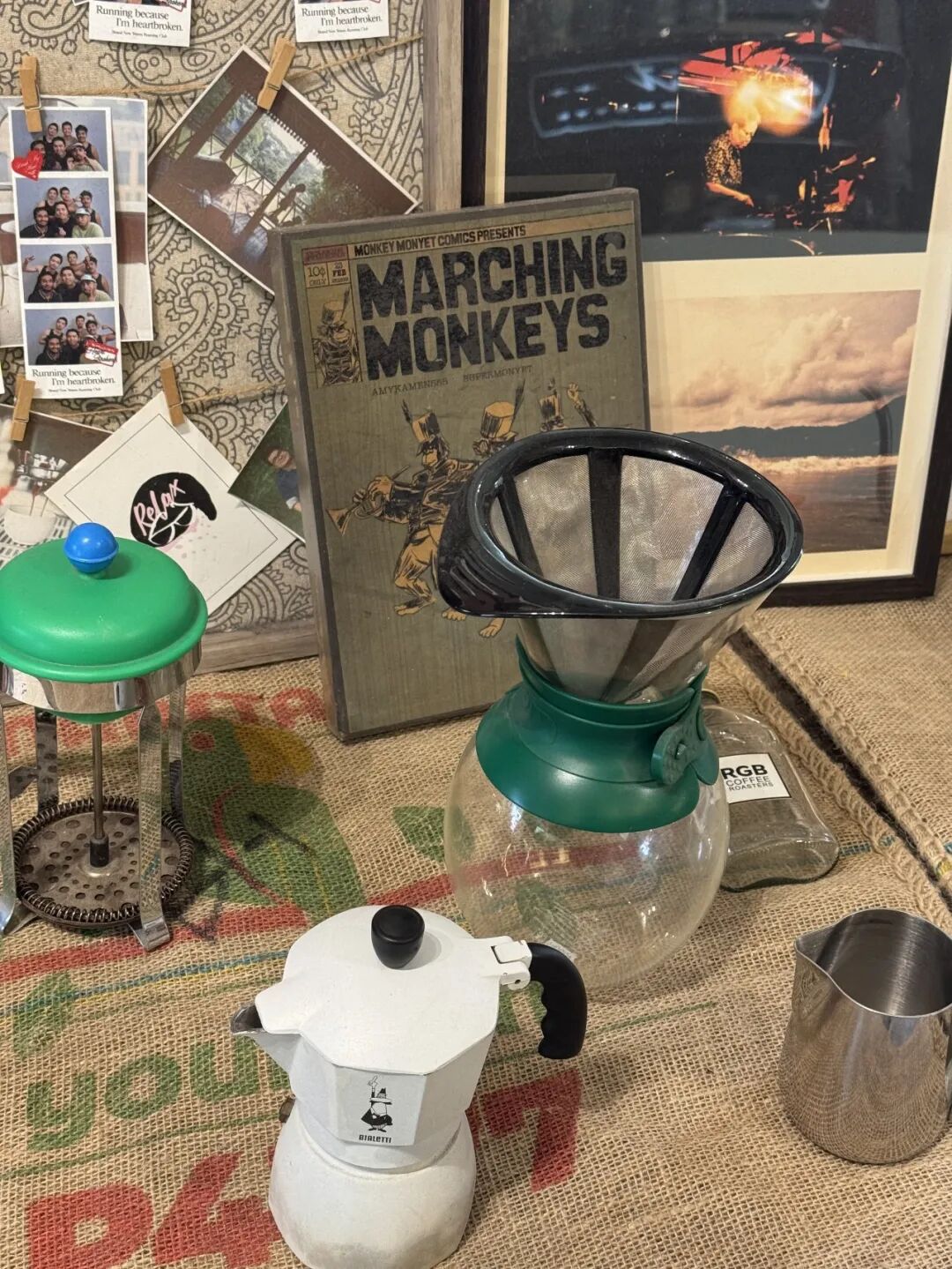
I now have a soft spot for this kind of café and bar with a refreshing environment. This store is a treasure. It is located in a residential area in the city center and is rarely visited by tourists.
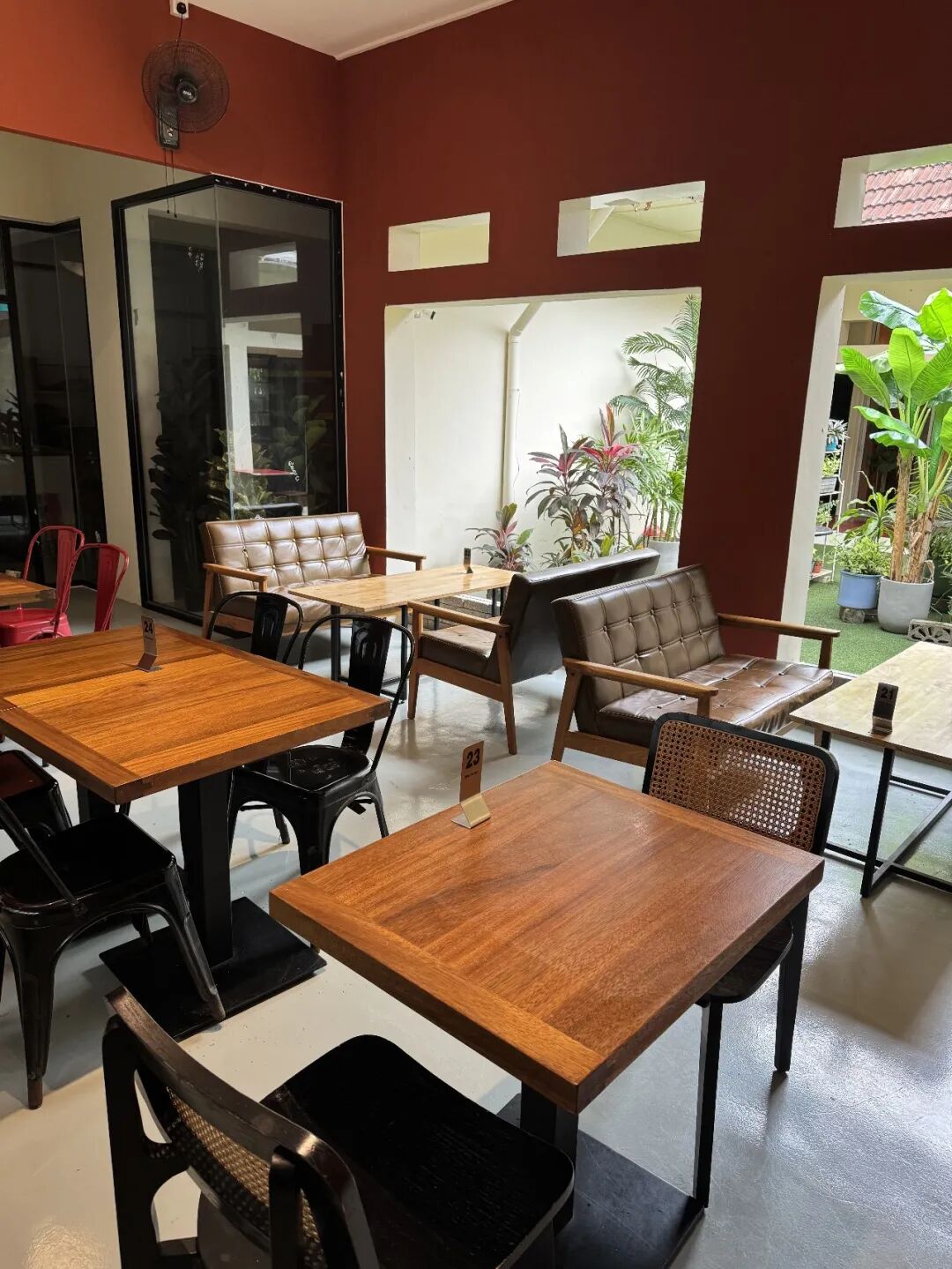
To be precise, there are fewer people during the day. I once passed by in the evening and found that there were more people in the store. This is because people here prefer to go out to consume in the dark.
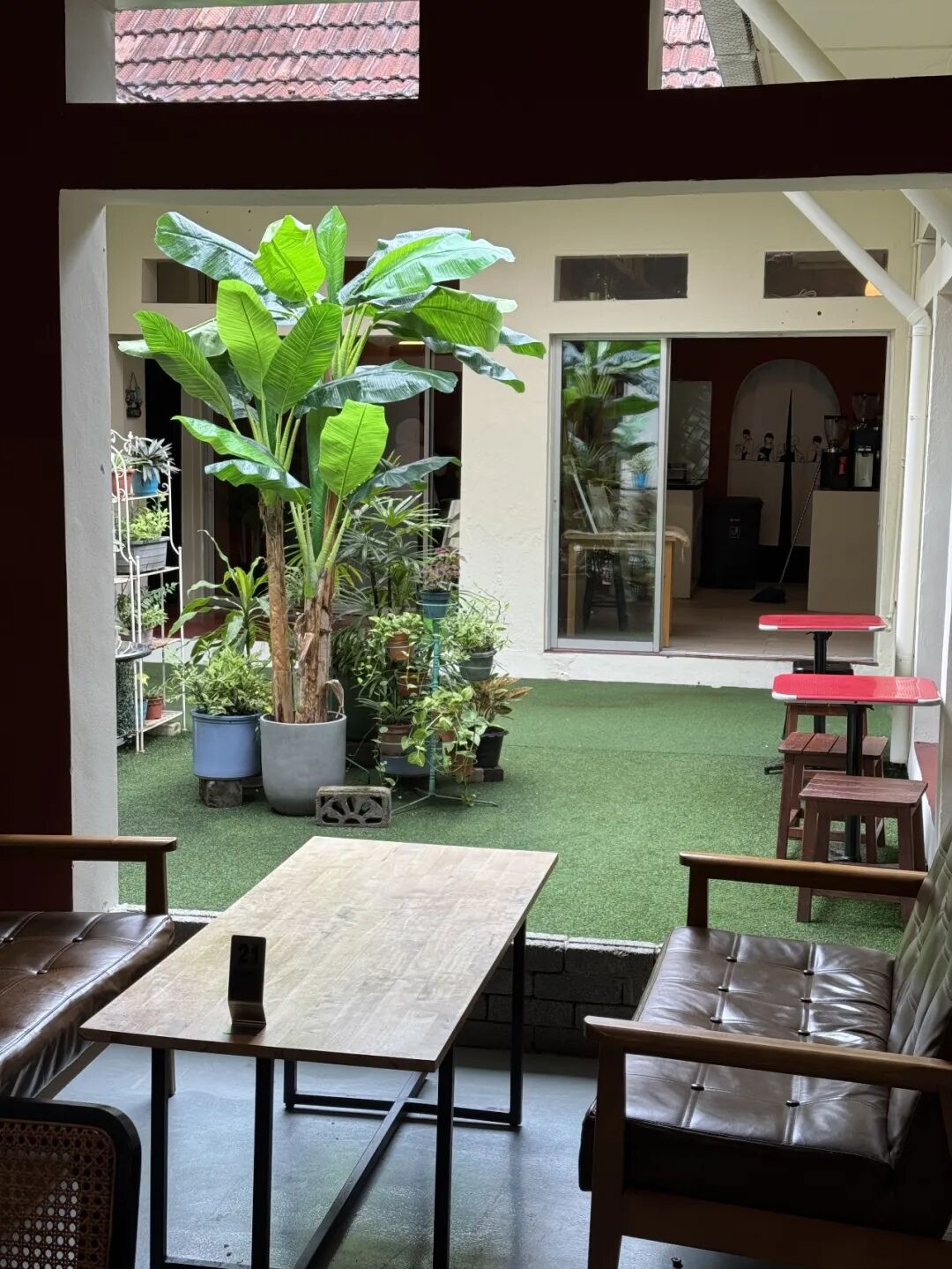
In the block where this store is located, there are several good-looking restaurants with relatively large areas. I will take my time to explore the restaurants when I have time in the future.
Address: RGB Coffee at the Bean Hive
6. RESTORAN YAHALA
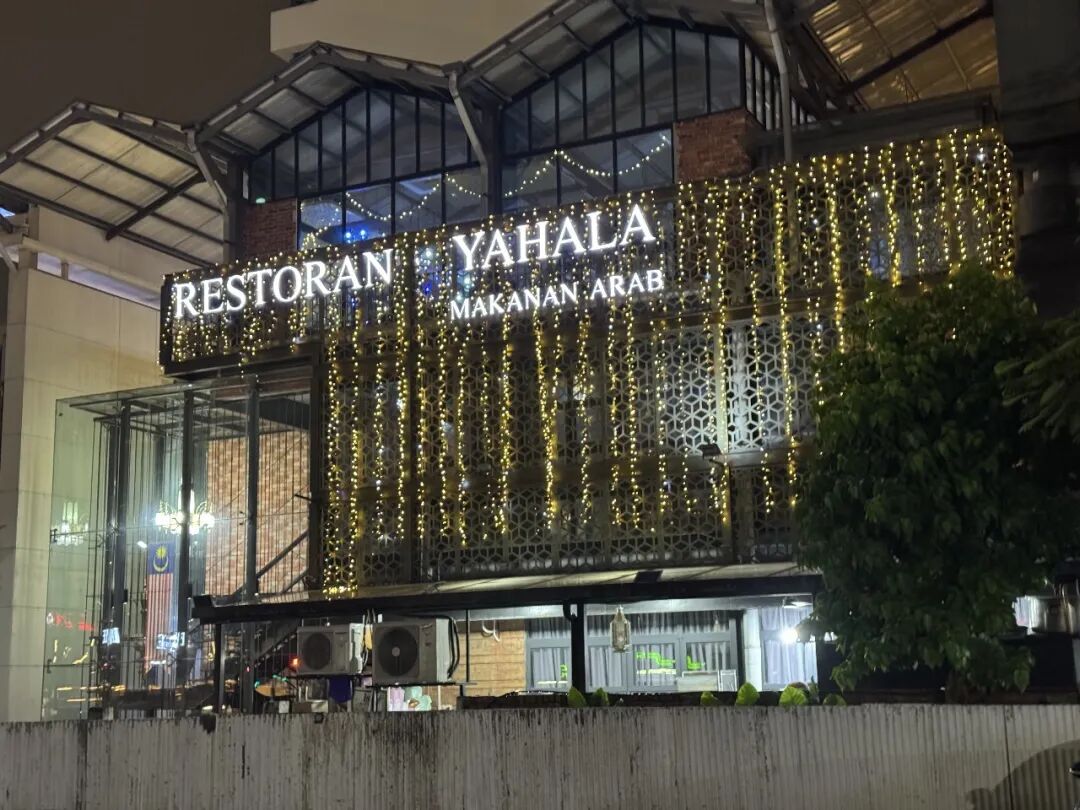
Some time ago, my son was ill and hospitalized. He didn't like to eat the special children's meals provided by the hospital. The main reason was that the children's meals in the hospital were too healthy and light, with many vegetables and bland taste. He didn't like vegetables, but wanted to eat Arabic naan and mandi rice. There happened to be an Arabic restaurant next to the hospital, so I packed it up and brought it back to him to eat.
Middle Eastern restaurants are more common in Kuala Lumpur. After eating too much, I can taste different flavors. Now I don’t need to look at the menu when ordering because they are all the same, but the cooking methods are slightly different.
And what’s incredible to me is that Middle Eastern restaurants in Kuala Lumpur are generally doing very well, no matter how well they do.
My son likes to eat Arabic flatbreads, but there are many kinds of Arabic flatbreads, some are like naan, and some are like bread.
As a northerner, my son prefers pasta over rice. The chicken in Mandy Chicken Rice is suitable for children because it is neither spicy nor salty, and is soft and fall off the bone.
Address: Yahala Restaurant - Ampang
7. Nasi & Mee by Bapak Sayang
This is a traditional Malaysian flavor chain store in Aeon Supermarket. In fact, there are various Southeast Asian delicacies on the menu. What we ordered was Vietnamese special traditional snacks.
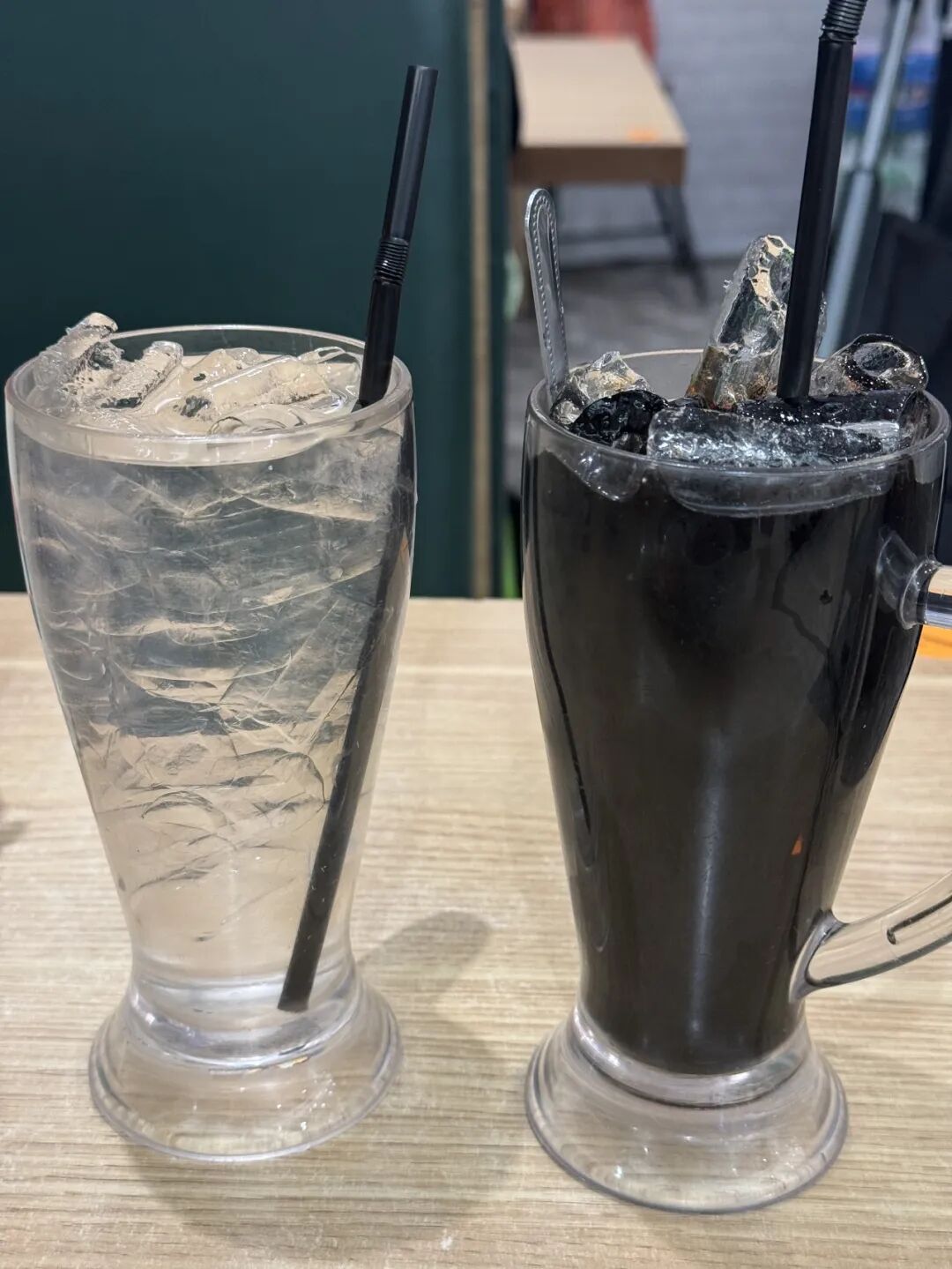
This kind of small shop is more suitable for young couples.
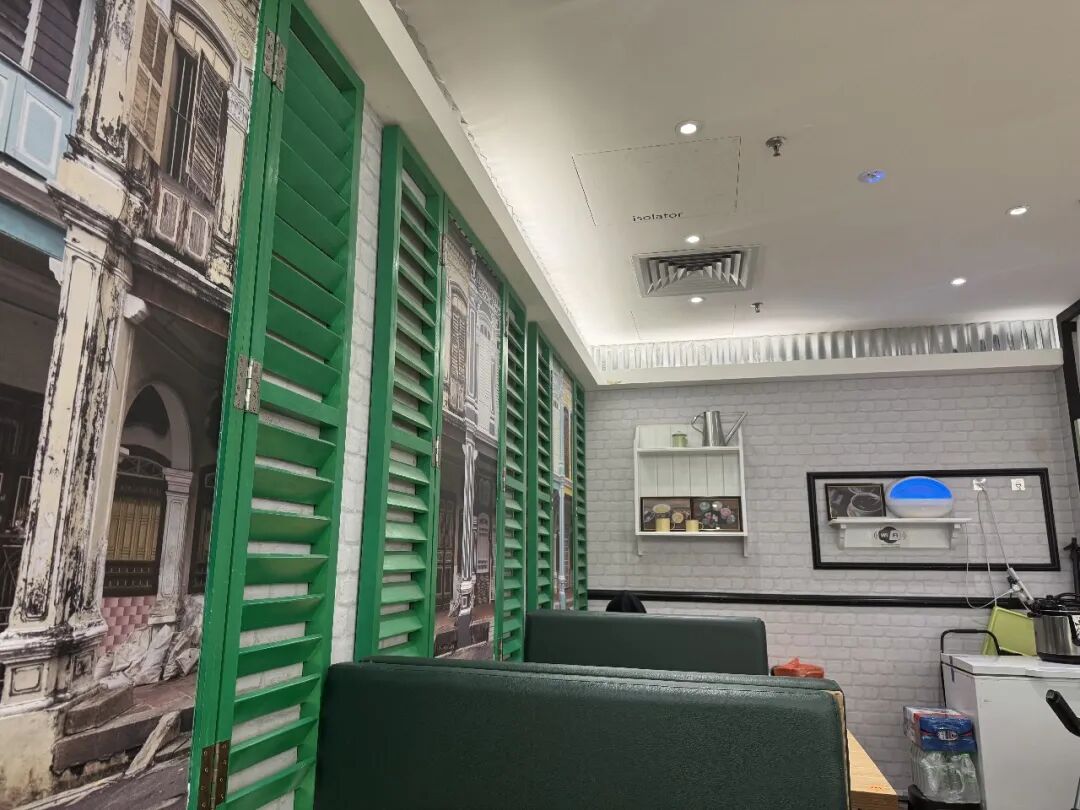
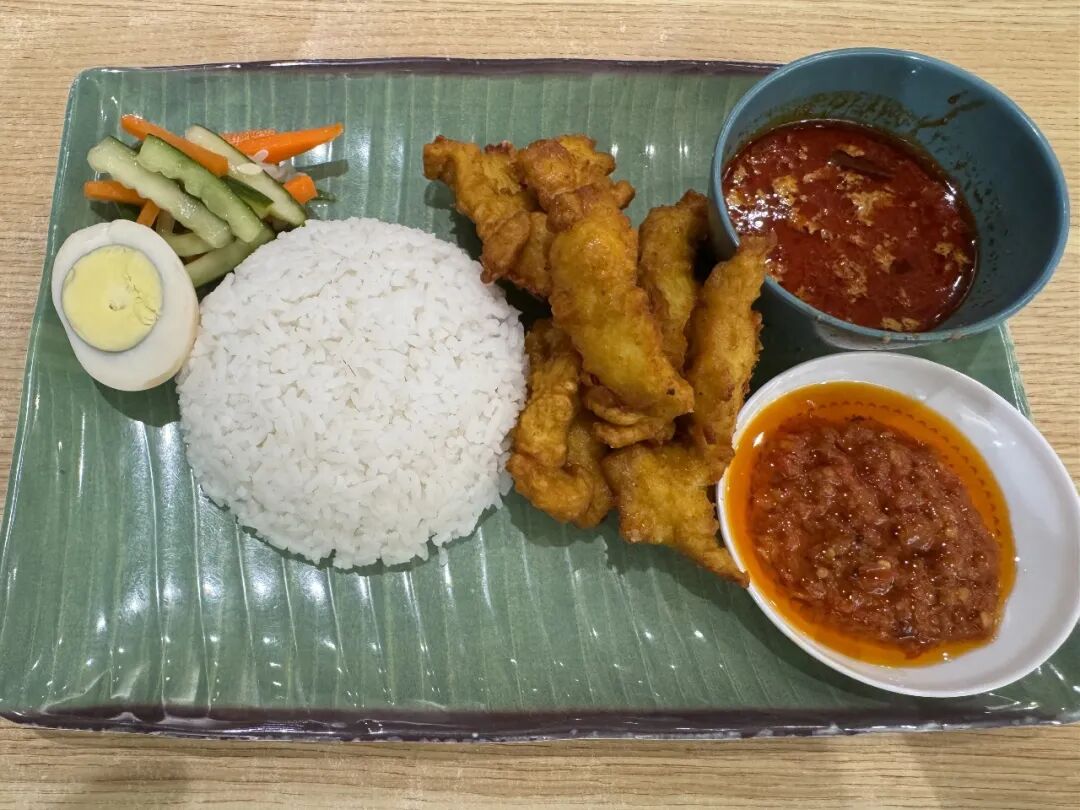
I like Southeast Asian curry rice very much. It’s a bit spicy, but it’s also very appetizing. There are usually several snacks included in a set meal.
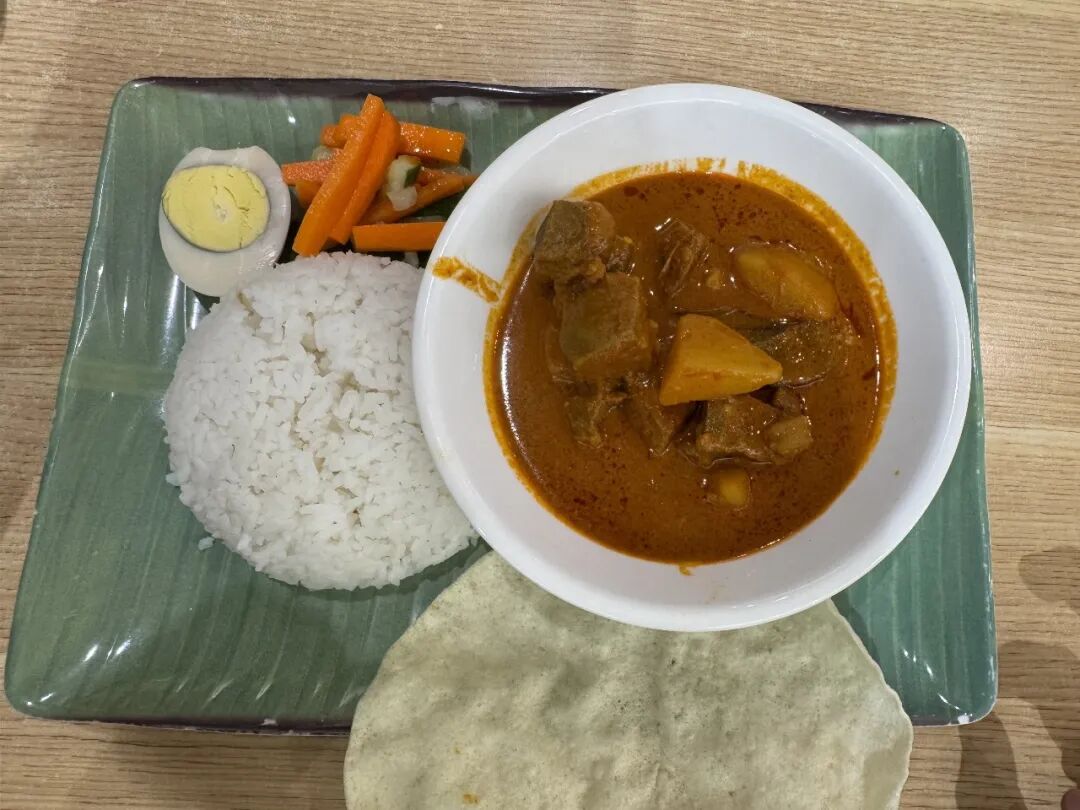
Address: Nasi Mee by Bapak Sayang AEON
8. BUSHANZIP
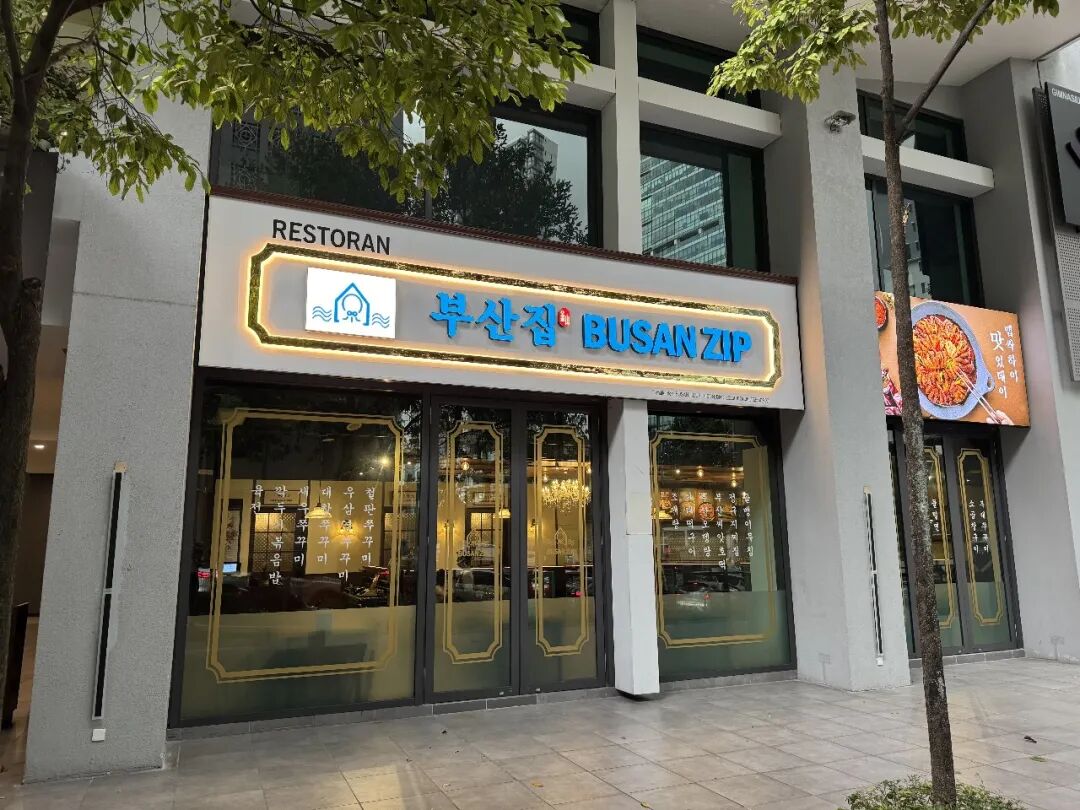
BUSAN means Busan. This restaurant specializes in Busan, South Korea, and its signature dish is spicy fried octopus.
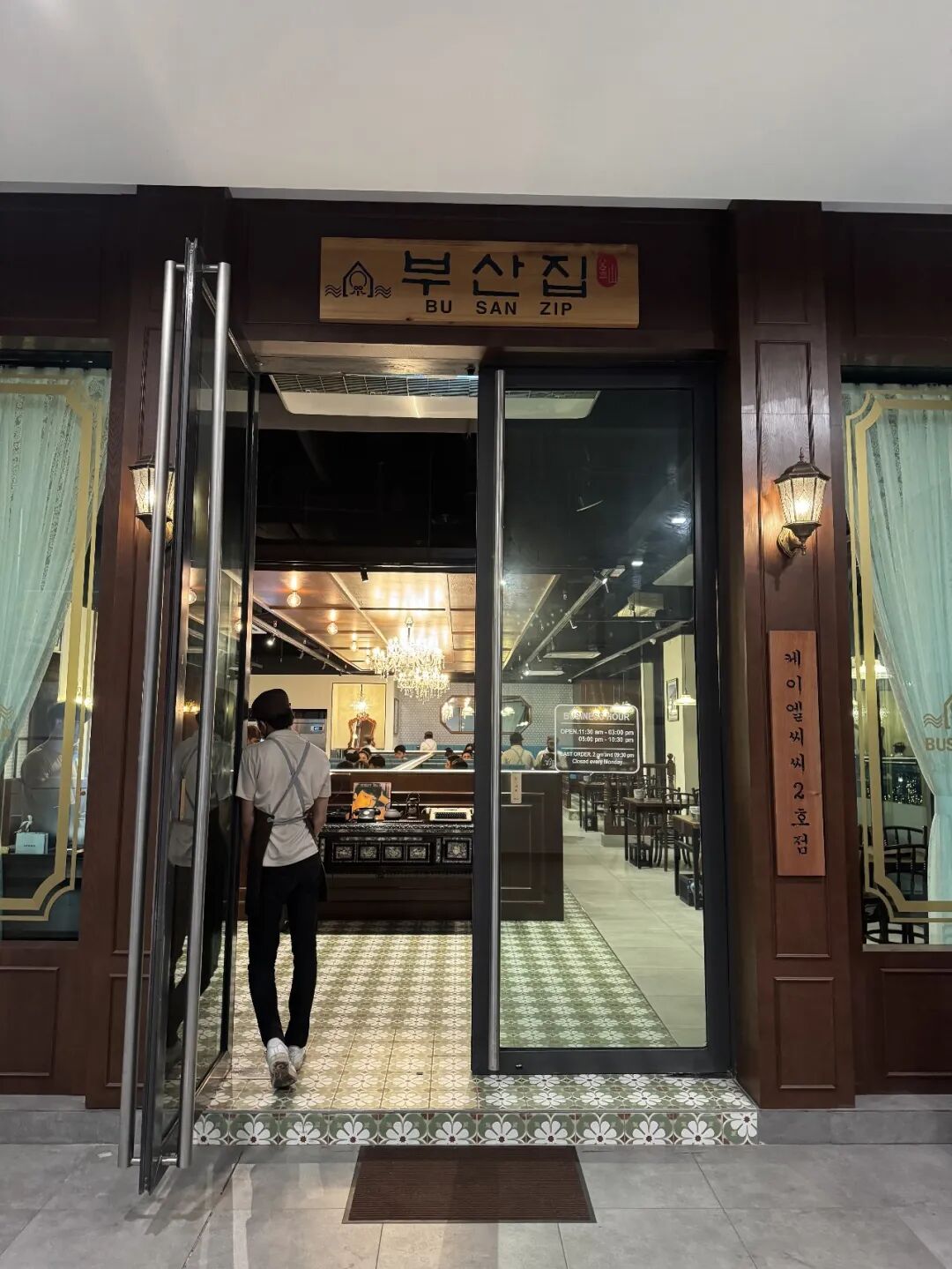
This store is the most Korean store I have ever eaten in. The owner is Korean and speaks fluent English.
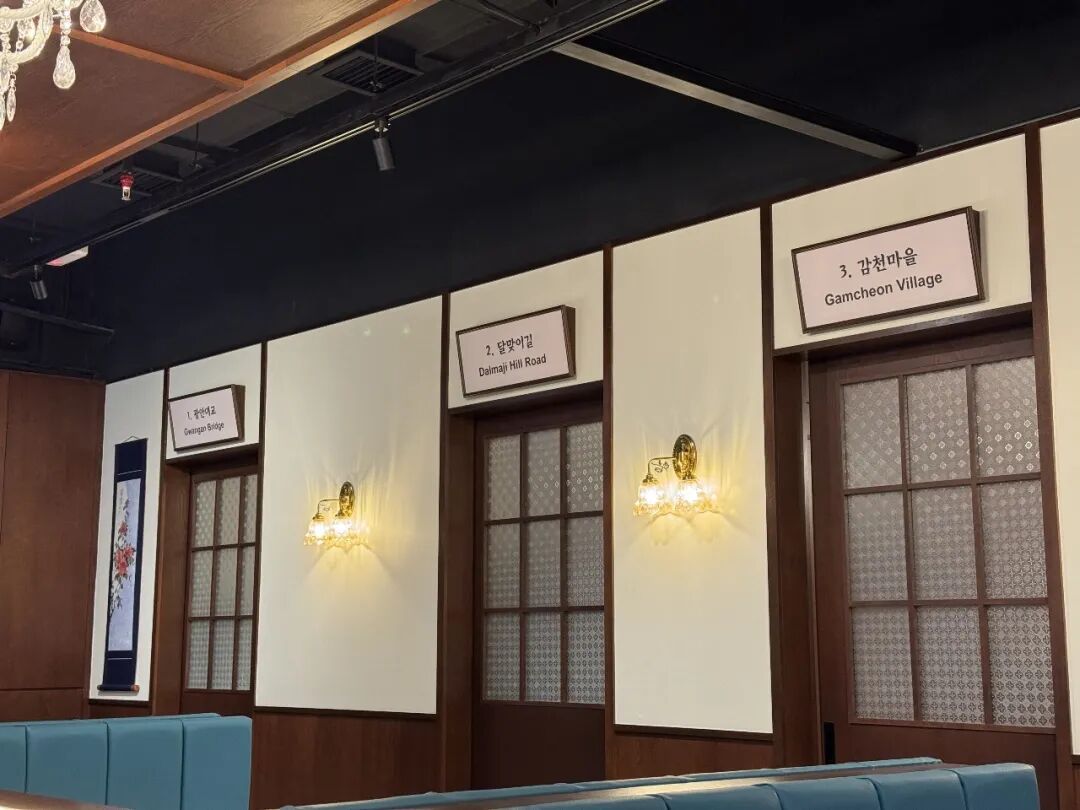
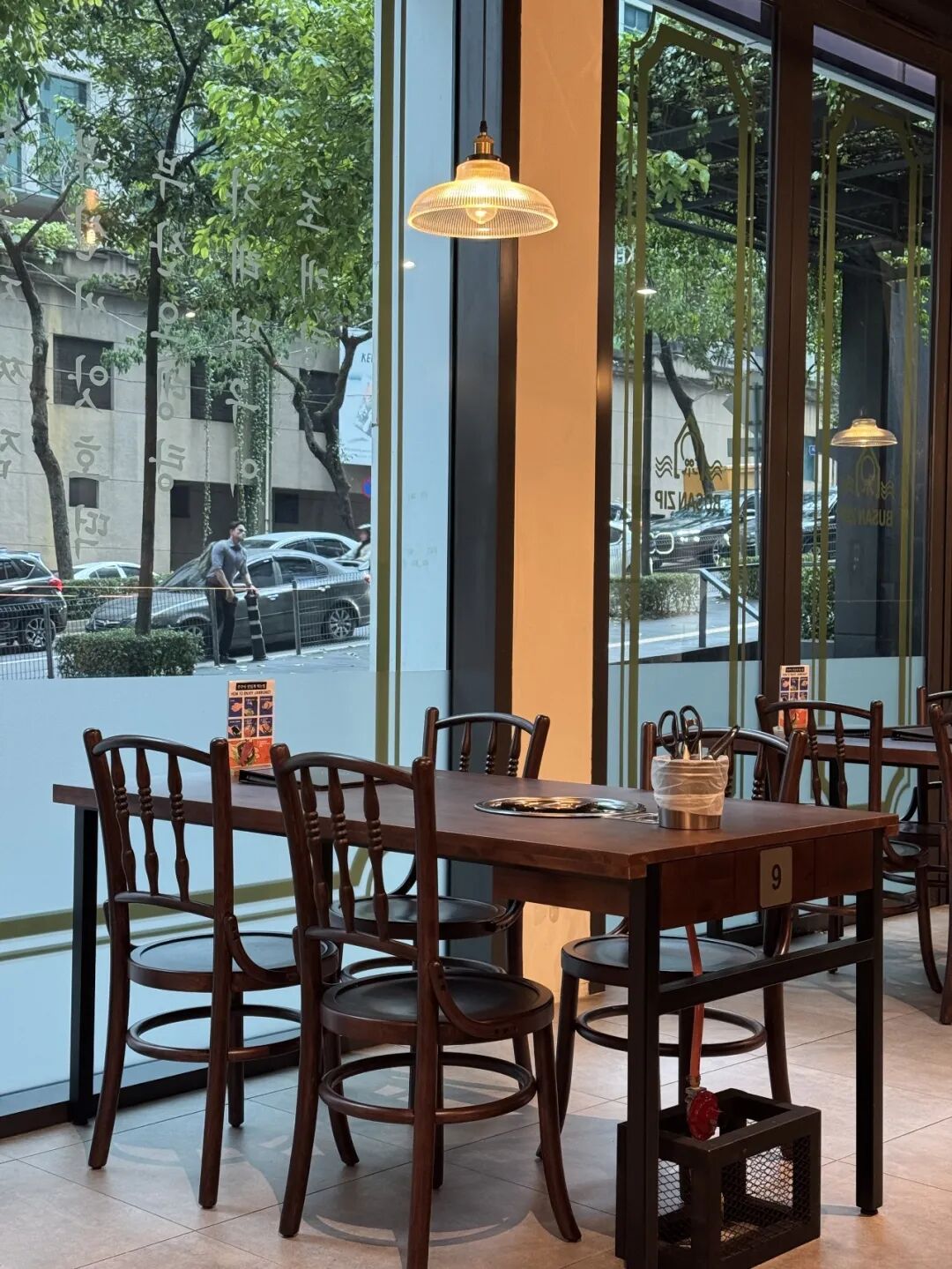
The decoration of the restaurant is also exquisite and the service attitude is very good.
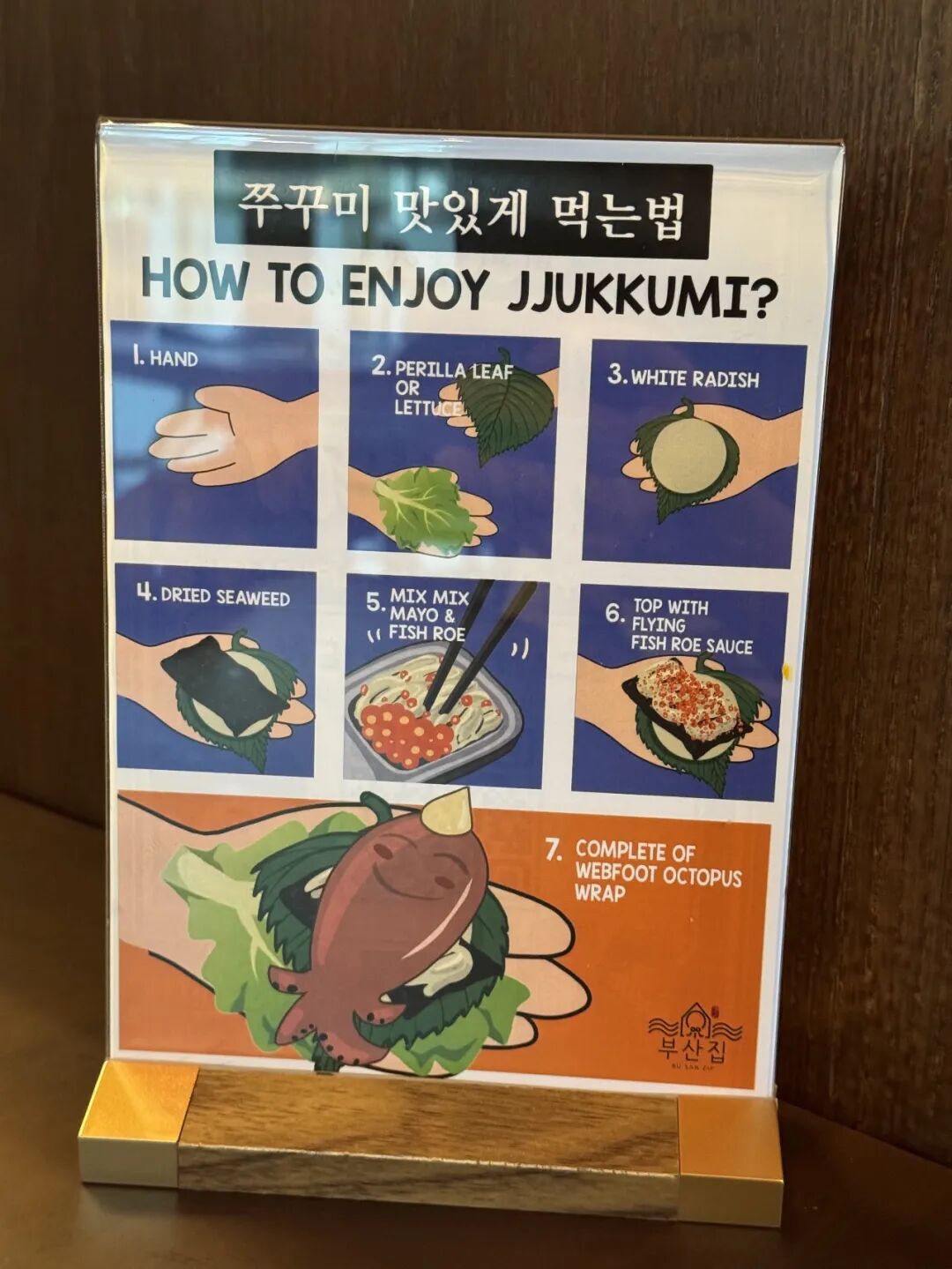
This spicy stir-fried live octopus is a must-order for every table. The waiters help fry it freshly. The picture above shows the correct way to eat it.
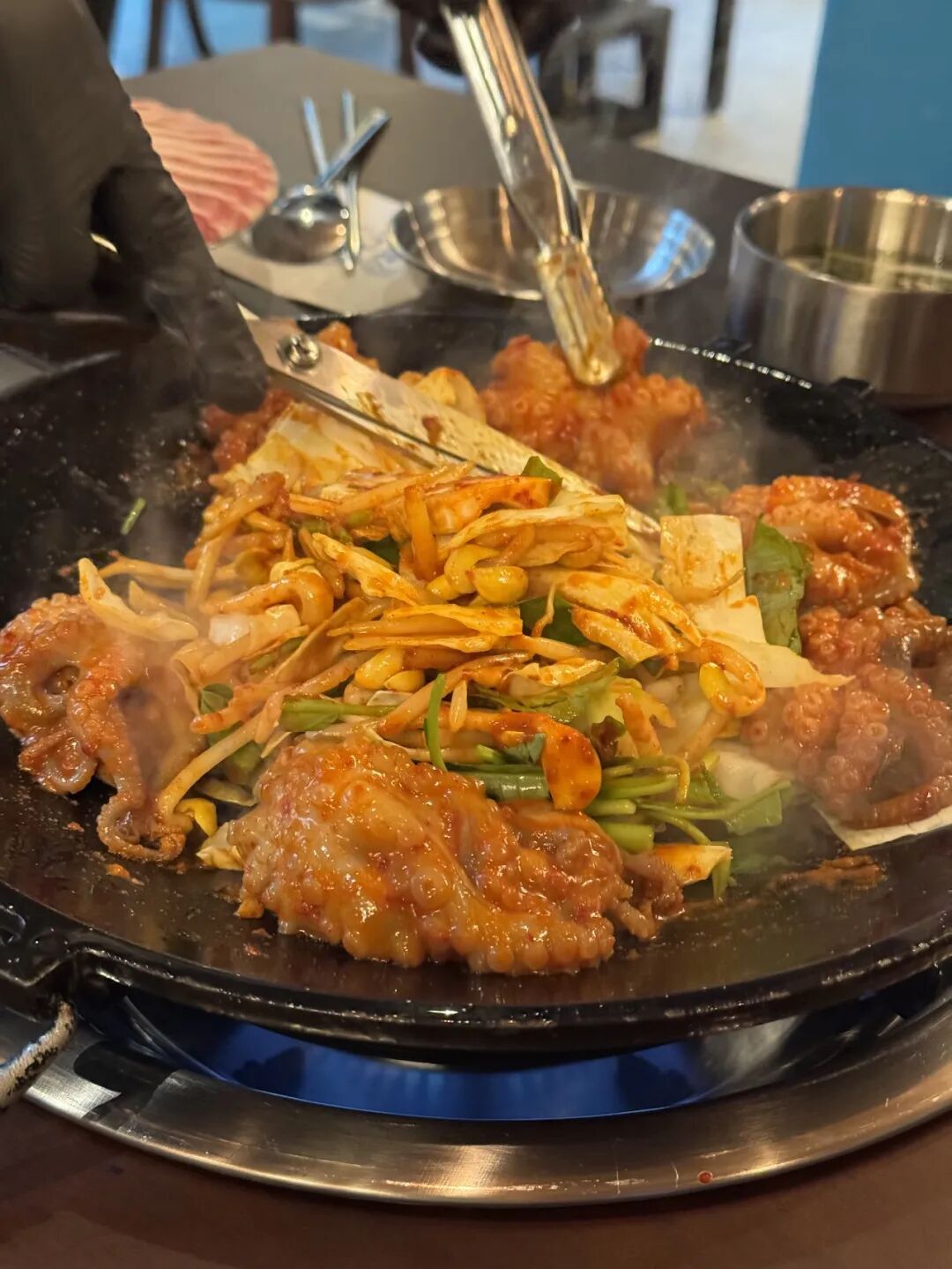
The octopus is guaranteed to be fresh and tender, but it is also very spicy.
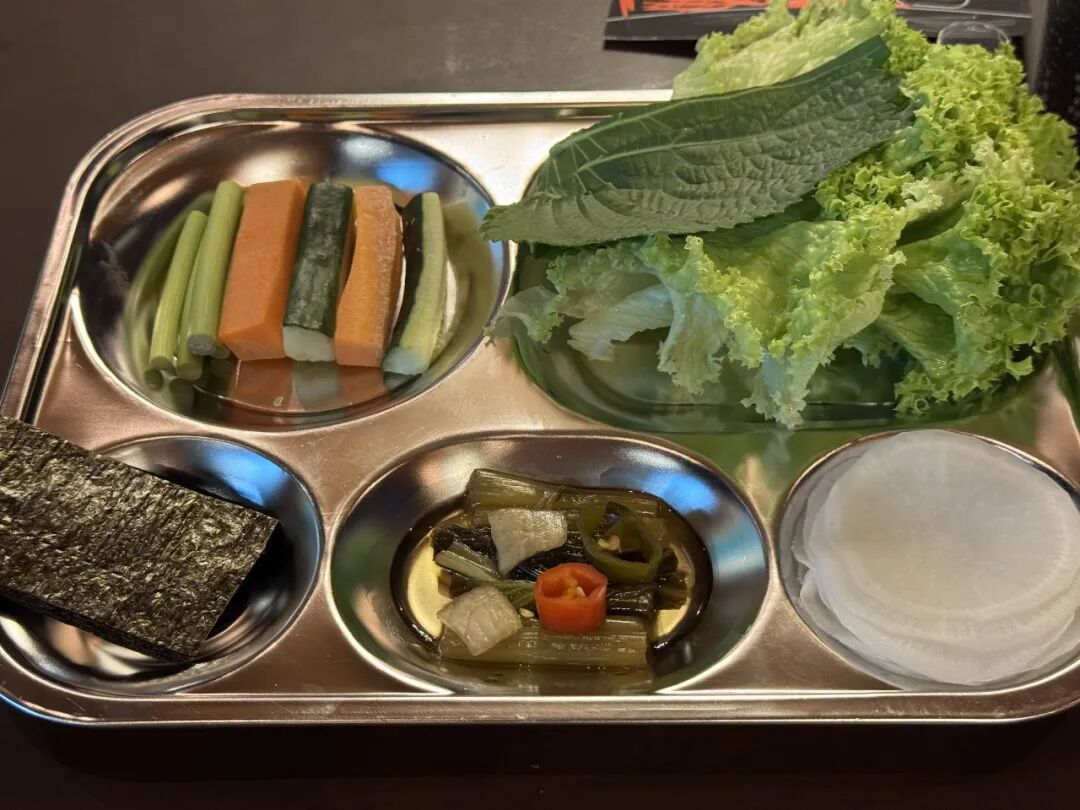
The vegetables that accompany the meal are also very fresh, and the waiters will help add vegetables at any time, so you don’t have to worry about not having enough food, which is great for friends who like to eat vegetables.
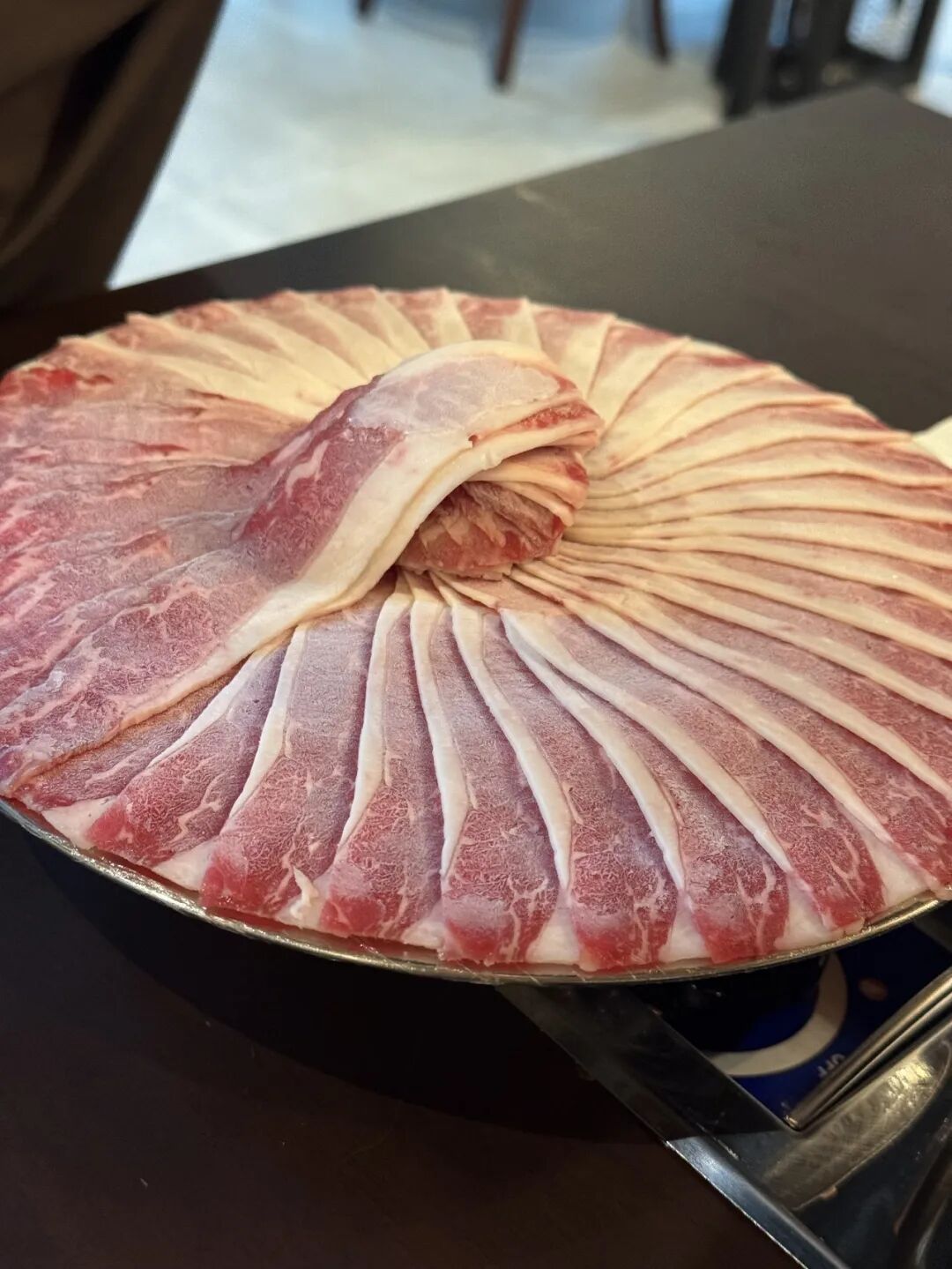
The spicy octopus alone is definitely not enough, you also have to add a piece of Australian Wagyu beef barbecue.
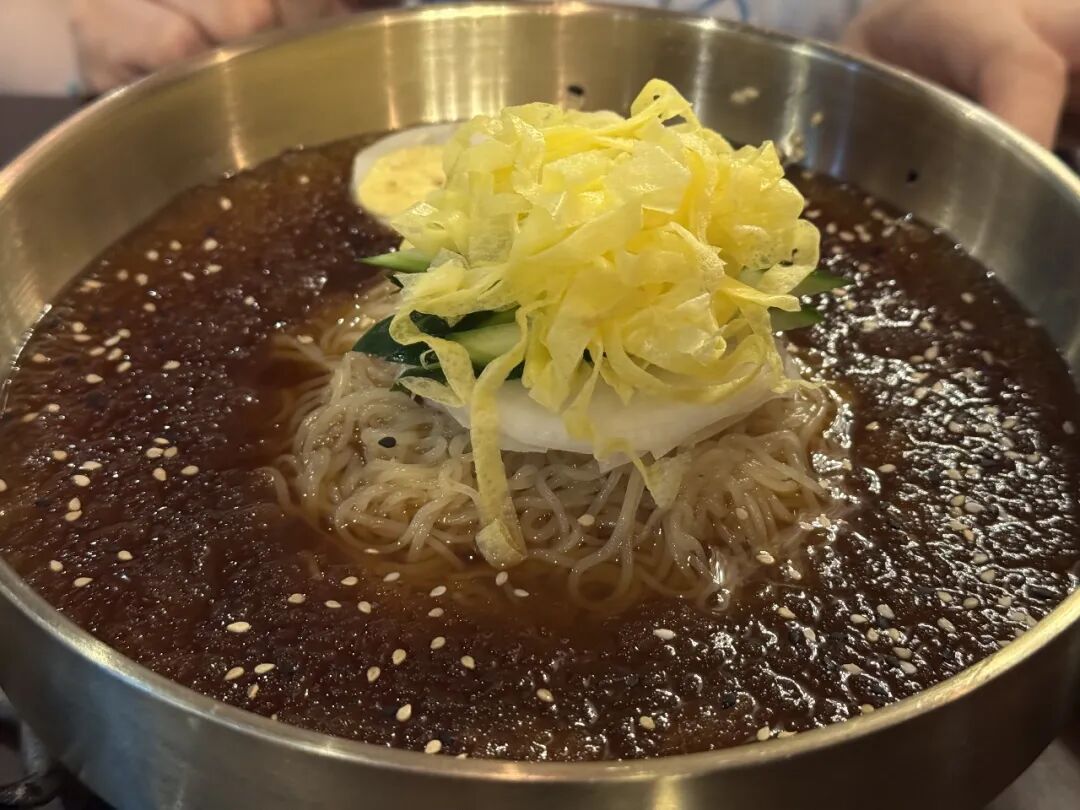
The staple food is this Busan specialty cold noodles. The taste of this noodles is different from the cold noodles we have eaten in China. The boss said this is a Busan specialty, but I still think Qiqihar cold noodles are more delicious.
Address: Busanzip
9. ORCHID
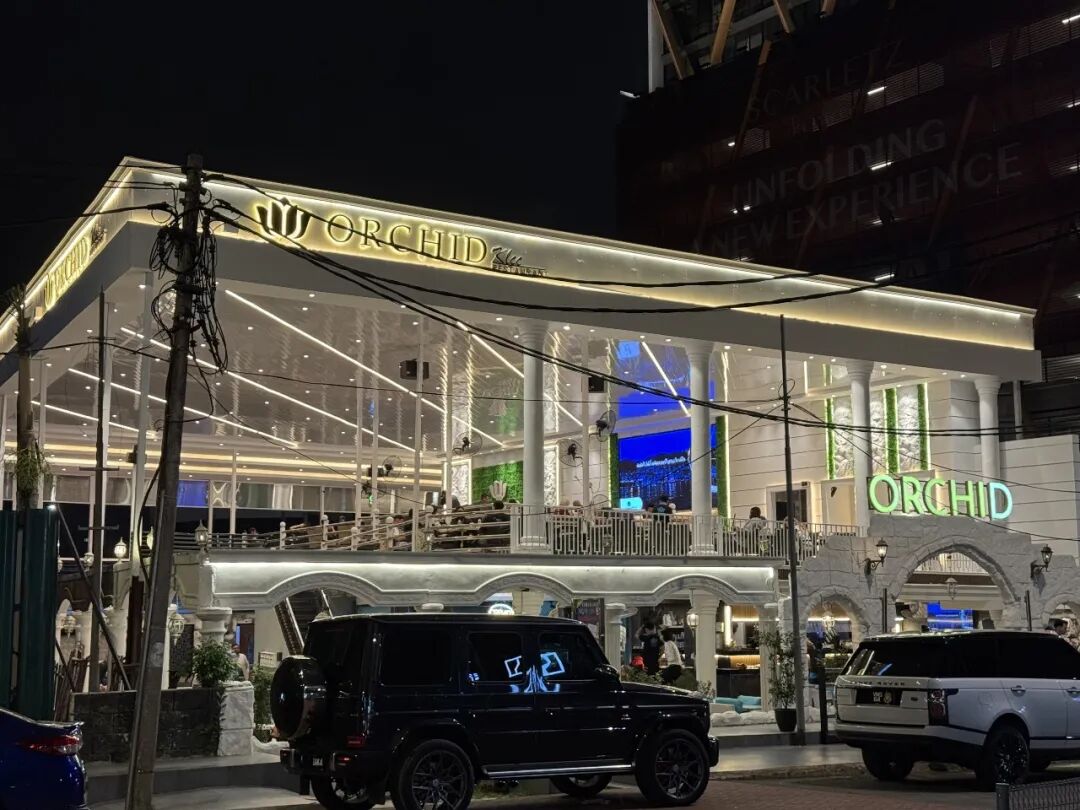
This Middle Eastern restaurant is the closest to our home. It’s just downstairs and across the road. Although it looks classy, the food is actually very cheap, and the mandi rice in this restaurant is the best in Kuala Lumpur in my opinion.
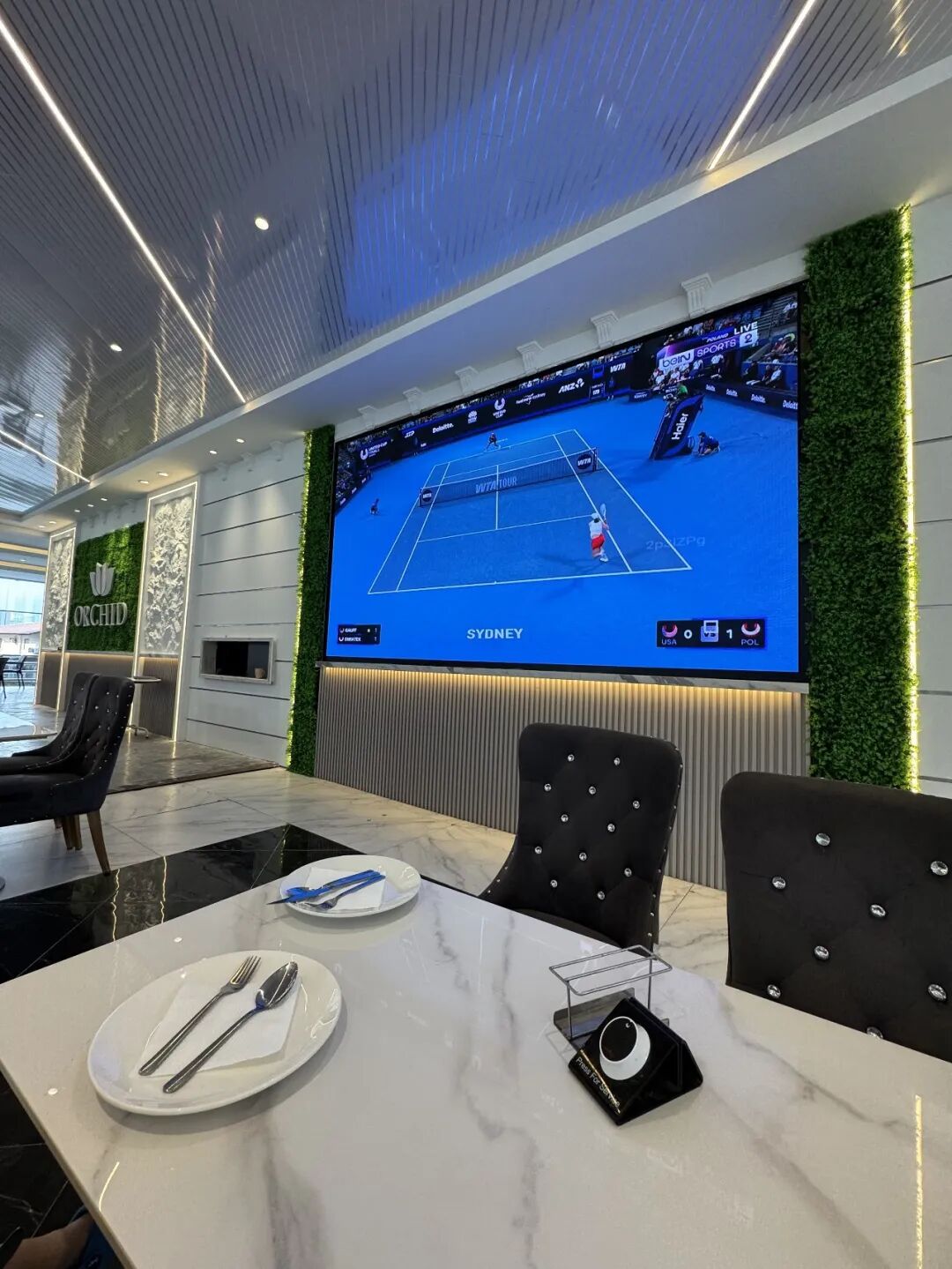
Most Middle Eastern restaurants will install a large screen to watch football games. As long as there is a game, the restaurant will be open all night.
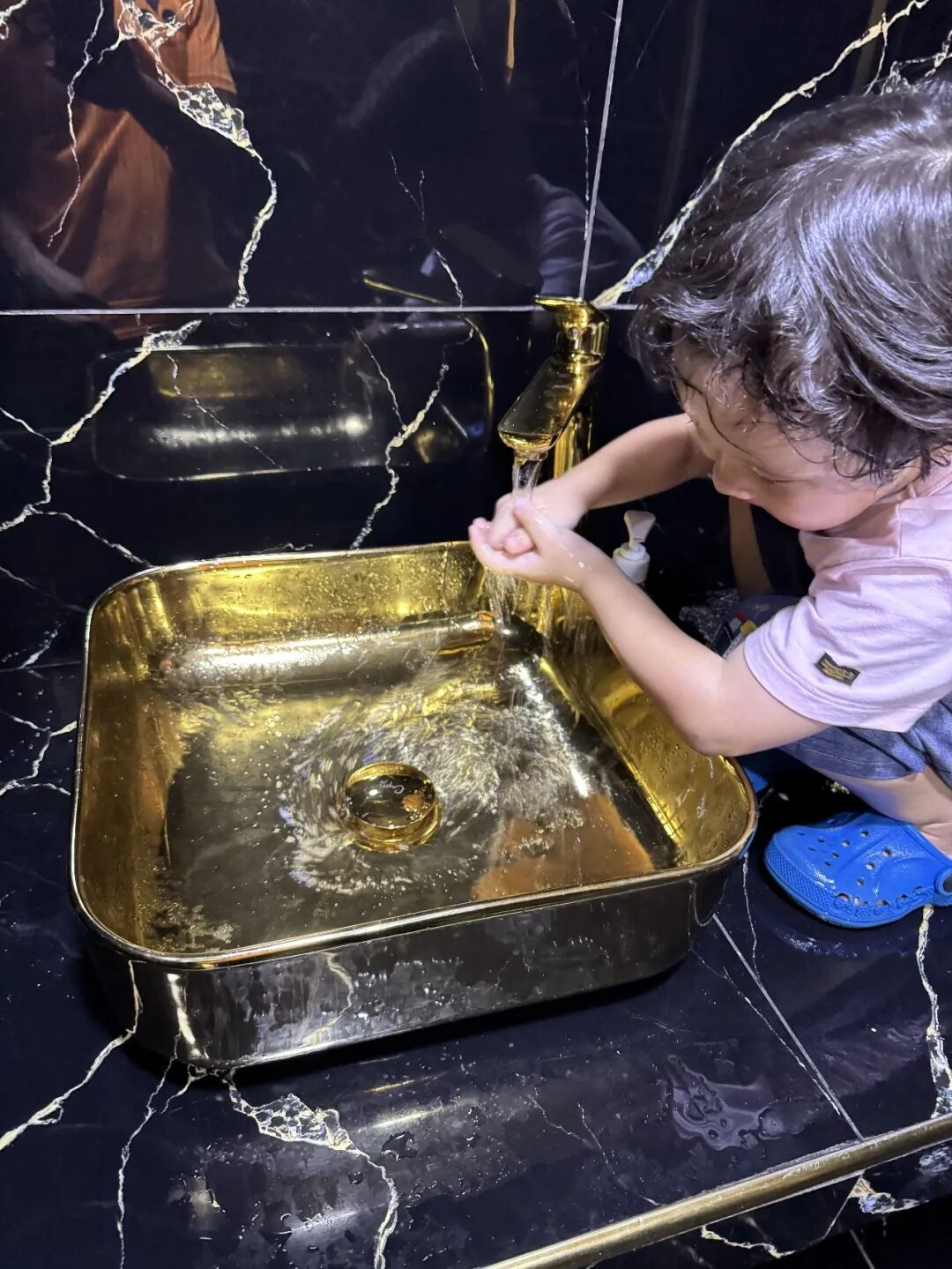
Even the toilets and wash basins in this store are made of gold. My son likes to eat their food. We come here almost every week and the store staff all know us.
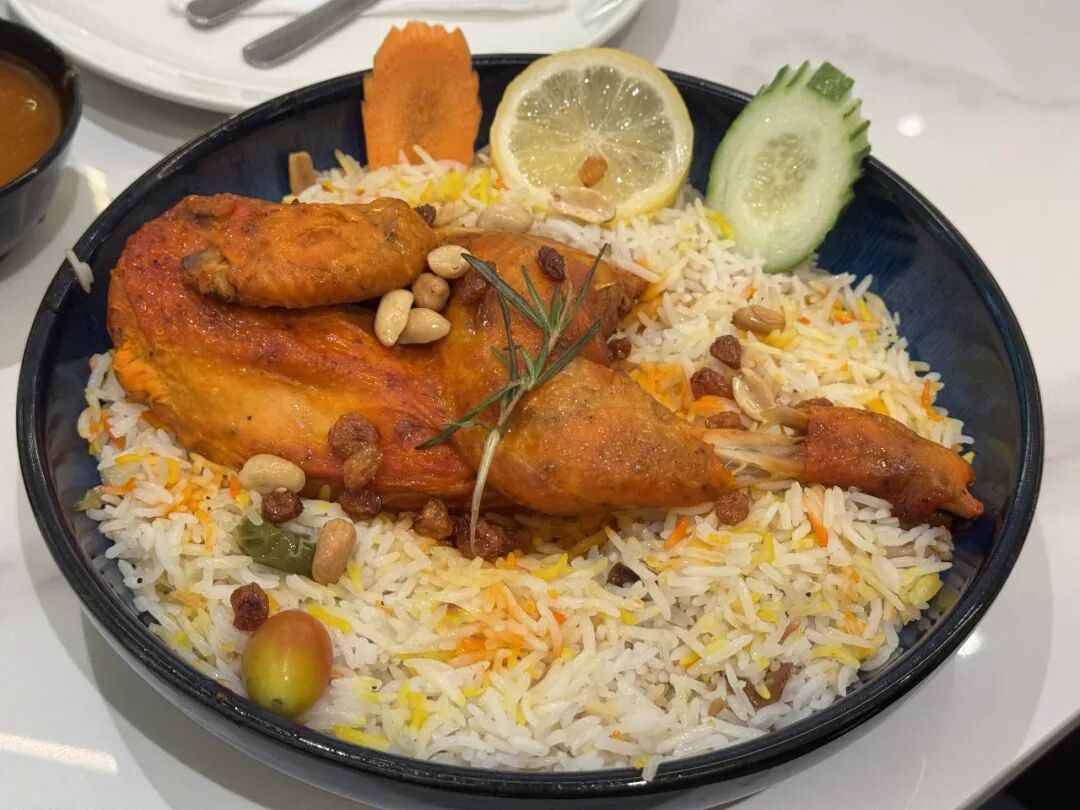
For this portion of Mandy's Chicken Rice, if it's just my son and I, we'd order a quarter portion, and two adults can order a half portion. A quarter portion only costs RM22, which is cheaper than many restaurants I've been to, and it's also delicious.
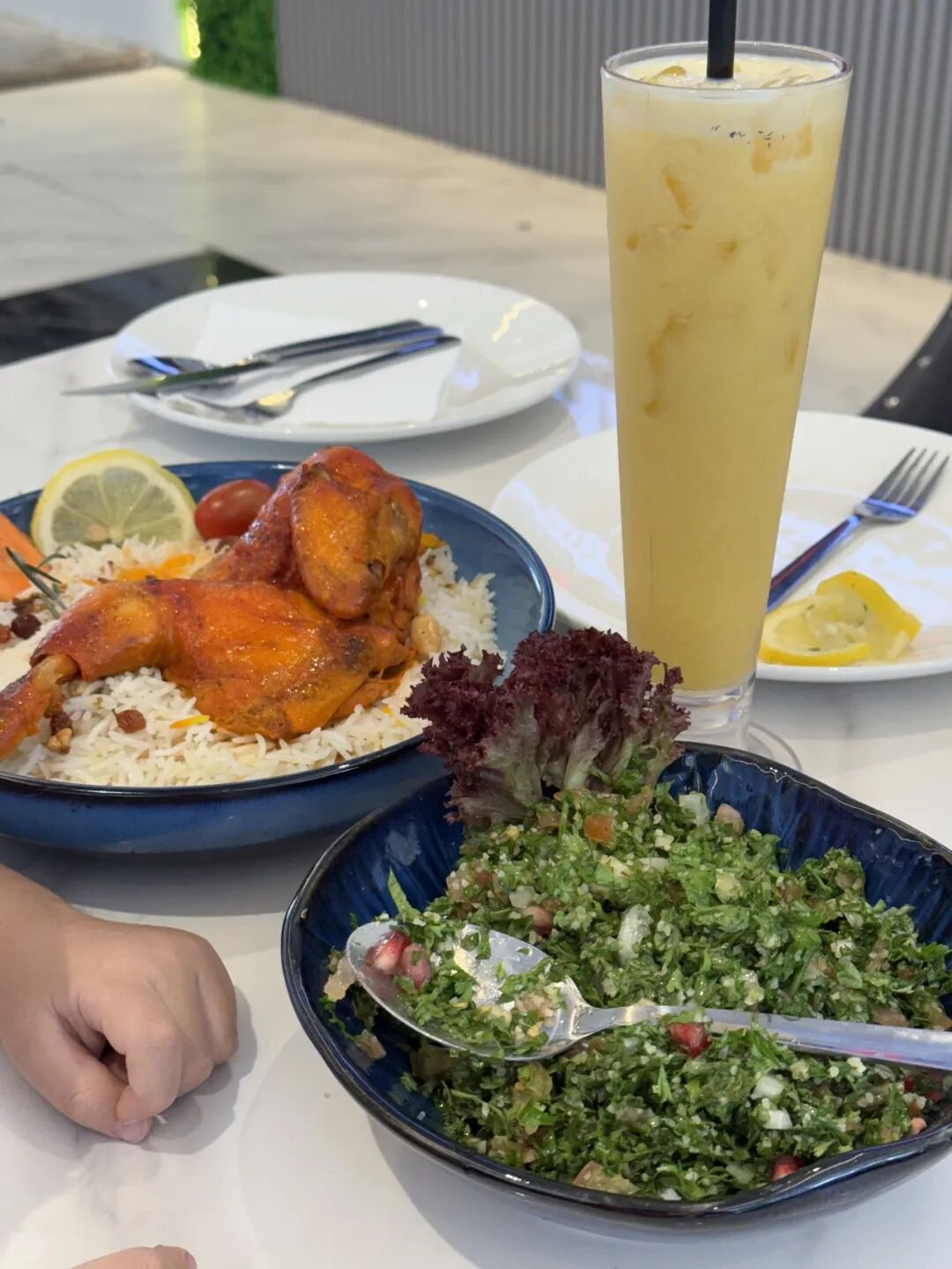
Sometimes the flavors are changed, but basically they are not bad, suitable for children, nutritious, delicious and healthy.
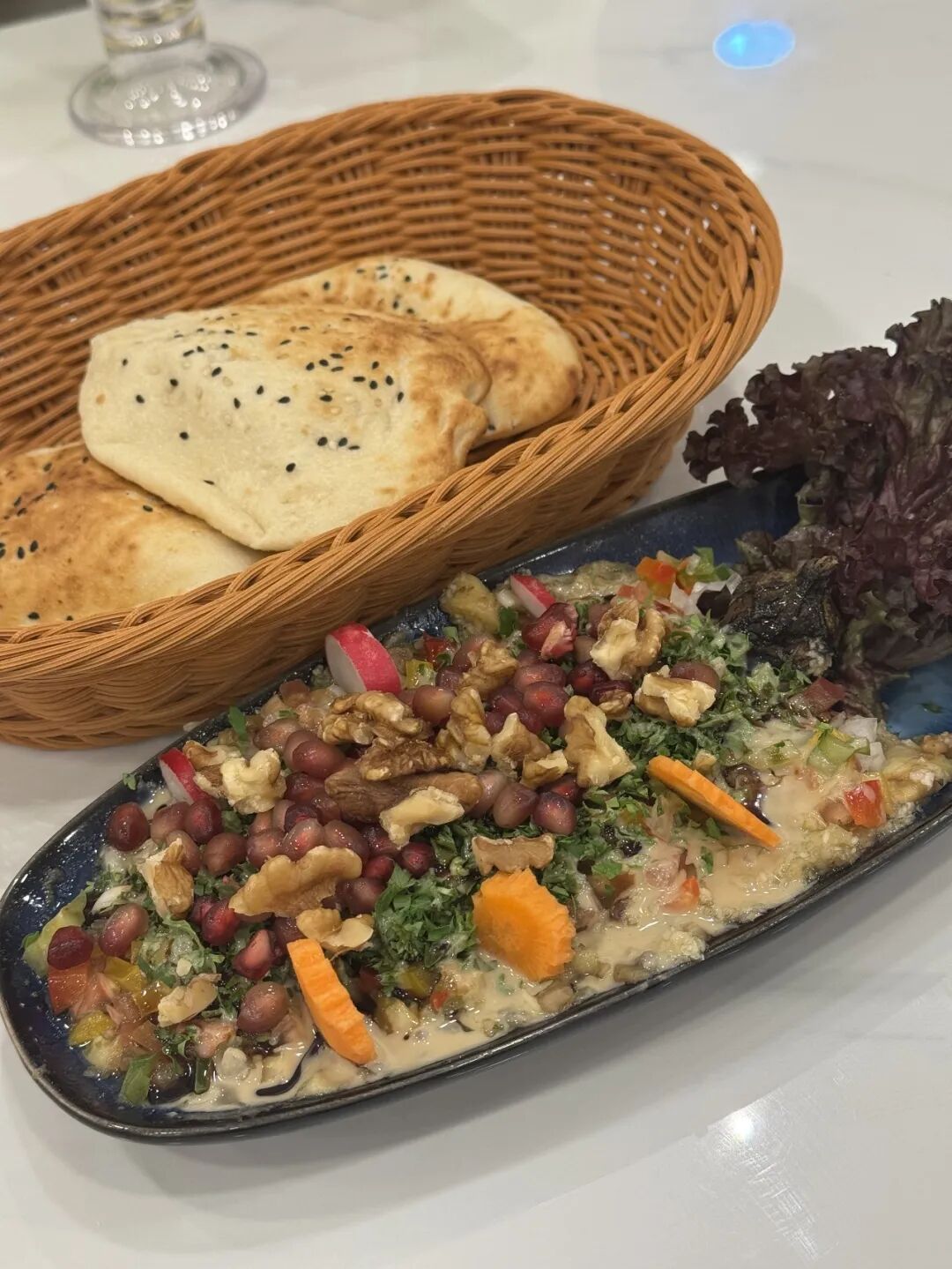
But my son doesn’t really like salads or anything with soup or dip, he only likes mandi or grilled meats.
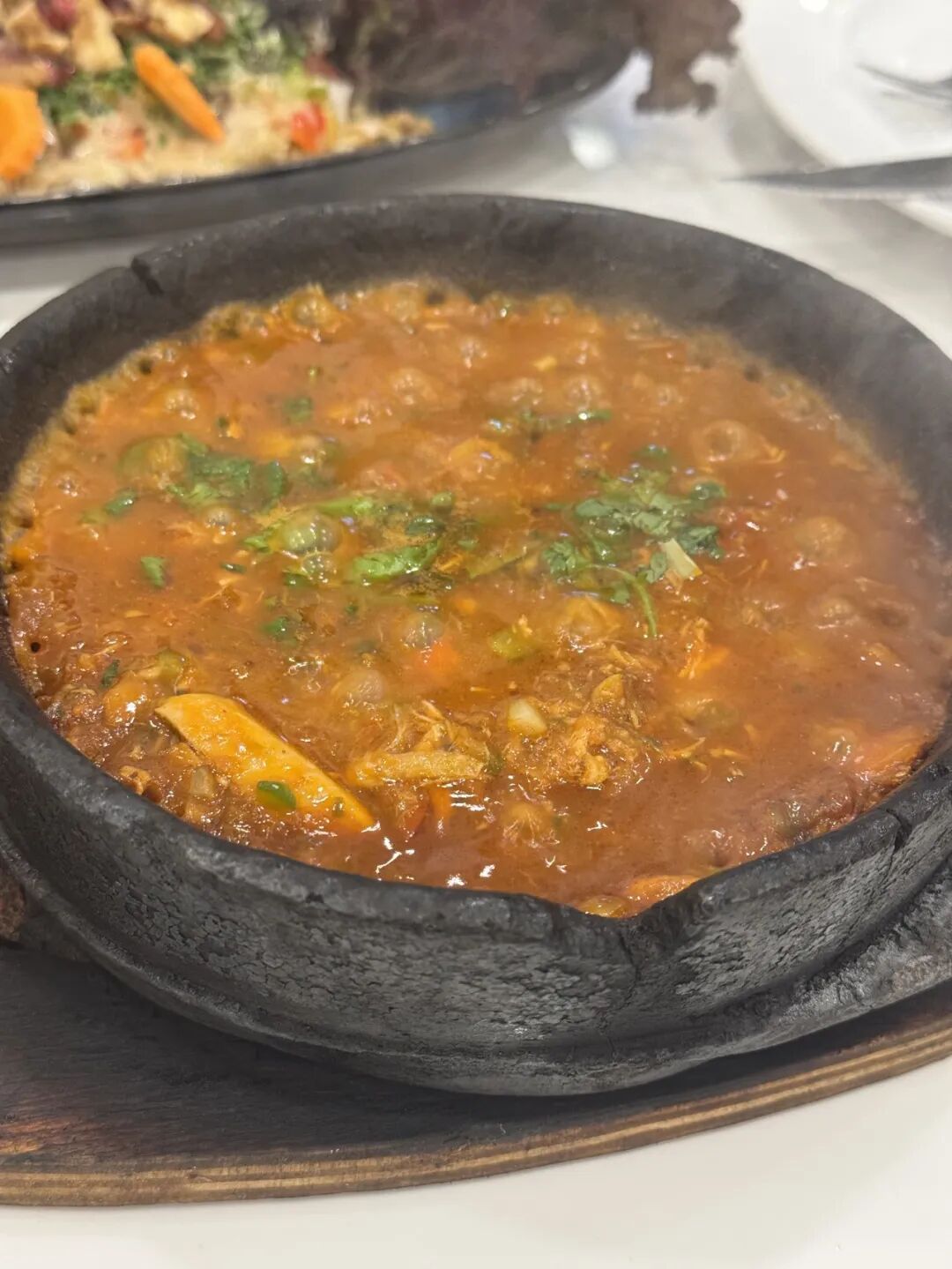
Address: Orchid Restaurant (Orchid)
10. The Castle
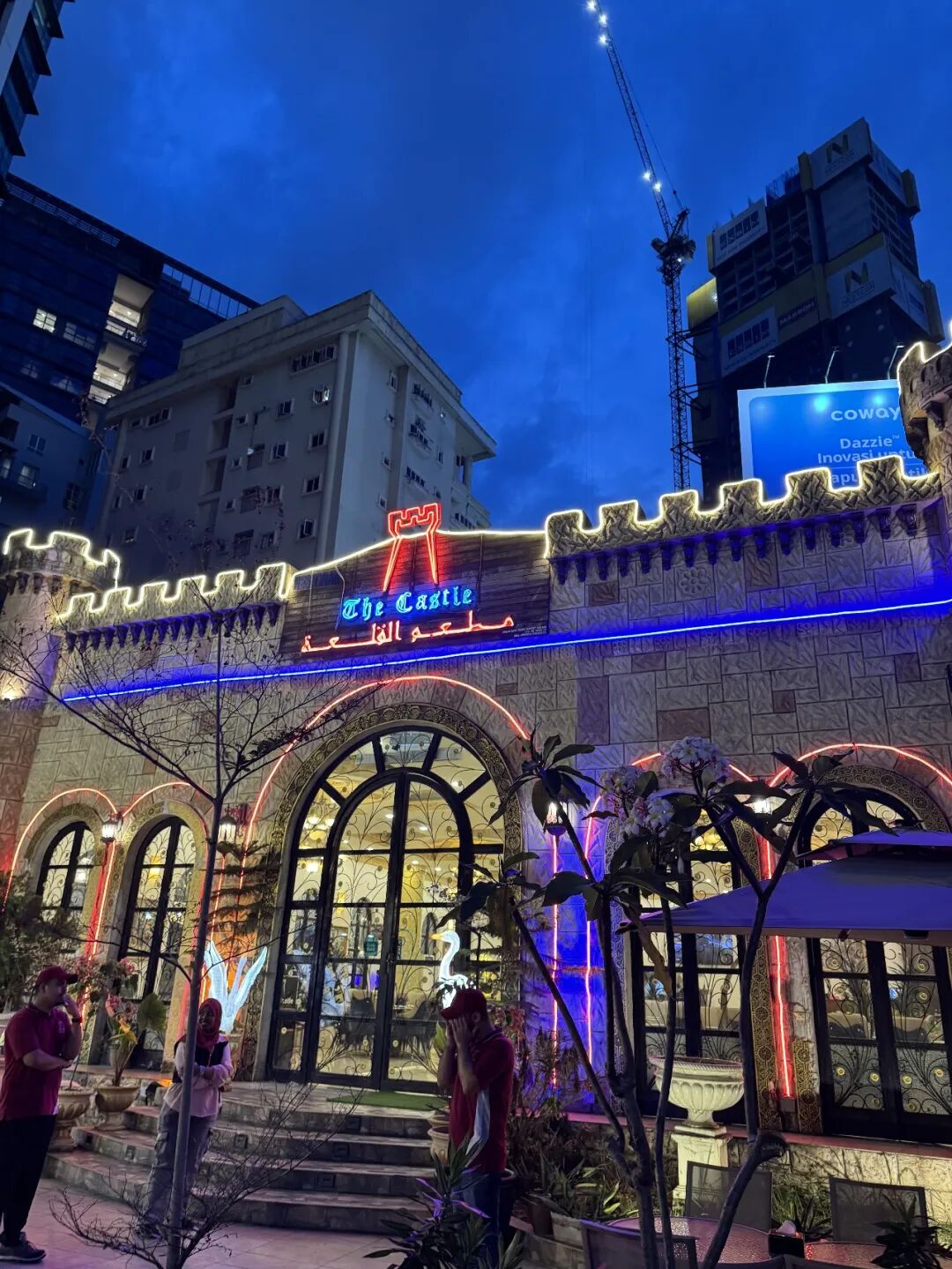
This store is also near where I live. I pass by it every day. One time, my son suddenly wanted to eat the castle-like meal, so I took him here to have a few meals. The taste was average, not as good as the Orchid I recommended earlier.
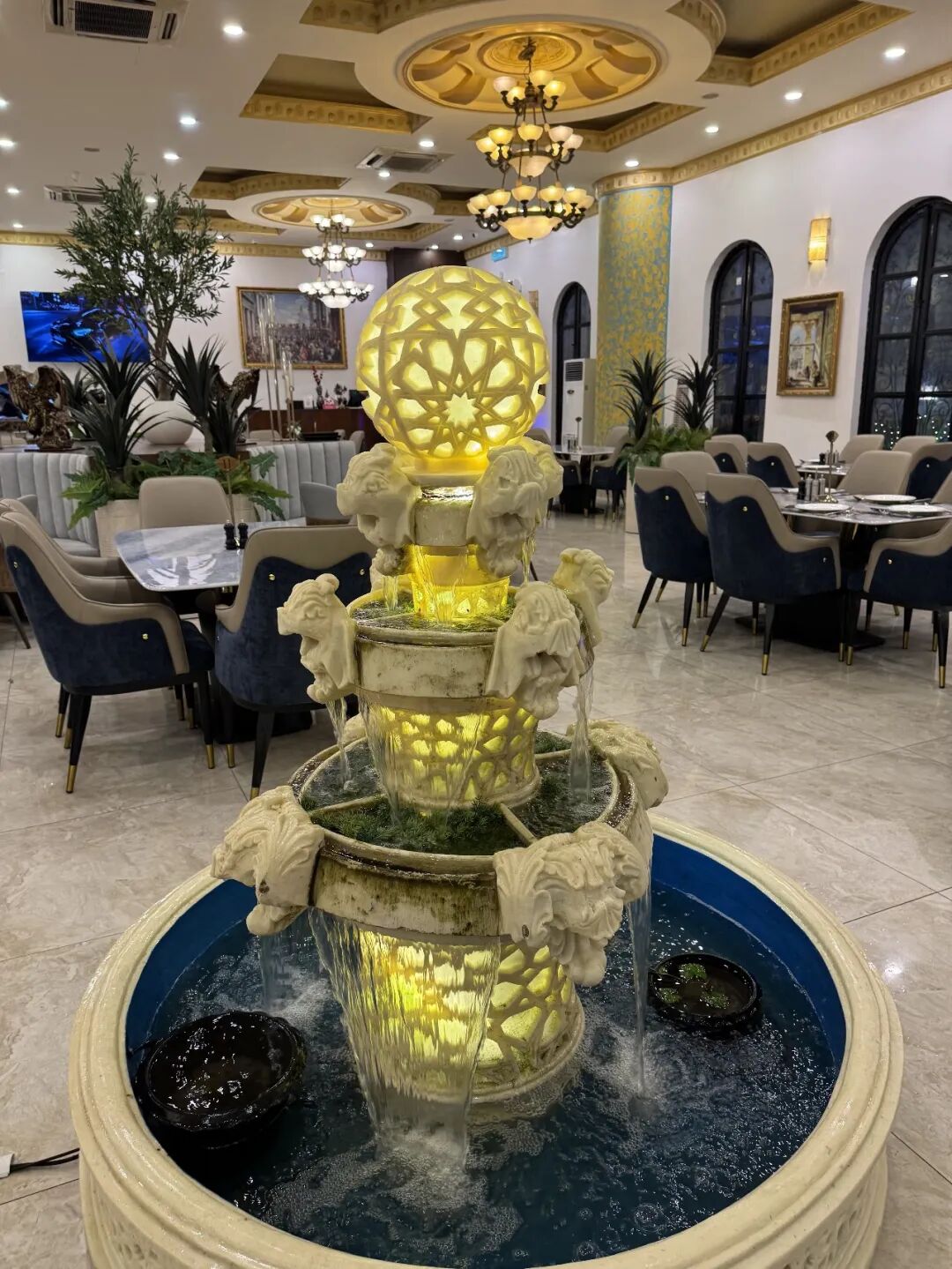
But the environment is also very good. The advantage of this store is that there is a yard at the door and easy parking.
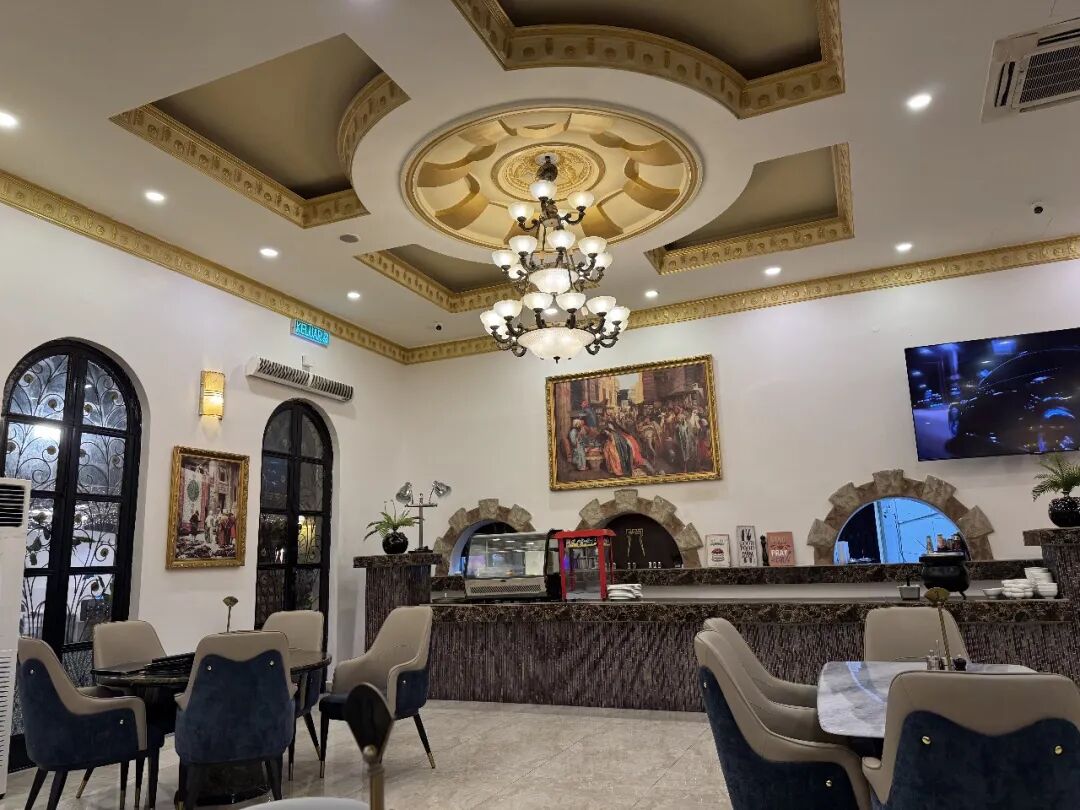
The price is a few dollars more expensive than Orchid, but the prices of this type of Arabic restaurant are not much different, so don't be intimidated by the decoration, just go inside boldly.
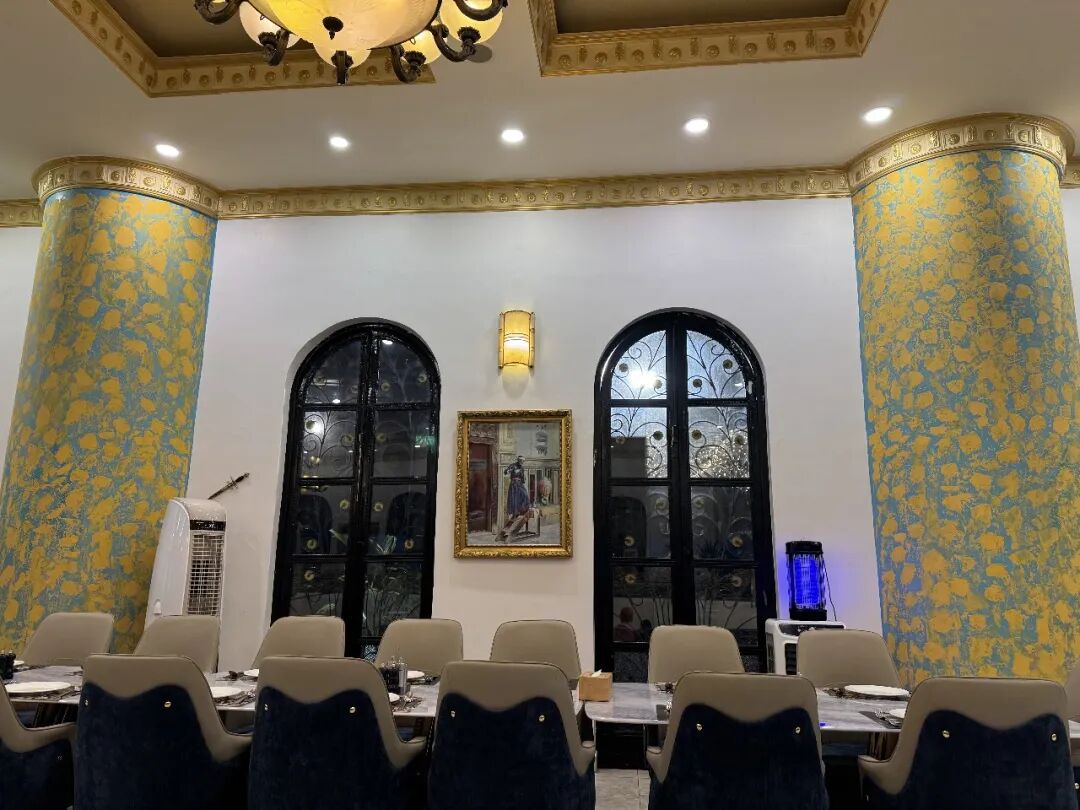
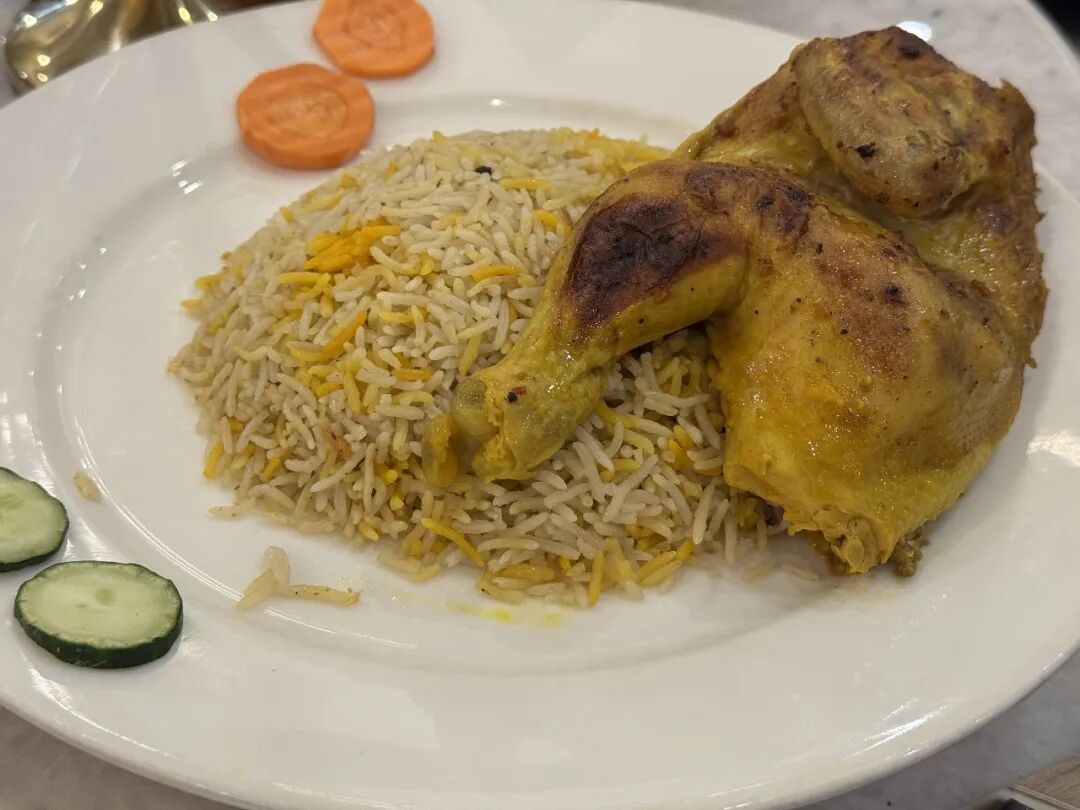
The Mandy Chicken Rice in this store looks relatively simple, with no raisins in it and few side dishes.
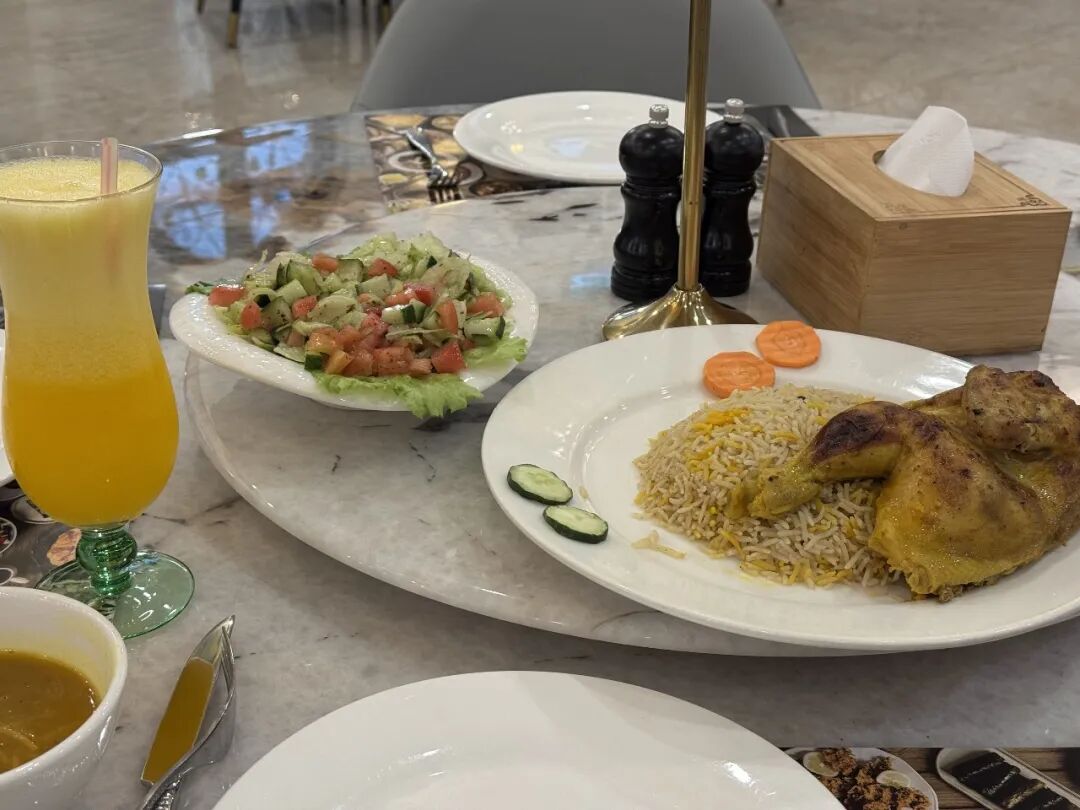
Address: The Castle Restaurant
11. YAKINIKU KURO
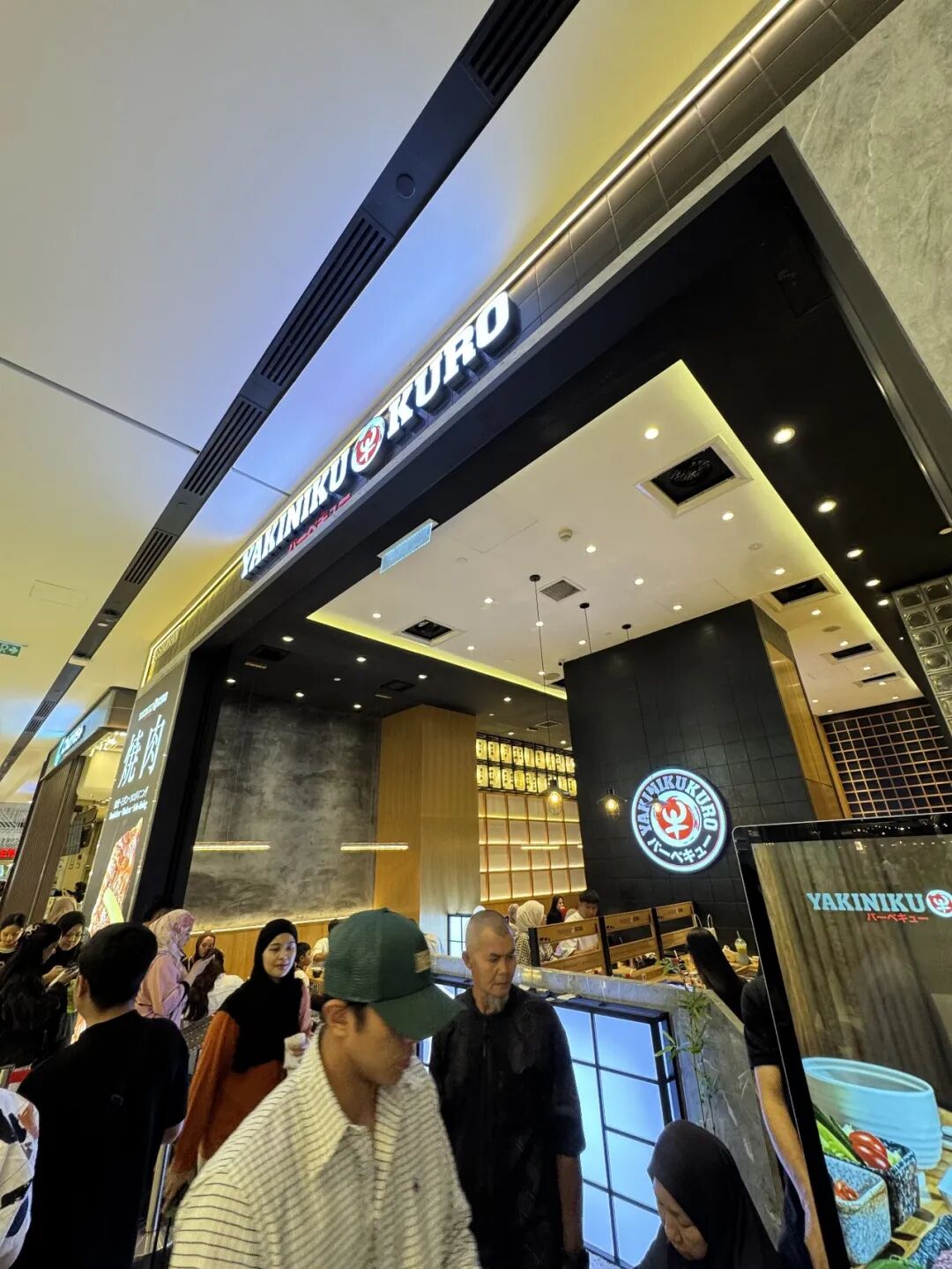
There is a very popular Japanese barbecue restaurant in TRX, and you have to queue for half an hour to get a meal.
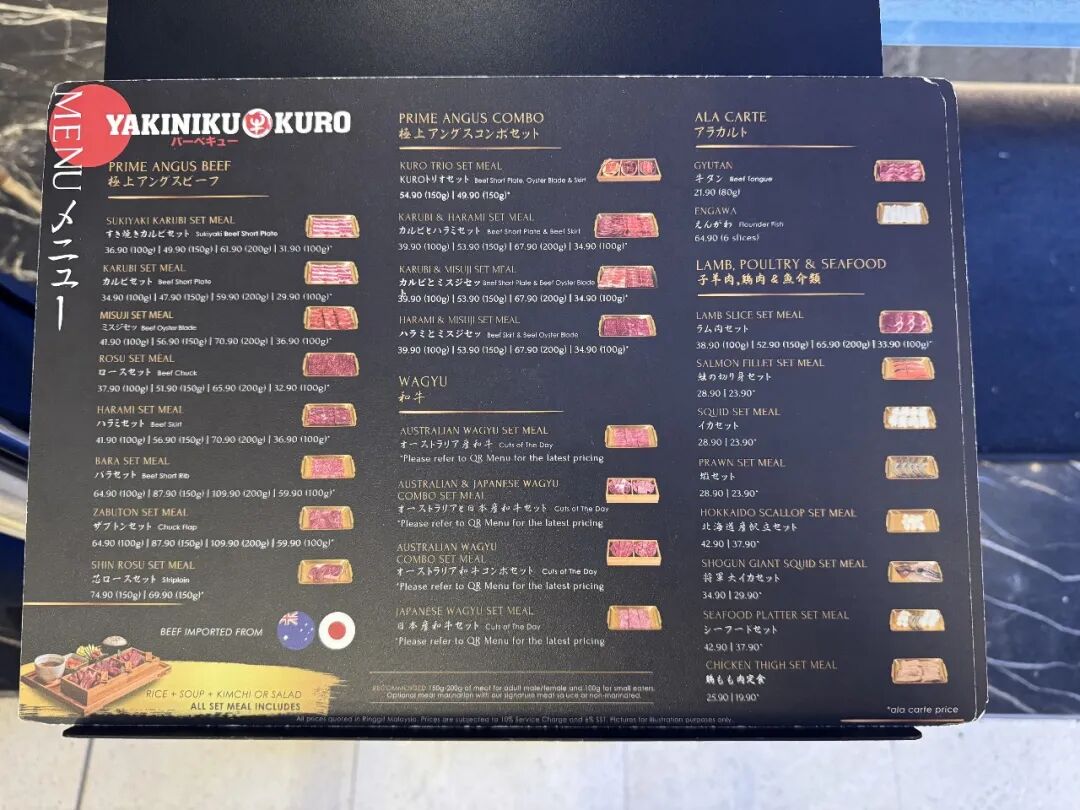
Beef imported from Australia and Japan is used, and the per capita consumption is about RM150.
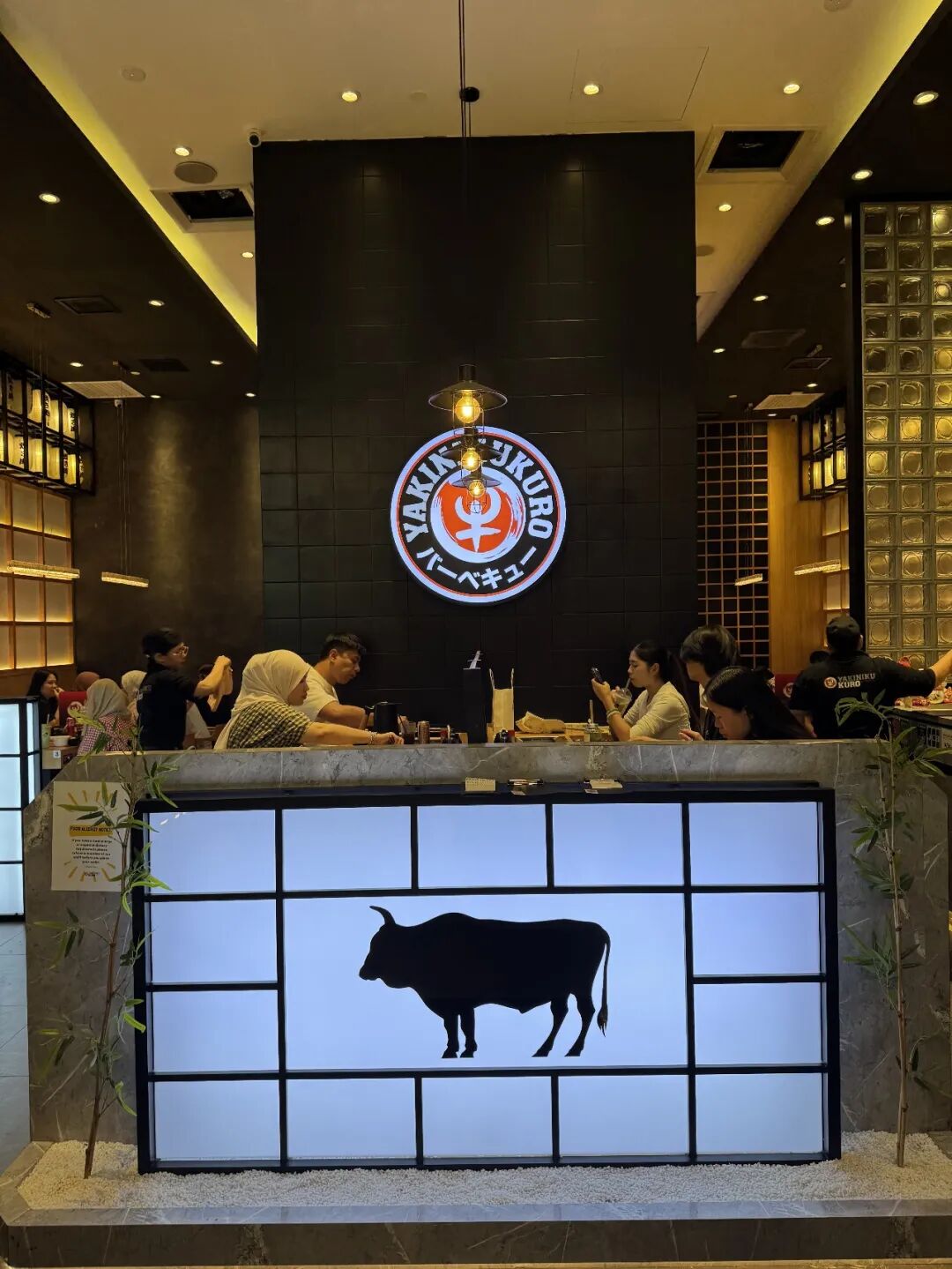
A quick calculation shows that almost all the Japanese food shops I have seen in Kuala Lumpur are halal.
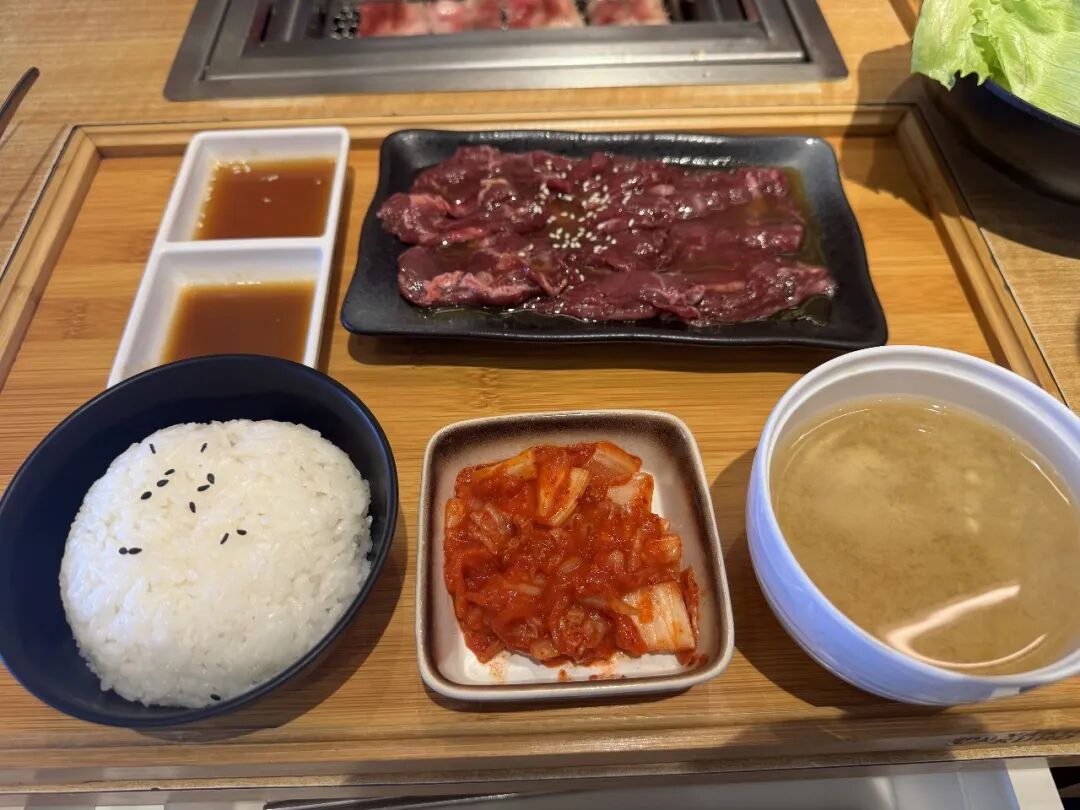
However, eating barbecue in Kuala Lumpur is not as cost-effective as in Beijing. The main reason is that the price is slightly higher than that in Beijing, but the meat quality is actually almost the same.
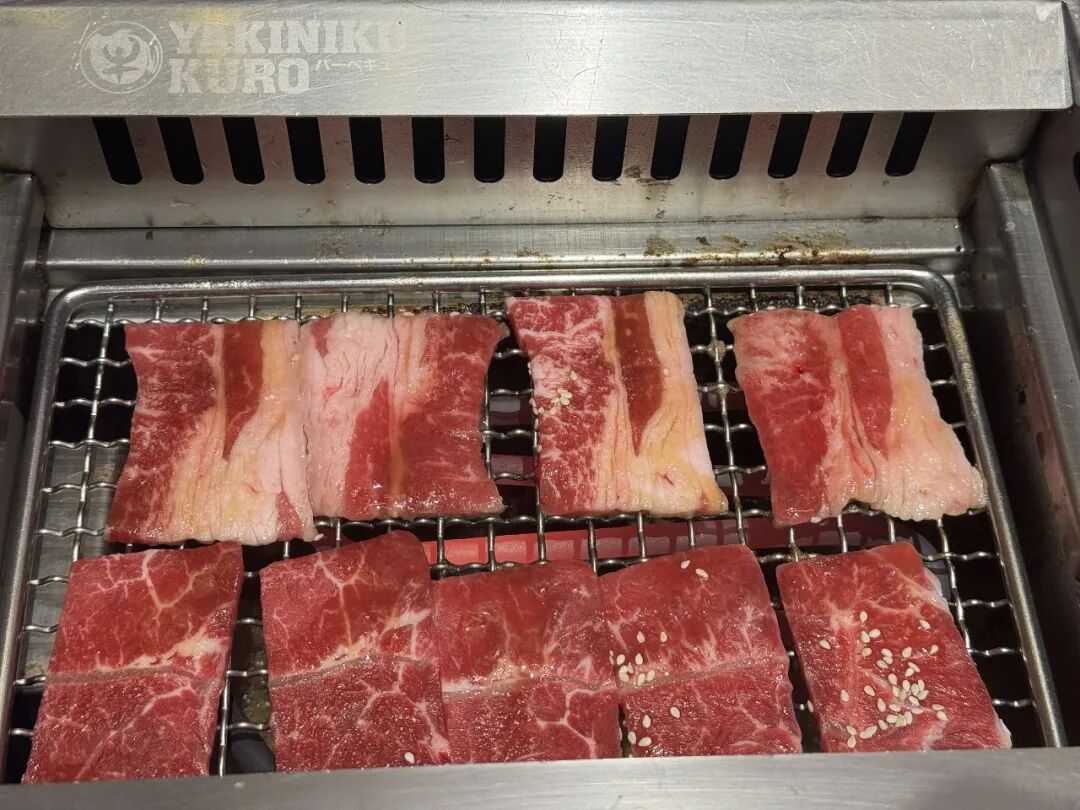
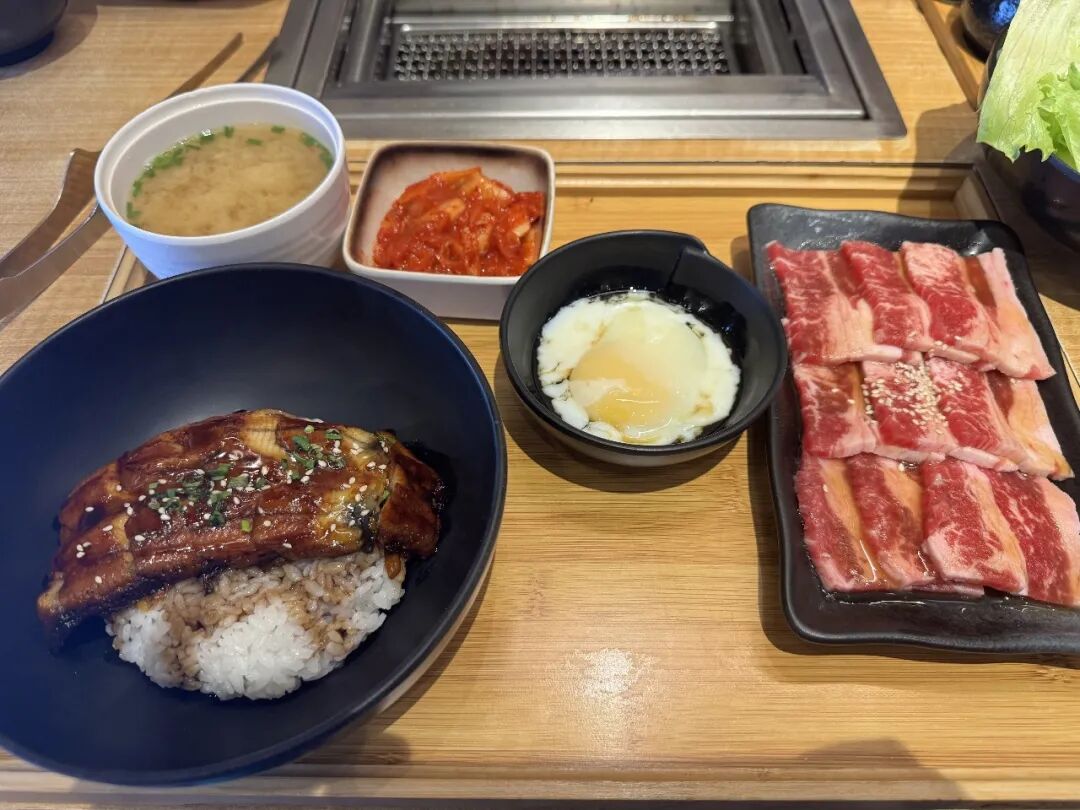
Address: Yakiniku Kuro the Exchange TRX
11. DRAGON HOT POT, one spicy and one spicy
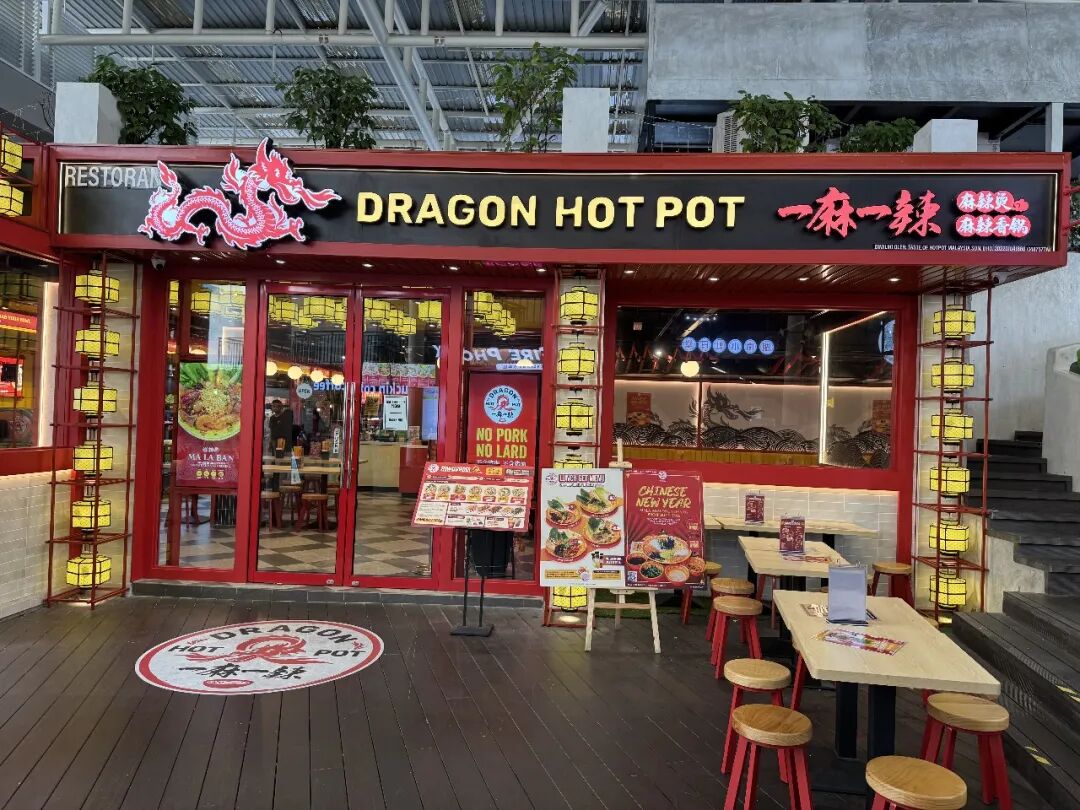
A spicy hotpot restaurant very close to the pavilion, offering spicy hotpot, spicy hotpot, and dry mix. There is a sign at the door that says, "No pork, no lard." This is a cryptic statement for a halal shop, because it requires a lot of money to be certified to hang the halal label.
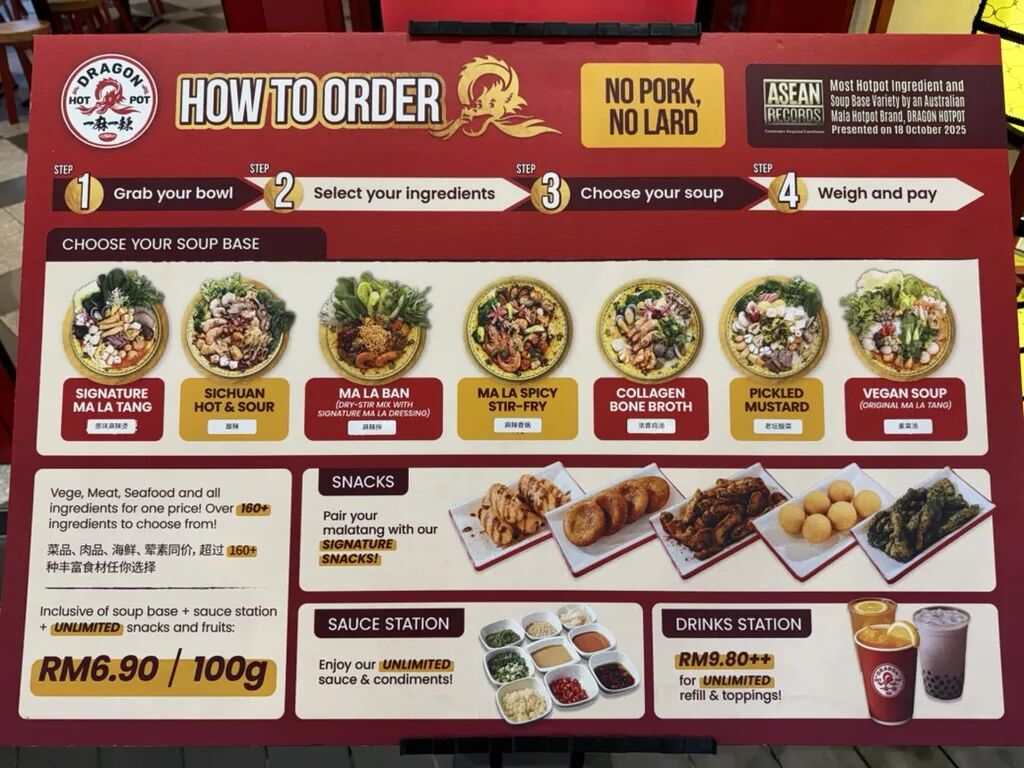
The variety of dishes is quite complete, and there are many ways to eat it. It is a newly opened store and there are not many people.
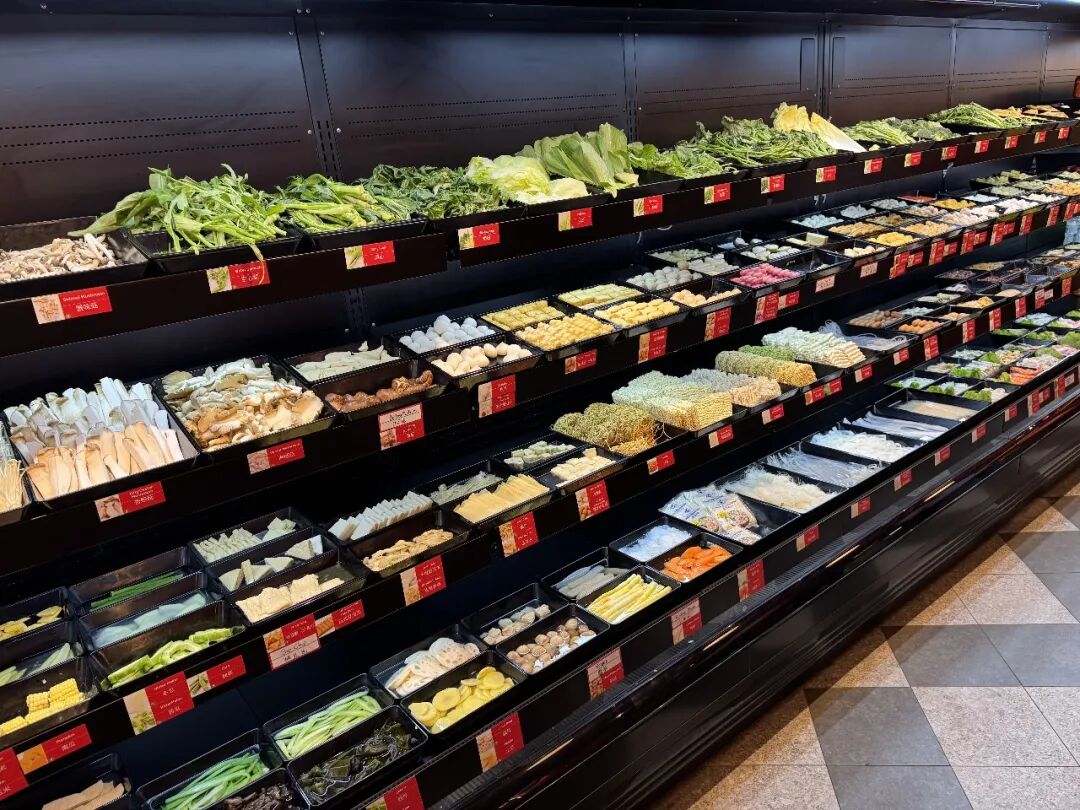
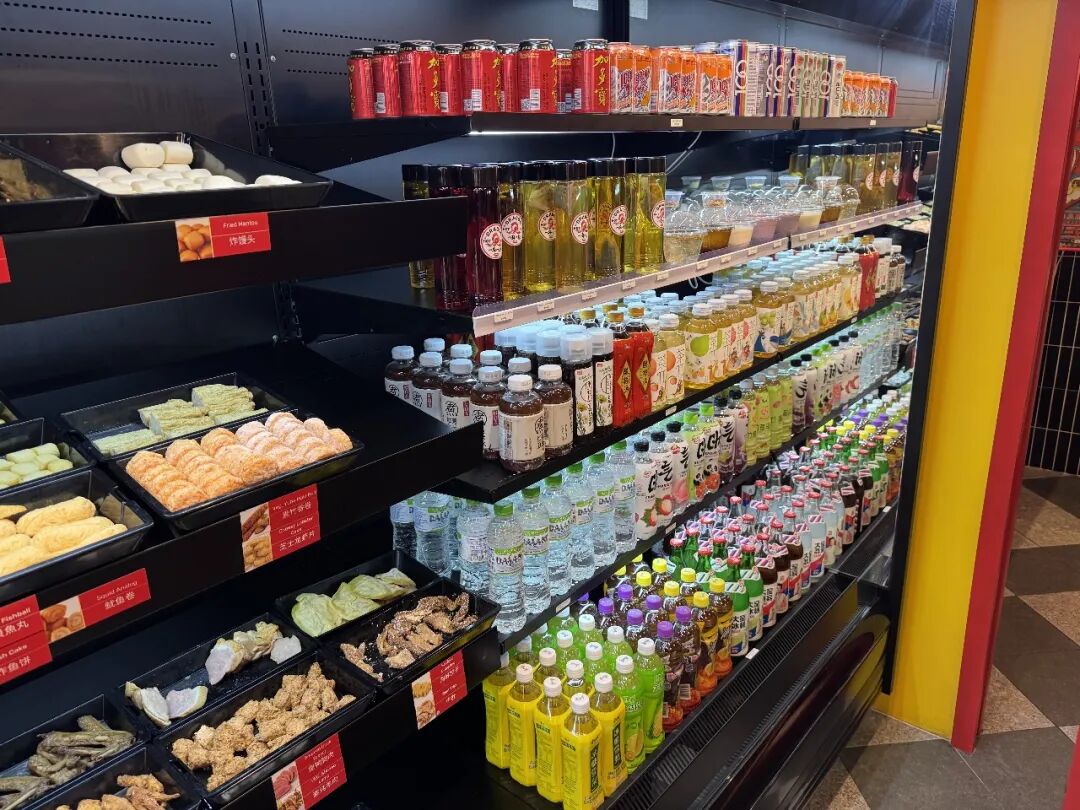
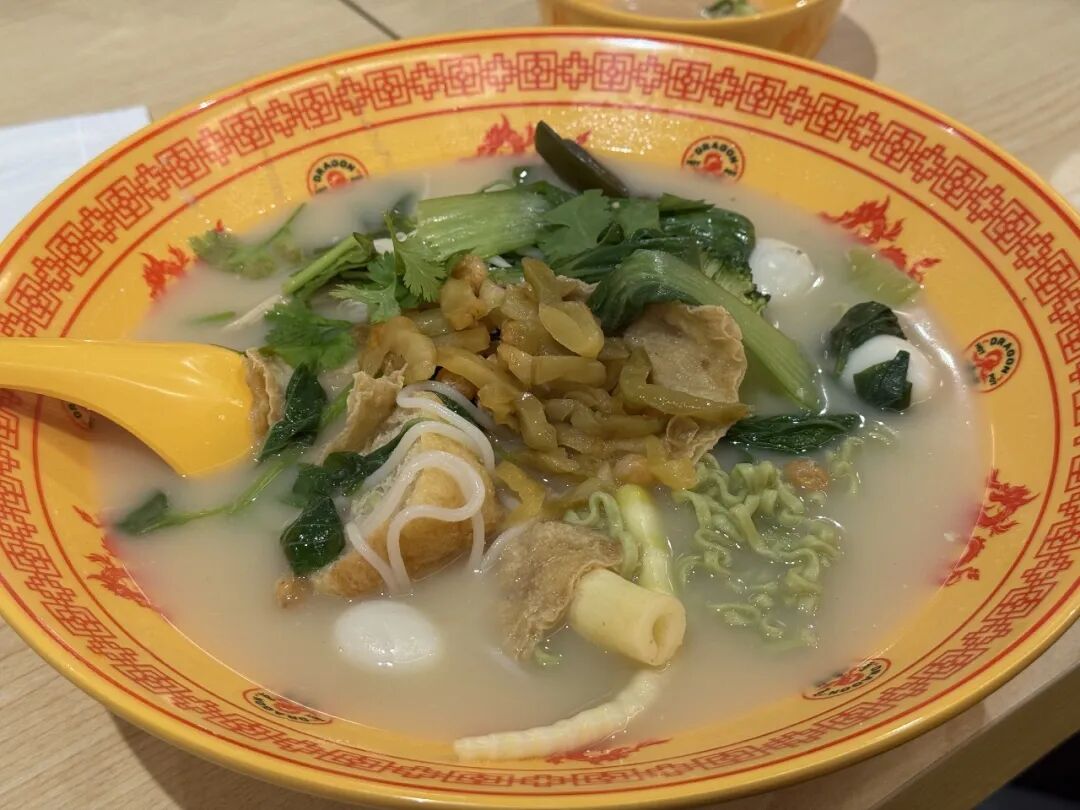
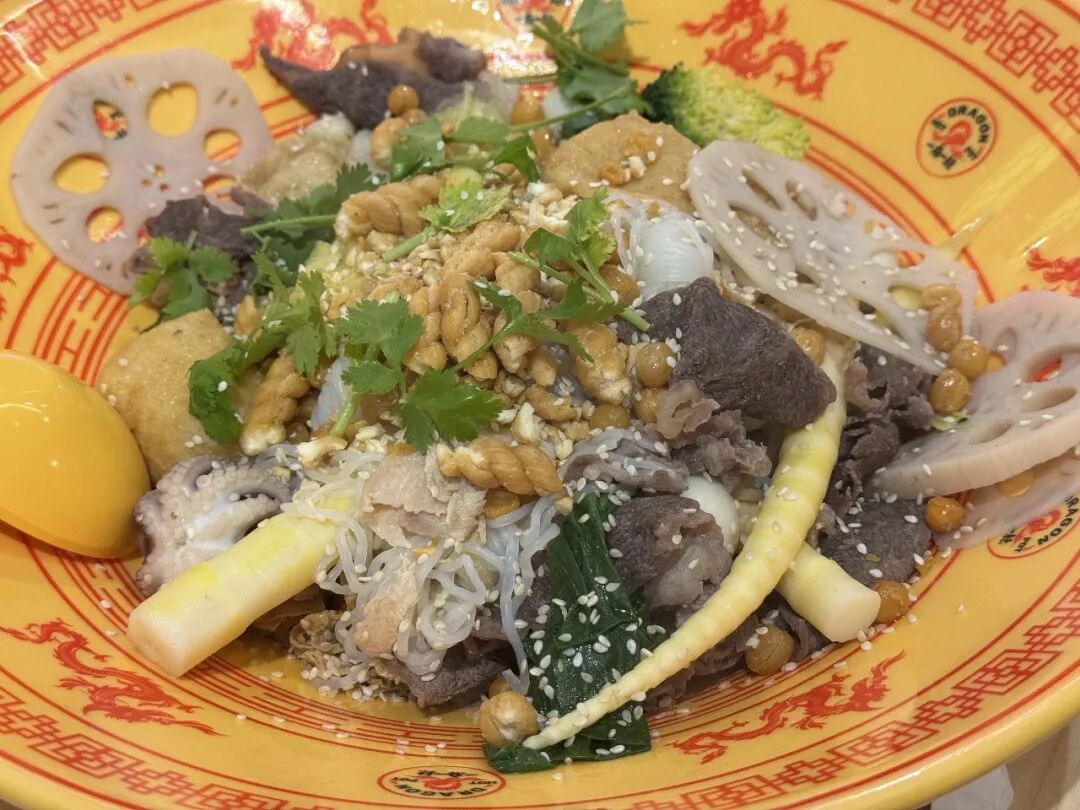
We chose two flavors: spicy hotpot and dry mix. The taste is very good and the price is cheap. The per capita consumption is about RM50.
Address: Xiao Long Xing Dou Lao Hotpot (A Dragon Hotpot)
12. Cafe in house
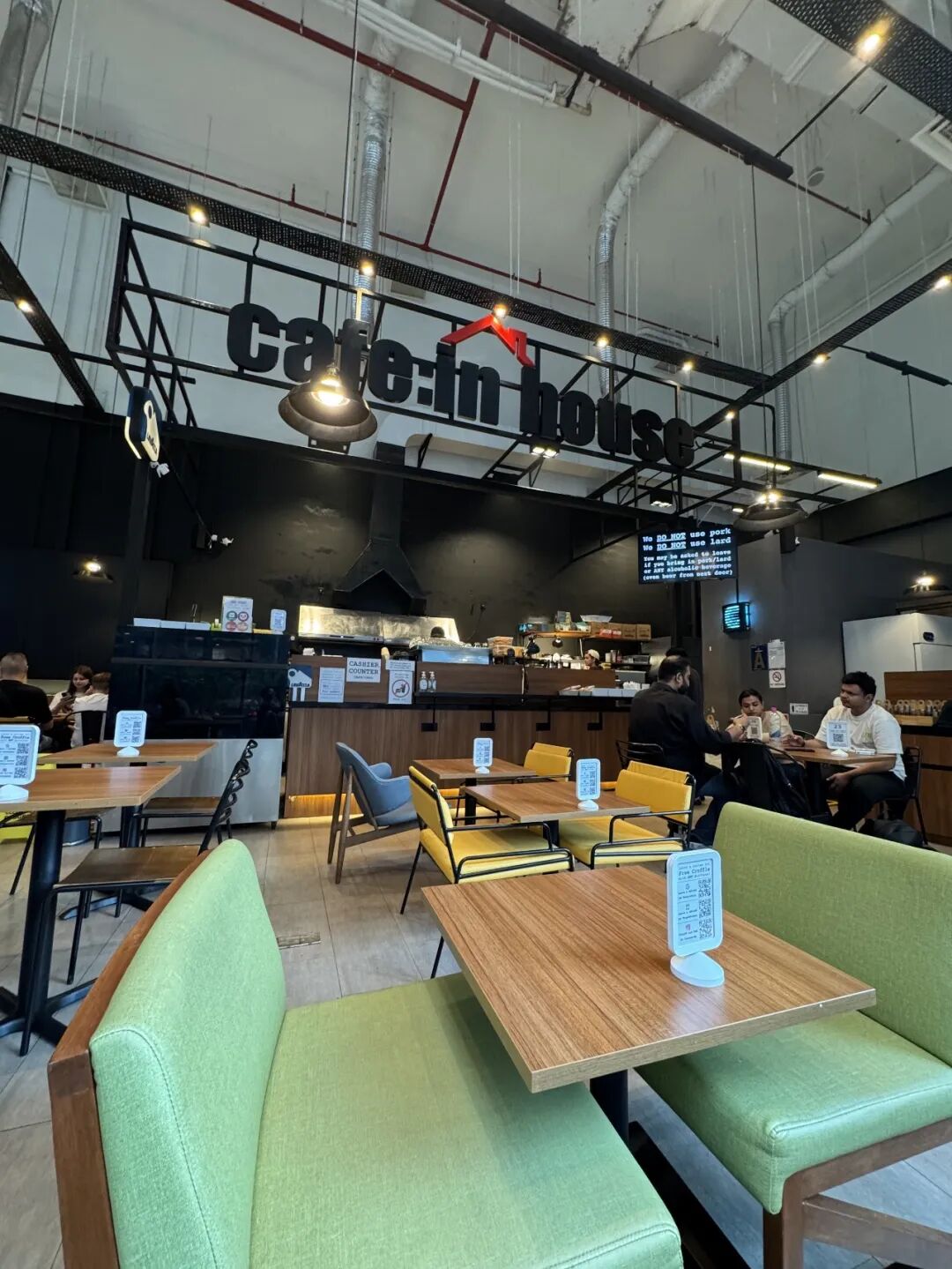
As I said before, in Kuala Lumpur, there are not many places where you can have a delicious and healthy breakfast in the morning. This cafe is one of them. It has a Western-style healthy breakfast that I like. I have eaten the halal version in Canada for a few days before. It is rare to find another one in Kuala Lumpur.
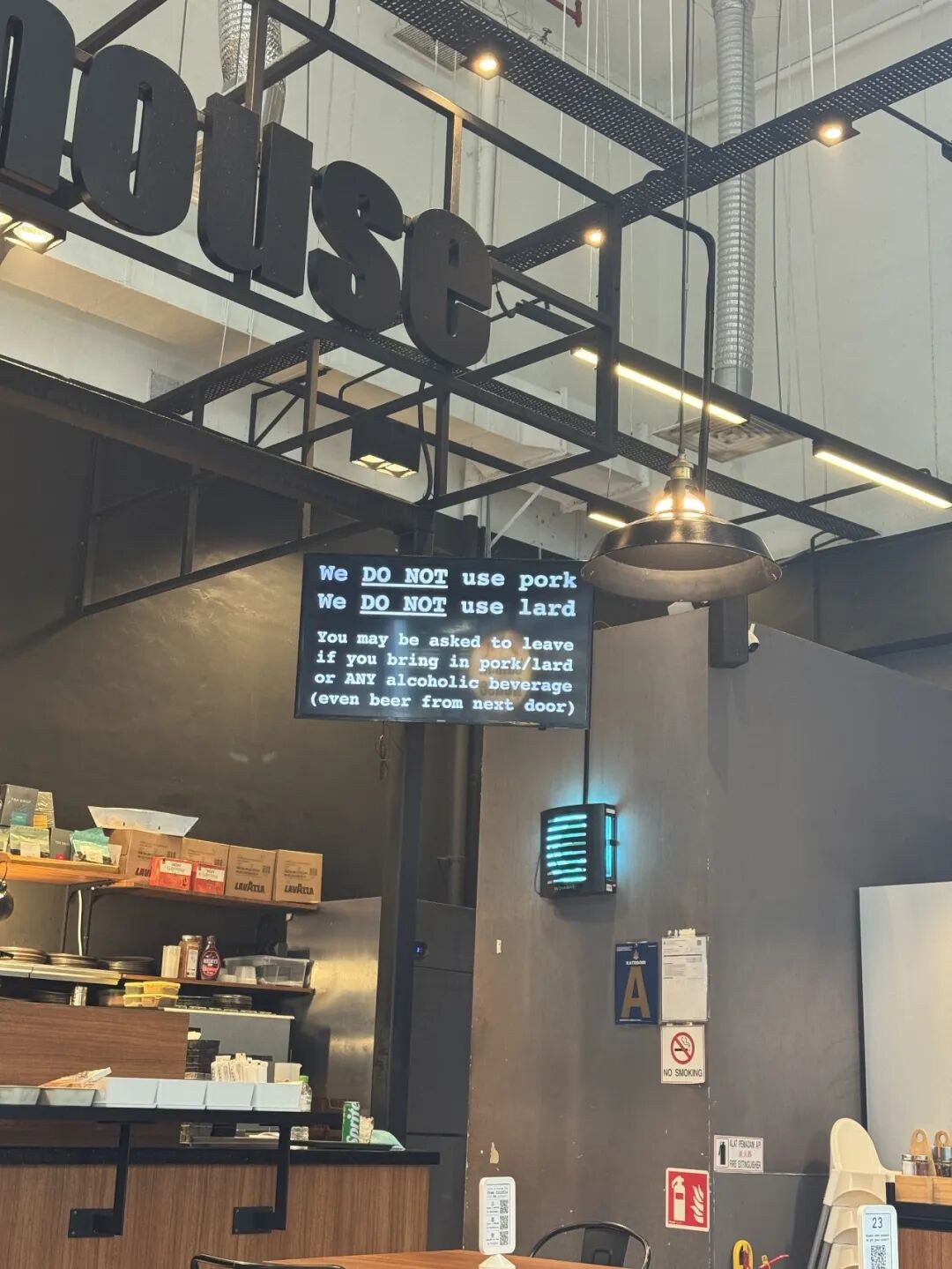
The electronic screen says no pork and no lard. A breakfast costs about 20 ringgit. Such breakfast also sells for 20 Canadian dollars in Canada.
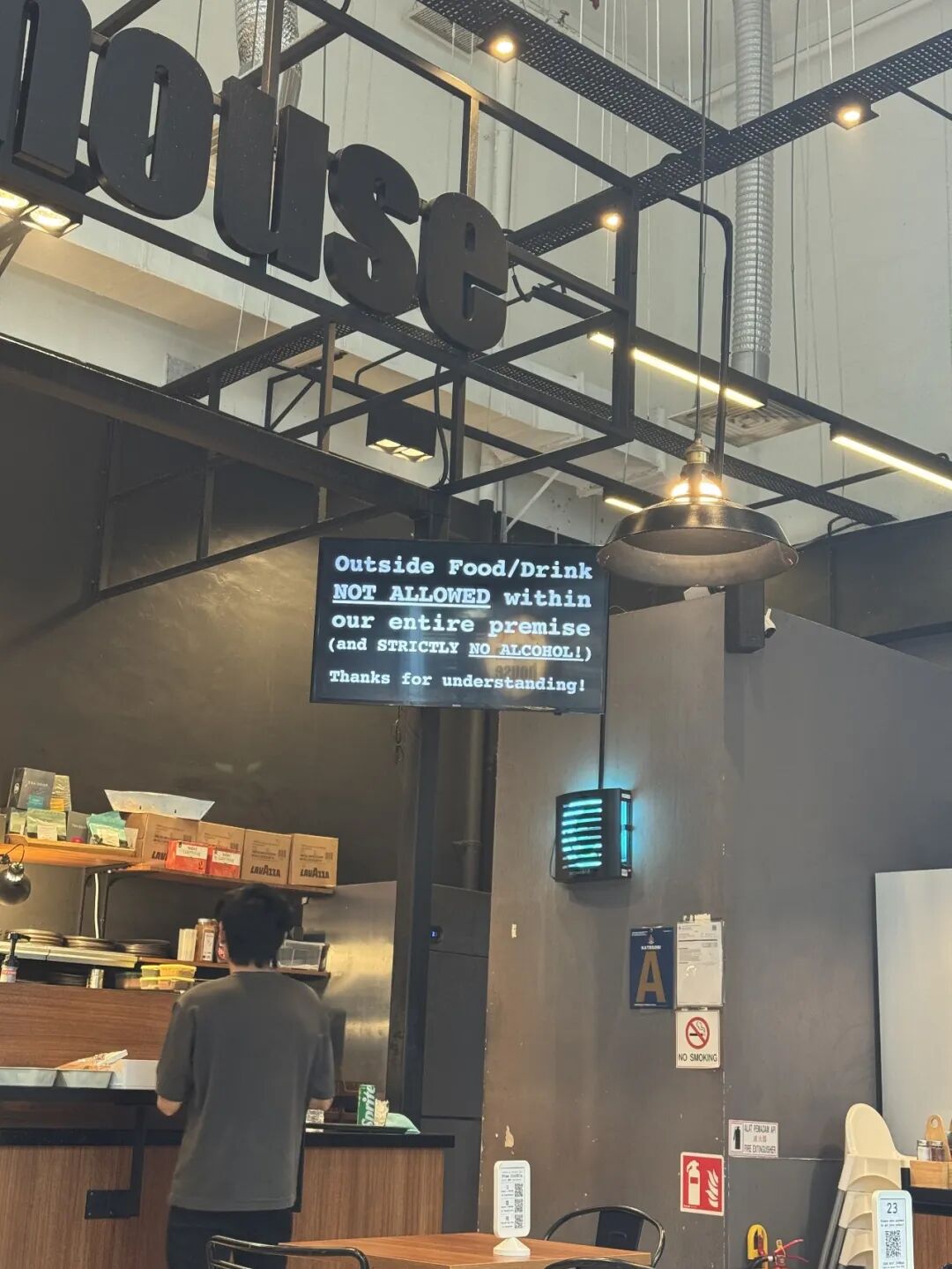
The sign also specifically emphasizes that outside food and alcohol are prohibited, and this store strictly prohibits alcohol.
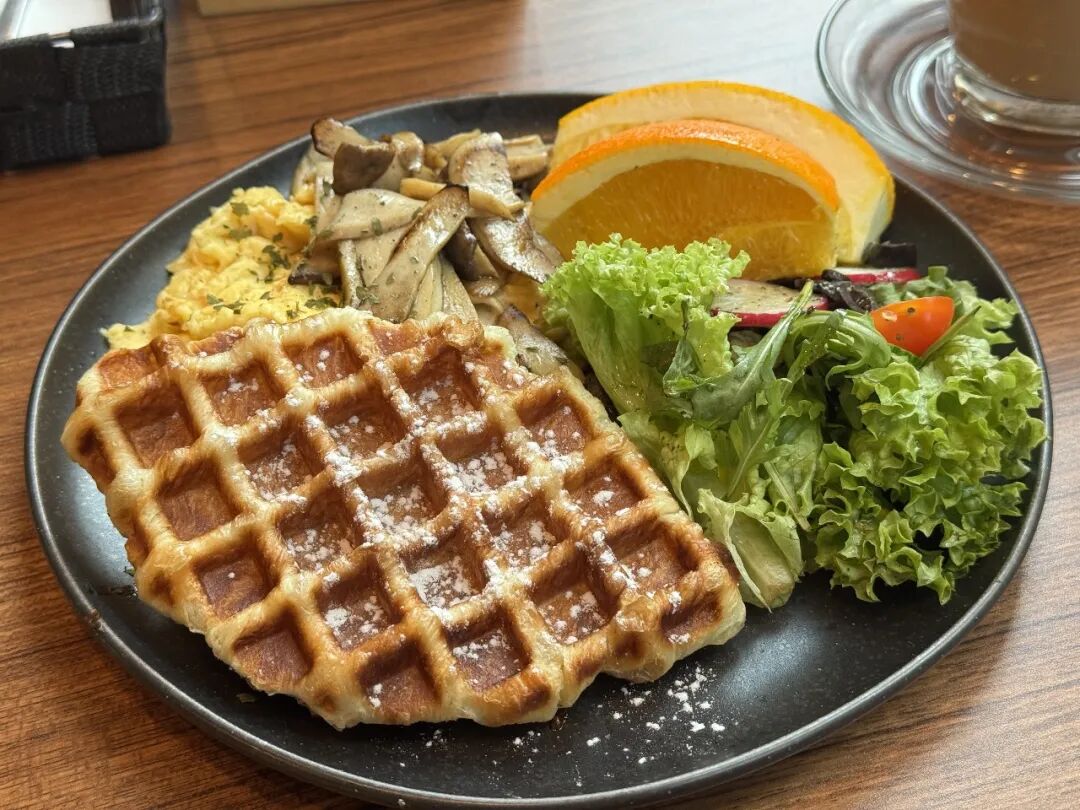
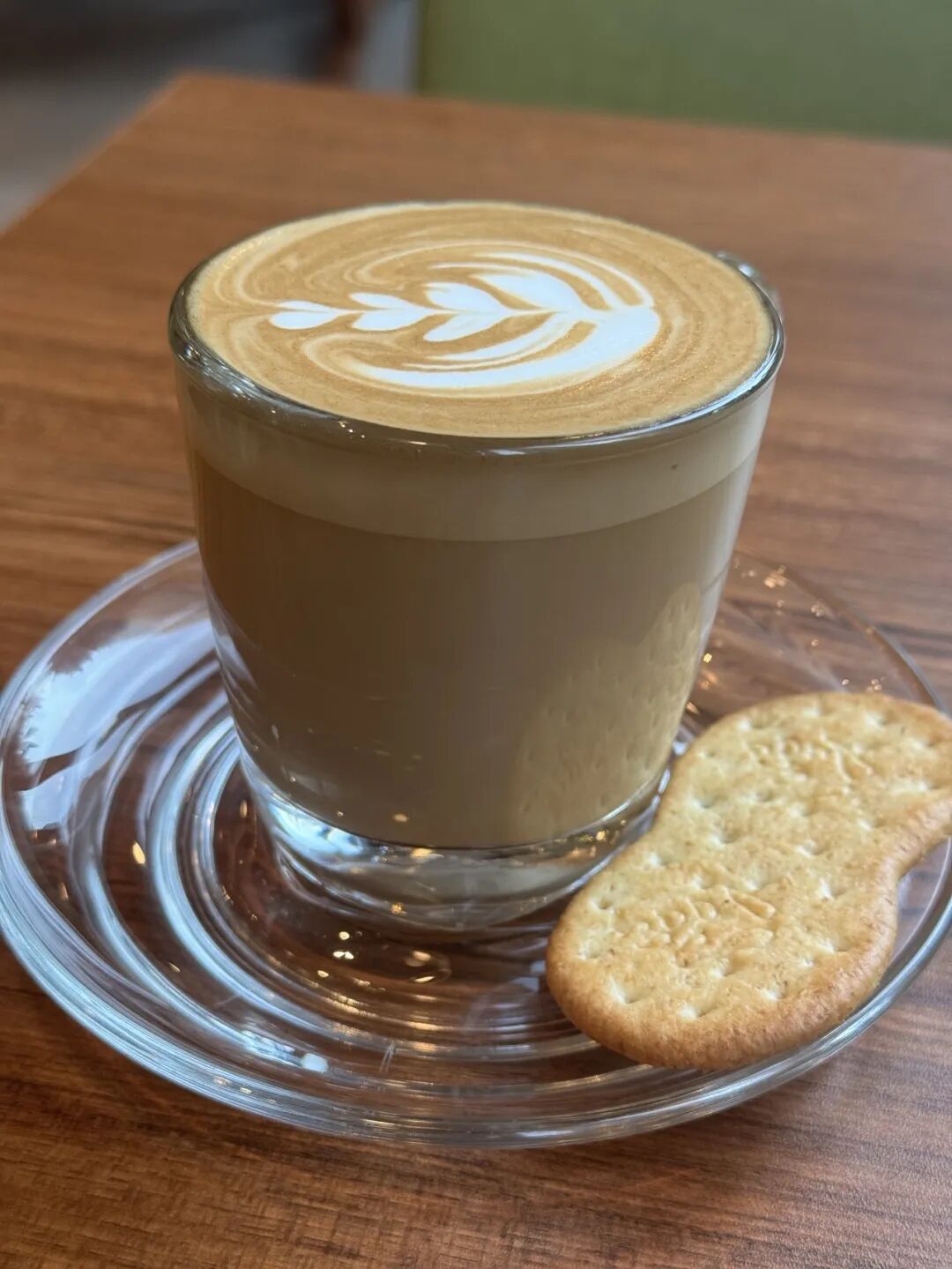
I chose mushroom omelette with waffles. There are many combinations to choose from. I also had a latte and I felt refreshed in the morning.
Address: Cafe-In House
13. WADI HADRAMAWT
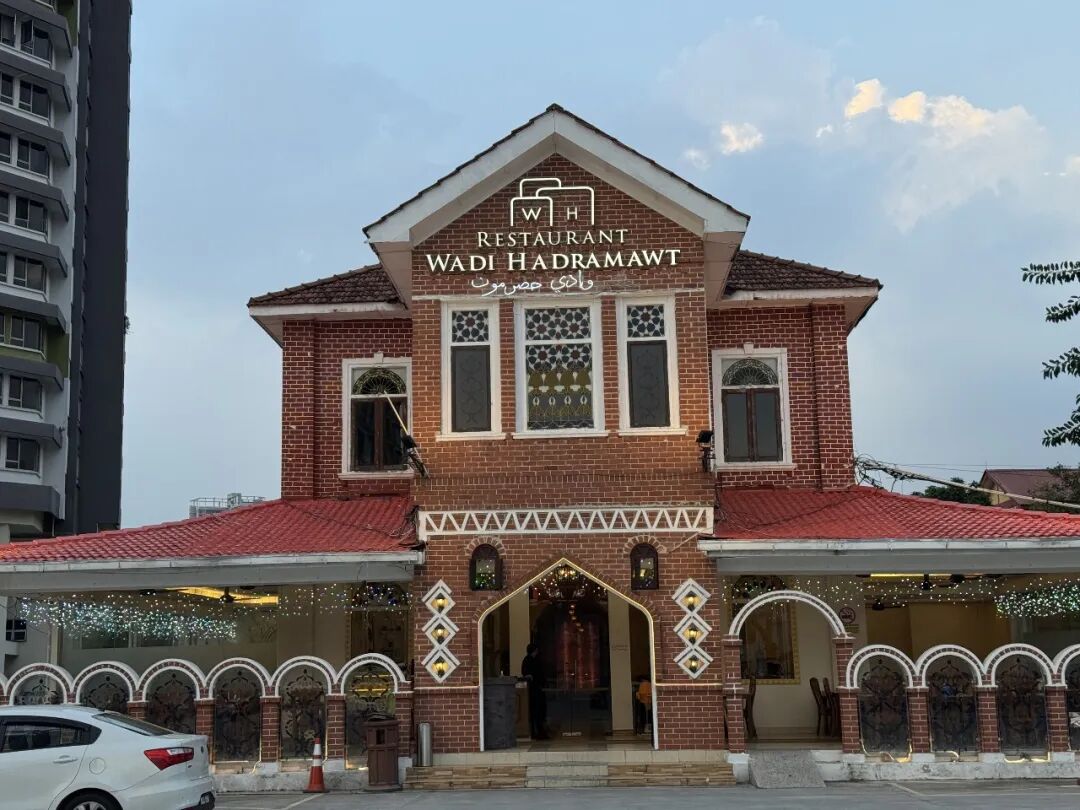
There is a Yemeni Arabic restaurant near my son’s school. This restaurant is his favorite restaurant. My son likes to eat Yemeni baked flatbreads very much.
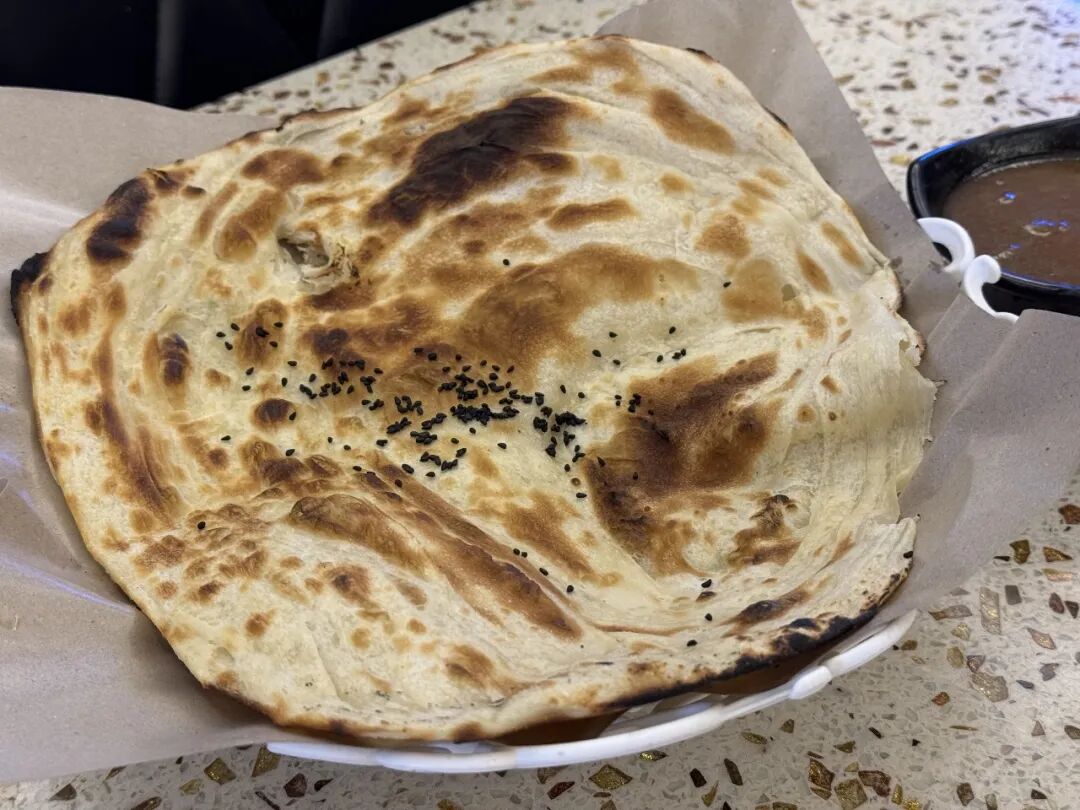
This kind of flatbread is called mulawah, which means flat bread in Arabic. I have a small size, and there is also a large size. It has a full wheat flavor. I also like to eat it, especially when dipped in the potato soup provided by the store.
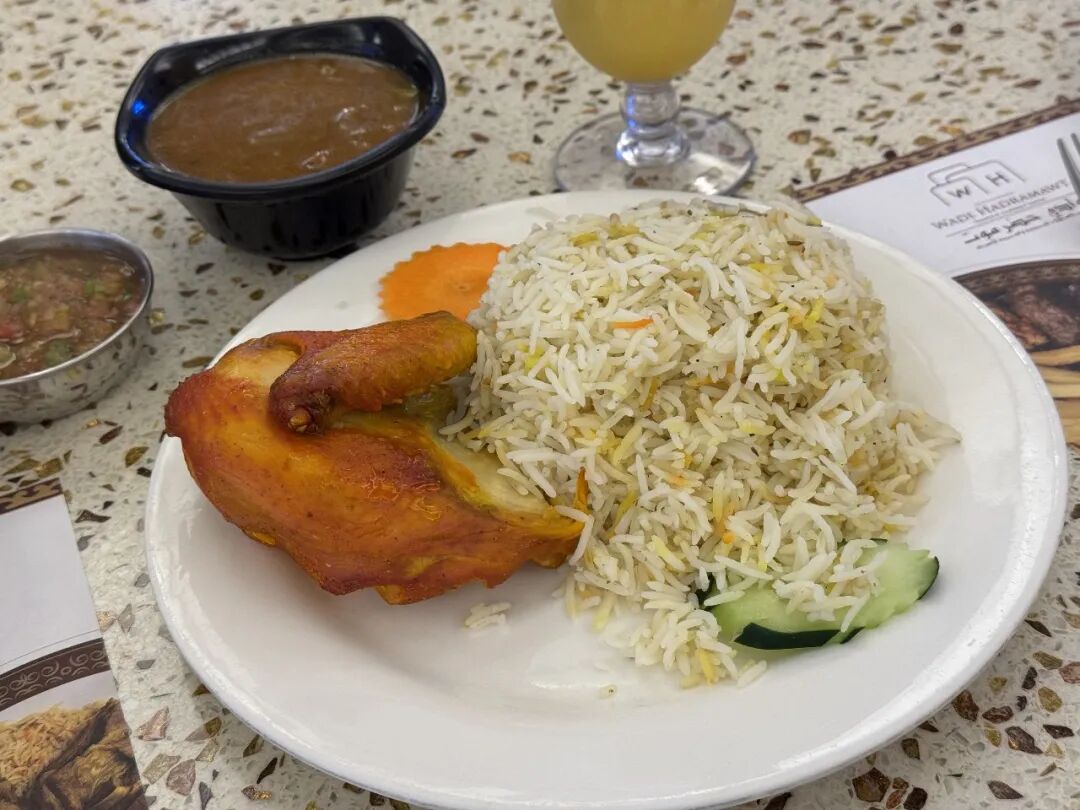
This store has distinct Yemeni characteristics, and the waiters are also dark-skinned Arabs from Yemen.
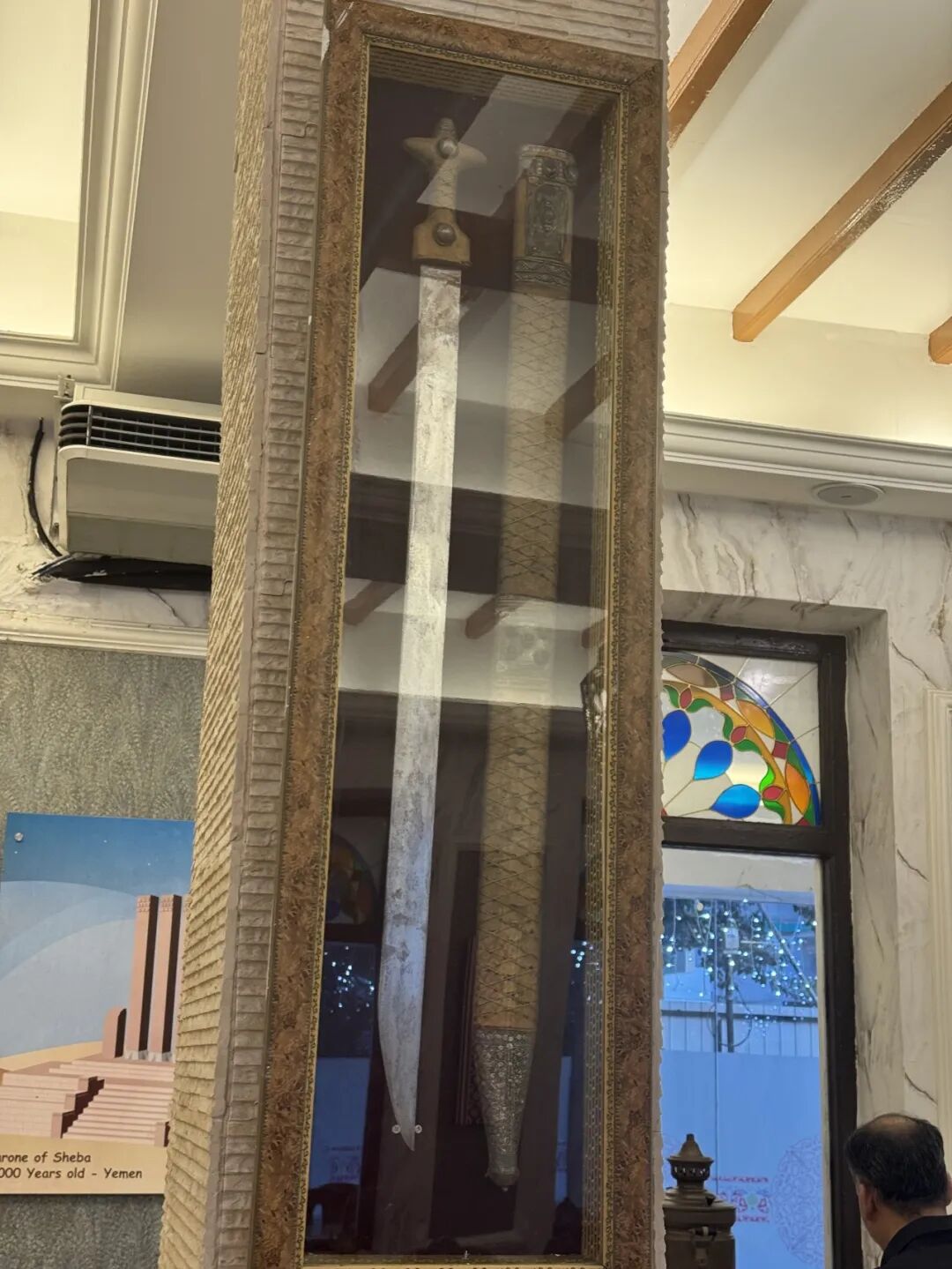
Arabic restaurants in Kuala Lumpur usually do not emphasize that they are halal. They may feel that there is no need to mark it. After all, halal signs are rarely seen in the Middle East, and these Arab restaurants all do not serve alcohol.
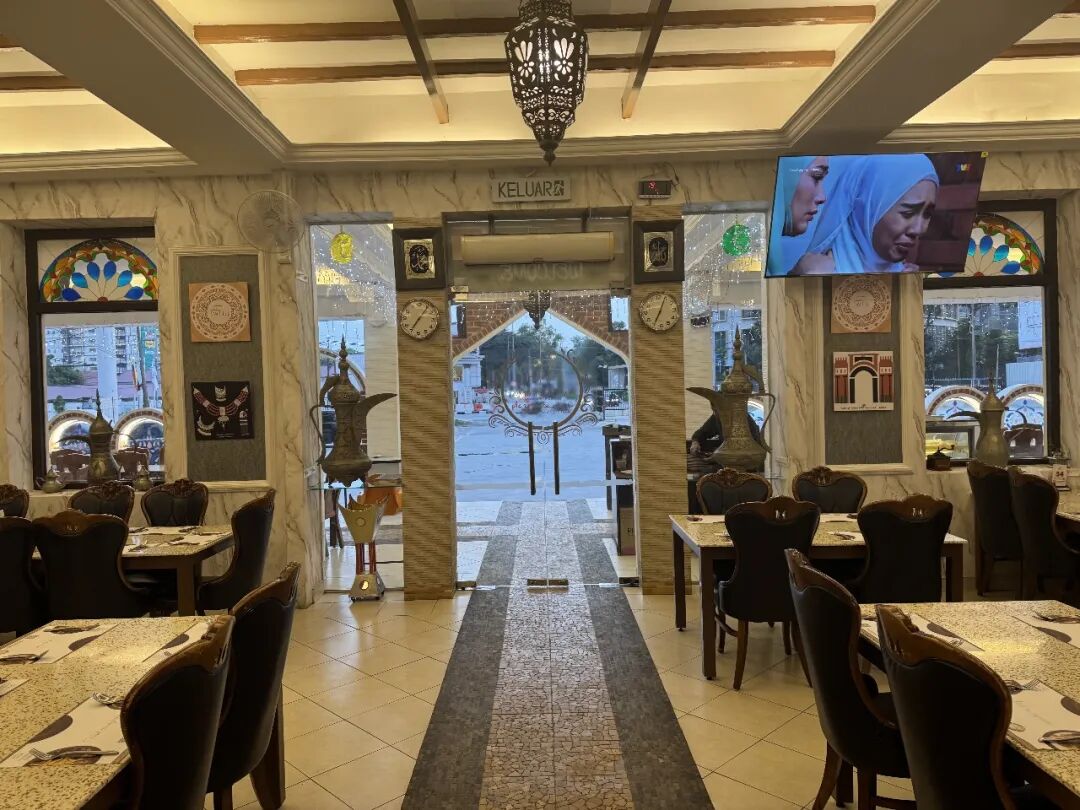
There is a very large parking lot in front of this store. During Ramadan, the yard is full of cars coming to break fast at night, but usually there are not many people and the price is very cheap. The average consumption per person is 30 yuan. I only took my son to eat there more than ten times.
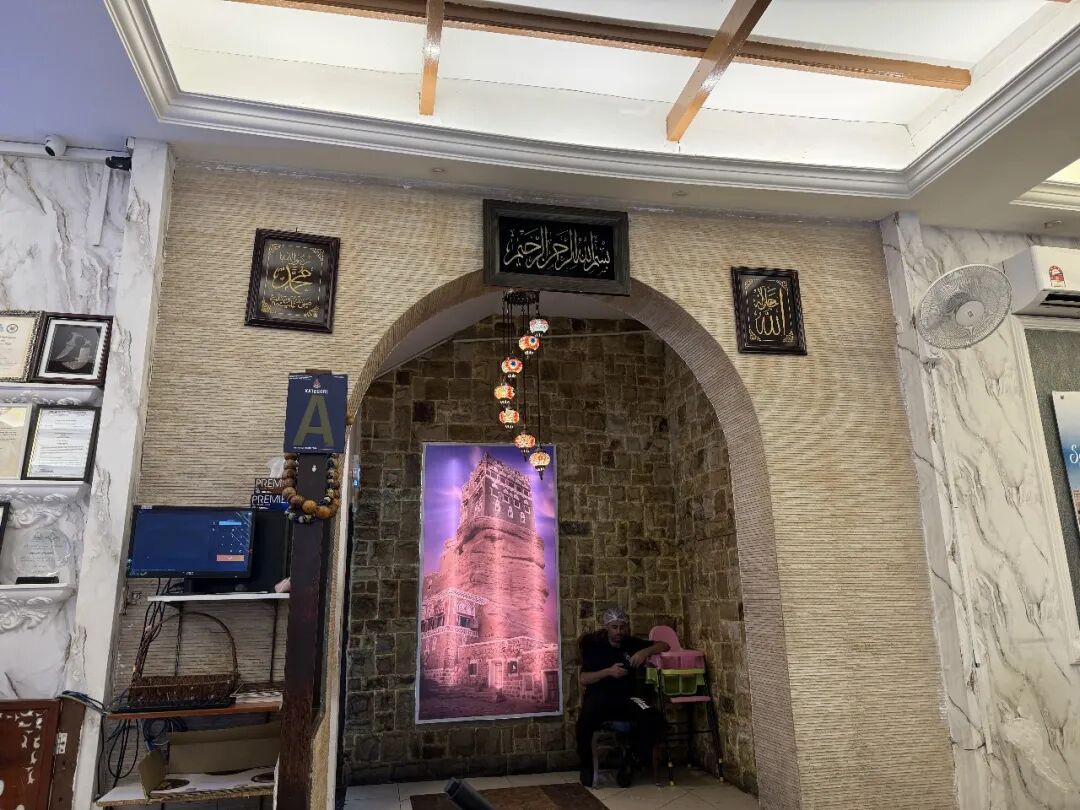
Address: Restoran Wadi Hadramawt
14. REHAN
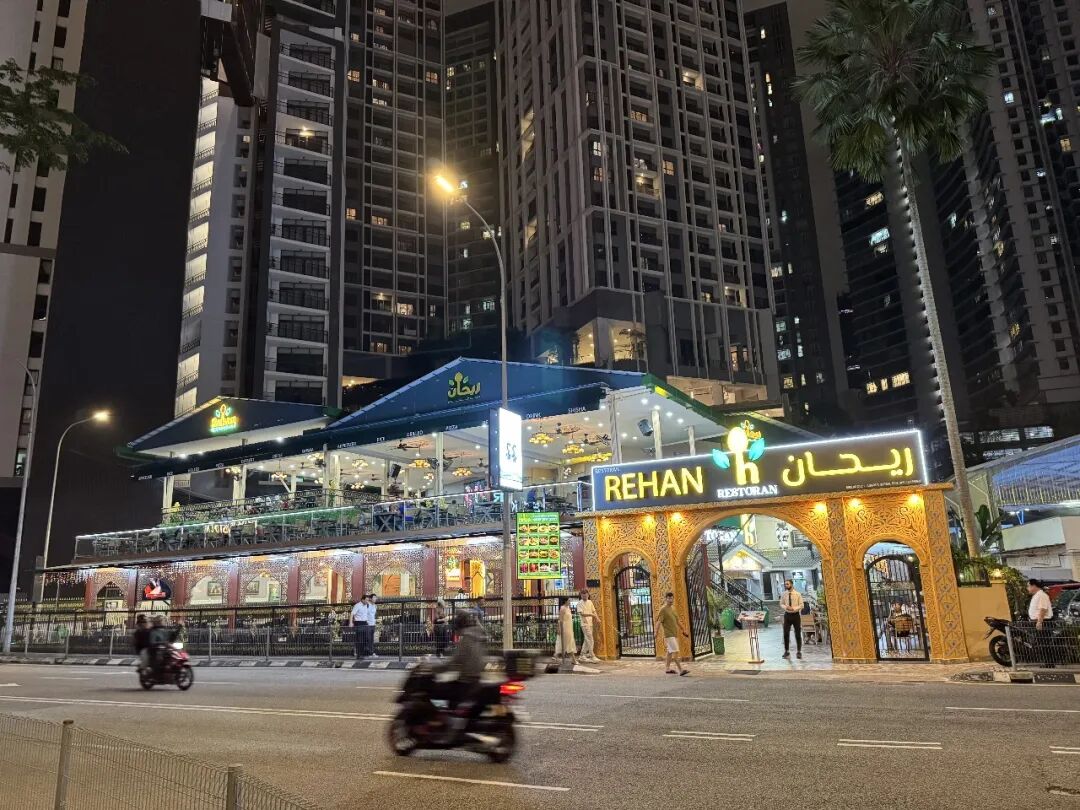
This store is also near the apartment where I live, across the road from the white ORCHID. My son prefers to eat in this store because his family has Yemeni flatbreads, but the one opposite does not. So sometimes I go to the opposite store to pack a mandi, and then pack a Yemeni flatbread from this store.
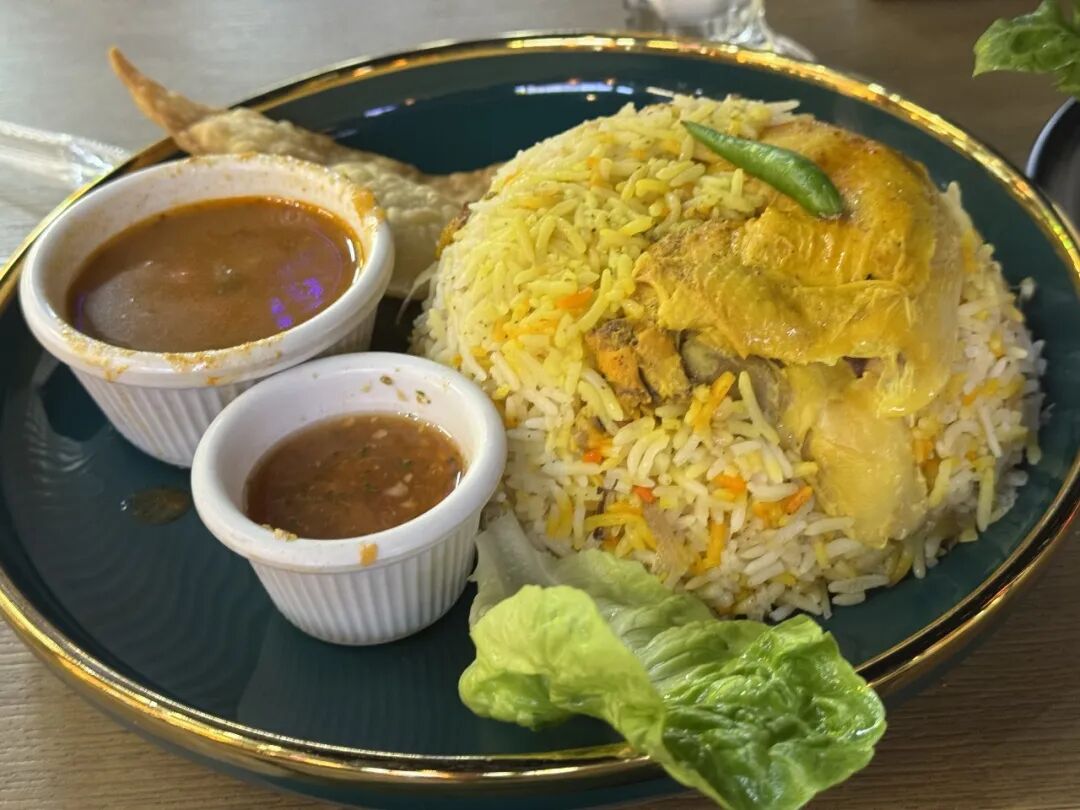
The mandi in this shop is okay, but not as exquisite as the one opposite. My wife also prefers the mandi in the white Arabic restaurant across the street, so they are all Arabic rice, but the details are slightly different. The prices of the Arab restaurants near our home are slightly higher than the one at my son’s school. For example, the Yemeni flatbread in this shop is 10 ringgit a piece, while the school shop only sells it for 4 ringgit, and it is more delicious.
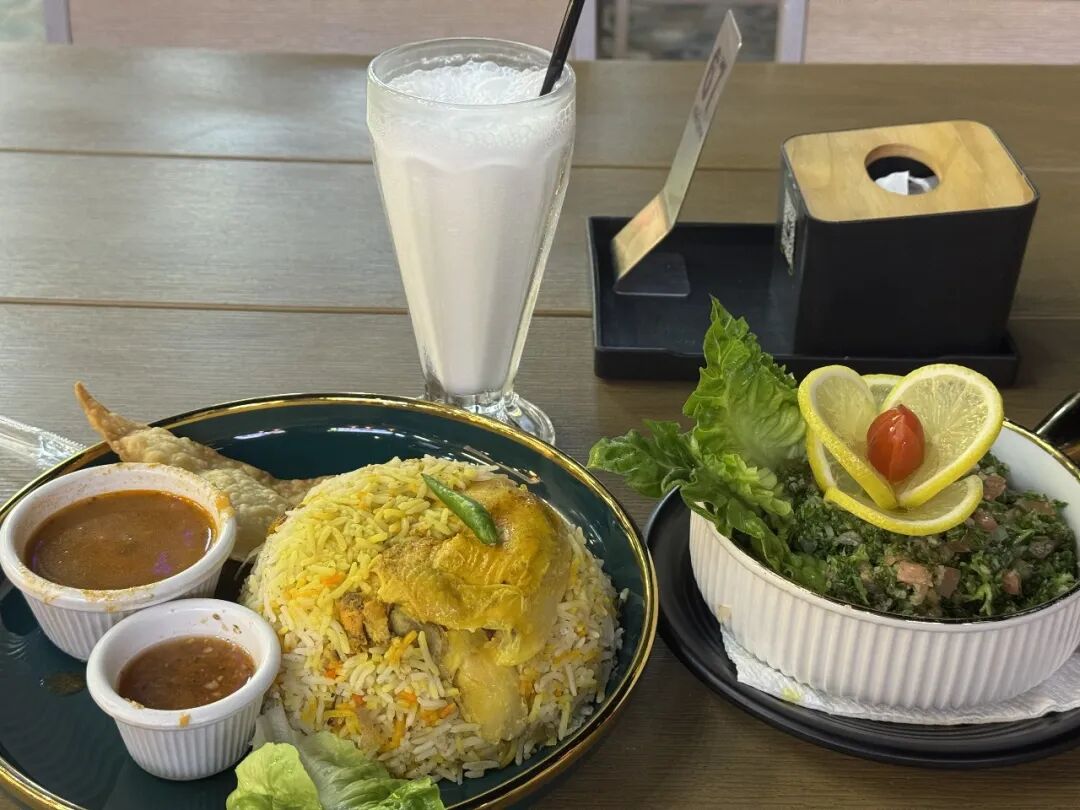
Address: Rehan Restaurant (Rehan)
Halal Travel Guide: Tai'an, Shandong - Ramadan Mosque Visits and Hui History
Articles • ali2007fr posted the article • 0 comments • 266 views • 2026-05-20 09:24
Summary: This Ramadan trip visits three historic mosques in Tai'an, Shandong: Taicheng Mosque, Dong Mosque, and Xiawang Mosque. The account records their dated steles, prayer hall layouts, imam history, Hui Muslim neighborhoods, and preserved mosque details.
During Ramadan in 2025, I spent three Saturdays taking the high-speed train to visit nine ancient mosques in Jinan, Qingzhou, and Tai'an, Shandong. The first two articles covered the mosques in Jinan and Qingzhou. This is the third article, covering my visit to Taicheng Mosque, East Mosque, and Xiawang Mosque in Tai'an.
Taicheng Mosque.
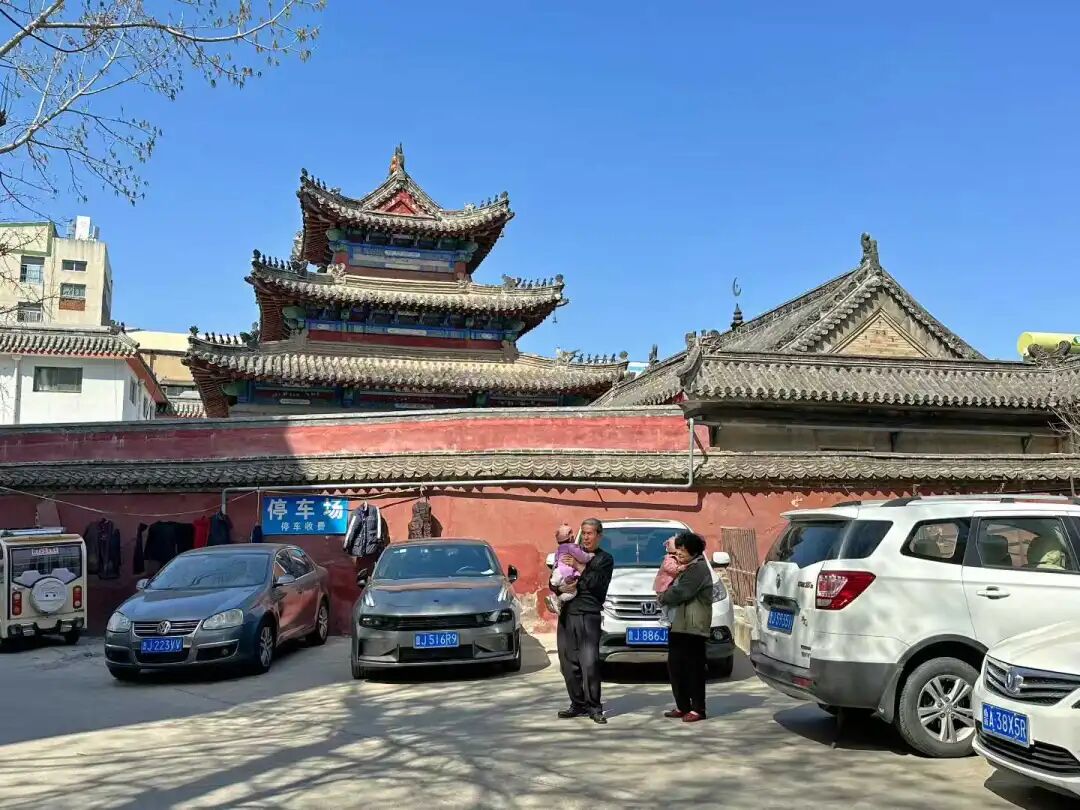
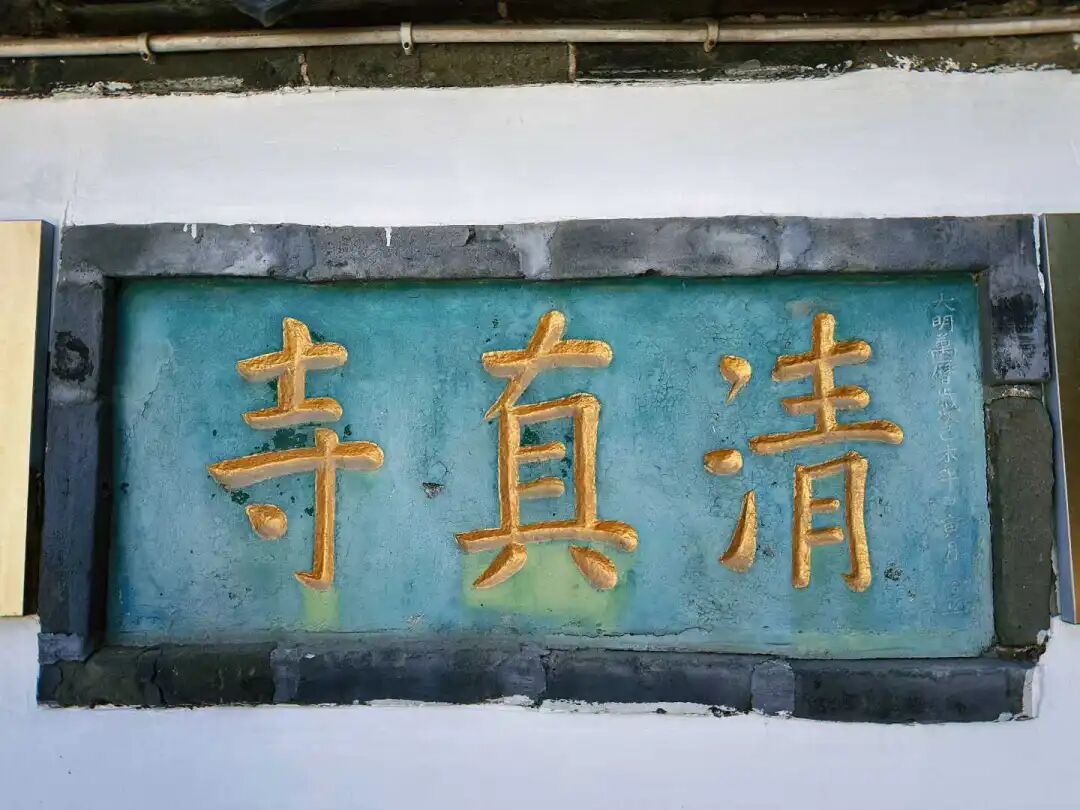
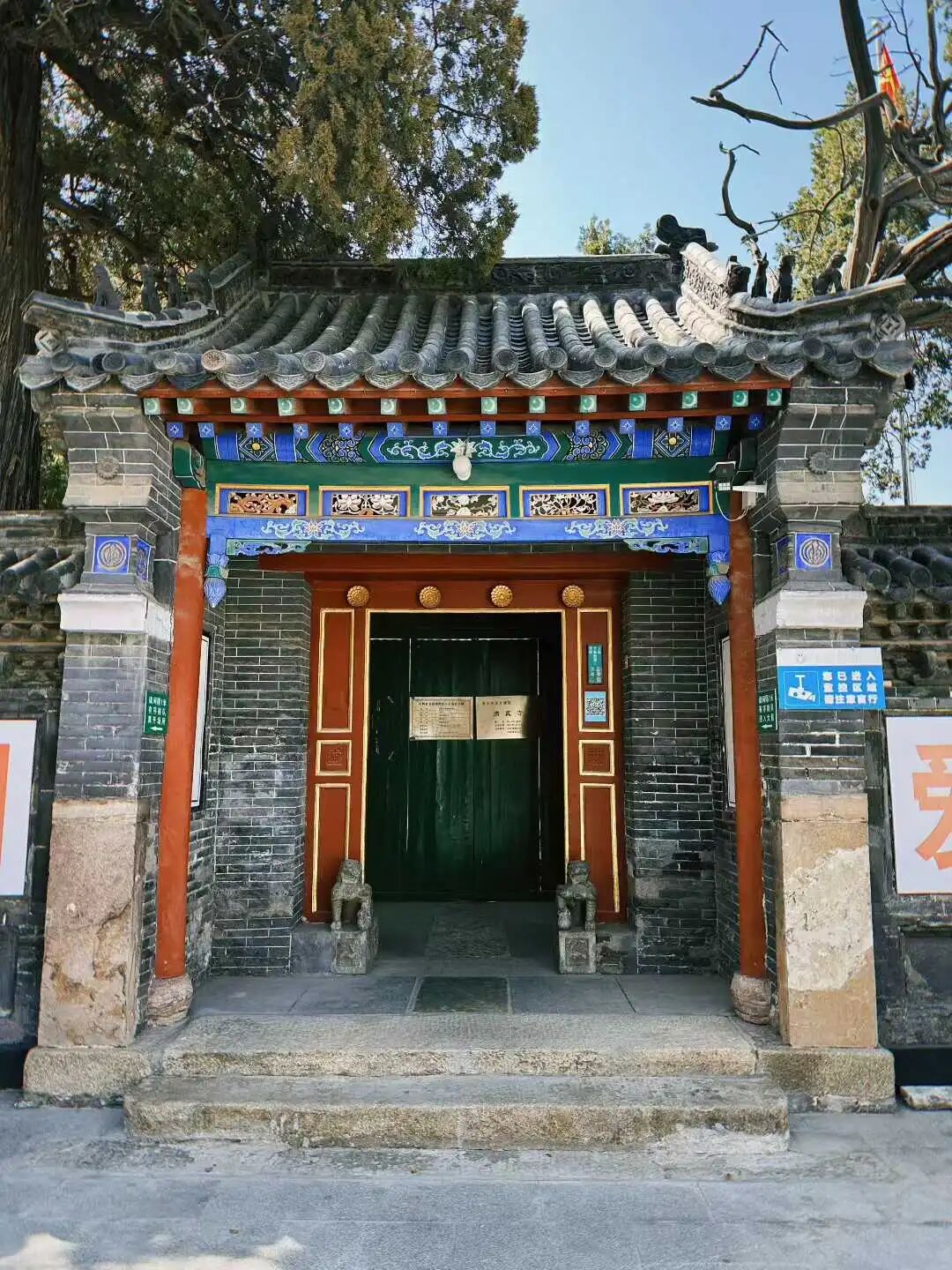
Taicheng Mosque is said to have been built in the late Yuan and early Ming dynasties. It was renovated many times during the Ming, Qing, and Republican eras. The mosque still keeps a stone tablet header inscribed with "Mosque" (Qingzhensi) dated 1619, the 40th year of the Wanli reign of the Ming Dynasty.
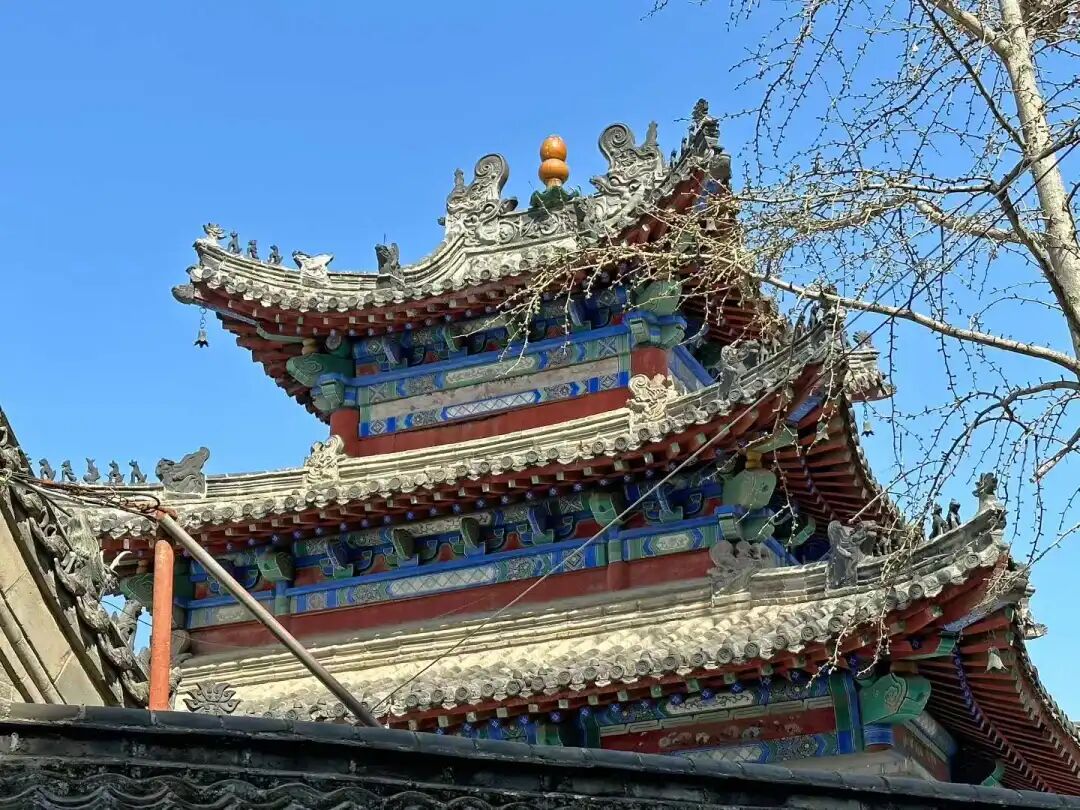
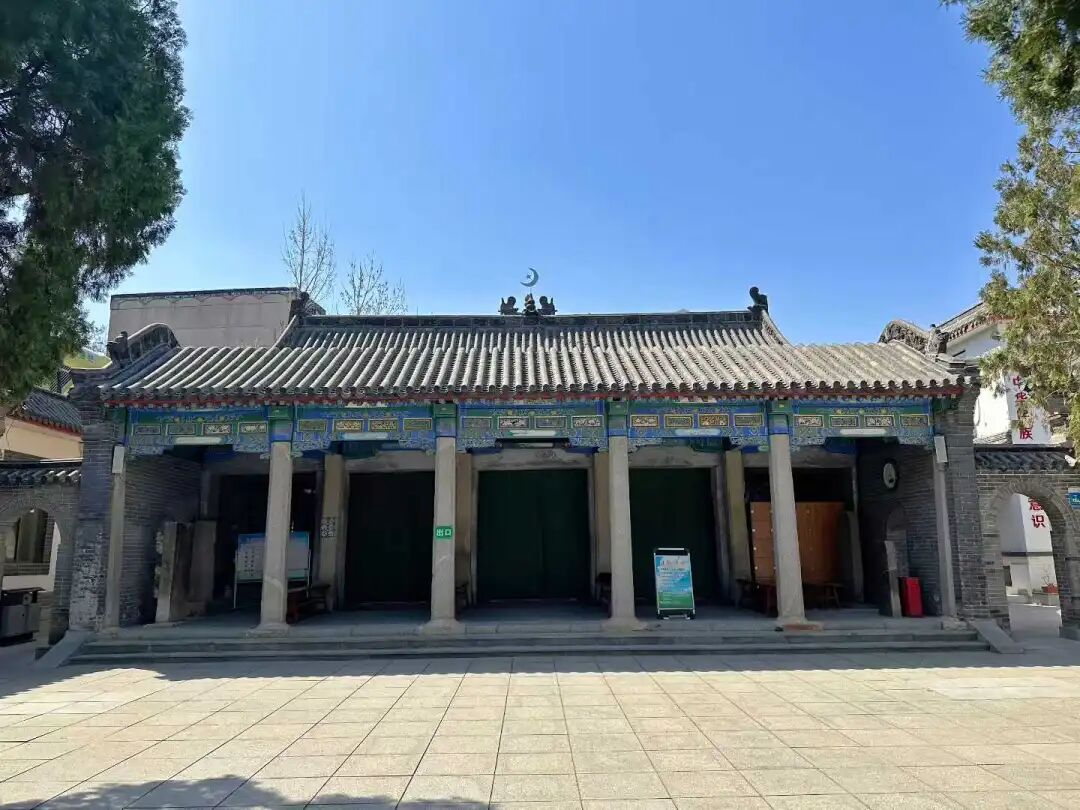
The prayer hall consists of a front porch, a main hall, and a rear kiln-style hall (yaodian) connected together. The roof of the kiln-style hall is a double-eaved hip-and-gable roof. The main hall uses a beam-lifting wooden frame structure, and there is a two-meter-thick archway between it and the kiln-style hall.
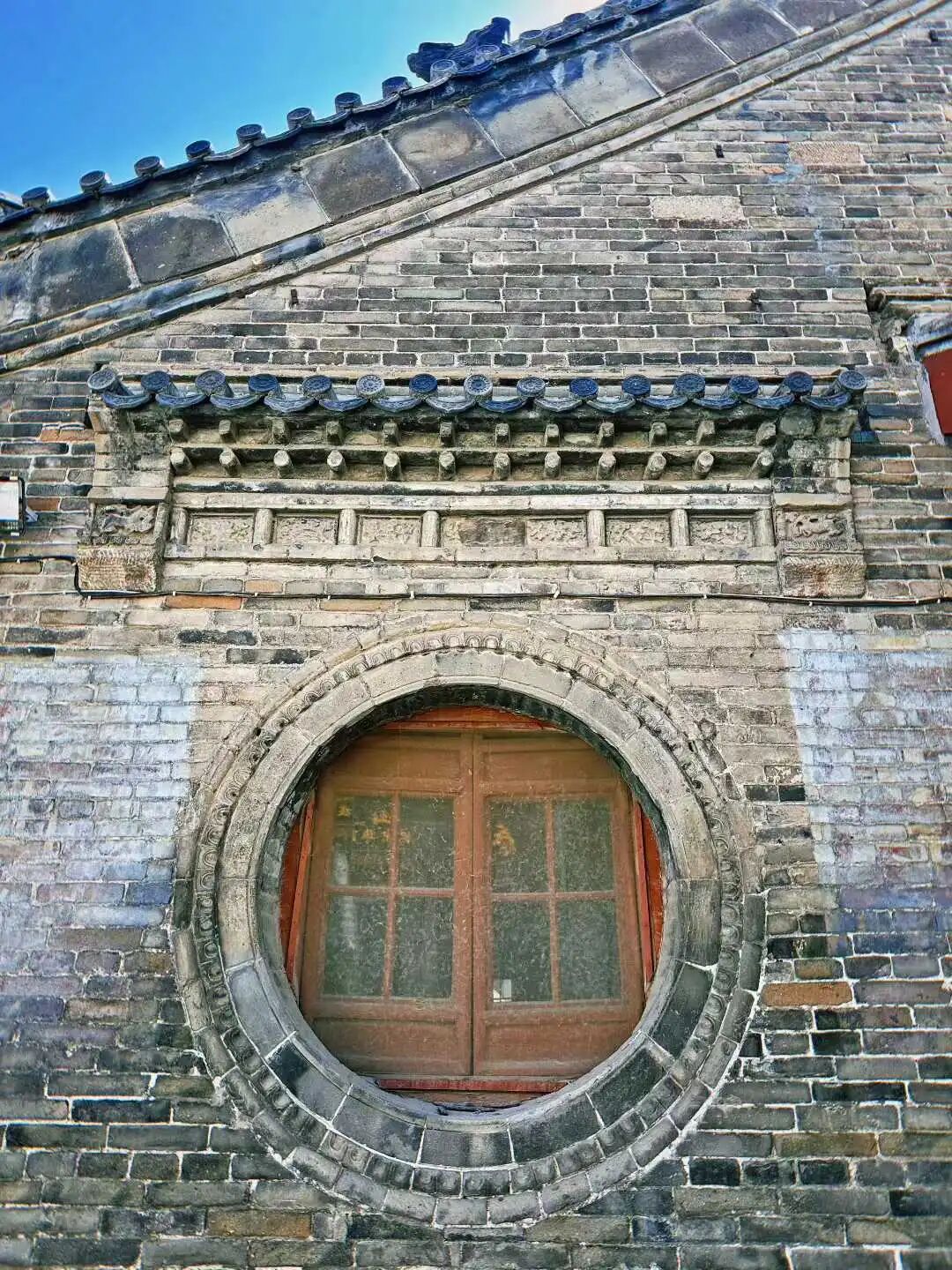
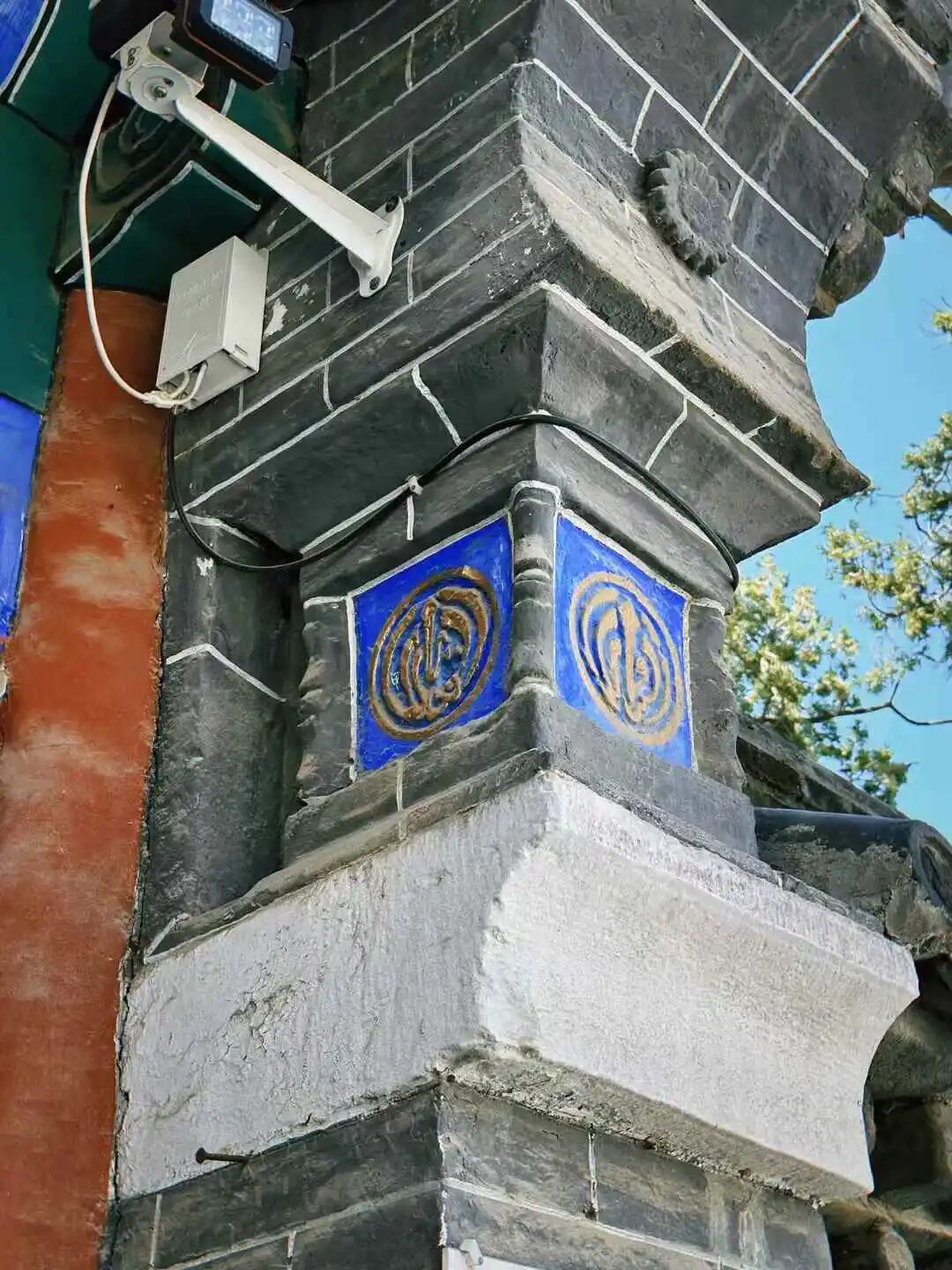
Brick-carved gable ends (chitou).
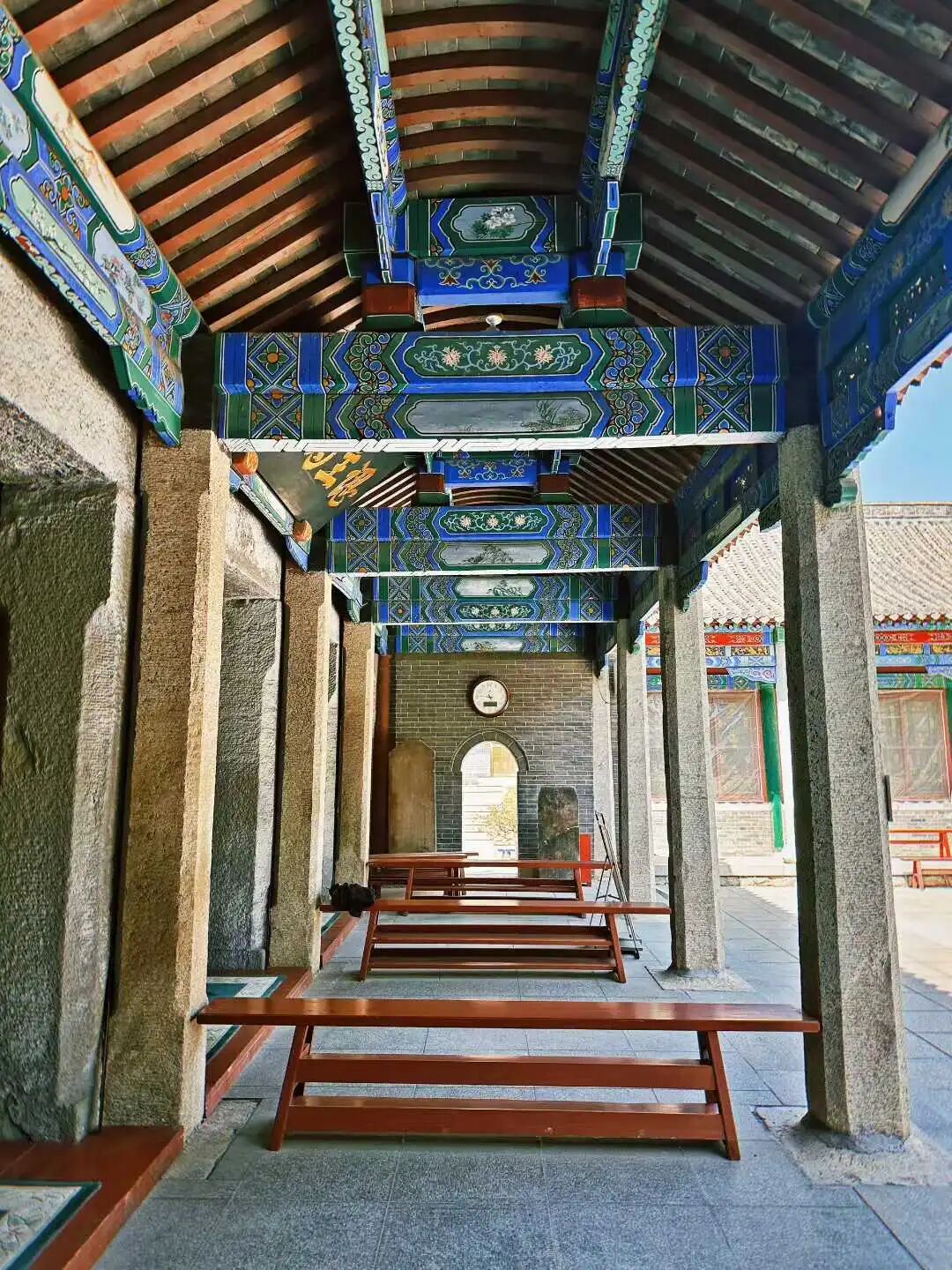
The tablet corridor of Taicheng Mosque.
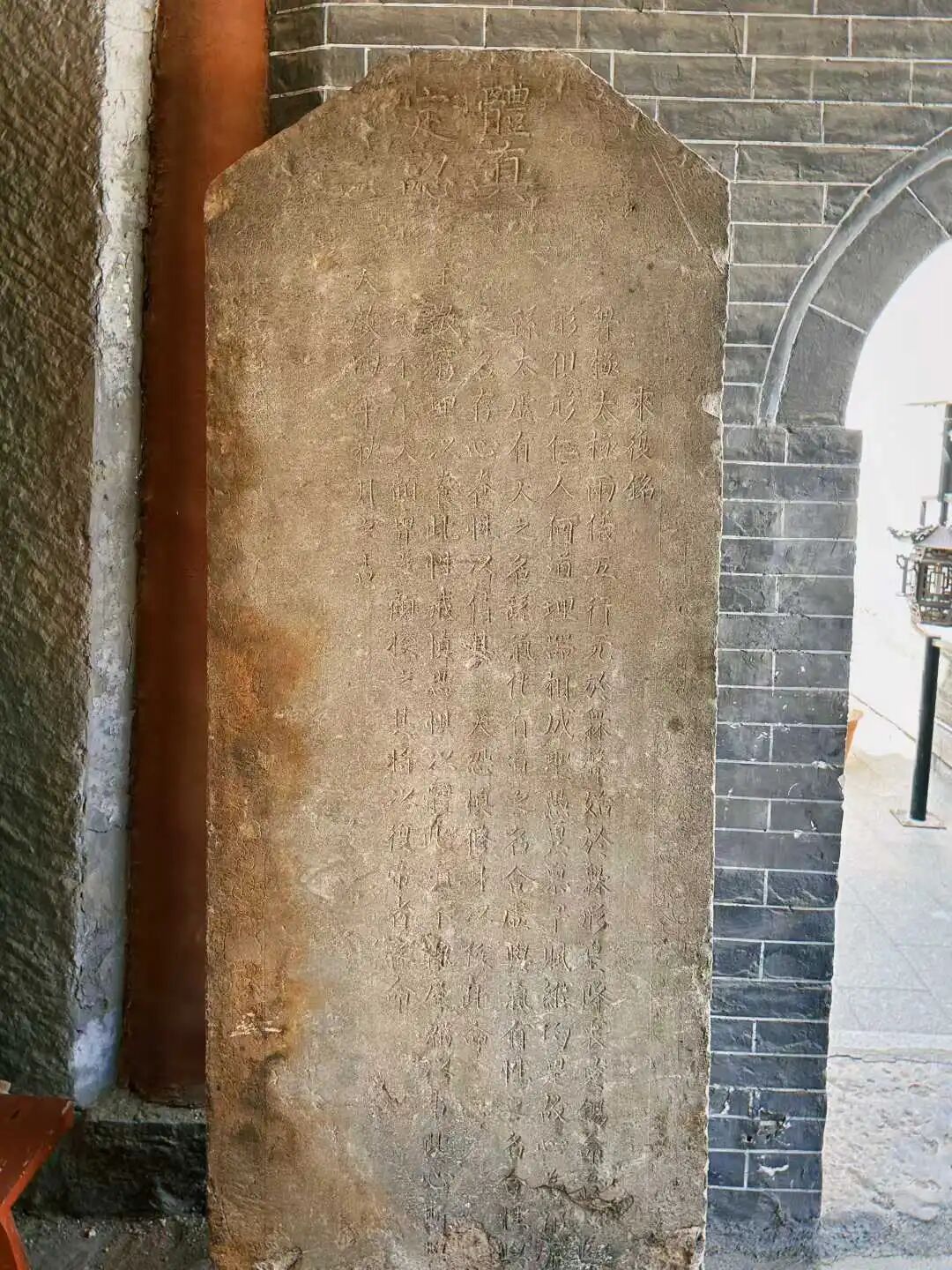
The "Laifu Ming" (Inscription on Returning to the Origin) tablet from the fourth year of the Tianqi reign of the Ming Dynasty. The "Laifu Ming" was written in the seventh year of the Jiajing reign of the Ming Dynasty by Chen Si, the imam (zhangjiao) of the South Mosque in Jinan, and was carved into stone at Taicheng Mosque in the fourth year of the Tianqi reign. The "Laifu Ming" is the first Chinese-language tablet inscription written by an imam. It is also the first work in China to combine Islamic teachings and principles with Song and Ming Neo-Confucianism. It pioneered the practice of interpreting scriptures through Confucianism in the late Ming and early Qing dynasties, making it highly valuable for history and philosophy.
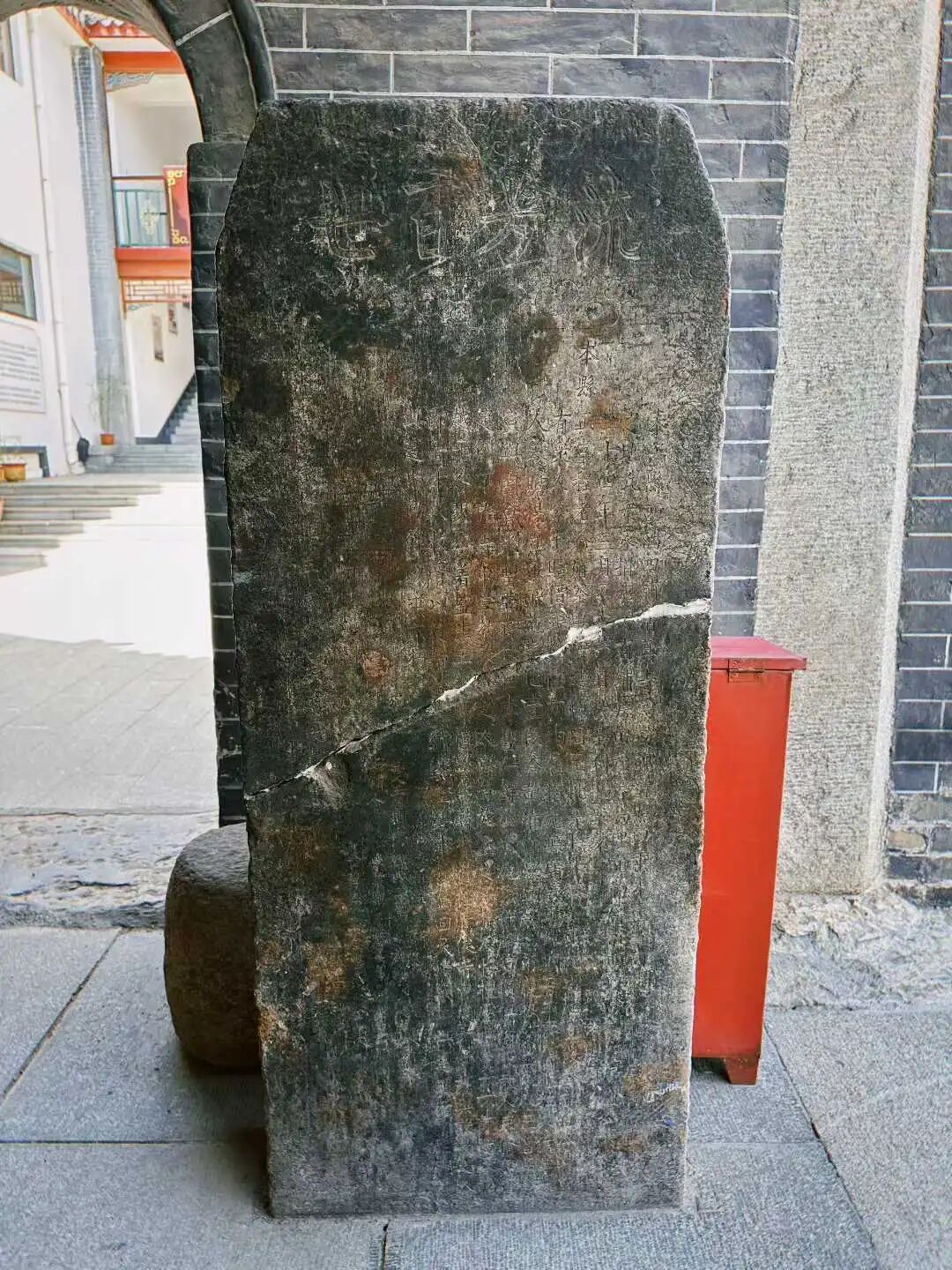
The donation tablet from the 24th year of the Qianlong reign records how many Muslims (mumin) donated money to renovate the halls and add property to the mosque. Among them, Mi Hanru donated 3.5 mu of land, Yang Kunshan donated 3 mu, and Li Changqi, Li Hui, and others donated the rent from their shops to the mosque to serve as the imam's salary.
The "Record of Renovating the Mosque" tablet from the 14th year of the Guangxu reign was written by local scholar Song Guangrun. It records that the imam at the time, Wang Jingshan, initiated the renovation, and the local elders and Muslims responded immediately. Elder Yang Yucheng took the lead in donating funds and directing the construction, which took three years to complete.
The renovation tablet from the 33rd year of the Republic of China records that the imam, elders, and Muslims agreed to renovate the mosque. People from all walks of life in Tai'an donated 12,213 silver dollars, fellow townsmen in Shanghai donated 1,165 yuan, local Muslims donated 685 yuan, and elder Ma Ziming donated a set of curtains.
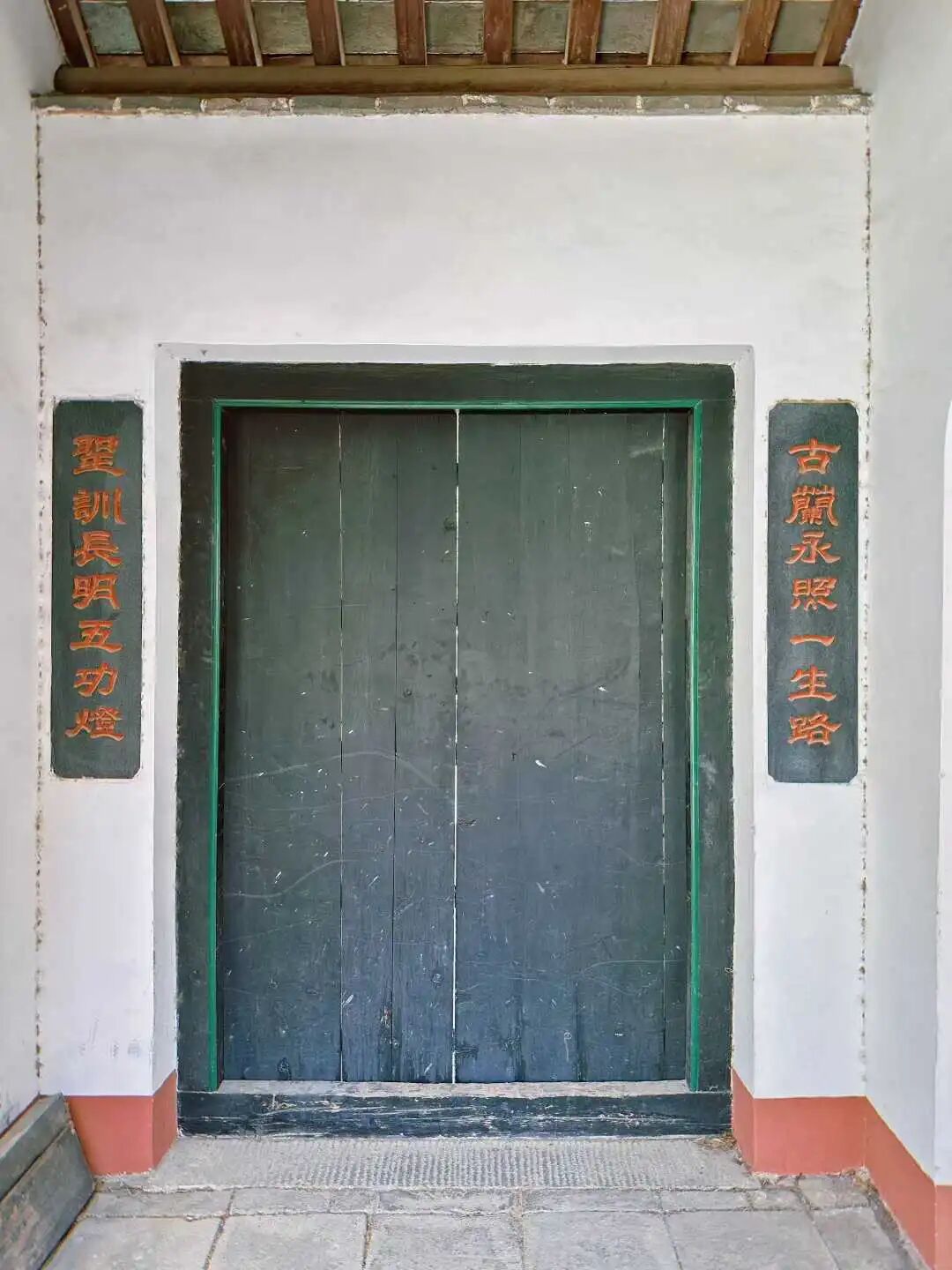
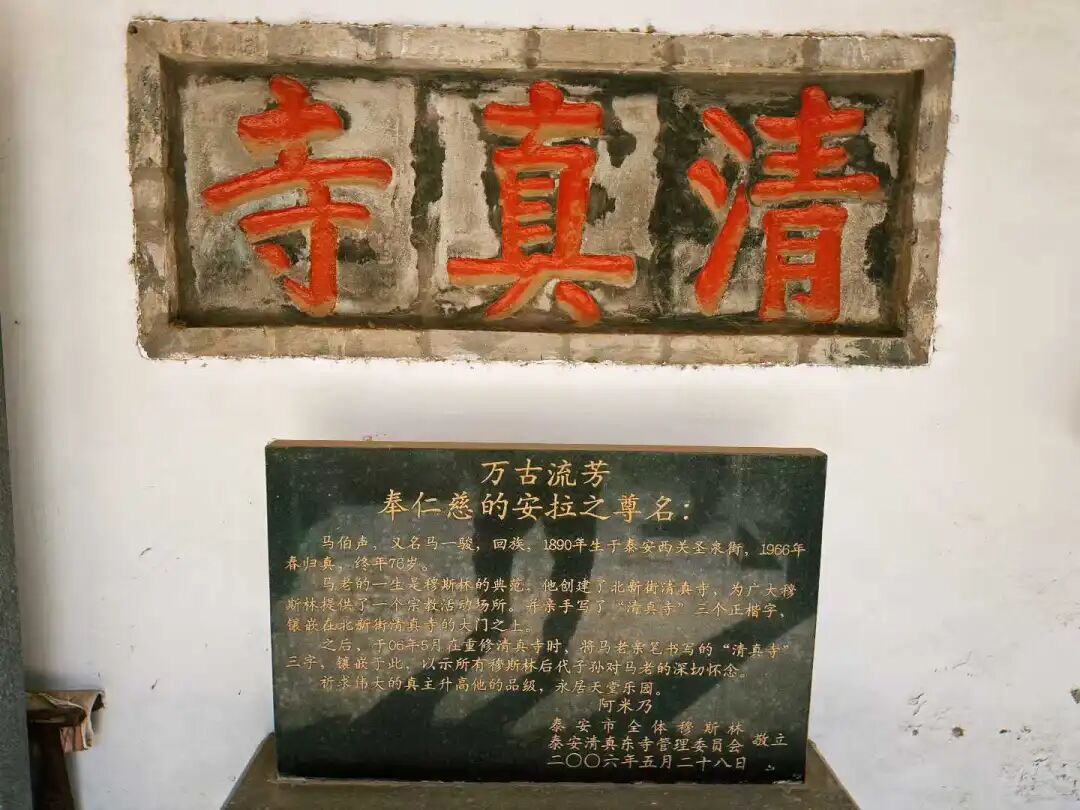
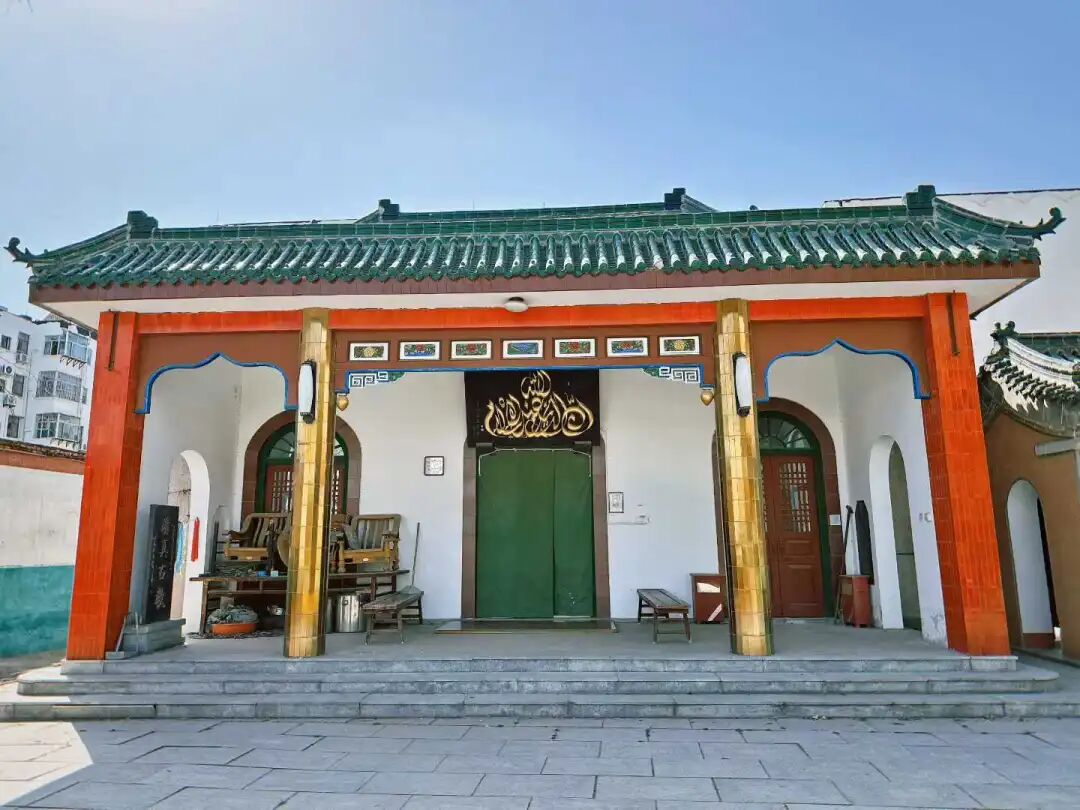
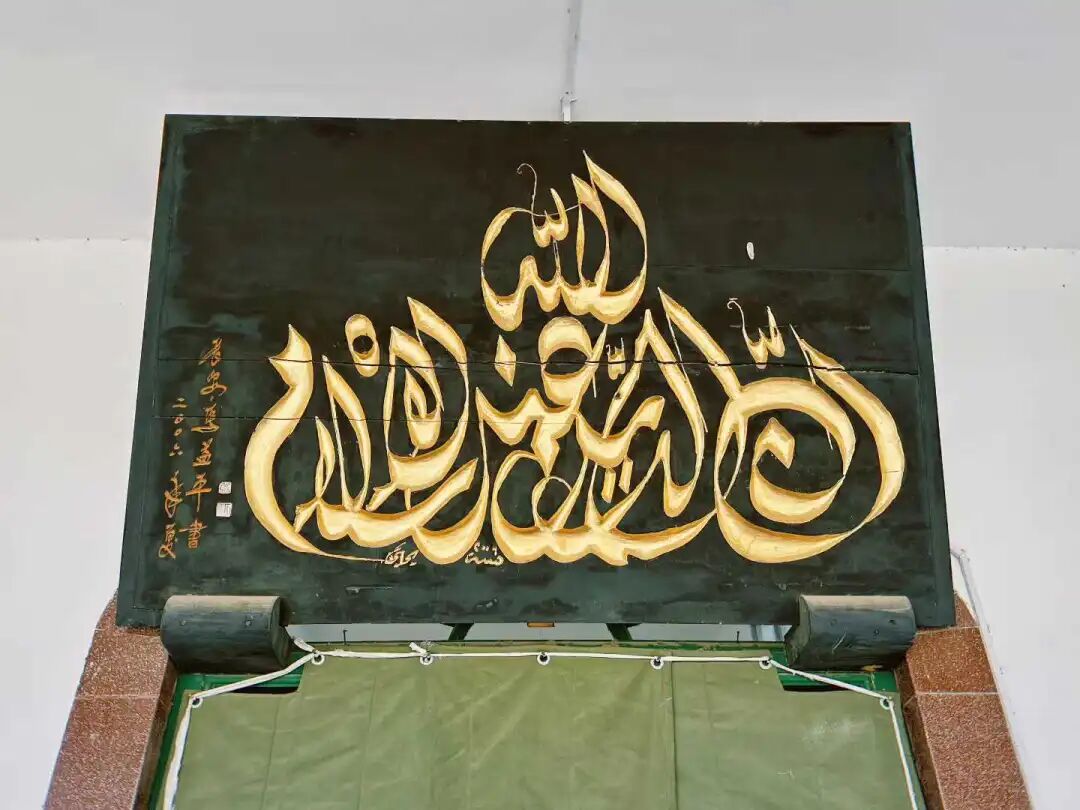
Taicheng East Mosque, also known as Beixinjie Mosque, faces Taicheng Mosque across the Nai River. It was founded in 1920 by the national industrialist Ma Bosheng. It was closed from 1966 to 1994, rebuilt in 1995, and renovated again in 2006. The mosque still has the "Mosque" (Qingzhensi) door plaque written by the founder, Ma Bosheng.
Ma Bosheng's ancestral home was in Dezhou. His father, Ma Rende, fled to Tai'an during the Guangxu reign of the Qing Dynasty and made a living selling steamed buns (baozi) outside the west city gate. Ma Bosheng studied hard and attended the Tianshu Temple and the Yang Family Charity School in Tai'an as a child, later entering Cuiying Middle School. In 1916, Ma Bosheng was hired as a translator for Chinese laborers and traveled to Canada, England, France, and other countries. Seeing Western industrial civilization inspired his determination to save the country through industry. In 1919, Ma Bosheng returned to Shandong. He first worked at the British-American Tobacco Company and an insurance company in Jinan, then founded the Renfeng Textile Mill, gradually becoming a business giant in Shandong.
In 1927, Ma Bosheng founded the Rende School in Tai'an. He hired excellent teachers from Jinan, Qufu, and other places, allowed children from poor families to attend for free, and provided them with free textbooks and uniforms. Ma Bosheng also started literacy classes for common people and night schools to eliminate illiteracy and promote education. Ma Bosheng built the Rende Flour Mill across from the school. It produced 500 bags of "Mountain Tiger" brand flour daily, changing the production methods of Tai'an's manual workshops. The flour was high quality and affordable, and he regularly gave it to poor families for free, using the surplus to fund the school. Ma Bosheng worked with local gentry to start the Taishan Forest Company. They planted trees and cleared over 150 mu of land at Guangshengquan, where they bought apple trees and built an orchard.
Xiawang Mosque in Taian sits in the western suburbs. Its founding date is unknown, but a stone tablet from 1626 (the sixth year of the Tianqi reign of the Ming Dynasty) records that Li Qin was the imam at that time. The main hall of Xiawang Mosque was rebuilt in 1734 (the twelfth year of the Yongzheng reign). It was burned down during wartime in 1864 (the second year of the Tongzhi reign) and rebuilt again in 1873 (the twelfth year of the Tongzhi reign). It was listed as a Shandong Provincial Cultural Relic Protection Unit in 2013.
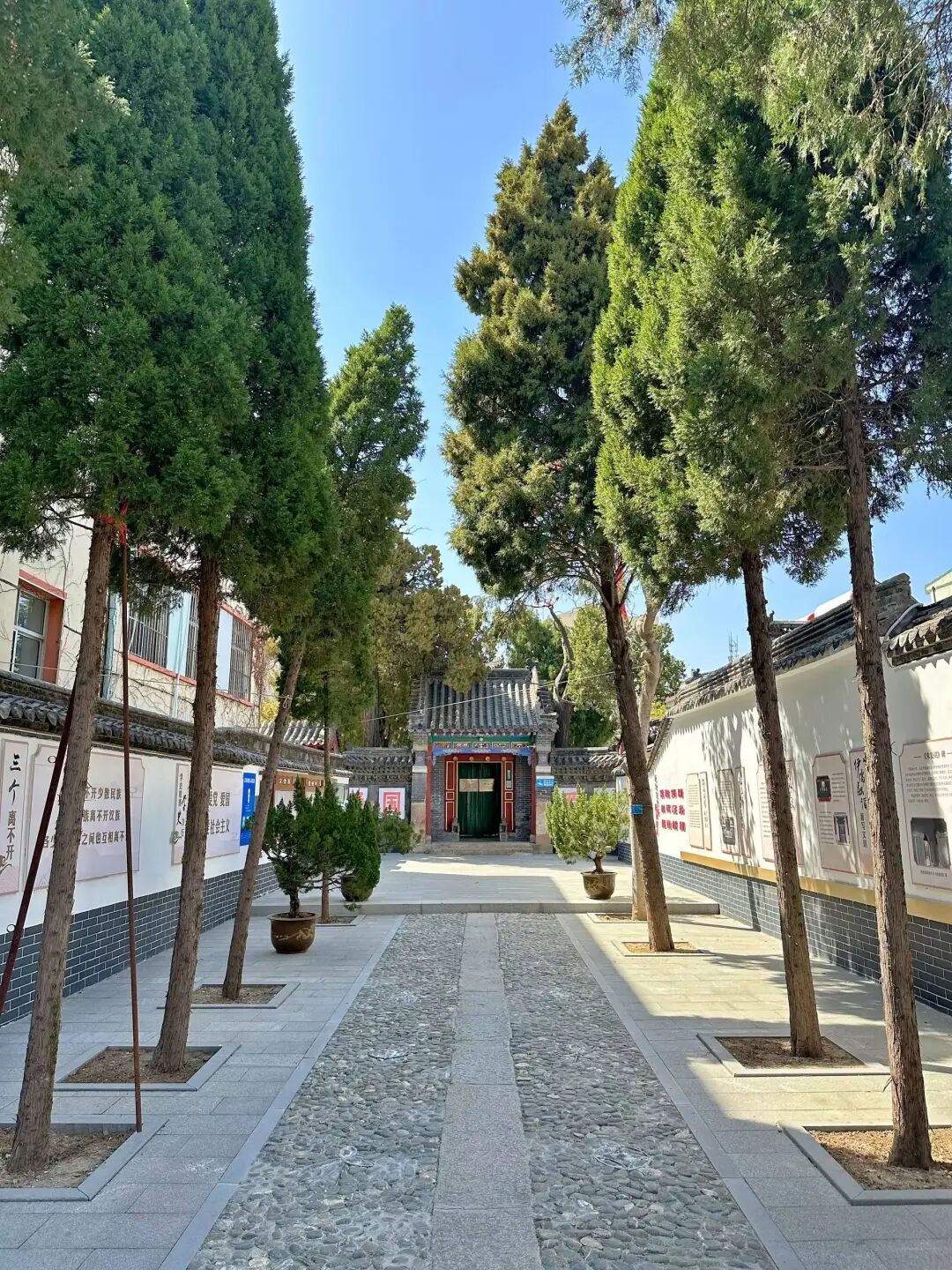
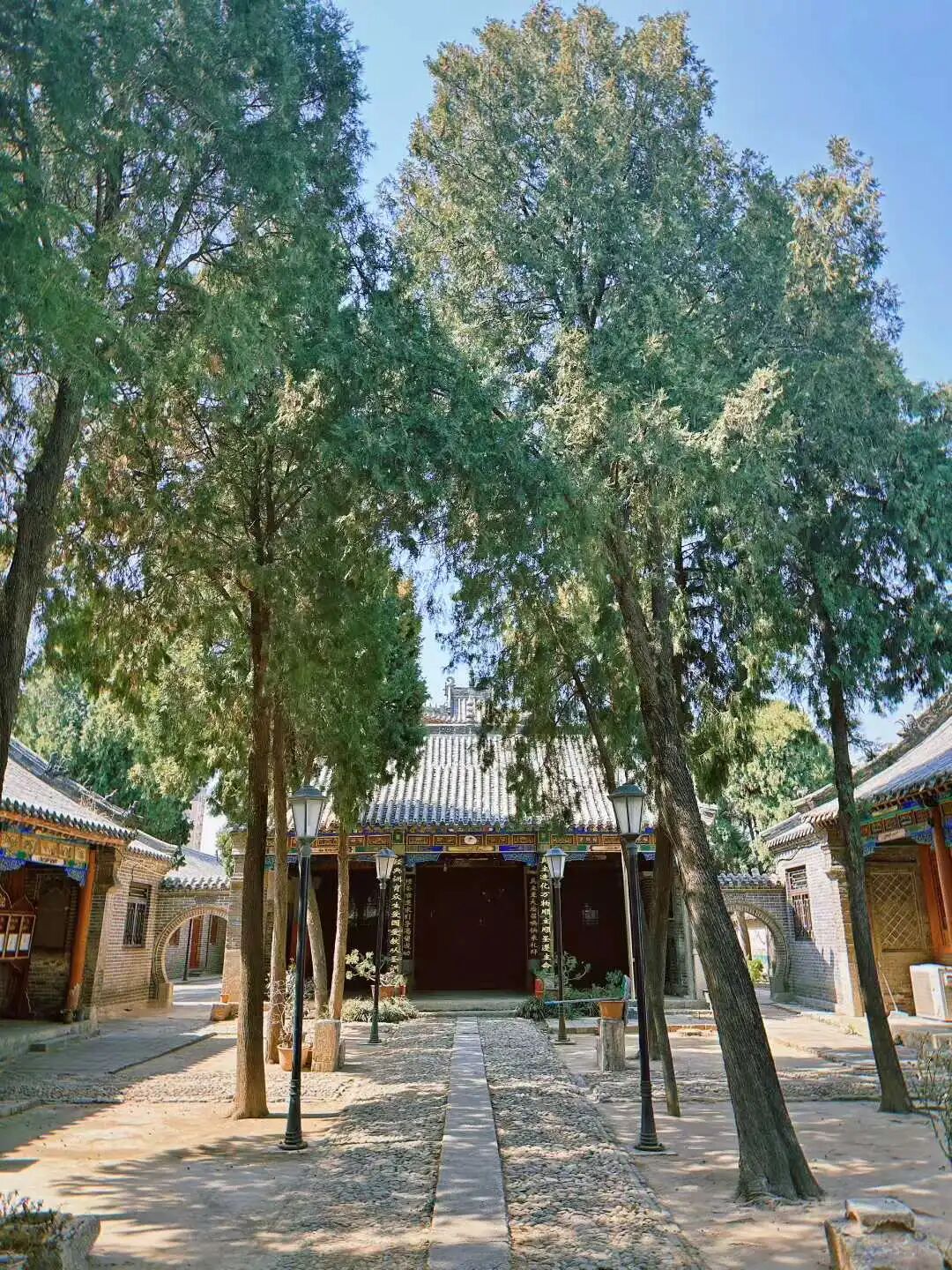
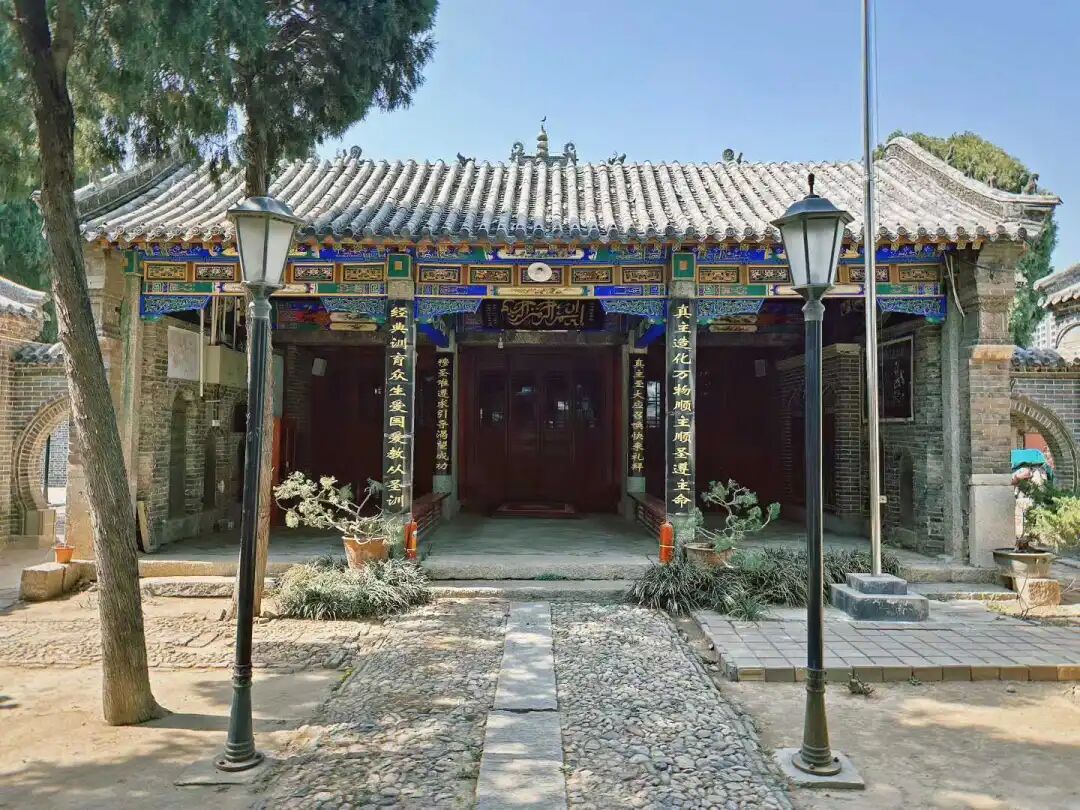
Xiawang Mosque stands on a high platform. The courtyard feels ancient and very solemn.
The kiln hall (yaodian) and north lecture hall at Xiawang Mosque in Taian, Shandong, have a late 20th-century feel. A pair of scripture boxes each hold 15 books, which is very traditional. There is also a group photo of the village elders at Xiawang Mosque from 1933. You can see everyone wearing long gowns (dagua), with those in the front row wearing mandarin jackets (magua), and everyone wearing small dark caps.
Xiawang Mosque in Taian houses many stone tablets:
The 1734 tablet for donated land records that Li Bingjie from Henggou Village donated 16.6 mu of land to the mosque, and Wang Zhangzhe from the same village donated an adjacent one mu of land to the mosque.
The 1837 renovation tablet records that Xiawang Mosque was renovated in 1821. In 1835, Han Qingyu from Xiaoyandi Village and the villagers donated money for building oil painting and decorations. In 1837, Yang Dianhua, Wang Jiesan, Wang Zhonghua, and others agreed to donate money to rebuild the water room and side rooms, and a daughter of the Ding family from Huangjia Village donated land.
The 1872 "Preface to the Renovation of the Mosque" records that the main hall of Xiawang Mosque was burned down during the war in 1863. Later, elders Yang Yucheng and Han Liqing were the first to donate money, and the whole village worked together to rebuild the mosque.
The 1872 "Preface to the Donation of Cypress Trees" records that Yang Yucheng bought back 23 ancient cypress trees in the mosque that were originally going to be sold to pay for the mosque's repairs, keeping them on the grounds.
The 1873 lawsuit settlement tablet records that the daughter of Xiawang Mosque imam Yang Taixiang died after suffering mistreatment following her marriage into the Ma family. Imam Yang wanted to go to the government to seek justice, but the villagers persuaded him to stay. After mediation, the Ma family was fined 100,000 jingqian coins to end the dispute. Imam Yang used the money to redeem two mu of mosque land to cover mosque expenses.
The 1875 land and money donation tablet records that elder Yang Yucheng donated money to redeem two mu of school land that had been mortgaged for mosque repairs, with the harvest from the land used for school expenses.
The 1894 "Record of the Renovation of the Rear Hall of Xiawang Mosque" only has the top half remaining.
Xiawang Mosque in Taian uses a wooden casket (tabu xiazi) for burials (mayiti), which is a feature of traditional Gedimu mosque communities. Traditional solid wood caskets are very heavy and require many people to carry them. Most have now been replaced by stainless steel ones. view all
Summary: This Ramadan trip visits three historic mosques in Tai'an, Shandong: Taicheng Mosque, Dong Mosque, and Xiawang Mosque. The account records their dated steles, prayer hall layouts, imam history, Hui Muslim neighborhoods, and preserved mosque details.
During Ramadan in 2025, I spent three Saturdays taking the high-speed train to visit nine ancient mosques in Jinan, Qingzhou, and Tai'an, Shandong. The first two articles covered the mosques in Jinan and Qingzhou. This is the third article, covering my visit to Taicheng Mosque, East Mosque, and Xiawang Mosque in Tai'an.
Taicheng Mosque.
Taicheng Mosque is said to have been built in the late Yuan and early Ming dynasties. It was renovated many times during the Ming, Qing, and Republican eras. The mosque still keeps a stone tablet header inscribed with "Mosque" (Qingzhensi) dated 1619, the 40th year of the Wanli reign of the Ming Dynasty.
The prayer hall consists of a front porch, a main hall, and a rear kiln-style hall (yaodian) connected together. The roof of the kiln-style hall is a double-eaved hip-and-gable roof. The main hall uses a beam-lifting wooden frame structure, and there is a two-meter-thick archway between it and the kiln-style hall.
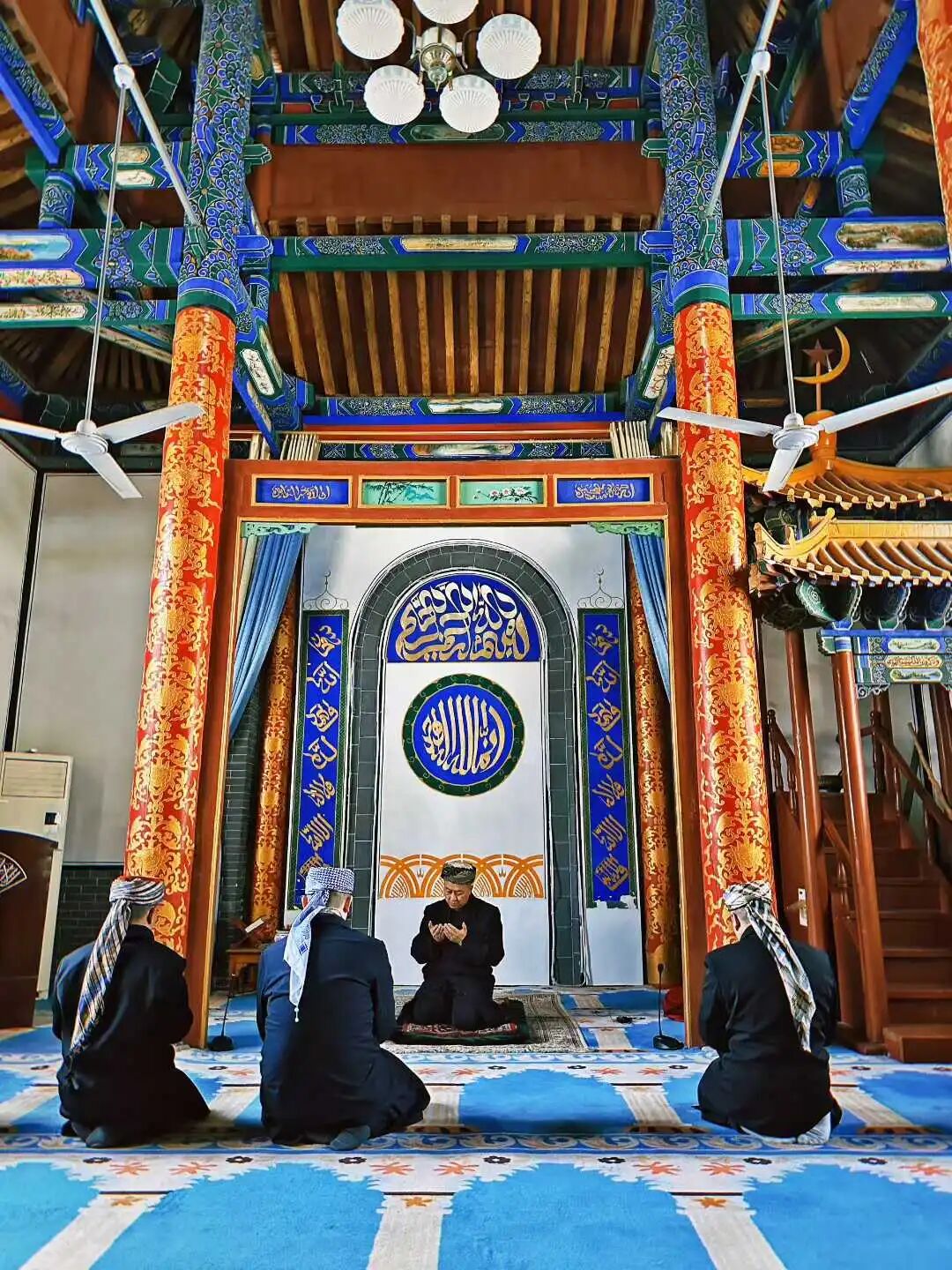
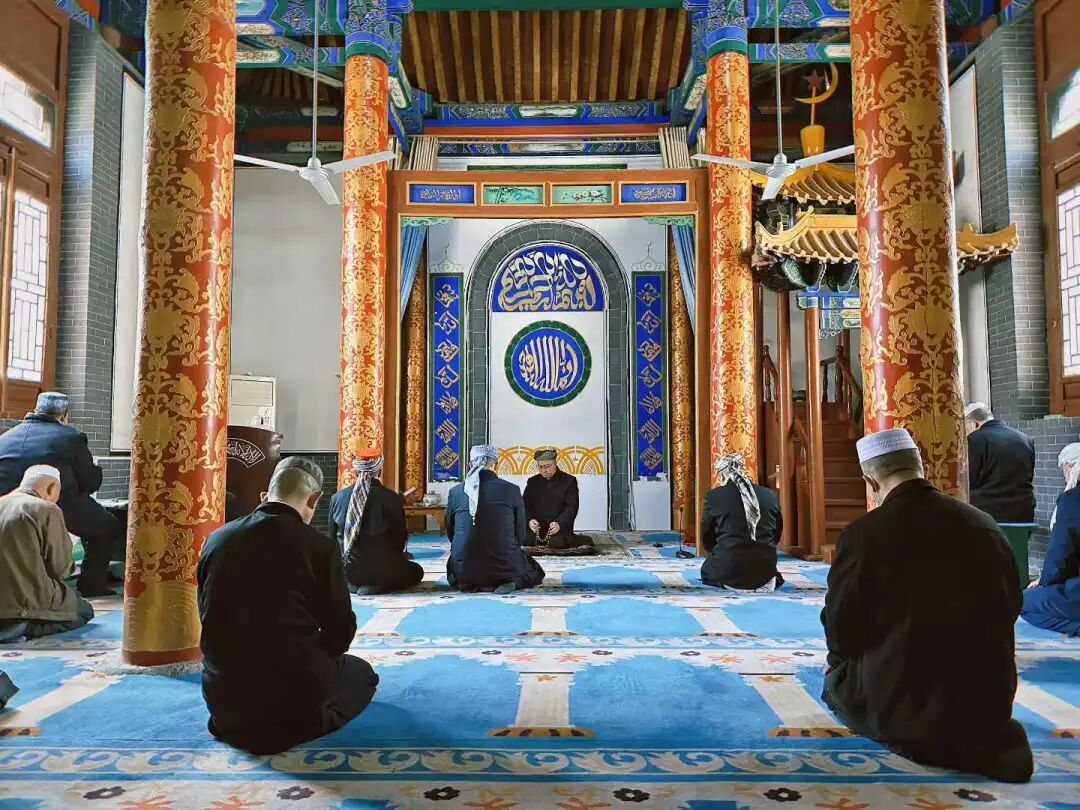
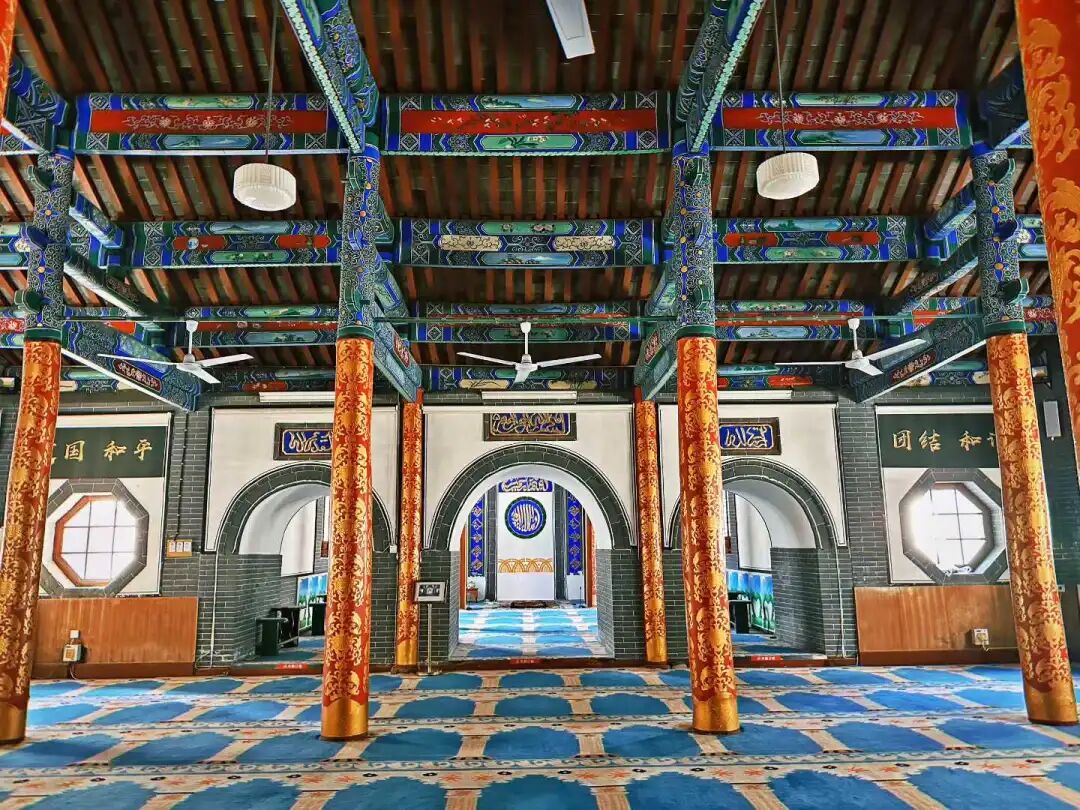
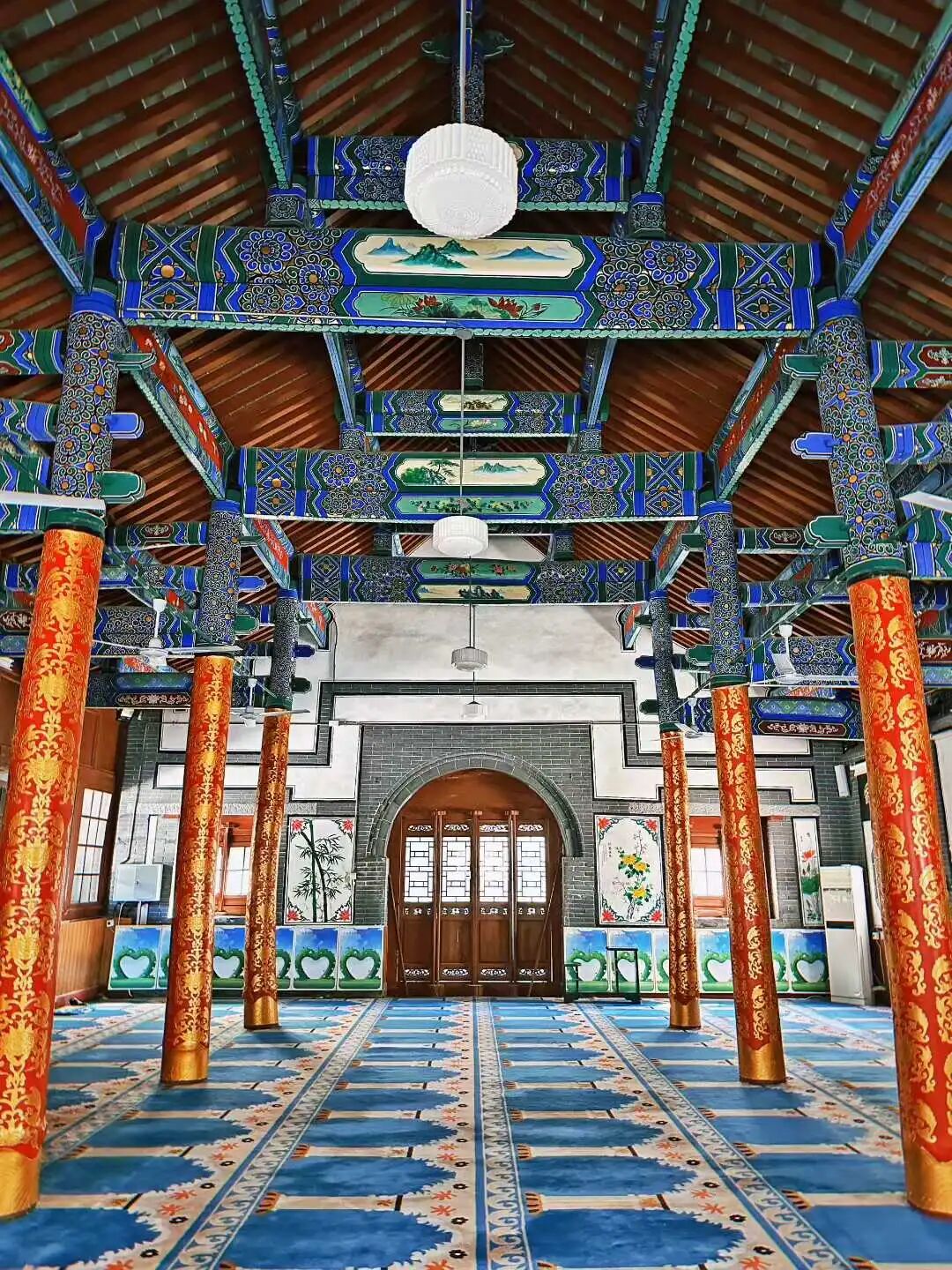
Brick-carved gable ends (chitou).
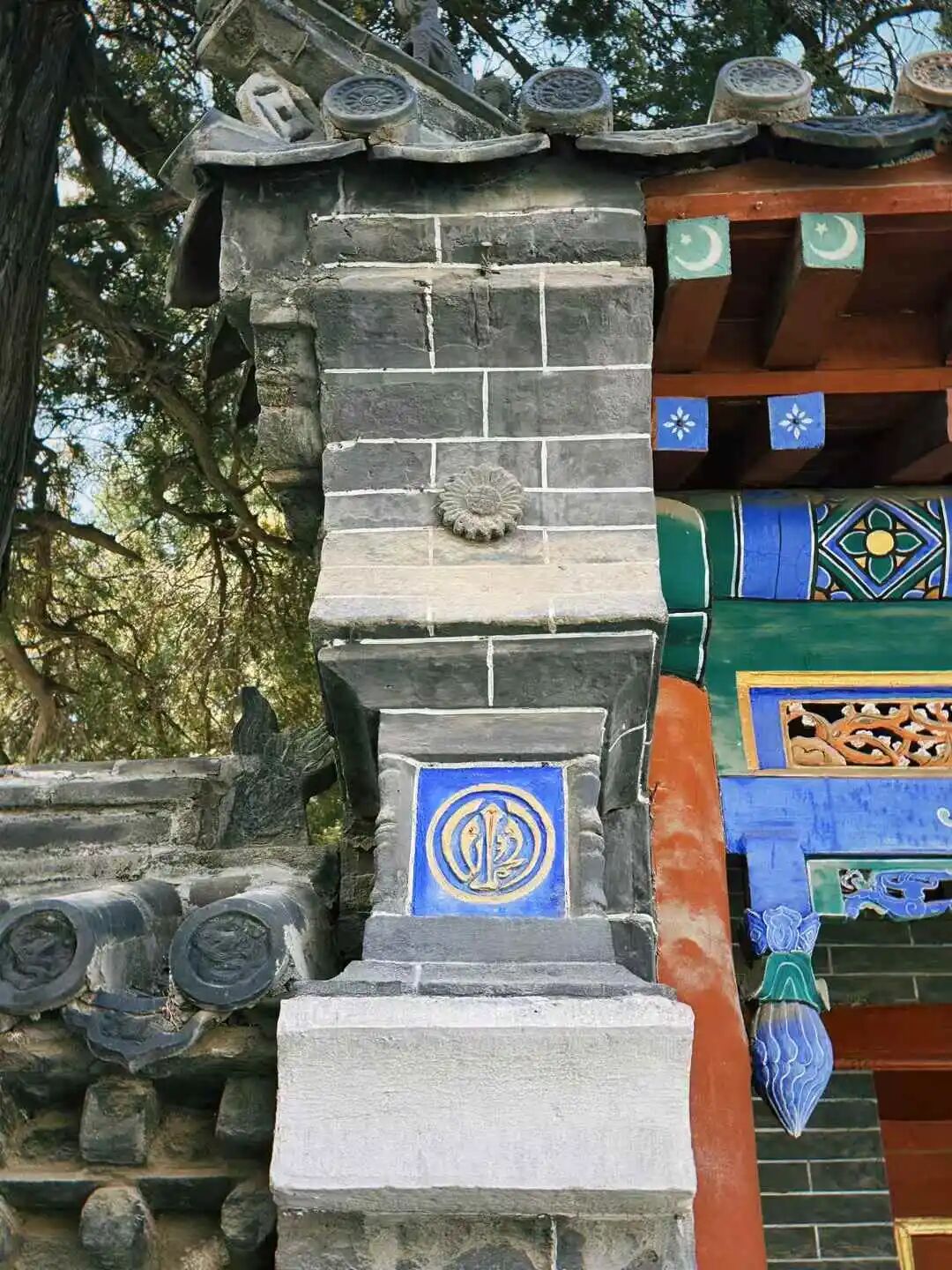
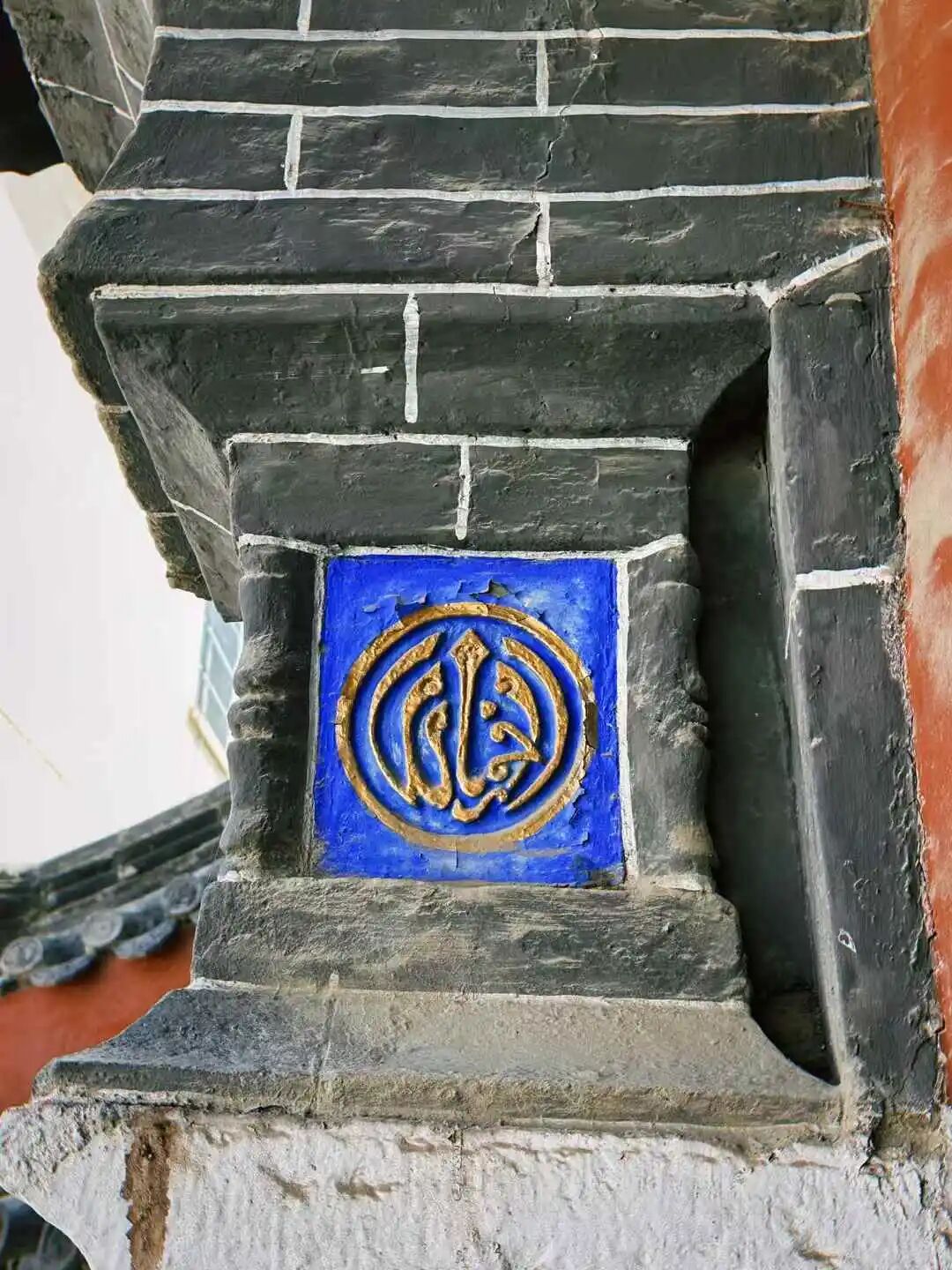
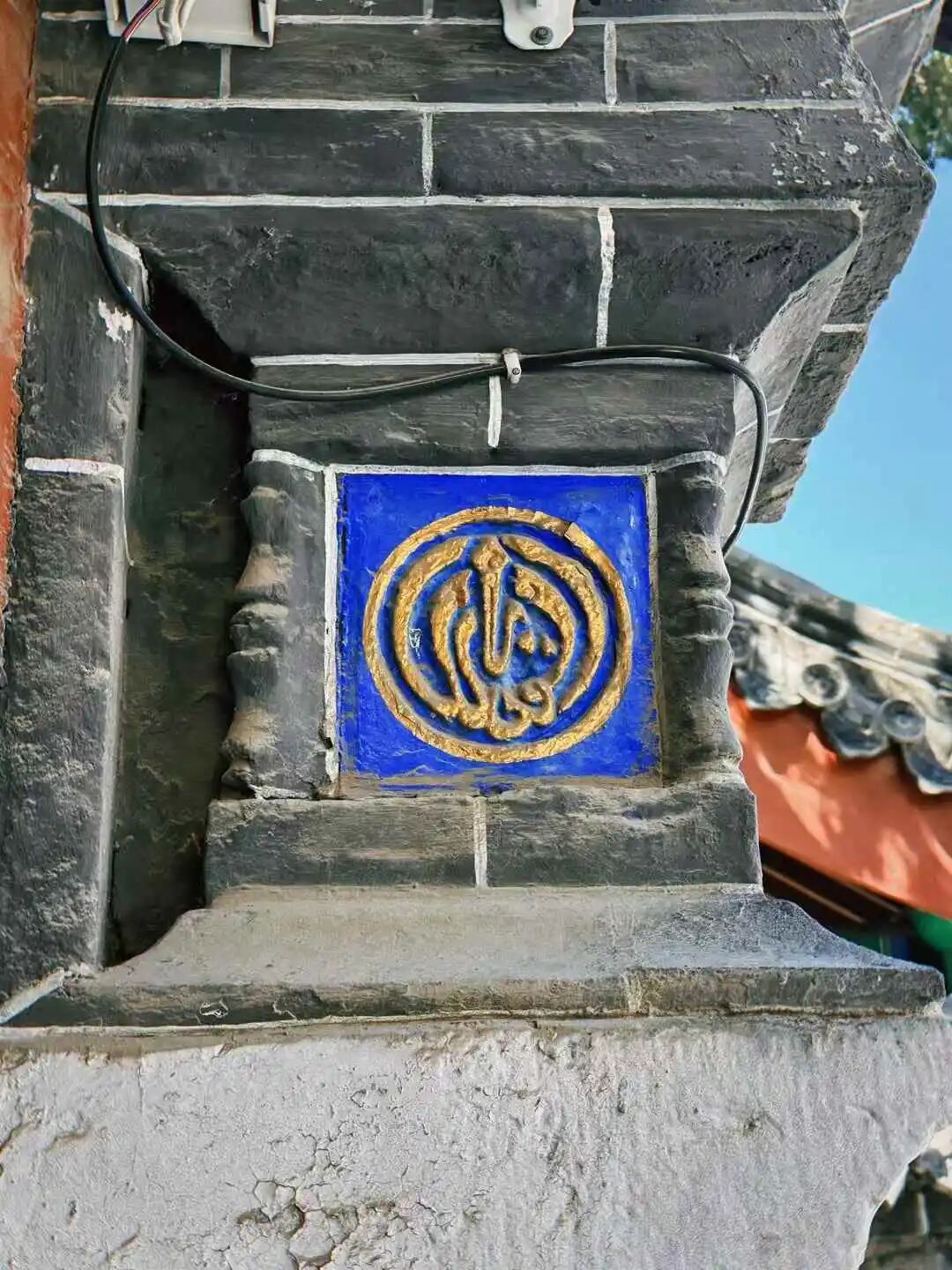
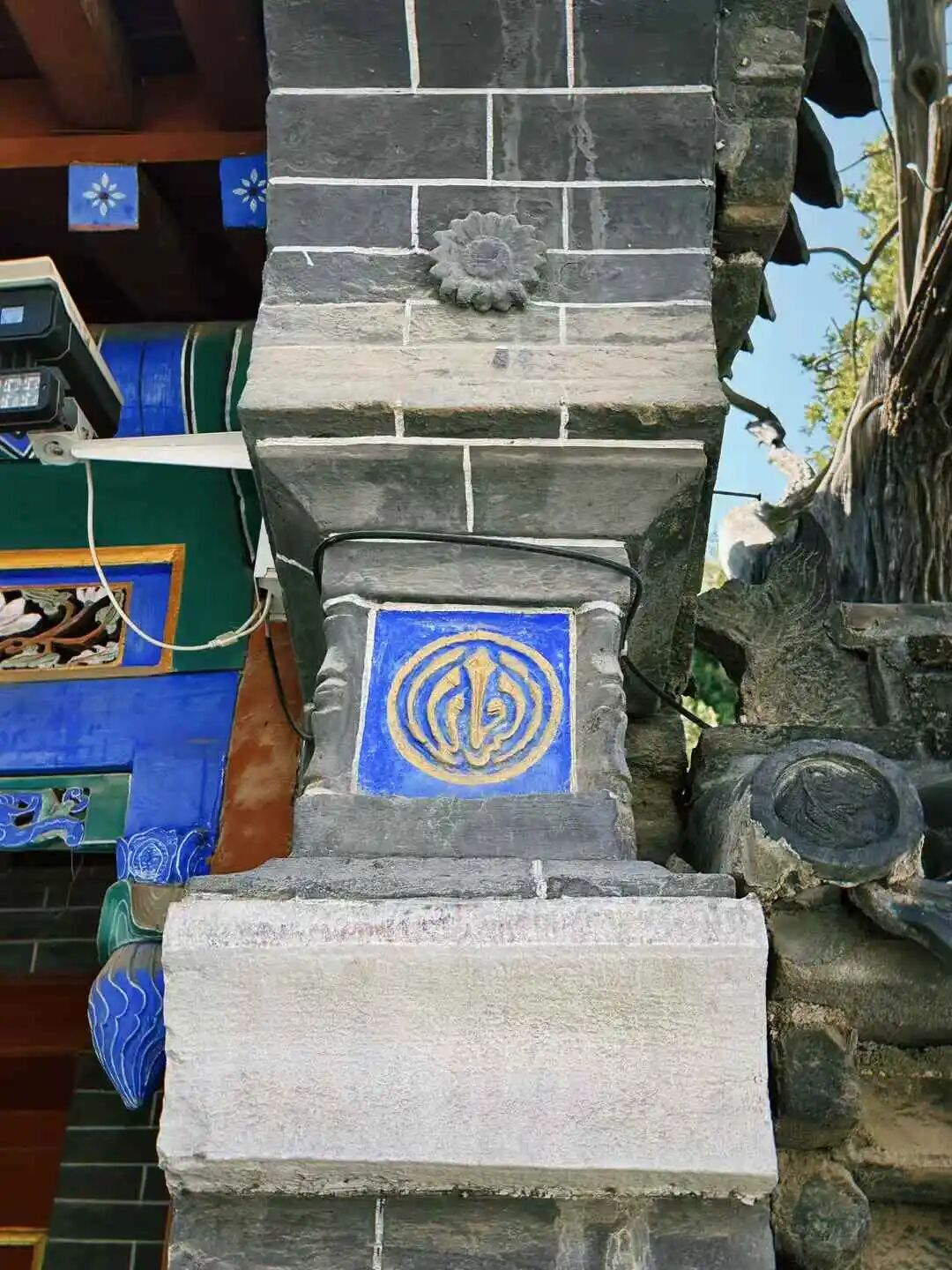
The tablet corridor of Taicheng Mosque.
The "Laifu Ming" (Inscription on Returning to the Origin) tablet from the fourth year of the Tianqi reign of the Ming Dynasty. The "Laifu Ming" was written in the seventh year of the Jiajing reign of the Ming Dynasty by Chen Si, the imam (zhangjiao) of the South Mosque in Jinan, and was carved into stone at Taicheng Mosque in the fourth year of the Tianqi reign. The "Laifu Ming" is the first Chinese-language tablet inscription written by an imam. It is also the first work in China to combine Islamic teachings and principles with Song and Ming Neo-Confucianism. It pioneered the practice of interpreting scriptures through Confucianism in the late Ming and early Qing dynasties, making it highly valuable for history and philosophy.
The donation tablet from the 24th year of the Qianlong reign records how many Muslims (mumin) donated money to renovate the halls and add property to the mosque. Among them, Mi Hanru donated 3.5 mu of land, Yang Kunshan donated 3 mu, and Li Changqi, Li Hui, and others donated the rent from their shops to the mosque to serve as the imam's salary.
The "Record of Renovating the Mosque" tablet from the 14th year of the Guangxu reign was written by local scholar Song Guangrun. It records that the imam at the time, Wang Jingshan, initiated the renovation, and the local elders and Muslims responded immediately. Elder Yang Yucheng took the lead in donating funds and directing the construction, which took three years to complete.
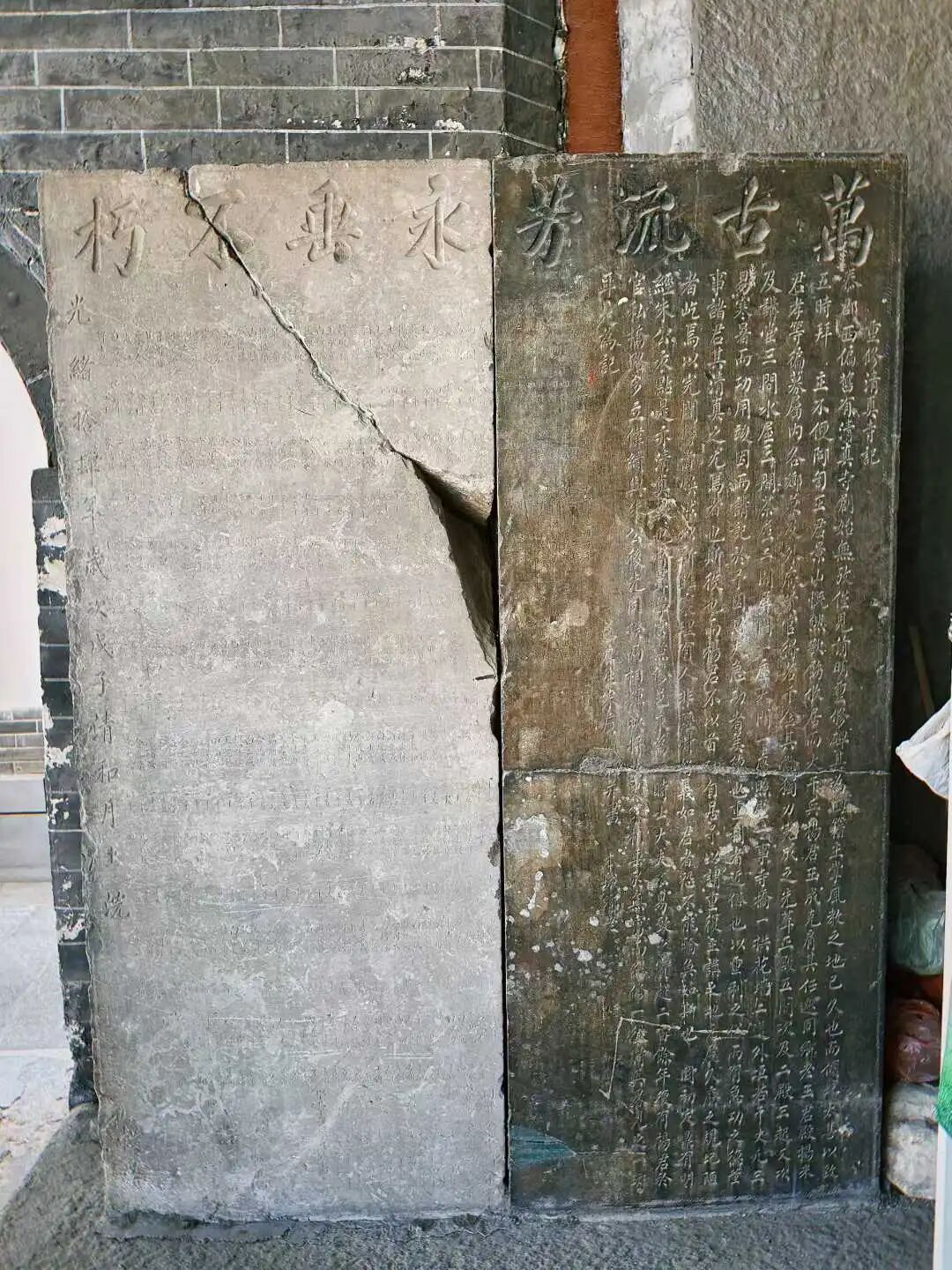
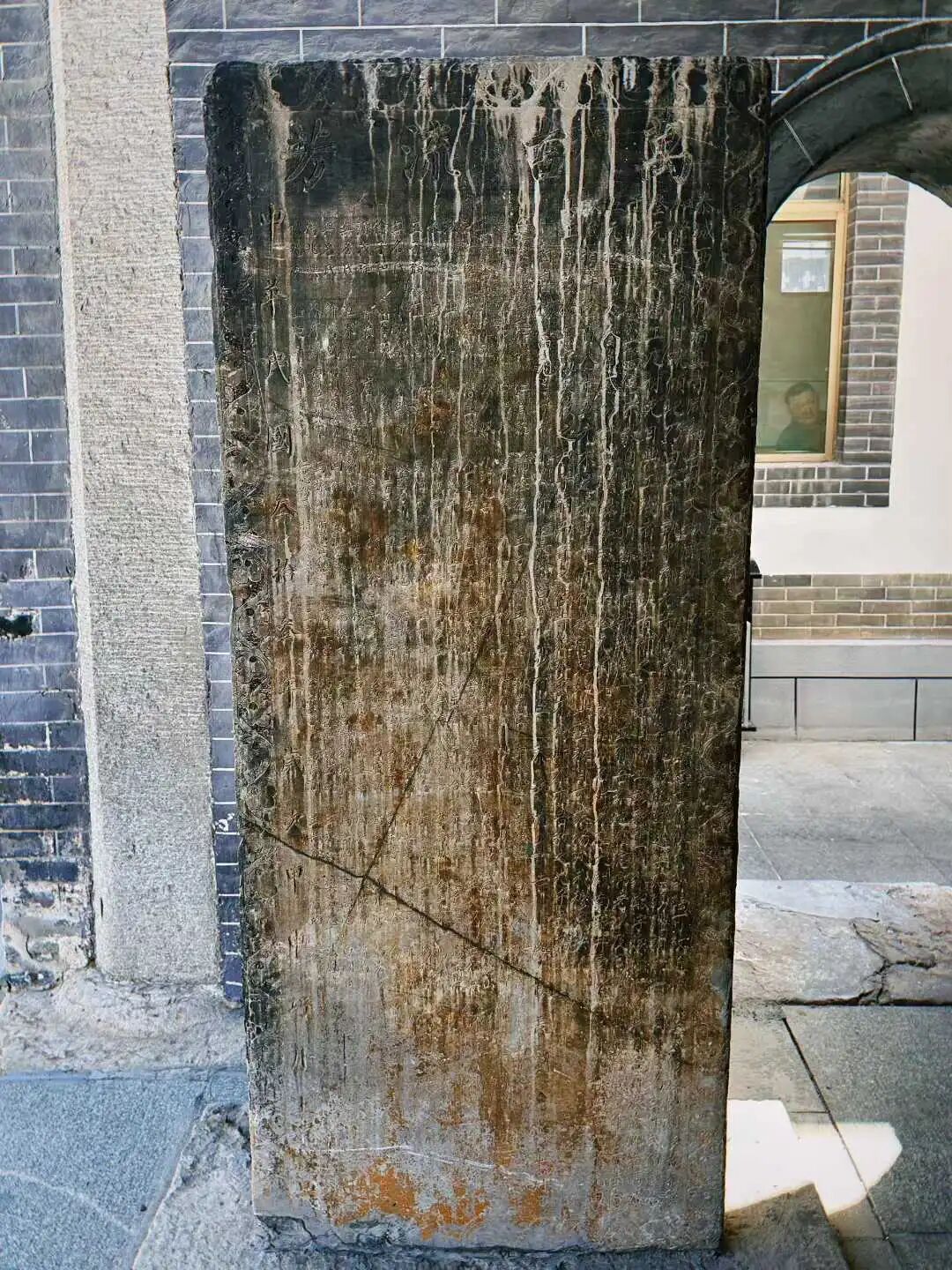
The renovation tablet from the 33rd year of the Republic of China records that the imam, elders, and Muslims agreed to renovate the mosque. People from all walks of life in Tai'an donated 12,213 silver dollars, fellow townsmen in Shanghai donated 1,165 yuan, local Muslims donated 685 yuan, and elder Ma Ziming donated a set of curtains.
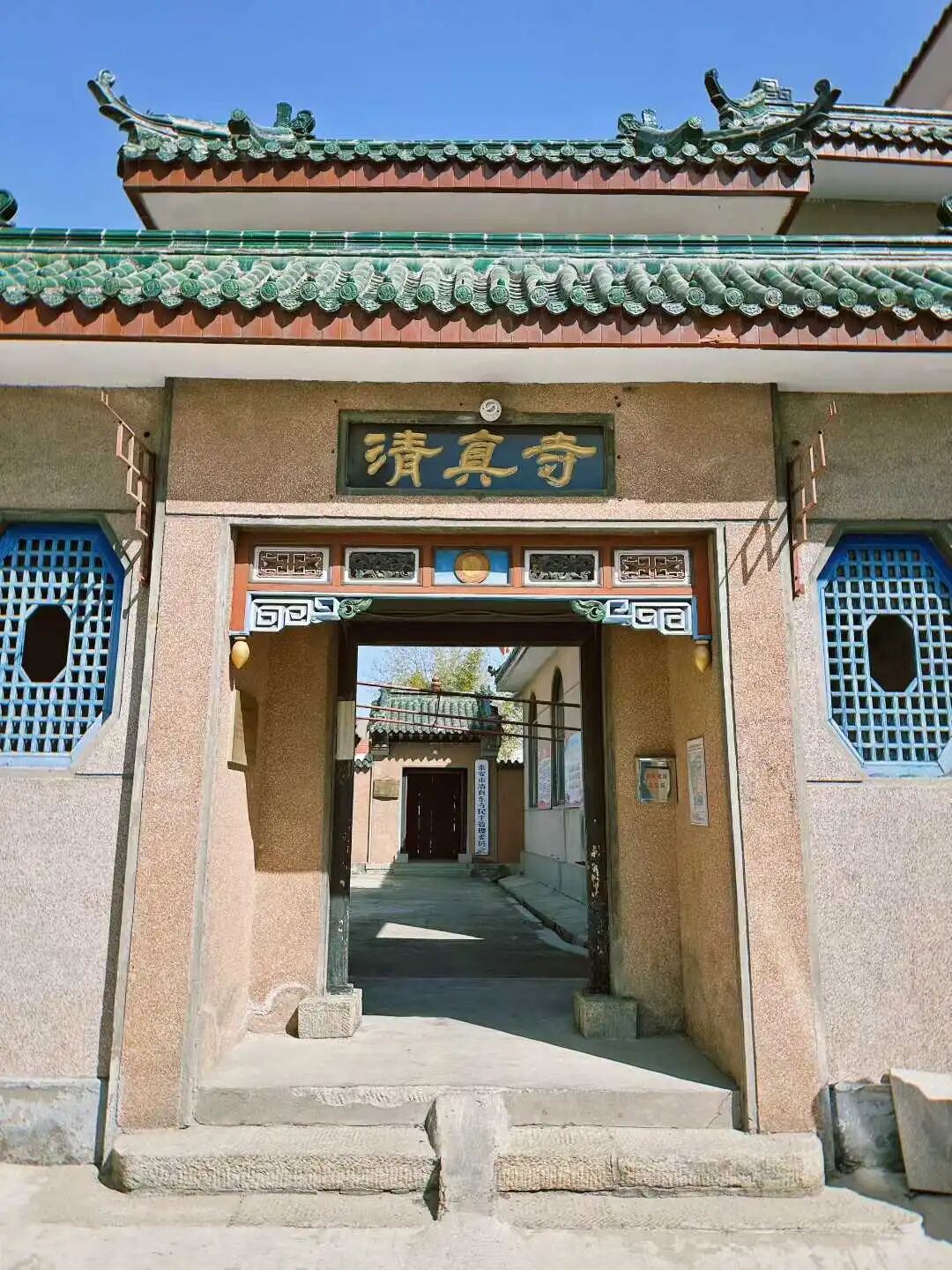
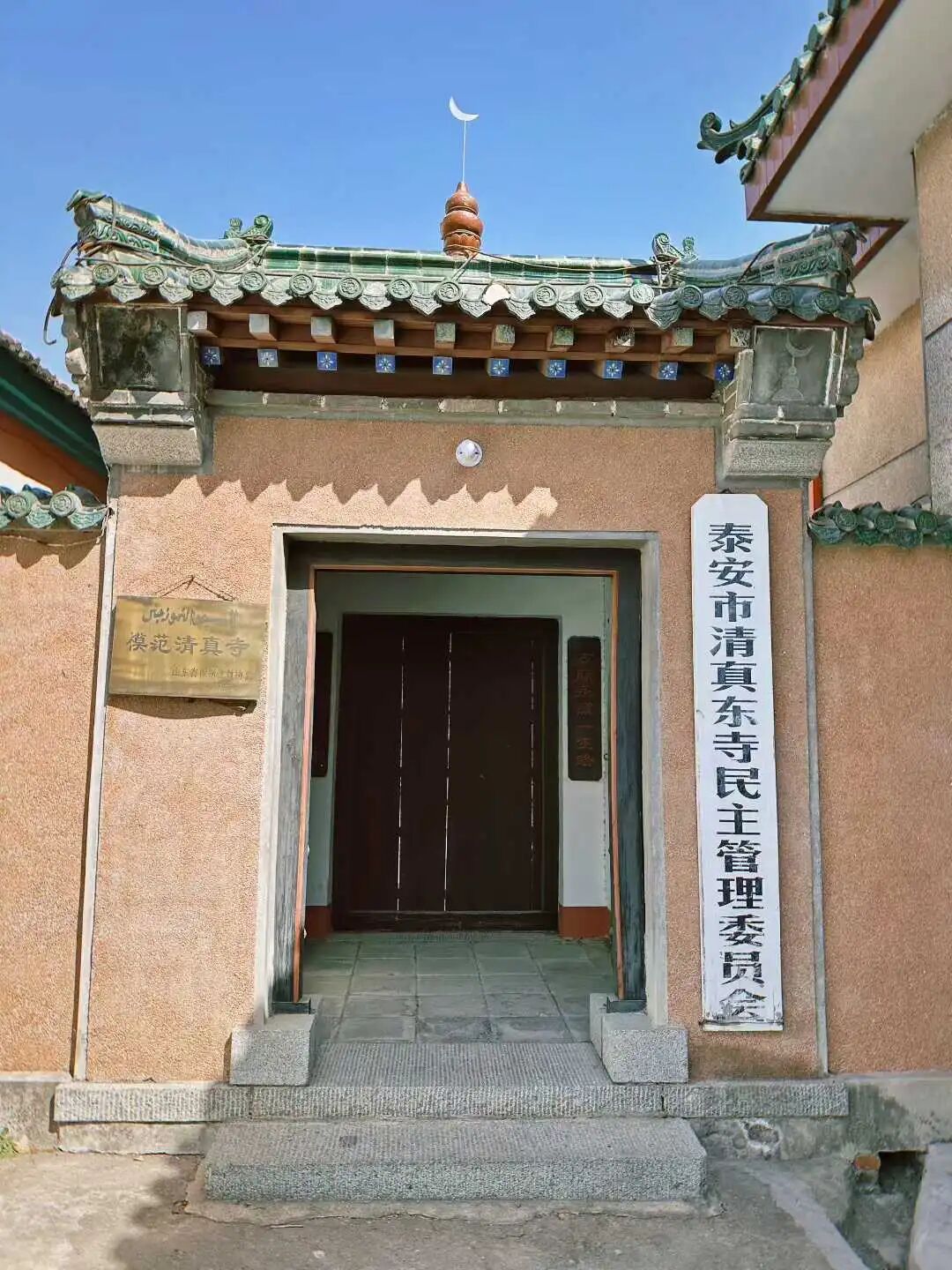
Taicheng East Mosque, also known as Beixinjie Mosque, faces Taicheng Mosque across the Nai River. It was founded in 1920 by the national industrialist Ma Bosheng. It was closed from 1966 to 1994, rebuilt in 1995, and renovated again in 2006. The mosque still has the "Mosque" (Qingzhensi) door plaque written by the founder, Ma Bosheng.
Ma Bosheng's ancestral home was in Dezhou. His father, Ma Rende, fled to Tai'an during the Guangxu reign of the Qing Dynasty and made a living selling steamed buns (baozi) outside the west city gate. Ma Bosheng studied hard and attended the Tianshu Temple and the Yang Family Charity School in Tai'an as a child, later entering Cuiying Middle School. In 1916, Ma Bosheng was hired as a translator for Chinese laborers and traveled to Canada, England, France, and other countries. Seeing Western industrial civilization inspired his determination to save the country through industry. In 1919, Ma Bosheng returned to Shandong. He first worked at the British-American Tobacco Company and an insurance company in Jinan, then founded the Renfeng Textile Mill, gradually becoming a business giant in Shandong.
In 1927, Ma Bosheng founded the Rende School in Tai'an. He hired excellent teachers from Jinan, Qufu, and other places, allowed children from poor families to attend for free, and provided them with free textbooks and uniforms. Ma Bosheng also started literacy classes for common people and night schools to eliminate illiteracy and promote education. Ma Bosheng built the Rende Flour Mill across from the school. It produced 500 bags of "Mountain Tiger" brand flour daily, changing the production methods of Tai'an's manual workshops. The flour was high quality and affordable, and he regularly gave it to poor families for free, using the surplus to fund the school. Ma Bosheng worked with local gentry to start the Taishan Forest Company. They planted trees and cleared over 150 mu of land at Guangshengquan, where they bought apple trees and built an orchard.
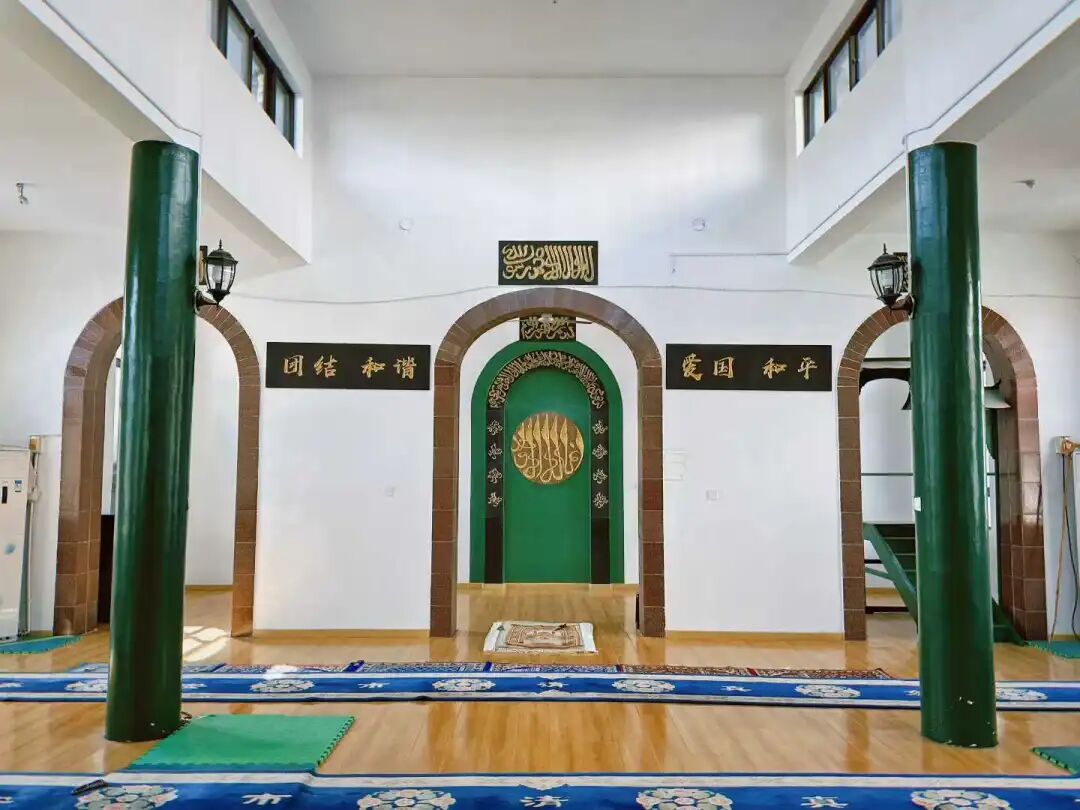
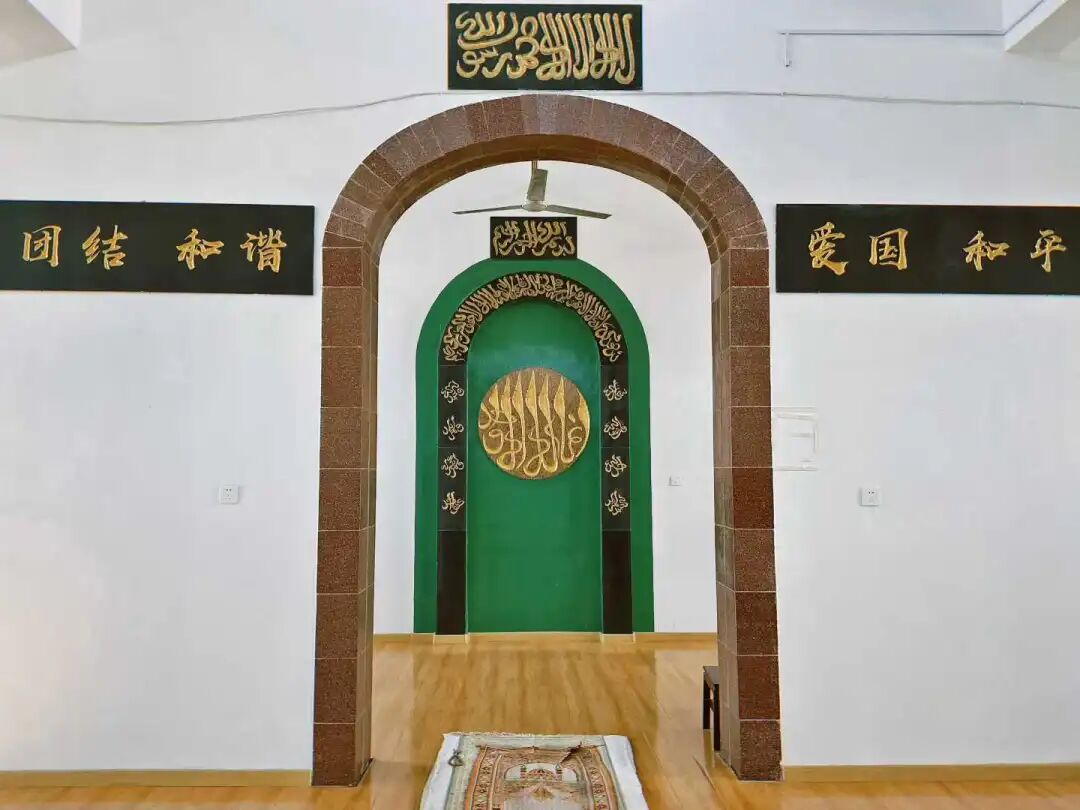
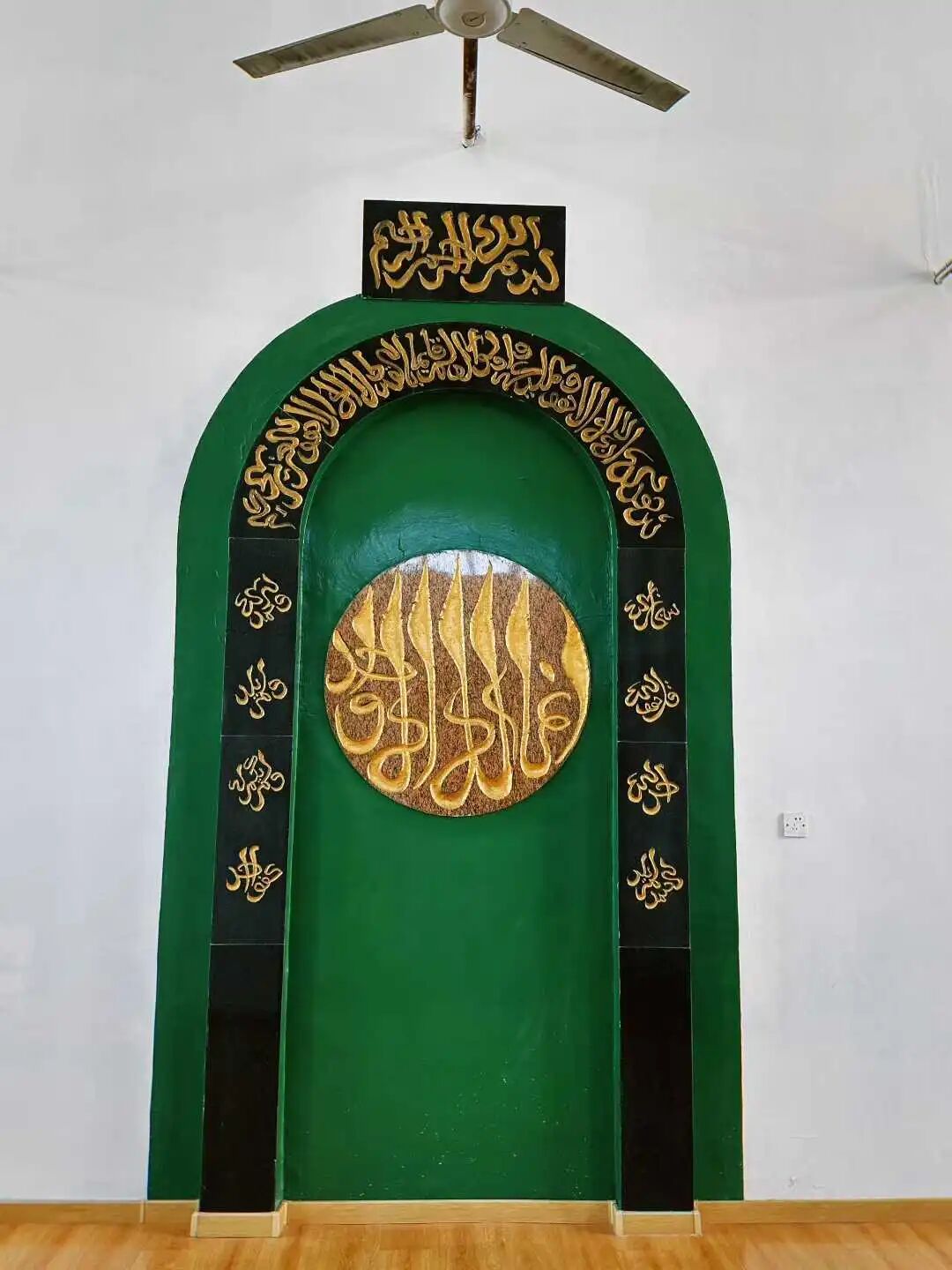
Xiawang Mosque in Taian sits in the western suburbs. Its founding date is unknown, but a stone tablet from 1626 (the sixth year of the Tianqi reign of the Ming Dynasty) records that Li Qin was the imam at that time. The main hall of Xiawang Mosque was rebuilt in 1734 (the twelfth year of the Yongzheng reign). It was burned down during wartime in 1864 (the second year of the Tongzhi reign) and rebuilt again in 1873 (the twelfth year of the Tongzhi reign). It was listed as a Shandong Provincial Cultural Relic Protection Unit in 2013.
Xiawang Mosque stands on a high platform. The courtyard feels ancient and very solemn.
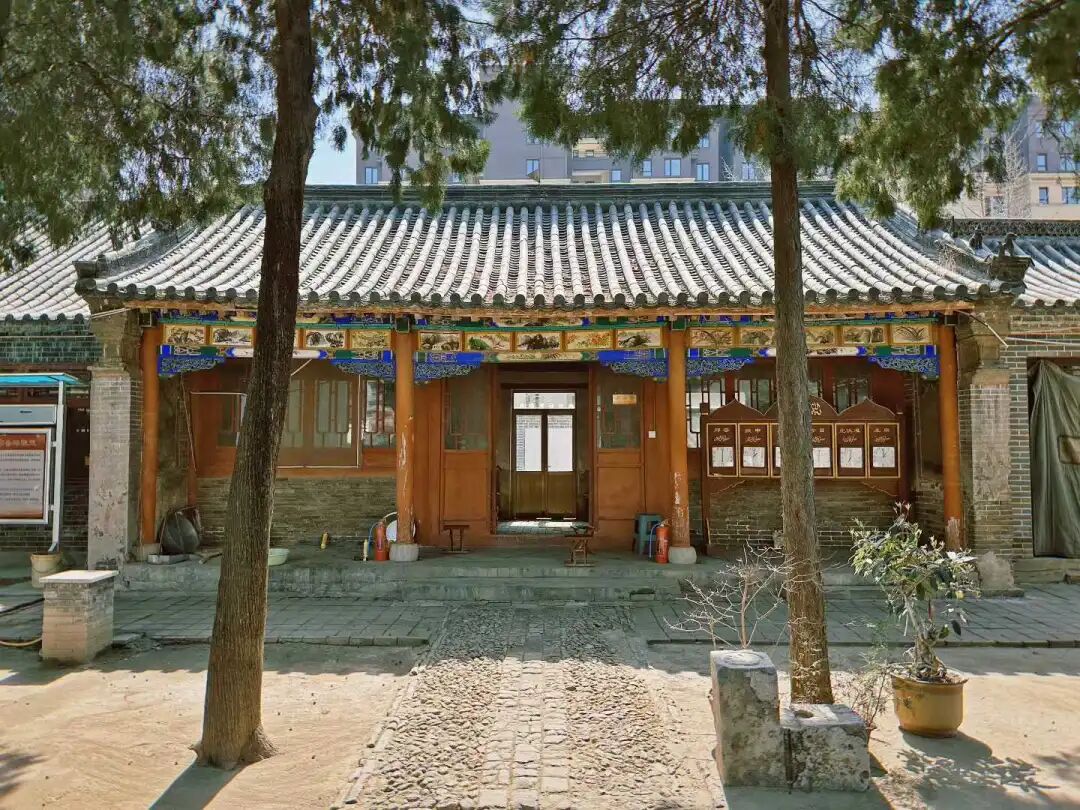
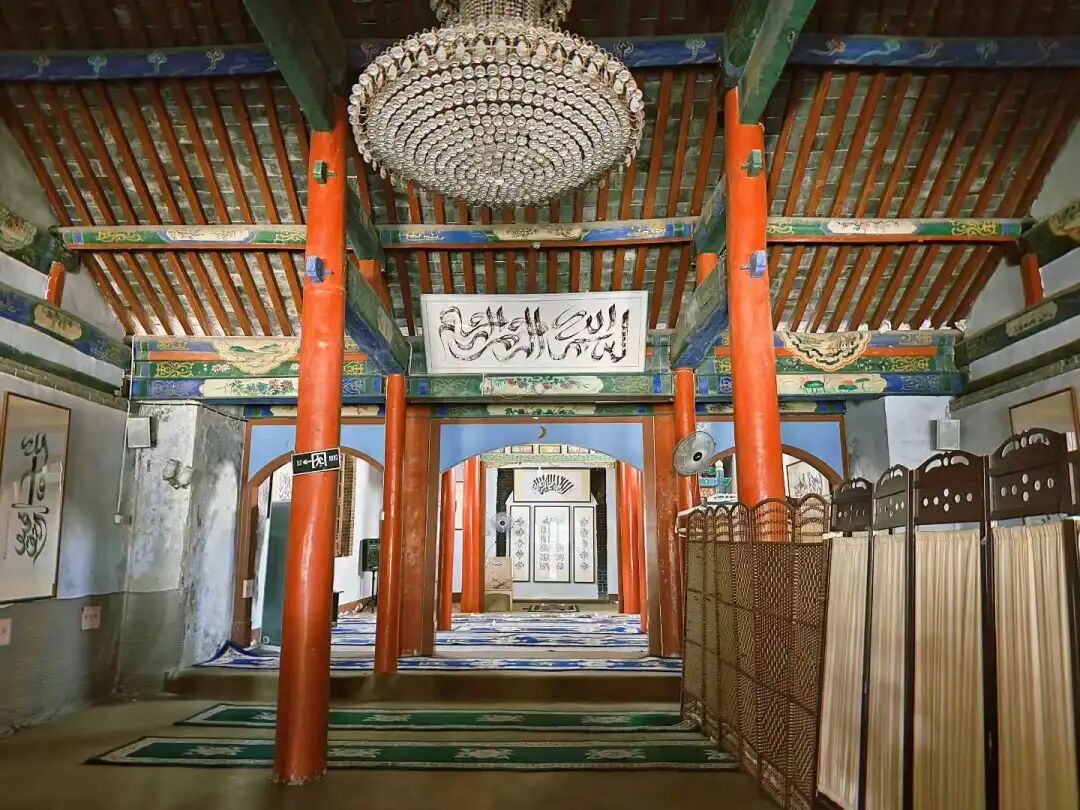
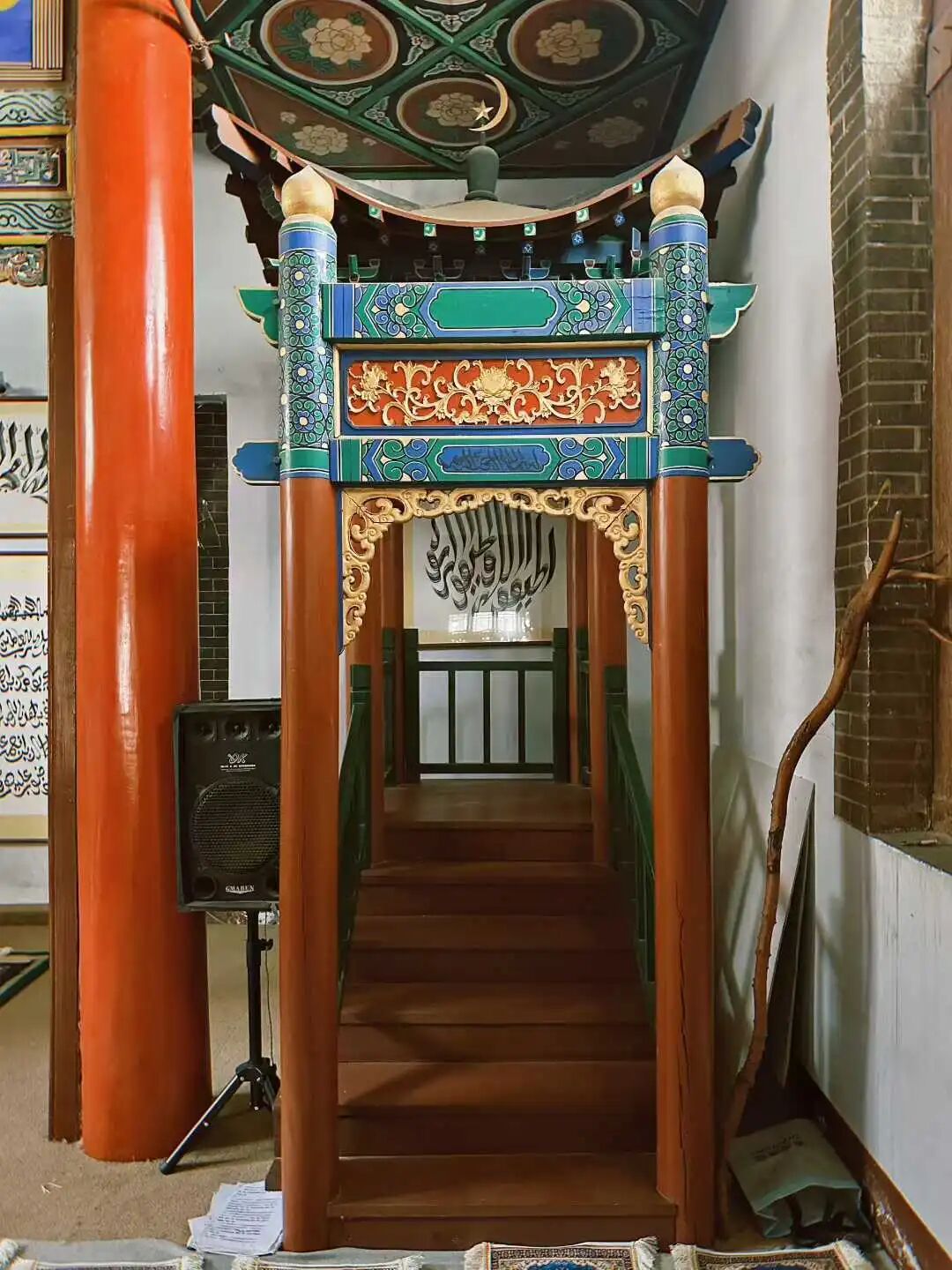
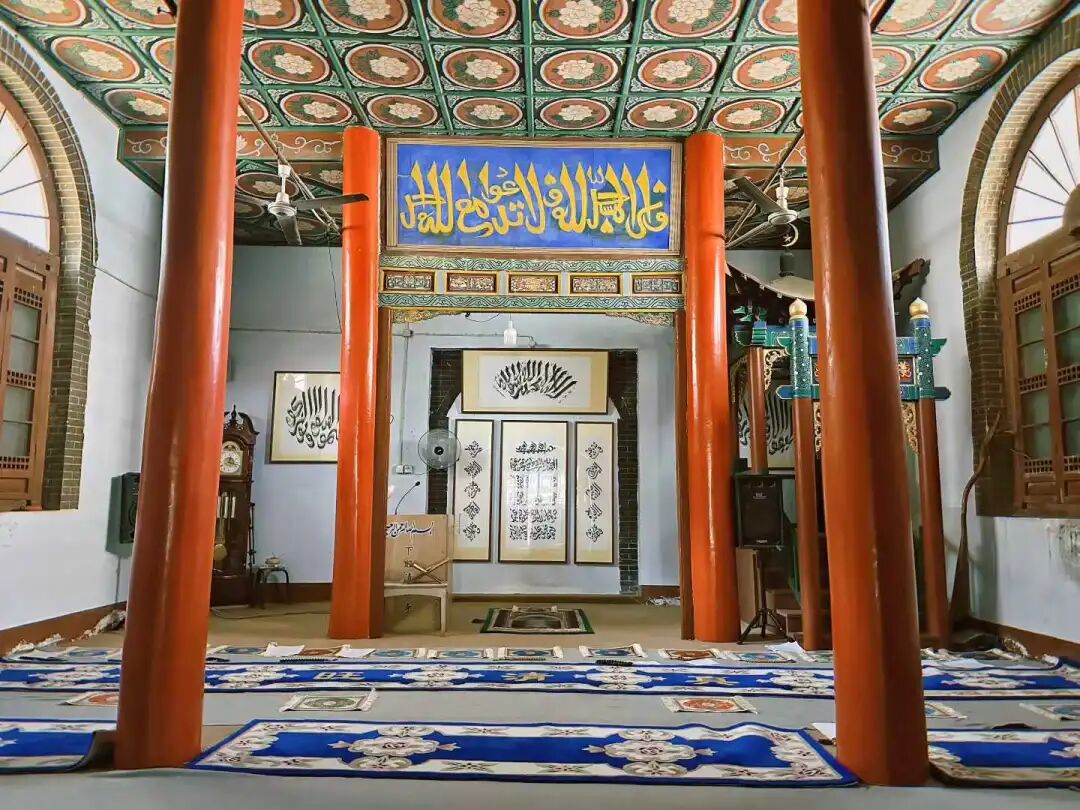
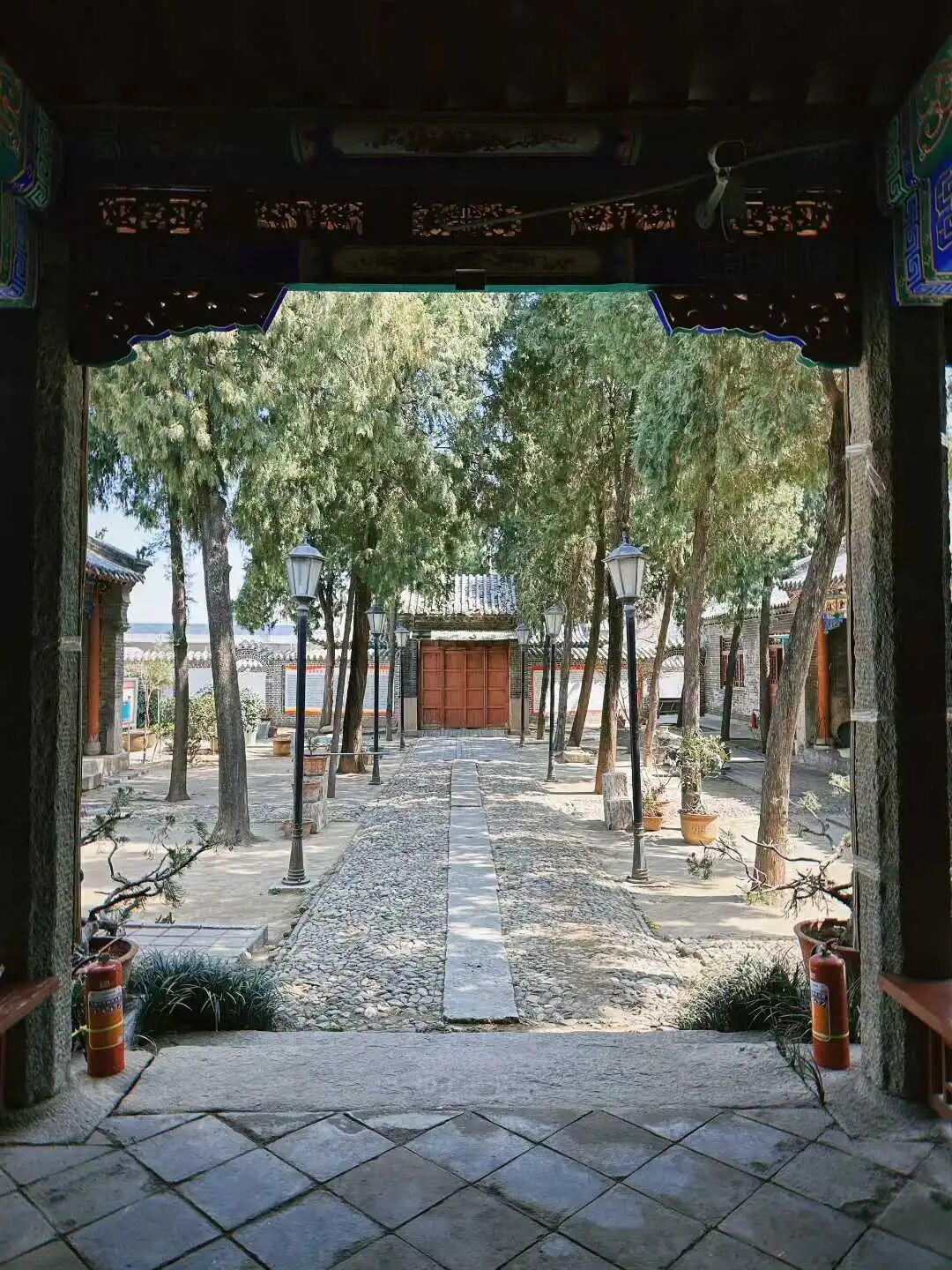
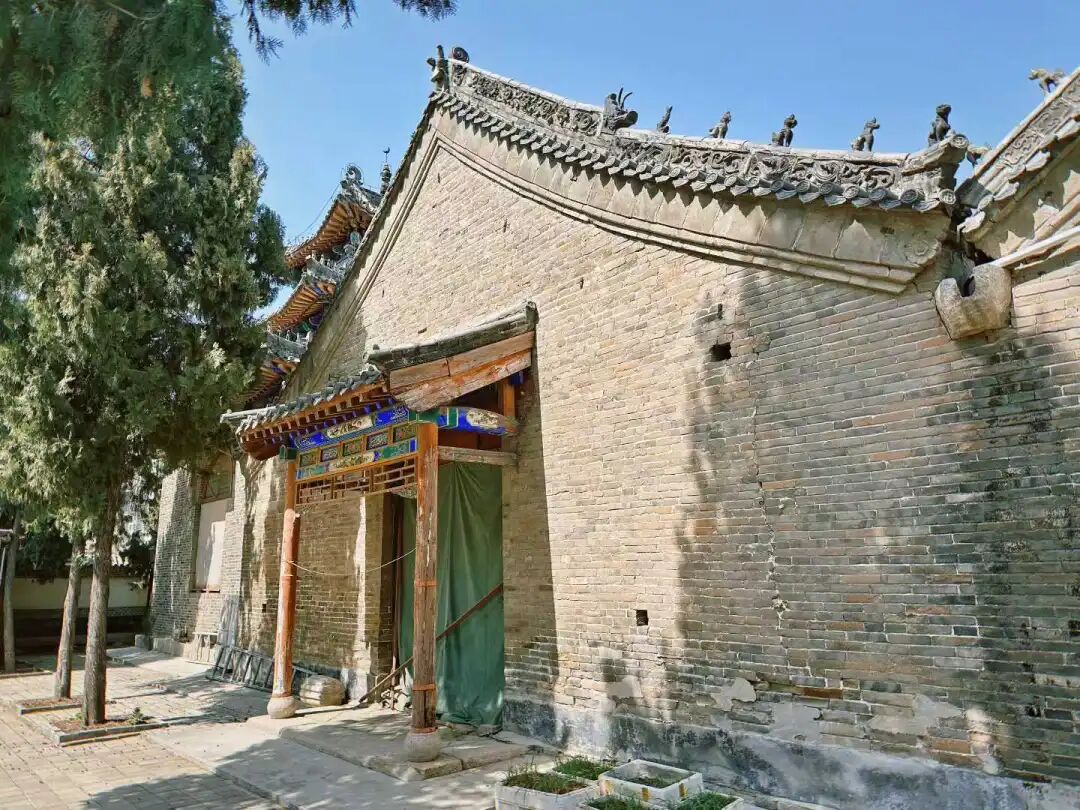
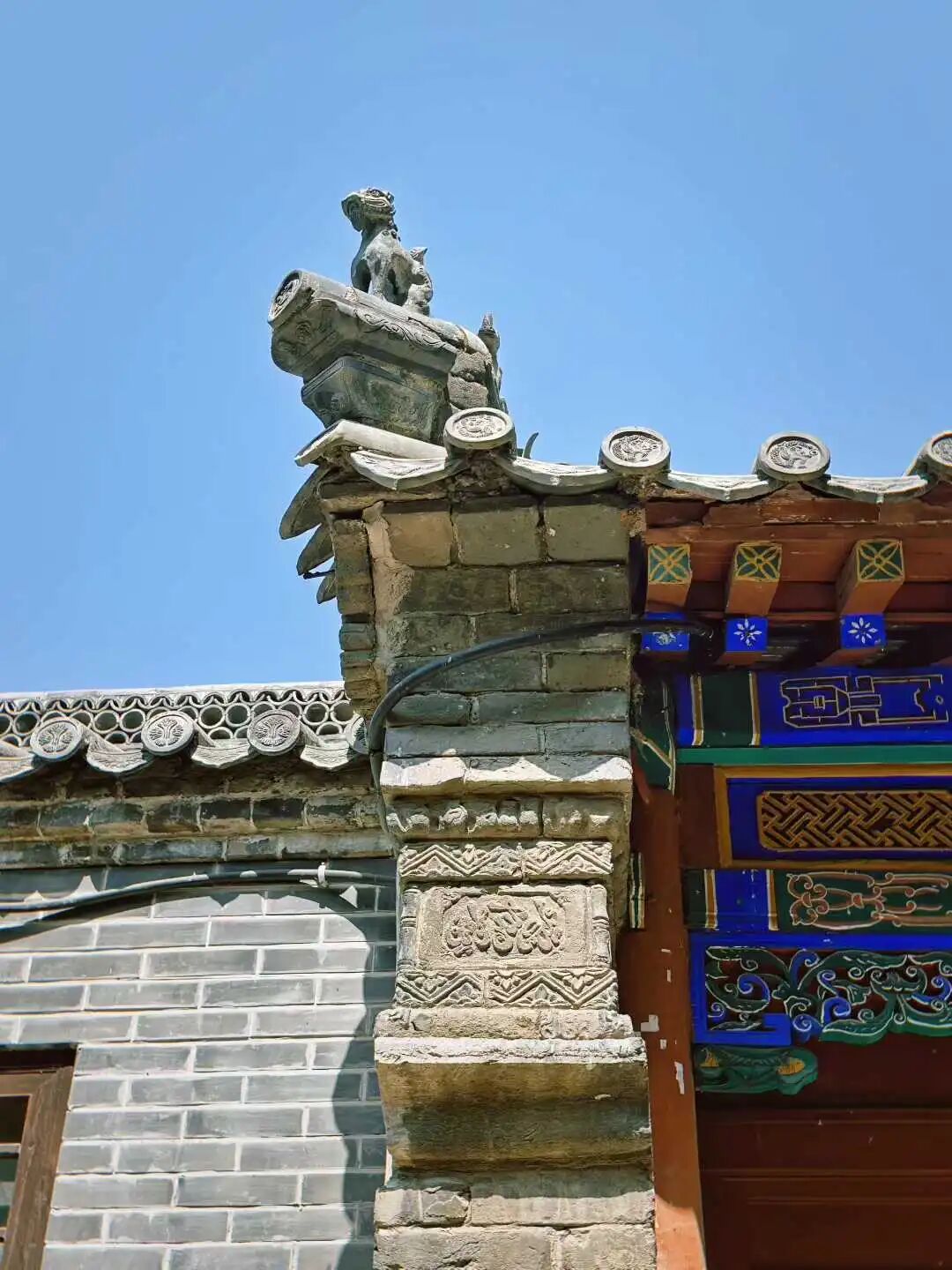
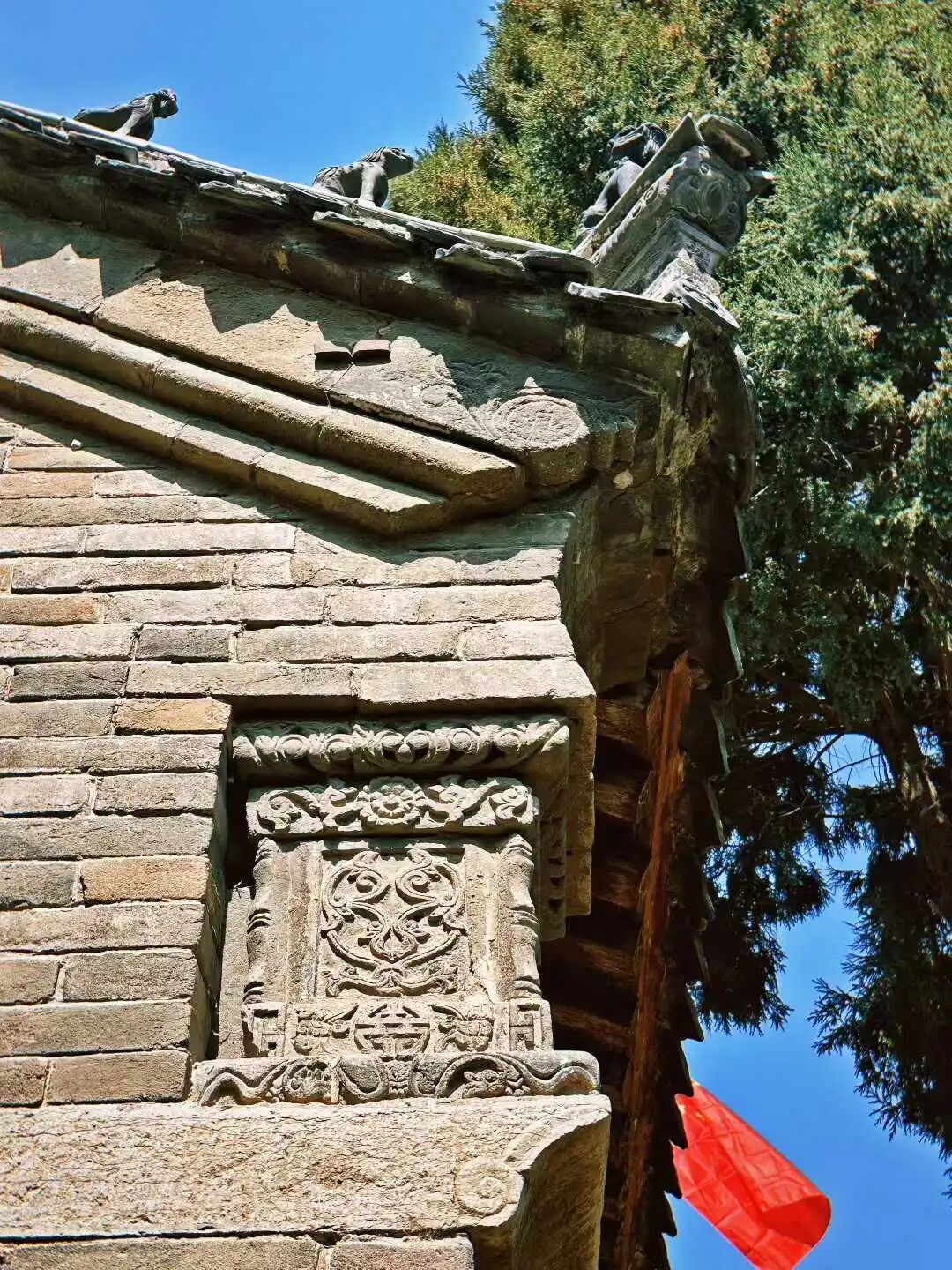
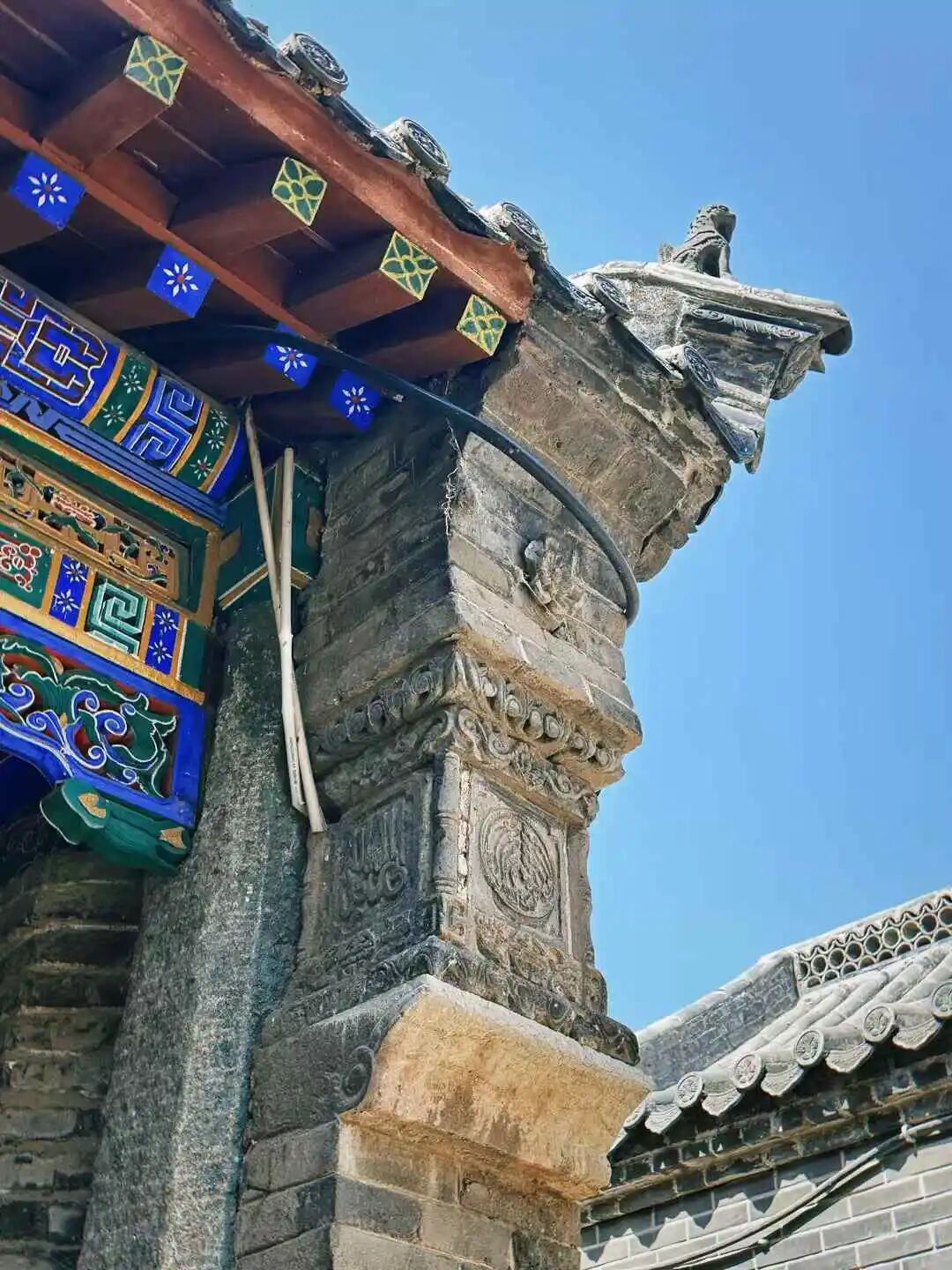
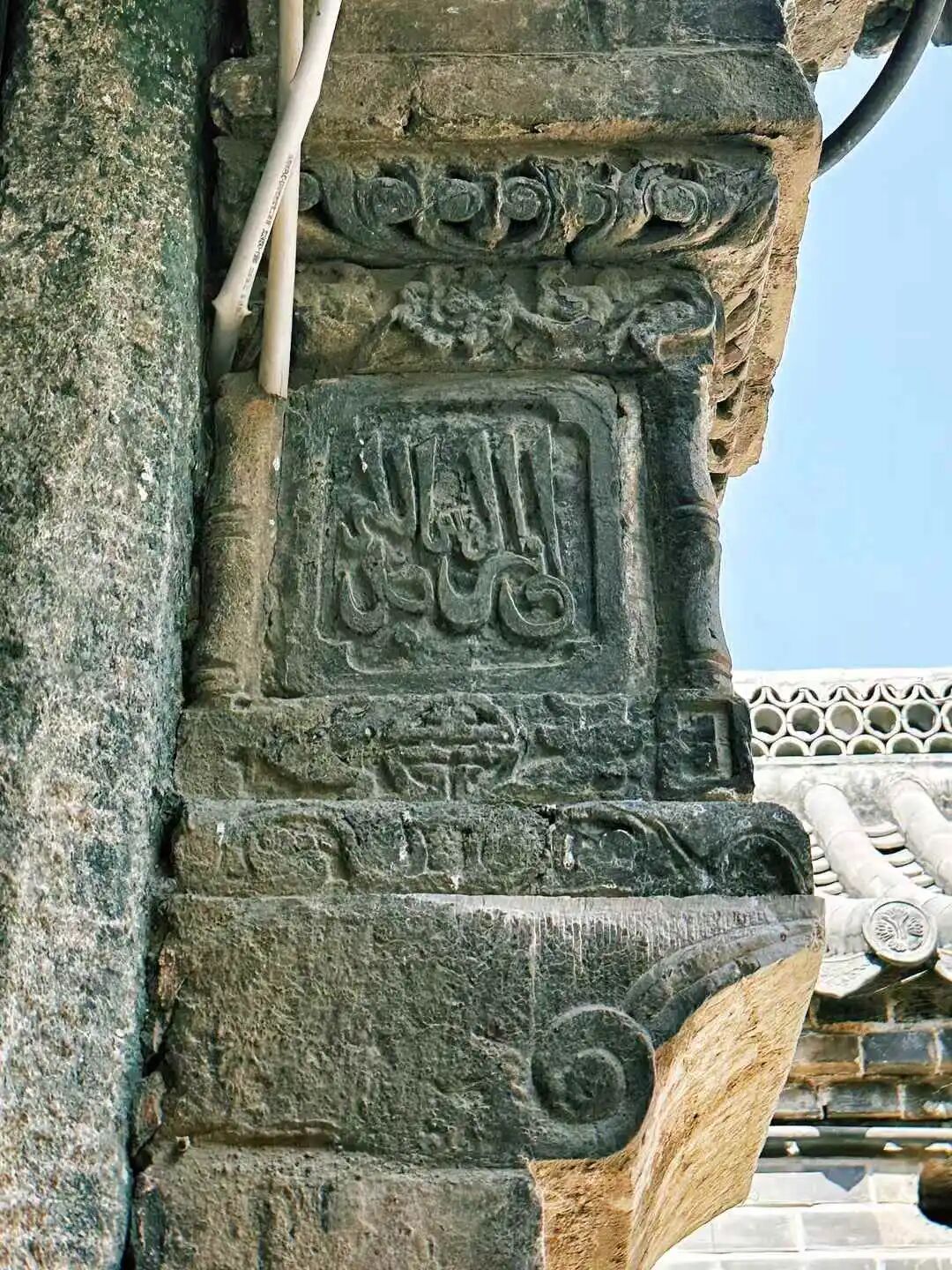
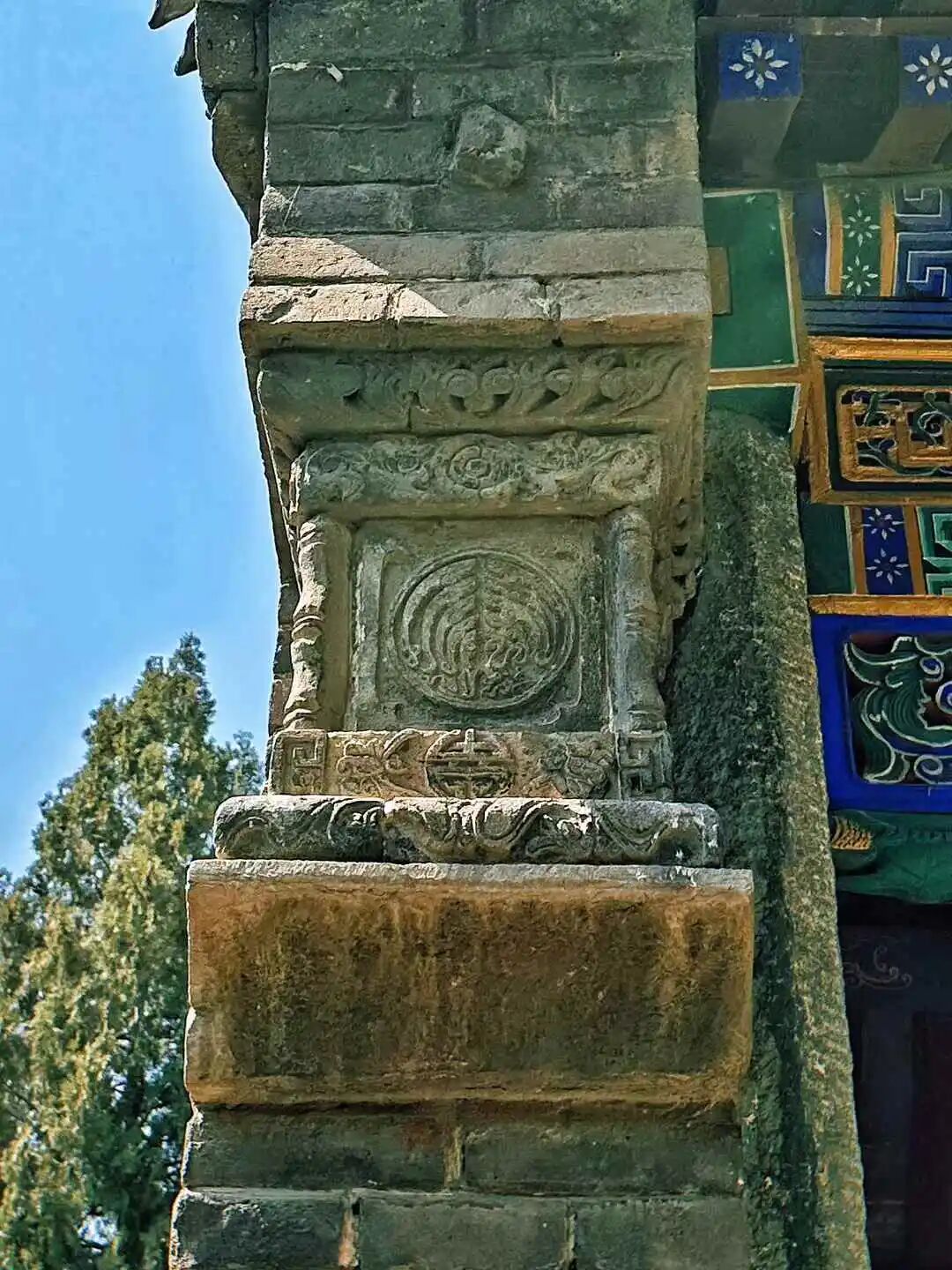
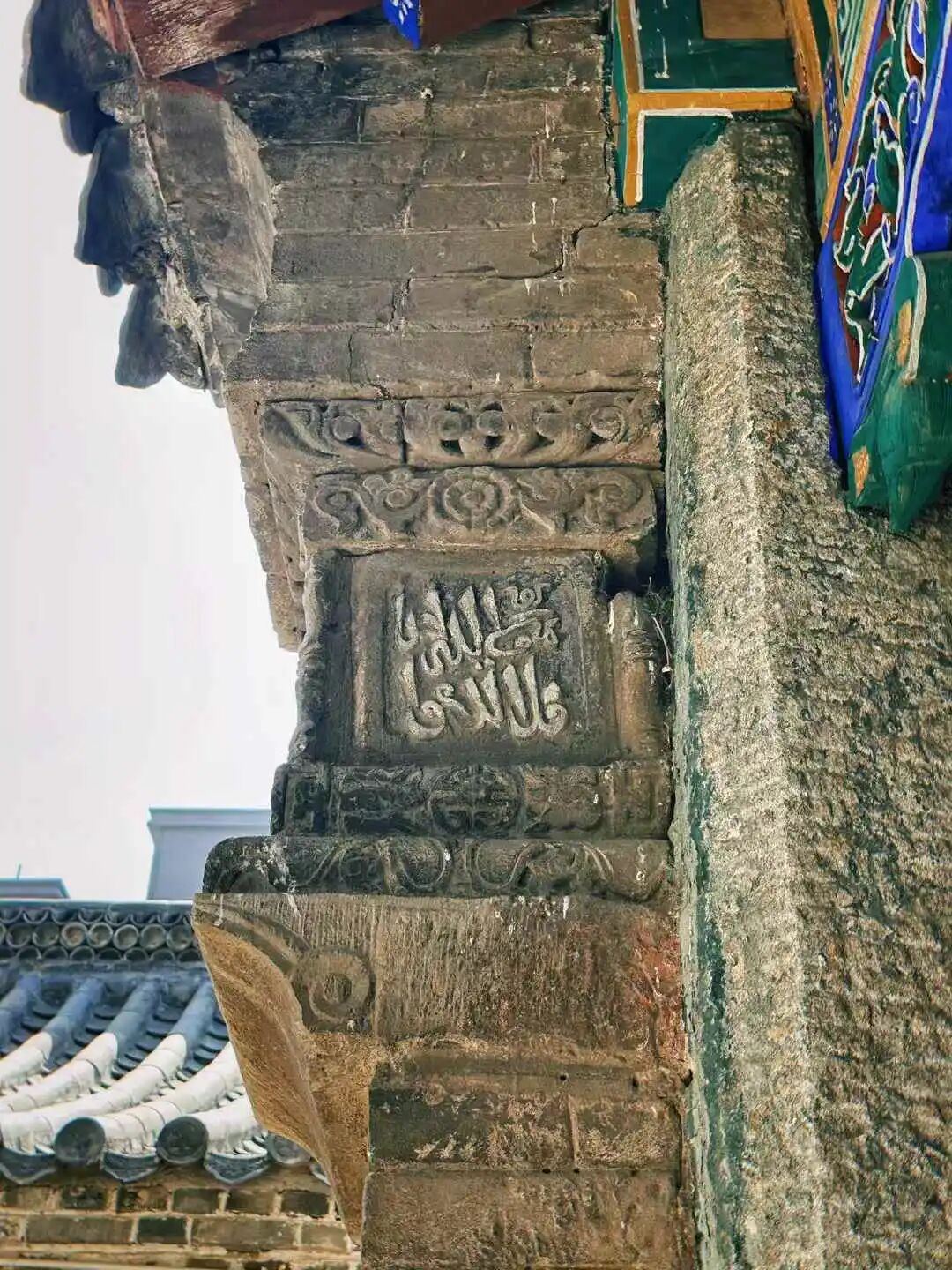
The kiln hall (yaodian) and north lecture hall at Xiawang Mosque in Taian, Shandong, have a late 20th-century feel. A pair of scripture boxes each hold 15 books, which is very traditional. There is also a group photo of the village elders at Xiawang Mosque from 1933. You can see everyone wearing long gowns (dagua), with those in the front row wearing mandarin jackets (magua), and everyone wearing small dark caps.
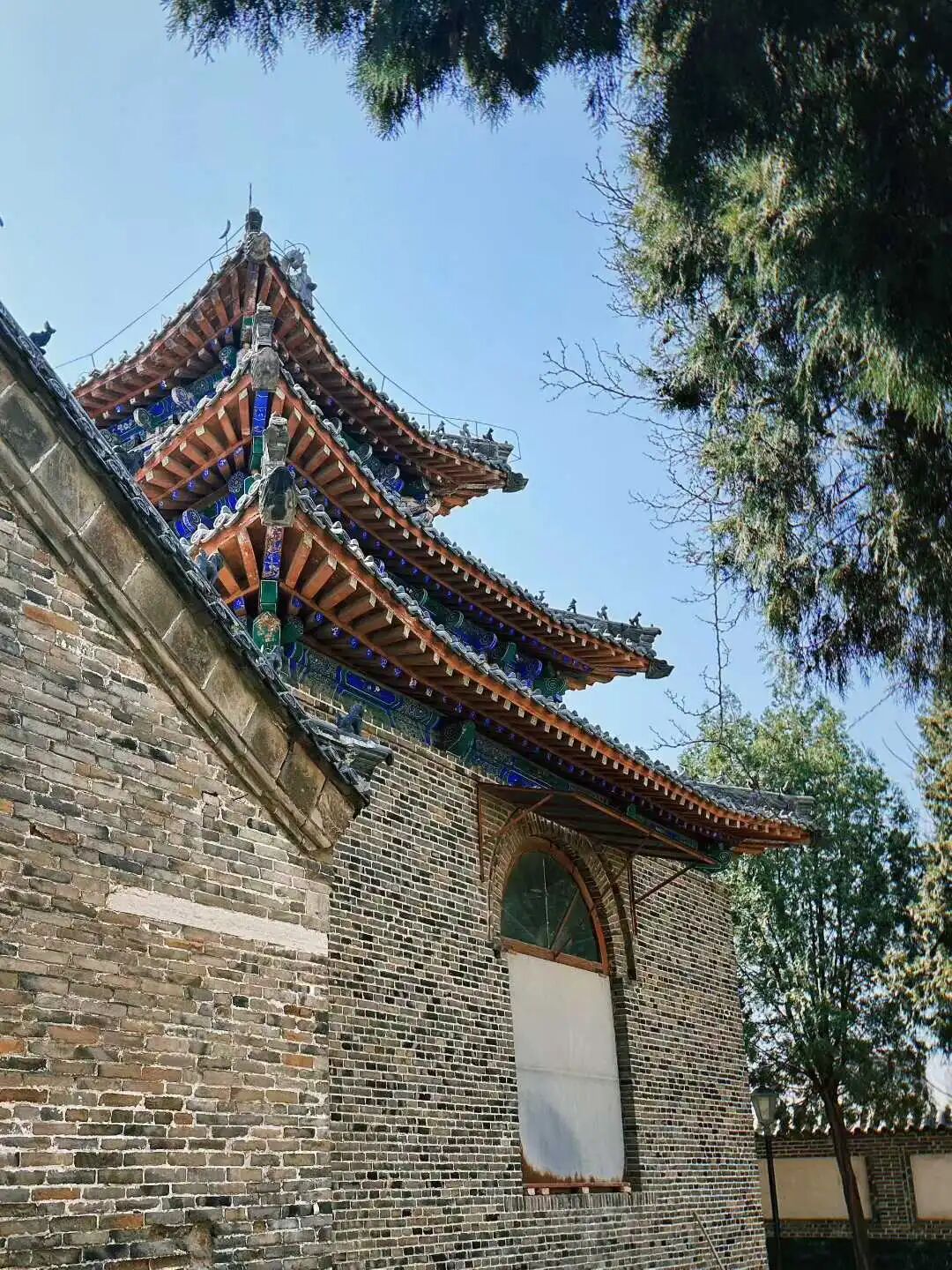
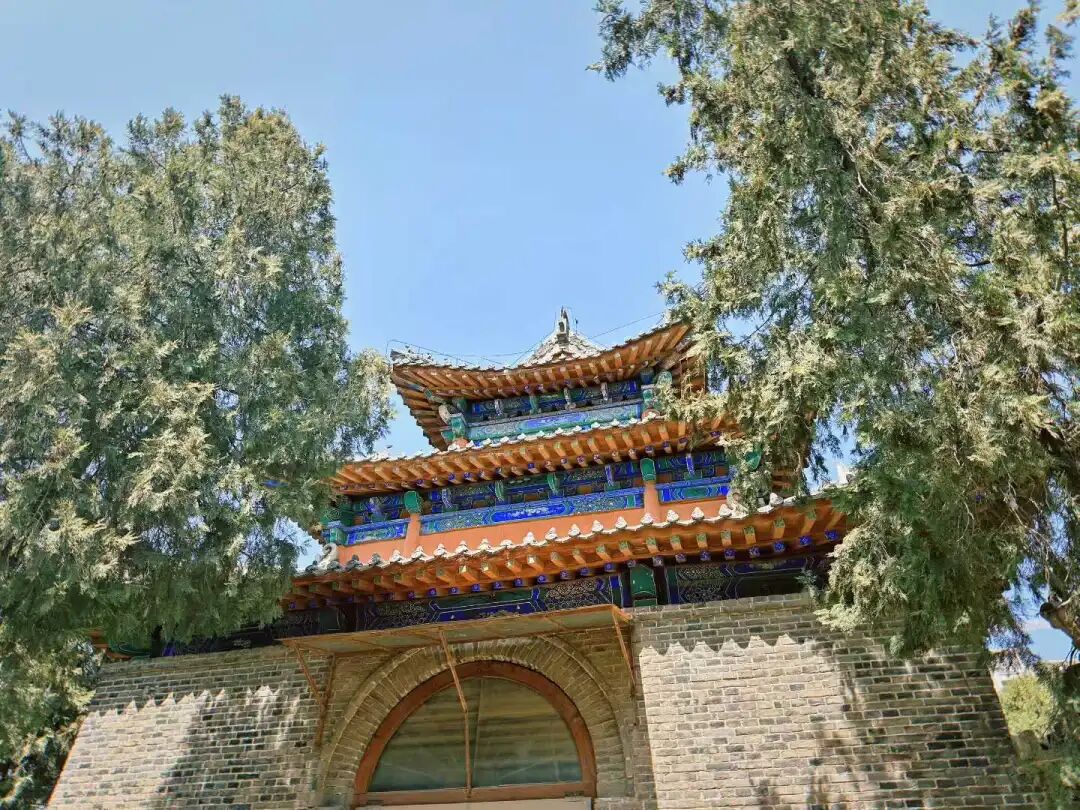
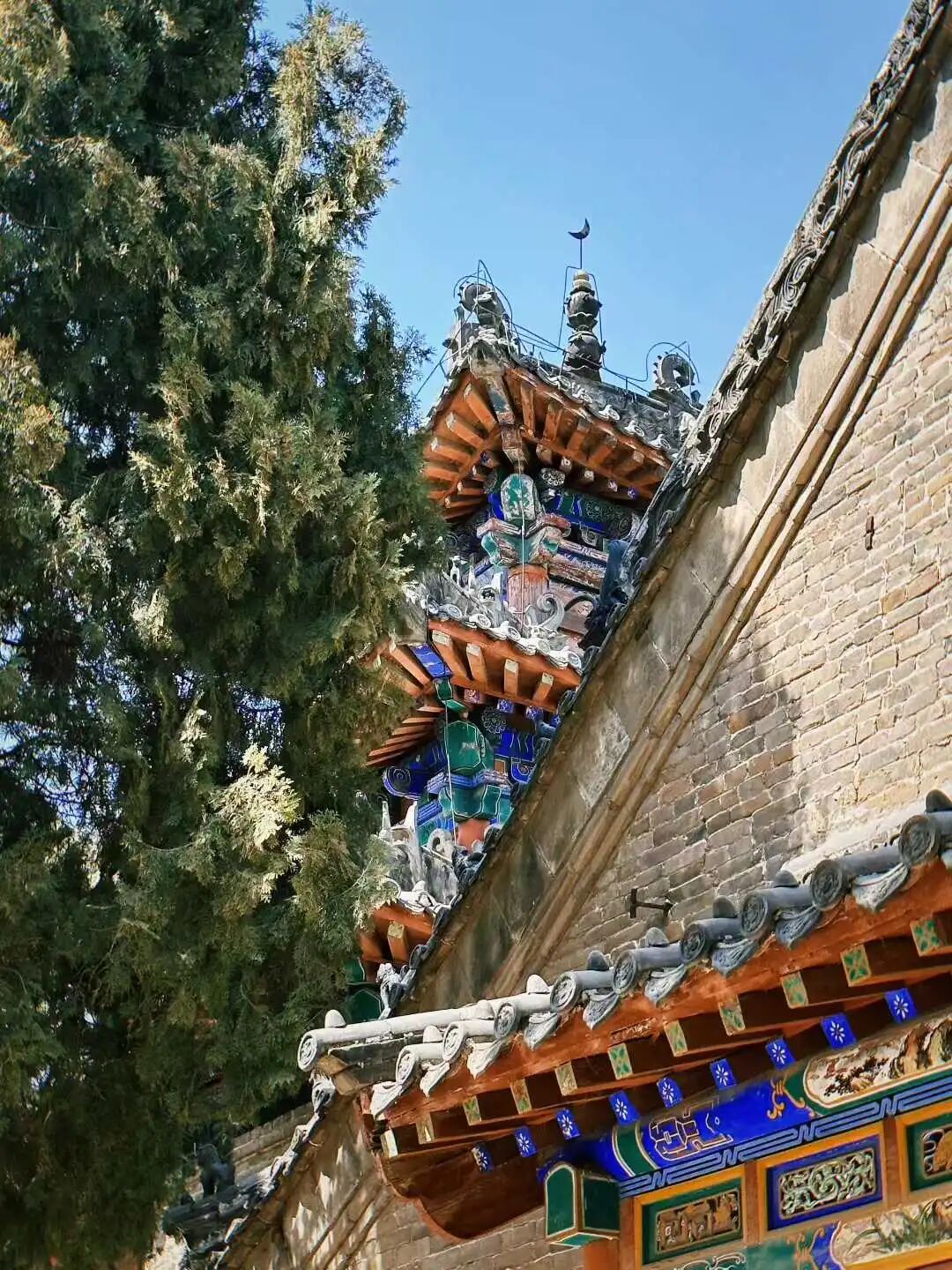
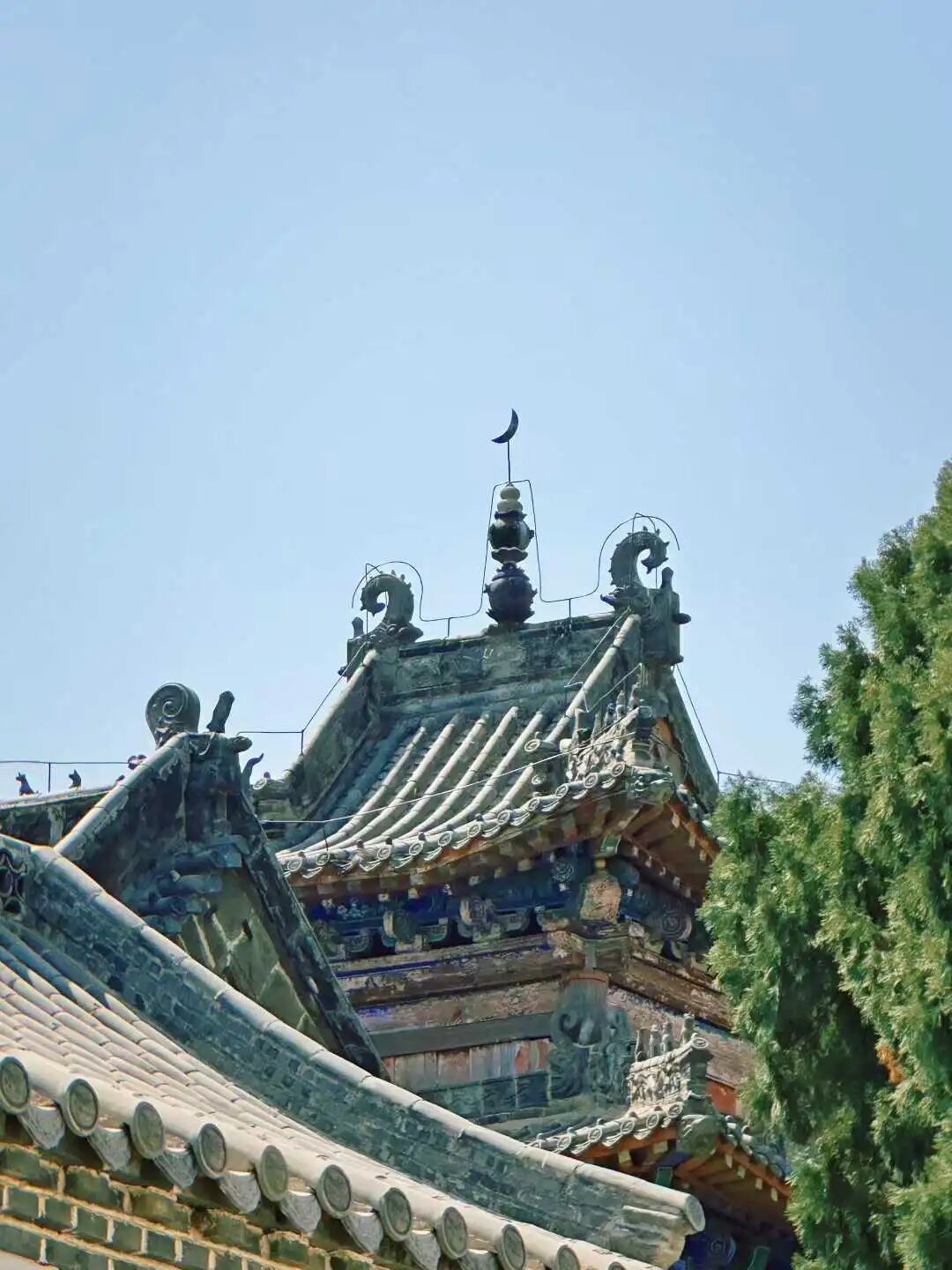
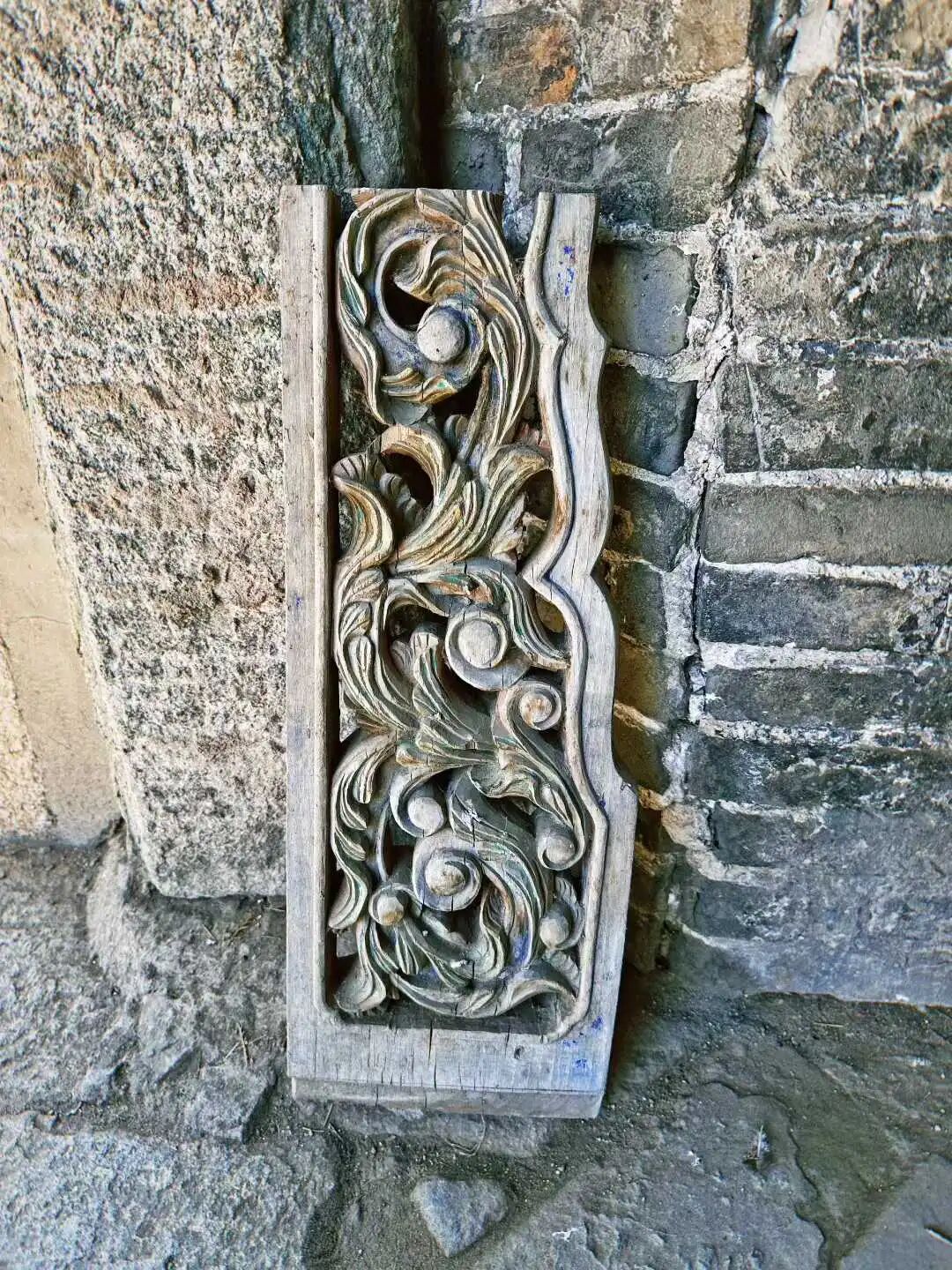
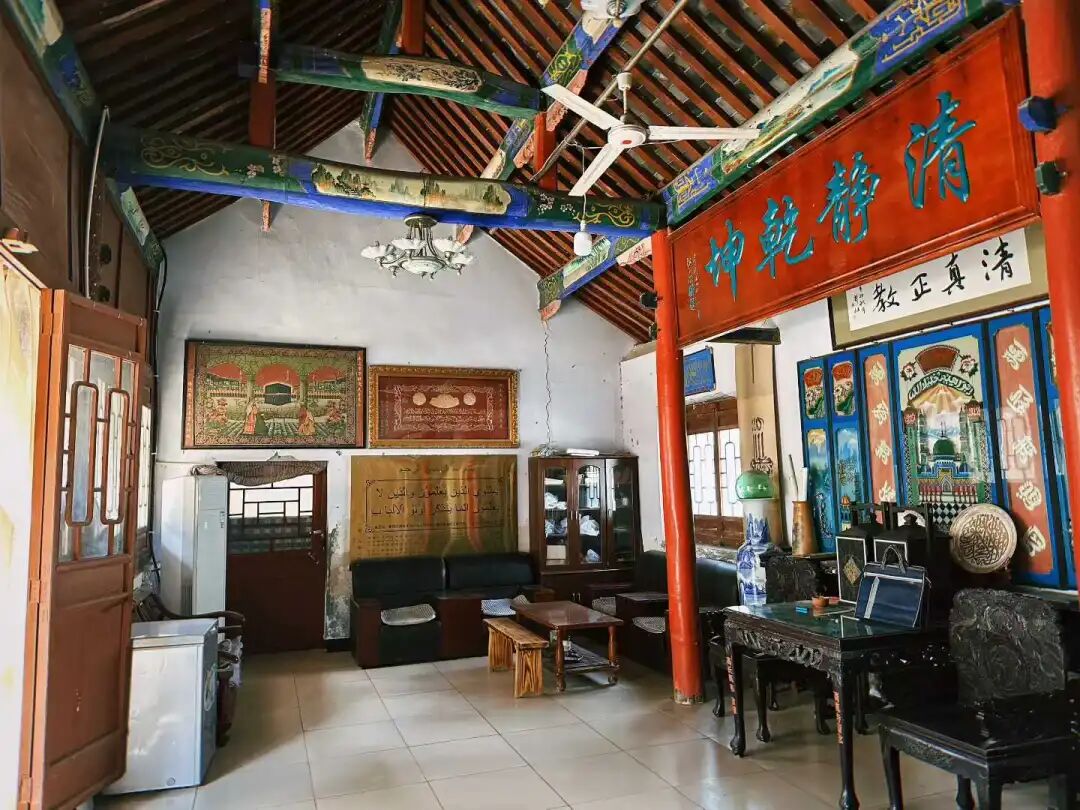
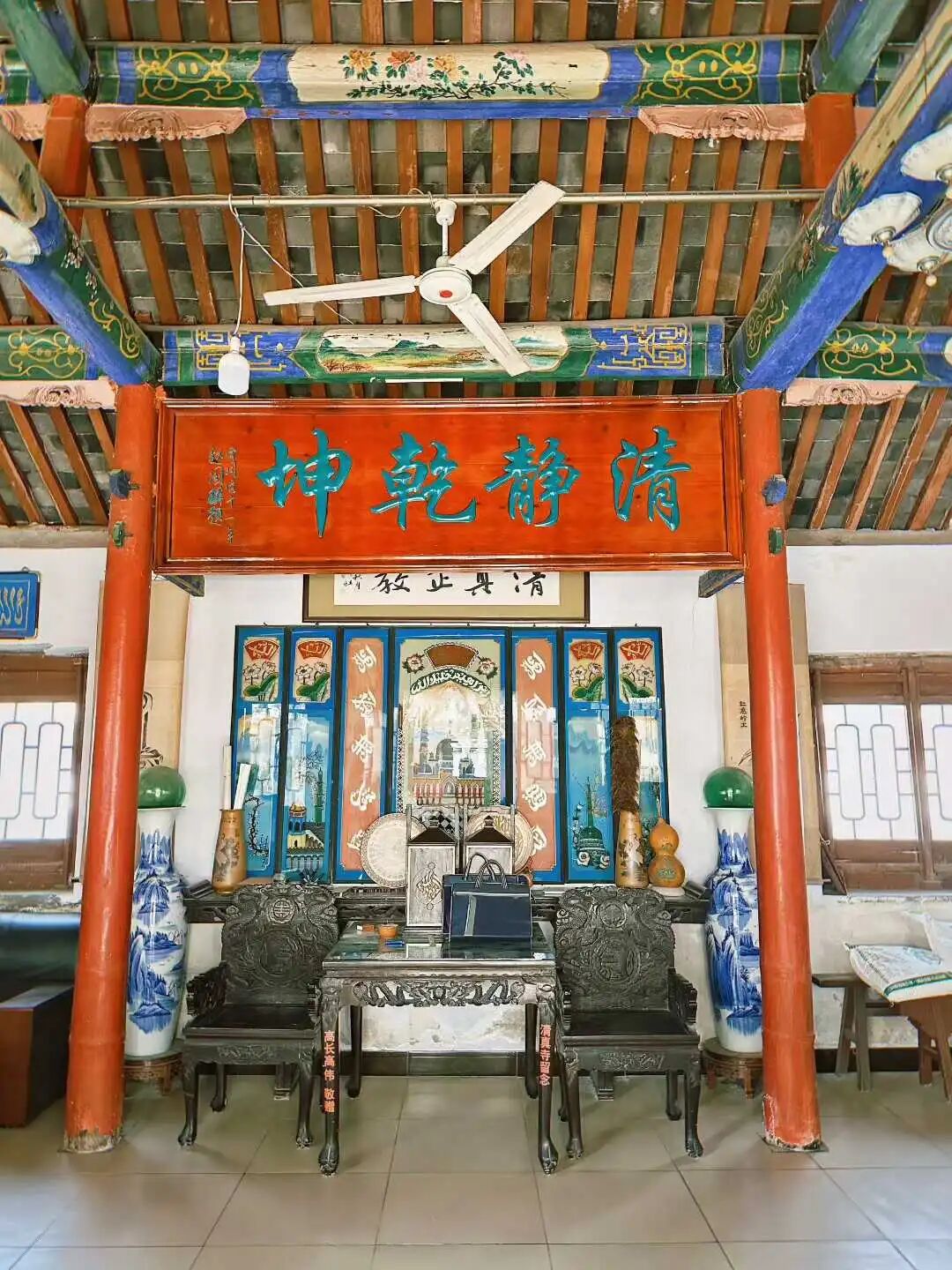
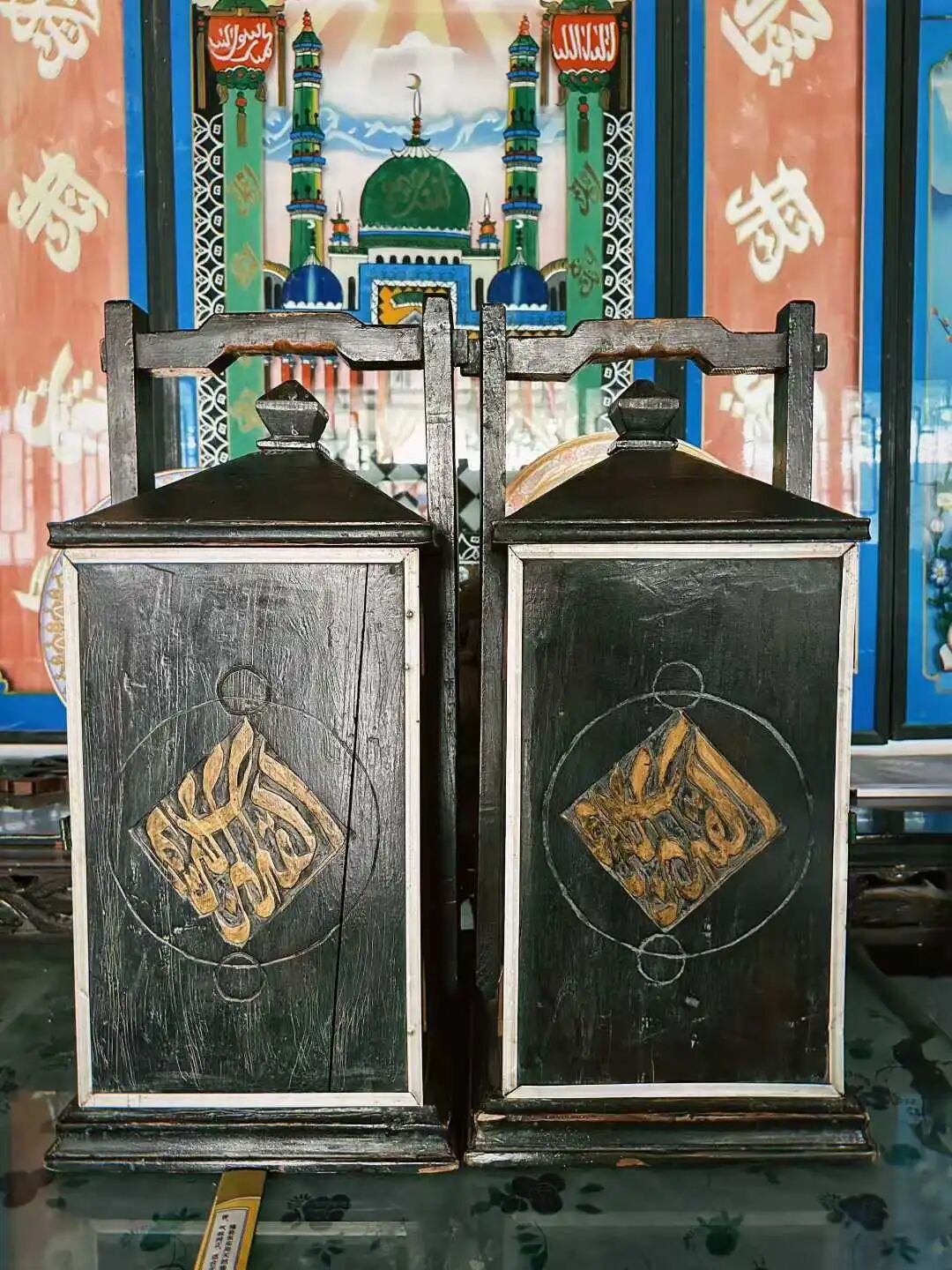
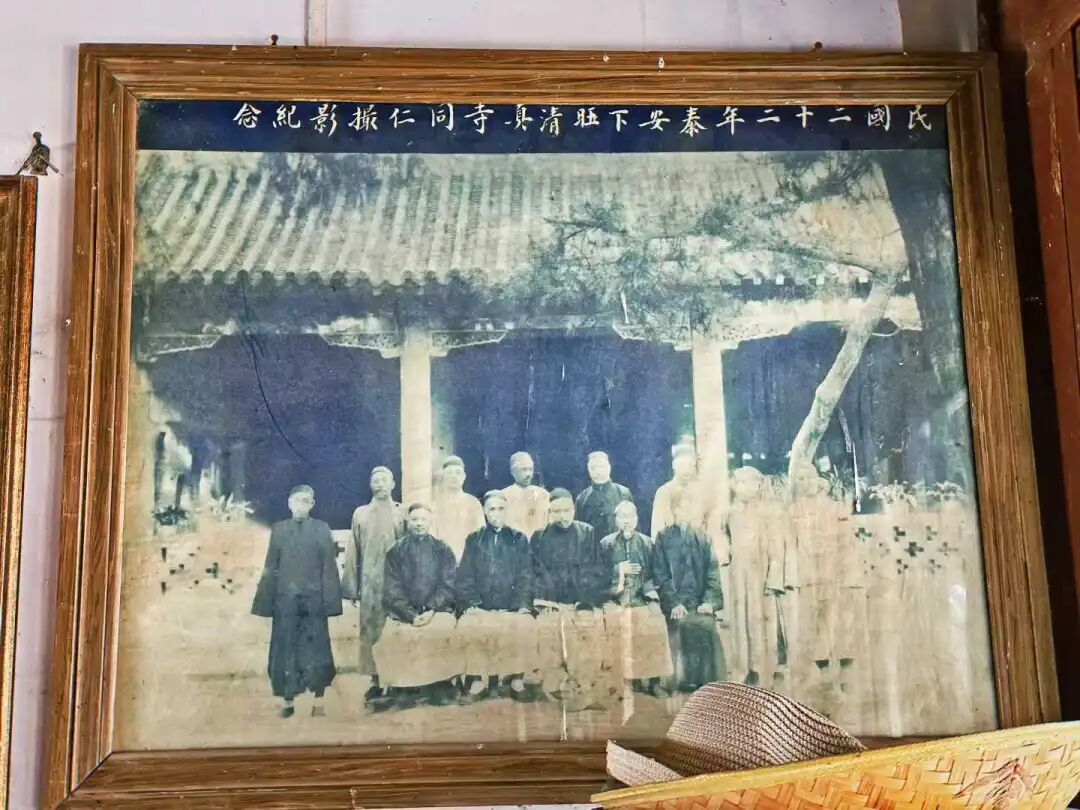
Xiawang Mosque in Taian houses many stone tablets:
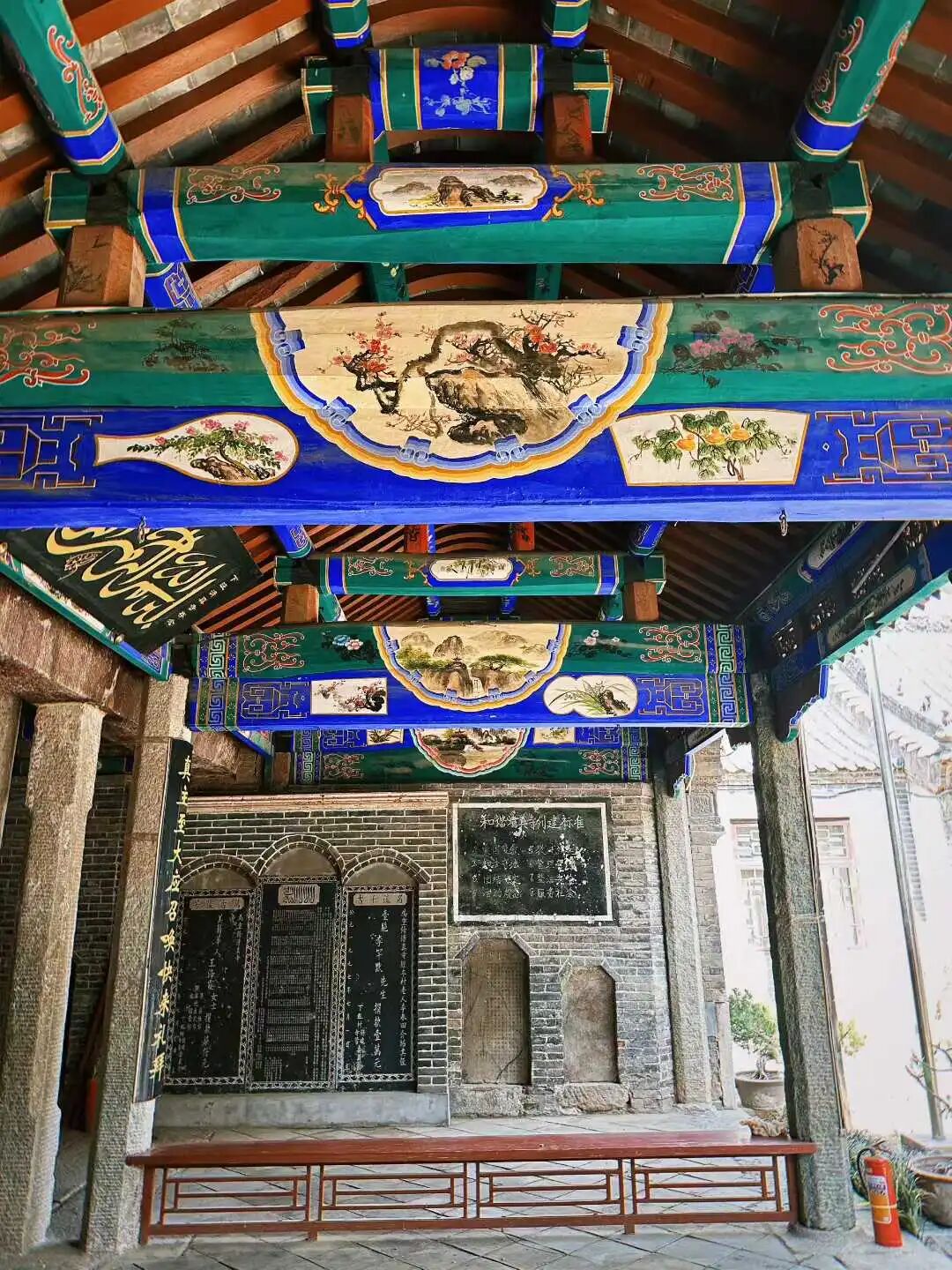
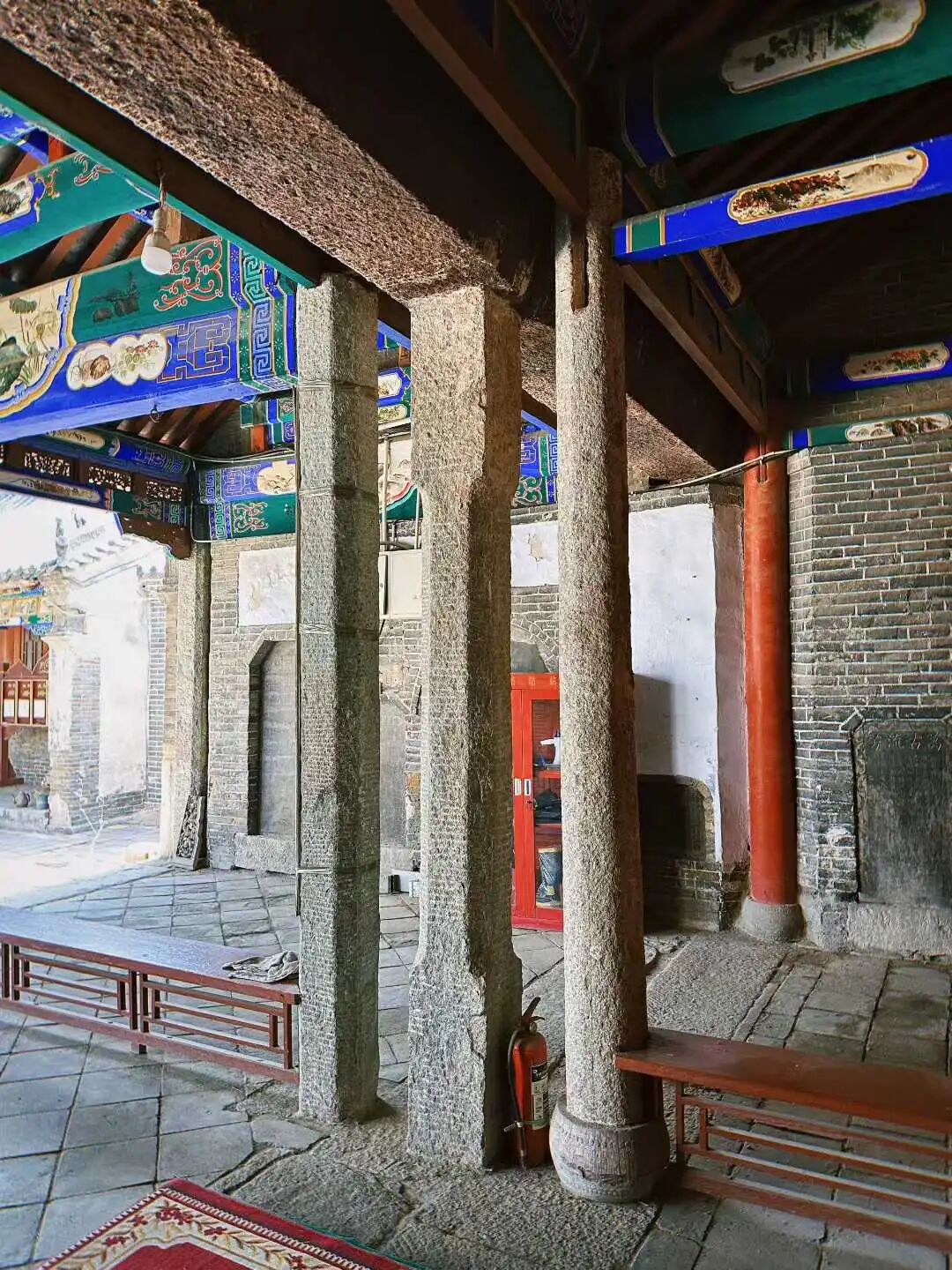
The 1734 tablet for donated land records that Li Bingjie from Henggou Village donated 16.6 mu of land to the mosque, and Wang Zhangzhe from the same village donated an adjacent one mu of land to the mosque.
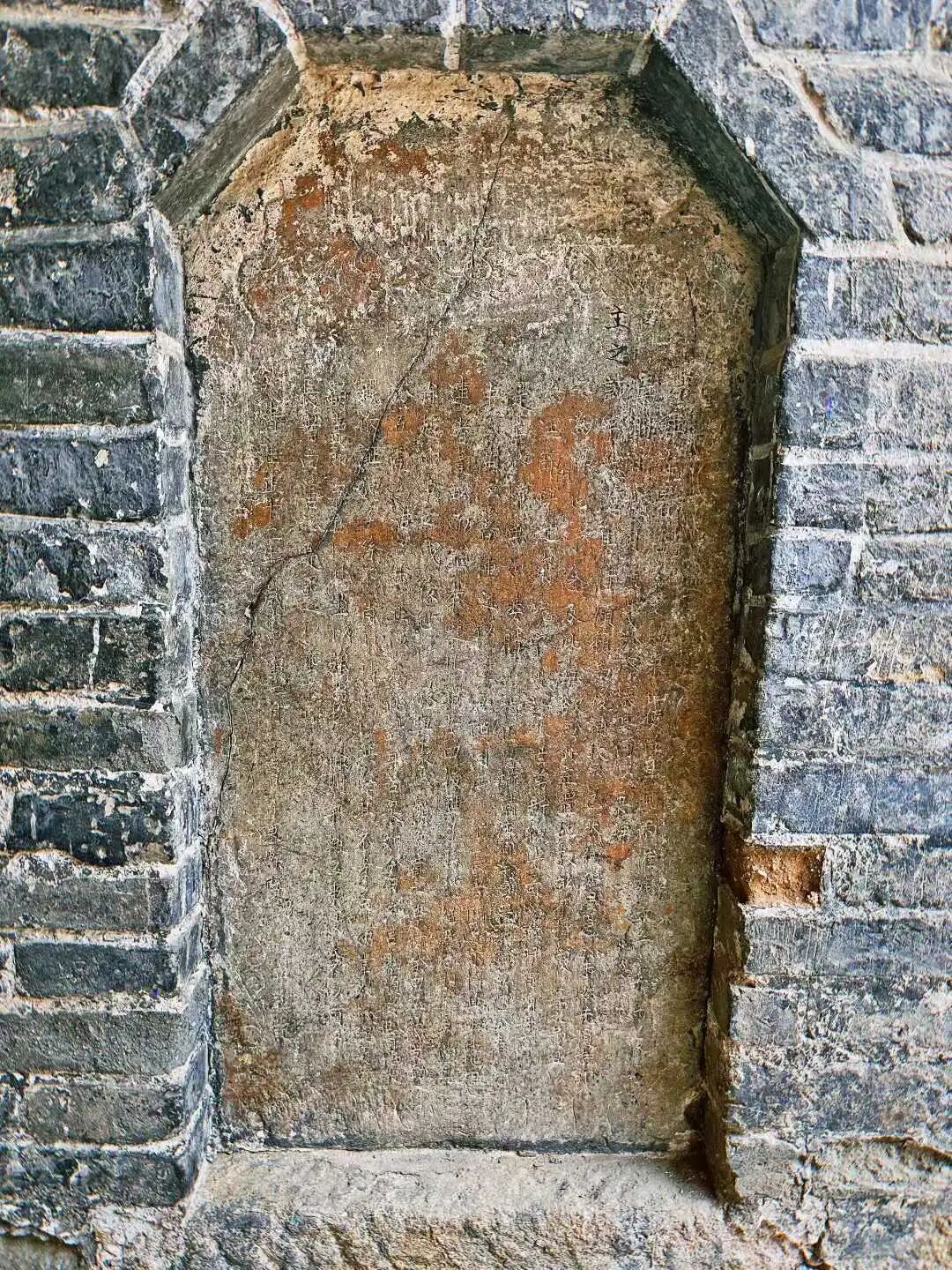
The 1837 renovation tablet records that Xiawang Mosque was renovated in 1821. In 1835, Han Qingyu from Xiaoyandi Village and the villagers donated money for building oil painting and decorations. In 1837, Yang Dianhua, Wang Jiesan, Wang Zhonghua, and others agreed to donate money to rebuild the water room and side rooms, and a daughter of the Ding family from Huangjia Village donated land.
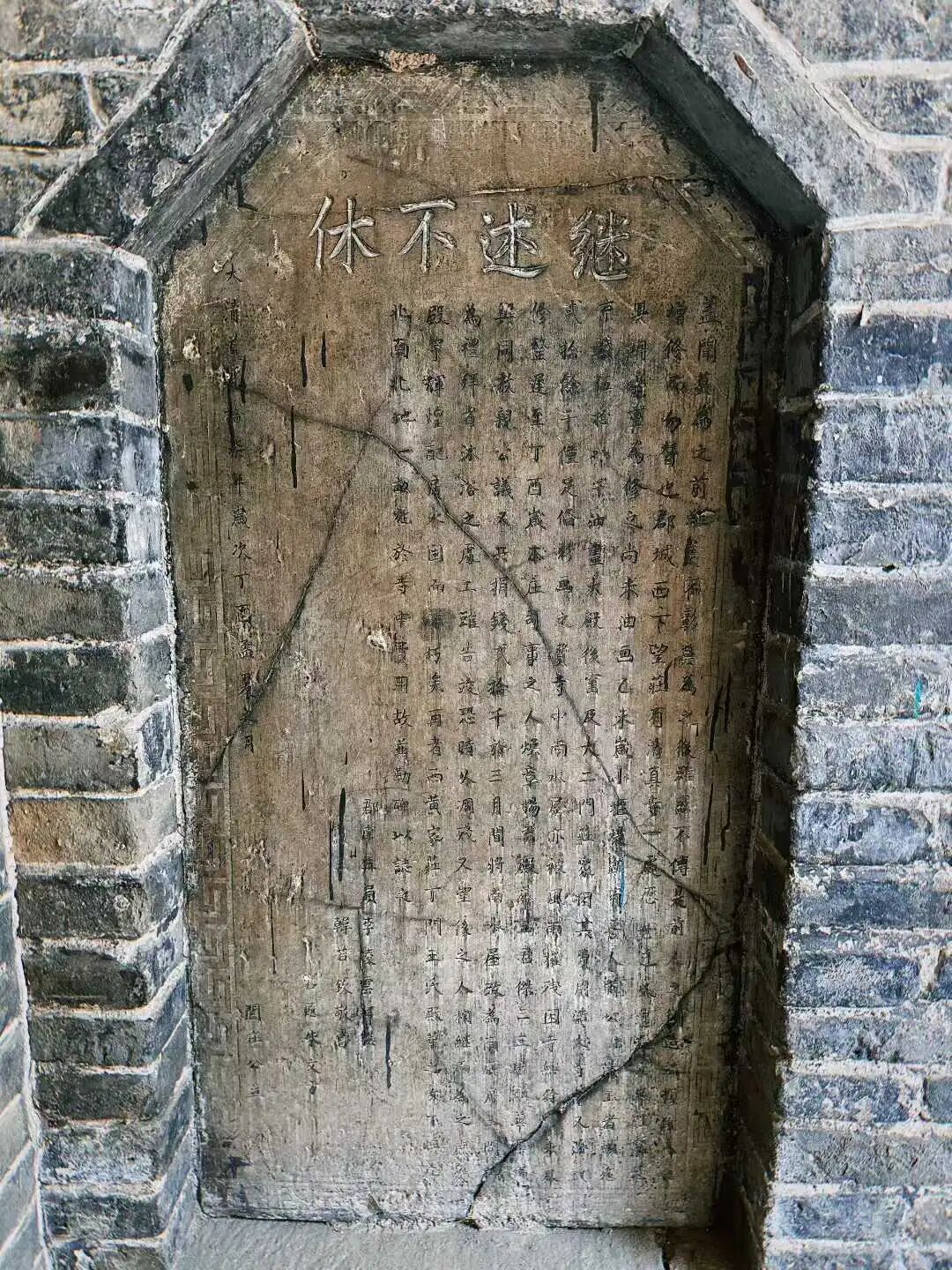
The 1872 "Preface to the Renovation of the Mosque" records that the main hall of Xiawang Mosque was burned down during the war in 1863. Later, elders Yang Yucheng and Han Liqing were the first to donate money, and the whole village worked together to rebuild the mosque.
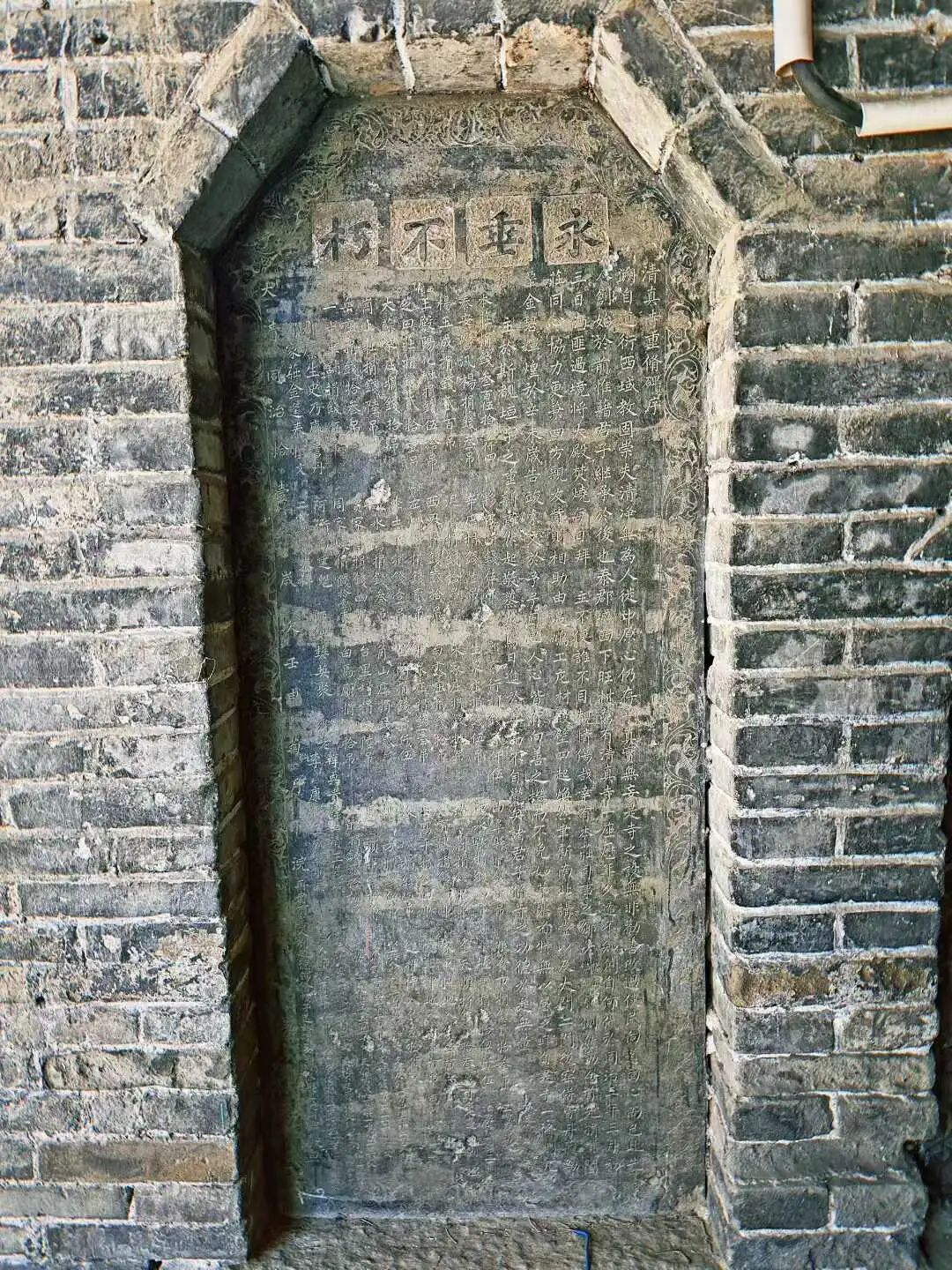
The 1872 "Preface to the Donation of Cypress Trees" records that Yang Yucheng bought back 23 ancient cypress trees in the mosque that were originally going to be sold to pay for the mosque's repairs, keeping them on the grounds.
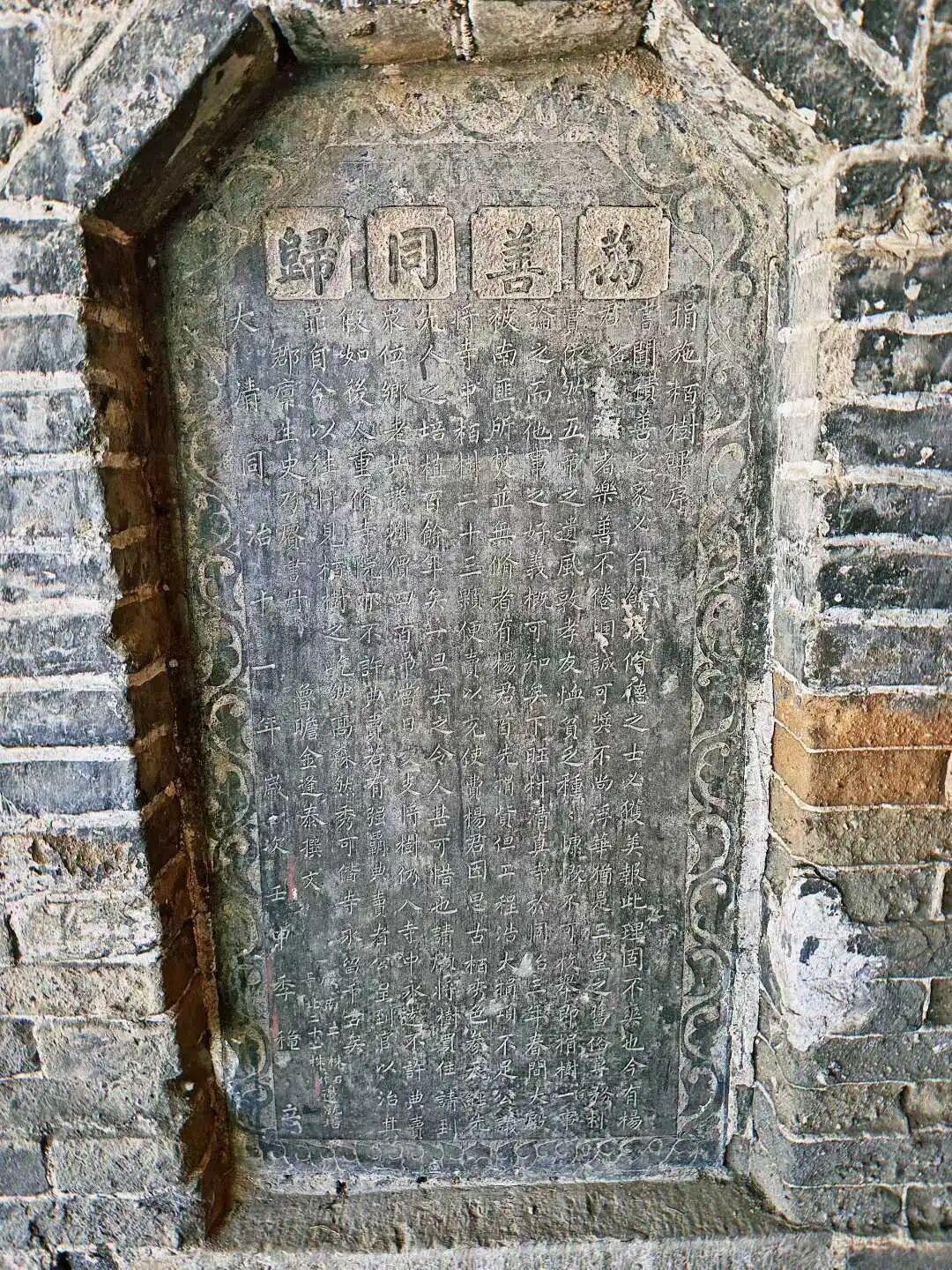
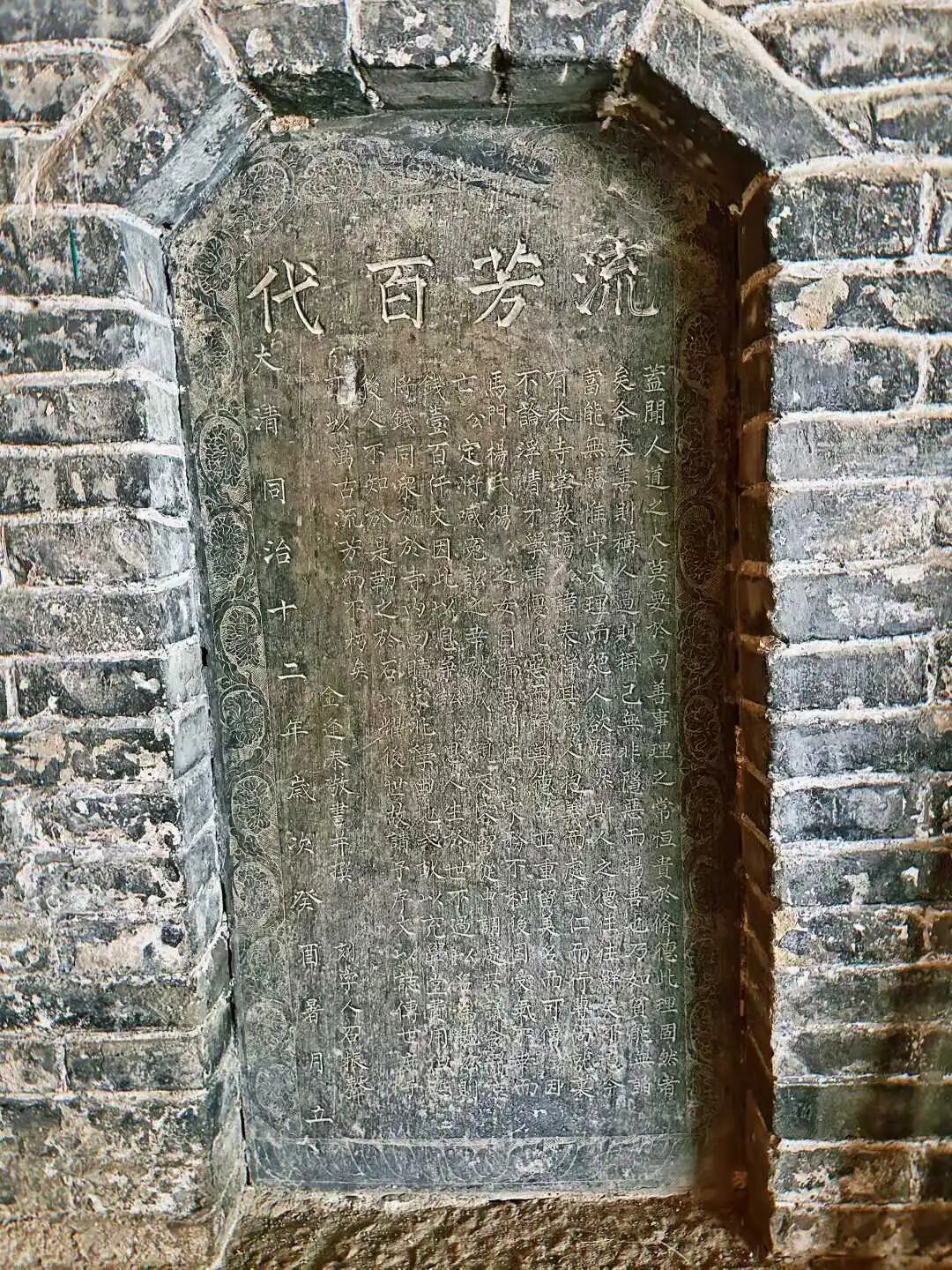
The 1873 lawsuit settlement tablet records that the daughter of Xiawang Mosque imam Yang Taixiang died after suffering mistreatment following her marriage into the Ma family. Imam Yang wanted to go to the government to seek justice, but the villagers persuaded him to stay. After mediation, the Ma family was fined 100,000 jingqian coins to end the dispute. Imam Yang used the money to redeem two mu of mosque land to cover mosque expenses.
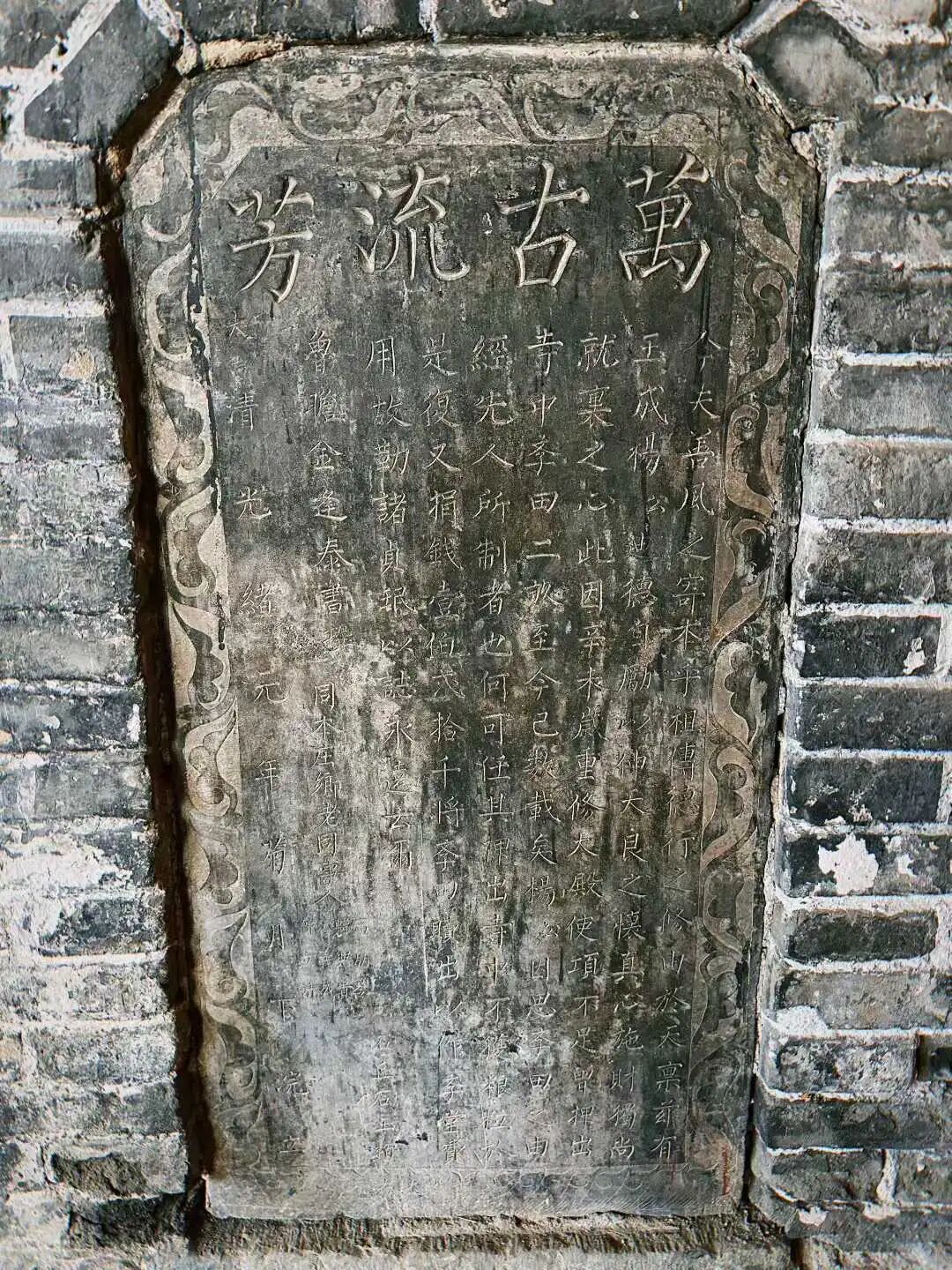
The 1875 land and money donation tablet records that elder Yang Yucheng donated money to redeem two mu of school land that had been mortgaged for mosque repairs, with the harvest from the land used for school expenses.
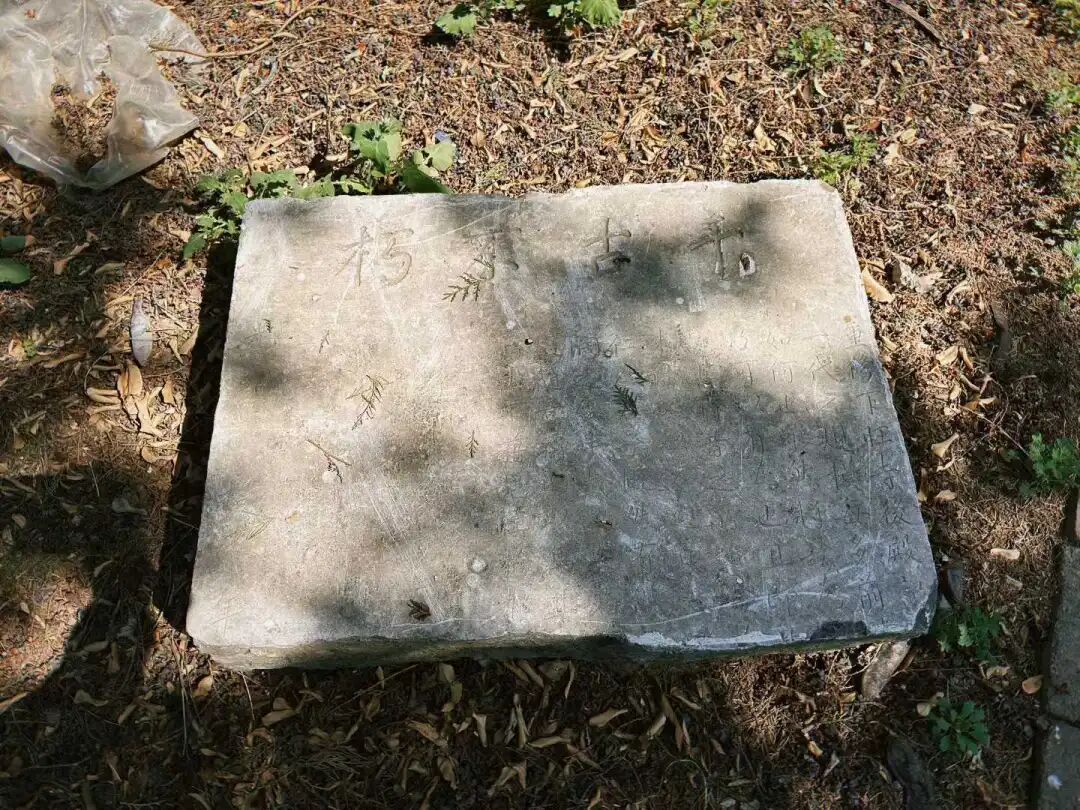
The 1894 "Record of the Renovation of the Rear Hall of Xiawang Mosque" only has the top half remaining.
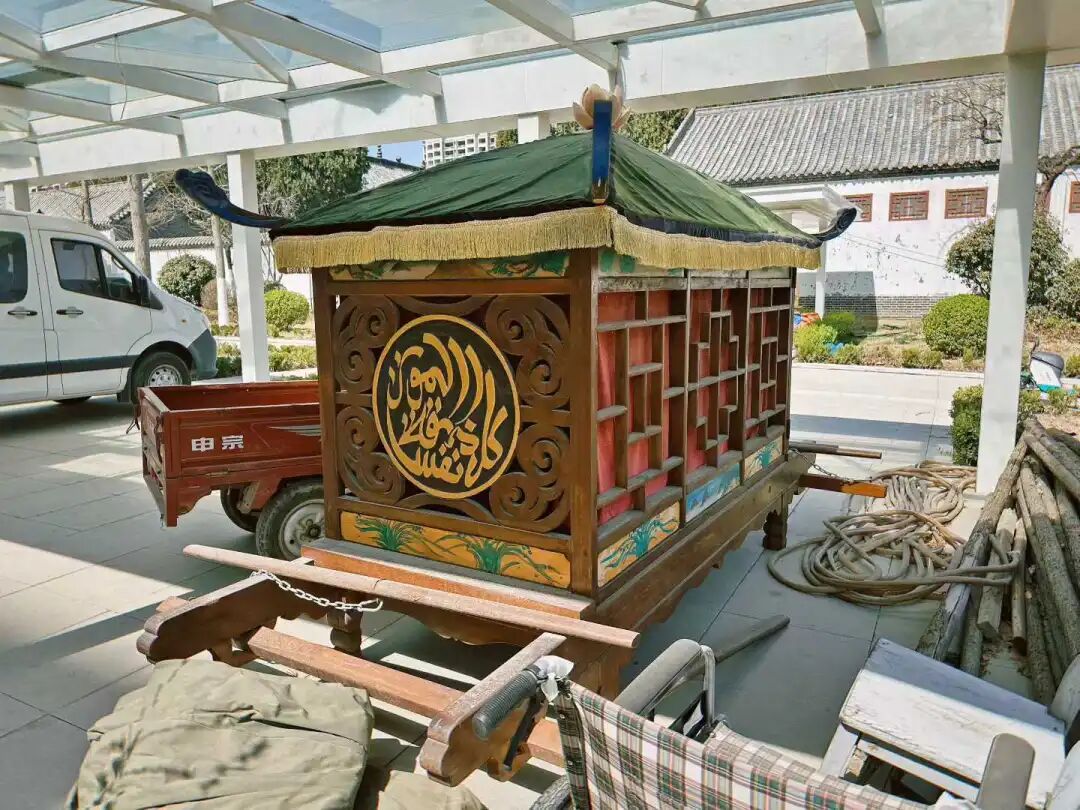
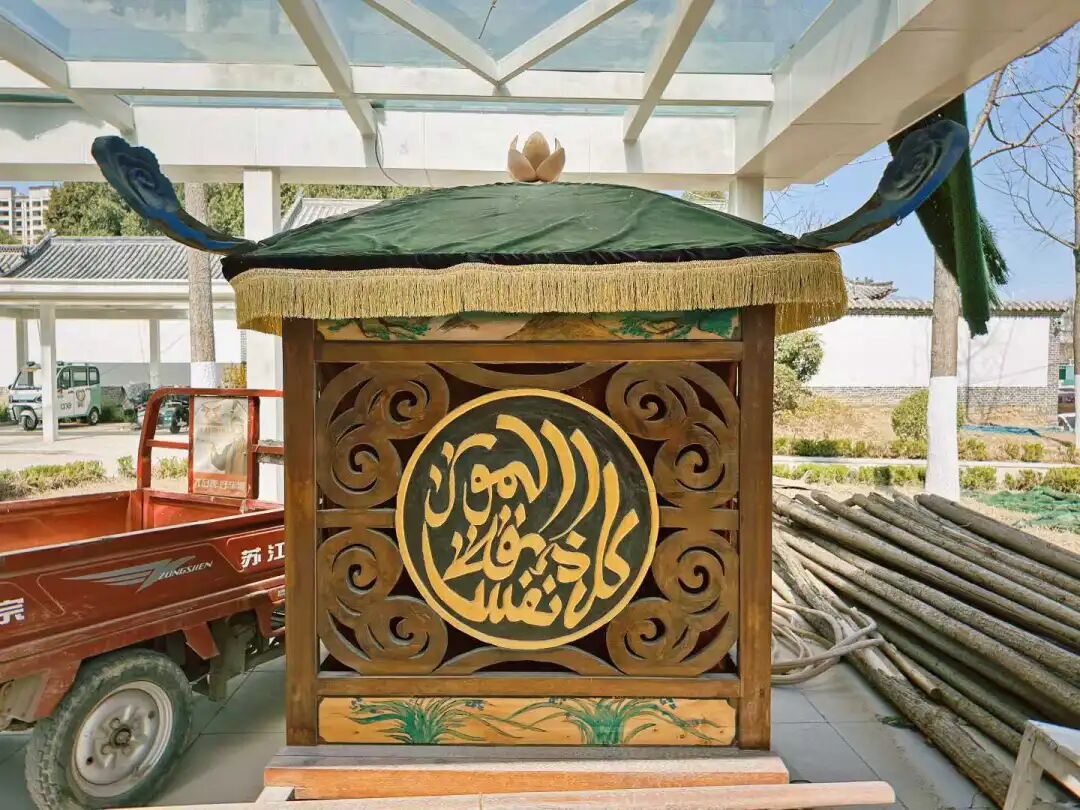
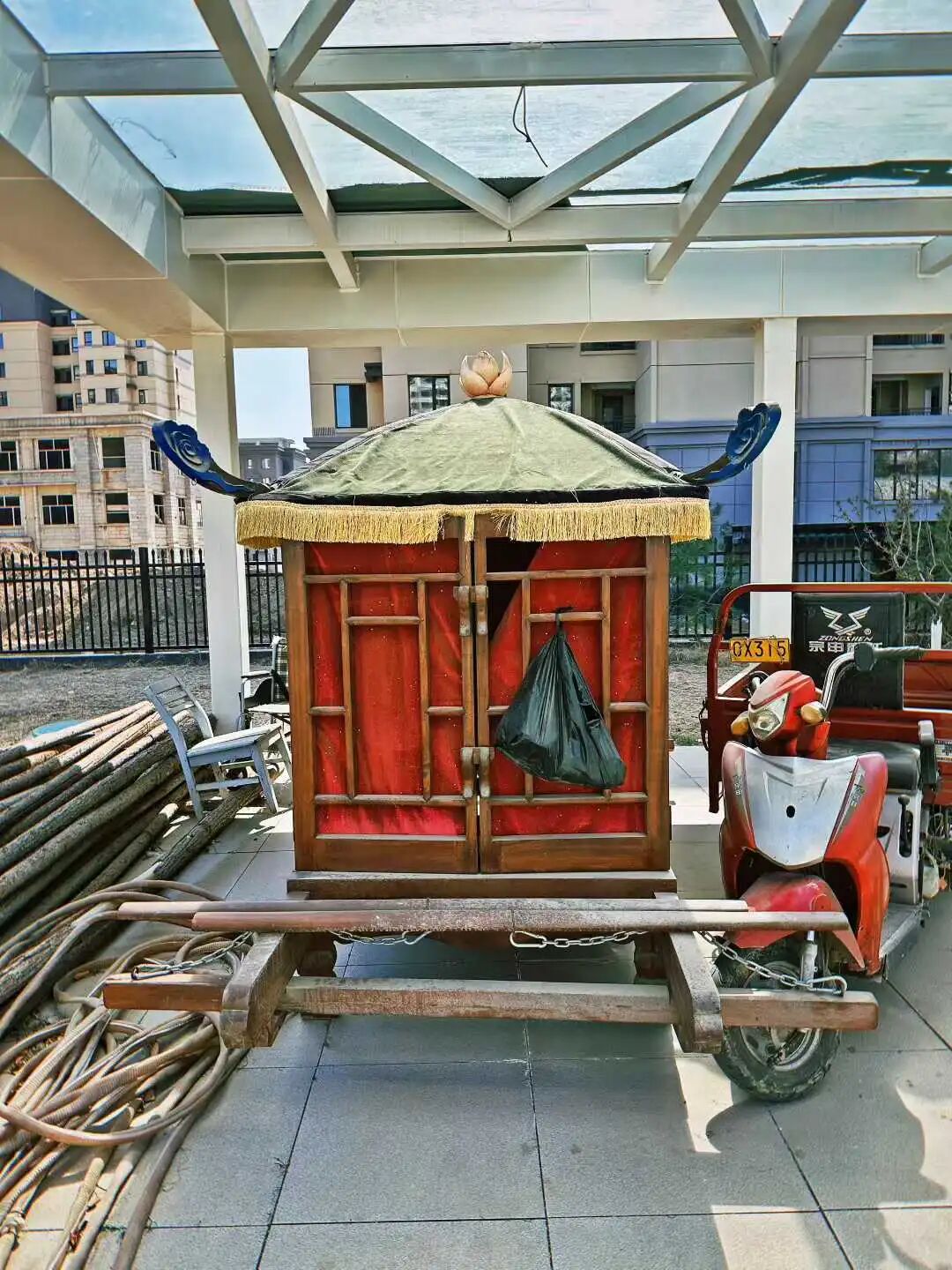
Xiawang Mosque in Taian uses a wooden casket (tabu xiazi) for burials (mayiti), which is a feature of traditional Gedimu mosque communities. Traditional solid wood caskets are very heavy and require many people to carry them. Most have now been replaced by stainless steel ones.
Halal Travel Guide: Ramadan Weekend 2025 — Tianjin Liulin and Northwest Corner
Articles • ali2007fr posted the article • 0 comments • 131 views • 2026-05-20 00:58
Summary: The third weekend of Ramadan 2025 centers on Tianjin’s Liulin area and Northwest Corner, with mosques, food, and neighborhood scenes. This article keeps the original photos, shop notes, street details, and Muslim community observations.
On Saturday, I went to Liulin Mosque (Liulin Si) in the Hexi District of Tianjin to break my fast. In 1994, the Qiandezhuang area in Hexi District was demolished, and all the Hui Muslims moved to Qianfuli in Xiaohaidi. Later, when the Northwest Corner was demolished, more Hui Muslims moved to Xiaohaidi, leading to the construction of the current Liulin Mosque in 2005.
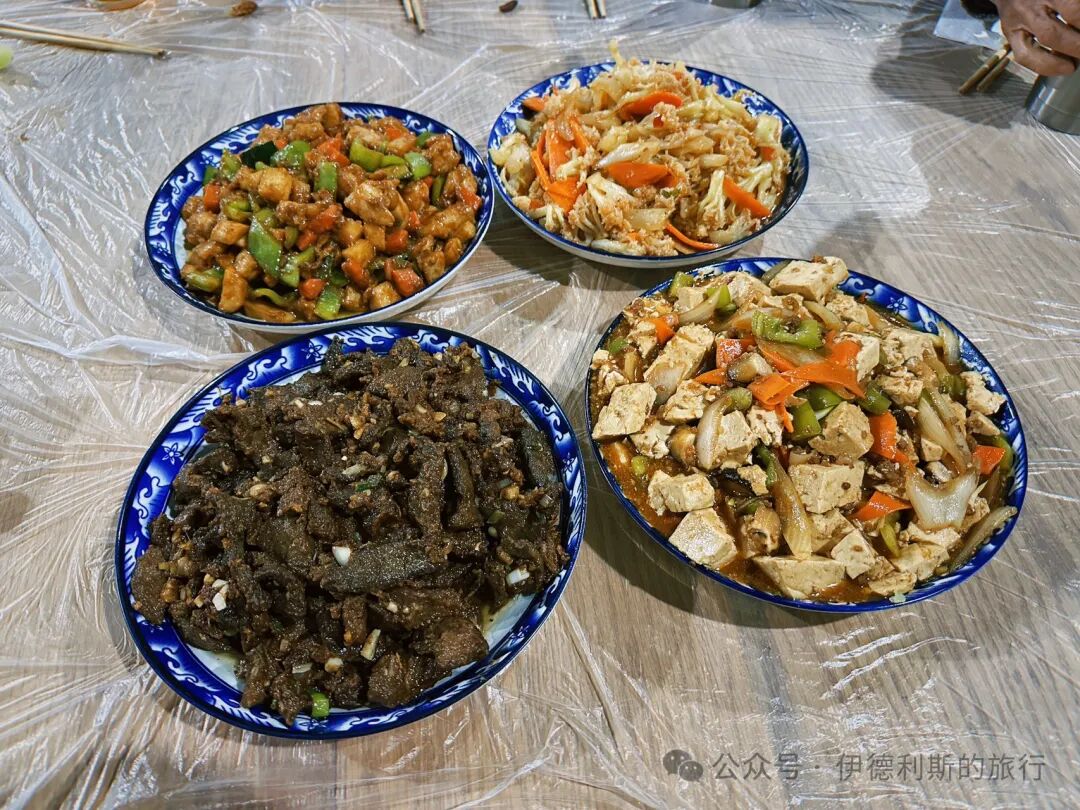
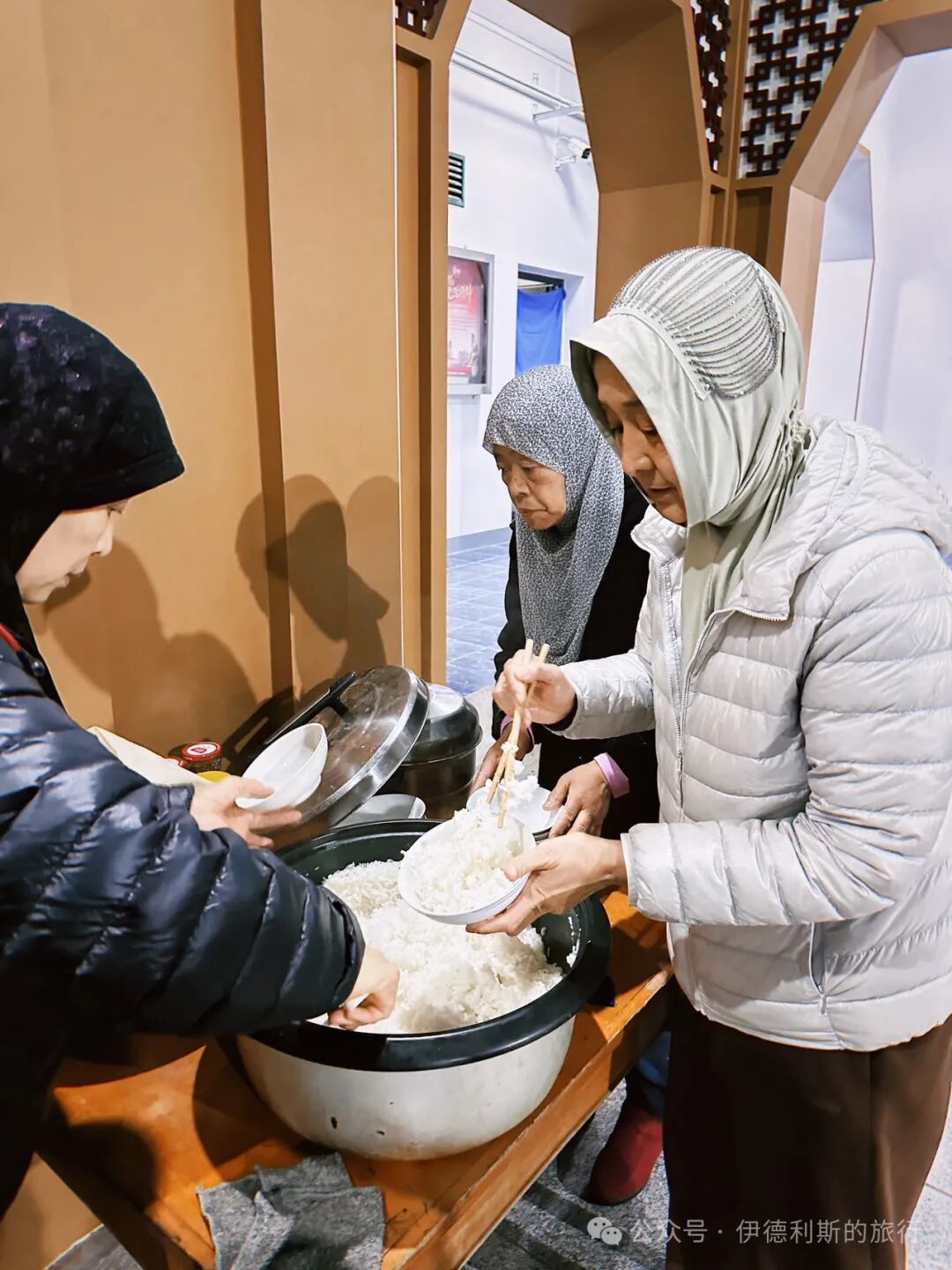
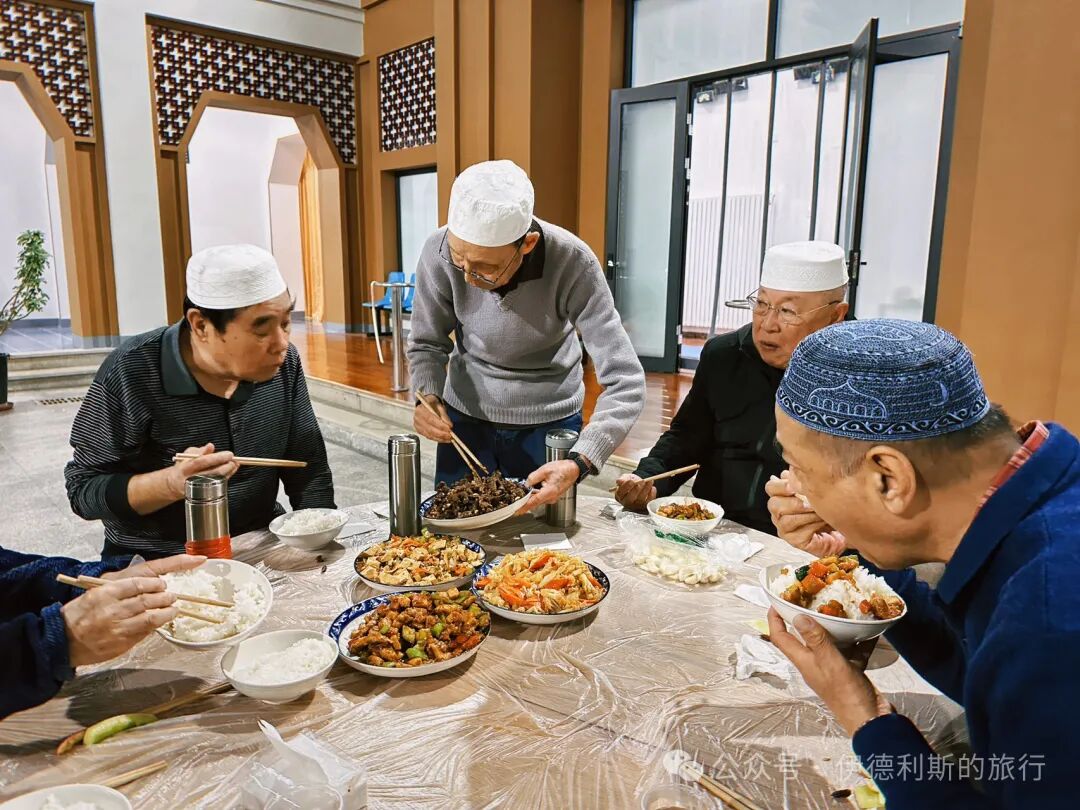
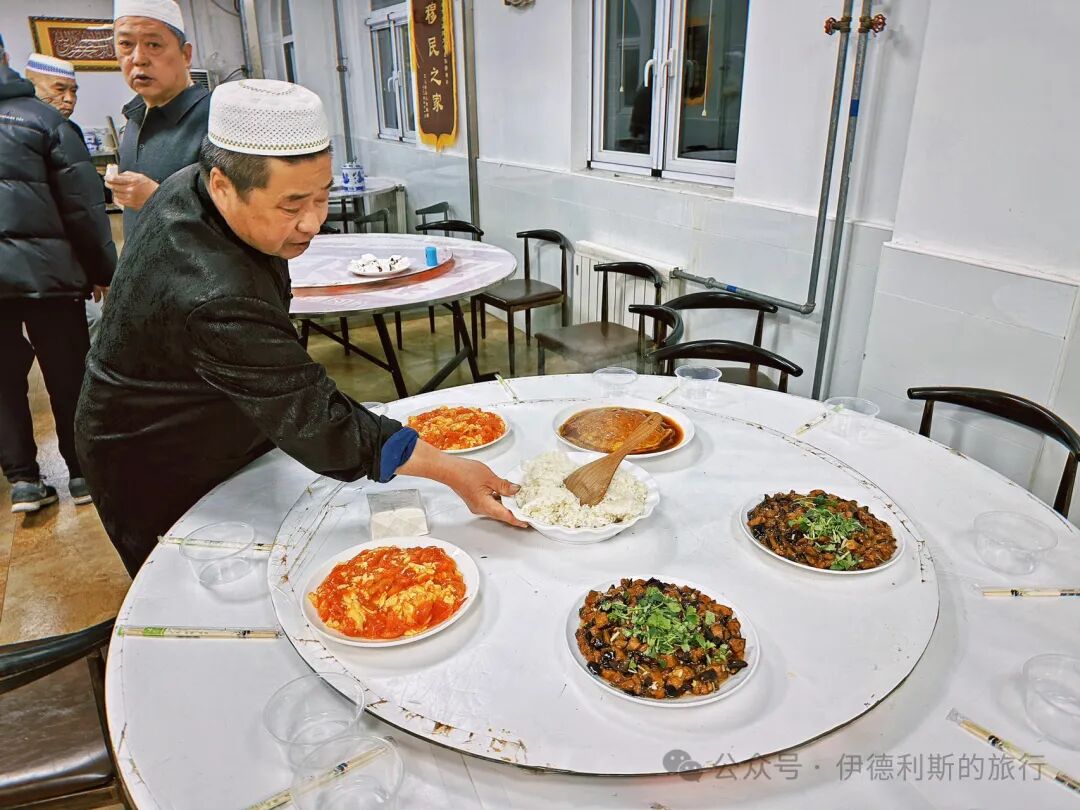
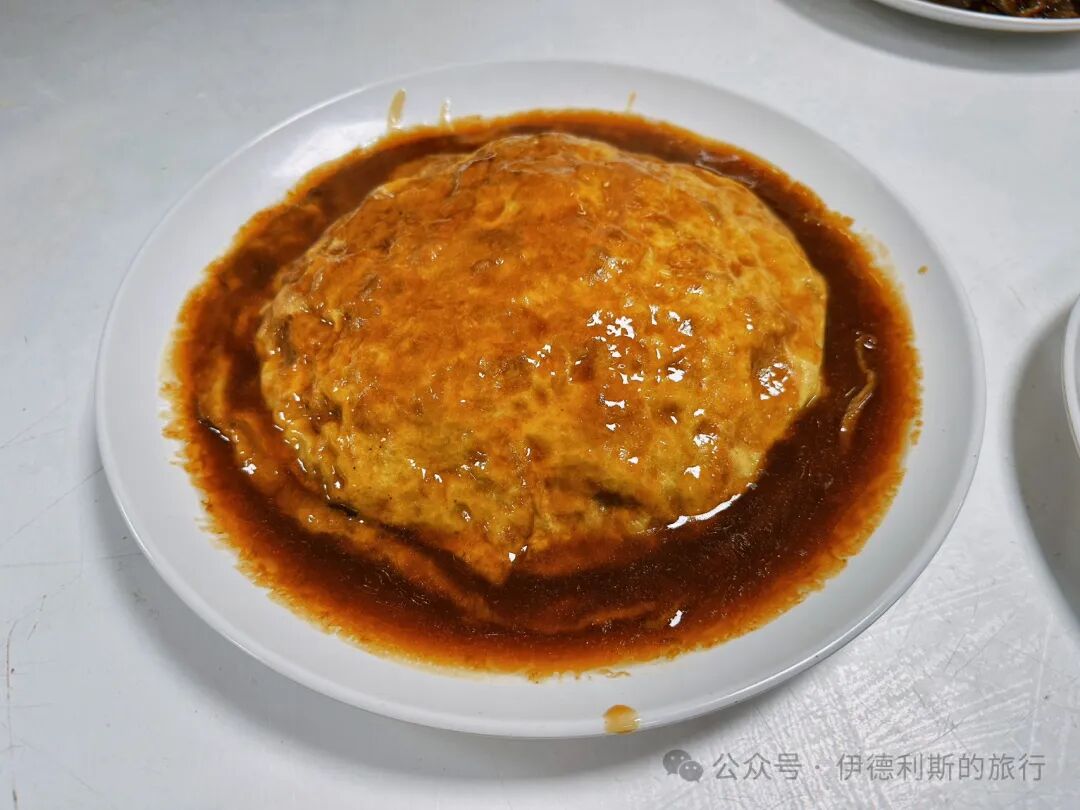
For iftar, we had four dishes and one soup, including the Tianjin specialty stir-stir-fried meat liver, kidney, and heart (laobao san), as well as chicken with winter bamboo shoots, stir-fried cauliflower, and stir-fried tofu. We also had egg and tofu soup, and received sesame flatbread (shaobing) distributed by the mosque.
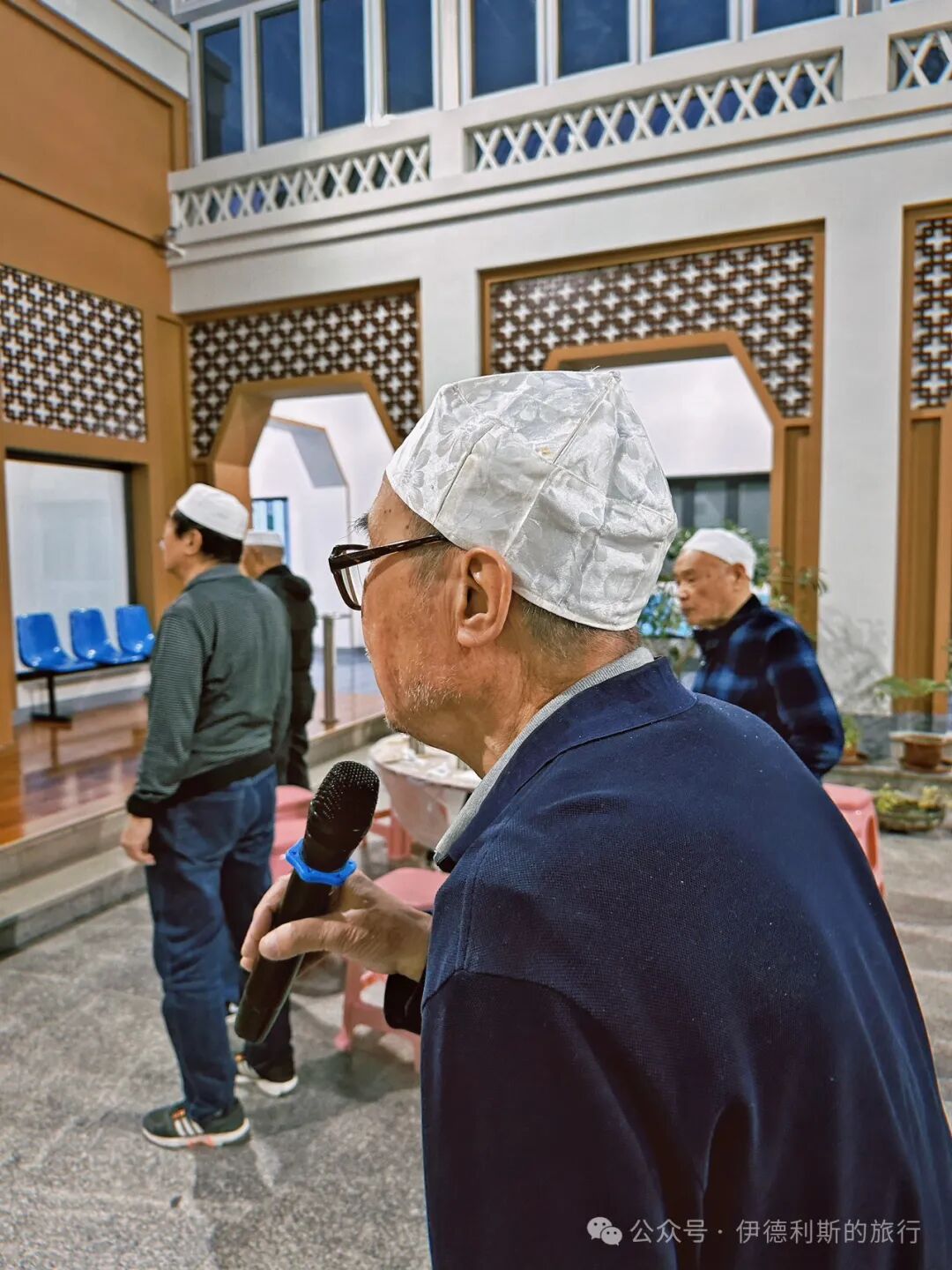
The elder calling the adhan at the mosque wore a traditional North China Gedimu six-paneled cap (liupianwa). The Tianjin six-paneled cap has no corners at all, which is the biggest difference from the hexagonal caps worn by the Jahriyya order.
On Sunday, I went to the Northwest Corner of Tianjin. I bought some non-alcoholic fermented bean curd (doufurui) made by the Xining Pickles Factory at Mumin Supermarket. It tasted very good and suits the palate of people from the north.
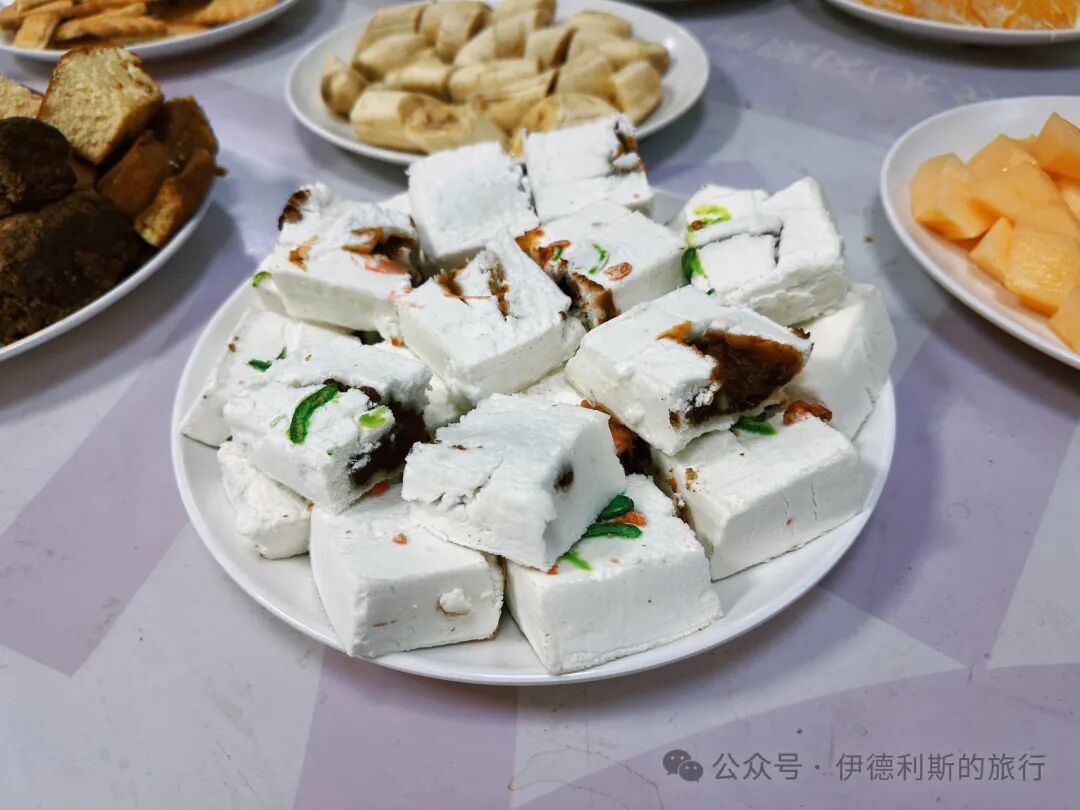
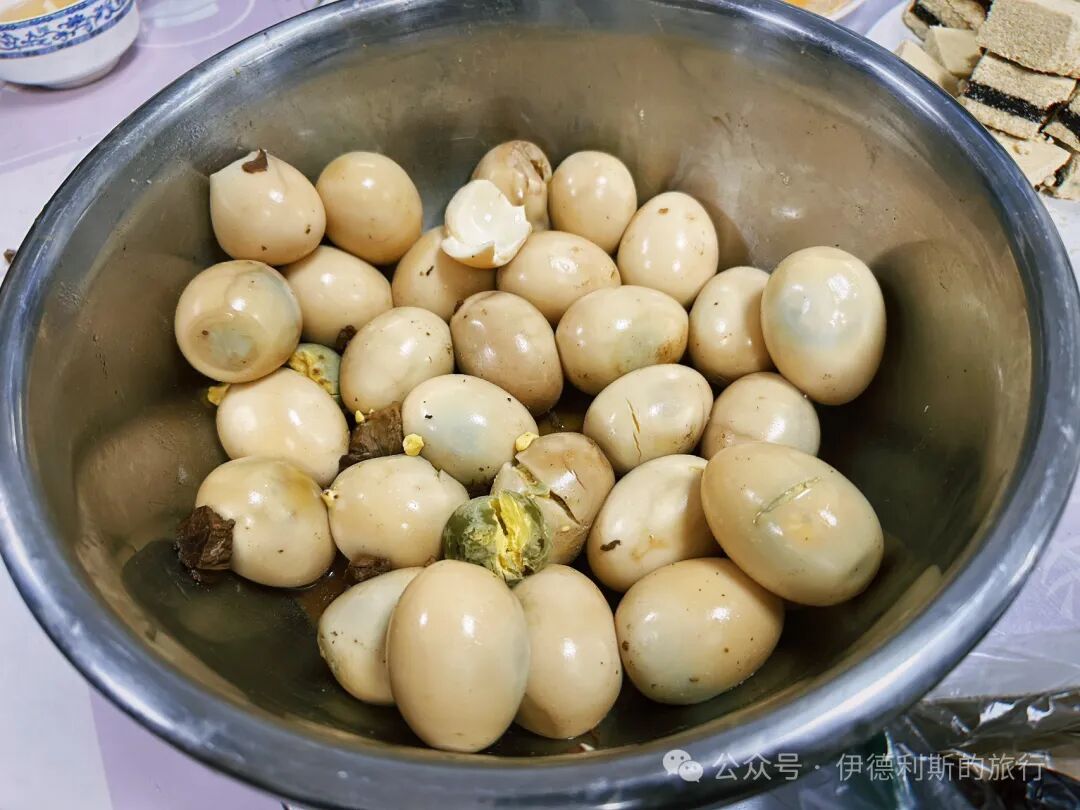
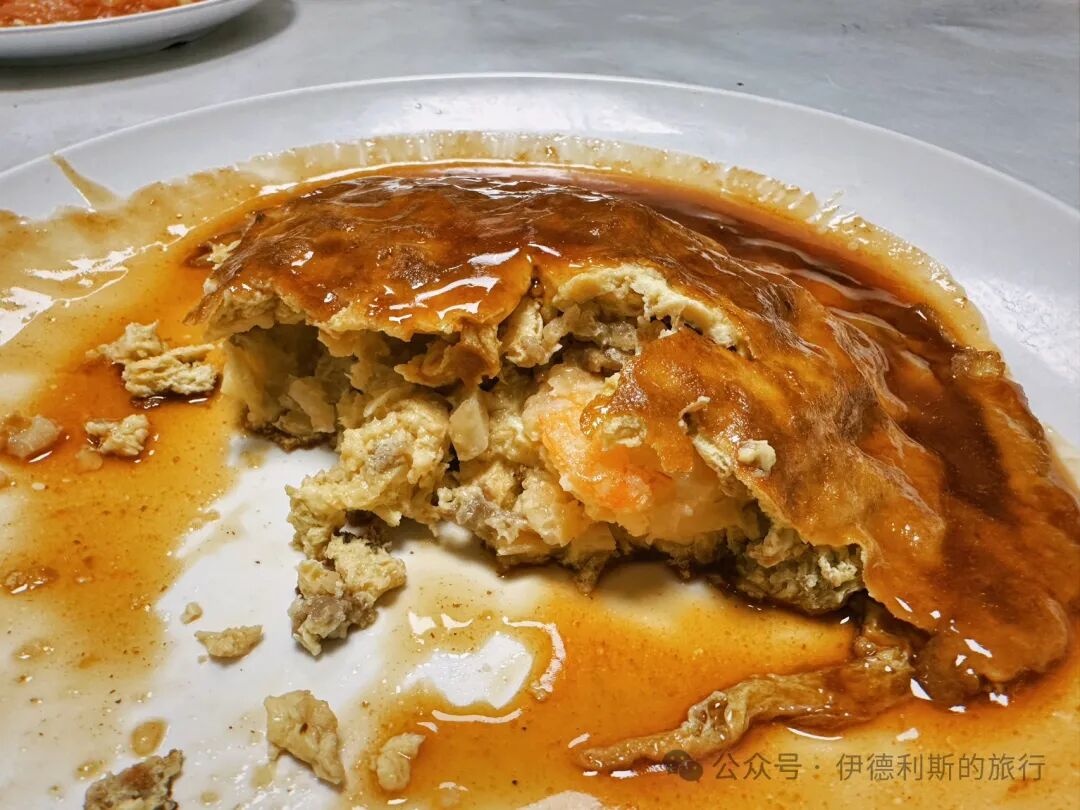
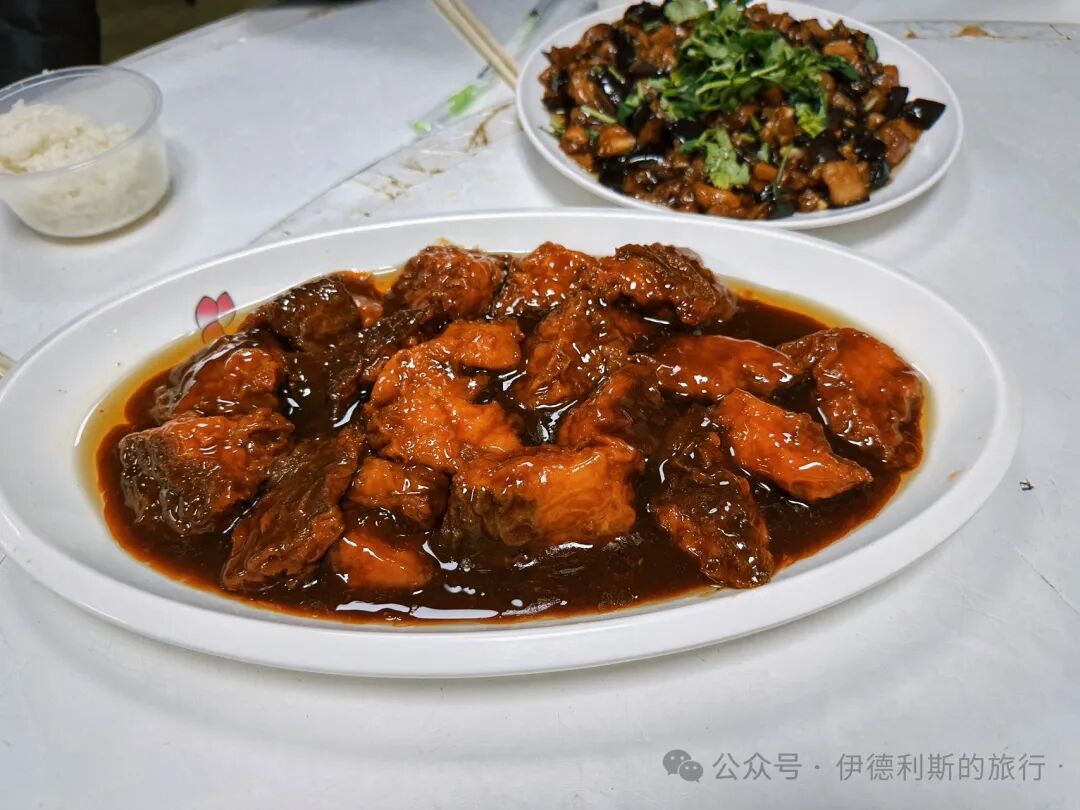
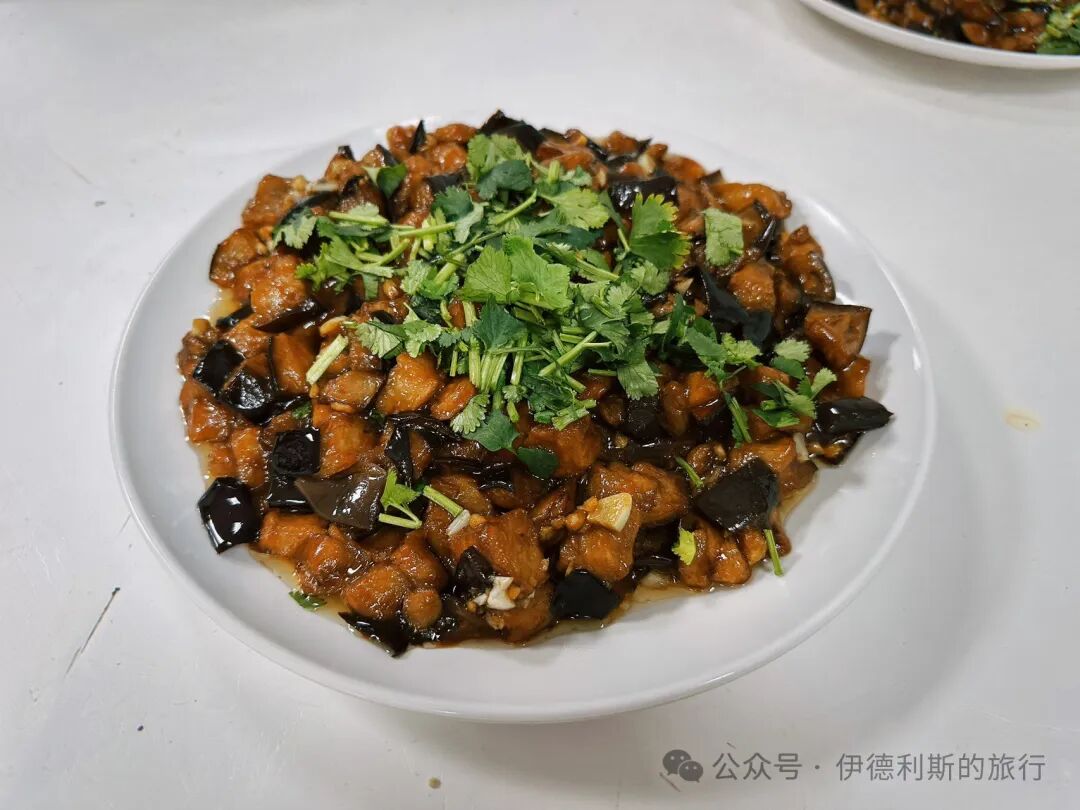
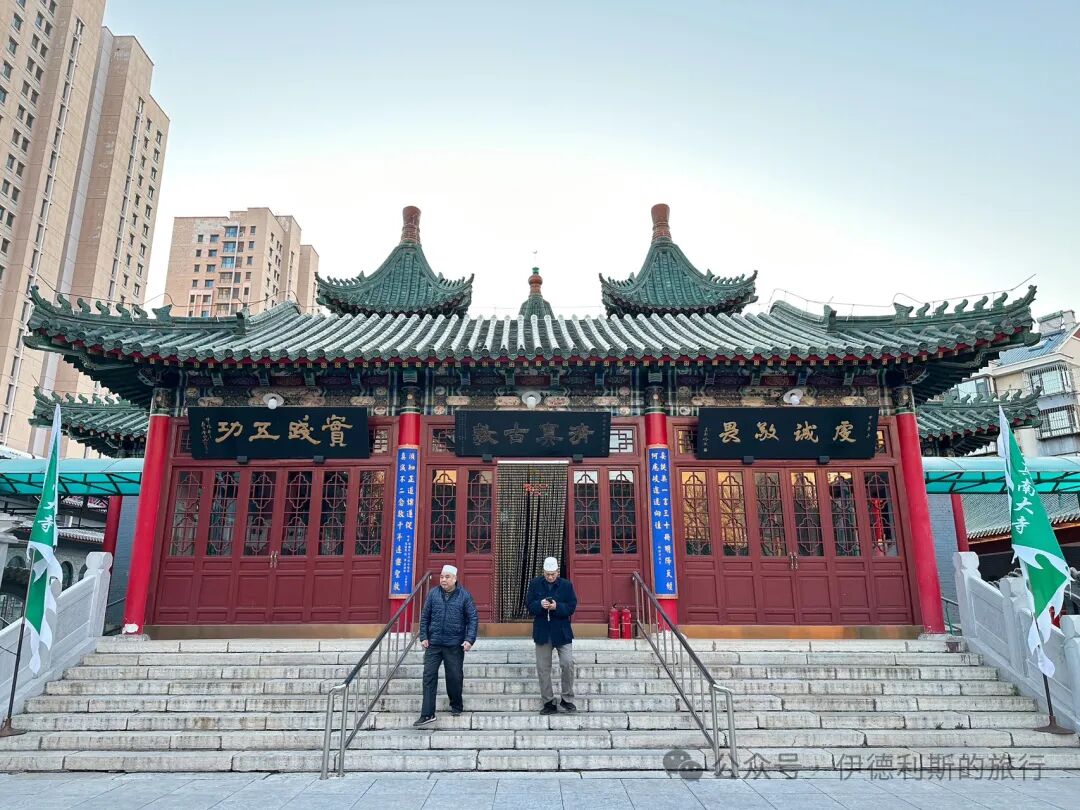
In the evening, I broke my fast at the Great Mosque of the Northwest Corner (Nandasi). We had rice cakes (gaogan), two types of pan-fried egg-battered patties (guota) made with beef and shrimp, braised eggplant, braised butterfly fish, and eggs boiled in beef broth. An elder warned me not to buy snacks at the mosque gate randomly, saying many of them have no authentic roots. It is true that since the Northwest Corner became popular in recent years, I do not recognize many of the shops anymore. However, some of the old shops are still fine.
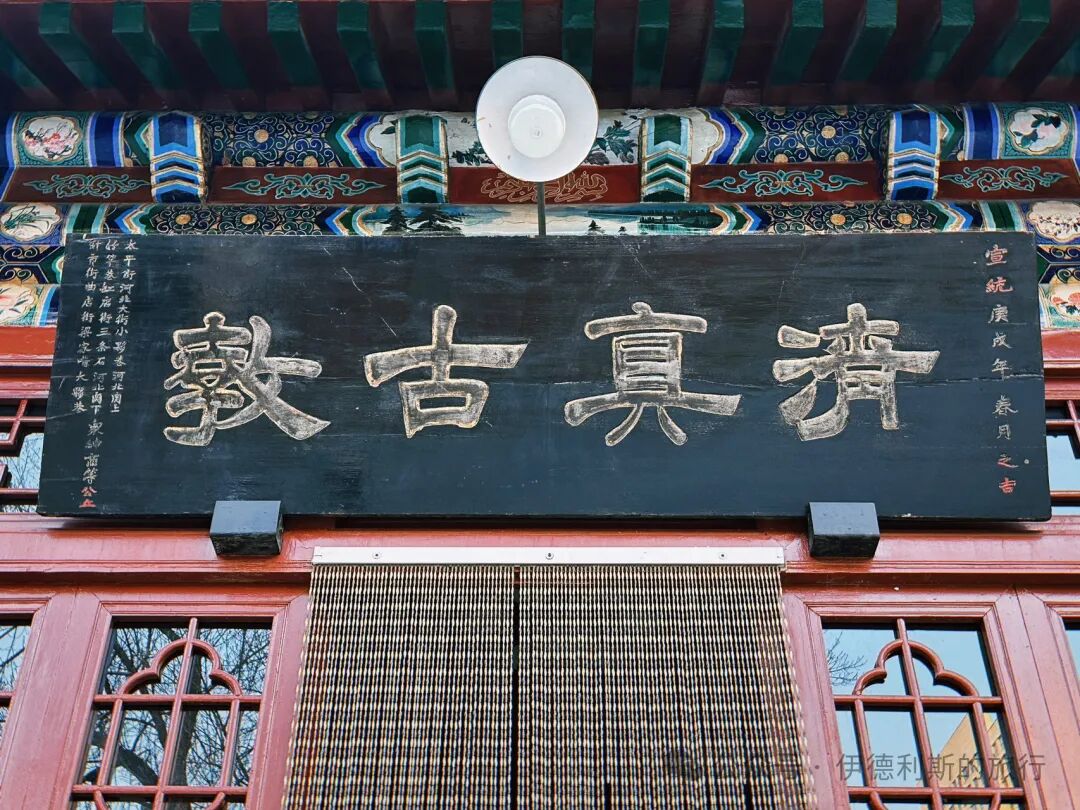
Ancient Islamic Teaching (Qingzhen Gujiao).
An auspicious day in the spring of the Gengxu year of the Xuantong reign.
Taiping Street, Hebei Avenue, Xiaohuo Lane, Shanghebeiguan.
Zhugan Lane, Gangdian Street, Santiaoshi, Xiabebeiguan.
Gangshi Street, Qudian Street, Liangjiazui, Dahuohuo Lane.
Erected by the gentry and merchants.
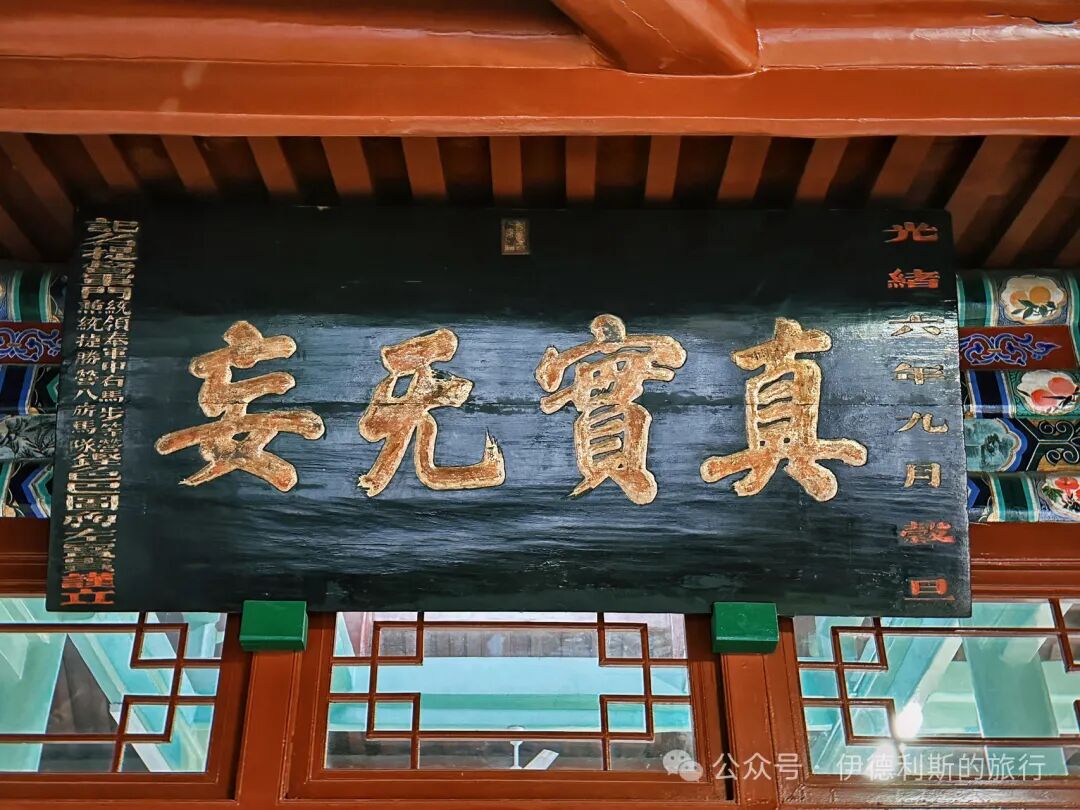
Truth without falsehood.
An auspicious day in the ninth month of the sixth year of the Guangxu reign.
Respectfully erected by Zuo Baogui, a registered Admiral of the Military Gate, Commander of the Feng Army's Right and Middle Cavalry and Infantry Battalions, and concurrently Commander of the Jiesheng Battalion's Eighth Brigade Cavalry, titled Kengse Baturu.
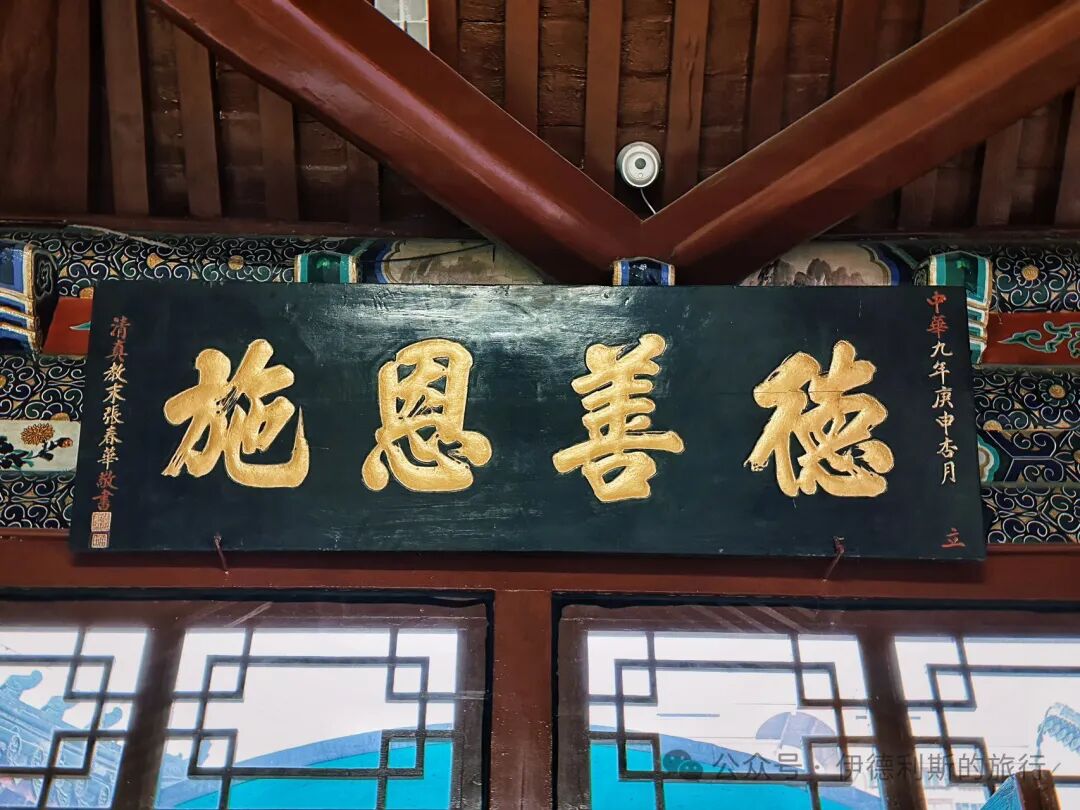
Virtue and kindness bestowed.
Erected in the apricot month of the Gengshen year, the ninth year of the Republic of China.
Respectfully inscribed by Zhang Chunhua, a follower of the Islamic faith.
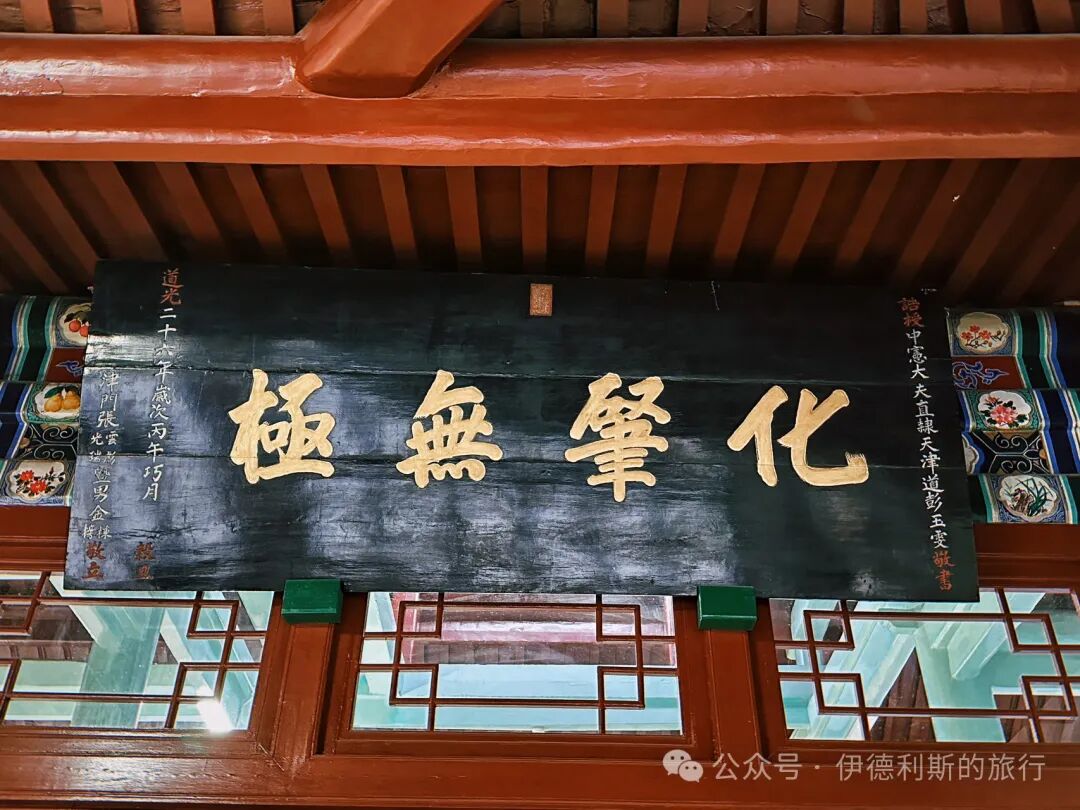
Creation originates from the Infinite.
Respectfully inscribed by Peng Yuwen, a Zhongxian Grand Master and official of the Tianjin Circuit in Zhili.
An auspicious day in the seventh lunar month of the Bingwu year, the 26th year of the Daoguang reign.
Respectfully erected by Zhang Yunbiao and Guang Rui of Tianjin, along with their sons Jindong and Bang.
Ancient Islamic Teaching (Qingzhen Gujiao).
An auspicious day in the Gengyin year of the Guangxu reign of the Great Qing Dynasty.
Respectfully offered by Hei Zhaorong, a river battalion commander (qian zong) of Tianjin Prefecture, granted the fourth-rank title and the right to wear a blue feather.
Ancient Islamic Teaching (Qingzhen Gujiao).
An auspicious day in the Gengyin year of the Guangxu reign of the Great Qing Dynasty.
Respectfully offered by Hei Zhaorong, a river battalion commander (qian zong) of Tianjin Prefecture, granted the fourth-rank title and the right to wear a blue feather.
Allah is Most Merciful in this world and the next. He is generous and kind in this life, providing for all things without lack, showing grace that is vast, fair, and selfless. The Tianjin South Mosque has stood for many years, built through the hard work of our elders who traveled far to raise funds. The mosque's property and water company shares, which cover its annual expenses, were already recorded on a stone tablet. The mosque committee members take turns managing these affairs. Now, Elder Liu Weizhan has kindly donated 20 water company shares to support the mosque's annual expenses. We fear these records might be lost over time, so we have inscribed this new tablet. Together with the mosque's original 16 shares (the original 8 were increased to 16), there are now 36 shares in total. This ensures that each committee member can clearly hand over duties to their successor, and this great act of charity will be remembered forever.
Inscribed by the committee members of the South Mosque (names omitted).
Written by Liu Mengyang.
Erected in December of the 26th year of the Republic of China.
The number one reveals the essence of the Truth, hiding great grace to influence and complete all things.
Movement creates words, stillness returns to the Truth, guiding those on the path to transform themselves and return to the Source.
Written by Prince Li.
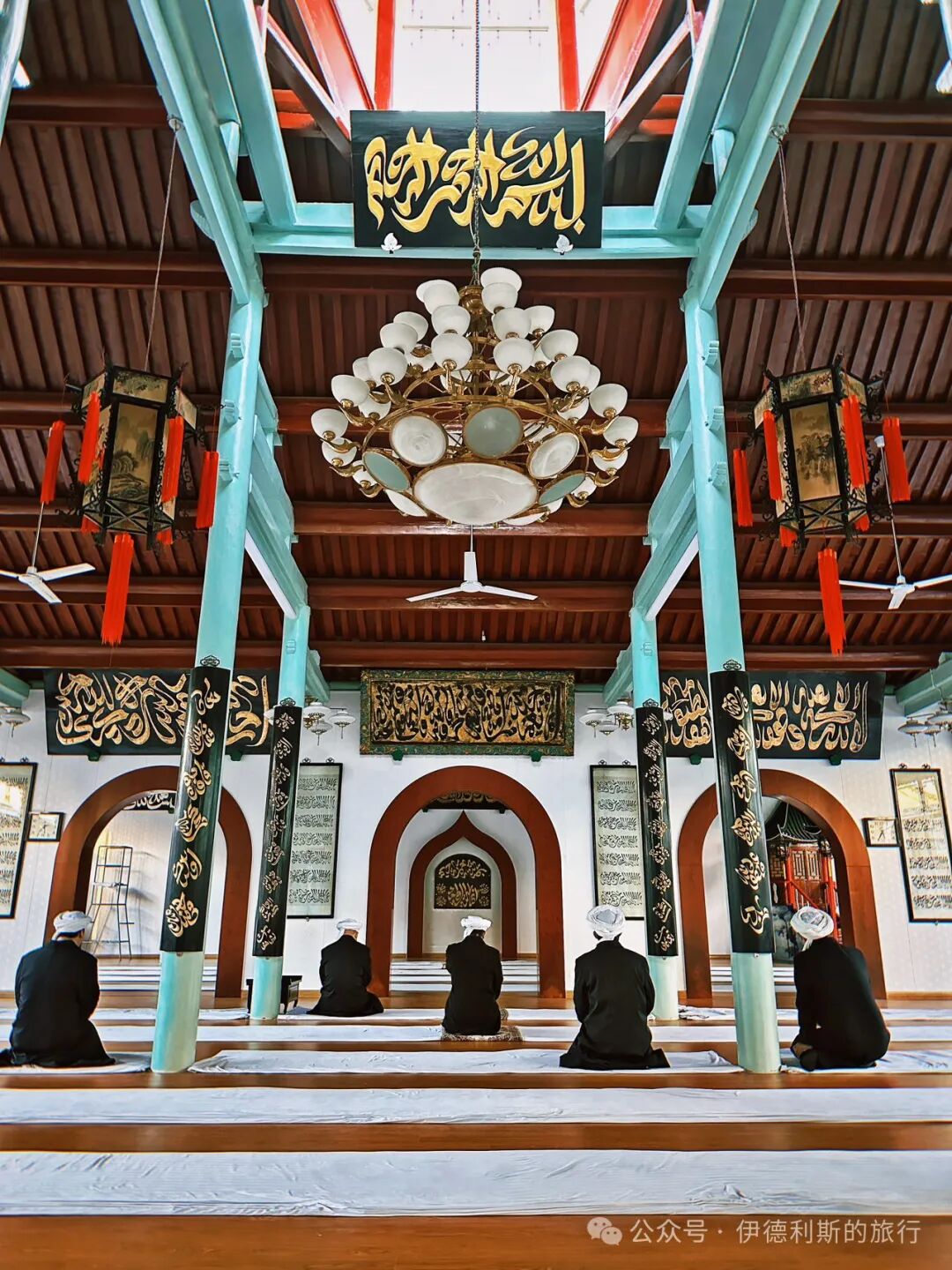
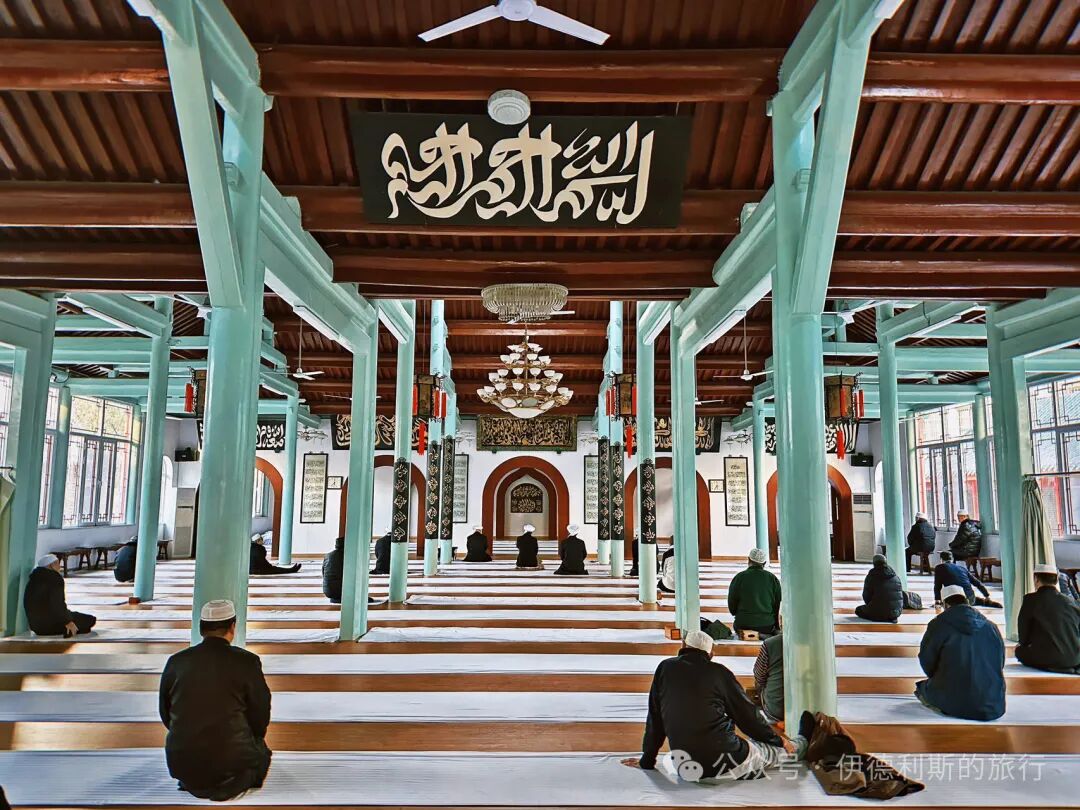
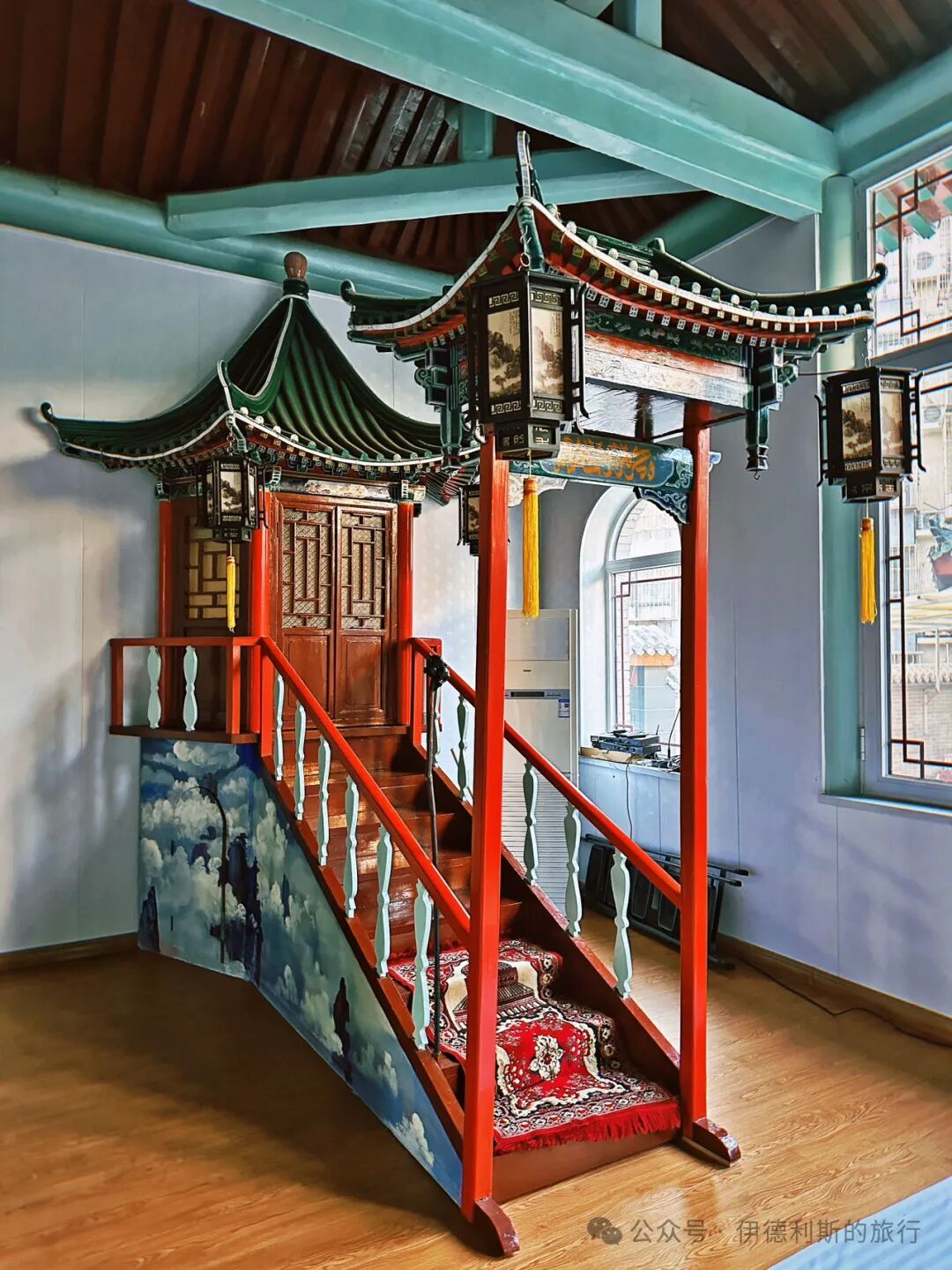
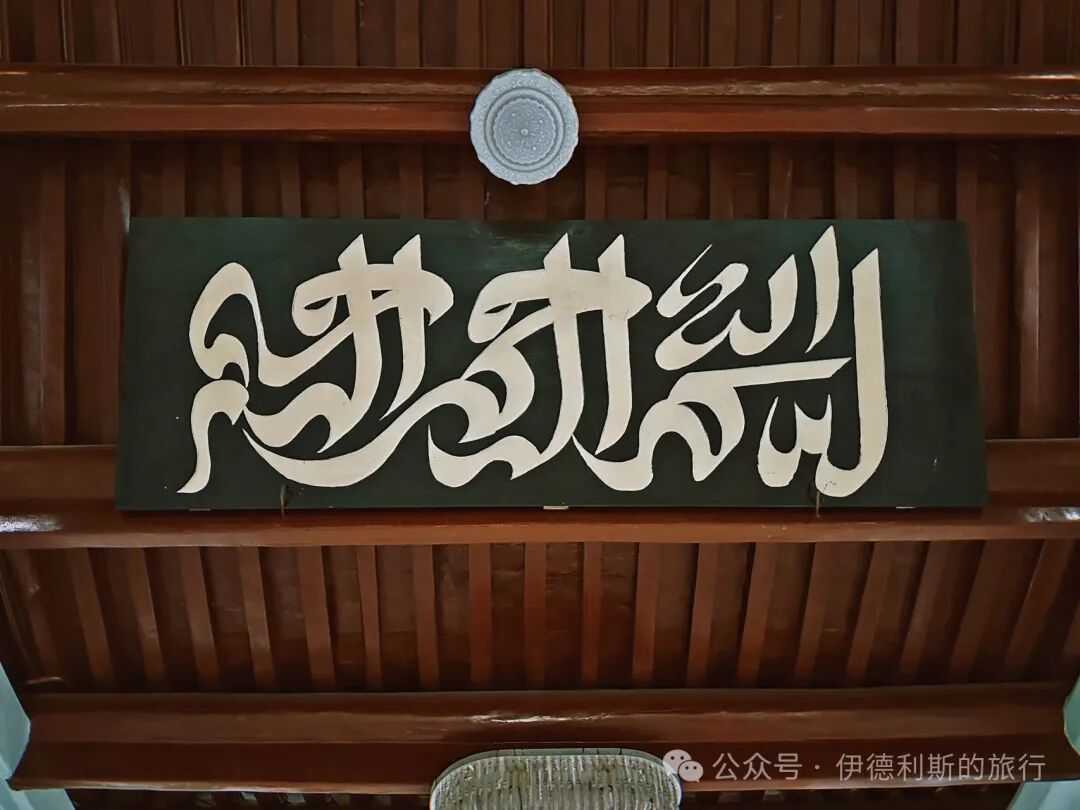
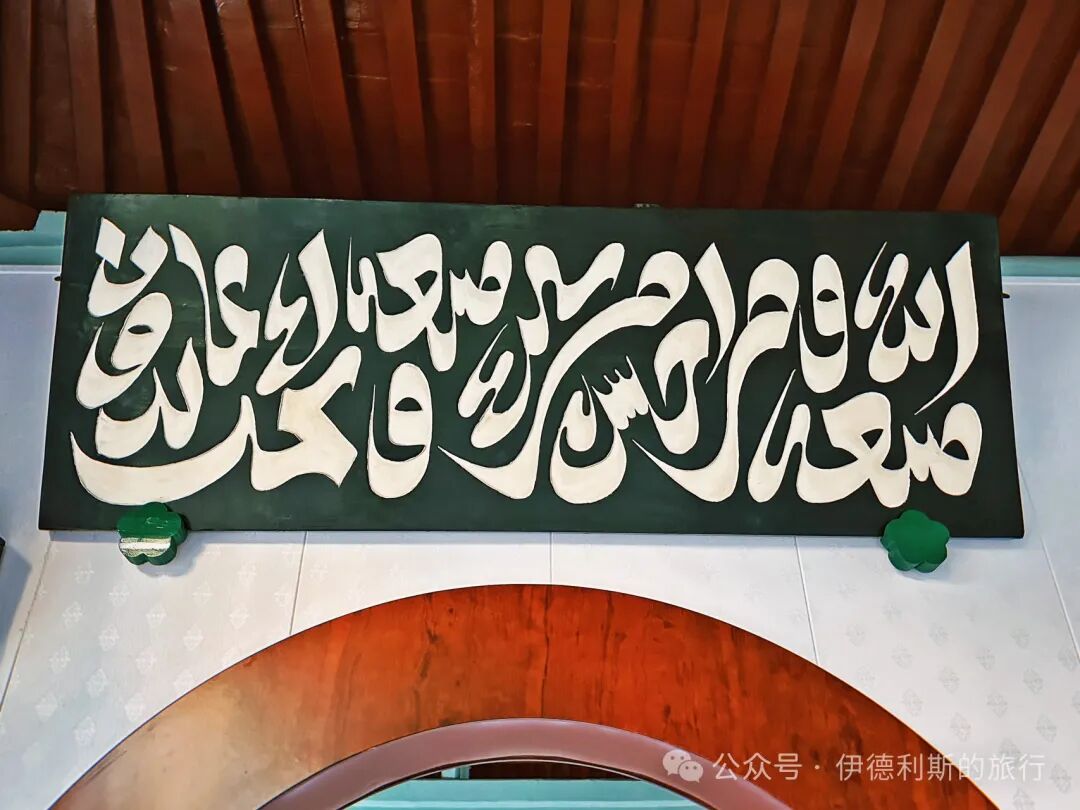
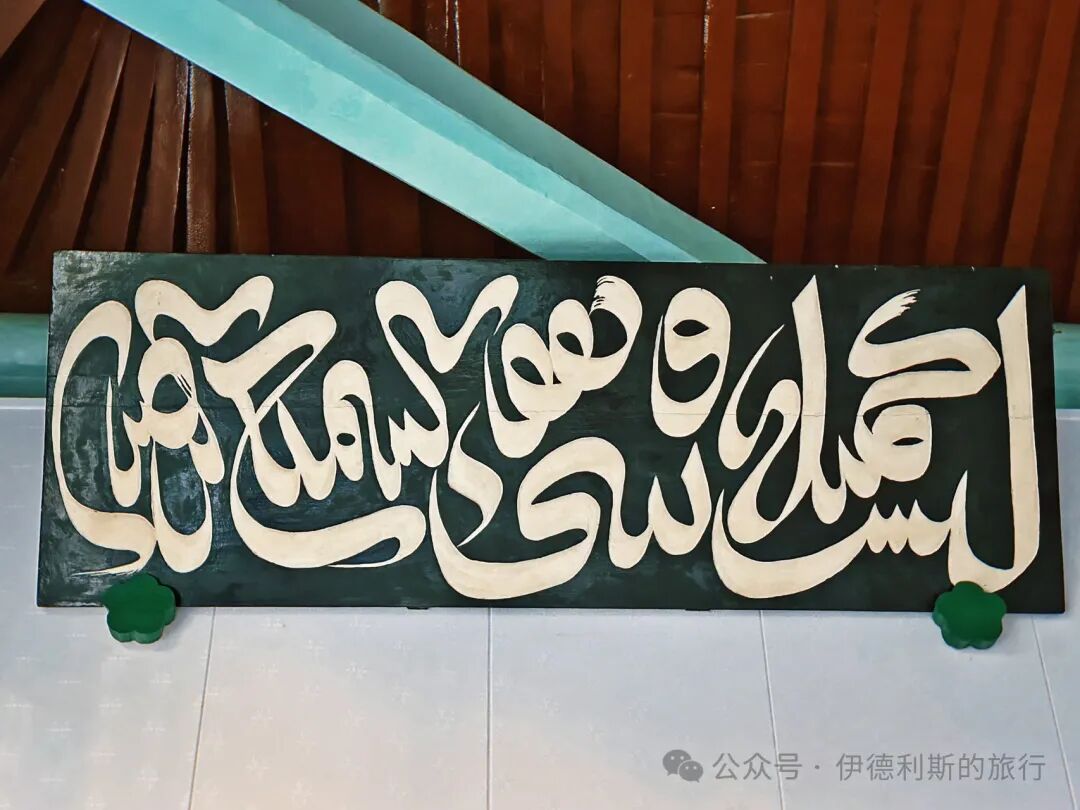
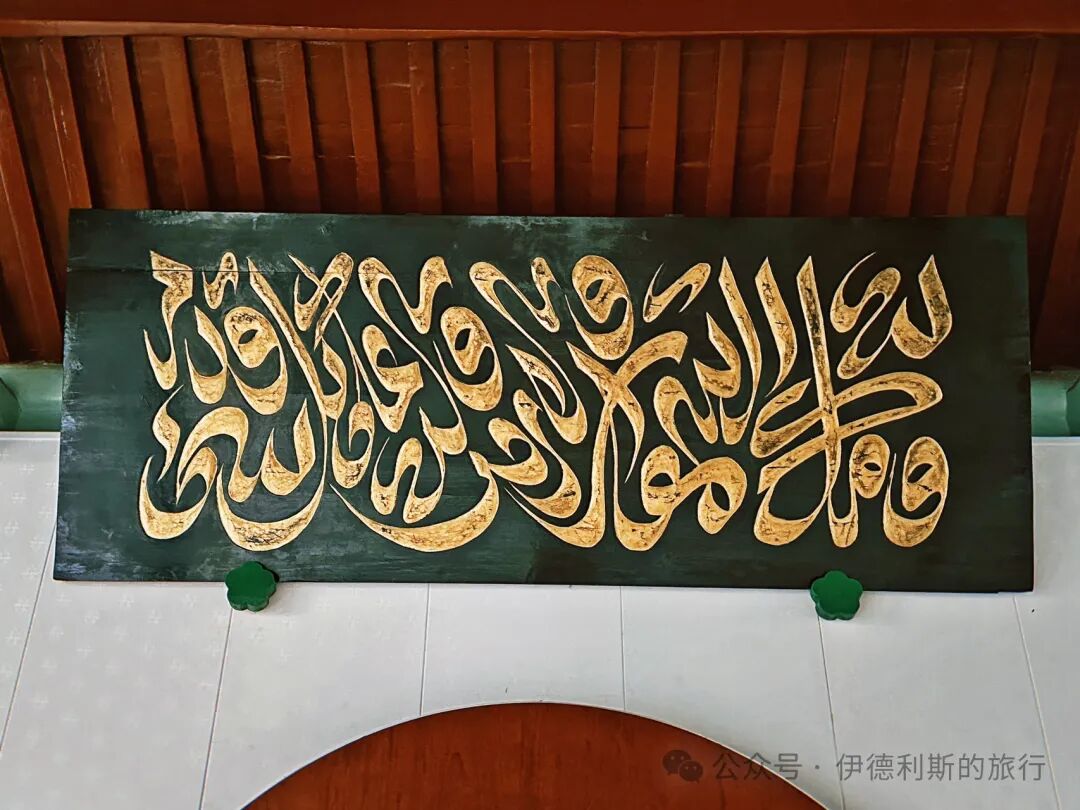
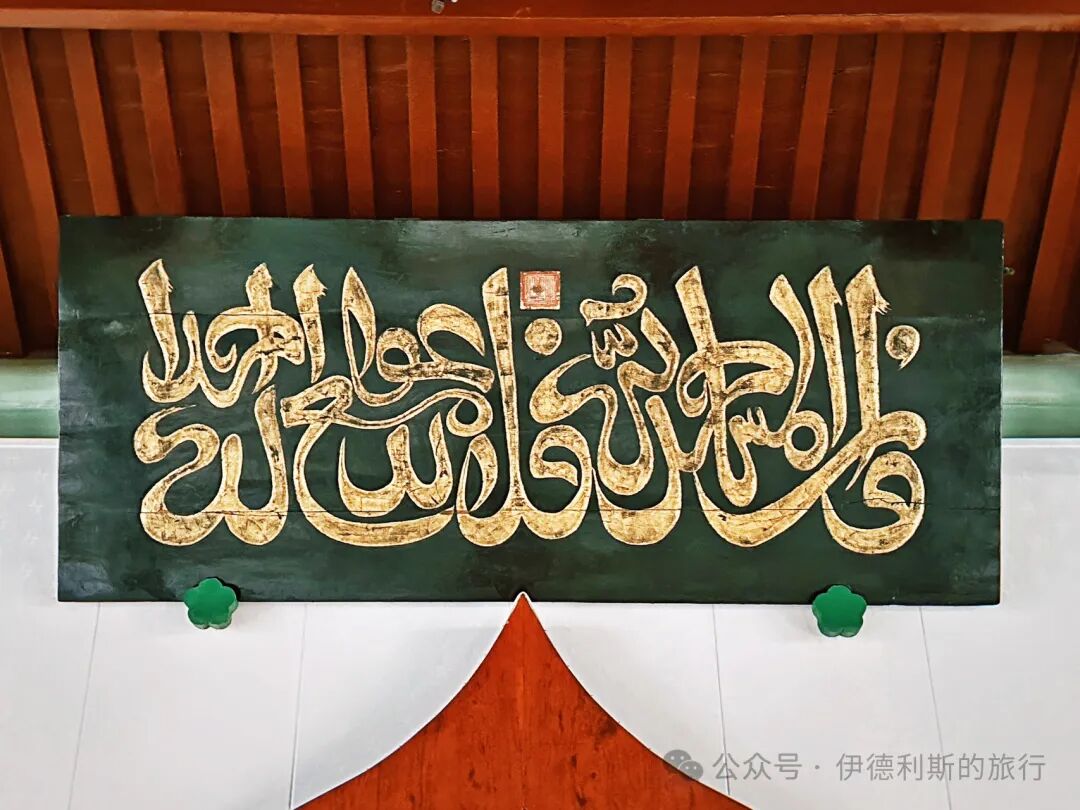
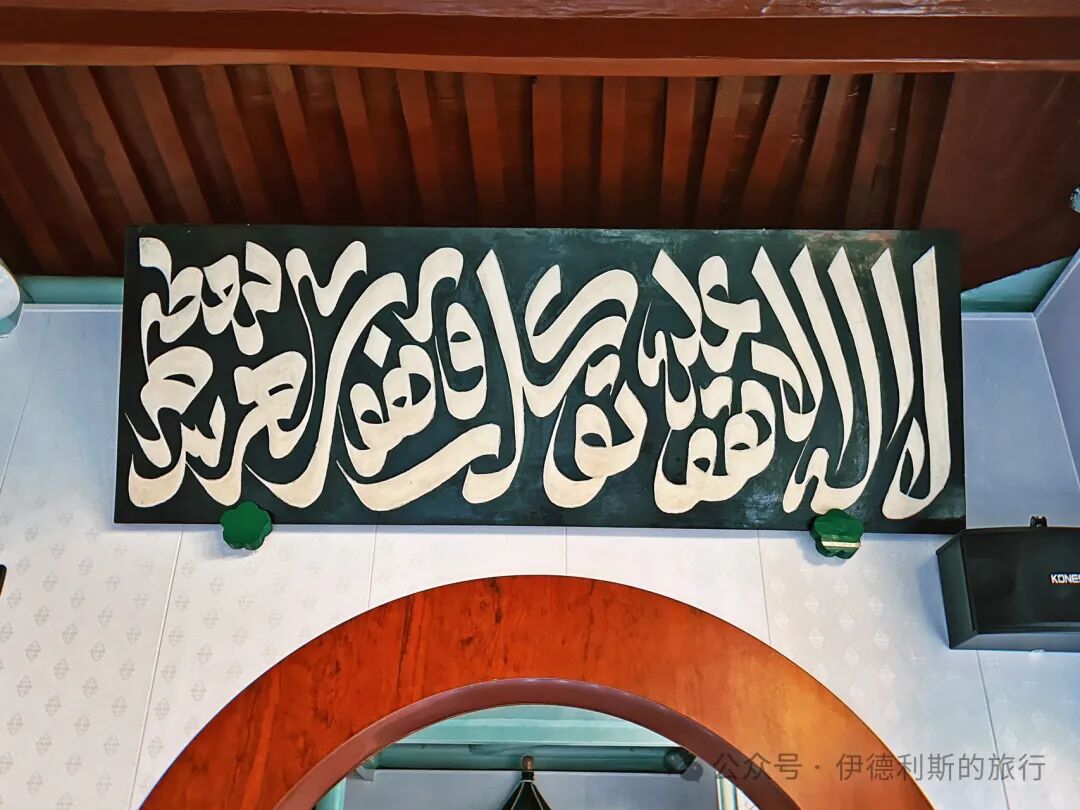
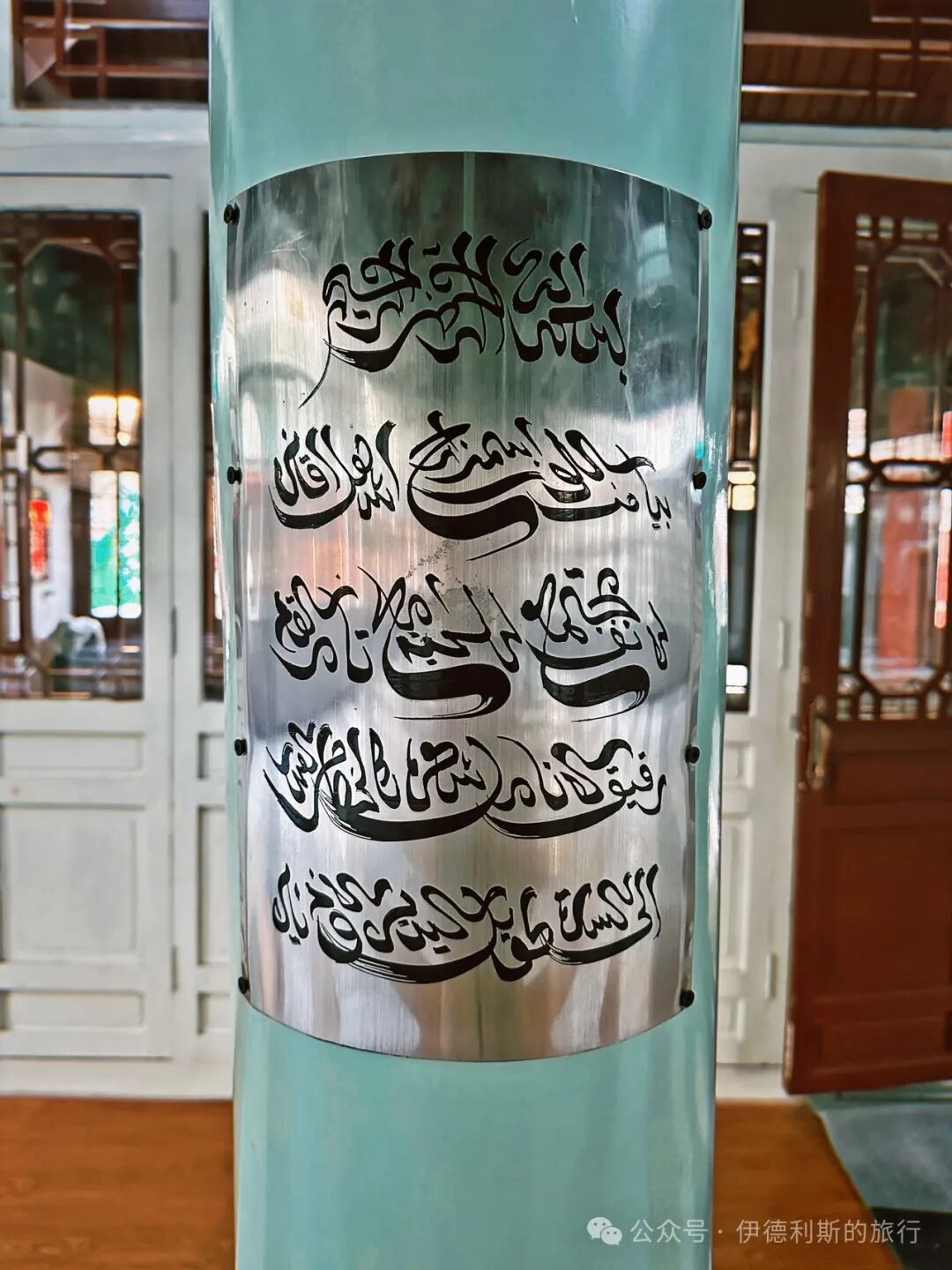
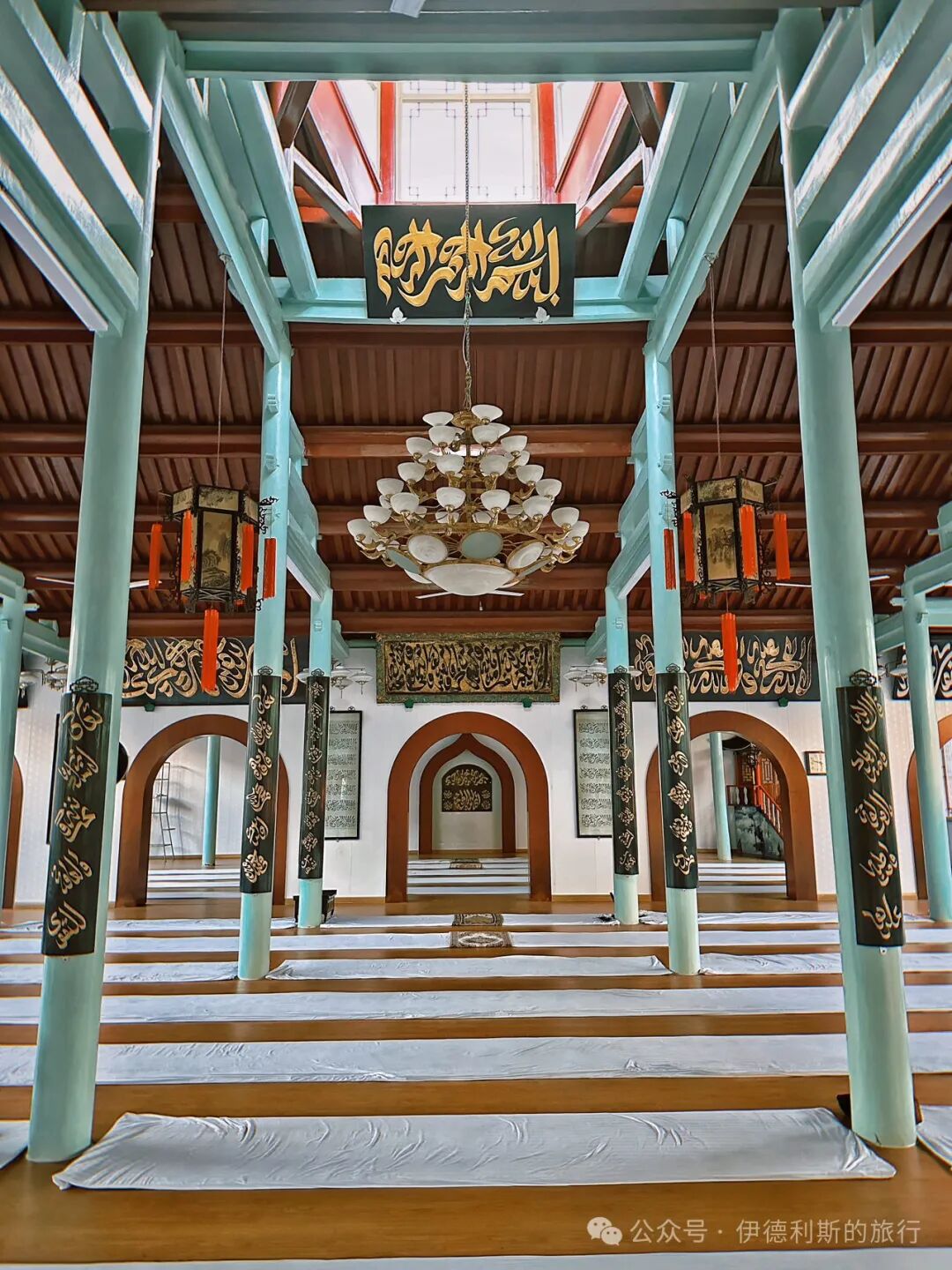
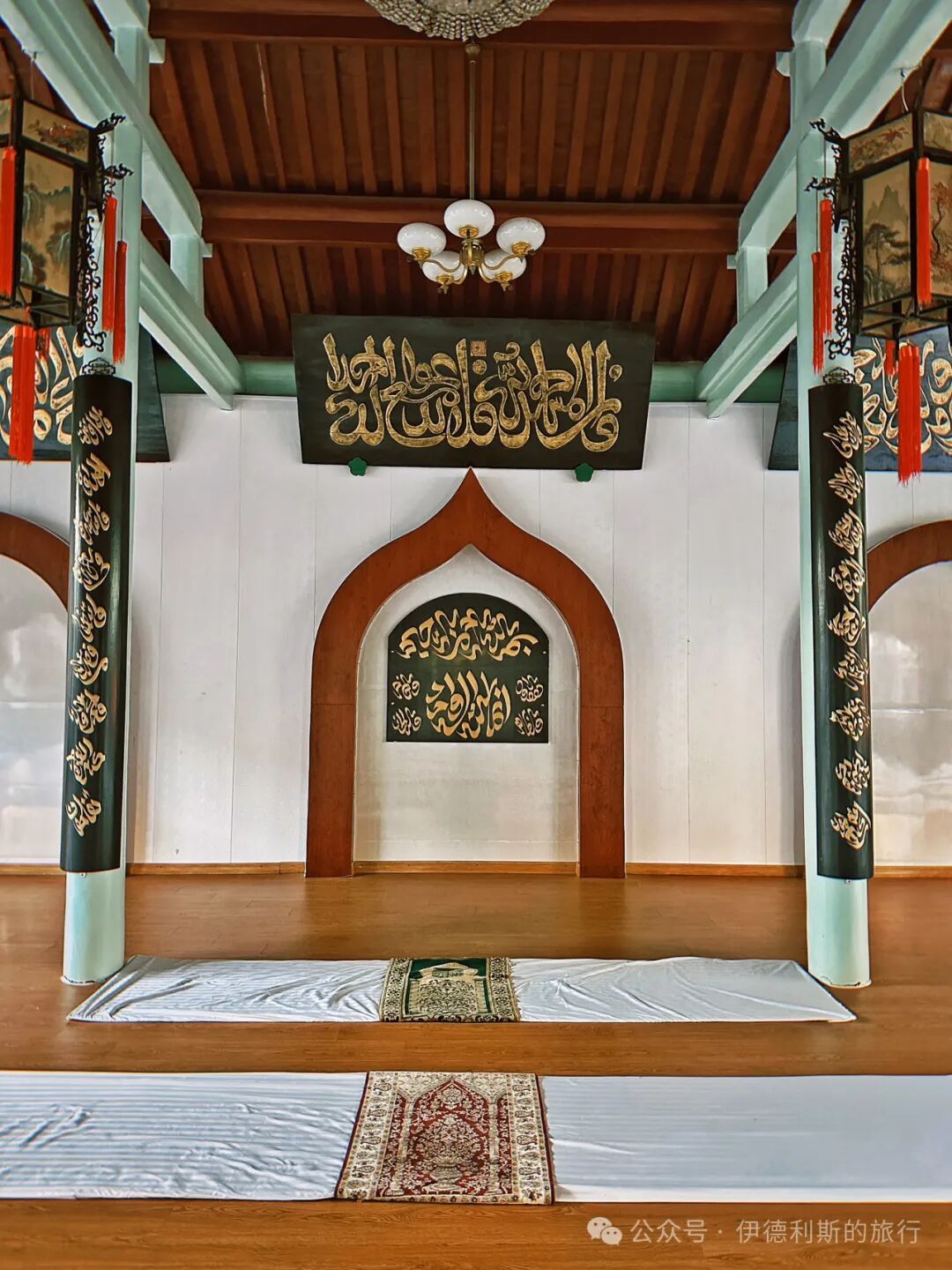
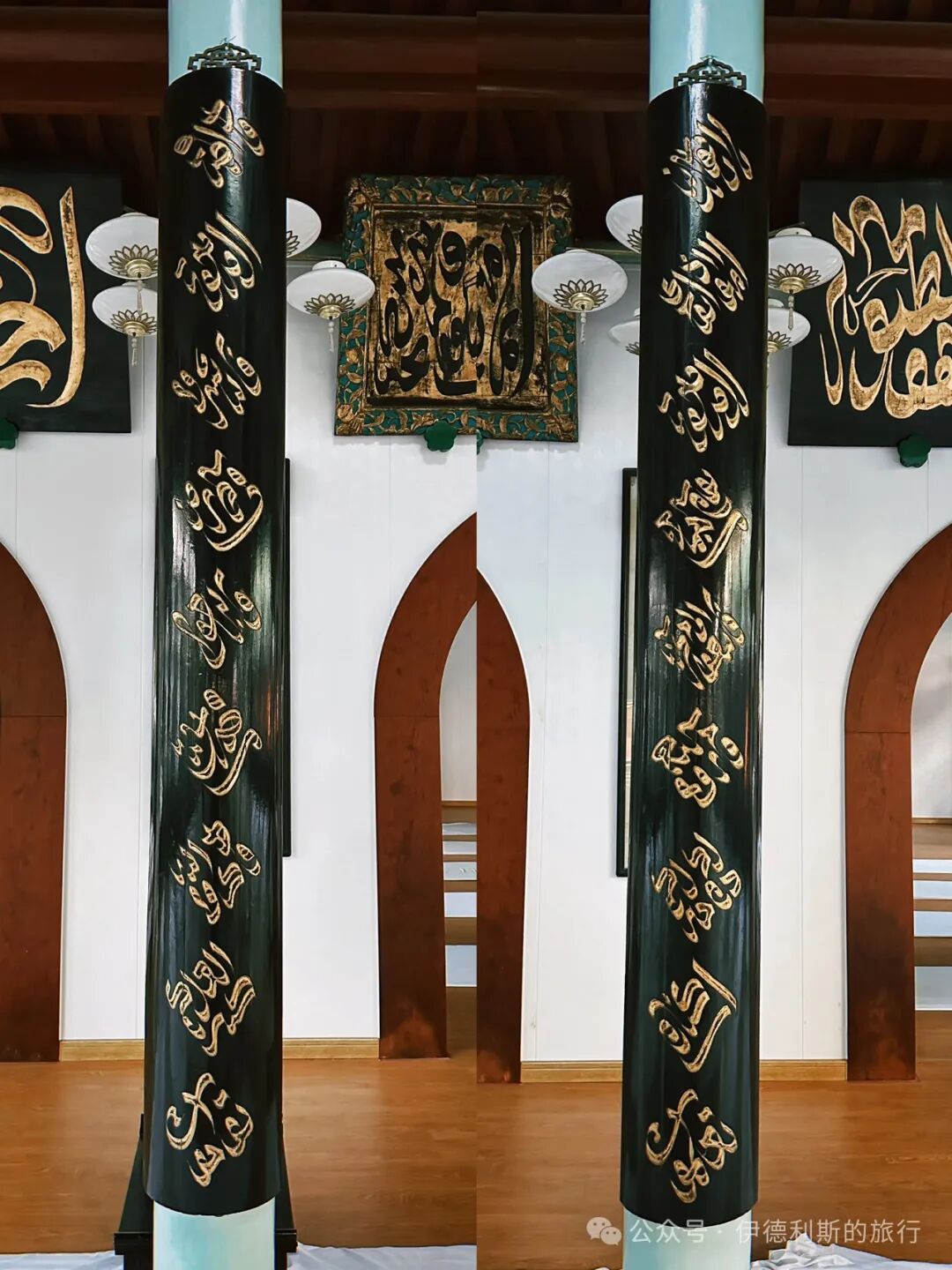
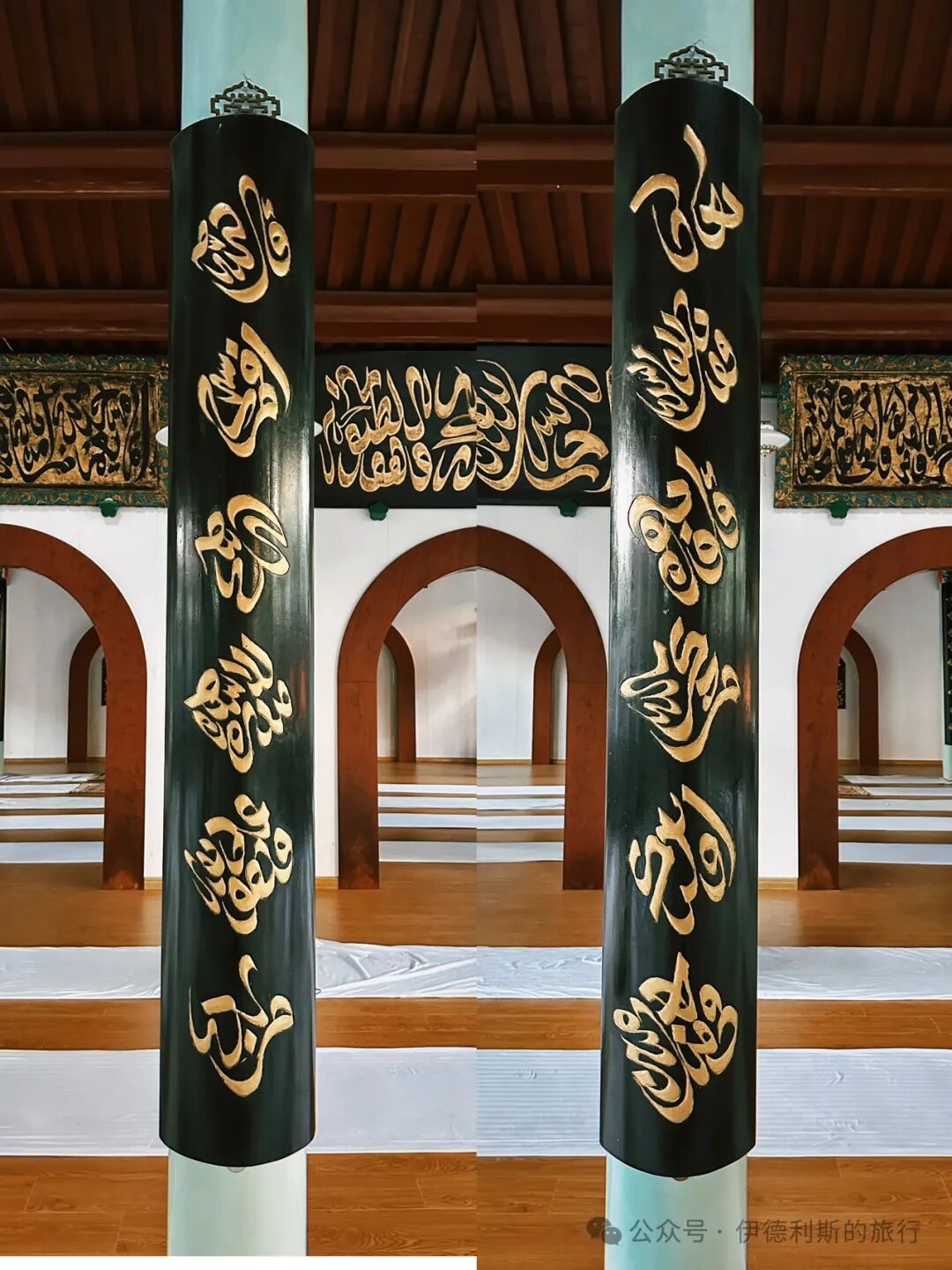
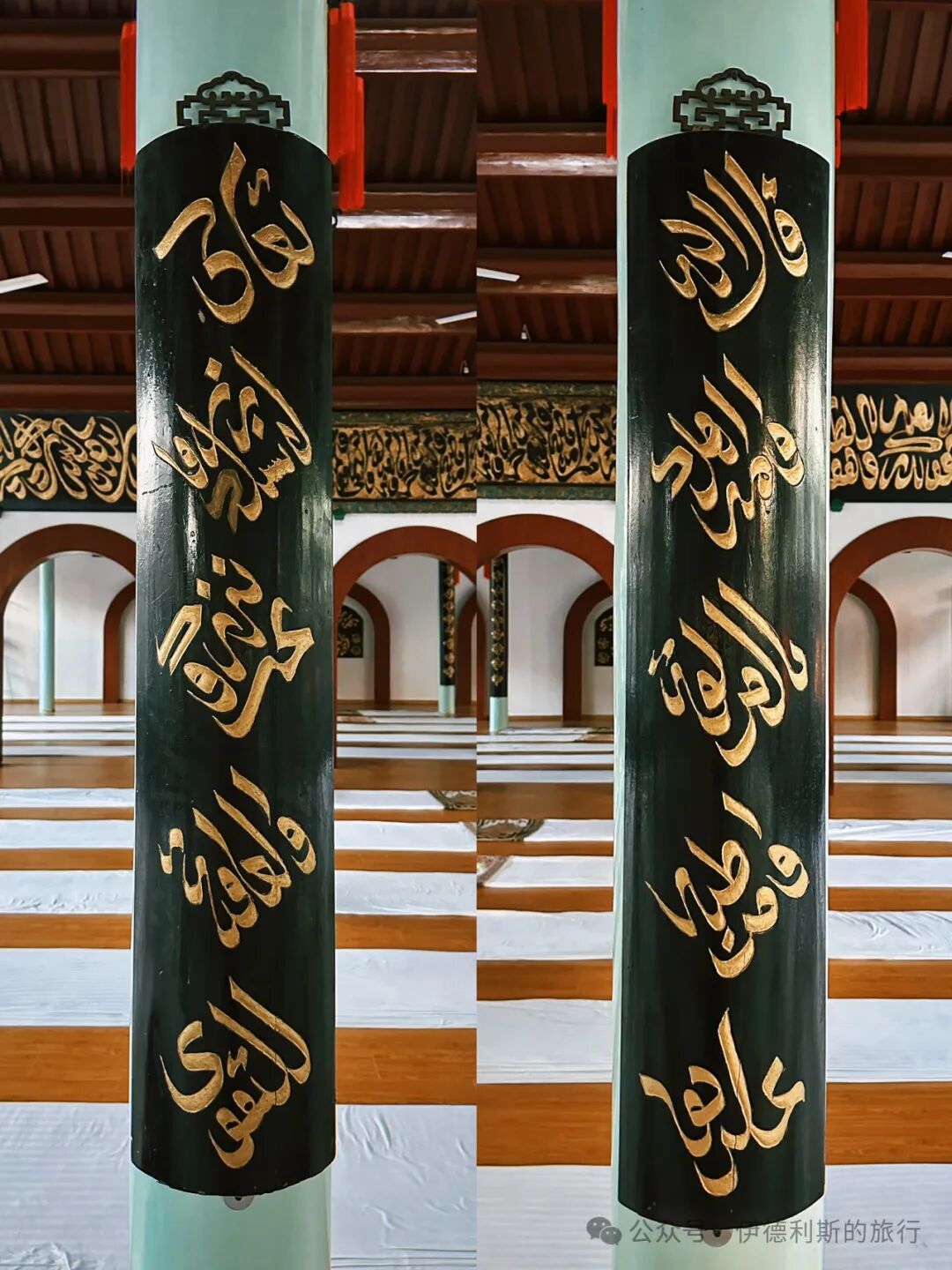
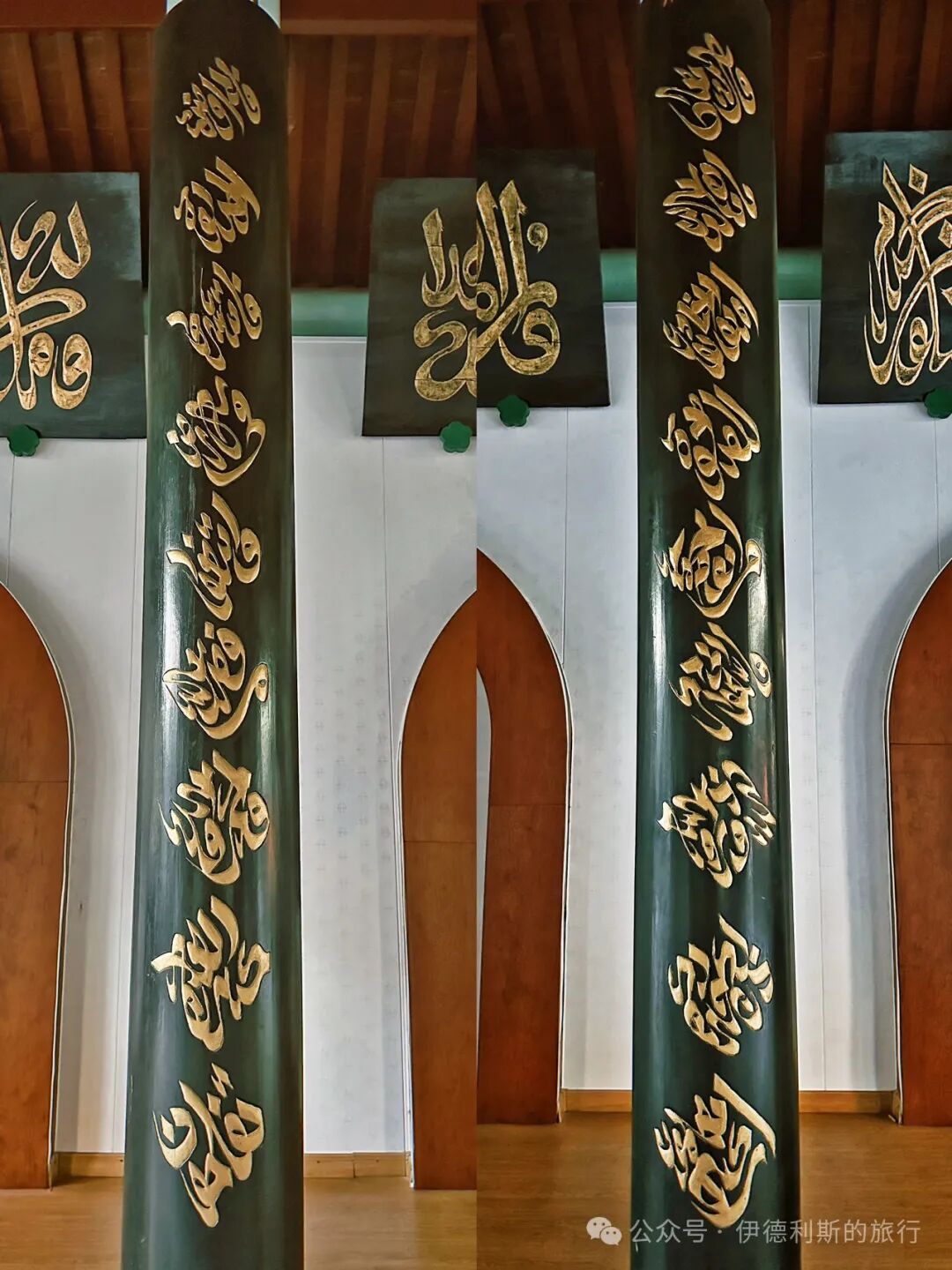
Arabic plaques and couplets inside the main prayer hall. view all
Summary: The third weekend of Ramadan 2025 centers on Tianjin’s Liulin area and Northwest Corner, with mosques, food, and neighborhood scenes. This article keeps the original photos, shop notes, street details, and Muslim community observations.
On Saturday, I went to Liulin Mosque (Liulin Si) in the Hexi District of Tianjin to break my fast. In 1994, the Qiandezhuang area in Hexi District was demolished, and all the Hui Muslims moved to Qianfuli in Xiaohaidi. Later, when the Northwest Corner was demolished, more Hui Muslims moved to Xiaohaidi, leading to the construction of the current Liulin Mosque in 2005.
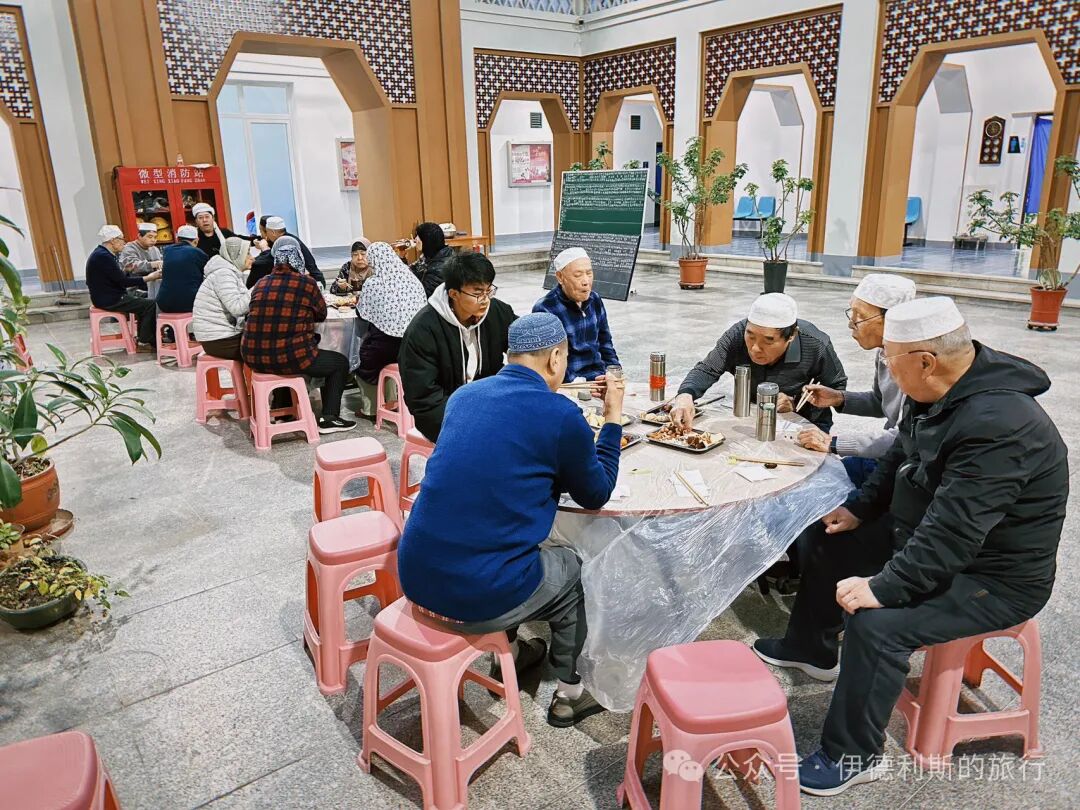
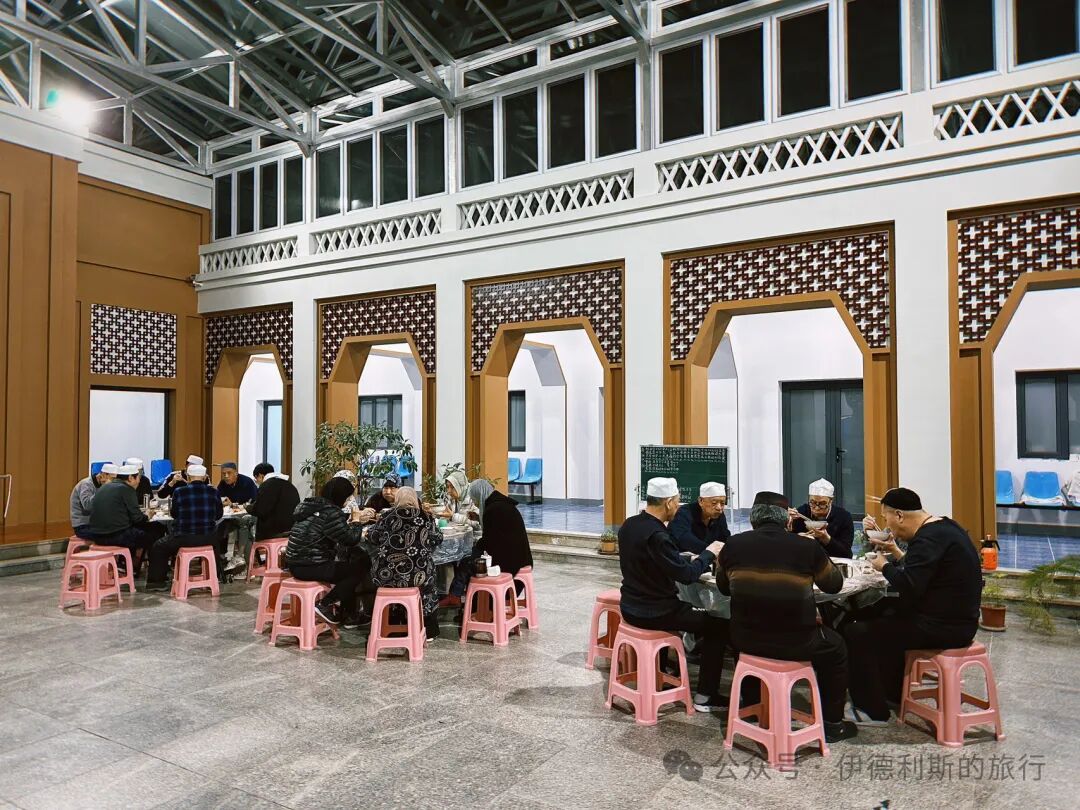
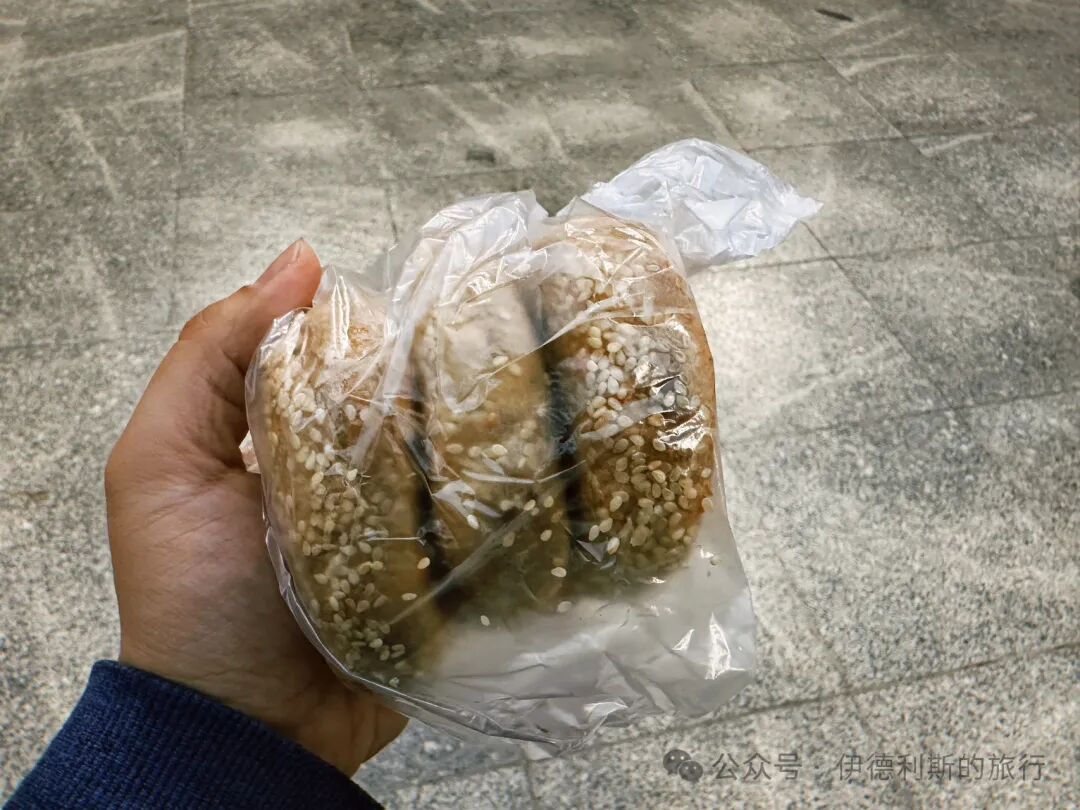
For iftar, we had four dishes and one soup, including the Tianjin specialty stir-stir-fried meat liver, kidney, and heart (laobao san), as well as chicken with winter bamboo shoots, stir-fried cauliflower, and stir-fried tofu. We also had egg and tofu soup, and received sesame flatbread (shaobing) distributed by the mosque.
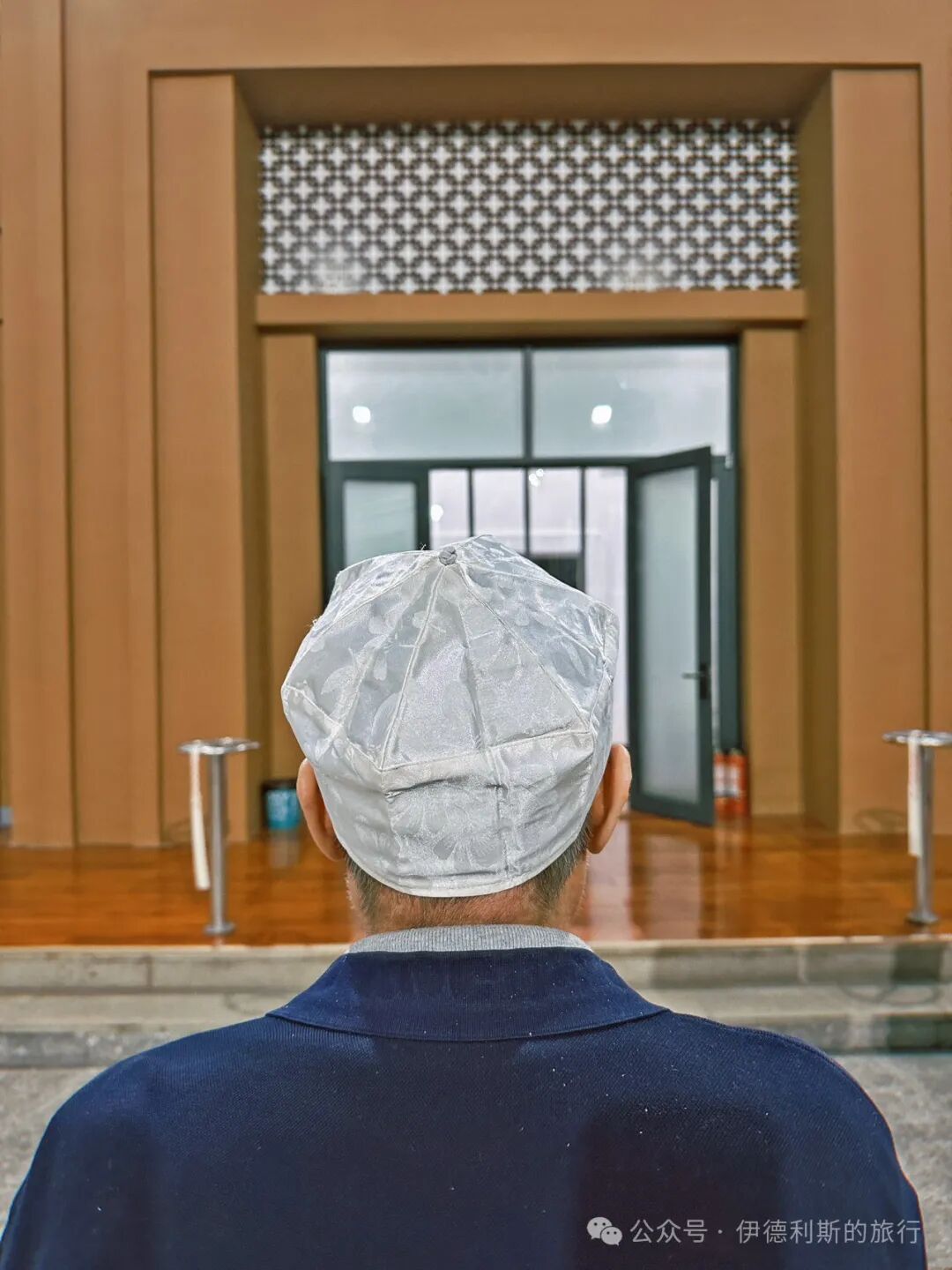
The elder calling the adhan at the mosque wore a traditional North China Gedimu six-paneled cap (liupianwa). The Tianjin six-paneled cap has no corners at all, which is the biggest difference from the hexagonal caps worn by the Jahriyya order.
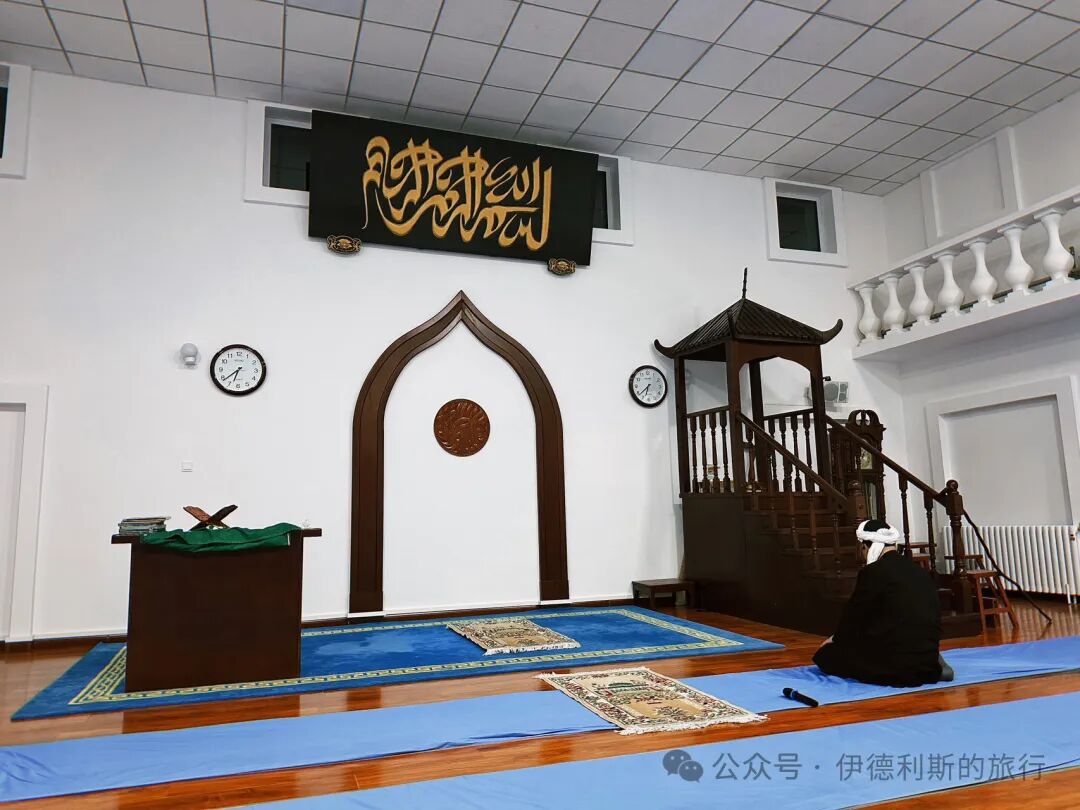
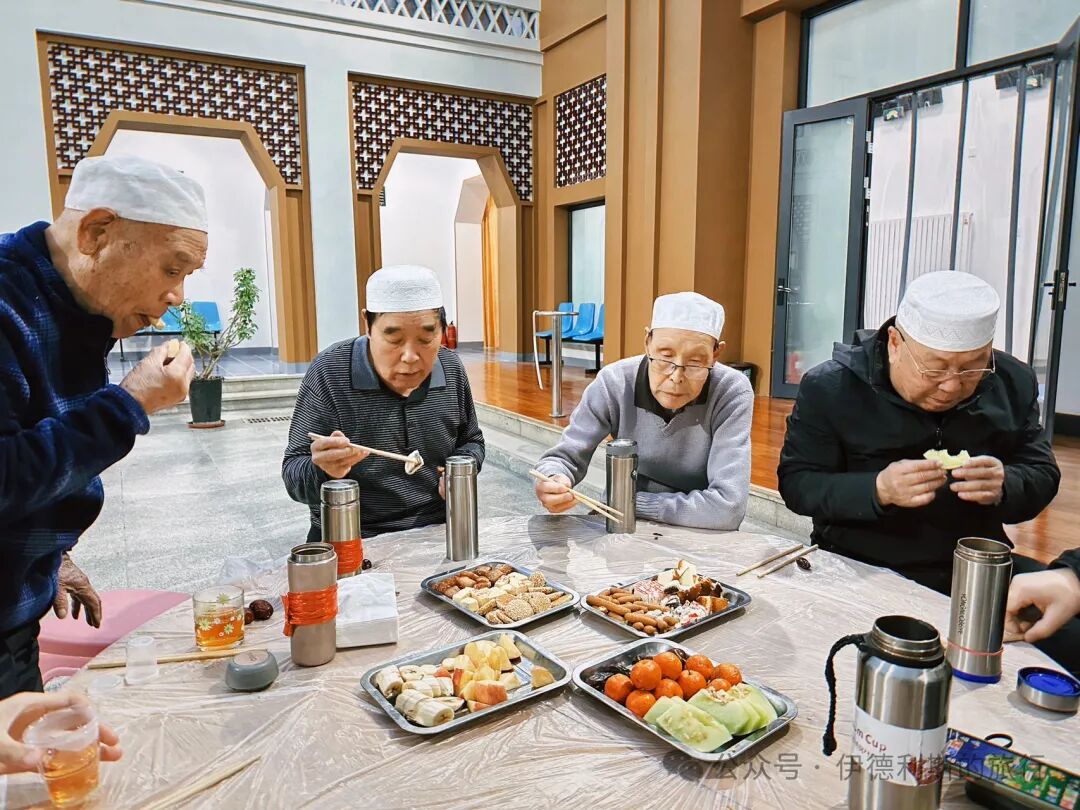
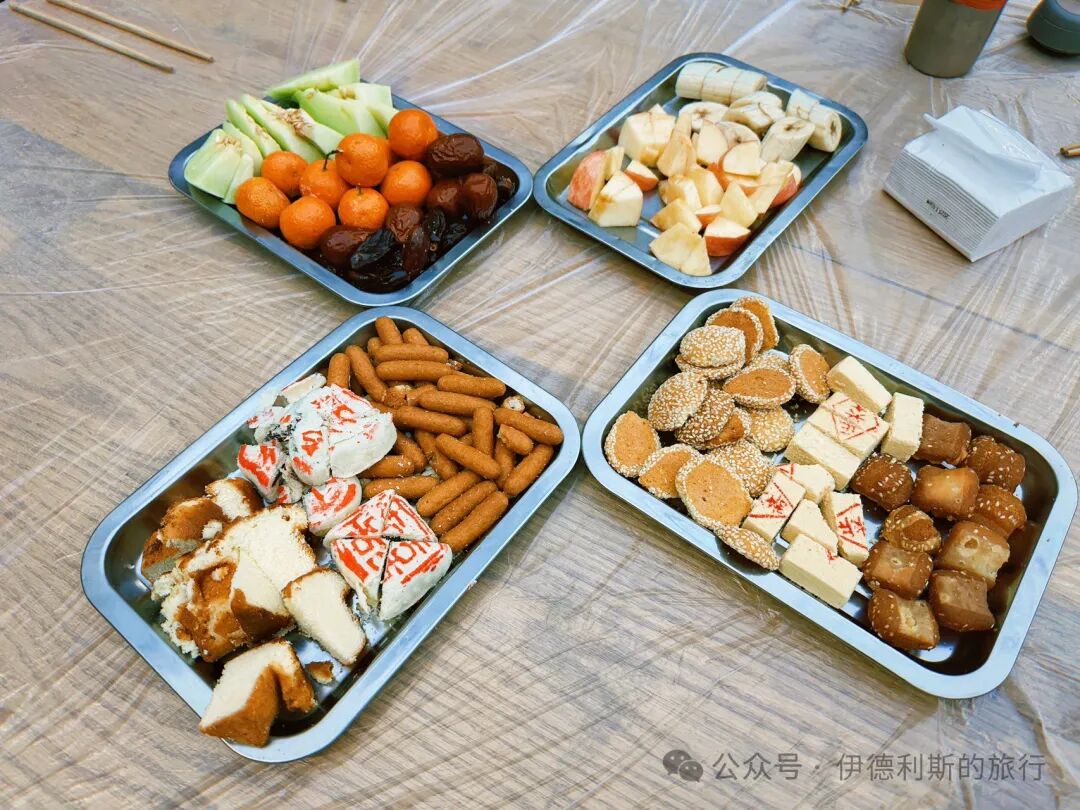
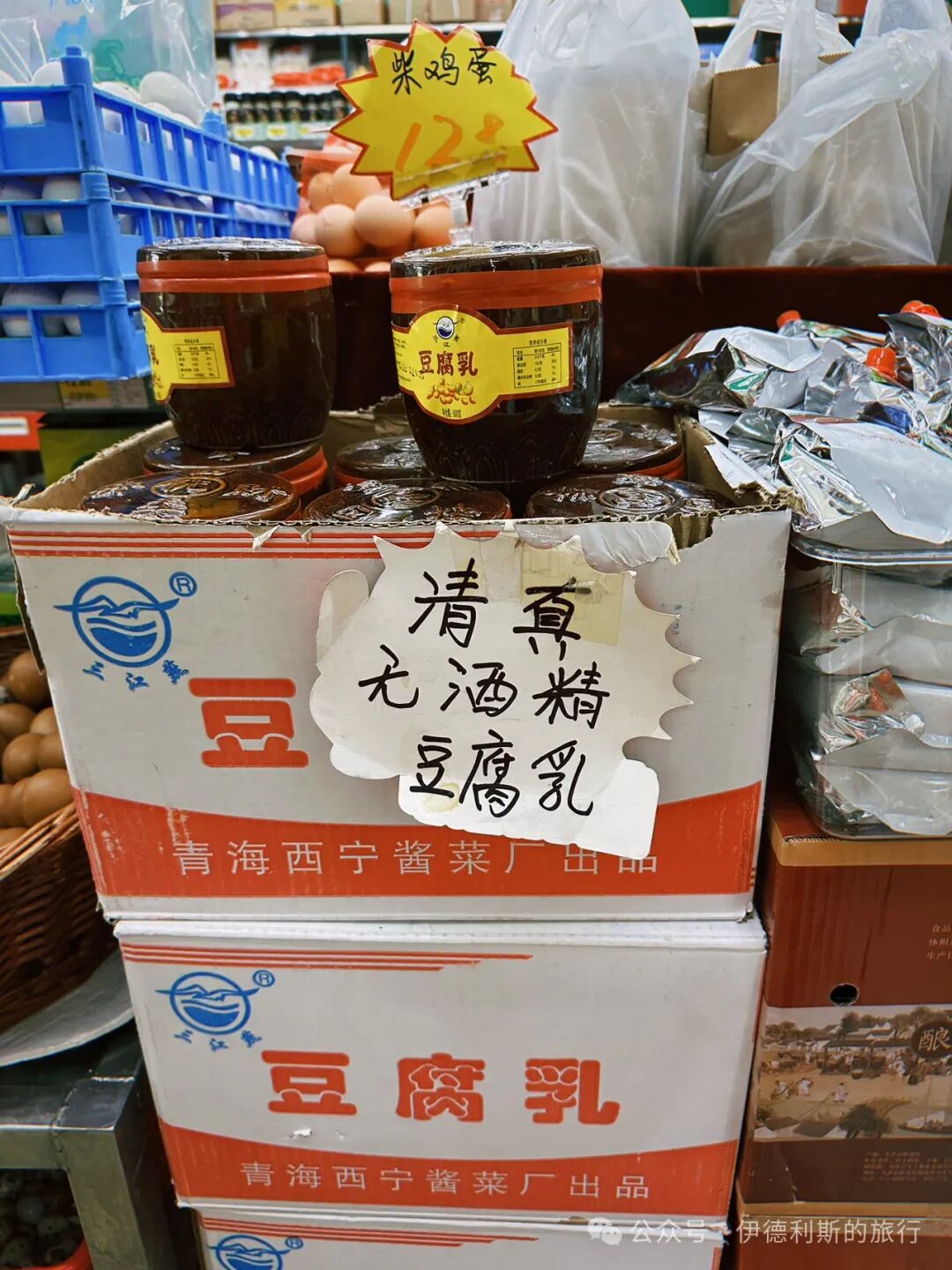
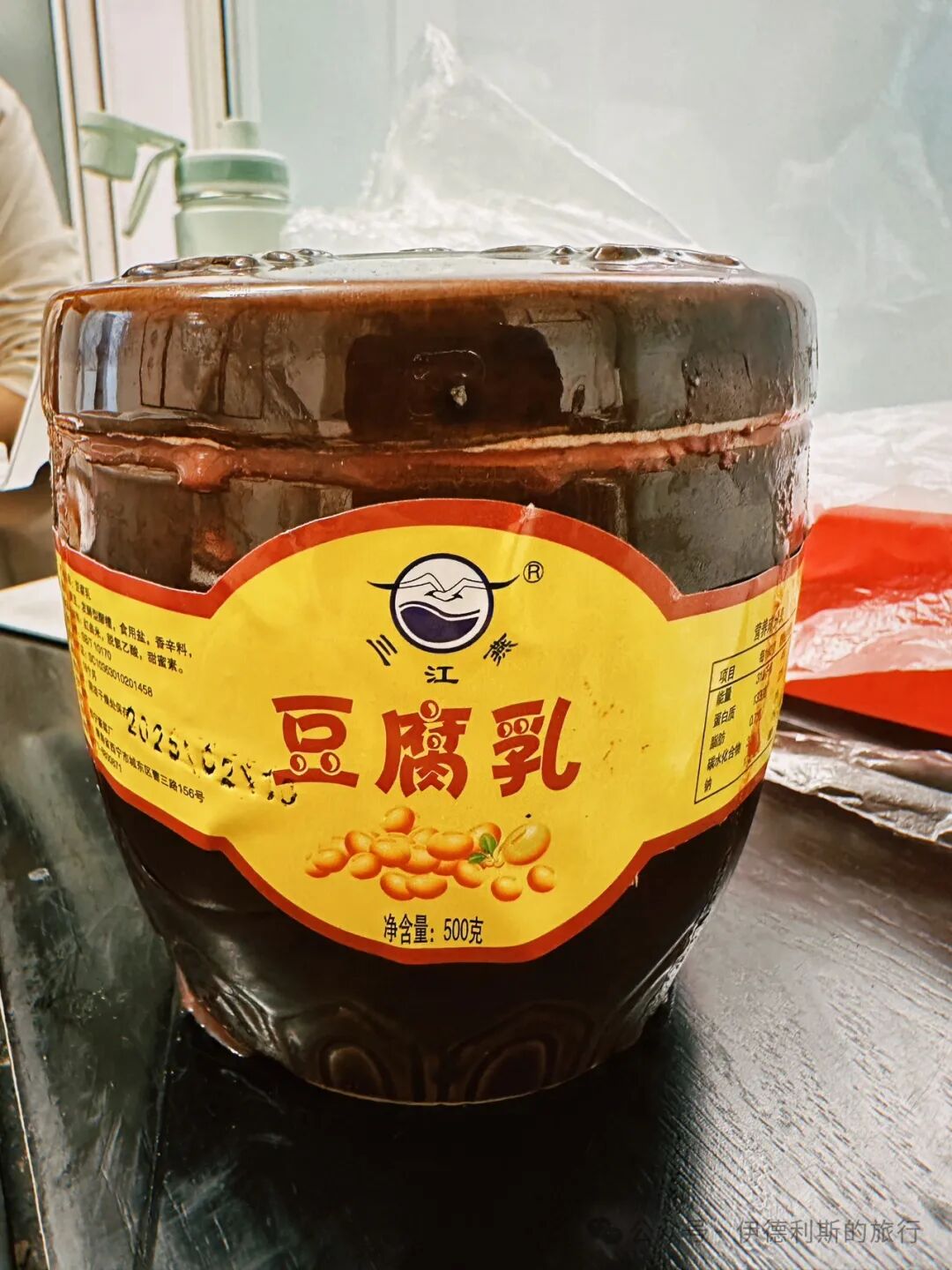
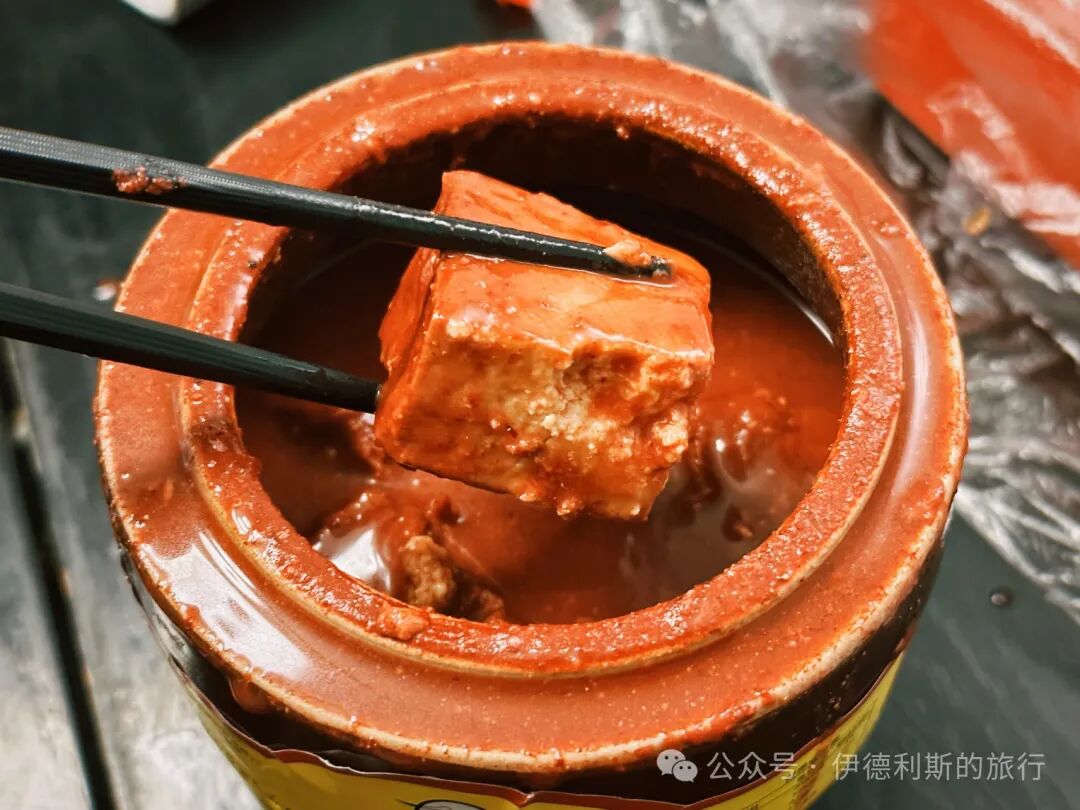
On Sunday, I went to the Northwest Corner of Tianjin. I bought some non-alcoholic fermented bean curd (doufurui) made by the Xining Pickles Factory at Mumin Supermarket. It tasted very good and suits the palate of people from the north.
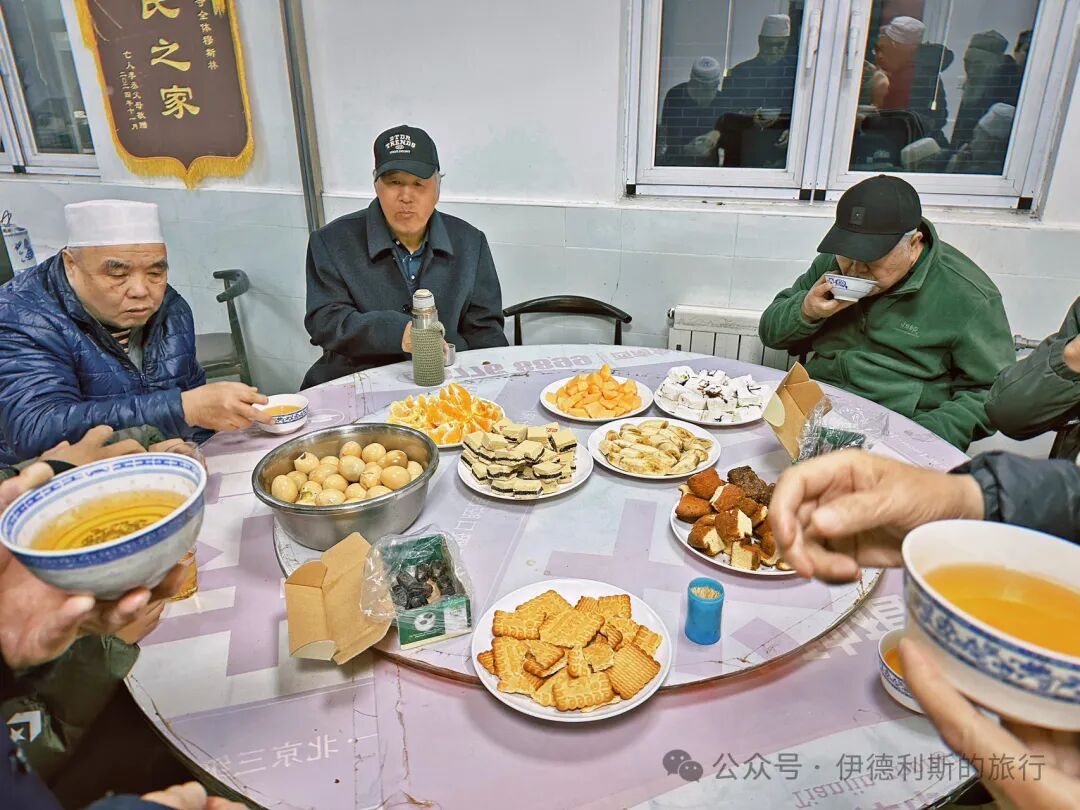
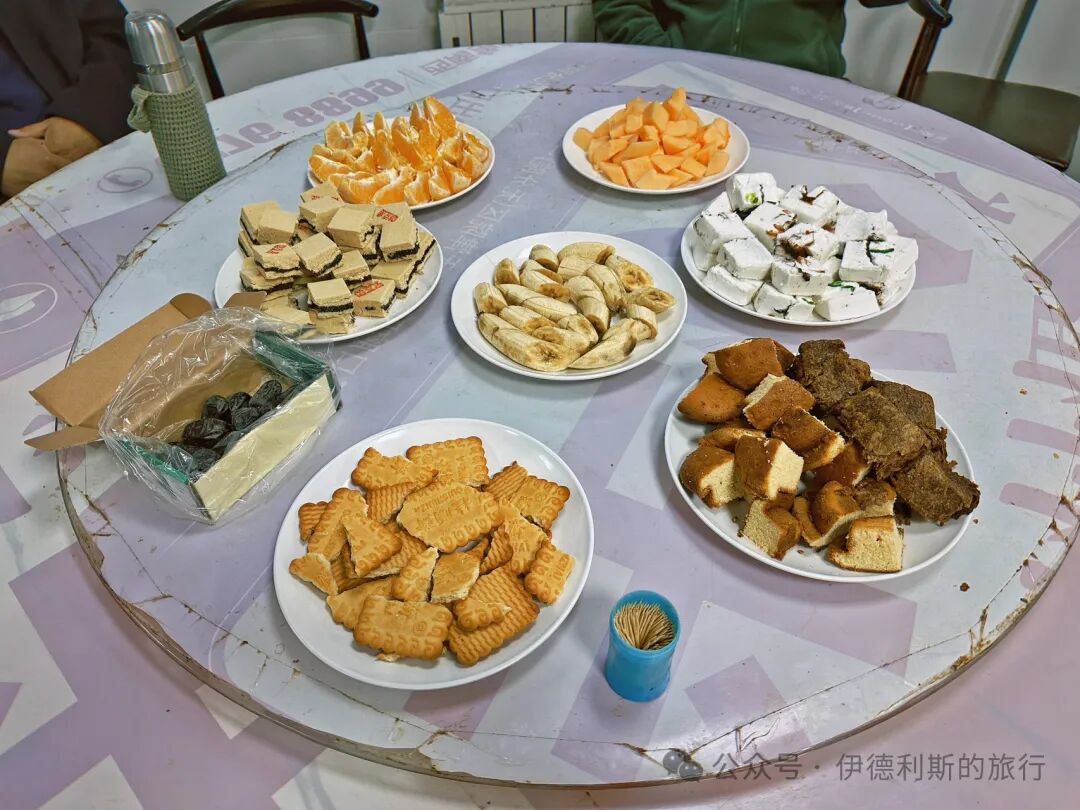
In the evening, I broke my fast at the Great Mosque of the Northwest Corner (Nandasi). We had rice cakes (gaogan), two types of pan-fried egg-battered patties (guota) made with beef and shrimp, braised eggplant, braised butterfly fish, and eggs boiled in beef broth. An elder warned me not to buy snacks at the mosque gate randomly, saying many of them have no authentic roots. It is true that since the Northwest Corner became popular in recent years, I do not recognize many of the shops anymore. However, some of the old shops are still fine.
Ancient Islamic Teaching (Qingzhen Gujiao).
An auspicious day in the spring of the Gengxu year of the Xuantong reign.
Taiping Street, Hebei Avenue, Xiaohuo Lane, Shanghebeiguan.
Zhugan Lane, Gangdian Street, Santiaoshi, Xiabebeiguan.
Gangshi Street, Qudian Street, Liangjiazui, Dahuohuo Lane.
Erected by the gentry and merchants.
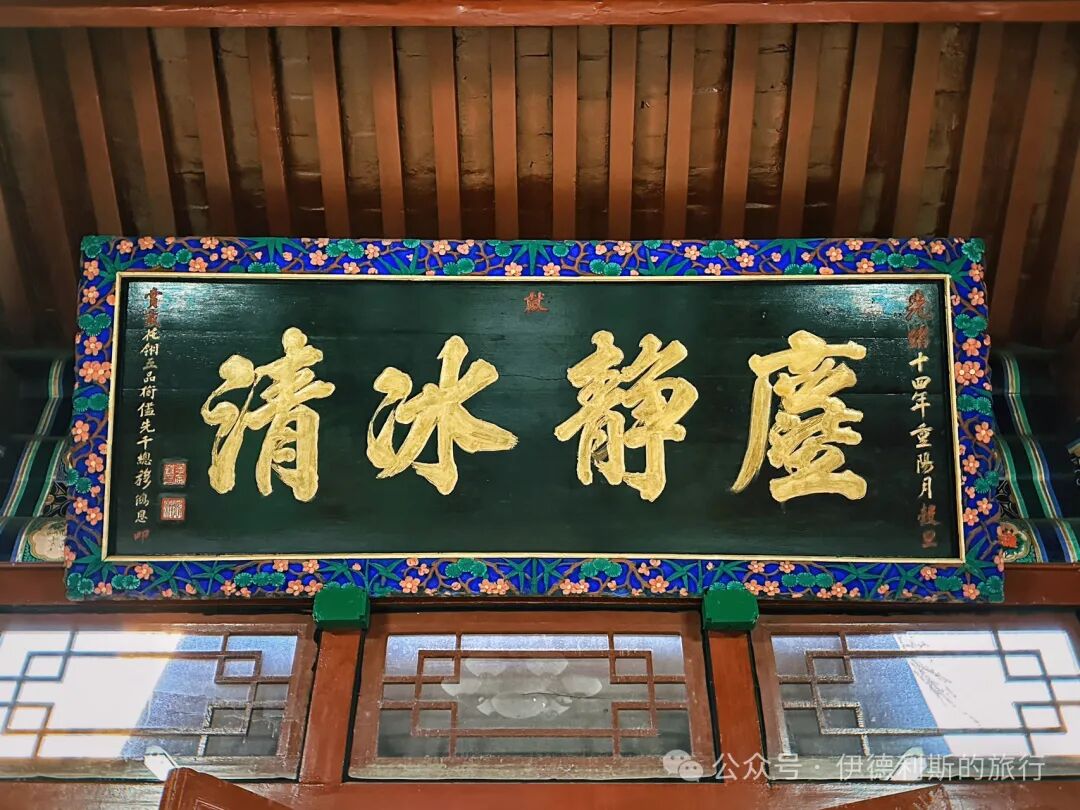
Truth without falsehood.
An auspicious day in the ninth month of the sixth year of the Guangxu reign.
Respectfully erected by Zuo Baogui, a registered Admiral of the Military Gate, Commander of the Feng Army's Right and Middle Cavalry and Infantry Battalions, and concurrently Commander of the Jiesheng Battalion's Eighth Brigade Cavalry, titled Kengse Baturu.
Virtue and kindness bestowed.
Erected in the apricot month of the Gengshen year, the ninth year of the Republic of China.
Respectfully inscribed by Zhang Chunhua, a follower of the Islamic faith.
Creation originates from the Infinite.
Respectfully inscribed by Peng Yuwen, a Zhongxian Grand Master and official of the Tianjin Circuit in Zhili.
An auspicious day in the seventh lunar month of the Bingwu year, the 26th year of the Daoguang reign.
Respectfully erected by Zhang Yunbiao and Guang Rui of Tianjin, along with their sons Jindong and Bang.
Ancient Islamic Teaching (Qingzhen Gujiao).
An auspicious day in the Gengyin year of the Guangxu reign of the Great Qing Dynasty.
Respectfully offered by Hei Zhaorong, a river battalion commander (qian zong) of Tianjin Prefecture, granted the fourth-rank title and the right to wear a blue feather.
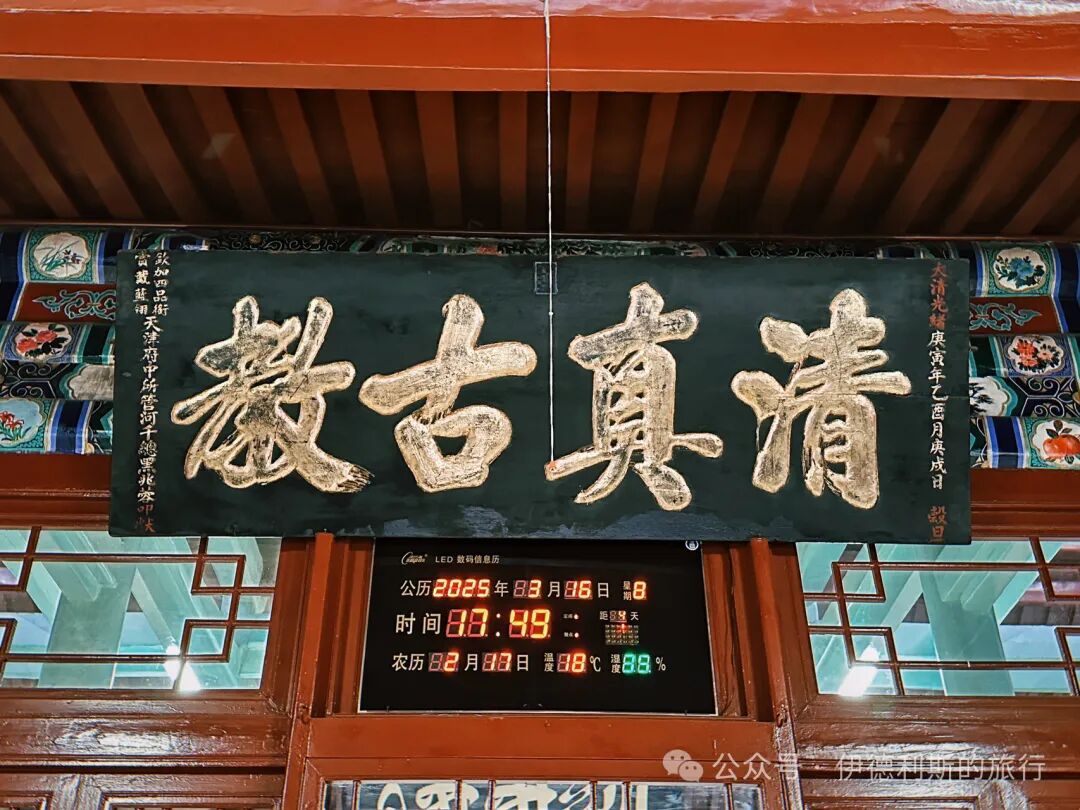
Ancient Islamic Teaching (Qingzhen Gujiao).
An auspicious day in the Gengyin year of the Guangxu reign of the Great Qing Dynasty.
Respectfully offered by Hei Zhaorong, a river battalion commander (qian zong) of Tianjin Prefecture, granted the fourth-rank title and the right to wear a blue feather.
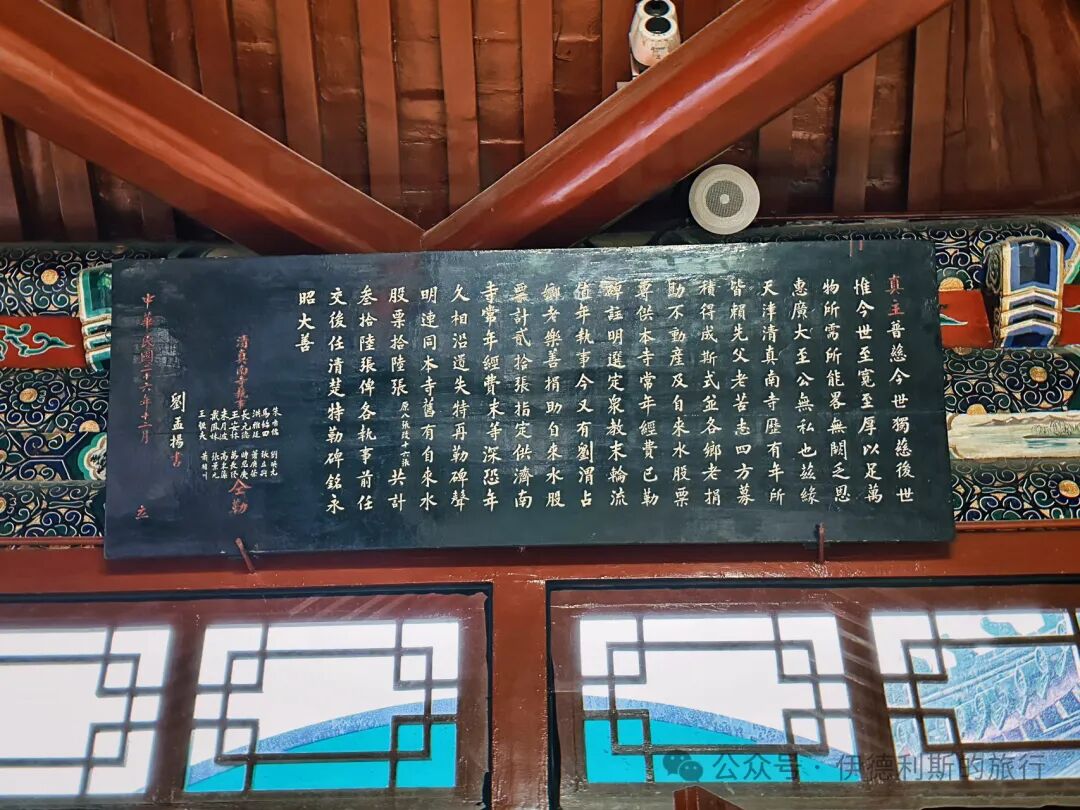
Allah is Most Merciful in this world and the next. He is generous and kind in this life, providing for all things without lack, showing grace that is vast, fair, and selfless. The Tianjin South Mosque has stood for many years, built through the hard work of our elders who traveled far to raise funds. The mosque's property and water company shares, which cover its annual expenses, were already recorded on a stone tablet. The mosque committee members take turns managing these affairs. Now, Elder Liu Weizhan has kindly donated 20 water company shares to support the mosque's annual expenses. We fear these records might be lost over time, so we have inscribed this new tablet. Together with the mosque's original 16 shares (the original 8 were increased to 16), there are now 36 shares in total. This ensures that each committee member can clearly hand over duties to their successor, and this great act of charity will be remembered forever.
Inscribed by the committee members of the South Mosque (names omitted).
Written by Liu Mengyang.
Erected in December of the 26th year of the Republic of China.
The number one reveals the essence of the Truth, hiding great grace to influence and complete all things.
Movement creates words, stillness returns to the Truth, guiding those on the path to transform themselves and return to the Source.
Written by Prince Li.
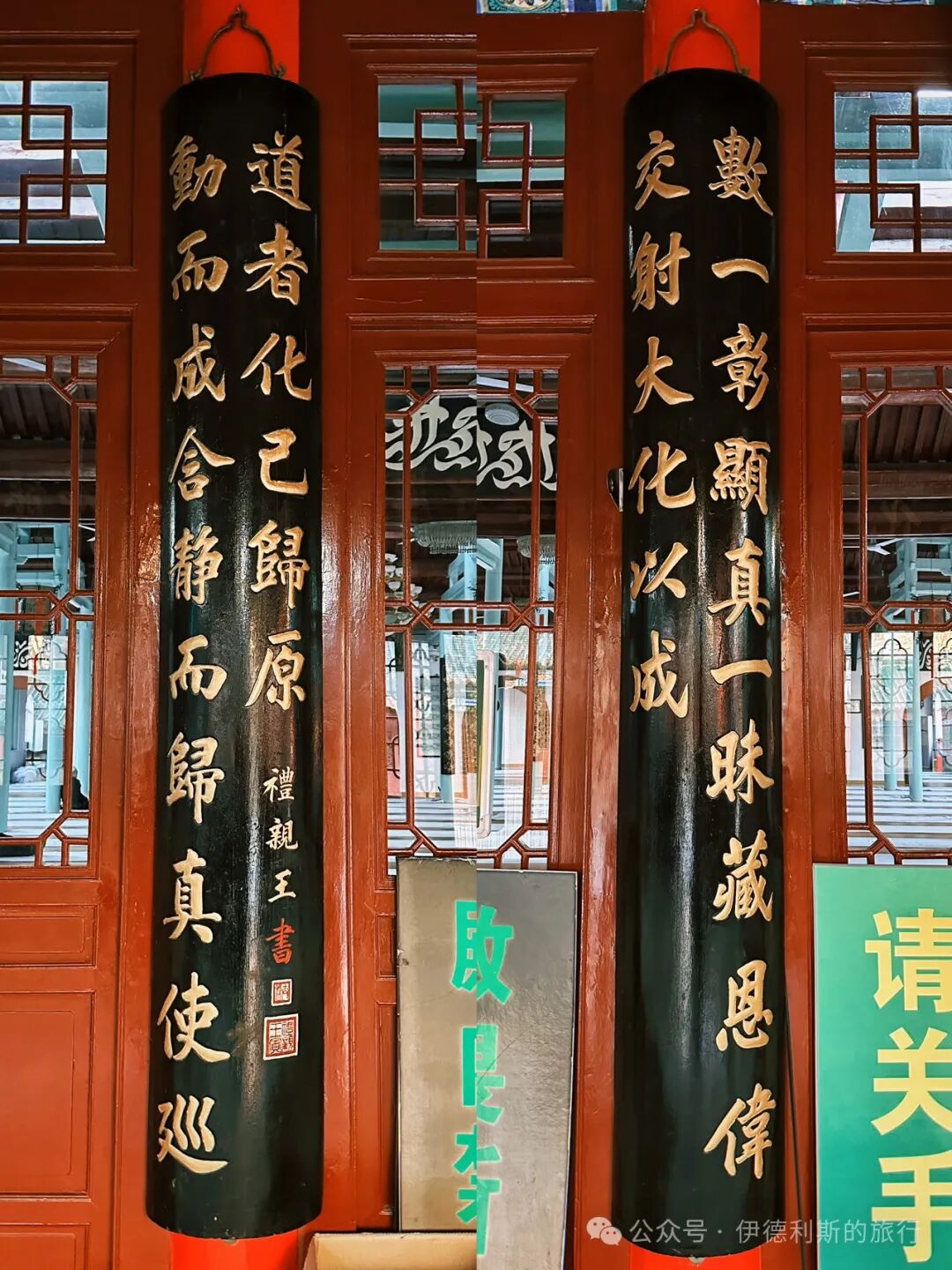
Arabic plaques and couplets inside the main prayer hall.
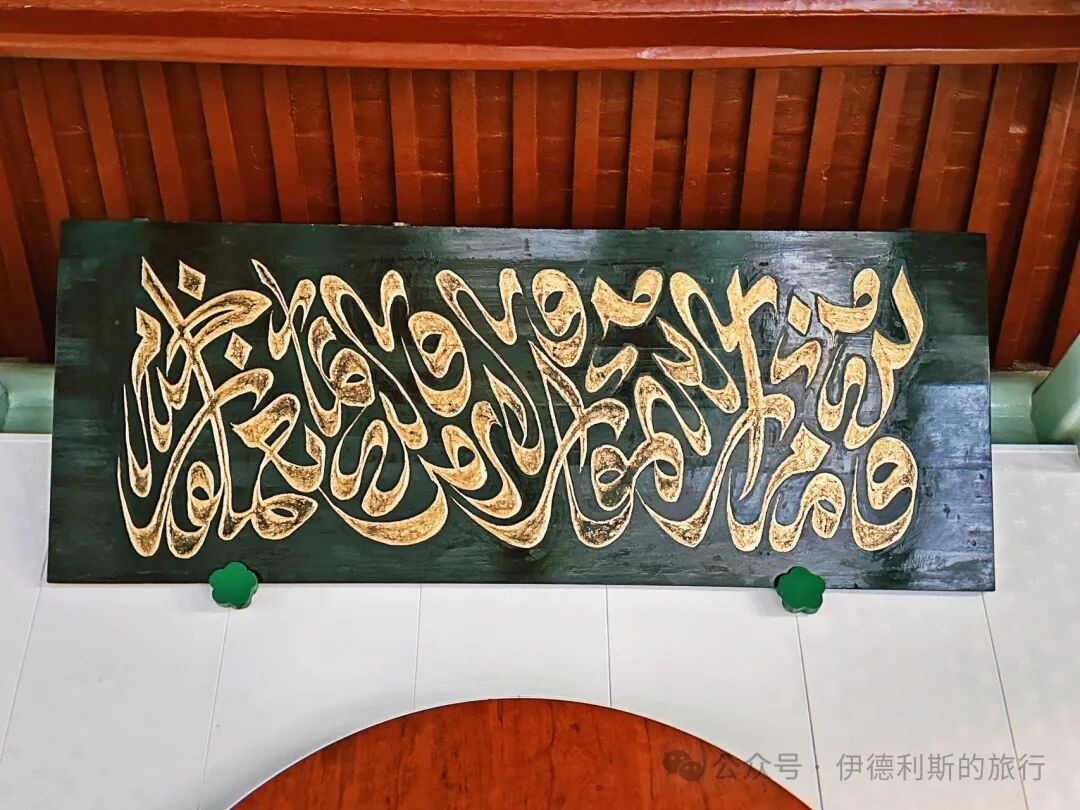
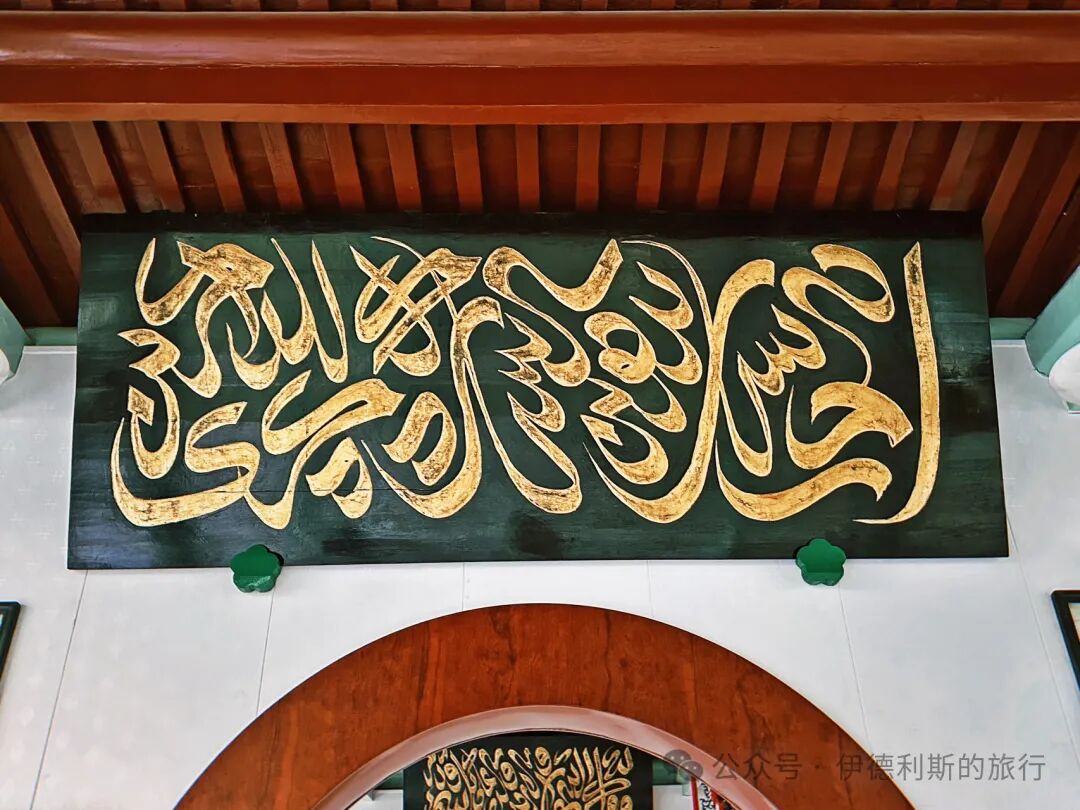
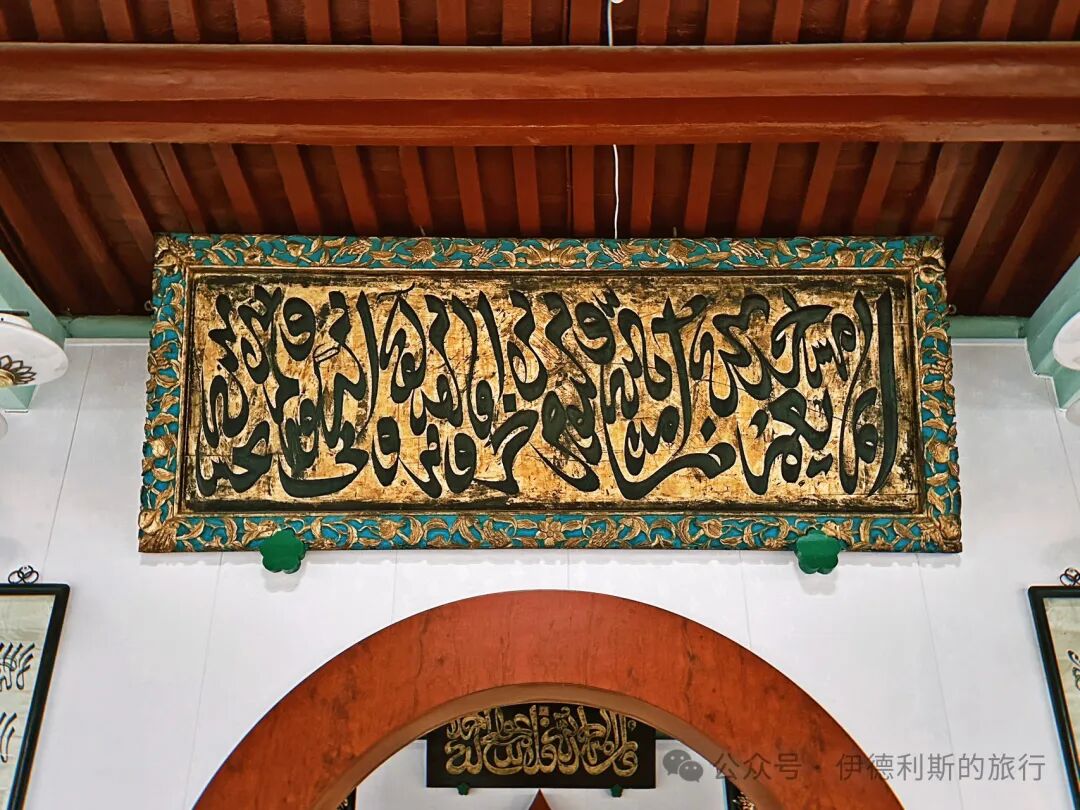
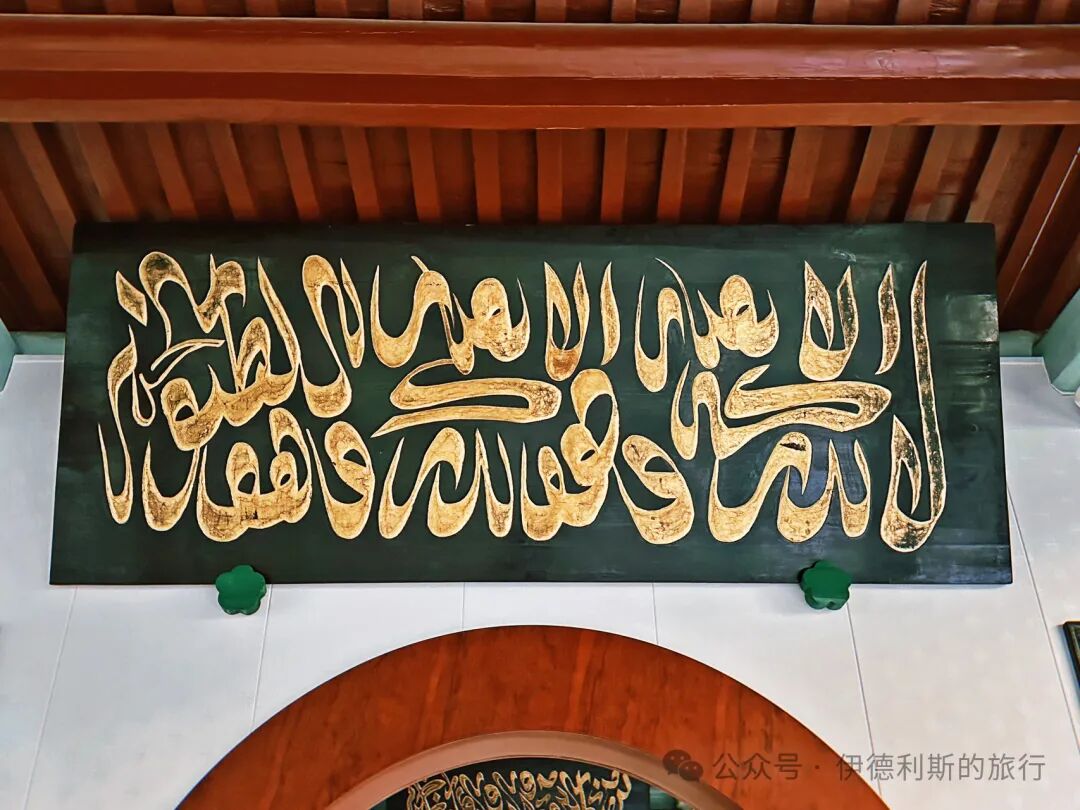
Halal Travel Guide: Ramadan Weekend 2025 — Beijing Nanxiapo and Tianjin Muslim Streets
Articles • ali2007fr posted the article • 0 comments • 158 views • 2026-05-20 00:57
Summary: The second weekend of Ramadan 2025 follows Muslim community spaces in Beijing Nanxiapo, Tianjin Xining Road, and Fuxingzhuang. This article preserves the original mosque visits, street scenes, food notes, and photographs in a single English travel account.
On Friday, March 7, I went to Nanxiapo near Chaowai after work. The iftar snacks and fruits at Shiqipan were very plentiful. I met a friend (dosti) wearing a traditional North China Gedimu six-piece cap. It is slightly different from the hexagonal cap worn by the Zhe sect, and it is now on the verge of disappearing. After the Maghrib prayer (shamu), a friend invited me to have iftar at a restaurant next to the mosque. The place was packed and very lively. We had stewed meat and flatbread (laobing) with two side dishes. It was simple and tasty.
A child wearing a six-piece cap in Niujie, Beijing, in 1942.
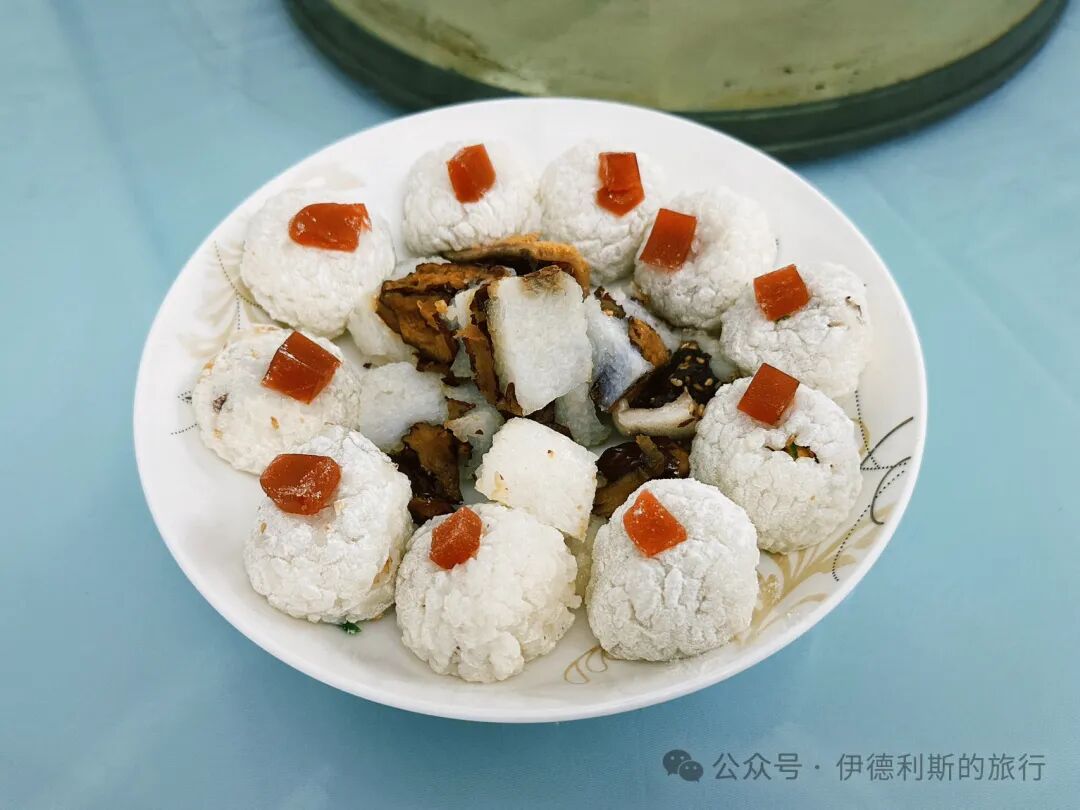
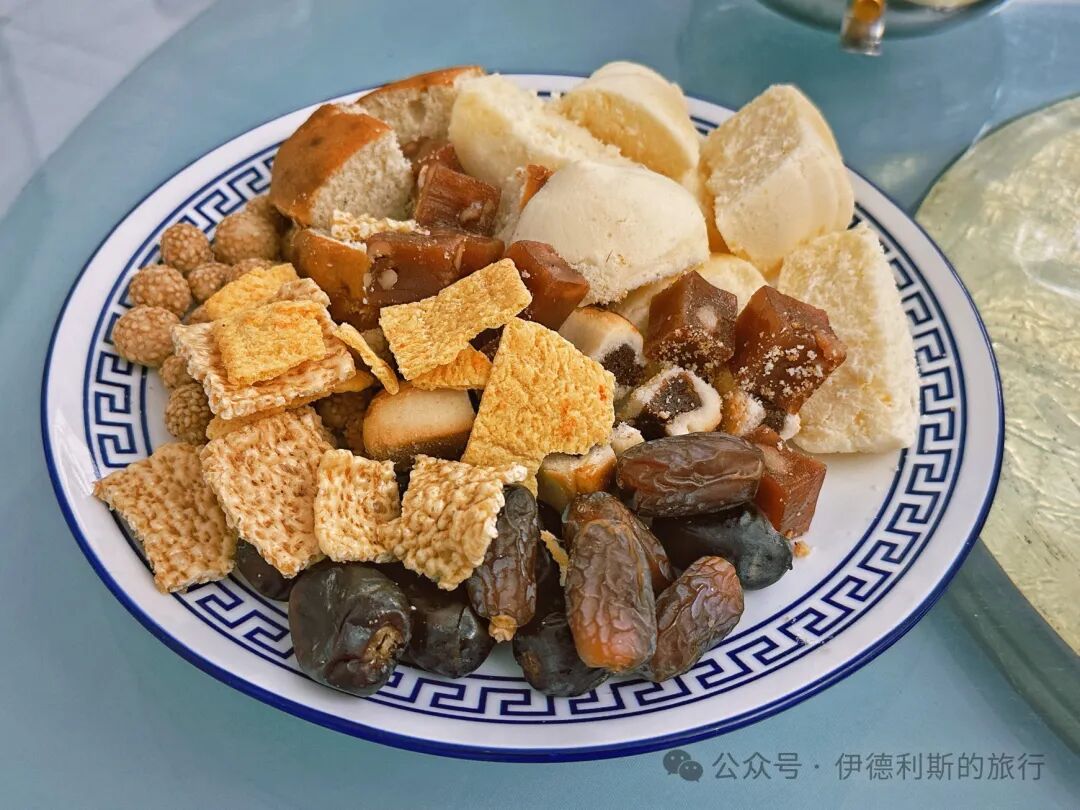
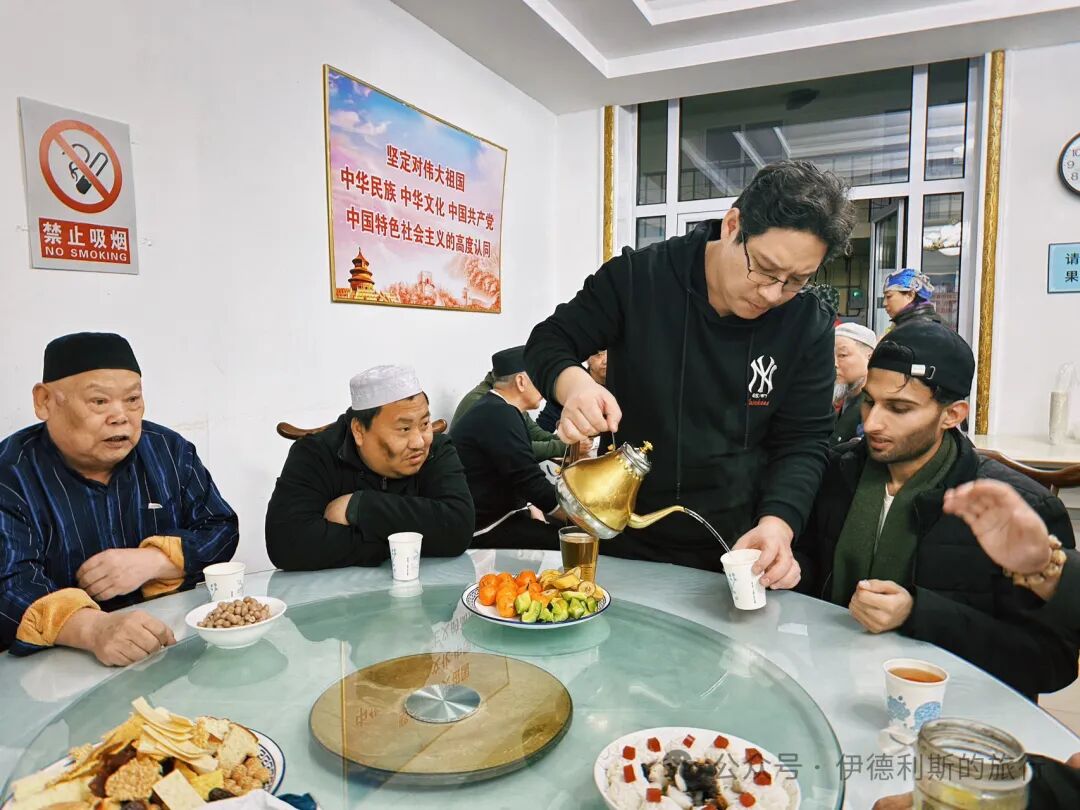
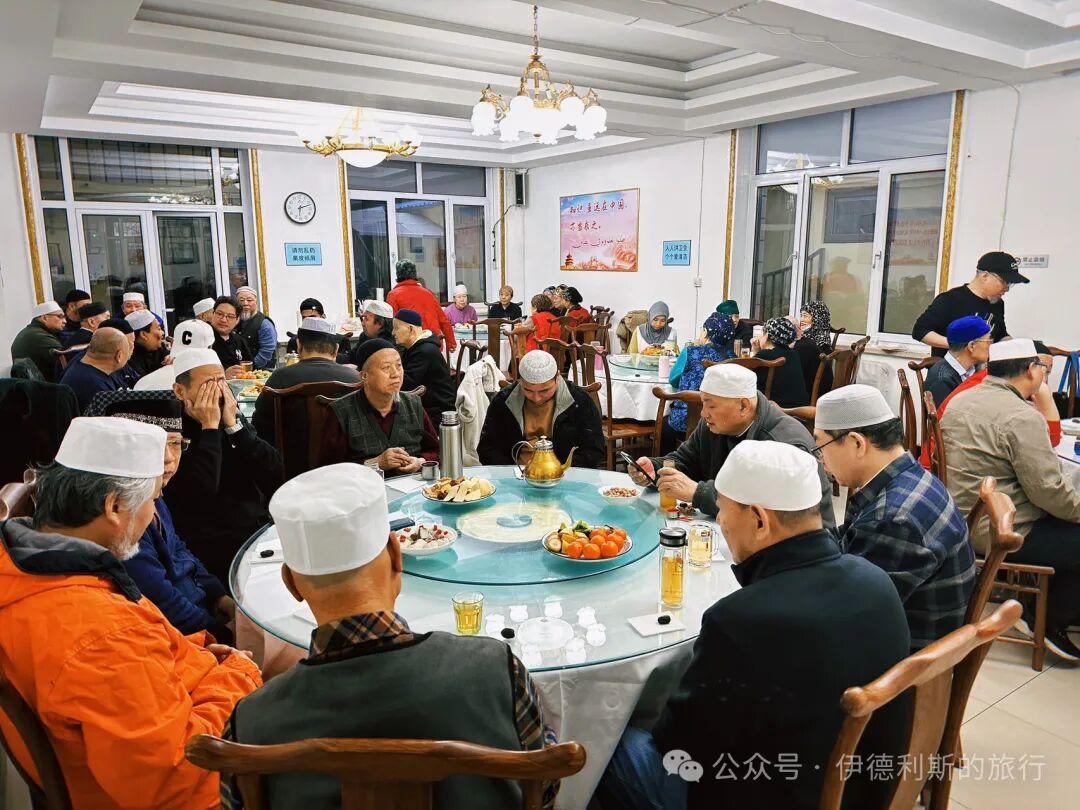
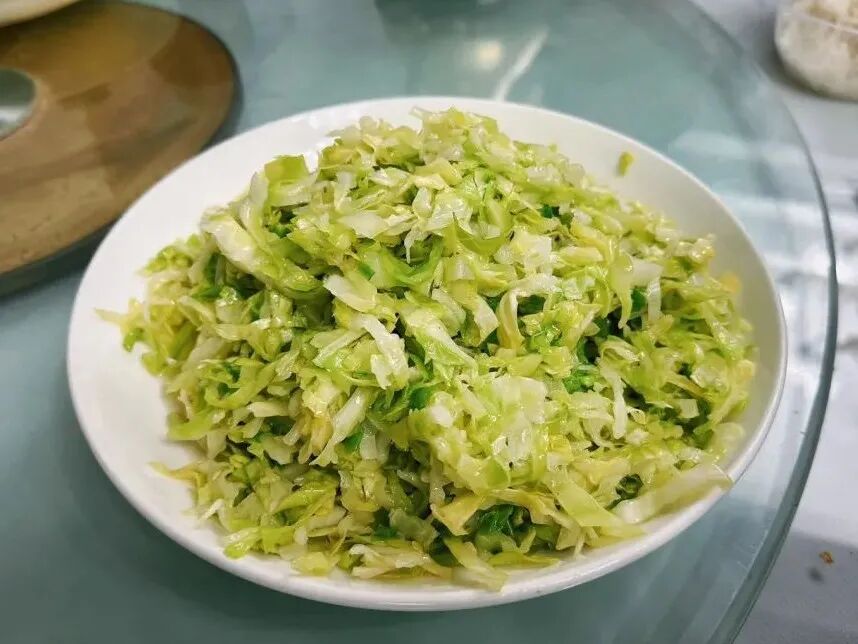
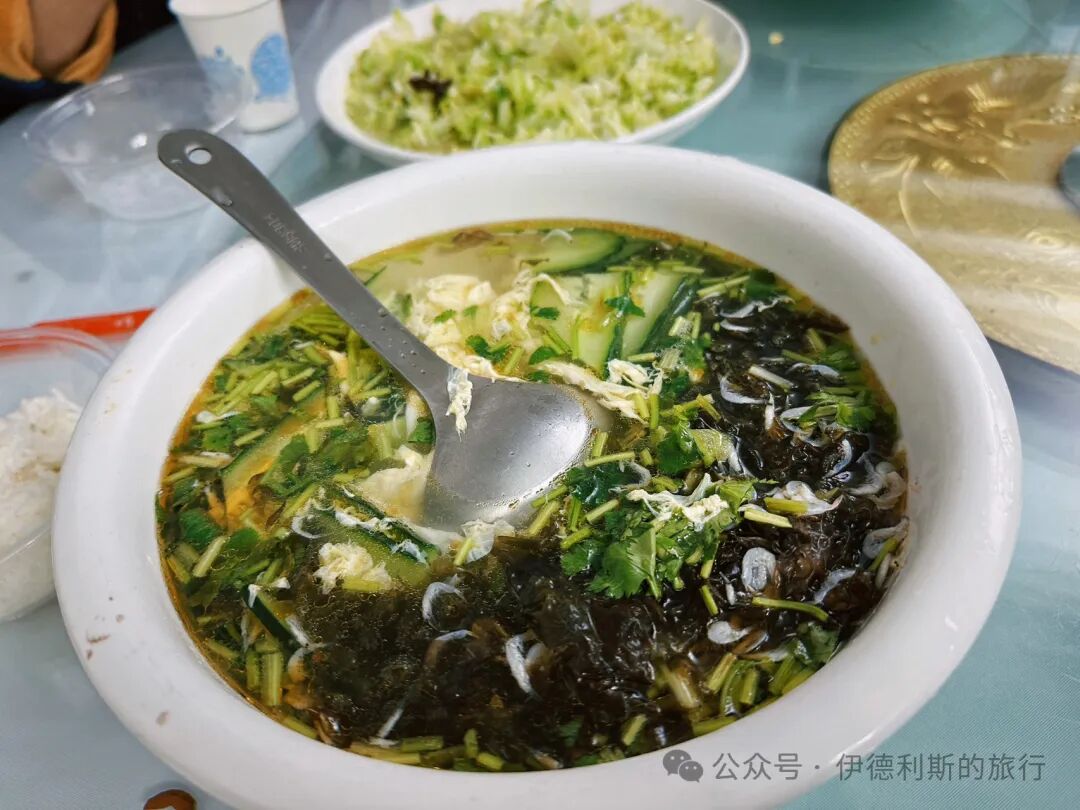
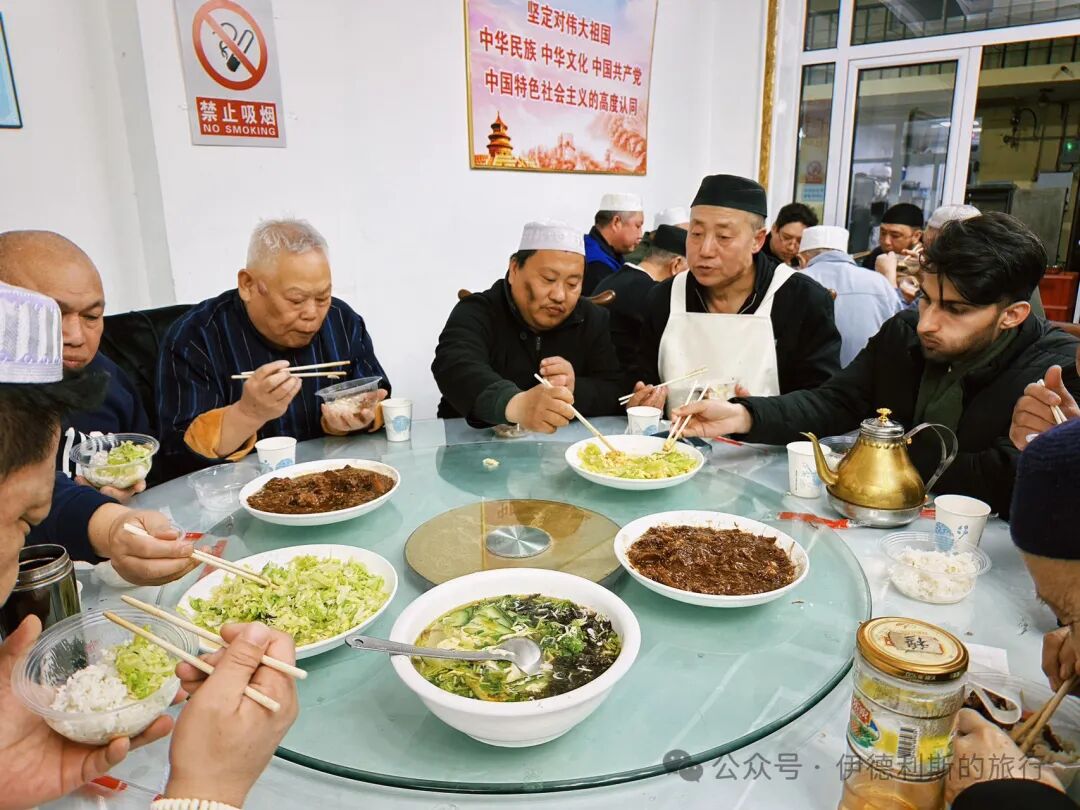
On Saturday night, I had iftar at the Xiningdao Mosque in Tianjin. For breaking the fast, we had sticky rice rolls (aiwowo) and fruit pastries. After the Maghrib prayer, we had braised beef, stir-fried cabbage, and stir-fried lettuce with meat. The mosque is not big, but it was crowded with seven large tables completely full.
Tianjin's Heping District once had four mosques: Chahaer Road Mosque (built in 1935), Puaili Mosque (built in 1938), Dunrenli Mosque (built in 1938), and Yingkou Road Mosque (built in 1953). After 1958, they were all converted for other uses, which made things very inconvenient for local Hui Muslims for a long time. The current Xiningdao Mosque was designed by Yao Fuxing, a Hui Muslim senior engineer from the First Design Institute of the Ministry of Chemical Industry, and was completed in 1992.
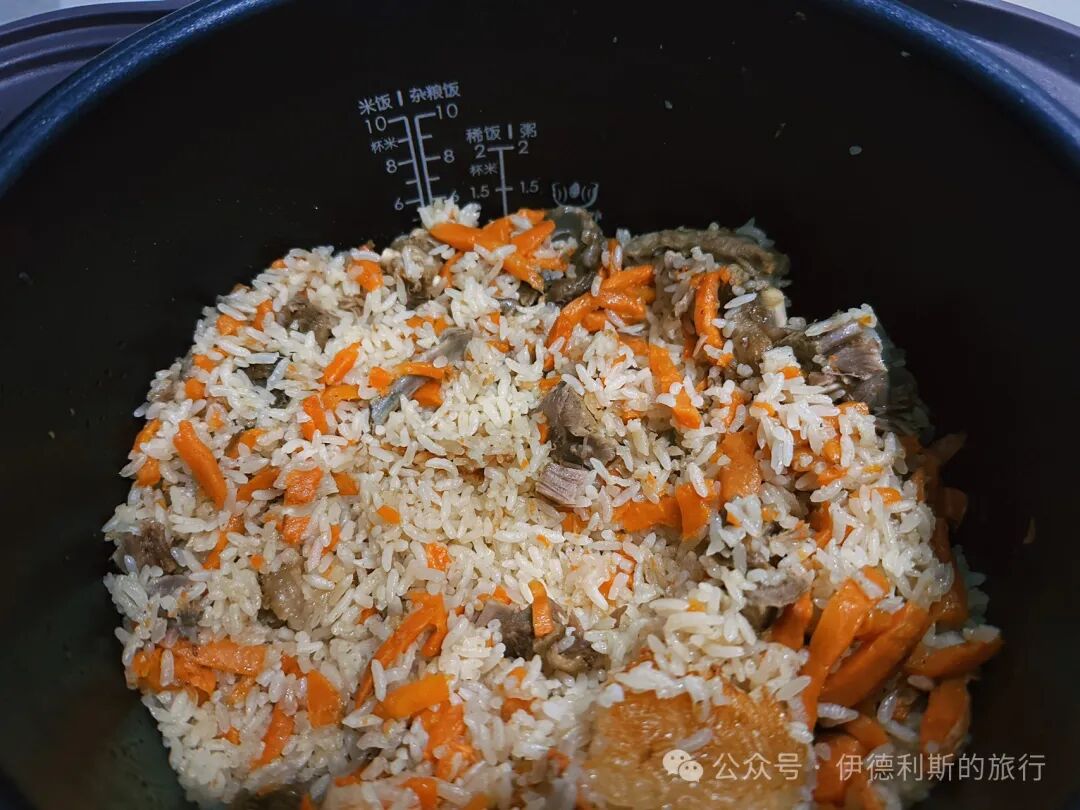
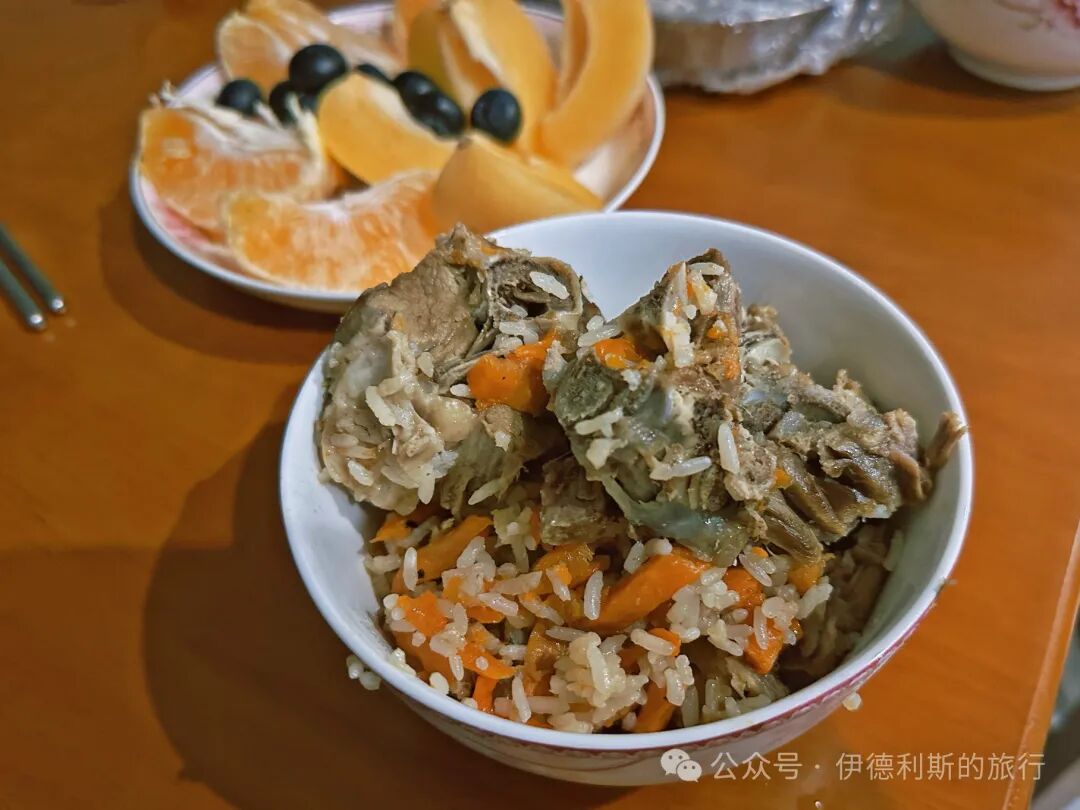
I had pilaf (zhuafan) at home on Sunday morning.
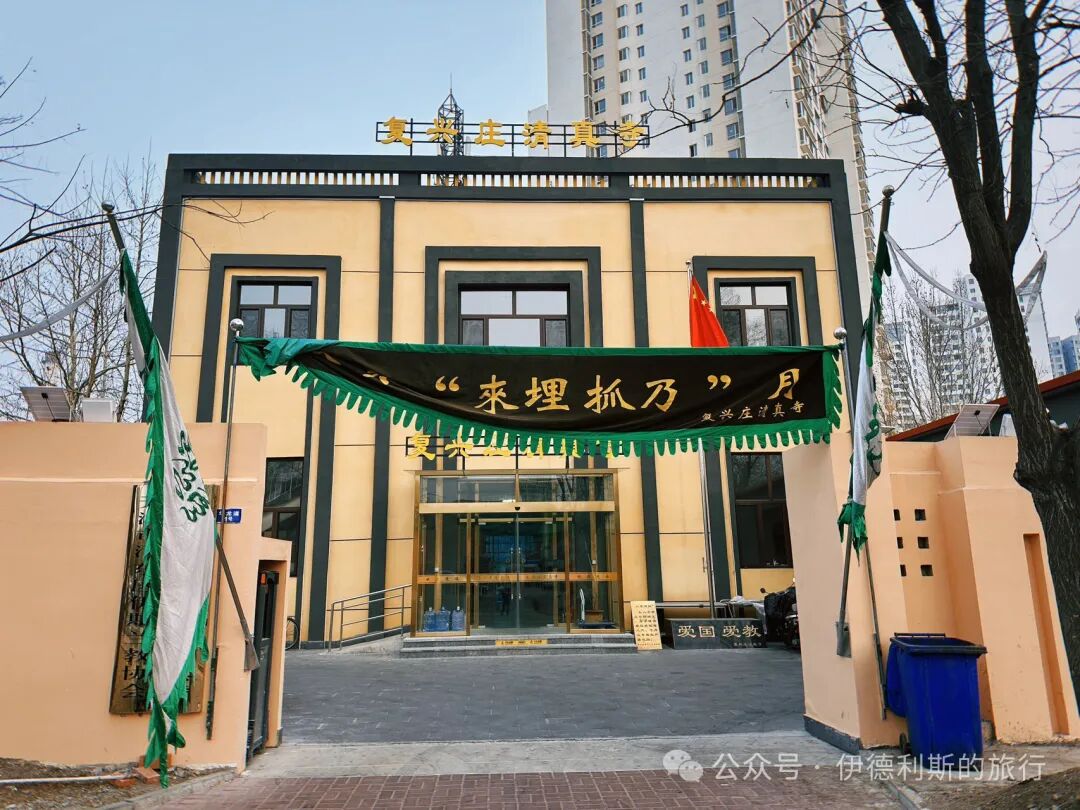
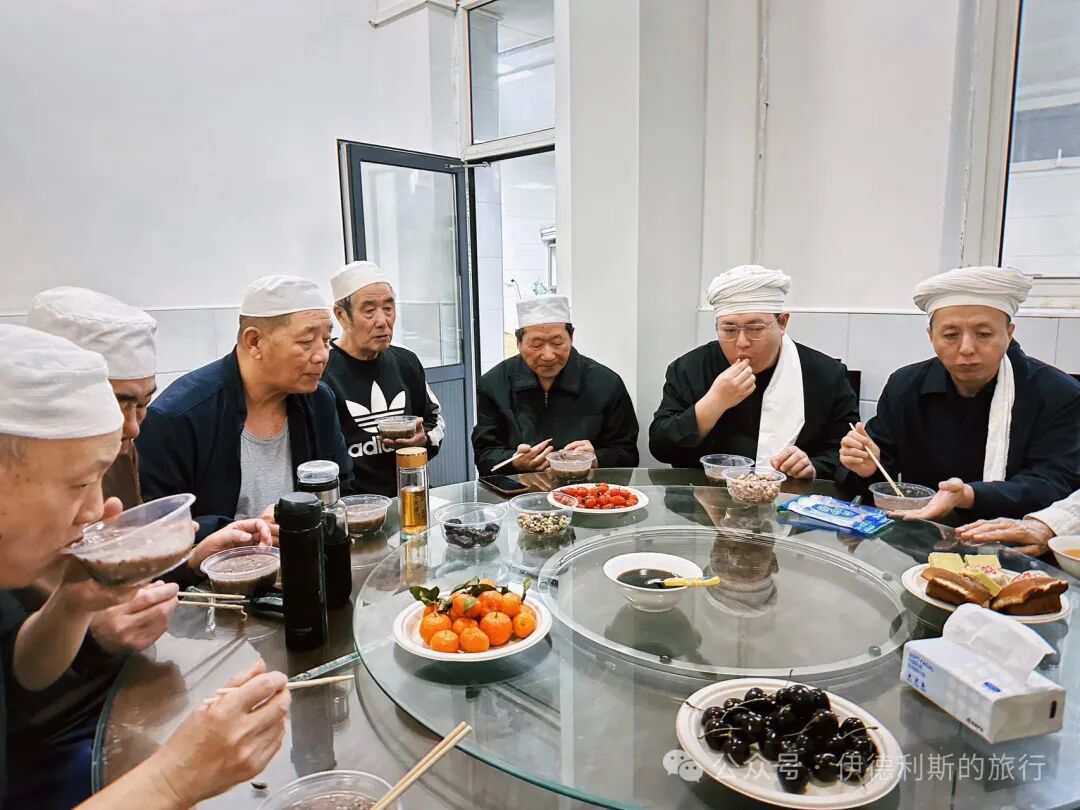
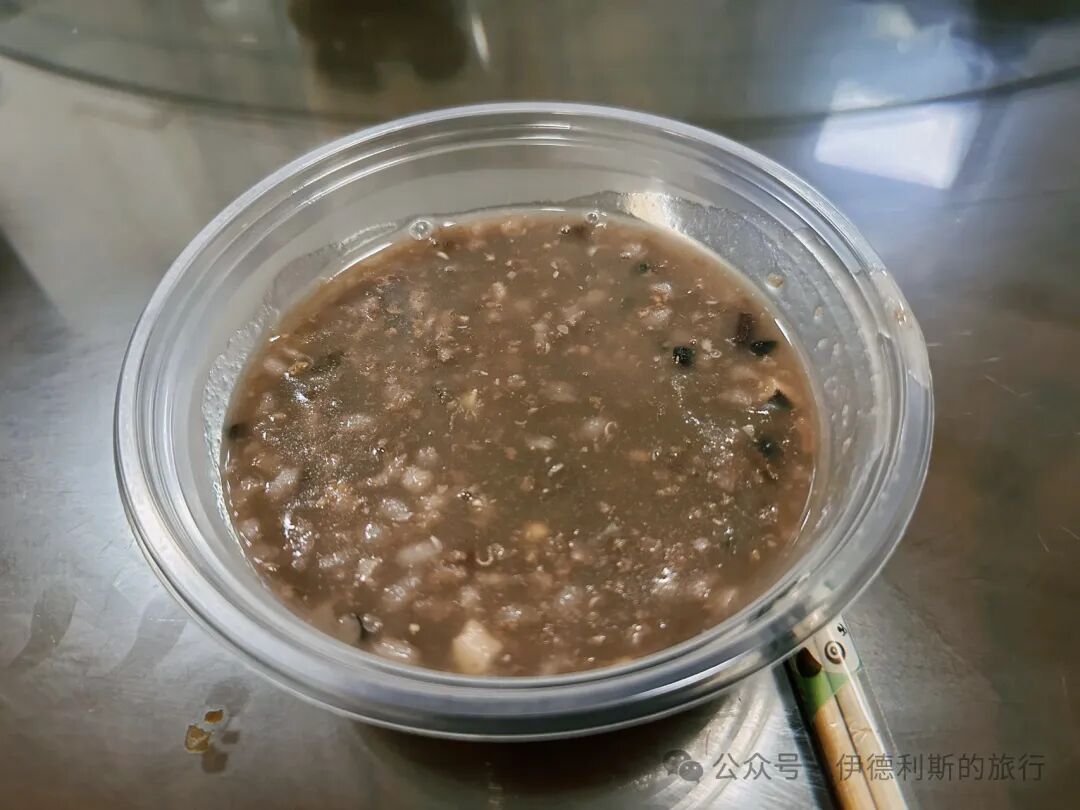
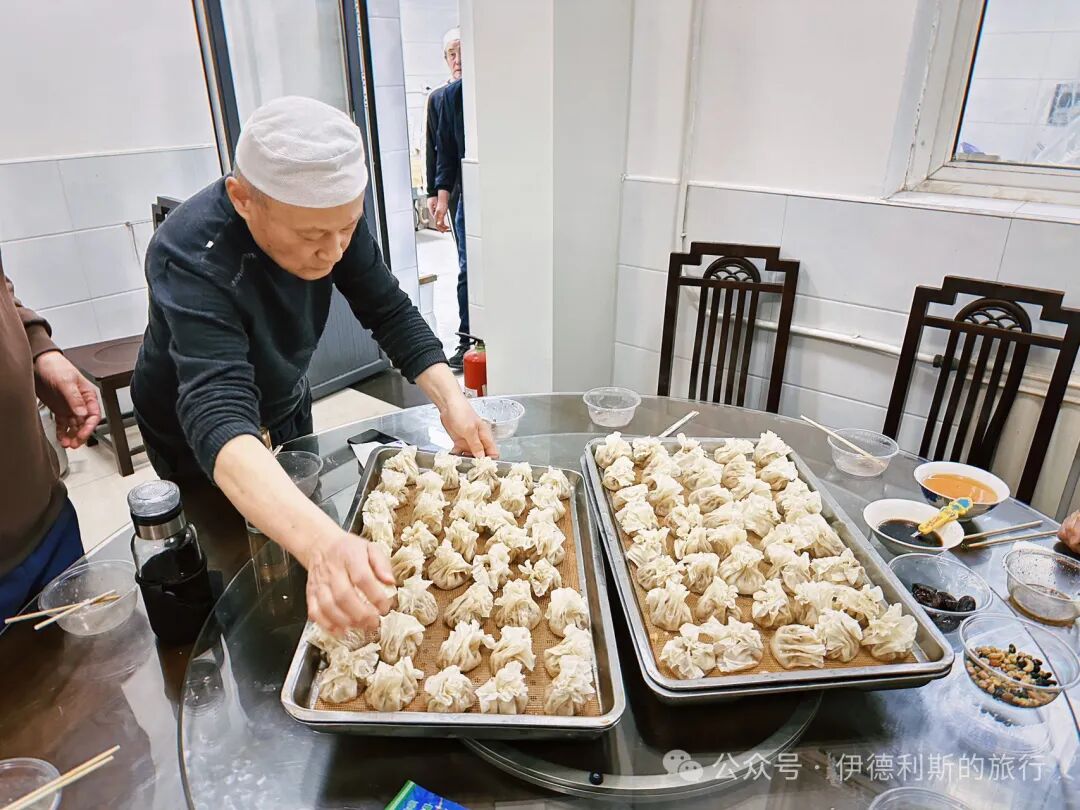
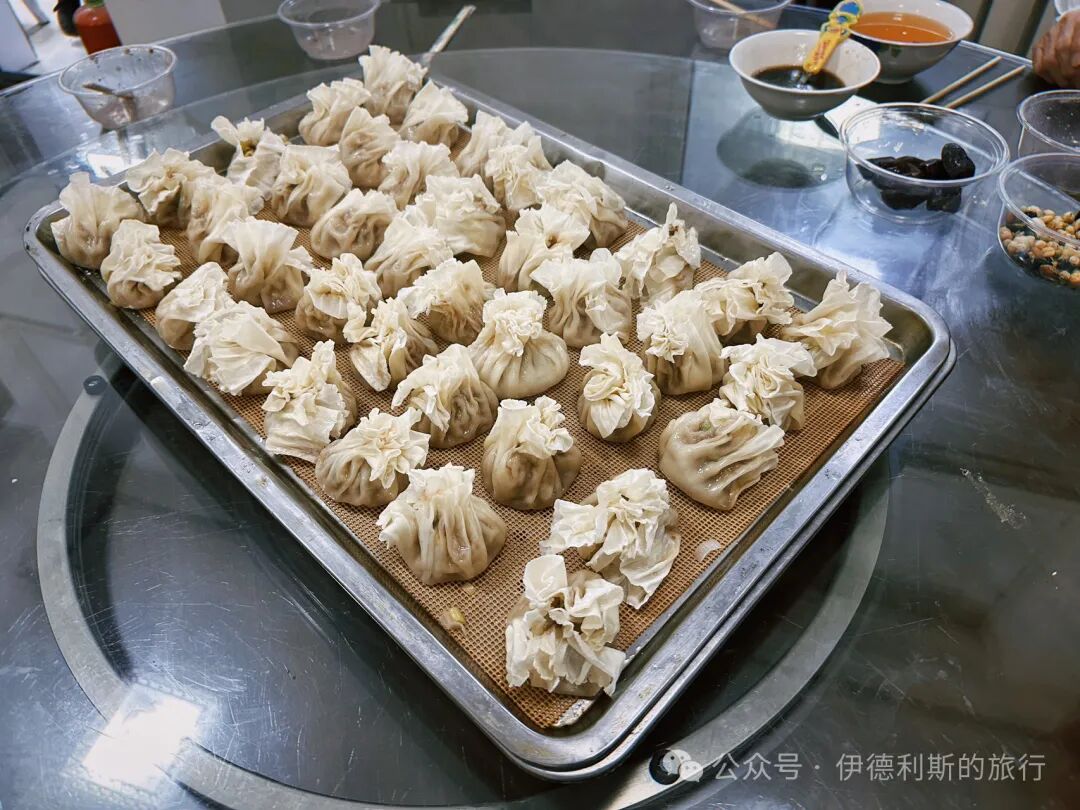
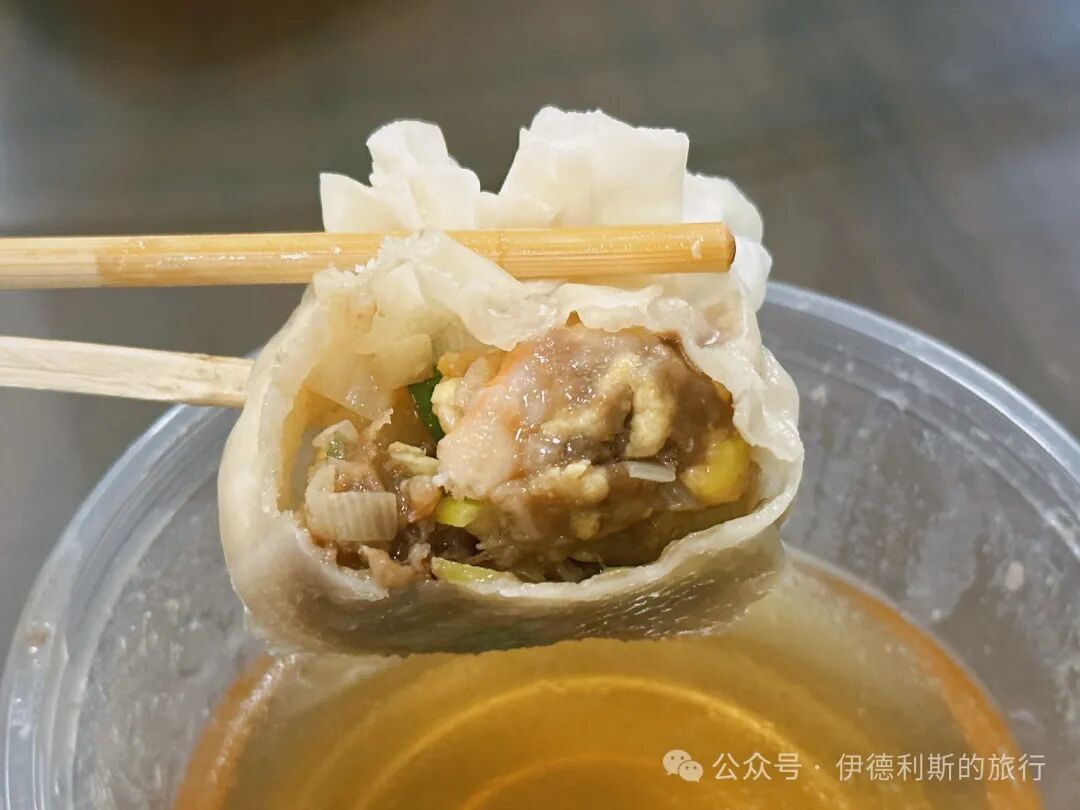
On Sunday night, I went to the Fuxingzhuang Mosque in the Hedong District of Tianjin. I met the imam (ahong) of the mosque when he was studying in Beijing. We met again in Tianjin; he is a promising young local imam. For iftar at the mosque, we had red bean porridge, various pastries, and fruits. After the Maghrib prayer, we ate traditional-style steamed dumplings (shaomai) filled with beef, egg, and two shrimp. The elders said it tasted like the old Nanshi area. Fuxingzhuang Mosque is less than ten minutes away from Tianjin Station by bike, making it very easy to reach.
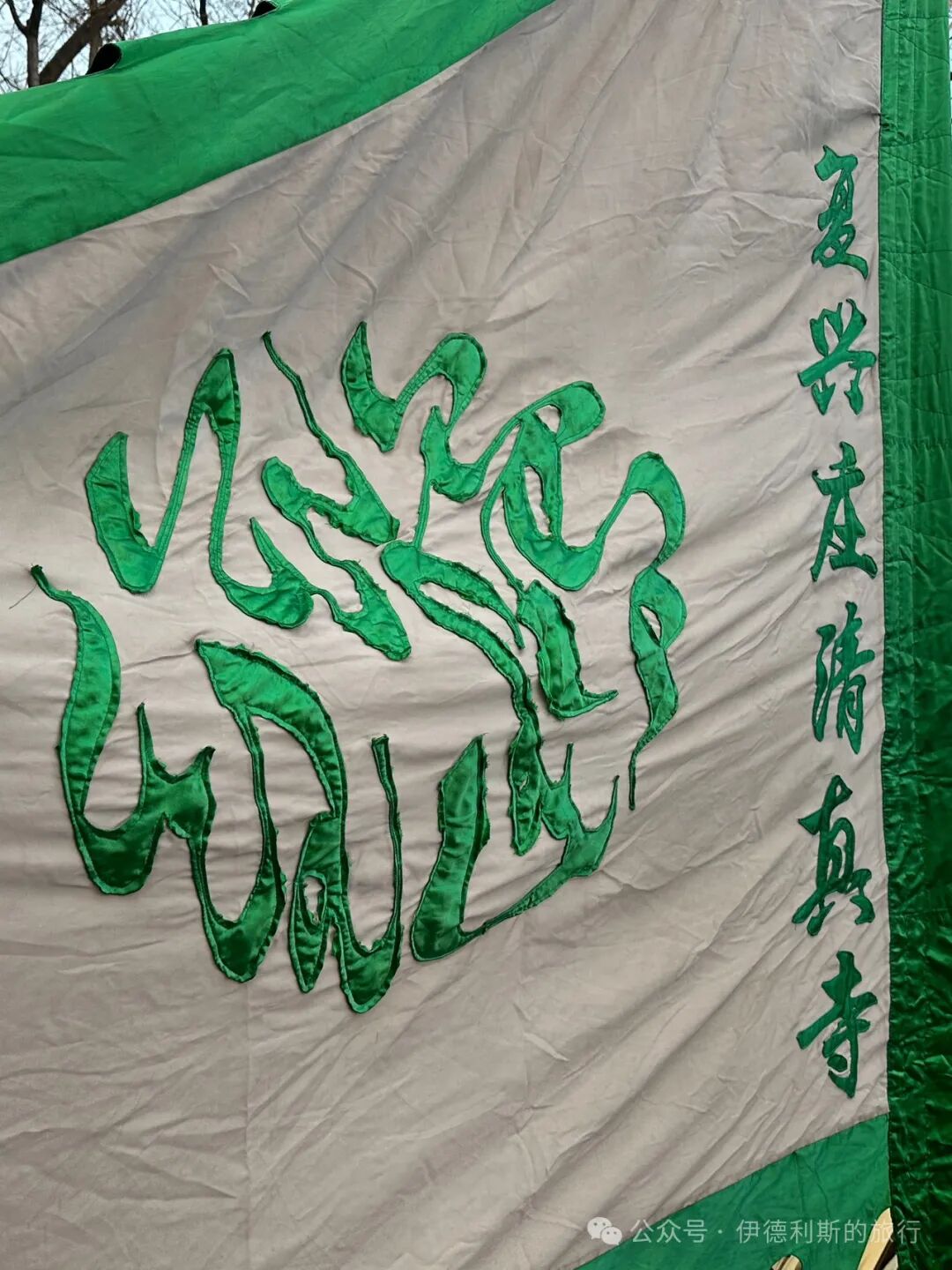
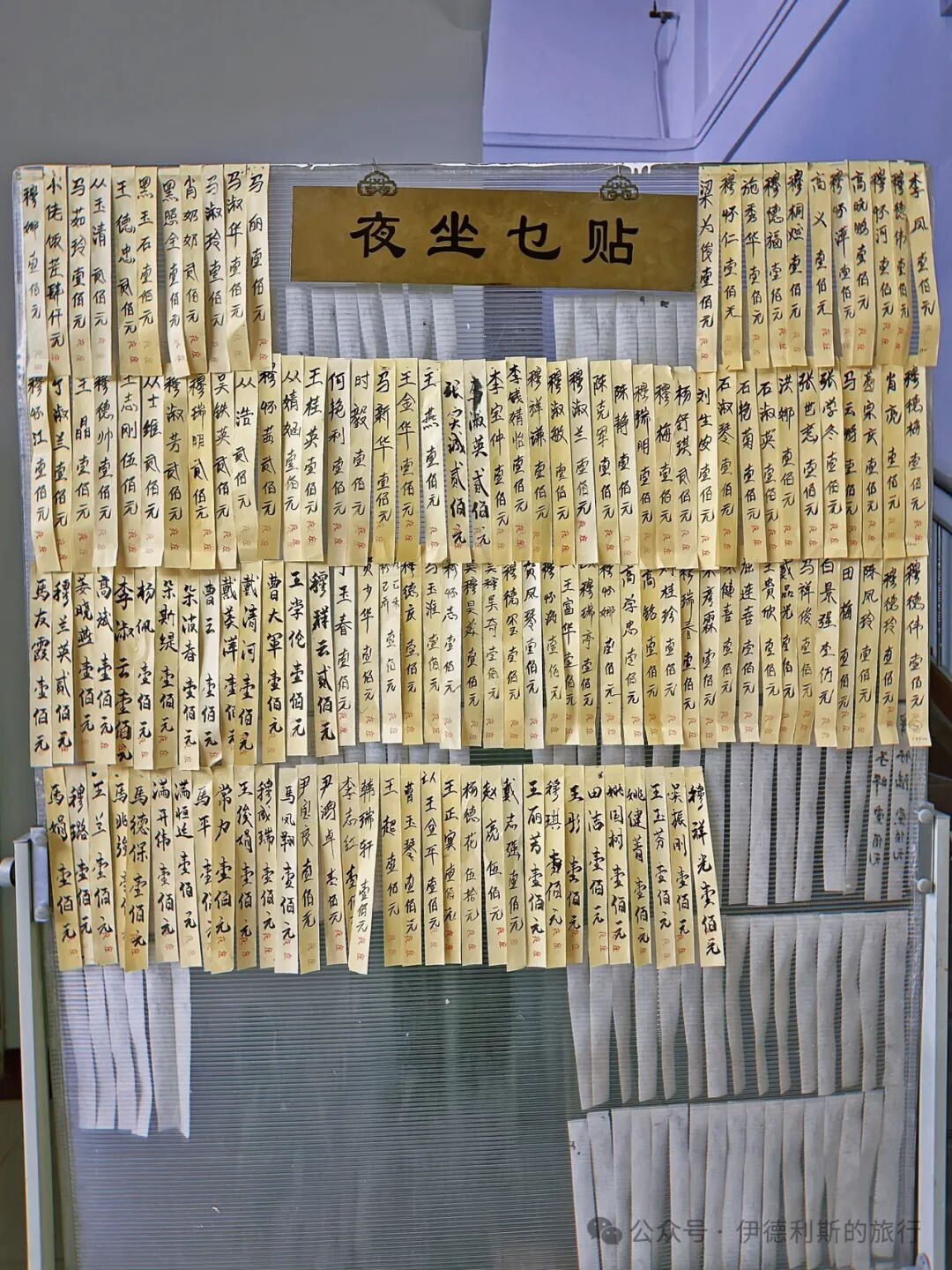
Fuxingzhuang Mosque was first built in 1927. The land was donated by the famous Tianjin Hui Muslim doctor Liu Bingyi, and his son, Liu Jilan, the head of the Ping Bao newspaper, funded the construction. It was occupied in 1958, restored in 1982, and moved to its current location in 2003 due to real estate development. view all
Summary: The second weekend of Ramadan 2025 follows Muslim community spaces in Beijing Nanxiapo, Tianjin Xining Road, and Fuxingzhuang. This article preserves the original mosque visits, street scenes, food notes, and photographs in a single English travel account.
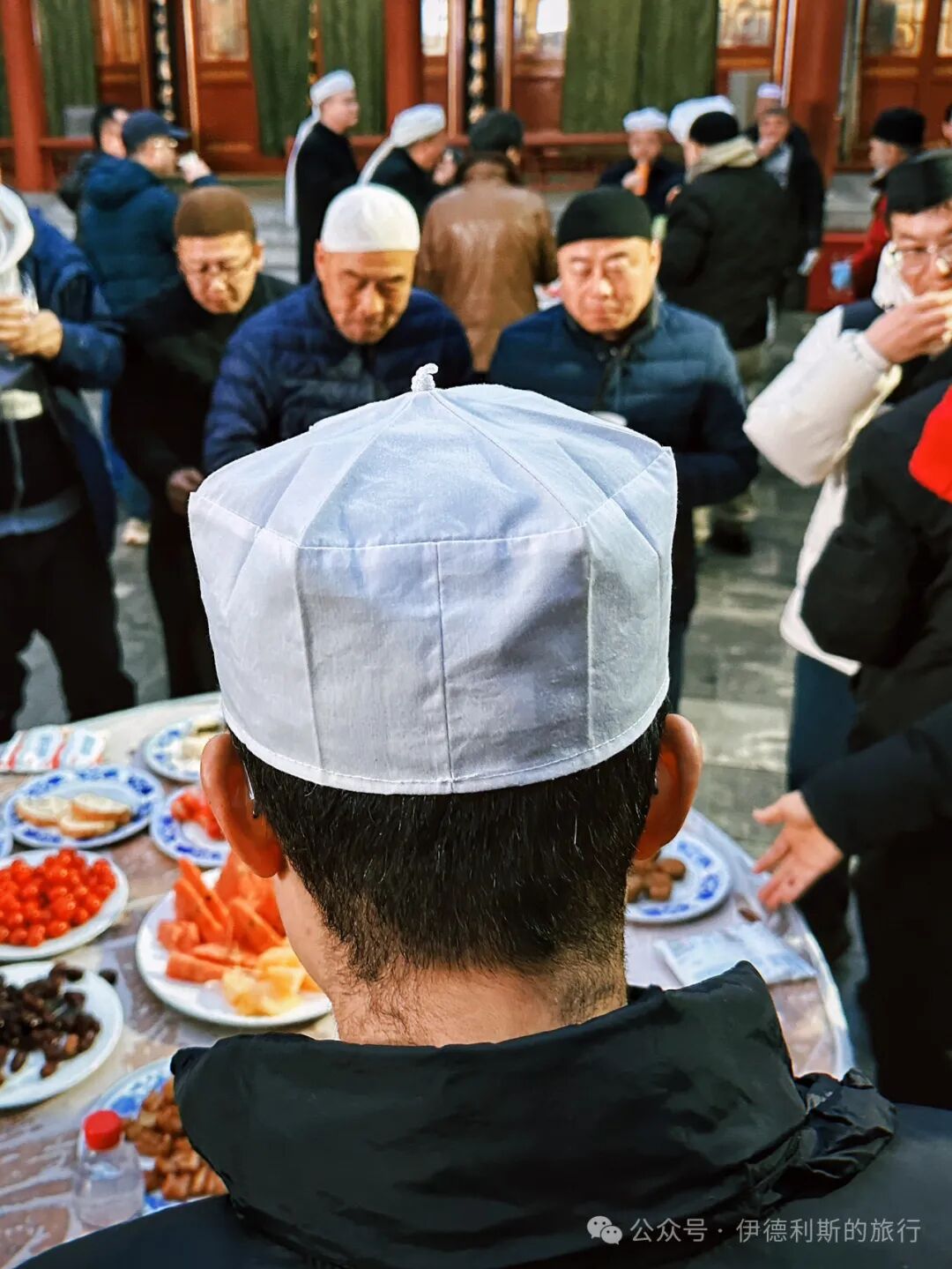
On Friday, March 7, I went to Nanxiapo near Chaowai after work. The iftar snacks and fruits at Shiqipan were very plentiful. I met a friend (dosti) wearing a traditional North China Gedimu six-piece cap. It is slightly different from the hexagonal cap worn by the Zhe sect, and it is now on the verge of disappearing. After the Maghrib prayer (shamu), a friend invited me to have iftar at a restaurant next to the mosque. The place was packed and very lively. We had stewed meat and flatbread (laobing) with two side dishes. It was simple and tasty.
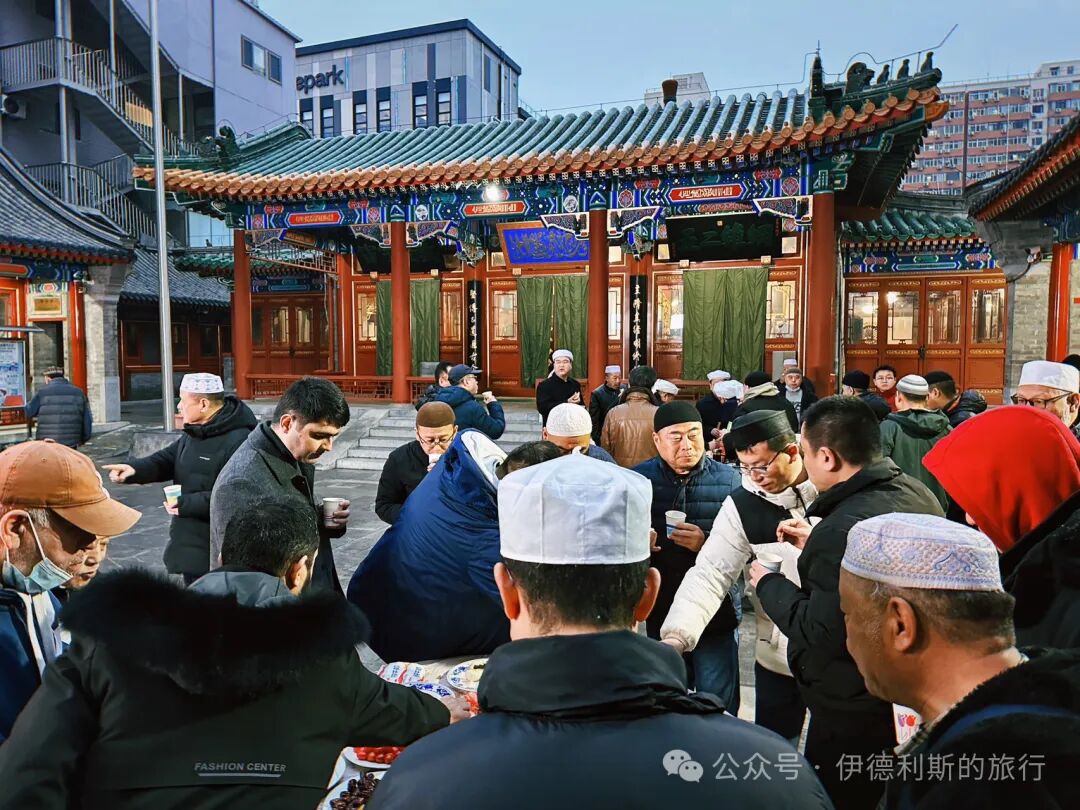
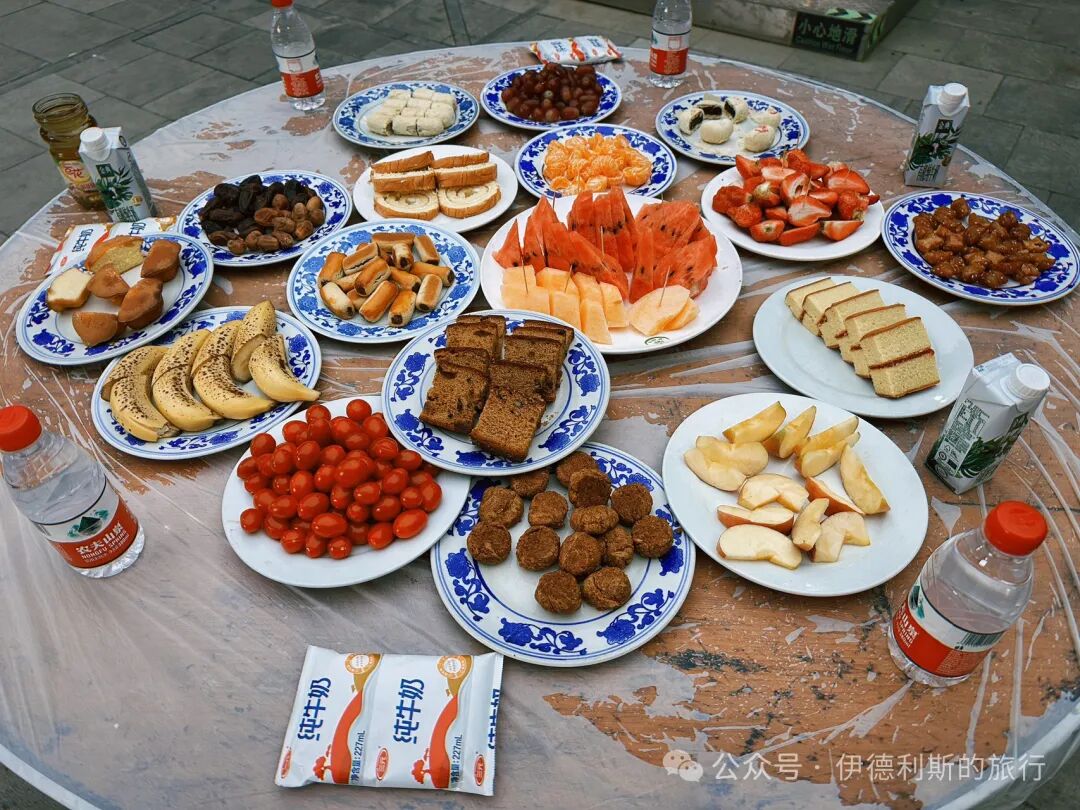
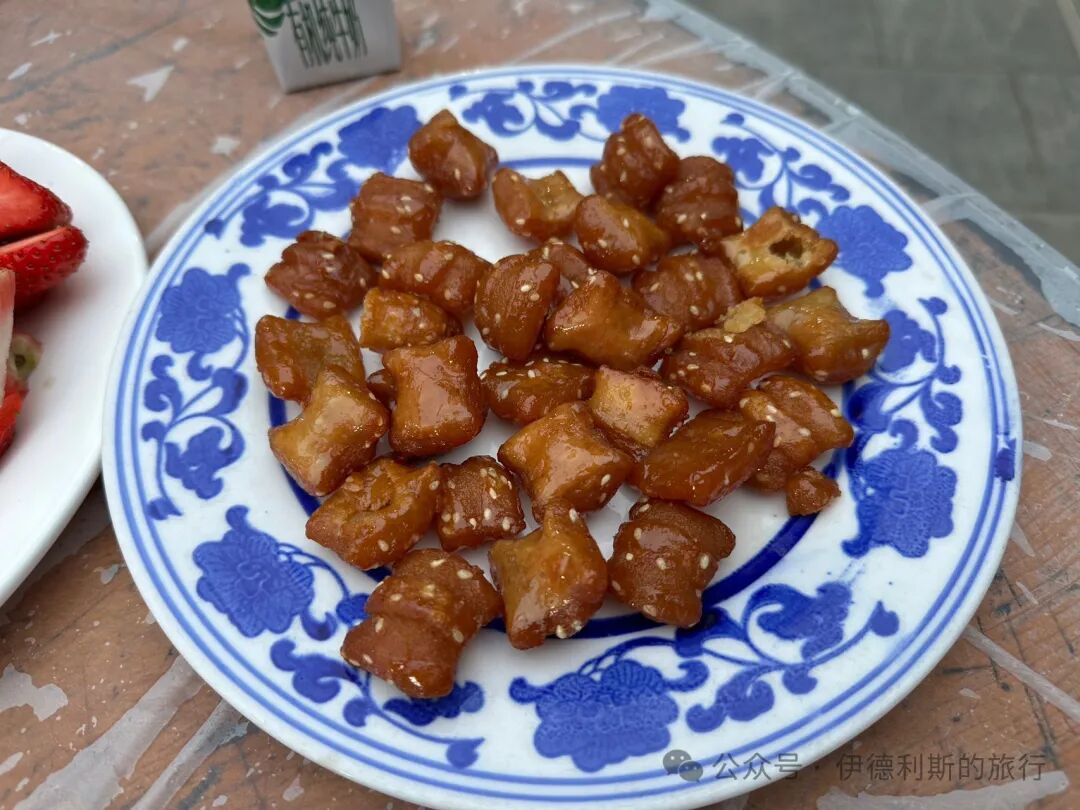
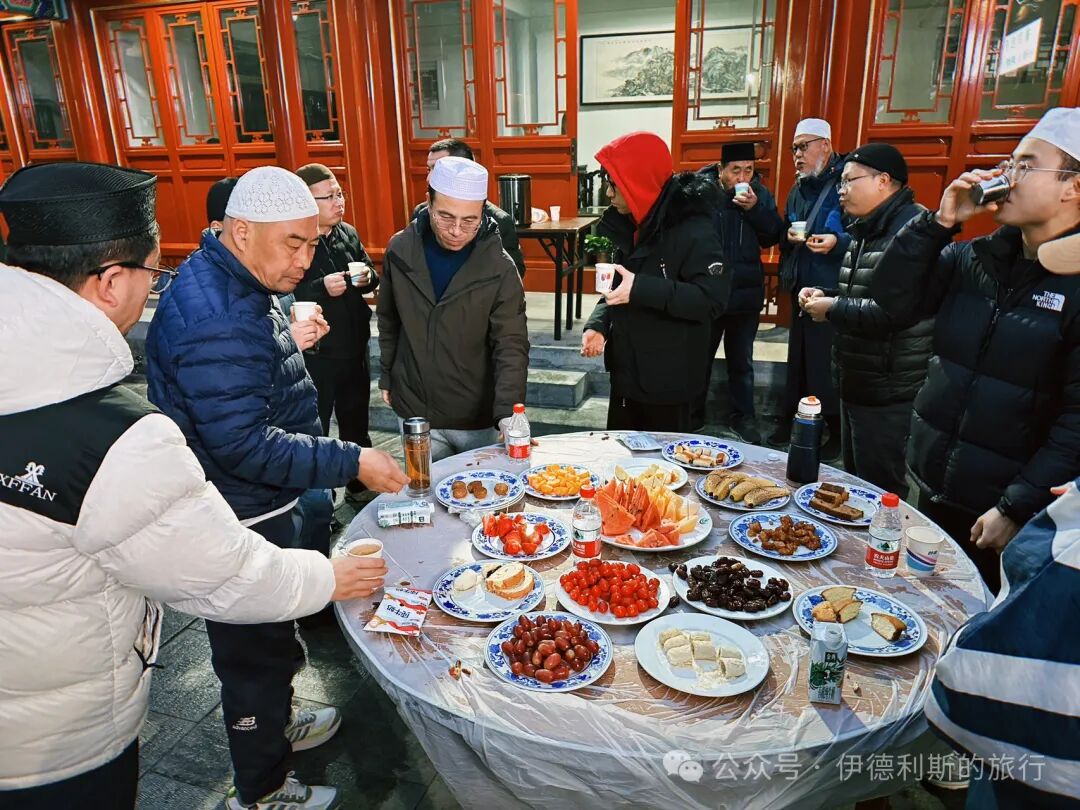
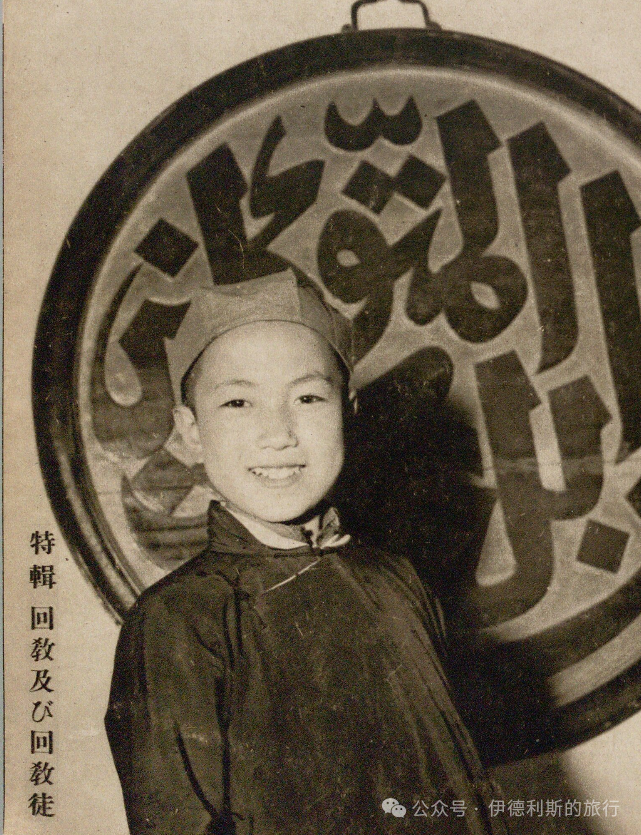
A child wearing a six-piece cap in Niujie, Beijing, in 1942.
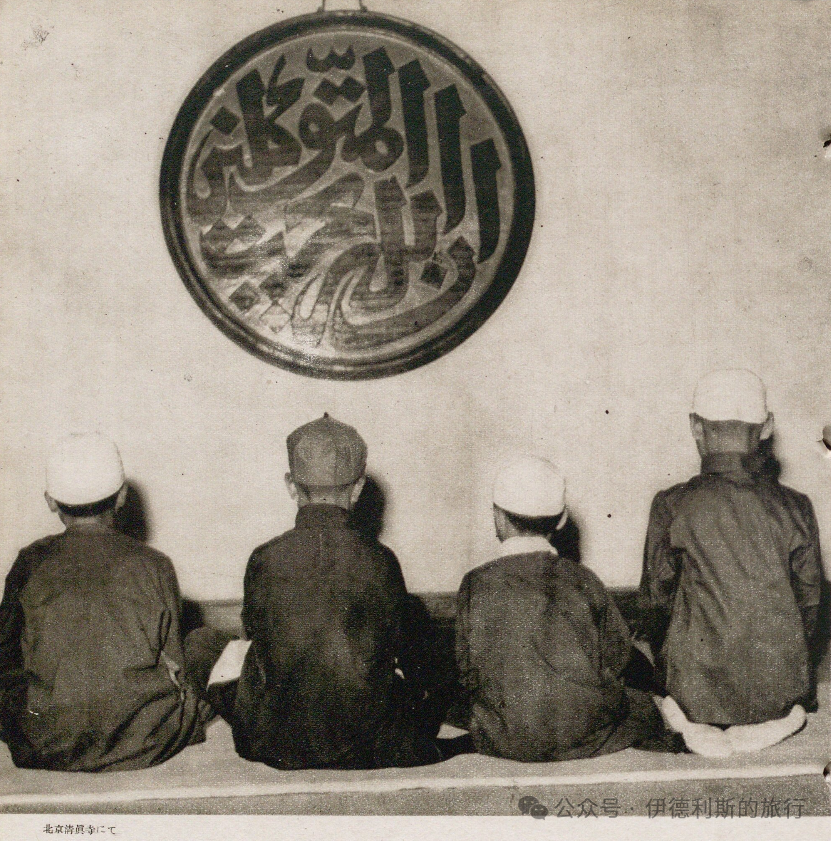
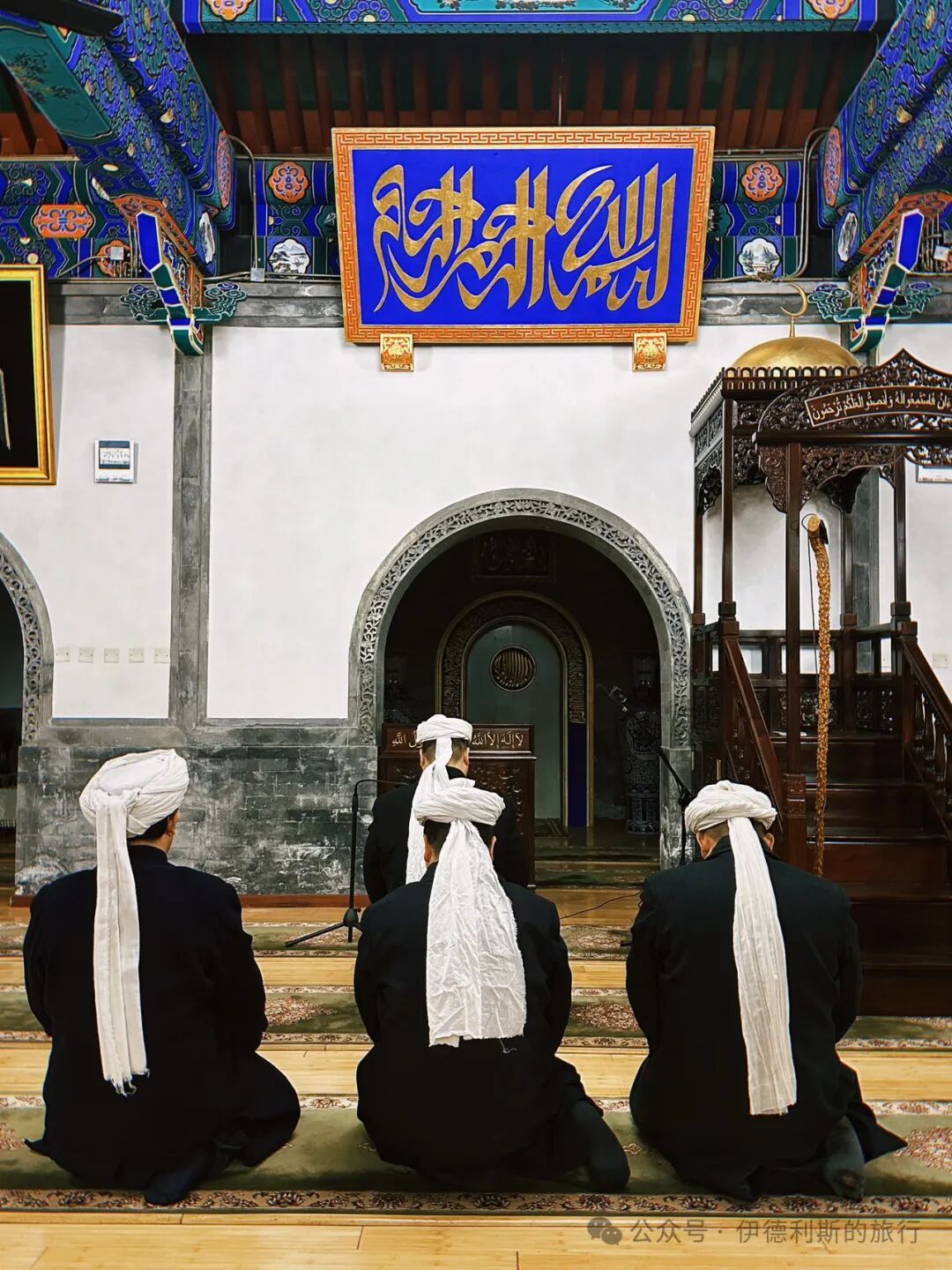
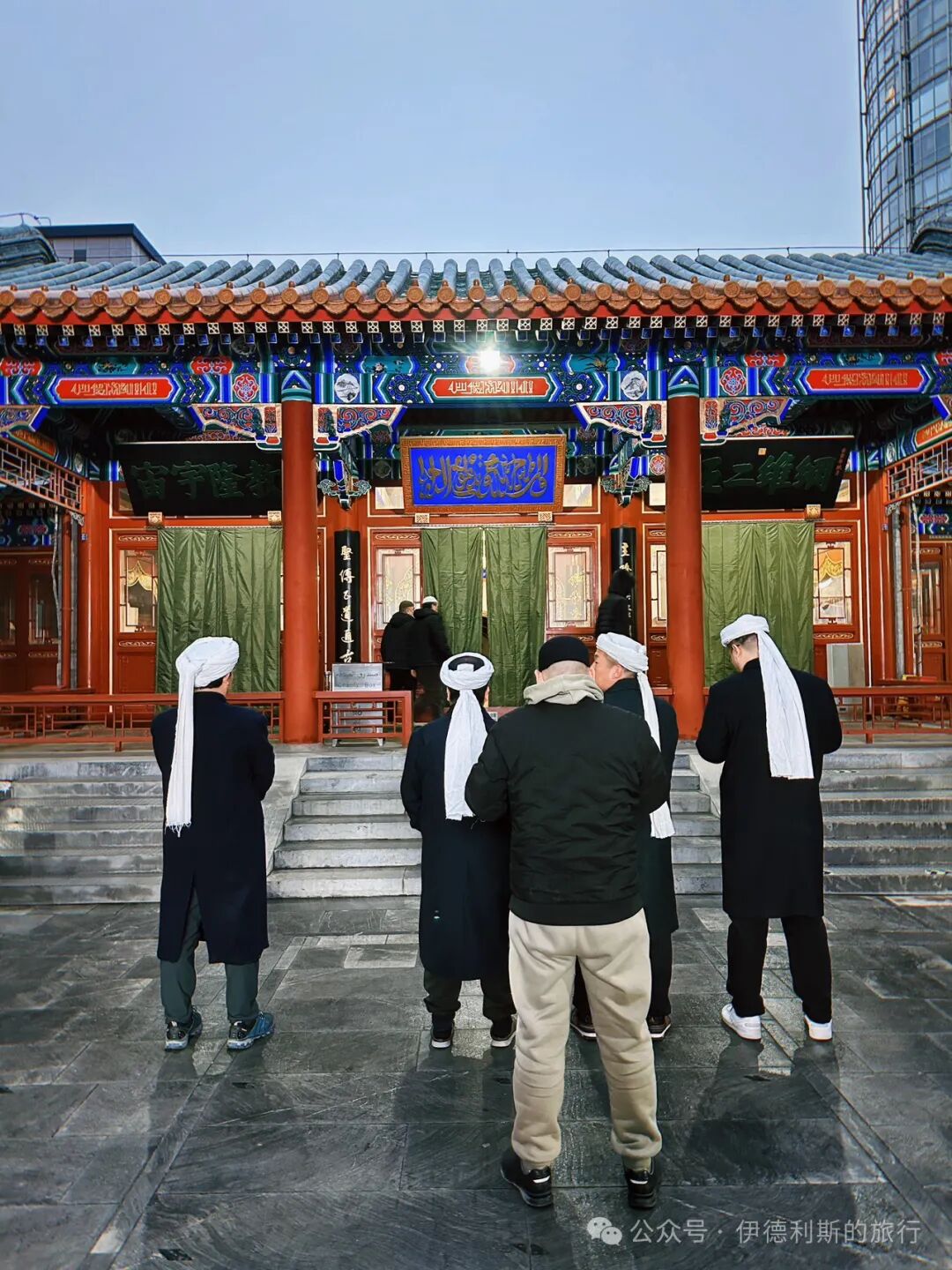
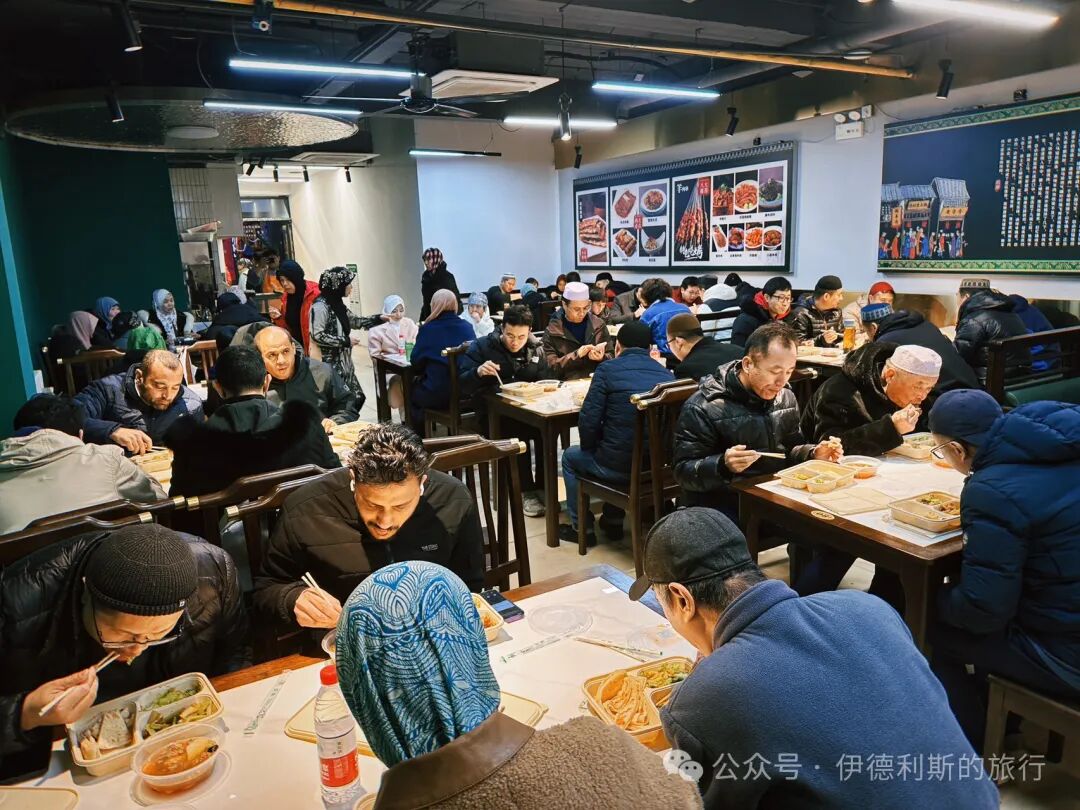
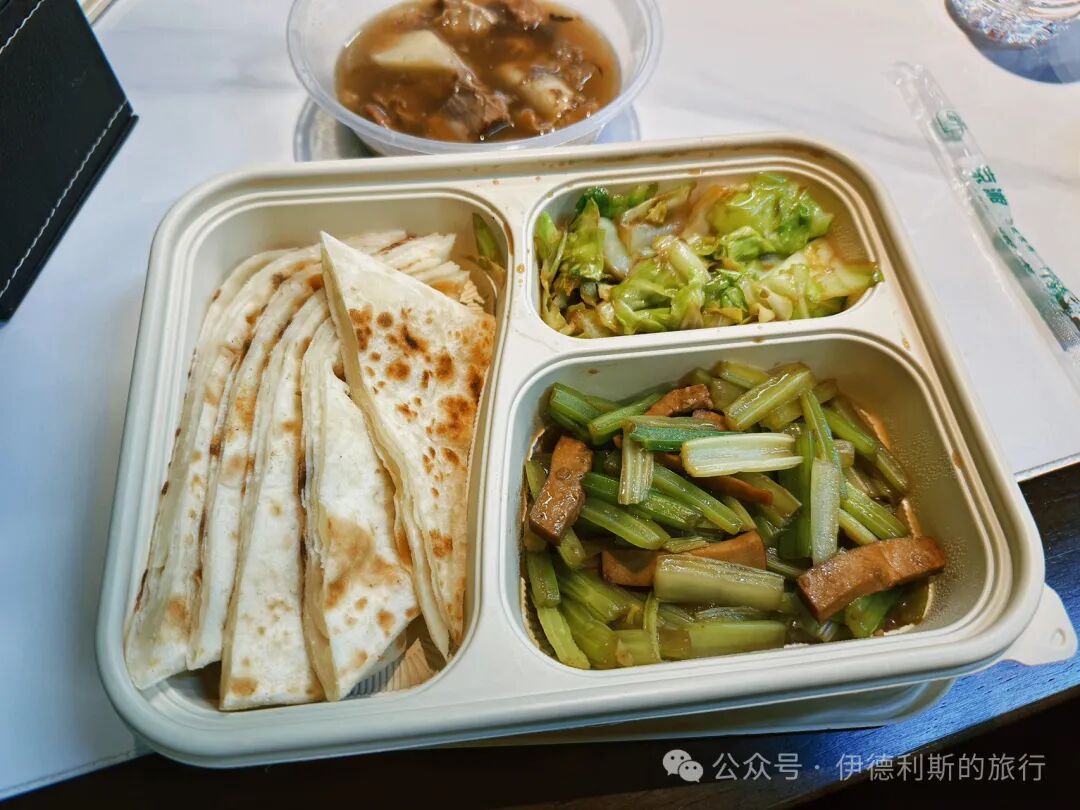
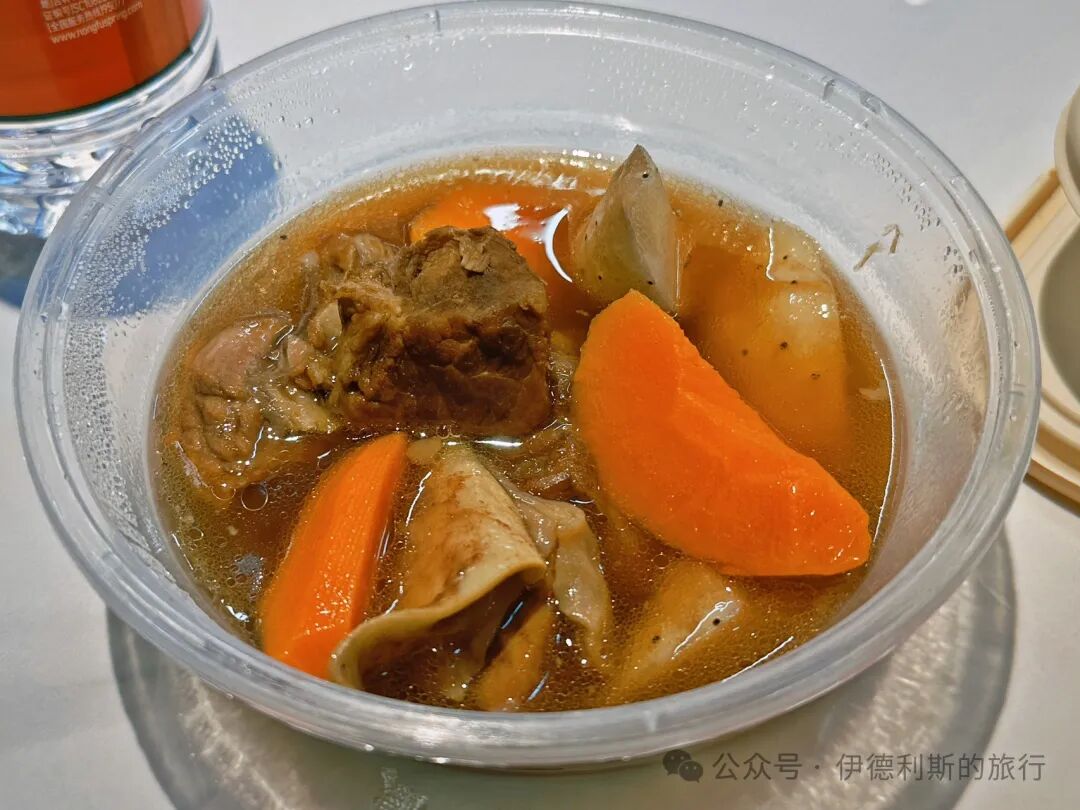
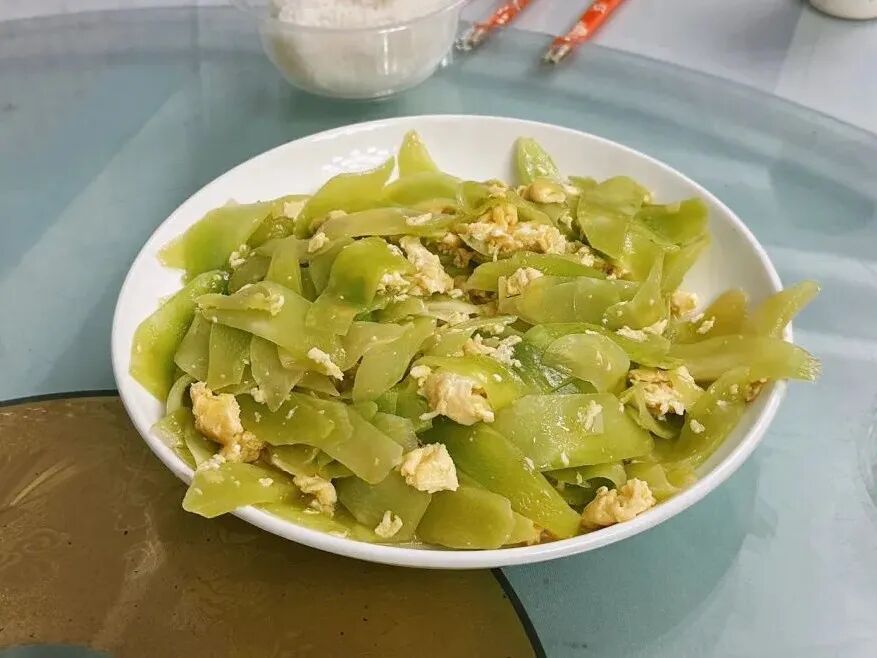
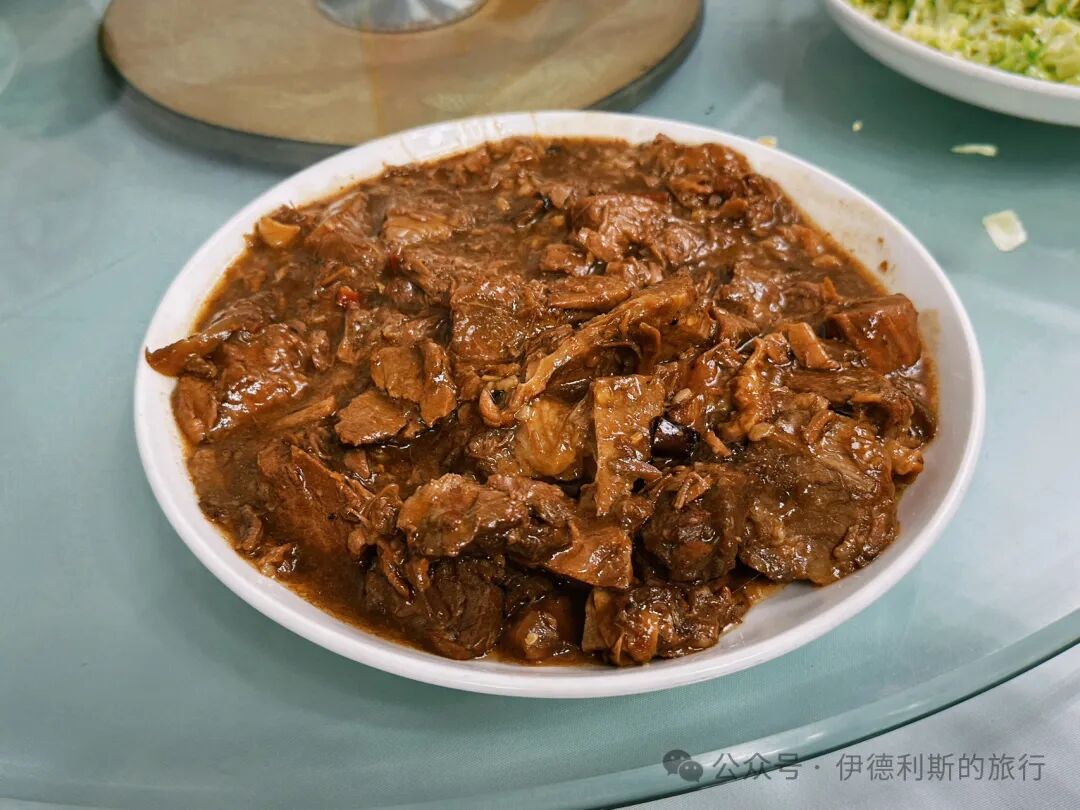
On Saturday night, I had iftar at the Xiningdao Mosque in Tianjin. For breaking the fast, we had sticky rice rolls (aiwowo) and fruit pastries. After the Maghrib prayer, we had braised beef, stir-fried cabbage, and stir-fried lettuce with meat. The mosque is not big, but it was crowded with seven large tables completely full.
Tianjin's Heping District once had four mosques: Chahaer Road Mosque (built in 1935), Puaili Mosque (built in 1938), Dunrenli Mosque (built in 1938), and Yingkou Road Mosque (built in 1953). After 1958, they were all converted for other uses, which made things very inconvenient for local Hui Muslims for a long time. The current Xiningdao Mosque was designed by Yao Fuxing, a Hui Muslim senior engineer from the First Design Institute of the Ministry of Chemical Industry, and was completed in 1992.
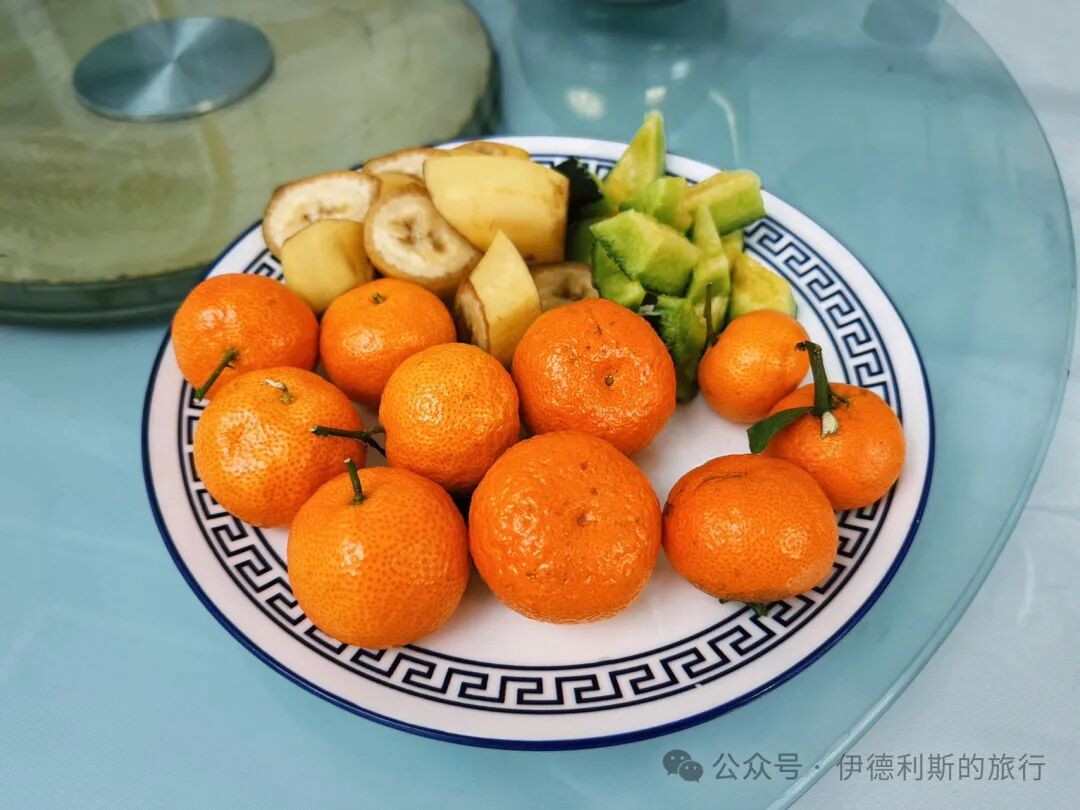
I had pilaf (zhuafan) at home on Sunday morning.
On Sunday night, I went to the Fuxingzhuang Mosque in the Hedong District of Tianjin. I met the imam (ahong) of the mosque when he was studying in Beijing. We met again in Tianjin; he is a promising young local imam. For iftar at the mosque, we had red bean porridge, various pastries, and fruits. After the Maghrib prayer, we ate traditional-style steamed dumplings (shaomai) filled with beef, egg, and two shrimp. The elders said it tasted like the old Nanshi area. Fuxingzhuang Mosque is less than ten minutes away from Tianjin Station by bike, making it very easy to reach.
Fuxingzhuang Mosque was first built in 1927. The land was donated by the famous Tianjin Hui Muslim doctor Liu Bingyi, and his son, Liu Jilan, the head of the Ping Bao newspaper, funded the construction. It was occupied in 1958, restored in 1982, and moved to its current location in 2003 due to real estate development.
Halal Travel Guide: Ramadan Weekend 2025 — From Beijing to Tianjin
Articles • ali2007fr posted the article • 0 comments • 166 views • 2026-05-20 00:57
Summary: The first weekend of Ramadan 2025 took the writer from Beijing to Tianjin, with mosque visits, halal meals, and everyday scenes from Muslim life. The article keeps the original route, food details, photos, and local observations while presenting them in natural English.
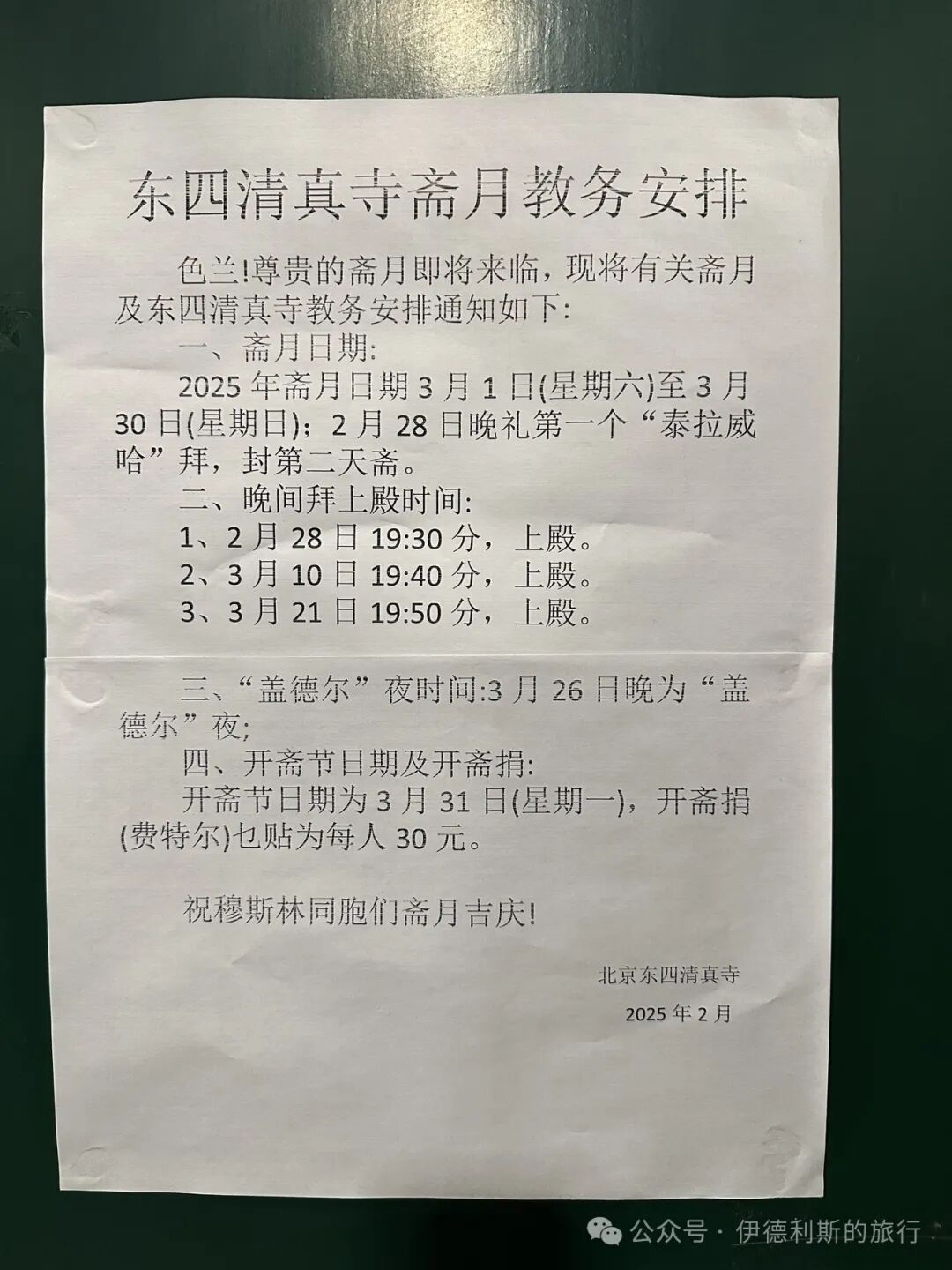
February 28: Start of Ramadan.
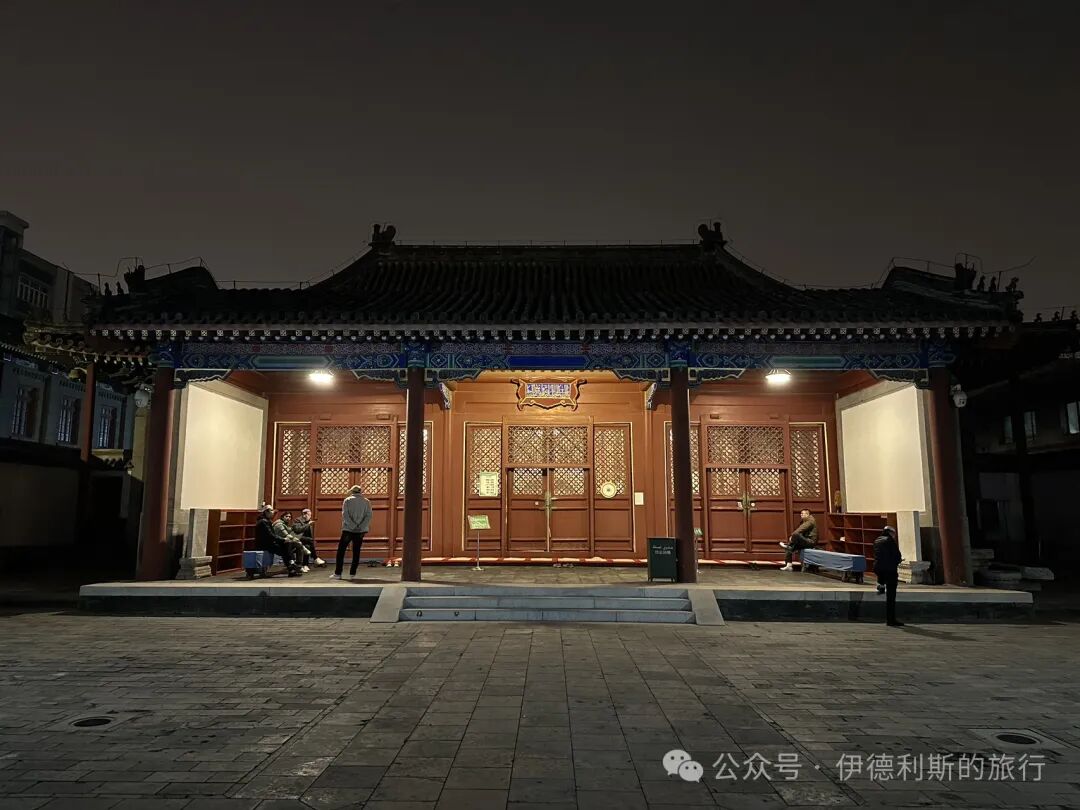
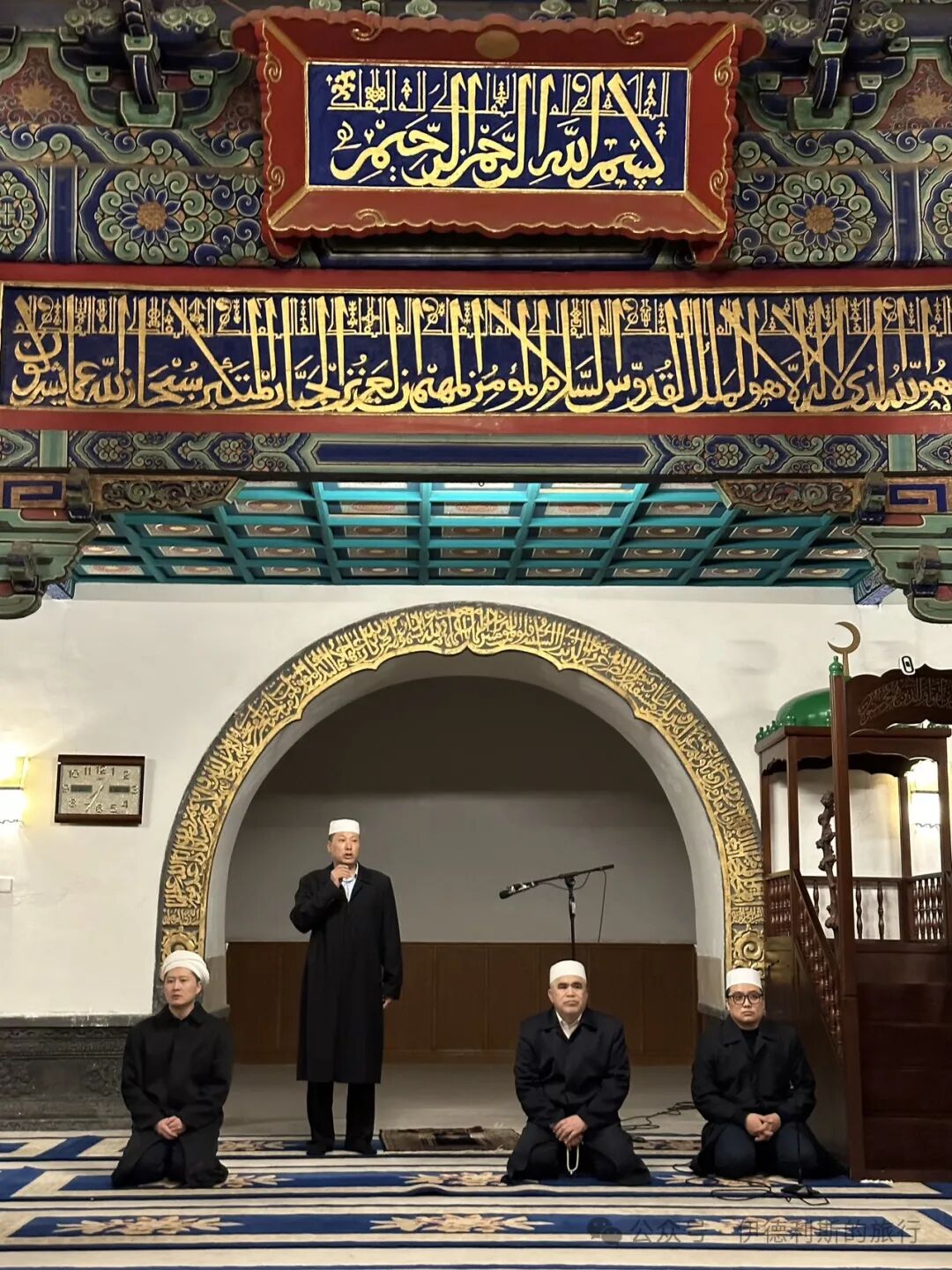
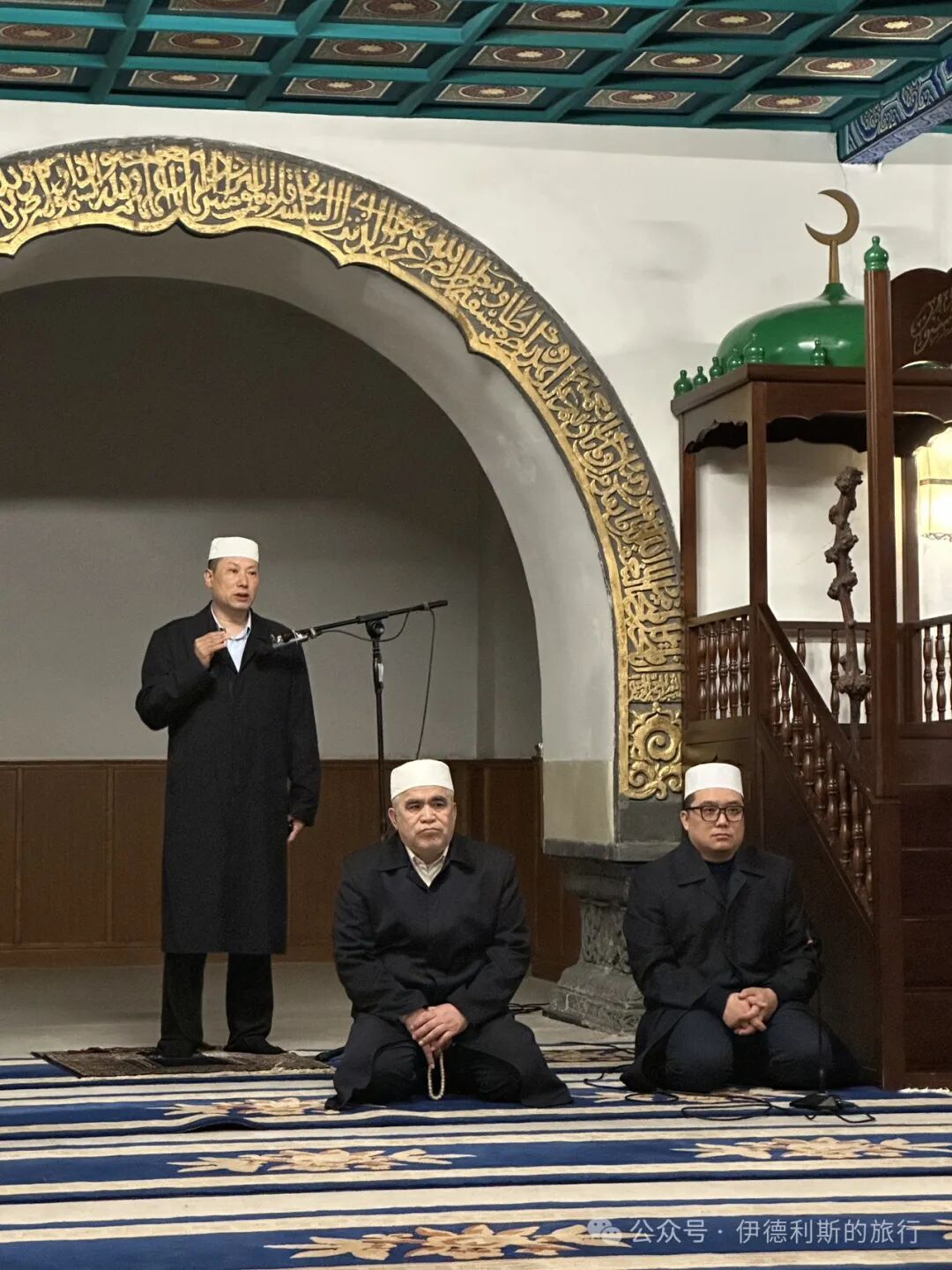
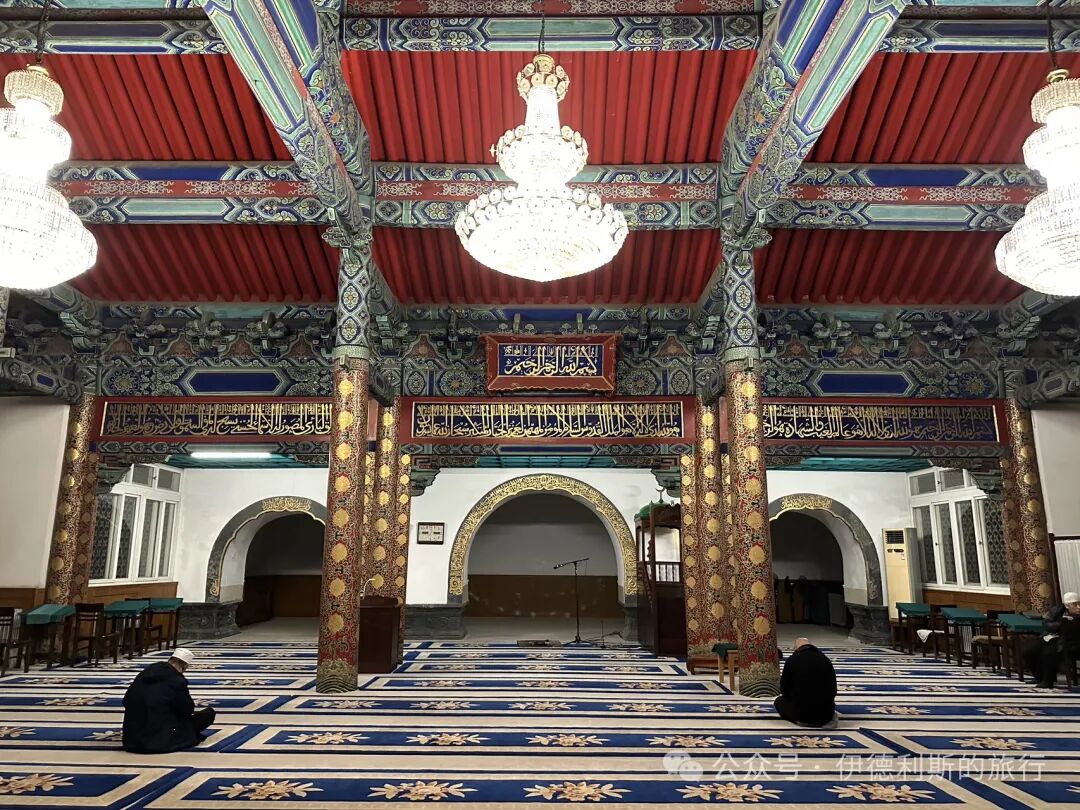
Welcoming Ramadan, I prayed my first Taraweeh at the Dongsi Mosque in Beijing. I was pleasantly surprised when Imam He invited me to lead the recitation (suo'er).
March 1: First day.
I made a pot of Ashura bean porridge (ashura doudoufan) in advance. I added water and drank two big bowls in the morning, which felt great.
I went to Tianjin in the morning. In the evening, I prayed Maghrib (shamu) at the Northwest Corner Mosque (Xibeijiao Dasi). I was surprised to see only five or six people there. An elder (xianglao) gave me dates to break my fast. After prayer, I went to eat meat pies at Sangu Meat Pie (Sangu Roubing). I have been eating there for ten years, and it is as delicious as ever. The crust is crispy, and you can smell it from far away.
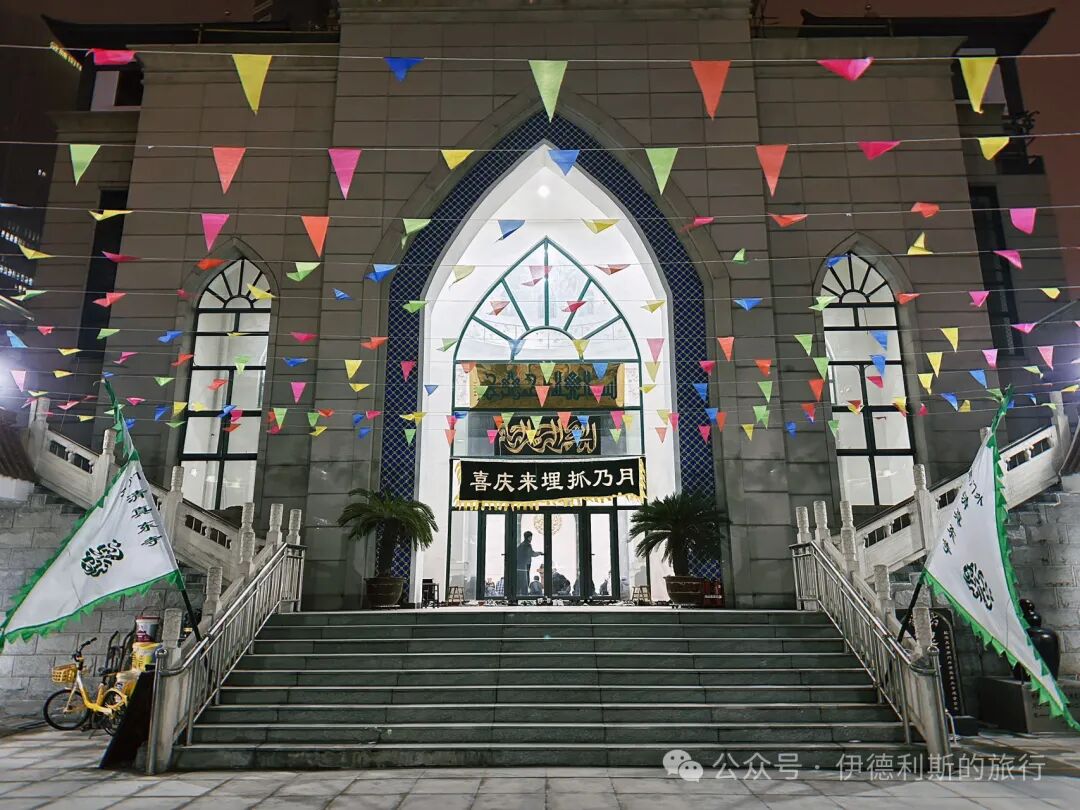
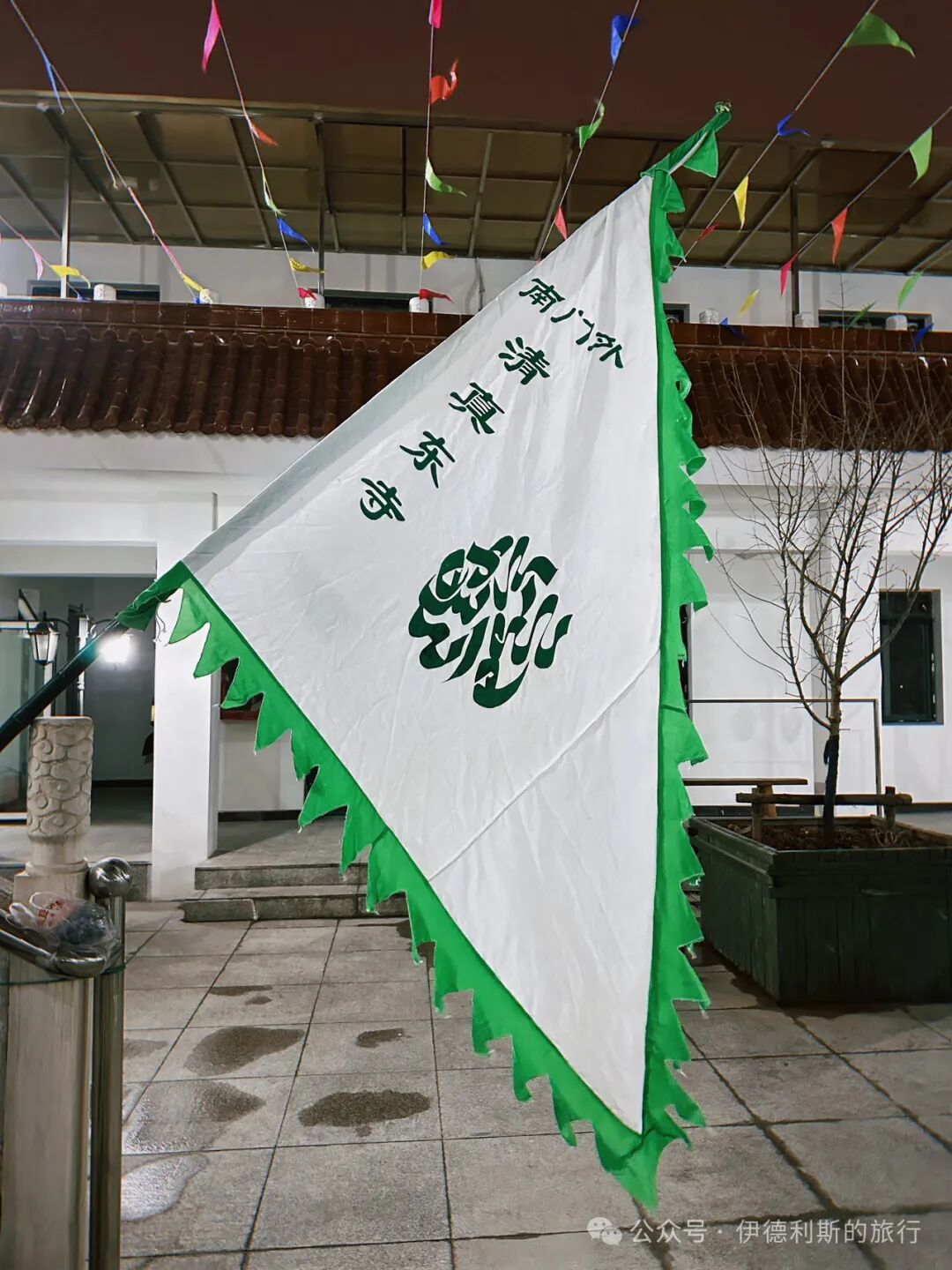
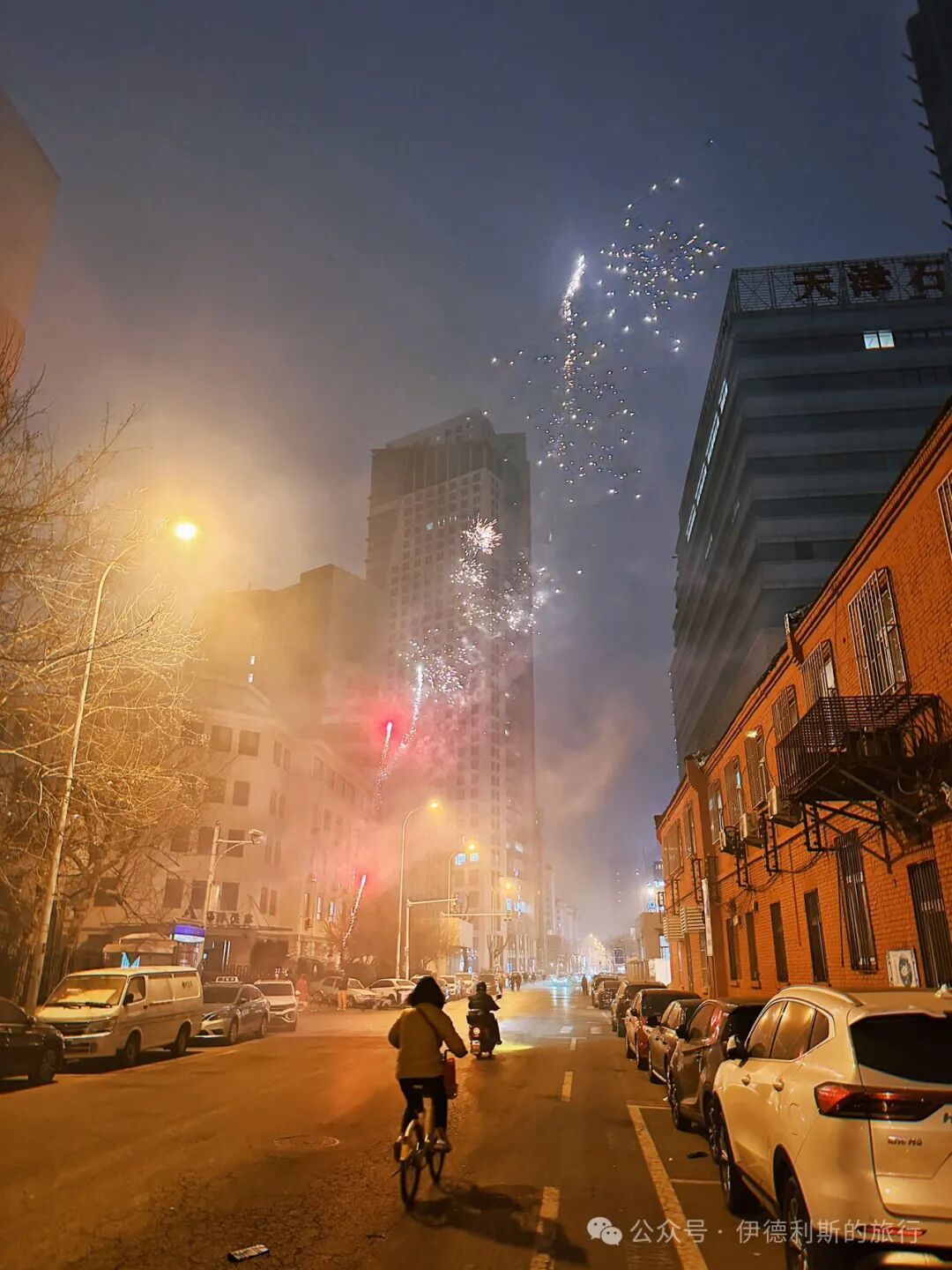
After dinner, I went to the Tianjin Great East Mosque (Dongdasi) to pray Taraweeh. Tianjin follows the 'old third day' tradition, so most mosques there start Ramadan one day later than in Beijing. The original site of the Great East Mosque was in Gujiao Hutong outside the South Gate. In 1915, Gao Hanting's grandfather donated the property, and it was organized by Zheng Yuande, Liu Haowei, Mu Xinglan, and others. In 2008, it moved from outside the South Gate to its current location on Nankai Second Road, right next to the Haiguangsi Station on Metro Line 1. This day happened to be the 'Dragon Raises Its Head' festival on the second day of the second lunar month. People in Tianjin like to set off fireworks and firecrackers. We prayed Taraweeh almost entirely to the sound of firecrackers, which made me feel the strength of my Iman even more. I also met Mr. Wu Peng from the 'Tianxia Huihui' program at the mosque. It turns out he is an elder at the Tianjin Great East Mosque.
March 2: Second day.
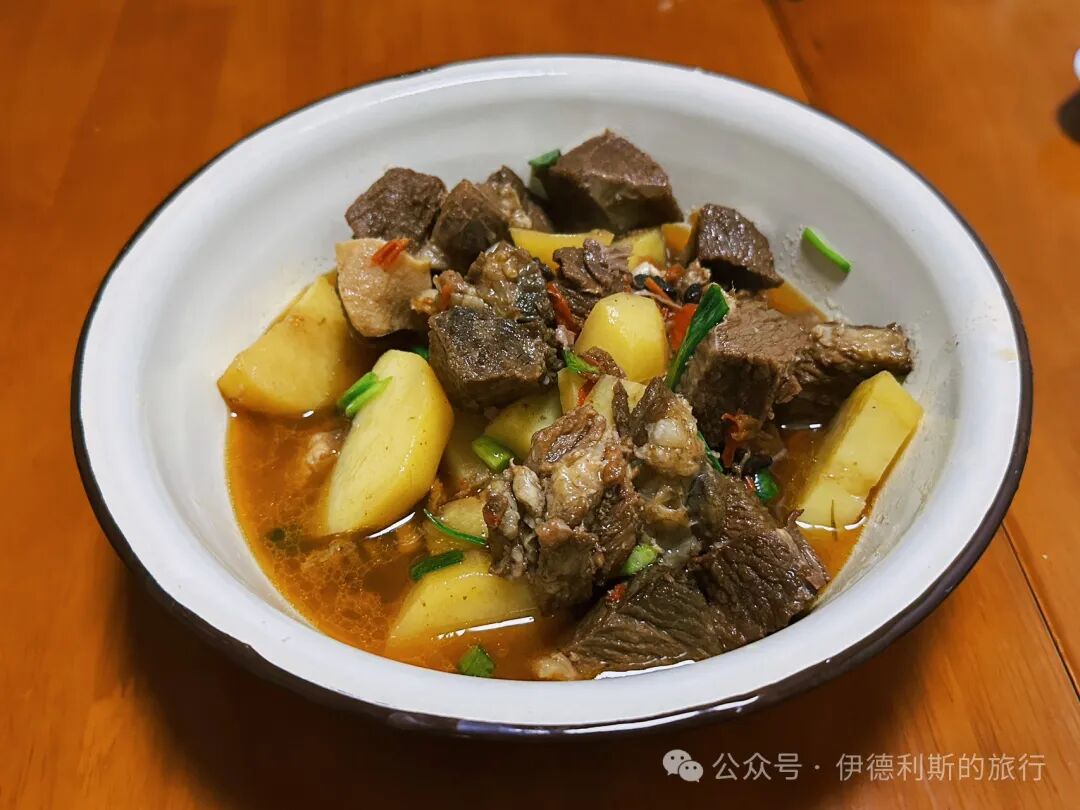
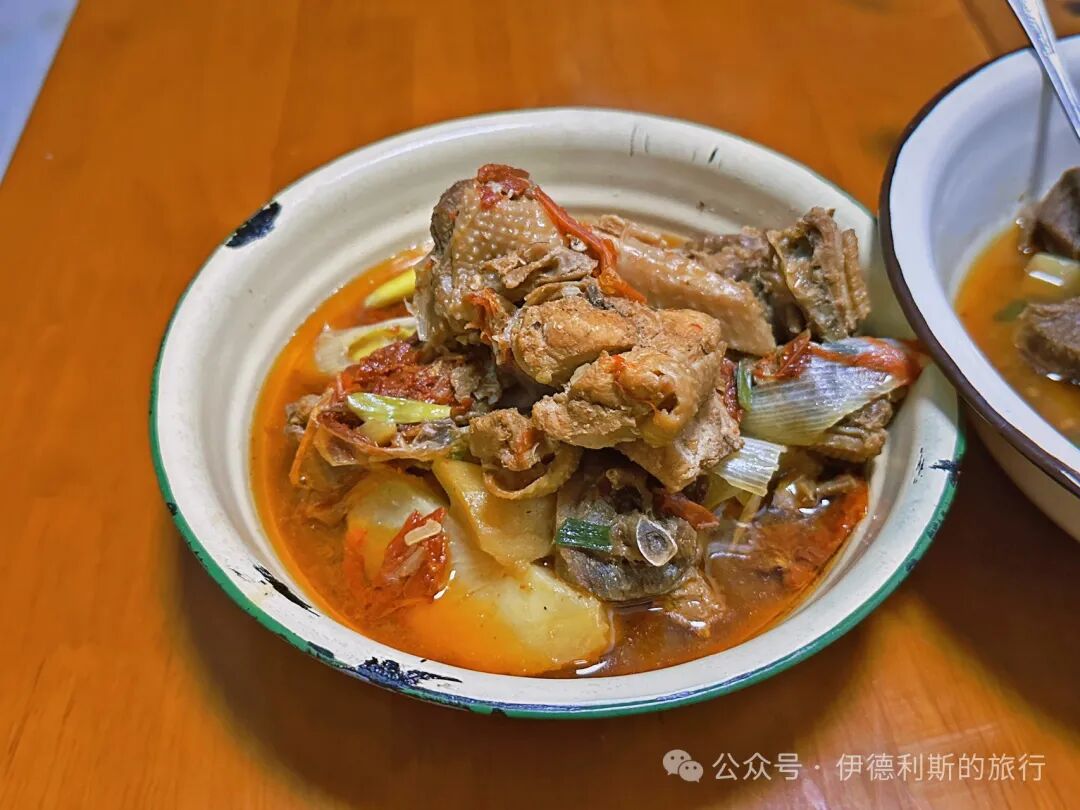
In the morning, my mother-in-law made big plate chicken (dapanji) and beef stew with potatoes served over rice.
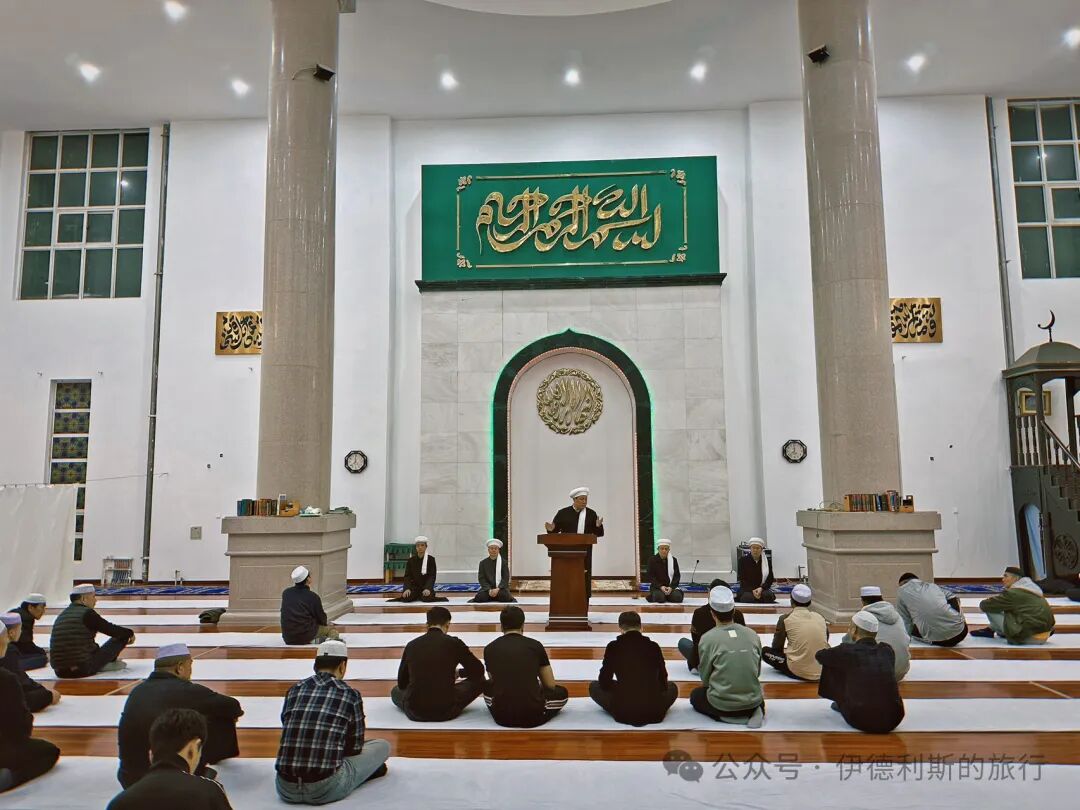
In the evening, I went to the Tianjin Great East Mosque again to break my fast. Before Maghrib, Imam Ma gave a sermon (wa'erzi), then we recited dua, and I received pastries and fruit. After the recitation, we went into the main hall to pray Maghrib. There is a saying, 'From Nanjing to Beijing, the lights are only turned on after Maghrib.' The main hall looked especially solemn and dignified in the sunset. In North China, there is a tradition of wearing the old-style large millstone turban (damoshipan daistal) and the new-style cross-pattern turban (shizihua daistal). This large millstone style likely comes from Persia.
I returned to the dining hall after prayer and had braised eggplant, tomato and egg, beef stew, braised fish, stir-fried shrimp, sweet and sour pork, and tomato egg drop soup. It was a very rich meal with both meat and vegetables, and both dry and liquid dishes. Every day at the Great East Mosque, someone volunteers to host the fast-breaking meal. Imam Ma Ming hosted it on the first day, and I felt very grateful. view all
Summary: The first weekend of Ramadan 2025 took the writer from Beijing to Tianjin, with mosque visits, halal meals, and everyday scenes from Muslim life. The article keeps the original route, food details, photos, and local observations while presenting them in natural English.
February 28: Start of Ramadan.
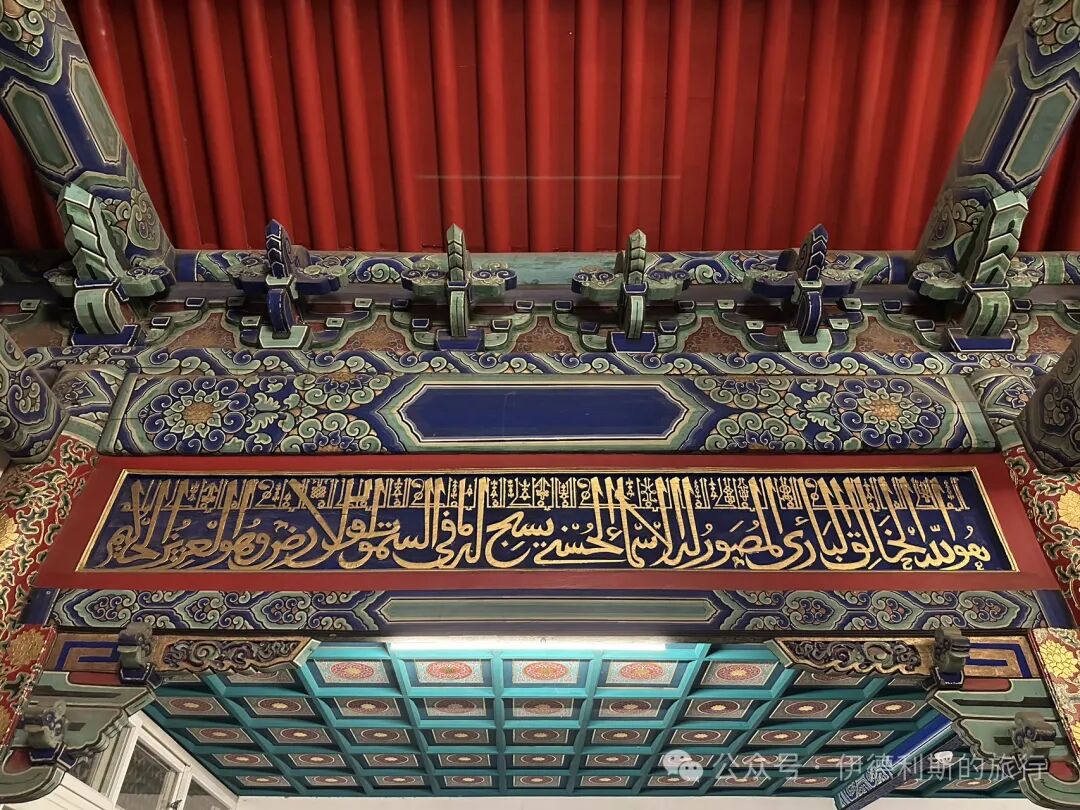
Welcoming Ramadan, I prayed my first Taraweeh at the Dongsi Mosque in Beijing. I was pleasantly surprised when Imam He invited me to lead the recitation (suo'er).
March 1: First day.
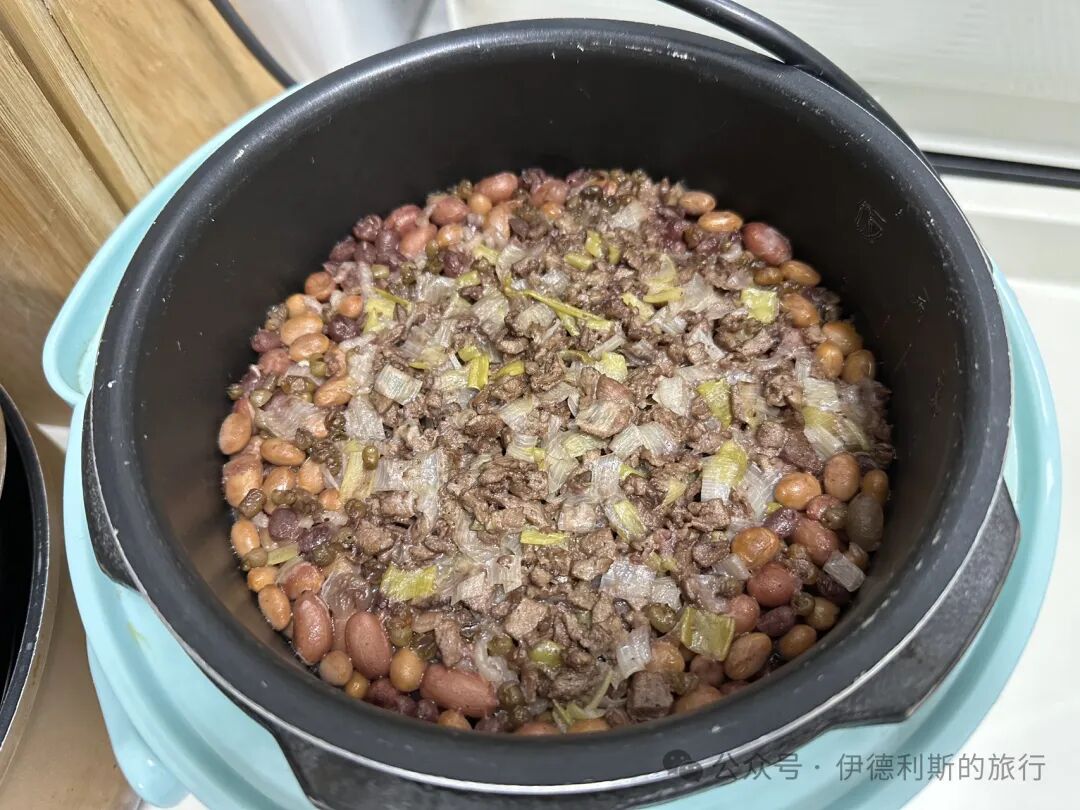
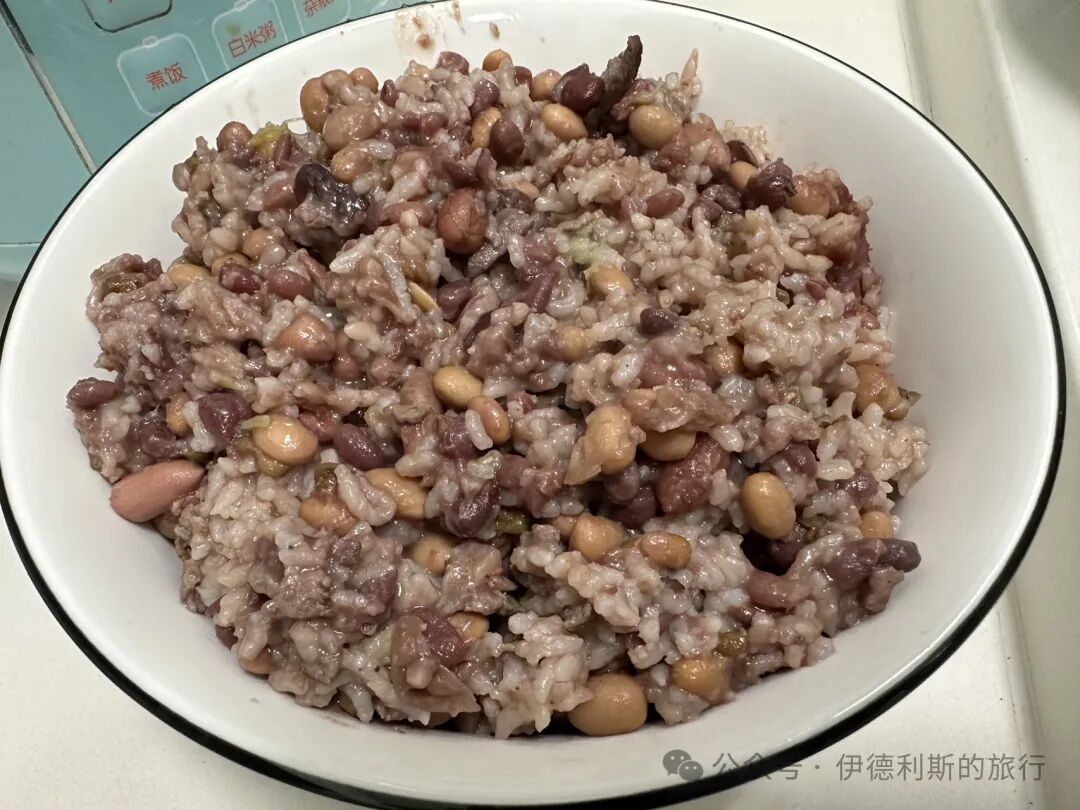
I made a pot of Ashura bean porridge (ashura doudoufan) in advance. I added water and drank two big bowls in the morning, which felt great.
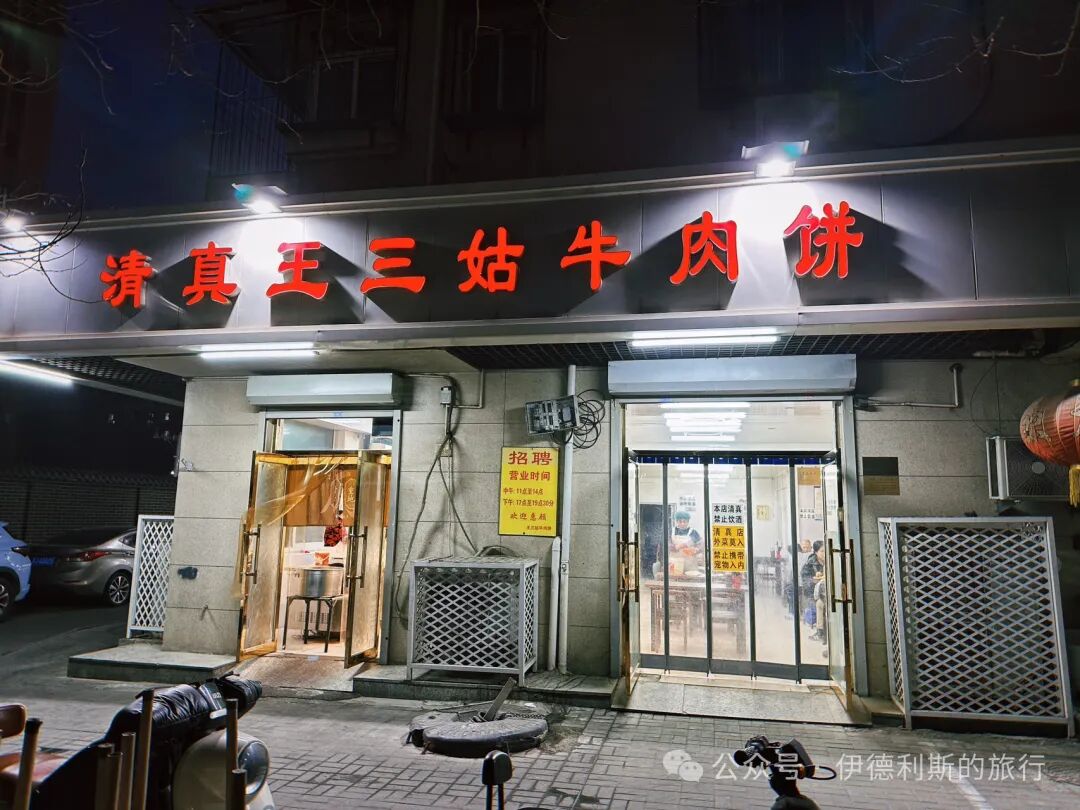
I went to Tianjin in the morning. In the evening, I prayed Maghrib (shamu) at the Northwest Corner Mosque (Xibeijiao Dasi). I was surprised to see only five or six people there. An elder (xianglao) gave me dates to break my fast. After prayer, I went to eat meat pies at Sangu Meat Pie (Sangu Roubing). I have been eating there for ten years, and it is as delicious as ever. The crust is crispy, and you can smell it from far away.
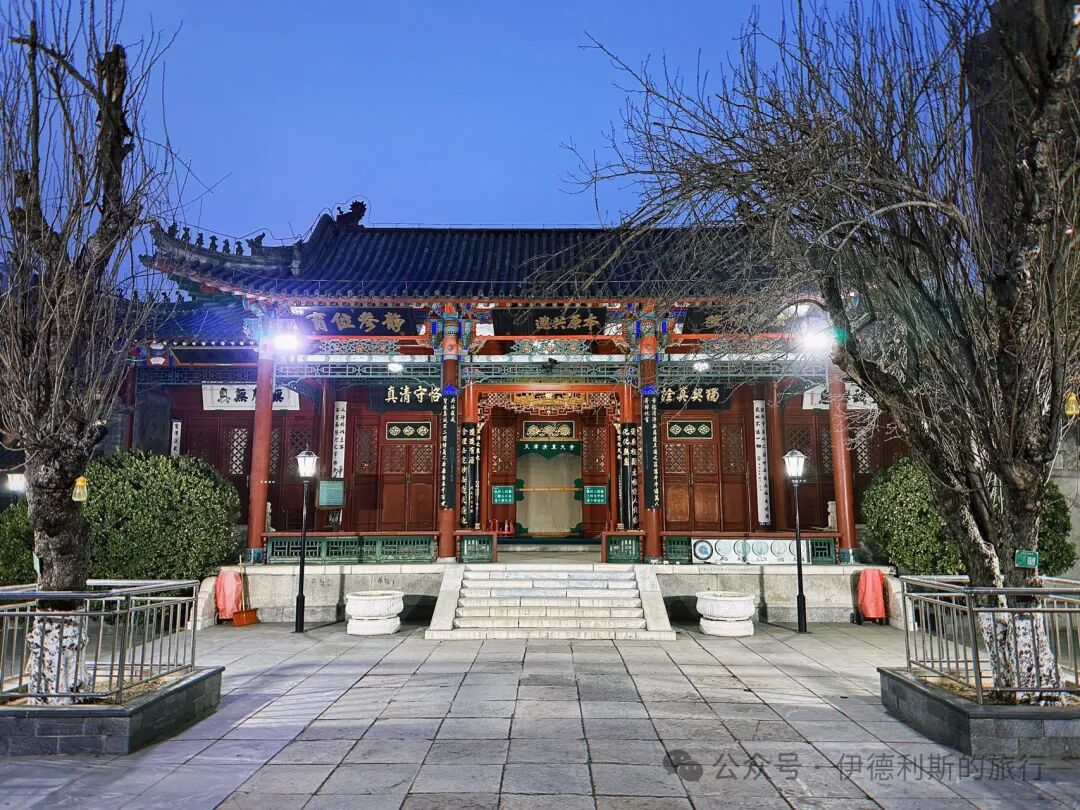
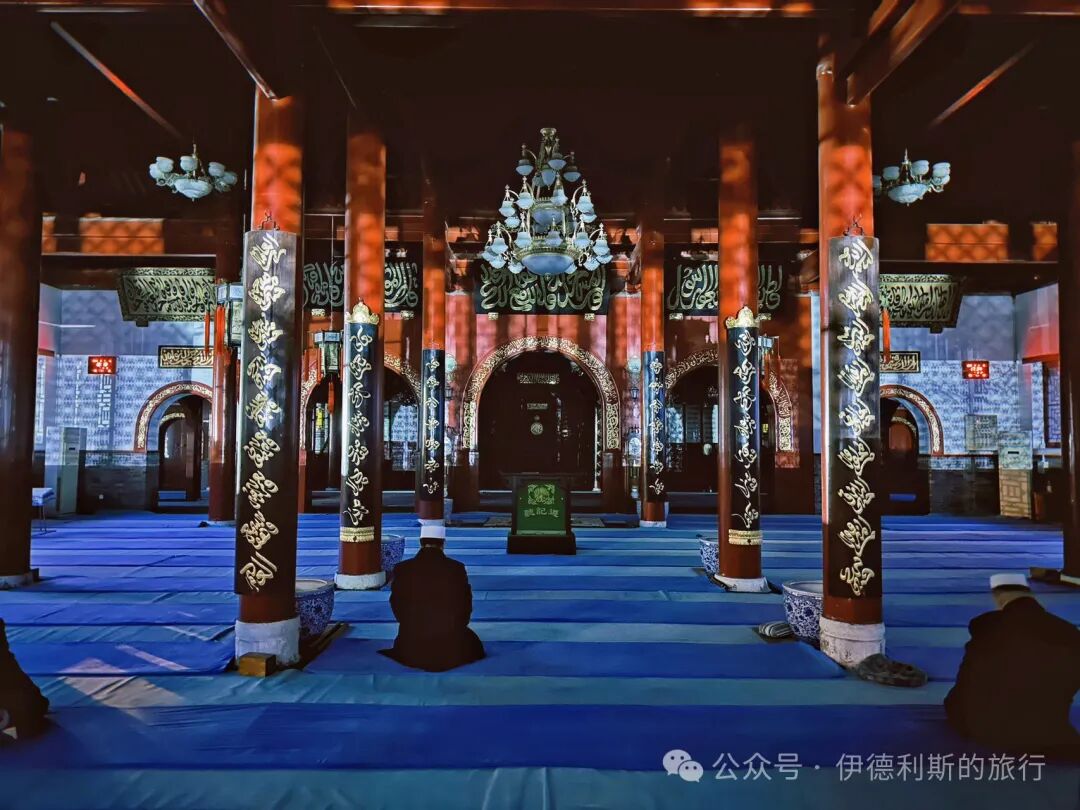
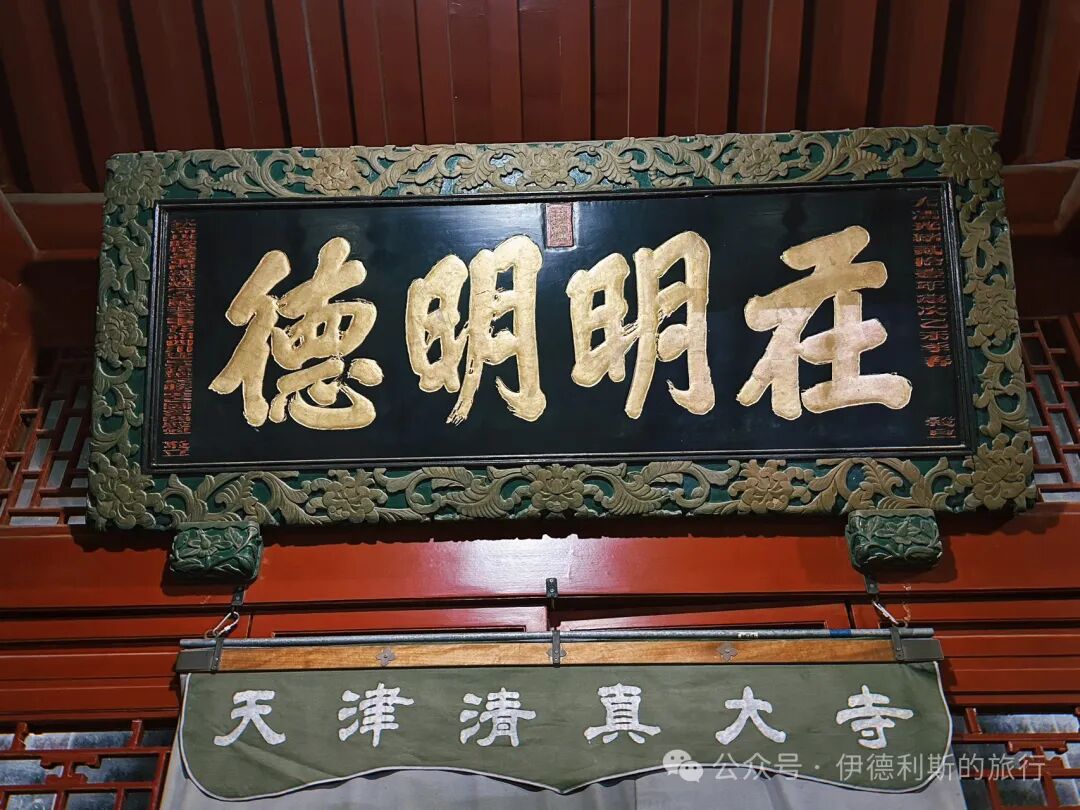
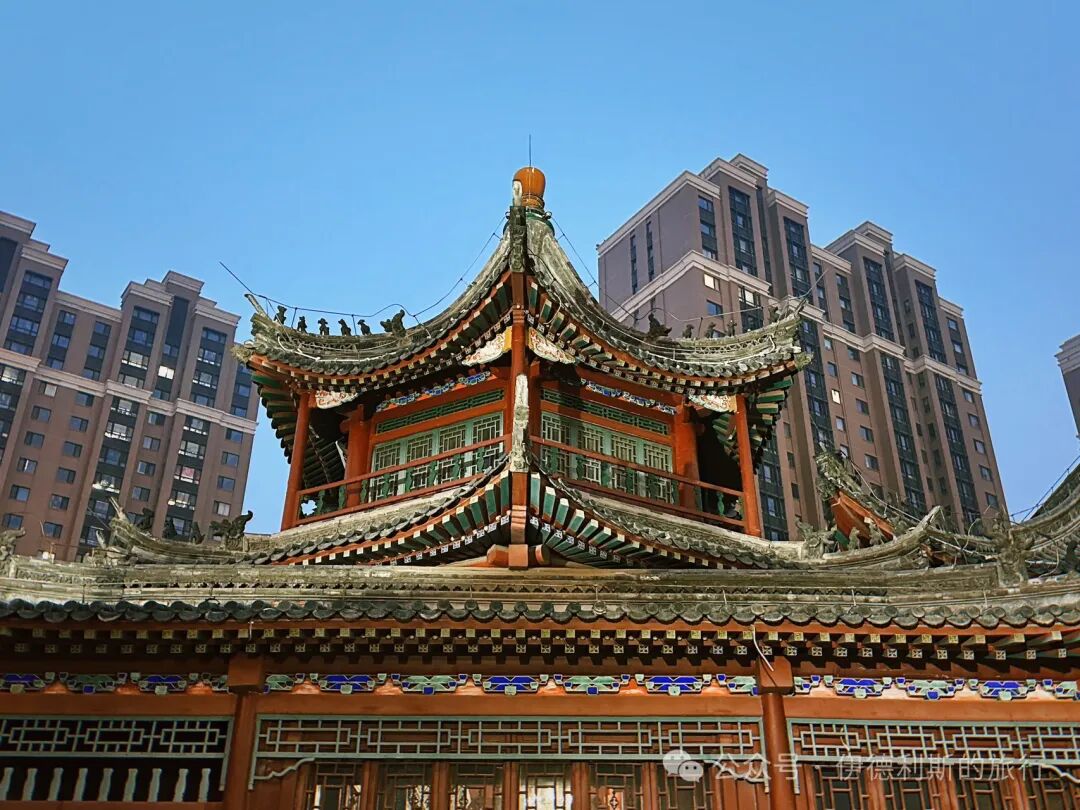
After dinner, I went to the Tianjin Great East Mosque (Dongdasi) to pray Taraweeh. Tianjin follows the 'old third day' tradition, so most mosques there start Ramadan one day later than in Beijing. The original site of the Great East Mosque was in Gujiao Hutong outside the South Gate. In 1915, Gao Hanting's grandfather donated the property, and it was organized by Zheng Yuande, Liu Haowei, Mu Xinglan, and others. In 2008, it moved from outside the South Gate to its current location on Nankai Second Road, right next to the Haiguangsi Station on Metro Line 1. This day happened to be the 'Dragon Raises Its Head' festival on the second day of the second lunar month. People in Tianjin like to set off fireworks and firecrackers. We prayed Taraweeh almost entirely to the sound of firecrackers, which made me feel the strength of my Iman even more. I also met Mr. Wu Peng from the 'Tianxia Huihui' program at the mosque. It turns out he is an elder at the Tianjin Great East Mosque.
March 2: Second day.
In the morning, my mother-in-law made big plate chicken (dapanji) and beef stew with potatoes served over rice.
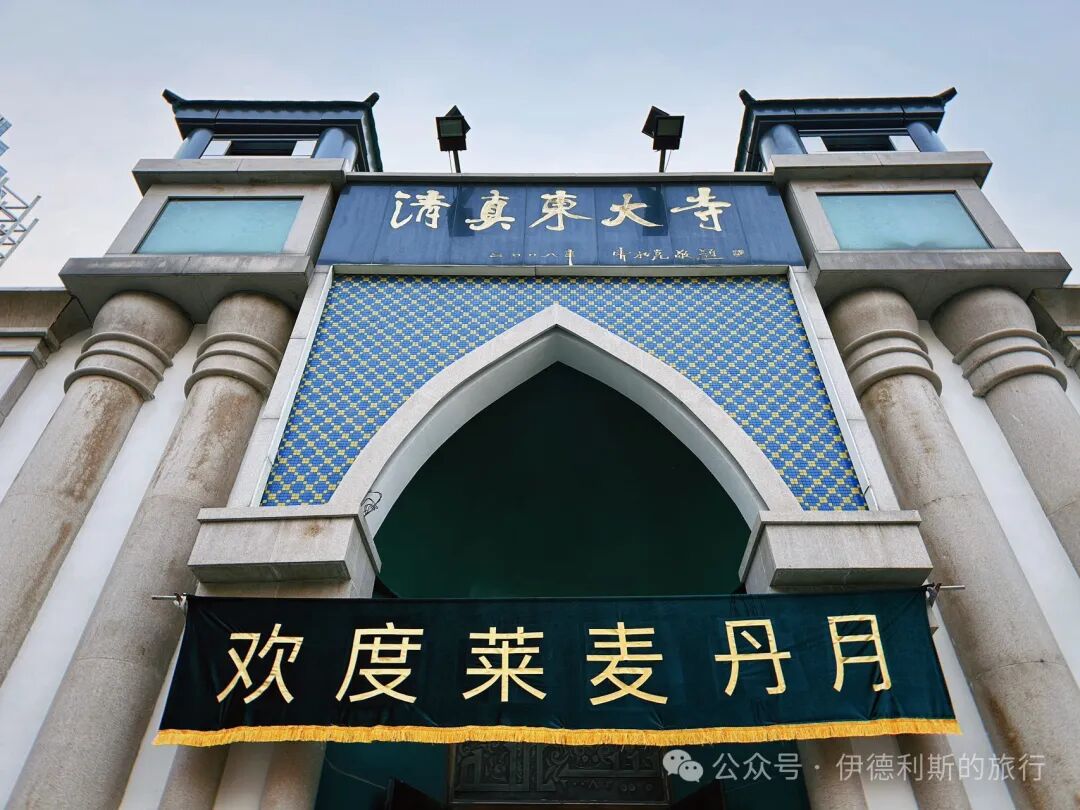
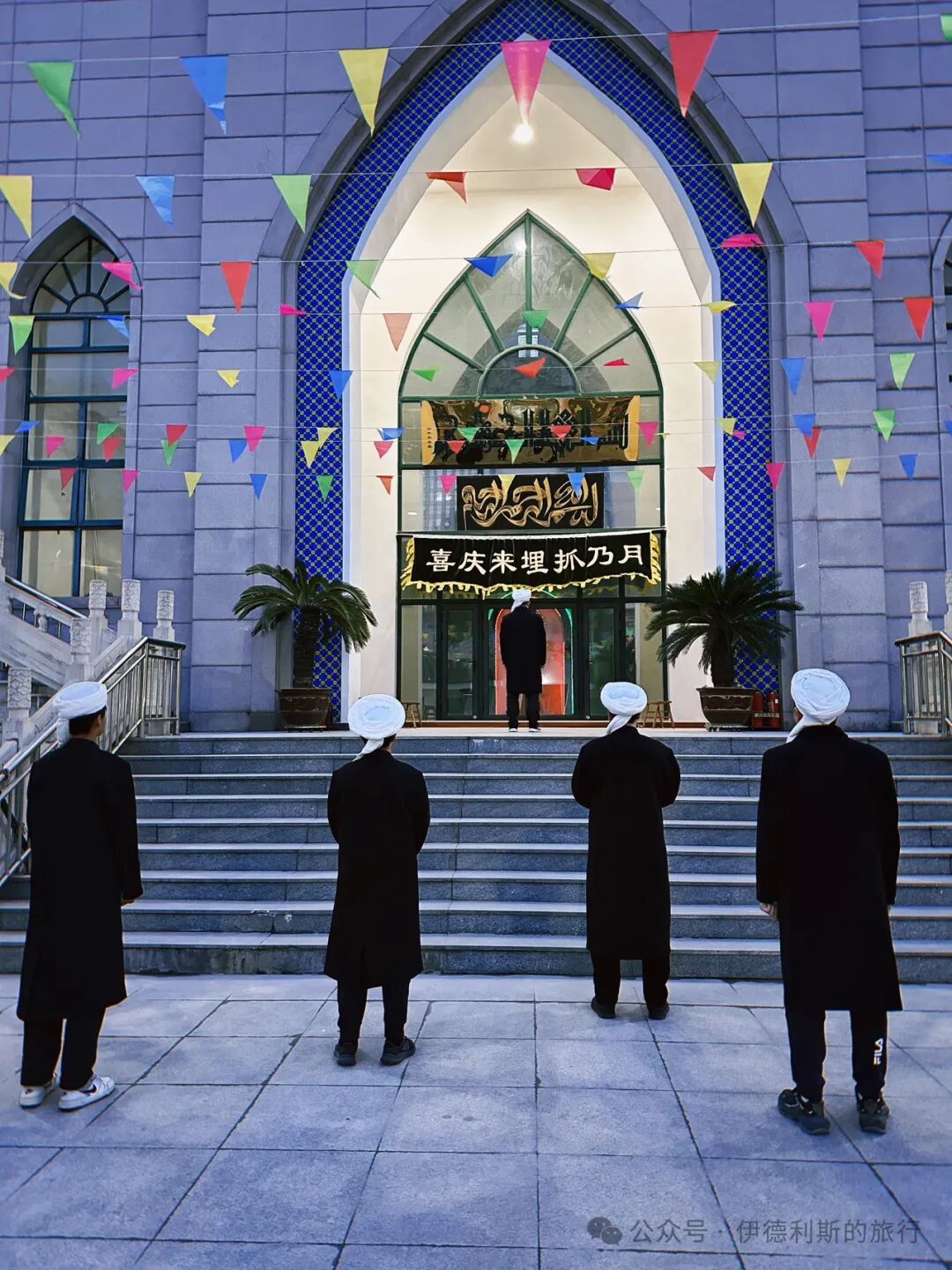
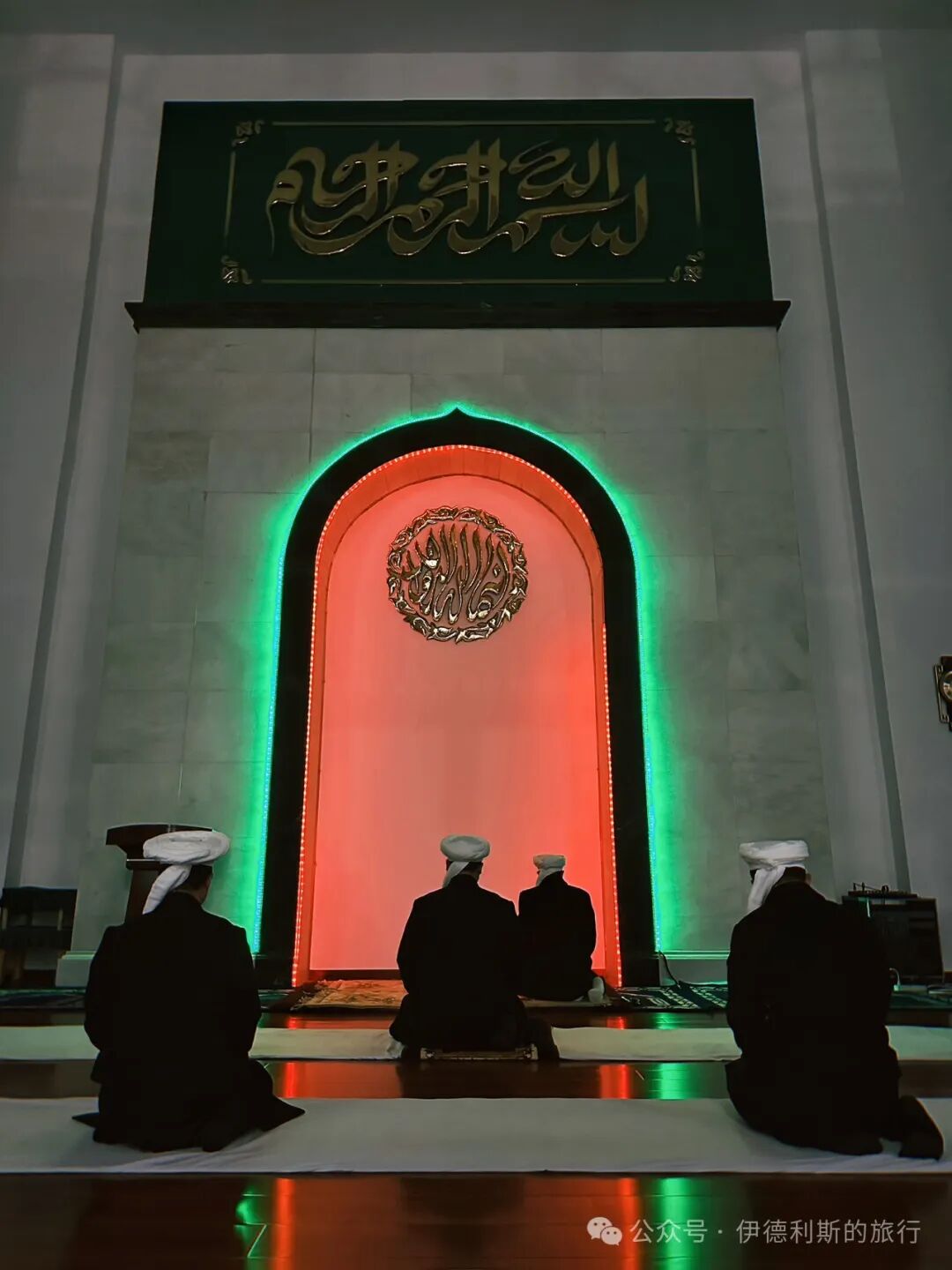
In the evening, I went to the Tianjin Great East Mosque again to break my fast. Before Maghrib, Imam Ma gave a sermon (wa'erzi), then we recited dua, and I received pastries and fruit. After the recitation, we went into the main hall to pray Maghrib. There is a saying, 'From Nanjing to Beijing, the lights are only turned on after Maghrib.' The main hall looked especially solemn and dignified in the sunset. In North China, there is a tradition of wearing the old-style large millstone turban (damoshipan daistal) and the new-style cross-pattern turban (shizihua daistal). This large millstone style likely comes from Persia.
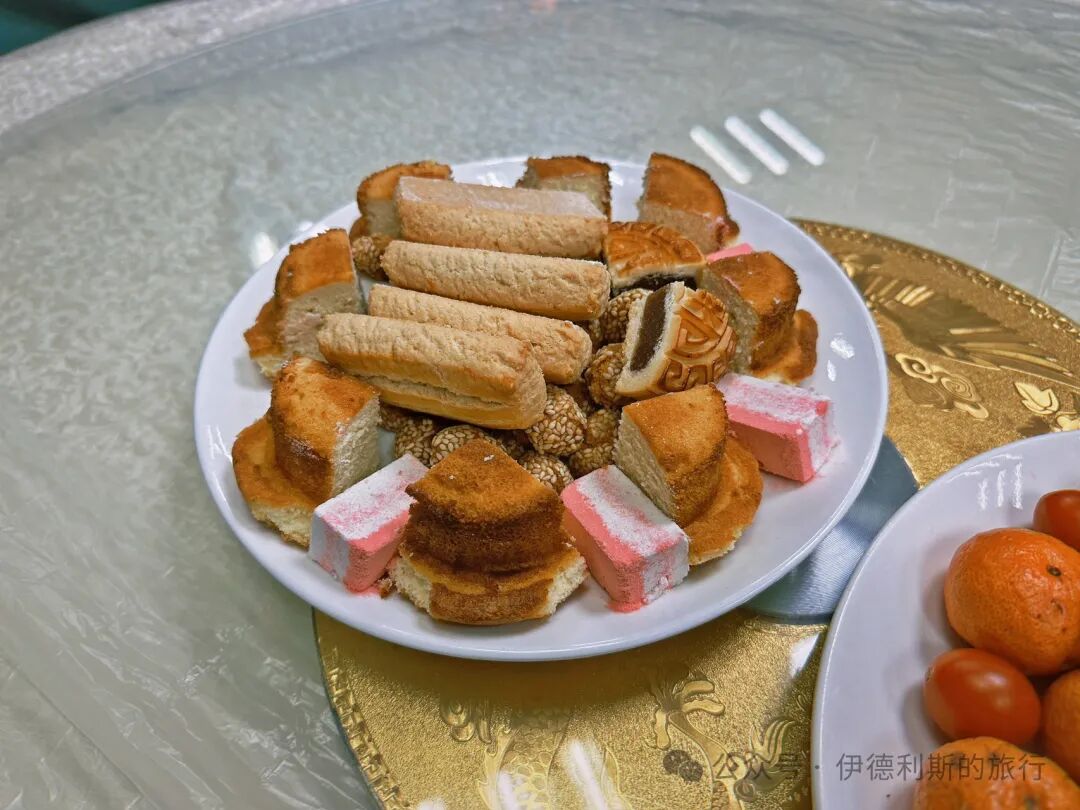
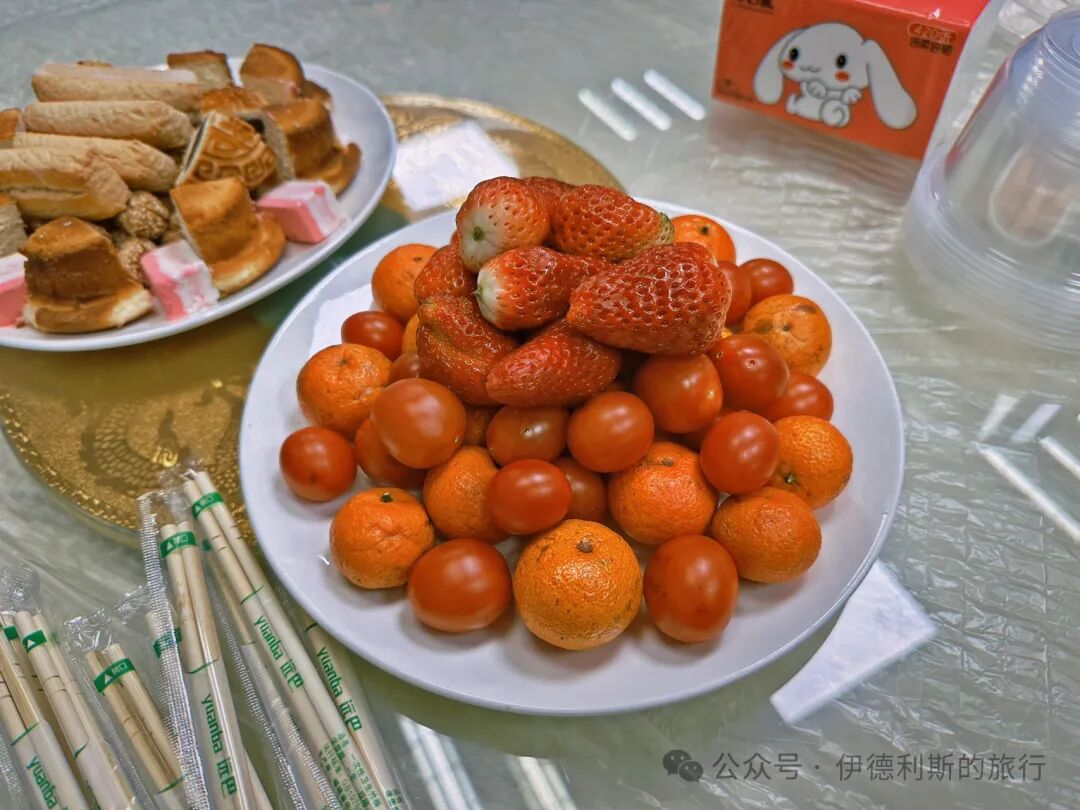
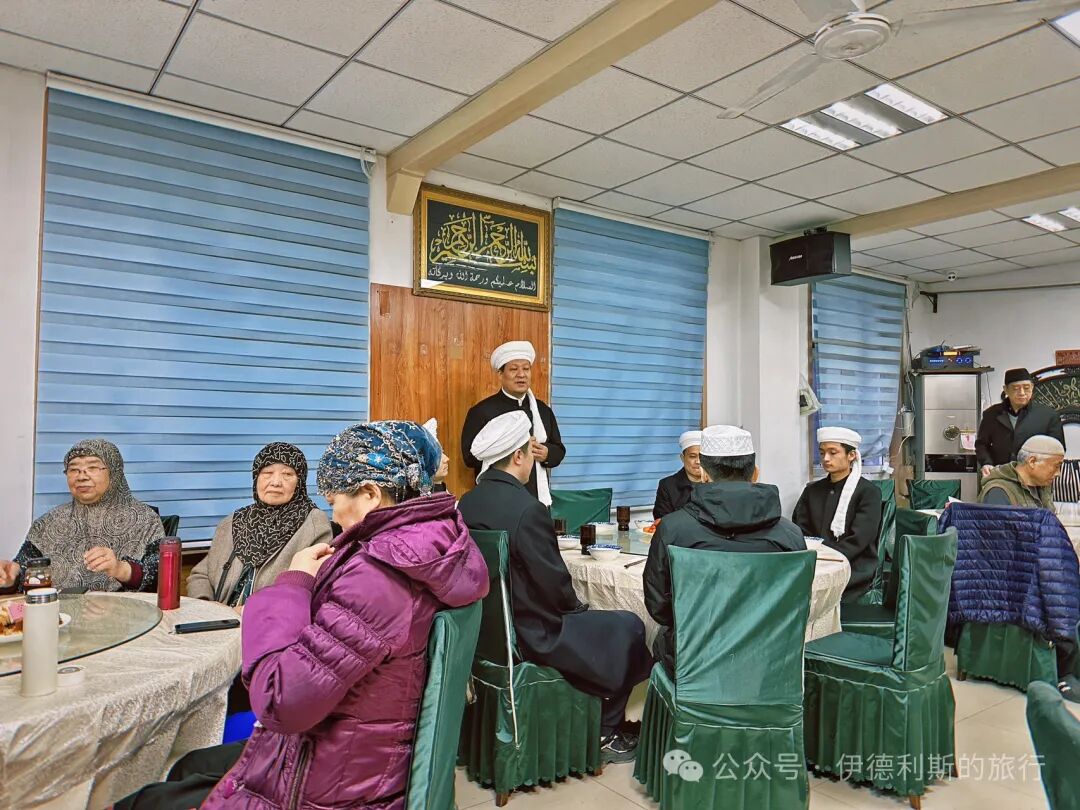
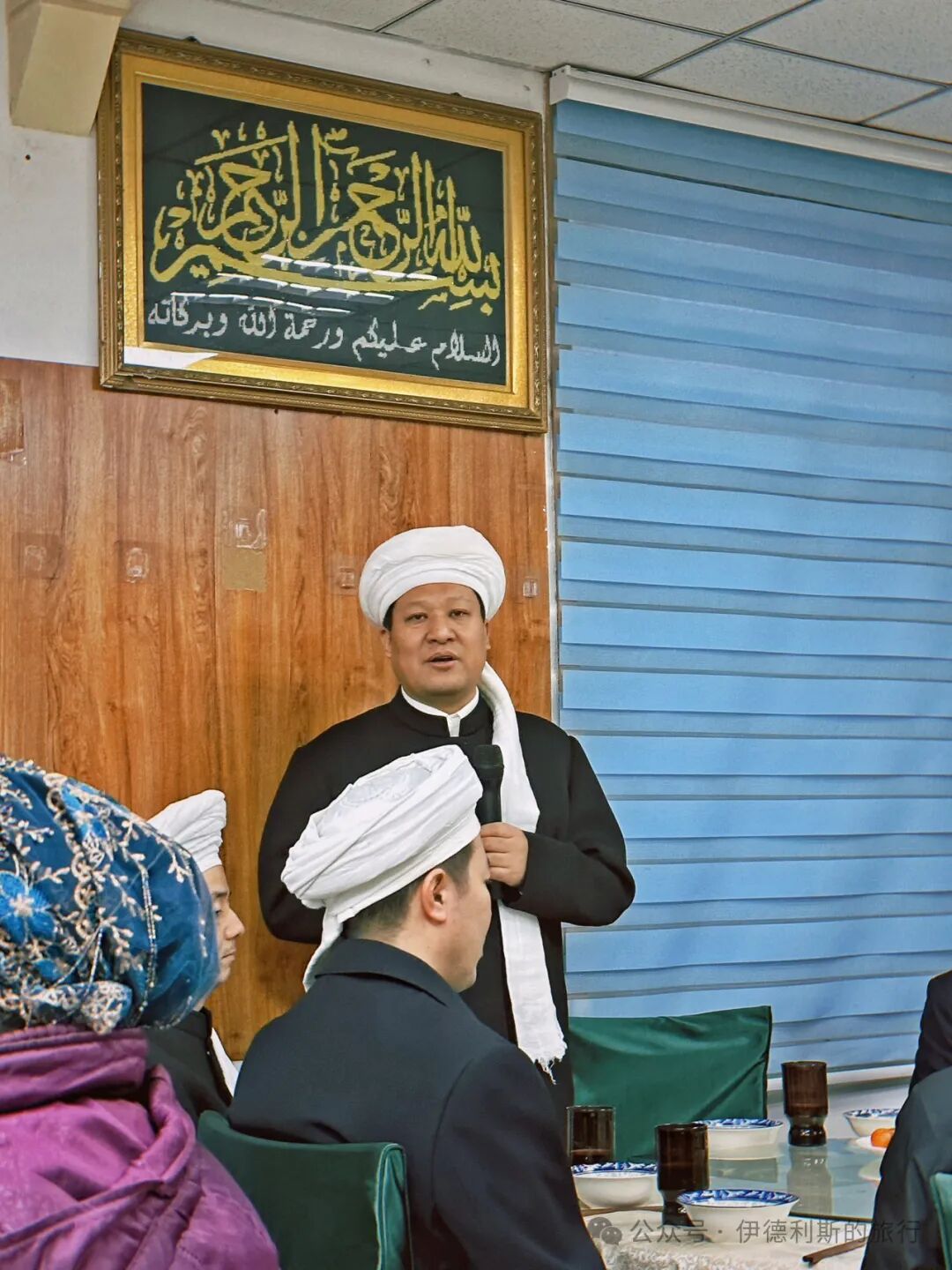
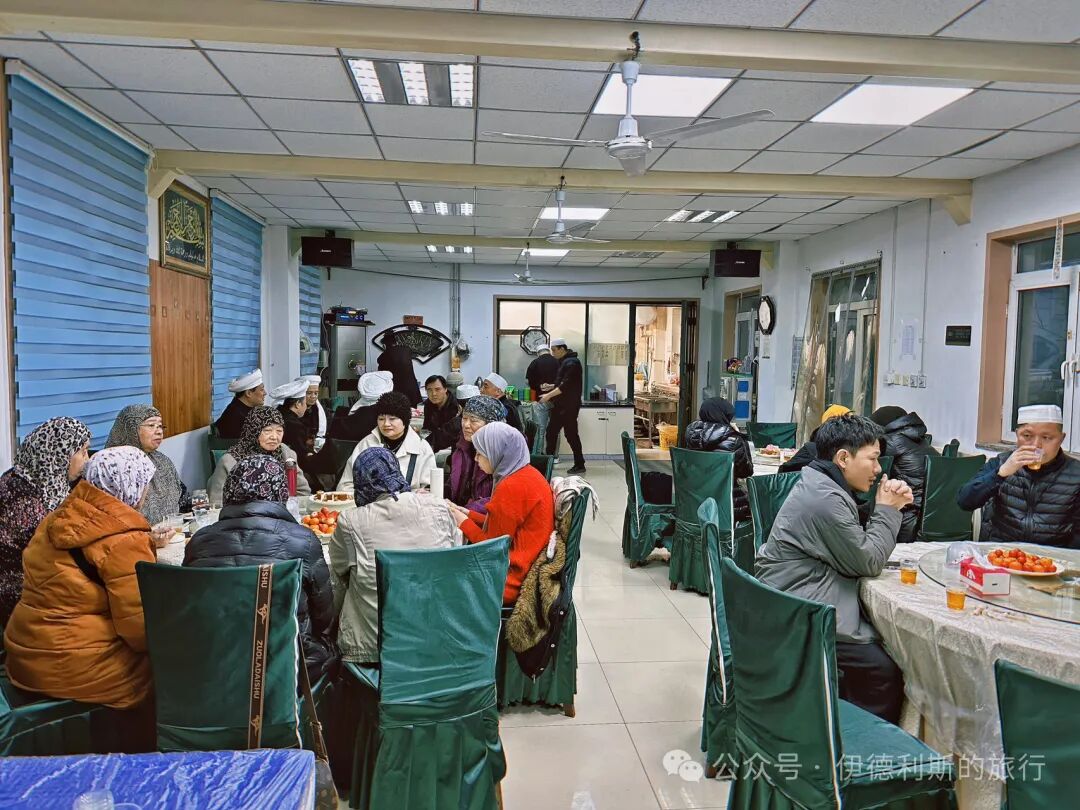
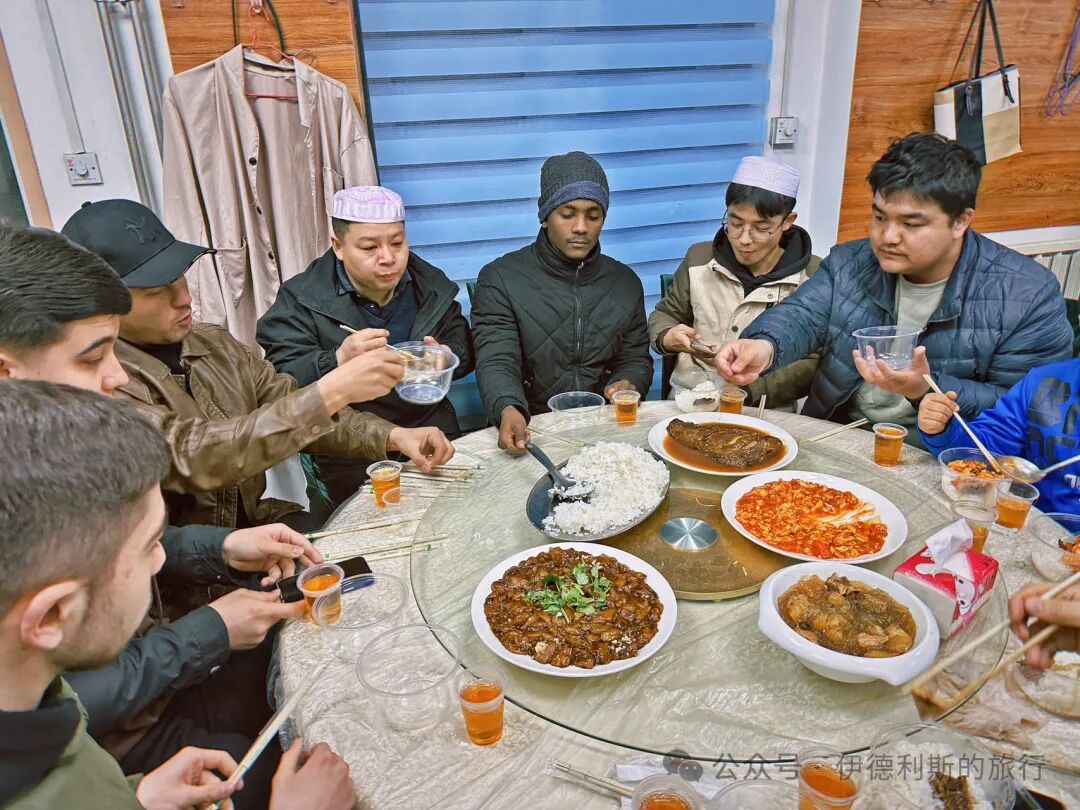
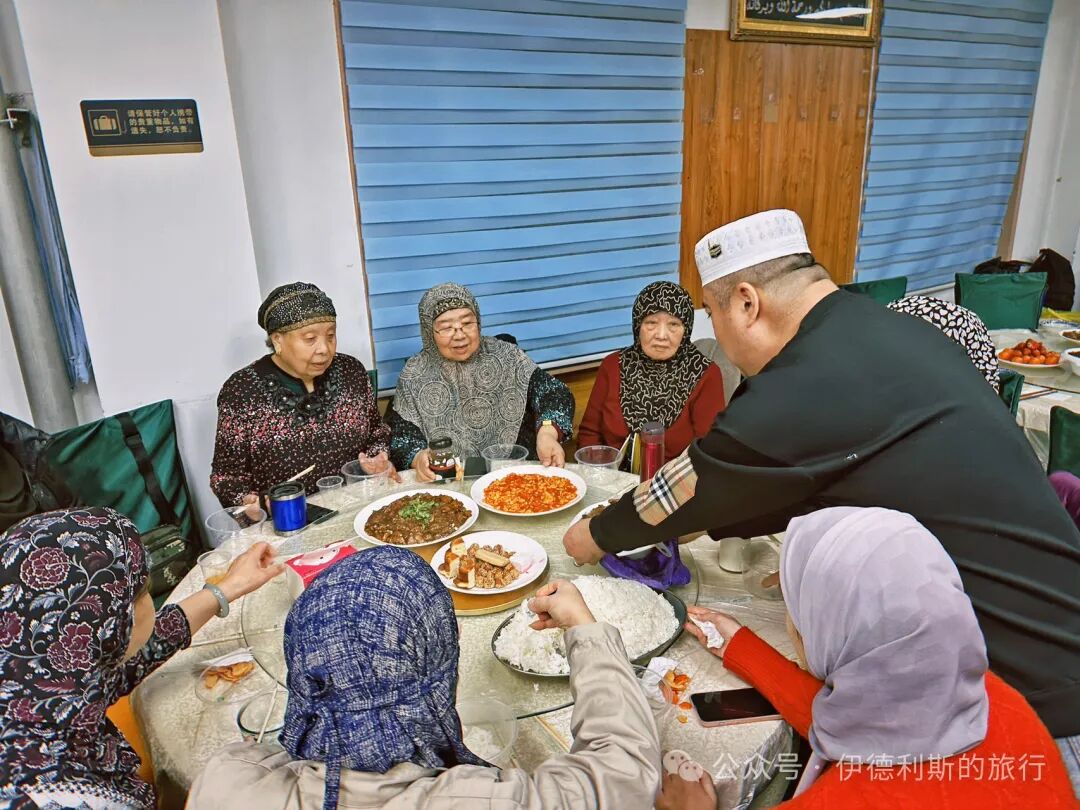
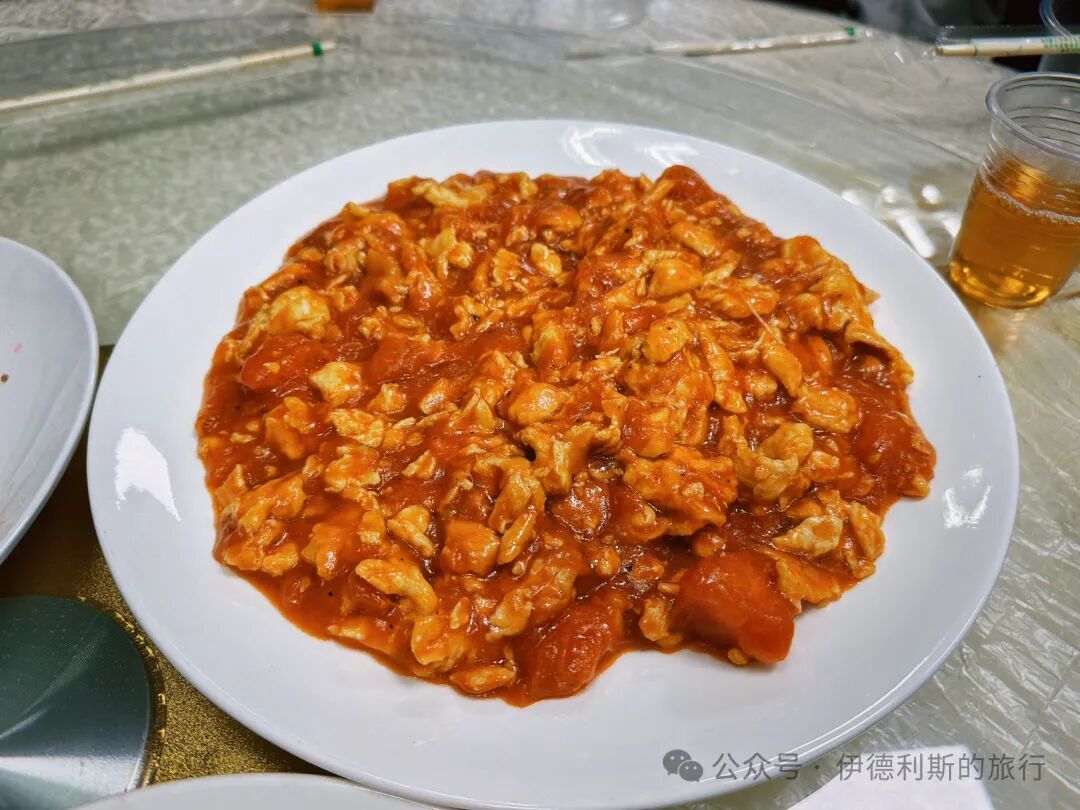
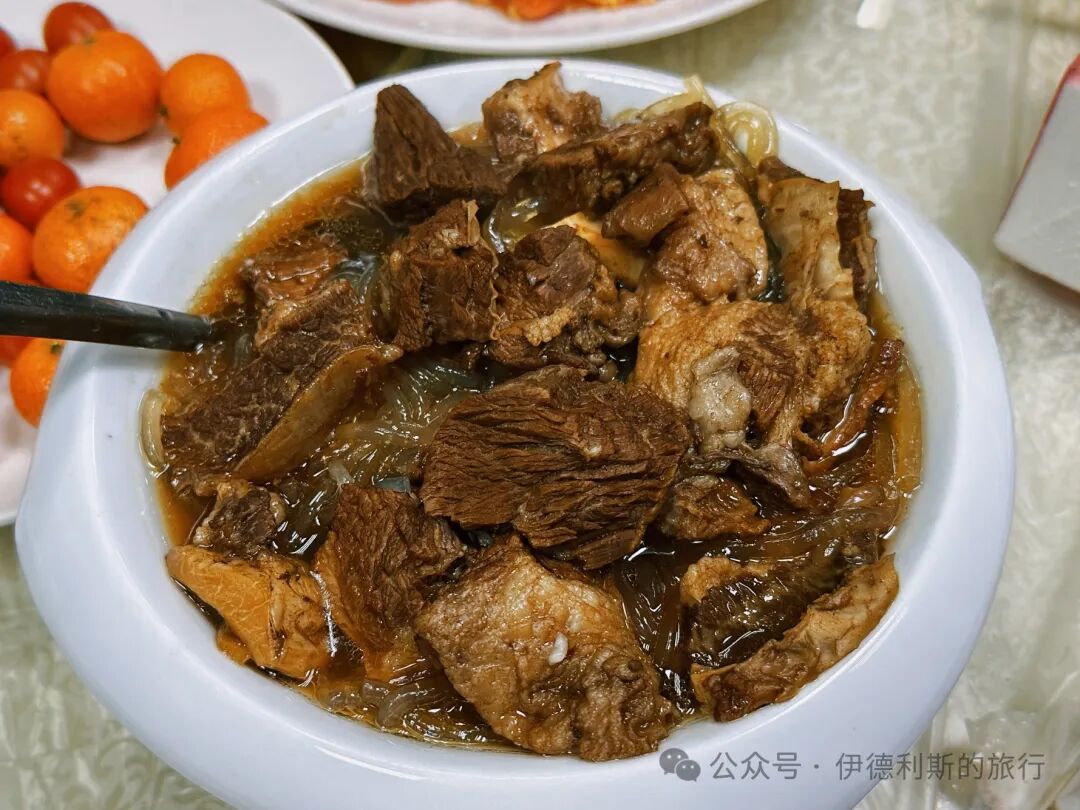
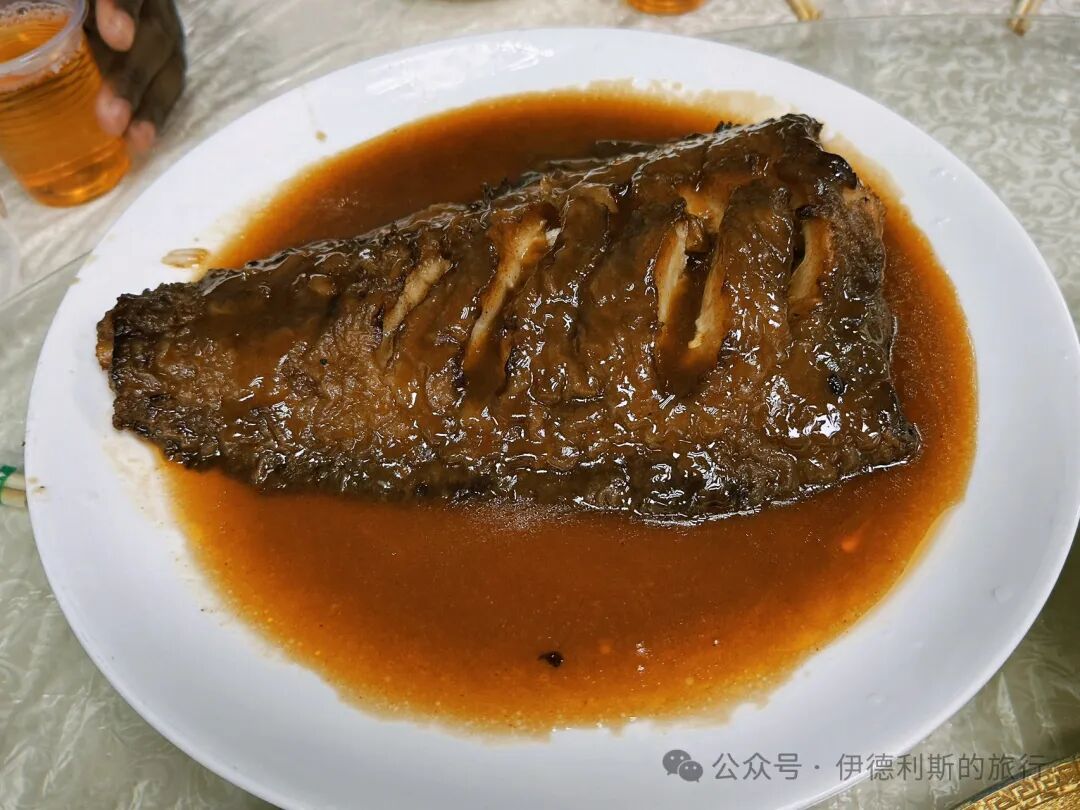
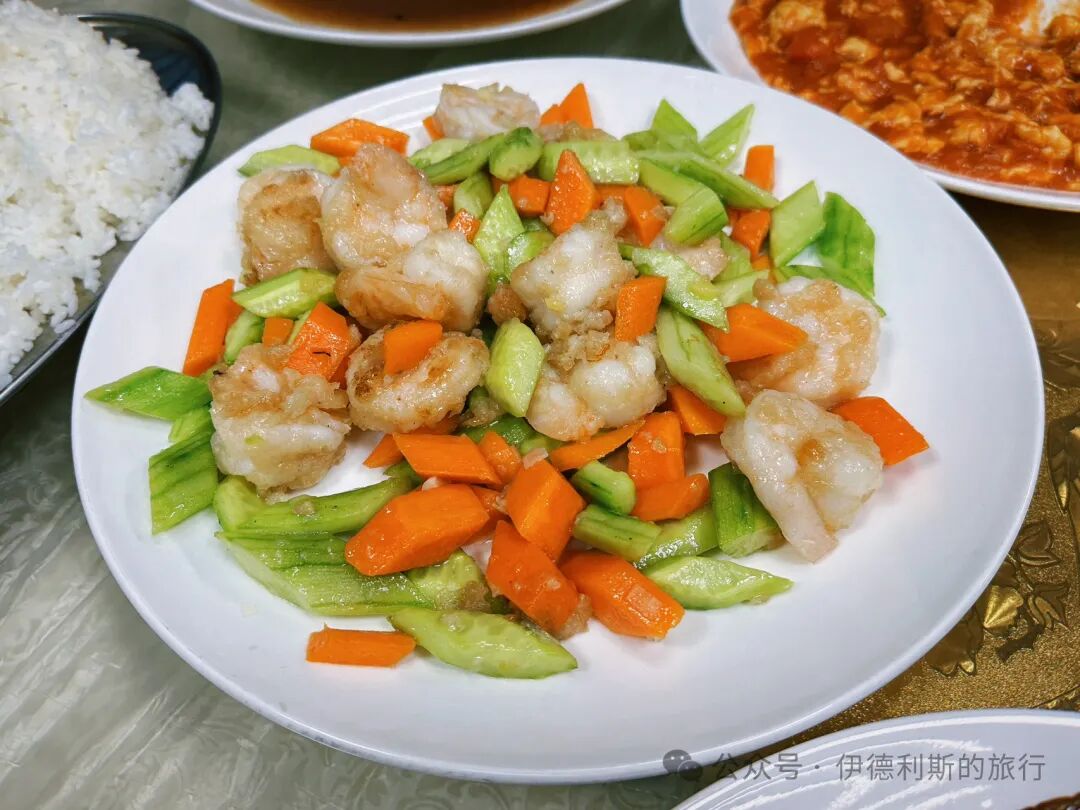
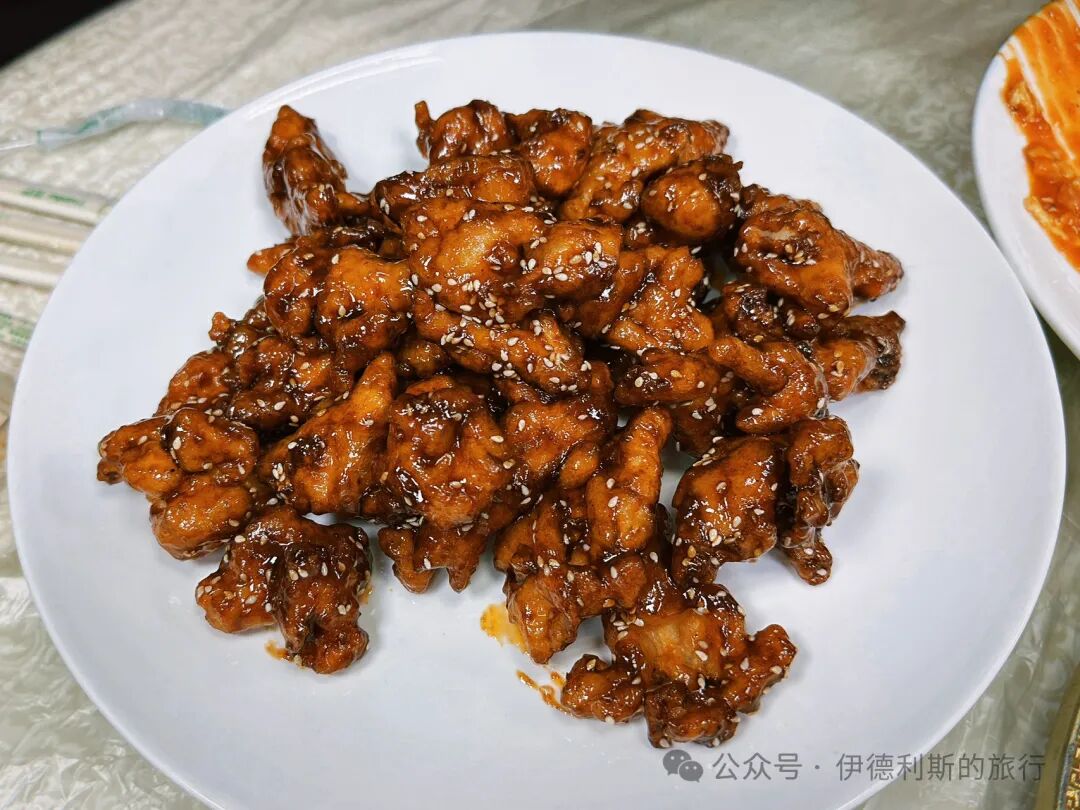
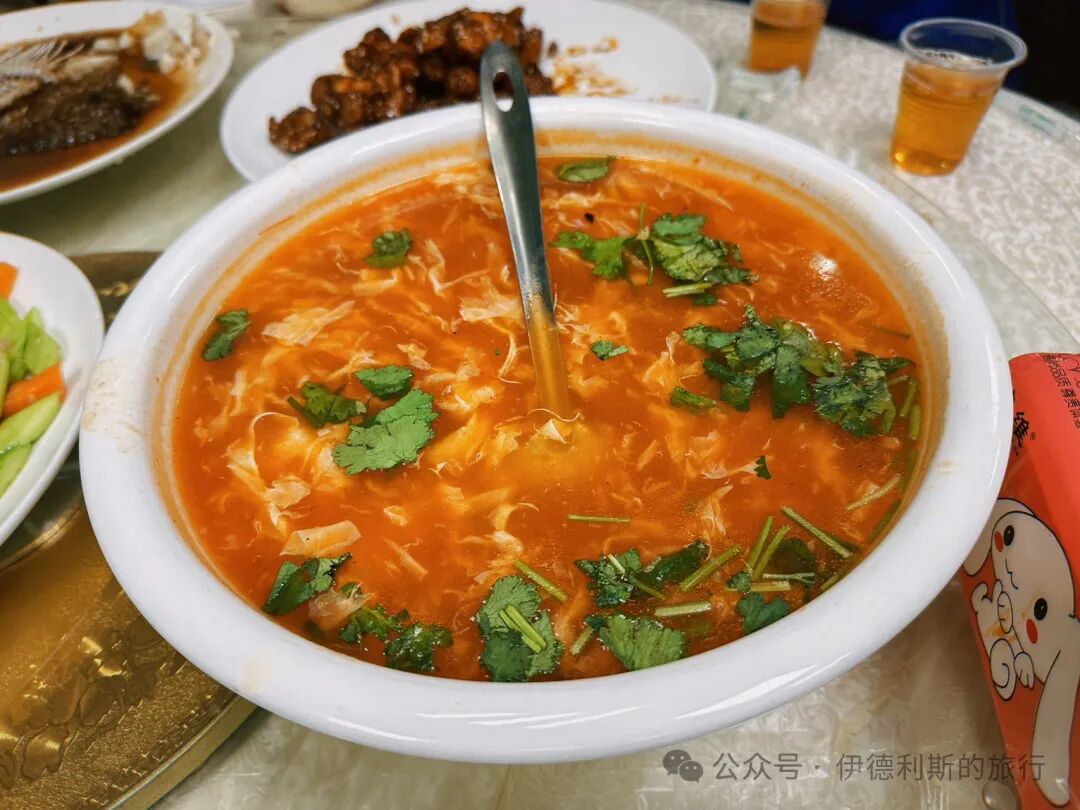
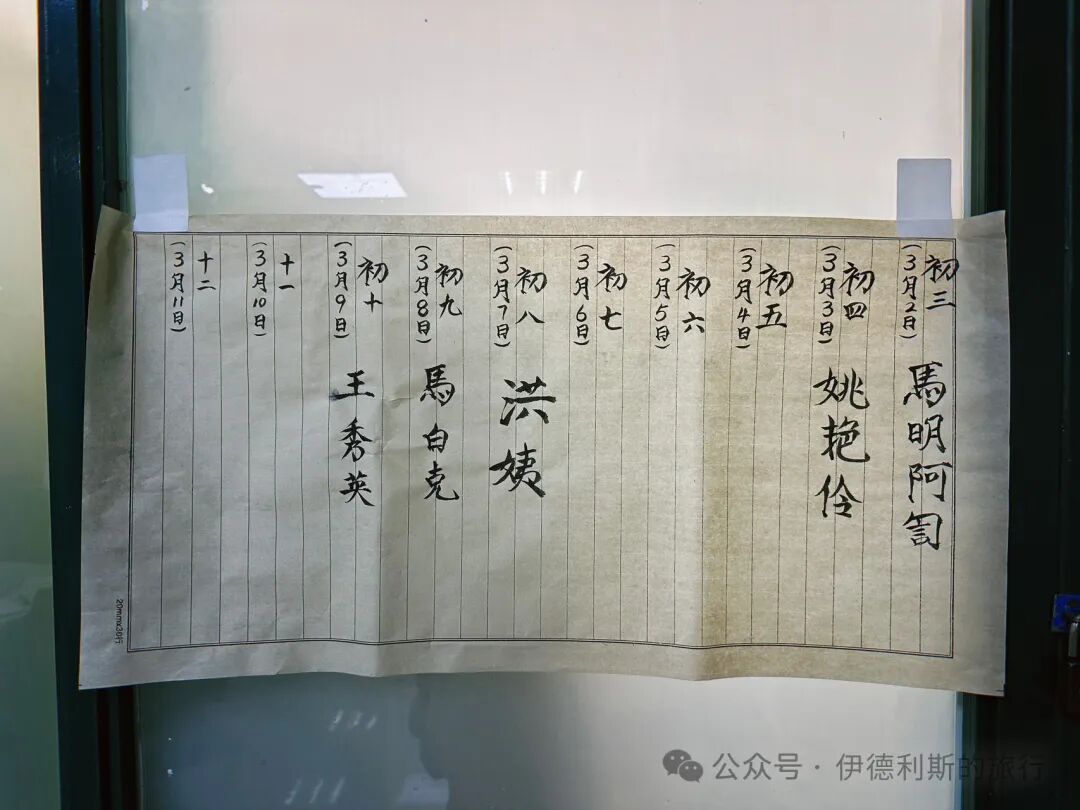
I returned to the dining hall after prayer and had braised eggplant, tomato and egg, beef stew, braised fish, stir-fried shrimp, sweet and sour pork, and tomato egg drop soup. It was a very rich meal with both meat and vegetables, and both dry and liquid dishes. Every day at the Great East Mosque, someone volunteers to host the fast-breaking meal. Imam Ma Ming hosted it on the first day, and I felt very grateful.
Halal Travel Guide: Seven Beijing Mosques in Ramadan (Part 1)
Articles • ali2007fr posted the article • 0 comments • 177 views • 2026-05-18 02:56
Summary: Seven Beijing Mosques in Ramadan is presented here as a firsthand travel account in clear English, beginning with this scene: During Ramadan in 2022, I visited 7 mosques in Beijing. These included four in Changping: Shahe, Wujie, Heying, and Nankou; Chadao Mosque in Yanqing; Majuqiao Mosque in Tongzhou; and Mishi Hutong Mosque in Xicheng. The account keeps its focus on Beijing Mosques, Ramadan Travel, Muslim Heritage while preserving the names, places, food, and historical details from the Chinese source.
During Ramadan in 2022, I visited 7 mosques in Beijing. These included four in Changping: Shahe, Wujie, Heying, and Nankou; Chadao Mosque in Yanqing; Majuqiao Mosque in Tongzhou; and Mishi Hutong Mosque in Xicheng. I am sharing my experiences here.
1. Shahe Mosque
For the first Jumu'ah of Ramadan, I felt very grateful that some mosques in Beijing's Changping, Fangshan, and Tongzhou districts were open. I went to Shahe Mosque for Jumu'ah prayers because it was relatively easy to reach from my home.
During the Wanli reign of the Ming Dynasty, the main road north of Beijing leading to Zhangjiakou moved to Shahe, and Hui Muslims who traded cattle and sheep began to settle there. Shahe Mosque was first built in the Ming Dynasty and renovated twice during the Qing Guangxu reign and the Republican period. It is a typical traditional mosque courtyard in North China.
On the north side of the main hall's porch stands a renovation stele from the 31st year of the Qing Guangxu reign (1905), which records the mosque's restoration between 1895 and 1905. The text notes that local sheep traders donated five wen for every sheep sold and one hundred wen for every cow or camel sold to cover the mosque's various expenses.
The 1920 renovation stele on the south side of the main hall's porch records that the mosque renovated its ablution room in 1917, and later collected donations (niatie) to build the rear hall and a Western-style gate in 1920. Among the donors, the first mentioned is the Republican-era Hui Muslim general Yang Kaijia. His ancestral home was Dachang, Hebei, and he served for a long time as a bodyguard officer for Yuan Shikai, eventually being promoted to Lieutenant General for his many contributions. Most of the others listed are various merchant firms, many from Madian outside Deshengmen, with the most famous likely being Donglaishun.
The mosque features works by the famous Arabic calligrapher Haji Chen Jinhui, who taught Arabic calligraphy at the China Islamic Institute for many years.
The Western-style gate built for the mosque in 1920.
A Chinese-style second gate (erdaomen).
2. Mishi Hutong Mosque.
Today, next to the Caishikou subway station in Beijing, two historical buildings remain inside a large construction site. They were saved 10 years ago during the Daji area demolition. One of them is the famous former residence of Kang Youwei. The other is a small two-story building that once housed the old Bianyifang Restaurant, which opened in 1416 during the 14th year of the Yongle reign of the Ming Dynasty. The old Bianyifang closed in 1937 due to the war. Soon after, Hui Muslims from the five northwestern provinces living in Beijing raised over 10,000 yuan to buy the building. After renovations, it officially became the Mishi Hutong Mosque on January 1, 1940, and also served as the office for the Northwestern Five Provinces Association.
The building housing the Mishi Hutong Mosque was originally built in the mid-to-late Qing Dynasty. It started as an L-shaped structure with three rooms in the north wing and four in the west wing. It featured a hard-mountain roof with a rolled-shed ridge (yingshan juanpeng ding) and a suspended-mountain open corridor (xuanshan changlang) connected together, with a garden on the east side. When it was converted into a mosque in 1940, three open-pavilion rooms were added to the south, changing the L-shaped layout into a U-shaped one. At the same time, a two-story flat-roofed open hall was built in the recessed area, connecting to the south pavilion. This created a semi-enclosed open space on the second floor to serve as the main prayer hall. After the renovation, the building only kept a small courtyard on the east side. You have to pass through the open hall to enter each room, which is a typical feature of southern architecture.
In the 1940s, the Mishi Hutong Mosque became the activity center for northwestern Hui Muslims in Beijing, with Imam Ye Liangpu serving as the first head imam. At that time, the Mishi Hutong Mosque and the Tianqiao Mosque, also built during the Republic of China era, were sister mosques that often invited each other's imams to lead prayers.
After the 1960s, the Mishi Hutong Mosque was turned into a dormitory for a toy factory, and later it became a residential compound. After the Daji area southeast of Caishikou was demolished, more than 30 guild halls, various temples, shops, and the former homes of famous people were turned into ruins. By 2012, only two historical buildings remained: the former home of Kang Youwei and the Mishi Hutong Mosque. It is a pity that the original gate of the Mishi Hutong Mosque, which featured traditional Arabic calligraphy, has been torn down, leaving only the small two-story building inside. People say that both the Mishi Hutong Mosque and the former home of Kang Youwei will be renovated and used for other purposes, but I do not know what they will look like then.
For a detailed introduction to the Mishi Hutong Mosque, you can read my article, Beijing's Only Southern-Style Mosque: Mishi Hutong Mosque.
3. Changping Wujie Mosque
The Changping Wujie Mosque under renovation. The Wujie Mosque is also called the Changping City Mosque. Legend says it was built by Chang Yuchun during his northern military campaign. It was rebuilt during the Wanli era using stone and wood left over from the construction of the Ming Tombs, and the golden nanmu wood beams in the main prayer hall have been preserved to this day.
The prayer rug used by Imam Jin Zichang at the Changping Mosque between 1946 and 1947. Imam Jin Zichang came from the Jinjiadian Daotang in Jinan, Shandong. He was an Eastern Rais of the Jahriyya order and managed Jahriyya religious affairs in Jiangsu, Shandong, Hebei, and the three northeastern provinces. The Imam's ancestor, Jin Shizhang, began studying Jahriyya teachings under Ma Mingxin in 1770. He was later appointed as the Rais in charge of religious affairs in Shandong, Zhili, and Jiangsu, and he founded the Jinjiadian Daotang in Xiguan, Jinan. Imam Jin's great-grandfather, Jin Zhong, once led religious affairs at the Nanshangpo Mosque and Changping Mosque outside Chaoyangmen in Beijing. His grandfather, Jin Shiyi, became the rais (leader) of Jahriyya religious affairs in Xinjiang in 1912 and helped expand the Southern Great Mosque of Urumqi.
Imam Jin Zichang was originally named Jin Zhiyan. He lost his father as a child and went to Xinjiang at age 9 to live with his grandfather. Later, he went to Gansu to continue his studies. In 1925, he returned to Jinan to manage the Jinjiadian Daotang (a religious hall). In 1928, he was admitted to the Shanghai Islamic Normal College, where he was deeply favored by the great Imam Da Pusheng, who gave him the name Jin Zichang. In 1934, Jin Zichang went to study at Al-Azhar University in Egypt. He went on Hajj in 1936 and returned to China in 1937 to continue managing religious affairs at the Jinjiadian Daotang. Later, Imam Jin managed religious affairs at several mosques, including the Changping Mosque in Beijing, Nanshangpo Mosque, Urumqi Southern Great Mosque, Lanzhou Changjiaxiang Mosque, and Tianshui Taizi Mosque. In 1958, he was placed under isolation and investigation. Shortly after his release, he passed away in 1961 at the age of 59.
Window lattices from the Ming and Qing dynasties, which were removed during a major renovation of the Changping Mosque in the Republican era, were discovered after 1949 inside a spare casket for a maiti (deceased person).
Ancient Quran (Gu Re'ani) copies and traditional scripture school textbooks preserved at the Changping Mosque.
4. Majuqiao Mosque
Going to Majuqiao Mosque in Tongzhou for Jumu'ah prayer. Majuqiao is located on the south bank of the Liangshui River. After the Ming Emperor Chengzu moved the capital, he built the Nanhaizi Royal Hunting Park here. In 1463 (the seventh year of the Tianshun reign), a stone arch bridge was built across the Liangshui River. From then on, Majuqiao became a key road in the capital region, attracting many merchants, and Hui Muslims continuously moved there to do business. The Majuqiao Mosque was built during the Ming Dynasty, renovated during the Qianlong reign, and expanded again in 1937. In 1999, all the wood, bricks, and tiles from the demolished Niujie Women's Mosque were used to renovate the Majuqiao Mosque, and a towering moon-sighting tower (wangyuelou) was added behind the main hall.
Inside the main hall of Majuqiao Mosque, there is a hand-copied Quran (Gure'ani) from the Qing Dynasty, and in front of the hall door, there are beautiful circular flower pedestals made of green sandstone.
Majuqiao has many local elders (gaomu), making it livelier than many mosques in the city. There are also many young people working nearby, which creates a great atmosphere. After the service, there were flower-shaped steamed buns (huajuan) and stone-ground sesame oil (xiaomo xiangyou) distributed by the community members (dost).
Plaques and calligraphy.
5. Heying Mosque.
A mosque was built near Heying in Changping by the early Ming Dynasty at the latest. According to the tombstone record of the sage Bo Hazhi from the 46th year of the Wanli reign of the Ming Dynasty (1618), there was a mosque less than a mile northwest of Beishao Village. During the Hongwu reign of the Ming Dynasty, the sage Bo Hazhi from the Western Regions passed through Beishao Village, settled in the mosque, and was buried nearby after he passed away (guizhen). According to Uncle Zhang, whose family has guarded the tomb of Bo Hazhi for generations, the original mosque was destroyed by a flood and later moved outside the gate of Bo Hazhi's tomb. In the 1930s, Uncle Zhang's family raised funds to rebuild the current Heying Mosque.
Currently, the only remaining historical building of Heying Mosque is the north room. You can see that the middle of the walls is built with stones, which were hauled back from the mountains by Uncle Zhang's family back then. After the 1960s, the imam (ahong) was forced to leave. Since then, the mosque has mainly been used for Hui Muslims from other places to visit graves and for local Hui Muslims to hold funeral prayers (maiti). Due to a mistake during the policy implementation in the 1980s, the mosque was not included in the cultural relic protection zone for the Tomb of Bo Hazhi. Because of this, the nearly 100-year-old mosque still has no official status as a protected cultural site. Currently, Uncle Zhang's family is slowly saving money through donations (nieti) from the community and has started planning repairs for the old building.
For more information about the Tomb of Bo Hazhi, please see my diary entry, Visiting the Tomb of the Western Region Sage Bo Hazhi.
On April 23, we visited the Tomb of Bo Hazhi and met many new friends. The praise for the Prophet (zansheng) sung by the Jahriyya was beautiful.
6. Nankou Mosque
Nankou is the first gateway from Beijing to Datong, Xuanhua, and the Mongolian grasslands via the Jundu Pass, one of the eight passes of the Taihang Mountains. It was also the final line of defense for the capital and has been a strategic military location since ancient times. According to the Zizhi Tongjian, the Northern Qi dynasty built a Great Wall from Nankou to Datong in 555 (the sixth year of the Tianbao era). It was rebuilt many times during the Northern Wei, Liao, and Jin dynasties. The Mongol army fought a decisive battle against the Jin army here before breaking through the defense line to enter the Jin capital, Zhongdu.
To resist the Mongol invasion, the Ming dynasty built Nankou City in 1404 (the second year of the Yongle era), which was later rebuilt several times. After the Qing dynasty, as trade with the grasslands flourished, Nankou City was filled with shops and busy with traveling merchants. After the Beijing-Zhangjiakou Railway was completed in 1909, the trade in Nankou City was gradually replaced by the Nankou town area near the railway station to the south.
Today, Nankou City still has its south wall and south gate, as well as watchtowers on the east and west mountains. The Nankou city wall is unique because it is built with river pebbles. As time passed, the city wall has now sunk one meter into the ground.
Nankou Mosque is located outside the south gate of Nankou City. Its exact founding date is unknown, but it is believed to have been built during the Ming Dynasty. The mosque houses a stone tablet from the 20th year of the Guangxu reign (1894) titled "Record of the Reconstruction of Nankou Mosque in Yanqing Prefecture." It records that Imam Yang Xiaoshan from Shixia City in Miyun was hired by Nankou Mosque in 1876. He traveled everywhere to raise donations (nietie), then built the south lecture hall in 1879, the north quiet room in 1880, and a water well in 1881. In 1887, Imam Yang moved to Shacheng Mosque in Huailai County. Nankou Mosque then hired Imam Shan Hong'en, who continued to build a water room next to the well and a main gate in the northeast corner. The current Nankou Mosque generally maintains the layout from its reconstruction during the Guangxu reign.
Nankou Mosque closed in 1958 and has not been open since. In 2005, the Changping District Cultural Relics Management Office renovated the main prayer hall and the north quiet room. There were plans to reopen it, but it has remained closed due to disputes over the mosque's property. Between 2020 and 2021, the Changping District Cultural Relics Management Office carried out another renovation of the mosque.
The "Record of the Reconstruction of Nankou Mosque in Yanqing Prefecture" tablet from 1894 in front of the main hall was written by Ma Zhaoqing, a Hui Muslim from Xiguanshi. He was dedicated to writing local chronicles, authored the "Changping Waizhi," and also wrote couplets for the Xiguanshi Mosque. The back of the stone tablet lists the donors who contributed to the reconstruction of Nankou Mosque during the Guangxu reign, serving as very precious historical material for the Hui Muslim community.
The officials who donated include the Yanqing Prefecture Magistrate (zheng tang), the Fangshan Garrison Commander (shou fu), and officials from the Zhangjiaying Department, the Second Department, the Wanquanying Administration, the Zhangjiaying Administration, and the Shandianhe Department. The zheng tang was the chief official of the prefecture, and the shou fu was a military defense officer. Zhangjiaying and Wanquanying were both Green Standard Army (Luying) units in Xuanhua Town, Zhili Province. Wanquanying is now Wanquan District in Zhangjiakou.
The businesses that donated money included horse traders, camel caravan operators from the east and west gates, sheep traders from the west gate, and tea merchants from Tongzhou. These are all witnesses to the modern-day 'Zou Xikou' migration and the 'Tea Horse Road'.
As many as 20 Hui Muslim merchant shops in Nankou town donated funds, which shows how busy Nankou was at that time. These shops were Yuanyuancheng, Deshenghao, Deshenggong, Yonghegong, Yongshenghe, Qingyugong, Yuanshengchang, Yonghehao, Yongyuanchang, Demaoju, Xiechenghao, Kangjiadian, Guangxingdian, Fuyuandian, Jintaide, Beifuxing, Heshenghao, Wangwenzhao, Jinheqing, and Yutongju.
Local Hui Muslim donors from Beijing included those from Changping Prefecture, Shahe Town, and Xiguanshi Village in Changping; Chadaocheng in Yanqing; Miyun County, Gubeikou, and Shixia Town in Miyun; as well as Tongzhou, Qinghe Town, outside Chongwenmen, and Madian outside Deshengmen. These were all Hui Muslim residential areas focused on trade, mostly located along the official road leading from outside the Great Wall into Beijing. Among these, the areas outside Chongwenmen and Madian were the most concentrated centers for Beijing's halal sheep trade. Outside Chongwenmen, there were the North and South Sheep Markets. The North Sheep Market was where Hui Muslims sold live sheep raised in the Northwest, while the South Sheep Market was the hub for Hui Muslims to slaughter and sell mutton. Madian was the main base for Beijing's sheep trade. Many people traveled thousands of miles to drive sheep from the Mongolian grasslands outside the Great Wall to Madian, where sheep shops sold them to various mutton stalls across Beijing. The stone inscription records five sheep shops that donated funds: Yuanhe, Demao, Yongli, Xinxing, and Hengde.
Heading north from Madian, the Hui Muslim donors came from Qinghe Town, Shahe Town, and Changping Prefecture, before reaching Nankou. Qinghe and Shahe were both commercially prosperous because they were located on the official road leading out of the pass, which led Hui Muslims to settle there. donors included those from Xiguanshi, an important Hui Muslim village near Nankou. The Hui Muslims there were skilled at running security escort agencies (biaoju) and made a living by providing protection for those traveling the 'Zou Xikou' route. Continuing north from Nankou is Chadao City, which was a very important fortress. The Yushanguan restaurant was funded by the descendants of Yu Wannian, a Hui Muslim from Xuanhua County who served as a garrison commander in Chadao in the ninth year of the Xianfeng reign (1859). To this day, the Yu family remains the only Hui Muslim household in Chadao City.
Leaving Chadao City, you enter the area of present-day Zhangjiakou City. The Hui Muslims who provided funding came from Shacheng Fort (Shacheng Town, Huailai County), Jiu Bao'an (Zhuolu County), Langwo (Zhuolu County), Xuanhua Prefecture (Xuanhua District), and the upper and lower forts of Zhangjiakou (Zhangjiakou urban area). Traveling out of the pass from Zhangjiakou, the Hui Muslims who provided funding reached as far as important trading ports on the Mongolian Plateau, such as Guihua City (Hohhot), Duolun (Duolun County, Xilin Gol League), and Kulun (Ulaanbaatar). some of the Hui Muslims who provided funding came from southern Hebei, including Xiling Yizhou (Yi County) and Tangjiazhuang (Dingzhou) in Baoding, as well as Suning County and Hejian Prefecture in Cangzhou. This may be related to the fact that Imam Yang Xiaoshan once lived in Hejian.
The ancient cypress tree preserved in the courtyard is the only relic from the Ming Dynasty in the mosque.
The South Lecture Hall, built in 1879, now only has its foundation remaining.
The North Quiet Room, built in 1880.
The water well, built in 1881.
Brick carvings on the main hall.
7. Chadao Mosque.
Chadao City is the first fortress gate when entering Beijing from outside the Great Wall via the Jundu Pass, one of the eight passes of the Taihang Mountains. It served as an outpost for Juyong Pass. From here, you can head west through Huailai to reach Xuanhua and Zhangjiakou, or head north to reach Yanqing and Yongning, which is why it is called Chadao, meaning 'Forked Road'. Chadao City was built in 1473 during the Chenghua reign of the Ming Dynasty. It was rebuilt with brick reinforcements twice during the Jiajing and Longqing reigns and served as an important pass to defend against Mongol invasions. After the Qing Dynasty began, Chadao City became a key route for merchants traveling to the capital from the northwest. Trade grew frequent, the city became increasingly prosperous, and many shops and inns opened. To meet the needs of traveling Hui Muslim merchants, a mosque was built inside the city.
The exact founding date of the Chadao Mosque is unknown. According to the late Qing Dynasty record 'Summary of Local Gazetteers of Yanqing Prefecture,' a Hui Muslim from Xuanhua County named Yu Wannian was appointed as a local military officer (bazong) in Chadao in 1859. After he left office, his descendants settled there. Later, Hui Muslim families named Li and Jin also moved to Chadao, bringing the total number of Hui Muslims to 51. In the book 'Outside the City Walls,' a collection of Beijing oral histories by Ding Yizhuang, a Hui Muslim named Li Shouxun from Xiguanshi says his great-uncle opened a shop in Chadao City and eventually settled there. This confirms the record in the 'Summary of Local Gazetteers of Yanqing Prefecture' about the Li family of Hui Muslims living in Chadao City. According to a 1894 stone tablet titled 'Record of the Reconstruction of the Nankou Mosque in Yanqing Prefecture,' three businesses from Chadao City donated to the Nankou Mosque: Yushengguan, Jinmanhe, and Ma Ahong. Yushengguan was run by the descendants of the Chadao military officer Yu Wannian, Jinman was a Hui Muslim who later settled in Chadao, and Ma Ahong was likely the imam of the Chadao Mosque.
The Chadao Mosque was renovated in 1957 but destroyed in the 1960s. It was never restored, and only the Yu family remained as the sole Hui Muslim household in Chadao City. After enduring many hardships and overcoming numerous difficulties, the Yu family finally started rebuilding the mosque in 2008, and it officially opened in October 2012. The rebuilt mosque follows the traditional connected-roof (goulianda) style. The prayer hall (yaodian) does not have a protruding roof, and there is no front porch (baoxia), making it quite small and delicate. Although the Chadao Mosque now serves only the Yu family, it is the only mosque in Yanqing and provides great convenience for Muslims working in the area. Some Muslims from Beijing also travel here specifically to attend Friday prayers at Chadao Mosque, making the mosque very busy on Fridays.
I visited Chadao Mosque during the May Day holiday and received a warm welcome from Imam Zhang. Imam Zhang is from Mengcun, Cangzhou. He took over from Imam He in 2019 and works with the mosque management committee director, Uncle Yu, to keep the mosque running smoothly. The mosque was closed this year due to the pandemic, so Imam Zhang stayed at the mosque the whole time. That day, Imam Zhang went to the mountain behind the mosque to pick some dandelions to dry. Dried dandelions taste great when steeped in water or eaten with dipping sauce.
Across from the mosque is Yuxinzhai, a place run by the Yu family where you can eat and stay overnight. Since it was Ramadan, I did not visit, but I will definitely go back to Yuxinzhai to try the food once this wave of the pandemic ends.
I originally planned to go to Xiguanshi Mosque in Changping with my friends (dostani) for Eid prayers, but I could not go for well-known reasons. Insha'Allah, I will have to wait for another chance to go.
So, I decided to visit Gubeikou Mosque in Gubeikou, Miyun, for Eid instead. See my diary entry 'Visiting the Ancient Mosque in Gubeikou' for details. view all
Summary: Seven Beijing Mosques in Ramadan is presented here as a firsthand travel account in clear English, beginning with this scene: During Ramadan in 2022, I visited 7 mosques in Beijing. These included four in Changping: Shahe, Wujie, Heying, and Nankou; Chadao Mosque in Yanqing; Majuqiao Mosque in Tongzhou; and Mishi Hutong Mosque in Xicheng. The account keeps its focus on Beijing Mosques, Ramadan Travel, Muslim Heritage while preserving the names, places, food, and historical details from the Chinese source.
During Ramadan in 2022, I visited 7 mosques in Beijing. These included four in Changping: Shahe, Wujie, Heying, and Nankou; Chadao Mosque in Yanqing; Majuqiao Mosque in Tongzhou; and Mishi Hutong Mosque in Xicheng. I am sharing my experiences here.
1. Shahe Mosque
For the first Jumu'ah of Ramadan, I felt very grateful that some mosques in Beijing's Changping, Fangshan, and Tongzhou districts were open. I went to Shahe Mosque for Jumu'ah prayers because it was relatively easy to reach from my home.
During the Wanli reign of the Ming Dynasty, the main road north of Beijing leading to Zhangjiakou moved to Shahe, and Hui Muslims who traded cattle and sheep began to settle there. Shahe Mosque was first built in the Ming Dynasty and renovated twice during the Qing Guangxu reign and the Republican period. It is a typical traditional mosque courtyard in North China.
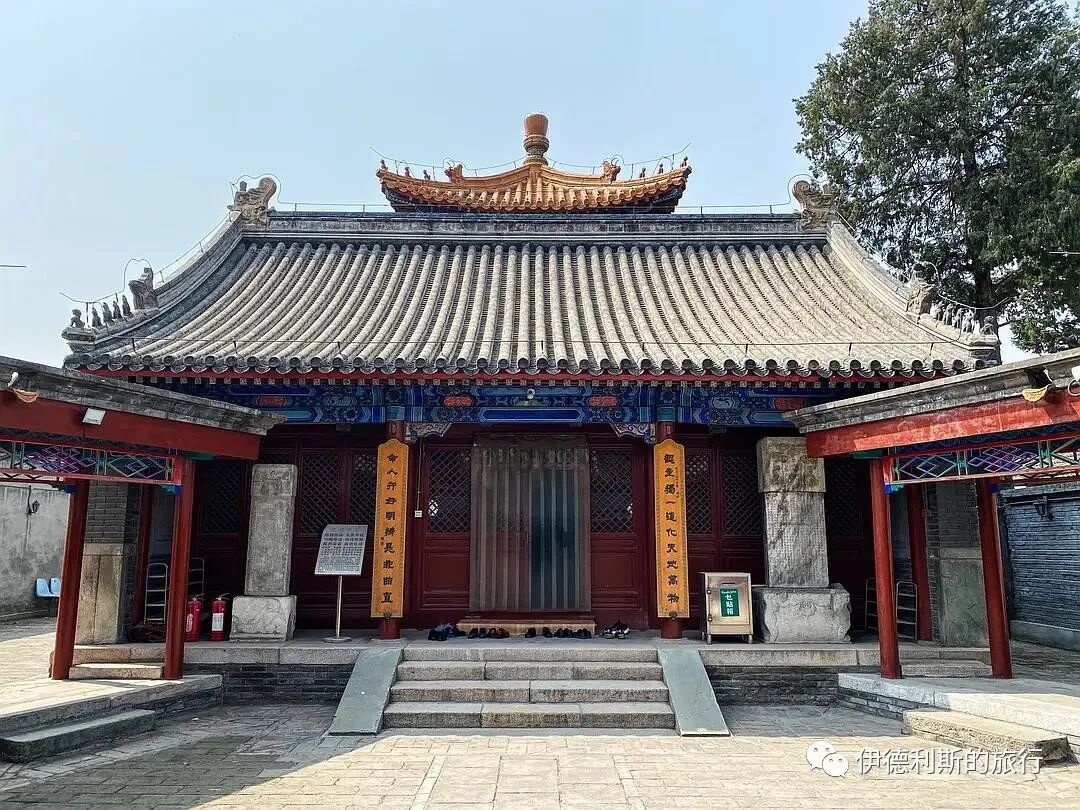
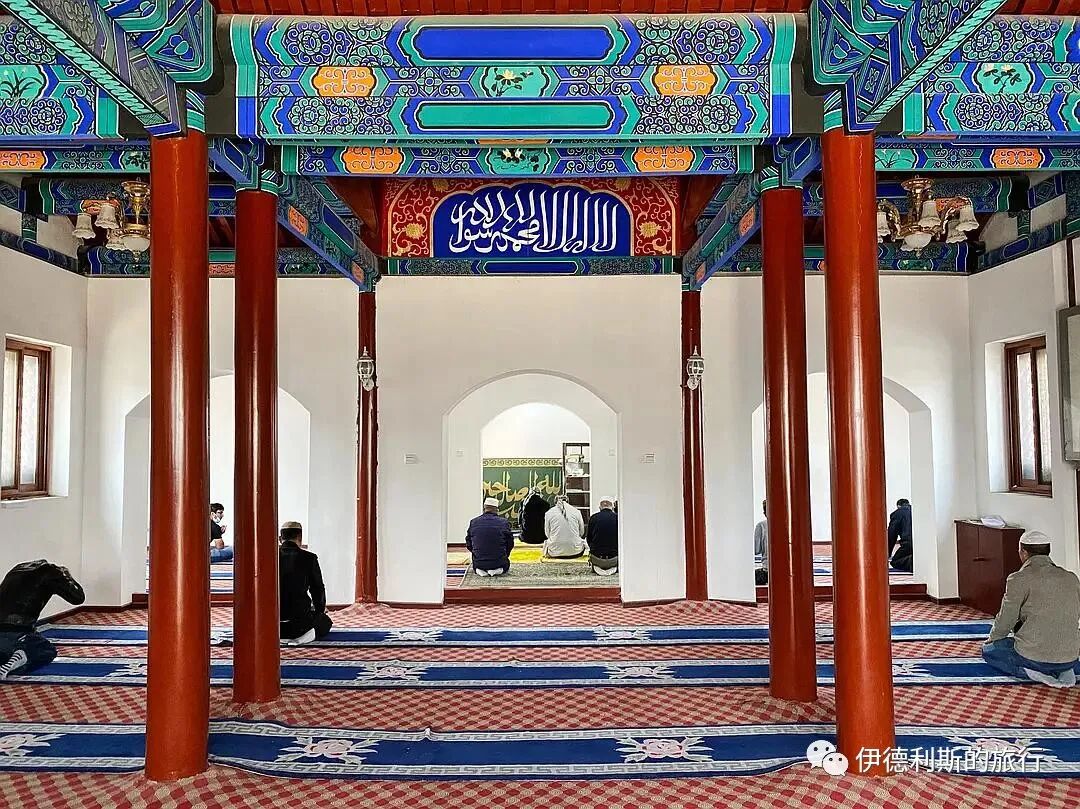
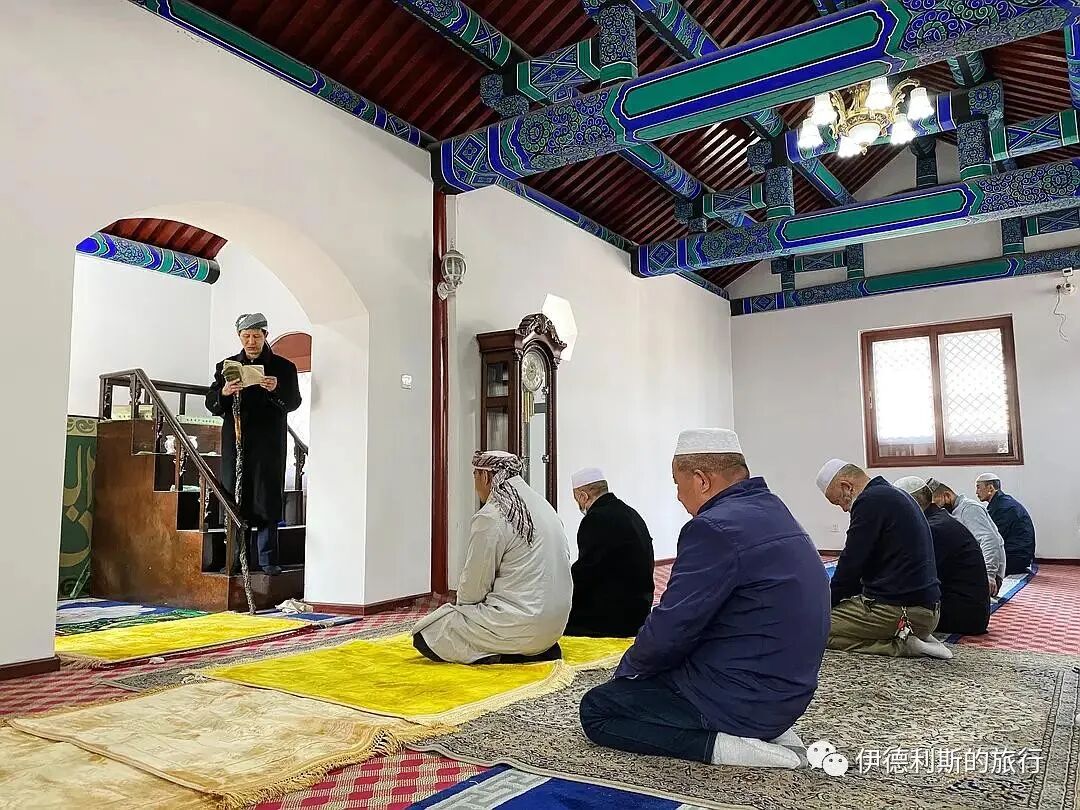
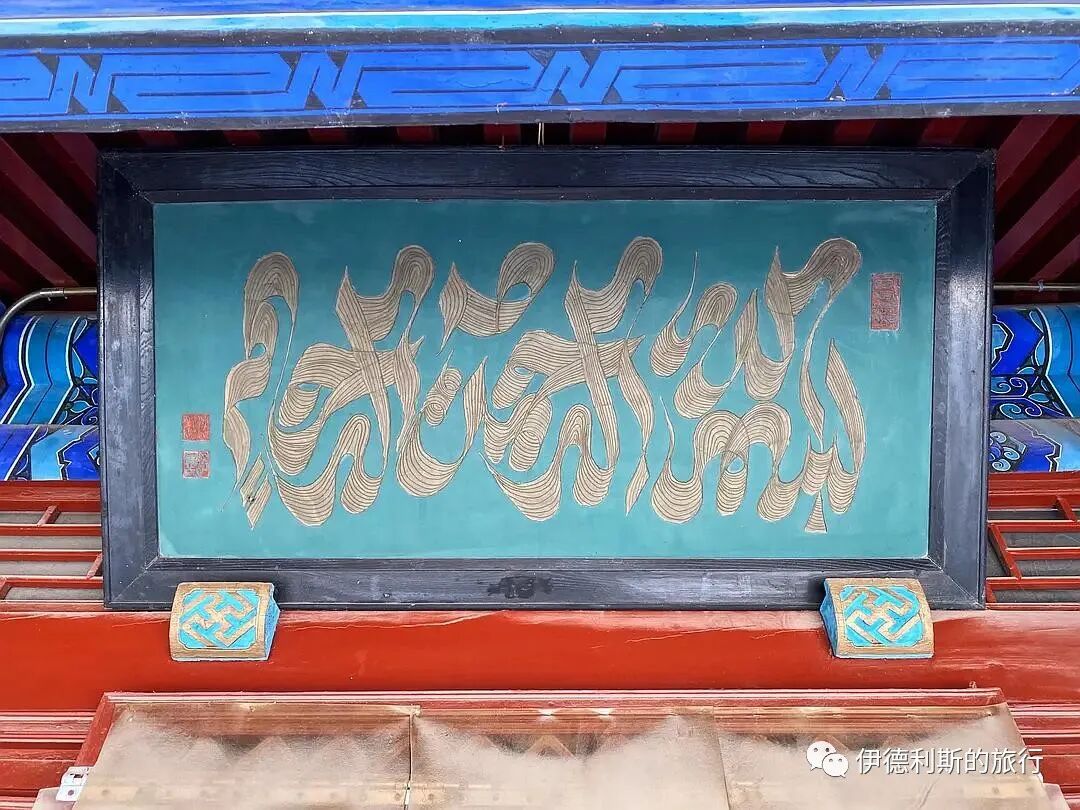
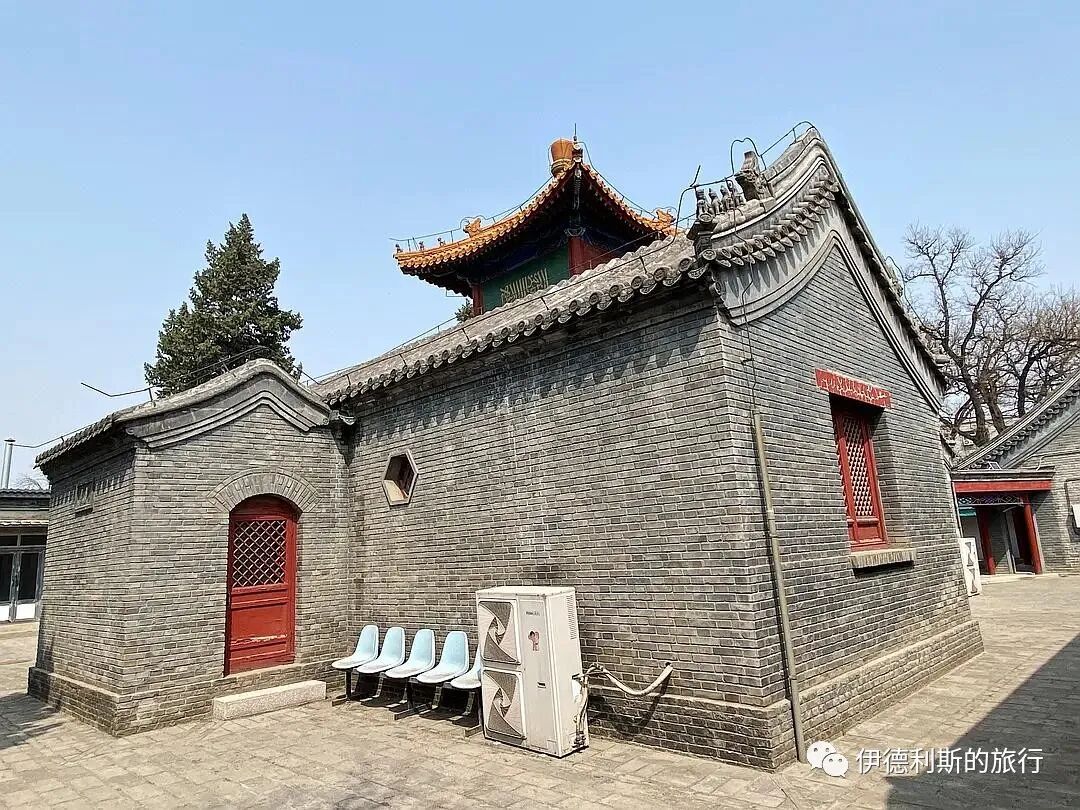
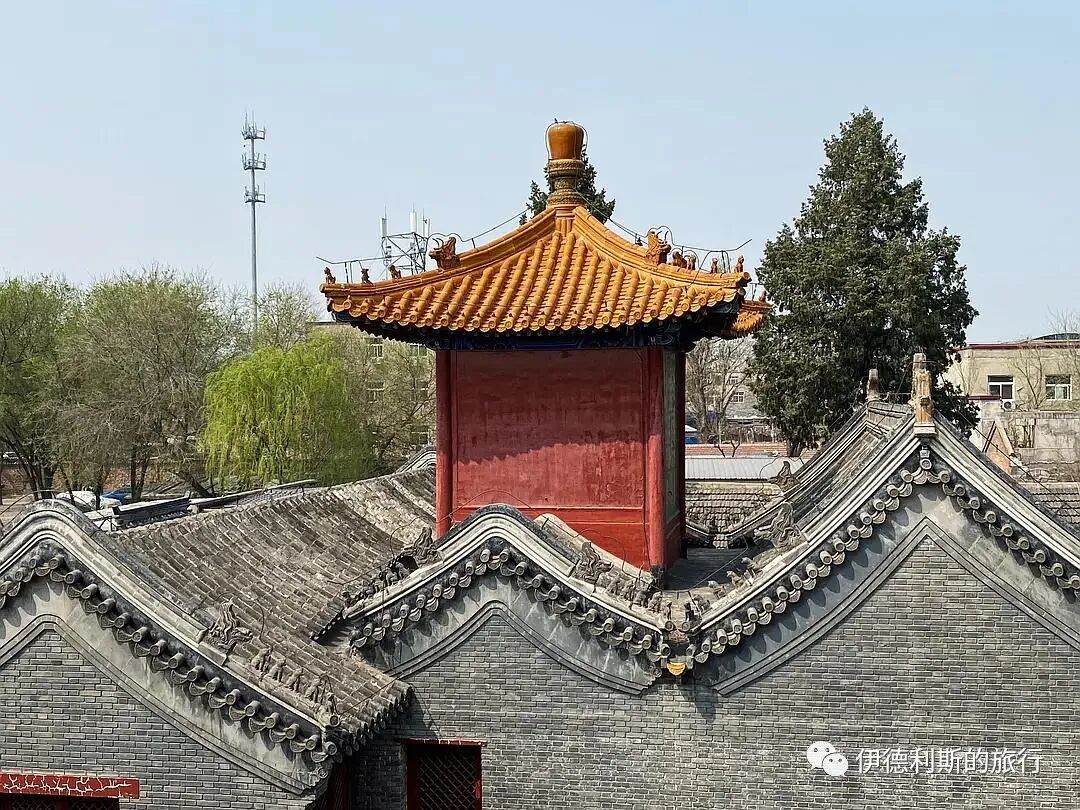
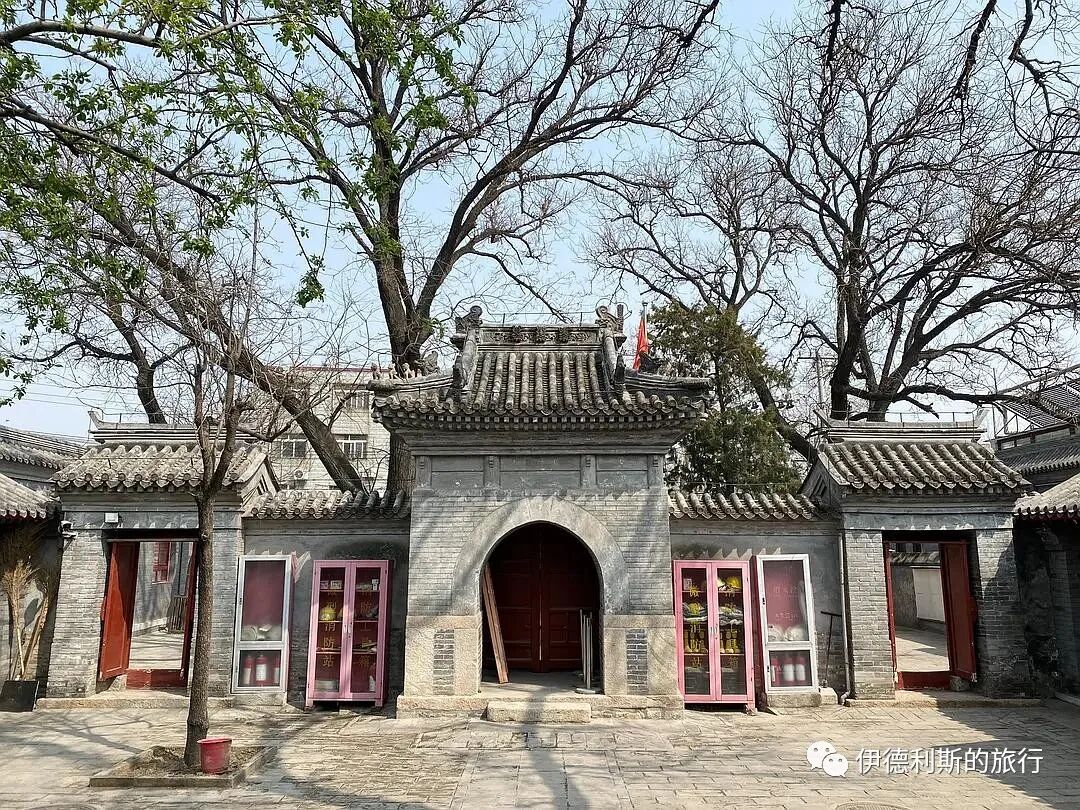
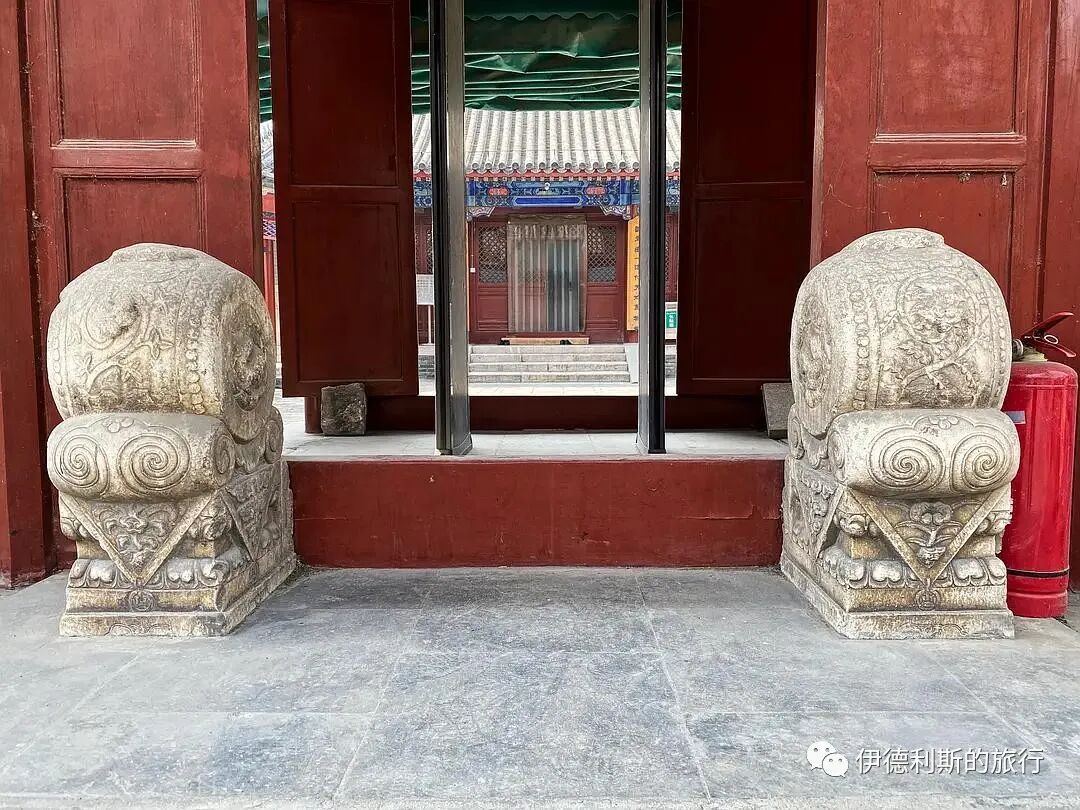
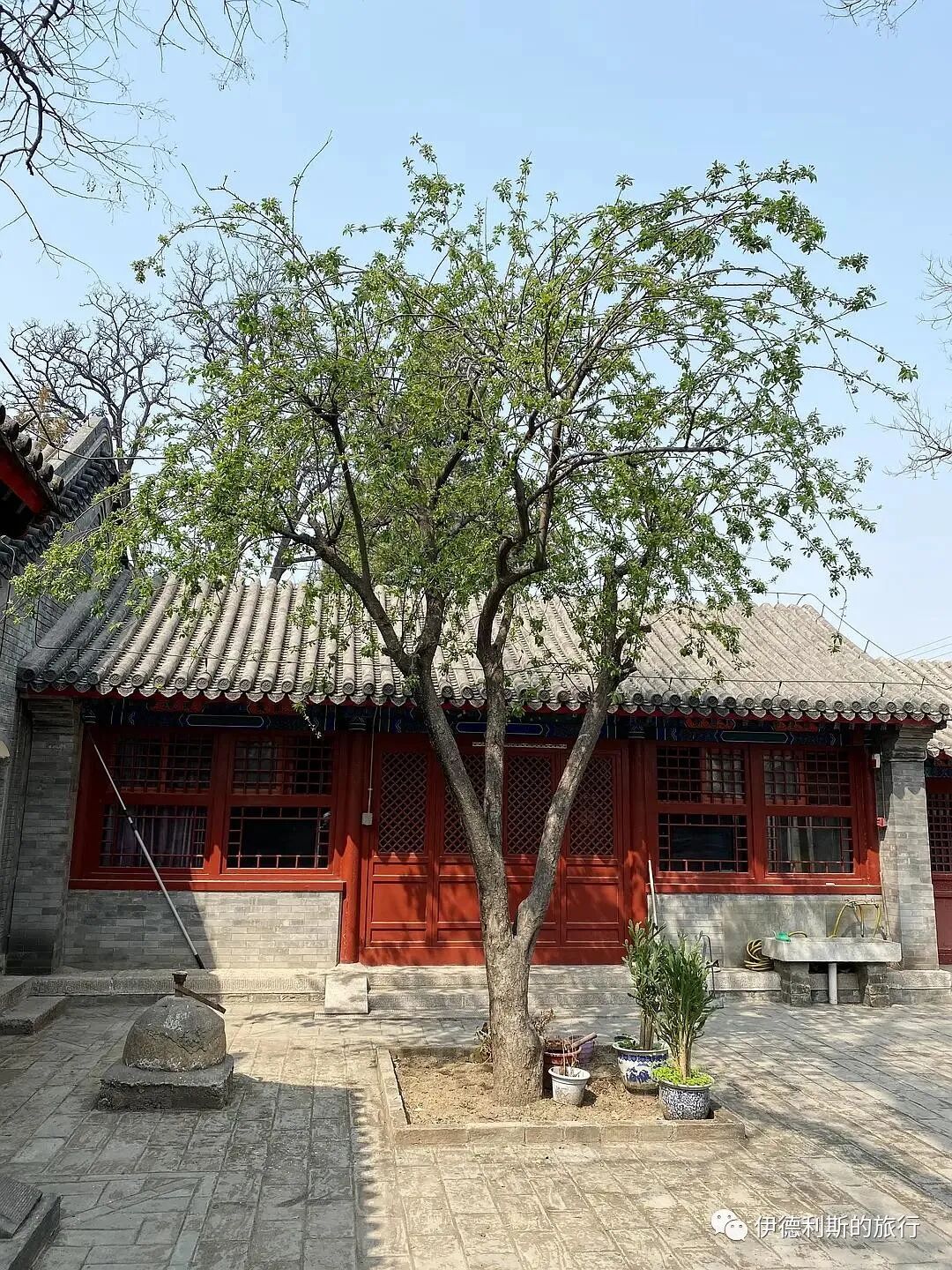
On the north side of the main hall's porch stands a renovation stele from the 31st year of the Qing Guangxu reign (1905), which records the mosque's restoration between 1895 and 1905. The text notes that local sheep traders donated five wen for every sheep sold and one hundred wen for every cow or camel sold to cover the mosque's various expenses.
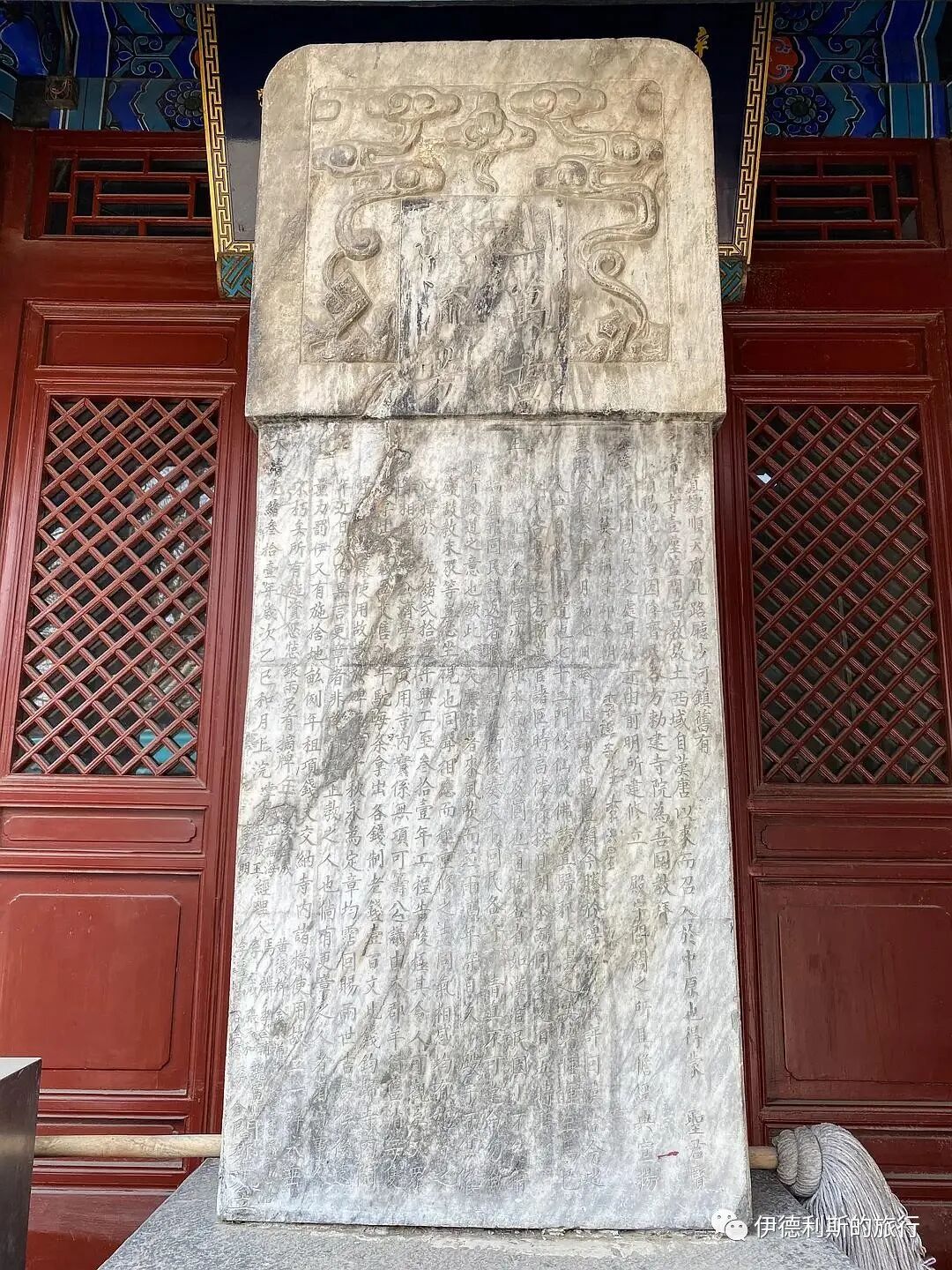
The 1920 renovation stele on the south side of the main hall's porch records that the mosque renovated its ablution room in 1917, and later collected donations (niatie) to build the rear hall and a Western-style gate in 1920. Among the donors, the first mentioned is the Republican-era Hui Muslim general Yang Kaijia. His ancestral home was Dachang, Hebei, and he served for a long time as a bodyguard officer for Yuan Shikai, eventually being promoted to Lieutenant General for his many contributions. Most of the others listed are various merchant firms, many from Madian outside Deshengmen, with the most famous likely being Donglaishun.
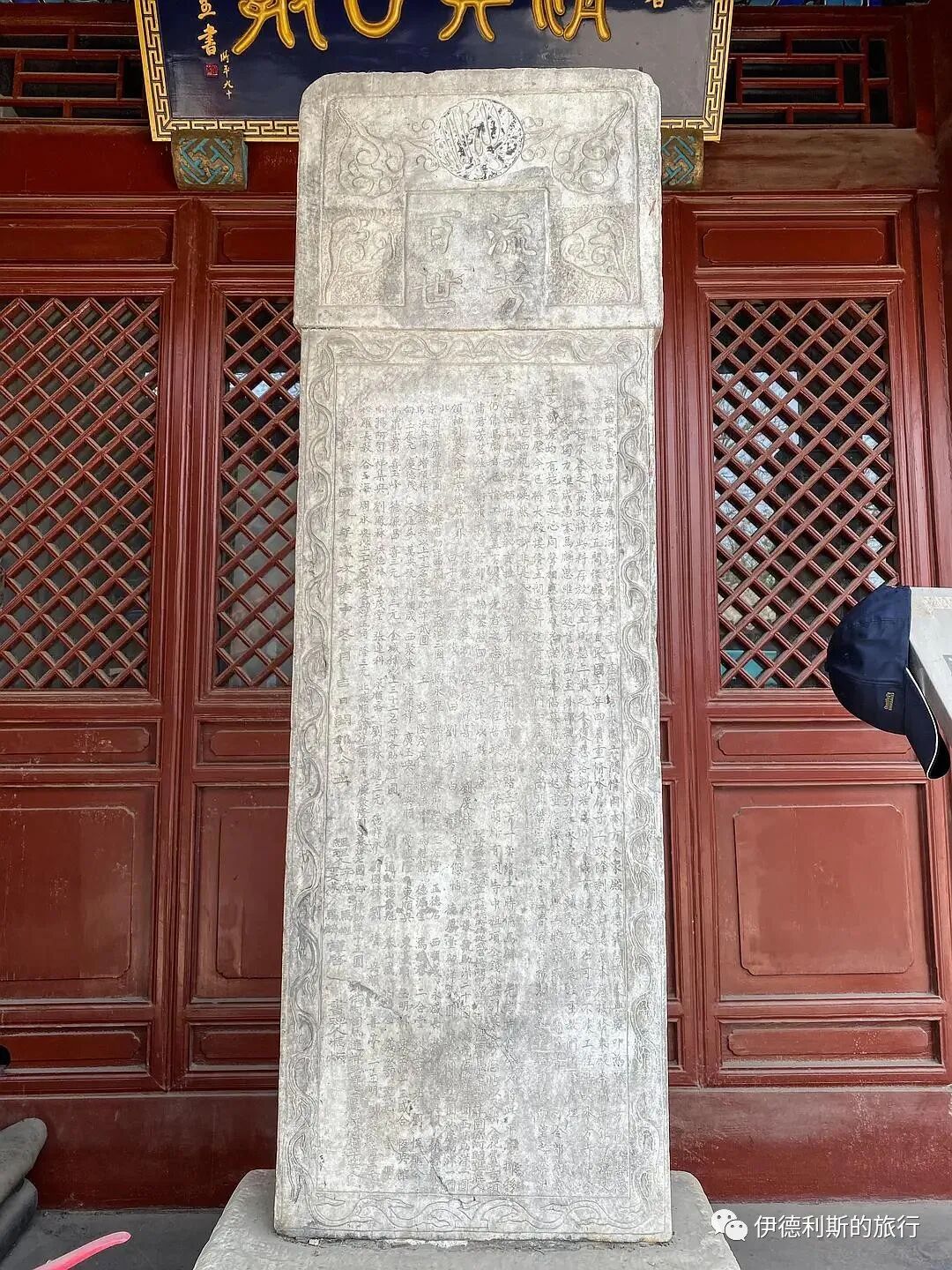
The mosque features works by the famous Arabic calligrapher Haji Chen Jinhui, who taught Arabic calligraphy at the China Islamic Institute for many years.
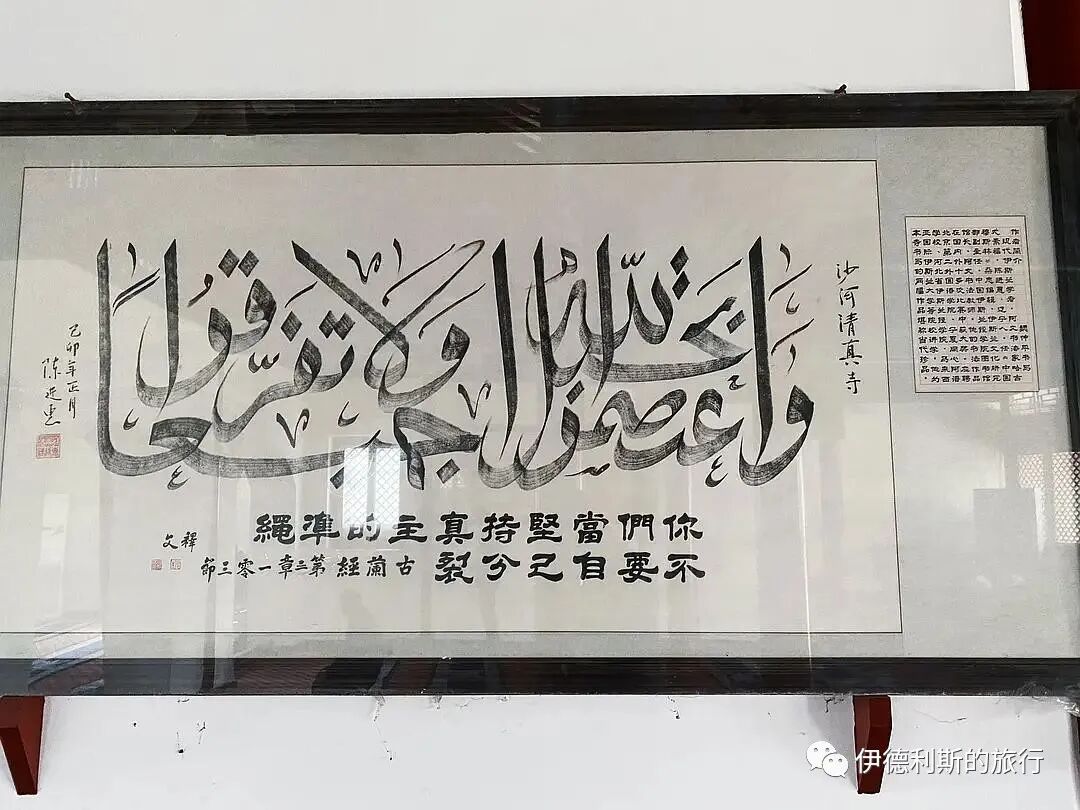
The Western-style gate built for the mosque in 1920.
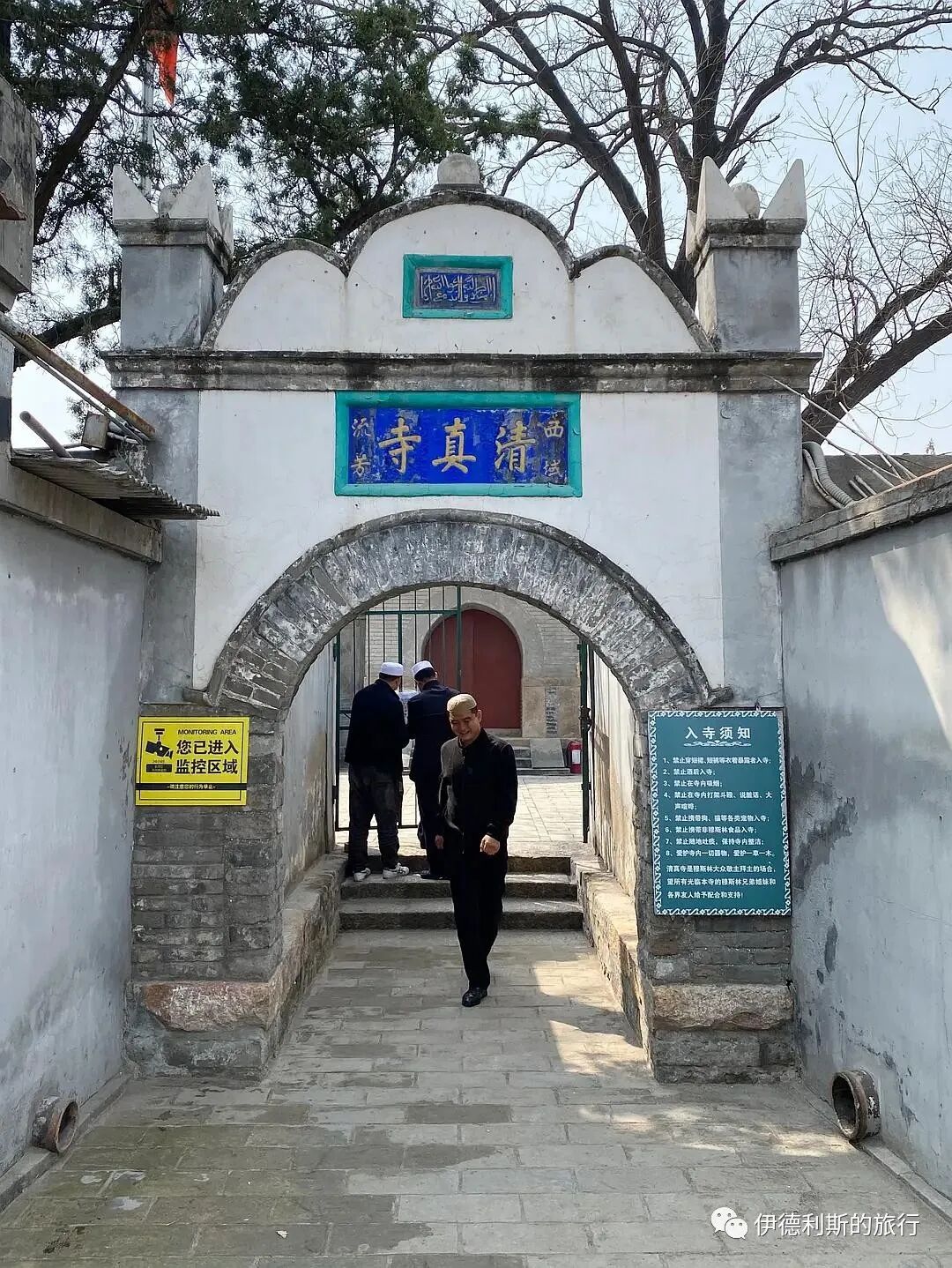
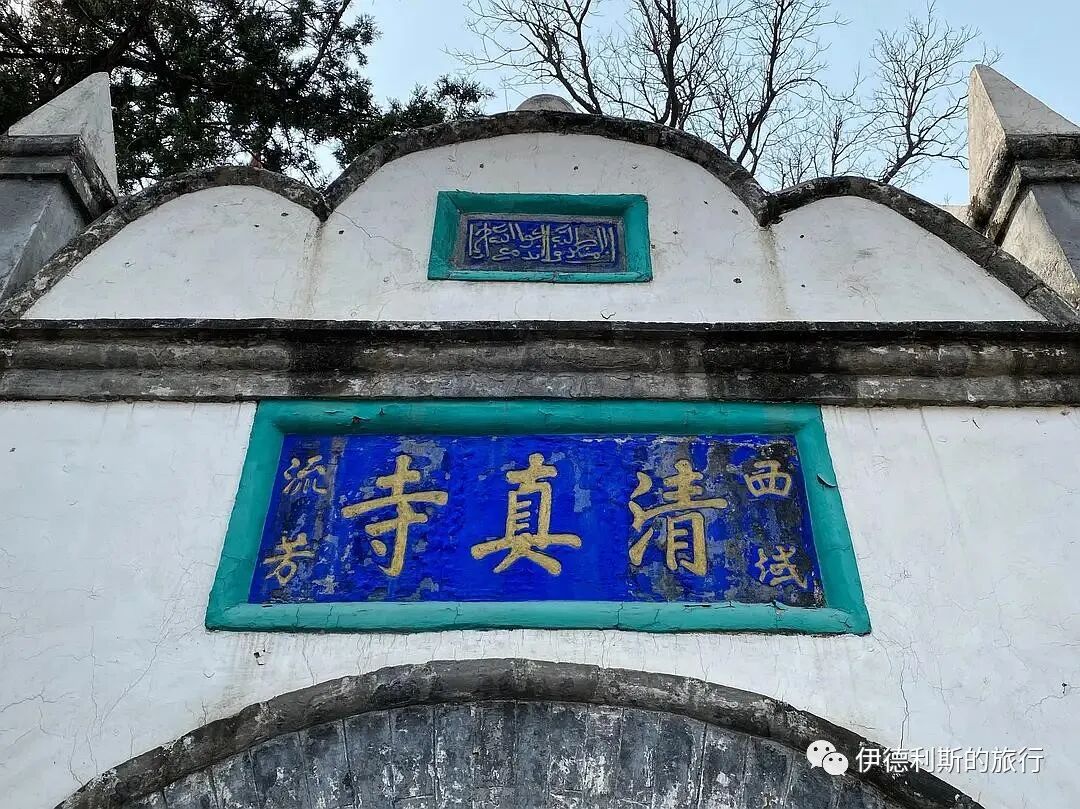
A Chinese-style second gate (erdaomen).
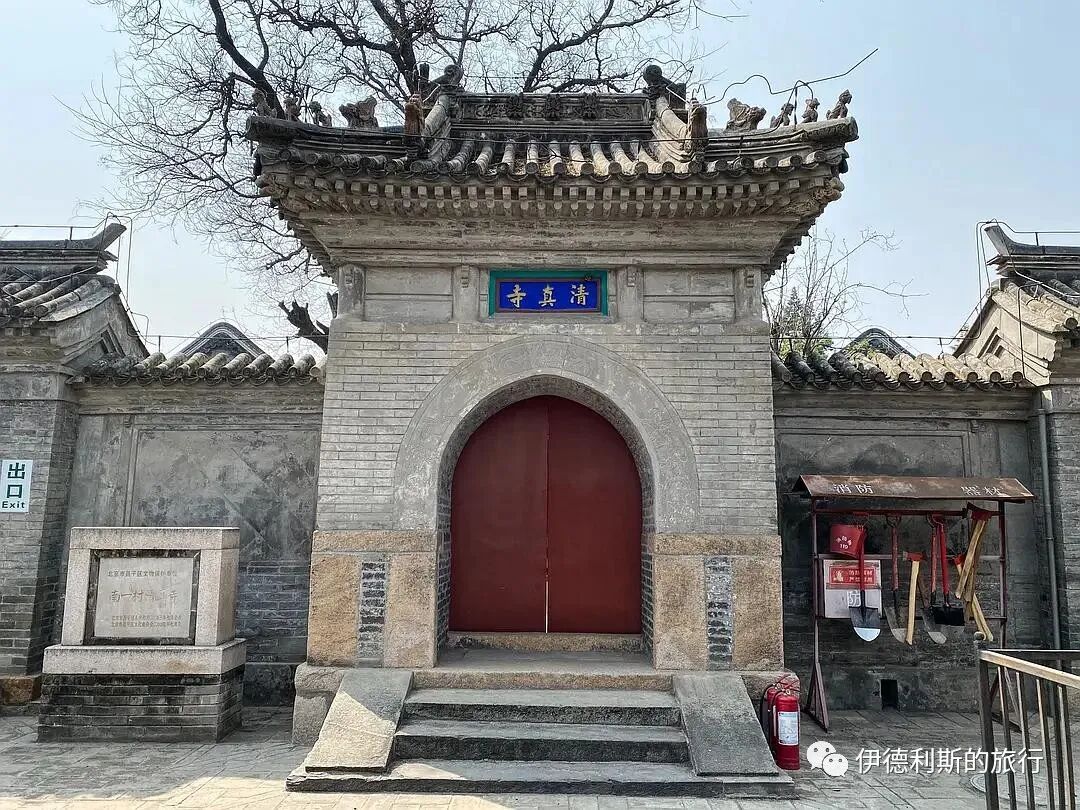
2. Mishi Hutong Mosque.
Today, next to the Caishikou subway station in Beijing, two historical buildings remain inside a large construction site. They were saved 10 years ago during the Daji area demolition. One of them is the famous former residence of Kang Youwei. The other is a small two-story building that once housed the old Bianyifang Restaurant, which opened in 1416 during the 14th year of the Yongle reign of the Ming Dynasty. The old Bianyifang closed in 1937 due to the war. Soon after, Hui Muslims from the five northwestern provinces living in Beijing raised over 10,000 yuan to buy the building. After renovations, it officially became the Mishi Hutong Mosque on January 1, 1940, and also served as the office for the Northwestern Five Provinces Association.
The building housing the Mishi Hutong Mosque was originally built in the mid-to-late Qing Dynasty. It started as an L-shaped structure with three rooms in the north wing and four in the west wing. It featured a hard-mountain roof with a rolled-shed ridge (yingshan juanpeng ding) and a suspended-mountain open corridor (xuanshan changlang) connected together, with a garden on the east side. When it was converted into a mosque in 1940, three open-pavilion rooms were added to the south, changing the L-shaped layout into a U-shaped one. At the same time, a two-story flat-roofed open hall was built in the recessed area, connecting to the south pavilion. This created a semi-enclosed open space on the second floor to serve as the main prayer hall. After the renovation, the building only kept a small courtyard on the east side. You have to pass through the open hall to enter each room, which is a typical feature of southern architecture.
In the 1940s, the Mishi Hutong Mosque became the activity center for northwestern Hui Muslims in Beijing, with Imam Ye Liangpu serving as the first head imam. At that time, the Mishi Hutong Mosque and the Tianqiao Mosque, also built during the Republic of China era, were sister mosques that often invited each other's imams to lead prayers.
After the 1960s, the Mishi Hutong Mosque was turned into a dormitory for a toy factory, and later it became a residential compound. After the Daji area southeast of Caishikou was demolished, more than 30 guild halls, various temples, shops, and the former homes of famous people were turned into ruins. By 2012, only two historical buildings remained: the former home of Kang Youwei and the Mishi Hutong Mosque. It is a pity that the original gate of the Mishi Hutong Mosque, which featured traditional Arabic calligraphy, has been torn down, leaving only the small two-story building inside. People say that both the Mishi Hutong Mosque and the former home of Kang Youwei will be renovated and used for other purposes, but I do not know what they will look like then.
For a detailed introduction to the Mishi Hutong Mosque, you can read my article, Beijing's Only Southern-Style Mosque: Mishi Hutong Mosque.
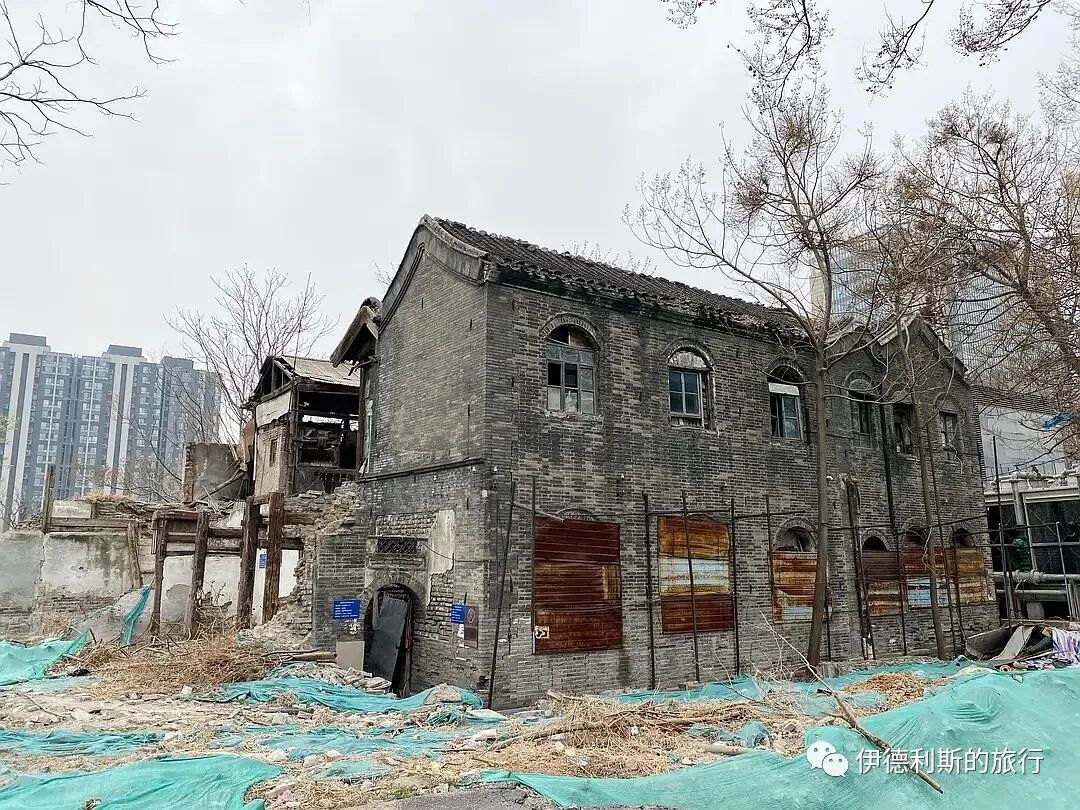
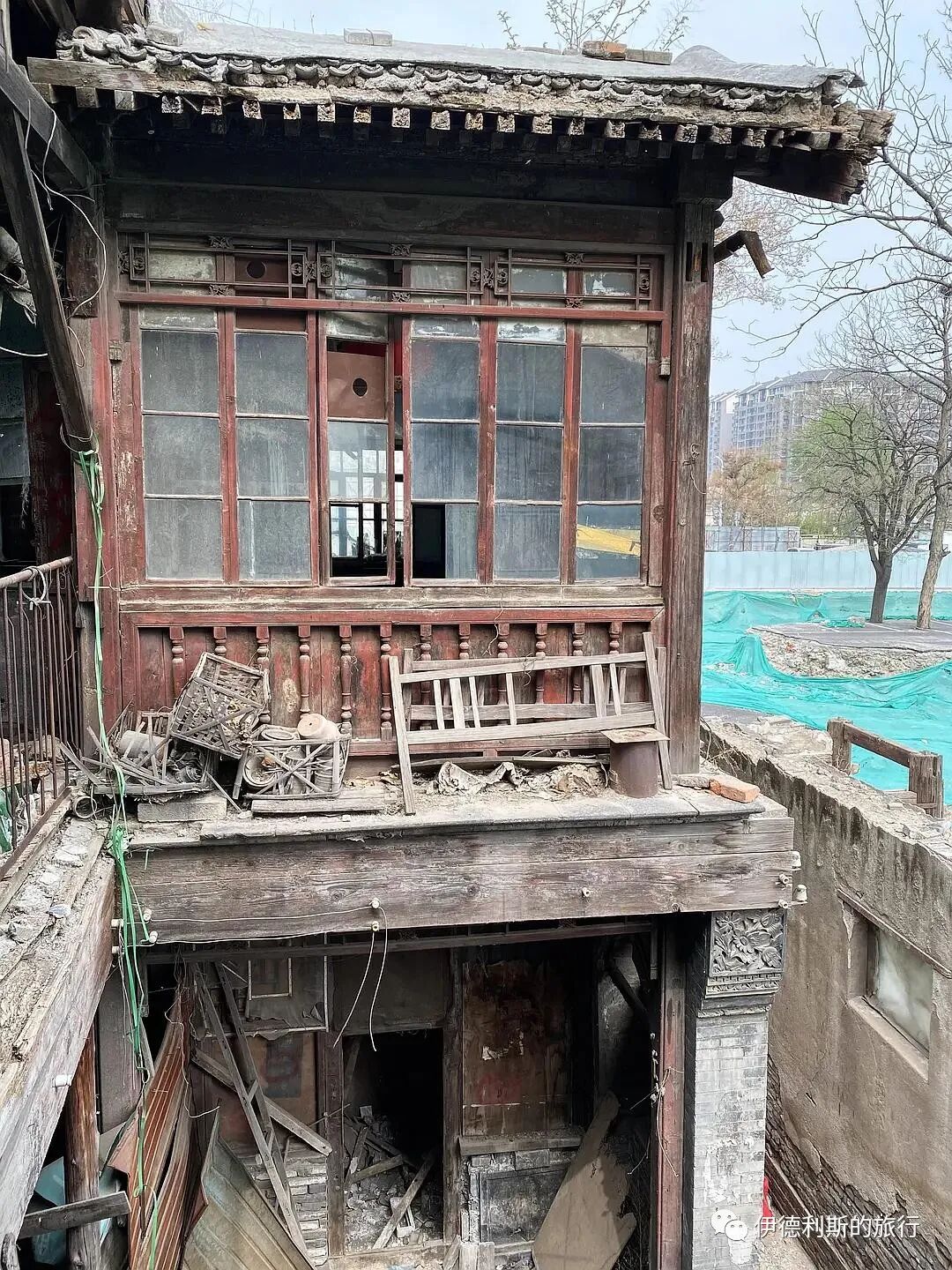
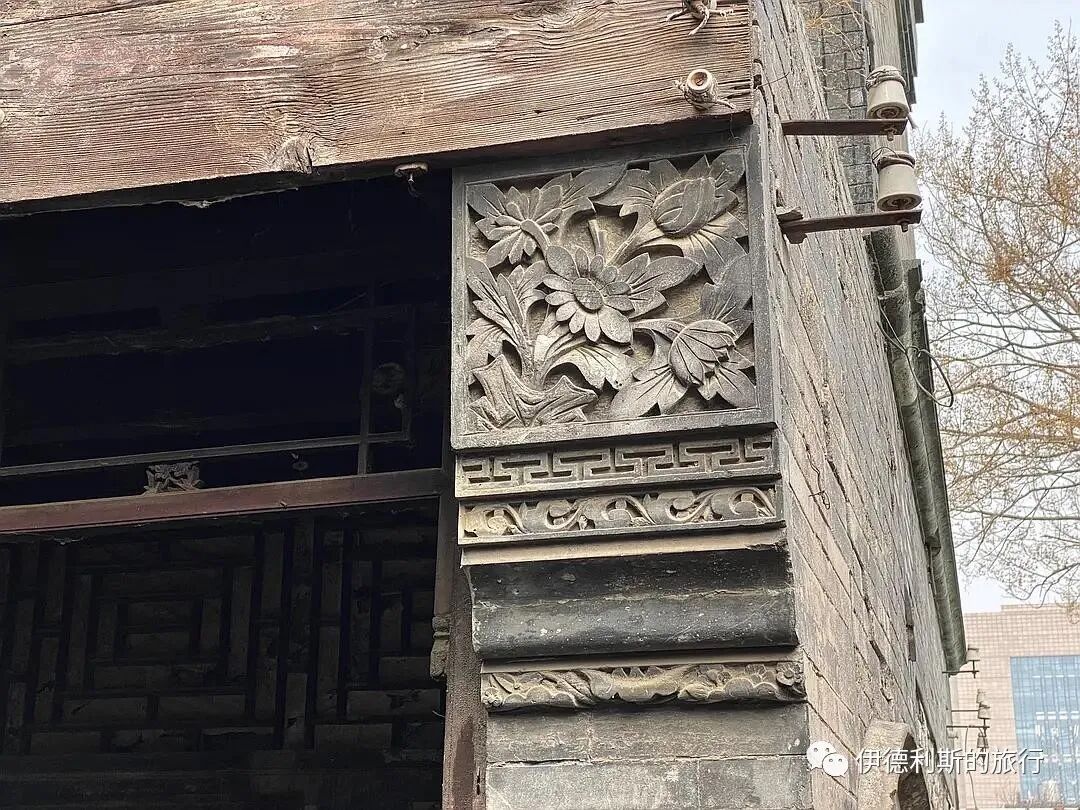
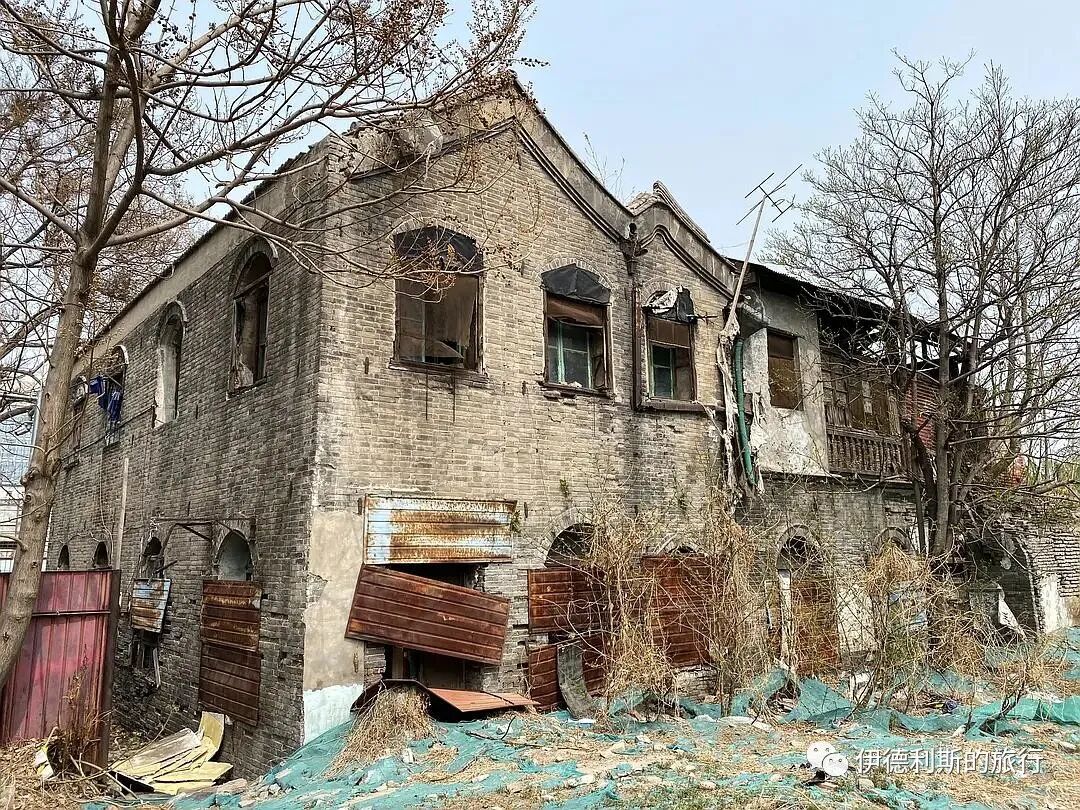
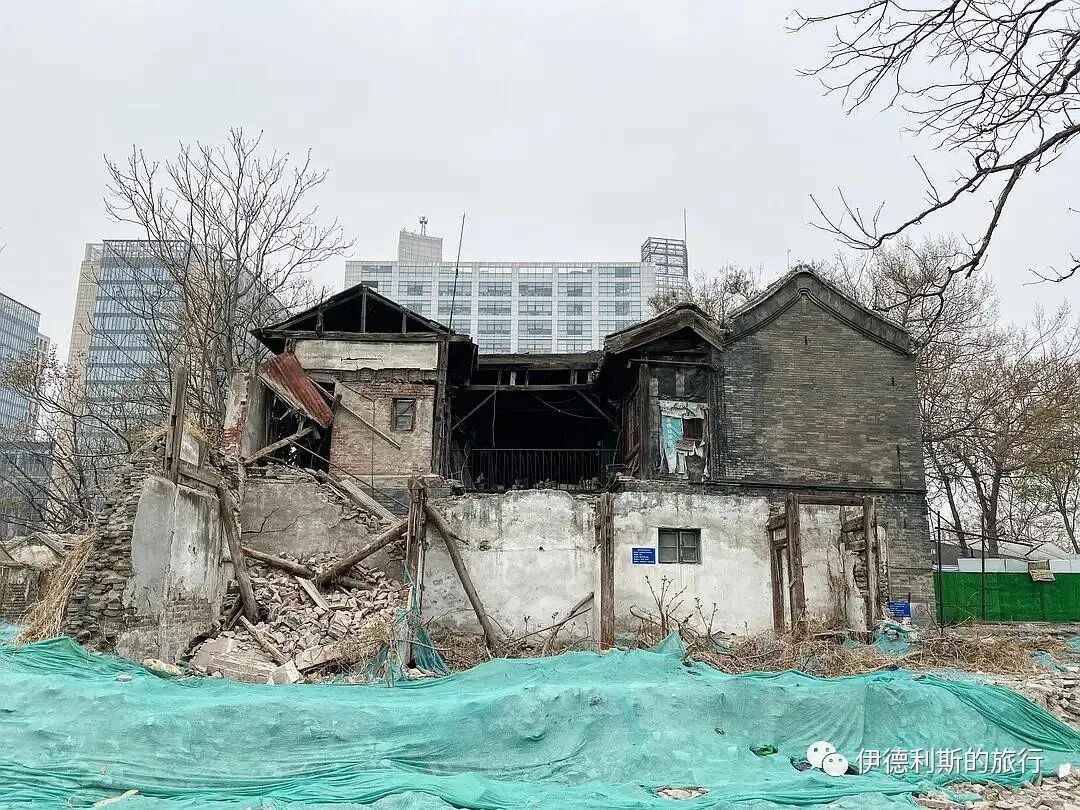
3. Changping Wujie Mosque
The Changping Wujie Mosque under renovation. The Wujie Mosque is also called the Changping City Mosque. Legend says it was built by Chang Yuchun during his northern military campaign. It was rebuilt during the Wanli era using stone and wood left over from the construction of the Ming Tombs, and the golden nanmu wood beams in the main prayer hall have been preserved to this day.
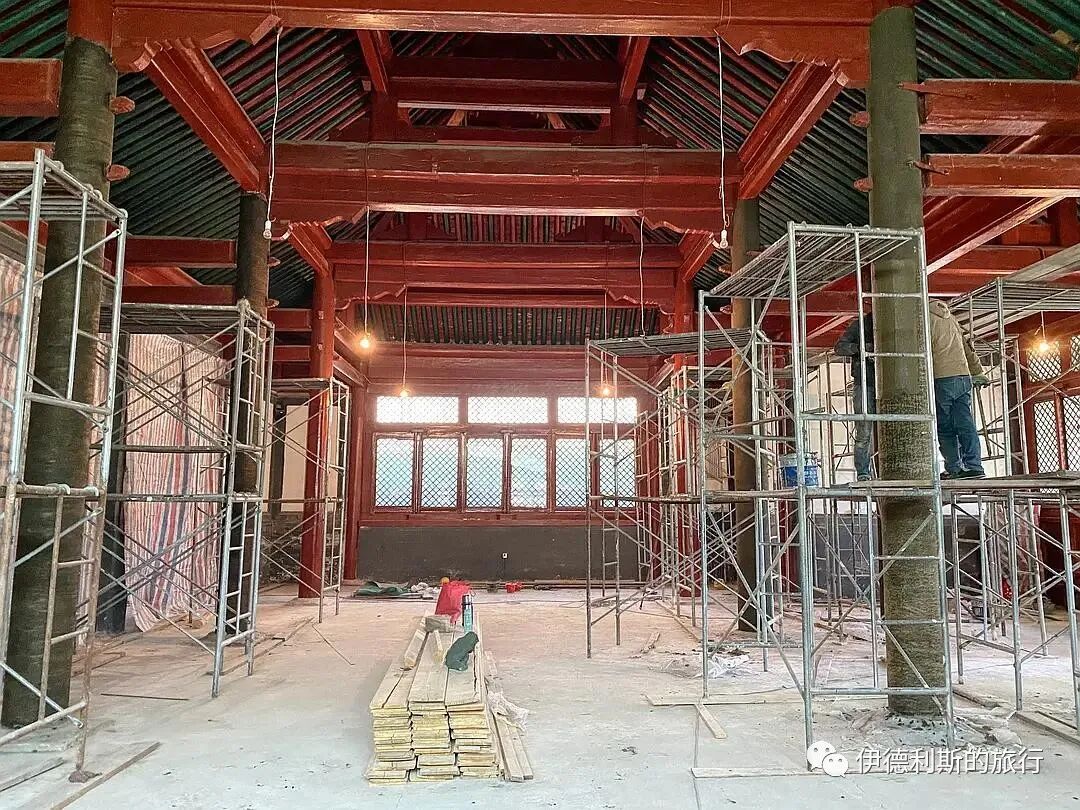
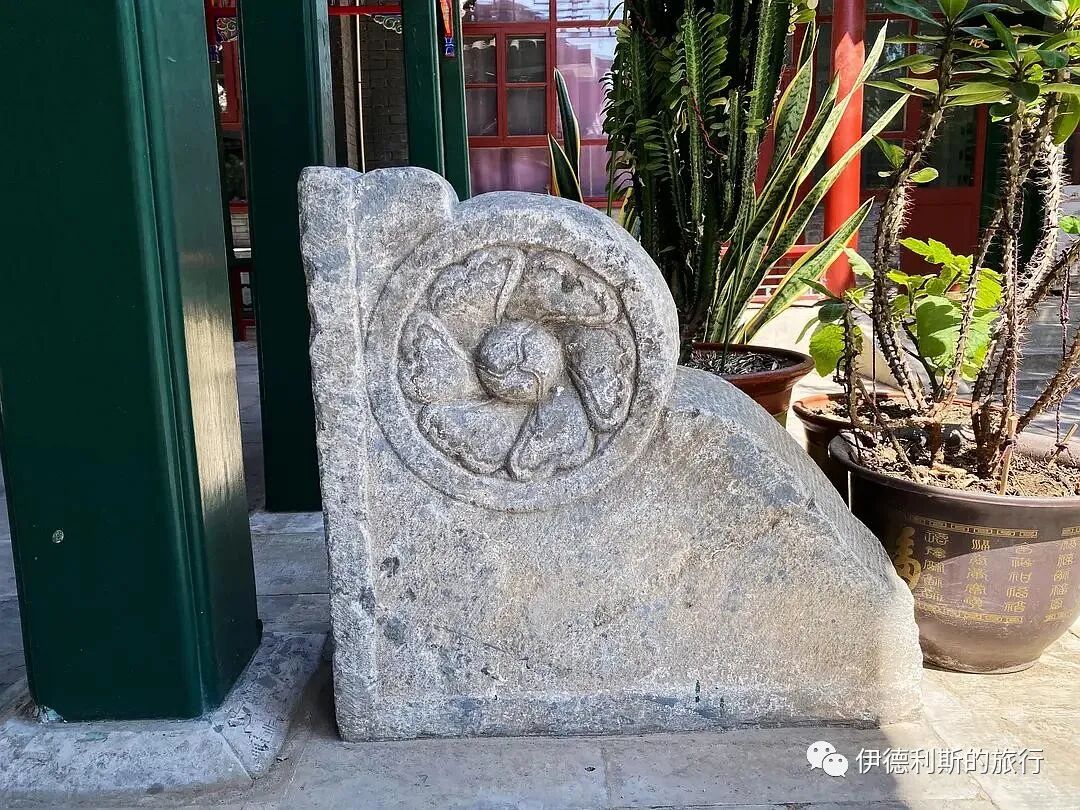
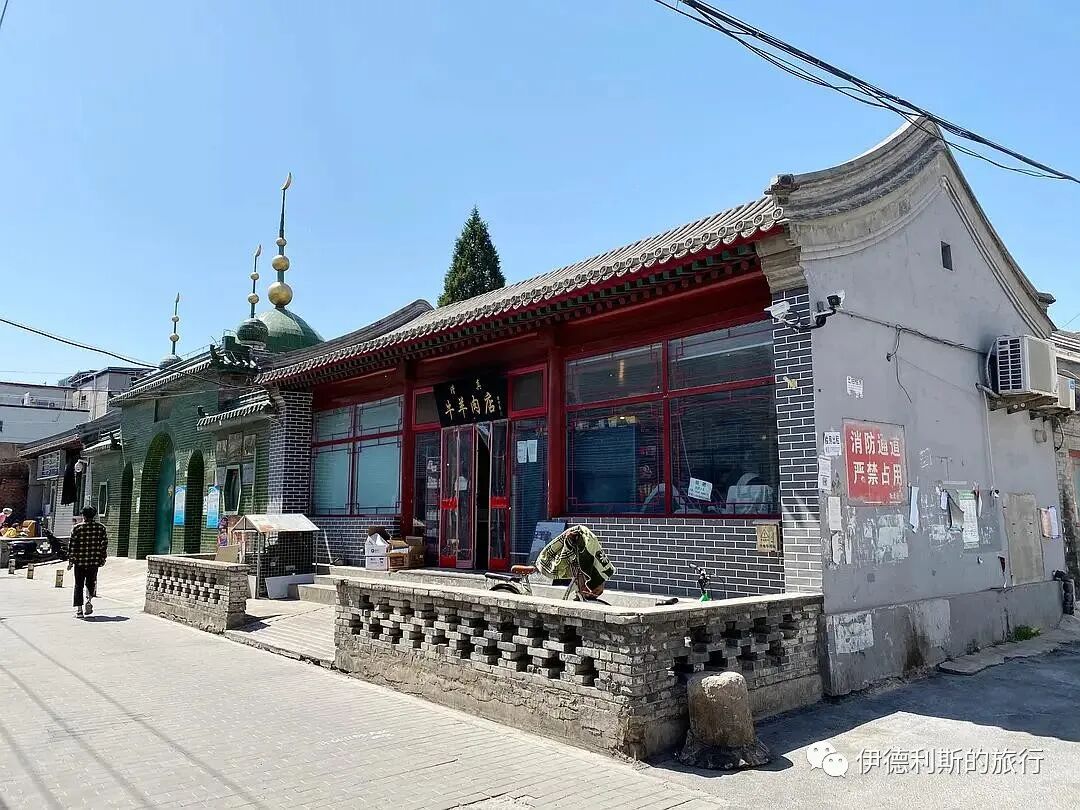
The prayer rug used by Imam Jin Zichang at the Changping Mosque between 1946 and 1947. Imam Jin Zichang came from the Jinjiadian Daotang in Jinan, Shandong. He was an Eastern Rais of the Jahriyya order and managed Jahriyya religious affairs in Jiangsu, Shandong, Hebei, and the three northeastern provinces. The Imam's ancestor, Jin Shizhang, began studying Jahriyya teachings under Ma Mingxin in 1770. He was later appointed as the Rais in charge of religious affairs in Shandong, Zhili, and Jiangsu, and he founded the Jinjiadian Daotang in Xiguan, Jinan. Imam Jin's great-grandfather, Jin Zhong, once led religious affairs at the Nanshangpo Mosque and Changping Mosque outside Chaoyangmen in Beijing. His grandfather, Jin Shiyi, became the rais (leader) of Jahriyya religious affairs in Xinjiang in 1912 and helped expand the Southern Great Mosque of Urumqi.
Imam Jin Zichang was originally named Jin Zhiyan. He lost his father as a child and went to Xinjiang at age 9 to live with his grandfather. Later, he went to Gansu to continue his studies. In 1925, he returned to Jinan to manage the Jinjiadian Daotang (a religious hall). In 1928, he was admitted to the Shanghai Islamic Normal College, where he was deeply favored by the great Imam Da Pusheng, who gave him the name Jin Zichang. In 1934, Jin Zichang went to study at Al-Azhar University in Egypt. He went on Hajj in 1936 and returned to China in 1937 to continue managing religious affairs at the Jinjiadian Daotang. Later, Imam Jin managed religious affairs at several mosques, including the Changping Mosque in Beijing, Nanshangpo Mosque, Urumqi Southern Great Mosque, Lanzhou Changjiaxiang Mosque, and Tianshui Taizi Mosque. In 1958, he was placed under isolation and investigation. Shortly after his release, he passed away in 1961 at the age of 59.
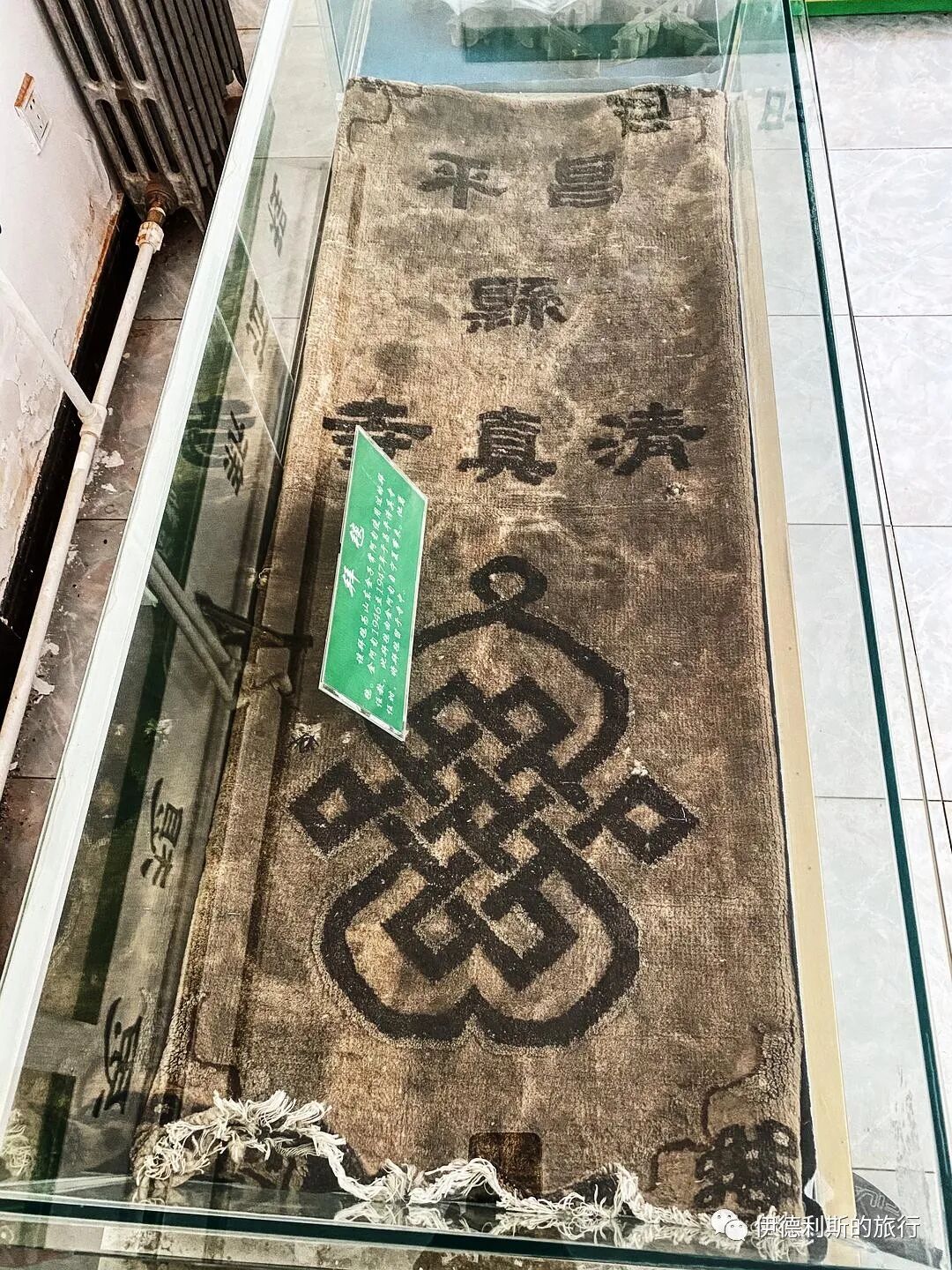
Window lattices from the Ming and Qing dynasties, which were removed during a major renovation of the Changping Mosque in the Republican era, were discovered after 1949 inside a spare casket for a maiti (deceased person).
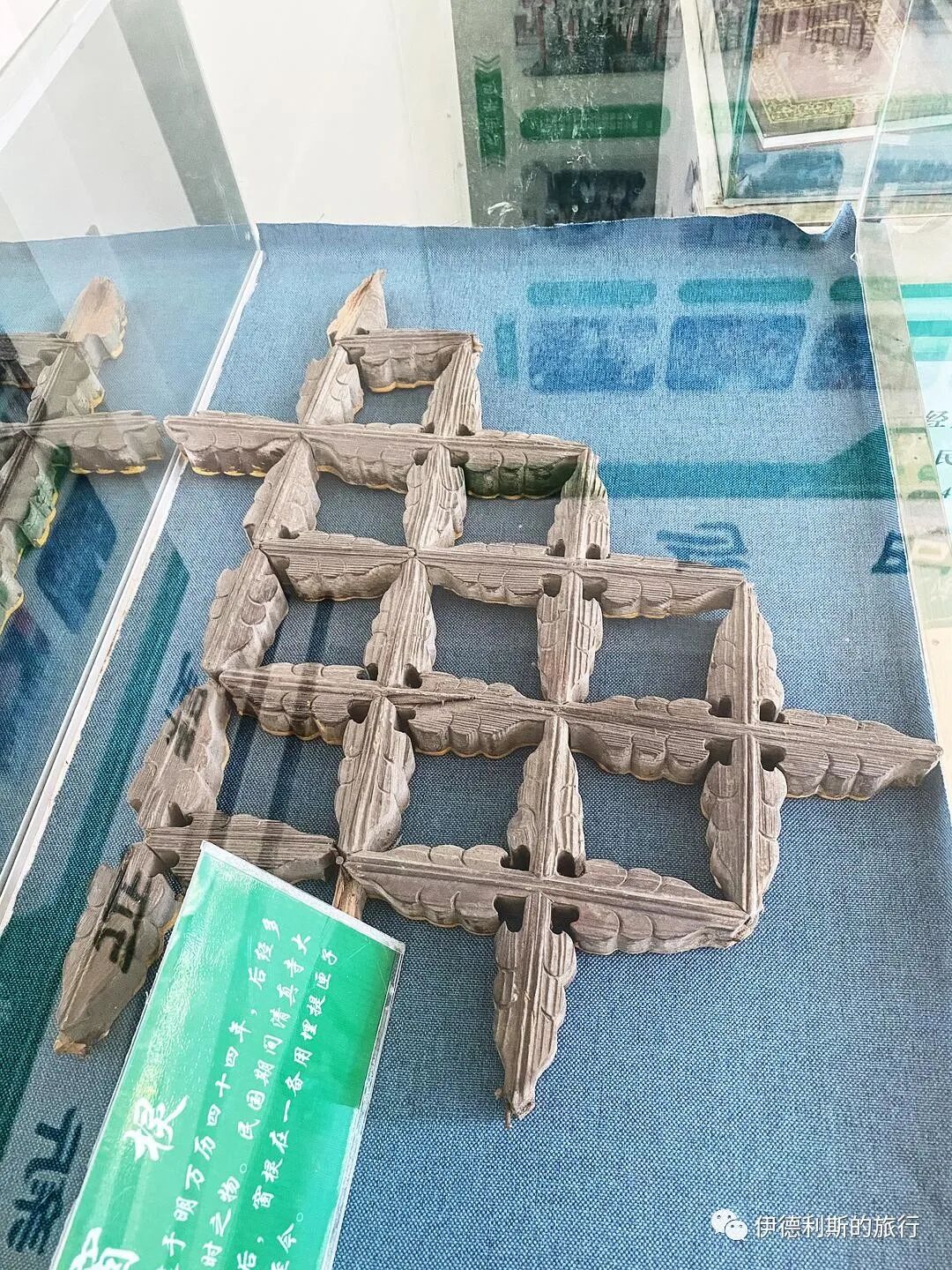
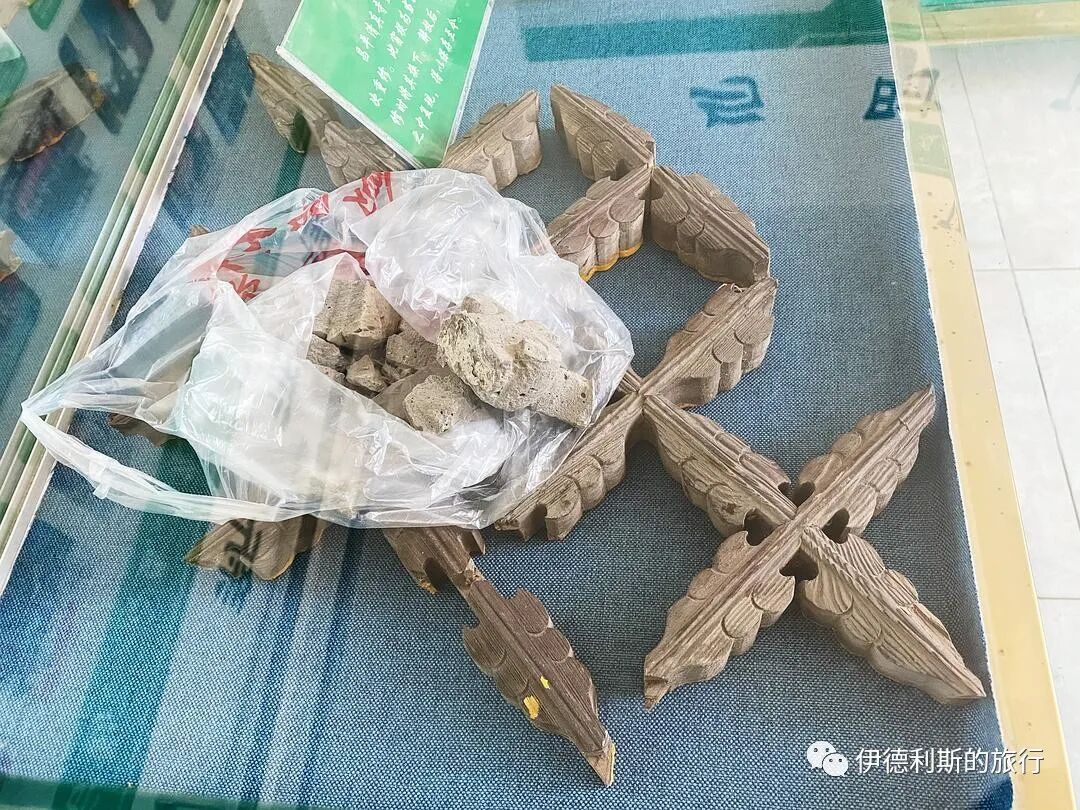
Ancient Quran (Gu Re'ani) copies and traditional scripture school textbooks preserved at the Changping Mosque.
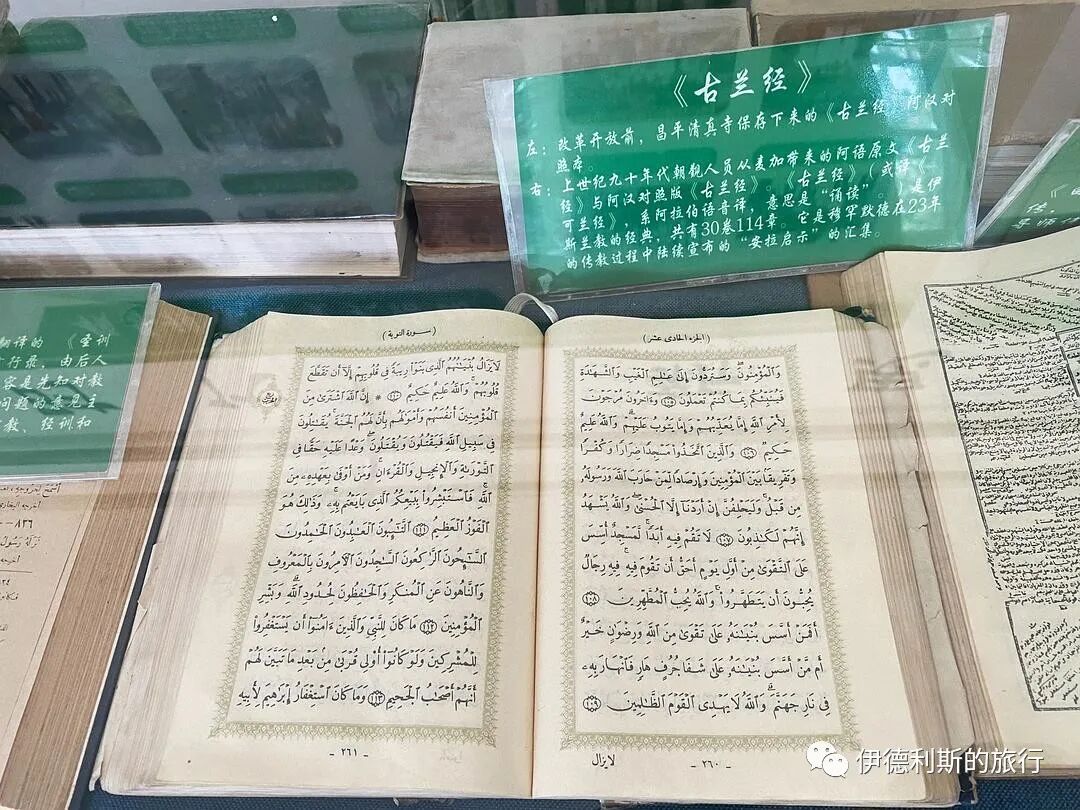
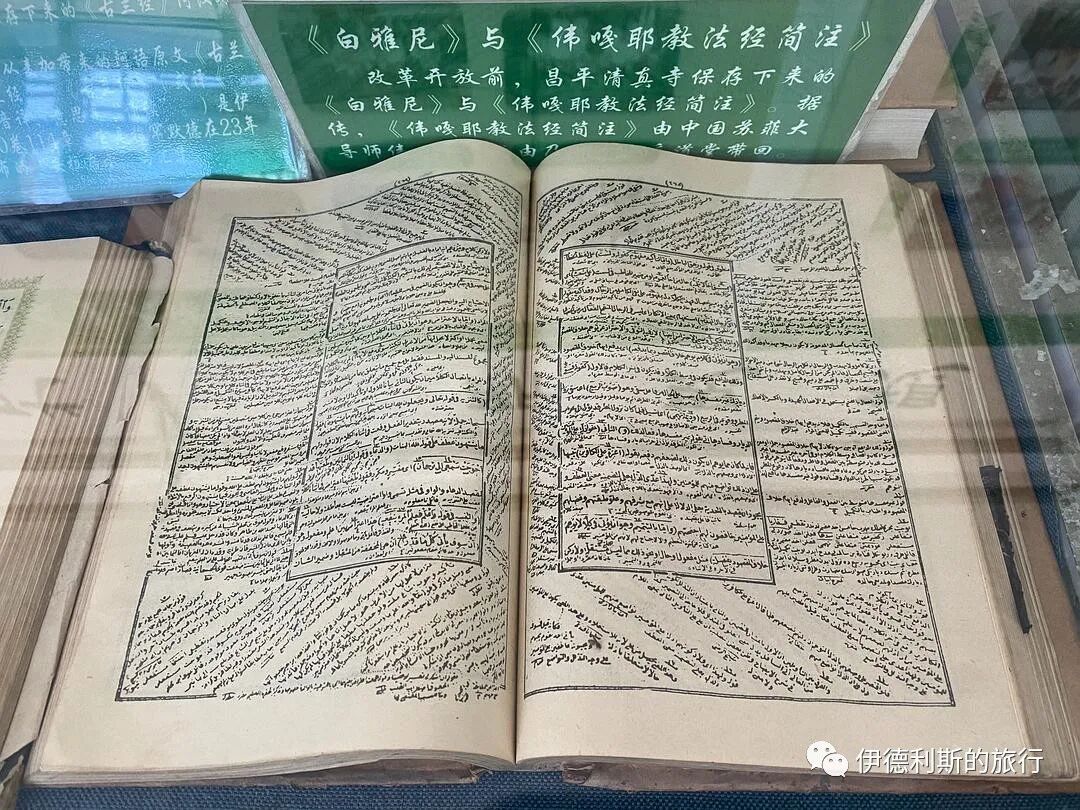
4. Majuqiao Mosque
Going to Majuqiao Mosque in Tongzhou for Jumu'ah prayer. Majuqiao is located on the south bank of the Liangshui River. After the Ming Emperor Chengzu moved the capital, he built the Nanhaizi Royal Hunting Park here. In 1463 (the seventh year of the Tianshun reign), a stone arch bridge was built across the Liangshui River. From then on, Majuqiao became a key road in the capital region, attracting many merchants, and Hui Muslims continuously moved there to do business. The Majuqiao Mosque was built during the Ming Dynasty, renovated during the Qianlong reign, and expanded again in 1937. In 1999, all the wood, bricks, and tiles from the demolished Niujie Women's Mosque were used to renovate the Majuqiao Mosque, and a towering moon-sighting tower (wangyuelou) was added behind the main hall.
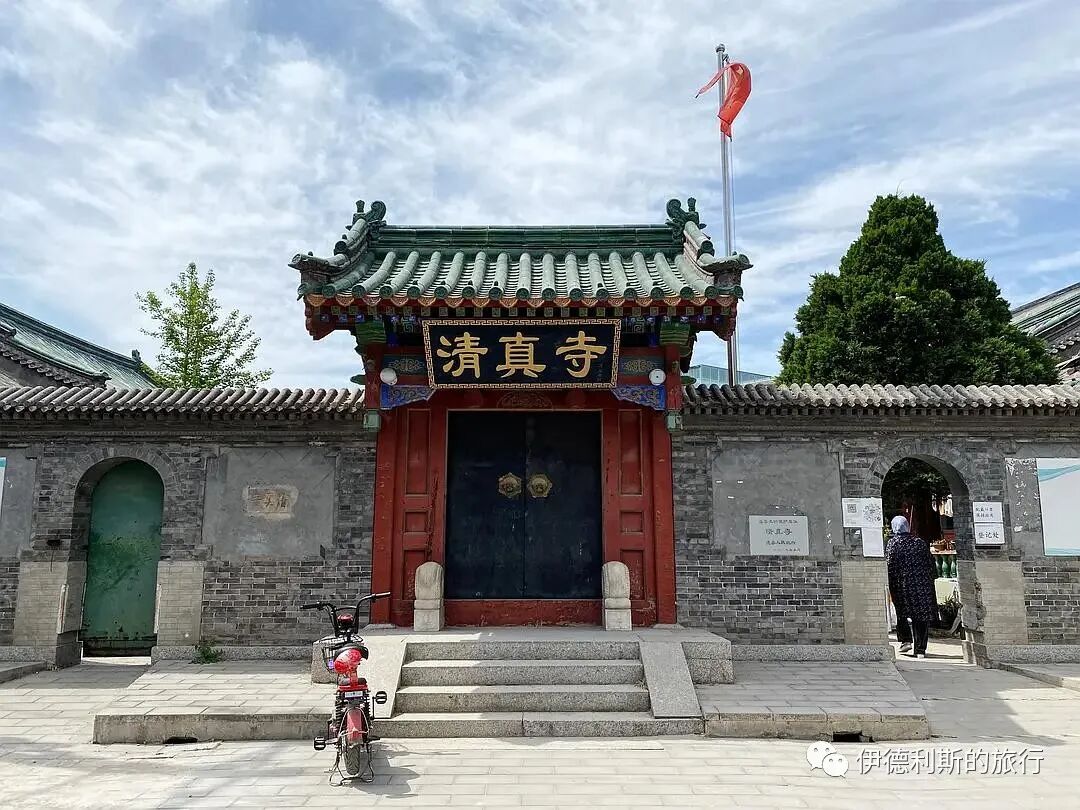
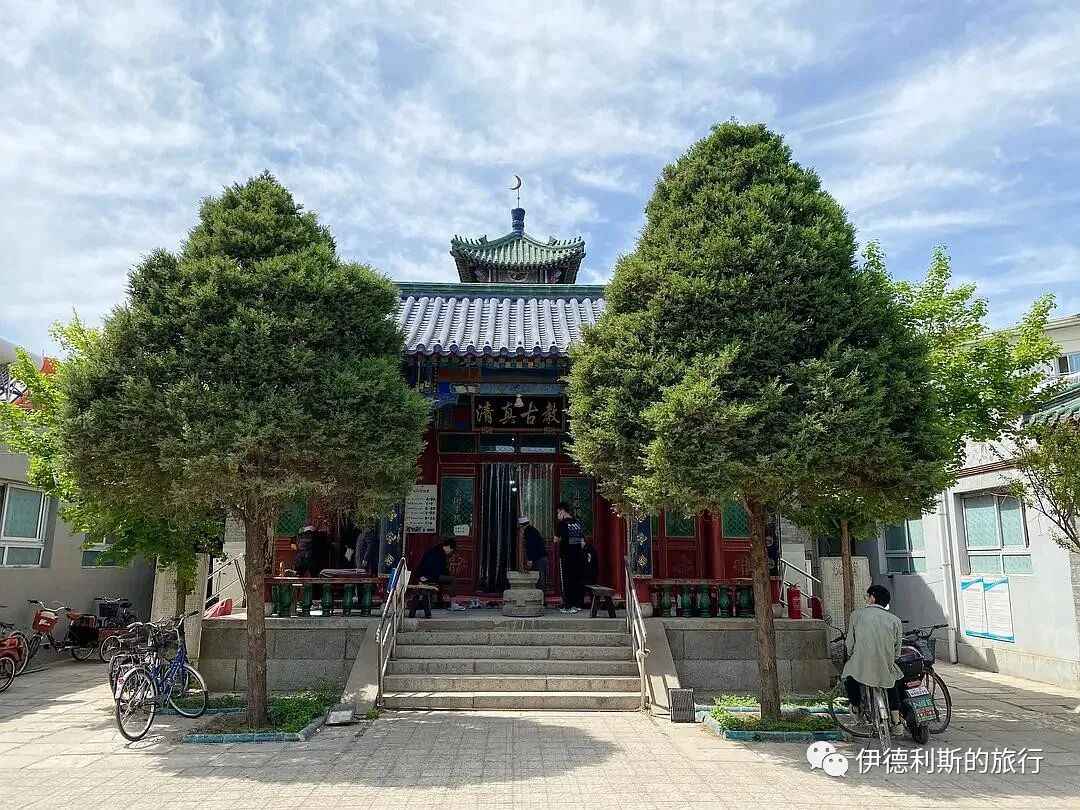
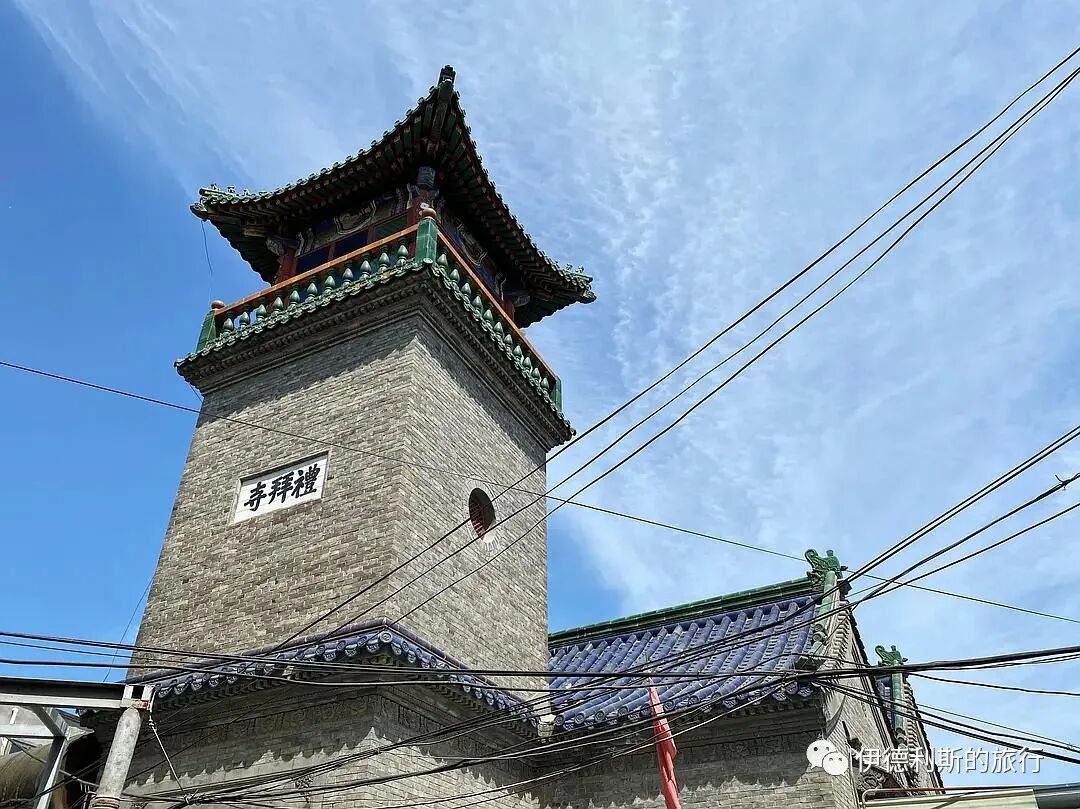
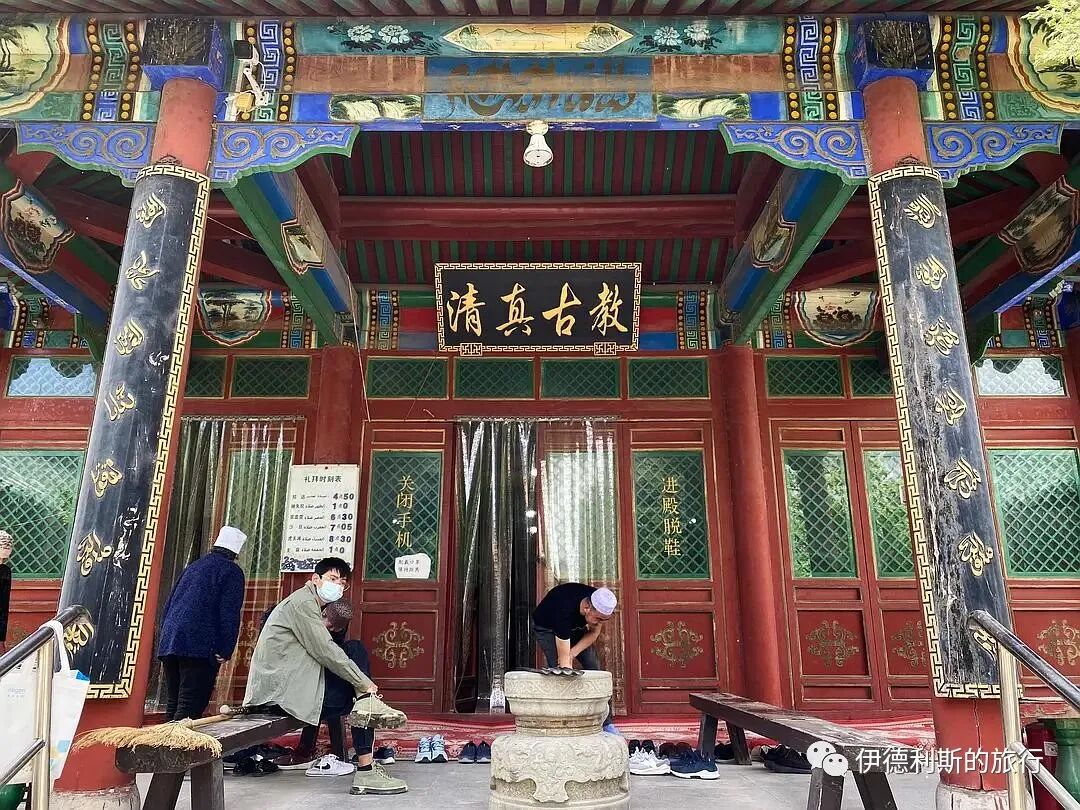
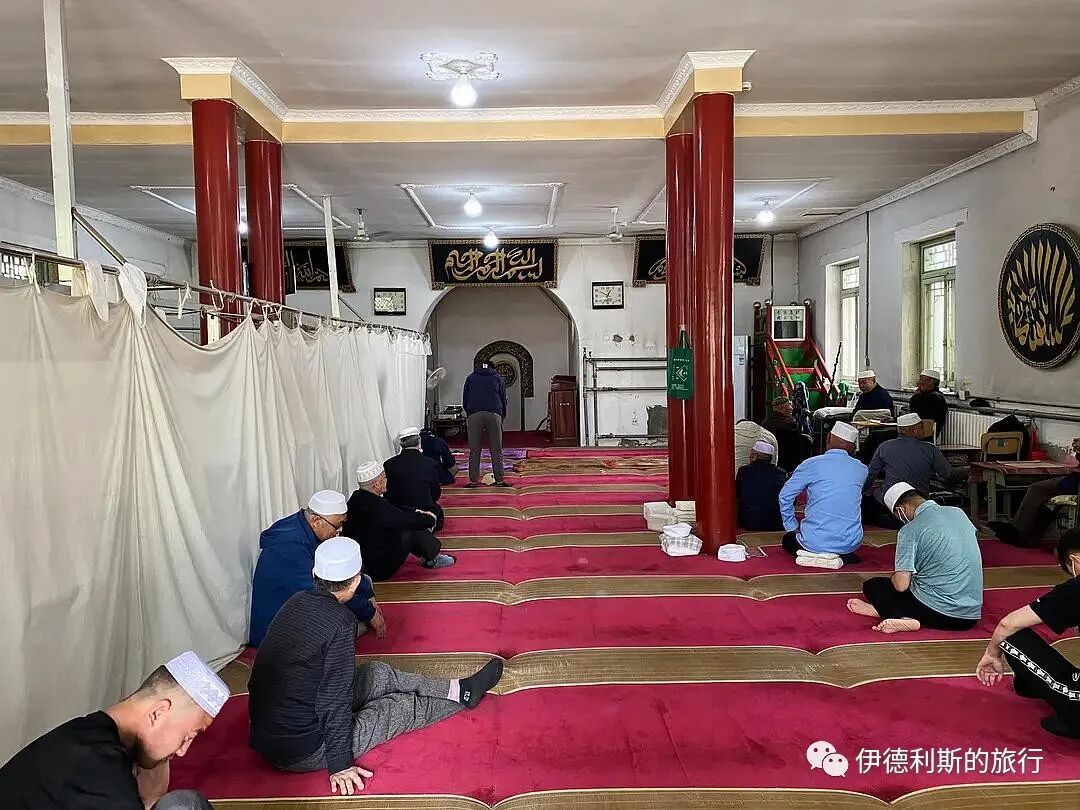
Inside the main hall of Majuqiao Mosque, there is a hand-copied Quran (Gure'ani) from the Qing Dynasty, and in front of the hall door, there are beautiful circular flower pedestals made of green sandstone.
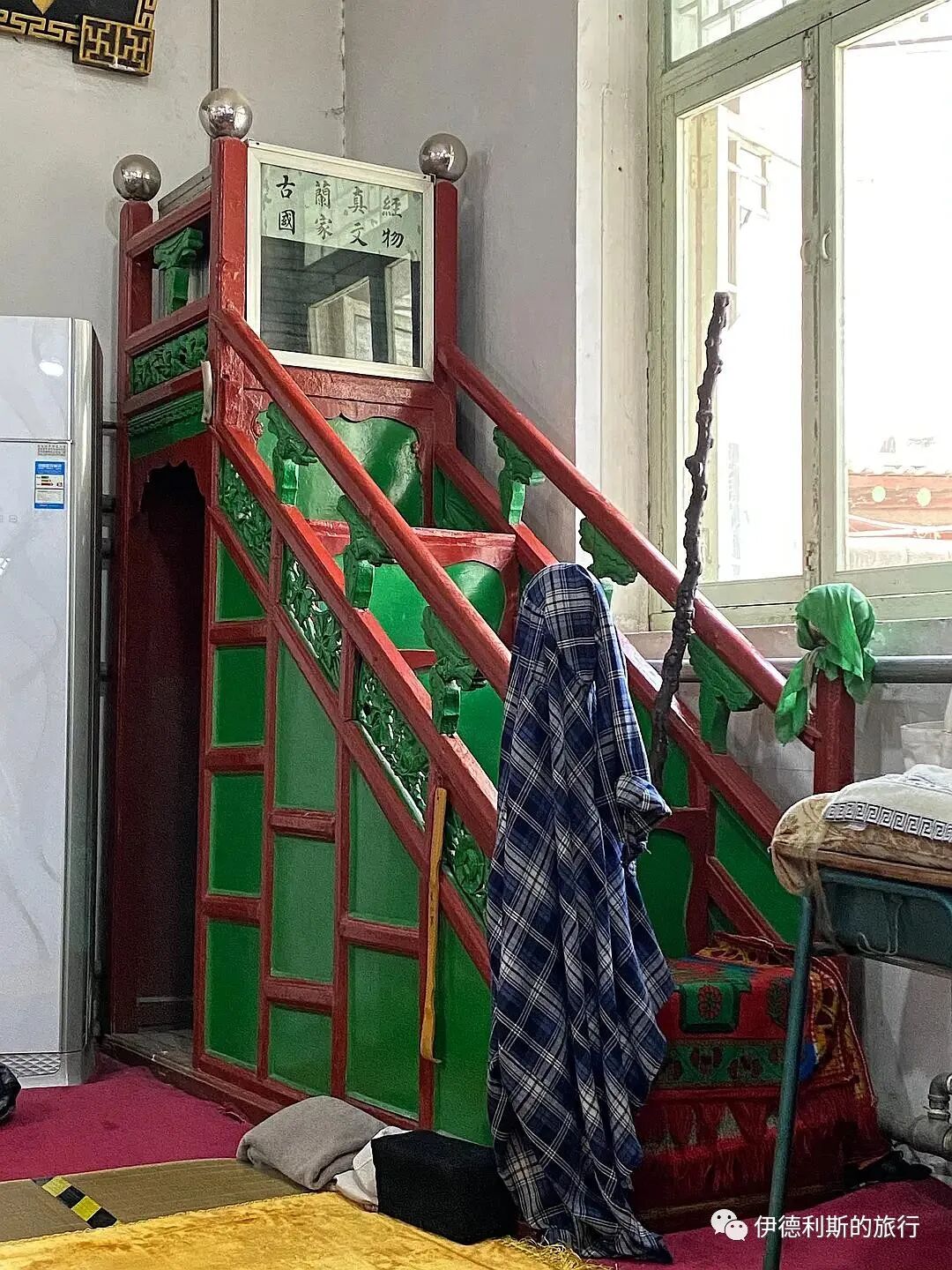
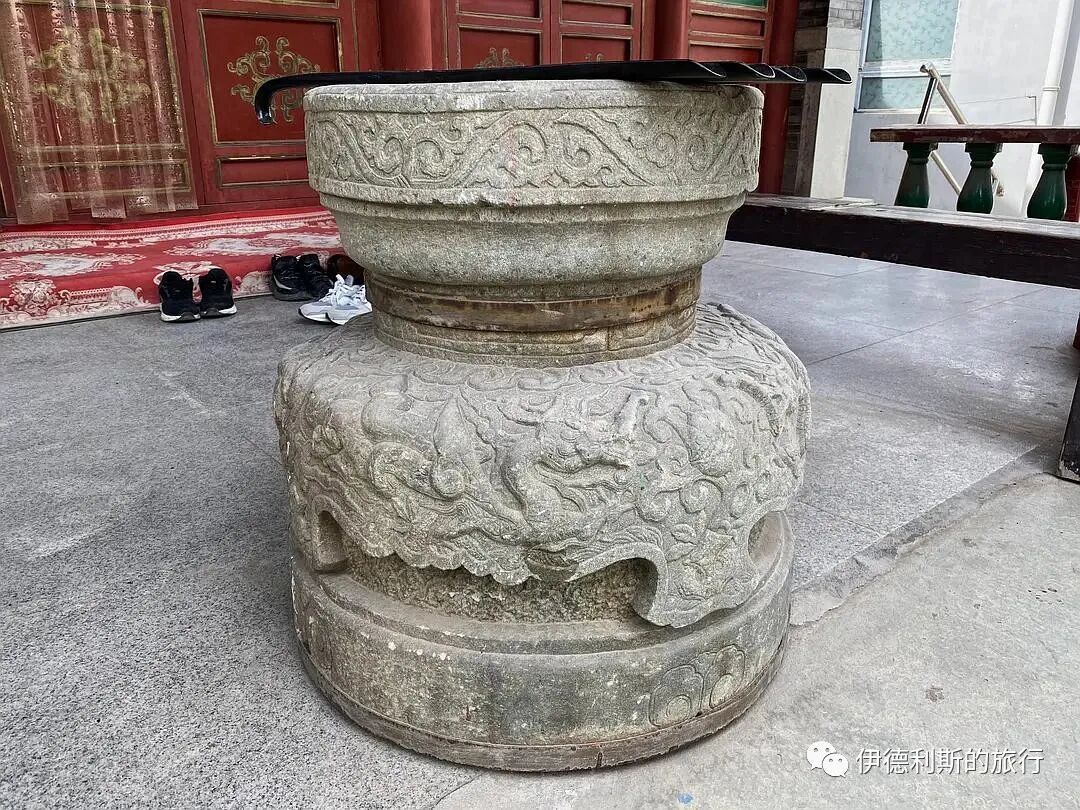
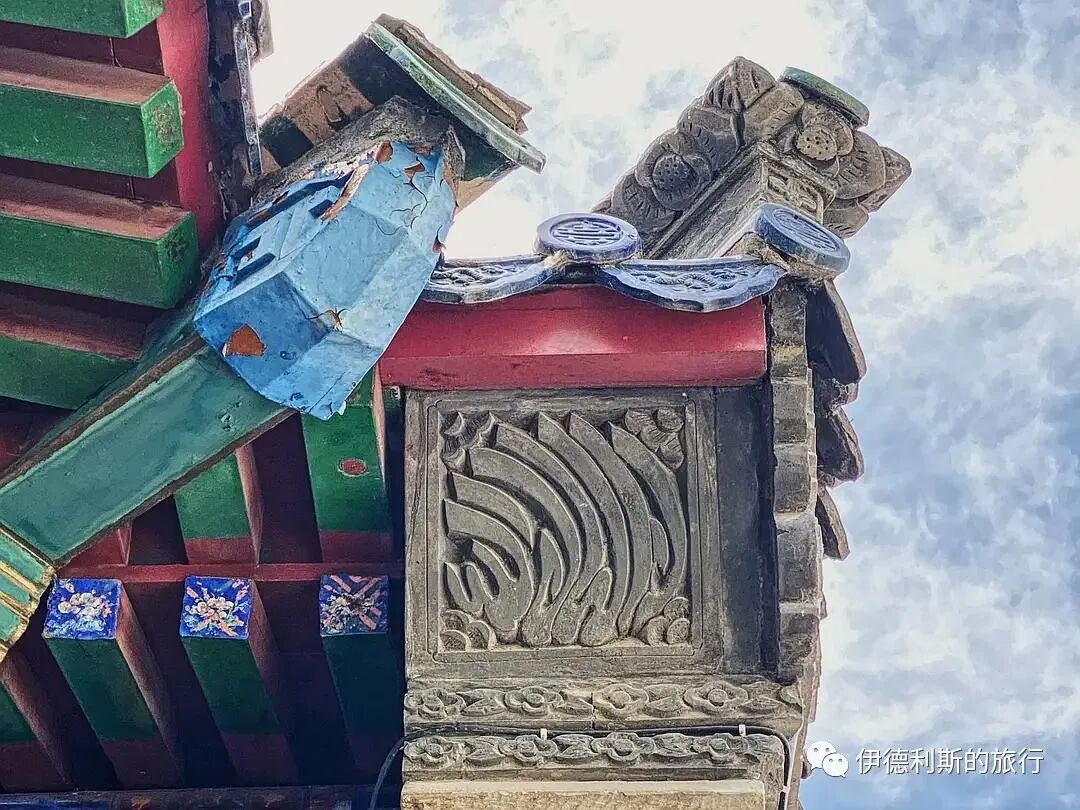
Majuqiao has many local elders (gaomu), making it livelier than many mosques in the city. There are also many young people working nearby, which creates a great atmosphere. After the service, there were flower-shaped steamed buns (huajuan) and stone-ground sesame oil (xiaomo xiangyou) distributed by the community members (dost).
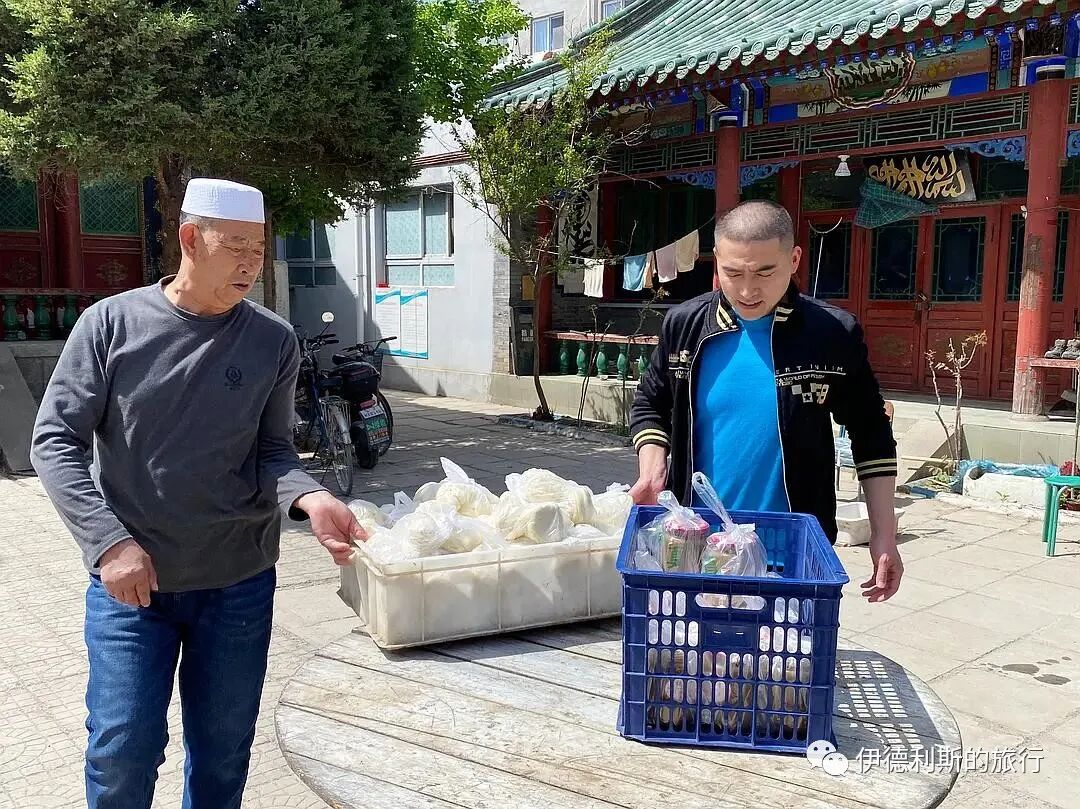
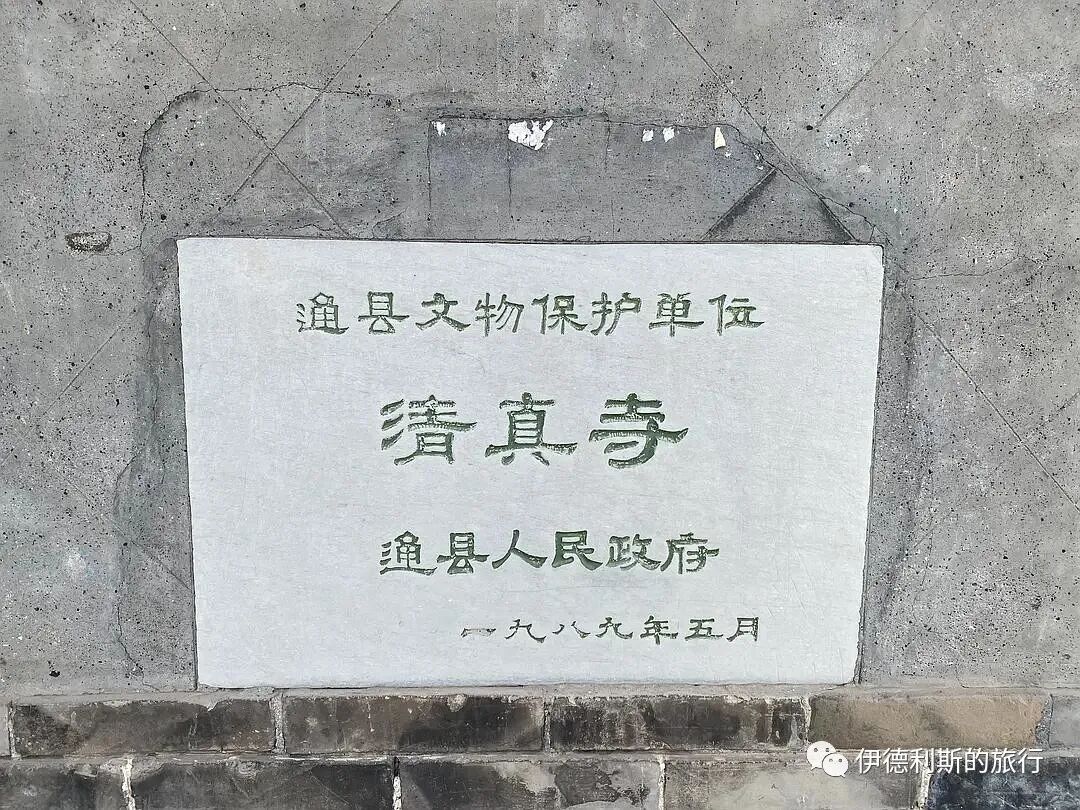
Plaques and calligraphy.
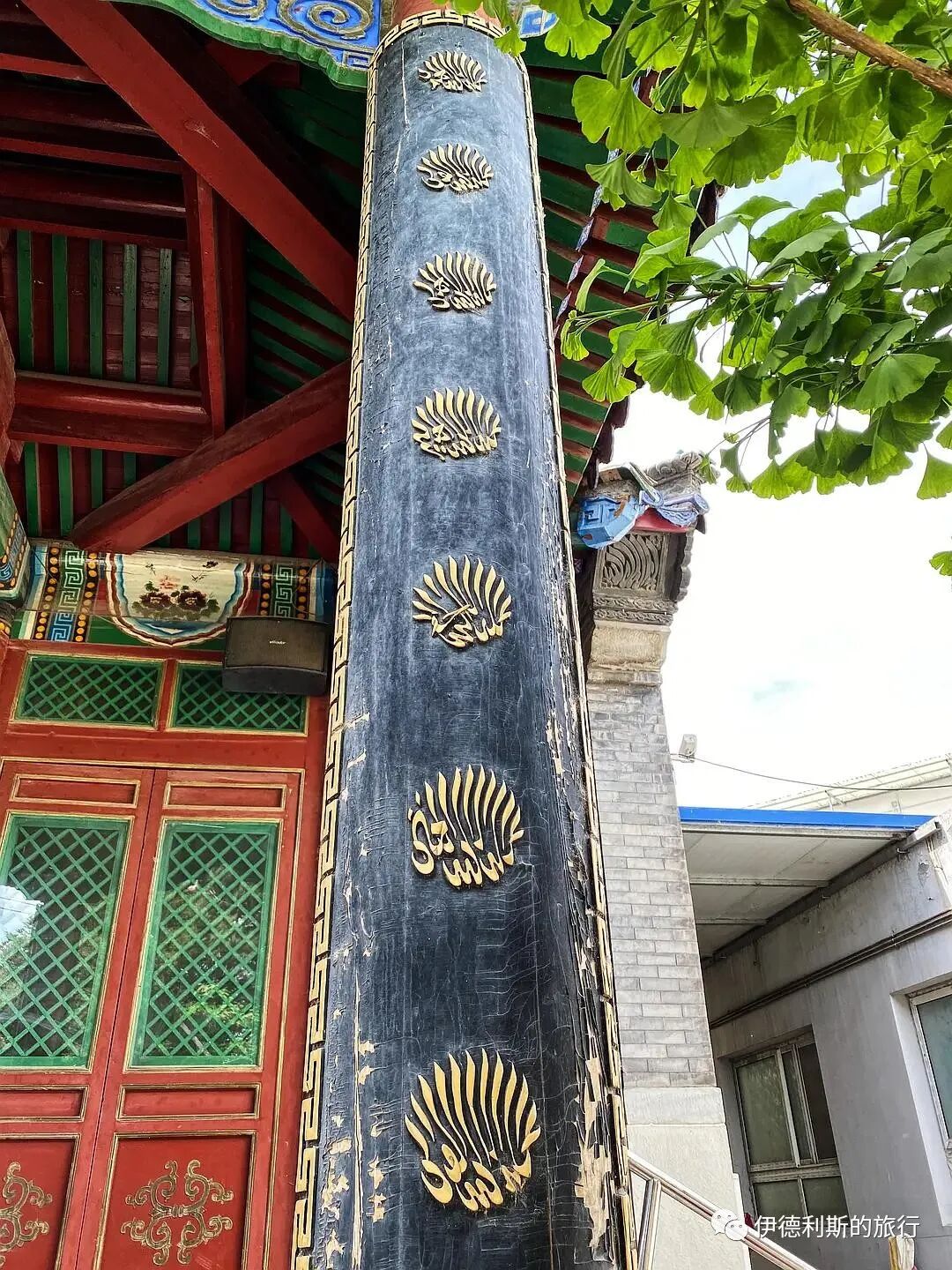
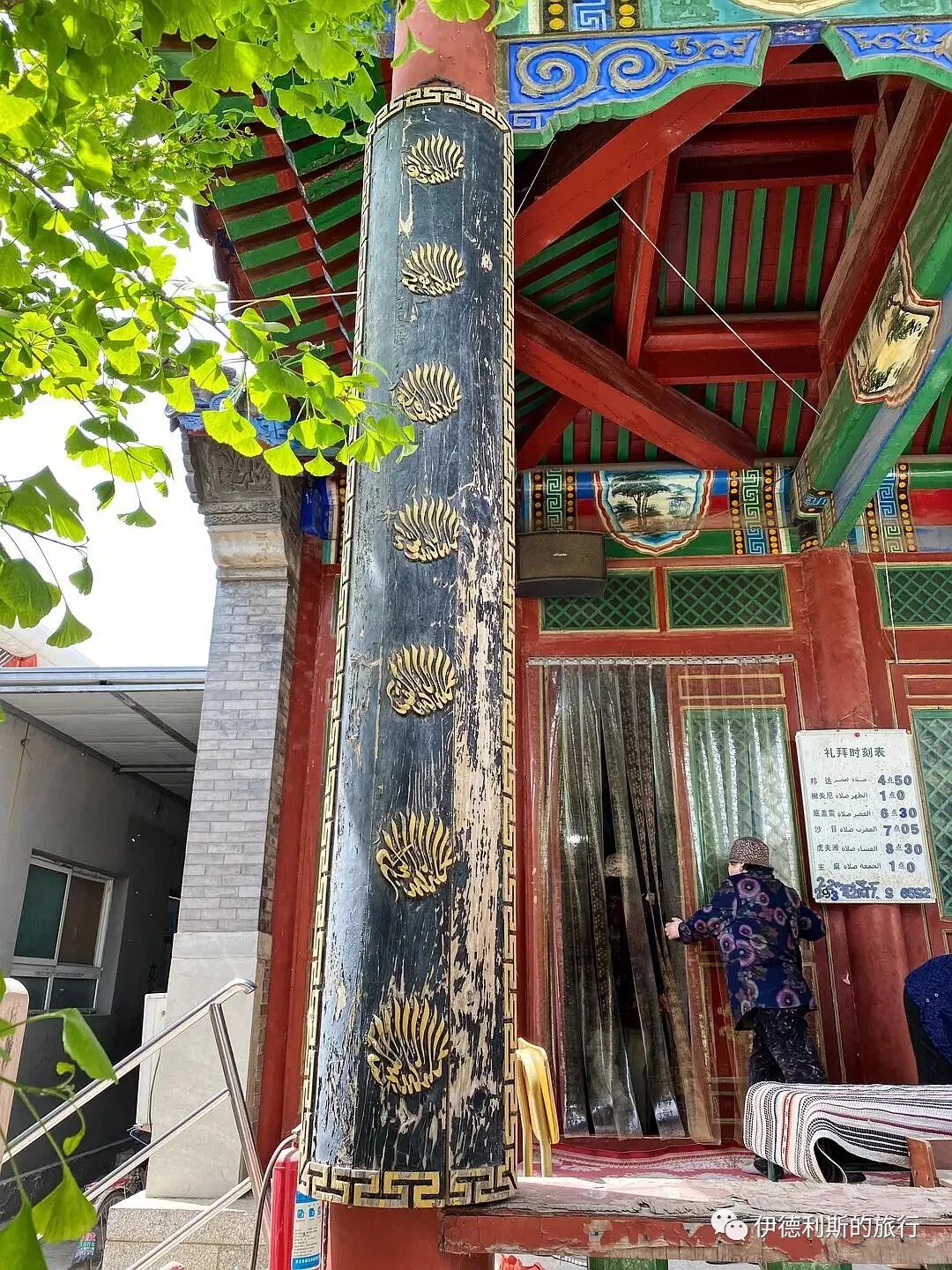
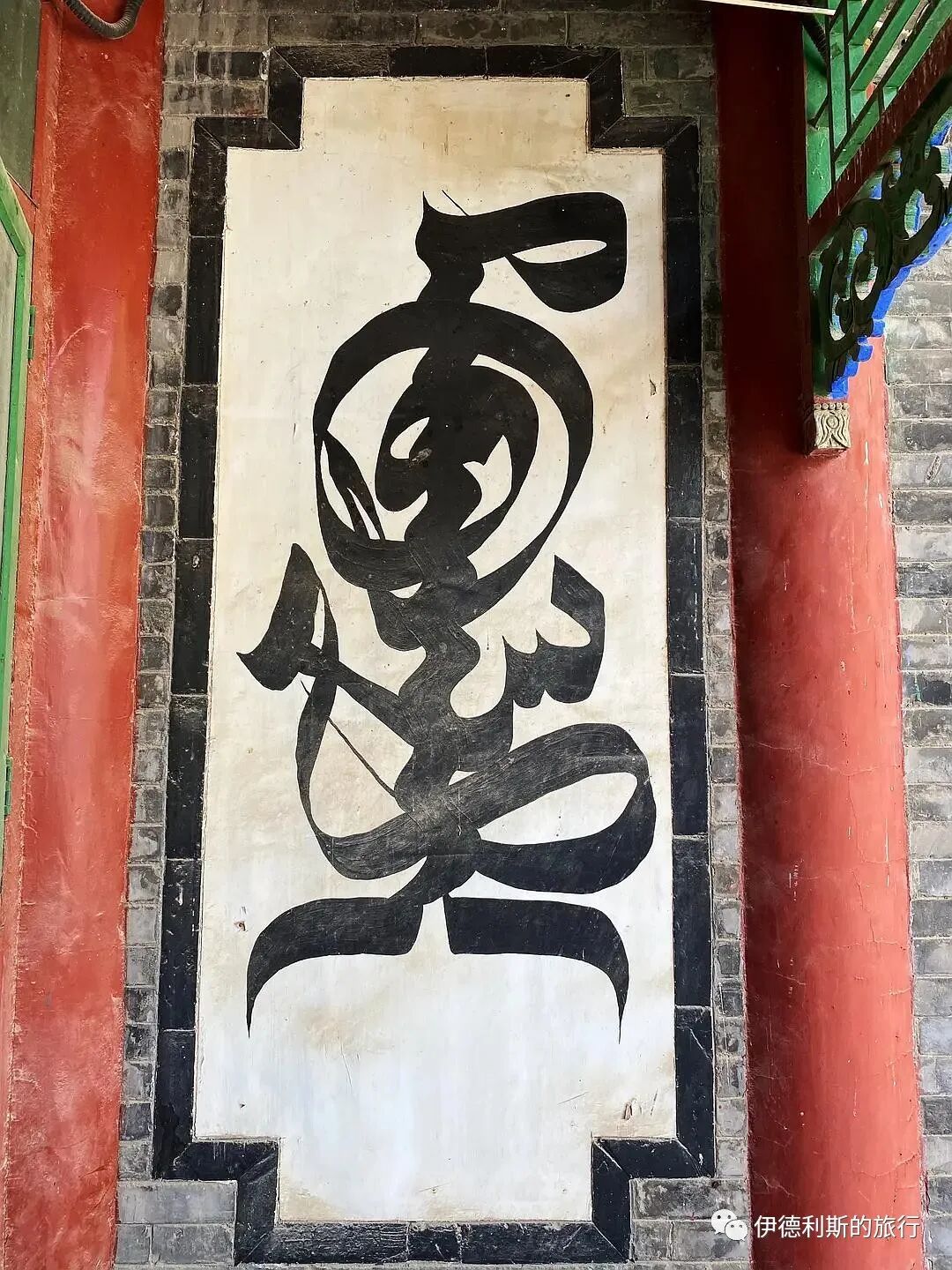
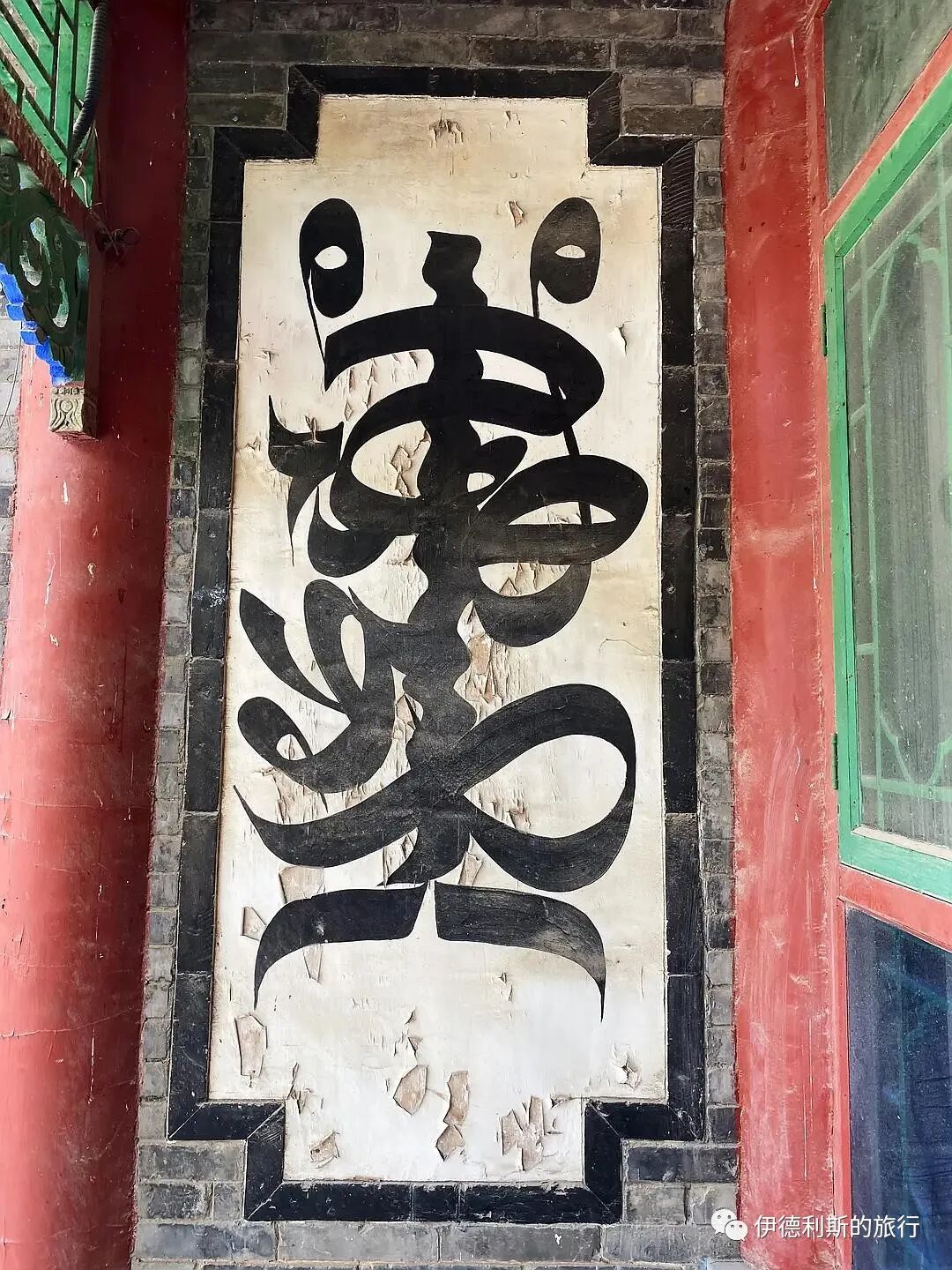
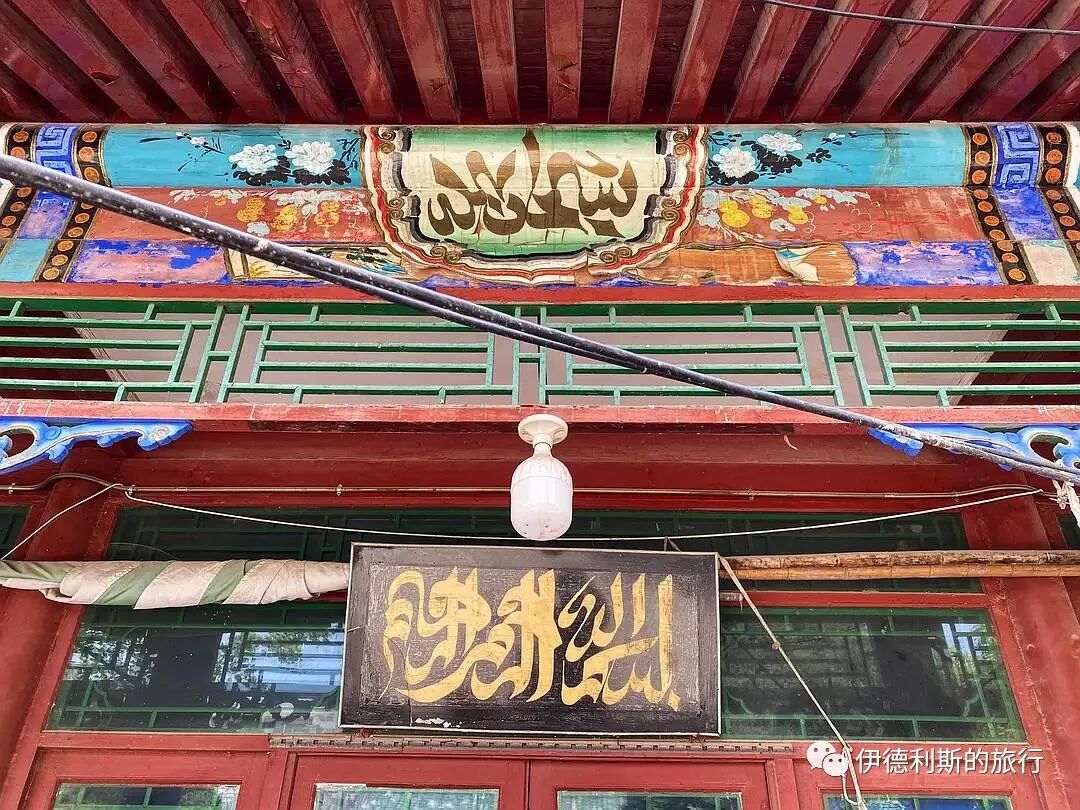
5. Heying Mosque.
A mosque was built near Heying in Changping by the early Ming Dynasty at the latest. According to the tombstone record of the sage Bo Hazhi from the 46th year of the Wanli reign of the Ming Dynasty (1618), there was a mosque less than a mile northwest of Beishao Village. During the Hongwu reign of the Ming Dynasty, the sage Bo Hazhi from the Western Regions passed through Beishao Village, settled in the mosque, and was buried nearby after he passed away (guizhen). According to Uncle Zhang, whose family has guarded the tomb of Bo Hazhi for generations, the original mosque was destroyed by a flood and later moved outside the gate of Bo Hazhi's tomb. In the 1930s, Uncle Zhang's family raised funds to rebuild the current Heying Mosque.
Currently, the only remaining historical building of Heying Mosque is the north room. You can see that the middle of the walls is built with stones, which were hauled back from the mountains by Uncle Zhang's family back then. After the 1960s, the imam (ahong) was forced to leave. Since then, the mosque has mainly been used for Hui Muslims from other places to visit graves and for local Hui Muslims to hold funeral prayers (maiti). Due to a mistake during the policy implementation in the 1980s, the mosque was not included in the cultural relic protection zone for the Tomb of Bo Hazhi. Because of this, the nearly 100-year-old mosque still has no official status as a protected cultural site. Currently, Uncle Zhang's family is slowly saving money through donations (nieti) from the community and has started planning repairs for the old building.
For more information about the Tomb of Bo Hazhi, please see my diary entry, Visiting the Tomb of the Western Region Sage Bo Hazhi.
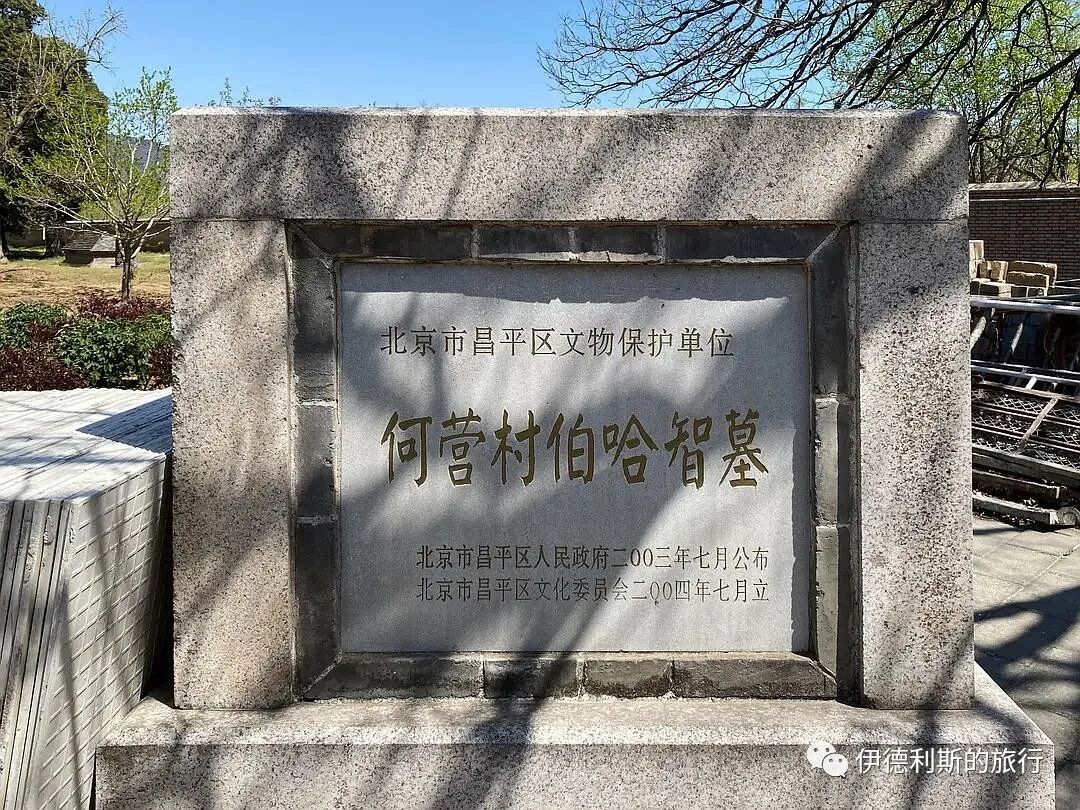
On April 23, we visited the Tomb of Bo Hazhi and met many new friends. The praise for the Prophet (zansheng) sung by the Jahriyya was beautiful.
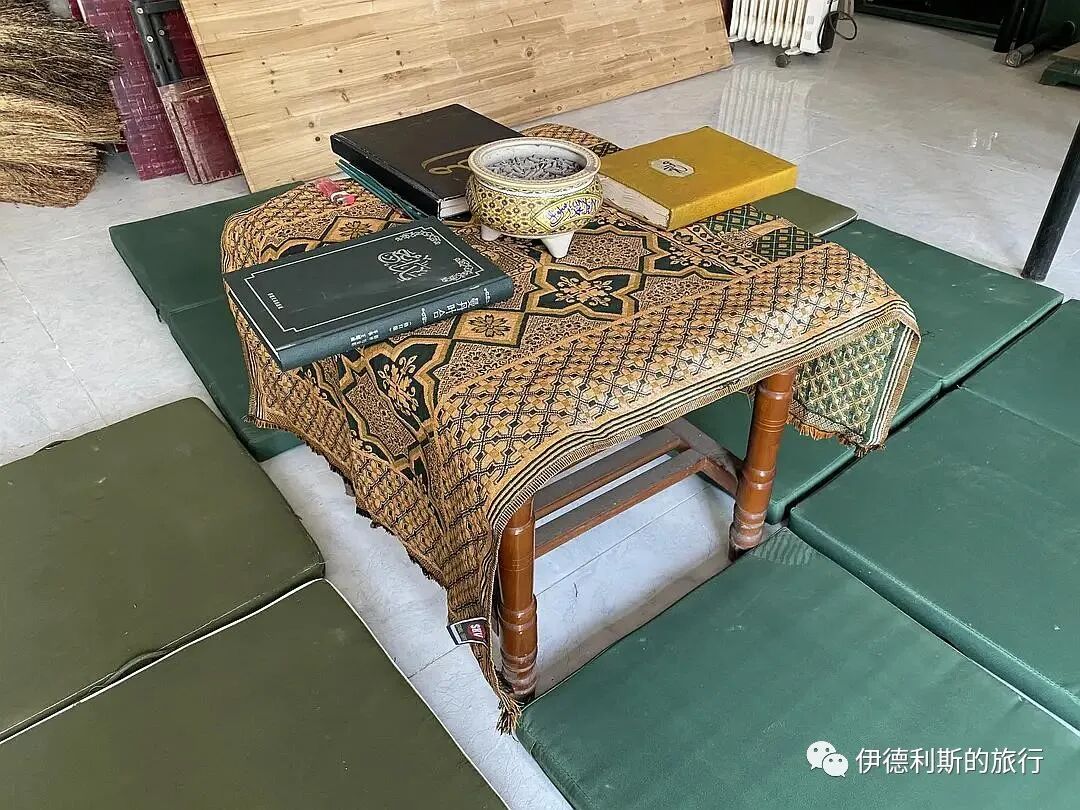
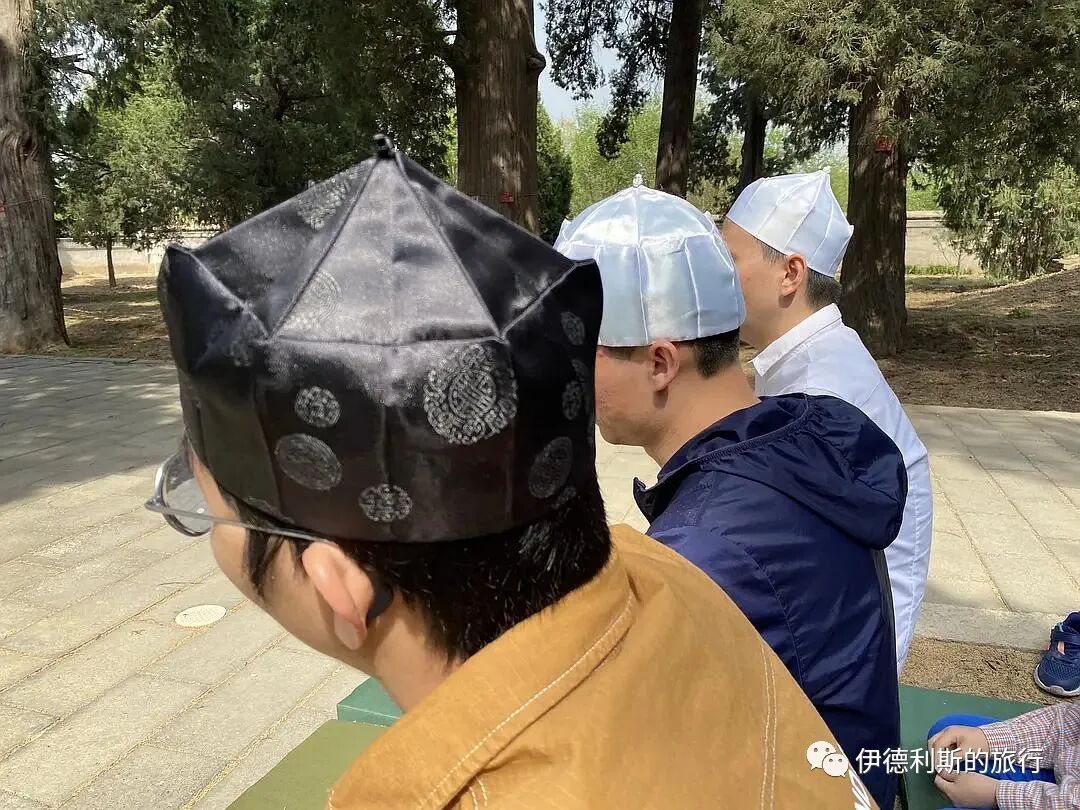
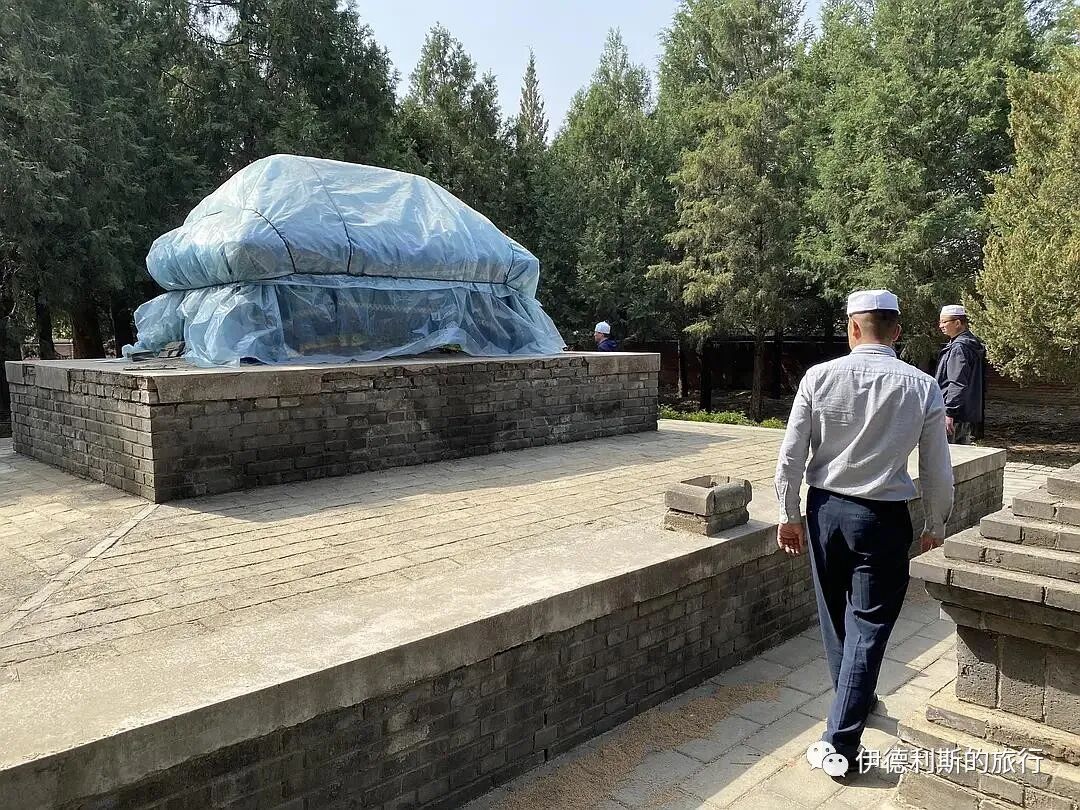
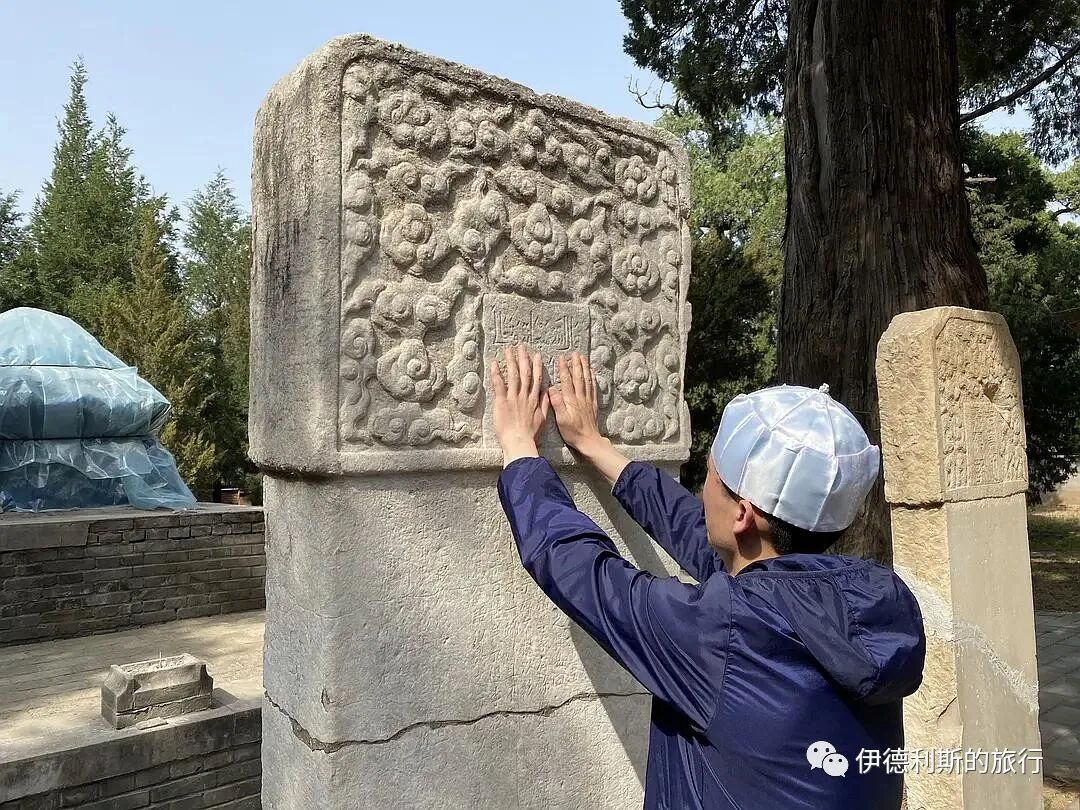
6. Nankou Mosque
Nankou is the first gateway from Beijing to Datong, Xuanhua, and the Mongolian grasslands via the Jundu Pass, one of the eight passes of the Taihang Mountains. It was also the final line of defense for the capital and has been a strategic military location since ancient times. According to the Zizhi Tongjian, the Northern Qi dynasty built a Great Wall from Nankou to Datong in 555 (the sixth year of the Tianbao era). It was rebuilt many times during the Northern Wei, Liao, and Jin dynasties. The Mongol army fought a decisive battle against the Jin army here before breaking through the defense line to enter the Jin capital, Zhongdu.
To resist the Mongol invasion, the Ming dynasty built Nankou City in 1404 (the second year of the Yongle era), which was later rebuilt several times. After the Qing dynasty, as trade with the grasslands flourished, Nankou City was filled with shops and busy with traveling merchants. After the Beijing-Zhangjiakou Railway was completed in 1909, the trade in Nankou City was gradually replaced by the Nankou town area near the railway station to the south.
Today, Nankou City still has its south wall and south gate, as well as watchtowers on the east and west mountains. The Nankou city wall is unique because it is built with river pebbles. As time passed, the city wall has now sunk one meter into the ground.
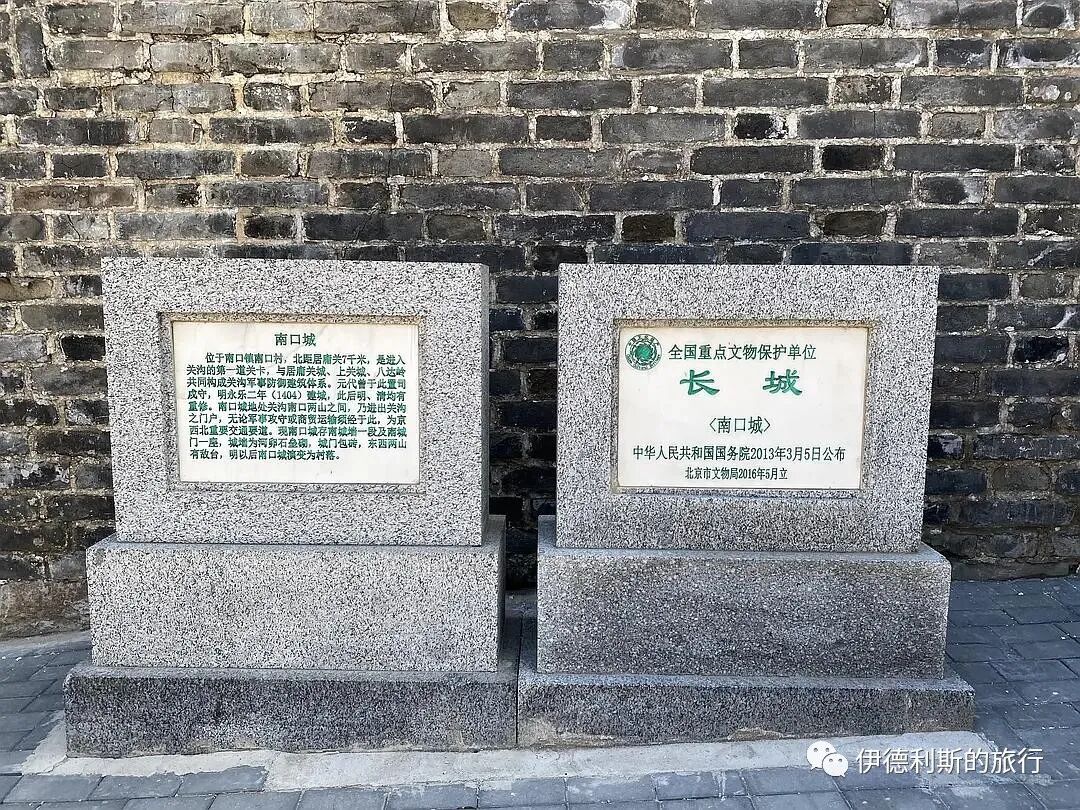
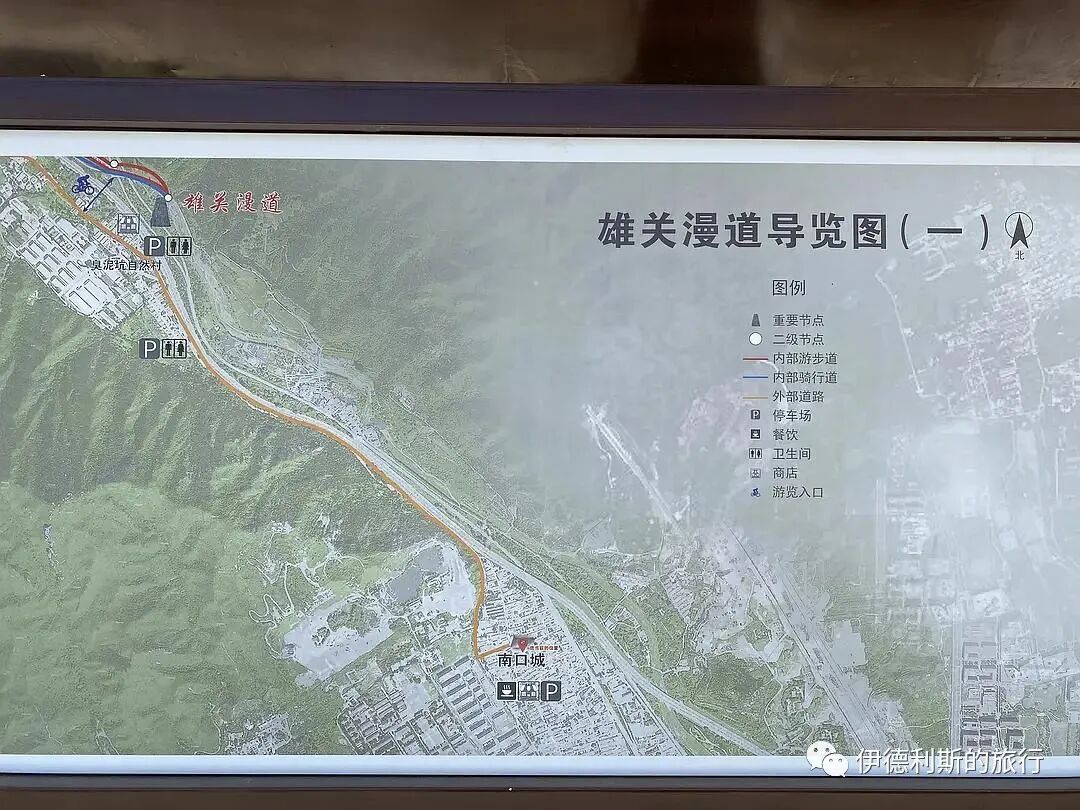
Nankou Mosque is located outside the south gate of Nankou City. Its exact founding date is unknown, but it is believed to have been built during the Ming Dynasty. The mosque houses a stone tablet from the 20th year of the Guangxu reign (1894) titled "Record of the Reconstruction of Nankou Mosque in Yanqing Prefecture." It records that Imam Yang Xiaoshan from Shixia City in Miyun was hired by Nankou Mosque in 1876. He traveled everywhere to raise donations (nietie), then built the south lecture hall in 1879, the north quiet room in 1880, and a water well in 1881. In 1887, Imam Yang moved to Shacheng Mosque in Huailai County. Nankou Mosque then hired Imam Shan Hong'en, who continued to build a water room next to the well and a main gate in the northeast corner. The current Nankou Mosque generally maintains the layout from its reconstruction during the Guangxu reign.
Nankou Mosque closed in 1958 and has not been open since. In 2005, the Changping District Cultural Relics Management Office renovated the main prayer hall and the north quiet room. There were plans to reopen it, but it has remained closed due to disputes over the mosque's property. Between 2020 and 2021, the Changping District Cultural Relics Management Office carried out another renovation of the mosque.
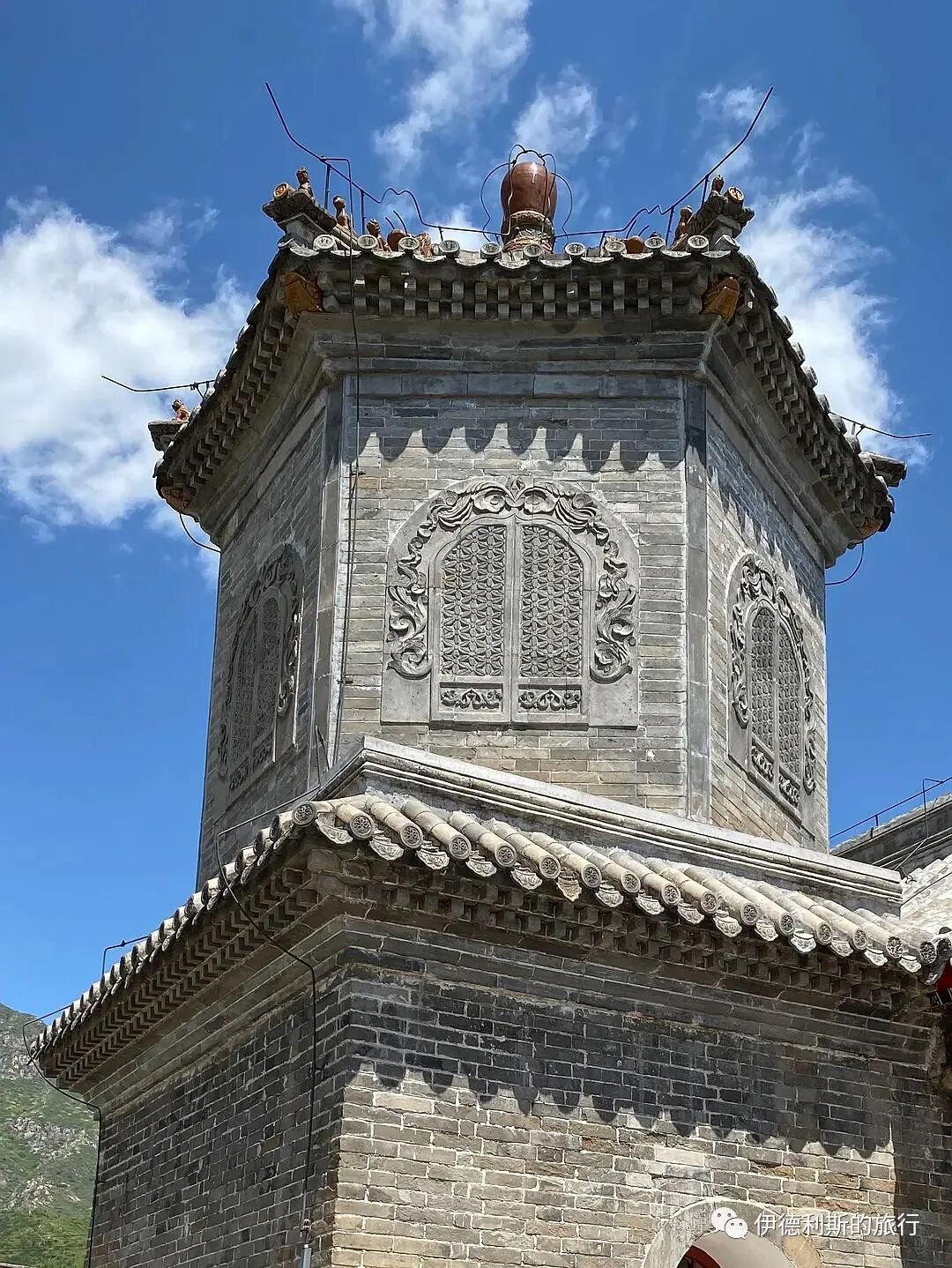
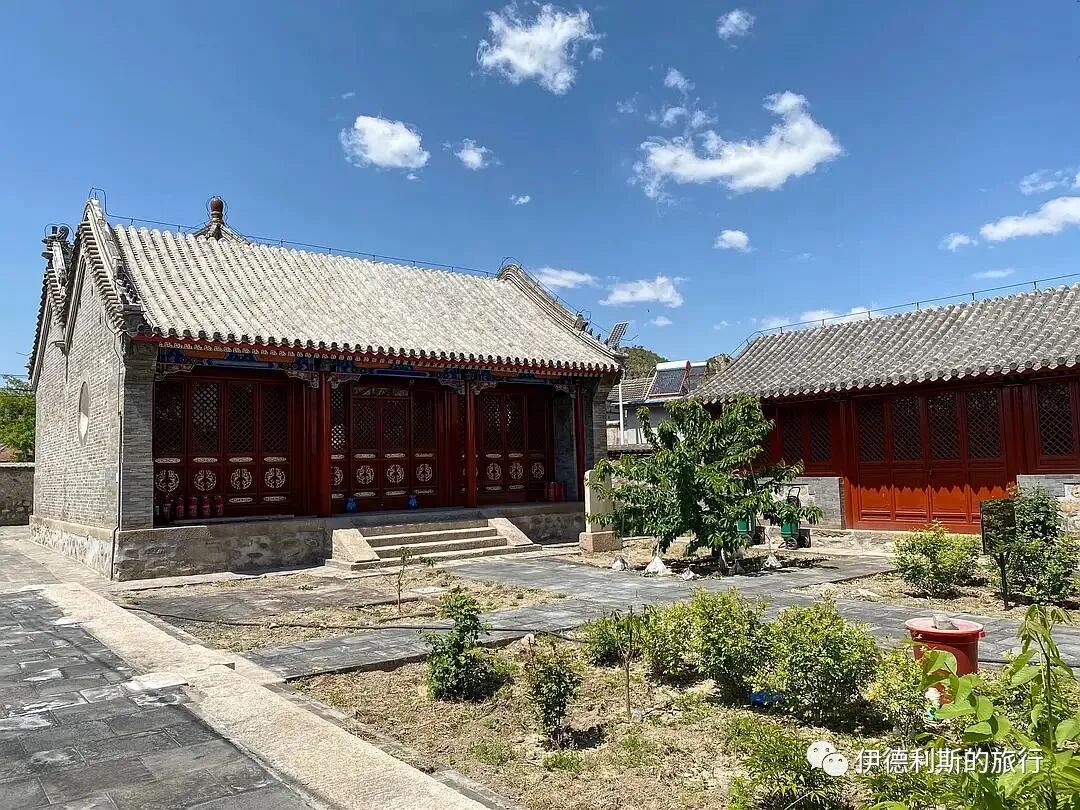
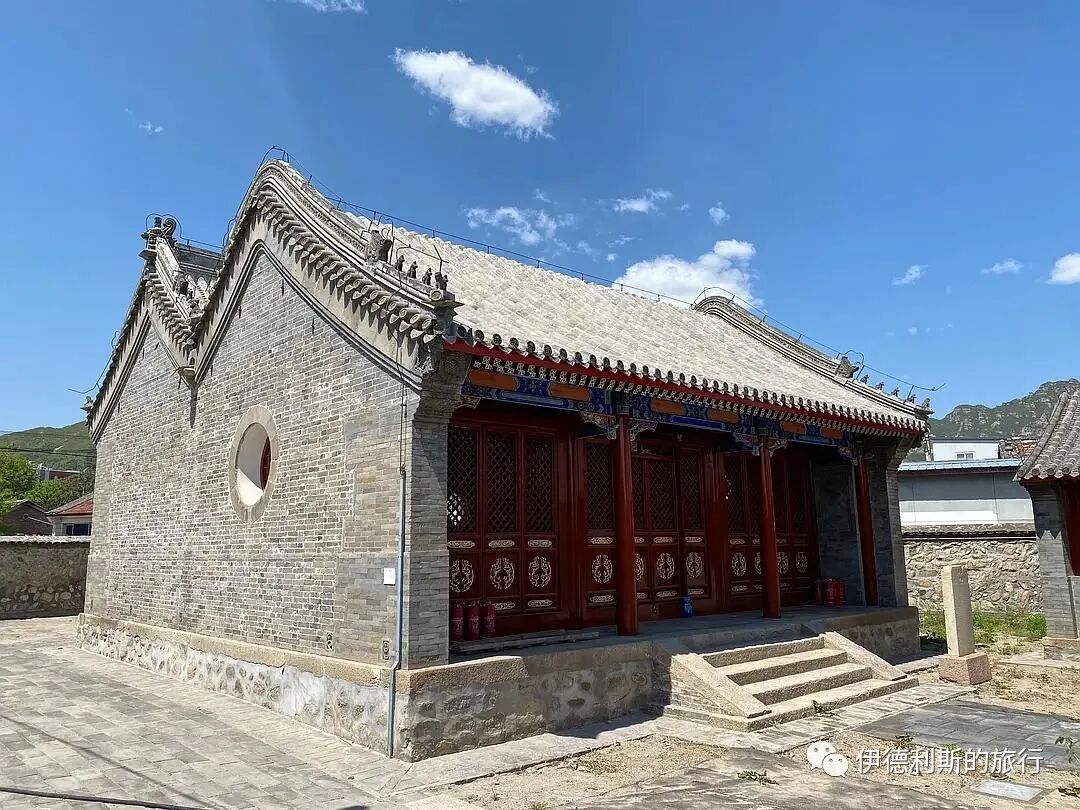
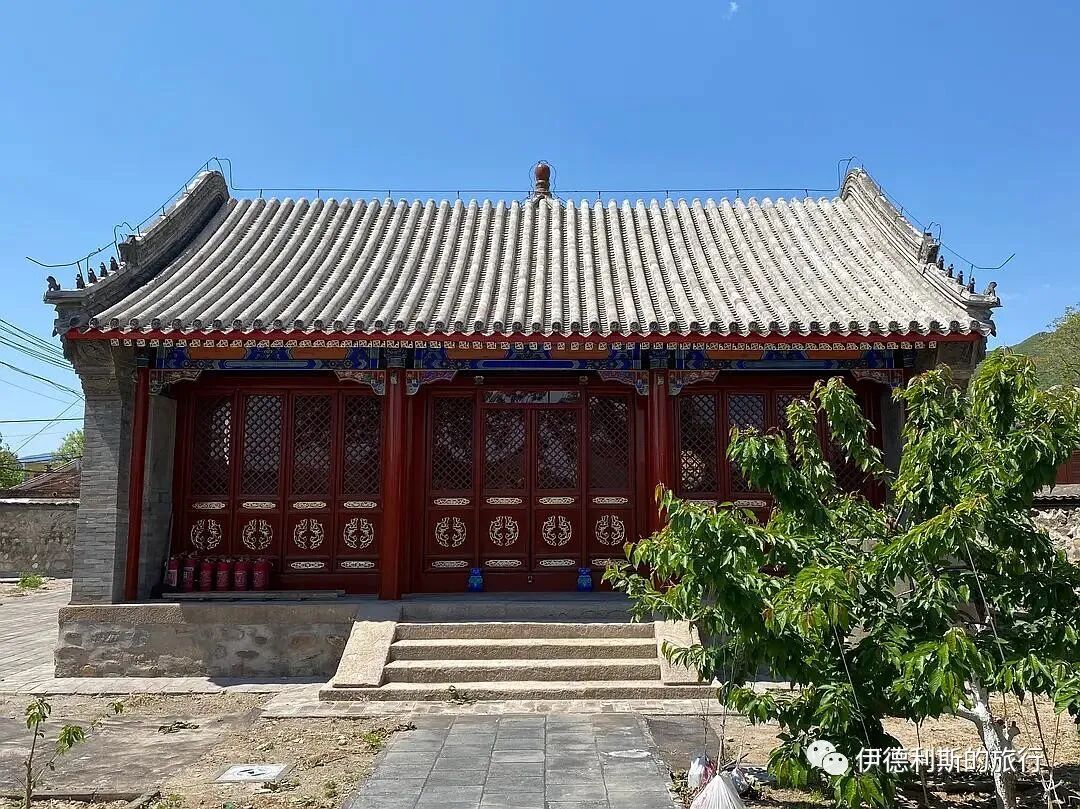
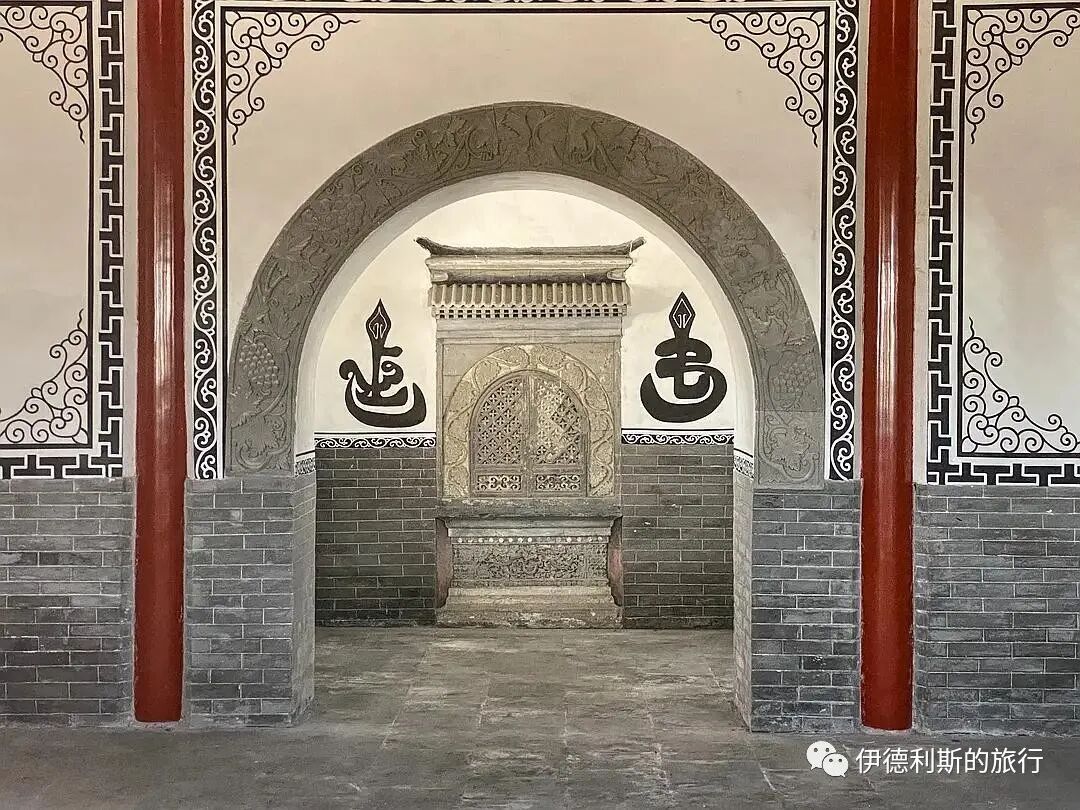
The "Record of the Reconstruction of Nankou Mosque in Yanqing Prefecture" tablet from 1894 in front of the main hall was written by Ma Zhaoqing, a Hui Muslim from Xiguanshi. He was dedicated to writing local chronicles, authored the "Changping Waizhi," and also wrote couplets for the Xiguanshi Mosque. The back of the stone tablet lists the donors who contributed to the reconstruction of Nankou Mosque during the Guangxu reign, serving as very precious historical material for the Hui Muslim community.
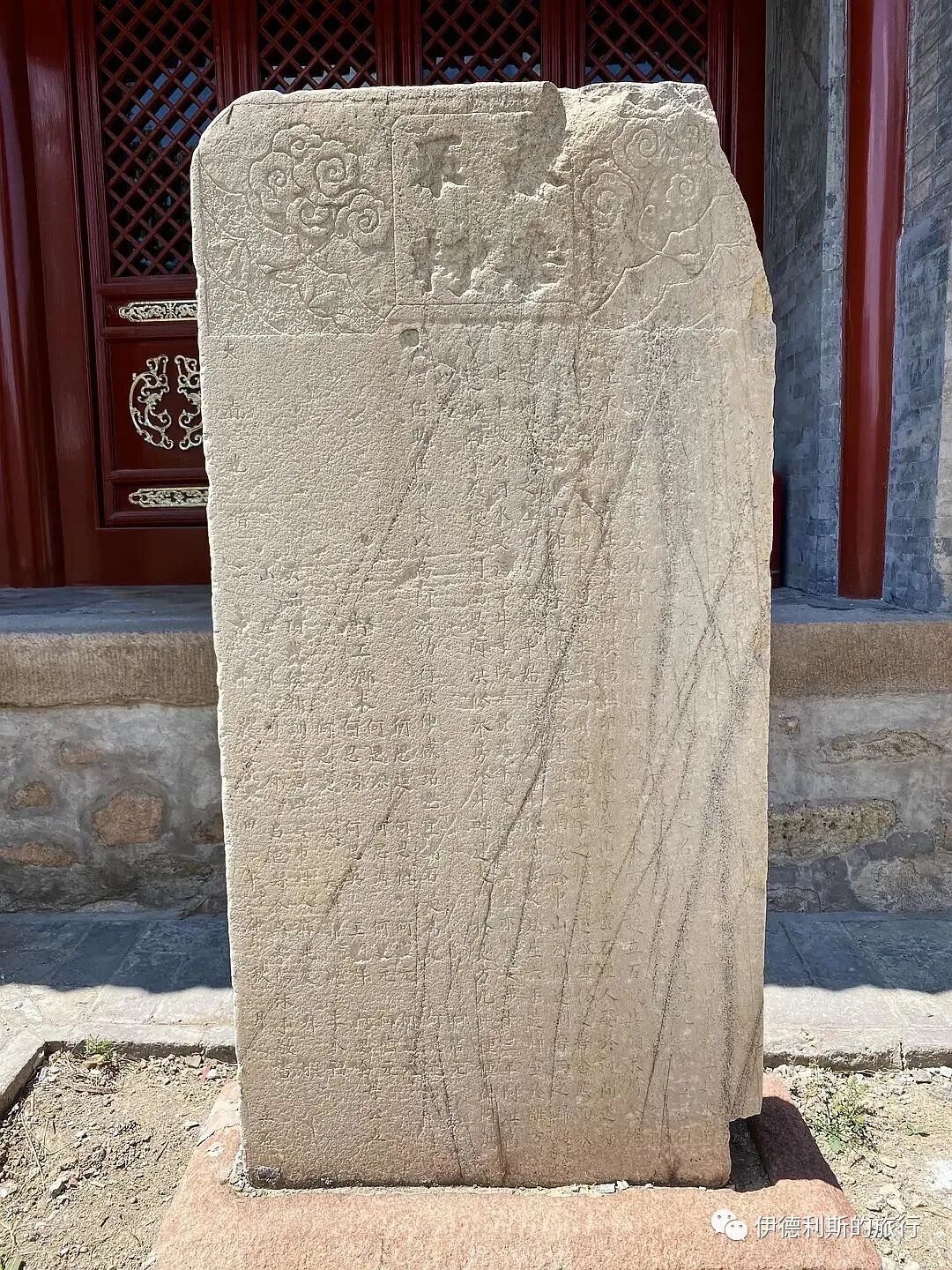
The officials who donated include the Yanqing Prefecture Magistrate (zheng tang), the Fangshan Garrison Commander (shou fu), and officials from the Zhangjiaying Department, the Second Department, the Wanquanying Administration, the Zhangjiaying Administration, and the Shandianhe Department. The zheng tang was the chief official of the prefecture, and the shou fu was a military defense officer. Zhangjiaying and Wanquanying were both Green Standard Army (Luying) units in Xuanhua Town, Zhili Province. Wanquanying is now Wanquan District in Zhangjiakou.
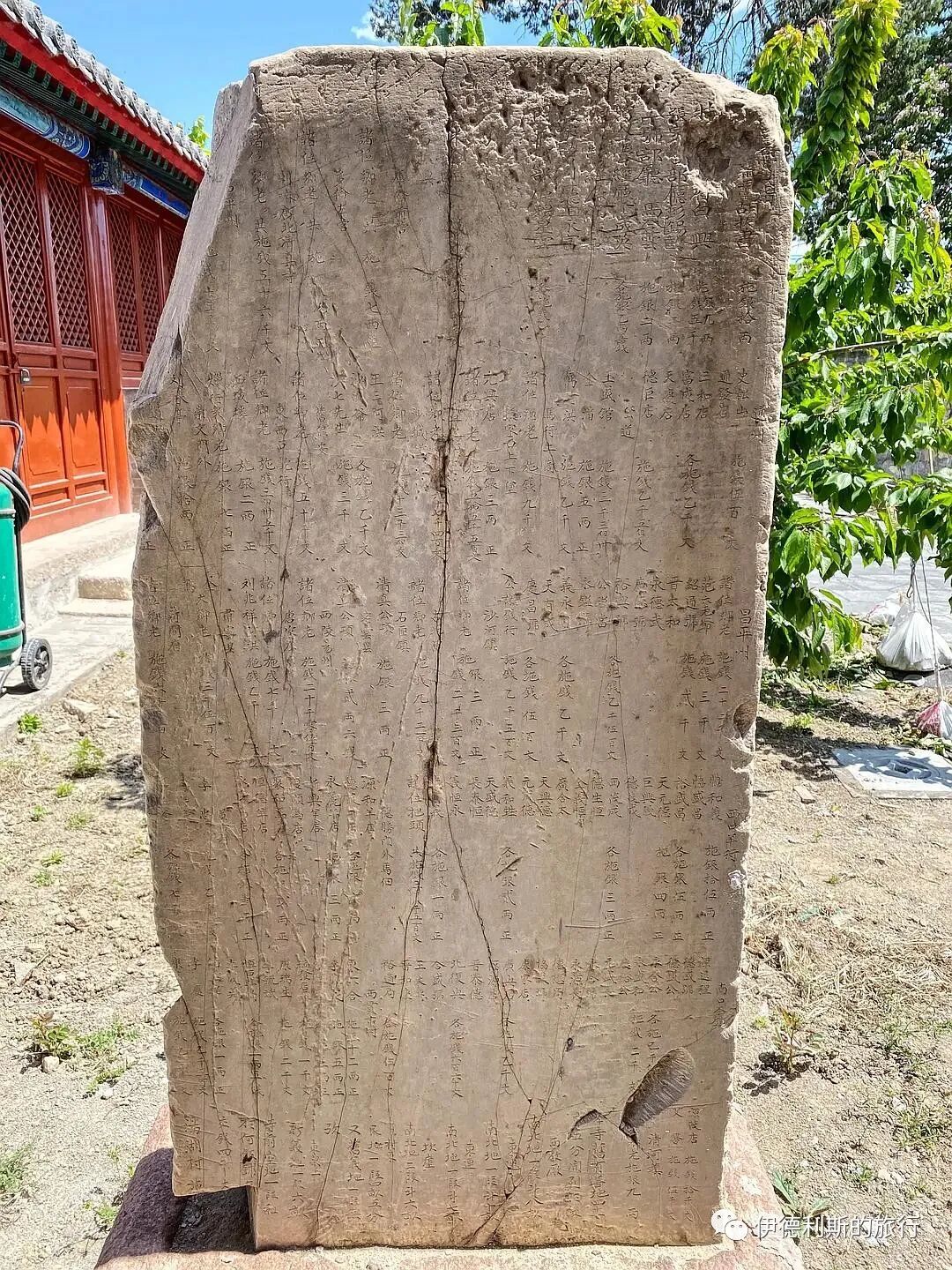
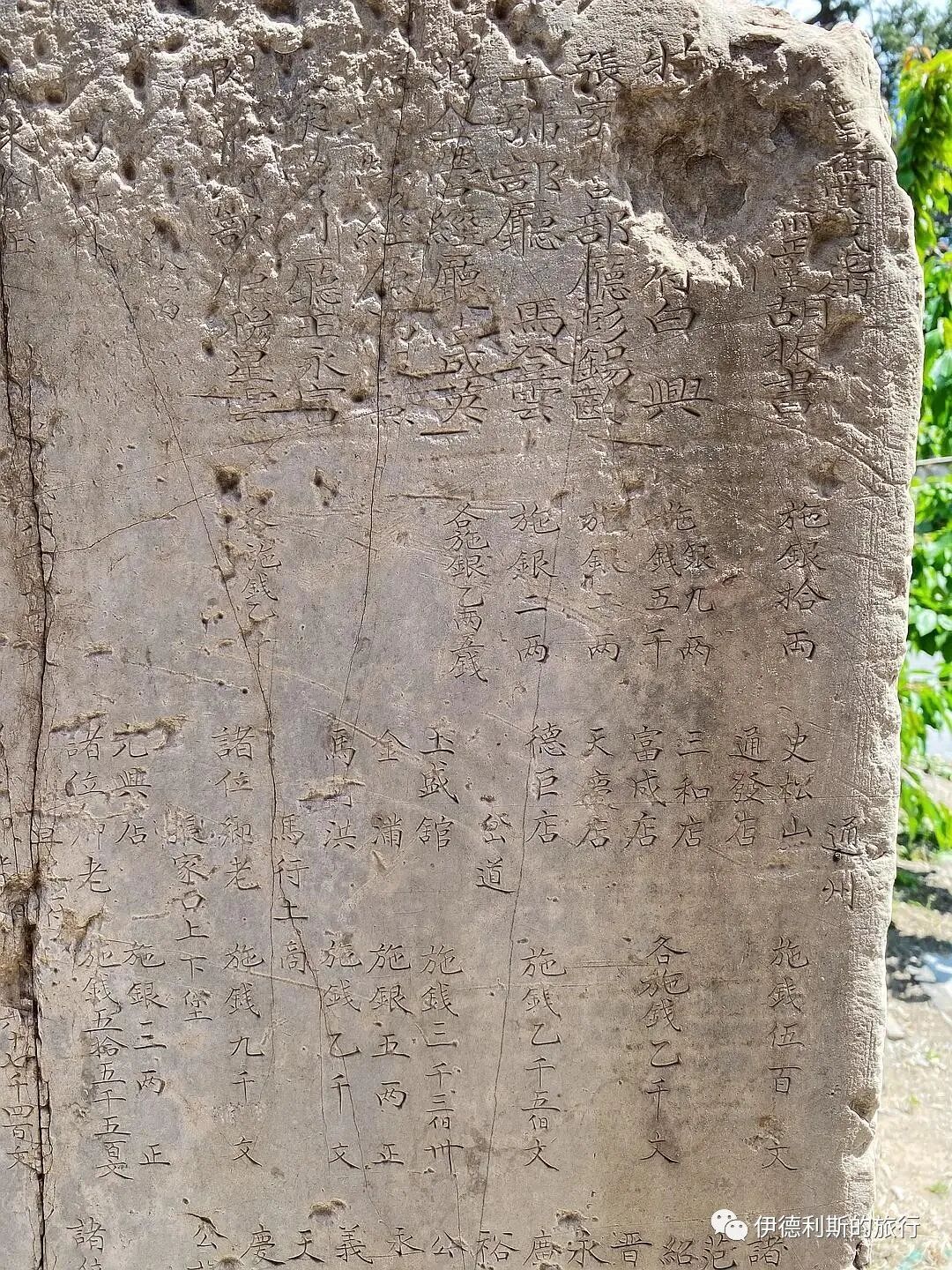
The businesses that donated money included horse traders, camel caravan operators from the east and west gates, sheep traders from the west gate, and tea merchants from Tongzhou. These are all witnesses to the modern-day 'Zou Xikou' migration and the 'Tea Horse Road'.
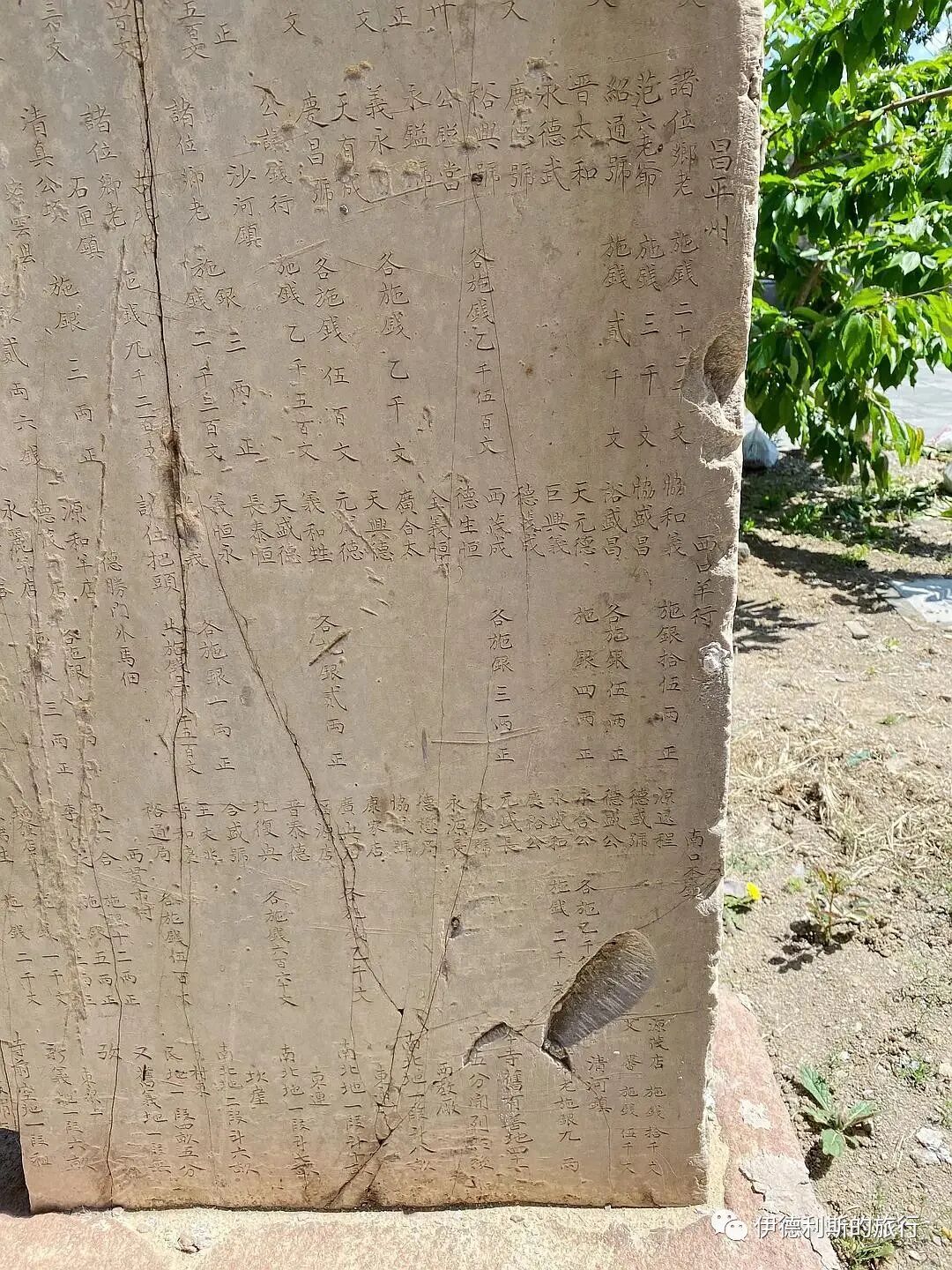
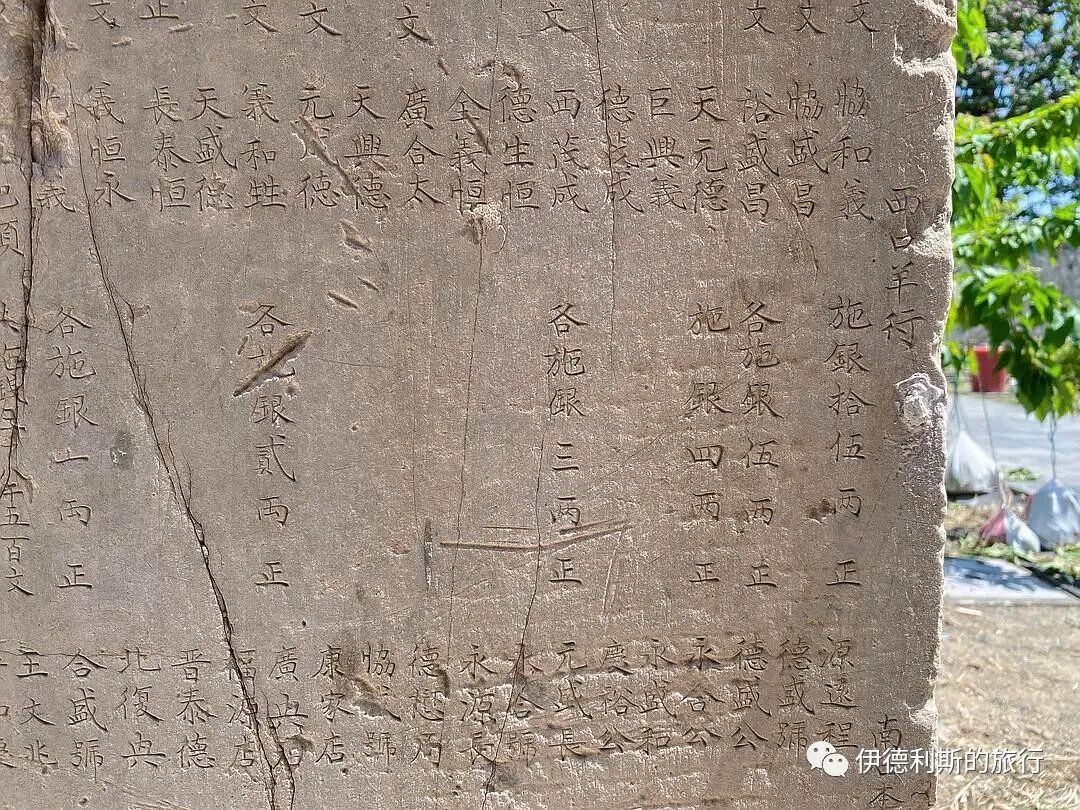
As many as 20 Hui Muslim merchant shops in Nankou town donated funds, which shows how busy Nankou was at that time. These shops were Yuanyuancheng, Deshenghao, Deshenggong, Yonghegong, Yongshenghe, Qingyugong, Yuanshengchang, Yonghehao, Yongyuanchang, Demaoju, Xiechenghao, Kangjiadian, Guangxingdian, Fuyuandian, Jintaide, Beifuxing, Heshenghao, Wangwenzhao, Jinheqing, and Yutongju.
Local Hui Muslim donors from Beijing included those from Changping Prefecture, Shahe Town, and Xiguanshi Village in Changping; Chadaocheng in Yanqing; Miyun County, Gubeikou, and Shixia Town in Miyun; as well as Tongzhou, Qinghe Town, outside Chongwenmen, and Madian outside Deshengmen. These were all Hui Muslim residential areas focused on trade, mostly located along the official road leading from outside the Great Wall into Beijing. Among these, the areas outside Chongwenmen and Madian were the most concentrated centers for Beijing's halal sheep trade. Outside Chongwenmen, there were the North and South Sheep Markets. The North Sheep Market was where Hui Muslims sold live sheep raised in the Northwest, while the South Sheep Market was the hub for Hui Muslims to slaughter and sell mutton. Madian was the main base for Beijing's sheep trade. Many people traveled thousands of miles to drive sheep from the Mongolian grasslands outside the Great Wall to Madian, where sheep shops sold them to various mutton stalls across Beijing. The stone inscription records five sheep shops that donated funds: Yuanhe, Demao, Yongli, Xinxing, and Hengde.
Heading north from Madian, the Hui Muslim donors came from Qinghe Town, Shahe Town, and Changping Prefecture, before reaching Nankou. Qinghe and Shahe were both commercially prosperous because they were located on the official road leading out of the pass, which led Hui Muslims to settle there. donors included those from Xiguanshi, an important Hui Muslim village near Nankou. The Hui Muslims there were skilled at running security escort agencies (biaoju) and made a living by providing protection for those traveling the 'Zou Xikou' route. Continuing north from Nankou is Chadao City, which was a very important fortress. The Yushanguan restaurant was funded by the descendants of Yu Wannian, a Hui Muslim from Xuanhua County who served as a garrison commander in Chadao in the ninth year of the Xianfeng reign (1859). To this day, the Yu family remains the only Hui Muslim household in Chadao City.
Leaving Chadao City, you enter the area of present-day Zhangjiakou City. The Hui Muslims who provided funding came from Shacheng Fort (Shacheng Town, Huailai County), Jiu Bao'an (Zhuolu County), Langwo (Zhuolu County), Xuanhua Prefecture (Xuanhua District), and the upper and lower forts of Zhangjiakou (Zhangjiakou urban area). Traveling out of the pass from Zhangjiakou, the Hui Muslims who provided funding reached as far as important trading ports on the Mongolian Plateau, such as Guihua City (Hohhot), Duolun (Duolun County, Xilin Gol League), and Kulun (Ulaanbaatar). some of the Hui Muslims who provided funding came from southern Hebei, including Xiling Yizhou (Yi County) and Tangjiazhuang (Dingzhou) in Baoding, as well as Suning County and Hejian Prefecture in Cangzhou. This may be related to the fact that Imam Yang Xiaoshan once lived in Hejian.
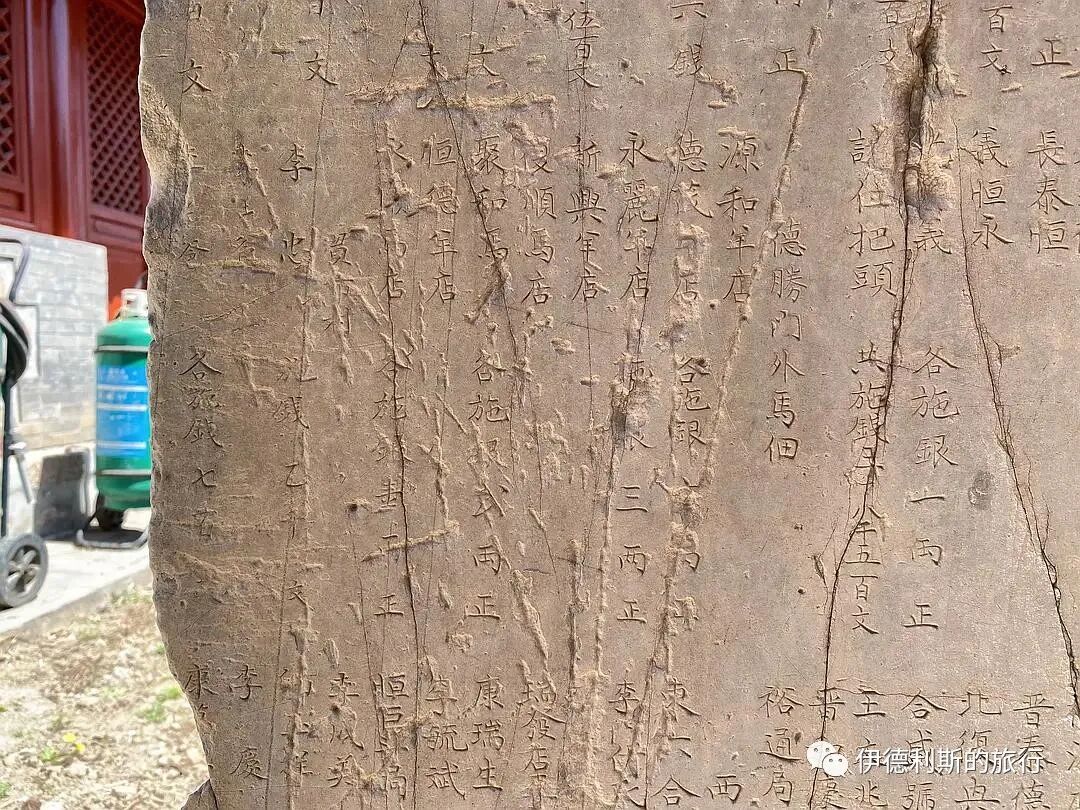
The ancient cypress tree preserved in the courtyard is the only relic from the Ming Dynasty in the mosque.
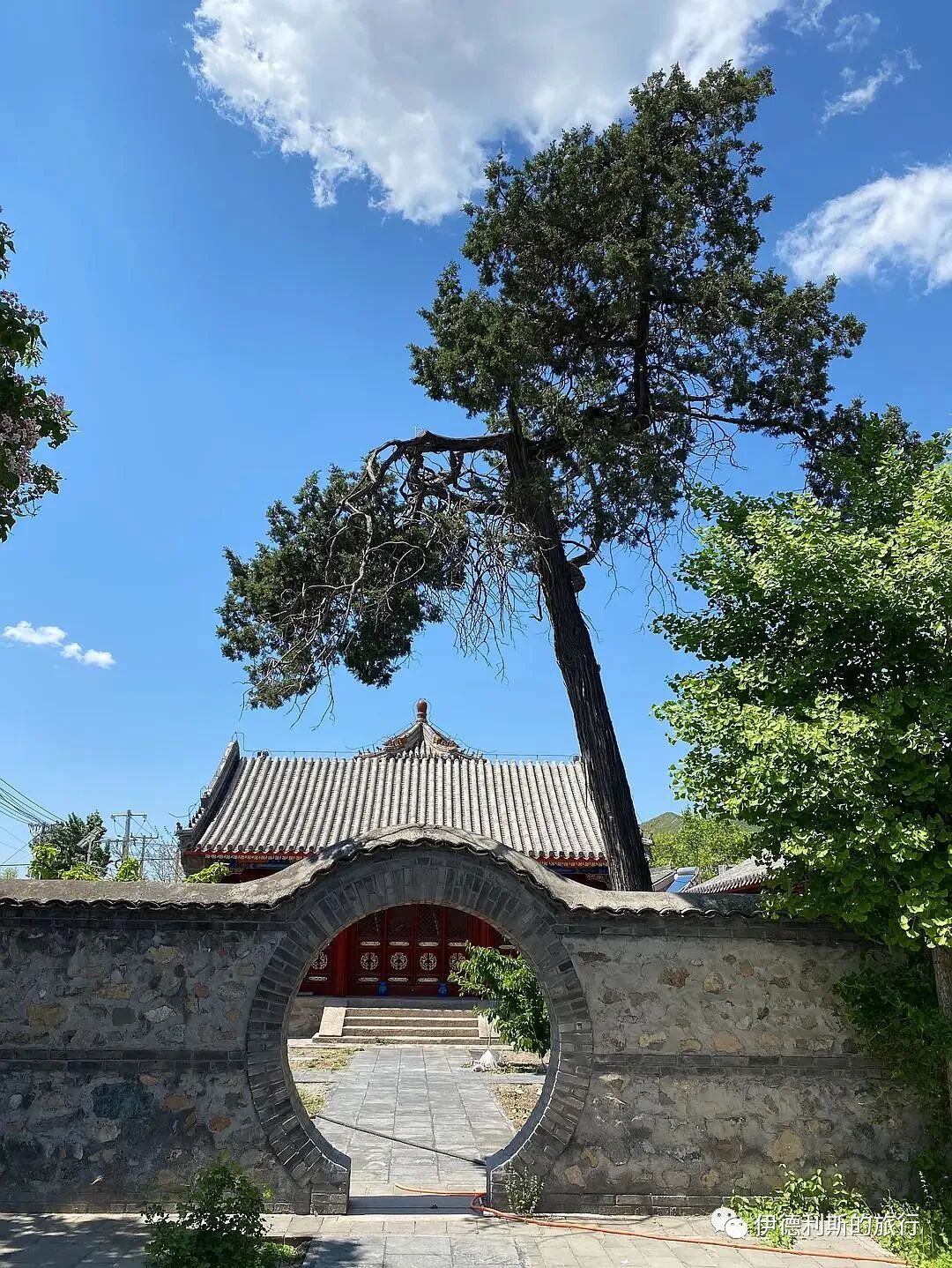
The South Lecture Hall, built in 1879, now only has its foundation remaining.
The North Quiet Room, built in 1880.
The water well, built in 1881.
Brick carvings on the main hall.
7. Chadao Mosque.
Chadao City is the first fortress gate when entering Beijing from outside the Great Wall via the Jundu Pass, one of the eight passes of the Taihang Mountains. It served as an outpost for Juyong Pass. From here, you can head west through Huailai to reach Xuanhua and Zhangjiakou, or head north to reach Yanqing and Yongning, which is why it is called Chadao, meaning 'Forked Road'. Chadao City was built in 1473 during the Chenghua reign of the Ming Dynasty. It was rebuilt with brick reinforcements twice during the Jiajing and Longqing reigns and served as an important pass to defend against Mongol invasions. After the Qing Dynasty began, Chadao City became a key route for merchants traveling to the capital from the northwest. Trade grew frequent, the city became increasingly prosperous, and many shops and inns opened. To meet the needs of traveling Hui Muslim merchants, a mosque was built inside the city.
The exact founding date of the Chadao Mosque is unknown. According to the late Qing Dynasty record 'Summary of Local Gazetteers of Yanqing Prefecture,' a Hui Muslim from Xuanhua County named Yu Wannian was appointed as a local military officer (bazong) in Chadao in 1859. After he left office, his descendants settled there. Later, Hui Muslim families named Li and Jin also moved to Chadao, bringing the total number of Hui Muslims to 51. In the book 'Outside the City Walls,' a collection of Beijing oral histories by Ding Yizhuang, a Hui Muslim named Li Shouxun from Xiguanshi says his great-uncle opened a shop in Chadao City and eventually settled there. This confirms the record in the 'Summary of Local Gazetteers of Yanqing Prefecture' about the Li family of Hui Muslims living in Chadao City. According to a 1894 stone tablet titled 'Record of the Reconstruction of the Nankou Mosque in Yanqing Prefecture,' three businesses from Chadao City donated to the Nankou Mosque: Yushengguan, Jinmanhe, and Ma Ahong. Yushengguan was run by the descendants of the Chadao military officer Yu Wannian, Jinman was a Hui Muslim who later settled in Chadao, and Ma Ahong was likely the imam of the Chadao Mosque.
The Chadao Mosque was renovated in 1957 but destroyed in the 1960s. It was never restored, and only the Yu family remained as the sole Hui Muslim household in Chadao City. After enduring many hardships and overcoming numerous difficulties, the Yu family finally started rebuilding the mosque in 2008, and it officially opened in October 2012. The rebuilt mosque follows the traditional connected-roof (goulianda) style. The prayer hall (yaodian) does not have a protruding roof, and there is no front porch (baoxia), making it quite small and delicate. Although the Chadao Mosque now serves only the Yu family, it is the only mosque in Yanqing and provides great convenience for Muslims working in the area. Some Muslims from Beijing also travel here specifically to attend Friday prayers at Chadao Mosque, making the mosque very busy on Fridays.
I visited Chadao Mosque during the May Day holiday and received a warm welcome from Imam Zhang. Imam Zhang is from Mengcun, Cangzhou. He took over from Imam He in 2019 and works with the mosque management committee director, Uncle Yu, to keep the mosque running smoothly. The mosque was closed this year due to the pandemic, so Imam Zhang stayed at the mosque the whole time. That day, Imam Zhang went to the mountain behind the mosque to pick some dandelions to dry. Dried dandelions taste great when steeped in water or eaten with dipping sauce.
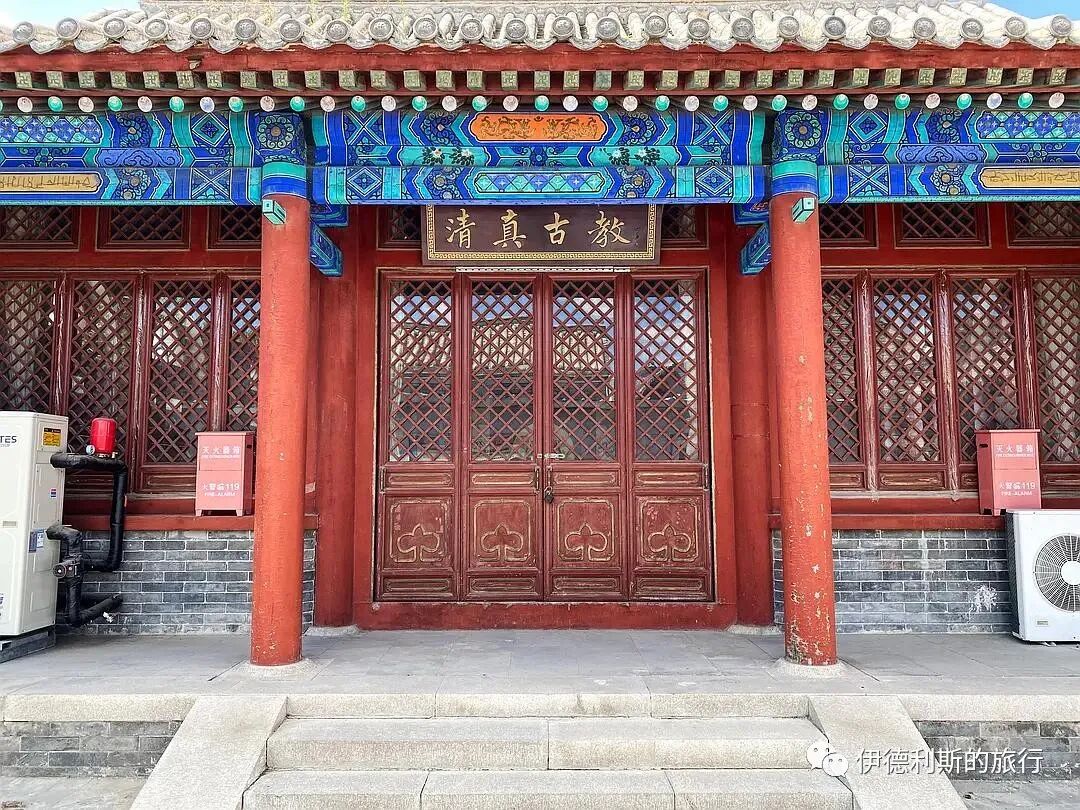
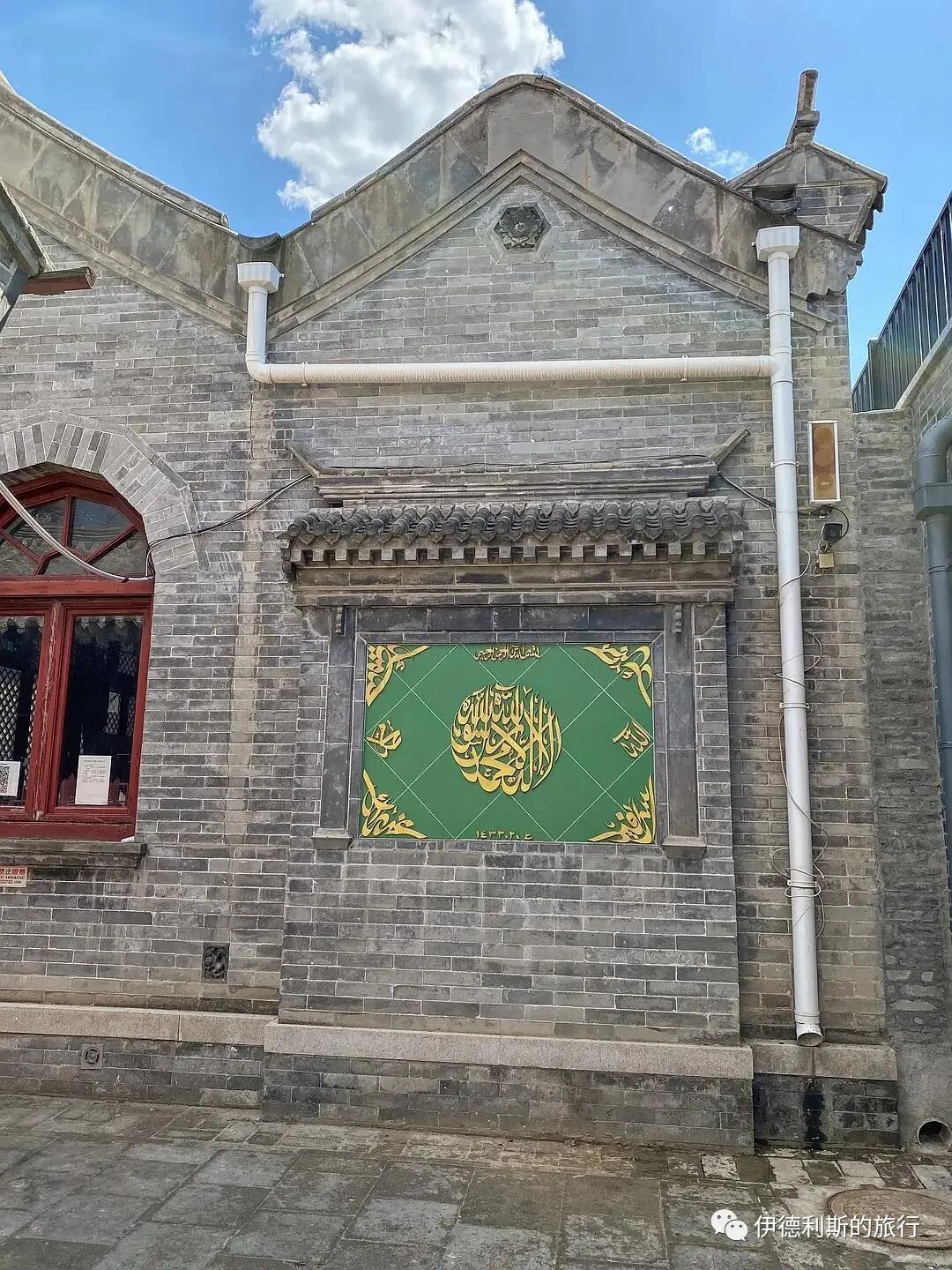
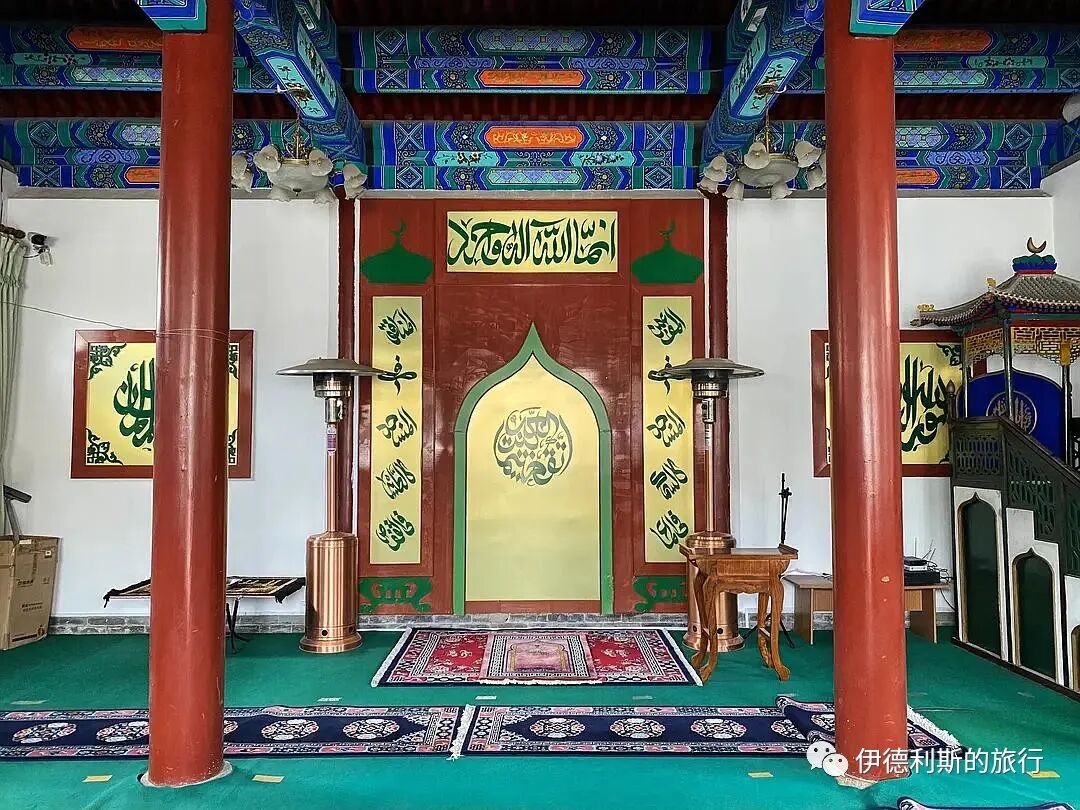
Across from the mosque is Yuxinzhai, a place run by the Yu family where you can eat and stay overnight. Since it was Ramadan, I did not visit, but I will definitely go back to Yuxinzhai to try the food once this wave of the pandemic ends.
I originally planned to go to Xiguanshi Mosque in Changping with my friends (dostani) for Eid prayers, but I could not go for well-known reasons. Insha'Allah, I will have to wait for another chance to go.
So, I decided to visit Gubeikou Mosque in Gubeikou, Miyun, for Eid instead. See my diary entry 'Visiting the Ancient Mosque in Gubeikou' for details.
Halal Travel Guide: Seven Beijing Mosques in Ramadan (Part 2)
Articles • ali2007fr posted the article • 0 comments • 140 views • 2026-05-18 02:56
Summary: Seven Beijing Mosques in Ramadan is presented here as a firsthand travel account in clear English. The account keeps its focus on Beijing Mosques, Ramadan Travel, Muslim Heritage while preserving the names, places, food, and historical details from the Chinese source. view all
Summary: Seven Beijing Mosques in Ramadan is presented here as a firsthand travel account in clear English. The account keeps its focus on Beijing Mosques, Ramadan Travel, Muslim Heritage while preserving the names, places, food, and historical details from the Chinese source.
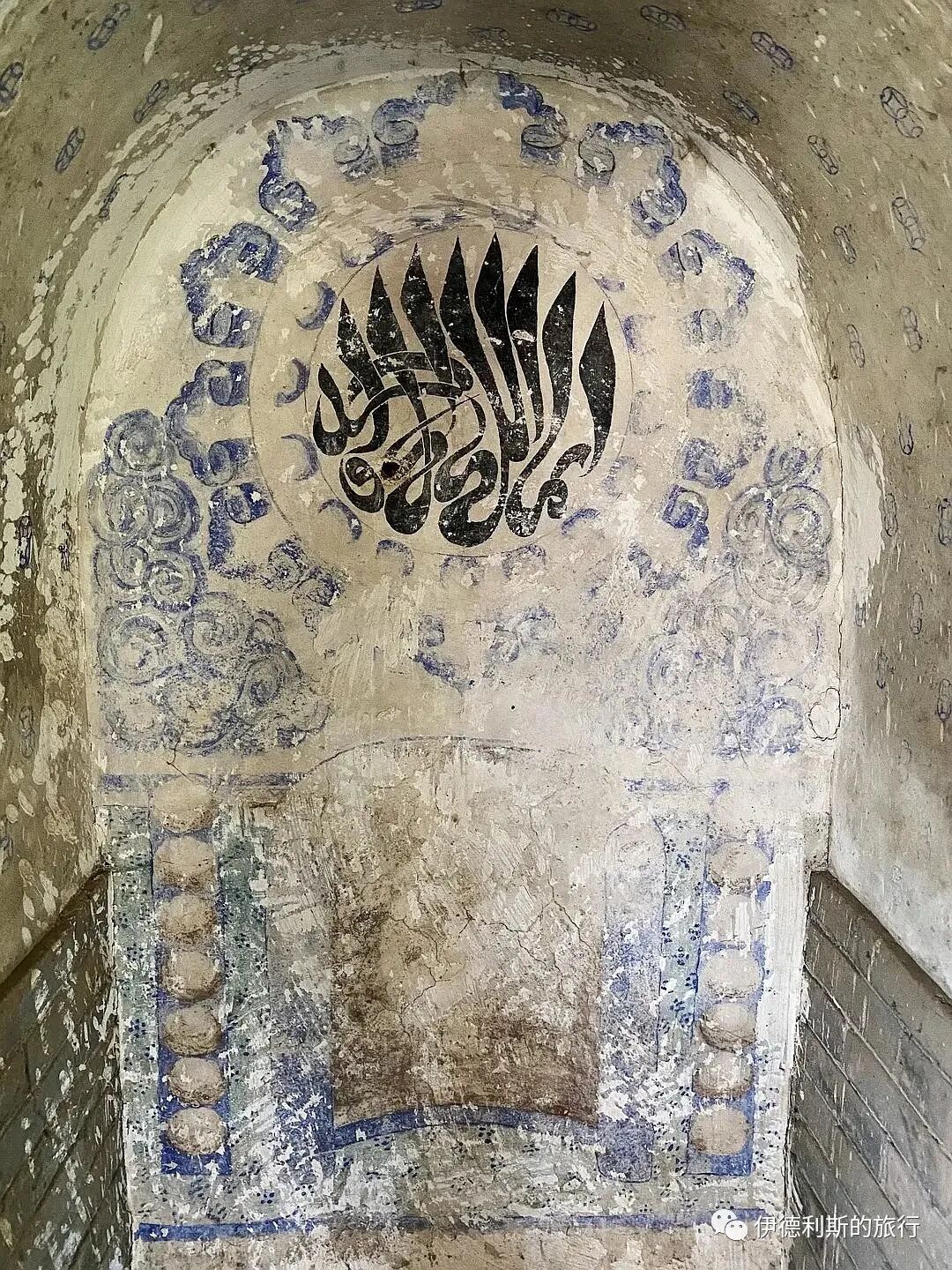
Best Halal Food Kuala Lumpur Ramadan: Iftar, Arab Rice, Middle Eastern Restaurants and Rehan
Articles • yusuf908 posted the article • 0 comments • 252 views • 2026-05-23 21:31
Summary: This Kuala Lumpur halal food map issue 9 looks at Ramadan in Malaysia and introduces coffee shops, Korean fried chicken, Lanzhou-style roast lamb, iftar meals, Arab rice, Yemeni flatbread, Middle Eastern restaurants, and Rehan Restaurant.
Ramadan has just passed, and I spent the entire Ramadan this year in Kuala Lumpur. In fact, in Malaysia, Ramadan is not much different from usual times, and pedestrians are not restricted from eating and drinking on the streets. Most restaurants are open normally, but the number of customers will be less, but some restaurants will open all night after evening. Larger mosques will provide free iftar meals, which are served by people from all walks of life. The meals are relatively simple and unpretentious. Some of them don't look as rich as the iftar refreshments prepared by mosques in Beijing, so there is nothing to show off.
However, when it comes to food, nowhere is as rich as Beijing. Every day I see Beijing folks posting Iftar refreshments in my circle of friends, and I am extremely envious. I am going back to Beijing next month, and someone urged me to update the Beijing halal food map and start a new food journey as soon as I return to Beijing.
The list of restaurants introduced in this issue is as follows:
1. MARU COFFEE (Japanese style coffee)
2. KyoChon Chicken (Korean fried chicken)
3. Lanzhou open fire roasted mutton
4. Sahara Tent (Morocco)
5. RGB COFFEE
6. RESTORAN YAHALA (Middle East)
7. Nasi & Mee by Bapak Sayang (Malaysia)
8. BUSHANZIP (Busan)
9. ORCHLD (Middle East)
10. The Castle (Arabia)
11. YAKINIKU KURO (Japanese barbecue)
12. DRAGON HOT POT, one spicy and one spicy
13. WADI HADRAMAWT (Yemen)
14. REHAN (Middle East)
1. MARU COFFEE
Maru means circle, period, and OK in Japanese. This is a Japanese-style coffee chain in Kuala Lumpur. The Japanese-style simple decoration style looks particularly refreshing. In Kuala Lumpur, there are not many shops open before 10 o'clock, and it is not easy to find such a simple cafe with breakfast.
The front desk clerks are two young ladies wearing headscarves who serve with a smile every time they meet.
I especially like to eat their breakfast burgers. I have tried chicken, beef, and egg burgers. They are more delicious and exquisite than McDonald's burgers. A set meal with a cup of coffee and a burger costs about 11 ringgit.
The tuna sandwich set meal is more expensive at RM19.8, and is actually not as delicious as the beef or chicken burgers.
AddressMaru Kafe by Mynews. Com
2. KyoChon Chicken
This is a popular Korean fried chicken restaurant that only takes away food. It is located next to our store. Over time, I learned that this store is quite famous and its business is very good. It does not have dine-in food and only accepts online take-out orders.
There is a kitchen inside, which looks quite clean, and the menu is very simple, which is fried chicken in various flavors.
My wife likes this fried chicken very much and orders it often. You can also pick it up at the store.
AddressKyochon 1991 Wisma Central
3. Lanzhou open fire roasted mutton
There is a newly opened Lanzhou barbecue restaurant in Petaling Street. When I passed by by chance, I discovered that most of the restaurants in Petaling Street are Chinese food, with various cuisines, of which Northwestern cuisine accounts for the majority.
It was indeed an open-fire barbecue, but Brother Bati’s technique was not good enough. We were anxious to break our fast, and later asked the boss to grill it himself.
Petaling Street is more lively at night. Many shops are open until early morning, and some are even open all night.
Address: Baker Street (Petaling Street)
4. Sahara Tent
On the way my son goes to and from school, there are two Sahara restaurants. They are chain stores and the decoration style is Southeast Asian style. Since my son has been to Arab countries, he has been talking about going to Dubai again. Sometimes I take him here to have a good meal.
The interior space of the restaurant is very large and the environment is very good. There are running water and waterwheels, just like being in a tropical rain forest.
His table is also quite unique, and I just noticed it was a sewing machine.
This restaurant belongs to the Moroccan style of Arabic cuisine, which can also be said to be North African style. The tagine is a specialty. However, the children only eat French fries and barbecue every time. The staple food is scones. I think it is also very good. These foods are also easy to eat.
Address: Sahara Tent Restaurant Jalan Ampang
5. RGB COFFEE
One day I was taking my children for a walk near my house. It was raining and I accidentally walked to this cafe to take shelter. There was a big yard in front of his house. Parking was convenient and the kids could play in the yard.
I like these Western-style simple meals and light meals, and they are also suitable for feeding children. After staying in Kuala Lumpur for a long time, the taste becomes lighter and lighter, which is also influenced by the children.
I now have a soft spot for this kind of café and bar with a refreshing environment. This store is a treasure. It is located in a residential area in the city center and is rarely visited by tourists.
To be precise, there are fewer people during the day. I once passed by in the evening and found that there were more people in the store. This is because people here prefer to go out to consume in the dark.
In the block where this store is located, there are several good-looking restaurants with relatively large areas. I will take my time to explore the restaurants when I have time in the future.
Address: RGB Coffee at the Bean Hive
6. RESTORAN YAHALA
Some time ago, my son was ill and hospitalized. He didn't like to eat the special children's meals provided by the hospital. The main reason was that the children's meals in the hospital were too healthy and light, with many vegetables and bland taste. He didn't like vegetables, but wanted to eat Arabic naan and mandi rice. There happened to be an Arabic restaurant next to the hospital, so I packed it up and brought it back to him to eat.
Middle Eastern restaurants are more common in Kuala Lumpur. After eating too much, I can taste different flavors. Now I don’t need to look at the menu when ordering because they are all the same, but the cooking methods are slightly different.
And what’s incredible to me is that Middle Eastern restaurants in Kuala Lumpur are generally doing very well, no matter how well they do.
My son likes to eat Arabic flatbreads, but there are many kinds of Arabic flatbreads, some are like naan, and some are like bread.
As a northerner, my son prefers pasta over rice. The chicken in Mandy Chicken Rice is suitable for children because it is neither spicy nor salty, and is soft and fall off the bone.
Address: Yahala Restaurant - Ampang
7. Nasi & Mee by Bapak Sayang
This is a traditional Malaysian flavor chain store in Aeon Supermarket. In fact, there are various Southeast Asian delicacies on the menu. What we ordered was Vietnamese special traditional snacks.
This kind of small shop is more suitable for young couples.
I like Southeast Asian curry rice very much. It’s a bit spicy, but it’s also very appetizing. There are usually several snacks included in a set meal.
Address: Nasi Mee by Bapak Sayang AEON
8. BUSHANZIP
BUSAN means Busan. This restaurant specializes in Busan, South Korea, and its signature dish is spicy fried octopus.
This store is the most Korean store I have ever eaten in. The owner is Korean and speaks fluent English.
The decoration of the restaurant is also exquisite and the service attitude is very good.
This spicy stir-fried live octopus is a must-order for every table. The waiters help fry it freshly. The picture above shows the correct way to eat it.
The octopus is guaranteed to be fresh and tender, but it is also very spicy.
The vegetables that accompany the meal are also very fresh, and the waiters will help add vegetables at any time, so you don’t have to worry about not having enough food, which is great for friends who like to eat vegetables.
The spicy octopus alone is definitely not enough, you also have to add a piece of Australian Wagyu beef barbecue.
The staple food is this Busan specialty cold noodles. The taste of this noodles is different from the cold noodles we have eaten in China. The boss said this is a Busan specialty, but I still think Qiqihar cold noodles are more delicious.
Address: Busanzip
9. ORCHID
This Middle Eastern restaurant is the closest to our home. It’s just downstairs and across the road. Although it looks classy, the food is actually very cheap, and the mandi rice in this restaurant is the best in Kuala Lumpur in my opinion.
Most Middle Eastern restaurants will install a large screen to watch football games. As long as there is a game, the restaurant will be open all night.
Even the toilets and wash basins in this store are made of gold. My son likes to eat their food. We come here almost every week and the store staff all know us.
For this portion of Mandy's Chicken Rice, if it's just my son and I, we'd order a quarter portion, and two adults can order a half portion. A quarter portion only costs RM22, which is cheaper than many restaurants I've been to, and it's also delicious.
Sometimes the flavors are changed, but basically they are not bad, suitable for children, nutritious, delicious and healthy.
But my son doesn’t really like salads or anything with soup or dip, he only likes mandi or grilled meats.
Address: Orchid Restaurant (Orchid)
10. The Castle
This store is also near where I live. I pass by it every day. One time, my son suddenly wanted to eat the castle-like meal, so I took him here to have a few meals. The taste was average, not as good as the Orchid I recommended earlier.
But the environment is also very good. The advantage of this store is that there is a yard at the door and easy parking.
The price is a few dollars more expensive than Orchid, but the prices of this type of Arabic restaurant are not much different, so don't be intimidated by the decoration, just go inside boldly.
The Mandy Chicken Rice in this store looks relatively simple, with no raisins in it and few side dishes.
Address: The Castle Restaurant
11. YAKINIKU KURO
There is a very popular Japanese barbecue restaurant in TRX, and you have to queue for half an hour to get a meal.
Beef imported from Australia and Japan is used, and the per capita consumption is about RM150.
A quick calculation shows that almost all the Japanese food shops I have seen in Kuala Lumpur are halal.
However, eating barbecue in Kuala Lumpur is not as cost-effective as in Beijing. The main reason is that the price is slightly higher than that in Beijing, but the meat quality is actually almost the same.
Address: Yakiniku Kuro the Exchange TRX
11. DRAGON HOT POT, one spicy and one spicy
A spicy hotpot restaurant very close to the pavilion, offering spicy hotpot, spicy hotpot, and dry mix. There is a sign at the door that says, "No pork, no lard." This is a cryptic statement for a halal shop, because it requires a lot of money to be certified to hang the halal label.
The variety of dishes is quite complete, and there are many ways to eat it. It is a newly opened store and there are not many people.
We chose two flavors: spicy hotpot and dry mix. The taste is very good and the price is cheap. The per capita consumption is about RM50.
Address: Xiao Long Xing Dou Lao Hotpot (A Dragon Hotpot)
12. Cafe in house
As I said before, in Kuala Lumpur, there are not many places where you can have a delicious and healthy breakfast in the morning. This cafe is one of them. It has a Western-style healthy breakfast that I like. I have eaten the halal version in Canada for a few days before. It is rare to find another one in Kuala Lumpur.
The electronic screen says no pork and no lard. A breakfast costs about 20 ringgit. Such breakfast also sells for 20 Canadian dollars in Canada.
The sign also specifically emphasizes that outside food and alcohol are prohibited, and this store strictly prohibits alcohol.
I chose mushroom omelette with waffles. There are many combinations to choose from. I also had a latte and I felt refreshed in the morning.
Address: Cafe-In House
13. WADI HADRAMAWT
There is a Yemeni Arabic restaurant near my son’s school. This restaurant is his favorite restaurant. My son likes to eat Yemeni baked flatbreads very much.
This kind of flatbread is called mulawah, which means flat bread in Arabic. I have a small size, and there is also a large size. It has a full wheat flavor. I also like to eat it, especially when dipped in the potato soup provided by the store.
This store has distinct Yemeni characteristics, and the waiters are also dark-skinned Arabs from Yemen.
Arabic restaurants in Kuala Lumpur usually do not emphasize that they are halal. They may feel that there is no need to mark it. After all, halal signs are rarely seen in the Middle East, and these Arab restaurants all do not serve alcohol.
There is a very large parking lot in front of this store. During Ramadan, the yard is full of cars coming to break fast at night, but usually there are not many people and the price is very cheap. The average consumption per person is 30 yuan. I only took my son to eat there more than ten times.
Address: Restoran Wadi Hadramawt
14. REHAN
This store is also near the apartment where I live, across the road from the white ORCHID. My son prefers to eat in this store because his family has Yemeni flatbreads, but the one opposite does not. So sometimes I go to the opposite store to pack a mandi, and then pack a Yemeni flatbread from this store.
The mandi in this shop is okay, but not as exquisite as the one opposite. My wife also prefers the mandi in the white Arabic restaurant across the street, so they are all Arabic rice, but the details are slightly different. The prices of the Arab restaurants near our home are slightly higher than the one at my son’s school. For example, the Yemeni flatbread in this shop is 10 ringgit a piece, while the school shop only sells it for 4 ringgit, and it is more delicious.
Address: Rehan Restaurant (Rehan) view all
Summary: This Kuala Lumpur halal food map issue 9 looks at Ramadan in Malaysia and introduces coffee shops, Korean fried chicken, Lanzhou-style roast lamb, iftar meals, Arab rice, Yemeni flatbread, Middle Eastern restaurants, and Rehan Restaurant.
Ramadan has just passed, and I spent the entire Ramadan this year in Kuala Lumpur. In fact, in Malaysia, Ramadan is not much different from usual times, and pedestrians are not restricted from eating and drinking on the streets. Most restaurants are open normally, but the number of customers will be less, but some restaurants will open all night after evening. Larger mosques will provide free iftar meals, which are served by people from all walks of life. The meals are relatively simple and unpretentious. Some of them don't look as rich as the iftar refreshments prepared by mosques in Beijing, so there is nothing to show off.
However, when it comes to food, nowhere is as rich as Beijing. Every day I see Beijing folks posting Iftar refreshments in my circle of friends, and I am extremely envious. I am going back to Beijing next month, and someone urged me to update the Beijing halal food map and start a new food journey as soon as I return to Beijing.
The list of restaurants introduced in this issue is as follows:
1. MARU COFFEE (Japanese style coffee)
2. KyoChon Chicken (Korean fried chicken)
3. Lanzhou open fire roasted mutton
4. Sahara Tent (Morocco)
5. RGB COFFEE
6. RESTORAN YAHALA (Middle East)
7. Nasi & Mee by Bapak Sayang (Malaysia)
8. BUSHANZIP (Busan)
9. ORCHLD (Middle East)
10. The Castle (Arabia)
11. YAKINIKU KURO (Japanese barbecue)
12. DRAGON HOT POT, one spicy and one spicy
13. WADI HADRAMAWT (Yemen)
14. REHAN (Middle East)
1. MARU COFFEE
Maru means circle, period, and OK in Japanese. This is a Japanese-style coffee chain in Kuala Lumpur. The Japanese-style simple decoration style looks particularly refreshing. In Kuala Lumpur, there are not many shops open before 10 o'clock, and it is not easy to find such a simple cafe with breakfast.
The front desk clerks are two young ladies wearing headscarves who serve with a smile every time they meet.
I especially like to eat their breakfast burgers. I have tried chicken, beef, and egg burgers. They are more delicious and exquisite than McDonald's burgers. A set meal with a cup of coffee and a burger costs about 11 ringgit.
The tuna sandwich set meal is more expensive at RM19.8, and is actually not as delicious as the beef or chicken burgers.
AddressMaru Kafe by Mynews. Com
2. KyoChon Chicken
This is a popular Korean fried chicken restaurant that only takes away food. It is located next to our store. Over time, I learned that this store is quite famous and its business is very good. It does not have dine-in food and only accepts online take-out orders.
There is a kitchen inside, which looks quite clean, and the menu is very simple, which is fried chicken in various flavors.
My wife likes this fried chicken very much and orders it often. You can also pick it up at the store.
AddressKyochon 1991 Wisma Central
3. Lanzhou open fire roasted mutton
There is a newly opened Lanzhou barbecue restaurant in Petaling Street. When I passed by by chance, I discovered that most of the restaurants in Petaling Street are Chinese food, with various cuisines, of which Northwestern cuisine accounts for the majority.
It was indeed an open-fire barbecue, but Brother Bati’s technique was not good enough. We were anxious to break our fast, and later asked the boss to grill it himself.
Petaling Street is more lively at night. Many shops are open until early morning, and some are even open all night.
Address: Baker Street (Petaling Street)
4. Sahara Tent
On the way my son goes to and from school, there are two Sahara restaurants. They are chain stores and the decoration style is Southeast Asian style. Since my son has been to Arab countries, he has been talking about going to Dubai again. Sometimes I take him here to have a good meal.
The interior space of the restaurant is very large and the environment is very good. There are running water and waterwheels, just like being in a tropical rain forest.
His table is also quite unique, and I just noticed it was a sewing machine.
This restaurant belongs to the Moroccan style of Arabic cuisine, which can also be said to be North African style. The tagine is a specialty. However, the children only eat French fries and barbecue every time. The staple food is scones. I think it is also very good. These foods are also easy to eat.
Address: Sahara Tent Restaurant Jalan Ampang
5. RGB COFFEE
One day I was taking my children for a walk near my house. It was raining and I accidentally walked to this cafe to take shelter. There was a big yard in front of his house. Parking was convenient and the kids could play in the yard.
I like these Western-style simple meals and light meals, and they are also suitable for feeding children. After staying in Kuala Lumpur for a long time, the taste becomes lighter and lighter, which is also influenced by the children.
I now have a soft spot for this kind of café and bar with a refreshing environment. This store is a treasure. It is located in a residential area in the city center and is rarely visited by tourists.
To be precise, there are fewer people during the day. I once passed by in the evening and found that there were more people in the store. This is because people here prefer to go out to consume in the dark.
In the block where this store is located, there are several good-looking restaurants with relatively large areas. I will take my time to explore the restaurants when I have time in the future.
Address: RGB Coffee at the Bean Hive
6. RESTORAN YAHALA
Some time ago, my son was ill and hospitalized. He didn't like to eat the special children's meals provided by the hospital. The main reason was that the children's meals in the hospital were too healthy and light, with many vegetables and bland taste. He didn't like vegetables, but wanted to eat Arabic naan and mandi rice. There happened to be an Arabic restaurant next to the hospital, so I packed it up and brought it back to him to eat.
Middle Eastern restaurants are more common in Kuala Lumpur. After eating too much, I can taste different flavors. Now I don’t need to look at the menu when ordering because they are all the same, but the cooking methods are slightly different.
And what’s incredible to me is that Middle Eastern restaurants in Kuala Lumpur are generally doing very well, no matter how well they do.
My son likes to eat Arabic flatbreads, but there are many kinds of Arabic flatbreads, some are like naan, and some are like bread.
As a northerner, my son prefers pasta over rice. The chicken in Mandy Chicken Rice is suitable for children because it is neither spicy nor salty, and is soft and fall off the bone.
Address: Yahala Restaurant - Ampang
7. Nasi & Mee by Bapak Sayang
This is a traditional Malaysian flavor chain store in Aeon Supermarket. In fact, there are various Southeast Asian delicacies on the menu. What we ordered was Vietnamese special traditional snacks.
This kind of small shop is more suitable for young couples.
I like Southeast Asian curry rice very much. It’s a bit spicy, but it’s also very appetizing. There are usually several snacks included in a set meal.
Address: Nasi Mee by Bapak Sayang AEON
8. BUSHANZIP
BUSAN means Busan. This restaurant specializes in Busan, South Korea, and its signature dish is spicy fried octopus.
This store is the most Korean store I have ever eaten in. The owner is Korean and speaks fluent English.
The decoration of the restaurant is also exquisite and the service attitude is very good.
This spicy stir-fried live octopus is a must-order for every table. The waiters help fry it freshly. The picture above shows the correct way to eat it.
The octopus is guaranteed to be fresh and tender, but it is also very spicy.
The vegetables that accompany the meal are also very fresh, and the waiters will help add vegetables at any time, so you don’t have to worry about not having enough food, which is great for friends who like to eat vegetables.
The spicy octopus alone is definitely not enough, you also have to add a piece of Australian Wagyu beef barbecue.
The staple food is this Busan specialty cold noodles. The taste of this noodles is different from the cold noodles we have eaten in China. The boss said this is a Busan specialty, but I still think Qiqihar cold noodles are more delicious.
Address: Busanzip
9. ORCHID
This Middle Eastern restaurant is the closest to our home. It’s just downstairs and across the road. Although it looks classy, the food is actually very cheap, and the mandi rice in this restaurant is the best in Kuala Lumpur in my opinion.
Most Middle Eastern restaurants will install a large screen to watch football games. As long as there is a game, the restaurant will be open all night.
Even the toilets and wash basins in this store are made of gold. My son likes to eat their food. We come here almost every week and the store staff all know us.
For this portion of Mandy's Chicken Rice, if it's just my son and I, we'd order a quarter portion, and two adults can order a half portion. A quarter portion only costs RM22, which is cheaper than many restaurants I've been to, and it's also delicious.
Sometimes the flavors are changed, but basically they are not bad, suitable for children, nutritious, delicious and healthy.
But my son doesn’t really like salads or anything with soup or dip, he only likes mandi or grilled meats.
Address: Orchid Restaurant (Orchid)
10. The Castle
This store is also near where I live. I pass by it every day. One time, my son suddenly wanted to eat the castle-like meal, so I took him here to have a few meals. The taste was average, not as good as the Orchid I recommended earlier.
But the environment is also very good. The advantage of this store is that there is a yard at the door and easy parking.
The price is a few dollars more expensive than Orchid, but the prices of this type of Arabic restaurant are not much different, so don't be intimidated by the decoration, just go inside boldly.
The Mandy Chicken Rice in this store looks relatively simple, with no raisins in it and few side dishes.
Address: The Castle Restaurant
11. YAKINIKU KURO
There is a very popular Japanese barbecue restaurant in TRX, and you have to queue for half an hour to get a meal.
Beef imported from Australia and Japan is used, and the per capita consumption is about RM150.
A quick calculation shows that almost all the Japanese food shops I have seen in Kuala Lumpur are halal.
However, eating barbecue in Kuala Lumpur is not as cost-effective as in Beijing. The main reason is that the price is slightly higher than that in Beijing, but the meat quality is actually almost the same.
Address: Yakiniku Kuro the Exchange TRX
11. DRAGON HOT POT, one spicy and one spicy
A spicy hotpot restaurant very close to the pavilion, offering spicy hotpot, spicy hotpot, and dry mix. There is a sign at the door that says, "No pork, no lard." This is a cryptic statement for a halal shop, because it requires a lot of money to be certified to hang the halal label.
The variety of dishes is quite complete, and there are many ways to eat it. It is a newly opened store and there are not many people.
We chose two flavors: spicy hotpot and dry mix. The taste is very good and the price is cheap. The per capita consumption is about RM50.
Address: Xiao Long Xing Dou Lao Hotpot (A Dragon Hotpot)
12. Cafe in house
As I said before, in Kuala Lumpur, there are not many places where you can have a delicious and healthy breakfast in the morning. This cafe is one of them. It has a Western-style healthy breakfast that I like. I have eaten the halal version in Canada for a few days before. It is rare to find another one in Kuala Lumpur.
The electronic screen says no pork and no lard. A breakfast costs about 20 ringgit. Such breakfast also sells for 20 Canadian dollars in Canada.
The sign also specifically emphasizes that outside food and alcohol are prohibited, and this store strictly prohibits alcohol.
I chose mushroom omelette with waffles. There are many combinations to choose from. I also had a latte and I felt refreshed in the morning.
Address: Cafe-In House
13. WADI HADRAMAWT
There is a Yemeni Arabic restaurant near my son’s school. This restaurant is his favorite restaurant. My son likes to eat Yemeni baked flatbreads very much.
This kind of flatbread is called mulawah, which means flat bread in Arabic. I have a small size, and there is also a large size. It has a full wheat flavor. I also like to eat it, especially when dipped in the potato soup provided by the store.
This store has distinct Yemeni characteristics, and the waiters are also dark-skinned Arabs from Yemen.
Arabic restaurants in Kuala Lumpur usually do not emphasize that they are halal. They may feel that there is no need to mark it. After all, halal signs are rarely seen in the Middle East, and these Arab restaurants all do not serve alcohol.
There is a very large parking lot in front of this store. During Ramadan, the yard is full of cars coming to break fast at night, but usually there are not many people and the price is very cheap. The average consumption per person is 30 yuan. I only took my son to eat there more than ten times.
Address: Restoran Wadi Hadramawt
14. REHAN
This store is also near the apartment where I live, across the road from the white ORCHID. My son prefers to eat in this store because his family has Yemeni flatbreads, but the one opposite does not. So sometimes I go to the opposite store to pack a mandi, and then pack a Yemeni flatbread from this store.
The mandi in this shop is okay, but not as exquisite as the one opposite. My wife also prefers the mandi in the white Arabic restaurant across the street, so they are all Arabic rice, but the details are slightly different. The prices of the Arab restaurants near our home are slightly higher than the one at my son’s school. For example, the Yemeni flatbread in this shop is 10 ringgit a piece, while the school shop only sells it for 4 ringgit, and it is more delicious.
Address: Rehan Restaurant (Rehan)
Halal Travel Guide: Tai'an, Shandong - Ramadan Mosque Visits and Hui History
Articles • ali2007fr posted the article • 0 comments • 266 views • 2026-05-20 09:24
Summary: This Ramadan trip visits three historic mosques in Tai'an, Shandong: Taicheng Mosque, Dong Mosque, and Xiawang Mosque. The account records their dated steles, prayer hall layouts, imam history, Hui Muslim neighborhoods, and preserved mosque details.
During Ramadan in 2025, I spent three Saturdays taking the high-speed train to visit nine ancient mosques in Jinan, Qingzhou, and Tai'an, Shandong. The first two articles covered the mosques in Jinan and Qingzhou. This is the third article, covering my visit to Taicheng Mosque, East Mosque, and Xiawang Mosque in Tai'an.
Taicheng Mosque.
Taicheng Mosque is said to have been built in the late Yuan and early Ming dynasties. It was renovated many times during the Ming, Qing, and Republican eras. The mosque still keeps a stone tablet header inscribed with "Mosque" (Qingzhensi) dated 1619, the 40th year of the Wanli reign of the Ming Dynasty.
The prayer hall consists of a front porch, a main hall, and a rear kiln-style hall (yaodian) connected together. The roof of the kiln-style hall is a double-eaved hip-and-gable roof. The main hall uses a beam-lifting wooden frame structure, and there is a two-meter-thick archway between it and the kiln-style hall.
Brick-carved gable ends (chitou).
The tablet corridor of Taicheng Mosque.
The "Laifu Ming" (Inscription on Returning to the Origin) tablet from the fourth year of the Tianqi reign of the Ming Dynasty. The "Laifu Ming" was written in the seventh year of the Jiajing reign of the Ming Dynasty by Chen Si, the imam (zhangjiao) of the South Mosque in Jinan, and was carved into stone at Taicheng Mosque in the fourth year of the Tianqi reign. The "Laifu Ming" is the first Chinese-language tablet inscription written by an imam. It is also the first work in China to combine Islamic teachings and principles with Song and Ming Neo-Confucianism. It pioneered the practice of interpreting scriptures through Confucianism in the late Ming and early Qing dynasties, making it highly valuable for history and philosophy.
The donation tablet from the 24th year of the Qianlong reign records how many Muslims (mumin) donated money to renovate the halls and add property to the mosque. Among them, Mi Hanru donated 3.5 mu of land, Yang Kunshan donated 3 mu, and Li Changqi, Li Hui, and others donated the rent from their shops to the mosque to serve as the imam's salary.
The "Record of Renovating the Mosque" tablet from the 14th year of the Guangxu reign was written by local scholar Song Guangrun. It records that the imam at the time, Wang Jingshan, initiated the renovation, and the local elders and Muslims responded immediately. Elder Yang Yucheng took the lead in donating funds and directing the construction, which took three years to complete.
The renovation tablet from the 33rd year of the Republic of China records that the imam, elders, and Muslims agreed to renovate the mosque. People from all walks of life in Tai'an donated 12,213 silver dollars, fellow townsmen in Shanghai donated 1,165 yuan, local Muslims donated 685 yuan, and elder Ma Ziming donated a set of curtains.
Taicheng East Mosque, also known as Beixinjie Mosque, faces Taicheng Mosque across the Nai River. It was founded in 1920 by the national industrialist Ma Bosheng. It was closed from 1966 to 1994, rebuilt in 1995, and renovated again in 2006. The mosque still has the "Mosque" (Qingzhensi) door plaque written by the founder, Ma Bosheng.
Ma Bosheng's ancestral home was in Dezhou. His father, Ma Rende, fled to Tai'an during the Guangxu reign of the Qing Dynasty and made a living selling steamed buns (baozi) outside the west city gate. Ma Bosheng studied hard and attended the Tianshu Temple and the Yang Family Charity School in Tai'an as a child, later entering Cuiying Middle School. In 1916, Ma Bosheng was hired as a translator for Chinese laborers and traveled to Canada, England, France, and other countries. Seeing Western industrial civilization inspired his determination to save the country through industry. In 1919, Ma Bosheng returned to Shandong. He first worked at the British-American Tobacco Company and an insurance company in Jinan, then founded the Renfeng Textile Mill, gradually becoming a business giant in Shandong.
In 1927, Ma Bosheng founded the Rende School in Tai'an. He hired excellent teachers from Jinan, Qufu, and other places, allowed children from poor families to attend for free, and provided them with free textbooks and uniforms. Ma Bosheng also started literacy classes for common people and night schools to eliminate illiteracy and promote education. Ma Bosheng built the Rende Flour Mill across from the school. It produced 500 bags of "Mountain Tiger" brand flour daily, changing the production methods of Tai'an's manual workshops. The flour was high quality and affordable, and he regularly gave it to poor families for free, using the surplus to fund the school. Ma Bosheng worked with local gentry to start the Taishan Forest Company. They planted trees and cleared over 150 mu of land at Guangshengquan, where they bought apple trees and built an orchard.
Xiawang Mosque in Taian sits in the western suburbs. Its founding date is unknown, but a stone tablet from 1626 (the sixth year of the Tianqi reign of the Ming Dynasty) records that Li Qin was the imam at that time. The main hall of Xiawang Mosque was rebuilt in 1734 (the twelfth year of the Yongzheng reign). It was burned down during wartime in 1864 (the second year of the Tongzhi reign) and rebuilt again in 1873 (the twelfth year of the Tongzhi reign). It was listed as a Shandong Provincial Cultural Relic Protection Unit in 2013.
Xiawang Mosque stands on a high platform. The courtyard feels ancient and very solemn.
The kiln hall (yaodian) and north lecture hall at Xiawang Mosque in Taian, Shandong, have a late 20th-century feel. A pair of scripture boxes each hold 15 books, which is very traditional. There is also a group photo of the village elders at Xiawang Mosque from 1933. You can see everyone wearing long gowns (dagua), with those in the front row wearing mandarin jackets (magua), and everyone wearing small dark caps.
Xiawang Mosque in Taian houses many stone tablets:
The 1734 tablet for donated land records that Li Bingjie from Henggou Village donated 16.6 mu of land to the mosque, and Wang Zhangzhe from the same village donated an adjacent one mu of land to the mosque.
The 1837 renovation tablet records that Xiawang Mosque was renovated in 1821. In 1835, Han Qingyu from Xiaoyandi Village and the villagers donated money for building oil painting and decorations. In 1837, Yang Dianhua, Wang Jiesan, Wang Zhonghua, and others agreed to donate money to rebuild the water room and side rooms, and a daughter of the Ding family from Huangjia Village donated land.
The 1872 "Preface to the Renovation of the Mosque" records that the main hall of Xiawang Mosque was burned down during the war in 1863. Later, elders Yang Yucheng and Han Liqing were the first to donate money, and the whole village worked together to rebuild the mosque.
The 1872 "Preface to the Donation of Cypress Trees" records that Yang Yucheng bought back 23 ancient cypress trees in the mosque that were originally going to be sold to pay for the mosque's repairs, keeping them on the grounds.
The 1873 lawsuit settlement tablet records that the daughter of Xiawang Mosque imam Yang Taixiang died after suffering mistreatment following her marriage into the Ma family. Imam Yang wanted to go to the government to seek justice, but the villagers persuaded him to stay. After mediation, the Ma family was fined 100,000 jingqian coins to end the dispute. Imam Yang used the money to redeem two mu of mosque land to cover mosque expenses.
The 1875 land and money donation tablet records that elder Yang Yucheng donated money to redeem two mu of school land that had been mortgaged for mosque repairs, with the harvest from the land used for school expenses.
The 1894 "Record of the Renovation of the Rear Hall of Xiawang Mosque" only has the top half remaining.
Xiawang Mosque in Taian uses a wooden casket (tabu xiazi) for burials (mayiti), which is a feature of traditional Gedimu mosque communities. Traditional solid wood caskets are very heavy and require many people to carry them. Most have now been replaced by stainless steel ones. view all
Summary: This Ramadan trip visits three historic mosques in Tai'an, Shandong: Taicheng Mosque, Dong Mosque, and Xiawang Mosque. The account records their dated steles, prayer hall layouts, imam history, Hui Muslim neighborhoods, and preserved mosque details.
During Ramadan in 2025, I spent three Saturdays taking the high-speed train to visit nine ancient mosques in Jinan, Qingzhou, and Tai'an, Shandong. The first two articles covered the mosques in Jinan and Qingzhou. This is the third article, covering my visit to Taicheng Mosque, East Mosque, and Xiawang Mosque in Tai'an.
Taicheng Mosque.
Taicheng Mosque is said to have been built in the late Yuan and early Ming dynasties. It was renovated many times during the Ming, Qing, and Republican eras. The mosque still keeps a stone tablet header inscribed with "Mosque" (Qingzhensi) dated 1619, the 40th year of the Wanli reign of the Ming Dynasty.
The prayer hall consists of a front porch, a main hall, and a rear kiln-style hall (yaodian) connected together. The roof of the kiln-style hall is a double-eaved hip-and-gable roof. The main hall uses a beam-lifting wooden frame structure, and there is a two-meter-thick archway between it and the kiln-style hall.
Brick-carved gable ends (chitou).
The tablet corridor of Taicheng Mosque.
The "Laifu Ming" (Inscription on Returning to the Origin) tablet from the fourth year of the Tianqi reign of the Ming Dynasty. The "Laifu Ming" was written in the seventh year of the Jiajing reign of the Ming Dynasty by Chen Si, the imam (zhangjiao) of the South Mosque in Jinan, and was carved into stone at Taicheng Mosque in the fourth year of the Tianqi reign. The "Laifu Ming" is the first Chinese-language tablet inscription written by an imam. It is also the first work in China to combine Islamic teachings and principles with Song and Ming Neo-Confucianism. It pioneered the practice of interpreting scriptures through Confucianism in the late Ming and early Qing dynasties, making it highly valuable for history and philosophy.
The donation tablet from the 24th year of the Qianlong reign records how many Muslims (mumin) donated money to renovate the halls and add property to the mosque. Among them, Mi Hanru donated 3.5 mu of land, Yang Kunshan donated 3 mu, and Li Changqi, Li Hui, and others donated the rent from their shops to the mosque to serve as the imam's salary.
The "Record of Renovating the Mosque" tablet from the 14th year of the Guangxu reign was written by local scholar Song Guangrun. It records that the imam at the time, Wang Jingshan, initiated the renovation, and the local elders and Muslims responded immediately. Elder Yang Yucheng took the lead in donating funds and directing the construction, which took three years to complete.
The renovation tablet from the 33rd year of the Republic of China records that the imam, elders, and Muslims agreed to renovate the mosque. People from all walks of life in Tai'an donated 12,213 silver dollars, fellow townsmen in Shanghai donated 1,165 yuan, local Muslims donated 685 yuan, and elder Ma Ziming donated a set of curtains.
Taicheng East Mosque, also known as Beixinjie Mosque, faces Taicheng Mosque across the Nai River. It was founded in 1920 by the national industrialist Ma Bosheng. It was closed from 1966 to 1994, rebuilt in 1995, and renovated again in 2006. The mosque still has the "Mosque" (Qingzhensi) door plaque written by the founder, Ma Bosheng.
Ma Bosheng's ancestral home was in Dezhou. His father, Ma Rende, fled to Tai'an during the Guangxu reign of the Qing Dynasty and made a living selling steamed buns (baozi) outside the west city gate. Ma Bosheng studied hard and attended the Tianshu Temple and the Yang Family Charity School in Tai'an as a child, later entering Cuiying Middle School. In 1916, Ma Bosheng was hired as a translator for Chinese laborers and traveled to Canada, England, France, and other countries. Seeing Western industrial civilization inspired his determination to save the country through industry. In 1919, Ma Bosheng returned to Shandong. He first worked at the British-American Tobacco Company and an insurance company in Jinan, then founded the Renfeng Textile Mill, gradually becoming a business giant in Shandong.
In 1927, Ma Bosheng founded the Rende School in Tai'an. He hired excellent teachers from Jinan, Qufu, and other places, allowed children from poor families to attend for free, and provided them with free textbooks and uniforms. Ma Bosheng also started literacy classes for common people and night schools to eliminate illiteracy and promote education. Ma Bosheng built the Rende Flour Mill across from the school. It produced 500 bags of "Mountain Tiger" brand flour daily, changing the production methods of Tai'an's manual workshops. The flour was high quality and affordable, and he regularly gave it to poor families for free, using the surplus to fund the school. Ma Bosheng worked with local gentry to start the Taishan Forest Company. They planted trees and cleared over 150 mu of land at Guangshengquan, where they bought apple trees and built an orchard.
Xiawang Mosque in Taian sits in the western suburbs. Its founding date is unknown, but a stone tablet from 1626 (the sixth year of the Tianqi reign of the Ming Dynasty) records that Li Qin was the imam at that time. The main hall of Xiawang Mosque was rebuilt in 1734 (the twelfth year of the Yongzheng reign). It was burned down during wartime in 1864 (the second year of the Tongzhi reign) and rebuilt again in 1873 (the twelfth year of the Tongzhi reign). It was listed as a Shandong Provincial Cultural Relic Protection Unit in 2013.
Xiawang Mosque stands on a high platform. The courtyard feels ancient and very solemn.
The kiln hall (yaodian) and north lecture hall at Xiawang Mosque in Taian, Shandong, have a late 20th-century feel. A pair of scripture boxes each hold 15 books, which is very traditional. There is also a group photo of the village elders at Xiawang Mosque from 1933. You can see everyone wearing long gowns (dagua), with those in the front row wearing mandarin jackets (magua), and everyone wearing small dark caps.
Xiawang Mosque in Taian houses many stone tablets:
The 1734 tablet for donated land records that Li Bingjie from Henggou Village donated 16.6 mu of land to the mosque, and Wang Zhangzhe from the same village donated an adjacent one mu of land to the mosque.
The 1837 renovation tablet records that Xiawang Mosque was renovated in 1821. In 1835, Han Qingyu from Xiaoyandi Village and the villagers donated money for building oil painting and decorations. In 1837, Yang Dianhua, Wang Jiesan, Wang Zhonghua, and others agreed to donate money to rebuild the water room and side rooms, and a daughter of the Ding family from Huangjia Village donated land.
The 1872 "Preface to the Renovation of the Mosque" records that the main hall of Xiawang Mosque was burned down during the war in 1863. Later, elders Yang Yucheng and Han Liqing were the first to donate money, and the whole village worked together to rebuild the mosque.
The 1872 "Preface to the Donation of Cypress Trees" records that Yang Yucheng bought back 23 ancient cypress trees in the mosque that were originally going to be sold to pay for the mosque's repairs, keeping them on the grounds.
The 1873 lawsuit settlement tablet records that the daughter of Xiawang Mosque imam Yang Taixiang died after suffering mistreatment following her marriage into the Ma family. Imam Yang wanted to go to the government to seek justice, but the villagers persuaded him to stay. After mediation, the Ma family was fined 100,000 jingqian coins to end the dispute. Imam Yang used the money to redeem two mu of mosque land to cover mosque expenses.
The 1875 land and money donation tablet records that elder Yang Yucheng donated money to redeem two mu of school land that had been mortgaged for mosque repairs, with the harvest from the land used for school expenses.
The 1894 "Record of the Renovation of the Rear Hall of Xiawang Mosque" only has the top half remaining.
Xiawang Mosque in Taian uses a wooden casket (tabu xiazi) for burials (mayiti), which is a feature of traditional Gedimu mosque communities. Traditional solid wood caskets are very heavy and require many people to carry them. Most have now been replaced by stainless steel ones.
Halal Travel Guide: Ramadan Weekend 2025 — Tianjin Liulin and Northwest Corner
Articles • ali2007fr posted the article • 0 comments • 131 views • 2026-05-20 00:58
Summary: The third weekend of Ramadan 2025 centers on Tianjin’s Liulin area and Northwest Corner, with mosques, food, and neighborhood scenes. This article keeps the original photos, shop notes, street details, and Muslim community observations.
On Saturday, I went to Liulin Mosque (Liulin Si) in the Hexi District of Tianjin to break my fast. In 1994, the Qiandezhuang area in Hexi District was demolished, and all the Hui Muslims moved to Qianfuli in Xiaohaidi. Later, when the Northwest Corner was demolished, more Hui Muslims moved to Xiaohaidi, leading to the construction of the current Liulin Mosque in 2005.
For iftar, we had four dishes and one soup, including the Tianjin specialty stir-stir-fried meat liver, kidney, and heart (laobao san), as well as chicken with winter bamboo shoots, stir-fried cauliflower, and stir-fried tofu. We also had egg and tofu soup, and received sesame flatbread (shaobing) distributed by the mosque.
The elder calling the adhan at the mosque wore a traditional North China Gedimu six-paneled cap (liupianwa). The Tianjin six-paneled cap has no corners at all, which is the biggest difference from the hexagonal caps worn by the Jahriyya order.
On Sunday, I went to the Northwest Corner of Tianjin. I bought some non-alcoholic fermented bean curd (doufurui) made by the Xining Pickles Factory at Mumin Supermarket. It tasted very good and suits the palate of people from the north.
In the evening, I broke my fast at the Great Mosque of the Northwest Corner (Nandasi). We had rice cakes (gaogan), two types of pan-fried egg-battered patties (guota) made with beef and shrimp, braised eggplant, braised butterfly fish, and eggs boiled in beef broth. An elder warned me not to buy snacks at the mosque gate randomly, saying many of them have no authentic roots. It is true that since the Northwest Corner became popular in recent years, I do not recognize many of the shops anymore. However, some of the old shops are still fine.
Ancient Islamic Teaching (Qingzhen Gujiao).
An auspicious day in the spring of the Gengxu year of the Xuantong reign.
Taiping Street, Hebei Avenue, Xiaohuo Lane, Shanghebeiguan.
Zhugan Lane, Gangdian Street, Santiaoshi, Xiabebeiguan.
Gangshi Street, Qudian Street, Liangjiazui, Dahuohuo Lane.
Erected by the gentry and merchants.
Truth without falsehood.
An auspicious day in the ninth month of the sixth year of the Guangxu reign.
Respectfully erected by Zuo Baogui, a registered Admiral of the Military Gate, Commander of the Feng Army's Right and Middle Cavalry and Infantry Battalions, and concurrently Commander of the Jiesheng Battalion's Eighth Brigade Cavalry, titled Kengse Baturu.
Virtue and kindness bestowed.
Erected in the apricot month of the Gengshen year, the ninth year of the Republic of China.
Respectfully inscribed by Zhang Chunhua, a follower of the Islamic faith.
Creation originates from the Infinite.
Respectfully inscribed by Peng Yuwen, a Zhongxian Grand Master and official of the Tianjin Circuit in Zhili.
An auspicious day in the seventh lunar month of the Bingwu year, the 26th year of the Daoguang reign.
Respectfully erected by Zhang Yunbiao and Guang Rui of Tianjin, along with their sons Jindong and Bang.
Ancient Islamic Teaching (Qingzhen Gujiao).
An auspicious day in the Gengyin year of the Guangxu reign of the Great Qing Dynasty.
Respectfully offered by Hei Zhaorong, a river battalion commander (qian zong) of Tianjin Prefecture, granted the fourth-rank title and the right to wear a blue feather.
Ancient Islamic Teaching (Qingzhen Gujiao).
An auspicious day in the Gengyin year of the Guangxu reign of the Great Qing Dynasty.
Respectfully offered by Hei Zhaorong, a river battalion commander (qian zong) of Tianjin Prefecture, granted the fourth-rank title and the right to wear a blue feather.
Allah is Most Merciful in this world and the next. He is generous and kind in this life, providing for all things without lack, showing grace that is vast, fair, and selfless. The Tianjin South Mosque has stood for many years, built through the hard work of our elders who traveled far to raise funds. The mosque's property and water company shares, which cover its annual expenses, were already recorded on a stone tablet. The mosque committee members take turns managing these affairs. Now, Elder Liu Weizhan has kindly donated 20 water company shares to support the mosque's annual expenses. We fear these records might be lost over time, so we have inscribed this new tablet. Together with the mosque's original 16 shares (the original 8 were increased to 16), there are now 36 shares in total. This ensures that each committee member can clearly hand over duties to their successor, and this great act of charity will be remembered forever.
Inscribed by the committee members of the South Mosque (names omitted).
Written by Liu Mengyang.
Erected in December of the 26th year of the Republic of China.
The number one reveals the essence of the Truth, hiding great grace to influence and complete all things.
Movement creates words, stillness returns to the Truth, guiding those on the path to transform themselves and return to the Source.
Written by Prince Li.
Arabic plaques and couplets inside the main prayer hall. view all
Summary: The third weekend of Ramadan 2025 centers on Tianjin’s Liulin area and Northwest Corner, with mosques, food, and neighborhood scenes. This article keeps the original photos, shop notes, street details, and Muslim community observations.
On Saturday, I went to Liulin Mosque (Liulin Si) in the Hexi District of Tianjin to break my fast. In 1994, the Qiandezhuang area in Hexi District was demolished, and all the Hui Muslims moved to Qianfuli in Xiaohaidi. Later, when the Northwest Corner was demolished, more Hui Muslims moved to Xiaohaidi, leading to the construction of the current Liulin Mosque in 2005.
For iftar, we had four dishes and one soup, including the Tianjin specialty stir-stir-fried meat liver, kidney, and heart (laobao san), as well as chicken with winter bamboo shoots, stir-fried cauliflower, and stir-fried tofu. We also had egg and tofu soup, and received sesame flatbread (shaobing) distributed by the mosque.
The elder calling the adhan at the mosque wore a traditional North China Gedimu six-paneled cap (liupianwa). The Tianjin six-paneled cap has no corners at all, which is the biggest difference from the hexagonal caps worn by the Jahriyya order.
On Sunday, I went to the Northwest Corner of Tianjin. I bought some non-alcoholic fermented bean curd (doufurui) made by the Xining Pickles Factory at Mumin Supermarket. It tasted very good and suits the palate of people from the north.
In the evening, I broke my fast at the Great Mosque of the Northwest Corner (Nandasi). We had rice cakes (gaogan), two types of pan-fried egg-battered patties (guota) made with beef and shrimp, braised eggplant, braised butterfly fish, and eggs boiled in beef broth. An elder warned me not to buy snacks at the mosque gate randomly, saying many of them have no authentic roots. It is true that since the Northwest Corner became popular in recent years, I do not recognize many of the shops anymore. However, some of the old shops are still fine.
Ancient Islamic Teaching (Qingzhen Gujiao).
An auspicious day in the spring of the Gengxu year of the Xuantong reign.
Taiping Street, Hebei Avenue, Xiaohuo Lane, Shanghebeiguan.
Zhugan Lane, Gangdian Street, Santiaoshi, Xiabebeiguan.
Gangshi Street, Qudian Street, Liangjiazui, Dahuohuo Lane.
Erected by the gentry and merchants.
Truth without falsehood.
An auspicious day in the ninth month of the sixth year of the Guangxu reign.
Respectfully erected by Zuo Baogui, a registered Admiral of the Military Gate, Commander of the Feng Army's Right and Middle Cavalry and Infantry Battalions, and concurrently Commander of the Jiesheng Battalion's Eighth Brigade Cavalry, titled Kengse Baturu.
Virtue and kindness bestowed.
Erected in the apricot month of the Gengshen year, the ninth year of the Republic of China.
Respectfully inscribed by Zhang Chunhua, a follower of the Islamic faith.
Creation originates from the Infinite.
Respectfully inscribed by Peng Yuwen, a Zhongxian Grand Master and official of the Tianjin Circuit in Zhili.
An auspicious day in the seventh lunar month of the Bingwu year, the 26th year of the Daoguang reign.
Respectfully erected by Zhang Yunbiao and Guang Rui of Tianjin, along with their sons Jindong and Bang.
Ancient Islamic Teaching (Qingzhen Gujiao).
An auspicious day in the Gengyin year of the Guangxu reign of the Great Qing Dynasty.
Respectfully offered by Hei Zhaorong, a river battalion commander (qian zong) of Tianjin Prefecture, granted the fourth-rank title and the right to wear a blue feather.
Ancient Islamic Teaching (Qingzhen Gujiao).
An auspicious day in the Gengyin year of the Guangxu reign of the Great Qing Dynasty.
Respectfully offered by Hei Zhaorong, a river battalion commander (qian zong) of Tianjin Prefecture, granted the fourth-rank title and the right to wear a blue feather.
Allah is Most Merciful in this world and the next. He is generous and kind in this life, providing for all things without lack, showing grace that is vast, fair, and selfless. The Tianjin South Mosque has stood for many years, built through the hard work of our elders who traveled far to raise funds. The mosque's property and water company shares, which cover its annual expenses, were already recorded on a stone tablet. The mosque committee members take turns managing these affairs. Now, Elder Liu Weizhan has kindly donated 20 water company shares to support the mosque's annual expenses. We fear these records might be lost over time, so we have inscribed this new tablet. Together with the mosque's original 16 shares (the original 8 were increased to 16), there are now 36 shares in total. This ensures that each committee member can clearly hand over duties to their successor, and this great act of charity will be remembered forever.
Inscribed by the committee members of the South Mosque (names omitted).
Written by Liu Mengyang.
Erected in December of the 26th year of the Republic of China.
The number one reveals the essence of the Truth, hiding great grace to influence and complete all things.
Movement creates words, stillness returns to the Truth, guiding those on the path to transform themselves and return to the Source.
Written by Prince Li.
Arabic plaques and couplets inside the main prayer hall.
Halal Travel Guide: Ramadan Weekend 2025 — Beijing Nanxiapo and Tianjin Muslim Streets
Articles • ali2007fr posted the article • 0 comments • 158 views • 2026-05-20 00:57
Summary: The second weekend of Ramadan 2025 follows Muslim community spaces in Beijing Nanxiapo, Tianjin Xining Road, and Fuxingzhuang. This article preserves the original mosque visits, street scenes, food notes, and photographs in a single English travel account.
On Friday, March 7, I went to Nanxiapo near Chaowai after work. The iftar snacks and fruits at Shiqipan were very plentiful. I met a friend (dosti) wearing a traditional North China Gedimu six-piece cap. It is slightly different from the hexagonal cap worn by the Zhe sect, and it is now on the verge of disappearing. After the Maghrib prayer (shamu), a friend invited me to have iftar at a restaurant next to the mosque. The place was packed and very lively. We had stewed meat and flatbread (laobing) with two side dishes. It was simple and tasty.
A child wearing a six-piece cap in Niujie, Beijing, in 1942.
On Saturday night, I had iftar at the Xiningdao Mosque in Tianjin. For breaking the fast, we had sticky rice rolls (aiwowo) and fruit pastries. After the Maghrib prayer, we had braised beef, stir-fried cabbage, and stir-fried lettuce with meat. The mosque is not big, but it was crowded with seven large tables completely full.
Tianjin's Heping District once had four mosques: Chahaer Road Mosque (built in 1935), Puaili Mosque (built in 1938), Dunrenli Mosque (built in 1938), and Yingkou Road Mosque (built in 1953). After 1958, they were all converted for other uses, which made things very inconvenient for local Hui Muslims for a long time. The current Xiningdao Mosque was designed by Yao Fuxing, a Hui Muslim senior engineer from the First Design Institute of the Ministry of Chemical Industry, and was completed in 1992.
I had pilaf (zhuafan) at home on Sunday morning.
On Sunday night, I went to the Fuxingzhuang Mosque in the Hedong District of Tianjin. I met the imam (ahong) of the mosque when he was studying in Beijing. We met again in Tianjin; he is a promising young local imam. For iftar at the mosque, we had red bean porridge, various pastries, and fruits. After the Maghrib prayer, we ate traditional-style steamed dumplings (shaomai) filled with beef, egg, and two shrimp. The elders said it tasted like the old Nanshi area. Fuxingzhuang Mosque is less than ten minutes away from Tianjin Station by bike, making it very easy to reach.
Fuxingzhuang Mosque was first built in 1927. The land was donated by the famous Tianjin Hui Muslim doctor Liu Bingyi, and his son, Liu Jilan, the head of the Ping Bao newspaper, funded the construction. It was occupied in 1958, restored in 1982, and moved to its current location in 2003 due to real estate development. view all
Summary: The second weekend of Ramadan 2025 follows Muslim community spaces in Beijing Nanxiapo, Tianjin Xining Road, and Fuxingzhuang. This article preserves the original mosque visits, street scenes, food notes, and photographs in a single English travel account.
On Friday, March 7, I went to Nanxiapo near Chaowai after work. The iftar snacks and fruits at Shiqipan were very plentiful. I met a friend (dosti) wearing a traditional North China Gedimu six-piece cap. It is slightly different from the hexagonal cap worn by the Zhe sect, and it is now on the verge of disappearing. After the Maghrib prayer (shamu), a friend invited me to have iftar at a restaurant next to the mosque. The place was packed and very lively. We had stewed meat and flatbread (laobing) with two side dishes. It was simple and tasty.
A child wearing a six-piece cap in Niujie, Beijing, in 1942.
On Saturday night, I had iftar at the Xiningdao Mosque in Tianjin. For breaking the fast, we had sticky rice rolls (aiwowo) and fruit pastries. After the Maghrib prayer, we had braised beef, stir-fried cabbage, and stir-fried lettuce with meat. The mosque is not big, but it was crowded with seven large tables completely full.
Tianjin's Heping District once had four mosques: Chahaer Road Mosque (built in 1935), Puaili Mosque (built in 1938), Dunrenli Mosque (built in 1938), and Yingkou Road Mosque (built in 1953). After 1958, they were all converted for other uses, which made things very inconvenient for local Hui Muslims for a long time. The current Xiningdao Mosque was designed by Yao Fuxing, a Hui Muslim senior engineer from the First Design Institute of the Ministry of Chemical Industry, and was completed in 1992.
I had pilaf (zhuafan) at home on Sunday morning.
On Sunday night, I went to the Fuxingzhuang Mosque in the Hedong District of Tianjin. I met the imam (ahong) of the mosque when he was studying in Beijing. We met again in Tianjin; he is a promising young local imam. For iftar at the mosque, we had red bean porridge, various pastries, and fruits. After the Maghrib prayer, we ate traditional-style steamed dumplings (shaomai) filled with beef, egg, and two shrimp. The elders said it tasted like the old Nanshi area. Fuxingzhuang Mosque is less than ten minutes away from Tianjin Station by bike, making it very easy to reach.
Fuxingzhuang Mosque was first built in 1927. The land was donated by the famous Tianjin Hui Muslim doctor Liu Bingyi, and his son, Liu Jilan, the head of the Ping Bao newspaper, funded the construction. It was occupied in 1958, restored in 1982, and moved to its current location in 2003 due to real estate development.
Halal Travel Guide: Ramadan Weekend 2025 — From Beijing to Tianjin
Articles • ali2007fr posted the article • 0 comments • 166 views • 2026-05-20 00:57
Summary: The first weekend of Ramadan 2025 took the writer from Beijing to Tianjin, with mosque visits, halal meals, and everyday scenes from Muslim life. The article keeps the original route, food details, photos, and local observations while presenting them in natural English.
February 28: Start of Ramadan.
Welcoming Ramadan, I prayed my first Taraweeh at the Dongsi Mosque in Beijing. I was pleasantly surprised when Imam He invited me to lead the recitation (suo'er).
March 1: First day.
I made a pot of Ashura bean porridge (ashura doudoufan) in advance. I added water and drank two big bowls in the morning, which felt great.
I went to Tianjin in the morning. In the evening, I prayed Maghrib (shamu) at the Northwest Corner Mosque (Xibeijiao Dasi). I was surprised to see only five or six people there. An elder (xianglao) gave me dates to break my fast. After prayer, I went to eat meat pies at Sangu Meat Pie (Sangu Roubing). I have been eating there for ten years, and it is as delicious as ever. The crust is crispy, and you can smell it from far away.
After dinner, I went to the Tianjin Great East Mosque (Dongdasi) to pray Taraweeh. Tianjin follows the 'old third day' tradition, so most mosques there start Ramadan one day later than in Beijing. The original site of the Great East Mosque was in Gujiao Hutong outside the South Gate. In 1915, Gao Hanting's grandfather donated the property, and it was organized by Zheng Yuande, Liu Haowei, Mu Xinglan, and others. In 2008, it moved from outside the South Gate to its current location on Nankai Second Road, right next to the Haiguangsi Station on Metro Line 1. This day happened to be the 'Dragon Raises Its Head' festival on the second day of the second lunar month. People in Tianjin like to set off fireworks and firecrackers. We prayed Taraweeh almost entirely to the sound of firecrackers, which made me feel the strength of my Iman even more. I also met Mr. Wu Peng from the 'Tianxia Huihui' program at the mosque. It turns out he is an elder at the Tianjin Great East Mosque.
March 2: Second day.
In the morning, my mother-in-law made big plate chicken (dapanji) and beef stew with potatoes served over rice.
In the evening, I went to the Tianjin Great East Mosque again to break my fast. Before Maghrib, Imam Ma gave a sermon (wa'erzi), then we recited dua, and I received pastries and fruit. After the recitation, we went into the main hall to pray Maghrib. There is a saying, 'From Nanjing to Beijing, the lights are only turned on after Maghrib.' The main hall looked especially solemn and dignified in the sunset. In North China, there is a tradition of wearing the old-style large millstone turban (damoshipan daistal) and the new-style cross-pattern turban (shizihua daistal). This large millstone style likely comes from Persia.
I returned to the dining hall after prayer and had braised eggplant, tomato and egg, beef stew, braised fish, stir-fried shrimp, sweet and sour pork, and tomato egg drop soup. It was a very rich meal with both meat and vegetables, and both dry and liquid dishes. Every day at the Great East Mosque, someone volunteers to host the fast-breaking meal. Imam Ma Ming hosted it on the first day, and I felt very grateful. view all
Summary: The first weekend of Ramadan 2025 took the writer from Beijing to Tianjin, with mosque visits, halal meals, and everyday scenes from Muslim life. The article keeps the original route, food details, photos, and local observations while presenting them in natural English.
February 28: Start of Ramadan.
Welcoming Ramadan, I prayed my first Taraweeh at the Dongsi Mosque in Beijing. I was pleasantly surprised when Imam He invited me to lead the recitation (suo'er).
March 1: First day.
I made a pot of Ashura bean porridge (ashura doudoufan) in advance. I added water and drank two big bowls in the morning, which felt great.
I went to Tianjin in the morning. In the evening, I prayed Maghrib (shamu) at the Northwest Corner Mosque (Xibeijiao Dasi). I was surprised to see only five or six people there. An elder (xianglao) gave me dates to break my fast. After prayer, I went to eat meat pies at Sangu Meat Pie (Sangu Roubing). I have been eating there for ten years, and it is as delicious as ever. The crust is crispy, and you can smell it from far away.
After dinner, I went to the Tianjin Great East Mosque (Dongdasi) to pray Taraweeh. Tianjin follows the 'old third day' tradition, so most mosques there start Ramadan one day later than in Beijing. The original site of the Great East Mosque was in Gujiao Hutong outside the South Gate. In 1915, Gao Hanting's grandfather donated the property, and it was organized by Zheng Yuande, Liu Haowei, Mu Xinglan, and others. In 2008, it moved from outside the South Gate to its current location on Nankai Second Road, right next to the Haiguangsi Station on Metro Line 1. This day happened to be the 'Dragon Raises Its Head' festival on the second day of the second lunar month. People in Tianjin like to set off fireworks and firecrackers. We prayed Taraweeh almost entirely to the sound of firecrackers, which made me feel the strength of my Iman even more. I also met Mr. Wu Peng from the 'Tianxia Huihui' program at the mosque. It turns out he is an elder at the Tianjin Great East Mosque.
March 2: Second day.
In the morning, my mother-in-law made big plate chicken (dapanji) and beef stew with potatoes served over rice.
In the evening, I went to the Tianjin Great East Mosque again to break my fast. Before Maghrib, Imam Ma gave a sermon (wa'erzi), then we recited dua, and I received pastries and fruit. After the recitation, we went into the main hall to pray Maghrib. There is a saying, 'From Nanjing to Beijing, the lights are only turned on after Maghrib.' The main hall looked especially solemn and dignified in the sunset. In North China, there is a tradition of wearing the old-style large millstone turban (damoshipan daistal) and the new-style cross-pattern turban (shizihua daistal). This large millstone style likely comes from Persia.
I returned to the dining hall after prayer and had braised eggplant, tomato and egg, beef stew, braised fish, stir-fried shrimp, sweet and sour pork, and tomato egg drop soup. It was a very rich meal with both meat and vegetables, and both dry and liquid dishes. Every day at the Great East Mosque, someone volunteers to host the fast-breaking meal. Imam Ma Ming hosted it on the first day, and I felt very grateful.
Halal Travel Guide: Seven Beijing Mosques in Ramadan (Part 1)
Articles • ali2007fr posted the article • 0 comments • 177 views • 2026-05-18 02:56
Summary: Seven Beijing Mosques in Ramadan is presented here as a firsthand travel account in clear English, beginning with this scene: During Ramadan in 2022, I visited 7 mosques in Beijing. These included four in Changping: Shahe, Wujie, Heying, and Nankou; Chadao Mosque in Yanqing; Majuqiao Mosque in Tongzhou; and Mishi Hutong Mosque in Xicheng. The account keeps its focus on Beijing Mosques, Ramadan Travel, Muslim Heritage while preserving the names, places, food, and historical details from the Chinese source.
During Ramadan in 2022, I visited 7 mosques in Beijing. These included four in Changping: Shahe, Wujie, Heying, and Nankou; Chadao Mosque in Yanqing; Majuqiao Mosque in Tongzhou; and Mishi Hutong Mosque in Xicheng. I am sharing my experiences here.
1. Shahe Mosque
For the first Jumu'ah of Ramadan, I felt very grateful that some mosques in Beijing's Changping, Fangshan, and Tongzhou districts were open. I went to Shahe Mosque for Jumu'ah prayers because it was relatively easy to reach from my home.
During the Wanli reign of the Ming Dynasty, the main road north of Beijing leading to Zhangjiakou moved to Shahe, and Hui Muslims who traded cattle and sheep began to settle there. Shahe Mosque was first built in the Ming Dynasty and renovated twice during the Qing Guangxu reign and the Republican period. It is a typical traditional mosque courtyard in North China.
On the north side of the main hall's porch stands a renovation stele from the 31st year of the Qing Guangxu reign (1905), which records the mosque's restoration between 1895 and 1905. The text notes that local sheep traders donated five wen for every sheep sold and one hundred wen for every cow or camel sold to cover the mosque's various expenses.
The 1920 renovation stele on the south side of the main hall's porch records that the mosque renovated its ablution room in 1917, and later collected donations (niatie) to build the rear hall and a Western-style gate in 1920. Among the donors, the first mentioned is the Republican-era Hui Muslim general Yang Kaijia. His ancestral home was Dachang, Hebei, and he served for a long time as a bodyguard officer for Yuan Shikai, eventually being promoted to Lieutenant General for his many contributions. Most of the others listed are various merchant firms, many from Madian outside Deshengmen, with the most famous likely being Donglaishun.
The mosque features works by the famous Arabic calligrapher Haji Chen Jinhui, who taught Arabic calligraphy at the China Islamic Institute for many years.
The Western-style gate built for the mosque in 1920.
A Chinese-style second gate (erdaomen).
2. Mishi Hutong Mosque.
Today, next to the Caishikou subway station in Beijing, two historical buildings remain inside a large construction site. They were saved 10 years ago during the Daji area demolition. One of them is the famous former residence of Kang Youwei. The other is a small two-story building that once housed the old Bianyifang Restaurant, which opened in 1416 during the 14th year of the Yongle reign of the Ming Dynasty. The old Bianyifang closed in 1937 due to the war. Soon after, Hui Muslims from the five northwestern provinces living in Beijing raised over 10,000 yuan to buy the building. After renovations, it officially became the Mishi Hutong Mosque on January 1, 1940, and also served as the office for the Northwestern Five Provinces Association.
The building housing the Mishi Hutong Mosque was originally built in the mid-to-late Qing Dynasty. It started as an L-shaped structure with three rooms in the north wing and four in the west wing. It featured a hard-mountain roof with a rolled-shed ridge (yingshan juanpeng ding) and a suspended-mountain open corridor (xuanshan changlang) connected together, with a garden on the east side. When it was converted into a mosque in 1940, three open-pavilion rooms were added to the south, changing the L-shaped layout into a U-shaped one. At the same time, a two-story flat-roofed open hall was built in the recessed area, connecting to the south pavilion. This created a semi-enclosed open space on the second floor to serve as the main prayer hall. After the renovation, the building only kept a small courtyard on the east side. You have to pass through the open hall to enter each room, which is a typical feature of southern architecture.
In the 1940s, the Mishi Hutong Mosque became the activity center for northwestern Hui Muslims in Beijing, with Imam Ye Liangpu serving as the first head imam. At that time, the Mishi Hutong Mosque and the Tianqiao Mosque, also built during the Republic of China era, were sister mosques that often invited each other's imams to lead prayers.
After the 1960s, the Mishi Hutong Mosque was turned into a dormitory for a toy factory, and later it became a residential compound. After the Daji area southeast of Caishikou was demolished, more than 30 guild halls, various temples, shops, and the former homes of famous people were turned into ruins. By 2012, only two historical buildings remained: the former home of Kang Youwei and the Mishi Hutong Mosque. It is a pity that the original gate of the Mishi Hutong Mosque, which featured traditional Arabic calligraphy, has been torn down, leaving only the small two-story building inside. People say that both the Mishi Hutong Mosque and the former home of Kang Youwei will be renovated and used for other purposes, but I do not know what they will look like then.
For a detailed introduction to the Mishi Hutong Mosque, you can read my article, Beijing's Only Southern-Style Mosque: Mishi Hutong Mosque.
3. Changping Wujie Mosque
The Changping Wujie Mosque under renovation. The Wujie Mosque is also called the Changping City Mosque. Legend says it was built by Chang Yuchun during his northern military campaign. It was rebuilt during the Wanli era using stone and wood left over from the construction of the Ming Tombs, and the golden nanmu wood beams in the main prayer hall have been preserved to this day.
The prayer rug used by Imam Jin Zichang at the Changping Mosque between 1946 and 1947. Imam Jin Zichang came from the Jinjiadian Daotang in Jinan, Shandong. He was an Eastern Rais of the Jahriyya order and managed Jahriyya religious affairs in Jiangsu, Shandong, Hebei, and the three northeastern provinces. The Imam's ancestor, Jin Shizhang, began studying Jahriyya teachings under Ma Mingxin in 1770. He was later appointed as the Rais in charge of religious affairs in Shandong, Zhili, and Jiangsu, and he founded the Jinjiadian Daotang in Xiguan, Jinan. Imam Jin's great-grandfather, Jin Zhong, once led religious affairs at the Nanshangpo Mosque and Changping Mosque outside Chaoyangmen in Beijing. His grandfather, Jin Shiyi, became the rais (leader) of Jahriyya religious affairs in Xinjiang in 1912 and helped expand the Southern Great Mosque of Urumqi.
Imam Jin Zichang was originally named Jin Zhiyan. He lost his father as a child and went to Xinjiang at age 9 to live with his grandfather. Later, he went to Gansu to continue his studies. In 1925, he returned to Jinan to manage the Jinjiadian Daotang (a religious hall). In 1928, he was admitted to the Shanghai Islamic Normal College, where he was deeply favored by the great Imam Da Pusheng, who gave him the name Jin Zichang. In 1934, Jin Zichang went to study at Al-Azhar University in Egypt. He went on Hajj in 1936 and returned to China in 1937 to continue managing religious affairs at the Jinjiadian Daotang. Later, Imam Jin managed religious affairs at several mosques, including the Changping Mosque in Beijing, Nanshangpo Mosque, Urumqi Southern Great Mosque, Lanzhou Changjiaxiang Mosque, and Tianshui Taizi Mosque. In 1958, he was placed under isolation and investigation. Shortly after his release, he passed away in 1961 at the age of 59.
Window lattices from the Ming and Qing dynasties, which were removed during a major renovation of the Changping Mosque in the Republican era, were discovered after 1949 inside a spare casket for a maiti (deceased person).
Ancient Quran (Gu Re'ani) copies and traditional scripture school textbooks preserved at the Changping Mosque.
4. Majuqiao Mosque
Going to Majuqiao Mosque in Tongzhou for Jumu'ah prayer. Majuqiao is located on the south bank of the Liangshui River. After the Ming Emperor Chengzu moved the capital, he built the Nanhaizi Royal Hunting Park here. In 1463 (the seventh year of the Tianshun reign), a stone arch bridge was built across the Liangshui River. From then on, Majuqiao became a key road in the capital region, attracting many merchants, and Hui Muslims continuously moved there to do business. The Majuqiao Mosque was built during the Ming Dynasty, renovated during the Qianlong reign, and expanded again in 1937. In 1999, all the wood, bricks, and tiles from the demolished Niujie Women's Mosque were used to renovate the Majuqiao Mosque, and a towering moon-sighting tower (wangyuelou) was added behind the main hall.
Inside the main hall of Majuqiao Mosque, there is a hand-copied Quran (Gure'ani) from the Qing Dynasty, and in front of the hall door, there are beautiful circular flower pedestals made of green sandstone.
Majuqiao has many local elders (gaomu), making it livelier than many mosques in the city. There are also many young people working nearby, which creates a great atmosphere. After the service, there were flower-shaped steamed buns (huajuan) and stone-ground sesame oil (xiaomo xiangyou) distributed by the community members (dost).
Plaques and calligraphy.
5. Heying Mosque.
A mosque was built near Heying in Changping by the early Ming Dynasty at the latest. According to the tombstone record of the sage Bo Hazhi from the 46th year of the Wanli reign of the Ming Dynasty (1618), there was a mosque less than a mile northwest of Beishao Village. During the Hongwu reign of the Ming Dynasty, the sage Bo Hazhi from the Western Regions passed through Beishao Village, settled in the mosque, and was buried nearby after he passed away (guizhen). According to Uncle Zhang, whose family has guarded the tomb of Bo Hazhi for generations, the original mosque was destroyed by a flood and later moved outside the gate of Bo Hazhi's tomb. In the 1930s, Uncle Zhang's family raised funds to rebuild the current Heying Mosque.
Currently, the only remaining historical building of Heying Mosque is the north room. You can see that the middle of the walls is built with stones, which were hauled back from the mountains by Uncle Zhang's family back then. After the 1960s, the imam (ahong) was forced to leave. Since then, the mosque has mainly been used for Hui Muslims from other places to visit graves and for local Hui Muslims to hold funeral prayers (maiti). Due to a mistake during the policy implementation in the 1980s, the mosque was not included in the cultural relic protection zone for the Tomb of Bo Hazhi. Because of this, the nearly 100-year-old mosque still has no official status as a protected cultural site. Currently, Uncle Zhang's family is slowly saving money through donations (nieti) from the community and has started planning repairs for the old building.
For more information about the Tomb of Bo Hazhi, please see my diary entry, Visiting the Tomb of the Western Region Sage Bo Hazhi.
On April 23, we visited the Tomb of Bo Hazhi and met many new friends. The praise for the Prophet (zansheng) sung by the Jahriyya was beautiful.
6. Nankou Mosque
Nankou is the first gateway from Beijing to Datong, Xuanhua, and the Mongolian grasslands via the Jundu Pass, one of the eight passes of the Taihang Mountains. It was also the final line of defense for the capital and has been a strategic military location since ancient times. According to the Zizhi Tongjian, the Northern Qi dynasty built a Great Wall from Nankou to Datong in 555 (the sixth year of the Tianbao era). It was rebuilt many times during the Northern Wei, Liao, and Jin dynasties. The Mongol army fought a decisive battle against the Jin army here before breaking through the defense line to enter the Jin capital, Zhongdu.
To resist the Mongol invasion, the Ming dynasty built Nankou City in 1404 (the second year of the Yongle era), which was later rebuilt several times. After the Qing dynasty, as trade with the grasslands flourished, Nankou City was filled with shops and busy with traveling merchants. After the Beijing-Zhangjiakou Railway was completed in 1909, the trade in Nankou City was gradually replaced by the Nankou town area near the railway station to the south.
Today, Nankou City still has its south wall and south gate, as well as watchtowers on the east and west mountains. The Nankou city wall is unique because it is built with river pebbles. As time passed, the city wall has now sunk one meter into the ground.
Nankou Mosque is located outside the south gate of Nankou City. Its exact founding date is unknown, but it is believed to have been built during the Ming Dynasty. The mosque houses a stone tablet from the 20th year of the Guangxu reign (1894) titled "Record of the Reconstruction of Nankou Mosque in Yanqing Prefecture." It records that Imam Yang Xiaoshan from Shixia City in Miyun was hired by Nankou Mosque in 1876. He traveled everywhere to raise donations (nietie), then built the south lecture hall in 1879, the north quiet room in 1880, and a water well in 1881. In 1887, Imam Yang moved to Shacheng Mosque in Huailai County. Nankou Mosque then hired Imam Shan Hong'en, who continued to build a water room next to the well and a main gate in the northeast corner. The current Nankou Mosque generally maintains the layout from its reconstruction during the Guangxu reign.
Nankou Mosque closed in 1958 and has not been open since. In 2005, the Changping District Cultural Relics Management Office renovated the main prayer hall and the north quiet room. There were plans to reopen it, but it has remained closed due to disputes over the mosque's property. Between 2020 and 2021, the Changping District Cultural Relics Management Office carried out another renovation of the mosque.
The "Record of the Reconstruction of Nankou Mosque in Yanqing Prefecture" tablet from 1894 in front of the main hall was written by Ma Zhaoqing, a Hui Muslim from Xiguanshi. He was dedicated to writing local chronicles, authored the "Changping Waizhi," and also wrote couplets for the Xiguanshi Mosque. The back of the stone tablet lists the donors who contributed to the reconstruction of Nankou Mosque during the Guangxu reign, serving as very precious historical material for the Hui Muslim community.
The officials who donated include the Yanqing Prefecture Magistrate (zheng tang), the Fangshan Garrison Commander (shou fu), and officials from the Zhangjiaying Department, the Second Department, the Wanquanying Administration, the Zhangjiaying Administration, and the Shandianhe Department. The zheng tang was the chief official of the prefecture, and the shou fu was a military defense officer. Zhangjiaying and Wanquanying were both Green Standard Army (Luying) units in Xuanhua Town, Zhili Province. Wanquanying is now Wanquan District in Zhangjiakou.
The businesses that donated money included horse traders, camel caravan operators from the east and west gates, sheep traders from the west gate, and tea merchants from Tongzhou. These are all witnesses to the modern-day 'Zou Xikou' migration and the 'Tea Horse Road'.
As many as 20 Hui Muslim merchant shops in Nankou town donated funds, which shows how busy Nankou was at that time. These shops were Yuanyuancheng, Deshenghao, Deshenggong, Yonghegong, Yongshenghe, Qingyugong, Yuanshengchang, Yonghehao, Yongyuanchang, Demaoju, Xiechenghao, Kangjiadian, Guangxingdian, Fuyuandian, Jintaide, Beifuxing, Heshenghao, Wangwenzhao, Jinheqing, and Yutongju.
Local Hui Muslim donors from Beijing included those from Changping Prefecture, Shahe Town, and Xiguanshi Village in Changping; Chadaocheng in Yanqing; Miyun County, Gubeikou, and Shixia Town in Miyun; as well as Tongzhou, Qinghe Town, outside Chongwenmen, and Madian outside Deshengmen. These were all Hui Muslim residential areas focused on trade, mostly located along the official road leading from outside the Great Wall into Beijing. Among these, the areas outside Chongwenmen and Madian were the most concentrated centers for Beijing's halal sheep trade. Outside Chongwenmen, there were the North and South Sheep Markets. The North Sheep Market was where Hui Muslims sold live sheep raised in the Northwest, while the South Sheep Market was the hub for Hui Muslims to slaughter and sell mutton. Madian was the main base for Beijing's sheep trade. Many people traveled thousands of miles to drive sheep from the Mongolian grasslands outside the Great Wall to Madian, where sheep shops sold them to various mutton stalls across Beijing. The stone inscription records five sheep shops that donated funds: Yuanhe, Demao, Yongli, Xinxing, and Hengde.
Heading north from Madian, the Hui Muslim donors came from Qinghe Town, Shahe Town, and Changping Prefecture, before reaching Nankou. Qinghe and Shahe were both commercially prosperous because they were located on the official road leading out of the pass, which led Hui Muslims to settle there. donors included those from Xiguanshi, an important Hui Muslim village near Nankou. The Hui Muslims there were skilled at running security escort agencies (biaoju) and made a living by providing protection for those traveling the 'Zou Xikou' route. Continuing north from Nankou is Chadao City, which was a very important fortress. The Yushanguan restaurant was funded by the descendants of Yu Wannian, a Hui Muslim from Xuanhua County who served as a garrison commander in Chadao in the ninth year of the Xianfeng reign (1859). To this day, the Yu family remains the only Hui Muslim household in Chadao City.
Leaving Chadao City, you enter the area of present-day Zhangjiakou City. The Hui Muslims who provided funding came from Shacheng Fort (Shacheng Town, Huailai County), Jiu Bao'an (Zhuolu County), Langwo (Zhuolu County), Xuanhua Prefecture (Xuanhua District), and the upper and lower forts of Zhangjiakou (Zhangjiakou urban area). Traveling out of the pass from Zhangjiakou, the Hui Muslims who provided funding reached as far as important trading ports on the Mongolian Plateau, such as Guihua City (Hohhot), Duolun (Duolun County, Xilin Gol League), and Kulun (Ulaanbaatar). some of the Hui Muslims who provided funding came from southern Hebei, including Xiling Yizhou (Yi County) and Tangjiazhuang (Dingzhou) in Baoding, as well as Suning County and Hejian Prefecture in Cangzhou. This may be related to the fact that Imam Yang Xiaoshan once lived in Hejian.
The ancient cypress tree preserved in the courtyard is the only relic from the Ming Dynasty in the mosque.
The South Lecture Hall, built in 1879, now only has its foundation remaining.
The North Quiet Room, built in 1880.
The water well, built in 1881.
Brick carvings on the main hall.
7. Chadao Mosque.
Chadao City is the first fortress gate when entering Beijing from outside the Great Wall via the Jundu Pass, one of the eight passes of the Taihang Mountains. It served as an outpost for Juyong Pass. From here, you can head west through Huailai to reach Xuanhua and Zhangjiakou, or head north to reach Yanqing and Yongning, which is why it is called Chadao, meaning 'Forked Road'. Chadao City was built in 1473 during the Chenghua reign of the Ming Dynasty. It was rebuilt with brick reinforcements twice during the Jiajing and Longqing reigns and served as an important pass to defend against Mongol invasions. After the Qing Dynasty began, Chadao City became a key route for merchants traveling to the capital from the northwest. Trade grew frequent, the city became increasingly prosperous, and many shops and inns opened. To meet the needs of traveling Hui Muslim merchants, a mosque was built inside the city.
The exact founding date of the Chadao Mosque is unknown. According to the late Qing Dynasty record 'Summary of Local Gazetteers of Yanqing Prefecture,' a Hui Muslim from Xuanhua County named Yu Wannian was appointed as a local military officer (bazong) in Chadao in 1859. After he left office, his descendants settled there. Later, Hui Muslim families named Li and Jin also moved to Chadao, bringing the total number of Hui Muslims to 51. In the book 'Outside the City Walls,' a collection of Beijing oral histories by Ding Yizhuang, a Hui Muslim named Li Shouxun from Xiguanshi says his great-uncle opened a shop in Chadao City and eventually settled there. This confirms the record in the 'Summary of Local Gazetteers of Yanqing Prefecture' about the Li family of Hui Muslims living in Chadao City. According to a 1894 stone tablet titled 'Record of the Reconstruction of the Nankou Mosque in Yanqing Prefecture,' three businesses from Chadao City donated to the Nankou Mosque: Yushengguan, Jinmanhe, and Ma Ahong. Yushengguan was run by the descendants of the Chadao military officer Yu Wannian, Jinman was a Hui Muslim who later settled in Chadao, and Ma Ahong was likely the imam of the Chadao Mosque.
The Chadao Mosque was renovated in 1957 but destroyed in the 1960s. It was never restored, and only the Yu family remained as the sole Hui Muslim household in Chadao City. After enduring many hardships and overcoming numerous difficulties, the Yu family finally started rebuilding the mosque in 2008, and it officially opened in October 2012. The rebuilt mosque follows the traditional connected-roof (goulianda) style. The prayer hall (yaodian) does not have a protruding roof, and there is no front porch (baoxia), making it quite small and delicate. Although the Chadao Mosque now serves only the Yu family, it is the only mosque in Yanqing and provides great convenience for Muslims working in the area. Some Muslims from Beijing also travel here specifically to attend Friday prayers at Chadao Mosque, making the mosque very busy on Fridays.
I visited Chadao Mosque during the May Day holiday and received a warm welcome from Imam Zhang. Imam Zhang is from Mengcun, Cangzhou. He took over from Imam He in 2019 and works with the mosque management committee director, Uncle Yu, to keep the mosque running smoothly. The mosque was closed this year due to the pandemic, so Imam Zhang stayed at the mosque the whole time. That day, Imam Zhang went to the mountain behind the mosque to pick some dandelions to dry. Dried dandelions taste great when steeped in water or eaten with dipping sauce.
Across from the mosque is Yuxinzhai, a place run by the Yu family where you can eat and stay overnight. Since it was Ramadan, I did not visit, but I will definitely go back to Yuxinzhai to try the food once this wave of the pandemic ends.
I originally planned to go to Xiguanshi Mosque in Changping with my friends (dostani) for Eid prayers, but I could not go for well-known reasons. Insha'Allah, I will have to wait for another chance to go.
So, I decided to visit Gubeikou Mosque in Gubeikou, Miyun, for Eid instead. See my diary entry 'Visiting the Ancient Mosque in Gubeikou' for details. view all
Summary: Seven Beijing Mosques in Ramadan is presented here as a firsthand travel account in clear English, beginning with this scene: During Ramadan in 2022, I visited 7 mosques in Beijing. These included four in Changping: Shahe, Wujie, Heying, and Nankou; Chadao Mosque in Yanqing; Majuqiao Mosque in Tongzhou; and Mishi Hutong Mosque in Xicheng. The account keeps its focus on Beijing Mosques, Ramadan Travel, Muslim Heritage while preserving the names, places, food, and historical details from the Chinese source.
During Ramadan in 2022, I visited 7 mosques in Beijing. These included four in Changping: Shahe, Wujie, Heying, and Nankou; Chadao Mosque in Yanqing; Majuqiao Mosque in Tongzhou; and Mishi Hutong Mosque in Xicheng. I am sharing my experiences here.
1. Shahe Mosque
For the first Jumu'ah of Ramadan, I felt very grateful that some mosques in Beijing's Changping, Fangshan, and Tongzhou districts were open. I went to Shahe Mosque for Jumu'ah prayers because it was relatively easy to reach from my home.
During the Wanli reign of the Ming Dynasty, the main road north of Beijing leading to Zhangjiakou moved to Shahe, and Hui Muslims who traded cattle and sheep began to settle there. Shahe Mosque was first built in the Ming Dynasty and renovated twice during the Qing Guangxu reign and the Republican period. It is a typical traditional mosque courtyard in North China.
On the north side of the main hall's porch stands a renovation stele from the 31st year of the Qing Guangxu reign (1905), which records the mosque's restoration between 1895 and 1905. The text notes that local sheep traders donated five wen for every sheep sold and one hundred wen for every cow or camel sold to cover the mosque's various expenses.
The 1920 renovation stele on the south side of the main hall's porch records that the mosque renovated its ablution room in 1917, and later collected donations (niatie) to build the rear hall and a Western-style gate in 1920. Among the donors, the first mentioned is the Republican-era Hui Muslim general Yang Kaijia. His ancestral home was Dachang, Hebei, and he served for a long time as a bodyguard officer for Yuan Shikai, eventually being promoted to Lieutenant General for his many contributions. Most of the others listed are various merchant firms, many from Madian outside Deshengmen, with the most famous likely being Donglaishun.
The mosque features works by the famous Arabic calligrapher Haji Chen Jinhui, who taught Arabic calligraphy at the China Islamic Institute for many years.
The Western-style gate built for the mosque in 1920.
A Chinese-style second gate (erdaomen).
2. Mishi Hutong Mosque.
Today, next to the Caishikou subway station in Beijing, two historical buildings remain inside a large construction site. They were saved 10 years ago during the Daji area demolition. One of them is the famous former residence of Kang Youwei. The other is a small two-story building that once housed the old Bianyifang Restaurant, which opened in 1416 during the 14th year of the Yongle reign of the Ming Dynasty. The old Bianyifang closed in 1937 due to the war. Soon after, Hui Muslims from the five northwestern provinces living in Beijing raised over 10,000 yuan to buy the building. After renovations, it officially became the Mishi Hutong Mosque on January 1, 1940, and also served as the office for the Northwestern Five Provinces Association.
The building housing the Mishi Hutong Mosque was originally built in the mid-to-late Qing Dynasty. It started as an L-shaped structure with three rooms in the north wing and four in the west wing. It featured a hard-mountain roof with a rolled-shed ridge (yingshan juanpeng ding) and a suspended-mountain open corridor (xuanshan changlang) connected together, with a garden on the east side. When it was converted into a mosque in 1940, three open-pavilion rooms were added to the south, changing the L-shaped layout into a U-shaped one. At the same time, a two-story flat-roofed open hall was built in the recessed area, connecting to the south pavilion. This created a semi-enclosed open space on the second floor to serve as the main prayer hall. After the renovation, the building only kept a small courtyard on the east side. You have to pass through the open hall to enter each room, which is a typical feature of southern architecture.
In the 1940s, the Mishi Hutong Mosque became the activity center for northwestern Hui Muslims in Beijing, with Imam Ye Liangpu serving as the first head imam. At that time, the Mishi Hutong Mosque and the Tianqiao Mosque, also built during the Republic of China era, were sister mosques that often invited each other's imams to lead prayers.
After the 1960s, the Mishi Hutong Mosque was turned into a dormitory for a toy factory, and later it became a residential compound. After the Daji area southeast of Caishikou was demolished, more than 30 guild halls, various temples, shops, and the former homes of famous people were turned into ruins. By 2012, only two historical buildings remained: the former home of Kang Youwei and the Mishi Hutong Mosque. It is a pity that the original gate of the Mishi Hutong Mosque, which featured traditional Arabic calligraphy, has been torn down, leaving only the small two-story building inside. People say that both the Mishi Hutong Mosque and the former home of Kang Youwei will be renovated and used for other purposes, but I do not know what they will look like then.
For a detailed introduction to the Mishi Hutong Mosque, you can read my article, Beijing's Only Southern-Style Mosque: Mishi Hutong Mosque.
3. Changping Wujie Mosque
The Changping Wujie Mosque under renovation. The Wujie Mosque is also called the Changping City Mosque. Legend says it was built by Chang Yuchun during his northern military campaign. It was rebuilt during the Wanli era using stone and wood left over from the construction of the Ming Tombs, and the golden nanmu wood beams in the main prayer hall have been preserved to this day.
The prayer rug used by Imam Jin Zichang at the Changping Mosque between 1946 and 1947. Imam Jin Zichang came from the Jinjiadian Daotang in Jinan, Shandong. He was an Eastern Rais of the Jahriyya order and managed Jahriyya religious affairs in Jiangsu, Shandong, Hebei, and the three northeastern provinces. The Imam's ancestor, Jin Shizhang, began studying Jahriyya teachings under Ma Mingxin in 1770. He was later appointed as the Rais in charge of religious affairs in Shandong, Zhili, and Jiangsu, and he founded the Jinjiadian Daotang in Xiguan, Jinan. Imam Jin's great-grandfather, Jin Zhong, once led religious affairs at the Nanshangpo Mosque and Changping Mosque outside Chaoyangmen in Beijing. His grandfather, Jin Shiyi, became the rais (leader) of Jahriyya religious affairs in Xinjiang in 1912 and helped expand the Southern Great Mosque of Urumqi.
Imam Jin Zichang was originally named Jin Zhiyan. He lost his father as a child and went to Xinjiang at age 9 to live with his grandfather. Later, he went to Gansu to continue his studies. In 1925, he returned to Jinan to manage the Jinjiadian Daotang (a religious hall). In 1928, he was admitted to the Shanghai Islamic Normal College, where he was deeply favored by the great Imam Da Pusheng, who gave him the name Jin Zichang. In 1934, Jin Zichang went to study at Al-Azhar University in Egypt. He went on Hajj in 1936 and returned to China in 1937 to continue managing religious affairs at the Jinjiadian Daotang. Later, Imam Jin managed religious affairs at several mosques, including the Changping Mosque in Beijing, Nanshangpo Mosque, Urumqi Southern Great Mosque, Lanzhou Changjiaxiang Mosque, and Tianshui Taizi Mosque. In 1958, he was placed under isolation and investigation. Shortly after his release, he passed away in 1961 at the age of 59.
Window lattices from the Ming and Qing dynasties, which were removed during a major renovation of the Changping Mosque in the Republican era, were discovered after 1949 inside a spare casket for a maiti (deceased person).
Ancient Quran (Gu Re'ani) copies and traditional scripture school textbooks preserved at the Changping Mosque.
4. Majuqiao Mosque
Going to Majuqiao Mosque in Tongzhou for Jumu'ah prayer. Majuqiao is located on the south bank of the Liangshui River. After the Ming Emperor Chengzu moved the capital, he built the Nanhaizi Royal Hunting Park here. In 1463 (the seventh year of the Tianshun reign), a stone arch bridge was built across the Liangshui River. From then on, Majuqiao became a key road in the capital region, attracting many merchants, and Hui Muslims continuously moved there to do business. The Majuqiao Mosque was built during the Ming Dynasty, renovated during the Qianlong reign, and expanded again in 1937. In 1999, all the wood, bricks, and tiles from the demolished Niujie Women's Mosque were used to renovate the Majuqiao Mosque, and a towering moon-sighting tower (wangyuelou) was added behind the main hall.
Inside the main hall of Majuqiao Mosque, there is a hand-copied Quran (Gure'ani) from the Qing Dynasty, and in front of the hall door, there are beautiful circular flower pedestals made of green sandstone.
Majuqiao has many local elders (gaomu), making it livelier than many mosques in the city. There are also many young people working nearby, which creates a great atmosphere. After the service, there were flower-shaped steamed buns (huajuan) and stone-ground sesame oil (xiaomo xiangyou) distributed by the community members (dost).
Plaques and calligraphy.
5. Heying Mosque.
A mosque was built near Heying in Changping by the early Ming Dynasty at the latest. According to the tombstone record of the sage Bo Hazhi from the 46th year of the Wanli reign of the Ming Dynasty (1618), there was a mosque less than a mile northwest of Beishao Village. During the Hongwu reign of the Ming Dynasty, the sage Bo Hazhi from the Western Regions passed through Beishao Village, settled in the mosque, and was buried nearby after he passed away (guizhen). According to Uncle Zhang, whose family has guarded the tomb of Bo Hazhi for generations, the original mosque was destroyed by a flood and later moved outside the gate of Bo Hazhi's tomb. In the 1930s, Uncle Zhang's family raised funds to rebuild the current Heying Mosque.
Currently, the only remaining historical building of Heying Mosque is the north room. You can see that the middle of the walls is built with stones, which were hauled back from the mountains by Uncle Zhang's family back then. After the 1960s, the imam (ahong) was forced to leave. Since then, the mosque has mainly been used for Hui Muslims from other places to visit graves and for local Hui Muslims to hold funeral prayers (maiti). Due to a mistake during the policy implementation in the 1980s, the mosque was not included in the cultural relic protection zone for the Tomb of Bo Hazhi. Because of this, the nearly 100-year-old mosque still has no official status as a protected cultural site. Currently, Uncle Zhang's family is slowly saving money through donations (nieti) from the community and has started planning repairs for the old building.
For more information about the Tomb of Bo Hazhi, please see my diary entry, Visiting the Tomb of the Western Region Sage Bo Hazhi.
On April 23, we visited the Tomb of Bo Hazhi and met many new friends. The praise for the Prophet (zansheng) sung by the Jahriyya was beautiful.
6. Nankou Mosque
Nankou is the first gateway from Beijing to Datong, Xuanhua, and the Mongolian grasslands via the Jundu Pass, one of the eight passes of the Taihang Mountains. It was also the final line of defense for the capital and has been a strategic military location since ancient times. According to the Zizhi Tongjian, the Northern Qi dynasty built a Great Wall from Nankou to Datong in 555 (the sixth year of the Tianbao era). It was rebuilt many times during the Northern Wei, Liao, and Jin dynasties. The Mongol army fought a decisive battle against the Jin army here before breaking through the defense line to enter the Jin capital, Zhongdu.
To resist the Mongol invasion, the Ming dynasty built Nankou City in 1404 (the second year of the Yongle era), which was later rebuilt several times. After the Qing dynasty, as trade with the grasslands flourished, Nankou City was filled with shops and busy with traveling merchants. After the Beijing-Zhangjiakou Railway was completed in 1909, the trade in Nankou City was gradually replaced by the Nankou town area near the railway station to the south.
Today, Nankou City still has its south wall and south gate, as well as watchtowers on the east and west mountains. The Nankou city wall is unique because it is built with river pebbles. As time passed, the city wall has now sunk one meter into the ground.
Nankou Mosque is located outside the south gate of Nankou City. Its exact founding date is unknown, but it is believed to have been built during the Ming Dynasty. The mosque houses a stone tablet from the 20th year of the Guangxu reign (1894) titled "Record of the Reconstruction of Nankou Mosque in Yanqing Prefecture." It records that Imam Yang Xiaoshan from Shixia City in Miyun was hired by Nankou Mosque in 1876. He traveled everywhere to raise donations (nietie), then built the south lecture hall in 1879, the north quiet room in 1880, and a water well in 1881. In 1887, Imam Yang moved to Shacheng Mosque in Huailai County. Nankou Mosque then hired Imam Shan Hong'en, who continued to build a water room next to the well and a main gate in the northeast corner. The current Nankou Mosque generally maintains the layout from its reconstruction during the Guangxu reign.
Nankou Mosque closed in 1958 and has not been open since. In 2005, the Changping District Cultural Relics Management Office renovated the main prayer hall and the north quiet room. There were plans to reopen it, but it has remained closed due to disputes over the mosque's property. Between 2020 and 2021, the Changping District Cultural Relics Management Office carried out another renovation of the mosque.
The "Record of the Reconstruction of Nankou Mosque in Yanqing Prefecture" tablet from 1894 in front of the main hall was written by Ma Zhaoqing, a Hui Muslim from Xiguanshi. He was dedicated to writing local chronicles, authored the "Changping Waizhi," and also wrote couplets for the Xiguanshi Mosque. The back of the stone tablet lists the donors who contributed to the reconstruction of Nankou Mosque during the Guangxu reign, serving as very precious historical material for the Hui Muslim community.
The officials who donated include the Yanqing Prefecture Magistrate (zheng tang), the Fangshan Garrison Commander (shou fu), and officials from the Zhangjiaying Department, the Second Department, the Wanquanying Administration, the Zhangjiaying Administration, and the Shandianhe Department. The zheng tang was the chief official of the prefecture, and the shou fu was a military defense officer. Zhangjiaying and Wanquanying were both Green Standard Army (Luying) units in Xuanhua Town, Zhili Province. Wanquanying is now Wanquan District in Zhangjiakou.
The businesses that donated money included horse traders, camel caravan operators from the east and west gates, sheep traders from the west gate, and tea merchants from Tongzhou. These are all witnesses to the modern-day 'Zou Xikou' migration and the 'Tea Horse Road'.
As many as 20 Hui Muslim merchant shops in Nankou town donated funds, which shows how busy Nankou was at that time. These shops were Yuanyuancheng, Deshenghao, Deshenggong, Yonghegong, Yongshenghe, Qingyugong, Yuanshengchang, Yonghehao, Yongyuanchang, Demaoju, Xiechenghao, Kangjiadian, Guangxingdian, Fuyuandian, Jintaide, Beifuxing, Heshenghao, Wangwenzhao, Jinheqing, and Yutongju.
Local Hui Muslim donors from Beijing included those from Changping Prefecture, Shahe Town, and Xiguanshi Village in Changping; Chadaocheng in Yanqing; Miyun County, Gubeikou, and Shixia Town in Miyun; as well as Tongzhou, Qinghe Town, outside Chongwenmen, and Madian outside Deshengmen. These were all Hui Muslim residential areas focused on trade, mostly located along the official road leading from outside the Great Wall into Beijing. Among these, the areas outside Chongwenmen and Madian were the most concentrated centers for Beijing's halal sheep trade. Outside Chongwenmen, there were the North and South Sheep Markets. The North Sheep Market was where Hui Muslims sold live sheep raised in the Northwest, while the South Sheep Market was the hub for Hui Muslims to slaughter and sell mutton. Madian was the main base for Beijing's sheep trade. Many people traveled thousands of miles to drive sheep from the Mongolian grasslands outside the Great Wall to Madian, where sheep shops sold them to various mutton stalls across Beijing. The stone inscription records five sheep shops that donated funds: Yuanhe, Demao, Yongli, Xinxing, and Hengde.
Heading north from Madian, the Hui Muslim donors came from Qinghe Town, Shahe Town, and Changping Prefecture, before reaching Nankou. Qinghe and Shahe were both commercially prosperous because they were located on the official road leading out of the pass, which led Hui Muslims to settle there. donors included those from Xiguanshi, an important Hui Muslim village near Nankou. The Hui Muslims there were skilled at running security escort agencies (biaoju) and made a living by providing protection for those traveling the 'Zou Xikou' route. Continuing north from Nankou is Chadao City, which was a very important fortress. The Yushanguan restaurant was funded by the descendants of Yu Wannian, a Hui Muslim from Xuanhua County who served as a garrison commander in Chadao in the ninth year of the Xianfeng reign (1859). To this day, the Yu family remains the only Hui Muslim household in Chadao City.
Leaving Chadao City, you enter the area of present-day Zhangjiakou City. The Hui Muslims who provided funding came from Shacheng Fort (Shacheng Town, Huailai County), Jiu Bao'an (Zhuolu County), Langwo (Zhuolu County), Xuanhua Prefecture (Xuanhua District), and the upper and lower forts of Zhangjiakou (Zhangjiakou urban area). Traveling out of the pass from Zhangjiakou, the Hui Muslims who provided funding reached as far as important trading ports on the Mongolian Plateau, such as Guihua City (Hohhot), Duolun (Duolun County, Xilin Gol League), and Kulun (Ulaanbaatar). some of the Hui Muslims who provided funding came from southern Hebei, including Xiling Yizhou (Yi County) and Tangjiazhuang (Dingzhou) in Baoding, as well as Suning County and Hejian Prefecture in Cangzhou. This may be related to the fact that Imam Yang Xiaoshan once lived in Hejian.
The ancient cypress tree preserved in the courtyard is the only relic from the Ming Dynasty in the mosque.
The South Lecture Hall, built in 1879, now only has its foundation remaining.
The North Quiet Room, built in 1880.
The water well, built in 1881.
Brick carvings on the main hall.
7. Chadao Mosque.
Chadao City is the first fortress gate when entering Beijing from outside the Great Wall via the Jundu Pass, one of the eight passes of the Taihang Mountains. It served as an outpost for Juyong Pass. From here, you can head west through Huailai to reach Xuanhua and Zhangjiakou, or head north to reach Yanqing and Yongning, which is why it is called Chadao, meaning 'Forked Road'. Chadao City was built in 1473 during the Chenghua reign of the Ming Dynasty. It was rebuilt with brick reinforcements twice during the Jiajing and Longqing reigns and served as an important pass to defend against Mongol invasions. After the Qing Dynasty began, Chadao City became a key route for merchants traveling to the capital from the northwest. Trade grew frequent, the city became increasingly prosperous, and many shops and inns opened. To meet the needs of traveling Hui Muslim merchants, a mosque was built inside the city.
The exact founding date of the Chadao Mosque is unknown. According to the late Qing Dynasty record 'Summary of Local Gazetteers of Yanqing Prefecture,' a Hui Muslim from Xuanhua County named Yu Wannian was appointed as a local military officer (bazong) in Chadao in 1859. After he left office, his descendants settled there. Later, Hui Muslim families named Li and Jin also moved to Chadao, bringing the total number of Hui Muslims to 51. In the book 'Outside the City Walls,' a collection of Beijing oral histories by Ding Yizhuang, a Hui Muslim named Li Shouxun from Xiguanshi says his great-uncle opened a shop in Chadao City and eventually settled there. This confirms the record in the 'Summary of Local Gazetteers of Yanqing Prefecture' about the Li family of Hui Muslims living in Chadao City. According to a 1894 stone tablet titled 'Record of the Reconstruction of the Nankou Mosque in Yanqing Prefecture,' three businesses from Chadao City donated to the Nankou Mosque: Yushengguan, Jinmanhe, and Ma Ahong. Yushengguan was run by the descendants of the Chadao military officer Yu Wannian, Jinman was a Hui Muslim who later settled in Chadao, and Ma Ahong was likely the imam of the Chadao Mosque.
The Chadao Mosque was renovated in 1957 but destroyed in the 1960s. It was never restored, and only the Yu family remained as the sole Hui Muslim household in Chadao City. After enduring many hardships and overcoming numerous difficulties, the Yu family finally started rebuilding the mosque in 2008, and it officially opened in October 2012. The rebuilt mosque follows the traditional connected-roof (goulianda) style. The prayer hall (yaodian) does not have a protruding roof, and there is no front porch (baoxia), making it quite small and delicate. Although the Chadao Mosque now serves only the Yu family, it is the only mosque in Yanqing and provides great convenience for Muslims working in the area. Some Muslims from Beijing also travel here specifically to attend Friday prayers at Chadao Mosque, making the mosque very busy on Fridays.
I visited Chadao Mosque during the May Day holiday and received a warm welcome from Imam Zhang. Imam Zhang is from Mengcun, Cangzhou. He took over from Imam He in 2019 and works with the mosque management committee director, Uncle Yu, to keep the mosque running smoothly. The mosque was closed this year due to the pandemic, so Imam Zhang stayed at the mosque the whole time. That day, Imam Zhang went to the mountain behind the mosque to pick some dandelions to dry. Dried dandelions taste great when steeped in water or eaten with dipping sauce.
Across from the mosque is Yuxinzhai, a place run by the Yu family where you can eat and stay overnight. Since it was Ramadan, I did not visit, but I will definitely go back to Yuxinzhai to try the food once this wave of the pandemic ends.
I originally planned to go to Xiguanshi Mosque in Changping with my friends (dostani) for Eid prayers, but I could not go for well-known reasons. Insha'Allah, I will have to wait for another chance to go.
So, I decided to visit Gubeikou Mosque in Gubeikou, Miyun, for Eid instead. See my diary entry 'Visiting the Ancient Mosque in Gubeikou' for details.
Halal Travel Guide: Seven Beijing Mosques in Ramadan (Part 2)
Articles • ali2007fr posted the article • 0 comments • 140 views • 2026-05-18 02:56
Summary: Seven Beijing Mosques in Ramadan is presented here as a firsthand travel account in clear English. The account keeps its focus on Beijing Mosques, Ramadan Travel, Muslim Heritage while preserving the names, places, food, and historical details from the Chinese source. view all
Summary: Seven Beijing Mosques in Ramadan is presented here as a firsthand travel account in clear English. The account keeps its focus on Beijing Mosques, Ramadan Travel, Muslim Heritage while preserving the names, places, food, and historical details from the Chinese source.