
Halal Food Guide: Beijing - 10 Muslim Restaurants Worth Trying
Reposted from the web
Summary: Beijing - 10 Muslim Restaurants Worth Trying is presented as a clear English travel account for readers interested in Muslim life, halal food, mosques, and local history. The article keeps the original names, food details, photographs, and cultural context while focusing on Beijing Halal Food, Muslim Restaurants, Halal Travel.
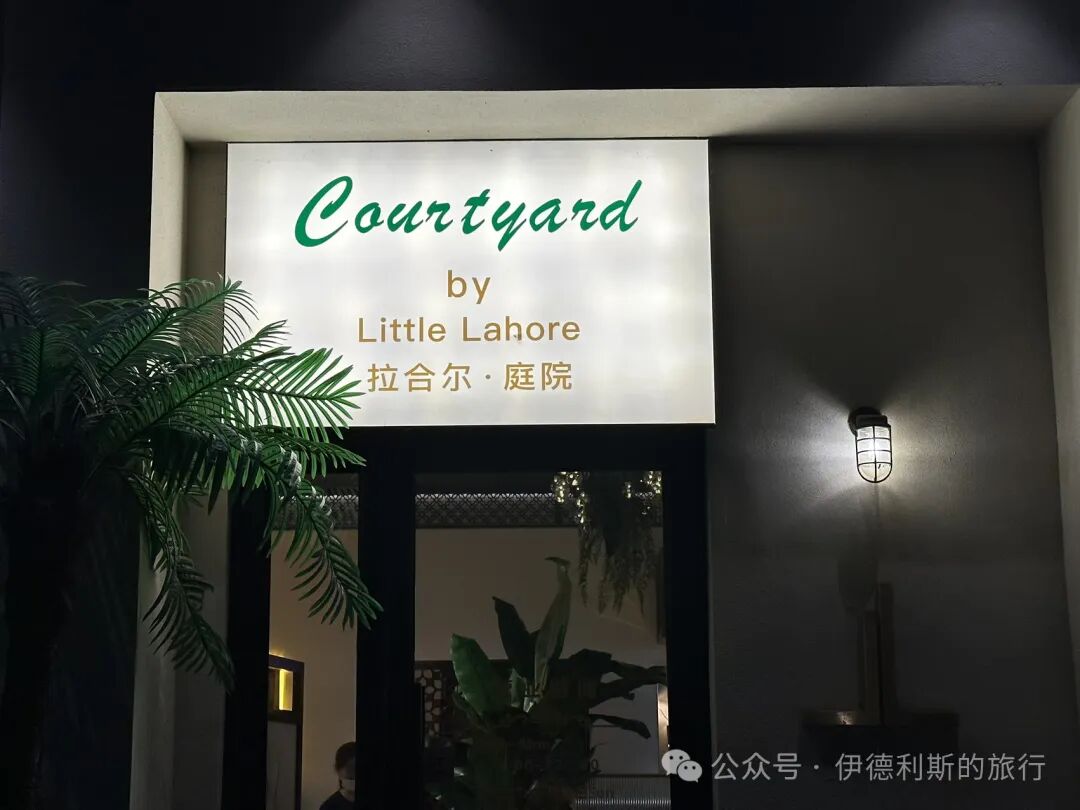
1. Pakistani restaurant: Lahore Courtyard
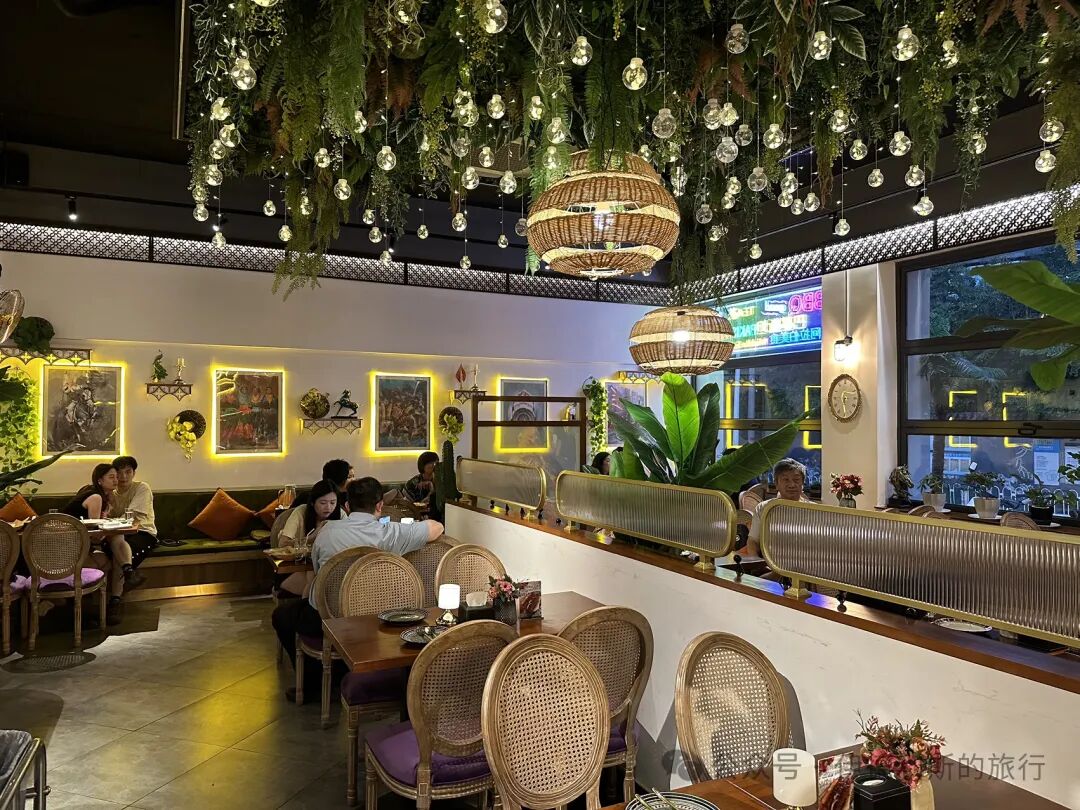
Lahore Courtyard is a Pakistani restaurant on the small street outside Dongzhimen. I have been to their Qingnian Road location many times, but this was my first visit to the Dongzhimen branch.
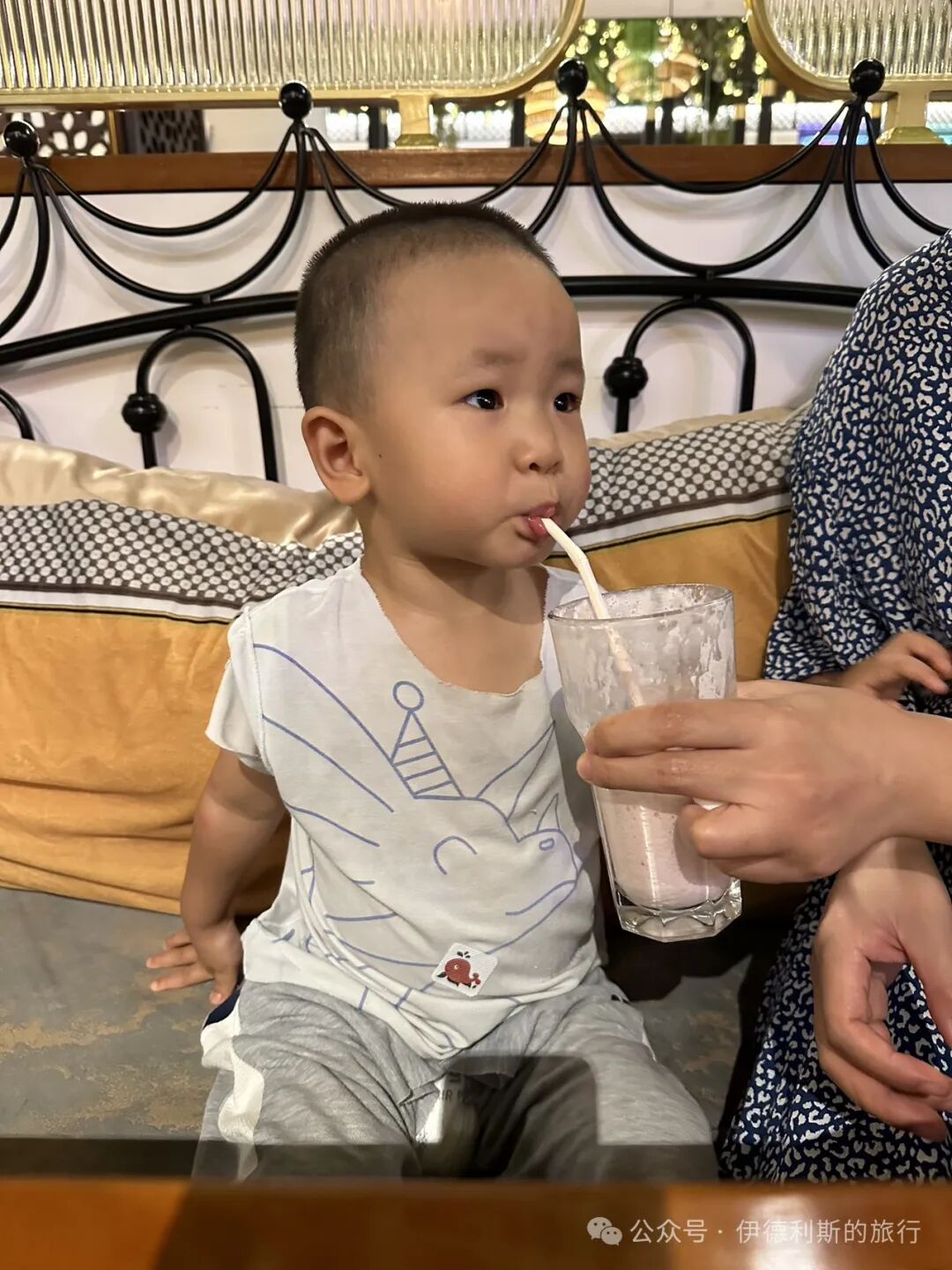
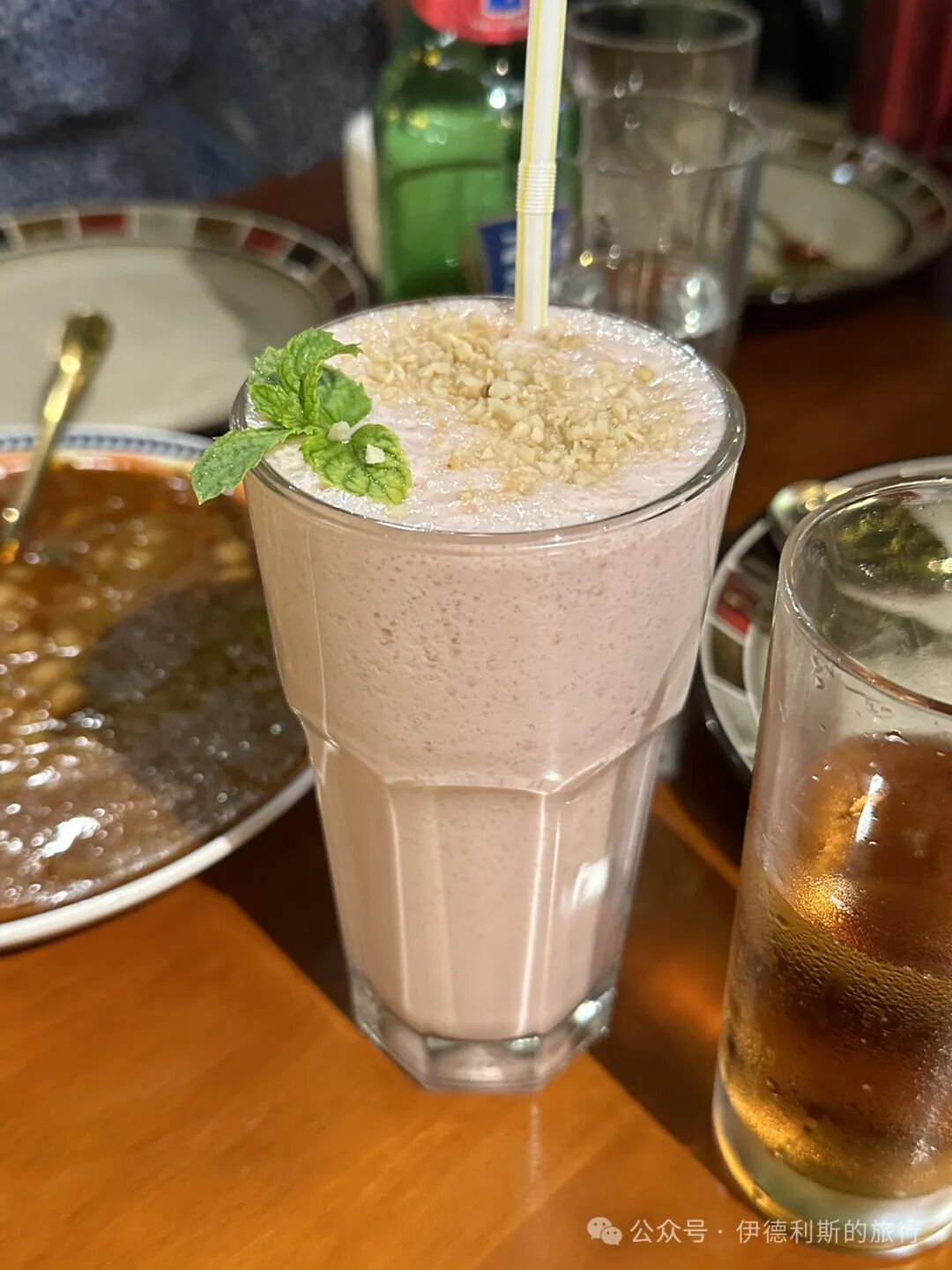
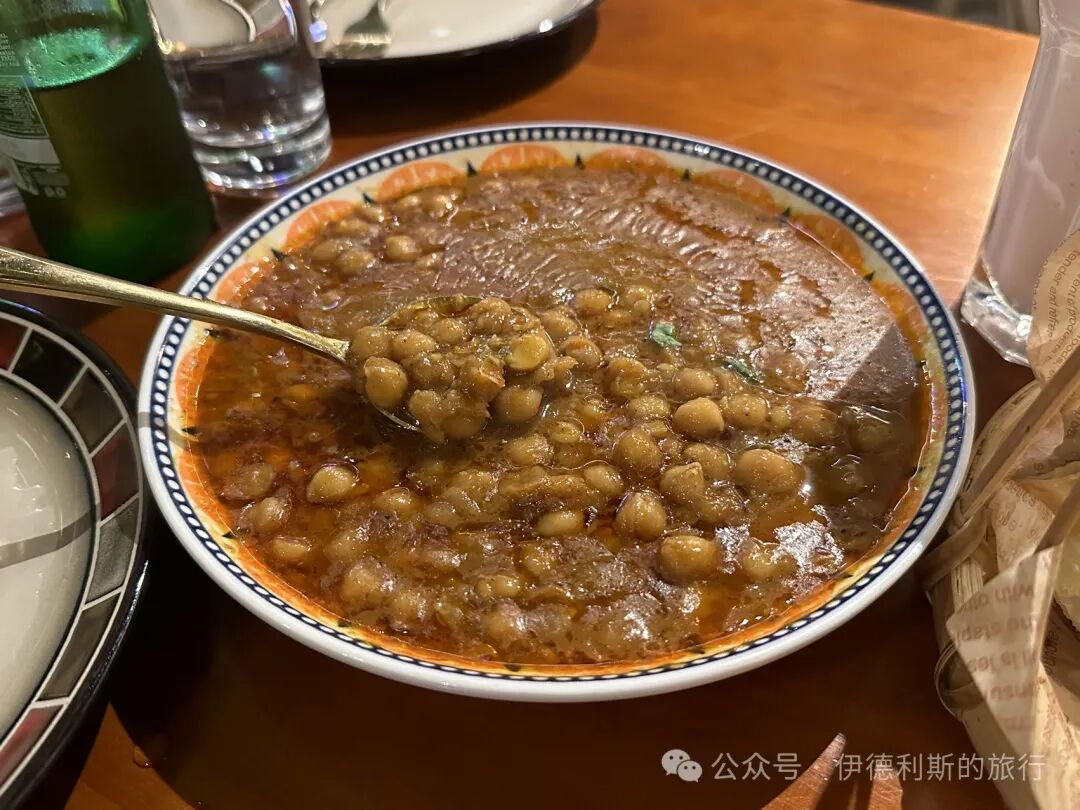
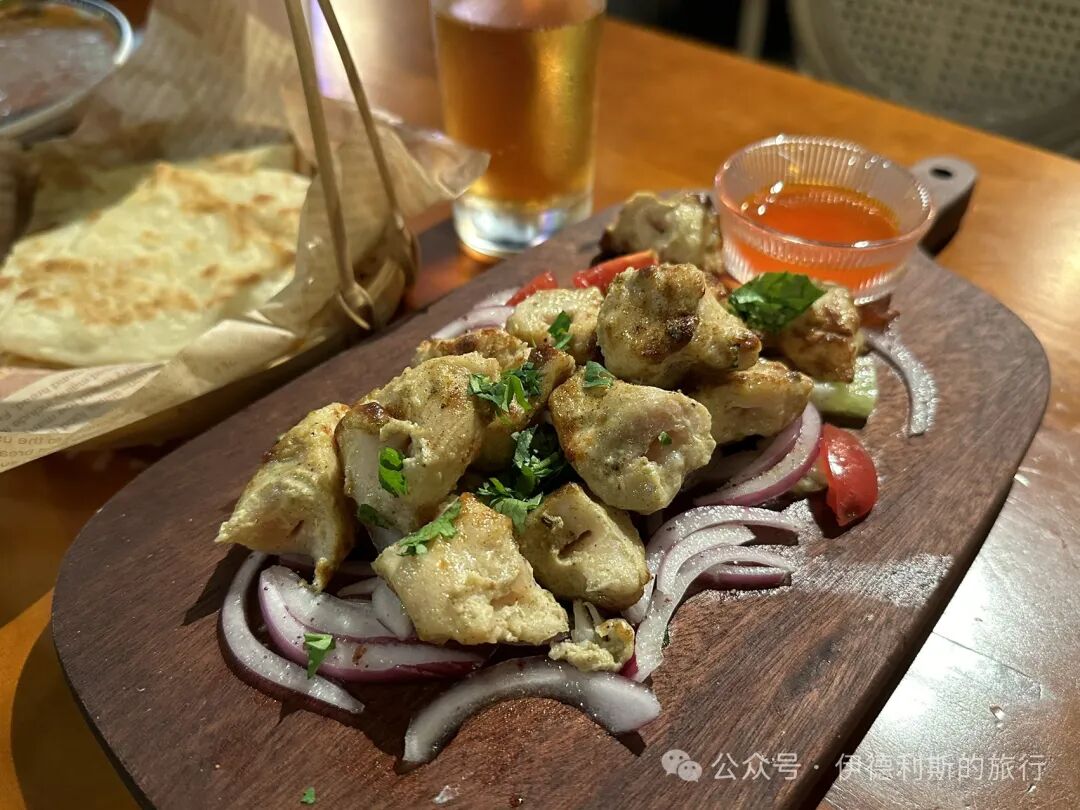
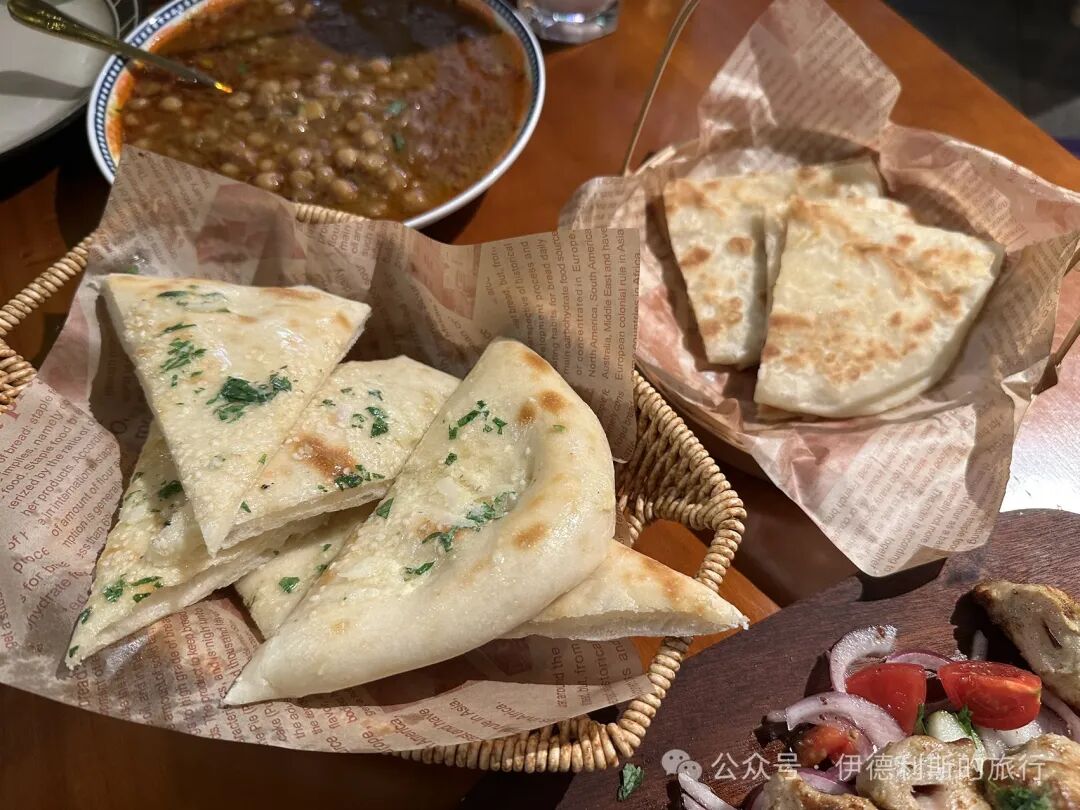
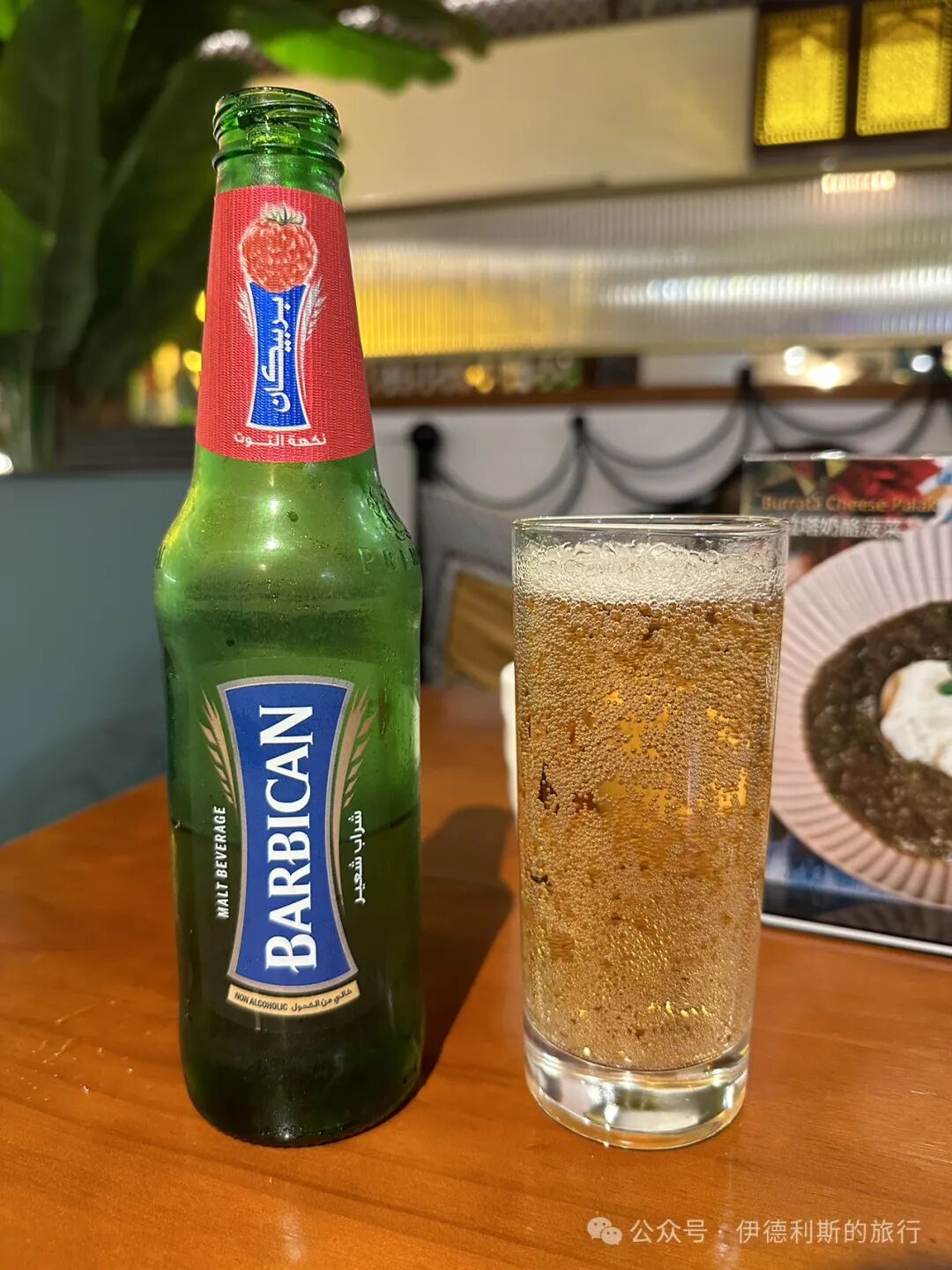
The Dongzhimen branch has fewer menu items than the Qingnian Road location. We ordered Punjabi chickpeas (Punjabi Chole), grilled cream chicken chunks (Chicken Malai Boti), flatbread (Paratha), garlic naan (Naan), strawberry yogurt drink (Laasi), and malt beverage (Barbican). Suleiman really liked their sofa and lounged on it comfortably.
In grilled cream chicken chunks (Chicken Malai Boti), 'Malai' is the Urdu word for cream. The chicken is marinated in cream or yogurt before cooking, which makes the meat very tender and fragrant with a milky flavor.
Punjabi chickpeas (Punjabi Chole) is a classic Punjabi banquet dish, where 'Chole' means chickpeas in Punjabi. This dish is served at almost every Punjabi wedding, and Lahore is the capital of Pakistan's Punjab province. To make it, you soak the chickpeas overnight, then cook them with onions, tomatoes, and various spices to create a masala curry, which is eaten with flatbread.
We ordered two types of bread: unleavened flatbread (paratha) and leavened garlic naan (naan). Their naan was better. It was fresh, smelled strongly of wheat, and tasted great with curry.
Zainab and Sulaiman both loved the yogurt drink (lassi) here. It was sugar-free and room temperature, so even the kids could drink it.
I drank a malt beverage (barbican). It originated in the UK, was brought to the Middle East by the Saudi company Aujan in 1982, and has been produced in Dubai since 2005. It is now the most famous malt drink in the Middle East. I first drank a barbican at an imported goods supermarket near my university. I didn't have much money back then, so I could only have one occasionally in the summer. It felt very refreshing. Ten years have passed in a flash. Now that I earn my own money, I can finally drink as much barbican as I want.
2. Beef knife-cut noodles (daoxiaomian):
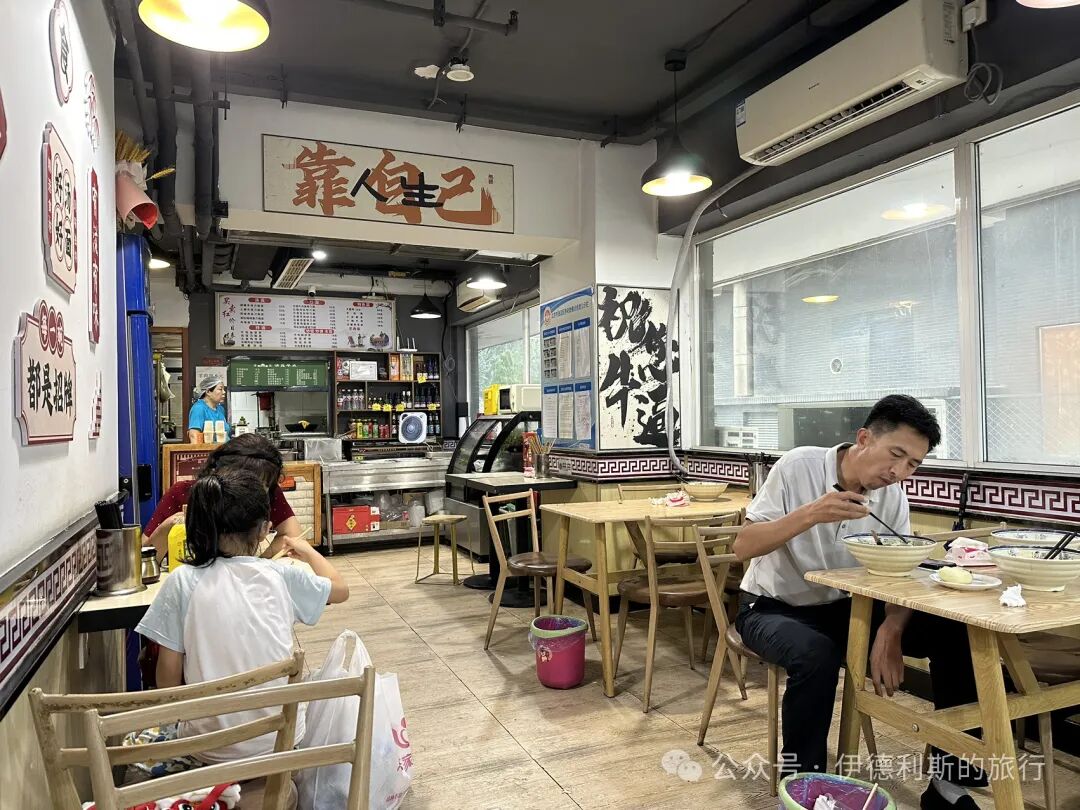
Business is booming.
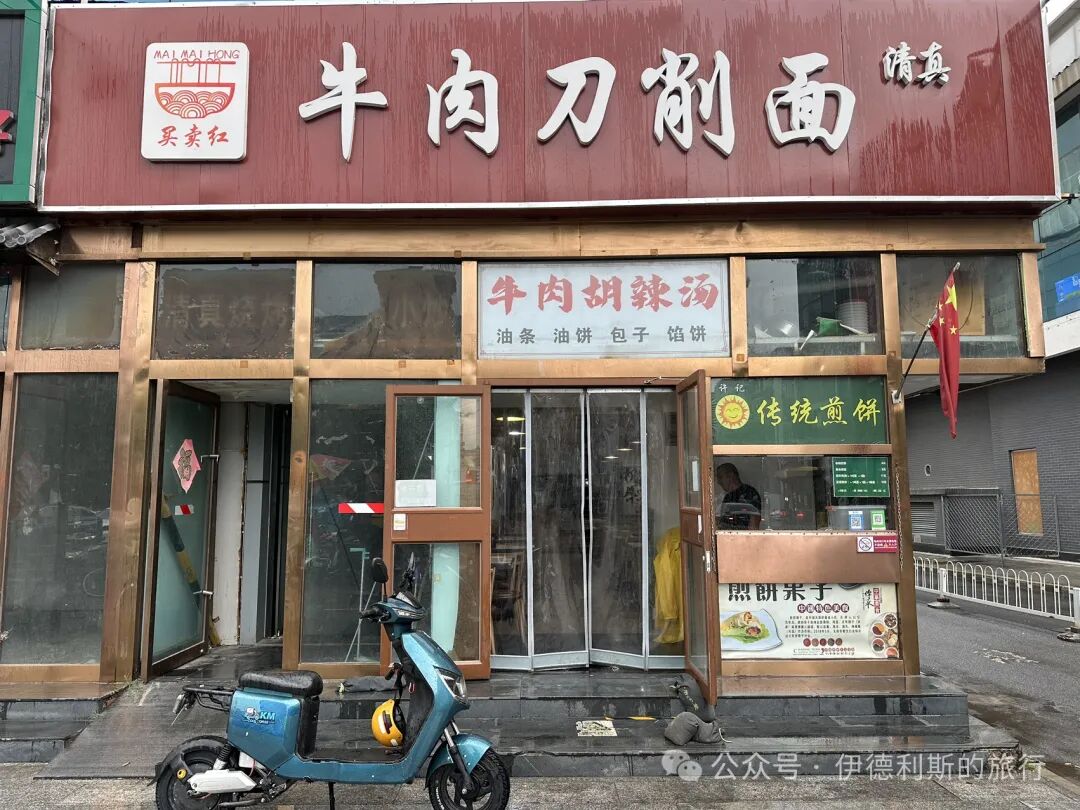
The Maimaihong Beef Sliced Noodles shop from Jiaozuo, Henan, serves the best sliced noodles I have ever had in Beijing!
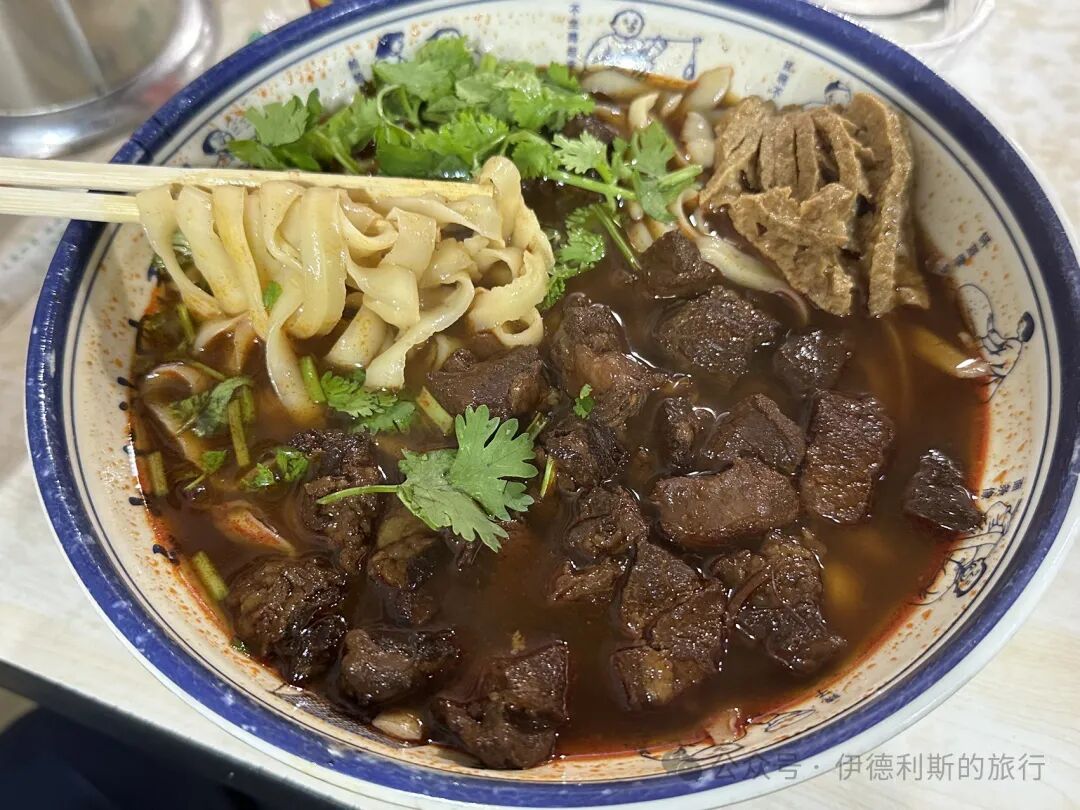
There are many halal hand-pulled noodle (lamian) shops in Beijing, but very few that serve sliced noodles. After work, I went to Maimaihong Beef Sliced Noodles near the Anheqiao North subway station. It is run by a Hui Muslim family named Mai from Jiaozuo, and they make authentic braised beef sliced noodles in the style of the Jin-speaking region. I ordered the deluxe beef sliced noodles and added dried tofu (dougan). It tasted very authentic, just like what I had in Shanxi before. The beef was stewed until very fragrant, and the sliced noodles had a great chew.
3. Mongolian food:
Hulun Aile
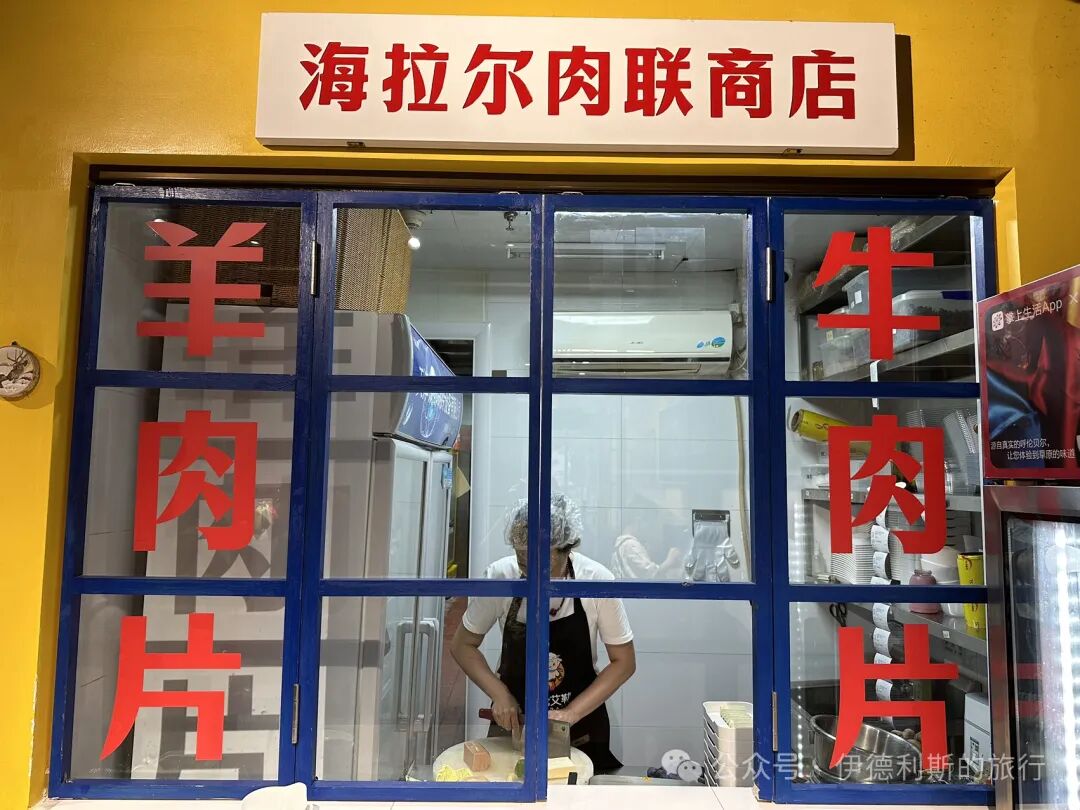
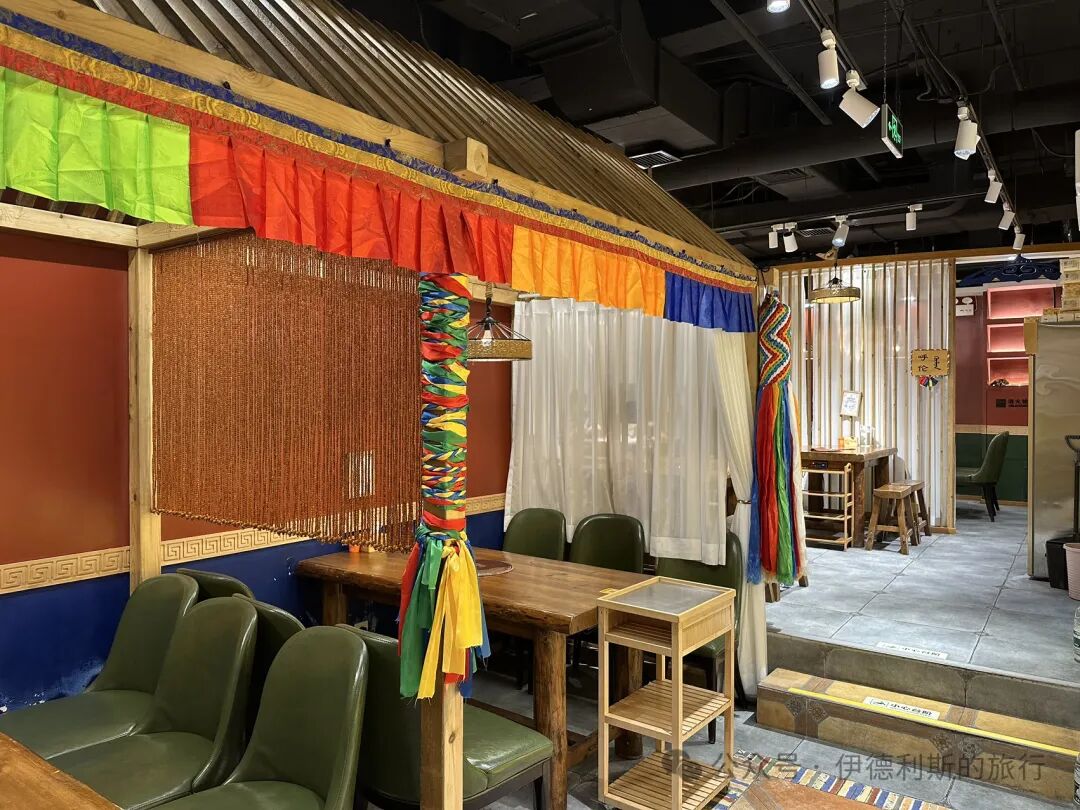
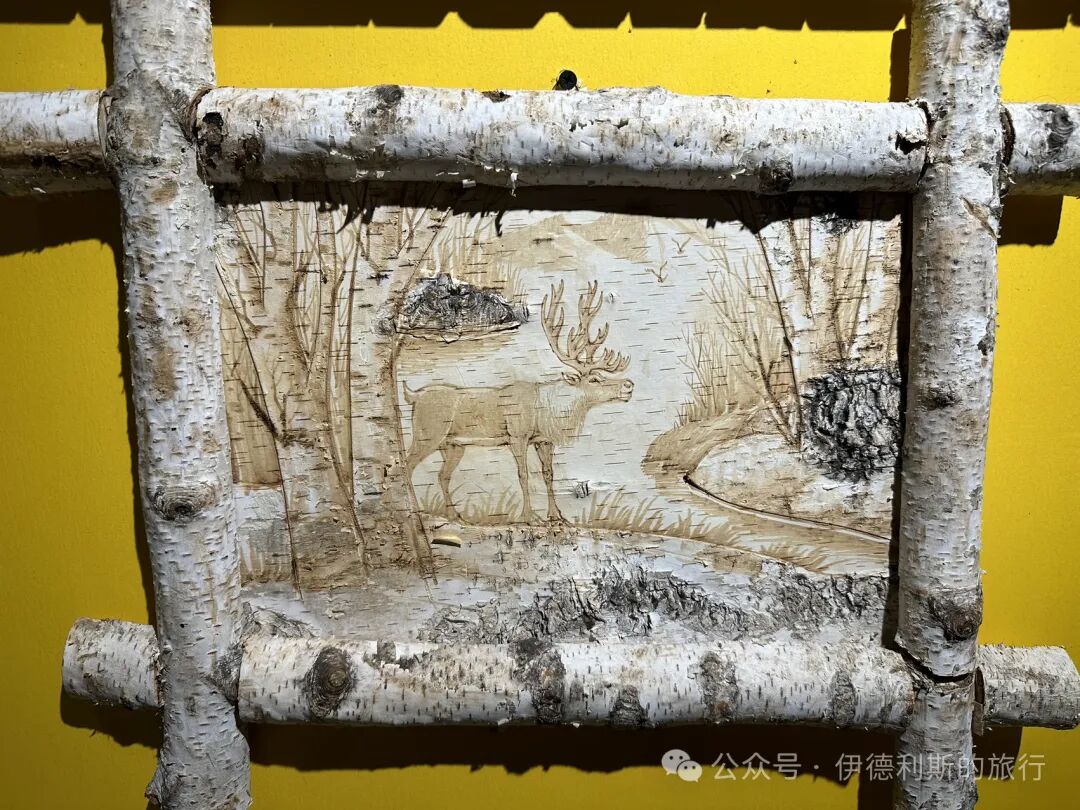
I had a Hulunbuir Mongolian meal at Hulun Aile in Shilihe. It is a rare halal Mongolian restaurant in Beijing, and the food is very authentic.
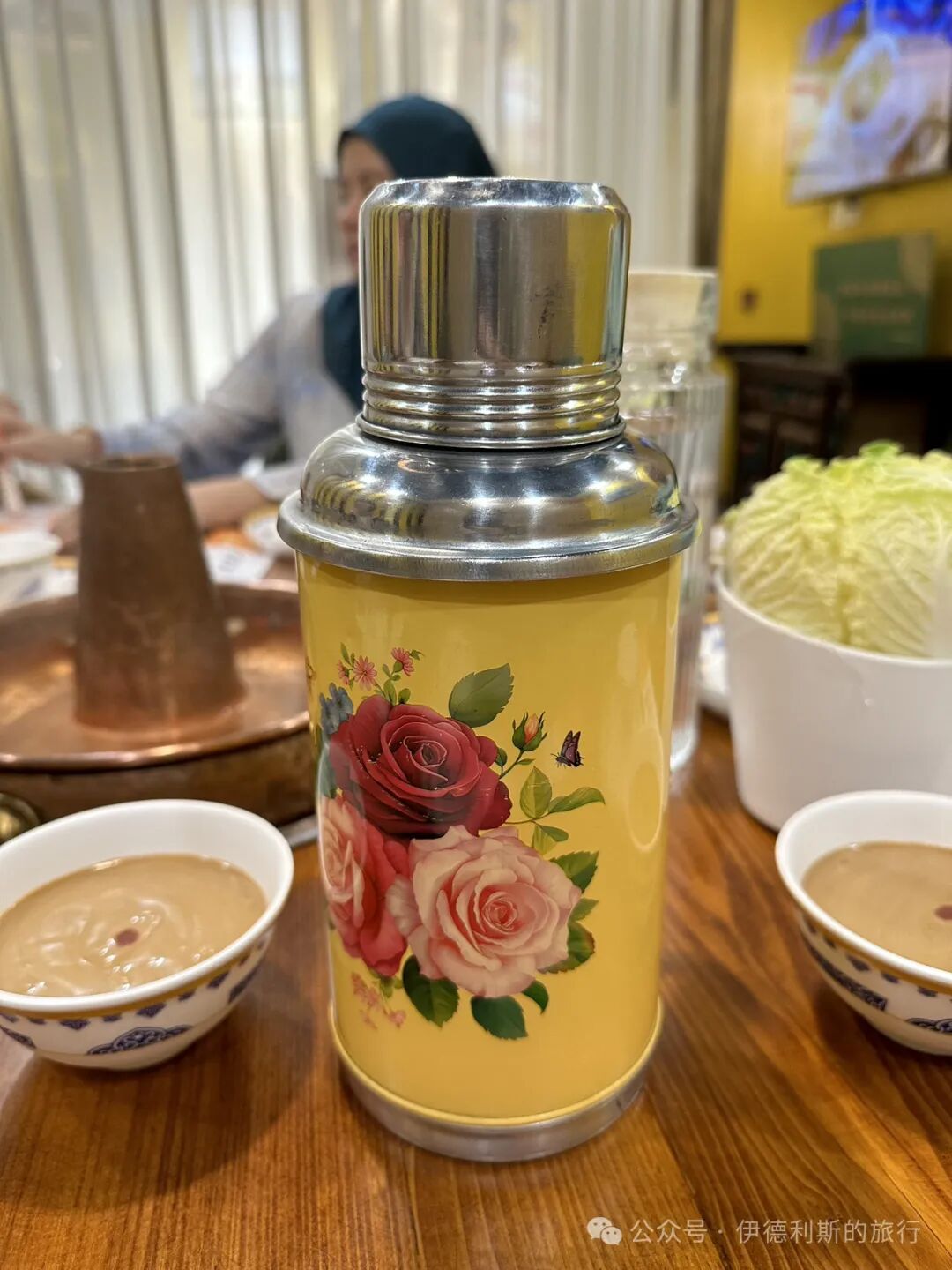
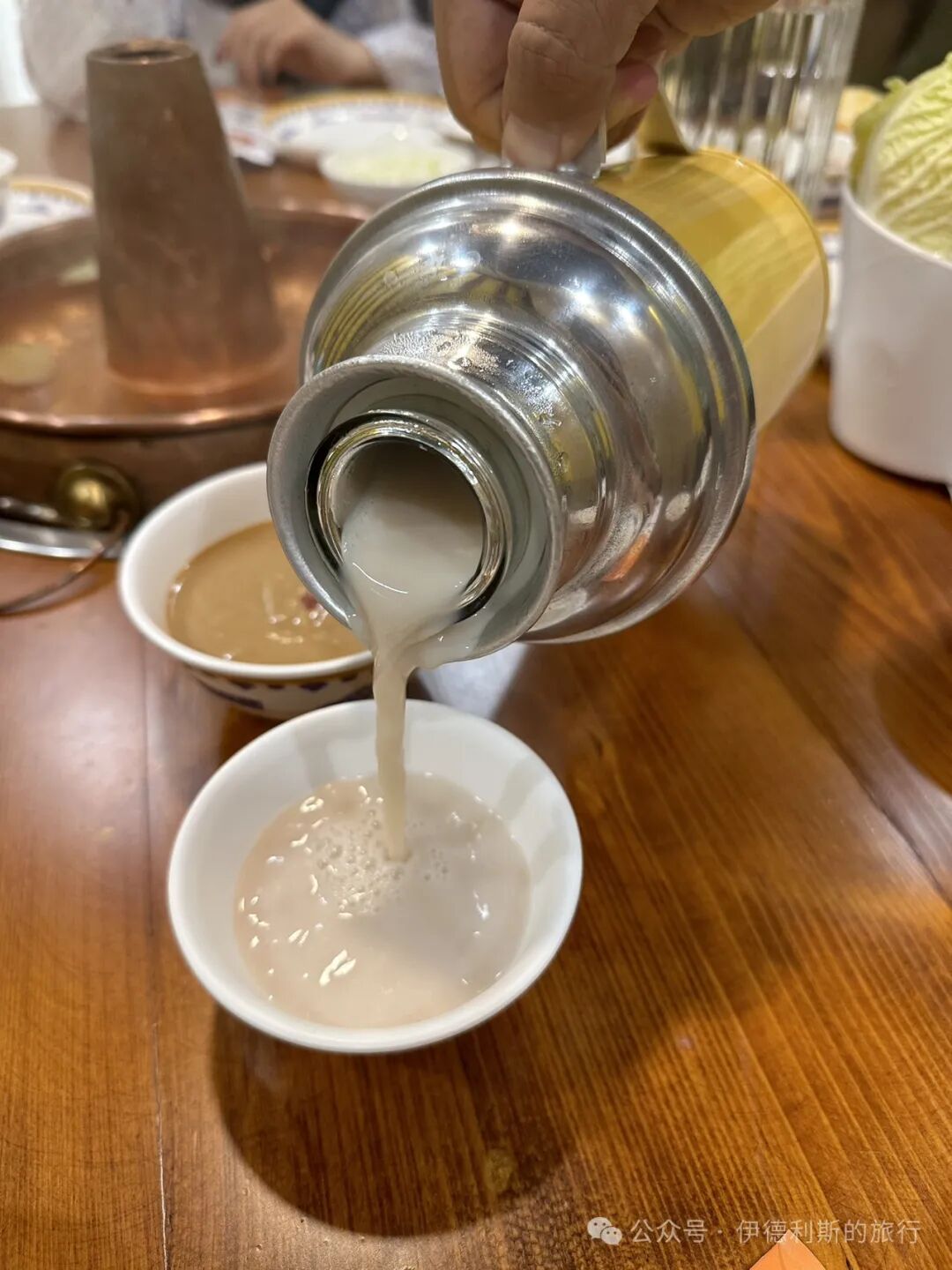
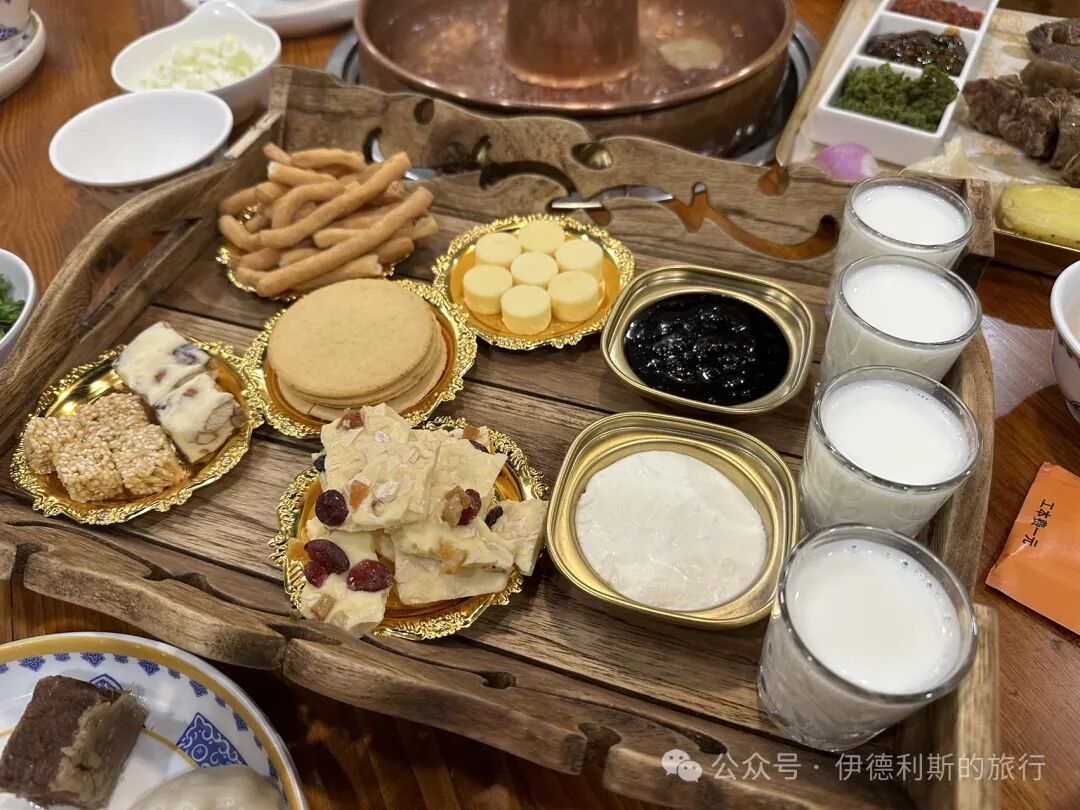
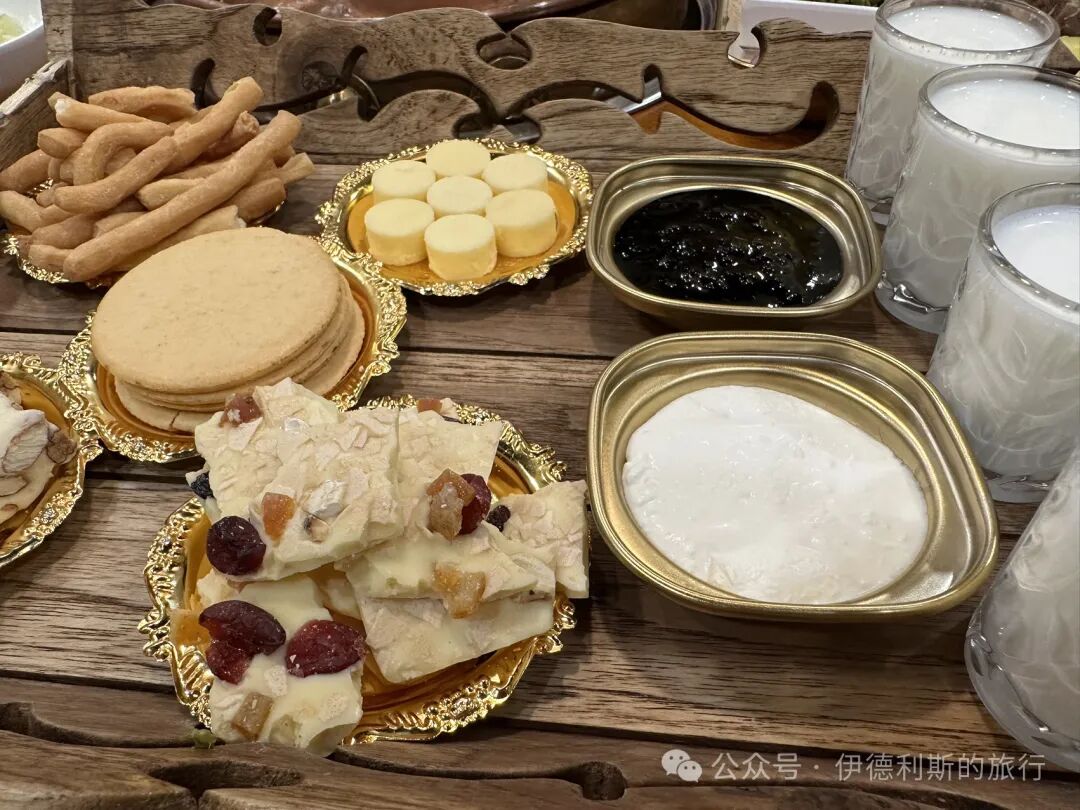
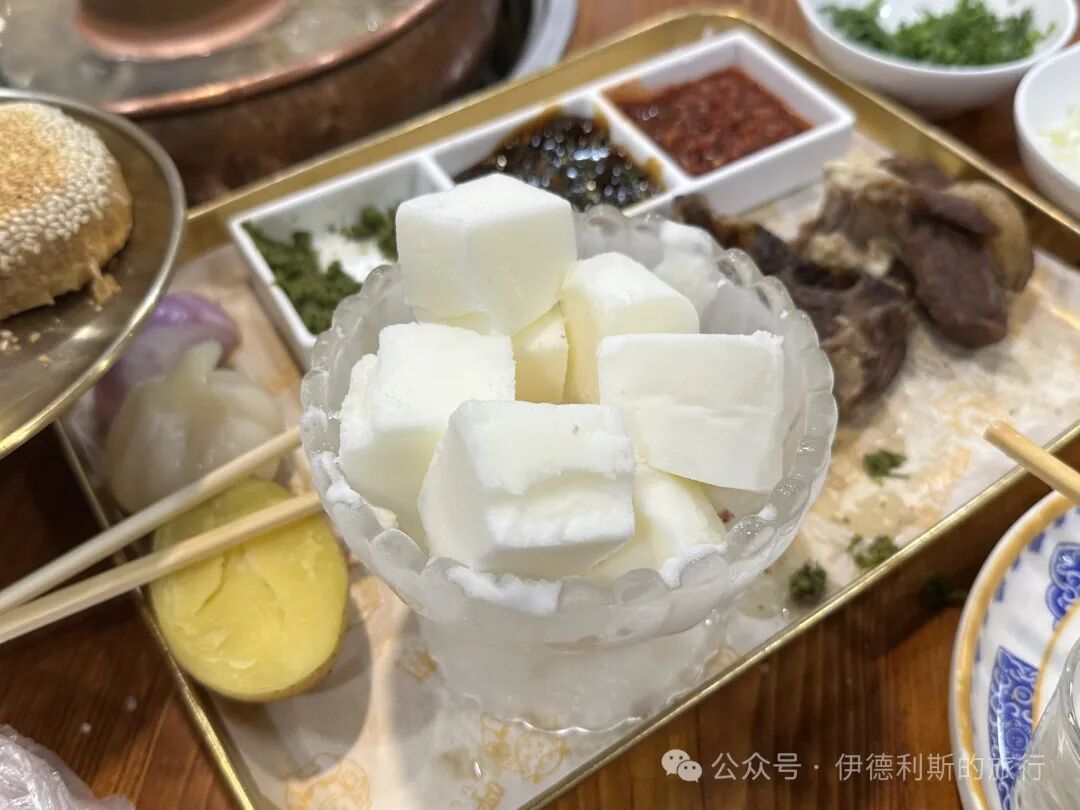
We ordered the dairy afternoon tea set, which included salty milk tea with roasted rice (chaomi), a platter of various dairy products, fresh milk, and milk brick ice cream. Aside from some of the dairy being a bit too sweet, it felt like a perfect setup for drinking tea and chatting.
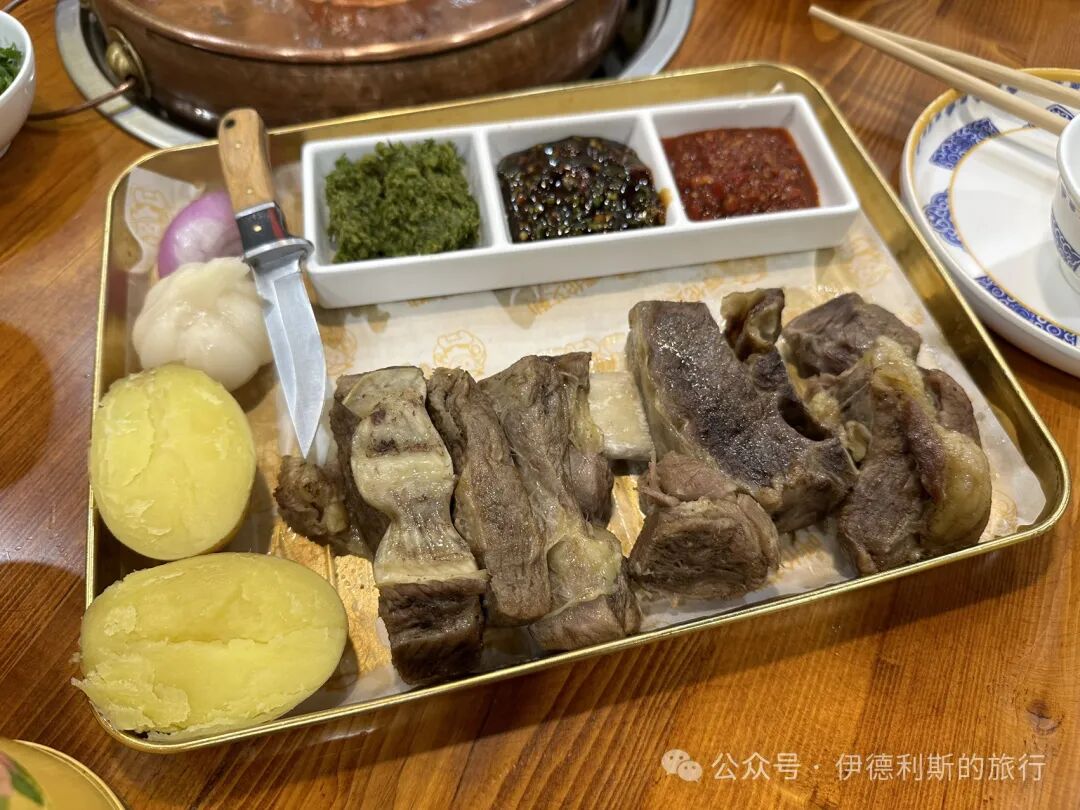
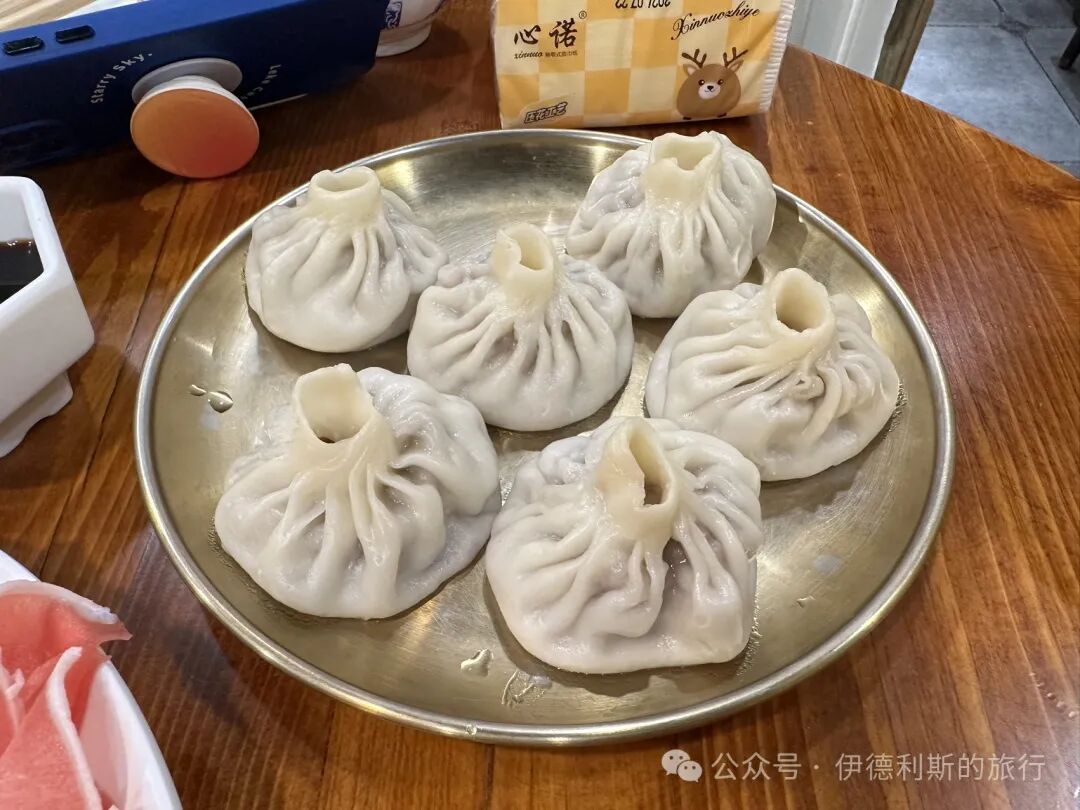
We also ordered hand-held beef steak (shouba niupai). Cutting it with a small knife and spreading fresh chive flower sauce and chili sauce on the tip of the blade really gave it a grassland vibe. There were also Buryat steamed buns (Buryat baozi). They are similar to the thin-skinned buns from Xinjiang, but the filling is made of meat chunks. I think they taste better than the kind made with ground meat, though the skin is a bit thicker than the Xinjiang version.
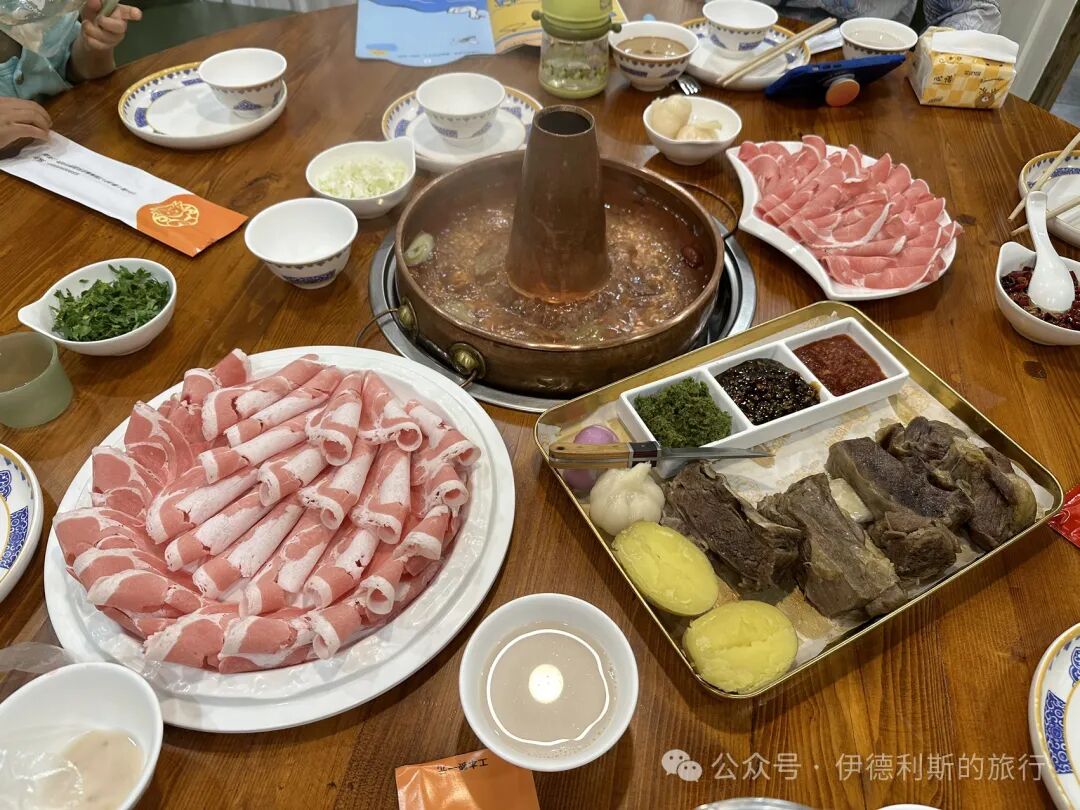
We also had various Hulunbuir lamb rolls for hot pot. I found these to be quite ordinary and not as unique as the Mongolian dishes we had earlier. We didn't order the meat sausages or air-dried meat, but we will definitely try them next time. Overall, this place is well worth a visit.
4. West Africa, Ghana: Tribe Garden
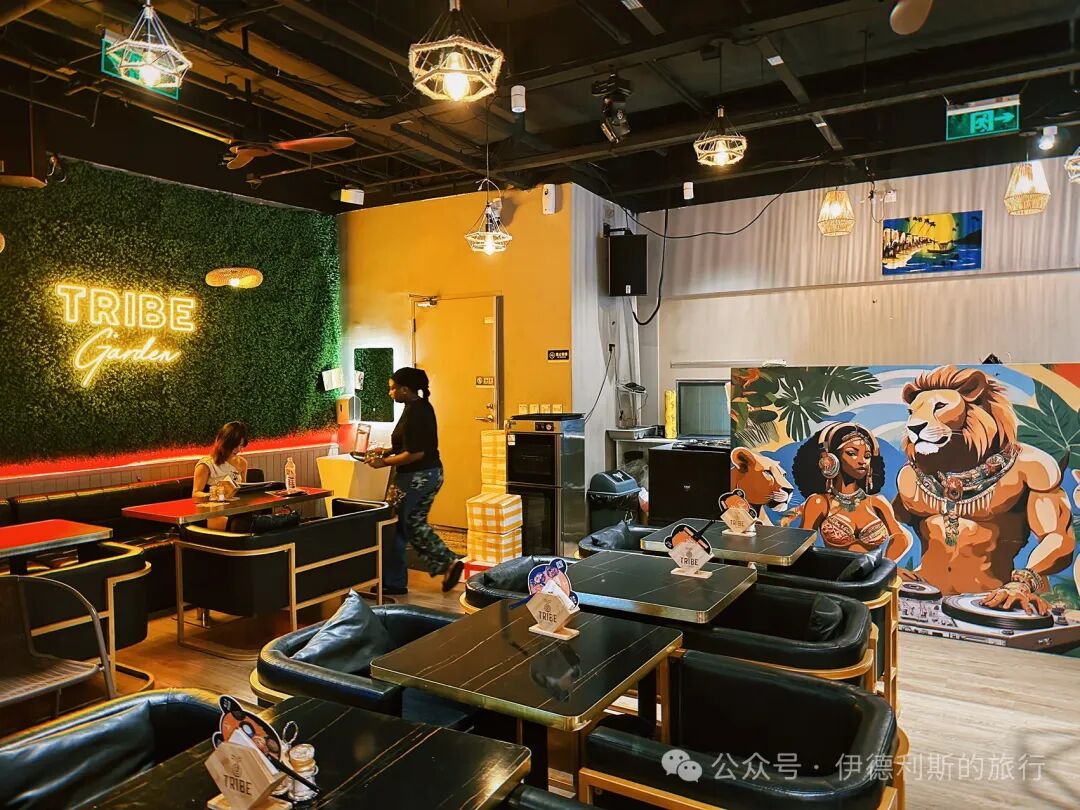
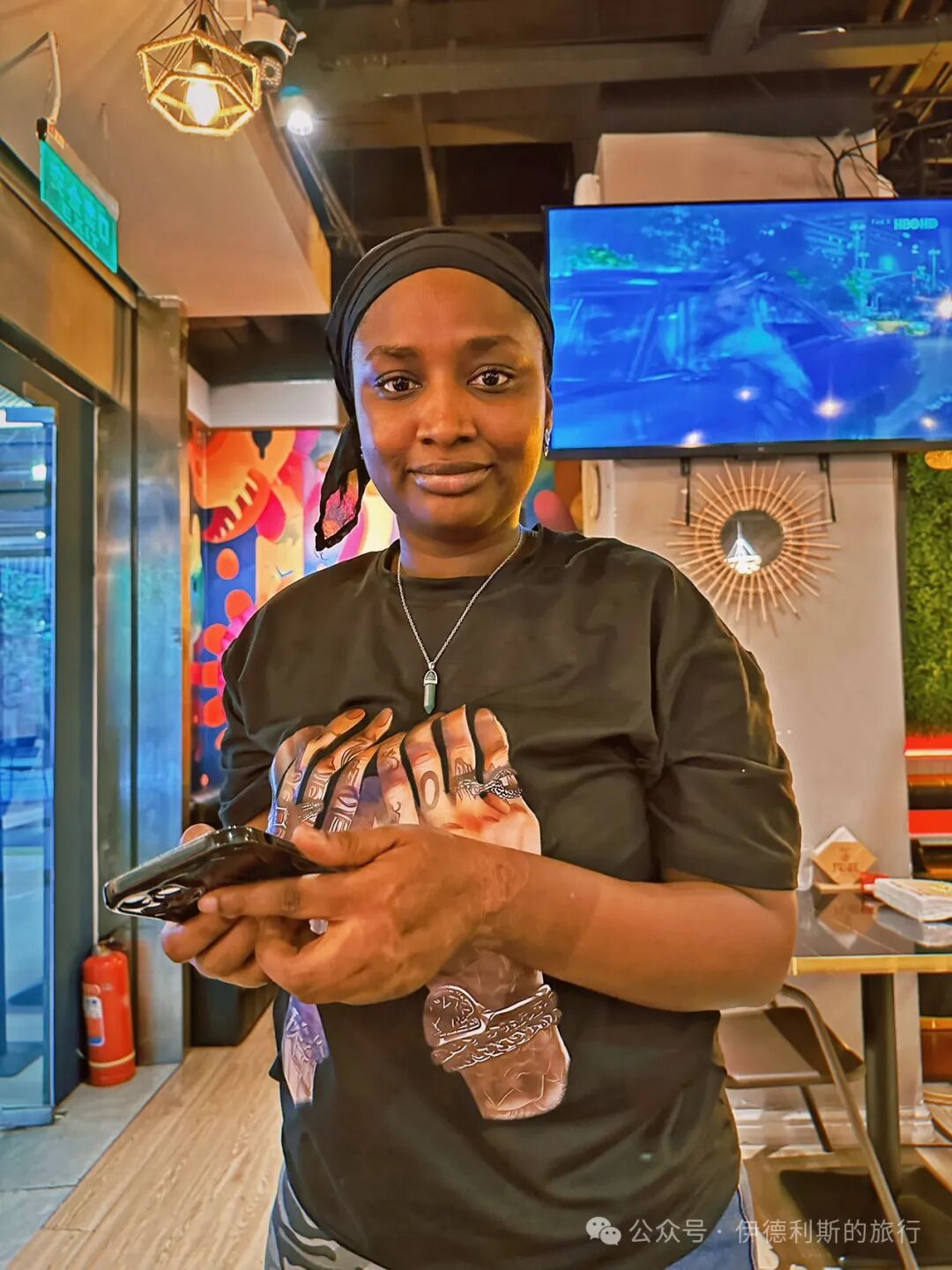
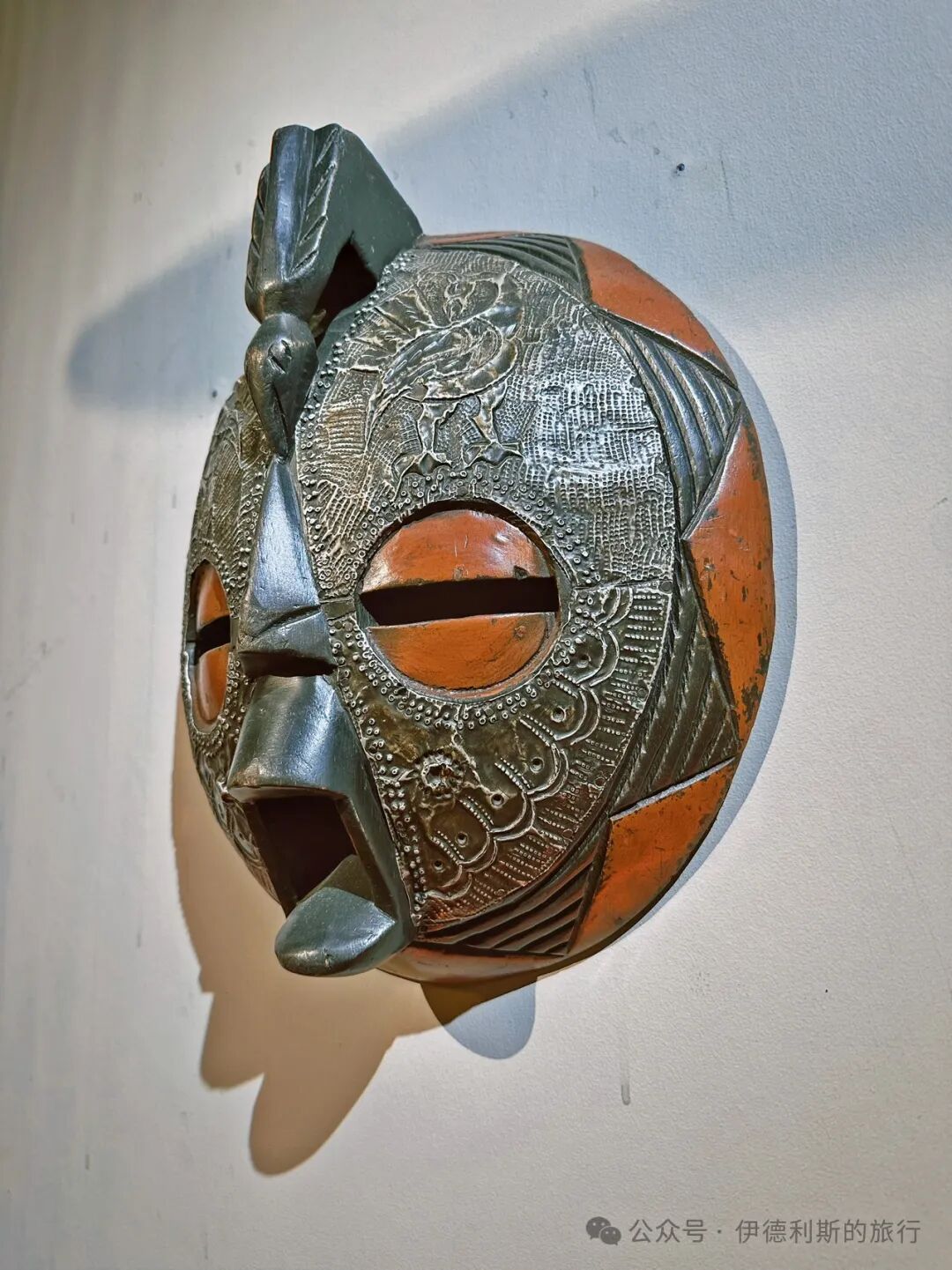
The West African Ghanaian restaurant Tribe Garden in Sanlitun SOHO is open from 2 p.m. to 4 a.m. on Saturdays and Sundays.
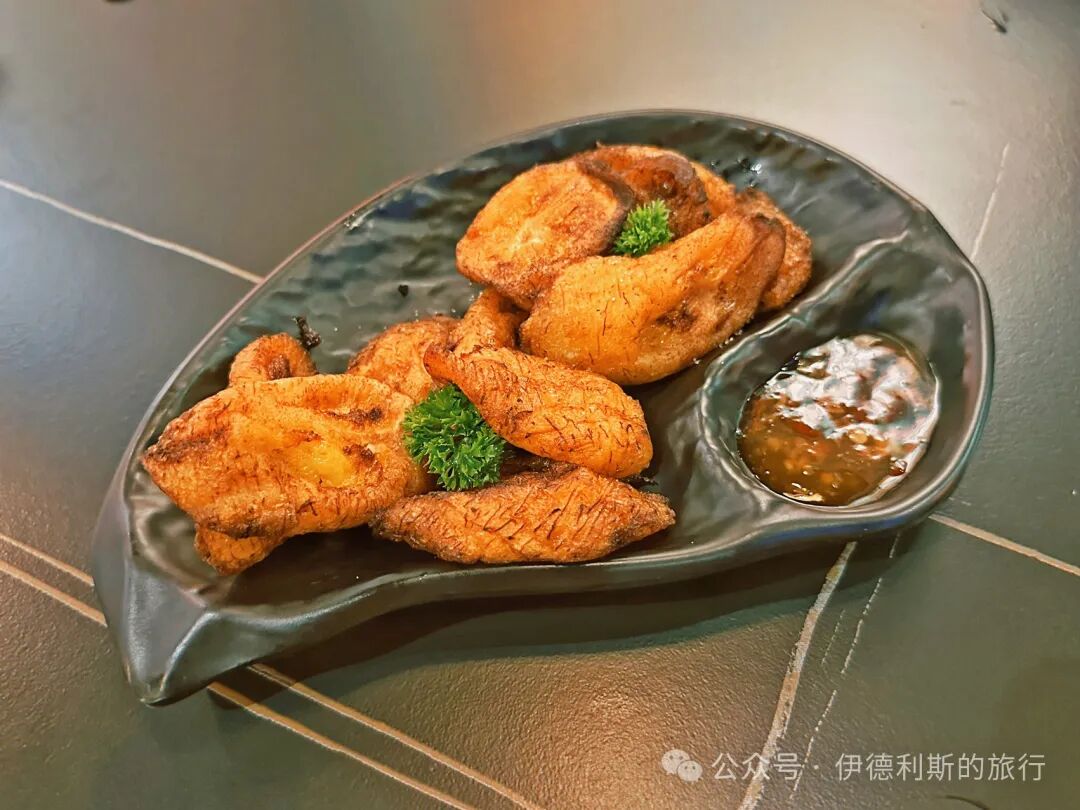
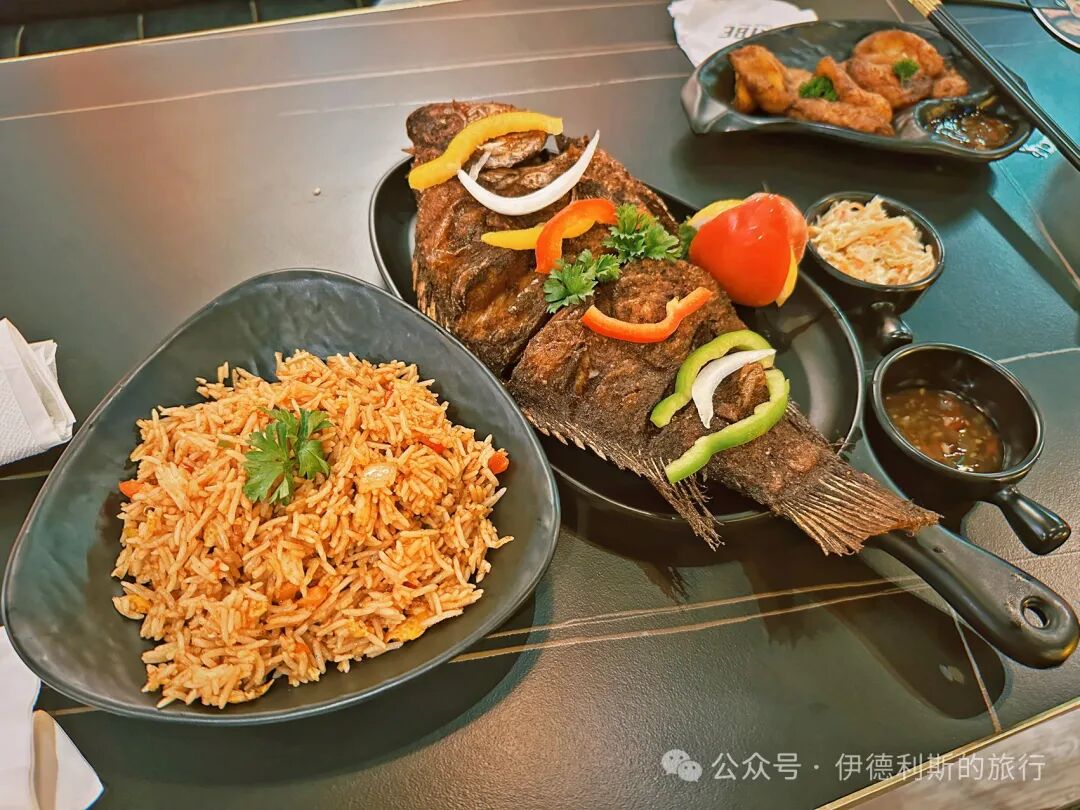
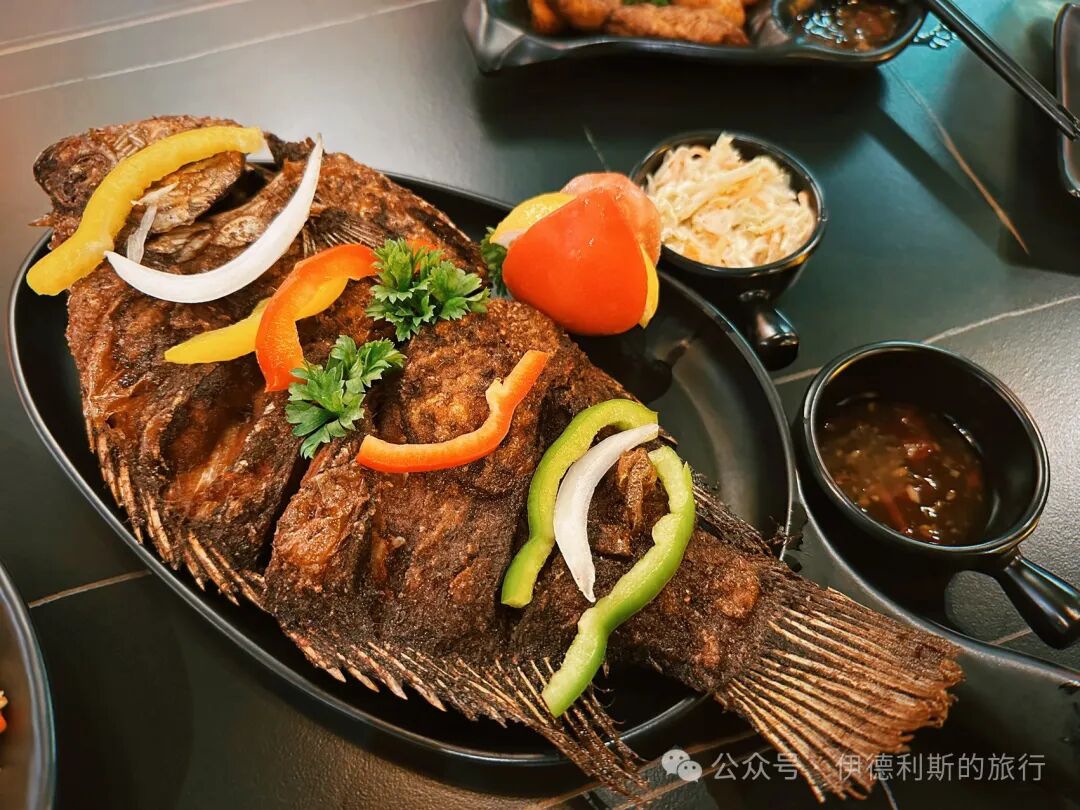
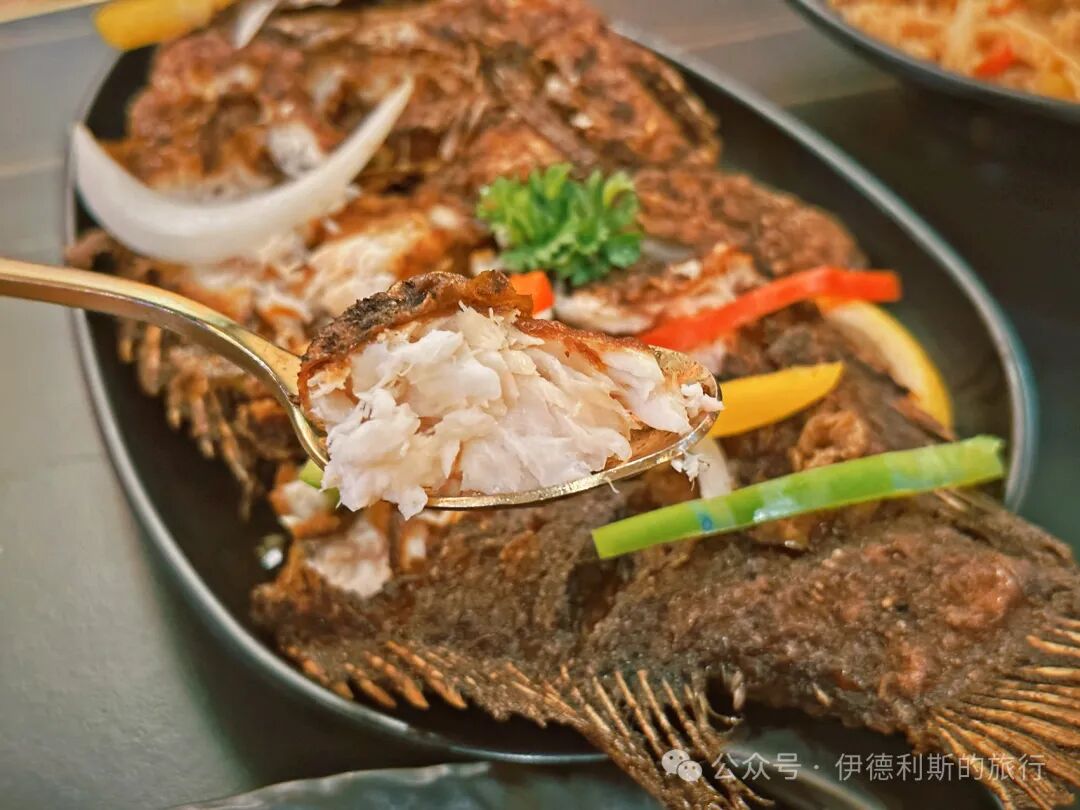
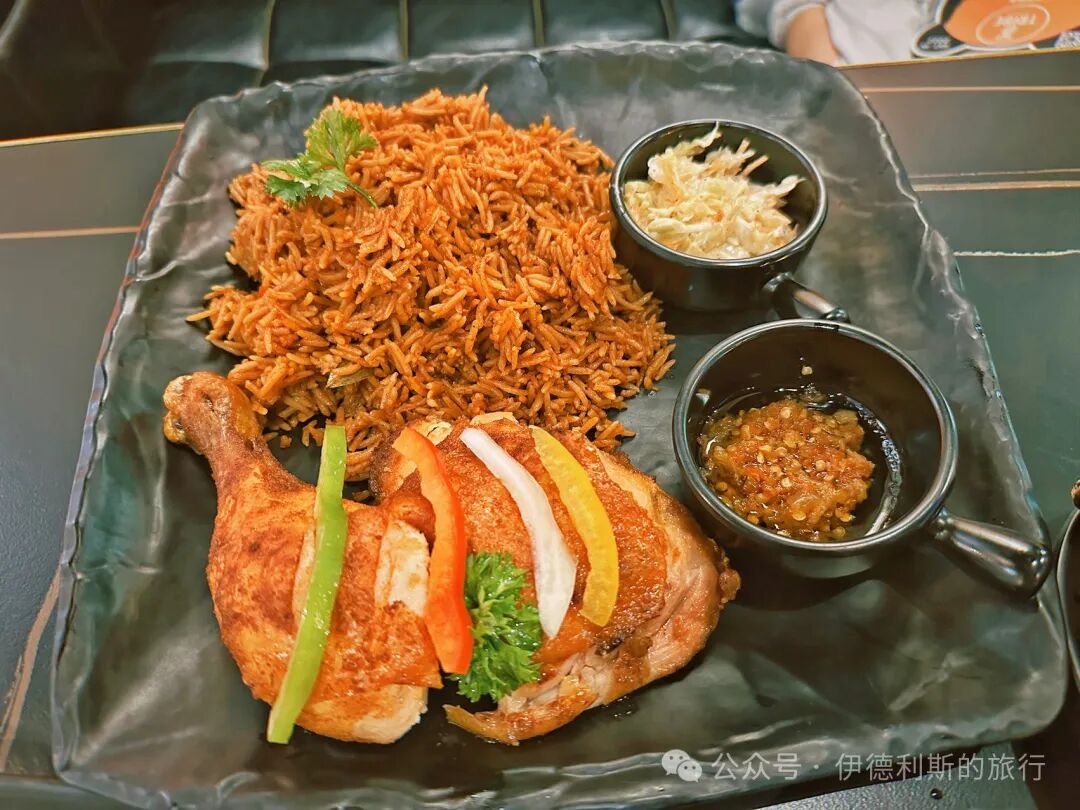
They seem to be the only West African restaurant in Beijing. We ordered the grilled chicken leg Jollof rice, grilled tilapia fried rice, and fried African plantains, and everything was delicious! The grilled tilapia is especially good, with crispy skin and tender meat. It has no large bones, so Suleiman loves eating it.
The name Jollof rice comes from the Jolof Empire and Jolof Kingdom that ruled West Africa from the 14th to 19th centuries. It likely started in Senegal and spread across West Africa through Dyula traders. The Ghanaian version of Jollof rice is made with long-grain rice, onions, ginger, garlic, chili peppers, tomatoes, tomato paste, and meat. You can use beef, goat, or chicken. To make it, first stir-fry the meat, then add onions, peppers, tomato paste, tomatoes, and various spices before cooking the rice. Once it is ready, it is usually served with plantains, beef, chicken, or fried fish.
Ghanaian fried plantains are called Kelewele. They are made by slicing plantains, seasoning them with spices, and frying them until golden brown. It is a classic street snack.
They also have many West African specialties, like fried plantains with black-eyed peas, melon seed soup (Egusi) with pounded yam (Fufu), and seafood Jollof rice. I previously ate Egusi with Fufu at Sina Restaurant in Yiwu, and to be honest, it was a bit hard to get used to. If you are trying West African food for the first time, I recommend starting with Jollof rice or fried rice.
5. Xi'an food: Xing Laosi Meatball Spicy Soup (rouwan hulatang).
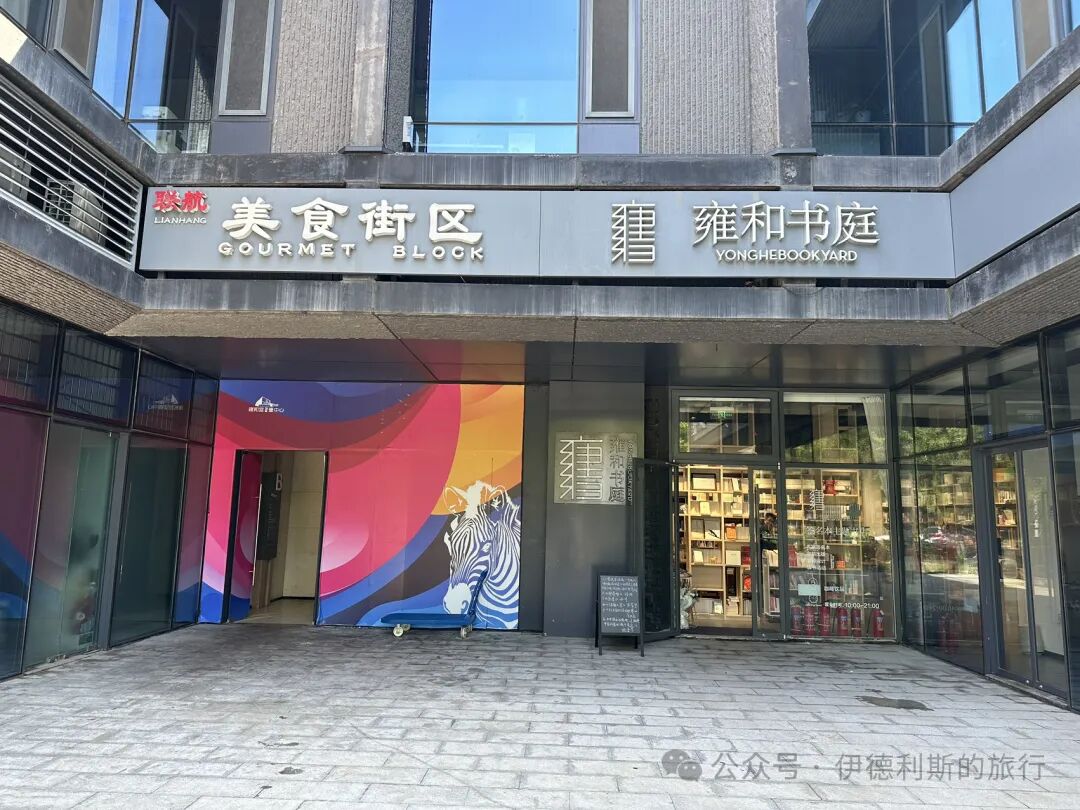
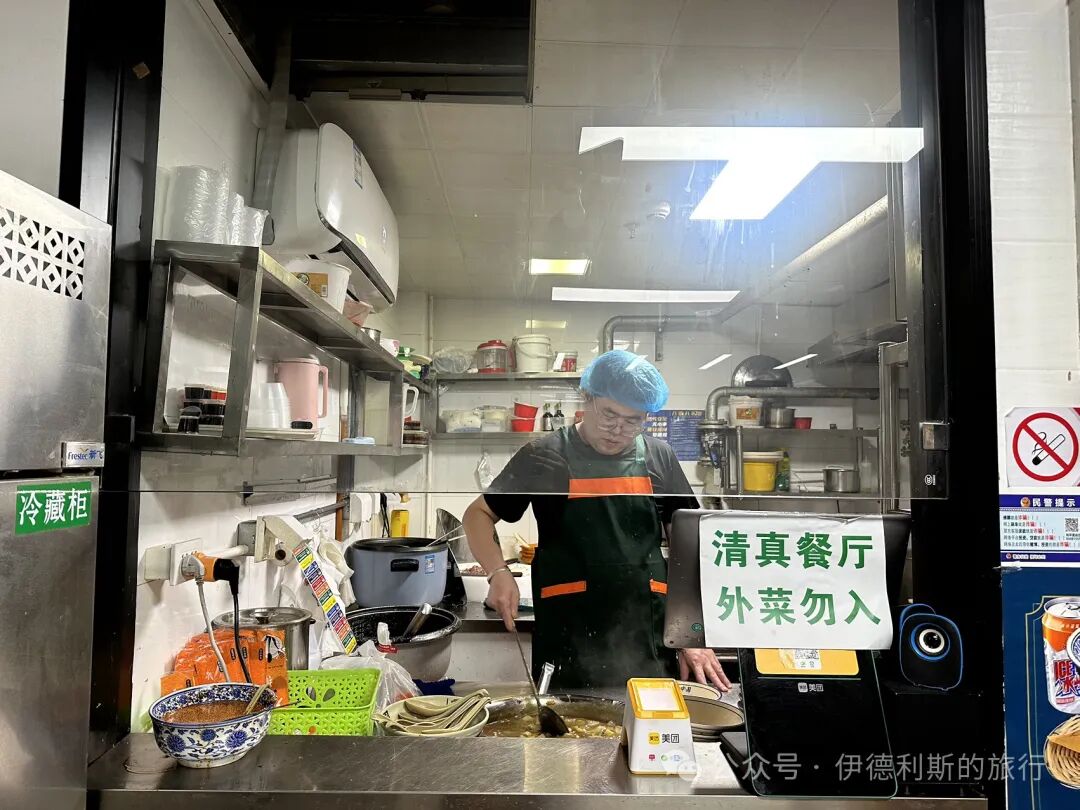
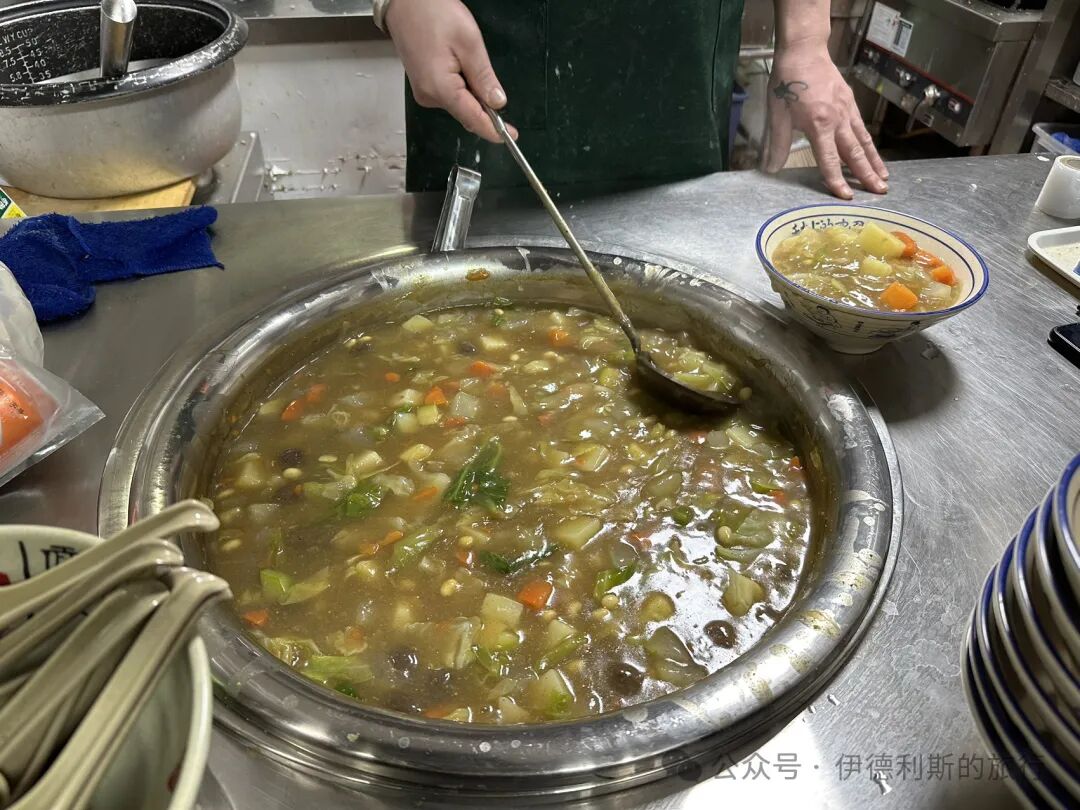
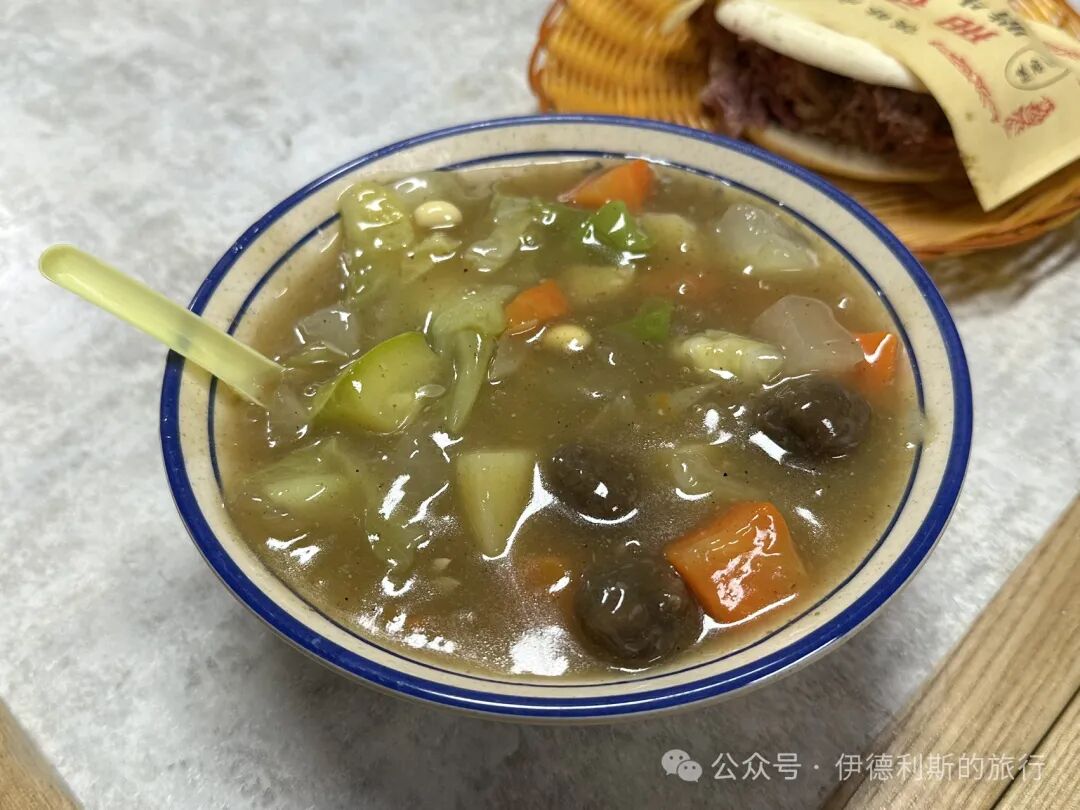
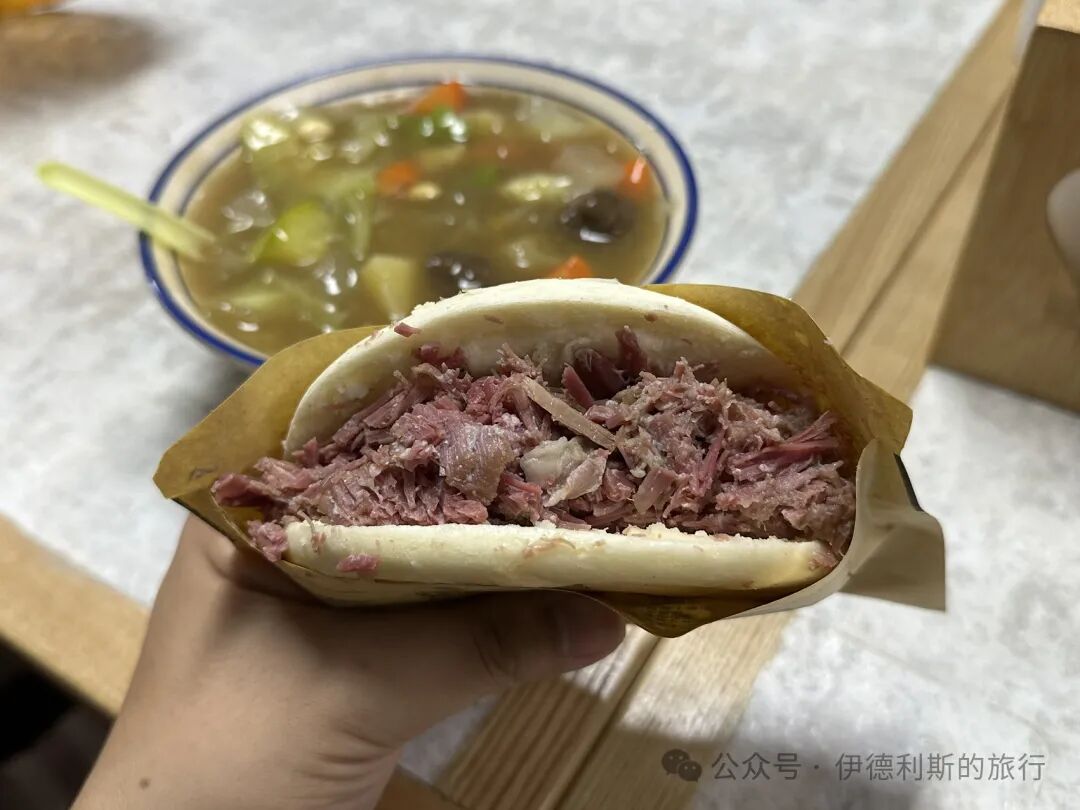
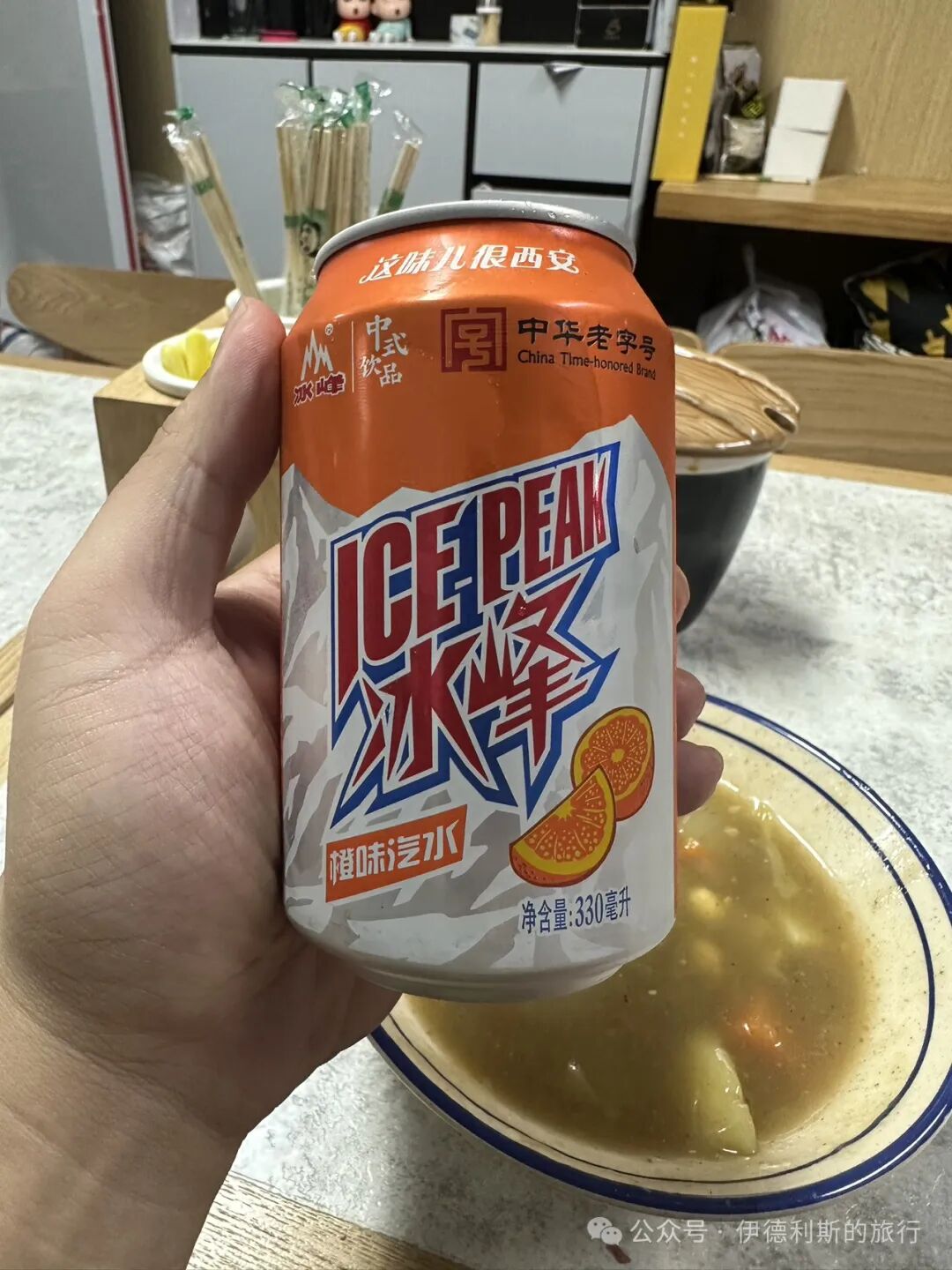
I visited the Xing Laosi Meatball Spicy Soup shop at the Lianhang Food Court near the Lama Temple (Yonghegong) and had the meatball spicy soup with a cured beef sandwich (labanirou jiamo). Beijing
Many halal Henan-style spicy soup shops have opened in Beijing over the last two years, but this seems to be the only halal Shaanxi-style meatball spicy soup shop.
Their meatball spicy soup is not as peppery as the version in Xi'an, so it is easy for Beijing locals to enjoy, but I felt the starch thickener was a bit too heavy. I really liked the cured beef sandwich; it tastes almost the same as the ones I have had in the Muslim Quarter (fangshang) in Xi'an.
The Lianhang Food Court at the Lama Temple is a bit hard to find. Look for the elevator to the left of the Yonghe Shuting bookstore, go down to the basement, and turn left to find the shop. Liangtaoxuan Beef Noodles and a Uyghur pilaf (zhua fan) shop used to be here. Both were delicious, but unfortunately, they have both closed. I hope this place stays open.
6. Xinjiang cuisine: Jinying Meatball Soup
I have been eating at Jinying Meatball Soup for ten years and have always loved it. This was Suleiman's first time trying it.
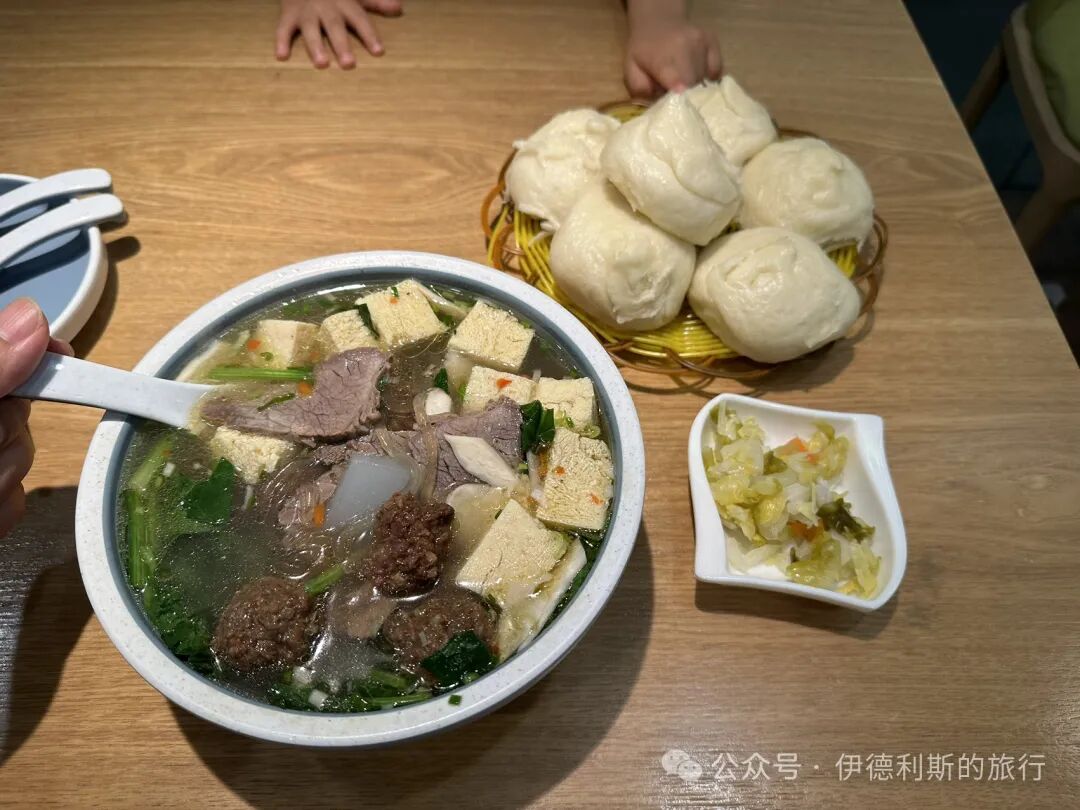
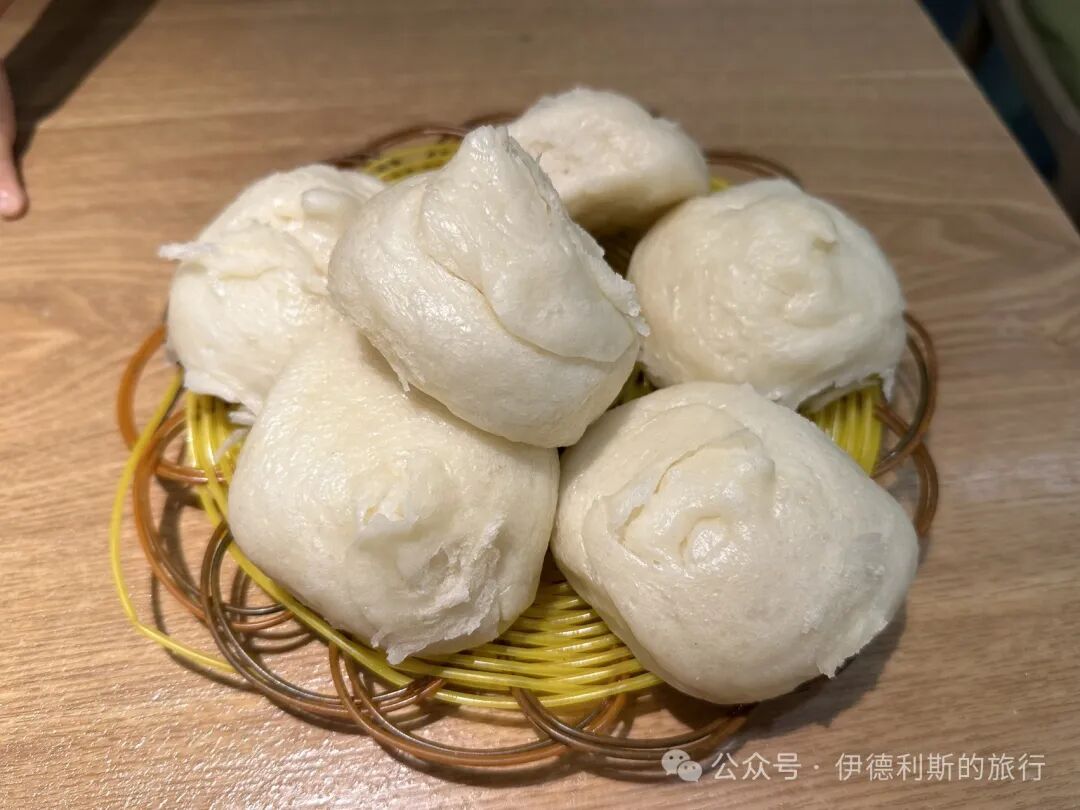
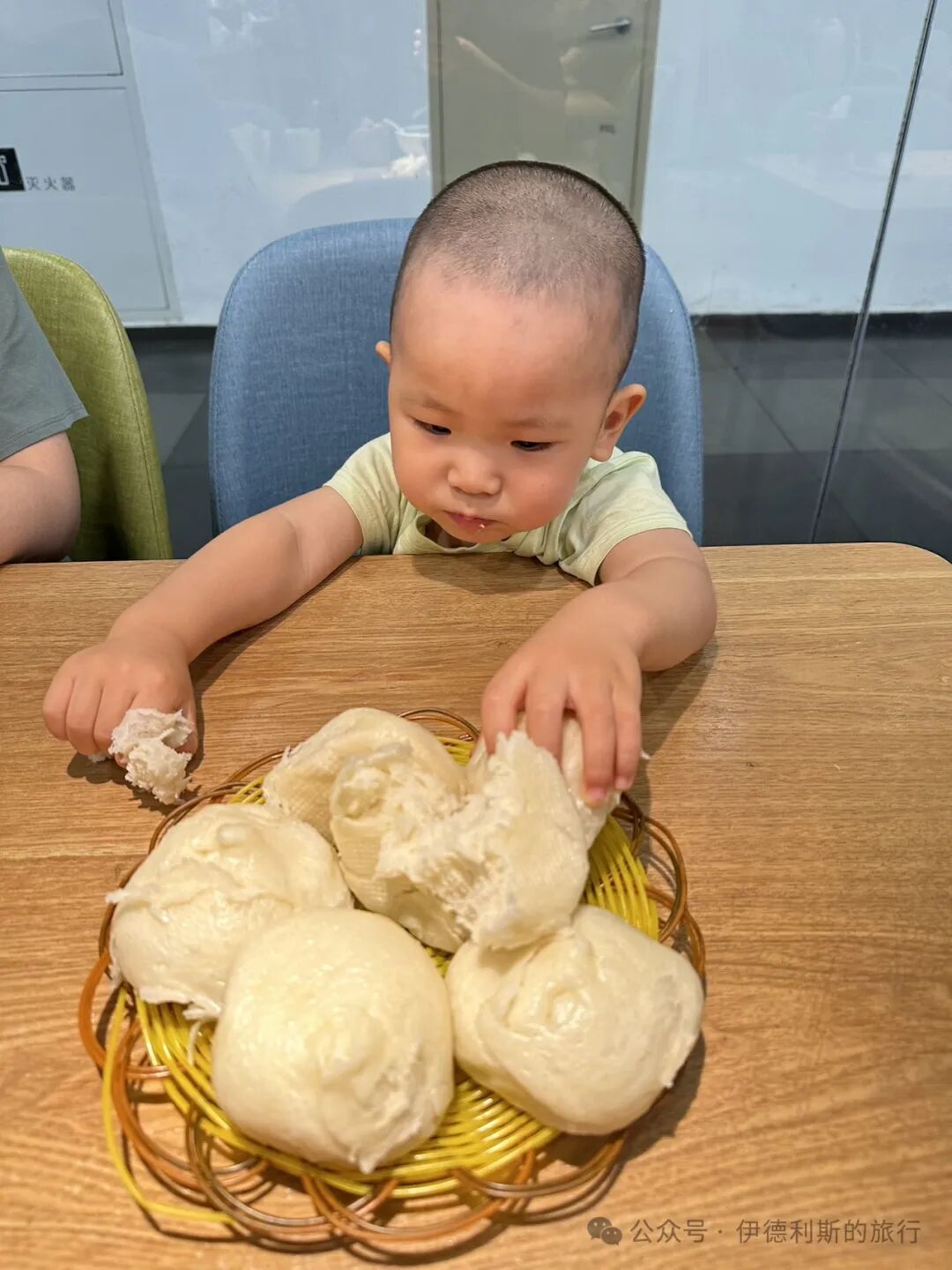
We specifically asked for the non-spicy meatball soup. Suleiman really liked the meatballs and the meat. Of course, his favorite was the steamed layered bun (youtazi). He held onto it and wouldn't let go; he wanted to eat all six of them. I also think the steamed layered bun is incredibly fragrant—regular steamed rolls (huajuan) just can't compare!
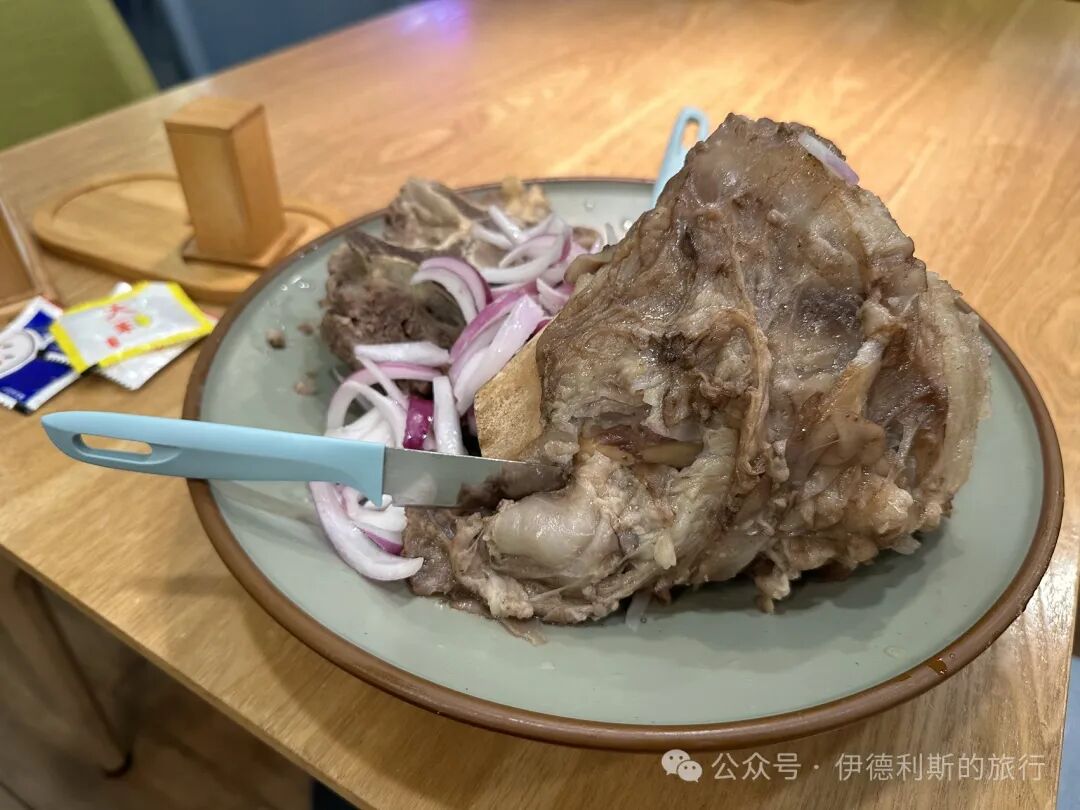
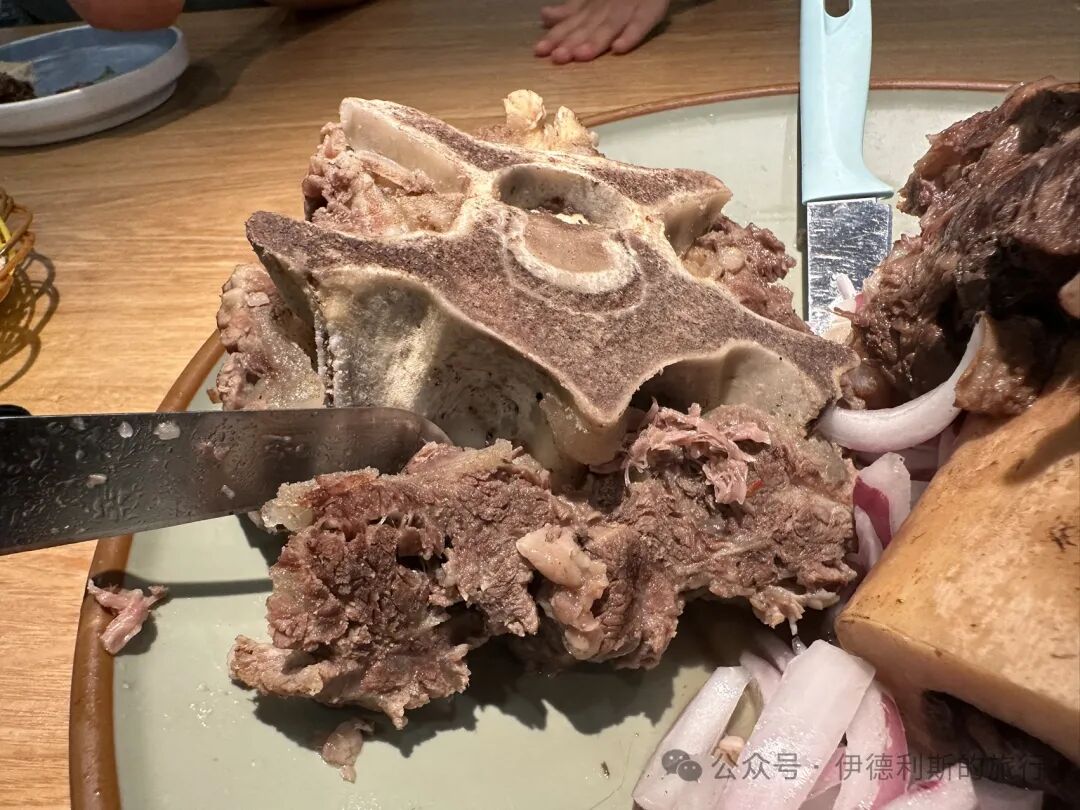
Among all the dishes at Jinying Meatball Soup, my favorite is the beef bone (niubanggu). It is stewed until it is fragrant and tender. I used a small knife to cut it off, and Suleiman enjoyed it very much.
7. Xinjiang cuisine: Hotan Canteen Open-Air Night Market
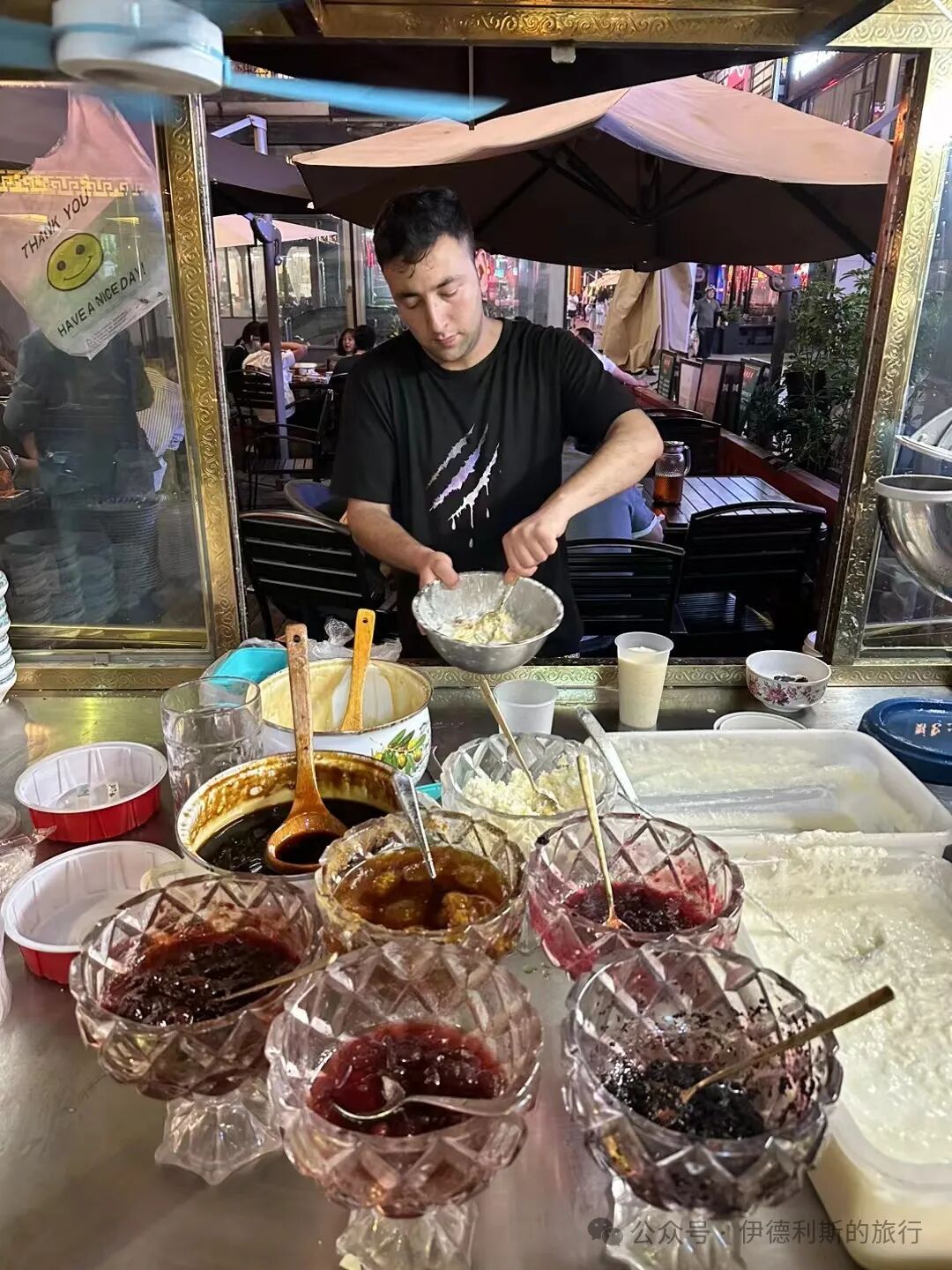
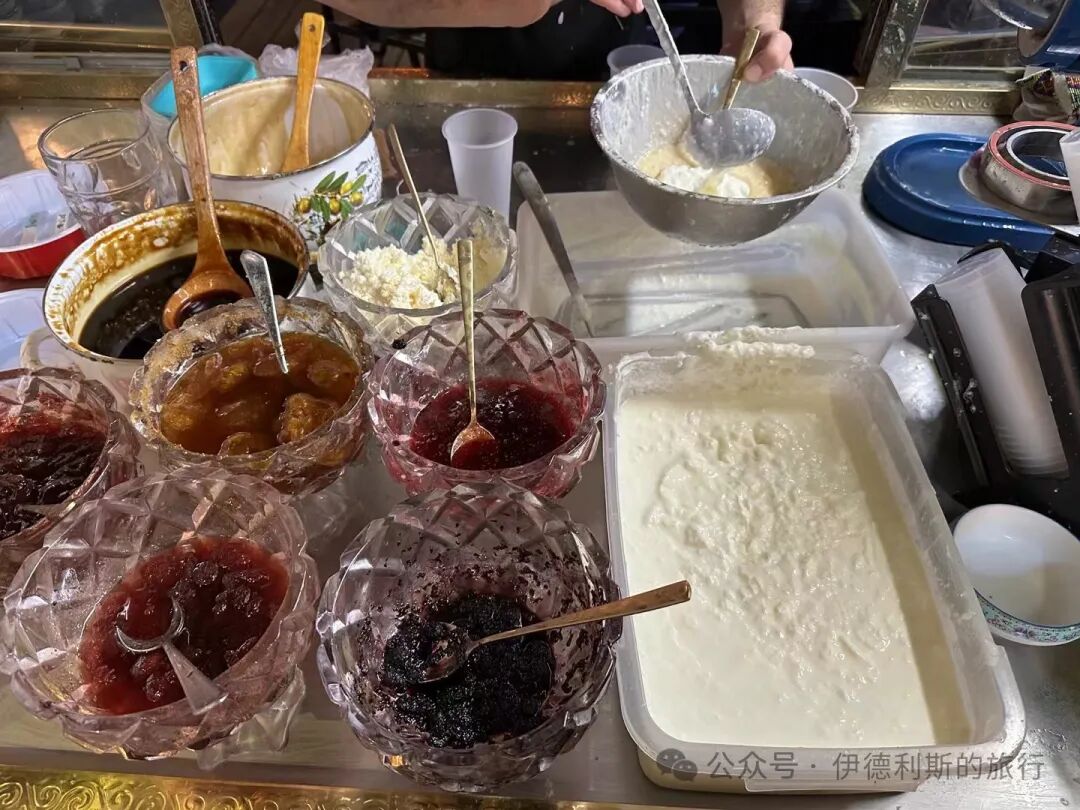
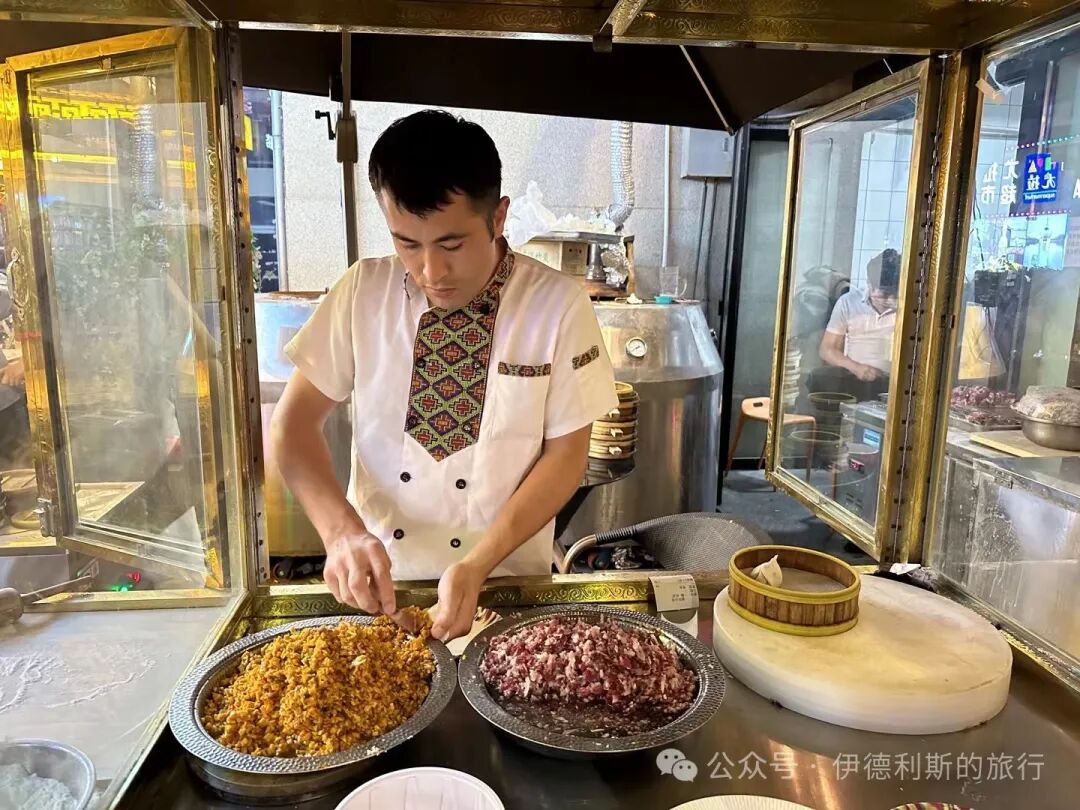
The Hetian canteen now feels a bit like a small Xinjiang night market! Time to try all the snacks!
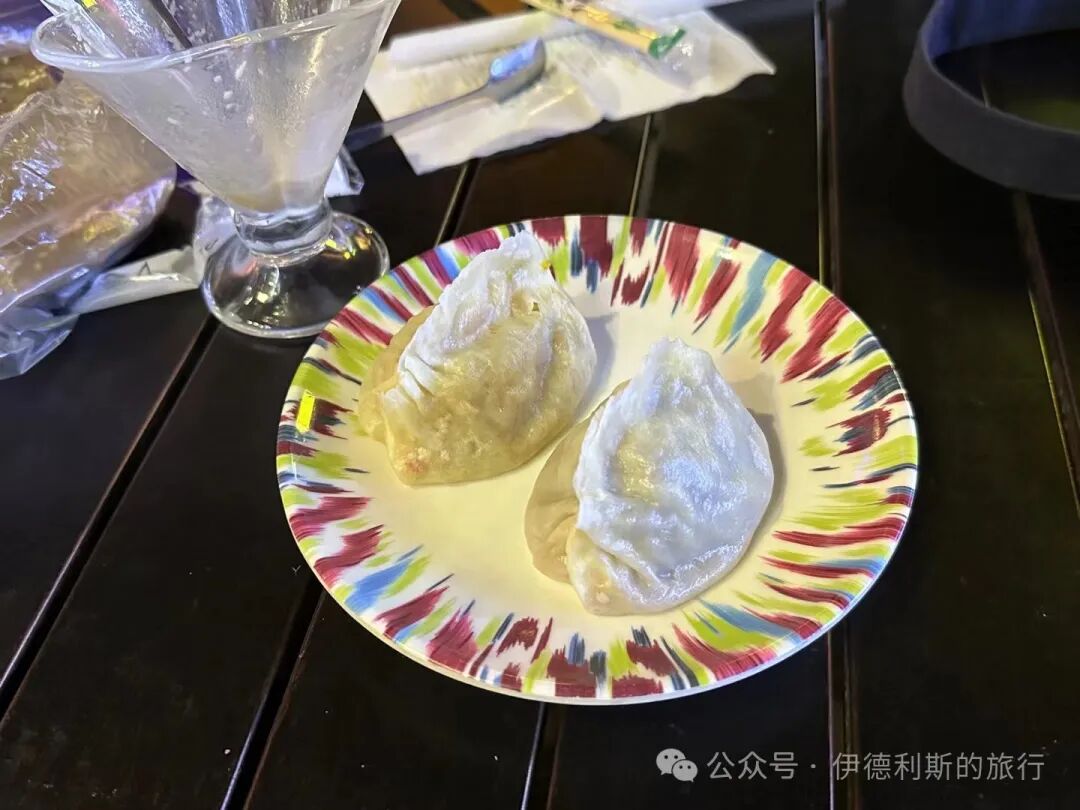
The thin-skinned steamed buns (baopi baozi) are wrapped and steamed to order. They are hot, fragrant, and come in both pumpkin and lamb fillings, both of which are very authentic.
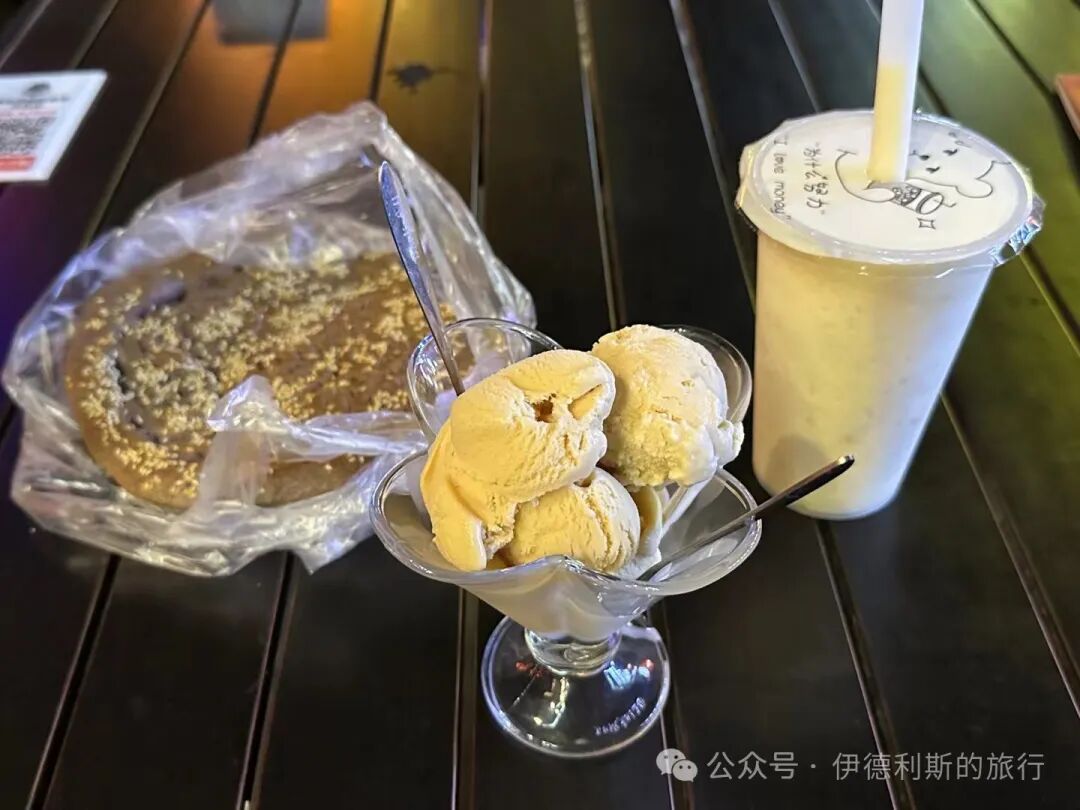
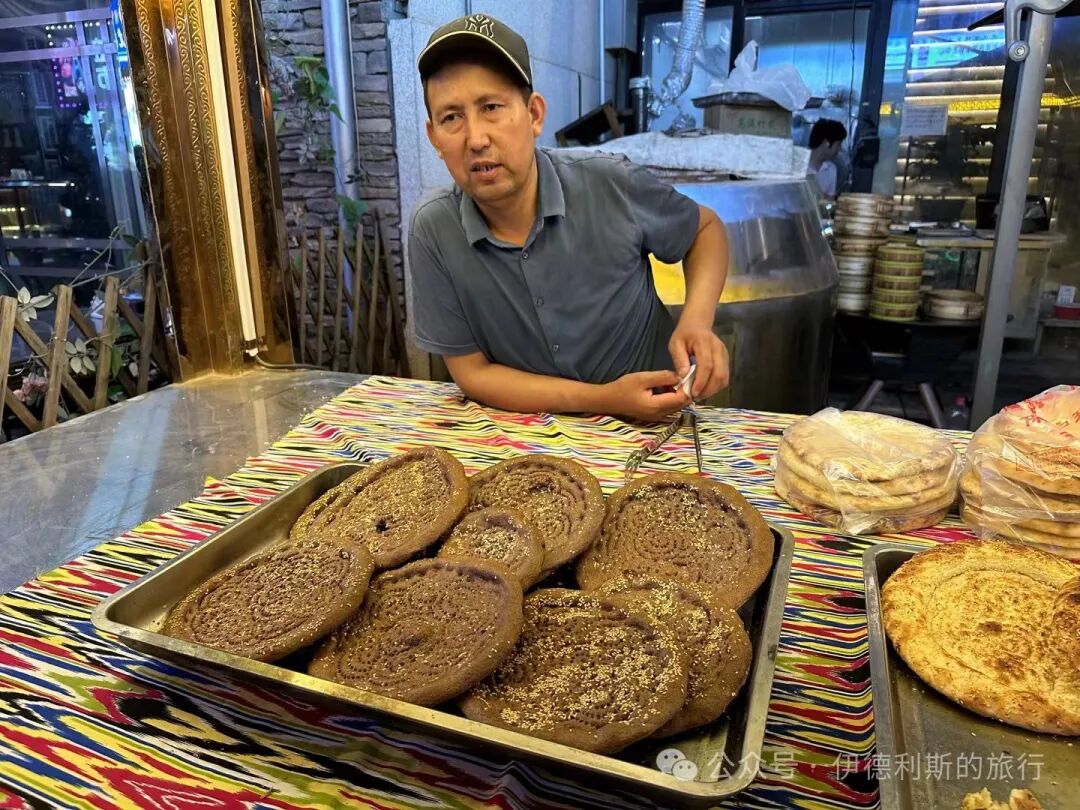
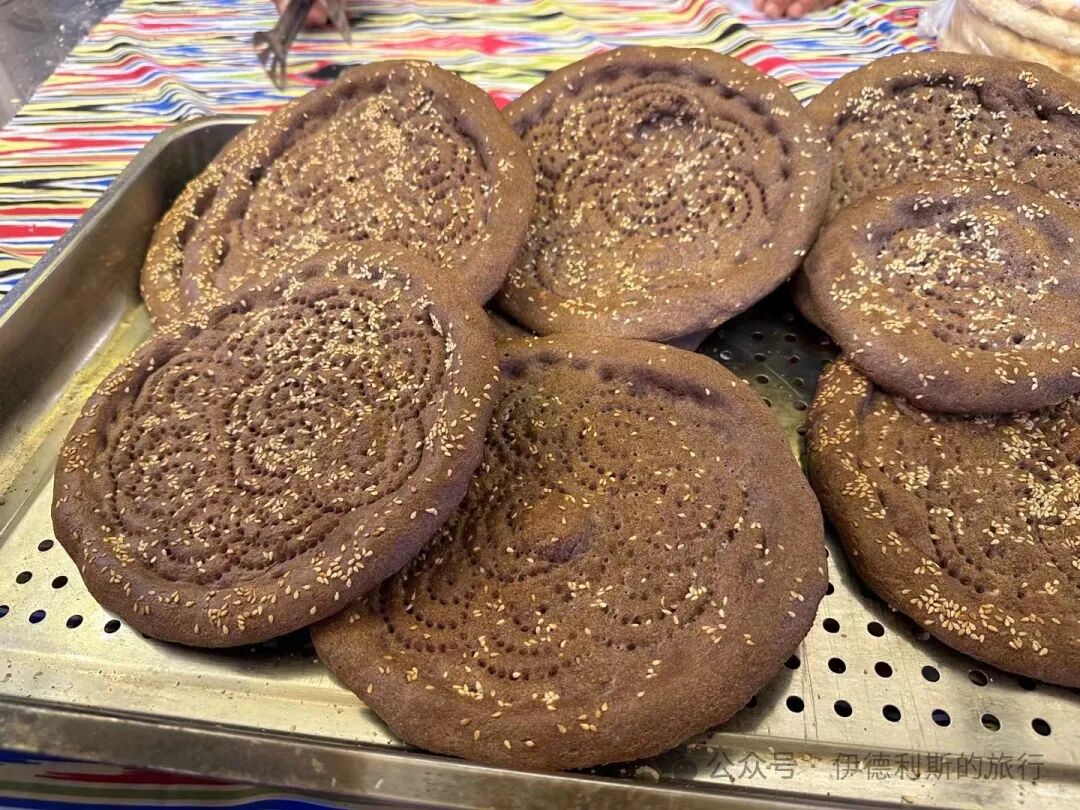
I have always loved their yogurt shaved ice (suannai baobing), and I think theirs is the best in Beijing. This time I even saw rye flatbread (heimai nang) there, which is rare even in Urumqi! It has a very rich rye flavor.
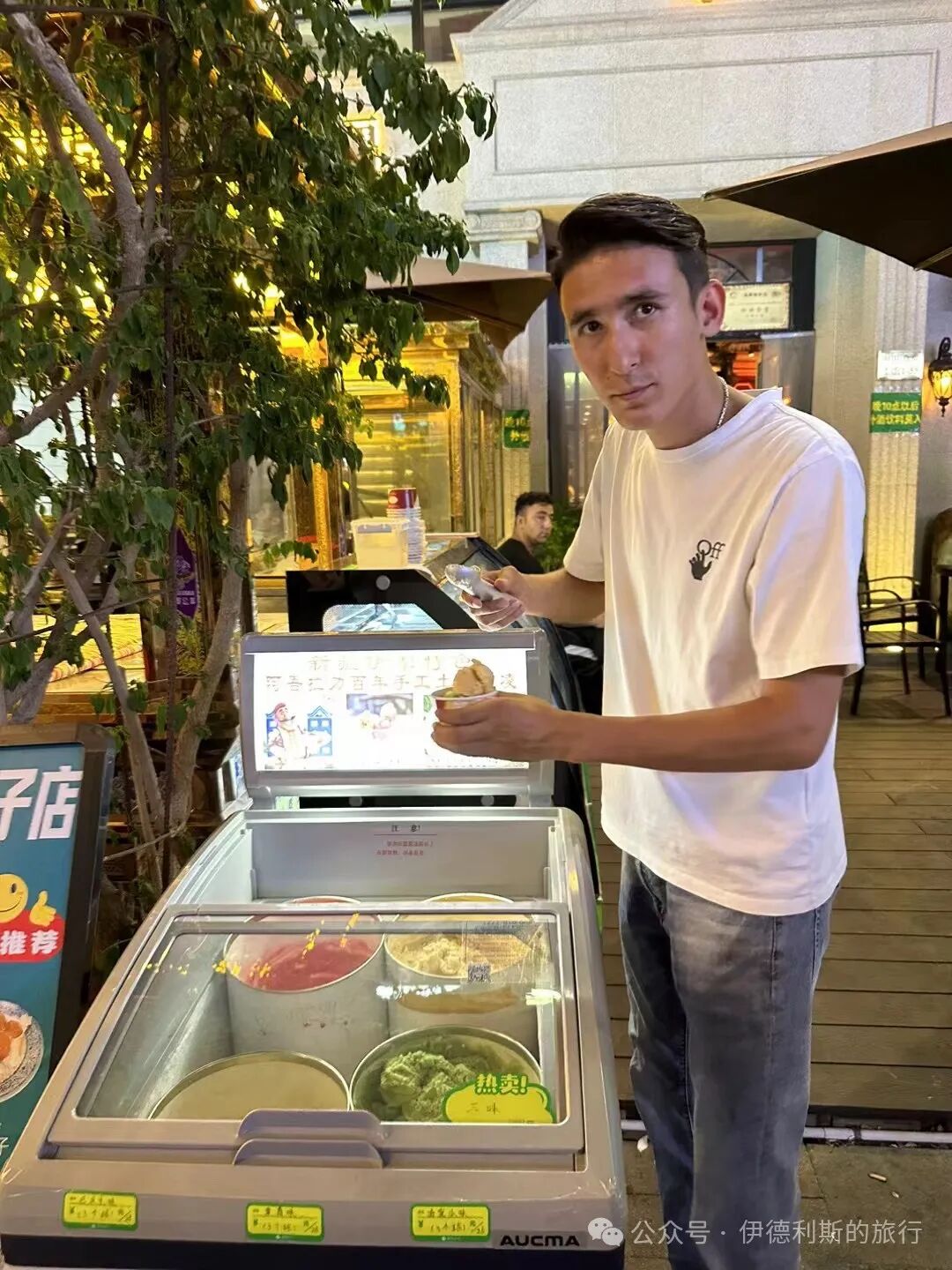
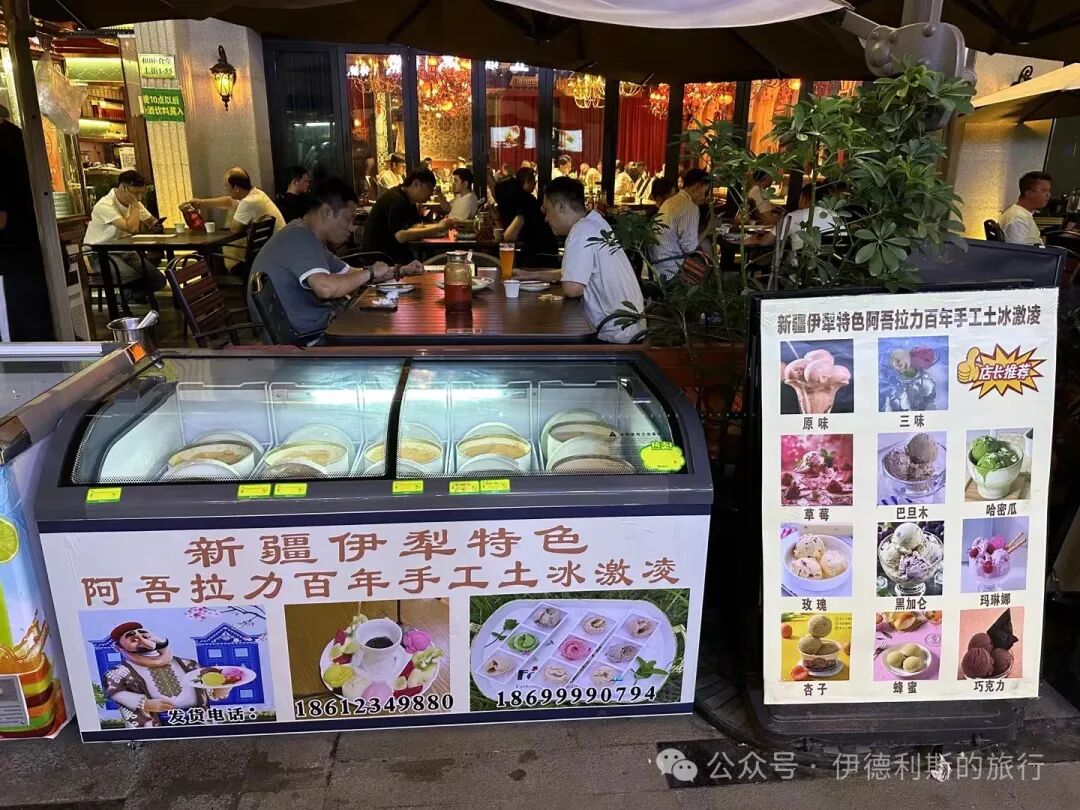
Finally, they have added a new Yili specialty: handmade ice cream (awulali shougong bingqilin)! They have many flavors, so we chose almond, original, and honey. After trying them, I still think the original is the best. Now we can finally eat Yili handmade ice cream in Beijing.
8. Syrian Restaurant: BRBR SOLANA branch
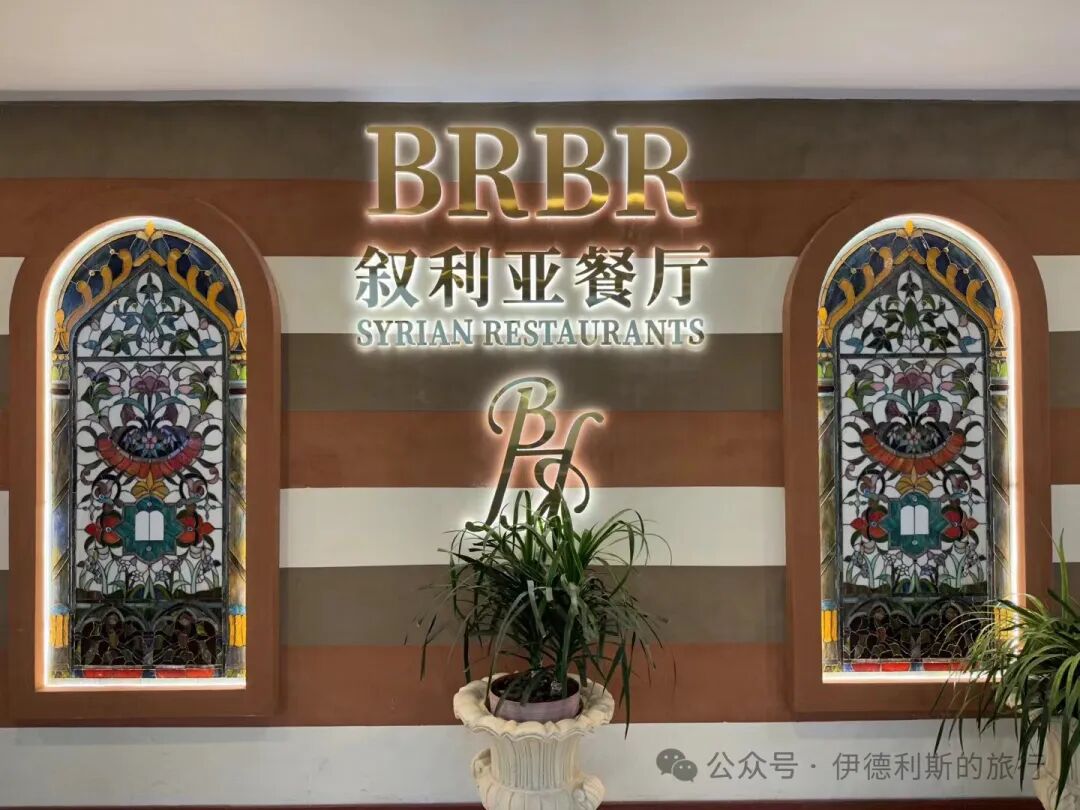
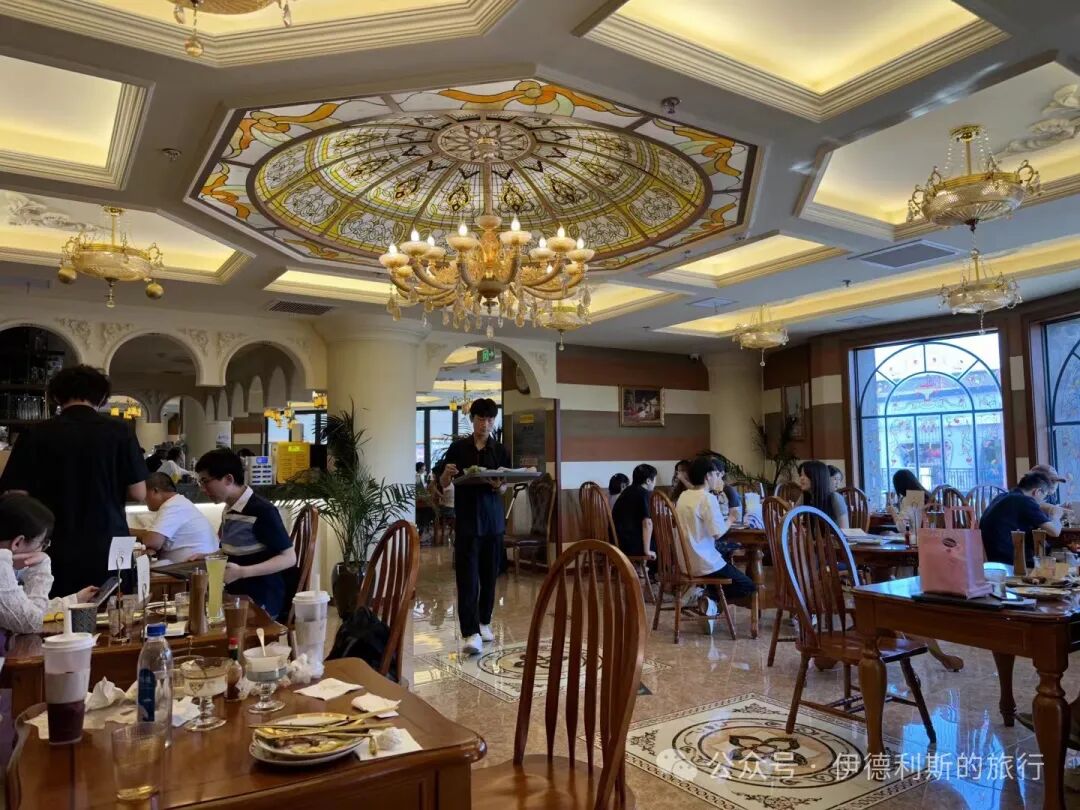
We had a Syrian meal at BRBR in SOLANA. I called 40 minutes ahead to book a table because they are very popular on weekends.
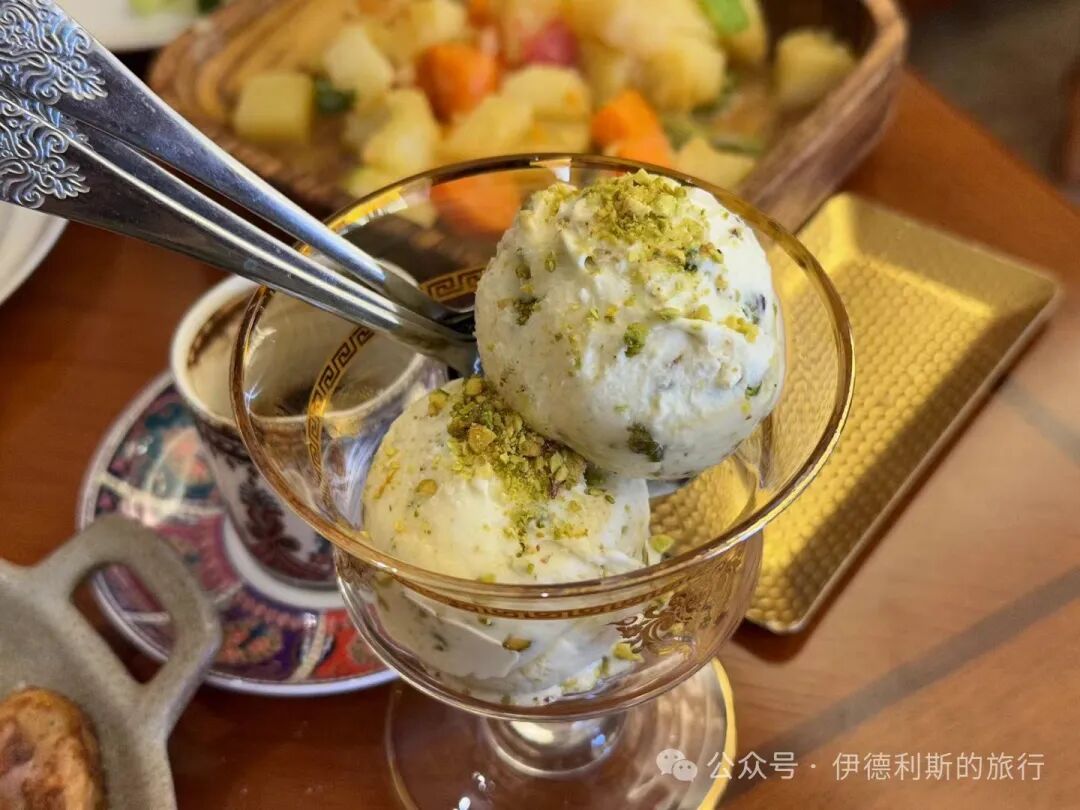
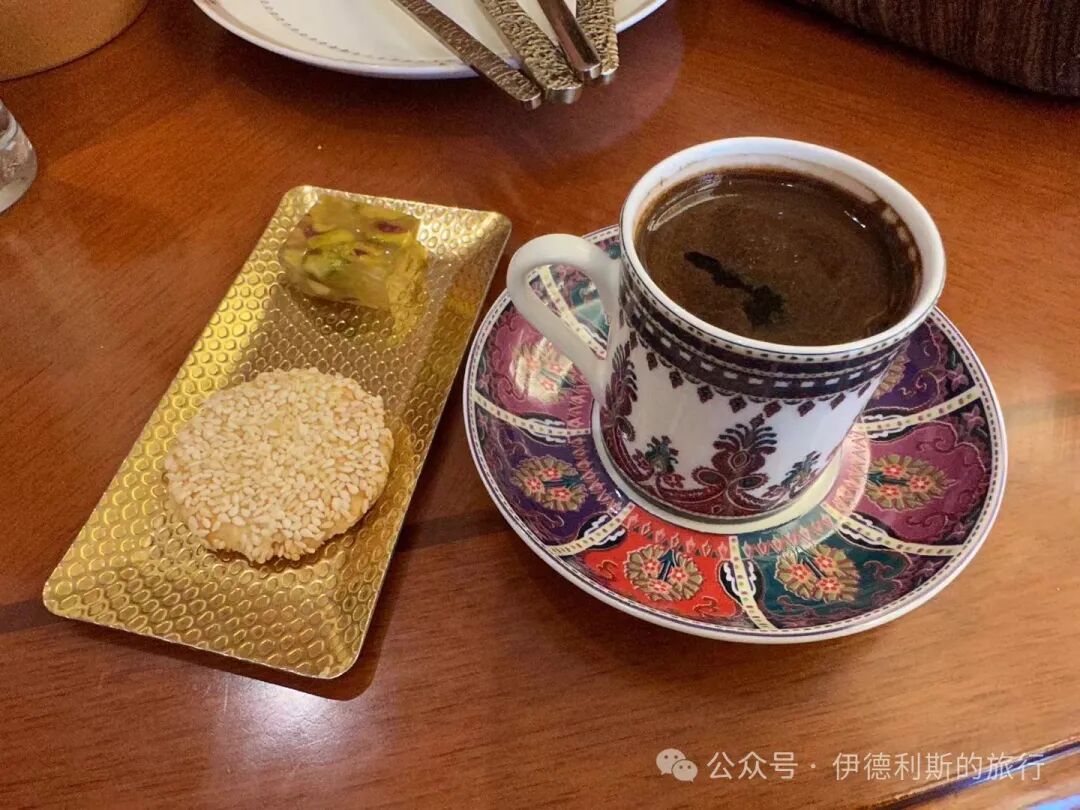
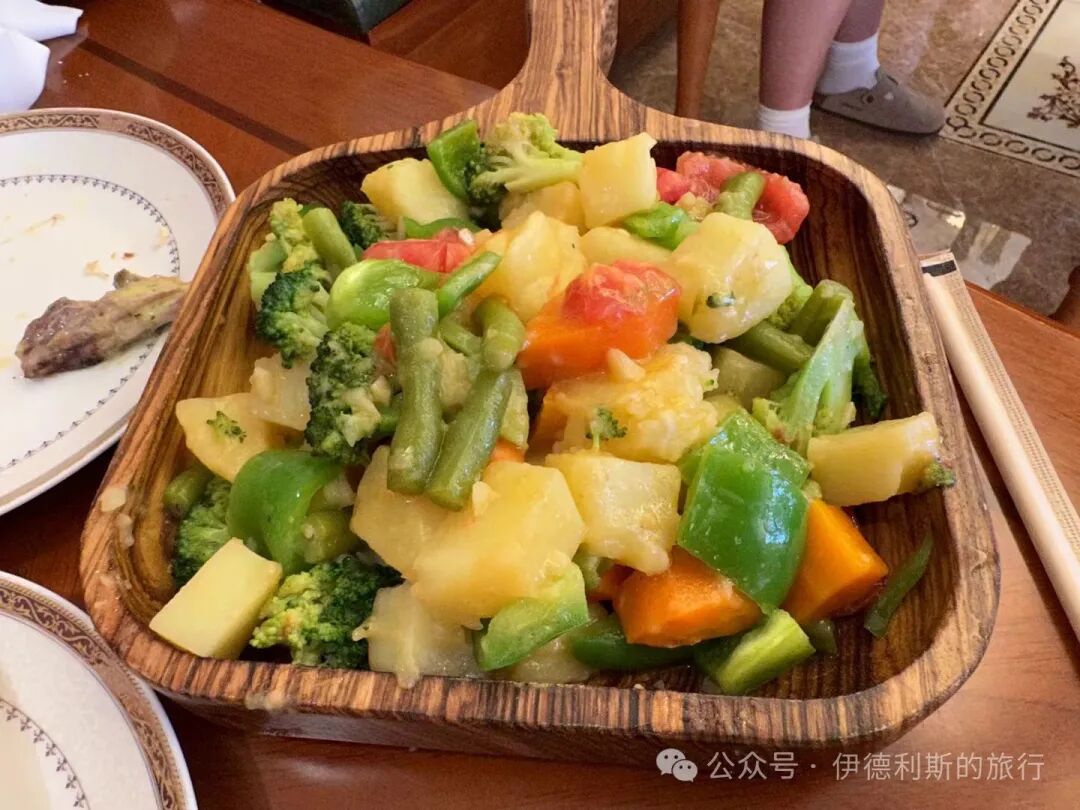
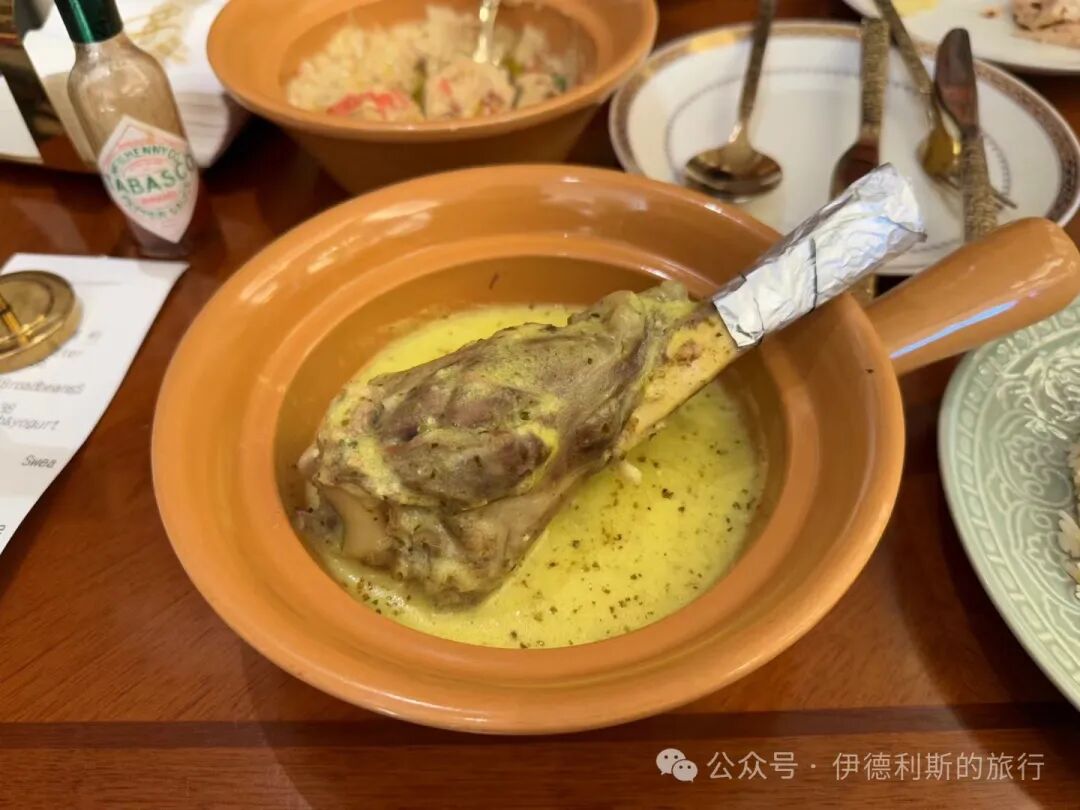
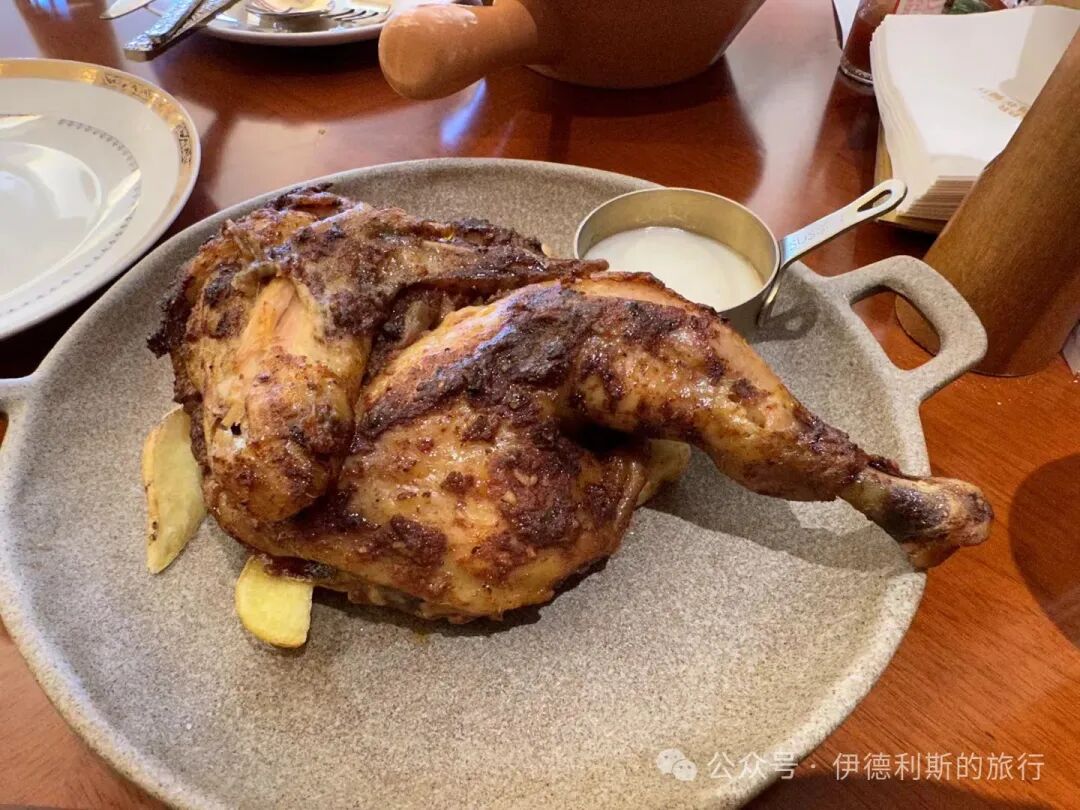
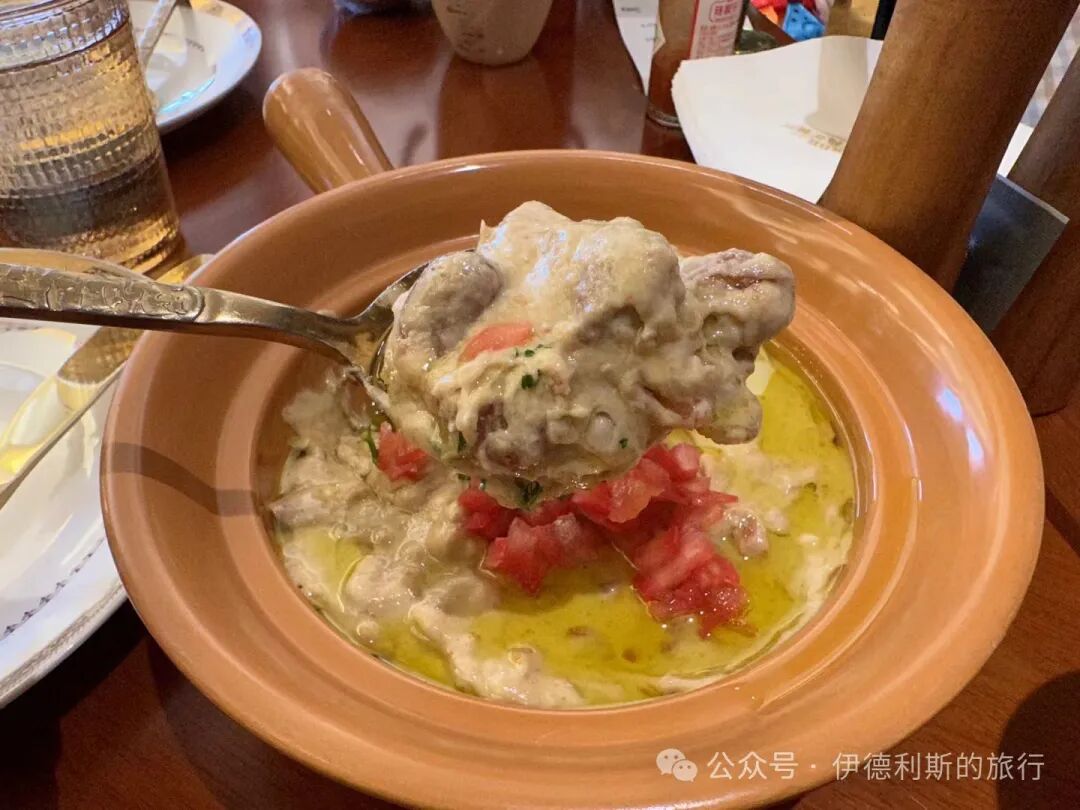
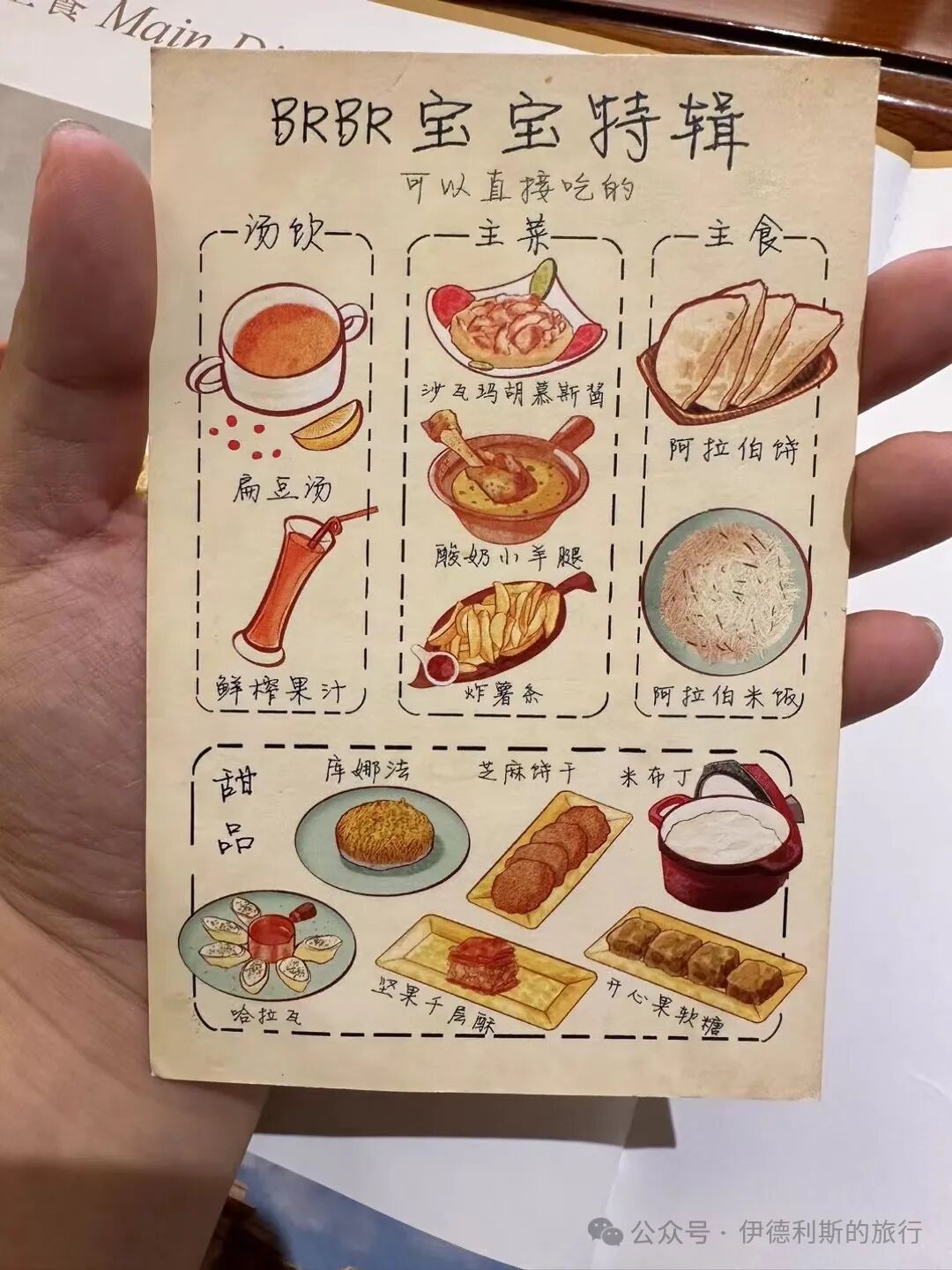
We ordered half a chicken, lamb shank with yogurt (laban), salty yogurt drink (ayran), fava beans with tahini (ful medames), mixed buttered vegetables, sand-brewed coffee, and Damascus ice cream. The lamb shank with yogurt was quite tender and goes perfectly with rice. The salty yogurt drink didn't have much sourness and was mostly just salty. It didn't taste as good as what we drank in the Middle East, likely due to the source of the milk. The tahini in the fava beans was thicker than what we had in the Middle East, making it a bit dry to eat on its own. We asked for an Arabic flatbread (khubz), but since it was a busy weekend, the staff weren't very attentive and the bread never arrived. The roasted chicken, sand-brewed coffee, and Damascus ice cream were all as delicious as always.
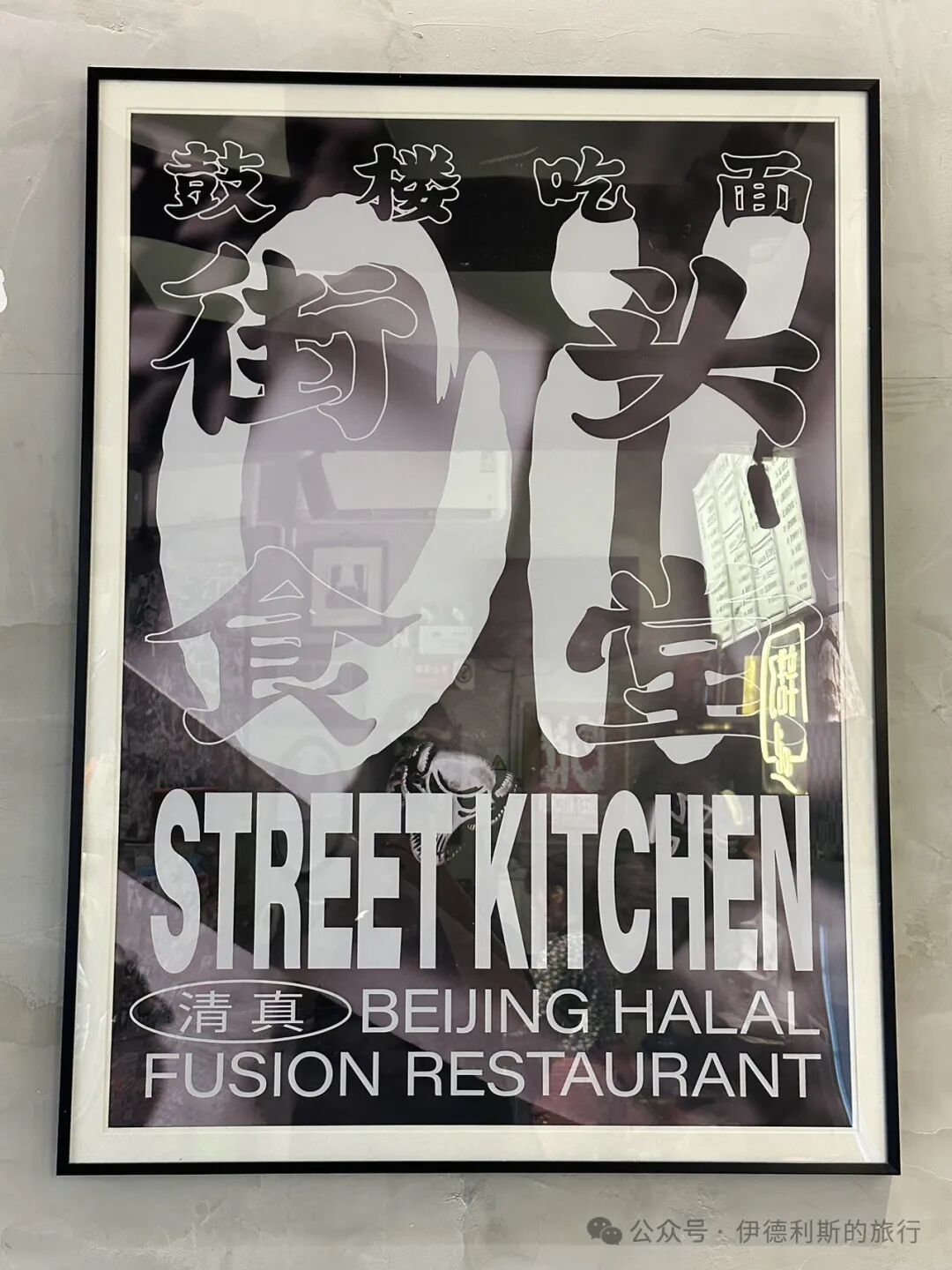
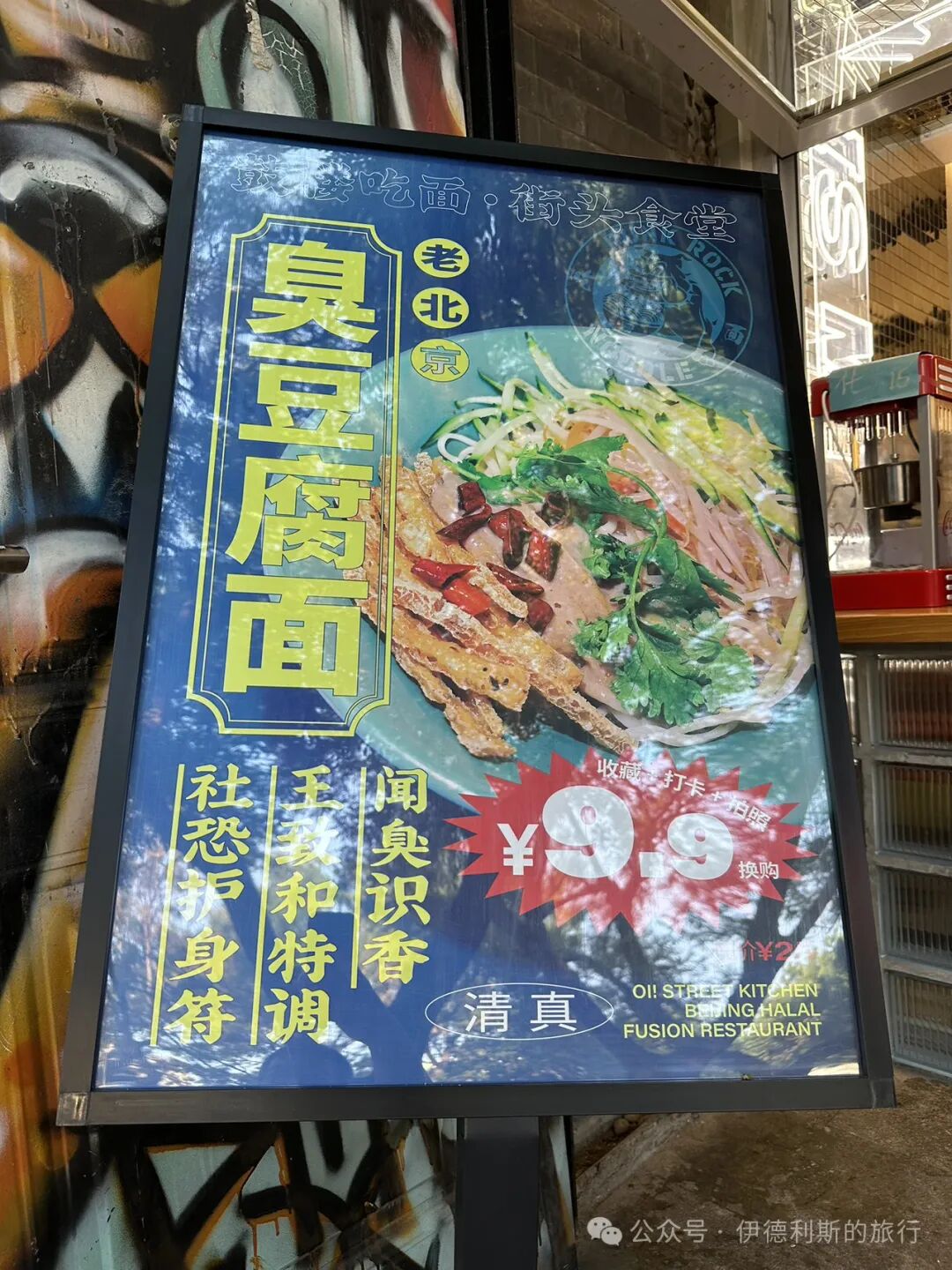
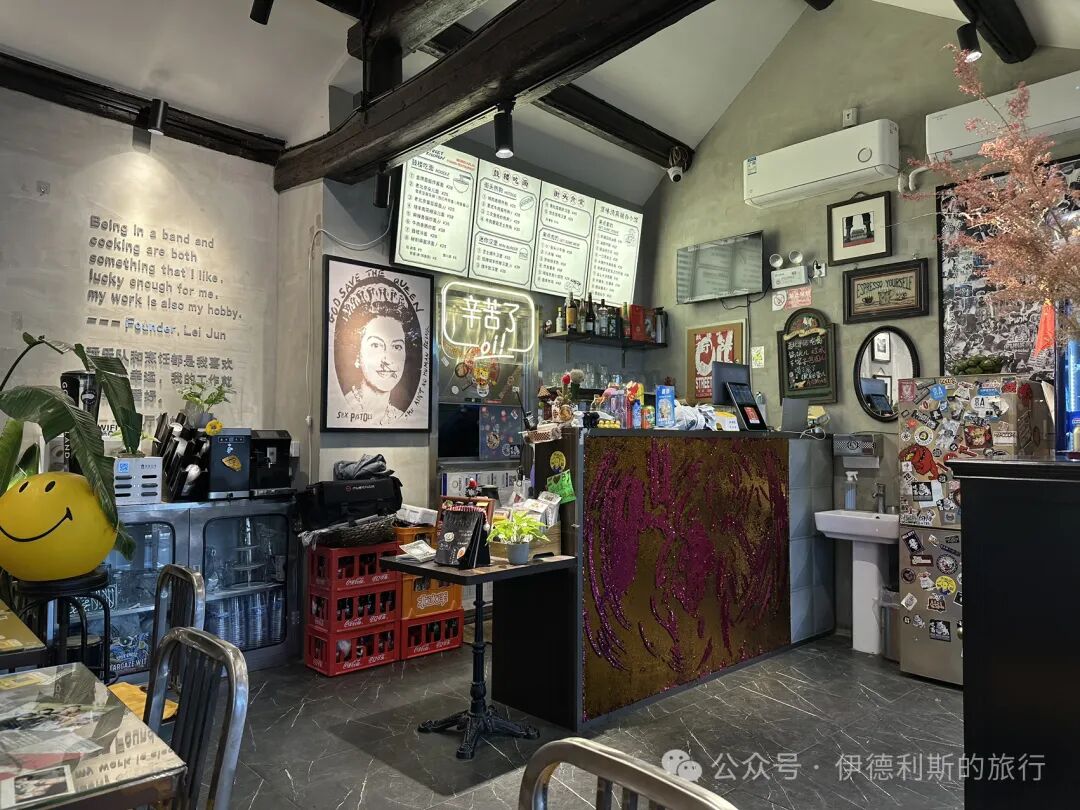
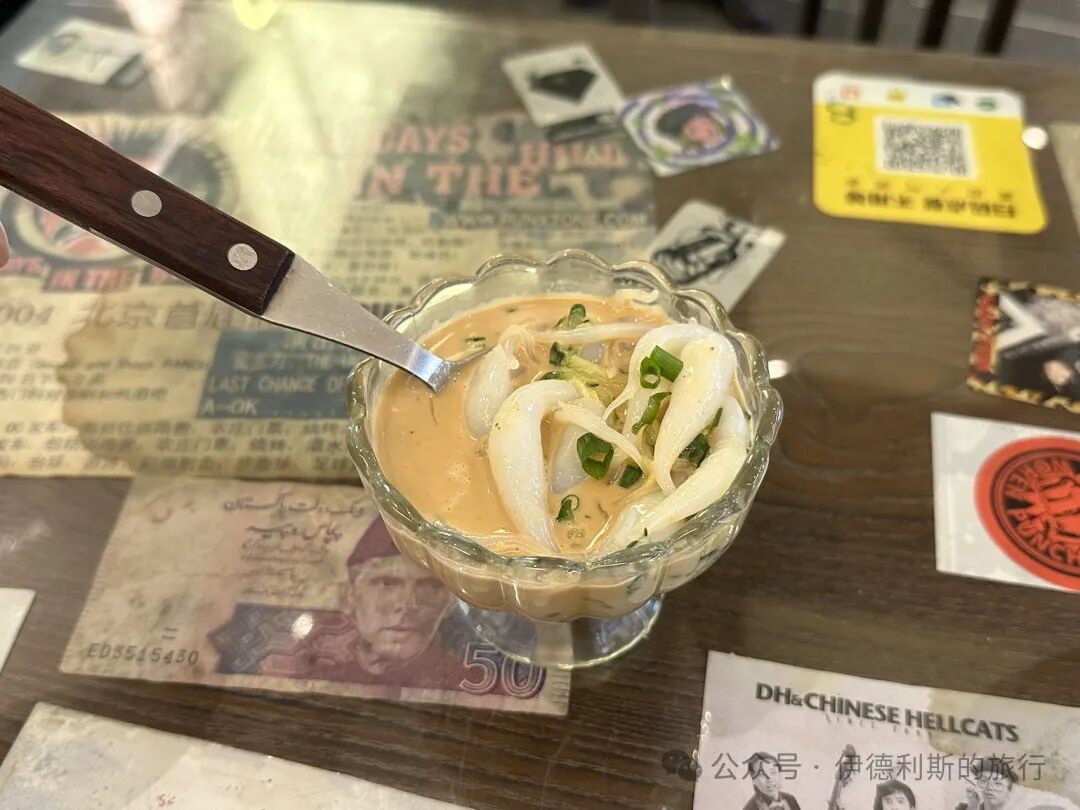
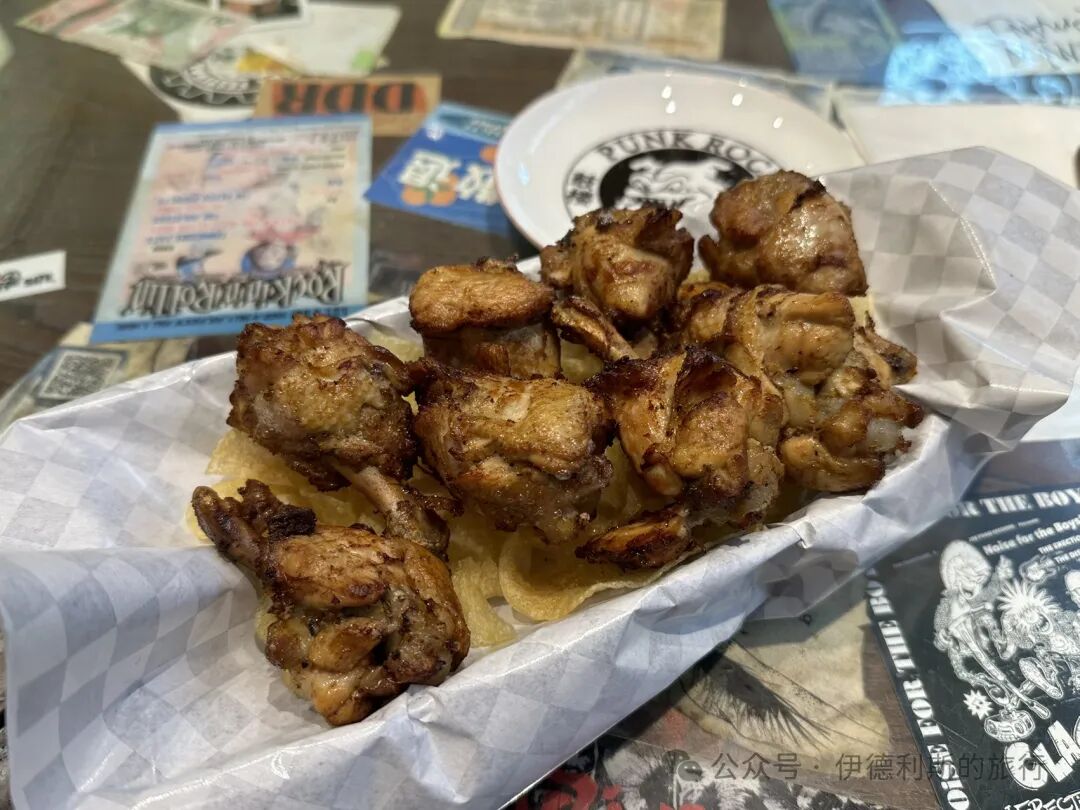
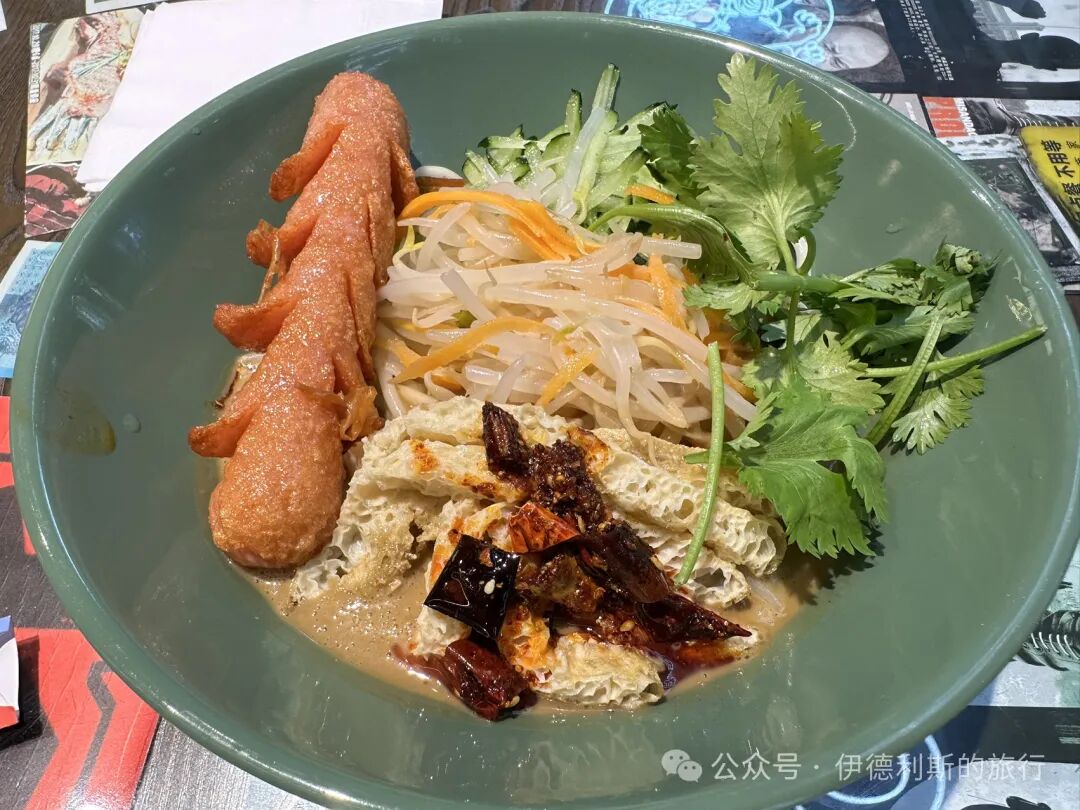
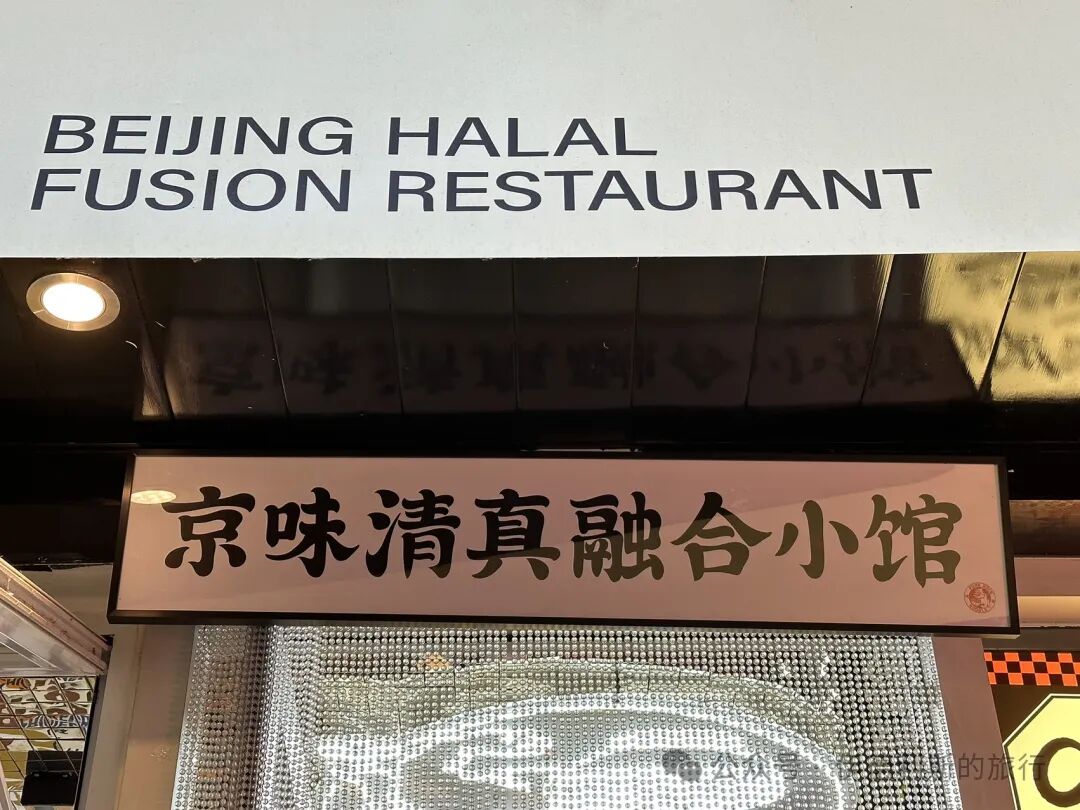
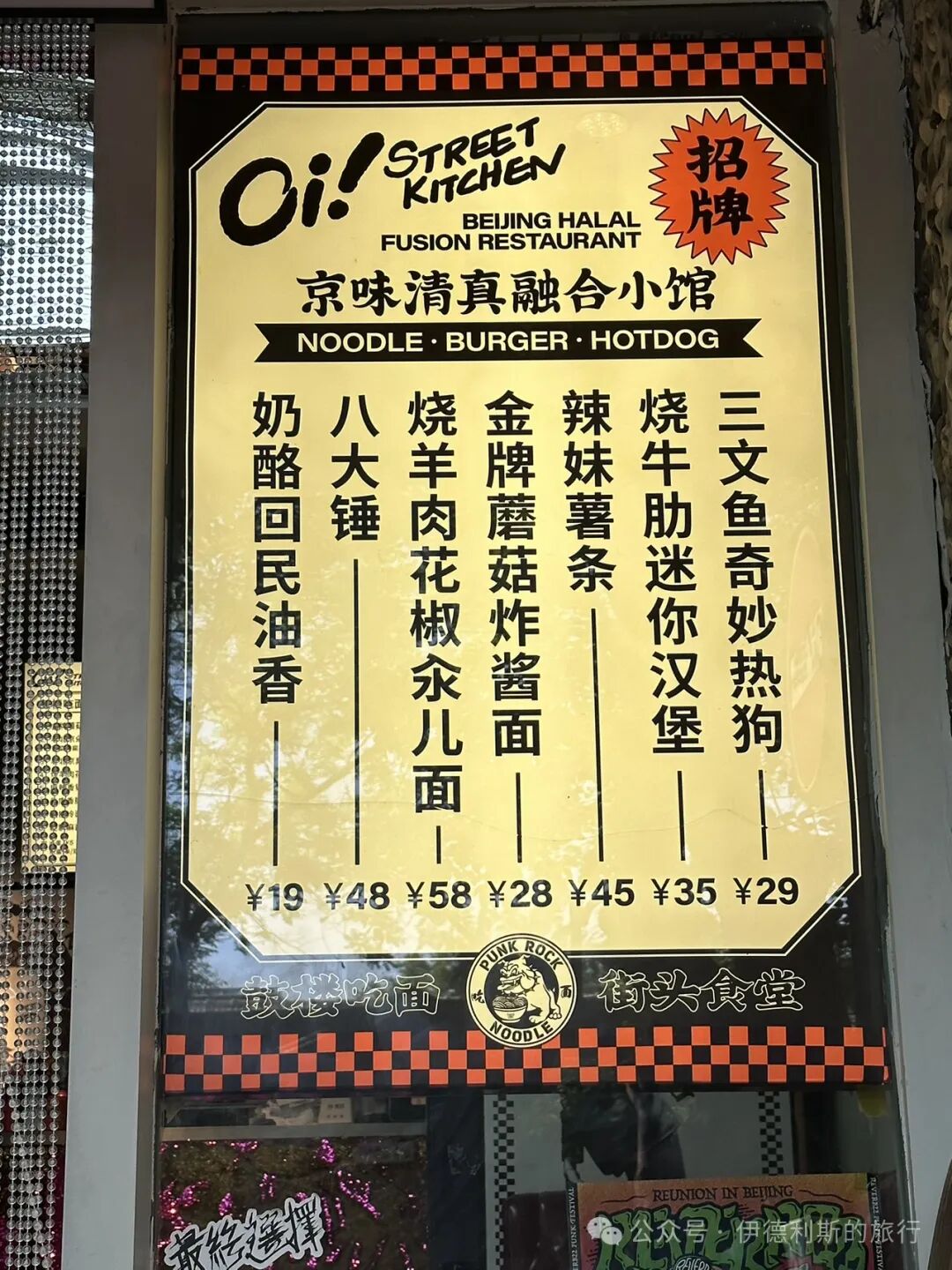
9. Beijing fusion food: Gulou Chimianguan.
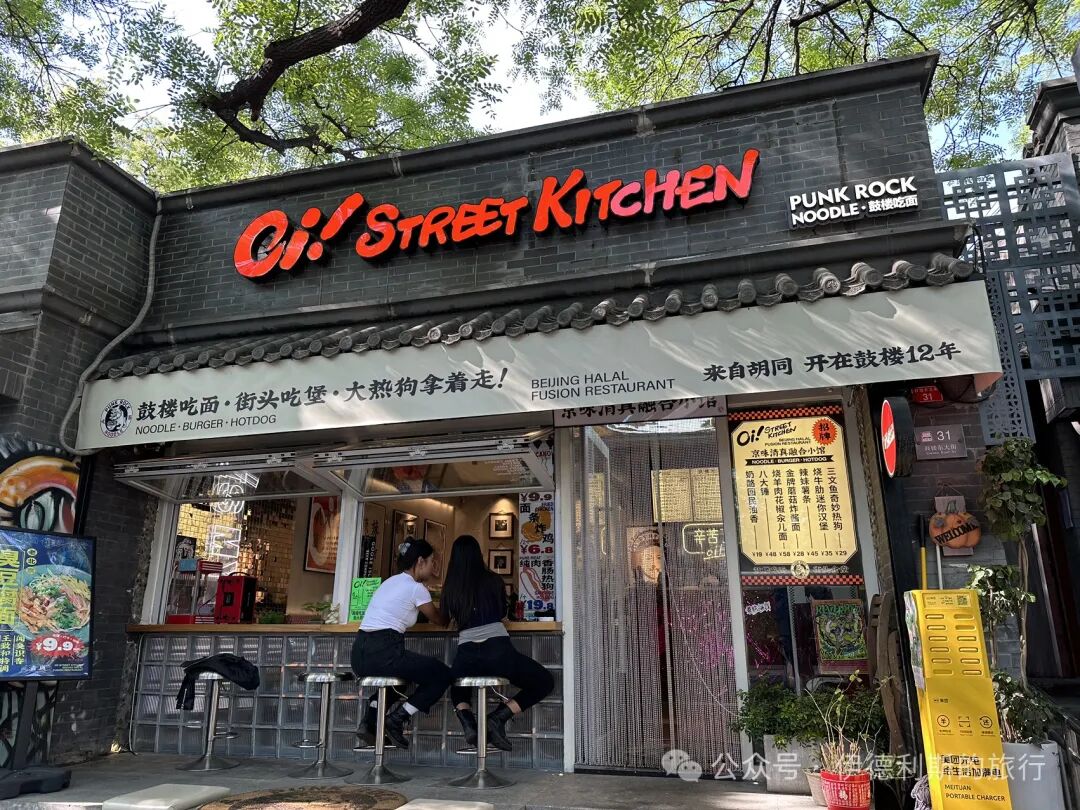
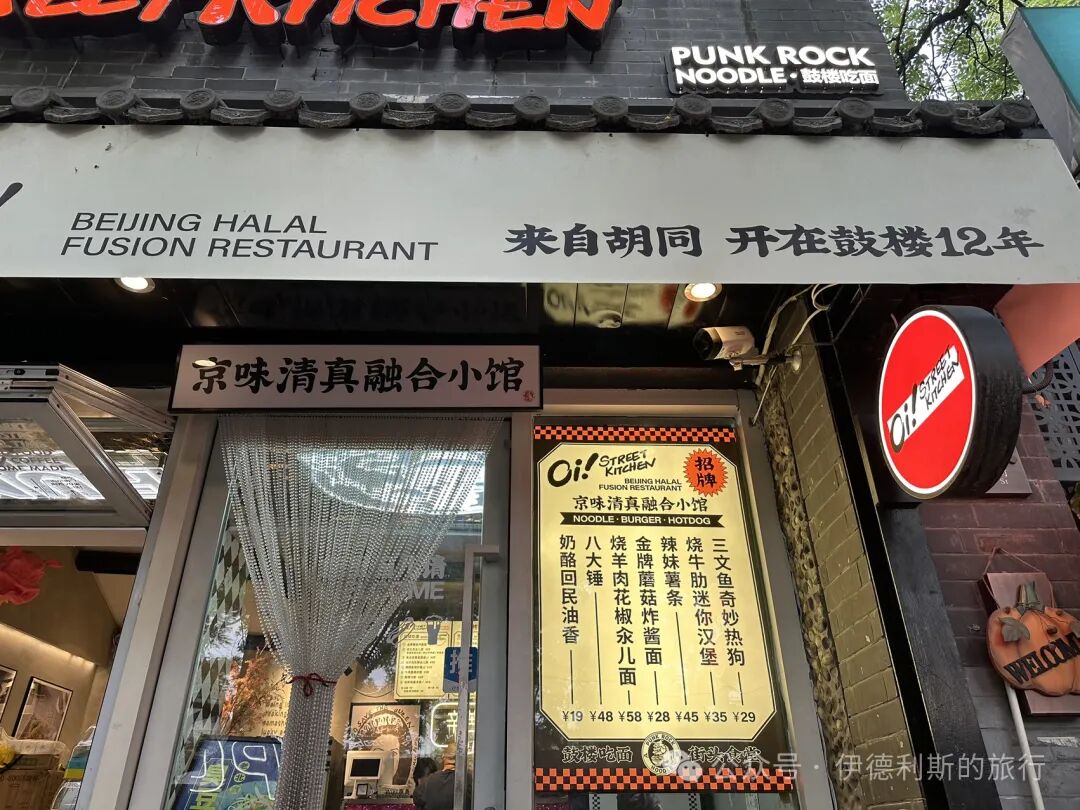
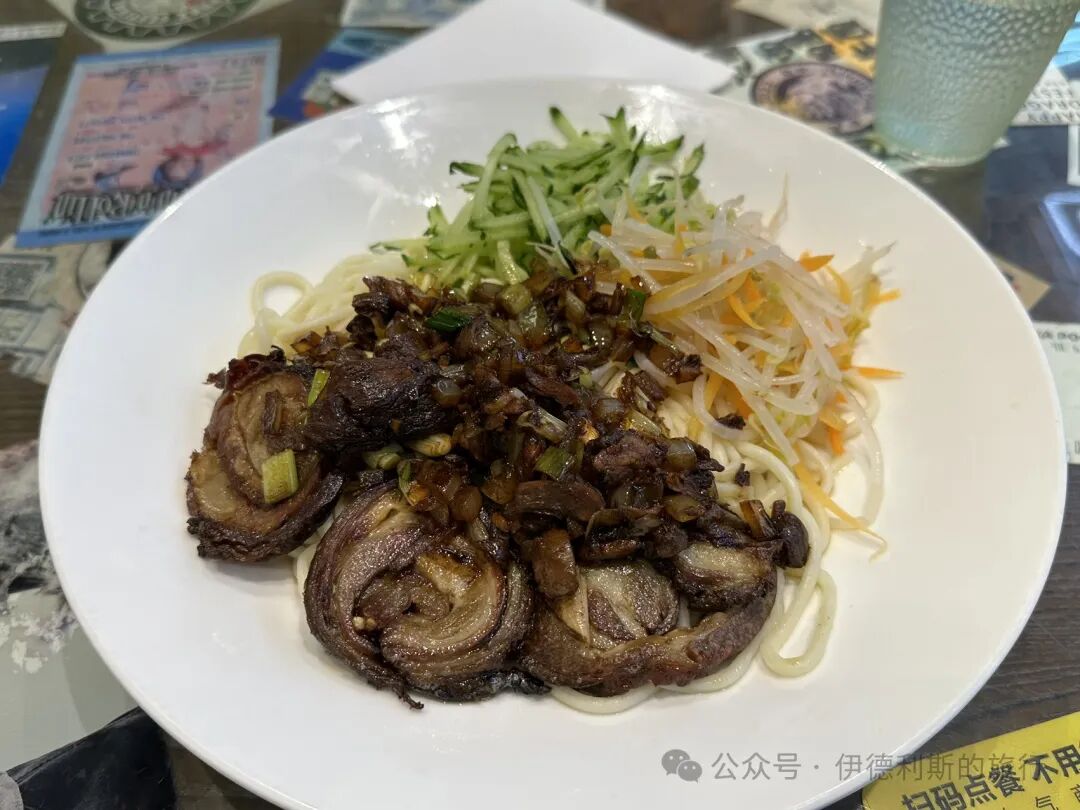
The fermented bean curd noodles (choudoufu mian) at the Gulou East Street branch of Gulou Chimianguan smell really strong, but they taste delicious! I finished the noodles in just a few bites, and even my burps smelled like fermented bean curd. Beijing locals really love this, and I recommend visitors give it a try too.
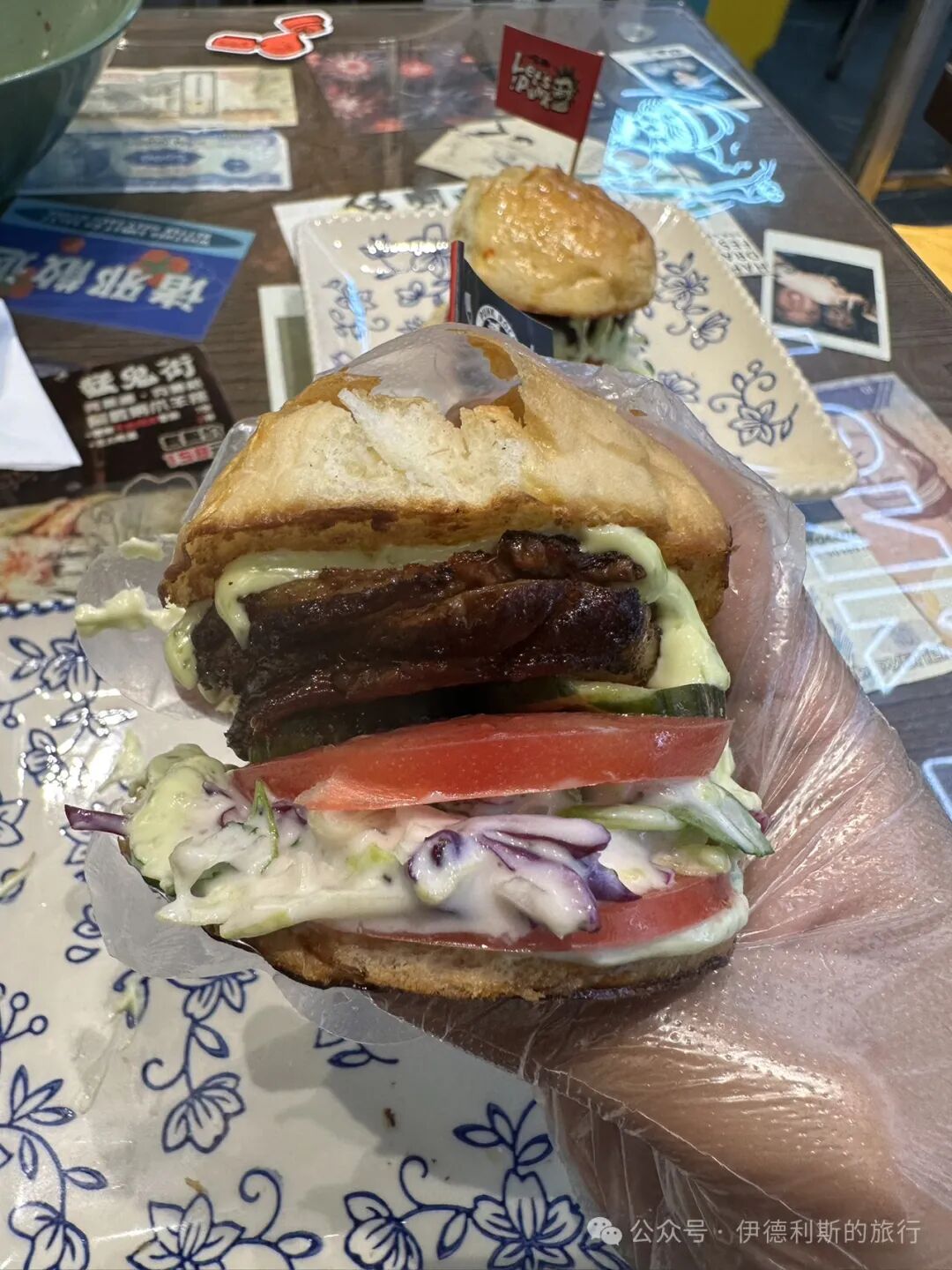
On Mondays, they have a buy-one-get-one-free deal on mini burgers, so I ordered a roasted lamb burger (shao yangrou bao). I usually eat roasted lamb noodles with Sichuan peppercorn sauce (shao yangrou huajiao cuan'er mian), but this was my first time having a roasted lamb burger. It is a great mix of Chinese and Western flavors, and it really feels like our own Beijing-style fast food, haha.
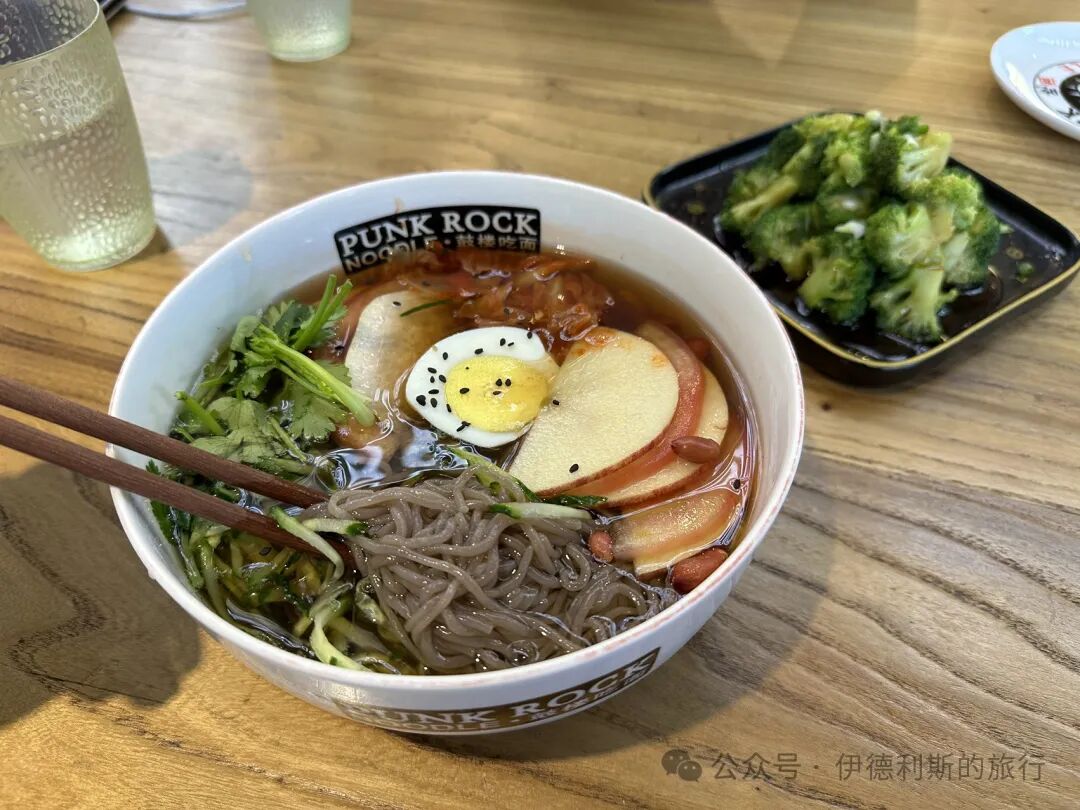
Their cold noodles (lengmian) are incredibly satisfying. Back when I was stuck at home during the pandemic, I survived by ordering these cold noodles for delivery.
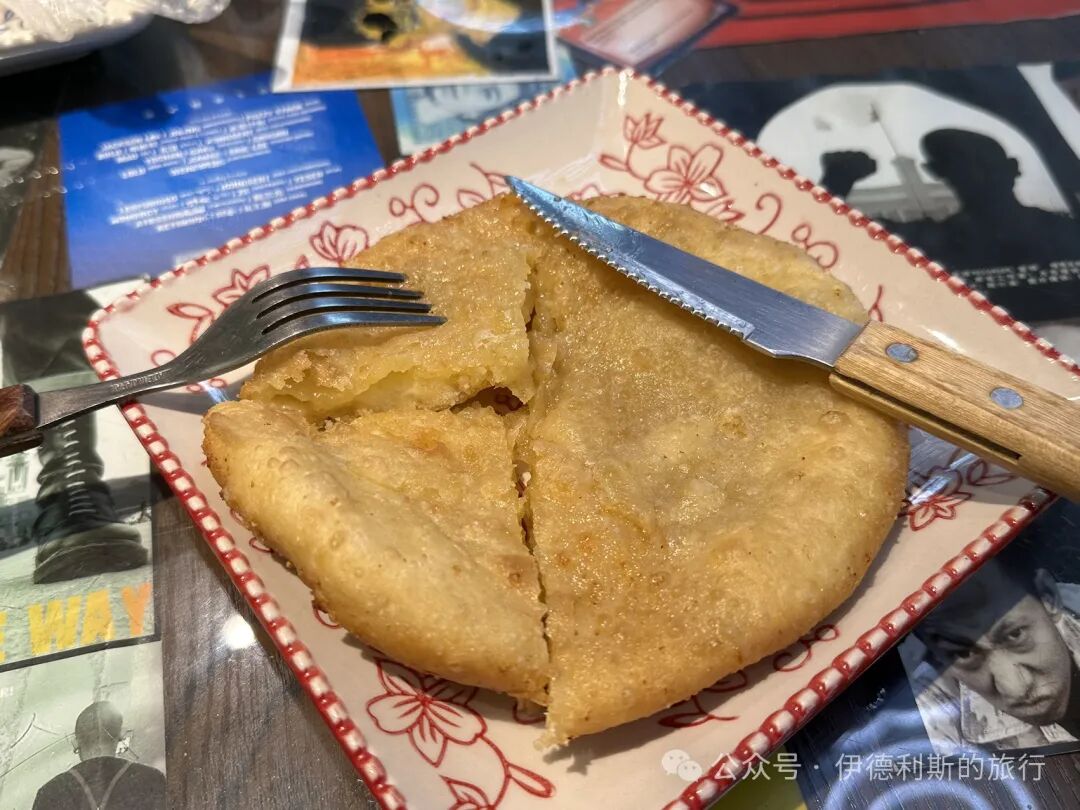
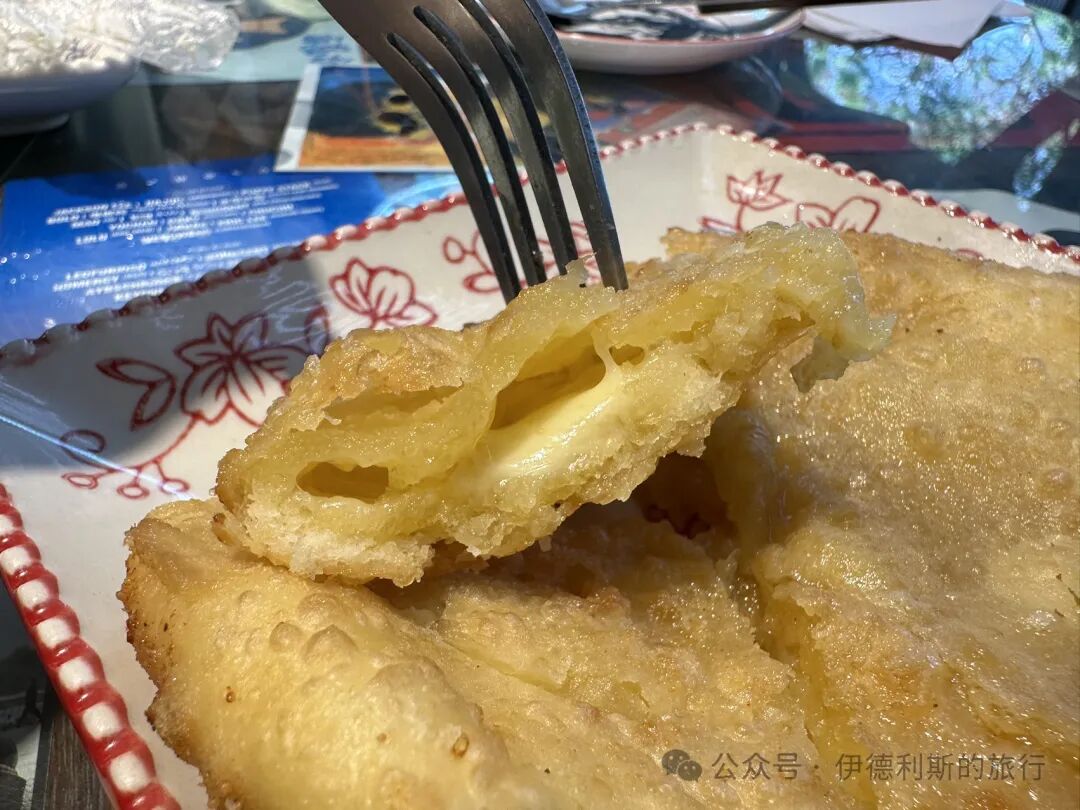
This was my first time eating fried dough (youxiang) with a knife and fork. It is not the traditional leavened dough style from North China, but feels more like a hot-water dough version, and the added cheese makes it very fragrant.
10. Beijing cuisine: Xilaishun.
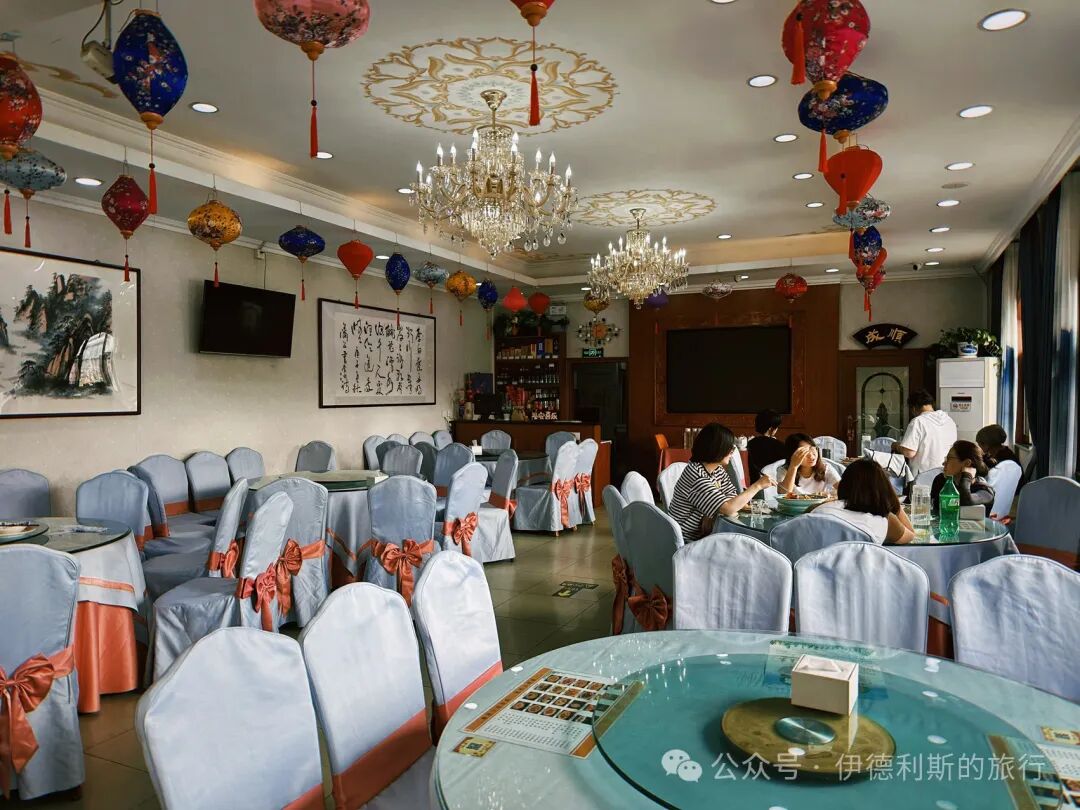
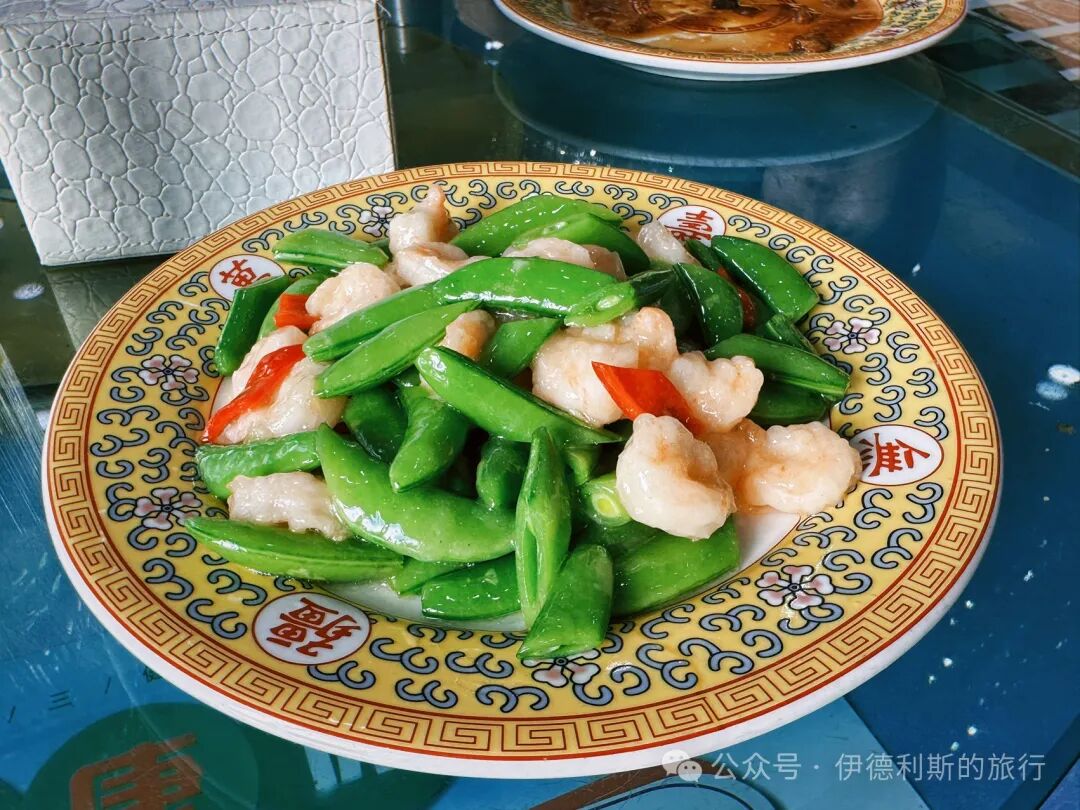
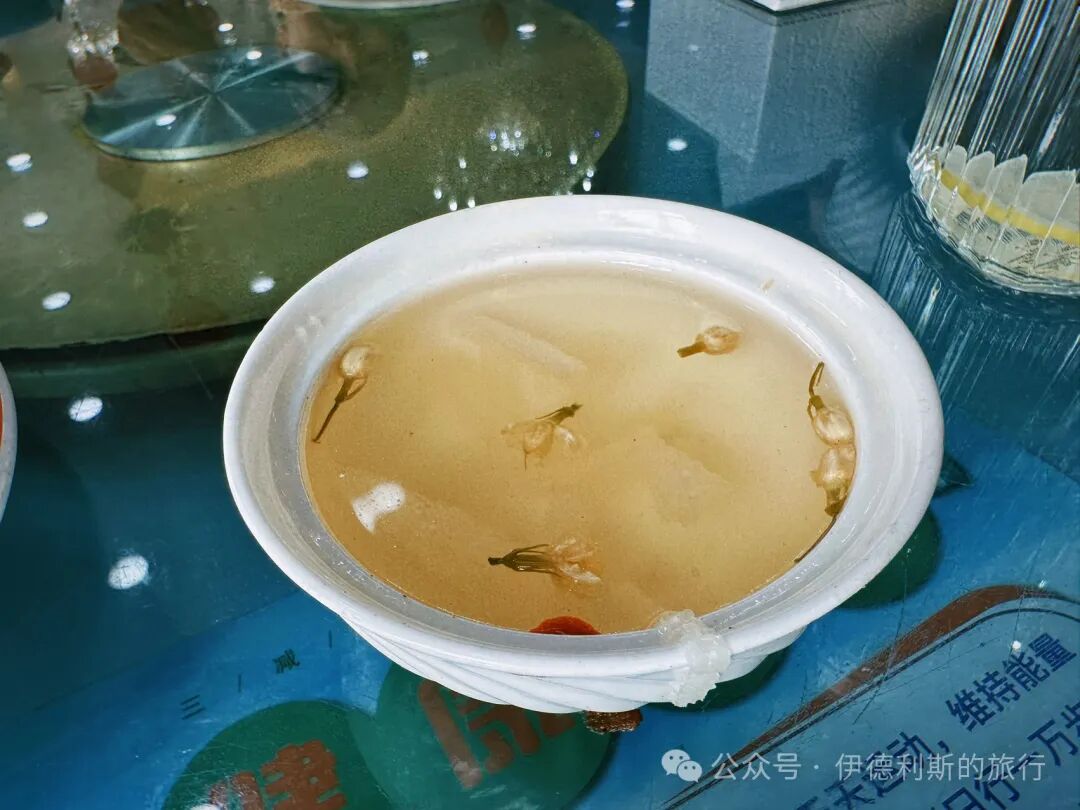
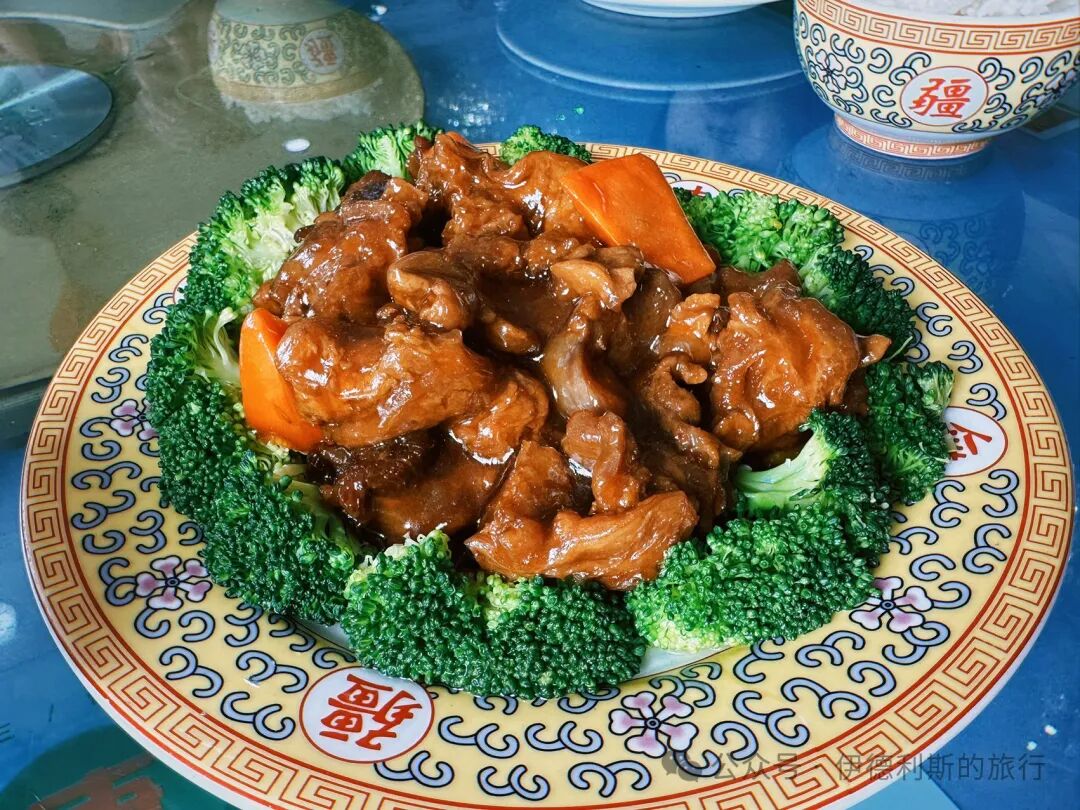
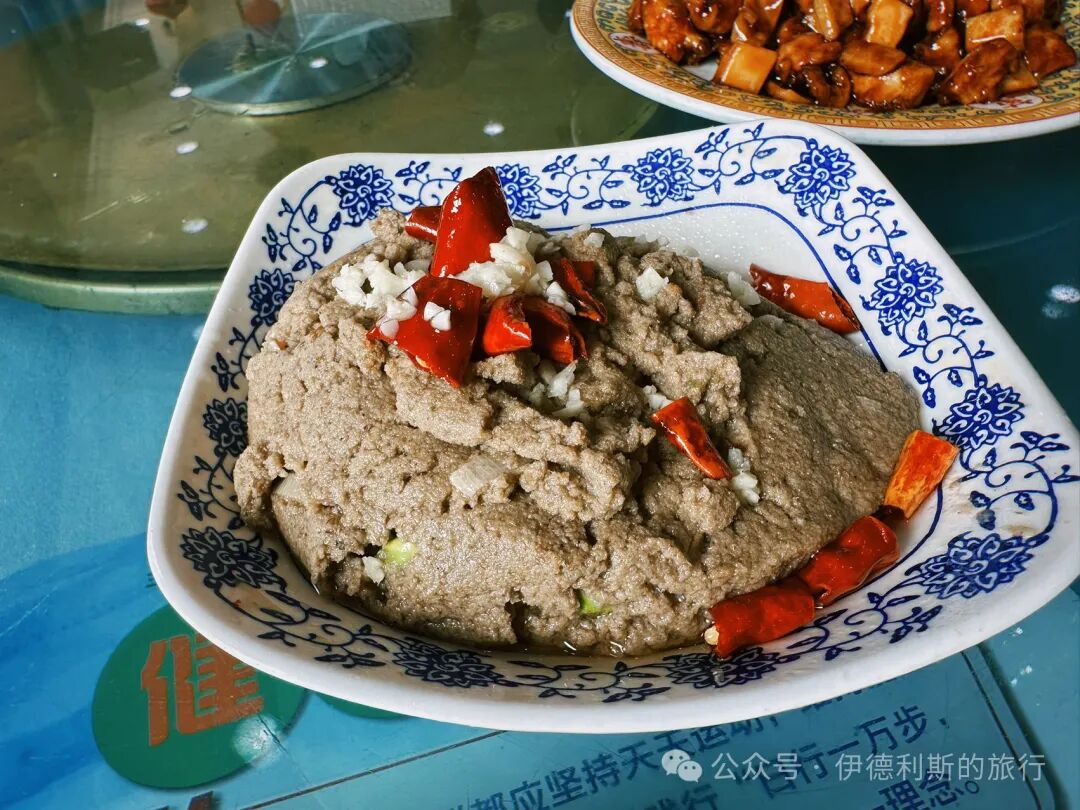
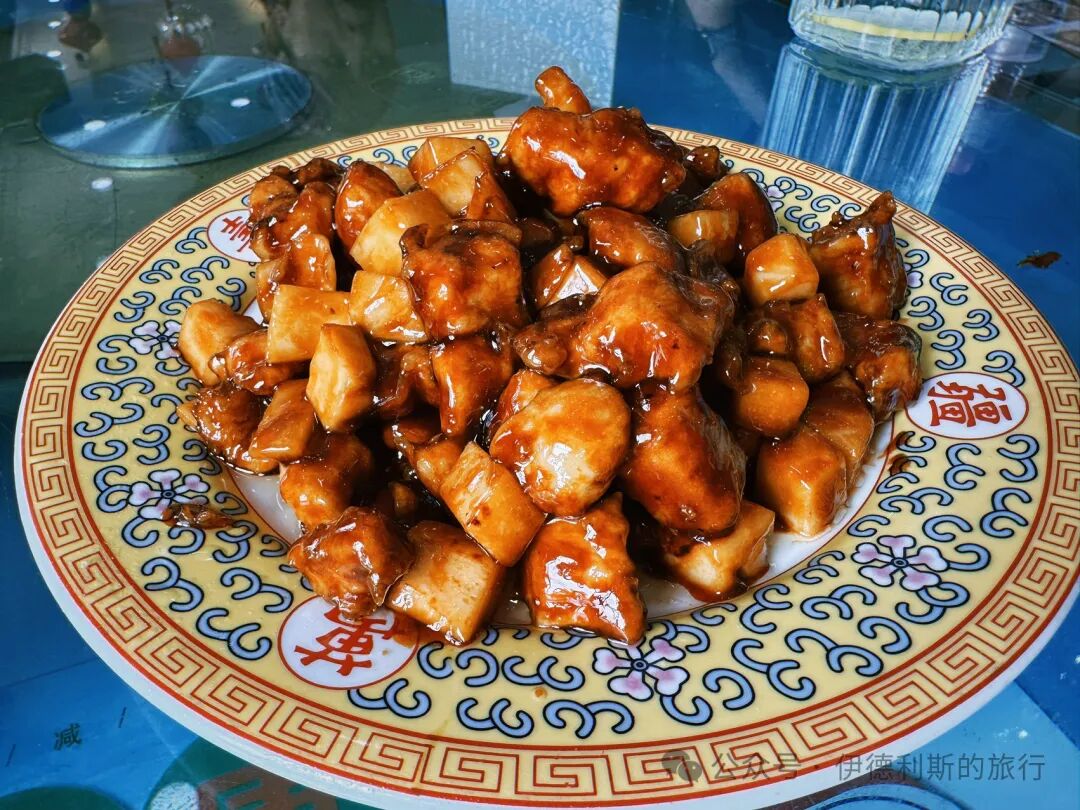
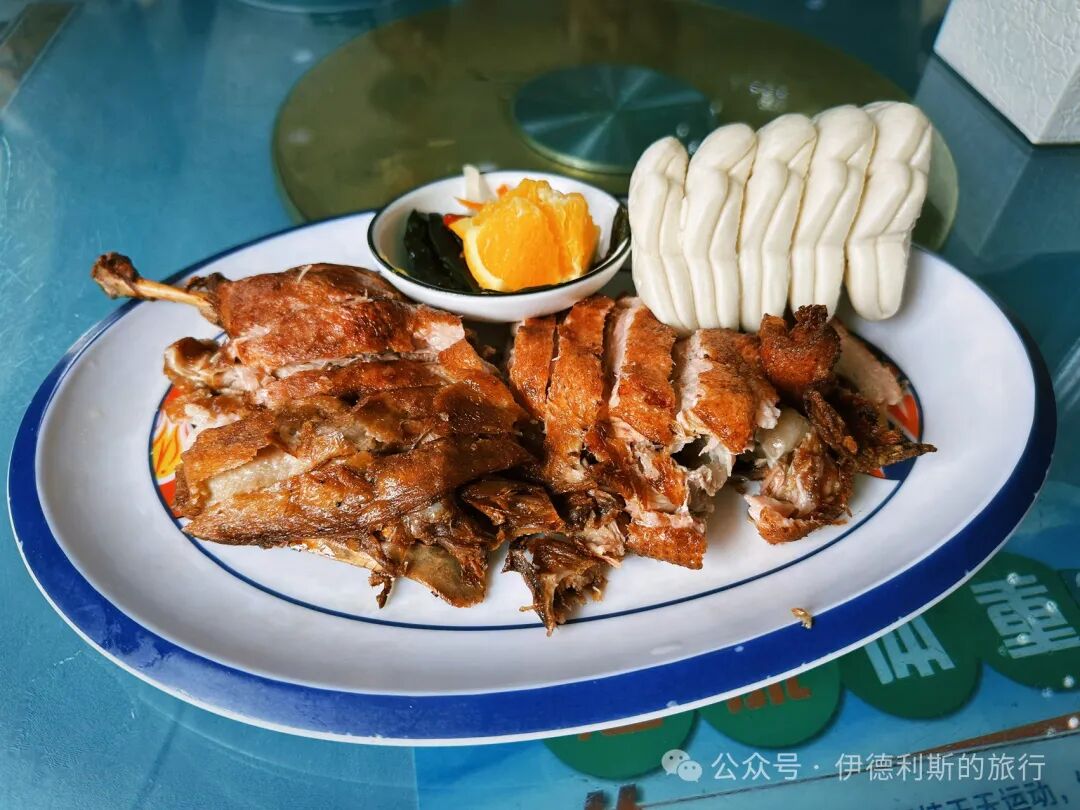
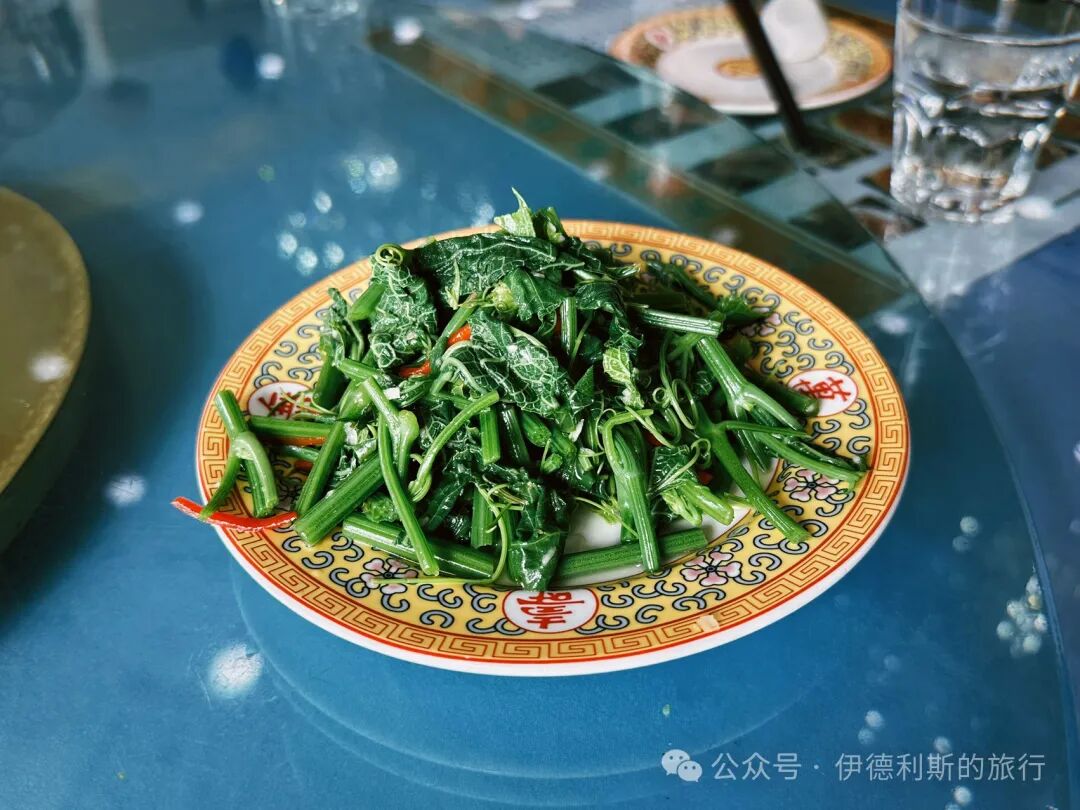
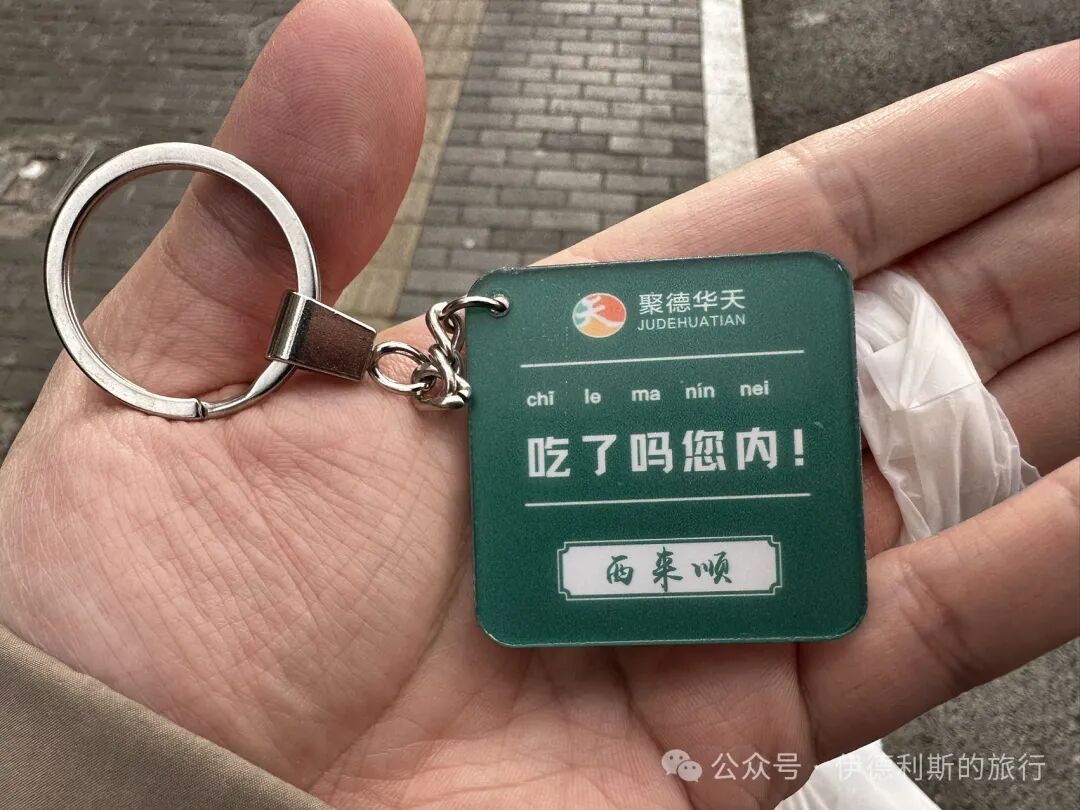
Whenever I am near Qianmen, Xilaishun is my go-to place to eat. I order the same things every time I visit Xilaishun: half a Ma Lianliang duck, stir-fried chicken cubes in bean sauce (jiangbao jiding), braised beef tendon (hongshao wogujin), bamboo fungus and jasmine soup (zhusun moli tang), fermented bean curd (ma doufu), stir-fried shrimp with green peas, luffa tips, and lotus leaf pancakes (heye bing). I personally think the Ma Lianliang duck tastes better than Beijing roast duck; it is fragrant, crispy, and delicious when wrapped in the pancakes.
Summary: Beijing - 10 Muslim Restaurants Worth Trying is presented as a clear English travel account for readers interested in Muslim life, halal food, mosques, and local history. The article keeps the original names, food details, photographs, and cultural context while focusing on Beijing Halal Food, Muslim Restaurants, Halal Travel.
1. Pakistani restaurant: Lahore Courtyard
Lahore Courtyard is a Pakistani restaurant on the small street outside Dongzhimen. I have been to their Qingnian Road location many times, but this was my first visit to the Dongzhimen branch.
The Dongzhimen branch has fewer menu items than the Qingnian Road location. We ordered Punjabi chickpeas (Punjabi Chole), grilled cream chicken chunks (Chicken Malai Boti), flatbread (Paratha), garlic naan (Naan), strawberry yogurt drink (Laasi), and malt beverage (Barbican). Suleiman really liked their sofa and lounged on it comfortably.
In grilled cream chicken chunks (Chicken Malai Boti), 'Malai' is the Urdu word for cream. The chicken is marinated in cream or yogurt before cooking, which makes the meat very tender and fragrant with a milky flavor.
Punjabi chickpeas (Punjabi Chole) is a classic Punjabi banquet dish, where 'Chole' means chickpeas in Punjabi. This dish is served at almost every Punjabi wedding, and Lahore is the capital of Pakistan's Punjab province. To make it, you soak the chickpeas overnight, then cook them with onions, tomatoes, and various spices to create a masala curry, which is eaten with flatbread.
We ordered two types of bread: unleavened flatbread (paratha) and leavened garlic naan (naan). Their naan was better. It was fresh, smelled strongly of wheat, and tasted great with curry.
Zainab and Sulaiman both loved the yogurt drink (lassi) here. It was sugar-free and room temperature, so even the kids could drink it.
I drank a malt beverage (barbican). It originated in the UK, was brought to the Middle East by the Saudi company Aujan in 1982, and has been produced in Dubai since 2005. It is now the most famous malt drink in the Middle East. I first drank a barbican at an imported goods supermarket near my university. I didn't have much money back then, so I could only have one occasionally in the summer. It felt very refreshing. Ten years have passed in a flash. Now that I earn my own money, I can finally drink as much barbican as I want.
2. Beef knife-cut noodles (daoxiaomian):
Business is booming.
The Maimaihong Beef Sliced Noodles shop from Jiaozuo, Henan, serves the best sliced noodles I have ever had in Beijing!
There are many halal hand-pulled noodle (lamian) shops in Beijing, but very few that serve sliced noodles. After work, I went to Maimaihong Beef Sliced Noodles near the Anheqiao North subway station. It is run by a Hui Muslim family named Mai from Jiaozuo, and they make authentic braised beef sliced noodles in the style of the Jin-speaking region. I ordered the deluxe beef sliced noodles and added dried tofu (dougan). It tasted very authentic, just like what I had in Shanxi before. The beef was stewed until very fragrant, and the sliced noodles had a great chew.
3. Mongolian food:
Hulun Aile
I had a Hulunbuir Mongolian meal at Hulun Aile in Shilihe. It is a rare halal Mongolian restaurant in Beijing, and the food is very authentic.
We ordered the dairy afternoon tea set, which included salty milk tea with roasted rice (chaomi), a platter of various dairy products, fresh milk, and milk brick ice cream. Aside from some of the dairy being a bit too sweet, it felt like a perfect setup for drinking tea and chatting.
We also ordered hand-held beef steak (shouba niupai). Cutting it with a small knife and spreading fresh chive flower sauce and chili sauce on the tip of the blade really gave it a grassland vibe. There were also Buryat steamed buns (Buryat baozi). They are similar to the thin-skinned buns from Xinjiang, but the filling is made of meat chunks. I think they taste better than the kind made with ground meat, though the skin is a bit thicker than the Xinjiang version.
We also had various Hulunbuir lamb rolls for hot pot. I found these to be quite ordinary and not as unique as the Mongolian dishes we had earlier. We didn't order the meat sausages or air-dried meat, but we will definitely try them next time. Overall, this place is well worth a visit.
4. West Africa, Ghana: Tribe Garden
The West African Ghanaian restaurant Tribe Garden in Sanlitun SOHO is open from 2 p.m. to 4 a.m. on Saturdays and Sundays.
They seem to be the only West African restaurant in Beijing. We ordered the grilled chicken leg Jollof rice, grilled tilapia fried rice, and fried African plantains, and everything was delicious! The grilled tilapia is especially good, with crispy skin and tender meat. It has no large bones, so Suleiman loves eating it.
The name Jollof rice comes from the Jolof Empire and Jolof Kingdom that ruled West Africa from the 14th to 19th centuries. It likely started in Senegal and spread across West Africa through Dyula traders. The Ghanaian version of Jollof rice is made with long-grain rice, onions, ginger, garlic, chili peppers, tomatoes, tomato paste, and meat. You can use beef, goat, or chicken. To make it, first stir-fry the meat, then add onions, peppers, tomato paste, tomatoes, and various spices before cooking the rice. Once it is ready, it is usually served with plantains, beef, chicken, or fried fish.
Ghanaian fried plantains are called Kelewele. They are made by slicing plantains, seasoning them with spices, and frying them until golden brown. It is a classic street snack.
They also have many West African specialties, like fried plantains with black-eyed peas, melon seed soup (Egusi) with pounded yam (Fufu), and seafood Jollof rice. I previously ate Egusi with Fufu at Sina Restaurant in Yiwu, and to be honest, it was a bit hard to get used to. If you are trying West African food for the first time, I recommend starting with Jollof rice or fried rice.
5. Xi'an food: Xing Laosi Meatball Spicy Soup (rouwan hulatang).
I visited the Xing Laosi Meatball Spicy Soup shop at the Lianhang Food Court near the Lama Temple (Yonghegong) and had the meatball spicy soup with a cured beef sandwich (labanirou jiamo). Beijing
Many halal Henan-style spicy soup shops have opened in Beijing over the last two years, but this seems to be the only halal Shaanxi-style meatball spicy soup shop.
Their meatball spicy soup is not as peppery as the version in Xi'an, so it is easy for Beijing locals to enjoy, but I felt the starch thickener was a bit too heavy. I really liked the cured beef sandwich; it tastes almost the same as the ones I have had in the Muslim Quarter (fangshang) in Xi'an.
The Lianhang Food Court at the Lama Temple is a bit hard to find. Look for the elevator to the left of the Yonghe Shuting bookstore, go down to the basement, and turn left to find the shop. Liangtaoxuan Beef Noodles and a Uyghur pilaf (zhua fan) shop used to be here. Both were delicious, but unfortunately, they have both closed. I hope this place stays open.
6. Xinjiang cuisine: Jinying Meatball Soup
I have been eating at Jinying Meatball Soup for ten years and have always loved it. This was Suleiman's first time trying it.
We specifically asked for the non-spicy meatball soup. Suleiman really liked the meatballs and the meat. Of course, his favorite was the steamed layered bun (youtazi). He held onto it and wouldn't let go; he wanted to eat all six of them. I also think the steamed layered bun is incredibly fragrant—regular steamed rolls (huajuan) just can't compare!
Among all the dishes at Jinying Meatball Soup, my favorite is the beef bone (niubanggu). It is stewed until it is fragrant and tender. I used a small knife to cut it off, and Suleiman enjoyed it very much.
7. Xinjiang cuisine: Hotan Canteen Open-Air Night Market
The Hetian canteen now feels a bit like a small Xinjiang night market! Time to try all the snacks!
The thin-skinned steamed buns (baopi baozi) are wrapped and steamed to order. They are hot, fragrant, and come in both pumpkin and lamb fillings, both of which are very authentic.
I have always loved their yogurt shaved ice (suannai baobing), and I think theirs is the best in Beijing. This time I even saw rye flatbread (heimai nang) there, which is rare even in Urumqi! It has a very rich rye flavor.
Finally, they have added a new Yili specialty: handmade ice cream (awulali shougong bingqilin)! They have many flavors, so we chose almond, original, and honey. After trying them, I still think the original is the best. Now we can finally eat Yili handmade ice cream in Beijing.
8. Syrian Restaurant: BRBR SOLANA branch
We had a Syrian meal at BRBR in SOLANA. I called 40 minutes ahead to book a table because they are very popular on weekends.
We ordered half a chicken, lamb shank with yogurt (laban), salty yogurt drink (ayran), fava beans with tahini (ful medames), mixed buttered vegetables, sand-brewed coffee, and Damascus ice cream. The lamb shank with yogurt was quite tender and goes perfectly with rice. The salty yogurt drink didn't have much sourness and was mostly just salty. It didn't taste as good as what we drank in the Middle East, likely due to the source of the milk. The tahini in the fava beans was thicker than what we had in the Middle East, making it a bit dry to eat on its own. We asked for an Arabic flatbread (khubz), but since it was a busy weekend, the staff weren't very attentive and the bread never arrived. The roasted chicken, sand-brewed coffee, and Damascus ice cream were all as delicious as always.
9. Beijing fusion food: Gulou Chimianguan.
The fermented bean curd noodles (choudoufu mian) at the Gulou East Street branch of Gulou Chimianguan smell really strong, but they taste delicious! I finished the noodles in just a few bites, and even my burps smelled like fermented bean curd. Beijing locals really love this, and I recommend visitors give it a try too.
On Mondays, they have a buy-one-get-one-free deal on mini burgers, so I ordered a roasted lamb burger (shao yangrou bao). I usually eat roasted lamb noodles with Sichuan peppercorn sauce (shao yangrou huajiao cuan'er mian), but this was my first time having a roasted lamb burger. It is a great mix of Chinese and Western flavors, and it really feels like our own Beijing-style fast food, haha.
Their cold noodles (lengmian) are incredibly satisfying. Back when I was stuck at home during the pandemic, I survived by ordering these cold noodles for delivery.
This was my first time eating fried dough (youxiang) with a knife and fork. It is not the traditional leavened dough style from North China, but feels more like a hot-water dough version, and the added cheese makes it very fragrant.
10. Beijing cuisine: Xilaishun.
Whenever I am near Qianmen, Xilaishun is my go-to place to eat. I order the same things every time I visit Xilaishun: half a Ma Lianliang duck, stir-fried chicken cubes in bean sauce (jiangbao jiding), braised beef tendon (hongshao wogujin), bamboo fungus and jasmine soup (zhusun moli tang), fermented bean curd (ma doufu), stir-fried shrimp with green peas, luffa tips, and lotus leaf pancakes (heye bing). I personally think the Ma Lianliang duck tastes better than Beijing roast duck; it is fragrant, crispy, and delicious when wrapped in the pancakes.
